window.__IS_SSR__=true
window.__INITIAL_STATE__={
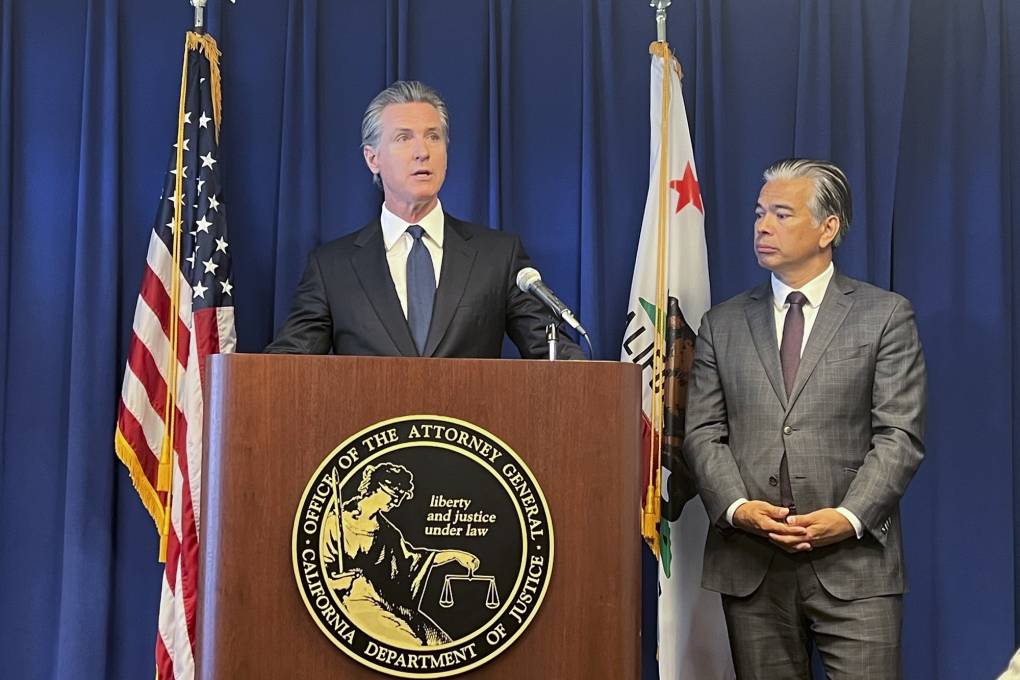
"attachmentsReducer": {
"audio_0": {
"type": "attachments",
"id": "audio_0",
"imgSizes": {
"kqedFullSize": {
"file": "https://ww2.kqed.org/news/wp-content/themes/KQED-unified/img/audio_bgs/background0.jpg"
}
}
},
"audio_1": {
"type": "attachments",
"id": "audio_1",
"imgSizes": {
"kqedFullSize": {
"file": "https://ww2.kqed.org/news/wp-content/themes/KQED-unified/img/audio_bgs/background1.jpg"
}
}
},
"audio_2": {
"type": "attachments",
"id": "audio_2",
"imgSizes": {
"kqedFullSize": {
"file": "https://ww2.kqed.org/news/wp-content/themes/KQED-unified/img/audio_bgs/background2.jpg"
}
}
},
"audio_3": {
"type": "attachments",
"id": "audio_3",
"imgSizes": {
"kqedFullSize": {
"file": "https://ww2.kqed.org/news/wp-content/themes/KQED-unified/img/audio_bgs/background3.jpg"
}
}
},
"audio_4": {
"type": "attachments",
"id": "audio_4",
"imgSizes": {
"kqedFullSize": {
"file": "https://ww2.kqed.org/news/wp-content/themes/KQED-unified/img/audio_bgs/background4.jpg"
}
}
},
"placeholder": {
"type": "attachments",
"id": "placeholder",
"imgSizes": {
"thumbnail": {
"file": "https://cdn.kqed.org/wp-content/uploads/2024/12/KQED-Default-Image-816638274-2000x1333-1-160x107.jpg",
"width": 160,
"height": 107,
"mimeType": "image/jpeg"
},
"medium": {
"file": "https://cdn.kqed.org/wp-content/uploads/2024/12/KQED-Default-Image-816638274-2000x1333-1-800x533.jpg",
"width": 800,
"height": 533,
"mimeType": "image/jpeg"
},
"medium_large": {
"file": "https://cdn.kqed.org/wp-content/uploads/2024/12/KQED-Default-Image-816638274-2000x1333-1-768x512.jpg",
"width": 768,
"height": 512,
"mimeType": "image/jpeg"
},
"large": {
"file": "https://cdn.kqed.org/wp-content/uploads/2024/12/KQED-Default-Image-816638274-2000x1333-1-1020x680.jpg",
"width": 1020,
"height": 680,
"mimeType": "image/jpeg"
},
"1536x1536": {
"file": "https://cdn.kqed.org/wp-content/uploads/2024/12/KQED-Default-Image-816638274-2000x1333-1-1536x1024.jpg",
"width": 1536,
"height": 1024,
"mimeType": "image/jpeg"
},
"fd-lrg": {
"file": "https://cdn.kqed.org/wp-content/uploads/2024/12/KQED-Default-Image-816638274-2000x1333-1-1536x1024.jpg",
"width": 1536,
"height": 1024,
"mimeType": "image/jpeg"
},
"fd-med": {
"file": "https://cdn.kqed.org/wp-content/uploads/2024/12/KQED-Default-Image-816638274-2000x1333-1-1020x680.jpg",
"width": 1020,
"height": 680,
"mimeType": "image/jpeg"
},
"fd-sm": {
"file": "https://cdn.kqed.org/wp-content/uploads/2024/12/KQED-Default-Image-816638274-2000x1333-1-800x533.jpg",
"width": 800,
"height": 533,
"mimeType": "image/jpeg"
},
"post-thumbnail": {
"file": "https://cdn.kqed.org/wp-content/uploads/2024/12/KQED-Default-Image-816638274-2000x1333-1-672x372.jpg",
"width": 672,
"height": 372,
"mimeType": "image/jpeg"
},
"twentyfourteen-full-width": {
"file": "https://cdn.kqed.org/wp-content/uploads/2024/12/KQED-Default-Image-816638274-2000x1333-1-1038x576.jpg",
"width": 1038,
"height": 576,
"mimeType": "image/jpeg"
},
"xxsmall": {
"file": "https://cdn.kqed.org/wp-content/uploads/2024/12/KQED-Default-Image-816638274-2000x1333-1-160x107.jpg",
"width": 160,
"height": 107,
"mimeType": "image/jpeg"
},
"xsmall": {
"file": "https://cdn.kqed.org/wp-content/uploads/2024/12/KQED-Default-Image-816638274-2000x1333-1-672x372.jpg",
"width": 672,
"height": 372,
"mimeType": "image/jpeg"
},
"small": {
"file": "https://cdn.kqed.org/wp-content/uploads/2024/12/KQED-Default-Image-816638274-2000x1333-1-672x372.jpg",
"width": 672,
"height": 372,
"mimeType": "image/jpeg"
},
"xlarge": {
"file": "https://cdn.kqed.org/wp-content/uploads/2024/12/KQED-Default-Image-816638274-2000x1333-1-1020x680.jpg",
"width": 1020,
"height": 680,
"mimeType": "image/jpeg"
},
"full-width": {
"file": "https://cdn.kqed.org/wp-content/uploads/2024/12/KQED-Default-Image-816638274-2000x1333-1-1920x1280.jpg",
"width": 1920,
"height": 1280,
"mimeType": "image/jpeg"
},
"guest-author-32": {
"file": "https://cdn.kqed.org/wp-content/uploads/2025/01/KQED-Default-Image-816638274-1333x1333-1-160x160.jpg",
"width": 32,
"height": 32,
"mimeType": "image/jpeg"
},
"guest-author-50": {
"file": "https://cdn.kqed.org/wp-content/uploads/2025/01/KQED-Default-Image-816638274-1333x1333-1-160x160.jpg",
"width": 50,
"height": 50,
"mimeType": "image/jpeg"
},
"guest-author-64": {
"file": "https://cdn.kqed.org/wp-content/uploads/2025/01/KQED-Default-Image-816638274-1333x1333-1-160x160.jpg",
"width": 64,
"height": 64,
"mimeType": "image/jpeg"
},
"guest-author-96": {
"file": "https://cdn.kqed.org/wp-content/uploads/2025/01/KQED-Default-Image-816638274-1333x1333-1-160x160.jpg",
"width": 96,
"height": 96,
"mimeType": "image/jpeg"
},
"guest-author-128": {
"file": "https://cdn.kqed.org/wp-content/uploads/2025/01/KQED-Default-Image-816638274-1333x1333-1-160x160.jpg",
"width": 128,
"height": 128,
"mimeType": "image/jpeg"
},
"detail": {
"file": "https://cdn.kqed.org/wp-content/uploads/2025/01/KQED-Default-Image-816638274-1333x1333-1-160x160.jpg",
"width": 160,
"height": 160,
"mimeType": "image/jpeg"
},
"kqedFullSize": {
"file": "https://cdn.kqed.org/wp-content/uploads/2024/12/KQED-Default-Image-816638274-2000x1333-1.jpg",
"width": 2000,
"height": 1333
}
}
},
"news_12000331": {
"type": "attachments",
"id": "news_12000331",
"meta": {
"index": "attachments_1716263798",
"site": "news",
"id": "12000331",
"found": true
},
"title": "240808-ENCAMPMENT SWEEP-MD-12-KQED",
"publishDate": 1723742479,
"status": "inherit",
"parent": 12000606,
"modified": 1723852028,
"caption": "An unhoused man moves his belongings in a shopping cart after being displaced from his encampment. On Thursday, Gov. Gavin Newsom joined state and local leaders in the Bay Area to sign new legislation addressing homelessness and expanding affordable housing, while also unveiling statewide initiatives focused on housing and mental health.",
"credit": "Martin do Nascimento/KQED",
"altTag": null,
"description": null,
"imgSizes": {
"medium": {
"file": "https://cdn.kqed.org/wp-content/uploads/sites/10/2024/08/240808-ENCAMPMENT-SWEEP-MD-12-KQED-800x533.jpg",
"width": 800,
"height": 533,
"mimeType": "image/jpeg"
},
"large": {
"file": "https://cdn.kqed.org/wp-content/uploads/sites/10/2024/08/240808-ENCAMPMENT-SWEEP-MD-12-KQED-1020x680.jpg",
"width": 1020,
"height": 680,
"mimeType": "image/jpeg"
},
"thumbnail": {
"file": "https://cdn.kqed.org/wp-content/uploads/sites/10/2024/08/240808-ENCAMPMENT-SWEEP-MD-12-KQED-160x107.jpg",
"width": 160,
"height": 107,
"mimeType": "image/jpeg"
},
"1536x1536": {
"file": "https://cdn.kqed.org/wp-content/uploads/sites/10/2024/08/240808-ENCAMPMENT-SWEEP-MD-12-KQED-1536x1024.jpg",
"width": 1536,
"height": 1024,
"mimeType": "image/jpeg"
},
"post-thumbnail": {
"file": "https://cdn.kqed.org/wp-content/uploads/sites/10/2024/08/240808-ENCAMPMENT-SWEEP-MD-12-KQED-672x372.jpg",
"width": 672,
"height": 372,
"mimeType": "image/jpeg"
},
"twentyfourteen-full-width": {
"file": "https://cdn.kqed.org/wp-content/uploads/sites/10/2024/08/240808-ENCAMPMENT-SWEEP-MD-12-KQED-1038x576.jpg",
"width": 1038,
"height": 576,
"mimeType": "image/jpeg"
},
"full-width": {
"file": "https://cdn.kqed.org/wp-content/uploads/sites/10/2024/08/240808-ENCAMPMENT-SWEEP-MD-12-KQED-1920x1280.jpg",
"width": 1920,
"height": 1280,
"mimeType": "image/jpeg"
},
"kqedFullSize": {
"file": "https://cdn.kqed.org/wp-content/uploads/sites/10/2024/08/240808-ENCAMPMENT-SWEEP-MD-12-KQED.jpg",
"width": 2000,
"height": 1333
}
},
"isLoading": false,
"fetchFailed": false
},
"news_11985621": {
"type": "attachments",
"id": "news_11985621",
"meta": {
"index": "attachments_1716263798",
"site": "news",
"id": "11985621",
"found": true
},
"parent": 11985619,
"imgSizes": {
"twentyfourteen-full-width": {
"file": "https://cdn.kqed.org/wp-content/uploads/sites/10/2024/05/AP24130599594139-1038x576.jpg",
"width": 1038,
"mimeType": "image/jpeg",
"height": 576
},
"thumbnail": {
"file": "https://cdn.kqed.org/wp-content/uploads/sites/10/2024/05/AP24130599594139-160x107.jpg",
"width": 160,
"mimeType": "image/jpeg",
"height": 107
},
"post-thumbnail": {
"file": "https://cdn.kqed.org/wp-content/uploads/sites/10/2024/05/AP24130599594139-672x372.jpg",
"width": 672,
"mimeType": "image/jpeg",
"height": 372
},
"kqedFullSize": {
"file": "https://cdn.kqed.org/wp-content/uploads/sites/10/2024/05/AP24130599594139-scaled.jpg",
"width": 2560,
"height": 1707
},
"2048x2048": {
"file": "https://cdn.kqed.org/wp-content/uploads/sites/10/2024/05/AP24130599594139-2048x1365.jpg",
"width": 2048,
"mimeType": "image/jpeg",
"height": 1365
},
"large": {
"file": "https://cdn.kqed.org/wp-content/uploads/sites/10/2024/05/AP24130599594139-1020x680.jpg",
"width": 1020,
"mimeType": "image/jpeg",
"height": 680
},
"1536x1536": {
"file": "https://cdn.kqed.org/wp-content/uploads/sites/10/2024/05/AP24130599594139-1536x1024.jpg",
"width": 1536,
"mimeType": "image/jpeg",
"height": 1024
},
"full-width": {
"file": "https://cdn.kqed.org/wp-content/uploads/sites/10/2024/05/AP24130599594139-1920x1280.jpg",
"width": 1920,
"mimeType": "image/jpeg",
"height": 1280
},
"medium": {
"file": "https://cdn.kqed.org/wp-content/uploads/sites/10/2024/05/AP24130599594139-800x533.jpg",
"width": 800,
"mimeType": "image/jpeg",
"height": 533
}
},
"publishDate": 1715296159,
"modified": 1715297420,
"caption": "California Gov. Gavin Newsom speaks in Larkspur, Marin County, on April 16, 2024. California could soon deploy generative artificial intelligence tools to help reduce traffic jams, make roads safer and provide tax guidance, among other things, under new agreements announced on May 9, 2024, as part of Gov. Gavin Newsom's efforts to harness the power of new technologies for public services. ",
"description": null,
"title": "Gavin Newsom",
"credit": "Jeff Chiu/AP Photo",
"status": "inherit",
"altTag": "A white, middle-aged man in a suit and white shirt with no tie gestures to his right while speaking into a microphone outdoors.",
"isLoading": false,
"fetchFailed": false
},
"news_12003496": {
"type": "attachments",
"id": "news_12003496",
"meta": {
"index": "attachments_1716263798",
"site": "news",
"id": "12003496",
"found": true
},
"title": "Trump v Harris debate",
"publishDate": 1725666531,
"status": "inherit",
"parent": 12003480,
"modified": 1725666689,
"caption": "Vice President Kamala Harris and former President Donald J. Trump will participate in a televised debate on ABC News on Tuesday, Sept. 10. ",
"credit": null,
"altTag": null,
"description": "Vice President Kamala Harris and former President Donald J. Trump will participate in a televised debate on ABC News on Tuesday, Sept. 10. ",
"imgSizes": {
"medium": {
"file": "https://cdn.kqed.org/wp-content/uploads/sites/10/2024/09/Trump-v-Harris-debate-800x534.jpg",
"width": 800,
"height": 534,
"mimeType": "image/jpeg"
},
"large": {
"file": "https://cdn.kqed.org/wp-content/uploads/sites/10/2024/09/Trump-v-Harris-debate-1020x681.jpg",
"width": 1020,
"height": 681,
"mimeType": "image/jpeg"
},
"thumbnail": {
"file": "https://cdn.kqed.org/wp-content/uploads/sites/10/2024/09/Trump-v-Harris-debate-160x107.jpg",
"width": 160,
"height": 107,
"mimeType": "image/jpeg"
},
"post-thumbnail": {
"file": "https://cdn.kqed.org/wp-content/uploads/sites/10/2024/09/Trump-v-Harris-debate-672x372.jpg",
"width": 672,
"height": 372,
"mimeType": "image/jpeg"
},
"twentyfourteen-full-width": {
"file": "https://cdn.kqed.org/wp-content/uploads/sites/10/2024/09/Trump-v-Harris-debate-1038x576.jpg",
"width": 1038,
"height": 576,
"mimeType": "image/jpeg"
},
"kqedFullSize": {
"file": "https://cdn.kqed.org/wp-content/uploads/sites/10/2024/09/Trump-v-Harris-debate.jpg",
"width": 1079,
"height": 720
}
},
"isLoading": false,
"fetchFailed": false
},
"news_12003447": {
"type": "attachments",
"id": "news_12003447",
"meta": {
"index": "attachments_1716263798",
"site": "news",
"id": "12003447",
"found": true
},
"title": "California Affordable Housing Settlement",
"publishDate": 1725656828,
"status": "inherit",
"parent": 12003444,
"modified": 1733176104,
"caption": "Gov. Gavin Newsom speaks next to Attorney General Rob Bonta during a press conference on Sept. 4, 2024, in Sacramento. ",
"credit": "Sophie Austin/AP Photo",
"altTag": null,
"description": "Gov. Gavin Newsom speaks next to Attorney General Rob Bonta during a press conference on Sept. 4, 2024, in Sacramento. On Friday, Newsom announced that he vetoed AB 1840, which aimed to prevent California’s Housing Finance Agency from disqualifying applicants for the California Dream For All Shared Appreciation Loan based solely on their immigration status.",
"imgSizes": {
"medium": {
"file": "https://cdn.kqed.org/wp-content/uploads/sites/10/2024/09/GavinNewsomAP-800x533.jpg",
"width": 800,
"height": 533,
"mimeType": "image/jpeg"
},
"large": {
"file": "https://cdn.kqed.org/wp-content/uploads/sites/10/2024/09/GavinNewsomAP-1020x680.jpg",
"width": 1020,
"height": 680,
"mimeType": "image/jpeg"
},
"thumbnail": {
"file": "https://cdn.kqed.org/wp-content/uploads/sites/10/2024/09/GavinNewsomAP-160x107.jpg",
"width": 160,
"height": 107,
"mimeType": "image/jpeg"
},
"1536x1536": {
"file": "https://cdn.kqed.org/wp-content/uploads/sites/10/2024/09/GavinNewsomAP-1536x1024.jpg",
"width": 1536,
"height": 1024,
"mimeType": "image/jpeg"
},
"post-thumbnail": {
"file": "https://cdn.kqed.org/wp-content/uploads/sites/10/2024/09/GavinNewsomAP-672x372.jpg",
"width": 672,
"height": 372,
"mimeType": "image/jpeg"
},
"twentyfourteen-full-width": {
"file": "https://cdn.kqed.org/wp-content/uploads/sites/10/2024/09/GavinNewsomAP-1038x576.jpg",
"width": 1038,
"height": 576,
"mimeType": "image/jpeg"
},
"full-width": {
"file": "https://cdn.kqed.org/wp-content/uploads/sites/10/2024/09/GavinNewsomAP-1920x1280.jpg",
"width": 1920,
"height": 1280,
"mimeType": "image/jpeg"
},
"kqedFullSize": {
"file": "https://cdn.kqed.org/wp-content/uploads/sites/10/2024/09/GavinNewsomAP.jpg",
"width": 2000,
"height": 1333
}
},
"isLoading": false,
"fetchFailed": false
},
"news_12002105": {
"type": "attachments",
"id": "news_12002105",
"meta": {
"index": "attachments_1716263798",
"site": "news",
"id": "12002105",
"found": true
},
"title": "014_Richmond_JeanStanley_07152021_qed",
"publishDate": 1724799607,
"status": "inherit",
"parent": 12002010,
"modified": 1724800457,
"caption": "A woman holds the hotel key for a room she and her son have shared for months in Richmond on July 15, 2021. On Tuesday, Gov. Gavin Newsom signed two bills intended to ease California’s housing and homelessness crisis. One bill makes it easier for people experiencing homelessness to stay longer at a hotel or motel that has been converted into a shelter, and the other streamlines the approval process for smaller accessory dwelling units.",
"credit": "Beth LaBerge/KQED",
"altTag": null,
"description": null,
"imgSizes": {
"medium": {
"file": "https://cdn.kqed.org/wp-content/uploads/sites/10/2024/08/014_Richmond_JeanStanley_07152021_qed-800x533.jpg",
"width": 800,
"height": 533,
"mimeType": "image/jpeg"
},
"large": {
"file": "https://cdn.kqed.org/wp-content/uploads/sites/10/2024/08/014_Richmond_JeanStanley_07152021_qed-1020x680.jpg",
"width": 1020,
"height": 680,
"mimeType": "image/jpeg"
},
"thumbnail": {
"file": "https://cdn.kqed.org/wp-content/uploads/sites/10/2024/08/014_Richmond_JeanStanley_07152021_qed-160x107.jpg",
"width": 160,
"height": 107,
"mimeType": "image/jpeg"
},
"1536x1536": {
"file": "https://cdn.kqed.org/wp-content/uploads/sites/10/2024/08/014_Richmond_JeanStanley_07152021_qed-1536x1024.jpg",
"width": 1536,
"height": 1024,
"mimeType": "image/jpeg"
},
"post-thumbnail": {
"file": "https://cdn.kqed.org/wp-content/uploads/sites/10/2024/08/014_Richmond_JeanStanley_07152021_qed-672x372.jpg",
"width": 672,
"height": 372,
"mimeType": "image/jpeg"
},
"twentyfourteen-full-width": {
"file": "https://cdn.kqed.org/wp-content/uploads/sites/10/2024/08/014_Richmond_JeanStanley_07152021_qed-1038x576.jpg",
"width": 1038,
"height": 576,
"mimeType": "image/jpeg"
},
"full-width": {
"file": "https://cdn.kqed.org/wp-content/uploads/sites/10/2024/08/014_Richmond_JeanStanley_07152021_qed-1920x1280.jpg",
"width": 1920,
"height": 1280,
"mimeType": "image/jpeg"
},
"kqedFullSize": {
"file": "https://cdn.kqed.org/wp-content/uploads/sites/10/2024/08/014_Richmond_JeanStanley_07152021_qed.jpg",
"width": 2000,
"height": 1333
}
},
"isLoading": false,
"fetchFailed": false
},
"news_12002023": {
"type": "attachments",
"id": "news_12002023",
"meta": {
"index": "attachments_1716263798",
"site": "news",
"id": "12002023",
"found": true
},
"title": "042924_State-Capitol-Session-MG_CM_25",
"publishDate": 1724779391,
"status": "inherit",
"parent": 12002006,
"modified": 1724779474,
"caption": "State Sen. Scott Wiener on the Senate Floor at the state Capitol in Sacramento on April 29, 2024. ",
"credit": "Miguel Gutierrez Jr. / CalMatters",
"altTag": "A white man wearing glasses and a business suit stands by a microphone inside a building.",
"description": null,
"imgSizes": {
"medium": {
"file": "https://cdn.kqed.org/wp-content/uploads/sites/10/2024/08/042924_State-Capitol-Session-MG_CM_25-800x533.jpg",
"width": 800,
"height": 533,
"mimeType": "image/jpeg"
},
"large": {
"file": "https://cdn.kqed.org/wp-content/uploads/sites/10/2024/08/042924_State-Capitol-Session-MG_CM_25-1020x680.jpg",
"width": 1020,
"height": 680,
"mimeType": "image/jpeg"
},
"thumbnail": {
"file": "https://cdn.kqed.org/wp-content/uploads/sites/10/2024/08/042924_State-Capitol-Session-MG_CM_25-160x107.jpg",
"width": 160,
"height": 107,
"mimeType": "image/jpeg"
},
"1536x1536": {
"file": "https://cdn.kqed.org/wp-content/uploads/sites/10/2024/08/042924_State-Capitol-Session-MG_CM_25-1536x1024.jpg",
"width": 1536,
"height": 1024,
"mimeType": "image/jpeg"
},
"post-thumbnail": {
"file": "https://cdn.kqed.org/wp-content/uploads/sites/10/2024/08/042924_State-Capitol-Session-MG_CM_25-672x372.jpg",
"width": 672,
"height": 372,
"mimeType": "image/jpeg"
},
"twentyfourteen-full-width": {
"file": "https://cdn.kqed.org/wp-content/uploads/sites/10/2024/08/042924_State-Capitol-Session-MG_CM_25-1038x576.jpg",
"width": 1038,
"height": 576,
"mimeType": "image/jpeg"
},
"full-width": {
"file": "https://cdn.kqed.org/wp-content/uploads/sites/10/2024/08/042924_State-Capitol-Session-MG_CM_25-1920x1280.jpg",
"width": 1920,
"height": 1280,
"mimeType": "image/jpeg"
},
"kqedFullSize": {
"file": "https://cdn.kqed.org/wp-content/uploads/sites/10/2024/08/042924_State-Capitol-Session-MG_CM_25.jpg",
"width": 2000,
"height": 1333
}
},
"isLoading": false,
"fetchFailed": false
},
"news_12001241": {
"type": "attachments",
"id": "news_12001241",
"meta": {
"index": "attachments_1716263798",
"site": "news",
"id": "12001241",
"found": true
},
"title": "Google's Bay View Campus In Silicon Valley",
"publishDate": 1724277349,
"status": "inherit",
"parent": 12055854,
"modified": 1757720142,
"caption": "Google's Bay View campus in Mountain View on June 16, 2022.",
"credit": "Zhang Yi/VCG via Getty Images",
"altTag": null,
"description": null,
"imgSizes": {
"medium": {
"file": "https://cdn.kqed.org/wp-content/uploads/sites/10/2024/08/GETTYIMAGES-1411232503-KQED-800x533.jpg",
"width": 800,
"height": 533,
"mimeType": "image/jpeg"
},
"large": {
"file": "https://cdn.kqed.org/wp-content/uploads/sites/10/2024/08/GETTYIMAGES-1411232503-KQED-1020x680.jpg",
"width": 1020,
"height": 680,
"mimeType": "image/jpeg"
},
"thumbnail": {
"file": "https://cdn.kqed.org/wp-content/uploads/sites/10/2024/08/GETTYIMAGES-1411232503-KQED-160x107.jpg",
"width": 160,
"height": 107,
"mimeType": "image/jpeg"
},
"1536x1536": {
"file": "https://cdn.kqed.org/wp-content/uploads/sites/10/2024/08/GETTYIMAGES-1411232503-KQED-1536x1024.jpg",
"width": 1536,
"height": 1024,
"mimeType": "image/jpeg"
},
"post-thumbnail": {
"file": "https://cdn.kqed.org/wp-content/uploads/sites/10/2024/08/GETTYIMAGES-1411232503-KQED-672x372.jpg",
"width": 672,
"height": 372,
"mimeType": "image/jpeg"
},
"twentyfourteen-full-width": {
"file": "https://cdn.kqed.org/wp-content/uploads/sites/10/2024/08/GETTYIMAGES-1411232503-KQED-1038x576.jpg",
"width": 1038,
"height": 576,
"mimeType": "image/jpeg"
},
"full-width": {
"file": "https://cdn.kqed.org/wp-content/uploads/sites/10/2024/08/GETTYIMAGES-1411232503-KQED-1920x1280.jpg",
"width": 1920,
"height": 1280,
"mimeType": "image/jpeg"
},
"kqedFullSize": {
"file": "https://cdn.kqed.org/wp-content/uploads/sites/10/2024/08/GETTYIMAGES-1411232503-KQED.jpg",
"width": 2000,
"height": 1333
}
},
"isLoading": false,
"fetchFailed": false
},
"news_12000959": {
"type": "attachments",
"id": "news_12000959",
"meta": {
"index": "attachments_1716263798",
"site": "news",
"id": "12000959",
"found": true
},
"title": "Cellphone-Ban_AH_CM_01 copy",
"publishDate": 1724184184,
"status": "inherit",
"parent": 12000954,
"modified": 1724184207,
"caption": null,
"credit": "Illustration by Adriana Heldiz/CalMatters; iStock",
"altTag": null,
"description": null,
"imgSizes": {
"medium": {
"file": "https://cdn.kqed.org/wp-content/uploads/sites/10/2024/08/Cellphone-Ban_AH_CM_01-copy-800x533.jpg",
"width": 800,
"height": 533,
"mimeType": "image/jpeg"
},
"large": {
"file": "https://cdn.kqed.org/wp-content/uploads/sites/10/2024/08/Cellphone-Ban_AH_CM_01-copy-1020x680.jpg",
"width": 1020,
"height": 680,
"mimeType": "image/jpeg"
},
"thumbnail": {
"file": "https://cdn.kqed.org/wp-content/uploads/sites/10/2024/08/Cellphone-Ban_AH_CM_01-copy-160x107.jpg",
"width": 160,
"height": 107,
"mimeType": "image/jpeg"
},
"1536x1536": {
"file": "https://cdn.kqed.org/wp-content/uploads/sites/10/2024/08/Cellphone-Ban_AH_CM_01-copy-1536x1024.jpg",
"width": 1536,
"height": 1024,
"mimeType": "image/jpeg"
},
"post-thumbnail": {
"file": "https://cdn.kqed.org/wp-content/uploads/sites/10/2024/08/Cellphone-Ban_AH_CM_01-copy-672x372.jpg",
"width": 672,
"height": 372,
"mimeType": "image/jpeg"
},
"twentyfourteen-full-width": {
"file": "https://cdn.kqed.org/wp-content/uploads/sites/10/2024/08/Cellphone-Ban_AH_CM_01-copy-1038x576.jpg",
"width": 1038,
"height": 576,
"mimeType": "image/jpeg"
},
"full-width": {
"file": "https://cdn.kqed.org/wp-content/uploads/sites/10/2024/08/Cellphone-Ban_AH_CM_01-copy-1920x1280.jpg",
"width": 1920,
"height": 1280,
"mimeType": "image/jpeg"
},
"kqedFullSize": {
"file": "https://cdn.kqed.org/wp-content/uploads/sites/10/2024/08/Cellphone-Ban_AH_CM_01-copy.jpg",
"width": 2000,
"height": 1333
}
},
"isLoading": false,
"fetchFailed": false
},
"news_12001082": {
"type": "attachments",
"id": "news_12001082",
"meta": {
"index": "attachments_1716263798",
"site": "news",
"id": "12001082",
"found": true
},
"title": "2024 Democratic National Convention: Day 2",
"publishDate": 1724210275,
"status": "inherit",
"parent": 12001032,
"modified": 1724260374,
"caption": "California Gov. Gavin Newsom, standing behind Rep. Maxine Waters and Speaker Emerita Nancy Pelosi, joins the California delegation as they cast their votes during the Ceremonial Roll Call of States on the second day of the Democratic National Convention at the United Center on Aug. 20, 2024, in Chicago, Illinois. ",
"credit": "Justin Sullivan/Getty Images",
"altTag": null,
"description": null,
"imgSizes": {
"medium": {
"file": "https://cdn.kqed.org/wp-content/uploads/sites/10/2024/08/GettyImages-2167653829_qed-800x533.jpg",
"width": 800,
"height": 533,
"mimeType": "image/jpeg"
},
"large": {
"file": "https://cdn.kqed.org/wp-content/uploads/sites/10/2024/08/GettyImages-2167653829_qed-1020x680.jpg",
"width": 1020,
"height": 680,
"mimeType": "image/jpeg"
},
"thumbnail": {
"file": "https://cdn.kqed.org/wp-content/uploads/sites/10/2024/08/GettyImages-2167653829_qed-160x107.jpg",
"width": 160,
"height": 107,
"mimeType": "image/jpeg"
},
"1536x1536": {
"file": "https://cdn.kqed.org/wp-content/uploads/sites/10/2024/08/GettyImages-2167653829_qed-1536x1024.jpg",
"width": 1536,
"height": 1024,
"mimeType": "image/jpeg"
},
"post-thumbnail": {
"file": "https://cdn.kqed.org/wp-content/uploads/sites/10/2024/08/GettyImages-2167653829_qed-672x372.jpg",
"width": 672,
"height": 372,
"mimeType": "image/jpeg"
},
"twentyfourteen-full-width": {
"file": "https://cdn.kqed.org/wp-content/uploads/sites/10/2024/08/GettyImages-2167653829_qed-1038x576.jpg",
"width": 1038,
"height": 576,
"mimeType": "image/jpeg"
},
"full-width": {
"file": "https://cdn.kqed.org/wp-content/uploads/sites/10/2024/08/GettyImages-2167653829_qed-1920x1280.jpg",
"width": 1920,
"height": 1280,
"mimeType": "image/jpeg"
},
"kqedFullSize": {
"file": "https://cdn.kqed.org/wp-content/uploads/sites/10/2024/08/GettyImages-2167653829_qed.jpg",
"width": 1999,
"height": 1333
}
},
"isLoading": false,
"fetchFailed": false
},
"news_11754056": {
"type": "attachments",
"id": "news_11754056",
"meta": {
"index": "attachments_1716263798",
"site": "news",
"id": "11754056",
"found": true
},
"parent": 11754005,
"imgSizes": {
"apple_news_ca_landscape_5_5": {
"file": "https://ww2.kqed.org/app/uploads/sites/10/2019/06/Shell-Oil-Refinery-Martinez-1044x783.jpg",
"width": 1044,
"mimeType": "image/jpeg",
"height": 783
},
"apple_news_ca_square_4_0": {
"file": "https://ww2.kqed.org/app/uploads/sites/10/2019/06/Shell-Oil-Refinery-Martinez-470x470.jpg",
"width": 470,
"mimeType": "image/jpeg",
"height": 470
},
"twentyfourteen-full-width": {
"file": "https://ww2.kqed.org/app/uploads/sites/10/2019/06/Shell-Oil-Refinery-Martinez-1038x576.jpg",
"width": 1038,
"mimeType": "image/jpeg",
"height": 576
},
"thumbnail": {
"file": "https://ww2.kqed.org/app/uploads/sites/10/2019/06/Shell-Oil-Refinery-Martinez-160x107.jpg",
"width": 160,
"mimeType": "image/jpeg",
"height": 107
},
"post-thumbnail": {
"file": "https://ww2.kqed.org/app/uploads/sites/10/2019/06/Shell-Oil-Refinery-Martinez-672x372.jpg",
"width": 672,
"mimeType": "image/jpeg",
"height": 372
},
"kqedFullSize": {
"file": "https://ww2.kqed.org/app/uploads/sites/10/2019/06/Shell-Oil-Refinery-Martinez.jpg",
"width": 1920,
"height": 1280
},
"apple_news_ca_landscape_4_7": {
"file": "https://ww2.kqed.org/app/uploads/sites/10/2019/06/Shell-Oil-Refinery-Martinez-632x474.jpg",
"width": 632,
"mimeType": "image/jpeg",
"height": 474
},
"large": {
"file": "https://ww2.kqed.org/app/uploads/sites/10/2019/06/Shell-Oil-Refinery-Martinez-1020x680.jpg",
"width": 1020,
"mimeType": "image/jpeg",
"height": 680
},
"complete_open_graph": {
"file": "https://ww2.kqed.org/app/uploads/sites/10/2019/06/Shell-Oil-Refinery-Martinez-1200x800.jpg",
"width": 1200,
"mimeType": "image/jpeg",
"height": 800
},
"apple_news_ca_landscape_4_0": {
"file": "https://ww2.kqed.org/app/uploads/sites/10/2019/06/Shell-Oil-Refinery-Martinez-536x402.jpg",
"width": 536,
"mimeType": "image/jpeg",
"height": 402
},
"apple_news_ca_portrait_12_9": {
"file": "https://ww2.kqed.org/app/uploads/sites/10/2019/06/Shell-Oil-Refinery-Martinez-1122x1280.jpg",
"width": 1122,
"mimeType": "image/jpeg",
"height": 1280
},
"medium": {
"file": "https://ww2.kqed.org/app/uploads/sites/10/2019/06/Shell-Oil-Refinery-Martinez-800x533.jpg",
"width": 800,
"mimeType": "image/jpeg",
"height": 533
},
"apple_news_ca_portrait_4_0": {
"file": "https://ww2.kqed.org/app/uploads/sites/10/2019/06/Shell-Oil-Refinery-Martinez-354x472.jpg",
"width": 354,
"mimeType": "image/jpeg",
"height": 472
},
"apple_news_ca_portrait_9_7": {
"file": "https://ww2.kqed.org/app/uploads/sites/10/2019/06/Shell-Oil-Refinery-Martinez-840x1120.jpg",
"width": 840,
"mimeType": "image/jpeg",
"height": 1120
},
"apple_news_ca_landscape_12_9": {
"file": "https://ww2.kqed.org/app/uploads/sites/10/2019/06/Shell-Oil-Refinery-Martinez-1832x1280.jpg",
"width": 1832,
"mimeType": "image/jpeg",
"height": 1280
},
"apple_news_ca_square_9_7": {
"file": "https://ww2.kqed.org/app/uploads/sites/10/2019/06/Shell-Oil-Refinery-Martinez-1104x1104.jpg",
"width": 1104,
"mimeType": "image/jpeg",
"height": 1104
},
"apple_news_ca_portrait_4_7": {
"file": "https://ww2.kqed.org/app/uploads/sites/10/2019/06/Shell-Oil-Refinery-Martinez-414x552.jpg",
"width": 414,
"mimeType": "image/jpeg",
"height": 552
},
"apple_news_ca_square_12_9": {
"file": "https://ww2.kqed.org/app/uploads/sites/10/2019/06/Shell-Oil-Refinery-Martinez-1472x1280.jpg",
"width": 1472,
"mimeType": "image/jpeg",
"height": 1280
},
"apple_news_ca_portrait_5_5": {
"file": "https://ww2.kqed.org/app/uploads/sites/10/2019/06/Shell-Oil-Refinery-Martinez-687x916.jpg",
"width": 687,
"mimeType": "image/jpeg",
"height": 916
},
"full-width": {
"file": "https://ww2.kqed.org/app/uploads/sites/10/2019/06/Shell-Oil-Refinery-Martinez-1920x1280.jpg",
"width": 1920,
"mimeType": "image/jpeg",
"height": 1280
},
"apple_news_ca_square_4_7": {
"file": "https://ww2.kqed.org/app/uploads/sites/10/2019/06/Shell-Oil-Refinery-Martinez-550x550.jpg",
"width": 550,
"mimeType": "image/jpeg",
"height": 550
},
"apple_news_ca_landscape_9_7": {
"file": "https://ww2.kqed.org/app/uploads/sites/10/2019/06/Shell-Oil-Refinery-Martinez-1376x1032.jpg",
"width": 1376,
"mimeType": "image/jpeg",
"height": 1032
},
"apple_news_ca_square_5_5": {
"file": "https://ww2.kqed.org/app/uploads/sites/10/2019/06/Shell-Oil-Refinery-Martinez-912x912.jpg",
"width": 912,
"mimeType": "image/jpeg",
"height": 912
}
},
"publishDate": 1560297519,
"modified": 1587605233,
"caption": "The former Shell Oil refinery in Martinez, now owned and operated by New Jersey-based PBF Energy. ",
"description": "The Shell Oil refinery in Martinez.",
"title": "PBF Energy Refinery-Martinez",
"credit": "Justin Sullivan/Getty Images",
"status": "inherit",
"isLoading": false,
"fetchFailed": false
},
"news_12000980": {
"type": "attachments",
"id": "news_12000980",
"meta": {
"index": "attachments_1716263798",
"site": "news",
"id": "12000980",
"found": true
},
"title": "San Rafael, California",
"publishDate": 1724186610,
"status": "inherit",
"parent": 12000944,
"modified": 1724186745,
"caption": "San Rafael city leaders approved a plan on Monday to establish a sanctioned homeless encampment, part of a broader push to clamp down on public camping in the wake of favorable court rulings and pressure from Gov. Gavin Newsom.",
"credit": "Matt Gush/iStock via Getty Images",
"altTag": null,
"description": null,
"imgSizes": {
"medium": {
"file": "https://cdn.kqed.org/wp-content/uploads/sites/10/2024/08/SanRafaelCitySkyline1Getty-800x449.jpg",
"width": 800,
"height": 449,
"mimeType": "image/jpeg"
},
"large": {
"file": "https://cdn.kqed.org/wp-content/uploads/sites/10/2024/08/SanRafaelCitySkyline1Getty-1020x573.jpg",
"width": 1020,
"height": 573,
"mimeType": "image/jpeg"
},
"thumbnail": {
"file": "https://cdn.kqed.org/wp-content/uploads/sites/10/2024/08/SanRafaelCitySkyline1Getty-160x90.jpg",
"width": 160,
"height": 90,
"mimeType": "image/jpeg"
},
"1536x1536": {
"file": "https://cdn.kqed.org/wp-content/uploads/sites/10/2024/08/SanRafaelCitySkyline1Getty-1536x862.jpg",
"width": 1536,
"height": 862,
"mimeType": "image/jpeg"
},
"post-thumbnail": {
"file": "https://cdn.kqed.org/wp-content/uploads/sites/10/2024/08/SanRafaelCitySkyline1Getty-672x372.jpg",
"width": 672,
"height": 372,
"mimeType": "image/jpeg"
},
"twentyfourteen-full-width": {
"file": "https://cdn.kqed.org/wp-content/uploads/sites/10/2024/08/SanRafaelCitySkyline1Getty-1038x576.jpg",
"width": 1038,
"height": 576,
"mimeType": "image/jpeg"
},
"full-width": {
"file": "https://cdn.kqed.org/wp-content/uploads/sites/10/2024/08/SanRafaelCitySkyline1Getty-1920x1078.jpg",
"width": 1920,
"height": 1078,
"mimeType": "image/jpeg"
},
"kqedFullSize": {
"file": "https://cdn.kqed.org/wp-content/uploads/sites/10/2024/08/SanRafaelCitySkyline1Getty.jpg",
"width": 2000,
"height": 1123
}
},
"isLoading": false,
"fetchFailed": false
},
"news_12000524": {
"type": "attachments",
"id": "news_12000524",
"meta": {
"index": "attachments_1716263798",
"site": "news",
"id": "12000524",
"found": true
},
"title": "California-Homeless",
"publishDate": 1723830664,
"status": "inherit",
"parent": 12000513,
"modified": 1723833367,
"caption": "California Gov. Gavin Newsom greets people on July 8, 2024, near the Common Man Roadside Market and Deli in Hooksett, New Hampshire. Newsom issued an executive order Thursday, July 25, to remove homeless encampments in his state.",
"credit": "Steven Senne/AP Photo",
"altTag": null,
"description": null,
"imgSizes": {
"medium": {
"file": "https://cdn.kqed.org/wp-content/uploads/sites/10/2024/08/AP24207558088069-800x533.jpg",
"width": 800,
"height": 533,
"mimeType": "image/jpeg"
},
"large": {
"file": "https://cdn.kqed.org/wp-content/uploads/sites/10/2024/08/AP24207558088069-1020x680.jpg",
"width": 1020,
"height": 680,
"mimeType": "image/jpeg"
},
"thumbnail": {
"file": "https://cdn.kqed.org/wp-content/uploads/sites/10/2024/08/AP24207558088069-160x107.jpg",
"width": 160,
"height": 107,
"mimeType": "image/jpeg"
},
"1536x1536": {
"file": "https://cdn.kqed.org/wp-content/uploads/sites/10/2024/08/AP24207558088069-1536x1024.jpg",
"width": 1536,
"height": 1024,
"mimeType": "image/jpeg"
},
"post-thumbnail": {
"file": "https://cdn.kqed.org/wp-content/uploads/sites/10/2024/08/AP24207558088069-672x372.jpg",
"width": 672,
"height": 372,
"mimeType": "image/jpeg"
},
"twentyfourteen-full-width": {
"file": "https://cdn.kqed.org/wp-content/uploads/sites/10/2024/08/AP24207558088069-1038x576.jpg",
"width": 1038,
"height": 576,
"mimeType": "image/jpeg"
},
"full-width": {
"file": "https://cdn.kqed.org/wp-content/uploads/sites/10/2024/08/AP24207558088069-1920x1280.jpg",
"width": 1920,
"height": 1280,
"mimeType": "image/jpeg"
},
"kqedFullSize": {
"file": "https://cdn.kqed.org/wp-content/uploads/sites/10/2024/08/AP24207558088069.jpg",
"width": 2000,
"height": 1333
}
},
"isLoading": false,
"fetchFailed": false
}
},
"audioPlayerReducer": {
"postId": "stream_live",
"isPaused": true,
"isPlaying": false,
"pfsActive": false,
"pledgeModalIsOpen": true,
"playerDrawerIsOpen": false,
"liveAudioPlayStartedAt": 0,
"liveAudioPlayContext": ""
},
"authorsReducer": {
"byline_news_12002006": {
"type": "authors",
"id": "byline_news_12002006",
"meta": {
"override": true
},
"slug": "byline_news_12002006",
"name": "\u003ca href=\"https://calmatters.org/author/ryan-sabalow\">Ryan Sabalow\u003c/a> and \u003ca href=\"https://calmatters.org/author/jocelyn-wiener\">Jocelyn Wiener, \u003c/a>CalMatters",
"isLoading": false
},
"byline_news_12000954": {
"type": "authors",
"id": "byline_news_12000954",
"meta": {
"override": true
},
"slug": "byline_news_12000954",
"name": "\u003ca href=\"https://calmatters.org/author/carolyn-jones/\">Carolyn Jones\u003c/a> and \u003ca href=\"https://calmatters.org/author/khari-johnson/\">Khari Johnson\u003c/a>, CalMatters",
"isLoading": false
},
"gmarzorati": {
"type": "authors",
"id": "227",
"meta": {
"index": "authors_1716337520",
"id": "227",
"found": true
},
"name": "Guy Marzorati",
"firstName": "Guy",
"lastName": "Marzorati",
"slug": "gmarzorati",
"email": "gmarzorati@KQED.org",
"display_author_email": true,
"staff_mastheads": [
"news"
],
"title": "Correspondent",
"bio": "Guy Marzorati is a correspondent on KQED's California Politics and Government Desk, based in San Jose. A graduate of Santa Clara University, Guy joined KQED in 2013. He reports on state and local politics and produces KQED's digital voter guide.",
"avatar": "https://secure.gravatar.com/avatar/e7038b8dbfd55b104369b76b1cd0b9de?s=600&d=blank&r=g",
"twitter": "guymarzorati",
"facebook": null,
"instagram": null,
"linkedin": null,
"sites": [
{
"site": "",
"roles": [
"editor"
]
},
{
"site": "news",
"roles": [
"editor"
]
},
{
"site": "science",
"roles": [
"editor"
]
},
{
"site": "forum",
"roles": [
"editor"
]
},
{
"site": "elections",
"roles": [
"editor"
]
},
{
"site": "liveblog",
"roles": [
"editor"
]
}
],
"headData": {
"title": "Guy Marzorati | KQED",
"description": "Correspondent",
"ogImgSrc": "https://secure.gravatar.com/avatar/e7038b8dbfd55b104369b76b1cd0b9de?s=600&d=blank&r=g",
"twImgSrc": "https://secure.gravatar.com/avatar/e7038b8dbfd55b104369b76b1cd0b9de?s=600&d=blank&r=g"
},
"isLoading": false,
"link": "/author/gmarzorati"
},
"rachael-myrow": {
"type": "authors",
"id": "251",
"meta": {
"index": "authors_1716337520",
"id": "251",
"found": true
},
"name": "Rachael Myrow",
"firstName": "Rachael",
"lastName": "Myrow",
"slug": "rachael-myrow",
"email": "rmyrow@kqed.org",
"display_author_email": true,
"staff_mastheads": [
"news"
],
"title": "Senior Editor of KQED's Silicon Valley News Desk",
"bio": "• I write and edit stories about how Silicon Valley power and policies shape everyday life in California. I’m also passionate about making Bay Area history and culture more accessible to a broad public. • I’ve been a journalist for most of my life, starting in high school with The Franklin Press in Los Angeles, where I grew up. While earning my first degree in English at UC Berkeley, I got my start in public radio at KALX-FM. After completing a second degree in journalism at Cal, I landed my first professional job at Marketplace, then moved on to KPCC (now LAist), and then KQED, where I hosted The California Report for more than seven years. • My reporting has appeared on NPR, The World, WBUR’s \u003ci>Here & Now\u003c/i>, and the BBC. I also guest host for KQED’s \u003ci>Forum\u003c/i>, as well as the Commonwealth Club in San Francisco. • I speak periodically on media, democracy and technology issues, and do voiceover work for documentaries and educational video projects. • Outside of the studio, you'll find me hiking Bay Area trails and whipping up Insta-ready meals in my kitchen. • I do not accept gifts, money, or favors from anyone connected to my reporting, I don't pay people for information, and I do not support or donate to political causes. • I strive to treat the people I report on with fairness, honesty, and respect. I also recognize there are often multiple sides to a story and work to verify information through multiple sources and documentation. If I get something wrong, I correct it.",
"avatar": "https://secure.gravatar.com/avatar/3ed8a3c5f26025e4a805ba634cda8cd764906b97438a6d9ce216b044e340da4e?s=600&d=blank&r=g",
"twitter": "rachaelmyrow",
"bluesky": null,
"facebook": null,
"instagram": null,
"linkedin": "https://www.linkedin.com/in/rachaelmyrow/",
"sites": [
{
"site": "arts",
"roles": [
"administrator"
]
},
{
"site": "news",
"roles": [
"edit_others_posts",
"editor"
]
},
{
"site": "futureofyou",
"roles": [
"editor"
]
},
{
"site": "bayareabites",
"roles": [
"editor"
]
},
{
"site": "stateofhealth",
"roles": [
"editor"
]
},
{
"site": "science",
"roles": [
"editor"
]
},
{
"site": "food",
"roles": [
"editor"
]
},
{
"site": "forum",
"roles": [
"editor"
]
},
{
"site": "liveblog",
"roles": [
"author"
]
}
],
"headData": {
"title": "Rachael Myrow | KQED",
"description": "Senior Editor of KQED's Silicon Valley News Desk",
"ogImgSrc": "https://secure.gravatar.com/avatar/3ed8a3c5f26025e4a805ba634cda8cd764906b97438a6d9ce216b044e340da4e?s=600&d=blank&r=g",
"twImgSrc": "https://secure.gravatar.com/avatar/3ed8a3c5f26025e4a805ba634cda8cd764906b97438a6d9ce216b044e340da4e?s=600&d=blank&r=g"
},
"isLoading": false,
"link": "/author/rachael-myrow"
},
"scottshafer": {
"type": "authors",
"id": "255",
"meta": {
"index": "authors_1716337520",
"id": "255",
"found": true
},
"name": "Scott Shafer",
"firstName": "Scott",
"lastName": "Shafer",
"slug": "scottshafer",
"email": "sshafer@kqed.org",
"display_author_email": false,
"staff_mastheads": [
"news"
],
"title": "KQED Contributor",
"bio": "Scott Shafer is a senior editor with the KQED Politics and Government desk. He is co-host of Political Breakdown, the award-winning radio show and podcast with a personal take on the world of politics. Scott came to KQED in 1998 to host the statewide\u003cem> California Report\u003c/em>. Prior to that he had extended stints in politics and government\u003cem>.\u003c/em> He uses that inside experience at KQED in his, reporting, hosting and analysis for the politics desk. Scott collaborated \u003cem>Political Breakdown a\u003c/em>nd on \u003cem>The Political Mind of Jerry Brown, \u003c/em>an eight-part series about the life and extraordinary political career of the former governor. For fun, he plays water polo with the San Francisco Tsunami.",
"avatar": "https://secure.gravatar.com/avatar/a62ebae45b79d7aed1a39a0e3bf68104?s=600&d=blank&r=g",
"twitter": "scottshafer",
"bluesky": null,
"facebook": null,
"instagram": null,
"linkedin": null,
"sites": [
{
"site": "news",
"roles": [
"editor"
]
},
{
"site": "stateofhealth",
"roles": [
"author"
]
},
{
"site": "science",
"roles": [
"author"
]
},
{
"site": "forum",
"roles": [
"subscriber"
]
},
{
"site": "liveblog",
"roles": [
"author"
]
}
],
"headData": {
"title": "Scott Shafer | KQED",
"description": "KQED Contributor",
"ogImgSrc": "https://secure.gravatar.com/avatar/a62ebae45b79d7aed1a39a0e3bf68104?s=600&d=blank&r=g",
"twImgSrc": "https://secure.gravatar.com/avatar/a62ebae45b79d7aed1a39a0e3bf68104?s=600&d=blank&r=g"
},
"isLoading": false,
"link": "/author/scottshafer"
},
"mlagos": {
"type": "authors",
"id": "3239",
"meta": {
"index": "authors_1716337520",
"id": "3239",
"found": true
},
"name": "Marisa Lagos",
"firstName": "Marisa",
"lastName": "Lagos",
"slug": "mlagos",
"email": "mlagos@kqed.org",
"display_author_email": false,
"staff_mastheads": [
"news"
],
"title": "KQED Contributor",
"bio": "Marisa Lagos is a correspondent for KQED’s California Politics and Government Desk and co-hosts the award-winning show and podcast, Political Breakdown. At KQED, Lagos also conducts reporting, analysis and investigations into state, local and national politics for radio, TV, online and onstage. In 2022, she and co-host, Scott Shafer, moderated the only gubernatorial debate in California. In 2020, the \u003ci>Washington Post\u003c/i> named her one of the top political journalists in California; she was nominated for a Peabody and won several other awards for her work investigating the 2017 California wildfires. She has worked at the \u003ci>San Francisco Chronicle\u003c/i>, \u003ci>San Francisco Examiner\u003c/i> and \u003ci>Los Angeles Times\u003c/i>. A UC Santa Barbara graduate, she lives in San Francisco with her two sons and husband.",
"avatar": "https://secure.gravatar.com/avatar/a261a0d3696fc066871ef96b85b5e7d2?s=600&d=blank&r=g",
"twitter": "@mlagos",
"facebook": null,
"instagram": null,
"linkedin": null,
"sites": [
{
"site": "arts",
"roles": [
"author"
]
},
{
"site": "news",
"roles": [
"editor"
]
},
{
"site": "science",
"roles": [
"editor"
]
},
{
"site": "forum",
"roles": [
"author"
]
},
{
"site": "liveblog",
"roles": [
"author"
]
}
],
"headData": {
"title": "Marisa Lagos | KQED",
"description": "KQED Contributor",
"ogImgSrc": "https://secure.gravatar.com/avatar/a261a0d3696fc066871ef96b85b5e7d2?s=600&d=blank&r=g",
"twImgSrc": "https://secure.gravatar.com/avatar/a261a0d3696fc066871ef96b85b5e7d2?s=600&d=blank&r=g"
},
"isLoading": false,
"link": "/author/mlagos"
},
"vrancano": {
"type": "authors",
"id": "11276",
"meta": {
"index": "authors_1716337520",
"id": "11276",
"found": true
},
"name": "Vanessa Rancaño",
"firstName": "Vanessa",
"lastName": "Rancaño",
"slug": "vrancano",
"email": "vrancano@kqed.org",
"display_author_email": false,
"staff_mastheads": [
"news"
],
"title": "Reporter",
"bio": "Vanessa Rancaño is a features reporter for KQED. She’s also covered homelessness and education for the station and reported from the Central Valley. Her work has aired across public radio, from flagship national news shows to longform narrative podcasts. Before taking up a mic, she worked as a freelance print journalist. She’s been recognized with a number of national and regional awards. Vanessa grew up in California's Central Valley. She's a former NPR Kroc Fellow, and a graduate of the UC Berkeley Graduate School of Journalism.",
"avatar": "https://secure.gravatar.com/avatar/b3a383dfb0e7ee1c17568f2cf067904ab654d6e3de9743fc661f3c788ade1bed?s=600&d=blank&r=g",
"twitter": "vanessarancano",
"bluesky": null,
"facebook": null,
"instagram": null,
"linkedin": null,
"sites": [
{
"site": "arts",
"roles": [
"editor"
]
},
{
"site": "news",
"roles": [
"editor"
]
},
{
"site": "liveblog",
"roles": [
"contributor"
]
}
],
"headData": {
"title": "Vanessa Rancaño | KQED",
"description": "Reporter",
"ogImgSrc": "https://secure.gravatar.com/avatar/b3a383dfb0e7ee1c17568f2cf067904ab654d6e3de9743fc661f3c788ade1bed?s=600&d=blank&r=g",
"twImgSrc": "https://secure.gravatar.com/avatar/b3a383dfb0e7ee1c17568f2cf067904ab654d6e3de9743fc661f3c788ade1bed?s=600&d=blank&r=g"
},
"isLoading": false,
"link": "/author/vrancano"
},
"abandlamudi": {
"type": "authors",
"id": "11672",
"meta": {
"index": "authors_1716337520",
"id": "11672",
"found": true
},
"name": "Adhiti Bandlamudi",
"firstName": "Adhiti",
"lastName": "Bandlamudi",
"slug": "abandlamudi",
"email": "abandlamudi@kqed.org",
"display_author_email": false,
"staff_mastheads": [
"news"
],
"title": "KQED Housing Reporter",
"bio": "Adhiti Bandlamudi reports for KQED's Housing desk. She focuses on how housing gets built across the Bay Area. Before joining KQED in 2020, she reported for WUNC in Durham, North Carolina, WABE in Atlanta, Georgia and Capital Public Radio in Sacramento. In 2017, she was awarded a Kroc Fellowship at NPR where she reported on everything from sprinkles to the Golden State Killer's arrest. When she's not reporting, she's baking new recipes in her kitchen or watching movies with friends and family. She's originally from Georgia and has strong opinions about Great British Bake Off.",
"avatar": "https://secure.gravatar.com/avatar/868129c8b257bb99a3500e2c86a65400?s=600&d=mm&r=g",
"twitter": "oddity_adhiti",
"facebook": null,
"instagram": null,
"linkedin": null,
"sites": [
{
"site": "arts",
"roles": [
"author"
]
},
{
"site": "news",
"roles": [
"editor"
]
},
{
"site": "liveblog",
"roles": [
"author"
]
}
],
"headData": {
"title": "Adhiti Bandlamudi | KQED",
"description": "KQED Housing Reporter",
"ogImgSrc": "https://secure.gravatar.com/avatar/868129c8b257bb99a3500e2c86a65400?s=600&d=mm&r=g",
"twImgSrc": "https://secure.gravatar.com/avatar/868129c8b257bb99a3500e2c86a65400?s=600&d=mm&r=g"
},
"isLoading": false,
"link": "/author/abandlamudi"
},
"kdebenedetti": {
"type": "authors",
"id": "11913",
"meta": {
"index": "authors_1716337520",
"id": "11913",
"found": true
},
"name": "Katie DeBenedetti",
"firstName": "Katie",
"lastName": "DeBenedetti",
"slug": "kdebenedetti",
"email": "kdebenedetti@kqed.org",
"display_author_email": false,
"staff_mastheads": [
"news",
"science"
],
"title": "KQED Contributor",
"bio": "Katie DeBenedetti is a digital reporter covering daily news for the Express Desk. Prior to joining KQED as a culture reporting intern in January 2024, she covered education and city government for the Napa Valley Register.",
"avatar": "https://secure.gravatar.com/avatar/6e31073cb8f7e4214ab03f42771d0f45?s=600&d=blank&r=g",
"twitter": null,
"facebook": null,
"instagram": null,
"linkedin": null,
"sites": [
{
"site": "news",
"roles": [
"author"
]
},
{
"site": "science",
"roles": [
"author"
]
},
{
"site": "liveblog",
"roles": [
"author"
]
}
],
"headData": {
"title": "Katie DeBenedetti | KQED",
"description": "KQED Contributor",
"ogImgSrc": "https://secure.gravatar.com/avatar/6e31073cb8f7e4214ab03f42771d0f45?s=600&d=blank&r=g",
"twImgSrc": "https://secure.gravatar.com/avatar/6e31073cb8f7e4214ab03f42771d0f45?s=600&d=blank&r=g"
},
"isLoading": false,
"link": "/author/kdebenedetti"
},
"emanoukian": {
"type": "authors",
"id": "11925",
"meta": {
"index": "authors_1716337520",
"id": "11925",
"found": true
},
"name": "Elize Manoukian",
"firstName": "Elize",
"lastName": "Manoukian",
"slug": "emanoukian",
"email": "emanoukian@KQED.org",
"display_author_email": false,
"staff_mastheads": [
"news"
],
"title": "Digital News Editor",
"bio": "Elize Manoukian is an award-winning audio producer and Senior Editor on the Express Desk, KQED's digital news platform. Her work has appeared on KPFA, Interlochen Public Radio, Oregon Public Broadcast, the New York Daily News, LA Times and the San Diego Union-Tribune.",
"avatar": "https://secure.gravatar.com/avatar/4525f1a8e46ccb30933b32653d9772064cfefe3fa655eb45b3b3a80341f6bdad?s=600&d=blank&r=g",
"twitter": null,
"bluesky": null,
"facebook": null,
"instagram": null,
"linkedin": null,
"sites": [
{
"site": "arts",
"roles": [
"editor"
]
},
{
"site": "news",
"roles": [
"editor"
]
},
{
"site": "science",
"roles": [
"editor"
]
}
],
"headData": {
"title": "Elize Manoukian | KQED",
"description": "Digital News Editor",
"ogImgSrc": "https://secure.gravatar.com/avatar/4525f1a8e46ccb30933b32653d9772064cfefe3fa655eb45b3b3a80341f6bdad?s=600&d=blank&r=g",
"twImgSrc": "https://secure.gravatar.com/avatar/4525f1a8e46ccb30933b32653d9772064cfefe3fa655eb45b3b3a80341f6bdad?s=600&d=blank&r=g"
},
"isLoading": false,
"link": "/author/emanoukian"
}
},
"pagesReducer": {
"news_tag_gavin-newsom": {
"type": "terms",
"id": "news_16",
"meta": {
"index": "terms_1716263798",
"site": "news",
"id": "16",
"score": 8.936892
},
"featImg": null,
"name": "Gavin Newsom",
"description": null,
"taxonomy": "tag",
"headData": {
"twImgId": null,
"twTitle": null,
"ogTitle": null,
"ogImgId": null,
"twDescription": null,
"description": null,
"title": "Gavin Newsom Archives | KQED News",
"ogDescription": null
},
"ttid": 16,
"slug": "gavin-newsom",
"isLoading": false,
"title": "Gavin Newsom",
"pageMeta": {
"site": "news",
"WpPageTemplate": "page-topic-editorial",
"currentPage": 27
},
"blocks": [
{
"blockName": "kqed/post-list",
"attrs": {
"layout": "cardArticle2",
"query": "posts/news?tag=gavin-newsom",
"seeMore": false,
"paginated": true,
"page": 27
}
},
{
"blockName": "kqed/ad"
}
]
}
},
"pfsSessionReducer": {},
"postsReducer": {
"stream_live": {
"type": "live",
"id": "stream_live",
"audioUrl": "https://streams.kqed.org/kqedradio",
"title": "Live Stream",
"excerpt": "Live Stream information currently unavailable.",
"link": "/radio",
"featImg": "",
"label": {
"name": "KQED Live",
"link": "/"
}
},
"stream_kqedNewscast": {
"type": "posts",
"id": "stream_kqedNewscast",
"audioUrl": "https://www.kqed.org/.stream/anon/radio/RDnews/newscast.mp3?_=1",
"title": "KQED Newscast",
"featImg": "",
"label": {
"name": "88.5 FM",
"link": "/"
}
},
"news_12005474": {
"type": "posts",
"id": "news_12005474",
"meta": {
"index": "posts_1716263798",
"site": "news",
"id": "12005474",
"score": null,
"sort": [
1726785544000
]
},
"guestAuthors": [],
"slug": "were-turning-up-the-heat-newsom-signs-slate-of-housing-homelessness-bills",
"title": "‘We’re Turning Up the Heat’ Newsom Signs Slate of Housing, Homelessness Bills",
"publishDate": 1726785544,
"format": "standard",
"headTitle": "‘We’re Turning Up the Heat’ Newsom Signs Slate of Housing, Homelessness Bills | KQED",
"labelTerm": {
"site": "news"
},
"content": "\u003cp>Gov. Gavin Newsom on Thursday signed a package of \u003ca href=\"https://www.kqed.org/news/tag/housing\">housing\u003c/a> bills aimed at fast-tracking construction, addressing homelessness and holding cities accountable to the state’s housing laws.\u003c/p>\n\u003cp>The legislation strengthens reporting requirements on cities’ progress in permitting housing, toughens penalties for localities that resist new development and requires cities and counties to take into account the needs of their lowest-income and homeless residents when they develop long-range housing plans.\u003c/p>\n\u003cp>“The original sin in this state is affordability,” Newsom said at a press conference in San Francisco with state and local leaders. “That’s the challenge we are trying to address here today.”\u003c/p>\n\u003cp>[ad fullwidth]\u003c/p>\n\u003cp>Newsom also announced $2.2 billion in new funding from Proposition 1, which voters \u003ca href=\"https://www.kqed.org/news/11980254/proposition-1-narrowly-approved-by-voters\">narrowly approved in March\u003c/a>, that will be available this summer to build permanent supportive housing for veterans and people with mental health or substance use issues, who also are at risk of becoming homeless.\u003c/p>\n\u003cp>The new program, dubbed \u003ca href=\"https://www.hcd.ca.gov/grants-and-funding/homekey-plus\">Homekey+\u003c/a>, builds on the existing \u003ca href=\"https://www.kqed.org/news/11877000/californias-homekey-is-revolutionizing-homeless-housing-but-can-it-last\">Homekey motel-conversion\u003c/a> model developed during the pandemic. Like its namesake, the new program will channel funding to cities and counties to buy or rehabilitate buildings, such as motels, that can be swiftly transformed into permanent affordable housing.\u003c/p>\n\u003cp>\u003cstrong>\u003cem>Do you have questions about housing? Or a tip or story you’d like to share with housing reporters at KQED? \u003c/em>\u003c/strong>\u003ca href=\"https://docs.google.com/forms/d/e/1FAIpQLSfZ-ZKtuSHdeWqxooQwfEcr-oiOpdpJcf2RLZInU7aqjjQlRQ/viewform?usp=sf_link\">\u003cstrong>\u003cem>Submit those questions, tips and more here. \u003c/em>\u003c/strong>\u003c/a>\u003c/p>\n\u003cp>According to the governor’s office, HomeKey+ will create more than 4,000 new permanent housing units, plus supportive services. Half of these homes will be reserved for veterans with behavioral health needs.\u003c/p>\n\u003cp>[aside postID=news_12002010 hero='https://cdn.kqed.org/wp-content/uploads/sites/10/2024/08/014_Richmond_JeanStanley_07152021_qed-1020x680.jpg']\u003c/p>\n\u003cp>Newsom singled out the city of Huntington Beach for its ongoing efforts to stymie new housing production, saying he’d use a newly signed law, SB 1037, to enforce steep fines of up to $50,000 a month against it.\u003c/p>\n\u003cp>“For those who turn their backs on this crisis, we’re turning up the heat,” Newsom said.\u003c/p>\n\u003cp>The bill gives the attorney general more power to seek penalties against local governments that refuse to adopt a compliant housing element or break housing law, money that would go toward developing affordable housing within the community where the violation occurred.\u003c/p>\n\u003cp>It’s one of two bills Attorney General Rob Bonta sponsored. Together, the legislation provides greater incentives, encouragement and clarity to help locals meet their housing obligations, he said.\u003c/p>\n\u003cp>“We believe that all of our incredible, good faith-acting cities … will help us get to where we need to go when it comes to creating what we all know we need — an affordable California,” he said.\u003c/p>\n\u003cp>Oakland Assemblymember Buffy Wicks authored a bill that updates the state’s “builder’s remedy” provision, in place since 1990, that gets triggered when a local government fails to pass a housing plan that meets state requirements and limits local government’s ability to reject certain affordable housing projects.\u003c/p>\n\u003cp>Wicks’ legislation, AB 1893, makes more projects eligible for that streamlined approval and gives city planners clarity about the application requirements.\u003c/p>\n\u003cp>“Inertia and the status quo are no longer acceptable in California,” Wicks said.\u003c/p>\n\u003cp>Newsom said over 70 housing-related bills made it to his desk this year. He signed 32 today. Here are some of them:\u003c/p>\n\u003ch2>Preventing and ending homelessness\u003c/h2>\n\u003cul>\n\u003cli>AB 799 by Assemblymember Luz Rivas: Aims to enhance the coordination and transparency of efforts to address homelessness in California.\u003c/li>\n\u003cli>SB 1395 by Sen. Josh Becker: Encourages the construction of \u003ca href=\"https://www.kqed.org/news/11988728/should-california-double-down-on-building-tiny-homes-for-people-experiencing-homelessness\">tiny homes and other interim housing\u003c/a> by streamlining zoning and CEQA requirements.\u003c/li>\n\u003c/ul>\n\u003ch2>Accountability\u003c/h2>\n\u003cul>\n\u003cli>AB 1893 by Assemblymember Wicks: Updates the original \u003ca href=\"https://www.kqed.org/news/11945744/california-building-boom-a-new-law-promised-big-but-has-yet-to-deliver-in-the-bay-area\">Builder’s Remedy law\u003c/a> to reduce the amount of affordable housing required, among other changes.\u003c/li>\n\u003cli>SB 1037 by Sen. Scott Wiener: Gives the attorney general more power to seek penalties of up to $50,000 per violation, per month, against local governments that refuse to adopt a compliant housing element or break housing laws. Money collected through the fines would go toward developing affordable housing within the community that violated the law.\u003c/li>\n\u003cli>SB 450 by Sen. Toni Atkins: \u003ca href=\"https://www.kqed.org/news/11980785/these-california-companies-want-to-buy-your-backyard-and-build-a-house\">Updates SB 9\u003c/a>, which allows property owners to subdivide parcels zoned for single-family homes in most urban neighborhoods and build up to two duplexes.\u003c/li>\n\u003c/ul>\n\u003ch2>Housing streamlining and production\u003c/h2>\n\u003cul>\n\u003cli>AB 2243 by Assemblymember Wicks: Simplifies and adjusts the approval process for affordable and mixed-income housing developments in California.\u003c/li>\n\u003cli>AB 2488 by Assemblymember Phil Ting: Allows for the conversion of commercial buildings into residential units through a special financing district in downtown San Francisco.\u003c/li>\n\u003cli>SB 312 by Sen. Wiener: This is clean-up legislation from an earlier law, SB 886. The original law, which \u003ca href=\"https://leginfo.legislature.ca.gov/faces/billHistoryClient.xhtml?bill_id=202120220SB886\">went into effect in 2023\u003c/a>, streamlined the construction of student and faculty housing.\u003c/li>\n\u003cli>SB 1123 by Sen. Anna Caballero: Eases land subdivision regulations for small housing projects to boost affordable housing.\u003c/li>\n\u003cli>SB 1211 by Sen. Nancy Skinner: Increases the number of detached granny flats allowed on multifamily properties so they can be approved more quickly and avoid long permitting times.\u003c/li>\n\u003c/ul>\n\u003ch2>Transparency and efficiency\u003c/h2>\n\u003cul>\n\u003cli>AB 2553 by Assemblymember Laura Friedman: Limits local impact fees by extending the definition of what constitutes housing near transit, allowing more housing developments to pay lower local vehicular traffic impact fees, reflecting lower rates of car trips from those buildings.\u003c/li>\n\u003cli>AB 2663 by Assemblymember Timothy S. Grayson: Requires local governments to annually post online the amount of inclusionary housing fees collected in the previous year and whether those fees are intended to be used for a project, if any.\u003c/li>\n\u003cli>SB 937 by Sen. Wiener: This bill would allow developers to pay hefty development fees, imposed by cities, after people have moved into the new housing. Right now, those fees are often due at the start of or during construction — before developers have had a chance to collect rents.\u003c/li>\n\u003c/ul>\n\u003ch2>Housing protections\u003c/h2>\n\u003cul>\n\u003cli>AB 2801 by Assemblymember Friedman: Prevents landlords from \u003ca href=\"https://www.kqed.org/news/11989419/renters-could-get-help-building-credit-under-proposed-law-why-are-tenant-advocates-wary\">keeping a tenant’s security deposit\u003c/a> to pay for cleaning, as long as the tenant leaves the home as clean as they found it. — Tenancy: security deposits\u003c/li>\n\u003c/ul>\n\u003cul>\n\u003cli>AB 2747 by Assemblymember Matt Haney: Requires landlords to \u003ca href=\"https://www.kqed.org/news/11989419/renters-could-get-help-building-credit-under-proposed-law-why-are-tenant-advocates-wary\">give tenants the option to opt into\u003c/a> reporting their positive rent payments to a credit bureau agency, which could help boost their credit score. The law only applies to buildings with more than 15 units and allows landlords to collect a fee to cover the cost of reporting tenants’ rent payments.\u003c/li>\n\u003c/ul>\n\u003cp>[ad floatright]\u003c/p>\n",
"blocks": [],
"excerpt": "The 32 new bills add to the growing list of measures passed in recent years to address the state’s housing affordability crisis.",
"status": "publish",
"parent": 0,
"modified": 1726791791,
"stats": {
"hasAudio": false,
"hasVideo": false,
"hasChartOrMap": false,
"iframeSrcs": [],
"hasGoogleForm": false,
"hasGallery": false,
"hasHearkenModule": false,
"hasPolis": false,
"paragraphCount": 19,
"wordCount": 1101
},
"headData": {
"title": "‘We’re Turning Up the Heat’ Newsom Signs Slate of Housing, Homelessness Bills | KQED",
"description": "The 32 new bills add to the growing list of measures passed in recent years to address the state’s housing affordability crisis.",
"ogTitle": "",
"ogDescription": "",
"ogImgId": "",
"twTitle": "",
"twDescription": "",
"twImgId": "",
"schema": {
"@context": "https://schema.org",
"@type": "NewsArticle",
"headline": "‘We’re Turning Up the Heat’ Newsom Signs Slate of Housing, Homelessness Bills",
"datePublished": "2024-09-19T15:39:04-07:00",
"dateModified": "2024-09-19T17:23:11-07:00",
"image": "https://cdn.kqed.org/wp-content/uploads/2020/02/KQED-OG-Image@1x.png",
"isAccessibleForFree": "True",
"publisher": {
"@type": "NewsMediaOrganization",
"@id": "https://www.kqed.org/#organization",
"name": "KQED",
"logo": "https://cdn.kqed.org/wp-content/uploads/2020/02/KQED-OG-Image@1x.png",
"url": "https://www.kqed.org",
"sameAs": [
"https://www.facebook.com/KQED",
"https://twitter.com/KQED",
"https://www.instagram.com/kqed/",
"https://www.tiktok.com/@kqedofficial",
"https://www.linkedin.com/company/kqed",
"https://www.youtube.com/channel/UCeC0IOo7i1P_61zVUWbJ4nw"
]
}
}
},
"sticky": false,
"nprStoryId": "kqed-12005474",
"excludeFromSiteSearch": "Include",
"articleAge": "0",
"path": "/news/12005474/were-turning-up-the-heat-newsom-signs-slate-of-housing-homelessness-bills",
"audioTrackLength": null,
"parsedContent": [
{
"type": "contentString",
"content": "\u003cdiv class=\"post-body\">\u003cp>\u003cp>Gov. Gavin Newsom on Thursday signed a package of \u003ca href=\"https://www.kqed.org/news/tag/housing\">housing\u003c/a> bills aimed at fast-tracking construction, addressing homelessness and holding cities accountable to the state’s housing laws.\u003c/p>\n\u003cp>The legislation strengthens reporting requirements on cities’ progress in permitting housing, toughens penalties for localities that resist new development and requires cities and counties to take into account the needs of their lowest-income and homeless residents when they develop long-range housing plans.\u003c/p>\n\u003cp>“The original sin in this state is affordability,” Newsom said at a press conference in San Francisco with state and local leaders. “That’s the challenge we are trying to address here today.”\u003c/p>\n\u003cp>\u003c/p>\u003c/div>",
"attributes": {
"named": {},
"numeric": []
}
},
{
"type": "component",
"content": "",
"name": "ad",
"attributes": {
"named": {
"label": "fullwidth"
},
"numeric": [
"fullwidth"
]
}
},
{
"type": "contentString",
"content": "\u003cdiv class=\"post-body\">\u003cp>\u003c/p>\n\u003cp>Newsom also announced $2.2 billion in new funding from Proposition 1, which voters \u003ca href=\"https://www.kqed.org/news/11980254/proposition-1-narrowly-approved-by-voters\">narrowly approved in March\u003c/a>, that will be available this summer to build permanent supportive housing for veterans and people with mental health or substance use issues, who also are at risk of becoming homeless.\u003c/p>\n\u003cp>The new program, dubbed \u003ca href=\"https://www.hcd.ca.gov/grants-and-funding/homekey-plus\">Homekey+\u003c/a>, builds on the existing \u003ca href=\"https://www.kqed.org/news/11877000/californias-homekey-is-revolutionizing-homeless-housing-but-can-it-last\">Homekey motel-conversion\u003c/a> model developed during the pandemic. Like its namesake, the new program will channel funding to cities and counties to buy or rehabilitate buildings, such as motels, that can be swiftly transformed into permanent affordable housing.\u003c/p>\n\u003cp>\u003cstrong>\u003cem>Do you have questions about housing? Or a tip or story you’d like to share with housing reporters at KQED? \u003c/em>\u003c/strong>\u003ca href=\"https://docs.google.com/forms/d/e/1FAIpQLSfZ-ZKtuSHdeWqxooQwfEcr-oiOpdpJcf2RLZInU7aqjjQlRQ/viewform?usp=sf_link\">\u003cstrong>\u003cem>Submit those questions, tips and more here. \u003c/em>\u003c/strong>\u003c/a>\u003c/p>\n\u003cp>According to the governor’s office, HomeKey+ will create more than 4,000 new permanent housing units, plus supportive services. Half of these homes will be reserved for veterans with behavioral health needs.\u003c/p>\n\u003cp>\u003c/p>\u003c/div>",
"attributes": {
"named": {},
"numeric": []
}
},
{
"type": "component",
"content": "",
"name": "aside",
"attributes": {
"named": {
"postid": "news_12002010",
"hero": "https://cdn.kqed.org/wp-content/uploads/sites/10/2024/08/014_Richmond_JeanStanley_07152021_qed-1020x680.jpg",
"label": ""
},
"numeric": []
}
},
{
"type": "contentString",
"content": "\u003cdiv class=\"post-body\">\u003cp>\u003c/p>\n\u003cp>Newsom singled out the city of Huntington Beach for its ongoing efforts to stymie new housing production, saying he’d use a newly signed law, SB 1037, to enforce steep fines of up to $50,000 a month against it.\u003c/p>\n\u003cp>“For those who turn their backs on this crisis, we’re turning up the heat,” Newsom said.\u003c/p>\n\u003cp>The bill gives the attorney general more power to seek penalties against local governments that refuse to adopt a compliant housing element or break housing law, money that would go toward developing affordable housing within the community where the violation occurred.\u003c/p>\n\u003cp>It’s one of two bills Attorney General Rob Bonta sponsored. Together, the legislation provides greater incentives, encouragement and clarity to help locals meet their housing obligations, he said.\u003c/p>\n\u003cp>“We believe that all of our incredible, good faith-acting cities … will help us get to where we need to go when it comes to creating what we all know we need — an affordable California,” he said.\u003c/p>\n\u003cp>Oakland Assemblymember Buffy Wicks authored a bill that updates the state’s “builder’s remedy” provision, in place since 1990, that gets triggered when a local government fails to pass a housing plan that meets state requirements and limits local government’s ability to reject certain affordable housing projects.\u003c/p>\n\u003cp>Wicks’ legislation, AB 1893, makes more projects eligible for that streamlined approval and gives city planners clarity about the application requirements.\u003c/p>\n\u003cp>“Inertia and the status quo are no longer acceptable in California,” Wicks said.\u003c/p>\n\u003cp>Newsom said over 70 housing-related bills made it to his desk this year. He signed 32 today. Here are some of them:\u003c/p>\n\u003ch2>Preventing and ending homelessness\u003c/h2>\n\u003cul>\n\u003cli>AB 799 by Assemblymember Luz Rivas: Aims to enhance the coordination and transparency of efforts to address homelessness in California.\u003c/li>\n\u003cli>SB 1395 by Sen. Josh Becker: Encourages the construction of \u003ca href=\"https://www.kqed.org/news/11988728/should-california-double-down-on-building-tiny-homes-for-people-experiencing-homelessness\">tiny homes and other interim housing\u003c/a> by streamlining zoning and CEQA requirements.\u003c/li>\n\u003c/ul>\n\u003ch2>Accountability\u003c/h2>\n\u003cul>\n\u003cli>AB 1893 by Assemblymember Wicks: Updates the original \u003ca href=\"https://www.kqed.org/news/11945744/california-building-boom-a-new-law-promised-big-but-has-yet-to-deliver-in-the-bay-area\">Builder’s Remedy law\u003c/a> to reduce the amount of affordable housing required, among other changes.\u003c/li>\n\u003cli>SB 1037 by Sen. Scott Wiener: Gives the attorney general more power to seek penalties of up to $50,000 per violation, per month, against local governments that refuse to adopt a compliant housing element or break housing laws. Money collected through the fines would go toward developing affordable housing within the community that violated the law.\u003c/li>\n\u003cli>SB 450 by Sen. Toni Atkins: \u003ca href=\"https://www.kqed.org/news/11980785/these-california-companies-want-to-buy-your-backyard-and-build-a-house\">Updates SB 9\u003c/a>, which allows property owners to subdivide parcels zoned for single-family homes in most urban neighborhoods and build up to two duplexes.\u003c/li>\n\u003c/ul>\n\u003ch2>Housing streamlining and production\u003c/h2>\n\u003cul>\n\u003cli>AB 2243 by Assemblymember Wicks: Simplifies and adjusts the approval process for affordable and mixed-income housing developments in California.\u003c/li>\n\u003cli>AB 2488 by Assemblymember Phil Ting: Allows for the conversion of commercial buildings into residential units through a special financing district in downtown San Francisco.\u003c/li>\n\u003cli>SB 312 by Sen. Wiener: This is clean-up legislation from an earlier law, SB 886. The original law, which \u003ca href=\"https://leginfo.legislature.ca.gov/faces/billHistoryClient.xhtml?bill_id=202120220SB886\">went into effect in 2023\u003c/a>, streamlined the construction of student and faculty housing.\u003c/li>\n\u003cli>SB 1123 by Sen. Anna Caballero: Eases land subdivision regulations for small housing projects to boost affordable housing.\u003c/li>\n\u003cli>SB 1211 by Sen. Nancy Skinner: Increases the number of detached granny flats allowed on multifamily properties so they can be approved more quickly and avoid long permitting times.\u003c/li>\n\u003c/ul>\n\u003ch2>Transparency and efficiency\u003c/h2>\n\u003cul>\n\u003cli>AB 2553 by Assemblymember Laura Friedman: Limits local impact fees by extending the definition of what constitutes housing near transit, allowing more housing developments to pay lower local vehicular traffic impact fees, reflecting lower rates of car trips from those buildings.\u003c/li>\n\u003cli>AB 2663 by Assemblymember Timothy S. Grayson: Requires local governments to annually post online the amount of inclusionary housing fees collected in the previous year and whether those fees are intended to be used for a project, if any.\u003c/li>\n\u003cli>SB 937 by Sen. Wiener: This bill would allow developers to pay hefty development fees, imposed by cities, after people have moved into the new housing. Right now, those fees are often due at the start of or during construction — before developers have had a chance to collect rents.\u003c/li>\n\u003c/ul>\n\u003ch2>Housing protections\u003c/h2>\n\u003cul>\n\u003cli>AB 2801 by Assemblymember Friedman: Prevents landlords from \u003ca href=\"https://www.kqed.org/news/11989419/renters-could-get-help-building-credit-under-proposed-law-why-are-tenant-advocates-wary\">keeping a tenant’s security deposit\u003c/a> to pay for cleaning, as long as the tenant leaves the home as clean as they found it. — Tenancy: security deposits\u003c/li>\n\u003c/ul>\n\u003cul>\n\u003cli>AB 2747 by Assemblymember Matt Haney: Requires landlords to \u003ca href=\"https://www.kqed.org/news/11989419/renters-could-get-help-building-credit-under-proposed-law-why-are-tenant-advocates-wary\">give tenants the option to opt into\u003c/a> reporting their positive rent payments to a credit bureau agency, which could help boost their credit score. The law only applies to buildings with more than 15 units and allows landlords to collect a fee to cover the cost of reporting tenants’ rent payments.\u003c/li>\n\u003c/ul>\n\u003cp>\u003c/p>\u003c/div>",
"attributes": {
"named": {},
"numeric": []
}
},
{
"type": "component",
"content": "",
"name": "ad",
"attributes": {
"named": {
"label": "floatright"
},
"numeric": [
"floatright"
]
}
},
{
"type": "contentString",
"content": "\u003cdiv class=\"post-body\">\u003cp>\u003c/p>\n\u003c/div>\u003c/p>",
"attributes": {
"named": {},
"numeric": []
}
}
],
"link": "/news/12005474/were-turning-up-the-heat-newsom-signs-slate-of-housing-homelessness-bills",
"authors": [
"11276"
],
"categories": [
"news_31795",
"news_6266",
"news_8"
],
"tags": [
"news_3921",
"news_18538",
"news_30069",
"news_16",
"news_4020",
"news_1775",
"news_21358",
"news_2960"
],
"featImg": "news_12000331",
"label": "news"
},
"news_12003623": {
"type": "posts",
"id": "news_12003623",
"meta": {
"index": "posts_1716263798",
"site": "news",
"id": "12003623",
"score": null,
"sort": [
1725914265000
]
},
"guestAuthors": [],
"slug": "california-nears-historic-conservation-goal-with-over-25-of-state-protected",
"title": "California Nears Historic Conservation Goal With Over 25% of State Protected",
"publishDate": 1725914265,
"format": "standard",
"headTitle": "California Nears Historic Conservation Goal With Over 25% of State Protected | KQED",
"labelTerm": {
"site": "news"
},
"content": "\u003cp>\u003cem>Updated 8 a.m. Tuesday\u003c/em>\u003c/p>\n\u003cp>Four years after state officials announced an ambitious plan to conserve 30% of California’s lands and coastal waters by 2030, the state is already close to reaching that goal, Gov. \u003ca href=\"https://www.kqed.org/news/tag/gavin-newsom\">Gavin Newsom\u003c/a>’s office said Monday.\u003c/p>\n\u003cp>Since the start of the so-called \u003ca href=\"https://www.californianature.ca.gov/\">30×30 initiative\u003c/a>, California has added nearly 1.5 million acres, or about 2,350 square miles, of conserved land, according to a \u003ca href=\"https://experience.arcgis.com/experience/83b5c08cae8b47d3b7c623f2de1f0dcc\">dashboard from the California Natural Resources Agency\u003c/a>.\u003c/p>\n\u003cp>As of June 2024, 25.2% of California’s lands and 16.2% of its coastal waters are already under long-term conservation and care — with six years until the deadline.\u003c/p>\n\u003cp>“In 2020, I signed an executive order to conserve 30% of lands and 30% of coastal waters in California by 2030,” Newsom said in a video announcement. “And four years into this effort, we’re on track to achieve this target, with over a quarter of our lands protected. We won’t stop working to protect California’s unparalleled natural beauty for generations to come.”\u003c/p>\n\u003cp>[ad fullwidth]\u003c/p>\n\u003cp>Beyond conservation, the initiative also aims to protect biodiversity, expand public access to nature and build statewide resilience to climate change.\u003c/p>\n\u003cp>The initiative kicked off in 2022 \u003ca href=\"https://ago-item-storage.s3.amazonaws.com/8da9faef231c4e31b651ae6dff95254e/Final_Pathwaysto30x30_042022_508.pdf?X-Amz-Security-Token=IQoJb3JpZ2luX2VjEPj%2F%2F%2F%2F%2F%2F%2F%2F%2F%2FwEaCXVzLWVhc3QtMSJHMEUCIQCOLOlGhR9v60LQI2gDZvCLelD7ElwDRNcARxqEesHbrAIgaOX5FN7I45%2BgW5LXwpzYUlfZeSatA994i3BF1bGFjUUqtAUIIRAAGgw2MDQ3NTgxMDI2NjUiDFxtI8eoCHUUSPCuySqRBVJFD2SoDMsSumPUt9qotmVpvta73tSJX50lqYF4qVXlvrWp14UgkG2Fi7AuO9%2BKD%2FbvRsU2s%2FN2BgfRyO4%2FuWi4MVHbppS3gnu%2BLGl8RtyCwWHSQkjdRkM5roHQ%2BkhOcJ3RNzSi1UPZSnnfDtVRUbLojfc9Skf%2Bwa9kzixflO3Zwu%2BHsBZmkDhfuPyGDrrJXsb4gEPmHzkfEHQMmmP2agKdLZ5jbRiBWTTOBr4QYspYdJTS2f1ir%2FA%2BWFktn82oXudEsLUIrbSKZmOGYQ8FVNnR%2BUO1hGlKhjWaTkHRxl5mPXsObEnsROJT6l%2Fyl0qLuenyqliIBIdWpD3Uqv9L3B5YxHYd2CxzJ%2FFW9BKfQ3L8Bu%2FB7UOXeNG65UwyHZvxh8%2Bu9mhzIOqa8H60evFUxXiotq%2Bgs9VcV2yPDx6ULg95Edl1jahZDLG4X%2F6pNBGmcqfZYteE43ws5OhmrjZ%2BtHFlcWo7M2ZQOi7m6kZMwPArFI15az68GfJMEV7k6kHqrQn8mAe0Qx0LoabUUxQU1kaSH5myG1BblbPr4q1zg3Hd5mdVVcj%2FGvQN7cUBVbQ1573sjshhQzwlAIjUs6M8d1zzzBu4VG7R29nrjW1Fr1r1hPlEKIc0%2F8pZxca4L8IsEVVM9Hw94CCFT6IYDqF1mu8tV7nz%2BPLba1ttQkSpDXaq%2B1b5M9PiQQo7iFChDp8e5%2FOJ%2BzTClIKnPOzZ1OlCK3c2naWw%2Bud9aY2fima3NuvPfDC%2BvzJ0UCsfiJMhaB2g7jQbXbXjgg3qnUAaGDI0JSSL19qs4yJol9XtkD9RhyhhqcgmSA%2Fev9qY%2BuJWOoNXVeTPep5nSJPHbo1MPqtvOBRNWa%2FcW95TI6L9%2Bka6BsoiXDCKru62BjqxAQgb71%2BGCUuvcV5Xh5MV%2FR6J%2F%2B7WPE3iGRcOp4FaCsKj28KeXUgEA0WK678eKW7ECxULlZMLPzZoX21LDicmsGVkwCIMCtY88G1%2BuGZj3Hf7WeCJMi1OilkkbNViYh3xf%2FSShOo74Y3sUfdRhlObpTgT006kkNwEtuV0JnKUZcjVgi3ik8qIZ6un5dDneGtEAdnNvKCIIRdRSNj6T6ANyXWK3pzcDRnCd5OA5sbTxDUgKw%3D%3D&X-Amz-Algorithm=AWS4-HMAC-SHA256&X-Amz-Date=20240907T014004Z&X-Amz-SignedHeaders=host&X-Amz-Expires=300&X-Amz-Credential=ASIAYZTTEKKE36ILQKXV%2F20240907%2Fus-east-1%2Fs3%2Faws4_request&X-Amz-Signature=41636e7563ba5076febae07f5092c23a7504e8efa43dc6a14a2e3c5c24f7aa4b\">when officials released a detailed road map\u003c/a> for the plan. The state had 631,000 acres conserved between April of that year and May 2023 and has added 861,000 acres since then, according to the report.\u003c/p>\n\u003cfigure id=\"attachment_12003410\" class=\"wp-caption aligncenter\" style=\"max-width: 2560px\">\u003cimg loading=\"lazy\" decoding=\"async\" class=\"size-full wp-image-12003410\" src=\"https://cdn.kqed.org/wp-content/uploads/sites/10/2024/09/Estero-de-San-Antonio-2_David-Dines-Western-Rivers-Conservancy-scaled.jpg\" alt=\"\" width=\"2560\" height=\"1920\" srcset=\"https://cdn.kqed.org/wp-content/uploads/sites/10/2024/09/Estero-de-San-Antonio-2_David-Dines-Western-Rivers-Conservancy-scaled.jpg 2560w, https://cdn.kqed.org/wp-content/uploads/sites/10/2024/09/Estero-de-San-Antonio-2_David-Dines-Western-Rivers-Conservancy-800x600.jpg 800w, https://cdn.kqed.org/wp-content/uploads/sites/10/2024/09/Estero-de-San-Antonio-2_David-Dines-Western-Rivers-Conservancy-1020x765.jpg 1020w, https://cdn.kqed.org/wp-content/uploads/sites/10/2024/09/Estero-de-San-Antonio-2_David-Dines-Western-Rivers-Conservancy-160x120.jpg 160w, https://cdn.kqed.org/wp-content/uploads/sites/10/2024/09/Estero-de-San-Antonio-2_David-Dines-Western-Rivers-Conservancy-1536x1152.jpg 1536w, https://cdn.kqed.org/wp-content/uploads/sites/10/2024/09/Estero-de-San-Antonio-2_David-Dines-Western-Rivers-Conservancy-2048x1536.jpg 2048w, https://cdn.kqed.org/wp-content/uploads/sites/10/2024/09/Estero-de-San-Antonio-2_David-Dines-Western-Rivers-Conservancy-1920x1440.jpg 1920w\" sizes=\"(max-width: 2560px) 100vw, 2560px\">\u003cfigcaption class=\"wp-caption-text\">The Dillon Beach Ranch area, including the 1.5-mile Estero de San Antonio, are within the ancestral homelands of the Coast Miwok, and their descendants are still present there today. \u003ccite>(Courtesy David Dines/Western Rivers Conservancy)\u003c/cite>\u003c/figcaption>\u003c/figure>\n\u003cp>While the increase includes acres that are newly conserved, it also includes land where the state previously lacked data about levels of protection and management for biodiversity. Through “painstaking and ongoing work,” officials tracked down conserved and protected land across 52 counties to show that these areas meet California’s 30×30 definition, according to the progress report.\u003c/p>\n\u003cp>Among the biggest recent gains were the expansion of two national monuments — the \u003ca href=\"https://www.kqed.org/news/11984763/biden-expands-2-national-monuments-in-california-significant-to-tribal-nations\">San Gabriel Mountains National Monument\u003c/a> in Southern California and the \u003ca href=\"https://www.kqed.org/science/107169/berryessa-snow-mountain-becomes-californias-newest-national-monument\">Bay Area’s Berryessa-Snow Mountain National Monument\u003c/a> — which enhanced protections for about 120,000 acres of federal lands.\u003c/p>\n\u003cp>[aside postID=news_12003399 hero='https://cdn.kqed.org/wp-content/uploads/sites/10/2024/09/DillonBeach1-1020x680.jpg']\u003c/p>\n\u003cp>California also made progress toward the goal through its first-ever \u003ca href=\"https://resources.ca.gov/Initiatives/Tribalaffairs/Tribal-Nature-Based-Solutions-Program\">ancestral land return effort\u003c/a>, which provided $100 million in grant funding for the return of roughly 38,950 acres to Indigenous communities. Among the recent recipients were the Federated Indians of Graton Rancheria, who received funding to help reacquire \u003ca href=\"https://www.kqed.org/news/12003399/lush-marin-county-coastal-land-returned-to-graton-rancheria\">466 acres of their lands\u003c/a> in the North Bay that were privately owned until 2023.\u003c/p>\n\u003cp>As community leaders globally look for ways to increase biodiversity conservation, California’s plan is paving the way for similar efforts at the national level, with states such as Nevada, South Carolina, Hawaii, Maine and New York now working toward their own 30×30 goals.\u003c/p>\n\u003cp>In January 2021, the Biden administration issued an \u003ca href=\"https://www.whitehouse.gov/briefing-room/presidential-actions/2021/01/27/executive-order-on-tackling-the-climate-crisis-at-home-and-abroad/\">executive order\u003c/a> to tackle the climate crisis and committed the United States to 30×30 through its America the Beautiful initiative.\u003c/p>\n\u003cp>Earlier this year, California Secretary of Natural Resources Wade Crowfoot sat down with KQED to explain the state’s goal to transform more than \u003ca href=\"https://www.kqed.org/science/1992481/californias-plans-for-slowing-climate-change-through-nature-based-solutions\">half of its land acres\u003c/a> to sequester carbon and fight climate change. This effort will help reach the 30×30 goal, Crawfoot said.\u003c/p>\n\u003cp>Those targets, known as nature-based solutions, include millions of acres that will be managed to reduce wildfire risk, protect water supplies and enhance biodiversity, among other outcomes.\u003c/p>\n\u003cp>While conservation activists have celebrated the gains as positive progress, some have responded to the state’s announcement with calls for even greater investment and action.\u003c/p>\n\u003cp>“\u003ca href=\"https://www.iucncongress2020.org/motion/101\">Scientists worldwide agre\u003c/a>e that in order to avoid the worst impacts of climate change on people and help protect wildlife at risk of extinction, we must — at a minimum — protect 30% of our lands and coastal waters by 2030,” Juan Altamirano, director of government affairs at the Trust for Public Land, said in a statement.\u003c/p>\n\u003cp>“California is making progress towards 30×30, but there is much work remaining. Nearly five million acres of lands and coastal waters still must be conserved in less than six years. To meet this moment, we are calling for accelerated action, the designation of three national monuments, and the passage of Proposition 4 in November,” Altamirano said.\u003c/p>\n\u003cp>\u003ca href=\"https://lao.ca.gov/ballot/2024/prop4-110524.pdf\">Proposition 4\u003c/a> would authorize a $10 billion bond to spend on environmental and climate projects, with the biggest chunk, $1.9 billion, for drinking water improvements.\u003c/p>\n\u003cp>Environmental groups and renewable energy advocates have been clamoring for increased spending on climate change and the environment in recent years, particularly after Newsom and the Legislature approved a $54.3 billion spending package called the California Climate Commitment in 2022, only to scale it back to $44.6 billion this budget-plagued year.\u003c/p>\n\u003cp>\u003c/p>\n",
"blocks": [],
"excerpt": "Gov. Gavin Newsom touted California’s quick progress toward its ambitious goal to conserve 30% of the state’s lands and coastal waters by 2030.",
"status": "publish",
"parent": 0,
"modified": 1725981753,
"stats": {
"hasAudio": false,
"hasVideo": false,
"hasChartOrMap": false,
"iframeSrcs": [],
"hasGoogleForm": false,
"hasGallery": false,
"hasHearkenModule": false,
"hasPolis": false,
"paragraphCount": 22,
"wordCount": 860
},
"headData": {
"title": "California Nears Historic Conservation Goal With Over 25% of State Protected | KQED",
"description": "Gov. Gavin Newsom touted California’s quick progress toward its ambitious goal to conserve 30% of the state’s lands and coastal waters by 2030.",
"ogTitle": "",
"ogDescription": "",
"ogImgId": "",
"twTitle": "",
"twDescription": "",
"twImgId": "",
"schema": {
"@context": "https://schema.org",
"@type": "NewsArticle",
"headline": "California Nears Historic Conservation Goal With Over 25% of State Protected",
"datePublished": "2024-09-09T13:37:45-07:00",
"dateModified": "2024-09-10T08:22:33-07:00",
"image": "https://cdn.kqed.org/wp-content/uploads/2020/02/KQED-OG-Image@1x.png",
"isAccessibleForFree": "True",
"publisher": {
"@type": "NewsMediaOrganization",
"@id": "https://www.kqed.org/#organization",
"name": "KQED",
"logo": "https://cdn.kqed.org/wp-content/uploads/2020/02/KQED-OG-Image@1x.png",
"url": "https://www.kqed.org",
"sameAs": [
"https://www.facebook.com/KQED",
"https://twitter.com/KQED",
"https://www.instagram.com/kqed/",
"https://www.tiktok.com/@kqedofficial",
"https://www.linkedin.com/company/kqed",
"https://www.youtube.com/channel/UCeC0IOo7i1P_61zVUWbJ4nw"
]
}
}
},
"sticky": false,
"nprStoryId": "kqed-12003623",
"excludeFromSiteSearch": "Include",
"articleAge": "0",
"path": "/news/12003623/california-nears-historic-conservation-goal-with-over-25-of-state-protected",
"audioTrackLength": null,
"parsedContent": [
{
"type": "contentString",
"content": "\u003cdiv class=\"post-body\">\u003cp>\u003cp>\u003cem>Updated 8 a.m. Tuesday\u003c/em>\u003c/p>\n\u003cp>Four years after state officials announced an ambitious plan to conserve 30% of California’s lands and coastal waters by 2030, the state is already close to reaching that goal, Gov. \u003ca href=\"https://www.kqed.org/news/tag/gavin-newsom\">Gavin Newsom\u003c/a>’s office said Monday.\u003c/p>\n\u003cp>Since the start of the so-called \u003ca href=\"https://www.californianature.ca.gov/\">30×30 initiative\u003c/a>, California has added nearly 1.5 million acres, or about 2,350 square miles, of conserved land, according to a \u003ca href=\"https://experience.arcgis.com/experience/83b5c08cae8b47d3b7c623f2de1f0dcc\">dashboard from the California Natural Resources Agency\u003c/a>.\u003c/p>\n\u003cp>As of June 2024, 25.2% of California’s lands and 16.2% of its coastal waters are already under long-term conservation and care — with six years until the deadline.\u003c/p>\n\u003cp>“In 2020, I signed an executive order to conserve 30% of lands and 30% of coastal waters in California by 2030,” Newsom said in a video announcement. “And four years into this effort, we’re on track to achieve this target, with over a quarter of our lands protected. We won’t stop working to protect California’s unparalleled natural beauty for generations to come.”\u003c/p>\n\u003cp>\u003c/p>\u003c/div>",
"attributes": {
"named": {},
"numeric": []
}
},
{
"type": "component",
"content": "",
"name": "ad",
"attributes": {
"named": {
"label": "fullwidth"
},
"numeric": [
"fullwidth"
]
}
},
{
"type": "contentString",
"content": "\u003cdiv class=\"post-body\">\u003cp>\u003c/p>\n\u003cp>Beyond conservation, the initiative also aims to protect biodiversity, expand public access to nature and build statewide resilience to climate change.\u003c/p>\n\u003cp>The initiative kicked off in 2022 \u003ca href=\"https://ago-item-storage.s3.amazonaws.com/8da9faef231c4e31b651ae6dff95254e/Final_Pathwaysto30x30_042022_508.pdf?X-Amz-Security-Token=IQoJb3JpZ2luX2VjEPj%2F%2F%2F%2F%2F%2F%2F%2F%2F%2FwEaCXVzLWVhc3QtMSJHMEUCIQCOLOlGhR9v60LQI2gDZvCLelD7ElwDRNcARxqEesHbrAIgaOX5FN7I45%2BgW5LXwpzYUlfZeSatA994i3BF1bGFjUUqtAUIIRAAGgw2MDQ3NTgxMDI2NjUiDFxtI8eoCHUUSPCuySqRBVJFD2SoDMsSumPUt9qotmVpvta73tSJX50lqYF4qVXlvrWp14UgkG2Fi7AuO9%2BKD%2FbvRsU2s%2FN2BgfRyO4%2FuWi4MVHbppS3gnu%2BLGl8RtyCwWHSQkjdRkM5roHQ%2BkhOcJ3RNzSi1UPZSnnfDtVRUbLojfc9Skf%2Bwa9kzixflO3Zwu%2BHsBZmkDhfuPyGDrrJXsb4gEPmHzkfEHQMmmP2agKdLZ5jbRiBWTTOBr4QYspYdJTS2f1ir%2FA%2BWFktn82oXudEsLUIrbSKZmOGYQ8FVNnR%2BUO1hGlKhjWaTkHRxl5mPXsObEnsROJT6l%2Fyl0qLuenyqliIBIdWpD3Uqv9L3B5YxHYd2CxzJ%2FFW9BKfQ3L8Bu%2FB7UOXeNG65UwyHZvxh8%2Bu9mhzIOqa8H60evFUxXiotq%2Bgs9VcV2yPDx6ULg95Edl1jahZDLG4X%2F6pNBGmcqfZYteE43ws5OhmrjZ%2BtHFlcWo7M2ZQOi7m6kZMwPArFI15az68GfJMEV7k6kHqrQn8mAe0Qx0LoabUUxQU1kaSH5myG1BblbPr4q1zg3Hd5mdVVcj%2FGvQN7cUBVbQ1573sjshhQzwlAIjUs6M8d1zzzBu4VG7R29nrjW1Fr1r1hPlEKIc0%2F8pZxca4L8IsEVVM9Hw94CCFT6IYDqF1mu8tV7nz%2BPLba1ttQkSpDXaq%2B1b5M9PiQQo7iFChDp8e5%2FOJ%2BzTClIKnPOzZ1OlCK3c2naWw%2Bud9aY2fima3NuvPfDC%2BvzJ0UCsfiJMhaB2g7jQbXbXjgg3qnUAaGDI0JSSL19qs4yJol9XtkD9RhyhhqcgmSA%2Fev9qY%2BuJWOoNXVeTPep5nSJPHbo1MPqtvOBRNWa%2FcW95TI6L9%2Bka6BsoiXDCKru62BjqxAQgb71%2BGCUuvcV5Xh5MV%2FR6J%2F%2B7WPE3iGRcOp4FaCsKj28KeXUgEA0WK678eKW7ECxULlZMLPzZoX21LDicmsGVkwCIMCtY88G1%2BuGZj3Hf7WeCJMi1OilkkbNViYh3xf%2FSShOo74Y3sUfdRhlObpTgT006kkNwEtuV0JnKUZcjVgi3ik8qIZ6un5dDneGtEAdnNvKCIIRdRSNj6T6ANyXWK3pzcDRnCd5OA5sbTxDUgKw%3D%3D&X-Amz-Algorithm=AWS4-HMAC-SHA256&X-Amz-Date=20240907T014004Z&X-Amz-SignedHeaders=host&X-Amz-Expires=300&X-Amz-Credential=ASIAYZTTEKKE36ILQKXV%2F20240907%2Fus-east-1%2Fs3%2Faws4_request&X-Amz-Signature=41636e7563ba5076febae07f5092c23a7504e8efa43dc6a14a2e3c5c24f7aa4b\">when officials released a detailed road map\u003c/a> for the plan. The state had 631,000 acres conserved between April of that year and May 2023 and has added 861,000 acres since then, according to the report.\u003c/p>\n\u003cfigure id=\"attachment_12003410\" class=\"wp-caption aligncenter\" style=\"max-width: 2560px\">\u003cimg loading=\"lazy\" decoding=\"async\" class=\"size-full wp-image-12003410\" src=\"https://cdn.kqed.org/wp-content/uploads/sites/10/2024/09/Estero-de-San-Antonio-2_David-Dines-Western-Rivers-Conservancy-scaled.jpg\" alt=\"\" width=\"2560\" height=\"1920\" srcset=\"https://cdn.kqed.org/wp-content/uploads/sites/10/2024/09/Estero-de-San-Antonio-2_David-Dines-Western-Rivers-Conservancy-scaled.jpg 2560w, https://cdn.kqed.org/wp-content/uploads/sites/10/2024/09/Estero-de-San-Antonio-2_David-Dines-Western-Rivers-Conservancy-800x600.jpg 800w, https://cdn.kqed.org/wp-content/uploads/sites/10/2024/09/Estero-de-San-Antonio-2_David-Dines-Western-Rivers-Conservancy-1020x765.jpg 1020w, https://cdn.kqed.org/wp-content/uploads/sites/10/2024/09/Estero-de-San-Antonio-2_David-Dines-Western-Rivers-Conservancy-160x120.jpg 160w, https://cdn.kqed.org/wp-content/uploads/sites/10/2024/09/Estero-de-San-Antonio-2_David-Dines-Western-Rivers-Conservancy-1536x1152.jpg 1536w, https://cdn.kqed.org/wp-content/uploads/sites/10/2024/09/Estero-de-San-Antonio-2_David-Dines-Western-Rivers-Conservancy-2048x1536.jpg 2048w, https://cdn.kqed.org/wp-content/uploads/sites/10/2024/09/Estero-de-San-Antonio-2_David-Dines-Western-Rivers-Conservancy-1920x1440.jpg 1920w\" sizes=\"(max-width: 2560px) 100vw, 2560px\">\u003cfigcaption class=\"wp-caption-text\">The Dillon Beach Ranch area, including the 1.5-mile Estero de San Antonio, are within the ancestral homelands of the Coast Miwok, and their descendants are still present there today. \u003ccite>(Courtesy David Dines/Western Rivers Conservancy)\u003c/cite>\u003c/figcaption>\u003c/figure>\n\u003cp>While the increase includes acres that are newly conserved, it also includes land where the state previously lacked data about levels of protection and management for biodiversity. Through “painstaking and ongoing work,” officials tracked down conserved and protected land across 52 counties to show that these areas meet California’s 30×30 definition, according to the progress report.\u003c/p>\n\u003cp>Among the biggest recent gains were the expansion of two national monuments — the \u003ca href=\"https://www.kqed.org/news/11984763/biden-expands-2-national-monuments-in-california-significant-to-tribal-nations\">San Gabriel Mountains National Monument\u003c/a> in Southern California and the \u003ca href=\"https://www.kqed.org/science/107169/berryessa-snow-mountain-becomes-californias-newest-national-monument\">Bay Area’s Berryessa-Snow Mountain National Monument\u003c/a> — which enhanced protections for about 120,000 acres of federal lands.\u003c/p>\n\u003cp>\u003c/p>\u003c/div>",
"attributes": {
"named": {},
"numeric": []
}
},
{
"type": "component",
"content": "",
"name": "aside",
"attributes": {
"named": {
"postid": "news_12003399",
"hero": "https://cdn.kqed.org/wp-content/uploads/sites/10/2024/09/DillonBeach1-1020x680.jpg",
"label": ""
},
"numeric": []
}
},
{
"type": "contentString",
"content": "\u003cdiv class=\"post-body\">\u003cp>\u003c/p>\n\u003cp>California also made progress toward the goal through its first-ever \u003ca href=\"https://resources.ca.gov/Initiatives/Tribalaffairs/Tribal-Nature-Based-Solutions-Program\">ancestral land return effort\u003c/a>, which provided $100 million in grant funding for the return of roughly 38,950 acres to Indigenous communities. Among the recent recipients were the Federated Indians of Graton Rancheria, who received funding to help reacquire \u003ca href=\"https://www.kqed.org/news/12003399/lush-marin-county-coastal-land-returned-to-graton-rancheria\">466 acres of their lands\u003c/a> in the North Bay that were privately owned until 2023.\u003c/p>\n\u003cp>As community leaders globally look for ways to increase biodiversity conservation, California’s plan is paving the way for similar efforts at the national level, with states such as Nevada, South Carolina, Hawaii, Maine and New York now working toward their own 30×30 goals.\u003c/p>\n\u003cp>In January 2021, the Biden administration issued an \u003ca href=\"https://www.whitehouse.gov/briefing-room/presidential-actions/2021/01/27/executive-order-on-tackling-the-climate-crisis-at-home-and-abroad/\">executive order\u003c/a> to tackle the climate crisis and committed the United States to 30×30 through its America the Beautiful initiative.\u003c/p>\n\u003cp>Earlier this year, California Secretary of Natural Resources Wade Crowfoot sat down with KQED to explain the state’s goal to transform more than \u003ca href=\"https://www.kqed.org/science/1992481/californias-plans-for-slowing-climate-change-through-nature-based-solutions\">half of its land acres\u003c/a> to sequester carbon and fight climate change. This effort will help reach the 30×30 goal, Crawfoot said.\u003c/p>\n\u003cp>Those targets, known as nature-based solutions, include millions of acres that will be managed to reduce wildfire risk, protect water supplies and enhance biodiversity, among other outcomes.\u003c/p>\n\u003cp>While conservation activists have celebrated the gains as positive progress, some have responded to the state’s announcement with calls for even greater investment and action.\u003c/p>\n\u003cp>“\u003ca href=\"https://www.iucncongress2020.org/motion/101\">Scientists worldwide agre\u003c/a>e that in order to avoid the worst impacts of climate change on people and help protect wildlife at risk of extinction, we must — at a minimum — protect 30% of our lands and coastal waters by 2030,” Juan Altamirano, director of government affairs at the Trust for Public Land, said in a statement.\u003c/p>\n\u003cp>“California is making progress towards 30×30, but there is much work remaining. Nearly five million acres of lands and coastal waters still must be conserved in less than six years. To meet this moment, we are calling for accelerated action, the designation of three national monuments, and the passage of Proposition 4 in November,” Altamirano said.\u003c/p>\n\u003cp>\u003ca href=\"https://lao.ca.gov/ballot/2024/prop4-110524.pdf\">Proposition 4\u003c/a> would authorize a $10 billion bond to spend on environmental and climate projects, with the biggest chunk, $1.9 billion, for drinking water improvements.\u003c/p>\n\u003cp>Environmental groups and renewable energy advocates have been clamoring for increased spending on climate change and the environment in recent years, particularly after Newsom and the Legislature approved a $54.3 billion spending package called the California Climate Commitment in 2022, only to scale it back to $44.6 billion this budget-plagued year.\u003c/p>\n\u003cp>\u003c/p>\n\u003c/div>\u003c/p>",
"attributes": {
"named": {},
"numeric": []
}
}
],
"link": "/news/12003623/california-nears-historic-conservation-goal-with-over-25-of-state-protected",
"authors": [
"11925"
],
"categories": [
"news_31795",
"news_19906",
"news_8"
],
"tags": [
"news_18538",
"news_21074",
"news_20023",
"news_16",
"news_3729",
"news_1262"
],
"featImg": "news_11985621",
"label": "news"
},
"news_12003480": {
"type": "posts",
"id": "news_12003480",
"meta": {
"index": "posts_1716263798",
"site": "news",
"id": "12003480",
"score": null,
"sort": [
1725666765000
]
},
"guestAuthors": [],
"slug": "what-do-harris-and-trump-need-to-accomplish-in-tuesdays-debate",
"title": "What Do Harris and Trump Need to Accomplish in Tuesday’s Debate?",
"publishDate": 1725666765,
"format": "audio",
"headTitle": "What Do Harris and Trump Need to Accomplish in Tuesday’s Debate? | KQED",
"labelTerm": {},
"content": "\u003cp>Next week could be the most consequential week in politics before the November election, with former President Donald Trump and Vice President Kamala set to square off in their one and only scheduled debate. Scott, Marisa and Guy talk about the stakes for both Harris and Trump, what they need to accomplish and how they might try to define themselves. Plus, San Jose Mayor Matt Mahan seems to be itching for a debate with Governor Gavin Newsom over a high profile ballot measure aimed at toughening up penalties for retail theft.\u003c/p>\n\u003cp>[ad fullwidth]\u003c/p>\u003cp>\u003c/p>\n",
"blocks": [],
"excerpt": null,
"status": "publish",
"parent": 0,
"modified": 1728427151,
"stats": {
"hasAudio": false,
"hasVideo": false,
"hasChartOrMap": false,
"iframeSrcs": [],
"hasGoogleForm": false,
"hasGallery": false,
"hasHearkenModule": false,
"hasPolis": false,
"paragraphCount": 3,
"wordCount": 93
},
"headData": {
"title": "What Do Harris and Trump Need to Accomplish in Tuesday’s Debate? | KQED",
"description": "Next week could be the most consequential week in politics before the November election, with former President Donald Trump and Vice President Kamala set to square off in their one and only scheduled debate. Scott, Marisa and Guy talk about the stakes for both Harris and Trump, what they need to accomplish and how they might try to define themselves. Plus, San Jose Mayor Matt Mahan seems to be itching for a debate with Governor Gavin Newsom over a high profile ballot measure aimed at toughening up penalties for retail theft.",
"ogTitle": "",
"ogDescription": "",
"ogImgId": "",
"twTitle": "",
"twDescription": "",
"twImgId": "",
"schema": {
"@context": "https://schema.org",
"@type": "NewsArticle",
"headline": "What Do Harris and Trump Need to Accomplish in Tuesday’s Debate?",
"datePublished": "2024-09-06T16:52:45-07:00",
"dateModified": "2024-10-08T15:39:11-07:00",
"image": "https://cdn.kqed.org/wp-content/uploads/2020/02/KQED-OG-Image@1x.png",
"isAccessibleForFree": "True",
"publisher": {
"@type": "NewsMediaOrganization",
"@id": "https://www.kqed.org/#organization",
"name": "KQED",
"logo": "https://cdn.kqed.org/wp-content/uploads/2020/02/KQED-OG-Image@1x.png",
"url": "https://www.kqed.org",
"sameAs": [
"https://www.facebook.com/KQED",
"https://twitter.com/KQED",
"https://www.instagram.com/kqed/",
"https://www.tiktok.com/@kqedofficial",
"https://www.linkedin.com/company/kqed",
"https://www.youtube.com/channel/UCeC0IOo7i1P_61zVUWbJ4nw"
]
}
}
},
"source": "Political Breakdown",
"audioUrl": "https://www.podtrac.com/pts/redirect.mp3/chrt.fm/track/G6C7C3/traffic.megaphone.fm/KQINC4628947022.mp3?updated=1725667013",
"sticky": false,
"nprStoryId": "kqed-12003480",
"excludeFromSiteSearch": "Include",
"articleAge": "0",
"path": "/news/12003480/what-do-harris-and-trump-need-to-accomplish-in-tuesdays-debate",
"audioTrackLength": null,
"parsedContent": [
{
"type": "contentString",
"content": "\u003cdiv class=\"post-body\">\u003cp>\u003cp>Next week could be the most consequential week in politics before the November election, with former President Donald Trump and Vice President Kamala set to square off in their one and only scheduled debate. Scott, Marisa and Guy talk about the stakes for both Harris and Trump, what they need to accomplish and how they might try to define themselves. Plus, San Jose Mayor Matt Mahan seems to be itching for a debate with Governor Gavin Newsom over a high profile ballot measure aimed at toughening up penalties for retail theft.\u003c/p>\n\u003cp>\u003c/p>\u003c/div>",
"attributes": {
"named": {},
"numeric": []
}
},
{
"type": "component",
"content": "",
"name": "ad",
"attributes": {
"named": {
"label": "fullwidth"
},
"numeric": [
"fullwidth"
]
}
},
{
"type": "contentString",
"content": "\u003cdiv class=\"post-body\">\u003cp>\u003c/p>\u003cp>\u003c/p>\n\u003c/div>\u003c/p>",
"attributes": {
"named": {},
"numeric": []
}
}
],
"link": "/news/12003480/what-do-harris-and-trump-need-to-accomplish-in-tuesdays-debate",
"authors": [
"255",
"3239",
"227"
],
"programs": [
"news_33544"
],
"categories": [
"news_33520",
"news_21291"
],
"tags": [
"news_1323",
"news_32839",
"news_34377",
"news_16",
"news_61",
"news_31197",
"news_22235",
"news_17968",
"news_29111",
"news_3611",
"news_34195"
],
"featImg": "news_12003496",
"label": "source_news_12003480"
},
"news_12003444": {
"type": "posts",
"id": "news_12003444",
"meta": {
"index": "posts_1716263798",
"site": "news",
"id": "12003444",
"score": null,
"sort": [
1725661870000
]
},
"guestAuthors": [],
"slug": "newsom-vetoes-controversial-bill-to-help-undocumented-immigrants-buy-homes",
"title": "Newsom Vetoes Controversial Bill to Help Undocumented Immigrants Buy Homes",
"publishDate": 1725661870,
"format": "standard",
"headTitle": "Newsom Vetoes Controversial Bill to Help Undocumented Immigrants Buy Homes | KQED",
"labelTerm": {
"site": "news"
},
"content": "\u003cp>Gov. Gavin Newsom announced Friday that he vetoed a controversial bill that would have allowed undocumented immigrants to access a wildly popular \u003ca href=\"https://www.kqed.org/news/11976218/california-will-help-fund-the-down-payment-for-your-first-house-heres-how-to-apply\">first-generation homeownership loan program\u003c/a>.\u003c/p>\n\u003cp>AB 1840, authored by Assemblymember Joaquin Arambula (D-Fresno), would have prohibited California’s Housing Finance Agency from disqualifying applicants from the California Dream For All Shared Appreciation Loan solely on an applicant’s immigration status.\u003c/p>\n\u003cp>Under the program, the state loans homebuyers 20% of the purchase price, or up to $150,000. Buyers repay the loan, without interest, when the home is sold, along with 20% of any appreciation on the home’s value.\u003c/p>\n\u003cp>[ad fullwidth]\u003c/p>\n\u003cp>The first round of funding in 2023 helped nearly 2,200 applicants purchase their first home. It was so popular — with the roughly $300 million in loans \u003ca href=\"https://www.kqed.org/news/11946353/californias-dream-for-all-home-loan-program-ran-through-300-million-in-11-days-who-got-the-money\">exhausted in just 11 days\u003c/a> after applications opened — that the state changed the rules for this year’s $250 million funding round and selected applicants based on a lottery.\u003c/p>\n\u003cp>So far, about 100 applicants have closed on their homes, according to CalHFA spokesperson Eric Johnson.\u003c/p>\n\u003cp>https://twitter.com/GarciaRETeam/status/1828613523494031404\u003c/p>\n\u003cp>As of Sept. 4, Johnson said about 18,000 people had applied for this year’s funding round. CalHFA predicts up to around 2,200 applicants will ultimately be awarded loans. However, with the state facing a \u003ca href=\"https://calmatters.org/housing/2024/05/may-revise-2024-homeless-housing/\">major budget deficit\u003c/a> this year, legislators declined to provide further funding in 2025.\u003c/p>\n\u003cp>“The bill that was sent to me was a program that had no money,” Newsom said. “I thought it was unnecessary and completely consistent with prior vetoes.”\u003c/p>\n\u003cp>[aside postID=news_12002972 hero='https://cdn.kqed.org/wp-content/uploads/sites/10/2024/09/240903-MARIN-SUBSTANDARD-AG-WORKER-HOUSING-MD-04-KQED-1020x680.jpg']\u003c/p>\n\u003cp>Arambula’s bill incited lively discussion between Republicans and Democrats and was often the subject of \u003ca href=\"https://thefederalist.com/2024/09/03/pelosi-celebrates-plans-for-illegal-immigrants-to-buy-homes-with-american-tax-dollars/\">race-baiting headlines\u003c/a>. In late August, the \u003ca href=\"https://src.senate.ca.gov/sites/src.senate.ca.gov/files/AB%201840%20%28Arambula%29%20Veto%20Request%20Letter_.pdf\">California Senate Republican Caucus\u003c/a> asked Newsom to veto the bill, saying, “legal California taxpayers are already struggling to purchase and maintain their homes.”\u003c/p>\n\u003cp>In Newsom’s \u003ca href=\"https://www.gov.ca.gov/wp-content/uploads/2024/09/AB-1840-Veto-Message.pdf\">veto message\u003c/a> to the California State Assembly, he noted there is “finite funding available” for such programs, and expanding eligibility “must be carefully considered within the context of the annual state budget.”\u003c/p>\n\u003cp>“I’m deeply disappointed that Gov. Newsom today vetoed AB 1840,” Arambula said in a statement Friday. “The veto doesn’t change the fact that many people — including undocumented immigrants — dream of owning a home so that generational wealth can be passed to their children.”\u003c/p>\n\u003ch2>What other housing questions do you have for KQED?\u003c/h2>\n\u003cp>Housing is one of the most crucial — and contentious — issues in the Bay Area, and here at KQED, we have a whole team dedicated to exploring \u003ca href=\"https://www.kqed.org/housing\">stories about housing affordability\u003c/a>.\u003c/p>\n\u003cp>As part of our work, we also want to bring you explainers and guides about housing in the region, offering practical advice and insight for renters, homeowners and unhoused folks on a wide range of housing situations. We also want you to send us your story ideas and tips, share your personal experience with housing in the Bay Area or volunteer to be one of the KQED readers and listeners we consult about housing stories.\u003c/p>\n\u003cp>\u003cstrong>So tell us: What housing question should we answer next?\u003c/strong>\u003c/p>\n\u003cp>You can use the comment box below to submit your question about housing in the Bay Area or California more widely. Or, maybe there’s a housing program you want to be explained or investigated. Whatever’s on your mind, use the Google Form below to talk to us. The information you provide here will be shared with the folks who work on KQED’s housing coverage, and we may follow up with you directly through the contact details you provide. (We’ll never share your information outside of KQED without your permission.) We won’t be able to reply to everyone who submits a question, but what you tell us will make our reporting stronger on KQED.org, KQED Public Radio and our social media channels.\u003c/p>\n\u003cp>https://docs.google.com/forms/d/e/1FAIpQLSfZ-ZKtuSHdeWqxooQwfEcr-oiOpdpJcf2RLZInU7aqjjQlRQ/viewform?embedded=true\u003c/p>\n\u003cp>\u003c/p>\n",
"blocks": [],
"excerpt": "Gov. Gavin Newsom vetoed a controversial bill on Friday that would have allowed undocumented immigrants to access one of the state’s first-generation homeownership loan programs. ",
"status": "publish",
"parent": 0,
"modified": 1725663657,
"stats": {
"hasAudio": false,
"hasVideo": false,
"hasChartOrMap": false,
"iframeSrcs": [],
"hasGoogleForm": true,
"hasGallery": false,
"hasHearkenModule": false,
"hasPolis": false,
"paragraphCount": 17,
"wordCount": 709
},
"headData": {
"title": "Newsom Vetoes Controversial Bill to Help Undocumented Immigrants Buy Homes | KQED",
"description": "Gov. Gavin Newsom vetoed a controversial bill on Friday that would have allowed undocumented immigrants to access one of the state’s first-generation homeownership loan programs. ",
"ogTitle": "",
"ogDescription": "",
"ogImgId": "",
"twTitle": "",
"twDescription": "",
"twImgId": "",
"schema": {
"@context": "https://schema.org",
"@type": "NewsArticle",
"headline": "Newsom Vetoes Controversial Bill to Help Undocumented Immigrants Buy Homes",
"datePublished": "2024-09-06T15:31:10-07:00",
"dateModified": "2024-09-06T16:00:57-07:00",
"image": "https://cdn.kqed.org/wp-content/uploads/2020/02/KQED-OG-Image@1x.png",
"isAccessibleForFree": "True",
"publisher": {
"@type": "NewsMediaOrganization",
"@id": "https://www.kqed.org/#organization",
"name": "KQED",
"logo": "https://cdn.kqed.org/wp-content/uploads/2020/02/KQED-OG-Image@1x.png",
"url": "https://www.kqed.org",
"sameAs": [
"https://www.facebook.com/KQED",
"https://twitter.com/KQED",
"https://www.instagram.com/kqed/",
"https://www.tiktok.com/@kqedofficial",
"https://www.linkedin.com/company/kqed",
"https://www.youtube.com/channel/UCeC0IOo7i1P_61zVUWbJ4nw"
]
}
}
},
"sticky": false,
"nprStoryId": "kqed-12003444",
"excludeFromSiteSearch": "Include",
"articleAge": "0",
"path": "/news/12003444/newsom-vetoes-controversial-bill-to-help-undocumented-immigrants-buy-homes",
"audioTrackLength": null,
"parsedContent": [
{
"type": "contentString",
"content": "\u003cdiv class=\"post-body\">\u003cp>\u003cp>Gov. Gavin Newsom announced Friday that he vetoed a controversial bill that would have allowed undocumented immigrants to access a wildly popular \u003ca href=\"https://www.kqed.org/news/11976218/california-will-help-fund-the-down-payment-for-your-first-house-heres-how-to-apply\">first-generation homeownership loan program\u003c/a>.\u003c/p>\n\u003cp>AB 1840, authored by Assemblymember Joaquin Arambula (D-Fresno), would have prohibited California’s Housing Finance Agency from disqualifying applicants from the California Dream For All Shared Appreciation Loan solely on an applicant’s immigration status.\u003c/p>\n\u003cp>Under the program, the state loans homebuyers 20% of the purchase price, or up to $150,000. Buyers repay the loan, without interest, when the home is sold, along with 20% of any appreciation on the home’s value.\u003c/p>\n\u003cp>\u003c/p>\u003c/div>",
"attributes": {
"named": {},
"numeric": []
}
},
{
"type": "component",
"content": "",
"name": "ad",
"attributes": {
"named": {
"label": "fullwidth"
},
"numeric": [
"fullwidth"
]
}
},
{
"type": "contentString",
"content": "\u003cdiv class=\"post-body\">\u003cp>\u003c/p>\n\u003cp>The first round of funding in 2023 helped nearly 2,200 applicants purchase their first home. It was so popular — with the roughly $300 million in loans \u003ca href=\"https://www.kqed.org/news/11946353/californias-dream-for-all-home-loan-program-ran-through-300-million-in-11-days-who-got-the-money\">exhausted in just 11 days\u003c/a> after applications opened — that the state changed the rules for this year’s $250 million funding round and selected applicants based on a lottery.\u003c/p>\n\u003cp>So far, about 100 applicants have closed on their homes, according to CalHFA spokesperson Eric Johnson.\u003c/p>\u003c/p>\u003c/div>",
"attributes": {
"named": {},
"numeric": []
}
},
{
"type": "component",
"content": "",
"name": "singleTwitterStatus",
"attributes": {
"named": {
"id": "1828613523494031404"
},
"numeric": []
}
},
{
"type": "contentString",
"content": "\u003cdiv class=\"post-body\">\u003cp>\n\u003cp>As of Sept. 4, Johnson said about 18,000 people had applied for this year’s funding round. CalHFA predicts up to around 2,200 applicants will ultimately be awarded loans. However, with the state facing a \u003ca href=\"https://calmatters.org/housing/2024/05/may-revise-2024-homeless-housing/\">major budget deficit\u003c/a> this year, legislators declined to provide further funding in 2025.\u003c/p>\n\u003cp>“The bill that was sent to me was a program that had no money,” Newsom said. “I thought it was unnecessary and completely consistent with prior vetoes.”\u003c/p>\n\u003cp>\u003c/p>\u003c/div>",
"attributes": {
"named": {},
"numeric": []
}
},
{
"type": "component",
"content": "",
"name": "aside",
"attributes": {
"named": {
"postid": "news_12002972",
"hero": "https://cdn.kqed.org/wp-content/uploads/sites/10/2024/09/240903-MARIN-SUBSTANDARD-AG-WORKER-HOUSING-MD-04-KQED-1020x680.jpg",
"label": ""
},
"numeric": []
}
},
{
"type": "contentString",
"content": "\u003cdiv class=\"post-body\">\u003cp>\u003c/p>\n\u003cp>Arambula’s bill incited lively discussion between Republicans and Democrats and was often the subject of \u003ca href=\"https://thefederalist.com/2024/09/03/pelosi-celebrates-plans-for-illegal-immigrants-to-buy-homes-with-american-tax-dollars/\">race-baiting headlines\u003c/a>. In late August, the \u003ca href=\"https://src.senate.ca.gov/sites/src.senate.ca.gov/files/AB%201840%20%28Arambula%29%20Veto%20Request%20Letter_.pdf\">California Senate Republican Caucus\u003c/a> asked Newsom to veto the bill, saying, “legal California taxpayers are already struggling to purchase and maintain their homes.”\u003c/p>\n\u003cp>In Newsom’s \u003ca href=\"https://www.gov.ca.gov/wp-content/uploads/2024/09/AB-1840-Veto-Message.pdf\">veto message\u003c/a> to the California State Assembly, he noted there is “finite funding available” for such programs, and expanding eligibility “must be carefully considered within the context of the annual state budget.”\u003c/p>\n\u003cp>“I’m deeply disappointed that Gov. Newsom today vetoed AB 1840,” Arambula said in a statement Friday. “The veto doesn’t change the fact that many people — including undocumented immigrants — dream of owning a home so that generational wealth can be passed to their children.”\u003c/p>\n\u003ch2>What other housing questions do you have for KQED?\u003c/h2>\n\u003cp>Housing is one of the most crucial — and contentious — issues in the Bay Area, and here at KQED, we have a whole team dedicated to exploring \u003ca href=\"https://www.kqed.org/housing\">stories about housing affordability\u003c/a>.\u003c/p>\n\u003cp>As part of our work, we also want to bring you explainers and guides about housing in the region, offering practical advice and insight for renters, homeowners and unhoused folks on a wide range of housing situations. We also want you to send us your story ideas and tips, share your personal experience with housing in the Bay Area or volunteer to be one of the KQED readers and listeners we consult about housing stories.\u003c/p>\n\u003cp>\u003cstrong>So tell us: What housing question should we answer next?\u003c/strong>\u003c/p>\n\u003cp>You can use the comment box below to submit your question about housing in the Bay Area or California more widely. Or, maybe there’s a housing program you want to be explained or investigated. Whatever’s on your mind, use the Google Form below to talk to us. The information you provide here will be shared with the folks who work on KQED’s housing coverage, and we may follow up with you directly through the contact details you provide. (We’ll never share your information outside of KQED without your permission.) We won’t be able to reply to everyone who submits a question, but what you tell us will make our reporting stronger on KQED.org, KQED Public Radio and our social media channels.\u003c/p>\u003c/p>\u003cp>\u003cdiv class='utils-parseShortcode-shortcodes-__shortcodes__shortcodeWrapper'>\n \u003ciframe\n src='https://docs.google.com/forms/d/e/1FAIpQLSfZ-ZKtuSHdeWqxooQwfEcr-oiOpdpJcf2RLZInU7aqjjQlRQ/viewform?embedded=true?embedded=true'\n title='https://docs.google.com/forms/d/e/1FAIpQLSfZ-ZKtuSHdeWqxooQwfEcr-oiOpdpJcf2RLZInU7aqjjQlRQ/viewform?embedded=true'\n width='760' height='500'\n frameborder='0'\n marginheight='0' marginwidth='0'>\u003c/iframe>\u003c/div>\u003c/p>\u003cp>\u003cp>\u003c/p>\n\u003c/div>\u003c/p>",
"attributes": {
"named": {},
"numeric": []
}
}
],
"link": "/news/12003444/newsom-vetoes-controversial-bill-to-help-undocumented-immigrants-buy-homes",
"authors": [
"11672"
],
"categories": [
"news_31795",
"news_6266",
"news_1169",
"news_8"
],
"tags": [
"news_3921",
"news_1386",
"news_18538",
"news_22307",
"news_16",
"news_1775",
"news_34502",
"news_20202"
],
"featImg": "news_12003447",
"label": "news"
},
"news_12002010": {
"type": "posts",
"id": "news_12002010",
"meta": {
"index": "posts_1716263798",
"site": "news",
"id": "12002010",
"score": null,
"sort": [
1724800284000
]
},
"guestAuthors": [],
"slug": "newsom-signs-2-bills-aimed-at-solving-californias-housing-crisis",
"title": "Newsom Signs 2 Bills Aimed at Solving California’s Housing Crisis",
"publishDate": 1724800284,
"format": "standard",
"headTitle": "Newsom Signs 2 Bills Aimed at Solving California’s Housing Crisis | KQED",
"labelTerm": {
"site": "news"
},
"content": "\u003cp>Gov. \u003ca href=\"https://www.kqed.org/news/tag/gavin-newsom\">Gavin Newsom\u003c/a> on Tuesday signed two bills intended to ease California’s housing and homelessness crisis amid increased pressure from voters to address the growing number of unhoused people across the state.\u003c/p>\n\u003cp>One bill makes it easier for people experiencing homelessness to stay longer at a hotel or motel that has been converted into a shelter, and the other streamlines the approval process for smaller accessory dwelling units — often called “granny flats” or “in-law” apartments.\u003c/p>\n\u003cp>“The homelessness crisis demands immediate and innovative action, not the status quo,” Newsom \u003ca href=\"https://www.gov.ca.gov/2024/08/27/governor-newsom-signs-new-laws-to-help-communities-further-address-homelessness/\">said in a statement\u003c/a>. “With these new laws, local governments have even more tools to provide housing.”\u003c/p>\n\u003cp>[ad fullwidth]\u003c/p>\n\u003cp>During the pandemic, many hotels and motels were \u003ca href=\"https://www.kqed.org/news/11921155/last-days-at-the-radisson-as-state-shelter-program-shutters-formerly-unhoused-residents-in-oakland-brace-for-next-steps\">transformed into temporary shelters\u003c/a> for people experiencing homelessness. Although \u003ca href=\"https://www.kqed.org/news/11877000/californias-homekey-is-revolutionizing-homeless-housing-but-can-it-last\">Newsom’s Homekey grant program \u003c/a>converted some of those shelters into permanent housing, some cities have continued to use the hotels and motels as temporary housing.\u003c/p>\n\u003cp>One problem: When people stay at these types of shelters for longer than 30 days, they could be considered tenants and afforded certain rights under landlord-tenant law. To avoid that, building owners then shuffle people staying there every four weeks, which can be disruptive.\u003c/p>\n\u003cp>\u003ca href=\"https://legiscan.com/CA/text/AB2835/id/2957405\">AB 2835\u003c/a>, introduced by Assemblymember Jesse Gabriel (D-Encino), would allow these shelters to continue providing services for longer than 30 days without the landlord-tenant laws kicking in.\u003c/p>\n\u003cfigure id=\"attachment_11991885\" class=\"wp-caption aligncenter\" style=\"max-width: 1024px\">\u003cimg loading=\"lazy\" decoding=\"async\" class=\"wp-image-11991885 size-full\" src=\"https://cdn.kqed.org/wp-content/uploads/sites/10/2024/06/GettyImages-1252545130.jpg\" alt=\"\" width=\"1024\" height=\"682\" srcset=\"https://cdn.kqed.org/wp-content/uploads/sites/10/2024/06/GettyImages-1252545130.jpg 1024w, https://cdn.kqed.org/wp-content/uploads/sites/10/2024/06/GettyImages-1252545130-800x533.jpg 800w, https://cdn.kqed.org/wp-content/uploads/sites/10/2024/06/GettyImages-1252545130-1020x679.jpg 1020w, https://cdn.kqed.org/wp-content/uploads/sites/10/2024/06/GettyImages-1252545130-160x107.jpg 160w\" sizes=\"(max-width: 1024px) 100vw, 1024px\">\u003cfigcaption class=\"wp-caption-text\">“The homelessness crisis demands immediate and innovative action, not the status quo,” Gov. Gavin Newsom said in a statement on Tuesday. “With these new laws, local governments have even more tools to provide housing.” \u003ccite>(Patrick T. Fallon/AFP via Getty Images)\u003c/cite>\u003c/figcaption>\u003c/figure>\n\u003cp>“We need solutions to our homelessness crisis that are both compassionate and effective,” he said. “AB 2835 will deliver on both fronts by providing much-needed stability to kids and families experiencing homelessness.”\u003c/p>\n\u003cp>On the supply side of housing politics, Newsom signed \u003ca href=\"https://legiscan.com/CA/text/AB3057/id/2932367\">AB 3057\u003c/a>, which would streamline the permit and approval process for junior accessory dwelling units, smaller versions of the increasingly popular granny flat or in-law unit.\u003c/p>\n\u003cp>[aside postID=news_12001621 hero='https://cdn.kqed.org/wp-content/uploads/sites/10/2024/08/006_KQED_AlamedaAffordableHousing_01122023_qed-1020x680.jpg']\u003c/p>\n\u003cp>Granny flats have allowed cities to add a new option for homeowners to build housing, but they can cost \u003ca href=\"https://boxconstructioncorp.com/how-much-does-an-adu-cost-in-california/\">$500,000 or more\u003c/a> to build. Junior ADUs are much smaller — \u003ca href=\"https://www.hcd.ca.gov/policy-research/docs/faqsadujr.pdf\">only a maximum of 500 square feet by state law\u003c/a>, as opposed to an ADU’s 1,200 square foot size — making them cheaper to construct and a potentially more affordable option for renters.\u003c/p>\n\u003cp>Junior ADUs have to include a kitchen, but \u003ca href=\"https://www.hcd.ca.gov/policy-research/docs/faqsadujr.pdf\">not necessarily a bathroom\u003c/a> or parking. And many local ordinances governing junior ADUs require the owner to live on the property, unlike with granny flats.\u003c/p>\n\u003cp>Authored by Assemblymember Lori Wilson (D-Fairfield), AB 3057 would exempt junior ADUs from the California Environmental Quality Act, a controversial law that some argue blocks new developments from being added to the state’s housing stock.\u003c/p>\n\u003cp>Accessory dwelling units are exempt from this law due to their small size and construction on a property that already has housing on it, but state law does not specifically exempt junior ADUs from CEQA.\u003c/p>\n\u003cp>“AB 3057 represents a small but significant technical change that offers Californians more accessible and efficient options to build affordable housing solutions,” Wilson said.\u003c/p>\n\u003cp>\u003c/p>\n",
"blocks": [],
"excerpt": "One bill focuses on short-term solutions through hotels used as shelters, while the other attempts to create more affordable housing in junior ADUs.",
"status": "publish",
"parent": 0,
"modified": 1724801344,
"stats": {
"hasAudio": false,
"hasVideo": false,
"hasChartOrMap": false,
"iframeSrcs": [],
"hasGoogleForm": false,
"hasGallery": false,
"hasHearkenModule": false,
"hasPolis": false,
"paragraphCount": 16,
"wordCount": 572
},
"headData": {
"title": "Newsom Signs 2 Bills Aimed at Solving California’s Housing Crisis | KQED",
"description": "One bill focuses on short-term solutions through hotels used as shelters, while the other attempts to create more affordable housing in junior ADUs.",
"ogTitle": "",
"ogDescription": "",
"ogImgId": "",
"twTitle": "",
"twDescription": "",
"twImgId": "",
"schema": {
"@context": "https://schema.org",
"@type": "NewsArticle",
"headline": "Newsom Signs 2 Bills Aimed at Solving California’s Housing Crisis",
"datePublished": "2024-08-27T16:11:24-07:00",
"dateModified": "2024-08-27T16:29:04-07:00",
"image": "https://cdn.kqed.org/wp-content/uploads/2020/02/KQED-OG-Image@1x.png",
"isAccessibleForFree": "True",
"publisher": {
"@type": "NewsMediaOrganization",
"@id": "https://www.kqed.org/#organization",
"name": "KQED",
"logo": "https://cdn.kqed.org/wp-content/uploads/2020/02/KQED-OG-Image@1x.png",
"url": "https://www.kqed.org",
"sameAs": [
"https://www.facebook.com/KQED",
"https://twitter.com/KQED",
"https://www.instagram.com/kqed/",
"https://www.tiktok.com/@kqedofficial",
"https://www.linkedin.com/company/kqed",
"https://www.youtube.com/channel/UCeC0IOo7i1P_61zVUWbJ4nw"
]
}
}
},
"sticky": false,
"nprStoryId": "kqed-12002010",
"excludeFromSiteSearch": "Include",
"articleAge": "0",
"path": "/news/12002010/newsom-signs-2-bills-aimed-at-solving-californias-housing-crisis",
"audioTrackLength": null,
"parsedContent": [
{
"type": "contentString",
"content": "\u003cdiv class=\"post-body\">\u003cp>\u003cp>Gov. \u003ca href=\"https://www.kqed.org/news/tag/gavin-newsom\">Gavin Newsom\u003c/a> on Tuesday signed two bills intended to ease California’s housing and homelessness crisis amid increased pressure from voters to address the growing number of unhoused people across the state.\u003c/p>\n\u003cp>One bill makes it easier for people experiencing homelessness to stay longer at a hotel or motel that has been converted into a shelter, and the other streamlines the approval process for smaller accessory dwelling units — often called “granny flats” or “in-law” apartments.\u003c/p>\n\u003cp>“The homelessness crisis demands immediate and innovative action, not the status quo,” Newsom \u003ca href=\"https://www.gov.ca.gov/2024/08/27/governor-newsom-signs-new-laws-to-help-communities-further-address-homelessness/\">said in a statement\u003c/a>. “With these new laws, local governments have even more tools to provide housing.”\u003c/p>\n\u003cp>\u003c/p>\u003c/div>",
"attributes": {
"named": {},
"numeric": []
}
},
{
"type": "component",
"content": "",
"name": "ad",
"attributes": {
"named": {
"label": "fullwidth"
},
"numeric": [
"fullwidth"
]
}
},
{
"type": "contentString",
"content": "\u003cdiv class=\"post-body\">\u003cp>\u003c/p>\n\u003cp>During the pandemic, many hotels and motels were \u003ca href=\"https://www.kqed.org/news/11921155/last-days-at-the-radisson-as-state-shelter-program-shutters-formerly-unhoused-residents-in-oakland-brace-for-next-steps\">transformed into temporary shelters\u003c/a> for people experiencing homelessness. Although \u003ca href=\"https://www.kqed.org/news/11877000/californias-homekey-is-revolutionizing-homeless-housing-but-can-it-last\">Newsom’s Homekey grant program \u003c/a>converted some of those shelters into permanent housing, some cities have continued to use the hotels and motels as temporary housing.\u003c/p>\n\u003cp>One problem: When people stay at these types of shelters for longer than 30 days, they could be considered tenants and afforded certain rights under landlord-tenant law. To avoid that, building owners then shuffle people staying there every four weeks, which can be disruptive.\u003c/p>\n\u003cp>\u003ca href=\"https://legiscan.com/CA/text/AB2835/id/2957405\">AB 2835\u003c/a>, introduced by Assemblymember Jesse Gabriel (D-Encino), would allow these shelters to continue providing services for longer than 30 days without the landlord-tenant laws kicking in.\u003c/p>\n\u003cfigure id=\"attachment_11991885\" class=\"wp-caption aligncenter\" style=\"max-width: 1024px\">\u003cimg loading=\"lazy\" decoding=\"async\" class=\"wp-image-11991885 size-full\" src=\"https://cdn.kqed.org/wp-content/uploads/sites/10/2024/06/GettyImages-1252545130.jpg\" alt=\"\" width=\"1024\" height=\"682\" srcset=\"https://cdn.kqed.org/wp-content/uploads/sites/10/2024/06/GettyImages-1252545130.jpg 1024w, https://cdn.kqed.org/wp-content/uploads/sites/10/2024/06/GettyImages-1252545130-800x533.jpg 800w, https://cdn.kqed.org/wp-content/uploads/sites/10/2024/06/GettyImages-1252545130-1020x679.jpg 1020w, https://cdn.kqed.org/wp-content/uploads/sites/10/2024/06/GettyImages-1252545130-160x107.jpg 160w\" sizes=\"(max-width: 1024px) 100vw, 1024px\">\u003cfigcaption class=\"wp-caption-text\">“The homelessness crisis demands immediate and innovative action, not the status quo,” Gov. Gavin Newsom said in a statement on Tuesday. “With these new laws, local governments have even more tools to provide housing.” \u003ccite>(Patrick T. Fallon/AFP via Getty Images)\u003c/cite>\u003c/figcaption>\u003c/figure>\n\u003cp>“We need solutions to our homelessness crisis that are both compassionate and effective,” he said. “AB 2835 will deliver on both fronts by providing much-needed stability to kids and families experiencing homelessness.”\u003c/p>\n\u003cp>On the supply side of housing politics, Newsom signed \u003ca href=\"https://legiscan.com/CA/text/AB3057/id/2932367\">AB 3057\u003c/a>, which would streamline the permit and approval process for junior accessory dwelling units, smaller versions of the increasingly popular granny flat or in-law unit.\u003c/p>\n\u003cp>\u003c/p>\u003c/div>",
"attributes": {
"named": {},
"numeric": []
}
},
{
"type": "component",
"content": "",
"name": "aside",
"attributes": {
"named": {
"postid": "news_12001621",
"hero": "https://cdn.kqed.org/wp-content/uploads/sites/10/2024/08/006_KQED_AlamedaAffordableHousing_01122023_qed-1020x680.jpg",
"label": ""
},
"numeric": []
}
},
{
"type": "contentString",
"content": "\u003cdiv class=\"post-body\">\u003cp>\u003c/p>\n\u003cp>Granny flats have allowed cities to add a new option for homeowners to build housing, but they can cost \u003ca href=\"https://boxconstructioncorp.com/how-much-does-an-adu-cost-in-california/\">$500,000 or more\u003c/a> to build. Junior ADUs are much smaller — \u003ca href=\"https://www.hcd.ca.gov/policy-research/docs/faqsadujr.pdf\">only a maximum of 500 square feet by state law\u003c/a>, as opposed to an ADU’s 1,200 square foot size — making them cheaper to construct and a potentially more affordable option for renters.\u003c/p>\n\u003cp>Junior ADUs have to include a kitchen, but \u003ca href=\"https://www.hcd.ca.gov/policy-research/docs/faqsadujr.pdf\">not necessarily a bathroom\u003c/a> or parking. And many local ordinances governing junior ADUs require the owner to live on the property, unlike with granny flats.\u003c/p>\n\u003cp>Authored by Assemblymember Lori Wilson (D-Fairfield), AB 3057 would exempt junior ADUs from the California Environmental Quality Act, a controversial law that some argue blocks new developments from being added to the state’s housing stock.\u003c/p>\n\u003cp>Accessory dwelling units are exempt from this law due to their small size and construction on a property that already has housing on it, but state law does not specifically exempt junior ADUs from CEQA.\u003c/p>\n\u003cp>“AB 3057 represents a small but significant technical change that offers Californians more accessible and efficient options to build affordable housing solutions,” Wilson said.\u003c/p>\n\u003cp>\u003c/p>\n\u003c/div>\u003c/p>",
"attributes": {
"named": {},
"numeric": []
}
}
],
"link": "/news/12002010/newsom-signs-2-bills-aimed-at-solving-californias-housing-crisis",
"authors": [
"11672"
],
"categories": [
"news_31795",
"news_6266",
"news_8"
],
"tags": [
"news_3921",
"news_18538",
"news_22307",
"news_16",
"news_21214",
"news_4020",
"news_1775"
],
"featImg": "news_12002105",
"label": "news"
},
"news_12002006": {
"type": "posts",
"id": "news_12002006",
"meta": {
"index": "posts_1716263798",
"site": "news",
"id": "12002006",
"score": null,
"sort": [
1724792455000
]
},
"guestAuthors": [],
"slug": "lawmakers-say-newsom-staff-inflated-cost-of-failed-health-care-bills",
"title": "Lawmakers Say Newsom Staff ‘Inflated’ Cost of Failed Health Care Bills",
"publishDate": 1724792455,
"format": "standard",
"headTitle": "Lawmakers Say Newsom Staff ‘Inflated’ Cost of Failed Health Care Bills | KQED",
"labelTerm": {
"term": 18481,
"site": "news"
},
"content": "\u003cp>Lawmakers and advocates say Gov. Gavin Newsom’s administration is making inflated estimates about the cost of legislation, with some suggesting his subordinates have been trying to kill the bills without making the governor politically accountable for the outcome.\u003c/p>\n\u003cp>“While people are dying on the streets from a lack of access to behavioral health care treatment, state agencies continue to fabricate exorbitant cost estimates,” Sen. \u003ca href=\"https://digitaldemocracy.calmatters.org/legislators/dave-cortese-164699\">Dave Cortese\u003c/a>, a Democrat from Campbell, told CalMatters after one of his mental health proposals died recently in the Assembly Appropriations Committee.\u003c/p>\n\u003cp>Sen. \u003ca href=\"https://digitaldemocracy.calmatters.org/legislators/scott-wiener-100936\">Scott Wiener\u003c/a>, a Democrat from San Francisco who authored another mental health bill that died recently, \u003ca href=\"https://digitaldemocracy.calmatters.org/hearings/258192?t=295&f=a2f15a64e9e6ef40221b60296d414495\">said in a public hearing last month\u003c/a> that the administration’s cost estimate of his bill was “extreme and outrageous.”\u003c/p>\n\u003cp>The pointed accusations from Democratic lawmakers and health care advocates who tend to be friendly with the Democratic governor are extraordinary because such criticism is rarely made in public. The examples also stand out because they challenge the administration’s response to one of the governor’s top priorities, \u003ca href=\"https://calmatters.org/tag/mental-health/\">mental health\u003c/a>.\u003c/p>\n\u003cp>The administration did not accept an interview request with CalMatters and would not provide more detail — to CalMatters or to lawmakers — to explain the cost estimates. By email, however, a spokesperson insisted the costs were accurate and rejected the idea that they were intentionally inflated.\u003c/p>\n\u003cp>[ad fullwidth]\u003c/p>\n\u003cp>“It’s outrageous and inaccurate for anyone to suggest these numbers are fabricated or artificially inflated,” Rodger Butler, a spokesperson for Newsom’s Health and Human Services Agency, said in an email. “Legislative fiscal analyses from state government departments are informed by real-world, on-the-ground experience implementing legislative mandates.”\u003c/p>\n\u003cp>Whatever the motivations, four health care bills with controversial cost estimates died quietly earlier this month in the Senate and Assembly Appropriations committees even after each had advanced without a single “no” vote from a Democratic legislator.\u003c/p>\n\u003cfigure id=\"attachment_12002025\" class=\"wp-caption aligncenter\" style=\"max-width: 2000px\">\u003ca href=\"https://cdn.kqed.org/wp-content/uploads/sites/10/2024/08/081524-Suspense-File-FG-CM-04.jpg\">\u003cimg loading=\"lazy\" decoding=\"async\" class=\"size-full wp-image-12002025\" src=\"https://cdn.kqed.org/wp-content/uploads/sites/10/2024/08/081524-Suspense-File-FG-CM-04.jpg\" alt=\"Three women dressed in orange, pink and green jackets and a man wearing a dark business suit sit in green chairs with the United States and California flags behind them.\" width=\"2000\" height=\"1333\" srcset=\"https://cdn.kqed.org/wp-content/uploads/sites/10/2024/08/081524-Suspense-File-FG-CM-04.jpg 2000w, https://cdn.kqed.org/wp-content/uploads/sites/10/2024/08/081524-Suspense-File-FG-CM-04-800x533.jpg 800w, https://cdn.kqed.org/wp-content/uploads/sites/10/2024/08/081524-Suspense-File-FG-CM-04-1020x680.jpg 1020w, https://cdn.kqed.org/wp-content/uploads/sites/10/2024/08/081524-Suspense-File-FG-CM-04-160x107.jpg 160w, https://cdn.kqed.org/wp-content/uploads/sites/10/2024/08/081524-Suspense-File-FG-CM-04-1536x1024.jpg 1536w, https://cdn.kqed.org/wp-content/uploads/sites/10/2024/08/081524-Suspense-File-FG-CM-04-1920x1280.jpg 1920w\" sizes=\"auto, (max-width: 2000px) 100vw, 2000px\">\u003c/a>\u003cfigcaption class=\"wp-caption-text\">Assembly lawmakers meet during a Suspense File hearing at the Capitol Annex Swing Space on O Street in Sacramento on Aug. 15, 2024. \u003ccite>(Fred Greaves / CalMatters)\u003c/cite>\u003c/figcaption>\u003c/figure>\n\u003cp>The Appropriations Committees are focused on the cost of legislation, especially in a year when the state is struggling with a \u003ca href=\"https://calmatters.org/tag/california-budget/\">budget deficit\u003c/a>. The four bills were moved to the committees’ “suspense files,” \u003ca href=\"https://calmatters.org/politics/capitol/2024/08/california-laws-legislature-suspense-file/\">along with 263 other controversial or costly bills\u003c/a>. Each committee then killed the bills in their respective suspense file with a single vote.\u003c/p>\n\u003cp>Mike Gatto, a former Democratic lawmaker from Los Angeles who chaired the Assembly Appropriations Committee, said inflated cost estimates from a governor’s administration are nothing new.\u003c/p>\n\u003cp>When an executive branch agency provides “a significantly exaggerated cost” on a piece of legislation, “it’s generally a big flashing light that the administration dislikes the bill and that the governor would likely veto it,” he said.\u003c/p>\n\u003cp>It can be advantageous for the governor when legislators quietly kill those bills, he said.\u003c/p>\n\u003cp>“Having the appropriations committee there to kill it and to take the arrows (of criticism), that is a tremendous benefit politically for any governor,” Gatto said.\u003c/p>\n\u003cp>Gatto has a hand-written note framed on his wall that former Gov. Jerry Brown gave him expressing Brown’s appreciation for keeping bills from reaching the governor’s desk.\u003c/p>\n\u003cp>In a corner of the note are two words: “Keep holding.”\u003c/p>\n\u003cp>But Thad Kousser, a former legislative staffer who’s now a professor of political science at UC San Diego, said the integrity of the legislative process is jeopardized if cost estimates are not accurate.\u003c/p>\n\u003cp>“You’ve got to have reasonable and realistic estimates that are not part of a political strategy in order for everyone to make informed decisions,” he said.\u003c/p>\n\u003cp>This year alone, \u003ca href=\"https://digitaldemocracy.calmatters.org/\">according to the Digital Democracy database\u003c/a>, lawmakers considered 2,522 bills, many of them with large potential costs to taxpayers.\u003c/p>\n\u003ch2>Democrat calls costs ‘extreme and outrageous’\u003c/h2>\n\u003cp>Sen. Wiener’s legislation, \u003ca href=\"https://digitaldemocracy.calmatters.org/bills/ca_202320240sb294?slug=CA_202320240SB294\">Senate Bill 294\u003c/a>, would have required an automatic review of cases in which commercial health plans denied children and young people mental health treatment.\u003c/p>\n\u003cp>Wiener, the chair of the Senate’s mental health caucus, said in the public hearing last month that the measure “does nothing more than require health plans to provide the coverage that they’re required to provide and stop denying covered behavioral health care treatment to children.”\u003c/p>\n\u003cp>So he said it was “outrageous” when the \u003ca href=\"https://s3.documentcloud.org/documents/25074843/sb-294-2024.pdf\">Department of Managed Health Care estimated\u003c/a> that the bill would cost $87.6 million per year by 2028 and would require 340 new employees. That’s a 55% increase over the\u003ca href=\"https://ebudget.ca.gov/reference/2024-PositionVacancyReport.pdf\"> 610 positions in the department’s budget for the 2022–23 fiscal year.\u003c/a> A separate state office, the Department of Insurance, also said the bill would require it to hire an additional five positions by 2026 for $1.2 million. There is no description in the cost estimate about how the departments arrived at the estimate or what jobs the new positions would perform.\u003c/p>\n\u003cp>\u003c!-- iframe plugin v.4.3 wordpress.org/plugins/iframe/ -->\u003cbr>\n\u003ciframe loading=\"lazy\" src=\"https://datawrapper.dwcdn.net/FM6KA/9/\" width=\"800\" height=\"500\" scrolling=\"yes\" class=\"iframe-class\" frameborder=\"0\">\u003c/iframe>\u003c/p>\n\u003cp>The estimate also was a surprise to supporters of Wiener’s bill. In June, they sent a three-page memo to the chair of the Assembly Appropriations Committee, Democrat \u003ca href=\"https://digitaldemocracy.calmatters.org/legislators/buffy-wicks-165044\">Buffy Wicks\u003c/a> from Oakland, saying that a similar bill that failed last year had a significantly lower cost estimate. They also noted that the pending bill was more narrow in scope.\u003c/p>\n\u003cp>Lishaun Francis, director of behavioral health for the advocacy group Children Now, told CalMatters the Department of Managed Health Care, which is intended to protect consumers, inflated the cost of Wiener’s bill, presumably to try to kill it.\u003c/p>\n\u003cp>“This is not an analysis in good faith,” she said. “The unfortunate thing here is that DMHC has fallen into a trap where they are trying to be here for consumers while also inflating costs to make sure bills don’t get to the governor when there is a tight budget year.”\u003c/p>\n\u003cp>Before the bill died, it passed the Senate and an Assembly committee without any Democrats voting against it, according to the Digital Democracy database.\u003c/p>\n\u003ch2>Are there ‘multiple layers of fiscal review?’\u003c/h2>\n\u003cp>The Department of Managed Health Care, which issued the cost estimates, is part of the state’s \u003ca href=\"https://www.chhs.ca.gov/wp-content/uploads/2024/08/CalHHS-Organizational-Chart_AUG24.pdf\">Health and Human Services Agency\u003c/a>. Secretary Dr. Mark Ghaly, a Newsom appointee, oversees the agency.\u003c/p>\n\u003cp>CalMatters requested an interview with Ghaly or another top official to talk about the cost estimates, but the administration would not talk beyond providing the emailed statement from Butler at the Health and Human Services Agency.\u003c/p>\n\u003cp>“It’s important to note there are multiple layers of fiscal review throughout the process,” he said, citing the policy and appropriations committees in the Legislature and the governor’s Department of Finance.\u003c/p>\n\u003cp>However, Department of Finance spokesman H.D. Palmer told CalMatters, “We rely principally on (agencies and departments) to provide us with the personnel and fiscal estimates.”\u003c/p>\n\u003cfigure id=\"attachment_12002024\" class=\"wp-caption aligncenter\" style=\"max-width: 2000px\">\u003ca href=\"https://cdn.kqed.org/wp-content/uploads/sites/10/2024/08/051024_Newsom-Budget_FG_CM_33.jpg\">\u003cimg loading=\"lazy\" decoding=\"async\" class=\"size-full wp-image-12002024\" src=\"https://cdn.kqed.org/wp-content/uploads/sites/10/2024/08/051024_Newsom-Budget_FG_CM_33.jpg\" alt=\"Two men wearing dark business suits stand behind two flags. The man on the left stands in front of a podium with a microphone and gestures with his right hand.\" width=\"2000\" height=\"1333\" srcset=\"https://cdn.kqed.org/wp-content/uploads/sites/10/2024/08/051024_Newsom-Budget_FG_CM_33.jpg 2000w, https://cdn.kqed.org/wp-content/uploads/sites/10/2024/08/051024_Newsom-Budget_FG_CM_33-800x533.jpg 800w, https://cdn.kqed.org/wp-content/uploads/sites/10/2024/08/051024_Newsom-Budget_FG_CM_33-1020x680.jpg 1020w, https://cdn.kqed.org/wp-content/uploads/sites/10/2024/08/051024_Newsom-Budget_FG_CM_33-160x107.jpg 160w, https://cdn.kqed.org/wp-content/uploads/sites/10/2024/08/051024_Newsom-Budget_FG_CM_33-1536x1024.jpg 1536w, https://cdn.kqed.org/wp-content/uploads/sites/10/2024/08/051024_Newsom-Budget_FG_CM_33-1920x1280.jpg 1920w\" sizes=\"auto, (max-width: 2000px) 100vw, 2000px\">\u003c/a>\u003cfigcaption class=\"wp-caption-text\">Gov. Gavin Newsom, left, listens as Joe Stephenshaw, director of the Department of Finance, speaks during a press conference unveiling Newsom’s revised 2024–25 budget proposal at the Capitol Annex Swing Space in Sacramento on May 10, 2024. \u003ccite>(Fred Greaves / CalMatters)\u003c/cite>\u003c/figcaption>\u003c/figure>\n\u003cp>Policy committees, meanwhile, don’t evaluate the costs of bills.\u003c/p>\n\u003cp>“To say that policy committees vetted the finances of a bill is almost uniformly incorrect,” said Gatto, the former Assembly Appropriations chair. “Policy committees don’t do that.”\u003c/p>\n\u003cp>That independent fiscal review is supposed to happen at the Assembly and Senate Appropriations Committees, whose staffers are widely regarded as some of the smartest people in the Capitol. Their job is to independently vet the administration estimate and provide their own cost estimates for bills, Kousser and Gatto said.\u003c/p>\n\u003cp>“These people are professionals,” Kousser said. “They’re trying to get it right.”\u003c/p>\n\u003cp>Yet when it came to these four disputed bills, the analysis written by the staffs of the Appropriations Committees described the administration cost estimates and nothing more. Each of the four analysis included \u003ca href=\"https://digitaldemocracy.calmatters.org/bills/ca_202320240sb999?slug=CA_202320240SB999\">language similar to SB 999\u003c/a>, which said only: “The Department of Managed Health Care (DMHC) reports the total costs of this bill as follows:”\u003c/p>\n\u003cp>Luis Quinonez, chief of staff for Sen. \u003ca href=\"https://digitaldemocracy.calmatters.org/legislators/anna-caballero-101330\">Anna Caballero\u003c/a> of Merced, who chairs the Senate’s Appropriations Committee, declined to discuss specific bills other than to say the committee’s consultants perform their own analyses.\u003c/p>\n\u003cp>Representatives for Assemblymember Wicks, who chairs the Assembly Appropriations Committee, did not return messages.\u003c/p>\n\u003ch2>Another Democrat calls costs ‘exorbitant’\u003c/h2>\n\u003cp>Regarding his mental health bill, Sen. Cortese said in an email he has “serious concerns about how the health care agencies are coming up with these cost projections.” \u003ca href=\"https://digitaldemocracy.calmatters.org/bills/ca_202320240sb999?slug=CA_202320240SB999\">Senate Bill 999 \u003c/a>would have required health insurers to make sure they have mental health and addiction experts review claims for treatment, something advocates say is already required under state law.\u003c/p>\n\u003cp>This was the second time Cortese introduced the bill. A previous version made it through the Legislature in 2022 before Newsom \u003ca href=\"https://www.gov.ca.gov/wp-content/uploads/2022/09/SB-999-VETO.pdf\">vetoed it\u003c/a>, saying the issue could be addressed by new regulations that would be issued soon.\u003c/p>\n\u003cp>After he felt draft regulations last year were inadequate, Cortese introduced a pared-down version of the 2022 bill. \u003cspan style=\"margin: 0px;padding: 0px\">However, advocates were surprised to see the \u003ca href=\"https://s3.documentcloud.org/documents/25074841/sb-999-2024-analysis.pdf\" target=\"_blank\" rel=\"noopener\">department’s cost estimate \u003c/a>increase significantly to $18 million over five years and about $4 million annually after 2028 to pay for 13 permanent positions.\u003c/span> The estimate does not explain how the department determined the number of positions needed or what jobs they would perform.\u003c/p>\n\u003cp>\u003cspan style=\"margin: 0px;padding: 0px\">Advocacy groups supporting the bill noted that, in recent years, budget allocations, the Department of Managed Health Care already received \u003ca href=\"https://bcp.dof.ca.gov/2122/FY2122_ORG4150_BCP4308.pdf\" target=\"_blank\" rel=\"noopener\">millions of\u003c/a> \u003ca href=\"https://bcp.dof.ca.gov/2223/FY2223_ORG4150_BCP5107.pdf\" target=\"_blank\" rel=\"noopener\">dollars \u003c/a>to cover some of the costs of implementing the proposed rules, so it didn’t make sense that the costs would be so high.\u003c/span>\u003c/p>\n\u003cp>“It’s sad to see some of these good faith efforts by advocates to try to bring accountability to the system kind of fall under the weight of a cost estimate that we don’t have a lot of insight into from the department,” said Lauren Finke, policy director for The Kennedy Forum, one of the bill’s sponsors.\u003c/p>\n\u003cfigure id=\"attachment_12002026\" class=\"wp-caption aligncenter\" style=\"max-width: 2000px\">\u003ca href=\"https://cdn.kqed.org/wp-content/uploads/sites/10/2024/08/01192023_Assembly-Chamber_RL_CM_03.jpg\">\u003cimg loading=\"lazy\" decoding=\"async\" class=\"size-full wp-image-12002026\" src=\"https://cdn.kqed.org/wp-content/uploads/sites/10/2024/08/01192023_Assembly-Chamber_RL_CM_03.jpg\" alt=\"A white woman wearing a black jacket and grey shirt looks at a woman wearing a red jacket that has her back turned to the camera.\" width=\"2000\" height=\"1333\" srcset=\"https://cdn.kqed.org/wp-content/uploads/sites/10/2024/08/01192023_Assembly-Chamber_RL_CM_03.jpg 2000w, https://cdn.kqed.org/wp-content/uploads/sites/10/2024/08/01192023_Assembly-Chamber_RL_CM_03-800x533.jpg 800w, https://cdn.kqed.org/wp-content/uploads/sites/10/2024/08/01192023_Assembly-Chamber_RL_CM_03-1020x680.jpg 1020w, https://cdn.kqed.org/wp-content/uploads/sites/10/2024/08/01192023_Assembly-Chamber_RL_CM_03-160x107.jpg 160w, https://cdn.kqed.org/wp-content/uploads/sites/10/2024/08/01192023_Assembly-Chamber_RL_CM_03-1536x1024.jpg 1536w, https://cdn.kqed.org/wp-content/uploads/sites/10/2024/08/01192023_Assembly-Chamber_RL_CM_03-1920x1280.jpg 1920w\" sizes=\"auto, (max-width: 2000px) 100vw, 2000px\">\u003c/a>\u003cfigcaption class=\"wp-caption-text\">Assemblymember Gail Pellerin, a Santa Cruz Democrat, convenes with legislators during a session at the state Capitol in Sacramento on Jan. 19, 2023. \u003ccite>(Rahul Lal / CalMatters)\u003c/cite>\u003c/figcaption>\u003c/figure>\n\u003cp>Santa Cruz Democratic Assemblymember \u003ca href=\"https://digitaldemocracy.calmatters.org/legislators/gail-pellerin-149519\">Gail Pellerin\u003c/a> similarly couldn’t understand why there was such a high cost associated with her \u003ca href=\"https://digitaldemocracy.calmatters.org/bills/ca_202320240ab3260?slug=CA_202320240AB3260\">Assembly Bill 3260\u003c/a>, which would have required health insurers to expedite reviews of mental health claims that doctors deem urgent.\u003c/p>\n\u003cp>The \u003ca href=\"https://s3.documentcloud.org/documents/25074842/ab-3260-analysis.pdf\">Department of Managed Health Care estimated\u003c/a> the bill would cost nearly $140 million in the first five years and $32 million annually after 2029 to pay 144 new positions — a 23% increase in staff size, Pellerin said in an interview. The estimate, which also includes an additional $238,000 annually for the Department of Insurance, does not provide any further description of the need for the positions.\u003c/p>\n\u003cp>Sal Rosselli, president emeritus of the National Union of Healthcare Workers, which supported the bill, said in an email that his organization reached out to agency officials to ask for an explanation of the cost analysis, “but they declined to engage with us.”\u003c/p>\n\u003cp>Eleven other states, plus Washington, D.C., have already adopted similar laws, he said, with no evidence that those laws resulted in a major increase in workload.\u003c/p>\n\u003cp>Pellerin said she and her staff also couldn’t get an answer from the department about how it came up with what she called “inflated” numbers.\u003c/p>\n\u003cp>“Is this taxpayer-funded state department doing the job it is required to do?” she asked.\u003c/p>\n\u003cp>For Pellerin, the issue is personal. She knows firsthand how an urgent mental health crisis can spiral out of control. Her husband died by suicide in 2018.\u003c/p>\n\u003cp>“My family, we’ve experienced this kind of situation,” she told CalMatters.\u003c/p>\n\u003ch2>Are agencies not showing their work?\u003c/h2>\n\u003cp>Advocates for Health Access California also were frustrated by the cost estimates associated with \u003ca href=\"https://digitaldemocracy.calmatters.org/bills/ca_202320240ab236?_gl=1*ip5o3s*_gcl_au*MTQyNDUxODAyMS4xNzIzNTY4MzM1*_ga*OTk2OTcyMDkyLjE2OTk5MTE3MzA.*_ga_5TKXNLE5NK*MTcyNDM2MDMwNi43MjEuMS4xNzI0MzYwNDYwLjU3LjAuMA..*_ga_DX0K9PCWYH*MTcyNDM2MDMwNi4xNjUuMS4xNzI0MzYwNDU3LjAuMC4w*_ga_GNY4L81DZE*MTcyNDM2MDQ1Ny41OTguMC4xNzI0MzYwNDU3LjAuMC4w\">Assembly Bill 236\u003c/a> by Pasadena Democratic Assemblymember \u003ca href=\"https://digitaldemocracy.calmatters.org/legislators/chris-holden-78\">Chris Holden\u003c/a>. The bill \u003ca href=\"https://calmatters.org/health/2024/07/ghost-network-doctor-referrals/\">would have given state regulators\u003c/a> the authority to fine health insurers if their publicly available lists of in-network doctors and specialists aren’t accurate.\u003c/p>\n\u003cp>In testimony supporting the bill’s promises to crack down on so-called “ghost networks,” \u003ca href=\"https://digitaldemocracy.calmatters.org/hearings/258106?t=469&f=723bb83d8559a8dceb9316c055b8b3b2&_gl=1*6kjdh0*_gcl_au*MTQyNDUxODAyMS4xNzIzNTY4MzM1*_ga*OTk2OTcyMDkyLjE2OTk5MTE3MzA.*_ga_5TKXNLE5NK*MTcyNDM1NTkxNS43MjAuMS4xNzI0MzU2NDQ2LjU5LjAuMA..*_ga_DX0K9PCWYH*MTcyNDM1NTkxNS4xNjQuMS4xNzI0MzU2NDQ1LjAuMC4w*_ga_GNY4L81DZE*MTcyNDM1NjQ0NS41OTcuMC4xNzI0MzU2NDQ1LjAuMC4w\">a therapist described\u003c/a> having a patient end up in the emergency room from a suicide attempt after she called through a list of 50 mental health providers and couldn’t find one who’d see her.\u003c/p>\n\u003cp>The bill would have added teeth to a law that insurers and doctors are already supposed to follow and that state regulators are supposed to monitor.[aside postID=\"news_11981977,news_11999996,news_12000706\" label=\"Related Stories\"]\u003c/p>\n\u003cp>The Department of Managed Health Care \u003ca href=\"https://s3.documentcloud.org/documents/25074840/ab-236-2024.pdf\">estimated its cost\u003c/a> to be $3.5 million annually after 2029 for 14 new positions. In its one-sentence description, the Department of Health Care Services said its cost for the bill would be “approximately” $24 million. In an email, the department told CalMatters the bill would lead to “increased costs in the Medi-Cal managed care and behavioral health delivery systems and staffing requirements.”\u003c/p>\n\u003cp>“This $24 million is just mind-blowing,” said Rachel Linn Gish, a spokesperson for Health Access. “We do not understand how they came up with this number.”\u003c/p>\n\u003cp>Michael Genest spent four years as Gov. Arnold Schwarzenegger’s director of the Department of Finance. At CalMatters’ request, he reviewed the cost estimates of the four bills.\u003c/p>\n\u003cp>He said he could expect high costs for Wiener’s and Pellerin’s bills, but he said it wasn’t possible for him to independently evaluate the figures without more detail.\u003c/p>\n\u003cp>However, he said the other two estimates definitely seemed out of line based on the information the administration and the committees provided.\u003c/p>\n\u003cp>He said it wouldn’t surprise him if the agencies were inflating the projected costs of the bills to try to get more money to backfill their budgets — or if top officials in Newsom’s administration had told departments to oppose bills that weren’t the governor’s priorities.\u003c/p>\n\u003cp>Either way, he said the agencies should do a better job of explaining their cost projections.\u003c/p>\n\u003cp>“It’s poor practice,” he said. “It’s not a good thing that they’re not showing the detail.”\u003c/p>\n\u003cp>Genest worked in the Capitol when Willie Brown was Assembly speaker and when John Burton was president of the Senate. He said those leaders, known for their aggressive leadership styles, would never let the governor’s administration get away with blowing off lawmakers’ concerns. Back then, he said, lawmakers would have threatened to cut the departments’ budgets if they felt they were getting the runaround.\u003c/p>\n\u003cp>[ad floatright]\u003c/p>\n\u003cp>“If a member was disrespected to that extent by a member of the bureaucracy,” he said, “there would be consequences.”\u003c/p>\n\n",
"blocks": [],
"excerpt": "A trio of California Democratic lawmakers says they’re frustrated by high-cost estimates that helped kill their health care legislation. Did the Newsom administration inflate the numbers to quietly kill the bills?",
"status": "publish",
"parent": 0,
"modified": 1738186126,
"stats": {
"hasAudio": false,
"hasVideo": false,
"hasChartOrMap": true,
"iframeSrcs": [
"https://datawrapper.dwcdn.net/FM6KA/9/"
],
"hasGoogleForm": false,
"hasGallery": false,
"hasHearkenModule": false,
"hasPolis": false,
"paragraphCount": 64,
"wordCount": 2568
},
"headData": {
"title": "Lawmakers Say Newsom Staff ‘Inflated’ Cost of Failed Health Care Bills | KQED",
"description": "A trio of California Democratic lawmakers says they’re frustrated by high-cost estimates that helped kill their health care legislation. Did the Newsom administration inflate the numbers to quietly kill the bills?",
"ogTitle": "",
"ogDescription": "",
"ogImgId": "",
"twTitle": "",
"twDescription": "",
"twImgId": "",
"schema": {
"@context": "https://schema.org",
"@type": "NewsArticle",
"headline": "Lawmakers Say Newsom Staff ‘Inflated’ Cost of Failed Health Care Bills",
"datePublished": "2024-08-27T14:00:55-07:00",
"dateModified": "2025-01-29T13:28:46-08:00",
"image": "https://cdn.kqed.org/wp-content/uploads/2020/02/KQED-OG-Image@1x.png",
"isAccessibleForFree": "True",
"publisher": {
"@type": "NewsMediaOrganization",
"@id": "https://www.kqed.org/#organization",
"name": "KQED",
"logo": "https://cdn.kqed.org/wp-content/uploads/2020/02/KQED-OG-Image@1x.png",
"url": "https://www.kqed.org",
"sameAs": [
"https://www.facebook.com/KQED",
"https://twitter.com/KQED",
"https://www.instagram.com/kqed/",
"https://www.tiktok.com/@kqedofficial",
"https://www.linkedin.com/company/kqed",
"https://www.youtube.com/channel/UCeC0IOo7i1P_61zVUWbJ4nw"
]
}
}
},
"sticky": false,
"nprByline": "\u003ca href=\"https://calmatters.org/author/ryan-sabalow\">Ryan Sabalow\u003c/a> and \u003ca href=\"https://calmatters.org/author/jocelyn-wiener\">Jocelyn Wiener, \u003c/a>CalMatters",
"excludeFromSiteSearch": "Include",
"showOnAuthorArchivePages": "No",
"articleAge": "0",
"path": "/news/12002006/lawmakers-say-newsom-staff-inflated-cost-of-failed-health-care-bills",
"audioTrackLength": null,
"parsedContent": [
{
"type": "contentString",
"content": "\u003cdiv class=\"post-body\">\u003cp>\u003cp>Lawmakers and advocates say Gov. Gavin Newsom’s administration is making inflated estimates about the cost of legislation, with some suggesting his subordinates have been trying to kill the bills without making the governor politically accountable for the outcome.\u003c/p>\n\u003cp>“While people are dying on the streets from a lack of access to behavioral health care treatment, state agencies continue to fabricate exorbitant cost estimates,” Sen. \u003ca href=\"https://digitaldemocracy.calmatters.org/legislators/dave-cortese-164699\">Dave Cortese\u003c/a>, a Democrat from Campbell, told CalMatters after one of his mental health proposals died recently in the Assembly Appropriations Committee.\u003c/p>\n\u003cp>Sen. \u003ca href=\"https://digitaldemocracy.calmatters.org/legislators/scott-wiener-100936\">Scott Wiener\u003c/a>, a Democrat from San Francisco who authored another mental health bill that died recently, \u003ca href=\"https://digitaldemocracy.calmatters.org/hearings/258192?t=295&f=a2f15a64e9e6ef40221b60296d414495\">said in a public hearing last month\u003c/a> that the administration’s cost estimate of his bill was “extreme and outrageous.”\u003c/p>\n\u003cp>The pointed accusations from Democratic lawmakers and health care advocates who tend to be friendly with the Democratic governor are extraordinary because such criticism is rarely made in public. The examples also stand out because they challenge the administration’s response to one of the governor’s top priorities, \u003ca href=\"https://calmatters.org/tag/mental-health/\">mental health\u003c/a>.\u003c/p>\n\u003cp>The administration did not accept an interview request with CalMatters and would not provide more detail — to CalMatters or to lawmakers — to explain the cost estimates. By email, however, a spokesperson insisted the costs were accurate and rejected the idea that they were intentionally inflated.\u003c/p>\n\u003cp>\u003c/p>\u003c/div>",
"attributes": {
"named": {},
"numeric": []
}
},
{
"type": "component",
"content": "",
"name": "ad",
"attributes": {
"named": {
"label": "fullwidth"
},
"numeric": [
"fullwidth"
]
}
},
{
"type": "contentString",
"content": "\u003cdiv class=\"post-body\">\u003cp>\u003c/p>\n\u003cp>“It’s outrageous and inaccurate for anyone to suggest these numbers are fabricated or artificially inflated,” Rodger Butler, a spokesperson for Newsom’s Health and Human Services Agency, said in an email. “Legislative fiscal analyses from state government departments are informed by real-world, on-the-ground experience implementing legislative mandates.”\u003c/p>\n\u003cp>Whatever the motivations, four health care bills with controversial cost estimates died quietly earlier this month in the Senate and Assembly Appropriations committees even after each had advanced without a single “no” vote from a Democratic legislator.\u003c/p>\n\u003cfigure id=\"attachment_12002025\" class=\"wp-caption aligncenter\" style=\"max-width: 2000px\">\u003ca href=\"https://cdn.kqed.org/wp-content/uploads/sites/10/2024/08/081524-Suspense-File-FG-CM-04.jpg\">\u003cimg loading=\"lazy\" decoding=\"async\" class=\"size-full wp-image-12002025\" src=\"https://cdn.kqed.org/wp-content/uploads/sites/10/2024/08/081524-Suspense-File-FG-CM-04.jpg\" alt=\"Three women dressed in orange, pink and green jackets and a man wearing a dark business suit sit in green chairs with the United States and California flags behind them.\" width=\"2000\" height=\"1333\" srcset=\"https://cdn.kqed.org/wp-content/uploads/sites/10/2024/08/081524-Suspense-File-FG-CM-04.jpg 2000w, https://cdn.kqed.org/wp-content/uploads/sites/10/2024/08/081524-Suspense-File-FG-CM-04-800x533.jpg 800w, https://cdn.kqed.org/wp-content/uploads/sites/10/2024/08/081524-Suspense-File-FG-CM-04-1020x680.jpg 1020w, https://cdn.kqed.org/wp-content/uploads/sites/10/2024/08/081524-Suspense-File-FG-CM-04-160x107.jpg 160w, https://cdn.kqed.org/wp-content/uploads/sites/10/2024/08/081524-Suspense-File-FG-CM-04-1536x1024.jpg 1536w, https://cdn.kqed.org/wp-content/uploads/sites/10/2024/08/081524-Suspense-File-FG-CM-04-1920x1280.jpg 1920w\" sizes=\"auto, (max-width: 2000px) 100vw, 2000px\">\u003c/a>\u003cfigcaption class=\"wp-caption-text\">Assembly lawmakers meet during a Suspense File hearing at the Capitol Annex Swing Space on O Street in Sacramento on Aug. 15, 2024. \u003ccite>(Fred Greaves / CalMatters)\u003c/cite>\u003c/figcaption>\u003c/figure>\n\u003cp>The Appropriations Committees are focused on the cost of legislation, especially in a year when the state is struggling with a \u003ca href=\"https://calmatters.org/tag/california-budget/\">budget deficit\u003c/a>. The four bills were moved to the committees’ “suspense files,” \u003ca href=\"https://calmatters.org/politics/capitol/2024/08/california-laws-legislature-suspense-file/\">along with 263 other controversial or costly bills\u003c/a>. Each committee then killed the bills in their respective suspense file with a single vote.\u003c/p>\n\u003cp>Mike Gatto, a former Democratic lawmaker from Los Angeles who chaired the Assembly Appropriations Committee, said inflated cost estimates from a governor’s administration are nothing new.\u003c/p>\n\u003cp>When an executive branch agency provides “a significantly exaggerated cost” on a piece of legislation, “it’s generally a big flashing light that the administration dislikes the bill and that the governor would likely veto it,” he said.\u003c/p>\n\u003cp>It can be advantageous for the governor when legislators quietly kill those bills, he said.\u003c/p>\n\u003cp>“Having the appropriations committee there to kill it and to take the arrows (of criticism), that is a tremendous benefit politically for any governor,” Gatto said.\u003c/p>\n\u003cp>Gatto has a hand-written note framed on his wall that former Gov. Jerry Brown gave him expressing Brown’s appreciation for keeping bills from reaching the governor’s desk.\u003c/p>\n\u003cp>In a corner of the note are two words: “Keep holding.”\u003c/p>\n\u003cp>But Thad Kousser, a former legislative staffer who’s now a professor of political science at UC San Diego, said the integrity of the legislative process is jeopardized if cost estimates are not accurate.\u003c/p>\n\u003cp>“You’ve got to have reasonable and realistic estimates that are not part of a political strategy in order for everyone to make informed decisions,” he said.\u003c/p>\n\u003cp>This year alone, \u003ca href=\"https://digitaldemocracy.calmatters.org/\">according to the Digital Democracy database\u003c/a>, lawmakers considered 2,522 bills, many of them with large potential costs to taxpayers.\u003c/p>\n\u003ch2>Democrat calls costs ‘extreme and outrageous’\u003c/h2>\n\u003cp>Sen. Wiener’s legislation, \u003ca href=\"https://digitaldemocracy.calmatters.org/bills/ca_202320240sb294?slug=CA_202320240SB294\">Senate Bill 294\u003c/a>, would have required an automatic review of cases in which commercial health plans denied children and young people mental health treatment.\u003c/p>\n\u003cp>Wiener, the chair of the Senate’s mental health caucus, said in the public hearing last month that the measure “does nothing more than require health plans to provide the coverage that they’re required to provide and stop denying covered behavioral health care treatment to children.”\u003c/p>\n\u003cp>So he said it was “outrageous” when the \u003ca href=\"https://s3.documentcloud.org/documents/25074843/sb-294-2024.pdf\">Department of Managed Health Care estimated\u003c/a> that the bill would cost $87.6 million per year by 2028 and would require 340 new employees. That’s a 55% increase over the\u003ca href=\"https://ebudget.ca.gov/reference/2024-PositionVacancyReport.pdf\"> 610 positions in the department’s budget for the 2022–23 fiscal year.\u003c/a> A separate state office, the Department of Insurance, also said the bill would require it to hire an additional five positions by 2026 for $1.2 million. There is no description in the cost estimate about how the departments arrived at the estimate or what jobs the new positions would perform.\u003c/p>\n\u003cp>\u003c!-- iframe plugin v.4.3 wordpress.org/plugins/iframe/ -->\u003cbr>\n\u003ciframe loading=\"lazy\" src=\"https://datawrapper.dwcdn.net/FM6KA/9/\" width=\"800\" height=\"500\" scrolling=\"yes\" class=\"iframe-class\" frameborder=\"0\">\u003c/iframe>\u003c/p>\n\u003cp>The estimate also was a surprise to supporters of Wiener’s bill. In June, they sent a three-page memo to the chair of the Assembly Appropriations Committee, Democrat \u003ca href=\"https://digitaldemocracy.calmatters.org/legislators/buffy-wicks-165044\">Buffy Wicks\u003c/a> from Oakland, saying that a similar bill that failed last year had a significantly lower cost estimate. They also noted that the pending bill was more narrow in scope.\u003c/p>\n\u003cp>Lishaun Francis, director of behavioral health for the advocacy group Children Now, told CalMatters the Department of Managed Health Care, which is intended to protect consumers, inflated the cost of Wiener’s bill, presumably to try to kill it.\u003c/p>\n\u003cp>“This is not an analysis in good faith,” she said. “The unfortunate thing here is that DMHC has fallen into a trap where they are trying to be here for consumers while also inflating costs to make sure bills don’t get to the governor when there is a tight budget year.”\u003c/p>\n\u003cp>Before the bill died, it passed the Senate and an Assembly committee without any Democrats voting against it, according to the Digital Democracy database.\u003c/p>\n\u003ch2>Are there ‘multiple layers of fiscal review?’\u003c/h2>\n\u003cp>The Department of Managed Health Care, which issued the cost estimates, is part of the state’s \u003ca href=\"https://www.chhs.ca.gov/wp-content/uploads/2024/08/CalHHS-Organizational-Chart_AUG24.pdf\">Health and Human Services Agency\u003c/a>. Secretary Dr. Mark Ghaly, a Newsom appointee, oversees the agency.\u003c/p>\n\u003cp>CalMatters requested an interview with Ghaly or another top official to talk about the cost estimates, but the administration would not talk beyond providing the emailed statement from Butler at the Health and Human Services Agency.\u003c/p>\n\u003cp>“It’s important to note there are multiple layers of fiscal review throughout the process,” he said, citing the policy and appropriations committees in the Legislature and the governor’s Department of Finance.\u003c/p>\n\u003cp>However, Department of Finance spokesman H.D. Palmer told CalMatters, “We rely principally on (agencies and departments) to provide us with the personnel and fiscal estimates.”\u003c/p>\n\u003cfigure id=\"attachment_12002024\" class=\"wp-caption aligncenter\" style=\"max-width: 2000px\">\u003ca href=\"https://cdn.kqed.org/wp-content/uploads/sites/10/2024/08/051024_Newsom-Budget_FG_CM_33.jpg\">\u003cimg loading=\"lazy\" decoding=\"async\" class=\"size-full wp-image-12002024\" src=\"https://cdn.kqed.org/wp-content/uploads/sites/10/2024/08/051024_Newsom-Budget_FG_CM_33.jpg\" alt=\"Two men wearing dark business suits stand behind two flags. The man on the left stands in front of a podium with a microphone and gestures with his right hand.\" width=\"2000\" height=\"1333\" srcset=\"https://cdn.kqed.org/wp-content/uploads/sites/10/2024/08/051024_Newsom-Budget_FG_CM_33.jpg 2000w, https://cdn.kqed.org/wp-content/uploads/sites/10/2024/08/051024_Newsom-Budget_FG_CM_33-800x533.jpg 800w, https://cdn.kqed.org/wp-content/uploads/sites/10/2024/08/051024_Newsom-Budget_FG_CM_33-1020x680.jpg 1020w, https://cdn.kqed.org/wp-content/uploads/sites/10/2024/08/051024_Newsom-Budget_FG_CM_33-160x107.jpg 160w, https://cdn.kqed.org/wp-content/uploads/sites/10/2024/08/051024_Newsom-Budget_FG_CM_33-1536x1024.jpg 1536w, https://cdn.kqed.org/wp-content/uploads/sites/10/2024/08/051024_Newsom-Budget_FG_CM_33-1920x1280.jpg 1920w\" sizes=\"auto, (max-width: 2000px) 100vw, 2000px\">\u003c/a>\u003cfigcaption class=\"wp-caption-text\">Gov. Gavin Newsom, left, listens as Joe Stephenshaw, director of the Department of Finance, speaks during a press conference unveiling Newsom’s revised 2024–25 budget proposal at the Capitol Annex Swing Space in Sacramento on May 10, 2024. \u003ccite>(Fred Greaves / CalMatters)\u003c/cite>\u003c/figcaption>\u003c/figure>\n\u003cp>Policy committees, meanwhile, don’t evaluate the costs of bills.\u003c/p>\n\u003cp>“To say that policy committees vetted the finances of a bill is almost uniformly incorrect,” said Gatto, the former Assembly Appropriations chair. “Policy committees don’t do that.”\u003c/p>\n\u003cp>That independent fiscal review is supposed to happen at the Assembly and Senate Appropriations Committees, whose staffers are widely regarded as some of the smartest people in the Capitol. Their job is to independently vet the administration estimate and provide their own cost estimates for bills, Kousser and Gatto said.\u003c/p>\n\u003cp>“These people are professionals,” Kousser said. “They’re trying to get it right.”\u003c/p>\n\u003cp>Yet when it came to these four disputed bills, the analysis written by the staffs of the Appropriations Committees described the administration cost estimates and nothing more. Each of the four analysis included \u003ca href=\"https://digitaldemocracy.calmatters.org/bills/ca_202320240sb999?slug=CA_202320240SB999\">language similar to SB 999\u003c/a>, which said only: “The Department of Managed Health Care (DMHC) reports the total costs of this bill as follows:”\u003c/p>\n\u003cp>Luis Quinonez, chief of staff for Sen. \u003ca href=\"https://digitaldemocracy.calmatters.org/legislators/anna-caballero-101330\">Anna Caballero\u003c/a> of Merced, who chairs the Senate’s Appropriations Committee, declined to discuss specific bills other than to say the committee’s consultants perform their own analyses.\u003c/p>\n\u003cp>Representatives for Assemblymember Wicks, who chairs the Assembly Appropriations Committee, did not return messages.\u003c/p>\n\u003ch2>Another Democrat calls costs ‘exorbitant’\u003c/h2>\n\u003cp>Regarding his mental health bill, Sen. Cortese said in an email he has “serious concerns about how the health care agencies are coming up with these cost projections.” \u003ca href=\"https://digitaldemocracy.calmatters.org/bills/ca_202320240sb999?slug=CA_202320240SB999\">Senate Bill 999 \u003c/a>would have required health insurers to make sure they have mental health and addiction experts review claims for treatment, something advocates say is already required under state law.\u003c/p>\n\u003cp>This was the second time Cortese introduced the bill. A previous version made it through the Legislature in 2022 before Newsom \u003ca href=\"https://www.gov.ca.gov/wp-content/uploads/2022/09/SB-999-VETO.pdf\">vetoed it\u003c/a>, saying the issue could be addressed by new regulations that would be issued soon.\u003c/p>\n\u003cp>After he felt draft regulations last year were inadequate, Cortese introduced a pared-down version of the 2022 bill. \u003cspan style=\"margin: 0px;padding: 0px\">However, advocates were surprised to see the \u003ca href=\"https://s3.documentcloud.org/documents/25074841/sb-999-2024-analysis.pdf\" target=\"_blank\" rel=\"noopener\">department’s cost estimate \u003c/a>increase significantly to $18 million over five years and about $4 million annually after 2028 to pay for 13 permanent positions.\u003c/span> The estimate does not explain how the department determined the number of positions needed or what jobs they would perform.\u003c/p>\n\u003cp>\u003cspan style=\"margin: 0px;padding: 0px\">Advocacy groups supporting the bill noted that, in recent years, budget allocations, the Department of Managed Health Care already received \u003ca href=\"https://bcp.dof.ca.gov/2122/FY2122_ORG4150_BCP4308.pdf\" target=\"_blank\" rel=\"noopener\">millions of\u003c/a> \u003ca href=\"https://bcp.dof.ca.gov/2223/FY2223_ORG4150_BCP5107.pdf\" target=\"_blank\" rel=\"noopener\">dollars \u003c/a>to cover some of the costs of implementing the proposed rules, so it didn’t make sense that the costs would be so high.\u003c/span>\u003c/p>\n\u003cp>“It’s sad to see some of these good faith efforts by advocates to try to bring accountability to the system kind of fall under the weight of a cost estimate that we don’t have a lot of insight into from the department,” said Lauren Finke, policy director for The Kennedy Forum, one of the bill’s sponsors.\u003c/p>\n\u003cfigure id=\"attachment_12002026\" class=\"wp-caption aligncenter\" style=\"max-width: 2000px\">\u003ca href=\"https://cdn.kqed.org/wp-content/uploads/sites/10/2024/08/01192023_Assembly-Chamber_RL_CM_03.jpg\">\u003cimg loading=\"lazy\" decoding=\"async\" class=\"size-full wp-image-12002026\" src=\"https://cdn.kqed.org/wp-content/uploads/sites/10/2024/08/01192023_Assembly-Chamber_RL_CM_03.jpg\" alt=\"A white woman wearing a black jacket and grey shirt looks at a woman wearing a red jacket that has her back turned to the camera.\" width=\"2000\" height=\"1333\" srcset=\"https://cdn.kqed.org/wp-content/uploads/sites/10/2024/08/01192023_Assembly-Chamber_RL_CM_03.jpg 2000w, https://cdn.kqed.org/wp-content/uploads/sites/10/2024/08/01192023_Assembly-Chamber_RL_CM_03-800x533.jpg 800w, https://cdn.kqed.org/wp-content/uploads/sites/10/2024/08/01192023_Assembly-Chamber_RL_CM_03-1020x680.jpg 1020w, https://cdn.kqed.org/wp-content/uploads/sites/10/2024/08/01192023_Assembly-Chamber_RL_CM_03-160x107.jpg 160w, https://cdn.kqed.org/wp-content/uploads/sites/10/2024/08/01192023_Assembly-Chamber_RL_CM_03-1536x1024.jpg 1536w, https://cdn.kqed.org/wp-content/uploads/sites/10/2024/08/01192023_Assembly-Chamber_RL_CM_03-1920x1280.jpg 1920w\" sizes=\"auto, (max-width: 2000px) 100vw, 2000px\">\u003c/a>\u003cfigcaption class=\"wp-caption-text\">Assemblymember Gail Pellerin, a Santa Cruz Democrat, convenes with legislators during a session at the state Capitol in Sacramento on Jan. 19, 2023. \u003ccite>(Rahul Lal / CalMatters)\u003c/cite>\u003c/figcaption>\u003c/figure>\n\u003cp>Santa Cruz Democratic Assemblymember \u003ca href=\"https://digitaldemocracy.calmatters.org/legislators/gail-pellerin-149519\">Gail Pellerin\u003c/a> similarly couldn’t understand why there was such a high cost associated with her \u003ca href=\"https://digitaldemocracy.calmatters.org/bills/ca_202320240ab3260?slug=CA_202320240AB3260\">Assembly Bill 3260\u003c/a>, which would have required health insurers to expedite reviews of mental health claims that doctors deem urgent.\u003c/p>\n\u003cp>The \u003ca href=\"https://s3.documentcloud.org/documents/25074842/ab-3260-analysis.pdf\">Department of Managed Health Care estimated\u003c/a> the bill would cost nearly $140 million in the first five years and $32 million annually after 2029 to pay 144 new positions — a 23% increase in staff size, Pellerin said in an interview. The estimate, which also includes an additional $238,000 annually for the Department of Insurance, does not provide any further description of the need for the positions.\u003c/p>\n\u003cp>Sal Rosselli, president emeritus of the National Union of Healthcare Workers, which supported the bill, said in an email that his organization reached out to agency officials to ask for an explanation of the cost analysis, “but they declined to engage with us.”\u003c/p>\n\u003cp>Eleven other states, plus Washington, D.C., have already adopted similar laws, he said, with no evidence that those laws resulted in a major increase in workload.\u003c/p>\n\u003cp>Pellerin said she and her staff also couldn’t get an answer from the department about how it came up with what she called “inflated” numbers.\u003c/p>\n\u003cp>“Is this taxpayer-funded state department doing the job it is required to do?” she asked.\u003c/p>\n\u003cp>For Pellerin, the issue is personal. She knows firsthand how an urgent mental health crisis can spiral out of control. Her husband died by suicide in 2018.\u003c/p>\n\u003cp>“My family, we’ve experienced this kind of situation,” she told CalMatters.\u003c/p>\n\u003ch2>Are agencies not showing their work?\u003c/h2>\n\u003cp>Advocates for Health Access California also were frustrated by the cost estimates associated with \u003ca href=\"https://digitaldemocracy.calmatters.org/bills/ca_202320240ab236?_gl=1*ip5o3s*_gcl_au*MTQyNDUxODAyMS4xNzIzNTY4MzM1*_ga*OTk2OTcyMDkyLjE2OTk5MTE3MzA.*_ga_5TKXNLE5NK*MTcyNDM2MDMwNi43MjEuMS4xNzI0MzYwNDYwLjU3LjAuMA..*_ga_DX0K9PCWYH*MTcyNDM2MDMwNi4xNjUuMS4xNzI0MzYwNDU3LjAuMC4w*_ga_GNY4L81DZE*MTcyNDM2MDQ1Ny41OTguMC4xNzI0MzYwNDU3LjAuMC4w\">Assembly Bill 236\u003c/a> by Pasadena Democratic Assemblymember \u003ca href=\"https://digitaldemocracy.calmatters.org/legislators/chris-holden-78\">Chris Holden\u003c/a>. The bill \u003ca href=\"https://calmatters.org/health/2024/07/ghost-network-doctor-referrals/\">would have given state regulators\u003c/a> the authority to fine health insurers if their publicly available lists of in-network doctors and specialists aren’t accurate.\u003c/p>\n\u003cp>In testimony supporting the bill’s promises to crack down on so-called “ghost networks,” \u003ca href=\"https://digitaldemocracy.calmatters.org/hearings/258106?t=469&f=723bb83d8559a8dceb9316c055b8b3b2&_gl=1*6kjdh0*_gcl_au*MTQyNDUxODAyMS4xNzIzNTY4MzM1*_ga*OTk2OTcyMDkyLjE2OTk5MTE3MzA.*_ga_5TKXNLE5NK*MTcyNDM1NTkxNS43MjAuMS4xNzI0MzU2NDQ2LjU5LjAuMA..*_ga_DX0K9PCWYH*MTcyNDM1NTkxNS4xNjQuMS4xNzI0MzU2NDQ1LjAuMC4w*_ga_GNY4L81DZE*MTcyNDM1NjQ0NS41OTcuMC4xNzI0MzU2NDQ1LjAuMC4w\">a therapist described\u003c/a> having a patient end up in the emergency room from a suicide attempt after she called through a list of 50 mental health providers and couldn’t find one who’d see her.\u003c/p>\n\u003cp>The bill would have added teeth to a law that insurers and doctors are already supposed to follow and that state regulators are supposed to monitor.\u003c/p>\u003c/div>",
"attributes": {
"named": {},
"numeric": []
}
},
{
"type": "component",
"content": "",
"name": "aside",
"attributes": {
"named": {
"postid": "news_11981977,news_11999996,news_12000706",
"label": "Related Stories "
},
"numeric": []
}
},
{
"type": "contentString",
"content": "\u003cdiv class=\"post-body\">\u003cp>\u003c/p>\n\u003cp>The Department of Managed Health Care \u003ca href=\"https://s3.documentcloud.org/documents/25074840/ab-236-2024.pdf\">estimated its cost\u003c/a> to be $3.5 million annually after 2029 for 14 new positions. In its one-sentence description, the Department of Health Care Services said its cost for the bill would be “approximately” $24 million. In an email, the department told CalMatters the bill would lead to “increased costs in the Medi-Cal managed care and behavioral health delivery systems and staffing requirements.”\u003c/p>\n\u003cp>“This $24 million is just mind-blowing,” said Rachel Linn Gish, a spokesperson for Health Access. “We do not understand how they came up with this number.”\u003c/p>\n\u003cp>Michael Genest spent four years as Gov. Arnold Schwarzenegger’s director of the Department of Finance. At CalMatters’ request, he reviewed the cost estimates of the four bills.\u003c/p>\n\u003cp>He said he could expect high costs for Wiener’s and Pellerin’s bills, but he said it wasn’t possible for him to independently evaluate the figures without more detail.\u003c/p>\n\u003cp>However, he said the other two estimates definitely seemed out of line based on the information the administration and the committees provided.\u003c/p>\n\u003cp>He said it wouldn’t surprise him if the agencies were inflating the projected costs of the bills to try to get more money to backfill their budgets — or if top officials in Newsom’s administration had told departments to oppose bills that weren’t the governor’s priorities.\u003c/p>\n\u003cp>Either way, he said the agencies should do a better job of explaining their cost projections.\u003c/p>\n\u003cp>“It’s poor practice,” he said. “It’s not a good thing that they’re not showing the detail.”\u003c/p>\n\u003cp>Genest worked in the Capitol when Willie Brown was Assembly speaker and when John Burton was president of the Senate. He said those leaders, known for their aggressive leadership styles, would never let the governor’s administration get away with blowing off lawmakers’ concerns. Back then, he said, lawmakers would have threatened to cut the departments’ budgets if they felt they were getting the runaround.\u003c/p>\n\u003cp>\u003c/p>\u003c/div>",
"attributes": {
"named": {},
"numeric": []
}
},
{
"type": "component",
"content": "",
"name": "ad",
"attributes": {
"named": {
"label": "floatright"
},
"numeric": [
"floatright"
]
}
},
{
"type": "contentString",
"content": "\u003cdiv class=\"post-body\">\u003cp>\u003c/p>\n\u003cp>“If a member was disrespected to that extent by a member of the bureaucracy,” he said, “there would be consequences.”\u003c/p>\n\n\u003c/div>\u003c/p>",
"attributes": {
"named": {},
"numeric": []
}
}
],
"link": "/news/12002006/lawmakers-say-newsom-staff-inflated-cost-of-failed-health-care-bills",
"authors": [
"byline_news_12002006"
],
"categories": [
"news_8"
],
"tags": [
"news_34186",
"news_16",
"news_18543",
"news_2960",
"news_32029"
],
"affiliates": [
"news_18481"
],
"featImg": "news_12002023",
"label": "news_18481"
},
"news_12001227": {
"type": "posts",
"id": "news_12001227",
"meta": {
"index": "posts_1716263798",
"site": "news",
"id": "12001227",
"score": null,
"sort": [
1724283393000
]
},
"guestAuthors": [],
"slug": "newsom-strikes-deal-with-google-and-openai-to-support-california-newsrooms",
"title": "California's Deal With Big Tech on Newsroom Funding Kills Revenue-Sharing Legislation",
"publishDate": 1724283393,
"format": "standard",
"headTitle": "California’s Deal With Big Tech on Newsroom Funding Kills Revenue-Sharing Legislation | KQED",
"labelTerm": {
"site": "news"
},
"content": "\u003cp>The Newsom administration, news publishers and major tech players, most notably Google and OpenAI, have reached a deal that will kill two state bills that would have forced tech platforms to share ad revenues with news organizations.\u003c/p>\n\u003cp>The $250 million agreement promises to provide funding over the next five years to newsrooms across California and launch a “National AI Innovation Accelerator.” The accelerator would provide financial resources “and other support” to enable newsrooms to experiment with AI to bolster their work.\u003c/p>\n\u003cp>In a statement, Gov. Gavin Newsom wrote the agreement leverages “substantial tech industry resources without imposing new taxes on Californians.” As part of the deal, the Newsom administration is committing $70 million from the state’s general fund.\u003c/p>\n\u003cp>“You know, politics is about the art of the possible,” said Assemblymember Buffy Wicks (D-Oakland), whose bill, \u003ca href=\"https://leginfo.legislature.ca.gov/faces/billNavClient.xhtml?bill_id=202320240AB886\">AB 886\u003c/a>, would have forced large tech platforms to pay California newsrooms a portion of their online advertising revenues in exchange for using their content. \u003ca href=\"https://leginfo.legislature.ca.gov/faces/billNavClient.xhtml?bill_id=202320240SB1327\">SB 1327\u003c/a>, by state Sen. Steve Glazer (D-East Bay), would have levied a 7.25% tax on digital advertising revenue to create a tax credit for newsrooms. This deal effectively tables both bills less than two weeks before the deadline for both to make it to the governor’s desk.\u003c/p>\n\u003cp>“I did not want to do something that was going to spend five years in the courts being litigated,” Wicks told KQED. “I’ve taken on tech before, and I’ve had other bills sit in court cases for a long time and in the court system.” \u003c/p>\n\u003cp>[ad fullwidth]\u003c/p>\n\u003cp>She added that the state of California is losing newsrooms “every single day. We don’t have time for that. This really, I think, will enable us to get resources into newsrooms quickly.”\u003c/p>\n\u003cp>But Glazer was less conciliatory. “This agreement, unfortunately, seriously undercuts our work toward a long term solution to rescue independent journalism,” he wrote in a statement. “There is a stark absence in this announcement of any support for journalism from Meta and Amazon. These platforms have captured the intimate data from Californians without paying for it. Their use of that data in advertising is the harm to news outlets that this agreement should mitigate.”\u003c/p>\n\u003cp>The “News Transformation Fund” established by the deal will be administered by the UC Berkeley School of Journalism, which would distribute funding to California-based state and local news organizations, particularly those serving “news deserts” and underserved and underrepresented communities. “The University and specifically the UC Berkeley School of Journalism stand ready to support this endeavor,” UC President Michael V. Drake said.\u003c/p>\n\u003cp>In the first year, Google will deposit $15 million into the new journalism fund, $5 million into the AI accelerator and $10 million toward existing journalism grants.\u003c/p>\n\u003cp>In a statement, Kent Walker, president of global affairs and chief legal officer for Alphabet, the umbrella company that owns Google, wrote, “California lawmakers have worked with the tech and news sectors to develop a collaborative framework to accelerate AI innovation and support local and national businesses and nonprofit organizations.”\u003c/p>\n\u003cp>Google ran an aggressive lobbying campaign against both bills in Sacramento and\u003ca href=\"https://www.kqed.org/news/11983333/why-is-google-removing-news-links-for-some-californians\"> even temporarily removed news links\u003c/a> from its search engine in California in reaction to AB 886.\u003c/p>\n\u003cp>The company made similar threats in both \u003ca href=\"https://apnews.com/article/google-news-canada-0c12334603bad9d150e6a7ade7002eb1\">Canada\u003c/a> and \u003ca href=\"https://www.bbc.com/news/world-australia-55760673#\">Australia\u003c/a> before coming to agreements to contribute to news organizations in both countries.\u003c/p>\n\u003cp>Meta followed through on threats to remove news links in both Australia and Canada in response to specific legislative actions in order to influence the terms of legislation. Meta did not respond to a request for comment.\u003c/p>\n\u003cp>The agreement has the support of the California News Publishers Association, which represents 700-plus member newsrooms. “This is a first step toward what we hope will become a comprehensive program to sustain local news in the long term, and we will push to see it grow in future years,” CEO Chuck Champion and Board Chair Julie Makinen wrote.\u003c/p>\n\u003cp>But the deal has critics, including Free Press Action Co-CEO Jessica J. Gonzàlez, who wrote: “We are disappointed in this outcome and this process. Good policy is made out in the open, where people can see and participate in the democratic process.” \u003c/p>\n\u003cp>The group said the agreement fails to address the harms Silicon Valley has done to journalism in California, noting that “Since 2004, the state has lost 25 percent of its newspapers, total news circulation has plummeted more than 50 percent, and many ethnic media outlets and nonprofit newsrooms have struggled to survive.”\u003c/p>\n\u003cp>\u003c/p>\n\u003cp>Work will begin immediately to set up the AI accelerator and the UC Berkeley-administered fund, with plans to go live in 2025.\u003c/p>\n\n",
"blocks": [],
"excerpt": "The agreement effectively tables two legislative efforts that would have forced Silicon Valley to offset the damage done to journalism in the state by the loss of ad revenue.",
"status": "publish",
"parent": 0,
"modified": 1729027022,
"stats": {
"hasAudio": false,
"hasVideo": false,
"hasChartOrMap": false,
"iframeSrcs": [],
"hasGoogleForm": false,
"hasGallery": false,
"hasHearkenModule": false,
"hasPolis": false,
"paragraphCount": 19,
"wordCount": 812
},
"headData": {
"title": "California's Deal With Big Tech on Newsroom Funding Kills Revenue-Sharing Legislation | KQED",
"description": "The agreement effectively tables two legislative efforts that would have forced Silicon Valley to offset the damage done to journalism in the state by the loss of ad revenue.",
"ogTitle": "",
"ogDescription": "",
"ogImgId": "",
"twTitle": "",
"twDescription": "",
"twImgId": "",
"schema": {
"@context": "https://schema.org",
"@type": "NewsArticle",
"headline": "California's Deal With Big Tech on Newsroom Funding Kills Revenue-Sharing Legislation",
"datePublished": "2024-08-21T16:36:33-07:00",
"dateModified": "2024-10-15T14:17:02-07:00",
"image": "https://cdn.kqed.org/wp-content/uploads/2020/02/KQED-OG-Image@1x.png",
"isAccessibleForFree": "True",
"publisher": {
"@type": "NewsMediaOrganization",
"@id": "https://www.kqed.org/#organization",
"name": "KQED",
"logo": "https://cdn.kqed.org/wp-content/uploads/2020/02/KQED-OG-Image@1x.png",
"url": "https://www.kqed.org",
"sameAs": [
"https://www.facebook.com/KQED",
"https://twitter.com/KQED",
"https://www.instagram.com/kqed/",
"https://www.tiktok.com/@kqedofficial",
"https://www.linkedin.com/company/kqed",
"https://www.youtube.com/channel/UCeC0IOo7i1P_61zVUWbJ4nw"
]
}
}
},
"sticky": false,
"nprStoryId": "kqed-12001227",
"excludeFromSiteSearch": "Include",
"articleAge": "0",
"path": "/news/12001227/newsom-strikes-deal-with-google-and-openai-to-support-california-newsrooms",
"audioTrackLength": null,
"parsedContent": [
{
"type": "contentString",
"content": "\u003cdiv class=\"post-body\">\u003cp>\u003cp>The Newsom administration, news publishers and major tech players, most notably Google and OpenAI, have reached a deal that will kill two state bills that would have forced tech platforms to share ad revenues with news organizations.\u003c/p>\n\u003cp>The $250 million agreement promises to provide funding over the next five years to newsrooms across California and launch a “National AI Innovation Accelerator.” The accelerator would provide financial resources “and other support” to enable newsrooms to experiment with AI to bolster their work.\u003c/p>\n\u003cp>In a statement, Gov. Gavin Newsom wrote the agreement leverages “substantial tech industry resources without imposing new taxes on Californians.” As part of the deal, the Newsom administration is committing $70 million from the state’s general fund.\u003c/p>\n\u003cp>“You know, politics is about the art of the possible,” said Assemblymember Buffy Wicks (D-Oakland), whose bill, \u003ca href=\"https://leginfo.legislature.ca.gov/faces/billNavClient.xhtml?bill_id=202320240AB886\">AB 886\u003c/a>, would have forced large tech platforms to pay California newsrooms a portion of their online advertising revenues in exchange for using their content. \u003ca href=\"https://leginfo.legislature.ca.gov/faces/billNavClient.xhtml?bill_id=202320240SB1327\">SB 1327\u003c/a>, by state Sen. Steve Glazer (D-East Bay), would have levied a 7.25% tax on digital advertising revenue to create a tax credit for newsrooms. This deal effectively tables both bills less than two weeks before the deadline for both to make it to the governor’s desk.\u003c/p>\n\u003cp>“I did not want to do something that was going to spend five years in the courts being litigated,” Wicks told KQED. “I’ve taken on tech before, and I’ve had other bills sit in court cases for a long time and in the court system.” \u003c/p>\n\u003cp>\u003c/p>\u003c/div>",
"attributes": {
"named": {},
"numeric": []
}
},
{
"type": "component",
"content": "",
"name": "ad",
"attributes": {
"named": {
"label": "fullwidth"
},
"numeric": [
"fullwidth"
]
}
},
{
"type": "contentString",
"content": "\u003cdiv class=\"post-body\">\u003cp>\u003c/p>\n\u003cp>She added that the state of California is losing newsrooms “every single day. We don’t have time for that. This really, I think, will enable us to get resources into newsrooms quickly.”\u003c/p>\n\u003cp>But Glazer was less conciliatory. “This agreement, unfortunately, seriously undercuts our work toward a long term solution to rescue independent journalism,” he wrote in a statement. “There is a stark absence in this announcement of any support for journalism from Meta and Amazon. These platforms have captured the intimate data from Californians without paying for it. Their use of that data in advertising is the harm to news outlets that this agreement should mitigate.”\u003c/p>\n\u003cp>The “News Transformation Fund” established by the deal will be administered by the UC Berkeley School of Journalism, which would distribute funding to California-based state and local news organizations, particularly those serving “news deserts” and underserved and underrepresented communities. “The University and specifically the UC Berkeley School of Journalism stand ready to support this endeavor,” UC President Michael V. Drake said.\u003c/p>\n\u003cp>In the first year, Google will deposit $15 million into the new journalism fund, $5 million into the AI accelerator and $10 million toward existing journalism grants.\u003c/p>\n\u003cp>In a statement, Kent Walker, president of global affairs and chief legal officer for Alphabet, the umbrella company that owns Google, wrote, “California lawmakers have worked with the tech and news sectors to develop a collaborative framework to accelerate AI innovation and support local and national businesses and nonprofit organizations.”\u003c/p>\n\u003cp>Google ran an aggressive lobbying campaign against both bills in Sacramento and\u003ca href=\"https://www.kqed.org/news/11983333/why-is-google-removing-news-links-for-some-californians\"> even temporarily removed news links\u003c/a> from its search engine in California in reaction to AB 886.\u003c/p>\n\u003cp>The company made similar threats in both \u003ca href=\"https://apnews.com/article/google-news-canada-0c12334603bad9d150e6a7ade7002eb1\">Canada\u003c/a> and \u003ca href=\"https://www.bbc.com/news/world-australia-55760673#\">Australia\u003c/a> before coming to agreements to contribute to news organizations in both countries.\u003c/p>\n\u003cp>Meta followed through on threats to remove news links in both Australia and Canada in response to specific legislative actions in order to influence the terms of legislation. Meta did not respond to a request for comment.\u003c/p>\n\u003cp>The agreement has the support of the California News Publishers Association, which represents 700-plus member newsrooms. “This is a first step toward what we hope will become a comprehensive program to sustain local news in the long term, and we will push to see it grow in future years,” CEO Chuck Champion and Board Chair Julie Makinen wrote.\u003c/p>\n\u003cp>But the deal has critics, including Free Press Action Co-CEO Jessica J. Gonzàlez, who wrote: “We are disappointed in this outcome and this process. Good policy is made out in the open, where people can see and participate in the democratic process.” \u003c/p>\n\u003cp>The group said the agreement fails to address the harms Silicon Valley has done to journalism in California, noting that “Since 2004, the state has lost 25 percent of its newspapers, total news circulation has plummeted more than 50 percent, and many ethnic media outlets and nonprofit newsrooms have struggled to survive.”\u003c/p>\n\u003cp>\u003c/p>\n\u003cp>Work will begin immediately to set up the AI accelerator and the UC Berkeley-administered fund, with plans to go live in 2025.\u003c/p>\n\n\u003c/div>\u003c/p>",
"attributes": {
"named": {},
"numeric": []
}
}
],
"link": "/news/12001227/newsom-strikes-deal-with-google-and-openai-to-support-california-newsrooms",
"authors": [
"251"
],
"categories": [
"news_31795",
"news_8",
"news_248"
],
"tags": [
"news_20179",
"news_16",
"news_93",
"news_2670",
"news_33542",
"news_1631"
],
"featImg": "news_12001241",
"label": "news"
},
"news_12000954": {
"type": "posts",
"id": "news_12000954",
"meta": {
"index": "posts_1716263798",
"site": "news",
"id": "12000954",
"score": null,
"sort": [
1724250603000
]
},
"guestAuthors": [],
"slug": "smartphone-bans-havent-worked-in-california-schools-but-some-districts-share-advice-on-what-may-work",
"title": "More California Schools Are Banning Smartphones, but Kids Keep Bringing Them",
"publishDate": 1724250603,
"format": "standard",
"headTitle": "More California Schools Are Banning Smartphones, but Kids Keep Bringing Them | KQED",
"labelTerm": {
"term": 18481,
"site": "news"
},
"content": "\u003cp>At Bullard High School in Fresno, it’s easy to see the benefits of banning students’ cellphones. Bullying is down and socialization is up, principal Armen Torigian said.\u003c/p>\n\u003cp>Enforcing the smartphone restrictions? That’s been harder.\u003c/p>\n\u003cp>Instead of putting their devices in magnetically locked pouches, like they’re supposed to, some kids will stick something else in there instead, like a disused old phone, a calculator, a glue bottle or just the phone case. Others attack the pouch, pulling at stitches, cutting the bottom, or defacing it so it looks closed when it’s really open. Most students comply, but those who don’t create disproportionate chaos.\u003c/p>\n\u003cp>[ad fullwidth]\u003c/p>\n\u003cp>“You should see how bad it is,” Torigian said. “It’s great to say no phones, but I don’t think people realize the addiction of the phones and what students will go to to tell you ‘No, you’re not taking my phone.’”\u003c/p>\n\u003cp>Bullard, which began restricting phones two years ago, is a step ahead of other schools around the state that have moved recently to prohibit cellphones in classrooms. Bullard and other pioneering schools offer a preview of how such bans might play out as they become more common. Educators who have enacted the smartphone restrictions said they help bolster student participation and reduce bullying but also raise challenges, like how to effectively keep phones locked up against determined students and how to identify and treat kids truly addicted to their devices.\u003c/p>\n\u003cp>Citing Bullard as an example, Gov. Gavin Newsom last week \u003ca href=\"https://mclist.us7.list-manage.com/track/click?u=afffa58af0d1d42fee9a20e55&id=c17c816541&e=5c1534d153\">urged school districts statewide to “act now”\u003c/a> and adopt similar restrictions on smartphone use, reminding them that a \u003ca href=\"https://leginfo.legislature.ca.gov/faces/billTextClient.xhtml?bill_id=201920200AB272\">2019 law\u003c/a> gives them the authority to do so. Los Angeles Unified, the nation’s second-largest school district, recently approved plans to \u003ca href=\"https://www.latimes.com/california/story/2024-06-18/lausd-board-approved-strict-cell-phone-ban\">ban phones\u003c/a> in January. \u003ca href=\"https://digitaldemocracy.calmatters.org/bills/ca_202320240ab3216?slug=CA_202320240AB3216\">One bill before the state Legislature\u003c/a> would impose similar limits statewide while another would \u003ca href=\"https://digitaldemocracy.calmatters.org/bills/ca_202320240sb1283?slug=CA_202320240SB1283\">ban the use of social media at school\u003c/a>. \u003ca href=\"https://digitaldemocracy.calmatters.org/bills/ca_202320240sb976\">Another would prevent\u003c/a> social media companies from sending notifications during school hours as part of a broader set of regulations intended to disrupt social media addiction.\u003c/p>\n\u003cp>Calls to limit how students use smartphones are driven in part by concerned educators. A Pew Research Center \u003ca href=\"https://www.pewresearch.org/short-reads/2024/06/12/72-percent-of-us-high-school-teachers-say-cellphone-distraction-is-a-major-problem-in-the-classroom/\">survey released in June\u003c/a> found that 1 in 3 middle school teachers and nearly 3 in 4 high school teachers call smartphones a major problem. During school hours in a single day, the average student receives 60 notifications and spends 43 minutes — roughly the length of a classroom period — on their phone, according to \u003ca href=\"https://www.commonsensemedia.org/sites/default/files/research/report/2023-cs-smartphone-research-report_final-for-web.pdf\">a 2023 study (PDF)\u003c/a> by Common Sense Media.\u003c/p>\n\u003cp>There is growing pressure to protect young people from excessive screen time generally:\u003c/p>\n\u003cul class=\"wp-block-list\">\n\u003cli>In June, U.S. Surgeon General Dr. Vivek Murthy \u003ca href=\"https://www.nytimes.com/2024/06/17/opinion/social-media-health-warning.html\">urged Congress\u003c/a> to require social media companies to place warning labels on their content in order to protect young people.\u003c/li>\n\u003cli>Attorneys general \u003ca href=\"https://www.nytimes.com/2024/06/22/technology/zuckerberg-instagram-child-safety-lawsuits.html\">from 45 U.S. states filed lawsuits\u003c/a> against Meta for failing to protect children.\u003c/li>\n\u003cli>Released in March, the popular book \u003ca href=\"https://www.anxiousgeneration.com/\">\u003cem>The Anxious Generation\u003c/em>\u003c/a> correlates declining mental health among young people with smartphone adoption and encourages parents to demand school districts ban smartphones until high school.\u003c/li>\n\u003c/ul>\n\u003cfigure id=\"attachment_12000960\" class=\"wp-caption alignnone\" style=\"max-width: 1536px\">\u003cimg loading=\"lazy\" decoding=\"async\" class=\"size-full wp-image-12000960\" src=\"https://cdn.kqed.org/wp-content/uploads/sites/10/2024/08/031524_Wellness-Center_MO_CM_03-copy.jpg\" alt=\"\" width=\"1536\" height=\"1024\" srcset=\"https://cdn.kqed.org/wp-content/uploads/sites/10/2024/08/031524_Wellness-Center_MO_CM_03-copy.jpg 1536w, https://cdn.kqed.org/wp-content/uploads/sites/10/2024/08/031524_Wellness-Center_MO_CM_03-copy-800x533.jpg 800w, https://cdn.kqed.org/wp-content/uploads/sites/10/2024/08/031524_Wellness-Center_MO_CM_03-copy-1020x680.jpg 1020w, https://cdn.kqed.org/wp-content/uploads/sites/10/2024/08/031524_Wellness-Center_MO_CM_03-copy-160x107.jpg 160w\" sizes=\"(max-width: 1536px) 100vw, 1536px\">\u003cfigcaption class=\"wp-caption-text\">College Park High School students relax in the Wellness Center, which provides a quiet environment as well as meditation, peer support and social services for students. Pleasant Hill on March 15, 2024. \u003ccite>(Manuel Orbegozo for CalMatters)\u003c/cite>\u003c/figcaption>\u003c/figure>\n\u003cp>The moves to limit smartphone use in California put it near the forefront of an increasingly national trend. In New York, Gov. Kathy Hochul \u003ca href=\"https://nymag.com/intelligencer/article/ban-cell-phones-schools-nyc-new-york-kathy-hochul-plan.html\">has reportedly been mulling\u003c/a> a statewide school smartphone ban \u003ca href=\"https://www.chalkbeat.org/newyork/2024/05/30/kathy-hochul-considers-smartphone-ban-amid-student-mental-health-concerns/\">for several months\u003c/a> now. Florida, Ohio, and Indiana have all \u003ca href=\"https://www.usatoday.com/story/news/education/2024/06/09/cell-phone-school-laws/73975232007/\">imposed some degree of statewide restrictions on phones in schools, and several other states\u003c/a> have introduced similar legislation. Education Week in June said \u003ca href=\"https://www.edweek.org/technology/which-states-ban-or-restrict-cellphones-in-schools/2024/06\">11 states either restrict or encourage school districts to restrict\u003c/a> student phone use.\u003c/p>\n\u003ch2 id=\"h-in-san-bernardino-ban-leads-to-higher-teacher-satisfaction\" class=\"wp-block-heading\">In San Bernardino, ban leads to higher teacher satisfaction\u003c/h2>\n\u003cp>Teachers have had classroom phone policies for years; what’s new at schools like Bullard are that their bans are blanket, campus-wide restrictions. Many of the schools that moved early to adopt such bans are smaller and charter schools, like Soar Academy, a TK–8 charter school with 430 mostly low-income students in San Bernardino. Like Bullard, it also found enforcement of its ban was tough. Suspending students wasn’t an option. Neither was yanking phones from students’ hands. That left an honor system, which relied on students’ willingness to accept that smartphones and social media are harmful to their mental health and a distraction from learning.\u003c/p>\n\u003cp>“The key was that we needed 100% buy-in from teachers. There couldn’t be a weak link,” said Soar principal Trisha Lancaster. “It was scary, because we weren’t sure it was going to work. But we were determined to try.”\u003c/p>\n\u003cp>Lancaster said it also helped not to give parents or students a choice in the matter. The school simply presented the new policy, \u003ca href=\"https://www.ncbi.nlm.nih.gov/pmc/articles/PMC7012622/#:~:text=Evidence%20from%20a%20variety%20of,to%20be%20greatest%20among%20girls.\">alongside ample research\u003c/a> on the harmful effects of cellphones and social media on young people, and made it clear what the punishments would be.\u003c/p>\n\u003cp>For the first violation, staff would keep a student’s phone for the day and call their parents. Punishments would escalate until the sixth offense, when a student would have to meet with the school board, whose members might suggest the student enroll elsewhere.\u003c/p>\n\u003cp>At Soar, the idea originated at the end of the 2022–23 school year, when teachers said they were fed up with distracted students and an overall dispiriting school climate. Students, Lancaster said, “had lost their social skills.”\u003c/p>\n\u003cp>So the staff decided to ban phones during class, at recess, at lunch and after school — essentially, all times except when in a special area where parents or others can pick them up from school. Students must keep phones off and in backpacks when they are not permitted.\u003c/p>\n\u003cp>The first year of the ban went smoother than expected, Lancaster said. Some students and parents protested, but most understood the policy was in students’ best interests. Test scores didn’t budge much, but at the end of the school year, a survey of teachers showed much higher job satisfaction than they recorded previously. And walking across campus, the improvements are obvious, Lancaster said.\u003c/p>\n\u003cp>“Everyone on campus is so much happier. You see kids actually socializing, problem solving, enjoying themselves,” Lancaster said, choking up as she described the school atmosphere. “It’s true, it’s one more thing to enforce. But education matters, and now kids are learning. That’s the No. 1 reason we did this.”\u003c/p>\n\u003ch2 id=\"h-bans-from-san-mateo-to-san-diego\" class=\"wp-block-heading\">Bans from San Mateo to San Diego\u003c/h2>\n\u003cp>Soar’s experience has been mirrored on a larger scale in the San Mateo-Foster City School District, which serves 10,000 students at 21 TK–8 schools south of San Francisco. After a full-time return to campus in 2022, teachers in the district found many students were “interacting intensely with cellphones in a way we didn’t see before the pandemic,” said superintendent Diego Ochoa, and so the school district adopted a smartphone ban for four middle schools in 2022.\u003c/p>\n\u003cp>Administrators were convinced to do so following a trip to a nearby high school with a smartphone ban. There, they saw students speaking to each other and looking at one another during break time instead of their phones.\u003c/p>\n\u003cp>Ochoa said the benefits of locking smartphones away is evident from improved test scores and an anonymous annual student survey that found a decline in depression, bullying, and fights in the 2023–24 school year relative to prior years. But saying the smartphone ban led to those benefits is tricky because they could have also been caused by other policy changes that happened at the same time, including a \u003ca href=\"https://www.edutopia.org/article/using-restorative-practices-high-school/\">”restorative” approach to discipline\u003c/a> that relied less on detention and suspension and more on support from counselors. Still, when students were surveyed specifically about the policy and the biggest difference in their education since it was put into place, they said that they pay more attention in class.\u003c/p>\n\u003cfigure id=\"attachment_12000961\" class=\"wp-caption alignnone\" style=\"max-width: 1536px\">\u003cimg loading=\"lazy\" decoding=\"async\" class=\"size-full wp-image-12000961\" src=\"https://cdn.kqed.org/wp-content/uploads/sites/10/2024/08/050324_School-AI-San-Diego_AH_CM_31-copy.jpg\" alt=\"\" width=\"1536\" height=\"1024\" srcset=\"https://cdn.kqed.org/wp-content/uploads/sites/10/2024/08/050324_School-AI-San-Diego_AH_CM_31-copy.jpg 1536w, https://cdn.kqed.org/wp-content/uploads/sites/10/2024/08/050324_School-AI-San-Diego_AH_CM_31-copy-800x533.jpg 800w, https://cdn.kqed.org/wp-content/uploads/sites/10/2024/08/050324_School-AI-San-Diego_AH_CM_31-copy-1020x680.jpg 1020w, https://cdn.kqed.org/wp-content/uploads/sites/10/2024/08/050324_School-AI-San-Diego_AH_CM_31-copy-160x107.jpg 160w\" sizes=\"(max-width: 1536px) 100vw, 1536px\">\u003cfigcaption class=\"wp-caption-text\">A sign that reads “no phone zone” in English teacher Jen Roberts’ class at Point Loma High School in San Diego on May 3, 2024. \u003ccite>(Adriana Heldiz/CalMatters)\u003c/cite>\u003c/figcaption>\u003c/figure>\n\u003cp>Ron Dyste also implemented a smartphone ban and, like Ochoa, recommends them. Dyste is principal at Urban Discovery Academy, a TK–12 charter school in San Diego, which banned cellphones during the 2023–24 academic year amid an uptick in bullying, harassment and anxiety among students, staff told CalMatters. Nearly 90% of discipline cases, across Urban Discovery Academy and a school where he worked previously, could be traced to misuse of phones or social media, including students filming fights, spreading nude photos of classmates and encouraging students to kill themselves.\u003c/p>\n\u003cp>“I may never get some of those images out of my head. It’s horrible, what kids can do to each other,” Dyste said. “The damage to our kids and our communities is real.”\u003c/p>\n\u003cp>Dyste got the idea to ban phones when he and his wife went to a Dave Chapelle performance where audience members were required to secure their phones in locked pouches.\u003c/p>\n\u003cp>“My wife said, why don’t we do this in schools?” he said. “We knew we had to do something.”\u003c/p>\n\u003cp>Over last summer, the school sent out notices to families about the new policy, explaining the rationale. Some students complained, but parents were thrilled, Dyste said. And the improvements in campus climate were almost immediate.\u003c/p>\n\u003cp>Instead of “hiding away with their screens,” said Jenni Owen, the school’s chief operations officer, students spent their breaks talking, dancing, playing volleyball, and having fun. They developed empathy and a sense of community, she said.\u003c/p>\n\u003cp>At the end of the academic year, the school logged zero fights. The previous year, the school’s suspension rate was 13.5%, almost four times the state average.\u003c/p>\n\u003cp>“For schools that are wondering if they should take this on, I think the answer is, we have to,” Dyste said. “If we don’t educate kids on how and when to use this technology, we’re going to continue seeing a rise in suicide, sexual harassment, and anxiety.”\u003c/p>\n\u003cp>State legislators have recognized the importance of healthier technology use among children. California students are \u003ca href=\"https://leginfo.legislature.ca.gov/faces/billTextClient.xhtml?bill_id=202320240AB873\">supposed to learn about\u003c/a> “appropriate, responsible, and healthy behavior … related to current technology” under a \u003ca href=\"https://calmatters.org/education/k-12-education/2023/11/fake-news-california-school/\">media literacy law passed in October\u003c/a>.\u003c/p>\n\u003ch2 id=\"h-to-pouch-or-not-to-pouch\" class=\"wp-block-heading\">To pouch or not to pouch\u003c/h2>\n\u003cp>To enforce smartphone bans, some schools rely on smartphone lockers or locked pouches like the kind Dyste saw in use at the Dave Chappelle show.\u003c/p>\n\u003cp>He tried using locked pouches from the Los Angeles-based company Yondr but encountered numerous issues. Some kids were breaking and smashing the pouches to open them, or they’d listen to music all day by connecting their earbuds to their locked-away phones using Bluetooth.\u003c/p>\n\u003cp>[aside label=\"Related Stories\" postID=\"news_11999993,mindshift_64133,news_11977206\"]\u003c/p>\n\u003cp>“We had to return what was left of the equipment,” he said. Instead of going with Yondr, which wanted $6,000 to cover 110 kids, Dyste found clear, plastic phone lockers on Amazon that cost $50 each and put one in each classroom.\u003c/p>\n\u003cp>Yondr told CalMatters: “Our pouches are designed to withstand heavy-duty usage, and we are continuously working to improve the durability of our solution. However, there will always be students who try to push boundaries, especially when policies are initially rolled out. For this reason, it is critical that our team works directly with districts and administrators in rolling out the Yondr Program, to ensure that the most effective policies and procedures are implemented for successful school-wide adoption. Without adherence to strong policies, schools may struggle with student compliance.”\u003c/p>\n\u003cp>Soar Academy also considered purchasing Yondr phone pouches but was discouraged by the $19,000 price tag.\u003c/p>\n\u003cp>The San Mateo-Foster City School District paid $50,000 to obtain Yondr pouches for roughly 3,000 students. To use them, staff hand out pouches at school entryways each morning, then students swab the pouch over a demagnetizer to unlock the pouch at the end of the day. Kids who want an exception to the rule — for a family emergency for example — must come to the school front office and ask for permission.\u003c/p>\n\u003cp>Yondr pouches come with a hefty price tag, Ochoa said, but he thinks it’s worth it to improve student focus.\u003c/p>\n\u003cp>“Call up five random superintendents, I don’t care where they’re at and ask them, how much would you spend to have your students pay more attention? It’s worth millions,” he said.\u003c/p>\n\u003ch2 id=\"h-mixed-feelings-among-students\" class=\"wp-block-heading\">Mixed feelings among students\u003c/h2>\n\u003cp>Whether phones get locked in a clear box or a silver pouch, Oakland High School senior Leah West said she finds it punitive to require students to lock their phones away before they have broken any rules with the devices. While Oakland High School does not have a blanket smartphone ban, her former English teacher sometimes locked student phones in Yondr pouches.\u003c/p>\n\u003cp>“We should be given a chance to prove ourselves,” she said, adding that such an approach can motivate a rebellious streak in students like her who like freedom and don’t like when she isn’t trusted to make a responsible decision.\u003c/p>\n\u003cp>Louisa Perry-Picciotto, who graduated from high school in Alameda in June, said students with jobs rely on their phones for work updates and all teens use their phones to communicate with their friends.\u003c/p>\n\u003cp>Still, she’s grateful her parents didn’t get her a smartphone until she was in eighth grade.\u003c/p>\n\u003cp>“I get distracted easily, and without a phone I was a lot more connected to the world,” she said.\u003c/p>\n\u003cfigure id=\"attachment_12000964\" class=\"wp-caption alignnone\" style=\"max-width: 1536px\">\u003cimg loading=\"lazy\" decoding=\"async\" class=\"size-full wp-image-12000964\" src=\"https://cdn.kqed.org/wp-content/uploads/sites/10/2024/08/081624_CellPhoneBan_FM_CM_03-copy.jpg\" alt=\"\" width=\"1536\" height=\"1025\" srcset=\"https://cdn.kqed.org/wp-content/uploads/sites/10/2024/08/081624_CellPhoneBan_FM_CM_03-copy.jpg 1536w, https://cdn.kqed.org/wp-content/uploads/sites/10/2024/08/081624_CellPhoneBan_FM_CM_03-copy-800x534.jpg 800w, https://cdn.kqed.org/wp-content/uploads/sites/10/2024/08/081624_CellPhoneBan_FM_CM_03-copy-1020x681.jpg 1020w, https://cdn.kqed.org/wp-content/uploads/sites/10/2024/08/081624_CellPhoneBan_FM_CM_03-copy-160x107.jpg 160w\" sizes=\"(max-width: 1536px) 100vw, 1536px\">\u003cfigcaption class=\"wp-caption-text\">Leah West, 17, in Oakland on Aug. 16, 2024, is in 12th grade at Oakland High School. \u003ccite>(Florence Middleton/CalMatters)\u003c/cite>\u003c/figcaption>\u003c/figure>\n\u003cp>Edamevoh Ajayi, who is a junior at Oakland Technical High School, said there’s no question some students don’t pay attention in class because they’re busy texting or playing games. Those students would definitely benefit from rules surrounding cellphone use like the kind being implemented at her school this year.\u003c/p>\n\u003cp>But she feels like she has a strong sense of self-control and a desire to learn, and doesn’t need a phone ban.\u003c/p>\n\u003cp>“When they take away my belongings, I feel like I’m being treated like a child,” she said. At her school, policies vary by classroom. In general, students are free to use their phones between classes and at lunch.\u003c/p>\n\u003cp>When students use their phones in class it can be frustrating for everyone else, said Fremont High School science teacher Chris Jackson. It puts teachers in a tough position: Either ignore that student and carry on for the sake of the students who are listening or disrupt learning for all students and confront them.\u003c/p>\n\u003cp>In the long run, Jackson said he’s worried that Black and brown students, who have historically faced \u003ca href=\"https://www.vox.com/identities/2018/4/5/17199810/school-discipline-race-racism-gao\">higher rates of punishment than other students\u003c/a>, will again bear the brunt of disciplinary actions related to smartphone bans. Rather than punishment, Jackson would prefer to see solutions that address root issues like addiction that lead students to use their devices in violation of the rules. So no matter what policy school districts adopt, he wants the focus to remain on teaching students digital literacy and how social media can be a risk to their health.\u003c/p>\n\u003ch2 id=\"h-course-corrections\" class=\"wp-block-heading\">Course corrections\u003c/h2>\n\u003cp>Some schools who helped pioneer smartphone bans have reassessed their initial approach.\u003c/p>\n\u003cp>This year, Bullard is changing its policy to allow students to access their smartphones at lunch time. Torigian said school administrators wanted to make room for important communications, for example by allowing students who pick up younger siblings to text with their parents. They also hoped the looser rules would encourage more students to comply with the ban.\u003c/p>\n\u003cp>If kids don’t comply, teachers call parents, and if they still refuse they’re sent to what the school calls the re-engagement center. Starting last month, California \u003ca href=\"https://sd09.senate.ca.gov/news/20231010-california-law-will-make-student-suspensions-willful-defiance-illegal\">began prohibiting suspensions for “willful defiance\u003c/a>.” Torigian believes that schools need an exemption from the policy in order to enforce smartphone restrictions. He wants it back because he said he needs a way to hold kids accountable.\u003c/p>\n\u003cp>“That’s why the governor’s got to give us some leeway on this willful defiance; you can’t do one [smartphone restrictions] without the other.”\u003c/p>\n\u003cp>Ochoa said if he had to do it over again in San Mateo-Foster City he would devote more time to explaining to students why they adopted such a policy before putting it into place. Getting a smartphone is a big deal for middle school students, a milestone for adolescents that represents more freedom and autonomy, and it’s counterproductive for the school environment if they feel punished or something they value is taken away with little explanation.\u003c/p>\n\u003cp>“Our teenagers told us, ‘you forgot to explain why we’re doing this,’” he said, adding that even if a small percentage of kids violate the policy it can be really harmful academically and to school culture. “Even with your conviction to implement a policy like this, spend the time developing the language around the policy and explaining it to your students.”\u003c/p>\n\u003cp>Common Sense Media CEO Jim Steyer, whose nonprofit is focused on how children use media and technology, agreed that it works best to explain to kids why a rule to limit smartphone access at school is necessary. Parents and teachers need the same explanation so that they can help enforce some restrictions in order to keep kids safe and healthy.\u003c/p>\n\u003cp>“Any even remotely engaged parent is going to want their kid to do well in school, and is going to want them to understand why phones and social media platforms get in the way of learning and can be really distracting and can affect your mental health,” he said.\u003c/p>\n\u003cp>[ad floatright]\u003c/p>\n",
"blocks": [],
"excerpt": "Schools that banned phones a few years ago have advice for other districts as Gov. Gavin Newsom calls for a crackdown.",
"status": "publish",
"parent": 0,
"modified": 1724197242,
"stats": {
"hasAudio": false,
"hasVideo": false,
"hasChartOrMap": false,
"iframeSrcs": [],
"hasGoogleForm": false,
"hasGallery": false,
"hasHearkenModule": false,
"hasPolis": false,
"paragraphCount": 58,
"wordCount": 3123
},
"headData": {
"title": "More California Schools Are Banning Smartphones, but Kids Keep Bringing Them | KQED",
"description": "Schools that banned phones a few years ago have advice for other districts as Gov. Gavin Newsom calls for a crackdown.",
"ogTitle": "",
"ogDescription": "",
"ogImgId": "",
"twTitle": "",
"twDescription": "",
"twImgId": "",
"schema": {
"@context": "https://schema.org",
"@type": "NewsArticle",
"headline": "More California Schools Are Banning Smartphones, but Kids Keep Bringing Them",
"datePublished": "2024-08-21T07:30:03-07:00",
"dateModified": "2024-08-20T16:40:42-07:00",
"image": "https://cdn.kqed.org/wp-content/uploads/2020/02/KQED-OG-Image@1x.png",
"isAccessibleForFree": "True",
"publisher": {
"@type": "NewsMediaOrganization",
"@id": "https://www.kqed.org/#organization",
"name": "KQED",
"logo": "https://cdn.kqed.org/wp-content/uploads/2020/02/KQED-OG-Image@1x.png",
"url": "https://www.kqed.org",
"sameAs": [
"https://www.facebook.com/KQED",
"https://twitter.com/KQED",
"https://www.instagram.com/kqed/",
"https://www.tiktok.com/@kqedofficial",
"https://www.linkedin.com/company/kqed",
"https://www.youtube.com/channel/UCeC0IOo7i1P_61zVUWbJ4nw"
]
}
}
},
"sticky": false,
"nprByline": "\u003ca href=\"https://calmatters.org/author/carolyn-jones/\">Carolyn Jones\u003c/a> and \u003ca href=\"https://calmatters.org/author/khari-johnson/\">Khari Johnson\u003c/a>, CalMatters",
"excludeFromSiteSearch": "Include",
"showOnAuthorArchivePages": "No",
"articleAge": "0",
"path": "/news/12000954/smartphone-bans-havent-worked-in-california-schools-but-some-districts-share-advice-on-what-may-work",
"audioTrackLength": null,
"parsedContent": [
{
"type": "contentString",
"content": "\u003cdiv class=\"post-body\">\u003cp>\u003cp>At Bullard High School in Fresno, it’s easy to see the benefits of banning students’ cellphones. Bullying is down and socialization is up, principal Armen Torigian said.\u003c/p>\n\u003cp>Enforcing the smartphone restrictions? That’s been harder.\u003c/p>\n\u003cp>Instead of putting their devices in magnetically locked pouches, like they’re supposed to, some kids will stick something else in there instead, like a disused old phone, a calculator, a glue bottle or just the phone case. Others attack the pouch, pulling at stitches, cutting the bottom, or defacing it so it looks closed when it’s really open. Most students comply, but those who don’t create disproportionate chaos.\u003c/p>\n\u003cp>\u003c/p>\u003c/div>",
"attributes": {
"named": {},
"numeric": []
}
},
{
"type": "component",
"content": "",
"name": "ad",
"attributes": {
"named": {
"label": "fullwidth"
},
"numeric": [
"fullwidth"
]
}
},
{
"type": "contentString",
"content": "\u003cdiv class=\"post-body\">\u003cp>\u003c/p>\n\u003cp>“You should see how bad it is,” Torigian said. “It’s great to say no phones, but I don’t think people realize the addiction of the phones and what students will go to to tell you ‘No, you’re not taking my phone.’”\u003c/p>\n\u003cp>Bullard, which began restricting phones two years ago, is a step ahead of other schools around the state that have moved recently to prohibit cellphones in classrooms. Bullard and other pioneering schools offer a preview of how such bans might play out as they become more common. Educators who have enacted the smartphone restrictions said they help bolster student participation and reduce bullying but also raise challenges, like how to effectively keep phones locked up against determined students and how to identify and treat kids truly addicted to their devices.\u003c/p>\n\u003cp>Citing Bullard as an example, Gov. Gavin Newsom last week \u003ca href=\"https://mclist.us7.list-manage.com/track/click?u=afffa58af0d1d42fee9a20e55&id=c17c816541&e=5c1534d153\">urged school districts statewide to “act now”\u003c/a> and adopt similar restrictions on smartphone use, reminding them that a \u003ca href=\"https://leginfo.legislature.ca.gov/faces/billTextClient.xhtml?bill_id=201920200AB272\">2019 law\u003c/a> gives them the authority to do so. Los Angeles Unified, the nation’s second-largest school district, recently approved plans to \u003ca href=\"https://www.latimes.com/california/story/2024-06-18/lausd-board-approved-strict-cell-phone-ban\">ban phones\u003c/a> in January. \u003ca href=\"https://digitaldemocracy.calmatters.org/bills/ca_202320240ab3216?slug=CA_202320240AB3216\">One bill before the state Legislature\u003c/a> would impose similar limits statewide while another would \u003ca href=\"https://digitaldemocracy.calmatters.org/bills/ca_202320240sb1283?slug=CA_202320240SB1283\">ban the use of social media at school\u003c/a>. \u003ca href=\"https://digitaldemocracy.calmatters.org/bills/ca_202320240sb976\">Another would prevent\u003c/a> social media companies from sending notifications during school hours as part of a broader set of regulations intended to disrupt social media addiction.\u003c/p>\n\u003cp>Calls to limit how students use smartphones are driven in part by concerned educators. A Pew Research Center \u003ca href=\"https://www.pewresearch.org/short-reads/2024/06/12/72-percent-of-us-high-school-teachers-say-cellphone-distraction-is-a-major-problem-in-the-classroom/\">survey released in June\u003c/a> found that 1 in 3 middle school teachers and nearly 3 in 4 high school teachers call smartphones a major problem. During school hours in a single day, the average student receives 60 notifications and spends 43 minutes — roughly the length of a classroom period — on their phone, according to \u003ca href=\"https://www.commonsensemedia.org/sites/default/files/research/report/2023-cs-smartphone-research-report_final-for-web.pdf\">a 2023 study (PDF)\u003c/a> by Common Sense Media.\u003c/p>\n\u003cp>There is growing pressure to protect young people from excessive screen time generally:\u003c/p>\n\u003cul class=\"wp-block-list\">\n\u003cli>In June, U.S. Surgeon General Dr. Vivek Murthy \u003ca href=\"https://www.nytimes.com/2024/06/17/opinion/social-media-health-warning.html\">urged Congress\u003c/a> to require social media companies to place warning labels on their content in order to protect young people.\u003c/li>\n\u003cli>Attorneys general \u003ca href=\"https://www.nytimes.com/2024/06/22/technology/zuckerberg-instagram-child-safety-lawsuits.html\">from 45 U.S. states filed lawsuits\u003c/a> against Meta for failing to protect children.\u003c/li>\n\u003cli>Released in March, the popular book \u003ca href=\"https://www.anxiousgeneration.com/\">\u003cem>The Anxious Generation\u003c/em>\u003c/a> correlates declining mental health among young people with smartphone adoption and encourages parents to demand school districts ban smartphones until high school.\u003c/li>\n\u003c/ul>\n\u003cfigure id=\"attachment_12000960\" class=\"wp-caption alignnone\" style=\"max-width: 1536px\">\u003cimg loading=\"lazy\" decoding=\"async\" class=\"size-full wp-image-12000960\" src=\"https://cdn.kqed.org/wp-content/uploads/sites/10/2024/08/031524_Wellness-Center_MO_CM_03-copy.jpg\" alt=\"\" width=\"1536\" height=\"1024\" srcset=\"https://cdn.kqed.org/wp-content/uploads/sites/10/2024/08/031524_Wellness-Center_MO_CM_03-copy.jpg 1536w, https://cdn.kqed.org/wp-content/uploads/sites/10/2024/08/031524_Wellness-Center_MO_CM_03-copy-800x533.jpg 800w, https://cdn.kqed.org/wp-content/uploads/sites/10/2024/08/031524_Wellness-Center_MO_CM_03-copy-1020x680.jpg 1020w, https://cdn.kqed.org/wp-content/uploads/sites/10/2024/08/031524_Wellness-Center_MO_CM_03-copy-160x107.jpg 160w\" sizes=\"(max-width: 1536px) 100vw, 1536px\">\u003cfigcaption class=\"wp-caption-text\">College Park High School students relax in the Wellness Center, which provides a quiet environment as well as meditation, peer support and social services for students. Pleasant Hill on March 15, 2024. \u003ccite>(Manuel Orbegozo for CalMatters)\u003c/cite>\u003c/figcaption>\u003c/figure>\n\u003cp>The moves to limit smartphone use in California put it near the forefront of an increasingly national trend. In New York, Gov. Kathy Hochul \u003ca href=\"https://nymag.com/intelligencer/article/ban-cell-phones-schools-nyc-new-york-kathy-hochul-plan.html\">has reportedly been mulling\u003c/a> a statewide school smartphone ban \u003ca href=\"https://www.chalkbeat.org/newyork/2024/05/30/kathy-hochul-considers-smartphone-ban-amid-student-mental-health-concerns/\">for several months\u003c/a> now. Florida, Ohio, and Indiana have all \u003ca href=\"https://www.usatoday.com/story/news/education/2024/06/09/cell-phone-school-laws/73975232007/\">imposed some degree of statewide restrictions on phones in schools, and several other states\u003c/a> have introduced similar legislation. Education Week in June said \u003ca href=\"https://www.edweek.org/technology/which-states-ban-or-restrict-cellphones-in-schools/2024/06\">11 states either restrict or encourage school districts to restrict\u003c/a> student phone use.\u003c/p>\n\u003ch2 id=\"h-in-san-bernardino-ban-leads-to-higher-teacher-satisfaction\" class=\"wp-block-heading\">In San Bernardino, ban leads to higher teacher satisfaction\u003c/h2>\n\u003cp>Teachers have had classroom phone policies for years; what’s new at schools like Bullard are that their bans are blanket, campus-wide restrictions. Many of the schools that moved early to adopt such bans are smaller and charter schools, like Soar Academy, a TK–8 charter school with 430 mostly low-income students in San Bernardino. Like Bullard, it also found enforcement of its ban was tough. Suspending students wasn’t an option. Neither was yanking phones from students’ hands. That left an honor system, which relied on students’ willingness to accept that smartphones and social media are harmful to their mental health and a distraction from learning.\u003c/p>\n\u003cp>“The key was that we needed 100% buy-in from teachers. There couldn’t be a weak link,” said Soar principal Trisha Lancaster. “It was scary, because we weren’t sure it was going to work. But we were determined to try.”\u003c/p>\n\u003cp>Lancaster said it also helped not to give parents or students a choice in the matter. The school simply presented the new policy, \u003ca href=\"https://www.ncbi.nlm.nih.gov/pmc/articles/PMC7012622/#:~:text=Evidence%20from%20a%20variety%20of,to%20be%20greatest%20among%20girls.\">alongside ample research\u003c/a> on the harmful effects of cellphones and social media on young people, and made it clear what the punishments would be.\u003c/p>\n\u003cp>For the first violation, staff would keep a student’s phone for the day and call their parents. Punishments would escalate until the sixth offense, when a student would have to meet with the school board, whose members might suggest the student enroll elsewhere.\u003c/p>\n\u003cp>At Soar, the idea originated at the end of the 2022–23 school year, when teachers said they were fed up with distracted students and an overall dispiriting school climate. Students, Lancaster said, “had lost their social skills.”\u003c/p>\n\u003cp>So the staff decided to ban phones during class, at recess, at lunch and after school — essentially, all times except when in a special area where parents or others can pick them up from school. Students must keep phones off and in backpacks when they are not permitted.\u003c/p>\n\u003cp>The first year of the ban went smoother than expected, Lancaster said. Some students and parents protested, but most understood the policy was in students’ best interests. Test scores didn’t budge much, but at the end of the school year, a survey of teachers showed much higher job satisfaction than they recorded previously. And walking across campus, the improvements are obvious, Lancaster said.\u003c/p>\n\u003cp>“Everyone on campus is so much happier. You see kids actually socializing, problem solving, enjoying themselves,” Lancaster said, choking up as she described the school atmosphere. “It’s true, it’s one more thing to enforce. But education matters, and now kids are learning. That’s the No. 1 reason we did this.”\u003c/p>\n\u003ch2 id=\"h-bans-from-san-mateo-to-san-diego\" class=\"wp-block-heading\">Bans from San Mateo to San Diego\u003c/h2>\n\u003cp>Soar’s experience has been mirrored on a larger scale in the San Mateo-Foster City School District, which serves 10,000 students at 21 TK–8 schools south of San Francisco. After a full-time return to campus in 2022, teachers in the district found many students were “interacting intensely with cellphones in a way we didn’t see before the pandemic,” said superintendent Diego Ochoa, and so the school district adopted a smartphone ban for four middle schools in 2022.\u003c/p>\n\u003cp>Administrators were convinced to do so following a trip to a nearby high school with a smartphone ban. There, they saw students speaking to each other and looking at one another during break time instead of their phones.\u003c/p>\n\u003cp>Ochoa said the benefits of locking smartphones away is evident from improved test scores and an anonymous annual student survey that found a decline in depression, bullying, and fights in the 2023–24 school year relative to prior years. But saying the smartphone ban led to those benefits is tricky because they could have also been caused by other policy changes that happened at the same time, including a \u003ca href=\"https://www.edutopia.org/article/using-restorative-practices-high-school/\">”restorative” approach to discipline\u003c/a> that relied less on detention and suspension and more on support from counselors. Still, when students were surveyed specifically about the policy and the biggest difference in their education since it was put into place, they said that they pay more attention in class.\u003c/p>\n\u003cfigure id=\"attachment_12000961\" class=\"wp-caption alignnone\" style=\"max-width: 1536px\">\u003cimg loading=\"lazy\" decoding=\"async\" class=\"size-full wp-image-12000961\" src=\"https://cdn.kqed.org/wp-content/uploads/sites/10/2024/08/050324_School-AI-San-Diego_AH_CM_31-copy.jpg\" alt=\"\" width=\"1536\" height=\"1024\" srcset=\"https://cdn.kqed.org/wp-content/uploads/sites/10/2024/08/050324_School-AI-San-Diego_AH_CM_31-copy.jpg 1536w, https://cdn.kqed.org/wp-content/uploads/sites/10/2024/08/050324_School-AI-San-Diego_AH_CM_31-copy-800x533.jpg 800w, https://cdn.kqed.org/wp-content/uploads/sites/10/2024/08/050324_School-AI-San-Diego_AH_CM_31-copy-1020x680.jpg 1020w, https://cdn.kqed.org/wp-content/uploads/sites/10/2024/08/050324_School-AI-San-Diego_AH_CM_31-copy-160x107.jpg 160w\" sizes=\"(max-width: 1536px) 100vw, 1536px\">\u003cfigcaption class=\"wp-caption-text\">A sign that reads “no phone zone” in English teacher Jen Roberts’ class at Point Loma High School in San Diego on May 3, 2024. \u003ccite>(Adriana Heldiz/CalMatters)\u003c/cite>\u003c/figcaption>\u003c/figure>\n\u003cp>Ron Dyste also implemented a smartphone ban and, like Ochoa, recommends them. Dyste is principal at Urban Discovery Academy, a TK–12 charter school in San Diego, which banned cellphones during the 2023–24 academic year amid an uptick in bullying, harassment and anxiety among students, staff told CalMatters. Nearly 90% of discipline cases, across Urban Discovery Academy and a school where he worked previously, could be traced to misuse of phones or social media, including students filming fights, spreading nude photos of classmates and encouraging students to kill themselves.\u003c/p>\n\u003cp>“I may never get some of those images out of my head. It’s horrible, what kids can do to each other,” Dyste said. “The damage to our kids and our communities is real.”\u003c/p>\n\u003cp>Dyste got the idea to ban phones when he and his wife went to a Dave Chapelle performance where audience members were required to secure their phones in locked pouches.\u003c/p>\n\u003cp>“My wife said, why don’t we do this in schools?” he said. “We knew we had to do something.”\u003c/p>\n\u003cp>Over last summer, the school sent out notices to families about the new policy, explaining the rationale. Some students complained, but parents were thrilled, Dyste said. And the improvements in campus climate were almost immediate.\u003c/p>\n\u003cp>Instead of “hiding away with their screens,” said Jenni Owen, the school’s chief operations officer, students spent their breaks talking, dancing, playing volleyball, and having fun. They developed empathy and a sense of community, she said.\u003c/p>\n\u003cp>At the end of the academic year, the school logged zero fights. The previous year, the school’s suspension rate was 13.5%, almost four times the state average.\u003c/p>\n\u003cp>“For schools that are wondering if they should take this on, I think the answer is, we have to,” Dyste said. “If we don’t educate kids on how and when to use this technology, we’re going to continue seeing a rise in suicide, sexual harassment, and anxiety.”\u003c/p>\n\u003cp>State legislators have recognized the importance of healthier technology use among children. California students are \u003ca href=\"https://leginfo.legislature.ca.gov/faces/billTextClient.xhtml?bill_id=202320240AB873\">supposed to learn about\u003c/a> “appropriate, responsible, and healthy behavior … related to current technology” under a \u003ca href=\"https://calmatters.org/education/k-12-education/2023/11/fake-news-california-school/\">media literacy law passed in October\u003c/a>.\u003c/p>\n\u003ch2 id=\"h-to-pouch-or-not-to-pouch\" class=\"wp-block-heading\">To pouch or not to pouch\u003c/h2>\n\u003cp>To enforce smartphone bans, some schools rely on smartphone lockers or locked pouches like the kind Dyste saw in use at the Dave Chappelle show.\u003c/p>\n\u003cp>He tried using locked pouches from the Los Angeles-based company Yondr but encountered numerous issues. Some kids were breaking and smashing the pouches to open them, or they’d listen to music all day by connecting their earbuds to their locked-away phones using Bluetooth.\u003c/p>\n\u003cp>\u003c/p>\u003c/div>",
"attributes": {
"named": {},
"numeric": []
}
},
{
"type": "component",
"content": "",
"name": "aside",
"attributes": {
"named": {
"label": "Related Stories ",
"postid": "news_11999993,mindshift_64133,news_11977206"
},
"numeric": []
}
},
{
"type": "contentString",
"content": "\u003cdiv class=\"post-body\">\u003cp>\u003c/p>\n\u003cp>“We had to return what was left of the equipment,” he said. Instead of going with Yondr, which wanted $6,000 to cover 110 kids, Dyste found clear, plastic phone lockers on Amazon that cost $50 each and put one in each classroom.\u003c/p>\n\u003cp>Yondr told CalMatters: “Our pouches are designed to withstand heavy-duty usage, and we are continuously working to improve the durability of our solution. However, there will always be students who try to push boundaries, especially when policies are initially rolled out. For this reason, it is critical that our team works directly with districts and administrators in rolling out the Yondr Program, to ensure that the most effective policies and procedures are implemented for successful school-wide adoption. Without adherence to strong policies, schools may struggle with student compliance.”\u003c/p>\n\u003cp>Soar Academy also considered purchasing Yondr phone pouches but was discouraged by the $19,000 price tag.\u003c/p>\n\u003cp>The San Mateo-Foster City School District paid $50,000 to obtain Yondr pouches for roughly 3,000 students. To use them, staff hand out pouches at school entryways each morning, then students swab the pouch over a demagnetizer to unlock the pouch at the end of the day. Kids who want an exception to the rule — for a family emergency for example — must come to the school front office and ask for permission.\u003c/p>\n\u003cp>Yondr pouches come with a hefty price tag, Ochoa said, but he thinks it’s worth it to improve student focus.\u003c/p>\n\u003cp>“Call up five random superintendents, I don’t care where they’re at and ask them, how much would you spend to have your students pay more attention? It’s worth millions,” he said.\u003c/p>\n\u003ch2 id=\"h-mixed-feelings-among-students\" class=\"wp-block-heading\">Mixed feelings among students\u003c/h2>\n\u003cp>Whether phones get locked in a clear box or a silver pouch, Oakland High School senior Leah West said she finds it punitive to require students to lock their phones away before they have broken any rules with the devices. While Oakland High School does not have a blanket smartphone ban, her former English teacher sometimes locked student phones in Yondr pouches.\u003c/p>\n\u003cp>“We should be given a chance to prove ourselves,” she said, adding that such an approach can motivate a rebellious streak in students like her who like freedom and don’t like when she isn’t trusted to make a responsible decision.\u003c/p>\n\u003cp>Louisa Perry-Picciotto, who graduated from high school in Alameda in June, said students with jobs rely on their phones for work updates and all teens use their phones to communicate with their friends.\u003c/p>\n\u003cp>Still, she’s grateful her parents didn’t get her a smartphone until she was in eighth grade.\u003c/p>\n\u003cp>“I get distracted easily, and without a phone I was a lot more connected to the world,” she said.\u003c/p>\n\u003cfigure id=\"attachment_12000964\" class=\"wp-caption alignnone\" style=\"max-width: 1536px\">\u003cimg loading=\"lazy\" decoding=\"async\" class=\"size-full wp-image-12000964\" src=\"https://cdn.kqed.org/wp-content/uploads/sites/10/2024/08/081624_CellPhoneBan_FM_CM_03-copy.jpg\" alt=\"\" width=\"1536\" height=\"1025\" srcset=\"https://cdn.kqed.org/wp-content/uploads/sites/10/2024/08/081624_CellPhoneBan_FM_CM_03-copy.jpg 1536w, https://cdn.kqed.org/wp-content/uploads/sites/10/2024/08/081624_CellPhoneBan_FM_CM_03-copy-800x534.jpg 800w, https://cdn.kqed.org/wp-content/uploads/sites/10/2024/08/081624_CellPhoneBan_FM_CM_03-copy-1020x681.jpg 1020w, https://cdn.kqed.org/wp-content/uploads/sites/10/2024/08/081624_CellPhoneBan_FM_CM_03-copy-160x107.jpg 160w\" sizes=\"(max-width: 1536px) 100vw, 1536px\">\u003cfigcaption class=\"wp-caption-text\">Leah West, 17, in Oakland on Aug. 16, 2024, is in 12th grade at Oakland High School. \u003ccite>(Florence Middleton/CalMatters)\u003c/cite>\u003c/figcaption>\u003c/figure>\n\u003cp>Edamevoh Ajayi, who is a junior at Oakland Technical High School, said there’s no question some students don’t pay attention in class because they’re busy texting or playing games. Those students would definitely benefit from rules surrounding cellphone use like the kind being implemented at her school this year.\u003c/p>\n\u003cp>But she feels like she has a strong sense of self-control and a desire to learn, and doesn’t need a phone ban.\u003c/p>\n\u003cp>“When they take away my belongings, I feel like I’m being treated like a child,” she said. At her school, policies vary by classroom. In general, students are free to use their phones between classes and at lunch.\u003c/p>\n\u003cp>When students use their phones in class it can be frustrating for everyone else, said Fremont High School science teacher Chris Jackson. It puts teachers in a tough position: Either ignore that student and carry on for the sake of the students who are listening or disrupt learning for all students and confront them.\u003c/p>\n\u003cp>In the long run, Jackson said he’s worried that Black and brown students, who have historically faced \u003ca href=\"https://www.vox.com/identities/2018/4/5/17199810/school-discipline-race-racism-gao\">higher rates of punishment than other students\u003c/a>, will again bear the brunt of disciplinary actions related to smartphone bans. Rather than punishment, Jackson would prefer to see solutions that address root issues like addiction that lead students to use their devices in violation of the rules. So no matter what policy school districts adopt, he wants the focus to remain on teaching students digital literacy and how social media can be a risk to their health.\u003c/p>\n\u003ch2 id=\"h-course-corrections\" class=\"wp-block-heading\">Course corrections\u003c/h2>\n\u003cp>Some schools who helped pioneer smartphone bans have reassessed their initial approach.\u003c/p>\n\u003cp>This year, Bullard is changing its policy to allow students to access their smartphones at lunch time. Torigian said school administrators wanted to make room for important communications, for example by allowing students who pick up younger siblings to text with their parents. They also hoped the looser rules would encourage more students to comply with the ban.\u003c/p>\n\u003cp>If kids don’t comply, teachers call parents, and if they still refuse they’re sent to what the school calls the re-engagement center. Starting last month, California \u003ca href=\"https://sd09.senate.ca.gov/news/20231010-california-law-will-make-student-suspensions-willful-defiance-illegal\">began prohibiting suspensions for “willful defiance\u003c/a>.” Torigian believes that schools need an exemption from the policy in order to enforce smartphone restrictions. He wants it back because he said he needs a way to hold kids accountable.\u003c/p>\n\u003cp>“That’s why the governor’s got to give us some leeway on this willful defiance; you can’t do one [smartphone restrictions] without the other.”\u003c/p>\n\u003cp>Ochoa said if he had to do it over again in San Mateo-Foster City he would devote more time to explaining to students why they adopted such a policy before putting it into place. Getting a smartphone is a big deal for middle school students, a milestone for adolescents that represents more freedom and autonomy, and it’s counterproductive for the school environment if they feel punished or something they value is taken away with little explanation.\u003c/p>\n\u003cp>“Our teenagers told us, ‘you forgot to explain why we’re doing this,’” he said, adding that even if a small percentage of kids violate the policy it can be really harmful academically and to school culture. “Even with your conviction to implement a policy like this, spend the time developing the language around the policy and explaining it to your students.”\u003c/p>\n\u003cp>Common Sense Media CEO Jim Steyer, whose nonprofit is focused on how children use media and technology, agreed that it works best to explain to kids why a rule to limit smartphone access at school is necessary. Parents and teachers need the same explanation so that they can help enforce some restrictions in order to keep kids safe and healthy.\u003c/p>\n\u003cp>“Any even remotely engaged parent is going to want their kid to do well in school, and is going to want them to understand why phones and social media platforms get in the way of learning and can be really distracting and can affect your mental health,” he said.\u003c/p>\n\u003cp>\u003c/p>\u003c/div>",
"attributes": {
"named": {},
"numeric": []
}
},
{
"type": "component",
"content": "",
"name": "ad",
"attributes": {
"named": {
"label": "floatright"
},
"numeric": [
"floatright"
]
}
},
{
"type": "contentString",
"content": "\u003cdiv class=\"post-body\">\u003cp>\u003c/p>\n\u003c/div>\u003c/p>",
"attributes": {
"named": {},
"numeric": []
}
}
],
"link": "/news/12000954/smartphone-bans-havent-worked-in-california-schools-but-some-districts-share-advice-on-what-may-work",
"authors": [
"byline_news_12000954"
],
"categories": [
"news_18540",
"news_8",
"news_248"
],
"tags": [
"news_20013",
"news_16",
"news_1651",
"news_1631"
],
"affiliates": [
"news_18481"
],
"featImg": "news_12000959",
"label": "news_18481"
},
"news_12001032": {
"type": "posts",
"id": "news_12001032",
"meta": {
"index": "posts_1716263798",
"site": "news",
"id": "12001032",
"score": null,
"sort": [
1724211835000
]
},
"guestAuthors": [],
"slug": "at-dnc-roll-call-california-shines-as-harris-seals-nomination",
"title": "At DNC Roll Call, California Shines as Harris Seals Nomination",
"publishDate": 1724211835,
"format": "standard",
"headTitle": "At DNC Roll Call, California Shines as Harris Seals Nomination | KQED",
"labelTerm": {
"site": "news"
},
"content": "\u003cp>CHICAGO — The mood inside Chicago’s United Center was electric Tuesday night as California’s Democratic delegation cast their 482 votes for Vice President Kamala Harris, putting her over the edge to clinch the Democratic nomination for president.\u003c/p>\n\u003cp>It was technically a ceremonial vote — Democrats participated in a virtual roll call in early August to nominate Harris and Minnesota Gov. Tim Walz. However, as this is a convention, the party chose to embrace the pomp and circumstance. California Gov. Gavin Newsom and San Francisco Mayor London Breed were on hand to participate in the pageantry, with Newsom giving a short speech before Harris’ home state cast their votes.\u003c/p>\n\u003cp>“California’s the most diverse state in the world’s most diverse democracy. We pride ourselves on living together; we band together and prosper together across everything conceivable and imaginable,” said Newsom, as he stood beside a beaming Rep. Nancy Pelosi, Los Angeles Rep. Maxine Waters and California Secretary of State Shirley Weber. “But the thing we pride ourselves on the most on is that we believe the future happens in California first.”\u003c/p>\n\u003cp>Newsom said he’s watched, for over 20 years, “the future taking shape” as he saw Harris’ career unfold.\u003c/p>\n\u003cp>“I saw that star fighting for criminal justice, racial justice, economic justice and social justice. I saw that star get even brighter as attorney general, as senator and as Vice President of the United States of America,” Newsom said. “Kamala Harris has always done the right thing and championed the voting rights, civil rights, LGBTQ rights. It’s time for us to do the right thing. And that is to elect Kamala Harris as the next president of the United States.”\u003c/p>\n\u003cp>[ad fullwidth]\u003c/p>\n\u003cp>With that, the arena went wild — and Harris and Walz appeared on the jumbotrons from a rally they simultaneously held in Milwaukee.\u003c/p>\n\u003cp>“We are so honored to be your nominees. This is a people-powered campaign, and together, we will chart a new way forward,” Harris declared to raucous cheers.\u003c/p>\n\u003cp>Earlier, just outside the storied arena where Michael Jordan once led the Chicago Bulls, Breed reflected on the enormity of this moment. The mayor has known Harris for decades and credited the vice president for convincing Breed to run for office.\u003c/p>\n\u003cp>“I don’t know how to describe it; everywhere I go, I see Kamala’s images, people wearing their Harris T-shirts,” Breed said. “There’s a lot of energy and excitement for what this moment means and how people are fired up and ready to work hard across this country to make sure she gets elected.”\u003c/p>\n\u003cp>For California delegates like Shay Franco-Clausen, the nomination of the first Black woman on a major presidential ticket was a moment to savor. Franco-Clausen, who is from Harris’ hometown of Oakland, said Black women have been waiting “for 410 years” for this moment.\u003c/p>\n\u003cp>“I feel like there are no words to describe how emotional, how I feel this spirit of hope, how the energy here is really getting me hyped up,” she said.\u003c/p>\n\u003cp>Franco-Clausen broke down in tears as she reflected on the historic nature of Harris’ nomination, saying it is “so personal” and says to the world that Black women can do anything.\u003c/p>\n\u003cp>“As a Black woman, we always have to work 10 times harder just to be seen in any room I am in,” she said. “But I am here because I am my ancestor’s greatest gift. I am my ancestor’s legacy — and my grandmother and great-grandmother were slaves, and they are not able to be here to see me on the floor voting for the first Black woman to be the president of the United States.”\u003c/p>\n\u003cp>Even longtime political figures were impressed by the moment.\u003c/p>\n\u003cp>“The size and the breadth, the diversity of this delegation — look at this delegation,” said former Los Angeles Mayor Antonio Villaraigosa, gesturing toward the dozens of rows of Golden State delegates amassed in front of the convention stage. “This is a delegation that looks like California, that looks like America.”\u003c/p>\n\u003cp>Seated a few rows in front of Villaraigosa, Los Angeles Congresswoman Sydney Kamlager-Dove marveled at the boisterous crowd.\u003c/p>\n\u003cp>“It is so electric to be in this convention hall with all this energy and momentum,” she said. “People are unified for the future, wanting to work together, to mobilize voters, to talk about what is possible for this country — it is amazing.”\u003c/p>\n\u003cp>Aimee Allison, founder and president of She the People, has spent her career working to elect women of color to office. She called Harris’ ascension “an incredible moment.”\u003c/p>\n\u003cp>“In my wildest dreams, I could imagine Kamala Harris, a woman of color of her stature, as president. But the rest of the country wasn’t quite there for most of my professional work,” Allison said. “And now I’m surrounded by thousands of people here in Chicago and millions at home that now see that women of color are so critical to the future of this country. It’s like the joy and the spirit and the heart that we’ve been waiting for.”\u003c/p>\n\u003cp>\u003c/p>\n\u003cp>\u003cem>KQED’s Scott Shafer contributed to this report.\u003c/em>\u003c/p>\n\n",
"blocks": [],
"excerpt": "California Gov. Gavin Newsom closed the roll call vote and delivered the state’s 482 delegates to Vice President Kamala Harris, officially becoming the Democratic party’s presidential nominee.",
"status": "publish",
"parent": 0,
"modified": 1728425334,
"stats": {
"hasAudio": false,
"hasVideo": false,
"hasChartOrMap": false,
"iframeSrcs": [],
"hasGoogleForm": false,
"hasGallery": false,
"hasHearkenModule": false,
"hasPolis": false,
"paragraphCount": 22,
"wordCount": 925
},
"headData": {
"title": "At DNC Roll Call, California Shines as Harris Seals Nomination | KQED",
"description": "California Gov. Gavin Newsom closed the roll call vote and delivered the state’s 482 delegates to Vice President Kamala Harris, officially becoming the Democratic party’s presidential nominee.",
"ogTitle": "",
"ogDescription": "",
"ogImgId": "",
"twTitle": "",
"twDescription": "",
"twImgId": "",
"schema": {
"@context": "https://schema.org",
"@type": "NewsArticle",
"headline": "At DNC Roll Call, California Shines as Harris Seals Nomination",
"datePublished": "2024-08-20T20:43:55-07:00",
"dateModified": "2024-10-08T15:08:54-07:00",
"image": "https://cdn.kqed.org/wp-content/uploads/2020/02/KQED-OG-Image@1x.png",
"isAccessibleForFree": "True",
"publisher": {
"@type": "NewsMediaOrganization",
"@id": "https://www.kqed.org/#organization",
"name": "KQED",
"logo": "https://cdn.kqed.org/wp-content/uploads/2020/02/KQED-OG-Image@1x.png",
"url": "https://www.kqed.org",
"sameAs": [
"https://www.facebook.com/KQED",
"https://twitter.com/KQED",
"https://www.instagram.com/kqed/",
"https://www.tiktok.com/@kqedofficial",
"https://www.linkedin.com/company/kqed",
"https://www.youtube.com/channel/UCeC0IOo7i1P_61zVUWbJ4nw"
]
}
}
},
"sticky": false,
"nprStoryId": "kqed-12001032",
"excludeFromSiteSearch": "Include",
"articleAge": "0",
"path": "/news/12001032/at-dnc-roll-call-california-shines-as-harris-seals-nomination",
"audioTrackLength": null,
"parsedContent": [
{
"type": "contentString",
"content": "\u003cdiv class=\"post-body\">\u003cp>\u003cp>CHICAGO — The mood inside Chicago’s United Center was electric Tuesday night as California’s Democratic delegation cast their 482 votes for Vice President Kamala Harris, putting her over the edge to clinch the Democratic nomination for president.\u003c/p>\n\u003cp>It was technically a ceremonial vote — Democrats participated in a virtual roll call in early August to nominate Harris and Minnesota Gov. Tim Walz. However, as this is a convention, the party chose to embrace the pomp and circumstance. California Gov. Gavin Newsom and San Francisco Mayor London Breed were on hand to participate in the pageantry, with Newsom giving a short speech before Harris’ home state cast their votes.\u003c/p>\n\u003cp>“California’s the most diverse state in the world’s most diverse democracy. We pride ourselves on living together; we band together and prosper together across everything conceivable and imaginable,” said Newsom, as he stood beside a beaming Rep. Nancy Pelosi, Los Angeles Rep. Maxine Waters and California Secretary of State Shirley Weber. “But the thing we pride ourselves on the most on is that we believe the future happens in California first.”\u003c/p>\n\u003cp>Newsom said he’s watched, for over 20 years, “the future taking shape” as he saw Harris’ career unfold.\u003c/p>\n\u003cp>“I saw that star fighting for criminal justice, racial justice, economic justice and social justice. I saw that star get even brighter as attorney general, as senator and as Vice President of the United States of America,” Newsom said. “Kamala Harris has always done the right thing and championed the voting rights, civil rights, LGBTQ rights. It’s time for us to do the right thing. And that is to elect Kamala Harris as the next president of the United States.”\u003c/p>\n\u003cp>\u003c/p>\u003c/div>",
"attributes": {
"named": {},
"numeric": []
}
},
{
"type": "component",
"content": "",
"name": "ad",
"attributes": {
"named": {
"label": "fullwidth"
},
"numeric": [
"fullwidth"
]
}
},
{
"type": "contentString",
"content": "\u003cdiv class=\"post-body\">\u003cp>\u003c/p>\n\u003cp>With that, the arena went wild — and Harris and Walz appeared on the jumbotrons from a rally they simultaneously held in Milwaukee.\u003c/p>\n\u003cp>“We are so honored to be your nominees. This is a people-powered campaign, and together, we will chart a new way forward,” Harris declared to raucous cheers.\u003c/p>\n\u003cp>Earlier, just outside the storied arena where Michael Jordan once led the Chicago Bulls, Breed reflected on the enormity of this moment. The mayor has known Harris for decades and credited the vice president for convincing Breed to run for office.\u003c/p>\n\u003cp>“I don’t know how to describe it; everywhere I go, I see Kamala’s images, people wearing their Harris T-shirts,” Breed said. “There’s a lot of energy and excitement for what this moment means and how people are fired up and ready to work hard across this country to make sure she gets elected.”\u003c/p>\n\u003cp>For California delegates like Shay Franco-Clausen, the nomination of the first Black woman on a major presidential ticket was a moment to savor. Franco-Clausen, who is from Harris’ hometown of Oakland, said Black women have been waiting “for 410 years” for this moment.\u003c/p>\n\u003cp>“I feel like there are no words to describe how emotional, how I feel this spirit of hope, how the energy here is really getting me hyped up,” she said.\u003c/p>\n\u003cp>Franco-Clausen broke down in tears as she reflected on the historic nature of Harris’ nomination, saying it is “so personal” and says to the world that Black women can do anything.\u003c/p>\n\u003cp>“As a Black woman, we always have to work 10 times harder just to be seen in any room I am in,” she said. “But I am here because I am my ancestor’s greatest gift. I am my ancestor’s legacy — and my grandmother and great-grandmother were slaves, and they are not able to be here to see me on the floor voting for the first Black woman to be the president of the United States.”\u003c/p>\n\u003cp>Even longtime political figures were impressed by the moment.\u003c/p>\n\u003cp>“The size and the breadth, the diversity of this delegation — look at this delegation,” said former Los Angeles Mayor Antonio Villaraigosa, gesturing toward the dozens of rows of Golden State delegates amassed in front of the convention stage. “This is a delegation that looks like California, that looks like America.”\u003c/p>\n\u003cp>Seated a few rows in front of Villaraigosa, Los Angeles Congresswoman Sydney Kamlager-Dove marveled at the boisterous crowd.\u003c/p>\n\u003cp>“It is so electric to be in this convention hall with all this energy and momentum,” she said. “People are unified for the future, wanting to work together, to mobilize voters, to talk about what is possible for this country — it is amazing.”\u003c/p>\n\u003cp>Aimee Allison, founder and president of She the People, has spent her career working to elect women of color to office. She called Harris’ ascension “an incredible moment.”\u003c/p>\n\u003cp>“In my wildest dreams, I could imagine Kamala Harris, a woman of color of her stature, as president. But the rest of the country wasn’t quite there for most of my professional work,” Allison said. “And now I’m surrounded by thousands of people here in Chicago and millions at home that now see that women of color are so critical to the future of this country. It’s like the joy and the spirit and the heart that we’ve been waiting for.”\u003c/p>\n\u003cp>\u003c/p>\n\u003cp>\u003cem>KQED’s Scott Shafer contributed to this report.\u003c/em>\u003c/p>\n\n\u003c/div>\u003c/p>",
"attributes": {
"named": {},
"numeric": []
}
}
],
"link": "/news/12001032/at-dnc-roll-call-california-shines-as-harris-seals-nomination",
"authors": [
"3239",
"227"
],
"categories": [
"news_8"
],
"tags": [
"news_18538",
"news_34416",
"news_27626",
"news_34377",
"news_16",
"news_17968"
],
"featImg": "news_12001082",
"label": "news"
},
"news_12001036": {
"type": "posts",
"id": "news_12001036",
"meta": {
"index": "posts_1716263798",
"site": "news",
"id": "12001036",
"score": null,
"sort": [
1724197394000
]
},
"guestAuthors": [],
"slug": "newsom-rejects-air-quality-monitoring-expansion-for-california-refineries",
"title": "Newsom Rejects Air-Quality Monitoring Expansion for California Refineries",
"publishDate": 1724197394,
"format": "standard",
"headTitle": "Newsom Rejects Air-Quality Monitoring Expansion for California Refineries | KQED",
"labelTerm": {
"site": "news"
},
"content": "\u003cp>A bill that would have expanded California’s air-quality monitoring system to include more refineries was vetoed by Gov. \u003ca href=\"https://www.kqed.org/news/tag/gavin-newsom\">Gavin Newsom\u003c/a>, who cited concerns on Monday about local control and high implementation costs in the decision. Groups supporting the bill, however, say these reasons “aren’t supported by the facts.”\u003c/p>\n\u003cp>SB 674, introduced by state Sen. Lena Gonzalez (D-Long Beach), would have expanded the statewide requirement for real-time air monitoring along the fencelines of petroleum refineries to sites producing biofuel and other pollutants. It also would have required that communities near refineries, including at the Chevron Refinery in Richmond, \u003ca href=\"https://www.kqed.org/news/11975650/bay-air-district-hails-decisive-victory-in-battle-to-cut-refinery-pollution\">where air quality has been notoriously poor\u003c/a>, receive a notification when pollutants were above specified thresholds and required efforts to remedy poor conditions.\u003c/p>\n\u003cp>Newsom told state representatives in a letter on Monday that he could not sign the bill, writing that there was no state funding available for reimbursements to the refineries implementing the systems in the event that it might be needed. The program put the cost burden on refineries, who would have paid through a series of fees over multiple years.\u003c/p>\n\u003cp>Two of three air quality districts where the refineries are located, the Bay Area and South Coast Air Quality Management District, which represents Southern California, supported the bill, according to Oscar Espino-Padron, a senior attorney at Earthjustice. He said the entities would have remained “empowered to implement [its] measures and to exercise their discretion to tailor this monitoring program based on when it’s appropriate in their jurisdictions.”\u003c/p>\n\u003cp>[ad fullwidth]\u003c/p>\n\u003cp>“It’s really a setback, not only for air quality but also for community safety,” Espino-Padron told KQED.\u003c/p>\n\u003cp>“These are inherently dangerous operations that are prone to explosions and fires. Communities are being deprived of real-time data about issues that are occurring at refineries and giving them an opportunity to protect their families and take proper precautions.”\u003c/p>\n\u003cp>There are 19 refineries in California, all of which are located in counties that received failing grades for particulate matter pollution on the American Lung Association’s State of the Air Report Card in 2022, according to a Senate floor analysis of the now-killed bill.\u003c/p>\n\u003cp>\u003cspan style=\"font-weight: 400\">[aside postID=news_11996994 hero='https://cdn.kqed.org/wp-content/uploads/sites/10/2024/07/012_KQED_SchnitzerSteelPortofOakland_03082022_qed-1020x679.jpg']\u003c/span>\u003c/p>\n\u003cp>This pollution, which consists of fine particles (PM2.5) and larger ones (PM10), is \u003ca href=\"https://www.kqed.org/news/11975650/bay-air-district-hails-decisive-victory-in-battle-to-cut-refinery-pollution\">associated with a wide range\u003c/a> of lung, heart and other chronic health problems.\u003c/p>\n\u003cp>Communities of color disproportionately live in the areas around the state’s refineries. The Senate floor analysis also stated that, on average, over 70% of people living within 5 miles of the sites are people of color.\u003c/p>\n\u003cp>Around Richmond’s refinery, that percentage is more than 80%.\u003c/p>\n\u003cp>The veto comes a week after the Richmond City Council \u003ca href=\"https://www.kqed.org/news/12000170/richmond-drops-bid-for-chevron-refinery-tax-in-550-million-deal-with-company\">killed a bill for the November ballot\u003c/a> that would have proposed a tax on the Chevron refinery. Instead, city officials reached a more than $500 million settlement agreement with the company. Richmond officials said the agreement was a win in the long-standing fight to get compensation from Chevron for the effects that pollution has on the city’s residents.\u003c/p>\n\u003cp>While Newsom’s decision ended a two-year community effort to increase refineries’ monitoring and reporting requirements, Espino-Padron said Earthjustice would “continue to work on holding this industry accountable and ensuring that communities are protected.”\u003c/p>\n\u003cp>\u003cem>KQED’s \u003ca href=\"https://www.kqed.org/author/shossaini\">Sara Hossaini\u003c/a> contributed to this report.\u003c/em>\u003c/p>\n\u003cp>\u003c/p>\n",
"blocks": [],
"excerpt": "SB 674 would have expanded the statewide requirement for real-time air monitoring along the fence lines of petroleum refineries to sites producing biofuel and other pollutants.",
"status": "publish",
"parent": 0,
"modified": 1738185727,
"stats": {
"hasAudio": false,
"hasVideo": false,
"hasChartOrMap": false,
"iframeSrcs": [],
"hasGoogleForm": false,
"hasGallery": false,
"hasHearkenModule": false,
"hasPolis": false,
"paragraphCount": 16,
"wordCount": 588
},
"headData": {
"title": "Newsom Rejects Air-Quality Monitoring Expansion for California Refineries | KQED",
"description": "SB 674 would have expanded the statewide requirement for real-time air monitoring along the fence lines of petroleum refineries to sites producing biofuel and other pollutants.",
"ogTitle": "",
"ogDescription": "",
"ogImgId": "",
"twTitle": "",
"twDescription": "",
"twImgId": "",
"schema": {
"@context": "https://schema.org",
"@type": "NewsArticle",
"headline": "Newsom Rejects Air-Quality Monitoring Expansion for California Refineries",
"datePublished": "2024-08-20T16:43:14-07:00",
"dateModified": "2025-01-29T13:22:07-08:00",
"image": "https://cdn.kqed.org/wp-content/uploads/2020/02/KQED-OG-Image@1x.png",
"isAccessibleForFree": "True",
"publisher": {
"@type": "NewsMediaOrganization",
"@id": "https://www.kqed.org/#organization",
"name": "KQED",
"logo": "https://cdn.kqed.org/wp-content/uploads/2020/02/KQED-OG-Image@1x.png",
"url": "https://www.kqed.org",
"sameAs": [
"https://www.facebook.com/KQED",
"https://twitter.com/KQED",
"https://www.instagram.com/kqed/",
"https://www.tiktok.com/@kqedofficial",
"https://www.linkedin.com/company/kqed",
"https://www.youtube.com/channel/UCeC0IOo7i1P_61zVUWbJ4nw"
]
}
}
},
"sticky": false,
"nprStoryId": "kqed-12001036",
"excludeFromSiteSearch": "Include",
"articleAge": "0",
"path": "/news/12001036/newsom-rejects-air-quality-monitoring-expansion-for-california-refineries",
"audioTrackLength": null,
"parsedContent": [
{
"type": "contentString",
"content": "\u003cdiv class=\"post-body\">\u003cp>\u003cp>A bill that would have expanded California’s air-quality monitoring system to include more refineries was vetoed by Gov. \u003ca href=\"https://www.kqed.org/news/tag/gavin-newsom\">Gavin Newsom\u003c/a>, who cited concerns on Monday about local control and high implementation costs in the decision. Groups supporting the bill, however, say these reasons “aren’t supported by the facts.”\u003c/p>\n\u003cp>SB 674, introduced by state Sen. Lena Gonzalez (D-Long Beach), would have expanded the statewide requirement for real-time air monitoring along the fencelines of petroleum refineries to sites producing biofuel and other pollutants. It also would have required that communities near refineries, including at the Chevron Refinery in Richmond, \u003ca href=\"https://www.kqed.org/news/11975650/bay-air-district-hails-decisive-victory-in-battle-to-cut-refinery-pollution\">where air quality has been notoriously poor\u003c/a>, receive a notification when pollutants were above specified thresholds and required efforts to remedy poor conditions.\u003c/p>\n\u003cp>Newsom told state representatives in a letter on Monday that he could not sign the bill, writing that there was no state funding available for reimbursements to the refineries implementing the systems in the event that it might be needed. The program put the cost burden on refineries, who would have paid through a series of fees over multiple years.\u003c/p>\n\u003cp>Two of three air quality districts where the refineries are located, the Bay Area and South Coast Air Quality Management District, which represents Southern California, supported the bill, according to Oscar Espino-Padron, a senior attorney at Earthjustice. He said the entities would have remained “empowered to implement [its] measures and to exercise their discretion to tailor this monitoring program based on when it’s appropriate in their jurisdictions.”\u003c/p>\n\u003cp>\u003c/p>\u003c/div>",
"attributes": {
"named": {},
"numeric": []
}
},
{
"type": "component",
"content": "",
"name": "ad",
"attributes": {
"named": {
"label": "fullwidth"
},
"numeric": [
"fullwidth"
]
}
},
{
"type": "contentString",
"content": "\u003cdiv class=\"post-body\">\u003cp>\u003c/p>\n\u003cp>“It’s really a setback, not only for air quality but also for community safety,” Espino-Padron told KQED.\u003c/p>\n\u003cp>“These are inherently dangerous operations that are prone to explosions and fires. Communities are being deprived of real-time data about issues that are occurring at refineries and giving them an opportunity to protect their families and take proper precautions.”\u003c/p>\n\u003cp>There are 19 refineries in California, all of which are located in counties that received failing grades for particulate matter pollution on the American Lung Association’s State of the Air Report Card in 2022, according to a Senate floor analysis of the now-killed bill.\u003c/p>\n\u003cp>\u003cspan style=\"font-weight: 400\">\u003c/p>\u003c/div>",
"attributes": {
"named": {},
"numeric": []
}
},
{
"type": "component",
"content": "",
"name": "aside",
"attributes": {
"named": {
"postid": "news_11996994",
"hero": "https://cdn.kqed.org/wp-content/uploads/sites/10/2024/07/012_KQED_SchnitzerSteelPortofOakland_03082022_qed-1020x679.jpg",
"label": ""
},
"numeric": []
}
},
{
"type": "contentString",
"content": "\u003cdiv class=\"post-body\">\u003cp>\u003c/span>\u003c/p>\n\u003cp>This pollution, which consists of fine particles (PM2.5) and larger ones (PM10), is \u003ca href=\"https://www.kqed.org/news/11975650/bay-air-district-hails-decisive-victory-in-battle-to-cut-refinery-pollution\">associated with a wide range\u003c/a> of lung, heart and other chronic health problems.\u003c/p>\n\u003cp>Communities of color disproportionately live in the areas around the state’s refineries. The Senate floor analysis also stated that, on average, over 70% of people living within 5 miles of the sites are people of color.\u003c/p>\n\u003cp>Around Richmond’s refinery, that percentage is more than 80%.\u003c/p>\n\u003cp>The veto comes a week after the Richmond City Council \u003ca href=\"https://www.kqed.org/news/12000170/richmond-drops-bid-for-chevron-refinery-tax-in-550-million-deal-with-company\">killed a bill for the November ballot\u003c/a> that would have proposed a tax on the Chevron refinery. Instead, city officials reached a more than $500 million settlement agreement with the company. Richmond officials said the agreement was a win in the long-standing fight to get compensation from Chevron for the effects that pollution has on the city’s residents.\u003c/p>\n\u003cp>While Newsom’s decision ended a two-year community effort to increase refineries’ monitoring and reporting requirements, Espino-Padron said Earthjustice would “continue to work on holding this industry accountable and ensuring that communities are protected.”\u003c/p>\n\u003cp>\u003cem>KQED’s \u003ca href=\"https://www.kqed.org/author/shossaini\">Sara Hossaini\u003c/a> contributed to this report.\u003c/em>\u003c/p>\n\u003cp>\u003c/p>\n\u003c/div>\u003c/p>",
"attributes": {
"named": {},
"numeric": []
}
}
],
"link": "/news/12001036/newsom-rejects-air-quality-monitoring-expansion-for-california-refineries",
"authors": [
"11913"
],
"categories": [
"news_457",
"news_8"
],
"tags": [
"news_2928",
"news_1386",
"news_18538",
"news_4223",
"news_16",
"news_18543",
"news_21107",
"news_19960",
"news_26179"
],
"featImg": "news_11754056",
"label": "news"
},
"news_12000944": {
"type": "posts",
"id": "news_12000944",
"meta": {
"index": "posts_1716263798",
"site": "news",
"id": "12000944",
"score": null,
"sort": [
1724186825000
]
},
"guestAuthors": [],
"slug": "san-rafael-to-set-up-fenced-sanctioned-homeless-encampment-along-mahon-creek",
"title": "San Rafael to Set Up Fenced, Sanctioned Homeless Encampment Along Mahon Creek",
"publishDate": 1724186825,
"format": "standard",
"headTitle": "San Rafael to Set Up Fenced, Sanctioned Homeless Encampment Along Mahon Creek | KQED",
"labelTerm": {
"site": "news"
},
"content": "\u003cp>\u003ca href=\"https://www.kqed.org/news/tag/san-rafael\">San Rafael\u003c/a> city leaders on Monday night approved a plan to establish a sanctioned encampment for unhoused people, part of a broader local push to restrict public camping in the wake of favorable court rulings and increased pressure from Gov. Gavin Newsom.\u003c/p>\n\u003cp>Almost 50 residents of the city’s largest encampment will be allowed to live there, on the same land where they now camp along Mahon Creek. The city will provide tents, case management, security, garbage and shower services within a fenced zone.\u003c/p>\n\u003cp>Officials hope to keep the camp in place for a maximum of a year and a half while they work toward creating a tiny home site elsewhere.\u003c/p>\n\u003cp>“We are taking a very thoughtful, human-centered and trauma-informed approach to ultimately help resolve the homelessness that these folks are experiencing,” said assistant city manager John Stefanski, who’s been working on the plan since December.\u003c/p>\n\u003cp>[ad fullwidth]\u003c/p>\n\u003cp>As public officials around the state face mounting frustration over homelessness, they’re increasingly looking to these city-approved encampments as a last resort for reducing sanitation and public safety hazards associated with tent cities.\u003c/p>\n\u003cp>San José is \u003ca href=\"https://www.mercurynews.com/2024/06/19/san-jose-approves-sanctioned-encampment-plan-for-500-homeless-people-near-waterways/\">moving ahead with a plan\u003c/a> to relocate 500 unhoused people into managed camps, and \u003ca href=\"https://www.sandiego.gov/homelessness-strategies-and-solutions/services/safe-sleeping-program\">San Diego\u003c/a> has also embraced the approach. Experiments with self-governed, sanctioned camps in \u003ca href=\"https://www.kqed.org/news/11978863/sacramento-gave-a-homeless-camp-a-lease-as-an-experiment-heres-what-happened\">Sacramento\u003c/a> and \u003ca href=\"https://www.kqed.org/news/11442103/oaklands-sanctioned-homeless-camp-project-ends-on-sad-note\">Oakland\u003c/a> have proved controversial.\u003c/p>\n\u003cp>San Rafael previously ran a 50-person sanctioned encampment under Interstate 101, and 70% of its residents ended up no longer homeless, according to Stefanski.\u003c/p>\n\u003cp>He said these projects are necessary stopgaps as the region works to create more shelter space and affordable housing. There are over \u003ca href=\"https://housingfirst.marinhhs.org/point-time-count\">1,000 unhoused people\u003c/a> in the county and only \u003ca href=\"https://storage.googleapis.com/proudcity/sanrafaelca/2024/08/5.a-Proposed-Camping-Ordinance-Amendments-Report-on-Homelessness-Including-Sanctioned-Camping-Program-Homeless-Program-Contracts-Appropration-of-Funds.pdf\">300 shelter beds\u003c/a>.\u003c/p>\n\u003cp>\u003cspan style=\"font-weight: 400\">[aside postID=news_12000781 hero='https://cdn.kqed.org/wp-content/uploads/sites/10/2024/08/240801-ENCAMPMENT-SWEEPS-MD-03-KQED-1020x680.jpg']\u003c/span>\u003c/p>\n\u003cp>On Monday night, the San Rafael City Council also amended the anti-camping ordinance to reflect new flexibility in policing homelessness \u003ca href=\"https://www.kqed.org/news/11991340/supreme-court-says-laws-criminalizing-homeless-camping-do-not-violate-constitution\">granted by the Supreme Court \u003c/a>and a \u003ca href=\"https://www.gov.ca.gov/2024/07/25/governor-newsom-orders-state-agencies-to-address-encampments-in-their-communities-with-urgency-and-dignity/\">directive from Newsom\u003c/a> to take more aggressive action against public camping.\u003c/p>\n\u003cp>After the City Council relaxed the rules in April, a judge this month \u003ca href=\"https://www.mercurynews.com/2024/08/09/federal-judge-san-rafael-can-enforce-homeless-camping-law/\">dismissed a lawsuit\u003c/a> against San Rafael that had limited its ability to enforce that ordinance, which is key to its strategy for cleaning up encampments. Without that impediment, officials said, they were able to move ahead with the sanctioned camp.\u003c/p>\n\u003cp>“I am so tired of waiting to take action,” Mayor Kate Colin said during Monday’s City Council meeting. “We all know the status quo is not OK.”\u003c/p>\n\u003cp>As officials in San Rafael and across the state take advantage of the opening from the court to crack down on encampments, they’re facing a backlash from homeless advocates who warn the tactics only cause more harm.\u003c/p>\n\u003cp>“There’s a perception among city officials that they can take their gloves off and start pummeling people,” said San Rafael advocate Robbie Powelson, who’s been fighting the city’s policies for years.\u003c/p>\n\u003cp>He argues the money would be better spent putting people into permanent housing. For the $4,000 per person per month the sanctioned camp will cost, he said, the city could put people up in their own apartments.\u003c/p>\n\u003cp>But Stefanski said that ignores the amount of support and services unhoused people often need on their path to permanent housing.\u003c/p>\n\u003cp>The City Council voted to funnel $2.2 million in encampment resolution grants and other state funding toward start-up costs.\u003c/p>\n\u003cp>Now that they have the green light from city leaders, outreach workers will begin identifying which of the Mahon camp’s current residents want to take up the offer to stay in the sanctioned encampment. Those who don’t participate can still get supportive services and will be free to camp elsewhere in the city as long as they abide by the updated camping ordinance, Stefanski said.\u003c/p>\n\u003cp>But Stefanski is confident many unhoused residents will embrace the program, whose design is based on comprehensive surveys with residents of the Mahon Creek camp.\u003c/p>\n\u003cp>\u003cstrong>“\u003c/strong>I’m optimistic,” he said. “Because what’s the alternative here?”\u003c/p>\n\u003cp>\u003c/p>\n",
"blocks": [],
"excerpt": "The plan to sanction San Rafael’s largest encampment, which city officials called a necessary stopgap, is part of a broader local push to restrict public camping.",
"status": "publish",
"parent": 0,
"modified": 1725921734,
"stats": {
"hasAudio": false,
"hasVideo": false,
"hasChartOrMap": false,
"iframeSrcs": [],
"hasGoogleForm": false,
"hasGallery": false,
"hasHearkenModule": false,
"hasPolis": false,
"paragraphCount": 22,
"wordCount": 705
},
"headData": {
"title": "San Rafael to Set Up Fenced, Sanctioned Homeless Encampment Along Mahon Creek | KQED",
"description": "The plan to sanction San Rafael’s largest encampment, which city officials called a necessary stopgap, is part of a broader local push to restrict public camping.",
"ogTitle": "",
"ogDescription": "",
"ogImgId": "",
"twTitle": "",
"twDescription": "",
"twImgId": "",
"schema": {
"@context": "https://schema.org",
"@type": "NewsArticle",
"headline": "San Rafael to Set Up Fenced, Sanctioned Homeless Encampment Along Mahon Creek",
"datePublished": "2024-08-20T13:47:05-07:00",
"dateModified": "2024-09-09T15:42:14-07:00",
"image": "https://cdn.kqed.org/wp-content/uploads/2020/02/KQED-OG-Image@1x.png",
"isAccessibleForFree": "True",
"publisher": {
"@type": "NewsMediaOrganization",
"@id": "https://www.kqed.org/#organization",
"name": "KQED",
"logo": "https://cdn.kqed.org/wp-content/uploads/2020/02/KQED-OG-Image@1x.png",
"url": "https://www.kqed.org",
"sameAs": [
"https://www.facebook.com/KQED",
"https://twitter.com/KQED",
"https://www.instagram.com/kqed/",
"https://www.tiktok.com/@kqedofficial",
"https://www.linkedin.com/company/kqed",
"https://www.youtube.com/channel/UCeC0IOo7i1P_61zVUWbJ4nw"
]
}
}
},
"sticky": false,
"nprStoryId": "kqed-12000944",
"excludeFromSiteSearch": "Include",
"articleAge": "0",
"path": "/news/12000944/san-rafael-to-set-up-fenced-sanctioned-homeless-encampment-along-mahon-creek",
"audioTrackLength": null,
"parsedContent": [
{
"type": "contentString",
"content": "\u003cdiv class=\"post-body\">\u003cp>\u003cp>\u003ca href=\"https://www.kqed.org/news/tag/san-rafael\">San Rafael\u003c/a> city leaders on Monday night approved a plan to establish a sanctioned encampment for unhoused people, part of a broader local push to restrict public camping in the wake of favorable court rulings and increased pressure from Gov. Gavin Newsom.\u003c/p>\n\u003cp>Almost 50 residents of the city’s largest encampment will be allowed to live there, on the same land where they now camp along Mahon Creek. The city will provide tents, case management, security, garbage and shower services within a fenced zone.\u003c/p>\n\u003cp>Officials hope to keep the camp in place for a maximum of a year and a half while they work toward creating a tiny home site elsewhere.\u003c/p>\n\u003cp>“We are taking a very thoughtful, human-centered and trauma-informed approach to ultimately help resolve the homelessness that these folks are experiencing,” said assistant city manager John Stefanski, who’s been working on the plan since December.\u003c/p>\n\u003cp>\u003c/p>\u003c/div>",
"attributes": {
"named": {},
"numeric": []
}
},
{
"type": "component",
"content": "",
"name": "ad",
"attributes": {
"named": {
"label": "fullwidth"
},
"numeric": [
"fullwidth"
]
}
},
{
"type": "contentString",
"content": "\u003cdiv class=\"post-body\">\u003cp>\u003c/p>\n\u003cp>As public officials around the state face mounting frustration over homelessness, they’re increasingly looking to these city-approved encampments as a last resort for reducing sanitation and public safety hazards associated with tent cities.\u003c/p>\n\u003cp>San José is \u003ca href=\"https://www.mercurynews.com/2024/06/19/san-jose-approves-sanctioned-encampment-plan-for-500-homeless-people-near-waterways/\">moving ahead with a plan\u003c/a> to relocate 500 unhoused people into managed camps, and \u003ca href=\"https://www.sandiego.gov/homelessness-strategies-and-solutions/services/safe-sleeping-program\">San Diego\u003c/a> has also embraced the approach. Experiments with self-governed, sanctioned camps in \u003ca href=\"https://www.kqed.org/news/11978863/sacramento-gave-a-homeless-camp-a-lease-as-an-experiment-heres-what-happened\">Sacramento\u003c/a> and \u003ca href=\"https://www.kqed.org/news/11442103/oaklands-sanctioned-homeless-camp-project-ends-on-sad-note\">Oakland\u003c/a> have proved controversial.\u003c/p>\n\u003cp>San Rafael previously ran a 50-person sanctioned encampment under Interstate 101, and 70% of its residents ended up no longer homeless, according to Stefanski.\u003c/p>\n\u003cp>He said these projects are necessary stopgaps as the region works to create more shelter space and affordable housing. There are over \u003ca href=\"https://housingfirst.marinhhs.org/point-time-count\">1,000 unhoused people\u003c/a> in the county and only \u003ca href=\"https://storage.googleapis.com/proudcity/sanrafaelca/2024/08/5.a-Proposed-Camping-Ordinance-Amendments-Report-on-Homelessness-Including-Sanctioned-Camping-Program-Homeless-Program-Contracts-Appropration-of-Funds.pdf\">300 shelter beds\u003c/a>.\u003c/p>\n\u003cp>\u003cspan style=\"font-weight: 400\">\u003c/p>\u003c/div>",
"attributes": {
"named": {},
"numeric": []
}
},
{
"type": "component",
"content": "",
"name": "aside",
"attributes": {
"named": {
"postid": "news_12000781",
"hero": "https://cdn.kqed.org/wp-content/uploads/sites/10/2024/08/240801-ENCAMPMENT-SWEEPS-MD-03-KQED-1020x680.jpg",
"label": ""
},
"numeric": []
}
},
{
"type": "contentString",
"content": "\u003cdiv class=\"post-body\">\u003cp>\u003c/span>\u003c/p>\n\u003cp>On Monday night, the San Rafael City Council also amended the anti-camping ordinance to reflect new flexibility in policing homelessness \u003ca href=\"https://www.kqed.org/news/11991340/supreme-court-says-laws-criminalizing-homeless-camping-do-not-violate-constitution\">granted by the Supreme Court \u003c/a>and a \u003ca href=\"https://www.gov.ca.gov/2024/07/25/governor-newsom-orders-state-agencies-to-address-encampments-in-their-communities-with-urgency-and-dignity/\">directive from Newsom\u003c/a> to take more aggressive action against public camping.\u003c/p>\n\u003cp>After the City Council relaxed the rules in April, a judge this month \u003ca href=\"https://www.mercurynews.com/2024/08/09/federal-judge-san-rafael-can-enforce-homeless-camping-law/\">dismissed a lawsuit\u003c/a> against San Rafael that had limited its ability to enforce that ordinance, which is key to its strategy for cleaning up encampments. Without that impediment, officials said, they were able to move ahead with the sanctioned camp.\u003c/p>\n\u003cp>“I am so tired of waiting to take action,” Mayor Kate Colin said during Monday’s City Council meeting. “We all know the status quo is not OK.”\u003c/p>\n\u003cp>As officials in San Rafael and across the state take advantage of the opening from the court to crack down on encampments, they’re facing a backlash from homeless advocates who warn the tactics only cause more harm.\u003c/p>\n\u003cp>“There’s a perception among city officials that they can take their gloves off and start pummeling people,” said San Rafael advocate Robbie Powelson, who’s been fighting the city’s policies for years.\u003c/p>\n\u003cp>He argues the money would be better spent putting people into permanent housing. For the $4,000 per person per month the sanctioned camp will cost, he said, the city could put people up in their own apartments.\u003c/p>\n\u003cp>But Stefanski said that ignores the amount of support and services unhoused people often need on their path to permanent housing.\u003c/p>\n\u003cp>The City Council voted to funnel $2.2 million in encampment resolution grants and other state funding toward start-up costs.\u003c/p>\n\u003cp>Now that they have the green light from city leaders, outreach workers will begin identifying which of the Mahon camp’s current residents want to take up the offer to stay in the sanctioned encampment. Those who don’t participate can still get supportive services and will be free to camp elsewhere in the city as long as they abide by the updated camping ordinance, Stefanski said.\u003c/p>\n\u003cp>But Stefanski is confident many unhoused residents will embrace the program, whose design is based on comprehensive surveys with residents of the Mahon Creek camp.\u003c/p>\n\u003cp>\u003cstrong>“\u003c/strong>I’m optimistic,” he said. “Because what’s the alternative here?”\u003c/p>\n\u003cp>\u003c/p>\n\u003c/div>\u003c/p>",
"attributes": {
"named": {},
"numeric": []
}
}
],
"link": "/news/12000944/san-rafael-to-set-up-fenced-sanctioned-homeless-encampment-along-mahon-creek",
"authors": [
"11276"
],
"categories": [
"news_6266",
"news_8"
],
"tags": [
"news_16",
"news_21214",
"news_4020",
"news_1775",
"news_23515"
],
"featImg": "news_12000980",
"label": "news"
},
"news_12000513": {
"type": "posts",
"id": "news_12000513",
"meta": {
"index": "posts_1716263798",
"site": "news",
"id": "12000513",
"score": null,
"sort": [
1723832273000
]
},
"guestAuthors": [],
"slug": "new-california-laws-aim-to-crack-down-on-retail-theft-voters-could-decide-to-go-further",
"title": "New California Laws Aim to Crack Down on Retail Theft. Voters Could Decide to Go Further",
"publishDate": 1723832273,
"format": "standard",
"headTitle": "New California Laws Aim to Crack Down on Retail Theft. Voters Could Decide to Go Further | KQED",
"labelTerm": {
"site": "news"
},
"content": "\u003cp>\u003cem>Updated 2:50 p.m. Friday\u003c/em>\u003c/p>\n\u003cp>Gov. Gavin Newsom on Friday signed a package of bills \u003ca href=\"https://www.kqed.org/news/11982393/california-assembly-bills-seek-to-curb-retail-theft-maintain-proposition-47\">aimed at cracking down on shoplifting and organized retail theft\u003c/a>, while taking aim at a tough-on-crime measure on the November ballot that the governor said is unfairly punitive in pursuing the same goals.\u003c/p>\n\u003cp>Newsom called organized retail theft and serial theft “the issue that is front and center in the consciousness of so many Californians.”\u003c/p>\n\u003cp>“You see it online, social media, you see it on the nightly news,” Newsom said. “This goes to the heart of the issue and it does it in a thoughtful and judicious way.”\u003c/p>\n\u003cp>Newsom argued the bills are a measured approach that will make it easier for police to arrest shoplifters and disrupt larger retail crime rings. But it’s unclear whether the governor’s action will deter voters from going further and passing Proposition 36, which would increase sentences for theft and drug crimes by rolling back pieces of Proposition 47, a criminal justice reform measure passed by voters a decade ago.\u003c/p>\n\u003cp>[ad fullwidth]\u003c/p>\n\u003cp>On Friday, Newsom launched the opening salvo in the campaign, arguing that Proposition 36 “takes us back to the 1980s, the war on drugs, mass incarceration. It promotes a promise that can’t be delivered.”\u003c/p>\n\u003cp>“Those that support Prop 36, they’ll be accountable for it. I wouldn’t want to be on their side of this,” Newsom added. “It’s such a devastating setback in this state; the impact on poor folks, the impact on Black and brown communities, it’s next level — and it doesn’t address what they’re saying.”\u003c/p>\n\u003cp>Newsom signed 10 bills inside a Home Depot in San José, where he criticized the city’s mayor, Matt Mahan, who has emerged as a leading supporter of Proposition 36.\u003c/p>\n\u003cp>Proposition 36 has gained recent momentum, with a new poll from UC Berkeley’s Institute for Governmental Studies showing that 56% of likely voters support the measure. The proposal, which Republicans and district attorneys have long backed, also drew support from Democratic mayors like Mahan and London Breed in San Francisco. This week, nearly a dozen Democrats in the Legislature threw their support behind the idea.\u003c/p>\n\u003cfigure id=\"attachment_12000577\" class=\"wp-caption aligncenter\" style=\"max-width: 1999px\">\u003cimg loading=\"lazy\" decoding=\"async\" class=\"size-full wp-image-12000577\" src=\"https://cdn.kqed.org/wp-content/uploads/sites/10/2024/08/240409-MAHAN-HOMELESS-JG-01_qed.jpg\" alt=\"\" width=\"1999\" height=\"1333\" srcset=\"https://cdn.kqed.org/wp-content/uploads/sites/10/2024/08/240409-MAHAN-HOMELESS-JG-01_qed.jpg 1999w, https://cdn.kqed.org/wp-content/uploads/sites/10/2024/08/240409-MAHAN-HOMELESS-JG-01_qed-800x533.jpg 800w, https://cdn.kqed.org/wp-content/uploads/sites/10/2024/08/240409-MAHAN-HOMELESS-JG-01_qed-1020x680.jpg 1020w, https://cdn.kqed.org/wp-content/uploads/sites/10/2024/08/240409-MAHAN-HOMELESS-JG-01_qed-160x107.jpg 160w, https://cdn.kqed.org/wp-content/uploads/sites/10/2024/08/240409-MAHAN-HOMELESS-JG-01_qed-1536x1024.jpg 1536w, https://cdn.kqed.org/wp-content/uploads/sites/10/2024/08/240409-MAHAN-HOMELESS-JG-01_qed-1920x1280.jpg 1920w\" sizes=\"(max-width: 1999px) 100vw, 1999px\">\u003cfigcaption class=\"wp-caption-text\">San José Mayor Matt Mahan speaking outside City Hall on April 9, 2024. On Friday, Mahan said, “The criminal penalties that [Newsom] signed into law today that will incarcerate more people, they’re needed, they’re a step in the right direction, but they’re only a first step.” \u003ccite>(Joseph Geha/KQED)\u003c/cite>\u003c/figcaption>\u003c/figure>\n\u003cp>Following Newsom’s comments at the bill signing, Mahan held a press conference in front of San José City Hall, where he argued the new felonies created by Proposition 36 are necessary to compel Californians convicted of theft and drug possession to accept court-ordered treatment.\u003c/p>\n\u003cp>“The criminal penalties that [Newsom] signed into law today that will incarcerate more people, they’re needed, they’re a step in the right direction, but they’re only a first step,” Mahan said. “What we really need is mass treatment.”\u003c/p>\n\u003cp>Many of the bills Newsom signed Friday are based on research suggesting that the \u003ca href=\"https://www.kqed.org/news/11975692/prop-47s-impact-on-californias-criminal-justice-system\">certainty of arrest is a more effective deterrent\u003c/a> to shoplifting than longer sentences.\u003c/p>\n\u003cp>\u003ca href=\"https://leginfo.legislature.ca.gov/faces/billNavClient.xhtml?bill_id=202320240AB2943\">Assembly Bill 2943\u003c/a> would allow police to arrest a suspected shoplifter without directly witnessing the crime, relying instead on sworn statements or video footage. It would also allow law enforcement to bundle related thefts into a grand theft charge if the items’ value surpasses the felony threshold of $950 set by Proposition 47.\u003c/p>\n\u003cp>Another bill in the package, \u003ca href=\"https://leginfo.legislature.ca.gov/faces/billNavClient.xhtml?bill_id=202320240SB905\">Senate Bill 905\u003c/a>, would remove the requirement that prosecutors prove a car was locked to get an auto burglary conviction.\u003c/p>\n\u003cp>Other proposals signed Friday are more directly aimed at large-scale organized retail theft. Newsom signed bills to place sentencing enhancements on large theft operations and extend the life of a regional property crimes task force.\u003c/p>\n\u003cp>\u003cspan style=\"font-weight: 400;\">[aside postID=news_11990587 hero='https://cdn.kqed.org/wp-content/uploads/sites/10/2024/06/GettyImages-1498501086-1020x679.jpg']\u003c/span>\u003c/p>\n\u003cp>“All of these things in this package [are] going to help retailers, law enforcement and district attorneys be able to provide the consequences for the behaviors that we need to make sure that people don’t continue doing this behavior,” said Rachel Michelin, president and CEO of the California Retailers Association.\u003c/p>\n\u003cp>Supporters of Proposition 36 argue that stricter punishments are necessary to prevent shoplifting and drug crimes — and to compel drug users into treatment. Participation in drug courts, which require treatment in exchange for reduced punishment, has dropped significantly since the \u003ca href=\"https://www.kqed.org/news/11975692/prop-47s-impact-on-californias-criminal-justice-system\">passage of Proposition 47\u003c/a>.\u003c/p>\n\u003cp>Proposition 36 would require Californians convicted multiple times of drug possession to complete treatment to potentially avoid prison time. It would also punish shoplifting based on the frequency of the crime, rather than the value of the stolen goods. Under the measure, a third theft offense could be punishable with a felony, regardless of what was stolen.\u003c/p>\n\u003cp>“State leaders have had years to address California’s crime and drug crises, yet little has been done to tackle the root causes,” a spokesperson for the Yes on Proposition 36 campaign said in a statement. “These newly passed legislative bills are half measures, failing to address the fundamental issues of habitual repeat theft, the fentanyl epidemic, and the ongoing homelessness crisis, which remains unaddressed due to the lack of strong incentives for drug treatment.”\u003c/p>\n\u003cp>Many of the high-profile proposals signed by Newsom won bipartisan support in the state Legislature. But the path to the governor’s desk wasn’t simple. In an attempt to blunt support for Proposition 36 and keep it off the ballot, Newsom and legislative leaders inserted language into the retail theft bills that would have nullified them if the ballot measure passed. The governor also worked to craft a competing public safety ballot measure, but could not secure legislative support before the ballot deadline.\u003c/p>\n\u003cp>When the architects of Proposition 36 held firm in their push to place the initiative on the ballot, the poison pill language was removed from the legislative package.\u003c/p>\n\u003cp>\u003c/p>\n",
"blocks": [],
"excerpt": "Gov. Gavin Newsom signed bills targeting shoplifting and organized theft rings as Californians consider a tough-on-crime ballot measure, Proposition 36.",
"status": "publish",
"parent": 0,
"modified": 1730493694,
"stats": {
"hasAudio": false,
"hasVideo": false,
"hasChartOrMap": false,
"iframeSrcs": [],
"hasGoogleForm": false,
"hasGallery": false,
"hasHearkenModule": false,
"hasPolis": false,
"paragraphCount": 24,
"wordCount": 1059
},
"headData": {
"title": "New California Laws Aim to Crack Down on Retail Theft. Voters Could Decide to Go Further | KQED",
"description": "Gov. Gavin Newsom signed bills targeting shoplifting and organized theft rings as Californians consider a tough-on-crime ballot measure, Proposition 36.",
"ogTitle": "",
"ogDescription": "",
"ogImgId": "",
"twTitle": "",
"twDescription": "",
"twImgId": "",
"schema": {
"@context": "https://schema.org",
"@type": "NewsArticle",
"headline": "New California Laws Aim to Crack Down on Retail Theft. Voters Could Decide to Go Further",
"datePublished": "2024-08-16T11:17:53-07:00",
"dateModified": "2024-11-01T13:41:34-07:00",
"image": "https://cdn.kqed.org/wp-content/uploads/2020/02/KQED-OG-Image@1x.png",
"isAccessibleForFree": "True",
"publisher": {
"@type": "NewsMediaOrganization",
"@id": "https://www.kqed.org/#organization",
"name": "KQED",
"logo": "https://cdn.kqed.org/wp-content/uploads/2020/02/KQED-OG-Image@1x.png",
"url": "https://www.kqed.org",
"sameAs": [
"https://www.facebook.com/KQED",
"https://twitter.com/KQED",
"https://www.instagram.com/kqed/",
"https://www.tiktok.com/@kqedofficial",
"https://www.linkedin.com/company/kqed",
"https://www.youtube.com/channel/UCeC0IOo7i1P_61zVUWbJ4nw"
]
}
}
},
"sticky": false,
"nprStoryId": "kqed-12000513",
"excludeFromSiteSearch": "Include",
"articleAge": "0",
"path": "/news/12000513/new-california-laws-aim-to-crack-down-on-retail-theft-voters-could-decide-to-go-further",
"audioTrackLength": null,
"parsedContent": [
{
"type": "contentString",
"content": "\u003cdiv class=\"post-body\">\u003cp>\u003cp>\u003cem>Updated 2:50 p.m. Friday\u003c/em>\u003c/p>\n\u003cp>Gov. Gavin Newsom on Friday signed a package of bills \u003ca href=\"https://www.kqed.org/news/11982393/california-assembly-bills-seek-to-curb-retail-theft-maintain-proposition-47\">aimed at cracking down on shoplifting and organized retail theft\u003c/a>, while taking aim at a tough-on-crime measure on the November ballot that the governor said is unfairly punitive in pursuing the same goals.\u003c/p>\n\u003cp>Newsom called organized retail theft and serial theft “the issue that is front and center in the consciousness of so many Californians.”\u003c/p>\n\u003cp>“You see it online, social media, you see it on the nightly news,” Newsom said. “This goes to the heart of the issue and it does it in a thoughtful and judicious way.”\u003c/p>\n\u003cp>Newsom argued the bills are a measured approach that will make it easier for police to arrest shoplifters and disrupt larger retail crime rings. But it’s unclear whether the governor’s action will deter voters from going further and passing Proposition 36, which would increase sentences for theft and drug crimes by rolling back pieces of Proposition 47, a criminal justice reform measure passed by voters a decade ago.\u003c/p>\n\u003cp>\u003c/p>\u003c/div>",
"attributes": {
"named": {},
"numeric": []
}
},
{
"type": "component",
"content": "",
"name": "ad",
"attributes": {
"named": {
"label": "fullwidth"
},
"numeric": [
"fullwidth"
]
}
},
{
"type": "contentString",
"content": "\u003cdiv class=\"post-body\">\u003cp>\u003c/p>\n\u003cp>On Friday, Newsom launched the opening salvo in the campaign, arguing that Proposition 36 “takes us back to the 1980s, the war on drugs, mass incarceration. It promotes a promise that can’t be delivered.”\u003c/p>\n\u003cp>“Those that support Prop 36, they’ll be accountable for it. I wouldn’t want to be on their side of this,” Newsom added. “It’s such a devastating setback in this state; the impact on poor folks, the impact on Black and brown communities, it’s next level — and it doesn’t address what they’re saying.”\u003c/p>\n\u003cp>Newsom signed 10 bills inside a Home Depot in San José, where he criticized the city’s mayor, Matt Mahan, who has emerged as a leading supporter of Proposition 36.\u003c/p>\n\u003cp>Proposition 36 has gained recent momentum, with a new poll from UC Berkeley’s Institute for Governmental Studies showing that 56% of likely voters support the measure. The proposal, which Republicans and district attorneys have long backed, also drew support from Democratic mayors like Mahan and London Breed in San Francisco. This week, nearly a dozen Democrats in the Legislature threw their support behind the idea.\u003c/p>\n\u003cfigure id=\"attachment_12000577\" class=\"wp-caption aligncenter\" style=\"max-width: 1999px\">\u003cimg loading=\"lazy\" decoding=\"async\" class=\"size-full wp-image-12000577\" src=\"https://cdn.kqed.org/wp-content/uploads/sites/10/2024/08/240409-MAHAN-HOMELESS-JG-01_qed.jpg\" alt=\"\" width=\"1999\" height=\"1333\" srcset=\"https://cdn.kqed.org/wp-content/uploads/sites/10/2024/08/240409-MAHAN-HOMELESS-JG-01_qed.jpg 1999w, https://cdn.kqed.org/wp-content/uploads/sites/10/2024/08/240409-MAHAN-HOMELESS-JG-01_qed-800x533.jpg 800w, https://cdn.kqed.org/wp-content/uploads/sites/10/2024/08/240409-MAHAN-HOMELESS-JG-01_qed-1020x680.jpg 1020w, https://cdn.kqed.org/wp-content/uploads/sites/10/2024/08/240409-MAHAN-HOMELESS-JG-01_qed-160x107.jpg 160w, https://cdn.kqed.org/wp-content/uploads/sites/10/2024/08/240409-MAHAN-HOMELESS-JG-01_qed-1536x1024.jpg 1536w, https://cdn.kqed.org/wp-content/uploads/sites/10/2024/08/240409-MAHAN-HOMELESS-JG-01_qed-1920x1280.jpg 1920w\" sizes=\"(max-width: 1999px) 100vw, 1999px\">\u003cfigcaption class=\"wp-caption-text\">San José Mayor Matt Mahan speaking outside City Hall on April 9, 2024. On Friday, Mahan said, “The criminal penalties that [Newsom] signed into law today that will incarcerate more people, they’re needed, they’re a step in the right direction, but they’re only a first step.” \u003ccite>(Joseph Geha/KQED)\u003c/cite>\u003c/figcaption>\u003c/figure>\n\u003cp>Following Newsom’s comments at the bill signing, Mahan held a press conference in front of San José City Hall, where he argued the new felonies created by Proposition 36 are necessary to compel Californians convicted of theft and drug possession to accept court-ordered treatment.\u003c/p>\n\u003cp>“The criminal penalties that [Newsom] signed into law today that will incarcerate more people, they’re needed, they’re a step in the right direction, but they’re only a first step,” Mahan said. “What we really need is mass treatment.”\u003c/p>\n\u003cp>Many of the bills Newsom signed Friday are based on research suggesting that the \u003ca href=\"https://www.kqed.org/news/11975692/prop-47s-impact-on-californias-criminal-justice-system\">certainty of arrest is a more effective deterrent\u003c/a> to shoplifting than longer sentences.\u003c/p>\n\u003cp>\u003ca href=\"https://leginfo.legislature.ca.gov/faces/billNavClient.xhtml?bill_id=202320240AB2943\">Assembly Bill 2943\u003c/a> would allow police to arrest a suspected shoplifter without directly witnessing the crime, relying instead on sworn statements or video footage. It would also allow law enforcement to bundle related thefts into a grand theft charge if the items’ value surpasses the felony threshold of $950 set by Proposition 47.\u003c/p>\n\u003cp>Another bill in the package, \u003ca href=\"https://leginfo.legislature.ca.gov/faces/billNavClient.xhtml?bill_id=202320240SB905\">Senate Bill 905\u003c/a>, would remove the requirement that prosecutors prove a car was locked to get an auto burglary conviction.\u003c/p>\n\u003cp>Other proposals signed Friday are more directly aimed at large-scale organized retail theft. Newsom signed bills to place sentencing enhancements on large theft operations and extend the life of a regional property crimes task force.\u003c/p>\n\u003cp>\u003cspan style=\"font-weight: 400;\">\u003c/p>\u003c/div>",
"attributes": {
"named": {},
"numeric": []
}
},
{
"type": "component",
"content": "",
"name": "aside",
"attributes": {
"named": {
"postid": "news_11990587",
"hero": "https://cdn.kqed.org/wp-content/uploads/sites/10/2024/06/GettyImages-1498501086-1020x679.jpg",
"label": ""
},
"numeric": []
}
},
{
"type": "contentString",
"content": "\u003cdiv class=\"post-body\">\u003cp>\u003c/span>\u003c/p>\n\u003cp>“All of these things in this package [are] going to help retailers, law enforcement and district attorneys be able to provide the consequences for the behaviors that we need to make sure that people don’t continue doing this behavior,” said Rachel Michelin, president and CEO of the California Retailers Association.\u003c/p>\n\u003cp>Supporters of Proposition 36 argue that stricter punishments are necessary to prevent shoplifting and drug crimes — and to compel drug users into treatment. Participation in drug courts, which require treatment in exchange for reduced punishment, has dropped significantly since the \u003ca href=\"https://www.kqed.org/news/11975692/prop-47s-impact-on-californias-criminal-justice-system\">passage of Proposition 47\u003c/a>.\u003c/p>\n\u003cp>Proposition 36 would require Californians convicted multiple times of drug possession to complete treatment to potentially avoid prison time. It would also punish shoplifting based on the frequency of the crime, rather than the value of the stolen goods. Under the measure, a third theft offense could be punishable with a felony, regardless of what was stolen.\u003c/p>\n\u003cp>“State leaders have had years to address California’s crime and drug crises, yet little has been done to tackle the root causes,” a spokesperson for the Yes on Proposition 36 campaign said in a statement. “These newly passed legislative bills are half measures, failing to address the fundamental issues of habitual repeat theft, the fentanyl epidemic, and the ongoing homelessness crisis, which remains unaddressed due to the lack of strong incentives for drug treatment.”\u003c/p>\n\u003cp>Many of the high-profile proposals signed by Newsom won bipartisan support in the state Legislature. But the path to the governor’s desk wasn’t simple. In an attempt to blunt support for Proposition 36 and keep it off the ballot, Newsom and legislative leaders inserted language into the retail theft bills that would have nullified them if the ballot measure passed. The governor also worked to craft a competing public safety ballot measure, but could not secure legislative support before the ballot deadline.\u003c/p>\n\u003cp>When the architects of Proposition 36 held firm in their push to place the initiative on the ballot, the poison pill language was removed from the legislative package.\u003c/p>\n\u003cp>\u003c/p>\n\u003c/div>\u003c/p>",
"attributes": {
"named": {},
"numeric": []
}
}
],
"link": "/news/12000513/new-california-laws-aim-to-crack-down-on-retail-theft-voters-could-decide-to-go-further",
"authors": [
"227"
],
"categories": [
"news_8"
],
"tags": [
"news_1386",
"news_18538",
"news_17626",
"news_34377",
"news_16",
"news_17968",
"news_3611",
"news_34195",
"news_38",
"news_18541",
"news_21285"
],
"featImg": "news_12000524",
"label": "news"
}
},
"podcastsReducer": {
"isFetching": false,
"fetchFailed": false,
"hasFetched": false,
"podcasts": {}
},
"radioProgramsReducer": {
"isFetching": false,
"fetchFailed": false,
"hasFetched": false,
"radioPrograms": {}
},
"radioSearchSegmentsReducer": {},
"programsReducer": {
"all-things-considered": {
"id": "all-things-considered",
"title": "All Things Considered",
"info": "Every weekday, \u003cem>All Things Considered\u003c/em> hosts Robert Siegel, Audie Cornish, Ari Shapiro, and Kelly McEvers present the program's trademark mix of news, interviews, commentaries, reviews, and offbeat features. Michel Martin hosts on the weekends.",
"airtime": "MON-FRI 1pm-2pm, 4:30pm-6:30pm\u003cbr />SAT-SUN 5pm-6pm",
"imageSrc": "https://cdn.kqed.org/wp-content/uploads/2024/04/All-Things-Considered-Podcast-Tile-360x360-1.jpg",
"officialWebsiteLink": "https://www.npr.org/programs/all-things-considered/",
"meta": {
"site": "news",
"source": "npr"
},
"link": "/radio/program/all-things-considered"
},
"american-suburb-podcast": {
"id": "american-suburb-podcast",
"title": "American Suburb: The Podcast",
"tagline": "The flip side of gentrification, told through one town",
"info": "Gentrification is changing cities across America, forcing people from neighborhoods they have long called home. Call them the displaced. Now those priced out of the Bay Area are looking for a better life in an unlikely place. American Suburb follows this migration to one California town along the Delta, 45 miles from San Francisco. But is this once sleepy suburb ready for them?",
"imageSrc": "https://cdn.kqed.org/wp-content/uploads/2024/04/American-Suburb-Podcast-Tile-703x703-1.jpg",
"officialWebsiteLink": "/news/series/american-suburb-podcast",
"meta": {
"site": "news",
"source": "kqed",
"order": 19
},
"link": "/news/series/american-suburb-podcast/",
"subscribe": {
"npr": "https://rpb3r.app.goo.gl/RBrW",
"apple": "https://itunes.apple.com/WebObjects/MZStore.woa/wa/viewPodcast?mt=2&id=1287748328",
"tuneIn": "https://tunein.com/radio/American-Suburb-p1086805/",
"rss": "https://ww2.kqed.org/news/series/american-suburb-podcast/feed/podcast",
"google": "https://podcasts.google.com/feed/aHR0cHM6Ly9mZWVkcy5tZWdhcGhvbmUuZm0vS1FJTkMzMDExODgxNjA5"
}
},
"baycurious": {
"id": "baycurious",
"title": "Bay Curious",
"tagline": "Exploring the Bay Area, one question at a time",
"info": "KQED’s new podcast, Bay Curious, gets to the bottom of the mysteries — both profound and peculiar — that give the Bay Area its unique identity. And we’ll do it with your help! You ask the questions. You decide what Bay Curious investigates. And you join us on the journey to find the answers.",
"imageSrc": "https://cdn.kqed.org/wp-content/uploads/2024/04/Bay-Curious-Podcast-Tile-703x703-1.jpg",
"imageAlt": "KQED Bay Curious",
"officialWebsiteLink": "/news/series/baycurious",
"meta": {
"site": "news",
"source": "kqed",
"order": 3
},
"link": "/podcasts/baycurious",
"subscribe": {
"apple": "https://podcasts.apple.com/us/podcast/bay-curious/id1172473406",
"npr": "https://www.npr.org/podcasts/500557090/bay-curious",
"rss": "https://ww2.kqed.org/news/category/bay-curious-podcast/feed/podcast",
"amazon": "https://music.amazon.com/podcasts/9a90d476-aa04-455d-9a4c-0871ed6216d4/bay-curious",
"stitcher": "https://www.stitcher.com/podcast/kqed/bay-curious",
"spotify": "https://open.spotify.com/show/6O76IdmhixfijmhTZLIJ8k"
}
},
"bbc-world-service": {
"id": "bbc-world-service",
"title": "BBC World Service",
"info": "The day's top stories from BBC News compiled twice daily in the week, once at weekends.",
"airtime": "MON-FRI 9pm-10pm, TUE-FRI 1am-2am",
"imageSrc": "https://cdn.kqed.org/wp-content/uploads/2024/04/BBC-World-Service-Podcast-Tile-360x360-1.jpg",
"officialWebsiteLink": "https://www.bbc.co.uk/sounds/play/live:bbc_world_service",
"meta": {
"site": "news",
"source": "BBC World Service"
},
"link": "/radio/program/bbc-world-service",
"subscribe": {
"apple": "https://itunes.apple.com/us/podcast/global-news-podcast/id135067274?mt=2",
"tuneIn": "https://tunein.com/radio/BBC-World-Service-p455581/",
"rss": "https://podcasts.files.bbci.co.uk/p02nq0gn.rss"
}
},
"californiareport": {
"id": "californiareport",
"title": "The California Report",
"tagline": "California, day by day",
"info": "KQED’s statewide radio news program providing daily coverage of issues, trends and public policy decisions.",
"imageSrc": "https://cdn.kqed.org/wp-content/uploads/2024/04/The-California-Report-Podcast-Tile-703x703-1.jpg",
"imageAlt": "KQED The California Report",
"officialWebsiteLink": "/californiareport",
"meta": {
"site": "news",
"source": "kqed",
"order": 8
},
"link": "/californiareport",
"subscribe": {
"apple": "https://podcasts.apple.com/us/podcast/kqeds-the-california-report/id79681292",
"amazon": "https://music.amazon.com/podcasts/26099305-72af-4542-9dde-ac1807fe36d5/kqed-s-the-california-report",
"npr": "https://www.npr.org/podcasts/432285393/the-california-report",
"stitcher": "https://www.stitcher.com/podcast/kqedfm-kqeds-the-california-report-podcast-8838",
"rss": "https://ww2.kqed.org/news/tag/tcram/feed/podcast"
}
},
"californiareportmagazine": {
"id": "californiareportmagazine",
"title": "The California Report Magazine",
"tagline": "Your state, your stories",
"info": "Every week, The California Report Magazine takes you on a road trip for the ears: to visit the places and meet the people who make California unique. The in-depth storytelling podcast from the California Report.",
"airtime": "FRI 4:30pm-5pm, 6:30pm-7pm, 11pm-11:30pm",
"imageSrc": "https://cdn.kqed.org/wp-content/uploads/2024/04/The-California-Report-Magazine-Podcast-Tile-703x703-1.jpg",
"imageAlt": "KQED The California Report Magazine",
"officialWebsiteLink": "/californiareportmagazine",
"meta": {
"site": "news",
"source": "kqed",
"order": 10
},
"link": "/californiareportmagazine",
"subscribe": {
"apple": "https://podcasts.apple.com/us/podcast/the-california-report-magazine/id1314750545",
"google": "https://podcasts.google.com/feed/aHR0cHM6Ly9mZWVkcy5tZWdhcGhvbmUuZm0vS1FJTkM3NjkwNjk1OTAz",
"npr": "https://www.npr.org/podcasts/564733126/the-california-report-magazine",
"stitcher": "https://www.stitcher.com/podcast/kqed/the-california-report-magazine",
"rss": "https://ww2.kqed.org/news/tag/tcrmag/feed/podcast"
}
},
"city-arts": {
"id": "city-arts",
"title": "City Arts & Lectures",
"info": "A one-hour radio program to hear celebrated writers, artists and thinkers address contemporary ideas and values, often discussing the creative process. Please note: tapes or transcripts are not available",
"imageSrc": "https://ww2.kqed.org/radio/wp-content/uploads/sites/50/2018/05/cityartsandlecture-300x300.jpg",
"officialWebsiteLink": "https://www.cityarts.net/",
"airtime": "SUN 1pm-2pm, TUE 10pm, WED 1am",
"meta": {
"site": "news",
"source": "City Arts & Lectures"
},
"link": "https://www.cityarts.net",
"subscribe": {
"tuneIn": "https://tunein.com/radio/City-Arts-and-Lectures-p692/",
"rss": "https://www.cityarts.net/feed/"
}
},
"closealltabs": {
"id": "closealltabs",
"title": "Close All Tabs",
"tagline": "Your irreverent guide to the trends redefining our world",
"info": "Close All Tabs breaks down how digital culture shapes our world through thoughtful insights and irreverent humor.",
"imageSrc": "https://cdn.kqed.org/wp-content/uploads/2025/02/CAT_2_Tile-scaled.jpg",
"imageAlt": "KQED Close All Tabs",
"officialWebsiteLink": "/podcasts/closealltabs",
"meta": {
"site": "news",
"source": "kqed",
"order": 1
},
"link": "/podcasts/closealltabs",
"subscribe": {
"apple": "https://podcasts.apple.com/us/podcast/close-all-tabs/id214663465",
"rss": "https://feeds.megaphone.fm/KQINC6993880386",
"amazon": "https://music.amazon.com/podcasts/92d9d4ac-67a3-4eed-b10a-fb45d45b1ef2/close-all-tabs",
"spotify": "https://open.spotify.com/show/6LAJFHnGK1pYXYzv6SIol6?si=deb0cae19813417c"
}
},
"code-switch-life-kit": {
"id": "code-switch-life-kit",
"title": "Code Switch / Life Kit",
"info": "\u003cem>Code Switch\u003c/em>, which listeners will hear in the first part of the hour, has fearless and much-needed conversations about race. Hosted by journalists of color, the show tackles the subject of race head-on, exploring how it impacts every part of society — from politics and pop culture to history, sports and more.\u003cbr />\u003cbr />\u003cem>Life Kit\u003c/em>, which will be in the second part of the hour, guides you through spaces and feelings no one prepares you for — from finances to mental health, from workplace microaggressions to imposter syndrome, from relationships to parenting. The show features experts with real world experience and shares their knowledge. Because everyone needs a little help being human.\u003cbr />\u003cbr />\u003ca href=\"https://www.npr.org/podcasts/510312/codeswitch\">\u003cem>Code Switch\u003c/em> offical site and podcast\u003c/a>\u003cbr />\u003ca href=\"https://www.npr.org/lifekit\">\u003cem>Life Kit\u003c/em> offical site and podcast\u003c/a>\u003cbr />",
"airtime": "SUN 9pm-10pm",
"imageSrc": "https://cdn.kqed.org/wp-content/uploads/2024/04/Code-Switch-Life-Kit-Podcast-Tile-360x360-1.jpg",
"meta": {
"site": "radio",
"source": "npr"
},
"link": "/radio/program/code-switch-life-kit",
"subscribe": {
"apple": "https://podcasts.apple.com/podcast/1112190608?mt=2&at=11l79Y&ct=nprdirectory",
"google": "https://podcasts.google.com/feed/aHR0cHM6Ly93d3cubnByLm9yZy9yc3MvcG9kY2FzdC5waHA_aWQ9NTEwMzEy",
"spotify": "https://open.spotify.com/show/3bExJ9JQpkwNhoHvaIIuyV",
"rss": "https://feeds.npr.org/510312/podcast.xml"
}
},
"commonwealth-club": {
"id": "commonwealth-club",
"title": "Commonwealth Club of California Podcast",
"info": "The Commonwealth Club of California is the nation's oldest and largest public affairs forum. As a non-partisan forum, The Club brings to the public airwaves diverse viewpoints on important topics. The Club's weekly radio broadcast - the oldest in the U.S., dating back to 1924 - is carried across the nation on public radio stations and is now podcasting. Our website archive features audio of our recent programs, as well as selected speeches from our long and distinguished history. This podcast feed is usually updated twice a week and is always un-edited.",
"airtime": "THU 10pm, FRI 1am",
"imageSrc": "https://cdn.kqed.org/wp-content/uploads/2024/04/Commonwealth-Club-Podcast-Tile-360x360-1.jpg",
"officialWebsiteLink": "https://www.commonwealthclub.org/podcasts",
"meta": {
"site": "news",
"source": "Commonwealth Club of California"
},
"link": "/radio/program/commonwealth-club",
"subscribe": {
"apple": "https://itunes.apple.com/us/podcast/commonwealth-club-of-california-podcast/id976334034?mt=2",
"google": "https://podcasts.google.com/feed/aHR0cDovL3d3dy5jb21tb253ZWFsdGhjbHViLm9yZy9hdWRpby9wb2RjYXN0L3dlZWtseS54bWw",
"tuneIn": "https://tunein.com/radio/Commonwealth-Club-of-California-p1060/"
}
},
"forum": {
"id": "forum",
"title": "Forum",
"tagline": "The conversation starts here",
"info": "KQED’s live call-in program discussing local, state, national and international issues, as well as in-depth interviews.",
"airtime": "MON-FRI 9am-11am, 10pm-11pm",
"imageSrc": "https://cdn.kqed.org/wp-content/uploads/2024/04/Forum-Podcast-Tile-703x703-1.jpg",
"imageAlt": "KQED Forum with Mina Kim and Alexis Madrigal",
"officialWebsiteLink": "/forum",
"meta": {
"site": "news",
"source": "kqed",
"order": 9
},
"link": "/forum",
"subscribe": {
"apple": "https://podcasts.apple.com/us/podcast/kqeds-forum/id73329719",
"google": "https://podcasts.google.com/feed/aHR0cHM6Ly9mZWVkcy5tZWdhcGhvbmUuZm0vS1FJTkM5NTU3MzgxNjMz",
"npr": "https://www.npr.org/podcasts/432307980/forum",
"stitcher": "https://www.stitcher.com/podcast/kqedfm-kqeds-forum-podcast",
"rss": "https://feeds.megaphone.fm/KQINC9557381633"
}
},
"freakonomics-radio": {
"id": "freakonomics-radio",
"title": "Freakonomics Radio",
"info": "Freakonomics Radio is a one-hour award-winning podcast and public-radio project hosted by Stephen Dubner, with co-author Steve Levitt as a regular guest. It is produced in partnership with WNYC.",
"imageSrc": "https://ww2.kqed.org/news/wp-content/uploads/sites/10/2018/05/freakonomicsRadio.png",
"officialWebsiteLink": "http://freakonomics.com/",
"airtime": "SUN 1am-2am, SAT 3pm-4pm",
"meta": {
"site": "radio",
"source": "WNYC"
},
"link": "/radio/program/freakonomics-radio",
"subscribe": {
"npr": "https://rpb3r.app.goo.gl/4s8b",
"apple": "https://itunes.apple.com/us/podcast/freakonomics-radio/id354668519",
"tuneIn": "https://tunein.com/podcasts/WNYC-Podcasts/Freakonomics-Radio-p272293/",
"rss": "https://feeds.feedburner.com/freakonomicsradio"
}
},
"fresh-air": {
"id": "fresh-air",
"title": "Fresh Air",
"info": "Hosted by Terry Gross, \u003cem>Fresh Air from WHYY\u003c/em> is the Peabody Award-winning weekday magazine of contemporary arts and issues. One of public radio's most popular programs, Fresh Air features intimate conversations with today's biggest luminaries.",
"airtime": "MON-FRI 7pm-8pm",
"imageSrc": "https://cdn.kqed.org/wp-content/uploads/2024/04/Fresh-Air-Podcast-Tile-360x360-1.jpg",
"officialWebsiteLink": "https://www.npr.org/programs/fresh-air/",
"meta": {
"site": "radio",
"source": "npr"
},
"link": "/radio/program/fresh-air",
"subscribe": {
"npr": "https://rpb3r.app.goo.gl/4s8b",
"apple": "https://itunes.apple.com/WebObjects/MZStore.woa/wa/viewPodcast?s=143441&mt=2&id=214089682&at=11l79Y&ct=nprdirectory",
"tuneIn": "https://tunein.com/radio/Fresh-Air-p17/",
"rss": "https://feeds.npr.org/381444908/podcast.xml"
}
},
"here-and-now": {
"id": "here-and-now",
"title": "Here & Now",
"info": "A live production of NPR and WBUR Boston, in collaboration with stations across the country, Here & Now reflects the fluid world of news as it's happening in the middle of the day, with timely, in-depth news, interviews and conversation. Hosted by Robin Young, Jeremy Hobson and Tonya Mosley.",
"airtime": "MON-THU 11am-12pm",
"imageSrc": "https://cdn.kqed.org/wp-content/uploads/2024/04/Here-And-Now-Podcast-Tile-360x360-1.jpg",
"officialWebsiteLink": "http://www.wbur.org/hereandnow",
"meta": {
"site": "news",
"source": "npr"
},
"link": "/radio/program/here-and-now",
"subsdcribe": {
"apple": "https://itunes.apple.com/WebObjects/MZStore.woa/wa/viewPodcast?mt=2&id=426698661",
"tuneIn": "https://tunein.com/radio/Here--Now-p211/",
"rss": "https://feeds.npr.org/510051/podcast.xml"
}
},
"hidden-brain": {
"id": "hidden-brain",
"title": "Hidden Brain",
"info": "Shankar Vedantam uses science and storytelling to reveal the unconscious patterns that drive human behavior, shape our choices and direct our relationships.",
"imageSrc": "https://ww2.kqed.org/radio/wp-content/uploads/sites/50/2018/05/hiddenbrain.jpg",
"officialWebsiteLink": "https://www.npr.org/series/423302056/hidden-brain",
"airtime": "SUN 7pm-8pm",
"meta": {
"site": "news",
"source": "NPR"
},
"link": "/radio/program/hidden-brain",
"subscribe": {
"apple": "https://itunes.apple.com/us/podcast/hidden-brain/id1028908750?mt=2",
"tuneIn": "https://tunein.com/podcasts/Science-Podcasts/Hidden-Brain-p787503/",
"rss": "https://feeds.npr.org/510308/podcast.xml"
}
},
"how-i-built-this": {
"id": "how-i-built-this",
"title": "How I Built This with Guy Raz",
"info": "Guy Raz dives into the stories behind some of the world's best known companies. How I Built This weaves a narrative journey about innovators, entrepreneurs and idealists—and the movements they built.",
"imageSrc": "https://ww2.kqed.org/news/wp-content/uploads/sites/10/2018/05/howIBuiltThis.png",
"officialWebsiteLink": "https://www.npr.org/podcasts/510313/how-i-built-this",
"airtime": "SUN 7:30pm-8pm",
"meta": {
"site": "news",
"source": "npr"
},
"link": "/radio/program/how-i-built-this",
"subscribe": {
"npr": "https://rpb3r.app.goo.gl/3zxy",
"apple": "https://itunes.apple.com/us/podcast/how-i-built-this-with-guy-raz/id1150510297?mt=2",
"tuneIn": "https://tunein.com/podcasts/Arts--Culture-Podcasts/How-I-Built-This-p910896/",
"rss": "https://feeds.npr.org/510313/podcast.xml"
}
},
"hyphenacion": {
"id": "hyphenacion",
"title": "Hyphenación",
"tagline": "Where conversation and cultura meet",
"info": "What kind of no sabo word is Hyphenación? For us, it’s about living within a hyphenation. Like being a third-gen Mexican-American from the Texas border now living that Bay Area Chicano life. Like Xorje! Each week we bring together a couple of hyphenated Latinos to talk all about personal life choices: family, careers, relationships, belonging … everything is on the table. ",
"imageSrc": "https://cdn.kqed.org/wp-content/uploads/2025/03/Hyphenacion_FinalAssets_PodcastTile.png",
"imageAlt": "KQED Hyphenación",
"officialWebsiteLink": "/podcasts/hyphenacion",
"meta": {
"site": "news",
"source": "kqed",
"order": 15
},
"link": "/podcasts/hyphenacion",
"subscribe": {
"apple": "https://podcasts.apple.com/us/podcast/hyphenaci%C3%B3n/id1191591838",
"spotify": "https://open.spotify.com/show/2p3Fifq96nw9BPcmFdIq0o?si=39209f7b25774f38",
"youtube": "https://www.youtube.com/c/kqedarts",
"amazon": "https://music.amazon.com/podcasts/6c3dd23c-93fb-4aab-97ba-1725fa6315f1/hyphenaci%C3%B3n",
"rss": "https://feeds.megaphone.fm/KQINC2275451163"
}
},
"jerrybrown": {
"id": "jerrybrown",
"title": "The Political Mind of Jerry Brown",
"tagline": "Lessons from a lifetime in politics",
"info": "The Political Mind of Jerry Brown brings listeners the wisdom of the former Governor, Mayor, and presidential candidate. Scott Shafer interviewed Brown for more than 40 hours, covering the former governor's life and half-century in the political game – and Brown has some lessons he'd like to share. ",
"imageSrc": "https://cdn.kqed.org/wp-content/uploads/2024/04/The-Political-Mind-of-Jerry-Brown-Podcast-Tile-703x703-1.jpg",
"imageAlt": "KQED The Political Mind of Jerry Brown",
"officialWebsiteLink": "/podcasts/jerrybrown",
"meta": {
"site": "news",
"source": "kqed",
"order": 18
},
"link": "/podcasts/jerrybrown",
"subscribe": {
"npr": "https://www.npr.org/podcasts/790253322/the-political-mind-of-jerry-brown",
"apple": "https://itunes.apple.com/us/podcast/id1492194549",
"rss": "https://ww2.kqed.org/news/series/jerrybrown/feed/podcast/",
"tuneIn": "http://tun.in/pjGcK",
"stitcher": "https://www.stitcher.com/podcast/kqed/the-political-mind-of-jerry-brown",
"spotify": "https://open.spotify.com/show/54C1dmuyFyKMFttY6X2j6r?si=K8SgRCoISNK6ZbjpXrX5-w",
"amazon": "https://music.amazon.com/podcasts/44420f75-3b0e-4301-ab3b-16da6b09e543/the-political-mind-of-jerry-brown"
}
},
"latino-usa": {
"id": "latino-usa",
"title": "Latino USA",
"airtime": "MON 1am-2am, SUN 6pm-7pm",
"info": "Latino USA, the radio journal of news and culture, is the only national, English-language radio program produced from a Latino perspective.",
"imageSrc": "https://ww2.kqed.org/radio/wp-content/uploads/sites/50/2018/04/latinoUsa.jpg",
"officialWebsiteLink": "http://latinousa.org/",
"meta": {
"site": "news",
"source": "npr"
},
"link": "/radio/program/latino-usa",
"subscribe": {
"npr": "https://rpb3r.app.goo.gl/xtTd",
"apple": "https://itunes.apple.com/WebObjects/MZStore.woa/wa/viewPodcast?s=143441&mt=2&id=79681317&at=11l79Y&ct=nprdirectory",
"tuneIn": "https://tunein.com/radio/Latino-USA-p621/",
"rss": "https://feeds.npr.org/510016/podcast.xml"
}
},
"marketplace": {
"id": "marketplace",
"title": "Marketplace",
"info": "Our flagship program, helmed by Kai Ryssdal, examines what the day in money delivered, through stories, conversations, newsworthy numbers and more. Updated Monday through Friday at about 3:30 p.m. PT.",
"airtime": "MON-FRI 4pm-4:30pm, MON-WED 6:30pm-7pm",
"imageSrc": "https://cdn.kqed.org/wp-content/uploads/2024/04/Marketplace-Podcast-Tile-360x360-1.jpg",
"officialWebsiteLink": "https://www.marketplace.org/",
"meta": {
"site": "news",
"source": "American Public Media"
},
"link": "/radio/program/marketplace",
"subscribe": {
"apple": "https://itunes.apple.com/WebObjects/MZStore.woa/wa/viewPodcast?s=143441&mt=2&id=201853034&at=11l79Y&ct=nprdirectory",
"tuneIn": "https://tunein.com/radio/APM-Marketplace-p88/",
"rss": "https://feeds.publicradio.org/public_feeds/marketplace-pm/rss/rss"
}
},
"masters-of-scale": {
"id": "masters-of-scale",
"title": "Masters of Scale",
"info": "Masters of Scale is an original podcast in which LinkedIn co-founder and Greylock Partner Reid Hoffman sets out to describe and prove theories that explain how great entrepreneurs take their companies from zero to a gazillion in ingenious fashion.",
"airtime": "Every other Wednesday June 12 through October 16 at 8pm (repeats Thursdays at 2am)",
"imageSrc": "https://cdn.kqed.org/wp-content/uploads/2024/04/Masters-of-Scale-Podcast-Tile-360x360-1.jpg",
"officialWebsiteLink": "https://mastersofscale.com/",
"meta": {
"site": "radio",
"source": "WaitWhat"
},
"link": "/radio/program/masters-of-scale",
"subscribe": {
"apple": "http://mastersofscale.app.link/",
"rss": "https://rss.art19.com/masters-of-scale"
}
},
"mindshift": {
"id": "mindshift",
"title": "MindShift",
"tagline": "A podcast about the future of learning and how we raise our kids",
"info": "The MindShift podcast explores the innovations in education that are shaping how kids learn. Hosts Ki Sung and Katrina Schwartz introduce listeners to educators, researchers, parents and students who are developing effective ways to improve how kids learn. We cover topics like how fed-up administrators are developing surprising tactics to deal with classroom disruptions; how listening to podcasts are helping kids develop reading skills; the consequences of overparenting; and why interdisciplinary learning can engage students on all ends of the traditional achievement spectrum. This podcast is part of the MindShift education site, a division of KQED News. KQED is an NPR/PBS member station based in San Francisco. You can also visit the MindShift website for episodes and supplemental blog posts or tweet us \u003ca href=\"https://twitter.com/MindShiftKQED\">@MindShiftKQED\u003c/a> or visit us at \u003ca href=\"/mindshift\">MindShift.KQED.org\u003c/a>",
"imageSrc": "https://cdn.kqed.org/wp-content/uploads/2024/04/Mindshift-Podcast-Tile-703x703-1.jpg",
"imageAlt": "KQED MindShift: How We Will Learn",
"officialWebsiteLink": "/mindshift/",
"meta": {
"site": "news",
"source": "kqed",
"order": 12
},
"link": "/podcasts/mindshift",
"subscribe": {
"apple": "https://podcasts.apple.com/us/podcast/mindshift-podcast/id1078765985",
"google": "https://podcasts.google.com/feed/aHR0cHM6Ly9mZWVkcy5tZWdhcGhvbmUuZm0vS1FJTkM1NzY0NjAwNDI5",
"npr": "https://www.npr.org/podcasts/464615685/mind-shift-podcast",
"stitcher": "https://www.stitcher.com/podcast/kqed/stories-teachers-share",
"spotify": "https://open.spotify.com/show/0MxSpNYZKNprFLCl7eEtyx"
}
},
"morning-edition": {
"id": "morning-edition",
"title": "Morning Edition",
"info": "\u003cem>Morning Edition\u003c/em> takes listeners around the country and the world with multi-faceted stories and commentaries every weekday. Hosts Steve Inskeep, David Greene and Rachel Martin bring you the latest breaking news and features to prepare you for the day.",
"airtime": "MON-FRI 3am-9am",
"imageSrc": "https://cdn.kqed.org/wp-content/uploads/2024/04/Morning-Edition-Podcast-Tile-360x360-1.jpg",
"officialWebsiteLink": "https://www.npr.org/programs/morning-edition/",
"meta": {
"site": "news",
"source": "npr"
},
"link": "/radio/program/morning-edition"
},
"onourwatch": {
"id": "onourwatch",
"title": "On Our Watch",
"tagline": "Deeply-reported investigative journalism",
"info": "For decades, the process for how police police themselves has been inconsistent – if not opaque. In some states, like California, these proceedings were completely hidden. After a new police transparency law unsealed scores of internal affairs files, our reporters set out to examine these cases and the shadow world of police discipline. On Our Watch brings listeners into the rooms where officers are questioned and witnesses are interrogated to find out who this system is really protecting. Is it the officers, or the public they've sworn to serve?",
"imageSrc": "https://cdn.kqed.org/wp-content/uploads/2024/04/On-Our-Watch-Podcast-Tile-703x703-1.jpg",
"imageAlt": "On Our Watch from NPR and KQED",
"officialWebsiteLink": "/podcasts/onourwatch",
"meta": {
"site": "news",
"source": "kqed",
"order": 11
},
"link": "/podcasts/onourwatch",
"subscribe": {
"apple": "https://podcasts.apple.com/podcast/id1567098962",
"google": "https://podcasts.google.com/feed/aHR0cHM6Ly9mZWVkcy5ucHIub3JnLzUxMDM2MC9wb2RjYXN0LnhtbD9zYz1nb29nbGVwb2RjYXN0cw",
"npr": "https://rpb3r.app.goo.gl/onourwatch",
"spotify": "https://open.spotify.com/show/0OLWoyizopu6tY1XiuX70x",
"tuneIn": "https://tunein.com/radio/On-Our-Watch-p1436229/",
"stitcher": "https://www.stitcher.com/show/on-our-watch",
"rss": "https://feeds.npr.org/510360/podcast.xml"
}
},
"on-the-media": {
"id": "on-the-media",
"title": "On The Media",
"info": "Our weekly podcast explores how the media 'sausage' is made, casts an incisive eye on fluctuations in the marketplace of ideas, and examines threats to the freedom of information and expression in America and abroad. For one hour a week, the show tries to lift the veil from the process of \"making media,\" especially news media, because it's through that lens that we see the world and the world sees us",
"airtime": "SUN 2pm-3pm, MON 12am-1am",
"imageSrc": "https://ww2.kqed.org/radio/wp-content/uploads/sites/50/2018/04/onTheMedia.png",
"officialWebsiteLink": "https://www.wnycstudios.org/shows/otm",
"meta": {
"site": "news",
"source": "wnyc"
},
"link": "/radio/program/on-the-media",
"subscribe": {
"apple": "https://itunes.apple.com/us/podcast/on-the-media/id73330715?mt=2",
"tuneIn": "https://tunein.com/radio/On-the-Media-p69/",
"rss": "http://feeds.wnyc.org/onthemedia"
}
},
"pbs-newshour": {
"id": "pbs-newshour",
"title": "PBS NewsHour",
"info": "Analysis, background reports and updates from the PBS NewsHour putting today's news in context.",
"airtime": "MON-FRI 3pm-4pm",
"imageSrc": "https://cdn.kqed.org/wp-content/uploads/2024/04/PBS-News-Hour-Podcast-Tile-360x360-1.jpg",
"officialWebsiteLink": "https://www.pbs.org/newshour/",
"meta": {
"site": "news",
"source": "pbs"
},
"link": "/radio/program/pbs-newshour",
"subscribe": {
"apple": "https://itunes.apple.com/us/podcast/pbs-newshour-full-show/id394432287?mt=2",
"tuneIn": "https://tunein.com/radio/PBS-NewsHour---Full-Show-p425698/",
"rss": "https://www.pbs.org/newshour/feeds/rss/podcasts/show"
}
},
"perspectives": {
"id": "perspectives",
"title": "Perspectives",
"tagline": "KQED's series of daily listener commentaries since 1991",
"info": "KQED's series of daily listener commentaries since 1991.",
"imageSrc": "https://cdn.kqed.org/wp-content/uploads/2025/01/Perspectives_Tile_Final.jpg",
"imageAlt": "KQED Perspectives",
"officialWebsiteLink": "/perspectives/",
"meta": {
"site": "radio",
"source": "kqed",
"order": 14
},
"link": "/perspectives",
"subscribe": {
"apple": "https://podcasts.apple.com/us/podcast/id73801135",
"npr": "https://www.npr.org/podcasts/432309616/perspectives",
"rss": "https://ww2.kqed.org/perspectives/category/perspectives/feed/",
"google": "https://podcasts.google.com/feed/aHR0cHM6Ly93dzIua3FlZC5vcmcvcGVyc3BlY3RpdmVzL2NhdGVnb3J5L3BlcnNwZWN0aXZlcy9mZWVkLw"
}
},
"planet-money": {
"id": "planet-money",
"title": "Planet Money",
"info": "The economy explained. Imagine you could call up a friend and say, Meet me at the bar and tell me what's going on with the economy. Now imagine that's actually a fun evening.",
"airtime": "SUN 3pm-4pm",
"imageSrc": "https://ww2.kqed.org/radio/wp-content/uploads/sites/50/2018/04/planetmoney.jpg",
"officialWebsiteLink": "https://www.npr.org/sections/money/",
"meta": {
"site": "news",
"source": "npr"
},
"link": "/radio/program/planet-money",
"subscribe": {
"npr": "https://rpb3r.app.goo.gl/M4f5",
"apple": "https://itunes.apple.com/us/podcast/planet-money/id290783428?mt=2",
"tuneIn": "https://tunein.com/podcasts/Business--Economics-Podcasts/Planet-Money-p164680/",
"rss": "https://feeds.npr.org/510289/podcast.xml"
}
},
"politicalbreakdown": {
"id": "politicalbreakdown",
"title": "Political Breakdown",
"tagline": "Politics from a personal perspective",
"info": "Political Breakdown is a new series that explores the political intersection of California and the nation. Each week hosts Scott Shafer and Marisa Lagos are joined with a new special guest to unpack politics -- with personality — and offer an insider’s glimpse at how politics happens.",
"airtime": "THU 6:30pm-7pm",
"imageSrc": "https://cdn.kqed.org/wp-content/uploads/2024/04/Political-Breakdown-2024-Podcast-Tile-703x703-1.jpg",
"imageAlt": "KQED Political Breakdown",
"officialWebsiteLink": "/podcasts/politicalbreakdown",
"meta": {
"site": "radio",
"source": "kqed",
"order": 5
},
"link": "/podcasts/politicalbreakdown",
"subscribe": {
"apple": "https://podcasts.apple.com/us/podcast/political-breakdown/id1327641087",
"amazon": "https://music.amazon.com/podcasts/e0c2d153-ad36-4c8d-901d-f1da6a724824/political-breakdown",
"npr": "https://www.npr.org/podcasts/572155894/political-breakdown",
"stitcher": "https://www.stitcher.com/podcast/kqed/political-breakdown",
"spotify": "https://open.spotify.com/show/07RVyIjIdk2WDuVehvBMoN",
"rss": "https://ww2.kqed.org/news/tag/political-breakdown/feed/podcast"
}
},
"possible": {
"id": "possible",
"title": "Possible",
"info": "Possible is hosted by entrepreneur Reid Hoffman and writer Aria Finger. Together in Possible, Hoffman and Finger lead enlightening discussions about building a brighter collective future. The show features interviews with visionary guests like Trevor Noah, Sam Altman and Janette Sadik-Khan. Possible paints an optimistic portrait of the world we can create through science, policy, business, art and our shared humanity. It asks: What if everything goes right for once? How can we get there? Each episode also includes a short fiction story generated by advanced AI GPT-4, serving as a thought-provoking springboard to speculate how humanity could leverage technology for good.",
"airtime": "SUN 2pm",
"imageSrc": "https://cdn.kqed.org/wp-content/uploads/2024/04/Possible-Podcast-Tile-360x360-1.jpg",
"officialWebsiteLink": "https://www.possible.fm/",
"meta": {
"site": "news",
"source": "Possible"
},
"link": "/radio/program/possible",
"subscribe": {
"apple": "https://podcasts.apple.com/us/podcast/possible/id1677184070",
"spotify": "https://open.spotify.com/show/730YpdUSNlMyPQwNnyjp4k"
}
},
"pri-the-world": {
"id": "pri-the-world",
"title": "PRI's The World: Latest Edition",
"info": "Each weekday, host Marco Werman and his team of producers bring you the world's most interesting stories in an hour of radio that reminds us just how small our planet really is.",
"airtime": "MON-FRI 2pm-3pm",
"imageSrc": "https://cdn.kqed.org/wp-content/uploads/2024/04/The-World-Podcast-Tile-360x360-1.jpg",
"officialWebsiteLink": "https://www.pri.org/programs/the-world",
"meta": {
"site": "news",
"source": "PRI"
},
"link": "/radio/program/pri-the-world",
"subscribe": {
"apple": "https://itunes.apple.com/us/podcast/pris-the-world-latest-edition/id278196007?mt=2",
"tuneIn": "https://tunein.com/podcasts/News--Politics-Podcasts/PRIs-The-World-p24/",
"rss": "http://feeds.feedburner.com/pri/theworld"
}
},
"radiolab": {
"id": "radiolab",
"title": "Radiolab",
"info": "A two-time Peabody Award-winner, Radiolab is an investigation told through sounds and stories, and centered around one big idea. In the Radiolab world, information sounds like music and science and culture collide. Hosted by Jad Abumrad and Robert Krulwich, the show is designed for listeners who demand skepticism, but appreciate wonder. WNYC Studios is the producer of other leading podcasts including Freakonomics Radio, Death, Sex & Money, On the Media and many more.",
"airtime": "SUN 12am-1am, SAT 2pm-3pm",
"imageSrc": "https://ww2.kqed.org/radio/wp-content/uploads/sites/50/2018/04/radiolab1400.png",
"officialWebsiteLink": "https://www.wnycstudios.org/shows/radiolab/",
"meta": {
"site": "science",
"source": "WNYC"
},
"link": "/radio/program/radiolab",
"subscribe": {
"apple": "https://itunes.apple.com/us/podcast/radiolab/id152249110?mt=2",
"tuneIn": "https://tunein.com/radio/RadioLab-p68032/",
"rss": "https://feeds.wnyc.org/radiolab"
}
},
"reveal": {
"id": "reveal",
"title": "Reveal",
"info": "Created by The Center for Investigative Reporting and PRX, Reveal is public radios first one-hour weekly radio show and podcast dedicated to investigative reporting. Credible, fact based and without a partisan agenda, Reveal combines the power and artistry of driveway moment storytelling with data-rich reporting on critically important issues. The result is stories that inform and inspire, arming our listeners with information to right injustices, hold the powerful accountable and improve lives.Reveal is hosted by Al Letson and showcases the award-winning work of CIR and newsrooms large and small across the nation. In a radio and podcast market crowded with choices, Reveal focuses on important and often surprising stories that illuminate the world for our listeners.",
"airtime": "SAT 4pm-5pm",
"imageSrc": "https://ww2.kqed.org/radio/wp-content/uploads/sites/50/2018/04/reveal300px.png",
"officialWebsiteLink": "https://www.revealnews.org/episodes/",
"meta": {
"site": "news",
"source": "npr"
},
"link": "/radio/program/reveal",
"subscribe": {
"apple": "https://itunes.apple.com/us/podcast/reveal/id886009669",
"tuneIn": "https://tunein.com/radio/Reveal-p679597/",
"rss": "http://feeds.revealradio.org/revealpodcast"
}
},
"rightnowish": {
"id": "rightnowish",
"title": "Rightnowish",
"tagline": "Art is where you find it",
"info": "Rightnowish digs into life in the Bay Area right now… ish. Journalist Pendarvis Harshaw takes us to galleries painted on the sides of liquor stores in West Oakland. We'll dance in warehouses in the Bayview, make smoothies with kids in South Berkeley, and listen to classical music in a 1984 Cutlass Supreme in Richmond. Every week, Pen talks to movers and shakers about how the Bay Area shapes what they create, and how they shape the place we call home.",
"imageSrc": "https://cdn.kqed.org/wp-content/uploads/2024/04/Rightnowish-Podcast-Tile-500x500-1.jpg",
"imageAlt": "KQED Rightnowish with Pendarvis Harshaw",
"officialWebsiteLink": "/podcasts/rightnowish",
"meta": {
"site": "arts",
"source": "kqed",
"order": 16
},
"link": "/podcasts/rightnowish",
"subscribe": {
"npr": "https://www.npr.org/podcasts/721590300/rightnowish",
"rss": "https://ww2.kqed.org/arts/programs/rightnowish/feed/podcast",
"apple": "https://podcasts.apple.com/us/podcast/rightnowish/id1482187648",
"stitcher": "https://www.stitcher.com/podcast/kqed/rightnowish",
"google": "https://podcasts.google.com/feed/aHR0cHM6Ly9mZWVkcy5tZWdhcGhvbmUuZm0vS1FJTkMxMjU5MTY3NDc4",
"spotify": "https://open.spotify.com/show/7kEJuafTzTVan7B78ttz1I"
}
},
"science-friday": {
"id": "science-friday",
"title": "Science Friday",
"info": "Science Friday is a weekly science talk show, broadcast live over public radio stations nationwide. Each week, the show focuses on science topics that are in the news and tries to bring an educated, balanced discussion to bear on the scientific issues at hand. Panels of expert guests join host Ira Flatow, a veteran science journalist, to discuss science and to take questions from listeners during the call-in portion of the program.",
"airtime": "FRI 11am-1pm",
"imageSrc": "https://cdn.kqed.org/wp-content/uploads/2024/04/Science-Friday-Podcast-Tile-360x360-1.jpg",
"officialWebsiteLink": "https://www.wnycstudios.org/shows/science-friday",
"meta": {
"site": "news",
"source": "npr"
},
"link": "/radio/program/science-friday",
"subscribe": {
"apple": "https://itunes.apple.com/WebObjects/MZStore.woa/wa/viewPodcast?s=143441&mt=2&id=73329284&at=11l79Y&ct=nprdirectory",
"tuneIn": "https://tunein.com/radio/Science-Friday-p394/",
"rss": "http://feeds.wnyc.org/science-friday"
}
},
"snap-judgment": {
"id": "snap-judgment",
"title": "Snap Judgment",
"tagline": "Real stories with killer beats",
"info": "The Snap Judgment radio show and podcast mixes real stories with killer beats to produce cinematic, dramatic radio. Snap's musical brand of storytelling dares listeners to see the world through the eyes of another. This is storytelling... with a BEAT!! Snap first aired on public radio stations nationwide in July 2010. Today, Snap Judgment airs on over 450 public radio stations and is brought to the airwaves by KQED & PRX.",
"airtime": "SAT 1pm-2pm, 9pm-10pm",
"imageSrc": "https://cdn.kqed.org/wp-content/uploads/2024/05/Snap-Judgment-Podcast-Tile-703x703-1.jpg",
"imageAlt": "KQED Snap Judgment",
"officialWebsiteLink": "https://snapjudgment.org",
"meta": {
"site": "arts",
"source": "kqed",
"order": 4
},
"link": "https://snapjudgment.org",
"subscribe": {
"apple": "https://podcasts.apple.com/us/podcast/snap-judgment/id283657561",
"npr": "https://www.npr.org/podcasts/449018144/snap-judgment",
"stitcher": "https://www.pandora.com/podcast/snap-judgment/PC:241?source=stitcher-sunset",
"spotify": "https://open.spotify.com/show/3Cct7ZWmxHNAtLgBTqjC5v",
"rss": "https://snap.feed.snapjudgment.org/"
}
},
"soldout": {
"id": "soldout",
"title": "SOLD OUT: Rethinking Housing in America",
"tagline": "A new future for housing",
"info": "Sold Out: Rethinking Housing in America",
"imageSrc": "https://cdn.kqed.org/wp-content/uploads/2024/04/Sold-Out-Podcast-Tile-703x703-1.jpg",
"imageAlt": "KQED Sold Out: Rethinking Housing in America",
"officialWebsiteLink": "/podcasts/soldout",
"meta": {
"site": "news",
"source": "kqed",
"order": 13
},
"link": "/podcasts/soldout",
"subscribe": {
"npr": "https://www.npr.org/podcasts/911586047/s-o-l-d-o-u-t-a-new-future-for-housing",
"apple": "https://podcasts.apple.com/us/podcast/introducing-sold-out-rethinking-housing-in-america/id1531354937",
"rss": "https://feeds.megaphone.fm/soldout",
"spotify": "https://open.spotify.com/show/38dTBSk2ISFoPiyYNoKn1X",
"stitcher": "https://www.stitcher.com/podcast/kqed/sold-out-rethinking-housing-in-america",
"tunein": "https://tunein.com/radio/SOLD-OUT-Rethinking-Housing-in-America-p1365871/"
}
},
"spooked": {
"id": "spooked",
"title": "Spooked",
"tagline": "True-life supernatural stories",
"info": "",
"imageSrc": "https://cdn.kqed.org/wp-content/uploads/2024/10/Spooked-Podcast-Tile-703x703-1.jpg",
"imageAlt": "KQED Spooked",
"officialWebsiteLink": "https://spookedpodcast.org/",
"meta": {
"site": "news",
"source": "kqed",
"order": 7
},
"link": "https://spookedpodcast.org/",
"subscribe": {
"apple": "https://podcasts.apple.com/us/podcast/spooked/id1279361017",
"npr": "https://www.npr.org/podcasts/549547848/snap-judgment-presents-spooked",
"spotify": "https://open.spotify.com/show/76571Rfl3m7PLJQZKQIGCT",
"rss": "https://feeds.simplecast.com/TBotaapn"
}
},
"tech-nation": {
"id": "tech-nation",
"title": "Tech Nation Radio Podcast",
"info": "Tech Nation is a weekly public radio program, hosted by Dr. Moira Gunn. Founded in 1993, it has grown from a simple interview show to a multi-faceted production, featuring conversations with noted technology and science leaders, and a weekly science and technology-related commentary.",
"airtime": "FRI 10pm",
"imageSrc": "https://cdn.kqed.org/wp-content/uploads/2024/04/Tech-Nation-Radio-Podcast-Tile-360x360-1.jpg",
"officialWebsiteLink": "http://technation.podomatic.com/",
"meta": {
"site": "science",
"source": "Tech Nation Media"
},
"link": "/radio/program/tech-nation",
"subscribe": {
"rss": "https://technation.podomatic.com/rss2.xml"
}
},
"ted-radio-hour": {
"id": "ted-radio-hour",
"title": "TED Radio Hour",
"info": "The TED Radio Hour is a journey through fascinating ideas, astonishing inventions, fresh approaches to old problems, and new ways to think and create.",
"airtime": "SUN 3pm-4pm, SAT 10pm-11pm",
"imageSrc": "https://ww2.kqed.org/radio/wp-content/uploads/sites/50/2018/04/tedRadioHour.jpg",
"officialWebsiteLink": "https://www.npr.org/programs/ted-radio-hour/?showDate=2018-06-22",
"meta": {
"site": "news",
"source": "npr"
},
"link": "/radio/program/ted-radio-hour",
"subscribe": {
"npr": "https://rpb3r.app.goo.gl/8vsS",
"apple": "https://itunes.apple.com/WebObjects/MZStore.woa/wa/viewPodcast?s=143441&mt=2&id=523121474&at=11l79Y&ct=nprdirectory",
"tuneIn": "https://tunein.com/radio/TED-Radio-Hour-p418021/",
"rss": "https://feeds.npr.org/510298/podcast.xml"
}
},
"thebay": {
"id": "thebay",
"title": "The Bay",
"tagline": "Local news to keep you rooted",
"info": "Host Devin Katayama walks you through the biggest story of the day with reporters and newsmakers.",
"imageSrc": "https://cdn.kqed.org/wp-content/uploads/2024/04/The-Bay-Podcast-Tile-703x703-1.jpg",
"imageAlt": "KQED The Bay",
"officialWebsiteLink": "/podcasts/thebay",
"meta": {
"site": "radio",
"source": "kqed",
"order": 2
},
"link": "/podcasts/thebay",
"subscribe": {
"apple": "https://podcasts.apple.com/us/podcast/the-bay/id1350043452",
"amazon": "https://music.amazon.com/podcasts/d800ea4c-7a2c-42f2-b861-edaf78a5db0b/the-bay",
"npr": "https://www.npr.org/podcasts/586725995/the-bay",
"stitcher": "https://www.stitcher.com/podcast/kqed/the-bay",
"spotify": "https://open.spotify.com/show/4BIKBKIujizLHlIlBNaAqQ",
"rss": "https://feeds.megaphone.fm/KQINC8259786327"
}
},
"thelatest": {
"id": "thelatest",
"title": "The Latest",
"tagline": "Trusted local news in real time",
"info": "",
"imageSrc": "https://cdn.kqed.org/wp-content/uploads/2025/05/The-Latest-2025-Podcast-Tile-703x703-1.jpg",
"imageAlt": "KQED The Latest",
"officialWebsiteLink": "/thelatest",
"meta": {
"site": "news",
"source": "kqed",
"order": 6
},
"link": "/thelatest",
"subscribe": {
"apple": "https://podcasts.apple.com/us/podcast/the-latest-from-kqed/id1197721799",
"npr": "https://www.npr.org/podcasts/1257949365/the-latest-from-k-q-e-d",
"spotify": "https://open.spotify.com/show/5KIIXMgM9GTi5AepwOYvIZ?si=bd3053fec7244dba",
"rss": "https://feeds.megaphone.fm/KQINC9137121918"
}
},
"theleap": {
"id": "theleap",
"title": "The Leap",
"tagline": "What if you closed your eyes, and jumped?",
"info": "Stories about people making dramatic, risky changes, told by award-winning public radio reporter Judy Campbell.",
"imageSrc": "https://cdn.kqed.org/wp-content/uploads/2024/04/The-Leap-Podcast-Tile-703x703-1.jpg",
"imageAlt": "KQED The Leap",
"officialWebsiteLink": "/podcasts/theleap",
"meta": {
"site": "news",
"source": "kqed",
"order": 17
},
"link": "/podcasts/theleap",
"subscribe": {
"apple": "https://podcasts.apple.com/us/podcast/the-leap/id1046668171",
"npr": "https://www.npr.org/podcasts/447248267/the-leap",
"stitcher": "https://www.stitcher.com/podcast/kqed/the-leap",
"spotify": "https://open.spotify.com/show/3sSlVHHzU0ytLwuGs1SD1U",
"rss": "https://ww2.kqed.org/news/programs/the-leap/feed/podcast"
}
},
"the-moth-radio-hour": {
"id": "the-moth-radio-hour",
"title": "The Moth Radio Hour",
"info": "Since its launch in 1997, The Moth has presented thousands of true stories, told live and without notes, to standing-room-only crowds worldwide. Moth storytellers stand alone, under a spotlight, with only a microphone and a roomful of strangers. The storyteller and the audience embark on a high-wire act of shared experience which is both terrifying and exhilarating. Since 2008, The Moth podcast has featured many of our favorite stories told live on Moth stages around the country. For information on all of our programs and live events, visit themoth.org.",
"airtime": "SAT 8pm-9pm and SUN 11am-12pm",
"imageSrc": "https://ww2.kqed.org/radio/wp-content/uploads/sites/50/2018/04/theMoth.jpg",
"officialWebsiteLink": "https://themoth.org/",
"meta": {
"site": "arts",
"source": "prx"
},
"link": "/radio/program/the-moth-radio-hour",
"subscribe": {
"apple": "https://itunes.apple.com/us/podcast/the-moth-podcast/id275699983?mt=2",
"tuneIn": "https://tunein.com/radio/The-Moth-p273888/",
"rss": "http://feeds.themoth.org/themothpodcast"
}
},
"the-new-yorker-radio-hour": {
"id": "the-new-yorker-radio-hour",
"title": "The New Yorker Radio Hour",
"info": "The New Yorker Radio Hour is a weekly program presented by the magazine's editor, David Remnick, and produced by WNYC Studios and The New Yorker. Each episode features a diverse mix of interviews, profiles, storytelling, and an occasional burst of humor inspired by the magazine, and shaped by its writers, artists, and editors. This isn't a radio version of a magazine, but something all its own, reflecting the rich possibilities of audio storytelling and conversation. Theme music for the show was composed and performed by Merrill Garbus of tUnE-YArDs.",
"airtime": "SAT 10am-11am",
"imageSrc": "https://cdn.kqed.org/wp-content/uploads/2024/04/The-New-Yorker-Podcast-Tile-360x360-1.jpg",
"officialWebsiteLink": "https://www.wnycstudios.org/shows/tnyradiohour",
"meta": {
"site": "arts",
"source": "WNYC"
},
"link": "/radio/program/the-new-yorker-radio-hour",
"subscribe": {
"apple": "https://itunes.apple.com/us/podcast/id1050430296",
"tuneIn": "https://tunein.com/podcasts/WNYC-Podcasts/New-Yorker-Radio-Hour-p803804/",
"rss": "https://feeds.feedburner.com/newyorkerradiohour"
}
},
"the-sam-sanders-show": {
"id": "the-sam-sanders-show",
"title": "The Sam Sanders Show",
"info": "One of public radio's most dynamic voices, Sam Sanders helped launch The NPR Politics Podcast and hosted NPR's hit show It's Been A Minute. Now, the award-winning host returns with something brand new, The Sam Sanders Show. Every week, Sam Sanders and friends dig into the culture that shapes our lives: what's driving the biggest trends, how artists really think, and even the memes you can't stop scrolling past. Sam is beloved for his way of unpacking the world and bringing you up close to fresh currents and engaging conversations. The Sam Sanders Show is smart, funny and always a good time.",
"airtime": "FRI 12-1pm AND SAT 11am-12pm",
"imageSrc": "https://cdn.kqed.org/wp-content/uploads/2025/11/The-Sam-Sanders-Show-Podcast-Tile-400x400-1.jpg",
"officialWebsiteLink": "https://www.kcrw.com/shows/the-sam-sanders-show/latest",
"meta": {
"site": "arts",
"source": "KCRW"
},
"link": "https://www.kcrw.com/shows/the-sam-sanders-show/latest",
"subscribe": {
"rss": "https://feed.cdnstream1.com/zjb/feed/download/ac/28/59/ac28594c-e1d0-4231-8728-61865cdc80e8.xml"
}
},
"the-splendid-table": {
"id": "the-splendid-table",
"title": "The Splendid Table",
"info": "\u003cem>The Splendid Table\u003c/em> hosts our nation's conversations about cooking, sustainability and food culture.",
"imageSrc": "https://cdn.kqed.org/wp-content/uploads/2024/04/The-Splendid-Table-Podcast-Tile-360x360-1.jpg",
"officialWebsiteLink": "https://www.splendidtable.org/",
"airtime": "SUN 10-11 pm",
"meta": {
"site": "radio",
"source": "npr"
},
"link": "/radio/program/the-splendid-table"
},
"this-american-life": {
"id": "this-american-life",
"title": "This American Life",
"info": "This American Life is a weekly public radio show, heard by 2.2 million people on more than 500 stations. Another 2.5 million people download the weekly podcast. It is hosted by Ira Glass, produced in collaboration with Chicago Public Media, delivered to stations by PRX The Public Radio Exchange, and has won all of the major broadcasting awards.",
"airtime": "SAT 12pm-1pm, 7pm-8pm",
"imageSrc": "https://ww2.kqed.org/radio/wp-content/uploads/sites/50/2018/04/thisAmericanLife.png",
"officialWebsiteLink": "https://www.thisamericanlife.org/",
"meta": {
"site": "news",
"source": "wbez"
},
"link": "/radio/program/this-american-life",
"subscribe": {
"apple": "https://itunes.apple.com/WebObjects/MZStore.woa/wa/viewPodcast?s=143441&mt=2&id=201671138&at=11l79Y&ct=nprdirectory",
"rss": "https://www.thisamericanlife.org/podcast/rss.xml"
}
},
"tinydeskradio": {
"id": "tinydeskradio",
"title": "Tiny Desk Radio",
"info": "We're bringing the best of Tiny Desk to the airwaves, only on public radio.",
"airtime": "SUN 8pm and SAT 9pm",
"imageSrc": "https://cdn.kqed.org/wp-content/uploads/2025/04/300x300-For-Member-Station-Logo-Tiny-Desk-Radio-@2x.png",
"officialWebsiteLink": "https://www.npr.org/series/g-s1-52030/tiny-desk-radio",
"meta": {
"site": "news",
"source": "npr"
},
"link": "/radio/program/tinydeskradio",
"subscribe": {
"rss": "https://feeds.npr.org/g-s1-52030/rss.xml"
}
},
"wait-wait-dont-tell-me": {
"id": "wait-wait-dont-tell-me",
"title": "Wait Wait... Don't Tell Me!",
"info": "Peter Sagal and Bill Kurtis host the weekly NPR News quiz show alongside some of the best and brightest news and entertainment personalities.",
"airtime": "SUN 10am-11am, SAT 11am-12pm, SAT 6pm-7pm",
"imageSrc": "https://cdn.kqed.org/wp-content/uploads/2024/04/Wait-Wait-Podcast-Tile-300x300-1.jpg",
"officialWebsiteLink": "https://www.npr.org/programs/wait-wait-dont-tell-me/",
"meta": {
"site": "news",
"source": "npr"
},
"link": "/radio/program/wait-wait-dont-tell-me",
"subscribe": {
"npr": "https://rpb3r.app.goo.gl/Xogv",
"apple": "https://itunes.apple.com/WebObjects/MZStore.woa/wa/viewPodcast?s=143441&mt=2&id=121493804&at=11l79Y&ct=nprdirectory",
"tuneIn": "https://tunein.com/radio/Wait-Wait-Dont-Tell-Me-p46/",
"rss": "https://feeds.npr.org/344098539/podcast.xml"
}
},
"weekend-edition-saturday": {
"id": "weekend-edition-saturday",
"title": "Weekend Edition Saturday",
"info": "Weekend Edition Saturday wraps up the week's news and offers a mix of analysis and features on a wide range of topics, including arts, sports, entertainment, and human interest stories. The two-hour program is hosted by NPR's Peabody Award-winning Scott Simon.",
"airtime": "SAT 5am-10am",
"imageSrc": "https://cdn.kqed.org/wp-content/uploads/2024/04/Weekend-Edition-Podcast-Tile-360x360-1.jpg",
"officialWebsiteLink": "https://www.npr.org/programs/weekend-edition-saturday/",
"meta": {
"site": "news",
"source": "npr"
},
"link": "/radio/program/weekend-edition-saturday"
},
"weekend-edition-sunday": {
"id": "weekend-edition-sunday",
"title": "Weekend Edition Sunday",
"info": "Weekend Edition Sunday features interviews with newsmakers, artists, scientists, politicians, musicians, writers, theologians and historians. The program has covered news events from Nelson Mandela's 1990 release from a South African prison to the capture of Saddam Hussein.",
"airtime": "SUN 5am-10am",
"imageSrc": "https://cdn.kqed.org/wp-content/uploads/2024/04/Weekend-Edition-Podcast-Tile-360x360-1.jpg",
"officialWebsiteLink": "https://www.npr.org/programs/weekend-edition-sunday/",
"meta": {
"site": "news",
"source": "npr"
},
"link": "/radio/program/weekend-edition-sunday"
}
},
"racesReducer": {},
"racesGenElectionReducer": {},
"racesGenElection2026Reducer": {},
"radioSchedulesReducer": {},
"listsReducer": {
"posts/news?tag=gavin-newsom": {
"isFetching": false,
"latestQuery": {
"from": 312,
"size": 12
},
"vitalsOnly": false,
"totalRequested": 12,
"isLoading": false,
"isLoadingMore": true,
"total": {
"value": 1221,
"relation": "eq"
},
"items": [
"news_12005474",
"news_12003623",
"news_12003480",
"news_12003444",
"news_12002010",
"news_12002006",
"news_12001227",
"news_12000954",
"news_12001032",
"news_12001036",
"news_12000944",
"news_12000513"
],
"complete": true
}
},
"recallGuideReducer": {
"intros": {},
"policy": {},
"candidates": {}
},
"savedArticleReducer": {
"articles": [],
"status": {}
},
"newslettersReducer": {
"isFetching": false,
"fetchFailed": false,
"hasFetched": false,
"newsletters": {},
"isSubscribing": false,
"isUnsubscribing": false,
"subscribedNewsletters": {}
},
"termsReducer": {
"about": {
"name": "About",
"type": "terms",
"id": "about",
"slug": "about",
"link": "/about",
"taxonomy": "site"
},
"arts": {
"name": "Arts & Culture",
"grouping": [
"arts",
"pop",
"trulyca"
],
"description": "KQED Arts provides daily in-depth coverage of the Bay Area's music, art, film, performing arts, literature and arts news, as well as cultural commentary and criticism.",
"type": "terms",
"id": "arts",
"slug": "arts",
"link": "/arts",
"taxonomy": "site"
},
"artschool": {
"name": "Art School",
"parent": "arts",
"type": "terms",
"id": "artschool",
"slug": "artschool",
"link": "/artschool",
"taxonomy": "site"
},
"bayareabites": {
"name": "KQED food",
"grouping": [
"food",
"bayareabites",
"checkplease"
],
"parent": "food",
"type": "terms",
"id": "bayareabites",
"slug": "bayareabites",
"link": "/food",
"taxonomy": "site"
},
"bayareahiphop": {
"name": "Bay Area Hiphop",
"type": "terms",
"id": "bayareahiphop",
"slug": "bayareahiphop",
"link": "/bayareahiphop",
"taxonomy": "site"
},
"campaign21": {
"name": "Campaign 21",
"type": "terms",
"id": "campaign21",
"slug": "campaign21",
"link": "/campaign21",
"taxonomy": "site"
},
"careers": {
"name": "Careers",
"type": "terms",
"id": "careers",
"slug": "careers",
"link": "/careers",
"taxonomy": "site"
},
"checkplease": {
"name": "KQED food",
"grouping": [
"food",
"bayareabites",
"checkplease"
],
"parent": "food",
"type": "terms",
"id": "checkplease",
"slug": "checkplease",
"link": "/food",
"taxonomy": "site"
},
"education": {
"name": "Education",
"grouping": [
"education"
],
"type": "terms",
"id": "education",
"slug": "education",
"link": "/education",
"taxonomy": "site"
},
"elections": {
"name": "Elections",
"type": "terms",
"id": "elections",
"slug": "elections",
"link": "/elections",
"taxonomy": "site"
},
"events": {
"name": "Events",
"type": "terms",
"id": "events",
"slug": "events",
"link": "/events",
"taxonomy": "site"
},
"event": {
"name": "Event",
"alias": "events",
"type": "terms",
"id": "event",
"slug": "event",
"link": "/event",
"taxonomy": "site"
},
"filmschoolshorts": {
"name": "Film School Shorts",
"type": "terms",
"id": "filmschoolshorts",
"slug": "filmschoolshorts",
"link": "/filmschoolshorts",
"taxonomy": "site"
},
"food": {
"name": "KQED food",
"grouping": [
"food",
"bayareabites",
"checkplease"
],
"type": "terms",
"id": "food",
"slug": "food",
"link": "/food",
"taxonomy": "site"
},
"forum": {
"name": "Forum",
"relatedContentQuery": "posts/forum?",
"parent": "news",
"type": "terms",
"id": "forum",
"slug": "forum",
"link": "/forum",
"taxonomy": "site"
},
"futureofyou": {
"name": "Future of You",
"grouping": [
"science",
"futureofyou"
],
"parent": "science",
"type": "terms",
"id": "futureofyou",
"slug": "futureofyou",
"link": "/futureofyou",
"taxonomy": "site"
},
"jpepinheart": {
"name": "KQED food",
"relatedContentQuery": "posts/food,bayareabites,checkplease",
"parent": "food",
"type": "terms",
"id": "jpepinheart",
"slug": "jpepinheart",
"link": "/food",
"taxonomy": "site"
},
"liveblog": {
"name": "Live Blog",
"type": "terms",
"id": "liveblog",
"slug": "liveblog",
"link": "/liveblog",
"taxonomy": "site"
},
"livetv": {
"name": "Live TV",
"parent": "tv",
"type": "terms",
"id": "livetv",
"slug": "livetv",
"link": "/livetv",
"taxonomy": "site"
},
"lowdown": {
"name": "The Lowdown",
"relatedContentQuery": "posts/lowdown?",
"parent": "news",
"type": "terms",
"id": "lowdown",
"slug": "lowdown",
"link": "/lowdown",
"taxonomy": "site"
},
"mindshift": {
"name": "Mindshift",
"parent": "news",
"description": "MindShift explores the future of education by highlighting the innovative – and sometimes counterintuitive – ways educators and parents are helping all children succeed.",
"type": "terms",
"id": "mindshift",
"slug": "mindshift",
"link": "/mindshift",
"taxonomy": "site"
},
"news": {
"name": "News",
"grouping": [
"news",
"forum"
],
"type": "terms",
"id": "news",
"slug": "news",
"link": "/news",
"taxonomy": "site"
},
"newsletters": {
"name": "newsletters",
"type": "terms",
"id": "newsletters",
"slug": "newsletters",
"link": "/newsletters",
"taxonomy": "site"
},
"perspectives": {
"name": "Perspectives",
"parent": "radio",
"type": "terms",
"id": "perspectives",
"slug": "perspectives",
"link": "/perspectives",
"taxonomy": "site"
},
"podcasts": {
"name": "Podcasts",
"type": "terms",
"id": "podcasts",
"slug": "podcasts",
"link": "/podcasts",
"taxonomy": "site"
},
"pop": {
"name": "Pop",
"parent": "arts",
"type": "terms",
"id": "pop",
"slug": "pop",
"link": "/pop",
"taxonomy": "site"
},
"pressroom": {
"name": "Pressroom",
"type": "terms",
"id": "pressroom",
"slug": "pressroom",
"link": "/pressroom",
"taxonomy": "site"
},
"quest": {
"name": "Quest",
"parent": "science",
"type": "terms",
"id": "quest",
"slug": "quest",
"link": "/quest",
"taxonomy": "site"
},
"radio": {
"name": "Radio",
"grouping": [
"forum",
"perspectives"
],
"description": "Listen to KQED Public Radio – home of Forum and The California Report – on 88.5 FM in San Francisco, 89.3 FM in Sacramento, 88.3 FM in Santa Rosa and 88.1 FM in Martinez.",
"type": "terms",
"id": "radio",
"slug": "radio",
"link": "/radio",
"taxonomy": "site"
},
"root": {
"name": "KQED",
"image": "https://ww2.kqed.org/app/uploads/2020/02/KQED-OG-Image@1x.png",
"imageWidth": 1200,
"imageHeight": 630,
"headData": {
"title": "KQED | News, Radio, Podcasts, TV | Public Media for Northern California",
"description": "KQED provides public radio, television, and independent reporting on issues that matter to the Bay Area. We’re the NPR and PBS member station for Northern California."
},
"type": "terms",
"id": "root",
"slug": "root",
"link": "/root",
"taxonomy": "site"
},
"science": {
"name": "Science",
"grouping": [
"science",
"futureofyou"
],
"description": "KQED Science brings you award-winning science and environment coverage from the Bay Area and beyond.",
"type": "terms",
"id": "science",
"slug": "science",
"link": "/science",
"taxonomy": "site"
},
"stateofhealth": {
"name": "State of Health",
"parent": "science",
"type": "terms",
"id": "stateofhealth",
"slug": "stateofhealth",
"link": "/stateofhealth",
"taxonomy": "site"
},
"support": {
"name": "Support",
"type": "terms",
"id": "support",
"slug": "support",
"link": "/support",
"taxonomy": "site"
},
"thedolist": {
"name": "The Do List",
"parent": "arts",
"type": "terms",
"id": "thedolist",
"slug": "thedolist",
"link": "/thedolist",
"taxonomy": "site"
},
"trulyca": {
"name": "Truly CA",
"grouping": [
"arts",
"pop",
"trulyca"
],
"parent": "arts",
"type": "terms",
"id": "trulyca",
"slug": "trulyca",
"link": "/trulyca",
"taxonomy": "site"
},
"tv": {
"name": "TV",
"type": "terms",
"id": "tv",
"slug": "tv",
"link": "/tv",
"taxonomy": "site"
},
"voterguide": {
"name": "Voter Guide",
"parent": "elections",
"alias": "elections",
"type": "terms",
"id": "voterguide",
"slug": "voterguide",
"link": "/voterguide",
"taxonomy": "site"
},
"guiaelectoral": {
"name": "Guia Electoral",
"parent": "elections",
"alias": "elections",
"type": "terms",
"id": "guiaelectoral",
"slug": "guiaelectoral",
"link": "/guiaelectoral",
"taxonomy": "site"
},
"news_tag_gavin-newsom": {
"isLoading": true
},
"news_16": {
"type": "terms",
"id": "news_16",
"meta": {
"index": "terms_1716263798",
"site": "news",
"id": "16",
"found": true
},
"relationships": {},
"featImg": null,
"name": "Gavin Newsom",
"description": null,
"taxonomy": "tag",
"headData": {
"twImgId": null,
"twTitle": null,
"ogTitle": null,
"ogImgId": null,
"twDescription": null,
"description": null,
"title": "Gavin Newsom Archives | KQED News",
"ogDescription": null
},
"ttid": 16,
"slug": "gavin-newsom",
"isLoading": false,
"link": "/news/tag/gavin-newsom"
},
"source_news_12003480": {
"type": "terms",
"id": "source_news_12003480",
"meta": {
"override": true
},
"name": "Political Breakdown",
"isLoading": false
},
"news_31795": {
"type": "terms",
"id": "news_31795",
"meta": {
"index": "terms_1716263798",
"site": "news",
"id": "31795",
"found": true
},
"relationships": {},
"featImg": null,
"name": "California",
"description": null,
"taxonomy": "category",
"headData": {
"twImgId": null,
"twTitle": null,
"ogTitle": null,
"ogImgId": null,
"twDescription": null,
"description": null,
"title": "California Archives | KQED News",
"ogDescription": null
},
"ttid": 31812,
"slug": "california",
"isLoading": false,
"link": "/news/category/california"
},
"news_6266": {
"type": "terms",
"id": "news_6266",
"meta": {
"index": "terms_1716263798",
"site": "news",
"id": "6266",
"found": true
},
"relationships": {},
"featImg": null,
"name": "Housing",
"description": null,
"taxonomy": "category",
"headData": {
"twImgId": null,
"twTitle": null,
"ogTitle": null,
"ogImgId": null,
"twDescription": null,
"description": null,
"title": "Housing Archives | KQED News",
"ogDescription": null
},
"ttid": 6290,
"slug": "housing",
"isLoading": false,
"link": "/news/category/housing"
},
"news_8": {
"type": "terms",
"id": "news_8",
"meta": {
"index": "terms_1716263798",
"site": "news",
"id": "8",
"found": true
},
"relationships": {},
"featImg": null,
"name": "News",
"description": null,
"taxonomy": "category",
"headData": {
"twImgId": null,
"twTitle": null,
"ogTitle": null,
"ogImgId": null,
"twDescription": null,
"description": null,
"title": "News Archives | KQED News",
"ogDescription": null
},
"ttid": 8,
"slug": "news",
"isLoading": false,
"link": "/news/category/news"
},
"news_3921": {
"type": "terms",
"id": "news_3921",
"meta": {
"index": "terms_1716263798",
"site": "news",
"id": "3921",
"found": true
},
"relationships": {},
"featImg": null,
"name": "affordable housing",
"description": null,
"taxonomy": "tag",
"headData": {
"twImgId": null,
"twTitle": null,
"ogTitle": null,
"ogImgId": null,
"twDescription": null,
"description": null,
"title": "affordable housing Archives | KQED News",
"ogDescription": null
},
"ttid": 3940,
"slug": "affordable-housing",
"isLoading": false,
"link": "/news/tag/affordable-housing"
},
"news_18538": {
"type": "terms",
"id": "news_18538",
"meta": {
"index": "terms_1716263798",
"site": "news",
"id": "18538",
"found": true
},
"relationships": {},
"featImg": null,
"name": "California",
"description": null,
"taxonomy": "tag",
"headData": {
"twImgId": null,
"twTitle": null,
"ogTitle": null,
"ogImgId": null,
"twDescription": null,
"description": null,
"title": "California Archives | KQED News",
"ogDescription": null
},
"ttid": 31,
"slug": "california",
"isLoading": false,
"link": "/news/tag/california"
},
"news_30069": {
"type": "terms",
"id": "news_30069",
"meta": {
"index": "terms_1716263798",
"site": "news",
"id": "30069",
"found": true
},
"relationships": {},
"featImg": null,
"name": "california law",
"description": null,
"taxonomy": "tag",
"headData": {
"twImgId": null,
"twTitle": null,
"ogTitle": null,
"ogImgId": null,
"twDescription": null,
"description": null,
"title": "california law Archives | KQED News",
"ogDescription": null
},
"ttid": 30086,
"slug": "california-law",
"isLoading": false,
"link": "/news/tag/california-law"
},
"news_4020": {
"type": "terms",
"id": "news_4020",
"meta": {
"index": "terms_1716263798",
"site": "news",
"id": "4020",
"found": true
},
"relationships": {},
"name": "Homelessness",
"slug": "homelessness",
"taxonomy": "tag",
"description": null,
"featImg": null,
"headData": {
"title": "Homelessness | KQED News",
"description": null,
"ogTitle": null,
"ogDescription": null,
"ogImgId": null,
"twTitle": null,
"twDescription": null,
"twImgId": null,
"metaRobotsNoIndex": "index"
},
"ttid": 4039,
"isLoading": false,
"link": "/news/tag/homelessness"
},
"news_1775": {
"type": "terms",
"id": "news_1775",
"meta": {
"index": "terms_1716263798",
"site": "news",
"id": "1775",
"found": true
},
"relationships": {},
"featImg": null,
"name": "housing",
"description": null,
"taxonomy": "tag",
"headData": {
"twImgId": null,
"twTitle": null,
"ogTitle": null,
"ogImgId": null,
"twDescription": null,
"description": null,
"title": "housing Archives | KQED News",
"ogDescription": null
},
"ttid": 1790,
"slug": "housing",
"isLoading": false,
"link": "/news/tag/housing"
},
"news_21358": {
"type": "terms",
"id": "news_21358",
"meta": {
"index": "terms_1716263798",
"site": "news",
"id": "21358",
"found": true
},
"relationships": {},
"featImg": null,
"name": "housing crisis",
"description": null,
"taxonomy": "tag",
"headData": {
"twImgId": null,
"twTitle": null,
"ogTitle": null,
"ogImgId": null,
"twDescription": null,
"description": null,
"title": "housing crisis Archives | KQED News",
"ogDescription": null
},
"ttid": 21375,
"slug": "housing-crisis",
"isLoading": false,
"link": "/news/tag/housing-crisis"
},
"news_2960": {
"type": "terms",
"id": "news_2960",
"meta": {
"index": "terms_1716263798",
"site": "news",
"id": "2960",
"found": true
},
"relationships": {},
"featImg": null,
"name": "legislation",
"description": null,
"taxonomy": "tag",
"headData": {
"twImgId": null,
"twTitle": null,
"ogTitle": null,
"ogImgId": null,
"twDescription": null,
"description": null,
"title": "legislation Archives | KQED News",
"ogDescription": null
},
"ttid": 2978,
"slug": "legislation",
"isLoading": false,
"link": "/news/tag/legislation"
},
"news_33738": {
"type": "terms",
"id": "news_33738",
"meta": {
"index": "terms_1716263798",
"site": "news",
"id": "33738",
"found": true
},
"relationships": {},
"featImg": null,
"name": "California",
"description": null,
"taxonomy": "interest",
"headData": {
"twImgId": null,
"twTitle": null,
"ogTitle": null,
"ogImgId": null,
"twDescription": null,
"description": null,
"title": "California Archives | KQED News",
"ogDescription": null
},
"ttid": 33755,
"slug": "california",
"isLoading": false,
"link": "/news/interest/california"
},
"news_33739": {
"type": "terms",
"id": "news_33739",
"meta": {
"index": "terms_1716263798",
"site": "news",
"id": "33739",
"found": true
},
"relationships": {},
"featImg": null,
"name": "Housing",
"description": null,
"taxonomy": "interest",
"headData": {
"twImgId": null,
"twTitle": null,
"ogTitle": null,
"ogImgId": null,
"twDescription": null,
"description": null,
"title": "Housing Archives | KQED News",
"ogDescription": null
},
"ttid": 33756,
"slug": "housing",
"isLoading": false,
"link": "/news/interest/housing"
},
"news_33733": {
"type": "terms",
"id": "news_33733",
"meta": {
"index": "terms_1716263798",
"site": "news",
"id": "33733",
"found": true
},
"relationships": {},
"featImg": null,
"name": "News",
"description": null,
"taxonomy": "interest",
"headData": {
"twImgId": null,
"twTitle": null,
"ogTitle": null,
"ogImgId": null,
"twDescription": null,
"description": null,
"title": "News Archives | KQED News",
"ogDescription": null
},
"ttid": 33750,
"slug": "news",
"isLoading": false,
"link": "/news/interest/news"
},
"news_19906": {
"type": "terms",
"id": "news_19906",
"meta": {
"index": "terms_1716263798",
"site": "news",
"id": "19906",
"found": true
},
"relationships": {},
"featImg": null,
"name": "Environment",
"description": null,
"taxonomy": "category",
"headData": {
"twImgId": null,
"twTitle": null,
"ogTitle": null,
"ogImgId": null,
"twDescription": null,
"description": null,
"title": "Environment Archives | KQED News",
"ogDescription": null
},
"ttid": 19923,
"slug": "environment",
"isLoading": false,
"link": "/news/category/environment"
},
"news_21074": {
"type": "terms",
"id": "news_21074",
"meta": {
"index": "terms_1716263798",
"site": "news",
"id": "21074",
"found": true
},
"relationships": {},
"featImg": null,
"name": "Conservation",
"description": null,
"taxonomy": "tag",
"headData": {
"twImgId": null,
"twTitle": null,
"ogTitle": null,
"ogImgId": null,
"twDescription": null,
"description": null,
"title": "Conservation Archives | KQED News",
"ogDescription": null
},
"ttid": 21091,
"slug": "conservation",
"isLoading": false,
"link": "/news/tag/conservation"
},
"news_20023": {
"type": "terms",
"id": "news_20023",
"meta": {
"index": "terms_1716263798",
"site": "news",
"id": "20023",
"found": true
},
"relationships": {},
"featImg": null,
"name": "environment",
"description": null,
"taxonomy": "tag",
"headData": {
"twImgId": null,
"twTitle": null,
"ogTitle": null,
"ogImgId": null,
"twDescription": null,
"description": null,
"title": "environment Archives | KQED News",
"ogDescription": null
},
"ttid": 20040,
"slug": "environment",
"isLoading": false,
"link": "/news/tag/environment"
},
"news_3729": {
"type": "terms",
"id": "news_3729",
"meta": {
"index": "terms_1716263798",
"site": "news",
"id": "3729",
"found": true
},
"relationships": {},
"featImg": null,
"name": "Marin County",
"description": null,
"taxonomy": "tag",
"headData": {
"twImgId": null,
"twTitle": null,
"ogTitle": null,
"ogImgId": null,
"twDescription": null,
"description": null,
"title": "Marin County Archives | KQED News",
"ogDescription": null
},
"ttid": 3747,
"slug": "marin-county",
"isLoading": false,
"link": "/news/tag/marin-county"
},
"news_1262": {
"type": "terms",
"id": "news_1262",
"meta": {
"index": "terms_1716263798",
"site": "news",
"id": "1262",
"found": true
},
"relationships": {},
"featImg": null,
"name": "native americans",
"description": null,
"taxonomy": "tag",
"headData": {
"twImgId": null,
"twTitle": null,
"ogTitle": null,
"ogImgId": null,
"twDescription": null,
"description": null,
"title": "native americans Archives | KQED News",
"ogDescription": null
},
"ttid": 1274,
"slug": "native-americans",
"isLoading": false,
"link": "/news/tag/native-americans"
},
"news_33750": {
"type": "terms",
"id": "news_33750",
"meta": {
"index": "terms_1716263798",
"site": "news",
"id": "33750",
"found": true
},
"relationships": {},
"featImg": null,
"name": "Climate",
"description": null,
"taxonomy": "interest",
"headData": {
"twImgId": null,
"twTitle": null,
"ogTitle": null,
"ogImgId": null,
"twDescription": null,
"description": null,
"title": "Climate Archives | KQED News",
"ogDescription": null
},
"ttid": 33767,
"slug": "climate",
"isLoading": false,
"link": "/news/interest/climate"
},
"news_33544": {
"type": "terms",
"id": "news_33544",
"meta": {
"index": "terms_1716263798",
"site": "news",
"id": "33544",
"found": true
},
"relationships": {},
"featImg": null,
"name": "Political Breakdown",
"description": null,
"taxonomy": "program",
"headData": {
"twImgId": null,
"twTitle": null,
"ogTitle": null,
"ogImgId": null,
"twDescription": null,
"description": null,
"title": "Political Breakdown Archives | KQED News",
"ogDescription": null
},
"ttid": 33561,
"slug": "political-breakdown",
"isLoading": false,
"link": "/news/program/political-breakdown"
},
"news_33520": {
"type": "terms",
"id": "news_33520",
"meta": {
"index": "terms_1716263798",
"site": "news",
"id": "33520",
"found": true
},
"relationships": {},
"featImg": null,
"name": "Podcast",
"description": null,
"taxonomy": "category",
"headData": {
"twImgId": null,
"twTitle": null,
"ogTitle": null,
"ogImgId": null,
"twDescription": null,
"description": null,
"title": "Podcast Archives | KQED News",
"ogDescription": null
},
"ttid": 33537,
"slug": "podcast",
"isLoading": false,
"link": "/news/category/podcast"
},
"news_21291": {
"type": "terms",
"id": "news_21291",
"meta": {
"index": "terms_1716263798",
"site": "news",
"id": "21291",
"found": true
},
"relationships": {},
"featImg": null,
"name": "Uncategorized",
"description": null,
"taxonomy": "category",
"headData": {
"twImgId": null,
"twTitle": null,
"ogTitle": null,
"ogImgId": null,
"twDescription": null,
"description": null,
"title": "Uncategorized Archives | KQED News",
"ogDescription": null
},
"ttid": 21308,
"slug": "uncategorized",
"isLoading": false,
"link": "/news/category/uncategorized"
},
"news_1323": {
"type": "terms",
"id": "news_1323",
"meta": {
"index": "terms_1716263798",
"site": "news",
"id": "1323",
"found": true
},
"relationships": {},
"featImg": null,
"name": "Donald Trump",
"description": null,
"taxonomy": "tag",
"headData": {
"twImgId": null,
"twTitle": null,
"ogTitle": null,
"ogImgId": null,
"twDescription": null,
"description": null,
"title": "Donald Trump Archives | KQED News",
"ogDescription": null
},
"ttid": 1335,
"slug": "donald-trump",
"isLoading": false,
"link": "/news/tag/donald-trump"
},
"news_32839": {
"type": "terms",
"id": "news_32839",
"meta": {
"index": "terms_1716263798",
"site": "news",
"id": "32839",
"found": true
},
"relationships": {},
"featImg": null,
"name": "Election 2024",
"description": null,
"taxonomy": "tag",
"headData": {
"twImgId": null,
"twTitle": null,
"ogTitle": null,
"ogImgId": null,
"twDescription": null,
"description": null,
"title": "Election 2024 Archives | KQED News",
"ogDescription": null
},
"ttid": 32856,
"slug": "election-2024",
"isLoading": false,
"link": "/news/tag/election-2024"
},
"news_34377": {
"type": "terms",
"id": "news_34377",
"meta": {
"index": "terms_1716263798",
"site": "news",
"id": "34377",
"found": true
},
"relationships": {},
"name": "featured-politics",
"slug": "featured-politics",
"taxonomy": "tag",
"description": null,
"featImg": null,
"headData": {
"title": "featured-politics Archives | KQED News",
"description": null,
"ogTitle": null,
"ogDescription": null,
"ogImgId": null,
"twTitle": null,
"twDescription": null,
"twImgId": null
},
"ttid": 34394,
"isLoading": false,
"link": "/news/tag/featured-politics"
},
"news_61": {
"type": "terms",
"id": "news_61",
"meta": {
"index": "terms_1716263798",
"site": "news",
"id": "61",
"found": true
},
"relationships": {},
"name": "Kamala Harris",
"slug": "kamala-harris",
"taxonomy": "tag",
"description": "Browse all our stories on Vice President Kamala Harris, including archive coverage of her accomplishments — and controversies — during her time in Bay Area and California politics before 2020.\r\n\r\nThe Oakland-born, Berkeley-raised Harris was San Francisco district attorney from 2004–10, California attorney general from 2011–17 and United States senator for California from 2017–21. In 2020, she became the first woman, the first Black woman and the first South Asian woman to be elected to vice president.",
"featImg": null,
"headData": {
"title": "Kamala Harris Archives | KQED News",
"description": "Browse all our stories on Vice President Kamala Harris, including archive coverage of her accomplishments — and controversies — during her time in Bay Area and California politics before 2020. The Oakland-born, Berkeley-raised Harris was San Francisco district attorney from 2004–10, California attorney general from 2011–17 and United States senator for California from 2017–21. In 2020, she became the first woman, the first Black woman and the first South Asian woman to be elected to vice president.",
"ogTitle": null,
"ogDescription": null,
"ogImgId": null,
"twTitle": null,
"twDescription": null,
"twImgId": null
},
"ttid": 62,
"isLoading": false,
"link": "/news/tag/kamala-harris"
},
"news_31197": {
"type": "terms",
"id": "news_31197",
"meta": {
"index": "terms_1716263798",
"site": "news",
"id": "31197",
"found": true
},
"relationships": {},
"name": "Matt Mahan",
"slug": "matt-mahan",
"taxonomy": "tag",
"description": null,
"featImg": null,
"headData": {
"title": "Matt Mahan | KQED News",
"description": null,
"ogTitle": null,
"ogDescription": null,
"ogImgId": null,
"twTitle": null,
"twDescription": null,
"twImgId": null
},
"ttid": 31214,
"isLoading": false,
"link": "/news/tag/matt-mahan"
},
"news_22235": {
"type": "terms",
"id": "news_22235",
"meta": {
"index": "terms_1716263798",
"site": "news",
"id": "22235",
"found": true
},
"relationships": {},
"featImg": null,
"name": "Political Breakdown",
"description": "\u003cimg class=\"alignnone size-medium wp-image-11638190\" src=\"https://ww2.kqed.org/news/wp-content/uploads/sites/10/2018/01/PB-for-FB-links.png\" alt=\"\" />\r\n\r\nJoin hosts\u003cstrong> Scott Shafer\u003c/strong> and \u003cstrong>Marisa Lagos\u003c/strong> as they unpack the week in politics with a California perspective. Featuring interviews with reporters and other insiders involved in the craft of politics—including elected officials, candidates, pollsters, campaign managers, fundraisers, and other political players—\u003ci>Political Breakdown \u003c/i>pulls back the curtain to offer an insider’s glimpse at how politics works today.\r\n\r\n\u003ca href=\"https://itunes.apple.com/us/podcast/political-breakdown/id1327641087?mt=2\">\u003cimg src=\"https://ww2.kqed.org/news/wp-content/uploads/sites/10/2018/01/Listen_on_Apple_Podcasts_sRGB_US-e1515635079510.png\" />\u003c/a>",
"taxonomy": "tag",
"headData": {
"twImgId": null,
"twTitle": null,
"ogTitle": null,
"ogImgId": null,
"twDescription": null,
"description": "Join hosts Scott Shafer and Marisa Lagos as they unpack the week in politics with a California perspective. Featuring interviews with reporters and other insiders involved in the craft of politics—including elected officials, candidates, pollsters, campaign managers, fundraisers, and other political players—Political Breakdown pulls back the curtain to offer an insider’s glimpse at how politics works today.",
"title": "Political Breakdown Archives | KQED News",
"ogDescription": null
},
"ttid": 22252,
"slug": "political-breakdown",
"isLoading": false,
"link": "/news/tag/political-breakdown"
},
"news_17968": {
"type": "terms",
"id": "news_17968",
"meta": {
"index": "terms_1716263798",
"site": "news",
"id": "17968",
"found": true
},
"relationships": {},
"name": "Politics",
"slug": "politics",
"taxonomy": "tag",
"description": null,
"featImg": null,
"headData": {
"title": "Politics | KQED News",
"description": null,
"ogTitle": null,
"ogDescription": null,
"ogImgId": null,
"twTitle": null,
"twDescription": null,
"twImgId": null
},
"ttid": 18002,
"isLoading": false,
"link": "/news/tag/politics"
},
"news_29111": {
"type": "terms",
"id": "news_29111",
"meta": {
"index": "terms_1716263798",
"site": "news",
"id": "29111",
"found": true
},
"relationships": {},
"name": "Presidential Election",
"slug": "presidential-election",
"taxonomy": "tag",
"description": null,
"featImg": null,
"headData": {
"title": "Presidential Election Archives | KQED News",
"description": null,
"ogTitle": null,
"ogDescription": null,
"ogImgId": null,
"twTitle": null,
"twDescription": null,
"twImgId": null
},
"ttid": 29128,
"isLoading": false,
"link": "/news/tag/presidential-election"
},
"news_3611": {
"type": "terms",
"id": "news_3611",
"meta": {
"index": "terms_1716263798",
"site": "news",
"id": "3611",
"found": true
},
"relationships": {},
"featImg": null,
"name": "Proposition 36",
"description": null,
"taxonomy": "tag",
"headData": {
"twImgId": null,
"twTitle": null,
"ogTitle": null,
"ogImgId": null,
"twDescription": null,
"description": null,
"title": "Proposition 36 Archives | KQED News",
"ogDescription": null
},
"ttid": 3629,
"slug": "proposition-36",
"isLoading": false,
"link": "/news/tag/proposition-36"
},
"news_34195": {
"type": "terms",
"id": "news_34195",
"meta": {
"index": "terms_1716263798",
"site": "news",
"id": "34195",
"found": true
},
"relationships": {},
"name": "retail theft",
"slug": "retail-theft",
"taxonomy": "tag",
"description": null,
"featImg": null,
"headData": {
"title": "retail theft Archives | KQED News",
"description": null,
"ogTitle": null,
"ogDescription": null,
"ogImgId": null,
"twTitle": null,
"twDescription": null,
"twImgId": null
},
"ttid": 34212,
"isLoading": false,
"link": "/news/tag/retail-theft"
},
"news_1169": {
"type": "terms",
"id": "news_1169",
"meta": {
"index": "terms_1716263798",
"site": "news",
"id": "1169",
"found": true
},
"relationships": {},
"featImg": null,
"name": "Immigration",
"description": null,
"taxonomy": "category",
"headData": {
"twImgId": null,
"twTitle": null,
"ogTitle": null,
"ogImgId": null,
"twDescription": null,
"description": null,
"title": "Immigration Archives | KQED News",
"ogDescription": null
},
"ttid": 1180,
"slug": "immigration",
"isLoading": false,
"link": "/news/category/immigration"
},
"news_1386": {
"type": "terms",
"id": "news_1386",
"meta": {
"index": "terms_1716263798",
"site": "news",
"id": "1386",
"found": true
},
"relationships": {},
"featImg": null,
"name": "Bay Area",
"description": null,
"taxonomy": "tag",
"headData": {
"twImgId": null,
"twTitle": null,
"ogTitle": null,
"ogImgId": null,
"twDescription": null,
"description": null,
"title": "Bay Area Archives | KQED News",
"ogDescription": null
},
"ttid": 1398,
"slug": "bay-area",
"isLoading": false,
"link": "/news/tag/bay-area"
},
"news_22307": {
"type": "terms",
"id": "news_22307",
"meta": {
"index": "terms_1716263798",
"site": "news",
"id": "22307",
"found": true
},
"relationships": {},
"featImg": null,
"name": "california laws",
"description": null,
"taxonomy": "tag",
"headData": {
"twImgId": null,
"twTitle": null,
"ogTitle": null,
"ogImgId": null,
"twDescription": null,
"description": null,
"title": "california laws Archives | KQED News",
"ogDescription": null
},
"ttid": 22324,
"slug": "california-laws",
"isLoading": false,
"link": "/news/tag/california-laws"
},
"news_34502": {
"type": "terms",
"id": "news_34502",
"meta": {
"index": "terms_1716263798",
"site": "news",
"id": "34502",
"found": true
},
"relationships": {},
"name": "housing laws",
"slug": "housing-laws",
"taxonomy": "tag",
"description": null,
"featImg": null,
"headData": {
"title": "housing laws | KQED News",
"description": null,
"ogTitle": null,
"ogDescription": null,
"ogImgId": null,
"twTitle": null,
"twDescription": null,
"twImgId": null
},
"ttid": 34519,
"isLoading": false,
"link": "/news/tag/housing-laws"
},
"news_20202": {
"type": "terms",
"id": "news_20202",
"meta": {
"index": "terms_1716263798",
"site": "news",
"id": "20202",
"found": true
},
"relationships": {},
"featImg": null,
"name": "immigration",
"description": null,
"taxonomy": "tag",
"headData": {
"twImgId": null,
"twTitle": null,
"ogTitle": null,
"ogImgId": null,
"twDescription": null,
"description": null,
"title": "immigration Archives | KQED News",
"ogDescription": null
},
"ttid": 20219,
"slug": "immigration",
"isLoading": false,
"link": "/news/tag/immigration"
},
"news_21214": {
"type": "terms",
"id": "news_21214",
"meta": {
"index": "terms_1716263798",
"site": "news",
"id": "21214",
"found": true
},
"relationships": {},
"featImg": null,
"name": "homeless encampments",
"description": null,
"taxonomy": "tag",
"headData": {
"twImgId": null,
"twTitle": null,
"ogTitle": null,
"ogImgId": null,
"twDescription": null,
"description": null,
"title": "homeless encampments Archives | KQED News",
"ogDescription": null
},
"ttid": 21231,
"slug": "homeless-encampments",
"isLoading": false,
"link": "/news/tag/homeless-encampments"
},
"news_34186": {
"type": "terms",
"id": "news_34186",
"meta": {
"index": "terms_1716263798",
"site": "news",
"id": "34186",
"found": true
},
"relationships": {},
"name": "budget deficit",
"slug": "budget-deficit",
"taxonomy": "tag",
"description": null,
"featImg": null,
"headData": {
"title": "budget deficit Archives | KQED News",
"description": null,
"ogTitle": null,
"ogDescription": null,
"ogImgId": null,
"twTitle": null,
"twDescription": null,
"twImgId": null
},
"ttid": 34203,
"isLoading": false,
"link": "/news/tag/budget-deficit"
},
"news_18543": {
"type": "terms",
"id": "news_18543",
"meta": {
"index": "terms_1716263798",
"site": "news",
"id": "18543",
"found": true
},
"relationships": {},
"featImg": null,
"name": "Health",
"description": null,
"taxonomy": "tag",
"headData": {
"twImgId": null,
"twTitle": null,
"ogTitle": null,
"ogImgId": null,
"twDescription": null,
"description": null,
"title": "Health Archives | KQED News",
"ogDescription": null
},
"ttid": 466,
"slug": "health",
"isLoading": false,
"link": "/news/tag/health"
},
"news_32029": {
"type": "terms",
"id": "news_32029",
"meta": {
"index": "terms_1716263798",
"site": "news",
"id": "32029",
"found": true
},
"relationships": {},
"name": "state Sen. Scott Wiener",
"slug": "state-sen-scott-wiener",
"taxonomy": "tag",
"description": null,
"featImg": null,
"headData": {
"title": "state Sen. Scott Wiener | KQED News",
"description": null,
"ogTitle": null,
"ogDescription": null,
"ogImgId": null,
"twTitle": null,
"twDescription": null,
"twImgId": null,
"metaRobotsNoIndex": "noindex"
},
"ttid": 32046,
"isLoading": false,
"link": "/news/tag/state-sen-scott-wiener"
},
"news_18481": {
"type": "terms",
"id": "news_18481",
"meta": {
"index": "terms_1716263798",
"site": "news",
"id": "18481",
"found": true
},
"relationships": {},
"featImg": null,
"name": "CALmatters",
"description": null,
"taxonomy": "affiliate",
"headData": {
"twImgId": null,
"twTitle": null,
"ogTitle": null,
"ogImgId": null,
"twDescription": null,
"description": null,
"title": "CALmatters Archives | KQED Arts",
"ogDescription": null
},
"ttid": 18515,
"slug": "calmatters",
"isLoading": false,
"link": "/news/affiliate/calmatters"
},
"news_33747": {
"type": "terms",
"id": "news_33747",
"meta": {
"index": "terms_1716263798",
"site": "news",
"id": "33747",
"found": true
},
"relationships": {},
"featImg": null,
"name": "Health",
"description": null,
"taxonomy": "interest",
"headData": {
"twImgId": null,
"twTitle": null,
"ogTitle": null,
"ogImgId": null,
"twDescription": null,
"description": null,
"title": "Health Archives | KQED News",
"ogDescription": null
},
"ttid": 33764,
"slug": "health",
"isLoading": false,
"link": "/news/interest/health"
},
"news_248": {
"type": "terms",
"id": "news_248",
"meta": {
"index": "terms_1716263798",
"site": "news",
"id": "248",
"found": true
},
"relationships": {},
"featImg": null,
"name": "Technology",
"description": null,
"taxonomy": "category",
"headData": {
"twImgId": null,
"twTitle": null,
"ogTitle": null,
"ogImgId": null,
"twDescription": null,
"description": null,
"title": "Technology Archives | KQED News",
"ogDescription": null
},
"ttid": 256,
"slug": "technology",
"isLoading": false,
"link": "/news/category/technology"
},
"news_20179": {
"type": "terms",
"id": "news_20179",
"meta": {
"index": "terms_1716263798",
"site": "news",
"id": "20179",
"found": true
},
"relationships": {},
"featImg": null,
"name": "Buffy Wicks",
"description": null,
"taxonomy": "tag",
"headData": {
"twImgId": null,
"twTitle": null,
"ogTitle": null,
"ogImgId": null,
"twDescription": null,
"description": null,
"title": "Buffy Wicks Archives | KQED News",
"ogDescription": null
},
"ttid": 20196,
"slug": "buffy-wicks",
"isLoading": false,
"link": "/news/tag/buffy-wicks"
},
"news_93": {
"type": "terms",
"id": "news_93",
"meta": {
"index": "terms_1716263798",
"site": "news",
"id": "93",
"found": true
},
"relationships": {},
"featImg": null,
"name": "Google",
"description": null,
"taxonomy": "tag",
"headData": {
"twImgId": null,
"twTitle": null,
"ogTitle": null,
"ogImgId": null,
"twDescription": null,
"description": null,
"title": "Google Archives | KQED News",
"ogDescription": null
},
"ttid": 96,
"slug": "google",
"isLoading": false,
"link": "/news/tag/google"
},
"news_2670": {
"type": "terms",
"id": "news_2670",
"meta": {
"index": "terms_1716263798",
"site": "news",
"id": "2670",
"found": true
},
"relationships": {},
"featImg": null,
"name": "journalism",
"description": null,
"taxonomy": "tag",
"headData": {
"twImgId": null,
"twTitle": null,
"ogTitle": null,
"ogImgId": null,
"twDescription": null,
"description": null,
"title": "journalism Archives | KQED News",
"ogDescription": null
},
"ttid": 2687,
"slug": "journalism",
"isLoading": false,
"link": "/news/tag/journalism"
},
"news_33542": {
"type": "terms",
"id": "news_33542",
"meta": {
"index": "terms_1716263798",
"site": "news",
"id": "33542",
"found": true
},
"relationships": {},
"featImg": null,
"name": "OpenAI",
"description": null,
"taxonomy": "tag",
"headData": {
"twImgId": null,
"twTitle": null,
"ogTitle": null,
"ogImgId": null,
"twDescription": null,
"description": null,
"title": "OpenAI Archives | KQED News",
"ogDescription": null
},
"ttid": 33559,
"slug": "openai",
"isLoading": false,
"link": "/news/tag/openai"
},
"news_1631": {
"type": "terms",
"id": "news_1631",
"meta": {
"index": "terms_1716263798",
"site": "news",
"id": "1631",
"found": true
},
"relationships": {},
"name": "Technology",
"slug": "technology",
"taxonomy": "tag",
"description": null,
"featImg": null,
"headData": {
"title": "Technology | KQED News",
"description": null,
"ogTitle": null,
"ogDescription": null,
"ogImgId": null,
"twTitle": null,
"twDescription": null,
"twImgId": null
},
"ttid": 1643,
"isLoading": false,
"link": "/news/tag/technology"
},
"news_33732": {
"type": "terms",
"id": "news_33732",
"meta": {
"index": "terms_1716263798",
"site": "news",
"id": "33732",
"found": true
},
"relationships": {},
"featImg": null,
"name": "Technology",
"description": null,
"taxonomy": "interest",
"headData": {
"twImgId": null,
"twTitle": null,
"ogTitle": null,
"ogImgId": null,
"twDescription": null,
"description": null,
"title": "Technology Archives | KQED News",
"ogDescription": null
},
"ttid": 33749,
"slug": "technology",
"isLoading": false,
"link": "/news/interest/technology"
},
"news_18540": {
"type": "terms",
"id": "news_18540",
"meta": {
"index": "terms_1716263798",
"site": "news",
"id": "18540",
"found": true
},
"relationships": {},
"featImg": null,
"name": "Education",
"description": null,
"taxonomy": "category",
"headData": {
"twImgId": null,
"twTitle": null,
"ogTitle": null,
"ogImgId": null,
"twDescription": null,
"description": null,
"title": "Education Archives | KQED News",
"ogDescription": null
},
"ttid": 2595,
"slug": "education",
"isLoading": false,
"link": "/news/category/education"
},
"news_20013": {
"type": "terms",
"id": "news_20013",
"meta": {
"index": "terms_1716263798",
"site": "news",
"id": "20013",
"found": true
},
"relationships": {},
"featImg": null,
"name": "education",
"description": null,
"taxonomy": "tag",
"headData": {
"twImgId": null,
"twTitle": null,
"ogTitle": null,
"ogImgId": null,
"twDescription": null,
"description": null,
"title": "education Archives | KQED News",
"ogDescription": null
},
"ttid": 20030,
"slug": "education",
"isLoading": false,
"link": "/news/tag/education"
},
"news_1651": {
"type": "terms",
"id": "news_1651",
"meta": {
"index": "terms_1716263798",
"site": "news",
"id": "1651",
"found": true
},
"relationships": {},
"featImg": null,
"name": "smart phones",
"description": null,
"taxonomy": "tag",
"headData": {
"twImgId": null,
"twTitle": null,
"ogTitle": null,
"ogImgId": null,
"twDescription": null,
"description": null,
"title": "smart phones Archives | KQED News",
"ogDescription": null
},
"ttid": 1663,
"slug": "smart-phones",
"isLoading": false,
"link": "/news/tag/smart-phones"
},
"news_33746": {
"type": "terms",
"id": "news_33746",
"meta": {
"index": "terms_1716263798",
"site": "news",
"id": "33746",
"found": true
},
"relationships": {},
"featImg": null,
"name": "Education",
"description": null,
"taxonomy": "interest",
"headData": {
"twImgId": null,
"twTitle": null,
"ogTitle": null,
"ogImgId": null,
"twDescription": null,
"description": null,
"title": "Education Archives | KQED News",
"ogDescription": null
},
"ttid": 33763,
"slug": "education",
"isLoading": false,
"link": "/news/interest/education"
},
"news_34416": {
"type": "terms",
"id": "news_34416",
"meta": {
"index": "terms_1716263798",
"site": "news",
"id": "34416",
"found": true
},
"relationships": {},
"name": "DNC",
"slug": "dnc",
"taxonomy": "tag",
"description": null,
"featImg": null,
"headData": {
"title": "DNC | KQED News",
"description": null,
"ogTitle": null,
"ogDescription": null,
"ogImgId": null,
"twTitle": null,
"twDescription": null,
"twImgId": null
},
"ttid": 34433,
"isLoading": false,
"link": "/news/tag/dnc"
},
"news_27626": {
"type": "terms",
"id": "news_27626",
"meta": {
"index": "terms_1716263798",
"site": "news",
"id": "27626",
"found": true
},
"relationships": {},
"featImg": null,
"name": "featured-news",
"description": null,
"taxonomy": "tag",
"headData": {
"twImgId": null,
"twTitle": null,
"ogTitle": null,
"ogImgId": null,
"twDescription": null,
"description": null,
"title": "featured-news Archives | KQED News",
"ogDescription": null
},
"ttid": 27643,
"slug": "featured-news",
"isLoading": false,
"link": "/news/tag/featured-news"
},
"news_33734": {
"type": "terms",
"id": "news_33734",
"meta": {
"index": "terms_1716263798",
"site": "news",
"id": "33734",
"found": true
},
"relationships": {},
"featImg": null,
"name": "Local Politics",
"description": null,
"taxonomy": "interest",
"headData": {
"twImgId": null,
"twTitle": null,
"ogTitle": null,
"ogImgId": null,
"twDescription": null,
"description": null,
"title": "Local Politics Archives | KQED News",
"ogDescription": null
},
"ttid": 33751,
"slug": "local-politics",
"isLoading": false,
"link": "/news/interest/local-politics"
},
"news_457": {
"type": "terms",
"id": "news_457",
"meta": {
"index": "terms_1716263798",
"site": "news",
"id": "457",
"found": true
},
"relationships": {},
"featImg": null,
"name": "Health",
"description": null,
"taxonomy": "category",
"headData": {
"twImgId": null,
"twTitle": null,
"ogTitle": null,
"ogImgId": null,
"twDescription": null,
"description": null,
"title": "Health Archives | KQED News",
"ogDescription": null
},
"ttid": 16998,
"slug": "health",
"isLoading": false,
"link": "/news/category/health"
},
"news_2928": {
"type": "terms",
"id": "news_2928",
"meta": {
"index": "terms_1716263798",
"site": "news",
"id": "2928",
"found": true
},
"relationships": {},
"featImg": null,
"name": "air quality",
"description": null,
"taxonomy": "tag",
"headData": {
"twImgId": null,
"twTitle": null,
"ogTitle": null,
"ogImgId": null,
"twDescription": null,
"description": null,
"title": "air quality Archives | KQED News",
"ogDescription": null
},
"ttid": 2946,
"slug": "air-quality",
"isLoading": false,
"link": "/news/tag/air-quality"
},
"news_4223": {
"type": "terms",
"id": "news_4223",
"meta": {
"index": "terms_1716263798",
"site": "news",
"id": "4223",
"found": true
},
"relationships": {},
"featImg": null,
"name": "Chevron refinery",
"description": null,
"taxonomy": "tag",
"headData": {
"twImgId": null,
"twTitle": null,
"ogTitle": null,
"ogImgId": null,
"twDescription": null,
"description": null,
"title": "Chevron refinery Archives | KQED News",
"ogDescription": null
},
"ttid": 4242,
"slug": "chevron-refinery",
"isLoading": false,
"link": "/news/tag/chevron-refinery"
},
"news_21107": {
"type": "terms",
"id": "news_21107",
"meta": {
"index": "terms_1716263798",
"site": "news",
"id": "21107",
"found": true
},
"relationships": {},
"featImg": null,
"name": "oil refineries",
"description": null,
"taxonomy": "tag",
"headData": {
"twImgId": null,
"twTitle": null,
"ogTitle": null,
"ogImgId": null,
"twDescription": null,
"description": null,
"title": "oil refineries Archives | KQED News",
"ogDescription": null
},
"ttid": 21124,
"slug": "oil-refineries",
"isLoading": false,
"link": "/news/tag/oil-refineries"
},
"news_19960": {
"type": "terms",
"id": "news_19960",
"meta": {
"index": "terms_1716263798",
"site": "news",
"id": "19960",
"found": true
},
"relationships": {},
"featImg": null,
"name": "public health",
"description": null,
"taxonomy": "tag",
"headData": {
"twImgId": null,
"twTitle": null,
"ogTitle": null,
"ogImgId": null,
"twDescription": null,
"description": null,
"title": "public health Archives | KQED News",
"ogDescription": null
},
"ttid": 19977,
"slug": "public-health",
"isLoading": false,
"link": "/news/tag/public-health"
},
"news_26179": {
"type": "terms",
"id": "news_26179",
"meta": {
"index": "terms_1716263798",
"site": "news",
"id": "26179",
"found": true
},
"relationships": {},
"featImg": null,
"name": "refineries",
"description": null,
"taxonomy": "tag",
"headData": {
"twImgId": null,
"twTitle": null,
"ogTitle": null,
"ogImgId": null,
"twDescription": null,
"description": null,
"title": "refineries Archives | KQED News",
"ogDescription": null
},
"ttid": 26196,
"slug": "refineries",
"isLoading": false,
"link": "/news/tag/refineries"
},
"news_23515": {
"type": "terms",
"id": "news_23515",
"meta": {
"index": "terms_1716263798",
"site": "news",
"id": "23515",
"found": true
},
"relationships": {},
"featImg": null,
"name": "San Rafael",
"description": null,
"taxonomy": "tag",
"headData": {
"twImgId": null,
"twTitle": null,
"ogTitle": null,
"ogImgId": null,
"twDescription": null,
"description": null,
"title": "San Rafael Archives | KQED News",
"ogDescription": null
},
"ttid": 23532,
"slug": "san-rafael",
"isLoading": false,
"link": "/news/tag/san-rafael"
},
"news_33741": {
"type": "terms",
"id": "news_33741",
"meta": {
"index": "terms_1716263798",
"site": "news",
"id": "33741",
"found": true
},
"relationships": {},
"featImg": null,
"name": "East Bay",
"description": null,
"taxonomy": "interest",
"headData": {
"twImgId": null,
"twTitle": null,
"ogTitle": null,
"ogImgId": null,
"twDescription": null,
"description": null,
"title": "East Bay Archives | KQED News",
"ogDescription": null
},
"ttid": 33758,
"slug": "east-bay",
"isLoading": false,
"link": "/news/interest/east-bay"
},
"news_17626": {
"type": "terms",
"id": "news_17626",
"meta": {
"index": "terms_1716263798",
"site": "news",
"id": "17626",
"found": true
},
"relationships": {},
"featImg": null,
"name": "crime",
"description": null,
"taxonomy": "tag",
"headData": {
"twImgId": null,
"twTitle": null,
"ogTitle": null,
"ogImgId": null,
"twDescription": null,
"description": null,
"title": "crime Archives | KQED News",
"ogDescription": null
},
"ttid": 17660,
"slug": "crime",
"isLoading": false,
"link": "/news/tag/crime"
},
"news_38": {
"type": "terms",
"id": "news_38",
"meta": {
"index": "terms_1716263798",
"site": "news",
"id": "38",
"found": true
},
"relationships": {},
"featImg": null,
"name": "San Francisco",
"description": null,
"taxonomy": "tag",
"headData": {
"twImgId": null,
"twTitle": null,
"ogTitle": null,
"ogImgId": null,
"twDescription": null,
"description": null,
"title": "San Francisco Archives | KQED News",
"ogDescription": null
},
"ttid": 58,
"slug": "san-francisco",
"isLoading": false,
"link": "/news/tag/san-francisco"
},
"news_18541": {
"type": "terms",
"id": "news_18541",
"meta": {
"index": "terms_1716263798",
"site": "news",
"id": "18541",
"found": true
},
"relationships": {},
"featImg": null,
"name": "San Jose",
"description": null,
"taxonomy": "tag",
"headData": {
"twImgId": null,
"twTitle": null,
"ogTitle": null,
"ogImgId": null,
"twDescription": null,
"description": null,
"title": "San Jose Archives | KQED News",
"ogDescription": null
},
"ttid": 91,
"slug": "san-jose",
"isLoading": false,
"link": "/news/tag/san-jose"
},
"news_21285": {
"type": "terms",
"id": "news_21285",
"meta": {
"index": "terms_1716263798",
"site": "news",
"id": "21285",
"found": true
},
"relationships": {},
"featImg": null,
"name": "South Bay",
"description": null,
"taxonomy": "tag",
"headData": {
"twImgId": null,
"twTitle": null,
"ogTitle": null,
"ogImgId": null,
"twDescription": null,
"description": null,
"title": "South Bay Archives | KQED News",
"ogDescription": null
},
"ttid": 21302,
"slug": "south-bay",
"isLoading": false,
"link": "/news/tag/south-bay"
}
},
"userPermissionsReducer": {
"wpLoggedIn": false
},
"eventsReducer": {},
"fssReducer": {},
"tvDailyScheduleReducer": {},
"tvWeeklyScheduleReducer": {},
"tvPrimetimeScheduleReducer": {},
"tvMonthlyScheduleReducer": {},
"userAccountReducer": {
"user": {
"email": null,
"emailStatus": "EMAIL_UNVALIDATED",
"loggedStatus": "LOGGED_OUT",
"loggingChecked": false,
"articles": [],
"firstName": null,
"lastName": null,
"phoneNumber": null,
"fetchingMembership": false,
"membershipError": false,
"memberships": [
{
"id": null,
"startDate": null,
"firstName": null,
"lastName": null,
"familyNumber": null,
"memberNumber": null,
"memberSince": null,
"expirationDate": null,
"pfsEligible": false,
"isSustaining": false,
"membershipLevel": "Prospect",
"membershipStatus": "Non Member",
"lastGiftDate": null,
"renewalDate": null,
"lastDonationAmount": null
}
]
},
"authModal": {
"isOpen": false,
"view": "LANDING_VIEW"
},
"error": null
},
"youthMediaReducer": {},
"checkPleaseReducer": {
"filterData": {
"region": {
"key": "Restaurant Region",
"filters": [
"Any Region"
]
},
"cuisine": {
"key": "Restaurant Cuisine",
"filters": [
"Any Cuisine"
]
}
},
"restaurantDataById": {},
"restaurantIdsSorted": [],
"error": null
},
"userAgentReducer": {
"userAgent": "Mozilla/5.0 AppleWebKit/537.36 (KHTML, like Gecko; compatible; ClaudeBot/1.0; +claudebot@anthropic.com)",
"isBot": true
},
"requestOutcomesReducer": {
"notFound": []
}
}