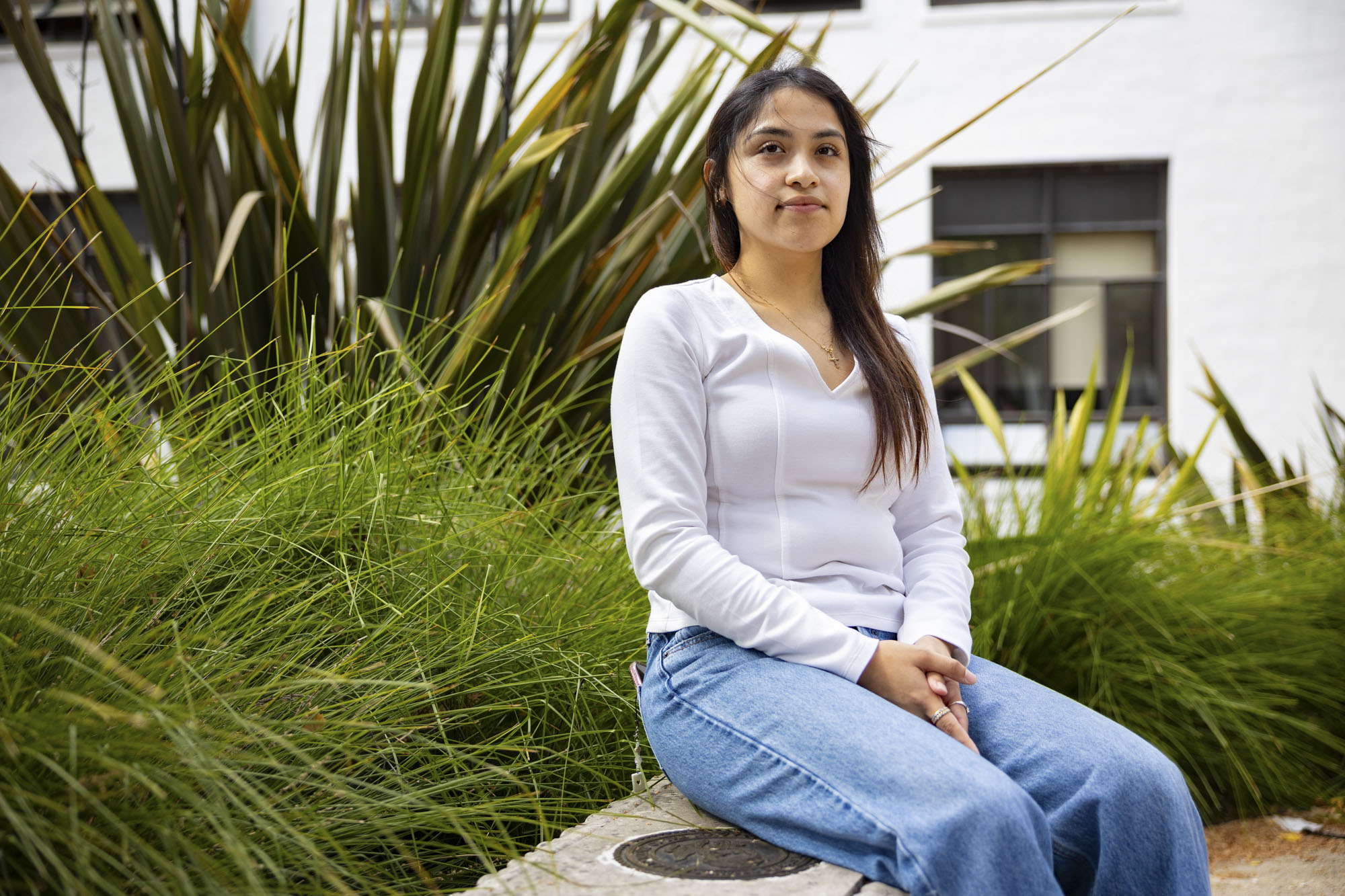
window.__IS_SSR__=true
window.__INITIAL_STATE__={
"attachmentsReducer": {
"audio_0": {
"type": "attachments",
"id": "audio_0",
"imgSizes": {
"kqedFullSize": {
"file": "https://ww2.kqed.org/news/wp-content/themes/KQED-unified/img/audio_bgs/background0.jpg"
}
}
},
"audio_1": {
"type": "attachments",
"id": "audio_1",
"imgSizes": {
"kqedFullSize": {
"file": "https://ww2.kqed.org/news/wp-content/themes/KQED-unified/img/audio_bgs/background1.jpg"
}
}
},
"audio_2": {
"type": "attachments",
"id": "audio_2",
"imgSizes": {
"kqedFullSize": {
"file": "https://ww2.kqed.org/news/wp-content/themes/KQED-unified/img/audio_bgs/background2.jpg"
}
}
},
"audio_3": {
"type": "attachments",
"id": "audio_3",
"imgSizes": {
"kqedFullSize": {
"file": "https://ww2.kqed.org/news/wp-content/themes/KQED-unified/img/audio_bgs/background3.jpg"
}
}
},
"audio_4": {
"type": "attachments",
"id": "audio_4",
"imgSizes": {
"kqedFullSize": {
"file": "https://ww2.kqed.org/news/wp-content/themes/KQED-unified/img/audio_bgs/background4.jpg"
}
}
},
"placeholder": {
"type": "attachments",
"id": "placeholder",
"imgSizes": {
"thumbnail": {
"file": "https://cdn.kqed.org/wp-content/uploads/2024/12/KQED-Default-Image-816638274-2000x1333-1-160x107.jpg",
"width": 160,
"height": 107,
"mimeType": "image/jpeg"
},
"medium": {
"file": "https://cdn.kqed.org/wp-content/uploads/2024/12/KQED-Default-Image-816638274-2000x1333-1-800x533.jpg",
"width": 800,
"height": 533,
"mimeType": "image/jpeg"
},
"medium_large": {
"file": "https://cdn.kqed.org/wp-content/uploads/2024/12/KQED-Default-Image-816638274-2000x1333-1-768x512.jpg",
"width": 768,
"height": 512,
"mimeType": "image/jpeg"
},
"large": {
"file": "https://cdn.kqed.org/wp-content/uploads/2024/12/KQED-Default-Image-816638274-2000x1333-1-1020x680.jpg",
"width": 1020,
"height": 680,
"mimeType": "image/jpeg"
},
"1536x1536": {
"file": "https://cdn.kqed.org/wp-content/uploads/2024/12/KQED-Default-Image-816638274-2000x1333-1-1536x1024.jpg",
"width": 1536,
"height": 1024,
"mimeType": "image/jpeg"
},
"fd-lrg": {
"file": "https://cdn.kqed.org/wp-content/uploads/2024/12/KQED-Default-Image-816638274-2000x1333-1-1536x1024.jpg",
"width": 1536,
"height": 1024,
"mimeType": "image/jpeg"
},
"fd-med": {
"file": "https://cdn.kqed.org/wp-content/uploads/2024/12/KQED-Default-Image-816638274-2000x1333-1-1020x680.jpg",
"width": 1020,
"height": 680,
"mimeType": "image/jpeg"
},
"fd-sm": {
"file": "https://cdn.kqed.org/wp-content/uploads/2024/12/KQED-Default-Image-816638274-2000x1333-1-800x533.jpg",
"width": 800,
"height": 533,
"mimeType": "image/jpeg"
},
"post-thumbnail": {
"file": "https://cdn.kqed.org/wp-content/uploads/2024/12/KQED-Default-Image-816638274-2000x1333-1-672x372.jpg",
"width": 672,
"height": 372,
"mimeType": "image/jpeg"
},
"twentyfourteen-full-width": {
"file": "https://cdn.kqed.org/wp-content/uploads/2024/12/KQED-Default-Image-816638274-2000x1333-1-1038x576.jpg",
"width": 1038,
"height": 576,
"mimeType": "image/jpeg"
},
"xxsmall": {
"file": "https://cdn.kqed.org/wp-content/uploads/2024/12/KQED-Default-Image-816638274-2000x1333-1-160x107.jpg",
"width": 160,
"height": 107,
"mimeType": "image/jpeg"
},
"xsmall": {
"file": "https://cdn.kqed.org/wp-content/uploads/2024/12/KQED-Default-Image-816638274-2000x1333-1-672x372.jpg",
"width": 672,
"height": 372,
"mimeType": "image/jpeg"
},
"small": {
"file": "https://cdn.kqed.org/wp-content/uploads/2024/12/KQED-Default-Image-816638274-2000x1333-1-672x372.jpg",
"width": 672,
"height": 372,
"mimeType": "image/jpeg"
},
"xlarge": {
"file": "https://cdn.kqed.org/wp-content/uploads/2024/12/KQED-Default-Image-816638274-2000x1333-1-1020x680.jpg",
"width": 1020,
"height": 680,
"mimeType": "image/jpeg"
},
"full-width": {
"file": "https://cdn.kqed.org/wp-content/uploads/2024/12/KQED-Default-Image-816638274-2000x1333-1-1920x1280.jpg",
"width": 1920,
"height": 1280,
"mimeType": "image/jpeg"
},
"guest-author-32": {
"file": "https://cdn.kqed.org/wp-content/uploads/2025/01/KQED-Default-Image-816638274-1333x1333-1-160x160.jpg",
"width": 32,
"height": 32,
"mimeType": "image/jpeg"
},
"guest-author-50": {
"file": "https://cdn.kqed.org/wp-content/uploads/2025/01/KQED-Default-Image-816638274-1333x1333-1-160x160.jpg",
"width": 50,
"height": 50,
"mimeType": "image/jpeg"
},
"guest-author-64": {
"file": "https://cdn.kqed.org/wp-content/uploads/2025/01/KQED-Default-Image-816638274-1333x1333-1-160x160.jpg",
"width": 64,
"height": 64,
"mimeType": "image/jpeg"
},
"guest-author-96": {
"file": "https://cdn.kqed.org/wp-content/uploads/2025/01/KQED-Default-Image-816638274-1333x1333-1-160x160.jpg",
"width": 96,
"height": 96,
"mimeType": "image/jpeg"
},
"guest-author-128": {
"file": "https://cdn.kqed.org/wp-content/uploads/2025/01/KQED-Default-Image-816638274-1333x1333-1-160x160.jpg",
"width": 128,
"height": 128,
"mimeType": "image/jpeg"
},
"detail": {
"file": "https://cdn.kqed.org/wp-content/uploads/2025/01/KQED-Default-Image-816638274-1333x1333-1-160x160.jpg",
"width": 160,
"height": 160,
"mimeType": "image/jpeg"
},
"kqedFullSize": {
"file": "https://cdn.kqed.org/wp-content/uploads/2024/12/KQED-Default-Image-816638274-2000x1333-1.jpg",
"width": 2000,
"height": 1333
}
}
},
"news_12058492": {
"type": "attachments",
"id": "news_12058492",
"meta": {
"index": "attachments_1716263798",
"site": "news",
"id": "12058492",
"found": true
},
"title": "20250930_HISPANICSERVINGINSTITUTIONS_GC-14-KQED",
"publishDate": 1759447546,
"status": "inherit",
"parent": 0,
"modified": 1760127539,
"caption": "Vanessa Perez Rojas, a fourth-year student, poses for a photo at Saint Mary’s College of California in Moraga on Sept. 30, 2025. Vanessa says spirituality is a big reason why she is at this university. After the Trump administration cut $350 million in Hispanic-Serving Institution funding, Saint Mary’s College in Moraga says it remains committed to supporting Latino students. ",
"credit": "Gina Castro/KQED",
"altTag": null,
"description": null,
"imgSizes": {
"thumbnail": {
"file": "https://cdn.kqed.org/wp-content/uploads/sites/10/2025/10/20250930_HISPANICSERVINGINSTITUTIONS_GC-14-KQED-160x107.jpg",
"width": 160,
"height": 107,
"mimeType": "image/jpeg"
},
"1536x1536": {
"file": "https://cdn.kqed.org/wp-content/uploads/sites/10/2025/10/20250930_HISPANICSERVINGINSTITUTIONS_GC-14-KQED-1536x1024.jpg",
"width": 1536,
"height": 1024,
"mimeType": "image/jpeg"
},
"post-thumbnail": {
"file": "https://cdn.kqed.org/wp-content/uploads/sites/10/2025/10/20250930_HISPANICSERVINGINSTITUTIONS_GC-14-KQED-672x372.jpg",
"width": 672,
"height": 372,
"mimeType": "image/jpeg"
},
"twentyfourteen-full-width": {
"file": "https://cdn.kqed.org/wp-content/uploads/sites/10/2025/10/20250930_HISPANICSERVINGINSTITUTIONS_GC-14-KQED-1038x576.jpg",
"width": 1038,
"height": 576,
"mimeType": "image/jpeg"
},
"kqedFullSize": {
"file": "https://cdn.kqed.org/wp-content/uploads/sites/10/2025/10/20250930_HISPANICSERVINGINSTITUTIONS_GC-14-KQED.jpg",
"width": 2000,
"height": 1333
}
},
"isLoading": false,
"fetchFailed": false
},
"news_12057038": {
"type": "attachments",
"id": "news_12057038",
"meta": {
"index": "attachments_1716263798",
"site": "news",
"id": "12057038",
"found": true
},
"title": "Upload_091225_Laney-College_MO_CM_13",
"publishDate": 1758562963,
"status": "inherit",
"parent": 12057033,
"modified": 1758562983,
"caption": null,
"credit": "Manuel Orbegozo/CalMatters",
"altTag": null,
"description": null,
"imgSizes": {
"thumbnail": {
"file": "https://cdn.kqed.org/wp-content/uploads/sites/10/2025/09/Upload_091225_Laney-College_MO_CM_13-160x107.jpg",
"width": 160,
"height": 107,
"mimeType": "image/jpeg"
},
"1536x1536": {
"file": "https://cdn.kqed.org/wp-content/uploads/sites/10/2025/09/Upload_091225_Laney-College_MO_CM_13-1536x1024.jpg",
"width": 1536,
"height": 1024,
"mimeType": "image/jpeg"
},
"post-thumbnail": {
"file": "https://cdn.kqed.org/wp-content/uploads/sites/10/2025/09/Upload_091225_Laney-College_MO_CM_13-672x372.jpg",
"width": 672,
"height": 372,
"mimeType": "image/jpeg"
},
"twentyfourteen-full-width": {
"file": "https://cdn.kqed.org/wp-content/uploads/sites/10/2025/09/Upload_091225_Laney-College_MO_CM_13-1038x576.jpg",
"width": 1038,
"height": 576,
"mimeType": "image/jpeg"
},
"kqedFullSize": {
"file": "https://cdn.kqed.org/wp-content/uploads/sites/10/2025/09/Upload_091225_Laney-College_MO_CM_13.jpg",
"width": 2000,
"height": 1333
}
},
"isLoading": false,
"fetchFailed": false
},
"news_12054621": {
"type": "attachments",
"id": "news_12054621",
"meta": {
"index": "attachments_1716263798",
"site": "news",
"id": "12054621",
"found": true
},
"title": "Sign at the entrance to the Barnes & Noble store in Midtown",
"publishDate": 1757008147,
"status": "inherit",
"parent": 12054603,
"modified": 1757008232,
"caption": "The entrance to the Barnes & Noble store in Midtown Manhattan in New York on June 9, 2025.",
"credit": "Erik McGregor/LightRocket via Getty Images",
"altTag": null,
"description": null,
"imgSizes": {
"thumbnail": {
"file": "https://cdn.kqed.org/wp-content/uploads/sites/10/2025/09/BarnesNobleGetty-160x107.jpg",
"width": 160,
"height": 107,
"mimeType": "image/jpeg"
},
"1536x1536": {
"file": "https://cdn.kqed.org/wp-content/uploads/sites/10/2025/09/BarnesNobleGetty-1536x1024.jpg",
"width": 1536,
"height": 1024,
"mimeType": "image/jpeg"
},
"post-thumbnail": {
"file": "https://cdn.kqed.org/wp-content/uploads/sites/10/2025/09/BarnesNobleGetty-672x372.jpg",
"width": 672,
"height": 372,
"mimeType": "image/jpeg"
},
"twentyfourteen-full-width": {
"file": "https://cdn.kqed.org/wp-content/uploads/sites/10/2025/09/BarnesNobleGetty-1038x576.jpg",
"width": 1038,
"height": 576,
"mimeType": "image/jpeg"
},
"kqedFullSize": {
"file": "https://cdn.kqed.org/wp-content/uploads/sites/10/2025/09/BarnesNobleGetty.jpg",
"width": 2000,
"height": 1333
}
},
"isLoading": false,
"fetchFailed": false
},
"news_12014213": {
"type": "attachments",
"id": "news_12014213",
"meta": {
"index": "attachments_1716263798",
"site": "news",
"id": "12014213",
"found": true
},
"title": "Stanford campus on May 30, 2023.",
"publishDate": 1731521794,
"status": "inherit",
"parent": 0,
"modified": 1733786946,
"caption": "Stanford University campus on May 30, 2023.",
"credit": "Beth LaBerge/KQED",
"altTag": null,
"description": null,
"imgSizes": {
"medium": {
"file": "https://cdn.kqed.org/wp-content/uploads/sites/10/2024/11/005_KQED_StanfordGradUnion_05302023_qed-800x533.jpg",
"width": 800,
"height": 533,
"mimeType": "image/jpeg"
},
"large": {
"file": "https://cdn.kqed.org/wp-content/uploads/sites/10/2024/11/005_KQED_StanfordGradUnion_05302023_qed-1020x680.jpg",
"width": 1020,
"height": 680,
"mimeType": "image/jpeg"
},
"thumbnail": {
"file": "https://cdn.kqed.org/wp-content/uploads/sites/10/2024/11/005_KQED_StanfordGradUnion_05302023_qed-160x107.jpg",
"width": 160,
"height": 107,
"mimeType": "image/jpeg"
},
"1536x1536": {
"file": "https://cdn.kqed.org/wp-content/uploads/sites/10/2024/11/005_KQED_StanfordGradUnion_05302023_qed-1536x1024.jpg",
"width": 1536,
"height": 1024,
"mimeType": "image/jpeg"
},
"post-thumbnail": {
"file": "https://cdn.kqed.org/wp-content/uploads/sites/10/2024/11/005_KQED_StanfordGradUnion_05302023_qed-672x372.jpg",
"width": 672,
"height": 372,
"mimeType": "image/jpeg"
},
"twentyfourteen-full-width": {
"file": "https://cdn.kqed.org/wp-content/uploads/sites/10/2024/11/005_KQED_StanfordGradUnion_05302023_qed-1038x576.jpg",
"width": 1038,
"height": 576,
"mimeType": "image/jpeg"
},
"full-width": {
"file": "https://cdn.kqed.org/wp-content/uploads/sites/10/2024/11/005_KQED_StanfordGradUnion_05302023_qed-1920x1280.jpg",
"width": 1920,
"height": 1280,
"mimeType": "image/jpeg"
},
"kqedFullSize": {
"file": "https://cdn.kqed.org/wp-content/uploads/sites/10/2024/11/005_KQED_StanfordGradUnion_05302023_qed.jpg",
"width": 2000,
"height": 1333
}
},
"isLoading": false,
"fetchFailed": false
},
"news_12039812": {
"type": "attachments",
"id": "news_12039812",
"meta": {
"index": "attachments_1716263798",
"site": "news",
"id": "12039812",
"found": true
},
"title": "250512-DAY WITHOUT CHILDCARE-MD-03-KQED",
"publishDate": 1747085850,
"status": "inherit",
"parent": 0,
"modified": 1747140567,
"caption": "Diane Nguyen (left) and Yadira Orozco (center) hold their children at the Day Without Child Care rally in front of the Federal Building in San José on May 12, 2025.",
"credit": "Martin do Nascimento/KQED",
"altTag": null,
"description": null,
"imgSizes": {
"medium": {
"file": "https://cdn.kqed.org/wp-content/uploads/sites/10/2025/05/250512-DAY-WITHOUT-CHILDCARE-MD-03-KQED-800x534.jpg",
"width": 800,
"height": 534,
"mimeType": "image/jpeg"
},
"large": {
"file": "https://cdn.kqed.org/wp-content/uploads/sites/10/2025/05/250512-DAY-WITHOUT-CHILDCARE-MD-03-KQED-1020x680.jpg",
"width": 1020,
"height": 680,
"mimeType": "image/jpeg"
},
"thumbnail": {
"file": "https://cdn.kqed.org/wp-content/uploads/sites/10/2025/05/250512-DAY-WITHOUT-CHILDCARE-MD-03-KQED-160x107.jpg",
"width": 160,
"height": 107,
"mimeType": "image/jpeg"
},
"1536x1536": {
"file": "https://cdn.kqed.org/wp-content/uploads/sites/10/2025/05/250512-DAY-WITHOUT-CHILDCARE-MD-03-KQED-1536x1025.jpg",
"width": 1536,
"height": 1025,
"mimeType": "image/jpeg"
},
"post-thumbnail": {
"file": "https://cdn.kqed.org/wp-content/uploads/sites/10/2025/05/250512-DAY-WITHOUT-CHILDCARE-MD-03-KQED-672x372.jpg",
"width": 672,
"height": 372,
"mimeType": "image/jpeg"
},
"twentyfourteen-full-width": {
"file": "https://cdn.kqed.org/wp-content/uploads/sites/10/2025/05/250512-DAY-WITHOUT-CHILDCARE-MD-03-KQED-1038x576.jpg",
"width": 1038,
"height": 576,
"mimeType": "image/jpeg"
},
"full-width": {
"file": "https://cdn.kqed.org/wp-content/uploads/sites/10/2025/05/250512-DAY-WITHOUT-CHILDCARE-MD-03-KQED-1920x1281.jpg",
"width": 1920,
"height": 1281,
"mimeType": "image/jpeg"
},
"kqedFullSize": {
"file": "https://cdn.kqed.org/wp-content/uploads/sites/10/2025/05/250512-DAY-WITHOUT-CHILDCARE-MD-03-KQED.jpg",
"width": 2000,
"height": 1334
}
},
"isLoading": false,
"fetchFailed": false
},
"news_12051294": {
"type": "attachments",
"id": "news_12051294",
"meta": {
"index": "attachments_1716263798",
"site": "news",
"id": "12051294",
"found": true
},
"title": "250807-PELOSIVISIT-06-KQED",
"publishDate": 1754594479,
"status": "inherit",
"parent": 0,
"modified": 1754594509,
"caption": "Speaker Emerita Nancy Pelosi speaks at a press conference outside the San Francisco VA Medical Center in San Francisco on Aug. 7, 2025, after she toured the medical facility.",
"credit": "Beth LaBerge/KQED",
"altTag": null,
"description": null,
"imgSizes": {
"thumbnail": {
"file": "https://cdn.kqed.org/wp-content/uploads/sites/10/2025/08/250807-PELOSIVISIT-06-KQED-160x107.jpg",
"width": 160,
"height": 107,
"mimeType": "image/jpeg"
},
"1536x1536": {
"file": "https://cdn.kqed.org/wp-content/uploads/sites/10/2025/08/250807-PELOSIVISIT-06-KQED-1536x1024.jpg",
"width": 1536,
"height": 1024,
"mimeType": "image/jpeg"
},
"post-thumbnail": {
"file": "https://cdn.kqed.org/wp-content/uploads/sites/10/2025/08/250807-PELOSIVISIT-06-KQED-672x372.jpg",
"width": 672,
"height": 372,
"mimeType": "image/jpeg"
},
"twentyfourteen-full-width": {
"file": "https://cdn.kqed.org/wp-content/uploads/sites/10/2025/08/250807-PELOSIVISIT-06-KQED-1038x576.jpg",
"width": 1038,
"height": 576,
"mimeType": "image/jpeg"
},
"kqedFullSize": {
"file": "https://cdn.kqed.org/wp-content/uploads/sites/10/2025/08/250807-PELOSIVISIT-06-KQED.jpg",
"width": 2000,
"height": 1333
}
},
"isLoading": false,
"fetchFailed": false
},
"news_12051253": {
"type": "attachments",
"id": "news_12051253",
"meta": {
"index": "attachments_1716263798",
"site": "news",
"id": "12051253",
"found": true
},
"title": "The Santa Clara Valley Medical Center campus in San Jose on March 24, 2025.",
"publishDate": 1754587405,
"status": "inherit",
"parent": 12051250,
"modified": 1754587502,
"caption": "The Santa Clara Valley Medical Center campus in San José on March 24, 2025.",
"credit": "Gina Castro/KQED",
"altTag": null,
"description": null,
"imgSizes": {
"thumbnail": {
"file": "https://cdn.kqed.org/wp-content/uploads/sites/10/2025/08/20240324_SantaClaraMedicalStrike_GC-33_qed-160x107.jpg",
"width": 160,
"height": 107,
"mimeType": "image/jpeg"
},
"1536x1536": {
"file": "https://cdn.kqed.org/wp-content/uploads/sites/10/2025/08/20240324_SantaClaraMedicalStrike_GC-33_qed-1536x1024.jpg",
"width": 1536,
"height": 1024,
"mimeType": "image/jpeg"
},
"post-thumbnail": {
"file": "https://cdn.kqed.org/wp-content/uploads/sites/10/2025/08/20240324_SantaClaraMedicalStrike_GC-33_qed-672x372.jpg",
"width": 672,
"height": 372,
"mimeType": "image/jpeg"
},
"twentyfourteen-full-width": {
"file": "https://cdn.kqed.org/wp-content/uploads/sites/10/2025/08/20240324_SantaClaraMedicalStrike_GC-33_qed-1038x576.jpg",
"width": 1038,
"height": 576,
"mimeType": "image/jpeg"
},
"kqedFullSize": {
"file": "https://cdn.kqed.org/wp-content/uploads/sites/10/2025/08/20240324_SantaClaraMedicalStrike_GC-33_qed.jpg",
"width": 2000,
"height": 1333
}
},
"isLoading": false,
"fetchFailed": false
},
"news_12051156": {
"type": "attachments",
"id": "news_12051156",
"meta": {
"index": "attachments_1716263798",
"site": "news",
"id": "12051156",
"found": true
},
"title": "US-POLITICS-HEALTH-TECHNOLOGY-TRUMP",
"publishDate": 1754516689,
"status": "inherit",
"parent": 12051152,
"modified": 1754516740,
"caption": "President Donald Trump listens as Secretary of Health and Human Services Robert F. Kennedy Jr. speaks at an event on \"Making Health Technology Great Again,\" in the East Room of the White House in Washington, D.C. on July 30, 2025. ",
"credit": "Jim Watson/AFP via Getty Images",
"altTag": null,
"description": null,
"imgSizes": {
"thumbnail": {
"file": "https://cdn.kqed.org/wp-content/uploads/sites/10/2025/08/RFKJr.Getty_-160x102.jpg",
"width": 160,
"height": 102,
"mimeType": "image/jpeg"
},
"1536x1536": {
"file": "https://cdn.kqed.org/wp-content/uploads/sites/10/2025/08/RFKJr.Getty_-1536x978.jpg",
"width": 1536,
"height": 978,
"mimeType": "image/jpeg"
},
"post-thumbnail": {
"file": "https://cdn.kqed.org/wp-content/uploads/sites/10/2025/08/RFKJr.Getty_-672x372.jpg",
"width": 672,
"height": 372,
"mimeType": "image/jpeg"
},
"twentyfourteen-full-width": {
"file": "https://cdn.kqed.org/wp-content/uploads/sites/10/2025/08/RFKJr.Getty_-1038x576.jpg",
"width": 1038,
"height": 576,
"mimeType": "image/jpeg"
},
"kqedFullSize": {
"file": "https://cdn.kqed.org/wp-content/uploads/sites/10/2025/08/RFKJr.Getty_.jpg",
"width": 2000,
"height": 1274
}
},
"isLoading": false,
"fetchFailed": false
},
"news_12051054": {
"type": "attachments",
"id": "news_12051054",
"meta": {
"index": "attachments_1716263798",
"site": "news",
"id": "12051054",
"found": true
},
"title": "US-POLITICS-TRUMP-FEMA",
"publishDate": 1754436690,
"status": "inherit",
"parent": 12051050,
"modified": 1754436746,
"caption": "FEMA (Federal Emergency Management Agency) Headquarters is seen in Washington, D.C., on Feb. 11, 2025. President Donald Trump launched a fresh attack Tuesday on the U.S. federal disaster agency FEMA, calling for it to be shut down and its duties instead handed to individual states. ",
"credit": "Saul Loeb/AFP via Getty Images",
"altTag": null,
"description": null,
"imgSizes": {
"thumbnail": {
"file": "https://cdn.kqed.org/wp-content/uploads/sites/10/2025/08/FEMAGetty-160x107.jpg",
"width": 160,
"height": 107,
"mimeType": "image/jpeg"
},
"1536x1536": {
"file": "https://cdn.kqed.org/wp-content/uploads/sites/10/2025/08/FEMAGetty-1536x1024.jpg",
"width": 1536,
"height": 1024,
"mimeType": "image/jpeg"
},
"post-thumbnail": {
"file": "https://cdn.kqed.org/wp-content/uploads/sites/10/2025/08/FEMAGetty-672x372.jpg",
"width": 672,
"height": 372,
"mimeType": "image/jpeg"
},
"twentyfourteen-full-width": {
"file": "https://cdn.kqed.org/wp-content/uploads/sites/10/2025/08/FEMAGetty-1038x576.jpg",
"width": 1038,
"height": 576,
"mimeType": "image/jpeg"
},
"kqedFullSize": {
"file": "https://cdn.kqed.org/wp-content/uploads/sites/10/2025/08/FEMAGetty.jpg",
"width": 2000,
"height": 1333
}
},
"isLoading": false,
"fetchFailed": false
},
"news_12050663": {
"type": "attachments",
"id": "news_12050663",
"meta": {
"index": "attachments_1716263798",
"site": "news",
"id": "12050663",
"found": true
},
"title": "UCLA Settles Lawsuit Brought By Jewish Students For $6 Million",
"publishDate": 1754074399,
"status": "inherit",
"parent": 12050654,
"modified": 1754095074,
"caption": "People walk on the UCLA campus on July 30, 2025, in Los Angeles. UCLA has reached a $6 million settlement with Jewish students and a professor in a lawsuit alleging discrimination over the 2024 pro-Palestinian campus protests.",
"credit": "Mario Tama/Getty Images",
"altTag": null,
"description": null,
"imgSizes": {
"thumbnail": {
"file": "https://cdn.kqed.org/wp-content/uploads/sites/10/2025/08/UCLAGetty-160x102.jpg",
"width": 160,
"height": 102,
"mimeType": "image/jpeg"
},
"1536x1536": {
"file": "https://cdn.kqed.org/wp-content/uploads/sites/10/2025/08/UCLAGetty-1536x982.jpg",
"width": 1536,
"height": 982,
"mimeType": "image/jpeg"
},
"post-thumbnail": {
"file": "https://cdn.kqed.org/wp-content/uploads/sites/10/2025/08/UCLAGetty-672x372.jpg",
"width": 672,
"height": 372,
"mimeType": "image/jpeg"
},
"twentyfourteen-full-width": {
"file": "https://cdn.kqed.org/wp-content/uploads/sites/10/2025/08/UCLAGetty-1038x576.jpg",
"width": 1038,
"height": 576,
"mimeType": "image/jpeg"
},
"kqedFullSize": {
"file": "https://cdn.kqed.org/wp-content/uploads/sites/10/2025/08/UCLAGetty.jpg",
"width": 2000,
"height": 1278
}
},
"isLoading": false,
"fetchFailed": false
},
"news_12049853": {
"type": "attachments",
"id": "news_12049853",
"meta": {
"index": "attachments_1716263798",
"site": "news",
"id": "12049853",
"found": true
},
"title": "250725-Planned Parenthood Closures-MD-02-KQED",
"publishDate": 1753480985,
"status": "inherit",
"parent": 0,
"modified": 1753481051,
"caption": "A Planned Parenthood location in South San Francisco on July 25, 2025.",
"credit": "Martin do Nascimento/KQED",
"altTag": null,
"description": null,
"imgSizes": {
"thumbnail": {
"file": "https://cdn.kqed.org/wp-content/uploads/sites/10/2025/07/250725-Planned-Parenthood-Closures-MD-02-KQED-160x107.jpg",
"width": 160,
"height": 107,
"mimeType": "image/jpeg"
},
"1536x1536": {
"file": "https://cdn.kqed.org/wp-content/uploads/sites/10/2025/07/250725-Planned-Parenthood-Closures-MD-02-KQED-1536x1025.jpg",
"width": 1536,
"height": 1025,
"mimeType": "image/jpeg"
},
"post-thumbnail": {
"file": "https://cdn.kqed.org/wp-content/uploads/sites/10/2025/07/250725-Planned-Parenthood-Closures-MD-02-KQED-672x372.jpg",
"width": 672,
"height": 372,
"mimeType": "image/jpeg"
},
"twentyfourteen-full-width": {
"file": "https://cdn.kqed.org/wp-content/uploads/sites/10/2025/07/250725-Planned-Parenthood-Closures-MD-02-KQED-1038x576.jpg",
"width": 1038,
"height": 576,
"mimeType": "image/jpeg"
},
"kqedFullSize": {
"file": "https://cdn.kqed.org/wp-content/uploads/sites/10/2025/07/250725-Planned-Parenthood-Closures-MD-02-KQED.jpg",
"width": 2000,
"height": 1334
}
},
"isLoading": false,
"fetchFailed": false
},
"news_12048109": {
"type": "attachments",
"id": "news_12048109",
"meta": {
"index": "attachments_1716263798",
"site": "news",
"id": "12048109",
"found": true
},
"title": "npr.brightspotcdn copy",
"publishDate": 1752601677,
"status": "inherit",
"parent": 12048108,
"modified": 1752601711,
"caption": "Sun shines on the U.S. Capitol dome on Capitol Hill in Washington, D.C., in 2022.",
"credit": "Patrick Semansky/AP",
"altTag": null,
"description": null,
"imgSizes": {
"thumbnail": {
"file": "https://cdn.kqed.org/wp-content/uploads/sites/10/2025/07/npr.brightspotcdn-copy-8-160x107.jpg",
"width": 160,
"height": 107,
"mimeType": "image/jpeg"
},
"1536x1536": {
"file": "https://cdn.kqed.org/wp-content/uploads/sites/10/2025/07/npr.brightspotcdn-copy-8-1536x1024.jpg",
"width": 1536,
"height": 1024,
"mimeType": "image/jpeg"
},
"post-thumbnail": {
"file": "https://cdn.kqed.org/wp-content/uploads/sites/10/2025/07/npr.brightspotcdn-copy-8-672x372.jpg",
"width": 672,
"height": 372,
"mimeType": "image/jpeg"
},
"twentyfourteen-full-width": {
"file": "https://cdn.kqed.org/wp-content/uploads/sites/10/2025/07/npr.brightspotcdn-copy-8-1038x576.jpg",
"width": 1038,
"height": 576,
"mimeType": "image/jpeg"
},
"kqedFullSize": {
"file": "https://cdn.kqed.org/wp-content/uploads/sites/10/2025/07/npr.brightspotcdn-copy-8.jpg",
"width": 1800,
"height": 1200
}
},
"isLoading": false,
"fetchFailed": false
}
},
"audioPlayerReducer": {
"postId": "stream_live",
"isPaused": true,
"isPlaying": false,
"pfsActive": false,
"pledgeModalIsOpen": true,
"playerDrawerIsOpen": false,
"liveAudioPlayStartedAt": 0,
"liveAudioPlayContext": ""
},
"authorsReducer": {
"byline_news_12057033": {
"type": "authors",
"id": "byline_news_12057033",
"meta": {
"override": true
},
"slug": "byline_news_12057033",
"name": "Adam Echelman, CalMatters",
"isLoading": false
},
"byline_news_12048108": {
"type": "authors",
"id": "byline_news_12048108",
"meta": {
"override": true
},
"slug": "byline_news_12048108",
"name": "Deirdre Walsh, NPR",
"isLoading": false
},
"dventon": {
"type": "authors",
"id": "11088",
"meta": {
"index": "authors_1716337520",
"id": "11088",
"found": true
},
"name": "Danielle Venton",
"firstName": "Danielle",
"lastName": "Venton",
"slug": "dventon",
"email": "dventon@kqed.org",
"display_author_email": true,
"staff_mastheads": [
"science"
],
"title": "Science reporter",
"bio": "Danielle Venton is a reporter for KQED Science. She covers wildfires, space and oceans (though she is prone to sea sickness).\r\n\r\nBefore joining KQED in 2015, Danielle was a staff reporter at KRCB in Sonoma County and a freelancer. She studied science communication at UC Santa Cruz and formerly worked at CERN in Geneva, Switzerland where she wrote about computing. She lives in Sonoma County and enjoys backpacking.",
"avatar": "https://secure.gravatar.com/avatar/37b292b5c40c8d93959c4f48d73b5286f41b7abd8588277e941905a3ed4c801c?s=600&d=blank&r=g",
"twitter": "DanielleVenton",
"bluesky": null,
"facebook": null,
"instagram": null,
"linkedin": null,
"sites": [
{
"site": "arts",
"roles": [
"contributor"
]
},
{
"site": "news",
"roles": [
"editor"
]
},
{
"site": "futureofyou",
"roles": [
"editor"
]
},
{
"site": "science",
"roles": [
"editor"
]
},
{
"site": "liveblog",
"roles": [
"contributor"
]
}
],
"headData": {
"title": "Danielle Venton | KQED",
"description": "Science reporter",
"ogImgSrc": "https://secure.gravatar.com/avatar/37b292b5c40c8d93959c4f48d73b5286f41b7abd8588277e941905a3ed4c801c?s=600&d=blank&r=g",
"twImgSrc": "https://secure.gravatar.com/avatar/37b292b5c40c8d93959c4f48d73b5286f41b7abd8588277e941905a3ed4c801c?s=600&d=blank&r=g"
},
"isLoading": false,
"link": "/author/dventon"
},
"btorres": {
"type": "authors",
"id": "11666",
"meta": {
"index": "authors_1716337520",
"id": "11666",
"found": true
},
"name": "Blanca Torres",
"firstName": "Blanca",
"lastName": "Torres",
"slug": "btorres",
"email": "btorres@kqed.org",
"display_author_email": true,
"staff_mastheads": [
"news"
],
"title": "Producer, Forum",
"bio": "Blanca Torres brings sharp news judgement and keen sense of lively conversation to her work as producer for Forum. She loves producing shows that leave listeners feeling like they heard distinctive voices, learned something new and gained a fresh perspective.\r\n\r\nShe joined KQED in January of 2020 after 16 years of working as a newspaper reporter most recently at the \u003cem>San Francisco Business Times,\u003c/em> where she wrote about real estate and economic development. Before that, she covered a variety of beats including crime, education, retail, workplace, the economy, consumer issues, and small business for the \u003cem>Contra Costa Times, Baltimore Sun\u003c/em> and\u003cem> The Seattle Times\u003c/em>. In addition to reporting, she worked as an editorial writer and columnist for the \u003cem>Seattle Times\u003c/em>. From 2017 to 2020, Blanca won a total of ten awards from the National Association of Real Estate Editors and won first place for land use reporting from the California News Publishers Association two years in a row. She is also a member and former board member for the National Association of Hispanic Journalists.\r\n\r\nA native of the Pacific Northwest, Blanca earned her bachelor's degree from Vanderbilt University in Nashville and a master's in fine arts in creative writing at Mills College. She lives in the East Bay with her family.",
"avatar": "https://secure.gravatar.com/avatar/50b49d19b14a1eed34f26ebf4681152cdd81574ed21851100871ccd29e578cdc?s=600&d=blank&r=g",
"twitter": "@blancawrites",
"bluesky": null,
"facebook": null,
"instagram": null,
"linkedin": null,
"sites": [
{
"site": "arts",
"roles": [
"editor"
]
},
{
"site": "news",
"roles": [
"editor"
]
},
{
"site": "forum",
"roles": [
"editor"
]
}
],
"headData": {
"title": "Blanca Torres | KQED",
"description": "Producer, Forum",
"ogImgSrc": "https://secure.gravatar.com/avatar/50b49d19b14a1eed34f26ebf4681152cdd81574ed21851100871ccd29e578cdc?s=600&d=blank&r=g",
"twImgSrc": "https://secure.gravatar.com/avatar/50b49d19b14a1eed34f26ebf4681152cdd81574ed21851100871ccd29e578cdc?s=600&d=blank&r=g"
},
"isLoading": false,
"link": "/author/btorres"
},
"jlara": {
"type": "authors",
"id": "11761",
"meta": {
"index": "authors_1716337520",
"id": "11761",
"found": true
},
"name": "Juan Carlos Lara",
"firstName": "Juan Carlos",
"lastName": "Lara",
"slug": "jlara",
"email": "jlara@kqed.org",
"display_author_email": false,
"staff_mastheads": [],
"title": "KQED Contributor",
"bio": null,
"avatar": "https://secure.gravatar.com/avatar/19e2052b9b05657c5ff2af2121846e9c?s=600&d=blank&r=g",
"twitter": null,
"facebook": null,
"instagram": null,
"linkedin": null,
"sites": [
{
"site": "arts",
"roles": [
"editor"
]
},
{
"site": "news",
"roles": [
"editor"
]
},
{
"site": "forum",
"roles": [
"editor"
]
},
{
"site": "liveblog",
"roles": [
"contributor"
]
}
],
"headData": {
"title": "Juan Carlos Lara | KQED",
"description": "KQED Contributor",
"ogImgSrc": "https://secure.gravatar.com/avatar/19e2052b9b05657c5ff2af2121846e9c?s=600&d=blank&r=g",
"twImgSrc": "https://secure.gravatar.com/avatar/19e2052b9b05657c5ff2af2121846e9c?s=600&d=blank&r=g"
},
"isLoading": false,
"link": "/author/jlara"
},
"daisynguyen": {
"type": "authors",
"id": "11829",
"meta": {
"index": "authors_1716337520",
"id": "11829",
"found": true
},
"name": "Daisy Nguyen",
"firstName": "Daisy",
"lastName": "Nguyen",
"slug": "daisynguyen",
"email": "daisynguyen@kqed.org",
"display_author_email": true,
"staff_mastheads": [
"news"
],
"title": "KQED Contributor",
"bio": "I have covered early childhood education and child care for KQED since 2022. I focus on policies aimed at increasing access to early care and education and how they shape individual lives. I've been a journalist for more than two decades, with most of that time devoted to covering breaking news throughout California for The Associated Press. I grew up in San Francisco and studied at UC Davis and Columbia University's Graduate School of Journalism. I live in Oakland with my husband and two kids.",
"avatar": "https://secure.gravatar.com/avatar/2da2127c27f7143b53ebd419800fd55f?s=600&d=blank&r=g",
"twitter": null,
"facebook": null,
"instagram": null,
"linkedin": "https://www.linkedin.com/in/daisynguyen/",
"sites": [
{
"site": "news",
"roles": [
"author"
]
},
{
"site": "liveblog",
"roles": [
"author"
]
}
],
"headData": {
"title": "Daisy Nguyen | KQED",
"description": "KQED Contributor",
"ogImgSrc": "https://secure.gravatar.com/avatar/2da2127c27f7143b53ebd419800fd55f?s=600&d=blank&r=g",
"twImgSrc": "https://secure.gravatar.com/avatar/2da2127c27f7143b53ebd419800fd55f?s=600&d=blank&r=g"
},
"isLoading": false,
"link": "/author/daisynguyen"
},
"jgeha": {
"type": "authors",
"id": "11906",
"meta": {
"index": "authors_1716337520",
"id": "11906",
"found": true
},
"name": "Joseph Geha",
"firstName": "Joseph",
"lastName": "Geha",
"slug": "jgeha",
"email": "jgeha@kqed.org",
"display_author_email": false,
"staff_mastheads": [
"news",
"science"
],
"title": "KQED Contributor",
"bio": null,
"avatar": "https://secure.gravatar.com/avatar/ea84d2b6dd93d6369d453edf19dd583f117cd1759d2d9c9c92f9de77017354fe?s=600&d=blank&r=g",
"twitter": null,
"bluesky": null,
"facebook": null,
"instagram": null,
"linkedin": null,
"sites": [
{
"site": "news",
"roles": [
"editor"
]
},
{
"site": "liveblog",
"roles": [
"author"
]
}
],
"headData": {
"title": "Joseph Geha | KQED",
"description": "KQED Contributor",
"ogImgSrc": "https://secure.gravatar.com/avatar/ea84d2b6dd93d6369d453edf19dd583f117cd1759d2d9c9c92f9de77017354fe?s=600&d=blank&r=g",
"twImgSrc": "https://secure.gravatar.com/avatar/ea84d2b6dd93d6369d453edf19dd583f117cd1759d2d9c9c92f9de77017354fe?s=600&d=blank&r=g"
},
"isLoading": false,
"link": "/author/jgeha"
},
"kdebenedetti": {
"type": "authors",
"id": "11913",
"meta": {
"index": "authors_1716337520",
"id": "11913",
"found": true
},
"name": "Katie DeBenedetti",
"firstName": "Katie",
"lastName": "DeBenedetti",
"slug": "kdebenedetti",
"email": "kdebenedetti@kqed.org",
"display_author_email": false,
"staff_mastheads": [
"news",
"science"
],
"title": "KQED Contributor",
"bio": "Katie DeBenedetti is a digital reporter covering daily news for the Express Desk. Prior to joining KQED as a culture reporting intern in January 2024, she covered education and city government for the Napa Valley Register.",
"avatar": "https://secure.gravatar.com/avatar/6e31073cb8f7e4214ab03f42771d0f45?s=600&d=blank&r=g",
"twitter": null,
"facebook": null,
"instagram": null,
"linkedin": null,
"sites": [
{
"site": "news",
"roles": [
"author"
]
},
{
"site": "science",
"roles": [
"author"
]
},
{
"site": "liveblog",
"roles": [
"author"
]
}
],
"headData": {
"title": "Katie DeBenedetti | KQED",
"description": "KQED Contributor",
"ogImgSrc": "https://secure.gravatar.com/avatar/6e31073cb8f7e4214ab03f42771d0f45?s=600&d=blank&r=g",
"twImgSrc": "https://secure.gravatar.com/avatar/6e31073cb8f7e4214ab03f42771d0f45?s=600&d=blank&r=g"
},
"isLoading": false,
"link": "/author/kdebenedetti"
},
"gzada": {
"type": "authors",
"id": "11929",
"meta": {
"index": "authors_1716337520",
"id": "11929",
"found": true
},
"name": "Gilare Zada",
"firstName": "Gilare",
"lastName": "Zada",
"slug": "gzada",
"email": "gzada@kqed.org",
"display_author_email": true,
"staff_mastheads": [
"news"
],
"title": null,
"bio": "Gilare Zada is a Kurdish-American from San Diego, CA. Storytelling, fitness, and binge reading are some of her passions outside of news reporting. Her work has appeared in Mission Local, the Peninsula Press, the San Francisco Press Club, and more. She also writes as a class correspondent for the Stanford Magazine - go Card!",
"avatar": "https://secure.gravatar.com/avatar/33a75f2b947669a488a805edec3fbf3838c1cedaedda710e983770633b4d6a75?s=600&d=blank&r=g",
"twitter": null,
"bluesky": null,
"facebook": null,
"instagram": null,
"linkedin": null,
"sites": [
{
"site": "arts",
"roles": [
"editor"
]
},
{
"site": "news",
"roles": [
"administrator"
]
},
{
"site": "science",
"roles": [
"editor"
]
}
],
"headData": {
"title": "Gilare Zada | KQED",
"description": null,
"ogImgSrc": "https://secure.gravatar.com/avatar/33a75f2b947669a488a805edec3fbf3838c1cedaedda710e983770633b4d6a75?s=600&d=blank&r=g",
"twImgSrc": "https://secure.gravatar.com/avatar/33a75f2b947669a488a805edec3fbf3838c1cedaedda710e983770633b4d6a75?s=600&d=blank&r=g"
},
"isLoading": false,
"link": "/author/gzada"
},
"skennedy": {
"type": "authors",
"id": "11935",
"meta": {
"index": "authors_1716337520",
"id": "11935",
"found": true
},
"name": "Samantha Kennedy",
"firstName": "Samantha",
"lastName": "Kennedy",
"slug": "skennedy",
"email": "SKennedy@kqed.org",
"display_author_email": false,
"staff_mastheads": [],
"title": "KQED Contributor",
"bio": null,
"avatar": "https://secure.gravatar.com/avatar/adc7b14bf1e801793202a156ecc864d4ad505b0fd63162a2f3da0e5ba57222d0?s=600&d=blank&r=g",
"twitter": null,
"bluesky": null,
"facebook": null,
"instagram": null,
"linkedin": null,
"sites": [
{
"site": "arts",
"roles": [
"author"
]
},
{
"site": "news",
"roles": [
"editor"
]
},
{
"site": "science",
"roles": [
"editor"
]
}
],
"headData": {
"title": "Samantha Kennedy | KQED",
"description": "KQED Contributor",
"ogImgSrc": "https://secure.gravatar.com/avatar/adc7b14bf1e801793202a156ecc864d4ad505b0fd63162a2f3da0e5ba57222d0?s=600&d=blank&r=g",
"twImgSrc": "https://secure.gravatar.com/avatar/adc7b14bf1e801793202a156ecc864d4ad505b0fd63162a2f3da0e5ba57222d0?s=600&d=blank&r=g"
},
"isLoading": false,
"link": "/author/skennedy"
}
},
"pagesReducer": {
"news_tag_federal-funding": {
"type": "terms",
"id": "news_35063",
"meta": {
"index": "terms_1716263798",
"site": "news",
"id": "35063",
"score": 10.403188
},
"name": "federal funding",
"slug": "federal-funding",
"taxonomy": "tag",
"description": null,
"featImg": null,
"headData": {
"title": "federal funding | KQED News",
"description": null,
"ogTitle": null,
"ogDescription": null,
"ogImgId": null,
"twTitle": null,
"twDescription": null,
"twImgId": null
},
"ttid": 35080,
"isLoading": false,
"title": "federal funding",
"pageMeta": {
"site": "news",
"WpPageTemplate": "page-topic-editorial",
"currentPage": 3
},
"blocks": [
{
"blockName": "kqed/post-list",
"attrs": {
"layout": "cardArticle2",
"query": "posts/news?tag=federal-funding",
"seeMore": false,
"paginated": true,
"page": 3
}
},
{
"blockName": "kqed/ad"
}
]
}
},
"pfsSessionReducer": {},
"postsReducer": {
"stream_live": {
"type": "live",
"id": "stream_live",
"audioUrl": "https://streams.kqed.org/kqedradio",
"title": "Live Stream",
"excerpt": "Live Stream information currently unavailable.",
"link": "/radio",
"featImg": "",
"label": {
"name": "KQED Live",
"link": "/"
}
},
"stream_kqedNewscast": {
"type": "posts",
"id": "stream_kqedNewscast",
"audioUrl": "https://www.kqed.org/.stream/anon/radio/RDnews/newscast.mp3?_=1",
"title": "KQED Newscast",
"featImg": "",
"label": {
"name": "88.5 FM",
"link": "/"
}
},
"news_12059504": {
"type": "posts",
"id": "news_12059504",
"meta": {
"index": "posts_1716263798",
"site": "news",
"id": "12059504",
"score": null,
"sort": [
1760202038000
]
},
"guestAuthors": [],
"slug": "california-colleges-fear-loss-of-federal-funding-for-hispanic-serving-institutions",
"title": "California Colleges Fear Loss of Federal Funding for Hispanic-Serving Institutions",
"publishDate": 1760202038,
"format": "standard",
"headTitle": "California Colleges Fear Loss of Federal Funding for Hispanic-Serving Institutions | KQED",
"labelTerm": {
"site": "news"
},
"content": "\u003cp>\u003cspan style=\"font-weight: 400;\">When Vanessa Perez Rojas began her first year at Saint Mary’s College in Moraga, she recalled feeling a bit lost and out of place. Growing up in \u003ca href=\"https://www.kqed.org/news/tag/san-francisco\">San Francisco\u003c/a> with parents who migrated from Mexico and El Salvador, she said she wasn’t exposed to much information about college.\u003c/span>\u003c/p>\n\u003cp>\u003cspan style=\"font-weight: 400;\">“I had no idea how to even declare a major. I didn’t really even know where to look,” said the 21-year-old speaking from campus, where graduation celebrations often include mariachi bands and taco bars.\u003c/span>\u003c/p>\n\u003cp>\u003cspan style=\"font-weight: 400;\">Perez Rojas knew of Saint Mary’s because her older brother had attended — which gave her the confidence that she could find support as a first-generation college student. More than one-third of St. Mary’s students are Latino, and the school is designated a Hispanic Serving Institution, a federal program that allows colleges to apply for grants if at least 25% of their students identify as Hispanic.\u003c/span>\u003c/p>\n\u003cp>[ad fullwidth]\u003c/p>\n\u003cp>\u003cspan style=\"font-weight: 400;\">“I’ve been able to meet great mentors who also fit that description of being first generation, and far beyond being able to see myself through them, they want to see people like myself succeed,” Perez Rojas said.\u003c/span>\u003c/p>\n\u003cp>\u003cspan style=\"font-weight: 400;\">There are 171 Hispanic-Serving Institutions in California — the most of any state — and they have long relied on federal funding to \u003c/span>\u003ca href=\"https://www.kqed.org/news/12057033/california-faces-steepest-cuts-as-trump-ends-diversity-grants-how-one-college-is-faring\">\u003cspan style=\"font-weight: 400;\">pay for programs, staff, and support services\u003c/span>\u003cspan style=\"font-weight: 400;\">. Now, those schools are worried about \u003c/span>\u003c/a>\u003cspan style=\"font-weight: 400;\">the program’s future. Last month, the U.S. Department of Education pulled $350 million that had been allocated to HSIs. \u003c/span>\u003c/p>\n\u003cfigure id=\"attachment_12058488\" class=\"wp-caption aligncenter\" style=\"max-width: 2000px\">\u003cimg loading=\"lazy\" decoding=\"async\" class=\"size-full wp-image-12058488\" src=\"https://cdn.kqed.org/wp-content/uploads/sites/10/2025/10/20250930_HISPANICSERVINGINSTITUTIONS_GC-9-KQED.jpg\" alt=\"\" width=\"2000\" height=\"1333\" srcset=\"https://cdn.kqed.org/wp-content/uploads/sites/10/2025/10/20250930_HISPANICSERVINGINSTITUTIONS_GC-9-KQED.jpg 2000w, https://cdn.kqed.org/wp-content/uploads/sites/10/2025/10/20250930_HISPANICSERVINGINSTITUTIONS_GC-9-KQED-160x107.jpg 160w, https://cdn.kqed.org/wp-content/uploads/sites/10/2025/10/20250930_HISPANICSERVINGINSTITUTIONS_GC-9-KQED-1536x1024.jpg 1536w\" sizes=\"auto, (max-width: 2000px) 100vw, 2000px\">\u003cfigcaption class=\"wp-caption-text\">The chapel at Saint Mary’s College of California in Moraga on Sept. 30, 2025. \u003ccite>(Gina Castro/KQED)\u003c/cite>\u003c/figcaption>\u003c/figure>\n\u003cp>\u003cspan style=\"font-weight: 400;\">In a statement, Secretary of Education Linda McMahon \u003c/span>\u003ca href=\"https://www.ed.gov/about/news/press-release/us-department-of-education-ends-funding-racially-discriminatory-discretionary-grant-programs-minority-serving-institutions\">\u003cspan style=\"font-weight: 400;\">said\u003c/span>\u003c/a>\u003cspan style=\"font-weight: 400;\"> the HSI program amounts to “discrimination based upon race or ethnicity,” as the Trump administration scales back initiatives related to diversity, equity and inclusion. \u003c/span>\u003c/p>\n\u003cp>\u003cspan style=\"font-weight: 400;\">“The Department will no longer award Minority-Serving Institution grants that discriminate by restricting eligibility to institutions that meet government-mandated racial quotas,” McMahon said.[aside postID=news_12057037 hero='https://cdn.kqed.org/wp-content/uploads/sites/10/2025/09/250904_K-ONDA-SEPTEMBER-NAIL-ARTIST-_GH-2-KQED.jpg']\u003c/span>\u003cspan style=\"font-weight: 400;\">The program’s existence was already under threat. In June, the state of Tennessee and Students for Fair Admissions,\u003c/span> \u003cspan style=\"font-weight: 400;\">a nonprofit legal advocacy organization founded by conservative activist Edward Blum for the purpose of challenging affirmative action admissions policies at schools, filed\u003c/span>\u003ca href=\"https://www.tn.gov/attorneygeneral/news/2025/6/11/pr25-33.html\">\u003cspan style=\"font-weight: 400;\"> a federal lawsuit\u003c/span>\u003c/a>\u003cspan style=\"font-weight: 400;\"> claiming HSI funding is unconstitutional. The Trump administration declined to contest the case.\u003c/span>\u003c/p>\n\u003cp>\u003cspan style=\"font-weight: 400;\">The idea that the program is discriminatory is misleading, said Gina Ann Garcia, a professor in the UC Berkeley School of Education who studies HSIs and hosts a podcast about them. \u003c/span>\u003c/p>\n\u003cp>\u003cspan style=\"font-weight: 400;\">“A lot of campuses do benefit, including our community college system in California, and have had a good success rate of getting those HSI grants to advance programs that we know are serving students,” Garcia said. “It would be detrimental to California if we no longer have access to those funds.”\u003c/span>\u003c/p>\n\u003cp>\u003cspan style=\"font-weight: 400;\">HSIs were created in the 1990s to ensure that colleges enrolling large numbers of Latino students received adequate funding to help those students graduate. \u003c/span>\u003c/p>\n\u003cfigure id=\"attachment_12058491\" class=\"wp-caption aligncenter\" style=\"max-width: 2000px\">\u003cimg loading=\"lazy\" decoding=\"async\" class=\"size-full wp-image-12058491\" src=\"https://cdn.kqed.org/wp-content/uploads/sites/10/2025/10/20250930_HISPANICSERVINGINSTITUTIONS_GC-11-KQED.jpg\" alt=\"\" width=\"2000\" height=\"1333\" srcset=\"https://cdn.kqed.org/wp-content/uploads/sites/10/2025/10/20250930_HISPANICSERVINGINSTITUTIONS_GC-11-KQED.jpg 2000w, https://cdn.kqed.org/wp-content/uploads/sites/10/2025/10/20250930_HISPANICSERVINGINSTITUTIONS_GC-11-KQED-160x107.jpg 160w, https://cdn.kqed.org/wp-content/uploads/sites/10/2025/10/20250930_HISPANICSERVINGINSTITUTIONS_GC-11-KQED-1536x1024.jpg 1536w\" sizes=\"auto, (max-width: 2000px) 100vw, 2000px\">\u003cfigcaption class=\"wp-caption-text\">A poster reading “Hispanic Culture and Heritage” is displayed in the Intercultural Center at Saint Mary’s College of California in Moraga on Sept. 30, 2025. \u003ccite>(Gina Castro/KQED)\u003c/cite>\u003c/figcaption>\u003c/figure>\n\u003cp>\u003cspan style=\"font-weight: 400;\">In California, more than 90% of community colleges, and 21 out of 22 California State Universities and seven of nine University of California undergraduate campuses qualify as HSIs. Community colleges in the state estimate they\u003c/span>\u003ca href=\"https://edsource.org/updates/california-community-colleges-to-lose-20-million-next-year-amid-hispanic-serving-institution-grant-cuts\">\u003cspan style=\"font-weight: 400;\"> will lose at least $20 million this year.\u003c/span>\u003c/a>\u003cspan style=\"font-weight: 400;\"> \u003c/span>\u003c/p>\n\u003cp>\u003cspan style=\"font-weight: 400;\">“The mission of our colleges is to ensure that all students, regardless of background, have the opportunity to succeed,” California Community Colleges Chancellor Sonya Christian said in a statement after the Education Department pulled HSI funding. “We are deeply troubled that this action could limit access to resources that support their educational advancement and economic mobility.”\u003c/span>\u003c/p>\n\u003cp>\u003cspan style=\"font-weight: 400;\">HSI funds have helped pay for high school students to take community college classes, cover students’ living expenses and provide mentorship — efforts shown to\u003c/span>\u003ca href=\"https://www.kqed.org/mindshift/65399/how-some-colleges-are-working-to-engage-and-better-recruit-latino-students\">\u003cspan style=\"font-weight: 400;\"> increase graduation rates\u003c/span>\u003c/a>\u003cspan style=\"font-weight: 400;\"> and long-term socioeconomic mobility for Latinos, Garcia said. \u003c/span>\u003c/p>\n\u003cfigure id=\"attachment_12058487\" class=\"wp-caption alignleft\" style=\"max-width: 1333px\">\u003cimg loading=\"lazy\" decoding=\"async\" class=\"size-full wp-image-12058487\" src=\"https://cdn.kqed.org/wp-content/uploads/sites/10/2025/10/20250930_HISPANICSERVINGINSTITUTIONS_GC-7-KQED.jpg\" alt=\"\" width=\"1333\" height=\"2000\" srcset=\"https://cdn.kqed.org/wp-content/uploads/sites/10/2025/10/20250930_HISPANICSERVINGINSTITUTIONS_GC-7-KQED.jpg 1333w, https://cdn.kqed.org/wp-content/uploads/sites/10/2025/10/20250930_HISPANICSERVINGINSTITUTIONS_GC-7-KQED-160x240.jpg 160w, https://cdn.kqed.org/wp-content/uploads/sites/10/2025/10/20250930_HISPANICSERVINGINSTITUTIONS_GC-7-KQED-1024x1536.jpg 1024w\" sizes=\"auto, (max-width: 1333px) 100vw, 1333px\">\u003cfigcaption class=\"wp-caption-text\">Vanessa Perez Rojas, a fourth-year student, prays in the chapel at Saint Mary’s College of California in Moraga on Sept. 30, 2025. \u003ccite>(Gina Castro/KQED)\u003c/cite>\u003c/figcaption>\u003c/figure>\n\u003cp>\u003cspan style=\"font-weight: 400;\">At Saint Mary’s, the school will not see an immediate financial hit because it doesn’t currently have active HSI grants, but participation in the program signals a commitment to serving Latino students, Provost Carol Ann Gittens said.\u003c/span>\u003c/p>\n\u003cp>\u003cspan style=\"font-weight: 400;\">“What that says to students and families is that if you come to Saint Mary’s College, you’re going to be supported,” Roger Thompson, president of Saint Mary’s, told KQED. “Latino students are the fastest growing demographic in the state and the country, but it’s also one of the least likely to go to college. We are leaning in in every way possible to try to build and increase our Hispanic student population.” \u003c/span>\u003c/p>\n\u003cp>\u003cspan style=\"font-weight: 400;\">Perez Rojas is on track to graduate next spring with a degree in business administration. Her path wasn’t always certain. In 2020, when the pandemic hit, she had to transfer after her high school closed. Her new school offered little college guidance, so she relied on her brother for help.\u003c/span>\u003c/p>\n\u003cp>\u003cspan style=\"font-weight: 400;\">At Saint Mary’s, admissions and financial aid counselors met with her parents in person — in Spanish. \u003c/span>\u003c/p>\n\u003cp>\u003cspan style=\"font-weight: 400;\">“Just sitting down and explaining things really made a difference,” Perez Rojas said. “I don’t think I would be in college if that wasn’t the case.” \u003c/span>\u003c/p>\n\u003cp>\u003cspan style=\"font-weight: 400;\">A combination of financial aid and scholarships, including one for students with family alumni, made her education possible.\u003c/span>\u003cb> \u003c/b>\u003c/p>\n\u003cp>\u003cspan style=\"font-weight: 400;\">But once she arrived on campus, Perez Rojas said she still struggled to adapt. She recalled attending a panel discussion about imposter syndrome at the college’s Intercultural Center that had a profound impact. \u003c/span>\u003c/p>\n\u003cp>\u003cspan style=\"font-weight: 400;\">“I realized that there are other people on this campus that feel that same way. It definitely changed my perspective on being worthy of having a bachelor’s degree,” said Perez Rojas, who hopes to use her business background to serve the Latino community. “I want to promote, hopefully, more Latinx students to come to Saint Mary’s, but also to foster that idea that you are important, you are known and you can be safe here.”\u003c/span>\u003c/p>\n\u003cp>[ad floatright]\u003c/p>\n",
"blocks": [],
"excerpt": "After the Trump administration cut $350 million in Hispanic-Serving Institution funding, Saint Mary’s College in Moraga says it remains committed to supporting Latino students. ",
"status": "publish",
"parent": 0,
"modified": 1761762797,
"stats": {
"hasAudio": false,
"hasVideo": false,
"hasChartOrMap": false,
"iframeSrcs": [],
"hasGoogleForm": false,
"hasGallery": false,
"hasHearkenModule": false,
"hasPolis": false,
"paragraphCount": 23,
"wordCount": 1120
},
"headData": {
"title": "California Colleges Fear Loss of Federal Funding for Hispanic-Serving Institutions | KQED",
"description": "After the Trump administration cut $350 million in Hispanic-Serving Institution funding, Saint Mary’s College in Moraga says it remains committed to supporting Latino students. ",
"ogTitle": "",
"ogDescription": "",
"ogImgId": "",
"twTitle": "",
"twDescription": "",
"twImgId": "",
"schema": {
"@context": "https://schema.org",
"@type": "NewsArticle",
"headline": "California Colleges Fear Loss of Federal Funding for Hispanic-Serving Institutions",
"datePublished": "2025-10-11T10:00:38-07:00",
"dateModified": "2025-10-29T11:33:17-07:00",
"image": "https://cdn.kqed.org/wp-content/uploads/2020/02/KQED-OG-Image@1x.png",
"isAccessibleForFree": "True",
"publisher": {
"@type": "NewsMediaOrganization",
"@id": "https://www.kqed.org/#organization",
"name": "KQED",
"logo": "https://cdn.kqed.org/wp-content/uploads/2020/02/KQED-OG-Image@1x.png",
"url": "https://www.kqed.org",
"sameAs": [
"https://www.facebook.com/KQED",
"https://twitter.com/KQED",
"https://www.instagram.com/kqed/",
"https://www.tiktok.com/@kqedofficial",
"https://www.linkedin.com/company/kqed",
"https://www.youtube.com/channel/UCeC0IOo7i1P_61zVUWbJ4nw"
]
}
}
},
"primaryCategory": {
"termId": 18540,
"slug": "education",
"name": "Education"
},
"audioUrl": "https://traffic.omny.fm/d/clips/0af137ef-751e-4b19-a055-aaef00d2d578/ffca7e9f-6831-41c5-bcaf-aaef00f5a073/62bd7e32-aa28-4d7f-94a9-b3850111efd3/audio.mp3",
"sticky": false,
"nprStoryId": "kqed-12059504",
"templateType": "standard",
"featuredImageType": "standard",
"excludeFromSiteSearch": "Include",
"articleAge": "0",
"path": "/news/12059504/california-colleges-fear-loss-of-federal-funding-for-hispanic-serving-institutions",
"audioTrackLength": null,
"parsedContent": [
{
"type": "contentString",
"content": "\u003cdiv class=\"post-body\">\u003cp>\u003cp>\u003cspan style=\"font-weight: 400;\">When Vanessa Perez Rojas began her first year at Saint Mary’s College in Moraga, she recalled feeling a bit lost and out of place. Growing up in \u003ca href=\"https://www.kqed.org/news/tag/san-francisco\">San Francisco\u003c/a> with parents who migrated from Mexico and El Salvador, she said she wasn’t exposed to much information about college.\u003c/span>\u003c/p>\n\u003cp>\u003cspan style=\"font-weight: 400;\">“I had no idea how to even declare a major. I didn’t really even know where to look,” said the 21-year-old speaking from campus, where graduation celebrations often include mariachi bands and taco bars.\u003c/span>\u003c/p>\n\u003cp>\u003cspan style=\"font-weight: 400;\">Perez Rojas knew of Saint Mary’s because her older brother had attended — which gave her the confidence that she could find support as a first-generation college student. More than one-third of St. Mary’s students are Latino, and the school is designated a Hispanic Serving Institution, a federal program that allows colleges to apply for grants if at least 25% of their students identify as Hispanic.\u003c/span>\u003c/p>\n\u003cp>\u003c/p>\u003c/div>",
"attributes": {
"named": {},
"numeric": []
}
},
{
"type": "component",
"content": "",
"name": "ad",
"attributes": {
"named": {
"label": "fullwidth"
},
"numeric": [
"fullwidth"
]
}
},
{
"type": "contentString",
"content": "\u003cdiv class=\"post-body\">\u003cp>\u003c/p>\n\u003cp>\u003cspan style=\"font-weight: 400;\">“I’ve been able to meet great mentors who also fit that description of being first generation, and far beyond being able to see myself through them, they want to see people like myself succeed,” Perez Rojas said.\u003c/span>\u003c/p>\n\u003cp>\u003cspan style=\"font-weight: 400;\">There are 171 Hispanic-Serving Institutions in California — the most of any state — and they have long relied on federal funding to \u003c/span>\u003ca href=\"https://www.kqed.org/news/12057033/california-faces-steepest-cuts-as-trump-ends-diversity-grants-how-one-college-is-faring\">\u003cspan style=\"font-weight: 400;\">pay for programs, staff, and support services\u003c/span>\u003cspan style=\"font-weight: 400;\">. Now, those schools are worried about \u003c/span>\u003c/a>\u003cspan style=\"font-weight: 400;\">the program’s future. Last month, the U.S. Department of Education pulled $350 million that had been allocated to HSIs. \u003c/span>\u003c/p>\n\u003cfigure id=\"attachment_12058488\" class=\"wp-caption aligncenter\" style=\"max-width: 2000px\">\u003cimg loading=\"lazy\" decoding=\"async\" class=\"size-full wp-image-12058488\" src=\"https://cdn.kqed.org/wp-content/uploads/sites/10/2025/10/20250930_HISPANICSERVINGINSTITUTIONS_GC-9-KQED.jpg\" alt=\"\" width=\"2000\" height=\"1333\" srcset=\"https://cdn.kqed.org/wp-content/uploads/sites/10/2025/10/20250930_HISPANICSERVINGINSTITUTIONS_GC-9-KQED.jpg 2000w, https://cdn.kqed.org/wp-content/uploads/sites/10/2025/10/20250930_HISPANICSERVINGINSTITUTIONS_GC-9-KQED-160x107.jpg 160w, https://cdn.kqed.org/wp-content/uploads/sites/10/2025/10/20250930_HISPANICSERVINGINSTITUTIONS_GC-9-KQED-1536x1024.jpg 1536w\" sizes=\"auto, (max-width: 2000px) 100vw, 2000px\">\u003cfigcaption class=\"wp-caption-text\">The chapel at Saint Mary’s College of California in Moraga on Sept. 30, 2025. \u003ccite>(Gina Castro/KQED)\u003c/cite>\u003c/figcaption>\u003c/figure>\n\u003cp>\u003cspan style=\"font-weight: 400;\">In a statement, Secretary of Education Linda McMahon \u003c/span>\u003ca href=\"https://www.ed.gov/about/news/press-release/us-department-of-education-ends-funding-racially-discriminatory-discretionary-grant-programs-minority-serving-institutions\">\u003cspan style=\"font-weight: 400;\">said\u003c/span>\u003c/a>\u003cspan style=\"font-weight: 400;\"> the HSI program amounts to “discrimination based upon race or ethnicity,” as the Trump administration scales back initiatives related to diversity, equity and inclusion. \u003c/span>\u003c/p>\n\u003cp>\u003cspan style=\"font-weight: 400;\">“The Department will no longer award Minority-Serving Institution grants that discriminate by restricting eligibility to institutions that meet government-mandated racial quotas,” McMahon said.\u003c/p>\u003c/div>",
"attributes": {
"named": {},
"numeric": []
}
},
{
"type": "component",
"content": "",
"name": "aside",
"attributes": {
"named": {
"postid": "news_12057037",
"hero": "https://cdn.kqed.org/wp-content/uploads/sites/10/2025/09/250904_K-ONDA-SEPTEMBER-NAIL-ARTIST-_GH-2-KQED.jpg",
"label": ""
},
"numeric": []
}
},
{
"type": "contentString",
"content": "\u003cdiv class=\"post-body\">\u003cp>\u003c/span>\u003cspan style=\"font-weight: 400;\">The program’s existence was already under threat. In June, the state of Tennessee and Students for Fair Admissions,\u003c/span> \u003cspan style=\"font-weight: 400;\">a nonprofit legal advocacy organization founded by conservative activist Edward Blum for the purpose of challenging affirmative action admissions policies at schools, filed\u003c/span>\u003ca href=\"https://www.tn.gov/attorneygeneral/news/2025/6/11/pr25-33.html\">\u003cspan style=\"font-weight: 400;\"> a federal lawsuit\u003c/span>\u003c/a>\u003cspan style=\"font-weight: 400;\"> claiming HSI funding is unconstitutional. The Trump administration declined to contest the case.\u003c/span>\u003c/p>\n\u003cp>\u003cspan style=\"font-weight: 400;\">The idea that the program is discriminatory is misleading, said Gina Ann Garcia, a professor in the UC Berkeley School of Education who studies HSIs and hosts a podcast about them. \u003c/span>\u003c/p>\n\u003cp>\u003cspan style=\"font-weight: 400;\">“A lot of campuses do benefit, including our community college system in California, and have had a good success rate of getting those HSI grants to advance programs that we know are serving students,” Garcia said. “It would be detrimental to California if we no longer have access to those funds.”\u003c/span>\u003c/p>\n\u003cp>\u003cspan style=\"font-weight: 400;\">HSIs were created in the 1990s to ensure that colleges enrolling large numbers of Latino students received adequate funding to help those students graduate. \u003c/span>\u003c/p>\n\u003cfigure id=\"attachment_12058491\" class=\"wp-caption aligncenter\" style=\"max-width: 2000px\">\u003cimg loading=\"lazy\" decoding=\"async\" class=\"size-full wp-image-12058491\" src=\"https://cdn.kqed.org/wp-content/uploads/sites/10/2025/10/20250930_HISPANICSERVINGINSTITUTIONS_GC-11-KQED.jpg\" alt=\"\" width=\"2000\" height=\"1333\" srcset=\"https://cdn.kqed.org/wp-content/uploads/sites/10/2025/10/20250930_HISPANICSERVINGINSTITUTIONS_GC-11-KQED.jpg 2000w, https://cdn.kqed.org/wp-content/uploads/sites/10/2025/10/20250930_HISPANICSERVINGINSTITUTIONS_GC-11-KQED-160x107.jpg 160w, https://cdn.kqed.org/wp-content/uploads/sites/10/2025/10/20250930_HISPANICSERVINGINSTITUTIONS_GC-11-KQED-1536x1024.jpg 1536w\" sizes=\"auto, (max-width: 2000px) 100vw, 2000px\">\u003cfigcaption class=\"wp-caption-text\">A poster reading “Hispanic Culture and Heritage” is displayed in the Intercultural Center at Saint Mary’s College of California in Moraga on Sept. 30, 2025. \u003ccite>(Gina Castro/KQED)\u003c/cite>\u003c/figcaption>\u003c/figure>\n\u003cp>\u003cspan style=\"font-weight: 400;\">In California, more than 90% of community colleges, and 21 out of 22 California State Universities and seven of nine University of California undergraduate campuses qualify as HSIs. Community colleges in the state estimate they\u003c/span>\u003ca href=\"https://edsource.org/updates/california-community-colleges-to-lose-20-million-next-year-amid-hispanic-serving-institution-grant-cuts\">\u003cspan style=\"font-weight: 400;\"> will lose at least $20 million this year.\u003c/span>\u003c/a>\u003cspan style=\"font-weight: 400;\"> \u003c/span>\u003c/p>\n\u003cp>\u003cspan style=\"font-weight: 400;\">“The mission of our colleges is to ensure that all students, regardless of background, have the opportunity to succeed,” California Community Colleges Chancellor Sonya Christian said in a statement after the Education Department pulled HSI funding. “We are deeply troubled that this action could limit access to resources that support their educational advancement and economic mobility.”\u003c/span>\u003c/p>\n\u003cp>\u003cspan style=\"font-weight: 400;\">HSI funds have helped pay for high school students to take community college classes, cover students’ living expenses and provide mentorship — efforts shown to\u003c/span>\u003ca href=\"https://www.kqed.org/mindshift/65399/how-some-colleges-are-working-to-engage-and-better-recruit-latino-students\">\u003cspan style=\"font-weight: 400;\"> increase graduation rates\u003c/span>\u003c/a>\u003cspan style=\"font-weight: 400;\"> and long-term socioeconomic mobility for Latinos, Garcia said. \u003c/span>\u003c/p>\n\u003cfigure id=\"attachment_12058487\" class=\"wp-caption alignleft\" style=\"max-width: 1333px\">\u003cimg loading=\"lazy\" decoding=\"async\" class=\"size-full wp-image-12058487\" src=\"https://cdn.kqed.org/wp-content/uploads/sites/10/2025/10/20250930_HISPANICSERVINGINSTITUTIONS_GC-7-KQED.jpg\" alt=\"\" width=\"1333\" height=\"2000\" srcset=\"https://cdn.kqed.org/wp-content/uploads/sites/10/2025/10/20250930_HISPANICSERVINGINSTITUTIONS_GC-7-KQED.jpg 1333w, https://cdn.kqed.org/wp-content/uploads/sites/10/2025/10/20250930_HISPANICSERVINGINSTITUTIONS_GC-7-KQED-160x240.jpg 160w, https://cdn.kqed.org/wp-content/uploads/sites/10/2025/10/20250930_HISPANICSERVINGINSTITUTIONS_GC-7-KQED-1024x1536.jpg 1024w\" sizes=\"auto, (max-width: 1333px) 100vw, 1333px\">\u003cfigcaption class=\"wp-caption-text\">Vanessa Perez Rojas, a fourth-year student, prays in the chapel at Saint Mary’s College of California in Moraga on Sept. 30, 2025. \u003ccite>(Gina Castro/KQED)\u003c/cite>\u003c/figcaption>\u003c/figure>\n\u003cp>\u003cspan style=\"font-weight: 400;\">At Saint Mary’s, the school will not see an immediate financial hit because it doesn’t currently have active HSI grants, but participation in the program signals a commitment to serving Latino students, Provost Carol Ann Gittens said.\u003c/span>\u003c/p>\n\u003cp>\u003cspan style=\"font-weight: 400;\">“What that says to students and families is that if you come to Saint Mary’s College, you’re going to be supported,” Roger Thompson, president of Saint Mary’s, told KQED. “Latino students are the fastest growing demographic in the state and the country, but it’s also one of the least likely to go to college. We are leaning in in every way possible to try to build and increase our Hispanic student population.” \u003c/span>\u003c/p>\n\u003cp>\u003cspan style=\"font-weight: 400;\">Perez Rojas is on track to graduate next spring with a degree in business administration. Her path wasn’t always certain. In 2020, when the pandemic hit, she had to transfer after her high school closed. Her new school offered little college guidance, so she relied on her brother for help.\u003c/span>\u003c/p>\n\u003cp>\u003cspan style=\"font-weight: 400;\">At Saint Mary’s, admissions and financial aid counselors met with her parents in person — in Spanish. \u003c/span>\u003c/p>\n\u003cp>\u003cspan style=\"font-weight: 400;\">“Just sitting down and explaining things really made a difference,” Perez Rojas said. “I don’t think I would be in college if that wasn’t the case.” \u003c/span>\u003c/p>\n\u003cp>\u003cspan style=\"font-weight: 400;\">A combination of financial aid and scholarships, including one for students with family alumni, made her education possible.\u003c/span>\u003cb> \u003c/b>\u003c/p>\n\u003cp>\u003cspan style=\"font-weight: 400;\">But once she arrived on campus, Perez Rojas said she still struggled to adapt. She recalled attending a panel discussion about imposter syndrome at the college’s Intercultural Center that had a profound impact. \u003c/span>\u003c/p>\n\u003cp>\u003cspan style=\"font-weight: 400;\">“I realized that there are other people on this campus that feel that same way. It definitely changed my perspective on being worthy of having a bachelor’s degree,” said Perez Rojas, who hopes to use her business background to serve the Latino community. “I want to promote, hopefully, more Latinx students to come to Saint Mary’s, but also to foster that idea that you are important, you are known and you can be safe here.”\u003c/span>\u003c/p>\n\u003cp>\u003c/p>\u003c/div>",
"attributes": {
"named": {},
"numeric": []
}
},
{
"type": "component",
"content": "",
"name": "ad",
"attributes": {
"named": {
"label": "floatright"
},
"numeric": [
"floatright"
]
}
},
{
"type": "contentString",
"content": "\u003cdiv class=\"post-body\">\u003cp>\u003c/p>\n\u003c/div>\u003c/p>",
"attributes": {
"named": {},
"numeric": []
}
}
],
"link": "/news/12059504/california-colleges-fear-loss-of-federal-funding-for-hispanic-serving-institutions",
"authors": [
"11666"
],
"categories": [
"news_31795",
"news_18540",
"news_1169",
"news_8",
"news_13"
],
"tags": [
"news_18538",
"news_33638",
"news_20013",
"news_27626",
"news_35063",
"news_34927",
"news_2968",
"news_35606",
"news_20202",
"news_31420",
"news_18142",
"news_25409",
"news_17968",
"news_20529"
],
"featImg": "news_12058492",
"label": "news"
},
"news_12057033": {
"type": "posts",
"id": "news_12057033",
"meta": {
"index": "posts_1716263798",
"site": "news",
"id": "12057033",
"score": null,
"sort": [
1758654001000
]
},
"guestAuthors": [],
"slug": "california-faces-steepest-cuts-as-trump-ends-diversity-grants-how-one-college-is-faring",
"title": "California Faces Steepest Cuts as Trump Ends Diversity Grants. How One College Is Faring",
"publishDate": 1758654001,
"format": "standard",
"headTitle": "California Faces Steepest Cuts as Trump Ends Diversity Grants. How One College Is Faring | KQED",
"labelTerm": {},
"content": "\u003cp>\u003cem>This story was originally published by \u003ca href=\"https://calmatters.org/\">CalMatters\u003c/a>. \u003ca href=\"https://calmatters.org/subscribe-to-calmatters/\">Sign up\u003c/a> for their newsletters.\u003c/em>\u003c/p>\n\u003cp>In a few weeks, over 100 colleges and universities across \u003ca href=\"https://www.kqed.org/news/tag/california\">California\u003c/a> will lose access to essential funding for tutoring, academic counseling and other support services aimed at helping Black, Latino, Asian and Native American students succeed in college.\u003c/p>\n\u003cp>The change comes after the U.S. Department of Education said earlier this month that it was ending \u003ca href=\"https://www.ed.gov/about/news/press-release/us-department-of-education-ends-funding-racially-discriminatory-discretionary-grant-programs-minority-serving-institutions\">a grant program \u003c/a>that supports “minority-serving institutions,” claiming that it illegally favors certain racial or ethnic groups.\u003c/p>\n\u003cp>Every state will lose money, but the Education Department’s decision hits California hardest. The state receives over a quarter of all of these diversity grants, since it has a high percentage of minority students, especially Latinos, and it has more college campuses than any other state.\u003c/p>\n\u003cp>[ad fullwidth]\u003c/p>\n\u003cp>The state’s community college system could lose $20 million next year as a result of the funding cuts, said Chris Ferguson, who supports finance and strategic relations at the California Community Colleges Chancellor’s Office. The Cal State University and the University of California systems, which also receive this money, did not respond to questions about the amount of funding at risk.\u003c/p>\n\u003cp>Laney College, located just a few blocks from Oakland’s Chinatown and Little Saignon, has used these federal grants for the past 15 years to run the Asian Pacific American Student Success center on campus, helping students improve their English, build community and find work.\u003c/p>\n\u003cfigure class=\"wp-caption alignnone\" style=\"max-width: 1023px\">\u003cimg loading=\"lazy\" decoding=\"async\" src=\"https://calmatters.org/wp-content/uploads/2025/09/091225_Laney-College_MO_CM_18-1024x682.jpg\" alt=\"A person in a dark blazer stands in a covered walkway holding a framed certificate of appreciation with both hands. The background shows a corridor with concrete walls, doors, and bulletin boards.\" width=\"1023\" height=\"682\">\u003cfigcaption class=\"wp-caption-text\">Director David Lee stands outside the Asian Pacific American Student Success center. Lee will be left without a job at the end of the month due to President Donald Trump’s cuts on funding for minority-serving colleges. Photo by Manuel Orbegozo for CalMatters\u003c/figcaption>\u003c/figure>\n\u003cp>At the end of the month, David Lee, its longtime director, will lose his job. “It’s like a gut punch,” he said, standing in his basement office, which doubles as the Asian student center. All around him are signs of his legacy — posters on the wall from various campus events, photos of students and staff who treat the center as a second home.\u003c/p>\n\u003cp>After CalMatters reached out to the college about the future of the student center, Laney College’s Vice President of Student Services Lily Espinoza sent an email to faculty, saying that the space will continue to be available to students after Lee leaves, although with fewer staff to support it.\u003c/p>\n\u003cp>Of California’s 116 community colleges, 22 California State University campuses, and 10 UC campuses, about two-thirds receive these diversity grants. Colleges that receive these grants get to decide how they use the money to support students. The grants max out at about $600,000 per school per year.[aside postID=news_12056908 hero='https://cdn.kqed.org/wp-content/uploads/sites/10/2024/07/230817-UC-BERKELEY-CAMPUS-MD-03-1020x680.jpg']Laney College gets much less than that, though. Lee said the school’s federal grant, about $300,000 a year, supports his salary, the salary of up to three part-time counselors and various expenses for events. The state also provides some money, and the college grants access to the basement office and community space for free.\u003c/p>\n\u003cp>The center is next to the boiler, which emits a loud humming noise for hours each day. A slanted pole runs through the middle of it, hiding wires and breaking up the space, which can only accommodate a few students at a time.\u003c/p>\n\u003cp>Still, Lee is proud of the program and the impact it has had. “There’s a lot of history here,” he said. “We’re the only center serving Asian students in Peralta.” Last year, roughly 5,500 Asian students attended one of the four schools in the Peralta Community College District, which includes Laney College, according to state data.\u003c/p>\n\u003cp>In his budget for next year, which was released in May, President Trump proposed expanding this federal grant program, known as “minority-serving institutions” grants, but he didn’t say why. Both Republicans and Democrats have long supported the program, especially those who represent states with large Latino populations such as California, Texas and Florida.\u003c/p>\n\u003cp>But Trump’s support for the program didn’t last long. In June, the attorney general for Tennessee and a legal advocacy group, Students for Fair Admissions, \u003ca href=\"https://www.tn.gov/content/dam/tn/attorneygeneral/documents/pr/2025/2025-6-hsi.pdf\">sued\u003c/a> the U.S. Department of Education, claiming that the grant program was discriminatory. In July, the Department of Justice, which is representing the Education Department in the case, told the judge it would not defend against the lawsuit, saying grants to certain minority-serving institutions violate the U.S. Constitution’s prohibition on \u003ca href=\"https://www.justice.gov/oip/media/1411811/dl?inline\">discrimination\u003c/a>.\u003c/p>\n\u003cfigure class=\"wp-caption aligncenter\" style=\"max-width: 1023px\">\u003cimg loading=\"lazy\" decoding=\"async\" src=\"https://calmatters.org/wp-content/uploads/2025/09/091225_Laney-College_MO_CM_32-1024x682.jpg\" alt=\"Office workspace with a large sign reading “APASS Asian and Pacific American Student Success” above cubicles, decorated with international flags, photos, papers, and a gift bag hanging from the cabinet.\" width=\"1023\" height=\"682\">\u003cfigcaption class=\"wp-caption-text\">The Asian Pacific American Student Success center has provided a platform for students to build community and access academic support as they navigate college life. Photo by Manuel Orbegozo for CalMatters\u003c/figcaption>\u003c/figure>\n\u003cp>The Education Department reiterated that reasoning with its decision last week to stop funding minority-serving institutions.\u003c/p>\n\u003cp>But some minority-serving institutions, namely historically Black colleges and tribal colleges, are exempt from the department’s decision. McMahon said last week that she’ll use the money that’s earmarked for minority-serving institutions, especially Hispanic-serving institutions, and \u003ca href=\"https://www.ed.gov/about/news/press-release/us-department-of-education-makes-historic-grant-investments-programs-bolster-educational-outcomes\">redirect\u003c/a> it toward those exempt schools instead.\u003c/p>\n\u003cp>The decision effectively pulls money away from California, which has a high concentration of Hispanic-serving institutions, and moves it to the exempt schools, which are generally located in \u003ca href=\"https://collegefund.org/tribal-colleges-and-universities/\">swing states\u003c/a> or \u003ca href=\"https://www.google.com/maps/d/u/0/viewer?mid=1zx-DKOdr0Mc42eGiC0nJbDBYz96EnJp9&ll=33.73239834721144%2C-86.34591083746132&z=5\">states that voted for Trump in 2024\u003c/a>. While California has many minority-serving institutions, and even one historically Black graduate school, none are recognized as historically Black colleges or official tribal colleges.\u003c/p>\n\u003ch2>The first Mongolian student club\u003c/h2>\n\u003cp>To be considered a historically Black college, the undergraduate institution must have been established prior to 1964 and have a track record of serving Black students, which is less applicable to a newer state like California. Becoming a registered tribal college is also difficult, even for \u003ca href=\"https://calmatters.org/education/higher-education/college-beat/2021/08/california-tribal-colleges/\">schools that might otherwise meet the criteria.\u003c/a>\u003c/p>\n\u003cp>As a result, most other minority-serving schools, including many schools with a high percentage of Black or Native American students, apply for a more general federal grant that only asks the institution to prove that it has less money per-student than the average school in the U.S. and that it serves a diverse population.\u003c/p>\n\u003cfigure class=\"wp-caption aligncenter\" style=\"max-width: 1024px\">\u003cimg loading=\"lazy\" decoding=\"async\" src=\"https://calmatters.org/wp-content/uploads/2025/09/091225_Laney-College_MO_CM_30-1024x683.jpg\" alt=\"A person sits at a desk in an office, partly hidden by the blurred foreground of another person holding a phone. The individual at the desk rests their hand on their chin while looking toward a computer screen, with stacks of papers, framed certificates, and colorful notes on the wall around them.\" width=\"1024\" height=\"683\">\u003cfigcaption class=\"wp-caption-text\">Staff assistant Huizhen Joan Su looks at student Narmandakh Suurinburneebaatar as she shows videos from a Mongolian cultural activity. Photos by Manuel Orbegozo for CalMatters\u003c/figcaption>\u003c/figure>\n\u003cp>Laney College easily qualifies. Its enrollment is almost equally divided among Latino, Asian, Black and white students. The school is \u003ca href=\"https://calmatters.org/education/2025/06/california-bay-area-community-colleges-funding-formula/\">struggling financially\u003c/a> under the state’s new community college funding formula, potentially requiring it to merge with another local college in the coming years. Its hard-scrabble reputation was depicted in the \u003ca href=\"https://www.youtube.com/watch?v=6wXRJL52ZD8\">2020 Netflix documentary\u003c/a> Last Chance U, which profiled Laney College football players and the issues they faced in addition to their sport — including hunger and caring for their kids.\u003c/p>\n\u003cp>Laney College uses all of its minority-serving institution grant funding for the Asian Pacific American Student Success center. Colleges are typically only eligible for one of these grants, even when it may have numerous communities that need support. Though the center is focused on Asian students, anyone is technically welcome to the services it provides.\u003c/p>\n\u003cp>The center is what kept Narmandakh Suurinburneebaatar in school. After moving from Mongolia to Oakland in 2008, she spent years knowing just a few words of English. When she enrolled in an English-language learning course at Laney College in 2013, she wasn’t aware of the Asian student center. She was nervous at the time and struggled to talk with other students and teachers, she said. She dropped out before the end of the semester. She also enrolled in 2016 but dropped out again after the first semester.\u003c/p>\n\u003cfigure>\n\u003cfigure>\u003c/figure>\n\u003c/figure>\n\u003cp>In 2022, Laney College offered free classes in light of the \u003ca href=\"https://calmatters.org/education/higher-education/2023/09/community-college-enrollment-3/#:~:text=At%20its%20lowest%20point%20following%20the%20start%20of%20the%20pandemic%2C%20the%20California%20Community%20Colleges%20system%20had%20lost%20just%20over%20417%2C000%20students%2C%20an%2018.5%25%20drop%C2%A0%20compared%20to%20the%202018%2D19%20academic%20year.\">decline in student enrollment \u003c/a>during the COVID-19 pandemic. Suurinburneebaatar’s son had also started moving through the Oakland school system, and she wanted to communicate with his teachers. She re-enrolled again, but this time, a representative from the Asian student center came to her English class, offering interpretation services for Mongolian speakers. It changed her entire trajectory.\u003c/p>\n\u003cfigure class=\"wp-caption aligncenter\" style=\"max-width: 1023px\">\u003cimg loading=\"lazy\" decoding=\"async\" src=\"https://calmatters.org/wp-content/uploads/2025/09/091225_Laney-College_MO_CM_10-1024x682.jpg\" alt=\"\" width=\"1023\" height=\"682\">\u003cfigcaption class=\"wp-caption-text\">According to Director David Lee, many of the students who work part time at the Asian Pacific American Student Success center are immigrant single mothers. Photos by Manuel Orbegozo for CalMatters\u003c/figcaption>\u003c/figure>\n\u003cp>The center offered support, she said repeatedly: support in school, in finding a job, and in taking care of her son.\u003c/p>\n\u003cp>In the fall of 2023, soon after discovering the Asian student center, she founded a Mongolian students club with a goal of strengthening the community, including one event that brought over 100 Mongolians to campus. Now Mongolian students from other colleges come to Laney because of its support services, and Suurinburneebaatar works part time at the Asian student center, tutoring others.\u003c/p>\n\u003ch2>Proven success\u003c/h2>\n\u003cp>The Asian center has never been financially secure, even before the Trump administration’s support for minority-serving institutions began to wane. The federal grant is awarded on a five-year cycle and Laney College’s final year was scheduled to end this month.\u003c/p>\n\u003cp>Though the college applied again for another five-year grant, and has received the grant for the past 15 years, successfully navigating three different grant cycles, it’s a competitive process and the money is \u003ca href=\"https://calmatters.org/education/higher-education/2024/05/hispanic-serving-institutions-programs-funding/\">never guaranteed\u003c/a>. To receive the money repeatedly, schools need to prove their programs are successful.\u003c/p>\n\u003cp>In 2019, Lee co-published \u003ca href=\"https://journals.sagepub.com/doi/abs/10.1177/15210251221134686\">a study\u003c/a> that looked at how counseling for English-language learners affected their performance. The study found that students who received counseling support were more likely to “return and re-enroll” than those who didn’t, though the study also found that academic performance was roughly the same for both groups.\u003c/p>\n\u003cfigure>\u003cimg decoding=\"async\" src=\"https://calmatters.org/wp-content/uploads/2025/09/091225_Laney-College_MO_CM_28-1024x682.jpg\" alt=\"Reflection through a circular surface showing an office with a desk, computer, certificate on the wall, and a banner for the Asian and Pacific American Student Success program. A person is seated at the desk, hand partially covering their face, surrounded by papers and office supplies.\">\u003cfigcaption>\u003cstrong> \u003c/strong>A clock hangs inside the Asian Pacific American Student Success center at Laney College. Photo by Manuel Orbegozo for CalMatters\u003c/figcaption>\u003c/figure>\n\u003cp>At Southwestern College, a community college and a federally designated Hispanic-serving institution near San Diego, students were invited to join what’s known as a “learning community,” where they had access to specialized counseling and content tailored for Latinos. An \u003ca href=\"https://public.tableau.com/app/profile/southwesterncollege/viz/EnrollmentandCourseOutcomesDashboard/EnrollmentandCourseOutcomesDashboard\">evaluation\u003c/a> conducted by the school found that students who participated in the grant-funded learning community were far more likely to stay in school, to graduate and to transfer to a four-year institution, said President Mark Sanchez.\u003c/p>\n\u003cp>Because minority-serving institutions have wide discretion as to how they use federal money, evaluating the efficacy of the entire program — including hundreds of institutions and thousands of programs — is tough, said Marcela Cuellar, a professor at UC Davis. Some programs are\u003ca href=\"https://calmatters.org/education/higher-education/college-beat/2022/11/hispanic-serving-institutions-california/\"> a mixed bag\u003c/a> in terms of results. Nonetheless, Cuellar pointed to a few studies that show the grants’ broad-reaching impact on increasing students’ retention, \u003ca href=\"https://www.ifo.de/en/cesifo/publications/2024/working-paper/impact-developing-hispanic-serving-institution-program-college\">reducing their debt\u003c/a>, and \u003ca href=\"https://journals.sagepub.com/doi/abs/10.1177/1538192718801792\">improving graduation rates\u003c/a>. She said the new cuts are “heartbreaking.”\u003c/p>\n\u003cp>Officials at both the community college system and the University of California system agreed with Cuellar, saying the cuts were concerning or troubling, according to their respective spokespeople. A spokesperson for the Cal State University system said it was too early to comment on the decision.\u003c/p>\n\u003cp>Using state funds, which currently represent about a quarter of the center’s annual budget, Espinoza said in her email to faculty that Laney College will replace Lee’s full-time position with a part-time faculty role next year. She also said the college will offer each student worker another campus job.\u003c/p>\n\u003cp>Lee has already offered Suurinburneebaatar a different campus job, but she said no. She’s taking five classes this semester in pursuit of a goal — to graduate this spring with an associate degree in business administration.\u003c/p>\n\u003cp>\u003cem>This article was \u003ca href=\"https://calmatters.org/education/higher-education/2025/09/minority-student-funding-california/\">originally published on CalMatters\u003c/a> and was republished under the \u003ca href=\"https://creativecommons.org/licenses/by-nc-nd/4.0/\">Creative Commons Attribution-NonCommercial-NoDerivatives\u003c/a> license.\u003c/em>\u003c/p>\n\u003cp>[ad floatright]\u003c/p>\n",
"blocks": [],
"excerpt": "As the U.S. Department of Education cuts back on grants to colleges and universities that serve Latino, Asian, Black and Native American students, California will lose millions — including money that will soon get sent to other institutions in swing states and states that voted for Trump in 2024.",
"status": "publish",
"parent": 0,
"modified": 1758566630,
"stats": {
"hasAudio": false,
"hasVideo": false,
"hasChartOrMap": false,
"iframeSrcs": [],
"hasGoogleForm": false,
"hasGallery": false,
"hasHearkenModule": false,
"hasPolis": false,
"paragraphCount": 35,
"wordCount": 2024
},
"headData": {
"title": "California Faces Steepest Cuts as Trump Ends Diversity Grants. How One College Is Faring | KQED",
"description": "As the U.S. Department of Education cuts back on grants to colleges and universities that serve Latino, Asian, Black and Native American students, California will lose millions — including money that will soon get sent to other institutions in swing states and states that voted for Trump in 2024.",
"ogTitle": "",
"ogDescription": "",
"ogImgId": "",
"twTitle": "",
"twDescription": "",
"twImgId": "",
"schema": {
"@context": "https://schema.org",
"@type": "NewsArticle",
"headline": "California Faces Steepest Cuts as Trump Ends Diversity Grants. How One College Is Faring",
"datePublished": "2025-09-23T12:00:01-07:00",
"dateModified": "2025-09-22T11:43:50-07:00",
"image": "https://cdn.kqed.org/wp-content/uploads/2020/02/KQED-OG-Image@1x.png",
"isAccessibleForFree": "True",
"publisher": {
"@type": "NewsMediaOrganization",
"@id": "https://www.kqed.org/#organization",
"name": "KQED",
"logo": "https://cdn.kqed.org/wp-content/uploads/2020/02/KQED-OG-Image@1x.png",
"url": "https://www.kqed.org",
"sameAs": [
"https://www.facebook.com/KQED",
"https://twitter.com/KQED",
"https://www.instagram.com/kqed/",
"https://www.tiktok.com/@kqedofficial",
"https://www.linkedin.com/company/kqed",
"https://www.youtube.com/channel/UCeC0IOo7i1P_61zVUWbJ4nw"
]
}
}
},
"primaryCategory": {
"termId": 18540,
"slug": "education",
"name": "Education"
},
"source": "CalMatters",
"sourceUrl": "http://calmatters.org",
"sticky": false,
"nprByline": "Adam Echelman, CalMatters",
"templateType": "standard",
"featuredImageType": "standard",
"excludeFromSiteSearch": "Include",
"showOnAuthorArchivePages": "No",
"articleAge": "0",
"path": "/news/12057033/california-faces-steepest-cuts-as-trump-ends-diversity-grants-how-one-college-is-faring",
"audioTrackLength": null,
"parsedContent": [
{
"type": "contentString",
"content": "\u003cdiv class=\"post-body\">\u003cp>\u003cp>\u003cem>This story was originally published by \u003ca href=\"https://calmatters.org/\">CalMatters\u003c/a>. \u003ca href=\"https://calmatters.org/subscribe-to-calmatters/\">Sign up\u003c/a> for their newsletters.\u003c/em>\u003c/p>\n\u003cp>In a few weeks, over 100 colleges and universities across \u003ca href=\"https://www.kqed.org/news/tag/california\">California\u003c/a> will lose access to essential funding for tutoring, academic counseling and other support services aimed at helping Black, Latino, Asian and Native American students succeed in college.\u003c/p>\n\u003cp>The change comes after the U.S. Department of Education said earlier this month that it was ending \u003ca href=\"https://www.ed.gov/about/news/press-release/us-department-of-education-ends-funding-racially-discriminatory-discretionary-grant-programs-minority-serving-institutions\">a grant program \u003c/a>that supports “minority-serving institutions,” claiming that it illegally favors certain racial or ethnic groups.\u003c/p>\n\u003cp>Every state will lose money, but the Education Department’s decision hits California hardest. The state receives over a quarter of all of these diversity grants, since it has a high percentage of minority students, especially Latinos, and it has more college campuses than any other state.\u003c/p>\n\u003cp>\u003c/p>\u003c/div>",
"attributes": {
"named": {},
"numeric": []
}
},
{
"type": "component",
"content": "",
"name": "ad",
"attributes": {
"named": {
"label": "fullwidth"
},
"numeric": [
"fullwidth"
]
}
},
{
"type": "contentString",
"content": "\u003cdiv class=\"post-body\">\u003cp>\u003c/p>\n\u003cp>The state’s community college system could lose $20 million next year as a result of the funding cuts, said Chris Ferguson, who supports finance and strategic relations at the California Community Colleges Chancellor’s Office. The Cal State University and the University of California systems, which also receive this money, did not respond to questions about the amount of funding at risk.\u003c/p>\n\u003cp>Laney College, located just a few blocks from Oakland’s Chinatown and Little Saignon, has used these federal grants for the past 15 years to run the Asian Pacific American Student Success center on campus, helping students improve their English, build community and find work.\u003c/p>\n\u003cfigure class=\"wp-caption alignnone\" style=\"max-width: 1023px\">\u003cimg loading=\"lazy\" decoding=\"async\" src=\"https://calmatters.org/wp-content/uploads/2025/09/091225_Laney-College_MO_CM_18-1024x682.jpg\" alt=\"A person in a dark blazer stands in a covered walkway holding a framed certificate of appreciation with both hands. The background shows a corridor with concrete walls, doors, and bulletin boards.\" width=\"1023\" height=\"682\">\u003cfigcaption class=\"wp-caption-text\">Director David Lee stands outside the Asian Pacific American Student Success center. Lee will be left without a job at the end of the month due to President Donald Trump’s cuts on funding for minority-serving colleges. Photo by Manuel Orbegozo for CalMatters\u003c/figcaption>\u003c/figure>\n\u003cp>At the end of the month, David Lee, its longtime director, will lose his job. “It’s like a gut punch,” he said, standing in his basement office, which doubles as the Asian student center. All around him are signs of his legacy — posters on the wall from various campus events, photos of students and staff who treat the center as a second home.\u003c/p>\n\u003cp>After CalMatters reached out to the college about the future of the student center, Laney College’s Vice President of Student Services Lily Espinoza sent an email to faculty, saying that the space will continue to be available to students after Lee leaves, although with fewer staff to support it.\u003c/p>\n\u003cp>Of California’s 116 community colleges, 22 California State University campuses, and 10 UC campuses, about two-thirds receive these diversity grants. Colleges that receive these grants get to decide how they use the money to support students. The grants max out at about $600,000 per school per year.\u003c/p>\u003c/div>",
"attributes": {
"named": {},
"numeric": []
}
},
{
"type": "component",
"content": "",
"name": "aside",
"attributes": {
"named": {
"postid": "news_12056908",
"hero": "https://cdn.kqed.org/wp-content/uploads/sites/10/2024/07/230817-UC-BERKELEY-CAMPUS-MD-03-1020x680.jpg",
"label": ""
},
"numeric": []
}
},
{
"type": "contentString",
"content": "\u003cdiv class=\"post-body\">\u003cp>Laney College gets much less than that, though. Lee said the school’s federal grant, about $300,000 a year, supports his salary, the salary of up to three part-time counselors and various expenses for events. The state also provides some money, and the college grants access to the basement office and community space for free.\u003c/p>\n\u003cp>The center is next to the boiler, which emits a loud humming noise for hours each day. A slanted pole runs through the middle of it, hiding wires and breaking up the space, which can only accommodate a few students at a time.\u003c/p>\n\u003cp>Still, Lee is proud of the program and the impact it has had. “There’s a lot of history here,” he said. “We’re the only center serving Asian students in Peralta.” Last year, roughly 5,500 Asian students attended one of the four schools in the Peralta Community College District, which includes Laney College, according to state data.\u003c/p>\n\u003cp>In his budget for next year, which was released in May, President Trump proposed expanding this federal grant program, known as “minority-serving institutions” grants, but he didn’t say why. Both Republicans and Democrats have long supported the program, especially those who represent states with large Latino populations such as California, Texas and Florida.\u003c/p>\n\u003cp>But Trump’s support for the program didn’t last long. In June, the attorney general for Tennessee and a legal advocacy group, Students for Fair Admissions, \u003ca href=\"https://www.tn.gov/content/dam/tn/attorneygeneral/documents/pr/2025/2025-6-hsi.pdf\">sued\u003c/a> the U.S. Department of Education, claiming that the grant program was discriminatory. In July, the Department of Justice, which is representing the Education Department in the case, told the judge it would not defend against the lawsuit, saying grants to certain minority-serving institutions violate the U.S. Constitution’s prohibition on \u003ca href=\"https://www.justice.gov/oip/media/1411811/dl?inline\">discrimination\u003c/a>.\u003c/p>\n\u003cfigure class=\"wp-caption aligncenter\" style=\"max-width: 1023px\">\u003cimg loading=\"lazy\" decoding=\"async\" src=\"https://calmatters.org/wp-content/uploads/2025/09/091225_Laney-College_MO_CM_32-1024x682.jpg\" alt=\"Office workspace with a large sign reading “APASS Asian and Pacific American Student Success” above cubicles, decorated with international flags, photos, papers, and a gift bag hanging from the cabinet.\" width=\"1023\" height=\"682\">\u003cfigcaption class=\"wp-caption-text\">The Asian Pacific American Student Success center has provided a platform for students to build community and access academic support as they navigate college life. Photo by Manuel Orbegozo for CalMatters\u003c/figcaption>\u003c/figure>\n\u003cp>The Education Department reiterated that reasoning with its decision last week to stop funding minority-serving institutions.\u003c/p>\n\u003cp>But some minority-serving institutions, namely historically Black colleges and tribal colleges, are exempt from the department’s decision. McMahon said last week that she’ll use the money that’s earmarked for minority-serving institutions, especially Hispanic-serving institutions, and \u003ca href=\"https://www.ed.gov/about/news/press-release/us-department-of-education-makes-historic-grant-investments-programs-bolster-educational-outcomes\">redirect\u003c/a> it toward those exempt schools instead.\u003c/p>\n\u003cp>The decision effectively pulls money away from California, which has a high concentration of Hispanic-serving institutions, and moves it to the exempt schools, which are generally located in \u003ca href=\"https://collegefund.org/tribal-colleges-and-universities/\">swing states\u003c/a> or \u003ca href=\"https://www.google.com/maps/d/u/0/viewer?mid=1zx-DKOdr0Mc42eGiC0nJbDBYz96EnJp9&ll=33.73239834721144%2C-86.34591083746132&z=5\">states that voted for Trump in 2024\u003c/a>. While California has many minority-serving institutions, and even one historically Black graduate school, none are recognized as historically Black colleges or official tribal colleges.\u003c/p>\n\u003ch2>The first Mongolian student club\u003c/h2>\n\u003cp>To be considered a historically Black college, the undergraduate institution must have been established prior to 1964 and have a track record of serving Black students, which is less applicable to a newer state like California. Becoming a registered tribal college is also difficult, even for \u003ca href=\"https://calmatters.org/education/higher-education/college-beat/2021/08/california-tribal-colleges/\">schools that might otherwise meet the criteria.\u003c/a>\u003c/p>\n\u003cp>As a result, most other minority-serving schools, including many schools with a high percentage of Black or Native American students, apply for a more general federal grant that only asks the institution to prove that it has less money per-student than the average school in the U.S. and that it serves a diverse population.\u003c/p>\n\u003cfigure class=\"wp-caption aligncenter\" style=\"max-width: 1024px\">\u003cimg loading=\"lazy\" decoding=\"async\" src=\"https://calmatters.org/wp-content/uploads/2025/09/091225_Laney-College_MO_CM_30-1024x683.jpg\" alt=\"A person sits at a desk in an office, partly hidden by the blurred foreground of another person holding a phone. The individual at the desk rests their hand on their chin while looking toward a computer screen, with stacks of papers, framed certificates, and colorful notes on the wall around them.\" width=\"1024\" height=\"683\">\u003cfigcaption class=\"wp-caption-text\">Staff assistant Huizhen Joan Su looks at student Narmandakh Suurinburneebaatar as she shows videos from a Mongolian cultural activity. Photos by Manuel Orbegozo for CalMatters\u003c/figcaption>\u003c/figure>\n\u003cp>Laney College easily qualifies. Its enrollment is almost equally divided among Latino, Asian, Black and white students. The school is \u003ca href=\"https://calmatters.org/education/2025/06/california-bay-area-community-colleges-funding-formula/\">struggling financially\u003c/a> under the state’s new community college funding formula, potentially requiring it to merge with another local college in the coming years. Its hard-scrabble reputation was depicted in the \u003ca href=\"https://www.youtube.com/watch?v=6wXRJL52ZD8\">2020 Netflix documentary\u003c/a> Last Chance U, which profiled Laney College football players and the issues they faced in addition to their sport — including hunger and caring for their kids.\u003c/p>\n\u003cp>Laney College uses all of its minority-serving institution grant funding for the Asian Pacific American Student Success center. Colleges are typically only eligible for one of these grants, even when it may have numerous communities that need support. Though the center is focused on Asian students, anyone is technically welcome to the services it provides.\u003c/p>\n\u003cp>The center is what kept Narmandakh Suurinburneebaatar in school. After moving from Mongolia to Oakland in 2008, she spent years knowing just a few words of English. When she enrolled in an English-language learning course at Laney College in 2013, she wasn’t aware of the Asian student center. She was nervous at the time and struggled to talk with other students and teachers, she said. She dropped out before the end of the semester. She also enrolled in 2016 but dropped out again after the first semester.\u003c/p>\n\u003cfigure>\n\u003cfigure>\u003c/figure>\n\u003c/figure>\n\u003cp>In 2022, Laney College offered free classes in light of the \u003ca href=\"https://calmatters.org/education/higher-education/2023/09/community-college-enrollment-3/#:~:text=At%20its%20lowest%20point%20following%20the%20start%20of%20the%20pandemic%2C%20the%20California%20Community%20Colleges%20system%20had%20lost%20just%20over%20417%2C000%20students%2C%20an%2018.5%25%20drop%C2%A0%20compared%20to%20the%202018%2D19%20academic%20year.\">decline in student enrollment \u003c/a>during the COVID-19 pandemic. Suurinburneebaatar’s son had also started moving through the Oakland school system, and she wanted to communicate with his teachers. She re-enrolled again, but this time, a representative from the Asian student center came to her English class, offering interpretation services for Mongolian speakers. It changed her entire trajectory.\u003c/p>\n\u003cfigure class=\"wp-caption aligncenter\" style=\"max-width: 1023px\">\u003cimg loading=\"lazy\" decoding=\"async\" src=\"https://calmatters.org/wp-content/uploads/2025/09/091225_Laney-College_MO_CM_10-1024x682.jpg\" alt=\"\" width=\"1023\" height=\"682\">\u003cfigcaption class=\"wp-caption-text\">According to Director David Lee, many of the students who work part time at the Asian Pacific American Student Success center are immigrant single mothers. Photos by Manuel Orbegozo for CalMatters\u003c/figcaption>\u003c/figure>\n\u003cp>The center offered support, she said repeatedly: support in school, in finding a job, and in taking care of her son.\u003c/p>\n\u003cp>In the fall of 2023, soon after discovering the Asian student center, she founded a Mongolian students club with a goal of strengthening the community, including one event that brought over 100 Mongolians to campus. Now Mongolian students from other colleges come to Laney because of its support services, and Suurinburneebaatar works part time at the Asian student center, tutoring others.\u003c/p>\n\u003ch2>Proven success\u003c/h2>\n\u003cp>The Asian center has never been financially secure, even before the Trump administration’s support for minority-serving institutions began to wane. The federal grant is awarded on a five-year cycle and Laney College’s final year was scheduled to end this month.\u003c/p>\n\u003cp>Though the college applied again for another five-year grant, and has received the grant for the past 15 years, successfully navigating three different grant cycles, it’s a competitive process and the money is \u003ca href=\"https://calmatters.org/education/higher-education/2024/05/hispanic-serving-institutions-programs-funding/\">never guaranteed\u003c/a>. To receive the money repeatedly, schools need to prove their programs are successful.\u003c/p>\n\u003cp>In 2019, Lee co-published \u003ca href=\"https://journals.sagepub.com/doi/abs/10.1177/15210251221134686\">a study\u003c/a> that looked at how counseling for English-language learners affected their performance. The study found that students who received counseling support were more likely to “return and re-enroll” than those who didn’t, though the study also found that academic performance was roughly the same for both groups.\u003c/p>\n\u003cfigure>\u003cimg decoding=\"async\" src=\"https://calmatters.org/wp-content/uploads/2025/09/091225_Laney-College_MO_CM_28-1024x682.jpg\" alt=\"Reflection through a circular surface showing an office with a desk, computer, certificate on the wall, and a banner for the Asian and Pacific American Student Success program. A person is seated at the desk, hand partially covering their face, surrounded by papers and office supplies.\">\u003cfigcaption>\u003cstrong> \u003c/strong>A clock hangs inside the Asian Pacific American Student Success center at Laney College. Photo by Manuel Orbegozo for CalMatters\u003c/figcaption>\u003c/figure>\n\u003cp>At Southwestern College, a community college and a federally designated Hispanic-serving institution near San Diego, students were invited to join what’s known as a “learning community,” where they had access to specialized counseling and content tailored for Latinos. An \u003ca href=\"https://public.tableau.com/app/profile/southwesterncollege/viz/EnrollmentandCourseOutcomesDashboard/EnrollmentandCourseOutcomesDashboard\">evaluation\u003c/a> conducted by the school found that students who participated in the grant-funded learning community were far more likely to stay in school, to graduate and to transfer to a four-year institution, said President Mark Sanchez.\u003c/p>\n\u003cp>Because minority-serving institutions have wide discretion as to how they use federal money, evaluating the efficacy of the entire program — including hundreds of institutions and thousands of programs — is tough, said Marcela Cuellar, a professor at UC Davis. Some programs are\u003ca href=\"https://calmatters.org/education/higher-education/college-beat/2022/11/hispanic-serving-institutions-california/\"> a mixed bag\u003c/a> in terms of results. Nonetheless, Cuellar pointed to a few studies that show the grants’ broad-reaching impact on increasing students’ retention, \u003ca href=\"https://www.ifo.de/en/cesifo/publications/2024/working-paper/impact-developing-hispanic-serving-institution-program-college\">reducing their debt\u003c/a>, and \u003ca href=\"https://journals.sagepub.com/doi/abs/10.1177/1538192718801792\">improving graduation rates\u003c/a>. She said the new cuts are “heartbreaking.”\u003c/p>\n\u003cp>Officials at both the community college system and the University of California system agreed with Cuellar, saying the cuts were concerning or troubling, according to their respective spokespeople. A spokesperson for the Cal State University system said it was too early to comment on the decision.\u003c/p>\n\u003cp>Using state funds, which currently represent about a quarter of the center’s annual budget, Espinoza said in her email to faculty that Laney College will replace Lee’s full-time position with a part-time faculty role next year. She also said the college will offer each student worker another campus job.\u003c/p>\n\u003cp>Lee has already offered Suurinburneebaatar a different campus job, but she said no. She’s taking five classes this semester in pursuit of a goal — to graduate this spring with an associate degree in business administration.\u003c/p>\n\u003cp>\u003cem>This article was \u003ca href=\"https://calmatters.org/education/higher-education/2025/09/minority-student-funding-california/\">originally published on CalMatters\u003c/a> and was republished under the \u003ca href=\"https://creativecommons.org/licenses/by-nc-nd/4.0/\">Creative Commons Attribution-NonCommercial-NoDerivatives\u003c/a> license.\u003c/em>\u003c/p>\n\u003cp>\u003c/p>\u003c/div>",
"attributes": {
"named": {},
"numeric": []
}
},
{
"type": "component",
"content": "",
"name": "ad",
"attributes": {
"named": {
"label": "floatright"
},
"numeric": [
"floatright"
]
}
},
{
"type": "contentString",
"content": "\u003cdiv class=\"post-body\">\u003cp>\u003c/p>\n\u003c/div>\u003c/p>",
"attributes": {
"named": {},
"numeric": []
}
}
],
"link": "/news/12057033/california-faces-steepest-cuts-as-trump-ends-diversity-grants-how-one-college-is-faring",
"authors": [
"byline_news_12057033"
],
"categories": [
"news_31795",
"news_1758",
"news_18540",
"news_28250",
"news_8",
"news_13"
],
"tags": [
"news_18538",
"news_18085",
"news_17687",
"news_1323",
"news_20013",
"news_35063",
"news_35760",
"news_35572",
"news_4843",
"news_20264",
"news_34054",
"news_21567"
],
"affiliates": [
"news_18481"
],
"featImg": "news_12057038",
"label": "source_news_12057033"
},
"news_12054603": {
"type": "posts",
"id": "news_12054603",
"meta": {
"index": "posts_1716263798",
"site": "news",
"id": "12054603",
"score": null,
"sort": [
1757097366000
]
},
"guestAuthors": [],
"slug": "barnes-noble-buys-beloved-bay-area-chain-books-inc-for-3-25-million",
"title": "Barnes & Noble Buys Beloved Bay Area Chain Books Inc. for $3.25 Million",
"publishDate": 1757097366,
"format": "standard",
"headTitle": "Barnes & Noble Buys Beloved Bay Area Chain Books Inc. for $3.25 Million | KQED",
"labelTerm": {
"site": "news"
},
"content": "\u003cp>A longtime \u003ca href=\"https://www.kqed.org/news/tag/bay-area\">Bay Area\u003c/a> bookseller announced Wednesday that it would be acquired by bookstore giant Barnes & Noble, allowing it to keep its nine stores open after filing for bankruptcy earlier this year.\u003c/p>\n\u003cp>Books Inc., which has been a staple brick-and-morter bookstore in the Bay Area for more than 150 years, asked the U.S. Bankruptcy Court for the Northern District of California to approve its sale to BI Acquisition Co., a Barnes and Noble affiliate, for $3.25 million.\u003c/p>\n\u003cp>If the deal is approved, Books Inc. stores in San Francisco, the East Bay and on the Peninsula will get to keep their recognizable name, but have the resources of the larger corporation, according to CEO Andy Perham.\u003c/p>\n\u003cp>[ad fullwidth]\u003c/p>\n\u003cp>“This agreement will ensure that Book Inc.’s legacy will continue for the foreseeable future,” Perham said in a statement. “With Barnes & Noble’s deep resources and world-class support, Books Inc. will be able to quickly modernize its operations so we can focus on what we do best: connecting people with books, ideas and each other.”\u003c/p>\n\u003cp>Like many indie bookstores, Books Inc. has struggled to remain profitable as online booksellers like Amazon entered the market, offering faster delivery, lower prices and more convenience. In January, the company filed for Chapter 11 bankruptcy, citing revenue losses from rising operating costs and changing consumer habits during the COVID-19 pandemic, which shifted even more shopping online.\u003c/p>\n\u003cp>“Retail patterns have changed a lot since COVID,” said Vanessa Martini, who works as the head buyer for San Francisco’s Green Apple Books. “[Books Inc.] had locations like in places that were heavily dependent on commuting workers that don’t really shop in those areas anymore.”[aside postID=news_12051278 hero='https://cdn.kqed.org/wp-content/uploads/sites/10/2025/08/PhilzCoffeeGetty.jpg']Martini said she lives near the Books Inc. at Opera Plaza on Van Ness Avenue, which is “definitely an area that just simply sees fewer people coming in.”\u003c/p>\n\u003cp>She said the initial news that Books Inc. had filed for bankruptcy was “crushing,” but the announcement that it would be bought by Barnes & Noble felt more bittersweet.\u003c/p>\n\u003cp>“It is … disappointing to lose what was an indie bookstore to something that’s no longer indie,” she said, but added that the stores remaining open is a definite upside.\u003c/p>\n\u003cp>Another positive Martini sees in the deal is that Barnes & Noble is investing in the indie model — “they’re seeing where the money can actually be made,” she said.\u003c/p>\n\u003cp>In 2024, Barnes & Noble purchased Denver-based Tattered Cover’s book stores after it filed for Chapter 11 bankruptcy. The chain has also been opening smaller stores that feel more local and personable, Martini said.\u003c/p>\n\u003cp>“When you go into the newly opened Barnes & Noble that they are positioning, there are smaller footprints, they have much more obvious staff involvement, like handwritten shelf talkers, which didn’t used to be the case,” she told KQED. “They have front table displays that are definitely modeled after the indie selections.”\u003c/p>\n\u003cp>That’s because even as in-person book shopping declines, she said, indie bookstores offer a purchasing experience that’s different from Amazon, or even Barnes & Noble. At those neighborhood stores, she said, people are more often introduced to new authors or titles, and more likely to pick up a book in a genre they wouldn’t usually because it’s on one of their aesthetic display tables.\u003c/p>\n\u003cp>“What an indie bookstore does is [say] ‘OK, here’s the thing that you know about and have heard about, but here’s something else that you never would have picked up without somebody who’s plumbed through all of the thousands of pieces of publisher catalog copy to find the most interesting thing for you,’” Martini said. “The power of discovery is still what indie bookstores do best.”\u003c/p>\n\u003cp>\u003cem>KQED’s \u003c/em>\u003ca href=\"https://www.kqed.org/author/rachael-myrow\">\u003cem>Rachael Myrow\u003c/em>\u003c/a>\u003cem> contributed to this report. \u003c/em>\u003c/p>\n\u003cp>\u003c/p>\n",
"blocks": [],
"excerpt": "If the deal is approved, the book stores scattered across the Bay Area will get to keep their recognizable name, Books Inc. CEO Andy Perham said. ",
"status": "publish",
"parent": 0,
"modified": 1757101553,
"stats": {
"hasAudio": false,
"hasVideo": false,
"hasChartOrMap": false,
"iframeSrcs": [],
"hasGoogleForm": false,
"hasGallery": false,
"hasHearkenModule": false,
"hasPolis": false,
"paragraphCount": 16,
"wordCount": 699
},
"headData": {
"title": "Barnes & Noble Buys Beloved Bay Area Chain Books Inc. for $3.25 Million | KQED",
"description": "If the deal is approved, the book stores scattered across the Bay Area will get to keep their recognizable name, Books Inc. CEO Andy Perham said. ",
"ogTitle": "",
"ogDescription": "",
"ogImgId": "",
"twTitle": "",
"twDescription": "",
"twImgId": "",
"schema": {
"@context": "https://schema.org",
"@type": "NewsArticle",
"headline": "Barnes & Noble Buys Beloved Bay Area Chain Books Inc. for $3.25 Million",
"datePublished": "2025-09-05T11:36:06-07:00",
"dateModified": "2025-09-05T12:45:53-07:00",
"image": "https://cdn.kqed.org/wp-content/uploads/2020/02/KQED-OG-Image@1x.png",
"isAccessibleForFree": "True",
"publisher": {
"@type": "NewsMediaOrganization",
"@id": "https://www.kqed.org/#organization",
"name": "KQED",
"logo": "https://cdn.kqed.org/wp-content/uploads/2020/02/KQED-OG-Image@1x.png",
"url": "https://www.kqed.org",
"sameAs": [
"https://www.facebook.com/KQED",
"https://twitter.com/KQED",
"https://www.instagram.com/kqed/",
"https://www.tiktok.com/@kqedofficial",
"https://www.linkedin.com/company/kqed",
"https://www.youtube.com/channel/UCeC0IOo7i1P_61zVUWbJ4nw"
]
}
}
},
"primaryCategory": {
"termId": 28250,
"slug": "local",
"name": "Local"
},
"sticky": false,
"nprStoryId": "kqed-12054603",
"templateType": "standard",
"featuredImageType": "standard",
"excludeFromSiteSearch": "Include",
"articleAge": "0",
"path": "/news/12054603/barnes-noble-buys-beloved-bay-area-chain-books-inc-for-3-25-million",
"audioTrackLength": null,
"parsedContent": [
{
"type": "contentString",
"content": "\u003cdiv class=\"post-body\">\u003cp>\u003cp>A longtime \u003ca href=\"https://www.kqed.org/news/tag/bay-area\">Bay Area\u003c/a> bookseller announced Wednesday that it would be acquired by bookstore giant Barnes & Noble, allowing it to keep its nine stores open after filing for bankruptcy earlier this year.\u003c/p>\n\u003cp>Books Inc., which has been a staple brick-and-morter bookstore in the Bay Area for more than 150 years, asked the U.S. Bankruptcy Court for the Northern District of California to approve its sale to BI Acquisition Co., a Barnes and Noble affiliate, for $3.25 million.\u003c/p>\n\u003cp>If the deal is approved, Books Inc. stores in San Francisco, the East Bay and on the Peninsula will get to keep their recognizable name, but have the resources of the larger corporation, according to CEO Andy Perham.\u003c/p>\n\u003cp>\u003c/p>\u003c/div>",
"attributes": {
"named": {},
"numeric": []
}
},
{
"type": "component",
"content": "",
"name": "ad",
"attributes": {
"named": {
"label": "fullwidth"
},
"numeric": [
"fullwidth"
]
}
},
{
"type": "contentString",
"content": "\u003cdiv class=\"post-body\">\u003cp>\u003c/p>\n\u003cp>“This agreement will ensure that Book Inc.’s legacy will continue for the foreseeable future,” Perham said in a statement. “With Barnes & Noble’s deep resources and world-class support, Books Inc. will be able to quickly modernize its operations so we can focus on what we do best: connecting people with books, ideas and each other.”\u003c/p>\n\u003cp>Like many indie bookstores, Books Inc. has struggled to remain profitable as online booksellers like Amazon entered the market, offering faster delivery, lower prices and more convenience. In January, the company filed for Chapter 11 bankruptcy, citing revenue losses from rising operating costs and changing consumer habits during the COVID-19 pandemic, which shifted even more shopping online.\u003c/p>\n\u003cp>“Retail patterns have changed a lot since COVID,” said Vanessa Martini, who works as the head buyer for San Francisco’s Green Apple Books. “[Books Inc.] had locations like in places that were heavily dependent on commuting workers that don’t really shop in those areas anymore.”\u003c/p>\u003c/div>",
"attributes": {
"named": {},
"numeric": []
}
},
{
"type": "component",
"content": "",
"name": "aside",
"attributes": {
"named": {
"postid": "news_12051278",
"hero": "https://cdn.kqed.org/wp-content/uploads/sites/10/2025/08/PhilzCoffeeGetty.jpg",
"label": ""
},
"numeric": []
}
},
{
"type": "contentString",
"content": "\u003cdiv class=\"post-body\">\u003cp>Martini said she lives near the Books Inc. at Opera Plaza on Van Ness Avenue, which is “definitely an area that just simply sees fewer people coming in.”\u003c/p>\n\u003cp>She said the initial news that Books Inc. had filed for bankruptcy was “crushing,” but the announcement that it would be bought by Barnes & Noble felt more bittersweet.\u003c/p>\n\u003cp>“It is … disappointing to lose what was an indie bookstore to something that’s no longer indie,” she said, but added that the stores remaining open is a definite upside.\u003c/p>\n\u003cp>Another positive Martini sees in the deal is that Barnes & Noble is investing in the indie model — “they’re seeing where the money can actually be made,” she said.\u003c/p>\n\u003cp>In 2024, Barnes & Noble purchased Denver-based Tattered Cover’s book stores after it filed for Chapter 11 bankruptcy. The chain has also been opening smaller stores that feel more local and personable, Martini said.\u003c/p>\n\u003cp>“When you go into the newly opened Barnes & Noble that they are positioning, there are smaller footprints, they have much more obvious staff involvement, like handwritten shelf talkers, which didn’t used to be the case,” she told KQED. “They have front table displays that are definitely modeled after the indie selections.”\u003c/p>\n\u003cp>That’s because even as in-person book shopping declines, she said, indie bookstores offer a purchasing experience that’s different from Amazon, or even Barnes & Noble. At those neighborhood stores, she said, people are more often introduced to new authors or titles, and more likely to pick up a book in a genre they wouldn’t usually because it’s on one of their aesthetic display tables.\u003c/p>\n\u003cp>“What an indie bookstore does is [say] ‘OK, here’s the thing that you know about and have heard about, but here’s something else that you never would have picked up without somebody who’s plumbed through all of the thousands of pieces of publisher catalog copy to find the most interesting thing for you,’” Martini said. “The power of discovery is still what indie bookstores do best.”\u003c/p>\n\u003cp>\u003cem>KQED’s \u003c/em>\u003ca href=\"https://www.kqed.org/author/rachael-myrow\">\u003cem>Rachael Myrow\u003c/em>\u003c/a>\u003cem> contributed to this report. \u003c/em>\u003c/p>\n\u003cp>\u003c/p>\n\u003c/div>\u003c/p>",
"attributes": {
"named": {},
"numeric": []
}
}
],
"link": "/news/12054603/barnes-noble-buys-beloved-bay-area-chain-books-inc-for-3-25-million",
"authors": [
"11913"
],
"categories": [
"news_29992",
"news_34551",
"news_28250",
"news_8"
],
"tags": [
"news_1386",
"news_129",
"news_18880",
"news_35063",
"news_19904",
"news_38"
],
"featImg": "news_12054621",
"label": "news"
},
"news_12052024": {
"type": "posts",
"id": "news_12052024",
"meta": {
"index": "posts_1716263798",
"site": "news",
"id": "12052024",
"score": null,
"sort": [
1755126297000
]
},
"guestAuthors": [],
"slug": "california-banned-legacy-admissions-at-private-schools-stanford-is-sticking-with-it",
"title": "California Banned Legacy Admissions at Private Schools. Stanford Is Sticking With It",
"publishDate": 1755126297,
"format": "standard",
"headTitle": "California Banned Legacy Admissions at Private Schools. Stanford Is Sticking With It | KQED",
"labelTerm": {
"site": "news"
},
"content": "\u003cp>\u003ca href=\"https://www.kqed.org/news/tag/stanford-university\">Stanford University\u003c/a> will continue to use legacy and donor status in its admissions process by opting out of the state’s Cal Grant financial aid program, a move that would allow it to skirt a statewide ban on legacy admissions.\u003c/p>\n\u003cp>The announcement comes just a few weeks before \u003ca href=\"https://leginfo.legislature.ca.gov/faces/billNavClient.xhtml?bill_id=202320240AB1780\">Assembly Bill 1780\u003c/a>, which was signed into law last year, takes effect Sept. 1. The law \u003ca href=\"https://calmatters.org/education/higher-education/2024/10/college-admissions-2/\">prohibits legacy or donor-driven preferences\u003c/a> in admissions at any university “that receives, or benefits from, state-funded student financial assistance or that enrolls students who receive state-funded student financial assistance,” including private institutions like Stanford.\u003c/p>\n\u003cp>Colleges that receive state funding and continue to give legacy preference risk an increased burden of reporting requirements to the state government, as well as being publicly listed as noncompliant on the California Department of Justice’s website.\u003c/p>\n\u003cp>[ad fullwidth]\u003c/p>\n\u003cp>By withdrawing from Cal Grant, the state-funded financial aid program that provides millions of dollars a year to support hundreds of its students, Stanford will be able to continue those admissions practices without being subject to the law.\u003c/p>\n\u003cp>In a statement posted \u003ca href=\"https://news.stanford.edu/stories/2025/07/admissions-criteria-application-period\">online\u003c/a> July 29, university officials said Stanford will use university scholarship funding instead of state financial assistance programs, including Cal Grant.\u003c/p>\n\u003cp>A spokesperson for Stanford told KQED that the university will continue to evaluate how legacy status is considered in its admissions process.\u003c/p>\n\u003cfigure id=\"attachment_12052037\" class=\"wp-caption aligncenter\" style=\"max-width: 2000px\">\u003cimg loading=\"lazy\" decoding=\"async\" class=\"size-full wp-image-12052037\" src=\"https://cdn.kqed.org/wp-content/uploads/sites/10/2025/08/StanfordUniversity.jpg\" alt=\"\" width=\"2000\" height=\"1513\" srcset=\"https://cdn.kqed.org/wp-content/uploads/sites/10/2025/08/StanfordUniversity.jpg 2000w, https://cdn.kqed.org/wp-content/uploads/sites/10/2025/08/StanfordUniversity-160x121.jpg 160w, https://cdn.kqed.org/wp-content/uploads/sites/10/2025/08/StanfordUniversity-1536x1162.jpg 1536w\" sizes=\"auto, (max-width: 2000px) 100vw, 2000px\">\u003cfigcaption class=\"wp-caption-text\">One of the entrances to the Main Quad on the Stanford University campus on April 9, 2019. \u003ccite>(Rachael Myrow/KQED)\u003c/cite>\u003c/figcaption>\u003c/figure>\n\u003cp>Assemblymember Phil Ting, who introduced AB 1780, has said he was inspired to target legacy admissions by the \u003ca href=\"https://www.kqed.org/arts/13887290/lies-money-and-cheating-the-deeper-story-of-the-college-admissions-scandal\">Varsity Blues scandal\u003c/a>, in which wealthy parents paid bribes to get their children into elite schools, including Stanford, USC, UC Berkeley and UCLA through side doors.\u003c/p>\n\u003cp>Student organizers, meanwhile, have also taken aim at university admissions policies that they say favor the children of wealthy and influential parents.\u003c/p>\n\u003cp>Ryan Cieslikowski, a Stanford alum who benefited from financial aid for students from less privileged backgrounds, said his experience there led him to \u003ca href=\"https://www.joinclassaction.us/\">Class Action\u003c/a>, a nationwide nonprofit of students, alumni and faculty members who advocate for tackling classism and inequality within higher education.[aside postID=news_12050989 hero='https://ww2.kqed.org/app/uploads/sites/10/2019/03/GettyImages-1135386368-1020x679.jpg']Now a lead organizer for the nonprofit, he said his research showed schools like Stanford accept “more students from the top 1% of the income distribution than the entire bottom 50%.”\u003c/p>\n\u003cp>His fellow Stanford organizers traveled to Sacramento three times to testify before the state Legislature when AB 1780 was still in the process of becoming law.\u003c/p>\n\u003cp>“These are the various students whose children stand to benefit from legacy admissions in the future,” Cieslikowski said. “Even the people who stand to benefit from it disproportionately don’t think that their institution should practice it.”\u003c/p>\n\u003cp>He said that while the Trump administration is “exploiting America’s mistrust” of elite education for political purposes, universities should be striving to demonstrate that they serve the public interest, but “Stanford’s decision to continue legacy and donor preference does the exact opposite of that.”\u003c/p>\n\u003cp>The university’s legacy admissions statement was posted just two days before it announced sweeping \u003ca href=\"https://www.kqed.org/news/12050989/stanford-university-lays-off-363-employees-citing-trump-cuts\">layoffs\u003c/a> of over 350 employees and a $140 million budget cut.\u003c/p>\n\u003cfigure id=\"attachment_11956028\" class=\"wp-caption aligncenter\" style=\"max-width: 2000px\">\u003cimg loading=\"lazy\" decoding=\"async\" class=\"size-full wp-image-11956028\" src=\"https://cdn.kqed.org/wp-content/uploads/sites/10/2023/07/230719-STANFORD-GETTY-DM-KQED.jpg\" alt=\"An ornate sandstone-colored building with a series of arches sitting on a brick plaza.\" width=\"2000\" height=\"1320\" srcset=\"https://cdn.kqed.org/wp-content/uploads/sites/10/2023/07/230719-STANFORD-GETTY-DM-KQED.jpg 2000w, https://cdn.kqed.org/wp-content/uploads/sites/10/2023/07/230719-STANFORD-GETTY-DM-KQED-800x528.jpg 800w, https://cdn.kqed.org/wp-content/uploads/sites/10/2023/07/230719-STANFORD-GETTY-DM-KQED-1020x673.jpg 1020w, https://cdn.kqed.org/wp-content/uploads/sites/10/2023/07/230719-STANFORD-GETTY-DM-KQED-160x106.jpg 160w, https://cdn.kqed.org/wp-content/uploads/sites/10/2023/07/230719-STANFORD-GETTY-DM-KQED-1536x1014.jpg 1536w, https://cdn.kqed.org/wp-content/uploads/sites/10/2023/07/230719-STANFORD-GETTY-DM-KQED-1920x1267.jpg 1920w\" sizes=\"auto, (max-width: 2000px) 100vw, 2000px\">\u003cfigcaption class=\"wp-caption-text\">The arches of the Main Quadrangle buildings on the campus of Stanford University in Palo Alto on Oct. 2, 2021. \u003ccite>(David Madison/Getty Images)\u003c/cite>\u003c/figcaption>\u003c/figure>\n\u003cp>“Stanford has decided that accepting the disproportionately privileged children of Stanford alumni and Stanford donors is more important than taking free money from the state of California in order to provide financial aid for their low-income students,” Cieslikowski said. “Especially in the face of massive layoffs.”\u003c/p>\n\u003cp>The Stanford spokesperson did not respond to a follow-up question seeking to specify whether the decision to substitute university funding for Cal Grant was a factor or point of discussion in the budget cut.\u003c/p>\n\u003cp>Cieslikowski referenced Leland Stanford’s quote upon founding the institution in 1885: that “The children of California shall be our children.”\u003c/p>\n\u003cp>“By clinging to legacy preference, the university is sending the exact opposite message,” he said. “Saying that the children of wealthy alumni and donors come first, they shall be our children.”\u003c/p>\n\u003cp>\u003c/p>\n",
"blocks": [],
"excerpt": "Stanford University said it will continue giving admissions preference to children and relatives of alumni by withdrawing from the Cal Grant program to avoid using state financial aid.",
"status": "publish",
"parent": 0,
"modified": 1755127287,
"stats": {
"hasAudio": false,
"hasVideo": false,
"hasChartOrMap": false,
"iframeSrcs": [],
"hasGoogleForm": false,
"hasGallery": false,
"hasHearkenModule": false,
"hasPolis": false,
"paragraphCount": 19,
"wordCount": 728
},
"headData": {
"title": "California Banned Legacy Admissions at Private Schools. Stanford Is Sticking With It | KQED",
"description": "Stanford University said it will continue giving admissions preference to children and relatives of alumni by withdrawing from the Cal Grant program to avoid using state financial aid.",
"ogTitle": "",
"ogDescription": "",
"ogImgId": "",
"twTitle": "",
"twDescription": "",
"twImgId": "",
"schema": {
"@context": "https://schema.org",
"@type": "NewsArticle",
"headline": "California Banned Legacy Admissions at Private Schools. Stanford Is Sticking With It",
"datePublished": "2025-08-13T16:04:57-07:00",
"dateModified": "2025-08-13T16:21:27-07:00",
"image": "https://cdn.kqed.org/wp-content/uploads/2020/02/KQED-OG-Image@1x.png",
"isAccessibleForFree": "True",
"publisher": {
"@type": "NewsMediaOrganization",
"@id": "https://www.kqed.org/#organization",
"name": "KQED",
"logo": "https://cdn.kqed.org/wp-content/uploads/2020/02/KQED-OG-Image@1x.png",
"url": "https://www.kqed.org",
"sameAs": [
"https://www.facebook.com/KQED",
"https://twitter.com/KQED",
"https://www.instagram.com/kqed/",
"https://www.tiktok.com/@kqedofficial",
"https://www.linkedin.com/company/kqed",
"https://www.youtube.com/channel/UCeC0IOo7i1P_61zVUWbJ4nw"
]
}
}
},
"primaryCategory": {
"termId": 8,
"slug": "news",
"name": "News"
},
"sticky": false,
"nprStoryId": "kqed-12052024",
"templateType": "standard",
"featuredImageType": "standard",
"excludeFromSiteSearch": "Include",
"articleAge": "0",
"path": "/news/12052024/california-banned-legacy-admissions-at-private-schools-stanford-is-sticking-with-it",
"audioTrackLength": null,
"parsedContent": [
{
"type": "contentString",
"content": "\u003cdiv class=\"post-body\">\u003cp>\u003cp>\u003ca href=\"https://www.kqed.org/news/tag/stanford-university\">Stanford University\u003c/a> will continue to use legacy and donor status in its admissions process by opting out of the state’s Cal Grant financial aid program, a move that would allow it to skirt a statewide ban on legacy admissions.\u003c/p>\n\u003cp>The announcement comes just a few weeks before \u003ca href=\"https://leginfo.legislature.ca.gov/faces/billNavClient.xhtml?bill_id=202320240AB1780\">Assembly Bill 1780\u003c/a>, which was signed into law last year, takes effect Sept. 1. The law \u003ca href=\"https://calmatters.org/education/higher-education/2024/10/college-admissions-2/\">prohibits legacy or donor-driven preferences\u003c/a> in admissions at any university “that receives, or benefits from, state-funded student financial assistance or that enrolls students who receive state-funded student financial assistance,” including private institutions like Stanford.\u003c/p>\n\u003cp>Colleges that receive state funding and continue to give legacy preference risk an increased burden of reporting requirements to the state government, as well as being publicly listed as noncompliant on the California Department of Justice’s website.\u003c/p>\n\u003cp>\u003c/p>\u003c/div>",
"attributes": {
"named": {},
"numeric": []
}
},
{
"type": "component",
"content": "",
"name": "ad",
"attributes": {
"named": {
"label": "fullwidth"
},
"numeric": [
"fullwidth"
]
}
},
{
"type": "contentString",
"content": "\u003cdiv class=\"post-body\">\u003cp>\u003c/p>\n\u003cp>By withdrawing from Cal Grant, the state-funded financial aid program that provides millions of dollars a year to support hundreds of its students, Stanford will be able to continue those admissions practices without being subject to the law.\u003c/p>\n\u003cp>In a statement posted \u003ca href=\"https://news.stanford.edu/stories/2025/07/admissions-criteria-application-period\">online\u003c/a> July 29, university officials said Stanford will use university scholarship funding instead of state financial assistance programs, including Cal Grant.\u003c/p>\n\u003cp>A spokesperson for Stanford told KQED that the university will continue to evaluate how legacy status is considered in its admissions process.\u003c/p>\n\u003cfigure id=\"attachment_12052037\" class=\"wp-caption aligncenter\" style=\"max-width: 2000px\">\u003cimg loading=\"lazy\" decoding=\"async\" class=\"size-full wp-image-12052037\" src=\"https://cdn.kqed.org/wp-content/uploads/sites/10/2025/08/StanfordUniversity.jpg\" alt=\"\" width=\"2000\" height=\"1513\" srcset=\"https://cdn.kqed.org/wp-content/uploads/sites/10/2025/08/StanfordUniversity.jpg 2000w, https://cdn.kqed.org/wp-content/uploads/sites/10/2025/08/StanfordUniversity-160x121.jpg 160w, https://cdn.kqed.org/wp-content/uploads/sites/10/2025/08/StanfordUniversity-1536x1162.jpg 1536w\" sizes=\"auto, (max-width: 2000px) 100vw, 2000px\">\u003cfigcaption class=\"wp-caption-text\">One of the entrances to the Main Quad on the Stanford University campus on April 9, 2019. \u003ccite>(Rachael Myrow/KQED)\u003c/cite>\u003c/figcaption>\u003c/figure>\n\u003cp>Assemblymember Phil Ting, who introduced AB 1780, has said he was inspired to target legacy admissions by the \u003ca href=\"https://www.kqed.org/arts/13887290/lies-money-and-cheating-the-deeper-story-of-the-college-admissions-scandal\">Varsity Blues scandal\u003c/a>, in which wealthy parents paid bribes to get their children into elite schools, including Stanford, USC, UC Berkeley and UCLA through side doors.\u003c/p>\n\u003cp>Student organizers, meanwhile, have also taken aim at university admissions policies that they say favor the children of wealthy and influential parents.\u003c/p>\n\u003cp>Ryan Cieslikowski, a Stanford alum who benefited from financial aid for students from less privileged backgrounds, said his experience there led him to \u003ca href=\"https://www.joinclassaction.us/\">Class Action\u003c/a>, a nationwide nonprofit of students, alumni and faculty members who advocate for tackling classism and inequality within higher education.\u003c/p>\u003c/div>",
"attributes": {
"named": {},
"numeric": []
}
},
{
"type": "component",
"content": "",
"name": "aside",
"attributes": {
"named": {
"postid": "news_12050989",
"hero": "https://ww2.kqed.org/app/uploads/sites/10/2019/03/GettyImages-1135386368-1020x679.jpg",
"label": ""
},
"numeric": []
}
},
{
"type": "contentString",
"content": "\u003cdiv class=\"post-body\">\u003cp>Now a lead organizer for the nonprofit, he said his research showed schools like Stanford accept “more students from the top 1% of the income distribution than the entire bottom 50%.”\u003c/p>\n\u003cp>His fellow Stanford organizers traveled to Sacramento three times to testify before the state Legislature when AB 1780 was still in the process of becoming law.\u003c/p>\n\u003cp>“These are the various students whose children stand to benefit from legacy admissions in the future,” Cieslikowski said. “Even the people who stand to benefit from it disproportionately don’t think that their institution should practice it.”\u003c/p>\n\u003cp>He said that while the Trump administration is “exploiting America’s mistrust” of elite education for political purposes, universities should be striving to demonstrate that they serve the public interest, but “Stanford’s decision to continue legacy and donor preference does the exact opposite of that.”\u003c/p>\n\u003cp>The university’s legacy admissions statement was posted just two days before it announced sweeping \u003ca href=\"https://www.kqed.org/news/12050989/stanford-university-lays-off-363-employees-citing-trump-cuts\">layoffs\u003c/a> of over 350 employees and a $140 million budget cut.\u003c/p>\n\u003cfigure id=\"attachment_11956028\" class=\"wp-caption aligncenter\" style=\"max-width: 2000px\">\u003cimg loading=\"lazy\" decoding=\"async\" class=\"size-full wp-image-11956028\" src=\"https://cdn.kqed.org/wp-content/uploads/sites/10/2023/07/230719-STANFORD-GETTY-DM-KQED.jpg\" alt=\"An ornate sandstone-colored building with a series of arches sitting on a brick plaza.\" width=\"2000\" height=\"1320\" srcset=\"https://cdn.kqed.org/wp-content/uploads/sites/10/2023/07/230719-STANFORD-GETTY-DM-KQED.jpg 2000w, https://cdn.kqed.org/wp-content/uploads/sites/10/2023/07/230719-STANFORD-GETTY-DM-KQED-800x528.jpg 800w, https://cdn.kqed.org/wp-content/uploads/sites/10/2023/07/230719-STANFORD-GETTY-DM-KQED-1020x673.jpg 1020w, https://cdn.kqed.org/wp-content/uploads/sites/10/2023/07/230719-STANFORD-GETTY-DM-KQED-160x106.jpg 160w, https://cdn.kqed.org/wp-content/uploads/sites/10/2023/07/230719-STANFORD-GETTY-DM-KQED-1536x1014.jpg 1536w, https://cdn.kqed.org/wp-content/uploads/sites/10/2023/07/230719-STANFORD-GETTY-DM-KQED-1920x1267.jpg 1920w\" sizes=\"auto, (max-width: 2000px) 100vw, 2000px\">\u003cfigcaption class=\"wp-caption-text\">The arches of the Main Quadrangle buildings on the campus of Stanford University in Palo Alto on Oct. 2, 2021. \u003ccite>(David Madison/Getty Images)\u003c/cite>\u003c/figcaption>\u003c/figure>\n\u003cp>“Stanford has decided that accepting the disproportionately privileged children of Stanford alumni and Stanford donors is more important than taking free money from the state of California in order to provide financial aid for their low-income students,” Cieslikowski said. “Especially in the face of massive layoffs.”\u003c/p>\n\u003cp>The Stanford spokesperson did not respond to a follow-up question seeking to specify whether the decision to substitute university funding for Cal Grant was a factor or point of discussion in the budget cut.\u003c/p>\n\u003cp>Cieslikowski referenced Leland Stanford’s quote upon founding the institution in 1885: that “The children of California shall be our children.”\u003c/p>\n\u003cp>“By clinging to legacy preference, the university is sending the exact opposite message,” he said. “Saying that the children of wealthy alumni and donors come first, they shall be our children.”\u003c/p>\n\u003cp>\u003c/p>\n\u003c/div>\u003c/p>",
"attributes": {
"named": {},
"numeric": []
}
}
],
"link": "/news/12052024/california-banned-legacy-admissions-at-private-schools-stanford-is-sticking-with-it",
"authors": [
"11929"
],
"categories": [
"news_31795",
"news_18540",
"news_8"
],
"tags": [
"news_18538",
"news_22810",
"news_22809",
"news_20013",
"news_27626",
"news_35063",
"news_178",
"news_1928"
],
"featImg": "news_12014213",
"label": "news"
},
"news_12051737": {
"type": "posts",
"id": "news_12051737",
"meta": {
"index": "posts_1716263798",
"site": "news",
"id": "12051737",
"score": null,
"sort": [
1754955160000
]
},
"guestAuthors": [],
"slug": "child-care-union-strikes-deal-to-preserve-benefits-bump-up-pay",
"title": "California Child Care Union Strikes Deal to Preserve Benefits, Bump Up Pay",
"publishDate": 1754955160,
"format": "standard",
"headTitle": "California Child Care Union Strikes Deal to Preserve Benefits, Bump Up Pay | KQED",
"labelTerm": {
"site": "news"
},
"content": "\u003cp>Approximately \u003ca href=\"https://www.kqed.org/early-childhood-education-and-care\">60,000 home-based child care providers\u003c/a> will get to preserve their retirement, health care and training benefits and receive a pay bump under a contract deal their union leaders have struck with the state of California.\u003c/p>\n\u003cp>During months of labor talks, the bargaining team for Child Care Providers United said the state was \u003ca href=\"https://www.kqed.org/news/12045220/after-historic-win-child-care-union-fears-pushback-over-pay-benefits\">threatening to cut back some of the benefits and postpone implementing a plan\u003c/a> to bring their payments up to the “true cost of care.”\u003c/p>\n\u003cp>But under the tentative agreement, those benefits will be preserved over the next three years, union leaders said Monday.\u003c/p>\n\u003cp>[ad fullwidth]\u003c/p>\n\u003cp>“In these times in which healthcare is under attack by the federal government in the form of Medicaid cuts, which of course is Medi-Cal for us, it’s significant to have a benefit like that so they can take care of themselves and their families as they continue to do this work,” said Max Arias, chief negotiator for the union.\u003c/p>\n\u003cp>He encouraged members to enroll in the CCPU Health Fund to get reimbursed for out-of-pocket expenses and possibly monthly premiums.\u003c/p>\n\u003cfigure id=\"attachment_11935478\" class=\"wp-caption aligncenter\" style=\"max-width: 1920px\">\u003ca href=\"https://cdn.kqed.org/wp-content/uploads/sites/10/2022/12/RS61674_029_KQED_DaycareYolandaThomas_12142022-qut.jpg\">\u003cimg loading=\"lazy\" decoding=\"async\" class=\"size-full wp-image-11935478\" src=\"https://cdn.kqed.org/wp-content/uploads/sites/10/2022/12/RS61674_029_KQED_DaycareYolandaThomas_12142022-qut.jpg\" alt='A Black woman wearing a purple t-shirt that says \"Child care\" stands outside.' width=\"1920\" height=\"1280\" srcset=\"https://cdn.kqed.org/wp-content/uploads/sites/10/2022/12/RS61674_029_KQED_DaycareYolandaThomas_12142022-qut.jpg 1920w, https://cdn.kqed.org/wp-content/uploads/sites/10/2022/12/RS61674_029_KQED_DaycareYolandaThomas_12142022-qut-800x533.jpg 800w, https://cdn.kqed.org/wp-content/uploads/sites/10/2022/12/RS61674_029_KQED_DaycareYolandaThomas_12142022-qut-1020x680.jpg 1020w, https://cdn.kqed.org/wp-content/uploads/sites/10/2022/12/RS61674_029_KQED_DaycareYolandaThomas_12142022-qut-160x107.jpg 160w, https://cdn.kqed.org/wp-content/uploads/sites/10/2022/12/RS61674_029_KQED_DaycareYolandaThomas_12142022-qut-1536x1024.jpg 1536w\" sizes=\"auto, (max-width: 1920px) 100vw, 1920px\">\u003c/a>\u003cfigcaption class=\"wp-caption-text\">Yolanda Thomas stands outside her Pittsburg home, where she runs a daycare, on Dec. 14, 2022. \u003ccite>(Beth LaBerge/KQED)\u003c/cite>\u003c/figcaption>\u003c/figure>\n\u003cp>The state also offered a cost-of-living adjustment that amounts to a 1.5% subsidy rate increase and $90 million in one-time “stabilization payments” per child, per month, while the two sides work toward implementing the payment plan.\u003c/p>\n\u003cp>“The stabilization payments means that the state of California recognizes the \u003ca href=\"https://www.kqed.org/news/11935433/all-work-and-low-pay-the-struggle-of-californias-in-home-child-care-providers\">severe financial pressure we face\u003c/a> and they’re taking action to inject direct funds into the system,” said Yolanda Thomas, owner of Best Beginnings Day Care in Pittsburg and a member of the bargaining team.\u003c/p>\n\u003cp>As small-business owners, home-based child care providers like Thomas don’t have access to employer-provided benefits. In 2019, they won the right to collectively bargain because many of them receive reimbursements from the state to serve lower-income families.[aside postID=news_12046588 hero='https://cdn.kqed.org/wp-content/uploads/sites/10/2025/06/250610-HEADSTARTPROGRAMS-01-BL-KQED.jpg']For years, the providers complained that the state doesn’t pay them enough to cover the costs of care, putting them at a much \u003ca href=\"https://www.ppic.org/publication/californias-changing-child-care-landscape-understanding-costs-and-supply/\">higher risk\u003c/a> of closing their doors than child care centers, which destabilizes the child care market.\u003c/p>\n\u003cp>Thomas is licensed to provide care for up to 14 children out of her home, but she’s currently serving 12 with her husband’s help — although soon he’ll have other work to do. She said the funds will allow her to hire an assistant and serve more families, and help cover the cost of online classes she’s about to begin taking to earn a bachelor’s degree in early childhood education through \u003ca href=\"https://www.edvance.edu/\">EDvance College\u003c/a>.\u003c/p>\n\u003cp>Thomas has been a child care provider since 2001, but she said she was motivated to continue her professional development so she can earn a living wage.\u003c/p>\n\u003cp>“The way we do that is by furthering our education, making sure that the state and parents know that we’re not just babysitters,” she said. “We don’t sit on babies. We teach babies, we make sure they are ready for their brick-and-mortar school.”\u003c/p>\n\u003cp>Members will be asked to ratify the deal in several weeks, the union said.\u003c/p>\n\u003cp>\u003c/p>\n",
"blocks": [],
"excerpt": "California will increase pay to home-based child care providers and preserve retirement and health care benefits, the union said. ",
"status": "publish",
"parent": 0,
"modified": 1754958894,
"stats": {
"hasAudio": false,
"hasVideo": false,
"hasChartOrMap": false,
"iframeSrcs": [],
"hasGoogleForm": false,
"hasGallery": false,
"hasHearkenModule": false,
"hasPolis": false,
"paragraphCount": 14,
"wordCount": 580
},
"headData": {
"title": "California Child Care Union Strikes Deal to Preserve Benefits, Bump Up Pay | KQED",
"description": "California will increase pay to home-based child care providers and preserve retirement and health care benefits, the union said. ",
"ogTitle": "",
"ogDescription": "",
"ogImgId": "",
"twTitle": "",
"twDescription": "",
"twImgId": "",
"schema": {
"@context": "https://schema.org",
"@type": "NewsArticle",
"headline": "California Child Care Union Strikes Deal to Preserve Benefits, Bump Up Pay",
"datePublished": "2025-08-11T16:32:40-07:00",
"dateModified": "2025-08-11T17:34:54-07:00",
"image": "https://cdn.kqed.org/wp-content/uploads/2020/02/KQED-OG-Image@1x.png",
"isAccessibleForFree": "True",
"publisher": {
"@type": "NewsMediaOrganization",
"@id": "https://www.kqed.org/#organization",
"name": "KQED",
"logo": "https://cdn.kqed.org/wp-content/uploads/2020/02/KQED-OG-Image@1x.png",
"url": "https://www.kqed.org",
"sameAs": [
"https://www.facebook.com/KQED",
"https://twitter.com/KQED",
"https://www.instagram.com/kqed/",
"https://www.tiktok.com/@kqedofficial",
"https://www.linkedin.com/company/kqed",
"https://www.youtube.com/channel/UCeC0IOo7i1P_61zVUWbJ4nw"
]
}
}
},
"primaryCategory": {
"termId": 8,
"slug": "news",
"name": "News"
},
"sticky": false,
"nprStoryId": "kqed-12051737",
"templateType": "standard",
"featuredImageType": "standard",
"excludeFromSiteSearch": "Include",
"articleAge": "0",
"path": "/news/12051737/child-care-union-strikes-deal-to-preserve-benefits-bump-up-pay",
"audioTrackLength": null,
"parsedContent": [
{
"type": "contentString",
"content": "\u003cdiv class=\"post-body\">\u003cp>\u003cp>Approximately \u003ca href=\"https://www.kqed.org/early-childhood-education-and-care\">60,000 home-based child care providers\u003c/a> will get to preserve their retirement, health care and training benefits and receive a pay bump under a contract deal their union leaders have struck with the state of California.\u003c/p>\n\u003cp>During months of labor talks, the bargaining team for Child Care Providers United said the state was \u003ca href=\"https://www.kqed.org/news/12045220/after-historic-win-child-care-union-fears-pushback-over-pay-benefits\">threatening to cut back some of the benefits and postpone implementing a plan\u003c/a> to bring their payments up to the “true cost of care.”\u003c/p>\n\u003cp>But under the tentative agreement, those benefits will be preserved over the next three years, union leaders said Monday.\u003c/p>\n\u003cp>\u003c/p>\u003c/div>",
"attributes": {
"named": {},
"numeric": []
}
},
{
"type": "component",
"content": "",
"name": "ad",
"attributes": {
"named": {
"label": "fullwidth"
},
"numeric": [
"fullwidth"
]
}
},
{
"type": "contentString",
"content": "\u003cdiv class=\"post-body\">\u003cp>\u003c/p>\n\u003cp>“In these times in which healthcare is under attack by the federal government in the form of Medicaid cuts, which of course is Medi-Cal for us, it’s significant to have a benefit like that so they can take care of themselves and their families as they continue to do this work,” said Max Arias, chief negotiator for the union.\u003c/p>\n\u003cp>He encouraged members to enroll in the CCPU Health Fund to get reimbursed for out-of-pocket expenses and possibly monthly premiums.\u003c/p>\n\u003cfigure id=\"attachment_11935478\" class=\"wp-caption aligncenter\" style=\"max-width: 1920px\">\u003ca href=\"https://cdn.kqed.org/wp-content/uploads/sites/10/2022/12/RS61674_029_KQED_DaycareYolandaThomas_12142022-qut.jpg\">\u003cimg loading=\"lazy\" decoding=\"async\" class=\"size-full wp-image-11935478\" src=\"https://cdn.kqed.org/wp-content/uploads/sites/10/2022/12/RS61674_029_KQED_DaycareYolandaThomas_12142022-qut.jpg\" alt='A Black woman wearing a purple t-shirt that says \"Child care\" stands outside.' width=\"1920\" height=\"1280\" srcset=\"https://cdn.kqed.org/wp-content/uploads/sites/10/2022/12/RS61674_029_KQED_DaycareYolandaThomas_12142022-qut.jpg 1920w, https://cdn.kqed.org/wp-content/uploads/sites/10/2022/12/RS61674_029_KQED_DaycareYolandaThomas_12142022-qut-800x533.jpg 800w, https://cdn.kqed.org/wp-content/uploads/sites/10/2022/12/RS61674_029_KQED_DaycareYolandaThomas_12142022-qut-1020x680.jpg 1020w, https://cdn.kqed.org/wp-content/uploads/sites/10/2022/12/RS61674_029_KQED_DaycareYolandaThomas_12142022-qut-160x107.jpg 160w, https://cdn.kqed.org/wp-content/uploads/sites/10/2022/12/RS61674_029_KQED_DaycareYolandaThomas_12142022-qut-1536x1024.jpg 1536w\" sizes=\"auto, (max-width: 1920px) 100vw, 1920px\">\u003c/a>\u003cfigcaption class=\"wp-caption-text\">Yolanda Thomas stands outside her Pittsburg home, where she runs a daycare, on Dec. 14, 2022. \u003ccite>(Beth LaBerge/KQED)\u003c/cite>\u003c/figcaption>\u003c/figure>\n\u003cp>The state also offered a cost-of-living adjustment that amounts to a 1.5% subsidy rate increase and $90 million in one-time “stabilization payments” per child, per month, while the two sides work toward implementing the payment plan.\u003c/p>\n\u003cp>“The stabilization payments means that the state of California recognizes the \u003ca href=\"https://www.kqed.org/news/11935433/all-work-and-low-pay-the-struggle-of-californias-in-home-child-care-providers\">severe financial pressure we face\u003c/a> and they’re taking action to inject direct funds into the system,” said Yolanda Thomas, owner of Best Beginnings Day Care in Pittsburg and a member of the bargaining team.\u003c/p>\n\u003cp>As small-business owners, home-based child care providers like Thomas don’t have access to employer-provided benefits. In 2019, they won the right to collectively bargain because many of them receive reimbursements from the state to serve lower-income families.\u003c/p>\u003c/div>",
"attributes": {
"named": {},
"numeric": []
}
},
{
"type": "component",
"content": "",
"name": "aside",
"attributes": {
"named": {
"postid": "news_12046588",
"hero": "https://cdn.kqed.org/wp-content/uploads/sites/10/2025/06/250610-HEADSTARTPROGRAMS-01-BL-KQED.jpg",
"label": ""
},
"numeric": []
}
},
{
"type": "contentString",
"content": "\u003cdiv class=\"post-body\">\u003cp>For years, the providers complained that the state doesn’t pay them enough to cover the costs of care, putting them at a much \u003ca href=\"https://www.ppic.org/publication/californias-changing-child-care-landscape-understanding-costs-and-supply/\">higher risk\u003c/a> of closing their doors than child care centers, which destabilizes the child care market.\u003c/p>\n\u003cp>Thomas is licensed to provide care for up to 14 children out of her home, but she’s currently serving 12 with her husband’s help — although soon he’ll have other work to do. She said the funds will allow her to hire an assistant and serve more families, and help cover the cost of online classes she’s about to begin taking to earn a bachelor’s degree in early childhood education through \u003ca href=\"https://www.edvance.edu/\">EDvance College\u003c/a>.\u003c/p>\n\u003cp>Thomas has been a child care provider since 2001, but she said she was motivated to continue her professional development so she can earn a living wage.\u003c/p>\n\u003cp>“The way we do that is by furthering our education, making sure that the state and parents know that we’re not just babysitters,” she said. “We don’t sit on babies. We teach babies, we make sure they are ready for their brick-and-mortar school.”\u003c/p>\n\u003cp>Members will be asked to ratify the deal in several weeks, the union said.\u003c/p>\n\u003cp>\u003c/p>\n\u003c/div>\u003c/p>",
"attributes": {
"named": {},
"numeric": []
}
}
],
"link": "/news/12051737/child-care-union-strikes-deal-to-preserve-benefits-bump-up-pay",
"authors": [
"11829"
],
"categories": [
"news_31795",
"news_18540",
"news_8"
],
"tags": [
"news_18538",
"news_32102",
"news_32928",
"news_29460",
"news_20013",
"news_35063",
"news_34927"
],
"featImg": "news_12039812",
"label": "news"
},
"news_12051290": {
"type": "posts",
"id": "news_12051290",
"meta": {
"index": "posts_1716263798",
"site": "news",
"id": "12051290",
"score": null,
"sort": [
1754682020000
]
},
"guestAuthors": [],
"slug": "pelosi-says-california-democrats-will-not-unilaterally-disarm-in-redistricting-war",
"title": "Pelosi Says California Democrats ‘Will Not Unilaterally Disarm’ in Redistricting War",
"publishDate": 1754682020,
"format": "standard",
"headTitle": "Pelosi Says California Democrats ‘Will Not Unilaterally Disarm’ in Redistricting War | KQED",
"labelTerm": {
"site": "news"
},
"content": "\u003cp>Ahead of a gathering of \u003ca href=\"https://www.kqed.org/news/tag/california-democrats\">California Democrats\u003c/a> in favor of redistricting on Friday, U.S. House Speaker Emerita \u003ca href=\"https://www.kqed.org/news/12024816/pelosi-warns-more-budget-cuts-despite-temporary-stay-trumps-funding-order\">Nancy Pelosi, \u003c/a>D-San Francisco, said she supports California Gov. Gavin Newsom’s plan to redraw state congressional maps in response to similar efforts in Texas.\u003c/p>\n\u003cp>“The Republicans in the White House know that they’re going to lose, they know that. And so they have drawn the lines for Texas,” Pelosi said during a visit to San Francisco’s Veterans Affairs Medical Center on Thursday. “We cannot unilaterally disarm. If that’s what they want to do, then we have to counter.”\u003c/p>\n\u003cp>States usually redraw their maps once per decade to reflect updated data from the U.S. census, but Texas legislators are working to pass redrawn maps this year. Democrats have said this plan is meant to help Republicans keep their slim majority in the House after the 2026 midterm elections.\u003c/p>\n\u003cp>[ad fullwidth]\u003c/p>\n\u003cp>As then-Speaker, Pelosi \u003ca href=\"https://pelosi.house.gov/news/press-releases/floor-speech-on-the-for-the-people-act\">pushed \u003c/a>for good government reforms, including ending partisan gerrymandering. While Pelosi said that she is still not a big fan of mid-decade redistricting, she told reporters on Thursday that her party currently has too much at stake.\u003c/p>\n\u003cp>“This redistricting is about Medicaid, it’s about Medicare, it’s about SNAP, it’s about housing,” Pelosi said. “It’s so many things that the Republicans are not about that they voted against time and time and again. So this is not politics, it’s about meeting the needs of the people.”\u003c/p>\n\u003cfigure id=\"attachment_12051293\" class=\"wp-caption aligncenter\" style=\"max-width: 2000px\">\u003cimg loading=\"lazy\" decoding=\"async\" class=\"size-full wp-image-12051293\" src=\"https://cdn.kqed.org/wp-content/uploads/sites/10/2025/08/250807-PELOSIVISIT-02-KQED.jpg\" alt=\"\" width=\"2000\" height=\"1333\" srcset=\"https://cdn.kqed.org/wp-content/uploads/sites/10/2025/08/250807-PELOSIVISIT-02-KQED.jpg 2000w, https://cdn.kqed.org/wp-content/uploads/sites/10/2025/08/250807-PELOSIVISIT-02-KQED-160x107.jpg 160w, https://cdn.kqed.org/wp-content/uploads/sites/10/2025/08/250807-PELOSIVISIT-02-KQED-1536x1024.jpg 1536w\" sizes=\"auto, (max-width: 2000px) 100vw, 2000px\">\u003cfigcaption class=\"wp-caption-text\">The San Francisco VA Medical Center in San Francisco on Aug. 7, 2025. \u003ccite>(Beth LaBerge/KQED)\u003c/cite>\u003c/figcaption>\u003c/figure>\n\u003cp>President Donald Trump has supported the plan by Texas Republicans, telling CNBC on Tuesday, “We have an opportunity in Texas to pick up five seats.”\u003c/p>\n\u003cp>“I won Texas,” Trump said, referring to the 2024 election. “I got the highest vote in the history of Texas, as you probably know, and we are entitled to five more seats.”\u003c/p>\n\u003cp>Texas Democrats fled the state last weekend to deny state Republicans the number of legislators required to pass the redrawn map.\u003c/p>\n\u003cp>In response, Republicans in Texas have issued civil arrest warrants against the absent legislators. Gov. Greg Abbott has also asked the Texas Supreme Court to declare vacant the seat of state Rep. Gene Wu, the chair of the Texas House Democratic Caucus.[aside postID=news_12050983 hero='https://cdn.kqed.org/wp-content/uploads/sites/10/2025/08/GavinNewsomSacramentoAug2025AP.jpg']Pelosi said Thursday that the House Democratic Caucus had selected Bay Area Rep. Zoe Lofgren, D-San José, and Pete Aguilar, D-San Bernardino, to lead the planning for California’s map redrawing.\u003c/p>\n\u003cp>“I’m proud of Congresswoman Lofgren, I’m also very proud of Chairman Pete Aguilar for the planning that they have done to take us forward,” Pelosi said.\u003c/p>\n\u003cp>\u003ca href=\"https://www.kqed.org/news/12050983/californias-political-maps-are-drawn-independently-will-newsom-change-that\">An independent redistricting commission draws \u003c/a>California’s maps, but Newsom told reporters last week that he’s working with fellow Democrats on a plan to circumvent the commission and present voters with alternate maps during a special election later this year.\u003c/p>\n\u003cp>“It’s going to be given to the voters for their consideration in a very transparent way so they know exactly what they’re doing and they can go back in 2030 to original form with our independent redistricting intact,” Newsom said Sunday.\u003c/p>\n\u003cp>Newsom, Pelosi, Lofgren and other California Democrats plan to meet with the Texas Democrats who broke quorum in Sacramento on Friday afternoon.\u003c/p>\n\u003cp>In a statement ahead of the meeting, Newsom’s office accused Trump and Texas Republicans of pushing “rigged congressional maps to seize power before a single vote is cast in the 2026 election.”\u003c/p>\n\u003cp>\u003c/p>\n",
"blocks": [],
"excerpt": "In a visit to San Francisco’s Veterans Affairs Medical Center on Thursday, Speaker Emerita Nancy Pelosi said she supports California Gov. Gavin Newsom’s push to remap the state.",
"status": "publish",
"parent": 0,
"modified": 1754683969,
"stats": {
"hasAudio": false,
"hasVideo": false,
"hasChartOrMap": false,
"iframeSrcs": [],
"hasGoogleForm": false,
"hasGallery": false,
"hasHearkenModule": false,
"hasPolis": false,
"paragraphCount": 16,
"wordCount": 639
},
"headData": {
"title": "Pelosi Says California Democrats ‘Will Not Unilaterally Disarm’ in Redistricting War | KQED",
"description": "In a visit to San Francisco’s Veterans Affairs Medical Center on Thursday, Speaker Emerita Nancy Pelosi said she supports California Gov. Gavin Newsom’s push to remap the state.",
"ogTitle": "",
"ogDescription": "",
"ogImgId": "",
"twTitle": "",
"twDescription": "",
"twImgId": "",
"schema": {
"@context": "https://schema.org",
"@type": "NewsArticle",
"headline": "Pelosi Says California Democrats ‘Will Not Unilaterally Disarm’ in Redistricting War",
"datePublished": "2025-08-08T12:40:20-07:00",
"dateModified": "2025-08-08T13:12:49-07:00",
"image": "https://cdn.kqed.org/wp-content/uploads/2020/02/KQED-OG-Image@1x.png",
"isAccessibleForFree": "True",
"publisher": {
"@type": "NewsMediaOrganization",
"@id": "https://www.kqed.org/#organization",
"name": "KQED",
"logo": "https://cdn.kqed.org/wp-content/uploads/2020/02/KQED-OG-Image@1x.png",
"url": "https://www.kqed.org",
"sameAs": [
"https://www.facebook.com/KQED",
"https://twitter.com/KQED",
"https://www.instagram.com/kqed/",
"https://www.tiktok.com/@kqedofficial",
"https://www.linkedin.com/company/kqed",
"https://www.youtube.com/channel/UCeC0IOo7i1P_61zVUWbJ4nw"
]
}
}
},
"primaryCategory": {
"termId": 8,
"slug": "news",
"name": "News"
},
"sticky": false,
"nprStoryId": "kqed-12051290",
"templateType": "standard",
"featuredImageType": "standard",
"excludeFromSiteSearch": "Include",
"articleAge": "0",
"path": "/news/12051290/pelosi-says-california-democrats-will-not-unilaterally-disarm-in-redistricting-war",
"audioTrackLength": null,
"parsedContent": [
{
"type": "contentString",
"content": "\u003cdiv class=\"post-body\">\u003cp>\u003cp>Ahead of a gathering of \u003ca href=\"https://www.kqed.org/news/tag/california-democrats\">California Democrats\u003c/a> in favor of redistricting on Friday, U.S. House Speaker Emerita \u003ca href=\"https://www.kqed.org/news/12024816/pelosi-warns-more-budget-cuts-despite-temporary-stay-trumps-funding-order\">Nancy Pelosi, \u003c/a>D-San Francisco, said she supports California Gov. Gavin Newsom’s plan to redraw state congressional maps in response to similar efforts in Texas.\u003c/p>\n\u003cp>“The Republicans in the White House know that they’re going to lose, they know that. And so they have drawn the lines for Texas,” Pelosi said during a visit to San Francisco’s Veterans Affairs Medical Center on Thursday. “We cannot unilaterally disarm. If that’s what they want to do, then we have to counter.”\u003c/p>\n\u003cp>States usually redraw their maps once per decade to reflect updated data from the U.S. census, but Texas legislators are working to pass redrawn maps this year. Democrats have said this plan is meant to help Republicans keep their slim majority in the House after the 2026 midterm elections.\u003c/p>\n\u003cp>\u003c/p>\u003c/div>",
"attributes": {
"named": {},
"numeric": []
}
},
{
"type": "component",
"content": "",
"name": "ad",
"attributes": {
"named": {
"label": "fullwidth"
},
"numeric": [
"fullwidth"
]
}
},
{
"type": "contentString",
"content": "\u003cdiv class=\"post-body\">\u003cp>\u003c/p>\n\u003cp>As then-Speaker, Pelosi \u003ca href=\"https://pelosi.house.gov/news/press-releases/floor-speech-on-the-for-the-people-act\">pushed \u003c/a>for good government reforms, including ending partisan gerrymandering. While Pelosi said that she is still not a big fan of mid-decade redistricting, she told reporters on Thursday that her party currently has too much at stake.\u003c/p>\n\u003cp>“This redistricting is about Medicaid, it’s about Medicare, it’s about SNAP, it’s about housing,” Pelosi said. “It’s so many things that the Republicans are not about that they voted against time and time and again. So this is not politics, it’s about meeting the needs of the people.”\u003c/p>\n\u003cfigure id=\"attachment_12051293\" class=\"wp-caption aligncenter\" style=\"max-width: 2000px\">\u003cimg loading=\"lazy\" decoding=\"async\" class=\"size-full wp-image-12051293\" src=\"https://cdn.kqed.org/wp-content/uploads/sites/10/2025/08/250807-PELOSIVISIT-02-KQED.jpg\" alt=\"\" width=\"2000\" height=\"1333\" srcset=\"https://cdn.kqed.org/wp-content/uploads/sites/10/2025/08/250807-PELOSIVISIT-02-KQED.jpg 2000w, https://cdn.kqed.org/wp-content/uploads/sites/10/2025/08/250807-PELOSIVISIT-02-KQED-160x107.jpg 160w, https://cdn.kqed.org/wp-content/uploads/sites/10/2025/08/250807-PELOSIVISIT-02-KQED-1536x1024.jpg 1536w\" sizes=\"auto, (max-width: 2000px) 100vw, 2000px\">\u003cfigcaption class=\"wp-caption-text\">The San Francisco VA Medical Center in San Francisco on Aug. 7, 2025. \u003ccite>(Beth LaBerge/KQED)\u003c/cite>\u003c/figcaption>\u003c/figure>\n\u003cp>President Donald Trump has supported the plan by Texas Republicans, telling CNBC on Tuesday, “We have an opportunity in Texas to pick up five seats.”\u003c/p>\n\u003cp>“I won Texas,” Trump said, referring to the 2024 election. “I got the highest vote in the history of Texas, as you probably know, and we are entitled to five more seats.”\u003c/p>\n\u003cp>Texas Democrats fled the state last weekend to deny state Republicans the number of legislators required to pass the redrawn map.\u003c/p>\n\u003cp>In response, Republicans in Texas have issued civil arrest warrants against the absent legislators. Gov. Greg Abbott has also asked the Texas Supreme Court to declare vacant the seat of state Rep. Gene Wu, the chair of the Texas House Democratic Caucus.\u003c/p>\u003c/div>",
"attributes": {
"named": {},
"numeric": []
}
},
{
"type": "component",
"content": "",
"name": "aside",
"attributes": {
"named": {
"postid": "news_12050983",
"hero": "https://cdn.kqed.org/wp-content/uploads/sites/10/2025/08/GavinNewsomSacramentoAug2025AP.jpg",
"label": ""
},
"numeric": []
}
},
{
"type": "contentString",
"content": "\u003cdiv class=\"post-body\">\u003cp>Pelosi said Thursday that the House Democratic Caucus had selected Bay Area Rep. Zoe Lofgren, D-San José, and Pete Aguilar, D-San Bernardino, to lead the planning for California’s map redrawing.\u003c/p>\n\u003cp>“I’m proud of Congresswoman Lofgren, I’m also very proud of Chairman Pete Aguilar for the planning that they have done to take us forward,” Pelosi said.\u003c/p>\n\u003cp>\u003ca href=\"https://www.kqed.org/news/12050983/californias-political-maps-are-drawn-independently-will-newsom-change-that\">An independent redistricting commission draws \u003c/a>California’s maps, but Newsom told reporters last week that he’s working with fellow Democrats on a plan to circumvent the commission and present voters with alternate maps during a special election later this year.\u003c/p>\n\u003cp>“It’s going to be given to the voters for their consideration in a very transparent way so they know exactly what they’re doing and they can go back in 2030 to original form with our independent redistricting intact,” Newsom said Sunday.\u003c/p>\n\u003cp>Newsom, Pelosi, Lofgren and other California Democrats plan to meet with the Texas Democrats who broke quorum in Sacramento on Friday afternoon.\u003c/p>\n\u003cp>In a statement ahead of the meeting, Newsom’s office accused Trump and Texas Republicans of pushing “rigged congressional maps to seize power before a single vote is cast in the 2026 election.”\u003c/p>\n\u003cp>\u003c/p>\n\u003c/div>\u003c/p>",
"attributes": {
"named": {},
"numeric": []
}
}
],
"link": "/news/12051290/pelosi-says-california-democrats-will-not-unilaterally-disarm-in-redistricting-war",
"authors": [
"11761"
],
"categories": [
"news_31795",
"news_457",
"news_28250",
"news_8",
"news_13"
],
"tags": [
"news_18538",
"news_1416",
"news_1323",
"news_27626",
"news_34377",
"news_35063",
"news_16",
"news_35118",
"news_177",
"news_17968",
"news_282",
"news_38",
"news_237",
"news_827"
],
"featImg": "news_12051294",
"label": "news"
},
"news_12051250": {
"type": "posts",
"id": "news_12051250",
"meta": {
"index": "posts_1716263798",
"site": "news",
"id": "12051250",
"score": null,
"sort": [
1754599463000
]
},
"guestAuthors": [],
"slug": "santa-clara-county-voters-could-pay-more-sales-tax-due-to-trump-cuts",
"title": "Santa Clara County Voters Could Pay More Sales Tax Due to Trump Cuts",
"publishDate": 1754599463,
"format": "standard",
"headTitle": "Santa Clara County Voters Could Pay More Sales Tax Due to Trump Cuts | KQED",
"labelTerm": {
"site": "news"
},
"content": "\u003cp>\u003ca href=\"https://www.kqed.org/news/tag/santa-clara-county\">Santa Clara County\u003c/a> leaders voted Thursday to rush a sales tax measure onto a November special election ballot to help fill major funding holes created by devastating federal cuts.\u003c/p>\n\u003cp>The Board of Supervisors Thursday unanimously decided to ask voters to approve a sales tax increase of five-eighths of a cent for five years, which officials expect would raise about $330 million annually to shore up the county’s general fund budget.\u003c/p>\n\u003cp>In November, Santa Clara County voters will already have a special election to select a new county assessor to fill out the \u003ca href=\"https://www.kqed.org/news/12046338/larry-stone-rolls-on-santa-clara-countys-assessor-retires-after-30-years\">remainder of Larry Stone’s term\u003c/a>, who retired last month. The supervisors’ vote on Thursday means the sales tax measure will be placed on that same special election ballot.\u003c/p>\n\u003cp>[ad fullwidth]\u003c/p>\n\u003cp>If approved by voters, the measure would add 0.625% to sales tax everywhere in the county beginning in April 2026\u003cstrong>. \u003c/strong>The tax rate is currently 9.125% in the county overall, but is higher in cities within the county where other tax measures have been approved locally. For example, San José’s current tax rate is 9.375%.\u003c/p>\n\u003cp>Officials say the county, which has already been dealing with budget deficits of hundreds of millions of dollars, is expecting to lose more than $1 billion in state and federal funding over the next few years due to the passage of H.R. 1 — known as the “Big Beautiful Bill” — President Donald Trump’s wide-ranging legislation that provides tax cuts for wealthy and slashes safety net programs supporting health care and food assistance.\u003c/p>\n\u003cp>Otto Lee, the president of the board of supervisors, told KQED ahead of the vote that the magnitude of the federal cuts leaves the county with no other option but to ask voters to tax themselves to help raise revenue.\u003c/p>\n\u003cfigure id=\"attachment_12047349\" class=\"wp-caption aligncenter\" style=\"max-width: 2560px\">\u003cimg loading=\"lazy\" decoding=\"async\" class=\"size-full wp-image-12047349\" src=\"https://cdn.kqed.org/wp-content/uploads/sites/10/2025/07/GettyImages-2216476723-scaled.jpg\" alt=\"\" width=\"2560\" height=\"1745\" srcset=\"https://cdn.kqed.org/wp-content/uploads/sites/10/2025/07/GettyImages-2216476723-scaled.jpg 2560w, https://cdn.kqed.org/wp-content/uploads/sites/10/2025/07/GettyImages-2216476723-2000x1363.jpg 2000w, https://cdn.kqed.org/wp-content/uploads/sites/10/2025/07/GettyImages-2216476723-160x109.jpg 160w, https://cdn.kqed.org/wp-content/uploads/sites/10/2025/07/GettyImages-2216476723-1536x1047.jpg 1536w, https://cdn.kqed.org/wp-content/uploads/sites/10/2025/07/GettyImages-2216476723-2048x1396.jpg 2048w\" sizes=\"auto, (max-width: 2560px) 100vw, 2560px\">\u003cfigcaption class=\"wp-caption-text\">U.S. Speaker of the House Mike Johnson, R-Louisiana, speaks to the media after the House narrowly passed a bill forwarding President Donald Trump’s agenda at the U.S. Capitol on May 22, 2025, in Washington, D.C. The tax and spending legislation, called the “One, Big, Beautiful Bill” Act, redirects money to the military and border security and includes cuts to Medicaid, education and other domestic programs. Johnson was flanked by House Committee chairs who helped craft the legislation. \u003ccite>(Kevin Dietsch/Getty Images)\u003c/cite>\u003c/figcaption>\u003c/figure>\n\u003cp>“The proverbial words are, ‘Hey, let’s cut the fat first,’ right? Well, we’ve been doing that for a couple of years now. At this point, we are already cutting the meat,” Lee said.\u003c/p>\n\u003cp>“What we are facing in front of us with H.R.1, that some call the\u003ca href=\"https://www.kqed.org/news/12046831/cruel-ugly-nasty-immoral-democrats-slam-mega-bill-ahead-of-house-vote\"> big ugly bill from Congress\u003c/a>, is something that in many ways is really self-inflicted cruelty and chaos.”\u003c/p>\n\u003cp>County leaders say the additional sales tax revenue is badly needed to help support the county’s health care system, Santa Clara Valley Healthcare, which includes four hospitals and 15 clinics that collectively serve about one of every four county residents.\u003c/p>\n\u003cp>The system is the main provider of healthcare services for lower-income people enrolled in Medi-Cal, the state’s version of the federal Medicaid insurance program, and also the largest provider of hospital services to patients with Medicare, the federal insurance program for people age 65 and older.\u003c/p>\n\u003cp>Under H.R. 1, Medicaid will see a cut of roughly $1 trillion over a decade, in large part due to eligibility changes that could force many who receive such benefits off their coverage.[aside postID=news_12051129 hero='https://cdn.kqed.org/wp-content/uploads/sites/10/2024/03/GettyImages-1244095544-1020x619.jpg']Santa Clara County CEO James Williams made his case for the sales tax measure during Thursday’s board meeting, saying the federal cuts represent an “extraordinary loss of revenue” for the county’s work in providing care to thousands of people.\u003c/p>\n\u003cp>“This strategy will help give us a little breathing room,” he said.\u003c/p>\n\u003cp>“It’s also a tangible and concrete way for us to say we will not just sit idly by as the federal government pulls the rug out from critical access to core services, but that we will together, and in a multifaceted effort, bring the pieces of our community in alignment to ensure that the things that make Santa Clara County special continue,” he added.\u003c/p>\n\u003cp>The county has already cut many vacant positions and implemented a hiring freeze to reduce its deficits, in part caused by the slow growth of its property tax funds. But Lee said without help from an additional sales tax measure, the federal cuts put the county in a “dire” situation.\u003c/p>\n\u003cp>“What we’re talking about is not just cutting to the bone or bone marrow. If you continue with this type of cut, people will be harmed seriously,” Lee said. “I would say it’s like cutting off the limb is what we’ll be having to do, like closing clinics, closing hospitals.”\u003c/p>\n\u003cp>Estimates from a county staff report say the tax measure would fill about a third of the estimated funding gap from the federal cuts, and would stave off the “harshest impacts of that law on county services.”\u003c/p>\n\u003cp>However, even with the additional funds, the county will still need to seek help from the state to help cover cuts to programs like CalFresh, the state’s food stamps program, and will need to continue to make budget cuts to county programs, including potentially laying off staff.\u003c/p>\n\u003cfigure id=\"attachment_12044068\" class=\"wp-caption aligncenter\" style=\"max-width: 1999px\">\u003cimg loading=\"lazy\" decoding=\"async\" class=\"size-full wp-image-12044068\" src=\"https://cdn.kqed.org/wp-content/uploads/sites/10/2025/06/250612-SCCVERMONT-JG-6_qed.jpg\" alt=\"\" width=\"1999\" height=\"1333\" srcset=\"https://cdn.kqed.org/wp-content/uploads/sites/10/2025/06/250612-SCCVERMONT-JG-6_qed.jpg 1999w, https://cdn.kqed.org/wp-content/uploads/sites/10/2025/06/250612-SCCVERMONT-JG-6_qed-160x107.jpg 160w, https://cdn.kqed.org/wp-content/uploads/sites/10/2025/06/250612-SCCVERMONT-JG-6_qed-1536x1024.jpg 1536w\" sizes=\"auto, (max-width: 1999px) 100vw, 1999px\">\u003cfigcaption class=\"wp-caption-text\">Santa Clara County Board of Supervisors President Otto Lee speaks during an event celebrating the opening of Vermont House, a new residential treatment facility in San José for people leaving jail with mental health needs. \u003ccite>(Joseph Geha/KQED)\u003c/cite>\u003c/figcaption>\u003c/figure>\n\u003cp>The cuts from the Trump administration and Congress pose a “major risk to all county services, from public safety to homeless services, since programs directly funded by Medi-Cal will be unable to absorb this level of cuts on their own,” the county report said.\u003c/p>\n\u003cp>“The reality is that every resident in our community will feel the consequences of these devastating federal funding cuts,” Supervisor Susan Ellenberg said during the meeting.\u003c/p>\n\u003cp>“We cannot afford to sit back and tell ourselves that it won’t be that bad, because believe me, it will be for all of us,” she said. “And while no one is excited about new taxes, particularly in this volatile time, my view is that this is a direct and necessary response to the enormous threats to a vast array of county services, both direct and indirect.”\u003c/p>\n\u003cp>Sales tax measures are generally debated and discussed in multiple public meetings over weeks or months, before elected leaders vote on whether to put one on a ballot. In the case of the current proposal, supervisors did it all in one hastily called meeting.\u003c/p>\n\u003cp>Lee said many people in the county may be wary with a potential recession looming, along with impacts from inflation and federal tariffs. But with the federal budget cuts “punching this hole in our public safety net,” he hopes voters will support the sales tax measure on their ballot.\u003c/p>\n\u003cp>“I want people to understand how big this is,” he said. “This affects everybody.”\u003c/p>\n\u003cp>[ad floatright]\u003c/p>\n",
"blocks": [],
"excerpt": "Santa Clara County leaders voted to rush a sales tax measure onto November’s ballot, saying its large hospital and clinic network is at risk of collapsing due to major federal cuts. ",
"status": "publish",
"parent": 0,
"modified": 1759503725,
"stats": {
"hasAudio": false,
"hasVideo": false,
"hasChartOrMap": false,
"iframeSrcs": [],
"hasGoogleForm": false,
"hasGallery": false,
"hasHearkenModule": false,
"hasPolis": false,
"paragraphCount": 25,
"wordCount": 1247
},
"headData": {
"title": "Santa Clara County Voters Could Pay More Sales Tax Due to Trump Cuts | KQED",
"description": "Santa Clara County leaders voted to rush a sales tax measure onto November’s ballot, saying its large hospital and clinic network is at risk of collapsing due to major federal cuts. ",
"ogTitle": "",
"ogDescription": "",
"ogImgId": "",
"twTitle": "",
"twDescription": "",
"twImgId": "",
"schema": {
"@context": "https://schema.org",
"@type": "NewsArticle",
"headline": "Santa Clara County Voters Could Pay More Sales Tax Due to Trump Cuts",
"datePublished": "2025-08-07T13:44:23-07:00",
"dateModified": "2025-10-03T08:02:05-07:00",
"image": "https://cdn.kqed.org/wp-content/uploads/2020/02/KQED-OG-Image@1x.png",
"isAccessibleForFree": "True",
"publisher": {
"@type": "NewsMediaOrganization",
"@id": "https://www.kqed.org/#organization",
"name": "KQED",
"logo": "https://cdn.kqed.org/wp-content/uploads/2020/02/KQED-OG-Image@1x.png",
"url": "https://www.kqed.org",
"sameAs": [
"https://www.facebook.com/KQED",
"https://twitter.com/KQED",
"https://www.instagram.com/kqed/",
"https://www.tiktok.com/@kqedofficial",
"https://www.linkedin.com/company/kqed",
"https://www.youtube.com/channel/UCeC0IOo7i1P_61zVUWbJ4nw"
]
}
}
},
"primaryCategory": {
"termId": 8,
"slug": "news",
"name": "News"
},
"sticky": false,
"nprStoryId": "kqed-12051250",
"templateType": "standard",
"featuredImageType": "standard",
"excludeFromSiteSearch": "Include",
"articleAge": "0",
"path": "/news/12051250/santa-clara-county-voters-could-pay-more-sales-tax-due-to-trump-cuts",
"audioTrackLength": null,
"parsedContent": [
{
"type": "contentString",
"content": "\u003cdiv class=\"post-body\">\u003cp>\u003cp>\u003ca href=\"https://www.kqed.org/news/tag/santa-clara-county\">Santa Clara County\u003c/a> leaders voted Thursday to rush a sales tax measure onto a November special election ballot to help fill major funding holes created by devastating federal cuts.\u003c/p>\n\u003cp>The Board of Supervisors Thursday unanimously decided to ask voters to approve a sales tax increase of five-eighths of a cent for five years, which officials expect would raise about $330 million annually to shore up the county’s general fund budget.\u003c/p>\n\u003cp>In November, Santa Clara County voters will already have a special election to select a new county assessor to fill out the \u003ca href=\"https://www.kqed.org/news/12046338/larry-stone-rolls-on-santa-clara-countys-assessor-retires-after-30-years\">remainder of Larry Stone’s term\u003c/a>, who retired last month. The supervisors’ vote on Thursday means the sales tax measure will be placed on that same special election ballot.\u003c/p>\n\u003cp>\u003c/p>\u003c/div>",
"attributes": {
"named": {},
"numeric": []
}
},
{
"type": "component",
"content": "",
"name": "ad",
"attributes": {
"named": {
"label": "fullwidth"
},
"numeric": [
"fullwidth"
]
}
},
{
"type": "contentString",
"content": "\u003cdiv class=\"post-body\">\u003cp>\u003c/p>\n\u003cp>If approved by voters, the measure would add 0.625% to sales tax everywhere in the county beginning in April 2026\u003cstrong>. \u003c/strong>The tax rate is currently 9.125% in the county overall, but is higher in cities within the county where other tax measures have been approved locally. For example, San José’s current tax rate is 9.375%.\u003c/p>\n\u003cp>Officials say the county, which has already been dealing with budget deficits of hundreds of millions of dollars, is expecting to lose more than $1 billion in state and federal funding over the next few years due to the passage of H.R. 1 — known as the “Big Beautiful Bill” — President Donald Trump’s wide-ranging legislation that provides tax cuts for wealthy and slashes safety net programs supporting health care and food assistance.\u003c/p>\n\u003cp>Otto Lee, the president of the board of supervisors, told KQED ahead of the vote that the magnitude of the federal cuts leaves the county with no other option but to ask voters to tax themselves to help raise revenue.\u003c/p>\n\u003cfigure id=\"attachment_12047349\" class=\"wp-caption aligncenter\" style=\"max-width: 2560px\">\u003cimg loading=\"lazy\" decoding=\"async\" class=\"size-full wp-image-12047349\" src=\"https://cdn.kqed.org/wp-content/uploads/sites/10/2025/07/GettyImages-2216476723-scaled.jpg\" alt=\"\" width=\"2560\" height=\"1745\" srcset=\"https://cdn.kqed.org/wp-content/uploads/sites/10/2025/07/GettyImages-2216476723-scaled.jpg 2560w, https://cdn.kqed.org/wp-content/uploads/sites/10/2025/07/GettyImages-2216476723-2000x1363.jpg 2000w, https://cdn.kqed.org/wp-content/uploads/sites/10/2025/07/GettyImages-2216476723-160x109.jpg 160w, https://cdn.kqed.org/wp-content/uploads/sites/10/2025/07/GettyImages-2216476723-1536x1047.jpg 1536w, https://cdn.kqed.org/wp-content/uploads/sites/10/2025/07/GettyImages-2216476723-2048x1396.jpg 2048w\" sizes=\"auto, (max-width: 2560px) 100vw, 2560px\">\u003cfigcaption class=\"wp-caption-text\">U.S. Speaker of the House Mike Johnson, R-Louisiana, speaks to the media after the House narrowly passed a bill forwarding President Donald Trump’s agenda at the U.S. Capitol on May 22, 2025, in Washington, D.C. The tax and spending legislation, called the “One, Big, Beautiful Bill” Act, redirects money to the military and border security and includes cuts to Medicaid, education and other domestic programs. Johnson was flanked by House Committee chairs who helped craft the legislation. \u003ccite>(Kevin Dietsch/Getty Images)\u003c/cite>\u003c/figcaption>\u003c/figure>\n\u003cp>“The proverbial words are, ‘Hey, let’s cut the fat first,’ right? Well, we’ve been doing that for a couple of years now. At this point, we are already cutting the meat,” Lee said.\u003c/p>\n\u003cp>“What we are facing in front of us with H.R.1, that some call the\u003ca href=\"https://www.kqed.org/news/12046831/cruel-ugly-nasty-immoral-democrats-slam-mega-bill-ahead-of-house-vote\"> big ugly bill from Congress\u003c/a>, is something that in many ways is really self-inflicted cruelty and chaos.”\u003c/p>\n\u003cp>County leaders say the additional sales tax revenue is badly needed to help support the county’s health care system, Santa Clara Valley Healthcare, which includes four hospitals and 15 clinics that collectively serve about one of every four county residents.\u003c/p>\n\u003cp>The system is the main provider of healthcare services for lower-income people enrolled in Medi-Cal, the state’s version of the federal Medicaid insurance program, and also the largest provider of hospital services to patients with Medicare, the federal insurance program for people age 65 and older.\u003c/p>\n\u003cp>Under H.R. 1, Medicaid will see a cut of roughly $1 trillion over a decade, in large part due to eligibility changes that could force many who receive such benefits off their coverage.\u003c/p>\u003c/div>",
"attributes": {
"named": {},
"numeric": []
}
},
{
"type": "component",
"content": "",
"name": "aside",
"attributes": {
"named": {
"postid": "news_12051129",
"hero": "https://cdn.kqed.org/wp-content/uploads/sites/10/2024/03/GettyImages-1244095544-1020x619.jpg",
"label": ""
},
"numeric": []
}
},
{
"type": "contentString",
"content": "\u003cdiv class=\"post-body\">\u003cp>Santa Clara County CEO James Williams made his case for the sales tax measure during Thursday’s board meeting, saying the federal cuts represent an “extraordinary loss of revenue” for the county’s work in providing care to thousands of people.\u003c/p>\n\u003cp>“This strategy will help give us a little breathing room,” he said.\u003c/p>\n\u003cp>“It’s also a tangible and concrete way for us to say we will not just sit idly by as the federal government pulls the rug out from critical access to core services, but that we will together, and in a multifaceted effort, bring the pieces of our community in alignment to ensure that the things that make Santa Clara County special continue,” he added.\u003c/p>\n\u003cp>The county has already cut many vacant positions and implemented a hiring freeze to reduce its deficits, in part caused by the slow growth of its property tax funds. But Lee said without help from an additional sales tax measure, the federal cuts put the county in a “dire” situation.\u003c/p>\n\u003cp>“What we’re talking about is not just cutting to the bone or bone marrow. If you continue with this type of cut, people will be harmed seriously,” Lee said. “I would say it’s like cutting off the limb is what we’ll be having to do, like closing clinics, closing hospitals.”\u003c/p>\n\u003cp>Estimates from a county staff report say the tax measure would fill about a third of the estimated funding gap from the federal cuts, and would stave off the “harshest impacts of that law on county services.”\u003c/p>\n\u003cp>However, even with the additional funds, the county will still need to seek help from the state to help cover cuts to programs like CalFresh, the state’s food stamps program, and will need to continue to make budget cuts to county programs, including potentially laying off staff.\u003c/p>\n\u003cfigure id=\"attachment_12044068\" class=\"wp-caption aligncenter\" style=\"max-width: 1999px\">\u003cimg loading=\"lazy\" decoding=\"async\" class=\"size-full wp-image-12044068\" src=\"https://cdn.kqed.org/wp-content/uploads/sites/10/2025/06/250612-SCCVERMONT-JG-6_qed.jpg\" alt=\"\" width=\"1999\" height=\"1333\" srcset=\"https://cdn.kqed.org/wp-content/uploads/sites/10/2025/06/250612-SCCVERMONT-JG-6_qed.jpg 1999w, https://cdn.kqed.org/wp-content/uploads/sites/10/2025/06/250612-SCCVERMONT-JG-6_qed-160x107.jpg 160w, https://cdn.kqed.org/wp-content/uploads/sites/10/2025/06/250612-SCCVERMONT-JG-6_qed-1536x1024.jpg 1536w\" sizes=\"auto, (max-width: 1999px) 100vw, 1999px\">\u003cfigcaption class=\"wp-caption-text\">Santa Clara County Board of Supervisors President Otto Lee speaks during an event celebrating the opening of Vermont House, a new residential treatment facility in San José for people leaving jail with mental health needs. \u003ccite>(Joseph Geha/KQED)\u003c/cite>\u003c/figcaption>\u003c/figure>\n\u003cp>The cuts from the Trump administration and Congress pose a “major risk to all county services, from public safety to homeless services, since programs directly funded by Medi-Cal will be unable to absorb this level of cuts on their own,” the county report said.\u003c/p>\n\u003cp>“The reality is that every resident in our community will feel the consequences of these devastating federal funding cuts,” Supervisor Susan Ellenberg said during the meeting.\u003c/p>\n\u003cp>“We cannot afford to sit back and tell ourselves that it won’t be that bad, because believe me, it will be for all of us,” she said. “And while no one is excited about new taxes, particularly in this volatile time, my view is that this is a direct and necessary response to the enormous threats to a vast array of county services, both direct and indirect.”\u003c/p>\n\u003cp>Sales tax measures are generally debated and discussed in multiple public meetings over weeks or months, before elected leaders vote on whether to put one on a ballot. In the case of the current proposal, supervisors did it all in one hastily called meeting.\u003c/p>\n\u003cp>Lee said many people in the county may be wary with a potential recession looming, along with impacts from inflation and federal tariffs. But with the federal budget cuts “punching this hole in our public safety net,” he hopes voters will support the sales tax measure on their ballot.\u003c/p>\n\u003cp>“I want people to understand how big this is,” he said. “This affects everybody.”\u003c/p>\n\u003cp>\u003c/p>\u003c/div>",
"attributes": {
"named": {},
"numeric": []
}
},
{
"type": "component",
"content": "",
"name": "ad",
"attributes": {
"named": {
"label": "floatright"
},
"numeric": [
"floatright"
]
}
},
{
"type": "contentString",
"content": "\u003cdiv class=\"post-body\">\u003cp>\u003c/p>\n\u003c/div>\u003c/p>",
"attributes": {
"named": {},
"numeric": []
}
}
],
"link": "/news/12051250/santa-clara-county-voters-could-pay-more-sales-tax-due-to-trump-cuts",
"authors": [
"11906"
],
"categories": [
"news_28250",
"news_8",
"news_13"
],
"tags": [
"news_1323",
"news_35929",
"news_35063",
"news_34388",
"news_35118",
"news_17968",
"news_18188",
"news_25766",
"news_35930",
"news_21285",
"news_2679"
],
"featImg": "news_12051253",
"label": "news"
},
"news_12051152": {
"type": "posts",
"id": "news_12051152",
"meta": {
"index": "posts_1716263798",
"site": "news",
"id": "12051152",
"score": null,
"sort": [
1754517269000
]
},
"guestAuthors": [],
"slug": "health-experts-alarmed-by-rfk-jr-s-frightening-cuts-to-mrna-vaccine-funding",
"title": "Health Experts Alarmed by RFK Jr.’s ‘Frightening’ Cuts to mRNA Vaccine Funding",
"publishDate": 1754517269,
"format": "standard",
"headTitle": "Health Experts Alarmed by RFK Jr.’s ‘Frightening’ Cuts to mRNA Vaccine Funding | KQED",
"labelTerm": {
"site": "news"
},
"content": "\u003cp>The Department of Health and Human Services announced Tuesday that it would cancel nearly half a billion dollars in \u003ca href=\"https://www.kqed.org/news/11933882/beyond-vaccines-biotech-is-booming-in-the-bay-area-despite-a-cooling-economy\">mRNA vaccine\u003c/a> contracts, including with a company based in the East Bay — a move that experts said was based on unfounded safety concerns.\u003c/p>\n\u003cp>After Health and Human Services Secretary Robert F. Kennedy Jr. said the department would wind down its investments in the technology \u003ca href=\"https://www.kqed.org/news/11849045/pfizer-and-moderna-covid-19-vaccines-breathtakingly-effective-says-ucsfs-dr-robert-wachter\">first used to vaccinate against COVID-19\u003c/a>, experts called the move “frightening” and said it could hamper biomedical companies’ ability to prepare for future virus outbreaks.\u003c/p>\n\u003cp>“Have we already forgotten this quickly what these vaccines actually did for us during COVID-19? How many lives they saved — millions of lives,” asked Dr. Abraar Karan, who researches emerging vaccinations against COVID-19, bird flu and other infectious diseases at Stanford University. “Actually, that was a proof of concept that we need to be investing more, not less, in this technology.”\u003c/p>\n\u003cp>[ad fullwidth]\u003c/p>\n\u003cp>A total of 22 pulled investments include contracts with Emory University and funding for a trial at Emeryville-based Gritstone, which primarily focuses on cancer research and was \u003ca href=\"https://www.biospace.com/gritstone-bio-announces-update-to-comparative-phase-2b-covid-19-clinical-trial\">granted HHS funding to test a new COVID-19 vaccine\u003c/a> meant to have longer durability and protection from existing and emerging strains of the virus in 2023. The company did not respond to KQED’s request for comment about what programs the cuts will affect.\u003c/p>\n\u003cp>Vaccinations that use mRNA technology, like the Moderna and Pfizer shots that were rolled out to fight COVID-19 in 2021, protect people by generating a fragment of the virus to initiate an immune response in the body. They’re considered to be one of the best tools scientists have against fast-moving and changing illnesses — like those that cause pandemics — because they can be created and tested more quickly than older “whole-virus” inoculations, and can be altered more easily as illnesses evolve.\u003c/p>\n\u003cfigure id=\"attachment_11900064\" class=\"wp-caption aligncenter\" style=\"max-width: 2560px\">\u003cimg loading=\"lazy\" decoding=\"async\" class=\"size-full wp-image-11900064\" src=\"https://cdn.kqed.org/wp-content/uploads/sites/10/2021/12/GettyImages-1237257297-scaled.jpg\" alt='A small glass vial on a table with a label that reads, \"Moderna OCVID-19 Vaccine.\"' width=\"2560\" height=\"1707\" srcset=\"https://cdn.kqed.org/wp-content/uploads/sites/10/2021/12/GettyImages-1237257297-scaled.jpg 2560w, https://cdn.kqed.org/wp-content/uploads/sites/10/2021/12/GettyImages-1237257297-800x533.jpg 800w, https://cdn.kqed.org/wp-content/uploads/sites/10/2021/12/GettyImages-1237257297-1020x680.jpg 1020w, https://cdn.kqed.org/wp-content/uploads/sites/10/2021/12/GettyImages-1237257297-160x107.jpg 160w, https://cdn.kqed.org/wp-content/uploads/sites/10/2021/12/GettyImages-1237257297-1536x1024.jpg 1536w, https://cdn.kqed.org/wp-content/uploads/sites/10/2021/12/GettyImages-1237257297-2048x1365.jpg 2048w, https://cdn.kqed.org/wp-content/uploads/sites/10/2021/12/GettyImages-1237257297-1920x1280.jpg 1920w\" sizes=\"auto, (max-width: 2560px) 100vw, 2560px\">\u003cfigcaption class=\"wp-caption-text\">A dose of the Moderna COVID-19 vaccine awaits administration at a vaccination clinic in Los Angeles on Dec. 15, 2021. \u003ccite>(Frederic J. Brown/AFP via Getty Images)\u003c/cite>\u003c/figcaption>\u003c/figure>\n\u003cp>Despite a strong body of research showing their safety and effectiveness, Kennedy and the Trump administration have repeatedly called the vaccines dangerous.\u003c/p>\n\u003cp>In a video posted Tuesday on Instagram explaining the canceled mRNA investments, Kennedy falsely claimed that the vaccines “don’t perform well against viruses that affect the upper respiratory tract,” and said that one mutation in a virus can render them ineffective.\u003c/p>\n\u003cp>Karan said that Kennedy’s assertion, which has become prominent among a rising cohort of vaccine-skeptical Americans, is based on the idea that the shots are meant to prohibit respiratory illnesses entirely, and can retain full effectiveness long-term.\u003c/p>\n\u003cp>“That’s not really the standard we use for any vaccines,” he told KQED. “We used to give people flu shots, and we would say, ‘This can help reduce the duration of symptoms. It can make it so that you’re not sick for five days, maybe for two or three days.’[aside postID=news_12045979 hero='https://cdn.kqed.org/wp-content/uploads/sites/10/2024/09/GettyImages-1668874864-1020x646.jpg']“It’s reducing the severity of severe disease — that was sort of the standard,” he continued.\u003c/p>\n\u003cp>Kennedy also claimed in the social media video that the mRNA COVID-19 vaccines encourage the disease to mutate, and can be rendered ineffective by a single mutation.\u003c/p>\n\u003cp>Karan said that’s “fundamentally untrue.”\u003c/p>\n\u003cp>“With RNA viruses, you’ve got a lot of mutations going on constantly, so vaccines need to be updated,” he said.\u003c/p>\n\u003cp>Take flu shots, for example. The U.S. produces whole-virus vaccines for influenza, which contain dead or weakened strains of the virus, as opposed to the fragment isolated in mRNA shots, but “you still run into the same problem,” according to Karan. “We have to update flu vaccines every year as well.”\u003c/p>\n\u003cp>Catherine Flores, the executive director of the California Immunization Coalition, said she’s worried that Kennedy’s history of comments about mRNA and other vaccines, coupled with the pulled funding, could cause more people to fear vaccinations in general, even when they’ve been proven to be safe and effective.\u003c/p>\n\u003cp>This year, the U.S. has already recorded \u003ca href=\"https://apnews.com/article/measles-outbreak-texas-rfk-vaccines-8cf4641b04731c713edb524ca943490c\">its highest number of measles cases\u003c/a> in three decades due to outbreaks beginning in undervaccinated parts of West Texas.\u003c/p>\n\u003cfigure id=\"attachment_12028314\" class=\"wp-caption aligncenter\" style=\"max-width: 2000px\">\u003cimg loading=\"lazy\" decoding=\"async\" class=\"size-full wp-image-12028314\" src=\"https://cdn.kqed.org/wp-content/uploads/sites/10/2025/02/FluGetty.jpg\" alt=\"\" width=\"2000\" height=\"1405\" srcset=\"https://cdn.kqed.org/wp-content/uploads/sites/10/2025/02/FluGetty.jpg 2000w, https://cdn.kqed.org/wp-content/uploads/sites/10/2025/02/FluGetty-800x562.jpg 800w, https://cdn.kqed.org/wp-content/uploads/sites/10/2025/02/FluGetty-1020x717.jpg 1020w, https://cdn.kqed.org/wp-content/uploads/sites/10/2025/02/FluGetty-160x112.jpg 160w, https://cdn.kqed.org/wp-content/uploads/sites/10/2025/02/FluGetty-1536x1079.jpg 1536w, https://cdn.kqed.org/wp-content/uploads/sites/10/2025/02/FluGetty-1920x1349.jpg 1920w\" sizes=\"auto, (max-width: 2000px) 100vw, 2000px\">\u003cfigcaption class=\"wp-caption-text\">A CVS in Huntington Park on Aug. 28, 2024. \u003ccite>(Christina House/Los Angeles Times via Getty Images)\u003c/cite>\u003c/figcaption>\u003c/figure>\n\u003cp>Following the Texas outbreak, Kennedy \u003ca href=\"https://www.npr.org/sections/shots-health-news/2025/04/07/nx-s1-5354900/hhs-rfk-endorses-mmr-measles-vaccine-stoking-supporters-fury\">endorsed the measles vaccine in April\u003c/a>, but he’s historically been skeptical of it and has been a central figure in a \u003ca href=\"https://www.kqed.org/science/1997008/the-marin-town-where-rfk-jr-s-message-took-root\">rising movement questioning overall vaccine safety\u003c/a> and effectiveness. The U.S.’s overall vaccination rate against the virus has \u003ca href=\"https://hub.jhu.edu/2025/06/03/united-states-measles-vaccination-rate-declines/\">fallen 2.5%\u003c/a> since 2020.\u003c/p>\n\u003cp>While the U.S. is currently considered to have eliminated measles, it will lose that status if the disease continues to spread for a year without interruption.\u003c/p>\n\u003cp>“It’s insidious,” Flores said. “Because [Kennedy] has this title and this platform … some people are going to hear it and other people are going to start thinking twice about [vaccines], whereas before maybe they didn’t have those doubts. How many people just won’t vaccinate now because of that creation of doubt that he’s planting?”\u003c/p>\n\u003cp>In addition to its potential effect on vaccination rates, which are key to the “\u003ca href=\"https://www.who.int/news-room/questions-and-answers/item/herd-immunity-lockdowns-and-covid-19\">herd immunity\u003c/a>” so often referenced during the pandemic, Flores is worried that cutting investment in new technology could leave the U.S. underprepared for future viral outbreaks.[aside postID=news_12044201 hero='https://cdn.kqed.org/wp-content/uploads/sites/10/2025/06/VaccinationsStory.jpg']The move comes just two months after HHS cancelled a more than \u003ca href=\"https://www.npr.org/2025/05/28/nx-s1-5414642/trump-vaccine-bird-flu-mrna'\">$750 million contract with Moderna\u003c/a> to develop a vaccine protecting against flu strains with pandemic potential, including bird flu. The deal was coupled with benefits such as the right to purchase shots for Americans ahead of a potential bird flu pandemic. For years, scientists have been warning that the virus that right now rarely transfers from person to person could mutate to be more infectious.\u003c/p>\n\u003cp>“The mRNA technology that we had ready to go when COVID-19 started happening was because of all the research that was going on in the past,” Flores told KQED. “It just didn’t happen. It was already under study and use and investigation, and so this can set a lot of projects, a lot of opportunities, back.”\u003c/p>\n\u003cp>Health and Human Services said in its announcement that its Biomedical Advanced Research and Development Authority division, which housed the mRNA research projects, would shift to focus on vaccines with “stronger safety records” and more “transparent” practices, including whole-virus vaccines — like those in flu shots — and new technologies.\u003c/p>\n\u003cp>It’s unclear how the divestment will affect overall mRNA research, though Flores believes it will be harder and more costly for companies. She and Karan both said that the latest mRNA booster shots tailored to emerging strains of COVID-19 should roll out as scheduled this fall, but how companies plan to research and develop future shots is unknown.\u003c/p>\n\u003cp>At a press conference in Alaska later Tuesday, Kennedy said work was underway on an alternative “universal vaccine” to protect against COVID-19 and the flu.\u003c/p>\n\u003cp>\u003cem>KQED’s \u003c/em>\u003ca href=\"https://www.kqed.org/author/carlysevern\">\u003cem>Carly Severn\u003c/em>\u003c/a>\u003cem> contributed to this report.\u003c/em>\u003c/p>\n\u003cp>[ad floatright]\u003c/p>\n",
"blocks": [],
"excerpt": "The Department of Health and Human Services said it is canceling nearly half a billion dollars in mRNA vaccine contracts, including with a company based in the East Bay.",
"status": "publish",
"parent": 0,
"modified": 1754519505,
"stats": {
"hasAudio": false,
"hasVideo": false,
"hasChartOrMap": false,
"iframeSrcs": [],
"hasGoogleForm": false,
"hasGallery": false,
"hasHearkenModule": false,
"hasPolis": false,
"paragraphCount": 26,
"wordCount": 1277
},
"headData": {
"title": "Health Experts Alarmed by RFK Jr.’s ‘Frightening’ Cuts to mRNA Vaccine Funding | KQED",
"description": "The Department of Health and Human Services said it is canceling nearly half a billion dollars in mRNA vaccine contracts, including with a company based in the East Bay.",
"ogTitle": "",
"ogDescription": "",
"ogImgId": "",
"twTitle": "",
"twDescription": "",
"twImgId": "",
"schema": {
"@context": "https://schema.org",
"@type": "NewsArticle",
"headline": "Health Experts Alarmed by RFK Jr.’s ‘Frightening’ Cuts to mRNA Vaccine Funding",
"datePublished": "2025-08-06T14:54:29-07:00",
"dateModified": "2025-08-06T15:31:45-07:00",
"image": "https://cdn.kqed.org/wp-content/uploads/2020/02/KQED-OG-Image@1x.png",
"isAccessibleForFree": "True",
"publisher": {
"@type": "NewsMediaOrganization",
"@id": "https://www.kqed.org/#organization",
"name": "KQED",
"logo": "https://cdn.kqed.org/wp-content/uploads/2020/02/KQED-OG-Image@1x.png",
"url": "https://www.kqed.org",
"sameAs": [
"https://www.facebook.com/KQED",
"https://twitter.com/KQED",
"https://www.instagram.com/kqed/",
"https://www.tiktok.com/@kqedofficial",
"https://www.linkedin.com/company/kqed",
"https://www.youtube.com/channel/UCeC0IOo7i1P_61zVUWbJ4nw"
]
}
}
},
"primaryCategory": {
"termId": 8,
"slug": "news",
"name": "News"
},
"sticky": false,
"nprStoryId": "kqed-12051152",
"templateType": "standard",
"featuredImageType": "standard",
"excludeFromSiteSearch": "Include",
"articleAge": "0",
"path": "/news/12051152/health-experts-alarmed-by-rfk-jr-s-frightening-cuts-to-mrna-vaccine-funding",
"audioTrackLength": null,
"parsedContent": [
{
"type": "contentString",
"content": "\u003cdiv class=\"post-body\">\u003cp>\u003cp>The Department of Health and Human Services announced Tuesday that it would cancel nearly half a billion dollars in \u003ca href=\"https://www.kqed.org/news/11933882/beyond-vaccines-biotech-is-booming-in-the-bay-area-despite-a-cooling-economy\">mRNA vaccine\u003c/a> contracts, including with a company based in the East Bay — a move that experts said was based on unfounded safety concerns.\u003c/p>\n\u003cp>After Health and Human Services Secretary Robert F. Kennedy Jr. said the department would wind down its investments in the technology \u003ca href=\"https://www.kqed.org/news/11849045/pfizer-and-moderna-covid-19-vaccines-breathtakingly-effective-says-ucsfs-dr-robert-wachter\">first used to vaccinate against COVID-19\u003c/a>, experts called the move “frightening” and said it could hamper biomedical companies’ ability to prepare for future virus outbreaks.\u003c/p>\n\u003cp>“Have we already forgotten this quickly what these vaccines actually did for us during COVID-19? How many lives they saved — millions of lives,” asked Dr. Abraar Karan, who researches emerging vaccinations against COVID-19, bird flu and other infectious diseases at Stanford University. “Actually, that was a proof of concept that we need to be investing more, not less, in this technology.”\u003c/p>\n\u003cp>\u003c/p>\u003c/div>",
"attributes": {
"named": {},
"numeric": []
}
},
{
"type": "component",
"content": "",
"name": "ad",
"attributes": {
"named": {
"label": "fullwidth"
},
"numeric": [
"fullwidth"
]
}
},
{
"type": "contentString",
"content": "\u003cdiv class=\"post-body\">\u003cp>\u003c/p>\n\u003cp>A total of 22 pulled investments include contracts with Emory University and funding for a trial at Emeryville-based Gritstone, which primarily focuses on cancer research and was \u003ca href=\"https://www.biospace.com/gritstone-bio-announces-update-to-comparative-phase-2b-covid-19-clinical-trial\">granted HHS funding to test a new COVID-19 vaccine\u003c/a> meant to have longer durability and protection from existing and emerging strains of the virus in 2023. The company did not respond to KQED’s request for comment about what programs the cuts will affect.\u003c/p>\n\u003cp>Vaccinations that use mRNA technology, like the Moderna and Pfizer shots that were rolled out to fight COVID-19 in 2021, protect people by generating a fragment of the virus to initiate an immune response in the body. They’re considered to be one of the best tools scientists have against fast-moving and changing illnesses — like those that cause pandemics — because they can be created and tested more quickly than older “whole-virus” inoculations, and can be altered more easily as illnesses evolve.\u003c/p>\n\u003cfigure id=\"attachment_11900064\" class=\"wp-caption aligncenter\" style=\"max-width: 2560px\">\u003cimg loading=\"lazy\" decoding=\"async\" class=\"size-full wp-image-11900064\" src=\"https://cdn.kqed.org/wp-content/uploads/sites/10/2021/12/GettyImages-1237257297-scaled.jpg\" alt='A small glass vial on a table with a label that reads, \"Moderna OCVID-19 Vaccine.\"' width=\"2560\" height=\"1707\" srcset=\"https://cdn.kqed.org/wp-content/uploads/sites/10/2021/12/GettyImages-1237257297-scaled.jpg 2560w, https://cdn.kqed.org/wp-content/uploads/sites/10/2021/12/GettyImages-1237257297-800x533.jpg 800w, https://cdn.kqed.org/wp-content/uploads/sites/10/2021/12/GettyImages-1237257297-1020x680.jpg 1020w, https://cdn.kqed.org/wp-content/uploads/sites/10/2021/12/GettyImages-1237257297-160x107.jpg 160w, https://cdn.kqed.org/wp-content/uploads/sites/10/2021/12/GettyImages-1237257297-1536x1024.jpg 1536w, https://cdn.kqed.org/wp-content/uploads/sites/10/2021/12/GettyImages-1237257297-2048x1365.jpg 2048w, https://cdn.kqed.org/wp-content/uploads/sites/10/2021/12/GettyImages-1237257297-1920x1280.jpg 1920w\" sizes=\"auto, (max-width: 2560px) 100vw, 2560px\">\u003cfigcaption class=\"wp-caption-text\">A dose of the Moderna COVID-19 vaccine awaits administration at a vaccination clinic in Los Angeles on Dec. 15, 2021. \u003ccite>(Frederic J. Brown/AFP via Getty Images)\u003c/cite>\u003c/figcaption>\u003c/figure>\n\u003cp>Despite a strong body of research showing their safety and effectiveness, Kennedy and the Trump administration have repeatedly called the vaccines dangerous.\u003c/p>\n\u003cp>In a video posted Tuesday on Instagram explaining the canceled mRNA investments, Kennedy falsely claimed that the vaccines “don’t perform well against viruses that affect the upper respiratory tract,” and said that one mutation in a virus can render them ineffective.\u003c/p>\n\u003cp>Karan said that Kennedy’s assertion, which has become prominent among a rising cohort of vaccine-skeptical Americans, is based on the idea that the shots are meant to prohibit respiratory illnesses entirely, and can retain full effectiveness long-term.\u003c/p>\n\u003cp>“That’s not really the standard we use for any vaccines,” he told KQED. “We used to give people flu shots, and we would say, ‘This can help reduce the duration of symptoms. It can make it so that you’re not sick for five days, maybe for two or three days.’\u003c/p>\u003c/div>",
"attributes": {
"named": {},
"numeric": []
}
},
{
"type": "component",
"content": "",
"name": "aside",
"attributes": {
"named": {
"postid": "news_12045979",
"hero": "https://cdn.kqed.org/wp-content/uploads/sites/10/2024/09/GettyImages-1668874864-1020x646.jpg",
"label": ""
},
"numeric": []
}
},
{
"type": "contentString",
"content": "\u003cdiv class=\"post-body\">\u003cp>“It’s reducing the severity of severe disease — that was sort of the standard,” he continued.\u003c/p>\n\u003cp>Kennedy also claimed in the social media video that the mRNA COVID-19 vaccines encourage the disease to mutate, and can be rendered ineffective by a single mutation.\u003c/p>\n\u003cp>Karan said that’s “fundamentally untrue.”\u003c/p>\n\u003cp>“With RNA viruses, you’ve got a lot of mutations going on constantly, so vaccines need to be updated,” he said.\u003c/p>\n\u003cp>Take flu shots, for example. The U.S. produces whole-virus vaccines for influenza, which contain dead or weakened strains of the virus, as opposed to the fragment isolated in mRNA shots, but “you still run into the same problem,” according to Karan. “We have to update flu vaccines every year as well.”\u003c/p>\n\u003cp>Catherine Flores, the executive director of the California Immunization Coalition, said she’s worried that Kennedy’s history of comments about mRNA and other vaccines, coupled with the pulled funding, could cause more people to fear vaccinations in general, even when they’ve been proven to be safe and effective.\u003c/p>\n\u003cp>This year, the U.S. has already recorded \u003ca href=\"https://apnews.com/article/measles-outbreak-texas-rfk-vaccines-8cf4641b04731c713edb524ca943490c\">its highest number of measles cases\u003c/a> in three decades due to outbreaks beginning in undervaccinated parts of West Texas.\u003c/p>\n\u003cfigure id=\"attachment_12028314\" class=\"wp-caption aligncenter\" style=\"max-width: 2000px\">\u003cimg loading=\"lazy\" decoding=\"async\" class=\"size-full wp-image-12028314\" src=\"https://cdn.kqed.org/wp-content/uploads/sites/10/2025/02/FluGetty.jpg\" alt=\"\" width=\"2000\" height=\"1405\" srcset=\"https://cdn.kqed.org/wp-content/uploads/sites/10/2025/02/FluGetty.jpg 2000w, https://cdn.kqed.org/wp-content/uploads/sites/10/2025/02/FluGetty-800x562.jpg 800w, https://cdn.kqed.org/wp-content/uploads/sites/10/2025/02/FluGetty-1020x717.jpg 1020w, https://cdn.kqed.org/wp-content/uploads/sites/10/2025/02/FluGetty-160x112.jpg 160w, https://cdn.kqed.org/wp-content/uploads/sites/10/2025/02/FluGetty-1536x1079.jpg 1536w, https://cdn.kqed.org/wp-content/uploads/sites/10/2025/02/FluGetty-1920x1349.jpg 1920w\" sizes=\"auto, (max-width: 2000px) 100vw, 2000px\">\u003cfigcaption class=\"wp-caption-text\">A CVS in Huntington Park on Aug. 28, 2024. \u003ccite>(Christina House/Los Angeles Times via Getty Images)\u003c/cite>\u003c/figcaption>\u003c/figure>\n\u003cp>Following the Texas outbreak, Kennedy \u003ca href=\"https://www.npr.org/sections/shots-health-news/2025/04/07/nx-s1-5354900/hhs-rfk-endorses-mmr-measles-vaccine-stoking-supporters-fury\">endorsed the measles vaccine in April\u003c/a>, but he’s historically been skeptical of it and has been a central figure in a \u003ca href=\"https://www.kqed.org/science/1997008/the-marin-town-where-rfk-jr-s-message-took-root\">rising movement questioning overall vaccine safety\u003c/a> and effectiveness. The U.S.’s overall vaccination rate against the virus has \u003ca href=\"https://hub.jhu.edu/2025/06/03/united-states-measles-vaccination-rate-declines/\">fallen 2.5%\u003c/a> since 2020.\u003c/p>\n\u003cp>While the U.S. is currently considered to have eliminated measles, it will lose that status if the disease continues to spread for a year without interruption.\u003c/p>\n\u003cp>“It’s insidious,” Flores said. “Because [Kennedy] has this title and this platform … some people are going to hear it and other people are going to start thinking twice about [vaccines], whereas before maybe they didn’t have those doubts. How many people just won’t vaccinate now because of that creation of doubt that he’s planting?”\u003c/p>\n\u003cp>In addition to its potential effect on vaccination rates, which are key to the “\u003ca href=\"https://www.who.int/news-room/questions-and-answers/item/herd-immunity-lockdowns-and-covid-19\">herd immunity\u003c/a>” so often referenced during the pandemic, Flores is worried that cutting investment in new technology could leave the U.S. underprepared for future viral outbreaks.\u003c/p>\u003c/div>",
"attributes": {
"named": {},
"numeric": []
}
},
{
"type": "component",
"content": "",
"name": "aside",
"attributes": {
"named": {
"postid": "news_12044201",
"hero": "https://cdn.kqed.org/wp-content/uploads/sites/10/2025/06/VaccinationsStory.jpg",
"label": ""
},
"numeric": []
}
},
{
"type": "contentString",
"content": "\u003cdiv class=\"post-body\">\u003cp>The move comes just two months after HHS cancelled a more than \u003ca href=\"https://www.npr.org/2025/05/28/nx-s1-5414642/trump-vaccine-bird-flu-mrna'\">$750 million contract with Moderna\u003c/a> to develop a vaccine protecting against flu strains with pandemic potential, including bird flu. The deal was coupled with benefits such as the right to purchase shots for Americans ahead of a potential bird flu pandemic. For years, scientists have been warning that the virus that right now rarely transfers from person to person could mutate to be more infectious.\u003c/p>\n\u003cp>“The mRNA technology that we had ready to go when COVID-19 started happening was because of all the research that was going on in the past,” Flores told KQED. “It just didn’t happen. It was already under study and use and investigation, and so this can set a lot of projects, a lot of opportunities, back.”\u003c/p>\n\u003cp>Health and Human Services said in its announcement that its Biomedical Advanced Research and Development Authority division, which housed the mRNA research projects, would shift to focus on vaccines with “stronger safety records” and more “transparent” practices, including whole-virus vaccines — like those in flu shots — and new technologies.\u003c/p>\n\u003cp>It’s unclear how the divestment will affect overall mRNA research, though Flores believes it will be harder and more costly for companies. She and Karan both said that the latest mRNA booster shots tailored to emerging strains of COVID-19 should roll out as scheduled this fall, but how companies plan to research and develop future shots is unknown.\u003c/p>\n\u003cp>At a press conference in Alaska later Tuesday, Kennedy said work was underway on an alternative “universal vaccine” to protect against COVID-19 and the flu.\u003c/p>\n\u003cp>\u003cem>KQED’s \u003c/em>\u003ca href=\"https://www.kqed.org/author/carlysevern\">\u003cem>Carly Severn\u003c/em>\u003c/a>\u003cem> contributed to this report.\u003c/em>\u003c/p>\n\u003cp>\u003c/p>\u003c/div>",
"attributes": {
"named": {},
"numeric": []
}
},
{
"type": "component",
"content": "",
"name": "ad",
"attributes": {
"named": {
"label": "floatright"
},
"numeric": [
"floatright"
]
}
},
{
"type": "contentString",
"content": "\u003cdiv class=\"post-body\">\u003cp>\u003c/p>\n\u003c/div>\u003c/p>",
"attributes": {
"named": {},
"numeric": []
}
}
],
"link": "/news/12051152/health-experts-alarmed-by-rfk-jr-s-frightening-cuts-to-mrna-vaccine-funding",
"authors": [
"11913"
],
"categories": [
"news_31795",
"news_457",
"news_8"
],
"tags": [
"news_18538",
"news_1153",
"news_29546",
"news_34438",
"news_34491",
"news_28801",
"news_1323",
"news_18352",
"news_27626",
"news_34377",
"news_35063",
"news_18543",
"news_28919",
"news_17968",
"news_19960",
"news_33927",
"news_981"
],
"featImg": "news_12051156",
"label": "news"
},
"news_12051050": {
"type": "posts",
"id": "news_12051050",
"meta": {
"index": "posts_1716263798",
"site": "news",
"id": "12051050",
"score": null,
"sort": [
1754436983000
]
},
"guestAuthors": [],
"slug": "judge-blocks-fema-from-diverting-funds-from-landmark-disaster-preparedness-program",
"title": "Judge Blocks FEMA From Diverting Funds From Landmark Disaster Preparedness Program",
"publishDate": 1754436983,
"format": "standard",
"headTitle": "Judge Blocks FEMA From Diverting Funds From Landmark Disaster Preparedness Program | KQED",
"labelTerm": {
"site": "news"
},
"content": "\u003cp>A district judge in Massachusetts has granted a request from California Attorney General Rob Bonta temporarily barring the Federal Emergency Management Agency from \u003ca href=\"https://www.kqed.org/science/1997852/bonta-sues-trump-again-this-time-for-torching-disaster-prep-in-crisis-prone-summer\">redirecting money from a landmark program\u003c/a> designed to help states prepare for and avoid disasters.\u003c/p>\n\u003cp>The \u003ca href=\"https://oag.ca.gov/system/files/attachments/press-docs/PI%20order.pdf\">court order\u003c/a> [PDF] issued Tuesday approves a preliminary injunction against the Trump administration’s FEMA. The agency is seeking to end a program known as Building Resilient Infrastructure and Communities, or BRIC, without approval from Congress.\u003c/p>\n\u003cp>Bonta, along with attorneys general and governors of 19 other states, filed a lawsuit on July 16 \u003ca href=\"https://www.kqed.org/science/1997852/bonta-sues-trump-again-this-time-for-torching-disaster-prep-in-crisis-prone-summer\">contending that\u003c/a> this is an illegal shuttering of a much-needed program. While the ruling doesn’t release the funds, it does stop them from being used for other purposes until a final ruling is reached in the case.\u003c/p>\n\u003cp>[ad fullwidth]\u003c/p>\n\u003cp>“The President keeps breaking the law, and we keep holding him accountable in court,” Bonta said in a statement. “Shuttering this program would do nothing to prevent waste, fraud, and abuse or improve government efficiency.”\u003c/p>\n\u003cp>In California, this program is helping to fund projects to reduce risks from landslides, flooding, fires and earthquakes.\u003c/p>\n\u003cp>“I’m pleased the District Court has ensured this funding will not be redirected and misspent while our litigation continues,” Bonta said.\u003c/p>\n\u003cfigure id=\"attachment_11959336\" class=\"wp-caption aligncenter\" style=\"max-width: 2000px\">\u003cimg loading=\"lazy\" decoding=\"async\" class=\"size-full wp-image-11959336\" src=\"https://cdn.kqed.org/wp-content/uploads/sites/10/2023/08/230828-ROB-BONTA-AP-MJS-KQED.jpg\" alt=\"A man wearing a navy blue suit, white shirt and blue foulard tie speaks into a microphone.\" width=\"2000\" height=\"1333\" srcset=\"https://cdn.kqed.org/wp-content/uploads/sites/10/2023/08/230828-ROB-BONTA-AP-MJS-KQED.jpg 2000w, https://cdn.kqed.org/wp-content/uploads/sites/10/2023/08/230828-ROB-BONTA-AP-MJS-KQED-800x533.jpg 800w, https://cdn.kqed.org/wp-content/uploads/sites/10/2023/08/230828-ROB-BONTA-AP-MJS-KQED-1020x680.jpg 1020w, https://cdn.kqed.org/wp-content/uploads/sites/10/2023/08/230828-ROB-BONTA-AP-MJS-KQED-160x107.jpg 160w, https://cdn.kqed.org/wp-content/uploads/sites/10/2023/08/230828-ROB-BONTA-AP-MJS-KQED-1536x1024.jpg 1536w, https://cdn.kqed.org/wp-content/uploads/sites/10/2023/08/230828-ROB-BONTA-AP-MJS-KQED-1920x1280.jpg 1920w\" sizes=\"auto, (max-width: 2000px) 100vw, 2000px\">\u003cfigcaption class=\"wp-caption-text\">California Attorney General Rob Bonta fields questions during a press conference on Monday, Aug. 28, 2023, in Los Angeles. \u003ccite>(Marcio Jose Sanchez/AP Photo)\u003c/cite>\u003c/figcaption>\u003c/figure>\n\u003cp>While FEMA officials said in public statements and advisories last April that they were concluding the program, they later said in court documents that they have not formally terminated the program, that they have the discretion to reallocate funds from the BRIC account and that the states lacked standing to sue because they hadn’t yet suffered harm.\u003c/p>\n\u003cp>The judge rejected these arguments and ruled in favor of the states, saying the threat of harm hung overhead like the “Sword of Damocles” and that states didn’t have to wait until the sword dropped before seeking relief.\u003c/p>\n\u003cp>The judge wrote: “The BRIC program is designed to protect against natural disasters and save lives. The potential hardship to the Government, in contrast, is minimal.”[aside postID=science_1997852 hero='https://cdn.kqed.org/wp-content/uploads/sites/35/2025/07/240109-CAWindStorm-081_qed-1.jpg']A FEMA spokesperson didn’t immediately respond to a request for comment on Tuesday.\u003c/p>\n\u003cp>While FEMA has said previously that the program is wasteful and has become politicized, states say it is highly effective and has saved money and lives during disasters.\u003c/p>\n\u003cp>The creation of BRIC after Hurricane Katrina was a milestone in foresight, Jeffrey Schlegelmilch, associate professor at the Columbia Climate School and director of the National Center for Disaster Preparedness, told\u003ca href=\"https://www.kqed.org/science/1997852/bonta-sues-trump-again-this-time-for-torching-disaster-prep-in-crisis-prone-summer\"> KQED in July\u003c/a>.\u003c/p>\n\u003cp>It has historically been very difficult for states to fund infrastructure projects, but a dollar spent in pre-planning can save many more post-disaster. Indeed, FEMA’s own\u003ca href=\"https://www.fema.gov/sites/default/files/2020-07/fema_mitsaves-factsheet_2018.pdf\"> fact sheets\u003c/a> say every $1 spent on federal mitigation grants saves $6.\u003c/p>\n\u003cp>“What the BRIC funding did was it created a standing mechanism where states and localities — through the states — could get funding for these really sort of large, kind of expensive infrastructure projects that would actually build resilience and prevent the loss of lives and loss of livelihood,” Schlegelmilch said. “So it marked a really important turning point. It was actually a very forward-looking achievement.”\u003c/p>\n\u003cp>According to the July lawsuit, in recent years, four states — Louisiana, New Jersey, New York and Texas — have each avoided at least $10 billion in post-disaster costs thanks to BRIC grants.\u003c/p>\n\u003cp>\u003c/p>\n",
"blocks": [],
"excerpt": "A Massachusetts judge has sided with California Attorney General Rob Bonta in a request blocking the Trump administration from gutting one of the nation’s most effective tools for preventing flood, earthquake and wildfire damage.",
"status": "publish",
"parent": 0,
"modified": 1754439960,
"stats": {
"hasAudio": false,
"hasVideo": false,
"hasChartOrMap": false,
"iframeSrcs": [],
"hasGoogleForm": false,
"hasGallery": false,
"hasHearkenModule": false,
"hasPolis": false,
"paragraphCount": 16,
"wordCount": 615
},
"headData": {
"title": "Judge Blocks FEMA From Diverting Funds From Landmark Disaster Preparedness Program | KQED",
"description": "A Massachusetts judge has sided with California Attorney General Rob Bonta in a request blocking the Trump administration from gutting one of the nation’s most effective tools for preventing flood, earthquake and wildfire damage.",
"ogTitle": "",
"ogDescription": "",
"ogImgId": "",
"twTitle": "",
"twDescription": "",
"twImgId": "",
"schema": {
"@context": "https://schema.org",
"@type": "NewsArticle",
"headline": "Judge Blocks FEMA From Diverting Funds From Landmark Disaster Preparedness Program",
"datePublished": "2025-08-05T16:36:23-07:00",
"dateModified": "2025-08-05T17:26:00-07:00",
"image": "https://cdn.kqed.org/wp-content/uploads/2020/02/KQED-OG-Image@1x.png",
"isAccessibleForFree": "True",
"publisher": {
"@type": "NewsMediaOrganization",
"@id": "https://www.kqed.org/#organization",
"name": "KQED",
"logo": "https://cdn.kqed.org/wp-content/uploads/2020/02/KQED-OG-Image@1x.png",
"url": "https://www.kqed.org",
"sameAs": [
"https://www.facebook.com/KQED",
"https://twitter.com/KQED",
"https://www.instagram.com/kqed/",
"https://www.tiktok.com/@kqedofficial",
"https://www.linkedin.com/company/kqed",
"https://www.youtube.com/channel/UCeC0IOo7i1P_61zVUWbJ4nw"
]
}
}
},
"primaryCategory": {
"termId": 8,
"slug": "news",
"name": "News"
},
"sticky": false,
"nprStoryId": "kqed-12051050",
"templateType": "standard",
"featuredImageType": "standard",
"excludeFromSiteSearch": "Include",
"articleAge": "0",
"path": "/news/12051050/judge-blocks-fema-from-diverting-funds-from-landmark-disaster-preparedness-program",
"audioTrackLength": null,
"parsedContent": [
{
"type": "contentString",
"content": "\u003cdiv class=\"post-body\">\u003cp>\u003cp>A district judge in Massachusetts has granted a request from California Attorney General Rob Bonta temporarily barring the Federal Emergency Management Agency from \u003ca href=\"https://www.kqed.org/science/1997852/bonta-sues-trump-again-this-time-for-torching-disaster-prep-in-crisis-prone-summer\">redirecting money from a landmark program\u003c/a> designed to help states prepare for and avoid disasters.\u003c/p>\n\u003cp>The \u003ca href=\"https://oag.ca.gov/system/files/attachments/press-docs/PI%20order.pdf\">court order\u003c/a> [PDF] issued Tuesday approves a preliminary injunction against the Trump administration’s FEMA. The agency is seeking to end a program known as Building Resilient Infrastructure and Communities, or BRIC, without approval from Congress.\u003c/p>\n\u003cp>Bonta, along with attorneys general and governors of 19 other states, filed a lawsuit on July 16 \u003ca href=\"https://www.kqed.org/science/1997852/bonta-sues-trump-again-this-time-for-torching-disaster-prep-in-crisis-prone-summer\">contending that\u003c/a> this is an illegal shuttering of a much-needed program. While the ruling doesn’t release the funds, it does stop them from being used for other purposes until a final ruling is reached in the case.\u003c/p>\n\u003cp>\u003c/p>\u003c/div>",
"attributes": {
"named": {},
"numeric": []
}
},
{
"type": "component",
"content": "",
"name": "ad",
"attributes": {
"named": {
"label": "fullwidth"
},
"numeric": [
"fullwidth"
]
}
},
{
"type": "contentString",
"content": "\u003cdiv class=\"post-body\">\u003cp>\u003c/p>\n\u003cp>“The President keeps breaking the law, and we keep holding him accountable in court,” Bonta said in a statement. “Shuttering this program would do nothing to prevent waste, fraud, and abuse or improve government efficiency.”\u003c/p>\n\u003cp>In California, this program is helping to fund projects to reduce risks from landslides, flooding, fires and earthquakes.\u003c/p>\n\u003cp>“I’m pleased the District Court has ensured this funding will not be redirected and misspent while our litigation continues,” Bonta said.\u003c/p>\n\u003cfigure id=\"attachment_11959336\" class=\"wp-caption aligncenter\" style=\"max-width: 2000px\">\u003cimg loading=\"lazy\" decoding=\"async\" class=\"size-full wp-image-11959336\" src=\"https://cdn.kqed.org/wp-content/uploads/sites/10/2023/08/230828-ROB-BONTA-AP-MJS-KQED.jpg\" alt=\"A man wearing a navy blue suit, white shirt and blue foulard tie speaks into a microphone.\" width=\"2000\" height=\"1333\" srcset=\"https://cdn.kqed.org/wp-content/uploads/sites/10/2023/08/230828-ROB-BONTA-AP-MJS-KQED.jpg 2000w, https://cdn.kqed.org/wp-content/uploads/sites/10/2023/08/230828-ROB-BONTA-AP-MJS-KQED-800x533.jpg 800w, https://cdn.kqed.org/wp-content/uploads/sites/10/2023/08/230828-ROB-BONTA-AP-MJS-KQED-1020x680.jpg 1020w, https://cdn.kqed.org/wp-content/uploads/sites/10/2023/08/230828-ROB-BONTA-AP-MJS-KQED-160x107.jpg 160w, https://cdn.kqed.org/wp-content/uploads/sites/10/2023/08/230828-ROB-BONTA-AP-MJS-KQED-1536x1024.jpg 1536w, https://cdn.kqed.org/wp-content/uploads/sites/10/2023/08/230828-ROB-BONTA-AP-MJS-KQED-1920x1280.jpg 1920w\" sizes=\"auto, (max-width: 2000px) 100vw, 2000px\">\u003cfigcaption class=\"wp-caption-text\">California Attorney General Rob Bonta fields questions during a press conference on Monday, Aug. 28, 2023, in Los Angeles. \u003ccite>(Marcio Jose Sanchez/AP Photo)\u003c/cite>\u003c/figcaption>\u003c/figure>\n\u003cp>While FEMA officials said in public statements and advisories last April that they were concluding the program, they later said in court documents that they have not formally terminated the program, that they have the discretion to reallocate funds from the BRIC account and that the states lacked standing to sue because they hadn’t yet suffered harm.\u003c/p>\n\u003cp>The judge rejected these arguments and ruled in favor of the states, saying the threat of harm hung overhead like the “Sword of Damocles” and that states didn’t have to wait until the sword dropped before seeking relief.\u003c/p>\n\u003cp>The judge wrote: “The BRIC program is designed to protect against natural disasters and save lives. The potential hardship to the Government, in contrast, is minimal.”\u003c/p>\u003c/div>",
"attributes": {
"named": {},
"numeric": []
}
},
{
"type": "component",
"content": "",
"name": "aside",
"attributes": {
"named": {
"postid": "science_1997852",
"hero": "https://cdn.kqed.org/wp-content/uploads/sites/35/2025/07/240109-CAWindStorm-081_qed-1.jpg",
"label": ""
},
"numeric": []
}
},
{
"type": "contentString",
"content": "\u003cdiv class=\"post-body\">\u003cp>A FEMA spokesperson didn’t immediately respond to a request for comment on Tuesday.\u003c/p>\n\u003cp>While FEMA has said previously that the program is wasteful and has become politicized, states say it is highly effective and has saved money and lives during disasters.\u003c/p>\n\u003cp>The creation of BRIC after Hurricane Katrina was a milestone in foresight, Jeffrey Schlegelmilch, associate professor at the Columbia Climate School and director of the National Center for Disaster Preparedness, told\u003ca href=\"https://www.kqed.org/science/1997852/bonta-sues-trump-again-this-time-for-torching-disaster-prep-in-crisis-prone-summer\"> KQED in July\u003c/a>.\u003c/p>\n\u003cp>It has historically been very difficult for states to fund infrastructure projects, but a dollar spent in pre-planning can save many more post-disaster. Indeed, FEMA’s own\u003ca href=\"https://www.fema.gov/sites/default/files/2020-07/fema_mitsaves-factsheet_2018.pdf\"> fact sheets\u003c/a> say every $1 spent on federal mitigation grants saves $6.\u003c/p>\n\u003cp>“What the BRIC funding did was it created a standing mechanism where states and localities — through the states — could get funding for these really sort of large, kind of expensive infrastructure projects that would actually build resilience and prevent the loss of lives and loss of livelihood,” Schlegelmilch said. “So it marked a really important turning point. It was actually a very forward-looking achievement.”\u003c/p>\n\u003cp>According to the July lawsuit, in recent years, four states — Louisiana, New Jersey, New York and Texas — have each avoided at least $10 billion in post-disaster costs thanks to BRIC grants.\u003c/p>\n\u003cp>\u003c/p>\n\u003c/div>\u003c/p>",
"attributes": {
"named": {},
"numeric": []
}
}
],
"link": "/news/12051050/judge-blocks-fema-from-diverting-funds-from-landmark-disaster-preparedness-program",
"authors": [
"11088"
],
"categories": [
"news_31795",
"news_34165",
"news_8",
"news_13"
],
"tags": [
"news_18538",
"news_19204",
"news_25411",
"news_1323",
"news_34377",
"news_28199",
"news_35063",
"news_21917",
"news_3396",
"news_881",
"news_17968",
"news_3674"
],
"featImg": "news_12051054",
"label": "news"
},
"news_12050654": {
"type": "posts",
"id": "news_12050654",
"meta": {
"index": "posts_1716263798",
"site": "news",
"id": "12050654",
"score": null,
"sort": [
1754143256000
]
},
"guestAuthors": [],
"slug": "trump-is-freezing-hundreds-of-grants-to-ucla-over-suspected-antisemitism",
"title": "Trump Is Freezing Hundreds of Grants to UCLA Over Suspected Antisemitism",
"publishDate": 1754143256,
"format": "standard",
"headTitle": "Trump Is Freezing Hundreds of Grants to UCLA Over Suspected Antisemitism | KQED",
"labelTerm": {
"site": "news"
},
"content": "\u003cp>The \u003ca href=\"https://www.kqed.org/news/tag/donald-trump\">Trump\u003c/a> administration is freezing hundreds of grants to \u003ca href=\"https://www.kqed.org/news/12050114/ucla-settles-lawsuit-alleging-it-allowed-activists-to-create-jew-exclusion-zone\">UCLA\u003c/a> for allegedly failing to promote a research environment free of antisemitism and other bias at the university — the latest escalation in tensions between the UC system and the federal government.\u003c/p>\n\u003cp>The cuts come just days after the university \u003ca href=\"https://www.kqed.org/news/12050114/ucla-settles-lawsuit-alleging-it-allowed-activists-to-create-jew-exclusion-zone\">settled a $6.4 million lawsuit that alleged it failed to prevent \u003c/a>— and at times allowed — antisemitic behavior. Separately, the U.S. Department of Justice that same day said UCLA had violated civil rights laws by “creating a hostile educational environment for Jewish and Israeli students.”\u003c/p>\n\u003cp>“This far-reaching penalty of defunding life-saving research does nothing to address any alleged discrimination,” Chancellor Julio Frenk wrote in a letter to the university community about the freeze. “Antisemitism has no place on our campus, nor does any form of discrimination. We recognize that we can improve, and I am committed to doing so.”\u003c/p>\n\u003cp>[ad fullwidth]\u003c/p>\n\u003cp>Last month, UCLA committed $2 million to fighting antisemitism as part of the lawsuit.\u003c/p>\n\u003cp>The Faculty for Justice in Palestine at UCLA pushed back against the Trump funding cuts, but also said actions by Frenk and UCLA “enable Trump’s authoritarian overreach.” The group pointed to the recently settled lawsuit and accusations that the university “doubled down” on policing free expression on campus.\u003c/p>\n\u003cfigure id=\"attachment_12035711\" class=\"wp-caption aligncenter\" style=\"max-width: 2000px\">\u003cimg loading=\"lazy\" decoding=\"async\" class=\"size-full wp-image-12035711\" src=\"https://cdn.kqed.org/wp-content/uploads/sites/10/2025/04/UCLAProtestGetty.jpg\" alt=\"\" width=\"2000\" height=\"1333\" srcset=\"https://cdn.kqed.org/wp-content/uploads/sites/10/2025/04/UCLAProtestGetty.jpg 2000w, https://cdn.kqed.org/wp-content/uploads/sites/10/2025/04/UCLAProtestGetty-800x533.jpg 800w, https://cdn.kqed.org/wp-content/uploads/sites/10/2025/04/UCLAProtestGetty-1020x680.jpg 1020w, https://cdn.kqed.org/wp-content/uploads/sites/10/2025/04/UCLAProtestGetty-160x107.jpg 160w, https://cdn.kqed.org/wp-content/uploads/sites/10/2025/04/UCLAProtestGetty-1536x1024.jpg 1536w, https://cdn.kqed.org/wp-content/uploads/sites/10/2025/04/UCLAProtestGetty-1920x1280.jpg 1920w\" sizes=\"auto, (max-width: 2000px) 100vw, 2000px\">\u003cfigcaption class=\"wp-caption-text\">Pro-Palestine protesters attempt to block a counterprotester with an Israeli flag at UCLA on Tuesday, March 11, 2025, in Los Angeles. Attendees rallied to protest ICE’s detainment of Mahmoud Khalil, a Palestinian activist who led protests at Columbia University last year. \u003ccite>(Juliana Yamada/Los Angeles Times via Getty Images)\u003c/cite>\u003c/figcaption>\u003c/figure>\n\u003cp>“Doomed to failure, this strategy amounts not merely to surrender but to active collaboration. We demand UCLA change course,” the group said in a statement.\u003c/p>\n\u003cp>As the Trump administration \u003ca href=\"https://www.kqed.org/news/12034707/federal-antisemitism-investigations-california-higher-education-explained\">seeks to exert greater control over higher education\u003c/a>, state officials have grown concerned about \u003ca href=\"https://www.kqed.org/news/12029887/trump-doj-investigate-university-california-over-antisemitism-allegations\">the targeting of the University of California\u003c/a> — and especially its most prominent campuses in Los Angeles and Berkeley.\u003c/p>\n\u003cp>Along with UCLA, UC Berkeley is one of five UC campuses that have faced multi-pronged federal investigations this year by both the Education and Justice departments over allegations of antisemitism.[aside postID=news_12050114 hero='https://cdn.kqed.org/wp-content/uploads/sites/10/2023/05/RS19451_GettyImages-143309520-qut-1020x686.jpg']And last month, UC Berkeley Chancellor Rich Lyons\u003ca href=\"https://www.kqed.org/news/12047251/chancellor-lyons-to-testify-in-house-hearing-on-uc-berkeley-antisemitism-policies\"> testified on Capitol Hill about the university’s efforts\u003c/a> to prevent antisemitic discrimination and harassment. House Republicans leading those hearings, which have included leaders of schools such as Columbia University and the University of Pennsylvania, have threatened to revoke federal funding if schools don’t carry out requested reforms.\u003c/p>\n\u003cp>UC Berkeley officials declined to comment on Friday about the funding freeze at UCLA and what it could mean for their campus. University spokesperson Dan Mogulof previously told KQED that UC Berkeley received $419 million in research funding from the federal government for the fiscal year that ended June 30, 2024.\u003c/p>\n\u003cp>In cases where universities are willing to negotiate with the Trump administration to resolve allegations about campus conduct, more than a dozen Democratic federal lawmakers have warned against taking that path.\u003c/p>\n\u003cp>Lawmakers, including Bay Area Reps. Sam Liccardo, D-San José, and John Garamendi, D-Fairfield, cautioned Harvard University\u003ca href=\"https://www.reuters.com/world/us/trump-signals-openness-500-million-settlement-with-harvard-2025-07-30/\"> about a reported $500 million settlement\u003c/a> to resolve a dispute about the Trump administration’s canceled funding to the school because of allegations of antisemitism.\u003c/p>\n\u003cp>“These institutions play a critical role in advancing research and innovation in vital fields, ranging from medicine to agriculture, while fostering the intellectual freedom that is essential to our democracy,” Garamendi said in a statement about Harvard’s potential settlement. “I am deeply concerned that settling with an administration that seeks to bully academic institutions will produce a chilling effect across higher education, ultimately undermining the invaluable contributions these institutions make to our society.”\u003c/p>\n\u003cp>\u003c/p>\n",
"blocks": [],
"excerpt": "The funding cuts are the latest escalation in the conflict between President Donald Trump’s administration and the UC over allegations of antisemitism and bias on campus. ",
"status": "publish",
"parent": 0,
"modified": 1754096316,
"stats": {
"hasAudio": false,
"hasVideo": false,
"hasChartOrMap": false,
"iframeSrcs": [],
"hasGoogleForm": false,
"hasGallery": false,
"hasHearkenModule": false,
"hasPolis": false,
"paragraphCount": 14,
"wordCount": 661
},
"headData": {
"title": "Trump Is Freezing Hundreds of Grants to UCLA Over Suspected Antisemitism | KQED",
"description": "The funding cuts are the latest escalation in the conflict between President Donald Trump’s administration and the UC over allegations of antisemitism and bias on campus. ",
"ogTitle": "",
"ogDescription": "",
"ogImgId": "",
"twTitle": "",
"twDescription": "",
"twImgId": "",
"schema": {
"@context": "https://schema.org",
"@type": "NewsArticle",
"headline": "Trump Is Freezing Hundreds of Grants to UCLA Over Suspected Antisemitism",
"datePublished": "2025-08-02T07:00:56-07:00",
"dateModified": "2025-08-01T17:58:36-07:00",
"image": "https://cdn.kqed.org/wp-content/uploads/2020/02/KQED-OG-Image@1x.png",
"isAccessibleForFree": "True",
"publisher": {
"@type": "NewsMediaOrganization",
"@id": "https://www.kqed.org/#organization",
"name": "KQED",
"logo": "https://cdn.kqed.org/wp-content/uploads/2020/02/KQED-OG-Image@1x.png",
"url": "https://www.kqed.org",
"sameAs": [
"https://www.facebook.com/KQED",
"https://twitter.com/KQED",
"https://www.instagram.com/kqed/",
"https://www.tiktok.com/@kqedofficial",
"https://www.linkedin.com/company/kqed",
"https://www.youtube.com/channel/UCeC0IOo7i1P_61zVUWbJ4nw"
]
}
}
},
"primaryCategory": {
"termId": 8,
"slug": "news",
"name": "News"
},
"sticky": false,
"templateType": "standard",
"featuredImageType": "standard",
"excludeFromSiteSearch": "Include",
"articleAge": "0",
"path": "/news/12050654/trump-is-freezing-hundreds-of-grants-to-ucla-over-suspected-antisemitism",
"audioTrackLength": null,
"parsedContent": [
{
"type": "contentString",
"content": "\u003cdiv class=\"post-body\">\u003cp>\u003cp>The \u003ca href=\"https://www.kqed.org/news/tag/donald-trump\">Trump\u003c/a> administration is freezing hundreds of grants to \u003ca href=\"https://www.kqed.org/news/12050114/ucla-settles-lawsuit-alleging-it-allowed-activists-to-create-jew-exclusion-zone\">UCLA\u003c/a> for allegedly failing to promote a research environment free of antisemitism and other bias at the university — the latest escalation in tensions between the UC system and the federal government.\u003c/p>\n\u003cp>The cuts come just days after the university \u003ca href=\"https://www.kqed.org/news/12050114/ucla-settles-lawsuit-alleging-it-allowed-activists-to-create-jew-exclusion-zone\">settled a $6.4 million lawsuit that alleged it failed to prevent \u003c/a>— and at times allowed — antisemitic behavior. Separately, the U.S. Department of Justice that same day said UCLA had violated civil rights laws by “creating a hostile educational environment for Jewish and Israeli students.”\u003c/p>\n\u003cp>“This far-reaching penalty of defunding life-saving research does nothing to address any alleged discrimination,” Chancellor Julio Frenk wrote in a letter to the university community about the freeze. “Antisemitism has no place on our campus, nor does any form of discrimination. We recognize that we can improve, and I am committed to doing so.”\u003c/p>\n\u003cp>\u003c/p>\u003c/div>",
"attributes": {
"named": {},
"numeric": []
}
},
{
"type": "component",
"content": "",
"name": "ad",
"attributes": {
"named": {
"label": "fullwidth"
},
"numeric": [
"fullwidth"
]
}
},
{
"type": "contentString",
"content": "\u003cdiv class=\"post-body\">\u003cp>\u003c/p>\n\u003cp>Last month, UCLA committed $2 million to fighting antisemitism as part of the lawsuit.\u003c/p>\n\u003cp>The Faculty for Justice in Palestine at UCLA pushed back against the Trump funding cuts, but also said actions by Frenk and UCLA “enable Trump’s authoritarian overreach.” The group pointed to the recently settled lawsuit and accusations that the university “doubled down” on policing free expression on campus.\u003c/p>\n\u003cfigure id=\"attachment_12035711\" class=\"wp-caption aligncenter\" style=\"max-width: 2000px\">\u003cimg loading=\"lazy\" decoding=\"async\" class=\"size-full wp-image-12035711\" src=\"https://cdn.kqed.org/wp-content/uploads/sites/10/2025/04/UCLAProtestGetty.jpg\" alt=\"\" width=\"2000\" height=\"1333\" srcset=\"https://cdn.kqed.org/wp-content/uploads/sites/10/2025/04/UCLAProtestGetty.jpg 2000w, https://cdn.kqed.org/wp-content/uploads/sites/10/2025/04/UCLAProtestGetty-800x533.jpg 800w, https://cdn.kqed.org/wp-content/uploads/sites/10/2025/04/UCLAProtestGetty-1020x680.jpg 1020w, https://cdn.kqed.org/wp-content/uploads/sites/10/2025/04/UCLAProtestGetty-160x107.jpg 160w, https://cdn.kqed.org/wp-content/uploads/sites/10/2025/04/UCLAProtestGetty-1536x1024.jpg 1536w, https://cdn.kqed.org/wp-content/uploads/sites/10/2025/04/UCLAProtestGetty-1920x1280.jpg 1920w\" sizes=\"auto, (max-width: 2000px) 100vw, 2000px\">\u003cfigcaption class=\"wp-caption-text\">Pro-Palestine protesters attempt to block a counterprotester with an Israeli flag at UCLA on Tuesday, March 11, 2025, in Los Angeles. Attendees rallied to protest ICE’s detainment of Mahmoud Khalil, a Palestinian activist who led protests at Columbia University last year. \u003ccite>(Juliana Yamada/Los Angeles Times via Getty Images)\u003c/cite>\u003c/figcaption>\u003c/figure>\n\u003cp>“Doomed to failure, this strategy amounts not merely to surrender but to active collaboration. We demand UCLA change course,” the group said in a statement.\u003c/p>\n\u003cp>As the Trump administration \u003ca href=\"https://www.kqed.org/news/12034707/federal-antisemitism-investigations-california-higher-education-explained\">seeks to exert greater control over higher education\u003c/a>, state officials have grown concerned about \u003ca href=\"https://www.kqed.org/news/12029887/trump-doj-investigate-university-california-over-antisemitism-allegations\">the targeting of the University of California\u003c/a> — and especially its most prominent campuses in Los Angeles and Berkeley.\u003c/p>\n\u003cp>Along with UCLA, UC Berkeley is one of five UC campuses that have faced multi-pronged federal investigations this year by both the Education and Justice departments over allegations of antisemitism.\u003c/p>\u003c/div>",
"attributes": {
"named": {},
"numeric": []
}
},
{
"type": "component",
"content": "",
"name": "aside",
"attributes": {
"named": {
"postid": "news_12050114",
"hero": "https://cdn.kqed.org/wp-content/uploads/sites/10/2023/05/RS19451_GettyImages-143309520-qut-1020x686.jpg",
"label": ""
},
"numeric": []
}
},
{
"type": "contentString",
"content": "\u003cdiv class=\"post-body\">\u003cp>And last month, UC Berkeley Chancellor Rich Lyons\u003ca href=\"https://www.kqed.org/news/12047251/chancellor-lyons-to-testify-in-house-hearing-on-uc-berkeley-antisemitism-policies\"> testified on Capitol Hill about the university’s efforts\u003c/a> to prevent antisemitic discrimination and harassment. House Republicans leading those hearings, which have included leaders of schools such as Columbia University and the University of Pennsylvania, have threatened to revoke federal funding if schools don’t carry out requested reforms.\u003c/p>\n\u003cp>UC Berkeley officials declined to comment on Friday about the funding freeze at UCLA and what it could mean for their campus. University spokesperson Dan Mogulof previously told KQED that UC Berkeley received $419 million in research funding from the federal government for the fiscal year that ended June 30, 2024.\u003c/p>\n\u003cp>In cases where universities are willing to negotiate with the Trump administration to resolve allegations about campus conduct, more than a dozen Democratic federal lawmakers have warned against taking that path.\u003c/p>\n\u003cp>Lawmakers, including Bay Area Reps. Sam Liccardo, D-San José, and John Garamendi, D-Fairfield, cautioned Harvard University\u003ca href=\"https://www.reuters.com/world/us/trump-signals-openness-500-million-settlement-with-harvard-2025-07-30/\"> about a reported $500 million settlement\u003c/a> to resolve a dispute about the Trump administration’s canceled funding to the school because of allegations of antisemitism.\u003c/p>\n\u003cp>“These institutions play a critical role in advancing research and innovation in vital fields, ranging from medicine to agriculture, while fostering the intellectual freedom that is essential to our democracy,” Garamendi said in a statement about Harvard’s potential settlement. “I am deeply concerned that settling with an administration that seeks to bully academic institutions will produce a chilling effect across higher education, ultimately undermining the invaluable contributions these institutions make to our society.”\u003c/p>\n\u003cp>\u003c/p>\n\u003c/div>\u003c/p>",
"attributes": {
"named": {},
"numeric": []
}
}
],
"link": "/news/12050654/trump-is-freezing-hundreds-of-grants-to-ucla-over-suspected-antisemitism",
"authors": [
"11935"
],
"categories": [
"news_31795",
"news_18540",
"news_8"
],
"tags": [
"news_24276",
"news_18538",
"news_33552",
"news_1323",
"news_20013",
"news_27626",
"news_34377",
"news_35063",
"news_34388",
"news_18543",
"news_17968",
"news_3187",
"news_2792"
],
"featImg": "news_12050663",
"label": "news"
},
"news_12049790": {
"type": "posts",
"id": "news_12049790",
"meta": {
"index": "posts_1716263798",
"site": "news",
"id": "12049790",
"score": null,
"sort": [
1753481232000
]
},
"guestAuthors": [],
"slug": "planned-parenthood-shutters-5-norcal-clinics-after-trump-slashes-funding",
"title": "Planned Parenthood Shutters 5 NorCal Clinics After Trump Slashes Funding",
"publishDate": 1753481232,
"format": "standard",
"headTitle": "Planned Parenthood Shutters 5 NorCal Clinics After Trump Slashes Funding | KQED",
"labelTerm": {
"site": "news"
},
"content": "\u003cp>\u003cem>Updated 4:45 p.m. Friday\u003c/em>\u003c/p>\n\u003cp>Just weeks after President Donald Trump signed \u003ca href=\"https://www.kqed.org/news/12047037/a-betrayal-bay-area-leaders-react-to-us-house-passing-trumps-tax-and-welfare-cuts\">a spending bill that effectively defunded Planned Parenthood\u003c/a>, the nonprofit’s largest affiliate is shutting down five clinics, including in South San Francisco and San Mateo.\u003c/p>\n\u003cp>Planned Parenthood Mar Monte, which serves Northern California, the Central Coast and Nevada, will also shutter its Santa Cruz, Gilroy and Madera centers, citing a drastic loss in funding since Trump signed the so-called “One Big Beautiful Bill” on July 4.\u003c/p>\n\u003cp>“This law is clearly a back-door ban on abortion in reproductive freedom states, and the drastic loss of funding has forced Planned Parenthood Mar Monte … to close five of its 35 health centers,” the organization wrote in a \u003ca href=\"https://www.instagram.com/p/DMgSedds0pq/?hl=en&img_index=1\">statement on social media\u003c/a> Thursday.\u003c/p>\n\u003cp>[ad fullwidth]\u003c/p>\n\u003cp>Trump’s new tax bill contains wide cuts to federally subsidized \u003ca href=\"https://www.kqed.org/science/1997707/how-will-trumps-mega-bill-impact-health-care-in-california\">health care\u003c/a> and \u003ca href=\"https://www.kqed.org/news/12048636/snap-and-medicaid-cuts-put-bakersfield-in-political-economic-crosshairs\">food assistance programs\u003c/a> and prohibits organizations that perform abortions and receive more than $800,000 in Medicaid reimbursements annually from recouping that money. In a statement, Mar Monte said the bill is “prohibiting Medicaid reimbursements to healthcare organizations that exactly match the description of Planned Parenthood.”\u003c/p>\n\u003cp>Medical clinics already can’t use federal dollars to fund abortion care, due to a \u003ca href=\"https://uscode.house.gov/statutes/pl/103/112.pdf\" target=\"_blank\" rel=\"noopener\">prohibition\u003c/a> dating back to 1977, but they can seek reimbursements for other services performed on patients who have Medicaid, like STI testing and routine health checks. Planned Parenthood Mar Monte said about 80% of patients across its 35 clinics rely on Medicaid, and it \u003ca href=\"https://www.kqed.org/news/12049727/riverside-county-hosts-midnight-adoption-event-to-help-clear-overcrowded-shelters\">gets about $100 million\u003c/a>, half of its annual revenue, through the federal reimbursements.\u003c/p>\n\u003cfigure id=\"attachment_12049852\" class=\"wp-caption aligncenter\" style=\"max-width: 2000px\">\u003cimg loading=\"lazy\" decoding=\"async\" class=\"size-full wp-image-12049852\" src=\"https://cdn.kqed.org/wp-content/uploads/sites/10/2025/07/250725-Planned-Parenthood-Closures-MD-01-KQED.jpg\" alt=\"\" width=\"2000\" height=\"1334\" srcset=\"https://cdn.kqed.org/wp-content/uploads/sites/10/2025/07/250725-Planned-Parenthood-Closures-MD-01-KQED.jpg 2000w, https://cdn.kqed.org/wp-content/uploads/sites/10/2025/07/250725-Planned-Parenthood-Closures-MD-01-KQED-160x107.jpg 160w, https://cdn.kqed.org/wp-content/uploads/sites/10/2025/07/250725-Planned-Parenthood-Closures-MD-01-KQED-1536x1025.jpg 1536w\" sizes=\"auto, (max-width: 2000px) 100vw, 2000px\">\u003cfigcaption class=\"wp-caption-text\">Planned Parenthood Mar Monte will also sunset 3 programs, including prenatal care and behavioral health, at its 30 remaining centers. \u003ccite>(Martin do Nascimento/KQED)\u003c/cite>\u003c/figcaption>\u003c/figure>\n\u003cp>The five shuttered centers served more than 22,000 patients over the last year, the organization said, many of whom have low income and rely on them for affordable health care.\u003c/p>\n\u003cp>“We’re witnessing the real-world ramifications of the shameful extremism embodied by the Republican House majority,” said Rep. Kevin Mullin (D-San Mateo), whose district includes two of the shuttered clinics. In a statement, he said the medical centers “have long served as a lifeline for thousands of patients in our community, many of whom are low-income, uninsured, or unable to access quality health care elsewhere.”\u003c/p>\n\u003cp>According to Mullin, people in his district, which spans much of the Bay Area’s Peninsula, have relied on Planned Parenthood for years for cancer screenings, contraception and general health services.[aside postID=news_12047147 hero='https://cdn.kqed.org/wp-content/uploads/sites/10/2025/07/PPNorcal.jpg']“Women will go without Pap smears, mammograms and prenatal care. Young people will lose access to birth control. Families will be denied basic preventative services,” added Assemblymember Dianne Papan (D-San Mateo) in a statement.\u003c/p>\n\u003cp>According to Mar Monte Spokesperson Andrew Adams, the organization chose to close health centers strategically where there are other nonprofit health options available and other Mar Monte clinics nearby.\u003c/p>\n\u003cp>He said he expects the vast majority of patients who have been seen at the shuttered clinics will get care at another of the organization’s facilities.\u003c/p>\n\u003cp>“When we closed yesterday at those five places, our staff got on the phone and for patients that had appointments today or next week, we let them know that they can continue to be seen and we’re happy to reschedule for nearby health centers,” he said.\u003c/p>\n\u003cp>Mar Monte will also sunset three programs, including prenatal care and behavioral health, at its 30 remaining centers.\u003c/p>\n\u003cp>“We are not backing down, but we must have the resources to continue this fight and to continue to provide care to the hundreds of thousands who rely on [Planned Parenthood Mar Monte],” the branch said in its statement.\u003c/p>\n\u003cp>Adams said Mar Monte has lost $1.7 million in reimbursements in one week as its clinics continued to administer care. By the end of July, he predicts the organization will lose nearly $5 million.\u003c/p>\n\u003cp>“We knew that that business model is not sustainable. We can’t keep doing that, unfortunately,” Adams told KQED Friday. “We knew that we had to close some health centers in order to remain sustainable.”\u003c/p>\n\u003cp>The organization will need to build up other funding streams to protect against deeper cuts, Adams said. Mar Monte is working with the state to see if they can still utilize state-level Medicaid funding — known as Medi-Cal — as well as considering new services that attract patients and can be paid for with cash and leaning more heavily on donors.\u003c/p>\n\u003cp>“We’re really relying on the state to help fill the gap and we’re asking our donors to help bridge this time period while we come up with a more sustainable business model,” Adams told KQED.\u003c/p>\n\u003cp>Planned Parenthood Federation of America has already sued the Trump administration over the budget bill, but a \u003ca href=\"https://litigationtracker.law.georgetown.edu/wp-content/uploads/2025/07/Planned-Parenthood-Federation-of-America_2025.07.21_MEMORANDUM-ORDER.pdf\">temporary order\u003c/a> issued by a district judge in Massachusetts this week will allow the federal government to withhold reimbursements to most clinics, including all in California, while the court case plays out.\u003c/p>\n\u003cp>Mar Monte said the legal challenge faces a tough road ahead, as it could likely advance to the Supreme Court, which it described as “adversarial” to Planned Parenthood and other abortion providers.\u003c/p>\n\u003cp>\u003c/p>\n",
"blocks": [],
"excerpt": "The nonprofit cited a loss in federal funding triggered by President Donald Trump’s massive tax bill as the primary reason for closing the clinics. ",
"status": "publish",
"parent": 0,
"modified": 1753487155,
"stats": {
"hasAudio": false,
"hasVideo": false,
"hasChartOrMap": false,
"iframeSrcs": [],
"hasGoogleForm": false,
"hasGallery": false,
"hasHearkenModule": false,
"hasPolis": false,
"paragraphCount": 22,
"wordCount": 911
},
"headData": {
"title": "Planned Parenthood Shutters 5 NorCal Clinics After Trump Slashes Funding | KQED",
"description": "The nonprofit cited a loss in federal funding triggered by President Donald Trump’s massive tax bill as the primary reason for closing the clinics. ",
"ogTitle": "",
"ogDescription": "",
"ogImgId": "",
"twTitle": "",
"twDescription": "",
"twImgId": "",
"schema": {
"@context": "https://schema.org",
"@type": "NewsArticle",
"headline": "Planned Parenthood Shutters 5 NorCal Clinics After Trump Slashes Funding",
"datePublished": "2025-07-25T15:07:12-07:00",
"dateModified": "2025-07-25T16:45:55-07:00",
"image": "https://cdn.kqed.org/wp-content/uploads/2020/02/KQED-OG-Image@1x.png",
"isAccessibleForFree": "True",
"publisher": {
"@type": "NewsMediaOrganization",
"@id": "https://www.kqed.org/#organization",
"name": "KQED",
"logo": "https://cdn.kqed.org/wp-content/uploads/2020/02/KQED-OG-Image@1x.png",
"url": "https://www.kqed.org",
"sameAs": [
"https://www.facebook.com/KQED",
"https://twitter.com/KQED",
"https://www.instagram.com/kqed/",
"https://www.tiktok.com/@kqedofficial",
"https://www.linkedin.com/company/kqed",
"https://www.youtube.com/channel/UCeC0IOo7i1P_61zVUWbJ4nw"
]
}
}
},
"primaryCategory": {
"termId": 8,
"slug": "news",
"name": "News"
},
"sticky": false,
"nprStoryId": "kqed-12049790",
"templateType": "standard",
"featuredImageType": "standard",
"excludeFromSiteSearch": "Include",
"articleAge": "0",
"path": "/news/12049790/planned-parenthood-shutters-5-norcal-clinics-after-trump-slashes-funding",
"audioTrackLength": null,
"parsedContent": [
{
"type": "contentString",
"content": "\u003cdiv class=\"post-body\">\u003cp>\u003cp>\u003cem>Updated 4:45 p.m. Friday\u003c/em>\u003c/p>\n\u003cp>Just weeks after President Donald Trump signed \u003ca href=\"https://www.kqed.org/news/12047037/a-betrayal-bay-area-leaders-react-to-us-house-passing-trumps-tax-and-welfare-cuts\">a spending bill that effectively defunded Planned Parenthood\u003c/a>, the nonprofit’s largest affiliate is shutting down five clinics, including in South San Francisco and San Mateo.\u003c/p>\n\u003cp>Planned Parenthood Mar Monte, which serves Northern California, the Central Coast and Nevada, will also shutter its Santa Cruz, Gilroy and Madera centers, citing a drastic loss in funding since Trump signed the so-called “One Big Beautiful Bill” on July 4.\u003c/p>\n\u003cp>“This law is clearly a back-door ban on abortion in reproductive freedom states, and the drastic loss of funding has forced Planned Parenthood Mar Monte … to close five of its 35 health centers,” the organization wrote in a \u003ca href=\"https://www.instagram.com/p/DMgSedds0pq/?hl=en&img_index=1\">statement on social media\u003c/a> Thursday.\u003c/p>\n\u003cp>\u003c/p>\u003c/div>",
"attributes": {
"named": {},
"numeric": []
}
},
{
"type": "component",
"content": "",
"name": "ad",
"attributes": {
"named": {
"label": "fullwidth"
},
"numeric": [
"fullwidth"
]
}
},
{
"type": "contentString",
"content": "\u003cdiv class=\"post-body\">\u003cp>\u003c/p>\n\u003cp>Trump’s new tax bill contains wide cuts to federally subsidized \u003ca href=\"https://www.kqed.org/science/1997707/how-will-trumps-mega-bill-impact-health-care-in-california\">health care\u003c/a> and \u003ca href=\"https://www.kqed.org/news/12048636/snap-and-medicaid-cuts-put-bakersfield-in-political-economic-crosshairs\">food assistance programs\u003c/a> and prohibits organizations that perform abortions and receive more than $800,000 in Medicaid reimbursements annually from recouping that money. In a statement, Mar Monte said the bill is “prohibiting Medicaid reimbursements to healthcare organizations that exactly match the description of Planned Parenthood.”\u003c/p>\n\u003cp>Medical clinics already can’t use federal dollars to fund abortion care, due to a \u003ca href=\"https://uscode.house.gov/statutes/pl/103/112.pdf\" target=\"_blank\" rel=\"noopener\">prohibition\u003c/a> dating back to 1977, but they can seek reimbursements for other services performed on patients who have Medicaid, like STI testing and routine health checks. Planned Parenthood Mar Monte said about 80% of patients across its 35 clinics rely on Medicaid, and it \u003ca href=\"https://www.kqed.org/news/12049727/riverside-county-hosts-midnight-adoption-event-to-help-clear-overcrowded-shelters\">gets about $100 million\u003c/a>, half of its annual revenue, through the federal reimbursements.\u003c/p>\n\u003cfigure id=\"attachment_12049852\" class=\"wp-caption aligncenter\" style=\"max-width: 2000px\">\u003cimg loading=\"lazy\" decoding=\"async\" class=\"size-full wp-image-12049852\" src=\"https://cdn.kqed.org/wp-content/uploads/sites/10/2025/07/250725-Planned-Parenthood-Closures-MD-01-KQED.jpg\" alt=\"\" width=\"2000\" height=\"1334\" srcset=\"https://cdn.kqed.org/wp-content/uploads/sites/10/2025/07/250725-Planned-Parenthood-Closures-MD-01-KQED.jpg 2000w, https://cdn.kqed.org/wp-content/uploads/sites/10/2025/07/250725-Planned-Parenthood-Closures-MD-01-KQED-160x107.jpg 160w, https://cdn.kqed.org/wp-content/uploads/sites/10/2025/07/250725-Planned-Parenthood-Closures-MD-01-KQED-1536x1025.jpg 1536w\" sizes=\"auto, (max-width: 2000px) 100vw, 2000px\">\u003cfigcaption class=\"wp-caption-text\">Planned Parenthood Mar Monte will also sunset 3 programs, including prenatal care and behavioral health, at its 30 remaining centers. \u003ccite>(Martin do Nascimento/KQED)\u003c/cite>\u003c/figcaption>\u003c/figure>\n\u003cp>The five shuttered centers served more than 22,000 patients over the last year, the organization said, many of whom have low income and rely on them for affordable health care.\u003c/p>\n\u003cp>“We’re witnessing the real-world ramifications of the shameful extremism embodied by the Republican House majority,” said Rep. Kevin Mullin (D-San Mateo), whose district includes two of the shuttered clinics. In a statement, he said the medical centers “have long served as a lifeline for thousands of patients in our community, many of whom are low-income, uninsured, or unable to access quality health care elsewhere.”\u003c/p>\n\u003cp>According to Mullin, people in his district, which spans much of the Bay Area’s Peninsula, have relied on Planned Parenthood for years for cancer screenings, contraception and general health services.\u003c/p>\u003c/div>",
"attributes": {
"named": {},
"numeric": []
}
},
{
"type": "component",
"content": "",
"name": "aside",
"attributes": {
"named": {
"postid": "news_12047147",
"hero": "https://cdn.kqed.org/wp-content/uploads/sites/10/2025/07/PPNorcal.jpg",
"label": ""
},
"numeric": []
}
},
{
"type": "contentString",
"content": "\u003cdiv class=\"post-body\">\u003cp>“Women will go without Pap smears, mammograms and prenatal care. Young people will lose access to birth control. Families will be denied basic preventative services,” added Assemblymember Dianne Papan (D-San Mateo) in a statement.\u003c/p>\n\u003cp>According to Mar Monte Spokesperson Andrew Adams, the organization chose to close health centers strategically where there are other nonprofit health options available and other Mar Monte clinics nearby.\u003c/p>\n\u003cp>He said he expects the vast majority of patients who have been seen at the shuttered clinics will get care at another of the organization’s facilities.\u003c/p>\n\u003cp>“When we closed yesterday at those five places, our staff got on the phone and for patients that had appointments today or next week, we let them know that they can continue to be seen and we’re happy to reschedule for nearby health centers,” he said.\u003c/p>\n\u003cp>Mar Monte will also sunset three programs, including prenatal care and behavioral health, at its 30 remaining centers.\u003c/p>\n\u003cp>“We are not backing down, but we must have the resources to continue this fight and to continue to provide care to the hundreds of thousands who rely on [Planned Parenthood Mar Monte],” the branch said in its statement.\u003c/p>\n\u003cp>Adams said Mar Monte has lost $1.7 million in reimbursements in one week as its clinics continued to administer care. By the end of July, he predicts the organization will lose nearly $5 million.\u003c/p>\n\u003cp>“We knew that that business model is not sustainable. We can’t keep doing that, unfortunately,” Adams told KQED Friday. “We knew that we had to close some health centers in order to remain sustainable.”\u003c/p>\n\u003cp>The organization will need to build up other funding streams to protect against deeper cuts, Adams said. Mar Monte is working with the state to see if they can still utilize state-level Medicaid funding — known as Medi-Cal — as well as considering new services that attract patients and can be paid for with cash and leaning more heavily on donors.\u003c/p>\n\u003cp>“We’re really relying on the state to help fill the gap and we’re asking our donors to help bridge this time period while we come up with a more sustainable business model,” Adams told KQED.\u003c/p>\n\u003cp>Planned Parenthood Federation of America has already sued the Trump administration over the budget bill, but a \u003ca href=\"https://litigationtracker.law.georgetown.edu/wp-content/uploads/2025/07/Planned-Parenthood-Federation-of-America_2025.07.21_MEMORANDUM-ORDER.pdf\">temporary order\u003c/a> issued by a district judge in Massachusetts this week will allow the federal government to withhold reimbursements to most clinics, including all in California, while the court case plays out.\u003c/p>\n\u003cp>Mar Monte said the legal challenge faces a tough road ahead, as it could likely advance to the Supreme Court, which it described as “adversarial” to Planned Parenthood and other abortion providers.\u003c/p>\n\u003cp>\u003c/p>\n\u003c/div>\u003c/p>",
"attributes": {
"named": {},
"numeric": []
}
}
],
"link": "/news/12049790/planned-parenthood-shutters-5-norcal-clinics-after-trump-slashes-funding",
"authors": [
"11913"
],
"categories": [
"news_31795",
"news_457",
"news_28250",
"news_8",
"news_13"
],
"tags": [
"news_30251",
"news_22880",
"news_1386",
"news_18538",
"news_1323",
"news_35063",
"news_34927",
"news_18543",
"news_2605",
"news_20666",
"news_20296",
"news_17968",
"news_19960",
"news_19192",
"news_551",
"news_1460",
"news_18077"
],
"featImg": "news_12049853",
"label": "news"
},
"news_12048108": {
"type": "posts",
"id": "news_12048108",
"meta": {
"index": "posts_1716263798",
"site": "news",
"id": "12048108",
"score": null,
"sort": [
1752602431000
]
},
"guestAuthors": [],
"slug": "will-congress-cut-funds-to-npr-pbs-and-foreign-aid-this-week",
"title": "Will Congress Cut Funds to NPR/PBS and Foreign Aid This Week?",
"publishDate": 1752602431,
"format": "standard",
"headTitle": "Will Congress Cut Funds to NPR/PBS and Foreign Aid This Week? | KQED",
"labelTerm": {
"term": 253,
"site": "news"
},
"content": "\u003cp>The Senate is moving to vote this week on the Trump administration’s request to claw back federal funding for public media and foreign assistance programs.\u003c/p>\n\u003cp>The House \u003ca href=\"https://www.npr.org/2025/06/12/g-s1-72223/public-media-funding-up-in-the-air-as-house-prepares-to-vote-on-claw-backs\">approved\u003c/a> the package last month in a largely party-line vote, but several GOP senators are pressing for changes in the $9.4 billion in spending cuts the Office of Management and Budget asked Congress to eliminate. Some proposed cuts could be scaled back or new parameters could be added by Congress for the way funds are distributed.\u003c/p>\n\u003cp>Senate Majority Leader John Thune told reporters last week he expected the Senate would clear a procedural vote, which leaders are planning for Tuesday, to begin debating the measure. GOP leaders can only afford to lose three votes to pass the measure using a process that allows the Senate to get around a filibuster.\u003c/p>\n\u003cp>[ad fullwidth]\u003c/p>\n\u003cp>In a \u003ca href=\"https://www.npr.org/2025/06/25/nx-s1-5445236/senate-hearing-rescissions-international-aid-npr-pbs\">recent Senate Appropriations hearing\u003c/a> about the rescissions package, several GOP senators raised concerns about the impact of the cuts on public radio and television stations in their states, and warned that zeroing out federal support would turn many communities into news deserts. The \u003ca href=\"https://www.npr.org/2025/06/03/nx-s1-5418080/pbs-npr-trump-rescission-public-broadcasting\">administration proposal\u003c/a> eliminates $1.1 billion for the Corporation for Public Broadcasting, which is the full amount Congress already approved for the private, nonprofit agency for the next two fiscal years. Some Senate Republicans, like Appropriations Chair Susan Collins, R-Maine, have criticized NPR, arguing that its news coverage is ideologically biased, but suggested the Senate should tweak the bill to continue supporting local public media stations.\u003c/p>\n\u003cp>Sen. Mike Rounds, R-S.D., told reporters he’s working to ensure that stations that serve Native Americans in his state continue to receive federal resources. “This has got to be resolved because this is where — in these rural areas — they get their emergency services, they get their announcements. They’re not political in nature,” he said.\u003c/p>\n\u003cp>Rounds, said on X today that the Trump administration has agreed to find money outside the rescissions package to fund tribal radio stations. Rounds said that move would allow him to vote in favor of the funding cuts.\u003c/p>\n\u003cp>https://twitter.com/SenatorRounds/status/1945145431916233064?ref_src=twsrc%5Etfw%7Ctwcamp%5Etweetembed%7Ctwterm%5E1945145431916233064%7Ctwgr%5E05d1bb3af368987f536dc35a4410251e6ee61137%7Ctwcon%5Es1_&ref_url=https%3A%2F%2Fwww.npr.org%2F2025%2F07%2F15%2Fg-s1-77572%2Fnpr-pbs-funding-rescission-congress\u003c/p>\n\u003cp>Collins and other Republicans like Sen. Mitch McConnell, R-Ky., have also raised concerns with the cuts to foreign assistance programs like PEPFAR, a global health initiative set up by former President George W. Bush to combat the HIV/AIDS epidemic, noting the program has saved millions of lives.\u003c/p>\n\u003cp>Last week, President Trump threatened to withhold his endorsement for any Republican who opposed the rescissions package. In a \u003ca href=\"https://truthsocial.com/@realDonaldTrump/posts/114831435031070955\">message on his social media platform\u003c/a>, he said, “It is very important that all Republicans adhere to my Recissions Bill and, in particular, DEFUND THE CORPORATION FOR PUBLIC BROADCASTING (PBS and NPR), which is worse than CNN & MSDNC put together.”\u003c/p>\n\u003cp>[aside postID=news_12038576 hero='https://cdn.kqed.org/wp-content/uploads/sites/10/2025/05/GettyImages-2206434879-1020x680.jpg']\u003c/p>\n\u003cp>Oklahoma GOP Sen. Markwayne Mullin told reporters the president doesn’t want changes to the package, but he didn’t know if it could pass in its current form. Referring to some of his GOP colleagues, he said, “We have some unique personalities we’ve got to deal with, like the House does.” But Mullin said he believed the Senate would pass something this week.\u003c/p>\n\u003cp>The package is the first attempt by the Trump administration to formally adopt some of the cuts that the Department of Government Efficiency, or “DOGE,” the effort to slash federal spending, announced on its own. OMB Director Russ Vought also said the administration was considering additional rescissions packages to submit in the coming months.\u003c/p>\n\u003cp>Vought is expected to attend the weekly closed-door Senate GOP lunch on Tuesday to discuss the requests and concerns from individual senators. “I think it will be very helpful,” Sen. Eric Schmitt, R-Mo., who sponsored the bill, told reporters. He said the original mission of the CPB “may have been laudable at the time. There’s such a greater diffusion of media now and personally I don’t feel the need and I don’t think the broad swath of our conference does either.”\u003c/p>\n\u003cp>Senate Minority Leader Chuck Schumer said Monday the package “suffocates public broadcasting” and warned it “sets the stage for even more party line cuts in the future.” He has also warned that if Senate Republicans move ahead with rescissions packages that undo funding levels set in bipartisan spending bills, Democrats could walk away from future talks on upcoming spending bills, increasing the odds of a government shutdown this fall.\u003c/p>\n\u003cp>Any proposed changes to the package would need to be vetted first by the Senate parliamentarian because of the process Republicans are using to pass the bill with a simple majority. If leaders secure the votes to begin debating the measure, senators can offer an unlimited number of amendments in a vote-a-rama, which could last hours. The amendments would also need to be approved by the parliamentarian, who decides whether they are germane to the legislation. But it’s unlikely many, if any, of those amendments other than the one negotiated by GOP leaders will have the votes to pass.\u003c/p>\n\u003cp>If the Senate modifies the package the House passed, it would need to go back to the House for a vote on the new package, but it will be a tight window. Congress needs to complete action on this measure by July 18 to meet the 45-day deadline specified in the law. If it fails to act in time, the funds for the targeted programs must be released.\u003c/p>\n\u003cp>\u003cem>Disclosure: This story was written and reported by NPR Congressional Correspondent Deirdre Walsh and edited by Managing Editors Vickie Walton-James and Gerry Holmes. Under NPR’s protocol for reporting on itself, no corporate official or news executive reviewed this story before it was posted publicly.\u003c/em>\u003c/p>\n\u003cp>\u003c/p>\n",
"blocks": [],
"excerpt": "The Senate will vote this week on the Trump administration's request to claw back federal funding for public media and foreign assistance programs. Some GOP senators have raised concerns about the impact of the cuts on public radio and television stations in their states.",
"status": "publish",
"parent": 0,
"modified": 1752602499,
"stats": {
"hasAudio": false,
"hasVideo": false,
"hasChartOrMap": false,
"iframeSrcs": [],
"hasGoogleForm": false,
"hasGallery": false,
"hasHearkenModule": false,
"hasPolis": false,
"paragraphCount": 18,
"wordCount": 1042
},
"headData": {
"title": "Will Congress Cut Funds to NPR/PBS and Foreign Aid This Week? | KQED",
"description": "The Senate will vote this week on the Trump administration's request to claw back federal funding for public media and foreign assistance programs. Some GOP senators have raised concerns about the impact of the cuts on public radio and television stations in their states.",
"ogTitle": "",
"ogDescription": "",
"ogImgId": "",
"twTitle": "",
"twDescription": "",
"twImgId": "",
"schema": {
"@context": "https://schema.org",
"@type": "NewsArticle",
"headline": "Will Congress Cut Funds to NPR/PBS and Foreign Aid This Week?",
"datePublished": "2025-07-15T11:00:31-07:00",
"dateModified": "2025-07-15T11:01:39-07:00",
"image": "https://cdn.kqed.org/wp-content/uploads/2020/02/KQED-OG-Image@1x.png",
"isAccessibleForFree": "True",
"publisher": {
"@type": "NewsMediaOrganization",
"@id": "https://www.kqed.org/#organization",
"name": "KQED",
"logo": "https://cdn.kqed.org/wp-content/uploads/2020/02/KQED-OG-Image@1x.png",
"url": "https://www.kqed.org",
"sameAs": [
"https://www.facebook.com/KQED",
"https://twitter.com/KQED",
"https://www.instagram.com/kqed/",
"https://www.tiktok.com/@kqedofficial",
"https://www.linkedin.com/company/kqed",
"https://www.youtube.com/channel/UCeC0IOo7i1P_61zVUWbJ4nw"
]
}
}
},
"primaryCategory": {
"termId": 8,
"slug": "news",
"name": "News"
},
"sticky": false,
"nprByline": "Deirdre Walsh, NPR",
"nprStoryId": "kqed-12048108",
"templateType": "standard",
"featuredImageType": "standard",
"excludeFromSiteSearch": "Include",
"showOnAuthorArchivePages": "No",
"articleAge": "0",
"path": "/news/12048108/will-congress-cut-funds-to-npr-pbs-and-foreign-aid-this-week",
"audioTrackLength": null,
"parsedContent": [
{
"type": "contentString",
"content": "\u003cdiv class=\"post-body\">\u003cp>\u003cp>The Senate is moving to vote this week on the Trump administration’s request to claw back federal funding for public media and foreign assistance programs.\u003c/p>\n\u003cp>The House \u003ca href=\"https://www.npr.org/2025/06/12/g-s1-72223/public-media-funding-up-in-the-air-as-house-prepares-to-vote-on-claw-backs\">approved\u003c/a> the package last month in a largely party-line vote, but several GOP senators are pressing for changes in the $9.4 billion in spending cuts the Office of Management and Budget asked Congress to eliminate. Some proposed cuts could be scaled back or new parameters could be added by Congress for the way funds are distributed.\u003c/p>\n\u003cp>Senate Majority Leader John Thune told reporters last week he expected the Senate would clear a procedural vote, which leaders are planning for Tuesday, to begin debating the measure. GOP leaders can only afford to lose three votes to pass the measure using a process that allows the Senate to get around a filibuster.\u003c/p>\n\u003cp>\u003c/p>\u003c/div>",
"attributes": {
"named": {},
"numeric": []
}
},
{
"type": "component",
"content": "",
"name": "ad",
"attributes": {
"named": {
"label": "fullwidth"
},
"numeric": [
"fullwidth"
]
}
},
{
"type": "contentString",
"content": "\u003cdiv class=\"post-body\">\u003cp>\u003c/p>\n\u003cp>In a \u003ca href=\"https://www.npr.org/2025/06/25/nx-s1-5445236/senate-hearing-rescissions-international-aid-npr-pbs\">recent Senate Appropriations hearing\u003c/a> about the rescissions package, several GOP senators raised concerns about the impact of the cuts on public radio and television stations in their states, and warned that zeroing out federal support would turn many communities into news deserts. The \u003ca href=\"https://www.npr.org/2025/06/03/nx-s1-5418080/pbs-npr-trump-rescission-public-broadcasting\">administration proposal\u003c/a> eliminates $1.1 billion for the Corporation for Public Broadcasting, which is the full amount Congress already approved for the private, nonprofit agency for the next two fiscal years. Some Senate Republicans, like Appropriations Chair Susan Collins, R-Maine, have criticized NPR, arguing that its news coverage is ideologically biased, but suggested the Senate should tweak the bill to continue supporting local public media stations.\u003c/p>\n\u003cp>Sen. Mike Rounds, R-S.D., told reporters he’s working to ensure that stations that serve Native Americans in his state continue to receive federal resources. “This has got to be resolved because this is where — in these rural areas — they get their emergency services, they get their announcements. They’re not political in nature,” he said.\u003c/p>\n\u003cp>Rounds, said on X today that the Trump administration has agreed to find money outside the rescissions package to fund tribal radio stations. Rounds said that move would allow him to vote in favor of the funding cuts.\u003c/p>\u003c/p>\u003c/div>",
"attributes": {
"named": {},
"numeric": []
}
},
{
"type": "component",
"content": "",
"name": "singleTwitterStatus",
"attributes": {
"named": {
"id": "1945145431916233064"
},
"numeric": []
}
},
{
"type": "contentString",
"content": "\u003cdiv class=\"post-body\">\u003cp>\n\u003cp>Collins and other Republicans like Sen. Mitch McConnell, R-Ky., have also raised concerns with the cuts to foreign assistance programs like PEPFAR, a global health initiative set up by former President George W. Bush to combat the HIV/AIDS epidemic, noting the program has saved millions of lives.\u003c/p>\n\u003cp>Last week, President Trump threatened to withhold his endorsement for any Republican who opposed the rescissions package. In a \u003ca href=\"https://truthsocial.com/@realDonaldTrump/posts/114831435031070955\">message on his social media platform\u003c/a>, he said, “It is very important that all Republicans adhere to my Recissions Bill and, in particular, DEFUND THE CORPORATION FOR PUBLIC BROADCASTING (PBS and NPR), which is worse than CNN & MSDNC put together.”\u003c/p>\n\u003cp>\u003c/p>\u003c/div>",
"attributes": {
"named": {},
"numeric": []
}
},
{
"type": "component",
"content": "",
"name": "aside",
"attributes": {
"named": {
"postid": "news_12038576",
"hero": "https://cdn.kqed.org/wp-content/uploads/sites/10/2025/05/GettyImages-2206434879-1020x680.jpg",
"label": ""
},
"numeric": []
}
},
{
"type": "contentString",
"content": "\u003cdiv class=\"post-body\">\u003cp>\u003c/p>\n\u003cp>Oklahoma GOP Sen. Markwayne Mullin told reporters the president doesn’t want changes to the package, but he didn’t know if it could pass in its current form. Referring to some of his GOP colleagues, he said, “We have some unique personalities we’ve got to deal with, like the House does.” But Mullin said he believed the Senate would pass something this week.\u003c/p>\n\u003cp>The package is the first attempt by the Trump administration to formally adopt some of the cuts that the Department of Government Efficiency, or “DOGE,” the effort to slash federal spending, announced on its own. OMB Director Russ Vought also said the administration was considering additional rescissions packages to submit in the coming months.\u003c/p>\n\u003cp>Vought is expected to attend the weekly closed-door Senate GOP lunch on Tuesday to discuss the requests and concerns from individual senators. “I think it will be very helpful,” Sen. Eric Schmitt, R-Mo., who sponsored the bill, told reporters. He said the original mission of the CPB “may have been laudable at the time. There’s such a greater diffusion of media now and personally I don’t feel the need and I don’t think the broad swath of our conference does either.”\u003c/p>\n\u003cp>Senate Minority Leader Chuck Schumer said Monday the package “suffocates public broadcasting” and warned it “sets the stage for even more party line cuts in the future.” He has also warned that if Senate Republicans move ahead with rescissions packages that undo funding levels set in bipartisan spending bills, Democrats could walk away from future talks on upcoming spending bills, increasing the odds of a government shutdown this fall.\u003c/p>\n\u003cp>Any proposed changes to the package would need to be vetted first by the Senate parliamentarian because of the process Republicans are using to pass the bill with a simple majority. If leaders secure the votes to begin debating the measure, senators can offer an unlimited number of amendments in a vote-a-rama, which could last hours. The amendments would also need to be approved by the parliamentarian, who decides whether they are germane to the legislation. But it’s unlikely many, if any, of those amendments other than the one negotiated by GOP leaders will have the votes to pass.\u003c/p>\n\u003cp>If the Senate modifies the package the House passed, it would need to go back to the House for a vote on the new package, but it will be a tight window. Congress needs to complete action on this measure by July 18 to meet the 45-day deadline specified in the law. If it fails to act in time, the funds for the targeted programs must be released.\u003c/p>\n\u003cp>\u003cem>Disclosure: This story was written and reported by NPR Congressional Correspondent Deirdre Walsh and edited by Managing Editors Vickie Walton-James and Gerry Holmes. Under NPR’s protocol for reporting on itself, no corporate official or news executive reviewed this story before it was posted publicly.\u003c/em>\u003c/p>\n\u003cp>\u003c/p>\n\u003c/div>\u003c/p>",
"attributes": {
"named": {},
"numeric": []
}
}
],
"link": "/news/12048108/will-congress-cut-funds-to-npr-pbs-and-foreign-aid-this-week",
"authors": [
"byline_news_12048108"
],
"categories": [
"news_8",
"news_13"
],
"tags": [
"news_1323",
"news_35063",
"news_18542",
"news_1400",
"news_1401",
"news_35256"
],
"affiliates": [
"news_253"
],
"featImg": "news_12048109",
"label": "news_253"
}
},
"podcastsReducer": {
"isFetching": false,
"fetchFailed": false,
"hasFetched": false,
"podcasts": {}
},
"radioProgramsReducer": {
"isFetching": false,
"fetchFailed": false,
"hasFetched": false,
"radioPrograms": {}
},
"radioSearchSegmentsReducer": {},
"programsReducer": {
"all-things-considered": {
"id": "all-things-considered",
"title": "All Things Considered",
"info": "Every weekday, \u003cem>All Things Considered\u003c/em> hosts Robert Siegel, Audie Cornish, Ari Shapiro, and Kelly McEvers present the program's trademark mix of news, interviews, commentaries, reviews, and offbeat features. Michel Martin hosts on the weekends.",
"airtime": "MON-FRI 1pm-2pm, 4:30pm-6:30pm\u003cbr />SAT-SUN 5pm-6pm",
"imageSrc": "https://cdn.kqed.org/wp-content/uploads/2024/04/All-Things-Considered-Podcast-Tile-360x360-1.jpg",
"officialWebsiteLink": "https://www.npr.org/programs/all-things-considered/",
"meta": {
"site": "news",
"source": "npr"
},
"link": "/radio/program/all-things-considered"
},
"american-suburb-podcast": {
"id": "american-suburb-podcast",
"title": "American Suburb: The Podcast",
"tagline": "The flip side of gentrification, told through one town",
"info": "Gentrification is changing cities across America, forcing people from neighborhoods they have long called home. Call them the displaced. Now those priced out of the Bay Area are looking for a better life in an unlikely place. American Suburb follows this migration to one California town along the Delta, 45 miles from San Francisco. But is this once sleepy suburb ready for them?",
"imageSrc": "https://cdn.kqed.org/wp-content/uploads/2024/04/American-Suburb-Podcast-Tile-703x703-1.jpg",
"officialWebsiteLink": "/news/series/american-suburb-podcast",
"meta": {
"site": "news",
"source": "kqed",
"order": 19
},
"link": "/news/series/american-suburb-podcast/",
"subscribe": {
"npr": "https://rpb3r.app.goo.gl/RBrW",
"apple": "https://itunes.apple.com/WebObjects/MZStore.woa/wa/viewPodcast?mt=2&id=1287748328",
"tuneIn": "https://tunein.com/radio/American-Suburb-p1086805/",
"rss": "https://ww2.kqed.org/news/series/american-suburb-podcast/feed/podcast",
"google": "https://podcasts.google.com/feed/aHR0cHM6Ly9mZWVkcy5tZWdhcGhvbmUuZm0vS1FJTkMzMDExODgxNjA5"
}
},
"baycurious": {
"id": "baycurious",
"title": "Bay Curious",
"tagline": "Exploring the Bay Area, one question at a time",
"info": "KQED’s new podcast, Bay Curious, gets to the bottom of the mysteries — both profound and peculiar — that give the Bay Area its unique identity. And we’ll do it with your help! You ask the questions. You decide what Bay Curious investigates. And you join us on the journey to find the answers.",
"imageSrc": "https://cdn.kqed.org/wp-content/uploads/2024/04/Bay-Curious-Podcast-Tile-703x703-1.jpg",
"imageAlt": "KQED Bay Curious",
"officialWebsiteLink": "/news/series/baycurious",
"meta": {
"site": "news",
"source": "kqed",
"order": 3
},
"link": "/podcasts/baycurious",
"subscribe": {
"apple": "https://podcasts.apple.com/us/podcast/bay-curious/id1172473406",
"npr": "https://www.npr.org/podcasts/500557090/bay-curious",
"rss": "https://ww2.kqed.org/news/category/bay-curious-podcast/feed/podcast",
"amazon": "https://music.amazon.com/podcasts/9a90d476-aa04-455d-9a4c-0871ed6216d4/bay-curious",
"stitcher": "https://www.stitcher.com/podcast/kqed/bay-curious",
"spotify": "https://open.spotify.com/show/6O76IdmhixfijmhTZLIJ8k"
}
},
"bbc-world-service": {
"id": "bbc-world-service",
"title": "BBC World Service",
"info": "The day's top stories from BBC News compiled twice daily in the week, once at weekends.",
"airtime": "MON-FRI 9pm-10pm, TUE-FRI 1am-2am",
"imageSrc": "https://cdn.kqed.org/wp-content/uploads/2024/04/BBC-World-Service-Podcast-Tile-360x360-1.jpg",
"officialWebsiteLink": "https://www.bbc.co.uk/sounds/play/live:bbc_world_service",
"meta": {
"site": "news",
"source": "BBC World Service"
},
"link": "/radio/program/bbc-world-service",
"subscribe": {
"apple": "https://itunes.apple.com/us/podcast/global-news-podcast/id135067274?mt=2",
"tuneIn": "https://tunein.com/radio/BBC-World-Service-p455581/",
"rss": "https://podcasts.files.bbci.co.uk/p02nq0gn.rss"
}
},
"californiareport": {
"id": "californiareport",
"title": "The California Report",
"tagline": "California, day by day",
"info": "KQED’s statewide radio news program providing daily coverage of issues, trends and public policy decisions.",
"imageSrc": "https://cdn.kqed.org/wp-content/uploads/2024/04/The-California-Report-Podcast-Tile-703x703-1.jpg",
"imageAlt": "KQED The California Report",
"officialWebsiteLink": "/californiareport",
"meta": {
"site": "news",
"source": "kqed",
"order": 8
},
"link": "/californiareport",
"subscribe": {
"apple": "https://podcasts.apple.com/us/podcast/kqeds-the-california-report/id79681292",
"amazon": "https://music.amazon.com/podcasts/26099305-72af-4542-9dde-ac1807fe36d5/kqed-s-the-california-report",
"npr": "https://www.npr.org/podcasts/432285393/the-california-report",
"stitcher": "https://www.stitcher.com/podcast/kqedfm-kqeds-the-california-report-podcast-8838",
"rss": "https://ww2.kqed.org/news/tag/tcram/feed/podcast"
}
},
"californiareportmagazine": {
"id": "californiareportmagazine",
"title": "The California Report Magazine",
"tagline": "Your state, your stories",
"info": "Every week, The California Report Magazine takes you on a road trip for the ears: to visit the places and meet the people who make California unique. The in-depth storytelling podcast from the California Report.",
"airtime": "FRI 4:30pm-5pm, 6:30pm-7pm, 11pm-11:30pm",
"imageSrc": "https://cdn.kqed.org/wp-content/uploads/2024/04/The-California-Report-Magazine-Podcast-Tile-703x703-1.jpg",
"imageAlt": "KQED The California Report Magazine",
"officialWebsiteLink": "/californiareportmagazine",
"meta": {
"site": "news",
"source": "kqed",
"order": 10
},
"link": "/californiareportmagazine",
"subscribe": {
"apple": "https://podcasts.apple.com/us/podcast/the-california-report-magazine/id1314750545",
"google": "https://podcasts.google.com/feed/aHR0cHM6Ly9mZWVkcy5tZWdhcGhvbmUuZm0vS1FJTkM3NjkwNjk1OTAz",
"npr": "https://www.npr.org/podcasts/564733126/the-california-report-magazine",
"stitcher": "https://www.stitcher.com/podcast/kqed/the-california-report-magazine",
"rss": "https://ww2.kqed.org/news/tag/tcrmag/feed/podcast"
}
},
"city-arts": {
"id": "city-arts",
"title": "City Arts & Lectures",
"info": "A one-hour radio program to hear celebrated writers, artists and thinkers address contemporary ideas and values, often discussing the creative process. Please note: tapes or transcripts are not available",
"imageSrc": "https://ww2.kqed.org/radio/wp-content/uploads/sites/50/2018/05/cityartsandlecture-300x300.jpg",
"officialWebsiteLink": "https://www.cityarts.net/",
"airtime": "SUN 1pm-2pm, TUE 10pm, WED 1am",
"meta": {
"site": "news",
"source": "City Arts & Lectures"
},
"link": "https://www.cityarts.net",
"subscribe": {
"tuneIn": "https://tunein.com/radio/City-Arts-and-Lectures-p692/",
"rss": "https://www.cityarts.net/feed/"
}
},
"closealltabs": {
"id": "closealltabs",
"title": "Close All Tabs",
"tagline": "Your irreverent guide to the trends redefining our world",
"info": "Close All Tabs breaks down how digital culture shapes our world through thoughtful insights and irreverent humor.",
"imageSrc": "https://cdn.kqed.org/wp-content/uploads/2025/02/CAT_2_Tile-scaled.jpg",
"imageAlt": "KQED Close All Tabs",
"officialWebsiteLink": "/podcasts/closealltabs",
"meta": {
"site": "news",
"source": "kqed",
"order": 1
},
"link": "/podcasts/closealltabs",
"subscribe": {
"apple": "https://podcasts.apple.com/us/podcast/close-all-tabs/id214663465",
"rss": "https://feeds.megaphone.fm/KQINC6993880386",
"amazon": "https://music.amazon.com/podcasts/92d9d4ac-67a3-4eed-b10a-fb45d45b1ef2/close-all-tabs",
"spotify": "https://open.spotify.com/show/6LAJFHnGK1pYXYzv6SIol6?si=deb0cae19813417c"
}
},
"code-switch-life-kit": {
"id": "code-switch-life-kit",
"title": "Code Switch / Life Kit",
"info": "\u003cem>Code Switch\u003c/em>, which listeners will hear in the first part of the hour, has fearless and much-needed conversations about race. Hosted by journalists of color, the show tackles the subject of race head-on, exploring how it impacts every part of society — from politics and pop culture to history, sports and more.\u003cbr />\u003cbr />\u003cem>Life Kit\u003c/em>, which will be in the second part of the hour, guides you through spaces and feelings no one prepares you for — from finances to mental health, from workplace microaggressions to imposter syndrome, from relationships to parenting. The show features experts with real world experience and shares their knowledge. Because everyone needs a little help being human.\u003cbr />\u003cbr />\u003ca href=\"https://www.npr.org/podcasts/510312/codeswitch\">\u003cem>Code Switch\u003c/em> offical site and podcast\u003c/a>\u003cbr />\u003ca href=\"https://www.npr.org/lifekit\">\u003cem>Life Kit\u003c/em> offical site and podcast\u003c/a>\u003cbr />",
"airtime": "SUN 9pm-10pm",
"imageSrc": "https://cdn.kqed.org/wp-content/uploads/2024/04/Code-Switch-Life-Kit-Podcast-Tile-360x360-1.jpg",
"meta": {
"site": "radio",
"source": "npr"
},
"link": "/radio/program/code-switch-life-kit",
"subscribe": {
"apple": "https://podcasts.apple.com/podcast/1112190608?mt=2&at=11l79Y&ct=nprdirectory",
"google": "https://podcasts.google.com/feed/aHR0cHM6Ly93d3cubnByLm9yZy9yc3MvcG9kY2FzdC5waHA_aWQ9NTEwMzEy",
"spotify": "https://open.spotify.com/show/3bExJ9JQpkwNhoHvaIIuyV",
"rss": "https://feeds.npr.org/510312/podcast.xml"
}
},
"commonwealth-club": {
"id": "commonwealth-club",
"title": "Commonwealth Club of California Podcast",
"info": "The Commonwealth Club of California is the nation's oldest and largest public affairs forum. As a non-partisan forum, The Club brings to the public airwaves diverse viewpoints on important topics. The Club's weekly radio broadcast - the oldest in the U.S., dating back to 1924 - is carried across the nation on public radio stations and is now podcasting. Our website archive features audio of our recent programs, as well as selected speeches from our long and distinguished history. This podcast feed is usually updated twice a week and is always un-edited.",
"airtime": "THU 10pm, FRI 1am",
"imageSrc": "https://cdn.kqed.org/wp-content/uploads/2024/04/Commonwealth-Club-Podcast-Tile-360x360-1.jpg",
"officialWebsiteLink": "https://www.commonwealthclub.org/podcasts",
"meta": {
"site": "news",
"source": "Commonwealth Club of California"
},
"link": "/radio/program/commonwealth-club",
"subscribe": {
"apple": "https://itunes.apple.com/us/podcast/commonwealth-club-of-california-podcast/id976334034?mt=2",
"google": "https://podcasts.google.com/feed/aHR0cDovL3d3dy5jb21tb253ZWFsdGhjbHViLm9yZy9hdWRpby9wb2RjYXN0L3dlZWtseS54bWw",
"tuneIn": "https://tunein.com/radio/Commonwealth-Club-of-California-p1060/"
}
},
"forum": {
"id": "forum",
"title": "Forum",
"tagline": "The conversation starts here",
"info": "KQED’s live call-in program discussing local, state, national and international issues, as well as in-depth interviews.",
"airtime": "MON-FRI 9am-11am, 10pm-11pm",
"imageSrc": "https://cdn.kqed.org/wp-content/uploads/2024/04/Forum-Podcast-Tile-703x703-1.jpg",
"imageAlt": "KQED Forum with Mina Kim and Alexis Madrigal",
"officialWebsiteLink": "/forum",
"meta": {
"site": "news",
"source": "kqed",
"order": 9
},
"link": "/forum",
"subscribe": {
"apple": "https://podcasts.apple.com/us/podcast/kqeds-forum/id73329719",
"google": "https://podcasts.google.com/feed/aHR0cHM6Ly9mZWVkcy5tZWdhcGhvbmUuZm0vS1FJTkM5NTU3MzgxNjMz",
"npr": "https://www.npr.org/podcasts/432307980/forum",
"stitcher": "https://www.stitcher.com/podcast/kqedfm-kqeds-forum-podcast",
"rss": "https://feeds.megaphone.fm/KQINC9557381633"
}
},
"freakonomics-radio": {
"id": "freakonomics-radio",
"title": "Freakonomics Radio",
"info": "Freakonomics Radio is a one-hour award-winning podcast and public-radio project hosted by Stephen Dubner, with co-author Steve Levitt as a regular guest. It is produced in partnership with WNYC.",
"imageSrc": "https://ww2.kqed.org/news/wp-content/uploads/sites/10/2018/05/freakonomicsRadio.png",
"officialWebsiteLink": "http://freakonomics.com/",
"airtime": "SUN 1am-2am, SAT 3pm-4pm",
"meta": {
"site": "radio",
"source": "WNYC"
},
"link": "/radio/program/freakonomics-radio",
"subscribe": {
"npr": "https://rpb3r.app.goo.gl/4s8b",
"apple": "https://itunes.apple.com/us/podcast/freakonomics-radio/id354668519",
"tuneIn": "https://tunein.com/podcasts/WNYC-Podcasts/Freakonomics-Radio-p272293/",
"rss": "https://feeds.feedburner.com/freakonomicsradio"
}
},
"fresh-air": {
"id": "fresh-air",
"title": "Fresh Air",
"info": "Hosted by Terry Gross, \u003cem>Fresh Air from WHYY\u003c/em> is the Peabody Award-winning weekday magazine of contemporary arts and issues. One of public radio's most popular programs, Fresh Air features intimate conversations with today's biggest luminaries.",
"airtime": "MON-FRI 7pm-8pm",
"imageSrc": "https://cdn.kqed.org/wp-content/uploads/2024/04/Fresh-Air-Podcast-Tile-360x360-1.jpg",
"officialWebsiteLink": "https://www.npr.org/programs/fresh-air/",
"meta": {
"site": "radio",
"source": "npr"
},
"link": "/radio/program/fresh-air",
"subscribe": {
"npr": "https://rpb3r.app.goo.gl/4s8b",
"apple": "https://itunes.apple.com/WebObjects/MZStore.woa/wa/viewPodcast?s=143441&mt=2&id=214089682&at=11l79Y&ct=nprdirectory",
"tuneIn": "https://tunein.com/radio/Fresh-Air-p17/",
"rss": "https://feeds.npr.org/381444908/podcast.xml"
}
},
"here-and-now": {
"id": "here-and-now",
"title": "Here & Now",
"info": "A live production of NPR and WBUR Boston, in collaboration with stations across the country, Here & Now reflects the fluid world of news as it's happening in the middle of the day, with timely, in-depth news, interviews and conversation. Hosted by Robin Young, Jeremy Hobson and Tonya Mosley.",
"airtime": "MON-THU 11am-12pm",
"imageSrc": "https://cdn.kqed.org/wp-content/uploads/2024/04/Here-And-Now-Podcast-Tile-360x360-1.jpg",
"officialWebsiteLink": "http://www.wbur.org/hereandnow",
"meta": {
"site": "news",
"source": "npr"
},
"link": "/radio/program/here-and-now",
"subsdcribe": {
"apple": "https://itunes.apple.com/WebObjects/MZStore.woa/wa/viewPodcast?mt=2&id=426698661",
"tuneIn": "https://tunein.com/radio/Here--Now-p211/",
"rss": "https://feeds.npr.org/510051/podcast.xml"
}
},
"hidden-brain": {
"id": "hidden-brain",
"title": "Hidden Brain",
"info": "Shankar Vedantam uses science and storytelling to reveal the unconscious patterns that drive human behavior, shape our choices and direct our relationships.",
"imageSrc": "https://ww2.kqed.org/radio/wp-content/uploads/sites/50/2018/05/hiddenbrain.jpg",
"officialWebsiteLink": "https://www.npr.org/series/423302056/hidden-brain",
"airtime": "SUN 7pm-8pm",
"meta": {
"site": "news",
"source": "NPR"
},
"link": "/radio/program/hidden-brain",
"subscribe": {
"apple": "https://itunes.apple.com/us/podcast/hidden-brain/id1028908750?mt=2",
"tuneIn": "https://tunein.com/podcasts/Science-Podcasts/Hidden-Brain-p787503/",
"rss": "https://feeds.npr.org/510308/podcast.xml"
}
},
"how-i-built-this": {
"id": "how-i-built-this",
"title": "How I Built This with Guy Raz",
"info": "Guy Raz dives into the stories behind some of the world's best known companies. How I Built This weaves a narrative journey about innovators, entrepreneurs and idealists—and the movements they built.",
"imageSrc": "https://ww2.kqed.org/news/wp-content/uploads/sites/10/2018/05/howIBuiltThis.png",
"officialWebsiteLink": "https://www.npr.org/podcasts/510313/how-i-built-this",
"airtime": "SUN 7:30pm-8pm",
"meta": {
"site": "news",
"source": "npr"
},
"link": "/radio/program/how-i-built-this",
"subscribe": {
"npr": "https://rpb3r.app.goo.gl/3zxy",
"apple": "https://itunes.apple.com/us/podcast/how-i-built-this-with-guy-raz/id1150510297?mt=2",
"tuneIn": "https://tunein.com/podcasts/Arts--Culture-Podcasts/How-I-Built-This-p910896/",
"rss": "https://feeds.npr.org/510313/podcast.xml"
}
},
"hyphenacion": {
"id": "hyphenacion",
"title": "Hyphenación",
"tagline": "Where conversation and cultura meet",
"info": "What kind of no sabo word is Hyphenación? For us, it’s about living within a hyphenation. Like being a third-gen Mexican-American from the Texas border now living that Bay Area Chicano life. Like Xorje! Each week we bring together a couple of hyphenated Latinos to talk all about personal life choices: family, careers, relationships, belonging … everything is on the table. ",
"imageSrc": "https://cdn.kqed.org/wp-content/uploads/2025/03/Hyphenacion_FinalAssets_PodcastTile.png",
"imageAlt": "KQED Hyphenación",
"officialWebsiteLink": "/podcasts/hyphenacion",
"meta": {
"site": "news",
"source": "kqed",
"order": 15
},
"link": "/podcasts/hyphenacion",
"subscribe": {
"apple": "https://podcasts.apple.com/us/podcast/hyphenaci%C3%B3n/id1191591838",
"spotify": "https://open.spotify.com/show/2p3Fifq96nw9BPcmFdIq0o?si=39209f7b25774f38",
"youtube": "https://www.youtube.com/c/kqedarts",
"amazon": "https://music.amazon.com/podcasts/6c3dd23c-93fb-4aab-97ba-1725fa6315f1/hyphenaci%C3%B3n",
"rss": "https://feeds.megaphone.fm/KQINC2275451163"
}
},
"jerrybrown": {
"id": "jerrybrown",
"title": "The Political Mind of Jerry Brown",
"tagline": "Lessons from a lifetime in politics",
"info": "The Political Mind of Jerry Brown brings listeners the wisdom of the former Governor, Mayor, and presidential candidate. Scott Shafer interviewed Brown for more than 40 hours, covering the former governor's life and half-century in the political game – and Brown has some lessons he'd like to share. ",
"imageSrc": "https://cdn.kqed.org/wp-content/uploads/2024/04/The-Political-Mind-of-Jerry-Brown-Podcast-Tile-703x703-1.jpg",
"imageAlt": "KQED The Political Mind of Jerry Brown",
"officialWebsiteLink": "/podcasts/jerrybrown",
"meta": {
"site": "news",
"source": "kqed",
"order": 18
},
"link": "/podcasts/jerrybrown",
"subscribe": {
"npr": "https://www.npr.org/podcasts/790253322/the-political-mind-of-jerry-brown",
"apple": "https://itunes.apple.com/us/podcast/id1492194549",
"rss": "https://ww2.kqed.org/news/series/jerrybrown/feed/podcast/",
"tuneIn": "http://tun.in/pjGcK",
"stitcher": "https://www.stitcher.com/podcast/kqed/the-political-mind-of-jerry-brown",
"spotify": "https://open.spotify.com/show/54C1dmuyFyKMFttY6X2j6r?si=K8SgRCoISNK6ZbjpXrX5-w",
"amazon": "https://music.amazon.com/podcasts/44420f75-3b0e-4301-ab3b-16da6b09e543/the-political-mind-of-jerry-brown"
}
},
"latino-usa": {
"id": "latino-usa",
"title": "Latino USA",
"airtime": "MON 1am-2am, SUN 6pm-7pm",
"info": "Latino USA, the radio journal of news and culture, is the only national, English-language radio program produced from a Latino perspective.",
"imageSrc": "https://ww2.kqed.org/radio/wp-content/uploads/sites/50/2018/04/latinoUsa.jpg",
"officialWebsiteLink": "http://latinousa.org/",
"meta": {
"site": "news",
"source": "npr"
},
"link": "/radio/program/latino-usa",
"subscribe": {
"npr": "https://rpb3r.app.goo.gl/xtTd",
"apple": "https://itunes.apple.com/WebObjects/MZStore.woa/wa/viewPodcast?s=143441&mt=2&id=79681317&at=11l79Y&ct=nprdirectory",
"tuneIn": "https://tunein.com/radio/Latino-USA-p621/",
"rss": "https://feeds.npr.org/510016/podcast.xml"
}
},
"marketplace": {
"id": "marketplace",
"title": "Marketplace",
"info": "Our flagship program, helmed by Kai Ryssdal, examines what the day in money delivered, through stories, conversations, newsworthy numbers and more. Updated Monday through Friday at about 3:30 p.m. PT.",
"airtime": "MON-FRI 4pm-4:30pm, MON-WED 6:30pm-7pm",
"imageSrc": "https://cdn.kqed.org/wp-content/uploads/2024/04/Marketplace-Podcast-Tile-360x360-1.jpg",
"officialWebsiteLink": "https://www.marketplace.org/",
"meta": {
"site": "news",
"source": "American Public Media"
},
"link": "/radio/program/marketplace",
"subscribe": {
"apple": "https://itunes.apple.com/WebObjects/MZStore.woa/wa/viewPodcast?s=143441&mt=2&id=201853034&at=11l79Y&ct=nprdirectory",
"tuneIn": "https://tunein.com/radio/APM-Marketplace-p88/",
"rss": "https://feeds.publicradio.org/public_feeds/marketplace-pm/rss/rss"
}
},
"masters-of-scale": {
"id": "masters-of-scale",
"title": "Masters of Scale",
"info": "Masters of Scale is an original podcast in which LinkedIn co-founder and Greylock Partner Reid Hoffman sets out to describe and prove theories that explain how great entrepreneurs take their companies from zero to a gazillion in ingenious fashion.",
"airtime": "Every other Wednesday June 12 through October 16 at 8pm (repeats Thursdays at 2am)",
"imageSrc": "https://cdn.kqed.org/wp-content/uploads/2024/04/Masters-of-Scale-Podcast-Tile-360x360-1.jpg",
"officialWebsiteLink": "https://mastersofscale.com/",
"meta": {
"site": "radio",
"source": "WaitWhat"
},
"link": "/radio/program/masters-of-scale",
"subscribe": {
"apple": "http://mastersofscale.app.link/",
"rss": "https://rss.art19.com/masters-of-scale"
}
},
"mindshift": {
"id": "mindshift",
"title": "MindShift",
"tagline": "A podcast about the future of learning and how we raise our kids",
"info": "The MindShift podcast explores the innovations in education that are shaping how kids learn. Hosts Ki Sung and Katrina Schwartz introduce listeners to educators, researchers, parents and students who are developing effective ways to improve how kids learn. We cover topics like how fed-up administrators are developing surprising tactics to deal with classroom disruptions; how listening to podcasts are helping kids develop reading skills; the consequences of overparenting; and why interdisciplinary learning can engage students on all ends of the traditional achievement spectrum. This podcast is part of the MindShift education site, a division of KQED News. KQED is an NPR/PBS member station based in San Francisco. You can also visit the MindShift website for episodes and supplemental blog posts or tweet us \u003ca href=\"https://twitter.com/MindShiftKQED\">@MindShiftKQED\u003c/a> or visit us at \u003ca href=\"/mindshift\">MindShift.KQED.org\u003c/a>",
"imageSrc": "https://cdn.kqed.org/wp-content/uploads/2024/04/Mindshift-Podcast-Tile-703x703-1.jpg",
"imageAlt": "KQED MindShift: How We Will Learn",
"officialWebsiteLink": "/mindshift/",
"meta": {
"site": "news",
"source": "kqed",
"order": 12
},
"link": "/podcasts/mindshift",
"subscribe": {
"apple": "https://podcasts.apple.com/us/podcast/mindshift-podcast/id1078765985",
"google": "https://podcasts.google.com/feed/aHR0cHM6Ly9mZWVkcy5tZWdhcGhvbmUuZm0vS1FJTkM1NzY0NjAwNDI5",
"npr": "https://www.npr.org/podcasts/464615685/mind-shift-podcast",
"stitcher": "https://www.stitcher.com/podcast/kqed/stories-teachers-share",
"spotify": "https://open.spotify.com/show/0MxSpNYZKNprFLCl7eEtyx"
}
},
"morning-edition": {
"id": "morning-edition",
"title": "Morning Edition",
"info": "\u003cem>Morning Edition\u003c/em> takes listeners around the country and the world with multi-faceted stories and commentaries every weekday. Hosts Steve Inskeep, David Greene and Rachel Martin bring you the latest breaking news and features to prepare you for the day.",
"airtime": "MON-FRI 3am-9am",
"imageSrc": "https://cdn.kqed.org/wp-content/uploads/2024/04/Morning-Edition-Podcast-Tile-360x360-1.jpg",
"officialWebsiteLink": "https://www.npr.org/programs/morning-edition/",
"meta": {
"site": "news",
"source": "npr"
},
"link": "/radio/program/morning-edition"
},
"onourwatch": {
"id": "onourwatch",
"title": "On Our Watch",
"tagline": "Deeply-reported investigative journalism",
"info": "For decades, the process for how police police themselves has been inconsistent – if not opaque. In some states, like California, these proceedings were completely hidden. After a new police transparency law unsealed scores of internal affairs files, our reporters set out to examine these cases and the shadow world of police discipline. On Our Watch brings listeners into the rooms where officers are questioned and witnesses are interrogated to find out who this system is really protecting. Is it the officers, or the public they've sworn to serve?",
"imageSrc": "https://cdn.kqed.org/wp-content/uploads/2024/04/On-Our-Watch-Podcast-Tile-703x703-1.jpg",
"imageAlt": "On Our Watch from NPR and KQED",
"officialWebsiteLink": "/podcasts/onourwatch",
"meta": {
"site": "news",
"source": "kqed",
"order": 11
},
"link": "/podcasts/onourwatch",
"subscribe": {
"apple": "https://podcasts.apple.com/podcast/id1567098962",
"google": "https://podcasts.google.com/feed/aHR0cHM6Ly9mZWVkcy5ucHIub3JnLzUxMDM2MC9wb2RjYXN0LnhtbD9zYz1nb29nbGVwb2RjYXN0cw",
"npr": "https://rpb3r.app.goo.gl/onourwatch",
"spotify": "https://open.spotify.com/show/0OLWoyizopu6tY1XiuX70x",
"tuneIn": "https://tunein.com/radio/On-Our-Watch-p1436229/",
"stitcher": "https://www.stitcher.com/show/on-our-watch",
"rss": "https://feeds.npr.org/510360/podcast.xml"
}
},
"on-the-media": {
"id": "on-the-media",
"title": "On The Media",
"info": "Our weekly podcast explores how the media 'sausage' is made, casts an incisive eye on fluctuations in the marketplace of ideas, and examines threats to the freedom of information and expression in America and abroad. For one hour a week, the show tries to lift the veil from the process of \"making media,\" especially news media, because it's through that lens that we see the world and the world sees us",
"airtime": "SUN 2pm-3pm, MON 12am-1am",
"imageSrc": "https://ww2.kqed.org/radio/wp-content/uploads/sites/50/2018/04/onTheMedia.png",
"officialWebsiteLink": "https://www.wnycstudios.org/shows/otm",
"meta": {
"site": "news",
"source": "wnyc"
},
"link": "/radio/program/on-the-media",
"subscribe": {
"apple": "https://itunes.apple.com/us/podcast/on-the-media/id73330715?mt=2",
"tuneIn": "https://tunein.com/radio/On-the-Media-p69/",
"rss": "http://feeds.wnyc.org/onthemedia"
}
},
"pbs-newshour": {
"id": "pbs-newshour",
"title": "PBS NewsHour",
"info": "Analysis, background reports and updates from the PBS NewsHour putting today's news in context.",
"airtime": "MON-FRI 3pm-4pm",
"imageSrc": "https://cdn.kqed.org/wp-content/uploads/2024/04/PBS-News-Hour-Podcast-Tile-360x360-1.jpg",
"officialWebsiteLink": "https://www.pbs.org/newshour/",
"meta": {
"site": "news",
"source": "pbs"
},
"link": "/radio/program/pbs-newshour",
"subscribe": {
"apple": "https://itunes.apple.com/us/podcast/pbs-newshour-full-show/id394432287?mt=2",
"tuneIn": "https://tunein.com/radio/PBS-NewsHour---Full-Show-p425698/",
"rss": "https://www.pbs.org/newshour/feeds/rss/podcasts/show"
}
},
"perspectives": {
"id": "perspectives",
"title": "Perspectives",
"tagline": "KQED's series of daily listener commentaries since 1991",
"info": "KQED's series of daily listener commentaries since 1991.",
"imageSrc": "https://cdn.kqed.org/wp-content/uploads/2025/01/Perspectives_Tile_Final.jpg",
"imageAlt": "KQED Perspectives",
"officialWebsiteLink": "/perspectives/",
"meta": {
"site": "radio",
"source": "kqed",
"order": 14
},
"link": "/perspectives",
"subscribe": {
"apple": "https://podcasts.apple.com/us/podcast/id73801135",
"npr": "https://www.npr.org/podcasts/432309616/perspectives",
"rss": "https://ww2.kqed.org/perspectives/category/perspectives/feed/",
"google": "https://podcasts.google.com/feed/aHR0cHM6Ly93dzIua3FlZC5vcmcvcGVyc3BlY3RpdmVzL2NhdGVnb3J5L3BlcnNwZWN0aXZlcy9mZWVkLw"
}
},
"planet-money": {
"id": "planet-money",
"title": "Planet Money",
"info": "The economy explained. Imagine you could call up a friend and say, Meet me at the bar and tell me what's going on with the economy. Now imagine that's actually a fun evening.",
"airtime": "SUN 3pm-4pm",
"imageSrc": "https://ww2.kqed.org/radio/wp-content/uploads/sites/50/2018/04/planetmoney.jpg",
"officialWebsiteLink": "https://www.npr.org/sections/money/",
"meta": {
"site": "news",
"source": "npr"
},
"link": "/radio/program/planet-money",
"subscribe": {
"npr": "https://rpb3r.app.goo.gl/M4f5",
"apple": "https://itunes.apple.com/us/podcast/planet-money/id290783428?mt=2",
"tuneIn": "https://tunein.com/podcasts/Business--Economics-Podcasts/Planet-Money-p164680/",
"rss": "https://feeds.npr.org/510289/podcast.xml"
}
},
"politicalbreakdown": {
"id": "politicalbreakdown",
"title": "Political Breakdown",
"tagline": "Politics from a personal perspective",
"info": "Political Breakdown is a new series that explores the political intersection of California and the nation. Each week hosts Scott Shafer and Marisa Lagos are joined with a new special guest to unpack politics -- with personality — and offer an insider’s glimpse at how politics happens.",
"airtime": "THU 6:30pm-7pm",
"imageSrc": "https://cdn.kqed.org/wp-content/uploads/2024/04/Political-Breakdown-2024-Podcast-Tile-703x703-1.jpg",
"imageAlt": "KQED Political Breakdown",
"officialWebsiteLink": "/podcasts/politicalbreakdown",
"meta": {
"site": "radio",
"source": "kqed",
"order": 5
},
"link": "/podcasts/politicalbreakdown",
"subscribe": {
"apple": "https://podcasts.apple.com/us/podcast/political-breakdown/id1327641087",
"amazon": "https://music.amazon.com/podcasts/e0c2d153-ad36-4c8d-901d-f1da6a724824/political-breakdown",
"npr": "https://www.npr.org/podcasts/572155894/political-breakdown",
"stitcher": "https://www.stitcher.com/podcast/kqed/political-breakdown",
"spotify": "https://open.spotify.com/show/07RVyIjIdk2WDuVehvBMoN",
"rss": "https://ww2.kqed.org/news/tag/political-breakdown/feed/podcast"
}
},
"possible": {
"id": "possible",
"title": "Possible",
"info": "Possible is hosted by entrepreneur Reid Hoffman and writer Aria Finger. Together in Possible, Hoffman and Finger lead enlightening discussions about building a brighter collective future. The show features interviews with visionary guests like Trevor Noah, Sam Altman and Janette Sadik-Khan. Possible paints an optimistic portrait of the world we can create through science, policy, business, art and our shared humanity. It asks: What if everything goes right for once? How can we get there? Each episode also includes a short fiction story generated by advanced AI GPT-4, serving as a thought-provoking springboard to speculate how humanity could leverage technology for good.",
"airtime": "SUN 2pm",
"imageSrc": "https://cdn.kqed.org/wp-content/uploads/2024/04/Possible-Podcast-Tile-360x360-1.jpg",
"officialWebsiteLink": "https://www.possible.fm/",
"meta": {
"site": "news",
"source": "Possible"
},
"link": "/radio/program/possible",
"subscribe": {
"apple": "https://podcasts.apple.com/us/podcast/possible/id1677184070",
"spotify": "https://open.spotify.com/show/730YpdUSNlMyPQwNnyjp4k"
}
},
"pri-the-world": {
"id": "pri-the-world",
"title": "PRI's The World: Latest Edition",
"info": "Each weekday, host Marco Werman and his team of producers bring you the world's most interesting stories in an hour of radio that reminds us just how small our planet really is.",
"airtime": "MON-FRI 2pm-3pm",
"imageSrc": "https://cdn.kqed.org/wp-content/uploads/2024/04/The-World-Podcast-Tile-360x360-1.jpg",
"officialWebsiteLink": "https://www.pri.org/programs/the-world",
"meta": {
"site": "news",
"source": "PRI"
},
"link": "/radio/program/pri-the-world",
"subscribe": {
"apple": "https://itunes.apple.com/us/podcast/pris-the-world-latest-edition/id278196007?mt=2",
"tuneIn": "https://tunein.com/podcasts/News--Politics-Podcasts/PRIs-The-World-p24/",
"rss": "http://feeds.feedburner.com/pri/theworld"
}
},
"radiolab": {
"id": "radiolab",
"title": "Radiolab",
"info": "A two-time Peabody Award-winner, Radiolab is an investigation told through sounds and stories, and centered around one big idea. In the Radiolab world, information sounds like music and science and culture collide. Hosted by Jad Abumrad and Robert Krulwich, the show is designed for listeners who demand skepticism, but appreciate wonder. WNYC Studios is the producer of other leading podcasts including Freakonomics Radio, Death, Sex & Money, On the Media and many more.",
"airtime": "SUN 12am-1am, SAT 2pm-3pm",
"imageSrc": "https://ww2.kqed.org/radio/wp-content/uploads/sites/50/2018/04/radiolab1400.png",
"officialWebsiteLink": "https://www.wnycstudios.org/shows/radiolab/",
"meta": {
"site": "science",
"source": "WNYC"
},
"link": "/radio/program/radiolab",
"subscribe": {
"apple": "https://itunes.apple.com/us/podcast/radiolab/id152249110?mt=2",
"tuneIn": "https://tunein.com/radio/RadioLab-p68032/",
"rss": "https://feeds.wnyc.org/radiolab"
}
},
"reveal": {
"id": "reveal",
"title": "Reveal",
"info": "Created by The Center for Investigative Reporting and PRX, Reveal is public radios first one-hour weekly radio show and podcast dedicated to investigative reporting. Credible, fact based and without a partisan agenda, Reveal combines the power and artistry of driveway moment storytelling with data-rich reporting on critically important issues. The result is stories that inform and inspire, arming our listeners with information to right injustices, hold the powerful accountable and improve lives.Reveal is hosted by Al Letson and showcases the award-winning work of CIR and newsrooms large and small across the nation. In a radio and podcast market crowded with choices, Reveal focuses on important and often surprising stories that illuminate the world for our listeners.",
"airtime": "SAT 4pm-5pm",
"imageSrc": "https://ww2.kqed.org/radio/wp-content/uploads/sites/50/2018/04/reveal300px.png",
"officialWebsiteLink": "https://www.revealnews.org/episodes/",
"meta": {
"site": "news",
"source": "npr"
},
"link": "/radio/program/reveal",
"subscribe": {
"apple": "https://itunes.apple.com/us/podcast/reveal/id886009669",
"tuneIn": "https://tunein.com/radio/Reveal-p679597/",
"rss": "http://feeds.revealradio.org/revealpodcast"
}
},
"rightnowish": {
"id": "rightnowish",
"title": "Rightnowish",
"tagline": "Art is where you find it",
"info": "Rightnowish digs into life in the Bay Area right now… ish. Journalist Pendarvis Harshaw takes us to galleries painted on the sides of liquor stores in West Oakland. We'll dance in warehouses in the Bayview, make smoothies with kids in South Berkeley, and listen to classical music in a 1984 Cutlass Supreme in Richmond. Every week, Pen talks to movers and shakers about how the Bay Area shapes what they create, and how they shape the place we call home.",
"imageSrc": "https://cdn.kqed.org/wp-content/uploads/2024/04/Rightnowish-Podcast-Tile-500x500-1.jpg",
"imageAlt": "KQED Rightnowish with Pendarvis Harshaw",
"officialWebsiteLink": "/podcasts/rightnowish",
"meta": {
"site": "arts",
"source": "kqed",
"order": 16
},
"link": "/podcasts/rightnowish",
"subscribe": {
"npr": "https://www.npr.org/podcasts/721590300/rightnowish",
"rss": "https://ww2.kqed.org/arts/programs/rightnowish/feed/podcast",
"apple": "https://podcasts.apple.com/us/podcast/rightnowish/id1482187648",
"stitcher": "https://www.stitcher.com/podcast/kqed/rightnowish",
"google": "https://podcasts.google.com/feed/aHR0cHM6Ly9mZWVkcy5tZWdhcGhvbmUuZm0vS1FJTkMxMjU5MTY3NDc4",
"spotify": "https://open.spotify.com/show/7kEJuafTzTVan7B78ttz1I"
}
},
"science-friday": {
"id": "science-friday",
"title": "Science Friday",
"info": "Science Friday is a weekly science talk show, broadcast live over public radio stations nationwide. Each week, the show focuses on science topics that are in the news and tries to bring an educated, balanced discussion to bear on the scientific issues at hand. Panels of expert guests join host Ira Flatow, a veteran science journalist, to discuss science and to take questions from listeners during the call-in portion of the program.",
"airtime": "FRI 11am-1pm",
"imageSrc": "https://cdn.kqed.org/wp-content/uploads/2024/04/Science-Friday-Podcast-Tile-360x360-1.jpg",
"officialWebsiteLink": "https://www.wnycstudios.org/shows/science-friday",
"meta": {
"site": "news",
"source": "npr"
},
"link": "/radio/program/science-friday",
"subscribe": {
"apple": "https://itunes.apple.com/WebObjects/MZStore.woa/wa/viewPodcast?s=143441&mt=2&id=73329284&at=11l79Y&ct=nprdirectory",
"tuneIn": "https://tunein.com/radio/Science-Friday-p394/",
"rss": "http://feeds.wnyc.org/science-friday"
}
},
"snap-judgment": {
"id": "snap-judgment",
"title": "Snap Judgment",
"tagline": "Real stories with killer beats",
"info": "The Snap Judgment radio show and podcast mixes real stories with killer beats to produce cinematic, dramatic radio. Snap's musical brand of storytelling dares listeners to see the world through the eyes of another. This is storytelling... with a BEAT!! Snap first aired on public radio stations nationwide in July 2010. Today, Snap Judgment airs on over 450 public radio stations and is brought to the airwaves by KQED & PRX.",
"airtime": "SAT 1pm-2pm, 9pm-10pm",
"imageSrc": "https://cdn.kqed.org/wp-content/uploads/2024/05/Snap-Judgment-Podcast-Tile-703x703-1.jpg",
"imageAlt": "KQED Snap Judgment",
"officialWebsiteLink": "https://snapjudgment.org",
"meta": {
"site": "arts",
"source": "kqed",
"order": 4
},
"link": "https://snapjudgment.org",
"subscribe": {
"apple": "https://podcasts.apple.com/us/podcast/snap-judgment/id283657561",
"npr": "https://www.npr.org/podcasts/449018144/snap-judgment",
"stitcher": "https://www.pandora.com/podcast/snap-judgment/PC:241?source=stitcher-sunset",
"spotify": "https://open.spotify.com/show/3Cct7ZWmxHNAtLgBTqjC5v",
"rss": "https://snap.feed.snapjudgment.org/"
}
},
"soldout": {
"id": "soldout",
"title": "SOLD OUT: Rethinking Housing in America",
"tagline": "A new future for housing",
"info": "Sold Out: Rethinking Housing in America",
"imageSrc": "https://cdn.kqed.org/wp-content/uploads/2024/04/Sold-Out-Podcast-Tile-703x703-1.jpg",
"imageAlt": "KQED Sold Out: Rethinking Housing in America",
"officialWebsiteLink": "/podcasts/soldout",
"meta": {
"site": "news",
"source": "kqed",
"order": 13
},
"link": "/podcasts/soldout",
"subscribe": {
"npr": "https://www.npr.org/podcasts/911586047/s-o-l-d-o-u-t-a-new-future-for-housing",
"apple": "https://podcasts.apple.com/us/podcast/introducing-sold-out-rethinking-housing-in-america/id1531354937",
"rss": "https://feeds.megaphone.fm/soldout",
"spotify": "https://open.spotify.com/show/38dTBSk2ISFoPiyYNoKn1X",
"stitcher": "https://www.stitcher.com/podcast/kqed/sold-out-rethinking-housing-in-america",
"tunein": "https://tunein.com/radio/SOLD-OUT-Rethinking-Housing-in-America-p1365871/"
}
},
"spooked": {
"id": "spooked",
"title": "Spooked",
"tagline": "True-life supernatural stories",
"info": "",
"imageSrc": "https://cdn.kqed.org/wp-content/uploads/2024/10/Spooked-Podcast-Tile-703x703-1.jpg",
"imageAlt": "KQED Spooked",
"officialWebsiteLink": "https://spookedpodcast.org/",
"meta": {
"site": "news",
"source": "kqed",
"order": 7
},
"link": "https://spookedpodcast.org/",
"subscribe": {
"apple": "https://podcasts.apple.com/us/podcast/spooked/id1279361017",
"npr": "https://www.npr.org/podcasts/549547848/snap-judgment-presents-spooked",
"spotify": "https://open.spotify.com/show/76571Rfl3m7PLJQZKQIGCT",
"rss": "https://feeds.simplecast.com/TBotaapn"
}
},
"tech-nation": {
"id": "tech-nation",
"title": "Tech Nation Radio Podcast",
"info": "Tech Nation is a weekly public radio program, hosted by Dr. Moira Gunn. Founded in 1993, it has grown from a simple interview show to a multi-faceted production, featuring conversations with noted technology and science leaders, and a weekly science and technology-related commentary.",
"airtime": "FRI 10pm",
"imageSrc": "https://cdn.kqed.org/wp-content/uploads/2024/04/Tech-Nation-Radio-Podcast-Tile-360x360-1.jpg",
"officialWebsiteLink": "http://technation.podomatic.com/",
"meta": {
"site": "science",
"source": "Tech Nation Media"
},
"link": "/radio/program/tech-nation",
"subscribe": {
"rss": "https://technation.podomatic.com/rss2.xml"
}
},
"ted-radio-hour": {
"id": "ted-radio-hour",
"title": "TED Radio Hour",
"info": "The TED Radio Hour is a journey through fascinating ideas, astonishing inventions, fresh approaches to old problems, and new ways to think and create.",
"airtime": "SUN 3pm-4pm, SAT 10pm-11pm",
"imageSrc": "https://ww2.kqed.org/radio/wp-content/uploads/sites/50/2018/04/tedRadioHour.jpg",
"officialWebsiteLink": "https://www.npr.org/programs/ted-radio-hour/?showDate=2018-06-22",
"meta": {
"site": "news",
"source": "npr"
},
"link": "/radio/program/ted-radio-hour",
"subscribe": {
"npr": "https://rpb3r.app.goo.gl/8vsS",
"apple": "https://itunes.apple.com/WebObjects/MZStore.woa/wa/viewPodcast?s=143441&mt=2&id=523121474&at=11l79Y&ct=nprdirectory",
"tuneIn": "https://tunein.com/radio/TED-Radio-Hour-p418021/",
"rss": "https://feeds.npr.org/510298/podcast.xml"
}
},
"thebay": {
"id": "thebay",
"title": "The Bay",
"tagline": "Local news to keep you rooted",
"info": "Host Devin Katayama walks you through the biggest story of the day with reporters and newsmakers.",
"imageSrc": "https://cdn.kqed.org/wp-content/uploads/2024/04/The-Bay-Podcast-Tile-703x703-1.jpg",
"imageAlt": "KQED The Bay",
"officialWebsiteLink": "/podcasts/thebay",
"meta": {
"site": "radio",
"source": "kqed",
"order": 2
},
"link": "/podcasts/thebay",
"subscribe": {
"apple": "https://podcasts.apple.com/us/podcast/the-bay/id1350043452",
"amazon": "https://music.amazon.com/podcasts/d800ea4c-7a2c-42f2-b861-edaf78a5db0b/the-bay",
"npr": "https://www.npr.org/podcasts/586725995/the-bay",
"stitcher": "https://www.stitcher.com/podcast/kqed/the-bay",
"spotify": "https://open.spotify.com/show/4BIKBKIujizLHlIlBNaAqQ",
"rss": "https://feeds.megaphone.fm/KQINC8259786327"
}
},
"thelatest": {
"id": "thelatest",
"title": "The Latest",
"tagline": "Trusted local news in real time",
"info": "",
"imageSrc": "https://cdn.kqed.org/wp-content/uploads/2025/05/The-Latest-2025-Podcast-Tile-703x703-1.jpg",
"imageAlt": "KQED The Latest",
"officialWebsiteLink": "/thelatest",
"meta": {
"site": "news",
"source": "kqed",
"order": 6
},
"link": "/thelatest",
"subscribe": {
"apple": "https://podcasts.apple.com/us/podcast/the-latest-from-kqed/id1197721799",
"npr": "https://www.npr.org/podcasts/1257949365/the-latest-from-k-q-e-d",
"spotify": "https://open.spotify.com/show/5KIIXMgM9GTi5AepwOYvIZ?si=bd3053fec7244dba",
"rss": "https://feeds.megaphone.fm/KQINC9137121918"
}
},
"theleap": {
"id": "theleap",
"title": "The Leap",
"tagline": "What if you closed your eyes, and jumped?",
"info": "Stories about people making dramatic, risky changes, told by award-winning public radio reporter Judy Campbell.",
"imageSrc": "https://cdn.kqed.org/wp-content/uploads/2024/04/The-Leap-Podcast-Tile-703x703-1.jpg",
"imageAlt": "KQED The Leap",
"officialWebsiteLink": "/podcasts/theleap",
"meta": {
"site": "news",
"source": "kqed",
"order": 17
},
"link": "/podcasts/theleap",
"subscribe": {
"apple": "https://podcasts.apple.com/us/podcast/the-leap/id1046668171",
"npr": "https://www.npr.org/podcasts/447248267/the-leap",
"stitcher": "https://www.stitcher.com/podcast/kqed/the-leap",
"spotify": "https://open.spotify.com/show/3sSlVHHzU0ytLwuGs1SD1U",
"rss": "https://ww2.kqed.org/news/programs/the-leap/feed/podcast"
}
},
"the-moth-radio-hour": {
"id": "the-moth-radio-hour",
"title": "The Moth Radio Hour",
"info": "Since its launch in 1997, The Moth has presented thousands of true stories, told live and without notes, to standing-room-only crowds worldwide. Moth storytellers stand alone, under a spotlight, with only a microphone and a roomful of strangers. The storyteller and the audience embark on a high-wire act of shared experience which is both terrifying and exhilarating. Since 2008, The Moth podcast has featured many of our favorite stories told live on Moth stages around the country. For information on all of our programs and live events, visit themoth.org.",
"airtime": "SAT 8pm-9pm and SUN 11am-12pm",
"imageSrc": "https://ww2.kqed.org/radio/wp-content/uploads/sites/50/2018/04/theMoth.jpg",
"officialWebsiteLink": "https://themoth.org/",
"meta": {
"site": "arts",
"source": "prx"
},
"link": "/radio/program/the-moth-radio-hour",
"subscribe": {
"apple": "https://itunes.apple.com/us/podcast/the-moth-podcast/id275699983?mt=2",
"tuneIn": "https://tunein.com/radio/The-Moth-p273888/",
"rss": "http://feeds.themoth.org/themothpodcast"
}
},
"the-new-yorker-radio-hour": {
"id": "the-new-yorker-radio-hour",
"title": "The New Yorker Radio Hour",
"info": "The New Yorker Radio Hour is a weekly program presented by the magazine's editor, David Remnick, and produced by WNYC Studios and The New Yorker. Each episode features a diverse mix of interviews, profiles, storytelling, and an occasional burst of humor inspired by the magazine, and shaped by its writers, artists, and editors. This isn't a radio version of a magazine, but something all its own, reflecting the rich possibilities of audio storytelling and conversation. Theme music for the show was composed and performed by Merrill Garbus of tUnE-YArDs.",
"airtime": "SAT 10am-11am",
"imageSrc": "https://cdn.kqed.org/wp-content/uploads/2024/04/The-New-Yorker-Podcast-Tile-360x360-1.jpg",
"officialWebsiteLink": "https://www.wnycstudios.org/shows/tnyradiohour",
"meta": {
"site": "arts",
"source": "WNYC"
},
"link": "/radio/program/the-new-yorker-radio-hour",
"subscribe": {
"apple": "https://itunes.apple.com/us/podcast/id1050430296",
"tuneIn": "https://tunein.com/podcasts/WNYC-Podcasts/New-Yorker-Radio-Hour-p803804/",
"rss": "https://feeds.feedburner.com/newyorkerradiohour"
}
},
"the-sam-sanders-show": {
"id": "the-sam-sanders-show",
"title": "The Sam Sanders Show",
"info": "One of public radio's most dynamic voices, Sam Sanders helped launch The NPR Politics Podcast and hosted NPR's hit show It's Been A Minute. Now, the award-winning host returns with something brand new, The Sam Sanders Show. Every week, Sam Sanders and friends dig into the culture that shapes our lives: what's driving the biggest trends, how artists really think, and even the memes you can't stop scrolling past. Sam is beloved for his way of unpacking the world and bringing you up close to fresh currents and engaging conversations. The Sam Sanders Show is smart, funny and always a good time.",
"airtime": "FRI 12-1pm AND SAT 11am-12pm",
"imageSrc": "https://cdn.kqed.org/wp-content/uploads/2025/11/The-Sam-Sanders-Show-Podcast-Tile-400x400-1.jpg",
"officialWebsiteLink": "https://www.kcrw.com/shows/the-sam-sanders-show/latest",
"meta": {
"site": "arts",
"source": "KCRW"
},
"link": "https://www.kcrw.com/shows/the-sam-sanders-show/latest",
"subscribe": {
"rss": "https://feed.cdnstream1.com/zjb/feed/download/ac/28/59/ac28594c-e1d0-4231-8728-61865cdc80e8.xml"
}
},
"the-splendid-table": {
"id": "the-splendid-table",
"title": "The Splendid Table",
"info": "\u003cem>The Splendid Table\u003c/em> hosts our nation's conversations about cooking, sustainability and food culture.",
"imageSrc": "https://cdn.kqed.org/wp-content/uploads/2024/04/The-Splendid-Table-Podcast-Tile-360x360-1.jpg",
"officialWebsiteLink": "https://www.splendidtable.org/",
"airtime": "SUN 10-11 pm",
"meta": {
"site": "radio",
"source": "npr"
},
"link": "/radio/program/the-splendid-table"
},
"this-american-life": {
"id": "this-american-life",
"title": "This American Life",
"info": "This American Life is a weekly public radio show, heard by 2.2 million people on more than 500 stations. Another 2.5 million people download the weekly podcast. It is hosted by Ira Glass, produced in collaboration with Chicago Public Media, delivered to stations by PRX The Public Radio Exchange, and has won all of the major broadcasting awards.",
"airtime": "SAT 12pm-1pm, 7pm-8pm",
"imageSrc": "https://ww2.kqed.org/radio/wp-content/uploads/sites/50/2018/04/thisAmericanLife.png",
"officialWebsiteLink": "https://www.thisamericanlife.org/",
"meta": {
"site": "news",
"source": "wbez"
},
"link": "/radio/program/this-american-life",
"subscribe": {
"apple": "https://itunes.apple.com/WebObjects/MZStore.woa/wa/viewPodcast?s=143441&mt=2&id=201671138&at=11l79Y&ct=nprdirectory",
"rss": "https://www.thisamericanlife.org/podcast/rss.xml"
}
},
"tinydeskradio": {
"id": "tinydeskradio",
"title": "Tiny Desk Radio",
"info": "We're bringing the best of Tiny Desk to the airwaves, only on public radio.",
"airtime": "SUN 8pm and SAT 9pm",
"imageSrc": "https://cdn.kqed.org/wp-content/uploads/2025/04/300x300-For-Member-Station-Logo-Tiny-Desk-Radio-@2x.png",
"officialWebsiteLink": "https://www.npr.org/series/g-s1-52030/tiny-desk-radio",
"meta": {
"site": "news",
"source": "npr"
},
"link": "/radio/program/tinydeskradio",
"subscribe": {
"rss": "https://feeds.npr.org/g-s1-52030/rss.xml"
}
},
"wait-wait-dont-tell-me": {
"id": "wait-wait-dont-tell-me",
"title": "Wait Wait... Don't Tell Me!",
"info": "Peter Sagal and Bill Kurtis host the weekly NPR News quiz show alongside some of the best and brightest news and entertainment personalities.",
"airtime": "SUN 10am-11am, SAT 11am-12pm, SAT 6pm-7pm",
"imageSrc": "https://cdn.kqed.org/wp-content/uploads/2024/04/Wait-Wait-Podcast-Tile-300x300-1.jpg",
"officialWebsiteLink": "https://www.npr.org/programs/wait-wait-dont-tell-me/",
"meta": {
"site": "news",
"source": "npr"
},
"link": "/radio/program/wait-wait-dont-tell-me",
"subscribe": {
"npr": "https://rpb3r.app.goo.gl/Xogv",
"apple": "https://itunes.apple.com/WebObjects/MZStore.woa/wa/viewPodcast?s=143441&mt=2&id=121493804&at=11l79Y&ct=nprdirectory",
"tuneIn": "https://tunein.com/radio/Wait-Wait-Dont-Tell-Me-p46/",
"rss": "https://feeds.npr.org/344098539/podcast.xml"
}
},
"weekend-edition-saturday": {
"id": "weekend-edition-saturday",
"title": "Weekend Edition Saturday",
"info": "Weekend Edition Saturday wraps up the week's news and offers a mix of analysis and features on a wide range of topics, including arts, sports, entertainment, and human interest stories. The two-hour program is hosted by NPR's Peabody Award-winning Scott Simon.",
"airtime": "SAT 5am-10am",
"imageSrc": "https://cdn.kqed.org/wp-content/uploads/2024/04/Weekend-Edition-Podcast-Tile-360x360-1.jpg",
"officialWebsiteLink": "https://www.npr.org/programs/weekend-edition-saturday/",
"meta": {
"site": "news",
"source": "npr"
},
"link": "/radio/program/weekend-edition-saturday"
},
"weekend-edition-sunday": {
"id": "weekend-edition-sunday",
"title": "Weekend Edition Sunday",
"info": "Weekend Edition Sunday features interviews with newsmakers, artists, scientists, politicians, musicians, writers, theologians and historians. The program has covered news events from Nelson Mandela's 1990 release from a South African prison to the capture of Saddam Hussein.",
"airtime": "SUN 5am-10am",
"imageSrc": "https://cdn.kqed.org/wp-content/uploads/2024/04/Weekend-Edition-Podcast-Tile-360x360-1.jpg",
"officialWebsiteLink": "https://www.npr.org/programs/weekend-edition-sunday/",
"meta": {
"site": "news",
"source": "npr"
},
"link": "/radio/program/weekend-edition-sunday"
}
},
"racesReducer": {},
"racesGenElectionReducer": {},
"racesGenElection2026Reducer": {},
"radioSchedulesReducer": {},
"listsReducer": {
"posts/news?tag=federal-funding": {
"isFetching": false,
"latestQuery": {
"from": 24,
"size": 12
},
"vitalsOnly": false,
"totalRequested": 12,
"isLoading": false,
"isLoadingMore": true,
"total": {
"value": 62,
"relation": "eq"
},
"items": [
"news_12059504",
"news_12057033",
"news_12054603",
"news_12052024",
"news_12051737",
"news_12051290",
"news_12051250",
"news_12051152",
"news_12051050",
"news_12050654",
"news_12049790",
"news_12048108"
],
"complete": true
}
},
"recallGuideReducer": {
"intros": {},
"policy": {},
"candidates": {}
},
"savedArticleReducer": {
"articles": [],
"status": {}
},
"newslettersReducer": {
"isFetching": false,
"fetchFailed": false,
"hasFetched": false,
"newsletters": {},
"isSubscribing": false,
"isUnsubscribing": false,
"subscribedNewsletters": {}
},
"termsReducer": {
"about": {
"name": "About",
"type": "terms",
"id": "about",
"slug": "about",
"link": "/about",
"taxonomy": "site"
},
"arts": {
"name": "Arts & Culture",
"grouping": [
"arts",
"pop",
"trulyca"
],
"description": "KQED Arts provides daily in-depth coverage of the Bay Area's music, art, film, performing arts, literature and arts news, as well as cultural commentary and criticism.",
"type": "terms",
"id": "arts",
"slug": "arts",
"link": "/arts",
"taxonomy": "site"
},
"artschool": {
"name": "Art School",
"parent": "arts",
"type": "terms",
"id": "artschool",
"slug": "artschool",
"link": "/artschool",
"taxonomy": "site"
},
"bayareabites": {
"name": "KQED food",
"grouping": [
"food",
"bayareabites",
"checkplease"
],
"parent": "food",
"type": "terms",
"id": "bayareabites",
"slug": "bayareabites",
"link": "/food",
"taxonomy": "site"
},
"bayareahiphop": {
"name": "Bay Area Hiphop",
"type": "terms",
"id": "bayareahiphop",
"slug": "bayareahiphop",
"link": "/bayareahiphop",
"taxonomy": "site"
},
"campaign21": {
"name": "Campaign 21",
"type": "terms",
"id": "campaign21",
"slug": "campaign21",
"link": "/campaign21",
"taxonomy": "site"
},
"careers": {
"name": "Careers",
"type": "terms",
"id": "careers",
"slug": "careers",
"link": "/careers",
"taxonomy": "site"
},
"checkplease": {
"name": "KQED food",
"grouping": [
"food",
"bayareabites",
"checkplease"
],
"parent": "food",
"type": "terms",
"id": "checkplease",
"slug": "checkplease",
"link": "/food",
"taxonomy": "site"
},
"education": {
"name": "Education",
"grouping": [
"education"
],
"type": "terms",
"id": "education",
"slug": "education",
"link": "/education",
"taxonomy": "site"
},
"elections": {
"name": "Elections",
"type": "terms",
"id": "elections",
"slug": "elections",
"link": "/elections",
"taxonomy": "site"
},
"events": {
"name": "Events",
"type": "terms",
"id": "events",
"slug": "events",
"link": "/events",
"taxonomy": "site"
},
"event": {
"name": "Event",
"alias": "events",
"type": "terms",
"id": "event",
"slug": "event",
"link": "/event",
"taxonomy": "site"
},
"filmschoolshorts": {
"name": "Film School Shorts",
"type": "terms",
"id": "filmschoolshorts",
"slug": "filmschoolshorts",
"link": "/filmschoolshorts",
"taxonomy": "site"
},
"food": {
"name": "KQED food",
"grouping": [
"food",
"bayareabites",
"checkplease"
],
"type": "terms",
"id": "food",
"slug": "food",
"link": "/food",
"taxonomy": "site"
},
"forum": {
"name": "Forum",
"relatedContentQuery": "posts/forum?",
"parent": "news",
"type": "terms",
"id": "forum",
"slug": "forum",
"link": "/forum",
"taxonomy": "site"
},
"futureofyou": {
"name": "Future of You",
"grouping": [
"science",
"futureofyou"
],
"parent": "science",
"type": "terms",
"id": "futureofyou",
"slug": "futureofyou",
"link": "/futureofyou",
"taxonomy": "site"
},
"jpepinheart": {
"name": "KQED food",
"relatedContentQuery": "posts/food,bayareabites,checkplease",
"parent": "food",
"type": "terms",
"id": "jpepinheart",
"slug": "jpepinheart",
"link": "/food",
"taxonomy": "site"
},
"liveblog": {
"name": "Live Blog",
"type": "terms",
"id": "liveblog",
"slug": "liveblog",
"link": "/liveblog",
"taxonomy": "site"
},
"livetv": {
"name": "Live TV",
"parent": "tv",
"type": "terms",
"id": "livetv",
"slug": "livetv",
"link": "/livetv",
"taxonomy": "site"
},
"lowdown": {
"name": "The Lowdown",
"relatedContentQuery": "posts/lowdown?",
"parent": "news",
"type": "terms",
"id": "lowdown",
"slug": "lowdown",
"link": "/lowdown",
"taxonomy": "site"
},
"mindshift": {
"name": "Mindshift",
"parent": "news",
"description": "MindShift explores the future of education by highlighting the innovative – and sometimes counterintuitive – ways educators and parents are helping all children succeed.",
"type": "terms",
"id": "mindshift",
"slug": "mindshift",
"link": "/mindshift",
"taxonomy": "site"
},
"news": {
"name": "News",
"grouping": [
"news",
"forum"
],
"type": "terms",
"id": "news",
"slug": "news",
"link": "/news",
"taxonomy": "site"
},
"newsletters": {
"name": "newsletters",
"type": "terms",
"id": "newsletters",
"slug": "newsletters",
"link": "/newsletters",
"taxonomy": "site"
},
"perspectives": {
"name": "Perspectives",
"parent": "radio",
"type": "terms",
"id": "perspectives",
"slug": "perspectives",
"link": "/perspectives",
"taxonomy": "site"
},
"podcasts": {
"name": "Podcasts",
"type": "terms",
"id": "podcasts",
"slug": "podcasts",
"link": "/podcasts",
"taxonomy": "site"
},
"pop": {
"name": "Pop",
"parent": "arts",
"type": "terms",
"id": "pop",
"slug": "pop",
"link": "/pop",
"taxonomy": "site"
},
"pressroom": {
"name": "Pressroom",
"type": "terms",
"id": "pressroom",
"slug": "pressroom",
"link": "/pressroom",
"taxonomy": "site"
},
"quest": {
"name": "Quest",
"parent": "science",
"type": "terms",
"id": "quest",
"slug": "quest",
"link": "/quest",
"taxonomy": "site"
},
"radio": {
"name": "Radio",
"grouping": [
"forum",
"perspectives"
],
"description": "Listen to KQED Public Radio – home of Forum and The California Report – on 88.5 FM in San Francisco, 89.3 FM in Sacramento, 88.3 FM in Santa Rosa and 88.1 FM in Martinez.",
"type": "terms",
"id": "radio",
"slug": "radio",
"link": "/radio",
"taxonomy": "site"
},
"root": {
"name": "KQED",
"image": "https://ww2.kqed.org/app/uploads/2020/02/KQED-OG-Image@1x.png",
"imageWidth": 1200,
"imageHeight": 630,
"headData": {
"title": "KQED | News, Radio, Podcasts, TV | Public Media for Northern California",
"description": "KQED provides public radio, television, and independent reporting on issues that matter to the Bay Area. We’re the NPR and PBS member station for Northern California."
},
"type": "terms",
"id": "root",
"slug": "root",
"link": "/root",
"taxonomy": "site"
},
"science": {
"name": "Science",
"grouping": [
"science",
"futureofyou"
],
"description": "KQED Science brings you award-winning science and environment coverage from the Bay Area and beyond.",
"type": "terms",
"id": "science",
"slug": "science",
"link": "/science",
"taxonomy": "site"
},
"stateofhealth": {
"name": "State of Health",
"parent": "science",
"type": "terms",
"id": "stateofhealth",
"slug": "stateofhealth",
"link": "/stateofhealth",
"taxonomy": "site"
},
"support": {
"name": "Support",
"type": "terms",
"id": "support",
"slug": "support",
"link": "/support",
"taxonomy": "site"
},
"thedolist": {
"name": "The Do List",
"parent": "arts",
"type": "terms",
"id": "thedolist",
"slug": "thedolist",
"link": "/thedolist",
"taxonomy": "site"
},
"trulyca": {
"name": "Truly CA",
"grouping": [
"arts",
"pop",
"trulyca"
],
"parent": "arts",
"type": "terms",
"id": "trulyca",
"slug": "trulyca",
"link": "/trulyca",
"taxonomy": "site"
},
"tv": {
"name": "TV",
"type": "terms",
"id": "tv",
"slug": "tv",
"link": "/tv",
"taxonomy": "site"
},
"voterguide": {
"name": "Voter Guide",
"parent": "elections",
"alias": "elections",
"type": "terms",
"id": "voterguide",
"slug": "voterguide",
"link": "/voterguide",
"taxonomy": "site"
},
"guiaelectoral": {
"name": "Guia Electoral",
"parent": "elections",
"alias": "elections",
"type": "terms",
"id": "guiaelectoral",
"slug": "guiaelectoral",
"link": "/guiaelectoral",
"taxonomy": "site"
},
"news_tag_federal-funding": {
"isLoading": true
},
"news_35063": {
"type": "terms",
"id": "news_35063",
"meta": {
"index": "terms_1716263798",
"site": "news",
"id": "35063",
"found": true
},
"relationships": {},
"name": "federal funding",
"slug": "federal-funding",
"taxonomy": "tag",
"description": null,
"featImg": null,
"headData": {
"title": "federal funding | KQED News",
"description": null,
"ogTitle": null,
"ogDescription": null,
"ogImgId": null,
"twTitle": null,
"twDescription": null,
"twImgId": null
},
"ttid": 35080,
"isLoading": false,
"link": "/news/tag/federal-funding"
},
"source_news_12057033": {
"type": "terms",
"id": "source_news_12057033",
"meta": {
"override": true
},
"name": "CalMatters",
"link": "http://calmatters.org",
"isLoading": false
},
"news_31795": {
"type": "terms",
"id": "news_31795",
"meta": {
"index": "terms_1716263798",
"site": "news",
"id": "31795",
"found": true
},
"relationships": {},
"featImg": null,
"name": "California",
"description": null,
"taxonomy": "category",
"headData": {
"twImgId": null,
"twTitle": null,
"ogTitle": null,
"ogImgId": null,
"twDescription": null,
"description": null,
"title": "California Archives | KQED News",
"ogDescription": null
},
"ttid": 31812,
"slug": "california",
"isLoading": false,
"link": "/news/category/california"
},
"news_18540": {
"type": "terms",
"id": "news_18540",
"meta": {
"index": "terms_1716263798",
"site": "news",
"id": "18540",
"found": true
},
"relationships": {},
"featImg": null,
"name": "Education",
"description": null,
"taxonomy": "category",
"headData": {
"twImgId": null,
"twTitle": null,
"ogTitle": null,
"ogImgId": null,
"twDescription": null,
"description": null,
"title": "Education Archives | KQED News",
"ogDescription": null
},
"ttid": 2595,
"slug": "education",
"isLoading": false,
"link": "/news/category/education"
},
"news_1169": {
"type": "terms",
"id": "news_1169",
"meta": {
"index": "terms_1716263798",
"site": "news",
"id": "1169",
"found": true
},
"relationships": {},
"featImg": null,
"name": "Immigration",
"description": null,
"taxonomy": "category",
"headData": {
"twImgId": null,
"twTitle": null,
"ogTitle": null,
"ogImgId": null,
"twDescription": null,
"description": null,
"title": "Immigration Archives | KQED News",
"ogDescription": null
},
"ttid": 1180,
"slug": "immigration",
"isLoading": false,
"link": "/news/category/immigration"
},
"news_8": {
"type": "terms",
"id": "news_8",
"meta": {
"index": "terms_1716263798",
"site": "news",
"id": "8",
"found": true
},
"relationships": {},
"featImg": null,
"name": "News",
"description": null,
"taxonomy": "category",
"headData": {
"twImgId": null,
"twTitle": null,
"ogTitle": null,
"ogImgId": null,
"twDescription": null,
"description": null,
"title": "News Archives | KQED News",
"ogDescription": null
},
"ttid": 8,
"slug": "news",
"isLoading": false,
"link": "/news/category/news"
},
"news_13": {
"type": "terms",
"id": "news_13",
"meta": {
"index": "terms_1716263798",
"site": "news",
"id": "13",
"found": true
},
"relationships": {},
"name": "Politics",
"slug": "politics",
"taxonomy": "category",
"description": null,
"featImg": null,
"headData": {
"title": "Politics | KQED News",
"description": null,
"ogTitle": null,
"ogDescription": null,
"ogImgId": null,
"twTitle": null,
"twDescription": null,
"twImgId": null
},
"ttid": 13,
"isLoading": false,
"link": "/news/category/politics"
},
"news_18538": {
"type": "terms",
"id": "news_18538",
"meta": {
"index": "terms_1716263798",
"site": "news",
"id": "18538",
"found": true
},
"relationships": {},
"featImg": null,
"name": "California",
"description": null,
"taxonomy": "tag",
"headData": {
"twImgId": null,
"twTitle": null,
"ogTitle": null,
"ogImgId": null,
"twDescription": null,
"description": null,
"title": "California Archives | KQED News",
"ogDescription": null
},
"ttid": 31,
"slug": "california",
"isLoading": false,
"link": "/news/tag/california"
},
"news_33638": {
"type": "terms",
"id": "news_33638",
"meta": {
"index": "terms_1716263798",
"site": "news",
"id": "33638",
"found": true
},
"relationships": {},
"featImg": null,
"name": "california colleges",
"description": null,
"taxonomy": "tag",
"headData": {
"twImgId": null,
"twTitle": null,
"ogTitle": null,
"ogImgId": null,
"twDescription": null,
"description": null,
"title": "california colleges Archives | KQED News",
"ogDescription": null
},
"ttid": 33655,
"slug": "california-colleges",
"isLoading": false,
"link": "/news/tag/california-colleges"
},
"news_20013": {
"type": "terms",
"id": "news_20013",
"meta": {
"index": "terms_1716263798",
"site": "news",
"id": "20013",
"found": true
},
"relationships": {},
"featImg": null,
"name": "education",
"description": null,
"taxonomy": "tag",
"headData": {
"twImgId": null,
"twTitle": null,
"ogTitle": null,
"ogImgId": null,
"twDescription": null,
"description": null,
"title": "education Archives | KQED News",
"ogDescription": null
},
"ttid": 20030,
"slug": "education",
"isLoading": false,
"link": "/news/tag/education"
},
"news_27626": {
"type": "terms",
"id": "news_27626",
"meta": {
"index": "terms_1716263798",
"site": "news",
"id": "27626",
"found": true
},
"relationships": {},
"featImg": null,
"name": "featured-news",
"description": null,
"taxonomy": "tag",
"headData": {
"twImgId": null,
"twTitle": null,
"ogTitle": null,
"ogImgId": null,
"twDescription": null,
"description": null,
"title": "featured-news Archives | KQED News",
"ogDescription": null
},
"ttid": 27643,
"slug": "featured-news",
"isLoading": false,
"link": "/news/tag/featured-news"
},
"news_34927": {
"type": "terms",
"id": "news_34927",
"meta": {
"index": "terms_1716263798",
"site": "news",
"id": "34927",
"found": true
},
"relationships": {},
"name": "federal funds",
"slug": "federal-funds",
"taxonomy": "tag",
"description": null,
"featImg": null,
"headData": {
"title": "federal funds | KQED News",
"description": null,
"ogTitle": null,
"ogDescription": null,
"ogImgId": null,
"twTitle": null,
"twDescription": null,
"twImgId": null
},
"ttid": 34944,
"isLoading": false,
"link": "/news/tag/federal-funds"
},
"news_2968": {
"type": "terms",
"id": "news_2968",
"meta": {
"index": "terms_1716263798",
"site": "news",
"id": "2968",
"found": true
},
"relationships": {},
"name": "Hispanic",
"slug": "hispanic",
"taxonomy": "tag",
"description": null,
"featImg": null,
"headData": {
"title": "Hispanic | KQED News",
"description": null,
"ogTitle": null,
"ogDescription": null,
"ogImgId": null,
"twTitle": null,
"twDescription": null,
"twImgId": null,
"metaRobotsNoIndex": "noindex"
},
"ttid": 2986,
"isLoading": false,
"link": "/news/tag/hispanic"
},
"news_35606": {
"type": "terms",
"id": "news_35606",
"meta": {
"index": "terms_1716263798",
"site": "news",
"id": "35606",
"found": true
},
"relationships": {},
"name": "ICE raids",
"slug": "ice-raids",
"taxonomy": "tag",
"description": null,
"featImg": null,
"headData": {
"title": "ICE raids | KQED News",
"description": null,
"ogTitle": null,
"ogDescription": null,
"ogImgId": null,
"twTitle": null,
"twDescription": null,
"twImgId": null
},
"ttid": 35623,
"isLoading": false,
"link": "/news/tag/ice-raids"
},
"news_20202": {
"type": "terms",
"id": "news_20202",
"meta": {
"index": "terms_1716263798",
"site": "news",
"id": "20202",
"found": true
},
"relationships": {},
"featImg": null,
"name": "immigration",
"description": null,
"taxonomy": "tag",
"headData": {
"twImgId": null,
"twTitle": null,
"ogTitle": null,
"ogImgId": null,
"twDescription": null,
"description": null,
"title": "immigration Archives | KQED News",
"ogDescription": null
},
"ttid": 20219,
"slug": "immigration",
"isLoading": false,
"link": "/news/tag/immigration"
},
"news_31420": {
"type": "terms",
"id": "news_31420",
"meta": {
"index": "terms_1716263798",
"site": "news",
"id": "31420",
"found": true
},
"relationships": {},
"featImg": null,
"name": "latino community",
"description": null,
"taxonomy": "tag",
"headData": {
"twImgId": null,
"twTitle": null,
"ogTitle": null,
"ogImgId": null,
"twDescription": null,
"description": null,
"title": "latino community Archives | KQED News",
"ogDescription": null
},
"ttid": 31437,
"slug": "latino-community",
"isLoading": false,
"link": "/news/tag/latino-community"
},
"news_18142": {
"type": "terms",
"id": "news_18142",
"meta": {
"index": "terms_1716263798",
"site": "news",
"id": "18142",
"found": true
},
"relationships": {},
"featImg": null,
"name": "Latinos",
"description": null,
"taxonomy": "tag",
"headData": {
"twImgId": null,
"twTitle": null,
"ogTitle": null,
"ogImgId": null,
"twDescription": null,
"description": null,
"title": "Latinos Archives | KQED News",
"ogDescription": null
},
"ttid": 18176,
"slug": "latinos",
"isLoading": false,
"link": "/news/tag/latinos"
},
"news_25409": {
"type": "terms",
"id": "news_25409",
"meta": {
"index": "terms_1716263798",
"site": "news",
"id": "25409",
"found": true
},
"relationships": {},
"featImg": null,
"name": "Latinx",
"description": null,
"taxonomy": "tag",
"headData": {
"twImgId": null,
"twTitle": null,
"ogTitle": null,
"ogImgId": null,
"twDescription": null,
"description": null,
"title": "Latinx Archives | KQED News",
"ogDescription": null
},
"ttid": 25426,
"slug": "latinx",
"isLoading": false,
"link": "/news/tag/latinx"
},
"news_17968": {
"type": "terms",
"id": "news_17968",
"meta": {
"index": "terms_1716263798",
"site": "news",
"id": "17968",
"found": true
},
"relationships": {},
"name": "Politics",
"slug": "politics",
"taxonomy": "tag",
"description": null,
"featImg": null,
"headData": {
"title": "Politics | KQED News",
"description": null,
"ogTitle": null,
"ogDescription": null,
"ogImgId": null,
"twTitle": null,
"twDescription": null,
"twImgId": null
},
"ttid": 18002,
"isLoading": false,
"link": "/news/tag/politics"
},
"news_20529": {
"type": "terms",
"id": "news_20529",
"meta": {
"index": "terms_1716263798",
"site": "news",
"id": "20529",
"found": true
},
"relationships": {},
"featImg": null,
"name": "U.S. Immigration and Customs Enforcement",
"description": null,
"taxonomy": "tag",
"headData": {
"twImgId": null,
"twTitle": null,
"ogTitle": null,
"ogImgId": null,
"twDescription": null,
"description": null,
"title": "U.S. Immigration and Customs Enforcement Archives | KQED News",
"ogDescription": null
},
"ttid": 20546,
"slug": "u-s-immigration-and-customs-enforcement",
"isLoading": false,
"link": "/news/tag/u-s-immigration-and-customs-enforcement"
},
"news_33738": {
"type": "terms",
"id": "news_33738",
"meta": {
"index": "terms_1716263798",
"site": "news",
"id": "33738",
"found": true
},
"relationships": {},
"featImg": null,
"name": "California",
"description": null,
"taxonomy": "interest",
"headData": {
"twImgId": null,
"twTitle": null,
"ogTitle": null,
"ogImgId": null,
"twDescription": null,
"description": null,
"title": "California Archives | KQED News",
"ogDescription": null
},
"ttid": 33755,
"slug": "california",
"isLoading": false,
"link": "/news/interest/california"
},
"news_33746": {
"type": "terms",
"id": "news_33746",
"meta": {
"index": "terms_1716263798",
"site": "news",
"id": "33746",
"found": true
},
"relationships": {},
"featImg": null,
"name": "Education",
"description": null,
"taxonomy": "interest",
"headData": {
"twImgId": null,
"twTitle": null,
"ogTitle": null,
"ogImgId": null,
"twDescription": null,
"description": null,
"title": "Education Archives | KQED News",
"ogDescription": null
},
"ttid": 33763,
"slug": "education",
"isLoading": false,
"link": "/news/interest/education"
},
"news_33748": {
"type": "terms",
"id": "news_33748",
"meta": {
"index": "terms_1716263798",
"site": "news",
"id": "33748",
"found": true
},
"relationships": {},
"featImg": null,
"name": "Immigration",
"description": null,
"taxonomy": "interest",
"headData": {
"twImgId": null,
"twTitle": null,
"ogTitle": null,
"ogImgId": null,
"twDescription": null,
"description": null,
"title": "Immigration Archives | KQED News",
"ogDescription": null
},
"ttid": 33765,
"slug": "immigration",
"isLoading": false,
"link": "/news/interest/immigration"
},
"news_1758": {
"type": "terms",
"id": "news_1758",
"meta": {
"index": "terms_1716263798",
"site": "news",
"id": "1758",
"found": true
},
"relationships": {},
"featImg": null,
"name": "Economy",
"description": null,
"taxonomy": "category",
"headData": {
"twImgId": null,
"twTitle": null,
"ogTitle": null,
"ogImgId": null,
"twDescription": null,
"description": "Full coverage of the economy",
"title": "Economy Archives | KQED News",
"ogDescription": null
},
"ttid": 2648,
"slug": "economy",
"isLoading": false,
"link": "/news/category/economy"
},
"news_28250": {
"type": "terms",
"id": "news_28250",
"meta": {
"index": "terms_1716263798",
"site": "news",
"id": "28250",
"found": true
},
"relationships": {},
"featImg": null,
"name": "Local",
"description": null,
"taxonomy": "category",
"headData": {
"twImgId": null,
"twTitle": null,
"ogTitle": null,
"ogImgId": null,
"twDescription": null,
"description": null,
"title": "Local Archives | KQED News",
"ogDescription": null
},
"ttid": 28267,
"slug": "local",
"isLoading": false,
"link": "/news/category/local"
},
"news_18085": {
"type": "terms",
"id": "news_18085",
"meta": {
"index": "terms_1716263798",
"site": "news",
"id": "18085",
"found": true
},
"relationships": {},
"name": "College",
"slug": "college",
"taxonomy": "tag",
"description": null,
"featImg": null,
"headData": {
"title": "College | KQED News",
"description": null,
"ogTitle": null,
"ogDescription": null,
"ogImgId": null,
"twTitle": null,
"twDescription": null,
"twImgId": null
},
"ttid": 18119,
"isLoading": false,
"link": "/news/tag/college"
},
"news_17687": {
"type": "terms",
"id": "news_17687",
"meta": {
"index": "terms_1716263798",
"site": "news",
"id": "17687",
"found": true
},
"relationships": {},
"featImg": null,
"name": "diversity",
"description": null,
"taxonomy": "tag",
"headData": {
"twImgId": null,
"twTitle": null,
"ogTitle": null,
"ogImgId": null,
"twDescription": null,
"description": null,
"title": "diversity Archives | KQED News",
"ogDescription": null
},
"ttid": 17721,
"slug": "diversity",
"isLoading": false,
"link": "/news/tag/diversity"
},
"news_1323": {
"type": "terms",
"id": "news_1323",
"meta": {
"index": "terms_1716263798",
"site": "news",
"id": "1323",
"found": true
},
"relationships": {},
"featImg": null,
"name": "Donald Trump",
"description": null,
"taxonomy": "tag",
"headData": {
"twImgId": null,
"twTitle": null,
"ogTitle": null,
"ogImgId": null,
"twDescription": null,
"description": null,
"title": "Donald Trump Archives | KQED News",
"ogDescription": null
},
"ttid": 1335,
"slug": "donald-trump",
"isLoading": false,
"link": "/news/tag/donald-trump"
},
"news_35760": {
"type": "terms",
"id": "news_35760",
"meta": {
"index": "terms_1716263798",
"site": "news",
"id": "35760",
"found": true
},
"relationships": {},
"name": "funding cuts",
"slug": "funding-cuts",
"taxonomy": "tag",
"description": null,
"featImg": null,
"headData": {
"title": "funding cuts | KQED News",
"description": null,
"ogTitle": null,
"ogDescription": null,
"ogImgId": null,
"twTitle": null,
"twDescription": null,
"twImgId": null
},
"ttid": 35777,
"isLoading": false,
"link": "/news/tag/funding-cuts"
},
"news_35572": {
"type": "terms",
"id": "news_35572",
"meta": {
"index": "terms_1716263798",
"site": "news",
"id": "35572",
"found": true
},
"relationships": {},
"name": "grants",
"slug": "grants",
"taxonomy": "tag",
"description": null,
"featImg": null,
"headData": {
"title": "grants | KQED News",
"description": null,
"ogTitle": null,
"ogDescription": null,
"ogImgId": null,
"twTitle": null,
"twDescription": null,
"twImgId": null
},
"ttid": 35589,
"isLoading": false,
"link": "/news/tag/grants"
},
"news_4843": {
"type": "terms",
"id": "news_4843",
"meta": {
"index": "terms_1716263798",
"site": "news",
"id": "4843",
"found": true
},
"relationships": {},
"featImg": null,
"name": "higher education",
"description": null,
"taxonomy": "tag",
"headData": {
"twImgId": null,
"twTitle": null,
"ogTitle": null,
"ogImgId": null,
"twDescription": null,
"description": null,
"title": "higher education Archives | KQED News",
"ogDescription": null
},
"ttid": 4862,
"slug": "higher-education",
"isLoading": false,
"link": "/news/tag/higher-education"
},
"news_20264": {
"type": "terms",
"id": "news_20264",
"meta": {
"index": "terms_1716263798",
"site": "news",
"id": "20264",
"found": true
},
"relationships": {},
"name": "Laney College",
"slug": "laney-college",
"taxonomy": "tag",
"description": null,
"featImg": null,
"headData": {
"title": "Laney College | KQED News",
"description": null,
"ogTitle": null,
"ogDescription": null,
"ogImgId": null,
"twTitle": null,
"twDescription": null,
"twImgId": null,
"metaRobotsNoIndex": "noindex"
},
"ttid": 20281,
"isLoading": false,
"link": "/news/tag/laney-college"
},
"news_34054": {
"type": "terms",
"id": "news_34054",
"meta": {
"index": "terms_1716263798",
"site": "news",
"id": "34054",
"found": true
},
"relationships": {},
"featImg": null,
"name": "oakland",
"description": null,
"taxonomy": "tag",
"headData": {
"twImgId": null,
"twTitle": null,
"ogTitle": null,
"ogImgId": null,
"twDescription": null,
"description": null,
"title": "oakland Archives | KQED News",
"ogDescription": null
},
"ttid": 34071,
"slug": "oakland",
"isLoading": false,
"link": "/news/tag/oakland"
},
"news_21567": {
"type": "terms",
"id": "news_21567",
"meta": {
"index": "terms_1716263798",
"site": "news",
"id": "21567",
"found": true
},
"relationships": {},
"featImg": null,
"name": "U.S. Department of Education",
"description": null,
"taxonomy": "tag",
"headData": {
"twImgId": null,
"twTitle": null,
"ogTitle": null,
"ogImgId": null,
"twDescription": null,
"description": null,
"title": "U.S. Department of Education Archives | KQED News",
"ogDescription": null
},
"ttid": 21584,
"slug": "u-s-department-of-education",
"isLoading": false,
"link": "/news/tag/u-s-department-of-education"
},
"news_18481": {
"type": "terms",
"id": "news_18481",
"meta": {
"index": "terms_1716263798",
"site": "news",
"id": "18481",
"found": true
},
"relationships": {},
"featImg": null,
"name": "CALmatters",
"description": null,
"taxonomy": "affiliate",
"headData": {
"twImgId": null,
"twTitle": null,
"ogTitle": null,
"ogImgId": null,
"twDescription": null,
"description": null,
"title": "CALmatters Archives | KQED Arts",
"ogDescription": null
},
"ttid": 18515,
"slug": "calmatters",
"isLoading": false,
"link": "/news/affiliate/calmatters"
},
"news_33733": {
"type": "terms",
"id": "news_33733",
"meta": {
"index": "terms_1716263798",
"site": "news",
"id": "33733",
"found": true
},
"relationships": {},
"featImg": null,
"name": "News",
"description": null,
"taxonomy": "interest",
"headData": {
"twImgId": null,
"twTitle": null,
"ogTitle": null,
"ogImgId": null,
"twDescription": null,
"description": null,
"title": "News Archives | KQED News",
"ogDescription": null
},
"ttid": 33750,
"slug": "news",
"isLoading": false,
"link": "/news/interest/news"
},
"news_29992": {
"type": "terms",
"id": "news_29992",
"meta": {
"index": "terms_1716263798",
"site": "news",
"id": "29992",
"found": true
},
"relationships": {},
"featImg": null,
"name": "Arts",
"description": null,
"taxonomy": "category",
"headData": {
"twImgId": null,
"twTitle": null,
"ogTitle": null,
"ogImgId": null,
"twDescription": null,
"description": null,
"title": "Arts Archives | KQED News",
"ogDescription": null
},
"ttid": 30009,
"slug": "arts",
"isLoading": false,
"link": "/news/category/arts"
},
"news_34551": {
"type": "terms",
"id": "news_34551",
"meta": {
"index": "terms_1716263798",
"site": "news",
"id": "34551",
"found": true
},
"relationships": {},
"name": "Labor",
"slug": "labor",
"taxonomy": "category",
"description": "We examine worker safety, workplace regulation, employment trends and union organizing.",
"featImg": null,
"headData": {
"title": "Labor | KQED News",
"description": "We examine worker safety, workplace regulation, employment trends and union organizing.",
"ogTitle": null,
"ogDescription": null,
"ogImgId": null,
"twTitle": null,
"twDescription": null,
"twImgId": null
},
"ttid": 34568,
"isLoading": false,
"link": "/news/category/labor"
},
"news_1386": {
"type": "terms",
"id": "news_1386",
"meta": {
"index": "terms_1716263798",
"site": "news",
"id": "1386",
"found": true
},
"relationships": {},
"featImg": null,
"name": "Bay Area",
"description": null,
"taxonomy": "tag",
"headData": {
"twImgId": null,
"twTitle": null,
"ogTitle": null,
"ogImgId": null,
"twDescription": null,
"description": null,
"title": "Bay Area Archives | KQED News",
"ogDescription": null
},
"ttid": 1398,
"slug": "bay-area",
"isLoading": false,
"link": "/news/tag/bay-area"
},
"news_129": {
"type": "terms",
"id": "news_129",
"meta": {
"index": "terms_1716263798",
"site": "news",
"id": "129",
"found": true
},
"relationships": {},
"featImg": null,
"name": "Berkeley",
"description": null,
"taxonomy": "tag",
"headData": {
"twImgId": null,
"twTitle": null,
"ogTitle": null,
"ogImgId": null,
"twDescription": null,
"description": null,
"title": "Berkeley Archives | KQED News",
"ogDescription": null
},
"ttid": 133,
"slug": "berkeley",
"isLoading": false,
"link": "/news/tag/berkeley"
},
"news_18880": {
"type": "terms",
"id": "news_18880",
"meta": {
"index": "terms_1716263798",
"site": "news",
"id": "18880",
"found": true
},
"relationships": {},
"featImg": null,
"name": "books",
"description": null,
"taxonomy": "tag",
"headData": {
"twImgId": null,
"twTitle": null,
"ogTitle": null,
"ogImgId": null,
"twDescription": null,
"description": null,
"title": "books Archives | KQED News",
"ogDescription": null
},
"ttid": 18897,
"slug": "books",
"isLoading": false,
"link": "/news/tag/books"
},
"news_19904": {
"type": "terms",
"id": "news_19904",
"meta": {
"index": "terms_1716263798",
"site": "news",
"id": "19904",
"found": true
},
"relationships": {},
"name": "Labor",
"slug": "labor",
"taxonomy": "tag",
"description": null,
"featImg": null,
"headData": {
"title": "Labor | KQED News",
"description": null,
"ogTitle": null,
"ogDescription": null,
"ogImgId": null,
"twTitle": null,
"twDescription": null,
"twImgId": null
},
"ttid": 19921,
"isLoading": false,
"link": "/news/tag/labor"
},
"news_38": {
"type": "terms",
"id": "news_38",
"meta": {
"index": "terms_1716263798",
"site": "news",
"id": "38",
"found": true
},
"relationships": {},
"featImg": null,
"name": "San Francisco",
"description": null,
"taxonomy": "tag",
"headData": {
"twImgId": null,
"twTitle": null,
"ogTitle": null,
"ogImgId": null,
"twDescription": null,
"description": null,
"title": "San Francisco Archives | KQED News",
"ogDescription": null
},
"ttid": 58,
"slug": "san-francisco",
"isLoading": false,
"link": "/news/tag/san-francisco"
},
"news_33742": {
"type": "terms",
"id": "news_33742",
"meta": {
"index": "terms_1716263798",
"site": "news",
"id": "33742",
"found": true
},
"relationships": {},
"featImg": null,
"name": "Berkeley",
"description": null,
"taxonomy": "interest",
"headData": {
"twImgId": null,
"twTitle": null,
"ogTitle": null,
"ogImgId": null,
"twDescription": null,
"description": null,
"title": "Berkeley Archives | KQED News",
"ogDescription": null
},
"ttid": 33759,
"slug": "berkeley",
"isLoading": false,
"link": "/news/interest/berkeley"
},
"news_33729": {
"type": "terms",
"id": "news_33729",
"meta": {
"index": "terms_1716263798",
"site": "news",
"id": "33729",
"found": true
},
"relationships": {},
"featImg": null,
"name": "San Francisco",
"description": null,
"taxonomy": "interest",
"headData": {
"twImgId": null,
"twTitle": null,
"ogTitle": null,
"ogImgId": null,
"twDescription": null,
"description": null,
"title": "San Francisco Archives | KQED News",
"ogDescription": null
},
"ttid": 33746,
"slug": "san-francisco",
"isLoading": false,
"link": "/news/interest/san-francisco"
},
"news_22810": {
"type": "terms",
"id": "news_22810",
"meta": {
"index": "terms_1716263798",
"site": "news",
"id": "22810",
"found": true
},
"relationships": {},
"featImg": null,
"name": "college access",
"description": null,
"taxonomy": "tag",
"headData": {
"twImgId": null,
"twTitle": null,
"ogTitle": null,
"ogImgId": null,
"twDescription": null,
"description": null,
"title": "college access Archives | KQED News",
"ogDescription": null
},
"ttid": 22827,
"slug": "college-access",
"isLoading": false,
"link": "/news/tag/college-access"
},
"news_22809": {
"type": "terms",
"id": "news_22809",
"meta": {
"index": "terms_1716263798",
"site": "news",
"id": "22809",
"found": true
},
"relationships": {},
"featImg": null,
"name": "college admissions",
"description": null,
"taxonomy": "tag",
"headData": {
"twImgId": null,
"twTitle": null,
"ogTitle": null,
"ogImgId": null,
"twDescription": null,
"description": null,
"title": "college admissions Archives | KQED News",
"ogDescription": null
},
"ttid": 22826,
"slug": "college-admissions",
"isLoading": false,
"link": "/news/tag/college-admissions"
},
"news_178": {
"type": "terms",
"id": "news_178",
"meta": {
"index": "terms_1716263798",
"site": "news",
"id": "178",
"found": true
},
"relationships": {},
"featImg": null,
"name": "Stanford",
"description": null,
"taxonomy": "tag",
"headData": {
"twImgId": null,
"twTitle": null,
"ogTitle": null,
"ogImgId": null,
"twDescription": null,
"description": null,
"title": "Stanford Archives | KQED News",
"ogDescription": null
},
"ttid": 185,
"slug": "stanford",
"isLoading": false,
"link": "/news/tag/stanford"
},
"news_1928": {
"type": "terms",
"id": "news_1928",
"meta": {
"index": "terms_1716263798",
"site": "news",
"id": "1928",
"found": true
},
"relationships": {},
"featImg": null,
"name": "Stanford University",
"description": null,
"taxonomy": "tag",
"headData": {
"twImgId": null,
"twTitle": null,
"ogTitle": null,
"ogImgId": null,
"twDescription": null,
"description": null,
"title": "Stanford University Archives | KQED News",
"ogDescription": null
},
"ttid": 1943,
"slug": "stanford-university",
"isLoading": false,
"link": "/news/tag/stanford-university"
},
"news_33731": {
"type": "terms",
"id": "news_33731",
"meta": {
"index": "terms_1716263798",
"site": "news",
"id": "33731",
"found": true
},
"relationships": {},
"featImg": null,
"name": "South Bay",
"description": null,
"taxonomy": "interest",
"headData": {
"twImgId": null,
"twTitle": null,
"ogTitle": null,
"ogImgId": null,
"twDescription": null,
"description": null,
"title": "South Bay Archives | KQED News",
"ogDescription": null
},
"ttid": 33748,
"slug": "south-bay",
"isLoading": false,
"link": "/news/interest/south-bay"
},
"news_32102": {
"type": "terms",
"id": "news_32102",
"meta": {
"index": "terms_1716263798",
"site": "news",
"id": "32102",
"found": true
},
"relationships": {},
"featImg": null,
"name": "early childhood education and care",
"description": null,
"taxonomy": "tag",
"headData": {
"twImgId": null,
"twTitle": null,
"ogTitle": null,
"ogImgId": null,
"twDescription": null,
"description": null,
"title": "early childhood education and care Archives | KQED News",
"ogDescription": null
},
"ttid": 32119,
"slug": "early-childhood-education-and-care",
"isLoading": false,
"link": "/news/tag/early-childhood-education-and-care"
},
"news_32928": {
"type": "terms",
"id": "news_32928",
"meta": {
"index": "terms_1716263798",
"site": "news",
"id": "32928",
"found": true
},
"relationships": {},
"featImg": null,
"name": "early childhood services",
"description": null,
"taxonomy": "tag",
"headData": {
"twImgId": null,
"twTitle": null,
"ogTitle": null,
"ogImgId": null,
"twDescription": null,
"description": null,
"title": "early childhood services Archives | KQED News",
"ogDescription": null
},
"ttid": 32945,
"slug": "early-childhood-services",
"isLoading": false,
"link": "/news/tag/early-childhood-services"
},
"news_29460": {
"type": "terms",
"id": "news_29460",
"meta": {
"index": "terms_1716263798",
"site": "news",
"id": "29460",
"found": true
},
"relationships": {},
"featImg": null,
"name": "early education",
"description": null,
"taxonomy": "tag",
"headData": {
"twImgId": null,
"twTitle": null,
"ogTitle": null,
"ogImgId": null,
"twDescription": null,
"description": null,
"title": "early education Archives | KQED News",
"ogDescription": null
},
"ttid": 29477,
"slug": "early-education",
"isLoading": false,
"link": "/news/tag/early-education"
},
"news_457": {
"type": "terms",
"id": "news_457",
"meta": {
"index": "terms_1716263798",
"site": "news",
"id": "457",
"found": true
},
"relationships": {},
"featImg": null,
"name": "Health",
"description": null,
"taxonomy": "category",
"headData": {
"twImgId": null,
"twTitle": null,
"ogTitle": null,
"ogImgId": null,
"twDescription": null,
"description": null,
"title": "Health Archives | KQED News",
"ogDescription": null
},
"ttid": 16998,
"slug": "health",
"isLoading": false,
"link": "/news/category/health"
},
"news_1416": {
"type": "terms",
"id": "news_1416",
"meta": {
"index": "terms_1716263798",
"site": "news",
"id": "1416",
"found": true
},
"relationships": {},
"featImg": null,
"name": "Department of Veterans Affairs",
"description": null,
"taxonomy": "tag",
"headData": {
"twImgId": null,
"twTitle": null,
"ogTitle": null,
"ogImgId": null,
"twDescription": null,
"description": null,
"title": "Department of Veterans Affairs Archives | KQED News",
"ogDescription": null
},
"ttid": 1428,
"slug": "department-of-veterans-affairs",
"isLoading": false,
"link": "/news/tag/department-of-veterans-affairs"
},
"news_34377": {
"type": "terms",
"id": "news_34377",
"meta": {
"index": "terms_1716263798",
"site": "news",
"id": "34377",
"found": true
},
"relationships": {},
"name": "featured-politics",
"slug": "featured-politics",
"taxonomy": "tag",
"description": null,
"featImg": null,
"headData": {
"title": "featured-politics Archives | KQED News",
"description": null,
"ogTitle": null,
"ogDescription": null,
"ogImgId": null,
"twTitle": null,
"twDescription": null,
"twImgId": null
},
"ttid": 34394,
"isLoading": false,
"link": "/news/tag/featured-politics"
},
"news_16": {
"type": "terms",
"id": "news_16",
"meta": {
"index": "terms_1716263798",
"site": "news",
"id": "16",
"found": true
},
"relationships": {},
"featImg": null,
"name": "Gavin Newsom",
"description": null,
"taxonomy": "tag",
"headData": {
"twImgId": null,
"twTitle": null,
"ogTitle": null,
"ogImgId": null,
"twDescription": null,
"description": null,
"title": "Gavin Newsom Archives | KQED News",
"ogDescription": null
},
"ttid": 16,
"slug": "gavin-newsom",
"isLoading": false,
"link": "/news/tag/gavin-newsom"
},
"news_35118": {
"type": "terms",
"id": "news_35118",
"meta": {
"index": "terms_1716263798",
"site": "news",
"id": "35118",
"found": true
},
"relationships": {},
"name": "health care",
"slug": "health-care",
"taxonomy": "tag",
"description": null,
"featImg": null,
"headData": {
"title": "health care | KQED News",
"description": null,
"ogTitle": null,
"ogDescription": null,
"ogImgId": null,
"twTitle": null,
"twDescription": null,
"twImgId": null
},
"ttid": 35135,
"isLoading": false,
"link": "/news/tag/health-care"
},
"news_177": {
"type": "terms",
"id": "news_177",
"meta": {
"index": "terms_1716263798",
"site": "news",
"id": "177",
"found": true
},
"relationships": {},
"featImg": null,
"name": "Nancy Pelosi",
"description": null,
"taxonomy": "tag",
"headData": {
"twImgId": null,
"twTitle": null,
"ogTitle": null,
"ogImgId": null,
"twDescription": null,
"description": null,
"title": "Nancy Pelosi Archives | KQED News",
"ogDescription": null
},
"ttid": 184,
"slug": "nancy-pelosi",
"isLoading": false,
"link": "/news/tag/nancy-pelosi"
},
"news_282": {
"type": "terms",
"id": "news_282",
"meta": {
"index": "terms_1716263798",
"site": "news",
"id": "282",
"found": true
},
"relationships": {},
"featImg": null,
"name": "redistricting",
"description": null,
"taxonomy": "tag",
"headData": {
"twImgId": null,
"twTitle": null,
"ogTitle": null,
"ogImgId": null,
"twDescription": null,
"description": null,
"title": "redistricting Archives | KQED News",
"ogDescription": null
},
"ttid": 290,
"slug": "redistricting",
"isLoading": false,
"link": "/news/tag/redistricting"
},
"news_237": {
"type": "terms",
"id": "news_237",
"meta": {
"index": "terms_1716263798",
"site": "news",
"id": "237",
"found": true
},
"relationships": {},
"featImg": null,
"name": "veterans",
"description": null,
"taxonomy": "tag",
"headData": {
"twImgId": null,
"twTitle": null,
"ogTitle": null,
"ogImgId": null,
"twDescription": null,
"description": null,
"title": "veterans Archives | KQED News",
"ogDescription": null
},
"ttid": 245,
"slug": "veterans",
"isLoading": false,
"link": "/news/tag/veterans"
},
"news_827": {
"type": "terms",
"id": "news_827",
"meta": {
"index": "terms_1716263798",
"site": "news",
"id": "827",
"found": true
},
"relationships": {},
"featImg": null,
"name": "veterans affairs",
"description": null,
"taxonomy": "tag",
"headData": {
"twImgId": null,
"twTitle": null,
"ogTitle": null,
"ogImgId": null,
"twDescription": null,
"description": null,
"title": "veterans affairs Archives | KQED News",
"ogDescription": null
},
"ttid": 837,
"slug": "veterans-affairs",
"isLoading": false,
"link": "/news/tag/veterans-affairs"
},
"news_33734": {
"type": "terms",
"id": "news_33734",
"meta": {
"index": "terms_1716263798",
"site": "news",
"id": "33734",
"found": true
},
"relationships": {},
"featImg": null,
"name": "Local Politics",
"description": null,
"taxonomy": "interest",
"headData": {
"twImgId": null,
"twTitle": null,
"ogTitle": null,
"ogImgId": null,
"twDescription": null,
"description": null,
"title": "Local Politics Archives | KQED News",
"ogDescription": null
},
"ttid": 33751,
"slug": "local-politics",
"isLoading": false,
"link": "/news/interest/local-politics"
},
"news_35929": {
"type": "terms",
"id": "news_35929",
"meta": {
"index": "terms_1716263798",
"site": "news",
"id": "35929",
"found": true
},
"relationships": {},
"name": "Election 2025",
"slug": "election-2025",
"taxonomy": "tag",
"description": null,
"featImg": null,
"headData": {
"title": "Election 2025 | KQED News",
"description": null,
"ogTitle": null,
"ogDescription": null,
"ogImgId": null,
"twTitle": null,
"twDescription": null,
"twImgId": null
},
"ttid": 35946,
"isLoading": false,
"link": "/news/tag/election-2025"
},
"news_34388": {
"type": "terms",
"id": "news_34388",
"meta": {
"index": "terms_1716263798",
"site": "news",
"id": "34388",
"found": true
},
"relationships": {},
"name": "funding",
"slug": "funding",
"taxonomy": "tag",
"description": null,
"featImg": null,
"headData": {
"title": "funding Archives | KQED News",
"description": null,
"ogTitle": null,
"ogDescription": null,
"ogImgId": null,
"twTitle": null,
"twDescription": null,
"twImgId": null
},
"ttid": 34405,
"isLoading": false,
"link": "/news/tag/funding"
},
"news_18188": {
"type": "terms",
"id": "news_18188",
"meta": {
"index": "terms_1716263798",
"site": "news",
"id": "18188",
"found": true
},
"relationships": {},
"featImg": null,
"name": "Santa Clara County",
"description": null,
"taxonomy": "tag",
"headData": {
"twImgId": null,
"twTitle": null,
"ogTitle": null,
"ogImgId": null,
"twDescription": null,
"description": null,
"title": "Santa Clara County Archives | KQED News",
"ogDescription": null
},
"ttid": 18222,
"slug": "santa-clara-county",
"isLoading": false,
"link": "/news/tag/santa-clara-county"
},
"news_25766": {
"type": "terms",
"id": "news_25766",
"meta": {
"index": "terms_1716263798",
"site": "news",
"id": "25766",
"found": true
},
"relationships": {},
"featImg": null,
"name": "Santa Clara County Board of Supervisors",
"description": null,
"taxonomy": "tag",
"headData": {
"twImgId": null,
"twTitle": null,
"ogTitle": null,
"ogImgId": null,
"twDescription": null,
"description": null,
"title": "Santa Clara County Board of Supervisors Archives | KQED News",
"ogDescription": null
},
"ttid": 25783,
"slug": "santa-clara-county-board-of-supervisors",
"isLoading": false,
"link": "/news/tag/santa-clara-county-board-of-supervisors"
},
"news_35930": {
"type": "terms",
"id": "news_35930",
"meta": {
"index": "terms_1716263798",
"site": "news",
"id": "35930",
"found": true
},
"relationships": {},
"name": "Santa Clara Measure A",
"slug": "santa-clara-measure-a",
"taxonomy": "tag",
"description": null,
"featImg": null,
"headData": {
"title": "Santa Clara Measure A | KQED News",
"description": null,
"ogTitle": null,
"ogDescription": null,
"ogImgId": null,
"twTitle": null,
"twDescription": null,
"twImgId": null
},
"ttid": 35947,
"isLoading": false,
"link": "/news/tag/santa-clara-measure-a"
},
"news_21285": {
"type": "terms",
"id": "news_21285",
"meta": {
"index": "terms_1716263798",
"site": "news",
"id": "21285",
"found": true
},
"relationships": {},
"featImg": null,
"name": "South Bay",
"description": null,
"taxonomy": "tag",
"headData": {
"twImgId": null,
"twTitle": null,
"ogTitle": null,
"ogImgId": null,
"twDescription": null,
"description": null,
"title": "South Bay Archives | KQED News",
"ogDescription": null
},
"ttid": 21302,
"slug": "south-bay",
"isLoading": false,
"link": "/news/tag/south-bay"
},
"news_2679": {
"type": "terms",
"id": "news_2679",
"meta": {
"index": "terms_1716263798",
"site": "news",
"id": "2679",
"found": true
},
"relationships": {},
"featImg": null,
"name": "tax",
"description": null,
"taxonomy": "tag",
"headData": {
"twImgId": null,
"twTitle": null,
"ogTitle": null,
"ogImgId": null,
"twDescription": null,
"description": null,
"title": "tax Archives | KQED News",
"ogDescription": null
},
"ttid": 2696,
"slug": "tax",
"isLoading": false,
"link": "/news/tag/tax"
},
"news_1153": {
"type": "terms",
"id": "news_1153",
"meta": {
"index": "terms_1716263798",
"site": "news",
"id": "1153",
"found": true
},
"relationships": {},
"featImg": null,
"name": "California Department of Public Health",
"description": null,
"taxonomy": "tag",
"headData": {
"twImgId": null,
"twTitle": null,
"ogTitle": null,
"ogImgId": null,
"twDescription": null,
"description": null,
"title": "California Department of Public Health Archives | KQED News",
"ogDescription": null
},
"ttid": 1164,
"slug": "california-department-of-public-health",
"isLoading": false,
"link": "/news/tag/california-department-of-public-health"
},
"news_29546": {
"type": "terms",
"id": "news_29546",
"meta": {
"index": "terms_1716263798",
"site": "news",
"id": "29546",
"found": true
},
"relationships": {},
"featImg": null,
"name": "Covid 19 Pandemic",
"description": null,
"taxonomy": "tag",
"headData": {
"twImgId": null,
"twTitle": null,
"ogTitle": null,
"ogImgId": null,
"twDescription": null,
"description": null,
"title": "Covid 19 Pandemic Archives | KQED News",
"ogDescription": null
},
"ttid": 29563,
"slug": "covid-19-pandemic",
"isLoading": false,
"link": "/news/tag/covid-19-pandemic"
},
"news_34438": {
"type": "terms",
"id": "news_34438",
"meta": {
"index": "terms_1716263798",
"site": "news",
"id": "34438",
"found": true
},
"relationships": {},
"name": "COVID boosters",
"slug": "covid-boosters",
"taxonomy": "tag",
"description": null,
"featImg": null,
"headData": {
"title": "COVID boosters | KQED News",
"description": null,
"ogTitle": null,
"ogDescription": null,
"ogImgId": null,
"twTitle": null,
"twDescription": null,
"twImgId": null,
"metaRobotsNoIndex": "noindex"
},
"ttid": 34455,
"isLoading": false,
"link": "/news/tag/covid-boosters"
},
"news_34491": {
"type": "terms",
"id": "news_34491",
"meta": {
"index": "terms_1716263798",
"site": "news",
"id": "34491",
"found": true
},
"relationships": {},
"name": "COVID shots",
"slug": "covid-shots",
"taxonomy": "tag",
"description": null,
"featImg": null,
"headData": {
"title": "COVID shots | KQED News",
"description": null,
"ogTitle": null,
"ogDescription": null,
"ogImgId": null,
"twTitle": null,
"twDescription": null,
"twImgId": null,
"metaRobotsNoIndex": "noindex"
},
"ttid": 34508,
"isLoading": false,
"link": "/news/tag/covid-shots"
},
"news_28801": {
"type": "terms",
"id": "news_28801",
"meta": {
"index": "terms_1716263798",
"site": "news",
"id": "28801",
"found": true
},
"relationships": {},
"name": "COVID vaccines",
"slug": "covid-vaccines",
"taxonomy": "tag",
"description": null,
"featImg": null,
"headData": {
"title": "COVID vaccines | KQED News",
"description": null,
"ogTitle": null,
"ogDescription": null,
"ogImgId": null,
"twTitle": null,
"twDescription": null,
"twImgId": null
},
"ttid": 28818,
"isLoading": false,
"link": "/news/tag/covid-vaccines"
},
"news_18352": {
"type": "terms",
"id": "news_18352",
"meta": {
"index": "terms_1716263798",
"site": "news",
"id": "18352",
"found": true
},
"relationships": {},
"featImg": null,
"name": "East Bay",
"description": null,
"taxonomy": "tag",
"headData": {
"twImgId": null,
"twTitle": null,
"ogTitle": null,
"ogImgId": null,
"twDescription": null,
"description": null,
"title": "East Bay Archives | KQED News",
"ogDescription": null
},
"ttid": 18386,
"slug": "east-bay",
"isLoading": false,
"link": "/news/tag/east-bay"
},
"news_18543": {
"type": "terms",
"id": "news_18543",
"meta": {
"index": "terms_1716263798",
"site": "news",
"id": "18543",
"found": true
},
"relationships": {},
"featImg": null,
"name": "Health",
"description": null,
"taxonomy": "tag",
"headData": {
"twImgId": null,
"twTitle": null,
"ogTitle": null,
"ogImgId": null,
"twDescription": null,
"description": null,
"title": "Health Archives | KQED News",
"ogDescription": null
},
"ttid": 466,
"slug": "health",
"isLoading": false,
"link": "/news/tag/health"
},
"news_28919": {
"type": "terms",
"id": "news_28919",
"meta": {
"index": "terms_1716263798",
"site": "news",
"id": "28919",
"found": true
},
"relationships": {},
"featImg": null,
"name": "pfizer",
"description": null,
"taxonomy": "tag",
"headData": {
"twImgId": null,
"twTitle": null,
"ogTitle": null,
"ogImgId": null,
"twDescription": null,
"description": null,
"title": "pfizer Archives | KQED News",
"ogDescription": null
},
"ttid": 28936,
"slug": "pfizer",
"isLoading": false,
"link": "/news/tag/pfizer"
},
"news_19960": {
"type": "terms",
"id": "news_19960",
"meta": {
"index": "terms_1716263798",
"site": "news",
"id": "19960",
"found": true
},
"relationships": {},
"featImg": null,
"name": "public health",
"description": null,
"taxonomy": "tag",
"headData": {
"twImgId": null,
"twTitle": null,
"ogTitle": null,
"ogImgId": null,
"twDescription": null,
"description": null,
"title": "public health Archives | KQED News",
"ogDescription": null
},
"ttid": 19977,
"slug": "public-health",
"isLoading": false,
"link": "/news/tag/public-health"
},
"news_33927": {
"type": "terms",
"id": "news_33927",
"meta": {
"index": "terms_1716263798",
"site": "news",
"id": "33927",
"found": true
},
"relationships": {},
"featImg": null,
"name": "RFK Jr.",
"description": null,
"taxonomy": "tag",
"headData": {
"twImgId": null,
"twTitle": null,
"ogTitle": null,
"ogImgId": null,
"twDescription": null,
"description": null,
"title": "RFK Jr. Archives | KQED News",
"ogDescription": null
},
"ttid": 33944,
"slug": "rfk-jr",
"isLoading": false,
"link": "/news/tag/rfk-jr"
},
"news_981": {
"type": "terms",
"id": "news_981",
"meta": {
"index": "terms_1716263798",
"site": "news",
"id": "981",
"found": true
},
"relationships": {},
"name": "Vaccines",
"slug": "vaccines",
"taxonomy": "tag",
"description": null,
"featImg": null,
"headData": {
"title": "Vaccines | KQED News",
"description": null,
"ogTitle": null,
"ogDescription": null,
"ogImgId": null,
"twTitle": null,
"twDescription": null,
"twImgId": null
},
"ttid": 991,
"isLoading": false,
"link": "/news/tag/vaccines"
},
"news_33747": {
"type": "terms",
"id": "news_33747",
"meta": {
"index": "terms_1716263798",
"site": "news",
"id": "33747",
"found": true
},
"relationships": {},
"featImg": null,
"name": "Health",
"description": null,
"taxonomy": "interest",
"headData": {
"twImgId": null,
"twTitle": null,
"ogTitle": null,
"ogImgId": null,
"twDescription": null,
"description": null,
"title": "Health Archives | KQED News",
"ogDescription": null
},
"ttid": 33764,
"slug": "health",
"isLoading": false,
"link": "/news/interest/health"
},
"news_34165": {
"type": "terms",
"id": "news_34165",
"meta": {
"index": "terms_1716263798",
"site": "news",
"id": "34165",
"found": true
},
"relationships": {},
"name": "Climate",
"slug": "climate",
"taxonomy": "category",
"description": null,
"featImg": null,
"headData": {
"title": "Climate Archives | KQED News",
"description": null,
"ogTitle": null,
"ogDescription": null,
"ogImgId": null,
"twTitle": null,
"twDescription": null,
"twImgId": null
},
"ttid": 34182,
"isLoading": false,
"link": "/news/category/climate"
},
"news_19204": {
"type": "terms",
"id": "news_19204",
"meta": {
"index": "terms_1716263798",
"site": "news",
"id": "19204",
"found": true
},
"relationships": {},
"featImg": null,
"name": "climate",
"description": null,
"taxonomy": "tag",
"headData": {
"twImgId": null,
"twTitle": null,
"ogTitle": null,
"ogImgId": null,
"twDescription": null,
"description": null,
"title": "climate Archives | KQED News",
"ogDescription": null
},
"ttid": 19221,
"slug": "climate",
"isLoading": false,
"link": "/news/tag/climate"
},
"news_25411": {
"type": "terms",
"id": "news_25411",
"meta": {
"index": "terms_1716263798",
"site": "news",
"id": "25411",
"found": true
},
"relationships": {},
"featImg": null,
"name": "disaster preparedness",
"description": null,
"taxonomy": "tag",
"headData": {
"twImgId": null,
"twTitle": null,
"ogTitle": null,
"ogImgId": null,
"twDescription": null,
"description": null,
"title": "disaster preparedness Archives | KQED News",
"ogDescription": null
},
"ttid": 25428,
"slug": "disaster-preparedness",
"isLoading": false,
"link": "/news/tag/disaster-preparedness"
},
"news_28199": {
"type": "terms",
"id": "news_28199",
"meta": {
"index": "terms_1716263798",
"site": "news",
"id": "28199",
"found": true
},
"relationships": {},
"featImg": null,
"name": "featured-science",
"description": null,
"taxonomy": "tag",
"headData": {
"twImgId": null,
"twTitle": null,
"ogTitle": null,
"ogImgId": null,
"twDescription": null,
"description": null,
"title": "featured-science Archives | KQED News",
"ogDescription": null
},
"ttid": 28216,
"slug": "featured-science",
"isLoading": false,
"link": "/news/tag/featured-science"
},
"news_21917": {
"type": "terms",
"id": "news_21917",
"meta": {
"index": "terms_1716263798",
"site": "news",
"id": "21917",
"found": true
},
"relationships": {},
"featImg": null,
"name": "FEMA",
"description": null,
"taxonomy": "tag",
"headData": {
"twImgId": null,
"twTitle": null,
"ogTitle": null,
"ogImgId": null,
"twDescription": null,
"description": null,
"title": "FEMA Archives | KQED News",
"ogDescription": null
},
"ttid": 21934,
"slug": "fema",
"isLoading": false,
"link": "/news/tag/fema"
},
"news_3396": {
"type": "terms",
"id": "news_3396",
"meta": {
"index": "terms_1716263798",
"site": "news",
"id": "3396",
"found": true
},
"relationships": {},
"featImg": null,
"name": "natural disaster",
"description": null,
"taxonomy": "tag",
"headData": {
"twImgId": null,
"twTitle": null,
"ogTitle": null,
"ogImgId": null,
"twDescription": null,
"description": null,
"title": "natural disaster Archives | KQED News",
"ogDescription": null
},
"ttid": 3414,
"slug": "natural-disaster",
"isLoading": false,
"link": "/news/tag/natural-disaster"
},
"news_881": {
"type": "terms",
"id": "news_881",
"meta": {
"index": "terms_1716263798",
"site": "news",
"id": "881",
"found": true
},
"relationships": {},
"featImg": null,
"name": "Natural Disasters",
"description": null,
"taxonomy": "tag",
"headData": {
"twImgId": null,
"twTitle": null,
"ogTitle": null,
"ogImgId": null,
"twDescription": null,
"description": null,
"title": "Natural Disasters Archives | KQED News",
"ogDescription": null
},
"ttid": 891,
"slug": "natural-disasters",
"isLoading": false,
"link": "/news/tag/natural-disasters"
},
"news_3674": {
"type": "terms",
"id": "news_3674",
"meta": {
"index": "terms_1716263798",
"site": "news",
"id": "3674",
"found": true
},
"relationships": {},
"featImg": null,
"name": "Rob Bonta",
"description": null,
"taxonomy": "tag",
"headData": {
"twImgId": null,
"twTitle": null,
"ogTitle": null,
"ogImgId": null,
"twDescription": null,
"description": null,
"title": "Rob Bonta Archives | KQED News",
"ogDescription": null
},
"ttid": 3692,
"slug": "rob-bonta",
"isLoading": false,
"link": "/news/tag/rob-bonta"
},
"news_33750": {
"type": "terms",
"id": "news_33750",
"meta": {
"index": "terms_1716263798",
"site": "news",
"id": "33750",
"found": true
},
"relationships": {},
"featImg": null,
"name": "Climate",
"description": null,
"taxonomy": "interest",
"headData": {
"twImgId": null,
"twTitle": null,
"ogTitle": null,
"ogImgId": null,
"twDescription": null,
"description": null,
"title": "Climate Archives | KQED News",
"ogDescription": null
},
"ttid": 33767,
"slug": "climate",
"isLoading": false,
"link": "/news/interest/climate"
},
"news_24276": {
"type": "terms",
"id": "news_24276",
"meta": {
"index": "terms_1716263798",
"site": "news",
"id": "24276",
"found": true
},
"relationships": {},
"featImg": null,
"name": "Anti-Semitism",
"description": null,
"taxonomy": "tag",
"headData": {
"twImgId": null,
"twTitle": null,
"ogTitle": null,
"ogImgId": null,
"twDescription": null,
"description": null,
"title": "Anti-Semitism Archives | KQED News",
"ogDescription": null
},
"ttid": 24293,
"slug": "anti-semitism",
"isLoading": false,
"link": "/news/tag/anti-semitism"
},
"news_33552": {
"type": "terms",
"id": "news_33552",
"meta": {
"index": "terms_1716263798",
"site": "news",
"id": "33552",
"found": true
},
"relationships": {},
"featImg": null,
"name": "california school funding",
"description": null,
"taxonomy": "tag",
"headData": {
"twImgId": null,
"twTitle": null,
"ogTitle": null,
"ogImgId": null,
"twDescription": null,
"description": null,
"title": "california school funding Archives | KQED News",
"ogDescription": null
},
"ttid": 33569,
"slug": "california-school-funding",
"isLoading": false,
"link": "/news/tag/california-school-funding"
},
"news_3187": {
"type": "terms",
"id": "news_3187",
"meta": {
"index": "terms_1716263798",
"site": "news",
"id": "3187",
"found": true
},
"relationships": {},
"featImg": null,
"name": "science",
"description": null,
"taxonomy": "tag",
"headData": {
"twImgId": null,
"twTitle": null,
"ogTitle": null,
"ogImgId": null,
"twDescription": null,
"description": null,
"title": "science Archives | KQED News",
"ogDescription": null
},
"ttid": 3205,
"slug": "science-2",
"isLoading": false,
"link": "/news/tag/science-2"
},
"news_2792": {
"type": "terms",
"id": "news_2792",
"meta": {
"index": "terms_1716263798",
"site": "news",
"id": "2792",
"found": true
},
"relationships": {},
"featImg": null,
"name": "UCLA",
"description": null,
"taxonomy": "tag",
"headData": {
"twImgId": null,
"twTitle": null,
"ogTitle": null,
"ogImgId": null,
"twDescription": null,
"description": null,
"title": "UCLA Archives | KQED News",
"ogDescription": null
},
"ttid": 2810,
"slug": "ucla",
"isLoading": false,
"link": "/news/tag/ucla"
},
"news_30251": {
"type": "terms",
"id": "news_30251",
"meta": {
"index": "terms_1716263798",
"site": "news",
"id": "30251",
"found": true
},
"relationships": {},
"featImg": null,
"name": "abortion access",
"description": null,
"taxonomy": "tag",
"headData": {
"twImgId": null,
"twTitle": null,
"ogTitle": null,
"ogImgId": null,
"twDescription": null,
"description": null,
"title": "abortion access Archives | KQED News",
"ogDescription": null
},
"ttid": 30268,
"slug": "abortion-access",
"isLoading": false,
"link": "/news/tag/abortion-access"
},
"news_22880": {
"type": "terms",
"id": "news_22880",
"meta": {
"index": "terms_1716263798",
"site": "news",
"id": "22880",
"found": true
},
"relationships": {},
"featImg": null,
"name": "abortion rights",
"description": null,
"taxonomy": "tag",
"headData": {
"twImgId": null,
"twTitle": null,
"ogTitle": null,
"ogImgId": null,
"twDescription": null,
"description": null,
"title": "abortion rights Archives | KQED News",
"ogDescription": null
},
"ttid": 22897,
"slug": "abortion-rights",
"isLoading": false,
"link": "/news/tag/abortion-rights"
},
"news_2605": {
"type": "terms",
"id": "news_2605",
"meta": {
"index": "terms_1716263798",
"site": "news",
"id": "2605",
"found": true
},
"relationships": {},
"featImg": null,
"name": "Medi-Cal",
"description": null,
"taxonomy": "tag",
"headData": {
"twImgId": null,
"twTitle": null,
"ogTitle": null,
"ogImgId": null,
"twDescription": null,
"description": null,
"title": "Medi-Cal Archives | KQED News",
"ogDescription": null
},
"ttid": 2621,
"slug": "medi-cal",
"isLoading": false,
"link": "/news/tag/medi-cal"
},
"news_20666": {
"type": "terms",
"id": "news_20666",
"meta": {
"index": "terms_1716263798",
"site": "news",
"id": "20666",
"found": true
},
"relationships": {},
"featImg": null,
"name": "Medicaid",
"description": null,
"taxonomy": "tag",
"headData": {
"twImgId": null,
"twTitle": null,
"ogTitle": null,
"ogImgId": null,
"twDescription": null,
"description": null,
"title": "Medicaid Archives | KQED News",
"ogDescription": null
},
"ttid": 20683,
"slug": "medicaid",
"isLoading": false,
"link": "/news/tag/medicaid"
},
"news_20296": {
"type": "terms",
"id": "news_20296",
"meta": {
"index": "terms_1716263798",
"site": "news",
"id": "20296",
"found": true
},
"relationships": {},
"featImg": null,
"name": "planned parenthood",
"description": null,
"taxonomy": "tag",
"headData": {
"twImgId": null,
"twTitle": null,
"ogTitle": null,
"ogImgId": null,
"twDescription": null,
"description": null,
"title": "planned parenthood Archives | KQED News",
"ogDescription": null
},
"ttid": 20313,
"slug": "planned-parenthood",
"isLoading": false,
"link": "/news/tag/planned-parenthood"
},
"news_19192": {
"type": "terms",
"id": "news_19192",
"meta": {
"index": "terms_1716263798",
"site": "news",
"id": "19192",
"found": true
},
"relationships": {},
"featImg": null,
"name": "San Mateo",
"description": null,
"taxonomy": "tag",
"headData": {
"twImgId": null,
"twTitle": null,
"ogTitle": null,
"ogImgId": null,
"twDescription": null,
"description": null,
"title": "San Mateo Archives | KQED News",
"ogDescription": null
},
"ttid": 19209,
"slug": "san-mateo",
"isLoading": false,
"link": "/news/tag/san-mateo"
},
"news_551": {
"type": "terms",
"id": "news_551",
"meta": {
"index": "terms_1716263798",
"site": "news",
"id": "551",
"found": true
},
"relationships": {},
"featImg": null,
"name": "San Mateo County",
"description": null,
"taxonomy": "tag",
"headData": {
"twImgId": null,
"twTitle": null,
"ogTitle": null,
"ogImgId": null,
"twDescription": null,
"description": null,
"title": "San Mateo County Archives | KQED News",
"ogDescription": null
},
"ttid": 560,
"slug": "san-mateo-county",
"isLoading": false,
"link": "/news/tag/san-mateo-county"
},
"news_1460": {
"type": "terms",
"id": "news_1460",
"meta": {
"index": "terms_1716263798",
"site": "news",
"id": "1460",
"found": true
},
"relationships": {},
"featImg": null,
"name": "South San Francisco",
"description": null,
"taxonomy": "tag",
"headData": {
"twImgId": null,
"twTitle": null,
"ogTitle": null,
"ogImgId": null,
"twDescription": null,
"description": null,
"title": "South San Francisco Archives | KQED News",
"ogDescription": null
},
"ttid": 1472,
"slug": "south-san-francisco",
"isLoading": false,
"link": "/news/tag/south-san-francisco"
},
"news_18077": {
"type": "terms",
"id": "news_18077",
"meta": {
"index": "terms_1716263798",
"site": "news",
"id": "18077",
"found": true
},
"relationships": {},
"featImg": null,
"name": "Women's Health",
"description": null,
"taxonomy": "tag",
"headData": {
"twImgId": null,
"twTitle": null,
"ogTitle": null,
"ogImgId": null,
"twDescription": null,
"description": null,
"title": "Women's Health Archives | KQED News",
"ogDescription": null
},
"ttid": 18111,
"slug": "womens-health",
"isLoading": false,
"link": "/news/tag/womens-health"
},
"news_18542": {
"type": "terms",
"id": "news_18542",
"meta": {
"index": "terms_1716263798",
"site": "news",
"id": "18542",
"found": true
},
"relationships": {},
"featImg": null,
"name": "NPR",
"description": null,
"taxonomy": "tag",
"headData": {
"twImgId": null,
"twTitle": null,
"ogTitle": null,
"ogImgId": null,
"twDescription": null,
"description": null,
"title": "NPR Archives | KQED News",
"ogDescription": null
},
"ttid": 261,
"slug": "npr",
"isLoading": false,
"link": "/news/tag/npr"
},
"news_1400": {
"type": "terms",
"id": "news_1400",
"meta": {
"index": "terms_1716263798",
"site": "news",
"id": "1400",
"found": true
},
"relationships": {},
"featImg": null,
"name": "pbs",
"description": null,
"taxonomy": "tag",
"headData": {
"twImgId": null,
"twTitle": null,
"ogTitle": null,
"ogImgId": null,
"twDescription": null,
"description": null,
"title": "pbs Archives | KQED News",
"ogDescription": null
},
"ttid": 1412,
"slug": "pbs",
"isLoading": false,
"link": "/news/tag/pbs"
},
"news_1401": {
"type": "terms",
"id": "news_1401",
"meta": {
"index": "terms_1716263798",
"site": "news",
"id": "1401",
"found": true
},
"relationships": {},
"featImg": null,
"name": "public media",
"description": null,
"taxonomy": "tag",
"headData": {
"twImgId": null,
"twTitle": null,
"ogTitle": null,
"ogImgId": null,
"twDescription": null,
"description": null,
"title": "public media Archives | KQED News",
"ogDescription": null
},
"ttid": 1413,
"slug": "public-media",
"isLoading": false,
"link": "/news/tag/public-media"
},
"news_35256": {
"type": "terms",
"id": "news_35256",
"meta": {
"index": "terms_1716263798",
"site": "news",
"id": "35256",
"found": true
},
"relationships": {},
"name": "Trump Administration",
"slug": "trump-administration",
"taxonomy": "tag",
"description": null,
"featImg": null,
"headData": {
"title": "Trump Administration | KQED News",
"description": null,
"ogTitle": null,
"ogDescription": null,
"ogImgId": null,
"twTitle": null,
"twDescription": null,
"twImgId": null
},
"ttid": 35273,
"isLoading": false,
"link": "/news/tag/trump-administration"
},
"news_253": {
"type": "terms",
"id": "news_253",
"meta": {
"index": "terms_1716263798",
"site": "news",
"id": "253",
"found": true
},
"relationships": {},
"featImg": null,
"name": "NPR",
"description": null,
"taxonomy": "affiliate",
"headData": {
"twImgId": null,
"twTitle": null,
"ogTitle": null,
"ogImgId": null,
"twDescription": null,
"description": "KQED is the NPR station for the Bay Area, providing award-winning news, programming, and community engagement.",
"title": "NPR Archives - Get the Latest News and Reports from California | KQED",
"ogDescription": null
},
"ttid": 7083,
"slug": "npr",
"isLoading": false,
"link": "/news/affiliate/npr"
}
},
"userPermissionsReducer": {
"wpLoggedIn": false
},
"eventsReducer": {},
"fssReducer": {},
"tvDailyScheduleReducer": {},
"tvWeeklyScheduleReducer": {},
"tvPrimetimeScheduleReducer": {},
"tvMonthlyScheduleReducer": {},
"userAccountReducer": {
"user": {
"email": null,
"emailStatus": "EMAIL_UNVALIDATED",
"loggedStatus": "LOGGED_OUT",
"loggingChecked": false,
"articles": [],
"firstName": null,
"lastName": null,
"phoneNumber": null,
"fetchingMembership": false,
"membershipError": false,
"memberships": [
{
"id": null,
"startDate": null,
"firstName": null,
"lastName": null,
"familyNumber": null,
"memberNumber": null,
"memberSince": null,
"expirationDate": null,
"pfsEligible": false,
"isSustaining": false,
"membershipLevel": "Prospect",
"membershipStatus": "Non Member",
"lastGiftDate": null,
"renewalDate": null,
"lastDonationAmount": null
}
]
},
"authModal": {
"isOpen": false,
"view": "LANDING_VIEW"
},
"error": null
},
"youthMediaReducer": {},
"checkPleaseReducer": {
"filterData": {
"region": {
"key": "Restaurant Region",
"filters": [
"Any Region"
]
},
"cuisine": {
"key": "Restaurant Cuisine",
"filters": [
"Any Cuisine"
]
}
},
"restaurantDataById": {},
"restaurantIdsSorted": [],
"error": null
},
"userAgentReducer": {
"userAgent": "Mozilla/5.0 AppleWebKit/537.36 (KHTML, like Gecko; compatible; ClaudeBot/1.0; +claudebot@anthropic.com)",
"isBot": true
},
"requestOutcomesReducer": {
"notFound": []
}
}