window.__IS_SSR__=true
window.__INITIAL_STATE__={
"attachmentsReducer": {
"audio_0": {
"type": "attachments",
"id": "audio_0",
"imgSizes": {
"kqedFullSize": {
"file": "https://ww2.kqed.org/news/wp-content/themes/KQED-unified/img/audio_bgs/background0.jpg"
}
}
},
"audio_1": {
"type": "attachments",
"id": "audio_1",
"imgSizes": {
"kqedFullSize": {
"file": "https://ww2.kqed.org/news/wp-content/themes/KQED-unified/img/audio_bgs/background1.jpg"
}
}
},
"audio_2": {
"type": "attachments",
"id": "audio_2",
"imgSizes": {
"kqedFullSize": {
"file": "https://ww2.kqed.org/news/wp-content/themes/KQED-unified/img/audio_bgs/background2.jpg"
}
}
},
"audio_3": {
"type": "attachments",
"id": "audio_3",
"imgSizes": {
"kqedFullSize": {
"file": "https://ww2.kqed.org/news/wp-content/themes/KQED-unified/img/audio_bgs/background3.jpg"
}
}
},
"audio_4": {
"type": "attachments",
"id": "audio_4",
"imgSizes": {
"kqedFullSize": {
"file": "https://ww2.kqed.org/news/wp-content/themes/KQED-unified/img/audio_bgs/background4.jpg"
}
}
},
"placeholder": {
"type": "attachments",
"id": "placeholder",
"imgSizes": {
"thumbnail": {
"file": "https://cdn.kqed.org/wp-content/uploads/2024/12/KQED-Default-Image-816638274-2000x1333-1-160x107.jpg",
"width": 160,
"height": 107,
"mimeType": "image/jpeg"
},
"medium": {
"file": "https://cdn.kqed.org/wp-content/uploads/2024/12/KQED-Default-Image-816638274-2000x1333-1-800x533.jpg",
"width": 800,
"height": 533,
"mimeType": "image/jpeg"
},
"medium_large": {
"file": "https://cdn.kqed.org/wp-content/uploads/2024/12/KQED-Default-Image-816638274-2000x1333-1-768x512.jpg",
"width": 768,
"height": 512,
"mimeType": "image/jpeg"
},
"large": {
"file": "https://cdn.kqed.org/wp-content/uploads/2024/12/KQED-Default-Image-816638274-2000x1333-1-1020x680.jpg",
"width": 1020,
"height": 680,
"mimeType": "image/jpeg"
},
"1536x1536": {
"file": "https://cdn.kqed.org/wp-content/uploads/2024/12/KQED-Default-Image-816638274-2000x1333-1-1536x1024.jpg",
"width": 1536,
"height": 1024,
"mimeType": "image/jpeg"
},
"fd-lrg": {
"file": "https://cdn.kqed.org/wp-content/uploads/2024/12/KQED-Default-Image-816638274-2000x1333-1-1536x1024.jpg",
"width": 1536,
"height": 1024,
"mimeType": "image/jpeg"
},
"fd-med": {
"file": "https://cdn.kqed.org/wp-content/uploads/2024/12/KQED-Default-Image-816638274-2000x1333-1-1020x680.jpg",
"width": 1020,
"height": 680,
"mimeType": "image/jpeg"
},
"fd-sm": {
"file": "https://cdn.kqed.org/wp-content/uploads/2024/12/KQED-Default-Image-816638274-2000x1333-1-800x533.jpg",
"width": 800,
"height": 533,
"mimeType": "image/jpeg"
},
"post-thumbnail": {
"file": "https://cdn.kqed.org/wp-content/uploads/2024/12/KQED-Default-Image-816638274-2000x1333-1-672x372.jpg",
"width": 672,
"height": 372,
"mimeType": "image/jpeg"
},
"twentyfourteen-full-width": {
"file": "https://cdn.kqed.org/wp-content/uploads/2024/12/KQED-Default-Image-816638274-2000x1333-1-1038x576.jpg",
"width": 1038,
"height": 576,
"mimeType": "image/jpeg"
},
"xxsmall": {
"file": "https://cdn.kqed.org/wp-content/uploads/2024/12/KQED-Default-Image-816638274-2000x1333-1-160x107.jpg",
"width": 160,
"height": 107,
"mimeType": "image/jpeg"
},
"xsmall": {
"file": "https://cdn.kqed.org/wp-content/uploads/2024/12/KQED-Default-Image-816638274-2000x1333-1-672x372.jpg",
"width": 672,
"height": 372,
"mimeType": "image/jpeg"
},
"small": {
"file": "https://cdn.kqed.org/wp-content/uploads/2024/12/KQED-Default-Image-816638274-2000x1333-1-672x372.jpg",
"width": 672,
"height": 372,
"mimeType": "image/jpeg"
},
"xlarge": {
"file": "https://cdn.kqed.org/wp-content/uploads/2024/12/KQED-Default-Image-816638274-2000x1333-1-1020x680.jpg",
"width": 1020,
"height": 680,
"mimeType": "image/jpeg"
},
"full-width": {
"file": "https://cdn.kqed.org/wp-content/uploads/2024/12/KQED-Default-Image-816638274-2000x1333-1-1920x1280.jpg",
"width": 1920,
"height": 1280,
"mimeType": "image/jpeg"
},
"guest-author-32": {
"file": "https://cdn.kqed.org/wp-content/uploads/2025/01/KQED-Default-Image-816638274-1333x1333-1-160x160.jpg",
"width": 32,
"height": 32,
"mimeType": "image/jpeg"
},
"guest-author-50": {
"file": "https://cdn.kqed.org/wp-content/uploads/2025/01/KQED-Default-Image-816638274-1333x1333-1-160x160.jpg",
"width": 50,
"height": 50,
"mimeType": "image/jpeg"
},
"guest-author-64": {
"file": "https://cdn.kqed.org/wp-content/uploads/2025/01/KQED-Default-Image-816638274-1333x1333-1-160x160.jpg",
"width": 64,
"height": 64,
"mimeType": "image/jpeg"
},
"guest-author-96": {
"file": "https://cdn.kqed.org/wp-content/uploads/2025/01/KQED-Default-Image-816638274-1333x1333-1-160x160.jpg",
"width": 96,
"height": 96,
"mimeType": "image/jpeg"
},
"guest-author-128": {
"file": "https://cdn.kqed.org/wp-content/uploads/2025/01/KQED-Default-Image-816638274-1333x1333-1-160x160.jpg",
"width": 128,
"height": 128,
"mimeType": "image/jpeg"
},
"detail": {
"file": "https://cdn.kqed.org/wp-content/uploads/2025/01/KQED-Default-Image-816638274-1333x1333-1-160x160.jpg",
"width": 160,
"height": 160,
"mimeType": "image/jpeg"
},
"kqedFullSize": {
"file": "https://cdn.kqed.org/wp-content/uploads/2024/12/KQED-Default-Image-816638274-2000x1333-1.jpg",
"width": 2000,
"height": 1333
}
}
},
"news_11178536": {
"type": "attachments",
"id": "news_11178536",
"meta": {
"index": "attachments_1716263798",
"site": "news",
"id": "11178536",
"found": true
},
"parent": 11178535,
"imgSizes": {
"small": {
"file": "https://ww2.kqed.org/app/uploads/sites/10/2016/11/sorting_final_custom-3b57fcca5ba0155f15cd18ab0c758f2b101272be-520x339.jpg",
"width": 520,
"mimeType": "image/jpeg",
"height": 339
},
"twentyfourteen-full-width": {
"file": "https://ww2.kqed.org/app/uploads/sites/10/2016/11/sorting_final_custom-3b57fcca5ba0155f15cd18ab0c758f2b101272be-1038x576.jpg",
"width": 1038,
"mimeType": "image/jpeg",
"height": 576
},
"thumbnail": {
"file": "https://ww2.kqed.org/app/uploads/sites/10/2016/11/sorting_final_custom-3b57fcca5ba0155f15cd18ab0c758f2b101272be-160x104.jpg",
"width": 160,
"mimeType": "image/jpeg",
"height": 104
},
"fd-sm": {
"file": "https://ww2.kqed.org/app/uploads/sites/10/2016/11/sorting_final_custom-3b57fcca5ba0155f15cd18ab0c758f2b101272be-960x627.jpg",
"width": 960,
"mimeType": "image/jpeg",
"height": 627
},
"post-thumbnail": {
"file": "https://ww2.kqed.org/app/uploads/sites/10/2016/11/sorting_final_custom-3b57fcca5ba0155f15cd18ab0c758f2b101272be-672x372.jpg",
"width": 672,
"mimeType": "image/jpeg",
"height": 372
},
"xsmall": {
"file": "https://ww2.kqed.org/app/uploads/sites/10/2016/11/sorting_final_custom-3b57fcca5ba0155f15cd18ab0c758f2b101272be-375x245.jpg",
"width": 375,
"mimeType": "image/jpeg",
"height": 245
},
"kqedFullSize": {
"file": "https://ww2.kqed.org/app/uploads/sites/10/2016/11/sorting_final_custom-3b57fcca5ba0155f15cd18ab0c758f2b101272be.jpg",
"width": 2932,
"height": 1914
},
"large": {
"file": "https://ww2.kqed.org/app/uploads/sites/10/2016/11/sorting_final_custom-3b57fcca5ba0155f15cd18ab0c758f2b101272be-1020x666.jpg",
"width": 1020,
"mimeType": "image/jpeg",
"height": 666
},
"xlarge": {
"file": "https://ww2.kqed.org/app/uploads/sites/10/2016/11/sorting_final_custom-3b57fcca5ba0155f15cd18ab0c758f2b101272be-1180x770.jpg",
"width": 1180,
"mimeType": "image/jpeg",
"height": 770
},
"guest-author-50": {
"file": "https://ww2.kqed.org/app/uploads/sites/10/2016/11/sorting_final_custom-3b57fcca5ba0155f15cd18ab0c758f2b101272be-50x50.jpg",
"width": 50,
"mimeType": "image/jpeg",
"height": 50
},
"guest-author-96": {
"file": "https://ww2.kqed.org/app/uploads/sites/10/2016/11/sorting_final_custom-3b57fcca5ba0155f15cd18ab0c758f2b101272be-96x96.jpg",
"width": 96,
"mimeType": "image/jpeg",
"height": 96
},
"medium": {
"file": "https://ww2.kqed.org/app/uploads/sites/10/2016/11/sorting_final_custom-3b57fcca5ba0155f15cd18ab0c758f2b101272be-800x522.jpg",
"width": 800,
"mimeType": "image/jpeg",
"height": 522
},
"guest-author-64": {
"file": "https://ww2.kqed.org/app/uploads/sites/10/2016/11/sorting_final_custom-3b57fcca5ba0155f15cd18ab0c758f2b101272be-64x64.jpg",
"width": 64,
"mimeType": "image/jpeg",
"height": 64
},
"guest-author-32": {
"file": "https://ww2.kqed.org/app/uploads/sites/10/2016/11/sorting_final_custom-3b57fcca5ba0155f15cd18ab0c758f2b101272be-32x32.jpg",
"width": 32,
"mimeType": "image/jpeg",
"height": 32
},
"jmtc-small-thumb": {
"file": "https://ww2.kqed.org/app/uploads/sites/10/2016/11/sorting_final_custom-3b57fcca5ba0155f15cd18ab0c758f2b101272be-280x150.jpg",
"width": 280,
"mimeType": "image/jpeg",
"height": 150
},
"fd-lrg": {
"file": "https://ww2.kqed.org/app/uploads/sites/10/2016/11/sorting_final_custom-3b57fcca5ba0155f15cd18ab0c758f2b101272be-1920x1253.jpg",
"width": 1920,
"mimeType": "image/jpeg",
"height": 1253
},
"fd-med": {
"file": "https://ww2.kqed.org/app/uploads/sites/10/2016/11/sorting_final_custom-3b57fcca5ba0155f15cd18ab0c758f2b101272be-1180x770.jpg",
"width": 1180,
"mimeType": "image/jpeg",
"height": 770
},
"full-width": {
"file": "https://ww2.kqed.org/app/uploads/sites/10/2016/11/sorting_final_custom-3b57fcca5ba0155f15cd18ab0c758f2b101272be-1920x1253.jpg",
"width": 1920,
"mimeType": "image/jpeg",
"height": 1253
},
"detail": {
"file": "https://ww2.kqed.org/app/uploads/sites/10/2016/11/sorting_final_custom-3b57fcca5ba0155f15cd18ab0c758f2b101272be-150x150.jpg",
"width": 150,
"mimeType": "image/jpeg",
"height": 150
},
"guest-author-128": {
"file": "https://ww2.kqed.org/app/uploads/sites/10/2016/11/sorting_final_custom-3b57fcca5ba0155f15cd18ab0c758f2b101272be-128x128.jpg",
"width": 128,
"mimeType": "image/jpeg",
"height": 128
},
"xxsmall": {
"file": "https://ww2.kqed.org/app/uploads/sites/10/2016/11/sorting_final_custom-3b57fcca5ba0155f15cd18ab0c758f2b101272be-240x157.jpg",
"width": 240,
"mimeType": "image/jpeg",
"height": 157
}
},
"publishDate": 1479410325,
"modified": 1479410634,
"caption": "How does Facebook decide when to take down controversial images and posts?",
"description": "How does Facebook decide when to take down controversial images and posts?",
"title": "How does Facebook decide when to take down controversial images and posts?",
"credit": "Chelsea Beck/NPR",
"status": "inherit",
"isLoading": false,
"fetchFailed": false
},
"news_11175407": {
"type": "attachments",
"id": "news_11175407",
"meta": {
"index": "attachments_1716263798",
"site": "news",
"id": "11175407",
"found": true
},
"parent": 11175402,
"imgSizes": {
"small": {
"file": "https://ww2.kqed.org/app/uploads/sites/10/2016/11/Zuckerberg-520x324.jpg",
"width": 520,
"mimeType": "image/jpeg",
"height": 324
},
"twentyfourteen-full-width": {
"file": "https://ww2.kqed.org/app/uploads/sites/10/2016/11/Zuckerberg-1038x576.jpg",
"width": 1038,
"mimeType": "image/jpeg",
"height": 576
},
"thumbnail": {
"file": "https://ww2.kqed.org/app/uploads/sites/10/2016/11/Zuckerberg-160x100.jpg",
"width": 160,
"mimeType": "image/jpeg",
"height": 100
},
"fd-sm": {
"file": "https://ww2.kqed.org/app/uploads/sites/10/2016/11/Zuckerberg-960x598.jpg",
"width": 960,
"mimeType": "image/jpeg",
"height": 598
},
"post-thumbnail": {
"file": "https://ww2.kqed.org/app/uploads/sites/10/2016/11/Zuckerberg-672x372.jpg",
"width": 672,
"mimeType": "image/jpeg",
"height": 372
},
"xsmall": {
"file": "https://ww2.kqed.org/app/uploads/sites/10/2016/11/Zuckerberg-375x233.jpg",
"width": 375,
"mimeType": "image/jpeg",
"height": 233
},
"kqedFullSize": {
"file": "https://ww2.kqed.org/app/uploads/sites/10/2016/11/Zuckerberg.jpg",
"width": 1920,
"height": 1195
},
"large": {
"file": "https://ww2.kqed.org/app/uploads/sites/10/2016/11/Zuckerberg-1020x635.jpg",
"width": 1020,
"mimeType": "image/jpeg",
"height": 635
},
"xlarge": {
"file": "https://ww2.kqed.org/app/uploads/sites/10/2016/11/Zuckerberg-1180x734.jpg",
"width": 1180,
"mimeType": "image/jpeg",
"height": 734
},
"guest-author-50": {
"file": "https://ww2.kqed.org/app/uploads/sites/10/2016/11/Zuckerberg-50x50.jpg",
"width": 50,
"mimeType": "image/jpeg",
"height": 50
},
"guest-author-96": {
"file": "https://ww2.kqed.org/app/uploads/sites/10/2016/11/Zuckerberg-96x96.jpg",
"width": 96,
"mimeType": "image/jpeg",
"height": 96
},
"medium": {
"file": "https://ww2.kqed.org/app/uploads/sites/10/2016/11/Zuckerberg-800x498.jpg",
"width": 800,
"mimeType": "image/jpeg",
"height": 498
},
"guest-author-64": {
"file": "https://ww2.kqed.org/app/uploads/sites/10/2016/11/Zuckerberg-64x64.jpg",
"width": 64,
"mimeType": "image/jpeg",
"height": 64
},
"guest-author-32": {
"file": "https://ww2.kqed.org/app/uploads/sites/10/2016/11/Zuckerberg-32x32.jpg",
"width": 32,
"mimeType": "image/jpeg",
"height": 32
},
"jmtc-small-thumb": {
"file": "https://ww2.kqed.org/app/uploads/sites/10/2016/11/Zuckerberg-280x150.jpg",
"width": 280,
"mimeType": "image/jpeg",
"height": 150
},
"fd-lrg": {
"file": "https://ww2.kqed.org/app/uploads/sites/10/2016/11/Zuckerberg-1920x1195.jpg",
"width": 1920,
"mimeType": "image/jpeg",
"height": 1195
},
"fd-med": {
"file": "https://ww2.kqed.org/app/uploads/sites/10/2016/11/Zuckerberg-1180x734.jpg",
"width": 1180,
"mimeType": "image/jpeg",
"height": 734
},
"full-width": {
"file": "https://ww2.kqed.org/app/uploads/sites/10/2016/11/Zuckerberg-1920x1195.jpg",
"width": 1920,
"mimeType": "image/jpeg",
"height": 1195
},
"detail": {
"file": "https://ww2.kqed.org/app/uploads/sites/10/2016/11/Zuckerberg-150x150.jpg",
"width": 150,
"mimeType": "image/jpeg",
"height": 150
},
"guest-author-128": {
"file": "https://ww2.kqed.org/app/uploads/sites/10/2016/11/Zuckerberg-128x128.jpg",
"width": 128,
"mimeType": "image/jpeg",
"height": 128
},
"xxsmall": {
"file": "https://ww2.kqed.org/app/uploads/sites/10/2016/11/Zuckerberg-240x149.jpg",
"width": 240,
"mimeType": "image/jpeg",
"height": 149
}
},
"publishDate": 1479236132,
"modified": 1479236159,
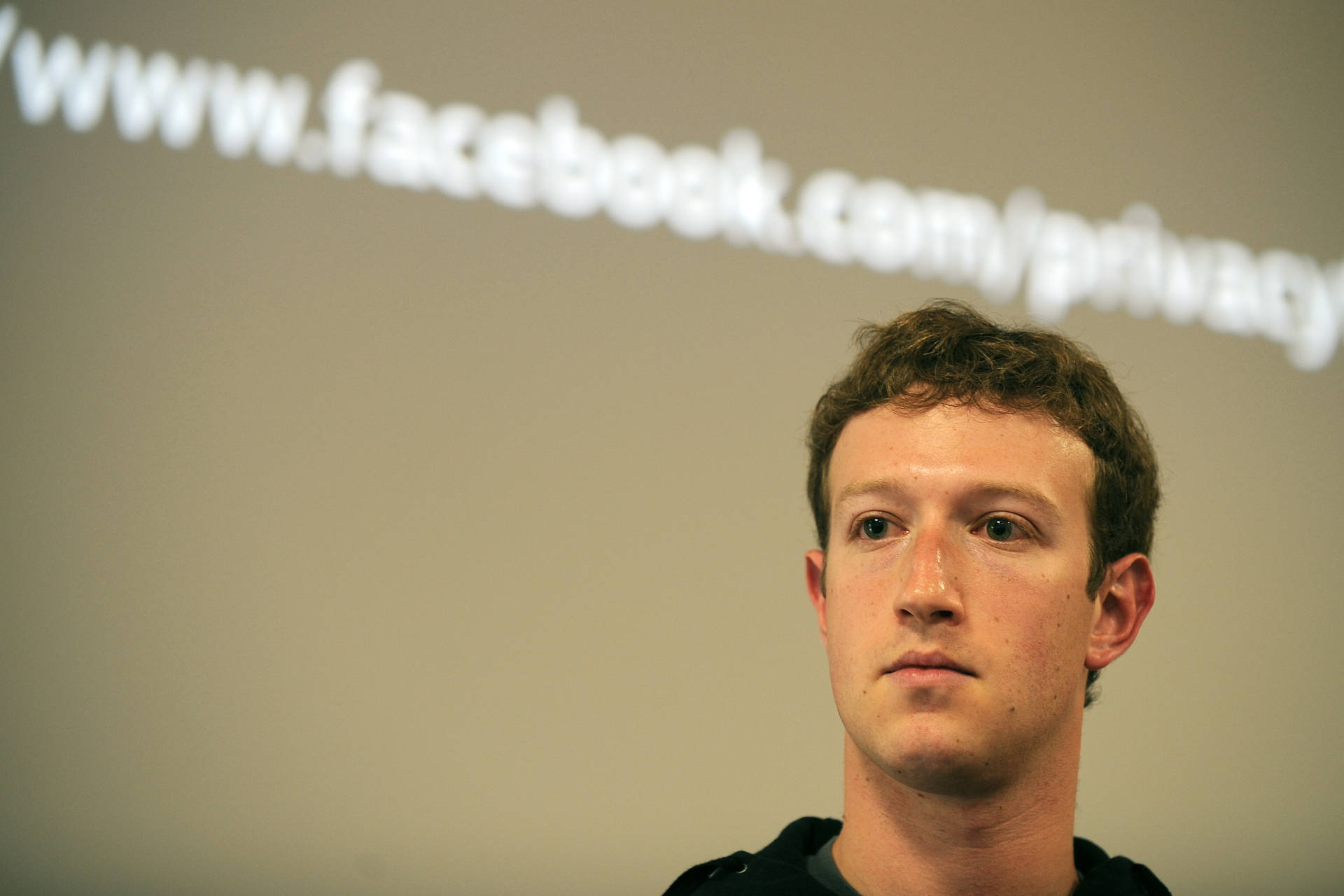
"caption": "Facebook CEO Mark Zuckerberg is defending the company against criticism that it doesn't vet fake news in its news feed.",
"description": "Facebook CEO Mark Zuckerberg is defending the company against criticism that it doesn't vet fake news in its news feed.",
"title": "zuckerberg",
"credit": "LLUIS GENE/AFP/Getty Images",
"status": "inherit",
"isLoading": false,
"fetchFailed": false
},
"news_11081143": {
"type": "attachments",
"id": "news_11081143",
"meta": {
"index": "attachments_1716263798",
"site": "news",
"id": "11081143",
"found": true
},
"parent": 11081142,
"imgSizes": {
"twentyfourteen-full-width": {
"file": "https://ww2.kqed.org/app/uploads/sites/10/2016/09/editor_custom-7891e9a8162912e46cf0aa86b1b7d906940af52b-1038x576.jpg",
"width": 1038,
"mimeType": "image/jpeg",
"height": 576
},
"thumbnail": {
"file": "https://ww2.kqed.org/app/uploads/sites/10/2016/09/editor_custom-7891e9a8162912e46cf0aa86b1b7d906940af52b-400x225.jpg",
"width": 400,
"mimeType": "image/jpeg",
"height": 225
},
"fd-sm": {
"file": "https://ww2.kqed.org/app/uploads/sites/10/2016/09/editor_custom-7891e9a8162912e46cf0aa86b1b7d906940af52b-960x539.jpg",
"width": 960,
"mimeType": "image/jpeg",
"height": 539
},
"post-thumbnail": {
"file": "https://ww2.kqed.org/app/uploads/sites/10/2016/09/editor_custom-7891e9a8162912e46cf0aa86b1b7d906940af52b-672x372.jpg",
"width": 672,
"mimeType": "image/jpeg",
"height": 372
},
"kqedFullSize": {
"file": "https://ww2.kqed.org/app/uploads/sites/10/2016/09/editor_custom-7891e9a8162912e46cf0aa86b1b7d906940af52b-e1473464190895.jpg",
"width": 1920,
"height": 1078
},
"large": {
"file": "https://ww2.kqed.org/app/uploads/sites/10/2016/09/editor_custom-7891e9a8162912e46cf0aa86b1b7d906940af52b-1920x1078.jpg",
"width": 1920,
"mimeType": "image/jpeg",
"height": 1078
},
"guest-author-50": {
"file": "https://ww2.kqed.org/app/uploads/sites/10/2016/09/editor_custom-7891e9a8162912e46cf0aa86b1b7d906940af52b-50x50.jpg",
"width": 50,
"mimeType": "image/jpeg",
"height": 50
},
"guest-author-96": {
"file": "https://ww2.kqed.org/app/uploads/sites/10/2016/09/editor_custom-7891e9a8162912e46cf0aa86b1b7d906940af52b-96x96.jpg",
"width": 96,
"mimeType": "image/jpeg",
"height": 96
},
"medium": {
"file": "https://ww2.kqed.org/app/uploads/sites/10/2016/09/editor_custom-7891e9a8162912e46cf0aa86b1b7d906940af52b-800x449.jpg",
"width": 800,
"mimeType": "image/jpeg",
"height": 449
},
"guest-author-64": {
"file": "https://ww2.kqed.org/app/uploads/sites/10/2016/09/editor_custom-7891e9a8162912e46cf0aa86b1b7d906940af52b-64x64.jpg",
"width": 64,
"mimeType": "image/jpeg",
"height": 64
},
"guest-author-32": {
"file": "https://ww2.kqed.org/app/uploads/sites/10/2016/09/editor_custom-7891e9a8162912e46cf0aa86b1b7d906940af52b-32x32.jpg",
"width": 32,
"mimeType": "image/jpeg",
"height": 32
},
"jmtc-small-thumb": {
"file": "https://ww2.kqed.org/app/uploads/sites/10/2016/09/editor_custom-7891e9a8162912e46cf0aa86b1b7d906940af52b-280x150.jpg",
"width": 280,
"mimeType": "image/jpeg",
"height": 150
},
"fd-lrg": {
"file": "https://ww2.kqed.org/app/uploads/sites/10/2016/09/editor_custom-7891e9a8162912e46cf0aa86b1b7d906940af52b-1920x1078.jpg",
"width": 1920,
"mimeType": "image/jpeg",
"height": 1078
},
"fd-med": {
"file": "https://ww2.kqed.org/app/uploads/sites/10/2016/09/editor_custom-7891e9a8162912e46cf0aa86b1b7d906940af52b-1180x663.jpg",
"width": 1180,
"mimeType": "image/jpeg",
"height": 663
},
"detail": {
"file": "https://ww2.kqed.org/app/uploads/sites/10/2016/09/editor_custom-7891e9a8162912e46cf0aa86b1b7d906940af52b-150x150.jpg",
"width": 150,
"mimeType": "image/jpeg",
"height": 150
},
"guest-author-128": {
"file": "https://ww2.kqed.org/app/uploads/sites/10/2016/09/editor_custom-7891e9a8162912e46cf0aa86b1b7d906940af52b-128x128.jpg",
"width": 128,
"mimeType": "image/jpeg",
"height": 128
}
},
"publishDate": 1473444623,
"modified": 1473464183,
"caption": "Espen Egil Hansen, the editor-in-chief of Norway's Aftenposten newspaper, addressed Facebook CEO Mark Zuckerberg in a front-page open letter on Friday.",
"description": "Espen Egil Hansen, the editor-in-chief of Norway's Aftenposten newspaper, addressed Facebook CEO Mark Zuckerberg in a front-page open letter on Friday.",
"title": "Espen Egil Hansen, the editor-in-chief of Norway's Aftenposten newspaper, addressed Facebook CEO Mark Zuckerberg in a front-page open letter on Friday",
"credit": "Aftenposten",
"status": "inherit",
"isLoading": false,
"fetchFailed": false
},
"news_11053573": {
"type": "attachments",
"id": "news_11053573",
"meta": {
"index": "attachments_1716263798",
"site": "news",
"id": "11053573",
"found": true
},
"parent": 11053536,
"imgSizes": {
"twentyfourteen-full-width": {
"file": "https://ww2.kqed.org/app/uploads/sites/10/2016/08/Naima-Casteñeda-Isaac-1038x576.jpg",
"width": 1038,
"mimeType": "image/jpeg",
"height": 576
},
"thumbnail": {
"file": "https://ww2.kqed.org/app/uploads/sites/10/2016/08/Naima-Casteñeda-Isaac-400x300.jpg",
"width": 400,
"mimeType": "image/jpeg",
"height": 300
},
"fd-sm": {
"file": "https://ww2.kqed.org/app/uploads/sites/10/2016/08/Naima-Casteñeda-Isaac-960x720.jpg",
"width": 960,
"mimeType": "image/jpeg",
"height": 720
},
"post-thumbnail": {
"file": "https://ww2.kqed.org/app/uploads/sites/10/2016/08/Naima-Casteñeda-Isaac-672x372.jpg",
"width": 672,
"mimeType": "image/jpeg",
"height": 372
},
"kqedFullSize": {
"file": "https://ww2.kqed.org/app/uploads/sites/10/2016/08/Naima-Casteñeda-Isaac.jpg",
"width": 1920,
"height": 1440
},
"large": {
"file": "https://ww2.kqed.org/app/uploads/sites/10/2016/08/Naima-Casteñeda-Isaac-1920x1440.jpg",
"width": 1920,
"mimeType": "image/jpeg",
"height": 1440
},
"guest-author-50": {
"file": "https://ww2.kqed.org/app/uploads/sites/10/2016/08/Naima-Casteñeda-Isaac-50x50.jpg",
"width": 50,
"mimeType": "image/jpeg",
"height": 50
},
"guest-author-96": {
"file": "https://ww2.kqed.org/app/uploads/sites/10/2016/08/Naima-Casteñeda-Isaac-96x96.jpg",
"width": 96,
"mimeType": "image/jpeg",
"height": 96
},
"medium": {
"file": "https://ww2.kqed.org/app/uploads/sites/10/2016/08/Naima-Casteñeda-Isaac-800x600.jpg",
"width": 800,
"mimeType": "image/jpeg",
"height": 600
},
"guest-author-64": {
"file": "https://ww2.kqed.org/app/uploads/sites/10/2016/08/Naima-Casteñeda-Isaac-64x64.jpg",
"width": 64,
"mimeType": "image/jpeg",
"height": 64
},
"guest-author-32": {
"file": "https://ww2.kqed.org/app/uploads/sites/10/2016/08/Naima-Casteñeda-Isaac-32x32.jpg",
"width": 32,
"mimeType": "image/jpeg",
"height": 32
},
"jmtc-small-thumb": {
"file": "https://ww2.kqed.org/app/uploads/sites/10/2016/08/Naima-Casteñeda-Isaac-280x150.jpg",
"width": 280,
"mimeType": "image/jpeg",
"height": 150
},
"fd-lrg": {
"file": "https://ww2.kqed.org/app/uploads/sites/10/2016/08/Naima-Casteñeda-Isaac-1920x1440.jpg",
"width": 1920,
"mimeType": "image/jpeg",
"height": 1440
},
"fd-med": {
"file": "https://ww2.kqed.org/app/uploads/sites/10/2016/08/Naima-Casteñeda-Isaac-1180x885.jpg",
"width": 1180,
"mimeType": "image/jpeg",
"height": 885
},
"detail": {
"file": "https://ww2.kqed.org/app/uploads/sites/10/2016/08/Naima-Casteñeda-Isaac-150x150.jpg",
"width": 150,
"mimeType": "image/jpeg",
"height": 150
},
"guest-author-128": {
"file": "https://ww2.kqed.org/app/uploads/sites/10/2016/08/Naima-Casteñeda-Isaac-128x128.jpg",
"width": 128,
"mimeType": "image/jpeg",
"height": 128
}
},
"publishDate": 1471475364,
"modified": 1472067370,
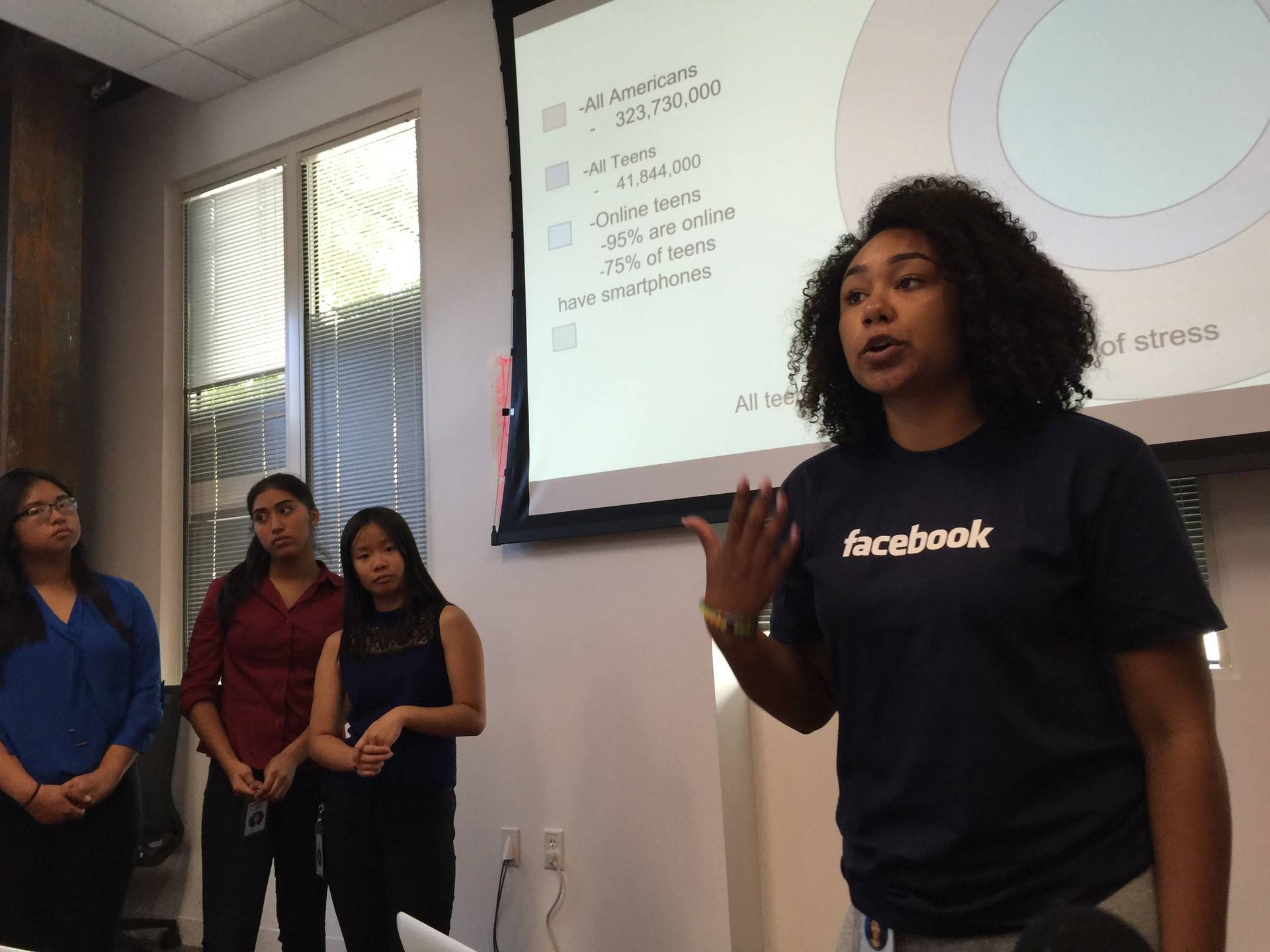
"caption": "Naima Casteñeda Isaac pitches her group's app to her class at Facebook Academy. ",
"description": null,
"title": "Naima Casteñeda Isaac",
"credit": "Queena Sook Kim/KQED",
"status": "inherit",
"isLoading": false,
"fetchFailed": false
},
"news_11040419": {
"type": "attachments",
"id": "news_11040419",
"meta": {
"index": "attachments_1716263798",
"site": "news",
"id": "11040419",
"found": true
},
"parent": 11040357,
"imgSizes": {
"twentyfourteen-full-width": {
"file": "https://ww2.kqed.org/app/uploads/sites/10/2016/08/GainesInstaCap-1038x576.jpg",
"width": 1038,
"mimeType": "image/jpeg",
"height": 576
},
"thumbnail": {
"file": "https://ww2.kqed.org/app/uploads/sites/10/2016/08/GainesInstaCap-400x317.jpg",
"width": 400,
"mimeType": "image/jpeg",
"height": 317
},
"fd-sm": {
"file": "https://ww2.kqed.org/app/uploads/sites/10/2016/08/GainesInstaCap-960x761.jpg",
"width": 960,
"mimeType": "image/jpeg",
"height": 761
},
"post-thumbnail": {
"file": "https://ww2.kqed.org/app/uploads/sites/10/2016/08/GainesInstaCap-672x372.jpg",
"width": 672,
"mimeType": "image/jpeg",
"height": 372
},
"kqedFullSize": {
"file": "https://ww2.kqed.org/app/uploads/sites/10/2016/08/GainesInstaCap.jpg",
"width": 1920,
"height": 1522
},
"large": {
"file": "https://ww2.kqed.org/app/uploads/sites/10/2016/08/GainesInstaCap-1920x1522.jpg",
"width": 1920,
"mimeType": "image/jpeg",
"height": 1522
},
"guest-author-50": {
"file": "https://ww2.kqed.org/app/uploads/sites/10/2016/08/GainesInstaCap-50x50.jpg",
"width": 50,
"mimeType": "image/jpeg",
"height": 50
},
"guest-author-96": {
"file": "https://ww2.kqed.org/app/uploads/sites/10/2016/08/GainesInstaCap-96x96.jpg",
"width": 96,
"mimeType": "image/jpeg",
"height": 96
},
"medium": {
"file": "https://ww2.kqed.org/app/uploads/sites/10/2016/08/GainesInstaCap-800x634.jpg",
"width": 800,
"mimeType": "image/jpeg",
"height": 634
},
"guest-author-64": {
"file": "https://ww2.kqed.org/app/uploads/sites/10/2016/08/GainesInstaCap-64x64.jpg",
"width": 64,
"mimeType": "image/jpeg",
"height": 64
},
"guest-author-32": {
"file": "https://ww2.kqed.org/app/uploads/sites/10/2016/08/GainesInstaCap-32x32.jpg",
"width": 32,
"mimeType": "image/jpeg",
"height": 32
},
"jmtc-small-thumb": {
"file": "https://ww2.kqed.org/app/uploads/sites/10/2016/08/GainesInstaCap-280x150.jpg",
"width": 280,
"mimeType": "image/jpeg",
"height": 150
},
"fd-lrg": {
"file": "https://ww2.kqed.org/app/uploads/sites/10/2016/08/GainesInstaCap-1920x1522.jpg",
"width": 1920,
"mimeType": "image/jpeg",
"height": 1522
},
"fd-med": {
"file": "https://ww2.kqed.org/app/uploads/sites/10/2016/08/GainesInstaCap-1180x935.jpg",
"width": 1180,
"mimeType": "image/jpeg",
"height": 935
},
"detail": {
"file": "https://ww2.kqed.org/app/uploads/sites/10/2016/08/GainesInstaCap-150x150.jpg",
"width": 150,
"mimeType": "image/jpeg",
"height": 150
},
"guest-author-128": {
"file": "https://ww2.kqed.org/app/uploads/sites/10/2016/08/GainesInstaCap-128x128.jpg",
"width": 128,
"mimeType": "image/jpeg",
"height": 128
}
},
"publishDate": 1470255225,
"modified": 1470255295,
"caption": "Korryn Gaines, who police say was armed with a shotgun, is the ninth black woman shot and killed by police so far this year.",
"description": "Korryn Gaines, who police say was armed with a shotgun, is the ninth black woman shot and killed by police so far this year.",
"title": "GainesInstaCap",
"credit": "Instagram",
"status": "inherit",
"isLoading": false,
"fetchFailed": false
},
"news_11027996": {
"type": "attachments",
"id": "news_11027996",
"meta": {
"index": "attachments_1716263798",
"site": "news",
"id": "11027996",
"found": true
},
"parent": 11027995,
"imgSizes": {
"twentyfourteen-full-width": {
"file": "https://ww2.kqed.org/app/uploads/sites/10/2016/07/05-d2e83b7df3834c5a2133f1eb48c00db1fbd729ef-1038x576.jpg",
"width": 1038,
"mimeType": "image/jpeg",
"height": 576
},
"thumbnail": {
"file": "https://ww2.kqed.org/app/uploads/sites/10/2016/07/05-d2e83b7df3834c5a2133f1eb48c00db1fbd729ef-400x300.jpg",
"width": 400,
"mimeType": "image/jpeg",
"height": 300
},
"fd-sm": {
"file": "https://ww2.kqed.org/app/uploads/sites/10/2016/07/05-d2e83b7df3834c5a2133f1eb48c00db1fbd729ef-960x720.jpg",
"width": 960,
"mimeType": "image/jpeg",
"height": 720
},
"post-thumbnail": {
"file": "https://ww2.kqed.org/app/uploads/sites/10/2016/07/05-d2e83b7df3834c5a2133f1eb48c00db1fbd729ef-672x372.jpg",
"width": 672,
"mimeType": "image/jpeg",
"height": 372
},
"kqedFullSize": {
"file": "https://ww2.kqed.org/app/uploads/sites/10/2016/07/05-d2e83b7df3834c5a2133f1eb48c00db1fbd729ef.jpg",
"width": 4120,
"height": 3090
},
"large": {
"file": "https://ww2.kqed.org/app/uploads/sites/10/2016/07/05-d2e83b7df3834c5a2133f1eb48c00db1fbd729ef-1920x1440.jpg",
"width": 1920,
"mimeType": "image/jpeg",
"height": 1440
},
"guest-author-50": {
"file": "https://ww2.kqed.org/app/uploads/sites/10/2016/07/05-d2e83b7df3834c5a2133f1eb48c00db1fbd729ef-50x50.jpg",
"width": 50,
"mimeType": "image/jpeg",
"height": 50
},
"guest-author-96": {
"file": "https://ww2.kqed.org/app/uploads/sites/10/2016/07/05-d2e83b7df3834c5a2133f1eb48c00db1fbd729ef-96x96.jpg",
"width": 96,
"mimeType": "image/jpeg",
"height": 96
},
"medium": {
"file": "https://ww2.kqed.org/app/uploads/sites/10/2016/07/05-d2e83b7df3834c5a2133f1eb48c00db1fbd729ef-800x600.jpg",
"width": 800,
"mimeType": "image/jpeg",
"height": 600
},
"guest-author-64": {
"file": "https://ww2.kqed.org/app/uploads/sites/10/2016/07/05-d2e83b7df3834c5a2133f1eb48c00db1fbd729ef-64x64.jpg",
"width": 64,
"mimeType": "image/jpeg",
"height": 64
},
"guest-author-32": {
"file": "https://ww2.kqed.org/app/uploads/sites/10/2016/07/05-d2e83b7df3834c5a2133f1eb48c00db1fbd729ef-32x32.jpg",
"width": 32,
"mimeType": "image/jpeg",
"height": 32
},
"jmtc-small-thumb": {
"file": "https://ww2.kqed.org/app/uploads/sites/10/2016/07/05-d2e83b7df3834c5a2133f1eb48c00db1fbd729ef-280x150.jpg",
"width": 280,
"mimeType": "image/jpeg",
"height": 150
},
"fd-lrg": {
"file": "https://ww2.kqed.org/app/uploads/sites/10/2016/07/05-d2e83b7df3834c5a2133f1eb48c00db1fbd729ef-1920x1440.jpg",
"width": 1920,
"mimeType": "image/jpeg",
"height": 1440
},
"fd-med": {
"file": "https://ww2.kqed.org/app/uploads/sites/10/2016/07/05-d2e83b7df3834c5a2133f1eb48c00db1fbd729ef-1180x885.jpg",
"width": 1180,
"mimeType": "image/jpeg",
"height": 885
},
"detail": {
"file": "https://ww2.kqed.org/app/uploads/sites/10/2016/07/05-d2e83b7df3834c5a2133f1eb48c00db1fbd729ef-150x150.jpg",
"width": 150,
"mimeType": "image/jpeg",
"height": 150
},
"guest-author-128": {
"file": "https://ww2.kqed.org/app/uploads/sites/10/2016/07/05-d2e83b7df3834c5a2133f1eb48c00db1fbd729ef-128x128.jpg",
"width": 128,
"mimeType": "image/jpeg",
"height": 128
}
},
"publishDate": 1469211117,
"modified": 1469211117,
"caption": null,
"description": "Facebook's unmanned plane takes off in Arizona on June 28 for its first full-scale test flight. The solar-powered plane is designed to deliver wireless Internet to the ground as it flies over.",
"title": "Facebook's unmanned plane takes off in Arizona on June 28 for its first full-scale test flight. The solar-powered plane is designed to deliver wireless Internet to the ground as it flies over.",
"credit": null,
"status": "inherit",
"isLoading": false,
"fetchFailed": false
},
"news_10799840": {
"type": "attachments",
"id": "news_10799840",
"meta": {
"index": "attachments_1716263798",
"site": "news",
"id": "10799840",
"found": true
},
"parent": 10799551,
"imgSizes": {
"twentyfourteen-full-width": {
"file": "https://ww2.kqed.org/app/uploads/sites/10/2015/12/facebook1-e1431626631876-1038x576.jpg",
"width": 1038,
"mimeType": "image/jpeg",
"height": 576
},
"thumbnail": {
"file": "https://ww2.kqed.org/app/uploads/sites/10/2015/12/facebook1-e1431626631876-400x266.jpg",
"width": 400,
"mimeType": "image/jpeg",
"height": 266
},
"fd-sm": {
"file": "https://ww2.kqed.org/app/uploads/sites/10/2015/12/facebook1-e1431626631876-960x639.jpg",
"width": 960,
"mimeType": "image/jpeg",
"height": 639
},
"post-thumbnail": {
"file": "https://ww2.kqed.org/app/uploads/sites/10/2015/12/facebook1-e1431626631876-672x372.jpg",
"width": 672,
"mimeType": "image/jpeg",
"height": 372
},
"kqedFullSize": {
"file": "https://ww2.kqed.org/app/uploads/sites/10/2015/12/facebook1-e1431626631876.jpg",
"width": 1920,
"height": 1278
},
"large": {
"file": "https://ww2.kqed.org/app/uploads/sites/10/2015/12/facebook1-e1431626631876-1440x959.jpg",
"width": 1440,
"mimeType": "image/jpeg",
"height": 959
},
"guest-author-96": {
"file": "https://ww2.kqed.org/app/uploads/sites/10/2015/12/facebook1-e1431626631876-96x96.jpg",
"width": 96,
"mimeType": "image/jpeg",
"height": 96
},
"medium": {
"file": "https://ww2.kqed.org/app/uploads/sites/10/2015/12/facebook1-e1431626631876-800x533.jpg",
"width": 800,
"mimeType": "image/jpeg",
"height": 533
},
"guest-author-64": {
"file": "https://ww2.kqed.org/app/uploads/sites/10/2015/12/facebook1-e1431626631876-64x64.jpg",
"width": 64,
"mimeType": "image/jpeg",
"height": 64
},
"guest-author-32": {
"file": "https://ww2.kqed.org/app/uploads/sites/10/2015/12/facebook1-e1431626631876-32x32.jpg",
"width": 32,
"mimeType": "image/jpeg",
"height": 32
},
"jmtc-small-thumb": {
"file": "https://ww2.kqed.org/app/uploads/sites/10/2015/12/facebook1-e1431626631876-280x150.jpg",
"width": 280,
"mimeType": "image/jpeg",
"height": 150
},
"fd-lrg": {
"file": "https://ww2.kqed.org/app/uploads/sites/10/2015/12/facebook1-e1431626631876-1920x1278.jpg",
"width": 1920,
"mimeType": "image/jpeg",
"height": 1278
},
"fd-med": {
"file": "https://ww2.kqed.org/app/uploads/sites/10/2015/12/facebook1-e1431626631876-1180x785.jpg",
"width": 1180,
"mimeType": "image/jpeg",
"height": 785
},
"detail": {
"file": "https://ww2.kqed.org/app/uploads/sites/10/2015/12/facebook1-e1431626631876-75x75.jpg",
"width": 75,
"mimeType": "image/jpeg",
"height": 75
},
"medium_large": {
"file": "https://ww2.kqed.org/app/uploads/sites/10/2015/12/facebook1-e1431626631876-768x511.jpg",
"width": 768,
"mimeType": "image/jpeg",
"height": 511
},
"guest-author-128": {
"file": "https://ww2.kqed.org/app/uploads/sites/10/2015/12/facebook1-e1431626631876-128x128.jpg",
"width": 128,
"mimeType": "image/jpeg",
"height": 128
}
},
"publishDate": 1450488960,
"modified": 1468275208,
"caption": "Facebook is the target of a federal lawsuit alleging it has facilitated Palestinian attacks in Israel. ",
"description": null,
"title": "Facebook",
"credit": "Ted Aljibe/AFP-Getty Images",
"status": "inherit",
"isLoading": false,
"fetchFailed": false
},
"news_93966": {
"type": "attachments",
"id": "news_93966",
"meta": {
"index": "attachments_1716263798",
"site": "news",
"id": "93966",
"found": true
},
"parent": 93962,
"imgSizes": {
"kqedFullSize": {
"file": "https://ww2.kqed.org/app/uploads/sites/10/2013/04/RS1613_101560214-e1463670226127.jpg",
"width": 1920,
"height": 1280
}
},
"publishDate": 1365709075,
"modified": 1487374247,
"caption": "Facebook CEO Mark Zuckerberg, photographed in a meeting with conservative commentators in 2013, has once again affirmed his commitment to globalization.",
"description": "Mark Zuckerberg and a number of Silicon Valley leaders have founded a new immigration reform advocacy organization. (Gabriel Bouys/AFP/Getty Images)",
"title": "Mark Zuckerberg",
"credit": "Gabriel Bouys/AFP-Getty Images",
"status": "inherit",
"isLoading": false,
"fetchFailed": false
},
"arts_11588333": {
"type": "attachments",
"id": "arts_11588333",
"meta": {
"index": "attachments_1716263798",
"site": "arts",
"id": "11588333",
"found": true
},
"parent": 11588189,
"imgSizes": {
"twentyfourteen-full-width": {
"file": "https://ww2.kqed.org/app/uploads/sites/2/2016/05/Mark-Zuckerberg-1038x576.jpg",
"width": 1038,
"mimeType": "image/jpeg",
"height": 576
},
"thumbnail": {
"file": "https://ww2.kqed.org/app/uploads/sites/2/2016/05/Mark-Zuckerberg-400x225.jpg",
"width": 400,
"mimeType": "image/jpeg",
"height": 225
},
"fd-sm": {
"file": "https://ww2.kqed.org/app/uploads/sites/2/2016/05/Mark-Zuckerberg-960x540.jpg",
"width": 960,
"mimeType": "image/jpeg",
"height": 540
},
"post-thumbnail": {
"file": "https://ww2.kqed.org/app/uploads/sites/2/2016/05/Mark-Zuckerberg-672x372.jpg",
"width": 672,
"mimeType": "image/jpeg",
"height": 372
},
"kqedFullSize": {
"file": "https://ww2.kqed.org/app/uploads/sites/2/2016/05/Mark-Zuckerberg.jpg",
"width": 1914,
"height": 1077
},
"large": {
"file": "https://ww2.kqed.org/app/uploads/sites/2/2016/05/Mark-Zuckerberg-1180x664.jpg",
"width": 1180,
"mimeType": "image/jpeg",
"height": 664
},
"guest-author-50": {
"file": "https://ww2.kqed.org/app/uploads/sites/2/2016/05/Mark-Zuckerberg-50x50.jpg",
"width": 50,
"mimeType": "image/jpeg",
"height": 50
},
"guest-author-96": {
"file": "https://ww2.kqed.org/app/uploads/sites/2/2016/05/Mark-Zuckerberg-96x96.jpg",
"width": 96,
"mimeType": "image/jpeg",
"height": 96
},
"medium": {
"file": "https://ww2.kqed.org/app/uploads/sites/2/2016/05/Mark-Zuckerberg-800x450.jpg",
"width": 800,
"mimeType": "image/jpeg",
"height": 450
},
"guest-author-64": {
"file": "https://ww2.kqed.org/app/uploads/sites/2/2016/05/Mark-Zuckerberg-64x64.jpg",
"width": 64,
"mimeType": "image/jpeg",
"height": 64
},
"guest-author-32": {
"file": "https://ww2.kqed.org/app/uploads/sites/2/2016/05/Mark-Zuckerberg-32x32.jpg",
"width": 32,
"mimeType": "image/jpeg",
"height": 32
},
"fd-med": {
"file": "https://ww2.kqed.org/app/uploads/sites/2/2016/05/Mark-Zuckerberg-1180x664.jpg",
"width": 1180,
"mimeType": "image/jpeg",
"height": 664
},
"detail": {
"file": "https://ww2.kqed.org/app/uploads/sites/2/2016/05/Mark-Zuckerberg-150x150.jpg",
"width": 150,
"mimeType": "image/jpeg",
"height": 150
},
"medium_large": {
"file": "https://ww2.kqed.org/app/uploads/sites/2/2016/05/Mark-Zuckerberg-768x432.jpg",
"width": 768,
"mimeType": "image/jpeg",
"height": 432
},
"guest-author-128": {
"file": "https://ww2.kqed.org/app/uploads/sites/2/2016/05/Mark-Zuckerberg-128x128.jpg",
"width": 128,
"mimeType": "image/jpeg",
"height": 128
}
},
"publishDate": 1463446101,
"modified": 1463446166,
"caption": "Facebook chief executive and founder Mark Zuckerberg speaks during a 'town-hall' meeting at the Indian Institute of Technology (IIT) in New Delhi ",
"description": "Facebook chief executive and founder Mark Zuckerberg speaks during a 'town-hall' meeting at the Indian Institute of Technology (IIT) in New Delhi ",
"title": "INDIA-INTERNET-FACEBOOK-COMPUTERS",
"credit": " Photo: Money Sharma/AFP/Getty Images",
"status": "inherit",
"isLoading": false,
"fetchFailed": false
},
"news_10943874": {
"type": "attachments",
"id": "news_10943874",
"meta": {
"index": "attachments_1716263798",
"site": "news",
"id": "10943874",
"found": true
},
"parent": 10943873,
"imgSizes": {
"jmtc-small-thumb": {
"file": "https://ww2.kqed.org/app/uploads/sites/10/2016/05/12769050173_f8cc4b00de_o-280x150.jpg",
"width": 280,
"mimeType": "image/jpeg",
"height": 150
},
"thumbnail": {
"file": "https://ww2.kqed.org/app/uploads/sites/10/2016/05/12769050173_f8cc4b00de_o-400x247.jpg",
"width": 400,
"mimeType": "image/jpeg",
"height": 247
},
"post-thumbnail": {
"file": "https://ww2.kqed.org/app/uploads/sites/10/2016/05/12769050173_f8cc4b00de_o-672x372.jpg",
"width": 672,
"mimeType": "image/jpeg",
"height": 372
},
"kqedFullSize": {
"file": "https://ww2.kqed.org/app/uploads/sites/10/2016/05/12769050173_f8cc4b00de_o.jpg",
"width": 900,
"height": 556
},
"guest-author-96": {
"file": "https://ww2.kqed.org/app/uploads/sites/10/2016/05/12769050173_f8cc4b00de_o-96x96.jpg",
"width": 96,
"mimeType": "image/jpeg",
"height": 96
},
"medium": {
"file": "https://ww2.kqed.org/app/uploads/sites/10/2016/05/12769050173_f8cc4b00de_o-800x494.jpg",
"width": 800,
"mimeType": "image/jpeg",
"height": 494
},
"guest-author-64": {
"file": "https://ww2.kqed.org/app/uploads/sites/10/2016/05/12769050173_f8cc4b00de_o-64x64.jpg",
"width": 64,
"mimeType": "image/jpeg",
"height": 64
},
"detail": {
"file": "https://ww2.kqed.org/app/uploads/sites/10/2016/05/12769050173_f8cc4b00de_o-150x150.jpg",
"width": 150,
"mimeType": "image/jpeg",
"height": 150
},
"guest-author-32": {
"file": "https://ww2.kqed.org/app/uploads/sites/10/2016/05/12769050173_f8cc4b00de_o-32x32.jpg",
"width": 32,
"mimeType": "image/jpeg",
"height": 32
},
"guest-author-128": {
"file": "https://ww2.kqed.org/app/uploads/sites/10/2016/05/12769050173_f8cc4b00de_o-128x128.jpg",
"width": 128,
"mimeType": "image/jpeg",
"height": 128
}
},
"publishDate": 1462216889,
"modified": 1462229802,
"caption": "The company is based in Mountain View, California.",
"description": "The company is based in Mountain View, Calif.",
"title": "WhatsApp",
"credit": "\u003ca href=\"https://www.flickr.com/photos/alvy/12769050173/in/photolist-ksmHKt-AzvcnG-oLuncL-vpT9mX-rkgPp9-c4bejh-vskBc8-vg8uGJ-uNkXxy-dQYsnR-edh1VT-vszrp9-vaqSky-s3hYEv-c4bdQf-r2jZCx-ASU9Be-baZS6c-7DF47Y-vpT9zU-gLbyb3-mbTQBk-j3iCQN-vE7mLy-j38gVU-m1Qjdm-j39YK7-j3aZjQ-mbSMhs-mbKuYk-BHpJvi-eiwufx-F5RbiW-j33YWQ-a8iWWp-eiCeGN-eiCeM1-m1NnEA-j3dMoD-s1tRmK-mbQt5E-jrtok7-wLFWrE-mrBCoK-yd1ySG-sshQem-GhKfsY-p6drFj-dHCBho-oxpGeq\">Álvaro Ibáñez\u003c/a>/Flickr",
"status": "inherit",
"isLoading": false,
"fetchFailed": false
},
"news_10915950": {
"type": "attachments",
"id": "news_10915950",
"meta": {
"index": "attachments_1716263798",
"site": "news",
"id": "10915950",
"found": true
},
"parent": 10915905,
"imgSizes": {
"twentyfourteen-full-width": {
"file": "https://ww2.kqed.org/app/uploads/sites/10/2016/03/RS18922_IMG_0985-qut-1038x576.jpg",
"width": 1038,
"mimeType": "image/jpeg",
"height": 576
},
"thumbnail": {
"file": "https://ww2.kqed.org/app/uploads/sites/10/2016/03/RS18922_IMG_0985-qut-400x300.jpg",
"width": 400,
"mimeType": "image/jpeg",
"height": 300
},
"fd-sm": {
"file": "https://ww2.kqed.org/app/uploads/sites/10/2016/03/RS18922_IMG_0985-qut-960x720.jpg",
"width": 960,
"mimeType": "image/jpeg",
"height": 720
},
"post-thumbnail": {
"file": "https://ww2.kqed.org/app/uploads/sites/10/2016/03/RS18922_IMG_0985-qut-672x372.jpg",
"width": 672,
"mimeType": "image/jpeg",
"height": 372
},
"kqedFullSize": {
"file": "https://ww2.kqed.org/app/uploads/sites/10/2016/03/RS18922_IMG_0985-qut.jpg",
"width": 1920,
"height": 1440
},
"large": {
"file": "https://ww2.kqed.org/app/uploads/sites/10/2016/03/RS18922_IMG_0985-qut-1920x1440.jpg",
"width": 1920,
"mimeType": "image/jpeg",
"height": 1440
},
"guest-author-96": {
"file": "https://ww2.kqed.org/app/uploads/sites/10/2016/03/RS18922_IMG_0985-qut-96x96.jpg",
"width": 96,
"mimeType": "image/jpeg",
"height": 96
},
"medium": {
"file": "https://ww2.kqed.org/app/uploads/sites/10/2016/03/RS18922_IMG_0985-qut-800x600.jpg",
"width": 800,
"mimeType": "image/jpeg",
"height": 600
},
"guest-author-64": {
"file": "https://ww2.kqed.org/app/uploads/sites/10/2016/03/RS18922_IMG_0985-qut-64x64.jpg",
"width": 64,
"mimeType": "image/jpeg",
"height": 64
},
"guest-author-32": {
"file": "https://ww2.kqed.org/app/uploads/sites/10/2016/03/RS18922_IMG_0985-qut-32x32.jpg",
"width": 32,
"mimeType": "image/jpeg",
"height": 32
},
"jmtc-small-thumb": {
"file": "https://ww2.kqed.org/app/uploads/sites/10/2016/03/RS18922_IMG_0985-qut-280x150.jpg",
"width": 280,
"mimeType": "image/jpeg",
"height": 150
},
"fd-lrg": {
"file": "https://ww2.kqed.org/app/uploads/sites/10/2016/03/RS18922_IMG_0985-qut-1920x1440.jpg",
"width": 1920,
"mimeType": "image/jpeg",
"height": 1440
},
"fd-med": {
"file": "https://ww2.kqed.org/app/uploads/sites/10/2016/03/RS18922_IMG_0985-qut-1180x885.jpg",
"width": 1180,
"mimeType": "image/jpeg",
"height": 885
},
"detail": {
"file": "https://ww2.kqed.org/app/uploads/sites/10/2016/03/RS18922_IMG_0985-qut-75x75.jpg",
"width": 75,
"mimeType": "image/jpeg",
"height": 75
},
"guest-author-128": {
"file": "https://ww2.kqed.org/app/uploads/sites/10/2016/03/RS18922_IMG_0985-qut-128x128.jpg",
"width": 128,
"mimeType": "image/jpeg",
"height": 128
}
},
"publishDate": 1459481488,
"modified": 1459539670,
"caption": "When Steve Julian of KPCC in Los Angeles was diagnosed with a terminal brain cancer, his wife Felicia Friesema turned to social media for solace, support, and the space to process this heart-breaking journey.",
"description": "When Steve Julian of KPCC in Los Angeles was diagnosed with terminal brain cancer, his wife Felicia Friesema turned to social media for solace, support, and the space to process this heart-breaking journey.",
"title": "RS18922_IMG_0985-qut",
"credit": "Rachael Myrow/KQED",
"status": "inherit",
"isLoading": false,
"fetchFailed": false
}
},
"audioPlayerReducer": {
"postId": "stream_live",
"isPaused": true,
"isPlaying": false,
"pfsActive": false,
"pledgeModalIsOpen": true,
"playerDrawerIsOpen": false,
"liveAudioPlayStartedAt": 0,
"liveAudioPlayContext": ""
},
"authorsReducer": {
"byline_news_11178535": {
"type": "authors",
"id": "byline_news_11178535",
"meta": {
"override": true
},
"slug": "byline_news_11178535",
"name": "\u003cstrong>\u003ca href=\"http://www.npr.org/people/348730771/aarti-shahani\">Aarti Shahani\u003c/a> \u003cbr> \u003ca href=\"http://www.npr.org/\">NPR\u003c/a>\u003c/strong>",
"isLoading": false
},
"byline_news_11175402": {
"type": "authors",
"id": "byline_news_11175402",
"meta": {
"override": true
},
"slug": "byline_news_11175402",
"name": "\u003cstrong>\u003ca href=\"http://www.npr.org/people/348730771/aarti-shahani\">Aarti Shahani\u003c/a> \u003cbr> \u003ca href=\"http://www.npr.org/\">NPR\u003c/a>\u003c/strong>",
"isLoading": false
},
"byline_news_11081142": {
"type": "authors",
"id": "byline_news_11081142",
"meta": {
"override": true
},
"slug": "byline_news_11081142",
"name": "Camila Domonoske",
"isLoading": false
},
"byline_news_11040357": {
"type": "authors",
"id": "byline_news_11040357",
"meta": {
"override": true
},
"slug": "byline_news_11040357",
"name": "Camila Domonoske",
"isLoading": false
},
"byline_news_11027995": {
"type": "authors",
"id": "byline_news_11027995",
"meta": {
"override": true
},
"slug": "byline_news_11027995",
"name": "\u003cSTRONG>Rebecca Hersher\u003cBR />NPR\u003c/STRONG>",
"isLoading": false
},
"byline_news_11016983": {
"type": "authors",
"id": "byline_news_11016983",
"meta": {
"override": true
},
"slug": "byline_news_11016983",
"name": "\u003cstrong>Tia Goldenberg\u003cbr />Associated Press\u003c/strong>",
"isLoading": false
},
"byline_news_10960580": {
"type": "authors",
"id": "byline_news_10960580",
"meta": {
"override": true
},
"slug": "byline_news_10960580",
"name": "\u003cstrong>Ryan Nakashima\u003cbr />Associated Press\u003c/strong>",
"isLoading": false
},
"byline_arts_11588189": {
"type": "authors",
"id": "byline_arts_11588189",
"meta": {
"override": true
},
"slug": "byline_arts_11588189",
"name": "Associated Press",
"isLoading": false
},
"byline_news_10954464": {
"type": "authors",
"id": "byline_news_10954464",
"meta": {
"override": true
},
"slug": "byline_news_10954464",
"name": "\u003cstrong>Alina Selyukh\u003cbr />NPR\u003c/strong>",
"isLoading": false
},
"byline_news_10943873": {
"type": "authors",
"id": "byline_news_10943873",
"meta": {
"override": true
},
"slug": "byline_news_10943873",
"name": "\u003cstrong>The Associated Press\u003c/strong>",
"isLoading": false
},
"rachael-myrow": {
"type": "authors",
"id": "251",
"meta": {
"index": "authors_1716337520",
"id": "251",
"found": true
},
"name": "Rachael Myrow",
"firstName": "Rachael",
"lastName": "Myrow",
"slug": "rachael-myrow",
"email": "rmyrow@kqed.org",
"display_author_email": true,
"staff_mastheads": [
"news"
],
"title": "Senior Editor of KQED's Silicon Valley News Desk",
"bio": "• I write and edit stories about how Silicon Valley power and policies shape everyday life in California. I’m also passionate about making Bay Area history and culture more accessible to a broad public. • I’ve been a journalist for most of my life, starting in high school with The Franklin Press in Los Angeles, where I grew up. While earning my first degree in English at UC Berkeley, I got my start in public radio at KALX-FM. After completing a second degree in journalism at Cal, I landed my first professional job at Marketplace, then moved on to KPCC (now LAist), and then KQED, where I hosted The California Report for more than seven years. • My reporting has appeared on NPR, The World, WBUR’s \u003ci>Here & Now\u003c/i>, and the BBC. I also guest host for KQED’s \u003ci>Forum\u003c/i>, as well as the Commonwealth Club in San Francisco. • I speak periodically on media, democracy and technology issues, and do voiceover work for documentaries and educational video projects. • Outside of the studio, you'll find me hiking Bay Area trails and whipping up Insta-ready meals in my kitchen. • I do not accept gifts, money, or favors from anyone connected to my reporting, I don't pay people for information, and I do not support or donate to political causes. • I strive to treat the people I report on with fairness, honesty, and respect. I also recognize there are often multiple sides to a story and work to verify information through multiple sources and documentation. If I get something wrong, I correct it.",
"avatar": "https://secure.gravatar.com/avatar/3ed8a3c5f26025e4a805ba634cda8cd764906b97438a6d9ce216b044e340da4e?s=600&d=blank&r=g",
"twitter": "rachaelmyrow",
"bluesky": null,
"facebook": null,
"instagram": null,
"linkedin": "https://www.linkedin.com/in/rachaelmyrow/",
"sites": [
{
"site": "arts",
"roles": [
"administrator"
]
},
{
"site": "news",
"roles": [
"edit_others_posts",
"editor"
]
},
{
"site": "futureofyou",
"roles": [
"editor"
]
},
{
"site": "bayareabites",
"roles": [
"editor"
]
},
{
"site": "stateofhealth",
"roles": [
"editor"
]
},
{
"site": "science",
"roles": [
"editor"
]
},
{
"site": "food",
"roles": [
"editor"
]
},
{
"site": "forum",
"roles": [
"editor"
]
},
{
"site": "liveblog",
"roles": [
"author"
]
}
],
"headData": {
"title": "Rachael Myrow | KQED",
"description": "Senior Editor of KQED's Silicon Valley News Desk",
"ogImgSrc": "https://secure.gravatar.com/avatar/3ed8a3c5f26025e4a805ba634cda8cd764906b97438a6d9ce216b044e340da4e?s=600&d=blank&r=g",
"twImgSrc": "https://secure.gravatar.com/avatar/3ed8a3c5f26025e4a805ba634cda8cd764906b97438a6d9ce216b044e340da4e?s=600&d=blank&r=g"
},
"isLoading": false,
"link": "/author/rachael-myrow"
},
"qkim": {
"type": "authors",
"id": "11099",
"meta": {
"index": "authors_1716337520",
"id": "11099",
"found": true
},
"name": "Queena Sook Kim",
"firstName": "Queena",
"lastName": "Kim",
"slug": "qkim",
"email": "qkim@kqed.org",
"display_author_email": false,
"staff_mastheads": [
"news"
],
"title": "Senior Editor",
"bio": "\u003cspan style=\"font-weight: 400;\">Queena Sook Kim is a former senior editor of the weekend desk at KQED. Before taking on that post, she was the Senior Editor of the Silicon Valley Desk and was the \u003c/span>\u003cspan style=\"font-weight: 400;\">host of The California Report. The daily morning show airs on KQED in San Francisco, one of the nation’s largest NPR affiliates, and on 30 stations across the state. In that role, she produces and reports on news, politics and life in the Golden State. Queena likes to take sideways look at the larger trends changing the state. One of her favorite stories asked\u003c/span>\u003ca href=\"https://ww2.kqed.org/news/2015/02/15/why-the-heck-do-mexican-reporters-on-public-radio-say-their-names-that-way\"> \u003cspan style=\"font-weight: 400;\">why Latino journalists “over’pronounce” their Spanish surnames\u003c/span>\u003c/a>\u003cspan style=\"font-weight: 400;\"> as a way of looking at how immigration is creating a culture shift in California.\u003c/span>\r\n\r\n\u003cspan style=\"font-weight: 400;\">Before joining The California Report, Queena was a \u003ca href=\"http://www.marketplace.org/people/queena-kim\">Senior Reporter covering technology for Marketplace\u003c/a>, the daily business show that airs on public radio. Queena covered daily tech business stories and reported on larger technology trends. She did a series of stories looking at role of social engineering in hacking and on a start-up in Silicon Valley that’s trying to use technology, instead of animals, to make meat that bleeds.\u003c/span>\r\n\r\n\u003cspan style=\"font-weight: 400;\">Queena started her career as a business journalist at the Wall Street Journal, where she spent four years covering the paper, home building and toy industries. She wrote A1 stories about the unusually aggressive tactics KB Home took against its home buyers. and the resurgence of “Cracker” architecture in Florida. She also wrote section front stories on marketing trends and\u003c/span>\r\n\r\n\u003cspan style=\"font-weight: 400;\">As a journalist, Queena has spent much of her career helping start-up editorial products. She was on the founding editorial team of The Bay Citizen, an experimental, online news site in San Francisco that was funded by the late hillbilly billionaire Warren Hellman. In 2009, Queena received a grant from the Corporation of Public Broadcasting to start-up a podcast called \u003ca href=\"https://soundcloud.com/cyberfrequencies\">CyberFrequencies\u003c/a>, which reported on the culture of technology. She also helped start-up two radio shows - Off-Ramp and Pacific Drift - for KPCC, the NPR-affiliate in Los Angeles. Off-Ramp was awarded 1st Place for news and Public Affairs programming by the PRINDI and the L.A. Press club. \u003ca href=\"https://soundcloud.com/queena-sook-kim\">Queena’s stories have appeared \u003c/a>on NPR’s Day to Day, Hearing Voices, WNYC’s Studio 360, WBUR’s Here and Now, BBC’s Global Perspectives and New York Times’ multimedia page.\u003c/span>\r\n\r\n\u003cspan style=\"font-weight: 400;\">In 1994, Queena won a Fulbright Grant to teach and study in Seoul, South Korea. She was also selected to be a Teach For America Corps Member in 1991 and taught elementary school in the Inglewood Unified School District in Southern California.\u003c/span>\r\n\r\n\u003cspan style=\"font-weight: 400;\">Queena is a frequent public speaker and has given talks at UC Berkeley, Stanford University, San Francisco State University, PRINDI conference and the Craigslist Foundation Boot Camp. Queena went to UC Berkeley’s Graduate School of Journalism and graduated cum laude from New York University with a B.A. in Politics. She grew up in Southern California and lives in Berkeley, Ca in a big fixer on which she spends most weekends, well, fixing.\u003c/span>",
"avatar": "https://secure.gravatar.com/avatar/b72382fd0db351b99f8a31939f4853fc?s=600&d=blank&r=g",
"twitter": "queenasookkim",
"facebook": null,
"instagram": null,
"linkedin": null,
"sites": [
{
"site": "news",
"roles": [
"subscriber"
]
},
{
"site": "forum",
"roles": [
"author"
]
},
{
"site": "breakingnews",
"roles": [
"editor"
]
}
],
"headData": {
"title": "Queena Sook Kim | KQED",
"description": "Senior Editor",
"ogImgSrc": "https://secure.gravatar.com/avatar/b72382fd0db351b99f8a31939f4853fc?s=600&d=blank&r=g",
"twImgSrc": "https://secure.gravatar.com/avatar/b72382fd0db351b99f8a31939f4853fc?s=600&d=blank&r=g"
},
"isLoading": false,
"link": "/author/qkim"
}
},
"pagesReducer": {
"news_tag_facebook": {
"type": "terms",
"id": "news_249",
"meta": {
"index": "terms_1716263798",
"site": "news",
"id": "249",
"score": 8.457276
},
"featImg": null,
"name": "Facebook",
"description": null,
"taxonomy": "tag",
"headData": {
"twImgId": null,
"twTitle": null,
"ogTitle": null,
"ogImgId": null,
"twDescription": null,
"description": null,
"title": "Facebook Archives | KQED News",
"ogDescription": null
},
"ttid": 257,
"slug": "facebook",
"isLoading": false,
"title": "Facebook",
"pageMeta": {
"site": "news",
"WpPageTemplate": "page-topic-editorial",
"currentPage": 21
},
"blocks": [
{
"blockName": "kqed/post-list",
"attrs": {
"layout": "cardArticle2",
"query": "posts/news?tag=facebook",
"seeMore": false,
"paginated": true,
"page": 21
}
},
{
"blockName": "kqed/ad"
}
]
}
},
"pfsSessionReducer": {},
"postsReducer": {
"stream_live": {
"type": "live",
"id": "stream_live",
"audioUrl": "https://streams.kqed.org/kqedradio",
"title": "Live Stream",
"excerpt": "Live Stream information currently unavailable.",
"link": "/radio",
"featImg": "",
"label": {
"name": "KQED Live",
"link": "/"
}
},
"stream_kqedNewscast": {
"type": "posts",
"id": "stream_kqedNewscast",
"audioUrl": "https://www.kqed.org/.stream/anon/radio/RDnews/newscast.mp3?_=1",
"title": "KQED Newscast",
"featImg": "",
"label": {
"name": "88.5 FM",
"link": "/"
}
},
"news_11178535": {
"type": "posts",
"id": "news_11178535",
"meta": {
"index": "posts_1716263798",
"site": "news",
"id": "11178535",
"score": null,
"sort": [
1479414365000
]
},
"guestAuthors": [
{
"ID": "98603",
"displayName": "Aarti Shahani",
"firstName": "Aarti",
"lastName": "Shahani",
"userLogin": "aarti-shahani",
"userEmail": "ashahani@kqed.org",
"linkedAccount": "aartishahani",
"website": "",
"description": "",
"userNicename": "aarti-shahani",
"type": "guest-author",
"nickname": ""
}
],
"slug": "from-hate-speech-to-fake-news-the-content-crisis-facing-mark-zuckerberg",
"title": "From Hate Speech to Fake News: the Content Crisis Facing Mark Zuckerberg",
"publishDate": 1479414365,
"format": "image",
"headTitle": "From Hate Speech to Fake News: the Content Crisis Facing Mark Zuckerberg | KQED",
"labelTerm": {},
"content": "\u003cp>\u003cem>\u003cstrong>Editor’s Note:\u003c/strong> This story contains images and language that some readers may find disturbing.\u003c/em>\u003c/p>\n\u003cp>Mark Zuckerberg — one of the most insightful, adept leaders in the business world — has a problem. It’s a problem he has been slow to acknowledge, even though it has become more apparent by the day.\u003c/p>\n\u003cp>Several current and former Facebook employees tell NPR there is a lot of internal turmoil about how the platform does and doesn’t censor content that users find offensive. And outside Facebook, the public is regularly confounded by the company’s decisions — around controversial posts and around fake news.\u003c/p>\n\u003cp>(Did \u003ca href=\"http://www.snopes.com/pope-francis-donald-trump-endorsement/\">Pope Francis really endorse\u003c/a> Donald Trump? Does Hillary Clinton really have a \u003ca href=\"http://eaglerising.com/36880/a-hillary-clinton-administration-may-be-entirely-run-by-a-figurehead/\">body double\u003c/a>?)\u003c/p>\n\u003cp>Behind whatever the controversy of the moment happens to be, there’s a deep-seated problem. The problem is this: At age 19, the then-boy genius started a social network that was basically a tech-savvy way to \u003ca href=\"https://www.theguardian.com/technology/2007/jul/25/media.newmedia\">check out classmates\u003c/a> in school. Then, over the course of 12 years, he made some very strategic decisions that have morphed Facebook into the most powerful distributor on Earth — the new front page of the news for \u003ca href=\"https://newsroom.fb.com/company-info/\">more than 1 billion\u003c/a> people every day. But Zuckerberg didn’t sign up to head a media company — as in, one that has to make editorial judgments.\u003c/p>\n\u003cp>[ad fullwidth]\u003c/p>\n\u003cp>\u003c!-- iframe plugin v.4.3 wordpress.org/plugins/iframe/ -->\u003cbr>\n\u003ciframe loading=\"lazy\" src=\"https://www.npr.org/player/embed/495827410/502402451\" width=\"100%\" height=\"290\" frameborder=\"0\" scrolling=\"no\" title=\"NPR embedded audio player\" class=\"iframe-class\">\u003c/iframe>\u003c/p>\n\u003cp>He and his team have made a very complex set of contradictory rules — a bias toward restricted speech for regular users, and toward free speech for “news” (real or fake). And the company relies on a sprawling army of subcontractors to enforce the rules. People involved in trying to make it work say they’re in way over their heads. As one employee put it, “We started out of a college dorm. I mean, c’mon, we’re Facebook. We never wanted to deal with this s***.”\u003c/p>\n\u003cp>\u003cstrong>Subcontractors running the show\u003c/strong>\u003c/p>\n\u003cp>NPR got the official version of how the company censors and leaves up content this summer when Facebook’s head of policy, Monika Bickert, agreed to a phone interview. We spoke with 10 current and former employees total, on the record and on background, for this investigation.\u003c/p>\n\u003cp>It’s hard to remember this sometimes, but Facebook has never claimed to be a free-speech platform. The company is trying to create a safe space where, unlike on Twitter, people can share without being trolled or shamed. Bickert is in charge of setting the content policies. The \u003ca href=\"https://www.facebook.com/communitystandards\">Community Standards\u003c/a>, which are posted online, are the rules for everyday users.\u003c/p>\n\u003cp>She explained that when a user reports a piece of content that might be offensive, the company exercises its power to censor with precision.\u003c/p>\n\u003cp>[contextly_sidebar id=”rW0OoouzHwixJ3pMYhx8Zi9oUCslrao5″]\u003c/p>\n\u003cp>“Context is so important. It’s critical when we are looking to determine whether or not something is hate speech, or a credible threat of violence,” she said. “We look at how a specific person shared a specific post or word or photo to Facebook. So we’re looking to see why did this particular share happen on Facebook? Why did this particular post happen?”\u003c/p>\n\u003cp>However, three of Bickert’s former colleagues tell a very different story of how Facebook deals with controversial content. They and others declined to be named for fear of job repercussions (at Facebook or at their current employers, also internet companies), but their descriptions are consistent with each other.\u003c/p>\n\u003cp>When a user flags a post on Facebook — whether it’s a picture, video or text post — it goes to a little-known division called the “community operations team.”\u003c/p>\n\u003caside class=\"pullquote alignright\">‘You have to use judgment, in a system that doesn’t give you the time to make a real judgment.’\u003c/aside>\n\u003cp>In 2010, the sources say, the team had a couple hundred workers in five countries. Facebook found it needed more hands on deck. After trying crowdsourcing solutions like CrowdFlower, the company turned to the consulting firm Accenture to put together a dedicated team of subcontractors. Sources say the team is now several thousand people, with some of the largest offices in Manila, the Philippines, and Warsaw, Poland.\u003c/p>\n\u003cp>Current and former employees of Facebook say that they’ve observed these subcontractors in action; that they are told to go fast — very fast; that they’re evaluated on speed; and that on average, a worker makes a decision about a piece of flagged content once every 10 seconds.\u003c/p>\n\u003cp>Let’s do a back-of-the-envelope calculation. Say a worker is doing an eight-hour shift, at the rate of one post per 10 seconds. That means they’re clearing 2,880 posts a day per person. When NPR ran these numbers by current and former employees, they said that sounds reasonable.\u003c/p>\n\u003cp>A Facebook spokesperson says response times vary widely, depending on what is being reported; that the vast majority of flagged content is not removed; and that the numbers are off. Facebook did not provide alternative numbers.\u003c/p>\n\u003cp>[contextly_sidebar id=”GHUFwakLngKMdaqXezKhADivYvtrrydc”]\u003c/p>\n\u003cp>If the sources — who have firsthand knowledge and spoke separately with NPR — are correct, then this may be the biggest editing — aka censorship — operation in the history of media. All the while, Facebook leaders insist they’re just running a “platform,” free of human judgment.\u003c/p>\n\u003cp>A person who worked on this area of “content management” for Facebook (as an employee, not a subcontractor) says most of the content you see falls neatly into categories that don’t need deep reflection: “That’s an erect penis. Check.” So it’s not like the workers are analyzing every single one in detail.\u003c/p>\n\u003cp>The problem is that simple and complex items all go into the same big pile. So, the source says, “you go on autopilot” and don’t realize when “you have to use judgment, in a system that doesn’t give you the time to make a real judgment.”\u003c/p>\n\u003cp>A classic case is something like “Becky looks pregnant.” It could be cyberbullying or a compliment. The subcontractor “pretty much tosses a coin,” the source says.\u003c/p>\n\u003cp>Here’s another huge barrier. Because of privacy laws and technical glitches (such as a post that is truncated to show only part of the conversation), the subcontractors typically don’t get to see the full context — to which Bickert referred so often.\u003c/p>\n\u003cp>\u003cstrong>Frequent errors\u003c/strong>\u003c/p>\n\u003cp>That could be the cause of frequent errors.\u003c/p>\n\u003cp>NPR decided to stress-test the system by flagging nearly 200 posts that could be considered hate speech — specifically, attacks against blacks and against whites in the U.S. We found that Facebook subcontractors were not consistent and made numerous mistakes, including in instances where a user calls for violence.\u003c/p>\n\u003cp>We say they were mistakes because the company changed its position in dozens of instances, removing some and restoring others — either when we flagged it a second time through the automated system or brought it to the attention of Facebook headquarters in Menlo Park.\u003c/p>\n\u003cp>Consider this post:\u003c/p>\n\u003cfigure id=\"attachment_11178624\" class=\"wp-caption aligncenter\" style=\"max-width: 800px\">\u003cimg loading=\"lazy\" decoding=\"async\" class=\"size-medium wp-image-11178624\" src=\"http://ww2.kqed.org/news/wp-content/uploads/sites/10/2016/11/FBNPR800-800x949.jpg\" alt=\"A comment on this post (indicated by the light gray text) was flagged by NPR. Facebook's subcontractors did not remove the comment, but after being pressed further, a spokesperson said they made a mistake and it should have been removed.\" width=\"800\" height=\"949\" srcset=\"https://cdn.kqed.org/wp-content/uploads/sites/10/2016/11/FBNPR800.jpg 800w, https://cdn.kqed.org/wp-content/uploads/sites/10/2016/11/FBNPR800-160x190.jpg 160w, https://cdn.kqed.org/wp-content/uploads/sites/10/2016/11/FBNPR800-240x285.jpg 240w, https://cdn.kqed.org/wp-content/uploads/sites/10/2016/11/FBNPR800-375x445.jpg 375w, https://cdn.kqed.org/wp-content/uploads/sites/10/2016/11/FBNPR800-520x617.jpg 520w\" sizes=\"(max-width: 800px) 100vw, 800px\">\u003cfigcaption class=\"wp-caption-text\">A comment on this post (indicated by the light gray text) was flagged by NPR. Facebook’s subcontractors did not remove the comment, but after being pressed further, a spokesperson said they made a mistake and it should have been removed. \u003ccite>(Facebook/Screenshot by NPR)\u003c/cite>\u003c/figcaption>\u003c/figure>\n\u003cp>One user shares a video of a police officer kicking someone on the ground, and another says they “need to start organizing and sniping these bitches.” This is a call to shoot cops.\u003c/p>\n\u003cp>And it’s occurring in a very specific context: days after \u003ca href=\"http://www.npr.org/sections/thetwo-way/2016/07/07/485066807/police-stop-ends-in-black-mans-death-aftermath-is-livestreamed-online-video\">Philando Castile\u003c/a> was shot and killed by an officer (the shooting’s aftermath was live-streamed on Facebook); and in a city in Minnesota that’s just a few miles away from where Castile lay bleeding.\u003c/p>\n\u003cp>The subcontractors did not remove the post. When NPR emailed Facebook headquarters about it, a spokesperson said they made a mistake and the post should have been removed.\u003c/p>\n\u003cp>One source tells NPR that the subcontractor “likely” could not see the full post if just the comment was flagged, could not see the profile of the user or even view the video to which the user was responding — again for privacy or technical reasons.\u003c/p>\n\u003cp>Different projects within Facebook have to compete fiercely for engineering talent, and have to make the case that their to-do list is worth expensive company resources. Two sources say that over the years, it’s been hard to make that case for fixing the editing system.\u003c/p>\n\u003cfigure id=\"attachment_11178627\" class=\"wp-caption aligncenter\" style=\"max-width: 800px\">\u003cimg loading=\"lazy\" decoding=\"async\" class=\"size-medium wp-image-11178627\" src=\"http://ww2.kqed.org/news/wp-content/uploads/sites/10/2016/11/WLM800-800x574.jpg\" alt=\"Of posts that NPR flagged, this one, with the hashtag #blacklivesdontmatter, was left up erroneously, according to Facebook officials.\" width=\"800\" height=\"574\" srcset=\"https://cdn.kqed.org/wp-content/uploads/sites/10/2016/11/WLM800-800x574.jpg 800w, https://cdn.kqed.org/wp-content/uploads/sites/10/2016/11/WLM800-160x115.jpg 160w, https://cdn.kqed.org/wp-content/uploads/sites/10/2016/11/WLM800-240x172.jpg 240w, https://cdn.kqed.org/wp-content/uploads/sites/10/2016/11/WLM800-375x269.jpg 375w, https://cdn.kqed.org/wp-content/uploads/sites/10/2016/11/WLM800-520x373.jpg 520w, https://cdn.kqed.org/wp-content/uploads/sites/10/2016/11/WLM800.jpg 813w\" sizes=\"(max-width: 800px) 100vw, 800px\">\u003cfigcaption class=\"wp-caption-text\">Of posts that NPR flagged, this one, with the hashtag #blacklivesdontmatter, was left up erroneously, according to Facebook officials. \u003ccite>(Facebook/Screenshot by NPR)\u003c/cite>\u003c/figcaption>\u003c/figure>\n\u003cp>NPR shared many posts with the company to get specific feedback on why something stayed up or was taken down. This post, with the hashtag #blacklivesdontmatter, was left up. The spokesperson says it should have been removed, but the reviewer’s perspective is not the same as a regular Facebook user; and because the company is protecting privacy, reviewers don’t have access to everything, which \u003cem>can\u003c/em> affect their judgments. Also, the spokesperson says, reviewers don’t have the time a person at Facebook headquarters or at NPR may have to make a decision.\u003c/p>\n\u003cp>Another spokesperson notes that just because the reviewer has a limited view does not mean Bickert’s description is incorrect — that the two versions of the process are not mutually exclusive.\u003c/p>\n\u003cp>\u003cstrong>A restrictive platform\u003c/strong>\u003c/p>\n\u003cp>NPR also finds, interestingly, that Facebook can be strict.\u003c/p>\n\u003cp>Think of it this way. Every media outlet has its own culture and voice. If \u003cem>The New York Times \u003c/em>is urban liberal, Fox News is conservative, and Playboy is racy, you could say Facebook aspires to be nice — a global brand that’s as easy to swallow as Coca-Cola. (In this provocative \u003ca href=\"http://shorensteincenter.org/jeffrey-rosen-future-of-free-speech-in-a-digital-world/\">talk at Harvard’s Shorenstein Center\u003c/a>, law professor and author Jeffrey Rosen says Facebook favors “civility” over “liberty.”)\u003c/p>\n\u003cp>The bias is evident in these real-life examples:\u003c/p>\n\u003cfigure id=\"attachment_11178629\" class=\"wp-caption aligncenter\" style=\"max-width: 800px\">\u003cimg loading=\"lazy\" decoding=\"async\" class=\"size-medium wp-image-11178629\" src=\"http://ww2.kqed.org/news/wp-content/uploads/sites/10/2016/11/smack-cheese-edit_custom-ba74c37ee123fac3f669f0406811bf1976130be4-s1600-c85-800x428.jpg\" alt=\"One example of a Facebook post that was flagged where racial slurs were used.\" width=\"800\" height=\"428\" srcset=\"https://cdn.kqed.org/wp-content/uploads/sites/10/2016/11/smack-cheese-edit_custom-ba74c37ee123fac3f669f0406811bf1976130be4-s1600-c85-800x428.jpg 800w, https://cdn.kqed.org/wp-content/uploads/sites/10/2016/11/smack-cheese-edit_custom-ba74c37ee123fac3f669f0406811bf1976130be4-s1600-c85-160x86.jpg 160w, https://cdn.kqed.org/wp-content/uploads/sites/10/2016/11/smack-cheese-edit_custom-ba74c37ee123fac3f669f0406811bf1976130be4-s1600-c85-240x128.jpg 240w, https://cdn.kqed.org/wp-content/uploads/sites/10/2016/11/smack-cheese-edit_custom-ba74c37ee123fac3f669f0406811bf1976130be4-s1600-c85-375x201.jpg 375w, https://cdn.kqed.org/wp-content/uploads/sites/10/2016/11/smack-cheese-edit_custom-ba74c37ee123fac3f669f0406811bf1976130be4-s1600-c85-520x278.jpg 520w, https://cdn.kqed.org/wp-content/uploads/sites/10/2016/11/smack-cheese-edit_custom-ba74c37ee123fac3f669f0406811bf1976130be4-s1600-c85-280x150.jpg 280w, https://cdn.kqed.org/wp-content/uploads/sites/10/2016/11/smack-cheese-edit_custom-ba74c37ee123fac3f669f0406811bf1976130be4-s1600-c85.jpg 888w\" sizes=\"(max-width: 800px) 100vw, 800px\">\u003cfigcaption class=\"wp-caption-text\">One example of a Facebook post that was flagged where racial slurs were used. \u003ccite>(Facebook/Screenshot by NPR)\u003c/cite>\u003c/figcaption>\u003c/figure>\n\u003cfigure id=\"attachment_11178632\" class=\"wp-caption aligncenter\" style=\"max-width: 800px\">\u003cimg loading=\"lazy\" decoding=\"async\" class=\"size-medium wp-image-11178632\" src=\"http://ww2.kqed.org/news/wp-content/uploads/sites/10/2016/11/SadisticCap-800x301.jpg\" alt=\"A second example of a Facebook post that was flagged where racial slurs were used.\" width=\"800\" height=\"301\" srcset=\"https://cdn.kqed.org/wp-content/uploads/sites/10/2016/11/SadisticCap.jpg 800w, https://cdn.kqed.org/wp-content/uploads/sites/10/2016/11/SadisticCap-160x60.jpg 160w, https://cdn.kqed.org/wp-content/uploads/sites/10/2016/11/SadisticCap-240x90.jpg 240w, https://cdn.kqed.org/wp-content/uploads/sites/10/2016/11/SadisticCap-375x141.jpg 375w, https://cdn.kqed.org/wp-content/uploads/sites/10/2016/11/SadisticCap-520x196.jpg 520w\" sizes=\"(max-width: 800px) 100vw, 800px\">\u003cfigcaption class=\"wp-caption-text\">A second example of a Facebook post that was flagged where racial slurs were used. \u003ccite>(Facebook/Screenshot by NPR)\u003c/cite>\u003c/figcaption>\u003c/figure>\n\u003cp>NPR asked two newsroom veterans to put themselves in the position of a Facebook content arbiter. We don’t have access to Facebook’s internal guidance on hate speech, so they had to rely on their own judgment and familiarity with Facebook as users.\u003c/p>\n\u003cp>Lynette Clemetson, formerly with NPR and now at the University of Michigan, says of Post 1, “now that’s just dumb.” Post 2, she says, sounds like a “rant.” Chip Mahaney, a former managing editor at a Fox television station, agrees. Both experts venture to guess that the posts are acceptable speech on the platform.\u003c/p>\n\u003cp>To their surprise, they’re not.\u003c/p>\n\u003cp>When NPR flagged the posts, Facebook censors decided to take them down. The spokesperson explains to NPR: It’s OK to use racial slurs when being self-referential. A black person can say things like “my niggers.” But no one can use a slur to attack an individual or group. That’s prohibited. A white person cannot use the word “nigger” to mock or attack blacks. Blacks can’t use “crakkker” (in whatever spelling) to offend whites.\u003c/p>\n\u003cp>\u003cstrong>Wiggle room in pictures\u003c/strong>\u003c/p>\n\u003cp>But there are so many caveats and exceptions — particularly when it comes to interpreting images and videos.\u003c/p>\n\u003cp>Consider this post:\u003c/p>\n\u003cfigure id=\"attachment_11178634\" class=\"wp-caption aligncenter\" style=\"max-width: 800px\">\u003cimg loading=\"lazy\" decoding=\"async\" class=\"size-medium wp-image-11178634\" src=\"http://ww2.kqed.org/news/wp-content/uploads/sites/10/2016/11/swing-set-edit-final_custom-607fe4060240382150d79dfee8f71c7067a2438c-s1600-c85-800x413.jpg\" alt=\"This image showing a noose, which was flagged by NPR, was not removed. A Facebook spokesperson explains that if the image included a person, a specific victim of a hate crime, then it would be removed.\" width=\"800\" height=\"413\" srcset=\"https://cdn.kqed.org/wp-content/uploads/sites/10/2016/11/swing-set-edit-final_custom-607fe4060240382150d79dfee8f71c7067a2438c-s1600-c85-800x413.jpg 800w, https://cdn.kqed.org/wp-content/uploads/sites/10/2016/11/swing-set-edit-final_custom-607fe4060240382150d79dfee8f71c7067a2438c-s1600-c85-160x83.jpg 160w, https://cdn.kqed.org/wp-content/uploads/sites/10/2016/11/swing-set-edit-final_custom-607fe4060240382150d79dfee8f71c7067a2438c-s1600-c85-960x496.jpg 960w, https://cdn.kqed.org/wp-content/uploads/sites/10/2016/11/swing-set-edit-final_custom-607fe4060240382150d79dfee8f71c7067a2438c-s1600-c85-240x124.jpg 240w, https://cdn.kqed.org/wp-content/uploads/sites/10/2016/11/swing-set-edit-final_custom-607fe4060240382150d79dfee8f71c7067a2438c-s1600-c85-375x194.jpg 375w, https://cdn.kqed.org/wp-content/uploads/sites/10/2016/11/swing-set-edit-final_custom-607fe4060240382150d79dfee8f71c7067a2438c-s1600-c85-520x269.jpg 520w, https://cdn.kqed.org/wp-content/uploads/sites/10/2016/11/swing-set-edit-final_custom-607fe4060240382150d79dfee8f71c7067a2438c-s1600-c85.jpg 995w\" sizes=\"(max-width: 800px) 100vw, 800px\">\u003cfigcaption class=\"wp-caption-text\">This image showing a noose, which was flagged by NPR, was not removed. A Facebook spokesperson explains that if the image included a person, a specific victim of a hate crime, then it would be removed. \u003ccite>(Facebook/Screenshot by NPR)\u003c/cite>\u003c/figcaption>\u003c/figure>\n\u003cp>This is a noose, the kind used to hang slaves. Beside it is a sign. While the letters are faded, you can make out the words: “Nigger swing set.” It was shared by a user named “White Lives Matter 2.”\u003c/p>\n\u003cp>The news veterans would take it down. Clemetson says it’s not quite a call to violent action, but it’s certainly a reference to past action. “It’s a reference to lynching — and making a joke of lynching.” Mahaney says this is “obviously a pretty difficult picture to look at” and his instinct is, unless there’s a deeper context, “I would say it has no place on here.”\u003c/p>\n\u003cp>Facebook left it up, and stands by that decision.\u003c/p>\n\u003cp>The spokesperson explains this historical reference doesn’t have a human victim clearly depicted. If the image included a person, a specific subject of a hate crime, then it would be removed.\u003c/p>\n\u003cp>The spokesperson also made a claim that has not panned out: that in some situations, like this one, Facebook requires the user who created the page to add their real name to the “about” section. By removing anonymity, the hope is, people will be more thoughtful about what they post.\u003c/p>\n\u003cp>The spokesperson says “White Lives Matter 2” was told to identify him or herself promptly. Yet more than a month after NPR flagged the post, it hadn’t happened — yet another way Facebook’s enforcement mechanism is broken.\u003c/p>\n\u003cp>\u003cstrong>With news, a double standard emerges\u003c/strong>\u003c/p>\n\u003cp>If the user rules weren’t nuanced enough, add to that a new plot line: CEO Zuckerberg decided to forge partnerships with news media to make his social network the most powerful distributor of news on Earth. (Facebook pays NPR and other news organizations to produce live videos for its site.)\u003c/p>\n\u003cp>What Facebook has found in the process is that it’s much harder to censor high-profile newsmakers than it is to censor regular users. As one source says, “Whoever screams the loudest gets our attention. We react.”\u003c/p>\n\u003cp>And that’s making newsworthy content a whole other category.\u003c/p>\n\u003cp>Consider the scandals around “Napalm Girl” and Donald Trump. In the first, Facebook was slammed for not allowing users to share \u003ca href=\"http://www.npr.org/sections/thetwo-way/2016/09/09/493267919/after-facebook-censors-iconic-photo-norwegian-newspaper-pushes-back\">a Pulitzer Prize-winning photo\u003c/a> because it showed child nudity. In the second, Facebook came under criticism for allowing Donald Trump \u003ca href=\"http://www.businessinsider.com/facebook-employees-wanted-to-block-donald-trump-report-2016-10\">to call for a ban on Muslims\u003c/a> coming to the U.S. — what is clearly hate speech under their regular rules, according to two former employees and a current one. One source said, “He hadn’t even won the Republican primary yet. What we decided mattered.”\u003c/p>\n\u003cp>In both cases, the company caved to public pressure and decided to bend the rules. The source says both decisions were “highly controversial” among employees; and they signal that Facebook leadership is feeling pressure to move toward a free-speech standard for news distribution.\u003c/p>\n\u003cp>How to define news is a huge source of controversy — not just with the elections, but with every charged moment. After Trump won, some critics blamed fake news on Facebook for the election’s outcome. (\u003ca href=\"http://www.npr.org/sections/alltechconsidered/2016/11/11/501743684/zuckerberg-denies-fake-news-on-facebook-had-impact-on-the-election\">Zuckerberg dismisses that idea\u003c/a>). After Philando Castile was shot by police, his video disappeared from Facebook. The company says it was “a glitch” and restored it. And the concern over its removal is part of an \u003ca href=\"http://fortune.com/2016/08/05/facebook-video-police/\">ongoing debate\u003c/a> about what police-civilian standoffs should be live-streamed.\u003c/p>\n\u003cp>\u003cstrong>What now?\u003c/strong>\u003c/p>\n\u003cp>Some in Silicon Valley dismiss the criticisms against Facebook as schadenfreude: Just like taxi drivers don’t like Uber, legacy media envies the success of the social platform and enjoys seeing its leadership on the hot seat.\u003c/p>\n\u003cp>A former employee is not so dismissive and says there is a cultural problem, a stubborn blindness at Facebook and other leading internet companies like Twitter. The source says: “The hardest problems these companies face aren’t technological. They are ethical, and there’s not as much rigor in how it’s done.”\u003c/p>\n\u003cp>At a values level, some experts point out, Facebook has to decide if its solution is free speech (the more people post, the more the truth rises), or clear restrictions.\u003c/p>\n\u003cp>And technically, there’s no shortage of ideas about how to fix the process.\u003c/p>\n\u003cp>A former employee says speech is so complex, you can’t expect Facebook to arrive at the same decision each and every time; but you can expect a company that consistently ranks among the 10 most valuable on Earth, by market cap, to put more thought and resources into its censorship machine.\u003c/p>\n\u003cp>The source argues Facebook could afford to make content management regional — have decisions come from the same country in which a post occurs.\u003c/p>\n\u003cp>Speech norms are highly regional. When Facebook first opened its offices in Hyderabad, India, a former employee says, the guidance the reviewers got was to remove sexual content. In a test run, they ended up removing French kissing. Senior management was blown away. The Indian reviewers were doing something Facebook did not expect but which makes perfect sense for local norms.\u003c/p>\n\u003cp>Harvard business professor Ben Edelman says Facebook could invest engineering resources into categorizing the posts. “It makes no sense at all,” he says, that when a piece of content is flagged, it goes into one long line. The company could have the algorithm track what flagged content is getting the most circulation and move that up in the queue, he suggests.\u003c/p>\n\u003cp>Zuckerberg finds himself at the helm of a company that started as a tech company — run by algorithms, free of human judgment, the mythology went. And now he’s just so clearly the CEO of a media company — replete with highly complex rules (What is hate speech anyway?); with double standards (If it’s “news” it stays, if it’s a rant it goes); and with an enforcement mechanism that is set up to fail.\u003c/p>\n\u003cp>\u003cem>Gabriela Mejias and Justina Vasquez contributed reporting to this story.\u003c/em>\u003c/p>\n\u003cp>[ad floatright]\u003c/p>\n\u003cp>Copyright 2016 NPR. To see more, visit \u003ca href=\"http://www.npr.org/\" target=\"_blank\" rel=\"noopener\">NPR.org\u003c/a>.\u003c/p>\n\n",
"blocks": [],
"excerpt": "The Facebook chief has an army of subcontractors making editorial judgments about millions of pieces of content -- like a media company. But the rules they operate by are complex and contradictory.",
"status": "publish",
"parent": 0,
"modified": 1728428019,
"stats": {
"hasAudio": false,
"hasVideo": false,
"hasChartOrMap": false,
"iframeSrcs": [],
"hasGoogleForm": false,
"hasGallery": false,
"hasHearkenModule": false,
"hasPolis": false,
"paragraphCount": 75,
"wordCount": 3069
},
"headData": {
"title": "From Hate Speech to Fake News: the Content Crisis Facing Mark Zuckerberg | KQED",
"description": "The Facebook chief has an army of subcontractors making editorial judgments about millions of pieces of content -- like a media company. But the rules they operate by are complex and contradictory.",
"ogTitle": "",
"ogDescription": "",
"ogImgId": "",
"twTitle": "",
"twDescription": "",
"twImgId": "",
"schema": {
"@context": "https://schema.org",
"@type": "NewsArticle",
"headline": "From Hate Speech to Fake News: the Content Crisis Facing Mark Zuckerberg",
"datePublished": "2016-11-17T12:26:05-08:00",
"dateModified": "2024-10-08T15:53:39-07:00",
"image": "https://cdn.kqed.org/wp-content/uploads/2020/02/KQED-OG-Image@1x.png",
"isAccessibleForFree": "True",
"publisher": {
"@type": "NewsMediaOrganization",
"@id": "https://www.kqed.org/#organization",
"name": "KQED",
"logo": "https://cdn.kqed.org/wp-content/uploads/2020/02/KQED-OG-Image@1x.png",
"url": "https://www.kqed.org",
"sameAs": [
"https://www.facebook.com/KQED",
"https://twitter.com/KQED",
"https://www.instagram.com/kqed/",
"https://www.tiktok.com/@kqedofficial",
"https://www.linkedin.com/company/kqed",
"https://www.youtube.com/channel/UCeC0IOo7i1P_61zVUWbJ4nw"
]
}
}
},
"source": "NPR",
"sourceUrl": "http://www.npr.org/",
"sticky": false,
"nprImageCredit": "Chelsea Beck",
"nprByline": "\u003cstrong>\u003ca href=\"http://www.npr.org/people/348730771/aarti-shahani\">Aarti Shahani\u003c/a> \u003cbr> \u003ca href=\"http://www.npr.org/\">NPR\u003c/a>\u003c/strong>",
"nprImageAgency": "NPR",
"nprStoryId": "495827410",
"nprApiLink": "http://api.npr.org/query?id=495827410&apiKey=MDAxOTAwOTE4MDEyMTkxMDAzNjczZDljZA004",
"nprHtmlLink": "http://www.npr.org/sections/alltechconsidered/2016/11/17/495827410/from-hate-speech-to-fake-news-the-content-crisis-facing-mark-zuckerberg?ft=nprml&f=495827410",
"nprRetrievedStory": "1",
"nprPubDate": "Thu, 17 Nov 2016 14:03:00 -0500",
"nprStoryDate": "Thu, 17 Nov 2016 05:02:00 -0500",
"nprLastModifiedDate": "Thu, 17 Nov 2016 13:56:37 -0500",
"nprAudio": "https://ondemand.npr.org/anon.npr-mp3/npr/me/2016/11/20161117_me_from_hate_speech_to_fake_news_the_content_crisis_facing_mark_zuckerberg.mp3?orgId=1&topicId=1059&d=239&p=3&story=495827410&t=progseg&e=502393866&seg=3&ft=nprml&f=495827410",
"nprAudioM3u": "http://api.npr.org/m3u/1502402451-30145e.m3u?orgId=1&topicId=1059&d=239&p=3&story=495827410&t=progseg&e=502393866&seg=3&ft=nprml&f=495827410",
"path": "/news/11178535/from-hate-speech-to-fake-news-the-content-crisis-facing-mark-zuckerberg",
"audioUrl": "https://ondemand.npr.org/anon.npr-mp3/npr/me/2016/11/20161117_me_from_hate_speech_to_fake_news_the_content_crisis_facing_mark_zuckerberg.mp3?orgId=1&topicId=1059&d=239&p=3&story=495827410&t=progseg&e=502393866&seg=3&ft=nprml&f=495827410",
"audioTrackLength": null,
"parsedContent": [
{
"type": "contentString",
"content": "\u003cdiv class=\"post-body\">\u003cp>\u003cp>\u003cem>\u003cstrong>Editor’s Note:\u003c/strong> This story contains images and language that some readers may find disturbing.\u003c/em>\u003c/p>\n\u003cp>Mark Zuckerberg — one of the most insightful, adept leaders in the business world — has a problem. It’s a problem he has been slow to acknowledge, even though it has become more apparent by the day.\u003c/p>\n\u003cp>Several current and former Facebook employees tell NPR there is a lot of internal turmoil about how the platform does and doesn’t censor content that users find offensive. And outside Facebook, the public is regularly confounded by the company’s decisions — around controversial posts and around fake news.\u003c/p>\n\u003cp>(Did \u003ca href=\"http://www.snopes.com/pope-francis-donald-trump-endorsement/\">Pope Francis really endorse\u003c/a> Donald Trump? Does Hillary Clinton really have a \u003ca href=\"http://eaglerising.com/36880/a-hillary-clinton-administration-may-be-entirely-run-by-a-figurehead/\">body double\u003c/a>?)\u003c/p>\n\u003cp>Behind whatever the controversy of the moment happens to be, there’s a deep-seated problem. The problem is this: At age 19, the then-boy genius started a social network that was basically a tech-savvy way to \u003ca href=\"https://www.theguardian.com/technology/2007/jul/25/media.newmedia\">check out classmates\u003c/a> in school. Then, over the course of 12 years, he made some very strategic decisions that have morphed Facebook into the most powerful distributor on Earth — the new front page of the news for \u003ca href=\"https://newsroom.fb.com/company-info/\">more than 1 billion\u003c/a> people every day. But Zuckerberg didn’t sign up to head a media company — as in, one that has to make editorial judgments.\u003c/p>\n\u003cp>\u003c/p>\u003c/div>",
"attributes": {
"named": {},
"numeric": []
}
},
{
"type": "component",
"content": "",
"name": "ad",
"attributes": {
"named": {
"label": "fullwidth"
},
"numeric": [
"fullwidth"
]
}
},
{
"type": "contentString",
"content": "\u003cdiv class=\"post-body\">\u003cp>\u003c/p>\n\u003cp>\u003c!-- iframe plugin v.4.3 wordpress.org/plugins/iframe/ -->\u003cbr>\n\u003ciframe loading=\"lazy\" src=\"https://www.npr.org/player/embed/495827410/502402451\" width=\"100%\" height=\"290\" frameborder=\"0\" scrolling=\"no\" title=\"NPR embedded audio player\" class=\"iframe-class\">\u003c/iframe>\u003c/p>\n\u003cp>He and his team have made a very complex set of contradictory rules — a bias toward restricted speech for regular users, and toward free speech for “news” (real or fake). And the company relies on a sprawling army of subcontractors to enforce the rules. People involved in trying to make it work say they’re in way over their heads. As one employee put it, “We started out of a college dorm. I mean, c’mon, we’re Facebook. We never wanted to deal with this s***.”\u003c/p>\n\u003cp>\u003cstrong>Subcontractors running the show\u003c/strong>\u003c/p>\n\u003cp>NPR got the official version of how the company censors and leaves up content this summer when Facebook’s head of policy, Monika Bickert, agreed to a phone interview. We spoke with 10 current and former employees total, on the record and on background, for this investigation.\u003c/p>\n\u003cp>It’s hard to remember this sometimes, but Facebook has never claimed to be a free-speech platform. The company is trying to create a safe space where, unlike on Twitter, people can share without being trolled or shamed. Bickert is in charge of setting the content policies. The \u003ca href=\"https://www.facebook.com/communitystandards\">Community Standards\u003c/a>, which are posted online, are the rules for everyday users.\u003c/p>\n\u003cp>She explained that when a user reports a piece of content that might be offensive, the company exercises its power to censor with precision.\u003c/p>\n\u003cp>\u003c/p>\u003cp>\u003c/p>\u003cp>\u003c/p>\n\u003cp>“Context is so important. It’s critical when we are looking to determine whether or not something is hate speech, or a credible threat of violence,” she said. “We look at how a specific person shared a specific post or word or photo to Facebook. So we’re looking to see why did this particular share happen on Facebook? Why did this particular post happen?”\u003c/p>\n\u003cp>However, three of Bickert’s former colleagues tell a very different story of how Facebook deals with controversial content. They and others declined to be named for fear of job repercussions (at Facebook or at their current employers, also internet companies), but their descriptions are consistent with each other.\u003c/p>\n\u003cp>When a user flags a post on Facebook — whether it’s a picture, video or text post — it goes to a little-known division called the “community operations team.”\u003c/p>\n\u003caside class=\"pullquote alignright\">‘You have to use judgment, in a system that doesn’t give you the time to make a real judgment.’\u003c/aside>\n\u003cp>In 2010, the sources say, the team had a couple hundred workers in five countries. Facebook found it needed more hands on deck. After trying crowdsourcing solutions like CrowdFlower, the company turned to the consulting firm Accenture to put together a dedicated team of subcontractors. Sources say the team is now several thousand people, with some of the largest offices in Manila, the Philippines, and Warsaw, Poland.\u003c/p>\n\u003cp>Current and former employees of Facebook say that they’ve observed these subcontractors in action; that they are told to go fast — very fast; that they’re evaluated on speed; and that on average, a worker makes a decision about a piece of flagged content once every 10 seconds.\u003c/p>\n\u003cp>Let’s do a back-of-the-envelope calculation. Say a worker is doing an eight-hour shift, at the rate of one post per 10 seconds. That means they’re clearing 2,880 posts a day per person. When NPR ran these numbers by current and former employees, they said that sounds reasonable.\u003c/p>\n\u003cp>A Facebook spokesperson says response times vary widely, depending on what is being reported; that the vast majority of flagged content is not removed; and that the numbers are off. Facebook did not provide alternative numbers.\u003c/p>\n\u003cp>\u003c/p>\u003cp>\u003c/p>\u003cp>\u003c/p>\n\u003cp>If the sources — who have firsthand knowledge and spoke separately with NPR — are correct, then this may be the biggest editing — aka censorship — operation in the history of media. All the while, Facebook leaders insist they’re just running a “platform,” free of human judgment.\u003c/p>\n\u003cp>A person who worked on this area of “content management” for Facebook (as an employee, not a subcontractor) says most of the content you see falls neatly into categories that don’t need deep reflection: “That’s an erect penis. Check.” So it’s not like the workers are analyzing every single one in detail.\u003c/p>\n\u003cp>The problem is that simple and complex items all go into the same big pile. So, the source says, “you go on autopilot” and don’t realize when “you have to use judgment, in a system that doesn’t give you the time to make a real judgment.”\u003c/p>\n\u003cp>A classic case is something like “Becky looks pregnant.” It could be cyberbullying or a compliment. The subcontractor “pretty much tosses a coin,” the source says.\u003c/p>\n\u003cp>Here’s another huge barrier. Because of privacy laws and technical glitches (such as a post that is truncated to show only part of the conversation), the subcontractors typically don’t get to see the full context — to which Bickert referred so often.\u003c/p>\n\u003cp>\u003cstrong>Frequent errors\u003c/strong>\u003c/p>\n\u003cp>That could be the cause of frequent errors.\u003c/p>\n\u003cp>NPR decided to stress-test the system by flagging nearly 200 posts that could be considered hate speech — specifically, attacks against blacks and against whites in the U.S. We found that Facebook subcontractors were not consistent and made numerous mistakes, including in instances where a user calls for violence.\u003c/p>\n\u003cp>We say they were mistakes because the company changed its position in dozens of instances, removing some and restoring others — either when we flagged it a second time through the automated system or brought it to the attention of Facebook headquarters in Menlo Park.\u003c/p>\n\u003cp>Consider this post:\u003c/p>\n\u003cfigure id=\"attachment_11178624\" class=\"wp-caption aligncenter\" style=\"max-width: 800px\">\u003cimg loading=\"lazy\" decoding=\"async\" class=\"size-medium wp-image-11178624\" src=\"http://ww2.kqed.org/news/wp-content/uploads/sites/10/2016/11/FBNPR800-800x949.jpg\" alt=\"A comment on this post (indicated by the light gray text) was flagged by NPR. Facebook's subcontractors did not remove the comment, but after being pressed further, a spokesperson said they made a mistake and it should have been removed.\" width=\"800\" height=\"949\" srcset=\"https://cdn.kqed.org/wp-content/uploads/sites/10/2016/11/FBNPR800.jpg 800w, https://cdn.kqed.org/wp-content/uploads/sites/10/2016/11/FBNPR800-160x190.jpg 160w, https://cdn.kqed.org/wp-content/uploads/sites/10/2016/11/FBNPR800-240x285.jpg 240w, https://cdn.kqed.org/wp-content/uploads/sites/10/2016/11/FBNPR800-375x445.jpg 375w, https://cdn.kqed.org/wp-content/uploads/sites/10/2016/11/FBNPR800-520x617.jpg 520w\" sizes=\"(max-width: 800px) 100vw, 800px\">\u003cfigcaption class=\"wp-caption-text\">A comment on this post (indicated by the light gray text) was flagged by NPR. Facebook’s subcontractors did not remove the comment, but after being pressed further, a spokesperson said they made a mistake and it should have been removed. \u003ccite>(Facebook/Screenshot by NPR)\u003c/cite>\u003c/figcaption>\u003c/figure>\n\u003cp>One user shares a video of a police officer kicking someone on the ground, and another says they “need to start organizing and sniping these bitches.” This is a call to shoot cops.\u003c/p>\n\u003cp>And it’s occurring in a very specific context: days after \u003ca href=\"http://www.npr.org/sections/thetwo-way/2016/07/07/485066807/police-stop-ends-in-black-mans-death-aftermath-is-livestreamed-online-video\">Philando Castile\u003c/a> was shot and killed by an officer (the shooting’s aftermath was live-streamed on Facebook); and in a city in Minnesota that’s just a few miles away from where Castile lay bleeding.\u003c/p>\n\u003cp>The subcontractors did not remove the post. When NPR emailed Facebook headquarters about it, a spokesperson said they made a mistake and the post should have been removed.\u003c/p>\n\u003cp>One source tells NPR that the subcontractor “likely” could not see the full post if just the comment was flagged, could not see the profile of the user or even view the video to which the user was responding — again for privacy or technical reasons.\u003c/p>\n\u003cp>Different projects within Facebook have to compete fiercely for engineering talent, and have to make the case that their to-do list is worth expensive company resources. Two sources say that over the years, it’s been hard to make that case for fixing the editing system.\u003c/p>\n\u003cfigure id=\"attachment_11178627\" class=\"wp-caption aligncenter\" style=\"max-width: 800px\">\u003cimg loading=\"lazy\" decoding=\"async\" class=\"size-medium wp-image-11178627\" src=\"http://ww2.kqed.org/news/wp-content/uploads/sites/10/2016/11/WLM800-800x574.jpg\" alt=\"Of posts that NPR flagged, this one, with the hashtag #blacklivesdontmatter, was left up erroneously, according to Facebook officials.\" width=\"800\" height=\"574\" srcset=\"https://cdn.kqed.org/wp-content/uploads/sites/10/2016/11/WLM800-800x574.jpg 800w, https://cdn.kqed.org/wp-content/uploads/sites/10/2016/11/WLM800-160x115.jpg 160w, https://cdn.kqed.org/wp-content/uploads/sites/10/2016/11/WLM800-240x172.jpg 240w, https://cdn.kqed.org/wp-content/uploads/sites/10/2016/11/WLM800-375x269.jpg 375w, https://cdn.kqed.org/wp-content/uploads/sites/10/2016/11/WLM800-520x373.jpg 520w, https://cdn.kqed.org/wp-content/uploads/sites/10/2016/11/WLM800.jpg 813w\" sizes=\"(max-width: 800px) 100vw, 800px\">\u003cfigcaption class=\"wp-caption-text\">Of posts that NPR flagged, this one, with the hashtag #blacklivesdontmatter, was left up erroneously, according to Facebook officials. \u003ccite>(Facebook/Screenshot by NPR)\u003c/cite>\u003c/figcaption>\u003c/figure>\n\u003cp>NPR shared many posts with the company to get specific feedback on why something stayed up or was taken down. This post, with the hashtag #blacklivesdontmatter, was left up. The spokesperson says it should have been removed, but the reviewer’s perspective is not the same as a regular Facebook user; and because the company is protecting privacy, reviewers don’t have access to everything, which \u003cem>can\u003c/em> affect their judgments. Also, the spokesperson says, reviewers don’t have the time a person at Facebook headquarters or at NPR may have to make a decision.\u003c/p>\n\u003cp>Another spokesperson notes that just because the reviewer has a limited view does not mean Bickert’s description is incorrect — that the two versions of the process are not mutually exclusive.\u003c/p>\n\u003cp>\u003cstrong>A restrictive platform\u003c/strong>\u003c/p>\n\u003cp>NPR also finds, interestingly, that Facebook can be strict.\u003c/p>\n\u003cp>Think of it this way. Every media outlet has its own culture and voice. If \u003cem>The New York Times \u003c/em>is urban liberal, Fox News is conservative, and Playboy is racy, you could say Facebook aspires to be nice — a global brand that’s as easy to swallow as Coca-Cola. (In this provocative \u003ca href=\"http://shorensteincenter.org/jeffrey-rosen-future-of-free-speech-in-a-digital-world/\">talk at Harvard’s Shorenstein Center\u003c/a>, law professor and author Jeffrey Rosen says Facebook favors “civility” over “liberty.”)\u003c/p>\n\u003cp>The bias is evident in these real-life examples:\u003c/p>\n\u003cfigure id=\"attachment_11178629\" class=\"wp-caption aligncenter\" style=\"max-width: 800px\">\u003cimg loading=\"lazy\" decoding=\"async\" class=\"size-medium wp-image-11178629\" src=\"http://ww2.kqed.org/news/wp-content/uploads/sites/10/2016/11/smack-cheese-edit_custom-ba74c37ee123fac3f669f0406811bf1976130be4-s1600-c85-800x428.jpg\" alt=\"One example of a Facebook post that was flagged where racial slurs were used.\" width=\"800\" height=\"428\" srcset=\"https://cdn.kqed.org/wp-content/uploads/sites/10/2016/11/smack-cheese-edit_custom-ba74c37ee123fac3f669f0406811bf1976130be4-s1600-c85-800x428.jpg 800w, https://cdn.kqed.org/wp-content/uploads/sites/10/2016/11/smack-cheese-edit_custom-ba74c37ee123fac3f669f0406811bf1976130be4-s1600-c85-160x86.jpg 160w, https://cdn.kqed.org/wp-content/uploads/sites/10/2016/11/smack-cheese-edit_custom-ba74c37ee123fac3f669f0406811bf1976130be4-s1600-c85-240x128.jpg 240w, https://cdn.kqed.org/wp-content/uploads/sites/10/2016/11/smack-cheese-edit_custom-ba74c37ee123fac3f669f0406811bf1976130be4-s1600-c85-375x201.jpg 375w, https://cdn.kqed.org/wp-content/uploads/sites/10/2016/11/smack-cheese-edit_custom-ba74c37ee123fac3f669f0406811bf1976130be4-s1600-c85-520x278.jpg 520w, https://cdn.kqed.org/wp-content/uploads/sites/10/2016/11/smack-cheese-edit_custom-ba74c37ee123fac3f669f0406811bf1976130be4-s1600-c85-280x150.jpg 280w, https://cdn.kqed.org/wp-content/uploads/sites/10/2016/11/smack-cheese-edit_custom-ba74c37ee123fac3f669f0406811bf1976130be4-s1600-c85.jpg 888w\" sizes=\"(max-width: 800px) 100vw, 800px\">\u003cfigcaption class=\"wp-caption-text\">One example of a Facebook post that was flagged where racial slurs were used. \u003ccite>(Facebook/Screenshot by NPR)\u003c/cite>\u003c/figcaption>\u003c/figure>\n\u003cfigure id=\"attachment_11178632\" class=\"wp-caption aligncenter\" style=\"max-width: 800px\">\u003cimg loading=\"lazy\" decoding=\"async\" class=\"size-medium wp-image-11178632\" src=\"http://ww2.kqed.org/news/wp-content/uploads/sites/10/2016/11/SadisticCap-800x301.jpg\" alt=\"A second example of a Facebook post that was flagged where racial slurs were used.\" width=\"800\" height=\"301\" srcset=\"https://cdn.kqed.org/wp-content/uploads/sites/10/2016/11/SadisticCap.jpg 800w, https://cdn.kqed.org/wp-content/uploads/sites/10/2016/11/SadisticCap-160x60.jpg 160w, https://cdn.kqed.org/wp-content/uploads/sites/10/2016/11/SadisticCap-240x90.jpg 240w, https://cdn.kqed.org/wp-content/uploads/sites/10/2016/11/SadisticCap-375x141.jpg 375w, https://cdn.kqed.org/wp-content/uploads/sites/10/2016/11/SadisticCap-520x196.jpg 520w\" sizes=\"(max-width: 800px) 100vw, 800px\">\u003cfigcaption class=\"wp-caption-text\">A second example of a Facebook post that was flagged where racial slurs were used. \u003ccite>(Facebook/Screenshot by NPR)\u003c/cite>\u003c/figcaption>\u003c/figure>\n\u003cp>NPR asked two newsroom veterans to put themselves in the position of a Facebook content arbiter. We don’t have access to Facebook’s internal guidance on hate speech, so they had to rely on their own judgment and familiarity with Facebook as users.\u003c/p>\n\u003cp>Lynette Clemetson, formerly with NPR and now at the University of Michigan, says of Post 1, “now that’s just dumb.” Post 2, she says, sounds like a “rant.” Chip Mahaney, a former managing editor at a Fox television station, agrees. Both experts venture to guess that the posts are acceptable speech on the platform.\u003c/p>\n\u003cp>To their surprise, they’re not.\u003c/p>\n\u003cp>When NPR flagged the posts, Facebook censors decided to take them down. The spokesperson explains to NPR: It’s OK to use racial slurs when being self-referential. A black person can say things like “my niggers.” But no one can use a slur to attack an individual or group. That’s prohibited. A white person cannot use the word “nigger” to mock or attack blacks. Blacks can’t use “crakkker” (in whatever spelling) to offend whites.\u003c/p>\n\u003cp>\u003cstrong>Wiggle room in pictures\u003c/strong>\u003c/p>\n\u003cp>But there are so many caveats and exceptions — particularly when it comes to interpreting images and videos.\u003c/p>\n\u003cp>Consider this post:\u003c/p>\n\u003cfigure id=\"attachment_11178634\" class=\"wp-caption aligncenter\" style=\"max-width: 800px\">\u003cimg loading=\"lazy\" decoding=\"async\" class=\"size-medium wp-image-11178634\" src=\"http://ww2.kqed.org/news/wp-content/uploads/sites/10/2016/11/swing-set-edit-final_custom-607fe4060240382150d79dfee8f71c7067a2438c-s1600-c85-800x413.jpg\" alt=\"This image showing a noose, which was flagged by NPR, was not removed. A Facebook spokesperson explains that if the image included a person, a specific victim of a hate crime, then it would be removed.\" width=\"800\" height=\"413\" srcset=\"https://cdn.kqed.org/wp-content/uploads/sites/10/2016/11/swing-set-edit-final_custom-607fe4060240382150d79dfee8f71c7067a2438c-s1600-c85-800x413.jpg 800w, https://cdn.kqed.org/wp-content/uploads/sites/10/2016/11/swing-set-edit-final_custom-607fe4060240382150d79dfee8f71c7067a2438c-s1600-c85-160x83.jpg 160w, https://cdn.kqed.org/wp-content/uploads/sites/10/2016/11/swing-set-edit-final_custom-607fe4060240382150d79dfee8f71c7067a2438c-s1600-c85-960x496.jpg 960w, https://cdn.kqed.org/wp-content/uploads/sites/10/2016/11/swing-set-edit-final_custom-607fe4060240382150d79dfee8f71c7067a2438c-s1600-c85-240x124.jpg 240w, https://cdn.kqed.org/wp-content/uploads/sites/10/2016/11/swing-set-edit-final_custom-607fe4060240382150d79dfee8f71c7067a2438c-s1600-c85-375x194.jpg 375w, https://cdn.kqed.org/wp-content/uploads/sites/10/2016/11/swing-set-edit-final_custom-607fe4060240382150d79dfee8f71c7067a2438c-s1600-c85-520x269.jpg 520w, https://cdn.kqed.org/wp-content/uploads/sites/10/2016/11/swing-set-edit-final_custom-607fe4060240382150d79dfee8f71c7067a2438c-s1600-c85.jpg 995w\" sizes=\"(max-width: 800px) 100vw, 800px\">\u003cfigcaption class=\"wp-caption-text\">This image showing a noose, which was flagged by NPR, was not removed. A Facebook spokesperson explains that if the image included a person, a specific victim of a hate crime, then it would be removed. \u003ccite>(Facebook/Screenshot by NPR)\u003c/cite>\u003c/figcaption>\u003c/figure>\n\u003cp>This is a noose, the kind used to hang slaves. Beside it is a sign. While the letters are faded, you can make out the words: “Nigger swing set.” It was shared by a user named “White Lives Matter 2.”\u003c/p>\n\u003cp>The news veterans would take it down. Clemetson says it’s not quite a call to violent action, but it’s certainly a reference to past action. “It’s a reference to lynching — and making a joke of lynching.” Mahaney says this is “obviously a pretty difficult picture to look at” and his instinct is, unless there’s a deeper context, “I would say it has no place on here.”\u003c/p>\n\u003cp>Facebook left it up, and stands by that decision.\u003c/p>\n\u003cp>The spokesperson explains this historical reference doesn’t have a human victim clearly depicted. If the image included a person, a specific subject of a hate crime, then it would be removed.\u003c/p>\n\u003cp>The spokesperson also made a claim that has not panned out: that in some situations, like this one, Facebook requires the user who created the page to add their real name to the “about” section. By removing anonymity, the hope is, people will be more thoughtful about what they post.\u003c/p>\n\u003cp>The spokesperson says “White Lives Matter 2” was told to identify him or herself promptly. Yet more than a month after NPR flagged the post, it hadn’t happened — yet another way Facebook’s enforcement mechanism is broken.\u003c/p>\n\u003cp>\u003cstrong>With news, a double standard emerges\u003c/strong>\u003c/p>\n\u003cp>If the user rules weren’t nuanced enough, add to that a new plot line: CEO Zuckerberg decided to forge partnerships with news media to make his social network the most powerful distributor of news on Earth. (Facebook pays NPR and other news organizations to produce live videos for its site.)\u003c/p>\n\u003cp>What Facebook has found in the process is that it’s much harder to censor high-profile newsmakers than it is to censor regular users. As one source says, “Whoever screams the loudest gets our attention. We react.”\u003c/p>\n\u003cp>And that’s making newsworthy content a whole other category.\u003c/p>\n\u003cp>Consider the scandals around “Napalm Girl” and Donald Trump. In the first, Facebook was slammed for not allowing users to share \u003ca href=\"http://www.npr.org/sections/thetwo-way/2016/09/09/493267919/after-facebook-censors-iconic-photo-norwegian-newspaper-pushes-back\">a Pulitzer Prize-winning photo\u003c/a> because it showed child nudity. In the second, Facebook came under criticism for allowing Donald Trump \u003ca href=\"http://www.businessinsider.com/facebook-employees-wanted-to-block-donald-trump-report-2016-10\">to call for a ban on Muslims\u003c/a> coming to the U.S. — what is clearly hate speech under their regular rules, according to two former employees and a current one. One source said, “He hadn’t even won the Republican primary yet. What we decided mattered.”\u003c/p>\n\u003cp>In both cases, the company caved to public pressure and decided to bend the rules. The source says both decisions were “highly controversial” among employees; and they signal that Facebook leadership is feeling pressure to move toward a free-speech standard for news distribution.\u003c/p>\n\u003cp>How to define news is a huge source of controversy — not just with the elections, but with every charged moment. After Trump won, some critics blamed fake news on Facebook for the election’s outcome. (\u003ca href=\"http://www.npr.org/sections/alltechconsidered/2016/11/11/501743684/zuckerberg-denies-fake-news-on-facebook-had-impact-on-the-election\">Zuckerberg dismisses that idea\u003c/a>). After Philando Castile was shot by police, his video disappeared from Facebook. The company says it was “a glitch” and restored it. And the concern over its removal is part of an \u003ca href=\"http://fortune.com/2016/08/05/facebook-video-police/\">ongoing debate\u003c/a> about what police-civilian standoffs should be live-streamed.\u003c/p>\n\u003cp>\u003cstrong>What now?\u003c/strong>\u003c/p>\n\u003cp>Some in Silicon Valley dismiss the criticisms against Facebook as schadenfreude: Just like taxi drivers don’t like Uber, legacy media envies the success of the social platform and enjoys seeing its leadership on the hot seat.\u003c/p>\n\u003cp>A former employee is not so dismissive and says there is a cultural problem, a stubborn blindness at Facebook and other leading internet companies like Twitter. The source says: “The hardest problems these companies face aren’t technological. They are ethical, and there’s not as much rigor in how it’s done.”\u003c/p>\n\u003cp>At a values level, some experts point out, Facebook has to decide if its solution is free speech (the more people post, the more the truth rises), or clear restrictions.\u003c/p>\n\u003cp>And technically, there’s no shortage of ideas about how to fix the process.\u003c/p>\n\u003cp>A former employee says speech is so complex, you can’t expect Facebook to arrive at the same decision each and every time; but you can expect a company that consistently ranks among the 10 most valuable on Earth, by market cap, to put more thought and resources into its censorship machine.\u003c/p>\n\u003cp>The source argues Facebook could afford to make content management regional — have decisions come from the same country in which a post occurs.\u003c/p>\n\u003cp>Speech norms are highly regional. When Facebook first opened its offices in Hyderabad, India, a former employee says, the guidance the reviewers got was to remove sexual content. In a test run, they ended up removing French kissing. Senior management was blown away. The Indian reviewers were doing something Facebook did not expect but which makes perfect sense for local norms.\u003c/p>\n\u003cp>Harvard business professor Ben Edelman says Facebook could invest engineering resources into categorizing the posts. “It makes no sense at all,” he says, that when a piece of content is flagged, it goes into one long line. The company could have the algorithm track what flagged content is getting the most circulation and move that up in the queue, he suggests.\u003c/p>\n\u003cp>Zuckerberg finds himself at the helm of a company that started as a tech company — run by algorithms, free of human judgment, the mythology went. And now he’s just so clearly the CEO of a media company — replete with highly complex rules (What is hate speech anyway?); with double standards (If it’s “news” it stays, if it’s a rant it goes); and with an enforcement mechanism that is set up to fail.\u003c/p>\n\u003cp>\u003cem>Gabriela Mejias and Justina Vasquez contributed reporting to this story.\u003c/em>\u003c/p>\n\u003cp>\u003c/p>\u003c/div>",
"attributes": {
"named": {},
"numeric": []
}
},
{
"type": "component",
"content": "",
"name": "ad",
"attributes": {
"named": {
"label": "floatright"
},
"numeric": [
"floatright"
]
}
},
{
"type": "contentString",
"content": "\u003cdiv class=\"post-body\">\u003cp>\u003c/p>\n\u003cp>Copyright 2016 NPR. To see more, visit \u003ca href=\"http://www.npr.org/\" target=\"_blank\" rel=\"noopener\">NPR.org\u003c/a>.\u003c/p>\n\n\u003c/div>\u003c/p>",
"attributes": {
"named": {},
"numeric": []
}
}
],
"link": "/news/11178535/from-hate-speech-to-fake-news-the-content-crisis-facing-mark-zuckerberg",
"authors": [
"byline_news_11178535"
],
"programs": [
"news_6944",
"news_72"
],
"series": [
"news_19101"
],
"categories": [
"news_223",
"news_8",
"news_33520",
"news_13",
"news_248"
],
"tags": [
"news_249",
"news_250",
"news_205",
"news_17286"
],
"affiliates": [
"news_253"
],
"featImg": "news_11178536",
"label": "source_news_11178535"
},
"news_11175402": {
"type": "posts",
"id": "news_11175402",
"meta": {
"index": "posts_1716263798",
"site": "news",
"id": "11175402",
"score": null,
"sort": [
1479236515000
]
},
"guestAuthors": [
{
"ID": "98603",
"displayName": "Aarti Shahani",
"firstName": "Aarti",
"lastName": "Shahani",
"userLogin": "aarti-shahani",
"userEmail": "ashahani@kqed.org",
"linkedAccount": "aartishahani",
"website": "",
"description": "",
"userNicename": "aarti-shahani",
"type": "guest-author",
"nickname": ""
}
],
"slug": "facebook-google-take-steps-to-confront-fake-news",
"title": "Facebook, Google Take Steps to Confront Fake News",
"publishDate": 1479236515,
"format": "standard",
"headTitle": "Facebook, Google Take Steps to Confront Fake News | KQED",
"labelTerm": {},
"content": "\u003cp>Since Donald Trump’s election victory, Facebook CEO Mark Zuckerberg has come out not once, but twice, to address the issue of fake news, inaccurate or simply false information that appears on the Web in the guise of journalism.\u003c/p>\n\u003cp>Zuckerberg made his remarks at the \u003ca href=\"http://www.npr.org/sections/alltechconsidered/2016/11/11/501743684/zuckerberg-denies-fake-news-on-facebook-had-impact-on-the-election\">Techonomy 16 media conference\u003c/a> and then on his own \u003ca href=\"https://www.facebook.com/zuck/posts/10103253901916271\">Facebook page\u003c/a>. He said the idea that fake news on his platform influenced the election in any way is “a pretty crazy idea.”\u003c/p>\n\u003cp>But a former employee, Antonio Garcia-Martinez, disagrees and says his old boss is being “more than a little disingenuous here.”\u003c/p>\n\u003cp>Garcia-Martinez, who has written a book about the company called \u003ca href=\"http://www.antoniogarciamartinez.com/chaos-monkeys/?gclid=CjwKEAiAgavBBRCA7ZbggrLSkUcSJACWDexAAz3LRBiMWT7UomtXPPAHFdgLBxYckoAVc9nZ0IJMCRoCH_jw_wcB\">“Chaos Monkeys,”\u003c/a> was hired to help lead Facebook’s efforts to target ads. He says his ad team used to joke: It would be so easy to throw an election, just by showing vote reminders to select counties.\u003c/p>\n\u003cp>It was a joke. But his point is, Facebook has real potential power.\u003c/p>\n\u003cp>[ad fullwidth]\u003c/p>\n\u003cp>“There’s an entire political team and a massive office in D.C. that tries to convince political advertisers that Facebook can convince users to vote one way or the other,” Garcia-Martinez says. “Then Zuck gets up and says, ‘Oh, by the way, Facebook content couldn’t possibly influence the election.’ It’s contradictory on the face of it.”\u003c/p>\n\u003cp>Facebook makes money by selling ad space inside its news feed. It also makes money as a broker between its advertisers and other online companies.\u003c/p>\n\u003cp>[http_redir]\u003c/p>\n\u003cp>\u003c!-- iframe plugin v.4.3 wordpress.org/plugins/iframe/ -->\u003cbr>\n\u003ciframe loading=\"lazy\" src=\"https://www.npr.org/player/embed/502111390/502111395\" width=\"100%\" height=\"290\" frameborder=\"0\" scrolling=\"no\" title=\"NPR embedded audio player\" class=\"iframe-class\">\u003c/iframe>\u003c/p>\n\u003cp>On Monday, a company spokesperson told NPR that it is not doing business with fake news apps. These outside parties are not allowed to use the ad network (called \u003ca href=\"https://www.facebook.com/business/news/audience-network\">Audience Network\u003c/a>), and that has been company policy — which Facebook is now simply clarifying.\u003c/p>\n\u003cp>But the company did not address the reality that if fake news lands in the Facebook news feed, the company makes money from the eyeballs it draws. This is not a theoretical issue. Take a look at these examples of \u003ca href=\"http://www.snopes.com/info/top25uls.asp?utm_source=facebook&utm_medium=social\">viral fake news\u003c/a>, compiled by Snopes.com.\u003c/p>\n\u003cp>Earlier on Monday, Google, another tech giant, said it’s working on a policy to keep its ads off fake news sites. Garcia-Martinez says it’s “ambitious” of Google to make this promise.\u003c/p>\n\u003cp>“Where does it end? Are they just going to limit it to advertising?” he asks. “Are they not going to show search results of things that are obviously false? I mean, even false content itself is free speech, even though it’s false speech.”\u003c/p>\n\u003cp>Neither company has explained how it will identify news as fake. According to BuzzFeed, a group of employees inside Facebook has formed a \u003ca href=\"https://www.buzzfeed.com/sheerafrenkel/renegade-facebook-employees-form-task-force-to-battle-fake-n?utm_term=.xcdoVmP7k\">renegade group\u003c/a> to work on solutions to fake news, despite the CEO’s public denial of the problem.\u003c/p>\n\u003cp>\u003c/p>\n\u003cp>Copyright 2016 NPR. To see more, visit \u003ca href=\"http://www.npr.org/\" target=\"_blank\" rel=\"noopener\">NPR.org\u003c/a>.\u003c/p>\n\n",
"blocks": [],
"excerpt": "Facebook is under fire for articles posted on its site that are not true, but go viral anyway. CEO Mark Zuckerberg says fake news isn't a problem, but Facebook is taking steps to block it.",
"status": "publish",
"parent": 0,
"modified": 1728428094,
"stats": {
"hasAudio": false,
"hasVideo": false,
"hasChartOrMap": false,
"iframeSrcs": [],
"hasGoogleForm": false,
"hasGallery": false,
"hasHearkenModule": false,
"hasPolis": false,
"paragraphCount": 17,
"wordCount": 495
},
"headData": {
"title": "Facebook, Google Take Steps to Confront Fake News | KQED",
"description": "Facebook is under fire for articles posted on its site that are not true, but go viral anyway. CEO Mark Zuckerberg says fake news isn't a problem, but Facebook is taking steps to block it.",
"ogTitle": "",
"ogDescription": "",
"ogImgId": "",
"twTitle": "",
"twDescription": "",
"twImgId": "",
"schema": {
"@context": "https://schema.org",
"@type": "NewsArticle",
"headline": "Facebook, Google Take Steps to Confront Fake News",
"datePublished": "2016-11-15T11:01:55-08:00",
"dateModified": "2024-10-08T15:54:54-07:00",
"image": "https://cdn.kqed.org/wp-content/uploads/2020/02/KQED-OG-Image@1x.png",
"isAccessibleForFree": "True",
"publisher": {
"@type": "NewsMediaOrganization",
"@id": "https://www.kqed.org/#organization",
"name": "KQED",
"logo": "https://cdn.kqed.org/wp-content/uploads/2020/02/KQED-OG-Image@1x.png",
"url": "https://www.kqed.org",
"sameAs": [
"https://www.facebook.com/KQED",
"https://twitter.com/KQED",
"https://www.instagram.com/kqed/",
"https://www.tiktok.com/@kqedofficial",
"https://www.linkedin.com/company/kqed",
"https://www.youtube.com/channel/UCeC0IOo7i1P_61zVUWbJ4nw"
]
}
}
},
"source": "NPR",
"sourceUrl": "http://www.npr.org/",
"sticky": false,
"nprImageCredit": "Eric Risberg",
"nprByline": "\u003cstrong>\u003ca href=\"http://www.npr.org/people/348730771/aarti-shahani\">Aarti Shahani\u003c/a> \u003cbr> \u003ca href=\"http://www.npr.org/\">NPR\u003c/a>\u003c/strong>",
"nprImageAgency": "AP",
"nprStoryId": "502111390",
"nprApiLink": "http://api.npr.org/query?id=502111390&apiKey=MDAxOTAwOTE4MDEyMTkxMDAzNjczZDljZA004",
"nprHtmlLink": "http://www.npr.org/sections/alltechconsidered/2016/11/15/502111390/facebook-google-take-steps-to-confront-fake-news?ft=nprml&f=502111390",
"nprRetrievedStory": "1",
"nprPubDate": "Tue, 15 Nov 2016 11:33:00 -0500",
"nprStoryDate": "Tue, 15 Nov 2016 05:08:00 -0500",
"nprLastModifiedDate": "Tue, 15 Nov 2016 11:33:21 -0500",
"nprAudio": "https://ondemand.npr.org/anon.npr-mp3/npr/me/2016/11/20161115_me_facebook_takes_steps_to_block_fake_news.mp3?orgId=1&topicId=1006&d=124&p=3&story=502111390&t=progseg&e=502101597&seg=4&ft=nprml&f=502111390",
"nprAudioM3u": "http://api.npr.org/m3u/1502111395-7a080a.m3u?orgId=1&topicId=1006&d=124&p=3&story=502111390&t=progseg&e=502101597&seg=4&ft=nprml&f=502111390",
"path": "/news/11175402/facebook-google-take-steps-to-confront-fake-news",
"audioUrl": "https://ondemand.npr.org/anon.npr-mp3/npr/me/2016/11/20161115_me_facebook_takes_steps_to_block_fake_news.mp3?orgId=1&topicId=1006&d=124&p=3&story=502111390&t=progseg&e=502101597&seg=4&ft=nprml&f=502111390",
"audioTrackLength": null,
"parsedContent": [
{
"type": "contentString",
"content": "\u003cdiv class=\"post-body\">\u003cp>\u003cp>Since Donald Trump’s election victory, Facebook CEO Mark Zuckerberg has come out not once, but twice, to address the issue of fake news, inaccurate or simply false information that appears on the Web in the guise of journalism.\u003c/p>\n\u003cp>Zuckerberg made his remarks at the \u003ca href=\"http://www.npr.org/sections/alltechconsidered/2016/11/11/501743684/zuckerberg-denies-fake-news-on-facebook-had-impact-on-the-election\">Techonomy 16 media conference\u003c/a> and then on his own \u003ca href=\"https://www.facebook.com/zuck/posts/10103253901916271\">Facebook page\u003c/a>. He said the idea that fake news on his platform influenced the election in any way is “a pretty crazy idea.”\u003c/p>\n\u003cp>But a former employee, Antonio Garcia-Martinez, disagrees and says his old boss is being “more than a little disingenuous here.”\u003c/p>\n\u003cp>Garcia-Martinez, who has written a book about the company called \u003ca href=\"http://www.antoniogarciamartinez.com/chaos-monkeys/?gclid=CjwKEAiAgavBBRCA7ZbggrLSkUcSJACWDexAAz3LRBiMWT7UomtXPPAHFdgLBxYckoAVc9nZ0IJMCRoCH_jw_wcB\">“Chaos Monkeys,”\u003c/a> was hired to help lead Facebook’s efforts to target ads. He says his ad team used to joke: It would be so easy to throw an election, just by showing vote reminders to select counties.\u003c/p>\n\u003cp>It was a joke. But his point is, Facebook has real potential power.\u003c/p>\n\u003cp>\u003c/p>\u003c/div>",
"attributes": {
"named": {},
"numeric": []
}
},
{
"type": "component",
"content": "",
"name": "ad",
"attributes": {
"named": {
"label": "fullwidth"
},
"numeric": [
"fullwidth"
]
}
},
{
"type": "contentString",
"content": "\u003cdiv class=\"post-body\">\u003cp>\u003c/p>\n\u003cp>“There’s an entire political team and a massive office in D.C. that tries to convince political advertisers that Facebook can convince users to vote one way or the other,” Garcia-Martinez says. “Then Zuck gets up and says, ‘Oh, by the way, Facebook content couldn’t possibly influence the election.’ It’s contradictory on the face of it.”\u003c/p>\n\u003cp>Facebook makes money by selling ad space inside its news feed. It also makes money as a broker between its advertisers and other online companies.\u003c/p>\n\u003cp>[http_redir]\u003c/p>\n\u003cp>\u003c!-- iframe plugin v.4.3 wordpress.org/plugins/iframe/ -->\u003cbr>\n\u003ciframe loading=\"lazy\" src=\"https://www.npr.org/player/embed/502111390/502111395\" width=\"100%\" height=\"290\" frameborder=\"0\" scrolling=\"no\" title=\"NPR embedded audio player\" class=\"iframe-class\">\u003c/iframe>\u003c/p>\n\u003cp>On Monday, a company spokesperson told NPR that it is not doing business with fake news apps. These outside parties are not allowed to use the ad network (called \u003ca href=\"https://www.facebook.com/business/news/audience-network\">Audience Network\u003c/a>), and that has been company policy — which Facebook is now simply clarifying.\u003c/p>\n\u003cp>But the company did not address the reality that if fake news lands in the Facebook news feed, the company makes money from the eyeballs it draws. This is not a theoretical issue. Take a look at these examples of \u003ca href=\"http://www.snopes.com/info/top25uls.asp?utm_source=facebook&utm_medium=social\">viral fake news\u003c/a>, compiled by Snopes.com.\u003c/p>\n\u003cp>Earlier on Monday, Google, another tech giant, said it’s working on a policy to keep its ads off fake news sites. Garcia-Martinez says it’s “ambitious” of Google to make this promise.\u003c/p>\n\u003cp>“Where does it end? Are they just going to limit it to advertising?” he asks. “Are they not going to show search results of things that are obviously false? I mean, even false content itself is free speech, even though it’s false speech.”\u003c/p>\n\u003cp>Neither company has explained how it will identify news as fake. According to BuzzFeed, a group of employees inside Facebook has formed a \u003ca href=\"https://www.buzzfeed.com/sheerafrenkel/renegade-facebook-employees-form-task-force-to-battle-fake-n?utm_term=.xcdoVmP7k\">renegade group\u003c/a> to work on solutions to fake news, despite the CEO’s public denial of the problem.\u003c/p>\n\u003cp>\u003c/p>\n\u003cp>Copyright 2016 NPR. To see more, visit \u003ca href=\"http://www.npr.org/\" target=\"_blank\" rel=\"noopener\">NPR.org\u003c/a>.\u003c/p>\n\n\u003c/div>\u003c/p>",
"attributes": {
"named": {},
"numeric": []
}
}
],
"link": "/news/11175402/facebook-google-take-steps-to-confront-fake-news",
"authors": [
"byline_news_11175402"
],
"programs": [
"news_6944",
"news_72"
],
"series": [
"news_19101"
],
"categories": [
"news_8",
"news_33520",
"news_13",
"news_248"
],
"tags": [
"news_249",
"news_20261",
"news_17286",
"news_2027"
],
"affiliates": [
"news_253"
],
"featImg": "news_11175407",
"label": "source_news_11175402"
},
"news_11081142": {
"type": "posts",
"id": "news_11081142",
"meta": {
"index": "posts_1716263798",
"site": "news",
"id": "11081142",
"score": null,
"sort": [
1473449640000
]
},
"parent": 0,
"labelTerm": {},
"blocks": [],
"publishDate": 1473449640,
"format": "standard",
"disqusTitle": "After Facebook Censored Iconic Photo, Norwegian Newspaper Pushed Back",
"title": "After Facebook Censored Iconic Photo, Norwegian Newspaper Pushed Back",
"headTitle": "The California Report | KQED News",
"content": "\u003cp>\u003cstrong>Updated at 2:15 p.m. ET\u003c/strong>\u003c/p>\n\u003cp>To Norwegian author Tom Egeland, it was one of the most significant war photos ever taken.\u003c/p>\n\u003cp>To Facebook, it was a \"display of nudity.\"\u003c/p>\n\u003cp>The social media site's removal of the image sparked an uproar — and, on Friday, the company announced it was reversing course and would be reinstating the image.\u003c/p>\n\u003cp>Last month, Egeland used the platform to post the iconic photo of a girl, screaming and naked, fleeing napalm bombs during the Vietnam War. The photo, taken by Associated Press photographer Nick Ut, was part of a collection of photos that Egeland said changed the history of warfare, the Norwegian newspaper \u003ca href=\"http://www.aftenposten.no/meninger/kommentar/Dear-Mark-I-am-writing-this-to-inform-you-that-I-shall-not-comply-with-your-requirement-to-remove-this-picture-604156b.html\">Aftenposten reports\u003c/a>.\u003c/p>\n\u003cp>[ad fullwidth]\u003c/p>\n\u003cp>Facebook took it down and banned Egeland from posting anything for 24 hours. And Norwegians swiftly responded, posting the Pulitzer Prize-winning \"napalm girl\" photo on their own accounts in protest, The Associated Press reports.\u003c/p>\n\u003cp>Photo after photo was removed by Facebook, and fury grew. (Disclosure: Facebook pays NPR, and other leading news organizations, to produce live video streams that run on the site.)\u003c/p>\n\u003cp>Kim Phuc, the girl in the photo, is now 53 and runs an organization that provides treatment to child victims of war. As the protests were spreading, a spokeswoman for the organization \u003ca href=\"http://www.dagsavisen.no/verden/the-girl-in-the-picture-saddened-by-facebook-s-focus-on-nudity-1.773232\">told Norwegian paper Dagsavisen\u003c/a> that Kim Phuc \"is saddened by those who would focus on the nudity in the historic picture rather than the powerful message it conveys.\"\u003c/p>\n\u003cp>The AP, which owns the photo, also chimed in. The director of media relations, on behalf of the organization, expressed pride in the photo and recognition of its historical impact ... and noted that \"we reserve our rights to this powerful image.\"\u003c/p>\n\u003cp>On Friday, \u003cem>Aftenposten\u003c/em> — Norway's largest newspaper — ran a front-page letter directly addressed to Facebook CEO Mark Zuckerberg.\u003c/p>\n\u003cp>The newspaper had published the image on its Facebook page until it, too, was removed.\u003c/p>\n\u003cp>\"I am upset, disappointed — well, in fact even afraid — of what you are about to do to a mainstay of our democratic society,\" \u003cem>Aftenposten\u003c/em>'s editor-in-chief, Espen Egil Hansen, wrote in the letter. He pointed out that on top of deleting the image again and again, Facebook was blocking Egeland from making posts about the dispute.\u003c/p>\n\u003cp>\"Listen, Mark, this is serious,\" Hansen wrote. \"First you create rules that don't distinguish between child pornography and famous war photographs. Then you practice these rules without allowing space for good judgement. Finally you even censor criticism against and a discussion about the decision — and you punish the person who dares to voice criticism.\"\u003c/p>\n\u003cp>He argues that the photo itself illustrates the significance of the dispute:\u003c/p>\n\u003cblockquote>\n\u003cp>\"The napalm-girl is by far the most iconic documentary photography from the Vietnam war. The media played a decisive role in reporting different stories about the war than the men in charge wanted them to publish. They brought about a change of attitude which played a role in ending the war. They contributed to a more open, more critical debate. This is how a democracy must function.\u003c/p>\n\u003cp>\"The free and independent media have an important task in bringing information, even including pictures, which sometimes may be unpleasant, and which the ruling elite and maybe even ordinary citizens cannot bear to see or hear, but which might be important precisely for that reason. ...\u003c/p>\n\u003cp>\"The media have a responsibility to consider publication in every single case. This may be a heavy responsibility. Each editor must weigh the pros and cons.\u003c/p>\n\u003cp>\"This right and duty, which all editors in the world have, should not be undermined by algorithms encoded in your office in California.\"\u003c/p>\n\u003c/blockquote>\n\u003cp>Hansen called Zuckerberg \"the world's most powerful editor\" and wrote that Facebook's prominence as a platform opens up possibilities — and risks.\u003c/p>\n\u003cp>\"If you will not distinguish between child pornography and documentary photographs from a war, this will simply promote stupidity and fail to bring human beings closer to each other,\" he warned.\u003c/p>\n\u003cp>Norwegian Prime Minister Erna Solberg joined in the protest on Friday. After Facebook removed the Kim Phuc photo, she reposted it with a censoring black rectangle — and gave several other historic images the same treatment.\u003c/p>\n\u003cp>Later on Friday, Facebook said in a statement that it would be reversing course on the image, given \"its status as an iconic image of historical importance\":\u003c/p>\n\u003cblockquote>\n\u003cp>\"After hearing from our community, we looked again at how our Community Standards were applied in this case. An image of a naked child would normally be presumed to violate our Community Standards, and in some countries might even qualify as child pornography. In this case, we recognize the history and global importance of this image in documenting a particular moment in time.\"\u003c/p>\n\u003c/blockquote>\n\u003cp>The company said it would reinstate the photo in places where it knew it had been removed — which might take a few days — and will adjust its \"review mechanisms\" so it can be shared on the site moving forward.\u003c/p>\n\u003cp>\u003c/p>\n\u003cp>The social media giant did not apologize for the earlier decision to remove the photo. \u003c/p>\n\u003cdiv class=\"fullattribution\">Copyright 2016 NPR. To see more, visit http://www.npr.org/.\u003cimg src=\"http://www.google-analytics.com/__utm.gif?utmac=UA-5828686-4&utmdt=After+Facebook+Censored+Iconic+Photo%2C+Norwegian+Newspaper+Pushed+Back&utme=8(APIKey)9(MDAxOTAwOTE4MDEyMTkxMDAzNjczZDljZA004)\">\u003c/div>\n\n",
"disqusIdentifier": "11081142 http://ww2.kqed.org/news/?p=11081142",
"disqusUrl": "https://ww2.kqed.org/news/2016/09/09/after-facebook-censored-iconic-photo-norwegian-newspaper-pushed-back/",
"stats": {
"hasVideo": false,
"hasChartOrMap": false,
"hasAudio": false,
"hasPolis": false,
"wordCount": 854,
"hasGoogleForm": false,
"hasGallery": false,
"hasHearkenModule": false,
"iframeSrcs": [],
"paragraphCount": 27
},
"modified": 1473469052,
"excerpt": "Facebook removed a photo of a girl fleeing napalm bombs — a world-famous image of the Vietnam War — citing the \"display of nudity.\" After uproar, Facebook announced it will be reinstating the image.",
"headData": {
"twImgId": "",
"twTitle": "",
"ogTitle": "",
"ogImgId": "",
"twDescription": "",
"description": "Facebook removed a photo of a girl fleeing napalm bombs — a world-famous image of the Vietnam War — citing the "display of nudity." After uproar, Facebook announced it will be reinstating the image.",
"title": "After Facebook Censored Iconic Photo, Norwegian Newspaper Pushed Back | KQED",
"ogDescription": "",
"schema": {
"@context": "https://schema.org",
"@type": "NewsArticle",
"headline": "After Facebook Censored Iconic Photo, Norwegian Newspaper Pushed Back",
"datePublished": "2016-09-09T12:34:00-07:00",
"dateModified": "2016-09-09T17:57:32-07:00",
"image": "https://cdn.kqed.org/wp-content/uploads/2020/02/KQED-OG-Image@1x.png",
"isAccessibleForFree": "True",
"publisher": {
"@type": "NewsMediaOrganization",
"@id": "https://www.kqed.org/#organization",
"name": "KQED",
"logo": "https://cdn.kqed.org/wp-content/uploads/2020/02/KQED-OG-Image@1x.png",
"url": "https://www.kqed.org",
"sameAs": [
"https://www.facebook.com/KQED",
"https://twitter.com/KQED",
"https://www.instagram.com/kqed/",
"https://www.tiktok.com/@kqedofficial",
"https://www.linkedin.com/company/kqed",
"https://www.youtube.com/channel/UCeC0IOo7i1P_61zVUWbJ4nw"
]
}
}
},
"guestAuthors": [],
"slug": "after-facebook-censored-iconic-photo-norwegian-newspaper-pushed-back",
"status": "publish",
"sourceUrl": "http://www.npr.org/",
"nprApiLink": "http://api.npr.org/query?id=493267919&apiKey=MDAxOTAwOTE4MDEyMTkxMDAzNjczZDljZA004",
"nprByline": "Camila Domonoske",
"nprStoryDate": "Fri, 09 Sep 2016 12:34:00 -0400",
"nprLastModifiedDate": "Fri, 09 Sep 2016 15:13:51 -0400",
"nprHtmlLink": "http://www.npr.org/sections/thetwo-way/2016/09/09/493267919/after-facebook-censors-iconic-photo-norwegian-newspaper-pushes-back?ft=nprml&f=493267919",
"nprImageAgency": "Aftenposten",
"source": "NPR",
"nprStoryId": "493267919",
"nprRetrievedStory": "1",
"nprPubDate": "Fri, 09 Sep 2016 15:11:00 -0400",
"path": "/news/11081142/after-facebook-censored-iconic-photo-norwegian-newspaper-pushed-back",
"audioTrackLength": null,
"parsedContent": [
{
"type": "contentString",
"content": "\u003cdiv class=\"post-body\">\u003cp>\u003cp>\u003cstrong>Updated at 2:15 p.m. ET\u003c/strong>\u003c/p>\n\u003cp>To Norwegian author Tom Egeland, it was one of the most significant war photos ever taken.\u003c/p>\n\u003cp>To Facebook, it was a \"display of nudity.\"\u003c/p>\n\u003cp>The social media site's removal of the image sparked an uproar — and, on Friday, the company announced it was reversing course and would be reinstating the image.\u003c/p>\n\u003cp>Last month, Egeland used the platform to post the iconic photo of a girl, screaming and naked, fleeing napalm bombs during the Vietnam War. The photo, taken by Associated Press photographer Nick Ut, was part of a collection of photos that Egeland said changed the history of warfare, the Norwegian newspaper \u003ca href=\"http://www.aftenposten.no/meninger/kommentar/Dear-Mark-I-am-writing-this-to-inform-you-that-I-shall-not-comply-with-your-requirement-to-remove-this-picture-604156b.html\">Aftenposten reports\u003c/a>.\u003c/p>\n\u003cp>\u003c/p>\u003c/div>",
"attributes": {
"named": {},
"numeric": []
}
},
{
"type": "component",
"content": "",
"name": "ad",
"attributes": {
"named": {
"label": "fullwidth"
},
"numeric": [
"fullwidth"
]
}
},
{
"type": "contentString",
"content": "\u003cdiv class=\"post-body\">\u003cp>\u003c/p>\n\u003cp>Facebook took it down and banned Egeland from posting anything for 24 hours. And Norwegians swiftly responded, posting the Pulitzer Prize-winning \"napalm girl\" photo on their own accounts in protest, The Associated Press reports.\u003c/p>\n\u003cp>Photo after photo was removed by Facebook, and fury grew. (Disclosure: Facebook pays NPR, and other leading news organizations, to produce live video streams that run on the site.)\u003c/p>\n\u003cp>Kim Phuc, the girl in the photo, is now 53 and runs an organization that provides treatment to child victims of war. As the protests were spreading, a spokeswoman for the organization \u003ca href=\"http://www.dagsavisen.no/verden/the-girl-in-the-picture-saddened-by-facebook-s-focus-on-nudity-1.773232\">told Norwegian paper Dagsavisen\u003c/a> that Kim Phuc \"is saddened by those who would focus on the nudity in the historic picture rather than the powerful message it conveys.\"\u003c/p>\n\u003cp>The AP, which owns the photo, also chimed in. The director of media relations, on behalf of the organization, expressed pride in the photo and recognition of its historical impact ... and noted that \"we reserve our rights to this powerful image.\"\u003c/p>\n\u003cp>On Friday, \u003cem>Aftenposten\u003c/em> — Norway's largest newspaper — ran a front-page letter directly addressed to Facebook CEO Mark Zuckerberg.\u003c/p>\n\u003cp>The newspaper had published the image on its Facebook page until it, too, was removed.\u003c/p>\n\u003cp>\"I am upset, disappointed — well, in fact even afraid — of what you are about to do to a mainstay of our democratic society,\" \u003cem>Aftenposten\u003c/em>'s editor-in-chief, Espen Egil Hansen, wrote in the letter. He pointed out that on top of deleting the image again and again, Facebook was blocking Egeland from making posts about the dispute.\u003c/p>\n\u003cp>\"Listen, Mark, this is serious,\" Hansen wrote. \"First you create rules that don't distinguish between child pornography and famous war photographs. Then you practice these rules without allowing space for good judgement. Finally you even censor criticism against and a discussion about the decision — and you punish the person who dares to voice criticism.\"\u003c/p>\n\u003cp>He argues that the photo itself illustrates the significance of the dispute:\u003c/p>\n\u003cblockquote>\n\u003cp>\"The napalm-girl is by far the most iconic documentary photography from the Vietnam war. The media played a decisive role in reporting different stories about the war than the men in charge wanted them to publish. They brought about a change of attitude which played a role in ending the war. They contributed to a more open, more critical debate. This is how a democracy must function.\u003c/p>\n\u003cp>\"The free and independent media have an important task in bringing information, even including pictures, which sometimes may be unpleasant, and which the ruling elite and maybe even ordinary citizens cannot bear to see or hear, but which might be important precisely for that reason. ...\u003c/p>\n\u003cp>\"The media have a responsibility to consider publication in every single case. This may be a heavy responsibility. Each editor must weigh the pros and cons.\u003c/p>\n\u003cp>\"This right and duty, which all editors in the world have, should not be undermined by algorithms encoded in your office in California.\"\u003c/p>\n\u003c/blockquote>\n\u003cp>Hansen called Zuckerberg \"the world's most powerful editor\" and wrote that Facebook's prominence as a platform opens up possibilities — and risks.\u003c/p>\n\u003cp>\"If you will not distinguish between child pornography and documentary photographs from a war, this will simply promote stupidity and fail to bring human beings closer to each other,\" he warned.\u003c/p>\n\u003cp>Norwegian Prime Minister Erna Solberg joined in the protest on Friday. After Facebook removed the Kim Phuc photo, she reposted it with a censoring black rectangle — and gave several other historic images the same treatment.\u003c/p>\n\u003cp>Later on Friday, Facebook said in a statement that it would be reversing course on the image, given \"its status as an iconic image of historical importance\":\u003c/p>\n\u003cblockquote>\n\u003cp>\"After hearing from our community, we looked again at how our Community Standards were applied in this case. An image of a naked child would normally be presumed to violate our Community Standards, and in some countries might even qualify as child pornography. In this case, we recognize the history and global importance of this image in documenting a particular moment in time.\"\u003c/p>\n\u003c/blockquote>\n\u003cp>The company said it would reinstate the photo in places where it knew it had been removed — which might take a few days — and will adjust its \"review mechanisms\" so it can be shared on the site moving forward.\u003c/p>\n\u003cp>\u003c/p>\n\u003cp>The social media giant did not apologize for the earlier decision to remove the photo. \u003c/p>\n\u003cdiv class=\"fullattribution\">Copyright 2016 NPR. To see more, visit http://www.npr.org/.\u003cimg src=\"http://www.google-analytics.com/__utm.gif?utmac=UA-5828686-4&utmdt=After+Facebook+Censored+Iconic+Photo%2C+Norwegian+Newspaper+Pushed+Back&utme=8(APIKey)9(MDAxOTAwOTE4MDEyMTkxMDAzNjczZDljZA004)\">\u003c/div>\n\n\u003c/div>\u003c/p>",
"attributes": {
"named": {},
"numeric": []
}
}
],
"link": "/news/11081142/after-facebook-censored-iconic-photo-norwegian-newspaper-pushed-back",
"authors": [
"byline_news_11081142"
],
"programs": [
"news_6944",
"news_72"
],
"categories": [
"news_8"
],
"tags": [
"news_249",
"news_205",
"news_17286"
],
"affiliates": [
"news_253"
],
"featImg": "news_11081143",
"label": "source_news_11081142"
},
"news_11053536": {
"type": "posts",
"id": "news_11053536",
"meta": {
"index": "posts_1716263798",
"site": "news",
"id": "11053536",
"score": null,
"sort": [
1471971649000
]
},
"guestAuthors": [],
"slug": "local-high-school-interns-discover-the-world-inside-facebook",
"title": "Bay Area High School Interns Discover the World Inside Facebook",
"publishDate": 1471971649,
"format": "standard",
"headTitle": "Bay Area High School Interns Discover the World Inside Facebook | KQED",
"labelTerm": {
"term": 72,
"site": "news"
},
"content": "\u003cp>The tech industry’s dominance in the Bay Area is felt everywhere. But few us really know what happens behind those well-guarded walls. Perhaps with this in mind, Facebook has been running a summer internship for students from nearby high schools. Many of the students who land the internships are black or Latino, groups that are underrepresented at tech firms like Facebook.\u003c/p>\n\u003cp>In a way, it’s like winning the golden ticket into Willy Wonka’s Chocolate Factory.\u003c/p>\n\u003cp>“There’s a lot of food everywhere,” says Naima Casteñeda Isaac, as she walks through a strip of eateries that look like restaurants. Only it’s all free.\u003c/p>\n\u003cp>Casteñeda Isaac is 16-years old and will be a junior at Palo Alto High School.\u003c/p>\n\u003cp>“It’s kind of like a mini-town inside,” Casteñeda Isaac says.\u003c/p>\n\u003cp>[ad fullwidth]\u003c/p>\n\u003cp>There’s a hamburger joint with shakes (her favorite) and an ice cream shop and a candy store.\u003c/p>\n\u003cp>She veers off the path and enter an alcove-like space between two office buildings. There are plants and wooden Adirondack-style chairs. The intern’s call it the “Zen Garden.”\u003c/p>\n\u003cp>“These companies are so close to me, but I never saw myself working there,” 16-year-old Blanca Valencia says. She sits at a wooden table, surrounded by people hanging out, taking calls, eating and working.\u003c/p>\n\u003cp>Valencia is going to be a junior at East Palo Alto Phoenix Academy, which is a few miles south of Facebook’s campus. She doesn’t know anybody in tech. Her folks immigrated from Mexico; her mom is a custodian and her dad works construction.\u003c/p>\n\u003cp>Driving by Facebook’s campus on Bayfront Expressway, Valencia imagined office buildings filled with cubicles and coders.\u003c/p>\n\u003cp>“One thing I definitely learned is that there are all these different opportunities and all these fields I could work in, and I thought that was really cool,” Valencia says.\u003c/p>\n\u003cp>Casteñeda Isaac was surprised by all the different people she met. She met a woman who used to coach the U.S. women’s gymnastic team and a guy who used to do public relations for famous pop stars.\u003c/p>\n\u003cp>“There are a bunch of coders here but it’s really diverse. … In jobs it’s really diverse,” Casteñeda Isaac says.\u003c/p>\n\u003cp>[soundcloud url=”https://api.soundcloud.com/tracks/277375932″ params=”auto_play=false&hide_related=false&show_comments=true&show_user=true&show_reposts=false&visual=true” width=”100%” height=”200″ iframe=”true” /]\u003c/p>\n\u003cp>Of course, the lack of the “other kind” of diversity — racial and gender diversity — is an issue at tech companies, and Facebook is no different.\u003c/p>\n\u003cp>Programs like the one that brought Casteñeda Isaac and Valencia to Facebook are trying to address that. While this year’s academy included a coding class, the most important skills theses girls say they learned were the non-academic skills that often that lead to success in the white-collar world. And this being Silicon Valley, a big theme this summer was networking.\u003c/p>\n\u003cp>“I’ve become much better at networking,” Casteñeda Isaac says. “I’m not so scared to walk up to somebody and say, ‘Hi, I’m Naima and I’m interested in what you do.’”\u003c/p>\n\u003cp>Valencia agrees.\u003c/p>\n\u003cp>“That helped boost my confidence a little bit like, ‘Oh, I can really talk to these people,’” she says.\u003c/p>\n\u003cp>Casteñeda Isaac even put those networking skills to the test.\u003c/p>\n\u003cp>“Like a couple of weeks ago there was a Black Lives Matters rally here at Facebook, and I connected with a college intern that started the rally,” she says. “She goes to Princeton and she gave me really good advice about how to get into college and she was super cool.”\u003c/p>\n\u003cp>Casteñeda Isaac and Valencia say that after coming inside the walls of Facebook, they started to see all the possibilities that exist in the wider world outside it.\u003c/p>\n\u003cp>\u003c/p>\n\u003cp>\u003cem>This story is part of our ongoing series on Techquity: Diversity, Inclusion and Equity in Silicon Valley. \u003c/em>\u003c/p>\n\n",
"blocks": [],
"excerpt": "In a way, it's like winning the golden ticket into Willy Wonka’s Chocolate Factory.",
"status": "publish",
"parent": 0,
"modified": 1721108801,
"stats": {
"hasAudio": false,
"hasVideo": false,
"hasChartOrMap": false,
"iframeSrcs": [],
"hasGoogleForm": false,
"hasGallery": false,
"hasHearkenModule": false,
"hasPolis": false,
"paragraphCount": 25,
"wordCount": 752
},
"headData": {
"title": "Bay Area High School Interns Discover the World Inside Facebook | KQED",
"description": "In a way, it's like winning the golden ticket into Willy Wonka’s Chocolate Factory.",
"ogTitle": "",
"ogDescription": "",
"ogImgId": "",
"twTitle": "",
"twDescription": "",
"twImgId": "",
"schema": {
"@context": "https://schema.org",
"@type": "NewsArticle",
"headline": "Bay Area High School Interns Discover the World Inside Facebook",
"datePublished": "2016-08-23T10:00:49-07:00",
"dateModified": "2024-07-15T22:46:41-07:00",
"image": "https://cdn.kqed.org/wp-content/uploads/2020/02/KQED-OG-Image@1x.png",
"isAccessibleForFree": "True",
"publisher": {
"@type": "NewsMediaOrganization",
"@id": "https://www.kqed.org/#organization",
"name": "KQED",
"logo": "https://cdn.kqed.org/wp-content/uploads/2020/02/KQED-OG-Image@1x.png",
"url": "https://www.kqed.org",
"sameAs": [
"https://www.facebook.com/KQED",
"https://twitter.com/KQED",
"https://www.instagram.com/kqed/",
"https://www.tiktok.com/@kqedofficial",
"https://www.linkedin.com/company/kqed",
"https://www.youtube.com/channel/UCeC0IOo7i1P_61zVUWbJ4nw"
]
}
}
},
"sticky": false,
"path": "/news/11053536/local-high-school-interns-discover-the-world-inside-facebook",
"audioTrackLength": null,
"parsedContent": [
{
"type": "contentString",
"content": "\u003cdiv class=\"post-body\">\u003cp>\u003cp>The tech industry’s dominance in the Bay Area is felt everywhere. But few us really know what happens behind those well-guarded walls. Perhaps with this in mind, Facebook has been running a summer internship for students from nearby high schools. Many of the students who land the internships are black or Latino, groups that are underrepresented at tech firms like Facebook.\u003c/p>\n\u003cp>In a way, it’s like winning the golden ticket into Willy Wonka’s Chocolate Factory.\u003c/p>\n\u003cp>“There’s a lot of food everywhere,” says Naima Casteñeda Isaac, as she walks through a strip of eateries that look like restaurants. Only it’s all free.\u003c/p>\n\u003cp>Casteñeda Isaac is 16-years old and will be a junior at Palo Alto High School.\u003c/p>\n\u003cp>“It’s kind of like a mini-town inside,” Casteñeda Isaac says.\u003c/p>\n\u003cp>\u003c/p>\u003c/div>",
"attributes": {
"named": {},
"numeric": []
}
},
{
"type": "component",
"content": "",
"name": "ad",
"attributes": {
"named": {
"label": "fullwidth"
},
"numeric": [
"fullwidth"
]
}
},
{
"type": "contentString",
"content": "\u003cdiv class=\"post-body\">\u003cp>\u003c/p>\n\u003cp>There’s a hamburger joint with shakes (her favorite) and an ice cream shop and a candy store.\u003c/p>\n\u003cp>She veers off the path and enter an alcove-like space between two office buildings. There are plants and wooden Adirondack-style chairs. The intern’s call it the “Zen Garden.”\u003c/p>\n\u003cp>“These companies are so close to me, but I never saw myself working there,” 16-year-old Blanca Valencia says. She sits at a wooden table, surrounded by people hanging out, taking calls, eating and working.\u003c/p>\n\u003cp>Valencia is going to be a junior at East Palo Alto Phoenix Academy, which is a few miles south of Facebook’s campus. She doesn’t know anybody in tech. Her folks immigrated from Mexico; her mom is a custodian and her dad works construction.\u003c/p>\n\u003cp>Driving by Facebook’s campus on Bayfront Expressway, Valencia imagined office buildings filled with cubicles and coders.\u003c/p>\n\u003cp>“One thing I definitely learned is that there are all these different opportunities and all these fields I could work in, and I thought that was really cool,” Valencia says.\u003c/p>\n\u003cp>Casteñeda Isaac was surprised by all the different people she met. She met a woman who used to coach the U.S. women’s gymnastic team and a guy who used to do public relations for famous pop stars.\u003c/p>\n\u003cp>“There are a bunch of coders here but it’s really diverse. … In jobs it’s really diverse,” Casteñeda Isaac says.\u003c/p>\n\u003cp>\u003c/p>\u003cp>\u003cdiv class='utils-parseShortcode-shortcodes-__shortcodes__shortcodeWrapper'>\n \u003ciframe width='”100%”' height='”200″'\n scrolling='no' frameborder='no'\n src='https://w.soundcloud.com/player/?url=”https://api.soundcloud.com/tracks/277375932″&visual=true&”auto_play=false&hide_related=false&show_comments=true&show_user=true&show_reposts=false&visual=true”'\n title='”https://api.soundcloud.com/tracks/277375932″'>\n \u003c/iframe>\n \u003c/div>\u003c/p>\u003cp>\u003c/p>\n\u003cp>Of course, the lack of the “other kind” of diversity — racial and gender diversity — is an issue at tech companies, and Facebook is no different.\u003c/p>\n\u003cp>Programs like the one that brought Casteñeda Isaac and Valencia to Facebook are trying to address that. While this year’s academy included a coding class, the most important skills theses girls say they learned were the non-academic skills that often that lead to success in the white-collar world. And this being Silicon Valley, a big theme this summer was networking.\u003c/p>\n\u003cp>“I’ve become much better at networking,” Casteñeda Isaac says. “I’m not so scared to walk up to somebody and say, ‘Hi, I’m Naima and I’m interested in what you do.’”\u003c/p>\n\u003cp>Valencia agrees.\u003c/p>\n\u003cp>“That helped boost my confidence a little bit like, ‘Oh, I can really talk to these people,’” she says.\u003c/p>\n\u003cp>Casteñeda Isaac even put those networking skills to the test.\u003c/p>\n\u003cp>“Like a couple of weeks ago there was a Black Lives Matters rally here at Facebook, and I connected with a college intern that started the rally,” she says. “She goes to Princeton and she gave me really good advice about how to get into college and she was super cool.”\u003c/p>\n\u003cp>Casteñeda Isaac and Valencia say that after coming inside the walls of Facebook, they started to see all the possibilities that exist in the wider world outside it.\u003c/p>\n\u003cp>\u003c/p>\n\u003cp>\u003cem>This story is part of our ongoing series on Techquity: Diversity, Inclusion and Equity in Silicon Valley. \u003c/em>\u003c/p>\n\n\u003c/div>\u003c/p>",
"attributes": {
"named": {},
"numeric": []
}
}
],
"link": "/news/11053536/local-high-school-interns-discover-the-world-inside-facebook",
"authors": [
"11099"
],
"programs": [
"news_6944",
"news_72"
],
"categories": [
"news_8",
"news_248"
],
"tags": [
"news_21405",
"news_249"
],
"featImg": "news_11053573",
"label": "news_72"
},
"news_11040357": {
"type": "posts",
"id": "news_11040357",
"meta": {
"index": "posts_1716263798",
"site": "news",
"id": "11040357",
"score": null,
"sort": [
1470255841000
]
},
"parent": 0,
"labelTerm": {},
"blocks": [],
"publishDate": 1470255841,
"format": "aside",
"disqusTitle": "During Fatal Standoff, Police Asked Facebook to Deactivate Woman's Account",
"title": "During Fatal Standoff, Police Asked Facebook to Deactivate Woman's Account",
"headTitle": "The California Report | KQED News",
"content": "\u003cp>https://www.instagram.com/p/BIcuBSEA2aw/\u003c/p>\n\u003cp>Baltimore County police shot and killed Korryn Gaines, a 23-year-old black woman, after an hours-long standoff on Monday — during which Facebook and Instagram, at police request, temporarily shut down Gaines' accounts.\u003c/p>\n\u003cp>Gaines, who police say was armed with a shotgun, is the ninth black woman shot and killed by police so far this year, \u003ca href=\"https://www.washingtonpost.com/news/post-nation/wp/2016/08/02/korryn-gaines-is-the-ninth-black-woman-shot-and-killed-by-police-this-year/?utm_term=.036f2624f8b3\">the Washington Post reports\u003c/a>. Her 5-year-old son was wounded in the exchange of gunfire. The case has attracted a significant amount of attention \u003ca href=\"https://twitter.com/hashtag/korryngaines\">on social media\u003c/a>.\u003c/p>\n\u003cp>Police Chief Jim Johnson says Gaines was posting video of the standoff to social media as it was unfolding, which prompted police to request the deactivation of her accounts.\u003c/p>\n\u003cp>Gaines' Facebook page is now \u003ca href=\"https://www.facebook.com/korryn.gaines/videos\">reactivated\u003c/a>; it does not have any videos visible to the public. On Instagram, one video \u003ca href=\"https://www.instagram.com/p/BIktcsVgxyy/?taken-by=shesyourmajesty&hl=en\">apparently recorded during the standoff\u003c/a> remains.\u003c/p>\n\u003cp>[ad fullwidth]\u003c/p>\n\u003cp>It appears to show Gaines' 5-year-old son responding to her questions.\u003c/p>\n\u003cblockquote>\u003cp>\"What's happening right now? Who's outside?\"\u003c/p>\n\u003cp>\"The police.\"\u003c/p>\n\u003cp>\"And what are they trying to do? ... What are they trying to do?\"\u003c/p>\n\u003cp>\"They're trying to kill us.\"\u003c/p>\u003c/blockquote>\n\u003cp>A \u003ca href=\"https://www.washingtonpost.com/video/national/social-video-that-korryn-gaines-recorded-shows-swat-officer-at-her-door-before-fatal-ending-to-standoff/2016/08/02/530c5e5e-58e9-11e6-8b48-0cb344221131_video.html\">second video\u003c/a>, now deleted, showed a police officer with a gun drawn at Gaines' door.\u003c/p>\n\u003cp>Facebook and Instagram have not responded to NPR's requests for comment.\u003c/p>\n\u003cp>The Associated Press reports on how the situation unfolded:\u003c/p>\n\u003cblockquote>\u003cp>\"The standoff Monday began after three officers went to Gaines' apartment to serve arrest warrants on her and her boyfriend, Kareem K. Courtney, 39, according to police. He left the apartment with a 1-year-old boy before the standoff and was arrested.\u003c/p>\n\u003cp>\"Gaines' mother, Rhonda Dormeus, \u003ca href=\"http://www.baltimoresun.com/news/maryland/crime/bs-md-korryn-gaines-tuesday-20160802-story.html#ifrndnloc\">told The Baltimore Sun\u003c/a> her daughter ignored Courtney's pleas to surrender. During a Facebook call Monday, Dormeus said she heard him tell Gaines 'it wasn't worth it, to just come on out,' and then the 'phone went dead.' Dormeus went to the scene but wasn't allowed to speak to her daughter, something she said might have helped calm her daughter and end the situation peacefully.\u003c/p>\n\u003cp>\" 'I do feel like they didn't want to hurt her,' Dormeus said. 'But I don't feel like they exhausted all the means of negotiation.' \"\u003c/p>\u003c/blockquote>\n\u003cblockquote>\u003cp>\"Gaines' bench warrant stemmed from charges during a March 10 stop, including disorderly conduct and resisting arrest. Authorities said she was armed with a 12-gauge pistol grip shotgun that was legally purchased last year and toward the end of the negotiations pointed it directly at an officer and said, 'If you don't leave, I'm going to kill you.'\u003c/p>\n\u003cp>\"An officer shot at her and Gaines fired two shots, but missed the officers, who returned fire and killed her, police said.\"\u003c/p>\u003c/blockquote>\n\u003cp>Gaines' son was struck in the exchange and is hospitalized with non-life-threatening injuries. Police say it's not clear which gun was responsible for his injuries.\u003c/p>\n\u003cp>On her Instagram account, Gaines had posted \u003ca href=\"https://www.instagram.com/p/BDBlNDAseTf/?taken-by=shesyourmajesty&hl=en\">a series of videos\u003c/a> of the traffic stop that eventually led to her arrest warrant.\u003c/p>\n\u003cp>Police say she was pulled over because, in place of a license plate, she had a cardboard sign reading \"Free Traveler,\" \u003ca href=\"http://www.baltimoresun.com/news/maryland/crime/bs-md-korryn-gaines-tuesday-20160802-story.html#ifrndnloc\">the Baltimore Sun reports\u003c/a>. Another sign in her car reportedly read, \"Any Government official who compromises this pursuit to happiness and right to travel will be held criminally responsible and fined, as this is a natural right or freedom.\"\u003c/p>\n\u003cp>In the videos, Gaines is seen repeatedly telling an officer he doesn't have the authority to demand her driver's license. \"I do not participate in any of you guys' side laws ... I do not participate in that,\" she said.\u003c/p>\n\u003cp>After that police stop, and subsequent charges of disorderly conduct and resisting arrest, Gaines failed to appear in court, police say. That's what brought the officers to her door with an arrest warrant, prompting the standoff.\u003c/p>\n\u003cp>A police spokeswoman says hostage negotiators were present during the barricade.\u003c/p>\n\u003cp>[contextly_sidebar id=\"FGh4ISZsGGvv5H1TiHCElWyXuXUEbNeF\"]\u003c/p>\n\u003cp>Johnson says that as negotiations were happening, police asked social media sites to deactivate Gaines' accounts to \"preserve the integrity of the negotiation process\" as well as the safety of officers and Gaines' child.\u003c/p>\n\u003cp>\"Gaines was posting video of the operation as it unfolded. Followers were encouraging her not to comply with negotiators' requests that she surrender peacefully,\" he said. \"Clearly, you can see this was an exigent circumstance where life and serious injury were in jeopardy.\"\u003c/p>\n\u003cp>After a short period of time, Facebook (which owns Instagram) complied and deactivated the accounts. No data were deleted, Johnson said.\u003c/p>\n\u003cp>Police do not have the authority to directly deactivate a social media account, Johnson and the spokeswoman both said. Facebook decides whether to comply with such requests.\u003c/p>\n\u003cp>Facebook regularly cooperates with police and has \u003ca href=\"https://www.facebook.com/records/x/login/\">a portal\u003c/a> to facilitate requests from law enforcement officers. But most of the company's \u003ca href=\"https://www.facebook.com/safety/groups/law/guidelines/\">statements on this topic\u003c/a> focus on providing data to officials, and don't address deactivating accounts.\u003c/p>\n\u003cp>Last year, \u003ca href=\"https://govtrequests.facebook.com/country/United%20States/2015-H1/\">the company says\u003c/a>, it received nearly 1,500 emergency requests from government agencies — that is, requests in which authorities identify an immediate risk and do not have a court order or subpoena. The company released some data in about 73 percent of those requests.\u003c/p>\n\u003cp>\u003c/p>\n\u003cp>Copyright 2016 NPR. To see more, visit http://www.npr.org/.\u003c/p>\n\n",
"disqusIdentifier": "11040357 http://ww2.kqed.org/news/?p=11040357",
"disqusUrl": "https://ww2.kqed.org/news/2016/08/03/during-fatal-standoff-police-asked-facebook-to-deactivate-womans-account/",
"stats": {
"hasVideo": false,
"hasChartOrMap": false,
"hasAudio": false,
"hasPolis": false,
"wordCount": 875,
"hasGoogleForm": false,
"hasGallery": false,
"hasHearkenModule": false,
"iframeSrcs": [],
"paragraphCount": 33
},
"modified": 1470259897,
"excerpt": "Baltimore County police shot and killed Korryn Gaines, 23, on Monday after an hours-long standoff. Police say Gaines was posting video of the standoff on social media.",
"headData": {
"twImgId": "",
"twTitle": "",
"ogTitle": "",
"ogImgId": "",
"twDescription": "",
"description": "Baltimore County police shot and killed Korryn Gaines, 23, on Monday after an hours-long standoff. Police say Gaines was posting video of the standoff on social media.",
"title": "During Fatal Standoff, Police Asked Facebook to Deactivate Woman's Account | KQED",
"ogDescription": "",
"schema": {
"@context": "https://schema.org",
"@type": "NewsArticle",
"headline": "During Fatal Standoff, Police Asked Facebook to Deactivate Woman's Account",
"datePublished": "2016-08-03T13:24:01-07:00",
"dateModified": "2016-08-03T14:31:37-07:00",
"image": "https://cdn.kqed.org/wp-content/uploads/2020/02/KQED-OG-Image@1x.png",
"isAccessibleForFree": "True",
"publisher": {
"@type": "NewsMediaOrganization",
"@id": "https://www.kqed.org/#organization",
"name": "KQED",
"logo": "https://cdn.kqed.org/wp-content/uploads/2020/02/KQED-OG-Image@1x.png",
"url": "https://www.kqed.org",
"sameAs": [
"https://www.facebook.com/KQED",
"https://twitter.com/KQED",
"https://www.instagram.com/kqed/",
"https://www.tiktok.com/@kqedofficial",
"https://www.linkedin.com/company/kqed",
"https://www.youtube.com/channel/UCeC0IOo7i1P_61zVUWbJ4nw"
]
}
}
},
"guestAuthors": [],
"slug": "during-fatal-standoff-police-asked-facebook-to-deactivate-womans-account",
"status": "publish",
"sourceUrl": "http://www.npr.org/",
"nprApiLink": "http://api.npr.org/query?id=488500830&apiKey=MDAxOTAwOTE4MDEyMTkxMDAzNjczZDljZA004",
"nprByline": "Camila Domonoske",
"nprStoryDate": "Wed, 03 Aug 2016 11:19:00 -0400",
"nprLastModifiedDate": "Wed, 03 Aug 2016 14:31:42 -0400",
"nprHtmlLink": "http://www.npr.org/sections/thetwo-way/2016/08/03/488500830/during-fatal-standoff-police-asked-facebook-to-deactivate-womans-account?ft=nprml&f=488500830",
"source": "NPR",
"nprStoryId": "488500830",
"nprRetrievedStory": "1",
"nprPubDate": "Wed, 03 Aug 2016 14:31:00 -0400",
"path": "/news/11040357/during-fatal-standoff-police-asked-facebook-to-deactivate-womans-account",
"audioTrackLength": null,
"parsedContent": [
{
"type": "contentString",
"content": "\u003cdiv class=\"post-body\">\u003cp>\u003c/p>\u003c/div>",
"attributes": {
"named": {},
"numeric": []
}
},
{
"type": "component",
"content": "",
"name": "instagramLink",
"attributes": {
"named": {
"instagramUrl": "https://www.instagram.com/p/BIcuBSEA2aw/"
},
"numeric": []
}
},
{
"type": "contentString",
"content": "\u003cdiv class=\"post-body\">\u003cp>\u003cp>Baltimore County police shot and killed Korryn Gaines, a 23-year-old black woman, after an hours-long standoff on Monday — during which Facebook and Instagram, at police request, temporarily shut down Gaines' accounts.\u003c/p>\n\u003cp>Gaines, who police say was armed with a shotgun, is the ninth black woman shot and killed by police so far this year, \u003ca href=\"https://www.washingtonpost.com/news/post-nation/wp/2016/08/02/korryn-gaines-is-the-ninth-black-woman-shot-and-killed-by-police-this-year/?utm_term=.036f2624f8b3\">the Washington Post reports\u003c/a>. Her 5-year-old son was wounded in the exchange of gunfire. The case has attracted a significant amount of attention \u003ca href=\"https://twitter.com/hashtag/korryngaines\">on social media\u003c/a>.\u003c/p>\n\u003cp>Police Chief Jim Johnson says Gaines was posting video of the standoff to social media as it was unfolding, which prompted police to request the deactivation of her accounts.\u003c/p>\n\u003cp>Gaines' Facebook page is now \u003ca href=\"https://www.facebook.com/korryn.gaines/videos\">reactivated\u003c/a>; it does not have any videos visible to the public. On Instagram, one video \u003ca href=\"https://www.instagram.com/p/BIktcsVgxyy/?taken-by=shesyourmajesty&hl=en\">apparently recorded during the standoff\u003c/a> remains.\u003c/p>\n\u003cp>\u003c/p>\u003c/div>",
"attributes": {
"named": {},
"numeric": []
}
},
{
"type": "component",
"content": "",
"name": "ad",
"attributes": {
"named": {
"label": "fullwidth"
},
"numeric": [
"fullwidth"
]
}
},
{
"type": "contentString",
"content": "\u003cdiv class=\"post-body\">\u003cp>\u003c/p>\n\u003cp>It appears to show Gaines' 5-year-old son responding to her questions.\u003c/p>\n\u003cblockquote>\u003cp>\"What's happening right now? Who's outside?\"\u003c/p>\n\u003cp>\"The police.\"\u003c/p>\n\u003cp>\"And what are they trying to do? ... What are they trying to do?\"\u003c/p>\n\u003cp>\"They're trying to kill us.\"\u003c/p>\u003c/blockquote>\n\u003cp>A \u003ca href=\"https://www.washingtonpost.com/video/national/social-video-that-korryn-gaines-recorded-shows-swat-officer-at-her-door-before-fatal-ending-to-standoff/2016/08/02/530c5e5e-58e9-11e6-8b48-0cb344221131_video.html\">second video\u003c/a>, now deleted, showed a police officer with a gun drawn at Gaines' door.\u003c/p>\n\u003cp>Facebook and Instagram have not responded to NPR's requests for comment.\u003c/p>\n\u003cp>The Associated Press reports on how the situation unfolded:\u003c/p>\n\u003cblockquote>\u003cp>\"The standoff Monday began after three officers went to Gaines' apartment to serve arrest warrants on her and her boyfriend, Kareem K. Courtney, 39, according to police. He left the apartment with a 1-year-old boy before the standoff and was arrested.\u003c/p>\n\u003cp>\"Gaines' mother, Rhonda Dormeus, \u003ca href=\"http://www.baltimoresun.com/news/maryland/crime/bs-md-korryn-gaines-tuesday-20160802-story.html#ifrndnloc\">told The Baltimore Sun\u003c/a> her daughter ignored Courtney's pleas to surrender. During a Facebook call Monday, Dormeus said she heard him tell Gaines 'it wasn't worth it, to just come on out,' and then the 'phone went dead.' Dormeus went to the scene but wasn't allowed to speak to her daughter, something she said might have helped calm her daughter and end the situation peacefully.\u003c/p>\n\u003cp>\" 'I do feel like they didn't want to hurt her,' Dormeus said. 'But I don't feel like they exhausted all the means of negotiation.' \"\u003c/p>\u003c/blockquote>\n\u003cblockquote>\u003cp>\"Gaines' bench warrant stemmed from charges during a March 10 stop, including disorderly conduct and resisting arrest. Authorities said she was armed with a 12-gauge pistol grip shotgun that was legally purchased last year and toward the end of the negotiations pointed it directly at an officer and said, 'If you don't leave, I'm going to kill you.'\u003c/p>\n\u003cp>\"An officer shot at her and Gaines fired two shots, but missed the officers, who returned fire and killed her, police said.\"\u003c/p>\u003c/blockquote>\n\u003cp>Gaines' son was struck in the exchange and is hospitalized with non-life-threatening injuries. Police say it's not clear which gun was responsible for his injuries.\u003c/p>\n\u003cp>On her Instagram account, Gaines had posted \u003ca href=\"https://www.instagram.com/p/BDBlNDAseTf/?taken-by=shesyourmajesty&hl=en\">a series of videos\u003c/a> of the traffic stop that eventually led to her arrest warrant.\u003c/p>\n\u003cp>Police say she was pulled over because, in place of a license plate, she had a cardboard sign reading \"Free Traveler,\" \u003ca href=\"http://www.baltimoresun.com/news/maryland/crime/bs-md-korryn-gaines-tuesday-20160802-story.html#ifrndnloc\">the Baltimore Sun reports\u003c/a>. Another sign in her car reportedly read, \"Any Government official who compromises this pursuit to happiness and right to travel will be held criminally responsible and fined, as this is a natural right or freedom.\"\u003c/p>\n\u003cp>In the videos, Gaines is seen repeatedly telling an officer he doesn't have the authority to demand her driver's license. \"I do not participate in any of you guys' side laws ... I do not participate in that,\" she said.\u003c/p>\n\u003cp>After that police stop, and subsequent charges of disorderly conduct and resisting arrest, Gaines failed to appear in court, police say. That's what brought the officers to her door with an arrest warrant, prompting the standoff.\u003c/p>\n\u003cp>A police spokeswoman says hostage negotiators were present during the barricade.\u003c/p>\n\u003cp>\u003c/p>\u003cp>\u003c/p>\u003cp>\u003c/p>\n\u003cp>Johnson says that as negotiations were happening, police asked social media sites to deactivate Gaines' accounts to \"preserve the integrity of the negotiation process\" as well as the safety of officers and Gaines' child.\u003c/p>\n\u003cp>\"Gaines was posting video of the operation as it unfolded. Followers were encouraging her not to comply with negotiators' requests that she surrender peacefully,\" he said. \"Clearly, you can see this was an exigent circumstance where life and serious injury were in jeopardy.\"\u003c/p>\n\u003cp>After a short period of time, Facebook (which owns Instagram) complied and deactivated the accounts. No data were deleted, Johnson said.\u003c/p>\n\u003cp>Police do not have the authority to directly deactivate a social media account, Johnson and the spokeswoman both said. Facebook decides whether to comply with such requests.\u003c/p>\n\u003cp>Facebook regularly cooperates with police and has \u003ca href=\"https://www.facebook.com/records/x/login/\">a portal\u003c/a> to facilitate requests from law enforcement officers. But most of the company's \u003ca href=\"https://www.facebook.com/safety/groups/law/guidelines/\">statements on this topic\u003c/a> focus on providing data to officials, and don't address deactivating accounts.\u003c/p>\n\u003cp>Last year, \u003ca href=\"https://govtrequests.facebook.com/country/United%20States/2015-H1/\">the company says\u003c/a>, it received nearly 1,500 emergency requests from government agencies — that is, requests in which authorities identify an immediate risk and do not have a court order or subpoena. The company released some data in about 73 percent of those requests.\u003c/p>\n\u003cp>\u003c/p>\n\u003cp>Copyright 2016 NPR. To see more, visit http://www.npr.org/.\u003c/p>\n\n\u003c/div>\u003c/p>",
"attributes": {
"named": {},
"numeric": []
}
}
],
"link": "/news/11040357/during-fatal-standoff-police-asked-facebook-to-deactivate-womans-account",
"authors": [
"byline_news_11040357"
],
"programs": [
"news_6944",
"news_72"
],
"categories": [
"news_6188",
"news_8",
"news_248"
],
"tags": [
"news_249",
"news_4379",
"news_17286"
],
"affiliates": [
"news_253"
],
"featImg": "news_11040419",
"label": "source_news_11040357"
},
"news_11027995": {
"type": "posts",
"id": "news_11027995",
"meta": {
"index": "posts_1716263798",
"site": "news",
"id": "11027995",
"score": null,
"sort": [
1469211709000
]
},
"parent": 0,
"labelTerm": {
"site": "news",
"term": 6944
},
"blocks": [],
"publishDate": 1469211709,
"format": "standard",
"disqusTitle": "WATCH: Facebook Tests Internet-Beaming Plane",
"title": "WATCH: Facebook Tests Internet-Beaming Plane",
"headTitle": "News Fix | KQED News",
"content": "\u003cp>Facebook \u003ca href=\"https://code.facebook.com/posts/268598690180189\">just announced\u003c/a> the first full-scale test flight of its unmanned, high-altitude airplane, Aquila. The plane isn't finished yet — the 90-minute test flight assessed only its takeoff and low-altitude flying capabilities — but its ultimate \u003ca href=\"https://fbnewsroomus.files.wordpress.com/2016/07/aquila-fact-sheet.pdf\">goal\u003c/a> is to provide wireless Internet to the ground as it flies.\u003c/p>\n\u003cp>Facebook founder Mark Zuckerberg shared a video of the test flight.\u003c/p>\n\u003cp>https://www.facebook.com/zuck/videos/10102979862144171/\u003c/p>\n\u003cp>The lanky, solar-powered plane has a wingspan slightly longer than a Boeing 737 passenger jet, and it's made of lightweight carbon fiber and powered by the sun. Although the Internet delivery antennae have yet to be attached or tested, a company \u003ca href=\"http://newsroom.fb.com/news/2016/07/aquilas-first-flight-a-big-milestone-toward-connecting-billions-of-people/\">press release\u003c/a> describes the future capabilities of the aircraft:\u003c/p>\n\u003cblockquote>\u003cp>\"When complete, Aquila will be able to circle a region up to 60 miles in diameter, beaming connectivity down from an altitude of more than 60,000 feet using laser communications and millimeter wave systems. Aquila is designed to be hyper efficient, so it can fly for up to three months at a time. The aircraft has the wingspan of an airliner, but at cruising speed it will consume only 5,000 watts — the same amount as three hair dryers, or a high-end microwave.\"\u003c/p>\u003c/blockquote>\n\u003cp>The test flight late last month over the Arizona desert lasted just over 90 minutes, according to Facebook.\u003c/p>\n\u003cp>[ad fullwidth]\u003c/p>\n\u003cp>The plane is one of a handful of new Facebook initiatives to provide internet access to places and people who don't have it. Just this week, the company's Connectivity Lab \u003ca href=\"https://www.osapublishing.org/optica/abstract.cfm?uri=optica-3-7-787\">published a paper\u003c/a> describing a light-based communication technique for sending information without wires, and last year the company announced it is working on delivering internet by \u003ca href=\"https://www.facebook.com/zuck/posts/10102407675865061\">satellite\u003c/a>.\u003c/p>\n\u003cp>Google is also testing airborne wireless internet delivery with its \u003ca href=\"https://www.google.com/loon/\">stratospheric balloon network\u003c/a>, which is still in a pilot stage in the Southern Hemisphere.\u003c/p>\n\u003cp>\u003c/p>\n\u003cp>Tech companies have a lot to gain from the race to deliver wireless internet to the world, \u003ca href=\"http://www.wired.com/2016/07/facebooks-giant-internet-beaming-drone-finally-takes-flight/\">Wired reports\u003c/a>:\u003c/p>\n\u003cblockquote>\u003cp>\"If they expand the Internet's reach, they expand the reach of Google and Facebook. But they're also helping the world communicate, which is why this short flight over the Arizona desert is so important. By Facebook's estimates, about 1.6 billion people live in areas that don't offer mobile broadband.\"\u003c/p>\u003c/blockquote>\n\u003cdiv class=\"fullattribution\">Copyright 2016 NPR. To see more, visit http://www.npr.org/.\u003cimg src=\"http://www.google-analytics.com/__utm.gif?utmac=UA-5828686-4&utmdt=WATCH%3A+Facebook+Tests+Internet-Beaming+Plane&utme=8(APIKey)9(MDAxOTAwOTE4MDEyMTkxMDAzNjczZDljZA004)\">\u003c/div>\n\n",
"disqusIdentifier": "11027995 http://ww2.kqed.org/news/?p=11027995",
"disqusUrl": "https://ww2.kqed.org/news/2016/07/22/watch-facebook-tests-internet-beaming-plane/",
"stats": {
"hasVideo": false,
"hasChartOrMap": false,
"hasAudio": false,
"hasPolis": false,
"wordCount": 397,
"hasGoogleForm": false,
"hasGallery": false,
"hasHearkenModule": false,
"iframeSrcs": [],
"paragraphCount": 11
},
"modified": 1469227485,
"excerpt": "The social media company's high-altitude, unmanned, solar-powered drone is designed to provide wireless internet coverage to the ground below.",
"headData": {
"twImgId": "",
"twTitle": "",
"ogTitle": "",
"ogImgId": "",
"twDescription": "",
"description": "The social media company's high-altitude, unmanned, solar-powered drone is designed to provide wireless internet coverage to the ground below.",
"title": "WATCH: Facebook Tests Internet-Beaming Plane | KQED",
"ogDescription": "",
"schema": {
"@context": "https://schema.org",
"@type": "NewsArticle",
"headline": "WATCH: Facebook Tests Internet-Beaming Plane",
"datePublished": "2016-07-22T11:21:49-07:00",
"dateModified": "2016-07-22T15:44:45-07:00",
"image": "https://cdn.kqed.org/wp-content/uploads/2020/02/KQED-OG-Image@1x.png",
"isAccessibleForFree": "True",
"publisher": {
"@type": "NewsMediaOrganization",
"@id": "https://www.kqed.org/#organization",
"name": "KQED",
"logo": "https://cdn.kqed.org/wp-content/uploads/2020/02/KQED-OG-Image@1x.png",
"url": "https://www.kqed.org",
"sameAs": [
"https://www.facebook.com/KQED",
"https://twitter.com/KQED",
"https://www.instagram.com/kqed/",
"https://www.tiktok.com/@kqedofficial",
"https://www.linkedin.com/company/kqed",
"https://www.youtube.com/channel/UCeC0IOo7i1P_61zVUWbJ4nw"
]
}
}
},
"guestAuthors": [],
"slug": "watch-facebook-tests-internet-beaming-plane",
"status": "publish",
"nprApiLink": "http://api.npr.org/query?id=487021786&apiKey=MDAxOTAwOTE4MDEyMTkxMDAzNjczZDljZA004",
"nprByline": "\u003cSTRONG>Rebecca Hersher\u003cBR />NPR\u003c/STRONG>",
"nprStoryDate": "Fri, 22 Jul 2016 12:27:00 -0400",
"nprLastModifiedDate": "Fri, 22 Jul 2016 13:27:47 -0400",
"nprHtmlLink": "http://www.npr.org/sections/thetwo-way/2016/07/22/487021786/watch-facebook-tests-internet-beaming-plane?ft=nprml&f=487021786",
"nprImageAgency": "Facebook",
"nprStoryId": "487021786",
"nprRetrievedStory": "1",
"nprPubDate": "Fri, 22 Jul 2016 13:27:00 -0400",
"path": "/news/11027995/watch-facebook-tests-internet-beaming-plane",
"audioTrackLength": null,
"parsedContent": [
{
"type": "contentString",
"content": "\u003cdiv class=\"post-body\">\u003cp>\u003cp>Facebook \u003ca href=\"https://code.facebook.com/posts/268598690180189\">just announced\u003c/a> the first full-scale test flight of its unmanned, high-altitude airplane, Aquila. The plane isn't finished yet — the 90-minute test flight assessed only its takeoff and low-altitude flying capabilities — but its ultimate \u003ca href=\"https://fbnewsroomus.files.wordpress.com/2016/07/aquila-fact-sheet.pdf\">goal\u003c/a> is to provide wireless Internet to the ground as it flies.\u003c/p>\n\u003cp>Facebook founder Mark Zuckerberg shared a video of the test flight.\u003c/p>\n\u003cp>https://www.facebook.com/zuck/videos/10102979862144171/\u003c/p>\n\u003cp>The lanky, solar-powered plane has a wingspan slightly longer than a Boeing 737 passenger jet, and it's made of lightweight carbon fiber and powered by the sun. Although the Internet delivery antennae have yet to be attached or tested, a company \u003ca href=\"http://newsroom.fb.com/news/2016/07/aquilas-first-flight-a-big-milestone-toward-connecting-billions-of-people/\">press release\u003c/a> describes the future capabilities of the aircraft:\u003c/p>\n\u003cblockquote>\u003cp>\"When complete, Aquila will be able to circle a region up to 60 miles in diameter, beaming connectivity down from an altitude of more than 60,000 feet using laser communications and millimeter wave systems. Aquila is designed to be hyper efficient, so it can fly for up to three months at a time. The aircraft has the wingspan of an airliner, but at cruising speed it will consume only 5,000 watts — the same amount as three hair dryers, or a high-end microwave.\"\u003c/p>\u003c/blockquote>\n\u003cp>The test flight late last month over the Arizona desert lasted just over 90 minutes, according to Facebook.\u003c/p>\n\u003cp>\u003c/p>\u003c/div>",
"attributes": {
"named": {},
"numeric": []
}
},
{
"type": "component",
"content": "",
"name": "ad",
"attributes": {
"named": {
"label": "fullwidth"
},
"numeric": [
"fullwidth"
]
}
},
{
"type": "contentString",
"content": "\u003cdiv class=\"post-body\">\u003cp>\u003c/p>\n\u003cp>The plane is one of a handful of new Facebook initiatives to provide internet access to places and people who don't have it. Just this week, the company's Connectivity Lab \u003ca href=\"https://www.osapublishing.org/optica/abstract.cfm?uri=optica-3-7-787\">published a paper\u003c/a> describing a light-based communication technique for sending information without wires, and last year the company announced it is working on delivering internet by \u003ca href=\"https://www.facebook.com/zuck/posts/10102407675865061\">satellite\u003c/a>.\u003c/p>\n\u003cp>Google is also testing airborne wireless internet delivery with its \u003ca href=\"https://www.google.com/loon/\">stratospheric balloon network\u003c/a>, which is still in a pilot stage in the Southern Hemisphere.\u003c/p>\n\u003cp>\u003c/p>\n\u003cp>Tech companies have a lot to gain from the race to deliver wireless internet to the world, \u003ca href=\"http://www.wired.com/2016/07/facebooks-giant-internet-beaming-drone-finally-takes-flight/\">Wired reports\u003c/a>:\u003c/p>\n\u003cblockquote>\u003cp>\"If they expand the Internet's reach, they expand the reach of Google and Facebook. But they're also helping the world communicate, which is why this short flight over the Arizona desert is so important. By Facebook's estimates, about 1.6 billion people live in areas that don't offer mobile broadband.\"\u003c/p>\u003c/blockquote>\n\u003cdiv class=\"fullattribution\">Copyright 2016 NPR. To see more, visit http://www.npr.org/.\u003cimg src=\"http://www.google-analytics.com/__utm.gif?utmac=UA-5828686-4&utmdt=WATCH%3A+Facebook+Tests+Internet-Beaming+Plane&utme=8(APIKey)9(MDAxOTAwOTE4MDEyMTkxMDAzNjczZDljZA004)\">\u003c/div>\n\n\u003c/div>\u003c/p>",
"attributes": {
"named": {},
"numeric": []
}
}
],
"link": "/news/11027995/watch-facebook-tests-internet-beaming-plane",
"authors": [
"byline_news_11027995"
],
"programs": [
"news_6944"
],
"categories": [
"news_8",
"news_356",
"news_248"
],
"tags": [
"news_249"
],
"featImg": "news_11027996",
"label": "news_6944"
},
"news_11016983": {
"type": "posts",
"id": "news_11016983",
"meta": {
"index": "posts_1716263798",
"site": "news",
"id": "11016983",
"score": null,
"sort": [
1468250723000
]
},
"parent": 0,
"labelTerm": {
"site": "news",
"term": 72
},
"blocks": [],
"publishDate": 1468250723,
"format": "standard",
"disqusTitle": "Facebook Facing $1 Billion Lawsuit in Wake of Palestinian Attacks",
"title": "Facebook Facing $1 Billion Lawsuit in Wake of Palestinian Attacks",
"headTitle": "The California Report | KQED News",
"content": "\u003cp>JERUSALEM — Israeli and American families of victims of Palestinian attacks filed a $1 billion lawsuit against Facebook, claiming the social network is providing a platform for militants to spread incitement and violence, their lawyers said Monday.\u003c/p>\n\u003cp>\u003ca href=\"http://israellawcenter.org/\" target=\"_blank\">Shurat Hadin\u003c/a>, an Israeli legal advocacy group, filed the suit on behalf of the five families in New York federal court late Sunday, alleging that Facebook is violating the U.S. Anti-Terrorism Act by providing a service to militant groups that assists them in \"recruiting, radicalizing, and instructing terrorists, raising funds, creating fear and carrying out attacks.\"\u003c/p>\n\u003cp>The lawsuit (\u003ca href=\"#facebooksuit\">embedded below\u003c/a>) focuses on the Islamic militant group Hamas, which governs the Gaza Strip.\u003c/p>\n\u003cp>The five families in the lawsuit lost relatives in attacks over the last two years. Four were dual Israeli-American citizens, while one victim was an American tourist.\u003c/p>\n\u003cp>\"Facebook can't sit in its stone tower in Palo Alto while blood is being spilled here on the streets of Jerusalem and Tel Aviv. It has a social responsibility. It can't serve as a social network for Hamas,\" said Nitsana Darshan-Leitner, the Israeli lawyer who is representing the families.\u003c/p>\n\u003cp>[ad fullwidth]\u003c/p>\n\u003cp>She compared Facebook to a bank, saying just as money may be transferred as a service for terror groups, so can content.\u003c/p>\n\u003cp>There was no immediate comment from Facebook.\u003c/p>\n\u003cp>The suit comes amid a 10-month outburst of Israeli-Palestinian violence that has seen scores of Palestinian attacks targeting Israeli civilians and troops.\u003c/p>\n\u003cp>Israel says the violence is being fueled by a Palestinian campaign of incitement on social media, while the Palestinians see it as the result of frustrations over nearly 50 years of Israeli occupation and a lack of hope for their own state.\u003c/p>\n\u003cp>Since mid-September, 34 Israelis and two American tourists have been killed in Palestinian attacks. More than 200 Palestinians have been killed during the same period. Israel says most of the Palestinians who have died have been involved in attacks.\u003c/p>\n\u003cp>Among the plaintiffs in the lawsuit is the family of Taylor Force, a 28-year-old U.S. military veteran who was visiting Israel in March when he was stabbed to death by a Palestinian. Other plaintiffs include the family of Richard Lakin, an educator and coexistence advocate who was shot on a Jerusalem bus last October, and relatives of Naftali Fraenkel, an Israeli teenager who was kidnapped and killed while hitchhiking in the West Bank two years ago.\u003c/p>\n\u003cp>Lawsuits targeting online firms for the violent acts of their users are far from unprecedented.\u003c/p>\n\u003cp>Last month, the family of \u003ca href=\"https://ww2.kqed.org/news/2015/11/16/california-student-killed-in-paris-remembered-as-a-firecracker\" target=\"_blank\">a Cal State Long Beach student\u003c/a> killed in last November's Paris massacre \u003ca href=\"https://www.washingtonpost.com/news/the-switch/wp/2016/06/16/family-of-isis-paris-attack-victim-sues-google-facebook-and-twitter/\" target=\"_blank\">filed suit\u003c/a> against Google, Facebook and Twitter.\u003c/p>\n\u003cp>The action claims the companies provided \"material support\" to extremists in violation of U.S. law.\u003c/p>\n\u003cp>A \u003ca href=\"https://www.theguardian.com/technology/2016/jan/14/widow-american-killed-jordan-attack-sues-twitter-isis\" target=\"_blank\">similar case was brought\u003c/a> against Twitter in January by the widow of a contractor killed in an attack on a police training center in Jordan.\u003c/p>\n\u003cp> \u003c/p>\n\u003cp>\u003c/p>\n\u003cp>\u003c!-- iframe plugin v.4.3 wordpress.org/plugins/iframe/ -->\u003cbr>\n\u003ciframe class=\"scribd_iframe_embed\" src=\"https://www.scribd.com/embeds/317976103/content?start_page=1&view_mode=scroll&access_key=key-7cUbrOlkrgNuU75vuAnd&show_recommendations=true&show_upsell=true\" data-auto-height=\"false\" data-aspect-ratio=\"0.7729220222793488\" scrolling=\"no\" id=\"doc_74432\" width=\"100%\" height=\"600\" frameborder=\"0\">\u003c/iframe>\u003c/p>\n\n",
"disqusIdentifier": "11016983 http://ww2.kqed.org/news/?p=11016983",
"disqusUrl": "https://ww2.kqed.org/news/2016/07/11/facebook-facing-1-billion-lawsuit-in-wake-of-palestinian-attacks/",
"stats": {
"hasVideo": false,
"hasChartOrMap": false,
"hasAudio": false,
"hasPolis": false,
"wordCount": 490,
"hasGoogleForm": false,
"hasGallery": false,
"hasHearkenModule": false,
"iframeSrcs": [],
"paragraphCount": 18
},
"modified": 1468275281,
"excerpt": "The suits claims the social network is providing a platform for militants to spread incitement and violence.",
"headData": {
"twImgId": "",
"twTitle": "",
"ogTitle": "",
"ogImgId": "",
"twDescription": "",
"description": "The suits claims the social network is providing a platform for militants to spread incitement and violence.",
"title": "Facebook Facing $1 Billion Lawsuit in Wake of Palestinian Attacks | KQED",
"ogDescription": "",
"schema": {
"@context": "https://schema.org",
"@type": "NewsArticle",
"headline": "Facebook Facing $1 Billion Lawsuit in Wake of Palestinian Attacks",
"datePublished": "2016-07-11T08:25:23-07:00",
"dateModified": "2016-07-11T15:14:41-07:00",
"image": "https://cdn.kqed.org/wp-content/uploads/2020/02/KQED-OG-Image@1x.png",
"isAccessibleForFree": "True",
"publisher": {
"@type": "NewsMediaOrganization",
"@id": "https://www.kqed.org/#organization",
"name": "KQED",
"logo": "https://cdn.kqed.org/wp-content/uploads/2020/02/KQED-OG-Image@1x.png",
"url": "https://www.kqed.org",
"sameAs": [
"https://www.facebook.com/KQED",
"https://twitter.com/KQED",
"https://www.instagram.com/kqed/",
"https://www.tiktok.com/@kqedofficial",
"https://www.linkedin.com/company/kqed",
"https://www.youtube.com/channel/UCeC0IOo7i1P_61zVUWbJ4nw"
]
}
}
},
"guestAuthors": [],
"slug": "facebook-facing-1-billion-lawsuit-in-wake-of-palestinian-attacks",
"status": "publish",
"nprByline": "\u003cstrong>Tia Goldenberg\u003cbr />Associated Press\u003c/strong>",
"path": "/news/11016983/facebook-facing-1-billion-lawsuit-in-wake-of-palestinian-attacks",
"audioTrackLength": null,
"parsedContent": [
{
"type": "contentString",
"content": "\u003cdiv class=\"post-body\">\u003cp>\u003cp>JERUSALEM — Israeli and American families of victims of Palestinian attacks filed a $1 billion lawsuit against Facebook, claiming the social network is providing a platform for militants to spread incitement and violence, their lawyers said Monday.\u003c/p>\n\u003cp>\u003ca href=\"http://israellawcenter.org/\" target=\"_blank\">Shurat Hadin\u003c/a>, an Israeli legal advocacy group, filed the suit on behalf of the five families in New York federal court late Sunday, alleging that Facebook is violating the U.S. Anti-Terrorism Act by providing a service to militant groups that assists them in \"recruiting, radicalizing, and instructing terrorists, raising funds, creating fear and carrying out attacks.\"\u003c/p>\n\u003cp>The lawsuit (\u003ca href=\"#facebooksuit\">embedded below\u003c/a>) focuses on the Islamic militant group Hamas, which governs the Gaza Strip.\u003c/p>\n\u003cp>The five families in the lawsuit lost relatives in attacks over the last two years. Four were dual Israeli-American citizens, while one victim was an American tourist.\u003c/p>\n\u003cp>\"Facebook can't sit in its stone tower in Palo Alto while blood is being spilled here on the streets of Jerusalem and Tel Aviv. It has a social responsibility. It can't serve as a social network for Hamas,\" said Nitsana Darshan-Leitner, the Israeli lawyer who is representing the families.\u003c/p>\n\u003cp>\u003c/p>\u003c/div>",
"attributes": {
"named": {},
"numeric": []
}
},
{
"type": "component",
"content": "",
"name": "ad",
"attributes": {
"named": {
"label": "fullwidth"
},
"numeric": [
"fullwidth"
]
}
},
{
"type": "contentString",
"content": "\u003cdiv class=\"post-body\">\u003cp>\u003c/p>\n\u003cp>She compared Facebook to a bank, saying just as money may be transferred as a service for terror groups, so can content.\u003c/p>\n\u003cp>There was no immediate comment from Facebook.\u003c/p>\n\u003cp>The suit comes amid a 10-month outburst of Israeli-Palestinian violence that has seen scores of Palestinian attacks targeting Israeli civilians and troops.\u003c/p>\n\u003cp>Israel says the violence is being fueled by a Palestinian campaign of incitement on social media, while the Palestinians see it as the result of frustrations over nearly 50 years of Israeli occupation and a lack of hope for their own state.\u003c/p>\n\u003cp>Since mid-September, 34 Israelis and two American tourists have been killed in Palestinian attacks. More than 200 Palestinians have been killed during the same period. Israel says most of the Palestinians who have died have been involved in attacks.\u003c/p>\n\u003cp>Among the plaintiffs in the lawsuit is the family of Taylor Force, a 28-year-old U.S. military veteran who was visiting Israel in March when he was stabbed to death by a Palestinian. Other plaintiffs include the family of Richard Lakin, an educator and coexistence advocate who was shot on a Jerusalem bus last October, and relatives of Naftali Fraenkel, an Israeli teenager who was kidnapped and killed while hitchhiking in the West Bank two years ago.\u003c/p>\n\u003cp>Lawsuits targeting online firms for the violent acts of their users are far from unprecedented.\u003c/p>\n\u003cp>Last month, the family of \u003ca href=\"https://ww2.kqed.org/news/2015/11/16/california-student-killed-in-paris-remembered-as-a-firecracker\" target=\"_blank\">a Cal State Long Beach student\u003c/a> killed in last November's Paris massacre \u003ca href=\"https://www.washingtonpost.com/news/the-switch/wp/2016/06/16/family-of-isis-paris-attack-victim-sues-google-facebook-and-twitter/\" target=\"_blank\">filed suit\u003c/a> against Google, Facebook and Twitter.\u003c/p>\n\u003cp>The action claims the companies provided \"material support\" to extremists in violation of U.S. law.\u003c/p>\n\u003cp>A \u003ca href=\"https://www.theguardian.com/technology/2016/jan/14/widow-american-killed-jordan-attack-sues-twitter-isis\" target=\"_blank\">similar case was brought\u003c/a> against Twitter in January by the widow of a contractor killed in an attack on a police training center in Jordan.\u003c/p>\n\u003cp> \u003c/p>\n\u003cp>\u003c/p>\n\u003cp>\u003c!-- iframe plugin v.4.3 wordpress.org/plugins/iframe/ -->\u003cbr>\n\u003ciframe class=\"scribd_iframe_embed\" src=\"https://www.scribd.com/embeds/317976103/content?start_page=1&view_mode=scroll&access_key=key-7cUbrOlkrgNuU75vuAnd&show_recommendations=true&show_upsell=true\" data-auto-height=\"false\" data-aspect-ratio=\"0.7729220222793488\" scrolling=\"no\" id=\"doc_74432\" width=\"100%\" height=\"600\" frameborder=\"0\">\u003c/iframe>\u003c/p>\n\n\u003c/div>\u003c/p>",
"attributes": {
"named": {},
"numeric": []
}
}
],
"link": "/news/11016983/facebook-facing-1-billion-lawsuit-in-wake-of-palestinian-attacks",
"authors": [
"byline_news_11016983"
],
"programs": [
"news_6944",
"news_72"
],
"categories": [
"news_6188",
"news_248"
],
"tags": [
"news_249",
"news_19542",
"news_17286",
"news_17041"
],
"featImg": "news_10799840",
"label": "news_72"
},
"news_10960580": {
"type": "posts",
"id": "news_10960580",
"meta": {
"index": "posts_1716263798",
"site": "news",
"id": "10960580",
"score": null,
"sort": [
1463670485000
]
},
"parent": 0,
"labelTerm": {
"site": "news",
"term": 6944
},
"blocks": [],
"publishDate": 1463670485,
"format": "standard",
"disqusTitle": "Facebook's Top Execs Meet With Conservatives to Discuss Bias Charges",
"title": "Facebook's Top Execs Meet With Conservatives to Discuss Bias Charges",
"headTitle": "News Fix | KQED News",
"content": "\u003cp>Mark Zuckerberg on Wednesday held a wide-ranging discussion with a group of conservative commentators who said afterward the Facebook CEO acknowledged the giant social network has a problem reaching conservatives.\u003c/p>\n\u003cp>The meeting at Facebook's Menlo Park headquarters came about after a report accused the company of harboring a bias against conservative views.\u003c/p>\n\u003cp>S.E. Cupp, a columnist with the New York Daily News who attended the meeting, said Facebook executives \"were very clear to acknowledge that there is a problem and the problem is a serious one.\"\u003c/p>\n\u003cp>Cupp said Zuckerberg, Chief Operating Officer Sheryl Sandberg, Vice President Joel Kaplan and board member Peter Thiel mostly listened to the 17 conservatives who attended.\u003c/p>\n\u003cp>While the Facebook executives did not comment further on an internal investigation into allegations of political manipulation, they explained how difficult it would be for Facebook employees to inject bias into what stories make it into the \"trending topics\" section of the site or on individual users' news feeds, Cupp said.\u003c/p>\n\u003cp>[ad fullwidth]\u003c/p>\n\u003cp>The Facebook team also said any such tampering would be \"philosophically against both the mission of the company and Mark's personal mission,\" Cupp said. \"I believed them.\"\u003c/p>\n\u003cp>Rob Bluey, editor-in-chief of the website The Daily Signal, made similar comments to Fox News' Greta Van Susteren shortly after the meeting ended.\u003c/p>\n\u003cp>\"They certainly acknowledged that there was a problem with getting the message out to conservatives,\" he said.\u003c/p>\n\u003cp>Facebook spokesman Andy Stone confirmed that was the tenor of the meeting.\u003c/p>\n\u003cp>In a Facebook post afterward, Zuckerberg did not directly respond to allegations that Facebook employees suppressed conservative stories on its \"trending topics\" feature. But he said, \"I know many conservatives don't trust that our platform surfaces content without a political bias.\"\u003c/p>\n\u003cp>\"I wanted to hear their concerns personally and have an open conversation about how we can build trust. I want to do everything I can to make sure our teams uphold the integrity of our products,\" he wrote.\u003c/p>\n\u003cp>Among others in attendance, according to Facebook, were radio host Glenn Beck, American Enterprise Institute President Arthur Brooks, Tea Party Patriots CEO Jenny Beth Martin and Brent Bozell, president of the Media Research Center.\u003c/p>\n\u003cp>Bozell said in a statement afterward that the meeting was \"very productive.\"\u003c/p>\n\u003cp>\"There has been a serious issue of trust within the conservative movement about this issue, but everyone in that room, on both sides, wants to see it restored,\" he said.\u003c/p>\n\u003cp>Zuckerberg invited the group after the tech blog Gizmodo claimed that Facebook downplays conservative news subjects on its trending feature. Facebook denied the report, which relied upon a single anonymous individual with self-described conservative leanings. The company said it is investigating the matter.\u003c/p>\n\u003cp>Cupp said the viewpoints of the conservatives and the Facebook executives were aligned on issues such as data security, privacy, deregulation and free markets.\u003c/p>\n\u003cp>\"We have a lot more in common than public perception would have you believe,\" she said.\u003c/p>\n\u003cp>Facebook's trending topics are most visible on the desktop version of the social network, although it is possible to access them on mobile, too.\u003c/p>\n\u003cp>On browsers, the topics appear on the top right corner, separate from the news feed containing updates from your friends and family. On mobile devices, users can tap on the search bar to see the top trends, but they can't see separate categories.\u003c/p>\n\u003cp>Topics that appear as trending can have a self-fulfilling effect, as more Facebook readers see and share the items, and other news organizations decide to write their own stories.\u003c/p>\n\u003cp>\u003c/p>\n\u003cp>\u003cem>AP Technology Writer Barbara Ortutay in New York contributed to this report.\u003c/em>\u003c/p>\n\n",
"disqusIdentifier": "10960580 http://ww2.kqed.org/news/?p=10960580",
"disqusUrl": "https://ww2.kqed.org/news/2016/05/19/facebooks-top-execs-meet-with-conservatives-to-discuss-bias-charges/",
"stats": {
"hasVideo": false,
"hasChartOrMap": false,
"hasAudio": false,
"hasPolis": false,
"wordCount": 600,
"hasGoogleForm": false,
"hasGallery": false,
"hasHearkenModule": false,
"iframeSrcs": [],
"paragraphCount": 23
},
"modified": 1463694724,
"excerpt": "CEO Mark Zuckerberg called meeting to 'build trust' after charges that news editors suppress right-wing voices.",
"headData": {
"twImgId": "",
"twTitle": "",
"ogTitle": "",
"ogImgId": "",
"twDescription": "",
"description": "CEO Mark Zuckerberg called meeting to 'build trust' after charges that news editors suppress right-wing voices.",
"title": "Facebook's Top Execs Meet With Conservatives to Discuss Bias Charges | KQED",
"ogDescription": "",
"schema": {
"@context": "https://schema.org",
"@type": "NewsArticle",
"headline": "Facebook's Top Execs Meet With Conservatives to Discuss Bias Charges",
"datePublished": "2016-05-19T08:08:05-07:00",
"dateModified": "2016-05-19T14:52:04-07:00",
"image": "https://cdn.kqed.org/wp-content/uploads/2020/02/KQED-OG-Image@1x.png",
"isAccessibleForFree": "True",
"publisher": {
"@type": "NewsMediaOrganization",
"@id": "https://www.kqed.org/#organization",
"name": "KQED",
"logo": "https://cdn.kqed.org/wp-content/uploads/2020/02/KQED-OG-Image@1x.png",
"url": "https://www.kqed.org",
"sameAs": [
"https://www.facebook.com/KQED",
"https://twitter.com/KQED",
"https://www.instagram.com/kqed/",
"https://www.tiktok.com/@kqedofficial",
"https://www.linkedin.com/company/kqed",
"https://www.youtube.com/channel/UCeC0IOo7i1P_61zVUWbJ4nw"
]
}
}
},
"guestAuthors": [],
"slug": "facebooks-top-execs-meet-with-conservatives-to-discuss-bias-charges",
"status": "publish",
"nprByline": "\u003cstrong>Ryan Nakashima\u003cbr />Associated Press\u003c/strong>",
"nprStoryId": "478682597",
"path": "/news/10960580/facebooks-top-execs-meet-with-conservatives-to-discuss-bias-charges",
"audioTrackLength": null,
"parsedContent": [
{
"type": "contentString",
"content": "\u003cdiv class=\"post-body\">\u003cp>\u003cp>Mark Zuckerberg on Wednesday held a wide-ranging discussion with a group of conservative commentators who said afterward the Facebook CEO acknowledged the giant social network has a problem reaching conservatives.\u003c/p>\n\u003cp>The meeting at Facebook's Menlo Park headquarters came about after a report accused the company of harboring a bias against conservative views.\u003c/p>\n\u003cp>S.E. Cupp, a columnist with the New York Daily News who attended the meeting, said Facebook executives \"were very clear to acknowledge that there is a problem and the problem is a serious one.\"\u003c/p>\n\u003cp>Cupp said Zuckerberg, Chief Operating Officer Sheryl Sandberg, Vice President Joel Kaplan and board member Peter Thiel mostly listened to the 17 conservatives who attended.\u003c/p>\n\u003cp>While the Facebook executives did not comment further on an internal investigation into allegations of political manipulation, they explained how difficult it would be for Facebook employees to inject bias into what stories make it into the \"trending topics\" section of the site or on individual users' news feeds, Cupp said.\u003c/p>\n\u003cp>\u003c/p>\u003c/div>",
"attributes": {
"named": {},
"numeric": []
}
},
{
"type": "component",
"content": "",
"name": "ad",
"attributes": {
"named": {
"label": "fullwidth"
},
"numeric": [
"fullwidth"
]
}
},
{
"type": "contentString",
"content": "\u003cdiv class=\"post-body\">\u003cp>\u003c/p>\n\u003cp>The Facebook team also said any such tampering would be \"philosophically against both the mission of the company and Mark's personal mission,\" Cupp said. \"I believed them.\"\u003c/p>\n\u003cp>Rob Bluey, editor-in-chief of the website The Daily Signal, made similar comments to Fox News' Greta Van Susteren shortly after the meeting ended.\u003c/p>\n\u003cp>\"They certainly acknowledged that there was a problem with getting the message out to conservatives,\" he said.\u003c/p>\n\u003cp>Facebook spokesman Andy Stone confirmed that was the tenor of the meeting.\u003c/p>\n\u003cp>In a Facebook post afterward, Zuckerberg did not directly respond to allegations that Facebook employees suppressed conservative stories on its \"trending topics\" feature. But he said, \"I know many conservatives don't trust that our platform surfaces content without a political bias.\"\u003c/p>\n\u003cp>\"I wanted to hear their concerns personally and have an open conversation about how we can build trust. I want to do everything I can to make sure our teams uphold the integrity of our products,\" he wrote.\u003c/p>\n\u003cp>Among others in attendance, according to Facebook, were radio host Glenn Beck, American Enterprise Institute President Arthur Brooks, Tea Party Patriots CEO Jenny Beth Martin and Brent Bozell, president of the Media Research Center.\u003c/p>\n\u003cp>Bozell said in a statement afterward that the meeting was \"very productive.\"\u003c/p>\n\u003cp>\"There has been a serious issue of trust within the conservative movement about this issue, but everyone in that room, on both sides, wants to see it restored,\" he said.\u003c/p>\n\u003cp>Zuckerberg invited the group after the tech blog Gizmodo claimed that Facebook downplays conservative news subjects on its trending feature. Facebook denied the report, which relied upon a single anonymous individual with self-described conservative leanings. The company said it is investigating the matter.\u003c/p>\n\u003cp>Cupp said the viewpoints of the conservatives and the Facebook executives were aligned on issues such as data security, privacy, deregulation and free markets.\u003c/p>\n\u003cp>\"We have a lot more in common than public perception would have you believe,\" she said.\u003c/p>\n\u003cp>Facebook's trending topics are most visible on the desktop version of the social network, although it is possible to access them on mobile, too.\u003c/p>\n\u003cp>On browsers, the topics appear on the top right corner, separate from the news feed containing updates from your friends and family. On mobile devices, users can tap on the search bar to see the top trends, but they can't see separate categories.\u003c/p>\n\u003cp>Topics that appear as trending can have a self-fulfilling effect, as more Facebook readers see and share the items, and other news organizations decide to write their own stories.\u003c/p>\n\u003cp>\u003c/p>\n\u003cp>\u003cem>AP Technology Writer Barbara Ortutay in New York contributed to this report.\u003c/em>\u003c/p>\n\n\u003c/div>\u003c/p>",
"attributes": {
"named": {},
"numeric": []
}
}
],
"link": "/news/10960580/facebooks-top-execs-meet-with-conservatives-to-discuss-bias-charges",
"authors": [
"byline_news_10960580"
],
"programs": [
"news_6944"
],
"categories": [
"news_223",
"news_13"
],
"tags": [
"news_249",
"news_250"
],
"featImg": "news_93966",
"label": "news_6944"
},
"arts_11588189": {
"type": "posts",
"id": "arts_11588189",
"meta": {
"index": "posts_1716263798",
"site": "arts",
"id": "11588189",
"score": null,
"sort": [
1463446526000
]
},
"guestAuthors": [],
"slug": "facebook-ceo-to-meet-with-glenn-beck-other-conservatives",
"title": "Facebook CEO to Meet With Glenn Beck, Other Conservatives",
"publishDate": 1463446526,
"format": "standard",
"headTitle": "Facebook CEO to Meet With Glenn Beck, Other Conservatives | KQED",
"labelTerm": {
"site": "arts"
},
"content": "\u003cp>Radio host Glenn Beck and American Enterprise Institute president Arthur Brooks are some of the conservative leaders Facebook CEO Mark Zuckerberg plans to meet with this week.\u003c/p>\n\u003cp>The meeting, scheduled for Wednesday, follows a report that Facebook employed bias in the way it selected stories for its “Trending Topics” feature. A report in the tech blog Gizmodo claimed that Facebook downplays conservative news subjects. Facebook denies that report, which relied upon a single anonymous individual with self-described conservative leanings.\u003c/p>\n\u003cp>Nonetheless, Zuckerberg said the Menlo Park, California, company is investigating the matter and has invited conservative leaders to meet with him. Others invited include Zac Moffatt, the co-founder of conservative technology company Targeted Victory, and Dana Perino, co-host of The Five on Fox News Channel.\u003c/p>\n\u003cp>“I want to have a direct conversation about what Facebook stands for and how we can be sure our platform stays as open as possible,” Zuckerberg said in a Facebook post last week.\u003c/p>\n\u003cp>Facebook has said that a series of checks and balances — involving both software formulas and humans — ensures that stories displayed in the “trending topics” section aren’t biased. In a blog post last week, the company also linked to a 28-page internal document it uses to determine trending topics, after the Guardian published a similar document that was leaked to it.\u003c/p>\n\u003cp>[ad fullwidth]\u003c/p>\n\u003cp>\u003c/p>\n\u003cp>Copyright 2016 The Associated Press. All rights reserved.\u003c/p>\n\n",
"blocks": [],
"excerpt": "Glenn Beck and other notable conservatives will meeting with Mark Zuckerberg to discuss Facebook's News Feed.",
"status": "publish",
"parent": 0,
"modified": 1726771175,
"stats": {
"hasAudio": false,
"hasVideo": false,
"hasChartOrMap": false,
"iframeSrcs": [],
"hasGoogleForm": false,
"hasGallery": false,
"hasHearkenModule": false,
"hasPolis": false,
"paragraphCount": 8,
"wordCount": 241
},
"headData": {
"title": "Facebook CEO to Meet With Glenn Beck, Other Conservatives | KQED",
"description": "Glenn Beck and other notable conservatives will meeting with Mark Zuckerberg to discuss Facebook's News Feed.",
"ogTitle": "",
"ogDescription": "",
"ogImgId": "",
"twTitle": "",
"twDescription": "",
"twImgId": "",
"schema": {
"@context": "https://schema.org",
"@type": "Article",
"headline": "Facebook CEO to Meet With Glenn Beck, Other Conservatives",
"datePublished": "2016-05-16T17:55:26-07:00",
"dateModified": "2024-09-19T11:39:35-07:00",
"image": "https://cdn.kqed.org/wp-content/uploads/2020/02/KQED-OG-Image@1x.png"
}
},
"sticky": false,
"nprByline": "Associated Press",
"nprStoryId": "478309357",
"path": "/arts/11588189/facebook-ceo-to-meet-with-glenn-beck-other-conservatives",
"audioTrackLength": null,
"parsedContent": [
{
"type": "contentString",
"content": "\u003cdiv class=\"post-body\">\u003cp>\u003cp>Radio host Glenn Beck and American Enterprise Institute president Arthur Brooks are some of the conservative leaders Facebook CEO Mark Zuckerberg plans to meet with this week.\u003c/p>\n\u003cp>The meeting, scheduled for Wednesday, follows a report that Facebook employed bias in the way it selected stories for its “Trending Topics” feature. A report in the tech blog Gizmodo claimed that Facebook downplays conservative news subjects. Facebook denies that report, which relied upon a single anonymous individual with self-described conservative leanings.\u003c/p>\n\u003cp>Nonetheless, Zuckerberg said the Menlo Park, California, company is investigating the matter and has invited conservative leaders to meet with him. Others invited include Zac Moffatt, the co-founder of conservative technology company Targeted Victory, and Dana Perino, co-host of The Five on Fox News Channel.\u003c/p>\n\u003cp>“I want to have a direct conversation about what Facebook stands for and how we can be sure our platform stays as open as possible,” Zuckerberg said in a Facebook post last week.\u003c/p>\n\u003cp>Facebook has said that a series of checks and balances — involving both software formulas and humans — ensures that stories displayed in the “trending topics” section aren’t biased. In a blog post last week, the company also linked to a 28-page internal document it uses to determine trending topics, after the Guardian published a similar document that was leaked to it.\u003c/p>\n\u003cp>\u003c/p>\u003c/div>",
"attributes": {
"named": {},
"numeric": []
}
},
{
"type": "component",
"content": "",
"name": "ad",
"attributes": {
"named": {
"label": "fullwidth"
},
"numeric": [
"fullwidth"
]
}
},
{
"type": "contentString",
"content": "\u003cdiv class=\"post-body\">\u003cp>\u003c/p>\n\u003cp>\u003c/p>\n\u003cp>Copyright 2016 The Associated Press. All rights reserved.\u003c/p>\n\n\u003c/div>\u003c/p>",
"attributes": {
"named": {},
"numeric": []
}
}
],
"link": "/arts/11588189/facebook-ceo-to-meet-with-glenn-beck-other-conservatives",
"authors": [
"byline_arts_11588189"
],
"categories": [
"arts_235",
"arts_75",
"arts_70"
],
"tags": [
"arts_596",
"arts_1427"
],
"featImg": "arts_11588333",
"label": "arts"
},
"news_10954464": {
"type": "posts",
"id": "news_10954464",
"meta": {
"index": "posts_1716263798",
"site": "news",
"id": "10954464",
"score": null,
"sort": [
1463151950000
]
},
"parent": 0,
"labelTerm": {
"site": "news",
"term": 6944
},
"blocks": [],
"publishDate": 1463151950,
"format": "standard",
"disqusTitle": "Amid Allegations Of Bias, Facebook Explains How 'Trending Topics' Works",
"title": "Amid Allegations Of Bias, Facebook Explains How 'Trending Topics' Works",
"headTitle": "News Fix | KQED News",
"content": "\u003cp>Facing an uproar from conservatives and even calls for a congressional inquiry from a prominent lawmaker, Facebook is going to great lengths to explain how it decides what shows up on its trending news notifications.\u003c/p>\n\u003cp>On Thursday, the company released a \u003ca href=\"https://fbnewsroomus.files.wordpress.com/2016/05/full-trending-review-guidelines.pdf\">28-page internal document\u003c/a> that details the instructions to the humans who shepherd the \"Trending Topics\" feature. It's the news section that you — and Facebook's 1.6 billion users worldwide — see in the right-hand column of Facebook on desktops or when you do a search on mobile.\u003c/p>\n\u003cp>What we now know is that trending topics are driven in part by an algorithm and in part by humans. A \u003ca href=\"http://gizmodo.com/former-facebook-workers-we-routinely-suppressed-conser-1775461006\">Gizmodo article\u003c/a> this week cited anonymous former contractors from the Trending Topics team, saying that human curators sometimes passed up conservative-leaning topics in favor of more liberal ones.\u003c/p>\n\u003cp>The release of the internal document represents Facebook's continued pushback against bias allegations. The document was made public for the first time after being shared with \u003ca href=\"https://www.theguardian.com/technology/2016/may/12/facebook-trending-news-leaked-documents-editor-guidelines\">The Guardian\u003c/a>. As Trending Topics' chief said on Monday, the guidelines do not allow or advise some kind of systematic discrimination against sources with particular ideologies.\u003c/p>\n\u003cp>What the document shows is how people are involved in the process, sometimes \"injecting\" newsworthy stories and sometimes \"blacklisting\" stories, for example, for not being a \"real-world\" event or for being duplicative. This kind of role of human curators has drawn suggestions that Facebook was becoming more of a publisher — in a traditional sense, like the mainstream news media — than a perfectly neutral \u003cem>platform\u003c/em>.\u003c/p>\n\u003cp>[ad fullwidth]\u003c/p>\n\u003cp>Facebook says it hasn't found any evidence of intentional manipulations of the Trending Topics section to suppress conservative stories, the New York Times reports. The newspaper outlines \u003ca href=\"http://www.nytimes.com/2016/05/13/technology/facebook-guidelines-trending-topics.html\">some big takeaways\u003c/a> from the guidelines:\u003c/p>\n\u003cblockquote>\u003cp>\"For instance, after algorithms detect early signs of popular stories on the network, editors are asked to cross-reference potential trending topics with a list of 10 major news publications, including CNN, Fox News, The Guardian and The New York Times.\u003c/p>\n\u003cp>\"While algorithms determine the exact mix of topics displayed to each person, based on that user's past actions on Facebook, a team of people is largely responsible for the overall mix of which topics should — and more important, should not — be shown in Trending Topics.\"\u003c/p>\u003c/blockquote>\n\u003cp>\u003c/p>\n\u003cp>The document did not detail the inner workings of the algorithm behind Trending Topics, nor did it touch on the way Facebook determines what posts are deemed worthwhile to show up in someone's News Feed.\u003c/p>\n\u003cdiv class=\"fullattribution\">Copyright 2016 NPR. To see more, visit http://www.npr.org/.\u003cimg src=\"http://www.google-analytics.com/__utm.gif?utmac=UA-5828686-4&utmdt=Amid+Allegations+Of+Bias%2C+Facebook+Explains+How+%27Trending+Topics%27+Works&utme=8(APIKey)9(MDAxOTAwOTE4MDEyMTkxMDAzNjczZDljZA004)\">\u003c/div>\n\n",
"disqusIdentifier": "10954464 http://ww2.kqed.org/news/?p=10954464",
"disqusUrl": "https://ww2.kqed.org/news/2016/05/13/amid-allegations-of-bias-facebook-explains-how-trending-topics-works/",
"stats": {
"hasVideo": false,
"hasChartOrMap": false,
"hasAudio": false,
"hasPolis": false,
"wordCount": 435,
"hasGoogleForm": false,
"hasGallery": false,
"hasHearkenModule": false,
"iframeSrcs": [],
"paragraphCount": 11
},
"modified": 1463175075,
"excerpt": "Social media giant pushes back against claims it has discriminated against conservative news sources.",
"headData": {
"twImgId": "",
"twTitle": "",
"ogTitle": "",
"ogImgId": "",
"twDescription": "",
"description": "Social media giant pushes back against claims it has discriminated against conservative news sources.",
"title": "Amid Allegations Of Bias, Facebook Explains How 'Trending Topics' Works | KQED",
"ogDescription": "",
"schema": {
"@context": "https://schema.org",
"@type": "NewsArticle",
"headline": "Amid Allegations Of Bias, Facebook Explains How 'Trending Topics' Works",
"datePublished": "2016-05-13T08:05:50-07:00",
"dateModified": "2016-05-13T14:31:15-07:00",
"image": "https://cdn.kqed.org/wp-content/uploads/2020/02/KQED-OG-Image@1x.png",
"isAccessibleForFree": "True",
"publisher": {
"@type": "NewsMediaOrganization",
"@id": "https://www.kqed.org/#organization",
"name": "KQED",
"logo": "https://cdn.kqed.org/wp-content/uploads/2020/02/KQED-OG-Image@1x.png",
"url": "https://www.kqed.org",
"sameAs": [
"https://www.facebook.com/KQED",
"https://twitter.com/KQED",
"https://www.instagram.com/kqed/",
"https://www.tiktok.com/@kqedofficial",
"https://www.linkedin.com/company/kqed",
"https://www.youtube.com/channel/UCeC0IOo7i1P_61zVUWbJ4nw"
]
}
}
},
"guestAuthors": [],
"slug": "amid-allegations-of-bias-facebook-explains-how-trending-topics-works",
"status": "publish",
"nprApiLink": "http://api.npr.org/query?id=477874985&apiKey=MDAxOTAwOTE4MDEyMTkxMDAzNjczZDljZA004",
"nprByline": "\u003cstrong>Alina Selyukh\u003cbr />NPR\u003c/strong>",
"nprStoryDate": "Thu, 12 May 2016 20:50:00 -0400",
"nprLastModifiedDate": "Fri, 13 May 2016 10:43:21 -0400",
"nprHtmlLink": "http://www.npr.org/sections/thetwo-way/2016/05/12/477874985/amid-allegations-of-bias-facebook-explains-how-trending-topics-works?ft=nprml&f=477874985",
"nprImageAgency": "AP",
"nprImageCredit": "Matt Rourke",
"nprStoryId": "477874985",
"nprRetrievedStory": "1",
"nprPubDate": "Fri, 13 May 2016 10:43:00 -0400",
"path": "/news/10954464/amid-allegations-of-bias-facebook-explains-how-trending-topics-works",
"audioTrackLength": null,
"parsedContent": [
{
"type": "contentString",
"content": "\u003cdiv class=\"post-body\">\u003cp>\u003cp>Facing an uproar from conservatives and even calls for a congressional inquiry from a prominent lawmaker, Facebook is going to great lengths to explain how it decides what shows up on its trending news notifications.\u003c/p>\n\u003cp>On Thursday, the company released a \u003ca href=\"https://fbnewsroomus.files.wordpress.com/2016/05/full-trending-review-guidelines.pdf\">28-page internal document\u003c/a> that details the instructions to the humans who shepherd the \"Trending Topics\" feature. It's the news section that you — and Facebook's 1.6 billion users worldwide — see in the right-hand column of Facebook on desktops or when you do a search on mobile.\u003c/p>\n\u003cp>What we now know is that trending topics are driven in part by an algorithm and in part by humans. A \u003ca href=\"http://gizmodo.com/former-facebook-workers-we-routinely-suppressed-conser-1775461006\">Gizmodo article\u003c/a> this week cited anonymous former contractors from the Trending Topics team, saying that human curators sometimes passed up conservative-leaning topics in favor of more liberal ones.\u003c/p>\n\u003cp>The release of the internal document represents Facebook's continued pushback against bias allegations. The document was made public for the first time after being shared with \u003ca href=\"https://www.theguardian.com/technology/2016/may/12/facebook-trending-news-leaked-documents-editor-guidelines\">The Guardian\u003c/a>. As Trending Topics' chief said on Monday, the guidelines do not allow or advise some kind of systematic discrimination against sources with particular ideologies.\u003c/p>\n\u003cp>What the document shows is how people are involved in the process, sometimes \"injecting\" newsworthy stories and sometimes \"blacklisting\" stories, for example, for not being a \"real-world\" event or for being duplicative. This kind of role of human curators has drawn suggestions that Facebook was becoming more of a publisher — in a traditional sense, like the mainstream news media — than a perfectly neutral \u003cem>platform\u003c/em>.\u003c/p>\n\u003cp>\u003c/p>\u003c/div>",
"attributes": {
"named": {},
"numeric": []
}
},
{
"type": "component",
"content": "",
"name": "ad",
"attributes": {
"named": {
"label": "fullwidth"
},
"numeric": [
"fullwidth"
]
}
},
{
"type": "contentString",
"content": "\u003cdiv class=\"post-body\">\u003cp>\u003c/p>\n\u003cp>Facebook says it hasn't found any evidence of intentional manipulations of the Trending Topics section to suppress conservative stories, the New York Times reports. The newspaper outlines \u003ca href=\"http://www.nytimes.com/2016/05/13/technology/facebook-guidelines-trending-topics.html\">some big takeaways\u003c/a> from the guidelines:\u003c/p>\n\u003cblockquote>\u003cp>\"For instance, after algorithms detect early signs of popular stories on the network, editors are asked to cross-reference potential trending topics with a list of 10 major news publications, including CNN, Fox News, The Guardian and The New York Times.\u003c/p>\n\u003cp>\"While algorithms determine the exact mix of topics displayed to each person, based on that user's past actions on Facebook, a team of people is largely responsible for the overall mix of which topics should — and more important, should not — be shown in Trending Topics.\"\u003c/p>\u003c/blockquote>\n\u003cp>\u003c/p>\n\u003cp>The document did not detail the inner workings of the algorithm behind Trending Topics, nor did it touch on the way Facebook determines what posts are deemed worthwhile to show up in someone's News Feed.\u003c/p>\n\u003cdiv class=\"fullattribution\">Copyright 2016 NPR. To see more, visit http://www.npr.org/.\u003cimg src=\"http://www.google-analytics.com/__utm.gif?utmac=UA-5828686-4&utmdt=Amid+Allegations+Of+Bias%2C+Facebook+Explains+How+%27Trending+Topics%27+Works&utme=8(APIKey)9(MDAxOTAwOTE4MDEyMTkxMDAzNjczZDljZA004)\">\u003c/div>\n\n\u003c/div>\u003c/p>",
"attributes": {
"named": {},
"numeric": []
}
}
],
"link": "/news/10954464/amid-allegations-of-bias-facebook-explains-how-trending-topics-works",
"authors": [
"byline_news_10954464"
],
"programs": [
"news_6944"
],
"categories": [
"news_248"
],
"tags": [
"news_249"
],
"affiliates": [
"news_253"
],
"label": "news_6944"
},
"news_10943873": {
"type": "posts",
"id": "news_10943873",
"meta": {
"index": "posts_1716263798",
"site": "news",
"id": "10943873",
"score": null,
"sort": [
1462217027000
]
},
"parent": 0,
"labelTerm": {
"site": "news",
"term": 6944
},
"blocks": [],
"publishDate": 1462217027,
"format": "standard",
"disqusTitle": "Facebook's WhatsApp Suspended in Brazil",
"title": "Facebook's WhatsApp Suspended in Brazil",
"headTitle": "News Fix | KQED News",
"content": "\u003cp>RIO DE JANEIRO — The popular WhatsApp messaging service is not working in Brazil, apparently as a result of an ongoing judicial battle.\u003c/p>\n\u003cp>Local news reports say a judge in the remote northeastern state of Sergipe ordered the service suspended nationwide for 72 hours, starting Monday afternoon.\u003c/p>\n\u003cp>The G1 Internet portal of the Globo television network says the suspension by Judge Marcel Maia Montalvao is a new chapter in a tussle between Brazilian law enforcement and WhatsApp's parent company, Facebook.\u003c/p>\n\u003cp>In March, Facebook's most senior representative in Latin America was detained in Sao Paulo for repeatedly failing to cooperate with an investigation into drug trafficking and organized crime. Diego Dzodan was held for one night for failing to give law enforcement information about WhatsApp users targeted in the probe.\u003c/p>\n\u003cp>[ad fullwidth]\u003c/p>\u003cp>\u003c/p>\n",
"disqusIdentifier": "10943873 http://ww2.kqed.org/news/?p=10943873",
"disqusUrl": "https://ww2.kqed.org/news/2016/05/02/facebooks-whatsapp-suspended-in-brazil/",
"stats": {
"hasVideo": false,
"hasChartOrMap": false,
"hasAudio": false,
"hasPolis": false,
"wordCount": 133,
"hasGoogleForm": false,
"hasGallery": false,
"hasHearkenModule": false,
"iframeSrcs": [],
"paragraphCount": 6
},
"modified": 1462229826,
"excerpt": "The Mountain View-based company has more than 100 million users in Brazil. ",
"headData": {
"twImgId": "",
"twTitle": "",
"ogTitle": "",
"ogImgId": "",
"twDescription": "",
"description": "The Mountain View-based company has more than 100 million users in Brazil. ",
"title": "Facebook's WhatsApp Suspended in Brazil | KQED",
"ogDescription": "",
"schema": {
"@context": "https://schema.org",
"@type": "NewsArticle",
"headline": "Facebook's WhatsApp Suspended in Brazil",
"datePublished": "2016-05-02T12:23:47-07:00",
"dateModified": "2016-05-02T15:57:06-07:00",
"image": "https://cdn.kqed.org/wp-content/uploads/2020/02/KQED-OG-Image@1x.png",
"isAccessibleForFree": "True",
"publisher": {
"@type": "NewsMediaOrganization",
"@id": "https://www.kqed.org/#organization",
"name": "KQED",
"logo": "https://cdn.kqed.org/wp-content/uploads/2020/02/KQED-OG-Image@1x.png",
"url": "https://www.kqed.org",
"sameAs": [
"https://www.facebook.com/KQED",
"https://twitter.com/KQED",
"https://www.instagram.com/kqed/",
"https://www.tiktok.com/@kqedofficial",
"https://www.linkedin.com/company/kqed",
"https://www.youtube.com/channel/UCeC0IOo7i1P_61zVUWbJ4nw"
]
}
}
},
"guestAuthors": [],
"slug": "facebooks-whatsapp-suspended-in-brazil",
"status": "publish",
"nprByline": "\u003cstrong>The Associated Press\u003c/strong>",
"path": "/news/10943873/facebooks-whatsapp-suspended-in-brazil",
"audioTrackLength": null,
"parsedContent": [
{
"type": "contentString",
"content": "\u003cdiv class=\"post-body\">\u003cp>\u003cp>RIO DE JANEIRO — The popular WhatsApp messaging service is not working in Brazil, apparently as a result of an ongoing judicial battle.\u003c/p>\n\u003cp>Local news reports say a judge in the remote northeastern state of Sergipe ordered the service suspended nationwide for 72 hours, starting Monday afternoon.\u003c/p>\n\u003cp>The G1 Internet portal of the Globo television network says the suspension by Judge Marcel Maia Montalvao is a new chapter in a tussle between Brazilian law enforcement and WhatsApp's parent company, Facebook.\u003c/p>\n\u003cp>In March, Facebook's most senior representative in Latin America was detained in Sao Paulo for repeatedly failing to cooperate with an investigation into drug trafficking and organized crime. Diego Dzodan was held for one night for failing to give law enforcement information about WhatsApp users targeted in the probe.\u003c/p>\n\u003cp>\u003c/p>\u003c/div>",
"attributes": {
"named": {},
"numeric": []
}
},
{
"type": "component",
"content": "",
"name": "ad",
"attributes": {
"named": {
"label": "fullwidth"
},
"numeric": [
"fullwidth"
]
}
},
{
"type": "contentString",
"content": "\u003cdiv class=\"post-body\">\u003cp>\u003c/p>\u003cp>\u003c/p>\n\u003c/div>\u003c/p>",
"attributes": {
"named": {},
"numeric": []
}
}
],
"link": "/news/10943873/facebooks-whatsapp-suspended-in-brazil",
"authors": [
"byline_news_10943873"
],
"programs": [
"news_6944"
],
"categories": [
"news_8"
],
"tags": [
"news_249",
"news_5800"
],
"featImg": "news_10943874",
"label": "news_6944"
},
"news_10915905": {
"type": "posts",
"id": "news_10915905",
"meta": {
"index": "posts_1716263798",
"site": "news",
"id": "10915905",
"score": null,
"sort": [
1459532838000
]
},
"parent": 0,
"labelTerm": {
"site": "news",
"term": 72
},
"blocks": [],
"publishDate": 1459532838,
"format": "audio",
"disqusTitle": "Lasagna & Kleenex: Reaching Out Online in the Face of Death",
"title": "Lasagna & Kleenex: Reaching Out Online in the Face of Death",
"headTitle": "The California Report | KQED News",
"content": "\u003cp>UPDATE: Steve Julian died on April 24, 2016. KPCC published a lovely tribute \u003ca href=\"http://www.scpr.org/news/2016/04/24/58999/steve-julian-longtime-voice-of-kpcc-s-morning-edit/\">here\u003c/a>. His wife, Felicia Friesema, wrote on the blog she's been maintaining during his last months, \"He left this world surrounded by love, in the comfort of the home we made together, in his own bed.\" Our hearts go out to Felicia in this time of grief. We trust this story provided some measure of comfort for her when it first went up on April 1, 2016. We hope that others who encounter this story now, after Steve's death, share our profound love and compassion for those who suffer from devastating diseases, as well as those who care for them, all the way through to the end.\u003c/p>\n\u003cp>\u003cem>\"My experience on social media is that it has always been a connecting fiber. I think that, like anything, you get out of it what you put into it.\" -- Felicia Friesema\u003c/em>\u003c/p>\n\u003cp>Felicia had seen the signs of brain cancer before. Her husband Steve Julian wasn't just forgetting his keys on the kitchen counter or having another of the myriad brain farts we often associate with middle age. He'd stop in the middle of a sentence, like he'd just hit a brick wall, and that was that.\u003c/p>\n\u003cp>\"It wasn’t that kind of gradual onset that Alzheimer’s is. It didn’t sound or feel like dementia. This was so sudden -- and it was very eerily similar to what happened to my aunt, my tia Gloria,\" Felicia says.\u003c/p>\n\u003cp>This time, it was her husband.\u003c/p>\n\u003cp>[ad fullwidth]\u003c/p>\n\u003cp>Over the years, they've built a cozy life together in a sweet, spacious home overlooking the 110 freeway in Highland Park. She's head of marketing for \u003ca href=\"http://foothilltransit.org/\" target=\"_blank\" rel=\"noopener noreferrer\">Foothill Transit\u003c/a>. Steve Julian is one of a handful of trusted voices helping Angelenos navigate the freeways every day, as morning anchor for KPCC-FM. In his off hours, he writes \u003ca href=\"https://stevejulian.wordpress.com/resume/\" target=\"_blank\" rel=\"noopener noreferrer\">plays\u003c/a>.\u003c/p>\n\u003cp>Now, he was having trouble navigating his way through a sentence.\u003c/p>\n\u003cp>\"Technically, all tumors are operable,\" Felicia explains. \"The question that comes into play is: What are you willing to sacrifice in order to get it out? The position and location of his tumor is such that you would have to completely destroy a lot of healthy brain tissue in order to remove it. You would be creating a situation of paralysis, major cognitive dysfunction, irreversible brain damage, and ultimately for possibly very little reward. There’s no way of skirting around it: I was looking at his death.\"\u003c/p>\n\u003cfigure id=\"attachment_10916469\" class=\"wp-caption aligncenter\" style=\"max-width: 526px\">\u003cimg class=\"size-full wp-image-10916469\" src=\"http://ww2.kqed.org/news/wp-content/uploads/sites/10/2016/04/RS18926_28415_1471890202083_544618_n-qut.jpg\" alt=\"Steve Julian and Felicia Friesema in happier times.\" width=\"526\" height=\"394\" srcset=\"https://ww2.kqed.org/app/uploads/sites/10/2016/04/RS18926_28415_1471890202083_544618_n-qut.jpg 526w, https://ww2.kqed.org/app/uploads/sites/10/2016/04/RS18926_28415_1471890202083_544618_n-qut-400x300.jpg 400w\" sizes=\"(max-width: 526px) 100vw, 526px\">\u003cfigcaption class=\"wp-caption-text\">Steve Julian and Felicia Friesema in happier times. \u003ccite>(Courtesy of Felicia Friesema)\u003c/cite>\u003c/figcaption>\u003c/figure>\n\u003cp>Around Thanksgiving last year, Steve was diagnosed with terminal brain cancer at the age of 57. They decided not to try to stretch his last months with chemo and radiation therapy. Steve has less time than he might have, but he can eat what he wants, sleep with their dogs, and squeeze the last juice out of the days that remain with Felicia.\u003c/p>\n\u003cp>She's taking time off from work, thanks to a compassionate boss. In the 20 or more hours a day that Steve now sleeps, Felicia takes care of everything else: the meals, the housekeeping, the medicine, insurance and the emotional management.\u003c/p>\n\u003cp>Of course, friends and family are helping. Larry Mantle, Steve's dearest pal, comes over for company and a wee dram of whiskey. Friends have delivered dozens of lasagnas to the doorstep and whipped out their credit cards to cover what insurance doesn't. But at the end of the day, Felicia is alone. And every morning, there's a little bit less of Steve.\u003c/p>\n\u003cdiv class=\"callout alignright\">\n\u003cp>\u003cimg class=\"alignleft\" src=\"http://u.s.kqed.net/2015/09/14/LITDApodcastlogo.jpg\" alt=\"\">\u003c/p>\n\u003ch3>\u003ca href=\"https://itunes.apple.com/us/podcast/love-in-the-digital-age/id1037051180?mt=2\">Subscribe in iTunes\u003c/a>\u003c/h3>\n\u003cp>Don't miss an episode of 'Love in the Digital Age'\u003c/p>\n\u003c/div>\n\u003ch3>Reaching Out Online\u003c/h3>\n\u003cp>It was a few months in when I noticed Felicia's journal on \u003ca href=\"http://www.caringbridge.org/visit/stevejulian/journal/view/id/56f6a61ba689b47372c967f7\" target=\"_blank\" rel=\"noopener noreferrer\">Caring Bridge\u003c/a>. She had me at \"\u003ca href=\"http://www.caringbridge.org/visit/stevejulian/journal/view/id/565ec52eab28b93a26d70415\" target=\"_blank\" rel=\"noopener noreferrer\">hello\u003c/a>.\" The same was true for my \"Love in the Digital Age\" co-producer Polly Stryker.\u003c/p>\n\u003cp>We recognized a kindred spirit: someone else in the special club of those who have lost or who are losing a close loved one. We had to fly down to Los Angeles and meet this woman who wrote so deeply, thoughtfully, and with such compassion, about a journey no one chooses.\u003c/p>\n\u003cblockquote>\u003cp>I know that this is treacherous ground we walk on and that time is of the essence. We wake up to the juxtaposition of joy in another day together and terror at what may come.\u003c/p>\n\u003cp>There is no detailed prognosis yet. But we do know that there is no outcome we like. And I have never been so scared. But I have also never been so completely full of love for him.\u003c/p>\u003c/blockquote>\n\u003cp>That was Dec. 2, 2015. At that point, Steve could still help Felicia craft a communique to friends.\u003c/p>\n\u003cblockquote>\u003cp>I miss being at work and in the studio. I miss being with all the people I love at KPCC. I’m still good at traffic. We chose UCLA for the surgery and treatment and navigating to the westside can be tricky. The tumor can take away what I had for dinner, but not my memory of the traffic jams I've sat in.\u003c/p>\n\u003cp>I am sad. I feel the unfairness of all of this. But I also feel the love for my wife, which grows every day as she balances the technical work of our affairs with the emotional work of our daily life. Like making sure I eat three solid meals. And I mean really solid. Four, sometimes. She tells me I'm loved about a hundred times a day -- I remember a few of them. Larry [Mantle, host of \u003ca href=\"http://www.scpr.org/programs/airtalk/\" target=\"_blank\" rel=\"noopener noreferrer\">Air Talk\u003c/a>], my brother in all but blood, is a rock for both of us and has been by our side from diagnosis until now.\u003c/p>\u003c/blockquote>\n\u003cp>Many people facing down the gun barrel of something this awful retreat into family. But Felicia reached out from the beginning to friends online.\u003c/p>\n\u003cp>\"We kind of had to,\" she explains. \"We’ve kind of got a unique and peculiar situation. I mean, Steve’s a very popular radio host in a very large market. He’s also incredibly involved in the theater community here. He also used to be a cop. So, you have these seemingly disparate communities that he’s connected to. That’s thousands of people: his most intimate friends all the way down to the casual listener.\"\u003c/p>\n\u003cp>From the peace and quiet of their home on the hill, when Steve is sleeping, Felicia can write about all the medical details it would be exhausting to repeat to people in one individual conversation after another.\u003c/p>\n\u003cp>Felicia is also using the blog to process what's happening in her world, \"to take this jumbled puzzle piece of post-it notes and ideas and thoughts and put them together into something that is like 'Oh! Okay.' Usually, I don’t know when I’m going to conclude until I start writing, and by the end of it, I’m like, 'Oh, that’s my “aha” moment. Okay. Alright.'\"\u003c/p>\n\u003cp>On Facebook, for a smaller, closer audience, Felicia shares bite-sized missives from her daily journey: proof the bees in the backyard are making \"So. Much. Honey.\"; the desperate wish MRI machines played Brian Eno instead of frightening clicks and buzzing; rage against the insurance company; pride in yet another crazy beautiful meal made for Steve.\u003c/p>\n\u003cfigure id=\"attachment_10916471\" class=\"wp-caption aligncenter\" style=\"max-width: 800px\">\u003cimg class=\"size-medium wp-image-10916471\" src=\"http://ww2.kqed.org/news/wp-content/uploads/sites/10/2016/04/RS18924_12915065_10209620722699730_2121111238_o-qut-800x1067.jpg\" alt=\"Felicia's not your regular home cook. She studied at the Ecole de Cuisine in Pasadena. A friend did a story on Munchies about the food she makes for Steve.\" width=\"800\" height=\"1067\" srcset=\"https://ww2.kqed.org/app/uploads/sites/10/2016/04/RS18924_12915065_10209620722699730_2121111238_o-qut-800x1067.jpg 800w, https://ww2.kqed.org/app/uploads/sites/10/2016/04/RS18924_12915065_10209620722699730_2121111238_o-qut-400x533.jpg 400w, https://ww2.kqed.org/app/uploads/sites/10/2016/04/RS18924_12915065_10209620722699730_2121111238_o-qut.jpg 852w\" sizes=\"(max-width: 800px) 100vw, 800px\">\u003cfigcaption class=\"wp-caption-text\">Felicia's not your regular home cook. She studied at the Ecole de Cuisine in Pasadena. A friend did a story on \u003ca href=\"https://munchies.vice.com/en/articles/how-to-enjoy-every-bite-with-stage-four-brain-cancer\" target=\"_blank\" rel=\"noopener noreferrer\">Munchies \u003c/a>about the food she makes for Steve. \u003ccite>(Courtesy of Felicia Friesema)\u003c/cite>\u003c/figcaption>\u003c/figure>\n\u003cp>And then there are the jokes. If anything, staring down death has heightened their sense of humor.\u003c/p>\n\u003cblockquote>\u003cp>Fun with brain cancer:\u003c/p>\n\u003cp>Steve: Jen!\u003cbr>\nMe: Yeah babe (knowing full well he was calling for me)\u003cbr>\nSteve: Oh I'm sorry. I just called you Jen.\u003cspan class=\"text_exposed_show\">\u003cbr>\nMe: Yeah I know babe. It's ok. What's up?\u003cbr>\nSteve: (tells me some stuff he needs)\u003cbr>\nMe: No problem. By the way, (smiling) I'd like to know who the hell Jen is.\u003cbr>\nSteve: (chuckles) So would I!\u003c/span>\u003c/p>\u003c/blockquote>\n\u003cp>The love has come pouring in from a wide variety of corners. By Jan. 4, Felicia reported that more than 100 people had made deliveries, run errands or have completed tasks around the house.\u003c/p>\n\u003cp>Steve’s had a\u003ca href=\"http://www.scpr.org/programs/offramp/2015/12/17/45619/help-kpcc-s-steve-julian-by-eating-a-sandwich/\" target=\"_blank\" rel=\"noopener noreferrer\"> sandwich named after him\u003c/a> at \u003ca href=\"https://www.facebook.com/waxpaperco/\" target=\"_blank\" rel=\"noopener noreferrer\">Wax Paper\u003c/a>, a local sandwich shop with a thing for public radio. Friends have \u003ca href=\"http://theworthyadversary.com/3933-dying-and-living\" target=\"_blank\" rel=\"noopener noreferrer\">blogged about Steve\u003c/a>. Local Morning Edition hosts across the country recorded their \u003ca href=\"https://www.youtube.com/watch?v=Q2_kbXF8hqc\" target=\"_blank\" rel=\"noopener noreferrer\">well wishes\u003c/a> on YouTube.\u003c/p>\n\u003cp>People, Felicia says, \"are grateful for being included, or grateful just to know that Steve’s okay for now. Or they’re grateful for an opportunity to help. I’d been crying so hard just a few days ago. I just couldn’t stop. I was so sad and so dejected. And at the end of the day, my status update on Facebook was, 'There just aren’t enough tissues in the box.' So, the next day, what arrives on my doorstep, but a case of Kleenex? And the message was, 'We know that this isn’t enough, but hopefully it helps.'\"\u003c/p>\n\u003cfigure id=\"attachment_10916518\" class=\"wp-caption aligncenter\" style=\"max-width: 800px\">\u003cimg class=\"size-medium wp-image-10916518\" src=\"http://ww2.kqed.org/news/wp-content/uploads/sites/10/2016/04/RS18951_12509907_10209043469708766_6711914423749049661_n-qut-800x800.jpg\" alt=\"Steve Julian of KPCC in Los Angeles gets a studio named after him, and a great, big hug from President and CEO Bill Davis.\" width=\"800\" height=\"800\" srcset=\"https://ww2.kqed.org/app/uploads/sites/10/2016/04/RS18951_12509907_10209043469708766_6711914423749049661_n-qut-800x800.jpg 800w, https://ww2.kqed.org/app/uploads/sites/10/2016/04/RS18951_12509907_10209043469708766_6711914423749049661_n-qut-400x400.jpg 400w, https://ww2.kqed.org/app/uploads/sites/10/2016/04/RS18951_12509907_10209043469708766_6711914423749049661_n-qut.jpg 960w, https://ww2.kqed.org/app/uploads/sites/10/2016/04/RS18951_12509907_10209043469708766_6711914423749049661_n-qut-32x32.jpg 32w, https://ww2.kqed.org/app/uploads/sites/10/2016/04/RS18951_12509907_10209043469708766_6711914423749049661_n-qut-64x64.jpg 64w, https://ww2.kqed.org/app/uploads/sites/10/2016/04/RS18951_12509907_10209043469708766_6711914423749049661_n-qut-96x96.jpg 96w, https://ww2.kqed.org/app/uploads/sites/10/2016/04/RS18951_12509907_10209043469708766_6711914423749049661_n-qut-128x128.jpg 128w, https://ww2.kqed.org/app/uploads/sites/10/2016/04/RS18951_12509907_10209043469708766_6711914423749049661_n-qut-75x75.jpg 75w\" sizes=\"(max-width: 800px) 100vw, 800px\">\u003cfigcaption class=\"wp-caption-text\">Steve Julian of KPCC in Los Angeles gets a studio named after him, and a great, big hug from President and CEO Bill Davis. \u003ccite>(Courtesy of Felicia Friesema)\u003c/cite>\u003c/figcaption>\u003c/figure>\n\u003cp>\"One of the things we’ve been focusing on,\" Felicia says, \"is making sure that every day is about some kind of pleasure; some kind of happy moment, some laugh, something in there that actually makes the day not a routine of care-giving.\"\u003c/p>\n\u003cp>Felicia sighs. \"You know, something that reminds us that there are all these wonderful pieces to life and that living it doesn’t stop with a cancer diagnosis.\"\u003c/p>\n\u003cp>What remains online from this journey is a whole lot more than the testament to the love people have for Steve and Felicia. It's a social network, in the best sense, that will be there for Felicia, waiting to engage and respond any time she wants.\u003c/p>\n\u003cfigure id=\"attachment_10916470\" class=\"wp-caption aligncenter\" style=\"max-width: 800px\">\u003cimg class=\"wp-image-10916470 size-medium\" src=\"http://ww2.kqed.org/news/wp-content/uploads/sites/10/2016/04/RS18925_IMG_6925-qut-800x600.jpg\" alt=\"\" width=\"800\" height=\"600\" srcset=\"https://ww2.kqed.org/app/uploads/sites/10/2016/04/RS18925_IMG_6925-qut-800x600.jpg 800w, https://ww2.kqed.org/app/uploads/sites/10/2016/04/RS18925_IMG_6925-qut-400x300.jpg 400w, https://ww2.kqed.org/app/uploads/sites/10/2016/04/RS18925_IMG_6925-qut.jpg 1920w, https://ww2.kqed.org/app/uploads/sites/10/2016/04/RS18925_IMG_6925-qut-1180x885.jpg 1180w, https://ww2.kqed.org/app/uploads/sites/10/2016/04/RS18925_IMG_6925-qut-960x720.jpg 960w\" sizes=\"(max-width: 800px) 100vw, 800px\">\u003cfigcaption class=\"wp-caption-text\">\"I’m very, very happy with the way that life has turned out. Where it would have gone, who knows?\" says Steve. \"I don’t care what we would have done together ...\" \"As long as we were together,\" says Felicia, finishing his sentence. \u003ccite>(Rachael Myrow/KQED)\u003c/cite>\u003c/figcaption>\u003c/figure>\n\u003cp>[ad floatright]\u003c/p>\n\u003cp>\u003cem>This podcast features music by Glenn Gould (Toccata in D Major), Windy & Carl (Balance (Trembling)), Labradford (Wien), Aix Em Klemm (3x2 (Exit)) and Yo La Tengo (Green Arrow). Special thanks to the California Report's LA Bureau Chief Steven Cuevas for his production support.\u003c/em>\u003c/p>\n\n",
"disqusIdentifier": "10915905 http://ww2.kqed.org/news/?p=10915905",
"disqusUrl": "https://ww2.kqed.org/news/2016/04/01/reaching-out-for-solace-online-when-facing-death/",
"stats": {
"hasVideo": false,
"hasChartOrMap": false,
"hasAudio": false,
"hasPolis": false,
"wordCount": 1832,
"hasGoogleForm": false,
"hasGallery": false,
"hasHearkenModule": false,
"iframeSrcs": [],
"paragraphCount": 37
},
"modified": 1616446391,
"excerpt": "When Steve Julian of KPCC was diagnosed with cancer, his wife Felicia turned to social media for support.",
"headData": {
"twImgId": "",
"twTitle": "",
"ogTitle": "",
"ogImgId": "",
"twDescription": "",
"description": "When Steve Julian of KPCC was diagnosed with cancer, his wife Felicia turned to social media for support.",
"title": "Lasagna & Kleenex: Reaching Out Online in the Face of Death | KQED",
"ogDescription": "",
"schema": {
"@context": "https://schema.org",
"@type": "NewsArticle",
"headline": "Lasagna & Kleenex: Reaching Out Online in the Face of Death",
"datePublished": "2016-04-01T10:47:18-07:00",
"dateModified": "2021-03-22T13:53:11-07:00",
"image": "https://cdn.kqed.org/wp-content/uploads/2020/02/KQED-OG-Image@1x.png",
"isAccessibleForFree": "True",
"publisher": {
"@type": "NewsMediaOrganization",
"@id": "https://www.kqed.org/#organization",
"name": "KQED",
"logo": "https://cdn.kqed.org/wp-content/uploads/2020/02/KQED-OG-Image@1x.png",
"url": "https://www.kqed.org",
"sameAs": [
"https://www.facebook.com/KQED",
"https://twitter.com/KQED",
"https://www.instagram.com/kqed/",
"https://www.tiktok.com/@kqedofficial",
"https://www.linkedin.com/company/kqed",
"https://www.youtube.com/channel/UCeC0IOo7i1P_61zVUWbJ4nw"
]
}
}
},
"guestAuthors": [],
"slug": "reaching-out-for-solace-online-when-facing-death",
"status": "publish",
"audioUrl": "https://www.kqed.org/.stream/mp3splice/radio/tcrmag/2016/06/LDAFeliciaFINAL.mp3",
"guestFields": "0",
"path": "/news/10915905/reaching-out-for-solace-online-when-facing-death",
"audioDuration": 1651000,
"audioTrackLength": null,
"parsedContent": [
{
"type": "contentString",
"content": "\u003cdiv class=\"post-body\">\u003cp>\u003cp>UPDATE: Steve Julian died on April 24, 2016. KPCC published a lovely tribute \u003ca href=\"http://www.scpr.org/news/2016/04/24/58999/steve-julian-longtime-voice-of-kpcc-s-morning-edit/\">here\u003c/a>. His wife, Felicia Friesema, wrote on the blog she's been maintaining during his last months, \"He left this world surrounded by love, in the comfort of the home we made together, in his own bed.\" Our hearts go out to Felicia in this time of grief. We trust this story provided some measure of comfort for her when it first went up on April 1, 2016. We hope that others who encounter this story now, after Steve's death, share our profound love and compassion for those who suffer from devastating diseases, as well as those who care for them, all the way through to the end.\u003c/p>\n\u003cp>\u003cem>\"My experience on social media is that it has always been a connecting fiber. I think that, like anything, you get out of it what you put into it.\" -- Felicia Friesema\u003c/em>\u003c/p>\n\u003cp>Felicia had seen the signs of brain cancer before. Her husband Steve Julian wasn't just forgetting his keys on the kitchen counter or having another of the myriad brain farts we often associate with middle age. He'd stop in the middle of a sentence, like he'd just hit a brick wall, and that was that.\u003c/p>\n\u003cp>\"It wasn’t that kind of gradual onset that Alzheimer’s is. It didn’t sound or feel like dementia. This was so sudden -- and it was very eerily similar to what happened to my aunt, my tia Gloria,\" Felicia says.\u003c/p>\n\u003cp>This time, it was her husband.\u003c/p>\n\u003cp>\u003c/p>\u003c/div>",
"attributes": {
"named": {},
"numeric": []
}
},
{
"type": "component",
"content": "",
"name": "ad",
"attributes": {
"named": {
"label": "fullwidth"
},
"numeric": [
"fullwidth"
]
}
},
{
"type": "contentString",
"content": "\u003cdiv class=\"post-body\">\u003cp>\u003c/p>\n\u003cp>Over the years, they've built a cozy life together in a sweet, spacious home overlooking the 110 freeway in Highland Park. She's head of marketing for \u003ca href=\"http://foothilltransit.org/\" target=\"_blank\" rel=\"noopener noreferrer\">Foothill Transit\u003c/a>. Steve Julian is one of a handful of trusted voices helping Angelenos navigate the freeways every day, as morning anchor for KPCC-FM. In his off hours, he writes \u003ca href=\"https://stevejulian.wordpress.com/resume/\" target=\"_blank\" rel=\"noopener noreferrer\">plays\u003c/a>.\u003c/p>\n\u003cp>Now, he was having trouble navigating his way through a sentence.\u003c/p>\n\u003cp>\"Technically, all tumors are operable,\" Felicia explains. \"The question that comes into play is: What are you willing to sacrifice in order to get it out? The position and location of his tumor is such that you would have to completely destroy a lot of healthy brain tissue in order to remove it. You would be creating a situation of paralysis, major cognitive dysfunction, irreversible brain damage, and ultimately for possibly very little reward. There’s no way of skirting around it: I was looking at his death.\"\u003c/p>\n\u003cfigure id=\"attachment_10916469\" class=\"wp-caption aligncenter\" style=\"max-width: 526px\">\u003cimg class=\"size-full wp-image-10916469\" src=\"http://ww2.kqed.org/news/wp-content/uploads/sites/10/2016/04/RS18926_28415_1471890202083_544618_n-qut.jpg\" alt=\"Steve Julian and Felicia Friesema in happier times.\" width=\"526\" height=\"394\" srcset=\"https://ww2.kqed.org/app/uploads/sites/10/2016/04/RS18926_28415_1471890202083_544618_n-qut.jpg 526w, https://ww2.kqed.org/app/uploads/sites/10/2016/04/RS18926_28415_1471890202083_544618_n-qut-400x300.jpg 400w\" sizes=\"(max-width: 526px) 100vw, 526px\">\u003cfigcaption class=\"wp-caption-text\">Steve Julian and Felicia Friesema in happier times. \u003ccite>(Courtesy of Felicia Friesema)\u003c/cite>\u003c/figcaption>\u003c/figure>\n\u003cp>Around Thanksgiving last year, Steve was diagnosed with terminal brain cancer at the age of 57. They decided not to try to stretch his last months with chemo and radiation therapy. Steve has less time than he might have, but he can eat what he wants, sleep with their dogs, and squeeze the last juice out of the days that remain with Felicia.\u003c/p>\n\u003cp>She's taking time off from work, thanks to a compassionate boss. In the 20 or more hours a day that Steve now sleeps, Felicia takes care of everything else: the meals, the housekeeping, the medicine, insurance and the emotional management.\u003c/p>\n\u003cp>Of course, friends and family are helping. Larry Mantle, Steve's dearest pal, comes over for company and a wee dram of whiskey. Friends have delivered dozens of lasagnas to the doorstep and whipped out their credit cards to cover what insurance doesn't. But at the end of the day, Felicia is alone. And every morning, there's a little bit less of Steve.\u003c/p>\n\u003cdiv class=\"callout alignright\">\n\u003cp>\u003cimg class=\"alignleft\" src=\"http://u.s.kqed.net/2015/09/14/LITDApodcastlogo.jpg\" alt=\"\">\u003c/p>\n\u003ch3>\u003ca href=\"https://itunes.apple.com/us/podcast/love-in-the-digital-age/id1037051180?mt=2\">Subscribe in iTunes\u003c/a>\u003c/h3>\n\u003cp>Don't miss an episode of 'Love in the Digital Age'\u003c/p>\n\u003c/div>\n\u003ch3>Reaching Out Online\u003c/h3>\n\u003cp>It was a few months in when I noticed Felicia's journal on \u003ca href=\"http://www.caringbridge.org/visit/stevejulian/journal/view/id/56f6a61ba689b47372c967f7\" target=\"_blank\" rel=\"noopener noreferrer\">Caring Bridge\u003c/a>. She had me at \"\u003ca href=\"http://www.caringbridge.org/visit/stevejulian/journal/view/id/565ec52eab28b93a26d70415\" target=\"_blank\" rel=\"noopener noreferrer\">hello\u003c/a>.\" The same was true for my \"Love in the Digital Age\" co-producer Polly Stryker.\u003c/p>\n\u003cp>We recognized a kindred spirit: someone else in the special club of those who have lost or who are losing a close loved one. We had to fly down to Los Angeles and meet this woman who wrote so deeply, thoughtfully, and with such compassion, about a journey no one chooses.\u003c/p>\n\u003cblockquote>\u003cp>I know that this is treacherous ground we walk on and that time is of the essence. We wake up to the juxtaposition of joy in another day together and terror at what may come.\u003c/p>\n\u003cp>There is no detailed prognosis yet. But we do know that there is no outcome we like. And I have never been so scared. But I have also never been so completely full of love for him.\u003c/p>\u003c/blockquote>\n\u003cp>That was Dec. 2, 2015. At that point, Steve could still help Felicia craft a communique to friends.\u003c/p>\n\u003cblockquote>\u003cp>I miss being at work and in the studio. I miss being with all the people I love at KPCC. I’m still good at traffic. We chose UCLA for the surgery and treatment and navigating to the westside can be tricky. The tumor can take away what I had for dinner, but not my memory of the traffic jams I've sat in.\u003c/p>\n\u003cp>I am sad. I feel the unfairness of all of this. But I also feel the love for my wife, which grows every day as she balances the technical work of our affairs with the emotional work of our daily life. Like making sure I eat three solid meals. And I mean really solid. Four, sometimes. She tells me I'm loved about a hundred times a day -- I remember a few of them. Larry [Mantle, host of \u003ca href=\"http://www.scpr.org/programs/airtalk/\" target=\"_blank\" rel=\"noopener noreferrer\">Air Talk\u003c/a>], my brother in all but blood, is a rock for both of us and has been by our side from diagnosis until now.\u003c/p>\u003c/blockquote>\n\u003cp>Many people facing down the gun barrel of something this awful retreat into family. But Felicia reached out from the beginning to friends online.\u003c/p>\n\u003cp>\"We kind of had to,\" she explains. \"We’ve kind of got a unique and peculiar situation. I mean, Steve’s a very popular radio host in a very large market. He’s also incredibly involved in the theater community here. He also used to be a cop. So, you have these seemingly disparate communities that he’s connected to. That’s thousands of people: his most intimate friends all the way down to the casual listener.\"\u003c/p>\n\u003cp>From the peace and quiet of their home on the hill, when Steve is sleeping, Felicia can write about all the medical details it would be exhausting to repeat to people in one individual conversation after another.\u003c/p>\n\u003cp>Felicia is also using the blog to process what's happening in her world, \"to take this jumbled puzzle piece of post-it notes and ideas and thoughts and put them together into something that is like 'Oh! Okay.' Usually, I don’t know when I’m going to conclude until I start writing, and by the end of it, I’m like, 'Oh, that’s my “aha” moment. Okay. Alright.'\"\u003c/p>\n\u003cp>On Facebook, for a smaller, closer audience, Felicia shares bite-sized missives from her daily journey: proof the bees in the backyard are making \"So. Much. Honey.\"; the desperate wish MRI machines played Brian Eno instead of frightening clicks and buzzing; rage against the insurance company; pride in yet another crazy beautiful meal made for Steve.\u003c/p>\n\u003cfigure id=\"attachment_10916471\" class=\"wp-caption aligncenter\" style=\"max-width: 800px\">\u003cimg class=\"size-medium wp-image-10916471\" src=\"http://ww2.kqed.org/news/wp-content/uploads/sites/10/2016/04/RS18924_12915065_10209620722699730_2121111238_o-qut-800x1067.jpg\" alt=\"Felicia's not your regular home cook. She studied at the Ecole de Cuisine in Pasadena. A friend did a story on Munchies about the food she makes for Steve.\" width=\"800\" height=\"1067\" srcset=\"https://ww2.kqed.org/app/uploads/sites/10/2016/04/RS18924_12915065_10209620722699730_2121111238_o-qut-800x1067.jpg 800w, https://ww2.kqed.org/app/uploads/sites/10/2016/04/RS18924_12915065_10209620722699730_2121111238_o-qut-400x533.jpg 400w, https://ww2.kqed.org/app/uploads/sites/10/2016/04/RS18924_12915065_10209620722699730_2121111238_o-qut.jpg 852w\" sizes=\"(max-width: 800px) 100vw, 800px\">\u003cfigcaption class=\"wp-caption-text\">Felicia's not your regular home cook. She studied at the Ecole de Cuisine in Pasadena. A friend did a story on \u003ca href=\"https://munchies.vice.com/en/articles/how-to-enjoy-every-bite-with-stage-four-brain-cancer\" target=\"_blank\" rel=\"noopener noreferrer\">Munchies \u003c/a>about the food she makes for Steve. \u003ccite>(Courtesy of Felicia Friesema)\u003c/cite>\u003c/figcaption>\u003c/figure>\n\u003cp>And then there are the jokes. If anything, staring down death has heightened their sense of humor.\u003c/p>\n\u003cblockquote>\u003cp>Fun with brain cancer:\u003c/p>\n\u003cp>Steve: Jen!\u003cbr>\nMe: Yeah babe (knowing full well he was calling for me)\u003cbr>\nSteve: Oh I'm sorry. I just called you Jen.\u003cspan class=\"text_exposed_show\">\u003cbr>\nMe: Yeah I know babe. It's ok. What's up?\u003cbr>\nSteve: (tells me some stuff he needs)\u003cbr>\nMe: No problem. By the way, (smiling) I'd like to know who the hell Jen is.\u003cbr>\nSteve: (chuckles) So would I!\u003c/span>\u003c/p>\u003c/blockquote>\n\u003cp>The love has come pouring in from a wide variety of corners. By Jan. 4, Felicia reported that more than 100 people had made deliveries, run errands or have completed tasks around the house.\u003c/p>\n\u003cp>Steve’s had a\u003ca href=\"http://www.scpr.org/programs/offramp/2015/12/17/45619/help-kpcc-s-steve-julian-by-eating-a-sandwich/\" target=\"_blank\" rel=\"noopener noreferrer\"> sandwich named after him\u003c/a> at \u003ca href=\"https://www.facebook.com/waxpaperco/\" target=\"_blank\" rel=\"noopener noreferrer\">Wax Paper\u003c/a>, a local sandwich shop with a thing for public radio. Friends have \u003ca href=\"http://theworthyadversary.com/3933-dying-and-living\" target=\"_blank\" rel=\"noopener noreferrer\">blogged about Steve\u003c/a>. Local Morning Edition hosts across the country recorded their \u003ca href=\"https://www.youtube.com/watch?v=Q2_kbXF8hqc\" target=\"_blank\" rel=\"noopener noreferrer\">well wishes\u003c/a> on YouTube.\u003c/p>\n\u003cp>People, Felicia says, \"are grateful for being included, or grateful just to know that Steve’s okay for now. Or they’re grateful for an opportunity to help. I’d been crying so hard just a few days ago. I just couldn’t stop. I was so sad and so dejected. And at the end of the day, my status update on Facebook was, 'There just aren’t enough tissues in the box.' So, the next day, what arrives on my doorstep, but a case of Kleenex? And the message was, 'We know that this isn’t enough, but hopefully it helps.'\"\u003c/p>\n\u003cfigure id=\"attachment_10916518\" class=\"wp-caption aligncenter\" style=\"max-width: 800px\">\u003cimg class=\"size-medium wp-image-10916518\" src=\"http://ww2.kqed.org/news/wp-content/uploads/sites/10/2016/04/RS18951_12509907_10209043469708766_6711914423749049661_n-qut-800x800.jpg\" alt=\"Steve Julian of KPCC in Los Angeles gets a studio named after him, and a great, big hug from President and CEO Bill Davis.\" width=\"800\" height=\"800\" srcset=\"https://ww2.kqed.org/app/uploads/sites/10/2016/04/RS18951_12509907_10209043469708766_6711914423749049661_n-qut-800x800.jpg 800w, https://ww2.kqed.org/app/uploads/sites/10/2016/04/RS18951_12509907_10209043469708766_6711914423749049661_n-qut-400x400.jpg 400w, https://ww2.kqed.org/app/uploads/sites/10/2016/04/RS18951_12509907_10209043469708766_6711914423749049661_n-qut.jpg 960w, https://ww2.kqed.org/app/uploads/sites/10/2016/04/RS18951_12509907_10209043469708766_6711914423749049661_n-qut-32x32.jpg 32w, https://ww2.kqed.org/app/uploads/sites/10/2016/04/RS18951_12509907_10209043469708766_6711914423749049661_n-qut-64x64.jpg 64w, https://ww2.kqed.org/app/uploads/sites/10/2016/04/RS18951_12509907_10209043469708766_6711914423749049661_n-qut-96x96.jpg 96w, https://ww2.kqed.org/app/uploads/sites/10/2016/04/RS18951_12509907_10209043469708766_6711914423749049661_n-qut-128x128.jpg 128w, https://ww2.kqed.org/app/uploads/sites/10/2016/04/RS18951_12509907_10209043469708766_6711914423749049661_n-qut-75x75.jpg 75w\" sizes=\"(max-width: 800px) 100vw, 800px\">\u003cfigcaption class=\"wp-caption-text\">Steve Julian of KPCC in Los Angeles gets a studio named after him, and a great, big hug from President and CEO Bill Davis. \u003ccite>(Courtesy of Felicia Friesema)\u003c/cite>\u003c/figcaption>\u003c/figure>\n\u003cp>\"One of the things we’ve been focusing on,\" Felicia says, \"is making sure that every day is about some kind of pleasure; some kind of happy moment, some laugh, something in there that actually makes the day not a routine of care-giving.\"\u003c/p>\n\u003cp>Felicia sighs. \"You know, something that reminds us that there are all these wonderful pieces to life and that living it doesn’t stop with a cancer diagnosis.\"\u003c/p>\n\u003cp>What remains online from this journey is a whole lot more than the testament to the love people have for Steve and Felicia. It's a social network, in the best sense, that will be there for Felicia, waiting to engage and respond any time she wants.\u003c/p>\n\u003cfigure id=\"attachment_10916470\" class=\"wp-caption aligncenter\" style=\"max-width: 800px\">\u003cimg class=\"wp-image-10916470 size-medium\" src=\"http://ww2.kqed.org/news/wp-content/uploads/sites/10/2016/04/RS18925_IMG_6925-qut-800x600.jpg\" alt=\"\" width=\"800\" height=\"600\" srcset=\"https://ww2.kqed.org/app/uploads/sites/10/2016/04/RS18925_IMG_6925-qut-800x600.jpg 800w, https://ww2.kqed.org/app/uploads/sites/10/2016/04/RS18925_IMG_6925-qut-400x300.jpg 400w, https://ww2.kqed.org/app/uploads/sites/10/2016/04/RS18925_IMG_6925-qut.jpg 1920w, https://ww2.kqed.org/app/uploads/sites/10/2016/04/RS18925_IMG_6925-qut-1180x885.jpg 1180w, https://ww2.kqed.org/app/uploads/sites/10/2016/04/RS18925_IMG_6925-qut-960x720.jpg 960w\" sizes=\"(max-width: 800px) 100vw, 800px\">\u003cfigcaption class=\"wp-caption-text\">\"I’m very, very happy with the way that life has turned out. Where it would have gone, who knows?\" says Steve. \"I don’t care what we would have done together ...\" \"As long as we were together,\" says Felicia, finishing his sentence. \u003ccite>(Rachael Myrow/KQED)\u003c/cite>\u003c/figcaption>\u003c/figure>\n\u003cp>\u003c/p>\u003c/div>",
"attributes": {
"named": {},
"numeric": []
}
},
{
"type": "component",
"content": "",
"name": "ad",
"attributes": {
"named": {
"label": "floatright"
},
"numeric": [
"floatright"
]
}
},
{
"type": "contentString",
"content": "\u003cdiv class=\"post-body\">\u003cp>\u003c/p>\n\u003cp>\u003cem>This podcast features music by Glenn Gould (Toccata in D Major), Windy & Carl (Balance (Trembling)), Labradford (Wien), Aix Em Klemm (3x2 (Exit)) and Yo La Tengo (Green Arrow). Special thanks to the California Report's LA Bureau Chief Steven Cuevas for his production support.\u003c/em>\u003c/p>\n\n\u003c/div>\u003c/p>",
"attributes": {
"named": {},
"numeric": []
}
}
],
"link": "/news/10915905/reaching-out-for-solace-online-when-facing-death",
"authors": [
"251"
],
"programs": [
"news_72"
],
"categories": [
"news_223",
"news_457",
"news_8",
"news_248"
],
"tags": [
"news_17617",
"news_249",
"news_29274",
"news_17041"
],
"featImg": "news_10915950",
"label": "news_72"
}
},
"podcastsReducer": {
"isFetching": false,
"fetchFailed": false,
"hasFetched": false,
"podcasts": {}
},
"radioProgramsReducer": {
"isFetching": false,
"fetchFailed": false,
"hasFetched": false,
"radioPrograms": {}
},
"radioSearchSegmentsReducer": {},
"programsReducer": {
"all-things-considered": {
"id": "all-things-considered",
"title": "All Things Considered",
"info": "Every weekday, \u003cem>All Things Considered\u003c/em> hosts Robert Siegel, Audie Cornish, Ari Shapiro, and Kelly McEvers present the program's trademark mix of news, interviews, commentaries, reviews, and offbeat features. Michel Martin hosts on the weekends.",
"airtime": "MON-FRI 1pm-2pm, 4:30pm-6:30pm\u003cbr />SAT-SUN 5pm-6pm",
"imageSrc": "https://cdn.kqed.org/wp-content/uploads/2024/04/All-Things-Considered-Podcast-Tile-360x360-1.jpg",
"officialWebsiteLink": "https://www.npr.org/programs/all-things-considered/",
"meta": {
"site": "news",
"source": "npr"
},
"link": "/radio/program/all-things-considered"
},
"american-suburb-podcast": {
"id": "american-suburb-podcast",
"title": "American Suburb: The Podcast",
"tagline": "The flip side of gentrification, told through one town",
"info": "Gentrification is changing cities across America, forcing people from neighborhoods they have long called home. Call them the displaced. Now those priced out of the Bay Area are looking for a better life in an unlikely place. American Suburb follows this migration to one California town along the Delta, 45 miles from San Francisco. But is this once sleepy suburb ready for them?",
"imageSrc": "https://cdn.kqed.org/wp-content/uploads/2024/04/American-Suburb-Podcast-Tile-703x703-1.jpg",
"officialWebsiteLink": "/news/series/american-suburb-podcast",
"meta": {
"site": "news",
"source": "kqed",
"order": 19
},
"link": "/news/series/american-suburb-podcast/",
"subscribe": {
"npr": "https://rpb3r.app.goo.gl/RBrW",
"apple": "https://itunes.apple.com/WebObjects/MZStore.woa/wa/viewPodcast?mt=2&id=1287748328",
"tuneIn": "https://tunein.com/radio/American-Suburb-p1086805/",
"rss": "https://ww2.kqed.org/news/series/american-suburb-podcast/feed/podcast",
"google": "https://podcasts.google.com/feed/aHR0cHM6Ly9mZWVkcy5tZWdhcGhvbmUuZm0vS1FJTkMzMDExODgxNjA5"
}
},
"baycurious": {
"id": "baycurious",
"title": "Bay Curious",
"tagline": "Exploring the Bay Area, one question at a time",
"info": "KQED’s new podcast, Bay Curious, gets to the bottom of the mysteries — both profound and peculiar — that give the Bay Area its unique identity. And we’ll do it with your help! You ask the questions. You decide what Bay Curious investigates. And you join us on the journey to find the answers.",
"imageSrc": "https://cdn.kqed.org/wp-content/uploads/2024/04/Bay-Curious-Podcast-Tile-703x703-1.jpg",
"imageAlt": "KQED Bay Curious",
"officialWebsiteLink": "/news/series/baycurious",
"meta": {
"site": "news",
"source": "kqed",
"order": 3
},
"link": "/podcasts/baycurious",
"subscribe": {
"apple": "https://podcasts.apple.com/us/podcast/bay-curious/id1172473406",
"npr": "https://www.npr.org/podcasts/500557090/bay-curious",
"rss": "https://ww2.kqed.org/news/category/bay-curious-podcast/feed/podcast",
"amazon": "https://music.amazon.com/podcasts/9a90d476-aa04-455d-9a4c-0871ed6216d4/bay-curious",
"stitcher": "https://www.stitcher.com/podcast/kqed/bay-curious",
"spotify": "https://open.spotify.com/show/6O76IdmhixfijmhTZLIJ8k"
}
},
"bbc-world-service": {
"id": "bbc-world-service",
"title": "BBC World Service",
"info": "The day's top stories from BBC News compiled twice daily in the week, once at weekends.",
"airtime": "MON-FRI 9pm-10pm, TUE-FRI 1am-2am",
"imageSrc": "https://cdn.kqed.org/wp-content/uploads/2024/04/BBC-World-Service-Podcast-Tile-360x360-1.jpg",
"officialWebsiteLink": "https://www.bbc.co.uk/sounds/play/live:bbc_world_service",
"meta": {
"site": "news",
"source": "BBC World Service"
},
"link": "/radio/program/bbc-world-service",
"subscribe": {
"apple": "https://itunes.apple.com/us/podcast/global-news-podcast/id135067274?mt=2",
"tuneIn": "https://tunein.com/radio/BBC-World-Service-p455581/",
"rss": "https://podcasts.files.bbci.co.uk/p02nq0gn.rss"
}
},
"californiareport": {
"id": "californiareport",
"title": "The California Report",
"tagline": "California, day by day",
"info": "KQED’s statewide radio news program providing daily coverage of issues, trends and public policy decisions.",
"imageSrc": "https://cdn.kqed.org/wp-content/uploads/2024/04/The-California-Report-Podcast-Tile-703x703-1.jpg",
"imageAlt": "KQED The California Report",
"officialWebsiteLink": "/californiareport",
"meta": {
"site": "news",
"source": "kqed",
"order": 8
},
"link": "/californiareport",
"subscribe": {
"apple": "https://podcasts.apple.com/us/podcast/kqeds-the-california-report/id79681292",
"amazon": "https://music.amazon.com/podcasts/26099305-72af-4542-9dde-ac1807fe36d5/kqed-s-the-california-report",
"npr": "https://www.npr.org/podcasts/432285393/the-california-report",
"stitcher": "https://www.stitcher.com/podcast/kqedfm-kqeds-the-california-report-podcast-8838",
"rss": "https://ww2.kqed.org/news/tag/tcram/feed/podcast"
}
},
"californiareportmagazine": {
"id": "californiareportmagazine",
"title": "The California Report Magazine",
"tagline": "Your state, your stories",
"info": "Every week, The California Report Magazine takes you on a road trip for the ears: to visit the places and meet the people who make California unique. The in-depth storytelling podcast from the California Report.",
"airtime": "FRI 4:30pm-5pm, 6:30pm-7pm, 11pm-11:30pm",
"imageSrc": "https://cdn.kqed.org/wp-content/uploads/2024/04/The-California-Report-Magazine-Podcast-Tile-703x703-1.jpg",
"imageAlt": "KQED The California Report Magazine",
"officialWebsiteLink": "/californiareportmagazine",
"meta": {
"site": "news",
"source": "kqed",
"order": 10
},
"link": "/californiareportmagazine",
"subscribe": {
"apple": "https://podcasts.apple.com/us/podcast/the-california-report-magazine/id1314750545",
"google": "https://podcasts.google.com/feed/aHR0cHM6Ly9mZWVkcy5tZWdhcGhvbmUuZm0vS1FJTkM3NjkwNjk1OTAz",
"npr": "https://www.npr.org/podcasts/564733126/the-california-report-magazine",
"stitcher": "https://www.stitcher.com/podcast/kqed/the-california-report-magazine",
"rss": "https://ww2.kqed.org/news/tag/tcrmag/feed/podcast"
}
},
"city-arts": {
"id": "city-arts",
"title": "City Arts & Lectures",
"info": "A one-hour radio program to hear celebrated writers, artists and thinkers address contemporary ideas and values, often discussing the creative process. Please note: tapes or transcripts are not available",
"imageSrc": "https://ww2.kqed.org/radio/wp-content/uploads/sites/50/2018/05/cityartsandlecture-300x300.jpg",
"officialWebsiteLink": "https://www.cityarts.net/",
"airtime": "SUN 1pm-2pm, TUE 10pm, WED 1am",
"meta": {
"site": "news",
"source": "City Arts & Lectures"
},
"link": "https://www.cityarts.net",
"subscribe": {
"tuneIn": "https://tunein.com/radio/City-Arts-and-Lectures-p692/",
"rss": "https://www.cityarts.net/feed/"
}
},
"closealltabs": {
"id": "closealltabs",
"title": "Close All Tabs",
"tagline": "Your irreverent guide to the trends redefining our world",
"info": "Close All Tabs breaks down how digital culture shapes our world through thoughtful insights and irreverent humor.",
"imageSrc": "https://cdn.kqed.org/wp-content/uploads/2025/02/CAT_2_Tile-scaled.jpg",
"imageAlt": "KQED Close All Tabs",
"officialWebsiteLink": "/podcasts/closealltabs",
"meta": {
"site": "news",
"source": "kqed",
"order": 1
},
"link": "/podcasts/closealltabs",
"subscribe": {
"apple": "https://podcasts.apple.com/us/podcast/close-all-tabs/id214663465",
"rss": "https://feeds.megaphone.fm/KQINC6993880386",
"amazon": "https://music.amazon.com/podcasts/92d9d4ac-67a3-4eed-b10a-fb45d45b1ef2/close-all-tabs",
"spotify": "https://open.spotify.com/show/6LAJFHnGK1pYXYzv6SIol6?si=deb0cae19813417c"
}
},
"code-switch-life-kit": {
"id": "code-switch-life-kit",
"title": "Code Switch / Life Kit",
"info": "\u003cem>Code Switch\u003c/em>, which listeners will hear in the first part of the hour, has fearless and much-needed conversations about race. Hosted by journalists of color, the show tackles the subject of race head-on, exploring how it impacts every part of society — from politics and pop culture to history, sports and more.\u003cbr />\u003cbr />\u003cem>Life Kit\u003c/em>, which will be in the second part of the hour, guides you through spaces and feelings no one prepares you for — from finances to mental health, from workplace microaggressions to imposter syndrome, from relationships to parenting. The show features experts with real world experience and shares their knowledge. Because everyone needs a little help being human.\u003cbr />\u003cbr />\u003ca href=\"https://www.npr.org/podcasts/510312/codeswitch\">\u003cem>Code Switch\u003c/em> offical site and podcast\u003c/a>\u003cbr />\u003ca href=\"https://www.npr.org/lifekit\">\u003cem>Life Kit\u003c/em> offical site and podcast\u003c/a>\u003cbr />",
"airtime": "SUN 9pm-10pm",
"imageSrc": "https://cdn.kqed.org/wp-content/uploads/2024/04/Code-Switch-Life-Kit-Podcast-Tile-360x360-1.jpg",
"meta": {
"site": "radio",
"source": "npr"
},
"link": "/radio/program/code-switch-life-kit",
"subscribe": {
"apple": "https://podcasts.apple.com/podcast/1112190608?mt=2&at=11l79Y&ct=nprdirectory",
"google": "https://podcasts.google.com/feed/aHR0cHM6Ly93d3cubnByLm9yZy9yc3MvcG9kY2FzdC5waHA_aWQ9NTEwMzEy",
"spotify": "https://open.spotify.com/show/3bExJ9JQpkwNhoHvaIIuyV",
"rss": "https://feeds.npr.org/510312/podcast.xml"
}
},
"commonwealth-club": {
"id": "commonwealth-club",
"title": "Commonwealth Club of California Podcast",
"info": "The Commonwealth Club of California is the nation's oldest and largest public affairs forum. As a non-partisan forum, The Club brings to the public airwaves diverse viewpoints on important topics. The Club's weekly radio broadcast - the oldest in the U.S., dating back to 1924 - is carried across the nation on public radio stations and is now podcasting. Our website archive features audio of our recent programs, as well as selected speeches from our long and distinguished history. This podcast feed is usually updated twice a week and is always un-edited.",
"airtime": "THU 10pm, FRI 1am",
"imageSrc": "https://cdn.kqed.org/wp-content/uploads/2024/04/Commonwealth-Club-Podcast-Tile-360x360-1.jpg",
"officialWebsiteLink": "https://www.commonwealthclub.org/podcasts",
"meta": {
"site": "news",
"source": "Commonwealth Club of California"
},
"link": "/radio/program/commonwealth-club",
"subscribe": {
"apple": "https://itunes.apple.com/us/podcast/commonwealth-club-of-california-podcast/id976334034?mt=2",
"google": "https://podcasts.google.com/feed/aHR0cDovL3d3dy5jb21tb253ZWFsdGhjbHViLm9yZy9hdWRpby9wb2RjYXN0L3dlZWtseS54bWw",
"tuneIn": "https://tunein.com/radio/Commonwealth-Club-of-California-p1060/"
}
},
"forum": {
"id": "forum",
"title": "Forum",
"tagline": "The conversation starts here",
"info": "KQED’s live call-in program discussing local, state, national and international issues, as well as in-depth interviews.",
"airtime": "MON-FRI 9am-11am, 10pm-11pm",
"imageSrc": "https://cdn.kqed.org/wp-content/uploads/2024/04/Forum-Podcast-Tile-703x703-1.jpg",
"imageAlt": "KQED Forum with Mina Kim and Alexis Madrigal",
"officialWebsiteLink": "/forum",
"meta": {
"site": "news",
"source": "kqed",
"order": 9
},
"link": "/forum",
"subscribe": {
"apple": "https://podcasts.apple.com/us/podcast/kqeds-forum/id73329719",
"google": "https://podcasts.google.com/feed/aHR0cHM6Ly9mZWVkcy5tZWdhcGhvbmUuZm0vS1FJTkM5NTU3MzgxNjMz",
"npr": "https://www.npr.org/podcasts/432307980/forum",
"stitcher": "https://www.stitcher.com/podcast/kqedfm-kqeds-forum-podcast",
"rss": "https://feeds.megaphone.fm/KQINC9557381633"
}
},
"freakonomics-radio": {
"id": "freakonomics-radio",
"title": "Freakonomics Radio",
"info": "Freakonomics Radio is a one-hour award-winning podcast and public-radio project hosted by Stephen Dubner, with co-author Steve Levitt as a regular guest. It is produced in partnership with WNYC.",
"imageSrc": "https://ww2.kqed.org/news/wp-content/uploads/sites/10/2018/05/freakonomicsRadio.png",
"officialWebsiteLink": "http://freakonomics.com/",
"airtime": "SUN 1am-2am, SAT 3pm-4pm",
"meta": {
"site": "radio",
"source": "WNYC"
},
"link": "/radio/program/freakonomics-radio",
"subscribe": {
"npr": "https://rpb3r.app.goo.gl/4s8b",
"apple": "https://itunes.apple.com/us/podcast/freakonomics-radio/id354668519",
"tuneIn": "https://tunein.com/podcasts/WNYC-Podcasts/Freakonomics-Radio-p272293/",
"rss": "https://feeds.feedburner.com/freakonomicsradio"
}
},
"fresh-air": {
"id": "fresh-air",
"title": "Fresh Air",
"info": "Hosted by Terry Gross, \u003cem>Fresh Air from WHYY\u003c/em> is the Peabody Award-winning weekday magazine of contemporary arts and issues. One of public radio's most popular programs, Fresh Air features intimate conversations with today's biggest luminaries.",
"airtime": "MON-FRI 7pm-8pm",
"imageSrc": "https://cdn.kqed.org/wp-content/uploads/2024/04/Fresh-Air-Podcast-Tile-360x360-1.jpg",
"officialWebsiteLink": "https://www.npr.org/programs/fresh-air/",
"meta": {
"site": "radio",
"source": "npr"
},
"link": "/radio/program/fresh-air",
"subscribe": {
"npr": "https://rpb3r.app.goo.gl/4s8b",
"apple": "https://itunes.apple.com/WebObjects/MZStore.woa/wa/viewPodcast?s=143441&mt=2&id=214089682&at=11l79Y&ct=nprdirectory",
"tuneIn": "https://tunein.com/radio/Fresh-Air-p17/",
"rss": "https://feeds.npr.org/381444908/podcast.xml"
}
},
"here-and-now": {
"id": "here-and-now",
"title": "Here & Now",
"info": "A live production of NPR and WBUR Boston, in collaboration with stations across the country, Here & Now reflects the fluid world of news as it's happening in the middle of the day, with timely, in-depth news, interviews and conversation. Hosted by Robin Young, Jeremy Hobson and Tonya Mosley.",
"airtime": "MON-THU 11am-12pm",
"imageSrc": "https://cdn.kqed.org/wp-content/uploads/2024/04/Here-And-Now-Podcast-Tile-360x360-1.jpg",
"officialWebsiteLink": "http://www.wbur.org/hereandnow",
"meta": {
"site": "news",
"source": "npr"
},
"link": "/radio/program/here-and-now",
"subsdcribe": {
"apple": "https://itunes.apple.com/WebObjects/MZStore.woa/wa/viewPodcast?mt=2&id=426698661",
"tuneIn": "https://tunein.com/radio/Here--Now-p211/",
"rss": "https://feeds.npr.org/510051/podcast.xml"
}
},
"hidden-brain": {
"id": "hidden-brain",
"title": "Hidden Brain",
"info": "Shankar Vedantam uses science and storytelling to reveal the unconscious patterns that drive human behavior, shape our choices and direct our relationships.",
"imageSrc": "https://ww2.kqed.org/radio/wp-content/uploads/sites/50/2018/05/hiddenbrain.jpg",
"officialWebsiteLink": "https://www.npr.org/series/423302056/hidden-brain",
"airtime": "SUN 7pm-8pm",
"meta": {
"site": "news",
"source": "NPR"
},
"link": "/radio/program/hidden-brain",
"subscribe": {
"apple": "https://itunes.apple.com/us/podcast/hidden-brain/id1028908750?mt=2",
"tuneIn": "https://tunein.com/podcasts/Science-Podcasts/Hidden-Brain-p787503/",
"rss": "https://feeds.npr.org/510308/podcast.xml"
}
},
"how-i-built-this": {
"id": "how-i-built-this",
"title": "How I Built This with Guy Raz",
"info": "Guy Raz dives into the stories behind some of the world's best known companies. How I Built This weaves a narrative journey about innovators, entrepreneurs and idealists—and the movements they built.",
"imageSrc": "https://ww2.kqed.org/news/wp-content/uploads/sites/10/2018/05/howIBuiltThis.png",
"officialWebsiteLink": "https://www.npr.org/podcasts/510313/how-i-built-this",
"airtime": "SUN 7:30pm-8pm",
"meta": {
"site": "news",
"source": "npr"
},
"link": "/radio/program/how-i-built-this",
"subscribe": {
"npr": "https://rpb3r.app.goo.gl/3zxy",
"apple": "https://itunes.apple.com/us/podcast/how-i-built-this-with-guy-raz/id1150510297?mt=2",
"tuneIn": "https://tunein.com/podcasts/Arts--Culture-Podcasts/How-I-Built-This-p910896/",
"rss": "https://feeds.npr.org/510313/podcast.xml"
}
},
"hyphenacion": {
"id": "hyphenacion",
"title": "Hyphenación",
"tagline": "Where conversation and cultura meet",
"info": "What kind of no sabo word is Hyphenación? For us, it’s about living within a hyphenation. Like being a third-gen Mexican-American from the Texas border now living that Bay Area Chicano life. Like Xorje! Each week we bring together a couple of hyphenated Latinos to talk all about personal life choices: family, careers, relationships, belonging … everything is on the table. ",
"imageSrc": "https://cdn.kqed.org/wp-content/uploads/2025/03/Hyphenacion_FinalAssets_PodcastTile.png",
"imageAlt": "KQED Hyphenación",
"officialWebsiteLink": "/podcasts/hyphenacion",
"meta": {
"site": "news",
"source": "kqed",
"order": 15
},
"link": "/podcasts/hyphenacion",
"subscribe": {
"apple": "https://podcasts.apple.com/us/podcast/hyphenaci%C3%B3n/id1191591838",
"spotify": "https://open.spotify.com/show/2p3Fifq96nw9BPcmFdIq0o?si=39209f7b25774f38",
"youtube": "https://www.youtube.com/c/kqedarts",
"amazon": "https://music.amazon.com/podcasts/6c3dd23c-93fb-4aab-97ba-1725fa6315f1/hyphenaci%C3%B3n",
"rss": "https://feeds.megaphone.fm/KQINC2275451163"
}
},
"jerrybrown": {
"id": "jerrybrown",
"title": "The Political Mind of Jerry Brown",
"tagline": "Lessons from a lifetime in politics",
"info": "The Political Mind of Jerry Brown brings listeners the wisdom of the former Governor, Mayor, and presidential candidate. Scott Shafer interviewed Brown for more than 40 hours, covering the former governor's life and half-century in the political game – and Brown has some lessons he'd like to share. ",
"imageSrc": "https://cdn.kqed.org/wp-content/uploads/2024/04/The-Political-Mind-of-Jerry-Brown-Podcast-Tile-703x703-1.jpg",
"imageAlt": "KQED The Political Mind of Jerry Brown",
"officialWebsiteLink": "/podcasts/jerrybrown",
"meta": {
"site": "news",
"source": "kqed",
"order": 18
},
"link": "/podcasts/jerrybrown",
"subscribe": {
"npr": "https://www.npr.org/podcasts/790253322/the-political-mind-of-jerry-brown",
"apple": "https://itunes.apple.com/us/podcast/id1492194549",
"rss": "https://ww2.kqed.org/news/series/jerrybrown/feed/podcast/",
"tuneIn": "http://tun.in/pjGcK",
"stitcher": "https://www.stitcher.com/podcast/kqed/the-political-mind-of-jerry-brown",
"spotify": "https://open.spotify.com/show/54C1dmuyFyKMFttY6X2j6r?si=K8SgRCoISNK6ZbjpXrX5-w",
"amazon": "https://music.amazon.com/podcasts/44420f75-3b0e-4301-ab3b-16da6b09e543/the-political-mind-of-jerry-brown"
}
},
"latino-usa": {
"id": "latino-usa",
"title": "Latino USA",
"airtime": "MON 1am-2am, SUN 6pm-7pm",
"info": "Latino USA, the radio journal of news and culture, is the only national, English-language radio program produced from a Latino perspective.",
"imageSrc": "https://ww2.kqed.org/radio/wp-content/uploads/sites/50/2018/04/latinoUsa.jpg",
"officialWebsiteLink": "http://latinousa.org/",
"meta": {
"site": "news",
"source": "npr"
},
"link": "/radio/program/latino-usa",
"subscribe": {
"npr": "https://rpb3r.app.goo.gl/xtTd",
"apple": "https://itunes.apple.com/WebObjects/MZStore.woa/wa/viewPodcast?s=143441&mt=2&id=79681317&at=11l79Y&ct=nprdirectory",
"tuneIn": "https://tunein.com/radio/Latino-USA-p621/",
"rss": "https://feeds.npr.org/510016/podcast.xml"
}
},
"marketplace": {
"id": "marketplace",
"title": "Marketplace",
"info": "Our flagship program, helmed by Kai Ryssdal, examines what the day in money delivered, through stories, conversations, newsworthy numbers and more. Updated Monday through Friday at about 3:30 p.m. PT.",
"airtime": "MON-FRI 4pm-4:30pm, MON-WED 6:30pm-7pm",
"imageSrc": "https://cdn.kqed.org/wp-content/uploads/2024/04/Marketplace-Podcast-Tile-360x360-1.jpg",
"officialWebsiteLink": "https://www.marketplace.org/",
"meta": {
"site": "news",
"source": "American Public Media"
},
"link": "/radio/program/marketplace",
"subscribe": {
"apple": "https://itunes.apple.com/WebObjects/MZStore.woa/wa/viewPodcast?s=143441&mt=2&id=201853034&at=11l79Y&ct=nprdirectory",
"tuneIn": "https://tunein.com/radio/APM-Marketplace-p88/",
"rss": "https://feeds.publicradio.org/public_feeds/marketplace-pm/rss/rss"
}
},
"masters-of-scale": {
"id": "masters-of-scale",
"title": "Masters of Scale",
"info": "Masters of Scale is an original podcast in which LinkedIn co-founder and Greylock Partner Reid Hoffman sets out to describe and prove theories that explain how great entrepreneurs take their companies from zero to a gazillion in ingenious fashion.",
"airtime": "Every other Wednesday June 12 through October 16 at 8pm (repeats Thursdays at 2am)",
"imageSrc": "https://cdn.kqed.org/wp-content/uploads/2024/04/Masters-of-Scale-Podcast-Tile-360x360-1.jpg",
"officialWebsiteLink": "https://mastersofscale.com/",
"meta": {
"site": "radio",
"source": "WaitWhat"
},
"link": "/radio/program/masters-of-scale",
"subscribe": {
"apple": "http://mastersofscale.app.link/",
"rss": "https://rss.art19.com/masters-of-scale"
}
},
"mindshift": {
"id": "mindshift",
"title": "MindShift",
"tagline": "A podcast about the future of learning and how we raise our kids",
"info": "The MindShift podcast explores the innovations in education that are shaping how kids learn. Hosts Ki Sung and Katrina Schwartz introduce listeners to educators, researchers, parents and students who are developing effective ways to improve how kids learn. We cover topics like how fed-up administrators are developing surprising tactics to deal with classroom disruptions; how listening to podcasts are helping kids develop reading skills; the consequences of overparenting; and why interdisciplinary learning can engage students on all ends of the traditional achievement spectrum. This podcast is part of the MindShift education site, a division of KQED News. KQED is an NPR/PBS member station based in San Francisco. You can also visit the MindShift website for episodes and supplemental blog posts or tweet us \u003ca href=\"https://twitter.com/MindShiftKQED\">@MindShiftKQED\u003c/a> or visit us at \u003ca href=\"/mindshift\">MindShift.KQED.org\u003c/a>",
"imageSrc": "https://cdn.kqed.org/wp-content/uploads/2024/04/Mindshift-Podcast-Tile-703x703-1.jpg",
"imageAlt": "KQED MindShift: How We Will Learn",
"officialWebsiteLink": "/mindshift/",
"meta": {
"site": "news",
"source": "kqed",
"order": 12
},
"link": "/podcasts/mindshift",
"subscribe": {
"apple": "https://podcasts.apple.com/us/podcast/mindshift-podcast/id1078765985",
"google": "https://podcasts.google.com/feed/aHR0cHM6Ly9mZWVkcy5tZWdhcGhvbmUuZm0vS1FJTkM1NzY0NjAwNDI5",
"npr": "https://www.npr.org/podcasts/464615685/mind-shift-podcast",
"stitcher": "https://www.stitcher.com/podcast/kqed/stories-teachers-share",
"spotify": "https://open.spotify.com/show/0MxSpNYZKNprFLCl7eEtyx"
}
},
"morning-edition": {
"id": "morning-edition",
"title": "Morning Edition",
"info": "\u003cem>Morning Edition\u003c/em> takes listeners around the country and the world with multi-faceted stories and commentaries every weekday. Hosts Steve Inskeep, David Greene and Rachel Martin bring you the latest breaking news and features to prepare you for the day.",
"airtime": "MON-FRI 3am-9am",
"imageSrc": "https://cdn.kqed.org/wp-content/uploads/2024/04/Morning-Edition-Podcast-Tile-360x360-1.jpg",
"officialWebsiteLink": "https://www.npr.org/programs/morning-edition/",
"meta": {
"site": "news",
"source": "npr"
},
"link": "/radio/program/morning-edition"
},
"onourwatch": {
"id": "onourwatch",
"title": "On Our Watch",
"tagline": "Deeply-reported investigative journalism",
"info": "For decades, the process for how police police themselves has been inconsistent – if not opaque. In some states, like California, these proceedings were completely hidden. After a new police transparency law unsealed scores of internal affairs files, our reporters set out to examine these cases and the shadow world of police discipline. On Our Watch brings listeners into the rooms where officers are questioned and witnesses are interrogated to find out who this system is really protecting. Is it the officers, or the public they've sworn to serve?",
"imageSrc": "https://cdn.kqed.org/wp-content/uploads/2024/04/On-Our-Watch-Podcast-Tile-703x703-1.jpg",
"imageAlt": "On Our Watch from NPR and KQED",
"officialWebsiteLink": "/podcasts/onourwatch",
"meta": {
"site": "news",
"source": "kqed",
"order": 11
},
"link": "/podcasts/onourwatch",
"subscribe": {
"apple": "https://podcasts.apple.com/podcast/id1567098962",
"google": "https://podcasts.google.com/feed/aHR0cHM6Ly9mZWVkcy5ucHIub3JnLzUxMDM2MC9wb2RjYXN0LnhtbD9zYz1nb29nbGVwb2RjYXN0cw",
"npr": "https://rpb3r.app.goo.gl/onourwatch",
"spotify": "https://open.spotify.com/show/0OLWoyizopu6tY1XiuX70x",
"tuneIn": "https://tunein.com/radio/On-Our-Watch-p1436229/",
"stitcher": "https://www.stitcher.com/show/on-our-watch",
"rss": "https://feeds.npr.org/510360/podcast.xml"
}
},
"on-the-media": {
"id": "on-the-media",
"title": "On The Media",
"info": "Our weekly podcast explores how the media 'sausage' is made, casts an incisive eye on fluctuations in the marketplace of ideas, and examines threats to the freedom of information and expression in America and abroad. For one hour a week, the show tries to lift the veil from the process of \"making media,\" especially news media, because it's through that lens that we see the world and the world sees us",
"airtime": "SUN 2pm-3pm, MON 12am-1am",
"imageSrc": "https://ww2.kqed.org/radio/wp-content/uploads/sites/50/2018/04/onTheMedia.png",
"officialWebsiteLink": "https://www.wnycstudios.org/shows/otm",
"meta": {
"site": "news",
"source": "wnyc"
},
"link": "/radio/program/on-the-media",
"subscribe": {
"apple": "https://itunes.apple.com/us/podcast/on-the-media/id73330715?mt=2",
"tuneIn": "https://tunein.com/radio/On-the-Media-p69/",
"rss": "http://feeds.wnyc.org/onthemedia"
}
},
"pbs-newshour": {
"id": "pbs-newshour",
"title": "PBS NewsHour",
"info": "Analysis, background reports and updates from the PBS NewsHour putting today's news in context.",
"airtime": "MON-FRI 3pm-4pm",
"imageSrc": "https://cdn.kqed.org/wp-content/uploads/2024/04/PBS-News-Hour-Podcast-Tile-360x360-1.jpg",
"officialWebsiteLink": "https://www.pbs.org/newshour/",
"meta": {
"site": "news",
"source": "pbs"
},
"link": "/radio/program/pbs-newshour",
"subscribe": {
"apple": "https://itunes.apple.com/us/podcast/pbs-newshour-full-show/id394432287?mt=2",
"tuneIn": "https://tunein.com/radio/PBS-NewsHour---Full-Show-p425698/",
"rss": "https://www.pbs.org/newshour/feeds/rss/podcasts/show"
}
},
"perspectives": {
"id": "perspectives",
"title": "Perspectives",
"tagline": "KQED's series of daily listener commentaries since 1991",
"info": "KQED's series of daily listener commentaries since 1991.",
"imageSrc": "https://cdn.kqed.org/wp-content/uploads/2025/01/Perspectives_Tile_Final.jpg",
"imageAlt": "KQED Perspectives",
"officialWebsiteLink": "/perspectives/",
"meta": {
"site": "radio",
"source": "kqed",
"order": 14
},
"link": "/perspectives",
"subscribe": {
"apple": "https://podcasts.apple.com/us/podcast/id73801135",
"npr": "https://www.npr.org/podcasts/432309616/perspectives",
"rss": "https://ww2.kqed.org/perspectives/category/perspectives/feed/",
"google": "https://podcasts.google.com/feed/aHR0cHM6Ly93dzIua3FlZC5vcmcvcGVyc3BlY3RpdmVzL2NhdGVnb3J5L3BlcnNwZWN0aXZlcy9mZWVkLw"
}
},
"planet-money": {
"id": "planet-money",
"title": "Planet Money",
"info": "The economy explained. Imagine you could call up a friend and say, Meet me at the bar and tell me what's going on with the economy. Now imagine that's actually a fun evening.",
"airtime": "SUN 3pm-4pm",
"imageSrc": "https://ww2.kqed.org/radio/wp-content/uploads/sites/50/2018/04/planetmoney.jpg",
"officialWebsiteLink": "https://www.npr.org/sections/money/",
"meta": {
"site": "news",
"source": "npr"
},
"link": "/radio/program/planet-money",
"subscribe": {
"npr": "https://rpb3r.app.goo.gl/M4f5",
"apple": "https://itunes.apple.com/us/podcast/planet-money/id290783428?mt=2",
"tuneIn": "https://tunein.com/podcasts/Business--Economics-Podcasts/Planet-Money-p164680/",
"rss": "https://feeds.npr.org/510289/podcast.xml"
}
},
"politicalbreakdown": {
"id": "politicalbreakdown",
"title": "Political Breakdown",
"tagline": "Politics from a personal perspective",
"info": "Political Breakdown is a new series that explores the political intersection of California and the nation. Each week hosts Scott Shafer and Marisa Lagos are joined with a new special guest to unpack politics -- with personality — and offer an insider’s glimpse at how politics happens.",
"airtime": "THU 6:30pm-7pm",
"imageSrc": "https://cdn.kqed.org/wp-content/uploads/2024/04/Political-Breakdown-2024-Podcast-Tile-703x703-1.jpg",
"imageAlt": "KQED Political Breakdown",
"officialWebsiteLink": "/podcasts/politicalbreakdown",
"meta": {
"site": "radio",
"source": "kqed",
"order": 5
},
"link": "/podcasts/politicalbreakdown",
"subscribe": {
"apple": "https://podcasts.apple.com/us/podcast/political-breakdown/id1327641087",
"amazon": "https://music.amazon.com/podcasts/e0c2d153-ad36-4c8d-901d-f1da6a724824/political-breakdown",
"npr": "https://www.npr.org/podcasts/572155894/political-breakdown",
"stitcher": "https://www.stitcher.com/podcast/kqed/political-breakdown",
"spotify": "https://open.spotify.com/show/07RVyIjIdk2WDuVehvBMoN",
"rss": "https://ww2.kqed.org/news/tag/political-breakdown/feed/podcast"
}
},
"possible": {
"id": "possible",
"title": "Possible",
"info": "Possible is hosted by entrepreneur Reid Hoffman and writer Aria Finger. Together in Possible, Hoffman and Finger lead enlightening discussions about building a brighter collective future. The show features interviews with visionary guests like Trevor Noah, Sam Altman and Janette Sadik-Khan. Possible paints an optimistic portrait of the world we can create through science, policy, business, art and our shared humanity. It asks: What if everything goes right for once? How can we get there? Each episode also includes a short fiction story generated by advanced AI GPT-4, serving as a thought-provoking springboard to speculate how humanity could leverage technology for good.",
"airtime": "SUN 2pm",
"imageSrc": "https://cdn.kqed.org/wp-content/uploads/2024/04/Possible-Podcast-Tile-360x360-1.jpg",
"officialWebsiteLink": "https://www.possible.fm/",
"meta": {
"site": "news",
"source": "Possible"
},
"link": "/radio/program/possible",
"subscribe": {
"apple": "https://podcasts.apple.com/us/podcast/possible/id1677184070",
"spotify": "https://open.spotify.com/show/730YpdUSNlMyPQwNnyjp4k"
}
},
"pri-the-world": {
"id": "pri-the-world",
"title": "PRI's The World: Latest Edition",
"info": "Each weekday, host Marco Werman and his team of producers bring you the world's most interesting stories in an hour of radio that reminds us just how small our planet really is.",
"airtime": "MON-FRI 2pm-3pm",
"imageSrc": "https://cdn.kqed.org/wp-content/uploads/2024/04/The-World-Podcast-Tile-360x360-1.jpg",
"officialWebsiteLink": "https://www.pri.org/programs/the-world",
"meta": {
"site": "news",
"source": "PRI"
},
"link": "/radio/program/pri-the-world",
"subscribe": {
"apple": "https://itunes.apple.com/us/podcast/pris-the-world-latest-edition/id278196007?mt=2",
"tuneIn": "https://tunein.com/podcasts/News--Politics-Podcasts/PRIs-The-World-p24/",
"rss": "http://feeds.feedburner.com/pri/theworld"
}
},
"radiolab": {
"id": "radiolab",
"title": "Radiolab",
"info": "A two-time Peabody Award-winner, Radiolab is an investigation told through sounds and stories, and centered around one big idea. In the Radiolab world, information sounds like music and science and culture collide. Hosted by Jad Abumrad and Robert Krulwich, the show is designed for listeners who demand skepticism, but appreciate wonder. WNYC Studios is the producer of other leading podcasts including Freakonomics Radio, Death, Sex & Money, On the Media and many more.",
"airtime": "SUN 12am-1am, SAT 2pm-3pm",
"imageSrc": "https://ww2.kqed.org/radio/wp-content/uploads/sites/50/2018/04/radiolab1400.png",
"officialWebsiteLink": "https://www.wnycstudios.org/shows/radiolab/",
"meta": {
"site": "science",
"source": "WNYC"
},
"link": "/radio/program/radiolab",
"subscribe": {
"apple": "https://itunes.apple.com/us/podcast/radiolab/id152249110?mt=2",
"tuneIn": "https://tunein.com/radio/RadioLab-p68032/",
"rss": "https://feeds.wnyc.org/radiolab"
}
},
"reveal": {
"id": "reveal",
"title": "Reveal",
"info": "Created by The Center for Investigative Reporting and PRX, Reveal is public radios first one-hour weekly radio show and podcast dedicated to investigative reporting. Credible, fact based and without a partisan agenda, Reveal combines the power and artistry of driveway moment storytelling with data-rich reporting on critically important issues. The result is stories that inform and inspire, arming our listeners with information to right injustices, hold the powerful accountable and improve lives.Reveal is hosted by Al Letson and showcases the award-winning work of CIR and newsrooms large and small across the nation. In a radio and podcast market crowded with choices, Reveal focuses on important and often surprising stories that illuminate the world for our listeners.",
"airtime": "SAT 4pm-5pm",
"imageSrc": "https://ww2.kqed.org/radio/wp-content/uploads/sites/50/2018/04/reveal300px.png",
"officialWebsiteLink": "https://www.revealnews.org/episodes/",
"meta": {
"site": "news",
"source": "npr"
},
"link": "/radio/program/reveal",
"subscribe": {
"apple": "https://itunes.apple.com/us/podcast/reveal/id886009669",
"tuneIn": "https://tunein.com/radio/Reveal-p679597/",
"rss": "http://feeds.revealradio.org/revealpodcast"
}
},
"rightnowish": {
"id": "rightnowish",
"title": "Rightnowish",
"tagline": "Art is where you find it",
"info": "Rightnowish digs into life in the Bay Area right now… ish. Journalist Pendarvis Harshaw takes us to galleries painted on the sides of liquor stores in West Oakland. We'll dance in warehouses in the Bayview, make smoothies with kids in South Berkeley, and listen to classical music in a 1984 Cutlass Supreme in Richmond. Every week, Pen talks to movers and shakers about how the Bay Area shapes what they create, and how they shape the place we call home.",
"imageSrc": "https://cdn.kqed.org/wp-content/uploads/2024/04/Rightnowish-Podcast-Tile-500x500-1.jpg",
"imageAlt": "KQED Rightnowish with Pendarvis Harshaw",
"officialWebsiteLink": "/podcasts/rightnowish",
"meta": {
"site": "arts",
"source": "kqed",
"order": 16
},
"link": "/podcasts/rightnowish",
"subscribe": {
"npr": "https://www.npr.org/podcasts/721590300/rightnowish",
"rss": "https://ww2.kqed.org/arts/programs/rightnowish/feed/podcast",
"apple": "https://podcasts.apple.com/us/podcast/rightnowish/id1482187648",
"stitcher": "https://www.stitcher.com/podcast/kqed/rightnowish",
"google": "https://podcasts.google.com/feed/aHR0cHM6Ly9mZWVkcy5tZWdhcGhvbmUuZm0vS1FJTkMxMjU5MTY3NDc4",
"spotify": "https://open.spotify.com/show/7kEJuafTzTVan7B78ttz1I"
}
},
"science-friday": {
"id": "science-friday",
"title": "Science Friday",
"info": "Science Friday is a weekly science talk show, broadcast live over public radio stations nationwide. Each week, the show focuses on science topics that are in the news and tries to bring an educated, balanced discussion to bear on the scientific issues at hand. Panels of expert guests join host Ira Flatow, a veteran science journalist, to discuss science and to take questions from listeners during the call-in portion of the program.",
"airtime": "FRI 11am-1pm",
"imageSrc": "https://cdn.kqed.org/wp-content/uploads/2024/04/Science-Friday-Podcast-Tile-360x360-1.jpg",
"officialWebsiteLink": "https://www.wnycstudios.org/shows/science-friday",
"meta": {
"site": "news",
"source": "npr"
},
"link": "/radio/program/science-friday",
"subscribe": {
"apple": "https://itunes.apple.com/WebObjects/MZStore.woa/wa/viewPodcast?s=143441&mt=2&id=73329284&at=11l79Y&ct=nprdirectory",
"tuneIn": "https://tunein.com/radio/Science-Friday-p394/",
"rss": "http://feeds.wnyc.org/science-friday"
}
},
"snap-judgment": {
"id": "snap-judgment",
"title": "Snap Judgment",
"tagline": "Real stories with killer beats",
"info": "The Snap Judgment radio show and podcast mixes real stories with killer beats to produce cinematic, dramatic radio. Snap's musical brand of storytelling dares listeners to see the world through the eyes of another. This is storytelling... with a BEAT!! Snap first aired on public radio stations nationwide in July 2010. Today, Snap Judgment airs on over 450 public radio stations and is brought to the airwaves by KQED & PRX.",
"airtime": "SAT 1pm-2pm, 9pm-10pm",
"imageSrc": "https://cdn.kqed.org/wp-content/uploads/2024/05/Snap-Judgment-Podcast-Tile-703x703-1.jpg",
"imageAlt": "KQED Snap Judgment",
"officialWebsiteLink": "https://snapjudgment.org",
"meta": {
"site": "arts",
"source": "kqed",
"order": 4
},
"link": "https://snapjudgment.org",
"subscribe": {
"apple": "https://podcasts.apple.com/us/podcast/snap-judgment/id283657561",
"npr": "https://www.npr.org/podcasts/449018144/snap-judgment",
"stitcher": "https://www.pandora.com/podcast/snap-judgment/PC:241?source=stitcher-sunset",
"spotify": "https://open.spotify.com/show/3Cct7ZWmxHNAtLgBTqjC5v",
"rss": "https://snap.feed.snapjudgment.org/"
}
},
"soldout": {
"id": "soldout",
"title": "SOLD OUT: Rethinking Housing in America",
"tagline": "A new future for housing",
"info": "Sold Out: Rethinking Housing in America",
"imageSrc": "https://cdn.kqed.org/wp-content/uploads/2024/04/Sold-Out-Podcast-Tile-703x703-1.jpg",
"imageAlt": "KQED Sold Out: Rethinking Housing in America",
"officialWebsiteLink": "/podcasts/soldout",
"meta": {
"site": "news",
"source": "kqed",
"order": 13
},
"link": "/podcasts/soldout",
"subscribe": {
"npr": "https://www.npr.org/podcasts/911586047/s-o-l-d-o-u-t-a-new-future-for-housing",
"apple": "https://podcasts.apple.com/us/podcast/introducing-sold-out-rethinking-housing-in-america/id1531354937",
"rss": "https://feeds.megaphone.fm/soldout",
"spotify": "https://open.spotify.com/show/38dTBSk2ISFoPiyYNoKn1X",
"stitcher": "https://www.stitcher.com/podcast/kqed/sold-out-rethinking-housing-in-america",
"tunein": "https://tunein.com/radio/SOLD-OUT-Rethinking-Housing-in-America-p1365871/"
}
},
"spooked": {
"id": "spooked",
"title": "Spooked",
"tagline": "True-life supernatural stories",
"info": "",
"imageSrc": "https://cdn.kqed.org/wp-content/uploads/2024/10/Spooked-Podcast-Tile-703x703-1.jpg",
"imageAlt": "KQED Spooked",
"officialWebsiteLink": "https://spookedpodcast.org/",
"meta": {
"site": "news",
"source": "kqed",
"order": 7
},
"link": "https://spookedpodcast.org/",
"subscribe": {
"apple": "https://podcasts.apple.com/us/podcast/spooked/id1279361017",
"npr": "https://www.npr.org/podcasts/549547848/snap-judgment-presents-spooked",
"spotify": "https://open.spotify.com/show/76571Rfl3m7PLJQZKQIGCT",
"rss": "https://feeds.simplecast.com/TBotaapn"
}
},
"tech-nation": {
"id": "tech-nation",
"title": "Tech Nation Radio Podcast",
"info": "Tech Nation is a weekly public radio program, hosted by Dr. Moira Gunn. Founded in 1993, it has grown from a simple interview show to a multi-faceted production, featuring conversations with noted technology and science leaders, and a weekly science and technology-related commentary.",
"airtime": "FRI 10pm",
"imageSrc": "https://cdn.kqed.org/wp-content/uploads/2024/04/Tech-Nation-Radio-Podcast-Tile-360x360-1.jpg",
"officialWebsiteLink": "http://technation.podomatic.com/",
"meta": {
"site": "science",
"source": "Tech Nation Media"
},
"link": "/radio/program/tech-nation",
"subscribe": {
"rss": "https://technation.podomatic.com/rss2.xml"
}
},
"ted-radio-hour": {
"id": "ted-radio-hour",
"title": "TED Radio Hour",
"info": "The TED Radio Hour is a journey through fascinating ideas, astonishing inventions, fresh approaches to old problems, and new ways to think and create.",
"airtime": "SUN 3pm-4pm, SAT 10pm-11pm",
"imageSrc": "https://ww2.kqed.org/radio/wp-content/uploads/sites/50/2018/04/tedRadioHour.jpg",
"officialWebsiteLink": "https://www.npr.org/programs/ted-radio-hour/?showDate=2018-06-22",
"meta": {
"site": "news",
"source": "npr"
},
"link": "/radio/program/ted-radio-hour",
"subscribe": {
"npr": "https://rpb3r.app.goo.gl/8vsS",
"apple": "https://itunes.apple.com/WebObjects/MZStore.woa/wa/viewPodcast?s=143441&mt=2&id=523121474&at=11l79Y&ct=nprdirectory",
"tuneIn": "https://tunein.com/radio/TED-Radio-Hour-p418021/",
"rss": "https://feeds.npr.org/510298/podcast.xml"
}
},
"thebay": {
"id": "thebay",
"title": "The Bay",
"tagline": "Local news to keep you rooted",
"info": "Host Devin Katayama walks you through the biggest story of the day with reporters and newsmakers.",
"imageSrc": "https://cdn.kqed.org/wp-content/uploads/2024/04/The-Bay-Podcast-Tile-703x703-1.jpg",
"imageAlt": "KQED The Bay",
"officialWebsiteLink": "/podcasts/thebay",
"meta": {
"site": "radio",
"source": "kqed",
"order": 2
},
"link": "/podcasts/thebay",
"subscribe": {
"apple": "https://podcasts.apple.com/us/podcast/the-bay/id1350043452",
"amazon": "https://music.amazon.com/podcasts/d800ea4c-7a2c-42f2-b861-edaf78a5db0b/the-bay",
"npr": "https://www.npr.org/podcasts/586725995/the-bay",
"stitcher": "https://www.stitcher.com/podcast/kqed/the-bay",
"spotify": "https://open.spotify.com/show/4BIKBKIujizLHlIlBNaAqQ",
"rss": "https://feeds.megaphone.fm/KQINC8259786327"
}
},
"thelatest": {
"id": "thelatest",
"title": "The Latest",
"tagline": "Trusted local news in real time",
"info": "",
"imageSrc": "https://cdn.kqed.org/wp-content/uploads/2025/05/The-Latest-2025-Podcast-Tile-703x703-1.jpg",
"imageAlt": "KQED The Latest",
"officialWebsiteLink": "/thelatest",
"meta": {
"site": "news",
"source": "kqed",
"order": 6
},
"link": "/thelatest",
"subscribe": {
"apple": "https://podcasts.apple.com/us/podcast/the-latest-from-kqed/id1197721799",
"npr": "https://www.npr.org/podcasts/1257949365/the-latest-from-k-q-e-d",
"spotify": "https://open.spotify.com/show/5KIIXMgM9GTi5AepwOYvIZ?si=bd3053fec7244dba",
"rss": "https://feeds.megaphone.fm/KQINC9137121918"
}
},
"theleap": {
"id": "theleap",
"title": "The Leap",
"tagline": "What if you closed your eyes, and jumped?",
"info": "Stories about people making dramatic, risky changes, told by award-winning public radio reporter Judy Campbell.",
"imageSrc": "https://cdn.kqed.org/wp-content/uploads/2024/04/The-Leap-Podcast-Tile-703x703-1.jpg",
"imageAlt": "KQED The Leap",
"officialWebsiteLink": "/podcasts/theleap",
"meta": {
"site": "news",
"source": "kqed",
"order": 17
},
"link": "/podcasts/theleap",
"subscribe": {
"apple": "https://podcasts.apple.com/us/podcast/the-leap/id1046668171",
"npr": "https://www.npr.org/podcasts/447248267/the-leap",
"stitcher": "https://www.stitcher.com/podcast/kqed/the-leap",
"spotify": "https://open.spotify.com/show/3sSlVHHzU0ytLwuGs1SD1U",
"rss": "https://ww2.kqed.org/news/programs/the-leap/feed/podcast"
}
},
"the-moth-radio-hour": {
"id": "the-moth-radio-hour",
"title": "The Moth Radio Hour",
"info": "Since its launch in 1997, The Moth has presented thousands of true stories, told live and without notes, to standing-room-only crowds worldwide. Moth storytellers stand alone, under a spotlight, with only a microphone and a roomful of strangers. The storyteller and the audience embark on a high-wire act of shared experience which is both terrifying and exhilarating. Since 2008, The Moth podcast has featured many of our favorite stories told live on Moth stages around the country. For information on all of our programs and live events, visit themoth.org.",
"airtime": "SAT 8pm-9pm and SUN 11am-12pm",
"imageSrc": "https://ww2.kqed.org/radio/wp-content/uploads/sites/50/2018/04/theMoth.jpg",
"officialWebsiteLink": "https://themoth.org/",
"meta": {
"site": "arts",
"source": "prx"
},
"link": "/radio/program/the-moth-radio-hour",
"subscribe": {
"apple": "https://itunes.apple.com/us/podcast/the-moth-podcast/id275699983?mt=2",
"tuneIn": "https://tunein.com/radio/The-Moth-p273888/",
"rss": "http://feeds.themoth.org/themothpodcast"
}
},
"the-new-yorker-radio-hour": {
"id": "the-new-yorker-radio-hour",
"title": "The New Yorker Radio Hour",
"info": "The New Yorker Radio Hour is a weekly program presented by the magazine's editor, David Remnick, and produced by WNYC Studios and The New Yorker. Each episode features a diverse mix of interviews, profiles, storytelling, and an occasional burst of humor inspired by the magazine, and shaped by its writers, artists, and editors. This isn't a radio version of a magazine, but something all its own, reflecting the rich possibilities of audio storytelling and conversation. Theme music for the show was composed and performed by Merrill Garbus of tUnE-YArDs.",
"airtime": "SAT 10am-11am",
"imageSrc": "https://cdn.kqed.org/wp-content/uploads/2024/04/The-New-Yorker-Podcast-Tile-360x360-1.jpg",
"officialWebsiteLink": "https://www.wnycstudios.org/shows/tnyradiohour",
"meta": {
"site": "arts",
"source": "WNYC"
},
"link": "/radio/program/the-new-yorker-radio-hour",
"subscribe": {
"apple": "https://itunes.apple.com/us/podcast/id1050430296",
"tuneIn": "https://tunein.com/podcasts/WNYC-Podcasts/New-Yorker-Radio-Hour-p803804/",
"rss": "https://feeds.feedburner.com/newyorkerradiohour"
}
},
"the-sam-sanders-show": {
"id": "the-sam-sanders-show",
"title": "The Sam Sanders Show",
"info": "One of public radio's most dynamic voices, Sam Sanders helped launch The NPR Politics Podcast and hosted NPR's hit show It's Been A Minute. Now, the award-winning host returns with something brand new, The Sam Sanders Show. Every week, Sam Sanders and friends dig into the culture that shapes our lives: what's driving the biggest trends, how artists really think, and even the memes you can't stop scrolling past. Sam is beloved for his way of unpacking the world and bringing you up close to fresh currents and engaging conversations. The Sam Sanders Show is smart, funny and always a good time.",
"airtime": "FRI 12-1pm AND SAT 11am-12pm",
"imageSrc": "https://cdn.kqed.org/wp-content/uploads/2025/11/The-Sam-Sanders-Show-Podcast-Tile-400x400-1.jpg",
"officialWebsiteLink": "https://www.kcrw.com/shows/the-sam-sanders-show/latest",
"meta": {
"site": "arts",
"source": "KCRW"
},
"link": "https://www.kcrw.com/shows/the-sam-sanders-show/latest",
"subscribe": {
"rss": "https://feed.cdnstream1.com/zjb/feed/download/ac/28/59/ac28594c-e1d0-4231-8728-61865cdc80e8.xml"
}
},
"the-splendid-table": {
"id": "the-splendid-table",
"title": "The Splendid Table",
"info": "\u003cem>The Splendid Table\u003c/em> hosts our nation's conversations about cooking, sustainability and food culture.",
"imageSrc": "https://cdn.kqed.org/wp-content/uploads/2024/04/The-Splendid-Table-Podcast-Tile-360x360-1.jpg",
"officialWebsiteLink": "https://www.splendidtable.org/",
"airtime": "SUN 10-11 pm",
"meta": {
"site": "radio",
"source": "npr"
},
"link": "/radio/program/the-splendid-table"
},
"this-american-life": {
"id": "this-american-life",
"title": "This American Life",
"info": "This American Life is a weekly public radio show, heard by 2.2 million people on more than 500 stations. Another 2.5 million people download the weekly podcast. It is hosted by Ira Glass, produced in collaboration with Chicago Public Media, delivered to stations by PRX The Public Radio Exchange, and has won all of the major broadcasting awards.",
"airtime": "SAT 12pm-1pm, 7pm-8pm",
"imageSrc": "https://ww2.kqed.org/radio/wp-content/uploads/sites/50/2018/04/thisAmericanLife.png",
"officialWebsiteLink": "https://www.thisamericanlife.org/",
"meta": {
"site": "news",
"source": "wbez"
},
"link": "/radio/program/this-american-life",
"subscribe": {
"apple": "https://itunes.apple.com/WebObjects/MZStore.woa/wa/viewPodcast?s=143441&mt=2&id=201671138&at=11l79Y&ct=nprdirectory",
"rss": "https://www.thisamericanlife.org/podcast/rss.xml"
}
},
"tinydeskradio": {
"id": "tinydeskradio",
"title": "Tiny Desk Radio",
"info": "We're bringing the best of Tiny Desk to the airwaves, only on public radio.",
"airtime": "SUN 8pm and SAT 9pm",
"imageSrc": "https://cdn.kqed.org/wp-content/uploads/2025/04/300x300-For-Member-Station-Logo-Tiny-Desk-Radio-@2x.png",
"officialWebsiteLink": "https://www.npr.org/series/g-s1-52030/tiny-desk-radio",
"meta": {
"site": "news",
"source": "npr"
},
"link": "/radio/program/tinydeskradio",
"subscribe": {
"rss": "https://feeds.npr.org/g-s1-52030/rss.xml"
}
},
"wait-wait-dont-tell-me": {
"id": "wait-wait-dont-tell-me",
"title": "Wait Wait... Don't Tell Me!",
"info": "Peter Sagal and Bill Kurtis host the weekly NPR News quiz show alongside some of the best and brightest news and entertainment personalities.",
"airtime": "SUN 10am-11am, SAT 11am-12pm, SAT 6pm-7pm",
"imageSrc": "https://cdn.kqed.org/wp-content/uploads/2024/04/Wait-Wait-Podcast-Tile-300x300-1.jpg",
"officialWebsiteLink": "https://www.npr.org/programs/wait-wait-dont-tell-me/",
"meta": {
"site": "news",
"source": "npr"
},
"link": "/radio/program/wait-wait-dont-tell-me",
"subscribe": {
"npr": "https://rpb3r.app.goo.gl/Xogv",
"apple": "https://itunes.apple.com/WebObjects/MZStore.woa/wa/viewPodcast?s=143441&mt=2&id=121493804&at=11l79Y&ct=nprdirectory",
"tuneIn": "https://tunein.com/radio/Wait-Wait-Dont-Tell-Me-p46/",
"rss": "https://feeds.npr.org/344098539/podcast.xml"
}
},
"weekend-edition-saturday": {
"id": "weekend-edition-saturday",
"title": "Weekend Edition Saturday",
"info": "Weekend Edition Saturday wraps up the week's news and offers a mix of analysis and features on a wide range of topics, including arts, sports, entertainment, and human interest stories. The two-hour program is hosted by NPR's Peabody Award-winning Scott Simon.",
"airtime": "SAT 5am-10am",
"imageSrc": "https://cdn.kqed.org/wp-content/uploads/2024/04/Weekend-Edition-Podcast-Tile-360x360-1.jpg",
"officialWebsiteLink": "https://www.npr.org/programs/weekend-edition-saturday/",
"meta": {
"site": "news",
"source": "npr"
},
"link": "/radio/program/weekend-edition-saturday"
},
"weekend-edition-sunday": {
"id": "weekend-edition-sunday",
"title": "Weekend Edition Sunday",
"info": "Weekend Edition Sunday features interviews with newsmakers, artists, scientists, politicians, musicians, writers, theologians and historians. The program has covered news events from Nelson Mandela's 1990 release from a South African prison to the capture of Saddam Hussein.",
"airtime": "SUN 5am-10am",
"imageSrc": "https://cdn.kqed.org/wp-content/uploads/2024/04/Weekend-Edition-Podcast-Tile-360x360-1.jpg",
"officialWebsiteLink": "https://www.npr.org/programs/weekend-edition-sunday/",
"meta": {
"site": "news",
"source": "npr"
},
"link": "/radio/program/weekend-edition-sunday"
}
},
"racesReducer": {},
"racesGenElectionReducer": {},
"racesGenElection2026Reducer": {},
"radioSchedulesReducer": {},
"listsReducer": {
"posts/news?tag=facebook": {
"isFetching": false,
"latestQuery": {
"from": 240,
"size": 12
},
"vitalsOnly": false,
"totalRequested": 12,
"isLoading": false,
"isLoadingMore": true,
"total": {
"value": 358,
"relation": "eq"
},
"items": [
"news_11178535",
"news_11175402",
"news_11081142",
"news_11053536",
"news_11040357",
"news_11027995",
"news_11016983",
"news_10960580",
"arts_11588189",
"news_10954464",
"news_10943873",
"news_10915905"
],
"complete": true
}
},
"recallGuideReducer": {
"intros": {},
"policy": {},
"candidates": {}
},
"savedArticleReducer": {
"articles": [],
"status": {}
},
"newslettersReducer": {
"isFetching": false,
"fetchFailed": false,
"hasFetched": false,
"newsletters": {},
"isSubscribing": false,
"isUnsubscribing": false,
"subscribedNewsletters": {}
},
"termsReducer": {
"about": {
"name": "About",
"type": "terms",
"id": "about",
"slug": "about",
"link": "/about",
"taxonomy": "site"
},
"arts": {
"name": "Arts & Culture",
"grouping": [
"arts",
"pop",
"trulyca"
],
"description": "KQED Arts provides daily in-depth coverage of the Bay Area's music, art, film, performing arts, literature and arts news, as well as cultural commentary and criticism.",
"type": "terms",
"id": "arts",
"slug": "arts",
"link": "/arts",
"taxonomy": "site"
},
"artschool": {
"name": "Art School",
"parent": "arts",
"type": "terms",
"id": "artschool",
"slug": "artschool",
"link": "/artschool",
"taxonomy": "site"
},
"bayareabites": {
"name": "KQED food",
"grouping": [
"food",
"bayareabites",
"checkplease"
],
"parent": "food",
"type": "terms",
"id": "bayareabites",
"slug": "bayareabites",
"link": "/food",
"taxonomy": "site"
},
"bayareahiphop": {
"name": "Bay Area Hiphop",
"type": "terms",
"id": "bayareahiphop",
"slug": "bayareahiphop",
"link": "/bayareahiphop",
"taxonomy": "site"
},
"campaign21": {
"name": "Campaign 21",
"type": "terms",
"id": "campaign21",
"slug": "campaign21",
"link": "/campaign21",
"taxonomy": "site"
},
"careers": {
"name": "Careers",
"type": "terms",
"id": "careers",
"slug": "careers",
"link": "/careers",
"taxonomy": "site"
},
"checkplease": {
"name": "KQED food",
"grouping": [
"food",
"bayareabites",
"checkplease"
],
"parent": "food",
"type": "terms",
"id": "checkplease",
"slug": "checkplease",
"link": "/food",
"taxonomy": "site"
},
"education": {
"name": "Education",
"grouping": [
"education"
],
"type": "terms",
"id": "education",
"slug": "education",
"link": "/education",
"taxonomy": "site"
},
"elections": {
"name": "Elections",
"type": "terms",
"id": "elections",
"slug": "elections",
"link": "/elections",
"taxonomy": "site"
},
"events": {
"name": "Events",
"type": "terms",
"id": "events",
"slug": "events",
"link": "/events",
"taxonomy": "site"
},
"event": {
"name": "Event",
"alias": "events",
"type": "terms",
"id": "event",
"slug": "event",
"link": "/event",
"taxonomy": "site"
},
"filmschoolshorts": {
"name": "Film School Shorts",
"type": "terms",
"id": "filmschoolshorts",
"slug": "filmschoolshorts",
"link": "/filmschoolshorts",
"taxonomy": "site"
},
"food": {
"name": "KQED food",
"grouping": [
"food",
"bayareabites",
"checkplease"
],
"type": "terms",
"id": "food",
"slug": "food",
"link": "/food",
"taxonomy": "site"
},
"forum": {
"name": "Forum",
"relatedContentQuery": "posts/forum?",
"parent": "news",
"type": "terms",
"id": "forum",
"slug": "forum",
"link": "/forum",
"taxonomy": "site"
},
"futureofyou": {
"name": "Future of You",
"grouping": [
"science",
"futureofyou"
],
"parent": "science",
"type": "terms",
"id": "futureofyou",
"slug": "futureofyou",
"link": "/futureofyou",
"taxonomy": "site"
},
"jpepinheart": {
"name": "KQED food",
"relatedContentQuery": "posts/food,bayareabites,checkplease",
"parent": "food",
"type": "terms",
"id": "jpepinheart",
"slug": "jpepinheart",
"link": "/food",
"taxonomy": "site"
},
"liveblog": {
"name": "Live Blog",
"type": "terms",
"id": "liveblog",
"slug": "liveblog",
"link": "/liveblog",
"taxonomy": "site"
},
"livetv": {
"name": "Live TV",
"parent": "tv",
"type": "terms",
"id": "livetv",
"slug": "livetv",
"link": "/livetv",
"taxonomy": "site"
},
"lowdown": {
"name": "The Lowdown",
"relatedContentQuery": "posts/lowdown?",
"parent": "news",
"type": "terms",
"id": "lowdown",
"slug": "lowdown",
"link": "/lowdown",
"taxonomy": "site"
},
"mindshift": {
"name": "Mindshift",
"parent": "news",
"description": "MindShift explores the future of education by highlighting the innovative – and sometimes counterintuitive – ways educators and parents are helping all children succeed.",
"type": "terms",
"id": "mindshift",
"slug": "mindshift",
"link": "/mindshift",
"taxonomy": "site"
},
"news": {
"name": "News",
"grouping": [
"news",
"forum"
],
"type": "terms",
"id": "news",
"slug": "news",
"link": "/news",
"taxonomy": "site"
},
"newsletters": {
"name": "newsletters",
"type": "terms",
"id": "newsletters",
"slug": "newsletters",
"link": "/newsletters",
"taxonomy": "site"
},
"perspectives": {
"name": "Perspectives",
"parent": "radio",
"type": "terms",
"id": "perspectives",
"slug": "perspectives",
"link": "/perspectives",
"taxonomy": "site"
},
"podcasts": {
"name": "Podcasts",
"type": "terms",
"id": "podcasts",
"slug": "podcasts",
"link": "/podcasts",
"taxonomy": "site"
},
"pop": {
"name": "Pop",
"parent": "arts",
"type": "terms",
"id": "pop",
"slug": "pop",
"link": "/pop",
"taxonomy": "site"
},
"pressroom": {
"name": "Pressroom",
"type": "terms",
"id": "pressroom",
"slug": "pressroom",
"link": "/pressroom",
"taxonomy": "site"
},
"quest": {
"name": "Quest",
"parent": "science",
"type": "terms",
"id": "quest",
"slug": "quest",
"link": "/quest",
"taxonomy": "site"
},
"radio": {
"name": "Radio",
"grouping": [
"forum",
"perspectives"
],
"description": "Listen to KQED Public Radio – home of Forum and The California Report – on 88.5 FM in San Francisco, 89.3 FM in Sacramento, 88.3 FM in Santa Rosa and 88.1 FM in Martinez.",
"type": "terms",
"id": "radio",
"slug": "radio",
"link": "/radio",
"taxonomy": "site"
},
"root": {
"name": "KQED",
"image": "https://ww2.kqed.org/app/uploads/2020/02/KQED-OG-Image@1x.png",
"imageWidth": 1200,
"imageHeight": 630,
"headData": {
"title": "KQED | News, Radio, Podcasts, TV | Public Media for Northern California",
"description": "KQED provides public radio, television, and independent reporting on issues that matter to the Bay Area. We’re the NPR and PBS member station for Northern California."
},
"type": "terms",
"id": "root",
"slug": "root",
"link": "/root",
"taxonomy": "site"
},
"science": {
"name": "Science",
"grouping": [
"science",
"futureofyou"
],
"description": "KQED Science brings you award-winning science and environment coverage from the Bay Area and beyond.",
"type": "terms",
"id": "science",
"slug": "science",
"link": "/science",
"taxonomy": "site"
},
"stateofhealth": {
"name": "State of Health",
"parent": "science",
"type": "terms",
"id": "stateofhealth",
"slug": "stateofhealth",
"link": "/stateofhealth",
"taxonomy": "site"
},
"support": {
"name": "Support",
"type": "terms",
"id": "support",
"slug": "support",
"link": "/support",
"taxonomy": "site"
},
"thedolist": {
"name": "The Do List",
"parent": "arts",
"type": "terms",
"id": "thedolist",
"slug": "thedolist",
"link": "/thedolist",
"taxonomy": "site"
},
"trulyca": {
"name": "Truly CA",
"grouping": [
"arts",
"pop",
"trulyca"
],
"parent": "arts",
"type": "terms",
"id": "trulyca",
"slug": "trulyca",
"link": "/trulyca",
"taxonomy": "site"
},
"tv": {
"name": "TV",
"type": "terms",
"id": "tv",
"slug": "tv",
"link": "/tv",
"taxonomy": "site"
},
"voterguide": {
"name": "Voter Guide",
"parent": "elections",
"alias": "elections",
"type": "terms",
"id": "voterguide",
"slug": "voterguide",
"link": "/voterguide",
"taxonomy": "site"
},
"guiaelectoral": {
"name": "Guia Electoral",
"parent": "elections",
"alias": "elections",
"type": "terms",
"id": "guiaelectoral",
"slug": "guiaelectoral",
"link": "/guiaelectoral",
"taxonomy": "site"
},
"news_tag_facebook": {
"isLoading": true
},
"news_249": {
"type": "terms",
"id": "news_249",
"meta": {
"index": "terms_1716263798",
"site": "news",
"id": "249",
"found": true
},
"relationships": {},
"featImg": null,
"name": "Facebook",
"description": null,
"taxonomy": "tag",
"headData": {
"twImgId": null,
"twTitle": null,
"ogTitle": null,
"ogImgId": null,
"twDescription": null,
"description": null,
"title": "Facebook Archives | KQED News",
"ogDescription": null
},
"ttid": 257,
"slug": "facebook",
"isLoading": false,
"link": "/news/tag/facebook"
},
"source_news_11178535": {
"type": "terms",
"id": "source_news_11178535",
"meta": {
"override": true
},
"name": "NPR",
"link": "http://www.npr.org/",
"isLoading": false
},
"source_news_11175402": {
"type": "terms",
"id": "source_news_11175402",
"meta": {
"override": true
},
"name": "NPR",
"link": "http://www.npr.org/",
"isLoading": false
},
"source_news_11081142": {
"type": "terms",
"id": "source_news_11081142",
"meta": {
"override": true
},
"name": "NPR",
"link": "http://www.npr.org/",
"isLoading": false
},
"source_news_11040357": {
"type": "terms",
"id": "source_news_11040357",
"meta": {
"override": true
},
"name": "NPR",
"link": "http://www.npr.org/",
"isLoading": false
},
"news_6944": {
"type": "terms",
"id": "news_6944",
"meta": {
"index": "terms_1716263798",
"site": "news",
"id": "6944",
"found": true
},
"relationships": {},
"featImg": "https://ww2.kqed.org/app/uploads/sites/10/2014/10/News-Fix-Logo-Web-Banners-04.png",
"name": "News Fix",
"description": null,
"taxonomy": "program",
"headData": {
"twImgId": null,
"twTitle": null,
"ogTitle": null,
"ogImgId": null,
"twDescription": null,
"description": "The News Fix is a daily news podcast from KQED that breaks down the latest headlines and provides in-depth analysis of the stories that matter to the Bay Area.",
"title": "News Fix - Daily Dose of Bay Area News | KQED",
"ogDescription": null
},
"ttid": 6968,
"slug": "news-fix",
"isLoading": false,
"link": "/news/program/news-fix"
},
"news_72": {
"type": "terms",
"id": "news_72",
"meta": {
"index": "terms_1716263798",
"site": "news",
"id": "72",
"found": true
},
"relationships": {},
"featImg": "https://ww2.kqed.org/app/uploads/sites/10/2014/10/TCR-2-Logo-Web-Banners-03.png",
"name": "The California Report",
"description": null,
"taxonomy": "program",
"headData": {
"twImgId": null,
"twTitle": null,
"ogTitle": null,
"ogImgId": null,
"twDescription": null,
"description": null,
"title": "The California Report Archives | KQED News",
"ogDescription": null
},
"ttid": 6969,
"slug": "the-california-report",
"isLoading": false,
"link": "/news/program/the-california-report"
},
"news_19101": {
"type": "terms",
"id": "news_19101",
"meta": {
"index": "terms_1716263798",
"site": "news",
"id": "19101",
"found": true
},
"relationships": {},
"featImg": "https://ww2.kqed.org/app/uploads/sites/10/2016/04/election2016_hor.png",
"name": "Election 2016",
"description": null,
"taxonomy": "series",
"headData": {
"twImgId": null,
"twTitle": null,
"ogTitle": null,
"ogImgId": null,
"twDescription": null,
"description": null,
"title": "Election 2016 Archives | KQED News",
"ogDescription": null
},
"ttid": 19118,
"slug": "election-2016",
"isLoading": false,
"link": "/news/series/election-2016"
},
"news_223": {
"type": "terms",
"id": "news_223",
"meta": {
"index": "terms_1716263798",
"site": "news",
"id": "223",
"found": true
},
"relationships": {},
"featImg": null,
"name": "Arts and Culture",
"description": null,
"taxonomy": "category",
"headData": {
"twImgId": null,
"twTitle": null,
"ogTitle": null,
"ogImgId": null,
"twDescription": null,
"description": null,
"title": "Arts and Culture Archives | KQED News",
"ogDescription": null
},
"ttid": 231,
"slug": "arts-and-culture",
"isLoading": false,
"link": "/news/category/arts-and-culture"
},
"news_8": {
"type": "terms",
"id": "news_8",
"meta": {
"index": "terms_1716263798",
"site": "news",
"id": "8",
"found": true
},
"relationships": {},
"featImg": null,
"name": "News",
"description": null,
"taxonomy": "category",
"headData": {
"twImgId": null,
"twTitle": null,
"ogTitle": null,
"ogImgId": null,
"twDescription": null,
"description": null,
"title": "News Archives | KQED News",
"ogDescription": null
},
"ttid": 8,
"slug": "news",
"isLoading": false,
"link": "/news/category/news"
},
"news_33520": {
"type": "terms",
"id": "news_33520",
"meta": {
"index": "terms_1716263798",
"site": "news",
"id": "33520",
"found": true
},
"relationships": {},
"featImg": null,
"name": "Podcast",
"description": null,
"taxonomy": "category",
"headData": {
"twImgId": null,
"twTitle": null,
"ogTitle": null,
"ogImgId": null,
"twDescription": null,
"description": null,
"title": "Podcast Archives | KQED News",
"ogDescription": null
},
"ttid": 33537,
"slug": "podcast",
"isLoading": false,
"link": "/news/category/podcast"
},
"news_13": {
"type": "terms",
"id": "news_13",
"meta": {
"index": "terms_1716263798",
"site": "news",
"id": "13",
"found": true
},
"relationships": {},
"name": "Politics",
"slug": "politics",
"taxonomy": "category",
"description": null,
"featImg": null,
"headData": {
"title": "Politics | KQED News",
"description": null,
"ogTitle": null,
"ogDescription": null,
"ogImgId": null,
"twTitle": null,
"twDescription": null,
"twImgId": null
},
"ttid": 13,
"isLoading": false,
"link": "/news/category/politics"
},
"news_248": {
"type": "terms",
"id": "news_248",
"meta": {
"index": "terms_1716263798",
"site": "news",
"id": "248",
"found": true
},
"relationships": {},
"featImg": null,
"name": "Technology",
"description": null,
"taxonomy": "category",
"headData": {
"twImgId": null,
"twTitle": null,
"ogTitle": null,
"ogImgId": null,
"twDescription": null,
"description": null,
"title": "Technology Archives | KQED News",
"ogDescription": null
},
"ttid": 256,
"slug": "technology",
"isLoading": false,
"link": "/news/category/technology"
},
"news_250": {
"type": "terms",
"id": "news_250",
"meta": {
"index": "terms_1716263798",
"site": "news",
"id": "250",
"found": true
},
"relationships": {},
"featImg": null,
"name": "Mark Zuckerberg",
"description": null,
"taxonomy": "tag",
"headData": {
"twImgId": null,
"twTitle": null,
"ogTitle": null,
"ogImgId": null,
"twDescription": null,
"description": null,
"title": "Mark Zuckerberg Archives | KQED News",
"ogDescription": null
},
"ttid": 258,
"slug": "mark-zuckerberg",
"isLoading": false,
"link": "/news/tag/mark-zuckerberg"
},
"news_205": {
"type": "terms",
"id": "news_205",
"meta": {
"index": "terms_1716263798",
"site": "news",
"id": "205",
"found": true
},
"relationships": {},
"featImg": null,
"name": "Media",
"description": null,
"taxonomy": "tag",
"headData": {
"twImgId": null,
"twTitle": null,
"ogTitle": null,
"ogImgId": null,
"twDescription": null,
"description": null,
"title": "Media Archives | KQED News",
"ogDescription": null
},
"ttid": 213,
"slug": "media",
"isLoading": false,
"link": "/news/tag/media"
},
"news_17286": {
"type": "terms",
"id": "news_17286",
"meta": {
"index": "terms_1716263798",
"site": "news",
"id": "17286",
"found": true
},
"relationships": {},
"featImg": null,
"name": "tcr",
"description": null,
"taxonomy": "tag",
"headData": {
"twImgId": null,
"twTitle": null,
"ogTitle": null,
"ogImgId": null,
"twDescription": null,
"description": null,
"title": "tcr Archives | KQED News",
"ogDescription": null
},
"ttid": 17318,
"slug": "tcr",
"isLoading": false,
"link": "/news/tag/tcr"
},
"news_253": {
"type": "terms",
"id": "news_253",
"meta": {
"index": "terms_1716263798",
"site": "news",
"id": "253",
"found": true
},
"relationships": {},
"featImg": null,
"name": "NPR",
"description": null,
"taxonomy": "affiliate",
"headData": {
"twImgId": null,
"twTitle": null,
"ogTitle": null,
"ogImgId": null,
"twDescription": null,
"description": "KQED is the NPR station for the Bay Area, providing award-winning news, programming, and community engagement.",
"title": "NPR Archives - Get the Latest News and Reports from California | KQED",
"ogDescription": null
},
"ttid": 7083,
"slug": "npr",
"isLoading": false,
"link": "/news/affiliate/npr"
},
"news_20261": {
"type": "terms",
"id": "news_20261",
"meta": {
"index": "terms_1716263798",
"site": "news",
"id": "20261",
"found": true
},
"relationships": {},
"featImg": null,
"name": "fake news",
"description": null,
"taxonomy": "tag",
"headData": {
"twImgId": null,
"twTitle": null,
"ogTitle": null,
"ogImgId": null,
"twDescription": null,
"description": null,
"title": "fake news Archives | KQED News",
"ogDescription": null
},
"ttid": 20278,
"slug": "fake-news",
"isLoading": false,
"link": "/news/tag/fake-news"
},
"news_2027": {
"type": "terms",
"id": "news_2027",
"meta": {
"index": "terms_1716263798",
"site": "news",
"id": "2027",
"found": true
},
"relationships": {},
"featImg": null,
"name": "voting",
"description": null,
"taxonomy": "tag",
"headData": {
"twImgId": null,
"twTitle": null,
"ogTitle": null,
"ogImgId": null,
"twDescription": null,
"description": null,
"title": "voting Archives | KQED News",
"ogDescription": null
},
"ttid": 2042,
"slug": "voting",
"isLoading": false,
"link": "/news/tag/voting"
},
"news_21405": {
"type": "terms",
"id": "news_21405",
"meta": {
"index": "terms_1716263798",
"site": "news",
"id": "21405",
"found": true
},
"relationships": {},
"featImg": null,
"name": "equity",
"description": null,
"taxonomy": "tag",
"headData": {
"twImgId": null,
"twTitle": null,
"ogTitle": null,
"ogImgId": null,
"twDescription": null,
"description": null,
"title": "equity Archives | KQED News",
"ogDescription": null
},
"ttid": 21422,
"slug": "equity",
"isLoading": false,
"link": "/news/tag/equity"
},
"news_6188": {
"type": "terms",
"id": "news_6188",
"meta": {
"index": "terms_1716263798",
"site": "news",
"id": "6188",
"found": true
},
"relationships": {},
"featImg": null,
"name": "Law and Justice",
"description": null,
"taxonomy": "category",
"headData": {
"twImgId": null,
"twTitle": null,
"ogTitle": null,
"ogImgId": null,
"twDescription": null,
"description": null,
"title": "Law and Justice Archives | KQED News",
"ogDescription": null
},
"ttid": 6212,
"slug": "law-and-justice",
"isLoading": false,
"link": "/news/category/law-and-justice"
},
"news_4379": {
"type": "terms",
"id": "news_4379",
"meta": {
"index": "terms_1716263798",
"site": "news",
"id": "4379",
"found": true
},
"relationships": {},
"featImg": null,
"name": "police shootings",
"description": null,
"taxonomy": "tag",
"headData": {
"twImgId": null,
"twTitle": null,
"ogTitle": null,
"ogImgId": null,
"twDescription": null,
"description": null,
"title": "police shootings Archives | KQED News",
"ogDescription": null
},
"ttid": 4398,
"slug": "police-shootings",
"isLoading": false,
"link": "/news/tag/police-shootings"
},
"news_356": {
"type": "terms",
"id": "news_356",
"meta": {
"index": "terms_1716263798",
"site": "news",
"id": "356",
"found": true
},
"relationships": {},
"featImg": null,
"name": "Science",
"description": null,
"taxonomy": "category",
"headData": {
"twImgId": null,
"twTitle": null,
"ogTitle": null,
"ogImgId": null,
"twDescription": null,
"description": null,
"title": "Science Archives | KQED News",
"ogDescription": null
},
"ttid": 364,
"slug": "science",
"isLoading": false,
"link": "/news/category/science"
},
"news_19542": {
"type": "terms",
"id": "news_19542",
"meta": {
"index": "terms_1716263798",
"site": "news",
"id": "19542",
"found": true
},
"relationships": {},
"featImg": null,
"name": "featured",
"description": null,
"taxonomy": "tag",
"headData": {
"twImgId": null,
"twTitle": null,
"ogTitle": null,
"ogImgId": null,
"twDescription": null,
"description": null,
"title": "featured Archives | KQED News",
"ogDescription": null
},
"ttid": 19559,
"slug": "featured",
"isLoading": false,
"link": "/news/tag/featured"
},
"news_17041": {
"type": "terms",
"id": "news_17041",
"meta": {
"index": "terms_1716263798",
"site": "news",
"id": "17041",
"found": true
},
"relationships": {},
"featImg": null,
"name": "the-california-report-featured",
"description": null,
"taxonomy": "tag",
"headData": {
"twImgId": null,
"twTitle": null,
"ogTitle": null,
"ogImgId": null,
"twDescription": null,
"description": null,
"title": "the-california-report-featured Archives | KQED News",
"ogDescription": null
},
"ttid": 17067,
"slug": "the-california-report-featured",
"isLoading": false,
"link": "/news/tag/the-california-report-featured"
},
"arts_235": {
"type": "terms",
"id": "arts_235",
"meta": {
"index": "terms_1716263798",
"site": "arts",
"id": "235",
"found": true
},
"relationships": {},
"featImg": null,
"name": "News",
"description": null,
"taxonomy": "category",
"headData": {
"twImgId": null,
"twTitle": null,
"ogTitle": null,
"ogImgId": null,
"twDescription": null,
"description": null,
"title": "News Archives | KQED Arts",
"ogDescription": null
},
"ttid": 236,
"slug": "news",
"isLoading": false,
"link": "/arts/category/news"
},
"arts_75": {
"type": "terms",
"id": "arts_75",
"meta": {
"index": "terms_1716263798",
"site": "arts",
"id": "75",
"found": true
},
"relationships": {},
"featImg": null,
"name": "Pop Culture",
"description": null,
"taxonomy": "category",
"headData": {
"twImgId": null,
"twTitle": null,
"ogTitle": null,
"ogImgId": null,
"twDescription": null,
"description": null,
"title": "Pop Culture Archives | KQED Arts",
"ogDescription": null
},
"ttid": 76,
"slug": "popculture",
"isLoading": false,
"link": "/arts/category/popculture"
},
"arts_70": {
"type": "terms",
"id": "arts_70",
"meta": {
"index": "terms_1716263798",
"site": "arts",
"id": "70",
"found": true
},
"relationships": {},
"featImg": null,
"name": "Visual Arts",
"description": null,
"taxonomy": "category",
"headData": {
"twImgId": null,
"twTitle": null,
"ogTitle": null,
"ogImgId": null,
"twDescription": null,
"description": null,
"title": "Visual Arts Archives | KQED Arts",
"ogDescription": null
},
"ttid": 71,
"slug": "visualarts",
"isLoading": false,
"link": "/arts/category/visualarts"
},
"arts_596": {
"type": "terms",
"id": "arts_596",
"meta": {
"index": "terms_1716263798",
"site": "arts",
"id": "596",
"found": true
},
"relationships": {},
"featImg": null,
"name": "ntv",
"description": null,
"taxonomy": "tag",
"headData": {
"twImgId": null,
"twTitle": null,
"ogTitle": null,
"ogImgId": null,
"twDescription": null,
"description": null,
"title": "ntv Archives | KQED Arts",
"ogDescription": null
},
"ttid": 602,
"slug": "ntv",
"isLoading": false,
"link": "/arts/tag/ntv"
},
"arts_1427": {
"type": "terms",
"id": "arts_1427",
"meta": {
"index": "terms_1716263798",
"site": "arts",
"id": "1427",
"found": true
},
"relationships": {},
"featImg": null,
"name": "wire",
"description": null,
"taxonomy": "tag",
"headData": {
"twImgId": null,
"twTitle": null,
"ogTitle": null,
"ogImgId": null,
"twDescription": null,
"description": null,
"title": "wire Archives | KQED Arts",
"ogDescription": null
},
"ttid": 1439,
"slug": "wire",
"isLoading": false,
"link": "/arts/tag/wire"
},
"news_5800": {
"type": "terms",
"id": "news_5800",
"meta": {
"index": "terms_1716263798",
"site": "news",
"id": "5800",
"found": true
},
"relationships": {},
"featImg": null,
"name": "Whatsapp",
"description": null,
"taxonomy": "tag",
"headData": {
"twImgId": null,
"twTitle": null,
"ogTitle": null,
"ogImgId": null,
"twDescription": null,
"description": null,
"title": "Whatsapp Archives | KQED News",
"ogDescription": null
},
"ttid": 5824,
"slug": "whatsapp",
"isLoading": false,
"link": "/news/tag/whatsapp"
},
"news_457": {
"type": "terms",
"id": "news_457",
"meta": {
"index": "terms_1716263798",
"site": "news",
"id": "457",
"found": true
},
"relationships": {},
"featImg": null,
"name": "Health",
"description": null,
"taxonomy": "category",
"headData": {
"twImgId": null,
"twTitle": null,
"ogTitle": null,
"ogImgId": null,
"twDescription": null,
"description": null,
"title": "Health Archives | KQED News",
"ogDescription": null
},
"ttid": 16998,
"slug": "health",
"isLoading": false,
"link": "/news/category/health"
},
"news_17617": {
"type": "terms",
"id": "news_17617",
"meta": {
"index": "terms_1716263798",
"site": "news",
"id": "17617",
"found": true
},
"relationships": {},
"featImg": null,
"name": "cancer",
"description": null,
"taxonomy": "tag",
"headData": {
"twImgId": null,
"twTitle": null,
"ogTitle": null,
"ogImgId": null,
"twDescription": null,
"description": null,
"title": "cancer Archives | KQED News",
"ogDescription": null
},
"ttid": 17651,
"slug": "cancer",
"isLoading": false,
"link": "/news/tag/cancer"
},
"news_29274": {
"type": "terms",
"id": "news_29274",
"meta": {
"index": "terms_1716263798",
"site": "news",
"id": "29274",
"found": true
},
"relationships": {},
"featImg": null,
"name": "LITDA",
"description": null,
"taxonomy": "tag",
"headData": {
"twImgId": null,
"twTitle": null,
"ogTitle": null,
"ogImgId": null,
"twDescription": null,
"description": null,
"title": "LITDA Archives | KQED News",
"ogDescription": null
},
"ttid": 29291,
"slug": "litda",
"isLoading": false,
"link": "/news/tag/litda"
}
},
"userPermissionsReducer": {
"wpLoggedIn": false
},
"eventsReducer": {},
"fssReducer": {},
"tvDailyScheduleReducer": {},
"tvWeeklyScheduleReducer": {},
"tvPrimetimeScheduleReducer": {},
"tvMonthlyScheduleReducer": {},
"userAccountReducer": {
"user": {
"email": null,
"emailStatus": "EMAIL_UNVALIDATED",
"loggedStatus": "LOGGED_OUT",
"loggingChecked": false,
"articles": [],
"firstName": null,
"lastName": null,
"phoneNumber": null,
"fetchingMembership": false,
"membershipError": false,
"memberships": [
{
"id": null,
"startDate": null,
"firstName": null,
"lastName": null,
"familyNumber": null,
"memberNumber": null,
"memberSince": null,
"expirationDate": null,
"pfsEligible": false,
"isSustaining": false,
"membershipLevel": "Prospect",
"membershipStatus": "Non Member",
"lastGiftDate": null,
"renewalDate": null,
"lastDonationAmount": null
}
]
},
"authModal": {
"isOpen": false,
"view": "LANDING_VIEW"
},
"error": null
},
"youthMediaReducer": {},
"checkPleaseReducer": {
"filterData": {
"region": {
"key": "Restaurant Region",
"filters": [
"Any Region"
]
},
"cuisine": {
"key": "Restaurant Cuisine",
"filters": [
"Any Cuisine"
]
}
},
"restaurantDataById": {},
"restaurantIdsSorted": [],
"error": null
},
"userAgentReducer": {
"userAgent": "Mozilla/5.0 AppleWebKit/537.36 (KHTML, like Gecko; compatible; ClaudeBot/1.0; +claudebot@anthropic.com)",
"isBot": true
},
"requestOutcomesReducer": {
"notFound": []
}
}