window.__IS_SSR__=true
window.__INITIAL_STATE__={
"attachmentsReducer": {
"audio_0": {
"type": "attachments",
"id": "audio_0",
"imgSizes": {
"kqedFullSize": {
"file": "https://ww2.kqed.org/news/wp-content/themes/KQED-unified/img/audio_bgs/background0.jpg"
}
}
},
"audio_1": {
"type": "attachments",
"id": "audio_1",
"imgSizes": {
"kqedFullSize": {
"file": "https://ww2.kqed.org/news/wp-content/themes/KQED-unified/img/audio_bgs/background1.jpg"
}
}
},
"audio_2": {
"type": "attachments",
"id": "audio_2",
"imgSizes": {
"kqedFullSize": {
"file": "https://ww2.kqed.org/news/wp-content/themes/KQED-unified/img/audio_bgs/background2.jpg"
}
}
},
"audio_3": {
"type": "attachments",
"id": "audio_3",
"imgSizes": {
"kqedFullSize": {
"file": "https://ww2.kqed.org/news/wp-content/themes/KQED-unified/img/audio_bgs/background3.jpg"
}
}
},
"audio_4": {
"type": "attachments",
"id": "audio_4",
"imgSizes": {
"kqedFullSize": {
"file": "https://ww2.kqed.org/news/wp-content/themes/KQED-unified/img/audio_bgs/background4.jpg"
}
}
},
"placeholder": {
"type": "attachments",
"id": "placeholder",
"imgSizes": {
"thumbnail": {
"file": "https://cdn.kqed.org/wp-content/uploads/2024/12/KQED-Default-Image-816638274-2000x1333-1-160x107.jpg",
"width": 160,
"height": 107,
"mimeType": "image/jpeg"
},
"medium": {
"file": "https://cdn.kqed.org/wp-content/uploads/2024/12/KQED-Default-Image-816638274-2000x1333-1-800x533.jpg",
"width": 800,
"height": 533,
"mimeType": "image/jpeg"
},
"medium_large": {
"file": "https://cdn.kqed.org/wp-content/uploads/2024/12/KQED-Default-Image-816638274-2000x1333-1-768x512.jpg",
"width": 768,
"height": 512,
"mimeType": "image/jpeg"
},
"large": {
"file": "https://cdn.kqed.org/wp-content/uploads/2024/12/KQED-Default-Image-816638274-2000x1333-1-1020x680.jpg",
"width": 1020,
"height": 680,
"mimeType": "image/jpeg"
},
"1536x1536": {
"file": "https://cdn.kqed.org/wp-content/uploads/2024/12/KQED-Default-Image-816638274-2000x1333-1-1536x1024.jpg",
"width": 1536,
"height": 1024,
"mimeType": "image/jpeg"
},
"fd-lrg": {
"file": "https://cdn.kqed.org/wp-content/uploads/2024/12/KQED-Default-Image-816638274-2000x1333-1-1536x1024.jpg",
"width": 1536,
"height": 1024,
"mimeType": "image/jpeg"
},
"fd-med": {
"file": "https://cdn.kqed.org/wp-content/uploads/2024/12/KQED-Default-Image-816638274-2000x1333-1-1020x680.jpg",
"width": 1020,
"height": 680,
"mimeType": "image/jpeg"
},
"fd-sm": {
"file": "https://cdn.kqed.org/wp-content/uploads/2024/12/KQED-Default-Image-816638274-2000x1333-1-800x533.jpg",
"width": 800,
"height": 533,
"mimeType": "image/jpeg"
},
"post-thumbnail": {
"file": "https://cdn.kqed.org/wp-content/uploads/2024/12/KQED-Default-Image-816638274-2000x1333-1-672x372.jpg",
"width": 672,
"height": 372,
"mimeType": "image/jpeg"
},
"twentyfourteen-full-width": {
"file": "https://cdn.kqed.org/wp-content/uploads/2024/12/KQED-Default-Image-816638274-2000x1333-1-1038x576.jpg",
"width": 1038,
"height": 576,
"mimeType": "image/jpeg"
},
"xxsmall": {
"file": "https://cdn.kqed.org/wp-content/uploads/2024/12/KQED-Default-Image-816638274-2000x1333-1-160x107.jpg",
"width": 160,
"height": 107,
"mimeType": "image/jpeg"
},
"xsmall": {
"file": "https://cdn.kqed.org/wp-content/uploads/2024/12/KQED-Default-Image-816638274-2000x1333-1-672x372.jpg",
"width": 672,
"height": 372,
"mimeType": "image/jpeg"
},
"small": {
"file": "https://cdn.kqed.org/wp-content/uploads/2024/12/KQED-Default-Image-816638274-2000x1333-1-672x372.jpg",
"width": 672,
"height": 372,
"mimeType": "image/jpeg"
},
"xlarge": {
"file": "https://cdn.kqed.org/wp-content/uploads/2024/12/KQED-Default-Image-816638274-2000x1333-1-1020x680.jpg",
"width": 1020,
"height": 680,
"mimeType": "image/jpeg"
},
"full-width": {
"file": "https://cdn.kqed.org/wp-content/uploads/2024/12/KQED-Default-Image-816638274-2000x1333-1-1920x1280.jpg",
"width": 1920,
"height": 1280,
"mimeType": "image/jpeg"
},
"guest-author-32": {
"file": "https://cdn.kqed.org/wp-content/uploads/2025/01/KQED-Default-Image-816638274-1333x1333-1-160x160.jpg",
"width": 32,
"height": 32,
"mimeType": "image/jpeg"
},
"guest-author-50": {
"file": "https://cdn.kqed.org/wp-content/uploads/2025/01/KQED-Default-Image-816638274-1333x1333-1-160x160.jpg",
"width": 50,
"height": 50,
"mimeType": "image/jpeg"
},
"guest-author-64": {
"file": "https://cdn.kqed.org/wp-content/uploads/2025/01/KQED-Default-Image-816638274-1333x1333-1-160x160.jpg",
"width": 64,
"height": 64,
"mimeType": "image/jpeg"
},
"guest-author-96": {
"file": "https://cdn.kqed.org/wp-content/uploads/2025/01/KQED-Default-Image-816638274-1333x1333-1-160x160.jpg",
"width": 96,
"height": 96,
"mimeType": "image/jpeg"
},
"guest-author-128": {
"file": "https://cdn.kqed.org/wp-content/uploads/2025/01/KQED-Default-Image-816638274-1333x1333-1-160x160.jpg",
"width": 128,
"height": 128,
"mimeType": "image/jpeg"
},
"detail": {
"file": "https://cdn.kqed.org/wp-content/uploads/2025/01/KQED-Default-Image-816638274-1333x1333-1-160x160.jpg",
"width": 160,
"height": 160,
"mimeType": "image/jpeg"
},
"kqedFullSize": {
"file": "https://cdn.kqed.org/wp-content/uploads/2024/12/KQED-Default-Image-816638274-2000x1333-1.jpg",
"width": 2000,
"height": 1333
}
}
},
"news_12096231": {
"type": "attachments",
"id": "news_12096231",
"meta": {
"index": "attachments_1716263798",
"site": "news",
"id": "12096231",
"found": true
},
"title": "GettyImages-2283474322",
"publishDate": 1787322642,
"status": "inherit",
"parent": 0,
"modified": 1787322642,
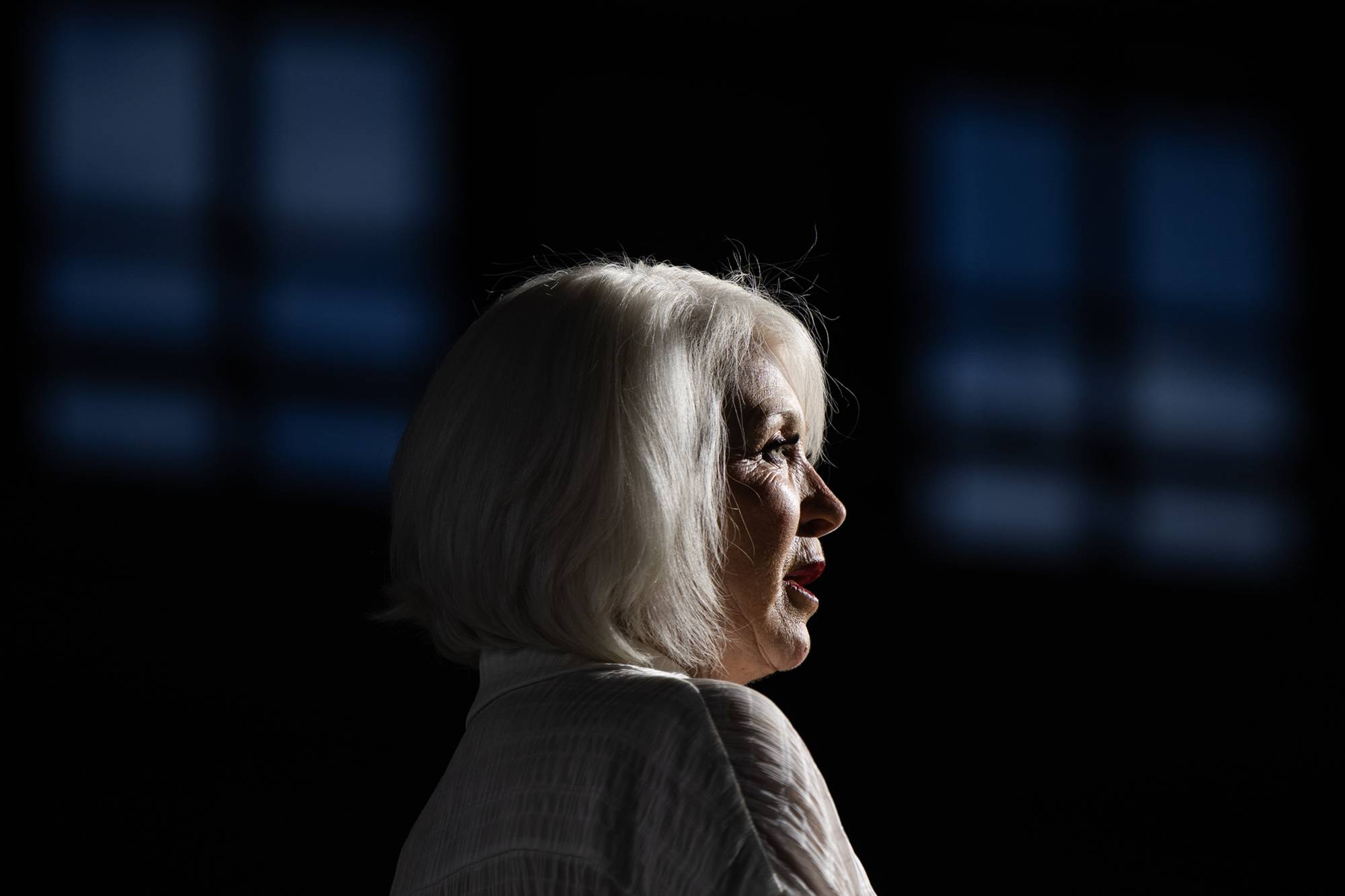
"caption": "CASTLE ROCK, CO - JUNE 26: Former Mesa County clerk Tina Peters speaks during the first day of the Rocky Mountain Voice Freedom Festival on Friday, June 26, 2026, at the Douglas County Fairgrounds in Castle Rock, Colo. (Photo by Timothy Hurst/MediaNews Group/The Denver Post via Getty Images)",
"credit": null,
"altTag": null,
"description": null,
"imgSizes": {
"medium": {
"file": "https://cdn.kqed.org/wp-content/uploads/sites/10/2026/08/GettyImages-2283474322-2000x1333.jpg",
"width": 2000,
"height": 1333,
"mimeType": "image/jpeg"
},
"large": {
"file": "https://cdn.kqed.org/wp-content/uploads/sites/10/2026/08/GettyImages-2283474322-2000x1333.jpg",
"width": 2000,
"height": 1333,
"mimeType": "image/jpeg"
},
"thumbnail": {
"file": "https://cdn.kqed.org/wp-content/uploads/sites/10/2026/08/GettyImages-2283474322-160x107.jpg",
"width": 160,
"height": 107,
"mimeType": "image/jpeg"
},
"1536x1536": {
"file": "https://cdn.kqed.org/wp-content/uploads/sites/10/2026/08/GettyImages-2283474322-1536x1024.jpg",
"width": 1536,
"height": 1024,
"mimeType": "image/jpeg"
},
"2048x2048": {
"file": "https://cdn.kqed.org/wp-content/uploads/sites/10/2026/08/GettyImages-2283474322-2048x1365.jpg",
"width": 2048,
"height": 1365,
"mimeType": "image/jpeg"
},
"post-thumbnail": {
"file": "https://cdn.kqed.org/wp-content/uploads/sites/10/2026/08/GettyImages-2283474322-672x372.jpg",
"width": 672,
"height": 372,
"mimeType": "image/jpeg"
},
"twentyfourteen-full-width": {
"file": "https://cdn.kqed.org/wp-content/uploads/sites/10/2026/08/GettyImages-2283474322-1038x576.jpg",
"width": 1038,
"height": 576,
"mimeType": "image/jpeg"
},
"full-width": {
"file": "https://cdn.kqed.org/wp-content/uploads/sites/10/2026/08/GettyImages-2283474322-2000x1333.jpg",
"width": 2000,
"height": 1333,
"mimeType": "image/jpeg"
},
"npr-cds-wide": {
"file": "https://cdn.kqed.org/wp-content/uploads/sites/10/2026/08/GettyImages-2283474322-1200x675.jpg",
"width": 1200,
"height": 675,
"mimeType": "image/jpeg"
},
"npr-cds-square": {
"file": "https://cdn.kqed.org/wp-content/uploads/sites/10/2026/08/GettyImages-2283474322-600x600.jpg",
"width": 600,
"height": 600,
"mimeType": "image/jpeg"
},
"kqedFullSize": {
"file": "https://cdn.kqed.org/wp-content/uploads/sites/10/2026/08/GettyImages-2283474322-scaled.jpg",
"width": 2560,
"height": 1707
}
},
"isLoading": false,
"fetchFailed": false
},
"news_11963801": {
"type": "attachments",
"id": "news_11963801",
"meta": {
"index": "attachments_1716263798",
"site": "news",
"id": "11963801",
"found": true
},
"title": "San Francisco: Bay Area Abortion Rights Coalition (BAARC) and commemoration of the 50th Anniversary of Roe v. Wade",
"publishDate": 1696723307,
"status": "inherit",
"parent": 11963514,
"modified": 1780461294,
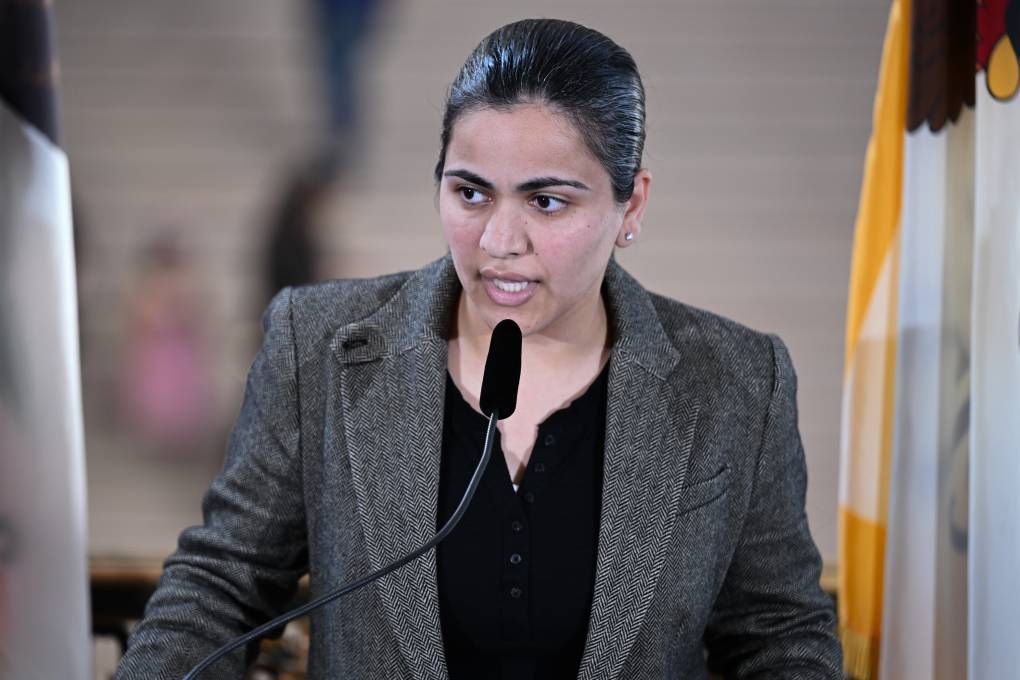
"caption": "State Sen. Aisha Wahab, D-Fremont, speaks during the 50th Anniversary of Roe v. Wade at San Francisco City Hall on Jan. 25, 2023. ",
"credit": "Tayfun Coskun/Anadolu Agency via Getty Images",
"altTag": "A South Asian woman in a gray suit speaks into a mic.",
"description": null,
"imgSizes": {
"medium": {
"file": "https://cdn.kqed.org/wp-content/uploads/sites/10/2023/10/GettyImages-1246541284-800x533.jpg",
"width": 800,
"height": 533,
"mimeType": "image/jpeg"
},
"large": {
"file": "https://cdn.kqed.org/wp-content/uploads/sites/10/2023/10/GettyImages-1246541284-1020x680.jpg",
"width": 1020,
"height": 680,
"mimeType": "image/jpeg"
},
"thumbnail": {
"file": "https://cdn.kqed.org/wp-content/uploads/sites/10/2023/10/GettyImages-1246541284-160x107.jpg",
"width": 160,
"height": 107,
"mimeType": "image/jpeg"
},
"1536x1536": {
"file": "https://cdn.kqed.org/wp-content/uploads/sites/10/2023/10/GettyImages-1246541284-1536x1024.jpg",
"width": 1536,
"height": 1024,
"mimeType": "image/jpeg"
},
"2048x2048": {
"file": "https://cdn.kqed.org/wp-content/uploads/sites/10/2023/10/GettyImages-1246541284-2048x1365.jpg",
"width": 2048,
"height": 1365,
"mimeType": "image/jpeg"
},
"post-thumbnail": {
"file": "https://cdn.kqed.org/wp-content/uploads/sites/10/2023/10/GettyImages-1246541284-672x372.jpg",
"width": 672,
"height": 372,
"mimeType": "image/jpeg"
},
"twentyfourteen-full-width": {
"file": "https://cdn.kqed.org/wp-content/uploads/sites/10/2023/10/GettyImages-1246541284-1038x576.jpg",
"width": 1038,
"height": 576,
"mimeType": "image/jpeg"
},
"full-width": {
"file": "https://cdn.kqed.org/wp-content/uploads/sites/10/2023/10/GettyImages-1246541284-1920x1280.jpg",
"width": 1920,
"height": 1280,
"mimeType": "image/jpeg"
},
"kqedFullSize": {
"file": "https://cdn.kqed.org/wp-content/uploads/sites/10/2023/10/GettyImages-1246541284-scaled-e1760983873339.jpg",
"width": 2000,
"height": 1334
}
},
"isLoading": false,
"fetchFailed": false
},
"news_12089274": {
"type": "attachments",
"id": "news_12089274",
"meta": {
"index": "attachments_1716263798",
"site": "news",
"id": "12089274",
"found": true
},
"title": "Supreme Court Mail Ballots States",
"publishDate": 1782773320,
"status": "inherit",
"parent": 12089268,
"modified": 1782773355,
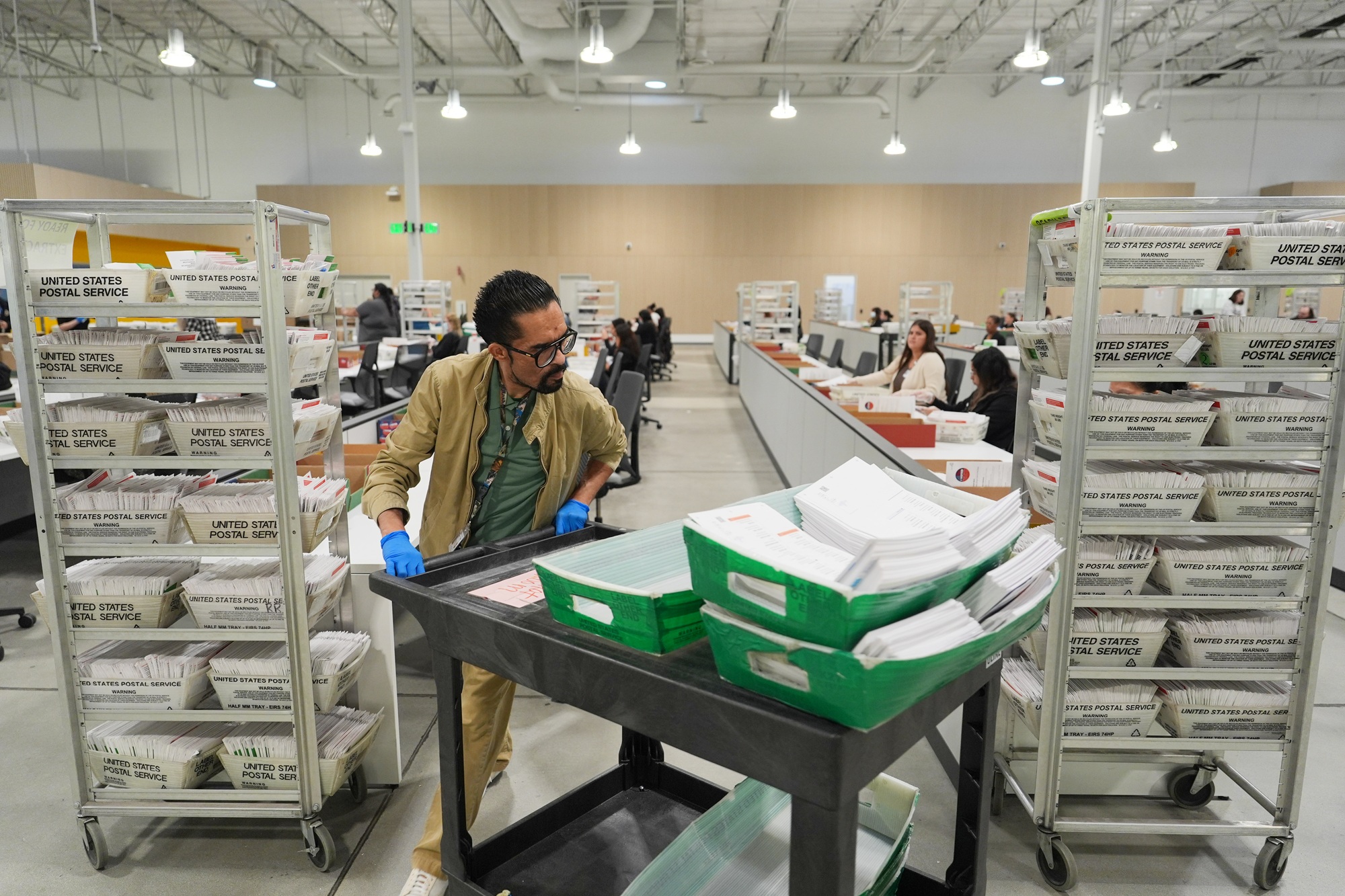
"caption": "Ballots are sorted the day after California's primary election at the L.A. County Ballot Processing Center on June 3, 2026, in City of Industry, California.",
"credit": "Jae C. Hong/AP Photo",
"altTag": null,
"description": null,
"imgSizes": {
"thumbnail": {
"file": "https://cdn.kqed.org/wp-content/uploads/sites/10/2026/06/CaliforniaBallotsSupremeCourtAP-160x107.jpg",
"width": 160,
"height": 107,
"mimeType": "image/jpeg"
},
"1536x1536": {
"file": "https://cdn.kqed.org/wp-content/uploads/sites/10/2026/06/CaliforniaBallotsSupremeCourtAP-1536x1024.jpg",
"width": 1536,
"height": 1024,
"mimeType": "image/jpeg"
},
"post-thumbnail": {
"file": "https://cdn.kqed.org/wp-content/uploads/sites/10/2026/06/CaliforniaBallotsSupremeCourtAP-672x372.jpg",
"width": 672,
"height": 372,
"mimeType": "image/jpeg"
},
"twentyfourteen-full-width": {
"file": "https://cdn.kqed.org/wp-content/uploads/sites/10/2026/06/CaliforniaBallotsSupremeCourtAP-1038x576.jpg",
"width": 1038,
"height": 576,
"mimeType": "image/jpeg"
},
"npr-cds-wide": {
"file": "https://cdn.kqed.org/wp-content/uploads/sites/10/2026/06/CaliforniaBallotsSupremeCourtAP-1200x675.jpg",
"width": 1200,
"height": 675,
"mimeType": "image/jpeg"
},
"npr-cds-square": {
"file": "https://cdn.kqed.org/wp-content/uploads/sites/10/2026/06/CaliforniaBallotsSupremeCourtAP-600x600.jpg",
"width": 600,
"height": 600,
"mimeType": "image/jpeg"
},
"kqedFullSize": {
"file": "https://cdn.kqed.org/wp-content/uploads/sites/10/2026/06/CaliforniaBallotsSupremeCourtAP.jpg",
"width": 2000,
"height": 1333
}
},
"isLoading": false,
"fetchFailed": false
},
"news_12088632": {
"type": "attachments",
"id": "news_12088632",
"meta": {
"index": "attachments_1716263798",
"site": "news",
"id": "12088632",
"found": true
},
"title": "251104-SCCVOTE-JG-05_qed",
"publishDate": 1782259900,
"status": "inherit",
"parent": 12088631,
"modified": 1782259926,
"caption": "Edgardo Domingo fills out a ballot at a voting booth at the Vietnamese American Cultural Center in San José on Tuesday, Nov. 4, 2025.",
"credit": "Joseph Geha/KQED",
"altTag": null,
"description": null,
"imgSizes": {
"thumbnail": {
"file": "https://cdn.kqed.org/wp-content/uploads/sites/10/2026/06/251104-SCCVOTE-JG-05_qed-160x107.jpg",
"width": 160,
"height": 107,
"mimeType": "image/jpeg"
},
"1536x1536": {
"file": "https://cdn.kqed.org/wp-content/uploads/sites/10/2026/06/251104-SCCVOTE-JG-05_qed-1536x1024.jpg",
"width": 1536,
"height": 1024,
"mimeType": "image/jpeg"
},
"post-thumbnail": {
"file": "https://cdn.kqed.org/wp-content/uploads/sites/10/2026/06/251104-SCCVOTE-JG-05_qed-672x372.jpg",
"width": 672,
"height": 372,
"mimeType": "image/jpeg"
},
"twentyfourteen-full-width": {
"file": "https://cdn.kqed.org/wp-content/uploads/sites/10/2026/06/251104-SCCVOTE-JG-05_qed-1038x576.jpg",
"width": 1038,
"height": 576,
"mimeType": "image/jpeg"
},
"npr-cds-wide": {
"file": "https://cdn.kqed.org/wp-content/uploads/sites/10/2026/06/251104-SCCVOTE-JG-05_qed-1200x675.jpg",
"width": 1200,
"height": 675,
"mimeType": "image/jpeg"
},
"npr-cds-square": {
"file": "https://cdn.kqed.org/wp-content/uploads/sites/10/2026/06/251104-SCCVOTE-JG-05_qed-600x600.jpg",
"width": 600,
"height": 600,
"mimeType": "image/jpeg"
},
"kqedFullSize": {
"file": "https://cdn.kqed.org/wp-content/uploads/sites/10/2026/06/251104-SCCVOTE-JG-05_qed.jpg",
"width": 1999,
"height": 1333
}
},
"isLoading": false,
"fetchFailed": false
},
"news_12087907": {
"type": "attachments",
"id": "news_12087907",
"meta": {
"index": "attachments_1716263798",
"site": "news",
"id": "12087907",
"found": true
},
"title": "Harvest Time in Sonoma County",
"publishDate": 1781706770,
"status": "inherit",
"parent": 12087906,
"modified": 1781706816,
"caption": "HEALDSBURG, CA - OCTOBER 7: A reflective water feature in the exterior tasting room at Silver Oak Cellars winery is viewed on October 7, 2018, near Healdsburg, California. ",
"credit": "Photo by George Rose/Getty Images",
"altTag": null,
"description": null,
"imgSizes": {
"medium": {
"file": "https://cdn.kqed.org/wp-content/uploads/sites/10/2026/06/GettyImages-1055917970-2000x1333.jpg",
"width": 2000,
"height": 1333,
"mimeType": "image/jpeg"
},
"large": {
"file": "https://cdn.kqed.org/wp-content/uploads/sites/10/2026/06/GettyImages-1055917970-2000x1333.jpg",
"width": 2000,
"height": 1333,
"mimeType": "image/jpeg"
},
"thumbnail": {
"file": "https://cdn.kqed.org/wp-content/uploads/sites/10/2026/06/GettyImages-1055917970-160x107.jpg",
"width": 160,
"height": 107,
"mimeType": "image/jpeg"
},
"1536x1536": {
"file": "https://cdn.kqed.org/wp-content/uploads/sites/10/2026/06/GettyImages-1055917970-1536x1024.jpg",
"width": 1536,
"height": 1024,
"mimeType": "image/jpeg"
},
"2048x2048": {
"file": "https://cdn.kqed.org/wp-content/uploads/sites/10/2026/06/GettyImages-1055917970-2048x1365.jpg",
"width": 2048,
"height": 1365,
"mimeType": "image/jpeg"
},
"post-thumbnail": {
"file": "https://cdn.kqed.org/wp-content/uploads/sites/10/2026/06/GettyImages-1055917970-672x372.jpg",
"width": 672,
"height": 372,
"mimeType": "image/jpeg"
},
"twentyfourteen-full-width": {
"file": "https://cdn.kqed.org/wp-content/uploads/sites/10/2026/06/GettyImages-1055917970-1038x576.jpg",
"width": 1038,
"height": 576,
"mimeType": "image/jpeg"
},
"full-width": {
"file": "https://cdn.kqed.org/wp-content/uploads/sites/10/2026/06/GettyImages-1055917970-2000x1333.jpg",
"width": 2000,
"height": 1333,
"mimeType": "image/jpeg"
},
"npr-cds-wide": {
"file": "https://cdn.kqed.org/wp-content/uploads/sites/10/2026/06/GettyImages-1055917970-1200x675.jpg",
"width": 1200,
"height": 675,
"mimeType": "image/jpeg"
},
"npr-cds-square": {
"file": "https://cdn.kqed.org/wp-content/uploads/sites/10/2026/06/GettyImages-1055917970-600x600.jpg",
"width": 600,
"height": 600,
"mimeType": "image/jpeg"
},
"kqedFullSize": {
"file": "https://cdn.kqed.org/wp-content/uploads/sites/10/2026/06/GettyImages-1055917970-scaled.jpg",
"width": 2560,
"height": 1707
}
},
"isLoading": false,
"fetchFailed": false
},
"news_12085822": {
"type": "attachments",
"id": "news_12085822",
"meta": {
"index": "attachments_1716263798",
"site": "news",
"id": "12085822",
"found": true
},
"title": "A polling place at SOMArts Cultural Center in San Francisco on June 2, 2026.",
"publishDate": 1780423687,
"status": "inherit",
"parent": 12085504,
"modified": 1780435932,
"caption": "A polling place at SOMArts Cultural Center in San Francisco on June 2, 2026.",
"credit": "Beth LaBerge/KQED",
"altTag": null,
"description": null,
"imgSizes": {
"thumbnail": {
"file": "https://cdn.kqed.org/wp-content/uploads/sites/10/2026/06/260602-PRIMARYVOTERVOX-20-BL-KQED-160x107.jpg",
"width": 160,
"height": 107,
"mimeType": "image/jpeg"
},
"1536x1536": {
"file": "https://cdn.kqed.org/wp-content/uploads/sites/10/2026/06/260602-PRIMARYVOTERVOX-20-BL-KQED-1536x1024.jpg",
"width": 1536,
"height": 1024,
"mimeType": "image/jpeg"
},
"post-thumbnail": {
"file": "https://cdn.kqed.org/wp-content/uploads/sites/10/2026/06/260602-PRIMARYVOTERVOX-20-BL-KQED-672x372.jpg",
"width": 672,
"height": 372,
"mimeType": "image/jpeg"
},
"twentyfourteen-full-width": {
"file": "https://cdn.kqed.org/wp-content/uploads/sites/10/2026/06/260602-PRIMARYVOTERVOX-20-BL-KQED-1038x576.jpg",
"width": 1038,
"height": 576,
"mimeType": "image/jpeg"
},
"npr-cds-wide": {
"file": "https://cdn.kqed.org/wp-content/uploads/sites/10/2026/06/260602-PRIMARYVOTERVOX-20-BL-KQED-1200x675.jpg",
"width": 1200,
"height": 675,
"mimeType": "image/jpeg"
},
"npr-cds-square": {
"file": "https://cdn.kqed.org/wp-content/uploads/sites/10/2026/06/260602-PRIMARYVOTERVOX-20-BL-KQED-600x600.jpg",
"width": 600,
"height": 600,
"mimeType": "image/jpeg"
},
"kqedFullSize": {
"file": "https://cdn.kqed.org/wp-content/uploads/sites/10/2026/06/260602-PRIMARYVOTERVOX-20-BL-KQED.jpg",
"width": 2000,
"height": 1333
}
},
"isLoading": false,
"fetchFailed": false
},
"news_12082493": {
"type": "attachments",
"id": "news_12082493",
"meta": {
"index": "attachments_1716263798",
"site": "news",
"id": "12082493",
"found": true
},
"title": "daca sacramento",
"publishDate": 1778074915,
"status": "inherit",
"parent": 12082491,
"modified": 1778075005,
"caption": "Daniela Valladares Hernandez speaks during a multi-faith prayer and vigil Thursday, April 23, 2026, outside of the John Moss Federal Building in downtown Sacramento.",
"credit": "Gerardo Zavala/CapRadio",
"altTag": null,
"description": null,
"imgSizes": {
"thumbnail": {
"file": "https://cdn.kqed.org/wp-content/uploads/sites/10/2026/05/daca-sacramento-160x107.jpg",
"width": 160,
"height": 107,
"mimeType": "image/jpeg"
},
"post-thumbnail": {
"file": "https://cdn.kqed.org/wp-content/uploads/sites/10/2026/05/daca-sacramento-672x372.jpg",
"width": 672,
"height": 372,
"mimeType": "image/jpeg"
},
"twentyfourteen-full-width": {
"file": "https://cdn.kqed.org/wp-content/uploads/sites/10/2026/05/daca-sacramento-1038x576.jpg",
"width": 1038,
"height": 576,
"mimeType": "image/jpeg"
},
"npr-cds-wide": {
"file": "https://cdn.kqed.org/wp-content/uploads/sites/10/2026/05/daca-sacramento-1200x675.jpg",
"width": 1200,
"height": 675,
"mimeType": "image/jpeg"
},
"npr-cds-square": {
"file": "https://cdn.kqed.org/wp-content/uploads/sites/10/2026/05/daca-sacramento-600x600.jpg",
"width": 600,
"height": 600,
"mimeType": "image/jpeg"
},
"kqedFullSize": {
"file": "https://cdn.kqed.org/wp-content/uploads/sites/10/2026/05/daca-sacramento.jpg",
"width": 1200,
"height": 800
}
},
"isLoading": false,
"fetchFailed": false
},
"news_12082246": {
"type": "attachments",
"id": "news_12082246",
"meta": {
"index": "attachments_1716263798",
"site": "news",
"id": "12082246",
"found": true
},
"title": "shasta-elections-69f89de07b6fb",
"publishDate": 1777901059,
"status": "inherit",
"parent": 12082245,
"modified": 1777901098,
"caption": "Election worker Anne Silveria looks at the bins used for a test of the hand-counting system in Redding, Calif., August 17, 2023. Hand counting is one part of the proposed ballot measure.",
"credit": "Roman Battaglia/JPR News",
"altTag": null,
"description": null,
"imgSizes": {
"thumbnail": {
"file": "https://cdn.kqed.org/wp-content/uploads/sites/10/2026/05/shasta-elections-69f89de07b6fb-160x120.jpg",
"width": 160,
"height": 120,
"mimeType": "image/jpeg"
},
"1536x1536": {
"file": "https://cdn.kqed.org/wp-content/uploads/sites/10/2026/05/shasta-elections-69f89de07b6fb-1536x1152.jpg",
"width": 1536,
"height": 1152,
"mimeType": "image/jpeg"
},
"post-thumbnail": {
"file": "https://cdn.kqed.org/wp-content/uploads/sites/10/2026/05/shasta-elections-69f89de07b6fb-672x372.jpg",
"width": 672,
"height": 372,
"mimeType": "image/jpeg"
},
"twentyfourteen-full-width": {
"file": "https://cdn.kqed.org/wp-content/uploads/sites/10/2026/05/shasta-elections-69f89de07b6fb-1038x576.jpg",
"width": 1038,
"height": 576,
"mimeType": "image/jpeg"
},
"npr-cds-wide": {
"file": "https://cdn.kqed.org/wp-content/uploads/sites/10/2026/05/shasta-elections-69f89de07b6fb-1200x675.jpg",
"width": 1200,
"height": 675,
"mimeType": "image/jpeg"
},
"npr-cds-square": {
"file": "https://cdn.kqed.org/wp-content/uploads/sites/10/2026/05/shasta-elections-69f89de07b6fb-600x600.jpg",
"width": 600,
"height": 600,
"mimeType": "image/jpeg"
},
"kqedFullSize": {
"file": "https://cdn.kqed.org/wp-content/uploads/sites/10/2026/05/shasta-elections-69f89de07b6fb.jpg",
"width": 1760,
"height": 1320
}
},
"isLoading": false,
"fetchFailed": false
},
"news_12081625": {
"type": "attachments",
"id": "news_12081625",
"meta": {
"index": "attachments_1716263798",
"site": "news",
"id": "12081625",
"found": true
},
"title": "250428-OAKLAND-CITY-HALL-FILE-MD-02-KQED-1920x1280",
"publishDate": 1777404859,
"status": "inherit",
"parent": 12081620,
"modified": 1784221234,
"caption": "Oakland City Hall in Oakland on April 28, 2025. ",
"credit": "Martin do Nascimento/KQED",
"altTag": null,
"description": null,
"imgSizes": {
"thumbnail": {
"file": "https://cdn.kqed.org/wp-content/uploads/sites/10/2026/04/250428-OAKLAND-CITY-HALL-FILE-MD-02-KQED-1920x1280-1-160x107.jpg",
"width": 160,
"height": 107,
"mimeType": "image/jpeg"
},
"1536x1536": {
"file": "https://cdn.kqed.org/wp-content/uploads/sites/10/2026/04/250428-OAKLAND-CITY-HALL-FILE-MD-02-KQED-1920x1280-1-1536x1024.jpg",
"width": 1536,
"height": 1024,
"mimeType": "image/jpeg"
},
"post-thumbnail": {
"file": "https://cdn.kqed.org/wp-content/uploads/sites/10/2026/04/250428-OAKLAND-CITY-HALL-FILE-MD-02-KQED-1920x1280-1-672x372.jpg",
"width": 672,
"height": 372,
"mimeType": "image/jpeg"
},
"twentyfourteen-full-width": {
"file": "https://cdn.kqed.org/wp-content/uploads/sites/10/2026/04/250428-OAKLAND-CITY-HALL-FILE-MD-02-KQED-1920x1280-1-1038x576.jpg",
"width": 1038,
"height": 576,
"mimeType": "image/jpeg"
},
"npr-cds-wide": {
"file": "https://cdn.kqed.org/wp-content/uploads/sites/10/2026/04/250428-OAKLAND-CITY-HALL-FILE-MD-02-KQED-1920x1280-1-1200x675.jpg",
"width": 1200,
"height": 675,
"mimeType": "image/jpeg"
},
"npr-cds-square": {
"file": "https://cdn.kqed.org/wp-content/uploads/sites/10/2026/04/250428-OAKLAND-CITY-HALL-FILE-MD-02-KQED-1920x1280-1-600x600.jpg",
"width": 600,
"height": 600,
"mimeType": "image/jpeg"
},
"kqedFullSize": {
"file": "https://cdn.kqed.org/wp-content/uploads/sites/10/2026/04/250428-OAKLAND-CITY-HALL-FILE-MD-02-KQED-1920x1280-1.jpg",
"width": 1920,
"height": 1280
}
},
"isLoading": false,
"fetchFailed": false
},
"news_12081365": {
"type": "attachments",
"id": "news_12081365",
"meta": {
"index": "attachments_1716263798",
"site": "news",
"id": "12081365",
"found": true
},
"title": "110525-Election-Counting-Fresno-LV-CM-15-1",
"publishDate": 1777068720,
"status": "inherit",
"parent": 12081363,
"modified": 1777068744,
"caption": "Election workers sort ballots at the Fresno County Elections Warehouse in Fresno on Nov. 5, 2025. ",
"credit": "Photo by Larry Valenzuela/CalMatters/CatchLight Local",
"altTag": null,
"description": null,
"imgSizes": {
"thumbnail": {
"file": "https://cdn.kqed.org/wp-content/uploads/sites/10/2026/04/110525-Election-Counting-Fresno-LV-CM-15-1-160x107.jpeg",
"width": 160,
"height": 107,
"mimeType": "image/jpeg"
},
"1536x1536": {
"file": "https://cdn.kqed.org/wp-content/uploads/sites/10/2026/04/110525-Election-Counting-Fresno-LV-CM-15-1-1536x1024.jpeg",
"width": 1536,
"height": 1024,
"mimeType": "image/jpeg"
},
"post-thumbnail": {
"file": "https://cdn.kqed.org/wp-content/uploads/sites/10/2026/04/110525-Election-Counting-Fresno-LV-CM-15-1-672x372.jpeg",
"width": 672,
"height": 372,
"mimeType": "image/jpeg"
},
"twentyfourteen-full-width": {
"file": "https://cdn.kqed.org/wp-content/uploads/sites/10/2026/04/110525-Election-Counting-Fresno-LV-CM-15-1-1038x576.jpeg",
"width": 1038,
"height": 576,
"mimeType": "image/jpeg"
},
"npr-cds-wide": {
"file": "https://cdn.kqed.org/wp-content/uploads/sites/10/2026/04/110525-Election-Counting-Fresno-LV-CM-15-1-1200x675.jpeg",
"width": 1200,
"height": 675,
"mimeType": "image/jpeg"
},
"npr-cds-square": {
"file": "https://cdn.kqed.org/wp-content/uploads/sites/10/2026/04/110525-Election-Counting-Fresno-LV-CM-15-1-600x600.jpeg",
"width": 600,
"height": 600,
"mimeType": "image/jpeg"
},
"kqedFullSize": {
"file": "https://cdn.kqed.org/wp-content/uploads/sites/10/2026/04/110525-Election-Counting-Fresno-LV-CM-15-1.jpeg",
"width": 2000,
"height": 1333
}
},
"isLoading": false,
"fetchFailed": false
},
"news_12081405": {
"type": "attachments",
"id": "news_12081405",
"meta": {
"index": "attachments_1716263798",
"site": "news",
"id": "12081405",
"found": true
},
"title": "110425_OC-Voting_JH_CM_23",
"publishDate": 1777074107,
"status": "inherit",
"parent": 12081404,
"modified": 1777074126,
"caption": "A person signs one of several different petitions at a vote center at the Huntington Beach Central Library in Huntington Beach on Nov. 4, 2025. ",
"credit": "Jules Hotz/CalMatters",
"altTag": null,
"description": null,
"imgSizes": {
"thumbnail": {
"file": "https://cdn.kqed.org/wp-content/uploads/sites/10/2026/04/110425_OC-Voting_JH_CM_23-160x107.jpeg",
"width": 160,
"height": 107,
"mimeType": "image/jpeg"
},
"post-thumbnail": {
"file": "https://cdn.kqed.org/wp-content/uploads/sites/10/2026/04/110425_OC-Voting_JH_CM_23-672x372.jpeg",
"width": 672,
"height": 372,
"mimeType": "image/jpeg"
},
"twentyfourteen-full-width": {
"file": "https://cdn.kqed.org/wp-content/uploads/sites/10/2026/04/110425_OC-Voting_JH_CM_23-1038x576.jpeg",
"width": 1038,
"height": 576,
"mimeType": "image/jpeg"
},
"npr-cds-wide": {
"file": "https://cdn.kqed.org/wp-content/uploads/sites/10/2026/04/110425_OC-Voting_JH_CM_23-1200x675.jpeg",
"width": 1200,
"height": 675,
"mimeType": "image/jpeg"
},
"npr-cds-square": {
"file": "https://cdn.kqed.org/wp-content/uploads/sites/10/2026/04/110425_OC-Voting_JH_CM_23-600x600.jpeg",
"width": 600,
"height": 600,
"mimeType": "image/jpeg"
},
"kqedFullSize": {
"file": "https://cdn.kqed.org/wp-content/uploads/sites/10/2026/04/110425_OC-Voting_JH_CM_23.jpeg",
"width": 1200,
"height": 800
}
},
"isLoading": false,
"fetchFailed": false
},
"news_12007576": {
"type": "attachments",
"id": "news_12007576",
"meta": {
"index": "attachments_1716263798",
"site": "news",
"id": "12007576",
"found": true
},
"title": "Democratic Reps. Schiff, Swalwell, And Omar Discuss Committee Assignments",
"publishDate": 1727906823,
"status": "inherit",
"parent": 12007542,
"modified": 1743811463,
"caption": "Eric Swalwell, D-Dublin, speaks at a press conference on committee assignments for the 118th U.S. Congress at the U.S. Capitol Building on Jan. 25, 2023, in Washington, D.C.",
"credit": "Kevin Dietsch/Getty Images",
"altTag": null,
"description": null,
"imgSizes": {
"medium": {
"file": "https://cdn.kqed.org/wp-content/uploads/sites/10/2024/10/EricSwalwellGetty1-800x533.jpg",
"width": 800,
"height": 533,
"mimeType": "image/jpeg"
},
"large": {
"file": "https://cdn.kqed.org/wp-content/uploads/sites/10/2024/10/EricSwalwellGetty1-1020x680.jpg",
"width": 1020,
"height": 680,
"mimeType": "image/jpeg"
},
"thumbnail": {
"file": "https://cdn.kqed.org/wp-content/uploads/sites/10/2024/10/EricSwalwellGetty1-160x107.jpg",
"width": 160,
"height": 107,
"mimeType": "image/jpeg"
},
"1536x1536": {
"file": "https://cdn.kqed.org/wp-content/uploads/sites/10/2024/10/EricSwalwellGetty1-1536x1024.jpg",
"width": 1536,
"height": 1024,
"mimeType": "image/jpeg"
},
"post-thumbnail": {
"file": "https://cdn.kqed.org/wp-content/uploads/sites/10/2024/10/EricSwalwellGetty1-672x372.jpg",
"width": 672,
"height": 372,
"mimeType": "image/jpeg"
},
"twentyfourteen-full-width": {
"file": "https://cdn.kqed.org/wp-content/uploads/sites/10/2024/10/EricSwalwellGetty1-1038x576.jpg",
"width": 1038,
"height": 576,
"mimeType": "image/jpeg"
},
"full-width": {
"file": "https://cdn.kqed.org/wp-content/uploads/sites/10/2024/10/EricSwalwellGetty1-1920x1280.jpg",
"width": 1920,
"height": 1280,
"mimeType": "image/jpeg"
},
"kqedFullSize": {
"file": "https://cdn.kqed.org/wp-content/uploads/sites/10/2024/10/EricSwalwellGetty1.jpg",
"width": 2000,
"height": 1333
}
},
"isLoading": false,
"fetchFailed": false
}
},
"audioPlayerReducer": {
"postId": "stream_live",
"isPaused": true,
"isPlaying": false,
"pfsActive": false,
"pledgeModalIsOpen": true,
"playerDrawerIsOpen": false,
"liveAudioPlayStartedAt": 0,
"liveAudioPlayContext": ""
},
"authorsReducer": {
"byline_news_12081363": {
"type": "authors",
"id": "byline_news_12081363",
"meta": {
"override": true
},
"slug": "byline_news_12081363",
"name": "\u003ca>Maya C. Miller\u003c/a>, CalMatters",
"isLoading": false
},
"byline_news_12081404": {
"type": "authors",
"id": "byline_news_12081404",
"meta": {
"override": true
},
"slug": "byline_news_12081404",
"name": "\u003ca href=\"https://calmatters.org/author/nadia-lathan/\">Nadia Lathan\u003c/a>, CalMatters",
"isLoading": false
},
"gmarzorati": {
"type": "authors",
"id": "227",
"meta": {
"index": "authors_1716337520",
"id": "227",
"found": true
},
"name": "Guy Marzorati",
"firstName": "Guy",
"lastName": "Marzorati",
"slug": "gmarzorati",
"email": "gmarzorati@KQED.org",
"display_author_email": true,
"staff_mastheads": [
"news"
],
"title": "Correspondent",
"bio": "Guy Marzorati is a correspondent on KQED's California Politics and Government Desk, based in San Jose. A graduate of Santa Clara University, Guy joined KQED in 2013. He reports on state and local politics and produces KQED's digital voter guide.",
"avatar": "https://secure.gravatar.com/avatar/771cddf45ce3a8ed533d82dcc214e9ef925d76d2af5794a33da1ce439eb54a32?s=600&d=blank&r=g",
"twitter": "guymarzorati",
"bluesky": null,
"facebook": null,
"instagram": null,
"linkedin": null,
"sites": [
{
"site": "",
"roles": [
"editor"
]
},
{
"site": "news",
"roles": [
"editor"
]
},
{
"site": "science",
"roles": [
"editor"
]
},
{
"site": "forum",
"roles": [
"editor"
]
},
{
"site": "elections",
"roles": [
"editor"
]
},
{
"site": "liveblog",
"roles": [
"editor"
]
}
],
"headData": {
"title": "Guy Marzorati | KQED",
"description": "Correspondent",
"ogImgSrc": "https://secure.gravatar.com/avatar/771cddf45ce3a8ed533d82dcc214e9ef925d76d2af5794a33da1ce439eb54a32?s=600&d=blank&r=g",
"twImgSrc": "https://secure.gravatar.com/avatar/771cddf45ce3a8ed533d82dcc214e9ef925d76d2af5794a33da1ce439eb54a32?s=600&d=blank&r=g"
},
"isLoading": false,
"link": "/author/gmarzorati"
},
"mlagos": {
"type": "authors",
"id": "3239",
"meta": {
"index": "authors_1716337520",
"id": "3239",
"found": true
},
"name": "Marisa Lagos",
"firstName": "Marisa",
"lastName": "Lagos",
"slug": "mlagos",
"email": "mlagos@kqed.org",
"display_author_email": false,
"staff_mastheads": [
"news"
],
"title": "KQED Contributor",
"bio": "Marisa Lagos is a correspondent for KQED’s California Politics and Government Desk and co-hosts the award-winning show and podcast, Political Breakdown. At KQED, Lagos also conducts reporting, analysis and investigations into state, local and national politics for radio, TV, online and onstage. In 2022, she and co-host, Scott Shafer, moderated the only gubernatorial debate in California. In 2020, the \u003ci>Washington Post\u003c/i> named her one of the top political journalists in California; she was nominated for a Peabody and won several other awards for her work investigating the 2017 California wildfires. She has worked at the \u003ci>San Francisco Chronicle\u003c/i>, \u003ci>San Francisco Examiner\u003c/i> and \u003ci>Los Angeles Times\u003c/i>. A UC Santa Barbara graduate, she lives in San Francisco with her two sons and husband.",
"avatar": "https://secure.gravatar.com/avatar/a261a0d3696fc066871ef96b85b5e7d2?s=600&d=blank&r=g",
"twitter": "@mlagos",
"facebook": null,
"instagram": null,
"linkedin": null,
"sites": [
{
"site": "arts",
"roles": [
"author"
]
},
{
"site": "news",
"roles": [
"editor"
]
},
{
"site": "science",
"roles": [
"editor"
]
},
{
"site": "forum",
"roles": [
"author"
]
},
{
"site": "liveblog",
"roles": [
"author"
]
}
],
"headData": {
"title": "Marisa Lagos | KQED",
"description": "KQED Contributor",
"ogImgSrc": "https://secure.gravatar.com/avatar/a261a0d3696fc066871ef96b85b5e7d2?s=600&d=blank&r=g",
"twImgSrc": "https://secure.gravatar.com/avatar/a261a0d3696fc066871ef96b85b5e7d2?s=600&d=blank&r=g"
},
"isLoading": false,
"link": "/author/mlagos"
},
"ecruzguevarra": {
"type": "authors",
"id": "8654",
"meta": {
"index": "authors_1716337520",
"id": "8654",
"found": true
},
"name": "Ericka Cruz Guevarra",
"firstName": "Ericka",
"lastName": "Cruz Guevarra",
"slug": "ecruzguevarra",
"email": "ecruzguevarra@kqed.org",
"display_author_email": true,
"staff_mastheads": [
"news"
],
"title": "Producer, The Bay Podcast",
"bio": "Ericka Cruz Guevarra is host of \u003ca href=\"https://www.kqed.org/podcasts/thebay\">\u003cem>The Bay\u003c/em>\u003c/a> podcast at KQED. Before host, she was the show’s producer. Her work in that capacity includes a three-part reported series on policing in Vallejo, which won a 2020 excellence in journalism award from the Society of Professional Journalists. Ericka has worked as a breaking news reporter at Oregon Public Broadcasting, helped produce the Code Switch podcast, and was KQED’s inaugural Raul Ramirez Diversity Fund intern. She’s also an alumna of NPR’s Next Generation Radio program. Send her an email if you have strong feelings about whether Fairfield and Suisun City are the Bay. Ericka is represented by SAG-AFTRA.",
"avatar": "https://secure.gravatar.com/avatar/accefc1de4bafc7e234b69bcb9b6f6536c130fd84709bc3069ef11a78787e1bb?s=600&d=blank&r=g",
"twitter": "NotoriousECG",
"bluesky": null,
"facebook": null,
"instagram": null,
"linkedin": null,
"sites": [
{
"site": "arts",
"roles": [
"subscriber"
]
},
{
"site": "news",
"roles": [
"editor",
"manage_categories"
]
},
{
"site": "futureofyou",
"roles": [
"subscriber"
]
},
{
"site": "stateofhealth",
"roles": [
"subscriber"
]
},
{
"site": "science",
"roles": [
"editor"
]
},
{
"site": "forum",
"roles": [
"subscriber"
]
}
],
"headData": {
"title": "Ericka Cruz Guevarra | KQED",
"description": "Producer, The Bay Podcast",
"ogImgSrc": "https://secure.gravatar.com/avatar/accefc1de4bafc7e234b69bcb9b6f6536c130fd84709bc3069ef11a78787e1bb?s=600&d=blank&r=g",
"twImgSrc": "https://secure.gravatar.com/avatar/accefc1de4bafc7e234b69bcb9b6f6536c130fd84709bc3069ef11a78787e1bb?s=600&d=blank&r=g"
},
"isLoading": false,
"link": "/author/ecruzguevarra"
},
"vrancano": {
"type": "authors",
"id": "11276",
"meta": {
"index": "authors_1716337520",
"id": "11276",
"found": true
},
"name": "Vanessa Rancaño",
"firstName": "Vanessa",
"lastName": "Rancaño",
"slug": "vrancano",
"email": "vrancano@kqed.org",
"display_author_email": false,
"staff_mastheads": [
"news"
],
"title": "Reporter",
"bio": "Vanessa Rancaño is a features reporter for KQED. She’s also covered homelessness and education for the station and reported from the Central Valley. Her work has aired across public radio, from flagship national news shows to longform narrative podcasts. Before taking up a mic, she worked as a freelance print journalist. She’s been recognized with a number of national and regional awards. Vanessa grew up in California's Central Valley. She's a former NPR Kroc Fellow, and a graduate of the UC Berkeley Graduate School of Journalism.",
"avatar": "https://secure.gravatar.com/avatar/b3a383dfb0e7ee1c17568f2cf067904ab654d6e3de9743fc661f3c788ade1bed?s=600&d=blank&r=g",
"twitter": "vanessarancano",
"bluesky": null,
"facebook": null,
"instagram": null,
"linkedin": null,
"sites": [
{
"site": "arts",
"roles": [
"editor"
]
},
{
"site": "news",
"roles": [
"editor"
]
},
{
"site": "liveblog",
"roles": [
"contributor"
]
}
],
"headData": {
"title": "Vanessa Rancaño | KQED",
"description": "Reporter",
"ogImgSrc": "https://secure.gravatar.com/avatar/b3a383dfb0e7ee1c17568f2cf067904ab654d6e3de9743fc661f3c788ade1bed?s=600&d=blank&r=g",
"twImgSrc": "https://secure.gravatar.com/avatar/b3a383dfb0e7ee1c17568f2cf067904ab654d6e3de9743fc661f3c788ade1bed?s=600&d=blank&r=g"
},
"isLoading": false,
"link": "/author/vrancano"
},
"amontecillo": {
"type": "authors",
"id": "11649",
"meta": {
"index": "authors_1716337520",
"id": "11649",
"found": true
},
"name": "Alan Montecillo",
"firstName": "Alan",
"lastName": "Montecillo",
"slug": "amontecillo",
"email": "amontecillo@kqed.org",
"display_author_email": false,
"staff_mastheads": [
"news"
],
"title": "KQED Contributor",
"bio": "Alan Montecillo is the senior editor of \u003cem>\u003ca href=\"http://kqed.org/thebay\">The Bay\u003c/a>, \u003c/em> KQED's local news podcast. Before moving to the Bay Area, he worked as a senior talk show producer for WILL in Champaign-Urbana, Illinois and at Oregon Public Broadcasting in Portland, Oregon. He has won journalism awards from the Society of Professional Journalists Northern California, the Public Media Journalists Association, The Signal Awards, and has also received a regional Edward R. Murrow award. Alan is a Filipino American from Hong Kong and a graduate of Reed College.",
"avatar": "https://secure.gravatar.com/avatar/268f53a2066899ea9efdd8a5900218b17c822d9862cbc9326cccec53ef41d349?s=600&d=blank&r=g",
"twitter": "alanmontecillo",
"bluesky": null,
"facebook": null,
"instagram": null,
"linkedin": null,
"sites": [
{
"site": "",
"roles": [
"editor"
]
},
{
"site": "news",
"roles": [
"editor",
"manage_categories"
]
}
],
"headData": {
"title": "Alan Montecillo | KQED",
"description": "KQED Contributor",
"ogImgSrc": "https://secure.gravatar.com/avatar/268f53a2066899ea9efdd8a5900218b17c822d9862cbc9326cccec53ef41d349?s=600&d=blank&r=g",
"twImgSrc": "https://secure.gravatar.com/avatar/268f53a2066899ea9efdd8a5900218b17c822d9862cbc9326cccec53ef41d349?s=600&d=blank&r=g"
},
"isLoading": false,
"link": "/author/amontecillo"
},
"kmizuguchi": {
"type": "authors",
"id": "11739",
"meta": {
"index": "authors_1716337520",
"id": "11739",
"found": true
},
"name": "Keith Mizuguchi",
"firstName": "Keith",
"lastName": "Mizuguchi",
"slug": "kmizuguchi",
"email": "kmizuguchi@kqed.org",
"display_author_email": false,
"staff_mastheads": [],
"title": "KQED Contributor",
"bio": null,
"avatar": "https://secure.gravatar.com/avatar/64d8a7de0723d4099b9fe4e915136103febcc20809abce228ee4415bcb237023?s=600&d=blank&r=g",
"twitter": null,
"bluesky": null,
"facebook": null,
"instagram": null,
"linkedin": null,
"sites": [
{
"site": "news",
"roles": [
"editor"
]
},
{
"site": "science",
"roles": [
"editor"
]
}
],
"headData": {
"title": "Keith Mizuguchi | KQED",
"description": "KQED Contributor",
"ogImgSrc": "https://secure.gravatar.com/avatar/64d8a7de0723d4099b9fe4e915136103febcc20809abce228ee4415bcb237023?s=600&d=blank&r=g",
"twImgSrc": "https://secure.gravatar.com/avatar/64d8a7de0723d4099b9fe4e915136103febcc20809abce228ee4415bcb237023?s=600&d=blank&r=g"
},
"isLoading": false,
"link": "/author/kmizuguchi"
},
"jessicakariisa": {
"type": "authors",
"id": "11831",
"meta": {
"index": "authors_1716337520",
"id": "11831",
"found": true
},
"name": "Jessica Kariisa",
"firstName": "Jessica",
"lastName": "Kariisa",
"slug": "jessicakariisa",
"email": "jkariisa@kqed.org",
"display_author_email": false,
"staff_mastheads": [],
"title": "Producer, The Bay",
"bio": "Jessica Kariisa is the producer of The Bay. She first joined KQED as an intern for The California Report Magazine, after which she became an on-call producer. She reported a Bay Curious episode on the use of rap lyrics in criminal trials which won a Society of Professional Journalists award in 2023 for Excellence in Features Journalism and the 2023 Signal Award for Best Conversation Starter. She’s worked on podcasts for Snap Judgment and American Public Media. Before embarking on her audio career, she was a music journalist.\r\n\r\nJessica Kariisa is represented by SAG-AFTRA.",
"avatar": "https://secure.gravatar.com/avatar/522e97b28ac0b3d411621c0fde8f3419c7b71ea2c5c262c57c4bb600963f328c?s=600&d=blank&r=g",
"twitter": null,
"bluesky": null,
"facebook": null,
"instagram": null,
"linkedin": null,
"sites": [
{
"site": "arts",
"roles": [
"author"
]
},
{
"site": "news",
"roles": [
"editor",
"manage_categories"
]
}
],
"headData": {
"title": "Jessica Kariisa | KQED",
"description": "Producer, The Bay",
"ogImgSrc": "https://secure.gravatar.com/avatar/522e97b28ac0b3d411621c0fde8f3419c7b71ea2c5c262c57c4bb600963f328c?s=600&d=blank&r=g",
"twImgSrc": "https://secure.gravatar.com/avatar/522e97b28ac0b3d411621c0fde8f3419c7b71ea2c5c262c57c4bb600963f328c?s=600&d=blank&r=g"
},
"isLoading": false,
"link": "/author/jessicakariisa"
},
"calam": {
"type": "authors",
"id": "11834",
"meta": {
"index": "authors_1716337520",
"id": "11834",
"found": true
},
"name": "Christopher Alam",
"firstName": "Christopher",
"lastName": "Alam",
"slug": "calam",
"email": "calam@kqed.org",
"display_author_email": true,
"staff_mastheads": [
"news"
],
"title": "KQED Contributor",
"bio": "Christopher Alam is a radio newscast intern working on local news and general assignment reporting. Before joining KQED he was active in college radio and journalism at UC Davis, where he received a bachelor's degree in English and professional writing in 2021. He is also a creative writer and does freelance work. Born in Fresno, he is now based in San Francisco and Oakland.",
"avatar": "https://secure.gravatar.com/avatar/b3a8308c5aaa97024a7274f0a617bd7083c2b6c50039ea7d1c08f831158d1951?s=600&d=blank&r=g",
"twitter": "_chrisalam",
"bluesky": null,
"facebook": null,
"instagram": "christopher_alam",
"linkedin": null,
"sites": [
{
"site": "arts",
"roles": [
"editor"
]
},
{
"site": "news",
"roles": [
"editor"
]
}
],
"headData": {
"title": "Christopher Alam | KQED",
"description": "KQED Contributor",
"ogImgSrc": "https://secure.gravatar.com/avatar/b3a8308c5aaa97024a7274f0a617bd7083c2b6c50039ea7d1c08f831158d1951?s=600&d=blank&r=g",
"twImgSrc": "https://secure.gravatar.com/avatar/b3a8308c5aaa97024a7274f0a617bd7083c2b6c50039ea7d1c08f831158d1951?s=600&d=blank&r=g"
},
"isLoading": false,
"link": "/author/calam"
},
"ffenzi": {
"type": "authors",
"id": "11926",
"meta": {
"index": "authors_1716337520",
"id": "11926",
"found": true
},
"name": "Francesca Fenzi",
"firstName": "Francesca",
"lastName": "Fenzi",
"slug": "ffenzi",
"email": "ffenzi@kqed.org",
"display_author_email": false,
"staff_mastheads": [
"news"
],
"title": "Producer, Forum",
"bio": "Francesca Fenzi is a journalist and audio producer focused on making news media as transparent, participatory, and community-driven as possible. Since joining KQED's \u003cem>Forum\u003c/em> team in 2022, she's produced both local and statewide hours of the live public affairs show, and has reported other radio, podcast, and digital content for KQED News. She previously managed \u003ca href=\"https://discord.gg/kqed\">KQED's digital community on Discord\u003c/a> – connecting listeners with journalists, subject matter experts, and each other online.",
"avatar": "https://secure.gravatar.com/avatar/fcda5bbce7779d32c08ad4ff83a25f7a?s=600&d=blank&r=g",
"twitter": null,
"bluesky": null,
"facebook": null,
"instagram": null,
"linkedin": null,
"sites": [
{
"site": "",
"roles": [
"editor"
]
},
{
"site": "news",
"roles": [
"editor"
]
},
{
"site": "about",
"roles": [
"editor"
]
},
{
"site": "forum",
"roles": [
"editor"
]
}
],
"headData": {
"title": "Francesca Fenzi | KQED",
"description": "Producer, Forum",
"ogImgSrc": "https://secure.gravatar.com/avatar/fcda5bbce7779d32c08ad4ff83a25f7a?s=600&d=blank&r=g",
"twImgSrc": "https://secure.gravatar.com/avatar/fcda5bbce7779d32c08ad4ff83a25f7a?s=600&d=blank&r=g"
},
"isLoading": false,
"link": "/author/ffenzi"
},
"sarahwright": {
"type": "authors",
"id": "11956",
"meta": {
"index": "authors_1716337520",
"id": "11956",
"found": true
},
"name": "Sarah Wright",
"firstName": "Sarah",
"lastName": "Wright",
"slug": "sarahwright",
"email": "swright@kqed.org",
"display_author_email": true,
"staff_mastheads": [],
"title": "Outdoors Engagement Reporter",
"bio": "Sarah Wright is KQED's Outdoors Engagement Reporter. Originally from Lake Tahoe, she completed a thru-hike of the Pacific Crest Trail in 2019 and was a U.S. Fulbright Program grantee to Argentina in 2023. Her journalism has appeared in The Guardian, The San Francisco Standard, The Palo Alto Weekly and the Half Moon Bay Review.",
"avatar": "https://secure.gravatar.com/avatar/c161a3d6441865cba25e6db4fa561099ad665799e9432e34da2b84d7e371524c?s=600&d=blank&r=g",
"twitter": null,
"bluesky": null,
"facebook": null,
"instagram": null,
"linkedin": null,
"sites": [
{
"site": "arts",
"roles": [
"editor"
]
},
{
"site": "news",
"roles": [
"editor"
]
},
{
"site": "science",
"roles": [
"contributor",
"author"
]
},
{
"site": "forum",
"roles": [
"editor"
]
}
],
"headData": {
"title": "Sarah Wright | KQED",
"description": "Outdoors Engagement Reporter",
"ogImgSrc": "https://secure.gravatar.com/avatar/c161a3d6441865cba25e6db4fa561099ad665799e9432e34da2b84d7e371524c?s=600&d=blank&r=g",
"twImgSrc": "https://secure.gravatar.com/avatar/c161a3d6441865cba25e6db4fa561099ad665799e9432e34da2b84d7e371524c?s=600&d=blank&r=g"
},
"isLoading": false,
"link": "/author/sarahwright"
}
},
"pagesReducer": {
"news_tag_elections": {
"type": "terms",
"id": "news_23394",
"meta": {
"index": "terms_1716263798",
"site": "news",
"id": "23394",
"score": 9.107828
},
"featImg": null,
"name": "elections",
"description": null,
"taxonomy": "tag",
"headData": {
"twImgId": null,
"twTitle": null,
"ogTitle": null,
"ogImgId": null,
"twDescription": null,
"description": null,
"title": "elections Archives | KQED News",
"ogDescription": null
},
"ttid": 23411,
"slug": "elections",
"isLoading": false,
"title": "elections",
"pageMeta": {
"site": "news",
"WpPageTemplate": "page-topic-editorial",
"currentPage": 2
},
"blocks": [
{
"blockName": "kqed/post-list",
"attrs": {
"layout": "cardArticle2",
"query": "posts/news?tag=elections",
"seeMore": false,
"paginated": true,
"page": 2
}
},
{
"blockName": "kqed/ad"
}
]
}
},
"pfsSessionReducer": {},
"postsReducer": {
"stream_live": {
"type": "live",
"id": "stream_live",
"audioUrl": "https://hls.kqed.org/hls/kqed_app/playlist.m3u8",
"title": "Live Stream",
"excerpt": "Live Stream information currently unavailable.",
"link": "/radio",
"featImg": "",
"label": {
"name": "KQED Live",
"link": "/"
}
},
"stream_kqedNewscast": {
"type": "posts",
"id": "stream_kqedNewscast",
"audioUrl": "https://www.kqed.org/.stream/anon/radio/RDnews/newscast.mp3?_=1",
"title": "KQED Newscast",
"featImg": "",
"label": {
"name": "88.5 FM",
"link": "/"
}
},
"news_12096230": {
"type": "posts",
"id": "news_12096230",
"meta": {
"index": "posts_1716263798",
"site": "news",
"id": "12096230",
"score": null,
"sort": [
1787333079000
]
},
"guestAuthors": [],
"slug": "california-senators-express-concern-over-potential-shasta-county-elections-hire",
"title": "California Senators Express Concern Over Potential Shasta County Elections Hire",
"publishDate": 1787333079,
"format": "audio",
"headTitle": "California Senators Express Concern Over Potential Shasta County Elections Hire | KQED",
"labelTerm": {},
"content": "\u003cp>\u003cstrong>Here are the morning’s top stories on Friday, August 21, 2026\u003c/strong>\u003c/p>\n\n\n\n\u003cul class=\"wp-block-list\">\n\u003cli>California Senators are \u003ca href=\"https://www.schiff.senate.gov/news/press-releases/news-sens-schiff-padilla-slam-shasta-county-plans-to-hire-election-denier-urge-california-sos-to-conduct-maximum-oversight-of-access-to-sensitive-election-materials/\">expressing grave concern\u003c/a> over a plan by Shasta County’s top elections official \u003ca href=\"https://www.ijpr.org/politics-government/2026-08-18/tina-peters-shasta-county-election-consultant\">to hire former Colorado clerk Tina Peters\u003c/a> who was convicted in an election interference case in 2024.\u003c/li>\n\n\n\n\u003cli>Hayward State Senator \u003ca href=\"https://www.kqed.org/news/12096141/progressive-aisha-wahab-wins-east-bay-special-election-for-congress\">Aisha Wahab is the Bay Area’s newest member of Congress\u003c/a> after winning a special election for the seat formerly held by Eric Swalwell.\u003c/li>\n\n\n\n\u003cli>Health Net, one of the largest Medi-Cal insurers, \u003ca href=\"https://calmatters.org/health/2026/08/assisted-living-healthnet-coverage/\">is planning to cancel assisted living benefits\u003c/a> for members by the end of this year. The benefit currently covers most of the costs for these care facilities which can run up to seven thousand dollars a month.\u003c/li>\n\u003c/ul>\n\n\n\n\u003ch2 class=\"wp-block-heading\">\u003ca href=\"https://www.ijpr.org/politics-government/2026-08-18/tina-peters-shasta-county-election-consultant\">Tina Peters was Convicted in an Elections Interference Case in 2024\u003c/a>\u003c/h2>\n\n\n\n\u003cp>Peters was sentenced to nine years in prison, after prosecutors said she granted unauthorized access to voting equipment, in support of false claims that the 2020 election was stolen from President Trump. \u003ca href=\"https://www.pbs.org/newshour/politics/colorado-elections-clerk-tina-peters-released-from-prison-after-governor-commutes-sentence\">She was released early in June.\u003c/a>\u003c/p>\n\n\n\n\u003cp>In a letter to California’s Secretary of State Wednesday, Senators Alex Padilla and Adam Schiff called for maximum oversight if Peters is hired.\u003c/p>\n\n\n\n\u003cp>KQED Spoke to Jefferson Public Radio’s Roman Battaglia, who has been covering this. This interview has been edited for length and clarity. \u003c/p>\n\n\n\n\u003cp>Who is Tina Peters?\u003c/p>\n\n\n\n\u003cp>[ad fullwidth]\u003c/p>\n\u003cp>Battaglia: Peters is the former county clerk for Mesa County, Colorado. She was first elected to the position there back in 2018, and she actually faced a lot of controversy throughout her time in office, but she is most famous for her criminal conviction around election interference after the 2020 election. She had allowed an election denial activist access to the county’s voting machines to copy information from them to try and prove that the 2020 elections was stolen from Donald Trump. She was eventually arrested and convicted of seven charges, including four felonies related to that and sentenced to that nine years in prison. But earlier this year, the Colorado governor commuted her sentence and released her on parole because of pressure from the Trump administration. And since her release, she’s become a really big star in the election denial circuit, showing up on all sorts of media shows and events, and she’s met with the president and still believes the 2020 election was stolen and wants to prove it.\u003c/p>\n\n\n\n\u003cp>Why does Shasta County’s top election official Clint Curtis want to hire Peters?\u003c/p>\n\n\n\n\u003cp>Battaglia: The two of them share some similar ideals around the election system. So Curtis is this computer programmer and lawyer from Florida who has a really deep distrust of electronic voting machines. He basically has told me that machines can’t be trusted at all. Ideally, he would like to conduct elections completely without any electronics. He didn’t have any experience running elections before this job. After the previous County Clerk stepped down because of health issues, the board appointed Curtis to the position despite his lack of experience, because he wanted to reform the election system there and make it more secure. He’s made some changes, like trying to film all the ballots as they’re being counted, but he still has to follow the state law. Alongside that, there’s been some issues with the elections he’s run. He has faced complaints from election staff. The county supervisors, including some who appointed him, \u003ca href=\"https://shastascout.org/shasta-supervisors-censure-elections-official-clint-curtis/\">actually censured him this month \u003c/a>for making violent threats towards his staff. And he lost his election to fill the seat permanently in the June primary. So he’s actually only got one more election this November before he’s replaced by the former assistant county clerk who has a lot more experience. So he says he’s one to hire Peters because she has experienced elections and cares that they’re fair. He’s claimed that his election staff has been sabotaging his efforts to reform the election system, but really hasn’t shown enough proof. So potentially wants her to help prove that fraud.\u003c/p>\n\n\n\n\u003cp>Could Peters even accept a formal job offer to work in Shasta County if she wanted to?\u003c/p>\n\n\n\n\u003cp>Battaglia: As a parolee, she’s really limited from leaving Colorado without permission from her parole officer. And if she wanted to move to California permanently, that would require an application process and approval from California beforehand. There also doesn’t appear to be any policies against hiring felons in the county, including people who are currently incarcerated. She’d have to go through like a criminal background check, but there didn’t seem to be anything that would automatically disqualify her from being hired. In the meantime, I mean, the California senators in their letter had said that they want the Secretary of State to provide maximum oversight if she is hired to ensure she doesn’t have access to these voting systems because that was why she was convicted of these felonies was doing that. So we’ll see what happens. I mean this wouldn’t be the first time that the Secretary of States offices sent observers to watch Shasta County elections.\u003c/p>\n\n\n\n\u003ch2 class=\"wp-block-heading\">\u003ca href=\"https://www.kqed.org/news/12096141/progressive-aisha-wahab-wins-east-bay-special-election-for-congress\">Wahab Beats Hernandez for Congressional Seat, Will Face Off Again in November\u003c/a> \u003c/h2>\n\n\n\n\u003cp>Wahab defeated BART board director Melissa Hernandez in a contentious special election, becoming the first Afghan American ever elected to Congress.\u003c/p>\n\n\n\n\u003cp>In a statement, Wahab says her victory “shows the possibility of the American Dream.”\u003c/p>\n\n\n\n\u003cp>Wahab overcame an \u003ca href=\"https://www.kqed.org/news/12095020/aisha-wahab-to-file-fec-complaint-over-alleged-election-interference-in-race-for-swalwell-seat\">avalanche of outside spending\u003c/a>, much of it from the pro-Israel group AIPAC. The lobby’s political spending has become a flashpoint in Democrat vs. Democrat races across the country. \u003c/p>\n\n\n\n\u003cp>“I believe that AIPAC has been nothing but racist and prejudiced in this effort,” Wahab told KQED on election night. “I support our Jewish constituents and really want to serve everybody — human rights is not a zero-sum game.” \u003c/p>\n\n\n\n\u003cp>The win allows Wahab to run as an incumbent in November, when she will again face Hernandez on the ballot for a full two-year term. Hernandez says she’s looking forward to winning that election. Wahab can count on a higher turnout that could allow her to activate younger voters and progressives. \u003c/p>\n\n\n\n\u003cp>Both Wahab and Hernandez were already running for a full term in the 14th District when \u003ca href=\"https://www.kqed.org/news/12079800/eric-swalwell-allegations-resign-congress-california-governor-race-who-is-running-primary\">Swalwell resigned from the seat\u003c/a> in April, in the face of multiple allegations of sexual assault that arose during his campaign for governor. \u003c/p>\n\n\n\n\u003cp>The November election will take place with slightly different district lines, under changes approved by California voters last year in Proposition 50. \u003c/p>\n\n\n\n\u003ch2 class=\"wp-block-heading\">\u003ca href=\"https://calmatters.org/health/2026/08/assisted-living-healthnet-coverage/\">Californians with Assisted Living Benefits Left With Little Protections\u003c/a>\u003c/h2>\n\n\n\n\u003cp>Health Net, one of the largest Medi-Cal insurers, is planning to cancel assisted living benefits for members by the end of this year.\u003c/p>\n\n\n\n\u003cp>The assisted living support is an optional Medi-Cal benefit, meaning plans can opt-into offering it to members and decide annually whether the program will continue. The benefit currently covers most of the costs for care facilities, which can run up to seven thousand dollars a month. \u003c/p>\n\n\n\n\u003cp>Around 35-hundred low income Californians rely on this benefit to pay for memory and board-and-care facilities. The average nursing home, which offers a higher level of medical care, costs upwards of \u003ca href=\"https://ltsschoices.aarp.org/scorecard-report/2023/dimensions-and-indicators/nursing-home-cost\">$10,000 per month\u003c/a>, while an assisted living facility costs between $5,000 to $7,000 monthly. \u003c/p>\n\n\n\n\u003cp>Families say they’re scrambling to find alternatives for their loved ones.\u003c/p>\n\n\n\n\u003cp>Matt Johnstone’s dad is one of them, and now he’s facing possible eviction from the North Hollywood facility where he’s lived for a year and a half.\u003c/p>\n\n\n\n\u003cp>That’s because Johnstone and his family can’t afford to pay six-thousand dollars a month to keep him there.\u003c/p>\n\n\n\n\u003cp>“As a family we don’t have the resources… and we’re really scared and we are worried and we don t know what to do,” said Johnstone. “And and we don’t know what’s gonna happen.”\u003c/p>\n\n\n\n\u003cp>Johnstone’s dad has dementia and mobility issues…and needs professional around-the-clock care his family isn’t equipped to give him at home.\u003c/p>\n\n\n\n\u003cp>[ad floatright]\u003c/p>\n\u003cp>Health Net says affected members will be transitioned to other care options like nursing homes if they can’t return home, but Johnstone and other families say they haven’t gotten any outreach from Health Net about what comes next. \u003c/p>\n\n",
"blocks": [
{
"blockName": "core/paragraph",
"attrs": {
"dropCap": false
},
"innerHTML": "\n\u003cp>\u003cstrong>Here are the morning’s top stories on Friday, August 21, 2026\u003c/strong>\u003c/p>\n",
"innerContent": [
"\n\u003cp>\u003cstrong>Here are the morning’s top stories on Friday, August 21, 2026\u003c/strong>\u003c/p>\n"
],
"innerBlocks": []
},
{
"blockName": "core/list",
"attrs": {
"items": [
"California Senators are expressing grave concern over a plan by Shasta County’s top elections official to hire former Colorado clerk Tina Peters who was convicted in an election interference case in 2024.",
"Hayward State Senator Aisha Wahab is the Bay Area’s newest member of Congress after winning a special election for the seat formerly held by Eric Swalwell.",
"Health Net, one of the largest Medi-Cal insurers, is planning to cancel assisted living benefits for members by the end of this year. The benefit currently covers most of the costs for these care facilities which can run up to seven thousand dollars a month."
],
"ordered": false,
"values": ""
},
"innerHTML": "\n\u003cul class=\"wp-block-list\">\n\n\n\n\u003c/ul>\n",
"innerContent": [
"\n\u003cul class=\"wp-block-list\">",
null,
"\n\n",
null,
"\n\n",
null,
"\u003c/ul>\n"
],
"innerBlocks": [
{
"blockName": "core/list-item",
"attrs": [],
"innerBlocks": [],
"innerHTML": "\n\u003cli>California Senators are \u003ca href=\"https://www.schiff.senate.gov/news/press-releases/news-sens-schiff-padilla-slam-shasta-county-plans-to-hire-election-denier-urge-california-sos-to-conduct-maximum-oversight-of-access-to-sensitive-election-materials/\">expressing grave concern\u003c/a> over a plan by Shasta County’s top elections official \u003ca href=\"https://www.ijpr.org/politics-government/2026-08-18/tina-peters-shasta-county-election-consultant\">to hire former Colorado clerk Tina Peters\u003c/a> who was convicted in an election interference case in 2024.\u003c/li>\n",
"innerContent": [
"\n\u003cli>California Senators are \u003ca href=\"https://www.schiff.senate.gov/news/press-releases/news-sens-schiff-padilla-slam-shasta-county-plans-to-hire-election-denier-urge-california-sos-to-conduct-maximum-oversight-of-access-to-sensitive-election-materials/\">expressing grave concern\u003c/a> over a plan by Shasta County’s top elections official \u003ca href=\"https://www.ijpr.org/politics-government/2026-08-18/tina-peters-shasta-county-election-consultant\">to hire former Colorado clerk Tina Peters\u003c/a> who was convicted in an election interference case in 2024.\u003c/li>\n"
]
},
{
"blockName": "core/list-item",
"attrs": [],
"innerBlocks": [],
"innerHTML": "\n\u003cli>Hayward State Senator \u003ca href=\"https://www.kqed.org/news/12096141/progressive-aisha-wahab-wins-east-bay-special-election-for-congress\">Aisha Wahab is the Bay Area’s newest member of Congress\u003c/a> after winning a special election for the seat formerly held by Eric Swalwell.\u003c/li>\n",
"innerContent": [
"\n\u003cli>Hayward State Senator \u003ca href=\"https://www.kqed.org/news/12096141/progressive-aisha-wahab-wins-east-bay-special-election-for-congress\">Aisha Wahab is the Bay Area’s newest member of Congress\u003c/a> after winning a special election for the seat formerly held by Eric Swalwell.\u003c/li>\n"
]
},
{
"blockName": "core/list-item",
"attrs": [],
"innerBlocks": [],
"innerHTML": "\n\u003cli>Health Net, one of the largest Medi-Cal insurers, \u003ca href=\"https://calmatters.org/health/2026/08/assisted-living-healthnet-coverage/\">is planning to cancel assisted living benefits\u003c/a> for members by the end of this year. The benefit currently covers most of the costs for these care facilities which can run up to seven thousand dollars a month.\u003c/li>\n",
"innerContent": [
"\n\u003cli>Health Net, one of the largest Medi-Cal insurers, \u003ca href=\"https://calmatters.org/health/2026/08/assisted-living-healthnet-coverage/\">is planning to cancel assisted living benefits\u003c/a> for members by the end of this year. The benefit currently covers most of the costs for these care facilities which can run up to seven thousand dollars a month.\u003c/li>\n"
]
}
]
},
{
"blockName": "core/heading",
"attrs": {
"text": "Tina Peters was Convicted in an Elections Interference Case in 2024",
"level": 2
},
"innerHTML": "\n\u003ch2 class=\"wp-block-heading\">\u003ca href=\"https://www.ijpr.org/politics-government/2026-08-18/tina-peters-shasta-county-election-consultant\">Tina Peters was Convicted in an Elections Interference Case in 2024\u003c/a>\u003c/h2>\n",
"innerContent": [
"\n\u003ch2 class=\"wp-block-heading\">\u003ca href=\"https://www.ijpr.org/politics-government/2026-08-18/tina-peters-shasta-county-election-consultant\">Tina Peters was Convicted in an Elections Interference Case in 2024\u003c/a>\u003c/h2>\n"
],
"innerBlocks": []
},
{
"blockName": "core/paragraph",
"attrs": {
"dropCap": false
},
"innerHTML": "\n\u003cp>Peters was sentenced to nine years in prison, after prosecutors said she granted unauthorized access to voting equipment, in support of false claims that the 2020 election was stolen from President Trump. \u003ca href=\"https://www.pbs.org/newshour/politics/colorado-elections-clerk-tina-peters-released-from-prison-after-governor-commutes-sentence\">She was released early in June.\u003c/a>\u003c/p>\n",
"innerContent": [
"\n\u003cp>Peters was sentenced to nine years in prison, after prosecutors said she granted unauthorized access to voting equipment, in support of false claims that the 2020 election was stolen from President Trump. \u003ca href=\"https://www.pbs.org/newshour/politics/colorado-elections-clerk-tina-peters-released-from-prison-after-governor-commutes-sentence\">She was released early in June.\u003c/a>\u003c/p>\n"
],
"innerBlocks": []
},
{
"blockName": "core/paragraph",
"attrs": {
"dropCap": false
},
"innerHTML": "\n\u003cp>In a letter to California’s Secretary of State Wednesday, Senators Alex Padilla and Adam Schiff called for maximum oversight if Peters is hired.\u003c/p>\n",
"innerContent": [
"\n\u003cp>In a letter to California’s Secretary of State Wednesday, Senators Alex Padilla and Adam Schiff called for maximum oversight if Peters is hired.\u003c/p>\n"
],
"innerBlocks": []
},
{
"blockName": "core/paragraph",
"attrs": {
"dropCap": false
},
"innerHTML": "\n\u003cp>KQED Spoke to Jefferson Public Radio’s Roman Battaglia, who has been covering this. This interview has been edited for length and clarity. \u003c/p>\n",
"innerContent": [
"\n\u003cp>KQED Spoke to Jefferson Public Radio’s Roman Battaglia, who has been covering this. This interview has been edited for length and clarity. \u003c/p>\n"
],
"innerBlocks": []
},
{
"blockName": "core/paragraph",
"attrs": {
"dropCap": false
},
"innerHTML": "\n\u003cp>Who is Tina Peters?\u003c/p>\n",
"innerContent": [
"\n\u003cp>Who is Tina Peters?\u003c/p>\n"
],
"innerBlocks": []
},
{
"blockName": "kqed/ad",
"attrs": {
"format": "fullwidth"
},
"innerBlocks": [],
"innerHTML": "",
"innerContent": []
},
{
"blockName": "core/paragraph",
"attrs": {
"dropCap": false
},
"innerHTML": "\n\u003cp>Battaglia: Peters is the former county clerk for Mesa County, Colorado. She was first elected to the position there back in 2018, and she actually faced a lot of controversy throughout her time in office, but she is most famous for her criminal conviction around election interference after the 2020 election. She had allowed an election denial activist access to the county’s voting machines to copy information from them to try and prove that the 2020 elections was stolen from Donald Trump. She was eventually arrested and convicted of seven charges, including four felonies related to that and sentenced to that nine years in prison. But earlier this year, the Colorado governor commuted her sentence and released her on parole because of pressure from the Trump administration. And since her release, she’s become a really big star in the election denial circuit, showing up on all sorts of media shows and events, and she’s met with the president and still believes the 2020 election was stolen and wants to prove it.\u003c/p>\n",
"innerContent": [
"\n\u003cp>Battaglia: Peters is the former county clerk for Mesa County, Colorado. She was first elected to the position there back in 2018, and she actually faced a lot of controversy throughout her time in office, but she is most famous for her criminal conviction around election interference after the 2020 election. She had allowed an election denial activist access to the county’s voting machines to copy information from them to try and prove that the 2020 elections was stolen from Donald Trump. She was eventually arrested and convicted of seven charges, including four felonies related to that and sentenced to that nine years in prison. But earlier this year, the Colorado governor commuted her sentence and released her on parole because of pressure from the Trump administration. And since her release, she’s become a really big star in the election denial circuit, showing up on all sorts of media shows and events, and she’s met with the president and still believes the 2020 election was stolen and wants to prove it.\u003c/p>\n"
],
"innerBlocks": []
},
{
"blockName": "core/paragraph",
"attrs": {
"dropCap": false
},
"innerHTML": "\n\u003cp>Why does Shasta County’s top election official Clint Curtis want to hire Peters?\u003c/p>\n",
"innerContent": [
"\n\u003cp>Why does Shasta County’s top election official Clint Curtis want to hire Peters?\u003c/p>\n"
],
"innerBlocks": []
},
{
"blockName": "core/paragraph",
"attrs": {
"dropCap": false
},
"innerHTML": "\n\u003cp>Battaglia: The two of them share some similar ideals around the election system. So Curtis is this computer programmer and lawyer from Florida who has a really deep distrust of electronic voting machines. He basically has told me that machines can’t be trusted at all. Ideally, he would like to conduct elections completely without any electronics. He didn’t have any experience running elections before this job. After the previous County Clerk stepped down because of health issues, the board appointed Curtis to the position despite his lack of experience, because he wanted to reform the election system there and make it more secure. He’s made some changes, like trying to film all the ballots as they’re being counted, but he still has to follow the state law. Alongside that, there’s been some issues with the elections he’s run. He has faced complaints from election staff. The county supervisors, including some who appointed him, \u003ca href=\"https://shastascout.org/shasta-supervisors-censure-elections-official-clint-curtis/\">actually censured him this month \u003c/a>for making violent threats towards his staff. And he lost his election to fill the seat permanently in the June primary. So he’s actually only got one more election this November before he’s replaced by the former assistant county clerk who has a lot more experience. So he says he’s one to hire Peters because she has experienced elections and cares that they’re fair. He’s claimed that his election staff has been sabotaging his efforts to reform the election system, but really hasn’t shown enough proof. So potentially wants her to help prove that fraud.\u003c/p>\n",
"innerContent": [
"\n\u003cp>Battaglia: The two of them share some similar ideals around the election system. So Curtis is this computer programmer and lawyer from Florida who has a really deep distrust of electronic voting machines. He basically has told me that machines can’t be trusted at all. Ideally, he would like to conduct elections completely without any electronics. He didn’t have any experience running elections before this job. After the previous County Clerk stepped down because of health issues, the board appointed Curtis to the position despite his lack of experience, because he wanted to reform the election system there and make it more secure. He’s made some changes, like trying to film all the ballots as they’re being counted, but he still has to follow the state law. Alongside that, there’s been some issues with the elections he’s run. He has faced complaints from election staff. The county supervisors, including some who appointed him, \u003ca href=\"https://shastascout.org/shasta-supervisors-censure-elections-official-clint-curtis/\">actually censured him this month \u003c/a>for making violent threats towards his staff. And he lost his election to fill the seat permanently in the June primary. So he’s actually only got one more election this November before he’s replaced by the former assistant county clerk who has a lot more experience. So he says he’s one to hire Peters because she has experienced elections and cares that they’re fair. He’s claimed that his election staff has been sabotaging his efforts to reform the election system, but really hasn’t shown enough proof. So potentially wants her to help prove that fraud.\u003c/p>\n"
],
"innerBlocks": []
},
{
"blockName": "core/paragraph",
"attrs": {
"dropCap": false
},
"innerHTML": "\n\u003cp>Could Peters even accept a formal job offer to work in Shasta County if she wanted to?\u003c/p>\n",
"innerContent": [
"\n\u003cp>Could Peters even accept a formal job offer to work in Shasta County if she wanted to?\u003c/p>\n"
],
"innerBlocks": []
},
{
"blockName": "core/paragraph",
"attrs": {
"dropCap": false
},
"innerHTML": "\n\u003cp>Battaglia: As a parolee, she’s really limited from leaving Colorado without permission from her parole officer. And if she wanted to move to California permanently, that would require an application process and approval from California beforehand. There also doesn’t appear to be any policies against hiring felons in the county, including people who are currently incarcerated. She’d have to go through like a criminal background check, but there didn’t seem to be anything that would automatically disqualify her from being hired. In the meantime, I mean, the California senators in their letter had said that they want the Secretary of State to provide maximum oversight if she is hired to ensure she doesn’t have access to these voting systems because that was why she was convicted of these felonies was doing that. So we’ll see what happens. I mean this wouldn’t be the first time that the Secretary of States offices sent observers to watch Shasta County elections.\u003c/p>\n",
"innerContent": [
"\n\u003cp>Battaglia: As a parolee, she’s really limited from leaving Colorado without permission from her parole officer. And if she wanted to move to California permanently, that would require an application process and approval from California beforehand. There also doesn’t appear to be any policies against hiring felons in the county, including people who are currently incarcerated. She’d have to go through like a criminal background check, but there didn’t seem to be anything that would automatically disqualify her from being hired. In the meantime, I mean, the California senators in their letter had said that they want the Secretary of State to provide maximum oversight if she is hired to ensure she doesn’t have access to these voting systems because that was why she was convicted of these felonies was doing that. So we’ll see what happens. I mean this wouldn’t be the first time that the Secretary of States offices sent observers to watch Shasta County elections.\u003c/p>\n"
],
"innerBlocks": []
},
{
"blockName": "core/heading",
"attrs": {
"text": "Wahab Beats Hernandez for Congressional Seat, Will Face Off Again in November",
"level": 2
},
"innerHTML": "\n\u003ch2 class=\"wp-block-heading\">\u003ca href=\"https://www.kqed.org/news/12096141/progressive-aisha-wahab-wins-east-bay-special-election-for-congress\">Wahab Beats Hernandez for Congressional Seat, Will Face Off Again in November\u003c/a> \u003c/h2>\n",
"innerContent": [
"\n\u003ch2 class=\"wp-block-heading\">\u003ca href=\"https://www.kqed.org/news/12096141/progressive-aisha-wahab-wins-east-bay-special-election-for-congress\">Wahab Beats Hernandez for Congressional Seat, Will Face Off Again in November\u003c/a> \u003c/h2>\n"
],
"innerBlocks": []
},
{
"blockName": "core/paragraph",
"attrs": {
"dropCap": false
},
"innerHTML": "\n\u003cp>Wahab defeated BART board director Melissa Hernandez in a contentious special election, becoming the first Afghan American ever elected to Congress.\u003c/p>\n",
"innerContent": [
"\n\u003cp>Wahab defeated BART board director Melissa Hernandez in a contentious special election, becoming the first Afghan American ever elected to Congress.\u003c/p>\n"
],
"innerBlocks": []
},
{
"blockName": "core/paragraph",
"attrs": {
"dropCap": false
},
"innerHTML": "\n\u003cp>In a statement, Wahab says her victory “shows the possibility of the American Dream.”\u003c/p>\n",
"innerContent": [
"\n\u003cp>In a statement, Wahab says her victory “shows the possibility of the American Dream.”\u003c/p>\n"
],
"innerBlocks": []
},
{
"blockName": "core/paragraph",
"attrs": {
"dropCap": false
},
"innerHTML": "\n\u003cp>Wahab overcame an \u003ca href=\"https://www.kqed.org/news/12095020/aisha-wahab-to-file-fec-complaint-over-alleged-election-interference-in-race-for-swalwell-seat\">avalanche of outside spending\u003c/a>, much of it from the pro-Israel group AIPAC. The lobby’s political spending has become a flashpoint in Democrat vs. Democrat races across the country. \u003c/p>\n",
"innerContent": [
"\n\u003cp>Wahab overcame an \u003ca href=\"https://www.kqed.org/news/12095020/aisha-wahab-to-file-fec-complaint-over-alleged-election-interference-in-race-for-swalwell-seat\">avalanche of outside spending\u003c/a>, much of it from the pro-Israel group AIPAC. The lobby’s political spending has become a flashpoint in Democrat vs. Democrat races across the country. \u003c/p>\n"
],
"innerBlocks": []
},
{
"blockName": "core/paragraph",
"attrs": {
"dropCap": false
},
"innerHTML": "\n\u003cp>“I believe that AIPAC has been nothing but racist and prejudiced in this effort,” Wahab told KQED on election night. “I support our Jewish constituents and really want to serve everybody — human rights is not a zero-sum game.” \u003c/p>\n",
"innerContent": [
"\n\u003cp>“I believe that AIPAC has been nothing but racist and prejudiced in this effort,” Wahab told KQED on election night. “I support our Jewish constituents and really want to serve everybody — human rights is not a zero-sum game.” \u003c/p>\n"
],
"innerBlocks": []
},
{
"blockName": "core/paragraph",
"attrs": {
"dropCap": false
},
"innerHTML": "\n\u003cp>The win allows Wahab to run as an incumbent in November, when she will again face Hernandez on the ballot for a full two-year term. Hernandez says she’s looking forward to winning that election. Wahab can count on a higher turnout that could allow her to activate younger voters and progressives. \u003c/p>\n",
"innerContent": [
"\n\u003cp>The win allows Wahab to run as an incumbent in November, when she will again face Hernandez on the ballot for a full two-year term. Hernandez says she’s looking forward to winning that election. Wahab can count on a higher turnout that could allow her to activate younger voters and progressives. \u003c/p>\n"
],
"innerBlocks": []
},
{
"blockName": "core/paragraph",
"attrs": {
"dropCap": false
},
"innerHTML": "\n\u003cp>Both Wahab and Hernandez were already running for a full term in the 14th District when \u003ca href=\"https://www.kqed.org/news/12079800/eric-swalwell-allegations-resign-congress-california-governor-race-who-is-running-primary\">Swalwell resigned from the seat\u003c/a> in April, in the face of multiple allegations of sexual assault that arose during his campaign for governor. \u003c/p>\n",
"innerContent": [
"\n\u003cp>Both Wahab and Hernandez were already running for a full term in the 14th District when \u003ca href=\"https://www.kqed.org/news/12079800/eric-swalwell-allegations-resign-congress-california-governor-race-who-is-running-primary\">Swalwell resigned from the seat\u003c/a> in April, in the face of multiple allegations of sexual assault that arose during his campaign for governor. \u003c/p>\n"
],
"innerBlocks": []
},
{
"blockName": "core/paragraph",
"attrs": {
"dropCap": false
},
"innerHTML": "\n\u003cp>The November election will take place with slightly different district lines, under changes approved by California voters last year in Proposition 50. \u003c/p>\n",
"innerContent": [
"\n\u003cp>The November election will take place with slightly different district lines, under changes approved by California voters last year in Proposition 50. \u003c/p>\n"
],
"innerBlocks": []
},
{
"blockName": "core/heading",
"attrs": {
"text": "Californians with Assisted Living Benefits Left With Little Protections",
"level": 2
},
"innerHTML": "\n\u003ch2 class=\"wp-block-heading\">\u003ca href=\"https://calmatters.org/health/2026/08/assisted-living-healthnet-coverage/\">Californians with Assisted Living Benefits Left With Little Protections\u003c/a>\u003c/h2>\n",
"innerContent": [
"\n\u003ch2 class=\"wp-block-heading\">\u003ca href=\"https://calmatters.org/health/2026/08/assisted-living-healthnet-coverage/\">Californians with Assisted Living Benefits Left With Little Protections\u003c/a>\u003c/h2>\n"
],
"innerBlocks": []
},
{
"blockName": "core/paragraph",
"attrs": {
"dropCap": false
},
"innerHTML": "\n\u003cp>Health Net, one of the largest Medi-Cal insurers, is planning to cancel assisted living benefits for members by the end of this year.\u003c/p>\n",
"innerContent": [
"\n\u003cp>Health Net, one of the largest Medi-Cal insurers, is planning to cancel assisted living benefits for members by the end of this year.\u003c/p>\n"
],
"innerBlocks": []
},
{
"blockName": "core/paragraph",
"attrs": {
"dropCap": false
},
"innerHTML": "\n\u003cp>The assisted living support is an optional Medi-Cal benefit, meaning plans can opt-into offering it to members and decide annually whether the program will continue. The benefit currently covers most of the costs for care facilities, which can run up to seven thousand dollars a month. \u003c/p>\n",
"innerContent": [
"\n\u003cp>The assisted living support is an optional Medi-Cal benefit, meaning plans can opt-into offering it to members and decide annually whether the program will continue. The benefit currently covers most of the costs for care facilities, which can run up to seven thousand dollars a month. \u003c/p>\n"
],
"innerBlocks": []
},
{
"blockName": "core/paragraph",
"attrs": {
"dropCap": false
},
"innerHTML": "\n\u003cp>Around 35-hundred low income Californians rely on this benefit to pay for memory and board-and-care facilities. The average nursing home, which offers a higher level of medical care, costs upwards of \u003ca href=\"https://ltsschoices.aarp.org/scorecard-report/2023/dimensions-and-indicators/nursing-home-cost\">$10,000 per month\u003c/a>, while an assisted living facility costs between $5,000 to $7,000 monthly. \u003c/p>\n",
"innerContent": [
"\n\u003cp>Around 35-hundred low income Californians rely on this benefit to pay for memory and board-and-care facilities. The average nursing home, which offers a higher level of medical care, costs upwards of \u003ca href=\"https://ltsschoices.aarp.org/scorecard-report/2023/dimensions-and-indicators/nursing-home-cost\">$10,000 per month\u003c/a>, while an assisted living facility costs between $5,000 to $7,000 monthly. \u003c/p>\n"
],
"innerBlocks": []
},
{
"blockName": "core/paragraph",
"attrs": {
"dropCap": false
},
"innerHTML": "\n\u003cp>Families say they’re scrambling to find alternatives for their loved ones.\u003c/p>\n",
"innerContent": [
"\n\u003cp>Families say they’re scrambling to find alternatives for their loved ones.\u003c/p>\n"
],
"innerBlocks": []
},
{
"blockName": "core/paragraph",
"attrs": {
"dropCap": false
},
"innerHTML": "\n\u003cp>Matt Johnstone’s dad is one of them, and now he’s facing possible eviction from the North Hollywood facility where he’s lived for a year and a half.\u003c/p>\n",
"innerContent": [
"\n\u003cp>Matt Johnstone’s dad is one of them, and now he’s facing possible eviction from the North Hollywood facility where he’s lived for a year and a half.\u003c/p>\n"
],
"innerBlocks": []
},
{
"blockName": "core/paragraph",
"attrs": {
"dropCap": false
},
"innerHTML": "\n\u003cp>That’s because Johnstone and his family can’t afford to pay six-thousand dollars a month to keep him there.\u003c/p>\n",
"innerContent": [
"\n\u003cp>That’s because Johnstone and his family can’t afford to pay six-thousand dollars a month to keep him there.\u003c/p>\n"
],
"innerBlocks": []
},
{
"blockName": "core/paragraph",
"attrs": {
"dropCap": false
},
"innerHTML": "\n\u003cp>“As a family we don’t have the resources… and we’re really scared and we are worried and we don t know what to do,” said Johnstone. “And and we don’t know what’s gonna happen.”\u003c/p>\n",
"innerContent": [
"\n\u003cp>“As a family we don’t have the resources… and we’re really scared and we are worried and we don t know what to do,” said Johnstone. “And and we don’t know what’s gonna happen.”\u003c/p>\n"
],
"innerBlocks": []
},
{
"blockName": "core/paragraph",
"attrs": {
"dropCap": false
},
"innerHTML": "\n\u003cp>Johnstone’s dad has dementia and mobility issues…and needs professional around-the-clock care his family isn’t equipped to give him at home.\u003c/p>\n",
"innerContent": [
"\n\u003cp>Johnstone’s dad has dementia and mobility issues…and needs professional around-the-clock care his family isn’t equipped to give him at home.\u003c/p>\n"
],
"innerBlocks": []
},
{
"blockName": "kqed/ad",
"attrs": {
"format": "floatright"
},
"innerBlocks": [],
"innerHTML": "",
"innerContent": []
},
{
"blockName": "core/paragraph",
"attrs": {
"dropCap": false
},
"innerHTML": "\n\u003cp>Health Net says affected members will be transitioned to other care options like nursing homes if they can’t return home, but Johnstone and other families say they haven’t gotten any outreach from Health Net about what comes next. \u003c/p>\n",
"innerContent": [
"\n\u003cp>Health Net says affected members will be transitioned to other care options like nursing homes if they can’t return home, but Johnstone and other families say they haven’t gotten any outreach from Health Net about what comes next. \u003c/p>\n"
],
"innerBlocks": []
}
],
"excerpt": "Tina Peters was convicted in an elections interference case in 2024 and is currently on parole. ",
"status": "publish",
"parent": 0,
"modified": 1787582198,
"stats": {
"hasAudio": false,
"hasVideo": false,
"hasChartOrMap": false,
"iframeSrcs": [],
"hasGoogleForm": false,
"hasGallery": false,
"hasHearkenModule": false,
"hasPolis": false,
"paragraphCount": 28,
"wordCount": 1453
},
"headData": {
"title": "California Senators Express Concern Over Potential Shasta County Elections Hire | KQED",
"description": "Tina Peters was convicted in an elections interference case in 2024 and is currently on parole. ",
"ogTitle": "",
"ogDescription": "",
"ogImgId": "",
"twTitle": "",
"twDescription": "",
"twImgId": "",
"schema": {
"@context": "https://schema.org",
"@type": "NewsArticle",
"headline": "California Senators Express Concern Over Potential Shasta County Elections Hire",
"datePublished": "2026-08-21T10:24:39-07:00",
"dateModified": "2026-08-24T07:36:38-07:00",
"image": "https://cdn.kqed.org/wp-content/uploads/2020/02/KQED-OG-Image@1x.png",
"isAccessibleForFree": "True",
"publisher": {
"@type": "NewsMediaOrganization",
"@id": "https://www.kqed.org/#organization",
"name": "KQED",
"logo": "https://cdn.kqed.org/wp-content/uploads/2020/02/KQED-OG-Image@1x.png",
"url": "https://www.kqed.org",
"sameAs": [
"https://www.facebook.com/KQED",
"https://twitter.com/KQED",
"https://www.instagram.com/kqed/",
"https://www.tiktok.com/@kqedofficial",
"https://www.linkedin.com/company/kqed",
"https://www.youtube.com/channel/UCeC0IOo7i1P_61zVUWbJ4nw"
]
}
}
},
"primaryCategory": {
"termId": 8,
"slug": "news",
"name": "News"
},
"source": "The California Report ",
"sourceUrl": "https://www.kqed.org/news/tag/tcrarchive/",
"audioUrl": "https://www.podtrac.com/pts/redirect.mp3/traffic.megaphone.fm/KQINC5466172210.mp3",
"sticky": false,
"nprStoryId": "kqed-12096230",
"templateType": "standard",
"featuredImageType": "standard",
"excludeFromSiteSearch": "Include",
"articleAge": "0",
"path": "/news/12096230/california-senators-express-concern-over-potential-shasta-county-elections-hire",
"audioTrackLength": null,
"parsedContent": [
{
"type": "contentString",
"content": "\u003cdiv class=\"post-body\">\u003cp>\u003cp>\u003cstrong>Here are the morning’s top stories on Friday, August 21, 2026\u003c/strong>\u003c/p>\n\n\n\n\u003cul class=\"wp-block-list\">\n\u003cli>California Senators are \u003ca href=\"https://www.schiff.senate.gov/news/press-releases/news-sens-schiff-padilla-slam-shasta-county-plans-to-hire-election-denier-urge-california-sos-to-conduct-maximum-oversight-of-access-to-sensitive-election-materials/\">expressing grave concern\u003c/a> over a plan by Shasta County’s top elections official \u003ca href=\"https://www.ijpr.org/politics-government/2026-08-18/tina-peters-shasta-county-election-consultant\">to hire former Colorado clerk Tina Peters\u003c/a> who was convicted in an election interference case in 2024.\u003c/li>\n\n\n\n\u003cli>Hayward State Senator \u003ca href=\"https://www.kqed.org/news/12096141/progressive-aisha-wahab-wins-east-bay-special-election-for-congress\">Aisha Wahab is the Bay Area’s newest member of Congress\u003c/a> after winning a special election for the seat formerly held by Eric Swalwell.\u003c/li>\n\n\n\n\u003cli>Health Net, one of the largest Medi-Cal insurers, \u003ca href=\"https://calmatters.org/health/2026/08/assisted-living-healthnet-coverage/\">is planning to cancel assisted living benefits\u003c/a> for members by the end of this year. The benefit currently covers most of the costs for these care facilities which can run up to seven thousand dollars a month.\u003c/li>\n\u003c/ul>\n\n\n\n\u003ch2 class=\"wp-block-heading\">\u003ca href=\"https://www.ijpr.org/politics-government/2026-08-18/tina-peters-shasta-county-election-consultant\">Tina Peters was Convicted in an Elections Interference Case in 2024\u003c/a>\u003c/h2>\n\n\n\n\u003cp>Peters was sentenced to nine years in prison, after prosecutors said she granted unauthorized access to voting equipment, in support of false claims that the 2020 election was stolen from President Trump. \u003ca href=\"https://www.pbs.org/newshour/politics/colorado-elections-clerk-tina-peters-released-from-prison-after-governor-commutes-sentence\">She was released early in June.\u003c/a>\u003c/p>\n\n\n\n\u003cp>In a letter to California’s Secretary of State Wednesday, Senators Alex Padilla and Adam Schiff called for maximum oversight if Peters is hired.\u003c/p>\n\n\n\n\u003cp>KQED Spoke to Jefferson Public Radio’s Roman Battaglia, who has been covering this. This interview has been edited for length and clarity. \u003c/p>\n\n\n\n\u003cp>Who is Tina Peters?\u003c/p>\n\n\n\n\u003cp>\u003c/p>\u003c/div>",
"attributes": {
"named": {},
"numeric": []
}
},
{
"type": "component",
"content": "",
"name": "ad",
"attributes": {
"named": {
"label": "fullwidth"
},
"numeric": [
"fullwidth"
]
}
},
{
"type": "contentString",
"content": "\u003cdiv class=\"post-body\">\u003cp>\u003c/p>\n\u003cp>Battaglia: Peters is the former county clerk for Mesa County, Colorado. She was first elected to the position there back in 2018, and she actually faced a lot of controversy throughout her time in office, but she is most famous for her criminal conviction around election interference after the 2020 election. She had allowed an election denial activist access to the county’s voting machines to copy information from them to try and prove that the 2020 elections was stolen from Donald Trump. She was eventually arrested and convicted of seven charges, including four felonies related to that and sentenced to that nine years in prison. But earlier this year, the Colorado governor commuted her sentence and released her on parole because of pressure from the Trump administration. And since her release, she’s become a really big star in the election denial circuit, showing up on all sorts of media shows and events, and she’s met with the president and still believes the 2020 election was stolen and wants to prove it.\u003c/p>\n\n\n\n\u003cp>Why does Shasta County’s top election official Clint Curtis want to hire Peters?\u003c/p>\n\n\n\n\u003cp>Battaglia: The two of them share some similar ideals around the election system. So Curtis is this computer programmer and lawyer from Florida who has a really deep distrust of electronic voting machines. He basically has told me that machines can’t be trusted at all. Ideally, he would like to conduct elections completely without any electronics. He didn’t have any experience running elections before this job. After the previous County Clerk stepped down because of health issues, the board appointed Curtis to the position despite his lack of experience, because he wanted to reform the election system there and make it more secure. He’s made some changes, like trying to film all the ballots as they’re being counted, but he still has to follow the state law. Alongside that, there’s been some issues with the elections he’s run. He has faced complaints from election staff. The county supervisors, including some who appointed him, \u003ca href=\"https://shastascout.org/shasta-supervisors-censure-elections-official-clint-curtis/\">actually censured him this month \u003c/a>for making violent threats towards his staff. And he lost his election to fill the seat permanently in the June primary. So he’s actually only got one more election this November before he’s replaced by the former assistant county clerk who has a lot more experience. So he says he’s one to hire Peters because she has experienced elections and cares that they’re fair. He’s claimed that his election staff has been sabotaging his efforts to reform the election system, but really hasn’t shown enough proof. So potentially wants her to help prove that fraud.\u003c/p>\n\n\n\n\u003cp>Could Peters even accept a formal job offer to work in Shasta County if she wanted to?\u003c/p>\n\n\n\n\u003cp>Battaglia: As a parolee, she’s really limited from leaving Colorado without permission from her parole officer. And if she wanted to move to California permanently, that would require an application process and approval from California beforehand. There also doesn’t appear to be any policies against hiring felons in the county, including people who are currently incarcerated. She’d have to go through like a criminal background check, but there didn’t seem to be anything that would automatically disqualify her from being hired. In the meantime, I mean, the California senators in their letter had said that they want the Secretary of State to provide maximum oversight if she is hired to ensure she doesn’t have access to these voting systems because that was why she was convicted of these felonies was doing that. So we’ll see what happens. I mean this wouldn’t be the first time that the Secretary of States offices sent observers to watch Shasta County elections.\u003c/p>\n\n\n\n\u003ch2 class=\"wp-block-heading\">\u003ca href=\"https://www.kqed.org/news/12096141/progressive-aisha-wahab-wins-east-bay-special-election-for-congress\">Wahab Beats Hernandez for Congressional Seat, Will Face Off Again in November\u003c/a> \u003c/h2>\n\n\n\n\u003cp>Wahab defeated BART board director Melissa Hernandez in a contentious special election, becoming the first Afghan American ever elected to Congress.\u003c/p>\n\n\n\n\u003cp>In a statement, Wahab says her victory “shows the possibility of the American Dream.”\u003c/p>\n\n\n\n\u003cp>Wahab overcame an \u003ca href=\"https://www.kqed.org/news/12095020/aisha-wahab-to-file-fec-complaint-over-alleged-election-interference-in-race-for-swalwell-seat\">avalanche of outside spending\u003c/a>, much of it from the pro-Israel group AIPAC. The lobby’s political spending has become a flashpoint in Democrat vs. Democrat races across the country. \u003c/p>\n\n\n\n\u003cp>“I believe that AIPAC has been nothing but racist and prejudiced in this effort,” Wahab told KQED on election night. “I support our Jewish constituents and really want to serve everybody — human rights is not a zero-sum game.” \u003c/p>\n\n\n\n\u003cp>The win allows Wahab to run as an incumbent in November, when she will again face Hernandez on the ballot for a full two-year term. Hernandez says she’s looking forward to winning that election. Wahab can count on a higher turnout that could allow her to activate younger voters and progressives. \u003c/p>\n\n\n\n\u003cp>Both Wahab and Hernandez were already running for a full term in the 14th District when \u003ca href=\"https://www.kqed.org/news/12079800/eric-swalwell-allegations-resign-congress-california-governor-race-who-is-running-primary\">Swalwell resigned from the seat\u003c/a> in April, in the face of multiple allegations of sexual assault that arose during his campaign for governor. \u003c/p>\n\n\n\n\u003cp>The November election will take place with slightly different district lines, under changes approved by California voters last year in Proposition 50. \u003c/p>\n\n\n\n\u003ch2 class=\"wp-block-heading\">\u003ca href=\"https://calmatters.org/health/2026/08/assisted-living-healthnet-coverage/\">Californians with Assisted Living Benefits Left With Little Protections\u003c/a>\u003c/h2>\n\n\n\n\u003cp>Health Net, one of the largest Medi-Cal insurers, is planning to cancel assisted living benefits for members by the end of this year.\u003c/p>\n\n\n\n\u003cp>The assisted living support is an optional Medi-Cal benefit, meaning plans can opt-into offering it to members and decide annually whether the program will continue. The benefit currently covers most of the costs for care facilities, which can run up to seven thousand dollars a month. \u003c/p>\n\n\n\n\u003cp>Around 35-hundred low income Californians rely on this benefit to pay for memory and board-and-care facilities. The average nursing home, which offers a higher level of medical care, costs upwards of \u003ca href=\"https://ltsschoices.aarp.org/scorecard-report/2023/dimensions-and-indicators/nursing-home-cost\">$10,000 per month\u003c/a>, while an assisted living facility costs between $5,000 to $7,000 monthly. \u003c/p>\n\n\n\n\u003cp>Families say they’re scrambling to find alternatives for their loved ones.\u003c/p>\n\n\n\n\u003cp>Matt Johnstone’s dad is one of them, and now he’s facing possible eviction from the North Hollywood facility where he’s lived for a year and a half.\u003c/p>\n\n\n\n\u003cp>That’s because Johnstone and his family can’t afford to pay six-thousand dollars a month to keep him there.\u003c/p>\n\n\n\n\u003cp>“As a family we don’t have the resources… and we’re really scared and we are worried and we don t know what to do,” said Johnstone. “And and we don’t know what’s gonna happen.”\u003c/p>\n\n\n\n\u003cp>Johnstone’s dad has dementia and mobility issues…and needs professional around-the-clock care his family isn’t equipped to give him at home.\u003c/p>\n\n\n\n\u003cp>\u003c/p>\u003c/div>",
"attributes": {
"named": {},
"numeric": []
}
},
{
"type": "component",
"content": "",
"name": "ad",
"attributes": {
"named": {
"label": "floatright"
},
"numeric": [
"floatright"
]
}
},
{
"type": "contentString",
"content": "\u003cdiv class=\"post-body\">\u003cp>\u003c/p>\n\u003cp>Health Net says affected members will be transitioned to other care options like nursing homes if they can’t return home, but Johnstone and other families say they haven’t gotten any outreach from Health Net about what comes next. \u003c/p>\n\n\u003c/div>\u003c/p>",
"attributes": {
"named": {},
"numeric": []
}
}
],
"link": "/news/12096230/california-senators-express-concern-over-potential-shasta-county-elections-hire",
"authors": [
"11834"
],
"programs": [
"news_72"
],
"categories": [
"news_8",
"news_33520"
],
"tags": [
"news_23394",
"news_21998",
"news_21268"
],
"featImg": "news_12096231",
"label": "source_news_12096230"
},
"news_12095020": {
"type": "posts",
"id": "news_12095020",
"meta": {
"index": "posts_1716263798",
"site": "news",
"id": "12095020",
"score": null,
"sort": [
1786579264000
]
},
"guestAuthors": [],
"slug": "aisha-wahab-to-file-fec-complaint-over-alleged-election-interference-in-race-for-swalwell-seat",
"title": "Aisha Wahab to File FEC Complaint Over Alleged Election Interference in Race for Swalwell Seat",
"publishDate": 1786579264,
"format": "standard",
"headTitle": "Aisha Wahab to File FEC Complaint Over Alleged Election Interference in Race for Swalwell Seat | KQED",
"labelTerm": {
"site": "news"
},
"content": "\u003cp>\u003ca href=\"https://www.kqed.org/news/12085551/aisha-wahab-leading-race-for-swalwells-former-congressional-seat\">State Sen. Aisha Wahab\u003c/a>, D-Hayward, said Wednesday she plans to file a complaint with the Federal Election Commission over what she called election interference on social media, as groups associated with the American Israel Public Affairs Committee spend millions to crush her bid to replace Eric Swalwell in Congress. \u003c/p>\n\n\n\n\u003cp>The Aug. 18 special election between Wahab and Melissa Hernandez, fellow Democrat and BART board president, has become a priority for pro-Israel interests, with over $5 million in outside money spent on advertisements opposing Wahab and championing Hernandez in the final days of the race, according to \u003ca href=\"https://www.politico.com/newsletters/california-playbook/2026/08/06/aisha-wahab-aipacs-latest-target-01026765\">\u003cem>Politico\u003c/em>\u003c/a>.\u003c/p>\n\n\n\n\u003cp>Wahab said the fight has now moved online, where her team alleges social media platforms are being weaponized to spread false information. \u003c/p>\n\n\n\n\u003cfigure class=\"wp-block-image size-full\">\u003cimg loading=\"lazy\" decoding=\"async\" width=\"2000\" height=\"1333\" src=\"https://cdn.kqed.org/wp-content/uploads/sites/10/2024/10/EricSwalwellGetty1.jpg\" alt=\"\" class=\"wp-image-12007576\" srcset=\"https://cdn.kqed.org/wp-content/uploads/sites/10/2024/10/EricSwalwellGetty1.jpg 2000w, https://cdn.kqed.org/wp-content/uploads/sites/10/2024/10/EricSwalwellGetty1-800x533.jpg 800w, https://cdn.kqed.org/wp-content/uploads/sites/10/2024/10/EricSwalwellGetty1-1020x680.jpg 1020w, https://cdn.kqed.org/wp-content/uploads/sites/10/2024/10/EricSwalwellGetty1-160x107.jpg 160w, https://cdn.kqed.org/wp-content/uploads/sites/10/2024/10/EricSwalwellGetty1-1536x1024.jpg 1536w, https://cdn.kqed.org/wp-content/uploads/sites/10/2024/10/EricSwalwellGetty1-1920x1280.jpg 1920w\" sizes=\"auto, (max-width: 2000px) 100vw, 2000px\">\u003cfigcaption class=\"wp-element-caption\">Eric Swalwell, D-Dublin, speaks at a press conference on committee assignments for the 118th U.S. Congress at the U.S. Capitol Building on Jan. 25, 2023, in Washington, D.C. (Kevin Dietsch/Getty Images)\u003c/figcaption>\u003c/figure>\n\n\n\n\u003cp>“What we are seeing is a surge of suspicious accounts, bot-like activity, and very much coordinated to say the same vile, misleading narratives,” she said at a press conference outside Hayward City Hall on Wednesday. “A lot of these accounts have one friend and three posts that have no connection to the district.”\u003c/p>\n\n\n\n\u003cp>Wahab, the first Muslim woman and Afghan American elected to the state Legislature, is no stranger to hateful comments on her social media posts. But campaign spokesperson Joe Macaluso said her team has noticed a new pattern of defamatory posts. Unlike the fear-mongering Islamaphobic content they’ve come to expect, these make specific false claims, like a reference to Wahab assaulting a former staffer. \u003c/p>\n\n\n\n\u003cp>[ad fullwidth]\u003c/p>\n\u003cp>“Outright lies,” Macaluso said.\u003c/p>\n\n\n\n\n\n\u003cp>Wahab stopped short of blaming any particular group, but her campaign has collected examples of the comments and is finalizing a request to Meta to analyze the activity, according to Macaluso. \u003c/p>\n\n\n\n\u003cp>He said the team will simultaneously file a complaint with the FEC, asking it to investigate whether the activity is part of an organized, paid effort to influence the election that should have been reported under federal campaign-finance law.\u003c/p>\n\n\n\n\u003cp>Meta did not immediately respond to a request for comment. \u003c/p>\n\n\n\n\u003cp>The Wahab campaign’s complaint comes as campaign-finance allegations are flying in both directions in the race. Alameda County Supervisor Nate Miley earlier this month \u003ca href=\"https://drive.google.com/file/d/1uplzCZUVFri8yw3n51x6Z6CBWrP0Vl_G/view?usp=sharing\">filed a separate FEC complaint\u003c/a> accusing Wahab of receiving an illegal, unreported in-kind contribution after her state Senate campaign gave $60,000 to the Alameda County Democratic Party, which later launched an independent expenditure supporting her. \u003c/p>\n\n\n\n\u003cp>“I would consider that money laundering,” Miley said at a press conference put on by the Hernandez campaign Friday. “I must admit I’ve never seen a money trail this brazen…. Our district deserves better leadership.”\u003c/p>\n\n\n\n\u003cp>In a statement, Wahab called the complaint “a political stunt and transparent retribution…I called attention to failures Miley would rather keep buried: a $12 million settlement over the preventable death of Sophia Mason, state intervention in Alameda County’s child welfare system, an independent audit, and SB 1193 to rein in politicians’ discretionary slush funds.”\u003c/p>\n\n\n\n\u003cp>In a \u003ca href=\"https://www.instagram.com/p/Db_tvpVmcE9/?utm_source=ig_web_copy_link&igsh=NTc4MTIwNjQ2YQ==\">statement posted to Instagram\u003c/a>, the Alameda County Democratic Central Committee denied wrongdoing, writing “As is routine for county central committees, every election cycle, the ACDCC works to support candidates and measures we have endorsed, and our work is independently directed.”\u003c/p>\n\n\n\n\u003cp>Hernandez’s campaign situates Miley’s complaint within a broader argument that Wahab’s criticisms of AIPAC’s spending are hypocritical. “Senator Wahab has spent this entire campaign attacking Melissa over who funds her campaign, so let’s talk about who funds Senator Wahab’s campaign,” Alameda County Supervisor David Haubert said at Friday’s event, lambasting her for taking donations from the pharmaceutical and fossil fuel industries. \u003c/p>\n\n\n\n\u003cp>“She cashes those checks, she lectures us about corruption,” he said.\u003c/p>\n\n\n\n\u003cp>In a statement Wednesday, Hernandez said: “Our campaign is getting hit by bots too, likely from her wealthy corporate donors. We’re not launching bots. We’re winning votes from voters who are comparing our records.” \u003c/p>\n\n\n\n\u003cp>Wahab handily beat Hernandez in the June primary, but outside spending has since poured in, turning up the intensity of the race in its final stretch. \u003c/p>\n\n\n\n\u003cfigure class=\"wp-block-image size-full\">\u003cimg loading=\"lazy\" decoding=\"async\" width=\"2560\" height=\"1707\" src=\"https://cdn.kqed.org/wp-content/uploads/sites/10/2026/08/GettyImages-2288364439-scaled.jpg\" alt=\"\" class=\"wp-image-12094275\" srcset=\"https://cdn.kqed.org/wp-content/uploads/sites/10/2026/08/GettyImages-2288364439-scaled.jpg 2560w, https://cdn.kqed.org/wp-content/uploads/sites/10/2026/08/GettyImages-2288364439-2000x1334.jpg 2000w, https://cdn.kqed.org/wp-content/uploads/sites/10/2026/08/GettyImages-2288364439-160x107.jpg 160w, https://cdn.kqed.org/wp-content/uploads/sites/10/2026/08/GettyImages-2288364439-1536x1024.jpg 1536w, https://cdn.kqed.org/wp-content/uploads/sites/10/2026/08/GettyImages-2288364439-2048x1366.jpg 2048w\" sizes=\"auto, (max-width: 2560px) 100vw, 2560px\">\u003cfigcaption class=\"wp-element-caption\">U.S. Democratic Senate candidate from Michigan, Abdul El-Sayed, called for Democratic unity on Wednesday after narrowly defeating the party establishment’s candidate in Michigan and claiming the nomination for one of November’s most important US Senate races. (Jeff Kowalsky / AFP via Getty Images)\u003c/figcaption>\u003c/figure>\n\n\n\n\u003cp>That includes $1.2 million from the United Democracy Project, which is backed by AIPAC, and $2.1 million from Bold American Pac, according to \u003cem>Politico\u003c/em>’s reporting. Bold America has received significant financial backing from the United Democracy Project, according to the PAC’s FEC \u003ca href=\"https://www.fec.gov/data/receipts/?committee_id=C00854299&two_year_transaction_period=2026&data_type=processed\">filings\u003c/a>. \u003c/p>\n\n\n\n\u003cp>Wahab’s team is emphasizing AIPAC’s role in the campaign, following the playbook of progressive Democrat Abdul El-Sayed, who won the Michigan Senate primary this week in part by criticizing AIPAC’s colossal spending against him. \u003c/p>\n\n\n\n\u003cp>“I’ve been attacked before, I’ve been threatened before,” Wahab told supporters. “I didn’t back down then, and I don’t plan to back down now.”\u003c/p>\n\n\n\n\u003cp>\u003c/p>\n\u003cp>Regardless of the outcome of the Aug. 18 special election, Hernandez and Wahab will face off again in the November contest for the district’s full congressional term.\u003c/p>\n\n",
"blocks": [
{
"blockName": "core/paragraph",
"attrs": {
"dropCap": false
},
"innerHTML": "\n\u003cp>\u003ca href=\"https://www.kqed.org/news/12085551/aisha-wahab-leading-race-for-swalwells-former-congressional-seat\">State Sen. Aisha Wahab\u003c/a>, D-Hayward, said Wednesday she plans to file a complaint with the Federal Election Commission over what she called election interference on social media, as groups associated with the American Israel Public Affairs Committee spend millions to crush her bid to replace Eric Swalwell in Congress. \u003c/p>\n",
"innerContent": [
"\n\u003cp>\u003ca href=\"https://www.kqed.org/news/12085551/aisha-wahab-leading-race-for-swalwells-former-congressional-seat\">State Sen. Aisha Wahab\u003c/a>, D-Hayward, said Wednesday she plans to file a complaint with the Federal Election Commission over what she called election interference on social media, as groups associated with the American Israel Public Affairs Committee spend millions to crush her bid to replace Eric Swalwell in Congress. \u003c/p>\n"
],
"innerBlocks": []
},
{
"blockName": "core/paragraph",
"attrs": {
"dropCap": false
},
"innerHTML": "\n\u003cp>The Aug. 18 special election between Wahab and Melissa Hernandez, fellow Democrat and BART board president, has become a priority for pro-Israel interests, with over $5 million in outside money spent on advertisements opposing Wahab and championing Hernandez in the final days of the race, according to \u003ca href=\"https://www.politico.com/newsletters/california-playbook/2026/08/06/aisha-wahab-aipacs-latest-target-01026765\">\u003cem>Politico\u003c/em>\u003c/a>.\u003c/p>\n",
"innerContent": [
"\n\u003cp>The Aug. 18 special election between Wahab and Melissa Hernandez, fellow Democrat and BART board president, has become a priority for pro-Israel interests, with over $5 million in outside money spent on advertisements opposing Wahab and championing Hernandez in the final days of the race, according to \u003ca href=\"https://www.politico.com/newsletters/california-playbook/2026/08/06/aisha-wahab-aipacs-latest-target-01026765\">\u003cem>Politico\u003c/em>\u003c/a>.\u003c/p>\n"
],
"innerBlocks": []
},
{
"blockName": "core/paragraph",
"attrs": {
"dropCap": false
},
"innerHTML": "\n\u003cp>Wahab said the fight has now moved online, where her team alleges social media platforms are being weaponized to spread false information. \u003c/p>\n",
"innerContent": [
"\n\u003cp>Wahab said the fight has now moved online, where her team alleges social media platforms are being weaponized to spread false information. \u003c/p>\n"
],
"innerBlocks": []
},
{
"blockName": "core/image",
"attrs": {
"id": 12007576,
"sizeSlug": "full",
"linkDestination": "none",
"imageCredit": "Kevin Dietsch/Getty Images",
"srcset": "https://cdn.kqed.org/wp-content/uploads/sites/10/2024/10/EricSwalwellGetty1.jpg 2000w, https://cdn.kqed.org/wp-content/uploads/sites/10/2024/10/EricSwalwellGetty1-800x533.jpg 800w, https://cdn.kqed.org/wp-content/uploads/sites/10/2024/10/EricSwalwellGetty1-1020x680.jpg 1020w, https://cdn.kqed.org/wp-content/uploads/sites/10/2024/10/EricSwalwellGetty1-160x107.jpg 160w, https://cdn.kqed.org/wp-content/uploads/sites/10/2024/10/EricSwalwellGetty1-1536x1024.jpg 1536w, https://cdn.kqed.org/wp-content/uploads/sites/10/2024/10/EricSwalwellGetty1-1920x1280.jpg 1920w",
"sizes": "(min-width: 992px) min(100vw, 1536px), (min-width: 768px) min(100vw, 1280px), min(100vw, 1020px)",
"alt": ""
},
"innerHTML": "\n\u003cfigure class=\"wp-block-image size-full\">\u003cimg src=\"https://cdn.kqed.org/wp-content/uploads/sites/10/2024/10/EricSwalwellGetty1.jpg\" alt=\"\" class=\"wp-image-12007576\" srcset=\"https://cdn.kqed.org/wp-content/uploads/sites/10/2024/10/EricSwalwellGetty1.jpg 2000w, https://cdn.kqed.org/wp-content/uploads/sites/10/2024/10/EricSwalwellGetty1-800x533.jpg 800w, https://cdn.kqed.org/wp-content/uploads/sites/10/2024/10/EricSwalwellGetty1-1020x680.jpg 1020w, https://cdn.kqed.org/wp-content/uploads/sites/10/2024/10/EricSwalwellGetty1-160x107.jpg 160w, https://cdn.kqed.org/wp-content/uploads/sites/10/2024/10/EricSwalwellGetty1-1536x1024.jpg 1536w, https://cdn.kqed.org/wp-content/uploads/sites/10/2024/10/EricSwalwellGetty1-1920x1280.jpg 1920w\" sizes=\"(min-width: 992px) min(100vw, 1536px), (min-width: 768px) min(100vw, 1280px), min(100vw, 1020px)\" />\u003cfigcaption class=\"wp-element-caption\">Eric Swalwell, D-Dublin, speaks at a press conference on committee assignments for the 118th U.S. Congress at the U.S. Capitol Building on Jan. 25, 2023, in Washington, D.C.\u003c/figcaption>\u003c/figure>\n",
"innerContent": [
"\n\u003cfigure class=\"wp-block-image size-full\">\u003cimg src=\"https://cdn.kqed.org/wp-content/uploads/sites/10/2024/10/EricSwalwellGetty1.jpg\" alt=\"\" class=\"wp-image-12007576\" />\u003cfigcaption class=\"wp-element-caption\">Eric Swalwell, D-Dublin, speaks at a press conference on committee assignments for the 118th U.S. Congress at the U.S. Capitol Building on Jan. 25, 2023, in Washington, D.C.\u003c/figcaption>\u003c/figure>\n"
],
"innerBlocks": []
},
{
"blockName": "core/paragraph",
"attrs": {
"dropCap": false
},
"innerHTML": "\n\u003cp>“What we are seeing is a surge of suspicious accounts, bot-like activity, and very much coordinated to say the same vile, misleading narratives,” she said at a press conference outside Hayward City Hall on Wednesday. “A lot of these accounts have one friend and three posts that have no connection to the district.”\u003c/p>\n",
"innerContent": [
"\n\u003cp>“What we are seeing is a surge of suspicious accounts, bot-like activity, and very much coordinated to say the same vile, misleading narratives,” she said at a press conference outside Hayward City Hall on Wednesday. “A lot of these accounts have one friend and three posts that have no connection to the district.”\u003c/p>\n"
],
"innerBlocks": []
},
{
"blockName": "core/paragraph",
"attrs": {
"dropCap": false
},
"innerHTML": "\n\u003cp>Wahab, the first Muslim woman and Afghan American elected to the state Legislature, is no stranger to hateful comments on her social media posts. But campaign spokesperson Joe Macaluso said her team has noticed a new pattern of defamatory posts. Unlike the fear-mongering Islamaphobic content they’ve come to expect, these make specific false claims, like a reference to Wahab assaulting a former staffer. \u003c/p>\n",
"innerContent": [
"\n\u003cp>Wahab, the first Muslim woman and Afghan American elected to the state Legislature, is no stranger to hateful comments on her social media posts. But campaign spokesperson Joe Macaluso said her team has noticed a new pattern of defamatory posts. Unlike the fear-mongering Islamaphobic content they’ve come to expect, these make specific false claims, like a reference to Wahab assaulting a former staffer. \u003c/p>\n"
],
"innerBlocks": []
},
{
"blockName": "kqed/ad",
"attrs": {
"format": "fullwidth"
},
"innerBlocks": [],
"innerHTML": "",
"innerContent": []
},
{
"blockName": "core/paragraph",
"attrs": {
"dropCap": false
},
"innerHTML": "\n\u003cp>“Outright lies,” Macaluso said.\u003c/p>\n",
"innerContent": [
"\n\u003cp>“Outright lies,” Macaluso said.\u003c/p>\n"
],
"innerBlocks": []
},
{
"blockName": "kqed-v2/related-articles",
"attrs": {
"postIds": [
"news_12071302"
],
"label": "Related Articles",
"maxPosts": 1,
"showImages": false,
"heroImage": "https://cdn.kqed.org/wp-content/uploads/sites/10/2026/01/260128-BART-Broke-03-KQED.jpg",
"query": "",
"labelWasCleared": false,
"heroImageAlt": "",
"heroImageLink": "",
"labelLink": "",
"alignment": "right",
"target": "_self",
"manualLinks": [],
"posts": []
},
"innerHTML": "",
"innerContent": [],
"innerBlocks": []
},
{
"blockName": "core/paragraph",
"attrs": {
"dropCap": false
},
"innerHTML": "\n\u003cp>Wahab stopped short of blaming any particular group, but her campaign has collected examples of the comments and is finalizing a request to Meta to analyze the activity, according to Macaluso. \u003c/p>\n",
"innerContent": [
"\n\u003cp>Wahab stopped short of blaming any particular group, but her campaign has collected examples of the comments and is finalizing a request to Meta to analyze the activity, according to Macaluso. \u003c/p>\n"
],
"innerBlocks": []
},
{
"blockName": "core/paragraph",
"attrs": {
"dropCap": false
},
"innerHTML": "\n\u003cp>He said the team will simultaneously file a complaint with the FEC, asking it to investigate whether the activity is part of an organized, paid effort to influence the election that should have been reported under federal campaign-finance law.\u003c/p>\n",
"innerContent": [
"\n\u003cp>He said the team will simultaneously file a complaint with the FEC, asking it to investigate whether the activity is part of an organized, paid effort to influence the election that should have been reported under federal campaign-finance law.\u003c/p>\n"
],
"innerBlocks": []
},
{
"blockName": "core/paragraph",
"attrs": {
"dropCap": false
},
"innerHTML": "\n\u003cp>Meta did not immediately respond to a request for comment. \u003c/p>\n",
"innerContent": [
"\n\u003cp>Meta did not immediately respond to a request for comment. \u003c/p>\n"
],
"innerBlocks": []
},
{
"blockName": "core/paragraph",
"attrs": {
"dropCap": false
},
"innerHTML": "\n\u003cp>The Wahab campaign’s complaint comes as campaign-finance allegations are flying in both directions in the race. Alameda County Supervisor Nate Miley earlier this month \u003ca href=\"https://drive.google.com/file/d/1uplzCZUVFri8yw3n51x6Z6CBWrP0Vl_G/view?usp=sharing\">filed a separate FEC complaint\u003c/a> accusing Wahab of receiving an illegal, unreported in-kind contribution after her state Senate campaign gave $60,000 to the Alameda County Democratic Party, which later launched an independent expenditure supporting her. \u003c/p>\n",
"innerContent": [
"\n\u003cp>The Wahab campaign’s complaint comes as campaign-finance allegations are flying in both directions in the race. Alameda County Supervisor Nate Miley earlier this month \u003ca href=\"https://drive.google.com/file/d/1uplzCZUVFri8yw3n51x6Z6CBWrP0Vl_G/view?usp=sharing\">filed a separate FEC complaint\u003c/a> accusing Wahab of receiving an illegal, unreported in-kind contribution after her state Senate campaign gave $60,000 to the Alameda County Democratic Party, which later launched an independent expenditure supporting her. \u003c/p>\n"
],
"innerBlocks": []
},
{
"blockName": "core/paragraph",
"attrs": {
"dropCap": false
},
"innerHTML": "\n\u003cp>“I would consider that money laundering,” Miley said at a press conference put on by the Hernandez campaign Friday. “I must admit I’ve never seen a money trail this brazen…. Our district deserves better leadership.”\u003c/p>\n",
"innerContent": [
"\n\u003cp>“I would consider that money laundering,” Miley said at a press conference put on by the Hernandez campaign Friday. “I must admit I’ve never seen a money trail this brazen…. Our district deserves better leadership.”\u003c/p>\n"
],
"innerBlocks": []
},
{
"blockName": "core/paragraph",
"attrs": {
"dropCap": false
},
"innerHTML": "\n\u003cp>In a statement, Wahab called the complaint “a political stunt and transparent retribution…I called attention to failures Miley would rather keep buried: a $12 million settlement over the preventable death of Sophia Mason, state intervention in Alameda County’s child welfare system, an independent audit, and SB 1193 to rein in politicians’ discretionary slush funds.”\u003c/p>\n",
"innerContent": [
"\n\u003cp>In a statement, Wahab called the complaint “a political stunt and transparent retribution…I called attention to failures Miley would rather keep buried: a $12 million settlement over the preventable death of Sophia Mason, state intervention in Alameda County’s child welfare system, an independent audit, and SB 1193 to rein in politicians’ discretionary slush funds.”\u003c/p>\n"
],
"innerBlocks": []
},
{
"blockName": "core/paragraph",
"attrs": {
"dropCap": false
},
"innerHTML": "\n\u003cp>In a \u003ca href=\"https://www.instagram.com/p/Db_tvpVmcE9/?utm_source=ig_web_copy_link&igsh=NTc4MTIwNjQ2YQ==\">statement posted to Instagram\u003c/a>, the Alameda County Democratic Central Committee denied wrongdoing, writing “As is routine for county central committees, every election cycle, the ACDCC works to support candidates and measures we have endorsed, and our work is independently directed.”\u003c/p>\n",
"innerContent": [
"\n\u003cp>In a \u003ca href=\"https://www.instagram.com/p/Db_tvpVmcE9/?utm_source=ig_web_copy_link&igsh=NTc4MTIwNjQ2YQ==\">statement posted to Instagram\u003c/a>, the Alameda County Democratic Central Committee denied wrongdoing, writing “As is routine for county central committees, every election cycle, the ACDCC works to support candidates and measures we have endorsed, and our work is independently directed.”\u003c/p>\n"
],
"innerBlocks": []
},
{
"blockName": "core/paragraph",
"attrs": {
"dropCap": false
},
"innerHTML": "\n\u003cp>Hernandez’s campaign situates Miley’s complaint within a broader argument that Wahab’s criticisms of AIPAC’s spending are hypocritical. “Senator Wahab has spent this entire campaign attacking Melissa over who funds her campaign, so let’s talk about who funds Senator Wahab’s campaign,” Alameda County Supervisor David Haubert said at Friday’s event, lambasting her for taking donations from the pharmaceutical and fossil fuel industries. \u003c/p>\n",
"innerContent": [
"\n\u003cp>Hernandez’s campaign situates Miley’s complaint within a broader argument that Wahab’s criticisms of AIPAC’s spending are hypocritical. “Senator Wahab has spent this entire campaign attacking Melissa over who funds her campaign, so let’s talk about who funds Senator Wahab’s campaign,” Alameda County Supervisor David Haubert said at Friday’s event, lambasting her for taking donations from the pharmaceutical and fossil fuel industries. \u003c/p>\n"
],
"innerBlocks": []
},
{
"blockName": "core/paragraph",
"attrs": {
"dropCap": false
},
"innerHTML": "\n\u003cp>“She cashes those checks, she lectures us about corruption,” he said.\u003c/p>\n",
"innerContent": [
"\n\u003cp>“She cashes those checks, she lectures us about corruption,” he said.\u003c/p>\n"
],
"innerBlocks": []
},
{
"blockName": "core/paragraph",
"attrs": {
"dropCap": false
},
"innerHTML": "\n\u003cp>In a statement Wednesday, Hernandez said: “Our campaign is getting hit by bots too, likely from her wealthy corporate donors. We’re not launching bots. We’re winning votes from voters who are comparing our records.” \u003c/p>\n",
"innerContent": [
"\n\u003cp>In a statement Wednesday, Hernandez said: “Our campaign is getting hit by bots too, likely from her wealthy corporate donors. We’re not launching bots. We’re winning votes from voters who are comparing our records.” \u003c/p>\n"
],
"innerBlocks": []
},
{
"blockName": "core/paragraph",
"attrs": {
"dropCap": false
},
"innerHTML": "\n\u003cp>Wahab handily beat Hernandez in the June primary, but outside spending has since poured in, turning up the intensity of the race in its final stretch. \u003c/p>\n",
"innerContent": [
"\n\u003cp>Wahab handily beat Hernandez in the June primary, but outside spending has since poured in, turning up the intensity of the race in its final stretch. \u003c/p>\n"
],
"innerBlocks": []
},
{
"blockName": "core/image",
"attrs": {
"id": 12094275,
"sizeSlug": "full",
"linkDestination": "none",
"imageCredit": "Jeff Kowalsky / AFP via Getty Images",
"srcset": "https://cdn.kqed.org/wp-content/uploads/sites/10/2026/08/GettyImages-2288364439-scaled.jpg 2560w, https://cdn.kqed.org/wp-content/uploads/sites/10/2026/08/GettyImages-2288364439-2000x1334.jpg 2000w, https://cdn.kqed.org/wp-content/uploads/sites/10/2026/08/GettyImages-2288364439-160x107.jpg 160w, https://cdn.kqed.org/wp-content/uploads/sites/10/2026/08/GettyImages-2288364439-1536x1024.jpg 1536w, https://cdn.kqed.org/wp-content/uploads/sites/10/2026/08/GettyImages-2288364439-2048x1366.jpg 2048w",
"sizes": "(min-width: 992px) min(100vw, 1536px), (min-width: 768px) min(100vw, 1280px), min(100vw, 1020px)",
"alt": ""
},
"innerHTML": "\n\u003cfigure class=\"wp-block-image size-full\">\u003cimg src=\"https://cdn.kqed.org/wp-content/uploads/sites/10/2026/08/GettyImages-2288364439-scaled.jpg\" alt=\"\" class=\"wp-image-12094275\" srcset=\"https://cdn.kqed.org/wp-content/uploads/sites/10/2026/08/GettyImages-2288364439-scaled.jpg 2560w, https://cdn.kqed.org/wp-content/uploads/sites/10/2026/08/GettyImages-2288364439-2000x1334.jpg 2000w, https://cdn.kqed.org/wp-content/uploads/sites/10/2026/08/GettyImages-2288364439-160x107.jpg 160w, https://cdn.kqed.org/wp-content/uploads/sites/10/2026/08/GettyImages-2288364439-1536x1024.jpg 1536w, https://cdn.kqed.org/wp-content/uploads/sites/10/2026/08/GettyImages-2288364439-2048x1366.jpg 2048w\" sizes=\"(min-width: 992px) min(100vw, 1536px), (min-width: 768px) min(100vw, 1280px), min(100vw, 1020px)\" />\u003cfigcaption class=\"wp-element-caption\">U.S. Democratic Senate candidate from Michigan, Abdul El-Sayed, called for Democratic unity on Wednesday after narrowly defeating the party establishment’s candidate in Michigan and claiming the nomination for one of November’s most important US Senate races.\u003c/figcaption>\u003c/figure>\n",
"innerContent": [
"\n\u003cfigure class=\"wp-block-image size-full\">\u003cimg src=\"https://cdn.kqed.org/wp-content/uploads/sites/10/2026/08/GettyImages-2288364439-scaled.jpg\" alt=\"\" class=\"wp-image-12094275\" />\u003cfigcaption class=\"wp-element-caption\">U.S. Democratic Senate candidate from Michigan, Abdul El-Sayed, called for Democratic unity on Wednesday after narrowly defeating the party establishment’s candidate in Michigan and claiming the nomination for one of November’s most important US Senate races.\u003c/figcaption>\u003c/figure>\n"
],
"innerBlocks": []
},
{
"blockName": "core/paragraph",
"attrs": {
"dropCap": false
},
"innerHTML": "\n\u003cp>That includes $1.2 million from the United Democracy Project, which is backed by AIPAC, and $2.1 million from Bold American Pac, according to \u003cem>Politico\u003c/em>’s reporting. Bold America has received significant financial backing from the United Democracy Project, according to the PAC’s FEC \u003ca href=\"https://www.fec.gov/data/receipts/?committee_id=C00854299&two_year_transaction_period=2026&data_type=processed\">filings\u003c/a>. \u003c/p>\n",
"innerContent": [
"\n\u003cp>That includes $1.2 million from the United Democracy Project, which is backed by AIPAC, and $2.1 million from Bold American Pac, according to \u003cem>Politico\u003c/em>’s reporting. Bold America has received significant financial backing from the United Democracy Project, according to the PAC’s FEC \u003ca href=\"https://www.fec.gov/data/receipts/?committee_id=C00854299&two_year_transaction_period=2026&data_type=processed\">filings\u003c/a>. \u003c/p>\n"
],
"innerBlocks": []
},
{
"blockName": "core/paragraph",
"attrs": {
"dropCap": false
},
"innerHTML": "\n\u003cp>Wahab’s team is emphasizing AIPAC’s role in the campaign, following the playbook of progressive Democrat Abdul El-Sayed, who won the Michigan Senate primary this week in part by criticizing AIPAC’s colossal spending against him. \u003c/p>\n",
"innerContent": [
"\n\u003cp>Wahab’s team is emphasizing AIPAC’s role in the campaign, following the playbook of progressive Democrat Abdul El-Sayed, who won the Michigan Senate primary this week in part by criticizing AIPAC’s colossal spending against him. \u003c/p>\n"
],
"innerBlocks": []
},
{
"blockName": "core/paragraph",
"attrs": {
"dropCap": false
},
"innerHTML": "\n\u003cp>“I’ve been attacked before, I’ve been threatened before,” Wahab told supporters. “I didn’t back down then, and I don’t plan to back down now.”\u003c/p>\n",
"innerContent": [
"\n\u003cp>“I’ve been attacked before, I’ve been threatened before,” Wahab told supporters. “I didn’t back down then, and I don’t plan to back down now.”\u003c/p>\n"
],
"innerBlocks": []
},
{
"blockName": "kqed/ad",
"attrs": {
"format": "floatright"
},
"innerBlocks": [],
"innerHTML": "",
"innerContent": []
},
{
"blockName": "core/paragraph",
"attrs": {
"dropCap": false
},
"innerHTML": "\n\u003cp>Regardless of the outcome of the Aug. 18 special election, Hernandez and Wahab will face off again in the November contest for the district’s full congressional term.\u003c/p>\n",
"innerContent": [
"\n\u003cp>Regardless of the outcome of the Aug. 18 special election, Hernandez and Wahab will face off again in the November contest for the district’s full congressional term.\u003c/p>\n"
],
"innerBlocks": []
}
],
"excerpt": "Groups affiliated with the pro-Israel lobby organization AIPAC have poured millions into attack ads against Wahab, who is campaigning for the vacant East Bay congressional seat formerly held by Eric Swalwell. ",
"status": "publish",
"parent": 0,
"modified": 1787015072,
"stats": {
"hasAudio": false,
"hasVideo": false,
"hasChartOrMap": false,
"iframeSrcs": [],
"hasGoogleForm": false,
"hasGallery": false,
"hasHearkenModule": false,
"hasPolis": false,
"paragraphCount": 23,
"wordCount": 947
},
"headData": {
"title": "Aisha Wahab to File FEC Complaint Over Alleged Election Interference in Race for Swalwell Seat | KQED",
"description": "Groups affiliated with the pro-Israel lobby organization AIPAC have poured millions into attack ads against Wahab, who is campaigning for the vacant East Bay congressional seat formerly held by Eric Swalwell. ",
"ogTitle": "",
"ogDescription": "",
"ogImgId": "",
"twTitle": "",
"twDescription": "",
"twImgId": "",
"schema": {
"@context": "https://schema.org",
"@type": "NewsArticle",
"headline": "Aisha Wahab to File FEC Complaint Over Alleged Election Interference in Race for Swalwell Seat",
"datePublished": "2026-08-12T17:01:04-07:00",
"dateModified": "2026-08-17T18:04:32-07:00",
"image": "https://cdn.kqed.org/wp-content/uploads/2020/02/KQED-OG-Image@1x.png",
"isAccessibleForFree": "True",
"publisher": {
"@type": "NewsMediaOrganization",
"@id": "https://www.kqed.org/#organization",
"name": "KQED",
"logo": "https://cdn.kqed.org/wp-content/uploads/2020/02/KQED-OG-Image@1x.png",
"url": "https://www.kqed.org",
"sameAs": [
"https://www.facebook.com/KQED",
"https://twitter.com/KQED",
"https://www.instagram.com/kqed/",
"https://www.tiktok.com/@kqedofficial",
"https://www.linkedin.com/company/kqed",
"https://www.youtube.com/channel/UCeC0IOo7i1P_61zVUWbJ4nw"
]
}
}
},
"primaryCategory": {
"termId": 13,
"slug": "politics",
"name": "Politics"
},
"sticky": false,
"nprStoryId": "kqed-12095020",
"templateType": "standard",
"featuredImageType": "standard",
"excludeFromSiteSearch": "Include",
"articleAge": "0",
"path": "/news/12095020/aisha-wahab-to-file-fec-complaint-over-alleged-election-interference-in-race-for-swalwell-seat",
"audioTrackLength": null,
"parsedContent": [
{
"type": "contentString",
"content": "\u003cdiv class=\"post-body\">\u003cp>\u003cp>\u003ca href=\"https://www.kqed.org/news/12085551/aisha-wahab-leading-race-for-swalwells-former-congressional-seat\">State Sen. Aisha Wahab\u003c/a>, D-Hayward, said Wednesday she plans to file a complaint with the Federal Election Commission over what she called election interference on social media, as groups associated with the American Israel Public Affairs Committee spend millions to crush her bid to replace Eric Swalwell in Congress. \u003c/p>\n\n\n\n\u003cp>The Aug. 18 special election between Wahab and Melissa Hernandez, fellow Democrat and BART board president, has become a priority for pro-Israel interests, with over $5 million in outside money spent on advertisements opposing Wahab and championing Hernandez in the final days of the race, according to \u003ca href=\"https://www.politico.com/newsletters/california-playbook/2026/08/06/aisha-wahab-aipacs-latest-target-01026765\">\u003cem>Politico\u003c/em>\u003c/a>.\u003c/p>\n\n\n\n\u003cp>Wahab said the fight has now moved online, where her team alleges social media platforms are being weaponized to spread false information. \u003c/p>\n\n\n\n\u003cfigure class=\"wp-block-image size-full\">\u003cimg loading=\"lazy\" decoding=\"async\" width=\"2000\" height=\"1333\" src=\"https://cdn.kqed.org/wp-content/uploads/sites/10/2024/10/EricSwalwellGetty1.jpg\" alt=\"\" class=\"wp-image-12007576\" srcset=\"https://cdn.kqed.org/wp-content/uploads/sites/10/2024/10/EricSwalwellGetty1.jpg 2000w, https://cdn.kqed.org/wp-content/uploads/sites/10/2024/10/EricSwalwellGetty1-800x533.jpg 800w, https://cdn.kqed.org/wp-content/uploads/sites/10/2024/10/EricSwalwellGetty1-1020x680.jpg 1020w, https://cdn.kqed.org/wp-content/uploads/sites/10/2024/10/EricSwalwellGetty1-160x107.jpg 160w, https://cdn.kqed.org/wp-content/uploads/sites/10/2024/10/EricSwalwellGetty1-1536x1024.jpg 1536w, https://cdn.kqed.org/wp-content/uploads/sites/10/2024/10/EricSwalwellGetty1-1920x1280.jpg 1920w\" sizes=\"auto, (max-width: 2000px) 100vw, 2000px\">\u003cfigcaption class=\"wp-element-caption\">Eric Swalwell, D-Dublin, speaks at a press conference on committee assignments for the 118th U.S. Congress at the U.S. Capitol Building on Jan. 25, 2023, in Washington, D.C. (Kevin Dietsch/Getty Images)\u003c/figcaption>\u003c/figure>\n\n\n\n\u003cp>“What we are seeing is a surge of suspicious accounts, bot-like activity, and very much coordinated to say the same vile, misleading narratives,” she said at a press conference outside Hayward City Hall on Wednesday. “A lot of these accounts have one friend and three posts that have no connection to the district.”\u003c/p>\n\n\n\n\u003cp>Wahab, the first Muslim woman and Afghan American elected to the state Legislature, is no stranger to hateful comments on her social media posts. But campaign spokesperson Joe Macaluso said her team has noticed a new pattern of defamatory posts. Unlike the fear-mongering Islamaphobic content they’ve come to expect, these make specific false claims, like a reference to Wahab assaulting a former staffer. \u003c/p>\n\n\n\n\u003cp>\u003c/p>\u003c/div>",
"attributes": {
"named": {},
"numeric": []
}
},
{
"type": "component",
"content": "",
"name": "ad",
"attributes": {
"named": {
"label": "fullwidth"
},
"numeric": [
"fullwidth"
]
}
},
{
"type": "contentString",
"content": "\u003cdiv class=\"post-body\">\u003cp>\u003c/p>\n\u003cp>“Outright lies,” Macaluso said.\u003c/p>\n\n\n\n\n\n\u003cp>Wahab stopped short of blaming any particular group, but her campaign has collected examples of the comments and is finalizing a request to Meta to analyze the activity, according to Macaluso. \u003c/p>\n\n\n\n\u003cp>He said the team will simultaneously file a complaint with the FEC, asking it to investigate whether the activity is part of an organized, paid effort to influence the election that should have been reported under federal campaign-finance law.\u003c/p>\n\n\n\n\u003cp>Meta did not immediately respond to a request for comment. \u003c/p>\n\n\n\n\u003cp>The Wahab campaign’s complaint comes as campaign-finance allegations are flying in both directions in the race. Alameda County Supervisor Nate Miley earlier this month \u003ca href=\"https://drive.google.com/file/d/1uplzCZUVFri8yw3n51x6Z6CBWrP0Vl_G/view?usp=sharing\">filed a separate FEC complaint\u003c/a> accusing Wahab of receiving an illegal, unreported in-kind contribution after her state Senate campaign gave $60,000 to the Alameda County Democratic Party, which later launched an independent expenditure supporting her. \u003c/p>\n\n\n\n\u003cp>“I would consider that money laundering,” Miley said at a press conference put on by the Hernandez campaign Friday. “I must admit I’ve never seen a money trail this brazen…. Our district deserves better leadership.”\u003c/p>\n\n\n\n\u003cp>In a statement, Wahab called the complaint “a political stunt and transparent retribution…I called attention to failures Miley would rather keep buried: a $12 million settlement over the preventable death of Sophia Mason, state intervention in Alameda County’s child welfare system, an independent audit, and SB 1193 to rein in politicians’ discretionary slush funds.”\u003c/p>\n\n\n\n\u003cp>In a \u003ca href=\"https://www.instagram.com/p/Db_tvpVmcE9/?utm_source=ig_web_copy_link&igsh=NTc4MTIwNjQ2YQ==\">statement posted to Instagram\u003c/a>, the Alameda County Democratic Central Committee denied wrongdoing, writing “As is routine for county central committees, every election cycle, the ACDCC works to support candidates and measures we have endorsed, and our work is independently directed.”\u003c/p>\n\n\n\n\u003cp>Hernandez’s campaign situates Miley’s complaint within a broader argument that Wahab’s criticisms of AIPAC’s spending are hypocritical. “Senator Wahab has spent this entire campaign attacking Melissa over who funds her campaign, so let’s talk about who funds Senator Wahab’s campaign,” Alameda County Supervisor David Haubert said at Friday’s event, lambasting her for taking donations from the pharmaceutical and fossil fuel industries. \u003c/p>\n\n\n\n\u003cp>“She cashes those checks, she lectures us about corruption,” he said.\u003c/p>\n\n\n\n\u003cp>In a statement Wednesday, Hernandez said: “Our campaign is getting hit by bots too, likely from her wealthy corporate donors. We’re not launching bots. We’re winning votes from voters who are comparing our records.” \u003c/p>\n\n\n\n\u003cp>Wahab handily beat Hernandez in the June primary, but outside spending has since poured in, turning up the intensity of the race in its final stretch. \u003c/p>\n\n\n\n\u003cfigure class=\"wp-block-image size-full\">\u003cimg loading=\"lazy\" decoding=\"async\" width=\"2560\" height=\"1707\" src=\"https://cdn.kqed.org/wp-content/uploads/sites/10/2026/08/GettyImages-2288364439-scaled.jpg\" alt=\"\" class=\"wp-image-12094275\" srcset=\"https://cdn.kqed.org/wp-content/uploads/sites/10/2026/08/GettyImages-2288364439-scaled.jpg 2560w, https://cdn.kqed.org/wp-content/uploads/sites/10/2026/08/GettyImages-2288364439-2000x1334.jpg 2000w, https://cdn.kqed.org/wp-content/uploads/sites/10/2026/08/GettyImages-2288364439-160x107.jpg 160w, https://cdn.kqed.org/wp-content/uploads/sites/10/2026/08/GettyImages-2288364439-1536x1024.jpg 1536w, https://cdn.kqed.org/wp-content/uploads/sites/10/2026/08/GettyImages-2288364439-2048x1366.jpg 2048w\" sizes=\"auto, (max-width: 2560px) 100vw, 2560px\">\u003cfigcaption class=\"wp-element-caption\">U.S. Democratic Senate candidate from Michigan, Abdul El-Sayed, called for Democratic unity on Wednesday after narrowly defeating the party establishment’s candidate in Michigan and claiming the nomination for one of November’s most important US Senate races. (Jeff Kowalsky / AFP via Getty Images)\u003c/figcaption>\u003c/figure>\n\n\n\n\u003cp>That includes $1.2 million from the United Democracy Project, which is backed by AIPAC, and $2.1 million from Bold American Pac, according to \u003cem>Politico\u003c/em>’s reporting. Bold America has received significant financial backing from the United Democracy Project, according to the PAC’s FEC \u003ca href=\"https://www.fec.gov/data/receipts/?committee_id=C00854299&two_year_transaction_period=2026&data_type=processed\">filings\u003c/a>. \u003c/p>\n\n\n\n\u003cp>Wahab’s team is emphasizing AIPAC’s role in the campaign, following the playbook of progressive Democrat Abdul El-Sayed, who won the Michigan Senate primary this week in part by criticizing AIPAC’s colossal spending against him. \u003c/p>\n\n\n\n\u003cp>“I’ve been attacked before, I’ve been threatened before,” Wahab told supporters. “I didn’t back down then, and I don’t plan to back down now.”\u003c/p>\n\n\n\n\u003cp>\u003c/p>\n\u003cp>Regardless of the outcome of the Aug. 18 special election, Hernandez and Wahab will face off again in the November contest for the district’s full congressional term.\u003c/p>\n\n\u003c/div>\u003c/p>",
"attributes": {
"named": {},
"numeric": []
}
}
],
"link": "/news/12095020/aisha-wahab-to-file-fec-complaint-over-alleged-election-interference-in-race-for-swalwell-seat",
"authors": [
"11276"
],
"categories": [
"news_31795",
"news_6188",
"news_8",
"news_13"
],
"tags": [
"news_24191",
"news_34647",
"news_23394",
"news_20261",
"news_27626",
"news_34377",
"news_30214",
"news_17968",
"news_1089",
"news_387"
],
"featImg": "news_11963801",
"label": "news"
},
"news_12089268": {
"type": "posts",
"id": "news_12089268",
"meta": {
"index": "posts_1716263798",
"site": "news",
"id": "12089268",
"score": null,
"sort": [
1782773588000
]
},
"guestAuthors": [],
"slug": "supreme-court-ruling-allows-california-to-continue-accepting-ballots-after-election-day",
"title": "Supreme Court Ruling Allows California to Continue Accepting Ballots After Election Day",
"publishDate": 1782773588,
"format": "standard",
"headTitle": "Supreme Court Ruling Allows California to Continue Accepting Ballots After Election Day | KQED",
"labelTerm": {
"site": "news"
},
"content": "\u003cp>California and other states can continue to count \u003ca href=\"https://www.kqed.org/news/12077491/california-vote-by-mail-faces-legal-political-challenges-from-trump-allies\">vote-by-mail ballots\u003c/a> that are postmarked by Election Day but arrive later, after the Supreme Court on Monday rejected a challenge to a similar law in Mississippi.\u003c/p>\n\u003cp>The case, \u003cem>Watson v. RNC\u003c/em>, centered on a suit brought by the Republican National Committee against grace periods for ballot arrival.\u003c/p>\n\u003cp>Conservatives and Trump administration officials have argued that the practice erodes confidence in elections by slowing down the vote count and opening the door for voter fraud. But supporters of California’s law, which allows election officials to count ballots received up to a week after Election Day, celebrated the decision for protecting ballot access for hundreds of thousands of voters.\u003c/p>\n\u003cp>[ad fullwidth]\u003c/p>\n\u003cp>“The Supreme Court’s ruling today was a win for voting rights,” Sen. Alex Padilla said at a news conference on Monday morning in San Francisco. “And I think a clear message is that Donald Trump does not control elections. It’s the people who drive our democracy, not this president who has a tendency to overreach.”\u003c/p>\n\u003cp>In the court’s 5-4 decision, Justice Amy Coney Barrett, a Trump appointee, wrote that the Election Day laws written by Congress only established a uniform day of voting.\u003c/p>\n\u003cp>“The election-day statutes say nothing about ballot receipt, and we cannot add to the words Congress chose,” Barrett wrote.\u003c/p>\n\u003cfigure id=\"attachment_12046267\" class=\"wp-caption aligncenter\" style=\"max-width: 2000px\">\u003cimg loading=\"lazy\" decoding=\"async\" class=\"size-full wp-image-12046267\" src=\"https://cdn.kqed.org/wp-content/uploads/sites/10/2025/06/gettyimages-2209056030-4-scaled-e1772572598710.jpeg\" alt=\"The U.S. Supreme Court\" width=\"2000\" height=\"1334\">\u003cfigcaption class=\"wp-caption-text\">The U.S. Supreme Court on April 7, 2025, in Washington, D.C. \u003ccite>(Kayla Bartkowski/Getty Images)\u003c/cite>\u003c/figcaption>\u003c/figure>\n\u003cp>Barrett’s opinion was joined by justices Ketanji Brown Jackson, Elena Kagan and Sonia Sotomayor and Chief Justice John Roberts.\u003c/p>\n\u003cp>Justices Samuel Alito, Neil Gorsuch, Brett Kavanaugh and Clarence Thomas dissented.\u003c/p>\n\u003cp>“Allowing absentee ballots to pour in over the days and weeks after election day, by which point preliminary election returns are being publicly reported, creates greater opportunity for fraud and risks further undermining the public’s confidence in election integrity,” Alito wrote.[aside postID=news_12089029 hero='https://cdn.kqed.org/wp-content/uploads/sites/10/2026/06/GettyImages-2261843469-scaled.jpg']President Donald Trump called the ruling “a tremendous loss” in a social media \u003ca href=\"https://truthsocial.com/@realDonaldTrump/posts/116834002761429397\">post\u003c/a>, and he urged Congress to pass legislation that would require voter identification and limit mail-in voting. The Trump administration filed a “friend of the court” brief in the \u003cem>Watson \u003c/em>case, supporting the RNC.\u003c/p>\n\u003cp>During oral arguments in March, Alito pointed to arguments that late-arriving ballots can also erode public confidence by slowing down the counting of votes.\u003c/p>\n\u003cp>In reality, the prolonged vote count in California \u003ca href=\"https://www.kqed.org/news/12087984/three-ways-california-could-speed-up-vote-counting\">is the result\u003c/a> of the large numbers of vote-by-mail ballots received \u003cem>before\u003c/em> the end of Election Day.\u003c/p>\n\u003cp>Three days after the June 2 primary, California election officials reported 2.5 million uncounted ballots received through Election Day, compared to under 400,000 uncounted ballots received in the days after.\u003c/p>\n\u003cp>Election officials have spent years urging voters to return their ballots early — or to a ballot dropbox — to avoid missing the postmark deadline.\u003c/p>\n\u003cp>Still, in the 2024 general election, 406,132 ballots were received after Election Day in California, accounting for 2.5% of the overall turnout.\u003c/p>\n\u003cp>“That’s still a lot of ballots and a lot of voters, and so we’re really relieved to know that our grace period is protected,” said Kim Alexander, president of the California Voter Foundation.\u003c/p>\n\u003cfigure id=\"attachment_12085440\" class=\"wp-caption aligncenter\" style=\"max-width: 1980px\">\u003cimg loading=\"lazy\" decoding=\"async\" class=\"size-full wp-image-12085440\" src=\"https://cdn.kqed.org/wp-content/uploads/sites/10/2026/05/GettyImages-2278677958.jpg\" alt=\"\" width=\"1980\" height=\"1320\" srcset=\"https://cdn.kqed.org/wp-content/uploads/sites/10/2026/05/GettyImages-2278677958.jpg 1980w, https://cdn.kqed.org/wp-content/uploads/sites/10/2026/05/GettyImages-2278677958-160x107.jpg 160w, https://cdn.kqed.org/wp-content/uploads/sites/10/2026/05/GettyImages-2278677958-1536x1024.jpg 1536w\" sizes=\"auto, (max-width: 1980px) 100vw, 1980px\">\u003cfigcaption class=\"wp-caption-text\">Election workers receive vote-by-mail ballots to be tallied at the Los Angeles County Registrar-Recorder/County Clerk Ballot Processing Center on May 28, 2026. \u003ccite>(Gary Coronado/Los Angeles Times via Getty Images)\u003c/cite>\u003c/figcaption>\u003c/figure>\n\u003cp>The state budget agreement announced by Newsom and legislative leaders on Friday \u003ca href=\"https://leginfo.legislature.ca.gov/faces/billNavClient.xhtml?bill_id=202520260SB111\">sets aside\u003c/a> $29 million to help counties hire staff and purchase equipment to help speed up the counting of ballots, as well as $10 million for the secretary of state and counties to encourage voters to return their ballots early.\u003c/p>\n\u003cp>Alexander said challenges to California’s vote-by-mail system will continue beyond the \u003cem>Watson\u003c/em> case — including the Trump administration’s effort to have the U.S. Postal Service check vote-by-mail ballots against a list of eligible voters.\u003c/p>\n\u003cp>The order, which is currently \u003ca href=\"https://www.kqed.org/news/12078711/california-sues-to-block-trumps-order-on-vote-by-mail\">being challenged\u003c/a> in court by California, was blasted by Democratic senators \u003ca href=\"https://www.hsgac.senate.gov/wp-content/uploads/260623_USPS_Absentee_EO_Letter.pdf\">in a letter last week\u003c/a> as an effort to “allow USPS to adjudicate who can and cannot vote by mail.”\u003c/p>\n\u003cp>“The reality is that while this [\u003cem>Watson]\u003c/em> decision is great news for California voters and California elections, we aren’t out of the woods yet with regards to the U.S. Postal Service,” Alexander said.\u003c/p>\n\u003cp>\u003c/p>\n",
"blocks": [],
"excerpt": "California’s law allowing ballots postmarked by Election Day to arrive up to a week later will stand after the court’s ruling in Watson v. RNC.",
"status": "publish",
"parent": 0,
"modified": 1782775798,
"stats": {
"hasAudio": false,
"hasVideo": false,
"hasChartOrMap": false,
"iframeSrcs": [],
"hasGoogleForm": false,
"hasGallery": false,
"hasHearkenModule": false,
"hasPolis": false,
"paragraphCount": 21,
"wordCount": 779
},
"headData": {
"title": "Supreme Court Ruling Allows California to Continue Accepting Ballots After Election Day | KQED",
"description": "California’s law allowing ballots postmarked by Election Day to arrive up to a week later will stand after the court’s ruling in Watson v. RNC.",
"ogTitle": "",
"ogDescription": "",
"ogImgId": "",
"twTitle": "",
"twDescription": "",
"twImgId": "",
"schema": {
"@context": "https://schema.org",
"@type": "NewsArticle",
"headline": "Supreme Court Ruling Allows California to Continue Accepting Ballots After Election Day",
"datePublished": "2026-06-29T15:53:08-07:00",
"dateModified": "2026-06-29T16:29:58-07:00",
"image": "https://cdn.kqed.org/wp-content/uploads/2020/02/KQED-OG-Image@1x.png",
"isAccessibleForFree": "True",
"publisher": {
"@type": "NewsMediaOrganization",
"@id": "https://www.kqed.org/#organization",
"name": "KQED",
"logo": "https://cdn.kqed.org/wp-content/uploads/2020/02/KQED-OG-Image@1x.png",
"url": "https://www.kqed.org",
"sameAs": [
"https://www.facebook.com/KQED",
"https://twitter.com/KQED",
"https://www.instagram.com/kqed/",
"https://www.tiktok.com/@kqedofficial",
"https://www.linkedin.com/company/kqed",
"https://www.youtube.com/channel/UCeC0IOo7i1P_61zVUWbJ4nw"
]
}
}
},
"primaryCategory": {
"termId": 13,
"slug": "politics",
"name": "Politics"
},
"sticky": false,
"nprStoryId": "kqed-12089268",
"templateType": "standard",
"featuredImageType": "standard",
"excludeFromSiteSearch": "Include",
"articleAge": "0",
"path": "/news/12089268/supreme-court-ruling-allows-california-to-continue-accepting-ballots-after-election-day",
"audioTrackLength": null,
"parsedContent": [
{
"type": "contentString",
"content": "\u003cdiv class=\"post-body\">\u003cp>\u003cp>California and other states can continue to count \u003ca href=\"https://www.kqed.org/news/12077491/california-vote-by-mail-faces-legal-political-challenges-from-trump-allies\">vote-by-mail ballots\u003c/a> that are postmarked by Election Day but arrive later, after the Supreme Court on Monday rejected a challenge to a similar law in Mississippi.\u003c/p>\n\u003cp>The case, \u003cem>Watson v. RNC\u003c/em>, centered on a suit brought by the Republican National Committee against grace periods for ballot arrival.\u003c/p>\n\u003cp>Conservatives and Trump administration officials have argued that the practice erodes confidence in elections by slowing down the vote count and opening the door for voter fraud. But supporters of California’s law, which allows election officials to count ballots received up to a week after Election Day, celebrated the decision for protecting ballot access for hundreds of thousands of voters.\u003c/p>\n\u003cp>\u003c/p>\u003c/div>",
"attributes": {
"named": {},
"numeric": []
}
},
{
"type": "component",
"content": "",
"name": "ad",
"attributes": {
"named": {
"label": "fullwidth"
},
"numeric": [
"fullwidth"
]
}
},
{
"type": "contentString",
"content": "\u003cdiv class=\"post-body\">\u003cp>\u003c/p>\n\u003cp>“The Supreme Court’s ruling today was a win for voting rights,” Sen. Alex Padilla said at a news conference on Monday morning in San Francisco. “And I think a clear message is that Donald Trump does not control elections. It’s the people who drive our democracy, not this president who has a tendency to overreach.”\u003c/p>\n\u003cp>In the court’s 5-4 decision, Justice Amy Coney Barrett, a Trump appointee, wrote that the Election Day laws written by Congress only established a uniform day of voting.\u003c/p>\n\u003cp>“The election-day statutes say nothing about ballot receipt, and we cannot add to the words Congress chose,” Barrett wrote.\u003c/p>\n\u003cfigure id=\"attachment_12046267\" class=\"wp-caption aligncenter\" style=\"max-width: 2000px\">\u003cimg loading=\"lazy\" decoding=\"async\" class=\"size-full wp-image-12046267\" src=\"https://cdn.kqed.org/wp-content/uploads/sites/10/2025/06/gettyimages-2209056030-4-scaled-e1772572598710.jpeg\" alt=\"The U.S. Supreme Court\" width=\"2000\" height=\"1334\">\u003cfigcaption class=\"wp-caption-text\">The U.S. Supreme Court on April 7, 2025, in Washington, D.C. \u003ccite>(Kayla Bartkowski/Getty Images)\u003c/cite>\u003c/figcaption>\u003c/figure>\n\u003cp>Barrett’s opinion was joined by justices Ketanji Brown Jackson, Elena Kagan and Sonia Sotomayor and Chief Justice John Roberts.\u003c/p>\n\u003cp>Justices Samuel Alito, Neil Gorsuch, Brett Kavanaugh and Clarence Thomas dissented.\u003c/p>\n\u003cp>“Allowing absentee ballots to pour in over the days and weeks after election day, by which point preliminary election returns are being publicly reported, creates greater opportunity for fraud and risks further undermining the public’s confidence in election integrity,” Alito wrote.\u003c/p>\u003c/div>",
"attributes": {
"named": {},
"numeric": []
}
},
{
"type": "component",
"content": "",
"name": "aside",
"attributes": {
"named": {
"postid": "news_12089029",
"hero": "https://cdn.kqed.org/wp-content/uploads/sites/10/2026/06/GettyImages-2261843469-scaled.jpg",
"label": ""
},
"numeric": []
}
},
{
"type": "contentString",
"content": "\u003cdiv class=\"post-body\">\u003cp>President Donald Trump called the ruling “a tremendous loss” in a social media \u003ca href=\"https://truthsocial.com/@realDonaldTrump/posts/116834002761429397\">post\u003c/a>, and he urged Congress to pass legislation that would require voter identification and limit mail-in voting. The Trump administration filed a “friend of the court” brief in the \u003cem>Watson \u003c/em>case, supporting the RNC.\u003c/p>\n\u003cp>During oral arguments in March, Alito pointed to arguments that late-arriving ballots can also erode public confidence by slowing down the counting of votes.\u003c/p>\n\u003cp>In reality, the prolonged vote count in California \u003ca href=\"https://www.kqed.org/news/12087984/three-ways-california-could-speed-up-vote-counting\">is the result\u003c/a> of the large numbers of vote-by-mail ballots received \u003cem>before\u003c/em> the end of Election Day.\u003c/p>\n\u003cp>Three days after the June 2 primary, California election officials reported 2.5 million uncounted ballots received through Election Day, compared to under 400,000 uncounted ballots received in the days after.\u003c/p>\n\u003cp>Election officials have spent years urging voters to return their ballots early — or to a ballot dropbox — to avoid missing the postmark deadline.\u003c/p>\n\u003cp>Still, in the 2024 general election, 406,132 ballots were received after Election Day in California, accounting for 2.5% of the overall turnout.\u003c/p>\n\u003cp>“That’s still a lot of ballots and a lot of voters, and so we’re really relieved to know that our grace period is protected,” said Kim Alexander, president of the California Voter Foundation.\u003c/p>\n\u003cfigure id=\"attachment_12085440\" class=\"wp-caption aligncenter\" style=\"max-width: 1980px\">\u003cimg loading=\"lazy\" decoding=\"async\" class=\"size-full wp-image-12085440\" src=\"https://cdn.kqed.org/wp-content/uploads/sites/10/2026/05/GettyImages-2278677958.jpg\" alt=\"\" width=\"1980\" height=\"1320\" srcset=\"https://cdn.kqed.org/wp-content/uploads/sites/10/2026/05/GettyImages-2278677958.jpg 1980w, https://cdn.kqed.org/wp-content/uploads/sites/10/2026/05/GettyImages-2278677958-160x107.jpg 160w, https://cdn.kqed.org/wp-content/uploads/sites/10/2026/05/GettyImages-2278677958-1536x1024.jpg 1536w\" sizes=\"auto, (max-width: 1980px) 100vw, 1980px\">\u003cfigcaption class=\"wp-caption-text\">Election workers receive vote-by-mail ballots to be tallied at the Los Angeles County Registrar-Recorder/County Clerk Ballot Processing Center on May 28, 2026. \u003ccite>(Gary Coronado/Los Angeles Times via Getty Images)\u003c/cite>\u003c/figcaption>\u003c/figure>\n\u003cp>The state budget agreement announced by Newsom and legislative leaders on Friday \u003ca href=\"https://leginfo.legislature.ca.gov/faces/billNavClient.xhtml?bill_id=202520260SB111\">sets aside\u003c/a> $29 million to help counties hire staff and purchase equipment to help speed up the counting of ballots, as well as $10 million for the secretary of state and counties to encourage voters to return their ballots early.\u003c/p>\n\u003cp>Alexander said challenges to California’s vote-by-mail system will continue beyond the \u003cem>Watson\u003c/em> case — including the Trump administration’s effort to have the U.S. Postal Service check vote-by-mail ballots against a list of eligible voters.\u003c/p>\n\u003cp>The order, which is currently \u003ca href=\"https://www.kqed.org/news/12078711/california-sues-to-block-trumps-order-on-vote-by-mail\">being challenged\u003c/a> in court by California, was blasted by Democratic senators \u003ca href=\"https://www.hsgac.senate.gov/wp-content/uploads/260623_USPS_Absentee_EO_Letter.pdf\">in a letter last week\u003c/a> as an effort to “allow USPS to adjudicate who can and cannot vote by mail.”\u003c/p>\n\u003cp>“The reality is that while this [\u003cem>Watson]\u003c/em> decision is great news for California voters and California elections, we aren’t out of the woods yet with regards to the U.S. Postal Service,” Alexander said.\u003c/p>\n\u003cp>\u003c/p>\n\u003c/div>\u003c/p>",
"attributes": {
"named": {},
"numeric": []
}
}
],
"link": "/news/12089268/supreme-court-ruling-allows-california-to-continue-accepting-ballots-after-election-day",
"authors": [
"227"
],
"categories": [
"news_6188",
"news_8",
"news_13"
],
"tags": [
"news_35700",
"news_18538",
"news_27166",
"news_36336",
"news_36035",
"news_23394",
"news_27626",
"news_34377",
"news_36335",
"news_28404",
"news_17968",
"news_1172",
"news_19319"
],
"featImg": "news_12089274",
"label": "news"
},
"news_12088631": {
"type": "posts",
"id": "news_12088631",
"meta": {
"index": "posts_1716263798",
"site": "news",
"id": "12088631",
"score": null,
"sort": [
1782260256000
]
},
"guestAuthors": [],
"slug": "san-jose-inches-closer-to-ranked-choice-voting-but-only-in-some-city-elections",
"title": "San José Inches Closer to Ranked Choice Voting — but Only in Some City Elections",
"publishDate": 1782260256,
"format": "standard",
"headTitle": "San José Inches Closer to Ranked Choice Voting — but Only in Some City Elections | KQED",
"labelTerm": {
"site": "news"
},
"content": "\u003cp>\u003ca href=\"https://www.kqed.org/news/tag/san-jose\">San José\u003c/a> inched closer to allowing ranked choice voting in some city elections on Tuesday, after the City Council moved to put the issue before voters in two years.\u003c/p>\n\u003cp>The proposal for the March 2028 ballot would ask voters if ranked choice elections should be allowed to fill vacancies for council or mayor. Council members were considering putting the question on November’s ballot but abandoned those plans, citing cost concerns.\u003c/p>\n\u003cp>If approved, San José would become the largest California city to adopt some form of ranked choice voting. The system asks voters to \u003ca href=\"https://www.kqed.org/news/12010512/how-does-ranked-choice-voting-work\">rank candidates in order of preference\u003c/a>. If no candidate receives a majority of first-choice votes, second- and third-choice votes are redistributed to determine a winner — removing the need for the city to hold a subsequent runoff election.\u003c/p>\n\u003cp>[ad fullwidth]\u003c/p>\n\u003cp>“If we can restore a district’s representation more quickly and at a lower cost than a two-step election process, that is compelling and it’s worth having the option available to us,” said Councilmember Michael Mulcahy.\u003c/p>\n\u003cp>In San Francisco and Oakland, all local elections are conducted using ranked choice. Supporters tout the system as a way to save costs and avoid low-turnout runoffs. Opponents of ranked choice argue that it is overly complicated and will lead to confusion among voters and \u003ca href=\"https://oaklandside.org/2022/12/28/alameda-county-registrar-miscounted-ballots-oakland-election-2022/\">errors\u003c/a> by election administrators.\u003c/p>\n\u003cp>The change proposed in San José is limited: If a mayor or councilmember were to leave office before the end of their term, the council would be allowed, but not required, to call a ranked choice election to fill the seat. The council would maintain its current options of calling a traditional special election or filling the seat through appointment.\u003c/p>\n\u003cp>The council voted 9-2 to move the ranked choice proposal forward. Vice Mayor Pam Foley and Councilmember George Casey opposed the idea, and Councilmember Peter Ortiz was absent.\u003c/p>\n\u003cp>“I just don’t understand the need to add an extra layer of complexity to the voting process,” said Casey.\u003c/p>\n\u003cp>Ranked choice supporters initially aimed to place the question before voters in November, but Councilmember David Cohen said a citywide election would cost over $2 million. San José is already scheduled to hold a mayoral election in March 2028; the cost of adding a measure to that ballot would be under $700,000.\u003c/p>\n\u003cp>“We decided it was prudent to place the measure on the 2028 primary election [ballot],” Cohen said. “That will help us in our next budget cycle.”\u003c/p>\n\u003cp>[aside postID=news_12086842 hero='https://cdn.kqed.org/wp-content/uploads/sites/10/2026/01/250731-DEPORTBILL-JG-3_qed-1.jpg']The council \u003ca href=\"https://www.kqed.org/news/12086842/san-jose-city-budget-new-immigrant-funding-cuts-reserve-spending\">approved a budget\u003c/a> this month that closed a $50.3 million shortfall, but another deficit of nearly $27 million is projected in the 2027-28 fiscal year.\u003c/p>\n\u003cp>In 2025, a \u003ca href=\"https://www.kqed.org/news/12014860/san-jose-city-council-approves-special-election-for-torres-seat\">special election\u003c/a> and subsequent \u003ca href=\"https://www.kqed.org/news/12045682/tordillos-cites-desire-for-new-type-of-politics-in-san-jose-in-apparent-council-win\">runoff\u003c/a> were held to fill a vacant council seat in District 3, after the \u003ca href=\"https://www.kqed.org/news/12014643/omar-torres-resigns-from-san-jose-city-council-is-arrested\">resignation\u003c/a> of disgraced Councilmember Omar Torres. A single ranked choice election to fill the seat could have saved the city $1.5 million, according to a memo written by four councilmembers supporting the ranked choice idea.\u003c/p>\n\u003cp>Gabby Chavez-Lopez, the nonprofit executive who lost the District 3 runoff, was among the handful of residents who spoke in favor of the ranked choice proposal during public comment Tuesday.\u003c/p>\n\u003cp>“As someone who has recently personally experienced a special election firsthand, I also understand the significant resources, time and community fatigue — to put it nicely — that come with multiple elections,” Chavez-Lopez said.\u003c/p>\n\u003cp>Robert Rissel, a San Jose resident, said votes redistributed through ranked choice create an “artificial majority.”\u003c/p>\n\u003cp>“No one candidate has received a majority of first-place votes,” he said.\u003c/p>\n\u003cp>The memorandum approved by the council on Tuesday requires a final vote, likely sometime next year, to officially place the ranked choice measure on the March 2028 ballot.\u003c/p>\n\u003cp>\u003c/p>\n",
"blocks": [],
"excerpt": "The City Council punted a plan to ask voters to allow ranked choice voting until 2028, citing concerns about the cost of putting the measure on the ballot this November.",
"status": "publish",
"parent": 0,
"modified": 1782260256,
"stats": {
"hasAudio": false,
"hasVideo": false,
"hasChartOrMap": false,
"iframeSrcs": [],
"hasGoogleForm": false,
"hasGallery": false,
"hasHearkenModule": false,
"hasPolis": false,
"paragraphCount": 19,
"wordCount": 664
},
"headData": {
"title": "San José Inches Closer to Ranked Choice Voting — but Only in Some City Elections | KQED",
"description": "The City Council punted a plan to ask voters to allow ranked choice voting until 2028, citing concerns about the cost of putting the measure on the ballot this November.",
"ogTitle": "",
"ogDescription": "",
"ogImgId": "",
"twTitle": "",
"twDescription": "",
"twImgId": "",
"schema": {
"@context": "https://schema.org",
"@type": "NewsArticle",
"headline": "San José Inches Closer to Ranked Choice Voting — but Only in Some City Elections",
"datePublished": "2026-06-23T17:17:36-07:00",
"dateModified": "2026-06-23T17:17:36-07:00",
"image": "https://cdn.kqed.org/wp-content/uploads/2020/02/KQED-OG-Image@1x.png",
"isAccessibleForFree": "True",
"publisher": {
"@type": "NewsMediaOrganization",
"@id": "https://www.kqed.org/#organization",
"name": "KQED",
"logo": "https://cdn.kqed.org/wp-content/uploads/2020/02/KQED-OG-Image@1x.png",
"url": "https://www.kqed.org",
"sameAs": [
"https://www.facebook.com/KQED",
"https://twitter.com/KQED",
"https://www.instagram.com/kqed/",
"https://www.tiktok.com/@kqedofficial",
"https://www.linkedin.com/company/kqed",
"https://www.youtube.com/channel/UCeC0IOo7i1P_61zVUWbJ4nw"
]
}
}
},
"primaryCategory": {
"termId": 13,
"slug": "politics",
"name": "Politics"
},
"sticky": false,
"nprStoryId": "kqed-12088631",
"templateType": "standard",
"featuredImageType": "standard",
"excludeFromSiteSearch": "Include",
"articleAge": "0",
"path": "/news/12088631/san-jose-inches-closer-to-ranked-choice-voting-but-only-in-some-city-elections",
"audioTrackLength": null,
"parsedContent": [
{
"type": "contentString",
"content": "\u003cdiv class=\"post-body\">\u003cp>\u003cp>\u003ca href=\"https://www.kqed.org/news/tag/san-jose\">San José\u003c/a> inched closer to allowing ranked choice voting in some city elections on Tuesday, after the City Council moved to put the issue before voters in two years.\u003c/p>\n\u003cp>The proposal for the March 2028 ballot would ask voters if ranked choice elections should be allowed to fill vacancies for council or mayor. Council members were considering putting the question on November’s ballot but abandoned those plans, citing cost concerns.\u003c/p>\n\u003cp>If approved, San José would become the largest California city to adopt some form of ranked choice voting. The system asks voters to \u003ca href=\"https://www.kqed.org/news/12010512/how-does-ranked-choice-voting-work\">rank candidates in order of preference\u003c/a>. If no candidate receives a majority of first-choice votes, second- and third-choice votes are redistributed to determine a winner — removing the need for the city to hold a subsequent runoff election.\u003c/p>\n\u003cp>\u003c/p>\u003c/div>",
"attributes": {
"named": {},
"numeric": []
}
},
{
"type": "component",
"content": "",
"name": "ad",
"attributes": {
"named": {
"label": "fullwidth"
},
"numeric": [
"fullwidth"
]
}
},
{
"type": "contentString",
"content": "\u003cdiv class=\"post-body\">\u003cp>\u003c/p>\n\u003cp>“If we can restore a district’s representation more quickly and at a lower cost than a two-step election process, that is compelling and it’s worth having the option available to us,” said Councilmember Michael Mulcahy.\u003c/p>\n\u003cp>In San Francisco and Oakland, all local elections are conducted using ranked choice. Supporters tout the system as a way to save costs and avoid low-turnout runoffs. Opponents of ranked choice argue that it is overly complicated and will lead to confusion among voters and \u003ca href=\"https://oaklandside.org/2022/12/28/alameda-county-registrar-miscounted-ballots-oakland-election-2022/\">errors\u003c/a> by election administrators.\u003c/p>\n\u003cp>The change proposed in San José is limited: If a mayor or councilmember were to leave office before the end of their term, the council would be allowed, but not required, to call a ranked choice election to fill the seat. The council would maintain its current options of calling a traditional special election or filling the seat through appointment.\u003c/p>\n\u003cp>The council voted 9-2 to move the ranked choice proposal forward. Vice Mayor Pam Foley and Councilmember George Casey opposed the idea, and Councilmember Peter Ortiz was absent.\u003c/p>\n\u003cp>“I just don’t understand the need to add an extra layer of complexity to the voting process,” said Casey.\u003c/p>\n\u003cp>Ranked choice supporters initially aimed to place the question before voters in November, but Councilmember David Cohen said a citywide election would cost over $2 million. San José is already scheduled to hold a mayoral election in March 2028; the cost of adding a measure to that ballot would be under $700,000.\u003c/p>\n\u003cp>“We decided it was prudent to place the measure on the 2028 primary election [ballot],” Cohen said. “That will help us in our next budget cycle.”\u003c/p>\n\u003cp>\u003c/p>\u003c/div>",
"attributes": {
"named": {},
"numeric": []
}
},
{
"type": "component",
"content": "",
"name": "aside",
"attributes": {
"named": {
"postid": "news_12086842",
"hero": "https://cdn.kqed.org/wp-content/uploads/sites/10/2026/01/250731-DEPORTBILL-JG-3_qed-1.jpg",
"label": ""
},
"numeric": []
}
},
{
"type": "contentString",
"content": "\u003cdiv class=\"post-body\">\u003cp>The council \u003ca href=\"https://www.kqed.org/news/12086842/san-jose-city-budget-new-immigrant-funding-cuts-reserve-spending\">approved a budget\u003c/a> this month that closed a $50.3 million shortfall, but another deficit of nearly $27 million is projected in the 2027-28 fiscal year.\u003c/p>\n\u003cp>In 2025, a \u003ca href=\"https://www.kqed.org/news/12014860/san-jose-city-council-approves-special-election-for-torres-seat\">special election\u003c/a> and subsequent \u003ca href=\"https://www.kqed.org/news/12045682/tordillos-cites-desire-for-new-type-of-politics-in-san-jose-in-apparent-council-win\">runoff\u003c/a> were held to fill a vacant council seat in District 3, after the \u003ca href=\"https://www.kqed.org/news/12014643/omar-torres-resigns-from-san-jose-city-council-is-arrested\">resignation\u003c/a> of disgraced Councilmember Omar Torres. A single ranked choice election to fill the seat could have saved the city $1.5 million, according to a memo written by four councilmembers supporting the ranked choice idea.\u003c/p>\n\u003cp>Gabby Chavez-Lopez, the nonprofit executive who lost the District 3 runoff, was among the handful of residents who spoke in favor of the ranked choice proposal during public comment Tuesday.\u003c/p>\n\u003cp>“As someone who has recently personally experienced a special election firsthand, I also understand the significant resources, time and community fatigue — to put it nicely — that come with multiple elections,” Chavez-Lopez said.\u003c/p>\n\u003cp>Robert Rissel, a San Jose resident, said votes redistributed through ranked choice create an “artificial majority.”\u003c/p>\n\u003cp>“No one candidate has received a majority of first-place votes,” he said.\u003c/p>\n\u003cp>The memorandum approved by the council on Tuesday requires a final vote, likely sometime next year, to officially place the ranked choice measure on the March 2028 ballot.\u003c/p>\n\u003cp>\u003c/p>\n\u003c/div>\u003c/p>",
"attributes": {
"named": {},
"numeric": []
}
}
],
"link": "/news/12088631/san-jose-inches-closer-to-ranked-choice-voting-but-only-in-some-city-elections",
"authors": [
"227"
],
"categories": [
"news_31795",
"news_28250",
"news_8",
"news_13"
],
"tags": [
"news_23394",
"news_34377",
"news_211",
"news_18541"
],
"featImg": "news_12088632",
"label": "news"
},
"news_12087906": {
"type": "posts",
"id": "news_12087906",
"meta": {
"index": "posts_1716263798",
"site": "news",
"id": "12087906",
"score": null,
"sort": [
1781723145000
]
},
"guestAuthors": [],
"slug": "latino-winemakers-bring-new-life-to-sonoma-county-industry",
"title": "Latino Winemakers Bring New Life to Sonoma County Industry",
"publishDate": 1781723145,
"format": "standard",
"headTitle": "Latino Winemakers Bring New Life to Sonoma County Industry | KQED",
"labelTerm": {},
"content": "\u003cp>\u003cb>Here are the morning’s top stories on Wednesday, June 17, 2026\u003c/b>\u003c/p>\n\u003cul>\n\u003cli style=\"font-weight: 400\">\u003cspan style=\"font-weight: 400\">It’s been a tough time for the California wine industry because alcohol sales are dropping. But a growing number of \u003ca href=\"https://norcalpublicmedia.org/20260515101034/news-feed/in-a-shifting-wine-market-latino-representation-emerges-as-a-powerful-force\">Latino winemakers in Sonoma County\u003c/a> hope to turn that tide. \u003c/span>\u003c/li>\n\u003cli style=\"font-weight: 400\">\u003cspan style=\"font-weight: 400\">California lawmakers \u003ca href=\"https://calmatters.org/politics/2026/06/california-budget-legislature-deal/\">adopted a state budget on Monday.\u003c/a> The legislature’s spending plan pushes back on some of Governor Gavin Newsom’s proposed cuts. \u003c/span>\u003c/li>\n\u003cli style=\"font-weight: 400\">\u003cspan style=\"font-weight: 400\">Shasta County supervisors voted unanimously Tuesday \u003ca href=\"https://www.ijpr.org/politics-government/2026-06-16/shasta-county-wont-defend-voter-approved-measure-b-in-court\">not to defend a voter-approved measure\u003c/a> against a lawsuit filed by the state attorney general.\u003c/span>\u003c/li>\n\u003c/ul>\n\u003ch2>\u003ca href=\"https://norcalpublicmedia.org/20260515101034/news-feed/in-a-shifting-wine-market-latino-representation-emerges-as-a-powerful-force\">\u003cstrong>In a shifting wine market, Latino representation emerges as a powerful force\u003c/strong>\u003c/a>\u003c/h2>\n\u003cp>Overlooking the fields of Sonoma County vineyards in Kenwood, winemaker Salvador de La Cruz pours flavors from his new collection of \u003ca href=\"https://www.ludorwines.com/\">Ludor Wines\u003c/a>. Each glass is paired with a different food, yet these aren’t the typical crackers and cheese. Laid out in front of the glasses are refried beans, tortilla chips, pico de gallo and other tastes from his Mexican culture.\u003c/p>\n\u003cp>“Este, the Merlot, we’re doing it with refried beans,” De La Cruz tells Marinez and Mauricio Rosales, a couple who drove up from Hayward for a DIY tour of Latino-owned wineries. De La Cruz speaks to the couple in their 30s in both English and Spanish as he leads them through the tasting — the three of them all second-generation Latinos.\u003c/p>\n\u003cp>The Sonoma County winemaker wears a cowboy hat adorned with red, white and green feathers, showcasing the country of Mexico, where his inspiration for the cultural tasting experience comes from. “This is like the basics of what we already would have at our home and to see that with the wine pairing like that’s so new to me,” says Marinez as she bites into a chip topped with pico de gallo. “I’ve not seen this anywhere else. Ever.”\u003c/p>\n\u003cp>For decades, Latino workers have worked in Sonoma County’s vineyards, but rarely been the ones enjoying the wines. Even as a new generation of Latino professionals gains the income and curiosity to explore wine, many still feel unwelcome or intimidated by the culture around it. Winemakers like De La Cruz are trying to change that narrative by building a tasting experience rooted in cultural connection. And with a struggling wine market, industry experts say this could be the boost the wine industry needs.\u003c/p>\n\u003cp>[ad fullwidth]\u003c/p>\n\u003cp>De La Cruz explains that he grew up surrounded by wine culture. His father worked in the fields, and as a kid, De La Cruz would sometimes join him. He remembers hating the hauling and pruning. “I remember one day I even dreamed of weeds,” he says. “I was like this is horrible I’m never going to do this again.” He realized there was a disconnect between Latinos and wine — not because Latinos didn’t like wine, but because the industry wasn’t speaking their language, literally or culturally. So he began to try to bridge the gap with the people closest to him: his friends.\u003c/p>\n\u003cp>Soon, he noticed a shift. “Now they set up the wine tastings and then they invite me,” he says. “You see the confidence when they show up to a tasting room.” He says now when they order something and a winemaker is explaining terminology they’re like “‘Oh yeah, I get that or yeah, I know that.’” For De La Cruz, that shift — from intimidation to representation — is what he says Ludor is built around. He calls his tasting a “door opener,” a way to give second-generation Latinos the tools and comfort to enter a space that has historically overlooked them.\u003c/p>\n\u003cp>Christian Miller, research director at the \u003ca href=\"https://winemarketcouncil.com/\">Wine Market Council\u003c/a>, says De La Cruz’s experiment goes much deeper than him and his growing brand. The wine industry is facing falling sales volumes, excess supply, and a generational challenge as younger consumers drink less wine. Miller thinks winemakers like De La Cruz can bring new life. “Hispanic Americans are important and are going to become a lot more important,” he says. Latino consumers are one of the most important, and overlooked, opportunities for the wine industry.\u003c/p>\n\u003ch2 class=\"entry-title \">\u003ca href=\"https://calmatters.org/politics/2026/06/california-budget-legislature-deal/\">\u003cstrong>California Democrats approve budget deal, opening negotiations with Newsom\u003c/strong>\u003c/a>\u003c/h2>\n\u003cp class=\"wp-block-paragraph\">California lawmakers adopted a $356 billion state budget late Monday that would largely avoid or delay billions of dollars in social service cuts Gov. Gavin Newsom proposed last month.\u003c/p>\n\u003cp class=\"wp-block-paragraph\">Then, the (real) budget negotiations can begin.\u003c/p>\n\u003cp class=\"wp-block-paragraph\">The vote was only a formality, because lawmakers are constitutionally required to pass a balanced budget by June 15 each year to continue collecting their pay. They have until the end of the month to strike a deal with Newsom before the new fiscal year starts July 1. State lawmakers agreed with Newsom’s plans to raise taxes on computer software, reduce tax credits to businesses and extend a tax on health care providers.\u003c/p>\n\u003cp class=\"wp-block-paragraph\">But in the next two weeks, legislators will also have to settle their differences with Newsom on healthcare cuts, funding for schools and homelessness and more.\u003c/p>\n\u003cp class=\"wp-block-paragraph\">Democratic leaders on Monday deemed their legislative spending plan a fiscally sound proposal that would reduce future budget deficits while maintaining some services for low-income Californians. “We have talked in previous years and again this year about the balance between compassion and fiscal responsibility,” said Assemblymember \u003ca href=\"https://calmatters.digitaldemocracy.org/legislators/jesse-gabriel-160858\">Jesse Gabriel\u003c/a>, an Encino Democrat who chairs the Assembly budget committee, during a budget hearing Monday.\u003c/p>\n\u003cp class=\"wp-block-paragraph\">Faced with federal funding cuts under the tax and spending law President Donald Trump signed last year, Newsom \u003ca href=\"https://calmatters.org/politics/2026/05/gavin-newsom-final-budget-plan/\" target=\"_blank\" rel=\"noreferrer noopener\">proposed several measures\u003c/a> to limit healthcare coverage for undocumented immigrants as well as refugees, asylees and human trafficking survivors. Top legislative Democrats want to delay those cuts by a year while looking for alternatives to soften the impact. Newsom also wants to raise the monthly Medi-Cal premium undocumented immigrants pay from $30 to $50. But lawmakers prefer waiting him out, proposing to leave the decision to the next governor.\u003c/p>\n\u003ch2 class=\"ArtP-headline\">\u003ca href=\"https://www.ijpr.org/politics-government/2026-06-16/shasta-county-wont-defend-voter-approved-measure-b-in-court\">\u003cstrong>Shasta County won’t defend voter-approved Measure B in court\u003c/strong>\u003c/a>\u003c/h2>\n\u003cp>Shasta County supervisors voted unanimously Tuesday not to defend Measure B against a lawsuit filed by the California attorney general.\u003c/p>\n\u003cp>The charter amendment, approved by voters in the June primary, would make sweeping changes to the county’s elections system. \u003ca class=\"Link\" href=\"https://shastascout.org/shasta-county-files-legal-action-over-proposed-ballot-measure-to-reform-elections/\" target=\"_blank\" rel=\"noopener\">Attorney General Rob Bonta filed a lawsuit\u003c/a> sued shortly after the election, arguing several provisions violate California law, including requiring hand-counting of ballots and restricting voting by mail.\u003c/p>\n\u003cp>Supporters urged the board to defend the measure during Tuesday’s meeting. “Your disagreement with the tenets of the measure, which has been voted into law, should not affect or diminish your overarching role of supporting the electorate’s will to implement Measure B,” supporter Deirdre Holliday told supervisors.\u003c/p>\n\u003cp>County Counsel Joseph Larmour \u003ca class=\"Link\" href=\"https://shastascout.org/shasta-county-files-legal-action-over-proposed-ballot-measure-to-reform-elections/\" target=\"_blank\" rel=\"noopener\">asked the courts\u003c/a> in March 2025 for permission to stop processing the ballot measure, arguing it was unconstitutional and would be misleading to the public. But \u003ca class=\"Link\" href=\"https://shastascout.org/shasta-county-drops-lawsuit-over-proposed-election-reform-ballot-measure/\" target=\"_blank\" rel=\"noopener\">a judge denied the request\u003c/a>, and the county later dropped the lawsuit.\u003c/p>\n\u003cp>[ad floatright]\u003c/p>\n\u003cp>The county also declined to defend Measure B in \u003ca class=\"Link\" href=\"https://www.ijpr.org/politics-government/2026-03-26/shasta-county-election-measure-june-ballot-ruling\" target=\"_blank\" rel=\"noopener\">another lawsuit\u003c/a>, which was filed by Redding resident Jennifer Kastke in an effort to keep it off the ballot. Instead, the measure’s proponents intervened and defended it themselves. A judge allowed the measure to remain on the ballot but did not rule on whether its provisions were legal.\u003c/p>\n\n",
"blocks": [],
"excerpt": "It comes as the wine industry is facing falling sales volumes.",
"status": "publish",
"parent": 0,
"modified": 1781723145,
"stats": {
"hasAudio": false,
"hasVideo": false,
"hasChartOrMap": false,
"iframeSrcs": [],
"hasGoogleForm": false,
"hasGallery": false,
"hasHearkenModule": false,
"hasPolis": false,
"paragraphCount": 15,
"wordCount": 1291
},
"headData": {
"title": "Latino Winemakers Bring New Life to Sonoma County Industry | KQED",
"description": "It comes as the wine industry is facing falling sales volumes.",
"ogTitle": "",
"ogDescription": "",
"ogImgId": "",
"twTitle": "",
"twDescription": "",
"twImgId": "",
"schema": {
"@context": "https://schema.org",
"@type": "NewsArticle",
"headline": "Latino Winemakers Bring New Life to Sonoma County Industry",
"datePublished": "2026-06-17T12:05:45-07:00",
"dateModified": "2026-06-17T12:05:45-07:00",
"image": "https://cdn.kqed.org/wp-content/uploads/2020/02/KQED-OG-Image@1x.png",
"isAccessibleForFree": "True",
"publisher": {
"@type": "NewsMediaOrganization",
"@id": "https://www.kqed.org/#organization",
"name": "KQED",
"logo": "https://cdn.kqed.org/wp-content/uploads/2020/02/KQED-OG-Image@1x.png",
"url": "https://www.kqed.org",
"sameAs": [
"https://www.facebook.com/KQED",
"https://twitter.com/KQED",
"https://www.instagram.com/kqed/",
"https://www.tiktok.com/@kqedofficial",
"https://www.linkedin.com/company/kqed",
"https://www.youtube.com/channel/UCeC0IOo7i1P_61zVUWbJ4nw"
]
}
}
},
"primaryCategory": {
"termId": 33520,
"slug": "podcast",
"name": "Podcast"
},
"source": "The California Report",
"sourceUrl": "https://www.kqed.org/news/tag/tcrarchive/",
"audioUrl": "https://www.podtrac.com/pts/redirect.mp3/traffic.megaphone.fm/KQINC1724860134.mp3",
"sticky": false,
"nprStoryId": "kqed-12087906",
"templateType": "standard",
"featuredImageType": "standard",
"subhead": "Latino Winemakers Bring New Life to Sonoma County Industry ",
"excludeFromSiteSearch": "Include",
"articleAge": "0",
"path": "/news/12087906/latino-winemakers-bring-new-life-to-sonoma-county-industry",
"audioTrackLength": null,
"parsedContent": [
{
"type": "contentString",
"content": "\u003cdiv class=\"post-body\">\u003cp>\u003cp>\u003cb>Here are the morning’s top stories on Wednesday, June 17, 2026\u003c/b>\u003c/p>\n\u003cul>\n\u003cli style=\"font-weight: 400\">\u003cspan style=\"font-weight: 400\">It’s been a tough time for the California wine industry because alcohol sales are dropping. But a growing number of \u003ca href=\"https://norcalpublicmedia.org/20260515101034/news-feed/in-a-shifting-wine-market-latino-representation-emerges-as-a-powerful-force\">Latino winemakers in Sonoma County\u003c/a> hope to turn that tide. \u003c/span>\u003c/li>\n\u003cli style=\"font-weight: 400\">\u003cspan style=\"font-weight: 400\">California lawmakers \u003ca href=\"https://calmatters.org/politics/2026/06/california-budget-legislature-deal/\">adopted a state budget on Monday.\u003c/a> The legislature’s spending plan pushes back on some of Governor Gavin Newsom’s proposed cuts. \u003c/span>\u003c/li>\n\u003cli style=\"font-weight: 400\">\u003cspan style=\"font-weight: 400\">Shasta County supervisors voted unanimously Tuesday \u003ca href=\"https://www.ijpr.org/politics-government/2026-06-16/shasta-county-wont-defend-voter-approved-measure-b-in-court\">not to defend a voter-approved measure\u003c/a> against a lawsuit filed by the state attorney general.\u003c/span>\u003c/li>\n\u003c/ul>\n\u003ch2>\u003ca href=\"https://norcalpublicmedia.org/20260515101034/news-feed/in-a-shifting-wine-market-latino-representation-emerges-as-a-powerful-force\">\u003cstrong>In a shifting wine market, Latino representation emerges as a powerful force\u003c/strong>\u003c/a>\u003c/h2>\n\u003cp>Overlooking the fields of Sonoma County vineyards in Kenwood, winemaker Salvador de La Cruz pours flavors from his new collection of \u003ca href=\"https://www.ludorwines.com/\">Ludor Wines\u003c/a>. Each glass is paired with a different food, yet these aren’t the typical crackers and cheese. Laid out in front of the glasses are refried beans, tortilla chips, pico de gallo and other tastes from his Mexican culture.\u003c/p>\n\u003cp>“Este, the Merlot, we’re doing it with refried beans,” De La Cruz tells Marinez and Mauricio Rosales, a couple who drove up from Hayward for a DIY tour of Latino-owned wineries. De La Cruz speaks to the couple in their 30s in both English and Spanish as he leads them through the tasting — the three of them all second-generation Latinos.\u003c/p>\n\u003cp>The Sonoma County winemaker wears a cowboy hat adorned with red, white and green feathers, showcasing the country of Mexico, where his inspiration for the cultural tasting experience comes from. “This is like the basics of what we already would have at our home and to see that with the wine pairing like that’s so new to me,” says Marinez as she bites into a chip topped with pico de gallo. “I’ve not seen this anywhere else. Ever.”\u003c/p>\n\u003cp>For decades, Latino workers have worked in Sonoma County’s vineyards, but rarely been the ones enjoying the wines. Even as a new generation of Latino professionals gains the income and curiosity to explore wine, many still feel unwelcome or intimidated by the culture around it. Winemakers like De La Cruz are trying to change that narrative by building a tasting experience rooted in cultural connection. And with a struggling wine market, industry experts say this could be the boost the wine industry needs.\u003c/p>\n\u003cp>\u003c/p>\u003c/div>",
"attributes": {
"named": {},
"numeric": []
}
},
{
"type": "component",
"content": "",
"name": "ad",
"attributes": {
"named": {
"label": "fullwidth"
},
"numeric": [
"fullwidth"
]
}
},
{
"type": "contentString",
"content": "\u003cdiv class=\"post-body\">\u003cp>\u003c/p>\n\u003cp>De La Cruz explains that he grew up surrounded by wine culture. His father worked in the fields, and as a kid, De La Cruz would sometimes join him. He remembers hating the hauling and pruning. “I remember one day I even dreamed of weeds,” he says. “I was like this is horrible I’m never going to do this again.” He realized there was a disconnect between Latinos and wine — not because Latinos didn’t like wine, but because the industry wasn’t speaking their language, literally or culturally. So he began to try to bridge the gap with the people closest to him: his friends.\u003c/p>\n\u003cp>Soon, he noticed a shift. “Now they set up the wine tastings and then they invite me,” he says. “You see the confidence when they show up to a tasting room.” He says now when they order something and a winemaker is explaining terminology they’re like “‘Oh yeah, I get that or yeah, I know that.’” For De La Cruz, that shift — from intimidation to representation — is what he says Ludor is built around. He calls his tasting a “door opener,” a way to give second-generation Latinos the tools and comfort to enter a space that has historically overlooked them.\u003c/p>\n\u003cp>Christian Miller, research director at the \u003ca href=\"https://winemarketcouncil.com/\">Wine Market Council\u003c/a>, says De La Cruz’s experiment goes much deeper than him and his growing brand. The wine industry is facing falling sales volumes, excess supply, and a generational challenge as younger consumers drink less wine. Miller thinks winemakers like De La Cruz can bring new life. “Hispanic Americans are important and are going to become a lot more important,” he says. Latino consumers are one of the most important, and overlooked, opportunities for the wine industry.\u003c/p>\n\u003ch2 class=\"entry-title \">\u003ca href=\"https://calmatters.org/politics/2026/06/california-budget-legislature-deal/\">\u003cstrong>California Democrats approve budget deal, opening negotiations with Newsom\u003c/strong>\u003c/a>\u003c/h2>\n\u003cp class=\"wp-block-paragraph\">California lawmakers adopted a $356 billion state budget late Monday that would largely avoid or delay billions of dollars in social service cuts Gov. Gavin Newsom proposed last month.\u003c/p>\n\u003cp class=\"wp-block-paragraph\">Then, the (real) budget negotiations can begin.\u003c/p>\n\u003cp class=\"wp-block-paragraph\">The vote was only a formality, because lawmakers are constitutionally required to pass a balanced budget by June 15 each year to continue collecting their pay. They have until the end of the month to strike a deal with Newsom before the new fiscal year starts July 1. State lawmakers agreed with Newsom’s plans to raise taxes on computer software, reduce tax credits to businesses and extend a tax on health care providers.\u003c/p>\n\u003cp class=\"wp-block-paragraph\">But in the next two weeks, legislators will also have to settle their differences with Newsom on healthcare cuts, funding for schools and homelessness and more.\u003c/p>\n\u003cp class=\"wp-block-paragraph\">Democratic leaders on Monday deemed their legislative spending plan a fiscally sound proposal that would reduce future budget deficits while maintaining some services for low-income Californians. “We have talked in previous years and again this year about the balance between compassion and fiscal responsibility,” said Assemblymember \u003ca href=\"https://calmatters.digitaldemocracy.org/legislators/jesse-gabriel-160858\">Jesse Gabriel\u003c/a>, an Encino Democrat who chairs the Assembly budget committee, during a budget hearing Monday.\u003c/p>\n\u003cp class=\"wp-block-paragraph\">Faced with federal funding cuts under the tax and spending law President Donald Trump signed last year, Newsom \u003ca href=\"https://calmatters.org/politics/2026/05/gavin-newsom-final-budget-plan/\" target=\"_blank\" rel=\"noreferrer noopener\">proposed several measures\u003c/a> to limit healthcare coverage for undocumented immigrants as well as refugees, asylees and human trafficking survivors. Top legislative Democrats want to delay those cuts by a year while looking for alternatives to soften the impact. Newsom also wants to raise the monthly Medi-Cal premium undocumented immigrants pay from $30 to $50. But lawmakers prefer waiting him out, proposing to leave the decision to the next governor.\u003c/p>\n\u003ch2 class=\"ArtP-headline\">\u003ca href=\"https://www.ijpr.org/politics-government/2026-06-16/shasta-county-wont-defend-voter-approved-measure-b-in-court\">\u003cstrong>Shasta County won’t defend voter-approved Measure B in court\u003c/strong>\u003c/a>\u003c/h2>\n\u003cp>Shasta County supervisors voted unanimously Tuesday not to defend Measure B against a lawsuit filed by the California attorney general.\u003c/p>\n\u003cp>The charter amendment, approved by voters in the June primary, would make sweeping changes to the county’s elections system. \u003ca class=\"Link\" href=\"https://shastascout.org/shasta-county-files-legal-action-over-proposed-ballot-measure-to-reform-elections/\" target=\"_blank\" rel=\"noopener\">Attorney General Rob Bonta filed a lawsuit\u003c/a> sued shortly after the election, arguing several provisions violate California law, including requiring hand-counting of ballots and restricting voting by mail.\u003c/p>\n\u003cp>Supporters urged the board to defend the measure during Tuesday’s meeting. “Your disagreement with the tenets of the measure, which has been voted into law, should not affect or diminish your overarching role of supporting the electorate’s will to implement Measure B,” supporter Deirdre Holliday told supervisors.\u003c/p>\n\u003cp>County Counsel Joseph Larmour \u003ca class=\"Link\" href=\"https://shastascout.org/shasta-county-files-legal-action-over-proposed-ballot-measure-to-reform-elections/\" target=\"_blank\" rel=\"noopener\">asked the courts\u003c/a> in March 2025 for permission to stop processing the ballot measure, arguing it was unconstitutional and would be misleading to the public. But \u003ca class=\"Link\" href=\"https://shastascout.org/shasta-county-drops-lawsuit-over-proposed-election-reform-ballot-measure/\" target=\"_blank\" rel=\"noopener\">a judge denied the request\u003c/a>, and the county later dropped the lawsuit.\u003c/p>\n\u003cp>\u003c/p>\u003c/div>",
"attributes": {
"named": {},
"numeric": []
}
},
{
"type": "component",
"content": "",
"name": "ad",
"attributes": {
"named": {
"label": "floatright"
},
"numeric": [
"floatright"
]
}
},
{
"type": "contentString",
"content": "\u003cdiv class=\"post-body\">\u003cp>\u003c/p>\n\u003cp>The county also declined to defend Measure B in \u003ca class=\"Link\" href=\"https://www.ijpr.org/politics-government/2026-03-26/shasta-county-election-measure-june-ballot-ruling\" target=\"_blank\" rel=\"noopener\">another lawsuit\u003c/a>, which was filed by Redding resident Jennifer Kastke in an effort to keep it off the ballot. Instead, the measure’s proponents intervened and defended it themselves. A judge allowed the measure to remain on the ballot but did not rule on whether its provisions were legal.\u003c/p>\n\n\u003c/div>\u003c/p>",
"attributes": {
"named": {},
"numeric": []
}
}
],
"link": "/news/12087906/latino-winemakers-bring-new-life-to-sonoma-county-industry",
"authors": [
"11739"
],
"programs": [
"news_72"
],
"categories": [
"news_33520",
"news_34018"
],
"tags": [
"news_1759",
"news_176",
"news_23394",
"news_36051",
"news_37048",
"news_20199",
"news_36801",
"news_22895",
"news_4981",
"news_21998",
"news_21268",
"news_2027",
"news_21765"
],
"featImg": "news_12087907",
"label": "source_news_12087906"
},
"news_12086735": {
"type": "posts",
"id": "news_12086735",
"meta": {
"index": "posts_1716263798",
"site": "news",
"id": "12086735",
"score": null,
"sort": [
1781085613000
]
},
"guestAuthors": [],
"slug": "why-california-takes-forever-to-count-ballots",
"title": "Why California Takes Forever to Count Ballots",
"publishDate": 1781085613,
"format": "audio",
"headTitle": "Why California Takes Forever to Count Ballots | KQED",
"labelTerm": {},
"content": "\u003cp>California still has lots of ballots left to count, more than one week after the primary. Republicans, including President Donald Trump, have seized on the slow count to spread conspiracy theories of election fraud.\u003c/p>\n\u003cp>But what’s actually behind the holdup? KQED’s Marisa Lagos explains why California counts ballots so slowly, and what could help speed up the count.\u003c/p>\n\u003cp>\u003c!-- iframe plugin v.4.3 wordpress.org/plugins/iframe/ -->\u003cbr>\n\u003ciframe loading=\"lazy\" frameborder=\"0\" height=\"200\" scrolling=\"no\" src=\"https://playlist.megaphone.fm?e=KQINC3430716356&light=true\" width=\"100%\" class=\"iframe-class\">\u003c/iframe>\u003c/p>\n\u003cp>\u003cstrong>Links:\u003c/strong>\u003c/p>\n\u003cul>\n\u003cli>\u003ca href=\"https://www.kqed.org/news/12086054/ballots-are-all-in-but-california-election-results-could-take-weeks-to-settle-why\">Ballots Are All In, but California Election Results Could Take Weeks to Settle. Why?\u003c/a>\u003c/li>\n\u003c/ul>\n\u003ch3>Episode transcript\u003c/h3>\n\u003cp>\u003cem>This is a computer-generated transcript. While our team has reviewed it, there may be errors.\u003c/em>\u003c/p>\n\u003cp>[ad fullwidth]\u003c/p>\n\u003cp>\u003cstrong>Ericka Cruz Guevarra \u003c/strong>[00:00:00] I’m Ericka Cruz Guevarra and welcome to The Bay, local news to keep you rooted.\u003c/p>\n\u003cp>\u003cstrong>Ericka Cruz Guevarra \u003c/strong>[00:00:08] So it’s been more than a week since election day. And while many primary races have already been called, California’s still counting votes, and will be for a while. California is notoriously slow at counting ballots, making us an easy target for Republicans spreading conspiracies of election fraud.\u003c/p>\n\u003cp>\u003cstrong>Donald Trump \u003c/strong>[00:00:33] This tremendous evidence is nothing but evidence. The election was rigged. It was a dirty election. And it’s happening again right now in California. It’s happening right now.\u003c/p>\n\u003cp>\u003cstrong>Ericka Cruz Guevarra \u003c/strong>[00:00:48] But there’s actually a pretty clear explanation for the wait, including the fact that California has one of the most accessible election systems in the country.\u003c/p>\n\u003cp>\u003cstrong>Marisa Lagos \u003c/strong>[00:01:00] We have a number of policies that have been enacted that are really aimed at giving everybody every opportunity to vote that we can.\u003c/p>\n\u003cp>\u003cstrong>Ericka Cruz Guevarra \u003c/strong>[00:01:11] Today, what’s behind California’s slow vote count and what it would take to speed it up.\u003c/p>\n\u003cp>\u003cstrong>Ericka Cruz Guevarra \u003c/strong>[00:01:25] Well, Marisa, am I trippin’ or are ballots taking a long time to count?\u003c/p>\n\u003cp>\u003cstrong>Marisa Lagos \u003c/strong>[00:01:30] You’re not trippin’, but they always kinda take a long time to count in California these days.\u003c/p>\n\u003cp>\u003cstrong>Ericka Cruz Guevarra \u003c/strong>[00:01:37] Marisa Lagos is a politics and government correspondent for KQED. She’s also co-host of the Political Breakdown podcast.\u003c/p>\n\u003cp>\u003cstrong>Marisa Lagos \u003c/strong>[00:01:46] We are sitting here on Tuesday, a week out. So 7.7 million ballots have been processed so far, and there’s 1.7 billion left. So it’s not an insignificant number, but it’s the bulk of the ballots. And it’s, I think, out of line with what we’ve seen maybe in previous elections. What feels more urgent this year is we did have this messy governor’s race. And so there’s a lot of attention on it. And we were one of the only primaries last week. So I think there’s been a sort of outsized amount of attention and frustration at the slow count.\u003c/p>\n\u003cp>\u003cstrong>Ericka Cruz Guevarra \u003c/strong>[00:02:25] And I guess, like, what effects are you seeing so far of this long count? I mean, like it’s this affecting confidence, for example, in our election process here in California.\u003c/p>\n\u003cp>\u003cstrong>Marisa Lagos \u003c/strong>[00:02:37] I’d say the long count does affect folks’ opinions of the election and their beliefs in the integrity of it, but I think the bigger factor is the president and other Republicans using it as a way to undercut confidence.\u003c/p>\n\u003cp>\u003cstrong>Donald Trump \u003c/strong>[00:02:53] Four days, and they aren’t even close to coming up with it.\u003c/p>\n\u003cp>\u003cstrong>Kristen Welker \u003c/strong>[00:02:56] That’s how they count the votes in California.\u003c/p>\n\u003cp>\u003cstrong>Donald Trump \u003c/strong>[00:02:57] You know why they’re doing that? Because they’re cheating on the election.\u003c/p>\n\u003cp>\u003cstrong>Kristen Welker \u003c/strong>[00:02:59] Do you have evidence to support that?\u003c/p>\n\u003cp>\u003cstrong>Donald Trump \u003c/strong>[00:03:01] All I have to do is look.\u003c/p>\n\u003cp>\u003cstrong>Marisa Lagos \u003c/strong>[00:03:03] President Trump has been attacking California’s election almost since the polls closed last Tuesday. He also had a pretty explosive interview with Kristen Welker on Meet the Press this weekend.\u003c/p>\n\u003cp>\u003cstrong>Donald Trump \u003c/strong>[00:03:14] Do you think it’s appropriate that they have an election and five days later, they’re nowhere close to picking a winner?\u003c/p>\n\u003cp>\u003cstrong>Kristen Welker \u003c/strong>[00:03:20] State and local officials acknowledge they are slow. They’re urging —\u003c/p>\n\u003cp>\u003cstrong>Donald Trump \u003c/strong>[00:03:23] No, they are crooked. They’re crooked.\u003c/p>\n\u003cp>\u003cstrong>Kristen Welker \u003c/strong>[00:03:25] — urging the votes to be counted quickly. That’s how they vote in California.\u003c/p>\n\u003cp>\u003cstrong>Donald Trump \u003c/strong>[00:03:27] They are crooked, just like you’re crooked, your press is crooked, and meet the press is crooked.\u003c/p>\n\u003cp>\u003cstrong>Marisa Lagos \u003c/strong>[00:03:32] I think if you didn’t have these attacks from folks up to and including President Trump, there probably wouldn’t be quite so much kind of consternation and concern.\u003c/p>\n\u003cp>\u003cstrong>Ericka Cruz Guevarra \u003c/strong>[00:03:41] That’s one of the reasons why I think we wanted to talk to you about this, because I do think it is maybe worth just sort of unpacking for people, like how this count even happens. So why does California take so long to count its votes?\u003c/p>\n\u003cp>\u003cstrong>Marisa Lagos \u003c/strong>[00:03:57] I think there’s almost like three buckets of things here when we talk about delays. One is the policies that exist in California that send every voter a mail-in ballot that allow ballots to arrive within a week after election day, as long as they’re postmarked by then. And then there’s the resources, right? Just like, do county registrars have the money, the staff, the actual physical space? To do this counting quickly. And then there’s voter behavior. And I think that this election year, we’ve really seen that that has a big effect. What we did see this year based on tracking data analysis by some very smart people, smarter than me, is that Democrats were holding onto their ballots. It did seem like just the upheaval in the governor’s race, the sort of crowded nature of it, the exit of Eric Swalwell in April, the sudden rise of Xavier Becerra, all of that kind of contributed to this phenomenon of Democrats, progressives, I think in particular, waiting until the last minute. And so in a state where Democrats outnumber Republicans two to one, that’s going to really slow down the process. And it’s also going to create what’s called a red mirage, where you had the sort of initial results look stronger for Republicans and conservative candidates than what the ultimate vote count is going to look like. And I think that combination of the large number of ballots coming in late, and so that kind of slowing down the count, plus that red mirages has given an opening to folks like President Trump to kind of call things into question.\u003c/p>\n\u003cp>\u003cstrong>Ericka Cruz Guevarra \u003c/strong>[00:05:41] You mentioned a bunch of these policies that we have in California that are really about expanding voter access. So what exactly is the process of counting ballots in California given these policies?\u003c/p>\n\u003cp>\u003cstrong>Marisa Lagos \u003c/strong>[00:05:56] We, during the pandemic especially, really expanded mail-in voting. So essentially every voter gets a mail- in ballot now. In recent elections, we’ve seen up to 80% of people vote by mail, so that in itself can cause delays because when ballots are being processed, essentially, if you go in and vote in person, all the checks of security to make sure you’re the person you’re saying you are and your signature matches and your address is correct happens before they hand you the ballot. When you mail in the ballot, that happens on the back end. And so what you have is election officials with stacks and stacks and boxes and boxes where they have to go through one by one and essentially verify that each individual ballot is valid, then they have run it through the system. And in some cases, you also have situations where say a signature doesn’t match. And so in some counties, they might reach out to you and say, Hey, did you file this ballot? The fact that you the ballots can arrive to a week after election day, obviously. Do even more, you know, to extend that. Provisional ballots, people can go in and say, oh, you know, I missed the registration deadline or I missed my address changed, and they’re allowed to cast a ballot in person. But that ballot then on the back end also has to be verified. So, I mean, the irony of a lot of the attacks on our slow process is that it exists to ensure integrity. It exists to insure that people are who they say they are, that they’re voting only once, that they are voting properly.\u003c/p>\n\u003cp>\u003cstrong>Shirley Weber \u003c/strong>[00:07:37] It’s unfortunate that people don’t believe we count fast. We do.\u003c/p>\n\u003cp>\u003cstrong>Marisa Lagos \u003c/strong>[00:07:38] You know, one of the biggest defenders of our election system has been the Secretary of State, Shirley Weber, who oversees this entire system. And she’s pretty bullish that what’s happening is working and it’s slow because election officials are being careful.\u003c/p>\n\u003cp>\u003cstrong>Shirley Weber \u003c/strong>[00:07:53] You want to be fast or you want to be accurate? I prefer, I choose accurate. We’ll be accurate and fast at the same time, but, and we’re always looking at new ways that we can improve our system, but I’m not going to toss out accurate in order to be fast.\u003c/p>\n\u003cp>\u003cstrong>Ericka Cruz Guevarra \u003c/strong>[00:08:13] We’ll have more with KQED’s Marisa Lagos right after this break. By the way, if you like the deep dives into local news that we bring you here on the Bay, consider becoming a KQED member. We can’t do this work without you. Just go to donate.kqed.org/podcasts. We’ll be right back.\u003c/p>\n\u003cp>\u003cstrong>Ericka Cruz Guevarra \u003c/strong>[00:08:45] It sounds like we should all feel pretty confident then that we are getting the most accurate count possible, even though it’s slow. But I know your colleague, Guy Marzorati, talked with an election official in Yolo County about what it might take to speed up this process. What does he say about that?\u003c/p>\n\u003cp>\u003cstrong>Marisa Lagos \u003c/strong>[00:09:06] Jesse Salinas is the registrar of voters in Yolo County. He’s also head of the state association representing county election officials around the state.\u003c/p>\n\u003cp>\u003cstrong>Jesse Salinas \u003c/strong>[00:09:15] There’s multiple layers of review to make sure that anybody whose vote is being counted has been vetted properly and verified.\u003c/p>\n\u003cp>\u003cstrong>Marisa Lagos \u003c/strong>[00:09:25] And Yolo County is obviously not the biggest county around, but Jesse Salinas says that essentially resources would really help.\u003c/p>\n\u003cp>\u003cstrong>Jesse Salinas \u003c/strong>[00:09:33] If I had more space, if I have more staff, and I had more equipment to scan, I could pick up some of the speed. So yes, that would happen, right? So there’s a capacity issue and a resource issue.\u003c/p>\n\u003cp>\u003cstrong>Marisa Lagos \u003c/strong>[00:09:51] If the state or federal governments were willing to put more money into these county election offices, they could hire more staff. Maybe they could count ballots around the clock in the days after the election, not take a break, right? Because you can’t have people working like 24 hours a day. So, Jesse Salinas really feels like a lot of the pressure being put on county officials is not fair because we’ve essentially done everything we can to assure that more people can vote. But we haven’t actually given the government officials responsible for counting those votes enough resources to do so in a timely manner.\u003c/p>\n\u003cp>\u003cstrong>Jesse Salinas \u003c/strong>[00:10:26] People don’t understand why is it taking so long? Well, there’s a reason why. We’re not twiddling our thumbs. We are working hard every day for months and going into the election and, of course, on election night and then afterwards.\u003c/p>\n\u003cp>\u003cstrong>Ericka Cruz Guevarra \u003c/strong>[00:10:45] On the one hand, Marisa, I feel like an, I mean, obviously I think everyone agrees that an accurate count and also increased voter access is a good thing. But on the other hand, this feels maybe not so good for voter confidence in our elections, especially at a time when the legitimacy of our elections are being questioned by Republicans. So how do I sort of make sense of that?\u003c/p>\n\u003cp>\u003cstrong>Marisa Lagos \u003c/strong>[00:11:11] I mean, I think what’s wild about all of this is that prior to 2020, when President Trump started promoting these baseless election conspiracies, the people most likely to vote by mail were Republicans. California historically saw rural counties, places where people had to drive a long way to get to a voting center. They saw elderly or older, especially white voters. Be the most likely to vote absentee. And so, to me, I think that speaks to the sort of ridiculous nature of this. I also just, on a personal level, wanna underscore the counterfactuals here. I mean, going back to 2020, how is it that the president believes that there was a vast Democratic conspiracy to throw the election to Joe Biden, but to give Congress to Republicans, right? Click. I mean, I can go on, but we’ve seen this over and over where it’s very much cherry-picking not just individual elections, but individual races.\u003c/p>\n\u003cp>\u003cstrong>Ericka Cruz Guevarra \u003c/strong>[00:12:15] And I guess looking ahead to November, if I may, I know the House majority is on the line. These are races that could control Congress. And I have to imagine we’re probably going to hear more of the same, if not more, of these sort of baseless claims of voter fraud over our count.\u003c/p>\n\u003cp>\u003cstrong>Marisa Lagos \u003c/strong>[00:12:33] I am incredibly concerned for what the president could try to do. You know, you see in Los Angeles, the U.S. Acting attorney there, Bill Essayli, a former Republican member of the state assembly saying that they’re, you know, investigating voting in L.A. And getting into a fight over what information the county will provide. We’ve seen the Department of Justice under President Trump go to blue states and try to demand voter rolls and other information. We all still remember the president’s threats that he could deploy National Guard troops or ICE agents. You know, look, there’s not the resources for them to have ICE agents at every polling place. But I think even the sort of whisper of those types of threats could deter people from participating, and that’s a threat. Every time this type of rhetoric is out there, it does undermine people’s beliefs and it sort of stratifies us further. So we can both reject these baseless theories and stand by our very hardworking election officials who are, by the way, from both parties. And we also can demand more from our largely Democratic leaders in this state.\u003c/p>\n\u003cp>[ad floatright]\u003c/p>\n\u003cp>\u003ci>Some members of the KQED podcast team are represented by The Screen Actors Guild, American Federation of Television and Radio Artists, San Francisco-Northern California Local.\u003c/i>\u003c/p>\n\n",
"blocks": [],
"excerpt": "California still has lots of ballots left to count, more than one week after the primary. Republicans, including President Donald Trump, have seized on the slow count to spread conspiracy theories of election fraud.",
"status": "publish",
"parent": 0,
"modified": 1781046327,
"stats": {
"hasAudio": true,
"hasVideo": false,
"hasChartOrMap": false,
"iframeSrcs": [],
"hasGoogleForm": false,
"hasGallery": false,
"hasHearkenModule": false,
"hasPolis": false,
"paragraphCount": 51,
"wordCount": 2655
},
"headData": {
"title": "Why California Takes Forever to Count Ballots | KQED",
"description": "California still has lots of ballots left to count, more than one week after the primary. Republicans, including President Donald Trump, have seized on the slow count to spread conspiracy theories of election fraud.",
"ogTitle": "",
"ogDescription": "",
"ogImgId": "",
"twTitle": "",
"twDescription": "",
"twImgId": "",
"socialDescription": "California still has lots of ballots left to count, more than one week after the primary. Republicans, including President Donald Trump, have seized on the slow count to spread conspiracy theories of election fraud.",
"schema": {
"@context": "https://schema.org",
"@type": "NewsArticle",
"headline": "Why California Takes Forever to Count Ballots",
"datePublished": "2026-06-10T03:00:13-07:00",
"dateModified": "2026-06-09T16:05:27-07:00",
"image": "https://cdn.kqed.org/wp-content/uploads/2020/02/KQED-OG-Image@1x.png",
"isAccessibleForFree": "True",
"publisher": {
"@type": "NewsMediaOrganization",
"@id": "https://www.kqed.org/#organization",
"name": "KQED",
"logo": "https://cdn.kqed.org/wp-content/uploads/2020/02/KQED-OG-Image@1x.png",
"url": "https://www.kqed.org",
"sameAs": [
"https://www.facebook.com/KQED",
"https://twitter.com/KQED",
"https://www.instagram.com/kqed/",
"https://www.tiktok.com/@kqedofficial",
"https://www.linkedin.com/company/kqed",
"https://www.youtube.com/channel/UCeC0IOo7i1P_61zVUWbJ4nw"
]
}
}
},
"primaryCategory": {
"termId": 33520,
"slug": "podcast",
"name": "Podcast"
},
"source": "The Bay",
"sourceUrl": "https://www.kqed.org/podcasts/thebay",
"audioUrl": "https://www.podtrac.com/pts/redirect.mp3/traffic.megaphone.fm/KQINC3430716356.mp3",
"sticky": false,
"templateType": "standard",
"featuredImageType": "standard",
"excludeFromSiteSearch": "Include",
"articleAge": "0",
"path": "/news/12086735/why-california-takes-forever-to-count-ballots",
"audioTrackLength": null,
"parsedContent": [
{
"type": "contentString",
"content": "\u003cdiv class=\"post-body\">\u003cp>\u003cp>California still has lots of ballots left to count, more than one week after the primary. Republicans, including President Donald Trump, have seized on the slow count to spread conspiracy theories of election fraud.\u003c/p>\n\u003cp>But what’s actually behind the holdup? KQED’s Marisa Lagos explains why California counts ballots so slowly, and what could help speed up the count.\u003c/p>\n\u003cp>\u003c!-- iframe plugin v.4.3 wordpress.org/plugins/iframe/ -->\u003cbr>\n\u003ciframe loading=\"lazy\" frameborder=\"0\" height=\"200\" scrolling=\"no\" src=\"https://playlist.megaphone.fm?e=KQINC3430716356&light=true\" width=\"100%\" class=\"iframe-class\">\u003c/iframe>\u003c/p>\n\u003cp>\u003cstrong>Links:\u003c/strong>\u003c/p>\n\u003cul>\n\u003cli>\u003ca href=\"https://www.kqed.org/news/12086054/ballots-are-all-in-but-california-election-results-could-take-weeks-to-settle-why\">Ballots Are All In, but California Election Results Could Take Weeks to Settle. Why?\u003c/a>\u003c/li>\n\u003c/ul>\n\u003ch3>Episode transcript\u003c/h3>\n\u003cp>\u003cem>This is a computer-generated transcript. While our team has reviewed it, there may be errors.\u003c/em>\u003c/p>\n\u003cp>\u003c/p>\u003c/div>",
"attributes": {
"named": {},
"numeric": []
}
},
{
"type": "component",
"content": "",
"name": "ad",
"attributes": {
"named": {
"label": "fullwidth"
},
"numeric": [
"fullwidth"
]
}
},
{
"type": "contentString",
"content": "\u003cdiv class=\"post-body\">\u003cp>\u003c/p>\n\u003cp>\u003cstrong>Ericka Cruz Guevarra \u003c/strong>[00:00:00] I’m Ericka Cruz Guevarra and welcome to The Bay, local news to keep you rooted.\u003c/p>\n\u003cp>\u003cstrong>Ericka Cruz Guevarra \u003c/strong>[00:00:08] So it’s been more than a week since election day. And while many primary races have already been called, California’s still counting votes, and will be for a while. California is notoriously slow at counting ballots, making us an easy target for Republicans spreading conspiracies of election fraud.\u003c/p>\n\u003cp>\u003cstrong>Donald Trump \u003c/strong>[00:00:33] This tremendous evidence is nothing but evidence. The election was rigged. It was a dirty election. And it’s happening again right now in California. It’s happening right now.\u003c/p>\n\u003cp>\u003cstrong>Ericka Cruz Guevarra \u003c/strong>[00:00:48] But there’s actually a pretty clear explanation for the wait, including the fact that California has one of the most accessible election systems in the country.\u003c/p>\n\u003cp>\u003cstrong>Marisa Lagos \u003c/strong>[00:01:00] We have a number of policies that have been enacted that are really aimed at giving everybody every opportunity to vote that we can.\u003c/p>\n\u003cp>\u003cstrong>Ericka Cruz Guevarra \u003c/strong>[00:01:11] Today, what’s behind California’s slow vote count and what it would take to speed it up.\u003c/p>\n\u003cp>\u003cstrong>Ericka Cruz Guevarra \u003c/strong>[00:01:25] Well, Marisa, am I trippin’ or are ballots taking a long time to count?\u003c/p>\n\u003cp>\u003cstrong>Marisa Lagos \u003c/strong>[00:01:30] You’re not trippin’, but they always kinda take a long time to count in California these days.\u003c/p>\n\u003cp>\u003cstrong>Ericka Cruz Guevarra \u003c/strong>[00:01:37] Marisa Lagos is a politics and government correspondent for KQED. She’s also co-host of the Political Breakdown podcast.\u003c/p>\n\u003cp>\u003cstrong>Marisa Lagos \u003c/strong>[00:01:46] We are sitting here on Tuesday, a week out. So 7.7 million ballots have been processed so far, and there’s 1.7 billion left. So it’s not an insignificant number, but it’s the bulk of the ballots. And it’s, I think, out of line with what we’ve seen maybe in previous elections. What feels more urgent this year is we did have this messy governor’s race. And so there’s a lot of attention on it. And we were one of the only primaries last week. So I think there’s been a sort of outsized amount of attention and frustration at the slow count.\u003c/p>\n\u003cp>\u003cstrong>Ericka Cruz Guevarra \u003c/strong>[00:02:25] And I guess, like, what effects are you seeing so far of this long count? I mean, like it’s this affecting confidence, for example, in our election process here in California.\u003c/p>\n\u003cp>\u003cstrong>Marisa Lagos \u003c/strong>[00:02:37] I’d say the long count does affect folks’ opinions of the election and their beliefs in the integrity of it, but I think the bigger factor is the president and other Republicans using it as a way to undercut confidence.\u003c/p>\n\u003cp>\u003cstrong>Donald Trump \u003c/strong>[00:02:53] Four days, and they aren’t even close to coming up with it.\u003c/p>\n\u003cp>\u003cstrong>Kristen Welker \u003c/strong>[00:02:56] That’s how they count the votes in California.\u003c/p>\n\u003cp>\u003cstrong>Donald Trump \u003c/strong>[00:02:57] You know why they’re doing that? Because they’re cheating on the election.\u003c/p>\n\u003cp>\u003cstrong>Kristen Welker \u003c/strong>[00:02:59] Do you have evidence to support that?\u003c/p>\n\u003cp>\u003cstrong>Donald Trump \u003c/strong>[00:03:01] All I have to do is look.\u003c/p>\n\u003cp>\u003cstrong>Marisa Lagos \u003c/strong>[00:03:03] President Trump has been attacking California’s election almost since the polls closed last Tuesday. He also had a pretty explosive interview with Kristen Welker on Meet the Press this weekend.\u003c/p>\n\u003cp>\u003cstrong>Donald Trump \u003c/strong>[00:03:14] Do you think it’s appropriate that they have an election and five days later, they’re nowhere close to picking a winner?\u003c/p>\n\u003cp>\u003cstrong>Kristen Welker \u003c/strong>[00:03:20] State and local officials acknowledge they are slow. They’re urging —\u003c/p>\n\u003cp>\u003cstrong>Donald Trump \u003c/strong>[00:03:23] No, they are crooked. They’re crooked.\u003c/p>\n\u003cp>\u003cstrong>Kristen Welker \u003c/strong>[00:03:25] — urging the votes to be counted quickly. That’s how they vote in California.\u003c/p>\n\u003cp>\u003cstrong>Donald Trump \u003c/strong>[00:03:27] They are crooked, just like you’re crooked, your press is crooked, and meet the press is crooked.\u003c/p>\n\u003cp>\u003cstrong>Marisa Lagos \u003c/strong>[00:03:32] I think if you didn’t have these attacks from folks up to and including President Trump, there probably wouldn’t be quite so much kind of consternation and concern.\u003c/p>\n\u003cp>\u003cstrong>Ericka Cruz Guevarra \u003c/strong>[00:03:41] That’s one of the reasons why I think we wanted to talk to you about this, because I do think it is maybe worth just sort of unpacking for people, like how this count even happens. So why does California take so long to count its votes?\u003c/p>\n\u003cp>\u003cstrong>Marisa Lagos \u003c/strong>[00:03:57] I think there’s almost like three buckets of things here when we talk about delays. One is the policies that exist in California that send every voter a mail-in ballot that allow ballots to arrive within a week after election day, as long as they’re postmarked by then. And then there’s the resources, right? Just like, do county registrars have the money, the staff, the actual physical space? To do this counting quickly. And then there’s voter behavior. And I think that this election year, we’ve really seen that that has a big effect. What we did see this year based on tracking data analysis by some very smart people, smarter than me, is that Democrats were holding onto their ballots. It did seem like just the upheaval in the governor’s race, the sort of crowded nature of it, the exit of Eric Swalwell in April, the sudden rise of Xavier Becerra, all of that kind of contributed to this phenomenon of Democrats, progressives, I think in particular, waiting until the last minute. And so in a state where Democrats outnumber Republicans two to one, that’s going to really slow down the process. And it’s also going to create what’s called a red mirage, where you had the sort of initial results look stronger for Republicans and conservative candidates than what the ultimate vote count is going to look like. And I think that combination of the large number of ballots coming in late, and so that kind of slowing down the count, plus that red mirages has given an opening to folks like President Trump to kind of call things into question.\u003c/p>\n\u003cp>\u003cstrong>Ericka Cruz Guevarra \u003c/strong>[00:05:41] You mentioned a bunch of these policies that we have in California that are really about expanding voter access. So what exactly is the process of counting ballots in California given these policies?\u003c/p>\n\u003cp>\u003cstrong>Marisa Lagos \u003c/strong>[00:05:56] We, during the pandemic especially, really expanded mail-in voting. So essentially every voter gets a mail- in ballot now. In recent elections, we’ve seen up to 80% of people vote by mail, so that in itself can cause delays because when ballots are being processed, essentially, if you go in and vote in person, all the checks of security to make sure you’re the person you’re saying you are and your signature matches and your address is correct happens before they hand you the ballot. When you mail in the ballot, that happens on the back end. And so what you have is election officials with stacks and stacks and boxes and boxes where they have to go through one by one and essentially verify that each individual ballot is valid, then they have run it through the system. And in some cases, you also have situations where say a signature doesn’t match. And so in some counties, they might reach out to you and say, Hey, did you file this ballot? The fact that you the ballots can arrive to a week after election day, obviously. Do even more, you know, to extend that. Provisional ballots, people can go in and say, oh, you know, I missed the registration deadline or I missed my address changed, and they’re allowed to cast a ballot in person. But that ballot then on the back end also has to be verified. So, I mean, the irony of a lot of the attacks on our slow process is that it exists to ensure integrity. It exists to insure that people are who they say they are, that they’re voting only once, that they are voting properly.\u003c/p>\n\u003cp>\u003cstrong>Shirley Weber \u003c/strong>[00:07:37] It’s unfortunate that people don’t believe we count fast. We do.\u003c/p>\n\u003cp>\u003cstrong>Marisa Lagos \u003c/strong>[00:07:38] You know, one of the biggest defenders of our election system has been the Secretary of State, Shirley Weber, who oversees this entire system. And she’s pretty bullish that what’s happening is working and it’s slow because election officials are being careful.\u003c/p>\n\u003cp>\u003cstrong>Shirley Weber \u003c/strong>[00:07:53] You want to be fast or you want to be accurate? I prefer, I choose accurate. We’ll be accurate and fast at the same time, but, and we’re always looking at new ways that we can improve our system, but I’m not going to toss out accurate in order to be fast.\u003c/p>\n\u003cp>\u003cstrong>Ericka Cruz Guevarra \u003c/strong>[00:08:13] We’ll have more with KQED’s Marisa Lagos right after this break. By the way, if you like the deep dives into local news that we bring you here on the Bay, consider becoming a KQED member. We can’t do this work without you. Just go to donate.kqed.org/podcasts. We’ll be right back.\u003c/p>\n\u003cp>\u003cstrong>Ericka Cruz Guevarra \u003c/strong>[00:08:45] It sounds like we should all feel pretty confident then that we are getting the most accurate count possible, even though it’s slow. But I know your colleague, Guy Marzorati, talked with an election official in Yolo County about what it might take to speed up this process. What does he say about that?\u003c/p>\n\u003cp>\u003cstrong>Marisa Lagos \u003c/strong>[00:09:06] Jesse Salinas is the registrar of voters in Yolo County. He’s also head of the state association representing county election officials around the state.\u003c/p>\n\u003cp>\u003cstrong>Jesse Salinas \u003c/strong>[00:09:15] There’s multiple layers of review to make sure that anybody whose vote is being counted has been vetted properly and verified.\u003c/p>\n\u003cp>\u003cstrong>Marisa Lagos \u003c/strong>[00:09:25] And Yolo County is obviously not the biggest county around, but Jesse Salinas says that essentially resources would really help.\u003c/p>\n\u003cp>\u003cstrong>Jesse Salinas \u003c/strong>[00:09:33] If I had more space, if I have more staff, and I had more equipment to scan, I could pick up some of the speed. So yes, that would happen, right? So there’s a capacity issue and a resource issue.\u003c/p>\n\u003cp>\u003cstrong>Marisa Lagos \u003c/strong>[00:09:51] If the state or federal governments were willing to put more money into these county election offices, they could hire more staff. Maybe they could count ballots around the clock in the days after the election, not take a break, right? Because you can’t have people working like 24 hours a day. So, Jesse Salinas really feels like a lot of the pressure being put on county officials is not fair because we’ve essentially done everything we can to assure that more people can vote. But we haven’t actually given the government officials responsible for counting those votes enough resources to do so in a timely manner.\u003c/p>\n\u003cp>\u003cstrong>Jesse Salinas \u003c/strong>[00:10:26] People don’t understand why is it taking so long? Well, there’s a reason why. We’re not twiddling our thumbs. We are working hard every day for months and going into the election and, of course, on election night and then afterwards.\u003c/p>\n\u003cp>\u003cstrong>Ericka Cruz Guevarra \u003c/strong>[00:10:45] On the one hand, Marisa, I feel like an, I mean, obviously I think everyone agrees that an accurate count and also increased voter access is a good thing. But on the other hand, this feels maybe not so good for voter confidence in our elections, especially at a time when the legitimacy of our elections are being questioned by Republicans. So how do I sort of make sense of that?\u003c/p>\n\u003cp>\u003cstrong>Marisa Lagos \u003c/strong>[00:11:11] I mean, I think what’s wild about all of this is that prior to 2020, when President Trump started promoting these baseless election conspiracies, the people most likely to vote by mail were Republicans. California historically saw rural counties, places where people had to drive a long way to get to a voting center. They saw elderly or older, especially white voters. Be the most likely to vote absentee. And so, to me, I think that speaks to the sort of ridiculous nature of this. I also just, on a personal level, wanna underscore the counterfactuals here. I mean, going back to 2020, how is it that the president believes that there was a vast Democratic conspiracy to throw the election to Joe Biden, but to give Congress to Republicans, right? Click. I mean, I can go on, but we’ve seen this over and over where it’s very much cherry-picking not just individual elections, but individual races.\u003c/p>\n\u003cp>\u003cstrong>Ericka Cruz Guevarra \u003c/strong>[00:12:15] And I guess looking ahead to November, if I may, I know the House majority is on the line. These are races that could control Congress. And I have to imagine we’re probably going to hear more of the same, if not more, of these sort of baseless claims of voter fraud over our count.\u003c/p>\n\u003cp>\u003cstrong>Marisa Lagos \u003c/strong>[00:12:33] I am incredibly concerned for what the president could try to do. You know, you see in Los Angeles, the U.S. Acting attorney there, Bill Essayli, a former Republican member of the state assembly saying that they’re, you know, investigating voting in L.A. And getting into a fight over what information the county will provide. We’ve seen the Department of Justice under President Trump go to blue states and try to demand voter rolls and other information. We all still remember the president’s threats that he could deploy National Guard troops or ICE agents. You know, look, there’s not the resources for them to have ICE agents at every polling place. But I think even the sort of whisper of those types of threats could deter people from participating, and that’s a threat. Every time this type of rhetoric is out there, it does undermine people’s beliefs and it sort of stratifies us further. So we can both reject these baseless theories and stand by our very hardworking election officials who are, by the way, from both parties. And we also can demand more from our largely Democratic leaders in this state.\u003c/p>\n\u003cp>\u003c/p>\u003c/div>",
"attributes": {
"named": {},
"numeric": []
}
},
{
"type": "component",
"content": "",
"name": "ad",
"attributes": {
"named": {
"label": "floatright"
},
"numeric": [
"floatright"
]
}
},
{
"type": "contentString",
"content": "\u003cdiv class=\"post-body\">\u003cp>\u003c/p>\n\u003cp>\u003ci>Some members of the KQED podcast team are represented by The Screen Actors Guild, American Federation of Television and Radio Artists, San Francisco-Northern California Local.\u003c/i>\u003c/p>\n\n\u003c/div>\u003c/p>",
"attributes": {
"named": {},
"numeric": []
}
}
],
"link": "/news/12086735/why-california-takes-forever-to-count-ballots",
"authors": [
"8654",
"3239",
"11649",
"11831"
],
"categories": [
"news_31795",
"news_33520",
"news_13"
],
"tags": [
"news_1323",
"news_23394",
"news_33812",
"news_17968",
"news_25419",
"news_22598",
"news_2027"
],
"featImg": "news_12085822",
"label": "source_news_12086735"
},
"news_12082491": {
"type": "posts",
"id": "news_12082491",
"meta": {
"index": "posts_1716263798",
"site": "news",
"id": "12082491",
"score": null,
"sort": [
1778090417000
]
},
"guestAuthors": [],
"slug": "sacramento-daca-recipient-faces-uncertain-future-after-immigration-case-reopened",
"title": "Sacramento DACA Recipient Faces Uncertain Future After Immigration Case Reopened",
"publishDate": 1778090417,
"format": "standard",
"headTitle": "Sacramento DACA Recipient Faces Uncertain Future After Immigration Case Reopened | KQED",
"labelTerm": {},
"content": "\u003cp>\u003cb>Here are the morning’s top stories on Wednesday, May 6, 2026\u003c/b>\u003c/p>\n\u003cul>\n\u003cli style=\"font-weight: 400\">\u003cspan style=\"font-weight: 400\">Immigration enforcement is affecting recipients of the Deferred Action for Childhood Arrivals program, or DACA. Since 2012, the program has allowed people brought to the United States as children to stay in the US and work, go to school, and buy property. But \u003ca href=\"https://www.capradio.org/articles/2026/04/23/sacramento-dreamer-says-reopened-immigration-case-upended-her-career/\">one Sacramento woman’s life unraveled\u003c/a> within days of learning that her immigration case was being reopened. \u003c/span>\u003c/li>\n\u003cli style=\"font-weight: 400\">\u003cspan style=\"font-weight: 400\">The U.S. Department of Education \u003ca href=\"https://laist.com/news/education/education-department-lausd-teacher-reassignment-misconduct-policy-title-ix\">is investigating\u003c/a> how the Los Angeles Unified School District handles allegations of sexual misconduct involving teachers and students. \u003c/span>\u003c/li>\n\u003cli style=\"font-weight: 400\">\u003cspan style=\"font-weight: 400\">Governor Gavin Newsom is asking California election officials to \u003ca href=\"https://www.sacbee.com/news/politics-government/capitol-alert/article315634785.html\">speed up their vote count\u003c/a> in the June primary.\u003c/span>\u003c/li>\n\u003c/ul>\n\u003ch2 class=\"page-title\">\u003ca href=\"https://www.capradio.org/articles/2026/04/23/sacramento-dreamer-says-reopened-immigration-case-upended-her-career/\">\u003cstrong>Sacramento Dreamer says reopened immigration case upended her career\u003c/strong>\u003c/a>\u003c/h2>\n\u003cp>The Trump administration is renewing efforts to dismantle the Obama-era Deferred Action for Childhood Arrivals program, or DACA. The policy currently shields over half a million immigrants brought to the U.S. as children from deportation. Roughly 300 DACA recipients, referred to as Dreamers, have been arrested and dozens have already been deported, according to a \u003ca href=\"https://www.judiciary.senate.gov/imo/media/doc/25-28166%20S1%20SIGNED%20Durbin%20Responses_Durbin.pdf\">February memorandum from the Department of Homeland Security.\u003c/a>\u003c/p>\n\u003cp>In Sacramento, one woman lost her job and is dealing with traumatic memories from childhood detention after learning of the sudden reopening of her case. Daniela Valladares Hernandez, \u003ca href=\"https://www.capradio.org/articles/2026/04/14/sacramento-daca-recipient-ordered-to-travel-thousands-of-miles-for-court/\">a 28-year-old Dreamer who came to the United States from Honduras as a child\u003c/a>, said her life looked different just weeks ago prior to receiving the letter. She was studying for a life and health insurance professional certification for her finance job, planning a birthday celebration and looking for a volleyball league to join in Sacramento.\u003c/p>\n\u003cp>Now, she said she cries herself to sleep most nights. “I held a stainless steel cup and in just holding that I immediately had a flashback to the coldness of the bars and the stuff within the facilities,” Valladares said, recounting her detainment after crossing the border as a 6-year-old. “I was really excited and looking forward to celebrating my birthday. I don’t want to say there’s not much to celebrate, but it almost feels more inhuman to myself to create this illusion that I can have a normal day or a fun day when every day there’s work to do.”\u003c/p>\n\u003cp>Valladares was ordered to report in person to an immigration court in Georgia — a state she hasn’t lived in for 10 years — despite having lived in California for four years. She said she requested to transfer the case to Sacramento or appear remotely, but both were denied. Her attorney was allowed to appear remotely.\u003c/p>\n\u003cp>[ad fullwidth]\u003c/p>\n\u003cp>The sudden reopening of the case, which she said was administratively closed over a decade ago, has affected nearly every aspect of her life, including her job. Valladares said her employer gave her a choice after learning she could be required to leave for court proceedings or potentially be detained: resign now or risk being fired and barred from working for the company again. “They told me that if I were to get detained and I couldn’t contact my job, it would be considered job abandonment, so ultimately if that happened, I wouldn’t be eligible for rehire,” she said. “However, if I resigned, I could be eligible for rehire one day and focus on fighting my case.”\u003c/p>\n\u003cp>She has since received food assistance and legal support from NorCal Resist, a Sacramento-based immigrant advocacy and mutual aid organization. NorCal Resist Program Director Giselle Garcia said a weeks-long battle to get the case moved to California, which included garnering support from Sacramento Congresswoman Doris Matsui, finally paid off. A second motion to change venue was accepted by the Atlanta court last month. But Garcia says that doesn’t mean Valladares’ life is back on track. “She lost a job that she worked very hard to get and to thrive in, she’s facing housing insecurity,” Garcia stressed. “She’s still going to be forced to engage in this procedure that is quite frankly not a fair one. The odds are always stacked against the respondent.”\u003c/p>\n\u003cp>Valladares now has to wait for the Sacramento immigration court to issue a new hearing date. Legal experts and immigration attorneys say it’s difficult to know exactly how many people are in similar situations as Valladares because data from immigration courts is often delayed.\u003c/p>\n\u003ch2 class=\"ArticlePage-headline\">\u003ca href=\"https://laist.com/news/education/education-department-lausd-teacher-reassignment-misconduct-policy-title-ix\">\u003cstrong>Trump administration opens investigation into LAUSD sexual misconduct policy\u003c/strong>\u003c/a>\u003c/h2>\n\u003cp>The U.S. Department of Education is investigating how the Los Angeles Unified School District responds to educators accused of sexual misconduct with students.\u003c/p>\n\u003cp>The department accuses the district of maintaining a policy that “automatically” reassigns teachers to other schools when they are accused of sexual misconduct with students and cites a \u003ca class=\"Link\" href=\"https://www.documentcloud.org/documents/28094823-united-teachers-los-angeles-final-settlement-agreement-2023-100498-df-11-13-24/\" target=\"_blank\" rel=\"noopener\" data-cms-ai=\"0\">\u003cu>2024 agreement with the teachers union\u003c/u>\u003c/a>.\u003c/p>\n\u003cp>A Los Angeles Unified spokesperson wrote in a statement that it’s “not true” that staff being investigated for sexual misconduct are reassigned to other school sites. “‘Reassignment’ typically means an employee is directed to remain at home and away from students and schools during an investigation,” the spokesperson wrote. United Teachers Los Angeles called the DOE’s accusations a “fundamental misunderstanding” of the district’s reassignment policy. “[Employees] are not reassigned to another classroom or to any other setting where they would interact with students,” read a statement provided by the union. “This policy protects both students and staff and creates conditions for a thorough and appropriate investigation of allegations.”\u003c/p>\n\u003cp>The federal investigation, overseen by the department’s Office for Civil Rights, will assess whether the district’s policy violates Title IX, a law that \u003ca class=\"Link\" href=\"https://www.ed.gov/laws-and-policy/civil-rights-laws/title-ix-and-sex-discrimination\" target=\"_blank\" rel=\"noopener\" data-cms-ai=\"0\">\u003cu>prohibits sex-based discrimination in federally funded education programs\u003c/u>\u003c/a>. Kimberly Richey, the assistant secretary for civil rights, wrote in \u003ca class=\"Link\" href=\"https://www.ed.gov/about/news/press-release/us-department-of-education-opens-title-ix-investigation-los-angeles-unified-school-district\" target=\"_blank\" rel=\"noopener\" data-cms-ai=\"0\">\u003cu>a statement\u003c/u>\u003c/a> that Title IX requires schools to address claims of sexual misconduct in a “timely manner.” “It is unconscionable that the district would simply ignore Title IX’s procedural requirements to protect teachers who cause life-changing harm to their kids,” Richey wrote. “The Trump administration will always fight to uphold the law, protect the safety of all students and restore common sense to our schools.”\u003c/p>\n\u003cp>LAUSD protocol related to employee misconduct says administrators must remove accused employees from their classroom or worksite whenever there is a risk to the safety of students or staff. The \u003ca class=\"Link\" href=\"https://www.documentcloud.org/documents/28094784-bul-0443812-protocols-and-procedures-to-report-reassign-and-investigate-allegations-of-employee-misconduct/\" target=\"_blank\" rel=\"noopener\" data-cms-ai=\"0\">\u003cu>110-page protocol document\u003c/u>\u003c/a> also lists several other requirements for allegations related to sexual misconduct, including contacting law enforcement and the agencies that license teachers. “Los Angeles Unified takes all allegations of sexual misconduct and harassment with the utmost seriousness,” a spokesperson wrote in a statement. “Our primary responsibility is to ensure the safety, dignity and well-being of every student and staff member in our care.” The statement also said the district follows Title IX procedures and continuously reviews its policies, training and reporting systems.\u003c/p>\n\u003ch2>\u003cstrong>Newsom calls on election officials to count ballots faster \u003c/strong>\u003c/h2>\n\u003cp>Governor Gavin Newsom is \u003ca href=\"https://x.com/GovPressOffice/status/2051662586165477712\">asking California election officials\u003c/a> to speed up their vote count in the June primary. In a letter to election officials, Newsom said “the longer the voting count takes, the more mis and disinformation spreads.”\u003c/p>\n\u003cp>But at a news conference on Tuesday, California Secretary of State Shirley Weber said the speed of the vote count is a balancing act. “We want to count fast, we want to be effective and efficient. But at the same time we want to make sure that we’re accurate,” she said.\u003c/p>\n\u003cp>[ad floatright]\u003c/p>\n\u003cp>California’s vote count has slowed in recent years as voters have overwhelmingly adopted vote-by-mail, which requires verification after ballots are cast. In his letter, Newsom recommended elections officials take advantage of recent laws passed to speed up ballot counting – that includes lengthening the time ballots can be counted before Election Day and giving more regular updates on ballot counts. President Donald Trump and House Speaker Mike Johnson have used the slow count in California to falsely imply the state’s election results are fraudulent.\u003c/p>\n\n",
"blocks": [],
"excerpt": "The reopening of her case has affected nearly every aspect of her life, including her job.",
"status": "publish",
"parent": 0,
"modified": 1778090417,
"stats": {
"hasAudio": false,
"hasVideo": false,
"hasChartOrMap": false,
"iframeSrcs": [],
"hasGoogleForm": false,
"hasGallery": false,
"hasHearkenModule": false,
"hasPolis": false,
"paragraphCount": 18,
"wordCount": 1412
},
"headData": {
"title": "Sacramento DACA Recipient Faces Uncertain Future After Immigration Case Reopened | KQED",
"description": "The reopening of her case has affected nearly every aspect of her life, including her job.",
"ogTitle": "",
"ogDescription": "",
"ogImgId": "",
"twTitle": "",
"twDescription": "",
"twImgId": "",
"schema": {
"@context": "https://schema.org",
"@type": "NewsArticle",
"headline": "Sacramento DACA Recipient Faces Uncertain Future After Immigration Case Reopened",
"datePublished": "2026-05-06T11:00:17-07:00",
"dateModified": "2026-05-06T11:00:17-07:00",
"image": "https://cdn.kqed.org/wp-content/uploads/2020/02/KQED-OG-Image@1x.png",
"isAccessibleForFree": "True",
"publisher": {
"@type": "NewsMediaOrganization",
"@id": "https://www.kqed.org/#organization",
"name": "KQED",
"logo": "https://cdn.kqed.org/wp-content/uploads/2020/02/KQED-OG-Image@1x.png",
"url": "https://www.kqed.org",
"sameAs": [
"https://www.facebook.com/KQED",
"https://twitter.com/KQED",
"https://www.instagram.com/kqed/",
"https://www.tiktok.com/@kqedofficial",
"https://www.linkedin.com/company/kqed",
"https://www.youtube.com/channel/UCeC0IOo7i1P_61zVUWbJ4nw"
]
}
}
},
"primaryCategory": {
"termId": 33520,
"slug": "podcast",
"name": "Podcast"
},
"source": "The California Report",
"sourceUrl": "https://www.kqed.org/news/tag/tcrarchive/",
"audioUrl": "https://www.podtrac.com/pts/redirect.mp3/traffic.megaphone.fm/KQINC4087788106.mp3?updated=1778075835",
"sticky": false,
"nprStoryId": "kqed-12082491",
"templateType": "standard",
"featuredImageType": "standard",
"excludeFromSiteSearch": "Include",
"articleAge": "0",
"path": "/news/12082491/sacramento-daca-recipient-faces-uncertain-future-after-immigration-case-reopened",
"audioTrackLength": null,
"parsedContent": [
{
"type": "contentString",
"content": "\u003cdiv class=\"post-body\">\u003cp>\u003cp>\u003cb>Here are the morning’s top stories on Wednesday, May 6, 2026\u003c/b>\u003c/p>\n\u003cul>\n\u003cli style=\"font-weight: 400\">\u003cspan style=\"font-weight: 400\">Immigration enforcement is affecting recipients of the Deferred Action for Childhood Arrivals program, or DACA. Since 2012, the program has allowed people brought to the United States as children to stay in the US and work, go to school, and buy property. But \u003ca href=\"https://www.capradio.org/articles/2026/04/23/sacramento-dreamer-says-reopened-immigration-case-upended-her-career/\">one Sacramento woman’s life unraveled\u003c/a> within days of learning that her immigration case was being reopened. \u003c/span>\u003c/li>\n\u003cli style=\"font-weight: 400\">\u003cspan style=\"font-weight: 400\">The U.S. Department of Education \u003ca href=\"https://laist.com/news/education/education-department-lausd-teacher-reassignment-misconduct-policy-title-ix\">is investigating\u003c/a> how the Los Angeles Unified School District handles allegations of sexual misconduct involving teachers and students. \u003c/span>\u003c/li>\n\u003cli style=\"font-weight: 400\">\u003cspan style=\"font-weight: 400\">Governor Gavin Newsom is asking California election officials to \u003ca href=\"https://www.sacbee.com/news/politics-government/capitol-alert/article315634785.html\">speed up their vote count\u003c/a> in the June primary.\u003c/span>\u003c/li>\n\u003c/ul>\n\u003ch2 class=\"page-title\">\u003ca href=\"https://www.capradio.org/articles/2026/04/23/sacramento-dreamer-says-reopened-immigration-case-upended-her-career/\">\u003cstrong>Sacramento Dreamer says reopened immigration case upended her career\u003c/strong>\u003c/a>\u003c/h2>\n\u003cp>The Trump administration is renewing efforts to dismantle the Obama-era Deferred Action for Childhood Arrivals program, or DACA. The policy currently shields over half a million immigrants brought to the U.S. as children from deportation. Roughly 300 DACA recipients, referred to as Dreamers, have been arrested and dozens have already been deported, according to a \u003ca href=\"https://www.judiciary.senate.gov/imo/media/doc/25-28166%20S1%20SIGNED%20Durbin%20Responses_Durbin.pdf\">February memorandum from the Department of Homeland Security.\u003c/a>\u003c/p>\n\u003cp>In Sacramento, one woman lost her job and is dealing with traumatic memories from childhood detention after learning of the sudden reopening of her case. Daniela Valladares Hernandez, \u003ca href=\"https://www.capradio.org/articles/2026/04/14/sacramento-daca-recipient-ordered-to-travel-thousands-of-miles-for-court/\">a 28-year-old Dreamer who came to the United States from Honduras as a child\u003c/a>, said her life looked different just weeks ago prior to receiving the letter. She was studying for a life and health insurance professional certification for her finance job, planning a birthday celebration and looking for a volleyball league to join in Sacramento.\u003c/p>\n\u003cp>Now, she said she cries herself to sleep most nights. “I held a stainless steel cup and in just holding that I immediately had a flashback to the coldness of the bars and the stuff within the facilities,” Valladares said, recounting her detainment after crossing the border as a 6-year-old. “I was really excited and looking forward to celebrating my birthday. I don’t want to say there’s not much to celebrate, but it almost feels more inhuman to myself to create this illusion that I can have a normal day or a fun day when every day there’s work to do.”\u003c/p>\n\u003cp>Valladares was ordered to report in person to an immigration court in Georgia — a state she hasn’t lived in for 10 years — despite having lived in California for four years. She said she requested to transfer the case to Sacramento or appear remotely, but both were denied. Her attorney was allowed to appear remotely.\u003c/p>\n\u003cp>\u003c/p>\u003c/div>",
"attributes": {
"named": {},
"numeric": []
}
},
{
"type": "component",
"content": "",
"name": "ad",
"attributes": {
"named": {
"label": "fullwidth"
},
"numeric": [
"fullwidth"
]
}
},
{
"type": "contentString",
"content": "\u003cdiv class=\"post-body\">\u003cp>\u003c/p>\n\u003cp>The sudden reopening of the case, which she said was administratively closed over a decade ago, has affected nearly every aspect of her life, including her job. Valladares said her employer gave her a choice after learning she could be required to leave for court proceedings or potentially be detained: resign now or risk being fired and barred from working for the company again. “They told me that if I were to get detained and I couldn’t contact my job, it would be considered job abandonment, so ultimately if that happened, I wouldn’t be eligible for rehire,” she said. “However, if I resigned, I could be eligible for rehire one day and focus on fighting my case.”\u003c/p>\n\u003cp>She has since received food assistance and legal support from NorCal Resist, a Sacramento-based immigrant advocacy and mutual aid organization. NorCal Resist Program Director Giselle Garcia said a weeks-long battle to get the case moved to California, which included garnering support from Sacramento Congresswoman Doris Matsui, finally paid off. A second motion to change venue was accepted by the Atlanta court last month. But Garcia says that doesn’t mean Valladares’ life is back on track. “She lost a job that she worked very hard to get and to thrive in, she’s facing housing insecurity,” Garcia stressed. “She’s still going to be forced to engage in this procedure that is quite frankly not a fair one. The odds are always stacked against the respondent.”\u003c/p>\n\u003cp>Valladares now has to wait for the Sacramento immigration court to issue a new hearing date. Legal experts and immigration attorneys say it’s difficult to know exactly how many people are in similar situations as Valladares because data from immigration courts is often delayed.\u003c/p>\n\u003ch2 class=\"ArticlePage-headline\">\u003ca href=\"https://laist.com/news/education/education-department-lausd-teacher-reassignment-misconduct-policy-title-ix\">\u003cstrong>Trump administration opens investigation into LAUSD sexual misconduct policy\u003c/strong>\u003c/a>\u003c/h2>\n\u003cp>The U.S. Department of Education is investigating how the Los Angeles Unified School District responds to educators accused of sexual misconduct with students.\u003c/p>\n\u003cp>The department accuses the district of maintaining a policy that “automatically” reassigns teachers to other schools when they are accused of sexual misconduct with students and cites a \u003ca class=\"Link\" href=\"https://www.documentcloud.org/documents/28094823-united-teachers-los-angeles-final-settlement-agreement-2023-100498-df-11-13-24/\" target=\"_blank\" rel=\"noopener\" data-cms-ai=\"0\">\u003cu>2024 agreement with the teachers union\u003c/u>\u003c/a>.\u003c/p>\n\u003cp>A Los Angeles Unified spokesperson wrote in a statement that it’s “not true” that staff being investigated for sexual misconduct are reassigned to other school sites. “‘Reassignment’ typically means an employee is directed to remain at home and away from students and schools during an investigation,” the spokesperson wrote. United Teachers Los Angeles called the DOE’s accusations a “fundamental misunderstanding” of the district’s reassignment policy. “[Employees] are not reassigned to another classroom or to any other setting where they would interact with students,” read a statement provided by the union. “This policy protects both students and staff and creates conditions for a thorough and appropriate investigation of allegations.”\u003c/p>\n\u003cp>The federal investigation, overseen by the department’s Office for Civil Rights, will assess whether the district’s policy violates Title IX, a law that \u003ca class=\"Link\" href=\"https://www.ed.gov/laws-and-policy/civil-rights-laws/title-ix-and-sex-discrimination\" target=\"_blank\" rel=\"noopener\" data-cms-ai=\"0\">\u003cu>prohibits sex-based discrimination in federally funded education programs\u003c/u>\u003c/a>. Kimberly Richey, the assistant secretary for civil rights, wrote in \u003ca class=\"Link\" href=\"https://www.ed.gov/about/news/press-release/us-department-of-education-opens-title-ix-investigation-los-angeles-unified-school-district\" target=\"_blank\" rel=\"noopener\" data-cms-ai=\"0\">\u003cu>a statement\u003c/u>\u003c/a> that Title IX requires schools to address claims of sexual misconduct in a “timely manner.” “It is unconscionable that the district would simply ignore Title IX’s procedural requirements to protect teachers who cause life-changing harm to their kids,” Richey wrote. “The Trump administration will always fight to uphold the law, protect the safety of all students and restore common sense to our schools.”\u003c/p>\n\u003cp>LAUSD protocol related to employee misconduct says administrators must remove accused employees from their classroom or worksite whenever there is a risk to the safety of students or staff. The \u003ca class=\"Link\" href=\"https://www.documentcloud.org/documents/28094784-bul-0443812-protocols-and-procedures-to-report-reassign-and-investigate-allegations-of-employee-misconduct/\" target=\"_blank\" rel=\"noopener\" data-cms-ai=\"0\">\u003cu>110-page protocol document\u003c/u>\u003c/a> also lists several other requirements for allegations related to sexual misconduct, including contacting law enforcement and the agencies that license teachers. “Los Angeles Unified takes all allegations of sexual misconduct and harassment with the utmost seriousness,” a spokesperson wrote in a statement. “Our primary responsibility is to ensure the safety, dignity and well-being of every student and staff member in our care.” The statement also said the district follows Title IX procedures and continuously reviews its policies, training and reporting systems.\u003c/p>\n\u003ch2>\u003cstrong>Newsom calls on election officials to count ballots faster \u003c/strong>\u003c/h2>\n\u003cp>Governor Gavin Newsom is \u003ca href=\"https://x.com/GovPressOffice/status/2051662586165477712\">asking California election officials\u003c/a> to speed up their vote count in the June primary. In a letter to election officials, Newsom said “the longer the voting count takes, the more mis and disinformation spreads.”\u003c/p>\n\u003cp>But at a news conference on Tuesday, California Secretary of State Shirley Weber said the speed of the vote count is a balancing act. “We want to count fast, we want to be effective and efficient. But at the same time we want to make sure that we’re accurate,” she said.\u003c/p>\n\u003cp>\u003c/p>\u003c/div>",
"attributes": {
"named": {},
"numeric": []
}
},
{
"type": "component",
"content": "",
"name": "ad",
"attributes": {
"named": {
"label": "floatright"
},
"numeric": [
"floatright"
]
}
},
{
"type": "contentString",
"content": "\u003cdiv class=\"post-body\">\u003cp>\u003c/p>\n\u003cp>California’s vote count has slowed in recent years as voters have overwhelmingly adopted vote-by-mail, which requires verification after ballots are cast. In his letter, Newsom recommended elections officials take advantage of recent laws passed to speed up ballot counting – that includes lengthening the time ballots can be counted before Election Day and giving more regular updates on ballot counts. President Donald Trump and House Speaker Mike Johnson have used the slow count in California to falsely imply the state’s election results are fraudulent.\u003c/p>\n\n\u003c/div>\u003c/p>",
"attributes": {
"named": {},
"numeric": []
}
}
],
"link": "/news/12082491/sacramento-daca-recipient-faces-uncertain-future-after-immigration-case-reopened",
"authors": [
"11739"
],
"programs": [
"news_72"
],
"categories": [
"news_33520",
"news_34018"
],
"tags": [
"news_36812",
"news_20226",
"news_35652",
"news_20415",
"news_23394",
"news_36811",
"news_24808",
"news_20618",
"news_21998",
"news_21268",
"news_6215",
"news_2027"
],
"featImg": "news_12082493",
"label": "source_news_12082491"
},
"news_12082245": {
"type": "posts",
"id": "news_12082245",
"meta": {
"index": "posts_1716263798",
"site": "news",
"id": "12082245",
"score": null,
"sort": [
1777913610000
]
},
"guestAuthors": [],
"slug": "shasta-county-ballot-measure-could-change-election-process",
"title": "Shasta County Ballot Measure Could Change Election Process",
"publishDate": 1777913610,
"format": "standard",
"headTitle": "Shasta County Ballot Measure Could Change Election Process | KQED",
"labelTerm": {},
"content": "\u003cp>\u003cb>Here are the morning’s top stories on Monday, May 4, 2026\u003c/b>\u003c/p>\n\u003cul>\n\u003cli style=\"font-weight: 400\">\u003cspan style=\"font-weight: 400\">Shasta County voters will \u003ca href=\"https://www.ijpr.org/politics-government/2026-05-01/measure-b-could-reshape-shasta-county-elections-if-courts-allow-it\">consider a ballot measure\u003c/a> that’s faced legal challenges before the primary election. It could change the way elections are conducted in the county. \u003c/span>\u003c/li>\n\u003cli style=\"font-weight: 400\">\u003cspan style=\"font-weight: 400\">The World Cup is about a month away. And FIFA luxury suites can cost over $200,000 for a single match in Los Angeles. \u003ca href=\"https://laist.com/news/world-cup-suites-sofis-union-workers-unite-los-angeles\">Union workers at SoFi Stadium\u003c/a> say they want their pay to reflect that wealth. \u003c/span>\u003c/li>\n\u003cli style=\"font-weight: 400\">\u003cspan style=\"font-weight: 400\">SAG-AFTRA, the union representing Hollywood actors, has reached \u003ca href=\"https://laist.com/news/arts-and-entertainment/hollywood-actors-reach-tentative-labor-agreement-with-studios-streamers\">a tentative four-year deal\u003c/a> with major studios.\u003c/span>\u003c/li>\n\u003c/ul>\n\u003ch2 class=\"ArtP-headline\">\u003ca href=\"https://www.ijpr.org/politics-government/2026-05-01/measure-b-could-reshape-shasta-county-elections-if-courts-allow-it\">\u003cstrong>Measure B could reshape Shasta County elections, if courts allow it\u003c/strong>\u003c/a>\u003c/h2>\n\u003cp>Measure B, also titled, “Local election transparency and security reform,” proposes several changes to how Shasta County’s elections are conducted. It would require that elections take place in one day, ballots be hand counted by volunteers and voters would have to provide photo ID to vote. It would also severely restrict voting-by-mail.\u003c/p>\n\u003cp>\u003ca class=\"Link\" href=\"https://www.documentcloud.org/documents/28084146-charter-amendment-v2-lhobbs-noi-3525-copy-redacted/\" target=\"_blank\" rel=\"noopener\">\u003cu>The proposed charter amendment\u003c/u>\u003c/a> was brought forward by Laura Hobbs, Rich Gallardo and other county residents involved in local politics for years. Gallardo said he’s too busy to be interviewed for this story, and Hobbs did not respond to multiple requests. In a March interview with Jefferson Public Radio, Hobbs said this measure is intended to restore trust in the elections. “The Constitution guarantees a representative form of government,” she said. “And if you do not know that the people that you elected are rightfully in office and that the election was fair and honest, then the very foundation of our government crumbles.”\u003c/p>\n\u003cp>But there’s one problem: a lot of what’s proposed appears to violate state and federal laws. One example is hand counting. In 2023, county supervisors’ efforts gained national attention over a similar issue. They \u003ca class=\"Link\" href=\"https://www.ijpr.org/politics-government/2023-03-10/a-california-county-has-dumped-dominion-leaving-its-election-operations-up-in-the-air\" target=\"_blank\" rel=\"noopener\">\u003cu>voted to scrap\u003c/u>\u003c/a> the county’s existing voting machines and attempted to hand-count future elections. Shortly after, state lawmakers \u003ca class=\"Link\" href=\"https://www.ijpr.org/politics-government/2023-09-08/california-legislature-bans-hand-counting-in-most-elections-targeting-shasta-county\" target=\"_blank\" rel=\"noopener\">\u003cu>passed a bill\u003c/u>\u003c/a> outlawing the practice, specifically targeting Shasta County. \u003ca class=\"Link\" href=\"https://www.npr.org/2022/10/07/1126796538/voting-explainer-hand-counting-ballots-accuracy-cost\" target=\"_blank\" rel=\"noopener\">\u003cu>Research has found\u003c/u>\u003c/a> that hand-counting ballots is more time-consuming, more expensive and less accurate than machine counting. \u003ca class=\"Link\" href=\"https://www.documentcloud.org/documents/23731943-letter-and-manual-tally-analysis/\" target=\"_blank\" rel=\"noopener\">\u003cu>A plan by the previous county clerk\u003c/u>\u003c/a> estimated a full hand count of an election would cost around $1.6 million and require 1,300 additional staff members.\u003c/p>\n\u003cp>Now activists are again pushing to change elections in Shasta County. But their efforts face some opposition. “It’s going to disenfranchise voters,” said Cork McGowan, a Redding resident who wrote the opposition statement for Measure B. “Particularly in a rural county like Shasta, some people have to drive quite a distance to be able to vote, and to do that on one day is unfair and very unreasonable.” McGowan said he’s not part of any group. He just saw there was no organized opposition to the measure and stepped up.\u003c/p>\n\u003cp>[ad fullwidth]\u003c/p>\n\u003cp>The California Secretary of State’s office declined to comment on the measure, including whether it was planning a lawsuit. Supporters of the measure say that if it passes, they hope to keep the parts that are legal or tweak the measure to fit existing law.\u003c/p>\n\u003ch2 class=\"ArticlePage-headline\">\u003ca href=\"https://laist.com/news/arts-and-entertainment/hollywood-actors-reach-tentative-labor-agreement-with-studios-streamers\">\u003cstrong>World Cup suites can cost over $200,000. Will SoFi’s union workers reap the benefits?\u003c/strong>\u003c/a>\u003c/h2>\n\u003cp>Spectators in Los Angeles this summer for the World Cup could pay up to $209,000 for a private suite for just one match, but union workers at SoFi Stadium are worried they’ll miss out on the action.\u003c/p>\n\u003cp>Bartenders, cooks, dishwashers and servers represented by Unite Here Local 11 have staffed the events held at the stadium since it opened, from the 2022 Super Bowl and NFL games every fall to Taylor Swift and Beyoncé concerts. That includes positions in suites, where fans can pay top dollar for private rooms, food and drink. But FIFA has brought in another entity entirely to run its luxury program for World Cup fans. The company, called On Location, is FIFA’s official “hospitality partner,” offering those that can afford it exclusive seating, special gifts and meals. Their packages can cost tens of thousands of dollars or more.\u003c/p>\n\u003cp>Workers at SoFi say they’re worried that FIFA’s relationship with On Location means jobs that would typically go to union workers — and the wages and tips that go with them — will instead go to subcontractors without union protections. It’s one reason they’re threatening to strike when the World Cup comes to town. ”We have so many wonderful workers who’ve been here season after season,” said Kay Blake, a bartender from Inglewood who works at SoFi Stadium. “I don’t see why they would partner with someone else to bring an experience that we can bring ourselves.” Workers also want to be paid a higher rate that reflects the sky-high ticket prices for the eight World Cup matches at SoFi Stadium. They’re asking for double pay for major events including the tournament — an arrangement that the food service workers at Dodger Stadium have for the World Series, according to Unite Here.\u003c/p>\n\u003ch2 class=\"ArticlePage-headline\">\u003ca href=\"https://laist.com/news/arts-and-entertainment/hollywood-actors-reach-tentative-labor-agreement-with-studios-streamers\">\u003cstrong>Hollywood actors reach tentative labor agreement with studios, streamers\u003c/strong>\u003c/a>\u003c/h2>\n\u003cp>SAG-AFTRA, the union representing Hollywood actors, \u003ca href=\"https://www.sagaftra.org/joint-release-sag-aftra-and-amptp-reach-tentative-agreement-successor-2023-sag-aftra-tvtheatrical\">reached a tentative agreement\u003c/a> with major studios on Saturday on a new contract covering films, scripted TV dramas and streaming content.\u003c/p>\n\u003cp>The tentative agreement still needs to be approved by the SAG-AFTRA National Board, which the union says will meet in the coming days to review the terms. Details of the new contract won’t be released before then.\u003c/p>\n\u003cp>\u003ca href=\"https://deadline.com/2026/05/sag-aftra-studios-reach-new-bigger-deal-amptp-1236879157/\">Deadline is reporting\u003c/a> that the deal addresses concerns about artificial intelligence, while also boosting SAG-AFTRA’s pension fund.\u003c/p>\n\u003cp>\u003c/p>\n\u003cp>The actors’ union began negotiating with the Alliance of Motion Picture and Television Producers (AMPTP) in February. \u003cb>\u003c/b>In 2023, actors went on a four-month strike that overlapped with a walkout by Hollywood writers after negotiations for their respective contracts fell through. In late April, the Writers Guild of America approved its new labor contract.\u003c/p>\n\n",
"blocks": [],
"excerpt": "If approved, Measure B would change several aspects of local elections.",
"status": "publish",
"parent": 0,
"modified": 1777913610,
"stats": {
"hasAudio": false,
"hasVideo": false,
"hasChartOrMap": false,
"iframeSrcs": [],
"hasGoogleForm": false,
"hasGallery": false,
"hasHearkenModule": false,
"hasPolis": false,
"paragraphCount": 15,
"wordCount": 1044
},
"headData": {
"title": "Shasta County Ballot Measure Could Change Election Process | KQED",
"description": "If approved, Measure B would change several aspects of local elections.",
"ogTitle": "",
"ogDescription": "",
"ogImgId": "",
"twTitle": "",
"twDescription": "",
"twImgId": "",
"schema": {
"@context": "https://schema.org",
"@type": "NewsArticle",
"headline": "Shasta County Ballot Measure Could Change Election Process",
"datePublished": "2026-05-04T09:53:30-07:00",
"dateModified": "2026-05-04T09:53:30-07:00",
"image": "https://cdn.kqed.org/wp-content/uploads/2020/02/KQED-OG-Image@1x.png",
"isAccessibleForFree": "True",
"publisher": {
"@type": "NewsMediaOrganization",
"@id": "https://www.kqed.org/#organization",
"name": "KQED",
"logo": "https://cdn.kqed.org/wp-content/uploads/2020/02/KQED-OG-Image@1x.png",
"url": "https://www.kqed.org",
"sameAs": [
"https://www.facebook.com/KQED",
"https://twitter.com/KQED",
"https://www.instagram.com/kqed/",
"https://www.tiktok.com/@kqedofficial",
"https://www.linkedin.com/company/kqed",
"https://www.youtube.com/channel/UCeC0IOo7i1P_61zVUWbJ4nw"
]
}
}
},
"primaryCategory": {
"termId": 33520,
"slug": "podcast",
"name": "Podcast"
},
"source": "The California Report",
"sourceUrl": "https://www.kqed.org/news/tag/tcrarchive/",
"audioUrl": "https://www.podtrac.com/pts/redirect.mp3/traffic.megaphone.fm/KQINC7811423758.mp3?updated=1777901829",
"sticky": false,
"nprStoryId": "kqed-12082245",
"templateType": "standard",
"featuredImageType": "standard",
"excludeFromSiteSearch": "Include",
"articleAge": "0",
"path": "/news/12082245/shasta-county-ballot-measure-could-change-election-process",
"audioTrackLength": null,
"parsedContent": [
{
"type": "contentString",
"content": "\u003cdiv class=\"post-body\">\u003cp>\u003cp>\u003cb>Here are the morning’s top stories on Monday, May 4, 2026\u003c/b>\u003c/p>\n\u003cul>\n\u003cli style=\"font-weight: 400\">\u003cspan style=\"font-weight: 400\">Shasta County voters will \u003ca href=\"https://www.ijpr.org/politics-government/2026-05-01/measure-b-could-reshape-shasta-county-elections-if-courts-allow-it\">consider a ballot measure\u003c/a> that’s faced legal challenges before the primary election. It could change the way elections are conducted in the county. \u003c/span>\u003c/li>\n\u003cli style=\"font-weight: 400\">\u003cspan style=\"font-weight: 400\">The World Cup is about a month away. And FIFA luxury suites can cost over $200,000 for a single match in Los Angeles. \u003ca href=\"https://laist.com/news/world-cup-suites-sofis-union-workers-unite-los-angeles\">Union workers at SoFi Stadium\u003c/a> say they want their pay to reflect that wealth. \u003c/span>\u003c/li>\n\u003cli style=\"font-weight: 400\">\u003cspan style=\"font-weight: 400\">SAG-AFTRA, the union representing Hollywood actors, has reached \u003ca href=\"https://laist.com/news/arts-and-entertainment/hollywood-actors-reach-tentative-labor-agreement-with-studios-streamers\">a tentative four-year deal\u003c/a> with major studios.\u003c/span>\u003c/li>\n\u003c/ul>\n\u003ch2 class=\"ArtP-headline\">\u003ca href=\"https://www.ijpr.org/politics-government/2026-05-01/measure-b-could-reshape-shasta-county-elections-if-courts-allow-it\">\u003cstrong>Measure B could reshape Shasta County elections, if courts allow it\u003c/strong>\u003c/a>\u003c/h2>\n\u003cp>Measure B, also titled, “Local election transparency and security reform,” proposes several changes to how Shasta County’s elections are conducted. It would require that elections take place in one day, ballots be hand counted by volunteers and voters would have to provide photo ID to vote. It would also severely restrict voting-by-mail.\u003c/p>\n\u003cp>\u003ca class=\"Link\" href=\"https://www.documentcloud.org/documents/28084146-charter-amendment-v2-lhobbs-noi-3525-copy-redacted/\" target=\"_blank\" rel=\"noopener\">\u003cu>The proposed charter amendment\u003c/u>\u003c/a> was brought forward by Laura Hobbs, Rich Gallardo and other county residents involved in local politics for years. Gallardo said he’s too busy to be interviewed for this story, and Hobbs did not respond to multiple requests. In a March interview with Jefferson Public Radio, Hobbs said this measure is intended to restore trust in the elections. “The Constitution guarantees a representative form of government,” she said. “And if you do not know that the people that you elected are rightfully in office and that the election was fair and honest, then the very foundation of our government crumbles.”\u003c/p>\n\u003cp>But there’s one problem: a lot of what’s proposed appears to violate state and federal laws. One example is hand counting. In 2023, county supervisors’ efforts gained national attention over a similar issue. They \u003ca class=\"Link\" href=\"https://www.ijpr.org/politics-government/2023-03-10/a-california-county-has-dumped-dominion-leaving-its-election-operations-up-in-the-air\" target=\"_blank\" rel=\"noopener\">\u003cu>voted to scrap\u003c/u>\u003c/a> the county’s existing voting machines and attempted to hand-count future elections. Shortly after, state lawmakers \u003ca class=\"Link\" href=\"https://www.ijpr.org/politics-government/2023-09-08/california-legislature-bans-hand-counting-in-most-elections-targeting-shasta-county\" target=\"_blank\" rel=\"noopener\">\u003cu>passed a bill\u003c/u>\u003c/a> outlawing the practice, specifically targeting Shasta County. \u003ca class=\"Link\" href=\"https://www.npr.org/2022/10/07/1126796538/voting-explainer-hand-counting-ballots-accuracy-cost\" target=\"_blank\" rel=\"noopener\">\u003cu>Research has found\u003c/u>\u003c/a> that hand-counting ballots is more time-consuming, more expensive and less accurate than machine counting. \u003ca class=\"Link\" href=\"https://www.documentcloud.org/documents/23731943-letter-and-manual-tally-analysis/\" target=\"_blank\" rel=\"noopener\">\u003cu>A plan by the previous county clerk\u003c/u>\u003c/a> estimated a full hand count of an election would cost around $1.6 million and require 1,300 additional staff members.\u003c/p>\n\u003cp>Now activists are again pushing to change elections in Shasta County. But their efforts face some opposition. “It’s going to disenfranchise voters,” said Cork McGowan, a Redding resident who wrote the opposition statement for Measure B. “Particularly in a rural county like Shasta, some people have to drive quite a distance to be able to vote, and to do that on one day is unfair and very unreasonable.” McGowan said he’s not part of any group. He just saw there was no organized opposition to the measure and stepped up.\u003c/p>\n\u003cp>\u003c/p>\u003c/div>",
"attributes": {
"named": {},
"numeric": []
}
},
{
"type": "component",
"content": "",
"name": "ad",
"attributes": {
"named": {
"label": "fullwidth"
},
"numeric": [
"fullwidth"
]
}
},
{
"type": "contentString",
"content": "\u003cdiv class=\"post-body\">\u003cp>\u003c/p>\n\u003cp>The California Secretary of State’s office declined to comment on the measure, including whether it was planning a lawsuit. Supporters of the measure say that if it passes, they hope to keep the parts that are legal or tweak the measure to fit existing law.\u003c/p>\n\u003ch2 class=\"ArticlePage-headline\">\u003ca href=\"https://laist.com/news/arts-and-entertainment/hollywood-actors-reach-tentative-labor-agreement-with-studios-streamers\">\u003cstrong>World Cup suites can cost over $200,000. Will SoFi’s union workers reap the benefits?\u003c/strong>\u003c/a>\u003c/h2>\n\u003cp>Spectators in Los Angeles this summer for the World Cup could pay up to $209,000 for a private suite for just one match, but union workers at SoFi Stadium are worried they’ll miss out on the action.\u003c/p>\n\u003cp>Bartenders, cooks, dishwashers and servers represented by Unite Here Local 11 have staffed the events held at the stadium since it opened, from the 2022 Super Bowl and NFL games every fall to Taylor Swift and Beyoncé concerts. That includes positions in suites, where fans can pay top dollar for private rooms, food and drink. But FIFA has brought in another entity entirely to run its luxury program for World Cup fans. The company, called On Location, is FIFA’s official “hospitality partner,” offering those that can afford it exclusive seating, special gifts and meals. Their packages can cost tens of thousands of dollars or more.\u003c/p>\n\u003cp>Workers at SoFi say they’re worried that FIFA’s relationship with On Location means jobs that would typically go to union workers — and the wages and tips that go with them — will instead go to subcontractors without union protections. It’s one reason they’re threatening to strike when the World Cup comes to town. ”We have so many wonderful workers who’ve been here season after season,” said Kay Blake, a bartender from Inglewood who works at SoFi Stadium. “I don’t see why they would partner with someone else to bring an experience that we can bring ourselves.” Workers also want to be paid a higher rate that reflects the sky-high ticket prices for the eight World Cup matches at SoFi Stadium. They’re asking for double pay for major events including the tournament — an arrangement that the food service workers at Dodger Stadium have for the World Series, according to Unite Here.\u003c/p>\n\u003ch2 class=\"ArticlePage-headline\">\u003ca href=\"https://laist.com/news/arts-and-entertainment/hollywood-actors-reach-tentative-labor-agreement-with-studios-streamers\">\u003cstrong>Hollywood actors reach tentative labor agreement with studios, streamers\u003c/strong>\u003c/a>\u003c/h2>\n\u003cp>SAG-AFTRA, the union representing Hollywood actors, \u003ca href=\"https://www.sagaftra.org/joint-release-sag-aftra-and-amptp-reach-tentative-agreement-successor-2023-sag-aftra-tvtheatrical\">reached a tentative agreement\u003c/a> with major studios on Saturday on a new contract covering films, scripted TV dramas and streaming content.\u003c/p>\n\u003cp>The tentative agreement still needs to be approved by the SAG-AFTRA National Board, which the union says will meet in the coming days to review the terms. Details of the new contract won’t be released before then.\u003c/p>\n\u003cp>\u003ca href=\"https://deadline.com/2026/05/sag-aftra-studios-reach-new-bigger-deal-amptp-1236879157/\">Deadline is reporting\u003c/a> that the deal addresses concerns about artificial intelligence, while also boosting SAG-AFTRA’s pension fund.\u003c/p>\n\u003cp>\u003c/p>\n\u003cp>The actors’ union began negotiating with the Alliance of Motion Picture and Television Producers (AMPTP) in February. \u003cb>\u003c/b>In 2023, actors went on a four-month strike that overlapped with a walkout by Hollywood writers after negotiations for their respective contracts fell through. In late April, the Writers Guild of America approved its new labor contract.\u003c/p>\n\n\u003c/div>\u003c/p>",
"attributes": {
"named": {},
"numeric": []
}
}
],
"link": "/news/12082245/shasta-county-ballot-measure-could-change-election-process",
"authors": [
"11739"
],
"programs": [
"news_72"
],
"categories": [
"news_33520",
"news_34018"
],
"tags": [
"news_23394",
"news_36804",
"news_36801",
"news_28389",
"news_22895",
"news_36802",
"news_36523",
"news_21998",
"news_21268",
"news_36803",
"news_2027",
"news_4569",
"news_6464"
],
"featImg": "news_12082246",
"label": "source_news_12082245"
},
"news_12081620": {
"type": "posts",
"id": "news_12081620",
"meta": {
"index": "posts_1716263798",
"site": "news",
"id": "12081620",
"score": null,
"sort": [
1777456814000
]
},
"guestAuthors": [],
"slug": "oakland-makes-it-easier-to-sweep-encampments-california-billionaire-tax-and-sf-library-weddings",
"title": "Oakland Makes It Easier to Sweep Encampments, California Billionaire Tax and SF Library Weddings",
"publishDate": 1777456814,
"format": "audio",
"headTitle": "Oakland Makes It Easier to Sweep Encampments, California Billionaire Tax and SF Library Weddings | KQED",
"labelTerm": {},
"content": "\u003cp>In this month’s edition of The Bay’s news roundup, Ericka, Alan, and KQED outdoors reporter Sarah Wright discuss Oakland’s new policy that will make it easier to sweep homeless encampments and RVs. Plus, a measure to tax the wealth of California’s billionaires seems headed for the November ballot, and a small group of lucky booklovers gets married at the San Francisco Public Library.\u003c/p>\n\u003cp>\u003cb>Links:\u003c/b>\u003c/p>\n\u003cul>\n\u003cli>\u003ca href=\"https://www.kqed.org/news/12079903/oakland-passes-controversial-policy-easing-restrictions-on-encampment-sweeps\">Oakland Passes Controversial Policy Easing Restrictions on Encampment Sweeps | KQED\u003c/a>\u003c/li>\n\u003cli>\u003ca href=\"https://www.kqed.org/news/12081502\">California Billionaire Tax Nears the November Ballot | KQED\u003c/a>\u003c/li>\n\u003cli>\u003ca href=\"https://www.kqed.org/news/12081122/bay-area-book-lovers-we-have-highly-literary-date-or-friend-hang-ideas-for-your-weekend\">Bay Area Book Lovers: We Have Highly Literary Date (or Friend Hang) Ideas for Your Weekend | KQED\u003c/a>\u003c/li>\n\u003c/ul>\n\u003cp>\u003c!-- iframe plugin v.4.3 wordpress.org/plugins/iframe/ -->\u003cbr>\n\u003ciframe loading=\"lazy\" frameborder=\"0\" height=\"200\" scrolling=\"no\" src=\"https://playlist.megaphone.fm?e=KQINC2036343174\" width=\"100%\" class=\"iframe-class\">\u003c/iframe>\u003c/p>\n\u003ch3>Episode transcript\u003c/h3>\n\u003cp>\u003cem>This is a computer-generated transcript. While our team has reviewed it, there may be errors.\u003c/em>\u003c/p>\n\u003cp>\u003cb>Ericka Cruz Guevarra: \u003c/b>\u003cem>[00:00:07] \u003c/em>I’m Ericka Cruz Guevara and welcome to the Bay’s Monthly News Roundup where we talk about some of the other stories on our radars this month. Joining me today is Senior Editor Alan Montecillo. What’s up, Alan?\u003c/p>\n\u003cp>[ad fullwidth]\u003c/p>\n\u003cp>\u003cb>Alan Montecillo: \u003c/b>\u003cem>[00:00:19] \u003c/em>Hello, good morning.\u003c/p>\n\u003cp>\u003cb>Ericka Cruz Guevarra: \u003c/b>\u003cem>[00:00:20] \u003c/em>And our very special guest this month is KQED’s outdoors reporter, Sarah Wright. Hey Sarah.\u003c/p>\n\u003cp>\u003cb>Sarah Wright: \u003c/b>\u003cem>[00:00:26] \u003c/em>Hey, how’s it going?\u003c/p>\n\u003cp>\u003cb>Ericka Cruz Guevarra: \u003c/b>\u003cem>[00:00:27] \u003c/em>Good, thank you so much for joining us.\u003c/p>\n\u003cp>\u003cb>Sarah Wright: \u003c/b>\u003cem>[00:00:28] \u003c/em>Thank you.\u003c/p>\n\u003cp>\u003cb>Ericka Cruz Guevarra: \u003c/b>\u003cem>[00:00:33] \u003c/em>You’ve been on the show before, but for folks who maybe aren’t as familiar. Can you tell us a little bit what you do here at KQED?\u003c/p>\n\u003cp>\u003cb>Sarah Wright: \u003c/b>\u003cem>[00:00:39] \u003c/em>Yes, so I have the best job in the whole building, which is I get to write about parks and outdoors and recreation. I get write about my favorite hiking trails and kayaking and truly everything related to enjoying the outside here in the Bay Area in particular. And I also follow the news with national parks, so it’s a lot of fun. I also get to go out into the outdoors for my job, which a huge bonus of the position.\u003c/p>\n\u003cp>\u003cb>Ericka Cruz Guevarra: \u003c/b>\u003cem>[00:01:09] \u003c/em>Yeah, you kind of got to be outdoors to do your job, which is pretty cool. Yeah, so you mentioned you sort of follow what’s happening at the national level. You’re covering news about the outdoors, but also like fun stuff. So what is sort of driving your coverage at this particular point in the year?\u003c/p>\n\u003cp>\u003cb>Sarah Wright: \u003c/b>\u003cem>[00:01:27] \u003c/em>Yeah, so because it’s spring, a lot of people are looking ahead to summer plans and trying to figure out how to spend their weekends or any trips they want to plan. So I’m doing a couple of stories around how to camp on the cheap, for example. We’re going to be talking about disperse camping, how to find spots when all your favorite campsites are already booked up.\u003c/p>\n\u003cp>\u003cb>Ericka Cruz Guevarra: \u003c/b>\u003cem>[00:01:47] \u003c/em>Ooh, that’s helpful.\u003c/p>\n\u003cp>\u003cb>\u003c/b>\u003cem>[00:01:48] \u003c/em>So yeah, just really trying to help people kind of like navigate kind of a complex system we have sometimes here with accessing the outdoors and just try to make it more accessible for everyone.\u003c/p>\n\u003cp>\u003cb>Alan Montecillo: \u003c/b>\u003cem>[00:01:59] \u003c/em>Have you already locked down some camping reservations?\u003c/p>\n\u003cp>\u003cb>Sarah Wright: \u003c/b>\u003cem>[00:02:02] \u003c/em>I have, I’m actually going to the newly reopened D.L. Bliss up in South Lake Tahoe, and I snagged a campsite for Memorial Day, so I’m so excited. I’m going to be up there, bring my paddleboard, hike the Rubicon Trail, have a nice time, so yeah, it’s going to great.\u003c/p>\n\u003cp>\u003cb>Ericka Cruz Guevarra: \u003c/b>\u003cem>[00:02:23] \u003c/em>Well, we’re so excited for you to be joining us in this edition of our News Roundup. And I guess we could just dive right in to some of the stories we’ve been following. Starting with my story out of Oakland, where earlier this month the city passed a pretty controversial new policy that makes it easier for the city to sweep both encampments and also RVs without necessarily offering shelter.\u003c/p>\n\u003cp>\u003cb>Alan Montecillo: \u003c/b>\u003cem>[00:02:53] \u003c/em>I feel like I’ve seen news like this come out of different cities in the Bay Area, San Francisco, San Jose. What would this policy in Oakland do?\u003c/p>\n\u003cp>\u003cb>Ericka Cruz Guevarra: \u003c/b>\u003cem>[00:03:03] \u003c/em>Yeah, so this new policy which was passed earlier this month, one of the biggest things it does is it redefines what an encampment in Oakland is. This is according to reporting by Ella Jackson and Paula Sibulo for KQED. So this policy makes it possible for the city to site and tow inhabited vehicles and also authorizes immediate encampments enclosures including tents blocking sidewalks. City officials or city staff having to offer folks shelter before they sweep their encampment.\u003c/p>\n\u003cp>\u003cb>Sarah Wright: \u003c/b>\u003cem>[00:03:41] \u003c/em>So why why are they allowed to do this basically like why are they allowed to say you have to leave you can’t be here and also we don’t have a place for you.\u003c/p>\n\u003cp>\u003cb>Ericka Cruz Guevarra: \u003c/b>\u003cem>[00:03:50] \u003c/em>So yeah, it’s this combination of this 2024 Supreme Court ruling, which really lowered the barrier for cities across the country to really criminalize homelessness, even if shelter beds weren’t available. This policy was introduced by District 7 council member Ken Houston, who really built this policy as a public health and public safety issue aimed at reducing fires and assaults and robberies and other crimes. And as part of this policy, it also expands the definition of what are called high sensitivity areas. These are areas where encampments are assumed to negatively affect the health and public safety of the area, like schools, for example, or hospitals. Now that’s expanded to include public utilities and also public transit.\u003c/p>\n\u003cp>\u003cb>Alan Montecillo: \u003c/b>\u003cem>[00:04:44] \u003c/em>I mean, over the last few years we’ve seen increasing public anger over street homelessness in particular. What does this look like in Oakland specifically? I mean is there more homelessness now than there was several years ago?\u003c/p>\n\u003cp>\u003cb>Ericka Cruz Guevarra: \u003c/b>\u003cem>[00:04:58] \u003c/em>Yeah, I mean, the context is really important here. Homelessness is on the rise in Oakland. It was up 8.5% between 2022 and 2024, and people living in RVs has really exploded. And simultaneously, three Oakland shelters closed in the last few months. So currently, there are about 5,400 unhoused folks living in Oakland, and that far outpaces the number of overnight parking spots, shelter beds, and housing that the city currently provides.\u003c/p>\n\u003cp>\u003cb>Sarah Wright: \u003c/b>\u003cem>[00:05:34] \u003c/em>And so can you tell me a little bit about the people who came to the meeting, what were they saying, what solutions were they offering?\u003c/p>\n\u003cp>\u003cb>Ericka Cruz Guevarra: \u003c/b>\u003cem>[00:05:41] \u003c/em>Yeah, so this new policy passed by a five to one vote and council member Carroll Fife abstained from the vote, saying that she couldn’t vote for a policy that didn’t address this big question of where folks go after their encampments are swept.\u003c/p>\n\u003cp>\u003cb>Carroll Fife: \u003c/b>\u003cem>[00:06:00] \u003c/em>And until we address that very fundamental issue, we are going to consistently have challenges with housing.\u003c/p>\n\u003cp>\u003cb>Ericka Cruz Guevarra: \u003c/b>\u003cem>[00:06:10] \u003c/em>There were also a bunch of folks who came to speak out against this policy. According to reporting from KQED, the number of folks who spoke against it were really the loudest voice in the room.\u003c/p>\n\u003cp>\u003cb>Public Commenter: \u003c/b>\u003cem>[00:06:23] \u003c/em>My name is Renee Hayes. Evidence shows that encampment abatement or sweeps, that’s what they really do, that’s what they are, they do nothing to solve homelessness. The fact that they have to be repeated over and over again suggests that that’s ineffective.\u003c/p>\n\u003cp>\u003cb>Ericka Cruz Guevarra: \u003c/b>\u003cem>[00:06:42] \u003c/em>Advocates for the unhoused, you know, say that homeless encampment sweeps really set people back. They’ll take people’s stuff. Folks have to find another place to be. And Councilmember Ken Houston, who brought this policy forward, actually said he wasn’t even happy at the end of the council meeting, even though his policy passed.\u003c/p>\n\u003cp>\u003cb>Ken Houston: \u003c/b>\u003cem>[00:07:02] \u003c/em>This is a very, very difficult policy to move. It’s not perfect, but it’s a starting point. I appreciate the people that was against it or the people who just opposed it. I appreciate your words, your effort. This is what this country is about.\u003c/p>\n\u003cp>\u003cb>Alan Montecillo: \u003c/b>\u003cem>[00:07:20] \u003c/em>Were there any changes to this policy before it was passed?\u003c/p>\n\u003cp>\u003cb>Ericka Cruz Guevarra: \u003c/b>\u003cem>[00:07:23] \u003c/em>The original text actually would have allowed the arrests of people simply camping but not necessarily engaged in criminal activity. That has been taken out. And also the policy does now require city staff to make, quote, reasonable efforts to shelter. Many still see this policy as another example of how homelessness is being criminalized in the Bay Area. How folks just get pushed from one place to the next without real offers for help, and a policy that just makes it harder for folks to get back on their feet.\u003c/p>\n\u003cp>\u003cb>Ericka Cruz Guevarra: \u003c/b>\u003cem>[00:08:06] \u003c/em>And that is it for my story this month. We’re gonna take a quick break, but when we get back, we’ll talk with Alan and Sarah about some of the other stories they’ve been following this month, stay with us.\u003c/p>\n\u003cp>\u003cb>Ericka Cruz Guevarra: \u003c/b>\u003cem>[00:08:16] \u003c/em>And welcome back to The Bay’s Monthly News Roundup where we talk about some of the other stories on our radar this month. The Bay’s Senior Editor, Alan Montecillo, I’m gonna turn to you. What story did you bring today?\u003c/p>\n\u003cp>\u003cb>Alan Montecillo: \u003c/b>\u003cem>[00:08:40] \u003c/em>Well, I don’t know if either of you’ve heard of the California billionaire tax. This is a proposed ballot measure that lots of people have been talking about. In fact, for a ballot measure that won’t be on the ballot this June, it’s gotten a lot of attention. There’s reporting on this from our colleague at KQED, Izzy Bloom. But the latest bit of news here is that this billionaire tax is now on track to make the November ballot. The union bringing forth this tax is SEIU. Which represents health care workers throughout the state. And they say they have submitted double the amount of signatures required for this to get on the November ballot. And so all that needs to happen is for the Secretary of State’s office to verify at least 850,000 of these signatures. So it’s extremely likely that all of us here will be voting on a potential billionaire tax this November.\u003c/p>\n\u003cp>\u003cb>Sarah Wright: \u003c/b>\u003cem>[00:09:31] \u003c/em>So billionaire tax, that sounds to me pretty straightforward, but tell us what it actually means. What does it do?\u003c/p>\n\u003cp>\u003cb>Alan Montecillo: \u003c/b>\u003cem>[00:09:37] \u003c/em>It’s actually quite interesting. This is a one-time 5% tax on the wealth and assets of California’s billionaires. That’s about 200 people. This would be the first tax of its kind in the United States. There’s no national wealth tax, there are no states that have passed a tax that specifically goes after the assets of billionaires, it is a direct response in many ways to the One big beautiful bill act signed into law by President Donald Trump last year. As many people may know, it made huge cuts to programs like Medi-Cal. And in fact, the union, SEIU, really framed this as a way to try and backfill some of those cuts. Suzanne Jimenez with SEIU talks about the goals of this tax.\u003c/p>\n\u003cp>\u003cb>Suzanne Jimenez: \u003c/b>\u003cem>[00:10:23] \u003c/em>At the end of this, this is really about solving a problem that is making sure hospitals, clinics and ER stay open.\u003c/p>\n\u003cp>\u003cb>Alan Montecillo: \u003c/b>\u003cem>[00:10:29] \u003c/em>Most of that money would go to Medi-Cal, some would go to K through 12 education, community college programs, CalFresh. It also has support from major progressive figures in the Democratic Party, notably Senator Bernie Sanders, Silicon Valley Representative Ro Khanna, former Secretary of Labor Robert Reich.\u003c/p>\n\u003cp>\u003cb>Ericka Cruz Guevarra: \u003c/b>\u003cem>[00:10:46] \u003c/em>And do we have a sense of how much money this new tax is supposed to generate and whether it would actually fill the gaps created by the One Big Beautiful Bill?\u003c/p>\n\u003cp>\u003cb>Alan Montecillo: \u003c/b>\u003cem>[00:11:00] \u003c/em>So right now, it’s estimated that this tax would generate about $100 billion in revenue. I don’t think it would necessarily restore all of the cuts that are going to be made to Medi-Cal. Federally, the cuts to Medicaid are estimated to be in the $900 billion to $1 trillion range over the next decade. In terms of the funds generated from this tax, this is not a tax that would be in place permanently. Billionaires who would be subject to this tax could pay 5% immediately or 1% over five years. So, certainly it would generate funds, and the intent is that it would help make up for these federal cuts, but I don’t think it’s going to make those programs whole in perpetuity because this is a one-time tax.\u003c/p>\n\u003cp>\u003cb>Sarah Wright: \u003c/b>\u003cem>[00:11:41] \u003c/em>Just judging by the number of signatures this got, it seems like it’s somewhat popular. Is there any major opposition to it, or how’s it going to fare in the actual ballot box?\u003c/p>\n\u003cp>\u003cb>Alan Montecillo: \u003c/b>\u003cem>[00:11:50] \u003c/em>Oh yeah, there’s a lot of opposition. I mean, as you might imagine, the tech industry, billionaires, moderate Democrats are very much against this. I think that the main argument against this is that wealthy people will leave and take their tax revenue with them, and that in California, which already has a very progressive tax system, we already rely disproportionately on tax revenue from rich people to fund social services. In many ways, this measure has also divided the Democratic Party in California. Governor Gavin Newsom is against this. Another opponent is San Jose Mayor Matt Mahan, who is running for governor and is a favorite of the tech industry. And he says ultimately this will hurt middle-class taxpayers in the long run.\u003c/p>\n\u003cp>\u003cb>Matt Mahan: \u003c/b>\u003cem>[00:12:32] \u003c/em>A wealth tax in particular is fundamentally different from other taxes, and it has the highest unintended consequences. It will lead to middle class people having to pay higher taxes in the long run.\u003c/p>\n\u003cp>\u003cb>Alan Montecillo: \u003c/b>\u003cem>[00:12:42] \u003c/em>Just saying they don’t like this, they are taking action. Opponents are likely to submit a rival ballot measure later in the week called the Transparency Act of 2026, funded by Silicon Valley billionaires, including Sergey Brin, the co-founder of Google. Sort of complicated, but it would require audits or programs funded by new taxes. And the big thing here, and this is a very California thing to do, is that this ballot measure would potentially nullify the billionaire tax. So. It wouldn’t be a California election if we weren’t voting on dueling ballot measures. So if both measures qualify for the ballot and they both pass, whichever one has the most votes goes into effect.\u003c/p>\n\u003cp>\u003cb>Ericka Cruz Guevarra: \u003c/b>\u003cem>[00:13:22] \u003c/em>I’m assuming we might be seeing lots of ads coming very soon related to both of these ballot measures.\u003c/p>\n\u003cp>\u003cb>Alan Montecillo: \u003c/b>\u003cem>[00:13:31] \u003c/em>Oh yeah, get- get ready. I think once the June primary is over, you’re gonna see just an avalanche of ads. I mean…\u003c/p>\n\u003cp>\u003cb>Ericka Cruz Guevarra: \u003c/b>\u003cem>[00:13:38] \u003c/em>My YouTube’s gonna be crazy.\u003c/p>\n\u003cp>\u003cb>Alan Montecillo: \u003c/b>\u003cem>[00:13:40] \u003c/em>Yeah, mine’s already crazy.\u003c/p>\n\u003cp>\u003cb>Ericka Cruz Guevarra: \u003c/b>\u003cem>[00:13:48] \u003c/em>Allen Montecillo, senior editor for The Bay, thanks for bringing that story.\u003c/p>\n\u003cp>\u003cb>Alan Montecillo: \u003c/b>\u003cem>[00:13:52] \u003c/em>You’re very welcome.\u003c/p>\n\u003cp>\u003cb>Ericka Cruz Guevarra: \u003c/b>\u003cem>[00:13:58] \u003c/em>And last but not least, Sarah Wright, Outdoors reporter for KQED. What story did you bring for us today?\u003c/p>\n\u003cp>\u003cb>Sarah Wright: \u003c/b>\u003cem>[00:14:04] \u003c/em>Yes, so I am obsessed with this story. This was written by my colleague Nisa Khan and Lakshmi Sarah. And they looked into this past month of weddings that were held at the San Francisco Public Library.\u003c/p>\n\u003cp>\u003cb>Ericka Cruz Guevarra: \u003c/b>\u003cem>[00:14:18] \u003c/em>Hmm\u003c/p>\n\u003cp>\u003cb>Sarah Wright: \u003c/b>\u003cem>[00:14:19] \u003c/em>It was a unique event, this has never happened before, but for the whole month of April, people for the first time were allowed to get married at the San Francisco Public Library and they did and it was beautiful. The library is thinking about making this an annual thing, there were only nine couples who were able to do it, the weddings were free, they won the opportunity through a lottery. It’s so fun to see people kind of like celebrating their home city, each other and like The fact that we as a community get to witness that I think is really beautiful.\u003c/p>\n\u003cp>\u003cb>Ericka Cruz Guevarra: \u003c/b>\u003cem>[00:14:52] \u003c/em>Yeah, that’s so sweet and also, I don’t know if I’ve ever heard of someone getting married in a library. I feel like typically if you’re getting married in San Francisco, you’re getting married at San Francisco City Hall. So why is SF Public Library doing this?\u003c/p>\n\u003cp>\u003cb>Sarah Wright: \u003c/b>\u003cem>[00:15:07] \u003c/em>Yeah, so it’s their 30th anniversary, so they really wanted to have a big celebration. They told these reporters that they have been begged, basically, to be doing this for a while, but they just didn’t really have the processes in place to be able to legally officiate and host weddings. And once they got all of that settled, the demand was just incredible. So they were more than happy to provide the service.\u003c/p>\n\u003cp>\u003cb>Alan Montecillo: \u003c/b>\u003cem>[00:15:33] \u003c/em>What are some of these library weddings like? I mean, I have to imagine they would run a little smaller, a little quieter than a usual wedding.\u003c/p>\n\u003cp>\u003cb>Sarah Wright: \u003c/b>\u003cem>[00:15:44] \u003c/em>Absolutely. There is like a very cutesy book backdrop. They’re between the shelves.\u003c/p>\n\u003cp>\u003cb>Officiant: \u003c/b>\u003cem>[00:15:50] \u003c/em>Always promise to abide by all library rules, try to keep your library card to active, and promise to always help each other return your borrowed books and materials on time.\u003c/p>\n\u003cp>\u003cb>Sarah Wright: \u003c/b>\u003cem>[00:16:06] \u003c/em>Everyone’s a little emotional, as people are at a wedding, some of the library staff were there to witness it and they said, you know, we don’t even know these couples, but this is so beautiful and special to be just a regular day at the library, except it’s not because it’s somebody’s biggest day of their lives.\u003c/p>\n\u003cp>\u003cb>Officiant: \u003c/b>\u003cem>[00:16:24] \u003c/em>By virtue of the authority vested in me by the state of California, I now pronounce you husband and wife.\u003c/p>\n\u003cp>\u003cb>Sarah Wright: \u003c/b>\u003cem>[00:16:36] \u003c/em>If you’re looking for like a really intimate, beautiful, personal ceremony, I can see how this would be absolutely perfect. And a lot of the couples said like, you know, there’s even books that have played just like such a huge role in our relationship. So to be able to like celebrate among them is like true to us.\u003c/p>\n\u003cp>\u003cb>Ericka Cruz Guevarra: \u003c/b>\u003cem>[00:16:55] \u003c/em>You mentioned it’s the San Francisco Public Library’s 30th anniversary, and they’re planning to make this more of a thing from now on. Like, how does one get married at the library if they are interested?\u003c/p>\n\u003cp>\u003cb>Sarah Wright: \u003c/b>\u003cem>[00:17:10] \u003c/em>Yes, so they haven’t announced officially, but they’re talking about annually doing a month like this past month where, you know, they can hold another lottery, more people can come on. But for this story, my colleagues offered some alternatives because this isn’t an opportunity everybody can take, right? They kind of pulled together this wonderful list of dates and romantic adventures for you and your book lover, basically, or book friend or book lover self. Personally, I live in Noe Valley. And so we have the Noe valley bookstore and it’s incredibly cute right across the street from Bernie’s, which is a coffee shop that sells some of their books. So that to me was like, ah, that is a perfect date. I should go there. So it just really spoke to me because I’ve heard of many of these spots, but it’s clear that there’s like just so such a wealth of book loving opportunities in the bay.\u003c/p>\n\u003cp>\u003cb>Alan Montecillo: \u003c/b>\u003cem>[00:18:05] \u003c/em>What’s the Venn diagram you think between public radio people and people who would get married in a library?\u003c/p>\n\u003cp>\u003cb>Sarah Wright: \u003c/b>\u003cem>[00:18:09] \u003c/em>Like, is it a circle? Possibly. I said, you know, I was reading the story, and I was like, this is the most KQED story ever. I love that.\u003c/p>\n\u003cp>\u003cb>Alan Montecillo: \u003c/b>\u003cem>[00:18:19] \u003c/em>Yes, support your public libraries and your public radio stations.\u003c/p>\n\u003cp>\u003cb>Ericka Cruz Guevarra: \u003c/b>\u003cem>[00:18:23] \u003c/em>Absolutely Well, Sarah Wright, thank you so much for bringing that story for us.\u003c/p>\n\u003cp>\u003cb>Sarah Wright: \u003c/b>\u003cem>[00:18:32] \u003c/em>Yes, thank you.\u003c/p>\n\u003cp>\u003cb>Ericka Cruz Guevarra: \u003c/b>\u003cem>[00:18:34] \u003c/em>And Senior Editor Alan Montecillo, thanks for joining me as well.\u003c/p>\n\u003cp>[ad floatright]\u003c/p>\n\u003cp>\u003cspan class=\"\" title=\"\">\u003ci>Some members of the KQED podcast team are represented by The Screen Actors Guild, American Federation of Television and Radio Artists, San Francisco-Northern California Local.\u003c/i>\u003c/span>\u003c/p>\n\n",
"blocks": [],
"excerpt": "In this month’s edition of The Bay’s news roundup, Ericka, Alan, and KQED outdoors reporter Sarah Wright discuss a new homelessness policy in Oakland, a possible tax on billionaires, and weddings at the San Francisco Public Library.",
"status": "publish",
"parent": 0,
"modified": 1777491418,
"stats": {
"hasAudio": true,
"hasVideo": false,
"hasChartOrMap": false,
"iframeSrcs": [],
"hasGoogleForm": false,
"hasGallery": false,
"hasHearkenModule": false,
"hasPolis": false,
"paragraphCount": 76,
"wordCount": 3698
},
"headData": {
"title": "Oakland Makes It Easier to Sweep Encampments, California Billionaire Tax and SF Library Weddings | KQED",
"description": "In this month’s edition of The Bay’s news roundup, Ericka, Alan, and KQED outdoors reporter Sarah Wright discuss a new homelessness policy in Oakland, a possible tax on billionaires, and weddings at the San Francisco Public Library.",
"ogTitle": "",
"ogDescription": "",
"ogImgId": "",
"twTitle": "",
"twDescription": "",
"twImgId": "",
"schema": {
"@context": "https://schema.org",
"@type": "NewsArticle",
"headline": "Oakland Makes It Easier to Sweep Encampments, California Billionaire Tax and SF Library Weddings",
"datePublished": "2026-04-29T03:00:14-07:00",
"dateModified": "2026-04-29T12:36:58-07:00",
"image": "https://cdn.kqed.org/wp-content/uploads/2020/02/KQED-OG-Image@1x.png",
"isAccessibleForFree": "True",
"publisher": {
"@type": "NewsMediaOrganization",
"@id": "https://www.kqed.org/#organization",
"name": "KQED",
"logo": "https://cdn.kqed.org/wp-content/uploads/2020/02/KQED-OG-Image@1x.png",
"url": "https://www.kqed.org",
"sameAs": [
"https://www.facebook.com/KQED",
"https://twitter.com/KQED",
"https://www.instagram.com/kqed/",
"https://www.tiktok.com/@kqedofficial",
"https://www.linkedin.com/company/kqed",
"https://www.youtube.com/channel/UCeC0IOo7i1P_61zVUWbJ4nw"
]
}
}
},
"primaryCategory": {
"termId": 8,
"slug": "news",
"name": "News"
},
"source": "The Bay",
"sourceUrl": "https://www.kqed.org/podcasts/thebay",
"audioUrl": "https://www.podtrac.com/pts/redirect.mp3/traffic.megaphone.fm/KQINC2036343174.mp3",
"sticky": false,
"nprStoryId": "kqed-12081620",
"templateType": "standard",
"featuredImageType": "standard",
"excludeFromSiteSearch": "Include",
"articleAge": "0",
"path": "/news/12081620/oakland-makes-it-easier-to-sweep-encampments-california-billionaire-tax-and-sf-library-weddings",
"audioTrackLength": null,
"parsedContent": [
{
"type": "contentString",
"content": "\u003cdiv class=\"post-body\">\u003cp>\u003cp>In this month’s edition of The Bay’s news roundup, Ericka, Alan, and KQED outdoors reporter Sarah Wright discuss Oakland’s new policy that will make it easier to sweep homeless encampments and RVs. Plus, a measure to tax the wealth of California’s billionaires seems headed for the November ballot, and a small group of lucky booklovers gets married at the San Francisco Public Library.\u003c/p>\n\u003cp>\u003cb>Links:\u003c/b>\u003c/p>\n\u003cul>\n\u003cli>\u003ca href=\"https://www.kqed.org/news/12079903/oakland-passes-controversial-policy-easing-restrictions-on-encampment-sweeps\">Oakland Passes Controversial Policy Easing Restrictions on Encampment Sweeps | KQED\u003c/a>\u003c/li>\n\u003cli>\u003ca href=\"https://www.kqed.org/news/12081502\">California Billionaire Tax Nears the November Ballot | KQED\u003c/a>\u003c/li>\n\u003cli>\u003ca href=\"https://www.kqed.org/news/12081122/bay-area-book-lovers-we-have-highly-literary-date-or-friend-hang-ideas-for-your-weekend\">Bay Area Book Lovers: We Have Highly Literary Date (or Friend Hang) Ideas for Your Weekend | KQED\u003c/a>\u003c/li>\n\u003c/ul>\n\u003cp>\u003c!-- iframe plugin v.4.3 wordpress.org/plugins/iframe/ -->\u003cbr>\n\u003ciframe loading=\"lazy\" frameborder=\"0\" height=\"200\" scrolling=\"no\" src=\"https://playlist.megaphone.fm?e=KQINC2036343174\" width=\"100%\" class=\"iframe-class\">\u003c/iframe>\u003c/p>\n\u003ch3>Episode transcript\u003c/h3>\n\u003cp>\u003cem>This is a computer-generated transcript. While our team has reviewed it, there may be errors.\u003c/em>\u003c/p>\n\u003cp>\u003cb>Ericka Cruz Guevarra: \u003c/b>\u003cem>[00:00:07] \u003c/em>I’m Ericka Cruz Guevara and welcome to the Bay’s Monthly News Roundup where we talk about some of the other stories on our radars this month. Joining me today is Senior Editor Alan Montecillo. What’s up, Alan?\u003c/p>\n\u003cp>\u003c/p>\u003c/div>",
"attributes": {
"named": {},
"numeric": []
}
},
{
"type": "component",
"content": "",
"name": "ad",
"attributes": {
"named": {
"label": "fullwidth"
},
"numeric": [
"fullwidth"
]
}
},
{
"type": "contentString",
"content": "\u003cdiv class=\"post-body\">\u003cp>\u003c/p>\n\u003cp>\u003cb>Alan Montecillo: \u003c/b>\u003cem>[00:00:19] \u003c/em>Hello, good morning.\u003c/p>\n\u003cp>\u003cb>Ericka Cruz Guevarra: \u003c/b>\u003cem>[00:00:20] \u003c/em>And our very special guest this month is KQED’s outdoors reporter, Sarah Wright. Hey Sarah.\u003c/p>\n\u003cp>\u003cb>Sarah Wright: \u003c/b>\u003cem>[00:00:26] \u003c/em>Hey, how’s it going?\u003c/p>\n\u003cp>\u003cb>Ericka Cruz Guevarra: \u003c/b>\u003cem>[00:00:27] \u003c/em>Good, thank you so much for joining us.\u003c/p>\n\u003cp>\u003cb>Sarah Wright: \u003c/b>\u003cem>[00:00:28] \u003c/em>Thank you.\u003c/p>\n\u003cp>\u003cb>Ericka Cruz Guevarra: \u003c/b>\u003cem>[00:00:33] \u003c/em>You’ve been on the show before, but for folks who maybe aren’t as familiar. Can you tell us a little bit what you do here at KQED?\u003c/p>\n\u003cp>\u003cb>Sarah Wright: \u003c/b>\u003cem>[00:00:39] \u003c/em>Yes, so I have the best job in the whole building, which is I get to write about parks and outdoors and recreation. I get write about my favorite hiking trails and kayaking and truly everything related to enjoying the outside here in the Bay Area in particular. And I also follow the news with national parks, so it’s a lot of fun. I also get to go out into the outdoors for my job, which a huge bonus of the position.\u003c/p>\n\u003cp>\u003cb>Ericka Cruz Guevarra: \u003c/b>\u003cem>[00:01:09] \u003c/em>Yeah, you kind of got to be outdoors to do your job, which is pretty cool. Yeah, so you mentioned you sort of follow what’s happening at the national level. You’re covering news about the outdoors, but also like fun stuff. So what is sort of driving your coverage at this particular point in the year?\u003c/p>\n\u003cp>\u003cb>Sarah Wright: \u003c/b>\u003cem>[00:01:27] \u003c/em>Yeah, so because it’s spring, a lot of people are looking ahead to summer plans and trying to figure out how to spend their weekends or any trips they want to plan. So I’m doing a couple of stories around how to camp on the cheap, for example. We’re going to be talking about disperse camping, how to find spots when all your favorite campsites are already booked up.\u003c/p>\n\u003cp>\u003cb>Ericka Cruz Guevarra: \u003c/b>\u003cem>[00:01:47] \u003c/em>Ooh, that’s helpful.\u003c/p>\n\u003cp>\u003cb>\u003c/b>\u003cem>[00:01:48] \u003c/em>So yeah, just really trying to help people kind of like navigate kind of a complex system we have sometimes here with accessing the outdoors and just try to make it more accessible for everyone.\u003c/p>\n\u003cp>\u003cb>Alan Montecillo: \u003c/b>\u003cem>[00:01:59] \u003c/em>Have you already locked down some camping reservations?\u003c/p>\n\u003cp>\u003cb>Sarah Wright: \u003c/b>\u003cem>[00:02:02] \u003c/em>I have, I’m actually going to the newly reopened D.L. Bliss up in South Lake Tahoe, and I snagged a campsite for Memorial Day, so I’m so excited. I’m going to be up there, bring my paddleboard, hike the Rubicon Trail, have a nice time, so yeah, it’s going to great.\u003c/p>\n\u003cp>\u003cb>Ericka Cruz Guevarra: \u003c/b>\u003cem>[00:02:23] \u003c/em>Well, we’re so excited for you to be joining us in this edition of our News Roundup. And I guess we could just dive right in to some of the stories we’ve been following. Starting with my story out of Oakland, where earlier this month the city passed a pretty controversial new policy that makes it easier for the city to sweep both encampments and also RVs without necessarily offering shelter.\u003c/p>\n\u003cp>\u003cb>Alan Montecillo: \u003c/b>\u003cem>[00:02:53] \u003c/em>I feel like I’ve seen news like this come out of different cities in the Bay Area, San Francisco, San Jose. What would this policy in Oakland do?\u003c/p>\n\u003cp>\u003cb>Ericka Cruz Guevarra: \u003c/b>\u003cem>[00:03:03] \u003c/em>Yeah, so this new policy which was passed earlier this month, one of the biggest things it does is it redefines what an encampment in Oakland is. This is according to reporting by Ella Jackson and Paula Sibulo for KQED. So this policy makes it possible for the city to site and tow inhabited vehicles and also authorizes immediate encampments enclosures including tents blocking sidewalks. City officials or city staff having to offer folks shelter before they sweep their encampment.\u003c/p>\n\u003cp>\u003cb>Sarah Wright: \u003c/b>\u003cem>[00:03:41] \u003c/em>So why why are they allowed to do this basically like why are they allowed to say you have to leave you can’t be here and also we don’t have a place for you.\u003c/p>\n\u003cp>\u003cb>Ericka Cruz Guevarra: \u003c/b>\u003cem>[00:03:50] \u003c/em>So yeah, it’s this combination of this 2024 Supreme Court ruling, which really lowered the barrier for cities across the country to really criminalize homelessness, even if shelter beds weren’t available. This policy was introduced by District 7 council member Ken Houston, who really built this policy as a public health and public safety issue aimed at reducing fires and assaults and robberies and other crimes. And as part of this policy, it also expands the definition of what are called high sensitivity areas. These are areas where encampments are assumed to negatively affect the health and public safety of the area, like schools, for example, or hospitals. Now that’s expanded to include public utilities and also public transit.\u003c/p>\n\u003cp>\u003cb>Alan Montecillo: \u003c/b>\u003cem>[00:04:44] \u003c/em>I mean, over the last few years we’ve seen increasing public anger over street homelessness in particular. What does this look like in Oakland specifically? I mean is there more homelessness now than there was several years ago?\u003c/p>\n\u003cp>\u003cb>Ericka Cruz Guevarra: \u003c/b>\u003cem>[00:04:58] \u003c/em>Yeah, I mean, the context is really important here. Homelessness is on the rise in Oakland. It was up 8.5% between 2022 and 2024, and people living in RVs has really exploded. And simultaneously, three Oakland shelters closed in the last few months. So currently, there are about 5,400 unhoused folks living in Oakland, and that far outpaces the number of overnight parking spots, shelter beds, and housing that the city currently provides.\u003c/p>\n\u003cp>\u003cb>Sarah Wright: \u003c/b>\u003cem>[00:05:34] \u003c/em>And so can you tell me a little bit about the people who came to the meeting, what were they saying, what solutions were they offering?\u003c/p>\n\u003cp>\u003cb>Ericka Cruz Guevarra: \u003c/b>\u003cem>[00:05:41] \u003c/em>Yeah, so this new policy passed by a five to one vote and council member Carroll Fife abstained from the vote, saying that she couldn’t vote for a policy that didn’t address this big question of where folks go after their encampments are swept.\u003c/p>\n\u003cp>\u003cb>Carroll Fife: \u003c/b>\u003cem>[00:06:00] \u003c/em>And until we address that very fundamental issue, we are going to consistently have challenges with housing.\u003c/p>\n\u003cp>\u003cb>Ericka Cruz Guevarra: \u003c/b>\u003cem>[00:06:10] \u003c/em>There were also a bunch of folks who came to speak out against this policy. According to reporting from KQED, the number of folks who spoke against it were really the loudest voice in the room.\u003c/p>\n\u003cp>\u003cb>Public Commenter: \u003c/b>\u003cem>[00:06:23] \u003c/em>My name is Renee Hayes. Evidence shows that encampment abatement or sweeps, that’s what they really do, that’s what they are, they do nothing to solve homelessness. The fact that they have to be repeated over and over again suggests that that’s ineffective.\u003c/p>\n\u003cp>\u003cb>Ericka Cruz Guevarra: \u003c/b>\u003cem>[00:06:42] \u003c/em>Advocates for the unhoused, you know, say that homeless encampment sweeps really set people back. They’ll take people’s stuff. Folks have to find another place to be. And Councilmember Ken Houston, who brought this policy forward, actually said he wasn’t even happy at the end of the council meeting, even though his policy passed.\u003c/p>\n\u003cp>\u003cb>Ken Houston: \u003c/b>\u003cem>[00:07:02] \u003c/em>This is a very, very difficult policy to move. It’s not perfect, but it’s a starting point. I appreciate the people that was against it or the people who just opposed it. I appreciate your words, your effort. This is what this country is about.\u003c/p>\n\u003cp>\u003cb>Alan Montecillo: \u003c/b>\u003cem>[00:07:20] \u003c/em>Were there any changes to this policy before it was passed?\u003c/p>\n\u003cp>\u003cb>Ericka Cruz Guevarra: \u003c/b>\u003cem>[00:07:23] \u003c/em>The original text actually would have allowed the arrests of people simply camping but not necessarily engaged in criminal activity. That has been taken out. And also the policy does now require city staff to make, quote, reasonable efforts to shelter. Many still see this policy as another example of how homelessness is being criminalized in the Bay Area. How folks just get pushed from one place to the next without real offers for help, and a policy that just makes it harder for folks to get back on their feet.\u003c/p>\n\u003cp>\u003cb>Ericka Cruz Guevarra: \u003c/b>\u003cem>[00:08:06] \u003c/em>And that is it for my story this month. We’re gonna take a quick break, but when we get back, we’ll talk with Alan and Sarah about some of the other stories they’ve been following this month, stay with us.\u003c/p>\n\u003cp>\u003cb>Ericka Cruz Guevarra: \u003c/b>\u003cem>[00:08:16] \u003c/em>And welcome back to The Bay’s Monthly News Roundup where we talk about some of the other stories on our radar this month. The Bay’s Senior Editor, Alan Montecillo, I’m gonna turn to you. What story did you bring today?\u003c/p>\n\u003cp>\u003cb>Alan Montecillo: \u003c/b>\u003cem>[00:08:40] \u003c/em>Well, I don’t know if either of you’ve heard of the California billionaire tax. This is a proposed ballot measure that lots of people have been talking about. In fact, for a ballot measure that won’t be on the ballot this June, it’s gotten a lot of attention. There’s reporting on this from our colleague at KQED, Izzy Bloom. But the latest bit of news here is that this billionaire tax is now on track to make the November ballot. The union bringing forth this tax is SEIU. Which represents health care workers throughout the state. And they say they have submitted double the amount of signatures required for this to get on the November ballot. And so all that needs to happen is for the Secretary of State’s office to verify at least 850,000 of these signatures. So it’s extremely likely that all of us here will be voting on a potential billionaire tax this November.\u003c/p>\n\u003cp>\u003cb>Sarah Wright: \u003c/b>\u003cem>[00:09:31] \u003c/em>So billionaire tax, that sounds to me pretty straightforward, but tell us what it actually means. What does it do?\u003c/p>\n\u003cp>\u003cb>Alan Montecillo: \u003c/b>\u003cem>[00:09:37] \u003c/em>It’s actually quite interesting. This is a one-time 5% tax on the wealth and assets of California’s billionaires. That’s about 200 people. This would be the first tax of its kind in the United States. There’s no national wealth tax, there are no states that have passed a tax that specifically goes after the assets of billionaires, it is a direct response in many ways to the One big beautiful bill act signed into law by President Donald Trump last year. As many people may know, it made huge cuts to programs like Medi-Cal. And in fact, the union, SEIU, really framed this as a way to try and backfill some of those cuts. Suzanne Jimenez with SEIU talks about the goals of this tax.\u003c/p>\n\u003cp>\u003cb>Suzanne Jimenez: \u003c/b>\u003cem>[00:10:23] \u003c/em>At the end of this, this is really about solving a problem that is making sure hospitals, clinics and ER stay open.\u003c/p>\n\u003cp>\u003cb>Alan Montecillo: \u003c/b>\u003cem>[00:10:29] \u003c/em>Most of that money would go to Medi-Cal, some would go to K through 12 education, community college programs, CalFresh. It also has support from major progressive figures in the Democratic Party, notably Senator Bernie Sanders, Silicon Valley Representative Ro Khanna, former Secretary of Labor Robert Reich.\u003c/p>\n\u003cp>\u003cb>Ericka Cruz Guevarra: \u003c/b>\u003cem>[00:10:46] \u003c/em>And do we have a sense of how much money this new tax is supposed to generate and whether it would actually fill the gaps created by the One Big Beautiful Bill?\u003c/p>\n\u003cp>\u003cb>Alan Montecillo: \u003c/b>\u003cem>[00:11:00] \u003c/em>So right now, it’s estimated that this tax would generate about $100 billion in revenue. I don’t think it would necessarily restore all of the cuts that are going to be made to Medi-Cal. Federally, the cuts to Medicaid are estimated to be in the $900 billion to $1 trillion range over the next decade. In terms of the funds generated from this tax, this is not a tax that would be in place permanently. Billionaires who would be subject to this tax could pay 5% immediately or 1% over five years. So, certainly it would generate funds, and the intent is that it would help make up for these federal cuts, but I don’t think it’s going to make those programs whole in perpetuity because this is a one-time tax.\u003c/p>\n\u003cp>\u003cb>Sarah Wright: \u003c/b>\u003cem>[00:11:41] \u003c/em>Just judging by the number of signatures this got, it seems like it’s somewhat popular. Is there any major opposition to it, or how’s it going to fare in the actual ballot box?\u003c/p>\n\u003cp>\u003cb>Alan Montecillo: \u003c/b>\u003cem>[00:11:50] \u003c/em>Oh yeah, there’s a lot of opposition. I mean, as you might imagine, the tech industry, billionaires, moderate Democrats are very much against this. I think that the main argument against this is that wealthy people will leave and take their tax revenue with them, and that in California, which already has a very progressive tax system, we already rely disproportionately on tax revenue from rich people to fund social services. In many ways, this measure has also divided the Democratic Party in California. Governor Gavin Newsom is against this. Another opponent is San Jose Mayor Matt Mahan, who is running for governor and is a favorite of the tech industry. And he says ultimately this will hurt middle-class taxpayers in the long run.\u003c/p>\n\u003cp>\u003cb>Matt Mahan: \u003c/b>\u003cem>[00:12:32] \u003c/em>A wealth tax in particular is fundamentally different from other taxes, and it has the highest unintended consequences. It will lead to middle class people having to pay higher taxes in the long run.\u003c/p>\n\u003cp>\u003cb>Alan Montecillo: \u003c/b>\u003cem>[00:12:42] \u003c/em>Just saying they don’t like this, they are taking action. Opponents are likely to submit a rival ballot measure later in the week called the Transparency Act of 2026, funded by Silicon Valley billionaires, including Sergey Brin, the co-founder of Google. Sort of complicated, but it would require audits or programs funded by new taxes. And the big thing here, and this is a very California thing to do, is that this ballot measure would potentially nullify the billionaire tax. So. It wouldn’t be a California election if we weren’t voting on dueling ballot measures. So if both measures qualify for the ballot and they both pass, whichever one has the most votes goes into effect.\u003c/p>\n\u003cp>\u003cb>Ericka Cruz Guevarra: \u003c/b>\u003cem>[00:13:22] \u003c/em>I’m assuming we might be seeing lots of ads coming very soon related to both of these ballot measures.\u003c/p>\n\u003cp>\u003cb>Alan Montecillo: \u003c/b>\u003cem>[00:13:31] \u003c/em>Oh yeah, get- get ready. I think once the June primary is over, you’re gonna see just an avalanche of ads. I mean…\u003c/p>\n\u003cp>\u003cb>Ericka Cruz Guevarra: \u003c/b>\u003cem>[00:13:38] \u003c/em>My YouTube’s gonna be crazy.\u003c/p>\n\u003cp>\u003cb>Alan Montecillo: \u003c/b>\u003cem>[00:13:40] \u003c/em>Yeah, mine’s already crazy.\u003c/p>\n\u003cp>\u003cb>Ericka Cruz Guevarra: \u003c/b>\u003cem>[00:13:48] \u003c/em>Allen Montecillo, senior editor for The Bay, thanks for bringing that story.\u003c/p>\n\u003cp>\u003cb>Alan Montecillo: \u003c/b>\u003cem>[00:13:52] \u003c/em>You’re very welcome.\u003c/p>\n\u003cp>\u003cb>Ericka Cruz Guevarra: \u003c/b>\u003cem>[00:13:58] \u003c/em>And last but not least, Sarah Wright, Outdoors reporter for KQED. What story did you bring for us today?\u003c/p>\n\u003cp>\u003cb>Sarah Wright: \u003c/b>\u003cem>[00:14:04] \u003c/em>Yes, so I am obsessed with this story. This was written by my colleague Nisa Khan and Lakshmi Sarah. And they looked into this past month of weddings that were held at the San Francisco Public Library.\u003c/p>\n\u003cp>\u003cb>Ericka Cruz Guevarra: \u003c/b>\u003cem>[00:14:18] \u003c/em>Hmm\u003c/p>\n\u003cp>\u003cb>Sarah Wright: \u003c/b>\u003cem>[00:14:19] \u003c/em>It was a unique event, this has never happened before, but for the whole month of April, people for the first time were allowed to get married at the San Francisco Public Library and they did and it was beautiful. The library is thinking about making this an annual thing, there were only nine couples who were able to do it, the weddings were free, they won the opportunity through a lottery. It’s so fun to see people kind of like celebrating their home city, each other and like The fact that we as a community get to witness that I think is really beautiful.\u003c/p>\n\u003cp>\u003cb>Ericka Cruz Guevarra: \u003c/b>\u003cem>[00:14:52] \u003c/em>Yeah, that’s so sweet and also, I don’t know if I’ve ever heard of someone getting married in a library. I feel like typically if you’re getting married in San Francisco, you’re getting married at San Francisco City Hall. So why is SF Public Library doing this?\u003c/p>\n\u003cp>\u003cb>Sarah Wright: \u003c/b>\u003cem>[00:15:07] \u003c/em>Yeah, so it’s their 30th anniversary, so they really wanted to have a big celebration. They told these reporters that they have been begged, basically, to be doing this for a while, but they just didn’t really have the processes in place to be able to legally officiate and host weddings. And once they got all of that settled, the demand was just incredible. So they were more than happy to provide the service.\u003c/p>\n\u003cp>\u003cb>Alan Montecillo: \u003c/b>\u003cem>[00:15:33] \u003c/em>What are some of these library weddings like? I mean, I have to imagine they would run a little smaller, a little quieter than a usual wedding.\u003c/p>\n\u003cp>\u003cb>Sarah Wright: \u003c/b>\u003cem>[00:15:44] \u003c/em>Absolutely. There is like a very cutesy book backdrop. They’re between the shelves.\u003c/p>\n\u003cp>\u003cb>Officiant: \u003c/b>\u003cem>[00:15:50] \u003c/em>Always promise to abide by all library rules, try to keep your library card to active, and promise to always help each other return your borrowed books and materials on time.\u003c/p>\n\u003cp>\u003cb>Sarah Wright: \u003c/b>\u003cem>[00:16:06] \u003c/em>Everyone’s a little emotional, as people are at a wedding, some of the library staff were there to witness it and they said, you know, we don’t even know these couples, but this is so beautiful and special to be just a regular day at the library, except it’s not because it’s somebody’s biggest day of their lives.\u003c/p>\n\u003cp>\u003cb>Officiant: \u003c/b>\u003cem>[00:16:24] \u003c/em>By virtue of the authority vested in me by the state of California, I now pronounce you husband and wife.\u003c/p>\n\u003cp>\u003cb>Sarah Wright: \u003c/b>\u003cem>[00:16:36] \u003c/em>If you’re looking for like a really intimate, beautiful, personal ceremony, I can see how this would be absolutely perfect. And a lot of the couples said like, you know, there’s even books that have played just like such a huge role in our relationship. So to be able to like celebrate among them is like true to us.\u003c/p>\n\u003cp>\u003cb>Ericka Cruz Guevarra: \u003c/b>\u003cem>[00:16:55] \u003c/em>You mentioned it’s the San Francisco Public Library’s 30th anniversary, and they’re planning to make this more of a thing from now on. Like, how does one get married at the library if they are interested?\u003c/p>\n\u003cp>\u003cb>Sarah Wright: \u003c/b>\u003cem>[00:17:10] \u003c/em>Yes, so they haven’t announced officially, but they’re talking about annually doing a month like this past month where, you know, they can hold another lottery, more people can come on. But for this story, my colleagues offered some alternatives because this isn’t an opportunity everybody can take, right? They kind of pulled together this wonderful list of dates and romantic adventures for you and your book lover, basically, or book friend or book lover self. Personally, I live in Noe Valley. And so we have the Noe valley bookstore and it’s incredibly cute right across the street from Bernie’s, which is a coffee shop that sells some of their books. So that to me was like, ah, that is a perfect date. I should go there. So it just really spoke to me because I’ve heard of many of these spots, but it’s clear that there’s like just so such a wealth of book loving opportunities in the bay.\u003c/p>\n\u003cp>\u003cb>Alan Montecillo: \u003c/b>\u003cem>[00:18:05] \u003c/em>What’s the Venn diagram you think between public radio people and people who would get married in a library?\u003c/p>\n\u003cp>\u003cb>Sarah Wright: \u003c/b>\u003cem>[00:18:09] \u003c/em>Like, is it a circle? Possibly. I said, you know, I was reading the story, and I was like, this is the most KQED story ever. I love that.\u003c/p>\n\u003cp>\u003cb>Alan Montecillo: \u003c/b>\u003cem>[00:18:19] \u003c/em>Yes, support your public libraries and your public radio stations.\u003c/p>\n\u003cp>\u003cb>Ericka Cruz Guevarra: \u003c/b>\u003cem>[00:18:23] \u003c/em>Absolutely Well, Sarah Wright, thank you so much for bringing that story for us.\u003c/p>\n\u003cp>\u003cb>Sarah Wright: \u003c/b>\u003cem>[00:18:32] \u003c/em>Yes, thank you.\u003c/p>\n\u003cp>\u003cb>Ericka Cruz Guevarra: \u003c/b>\u003cem>[00:18:34] \u003c/em>And Senior Editor Alan Montecillo, thanks for joining me as well.\u003c/p>\n\u003cp>\u003c/p>\u003c/div>",
"attributes": {
"named": {},
"numeric": []
}
},
{
"type": "component",
"content": "",
"name": "ad",
"attributes": {
"named": {
"label": "floatright"
},
"numeric": [
"floatright"
]
}
},
{
"type": "contentString",
"content": "\u003cdiv class=\"post-body\">\u003cp>\u003c/p>\n\u003cp>\u003cspan class=\"\" title=\"\">\u003ci>Some members of the KQED podcast team are represented by The Screen Actors Guild, American Federation of Television and Radio Artists, San Francisco-Northern California Local.\u003c/i>\u003c/span>\u003c/p>\n\n\u003c/div>\u003c/p>",
"attributes": {
"named": {},
"numeric": []
}
}
],
"link": "/news/12081620/oakland-makes-it-easier-to-sweep-encampments-california-billionaire-tax-and-sf-library-weddings",
"authors": [
"8654",
"11956",
"11649"
],
"categories": [
"news_8"
],
"tags": [
"news_34061",
"news_23394",
"news_36059",
"news_4020",
"news_33812",
"news_28147",
"news_34054",
"news_38",
"news_22598"
],
"featImg": "news_12081625",
"label": "source_news_12081620"
},
"news_12081363": {
"type": "posts",
"id": "news_12081363",
"meta": {
"index": "posts_1716263798",
"site": "news",
"id": "12081363",
"score": null,
"sort": [
1777143616000
]
},
"guestAuthors": [],
"slug": "california-election-officials-face-false-choice-count-votes-quickly-or-count-them-right",
"title": "California Election Officials Face False Choice: Count Votes Quickly or Count Them Right",
"publishDate": 1777143616,
"format": "standard",
"headTitle": "California Election Officials Face False Choice: Count Votes Quickly or Count Them Right | KQED",
"labelTerm": {
"term": 18481,
"site": "news"
},
"content": "\u003cp>\u003cem>This story was originally published by \u003ca href=\"https://calmatters.org/\">CalMatters\u003c/a>. \u003ca href=\"https://calmatters.org/subscribe-to-calmatters/\">Sign up\u003c/a> for their newsletters.\u003c/em>\u003c/p>\n\u003cp>Political persecution, threats of violence and the seizure of sensitive documents might sound like a plot line for a heist or thriller movie.\u003c/p>\n\u003cp>For \u003ca href=\"https://www.kqed.org/news/tag/california\">California\u003c/a> election officials tasked with enabling participatory democracy, these are now everyday realities — from Riverside County, where \u003ca href=\"https://www.kqed.org/news/12080702/internal-emails-show-how-fringe-groups-fueled-sheriff-chad-biancos-ballot-seizure\">Sheriff Chad Bianco seized more than 650,000 ballots\u003c/a> from his own county’s registrar of voters, to Shasta County, where threats of violence \u003ca href=\"https://www.kqed.org/news/11931157/yes-threats-against-election-officials-and-voters-are-real-but-the-law-is-fighting-back-says-california-election-expert\">forced the longtime registrar to retire early\u003c/a>.\u003c/p>\n\u003cp>The integrity of the state’s voting systems will be under intense scrutiny this year with control of the U.S. House on the line, as Californians could play a decisive role in which party wins the majority. Yet while timely and decisive results are more crucial than ever, California is famous for its ploddingly slow vote count.\u003c/p>\n\u003cp>[ad fullwidth]\u003c/p>\n\u003cp>That lengthy wait has increasingly sown distrust in the accuracy of California’s results, especially among Republicans, and particularly in races where a candidate leading on election day falls behind as more ballots are processed in subsequent days.\u003c/p>\n\u003cp>“Every day matters,” said Kim Alexander, president of the nonpartisan California Voter Foundation. “Election security is about security in reality and also security in perception, and they’re both equally important.”\u003c/p>\n\u003cfigure id=\"attachment_12011762\" class=\"wp-caption aligncenter\" style=\"max-width: 2000px\">\u003ca href=\"https://cdn.kqed.org/wp-content/uploads/sites/10/2024/10/241004-ShastaCountyElections-86-BL.jpg\">\u003cimg loading=\"lazy\" decoding=\"async\" class=\"size-full wp-image-12011762\" src=\"https://cdn.kqed.org/wp-content/uploads/sites/10/2024/10/241004-ShastaCountyElections-86-BL.jpg\" alt=\"\" width=\"2000\" height=\"1333\" srcset=\"https://cdn.kqed.org/wp-content/uploads/sites/10/2024/10/241004-ShastaCountyElections-86-BL.jpg 2000w, https://cdn.kqed.org/wp-content/uploads/sites/10/2024/10/241004-ShastaCountyElections-86-BL-800x533.jpg 800w, https://cdn.kqed.org/wp-content/uploads/sites/10/2024/10/241004-ShastaCountyElections-86-BL-1020x680.jpg 1020w, https://cdn.kqed.org/wp-content/uploads/sites/10/2024/10/241004-ShastaCountyElections-86-BL-160x107.jpg 160w, https://cdn.kqed.org/wp-content/uploads/sites/10/2024/10/241004-ShastaCountyElections-86-BL-1536x1024.jpg 1536w, https://cdn.kqed.org/wp-content/uploads/sites/10/2024/10/241004-ShastaCountyElections-86-BL-1920x1280.jpg 1920w\" sizes=\"auto, (max-width: 2000px) 100vw, 2000px\">\u003c/a>\u003cfigcaption class=\"wp-caption-text\">Joanna Francescut, assistant registrar of voters, opens a metal doorway at the Shasta County Clerk and Registrar of Voters offices. \u003ccite>(Beth LaBerge/KQED)\u003c/cite>\u003c/figcaption>\u003c/figure>\n\u003cp>During a panel Thursday on election integrity, presented by CalMatters and the UC Student and Policy Center, Alexander argued that election administrators are boxing themselves into a “false choice” if they sacrifice timeliness in the name of accuracy. When winners aren’t decided for days, sometimes weeks, the ensuing uncertainty leaves room for doubt to take root, speculation to grow and misinformation to spread.\u003c/p>\n\u003cp>It took eight days in 2024 for The Associated Press to be able to declare Republicans had won control of the U.S. House, partly because of outstanding votes in California races, Alexander said. Two years earlier, it took nine days. In 2020, it took the AP seven days to determine that Democrats would retain the House, she said. Each time, outcomes in California swing districts played a decisive role.\u003c/p>\n\u003cp>“We’re creating a window of opportunity for people to make these claims,” Alexander said, referring to largely unfounded claims of systemic voter fraud and election rigging. “We have to acknowledge that.”\u003c/p>\n\u003cp>Fellow panelists defended California’s meticulousness as crucial to its election integrity. \u003ca href=\"https://calmatters.digitaldemocracy.org/legislators/gail-pellerin-149519\">Assemblymember Gail Pellerin\u003c/a>, Democratic chair of the Assembly elections committee and former Santa Cruz County registrar of voters, argued that county officials need time to verify voters’ signatures on vote-by-mail envelopes “so people don’t get disenfranchised for penmanship or for failure to sign.”\u003c/p>\n\u003cp>“There’s nothing in law that says, I need to meet your deadline,” Pellerin said of media outlets and journalists who are eager to call races on election night. “What the law says is that I need to count the votes accurately, securely. I need to check them, and double-check them, and audit them, and then I certify them.”\u003c/p>\n\u003cp>Matt Barreto, director of the UCLA Voting Rights Center, noted that counties have 30 days post-election to certify their results and submit them to the secretary of state. That process, he said, should be completed as quickly as possible but “not at the expense of the county registrars doing their job effectively to make sure every vote is counted.”\u003c/p>\n\u003cp>Catharine Baker, head of the UC Center, emphasized — pointedly to Pellerin — that counties need more money to make sure they’re sufficiently staffed and have the equipment they need to count efficiently.\u003c/p>\n\u003cp>They all agreed that voters can do one thing to speed up the count: turn in their mail ballots early so counties can process them before election day.\u003c/p>\n\u003ch2>\u003cstrong>Large partisan divide over election integrity\u003c/strong>\u003c/h2>\n\u003cp>California voters are highly polarized in their views on the status of democracy in their state and country, largely along party lines.\u003c/p>\n\u003cp>A new survey from the UC Berkeley Institute of Governmental Studies found a third of Democrats said they are “extremely satisfied” or “very satisfied” with the way democracy works in California, while only 4% of Republicans said they felt that way. Conversely, more than two-thirds of Republicans are not satisfied at all, compared to 10% of Democrats. [aside postID=news_12079315 hero='https://cdn.kqed.org/wp-content/uploads/sites/10/2026/04/NancyPelosiGetty.jpg'] Those results are practically unchanged from voters’ responses in 2024, despite several major political events, including a presidential election that President Donald Trump won, a new presidential administration and a \u003ca href=\"https://calmatters.org/politics/2025/11/proposition-50-newsom-election-day/\">special election in California\u003c/a> in which voters adopted more partisan gerrymandered congressional districts.\u003c/p>\n\u003cp>“It speaks to the fact that in a lot of ways our democracy is stuck,” said Eric Schickler, a UC Berkeley political science professor and co-director of the institute. “Republicans have one perspective on what’s wrong — they make claims of voter fraud and slow ballot counts,” he said, “and Democrats have another, which is concerns about voter suppression.”\u003c/p>\n\u003cp>The poll also highlighted the partisan divide over a \u003ca href=\"https://calmatters.org/politics/2026/03/california-voter-id-initiative/\">proposed ballot initiative\u003c/a> from \u003ca href=\"https://calmatters.org/politics/2026/03/california-republican-endorsements/\">Republican Assemblymember Carl DeMaio\u003c/a> of San Diego that would require Californians to show photo identification to vote. When asked whether they would support the measure, but without any context about who was for and against it, 56% of survey respondents said they strongly or moderately supported it, while 39% were strongly or moderately opposed.\u003c/p>\n\u003cp>But those shifted the more information voters were given. When told that DeMaio was the main proponent of preventing fraud and that Democrats argue the measure is part of Trump’s agenda to keep people of color from voting, the support flipped, with only 39% supporting the measure and 52% opposed.\u003c/p>\n\u003cp>\u003cem>This article was \u003ca href=\"https://calmatters.org/politics/2026/04/election-integrity-california/\">originally published on CalMatters\u003c/a> and was republished under the \u003ca href=\"https://creativecommons.org/licenses/by-nc-nd/4.0/\">Creative Commons Attribution-NonCommercial-NoDerivatives\u003c/a> license.\u003c/em>\u003c/p>\n\u003cp>\u003c/p>\n",
"blocks": [],
"excerpt": "California is famous for its slow ballot counting. That’s because of the state’s security fixtures and efforts to ensure every vote is counted. Experts don’t agree on a fix.",
"status": "publish",
"parent": 0,
"modified": 1777069379,
"stats": {
"hasAudio": false,
"hasVideo": false,
"hasChartOrMap": false,
"iframeSrcs": [],
"hasGoogleForm": false,
"hasGallery": false,
"hasHearkenModule": false,
"hasPolis": false,
"paragraphCount": 22,
"wordCount": 1028
},
"headData": {
"title": "California Election Officials Face False Choice: Count Votes Quickly or Count Them Right | KQED",
"description": "California is famous for its slow ballot counting. That’s because of the state’s security fixtures and efforts to ensure every vote is counted. Experts don’t agree on a fix.",
"ogTitle": "",
"ogDescription": "",
"ogImgId": "",
"twTitle": "",
"twDescription": "",
"twImgId": "",
"schema": {
"@context": "https://schema.org",
"@type": "NewsArticle",
"headline": "California Election Officials Face False Choice: Count Votes Quickly or Count Them Right",
"datePublished": "2026-04-25T12:00:16-07:00",
"dateModified": "2026-04-24T15:22:59-07:00",
"image": "https://cdn.kqed.org/wp-content/uploads/2020/02/KQED-OG-Image@1x.png",
"isAccessibleForFree": "True",
"publisher": {
"@type": "NewsMediaOrganization",
"@id": "https://www.kqed.org/#organization",
"name": "KQED",
"logo": "https://cdn.kqed.org/wp-content/uploads/2020/02/KQED-OG-Image@1x.png",
"url": "https://www.kqed.org",
"sameAs": [
"https://www.facebook.com/KQED",
"https://twitter.com/KQED",
"https://www.instagram.com/kqed/",
"https://www.tiktok.com/@kqedofficial",
"https://www.linkedin.com/company/kqed",
"https://www.youtube.com/channel/UCeC0IOo7i1P_61zVUWbJ4nw"
]
}
}
},
"primaryCategory": {
"termId": 31795,
"slug": "california",
"name": "California"
},
"sticky": false,
"nprByline": "\u003ca>Maya C. Miller\u003c/a>, CalMatters",
"nprStoryId": "kqed-12081286",
"templateType": "standard",
"featuredImageType": "standard",
"excludeFromSiteSearch": "Include",
"showOnAuthorArchivePages": "No",
"articleAge": "0",
"path": "/news/12081363/california-election-officials-face-false-choice-count-votes-quickly-or-count-them-right",
"audioTrackLength": null,
"parsedContent": [
{
"type": "contentString",
"content": "\u003cdiv class=\"post-body\">\u003cp>\u003cp>\u003cem>This story was originally published by \u003ca href=\"https://calmatters.org/\">CalMatters\u003c/a>. \u003ca href=\"https://calmatters.org/subscribe-to-calmatters/\">Sign up\u003c/a> for their newsletters.\u003c/em>\u003c/p>\n\u003cp>Political persecution, threats of violence and the seizure of sensitive documents might sound like a plot line for a heist or thriller movie.\u003c/p>\n\u003cp>For \u003ca href=\"https://www.kqed.org/news/tag/california\">California\u003c/a> election officials tasked with enabling participatory democracy, these are now everyday realities — from Riverside County, where \u003ca href=\"https://www.kqed.org/news/12080702/internal-emails-show-how-fringe-groups-fueled-sheriff-chad-biancos-ballot-seizure\">Sheriff Chad Bianco seized more than 650,000 ballots\u003c/a> from his own county’s registrar of voters, to Shasta County, where threats of violence \u003ca href=\"https://www.kqed.org/news/11931157/yes-threats-against-election-officials-and-voters-are-real-but-the-law-is-fighting-back-says-california-election-expert\">forced the longtime registrar to retire early\u003c/a>.\u003c/p>\n\u003cp>The integrity of the state’s voting systems will be under intense scrutiny this year with control of the U.S. House on the line, as Californians could play a decisive role in which party wins the majority. Yet while timely and decisive results are more crucial than ever, California is famous for its ploddingly slow vote count.\u003c/p>\n\u003cp>\u003c/p>\u003c/div>",
"attributes": {
"named": {},
"numeric": []
}
},
{
"type": "component",
"content": "",
"name": "ad",
"attributes": {
"named": {
"label": "fullwidth"
},
"numeric": [
"fullwidth"
]
}
},
{
"type": "contentString",
"content": "\u003cdiv class=\"post-body\">\u003cp>\u003c/p>\n\u003cp>That lengthy wait has increasingly sown distrust in the accuracy of California’s results, especially among Republicans, and particularly in races where a candidate leading on election day falls behind as more ballots are processed in subsequent days.\u003c/p>\n\u003cp>“Every day matters,” said Kim Alexander, president of the nonpartisan California Voter Foundation. “Election security is about security in reality and also security in perception, and they’re both equally important.”\u003c/p>\n\u003cfigure id=\"attachment_12011762\" class=\"wp-caption aligncenter\" style=\"max-width: 2000px\">\u003ca href=\"https://cdn.kqed.org/wp-content/uploads/sites/10/2024/10/241004-ShastaCountyElections-86-BL.jpg\">\u003cimg loading=\"lazy\" decoding=\"async\" class=\"size-full wp-image-12011762\" src=\"https://cdn.kqed.org/wp-content/uploads/sites/10/2024/10/241004-ShastaCountyElections-86-BL.jpg\" alt=\"\" width=\"2000\" height=\"1333\" srcset=\"https://cdn.kqed.org/wp-content/uploads/sites/10/2024/10/241004-ShastaCountyElections-86-BL.jpg 2000w, https://cdn.kqed.org/wp-content/uploads/sites/10/2024/10/241004-ShastaCountyElections-86-BL-800x533.jpg 800w, https://cdn.kqed.org/wp-content/uploads/sites/10/2024/10/241004-ShastaCountyElections-86-BL-1020x680.jpg 1020w, https://cdn.kqed.org/wp-content/uploads/sites/10/2024/10/241004-ShastaCountyElections-86-BL-160x107.jpg 160w, https://cdn.kqed.org/wp-content/uploads/sites/10/2024/10/241004-ShastaCountyElections-86-BL-1536x1024.jpg 1536w, https://cdn.kqed.org/wp-content/uploads/sites/10/2024/10/241004-ShastaCountyElections-86-BL-1920x1280.jpg 1920w\" sizes=\"auto, (max-width: 2000px) 100vw, 2000px\">\u003c/a>\u003cfigcaption class=\"wp-caption-text\">Joanna Francescut, assistant registrar of voters, opens a metal doorway at the Shasta County Clerk and Registrar of Voters offices. \u003ccite>(Beth LaBerge/KQED)\u003c/cite>\u003c/figcaption>\u003c/figure>\n\u003cp>During a panel Thursday on election integrity, presented by CalMatters and the UC Student and Policy Center, Alexander argued that election administrators are boxing themselves into a “false choice” if they sacrifice timeliness in the name of accuracy. When winners aren’t decided for days, sometimes weeks, the ensuing uncertainty leaves room for doubt to take root, speculation to grow and misinformation to spread.\u003c/p>\n\u003cp>It took eight days in 2024 for The Associated Press to be able to declare Republicans had won control of the U.S. House, partly because of outstanding votes in California races, Alexander said. Two years earlier, it took nine days. In 2020, it took the AP seven days to determine that Democrats would retain the House, she said. Each time, outcomes in California swing districts played a decisive role.\u003c/p>\n\u003cp>“We’re creating a window of opportunity for people to make these claims,” Alexander said, referring to largely unfounded claims of systemic voter fraud and election rigging. “We have to acknowledge that.”\u003c/p>\n\u003cp>Fellow panelists defended California’s meticulousness as crucial to its election integrity. \u003ca href=\"https://calmatters.digitaldemocracy.org/legislators/gail-pellerin-149519\">Assemblymember Gail Pellerin\u003c/a>, Democratic chair of the Assembly elections committee and former Santa Cruz County registrar of voters, argued that county officials need time to verify voters’ signatures on vote-by-mail envelopes “so people don’t get disenfranchised for penmanship or for failure to sign.”\u003c/p>\n\u003cp>“There’s nothing in law that says, I need to meet your deadline,” Pellerin said of media outlets and journalists who are eager to call races on election night. “What the law says is that I need to count the votes accurately, securely. I need to check them, and double-check them, and audit them, and then I certify them.”\u003c/p>\n\u003cp>Matt Barreto, director of the UCLA Voting Rights Center, noted that counties have 30 days post-election to certify their results and submit them to the secretary of state. That process, he said, should be completed as quickly as possible but “not at the expense of the county registrars doing their job effectively to make sure every vote is counted.”\u003c/p>\n\u003cp>Catharine Baker, head of the UC Center, emphasized — pointedly to Pellerin — that counties need more money to make sure they’re sufficiently staffed and have the equipment they need to count efficiently.\u003c/p>\n\u003cp>They all agreed that voters can do one thing to speed up the count: turn in their mail ballots early so counties can process them before election day.\u003c/p>\n\u003ch2>\u003cstrong>Large partisan divide over election integrity\u003c/strong>\u003c/h2>\n\u003cp>California voters are highly polarized in their views on the status of democracy in their state and country, largely along party lines.\u003c/p>\n\u003cp>A new survey from the UC Berkeley Institute of Governmental Studies found a third of Democrats said they are “extremely satisfied” or “very satisfied” with the way democracy works in California, while only 4% of Republicans said they felt that way. Conversely, more than two-thirds of Republicans are not satisfied at all, compared to 10% of Democrats. \u003c/p>\u003c/div>",
"attributes": {
"named": {},
"numeric": []
}
},
{
"type": "component",
"content": "",
"name": "aside",
"attributes": {
"named": {
"postid": "news_12079315",
"hero": "https://cdn.kqed.org/wp-content/uploads/sites/10/2026/04/NancyPelosiGetty.jpg",
"label": ""
},
"numeric": []
}
},
{
"type": "contentString",
"content": "\u003cdiv class=\"post-body\">\u003cp> Those results are practically unchanged from voters’ responses in 2024, despite several major political events, including a presidential election that President Donald Trump won, a new presidential administration and a \u003ca href=\"https://calmatters.org/politics/2025/11/proposition-50-newsom-election-day/\">special election in California\u003c/a> in which voters adopted more partisan gerrymandered congressional districts.\u003c/p>\n\u003cp>“It speaks to the fact that in a lot of ways our democracy is stuck,” said Eric Schickler, a UC Berkeley political science professor and co-director of the institute. “Republicans have one perspective on what’s wrong — they make claims of voter fraud and slow ballot counts,” he said, “and Democrats have another, which is concerns about voter suppression.”\u003c/p>\n\u003cp>The poll also highlighted the partisan divide over a \u003ca href=\"https://calmatters.org/politics/2026/03/california-voter-id-initiative/\">proposed ballot initiative\u003c/a> from \u003ca href=\"https://calmatters.org/politics/2026/03/california-republican-endorsements/\">Republican Assemblymember Carl DeMaio\u003c/a> of San Diego that would require Californians to show photo identification to vote. When asked whether they would support the measure, but without any context about who was for and against it, 56% of survey respondents said they strongly or moderately supported it, while 39% were strongly or moderately opposed.\u003c/p>\n\u003cp>But those shifted the more information voters were given. When told that DeMaio was the main proponent of preventing fraud and that Democrats argue the measure is part of Trump’s agenda to keep people of color from voting, the support flipped, with only 39% supporting the measure and 52% opposed.\u003c/p>\n\u003cp>\u003cem>This article was \u003ca href=\"https://calmatters.org/politics/2026/04/election-integrity-california/\">originally published on CalMatters\u003c/a> and was republished under the \u003ca href=\"https://creativecommons.org/licenses/by-nc-nd/4.0/\">Creative Commons Attribution-NonCommercial-NoDerivatives\u003c/a> license.\u003c/em>\u003c/p>\n\u003cp>\u003c/p>\n\u003c/div>\u003c/p>",
"attributes": {
"named": {},
"numeric": []
}
}
],
"link": "/news/12081363/california-election-officials-face-false-choice-count-votes-quickly-or-count-them-right",
"authors": [
"byline_news_12081363"
],
"categories": [
"news_31795",
"news_8",
"news_13"
],
"tags": [
"news_35700",
"news_18538",
"news_22772",
"news_23394",
"news_17968"
],
"affiliates": [
"news_18481"
],
"featImg": "news_12081365",
"label": "news_18481"
},
"news_12081404": {
"type": "posts",
"id": "news_12081404",
"meta": {
"index": "posts_1716263798",
"site": "news",
"id": "12081404",
"score": null,
"sort": [
1777074559000
]
},
"guestAuthors": [],
"slug": "voter-id-initiative-qualifies-for-californias-november-election",
"title": "Voter ID Initiative Qualifies for California’s November Election",
"publishDate": 1777074559,
"format": "standard",
"headTitle": "Voter ID Initiative Qualifies for California’s November Election | KQED",
"labelTerm": {
"term": 18481,
"site": "news"
},
"content": "\u003cp>\u003cem>This story was originally published by \u003ca href=\"https://calmatters.org/\">CalMatters\u003c/a>. \u003ca href=\"https://calmatters.org/subscribe-to-calmatters/\">Sign up\u003c/a> for their newsletters.\u003c/em>\u003c/p>\n\u003cp>\u003ca href=\"https://www.kqed.org/news/tag/california\">Californians\u003c/a> this fall will decide whether to require voters to show proof of citizenship before casting ballots.\u003c/p>\n\u003cp>A GOP-backed \u003ca href=\"https://www.kqed.org/forum/2010101913284/should-californians-have-to-show-id-to-vote\">voter ID ballot initiative\u003c/a> on Friday qualified for the Nov. 3 ballot, marking a significant win for San Diego Assemblymember \u003ca href=\"https://calmatters.digitaldemocracy.org/legislators/carl-demaio-161014\">Carl DeMaio\u003c/a>, who led the signature-gathering campaign. DeMaio and other Republican operatives have pushed for tighter voter restrictions in deep-blue California for years.\u003c/p>\n\u003cp>If voters approve it, they would be required to show a government-issued ID each time they go to the polls, while mail-in ballots would need the last-four digits of an ID, such as a driver’s license. The secretary of state and county election offices would also be required to verify voters’ registration each time they vote.\u003c/p>\n\u003cp>[ad fullwidth]\u003c/p>\n\u003cp>Currently, voters only need to provide an ID and Social Security number when they register to vote. Thirty-six states require or recommend voters show some form of identification at the polls, according to a 2025 report by the \u003ca href=\"https://www.ncsl.org/elections-and-campaigns/voter-id\">National Conference of State Legislatures\u003c/a>.\u003c/p>\n\u003cp>“This is an initiative that’s incredibly popular amongst Democrats and Republicans,” GOP state Sen. \u003ca href=\"https://calmatters.digitaldemocracy.org/legislators/tony-strickland-188489\">Tony Strickland\u003c/a> of Huntington Beach told CalMatters. “I think the only way we don’t get this passed is if we get (outspent). So we’re working very hard with an on-the-ground campaign apparatus.”\u003c/p>\n\u003cp>[aside postID=news_12077047 hero='https://cdn.kqed.org/wp-content/uploads/sites/10/2026/03/BillionaireTaxAP.jpg']\u003c/p>\n\u003cp>Strickland and others who have helped lead the campaign attribute the initiative’s rapid certification to Julie Luckey, mother of tech billionaire Palmer Luckey who helped seed the majority of the $10 million the campaign committee has raised in the past year.\u003c/p>\n\u003cp>Voting rights groups say the initiative will suppress turnout among eligible voters who don’t have the documents on hand, many of whom are disproportionately poor and people of color.\u003c/p>\n\u003cp>Opponents, including the state’s most powerful labor unions, plan to campaign heavily against it.\u003c/p>\n\u003cp>Voter fraud is rare in California. However, claims of fraud and concerns about election integrity have risen since President Donald Trump touted false claims that the 2020 election was stolen.\u003c/p>\n\u003cp>Californians broadly support voter identification at the polls but are split along ideological lines when given specific details about the ballot measure, according to a \u003ca href=\"https://escholarship.org/uc/item/2d964377\">2026 poll from the UC Berkeley Institute of Government Studies\u003c/a>. When told the measure is meant to combat voter fraud and that it could suppress eligible votes, support dipped to 37%.\u003c/p>\n\u003cp>\u003cem>This article was \u003ca href=\"https://calmatters.org/politics/2026/04/voter-id-initiative-qualifies/\">originally published on CalMatters\u003c/a> and was republished under the \u003ca href=\"https://creativecommons.org/licenses/by-nc-nd/4.0/\">Creative Commons Attribution-NonCommercial-NoDerivatives\u003c/a> license.\u003c/em>\u003c/p>\n\u003cp>\u003c/p>\n",
"blocks": [],
"excerpt": "California makes it easy to vote, with mail-in ballots and registration at the DMV. An upcoming ballot measure would add new voter ID requirements compelling people to prove their citizenship before they cast a ballot.\r\n",
"status": "publish",
"parent": 0,
"modified": 1777074559,
"stats": {
"hasAudio": false,
"hasVideo": false,
"hasChartOrMap": false,
"iframeSrcs": [],
"hasGoogleForm": false,
"hasGallery": false,
"hasHearkenModule": false,
"hasPolis": false,
"paragraphCount": 15,
"wordCount": 454
},
"headData": {
"title": "Voter ID Initiative Qualifies for California’s November Election | KQED",
"description": "California makes it easy to vote, with mail-in ballots and registration at the DMV. An upcoming ballot measure would add new voter ID requirements compelling people to prove their citizenship before they cast a ballot.\r\n",
"ogTitle": "",
"ogDescription": "",
"ogImgId": "",
"twTitle": "",
"twDescription": "",
"twImgId": "",
"schema": {
"@context": "https://schema.org",
"@type": "NewsArticle",
"headline": "Voter ID Initiative Qualifies for California’s November Election",
"datePublished": "2026-04-24T16:49:19-07:00",
"dateModified": "2026-04-24T16:49:19-07:00",
"image": "https://cdn.kqed.org/wp-content/uploads/2020/02/KQED-OG-Image@1x.png",
"isAccessibleForFree": "True",
"publisher": {
"@type": "NewsMediaOrganization",
"@id": "https://www.kqed.org/#organization",
"name": "KQED",
"logo": "https://cdn.kqed.org/wp-content/uploads/2020/02/KQED-OG-Image@1x.png",
"url": "https://www.kqed.org",
"sameAs": [
"https://www.facebook.com/KQED",
"https://twitter.com/KQED",
"https://www.instagram.com/kqed/",
"https://www.tiktok.com/@kqedofficial",
"https://www.linkedin.com/company/kqed",
"https://www.youtube.com/channel/UCeC0IOo7i1P_61zVUWbJ4nw"
]
}
}
},
"primaryCategory": {
"termId": 31795,
"slug": "california",
"name": "California"
},
"sticky": false,
"nprByline": "\u003ca href=\"https://calmatters.org/author/nadia-lathan/\">Nadia Lathan\u003c/a>, CalMatters",
"nprStoryId": "kqed-12081404",
"templateType": "standard",
"featuredImageType": "standard",
"excludeFromSiteSearch": "Include",
"showOnAuthorArchivePages": "No",
"articleAge": "0",
"path": "/news/12081404/voter-id-initiative-qualifies-for-californias-november-election",
"audioTrackLength": null,
"parsedContent": [
{
"type": "contentString",
"content": "\u003cdiv class=\"post-body\">\u003cp>\u003cp>\u003cem>This story was originally published by \u003ca href=\"https://calmatters.org/\">CalMatters\u003c/a>. \u003ca href=\"https://calmatters.org/subscribe-to-calmatters/\">Sign up\u003c/a> for their newsletters.\u003c/em>\u003c/p>\n\u003cp>\u003ca href=\"https://www.kqed.org/news/tag/california\">Californians\u003c/a> this fall will decide whether to require voters to show proof of citizenship before casting ballots.\u003c/p>\n\u003cp>A GOP-backed \u003ca href=\"https://www.kqed.org/forum/2010101913284/should-californians-have-to-show-id-to-vote\">voter ID ballot initiative\u003c/a> on Friday qualified for the Nov. 3 ballot, marking a significant win for San Diego Assemblymember \u003ca href=\"https://calmatters.digitaldemocracy.org/legislators/carl-demaio-161014\">Carl DeMaio\u003c/a>, who led the signature-gathering campaign. DeMaio and other Republican operatives have pushed for tighter voter restrictions in deep-blue California for years.\u003c/p>\n\u003cp>If voters approve it, they would be required to show a government-issued ID each time they go to the polls, while mail-in ballots would need the last-four digits of an ID, such as a driver’s license. The secretary of state and county election offices would also be required to verify voters’ registration each time they vote.\u003c/p>\n\u003cp>\u003c/p>\u003c/div>",
"attributes": {
"named": {},
"numeric": []
}
},
{
"type": "component",
"content": "",
"name": "ad",
"attributes": {
"named": {
"label": "fullwidth"
},
"numeric": [
"fullwidth"
]
}
},
{
"type": "contentString",
"content": "\u003cdiv class=\"post-body\">\u003cp>\u003c/p>\n\u003cp>Currently, voters only need to provide an ID and Social Security number when they register to vote. Thirty-six states require or recommend voters show some form of identification at the polls, according to a 2025 report by the \u003ca href=\"https://www.ncsl.org/elections-and-campaigns/voter-id\">National Conference of State Legislatures\u003c/a>.\u003c/p>\n\u003cp>“This is an initiative that’s incredibly popular amongst Democrats and Republicans,” GOP state Sen. \u003ca href=\"https://calmatters.digitaldemocracy.org/legislators/tony-strickland-188489\">Tony Strickland\u003c/a> of Huntington Beach told CalMatters. “I think the only way we don’t get this passed is if we get (outspent). So we’re working very hard with an on-the-ground campaign apparatus.”\u003c/p>\n\u003cp>\u003c/p>\u003c/div>",
"attributes": {
"named": {},
"numeric": []
}
},
{
"type": "component",
"content": "",
"name": "aside",
"attributes": {
"named": {
"postid": "news_12077047",
"hero": "https://cdn.kqed.org/wp-content/uploads/sites/10/2026/03/BillionaireTaxAP.jpg",
"label": ""
},
"numeric": []
}
},
{
"type": "contentString",
"content": "\u003cdiv class=\"post-body\">\u003cp>\u003c/p>\n\u003cp>Strickland and others who have helped lead the campaign attribute the initiative’s rapid certification to Julie Luckey, mother of tech billionaire Palmer Luckey who helped seed the majority of the $10 million the campaign committee has raised in the past year.\u003c/p>\n\u003cp>Voting rights groups say the initiative will suppress turnout among eligible voters who don’t have the documents on hand, many of whom are disproportionately poor and people of color.\u003c/p>\n\u003cp>Opponents, including the state’s most powerful labor unions, plan to campaign heavily against it.\u003c/p>\n\u003cp>Voter fraud is rare in California. However, claims of fraud and concerns about election integrity have risen since President Donald Trump touted false claims that the 2020 election was stolen.\u003c/p>\n\u003cp>Californians broadly support voter identification at the polls but are split along ideological lines when given specific details about the ballot measure, according to a \u003ca href=\"https://escholarship.org/uc/item/2d964377\">2026 poll from the UC Berkeley Institute of Government Studies\u003c/a>. When told the measure is meant to combat voter fraud and that it could suppress eligible votes, support dipped to 37%.\u003c/p>\n\u003cp>\u003cem>This article was \u003ca href=\"https://calmatters.org/politics/2026/04/voter-id-initiative-qualifies/\">originally published on CalMatters\u003c/a> and was republished under the \u003ca href=\"https://creativecommons.org/licenses/by-nc-nd/4.0/\">Creative Commons Attribution-NonCommercial-NoDerivatives\u003c/a> license.\u003c/em>\u003c/p>\n\u003cp>\u003c/p>\n\u003c/div>\u003c/p>",
"attributes": {
"named": {},
"numeric": []
}
}
],
"link": "/news/12081404/voter-id-initiative-qualifies-for-californias-november-election",
"authors": [
"byline_news_12081404"
],
"categories": [
"news_31795",
"news_8",
"news_13"
],
"tags": [
"news_18538",
"news_22772",
"news_28843",
"news_23394",
"news_20202",
"news_17968",
"news_2027"
],
"affiliates": [
"news_18481"
],
"featImg": "news_12081405",
"label": "news_18481"
},
"news_12079911": {
"type": "posts",
"id": "news_12079911",
"meta": {
"index": "posts_1716263798",
"site": "news",
"id": "12079911",
"score": null,
"sort": [
1776247230000
]
},
"guestAuthors": [],
"slug": "the-rise-and-fall-of-eric-swalwell",
"title": "The Rise and Fall of Eric Swalwell",
"publishDate": 1776247230,
"format": "audio",
"headTitle": "The Rise and Fall of Eric Swalwell | KQED",
"labelTerm": {},
"content": "\u003cp>\u003cem>This episode contains descriptions of sexual assault. \u003c/em>\u003c/p>\n\u003cp>Until last week, former Rep. Eric Swalwell, a Democrat from Dublin, was a leading candidate for governor.\u003c/p>\n\u003cp>But on Friday, a former staffer accused Swalwell of sexual assault. \u003ca href=\"https://www.sfchronicle.com/politics/article/eric-swalwell-allegations-22198271.php\">In interviews with the \u003ci>San Francisco Chronicle\u003c/i>\u003c/a>, former staff member said Swalwell sexually assaulted her when she was too intoxicated to consent in both 2019 and 2024, after multiple inappropriate advances both on Snapchat and in person. Since then, at least four more women have come forward, including one who \u003ca href=\"https://calmatters.org/politics/2026/04/eric-swalwell-sex-assault-allegation/\">alleges she was violently raped by Swalwell in 2018\u003c/a>.\u003c/p>\n\u003cp>\u003cspan data-slate-fragment=\"JTVCJTdCJTIydHlwZSUyMiUzQSUyMnBhcmFncmFwaCUyMiUyQyUyMmNoaWxkcmVuJTIyJTNBJTVCJTdCJTIydGV4dCUyMiUzQSUyMlN3YWx3ZWxsJTIwZGVuaWVzJTIwdGhlc2UlMjBhbGxlZ2F0aW9ucy4lMjBCdXQlMjB3aXRoaW4lMjBkYXlzJTJDJTIwYWZ0ZXIlMjBzdXBwb3J0ZXJzJTIwZmxlZCUyMGhpcyUyMGNhbXBhaWduJTIwYW5kJTIwY2FsbGVkJTIwZm9yJTIwaGltJTIwdG8lMjBzdGVwJTIwZG93biUyQyUyMGhlJTIwZW5kZWQlMjBoaXMlMjBjYW1wYWlnbiUyMGZvciUyMGdvdmVybm9yJTIwYW5kJTIwcmVzaWduZWQlMjBoaXMlMjBDb25ncmVzc2lvbmFsJTIwc2VhdC4lMjIlN0QlNUQlN0QlNUQ=\">Swalwell denies these allegations. But within days, after supporters fled his campaign and called for him to step down, he ended his run for governor and resigned his Congressional seat.\u003c/span>\u003c/p>\n\u003cp>\u003c!-- iframe plugin v.4.3 wordpress.org/plugins/iframe/ -->\u003cbr>\n\u003ciframe loading=\"lazy\" frameborder=\"0\" height=\"200\" scrolling=\"no\" src=\"https://playlist.megaphone.fm?e=KQINC3913401334&light=true\" width=\"100%\" class=\"iframe-class\">\u003c/iframe>\u003c/p>\n\u003cp>[ad fullwidth]\u003c/p>\n\u003cp>\u003cb>Links:\u003c/b>\u003c/p>\n\u003cul>\n\u003cli>SF Chronicle: \u003ca href=\"https://www.sfchronicle.com/politics/article/eric-swalwell-allegations-22198271.php\">Ex-staffer says Eric Swalwell, candidate for California governor, sexually assaulted her\u003c/a>\u003c/li>\n\u003cli>KQED: \u003ca href=\"https://www.kqed.org/news/12079800/eric-swalwell-allegations-resign-congress-california-governor-race-who-is-running-primary\">Eric Swalwell Is Out of the Governor’s Race and Resigning From Congress. What Happens Now? \u003c/a>\u003c/li>\n\u003cli>CalMatters: \u003ca href=\"https://calmatters.org/politics/2026/04/eric-swalwell-sex-assault-allegation/\">Woman alleges violent sexual assault by Eric Swalwell: ‘He raped me’\u003c/a>\u003c/li>\n\u003c/ul>\n\u003ch3>\u003cstrong>Episode Transcript\u003c/strong>\u003c/h3>\n\u003cp>\u003ci>This is a computer-generated transcript. While our team has reviewed it, there may be errors.\u003c/i>\u003c/p>\n\u003cp>\u003cb>Alan Montecillo: \u003c/b>\u003cem>[00:00:00] \u003c/em>Hi it’s Alan Montecillo. Before we begin today, just a quick heads up, this episode contains descriptions of sexual assault.\u003c/p>\n\u003cp>\u003cb>Alan Montecillo: \u003c/b>\u003cem>[00:00:14] \u003c/em>I’m Alan Montecillo, in for Ericka Cruz Guevara, and welcome to The Bay. Local news to keep you rooted. Until last week, Representative Eric Swalwell, a Democrat from Dublin, was one of the leading candidates in a crowded race for governor of California. He had become famous for his confrontations with the Trump administration and promised that he would protect and defend California from federal attacks.\u003c/p>\n\u003cp>\u003cb>Eric Swalwell: \u003c/b>\u003cem>[00:00:44] \u003c/em>I’m running to be a fighter protector against a president who has chased Californians through the fields where they work, who’s put troops in our streets. I see it as table stakes to be considered in this race if you can’t convince the most vulnerable Californians that you can protect them.\u003c/p>\n\u003cp>\u003cb>Alan Montecillo: \u003c/b>\u003cem>[00:01:03] \u003c/em>But over the weekend, Swalwell’s campaign imploded. After reporting by the San Francisco Chronicle and CNN, describe detailed allegations of sexual assault and misconduct from multiple women, including former staffers. Swalwell says these allegations are false, but he has now ended his campaign for governor and resigned from the U.S. House of Representatives. Melissa Estepa, a resident of Hayward, says she feels let down by someone she saw as a potential leader.\u003c/p>\n\u003cp>\u003cb>Melissa Estepa: \u003c/b>\u003cem>[00:01:40] \u003c/em>I’m disappointed. I was really excited about him and thought he would be the prime candidate and he was someone I thought was a rising star and I was looking forward to supporting him but it’s just another man in power abusing women so it’s not surprising but it is still very disappointing.\u003c/p>\n\u003cp>\u003cb>Alan Montecillo: \u003c/b>\u003cem>[00:01:58] \u003c/em>The rise and fall of Eric Swalwell.\u003c/p>\n\u003cp>\u003cb>Marisa Lagos: \u003c/b>\u003cem>[00:02:12] \u003c/em>Eric Swalwell had a meteoric rise in politics and he fell just as fast last week.\u003c/p>\n\u003cp>\u003cb>Alan Montecillo: \u003c/b>\u003cem>[00:02:18] \u003c/em>Marisa Lagos is a politics correspondent for KQED and co-host of the Political Breakdown podcast.\u003c/p>\n\u003cp>\u003cb>Marisa Lagos: \u003c/b>\u003cem>[00:02:25] \u003c/em>He kind of burst onto the political scene as a city council member in Dublin. He made waves by challenging a guy who’d been in Congress for, I think, longer than he’d been alive. He really made this name for himself, taking on Trump, and became this national figure. And after entering the governor’s race, seemed like he was on a glide path to really kind of taking that top spot.\u003c/p>\n\u003cp>\u003cb>Alan Montecillo: \u003c/b>\u003cem>[00:02:51] \u003c/em>I don’t actually know that much about his backstory. How did he end up in politics, Bay Area politics, and eventually in Congress?\u003c/p>\n\u003cp>\u003cb>Marisa Lagos: \u003c/b>\u003cem>[00:02:58] \u003c/em>Yeah, so he was a prosecutor. His dad had been a police officer. And then he ended up running for the Dublin City Council. I would say was sort of ahead of the curve around issues of housing. He was seen as pretty pro-development, which back then was a knock in democratic circles, to some extent. In 2012, he ran for an East Bay district that includes Dublin and Pleasanton, and he won, beating out this incumbent who had been there for decades. As you all know, when incumbents get challenged, generally the kind of political establishment rallies behind them. And so I think that he was maybe a little ahead of the curve in terms of pushing a new generation of leadership and kind of calling out the fact that you had these people who had been there so long.\u003c/p>\n\u003cp>\u003cb>Eric Swalwell: \u003c/b>\u003cem>[00:03:50] \u003c/em>That new energy and ideas are coming to Washington, D.C.\u003c/p>\n\u003cp>\u003cb>Crowd: \u003c/b>\u003cem>[00:03:53] \u003c/em>Woo!\u003c/p>\n\u003cp>\u003cb>Eric Swalwell: \u003c/b>\u003cem>[00:03:56] \u003c/em>And we can proudly declare a victory as well.\u003c/p>\n\u003cp>\u003cb>Marisa Lagos: \u003c/b>\u003cem>[00:04:04] \u003c/em>I wouldn’t say in Congress he’s been a prolific lawmaker. He really made his name kind of carrying on his prosecutorial chops first as an investigator during the impeachment hearings of Trump related to his Ukraine-Russia dealings during the 2016 election, and then even more so, I think, raised his national profile during the second impeachment after January 6, where he was actually one of the house managers. So he was out there being a prosecutor. And he really became this kind of go-to cable news commentator for Democrats, right? MSNBC called him all the time.\u003c/p>\n\u003cp>\u003cb>MSNBC Announcer: \u003c/b>\u003cem>[00:04:39] \u003c/em>I’d like to get your reaction to the RNC’s idea of legitimate political discourse.\u003c/p>\n\u003cp>\u003cb>Eric Swalwell: \u003c/b>\u003cem>[00:04:45] \u003c/em>But, well, Jonathan, look, if your neighbor came over and stepped on your porch holding a knife, a gun, a machete, and said that he wanted to talk, I don’t think you would call the police and say, you know what, we’re gonna settle this. It’s a legitimate political discourse. No, you would say.\u003c/p>\n\u003cp>\u003cb>Marisa Lagos: \u003c/b>\u003cem>[00:05:02] \u003c/em>But I would say that he was a lieutenant of democratic leadership. He was seen as pretty close to Nancy Pelosi and as a serious person who could kind of bring the case to Trump in a way that was based on his background in law enforcement.\u003c/p>\n\u003cp>\u003cb>Alan Montecillo: \u003c/b>\u003cem>[00:05:20] \u003c/em>So Eric Swalwell runs for Congress in 2012, takes office in 2013, serves for a little more than a decade, and then he decides to run for governor. What was his platform?\u003c/p>\n\u003cp>\u003cb>Marisa Lagos: \u003c/b>\u003cem>[00:05:32] \u003c/em>It’s creepy now given the allegations against him, but his tagline is fighter and protector.\u003c/p>\n\u003cp>\u003cb>Eric Swalwell: \u003c/b>\u003cem>[00:05:37] \u003c/em>This great state needs a fighter and a protector, someone who will bring prices down, lift wages up.\u003c/p>\n\u003cp>\u003cb>Marisa Lagos: \u003c/b>\u003cem>[00:05:43] \u003c/em>It almost felt like he was running a national campaign. I mean, he announced his candidacy, not in a press conference in Sacramento or his district or Los Angeles, but on Jimmy Kimmel.\u003c/p>\n\u003cp>\u003cb>Eric Swalwell: \u003c/b>\u003cem>[00:05:53] \u003c/em>So, I came here tonight, Jimmy, to tell you and your audience that I’m running to be the next governor of California.\u003c/p>\n\u003cp>\u003cb>Marisa Lagos: \u003c/b>\u003cem>[00:06:00] \u003c/em>Which obviously has this like double and tundra given Kimmel’s fights with the Trump administration as well.\u003c/p>\n\u003cp>\u003cb>Jimmy Kimmel: \u003c/b>\u003cem>[00:06:06] \u003c/em>Well, thank you for being here and announcing this exciting news here on the show. And thanks for your support throughout our ordeal.\u003c/p>\n\u003cp>\u003cb>Marisa Lagos: \u003c/b>\u003cem>[00:06:15] \u003c/em>He really tried to cultivate this air of inevitability. And I would say that that started with that announcement. If you look at his policy platform, he wasn’t promising anything wildly different than the other leading Democrats, right? He wants to tackle affordability, make it so families can live here. He wants improve housing permitting and speed up the housing construction process. But there was no details on any of those proposals. Like there was not contours to these things. And I think, could I have told you a week ago or can I tell you now what a Governor Eric Swalwell would have actually looked like from a policy perspective? I don’t know that I could.\u003c/p>\n\u003cp>\u003cb>Alan Montecillo: \u003c/b>\u003cem>[00:07:00] \u003c/em>And until late last week, it seemed like he had become the front runner on the Democratic side. What was the Swalwell coalition, if there was one, before last Friday, and what did people like about him?\u003c/p>\n\u003cp>\u003cb>Marisa Lagos: \u003c/b>\u003cem>[00:07:15] \u003c/em>I mean, it was the establishment. It was dozens of members of Congress and state lawmakers. It was some of the biggest unions in the state. We saw just in recent weeks, the California Teachers Association, SCIU California, both endorse him. I think that it was, to some extent, the biggest players in democratic politics was the coalition. I mean, and interestingly, it did seem like he was about to pull ahead as frontrunner, but he hadn’t yet. I mean the polls had not shown him out sort of performing any of the top candidates, but I think getting that support from the kind of political insiders was giving him that air and allowing him to kind of create that and he had money to back it up.\u003c/p>\n\u003cp>\u003cb>Alan Montecillo: \u003c/b>\u003cem>[00:08:03] \u003c/em>So Eric Swalwell was, until very recently, a frontrunner for governor of California, until Friday afternoon when reporting from the San Francisco Chronicle and CNN describes detailed allegations of sexual assault and misconduct. What exactly is being alleged here?\u003c/p>\n\u003cp>\u003cb>Marisa Lagos: \u003c/b>\u003cem>[00:08:26] \u003c/em>So the Chronicles bombshell report really focuses on allegations by a woman who began working, first of all, well, first, I think as an intern in college, and then right out of college at age 21, first in one of his campaigns, and then in his district office, and eventually, I think, in DC. She alleges that shortly after they met, he started sending her. Kind of inappropriate, sexually explicit messages on Snapchat, that at one point, he basically pulled over his car and pulled out his penis and implied that she should perform oral sex on him. And then the core of her allegations are in both 2019 and 2024, that after nights of drinking where she was too inebriated to consent, essentially that he raped her. The first incident she alleged was in 2019 in Pleasanton. She was still a staffer at the time. Five years later in 2024 in New York City, these allegations were corroborated by the Chronicle through text messages, medical records, conversations with people in her life, family and others, who she had told at the times. A few hours later, CNN followed up with both an interview of this woman who has still chosen to remain anonymous. She was not identified in that interview. And then three other women who made allegations of sort of similar behavior in terms of unwanted touching or advances. And then on Tuesday, another woman came forward named Lana Drews. She says that. Representative Eric Swalwell drugged and raped her in 2018 and that she does plan to file a police report\u003c/p>\n\u003cp>\u003cb>Alan Montecillo: \u003c/b>\u003cem>[00:10:18] \u003c/em>How much of this alleged behavior from Swalwell was known in political circles before this story?\u003c/p>\n\u003cp>\u003cb>Marisa Lagos: \u003c/b>\u003cem>[00:10:25] \u003c/em>There was a lot of rumors over the years about him potentially maybe cheating on his wife. He’s a married father of three. And I think that there have been rumors, I hadn’t heard these, but of him maybe, yeah, acting inappropriately, flirtatiously with interns or other folks who he had power over. A lot of, I think, dots are being connected now in hindsight, but I’ll be frank, I’m struggling with this a little bit. I feel like there was a lot of rumors, and quite frankly, in the recent months, as he launched this campaign, a lot people within California politics, you know, at these labor unions, at these other groups he was trying to win endorsements from, apparently asked him very explicitly, like, about these rumors, and he just denied them flat out. I think that The power dynamics that exist within Congress, within the state capital, are real, and I think that it does take these survivors and victims to be willing to come forward. I’m sort of personally asking myself if we, as the press corps, should have asked these questions sooner.\u003c/p>\n\u003cp>\u003cb>Alan Montecillo: \u003c/b>\u003cem>[00:11:37] \u003c/em>How Eric Swalwell’s campaign imploded. Stay with us. This news was published on Friday. What was the immediate response?\u003c/p>\n\u003cp>\u003cb>Marisa Lagos: \u003c/b>\u003cem>[00:11:54] \u003c/em>I mean, it was a bombshell and people acted appropriately. I would say it was swift. He started, you know, losing support. I mean by that evening we had seen every single member of Congress risk in their endorsement, um, as well as, you know, the big labor unions. It was clear by Friday afternoon that Swalwell was going to have to end his campaign and resign from the House of Representatives.\u003c/p>\n\u003cp>\u003cb>Alan Montecillo: \u003c/b>\u003cem>[00:12:19] \u003c/em>And there was also a staffer letter, right?\u003c/p>\n\u003cp>\u003cb>Marisa Lagos: \u003c/b>\u003cem>[00:12:22] \u003c/em>Several, yeah. Some of his top advisors just left, but his current campaign and congressional staff did put out kind of an anonymous statement on Friday, basically saying, look, any of us who have chosen to stay here, you should not construe that as a supporting Swalwell. We’re trying to support his constituents. Some these staffers are young. They don’t have the sort of financial means to just be able to walk away from a job overnight. That was followed by several other statements, including one. That came out Sunday by former staffers who really just distanced themselves from Swalwell, made very clear that they believe these women, and actually apologized to these women and said, you know, we did not know this was happening, but we wish we had.\u003c/p>\n\u003cp>\u003cb>Alan Montecillo: \u003c/b>\u003cem>[00:13:07] \u003c/em>How did he react when the story came out on Friday? Was he also digging his heels and saying it’s not true?\u003c/p>\n\u003cp>\u003cb>Marisa Lagos: \u003c/b>\u003cem>[00:13:14] \u003c/em>Yeah, we should know, before the story published, Thursday night his attorney sent cease and desist letters to these women. A lot of rumors that started circulating online prior to these stories publishing, particularly by some online democratic women influencers. And even then, he and his campaign chose to very forcefully deny them.\u003c/p>\n\u003cp>\u003cb>Eric Swalwell: \u003c/b>\u003cem>[00:13:38] \u003c/em>A lot has been said about me today through anonymous allegations. I thought it was important that you see and hear from me directly. These allegations of sexual assault are flat, false. They’re absolutely false. They did not happen. They have never happened. And I will fight them with everything that I have.\u003c/p>\n\u003cp>\u003cb>Marisa Lagos: \u003c/b>\u003cem>[00:13:57] \u003c/em>After the story came out, he posted a video on Friday night where he specifically said the allegations of sexual assault are flat false, but he also acknowledged in that video he’s not perfect or a saint.\u003c/p>\n\u003cp>\u003cb>Eric Swalwell: \u003c/b>\u003cem>[00:14:11] \u003c/em>I’ve certainly made mistakes in judgment in my past, but those mistakes are between me and my wife.\u003c/p>\n\u003cp>\u003cb>Marisa Lagos: \u003c/b>\u003cem>[00:14:22] \u003c/em>So in that statement, and then again, when he announced on Sunday that he was stepping out of the governor’s race, he made some sort of nod to the fact that maybe some of this behavior did occur, maybe infidelity did occur. But he did not ever differentiate in these statements. He’s really focused and maybe understandably because there could be criminal charges potentially on the sexual assault allegations. We’ve also obviously seen no apologies or any sort of. Response directly to these women.\u003c/p>\n\u003cp>\u003cb>Alan Montecillo: \u003c/b>\u003cem>[00:14:55] \u003c/em>Eric Swalwell’s not gonna be governor. He’s also leaving the House. He still says, I’m gonna fight this. So what does that mean? Are there other possible consequences coming for Eric Swallwell?\u003c/p>\n\u003cp>\u003cb>Marisa Lagos: \u003c/b>\u003cem>[00:15:05] \u003c/em>Yeah, so we saw the Manhattan district attorney and the Alameda district attorney say that they were basically exploring whether there could be potential criminal charges in both of the sexual assault incidents, because, of course, one of them occurred in Alamedo County in 2019, allegedly, and one allegedly occurred in 2024 in New York. I would assume that those are the sort of most serious venues for anything to occur, although we don’t know what else could come out. Could also be civil cases moving forward, we really don’t know.\u003c/p>\n\u003cp>\u003cb>Alan Montecillo: \u003c/b>\u003cem>[00:15:42] \u003c/em>I’m thinking about Representative Swalwell’s constituents in the East Bay. I mean, what happens for them? It seems like they’ll have a new representative soon.\u003c/p>\n\u003cp>\u003cb>Marisa Lagos: \u003c/b>\u003cem>[00:15:52] \u003c/em>I mean, Swalwell wasn’t going to be on the ballot because he was running for governor. So there’s a race to replace him for the term that begins in January already underway. Governor Gavin Newsom could choose to call for a special election for the final months of his term. I believe the earliest that could occur would be August. Unless somebody won, you know, flat out, there would be a runoff in November. So that would be for a very short time. So I think that’s a really open question. How many of these staff members will stick around now that he’s leaving to help kind of still serve constituents and run the office? That’s not an unheard of situation. And we’ve seen this happen when people have died and resigned before. But certainly this is a loss in terms of just representation for his constituents in the short term.\u003c/p>\n\u003cp>\u003cb>Alan Montecillo: \u003c/b>\u003cem>[00:16:39] \u003c/em>I mean, in the meantime, we still have to pick a governor this year. And one of the leading Democrats is out six, seven weeks before the June primary. I mean where, where do we go from here? What might the next month and a half look like?\u003c/p>\n\u003cp>\u003cb>Marisa Lagos: \u003c/b>\u003cem>[00:16:52] \u003c/em>I mean, brace yourself. There’s going to be some political ads, right? We’re seeing a lot of money being dumped. It’s a really crowded field, and it does seem like most of the candidates have kind of failed to capture the imagination of voters. Even the top polling candidates, including former Orange County Representative Katie Porter and Democratic activist and billionaire Tom Steyer. Really are only polling in, you know, the low teens at this point, and the rest of the field is in single digits, low single digits actually. And then you have two Republicans who have been really actually topping Democrats in the polls, Riverside Sheriff Chad Bianco, businessman Steve Hilton. It feels wide open, and it’s pretty wide. I just want to note, I’ve been covering California politics since Gray Davis got recalled in 2003 and Arnold Schwarzenegger became governor. That’s the last time we had a truly open governor’s race.\u003c/p>\n\u003cp>\u003cb>Alan Montecillo: \u003c/b>\u003cem>[00:17:53] \u003c/em>Marisa, thanks so much.\u003c/p>\n\u003cp>\u003cb>Marisa Lagos: \u003c/b>\u003cem>[00:17:54] \u003c/em>My pleasure.\u003c/p>\n\u003cp>[ad floatright]\u003c/p>\n\u003cp>\u003cspan class=\"\" title=\"\">\u003ci>Some members of the KQED podcast team are represented by The Screen Actors Guild, American Federation of Television and Radio Artists, San Francisco-Northern California Local.\u003c/i>\u003c/span>\u003c/p>\n\n",
"blocks": [],
"excerpt": "Eric Swalwell, a Democrat from Dublin, has ended his campaign for governor and resigned his Congressional seat.",
"status": "publish",
"parent": 0,
"modified": 1776273429,
"stats": {
"hasAudio": true,
"hasVideo": false,
"hasChartOrMap": false,
"iframeSrcs": [],
"hasGoogleForm": false,
"hasGallery": false,
"hasHearkenModule": false,
"hasPolis": false,
"paragraphCount": 60,
"wordCount": 3317
},
"headData": {
"title": "The Rise and Fall of Eric Swalwell | KQED",
"description": "Eric Swalwell, a Democrat from Dublin, has ended his campaign for governor and resigned his Congressional seat.",
"ogTitle": "",
"ogDescription": "",
"ogImgId": "",
"twTitle": "",
"twDescription": "",
"twImgId": "",
"schema": {
"@context": "https://schema.org",
"@type": "NewsArticle",
"headline": "The Rise and Fall of Eric Swalwell",
"datePublished": "2026-04-15T03:00:30-07:00",
"dateModified": "2026-04-15T10:17:09-07:00",
"image": "https://cdn.kqed.org/wp-content/uploads/2020/02/KQED-OG-Image@1x.png",
"isAccessibleForFree": "True",
"publisher": {
"@type": "NewsMediaOrganization",
"@id": "https://www.kqed.org/#organization",
"name": "KQED",
"logo": "https://cdn.kqed.org/wp-content/uploads/2020/02/KQED-OG-Image@1x.png",
"url": "https://www.kqed.org",
"sameAs": [
"https://www.facebook.com/KQED",
"https://twitter.com/KQED",
"https://www.instagram.com/kqed/",
"https://www.tiktok.com/@kqedofficial",
"https://www.linkedin.com/company/kqed",
"https://www.youtube.com/channel/UCeC0IOo7i1P_61zVUWbJ4nw"
]
}
}
},
"primaryCategory": {
"termId": 8,
"slug": "news",
"name": "News"
},
"source": "The Bay",
"sourceUrl": "https://www.kqed.org/podcasts/thebay",
"audioUrl": "https://www.podtrac.com/pts/redirect.mp3/traffic.megaphone.fm/KQINC3913401334.mp3?updated=1776212632",
"sticky": false,
"nprStoryId": "kqed-12079911",
"templateType": "standard",
"featuredImageType": "standard",
"excludeFromSiteSearch": "Include",
"articleAge": "0",
"path": "/news/12079911/the-rise-and-fall-of-eric-swalwell",
"audioTrackLength": null,
"parsedContent": [
{
"type": "contentString",
"content": "\u003cdiv class=\"post-body\">\u003cp>\u003cp>\u003cem>This episode contains descriptions of sexual assault. \u003c/em>\u003c/p>\n\u003cp>Until last week, former Rep. Eric Swalwell, a Democrat from Dublin, was a leading candidate for governor.\u003c/p>\n\u003cp>But on Friday, a former staffer accused Swalwell of sexual assault. \u003ca href=\"https://www.sfchronicle.com/politics/article/eric-swalwell-allegations-22198271.php\">In interviews with the \u003ci>San Francisco Chronicle\u003c/i>\u003c/a>, former staff member said Swalwell sexually assaulted her when she was too intoxicated to consent in both 2019 and 2024, after multiple inappropriate advances both on Snapchat and in person. Since then, at least four more women have come forward, including one who \u003ca href=\"https://calmatters.org/politics/2026/04/eric-swalwell-sex-assault-allegation/\">alleges she was violently raped by Swalwell in 2018\u003c/a>.\u003c/p>\n\u003cp>\u003cspan data-slate-fragment=\"JTVCJTdCJTIydHlwZSUyMiUzQSUyMnBhcmFncmFwaCUyMiUyQyUyMmNoaWxkcmVuJTIyJTNBJTVCJTdCJTIydGV4dCUyMiUzQSUyMlN3YWx3ZWxsJTIwZGVuaWVzJTIwdGhlc2UlMjBhbGxlZ2F0aW9ucy4lMjBCdXQlMjB3aXRoaW4lMjBkYXlzJTJDJTIwYWZ0ZXIlMjBzdXBwb3J0ZXJzJTIwZmxlZCUyMGhpcyUyMGNhbXBhaWduJTIwYW5kJTIwY2FsbGVkJTIwZm9yJTIwaGltJTIwdG8lMjBzdGVwJTIwZG93biUyQyUyMGhlJTIwZW5kZWQlMjBoaXMlMjBjYW1wYWlnbiUyMGZvciUyMGdvdmVybm9yJTIwYW5kJTIwcmVzaWduZWQlMjBoaXMlMjBDb25ncmVzc2lvbmFsJTIwc2VhdC4lMjIlN0QlNUQlN0QlNUQ=\">Swalwell denies these allegations. But within days, after supporters fled his campaign and called for him to step down, he ended his run for governor and resigned his Congressional seat.\u003c/span>\u003c/p>\n\u003cp>\u003c!-- iframe plugin v.4.3 wordpress.org/plugins/iframe/ -->\u003cbr>\n\u003ciframe loading=\"lazy\" frameborder=\"0\" height=\"200\" scrolling=\"no\" src=\"https://playlist.megaphone.fm?e=KQINC3913401334&light=true\" width=\"100%\" class=\"iframe-class\">\u003c/iframe>\u003c/p>\n\u003cp>\u003c/p>\u003c/div>",
"attributes": {
"named": {},
"numeric": []
}
},
{
"type": "component",
"content": "",
"name": "ad",
"attributes": {
"named": {
"label": "fullwidth"
},
"numeric": [
"fullwidth"
]
}
},
{
"type": "contentString",
"content": "\u003cdiv class=\"post-body\">\u003cp>\u003c/p>\n\u003cp>\u003cb>Links:\u003c/b>\u003c/p>\n\u003cul>\n\u003cli>SF Chronicle: \u003ca href=\"https://www.sfchronicle.com/politics/article/eric-swalwell-allegations-22198271.php\">Ex-staffer says Eric Swalwell, candidate for California governor, sexually assaulted her\u003c/a>\u003c/li>\n\u003cli>KQED: \u003ca href=\"https://www.kqed.org/news/12079800/eric-swalwell-allegations-resign-congress-california-governor-race-who-is-running-primary\">Eric Swalwell Is Out of the Governor’s Race and Resigning From Congress. What Happens Now? \u003c/a>\u003c/li>\n\u003cli>CalMatters: \u003ca href=\"https://calmatters.org/politics/2026/04/eric-swalwell-sex-assault-allegation/\">Woman alleges violent sexual assault by Eric Swalwell: ‘He raped me’\u003c/a>\u003c/li>\n\u003c/ul>\n\u003ch3>\u003cstrong>Episode Transcript\u003c/strong>\u003c/h3>\n\u003cp>\u003ci>This is a computer-generated transcript. While our team has reviewed it, there may be errors.\u003c/i>\u003c/p>\n\u003cp>\u003cb>Alan Montecillo: \u003c/b>\u003cem>[00:00:00] \u003c/em>Hi it’s Alan Montecillo. Before we begin today, just a quick heads up, this episode contains descriptions of sexual assault.\u003c/p>\n\u003cp>\u003cb>Alan Montecillo: \u003c/b>\u003cem>[00:00:14] \u003c/em>I’m Alan Montecillo, in for Ericka Cruz Guevara, and welcome to The Bay. Local news to keep you rooted. Until last week, Representative Eric Swalwell, a Democrat from Dublin, was one of the leading candidates in a crowded race for governor of California. He had become famous for his confrontations with the Trump administration and promised that he would protect and defend California from federal attacks.\u003c/p>\n\u003cp>\u003cb>Eric Swalwell: \u003c/b>\u003cem>[00:00:44] \u003c/em>I’m running to be a fighter protector against a president who has chased Californians through the fields where they work, who’s put troops in our streets. I see it as table stakes to be considered in this race if you can’t convince the most vulnerable Californians that you can protect them.\u003c/p>\n\u003cp>\u003cb>Alan Montecillo: \u003c/b>\u003cem>[00:01:03] \u003c/em>But over the weekend, Swalwell’s campaign imploded. After reporting by the San Francisco Chronicle and CNN, describe detailed allegations of sexual assault and misconduct from multiple women, including former staffers. Swalwell says these allegations are false, but he has now ended his campaign for governor and resigned from the U.S. House of Representatives. Melissa Estepa, a resident of Hayward, says she feels let down by someone she saw as a potential leader.\u003c/p>\n\u003cp>\u003cb>Melissa Estepa: \u003c/b>\u003cem>[00:01:40] \u003c/em>I’m disappointed. I was really excited about him and thought he would be the prime candidate and he was someone I thought was a rising star and I was looking forward to supporting him but it’s just another man in power abusing women so it’s not surprising but it is still very disappointing.\u003c/p>\n\u003cp>\u003cb>Alan Montecillo: \u003c/b>\u003cem>[00:01:58] \u003c/em>The rise and fall of Eric Swalwell.\u003c/p>\n\u003cp>\u003cb>Marisa Lagos: \u003c/b>\u003cem>[00:02:12] \u003c/em>Eric Swalwell had a meteoric rise in politics and he fell just as fast last week.\u003c/p>\n\u003cp>\u003cb>Alan Montecillo: \u003c/b>\u003cem>[00:02:18] \u003c/em>Marisa Lagos is a politics correspondent for KQED and co-host of the Political Breakdown podcast.\u003c/p>\n\u003cp>\u003cb>Marisa Lagos: \u003c/b>\u003cem>[00:02:25] \u003c/em>He kind of burst onto the political scene as a city council member in Dublin. He made waves by challenging a guy who’d been in Congress for, I think, longer than he’d been alive. He really made this name for himself, taking on Trump, and became this national figure. And after entering the governor’s race, seemed like he was on a glide path to really kind of taking that top spot.\u003c/p>\n\u003cp>\u003cb>Alan Montecillo: \u003c/b>\u003cem>[00:02:51] \u003c/em>I don’t actually know that much about his backstory. How did he end up in politics, Bay Area politics, and eventually in Congress?\u003c/p>\n\u003cp>\u003cb>Marisa Lagos: \u003c/b>\u003cem>[00:02:58] \u003c/em>Yeah, so he was a prosecutor. His dad had been a police officer. And then he ended up running for the Dublin City Council. I would say was sort of ahead of the curve around issues of housing. He was seen as pretty pro-development, which back then was a knock in democratic circles, to some extent. In 2012, he ran for an East Bay district that includes Dublin and Pleasanton, and he won, beating out this incumbent who had been there for decades. As you all know, when incumbents get challenged, generally the kind of political establishment rallies behind them. And so I think that he was maybe a little ahead of the curve in terms of pushing a new generation of leadership and kind of calling out the fact that you had these people who had been there so long.\u003c/p>\n\u003cp>\u003cb>Eric Swalwell: \u003c/b>\u003cem>[00:03:50] \u003c/em>That new energy and ideas are coming to Washington, D.C.\u003c/p>\n\u003cp>\u003cb>Crowd: \u003c/b>\u003cem>[00:03:53] \u003c/em>Woo!\u003c/p>\n\u003cp>\u003cb>Eric Swalwell: \u003c/b>\u003cem>[00:03:56] \u003c/em>And we can proudly declare a victory as well.\u003c/p>\n\u003cp>\u003cb>Marisa Lagos: \u003c/b>\u003cem>[00:04:04] \u003c/em>I wouldn’t say in Congress he’s been a prolific lawmaker. He really made his name kind of carrying on his prosecutorial chops first as an investigator during the impeachment hearings of Trump related to his Ukraine-Russia dealings during the 2016 election, and then even more so, I think, raised his national profile during the second impeachment after January 6, where he was actually one of the house managers. So he was out there being a prosecutor. And he really became this kind of go-to cable news commentator for Democrats, right? MSNBC called him all the time.\u003c/p>\n\u003cp>\u003cb>MSNBC Announcer: \u003c/b>\u003cem>[00:04:39] \u003c/em>I’d like to get your reaction to the RNC’s idea of legitimate political discourse.\u003c/p>\n\u003cp>\u003cb>Eric Swalwell: \u003c/b>\u003cem>[00:04:45] \u003c/em>But, well, Jonathan, look, if your neighbor came over and stepped on your porch holding a knife, a gun, a machete, and said that he wanted to talk, I don’t think you would call the police and say, you know what, we’re gonna settle this. It’s a legitimate political discourse. No, you would say.\u003c/p>\n\u003cp>\u003cb>Marisa Lagos: \u003c/b>\u003cem>[00:05:02] \u003c/em>But I would say that he was a lieutenant of democratic leadership. He was seen as pretty close to Nancy Pelosi and as a serious person who could kind of bring the case to Trump in a way that was based on his background in law enforcement.\u003c/p>\n\u003cp>\u003cb>Alan Montecillo: \u003c/b>\u003cem>[00:05:20] \u003c/em>So Eric Swalwell runs for Congress in 2012, takes office in 2013, serves for a little more than a decade, and then he decides to run for governor. What was his platform?\u003c/p>\n\u003cp>\u003cb>Marisa Lagos: \u003c/b>\u003cem>[00:05:32] \u003c/em>It’s creepy now given the allegations against him, but his tagline is fighter and protector.\u003c/p>\n\u003cp>\u003cb>Eric Swalwell: \u003c/b>\u003cem>[00:05:37] \u003c/em>This great state needs a fighter and a protector, someone who will bring prices down, lift wages up.\u003c/p>\n\u003cp>\u003cb>Marisa Lagos: \u003c/b>\u003cem>[00:05:43] \u003c/em>It almost felt like he was running a national campaign. I mean, he announced his candidacy, not in a press conference in Sacramento or his district or Los Angeles, but on Jimmy Kimmel.\u003c/p>\n\u003cp>\u003cb>Eric Swalwell: \u003c/b>\u003cem>[00:05:53] \u003c/em>So, I came here tonight, Jimmy, to tell you and your audience that I’m running to be the next governor of California.\u003c/p>\n\u003cp>\u003cb>Marisa Lagos: \u003c/b>\u003cem>[00:06:00] \u003c/em>Which obviously has this like double and tundra given Kimmel’s fights with the Trump administration as well.\u003c/p>\n\u003cp>\u003cb>Jimmy Kimmel: \u003c/b>\u003cem>[00:06:06] \u003c/em>Well, thank you for being here and announcing this exciting news here on the show. And thanks for your support throughout our ordeal.\u003c/p>\n\u003cp>\u003cb>Marisa Lagos: \u003c/b>\u003cem>[00:06:15] \u003c/em>He really tried to cultivate this air of inevitability. And I would say that that started with that announcement. If you look at his policy platform, he wasn’t promising anything wildly different than the other leading Democrats, right? He wants to tackle affordability, make it so families can live here. He wants improve housing permitting and speed up the housing construction process. But there was no details on any of those proposals. Like there was not contours to these things. And I think, could I have told you a week ago or can I tell you now what a Governor Eric Swalwell would have actually looked like from a policy perspective? I don’t know that I could.\u003c/p>\n\u003cp>\u003cb>Alan Montecillo: \u003c/b>\u003cem>[00:07:00] \u003c/em>And until late last week, it seemed like he had become the front runner on the Democratic side. What was the Swalwell coalition, if there was one, before last Friday, and what did people like about him?\u003c/p>\n\u003cp>\u003cb>Marisa Lagos: \u003c/b>\u003cem>[00:07:15] \u003c/em>I mean, it was the establishment. It was dozens of members of Congress and state lawmakers. It was some of the biggest unions in the state. We saw just in recent weeks, the California Teachers Association, SCIU California, both endorse him. I think that it was, to some extent, the biggest players in democratic politics was the coalition. I mean, and interestingly, it did seem like he was about to pull ahead as frontrunner, but he hadn’t yet. I mean the polls had not shown him out sort of performing any of the top candidates, but I think getting that support from the kind of political insiders was giving him that air and allowing him to kind of create that and he had money to back it up.\u003c/p>\n\u003cp>\u003cb>Alan Montecillo: \u003c/b>\u003cem>[00:08:03] \u003c/em>So Eric Swalwell was, until very recently, a frontrunner for governor of California, until Friday afternoon when reporting from the San Francisco Chronicle and CNN describes detailed allegations of sexual assault and misconduct. What exactly is being alleged here?\u003c/p>\n\u003cp>\u003cb>Marisa Lagos: \u003c/b>\u003cem>[00:08:26] \u003c/em>So the Chronicles bombshell report really focuses on allegations by a woman who began working, first of all, well, first, I think as an intern in college, and then right out of college at age 21, first in one of his campaigns, and then in his district office, and eventually, I think, in DC. She alleges that shortly after they met, he started sending her. Kind of inappropriate, sexually explicit messages on Snapchat, that at one point, he basically pulled over his car and pulled out his penis and implied that she should perform oral sex on him. And then the core of her allegations are in both 2019 and 2024, that after nights of drinking where she was too inebriated to consent, essentially that he raped her. The first incident she alleged was in 2019 in Pleasanton. She was still a staffer at the time. Five years later in 2024 in New York City, these allegations were corroborated by the Chronicle through text messages, medical records, conversations with people in her life, family and others, who she had told at the times. A few hours later, CNN followed up with both an interview of this woman who has still chosen to remain anonymous. She was not identified in that interview. And then three other women who made allegations of sort of similar behavior in terms of unwanted touching or advances. And then on Tuesday, another woman came forward named Lana Drews. She says that. Representative Eric Swalwell drugged and raped her in 2018 and that she does plan to file a police report\u003c/p>\n\u003cp>\u003cb>Alan Montecillo: \u003c/b>\u003cem>[00:10:18] \u003c/em>How much of this alleged behavior from Swalwell was known in political circles before this story?\u003c/p>\n\u003cp>\u003cb>Marisa Lagos: \u003c/b>\u003cem>[00:10:25] \u003c/em>There was a lot of rumors over the years about him potentially maybe cheating on his wife. He’s a married father of three. And I think that there have been rumors, I hadn’t heard these, but of him maybe, yeah, acting inappropriately, flirtatiously with interns or other folks who he had power over. A lot of, I think, dots are being connected now in hindsight, but I’ll be frank, I’m struggling with this a little bit. I feel like there was a lot of rumors, and quite frankly, in the recent months, as he launched this campaign, a lot people within California politics, you know, at these labor unions, at these other groups he was trying to win endorsements from, apparently asked him very explicitly, like, about these rumors, and he just denied them flat out. I think that The power dynamics that exist within Congress, within the state capital, are real, and I think that it does take these survivors and victims to be willing to come forward. I’m sort of personally asking myself if we, as the press corps, should have asked these questions sooner.\u003c/p>\n\u003cp>\u003cb>Alan Montecillo: \u003c/b>\u003cem>[00:11:37] \u003c/em>How Eric Swalwell’s campaign imploded. Stay with us. This news was published on Friday. What was the immediate response?\u003c/p>\n\u003cp>\u003cb>Marisa Lagos: \u003c/b>\u003cem>[00:11:54] \u003c/em>I mean, it was a bombshell and people acted appropriately. I would say it was swift. He started, you know, losing support. I mean by that evening we had seen every single member of Congress risk in their endorsement, um, as well as, you know, the big labor unions. It was clear by Friday afternoon that Swalwell was going to have to end his campaign and resign from the House of Representatives.\u003c/p>\n\u003cp>\u003cb>Alan Montecillo: \u003c/b>\u003cem>[00:12:19] \u003c/em>And there was also a staffer letter, right?\u003c/p>\n\u003cp>\u003cb>Marisa Lagos: \u003c/b>\u003cem>[00:12:22] \u003c/em>Several, yeah. Some of his top advisors just left, but his current campaign and congressional staff did put out kind of an anonymous statement on Friday, basically saying, look, any of us who have chosen to stay here, you should not construe that as a supporting Swalwell. We’re trying to support his constituents. Some these staffers are young. They don’t have the sort of financial means to just be able to walk away from a job overnight. That was followed by several other statements, including one. That came out Sunday by former staffers who really just distanced themselves from Swalwell, made very clear that they believe these women, and actually apologized to these women and said, you know, we did not know this was happening, but we wish we had.\u003c/p>\n\u003cp>\u003cb>Alan Montecillo: \u003c/b>\u003cem>[00:13:07] \u003c/em>How did he react when the story came out on Friday? Was he also digging his heels and saying it’s not true?\u003c/p>\n\u003cp>\u003cb>Marisa Lagos: \u003c/b>\u003cem>[00:13:14] \u003c/em>Yeah, we should know, before the story published, Thursday night his attorney sent cease and desist letters to these women. A lot of rumors that started circulating online prior to these stories publishing, particularly by some online democratic women influencers. And even then, he and his campaign chose to very forcefully deny them.\u003c/p>\n\u003cp>\u003cb>Eric Swalwell: \u003c/b>\u003cem>[00:13:38] \u003c/em>A lot has been said about me today through anonymous allegations. I thought it was important that you see and hear from me directly. These allegations of sexual assault are flat, false. They’re absolutely false. They did not happen. They have never happened. And I will fight them with everything that I have.\u003c/p>\n\u003cp>\u003cb>Marisa Lagos: \u003c/b>\u003cem>[00:13:57] \u003c/em>After the story came out, he posted a video on Friday night where he specifically said the allegations of sexual assault are flat false, but he also acknowledged in that video he’s not perfect or a saint.\u003c/p>\n\u003cp>\u003cb>Eric Swalwell: \u003c/b>\u003cem>[00:14:11] \u003c/em>I’ve certainly made mistakes in judgment in my past, but those mistakes are between me and my wife.\u003c/p>\n\u003cp>\u003cb>Marisa Lagos: \u003c/b>\u003cem>[00:14:22] \u003c/em>So in that statement, and then again, when he announced on Sunday that he was stepping out of the governor’s race, he made some sort of nod to the fact that maybe some of this behavior did occur, maybe infidelity did occur. But he did not ever differentiate in these statements. He’s really focused and maybe understandably because there could be criminal charges potentially on the sexual assault allegations. We’ve also obviously seen no apologies or any sort of. Response directly to these women.\u003c/p>\n\u003cp>\u003cb>Alan Montecillo: \u003c/b>\u003cem>[00:14:55] \u003c/em>Eric Swalwell’s not gonna be governor. He’s also leaving the House. He still says, I’m gonna fight this. So what does that mean? Are there other possible consequences coming for Eric Swallwell?\u003c/p>\n\u003cp>\u003cb>Marisa Lagos: \u003c/b>\u003cem>[00:15:05] \u003c/em>Yeah, so we saw the Manhattan district attorney and the Alameda district attorney say that they were basically exploring whether there could be potential criminal charges in both of the sexual assault incidents, because, of course, one of them occurred in Alamedo County in 2019, allegedly, and one allegedly occurred in 2024 in New York. I would assume that those are the sort of most serious venues for anything to occur, although we don’t know what else could come out. Could also be civil cases moving forward, we really don’t know.\u003c/p>\n\u003cp>\u003cb>Alan Montecillo: \u003c/b>\u003cem>[00:15:42] \u003c/em>I’m thinking about Representative Swalwell’s constituents in the East Bay. I mean, what happens for them? It seems like they’ll have a new representative soon.\u003c/p>\n\u003cp>\u003cb>Marisa Lagos: \u003c/b>\u003cem>[00:15:52] \u003c/em>I mean, Swalwell wasn’t going to be on the ballot because he was running for governor. So there’s a race to replace him for the term that begins in January already underway. Governor Gavin Newsom could choose to call for a special election for the final months of his term. I believe the earliest that could occur would be August. Unless somebody won, you know, flat out, there would be a runoff in November. So that would be for a very short time. So I think that’s a really open question. How many of these staff members will stick around now that he’s leaving to help kind of still serve constituents and run the office? That’s not an unheard of situation. And we’ve seen this happen when people have died and resigned before. But certainly this is a loss in terms of just representation for his constituents in the short term.\u003c/p>\n\u003cp>\u003cb>Alan Montecillo: \u003c/b>\u003cem>[00:16:39] \u003c/em>I mean, in the meantime, we still have to pick a governor this year. And one of the leading Democrats is out six, seven weeks before the June primary. I mean where, where do we go from here? What might the next month and a half look like?\u003c/p>\n\u003cp>\u003cb>Marisa Lagos: \u003c/b>\u003cem>[00:16:52] \u003c/em>I mean, brace yourself. There’s going to be some political ads, right? We’re seeing a lot of money being dumped. It’s a really crowded field, and it does seem like most of the candidates have kind of failed to capture the imagination of voters. Even the top polling candidates, including former Orange County Representative Katie Porter and Democratic activist and billionaire Tom Steyer. Really are only polling in, you know, the low teens at this point, and the rest of the field is in single digits, low single digits actually. And then you have two Republicans who have been really actually topping Democrats in the polls, Riverside Sheriff Chad Bianco, businessman Steve Hilton. It feels wide open, and it’s pretty wide. I just want to note, I’ve been covering California politics since Gray Davis got recalled in 2003 and Arnold Schwarzenegger became governor. That’s the last time we had a truly open governor’s race.\u003c/p>\n\u003cp>\u003cb>Alan Montecillo: \u003c/b>\u003cem>[00:17:53] \u003c/em>Marisa, thanks so much.\u003c/p>\n\u003cp>\u003cb>Marisa Lagos: \u003c/b>\u003cem>[00:17:54] \u003c/em>My pleasure.\u003c/p>\n\u003cp>\u003c/p>\u003c/div>",
"attributes": {
"named": {},
"numeric": []
}
},
{
"type": "component",
"content": "",
"name": "ad",
"attributes": {
"named": {
"label": "floatright"
},
"numeric": [
"floatright"
]
}
},
{
"type": "contentString",
"content": "\u003cdiv class=\"post-body\">\u003cp>\u003c/p>\n\u003cp>\u003cspan class=\"\" title=\"\">\u003ci>Some members of the KQED podcast team are represented by The Screen Actors Guild, American Federation of Television and Radio Artists, San Francisco-Northern California Local.\u003c/i>\u003c/span>\u003c/p>\n\n\u003c/div>\u003c/p>",
"attributes": {
"named": {},
"numeric": []
}
}
],
"link": "/news/12079911/the-rise-and-fall-of-eric-swalwell",
"authors": [
"11649",
"3239",
"11831",
"11926"
],
"categories": [
"news_8"
],
"tags": [
"news_35700",
"news_20149",
"news_18352",
"news_23394",
"news_20910",
"news_33812",
"news_17968",
"news_1527",
"news_22598"
],
"featImg": "news_12007576",
"label": "source_news_12079911"
}
},
"podcastsReducer": {
"isFetching": false,
"fetchFailed": false,
"hasFetched": false,
"podcasts": {}
},
"radioProgramsReducer": {
"isFetching": false,
"fetchFailed": false,
"hasFetched": false,
"radioPrograms": {}
},
"radioSearchSegmentsReducer": {},
"programsReducer": {
"all-things-considered": {
"id": "all-things-considered",
"title": "All Things Considered",
"info": "Every weekday, \u003cem>All Things Considered\u003c/em> hosts Robert Siegel, Audie Cornish, Ari Shapiro, and Kelly McEvers present the program's trademark mix of news, interviews, commentaries, reviews, and offbeat features. Michel Martin hosts on the weekends.",
"airtime": "MON-FRI 1pm-2pm, 4:30pm-6:30pm\u003cbr />SAT-SUN 5pm-6pm",
"imageSrc": "https://cdn.kqed.org/wp-content/uploads/2024/04/All-Things-Considered-Podcast-Tile-360x360-1.jpg",
"officialWebsiteLink": "https://www.npr.org/programs/all-things-considered/",
"meta": {
"site": "news",
"source": "npr"
},
"link": "/radio/program/all-things-considered"
},
"american-suburb-podcast": {
"id": "american-suburb-podcast",
"title": "American Suburb: The Podcast",
"tagline": "The flip side of gentrification, told through one town",
"info": "Gentrification is changing cities across America, forcing people from neighborhoods they have long called home. Call them the displaced. Now those priced out of the Bay Area are looking for a better life in an unlikely place. American Suburb follows this migration to one California town along the Delta, 45 miles from San Francisco. But is this once sleepy suburb ready for them?",
"imageSrc": "https://cdn.kqed.org/wp-content/uploads/2024/04/American-Suburb-Podcast-Tile-703x703-1.jpg",
"officialWebsiteLink": "/news/series/american-suburb-podcast",
"meta": {
"site": "news",
"source": "kqed",
"order": 19
},
"link": "/news/series/american-suburb-podcast/",
"subscribe": {
"npr": "https://rpb3r.app.goo.gl/RBrW",
"apple": "https://itunes.apple.com/WebObjects/MZStore.woa/wa/viewPodcast?mt=2&id=1287748328",
"tuneIn": "https://tunein.com/radio/American-Suburb-p1086805/",
"rss": "https://ww2.kqed.org/news/series/american-suburb-podcast/feed/podcast",
"google": "https://podcasts.google.com/feed/aHR0cHM6Ly9mZWVkcy5tZWdhcGhvbmUuZm0vS1FJTkMzMDExODgxNjA5"
}
},
"baycurious": {
"id": "baycurious",
"title": "Bay Curious",
"tagline": "Exploring the Bay Area, one question at a time",
"info": "KQED’s new podcast, Bay Curious, gets to the bottom of the mysteries — both profound and peculiar — that give the Bay Area its unique identity. And we’ll do it with your help! You ask the questions. You decide what Bay Curious investigates. And you join us on the journey to find the answers.",
"imageSrc": "https://cdn.kqed.org/wp-content/uploads/2024/04/Bay-Curious-Podcast-Tile-703x703-1.jpg",
"imageAlt": "KQED Bay Curious",
"officialWebsiteLink": "/news/series/baycurious",
"meta": {
"site": "news",
"source": "kqed",
"order": 3
},
"link": "/podcasts/baycurious",
"subscribe": {
"apple": "https://podcasts.apple.com/us/podcast/bay-curious/id1172473406",
"npr": "https://www.npr.org/podcasts/500557090/bay-curious",
"rss": "https://ww2.kqed.org/news/category/bay-curious-podcast/feed/podcast",
"amazon": "https://music.amazon.com/podcasts/9a90d476-aa04-455d-9a4c-0871ed6216d4/bay-curious",
"stitcher": "https://www.stitcher.com/podcast/kqed/bay-curious",
"spotify": "https://open.spotify.com/show/6O76IdmhixfijmhTZLIJ8k"
}
},
"bbc-world-service": {
"id": "bbc-world-service",
"title": "BBC World Service",
"info": "The day's top stories from BBC News compiled twice daily in the week, once at weekends.",
"airtime": "MON-FRI 9pm-10pm, TUE-FRI 1am-2am",
"imageSrc": "https://cdn.kqed.org/wp-content/uploads/2024/04/BBC-World-Service-Podcast-Tile-360x360-1.jpg",
"officialWebsiteLink": "https://www.bbc.co.uk/sounds/play/live:bbc_world_service",
"meta": {
"site": "news",
"source": "BBC World Service"
},
"link": "/radio/program/bbc-world-service",
"subscribe": {
"apple": "https://itunes.apple.com/us/podcast/global-news-podcast/id135067274?mt=2",
"tuneIn": "https://tunein.com/radio/BBC-World-Service-p455581/",
"rss": "https://podcasts.files.bbci.co.uk/p02nq0gn.rss"
}
},
"californiareport": {
"id": "californiareport",
"title": "The California Report",
"tagline": "California, day by day",
"info": "KQED’s statewide radio news program providing daily coverage of issues, trends and public policy decisions.",
"imageSrc": "https://cdn.kqed.org/wp-content/uploads/2024/04/The-California-Report-Podcast-Tile-703x703-1.jpg",
"imageAlt": "KQED The California Report",
"officialWebsiteLink": "/californiareport",
"meta": {
"site": "news",
"source": "kqed",
"order": 8
},
"link": "/californiareport",
"subscribe": {
"apple": "https://podcasts.apple.com/us/podcast/kqeds-the-california-report/id79681292",
"amazon": "https://music.amazon.com/podcasts/26099305-72af-4542-9dde-ac1807fe36d5/kqed-s-the-california-report",
"npr": "https://www.npr.org/podcasts/432285393/the-california-report",
"stitcher": "https://www.stitcher.com/podcast/kqedfm-kqeds-the-california-report-podcast-8838",
"rss": "https://ww2.kqed.org/news/tag/tcram/feed/podcast"
}
},
"californiareportmagazine": {
"id": "californiareportmagazine",
"title": "The California Report Magazine",
"tagline": "Your state, your stories",
"info": "Every week, The California Report Magazine takes you on a road trip for the ears: to visit the places and meet the people who make California unique. The in-depth storytelling podcast from the California Report.",
"airtime": "FRI 4:30pm-5pm, 6:30pm-7pm, 11pm-11:30pm",
"imageSrc": "https://cdn.kqed.org/wp-content/uploads/2024/04/The-California-Report-Magazine-Podcast-Tile-703x703-1.jpg",
"imageAlt": "KQED The California Report Magazine",
"officialWebsiteLink": "/californiareportmagazine",
"meta": {
"site": "news",
"source": "kqed",
"order": 10
},
"link": "/californiareportmagazine",
"subscribe": {
"apple": "https://podcasts.apple.com/us/podcast/the-california-report-magazine/id1314750545",
"google": "https://podcasts.google.com/feed/aHR0cHM6Ly9mZWVkcy5tZWdhcGhvbmUuZm0vS1FJTkM3NjkwNjk1OTAz",
"npr": "https://www.npr.org/podcasts/564733126/the-california-report-magazine",
"stitcher": "https://www.stitcher.com/podcast/kqed/the-california-report-magazine",
"rss": "https://ww2.kqed.org/news/tag/tcrmag/feed/podcast"
}
},
"city-arts": {
"id": "city-arts",
"title": "City Arts & Lectures",
"info": "A one-hour radio program to hear celebrated writers, artists and thinkers address contemporary ideas and values, often discussing the creative process. Please note: tapes or transcripts are not available",
"imageSrc": "https://ww2.kqed.org/radio/wp-content/uploads/sites/50/2018/05/cityartsandlecture-300x300.jpg",
"officialWebsiteLink": "https://www.cityarts.net/",
"airtime": "SUN 1pm-2pm, TUE 10pm, WED 1am",
"meta": {
"site": "news",
"source": "City Arts & Lectures"
},
"link": "https://www.cityarts.net",
"subscribe": {
"tuneIn": "https://tunein.com/radio/City-Arts-and-Lectures-p692/",
"rss": "https://www.cityarts.net/feed/"
}
},
"closealltabs": {
"id": "closealltabs",
"title": "Close All Tabs",
"tagline": "Your irreverent guide to the trends redefining our world",
"info": "Close All Tabs breaks down how digital culture shapes our world through thoughtful insights and irreverent humor.",
"imageSrc": "https://cdn.kqed.org/wp-content/uploads/2025/02/CAT_2_Tile-scaled.jpg",
"imageAlt": "KQED Close All Tabs",
"officialWebsiteLink": "/podcasts/closealltabs",
"meta": {
"site": "news",
"source": "kqed",
"order": 1
},
"link": "/podcasts/closealltabs",
"subscribe": {
"apple": "https://podcasts.apple.com/us/podcast/close-all-tabs/id214663465",
"rss": "https://feeds.megaphone.fm/KQINC6993880386",
"amazon": "https://music.amazon.com/podcasts/92d9d4ac-67a3-4eed-b10a-fb45d45b1ef2/close-all-tabs",
"spotify": "https://open.spotify.com/show/6LAJFHnGK1pYXYzv6SIol6?si=deb0cae19813417c"
}
},
"code-switch-life-kit": {
"id": "code-switch-life-kit",
"title": "Code Switch / Life Kit",
"info": "\u003cem>Code Switch\u003c/em>, which listeners will hear in the first part of the hour, has fearless and much-needed conversations about race. Hosted by journalists of color, the show tackles the subject of race head-on, exploring how it impacts every part of society — from politics and pop culture to history, sports and more.\u003cbr />\u003cbr />\u003cem>Life Kit\u003c/em>, which will be in the second part of the hour, guides you through spaces and feelings no one prepares you for — from finances to mental health, from workplace microaggressions to imposter syndrome, from relationships to parenting. The show features experts with real world experience and shares their knowledge. Because everyone needs a little help being human.\u003cbr />\u003cbr />\u003ca href=\"https://www.npr.org/podcasts/510312/codeswitch\">\u003cem>Code Switch\u003c/em> offical site and podcast\u003c/a>\u003cbr />\u003ca href=\"https://www.npr.org/lifekit\">\u003cem>Life Kit\u003c/em> offical site and podcast\u003c/a>\u003cbr />",
"airtime": "SUN 9pm-10pm",
"imageSrc": "https://cdn.kqed.org/wp-content/uploads/2024/04/Code-Switch-Life-Kit-Podcast-Tile-360x360-1.jpg",
"meta": {
"site": "radio",
"source": "npr"
},
"link": "/radio/program/code-switch-life-kit",
"subscribe": {
"apple": "https://podcasts.apple.com/podcast/1112190608?mt=2&at=11l79Y&ct=nprdirectory",
"google": "https://podcasts.google.com/feed/aHR0cHM6Ly93d3cubnByLm9yZy9yc3MvcG9kY2FzdC5waHA_aWQ9NTEwMzEy",
"spotify": "https://open.spotify.com/show/3bExJ9JQpkwNhoHvaIIuyV",
"rss": "https://feeds.npr.org/510312/podcast.xml"
}
},
"commonwealth-club": {
"id": "commonwealth-club",
"title": "Commonwealth Club of California Podcast",
"info": "The Commonwealth Club of California is the nation's oldest and largest public affairs forum. As a non-partisan forum, The Club brings to the public airwaves diverse viewpoints on important topics. The Club's weekly radio broadcast - the oldest in the U.S., dating back to 1924 - is carried across the nation on public radio stations and is now podcasting. Our website archive features audio of our recent programs, as well as selected speeches from our long and distinguished history. This podcast feed is usually updated twice a week and is always un-edited.",
"airtime": "THU 10pm, FRI 1am",
"imageSrc": "https://cdn.kqed.org/wp-content/uploads/2024/04/Commonwealth-Club-Podcast-Tile-360x360-1.jpg",
"officialWebsiteLink": "https://www.commonwealthclub.org/podcasts",
"meta": {
"site": "news",
"source": "Commonwealth Club of California"
},
"link": "/radio/program/commonwealth-club",
"subscribe": {
"apple": "https://itunes.apple.com/us/podcast/commonwealth-club-of-california-podcast/id976334034?mt=2",
"google": "https://podcasts.google.com/feed/aHR0cDovL3d3dy5jb21tb253ZWFsdGhjbHViLm9yZy9hdWRpby9wb2RjYXN0L3dlZWtseS54bWw",
"tuneIn": "https://tunein.com/radio/Commonwealth-Club-of-California-p1060/"
}
},
"forum": {
"id": "forum",
"title": "Forum",
"tagline": "The conversation starts here",
"info": "KQED’s live call-in program discussing local, state, national and international issues, as well as in-depth interviews.",
"airtime": "MON-FRI 9am-11am, 10pm-11pm",
"imageSrc": "https://cdn.kqed.org/wp-content/uploads/2024/04/Forum-Podcast-Tile-703x703-1.jpg",
"imageAlt": "KQED Forum with Mina Kim and Alexis Madrigal",
"officialWebsiteLink": "/forum",
"meta": {
"site": "news",
"source": "kqed",
"order": 9
},
"link": "/forum",
"subscribe": {
"apple": "https://podcasts.apple.com/us/podcast/kqeds-forum/id73329719",
"google": "https://podcasts.google.com/feed/aHR0cHM6Ly9mZWVkcy5tZWdhcGhvbmUuZm0vS1FJTkM5NTU3MzgxNjMz",
"npr": "https://www.npr.org/podcasts/432307980/forum",
"stitcher": "https://www.stitcher.com/podcast/kqedfm-kqeds-forum-podcast",
"rss": "https://feeds.megaphone.fm/KQINC9557381633"
}
},
"freakonomics-radio": {
"id": "freakonomics-radio",
"title": "Freakonomics Radio",
"info": "Freakonomics Radio is a one-hour award-winning podcast and public-radio project hosted by Stephen Dubner, with co-author Steve Levitt as a regular guest. It is produced in partnership with WNYC.",
"imageSrc": "https://ww2.kqed.org/news/wp-content/uploads/sites/10/2018/05/freakonomicsRadio.png",
"officialWebsiteLink": "http://freakonomics.com/",
"airtime": "SUN 1am-2am, SAT 3pm-4pm",
"meta": {
"site": "radio",
"source": "WNYC"
},
"link": "/radio/program/freakonomics-radio",
"subscribe": {
"npr": "https://rpb3r.app.goo.gl/4s8b",
"apple": "https://itunes.apple.com/us/podcast/freakonomics-radio/id354668519",
"tuneIn": "https://tunein.com/podcasts/WNYC-Podcasts/Freakonomics-Radio-p272293/",
"rss": "https://feeds.feedburner.com/freakonomicsradio"
}
},
"fresh-air": {
"id": "fresh-air",
"title": "Fresh Air",
"info": "Hosted by Terry Gross, \u003cem>Fresh Air from WHYY\u003c/em> is the Peabody Award-winning weekday magazine of contemporary arts and issues. One of public radio's most popular programs, Fresh Air features intimate conversations with today's biggest luminaries.",
"airtime": "MON-FRI 7pm-8pm",
"imageSrc": "https://cdn.kqed.org/wp-content/uploads/2024/04/Fresh-Air-Podcast-Tile-360x360-1.jpg",
"officialWebsiteLink": "https://www.npr.org/programs/fresh-air/",
"meta": {
"site": "radio",
"source": "npr"
},
"link": "/radio/program/fresh-air",
"subscribe": {
"npr": "https://rpb3r.app.goo.gl/4s8b",
"apple": "https://itunes.apple.com/WebObjects/MZStore.woa/wa/viewPodcast?s=143441&mt=2&id=214089682&at=11l79Y&ct=nprdirectory",
"tuneIn": "https://tunein.com/radio/Fresh-Air-p17/",
"rss": "https://feeds.npr.org/381444908/podcast.xml"
}
},
"here-and-now": {
"id": "here-and-now",
"title": "Here & Now",
"info": "A live production of NPR and WBUR Boston, in collaboration with stations across the country, Here & Now reflects the fluid world of news as it's happening in the middle of the day, with timely, in-depth news, interviews and conversation. Hosted by Robin Young, Jeremy Hobson and Tonya Mosley.",
"airtime": "MON-THU 11am-12pm",
"imageSrc": "https://cdn.kqed.org/wp-content/uploads/2024/04/Here-And-Now-Podcast-Tile-360x360-1.jpg",
"officialWebsiteLink": "http://www.wbur.org/hereandnow",
"meta": {
"site": "news",
"source": "npr"
},
"link": "/radio/program/here-and-now",
"subsdcribe": {
"apple": "https://itunes.apple.com/WebObjects/MZStore.woa/wa/viewPodcast?mt=2&id=426698661",
"tuneIn": "https://tunein.com/radio/Here--Now-p211/",
"rss": "https://feeds.npr.org/510051/podcast.xml"
}
},
"hidden-brain": {
"id": "hidden-brain",
"title": "Hidden Brain",
"info": "Shankar Vedantam uses science and storytelling to reveal the unconscious patterns that drive human behavior, shape our choices and direct our relationships.",
"imageSrc": "https://ww2.kqed.org/radio/wp-content/uploads/sites/50/2018/05/hiddenbrain.jpg",
"officialWebsiteLink": "https://www.npr.org/series/423302056/hidden-brain",
"airtime": "SUN 7pm-8pm",
"meta": {
"site": "news",
"source": "NPR"
},
"link": "/radio/program/hidden-brain",
"subscribe": {
"apple": "https://itunes.apple.com/us/podcast/hidden-brain/id1028908750?mt=2",
"tuneIn": "https://tunein.com/podcasts/Science-Podcasts/Hidden-Brain-p787503/",
"rss": "https://feeds.npr.org/510308/podcast.xml"
}
},
"how-i-built-this": {
"id": "how-i-built-this",
"title": "How I Built This with Guy Raz",
"info": "Guy Raz dives into the stories behind some of the world's best known companies. How I Built This weaves a narrative journey about innovators, entrepreneurs and idealists—and the movements they built.",
"imageSrc": "https://ww2.kqed.org/news/wp-content/uploads/sites/10/2018/05/howIBuiltThis.png",
"officialWebsiteLink": "https://www.npr.org/podcasts/510313/how-i-built-this",
"airtime": "SUN 7:30pm-8pm",
"meta": {
"site": "news",
"source": "npr"
},
"link": "/radio/program/how-i-built-this",
"subscribe": {
"npr": "https://rpb3r.app.goo.gl/3zxy",
"apple": "https://itunes.apple.com/us/podcast/how-i-built-this-with-guy-raz/id1150510297?mt=2",
"tuneIn": "https://tunein.com/podcasts/Arts--Culture-Podcasts/How-I-Built-This-p910896/",
"rss": "https://feeds.npr.org/510313/podcast.xml"
}
},
"hyphenacion": {
"id": "hyphenacion",
"title": "Hyphenación",
"tagline": "Where conversation and cultura meet",
"info": "What kind of no sabo word is Hyphenación? For us, it’s about living within a hyphenation. Like being a third-gen Mexican-American from the Texas border now living that Bay Area Chicano life. Like Xorje! Each week we bring together a couple of hyphenated Latinos to talk all about personal life choices: family, careers, relationships, belonging … everything is on the table. ",
"imageSrc": "https://cdn.kqed.org/wp-content/uploads/2025/03/Hyphenacion_FinalAssets_PodcastTile.png",
"imageAlt": "KQED Hyphenación",
"officialWebsiteLink": "/podcasts/hyphenacion",
"meta": {
"site": "news",
"source": "kqed",
"order": 15
},
"link": "/podcasts/hyphenacion",
"subscribe": {
"apple": "https://podcasts.apple.com/us/podcast/hyphenaci%C3%B3n/id1191591838",
"spotify": "https://open.spotify.com/show/2p3Fifq96nw9BPcmFdIq0o?si=39209f7b25774f38",
"youtube": "https://www.youtube.com/c/kqedarts",
"amazon": "https://music.amazon.com/podcasts/6c3dd23c-93fb-4aab-97ba-1725fa6315f1/hyphenaci%C3%B3n",
"rss": "https://feeds.megaphone.fm/KQINC2275451163"
}
},
"jerrybrown": {
"id": "jerrybrown",
"title": "The Political Mind of Jerry Brown",
"tagline": "Lessons from a lifetime in politics",
"info": "The Political Mind of Jerry Brown brings listeners the wisdom of the former Governor, Mayor, and presidential candidate. Scott Shafer interviewed Brown for more than 40 hours, covering the former governor's life and half-century in the political game – and Brown has some lessons he'd like to share. ",
"imageSrc": "https://cdn.kqed.org/wp-content/uploads/2024/04/The-Political-Mind-of-Jerry-Brown-Podcast-Tile-703x703-1.jpg",
"imageAlt": "KQED The Political Mind of Jerry Brown",
"officialWebsiteLink": "/podcasts/jerrybrown",
"meta": {
"site": "news",
"source": "kqed",
"order": 18
},
"link": "/podcasts/jerrybrown",
"subscribe": {
"npr": "https://www.npr.org/podcasts/790253322/the-political-mind-of-jerry-brown",
"apple": "https://itunes.apple.com/us/podcast/id1492194549",
"rss": "https://ww2.kqed.org/news/series/jerrybrown/feed/podcast/",
"tuneIn": "http://tun.in/pjGcK",
"stitcher": "https://www.stitcher.com/podcast/kqed/the-political-mind-of-jerry-brown",
"spotify": "https://open.spotify.com/show/54C1dmuyFyKMFttY6X2j6r?si=K8SgRCoISNK6ZbjpXrX5-w",
"amazon": "https://music.amazon.com/podcasts/44420f75-3b0e-4301-ab3b-16da6b09e543/the-political-mind-of-jerry-brown"
}
},
"latino-usa": {
"id": "latino-usa",
"title": "Latino USA",
"airtime": "MON 1am-2am, SUN 6pm-7pm",
"info": "Latino USA, the radio journal of news and culture, is the only national, English-language radio program produced from a Latino perspective.",
"imageSrc": "https://ww2.kqed.org/radio/wp-content/uploads/sites/50/2018/04/latinoUsa.jpg",
"officialWebsiteLink": "http://latinousa.org/",
"meta": {
"site": "news",
"source": "npr"
},
"link": "/radio/program/latino-usa",
"subscribe": {
"npr": "https://rpb3r.app.goo.gl/xtTd",
"apple": "https://itunes.apple.com/WebObjects/MZStore.woa/wa/viewPodcast?s=143441&mt=2&id=79681317&at=11l79Y&ct=nprdirectory",
"tuneIn": "https://tunein.com/radio/Latino-USA-p621/",
"rss": "https://feeds.npr.org/510016/podcast.xml"
}
},
"marketplace": {
"id": "marketplace",
"title": "Marketplace",
"info": "Our flagship program, helmed by Kai Ryssdal, examines what the day in money delivered, through stories, conversations, newsworthy numbers and more. Updated Monday through Friday at about 3:30 p.m. PT.",
"airtime": "MON-FRI 4pm-4:30pm, MON-WED 6:30pm-7pm",
"imageSrc": "https://cdn.kqed.org/wp-content/uploads/2024/04/Marketplace-Podcast-Tile-360x360-1.jpg",
"officialWebsiteLink": "https://www.marketplace.org/",
"meta": {
"site": "news",
"source": "American Public Media"
},
"link": "/radio/program/marketplace",
"subscribe": {
"apple": "https://itunes.apple.com/WebObjects/MZStore.woa/wa/viewPodcast?s=143441&mt=2&id=201853034&at=11l79Y&ct=nprdirectory",
"tuneIn": "https://tunein.com/radio/APM-Marketplace-p88/",
"rss": "https://feeds.publicradio.org/public_feeds/marketplace-pm/rss/rss"
}
},
"masters-of-scale": {
"id": "masters-of-scale",
"title": "Masters of Scale",
"info": "Masters of Scale is an original podcast in which LinkedIn co-founder and Greylock Partner Reid Hoffman sets out to describe and prove theories that explain how great entrepreneurs take their companies from zero to a gazillion in ingenious fashion.",
"airtime": "Every other Wednesday June 12 through October 16 at 8pm (repeats Thursdays at 2am)",
"imageSrc": "https://cdn.kqed.org/wp-content/uploads/2024/04/Masters-of-Scale-Podcast-Tile-360x360-1.jpg",
"officialWebsiteLink": "https://mastersofscale.com/",
"meta": {
"site": "radio",
"source": "WaitWhat"
},
"link": "/radio/program/masters-of-scale",
"subscribe": {
"apple": "http://mastersofscale.app.link/",
"rss": "https://rss.art19.com/masters-of-scale"
}
},
"mindshift": {
"id": "mindshift",
"title": "MindShift",
"tagline": "A podcast about the future of learning and how we raise our kids",
"info": "The MindShift podcast explores the innovations in education that are shaping how kids learn. Hosts Ki Sung and Katrina Schwartz introduce listeners to educators, researchers, parents and students who are developing effective ways to improve how kids learn. We cover topics like how fed-up administrators are developing surprising tactics to deal with classroom disruptions; how listening to podcasts are helping kids develop reading skills; the consequences of overparenting; and why interdisciplinary learning can engage students on all ends of the traditional achievement spectrum. This podcast is part of the MindShift education site, a division of KQED News. KQED is an NPR/PBS member station based in San Francisco. You can also visit the MindShift website for episodes and supplemental blog posts or tweet us \u003ca href=\"https://twitter.com/MindShiftKQED\">@MindShiftKQED\u003c/a> or visit us at \u003ca href=\"/mindshift\">MindShift.KQED.org\u003c/a>",
"imageSrc": "https://cdn.kqed.org/wp-content/uploads/2024/04/Mindshift-Podcast-Tile-703x703-1.jpg",
"imageAlt": "KQED MindShift: How We Will Learn",
"officialWebsiteLink": "/mindshift/",
"meta": {
"site": "news",
"source": "kqed",
"order": 12
},
"link": "/podcasts/mindshift",
"subscribe": {
"apple": "https://podcasts.apple.com/us/podcast/mindshift-podcast/id1078765985",
"google": "https://podcasts.google.com/feed/aHR0cHM6Ly9mZWVkcy5tZWdhcGhvbmUuZm0vS1FJTkM1NzY0NjAwNDI5",
"npr": "https://www.npr.org/podcasts/464615685/mind-shift-podcast",
"stitcher": "https://www.stitcher.com/podcast/kqed/stories-teachers-share",
"spotify": "https://open.spotify.com/show/0MxSpNYZKNprFLCl7eEtyx"
}
},
"morning-edition": {
"id": "morning-edition",
"title": "Morning Edition",
"info": "\u003cem>Morning Edition\u003c/em> takes listeners around the country and the world with multi-faceted stories and commentaries every weekday. Hosts Steve Inskeep, David Greene and Rachel Martin bring you the latest breaking news and features to prepare you for the day.",
"airtime": "MON-FRI 3am-9am",
"imageSrc": "https://cdn.kqed.org/wp-content/uploads/2024/04/Morning-Edition-Podcast-Tile-360x360-1.jpg",
"officialWebsiteLink": "https://www.npr.org/programs/morning-edition/",
"meta": {
"site": "news",
"source": "npr"
},
"link": "/radio/program/morning-edition"
},
"onourwatch": {
"id": "onourwatch",
"title": "On Our Watch",
"tagline": "Deeply-reported investigative journalism",
"info": "For decades, the process for how police police themselves has been inconsistent – if not opaque. In some states, like California, these proceedings were completely hidden. After a new police transparency law unsealed scores of internal affairs files, our reporters set out to examine these cases and the shadow world of police discipline. On Our Watch brings listeners into the rooms where officers are questioned and witnesses are interrogated to find out who this system is really protecting. Is it the officers, or the public they've sworn to serve?",
"imageSrc": "https://cdn.kqed.org/wp-content/uploads/2024/04/On-Our-Watch-Podcast-Tile-703x703-1.jpg",
"imageAlt": "On Our Watch from NPR and KQED",
"officialWebsiteLink": "/podcasts/onourwatch",
"meta": {
"site": "news",
"source": "kqed",
"order": 11
},
"link": "/podcasts/onourwatch",
"subscribe": {
"apple": "https://podcasts.apple.com/podcast/id1567098962",
"google": "https://podcasts.google.com/feed/aHR0cHM6Ly9mZWVkcy5ucHIub3JnLzUxMDM2MC9wb2RjYXN0LnhtbD9zYz1nb29nbGVwb2RjYXN0cw",
"npr": "https://rpb3r.app.goo.gl/onourwatch",
"spotify": "https://open.spotify.com/show/0OLWoyizopu6tY1XiuX70x",
"tuneIn": "https://tunein.com/radio/On-Our-Watch-p1436229/",
"stitcher": "https://www.stitcher.com/show/on-our-watch",
"rss": "https://feeds.npr.org/510360/podcast.xml"
}
},
"on-the-media": {
"id": "on-the-media",
"title": "On The Media",
"info": "Our weekly podcast explores how the media 'sausage' is made, casts an incisive eye on fluctuations in the marketplace of ideas, and examines threats to the freedom of information and expression in America and abroad. For one hour a week, the show tries to lift the veil from the process of \"making media,\" especially news media, because it's through that lens that we see the world and the world sees us",
"airtime": "SUN 2pm-3pm, MON 12am-1am",
"imageSrc": "https://ww2.kqed.org/radio/wp-content/uploads/sites/50/2018/04/onTheMedia.png",
"officialWebsiteLink": "https://www.wnycstudios.org/shows/otm",
"meta": {
"site": "news",
"source": "wnyc"
},
"link": "/radio/program/on-the-media",
"subscribe": {
"apple": "https://itunes.apple.com/us/podcast/on-the-media/id73330715?mt=2",
"tuneIn": "https://tunein.com/radio/On-the-Media-p69/",
"rss": "http://feeds.wnyc.org/onthemedia"
}
},
"pbs-newshour": {
"id": "pbs-newshour",
"title": "PBS NewsHour",
"info": "Analysis, background reports and updates from the PBS NewsHour putting today's news in context.",
"airtime": "MON-FRI 3pm-4pm",
"imageSrc": "https://cdn.kqed.org/wp-content/uploads/2024/04/PBS-News-Hour-Podcast-Tile-360x360-1.jpg",
"officialWebsiteLink": "https://www.pbs.org/newshour/",
"meta": {
"site": "news",
"source": "pbs"
},
"link": "/radio/program/pbs-newshour",
"subscribe": {
"apple": "https://itunes.apple.com/us/podcast/pbs-newshour-full-show/id394432287?mt=2",
"tuneIn": "https://tunein.com/radio/PBS-NewsHour---Full-Show-p425698/",
"rss": "https://www.pbs.org/newshour/feeds/rss/podcasts/show"
}
},
"perspectives": {
"id": "perspectives",
"title": "Perspectives",
"tagline": "KQED's series of daily listener commentaries since 1991",
"info": "KQED's series of daily listener commentaries since 1991.",
"imageSrc": "https://cdn.kqed.org/wp-content/uploads/2025/01/Perspectives_Tile_Final.jpg",
"imageAlt": "KQED Perspectives",
"officialWebsiteLink": "/perspectives/",
"meta": {
"site": "radio",
"source": "kqed",
"order": 14
},
"link": "/perspectives",
"subscribe": {
"apple": "https://podcasts.apple.com/us/podcast/id73801135",
"npr": "https://www.npr.org/podcasts/432309616/perspectives",
"rss": "https://ww2.kqed.org/perspectives/category/perspectives/feed/",
"google": "https://podcasts.google.com/feed/aHR0cHM6Ly93dzIua3FlZC5vcmcvcGVyc3BlY3RpdmVzL2NhdGVnb3J5L3BlcnNwZWN0aXZlcy9mZWVkLw"
}
},
"planet-money": {
"id": "planet-money",
"title": "Planet Money",
"info": "The economy explained. Imagine you could call up a friend and say, Meet me at the bar and tell me what's going on with the economy. Now imagine that's actually a fun evening.",
"airtime": "SUN 3pm-4pm",
"imageSrc": "https://ww2.kqed.org/radio/wp-content/uploads/sites/50/2018/04/planetmoney.jpg",
"officialWebsiteLink": "https://www.npr.org/sections/money/",
"meta": {
"site": "news",
"source": "npr"
},
"link": "/radio/program/planet-money",
"subscribe": {
"npr": "https://rpb3r.app.goo.gl/M4f5",
"apple": "https://itunes.apple.com/us/podcast/planet-money/id290783428?mt=2",
"tuneIn": "https://tunein.com/podcasts/Business--Economics-Podcasts/Planet-Money-p164680/",
"rss": "https://feeds.npr.org/510289/podcast.xml"
}
},
"politicalbreakdown": {
"id": "politicalbreakdown",
"title": "Political Breakdown",
"tagline": "Politics from a personal perspective",
"info": "Political Breakdown is a new series that explores the political intersection of California and the nation. Each week hosts Scott Shafer and Marisa Lagos are joined with a new special guest to unpack politics -- with personality — and offer an insider’s glimpse at how politics happens.",
"airtime": "THU 6:30pm-7pm",
"imageSrc": "https://cdn.kqed.org/wp-content/uploads/2024/04/Political-Breakdown-2024-Podcast-Tile-703x703-1.jpg",
"imageAlt": "KQED Political Breakdown",
"officialWebsiteLink": "/podcasts/politicalbreakdown",
"meta": {
"site": "radio",
"source": "kqed",
"order": 5
},
"link": "/podcasts/politicalbreakdown",
"subscribe": {
"apple": "https://podcasts.apple.com/us/podcast/political-breakdown/id1327641087",
"amazon": "https://music.amazon.com/podcasts/e0c2d153-ad36-4c8d-901d-f1da6a724824/political-breakdown",
"npr": "https://www.npr.org/podcasts/572155894/political-breakdown",
"stitcher": "https://www.stitcher.com/podcast/kqed/political-breakdown",
"spotify": "https://open.spotify.com/show/07RVyIjIdk2WDuVehvBMoN",
"rss": "https://ww2.kqed.org/news/tag/political-breakdown/feed/podcast"
}
},
"possible": {
"id": "possible",
"title": "Possible",
"info": "Possible is hosted by entrepreneur Reid Hoffman and writer Aria Finger. Together in Possible, Hoffman and Finger lead enlightening discussions about building a brighter collective future. The show features interviews with visionary guests like Trevor Noah, Sam Altman and Janette Sadik-Khan. Possible paints an optimistic portrait of the world we can create through science, policy, business, art and our shared humanity. It asks: What if everything goes right for once? How can we get there? Each episode also includes a short fiction story generated by advanced AI GPT-4, serving as a thought-provoking springboard to speculate how humanity could leverage technology for good.",
"airtime": "SUN 2pm",
"imageSrc": "https://cdn.kqed.org/wp-content/uploads/2024/04/Possible-Podcast-Tile-360x360-1.jpg",
"officialWebsiteLink": "https://www.possible.fm/",
"meta": {
"site": "news",
"source": "Possible"
},
"link": "/radio/program/possible",
"subscribe": {
"apple": "https://podcasts.apple.com/us/podcast/possible/id1677184070",
"spotify": "https://open.spotify.com/show/730YpdUSNlMyPQwNnyjp4k"
}
},
"pri-the-world": {
"id": "pri-the-world",
"title": "PRI's The World: Latest Edition",
"info": "Each weekday, host Marco Werman and his team of producers bring you the world's most interesting stories in an hour of radio that reminds us just how small our planet really is.",
"airtime": "MON-FRI 2pm-3pm",
"imageSrc": "https://cdn.kqed.org/wp-content/uploads/2024/04/The-World-Podcast-Tile-360x360-1.jpg",
"officialWebsiteLink": "https://www.pri.org/programs/the-world",
"meta": {
"site": "news",
"source": "PRI"
},
"link": "/radio/program/pri-the-world",
"subscribe": {
"apple": "https://itunes.apple.com/us/podcast/pris-the-world-latest-edition/id278196007?mt=2",
"tuneIn": "https://tunein.com/podcasts/News--Politics-Podcasts/PRIs-The-World-p24/",
"rss": "http://feeds.feedburner.com/pri/theworld"
}
},
"radiolab": {
"id": "radiolab",
"title": "Radiolab",
"info": "A two-time Peabody Award-winner, Radiolab is an investigation told through sounds and stories, and centered around one big idea. In the Radiolab world, information sounds like music and science and culture collide. Hosted by Jad Abumrad and Robert Krulwich, the show is designed for listeners who demand skepticism, but appreciate wonder. WNYC Studios is the producer of other leading podcasts including Freakonomics Radio, Death, Sex & Money, On the Media and many more.",
"airtime": "SUN 12am-1am, SAT 2pm-3pm",
"imageSrc": "https://ww2.kqed.org/radio/wp-content/uploads/sites/50/2018/04/radiolab1400.png",
"officialWebsiteLink": "https://www.wnycstudios.org/shows/radiolab/",
"meta": {
"site": "science",
"source": "WNYC"
},
"link": "/radio/program/radiolab",
"subscribe": {
"apple": "https://itunes.apple.com/us/podcast/radiolab/id152249110?mt=2",
"tuneIn": "https://tunein.com/radio/RadioLab-p68032/",
"rss": "https://feeds.wnyc.org/radiolab"
}
},
"reveal": {
"id": "reveal",
"title": "Reveal",
"info": "Created by The Center for Investigative Reporting and PRX, Reveal is public radios first one-hour weekly radio show and podcast dedicated to investigative reporting. Credible, fact based and without a partisan agenda, Reveal combines the power and artistry of driveway moment storytelling with data-rich reporting on critically important issues. The result is stories that inform and inspire, arming our listeners with information to right injustices, hold the powerful accountable and improve lives.Reveal is hosted by Al Letson and showcases the award-winning work of CIR and newsrooms large and small across the nation. In a radio and podcast market crowded with choices, Reveal focuses on important and often surprising stories that illuminate the world for our listeners.",
"airtime": "SAT 4pm-5pm",
"imageSrc": "https://ww2.kqed.org/radio/wp-content/uploads/sites/50/2018/04/reveal300px.png",
"officialWebsiteLink": "https://www.revealnews.org/episodes/",
"meta": {
"site": "news",
"source": "npr"
},
"link": "/radio/program/reveal",
"subscribe": {
"apple": "https://itunes.apple.com/us/podcast/reveal/id886009669",
"tuneIn": "https://tunein.com/radio/Reveal-p679597/",
"rss": "http://feeds.revealradio.org/revealpodcast"
}
},
"rightnowish": {
"id": "rightnowish",
"title": "Rightnowish",
"tagline": "Art is where you find it",
"info": "Rightnowish digs into life in the Bay Area right now… ish. Journalist Pendarvis Harshaw takes us to galleries painted on the sides of liquor stores in West Oakland. We'll dance in warehouses in the Bayview, make smoothies with kids in South Berkeley, and listen to classical music in a 1984 Cutlass Supreme in Richmond. Every week, Pen talks to movers and shakers about how the Bay Area shapes what they create, and how they shape the place we call home.",
"imageSrc": "https://cdn.kqed.org/wp-content/uploads/2024/04/Rightnowish-Podcast-Tile-500x500-1.jpg",
"imageAlt": "KQED Rightnowish with Pendarvis Harshaw",
"officialWebsiteLink": "/podcasts/rightnowish",
"meta": {
"site": "arts",
"source": "kqed",
"order": 16
},
"link": "/podcasts/rightnowish",
"subscribe": {
"npr": "https://www.npr.org/podcasts/721590300/rightnowish",
"rss": "https://ww2.kqed.org/arts/programs/rightnowish/feed/podcast",
"apple": "https://podcasts.apple.com/us/podcast/rightnowish/id1482187648",
"stitcher": "https://www.stitcher.com/podcast/kqed/rightnowish",
"google": "https://podcasts.google.com/feed/aHR0cHM6Ly9mZWVkcy5tZWdhcGhvbmUuZm0vS1FJTkMxMjU5MTY3NDc4",
"spotify": "https://open.spotify.com/show/7kEJuafTzTVan7B78ttz1I"
}
},
"science-friday": {
"id": "science-friday",
"title": "Science Friday",
"info": "Science Friday is a weekly science talk show, broadcast live over public radio stations nationwide. Each week, the show focuses on science topics that are in the news and tries to bring an educated, balanced discussion to bear on the scientific issues at hand. Panels of expert guests join host Ira Flatow, a veteran science journalist, to discuss science and to take questions from listeners during the call-in portion of the program.",
"airtime": "FRI 11am-1pm",
"imageSrc": "https://cdn.kqed.org/wp-content/uploads/2024/04/Science-Friday-Podcast-Tile-360x360-1.jpg",
"officialWebsiteLink": "https://www.wnycstudios.org/shows/science-friday",
"meta": {
"site": "news",
"source": "npr"
},
"link": "/radio/program/science-friday",
"subscribe": {
"apple": "https://itunes.apple.com/WebObjects/MZStore.woa/wa/viewPodcast?s=143441&mt=2&id=73329284&at=11l79Y&ct=nprdirectory",
"tuneIn": "https://tunein.com/radio/Science-Friday-p394/",
"rss": "http://feeds.wnyc.org/science-friday"
}
},
"snap-judgment": {
"id": "snap-judgment",
"title": "Snap Judgment",
"tagline": "Real stories with killer beats",
"info": "The Snap Judgment radio show and podcast mixes real stories with killer beats to produce cinematic, dramatic radio. Snap's musical brand of storytelling dares listeners to see the world through the eyes of another. This is storytelling... with a BEAT!! Snap first aired on public radio stations nationwide in July 2010. Today, Snap Judgment airs on over 450 public radio stations and is brought to the airwaves by KQED & PRX.",
"airtime": "SAT 1pm-2pm, 9pm-10pm",
"imageSrc": "https://cdn.kqed.org/wp-content/uploads/2024/05/Snap-Judgment-Podcast-Tile-703x703-1.jpg",
"imageAlt": "KQED Snap Judgment",
"officialWebsiteLink": "https://snapjudgment.org",
"meta": {
"site": "arts",
"source": "kqed",
"order": 4
},
"link": "https://snapjudgment.org",
"subscribe": {
"apple": "https://podcasts.apple.com/us/podcast/snap-judgment/id283657561",
"npr": "https://www.npr.org/podcasts/449018144/snap-judgment",
"stitcher": "https://www.pandora.com/podcast/snap-judgment/PC:241?source=stitcher-sunset",
"spotify": "https://open.spotify.com/show/3Cct7ZWmxHNAtLgBTqjC5v",
"rss": "https://snap.feed.snapjudgment.org/"
}
},
"soldout": {
"id": "soldout",
"title": "SOLD OUT: Rethinking Housing in America",
"tagline": "A new future for housing",
"info": "Sold Out: Rethinking Housing in America",
"imageSrc": "https://cdn.kqed.org/wp-content/uploads/2024/04/Sold-Out-Podcast-Tile-703x703-1.jpg",
"imageAlt": "KQED Sold Out: Rethinking Housing in America",
"officialWebsiteLink": "/podcasts/soldout",
"meta": {
"site": "news",
"source": "kqed",
"order": 13
},
"link": "/podcasts/soldout",
"subscribe": {
"npr": "https://www.npr.org/podcasts/911586047/s-o-l-d-o-u-t-a-new-future-for-housing",
"apple": "https://podcasts.apple.com/us/podcast/introducing-sold-out-rethinking-housing-in-america/id1531354937",
"rss": "https://feeds.megaphone.fm/soldout",
"spotify": "https://open.spotify.com/show/38dTBSk2ISFoPiyYNoKn1X",
"stitcher": "https://www.stitcher.com/podcast/kqed/sold-out-rethinking-housing-in-america",
"tunein": "https://tunein.com/radio/SOLD-OUT-Rethinking-Housing-in-America-p1365871/"
}
},
"spooked": {
"id": "spooked",
"title": "Spooked",
"tagline": "True-life supernatural stories",
"info": "",
"imageSrc": "https://cdn.kqed.org/wp-content/uploads/2024/10/Spooked-Podcast-Tile-703x703-1.jpg",
"imageAlt": "KQED Spooked",
"officialWebsiteLink": "https://spookedpodcast.org/",
"meta": {
"site": "news",
"source": "kqed",
"order": 7
},
"link": "https://spookedpodcast.org/",
"subscribe": {
"apple": "https://podcasts.apple.com/us/podcast/spooked/id1279361017",
"npr": "https://www.npr.org/podcasts/549547848/snap-judgment-presents-spooked",
"spotify": "https://open.spotify.com/show/76571Rfl3m7PLJQZKQIGCT",
"rss": "https://feeds.simplecast.com/TBotaapn"
}
},
"tech-nation": {
"id": "tech-nation",
"title": "Tech Nation Radio Podcast",
"info": "Tech Nation is a weekly public radio program, hosted by Dr. Moira Gunn. Founded in 1993, it has grown from a simple interview show to a multi-faceted production, featuring conversations with noted technology and science leaders, and a weekly science and technology-related commentary.",
"airtime": "FRI 10pm",
"imageSrc": "https://cdn.kqed.org/wp-content/uploads/2024/04/Tech-Nation-Radio-Podcast-Tile-360x360-1.jpg",
"officialWebsiteLink": "http://technation.podomatic.com/",
"meta": {
"site": "science",
"source": "Tech Nation Media"
},
"link": "/radio/program/tech-nation",
"subscribe": {
"rss": "https://technation.podomatic.com/rss2.xml"
}
},
"ted-radio-hour": {
"id": "ted-radio-hour",
"title": "TED Radio Hour",
"info": "The TED Radio Hour is a journey through fascinating ideas, astonishing inventions, fresh approaches to old problems, and new ways to think and create.",
"airtime": "SUN 3pm-4pm, SAT 10pm-11pm",
"imageSrc": "https://ww2.kqed.org/radio/wp-content/uploads/sites/50/2018/04/tedRadioHour.jpg",
"officialWebsiteLink": "https://www.npr.org/programs/ted-radio-hour/?showDate=2018-06-22",
"meta": {
"site": "news",
"source": "npr"
},
"link": "/radio/program/ted-radio-hour",
"subscribe": {
"npr": "https://rpb3r.app.goo.gl/8vsS",
"apple": "https://itunes.apple.com/WebObjects/MZStore.woa/wa/viewPodcast?s=143441&mt=2&id=523121474&at=11l79Y&ct=nprdirectory",
"tuneIn": "https://tunein.com/radio/TED-Radio-Hour-p418021/",
"rss": "https://feeds.npr.org/510298/podcast.xml"
}
},
"thebay": {
"id": "thebay",
"title": "The Bay",
"tagline": "Local news to keep you rooted",
"info": "Host Devin Katayama walks you through the biggest story of the day with reporters and newsmakers.",
"imageSrc": "https://cdn.kqed.org/wp-content/uploads/2024/04/The-Bay-Podcast-Tile-703x703-1.jpg",
"imageAlt": "KQED The Bay",
"officialWebsiteLink": "/podcasts/thebay",
"meta": {
"site": "radio",
"source": "kqed",
"order": 2
},
"link": "/podcasts/thebay",
"subscribe": {
"apple": "https://podcasts.apple.com/us/podcast/the-bay/id1350043452",
"amazon": "https://music.amazon.com/podcasts/d800ea4c-7a2c-42f2-b861-edaf78a5db0b/the-bay",
"npr": "https://www.npr.org/podcasts/586725995/the-bay",
"stitcher": "https://www.stitcher.com/podcast/kqed/the-bay",
"spotify": "https://open.spotify.com/show/4BIKBKIujizLHlIlBNaAqQ",
"rss": "https://feeds.megaphone.fm/KQINC8259786327"
}
},
"thelatest": {
"id": "thelatest",
"title": "The Latest",
"tagline": "Trusted local news in real time",
"info": "",
"imageSrc": "https://cdn.kqed.org/wp-content/uploads/2025/05/The-Latest-2025-Podcast-Tile-703x703-1.jpg",
"imageAlt": "KQED The Latest",
"officialWebsiteLink": "/thelatest",
"meta": {
"site": "news",
"source": "kqed",
"order": 6
},
"link": "/thelatest",
"subscribe": {
"apple": "https://podcasts.apple.com/us/podcast/the-latest-from-kqed/id1197721799",
"npr": "https://www.npr.org/podcasts/1257949365/the-latest-from-k-q-e-d",
"spotify": "https://open.spotify.com/show/5KIIXMgM9GTi5AepwOYvIZ?si=bd3053fec7244dba",
"rss": "https://feeds.megaphone.fm/KQINC9137121918"
}
},
"theleap": {
"id": "theleap",
"title": "The Leap",
"tagline": "What if you closed your eyes, and jumped?",
"info": "Stories about people making dramatic, risky changes, told by award-winning public radio reporter Judy Campbell.",
"imageSrc": "https://cdn.kqed.org/wp-content/uploads/2024/04/The-Leap-Podcast-Tile-703x703-1.jpg",
"imageAlt": "KQED The Leap",
"officialWebsiteLink": "/podcasts/theleap",
"meta": {
"site": "news",
"source": "kqed",
"order": 17
},
"link": "/podcasts/theleap",
"subscribe": {
"apple": "https://podcasts.apple.com/us/podcast/the-leap/id1046668171",
"npr": "https://www.npr.org/podcasts/447248267/the-leap",
"stitcher": "https://www.stitcher.com/podcast/kqed/the-leap",
"spotify": "https://open.spotify.com/show/3sSlVHHzU0ytLwuGs1SD1U",
"rss": "https://ww2.kqed.org/news/programs/the-leap/feed/podcast"
}
},
"the-moth-radio-hour": {
"id": "the-moth-radio-hour",
"title": "The Moth Radio Hour",
"info": "Since its launch in 1997, The Moth has presented thousands of true stories, told live and without notes, to standing-room-only crowds worldwide. Moth storytellers stand alone, under a spotlight, with only a microphone and a roomful of strangers. The storyteller and the audience embark on a high-wire act of shared experience which is both terrifying and exhilarating. Since 2008, The Moth podcast has featured many of our favorite stories told live on Moth stages around the country. For information on all of our programs and live events, visit themoth.org.",
"airtime": "SAT 8pm-9pm and SUN 11am-12pm",
"imageSrc": "https://ww2.kqed.org/radio/wp-content/uploads/sites/50/2018/04/theMoth.jpg",
"officialWebsiteLink": "https://themoth.org/",
"meta": {
"site": "arts",
"source": "prx"
},
"link": "/radio/program/the-moth-radio-hour",
"subscribe": {
"apple": "https://itunes.apple.com/us/podcast/the-moth-podcast/id275699983?mt=2",
"tuneIn": "https://tunein.com/radio/The-Moth-p273888/",
"rss": "http://feeds.themoth.org/themothpodcast"
}
},
"the-new-yorker-radio-hour": {
"id": "the-new-yorker-radio-hour",
"title": "The New Yorker Radio Hour",
"info": "The New Yorker Radio Hour is a weekly program presented by the magazine's editor, David Remnick, and produced by WNYC Studios and The New Yorker. Each episode features a diverse mix of interviews, profiles, storytelling, and an occasional burst of humor inspired by the magazine, and shaped by its writers, artists, and editors. This isn't a radio version of a magazine, but something all its own, reflecting the rich possibilities of audio storytelling and conversation. Theme music for the show was composed and performed by Merrill Garbus of tUnE-YArDs.",
"airtime": "SAT 10am-11am",
"imageSrc": "https://cdn.kqed.org/wp-content/uploads/2024/04/The-New-Yorker-Podcast-Tile-360x360-1.jpg",
"officialWebsiteLink": "https://www.wnycstudios.org/shows/tnyradiohour",
"meta": {
"site": "arts",
"source": "WNYC"
},
"link": "/radio/program/the-new-yorker-radio-hour",
"subscribe": {
"apple": "https://itunes.apple.com/us/podcast/id1050430296",
"tuneIn": "https://tunein.com/podcasts/WNYC-Podcasts/New-Yorker-Radio-Hour-p803804/",
"rss": "https://feeds.feedburner.com/newyorkerradiohour"
}
},
"the-sam-sanders-show": {
"id": "the-sam-sanders-show",
"title": "The Sam Sanders Show",
"info": "One of public radio's most dynamic voices, Sam Sanders helped launch The NPR Politics Podcast and hosted NPR's hit show It's Been A Minute. Now, the award-winning host returns with something brand new, The Sam Sanders Show. Every week, Sam Sanders and friends dig into the culture that shapes our lives: what's driving the biggest trends, how artists really think, and even the memes you can't stop scrolling past. Sam is beloved for his way of unpacking the world and bringing you up close to fresh currents and engaging conversations. The Sam Sanders Show is smart, funny and always a good time.",
"airtime": "FRI 12-1pm AND SAT 11am-12pm",
"imageSrc": "https://cdn.kqed.org/wp-content/uploads/2025/11/The-Sam-Sanders-Show-Podcast-Tile-400x400-1.jpg",
"officialWebsiteLink": "https://www.kcrw.com/shows/the-sam-sanders-show/latest",
"meta": {
"site": "arts",
"source": "KCRW"
},
"link": "https://www.kcrw.com/shows/the-sam-sanders-show/latest",
"subscribe": {
"rss": "https://feed.cdnstream1.com/zjb/feed/download/ac/28/59/ac28594c-e1d0-4231-8728-61865cdc80e8.xml"
}
},
"the-splendid-table": {
"id": "the-splendid-table",
"title": "The Splendid Table",
"info": "\u003cem>The Splendid Table\u003c/em> hosts our nation's conversations about cooking, sustainability and food culture.",
"imageSrc": "https://cdn.kqed.org/wp-content/uploads/2024/04/The-Splendid-Table-Podcast-Tile-360x360-1.jpg",
"officialWebsiteLink": "https://www.splendidtable.org/",
"airtime": "SUN 10-11 pm",
"meta": {
"site": "radio",
"source": "npr"
},
"link": "/radio/program/the-splendid-table"
},
"this-american-life": {
"id": "this-american-life",
"title": "This American Life",
"info": "This American Life is a weekly public radio show, heard by 2.2 million people on more than 500 stations. Another 2.5 million people download the weekly podcast. It is hosted by Ira Glass, produced in collaboration with Chicago Public Media, delivered to stations by PRX The Public Radio Exchange, and has won all of the major broadcasting awards.",
"airtime": "SAT 12pm-1pm, 7pm-8pm",
"imageSrc": "https://ww2.kqed.org/radio/wp-content/uploads/sites/50/2018/04/thisAmericanLife.png",
"officialWebsiteLink": "https://www.thisamericanlife.org/",
"meta": {
"site": "news",
"source": "wbez"
},
"link": "/radio/program/this-american-life",
"subscribe": {
"apple": "https://itunes.apple.com/WebObjects/MZStore.woa/wa/viewPodcast?s=143441&mt=2&id=201671138&at=11l79Y&ct=nprdirectory",
"rss": "https://www.thisamericanlife.org/podcast/rss.xml"
}
},
"tinydeskradio": {
"id": "tinydeskradio",
"title": "Tiny Desk Radio",
"info": "We're bringing the best of Tiny Desk to the airwaves, only on public radio.",
"airtime": "SUN 8pm and SAT 9pm",
"imageSrc": "https://cdn.kqed.org/wp-content/uploads/2025/04/300x300-For-Member-Station-Logo-Tiny-Desk-Radio-@2x.png",
"officialWebsiteLink": "https://www.npr.org/series/g-s1-52030/tiny-desk-radio",
"meta": {
"site": "news",
"source": "npr"
},
"link": "/radio/program/tinydeskradio",
"subscribe": {
"rss": "https://feeds.npr.org/g-s1-52030/rss.xml"
}
},
"wait-wait-dont-tell-me": {
"id": "wait-wait-dont-tell-me",
"title": "Wait Wait... Don't Tell Me!",
"info": "Peter Sagal and Bill Kurtis host the weekly NPR News quiz show alongside some of the best and brightest news and entertainment personalities.",
"airtime": "SUN 10am-11am, SAT 11am-12pm, SAT 6pm-7pm",
"imageSrc": "https://cdn.kqed.org/wp-content/uploads/2024/04/Wait-Wait-Podcast-Tile-300x300-1.jpg",
"officialWebsiteLink": "https://www.npr.org/programs/wait-wait-dont-tell-me/",
"meta": {
"site": "news",
"source": "npr"
},
"link": "/radio/program/wait-wait-dont-tell-me",
"subscribe": {
"npr": "https://rpb3r.app.goo.gl/Xogv",
"apple": "https://itunes.apple.com/WebObjects/MZStore.woa/wa/viewPodcast?s=143441&mt=2&id=121493804&at=11l79Y&ct=nprdirectory",
"tuneIn": "https://tunein.com/radio/Wait-Wait-Dont-Tell-Me-p46/",
"rss": "https://feeds.npr.org/344098539/podcast.xml"
}
},
"weekend-edition-saturday": {
"id": "weekend-edition-saturday",
"title": "Weekend Edition Saturday",
"info": "Weekend Edition Saturday wraps up the week's news and offers a mix of analysis and features on a wide range of topics, including arts, sports, entertainment, and human interest stories. The two-hour program is hosted by NPR's Peabody Award-winning Scott Simon.",
"airtime": "SAT 5am-10am",
"imageSrc": "https://cdn.kqed.org/wp-content/uploads/2024/04/Weekend-Edition-Podcast-Tile-360x360-1.jpg",
"officialWebsiteLink": "https://www.npr.org/programs/weekend-edition-saturday/",
"meta": {
"site": "news",
"source": "npr"
},
"link": "/radio/program/weekend-edition-saturday"
},
"weekend-edition-sunday": {
"id": "weekend-edition-sunday",
"title": "Weekend Edition Sunday",
"info": "Weekend Edition Sunday features interviews with newsmakers, artists, scientists, politicians, musicians, writers, theologians and historians. The program has covered news events from Nelson Mandela's 1990 release from a South African prison to the capture of Saddam Hussein.",
"airtime": "SUN 5am-10am",
"imageSrc": "https://cdn.kqed.org/wp-content/uploads/2024/04/Weekend-Edition-Podcast-Tile-360x360-1.jpg",
"officialWebsiteLink": "https://www.npr.org/programs/weekend-edition-sunday/",
"meta": {
"site": "news",
"source": "npr"
},
"link": "/radio/program/weekend-edition-sunday"
}
},
"racesReducer": {},
"racesGenElectionReducer": {},
"racesGenElection2026Reducer": {},
"racesGenElection2026PresidentialReducer": {},
"radioSchedulesReducer": {},
"listsReducer": {
"posts/news?tag=elections": {
"isFetching": false,
"latestQuery": {
"from": 12,
"size": 12
},
"vitalsOnly": false,
"totalRequested": 12,
"isLoading": false,
"isLoadingMore": true,
"total": {
"value": 207,
"relation": "eq"
},
"items": [
"news_12096230",
"news_12095020",
"news_12089268",
"news_12088631",
"news_12087906",
"news_12086735",
"news_12082491",
"news_12082245",
"news_12081620",
"news_12081363",
"news_12081404",
"news_12079911"
],
"complete": true
}
},
"recallGuideReducer": {
"intros": {},
"policy": {},
"candidates": {}
},
"savedArticleReducer": {
"articles": [],
"status": {}
},
"newslettersReducer": {
"isFetching": false,
"fetchFailed": false,
"hasFetched": false,
"newsletters": {},
"isSubscribing": false,
"isUnsubscribing": false,
"subscribedNewsletters": {}
},
"termsReducer": {
"about": {
"name": "About",
"type": "terms",
"id": "about",
"slug": "about",
"link": "/about",
"taxonomy": "site"
},
"arts": {
"name": "Arts & Culture",
"grouping": [
"arts",
"pop",
"trulyca"
],
"description": "KQED Arts provides daily in-depth coverage of the Bay Area's music, art, film, performing arts, literature and arts news, as well as cultural commentary and criticism.",
"type": "terms",
"id": "arts",
"slug": "arts",
"link": "/arts",
"taxonomy": "site"
},
"artschool": {
"name": "Art School",
"parent": "arts",
"type": "terms",
"id": "artschool",
"slug": "artschool",
"link": "/artschool",
"taxonomy": "site"
},
"bayareabites": {
"name": "KQED food",
"grouping": [
"food",
"bayareabites",
"checkplease"
],
"parent": "food",
"type": "terms",
"id": "bayareabites",
"slug": "bayareabites",
"link": "/food",
"taxonomy": "site"
},
"bayareahiphop": {
"name": "Bay Area Hiphop",
"type": "terms",
"id": "bayareahiphop",
"slug": "bayareahiphop",
"link": "/bayareahiphop",
"taxonomy": "site"
},
"campaign21": {
"name": "Campaign 21",
"type": "terms",
"id": "campaign21",
"slug": "campaign21",
"link": "/campaign21",
"taxonomy": "site"
},
"careers": {
"name": "Careers",
"type": "terms",
"id": "careers",
"slug": "careers",
"link": "/careers",
"taxonomy": "site"
},
"checkplease": {
"name": "KQED food",
"grouping": [
"food",
"bayareabites",
"checkplease"
],
"parent": "food",
"type": "terms",
"id": "checkplease",
"slug": "checkplease",
"link": "/food",
"taxonomy": "site"
},
"education": {
"name": "Education",
"grouping": [
"education"
],
"type": "terms",
"id": "education",
"slug": "education",
"link": "/education",
"taxonomy": "site"
},
"elections": {
"name": "Elections",
"type": "terms",
"id": "elections",
"slug": "elections",
"link": "/elections",
"taxonomy": "site"
},
"events": {
"name": "Events",
"type": "terms",
"id": "events",
"slug": "events",
"link": "/events",
"taxonomy": "site"
},
"event": {
"name": "Event",
"alias": "events",
"type": "terms",
"id": "event",
"slug": "event",
"link": "/event",
"taxonomy": "site"
},
"filmschoolshorts": {
"name": "Film School Shorts",
"type": "terms",
"id": "filmschoolshorts",
"slug": "filmschoolshorts",
"link": "/filmschoolshorts",
"taxonomy": "site"
},
"food": {
"name": "KQED food",
"grouping": [
"food",
"bayareabites",
"checkplease"
],
"type": "terms",
"id": "food",
"slug": "food",
"link": "/food",
"taxonomy": "site"
},
"forum": {
"name": "Forum",
"relatedContentQuery": "posts/forum?",
"parent": "news",
"type": "terms",
"id": "forum",
"slug": "forum",
"link": "/forum",
"taxonomy": "site"
},
"futureofyou": {
"name": "Future of You",
"grouping": [
"science",
"futureofyou"
],
"parent": "science",
"type": "terms",
"id": "futureofyou",
"slug": "futureofyou",
"link": "/futureofyou",
"taxonomy": "site"
},
"jpepinheart": {
"name": "KQED food",
"relatedContentQuery": "posts/food,bayareabites,checkplease",
"parent": "food",
"type": "terms",
"id": "jpepinheart",
"slug": "jpepinheart",
"link": "/food",
"taxonomy": "site"
},
"liveblog": {
"name": "Live Blog",
"type": "terms",
"id": "liveblog",
"slug": "liveblog",
"link": "/liveblog",
"taxonomy": "site"
},
"livetv": {
"name": "Live TV",
"parent": "tv",
"type": "terms",
"id": "livetv",
"slug": "livetv",
"link": "/livetv",
"taxonomy": "site"
},
"lowdown": {
"name": "The Lowdown",
"relatedContentQuery": "posts/lowdown?",
"parent": "news",
"type": "terms",
"id": "lowdown",
"slug": "lowdown",
"link": "/lowdown",
"taxonomy": "site"
},
"mindshift": {
"name": "Mindshift",
"parent": "news",
"description": "MindShift explores the future of education by highlighting the innovative – and sometimes counterintuitive – ways educators and parents are helping all children succeed.",
"type": "terms",
"id": "mindshift",
"slug": "mindshift",
"link": "/mindshift",
"taxonomy": "site"
},
"news": {
"name": "News",
"grouping": [
"news",
"forum"
],
"type": "terms",
"id": "news",
"slug": "news",
"link": "/news",
"taxonomy": "site"
},
"newsletters": {
"name": "newsletters",
"type": "terms",
"id": "newsletters",
"slug": "newsletters",
"link": "/newsletters",
"taxonomy": "site"
},
"perspectives": {
"name": "Perspectives",
"parent": "radio",
"type": "terms",
"id": "perspectives",
"slug": "perspectives",
"link": "/perspectives",
"taxonomy": "site"
},
"podcasts": {
"name": "Podcasts",
"type": "terms",
"id": "podcasts",
"slug": "podcasts",
"link": "/podcasts",
"taxonomy": "site"
},
"pop": {
"name": "Pop",
"parent": "arts",
"type": "terms",
"id": "pop",
"slug": "pop",
"link": "/pop",
"taxonomy": "site"
},
"pressroom": {
"name": "Pressroom",
"type": "terms",
"id": "pressroom",
"slug": "pressroom",
"link": "/pressroom",
"taxonomy": "site"
},
"quest": {
"name": "Quest",
"parent": "science",
"type": "terms",
"id": "quest",
"slug": "quest",
"link": "/quest",
"taxonomy": "site"
},
"radio": {
"name": "Radio",
"grouping": [
"forum",
"perspectives"
],
"description": "Listen to KQED Public Radio – home of Forum and The California Report – on 88.5 FM in San Francisco, 89.3 FM in Sacramento, 88.3 FM in Santa Rosa and 88.1 FM in Martinez.",
"type": "terms",
"id": "radio",
"slug": "radio",
"link": "/radio",
"taxonomy": "site"
},
"root": {
"name": "KQED",
"image": "https://ww2.kqed.org/app/uploads/2020/02/KQED-OG-Image@1x.png",
"imageWidth": 1200,
"imageHeight": 630,
"headData": {
"title": "KQED | News, Radio, Podcasts, TV | Public Media for Northern California",
"description": "KQED provides public radio, television, and independent reporting on issues that matter to the Bay Area. We’re the NPR and PBS member station for Northern California."
},
"type": "terms",
"id": "root",
"slug": "root",
"link": "/root",
"taxonomy": "site"
},
"science": {
"name": "Science",
"grouping": [
"science",
"futureofyou"
],
"description": "KQED Science brings you award-winning science and environment coverage from the Bay Area and beyond.",
"type": "terms",
"id": "science",
"slug": "science",
"link": "/science",
"taxonomy": "site"
},
"stateofhealth": {
"name": "State of Health",
"parent": "science",
"type": "terms",
"id": "stateofhealth",
"slug": "stateofhealth",
"link": "/stateofhealth",
"taxonomy": "site"
},
"support": {
"name": "Support",
"type": "terms",
"id": "support",
"slug": "support",
"link": "/support",
"taxonomy": "site"
},
"thedolist": {
"name": "The Do List",
"parent": "arts",
"type": "terms",
"id": "thedolist",
"slug": "thedolist",
"link": "/thedolist",
"taxonomy": "site"
},
"trulyca": {
"name": "Truly CA",
"grouping": [
"arts",
"pop",
"trulyca"
],
"parent": "arts",
"type": "terms",
"id": "trulyca",
"slug": "trulyca",
"link": "/trulyca",
"taxonomy": "site"
},
"tv": {
"name": "TV",
"type": "terms",
"id": "tv",
"slug": "tv",
"link": "/tv",
"taxonomy": "site"
},
"voterguide": {
"name": "Voter Guide",
"parent": "elections",
"alias": "elections",
"type": "terms",
"id": "voterguide",
"slug": "voterguide",
"link": "/voterguide",
"taxonomy": "site"
},
"guiaelectoral": {
"name": "Guia Electoral",
"parent": "elections",
"alias": "elections",
"type": "terms",
"id": "guiaelectoral",
"slug": "guiaelectoral",
"link": "/guiaelectoral",
"taxonomy": "site"
},
"news_tag_elections": {
"isLoading": true
},
"news_23394": {
"type": "terms",
"id": "news_23394",
"meta": {
"index": "terms_1716263798",
"site": "news",
"id": "23394",
"found": true
},
"relationships": {},
"featImg": null,
"name": "elections",
"description": null,
"taxonomy": "tag",
"headData": {
"twImgId": null,
"twTitle": null,
"ogTitle": null,
"ogImgId": null,
"twDescription": null,
"description": null,
"title": "elections Archives | KQED News",
"ogDescription": null
},
"ttid": 23411,
"slug": "elections",
"isLoading": false,
"link": "/news/tag/elections"
},
"source_news_12096230": {
"type": "terms",
"id": "source_news_12096230",
"meta": {
"override": true
},
"name": "The California Report ",
"link": "https://www.kqed.org/news/tag/tcrarchive/",
"isLoading": false
},
"source_news_12087906": {
"type": "terms",
"id": "source_news_12087906",
"meta": {
"override": true
},
"name": "The California Report",
"link": "https://www.kqed.org/news/tag/tcrarchive/",
"isLoading": false
},
"source_news_12086735": {
"type": "terms",
"id": "source_news_12086735",
"meta": {
"override": true
},
"name": "The Bay",
"link": "https://www.kqed.org/podcasts/thebay",
"isLoading": false
},
"source_news_12082491": {
"type": "terms",
"id": "source_news_12082491",
"meta": {
"override": true
},
"name": "The California Report",
"link": "https://www.kqed.org/news/tag/tcrarchive/",
"isLoading": false
},
"source_news_12082245": {
"type": "terms",
"id": "source_news_12082245",
"meta": {
"override": true
},
"name": "The California Report",
"link": "https://www.kqed.org/news/tag/tcrarchive/",
"isLoading": false
},
"source_news_12081620": {
"type": "terms",
"id": "source_news_12081620",
"meta": {
"override": true
},
"name": "The Bay",
"link": "https://www.kqed.org/podcasts/thebay",
"isLoading": false
},
"source_news_12079911": {
"type": "terms",
"id": "source_news_12079911",
"meta": {
"override": true
},
"name": "The Bay",
"link": "https://www.kqed.org/podcasts/thebay",
"isLoading": false
},
"news_72": {
"type": "terms",
"id": "news_72",
"meta": {
"index": "terms_1716263798",
"site": "news",
"id": "72",
"found": true
},
"relationships": {},
"featImg": "https://ww2.kqed.org/app/uploads/sites/10/2014/10/TCR-2-Logo-Web-Banners-03.png",
"name": "The California Report",
"description": null,
"taxonomy": "program",
"headData": {
"twImgId": null,
"twTitle": null,
"ogTitle": null,
"ogImgId": null,
"twDescription": null,
"description": null,
"title": "The California Report Archives | KQED News",
"ogDescription": null
},
"ttid": 6969,
"slug": "the-california-report",
"isLoading": false,
"link": "/news/program/the-california-report"
},
"news_8": {
"type": "terms",
"id": "news_8",
"meta": {
"index": "terms_1716263798",
"site": "news",
"id": "8",
"found": true
},
"relationships": {},
"featImg": null,
"name": "News",
"description": null,
"taxonomy": "category",
"headData": {
"twImgId": null,
"twTitle": null,
"ogTitle": null,
"ogImgId": null,
"twDescription": null,
"description": null,
"title": "News Archives | KQED News",
"ogDescription": null
},
"ttid": 8,
"slug": "news",
"isLoading": false,
"link": "/news/category/news"
},
"news_33520": {
"type": "terms",
"id": "news_33520",
"meta": {
"index": "terms_1716263798",
"site": "news",
"id": "33520",
"found": true
},
"relationships": {},
"featImg": null,
"name": "Podcast",
"description": null,
"taxonomy": "category",
"headData": {
"twImgId": null,
"twTitle": null,
"ogTitle": null,
"ogImgId": null,
"twDescription": null,
"description": null,
"title": "Podcast Archives | KQED News",
"ogDescription": null
},
"ttid": 33537,
"slug": "podcast",
"isLoading": false,
"link": "/news/category/podcast"
},
"news_21998": {
"type": "terms",
"id": "news_21998",
"meta": {
"index": "terms_1716263798",
"site": "news",
"id": "21998",
"found": true
},
"relationships": {},
"featImg": null,
"name": "TCRAM",
"description": null,
"taxonomy": "tag",
"headData": {
"twImgId": null,
"twTitle": null,
"ogTitle": null,
"ogImgId": null,
"twDescription": null,
"description": null,
"title": "TCRAM Archives | KQED News",
"ogDescription": null
},
"ttid": 22015,
"slug": "tcram",
"isLoading": false,
"link": "/news/tag/tcram"
},
"news_21268": {
"type": "terms",
"id": "news_21268",
"meta": {
"index": "terms_1716263798",
"site": "news",
"id": "21268",
"found": true
},
"relationships": {},
"featImg": null,
"name": "tcrarchive",
"description": null,
"taxonomy": "tag",
"headData": {
"twImgId": null,
"twTitle": null,
"ogTitle": null,
"ogImgId": null,
"twDescription": null,
"description": null,
"title": "tcrarchive Archives | KQED News",
"ogDescription": null
},
"ttid": 21285,
"slug": "tcrarchive",
"isLoading": false,
"link": "/news/tag/tcrarchive"
},
"news_31795": {
"type": "terms",
"id": "news_31795",
"meta": {
"index": "terms_1716263798",
"site": "news",
"id": "31795",
"found": true
},
"relationships": {},
"featImg": null,
"name": "California",
"description": null,
"taxonomy": "category",
"headData": {
"twImgId": null,
"twTitle": null,
"ogTitle": null,
"ogImgId": null,
"twDescription": null,
"description": null,
"title": "California Archives | KQED News",
"ogDescription": null
},
"ttid": 31812,
"slug": "california",
"isLoading": false,
"link": "/news/category/california"
},
"news_6188": {
"type": "terms",
"id": "news_6188",
"meta": {
"index": "terms_1716263798",
"site": "news",
"id": "6188",
"found": true
},
"relationships": {},
"featImg": null,
"name": "Law and Justice",
"description": null,
"taxonomy": "category",
"headData": {
"twImgId": null,
"twTitle": null,
"ogTitle": null,
"ogImgId": null,
"twDescription": null,
"description": null,
"title": "Law and Justice Archives | KQED News",
"ogDescription": null
},
"ttid": 6212,
"slug": "law-and-justice",
"isLoading": false,
"link": "/news/category/law-and-justice"
},
"news_13": {
"type": "terms",
"id": "news_13",
"meta": {
"index": "terms_1716263798",
"site": "news",
"id": "13",
"found": true
},
"relationships": {},
"name": "Politics",
"slug": "politics",
"taxonomy": "category",
"description": null,
"featImg": null,
"headData": {
"title": "Politics | KQED News",
"description": null,
"ogTitle": null,
"ogDescription": null,
"ogImgId": null,
"twTitle": null,
"twDescription": null,
"twImgId": null
},
"ttid": 13,
"isLoading": false,
"link": "/news/category/politics"
},
"news_24191": {
"type": "terms",
"id": "news_24191",
"meta": {
"index": "terms_1716263798",
"site": "news",
"id": "24191",
"found": true
},
"relationships": {},
"name": "Aisha Wahab",
"slug": "aisha-wahab",
"taxonomy": "tag",
"description": null,
"featImg": null,
"headData": {
"title": "Aisha Wahab | KQED News",
"description": null,
"ogTitle": null,
"ogDescription": null,
"ogImgId": null,
"twTitle": null,
"twDescription": null,
"twImgId": null,
"metaRobotsNoIndex": "noindex"
},
"ttid": 24208,
"isLoading": false,
"link": "/news/tag/aisha-wahab"
},
"news_34647": {
"type": "terms",
"id": "news_34647",
"meta": {
"index": "terms_1716263798",
"site": "news",
"id": "34647",
"found": true
},
"relationships": {},
"name": "campaign",
"slug": "campaign",
"taxonomy": "tag",
"description": null,
"featImg": null,
"headData": {
"title": "campaign | KQED News",
"description": null,
"ogTitle": null,
"ogDescription": null,
"ogImgId": null,
"twTitle": null,
"twDescription": null,
"twImgId": null,
"metaRobotsNoIndex": "noindex"
},
"ttid": 34664,
"isLoading": false,
"link": "/news/tag/campaign"
},
"news_20261": {
"type": "terms",
"id": "news_20261",
"meta": {
"index": "terms_1716263798",
"site": "news",
"id": "20261",
"found": true
},
"relationships": {},
"featImg": null,
"name": "fake news",
"description": null,
"taxonomy": "tag",
"headData": {
"twImgId": null,
"twTitle": null,
"ogTitle": null,
"ogImgId": null,
"twDescription": null,
"description": null,
"title": "fake news Archives | KQED News",
"ogDescription": null
},
"ttid": 20278,
"slug": "fake-news",
"isLoading": false,
"link": "/news/tag/fake-news"
},
"news_27626": {
"type": "terms",
"id": "news_27626",
"meta": {
"index": "terms_1716263798",
"site": "news",
"id": "27626",
"found": true
},
"relationships": {},
"featImg": null,
"name": "featured-news",
"description": null,
"taxonomy": "tag",
"headData": {
"twImgId": null,
"twTitle": null,
"ogTitle": null,
"ogImgId": null,
"twDescription": null,
"description": null,
"title": "featured-news Archives | KQED News",
"ogDescription": null
},
"ttid": 27643,
"slug": "featured-news",
"isLoading": false,
"link": "/news/tag/featured-news"
},
"news_34377": {
"type": "terms",
"id": "news_34377",
"meta": {
"index": "terms_1716263798",
"site": "news",
"id": "34377",
"found": true
},
"relationships": {},
"name": "featured-politics",
"slug": "featured-politics",
"taxonomy": "tag",
"description": null,
"featImg": null,
"headData": {
"title": "featured-politics Archives | KQED News",
"description": null,
"ogTitle": null,
"ogDescription": null,
"ogImgId": null,
"twTitle": null,
"twDescription": null,
"twImgId": null
},
"ttid": 34394,
"isLoading": false,
"link": "/news/tag/featured-politics"
},
"news_30214": {
"type": "terms",
"id": "news_30214",
"meta": {
"index": "terms_1716263798",
"site": "news",
"id": "30214",
"found": true
},
"relationships": {},
"featImg": null,
"name": "Meta",
"description": null,
"taxonomy": "tag",
"headData": {
"twImgId": null,
"twTitle": null,
"ogTitle": null,
"ogImgId": null,
"twDescription": null,
"description": null,
"title": "Meta Archives | KQED News",
"ogDescription": null
},
"ttid": 30231,
"slug": "meta",
"isLoading": false,
"link": "/news/tag/meta"
},
"news_17968": {
"type": "terms",
"id": "news_17968",
"meta": {
"index": "terms_1716263798",
"site": "news",
"id": "17968",
"found": true
},
"relationships": {},
"name": "Politics",
"slug": "politics",
"taxonomy": "tag",
"description": null,
"featImg": null,
"headData": {
"title": "Politics | KQED News",
"description": null,
"ogTitle": null,
"ogDescription": null,
"ogImgId": null,
"twTitle": null,
"twDescription": null,
"twImgId": null
},
"ttid": 18002,
"isLoading": false,
"link": "/news/tag/politics"
},
"news_1089": {
"type": "terms",
"id": "news_1089",
"meta": {
"index": "terms_1716263798",
"site": "news",
"id": "1089",
"found": true
},
"relationships": {},
"featImg": null,
"name": "social media",
"description": null,
"taxonomy": "tag",
"headData": {
"twImgId": null,
"twTitle": null,
"ogTitle": null,
"ogImgId": null,
"twDescription": null,
"description": null,
"title": "social media Archives | KQED News",
"ogDescription": null
},
"ttid": 1100,
"slug": "social-media",
"isLoading": false,
"link": "/news/tag/social-media"
},
"news_387": {
"type": "terms",
"id": "news_387",
"meta": {
"index": "terms_1716263798",
"site": "news",
"id": "387",
"found": true
},
"relationships": {},
"featImg": null,
"name": "U.S. House of Representatives",
"description": null,
"taxonomy": "tag",
"headData": {
"twImgId": null,
"twTitle": null,
"ogTitle": null,
"ogImgId": null,
"twDescription": null,
"description": null,
"title": "U.S. House of Representatives Archives | KQED News",
"ogDescription": null
},
"ttid": 395,
"slug": "u-s-house-of-representatives",
"isLoading": false,
"link": "/news/tag/u-s-house-of-representatives"
},
"news_33738": {
"type": "terms",
"id": "news_33738",
"meta": {
"index": "terms_1716263798",
"site": "news",
"id": "33738",
"found": true
},
"relationships": {},
"featImg": null,
"name": "California",
"description": null,
"taxonomy": "interest",
"headData": {
"twImgId": null,
"twTitle": null,
"ogTitle": null,
"ogImgId": null,
"twDescription": null,
"description": null,
"title": "California Archives | KQED News",
"ogDescription": null
},
"ttid": 33755,
"slug": "california",
"isLoading": false,
"link": "/news/interest/california"
},
"news_33733": {
"type": "terms",
"id": "news_33733",
"meta": {
"index": "terms_1716263798",
"site": "news",
"id": "33733",
"found": true
},
"relationships": {},
"featImg": null,
"name": "News",
"description": null,
"taxonomy": "interest",
"headData": {
"twImgId": null,
"twTitle": null,
"ogTitle": null,
"ogImgId": null,
"twDescription": null,
"description": null,
"title": "News Archives | KQED News",
"ogDescription": null
},
"ttid": 33750,
"slug": "news",
"isLoading": false,
"link": "/news/interest/news"
},
"news_33732": {
"type": "terms",
"id": "news_33732",
"meta": {
"index": "terms_1716263798",
"site": "news",
"id": "33732",
"found": true
},
"relationships": {},
"featImg": null,
"name": "Technology",
"description": null,
"taxonomy": "interest",
"headData": {
"twImgId": null,
"twTitle": null,
"ogTitle": null,
"ogImgId": null,
"twDescription": null,
"description": null,
"title": "Technology Archives | KQED News",
"ogDescription": null
},
"ttid": 33749,
"slug": "technology",
"isLoading": false,
"link": "/news/interest/technology"
},
"news_35700": {
"type": "terms",
"id": "news_35700",
"meta": {
"index": "terms_1716263798",
"site": "news",
"id": "35700",
"found": true
},
"relationships": {},
"name": "2026 governor's race",
"slug": "2026-governors-race",
"taxonomy": "tag",
"description": null,
"featImg": null,
"headData": {
"title": "2026 governor's race | KQED News",
"description": null,
"ogTitle": null,
"ogDescription": null,
"ogImgId": null,
"twTitle": null,
"twDescription": null,
"twImgId": null
},
"ttid": 35717,
"isLoading": false,
"link": "/news/tag/2026-governors-race"
},
"news_18538": {
"type": "terms",
"id": "news_18538",
"meta": {
"index": "terms_1716263798",
"site": "news",
"id": "18538",
"found": true
},
"relationships": {},
"featImg": null,
"name": "California",
"description": null,
"taxonomy": "tag",
"headData": {
"twImgId": null,
"twTitle": null,
"ogTitle": null,
"ogImgId": null,
"twDescription": null,
"description": null,
"title": "California Archives | KQED News",
"ogDescription": null
},
"ttid": 31,
"slug": "california",
"isLoading": false,
"link": "/news/tag/california"
},
"news_27166": {
"type": "terms",
"id": "news_27166",
"meta": {
"index": "terms_1716263798",
"site": "news",
"id": "27166",
"found": true
},
"relationships": {},
"featImg": null,
"name": "california voters",
"description": null,
"taxonomy": "tag",
"headData": {
"twImgId": null,
"twTitle": null,
"ogTitle": null,
"ogImgId": null,
"twDescription": null,
"description": null,
"title": "california voters Archives | KQED News",
"ogDescription": null
},
"ttid": 27183,
"slug": "california-voters",
"isLoading": false,
"link": "/news/tag/california-voters"
},
"news_36336": {
"type": "terms",
"id": "news_36336",
"meta": {
"index": "terms_1716263798",
"site": "news",
"id": "36336",
"found": true
},
"relationships": {},
"name": "Election 2026",
"slug": "election-2026",
"taxonomy": "tag",
"description": null,
"featImg": null,
"headData": {
"title": "Election 2026 | KQED News",
"description": null,
"ogTitle": null,
"ogDescription": null,
"ogImgId": null,
"twTitle": null,
"twDescription": null,
"twImgId": null
},
"ttid": 36353,
"isLoading": false,
"link": "/news/tag/election-2026"
},
"news_36035": {
"type": "terms",
"id": "news_36035",
"meta": {
"index": "terms_1716263798",
"site": "news",
"id": "36035",
"found": true
},
"relationships": {},
"name": "election day",
"slug": "election-day",
"taxonomy": "tag",
"description": null,
"featImg": null,
"headData": {
"title": "election day | KQED News",
"description": null,
"ogTitle": null,
"ogDescription": null,
"ogImgId": null,
"twTitle": null,
"twDescription": null,
"twImgId": null
},
"ttid": 36052,
"isLoading": false,
"link": "/news/tag/election-day"
},
"news_36335": {
"type": "terms",
"id": "news_36335",
"meta": {
"index": "terms_1716263798",
"site": "news",
"id": "36335",
"found": true
},
"relationships": {},
"name": "Governor 2026",
"slug": "governor-2026",
"taxonomy": "tag",
"description": null,
"featImg": null,
"headData": {
"title": "Governor 2026 | KQED News",
"description": null,
"ogTitle": null,
"ogDescription": null,
"ogImgId": null,
"twTitle": null,
"twDescription": null,
"twImgId": null
},
"ttid": 36352,
"isLoading": false,
"link": "/news/tag/governor-2026"
},
"news_28404": {
"type": "terms",
"id": "news_28404",
"meta": {
"index": "terms_1716263798",
"site": "news",
"id": "28404",
"found": true
},
"relationships": {},
"featImg": null,
"name": "mail-in ballots",
"description": null,
"taxonomy": "tag",
"headData": {
"twImgId": null,
"twTitle": null,
"ogTitle": null,
"ogImgId": null,
"twDescription": null,
"description": null,
"title": "mail-in ballots Archives | KQED News",
"ogDescription": null
},
"ttid": 28421,
"slug": "mail-in-ballots",
"isLoading": false,
"link": "/news/tag/mail-in-ballots"
},
"news_1172": {
"type": "terms",
"id": "news_1172",
"meta": {
"index": "terms_1716263798",
"site": "news",
"id": "1172",
"found": true
},
"relationships": {},
"featImg": null,
"name": "U.S. Supreme Court",
"description": null,
"taxonomy": "tag",
"headData": {
"twImgId": null,
"twTitle": null,
"ogTitle": null,
"ogImgId": null,
"twDescription": null,
"description": null,
"title": "U.S. Supreme Court Archives | KQED News",
"ogDescription": null
},
"ttid": 1183,
"slug": "u-s-supreme-court",
"isLoading": false,
"link": "/news/tag/u-s-supreme-court"
},
"news_19319": {
"type": "terms",
"id": "news_19319",
"meta": {
"index": "terms_1716263798",
"site": "news",
"id": "19319",
"found": true
},
"relationships": {},
"featImg": null,
"name": "vote-by-mail",
"description": null,
"taxonomy": "tag",
"headData": {
"twImgId": null,
"twTitle": null,
"ogTitle": null,
"ogImgId": null,
"twDescription": null,
"description": null,
"title": "vote-by-mail Archives | KQED News",
"ogDescription": null
},
"ttid": 19336,
"slug": "vote-by-mail",
"isLoading": false,
"link": "/news/tag/vote-by-mail"
},
"news_33734": {
"type": "terms",
"id": "news_33734",
"meta": {
"index": "terms_1716263798",
"site": "news",
"id": "33734",
"found": true
},
"relationships": {},
"featImg": null,
"name": "Local Politics",
"description": null,
"taxonomy": "interest",
"headData": {
"twImgId": null,
"twTitle": null,
"ogTitle": null,
"ogImgId": null,
"twDescription": null,
"description": null,
"title": "Local Politics Archives | KQED News",
"ogDescription": null
},
"ttid": 33751,
"slug": "local-politics",
"isLoading": false,
"link": "/news/interest/local-politics"
},
"news_28250": {
"type": "terms",
"id": "news_28250",
"meta": {
"index": "terms_1716263798",
"site": "news",
"id": "28250",
"found": true
},
"relationships": {},
"featImg": null,
"name": "Local",
"description": null,
"taxonomy": "category",
"headData": {
"twImgId": null,
"twTitle": null,
"ogTitle": null,
"ogImgId": null,
"twDescription": null,
"description": null,
"title": "Local Archives | KQED News",
"ogDescription": null
},
"ttid": 28267,
"slug": "local",
"isLoading": false,
"link": "/news/category/local"
},
"news_211": {
"type": "terms",
"id": "news_211",
"meta": {
"index": "terms_1716263798",
"site": "news",
"id": "211",
"found": true
},
"relationships": {},
"featImg": null,
"name": "Ranked-Choice Voting",
"description": null,
"taxonomy": "tag",
"headData": {
"twImgId": null,
"twTitle": null,
"ogTitle": null,
"ogImgId": null,
"twDescription": null,
"description": null,
"title": "Ranked-Choice Voting Archives | KQED News",
"ogDescription": null
},
"ttid": 219,
"slug": "ranked-choice-voting",
"isLoading": false,
"link": "/news/tag/ranked-choice-voting"
},
"news_18541": {
"type": "terms",
"id": "news_18541",
"meta": {
"index": "terms_1716263798",
"site": "news",
"id": "18541",
"found": true
},
"relationships": {},
"featImg": null,
"name": "San Jose",
"description": null,
"taxonomy": "tag",
"headData": {
"twImgId": null,
"twTitle": null,
"ogTitle": null,
"ogImgId": null,
"twDescription": null,
"description": null,
"title": "San Jose Archives | KQED News",
"ogDescription": null
},
"ttid": 91,
"slug": "san-jose",
"isLoading": false,
"link": "/news/tag/san-jose"
},
"news_33731": {
"type": "terms",
"id": "news_33731",
"meta": {
"index": "terms_1716263798",
"site": "news",
"id": "33731",
"found": true
},
"relationships": {},
"featImg": null,
"name": "South Bay",
"description": null,
"taxonomy": "interest",
"headData": {
"twImgId": null,
"twTitle": null,
"ogTitle": null,
"ogImgId": null,
"twDescription": null,
"description": null,
"title": "South Bay Archives | KQED News",
"ogDescription": null
},
"ttid": 33748,
"slug": "south-bay",
"isLoading": false,
"link": "/news/interest/south-bay"
},
"news_34018": {
"type": "terms",
"id": "news_34018",
"meta": {
"index": "terms_1716263798",
"site": "news",
"id": "34018",
"found": true
},
"relationships": {},
"featImg": null,
"name": "tcr",
"description": null,
"taxonomy": "category",
"headData": {
"twImgId": null,
"twTitle": null,
"ogTitle": null,
"ogImgId": null,
"twDescription": null,
"description": null,
"title": "tcr Archives | KQED News",
"ogDescription": null
},
"ttid": 34035,
"slug": "tcr",
"isLoading": false,
"link": "/news/category/tcr"
},
"news_1759": {
"type": "terms",
"id": "news_1759",
"meta": {
"index": "terms_1716263798",
"site": "news",
"id": "1759",
"found": true
},
"relationships": {},
"featImg": null,
"name": "budget",
"description": null,
"taxonomy": "tag",
"headData": {
"twImgId": null,
"twTitle": null,
"ogTitle": null,
"ogImgId": null,
"twDescription": null,
"description": null,
"title": "budget Archives | KQED News",
"ogDescription": null
},
"ttid": 1772,
"slug": "budget",
"isLoading": false,
"link": "/news/tag/budget"
},
"news_176": {
"type": "terms",
"id": "news_176",
"meta": {
"index": "terms_1716263798",
"site": "news",
"id": "176",
"found": true
},
"relationships": {},
"featImg": null,
"name": "Democrats",
"description": null,
"taxonomy": "tag",
"headData": {
"twImgId": null,
"twTitle": null,
"ogTitle": null,
"ogImgId": null,
"twDescription": null,
"description": null,
"title": "Democrats Archives | KQED News",
"ogDescription": null
},
"ttid": 183,
"slug": "democrats",
"isLoading": false,
"link": "/news/tag/democrats"
},
"news_36051": {
"type": "terms",
"id": "news_36051",
"meta": {
"index": "terms_1716263798",
"site": "news",
"id": "36051",
"found": true
},
"relationships": {},
"name": "Governor Gavin Newsom",
"slug": "governor-gavin-newsom",
"taxonomy": "tag",
"description": null,
"featImg": null,
"headData": {
"title": "Governor Gavin Newsom | KQED News",
"description": null,
"ogTitle": null,
"ogDescription": null,
"ogImgId": null,
"twTitle": null,
"twDescription": null,
"twImgId": null
},
"ttid": 36068,
"isLoading": false,
"link": "/news/tag/governor-gavin-newsom"
},
"news_37048": {
"type": "terms",
"id": "news_37048",
"meta": {
"index": "terms_1716263798",
"site": "news",
"id": "37048",
"found": true
},
"relationships": {},
"name": "Latino winemakers",
"slug": "latino-winemakers",
"taxonomy": "tag",
"description": null,
"featImg": null,
"headData": {
"title": "Latino winemakers | KQED News",
"description": null,
"ogTitle": null,
"ogDescription": null,
"ogImgId": null,
"twTitle": null,
"twDescription": null,
"twImgId": null
},
"ttid": 37065,
"isLoading": false,
"link": "/news/tag/latino-winemakers"
},
"news_20199": {
"type": "terms",
"id": "news_20199",
"meta": {
"index": "terms_1716263798",
"site": "news",
"id": "20199",
"found": true
},
"relationships": {},
"featImg": null,
"name": "lawsuit",
"description": null,
"taxonomy": "tag",
"headData": {
"twImgId": null,
"twTitle": null,
"ogTitle": null,
"ogImgId": null,
"twDescription": null,
"description": null,
"title": "lawsuit Archives | KQED News",
"ogDescription": null
},
"ttid": 20216,
"slug": "lawsuit",
"isLoading": false,
"link": "/news/tag/lawsuit"
},
"news_36801": {
"type": "terms",
"id": "news_36801",
"meta": {
"index": "terms_1716263798",
"site": "news",
"id": "36801",
"found": true
},
"relationships": {},
"name": "Measure B",
"slug": "measure-b",
"taxonomy": "tag",
"description": null,
"featImg": null,
"headData": {
"title": "Measure B | KQED News",
"description": null,
"ogTitle": null,
"ogDescription": null,
"ogImgId": null,
"twTitle": null,
"twDescription": null,
"twImgId": null
},
"ttid": 36818,
"isLoading": false,
"link": "/news/tag/measure-b"
},
"news_22895": {
"type": "terms",
"id": "news_22895",
"meta": {
"index": "terms_1716263798",
"site": "news",
"id": "22895",
"found": true
},
"relationships": {},
"featImg": null,
"name": "Shasta County",
"description": null,
"taxonomy": "tag",
"headData": {
"twImgId": null,
"twTitle": null,
"ogTitle": null,
"ogImgId": null,
"twDescription": null,
"description": null,
"title": "Shasta County Archives | KQED News",
"ogDescription": null
},
"ttid": 22912,
"slug": "shasta-county",
"isLoading": false,
"link": "/news/tag/shasta-county"
},
"news_4981": {
"type": "terms",
"id": "news_4981",
"meta": {
"index": "terms_1716263798",
"site": "news",
"id": "4981",
"found": true
},
"relationships": {},
"featImg": null,
"name": "Sonoma County",
"description": null,
"taxonomy": "tag",
"headData": {
"twImgId": null,
"twTitle": null,
"ogTitle": null,
"ogImgId": null,
"twDescription": null,
"description": null,
"title": "Sonoma County Archives | KQED News",
"ogDescription": null
},
"ttid": 5000,
"slug": "sonoma-county",
"isLoading": false,
"link": "/news/tag/sonoma-county"
},
"news_2027": {
"type": "terms",
"id": "news_2027",
"meta": {
"index": "terms_1716263798",
"site": "news",
"id": "2027",
"found": true
},
"relationships": {},
"featImg": null,
"name": "voting",
"description": null,
"taxonomy": "tag",
"headData": {
"twImgId": null,
"twTitle": null,
"ogTitle": null,
"ogImgId": null,
"twDescription": null,
"description": null,
"title": "voting Archives | KQED News",
"ogDescription": null
},
"ttid": 2042,
"slug": "voting",
"isLoading": false,
"link": "/news/tag/voting"
},
"news_21765": {
"type": "terms",
"id": "news_21765",
"meta": {
"index": "terms_1716263798",
"site": "news",
"id": "21765",
"found": true
},
"relationships": {},
"featImg": null,
"name": "wine country",
"description": null,
"taxonomy": "tag",
"headData": {
"twImgId": null,
"twTitle": null,
"ogTitle": null,
"ogImgId": null,
"twDescription": null,
"description": null,
"title": "wine country Archives | KQED News",
"ogDescription": null
},
"ttid": 21782,
"slug": "wine-country",
"isLoading": false,
"link": "/news/tag/wine-country"
},
"news_1323": {
"type": "terms",
"id": "news_1323",
"meta": {
"index": "terms_1716263798",
"site": "news",
"id": "1323",
"found": true
},
"relationships": {},
"featImg": null,
"name": "Donald Trump",
"description": null,
"taxonomy": "tag",
"headData": {
"twImgId": null,
"twTitle": null,
"ogTitle": null,
"ogImgId": null,
"twDescription": null,
"description": null,
"title": "Donald Trump Archives | KQED News",
"ogDescription": null
},
"ttid": 1335,
"slug": "donald-trump",
"isLoading": false,
"link": "/news/tag/donald-trump"
},
"news_33812": {
"type": "terms",
"id": "news_33812",
"meta": {
"index": "terms_1716263798",
"site": "news",
"id": "33812",
"found": true
},
"relationships": {},
"featImg": null,
"name": "Interests",
"description": null,
"taxonomy": "tag",
"headData": {
"twImgId": null,
"twTitle": null,
"ogTitle": null,
"ogImgId": null,
"twDescription": null,
"description": null,
"title": "Interests Archives | KQED News",
"ogDescription": null
},
"ttid": 33829,
"slug": "interests",
"isLoading": false,
"link": "/news/tag/interests"
},
"news_25419": {
"type": "terms",
"id": "news_25419",
"meta": {
"index": "terms_1716263798",
"site": "news",
"id": "25419",
"found": true
},
"relationships": {},
"featImg": null,
"name": "Shirley Weber",
"description": null,
"taxonomy": "tag",
"headData": {
"twImgId": null,
"twTitle": null,
"ogTitle": null,
"ogImgId": null,
"twDescription": null,
"description": null,
"title": "Shirley Weber Archives | KQED News",
"ogDescription": null
},
"ttid": 25436,
"slug": "shirley-weber",
"isLoading": false,
"link": "/news/tag/shirley-weber"
},
"news_22598": {
"type": "terms",
"id": "news_22598",
"meta": {
"index": "terms_1716263798",
"site": "news",
"id": "22598",
"found": true
},
"relationships": {},
"featImg": null,
"name": "The Bay",
"description": "\u003cimg class=\"alignnone size-medium wp-image-11638190\" src=\"https://ww2.kqed.org/news/wp-content/uploads/sites/10/2018/02/TheBay_1200x6301.png\" alt=\"\" />\r\n\u003cbr/>\r\n\r\nEvery good story starts local. So that’s where we start. \u003ci>The Bay\u003c/i> is storytelling for daily news. KQED host Devin Katayama talks with reporters to help us make sense of what’s happening in the Bay Area. One story. One conversation. One idea.\r\n\r\n\u003cstrong>Subscribe to The Bay:\u003c/strong>\r\n\r\n\u003ca href=\"https://itunes.apple.com/us/podcast/the-bay/id1350043452?mt=2\">\u003cimg src=\"https://ww2.kqed.org/news/wp-content/uploads/sites/10/2018/01/Listen_on_Apple_Podcasts_sRGB_US-e1515635079510.png\" />\u003c/a>",
"taxonomy": "tag",
"headData": {
"twImgId": null,
"twTitle": null,
"ogTitle": null,
"ogImgId": null,
"twDescription": null,
"description": "Every good story starts local. So that’s where we start. The Bay is storytelling for daily news. KQED host Devin Katayama talks with reporters to help us make sense of what’s happening in the Bay Area. One story. One conversation. One idea. Subscribe to The Bay:",
"title": "The Bay Archives | KQED News",
"ogDescription": null
},
"ttid": 22615,
"slug": "the-bay",
"isLoading": false,
"link": "/news/tag/the-bay"
},
"news_36812": {
"type": "terms",
"id": "news_36812",
"meta": {
"index": "terms_1716263798",
"site": "news",
"id": "36812",
"found": true
},
"relationships": {},
"name": "ballot counting",
"slug": "ballot-counting",
"taxonomy": "tag",
"description": null,
"featImg": null,
"headData": {
"title": "ballot counting | KQED News",
"description": null,
"ogTitle": null,
"ogDescription": null,
"ogImgId": null,
"twTitle": null,
"twDescription": null,
"twImgId": null
},
"ttid": 36829,
"isLoading": false,
"link": "/news/tag/ballot-counting"
},
"news_20226": {
"type": "terms",
"id": "news_20226",
"meta": {
"index": "terms_1716263798",
"site": "news",
"id": "20226",
"found": true
},
"relationships": {},
"featImg": null,
"name": "DACA",
"description": null,
"taxonomy": "tag",
"headData": {
"twImgId": null,
"twTitle": null,
"ogTitle": null,
"ogImgId": null,
"twDescription": null,
"description": null,
"title": "DACA Archives | KQED News",
"ogDescription": null
},
"ttid": 20243,
"slug": "daca",
"isLoading": false,
"link": "/news/tag/daca"
},
"news_35652": {
"type": "terms",
"id": "news_35652",
"meta": {
"index": "terms_1716263798",
"site": "news",
"id": "35652",
"found": true
},
"relationships": {},
"name": "department of education",
"slug": "department-of-education",
"taxonomy": "tag",
"description": null,
"featImg": null,
"headData": {
"title": "department of education | KQED News",
"description": null,
"ogTitle": null,
"ogDescription": null,
"ogImgId": null,
"twTitle": null,
"twDescription": null,
"twImgId": null
},
"ttid": 35669,
"isLoading": false,
"link": "/news/tag/department-of-education"
},
"news_20415": {
"type": "terms",
"id": "news_20415",
"meta": {
"index": "terms_1716263798",
"site": "news",
"id": "20415",
"found": true
},
"relationships": {},
"featImg": null,
"name": "dreamers",
"description": null,
"taxonomy": "tag",
"headData": {
"twImgId": null,
"twTitle": null,
"ogTitle": null,
"ogImgId": null,
"twDescription": null,
"description": null,
"title": "dreamers Archives | KQED News",
"ogDescription": null
},
"ttid": 20432,
"slug": "dreamers",
"isLoading": false,
"link": "/news/tag/dreamers"
},
"news_36811": {
"type": "terms",
"id": "news_36811",
"meta": {
"index": "terms_1716263798",
"site": "news",
"id": "36811",
"found": true
},
"relationships": {},
"name": "immigration case",
"slug": "immigration-case",
"taxonomy": "tag",
"description": null,
"featImg": null,
"headData": {
"title": "immigration case | KQED News",
"description": null,
"ogTitle": null,
"ogDescription": null,
"ogImgId": null,
"twTitle": null,
"twDescription": null,
"twImgId": null
},
"ttid": 36828,
"isLoading": false,
"link": "/news/tag/immigration-case"
},
"news_24808": {
"type": "terms",
"id": "news_24808",
"meta": {
"index": "terms_1716263798",
"site": "news",
"id": "24808",
"found": true
},
"relationships": {},
"featImg": null,
"name": "Los Angeles Unified School District",
"description": null,
"taxonomy": "tag",
"headData": {
"twImgId": null,
"twTitle": null,
"ogTitle": null,
"ogImgId": null,
"twDescription": null,
"description": null,
"title": "Los Angeles Unified School District Archives | KQED News",
"ogDescription": null
},
"ttid": 24825,
"slug": "los-angeles-unified-school-district",
"isLoading": false,
"link": "/news/tag/los-angeles-unified-school-district"
},
"news_20618": {
"type": "terms",
"id": "news_20618",
"meta": {
"index": "terms_1716263798",
"site": "news",
"id": "20618",
"found": true
},
"relationships": {},
"featImg": null,
"name": "sexual misconduct",
"description": null,
"taxonomy": "tag",
"headData": {
"twImgId": null,
"twTitle": null,
"ogTitle": null,
"ogImgId": null,
"twDescription": null,
"description": null,
"title": "sexual misconduct Archives | KQED News",
"ogDescription": null
},
"ttid": 20635,
"slug": "sexual-misconduct",
"isLoading": false,
"link": "/news/tag/sexual-misconduct"
},
"news_6215": {
"type": "terms",
"id": "news_6215",
"meta": {
"index": "terms_1716263798",
"site": "news",
"id": "6215",
"found": true
},
"relationships": {},
"featImg": null,
"name": "Title IX",
"description": null,
"taxonomy": "tag",
"headData": {
"twImgId": null,
"twTitle": null,
"ogTitle": null,
"ogImgId": null,
"twDescription": null,
"description": null,
"title": "Title IX Archives | KQED News",
"ogDescription": null
},
"ttid": 6239,
"slug": "title-ix",
"isLoading": false,
"link": "/news/tag/title-ix"
},
"news_36804": {
"type": "terms",
"id": "news_36804",
"meta": {
"index": "terms_1716263798",
"site": "news",
"id": "36804",
"found": true
},
"relationships": {},
"name": "labor agreement",
"slug": "labor-agreement",
"taxonomy": "tag",
"description": null,
"featImg": null,
"headData": {
"title": "labor agreement | KQED News",
"description": null,
"ogTitle": null,
"ogDescription": null,
"ogImgId": null,
"twTitle": null,
"twDescription": null,
"twImgId": null
},
"ttid": 36821,
"isLoading": false,
"link": "/news/tag/labor-agreement"
},
"news_28389": {
"type": "terms",
"id": "news_28389",
"meta": {
"index": "terms_1716263798",
"site": "news",
"id": "28389",
"found": true
},
"relationships": {},
"featImg": null,
"name": "SAG AFTRA",
"description": null,
"taxonomy": "tag",
"headData": {
"twImgId": null,
"twTitle": null,
"ogTitle": null,
"ogImgId": null,
"twDescription": null,
"description": null,
"title": "SAG AFTRA Archives | KQED News",
"ogDescription": null
},
"ttid": 28406,
"slug": "sag-aftra",
"isLoading": false,
"link": "/news/tag/sag-aftra"
},
"news_36802": {
"type": "terms",
"id": "news_36802",
"meta": {
"index": "terms_1716263798",
"site": "news",
"id": "36802",
"found": true
},
"relationships": {},
"name": "SoFi Stadium",
"slug": "sofi-stadium",
"taxonomy": "tag",
"description": null,
"featImg": null,
"headData": {
"title": "SoFi Stadium | KQED News",
"description": null,
"ogTitle": null,
"ogDescription": null,
"ogImgId": null,
"twTitle": null,
"twDescription": null,
"twImgId": null
},
"ttid": 36819,
"isLoading": false,
"link": "/news/tag/sofi-stadium"
},
"news_36523": {
"type": "terms",
"id": "news_36523",
"meta": {
"index": "terms_1716263798",
"site": "news",
"id": "36523",
"found": true
},
"relationships": {},
"name": "studios",
"slug": "studios",
"taxonomy": "tag",
"description": null,
"featImg": null,
"headData": {
"title": "studios | KQED News",
"description": null,
"ogTitle": null,
"ogDescription": null,
"ogImgId": null,
"twTitle": null,
"twDescription": null,
"twImgId": null
},
"ttid": 36540,
"isLoading": false,
"link": "/news/tag/studios"
},
"news_36803": {
"type": "terms",
"id": "news_36803",
"meta": {
"index": "terms_1716263798",
"site": "news",
"id": "36803",
"found": true
},
"relationships": {},
"name": "Unite Here Local 11",
"slug": "unite-here-local-11",
"taxonomy": "tag",
"description": null,
"featImg": null,
"headData": {
"title": "Unite Here Local 11 | KQED News",
"description": null,
"ogTitle": null,
"ogDescription": null,
"ogImgId": null,
"twTitle": null,
"twDescription": null,
"twImgId": null
},
"ttid": 36820,
"isLoading": false,
"link": "/news/tag/unite-here-local-11"
},
"news_4569": {
"type": "terms",
"id": "news_4569",
"meta": {
"index": "terms_1716263798",
"site": "news",
"id": "4569",
"found": true
},
"relationships": {},
"featImg": null,
"name": "Workers",
"description": null,
"taxonomy": "tag",
"headData": {
"twImgId": null,
"twTitle": null,
"ogTitle": null,
"ogImgId": null,
"twDescription": null,
"description": null,
"title": "Workers Archives | KQED News",
"ogDescription": null
},
"ttid": 4588,
"slug": "workers",
"isLoading": false,
"link": "/news/tag/workers"
},
"news_6464": {
"type": "terms",
"id": "news_6464",
"meta": {
"index": "terms_1716263798",
"site": "news",
"id": "6464",
"found": true
},
"relationships": {},
"featImg": null,
"name": "World Cup",
"description": null,
"taxonomy": "tag",
"headData": {
"twImgId": null,
"twTitle": null,
"ogTitle": null,
"ogImgId": null,
"twDescription": null,
"description": null,
"title": "World Cup Archives | KQED News",
"ogDescription": null
},
"ttid": 6488,
"slug": "world-cup",
"isLoading": false,
"link": "/news/tag/world-cup"
},
"news_34061": {
"type": "terms",
"id": "news_34061",
"meta": {
"index": "terms_1716263798",
"site": "news",
"id": "34061",
"found": true
},
"relationships": {},
"featImg": null,
"name": "billionaires",
"description": null,
"taxonomy": "tag",
"headData": {
"twImgId": null,
"twTitle": null,
"ogTitle": null,
"ogImgId": null,
"twDescription": null,
"description": null,
"title": "billionaires Archives | KQED News",
"ogDescription": null
},
"ttid": 34078,
"slug": "billionaires",
"isLoading": false,
"link": "/news/tag/billionaires"
},
"news_36059": {
"type": "terms",
"id": "news_36059",
"meta": {
"index": "terms_1716263798",
"site": "news",
"id": "36059",
"found": true
},
"relationships": {},
"name": "Gov. Gavin Newsom",
"slug": "gov-gavin-newsom",
"taxonomy": "tag",
"description": null,
"featImg": null,
"headData": {
"title": "Gov. Gavin Newsom | KQED News",
"description": null,
"ogTitle": null,
"ogDescription": null,
"ogImgId": null,
"twTitle": null,
"twDescription": null,
"twImgId": null
},
"ttid": 36076,
"isLoading": false,
"link": "/news/tag/gov-gavin-newsom"
},
"news_4020": {
"type": "terms",
"id": "news_4020",
"meta": {
"index": "terms_1716263798",
"site": "news",
"id": "4020",
"found": true
},
"relationships": {},
"name": "Homelessness",
"slug": "homelessness",
"taxonomy": "tag",
"description": null,
"featImg": null,
"headData": {
"title": "Homelessness | KQED News",
"description": null,
"ogTitle": null,
"ogDescription": null,
"ogImgId": null,
"twTitle": null,
"twDescription": null,
"twImgId": null,
"metaRobotsNoIndex": "index"
},
"ttid": 4039,
"isLoading": false,
"link": "/news/tag/homelessness"
},
"news_28147": {
"type": "terms",
"id": "news_28147",
"meta": {
"index": "terms_1716263798",
"site": "news",
"id": "28147",
"found": true
},
"relationships": {},
"featImg": null,
"name": "library",
"description": null,
"taxonomy": "tag",
"headData": {
"twImgId": null,
"twTitle": null,
"ogTitle": null,
"ogImgId": null,
"twDescription": null,
"description": null,
"title": "library Archives | KQED News",
"ogDescription": null
},
"ttid": 28164,
"slug": "library",
"isLoading": false,
"link": "/news/tag/library"
},
"news_34054": {
"type": "terms",
"id": "news_34054",
"meta": {
"index": "terms_1716263798",
"site": "news",
"id": "34054",
"found": true
},
"relationships": {},
"featImg": null,
"name": "oakland",
"description": null,
"taxonomy": "tag",
"headData": {
"twImgId": null,
"twTitle": null,
"ogTitle": null,
"ogImgId": null,
"twDescription": null,
"description": null,
"title": "oakland Archives | KQED News",
"ogDescription": null
},
"ttid": 34071,
"slug": "oakland",
"isLoading": false,
"link": "/news/tag/oakland"
},
"news_38": {
"type": "terms",
"id": "news_38",
"meta": {
"index": "terms_1716263798",
"site": "news",
"id": "38",
"found": true
},
"relationships": {},
"featImg": null,
"name": "San Francisco",
"description": null,
"taxonomy": "tag",
"headData": {
"twImgId": null,
"twTitle": null,
"ogTitle": null,
"ogImgId": null,
"twDescription": null,
"description": null,
"title": "San Francisco Archives | KQED News",
"ogDescription": null
},
"ttid": 58,
"slug": "san-francisco",
"isLoading": false,
"link": "/news/tag/san-francisco"
},
"news_22772": {
"type": "terms",
"id": "news_22772",
"meta": {
"index": "terms_1716263798",
"site": "news",
"id": "22772",
"found": true
},
"relationships": {},
"featImg": null,
"name": "CALmatters",
"description": null,
"taxonomy": "tag",
"headData": {
"twImgId": null,
"twTitle": null,
"ogTitle": null,
"ogImgId": null,
"twDescription": null,
"description": null,
"title": "CALmatters Archives | KQED News",
"ogDescription": null
},
"ttid": 22789,
"slug": "calmatters",
"isLoading": false,
"link": "/news/tag/calmatters"
},
"news_18481": {
"type": "terms",
"id": "news_18481",
"meta": {
"index": "terms_1716263798",
"site": "news",
"id": "18481",
"found": true
},
"relationships": {},
"featImg": null,
"name": "CALmatters",
"description": null,
"taxonomy": "affiliate",
"headData": {
"twImgId": null,
"twTitle": null,
"ogTitle": null,
"ogImgId": null,
"twDescription": null,
"description": null,
"title": "CALmatters Archives | KQED Arts",
"ogDescription": null
},
"ttid": 18515,
"slug": "calmatters",
"isLoading": false,
"link": "/news/affiliate/calmatters"
},
"news_28843": {
"type": "terms",
"id": "news_28843",
"meta": {
"index": "terms_1716263798",
"site": "news",
"id": "28843",
"found": true
},
"relationships": {},
"featImg": null,
"name": "democracy",
"description": null,
"taxonomy": "tag",
"headData": {
"twImgId": null,
"twTitle": null,
"ogTitle": null,
"ogImgId": null,
"twDescription": null,
"description": null,
"title": "democracy Archives | KQED News",
"ogDescription": null
},
"ttid": 28860,
"slug": "democracy",
"isLoading": false,
"link": "/news/tag/democracy"
},
"news_20202": {
"type": "terms",
"id": "news_20202",
"meta": {
"index": "terms_1716263798",
"site": "news",
"id": "20202",
"found": true
},
"relationships": {},
"featImg": null,
"name": "immigration",
"description": null,
"taxonomy": "tag",
"headData": {
"twImgId": null,
"twTitle": null,
"ogTitle": null,
"ogImgId": null,
"twDescription": null,
"description": null,
"title": "immigration Archives | KQED News",
"ogDescription": null
},
"ttid": 20219,
"slug": "immigration",
"isLoading": false,
"link": "/news/tag/immigration"
},
"news_20149": {
"type": "terms",
"id": "news_20149",
"meta": {
"index": "terms_1716263798",
"site": "news",
"id": "20149",
"found": true
},
"relationships": {},
"featImg": null,
"name": "Congress",
"description": null,
"taxonomy": "tag",
"headData": {
"twImgId": null,
"twTitle": null,
"ogTitle": null,
"ogImgId": null,
"twDescription": null,
"description": null,
"title": "Congress Archives | KQED News",
"ogDescription": null
},
"ttid": 20166,
"slug": "congress",
"isLoading": false,
"link": "/news/tag/congress"
},
"news_18352": {
"type": "terms",
"id": "news_18352",
"meta": {
"index": "terms_1716263798",
"site": "news",
"id": "18352",
"found": true
},
"relationships": {},
"featImg": null,
"name": "East Bay",
"description": null,
"taxonomy": "tag",
"headData": {
"twImgId": null,
"twTitle": null,
"ogTitle": null,
"ogImgId": null,
"twDescription": null,
"description": null,
"title": "East Bay Archives | KQED News",
"ogDescription": null
},
"ttid": 18386,
"slug": "east-bay",
"isLoading": false,
"link": "/news/tag/east-bay"
},
"news_20910": {
"type": "terms",
"id": "news_20910",
"meta": {
"index": "terms_1716263798",
"site": "news",
"id": "20910",
"found": true
},
"relationships": {},
"featImg": null,
"name": "Eric Swalwell",
"description": null,
"taxonomy": "tag",
"headData": {
"twImgId": null,
"twTitle": null,
"ogTitle": null,
"ogImgId": null,
"twDescription": null,
"description": null,
"title": "Eric Swalwell Archives | KQED News",
"ogDescription": null
},
"ttid": 20927,
"slug": "eric-swalwell",
"isLoading": false,
"link": "/news/tag/eric-swalwell"
},
"news_1527": {
"type": "terms",
"id": "news_1527",
"meta": {
"index": "terms_1716263798",
"site": "news",
"id": "1527",
"found": true
},
"relationships": {},
"featImg": null,
"name": "sexual assault",
"description": null,
"taxonomy": "tag",
"headData": {
"twImgId": null,
"twTitle": null,
"ogTitle": null,
"ogImgId": null,
"twDescription": null,
"description": null,
"title": "sexual assault Archives | KQED News",
"ogDescription": null
},
"ttid": 1539,
"slug": "sexual-assault",
"isLoading": false,
"link": "/news/tag/sexual-assault"
}
},
"userPermissionsReducer": {
"wpLoggedIn": false
},
"eventsReducer": {},
"fssReducer": {},
"tvDailyScheduleReducer": {},
"tvWeeklyScheduleReducer": {},
"tvPrimetimeScheduleReducer": {},
"tvMonthlyScheduleReducer": {},
"userAccountReducer": {
"user": {
"email": null,
"emailStatus": "EMAIL_UNVALIDATED",
"loggedStatus": "LOGGED_OUT",
"loggingChecked": false,
"articles": [],
"firstName": null,
"lastName": null,
"phoneNumber": null,
"fetchingMembership": false,
"membershipError": false,
"memberships": [
{
"id": null,
"startDate": null,
"firstName": null,
"lastName": null,
"familyNumber": null,
"memberNumber": null,
"memberSince": null,
"expirationDate": null,
"pfsEligible": false,
"isSustaining": false,
"membershipLevel": "Prospect",
"membershipStatus": "Non Member",
"lastGiftDate": null,
"renewalDate": null,
"lastDonationAmount": null
}
]
},
"authModal": {
"isOpen": false,
"view": "LANDING_VIEW"
},
"error": null
},
"youthMediaReducer": {},
"checkPleaseReducer": {
"filterData": {
"region": {
"key": "Restaurant Region",
"filters": [
"Any Region"
]
},
"cuisine": {
"key": "Restaurant Cuisine",
"filters": [
"Any Cuisine"
]
}
},
"restaurantDataById": {},
"restaurantIdsSorted": [],
"error": null
},
"userAgentReducer": {
"userAgent": "Mozilla/5.0 AppleWebKit/537.36 (KHTML, like Gecko; compatible; ClaudeBot/1.0; +claudebot@anthropic.com)",
"isBot": true
},
"requestOutcomesReducer": {
"notFound": []
},
"navPromosReducer": {
"isFetching": false,
"fetchFailed": false,
"hasFetched": true,
"promos": {
"news": {
"name": "2026 Voter Guide",
"link": "/voterguide",
"imageURL": "https://cdn.kqed.org/wp-content/uploads/2026/10/Nav-News-Nov2026ElectionCoverage@2x-7bd4aad4.png",
"description": "Get informed in minutes with our Voter Guide for California’s November 3 election."
},
"podcasts-radio": {},
"video-tv": {},
"events": {},
"support": {}
}
}
}