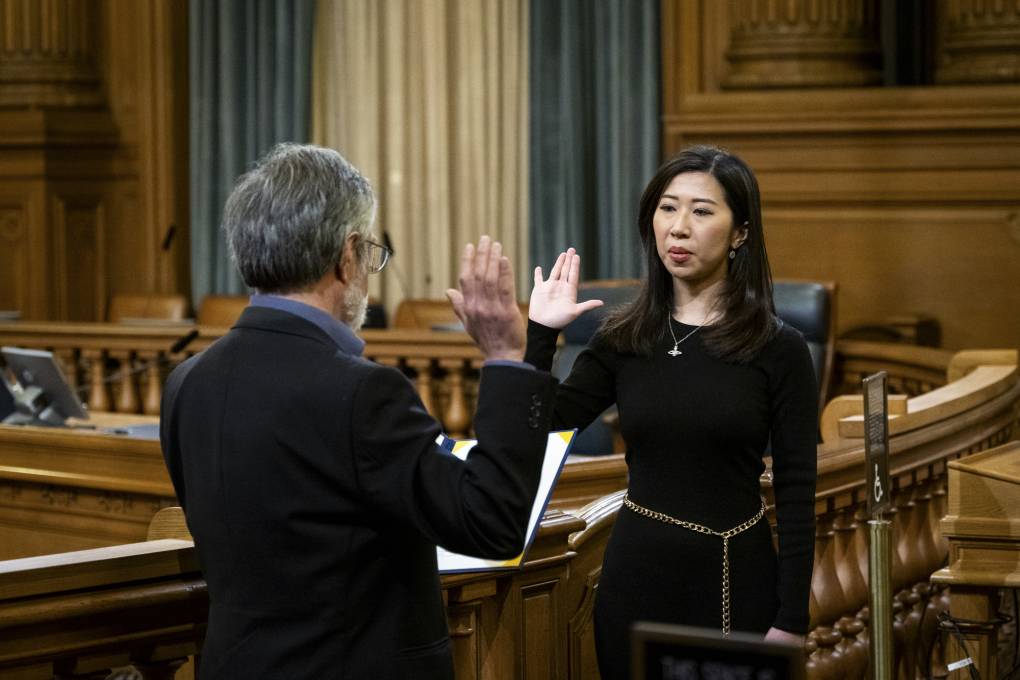
window.__IS_SSR__=true
window.__INITIAL_STATE__={
"attachmentsReducer": {
"audio_0": {
"type": "attachments",
"id": "audio_0",
"imgSizes": {
"kqedFullSize": {
"file": "https://ww2.kqed.org/news/wp-content/themes/KQED-unified/img/audio_bgs/background0.jpg"
}
}
},
"audio_1": {
"type": "attachments",
"id": "audio_1",
"imgSizes": {
"kqedFullSize": {
"file": "https://ww2.kqed.org/news/wp-content/themes/KQED-unified/img/audio_bgs/background1.jpg"
}
}
},
"audio_2": {
"type": "attachments",
"id": "audio_2",
"imgSizes": {
"kqedFullSize": {
"file": "https://ww2.kqed.org/news/wp-content/themes/KQED-unified/img/audio_bgs/background2.jpg"
}
}
},
"audio_3": {
"type": "attachments",
"id": "audio_3",
"imgSizes": {
"kqedFullSize": {
"file": "https://ww2.kqed.org/news/wp-content/themes/KQED-unified/img/audio_bgs/background3.jpg"
}
}
},
"audio_4": {
"type": "attachments",
"id": "audio_4",
"imgSizes": {
"kqedFullSize": {
"file": "https://ww2.kqed.org/news/wp-content/themes/KQED-unified/img/audio_bgs/background4.jpg"
}
}
},
"placeholder": {
"type": "attachments",
"id": "placeholder",
"imgSizes": {
"thumbnail": {
"file": "https://cdn.kqed.org/wp-content/uploads/2024/12/KQED-Default-Image-816638274-2000x1333-1-160x107.jpg",
"width": 160,
"height": 107,
"mimeType": "image/jpeg"
},
"medium": {
"file": "https://cdn.kqed.org/wp-content/uploads/2024/12/KQED-Default-Image-816638274-2000x1333-1-800x533.jpg",
"width": 800,
"height": 533,
"mimeType": "image/jpeg"
},
"medium_large": {
"file": "https://cdn.kqed.org/wp-content/uploads/2024/12/KQED-Default-Image-816638274-2000x1333-1-768x512.jpg",
"width": 768,
"height": 512,
"mimeType": "image/jpeg"
},
"large": {
"file": "https://cdn.kqed.org/wp-content/uploads/2024/12/KQED-Default-Image-816638274-2000x1333-1-1020x680.jpg",
"width": 1020,
"height": 680,
"mimeType": "image/jpeg"
},
"1536x1536": {
"file": "https://cdn.kqed.org/wp-content/uploads/2024/12/KQED-Default-Image-816638274-2000x1333-1-1536x1024.jpg",
"width": 1536,
"height": 1024,
"mimeType": "image/jpeg"
},
"fd-lrg": {
"file": "https://cdn.kqed.org/wp-content/uploads/2024/12/KQED-Default-Image-816638274-2000x1333-1-1536x1024.jpg",
"width": 1536,
"height": 1024,
"mimeType": "image/jpeg"
},
"fd-med": {
"file": "https://cdn.kqed.org/wp-content/uploads/2024/12/KQED-Default-Image-816638274-2000x1333-1-1020x680.jpg",
"width": 1020,
"height": 680,
"mimeType": "image/jpeg"
},
"fd-sm": {
"file": "https://cdn.kqed.org/wp-content/uploads/2024/12/KQED-Default-Image-816638274-2000x1333-1-800x533.jpg",
"width": 800,
"height": 533,
"mimeType": "image/jpeg"
},
"post-thumbnail": {
"file": "https://cdn.kqed.org/wp-content/uploads/2024/12/KQED-Default-Image-816638274-2000x1333-1-672x372.jpg",
"width": 672,
"height": 372,
"mimeType": "image/jpeg"
},
"twentyfourteen-full-width": {
"file": "https://cdn.kqed.org/wp-content/uploads/2024/12/KQED-Default-Image-816638274-2000x1333-1-1038x576.jpg",
"width": 1038,
"height": 576,
"mimeType": "image/jpeg"
},
"xxsmall": {
"file": "https://cdn.kqed.org/wp-content/uploads/2024/12/KQED-Default-Image-816638274-2000x1333-1-160x107.jpg",
"width": 160,
"height": 107,
"mimeType": "image/jpeg"
},
"xsmall": {
"file": "https://cdn.kqed.org/wp-content/uploads/2024/12/KQED-Default-Image-816638274-2000x1333-1-672x372.jpg",
"width": 672,
"height": 372,
"mimeType": "image/jpeg"
},
"small": {
"file": "https://cdn.kqed.org/wp-content/uploads/2024/12/KQED-Default-Image-816638274-2000x1333-1-672x372.jpg",
"width": 672,
"height": 372,
"mimeType": "image/jpeg"
},
"xlarge": {
"file": "https://cdn.kqed.org/wp-content/uploads/2024/12/KQED-Default-Image-816638274-2000x1333-1-1020x680.jpg",
"width": 1020,
"height": 680,
"mimeType": "image/jpeg"
},
"full-width": {
"file": "https://cdn.kqed.org/wp-content/uploads/2024/12/KQED-Default-Image-816638274-2000x1333-1-1920x1280.jpg",
"width": 1920,
"height": 1280,
"mimeType": "image/jpeg"
},
"guest-author-32": {
"file": "https://cdn.kqed.org/wp-content/uploads/2025/01/KQED-Default-Image-816638274-1333x1333-1-160x160.jpg",
"width": 32,
"height": 32,
"mimeType": "image/jpeg"
},
"guest-author-50": {
"file": "https://cdn.kqed.org/wp-content/uploads/2025/01/KQED-Default-Image-816638274-1333x1333-1-160x160.jpg",
"width": 50,
"height": 50,
"mimeType": "image/jpeg"
},
"guest-author-64": {
"file": "https://cdn.kqed.org/wp-content/uploads/2025/01/KQED-Default-Image-816638274-1333x1333-1-160x160.jpg",
"width": 64,
"height": 64,
"mimeType": "image/jpeg"
},
"guest-author-96": {
"file": "https://cdn.kqed.org/wp-content/uploads/2025/01/KQED-Default-Image-816638274-1333x1333-1-160x160.jpg",
"width": 96,
"height": 96,
"mimeType": "image/jpeg"
},
"guest-author-128": {
"file": "https://cdn.kqed.org/wp-content/uploads/2025/01/KQED-Default-Image-816638274-1333x1333-1-160x160.jpg",
"width": 128,
"height": 128,
"mimeType": "image/jpeg"
},
"detail": {
"file": "https://cdn.kqed.org/wp-content/uploads/2025/01/KQED-Default-Image-816638274-1333x1333-1-160x160.jpg",
"width": 160,
"height": 160,
"mimeType": "image/jpeg"
},
"kqedFullSize": {
"file": "https://cdn.kqed.org/wp-content/uploads/2024/12/KQED-Default-Image-816638274-2000x1333-1.jpg",
"width": 2000,
"height": 1333
}
}
},
"news_11976031": {
"type": "attachments",
"id": "news_11976031",
"meta": {
"index": "attachments_1716263798",
"site": "news",
"id": "11976031",
"found": true
},
"parent": 0,
"imgSizes": {
"twentyfourteen-full-width": {
"file": "https://cdn.kqed.org/wp-content/uploads/sites/10/2024/02/240214-NONCITIZENVOTING-12-BL-KQED-1038x576.jpg",
"width": 1038,
"mimeType": "image/jpeg",
"height": 576
},
"thumbnail": {
"file": "https://cdn.kqed.org/wp-content/uploads/sites/10/2024/02/240214-NONCITIZENVOTING-12-BL-KQED-160x107.jpg",
"width": 160,
"mimeType": "image/jpeg",
"height": 107
},
"post-thumbnail": {
"file": "https://cdn.kqed.org/wp-content/uploads/sites/10/2024/02/240214-NONCITIZENVOTING-12-BL-KQED-672x372.jpg",
"width": 672,
"mimeType": "image/jpeg",
"height": 372
},
"kqedFullSize": {
"file": "https://cdn.kqed.org/wp-content/uploads/sites/10/2024/02/240214-NONCITIZENVOTING-12-BL-KQED.jpg",
"width": 2000,
"height": 1333
},
"large": {
"file": "https://cdn.kqed.org/wp-content/uploads/sites/10/2024/02/240214-NONCITIZENVOTING-12-BL-KQED-1020x680.jpg",
"width": 1020,
"mimeType": "image/jpeg",
"height": 680
},
"1536x1536": {
"file": "https://cdn.kqed.org/wp-content/uploads/sites/10/2024/02/240214-NONCITIZENVOTING-12-BL-KQED-1536x1024.jpg",
"width": 1536,
"mimeType": "image/jpeg",
"height": 1024
},
"full-width": {
"file": "https://cdn.kqed.org/wp-content/uploads/sites/10/2024/02/240214-NONCITIZENVOTING-12-BL-KQED-1920x1280.jpg",
"width": 1920,
"mimeType": "image/jpeg",
"height": 1280
},
"medium": {
"file": "https://cdn.kqed.org/wp-content/uploads/sites/10/2024/02/240214-NONCITIZENVOTING-12-BL-KQED-800x533.jpg",
"width": 800,
"mimeType": "image/jpeg",
"height": 533
}
},
"publishDate": 1708018370,
"modified": 1708029051,
"caption": "Aaron Peskin, President of the Board of Supervisors, swears in appointee Kelly Wong to the San Francisco Elections Commission at City Hall in San Francisco on Feb. 14, 2024.",
"description": null,
"title": "240214-NONCITIZENVOTING-12-BL-KQED",
"credit": "Beth LaBerge/KQED",
"status": "inherit",
"altTag": "An Asian woman wearing a black dress raises her right hand in front of a man wearing a black suit who is also raising his and holding a document inside a building.",
"isLoading": false,
"fetchFailed": false
},
"news_11975952": {
"type": "attachments",
"id": "news_11975952",
"meta": {
"index": "attachments_1716263798",
"site": "news",
"id": "11975952",
"found": true
},
"parent": 11975950,
"imgSizes": {
"twentyfourteen-full-width": {
"file": "https://cdn.kqed.org/wp-content/uploads/sites/10/2024/02/GettyImages-1208888812-1038x576.jpg",
"width": 1038,
"mimeType": "image/jpeg",
"height": 576
},
"thumbnail": {
"file": "https://cdn.kqed.org/wp-content/uploads/sites/10/2024/02/GettyImages-1208888812-160x107.jpg",
"width": 160,
"mimeType": "image/jpeg",
"height": 107
},
"post-thumbnail": {
"file": "https://cdn.kqed.org/wp-content/uploads/sites/10/2024/02/GettyImages-1208888812-672x372.jpg",
"width": 672,
"mimeType": "image/jpeg",
"height": 372
},
"kqedFullSize": {
"file": "https://cdn.kqed.org/wp-content/uploads/sites/10/2024/02/GettyImages-1208888812-scaled.jpg",
"width": 2560,
"height": 1707
},
"2048x2048": {
"file": "https://cdn.kqed.org/wp-content/uploads/sites/10/2024/02/GettyImages-1208888812-2048x1365.jpg",
"width": 2048,
"mimeType": "image/jpeg",
"height": 1365
},
"large": {
"file": "https://cdn.kqed.org/wp-content/uploads/sites/10/2024/02/GettyImages-1208888812-1020x680.jpg",
"width": 1020,
"mimeType": "image/jpeg",
"height": 680
},
"1536x1536": {
"file": "https://cdn.kqed.org/wp-content/uploads/sites/10/2024/02/GettyImages-1208888812-1536x1024.jpg",
"width": 1536,
"mimeType": "image/jpeg",
"height": 1024
},
"full-width": {
"file": "https://cdn.kqed.org/wp-content/uploads/sites/10/2024/02/GettyImages-1208888812-1920x1280.jpg",
"width": 1920,
"mimeType": "image/jpeg",
"height": 1280
},
"medium": {
"file": "https://cdn.kqed.org/wp-content/uploads/sites/10/2024/02/GettyImages-1208888812-800x533.jpg",
"width": 800,
"mimeType": "image/jpeg",
"height": 533
}
},
"publishDate": 1707949372,
"modified": 1707959976,
"caption": "House Energy and Commerce Committee Health Subcommittee Chair Anna Eshoo (D-Calif.) listens to Health and Human Services Secretary Alex Azar as he testifies about the FY20 in the Rayburn House Office Building on Capitol Hill Feb. 26, 2020 in Washington, DC. Trump administration officials were on Capitol Hill to testify about the FY2021 budget and to answer questions about the government's readiness for the global coronavirus outbreak.",
"description": null,
"title": "House Health Subcommittee Holds Hearing On Budget And Coronavirus Outbreak",
"credit": "Chip Somodevilla/Getty Images",
"status": "inherit",
"altTag": null,
"isLoading": false,
"fetchFailed": false
},
"news_11975765": {
"type": "attachments",
"id": "news_11975765",
"meta": {
"index": "attachments_1716263798",
"site": "news",
"id": "11975765",
"found": true
},
"parent": 11975753,
"imgSizes": {
"twentyfourteen-full-width": {
"file": "https://cdn.kqed.org/wp-content/uploads/sites/10/2024/02/GettyImages-1346413227-1038x576.jpg",
"width": 1038,
"mimeType": "image/jpeg",
"height": 576
},
"thumbnail": {
"file": "https://cdn.kqed.org/wp-content/uploads/sites/10/2024/02/GettyImages-1346413227-160x107.jpg",
"width": 160,
"mimeType": "image/jpeg",
"height": 107
},
"post-thumbnail": {
"file": "https://cdn.kqed.org/wp-content/uploads/sites/10/2024/02/GettyImages-1346413227-672x372.jpg",
"width": 672,
"mimeType": "image/jpeg",
"height": 372
},
"kqedFullSize": {
"file": "https://cdn.kqed.org/wp-content/uploads/sites/10/2024/02/GettyImages-1346413227-scaled.jpg",
"width": 2560,
"height": 1707
},
"2048x2048": {
"file": "https://cdn.kqed.org/wp-content/uploads/sites/10/2024/02/GettyImages-1346413227-2048x1365.jpg",
"width": 2048,
"mimeType": "image/jpeg",
"height": 1365
},
"large": {
"file": "https://cdn.kqed.org/wp-content/uploads/sites/10/2024/02/GettyImages-1346413227-1020x680.jpg",
"width": 1020,
"mimeType": "image/jpeg",
"height": 680
},
"1536x1536": {
"file": "https://cdn.kqed.org/wp-content/uploads/sites/10/2024/02/GettyImages-1346413227-1536x1024.jpg",
"width": 1536,
"mimeType": "image/jpeg",
"height": 1024
},
"full-width": {
"file": "https://cdn.kqed.org/wp-content/uploads/sites/10/2024/02/GettyImages-1346413227-1920x1280.jpg",
"width": 1920,
"mimeType": "image/jpeg",
"height": 1280
},
"medium": {
"file": "https://cdn.kqed.org/wp-content/uploads/sites/10/2024/02/GettyImages-1346413227-800x533.jpg",
"width": 800,
"mimeType": "image/jpeg",
"height": 533
}
},
"publishDate": 1707863945,
"modified": 1707863945,
"caption": "SAN FRANCISCO, CALIFORNIA - OCTOBER 13: Pedestrians walk by a Walgreens store that is set to be closed in the coming weeks on October 13, 2021 in San Francisco, California. Walgreens announced plans to close five of its San Francisco stores due to organized retail shoplifting that has plagued its stores in the city. The retail pharmacy chain has already shuttered 10 stores in the city since 2019. (Photo by Justin Sullivan/Getty Images)",
"description": null,
"title": "Walgreens To Close Five San Francisco Locations After Rampant Shoplifting",
"credit": null,
"status": "inherit",
"altTag": null,
"isLoading": false,
"fetchFailed": false
},
"news_11932470": {
"type": "attachments",
"id": "news_11932470",
"meta": {
"index": "attachments_1716263798",
"site": "news",
"id": "11932470",
"found": true
},
"title": "RS59970_010_KQED_CityHallSFVoting_11082022-qut",
"publishDate": 1668636898,
"status": "inherit",
"parent": 11932419,
"modified": 1777660023,
"caption": "A voter drops off a ballot at the City Hall Voting Center in San Francisco on Election Day, Nov. 8, 2022. ",
"credit": "Beth LaBerge/KQED",
"altTag": "A voter seen dropping off a ballot.",
"description": null,
"imgSizes": {
"medium": {
"file": "https://cdn.kqed.org/wp-content/uploads/sites/10/2022/11/RS59970_010_KQED_CityHallSFVoting_11082022-qut-800x533.jpg",
"width": 800,
"height": 533,
"mimeType": "image/jpeg"
},
"large": {
"file": "https://cdn.kqed.org/wp-content/uploads/sites/10/2022/11/RS59970_010_KQED_CityHallSFVoting_11082022-qut-1020x680.jpg",
"width": 1020,
"height": 680,
"mimeType": "image/jpeg"
},
"thumbnail": {
"file": "https://cdn.kqed.org/wp-content/uploads/sites/10/2022/11/RS59970_010_KQED_CityHallSFVoting_11082022-qut-160x107.jpg",
"width": 160,
"height": 107,
"mimeType": "image/jpeg"
},
"1536x1536": {
"file": "https://cdn.kqed.org/wp-content/uploads/sites/10/2022/11/RS59970_010_KQED_CityHallSFVoting_11082022-qut-1536x1024.jpg",
"width": 1536,
"height": 1024,
"mimeType": "image/jpeg"
},
"post-thumbnail": {
"file": "https://cdn.kqed.org/wp-content/uploads/sites/10/2022/11/RS59970_010_KQED_CityHallSFVoting_11082022-qut-672x372.jpg",
"width": 672,
"height": 372,
"mimeType": "image/jpeg"
},
"twentyfourteen-full-width": {
"file": "https://cdn.kqed.org/wp-content/uploads/sites/10/2022/11/RS59970_010_KQED_CityHallSFVoting_11082022-qut-1038x576.jpg",
"width": 1038,
"height": 576,
"mimeType": "image/jpeg"
},
"kqedFullSize": {
"file": "https://cdn.kqed.org/wp-content/uploads/sites/10/2022/11/RS59970_010_KQED_CityHallSFVoting_11082022-qut.jpg",
"width": 1920,
"height": 1280
}
},
"isLoading": false,
"fetchFailed": false
},
"news_11975299": {
"type": "attachments",
"id": "news_11975299",
"meta": {
"index": "attachments_1716263798",
"site": "news",
"id": "11975299",
"found": true
},
"title": "\"Just Majority\" Irvine Press Conference",
"publishDate": 1707516623,
"status": "inherit",
"parent": 11975269,
"modified": 1741704794,
"caption": "Rep. Katie Porter speaks at the 'Just Majority' Irvine press conference on May 28, 2023, in Los Angeles.",
"credit": "Jerod Harris/Getty Images for Demand Justice",
"altTag": null,
"description": null,
"imgSizes": {
"medium": {
"file": "https://cdn.kqed.org/wp-content/uploads/sites/10/2024/02/GettyImages-1494102649-800x533.jpg",
"width": 800,
"height": 533,
"mimeType": "image/jpeg"
},
"large": {
"file": "https://cdn.kqed.org/wp-content/uploads/sites/10/2024/02/GettyImages-1494102649-1020x680.jpg",
"width": 1020,
"height": 680,
"mimeType": "image/jpeg"
},
"thumbnail": {
"file": "https://cdn.kqed.org/wp-content/uploads/sites/10/2024/02/GettyImages-1494102649-160x107.jpg",
"width": 160,
"height": 107,
"mimeType": "image/jpeg"
},
"1536x1536": {
"file": "https://cdn.kqed.org/wp-content/uploads/sites/10/2024/02/GettyImages-1494102649-1536x1024.jpg",
"width": 1536,
"height": 1024,
"mimeType": "image/jpeg"
},
"2048x2048": {
"file": "https://cdn.kqed.org/wp-content/uploads/sites/10/2024/02/GettyImages-1494102649-2048x1365.jpg",
"width": 2048,
"height": 1365,
"mimeType": "image/jpeg"
},
"post-thumbnail": {
"file": "https://cdn.kqed.org/wp-content/uploads/sites/10/2024/02/GettyImages-1494102649-672x372.jpg",
"width": 672,
"height": 372,
"mimeType": "image/jpeg"
},
"twentyfourteen-full-width": {
"file": "https://cdn.kqed.org/wp-content/uploads/sites/10/2024/02/GettyImages-1494102649-1038x576.jpg",
"width": 1038,
"height": 576,
"mimeType": "image/jpeg"
},
"full-width": {
"file": "https://cdn.kqed.org/wp-content/uploads/sites/10/2024/02/GettyImages-1494102649-1920x1280.jpg",
"width": 1920,
"height": 1280,
"mimeType": "image/jpeg"
},
"kqedFullSize": {
"file": "https://cdn.kqed.org/wp-content/uploads/sites/10/2024/02/GettyImages-1494102649-scaled-e1741714023199.jpg",
"width": 2000,
"height": 1334
}
},
"isLoading": false,
"fetchFailed": false
},
"news_11975151": {
"type": "attachments",
"id": "news_11975151",
"meta": {
"index": "attachments_1716263798",
"site": "news",
"id": "11975151",
"found": true
},
"parent": 11975149,
"imgSizes": {
"twentyfourteen-full-width": {
"file": "https://cdn.kqed.org/wp-content/uploads/sites/10/2024/02/GettyImages-1987886873-1038x576.jpg",
"width": 1038,
"mimeType": "image/jpeg",
"height": 576
},
"thumbnail": {
"file": "https://cdn.kqed.org/wp-content/uploads/sites/10/2024/02/GettyImages-1987886873-160x107.jpg",
"width": 160,
"mimeType": "image/jpeg",
"height": 107
},
"post-thumbnail": {
"file": "https://cdn.kqed.org/wp-content/uploads/sites/10/2024/02/GettyImages-1987886873-672x372.jpg",
"width": 672,
"mimeType": "image/jpeg",
"height": 372
},
"kqedFullSize": {
"file": "https://cdn.kqed.org/wp-content/uploads/sites/10/2024/02/GettyImages-1987886873-scaled.jpg",
"width": 2560,
"height": 1708
},
"2048x2048": {
"file": "https://cdn.kqed.org/wp-content/uploads/sites/10/2024/02/GettyImages-1987886873-2048x1366.jpg",
"width": 2048,
"mimeType": "image/jpeg",
"height": 1366
},
"large": {
"file": "https://cdn.kqed.org/wp-content/uploads/sites/10/2024/02/GettyImages-1987886873-1020x680.jpg",
"width": 1020,
"mimeType": "image/jpeg",
"height": 680
},
"1536x1536": {
"file": "https://cdn.kqed.org/wp-content/uploads/sites/10/2024/02/GettyImages-1987886873-1536x1025.jpg",
"width": 1536,
"mimeType": "image/jpeg",
"height": 1025
},
"full-width": {
"file": "https://cdn.kqed.org/wp-content/uploads/sites/10/2024/02/GettyImages-1987886873-1920x1281.jpg",
"width": 1920,
"mimeType": "image/jpeg",
"height": 1281
},
"medium": {
"file": "https://cdn.kqed.org/wp-content/uploads/sites/10/2024/02/GettyImages-1987886873-800x534.jpg",
"width": 800,
"mimeType": "image/jpeg",
"height": 534
}
},
"publishDate": 1707430734,
"modified": 1707430734,
"caption": "WASHINGTON, DC - FEBRUARY 8: Protesters demonstrate outside of the U.S. Supreme Court on February 8, 2024 in Washington, DC. The court will hear oral arguments in a case on whether or not former President Trump can remain on the ballot in Colorado for the 2024 presidential election. (Photo by Julia Nikhinson/Getty Images)",
"description": null,
"title": "U.S. Supreme Court Hears Arguments On 14th Amendment And Trump",
"credit": null,
"status": "inherit",
"altTag": null,
"isLoading": false,
"fetchFailed": false
},
"news_11975014": {
"type": "attachments",
"id": "news_11975014",
"meta": {
"index": "attachments_1716263798",
"site": "news",
"id": "11975014",
"found": true
},
"parent": 11974991,
"imgSizes": {
"twentyfourteen-full-width": {
"file": "https://cdn.kqed.org/wp-content/uploads/sites/10/2024/02/Prop1-behavioral-health-spending-1038x576.jpg",
"width": 1038,
"mimeType": "image/jpeg",
"height": 576
},
"thumbnail": {
"file": "https://cdn.kqed.org/wp-content/uploads/sites/10/2024/02/Prop1-behavioral-health-spending-160x107.jpg",
"width": 160,
"mimeType": "image/jpeg",
"height": 107
},
"post-thumbnail": {
"file": "https://cdn.kqed.org/wp-content/uploads/sites/10/2024/02/Prop1-behavioral-health-spending-672x372.jpg",
"width": 672,
"mimeType": "image/jpeg",
"height": 372
},
"kqedFullSize": {
"file": "https://cdn.kqed.org/wp-content/uploads/sites/10/2024/02/Prop1-behavioral-health-spending.jpg",
"width": 1920,
"height": 1280
},
"large": {
"file": "https://cdn.kqed.org/wp-content/uploads/sites/10/2024/02/Prop1-behavioral-health-spending-1020x680.jpg",
"width": 1020,
"mimeType": "image/jpeg",
"height": 680
},
"1536x1536": {
"file": "https://cdn.kqed.org/wp-content/uploads/sites/10/2024/02/Prop1-behavioral-health-spending-1536x1024.jpg",
"width": 1536,
"mimeType": "image/jpeg",
"height": 1024
},
"medium": {
"file": "https://cdn.kqed.org/wp-content/uploads/sites/10/2024/02/Prop1-behavioral-health-spending-800x533.jpg",
"width": 800,
"mimeType": "image/jpeg",
"height": 533
}
},
"publishDate": 1707337731,
"modified": 1707337822,
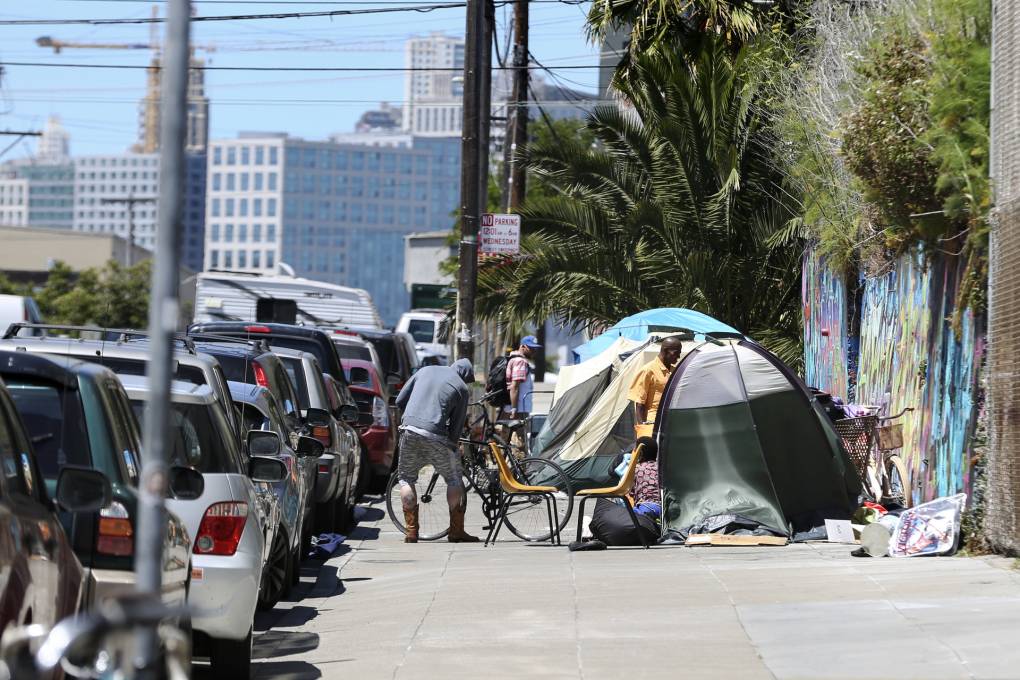
"caption": "A homeless encampment located on Florida St in the Mission District of San Francisco, Calif.",
"description": null,
"title": "Prop1-behavioral-health-spending",
"credit": "Brittany Hosea-Small/KQED",
"status": "inherit",
"altTag": "A wide San Francisco with a tent encampment.",
"isLoading": false,
"fetchFailed": false
},
"news_11969232": {
"type": "attachments",
"id": "news_11969232",
"meta": {
"index": "attachments_1716263798",
"site": "news",
"id": "11969232",
"found": true
},
"parent": 11969228,
"imgSizes": {
"twentyfourteen-full-width": {
"file": "https://cdn.kqed.org/wp-content/uploads/sites/10/2023/12/100323-Kevin-McCarthy-AP-CM-01-1038x576.jpeg",
"width": 1038,
"mimeType": "image/jpeg",
"height": 576
},
"thumbnail": {
"file": "https://cdn.kqed.org/wp-content/uploads/sites/10/2023/12/100323-Kevin-McCarthy-AP-CM-01-160x107.jpeg",
"width": 160,
"mimeType": "image/jpeg",
"height": 107
},
"post-thumbnail": {
"file": "https://cdn.kqed.org/wp-content/uploads/sites/10/2023/12/100323-Kevin-McCarthy-AP-CM-01-672x372.jpeg",
"width": 672,
"mimeType": "image/jpeg",
"height": 372
},
"kqedFullSize": {
"file": "https://cdn.kqed.org/wp-content/uploads/sites/10/2023/12/100323-Kevin-McCarthy-AP-CM-01.jpeg",
"width": 2000,
"height": 1333
},
"large": {
"file": "https://cdn.kqed.org/wp-content/uploads/sites/10/2023/12/100323-Kevin-McCarthy-AP-CM-01-1020x680.jpeg",
"width": 1020,
"mimeType": "image/jpeg",
"height": 680
},
"1536x1536": {
"file": "https://cdn.kqed.org/wp-content/uploads/sites/10/2023/12/100323-Kevin-McCarthy-AP-CM-01-1536x1024.jpeg",
"width": 1536,
"mimeType": "image/jpeg",
"height": 1024
},
"full-width": {
"file": "https://cdn.kqed.org/wp-content/uploads/sites/10/2023/12/100323-Kevin-McCarthy-AP-CM-01-1920x1280.jpeg",
"width": 1920,
"mimeType": "image/jpeg",
"height": 1280
},
"medium": {
"file": "https://cdn.kqed.org/wp-content/uploads/sites/10/2023/12/100323-Kevin-McCarthy-AP-CM-01-800x533.jpeg",
"width": 800,
"mimeType": "image/jpeg",
"height": 533
}
},
"publishDate": 1701971500,
"modified": 1707416200,
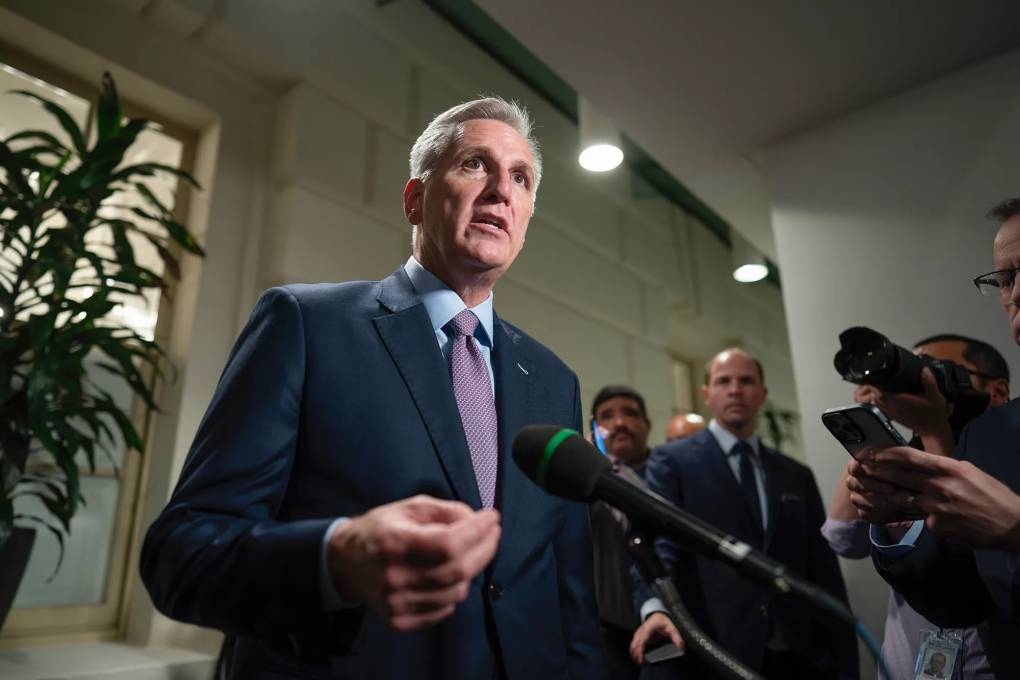
"caption": "Rep. Kevin McCarthy, a Republican from Bakersfield, talks to reporters at the Capitol on Oct. 3, 2023. On Wednesday, McCarthy announced he was leaving Congress at the end of the year, just about 2 months after his historic ouster as House speaker. ",
"description": null,
"title": "100323-Kevin-McCarthy-AP-CM-01",
"credit": "J. Scott Applewhite/AP",
"status": "inherit",
"altTag": "Kevin McCarthy speaks into a microphone at a press event surrounded by people.",
"isLoading": false,
"fetchFailed": false
},
"news_11968105": {
"type": "attachments",
"id": "news_11968105",
"meta": {
"index": "attachments_1716263798",
"site": "news",
"id": "11968105",
"found": true
},
"parent": 11968089,
"imgSizes": {
"twentyfourteen-full-width": {
"file": "https://cdn.kqed.org/wp-content/uploads/sites/10/2023/11/110123nVoters-Registration-Tulare-ZS-CM-103-1038x576.jpg",
"width": 1038,
"mimeType": "image/jpeg",
"height": 576
},
"thumbnail": {
"file": "https://cdn.kqed.org/wp-content/uploads/sites/10/2023/11/110123nVoters-Registration-Tulare-ZS-CM-103-160x107.jpg",
"width": 160,
"mimeType": "image/jpeg",
"height": 107
},
"post-thumbnail": {
"file": "https://cdn.kqed.org/wp-content/uploads/sites/10/2023/11/110123nVoters-Registration-Tulare-ZS-CM-103-672x372.jpg",
"width": 672,
"mimeType": "image/jpeg",
"height": 372
},
"kqedFullSize": {
"file": "https://cdn.kqed.org/wp-content/uploads/sites/10/2023/11/110123nVoters-Registration-Tulare-ZS-CM-103.jpg",
"width": 2000,
"height": 1333
},
"large": {
"file": "https://cdn.kqed.org/wp-content/uploads/sites/10/2023/11/110123nVoters-Registration-Tulare-ZS-CM-103-1020x680.jpg",
"width": 1020,
"mimeType": "image/jpeg",
"height": 680
},
"1536x1536": {
"file": "https://cdn.kqed.org/wp-content/uploads/sites/10/2023/11/110123nVoters-Registration-Tulare-ZS-CM-103-1536x1024.jpg",
"width": 1536,
"mimeType": "image/jpeg",
"height": 1024
},
"full-width": {
"file": "https://cdn.kqed.org/wp-content/uploads/sites/10/2023/11/110123nVoters-Registration-Tulare-ZS-CM-103-1920x1280.jpg",
"width": 1920,
"mimeType": "image/jpeg",
"height": 1280
},
"medium": {
"file": "https://cdn.kqed.org/wp-content/uploads/sites/10/2023/11/110123nVoters-Registration-Tulare-ZS-CM-103-800x533.jpg",
"width": 800,
"mimeType": "image/jpeg",
"height": 533
}
},
"publishDate": 1700598223,
"modified": 1707337024,
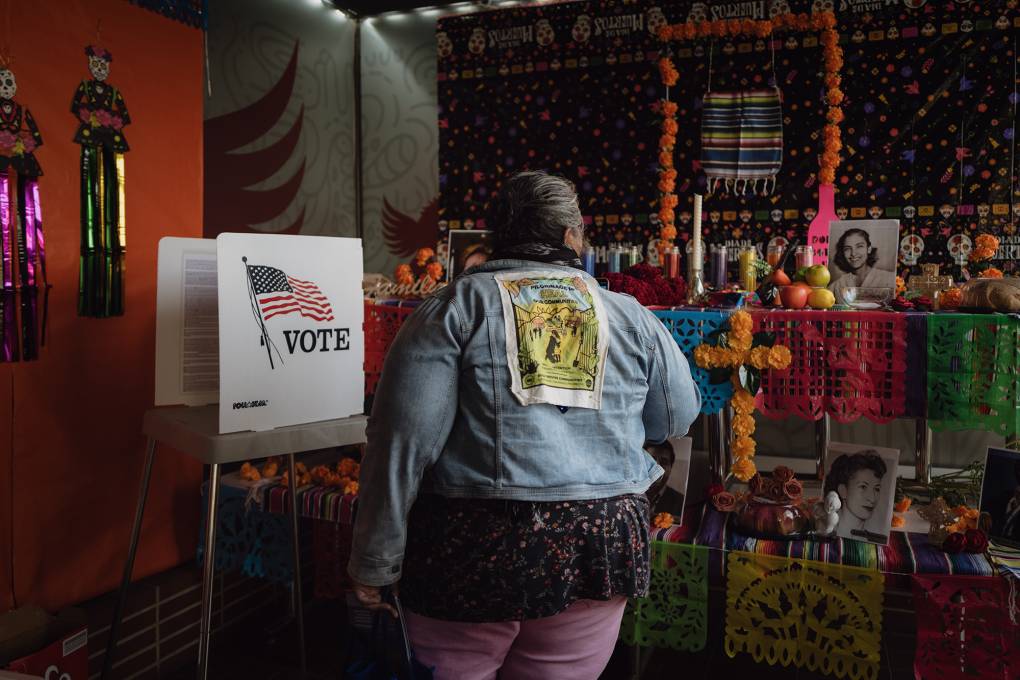
"caption": "Voting booths in front of an altar for Día de los Muertos during the Latino Mock Voting event organized by The League of United Latin American Citizens in Tulare on Nov. 1, 2023. ",
"description": null,
"title": "110123nVoters-Registration-Tulare-ZS-CM-103",
"credit": "Zaydee Sanchez/CalMatters.",
"status": "inherit",
"altTag": "A woman has her back turned showing a jean jacket with an image in the middle, to the left of a sign with an American flag that reads \"Vote.\"",
"isLoading": false,
"fetchFailed": false
},
"news_11935561": {
"type": "attachments",
"id": "news_11935561",
"meta": {
"index": "attachments_1716263798",
"site": "news",
"id": "11935561",
"found": true
},
"parent": 11935550,
"imgSizes": {
"twentyfourteen-full-width": {
"file": "https://ww2.kqed.org/app/uploads/sites/10/2022/12/RS45454_002_KQED_Oakland_RegistrarofVoters_10272020-qut-1038x576.jpg",
"width": 1038,
"mimeType": "image/jpeg",
"height": 576
},
"thumbnail": {
"file": "https://ww2.kqed.org/app/uploads/sites/10/2022/12/RS45454_002_KQED_Oakland_RegistrarofVoters_10272020-qut-160x107.jpg",
"width": 160,
"mimeType": "image/jpeg",
"height": 107
},
"post-thumbnail": {
"file": "https://ww2.kqed.org/app/uploads/sites/10/2022/12/RS45454_002_KQED_Oakland_RegistrarofVoters_10272020-qut-672x372.jpg",
"width": 672,
"mimeType": "image/jpeg",
"height": 372
},
"kqedFullSize": {
"file": "https://ww2.kqed.org/app/uploads/sites/10/2022/12/RS45454_002_KQED_Oakland_RegistrarofVoters_10272020-qut.jpg",
"width": 1920,
"height": 1280
},
"large": {
"file": "https://ww2.kqed.org/app/uploads/sites/10/2022/12/RS45454_002_KQED_Oakland_RegistrarofVoters_10272020-qut-1020x680.jpg",
"width": 1020,
"mimeType": "image/jpeg",
"height": 680
},
"1536x1536": {
"file": "https://ww2.kqed.org/app/uploads/sites/10/2022/12/RS45454_002_KQED_Oakland_RegistrarofVoters_10272020-qut-1536x1024.jpg",
"width": 1536,
"mimeType": "image/jpeg",
"height": 1024
},
"medium": {
"file": "https://ww2.kqed.org/app/uploads/sites/10/2022/12/RS45454_002_KQED_Oakland_RegistrarofVoters_10272020-qut-800x533.jpg",
"width": 800,
"mimeType": "image/jpeg",
"height": 533
}
},
"publishDate": 1671223701,
"modified": 1671223722,
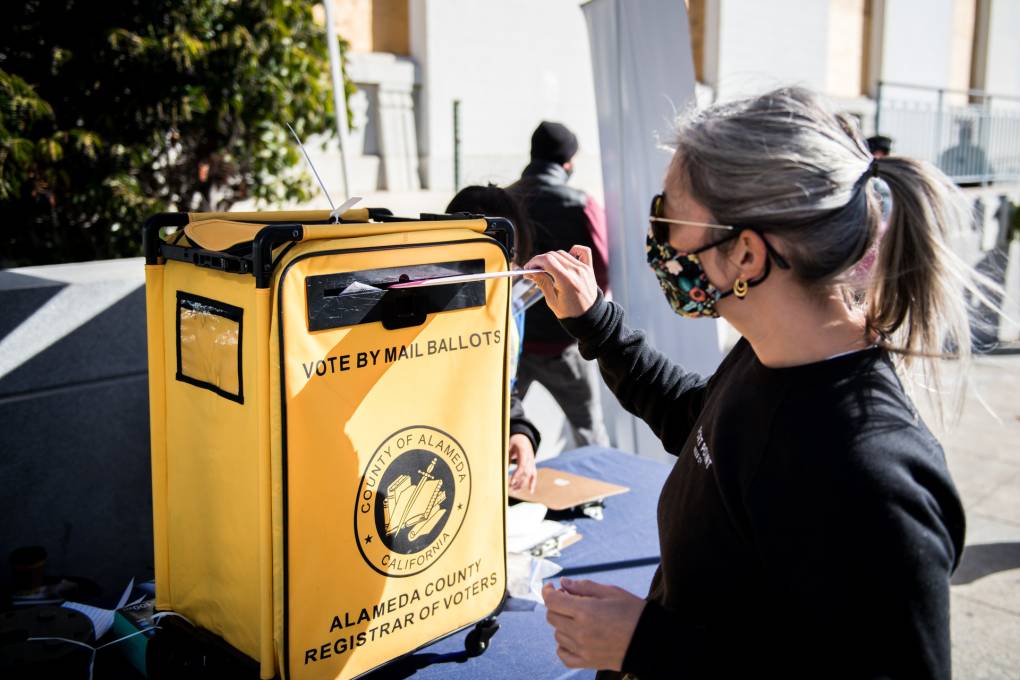
"caption": "A voter drops off their mail-in ballot at the Alameda County Registrar of Voters in Oakland on Oct. 27, 2020.",
"description": null,
"title": "RS45454_002_KQED_Oakland_RegistrarofVoters_10272020-qut",
"credit": "Beth LaBerge/KQED",
"status": "inherit",
"altTag": null,
"isLoading": false,
"fetchFailed": false
},
"news_11797482": {
"type": "attachments",
"id": "news_11797482",
"meta": {
"index": "attachments_1716263798",
"site": "news",
"id": "11797482",
"found": true
},
"parent": 11797479,
"imgSizes": {
"apple_news_ca_square_4_0": {
"file": "https://ww2.kqed.org/app/uploads/sites/10/2020/01/ap_20022861264311_custom-02ab96b7e503c93f803788aae9676f607d1e79b5-1020x722-1-470x470.jpg",
"width": 470,
"mimeType": "image/jpeg",
"height": 470
},
"twentyfourteen-full-width": {
"file": "https://ww2.kqed.org/app/uploads/sites/10/2020/01/ap_20022861264311_custom-02ab96b7e503c93f803788aae9676f607d1e79b5-1020x722-1-1020x576.jpg",
"width": 1020,
"mimeType": "image/jpeg",
"height": 576
},
"thumbnail": {
"file": "https://ww2.kqed.org/app/uploads/sites/10/2020/01/ap_20022861264311_custom-02ab96b7e503c93f803788aae9676f607d1e79b5-1020x722-1-160x113.jpg",
"width": 160,
"mimeType": "image/jpeg",
"height": 113
},
"post-thumbnail": {
"file": "https://ww2.kqed.org/app/uploads/sites/10/2020/01/ap_20022861264311_custom-02ab96b7e503c93f803788aae9676f607d1e79b5-1020x722-1-672x372.jpg",
"width": 672,
"mimeType": "image/jpeg",
"height": 372
},
"kqedFullSize": {
"file": "https://ww2.kqed.org/app/uploads/sites/10/2020/01/ap_20022861264311_custom-02ab96b7e503c93f803788aae9676f607d1e79b5-1020x722-1.jpg",
"width": 1020,
"height": 722
},
"apple_news_ca_landscape_4_7": {
"file": "https://ww2.kqed.org/app/uploads/sites/10/2020/01/ap_20022861264311_custom-02ab96b7e503c93f803788aae9676f607d1e79b5-1020x722-1-632x474.jpg",
"width": 632,
"mimeType": "image/jpeg",
"height": 474
},
"large": {
"file": "https://ww2.kqed.org/app/uploads/sites/10/2020/01/ap_20022861264311_custom-02ab96b7e503c93f803788aae9676f607d1e79b5-1020x722-1-1020x722.jpg",
"width": 1020,
"mimeType": "image/jpeg",
"height": 722
},
"apple_news_ca_landscape_4_0": {
"file": "https://ww2.kqed.org/app/uploads/sites/10/2020/01/ap_20022861264311_custom-02ab96b7e503c93f803788aae9676f607d1e79b5-1020x722-1-536x402.jpg",
"width": 536,
"mimeType": "image/jpeg",
"height": 402
},
"medium": {
"file": "https://ww2.kqed.org/app/uploads/sites/10/2020/01/ap_20022861264311_custom-02ab96b7e503c93f803788aae9676f607d1e79b5-1020x722-1-800x566.jpg",
"width": 800,
"mimeType": "image/jpeg",
"height": 566
},
"apple_news_ca_portrait_4_0": {
"file": "https://ww2.kqed.org/app/uploads/sites/10/2020/01/ap_20022861264311_custom-02ab96b7e503c93f803788aae9676f607d1e79b5-1020x722-1-354x472.jpg",
"width": 354,
"mimeType": "image/jpeg",
"height": 472
},
"apple_news_ca_portrait_9_7": {
"file": "https://ww2.kqed.org/app/uploads/sites/10/2020/01/ap_20022861264311_custom-02ab96b7e503c93f803788aae9676f607d1e79b5-1020x722-1-840x722.jpg",
"width": 840,
"mimeType": "image/jpeg",
"height": 722
},
"apple_news_ca_portrait_4_7": {
"file": "https://ww2.kqed.org/app/uploads/sites/10/2020/01/ap_20022861264311_custom-02ab96b7e503c93f803788aae9676f607d1e79b5-1020x722-1-414x552.jpg",
"width": 414,
"mimeType": "image/jpeg",
"height": 552
},
"apple_news_ca_portrait_5_5": {
"file": "https://ww2.kqed.org/app/uploads/sites/10/2020/01/ap_20022861264311_custom-02ab96b7e503c93f803788aae9676f607d1e79b5-1020x722-1-687x722.jpg",
"width": 687,
"mimeType": "image/jpeg",
"height": 722
},
"apple_news_ca_square_4_7": {
"file": "https://ww2.kqed.org/app/uploads/sites/10/2020/01/ap_20022861264311_custom-02ab96b7e503c93f803788aae9676f607d1e79b5-1020x722-1-550x550.jpg",
"width": 550,
"mimeType": "image/jpeg",
"height": 550
},
"apple_news_ca_square_5_5": {
"file": "https://ww2.kqed.org/app/uploads/sites/10/2020/01/ap_20022861264311_custom-02ab96b7e503c93f803788aae9676f607d1e79b5-1020x722-1-912x722.jpg",
"width": 912,
"mimeType": "image/jpeg",
"height": 722
}
},
"publishDate": 1579794585,
"modified": 1579794630,
"caption": "An artist sketch depicts impeachment manager Rep. Adam Schiff, D-Calif., presenting an argument in the impeachment trial of President Trump in the Senate chamber on Wednesday. Schiff and the other managers will continue their opening arguments on Thursday.",
"description": null,
"title": "ap_20022861264311_custom-02ab96b7e503c93f803788aae9676f607d1e79b5-1020x722",
"credit": "Dana Verkouteren/AP",
"status": "inherit",
"isLoading": false,
"fetchFailed": false
},
"news_11974499": {
"type": "attachments",
"id": "news_11974499",
"meta": {
"index": "attachments_1716263798",
"site": "news",
"id": "11974499",
"found": true
},
"parent": 11974484,
"imgSizes": {
"twentyfourteen-full-width": {
"file": "https://cdn.kqed.org/wp-content/uploads/sites/10/2024/02/GettyImages-1978419065-1038x576.jpg",
"width": 1038,
"mimeType": "image/jpeg",
"height": 576
},
"thumbnail": {
"file": "https://cdn.kqed.org/wp-content/uploads/sites/10/2024/02/GettyImages-1978419065-160x107.jpg",
"width": 160,
"mimeType": "image/jpeg",
"height": 107
},
"post-thumbnail": {
"file": "https://cdn.kqed.org/wp-content/uploads/sites/10/2024/02/GettyImages-1978419065-672x372.jpg",
"width": 672,
"mimeType": "image/jpeg",
"height": 372
},
"kqedFullSize": {
"file": "https://cdn.kqed.org/wp-content/uploads/sites/10/2024/02/GettyImages-1978419065-scaled.jpg",
"width": 2560,
"height": 1707
},
"2048x2048": {
"file": "https://cdn.kqed.org/wp-content/uploads/sites/10/2024/02/GettyImages-1978419065-2048x1366.jpg",
"width": 2048,
"mimeType": "image/jpeg",
"height": 1366
},
"large": {
"file": "https://cdn.kqed.org/wp-content/uploads/sites/10/2024/02/GettyImages-1978419065-1020x680.jpg",
"width": 1020,
"mimeType": "image/jpeg",
"height": 680
},
"1536x1536": {
"file": "https://cdn.kqed.org/wp-content/uploads/sites/10/2024/02/GettyImages-1978419065-1536x1024.jpg",
"width": 1536,
"mimeType": "image/jpeg",
"height": 1024
},
"full-width": {
"file": "https://cdn.kqed.org/wp-content/uploads/sites/10/2024/02/GettyImages-1978419065-1920x1280.jpg",
"width": 1920,
"mimeType": "image/jpeg",
"height": 1280
},
"medium": {
"file": "https://cdn.kqed.org/wp-content/uploads/sites/10/2024/02/GettyImages-1978419065-800x533.jpg",
"width": 800,
"mimeType": "image/jpeg",
"height": 533
}
},
"publishDate": 1706830167,
"modified": 1706830322,
"caption": "CIUDAD JUAREZ, MEXICO - FEBRUARY 01: Seen from an aerial view, immigrants walk along the U.S.-Mexico border wall after crossing the Rio Grande into El Paso, Texas on February 01, 2024 from Ciudad Juarez, Mexico. (Photo by John Moore/Getty Images)",
"description": null,
"title": "Migrants Continue To Cross Mexico U.S. Border As D.C. Lawmakers Continue To Debate Border Funding",
"credit": null,
"status": "inherit",
"altTag": null,
"isLoading": false,
"fetchFailed": false
}
},
"audioPlayerReducer": {
"postId": "stream_live",
"isPaused": true,
"isPlaying": false,
"pfsActive": false,
"pledgeModalIsOpen": true,
"playerDrawerIsOpen": false,
"liveAudioPlayStartedAt": 0,
"liveAudioPlayContext": ""
},
"authorsReducer": {
"ohubertallen": {
"type": "authors",
"id": "102",
"meta": {
"index": "authors_1716337520",
"id": "102",
"found": true
},
"name": "Olivia Allen-Price",
"firstName": "Olivia",
"lastName": "Allen-Price",
"slug": "ohubertallen",
"email": "oallenprice@kqed.org",
"display_author_email": false,
"staff_mastheads": [
"news"
],
"title": "Senior Editor",
"bio": "Olivia Allen-Price is senior editor and host of the award-winning Bay Curious podcast. Prior to joining KQED in 2013, Olivia worked at The Baltimore Sun and The Virginian-Pilot in Norfolk, Va. She holds degrees in journalism and political science from Elon University. Her work has earned awards from the Society of Professional Journalists, the Hearst Foundation and Hearken. She loves to talk about running and curly hair.\r\n\r\nFollow: \u003ca href=\"https://twitter.com/oallenprice\">@oallenprice\u003c/a>\r\nEmail: \u003ca href=\"mailto:oallenprice@kqed.org\">oallenprice@kqed.org\u003c/a>",
"avatar": "https://secure.gravatar.com/avatar/07f7803c1f6be56f3be58ef276dfa64dce898502e0554408ef4858451a8294f7?s=600&d=blank&r=g",
"twitter": "oallenprice",
"bluesky": null,
"facebook": null,
"instagram": null,
"linkedin": null,
"sites": [
{
"site": "",
"roles": [
"editor"
]
},
{
"site": "arts",
"roles": [
"subscriber"
]
},
{
"site": "news",
"roles": [
"administrator"
]
},
{
"site": "pop",
"roles": [
"administrator"
]
},
{
"site": "bayareabites",
"roles": [
"contributor"
]
},
{
"site": "stateofhealth",
"roles": [
"administrator"
]
},
{
"site": "science",
"roles": [
"editor"
]
}
],
"headData": {
"title": "Olivia Allen-Price | KQED",
"description": "Senior Editor",
"ogImgSrc": "https://secure.gravatar.com/avatar/07f7803c1f6be56f3be58ef276dfa64dce898502e0554408ef4858451a8294f7?s=600&d=blank&r=g",
"twImgSrc": "https://secure.gravatar.com/avatar/07f7803c1f6be56f3be58ef276dfa64dce898502e0554408ef4858451a8294f7?s=600&d=blank&r=g"
},
"isLoading": false,
"link": "/author/ohubertallen"
},
"gmarzorati": {
"type": "authors",
"id": "227",
"meta": {
"index": "authors_1716337520",
"id": "227",
"found": true
},
"name": "Guy Marzorati",
"firstName": "Guy",
"lastName": "Marzorati",
"slug": "gmarzorati",
"email": "gmarzorati@KQED.org",
"display_author_email": true,
"staff_mastheads": [
"news"
],
"title": "Correspondent",
"bio": "Guy Marzorati is a correspondent on KQED's California Politics and Government Desk, based in San Jose. A graduate of Santa Clara University, Guy joined KQED in 2013. He reports on state and local politics and produces KQED's digital voter guide.",
"avatar": "https://secure.gravatar.com/avatar/e7038b8dbfd55b104369b76b1cd0b9de?s=600&d=blank&r=g",
"twitter": "guymarzorati",
"facebook": null,
"instagram": null,
"linkedin": null,
"sites": [
{
"site": "",
"roles": [
"editor"
]
},
{
"site": "news",
"roles": [
"editor"
]
},
{
"site": "science",
"roles": [
"editor"
]
},
{
"site": "forum",
"roles": [
"editor"
]
},
{
"site": "elections",
"roles": [
"editor"
]
},
{
"site": "liveblog",
"roles": [
"editor"
]
}
],
"headData": {
"title": "Guy Marzorati | KQED",
"description": "Correspondent",
"ogImgSrc": "https://secure.gravatar.com/avatar/e7038b8dbfd55b104369b76b1cd0b9de?s=600&d=blank&r=g",
"twImgSrc": "https://secure.gravatar.com/avatar/e7038b8dbfd55b104369b76b1cd0b9de?s=600&d=blank&r=g"
},
"isLoading": false,
"link": "/author/gmarzorati"
},
"scottshafer": {
"type": "authors",
"id": "255",
"meta": {
"index": "authors_1716337520",
"id": "255",
"found": true
},
"name": "Scott Shafer",
"firstName": "Scott",
"lastName": "Shafer",
"slug": "scottshafer",
"email": "sshafer@kqed.org",
"display_author_email": false,
"staff_mastheads": [
"news"
],
"title": "KQED Contributor",
"bio": "Scott Shafer is a senior editor with the KQED Politics and Government desk. He is co-host of Political Breakdown, the award-winning radio show and podcast with a personal take on the world of politics. Scott came to KQED in 1998 to host the statewide\u003cem> California Report\u003c/em>. Prior to that he had extended stints in politics and government\u003cem>.\u003c/em> He uses that inside experience at KQED in his, reporting, hosting and analysis for the politics desk. Scott collaborated \u003cem>Political Breakdown a\u003c/em>nd on \u003cem>The Political Mind of Jerry Brown, \u003c/em>an eight-part series about the life and extraordinary political career of the former governor. For fun, he plays water polo with the San Francisco Tsunami.",
"avatar": "https://secure.gravatar.com/avatar/a62ebae45b79d7aed1a39a0e3bf68104?s=600&d=blank&r=g",
"twitter": "scottshafer",
"bluesky": null,
"facebook": null,
"instagram": null,
"linkedin": null,
"sites": [
{
"site": "news",
"roles": [
"editor"
]
},
{
"site": "stateofhealth",
"roles": [
"author"
]
},
{
"site": "science",
"roles": [
"author"
]
},
{
"site": "forum",
"roles": [
"subscriber"
]
},
{
"site": "liveblog",
"roles": [
"author"
]
}
],
"headData": {
"title": "Scott Shafer | KQED",
"description": "KQED Contributor",
"ogImgSrc": "https://secure.gravatar.com/avatar/a62ebae45b79d7aed1a39a0e3bf68104?s=600&d=blank&r=g",
"twImgSrc": "https://secure.gravatar.com/avatar/a62ebae45b79d7aed1a39a0e3bf68104?s=600&d=blank&r=g"
},
"isLoading": false,
"link": "/author/scottshafer"
},
"mlagos": {
"type": "authors",
"id": "3239",
"meta": {
"index": "authors_1716337520",
"id": "3239",
"found": true
},
"name": "Marisa Lagos",
"firstName": "Marisa",
"lastName": "Lagos",
"slug": "mlagos",
"email": "mlagos@kqed.org",
"display_author_email": false,
"staff_mastheads": [
"news"
],
"title": "KQED Contributor",
"bio": "Marisa Lagos is a correspondent for KQED’s California Politics and Government Desk and co-hosts the award-winning show and podcast, Political Breakdown. At KQED, Lagos also conducts reporting, analysis and investigations into state, local and national politics for radio, TV, online and onstage. In 2022, she and co-host, Scott Shafer, moderated the only gubernatorial debate in California. In 2020, the \u003ci>Washington Post\u003c/i> named her one of the top political journalists in California; she was nominated for a Peabody and won several other awards for her work investigating the 2017 California wildfires. She has worked at the \u003ci>San Francisco Chronicle\u003c/i>, \u003ci>San Francisco Examiner\u003c/i> and \u003ci>Los Angeles Times\u003c/i>. A UC Santa Barbara graduate, she lives in San Francisco with her two sons and husband.",
"avatar": "https://secure.gravatar.com/avatar/a261a0d3696fc066871ef96b85b5e7d2?s=600&d=blank&r=g",
"twitter": "@mlagos",
"facebook": null,
"instagram": null,
"linkedin": null,
"sites": [
{
"site": "arts",
"roles": [
"author"
]
},
{
"site": "news",
"roles": [
"editor"
]
},
{
"site": "science",
"roles": [
"editor"
]
},
{
"site": "forum",
"roles": [
"author"
]
},
{
"site": "liveblog",
"roles": [
"author"
]
}
],
"headData": {
"title": "Marisa Lagos | KQED",
"description": "KQED Contributor",
"ogImgSrc": "https://secure.gravatar.com/avatar/a261a0d3696fc066871ef96b85b5e7d2?s=600&d=blank&r=g",
"twImgSrc": "https://secure.gravatar.com/avatar/a261a0d3696fc066871ef96b85b5e7d2?s=600&d=blank&r=g"
},
"isLoading": false,
"link": "/author/mlagos"
},
"amontecillo": {
"type": "authors",
"id": "11649",
"meta": {
"index": "authors_1716337520",
"id": "11649",
"found": true
},
"name": "Alan Montecillo",
"firstName": "Alan",
"lastName": "Montecillo",
"slug": "amontecillo",
"email": "amontecillo@kqed.org",
"display_author_email": false,
"staff_mastheads": [
"news"
],
"title": "KQED Contributor",
"bio": "Alan Montecillo is the senior editor of \u003cem>\u003ca href=\"http://kqed.org/thebay\">The Bay\u003c/a>, \u003c/em> KQED's local news podcast. Before moving to the Bay Area, he worked as a senior talk show producer for WILL in Champaign-Urbana, Illinois and at Oregon Public Broadcasting in Portland, Oregon. He has won journalism awards from the Society of Professional Journalists Northern California, the Public Media Journalists Association, The Signal Awards, and has also received a regional Edward R. Murrow award. Alan is a Filipino American from Hong Kong and a graduate of Reed College.",
"avatar": "https://secure.gravatar.com/avatar/268f53a2066899ea9efdd8a5900218b17c822d9862cbc9326cccec53ef41d349?s=600&d=blank&r=g",
"twitter": "alanmontecillo",
"bluesky": null,
"facebook": null,
"instagram": null,
"linkedin": null,
"sites": [
{
"site": "",
"roles": [
"editor"
]
},
{
"site": "news",
"roles": [
"editor",
"manage_categories"
]
}
],
"headData": {
"title": "Alan Montecillo | KQED",
"description": "KQED Contributor",
"ogImgSrc": "https://secure.gravatar.com/avatar/268f53a2066899ea9efdd8a5900218b17c822d9862cbc9326cccec53ef41d349?s=600&d=blank&r=g",
"twImgSrc": "https://secure.gravatar.com/avatar/268f53a2066899ea9efdd8a5900218b17c822d9862cbc9326cccec53ef41d349?s=600&d=blank&r=g"
},
"isLoading": false,
"link": "/author/amontecillo"
},
"adahlstromeckman": {
"type": "authors",
"id": "11785",
"meta": {
"index": "authors_1716337520",
"id": "11785",
"found": true
},
"name": "Azul Dahlstrom-Eckman",
"firstName": "Azul",
"lastName": "Dahlstrom-Eckman",
"slug": "adahlstromeckman",
"email": "adahlstrom-eckman@kqed.org",
"display_author_email": true,
"staff_mastheads": [],
"title": "Reporter",
"bio": "Azul is a reporter for KQED focusing on transportation and features. He joined KQED in 2021 as an alumna of KALW's Audio Academy radio journalism training program.",
"avatar": "https://secure.gravatar.com/avatar/9cb750298435add7815a777f55bf1f46845c1386bb8452555c60a7b820b5aba3?s=600&d=blank&r=g",
"twitter": "@zuliemann",
"bluesky": "@azul415.bsky.social",
"facebook": null,
"instagram": null,
"linkedin": null,
"sites": [
{
"site": "arts",
"roles": [
"editor"
]
},
{
"site": "news",
"roles": [
"editor"
]
},
{
"site": "science",
"roles": [
"editor"
]
},
{
"site": "liveblog",
"roles": [
"author"
]
}
],
"headData": {
"title": "Azul Dahlstrom-Eckman | KQED",
"description": "Reporter",
"ogImgSrc": "https://secure.gravatar.com/avatar/9cb750298435add7815a777f55bf1f46845c1386bb8452555c60a7b820b5aba3?s=600&d=blank&r=g",
"twImgSrc": "https://secure.gravatar.com/avatar/9cb750298435add7815a777f55bf1f46845c1386bb8452555c60a7b820b5aba3?s=600&d=blank&r=g"
},
"isLoading": false,
"link": "/author/adahlstromeckman"
}
},
"pagesReducer": {
"news_tag_election-2024": {
"type": "terms",
"id": "news_32839",
"meta": {
"index": "terms_1716263798",
"site": "news",
"id": "32839",
"score": 8.937076
},
"featImg": null,
"name": "Election 2024",
"description": null,
"taxonomy": "tag",
"headData": {
"twImgId": null,
"twTitle": null,
"ogTitle": null,
"ogImgId": null,
"twDescription": null,
"description": null,
"title": "Election 2024 Archives | KQED News",
"ogDescription": null
},
"ttid": 32856,
"slug": "election-2024",
"isLoading": false,
"title": "Election 2024",
"pageMeta": {
"site": "news",
"WpPageTemplate": "page-topic-editorial",
"currentPage": 35
},
"blocks": [
{
"blockName": "kqed/post-list",
"attrs": {
"layout": "cardArticle2",
"query": "posts/news?tag=election-2024",
"seeMore": false,
"paginated": true,
"page": 35
}
},
{
"blockName": "kqed/ad"
}
]
}
},
"pfsSessionReducer": {},
"postsReducer": {
"stream_live": {
"type": "live",
"id": "stream_live",
"audioUrl": "https://streams.kqed.org/kqedradio",
"title": "Live Stream",
"excerpt": "Live Stream information currently unavailable.",
"link": "/radio",
"featImg": "",
"label": {
"name": "KQED Live",
"link": "/"
}
},
"stream_kqedNewscast": {
"type": "posts",
"id": "stream_kqedNewscast",
"audioUrl": "https://www.kqed.org/.stream/anon/radio/RDnews/newscast.mp3?_=1",
"title": "KQED Newscast",
"featImg": "",
"label": {
"name": "88.5 FM",
"link": "/"
}
},
"news_11976026": {
"type": "posts",
"id": "news_11976026",
"meta": {
"index": "posts_1716263798",
"site": "news",
"id": "11976026",
"score": null,
"sort": [
1708027208000
]
},
"guestAuthors": [],
"slug": "san-francisco-appoints-first-non-citizen-to-serve-on-elections-commission",
"title": "San Francisco Appoints First Noncitizen to Serve on Elections Commission",
"publishDate": 1708027208,
"format": "standard",
"headTitle": "San Francisco Appoints First Noncitizen to Serve on Elections Commission | KQED",
"labelTerm": {
"site": "news"
},
"content": "\u003cp>The newest member of the San Francisco Elections Commission, a seven-member civilian body that oversees and creates policy for the city’s Department of Elections, isn’t legally allowed to vote.\u003c/p>\n\u003cp>Kelly Wong, an immigrant rights advocate, is believed to be the first noncitizen appointed to the commission. At a swearing-in ceremony administered by Board of Supervisors President Aaron Peskin on Wednesday at San Francisco City Hall, dozens of people gathered to commemorate the occasion.\u003c/p>\n\u003cp>Wong said she hopes her appointment is a beacon of hope for other immigrants living in the city.\u003c/p>\n\u003cp>[pullquote size=\"medium\" align=\"right\" citation=\"Kelly Wong, member, San Francisco Elections Commission\"]‘I’ve seen how language and cultural barriers prevent immigrants with limited English proficiency from fully exercising their right to vote.’[/pullquote]“There are always voices inside my head. Like, ‘You can’t do it. You’re not competent. You’re an immigrant. This is not your country.’ That’s not true,” said Wong, who immigrated to the U.S. in 2019 from Hong Kong to pursue graduate studies. “If I can do it, you can do it.”\u003c/p>\n\u003cp>Wong’s appointment is the result of a 2020 voter-approved measure that removed the citizenship requirement to serve on San Francisco boards, commissions and advisory bodies. Each of the commission’s seven members is appointed by a different city official, such as the mayor, city attorney or district attorney. The Board of Supervisors voted unanimously to appoint Wong.\u003c/p>\n\u003cfigure id=\"attachment_11976030\" class=\"wp-caption aligncenter\" style=\"max-width: 2000px\">\u003ca href=\"https://cdn.kqed.org/wp-content/uploads/sites/10/2024/02/240214-NONCITIZENVOTING-03-BL-KQED.jpg\">\u003cimg loading=\"lazy\" decoding=\"async\" class=\"size-full wp-image-11976030\" src=\"https://cdn.kqed.org/wp-content/uploads/sites/10/2024/02/240214-NONCITIZENVOTING-03-BL-KQED.jpg\" alt=\"A man wearing glasses and a business suit faces a group of people seated in a court room.\" width=\"2000\" height=\"1333\" srcset=\"https://cdn.kqed.org/wp-content/uploads/sites/10/2024/02/240214-NONCITIZENVOTING-03-BL-KQED.jpg 2000w, https://cdn.kqed.org/wp-content/uploads/sites/10/2024/02/240214-NONCITIZENVOTING-03-BL-KQED-800x533.jpg 800w, https://cdn.kqed.org/wp-content/uploads/sites/10/2024/02/240214-NONCITIZENVOTING-03-BL-KQED-1020x680.jpg 1020w, https://cdn.kqed.org/wp-content/uploads/sites/10/2024/02/240214-NONCITIZENVOTING-03-BL-KQED-160x107.jpg 160w, https://cdn.kqed.org/wp-content/uploads/sites/10/2024/02/240214-NONCITIZENVOTING-03-BL-KQED-1536x1024.jpg 1536w, https://cdn.kqed.org/wp-content/uploads/sites/10/2024/02/240214-NONCITIZENVOTING-03-BL-KQED-1920x1280.jpg 1920w\" sizes=\"(max-width: 2000px) 100vw, 2000px\">\u003c/a>\u003cfigcaption class=\"wp-caption-text\">Board of Supervisors President Aaron Peskin begins the swearing-in ceremony for appointee Kelly Wong to San Francisco’s Elections Commission at City Hall on Feb. 14, 2024. \u003ccite>(Beth LaBerge/KQED)\u003c/cite>\u003c/figcaption>\u003c/figure>\n\u003cp>“I’m very impressed by her commitment to enfranchising people who rarely vote, to educating people about the voting process, and to bring in noncitizens and get them the tools they need as they become citizens,” Peskin said.\u003c/p>\n\u003cp>[ad fullwidth]\u003c/p>\n\u003cp>Drawing on her lived experience, Wong said she wants to increase engagement among the city’s immigrant and non-English speaking communities. Anyone who has delved into San Francisco’s ballot knows it can be just as confusing for native English speakers to decipher the myriad propositions, their arguments, and the city’s ranked-choice voting system.\u003c/p>\n\u003cp>“Even though I’m fluent in English, I still encounter challenges in navigating a new system, let alone participating in political conversation and activities,” Wong said in an interview with KQED before Wednesday’s swearing-in ceremony.\u003c/p>\n\u003cp>One of Wong’s priorities is to ensure that voter materials are translated in a way that people can understand – she pointed out, for example, that there isn’t an equivalent term for the word “reparations” in Cantonese or Mandarin.\u003c/p>\n\u003cp>“I’ve seen how language and cultural barriers prevent immigrants with limited English proficiency from fully exercising their right to vote,” Wong said. “Is there a way to do voter outreach that is not just about translation but can touch on political education while maintaining neutrality and impartiality in elections?”\u003c/p>\n\u003cp>Since 2022, Wong has done this kind of work as an immigrant rights advocate at Chinese for Affirmative Action, a civil rights group in San Francisco that focuses on the city’s Chinese community. Since commissioners are unpaid, Wong will continue her work as an advocate, helping people like Christina Ouyang, who immigrated here from China 13 years ago.\u003c/p>\n\u003cp>“Whenever I experience a language barrier or difficulties around access, I can come to Kelly for help,” Ouyang said in Cantonese. (She spoke to KQED through an interpreter.)\u003c/p>\n\u003cfigure id=\"attachment_11976032\" class=\"wp-caption aligncenter\" style=\"max-width: 2000px\">\u003ca href=\"https://cdn.kqed.org/wp-content/uploads/sites/10/2024/02/240214-NONCITIZENVOTING-26-BL-KQED.jpg\">\u003cimg loading=\"lazy\" decoding=\"async\" class=\"size-full wp-image-11976032\" src=\"https://cdn.kqed.org/wp-content/uploads/sites/10/2024/02/240214-NONCITIZENVOTING-26-BL-KQED.jpg\" alt=\"A group of people with some wearing masks, applaud in a room.\" width=\"2000\" height=\"1333\" srcset=\"https://cdn.kqed.org/wp-content/uploads/sites/10/2024/02/240214-NONCITIZENVOTING-26-BL-KQED.jpg 2000w, https://cdn.kqed.org/wp-content/uploads/sites/10/2024/02/240214-NONCITIZENVOTING-26-BL-KQED-800x533.jpg 800w, https://cdn.kqed.org/wp-content/uploads/sites/10/2024/02/240214-NONCITIZENVOTING-26-BL-KQED-1020x680.jpg 1020w, https://cdn.kqed.org/wp-content/uploads/sites/10/2024/02/240214-NONCITIZENVOTING-26-BL-KQED-160x107.jpg 160w, https://cdn.kqed.org/wp-content/uploads/sites/10/2024/02/240214-NONCITIZENVOTING-26-BL-KQED-1536x1024.jpg 1536w, https://cdn.kqed.org/wp-content/uploads/sites/10/2024/02/240214-NONCITIZENVOTING-26-BL-KQED-1920x1280.jpg 1920w\" sizes=\"(max-width: 2000px) 100vw, 2000px\">\u003c/a>\u003cfigcaption class=\"wp-caption-text\">A crowd claps after appointee Kelly Wong is sworn in to San Francisco’s Elections Commission at City Hall. \u003ccite>(Beth LaBerge/KQED)\u003c/cite>\u003c/figcaption>\u003c/figure>\n\u003cp>Noncitizens aren’t totally barred from voting in San Francisco. In 2016, after multiple attempts in previous years to pass a similar measure, voters approved Proposition N, which allowed San Francisco noncitizens to vote in school board elections if they had a child who went to school in the district. In 2022, a state Superior Court judge \u003ca href=\"https://www.kqed.org/news/11923048/a-fight-is-brewing-over-local-noncitizen-voting\">struck down\u003c/a> the law in a case brought by the United States Justice Foundation, a conservative nonprofit. The California Court of Appeal ultimately reversed the ruling.\u003c/p>\n\u003cp>“I think that we have to go beyond, ‘Are we doing the bare minimum to how we can get everyone fully involved?’” said Vincent Pan, co-executive director of Chinese for Affirmative Action.\u003c/p>\n\u003cp>He hopes that Wong’s appointment reasserts the commitment of recent measures to get more San Franciscans civically involved.\u003c/p>\n\u003cp>\u003c/p>\n\u003cp>“I’m hoping there will be a day where it won’t be as newsworthy that you have someone who’s an immigrant and a noncitizen involved in helping make the city run better, especially in a city where such a large percentage of the community is immigrants,” Pan said.\u003c/p>\n\n",
"blocks": [],
"excerpt": "Kelly Wong's appointment is the result of a 2020 voter-approved measure that removed the citizenship requirement to serve on San Francisco boards, commissions and advisory bodies.",
"status": "publish",
"parent": 0,
"modified": 1728429663,
"stats": {
"hasAudio": false,
"hasVideo": false,
"hasChartOrMap": false,
"iframeSrcs": [],
"hasGoogleForm": false,
"hasGallery": false,
"hasHearkenModule": false,
"hasPolis": false,
"paragraphCount": 18,
"wordCount": 847
},
"headData": {
"title": "San Francisco Appoints First Noncitizen to Serve on Elections Commission | KQED",
"description": "Kelly Wong's appointment is the result of a 2020 voter-approved measure that removed the citizenship requirement to serve on San Francisco boards, commissions and advisory bodies.",
"ogTitle": "",
"ogDescription": "",
"ogImgId": "",
"twTitle": "",
"twDescription": "",
"twImgId": "",
"schema": {
"@context": "https://schema.org",
"@type": "NewsArticle",
"headline": "San Francisco Appoints First Noncitizen to Serve on Elections Commission",
"datePublished": "2024-02-15T12:00:08-08:00",
"dateModified": "2024-10-08T16:21:03-07:00",
"image": "https://cdn.kqed.org/wp-content/uploads/2020/02/KQED-OG-Image@1x.png",
"isAccessibleForFree": "True",
"publisher": {
"@type": "NewsMediaOrganization",
"@id": "https://www.kqed.org/#organization",
"name": "KQED",
"logo": "https://cdn.kqed.org/wp-content/uploads/2020/02/KQED-OG-Image@1x.png",
"url": "https://www.kqed.org",
"sameAs": [
"https://www.facebook.com/KQED",
"https://twitter.com/KQED",
"https://www.instagram.com/kqed/",
"https://www.tiktok.com/@kqedofficial",
"https://www.linkedin.com/company/kqed",
"https://www.youtube.com/channel/UCeC0IOo7i1P_61zVUWbJ4nw"
]
}
}
},
"audioUrl": "https://traffic.omny.fm/d/clips/0af137ef-751e-4b19-a055-aaef00d2d578/ffca7e9f-6831-41c5-bcaf-aaef00f5a073/9aa9b6cb-d187-467a-aadf-b116011b9005/audio.mp3",
"sticky": false,
"excludeFromSiteSearch": "Include",
"articleAge": "0",
"path": "/news/11976026/san-francisco-appoints-first-non-citizen-to-serve-on-elections-commission",
"audioTrackLength": null,
"parsedContent": [
{
"type": "contentString",
"content": "\u003cdiv class=\"post-body\">\u003cp>\u003cp>The newest member of the San Francisco Elections Commission, a seven-member civilian body that oversees and creates policy for the city’s Department of Elections, isn’t legally allowed to vote.\u003c/p>\n\u003cp>Kelly Wong, an immigrant rights advocate, is believed to be the first noncitizen appointed to the commission. At a swearing-in ceremony administered by Board of Supervisors President Aaron Peskin on Wednesday at San Francisco City Hall, dozens of people gathered to commemorate the occasion.\u003c/p>\n\u003cp>Wong said she hopes her appointment is a beacon of hope for other immigrants living in the city.\u003c/p>\n\u003cp>\u003c/p>\u003c/div>",
"attributes": {
"named": {},
"numeric": []
}
},
{
"type": "component",
"content": "‘I’ve seen how language and cultural barriers prevent immigrants with limited English proficiency from fully exercising their right to vote.’",
"name": "pullquote",
"attributes": {
"named": {
"size": "medium",
"align": "right",
"citation": "Kelly Wong, member, San Francisco Elections Commission",
"label": ""
},
"numeric": []
}
},
{
"type": "contentString",
"content": "\u003cdiv class=\"post-body\">\u003cp>“There are always voices inside my head. Like, ‘You can’t do it. You’re not competent. You’re an immigrant. This is not your country.’ That’s not true,” said Wong, who immigrated to the U.S. in 2019 from Hong Kong to pursue graduate studies. “If I can do it, you can do it.”\u003c/p>\n\u003cp>Wong’s appointment is the result of a 2020 voter-approved measure that removed the citizenship requirement to serve on San Francisco boards, commissions and advisory bodies. Each of the commission’s seven members is appointed by a different city official, such as the mayor, city attorney or district attorney. The Board of Supervisors voted unanimously to appoint Wong.\u003c/p>\n\u003cfigure id=\"attachment_11976030\" class=\"wp-caption aligncenter\" style=\"max-width: 2000px\">\u003ca href=\"https://cdn.kqed.org/wp-content/uploads/sites/10/2024/02/240214-NONCITIZENVOTING-03-BL-KQED.jpg\">\u003cimg loading=\"lazy\" decoding=\"async\" class=\"size-full wp-image-11976030\" src=\"https://cdn.kqed.org/wp-content/uploads/sites/10/2024/02/240214-NONCITIZENVOTING-03-BL-KQED.jpg\" alt=\"A man wearing glasses and a business suit faces a group of people seated in a court room.\" width=\"2000\" height=\"1333\" srcset=\"https://cdn.kqed.org/wp-content/uploads/sites/10/2024/02/240214-NONCITIZENVOTING-03-BL-KQED.jpg 2000w, https://cdn.kqed.org/wp-content/uploads/sites/10/2024/02/240214-NONCITIZENVOTING-03-BL-KQED-800x533.jpg 800w, https://cdn.kqed.org/wp-content/uploads/sites/10/2024/02/240214-NONCITIZENVOTING-03-BL-KQED-1020x680.jpg 1020w, https://cdn.kqed.org/wp-content/uploads/sites/10/2024/02/240214-NONCITIZENVOTING-03-BL-KQED-160x107.jpg 160w, https://cdn.kqed.org/wp-content/uploads/sites/10/2024/02/240214-NONCITIZENVOTING-03-BL-KQED-1536x1024.jpg 1536w, https://cdn.kqed.org/wp-content/uploads/sites/10/2024/02/240214-NONCITIZENVOTING-03-BL-KQED-1920x1280.jpg 1920w\" sizes=\"(max-width: 2000px) 100vw, 2000px\">\u003c/a>\u003cfigcaption class=\"wp-caption-text\">Board of Supervisors President Aaron Peskin begins the swearing-in ceremony for appointee Kelly Wong to San Francisco’s Elections Commission at City Hall on Feb. 14, 2024. \u003ccite>(Beth LaBerge/KQED)\u003c/cite>\u003c/figcaption>\u003c/figure>\n\u003cp>“I’m very impressed by her commitment to enfranchising people who rarely vote, to educating people about the voting process, and to bring in noncitizens and get them the tools they need as they become citizens,” Peskin said.\u003c/p>\n\u003cp>\u003c/p>\u003c/div>",
"attributes": {
"named": {},
"numeric": []
}
},
{
"type": "component",
"content": "",
"name": "ad",
"attributes": {
"named": {
"label": "fullwidth"
},
"numeric": [
"fullwidth"
]
}
},
{
"type": "contentString",
"content": "\u003cdiv class=\"post-body\">\u003cp>\u003c/p>\n\u003cp>Drawing on her lived experience, Wong said she wants to increase engagement among the city’s immigrant and non-English speaking communities. Anyone who has delved into San Francisco’s ballot knows it can be just as confusing for native English speakers to decipher the myriad propositions, their arguments, and the city’s ranked-choice voting system.\u003c/p>\n\u003cp>“Even though I’m fluent in English, I still encounter challenges in navigating a new system, let alone participating in political conversation and activities,” Wong said in an interview with KQED before Wednesday’s swearing-in ceremony.\u003c/p>\n\u003cp>One of Wong’s priorities is to ensure that voter materials are translated in a way that people can understand – she pointed out, for example, that there isn’t an equivalent term for the word “reparations” in Cantonese or Mandarin.\u003c/p>\n\u003cp>“I’ve seen how language and cultural barriers prevent immigrants with limited English proficiency from fully exercising their right to vote,” Wong said. “Is there a way to do voter outreach that is not just about translation but can touch on political education while maintaining neutrality and impartiality in elections?”\u003c/p>\n\u003cp>Since 2022, Wong has done this kind of work as an immigrant rights advocate at Chinese for Affirmative Action, a civil rights group in San Francisco that focuses on the city’s Chinese community. Since commissioners are unpaid, Wong will continue her work as an advocate, helping people like Christina Ouyang, who immigrated here from China 13 years ago.\u003c/p>\n\u003cp>“Whenever I experience a language barrier or difficulties around access, I can come to Kelly for help,” Ouyang said in Cantonese. (She spoke to KQED through an interpreter.)\u003c/p>\n\u003cfigure id=\"attachment_11976032\" class=\"wp-caption aligncenter\" style=\"max-width: 2000px\">\u003ca href=\"https://cdn.kqed.org/wp-content/uploads/sites/10/2024/02/240214-NONCITIZENVOTING-26-BL-KQED.jpg\">\u003cimg loading=\"lazy\" decoding=\"async\" class=\"size-full wp-image-11976032\" src=\"https://cdn.kqed.org/wp-content/uploads/sites/10/2024/02/240214-NONCITIZENVOTING-26-BL-KQED.jpg\" alt=\"A group of people with some wearing masks, applaud in a room.\" width=\"2000\" height=\"1333\" srcset=\"https://cdn.kqed.org/wp-content/uploads/sites/10/2024/02/240214-NONCITIZENVOTING-26-BL-KQED.jpg 2000w, https://cdn.kqed.org/wp-content/uploads/sites/10/2024/02/240214-NONCITIZENVOTING-26-BL-KQED-800x533.jpg 800w, https://cdn.kqed.org/wp-content/uploads/sites/10/2024/02/240214-NONCITIZENVOTING-26-BL-KQED-1020x680.jpg 1020w, https://cdn.kqed.org/wp-content/uploads/sites/10/2024/02/240214-NONCITIZENVOTING-26-BL-KQED-160x107.jpg 160w, https://cdn.kqed.org/wp-content/uploads/sites/10/2024/02/240214-NONCITIZENVOTING-26-BL-KQED-1536x1024.jpg 1536w, https://cdn.kqed.org/wp-content/uploads/sites/10/2024/02/240214-NONCITIZENVOTING-26-BL-KQED-1920x1280.jpg 1920w\" sizes=\"(max-width: 2000px) 100vw, 2000px\">\u003c/a>\u003cfigcaption class=\"wp-caption-text\">A crowd claps after appointee Kelly Wong is sworn in to San Francisco’s Elections Commission at City Hall. \u003ccite>(Beth LaBerge/KQED)\u003c/cite>\u003c/figcaption>\u003c/figure>\n\u003cp>Noncitizens aren’t totally barred from voting in San Francisco. In 2016, after multiple attempts in previous years to pass a similar measure, voters approved Proposition N, which allowed San Francisco noncitizens to vote in school board elections if they had a child who went to school in the district. In 2022, a state Superior Court judge \u003ca href=\"https://www.kqed.org/news/11923048/a-fight-is-brewing-over-local-noncitizen-voting\">struck down\u003c/a> the law in a case brought by the United States Justice Foundation, a conservative nonprofit. The California Court of Appeal ultimately reversed the ruling.\u003c/p>\n\u003cp>“I think that we have to go beyond, ‘Are we doing the bare minimum to how we can get everyone fully involved?’” said Vincent Pan, co-executive director of Chinese for Affirmative Action.\u003c/p>\n\u003cp>He hopes that Wong’s appointment reasserts the commitment of recent measures to get more San Franciscans civically involved.\u003c/p>\n\u003cp>\u003c/p>\n\u003cp>“I’m hoping there will be a day where it won’t be as newsworthy that you have someone who’s an immigrant and a noncitizen involved in helping make the city run better, especially in a city where such a large percentage of the community is immigrants,” Pan said.\u003c/p>\n\n\u003c/div>\u003c/p>",
"attributes": {
"named": {},
"numeric": []
}
}
],
"link": "/news/11976026/san-francisco-appoints-first-non-citizen-to-serve-on-elections-commission",
"authors": [
"11785"
],
"categories": [
"news_8"
],
"tags": [
"news_195",
"news_32839",
"news_27626",
"news_20611",
"news_20579",
"news_38",
"news_2027"
],
"featImg": "news_11976031",
"label": "news"
},
"news_11975950": {
"type": "posts",
"id": "news_11975950",
"meta": {
"index": "posts_1716263798",
"site": "news",
"id": "11975950",
"score": null,
"sort": [
1707960620000
]
},
"parent": 0,
"labelTerm": {},
"blocks": [],
"publishDate": 1707960620,
"format": "audio",
"title": "Open House Seat in Silicon Valley Triggers a Robust Race to Replace Eshoo",
"headTitle": "Open House Seat in Silicon Valley Triggers a Robust Race to Replace Eshoo | KQED",
"content": "\u003cp>\u003cspan style=\"font-weight: 400\">Congresswoman Anna Eshoo is retiring after more than 30 years representing Silicon Valley, and several well-known Democrats are vying to replace her. Scott talks to Guy Marzorati, who lives in that congressional district and has been following the race closely. \u003c/span>\u003c/p>\n\u003cp>We’ll continue covering the most competitive congressional races in California over the next three weeks leading up to Super Tuesday.\u003c/p>\n\u003cp>[ad fullwidth]\u003c/p>\u003cp>\u003c/p>\n",
"stats": {
"hasVideo": false,
"hasChartOrMap": false,
"hasAudio": false,
"hasPolis": false,
"wordCount": 66,
"hasGoogleForm": false,
"hasGallery": false,
"hasHearkenModule": false,
"iframeSrcs": [],
"paragraphCount": 4
},
"modified": 1707959979,
"excerpt": null,
"headData": {
"twImgId": "",
"twTitle": "",
"ogTitle": "",
"ogImgId": "",
"twDescription": "",
"description": "Congresswoman Anna Eshoo is retiring after more than 30 years representing Silicon Valley, and several well-known Democrats are vying to replace her. Scott talks to Guy Marzorati, who lives in that congressional district and has been following the race closely. We’ll continue covering the most competitive congressional races in California over the next three weeks",
"title": "Open House Seat in Silicon Valley Triggers a Robust Race to Replace Eshoo | KQED",
"ogDescription": "",
"schema": {
"@context": "https://schema.org",
"@type": "NewsArticle",
"headline": "Open House Seat in Silicon Valley Triggers a Robust Race to Replace Eshoo",
"datePublished": "2024-02-14T17:30:20-08:00",
"dateModified": "2024-02-14T17:19:39-08:00",
"image": "https://cdn.kqed.org/wp-content/uploads/2020/02/KQED-OG-Image@1x.png",
"isAccessibleForFree": "True",
"publisher": {
"@type": "NewsMediaOrganization",
"@id": "https://www.kqed.org/#organization",
"name": "KQED",
"logo": "https://cdn.kqed.org/wp-content/uploads/2020/02/KQED-OG-Image@1x.png",
"url": "https://www.kqed.org",
"sameAs": [
"https://www.facebook.com/KQED",
"https://twitter.com/KQED",
"https://www.instagram.com/kqed/",
"https://www.tiktok.com/@kqedofficial",
"https://www.linkedin.com/company/kqed",
"https://www.youtube.com/channel/UCeC0IOo7i1P_61zVUWbJ4nw"
]
}
}
},
"guestAuthors": [],
"slug": "open-house-seat-in-silicon-valley-triggers-a-robust-race-to-replace-eshoo",
"status": "publish",
"audioUrl": "https://www.podtrac.com/pts/redirect.mp3/chrt.fm/track/G6C7C3/traffic.megaphone.fm/KQINC5084544117.mp3?updated=1707958372",
"excludeFromSiteSearch": "Include",
"sticky": false,
"source": "Political Breakdown",
"articleAge": "0",
"path": "/news/11975950/open-house-seat-in-silicon-valley-triggers-a-robust-race-to-replace-eshoo",
"audioTrackLength": null,
"parsedContent": [
{
"type": "contentString",
"content": "\u003cdiv class=\"post-body\">\u003cp>\u003cp>\u003cspan style=\"font-weight: 400\">Congresswoman Anna Eshoo is retiring after more than 30 years representing Silicon Valley, and several well-known Democrats are vying to replace her. Scott talks to Guy Marzorati, who lives in that congressional district and has been following the race closely. \u003c/span>\u003c/p>\n\u003cp>We’ll continue covering the most competitive congressional races in California over the next three weeks leading up to Super Tuesday.\u003c/p>\n\u003cp>\u003c/p>\u003c/div>",
"attributes": {
"named": {},
"numeric": []
}
},
{
"type": "component",
"content": "",
"name": "ad",
"attributes": {
"named": {
"label": "fullwidth"
},
"numeric": [
"fullwidth"
]
}
},
{
"type": "contentString",
"content": "\u003cdiv class=\"post-body\">\u003cp>\u003c/p>\u003cp>\u003c/p>\n\u003c/div>\u003c/p>",
"attributes": {
"named": {},
"numeric": []
}
}
],
"link": "/news/11975950/open-house-seat-in-silicon-valley-triggers-a-robust-race-to-replace-eshoo",
"authors": [
"255",
"227"
],
"programs": [
"news_33544"
],
"categories": [
"news_8"
],
"tags": [
"news_33828",
"news_21275",
"news_23728",
"news_32839",
"news_22235",
"news_17968"
],
"featImg": "news_11975952",
"label": "source_news_11975950"
},
"news_11975753": {
"type": "posts",
"id": "news_11975753",
"meta": {
"index": "posts_1716263798",
"site": "news",
"id": "11975753",
"score": null,
"sort": [
1707874254000
]
},
"guestAuthors": [],
"slug": "critics-say-prop-47-has-fueled-a-spike-in-property-crime-the-data-do-not-show-that",
"title": "Critics Say Prop. 47 Has Fueled a Spike In Property Crime. The Data Do Not Show That",
"publishDate": 1707874254,
"format": "audio",
"headTitle": "Critics Say Prop. 47 Has Fueled a Spike In Property Crime. The Data Do Not Show That | KQED",
"labelTerm": {},
"content": "\u003cp>\u003cspan style=\"font-weight: 400\">The 2014 criminal justice ballot measure Prop. 47 has been the subject of discussion, debate, criticism and pushback for years. \u003c/span>\u003cspan style=\"font-weight: 400\">C\u003c/span>\u003cspan style=\"font-weight: 400\">ritics \u003c/span>\u003cspan style=\"font-weight: 400\">blame \u003c/span>\u003cspan style=\"font-weight: 400\">Prop. 47 for what they say is a rise in property crimes like shoplifting — but is that real\u003c/span>\u003cspan style=\"font-weight: 400\">, or just perception? \u003c/span>\u003cspan style=\"font-weight: 400\">Would changing Prop. 47 to toughen penalties reduce high profile smash and grab crimes? Or does law enforcement already have the tools to prosecute that? \u003c/span>Marisa Lagos joins Scott Shafer to discuss what she found after months of reporting.\u003c/p>\n\u003cp>Read more: \u003ca href=\"https://www.kqed.org/news/11975692/prop-47s-impact-on-californias-criminal-justice-system\">Prop 47’s Impact on California’s Criminal Justice System\u003c/a>\u003c/p>\n\u003cp>[ad fullwidth]\u003c/p>\u003cp>\u003c/p>\n",
"blocks": [],
"excerpt": null,
"status": "publish",
"parent": 0,
"modified": 1730494429,
"stats": {
"hasAudio": false,
"hasVideo": false,
"hasChartOrMap": false,
"iframeSrcs": [],
"hasGoogleForm": false,
"hasGallery": false,
"hasHearkenModule": false,
"hasPolis": false,
"paragraphCount": 4,
"wordCount": 99
},
"headData": {
"title": "Critics Say Prop. 47 Has Fueled a Spike In Property Crime. The Data Do Not Show That | KQED",
"description": "The 2014 criminal justice ballot measure Prop. 47 has been the subject of discussion, debate, criticism and pushback for years. Critics blame Prop. 47 for what they say is a rise in property crimes like shoplifting — but is that real, or just perception? Would changing Prop. 47 to toughen penalties reduce high profile smash and grab crimes? Or does law enforcement already have the tools to prosecute that? Marisa Lagos joins Scott Shafer to discuss what she found after months of reporting. Read more: Prop 47's Impact on California’s Criminal Justice System",
"ogTitle": "",
"ogDescription": "",
"ogImgId": "",
"twTitle": "",
"twDescription": "",
"twImgId": "",
"schema": {
"@context": "https://schema.org",
"@type": "NewsArticle",
"headline": "Critics Say Prop. 47 Has Fueled a Spike In Property Crime. The Data Do Not Show That",
"datePublished": "2024-02-13T17:30:54-08:00",
"dateModified": "2024-11-01T13:53:49-07:00",
"image": "https://cdn.kqed.org/wp-content/uploads/2020/02/KQED-OG-Image@1x.png",
"isAccessibleForFree": "True",
"publisher": {
"@type": "NewsMediaOrganization",
"@id": "https://www.kqed.org/#organization",
"name": "KQED",
"logo": "https://cdn.kqed.org/wp-content/uploads/2020/02/KQED-OG-Image@1x.png",
"url": "https://www.kqed.org",
"sameAs": [
"https://www.facebook.com/KQED",
"https://twitter.com/KQED",
"https://www.instagram.com/kqed/",
"https://www.tiktok.com/@kqedofficial",
"https://www.linkedin.com/company/kqed",
"https://www.youtube.com/channel/UCeC0IOo7i1P_61zVUWbJ4nw"
]
}
}
},
"source": "Political Breakdown",
"audioUrl": "https://www.podtrac.com/pts/redirect.mp3/chrt.fm/track/G6C7C3/traffic.megaphone.fm/KQINC3252901735.mp3?updated=1707865467",
"sticky": false,
"excludeFromSiteSearch": "Include",
"articleAge": "0",
"path": "/news/11975753/critics-say-prop-47-has-fueled-a-spike-in-property-crime-the-data-do-not-show-that",
"audioTrackLength": null,
"parsedContent": [
{
"type": "contentString",
"content": "\u003cdiv class=\"post-body\">\u003cp>\u003cp>\u003cspan style=\"font-weight: 400\">The 2014 criminal justice ballot measure Prop. 47 has been the subject of discussion, debate, criticism and pushback for years. \u003c/span>\u003cspan style=\"font-weight: 400\">C\u003c/span>\u003cspan style=\"font-weight: 400\">ritics \u003c/span>\u003cspan style=\"font-weight: 400\">blame \u003c/span>\u003cspan style=\"font-weight: 400\">Prop. 47 for what they say is a rise in property crimes like shoplifting — but is that real\u003c/span>\u003cspan style=\"font-weight: 400\">, or just perception? \u003c/span>\u003cspan style=\"font-weight: 400\">Would changing Prop. 47 to toughen penalties reduce high profile smash and grab crimes? Or does law enforcement already have the tools to prosecute that? \u003c/span>Marisa Lagos joins Scott Shafer to discuss what she found after months of reporting.\u003c/p>\n\u003cp>Read more: \u003ca href=\"https://www.kqed.org/news/11975692/prop-47s-impact-on-californias-criminal-justice-system\">Prop 47’s Impact on California’s Criminal Justice System\u003c/a>\u003c/p>\n\u003cp>\u003c/p>\u003c/div>",
"attributes": {
"named": {},
"numeric": []
}
},
{
"type": "component",
"content": "",
"name": "ad",
"attributes": {
"named": {
"label": "fullwidth"
},
"numeric": [
"fullwidth"
]
}
},
{
"type": "contentString",
"content": "\u003cdiv class=\"post-body\">\u003cp>\u003c/p>\u003cp>\u003c/p>\n\u003c/div>\u003c/p>",
"attributes": {
"named": {},
"numeric": []
}
}
],
"link": "/news/11975753/critics-say-prop-47-has-fueled-a-spike-in-property-crime-the-data-do-not-show-that",
"authors": [
"255",
"3239"
],
"programs": [
"news_33544"
],
"categories": [
"news_34167",
"news_8",
"news_33520"
],
"tags": [
"news_17725",
"news_32839",
"news_22235",
"news_17968",
"news_18502"
],
"featImg": "news_11975765",
"label": "source_news_11975753"
},
"news_11975170": {
"type": "posts",
"id": "news_11975170",
"meta": {
"index": "posts_1716263798",
"site": "news",
"id": "11975170",
"score": null,
"sort": [
1707735656000
]
},
"guestAuthors": [],
"slug": "bay-curious-breaks-down-prop-1",
"title": "Bay Curious Breaks Down Prop. 1",
"publishDate": 1707735656,
"format": "audio",
"headTitle": "Bay Curious Breaks Down Prop. 1 | KQED",
"labelTerm": {},
"content": "\u003cp>The California primary is coming up, and ballots have been sent out! Today, our friends at Bay Curious break down Proposition 1.\u003c/p>\n\u003cp>Prop. 1 asks two big questions: Should mental health funding be used for housing? And should California borrow money to build more housing and treatment facilities?\u003c/p>\n\u003cp>\u003cstrong>Links:\u003c/strong>\u003c/p>\n\u003cul>\n\u003cli>\u003ca href=\"https://www.kqed.org/news/11974991/11974991-revision-v1\" target=\"_blank\" rel=\"noopener noreferrer\">Episode transcript\u003c/a>\u003c/li>\n\u003cli>\u003ca href=\"https://www.kqed.org/voterguide\" target=\"_blank\" rel=\"noopener noreferrer\">KQED Voter Guide\u003c/a>\u003c/li>\n\u003c/ul>\n\u003cdiv class=\"card card--enclosed grey\">\n\u003cp id=\"embed-code\" class=\"inconsolata\">\n\u003c!-- iframe plugin v.4.3 wordpress.org/plugins/iframe/ -->\u003cbr>\n\u003ciframe loading=\"lazy\" frameborder=\"0\" height=\"200\" scrolling=\"no\" src=\"https://playlist.megaphone.fm/?e=KQINC5666787521&light=true\" width=\"100%\" class=\"iframe-class\">\u003c/iframe>\n\u003c/p>\n\u003c/div>\n\u003cp>[ad fullwidth]\u003c/p>\u003cp>\u003c/p>\n",
"blocks": [],
"excerpt": "Prop. 1 asks two big questions: Should mental health funding be used for housing? And should California borrow money to build more housing and treatment facilities?",
"status": "publish",
"parent": 0,
"modified": 1728429701,
"stats": {
"hasAudio": true,
"hasVideo": false,
"hasChartOrMap": false,
"iframeSrcs": [],
"hasGoogleForm": false,
"hasGallery": false,
"hasHearkenModule": false,
"hasPolis": false,
"paragraphCount": 5,
"wordCount": 56
},
"headData": {
"title": "Bay Curious Breaks Down Prop. 1 | KQED",
"description": "Prop. 1 asks two big questions: Should mental health funding be used for housing? And should California borrow money to build more housing and treatment facilities?",
"ogTitle": "",
"ogDescription": "",
"ogImgId": "",
"twTitle": "",
"twDescription": "",
"twImgId": "",
"schema": {
"@context": "https://schema.org",
"@type": "NewsArticle",
"headline": "Bay Curious Breaks Down Prop. 1",
"datePublished": "2024-02-12T03:00:56-08:00",
"dateModified": "2024-10-08T16:21:41-07:00",
"image": "https://cdn.kqed.org/wp-content/uploads/2020/02/KQED-OG-Image@1x.png",
"isAccessibleForFree": "True",
"publisher": {
"@type": "NewsMediaOrganization",
"@id": "https://www.kqed.org/#organization",
"name": "KQED",
"logo": "https://cdn.kqed.org/wp-content/uploads/2020/02/KQED-OG-Image@1x.png",
"url": "https://www.kqed.org",
"sameAs": [
"https://www.facebook.com/KQED",
"https://twitter.com/KQED",
"https://www.instagram.com/kqed/",
"https://www.tiktok.com/@kqedofficial",
"https://www.linkedin.com/company/kqed",
"https://www.youtube.com/channel/UCeC0IOo7i1P_61zVUWbJ4nw"
]
}
}
},
"source": "The Bay",
"sourceUrl": "https://www.kqed.org/podcasts/thebay",
"audioUrl": "https://www.podtrac.com/pts/redirect.mp3/chrt.fm/track/G6C7C3/traffic.megaphone.fm/KQINC5666787521.mp3?updated=1707436829",
"sticky": false,
"excludeFromSiteSearch": "Include",
"articleAge": "0",
"path": "/news/11975170/bay-curious-breaks-down-prop-1",
"audioTrackLength": null,
"parsedContent": [
{
"type": "contentString",
"content": "\u003cdiv class=\"post-body\">\u003cp>\u003cp>The California primary is coming up, and ballots have been sent out! Today, our friends at Bay Curious break down Proposition 1.\u003c/p>\n\u003cp>Prop. 1 asks two big questions: Should mental health funding be used for housing? And should California borrow money to build more housing and treatment facilities?\u003c/p>\n\u003cp>\u003cstrong>Links:\u003c/strong>\u003c/p>\n\u003cul>\n\u003cli>\u003ca href=\"https://www.kqed.org/news/11974991/11974991-revision-v1\" target=\"_blank\" rel=\"noopener noreferrer\">Episode transcript\u003c/a>\u003c/li>\n\u003cli>\u003ca href=\"https://www.kqed.org/voterguide\" target=\"_blank\" rel=\"noopener noreferrer\">KQED Voter Guide\u003c/a>\u003c/li>\n\u003c/ul>\n\u003cdiv class=\"card card--enclosed grey\">\n\u003cp id=\"embed-code\" class=\"inconsolata\">\n\u003c!-- iframe plugin v.4.3 wordpress.org/plugins/iframe/ -->\u003cbr>\n\u003ciframe loading=\"lazy\" frameborder=\"0\" height=\"200\" scrolling=\"no\" src=\"https://playlist.megaphone.fm/?e=KQINC5666787521&light=true\" width=\"100%\" class=\"iframe-class\">\u003c/iframe>\n\u003c/p>\n\u003c/div>\n\u003cp>\u003c/p>\u003c/div>",
"attributes": {
"named": {},
"numeric": []
}
},
{
"type": "component",
"content": "",
"name": "ad",
"attributes": {
"named": {
"label": "fullwidth"
},
"numeric": [
"fullwidth"
]
}
},
{
"type": "contentString",
"content": "\u003cdiv class=\"post-body\">\u003cp>\u003c/p>\u003cp>\u003c/p>\n\u003c/div>\u003c/p>",
"attributes": {
"named": {},
"numeric": []
}
}
],
"link": "/news/11975170/bay-curious-breaks-down-prop-1",
"authors": [
"11649",
"102"
],
"categories": [
"news_8"
],
"tags": [
"news_32839",
"news_17968",
"news_31304",
"news_22598"
],
"featImg": "news_11932470",
"label": "source_news_11975170"
},
"news_11975269": {
"type": "posts",
"id": "news_11975269",
"meta": {
"index": "posts_1716263798",
"site": "news",
"id": "11975269",
"score": null,
"sort": [
1707528609000
]
},
"guestAuthors": [],
"slug": "super-bowl-ads-will-include-democrats-battling-for-u-s-senate-seat",
"title": "Super Bowl Ads Will Include Democrats Battling for US Senate Seat",
"publishDate": 1707528609,
"format": "audio",
"headTitle": "Super Bowl Ads Will Include Democrats Battling for US Senate Seat | KQED",
"labelTerm": {},
"content": "\u003cp>The U.S. Senate race is heating up with battling TV ads ahead of next week’s second candidate debate. Plus, the congressional race for Katie Porter’s Orange County House seat gets down and dirty with two Democrats trading allegations. Scott, Marisa and Guy chat about the week’s top political news.\u003c/p>\n\u003cp>[ad fullwidth]\u003c/p>\u003cp>\u003c/p>\n",
"blocks": [],
"excerpt": null,
"status": "publish",
"parent": 0,
"modified": 1730494432,
"stats": {
"hasAudio": false,
"hasVideo": false,
"hasChartOrMap": false,
"iframeSrcs": [],
"hasGoogleForm": false,
"hasGallery": false,
"hasHearkenModule": false,
"hasPolis": false,
"paragraphCount": 3,
"wordCount": 58
},
"headData": {
"title": "Super Bowl Ads Will Include Democrats Battling for US Senate Seat | KQED",
"description": "The U.S. Senate race is heating up with battling TV ads ahead of next week's second candidate debate. Plus, the congressional race for Katie Porter's Orange County House seat gets down and dirty with two Democrats trading allegations. Scott, Marisa and Guy chat about the week's top political news.",
"ogTitle": "",
"ogDescription": "",
"ogImgId": "",
"twTitle": "",
"twDescription": "",
"twImgId": "",
"schema": {
"@context": "https://schema.org",
"@type": "NewsArticle",
"headline": "Super Bowl Ads Will Include Democrats Battling for US Senate Seat",
"datePublished": "2024-02-09T17:30:09-08:00",
"dateModified": "2024-11-01T13:53:52-07:00",
"image": "https://cdn.kqed.org/wp-content/uploads/2020/02/KQED-OG-Image@1x.png",
"isAccessibleForFree": "True",
"publisher": {
"@type": "NewsMediaOrganization",
"@id": "https://www.kqed.org/#organization",
"name": "KQED",
"logo": "https://cdn.kqed.org/wp-content/uploads/2020/02/KQED-OG-Image@1x.png",
"url": "https://www.kqed.org",
"sameAs": [
"https://www.facebook.com/KQED",
"https://twitter.com/KQED",
"https://www.instagram.com/kqed/",
"https://www.tiktok.com/@kqedofficial",
"https://www.linkedin.com/company/kqed",
"https://www.youtube.com/channel/UCeC0IOo7i1P_61zVUWbJ4nw"
]
}
}
},
"source": "Political Breakdown",
"audioUrl": "https://www.podtrac.com/pts/redirect.mp3/chrt.fm/track/G6C7C3/traffic.megaphone.fm/KQINC9448800824.mp3?updated=1707518623",
"sticky": false,
"excludeFromSiteSearch": "Include",
"articleAge": "0",
"path": "/news/11975269/super-bowl-ads-will-include-democrats-battling-for-u-s-senate-seat",
"audioTrackLength": null,
"parsedContent": [
{
"type": "contentString",
"content": "\u003cdiv class=\"post-body\">\u003cp>\u003cp>The U.S. Senate race is heating up with battling TV ads ahead of next week’s second candidate debate. Plus, the congressional race for Katie Porter’s Orange County House seat gets down and dirty with two Democrats trading allegations. Scott, Marisa and Guy chat about the week’s top political news.\u003c/p>\n\u003cp>\u003c/p>\u003c/div>",
"attributes": {
"named": {},
"numeric": []
}
},
{
"type": "component",
"content": "",
"name": "ad",
"attributes": {
"named": {
"label": "fullwidth"
},
"numeric": [
"fullwidth"
]
}
},
{
"type": "contentString",
"content": "\u003cdiv class=\"post-body\">\u003cp>\u003c/p>\u003cp>\u003c/p>\n\u003c/div>\u003c/p>",
"attributes": {
"named": {},
"numeric": []
}
}
],
"link": "/news/11975269/super-bowl-ads-will-include-democrats-battling-for-u-s-senate-seat",
"authors": [
"255",
"3239",
"227"
],
"programs": [
"news_33544"
],
"categories": [
"news_8",
"news_33520"
],
"tags": [
"news_17725",
"news_32839",
"news_22235",
"news_17968",
"news_18502",
"news_19379"
],
"featImg": "news_11975299",
"label": "source_news_11975269"
},
"news_11975149": {
"type": "posts",
"id": "news_11975149",
"meta": {
"index": "posts_1716263798",
"site": "news",
"id": "11975149",
"score": null,
"sort": [
1707445828000
]
},
"parent": 0,
"labelTerm": {},
"blocks": [],
"publishDate": 1707445828,
"format": "audio",
"title": "Why the Supreme Court Seems Poised to Hand Trump a Victory",
"headTitle": "Why the Supreme Court Seems Poised to Hand Trump a Victory | KQED",
"content": "\u003cp>Another day in court for former President Donald Trump — this time, the Supreme Court considers whether he can be taken off the Colorado presidential ballot. Marisa and Scott talk with Justin Levitt, a constitutional law professor at Loyola Law School, about the oral arguments and other legal questions Trump is facing.\u003c/p>\n\u003cp>[ad fullwidth]\u003c/p>\u003cp>\u003c/p>\n",
"stats": {
"hasVideo": false,
"hasChartOrMap": false,
"hasAudio": false,
"hasPolis": false,
"wordCount": 55,
"hasGoogleForm": false,
"hasGallery": false,
"hasHearkenModule": false,
"iframeSrcs": [],
"paragraphCount": 3
},
"modified": 1707440160,
"excerpt": null,
"headData": {
"twImgId": "",
"twTitle": "",
"ogTitle": "",
"ogImgId": "",
"twDescription": "",
"description": "Another day in court for former President Donald Trump — this time, the Supreme Court considers whether he can be taken off the Colorado presidential ballot. Marisa and Scott talk with Justin Levitt, a constitutional law professor at Loyola Law School, about the oral arguments and other legal questions Trump is facing.",
"title": "Why the Supreme Court Seems Poised to Hand Trump a Victory | KQED",
"ogDescription": "",
"schema": {
"@context": "https://schema.org",
"@type": "NewsArticle",
"headline": "Why the Supreme Court Seems Poised to Hand Trump a Victory",
"datePublished": "2024-02-08T18:30:28-08:00",
"dateModified": "2024-02-08T16:56:00-08:00",
"image": "https://cdn.kqed.org/wp-content/uploads/2020/02/KQED-OG-Image@1x.png",
"isAccessibleForFree": "True",
"publisher": {
"@type": "NewsMediaOrganization",
"@id": "https://www.kqed.org/#organization",
"name": "KQED",
"logo": "https://cdn.kqed.org/wp-content/uploads/2020/02/KQED-OG-Image@1x.png",
"url": "https://www.kqed.org",
"sameAs": [
"https://www.facebook.com/KQED",
"https://twitter.com/KQED",
"https://www.instagram.com/kqed/",
"https://www.tiktok.com/@kqedofficial",
"https://www.linkedin.com/company/kqed",
"https://www.youtube.com/channel/UCeC0IOo7i1P_61zVUWbJ4nw"
]
}
}
},
"guestAuthors": [],
"slug": "why-the-supreme-court-seems-poised-to-hand-trump-a-victory",
"status": "publish",
"audioUrl": "https://www.podtrac.com/pts/redirect.mp3/chrt.fm/track/G6C7C3/traffic.megaphone.fm/KQINC5326779217.mp3?updated=1707440406",
"excludeFromSiteSearch": "Include",
"sticky": false,
"source": "Political Breakdown",
"articleAge": "0",
"path": "/news/11975149/why-the-supreme-court-seems-poised-to-hand-trump-a-victory",
"audioTrackLength": null,
"parsedContent": [
{
"type": "contentString",
"content": "\u003cdiv class=\"post-body\">\u003cp>\u003cp>Another day in court for former President Donald Trump — this time, the Supreme Court considers whether he can be taken off the Colorado presidential ballot. Marisa and Scott talk with Justin Levitt, a constitutional law professor at Loyola Law School, about the oral arguments and other legal questions Trump is facing.\u003c/p>\n\u003cp>\u003c/p>\u003c/div>",
"attributes": {
"named": {},
"numeric": []
}
},
{
"type": "component",
"content": "",
"name": "ad",
"attributes": {
"named": {
"label": "fullwidth"
},
"numeric": [
"fullwidth"
]
}
},
{
"type": "contentString",
"content": "\u003cdiv class=\"post-body\">\u003cp>\u003c/p>\u003cp>\u003c/p>\n\u003c/div>\u003c/p>",
"attributes": {
"named": {},
"numeric": []
}
}
],
"link": "/news/11975149/why-the-supreme-court-seems-poised-to-hand-trump-a-victory",
"authors": [
"3239",
"255"
],
"programs": [
"news_33544"
],
"categories": [
"news_8"
],
"tags": [
"news_33810",
"news_1323",
"news_32839",
"news_22235",
"news_17968",
"news_932",
"news_33809"
],
"featImg": "news_11975151",
"label": "source_news_11975149"
},
"news_11974991": {
"type": "posts",
"id": "news_11974991",
"meta": {
"index": "posts_1716263798",
"site": "news",
"id": "11974991",
"score": null,
"sort": [
1707390011000
]
},
"guestAuthors": [],
"slug": "transcript-proposition-1-behavioral-health-funding",
"title": "Transcript: Proposition 1 — Behavioral Health Funding",
"publishDate": 1707390011,
"format": "standard",
"headTitle": "Transcript: Proposition 1 — Behavioral Health Funding | KQED",
"labelTerm": {},
"content": "\u003cp>\u003ca href=\"#episode-transcript\">View the full episode transcript.\u003c/a>\u003c/p>\n\u003cp>California’s primary is just around the corner, on March 5, 2024. This year, there’s a statewide Proposition on your primary ballot, but don’t worry we’ve got you covered. Prop. 1 asks voters two big questions: Should mental health funding be used for housing? And should the state borrow money to build more housing and treatment facilities? There’s tons of interesting stuff to dig into on this one.\u003c/p>\n\u003ch2 id=\"episode-transcript\">Episode Transcript\u003c/h2>\n\u003cp>\u003cem>This is a computer-generated transcript. While our team has reviewed it, there may be errors.\u003c/em>\u003c/p>\n\u003cp>\u003cstrong>Olivia Allen-Price:\u003c/strong> California. Primary day is just around the corner on March 5th, and this year Californians have a lot to consider. We’ve got the presidential primary. Of course, there’s a contentious Senate race and lots happening on the local level. And then we’ve got proposition one all about funding for mental health care and housing for the state’s most vulnerable residents. Here’s how prop one will read on your ballot.\u003c/p>\n\u003cp>\u003cstrong>Voice Over:\u003c/strong> Authorizes $6.38 billion in bonds to build mental health treatment facilities for those with mental health and substance use challenges. It provides housing for the homeless.\u003c/p>\n\u003cp>[ad fullwidth]\u003c/p>\n\u003cp>[baycuriouspodcastinfo]\u003c/p>\n\u003cp>\u003cstrong>Olivia Allen-Price:\u003c/strong> Now, there are two big questions being asked in this prop should mental health funding be used for housing? And should the state borrow money to build more housing and treatment facilities? There is lots of interesting stuff to discuss here. We’ll dig in just ahead on be curious. I’m Olivia Allen Price. It is always a pleasure when prop voting time rolls around, because it means I get to talk to KQED politics correspondent guy Maserati. Hey, Guy.\u003c/p>\n\u003cp>\u003cstrong>Guy Marzorati:\u003c/strong> Hey, Olivia.\u003c/p>\n\u003cp>\u003cstrong>Olivia Allen-Price:\u003c/strong> It’s been a minute, but here we are in a big election year. One of the first decisions that California voters are going to make is which way to go on prop one.\u003c/p>\n\u003cp>\u003cstrong>Guy Marzorati:\u003c/strong> That’s right. Proposition one is actually two pretty big ideas that are rolled up into one proposition. So it’s a bond measure. It’s also a reallocation of existing funds. So this was placed on the ballot by the state legislature because they need to go to the voters to get approval if they want to issue a bond. They also need to go to the voters to make a change to a ballot measure that voters previously approved back in 2004. So here we are.\u003c/p>\n\u003cp>\u003cstrong>Olivia Allen-Price:\u003c/strong> We’ll go step by step through all the moving parts of this one. But first, guy, can you walk us through the problems that proposition one is aiming to solve?\u003c/p>\n\u003cp>\u003cstrong>Guy Marzorati:\u003c/strong> Yeah. The big idea behind the proposition is focusing state dollars on people who are experiencing homelessness and who have severe behavioral health issues. So we know Californians who are experiencing homelessness. It’s not a monolith. You have people who maybe, you know, fell behind on rent, maybe people who are just looking for an affordable place to live. Prop one is not focused on those folks. But, there are a lot of people who are experiencing homelessness in California who have added challenges on top of that. UCSF did their massive study of the state’s homeless population. They found 27% of people living without shelter have been hospitalized for a mental health issue. They also found 65% of those people who are living without shelter have reported heavy substance abuse. These are the kinds of people who are prop one is aimed at helping.\u003c/p>\n\u003cp>So the idea is that of all the people in the state who are facing mental health challenges, these Californians, the ones who are living on the streets or at risk of living on the streets, are the ones who need to be prioritized. And so that’s where you get to kind of the political piece of all of this, which is that homelessness is a top priority for voters, especially kind of the visible suffering of people that you see on the streets. That’s become such a huge political issue, and it’s become a big issue for the man who is backing prop one. Governor Gavin Newsom, this is part of his kind of big swing to try to fix this issue.\u003c/p>\n\u003cp>\u003cstrong>Olivia Allen-Price:\u003c/strong> Okay. And broadly, what are we considering in proposition one?\u003c/p>\n\u003cp>\u003cstrong>Guy Marzorati:\u003c/strong> So voters are being asked if the state should borrow money to build treatment facilities, build supportive housing, and if it should also change how existing mental health money gets spent, mainly by using more of that mental health money to build housing.\u003c/p>\n\u003cp>\u003cstrong>Olivia Allen-Price:\u003c/strong> Let’s dig into the details a bit more now. Like we said a minute ago, this prop has sort of two arms. And I want to start with that first arm the bond. Now a quick bond refresher. A bond is essentially a loan the government takes out to fund certain projects. In this case, it’s a loan the state will pay back with interest over the next 30 years.\u003c/p>\n\u003cp>\u003cstrong>Guy Marzorati:\u003c/strong> Right. So prop one would allow the state to borrow money by issuing $6.38 billion in bonds. Most of that money, about $4.4 billion, is going to go towards building treatment facilities. Now, this is for, like we mentioned, the thousands of Californians who have mental health needs, who have substance abuse issues, who are at risk or are actually living on the street. So that could be kind of a short term crisis care facility or longer term, you know, residential facilities, rehab communities and even, you know, some outpatient services. So that’s about 4.4 billion.\u003c/p>\n\u003cp>Then the rest of the measure, roughly 2 billion, that’s going to go towards building affordable apartments that come with kind of onsite behavioral health services. Of that 2 billion. Now we’re breaking this down further. Of that 2 billion. About 1 billion would be specifically for veterans who have behavioral health challenges. So again, we’re talking about helping people who are most visibly suffering, people who are having, you know, psychotic episodes on the street, people who are living in tents.\u003c/p>\n\u003cp>\u003cstrong>Olivia Allen-Price:\u003c/strong> So what is all this investment actually going to do?\u003c/p>\n\u003cp>\u003cstrong>Guy Marzorati:\u003c/strong> Supporters of prop one say by spending this bond money, they’re going to be able to create 4350 housing units, another 6800 treatment slots. Obviously, this is all a drop in the bucket for the overall homeless population in California, which is estimated to be more than 180,000 people. But again, the idea of prop one is a focus less focus on a subgroup of people who are experiencing homelessness. Newsom says prop one is the solution to the decades of unintended consequences that kicked off when California closed its state mental hospitals, but didn’t create alternative places for people to live and get care. Here’s Newsom.\u003c/p>\n\u003cp>\u003cstrong>Gavin Newsom:\u003c/strong> The reforms that took place in the late 50s, in the 60s and the 70s, that bipartisan endeavor around deinstitutionalization. We had a peak 37,000, beds in the state of California in the 60s, 37,000 beds. Today, it’s about 5500.\u003c/p>\n\u003cp>\u003cstrong>Olivia Allen-Price:\u003c/strong> We actually do have a \u003ca href=\"https://www.kqed.org/news/11209729/did-the-emptying-of-mental-hospitals-contribute-to-homelessness-here\">Bay Curious episode about the closing of state mental hospitals and its impact on homelessness\u003c/a>. We’ll put a link in the show notes and transcript for this episode if you want to check that out. Guy, is there more detail on how this money will be allocated, like specific projects or even how much would go to, say, Alameda County versus Los Angeles County or anything like that? Right.\u003c/p>\n\u003cp>\u003cstrong>Guy Marzorati:\u003c/strong> That all hasn’t been laid out yet. I will say Newsom’s chief of staff, toxic KQED last summer about this prop. She said the administration, even though this had just started to move towards the ballot, they’re already looking at locations to build or refurbish, potential places with this bond money. I think really acknowledging that the process of building anything in California just takes a really long time.\u003c/p>\n\u003cp>\u003cstrong>Olivia Allen-Price:\u003c/strong> [00:06:50] Another discussion for another time. I think it’s always worth remembering that bond money isn’t free if voters approve it. How will this bond impact Californians over time?\u003c/p>\n\u003cp>\u003cstrong>Guy Marzorati:\u003c/strong> Right. So California would have to repay the bonds back over 30 years out of the state’s general fund. That’s where all our tax money ends up. And that works out to about $310 million a year, which because we’re talking about a really massive state budget, it’s actually only about one half of 1% of the general fund. Now, the state would have to pay interest on top of all of that. So over the course of three decades, we’d pay about $9 billion, not adjusted for inflation, to pay back what is a $6.38 billion bond on the ballot?\u003c/p>\n\u003cp>\u003cstrong>Olivia Allen-Price:\u003c/strong> Okay, now on to the second arm of proposition one. So this measure would change how money collected for mental health services under Prop 63, which passed in 2004, is distributed. Okay. Start by taking us back 20 years to when voters approved the Mental Health Services Act.\u003c/p>\n\u003cp>\u003cstrong>Guy Marzorati:\u003c/strong> Yeah, this was really wild for me. Going back and looking at the coverage of that campaign back in 2004, because the issues that the supporters of Prop 63 were trying to address are so similar to what supporters of prop one are talking about right now. It’s basically a feeling that since those state hospitals closed, California really stopped providing the necessary care for people who have these severe mental health challenges. And the result has been those same people end up on the streets, in tents in our county jails. So what the Mental Health Services Act did back in 2004 was create this 1% tax on income over $1 million. It’s since been kind of colloquially known as the millionaires tax. And that created this new bucket of money that the state could use for mental health services.\u003c/p>\n\u003cp>\u003cstrong>Olivia Allen-Price:\u003c/strong> So voters passed the Mental Health Services Act, which generates between two and a half and $3 billion per year. And that money now funds about a third of mental health services budgets for counties around the state. What counties especially like about this money is they have a lot of say in how it gets used. There aren’t a lot of strings attached.\u003c/p>\n\u003cp>\u003cstrong>Guy Marzorati:\u003c/strong> Darrell Steinberg, who is currently the mayor of Sacramento back then in 2004, he was in the legislature and actually helped write the original Mental Health Services Act. He says the measure has been successful. It’s paid for a lot of services all across the state, from counseling to drop in centers to early intervention, having people come in to schools and classrooms and help teachers identify kids who might have mental health challenges. But he says the reason that all these years later, he’s now one of the leading supporters of changing it is because there hasn’t been enough focus on housing.\u003c/p>\n\u003cp>\u003cstrong>Darrell Steinberg:\u003c/strong> I think the counties have actually spent the money well, but what they haven’t done is spent it in a way that was focused on the most critical issues affecting our state.\u003c/p>\n\u003cp>\u003cstrong>Guy Marzorati:\u003c/strong> So the trade off that supporters of prop one are pitching to voters is basically, let’s give up the flexibility in how this money is spent in exchange for adding greater focus, specifically focus on housing.\u003c/p>\n\u003cp>\u003cstrong>Olivia Allen-Price:\u003c/strong> Tell me more about how they would limit flexibility that the counties have.\u003c/p>\n\u003cp>\u003cstrong>Guy Marzorati:\u003c/strong> So under prop one, if it passes, counties would be required to spend 30% of that millionaire tax money they get from the state, specifically on housing. So that could mean providing rental subsidies, building new housing, converting things like motels into housing with supportive services. So this would leave counties then with less money to spend on some of the other programs and services they’ve been providing in the mental health space. So they need to find the money elsewhere. Or in the case a lot of opponents are concerned about, they would need to scale back or cut some of these programs. Paul Simmons is one of the leaders of the No on prop one campaign. He recently led Depression and Bipolar Support Alliance California, which provides peer support for people with depression bipolar disorder. He says service providers in similar positions are really worried.\u003c/p>\n\u003cp>\u003cstrong>Paul Simmons:\u003c/strong> Adult respite centers and wellness centers are very, very much at risk. All peer support programs are just scared to death right now that they’re going to lose any funding they got from from the MSA funding.\u003c/p>\n\u003cp>\u003cstrong>Guy Marzorati:\u003c/strong> And you also have county governments who are really concerned about prop one, because right now they’re the ones that are getting this millionaires tax money. They are concerned that more of this money would go to the state. The state wants more say on how the millionaires tax money is spent. So you have many county supervisors who have come out against prop one. They’re concerned that if it passes, they’re going to have to cancel contracts with community based organizations or even perhaps reduce county staff.\u003c/p>\n\u003cp>\u003cstrong>Olivia Allen-Price:\u003c/strong> Right now, 95% of that million in our tax money goes to counties. What would that look like under prop one?\u003c/p>\n\u003cp>\u003cstrong>Guy Marzorati:\u003c/strong> Under prop one, it would be more like 90% with the state using its cut for things like increasing just the number of mental health care workers. And one other change I should note here is that counties under prop one would be able to spend some of this money on housing for folks who just have drug and alcohol addiction challenges, you know, substance abuse issues. They may not have a dual diagnosis, mental health issue. And right now, all the Mental Health Services Act funding under Prop 63, the millionaires tax, all of that has to be used for people with mental health conditions. This would actually change the name of the entire thing to the Behavioral Health Services Act.\u003c/p>\n\u003cp>\u003cstrong>Olivia Allen-Price:\u003c/strong> I see, so by calling it the behavioral rather than the Mental Health Services Act, it really broadens out the group of people who could be served by the money guy. Would this increase taxes for anybody?\u003c/p>\n\u003cp>\u003cstrong>Guy Marzorati:\u003c/strong> No. And this is actually what makes this kind of controversial. It doesn’t increase the millionaires tax that funds the current Mental Health Services Act. So opponents of prop one say you have the same pot of money. You’re just stretching it in all these new directions by trying to focus on housing. Now, supporters like Newsom will say, that’s not the whole picture. There are all these other initiatives happening, you know, like Cal Aim, which try to get, for example, health plans to pay for some of these mental health services that prop 63, the Mental Health Services Act, has been doing for the last two. Years.\u003c/p>\n\u003cp>\u003cstrong>Olivia Allen-Price:\u003c/strong> What else do opponents have to say about this one?\u003c/p>\n\u003cp>\u003cstrong>Guy Marzorati:\u003c/strong> So I think just like we broke down the measure into a couple parts, it might be helpful to break down where opponents are coming from on this pretty, pretty complex measure. So let’s start with the bonds. You have the state borrowing a lot of money to build these treatment facilities, supportive apartments. So you have conservatives, anti-tax groups like the Howard Jarvis Taxpayers Association. They oppose taking on that debt. And then there’s other conservatives who kind of jump on and say, we also don’t agree with the Housing First policy here, which is when someone with, say, a substance abuse problem is given housing before going through treatment.\u003c/p>\n\u003cp>And then there’s another piece of this, which is about what kind of housing can be built with this bond money, because prop one actually allows the money to be spent on locked facilities. These are, you know, places where people might get placed as a result of a conservatorship, where treatment is not voluntary. And this is pretty controversial. You get opposition not from conservatives on this, but you get opposition from groups like Disability Rights California, for example, who say these kind of lock facilities violate civil liberties and don’t have proven outcomes. Now, supporters of prop one say this is not going to be a huge piece of all the new facilities that get built, but that’s really an open question going forward.\u003c/p>\n\u003cp>\u003cstrong>Olivia Allen-Price:\u003c/strong> And what about the changes to how the existing prop 63 millionaires tax money is spent? Who is opposed to that?\u003c/p>\n\u003cp>\u003cstrong>Guy Marzorati:\u003c/strong> Yeah, that piece of prop one is opposed by some service providers, folks like Paul Simmons, who say if you’re focusing on helping people who are the most visible have the most acute needs, that’s a poor investment. If you’re taking that money from programs that try to provide help with mental health, substance abuse, when people are in school or when they’re in counseling.\u003c/p>\n\u003cp>\u003cstrong>Paul Simmons:\u003c/strong> But really, what they’re doing, from my perspective, is to take the money from the early intervention, take it from the upstream part and throw it all into downstream. You know, where people are having more trouble and in fact, forcing more people downstream.\u003c/p>\n\u003cp>\u003cstrong>Guy Marzorati:\u003c/strong> And so folks like Simmons are worried that if California puts less funding toward preventative upstream programs that support people you know, before their problems are most severe, we’re actually going to worsen some of the state’s problems.\u003c/p>\n\u003cp>\u003cstrong>Olivia Allen-Price:\u003c/strong> And who is in support of proposition one?\u003c/p>\n\u003cp>\u003cstrong>Guy Marzorati:\u003c/strong> Yeah, the biggest name in support is Governor Gavin Newsom. You know, for all the attention he’s gotten on political stunts, campaigning across the country, debating Florida Governor Ron DeSantis, the biggest policy focus he’s had in Sacramento has been at this intersection of behavioral health and homelessness. So just in the last few years, the governor signed bills to create care courts. So this kind of compels treatment, housing for people with severe mental illness. He also signed bills making it easier to place people in a conservative ship. Prop one is the latest step in that direction.\u003c/p>\n\u003cp>\u003cstrong>Gavin Newsom:\u003c/strong> This is, I think, the last big piece. We’ve got we’ve just we’ve radically changed the way we’re doing business. We created more flexibility, more tools, more accountability, more resources. Now we just we need more beds.\u003c/p>\n\u003cp>\u003cstrong>Guy Marzorati:\u003c/strong> And I think what’s notable about prop one is just the size of the coalition supporting it. So both these ideas, the bond measure and then these changes to mental health spending. They both passed with huge majorities in the legislature last year. Support from Democrats, support from Republicans. Now, you might say like, oh, when the governor comes out and says, this is my top priority, everyone’s going to get in line. But I also think it’s a fact that the broken status quo, we see people just visibly suffering on the street. That touches a lot of different parts of society. So you have, you know, leaders of California hospitals supporting this. They see many of these residents end up in their emergency rooms. You have groups representing firefighters, law enforcement behind this. They often get called to respond when someone is having a mental health episode. And then you have what might be the biggest group of backers, which are mayors. You know, they feel directly, you know, accountable to voters for what residents see on the street. And it’s why you have mayors like London Breed in San Francisco so vocally in support of prop one.\u003c/p>\n\u003cp>\u003cstrong>London Breed:\u003c/strong> I was just out in the Tenderloin and San Francisco, and it is clear that we need people to get the support that they need, especially those suffering from mental health and substance use disorder. Let’s get into campaign spending. What does it look like on this?\u003c/p>\n\u003cp>\u003cstrong>Guy Marzorati:\u003c/strong> Prop spending is very lopsided for this prop. You have supporters having raised more than $11 million to help push this measure through. Opponents, on the other hand, just about $1,000.\u003c/p>\n\u003cp>\u003cstrong>Olivia Allen-Price:\u003c/strong> Wow. So really kind of David and Goliath on the on spending.\u003c/p>\n\u003cp>\u003cstrong>Guy Marzorati:\u003c/strong> On the spending front for sure. Yeah.\u003c/p>\n\u003cp>\u003cstrong>Olivia Allen-Price:\u003c/strong> All right. Well, KQED political correspondent Guy Maserati, always a pleasure. Thank you.\u003c/p>\n\u003cp>\u003cstrong>Guy Marzorati:\u003c/strong> Thanks, Olivia.\u003c/p>\n\u003cp>\u003cstrong>Olivia Allen-Price:\u003c/strong> In a nutshell, a vote yes on proposition one means you’d like to see funds from an existing tax on millionaires used not just for mental health care, but also people facing drug or alcohol challenges. You’d also like those funds to be used for housing people needing mental health or substance abuse care. Finally, you’d like California to borrow $6.4 billion to pay for more mental health and substance abuse treatment facilities and housing.\u003c/p>\n\u003cp>A vote no on proposition one means you’d like to keep the Mental Health Services Act in its current form, and or you do not want California to issue that $6.4 billion bond.\u003c/p>\n\u003cp>All right. We really hope that helped you make sense of what you’ll be voting on. Again, Election Day is March 5th, but ballots should be in your mailbox soon if they haven’t arrived yet. If you found this episode helpful, do us a favor and tell your friends all about it or share it out on your social media accounts. Thanks.\u003c/p>\n\u003cp>We’re already gearing up for our full sized Prop Fest series during the upcoming general election. If you’ve got questions about a prop, another race, or any other voting issue in California, head over to Bay curious.org and use the form at the top of the page to send that question our way.\u003c/p>\n\u003cp>Bay curious is made in San Francisco at member supported KQED. Our show is produced by Katrina Schwartz, Christopher Bill and me Olivia Allen Price. Additional support from Jen Chen, Katie Springer, Cesar Saldana, Maha Sanford, Hollie Kernan and the whole KQED family. I’m Olivia Ellen Price. Best of luck in your decision.\u003c/p>\n\u003cp>[ad floatright]\u003c/p>\n\u003cp>[baycuriousquestion]\u003c/p>\n\n",
"blocks": [],
"excerpt": "Prop 1 asks voters two big questions: Should mental health funding be used for housing? And should the state borrow money to build more housing and treatment facilities?",
"status": "publish",
"parent": 0,
"modified": 1726004419,
"stats": {
"hasAudio": false,
"hasVideo": false,
"hasChartOrMap": false,
"iframeSrcs": [],
"hasGoogleForm": false,
"hasGallery": false,
"hasHearkenModule": true,
"hasPolis": false,
"paragraphCount": 64,
"wordCount": 3885
},
"headData": {
"title": "Transcript: Proposition 1 — Behavioral Health Funding | KQED",
"description": "Prop 1 asks voters two big questions: Should mental health funding be used for housing? And should the state borrow money to build more housing and treatment facilities?",
"ogTitle": "",
"ogDescription": "",
"ogImgId": "",
"twTitle": "",
"twDescription": "",
"twImgId": "",
"schema": {
"@context": "https://schema.org",
"@type": "NewsArticle",
"headline": "Transcript: Proposition 1 — Behavioral Health Funding",
"datePublished": "2024-02-08T03:00:11-08:00",
"dateModified": "2024-09-10T14:40:19-07:00",
"image": "https://cdn.kqed.org/wp-content/uploads/2020/02/KQED-OG-Image@1x.png",
"isAccessibleForFree": "True",
"publisher": {
"@type": "NewsMediaOrganization",
"@id": "https://www.kqed.org/#organization",
"name": "KQED",
"logo": "https://cdn.kqed.org/wp-content/uploads/2020/02/KQED-OG-Image@1x.png",
"url": "https://www.kqed.org",
"sameAs": [
"https://www.facebook.com/KQED",
"https://twitter.com/KQED",
"https://www.instagram.com/kqed/",
"https://www.tiktok.com/@kqedofficial",
"https://www.linkedin.com/company/kqed",
"https://www.youtube.com/channel/UCeC0IOo7i1P_61zVUWbJ4nw"
]
}
}
},
"source": "Bay Curious",
"sourceUrl": "https://www.kqed.org/podcasts/baycurious/",
"audioUrl": "https://dcs.megaphone.fm/KQINC7312865958.mp3?key=005faa55b46035dd20a2f1605e1df508&request_event_id=6e7abe17-c80f-426c-acb3-d80be9b321fb",
"sticky": false,
"excludeFromSiteSearch": "Include",
"articleAge": "0",
"path": "/news/11974991/transcript-proposition-1-behavioral-health-funding",
"audioTrackLength": null,
"parsedContent": [
{
"type": "contentString",
"content": "\u003cdiv class=\"post-body\">\u003cp>\u003cp>\u003ca href=\"#episode-transcript\">View the full episode transcript.\u003c/a>\u003c/p>\n\u003cp>California’s primary is just around the corner, on March 5, 2024. This year, there’s a statewide Proposition on your primary ballot, but don’t worry we’ve got you covered. Prop. 1 asks voters two big questions: Should mental health funding be used for housing? And should the state borrow money to build more housing and treatment facilities? There’s tons of interesting stuff to dig into on this one.\u003c/div>",
"attributes": {
"named": {},
"numeric": []
}
},
{
"type": "contentString",
"content": "\u003cdiv class=\"post-content post-body\">\u003ch2 id=\"episode-transcript\">Episode Transcript\u003c/h2>\n\u003cp>\u003cem>This is a computer-generated transcript. While our team has reviewed it, there may be errors.\u003c/em>\u003c/p>\n\u003cp>\u003cstrong>Olivia Allen-Price:\u003c/strong> California. Primary day is just around the corner on March 5th, and this year Californians have a lot to consider. We’ve got the presidential primary. Of course, there’s a contentious Senate race and lots happening on the local level. And then we’ve got proposition one all about funding for mental health care and housing for the state’s most vulnerable residents. Here’s how prop one will read on your ballot.\u003c/p>\n\u003cp>\u003cstrong>Voice Over:\u003c/strong> Authorizes $6.38 billion in bonds to build mental health treatment facilities for those with mental health and substance use challenges. It provides housing for the homeless.\u003c/p>\n\u003cp>\u003c/p>\n\u003cp>\u003caside class=\"alignleft utils-parseShortcode-shortcodes-__bayCuriousPodcastShortcode__bayCurious\">\u003cimg src=https://cdn.kqed.org/wp-content/uploads/2023/02/bayCuriousLogo.png alt=\"Bay Curious Podcast\" loading=\"lazy\" />\n \u003ca href=\"/news/series/baycurious\">Bay Curious\u003c/a> is a podcast that answers your questions about the Bay Area.\n Subscribe on \u003ca href=\"https://itunes.apple.com/us/podcast/bay-curious/id1172473406\" target=\"_blank\" rel=\"noopener noreferrer\">Apple Podcasts\u003c/a>,\n \u003ca href=\"http://www.npr.org/podcasts/500557090/bay-curious\" target=\"_blank\" rel=\"noopener noreferrer\">NPR One\u003c/a> or your favorite podcast platform.\u003c/aside>\u003c/p>\n\u003cp>\u003cstrong>Olivia Allen-Price:\u003c/strong> Now, there are two big questions being asked in this prop should mental health funding be used for housing? And should the state borrow money to build more housing and treatment facilities? There is lots of interesting stuff to discuss here. We’ll dig in just ahead on be curious. I’m Olivia Allen Price. It is always a pleasure when prop voting time rolls around, because it means I get to talk to KQED politics correspondent guy Maserati. Hey, Guy.\u003c/p>\n\u003cp>\u003cstrong>Guy Marzorati:\u003c/strong> Hey, Olivia.\u003c/p>\n\u003cp>\u003cstrong>Olivia Allen-Price:\u003c/strong> It’s been a minute, but here we are in a big election year. One of the first decisions that California voters are going to make is which way to go on prop one.\u003c/p>\n\u003cp>\u003cstrong>Guy Marzorati:\u003c/strong> That’s right. Proposition one is actually two pretty big ideas that are rolled up into one proposition. So it’s a bond measure. It’s also a reallocation of existing funds. So this was placed on the ballot by the state legislature because they need to go to the voters to get approval if they want to issue a bond. They also need to go to the voters to make a change to a ballot measure that voters previously approved back in 2004. So here we are.\u003c/p>\n\u003cp>\u003cstrong>Olivia Allen-Price:\u003c/strong> We’ll go step by step through all the moving parts of this one. But first, guy, can you walk us through the problems that proposition one is aiming to solve?\u003c/p>\n\u003cp>\u003cstrong>Guy Marzorati:\u003c/strong> Yeah. The big idea behind the proposition is focusing state dollars on people who are experiencing homelessness and who have severe behavioral health issues. So we know Californians who are experiencing homelessness. It’s not a monolith. You have people who maybe, you know, fell behind on rent, maybe people who are just looking for an affordable place to live. Prop one is not focused on those folks. But, there are a lot of people who are experiencing homelessness in California who have added challenges on top of that. UCSF did their massive study of the state’s homeless population. They found 27% of people living without shelter have been hospitalized for a mental health issue. They also found 65% of those people who are living without shelter have reported heavy substance abuse. These are the kinds of people who are prop one is aimed at helping.\u003c/p>\n\u003cp>So the idea is that of all the people in the state who are facing mental health challenges, these Californians, the ones who are living on the streets or at risk of living on the streets, are the ones who need to be prioritized. And so that’s where you get to kind of the political piece of all of this, which is that homelessness is a top priority for voters, especially kind of the visible suffering of people that you see on the streets. That’s become such a huge political issue, and it’s become a big issue for the man who is backing prop one. Governor Gavin Newsom, this is part of his kind of big swing to try to fix this issue.\u003c/p>\n\u003cp>\u003cstrong>Olivia Allen-Price:\u003c/strong> Okay. And broadly, what are we considering in proposition one?\u003c/p>\n\u003cp>\u003cstrong>Guy Marzorati:\u003c/strong> So voters are being asked if the state should borrow money to build treatment facilities, build supportive housing, and if it should also change how existing mental health money gets spent, mainly by using more of that mental health money to build housing.\u003c/p>\n\u003cp>\u003cstrong>Olivia Allen-Price:\u003c/strong> Let’s dig into the details a bit more now. Like we said a minute ago, this prop has sort of two arms. And I want to start with that first arm the bond. Now a quick bond refresher. A bond is essentially a loan the government takes out to fund certain projects. In this case, it’s a loan the state will pay back with interest over the next 30 years.\u003c/p>\n\u003cp>\u003cstrong>Guy Marzorati:\u003c/strong> Right. So prop one would allow the state to borrow money by issuing $6.38 billion in bonds. Most of that money, about $4.4 billion, is going to go towards building treatment facilities. Now, this is for, like we mentioned, the thousands of Californians who have mental health needs, who have substance abuse issues, who are at risk or are actually living on the street. So that could be kind of a short term crisis care facility or longer term, you know, residential facilities, rehab communities and even, you know, some outpatient services. So that’s about 4.4 billion.\u003c/p>\n\u003cp>Then the rest of the measure, roughly 2 billion, that’s going to go towards building affordable apartments that come with kind of onsite behavioral health services. Of that 2 billion. Now we’re breaking this down further. Of that 2 billion. About 1 billion would be specifically for veterans who have behavioral health challenges. So again, we’re talking about helping people who are most visibly suffering, people who are having, you know, psychotic episodes on the street, people who are living in tents.\u003c/p>\n\u003cp>\u003cstrong>Olivia Allen-Price:\u003c/strong> So what is all this investment actually going to do?\u003c/p>\n\u003cp>\u003cstrong>Guy Marzorati:\u003c/strong> Supporters of prop one say by spending this bond money, they’re going to be able to create 4350 housing units, another 6800 treatment slots. Obviously, this is all a drop in the bucket for the overall homeless population in California, which is estimated to be more than 180,000 people. But again, the idea of prop one is a focus less focus on a subgroup of people who are experiencing homelessness. Newsom says prop one is the solution to the decades of unintended consequences that kicked off when California closed its state mental hospitals, but didn’t create alternative places for people to live and get care. Here’s Newsom.\u003c/p>\n\u003cp>\u003cstrong>Gavin Newsom:\u003c/strong> The reforms that took place in the late 50s, in the 60s and the 70s, that bipartisan endeavor around deinstitutionalization. We had a peak 37,000, beds in the state of California in the 60s, 37,000 beds. Today, it’s about 5500.\u003c/p>\n\u003cp>\u003cstrong>Olivia Allen-Price:\u003c/strong> We actually do have a \u003ca href=\"https://www.kqed.org/news/11209729/did-the-emptying-of-mental-hospitals-contribute-to-homelessness-here\">Bay Curious episode about the closing of state mental hospitals and its impact on homelessness\u003c/a>. We’ll put a link in the show notes and transcript for this episode if you want to check that out. Guy, is there more detail on how this money will be allocated, like specific projects or even how much would go to, say, Alameda County versus Los Angeles County or anything like that? Right.\u003c/p>\n\u003cp>\u003cstrong>Guy Marzorati:\u003c/strong> That all hasn’t been laid out yet. I will say Newsom’s chief of staff, toxic KQED last summer about this prop. She said the administration, even though this had just started to move towards the ballot, they’re already looking at locations to build or refurbish, potential places with this bond money. I think really acknowledging that the process of building anything in California just takes a really long time.\u003c/p>\n\u003cp>\u003cstrong>Olivia Allen-Price:\u003c/strong> [00:06:50] Another discussion for another time. I think it’s always worth remembering that bond money isn’t free if voters approve it. How will this bond impact Californians over time?\u003c/p>\n\u003cp>\u003cstrong>Guy Marzorati:\u003c/strong> Right. So California would have to repay the bonds back over 30 years out of the state’s general fund. That’s where all our tax money ends up. And that works out to about $310 million a year, which because we’re talking about a really massive state budget, it’s actually only about one half of 1% of the general fund. Now, the state would have to pay interest on top of all of that. So over the course of three decades, we’d pay about $9 billion, not adjusted for inflation, to pay back what is a $6.38 billion bond on the ballot?\u003c/p>\n\u003cp>\u003cstrong>Olivia Allen-Price:\u003c/strong> Okay, now on to the second arm of proposition one. So this measure would change how money collected for mental health services under Prop 63, which passed in 2004, is distributed. Okay. Start by taking us back 20 years to when voters approved the Mental Health Services Act.\u003c/p>\n\u003cp>\u003cstrong>Guy Marzorati:\u003c/strong> Yeah, this was really wild for me. Going back and looking at the coverage of that campaign back in 2004, because the issues that the supporters of Prop 63 were trying to address are so similar to what supporters of prop one are talking about right now. It’s basically a feeling that since those state hospitals closed, California really stopped providing the necessary care for people who have these severe mental health challenges. And the result has been those same people end up on the streets, in tents in our county jails. So what the Mental Health Services Act did back in 2004 was create this 1% tax on income over $1 million. It’s since been kind of colloquially known as the millionaires tax. And that created this new bucket of money that the state could use for mental health services.\u003c/p>\n\u003cp>\u003cstrong>Olivia Allen-Price:\u003c/strong> So voters passed the Mental Health Services Act, which generates between two and a half and $3 billion per year. And that money now funds about a third of mental health services budgets for counties around the state. What counties especially like about this money is they have a lot of say in how it gets used. There aren’t a lot of strings attached.\u003c/p>\n\u003cp>\u003cstrong>Guy Marzorati:\u003c/strong> Darrell Steinberg, who is currently the mayor of Sacramento back then in 2004, he was in the legislature and actually helped write the original Mental Health Services Act. He says the measure has been successful. It’s paid for a lot of services all across the state, from counseling to drop in centers to early intervention, having people come in to schools and classrooms and help teachers identify kids who might have mental health challenges. But he says the reason that all these years later, he’s now one of the leading supporters of changing it is because there hasn’t been enough focus on housing.\u003c/p>\n\u003cp>\u003cstrong>Darrell Steinberg:\u003c/strong> I think the counties have actually spent the money well, but what they haven’t done is spent it in a way that was focused on the most critical issues affecting our state.\u003c/p>\n\u003cp>\u003cstrong>Guy Marzorati:\u003c/strong> So the trade off that supporters of prop one are pitching to voters is basically, let’s give up the flexibility in how this money is spent in exchange for adding greater focus, specifically focus on housing.\u003c/p>\n\u003cp>\u003cstrong>Olivia Allen-Price:\u003c/strong> Tell me more about how they would limit flexibility that the counties have.\u003c/p>\n\u003cp>\u003cstrong>Guy Marzorati:\u003c/strong> So under prop one, if it passes, counties would be required to spend 30% of that millionaire tax money they get from the state, specifically on housing. So that could mean providing rental subsidies, building new housing, converting things like motels into housing with supportive services. So this would leave counties then with less money to spend on some of the other programs and services they’ve been providing in the mental health space. So they need to find the money elsewhere. Or in the case a lot of opponents are concerned about, they would need to scale back or cut some of these programs. Paul Simmons is one of the leaders of the No on prop one campaign. He recently led Depression and Bipolar Support Alliance California, which provides peer support for people with depression bipolar disorder. He says service providers in similar positions are really worried.\u003c/p>\n\u003cp>\u003cstrong>Paul Simmons:\u003c/strong> Adult respite centers and wellness centers are very, very much at risk. All peer support programs are just scared to death right now that they’re going to lose any funding they got from from the MSA funding.\u003c/p>\n\u003cp>\u003cstrong>Guy Marzorati:\u003c/strong> And you also have county governments who are really concerned about prop one, because right now they’re the ones that are getting this millionaires tax money. They are concerned that more of this money would go to the state. The state wants more say on how the millionaires tax money is spent. So you have many county supervisors who have come out against prop one. They’re concerned that if it passes, they’re going to have to cancel contracts with community based organizations or even perhaps reduce county staff.\u003c/p>\n\u003cp>\u003cstrong>Olivia Allen-Price:\u003c/strong> Right now, 95% of that million in our tax money goes to counties. What would that look like under prop one?\u003c/p>\n\u003cp>\u003cstrong>Guy Marzorati:\u003c/strong> Under prop one, it would be more like 90% with the state using its cut for things like increasing just the number of mental health care workers. And one other change I should note here is that counties under prop one would be able to spend some of this money on housing for folks who just have drug and alcohol addiction challenges, you know, substance abuse issues. They may not have a dual diagnosis, mental health issue. And right now, all the Mental Health Services Act funding under Prop 63, the millionaires tax, all of that has to be used for people with mental health conditions. This would actually change the name of the entire thing to the Behavioral Health Services Act.\u003c/p>\n\u003cp>\u003cstrong>Olivia Allen-Price:\u003c/strong> I see, so by calling it the behavioral rather than the Mental Health Services Act, it really broadens out the group of people who could be served by the money guy. Would this increase taxes for anybody?\u003c/p>\n\u003cp>\u003cstrong>Guy Marzorati:\u003c/strong> No. And this is actually what makes this kind of controversial. It doesn’t increase the millionaires tax that funds the current Mental Health Services Act. So opponents of prop one say you have the same pot of money. You’re just stretching it in all these new directions by trying to focus on housing. Now, supporters like Newsom will say, that’s not the whole picture. There are all these other initiatives happening, you know, like Cal Aim, which try to get, for example, health plans to pay for some of these mental health services that prop 63, the Mental Health Services Act, has been doing for the last two. Years.\u003c/p>\n\u003cp>\u003cstrong>Olivia Allen-Price:\u003c/strong> What else do opponents have to say about this one?\u003c/p>\n\u003cp>\u003cstrong>Guy Marzorati:\u003c/strong> So I think just like we broke down the measure into a couple parts, it might be helpful to break down where opponents are coming from on this pretty, pretty complex measure. So let’s start with the bonds. You have the state borrowing a lot of money to build these treatment facilities, supportive apartments. So you have conservatives, anti-tax groups like the Howard Jarvis Taxpayers Association. They oppose taking on that debt. And then there’s other conservatives who kind of jump on and say, we also don’t agree with the Housing First policy here, which is when someone with, say, a substance abuse problem is given housing before going through treatment.\u003c/p>\n\u003cp>And then there’s another piece of this, which is about what kind of housing can be built with this bond money, because prop one actually allows the money to be spent on locked facilities. These are, you know, places where people might get placed as a result of a conservatorship, where treatment is not voluntary. And this is pretty controversial. You get opposition not from conservatives on this, but you get opposition from groups like Disability Rights California, for example, who say these kind of lock facilities violate civil liberties and don’t have proven outcomes. Now, supporters of prop one say this is not going to be a huge piece of all the new facilities that get built, but that’s really an open question going forward.\u003c/p>\n\u003cp>\u003cstrong>Olivia Allen-Price:\u003c/strong> And what about the changes to how the existing prop 63 millionaires tax money is spent? Who is opposed to that?\u003c/p>\n\u003cp>\u003cstrong>Guy Marzorati:\u003c/strong> Yeah, that piece of prop one is opposed by some service providers, folks like Paul Simmons, who say if you’re focusing on helping people who are the most visible have the most acute needs, that’s a poor investment. If you’re taking that money from programs that try to provide help with mental health, substance abuse, when people are in school or when they’re in counseling.\u003c/p>\n\u003cp>\u003cstrong>Paul Simmons:\u003c/strong> But really, what they’re doing, from my perspective, is to take the money from the early intervention, take it from the upstream part and throw it all into downstream. You know, where people are having more trouble and in fact, forcing more people downstream.\u003c/p>\n\u003cp>\u003cstrong>Guy Marzorati:\u003c/strong> And so folks like Simmons are worried that if California puts less funding toward preventative upstream programs that support people you know, before their problems are most severe, we’re actually going to worsen some of the state’s problems.\u003c/p>\n\u003cp>\u003cstrong>Olivia Allen-Price:\u003c/strong> And who is in support of proposition one?\u003c/p>\n\u003cp>\u003cstrong>Guy Marzorati:\u003c/strong> Yeah, the biggest name in support is Governor Gavin Newsom. You know, for all the attention he’s gotten on political stunts, campaigning across the country, debating Florida Governor Ron DeSantis, the biggest policy focus he’s had in Sacramento has been at this intersection of behavioral health and homelessness. So just in the last few years, the governor signed bills to create care courts. So this kind of compels treatment, housing for people with severe mental illness. He also signed bills making it easier to place people in a conservative ship. Prop one is the latest step in that direction.\u003c/p>\n\u003cp>\u003cstrong>Gavin Newsom:\u003c/strong> This is, I think, the last big piece. We’ve got we’ve just we’ve radically changed the way we’re doing business. We created more flexibility, more tools, more accountability, more resources. Now we just we need more beds.\u003c/p>\n\u003cp>\u003cstrong>Guy Marzorati:\u003c/strong> And I think what’s notable about prop one is just the size of the coalition supporting it. So both these ideas, the bond measure and then these changes to mental health spending. They both passed with huge majorities in the legislature last year. Support from Democrats, support from Republicans. Now, you might say like, oh, when the governor comes out and says, this is my top priority, everyone’s going to get in line. But I also think it’s a fact that the broken status quo, we see people just visibly suffering on the street. That touches a lot of different parts of society. So you have, you know, leaders of California hospitals supporting this. They see many of these residents end up in their emergency rooms. You have groups representing firefighters, law enforcement behind this. They often get called to respond when someone is having a mental health episode. And then you have what might be the biggest group of backers, which are mayors. You know, they feel directly, you know, accountable to voters for what residents see on the street. And it’s why you have mayors like London Breed in San Francisco so vocally in support of prop one.\u003c/p>\n\u003cp>\u003cstrong>London Breed:\u003c/strong> I was just out in the Tenderloin and San Francisco, and it is clear that we need people to get the support that they need, especially those suffering from mental health and substance use disorder. Let’s get into campaign spending. What does it look like on this?\u003c/p>\n\u003cp>\u003cstrong>Guy Marzorati:\u003c/strong> Prop spending is very lopsided for this prop. You have supporters having raised more than $11 million to help push this measure through. Opponents, on the other hand, just about $1,000.\u003c/p>\n\u003cp>\u003cstrong>Olivia Allen-Price:\u003c/strong> Wow. So really kind of David and Goliath on the on spending.\u003c/p>\n\u003cp>\u003cstrong>Guy Marzorati:\u003c/strong> On the spending front for sure. Yeah.\u003c/p>\n\u003cp>\u003cstrong>Olivia Allen-Price:\u003c/strong> All right. Well, KQED political correspondent Guy Maserati, always a pleasure. Thank you.\u003c/p>\n\u003cp>\u003cstrong>Guy Marzorati:\u003c/strong> Thanks, Olivia.\u003c/p>\n\u003cp>\u003cstrong>Olivia Allen-Price:\u003c/strong> In a nutshell, a vote yes on proposition one means you’d like to see funds from an existing tax on millionaires used not just for mental health care, but also people facing drug or alcohol challenges. You’d also like those funds to be used for housing people needing mental health or substance abuse care. Finally, you’d like California to borrow $6.4 billion to pay for more mental health and substance abuse treatment facilities and housing.\u003c/p>\n\u003cp>A vote no on proposition one means you’d like to keep the Mental Health Services Act in its current form, and or you do not want California to issue that $6.4 billion bond.\u003c/p>\n\u003cp>All right. We really hope that helped you make sense of what you’ll be voting on. Again, Election Day is March 5th, but ballots should be in your mailbox soon if they haven’t arrived yet. If you found this episode helpful, do us a favor and tell your friends all about it or share it out on your social media accounts. Thanks.\u003c/p>\n\u003cp>We’re already gearing up for our full sized Prop Fest series during the upcoming general election. If you’ve got questions about a prop, another race, or any other voting issue in California, head over to Bay curious.org and use the form at the top of the page to send that question our way.\u003c/p>\n\u003cp>Bay curious is made in San Francisco at member supported KQED. Our show is produced by Katrina Schwartz, Christopher Bill and me Olivia Allen Price. Additional support from Jen Chen, Katie Springer, Cesar Saldana, Maha Sanford, Hollie Kernan and the whole KQED family. I’m Olivia Ellen Price. Best of luck in your decision.\u003c/p>\n\u003cp>\u003c/p>\n\u003cp>\u003c/p>\n\n\u003c/div>\u003c/div>"
},
{
"type": "component",
"content": "",
"name": "baycuriousquestion",
"attributes": {
"named": {
"label": ""
},
"numeric": []
}
}
],
"link": "/news/11974991/transcript-proposition-1-behavioral-health-funding",
"authors": [
"102",
"227"
],
"programs": [
"news_33523"
],
"series": [
"news_17986"
],
"categories": [
"news_457",
"news_6266",
"news_8"
],
"tags": [
"news_28606",
"news_32839",
"news_18543",
"news_4020",
"news_1775",
"news_17968",
"news_28645",
"news_17101"
],
"featImg": "news_11975014",
"label": "source_news_11974991"
},
"news_11975048": {
"type": "posts",
"id": "news_11975048",
"meta": {
"index": "posts_1716263798",
"site": "news",
"id": "11975048",
"score": null,
"sort": [
1707355812000
]
},
"guestAuthors": [],
"slug": "race-to-win-mccarthys-house-seat-echoes-d-c-chaos",
"title": "Race to Win McCarthy's House Seat Echoes D.C. Chaos",
"publishDate": 1707355812,
"format": "audio",
"headTitle": "Race to Win McCarthy’s House Seat Echoes D.C. Chaos | KQED",
"labelTerm": {},
"content": "\u003cp>The Republican effort to impeach Homeland Security Secretary Alejandro Mayorkas failed — in part due to a surprising defection from a conservative House member from California. Plus, the congressional race to replace former House Speaker Kevin McCarthy is getting nasty in Kern County, as MAGA Republicans pile onto McCarthy’s anointed successor, Assemblymember Vince Fong. Scott and Marisa chat about all that with Jeremy B. White, senior political reporter for POLITICO.\u003c/p>\n\u003cp>[ad fullwidth]\u003c/p>\u003cp>\u003c/p>\n",
"blocks": [],
"excerpt": null,
"status": "publish",
"parent": 0,
"modified": 1721157716,
"stats": {
"hasAudio": false,
"hasVideo": false,
"hasChartOrMap": false,
"iframeSrcs": [],
"hasGoogleForm": false,
"hasGallery": false,
"hasHearkenModule": false,
"hasPolis": false,
"paragraphCount": 3,
"wordCount": 74
},
"headData": {
"title": "Race to Win McCarthy's House Seat Echoes D.C. Chaos | KQED",
"description": "The Republican effort to impeach Homeland Security Secretary Alejandro Mayorkas failed — in part due to a surprising defection from a conservative House member from California. Plus, the congressional race to replace former House Speaker Kevin McCarthy is getting nasty in Kern County, as MAGA Republicans pile onto McCarthy’s anointed successor, Assemblymember Vince Fong. Scott",
"ogTitle": "",
"ogDescription": "",
"ogImgId": "",
"twTitle": "",
"twDescription": "",
"twImgId": "",
"schema": {
"@context": "https://schema.org",
"@type": "NewsArticle",
"headline": "Race to Win McCarthy's House Seat Echoes D.C. Chaos",
"datePublished": "2024-02-07T17:30:12-08:00",
"dateModified": "2024-07-16T12:21:56-07:00",
"image": "https://cdn.kqed.org/wp-content/uploads/2020/02/KQED-OG-Image@1x.png",
"isAccessibleForFree": "True",
"publisher": {
"@type": "NewsMediaOrganization",
"@id": "https://www.kqed.org/#organization",
"name": "KQED",
"logo": "https://cdn.kqed.org/wp-content/uploads/2020/02/KQED-OG-Image@1x.png",
"url": "https://www.kqed.org",
"sameAs": [
"https://www.facebook.com/KQED",
"https://twitter.com/KQED",
"https://www.instagram.com/kqed/",
"https://www.tiktok.com/@kqedofficial",
"https://www.linkedin.com/company/kqed",
"https://www.youtube.com/channel/UCeC0IOo7i1P_61zVUWbJ4nw"
]
}
}
},
"source": "Political Breakdown",
"audioUrl": "https://www.podtrac.com/pts/redirect.mp3/chrt.fm/track/G6C7C3/traffic.megaphone.fm/KQINC4310716414.mp3?updated=1707351721",
"sticky": false,
"excludeFromSiteSearch": "Include",
"articleAge": "0",
"path": "/news/11975048/race-to-win-mccarthys-house-seat-echoes-d-c-chaos",
"audioTrackLength": null,
"parsedContent": [
{
"type": "contentString",
"content": "\u003cdiv class=\"post-body\">\u003cp>\u003cp>The Republican effort to impeach Homeland Security Secretary Alejandro Mayorkas failed — in part due to a surprising defection from a conservative House member from California. Plus, the congressional race to replace former House Speaker Kevin McCarthy is getting nasty in Kern County, as MAGA Republicans pile onto McCarthy’s anointed successor, Assemblymember Vince Fong. Scott and Marisa chat about all that with Jeremy B. White, senior political reporter for POLITICO.\u003c/p>\n\u003cp>\u003c/p>\u003c/div>",
"attributes": {
"named": {},
"numeric": []
}
},
{
"type": "component",
"content": "",
"name": "ad",
"attributes": {
"named": {
"label": "fullwidth"
},
"numeric": [
"fullwidth"
]
}
},
{
"type": "contentString",
"content": "\u003cdiv class=\"post-body\">\u003cp>\u003c/p>\u003cp>\u003c/p>\n\u003c/div>\u003c/p>",
"attributes": {
"named": {},
"numeric": []
}
}
],
"link": "/news/11975048/race-to-win-mccarthys-house-seat-echoes-d-c-chaos",
"authors": [
"255",
"3239"
],
"programs": [
"news_33544"
],
"categories": [
"news_8"
],
"tags": [
"news_32839",
"news_21116",
"news_1891",
"news_22235",
"news_17968"
],
"featImg": "news_11969232",
"label": "source_news_11975048"
},
"news_11974854": {
"type": "posts",
"id": "news_11974854",
"meta": {
"index": "posts_1716263798",
"site": "news",
"id": "11974854",
"score": null,
"sort": [
1707269402000
]
},
"parent": 0,
"labelTerm": {},
"blocks": [],
"publishDate": 1707269402,
"format": "audio",
"title": "Why California's Latino Voters Might Be Up For Grabs in 2024",
"headTitle": "Why California’s Latino Voters Might Be Up For Grabs in 2024 | KQED",
"content": "\u003cp>Latino voters are likely to play a big role in determining the outcome of races up and down the state and up and down the ballot this year. About a quarter of the Latinos who are eligible to vote in the entire nation live here in California. But for candidates trying to win over Latino voters, there are some obstacles. For a better sense of the state’s growing Latino electorate, Scott Shafer spoke with Matt Barreto of the Latino Policy and Politics Institute at UCLA.\u003c/p>\n\u003cp>[ad fullwidth]\u003c/p>\u003cp>\u003c/p>\n",
"stats": {
"hasVideo": false,
"hasChartOrMap": false,
"hasAudio": false,
"hasPolis": false,
"wordCount": 90,
"hasGoogleForm": false,
"hasGallery": false,
"hasHearkenModule": false,
"iframeSrcs": [],
"paragraphCount": 3
},
"modified": 1707337037,
"excerpt": null,
"headData": {
"twImgId": "",
"twTitle": "",
"ogTitle": "",
"ogImgId": "",
"twDescription": "",
"description": "Latino voters are likely to play a big role in determining the outcome of races up and down the state and up and down the ballot this year. About a quarter of the Latinos who are eligible to vote in the entire nation live here in California. But for candidates trying to win over Latino voters, there are some obstacles. For a better sense of the state’s growing Latino electorate, Scott Shafer spoke with Matt Barreto of the Latino Policy and Politics Institute at UCLA.",
"title": "Why California's Latino Voters Might Be Up For Grabs in 2024 | KQED",
"ogDescription": "",
"schema": {
"@context": "https://schema.org",
"@type": "NewsArticle",
"headline": "Why California's Latino Voters Might Be Up For Grabs in 2024",
"datePublished": "2024-02-06T17:30:02-08:00",
"dateModified": "2024-02-07T12:17:17-08:00",
"image": "https://cdn.kqed.org/wp-content/uploads/2020/02/KQED-OG-Image@1x.png",
"isAccessibleForFree": "True",
"publisher": {
"@type": "NewsMediaOrganization",
"@id": "https://www.kqed.org/#organization",
"name": "KQED",
"logo": "https://cdn.kqed.org/wp-content/uploads/2020/02/KQED-OG-Image@1x.png",
"url": "https://www.kqed.org",
"sameAs": [
"https://www.facebook.com/KQED",
"https://twitter.com/KQED",
"https://www.instagram.com/kqed/",
"https://www.tiktok.com/@kqedofficial",
"https://www.linkedin.com/company/kqed",
"https://www.youtube.com/channel/UCeC0IOo7i1P_61zVUWbJ4nw"
]
}
}
},
"guestAuthors": [],
"slug": "why-californias-latino-voters-might-be-up-for-grabs-in-2024",
"status": "publish",
"audioUrl": "https://www.podtrac.com/pts/redirect.mp3/chrt.fm/track/G6C7C3/traffic.megaphone.fm/KQINC7690441011.mp3?updated=1707261816",
"excludeFromSiteSearch": "Include",
"sticky": false,
"source": "Political Breakdown",
"articleAge": "0",
"path": "/news/11974854/why-californias-latino-voters-might-be-up-for-grabs-in-2024",
"audioTrackLength": null,
"parsedContent": [
{
"type": "contentString",
"content": "\u003cdiv class=\"post-body\">\u003cp>\u003cp>Latino voters are likely to play a big role in determining the outcome of races up and down the state and up and down the ballot this year. About a quarter of the Latinos who are eligible to vote in the entire nation live here in California. But for candidates trying to win over Latino voters, there are some obstacles. For a better sense of the state’s growing Latino electorate, Scott Shafer spoke with Matt Barreto of the Latino Policy and Politics Institute at UCLA.\u003c/p>\n\u003cp>\u003c/p>\u003c/div>",
"attributes": {
"named": {},
"numeric": []
}
},
{
"type": "component",
"content": "",
"name": "ad",
"attributes": {
"named": {
"label": "fullwidth"
},
"numeric": [
"fullwidth"
]
}
},
{
"type": "contentString",
"content": "\u003cdiv class=\"post-body\">\u003cp>\u003c/p>\u003cp>\u003c/p>\n\u003c/div>\u003c/p>",
"attributes": {
"named": {},
"numeric": []
}
}
],
"link": "/news/11974854/why-californias-latino-voters-might-be-up-for-grabs-in-2024",
"authors": [
"255"
],
"programs": [
"news_33544"
],
"categories": [
"news_8"
],
"tags": [
"news_32839",
"news_27600",
"news_22235",
"news_17968"
],
"featImg": "news_11968105",
"label": "source_news_11974854"
},
"news_11974766": {
"type": "posts",
"id": "news_11974766",
"meta": {
"index": "posts_1716263798",
"site": "news",
"id": "11974766",
"score": null,
"sort": [
1707183026000
]
},
"guestAuthors": [],
"slug": "is-californias-process-for-naming-propositions-on-the-ballot-flawed",
"title": "Is California's Process for Naming Propositions on the Ballot Flawed?",
"publishDate": 1707183026,
"format": "audio",
"headTitle": "Is California’s Process for Naming Propositions on the Ballot Flawed? | KQED",
"labelTerm": {},
"content": "\u003cp>Ballots for the March 5th primary election are arriving in mailboxes across the state this week. In California, the titles and summaries for ballot measures are written by the attorney general, but some say Democrats in the job too often put their thumb on the scale with skewed summaries to help their allies.\u003c/p>\n\u003cp>Plus, the life and death of legislation in Sacramento. Why are some bills introduced knowing they’ll never make it out of committee, much less to the governor’s desk? Scott and Marisa chat about all this with CalMatters reporter Sameea Kamal.\u003c/p>\n\u003cp>Also: KQED has a voter guide! Check out our roadmap to voting in California at \u003ca href=\"https://www.kqed.org/voterguide\">kqed.org/voterguide\u003c/a>.\u003c/p>\n\u003cp>[ad fullwidth]\u003c/p>\u003cp>\u003c/p>\n",
"blocks": [],
"excerpt": null,
"status": "publish",
"parent": 0,
"modified": 1727136956,
"stats": {
"hasAudio": false,
"hasVideo": false,
"hasChartOrMap": false,
"iframeSrcs": [],
"hasGoogleForm": false,
"hasGallery": false,
"hasHearkenModule": false,
"hasPolis": false,
"paragraphCount": 5,
"wordCount": 117
},
"headData": {
"title": "Is California's Process for Naming Propositions on the Ballot Flawed? | KQED",
"description": "Ballots for the March 5th primary election are arriving in mailboxes across the state this week. In California, the titles and summaries for ballot measures are written by the attorney general, but some say Democrats in the job too often put their thumb on the scale with skewed summaries to help their allies. Plus, the life and death of legislation in Sacramento. Why are some bills introduced knowing they'll never make it out of committee, much less to the governor's desk? Scott and Marisa chat about all this with CalMatters reporter Sameea Kamal. Also: KQED has a voter guide! Check",
"ogTitle": "",
"ogDescription": "",
"ogImgId": "",
"twTitle": "",
"twDescription": "",
"twImgId": "",
"schema": {
"@context": "https://schema.org",
"@type": "NewsArticle",
"headline": "Is California's Process for Naming Propositions on the Ballot Flawed?",
"datePublished": "2024-02-05T17:30:26-08:00",
"dateModified": "2024-09-23T17:15:56-07:00",
"image": "https://cdn.kqed.org/wp-content/uploads/2020/02/KQED-OG-Image@1x.png",
"isAccessibleForFree": "True",
"publisher": {
"@type": "NewsMediaOrganization",
"@id": "https://www.kqed.org/#organization",
"name": "KQED",
"logo": "https://cdn.kqed.org/wp-content/uploads/2020/02/KQED-OG-Image@1x.png",
"url": "https://www.kqed.org",
"sameAs": [
"https://www.facebook.com/KQED",
"https://twitter.com/KQED",
"https://www.instagram.com/kqed/",
"https://www.tiktok.com/@kqedofficial",
"https://www.linkedin.com/company/kqed",
"https://www.youtube.com/channel/UCeC0IOo7i1P_61zVUWbJ4nw"
]
}
}
},
"source": "Political Breakdown",
"audioUrl": "https://www.podtrac.com/pts/redirect.mp3/chrt.fm/track/G6C7C3/traffic.megaphone.fm/KQINC8868475449.mp3?updated=1707179531",
"sticky": false,
"excludeFromSiteSearch": "Include",
"articleAge": "0",
"path": "/news/11974766/is-californias-process-for-naming-propositions-on-the-ballot-flawed",
"audioTrackLength": null,
"parsedContent": [
{
"type": "contentString",
"content": "\u003cdiv class=\"post-body\">\u003cp>\u003cp>Ballots for the March 5th primary election are arriving in mailboxes across the state this week. In California, the titles and summaries for ballot measures are written by the attorney general, but some say Democrats in the job too often put their thumb on the scale with skewed summaries to help their allies.\u003c/p>\n\u003cp>Plus, the life and death of legislation in Sacramento. Why are some bills introduced knowing they’ll never make it out of committee, much less to the governor’s desk? Scott and Marisa chat about all this with CalMatters reporter Sameea Kamal.\u003c/p>\n\u003cp>Also: KQED has a voter guide! Check out our roadmap to voting in California at \u003ca href=\"https://www.kqed.org/voterguide\">kqed.org/voterguide\u003c/a>.\u003c/p>\n\u003cp>\u003c/p>\u003c/div>",
"attributes": {
"named": {},
"numeric": []
}
},
{
"type": "component",
"content": "",
"name": "ad",
"attributes": {
"named": {
"label": "fullwidth"
},
"numeric": [
"fullwidth"
]
}
},
{
"type": "contentString",
"content": "\u003cdiv class=\"post-body\">\u003cp>\u003c/p>\u003cp>\u003c/p>\n\u003c/div>\u003c/p>",
"attributes": {
"named": {},
"numeric": []
}
}
],
"link": "/news/11974766/is-californias-process-for-naming-propositions-on-the-ballot-flawed",
"authors": [
"255",
"3239"
],
"categories": [
"news_8"
],
"tags": [
"news_18862",
"news_32839",
"news_1852",
"news_22235",
"news_17968"
],
"featImg": "news_11935561",
"label": "source_news_11974766"
},
"news_11974647": {
"type": "posts",
"id": "news_11974647",
"meta": {
"index": "posts_1716263798",
"site": "news",
"id": "11974647",
"score": null,
"sort": [
1706923841000
]
},
"guestAuthors": [],
"slug": "schiff-for-senate-tv-ad-has-democrats-and-republicans-crying-foul",
"title": "Schiff for Senate TV Ad Has Democrats and Republicans Crying Foul",
"publishDate": 1706923841,
"format": "audio",
"headTitle": "Schiff for Senate TV Ad Has Democrats and Republicans Crying Foul | KQED",
"labelTerm": {},
"content": "\u003cp>New fundraising totals in the U.S. Senate race show Adam Schiff with a huge monetary advantage over fellow Democrats Katie Porter and Barbara Lee and Republican Steve Garvey. Plus, does the GOP have a Taylor Swift problem? Scott, Marisa and Guy take a look at some of the top stories bubbling up in the world of politics this week.\u003c/p>\n\u003cp>[ad fullwidth]\u003c/p>\u003cp>\u003c/p>\n",
"blocks": [],
"excerpt": null,
"status": "publish",
"parent": 0,
"modified": 1727474415,
"stats": {
"hasAudio": false,
"hasVideo": false,
"hasChartOrMap": false,
"iframeSrcs": [],
"hasGoogleForm": false,
"hasGallery": false,
"hasHearkenModule": false,
"hasPolis": false,
"paragraphCount": 3,
"wordCount": 62
},
"headData": {
"title": "Schiff for Senate TV Ad Has Democrats and Republicans Crying Foul | KQED",
"description": "New fundraising totals in the U.S. Senate race show Adam Schiff with a huge monetary advantage over fellow Democrats Katie Porter and Barbara Lee and Republican Steve Garvey. Plus, does the GOP have a Taylor Swift problem? Scott, Marisa and Guy take a look at some of the top stories bubbling up in the world of politics this week.",
"ogTitle": "",
"ogDescription": "",
"ogImgId": "",
"twTitle": "",
"twDescription": "",
"twImgId": "",
"schema": {
"@context": "https://schema.org",
"@type": "NewsArticle",
"headline": "Schiff for Senate TV Ad Has Democrats and Republicans Crying Foul",
"datePublished": "2024-02-02T17:30:41-08:00",
"dateModified": "2024-09-27T15:00:15-07:00",
"image": "https://cdn.kqed.org/wp-content/uploads/2020/02/KQED-OG-Image@1x.png",
"isAccessibleForFree": "True",
"publisher": {
"@type": "NewsMediaOrganization",
"@id": "https://www.kqed.org/#organization",
"name": "KQED",
"logo": "https://cdn.kqed.org/wp-content/uploads/2020/02/KQED-OG-Image@1x.png",
"url": "https://www.kqed.org",
"sameAs": [
"https://www.facebook.com/KQED",
"https://twitter.com/KQED",
"https://www.instagram.com/kqed/",
"https://www.tiktok.com/@kqedofficial",
"https://www.linkedin.com/company/kqed",
"https://www.youtube.com/channel/UCeC0IOo7i1P_61zVUWbJ4nw"
]
}
}
},
"source": "Political Breakdown",
"audioUrl": "https://www.podtrac.com/pts/redirect.mp3/chrt.fm/track/G6C7C3/traffic.megaphone.fm/KQINC9784396062.mp3?updated=1706920955",
"sticky": false,
"excludeFromSiteSearch": "Include",
"articleAge": "0",
"path": "/news/11974647/schiff-for-senate-tv-ad-has-democrats-and-republicans-crying-foul",
"audioTrackLength": null,
"parsedContent": [
{
"type": "contentString",
"content": "\u003cdiv class=\"post-body\">\u003cp>\u003cp>New fundraising totals in the U.S. Senate race show Adam Schiff with a huge monetary advantage over fellow Democrats Katie Porter and Barbara Lee and Republican Steve Garvey. Plus, does the GOP have a Taylor Swift problem? Scott, Marisa and Guy take a look at some of the top stories bubbling up in the world of politics this week.\u003c/p>\n\u003cp>\u003c/p>\u003c/div>",
"attributes": {
"named": {},
"numeric": []
}
},
{
"type": "component",
"content": "",
"name": "ad",
"attributes": {
"named": {
"label": "fullwidth"
},
"numeric": [
"fullwidth"
]
}
},
{
"type": "contentString",
"content": "\u003cdiv class=\"post-body\">\u003cp>\u003c/p>\u003cp>\u003c/p>\n\u003c/div>\u003c/p>",
"attributes": {
"named": {},
"numeric": []
}
}
],
"link": "/news/11974647/schiff-for-senate-tv-ad-has-democrats-and-republicans-crying-foul",
"authors": [
"255",
"3239",
"227"
],
"programs": [
"news_33544"
],
"categories": [
"news_8",
"news_33520"
],
"tags": [
"news_32839",
"news_22235",
"news_17968",
"news_32936",
"news_19379"
],
"featImg": "news_11797482",
"label": "source_news_11974647"
},
"news_11974484": {
"type": "posts",
"id": "news_11974484",
"meta": {
"index": "posts_1716263798",
"site": "news",
"id": "11974484",
"score": null,
"sort": [
1706840402000
]
},
"parent": 0,
"labelTerm": {},
"blocks": [],
"publishDate": 1706840402,
"format": "audio",
"title": "Immigration, Border Security Loom Large in 2024",
"headTitle": "Immigration, Border Security Loom Large in 2024 | KQED",
"content": "\u003cp>\u003cspan style=\"font-weight: 400\">With migrants attempting to cross the U.S. southern border in record numbers, immigration is becoming one of the top issues in this year’s presidential campaign. President Biden is adopting some hard-line positions, even vowing to “shut down” the border if Congress passes a bipartisan deal. Marisa and Scott dig into the crisis at the border with Hamed Aleaziz, an immigration reporter for \u003cem>The\u003c/em> \u003cem>New York Times\u003c/em> who’s covered the issue since former President Trump’s tumultuous term. \u003c/span>\u003c/p>\n\u003cp>[ad fullwidth]\u003c/p>\u003cp>\u003c/p>\n",
"stats": {
"hasVideo": false,
"hasChartOrMap": false,
"hasAudio": false,
"hasPolis": false,
"wordCount": 89,
"hasGoogleForm": false,
"hasGallery": false,
"hasHearkenModule": false,
"iframeSrcs": [],
"paragraphCount": 3
},
"modified": 1706850164,
"excerpt": null,
"headData": {
"twImgId": "",
"twTitle": "",
"ogTitle": "",
"ogImgId": "",
"twDescription": "",
"description": "With migrants attempting to cross the U.S. southern border in record numbers, immigration is becoming one of the top issues in this year’s presidential campaign. President Biden is adopting some hard-line positions, even vowing to "shut down" the border if Congress passes a bipartisan deal. Marisa and Scott dig into the crisis at the border with Hamed Aleaziz, an immigration reporter for The New York Times who's covered the issue since former President Trump’s tumultuous term. ",
"title": "Immigration, Border Security Loom Large in 2024 | KQED",
"ogDescription": "",
"schema": {
"@context": "https://schema.org",
"@type": "NewsArticle",
"headline": "Immigration, Border Security Loom Large in 2024",
"datePublished": "2024-02-01T18:20:02-08:00",
"dateModified": "2024-02-01T21:02:44-08:00",
"image": "https://cdn.kqed.org/wp-content/uploads/2020/02/KQED-OG-Image@1x.png",
"isAccessibleForFree": "True",
"publisher": {
"@type": "NewsMediaOrganization",
"@id": "https://www.kqed.org/#organization",
"name": "KQED",
"logo": "https://cdn.kqed.org/wp-content/uploads/2020/02/KQED-OG-Image@1x.png",
"url": "https://www.kqed.org",
"sameAs": [
"https://www.facebook.com/KQED",
"https://twitter.com/KQED",
"https://www.instagram.com/kqed/",
"https://www.tiktok.com/@kqedofficial",
"https://www.linkedin.com/company/kqed",
"https://www.youtube.com/channel/UCeC0IOo7i1P_61zVUWbJ4nw"
]
}
}
},
"guestAuthors": [],
"slug": "immigration-border-security-loom-large-in-2024",
"status": "publish",
"audioUrl": "https://www.podtrac.com/pts/redirect.mp3/chrt.fm/track/G6C7C3/traffic.megaphone.fm/KQINC1092669891.mp3?updated=1706832182",
"excludeFromSiteSearch": "Include",
"sticky": false,
"source": "Political Breakdown",
"articleAge": "0",
"path": "/news/11974484/immigration-border-security-loom-large-in-2024",
"audioTrackLength": null,
"parsedContent": [
{
"type": "contentString",
"content": "\u003cdiv class=\"post-body\">\u003cp>\u003cp>\u003cspan style=\"font-weight: 400\">With migrants attempting to cross the U.S. southern border in record numbers, immigration is becoming one of the top issues in this year’s presidential campaign. President Biden is adopting some hard-line positions, even vowing to “shut down” the border if Congress passes a bipartisan deal. Marisa and Scott dig into the crisis at the border with Hamed Aleaziz, an immigration reporter for \u003cem>The\u003c/em> \u003cem>New York Times\u003c/em> who’s covered the issue since former President Trump’s tumultuous term. \u003c/span>\u003c/p>\n\u003cp>\u003c/p>\u003c/div>",
"attributes": {
"named": {},
"numeric": []
}
},
{
"type": "component",
"content": "",
"name": "ad",
"attributes": {
"named": {
"label": "fullwidth"
},
"numeric": [
"fullwidth"
]
}
},
{
"type": "contentString",
"content": "\u003cdiv class=\"post-body\">\u003cp>\u003c/p>\u003cp>\u003c/p>\n\u003c/div>\u003c/p>",
"attributes": {
"named": {},
"numeric": []
}
}
],
"link": "/news/11974484/immigration-border-security-loom-large-in-2024",
"authors": [
"3239",
"255"
],
"programs": [
"news_33544"
],
"categories": [
"news_8"
],
"tags": [
"news_33786",
"news_33787",
"news_32839",
"news_22235",
"news_17968"
],
"featImg": "news_11974499",
"label": "source_news_11974484"
}
},
"podcastsReducer": {
"isFetching": false,
"fetchFailed": false,
"hasFetched": false,
"podcasts": {}
},
"radioProgramsReducer": {
"isFetching": false,
"fetchFailed": false,
"hasFetched": false,
"radioPrograms": {}
},
"radioSearchSegmentsReducer": {},
"programsReducer": {
"all-things-considered": {
"id": "all-things-considered",
"title": "All Things Considered",
"info": "Every weekday, \u003cem>All Things Considered\u003c/em> hosts Robert Siegel, Audie Cornish, Ari Shapiro, and Kelly McEvers present the program's trademark mix of news, interviews, commentaries, reviews, and offbeat features. Michel Martin hosts on the weekends.",
"airtime": "MON-FRI 1pm-2pm, 4:30pm-6:30pm\u003cbr />SAT-SUN 5pm-6pm",
"imageSrc": "https://cdn.kqed.org/wp-content/uploads/2024/04/All-Things-Considered-Podcast-Tile-360x360-1.jpg",
"officialWebsiteLink": "https://www.npr.org/programs/all-things-considered/",
"meta": {
"site": "news",
"source": "npr"
},
"link": "/radio/program/all-things-considered"
},
"american-suburb-podcast": {
"id": "american-suburb-podcast",
"title": "American Suburb: The Podcast",
"tagline": "The flip side of gentrification, told through one town",
"info": "Gentrification is changing cities across America, forcing people from neighborhoods they have long called home. Call them the displaced. Now those priced out of the Bay Area are looking for a better life in an unlikely place. American Suburb follows this migration to one California town along the Delta, 45 miles from San Francisco. But is this once sleepy suburb ready for them?",
"imageSrc": "https://cdn.kqed.org/wp-content/uploads/2024/04/American-Suburb-Podcast-Tile-703x703-1.jpg",
"officialWebsiteLink": "/news/series/american-suburb-podcast",
"meta": {
"site": "news",
"source": "kqed",
"order": 19
},
"link": "/news/series/american-suburb-podcast/",
"subscribe": {
"npr": "https://rpb3r.app.goo.gl/RBrW",
"apple": "https://itunes.apple.com/WebObjects/MZStore.woa/wa/viewPodcast?mt=2&id=1287748328",
"tuneIn": "https://tunein.com/radio/American-Suburb-p1086805/",
"rss": "https://ww2.kqed.org/news/series/american-suburb-podcast/feed/podcast",
"google": "https://podcasts.google.com/feed/aHR0cHM6Ly9mZWVkcy5tZWdhcGhvbmUuZm0vS1FJTkMzMDExODgxNjA5"
}
},
"baycurious": {
"id": "baycurious",
"title": "Bay Curious",
"tagline": "Exploring the Bay Area, one question at a time",
"info": "KQED’s new podcast, Bay Curious, gets to the bottom of the mysteries — both profound and peculiar — that give the Bay Area its unique identity. And we’ll do it with your help! You ask the questions. You decide what Bay Curious investigates. And you join us on the journey to find the answers.",
"imageSrc": "https://cdn.kqed.org/wp-content/uploads/2024/04/Bay-Curious-Podcast-Tile-703x703-1.jpg",
"imageAlt": "KQED Bay Curious",
"officialWebsiteLink": "/news/series/baycurious",
"meta": {
"site": "news",
"source": "kqed",
"order": 3
},
"link": "/podcasts/baycurious",
"subscribe": {
"apple": "https://podcasts.apple.com/us/podcast/bay-curious/id1172473406",
"npr": "https://www.npr.org/podcasts/500557090/bay-curious",
"rss": "https://ww2.kqed.org/news/category/bay-curious-podcast/feed/podcast",
"amazon": "https://music.amazon.com/podcasts/9a90d476-aa04-455d-9a4c-0871ed6216d4/bay-curious",
"stitcher": "https://www.stitcher.com/podcast/kqed/bay-curious",
"spotify": "https://open.spotify.com/show/6O76IdmhixfijmhTZLIJ8k"
}
},
"bbc-world-service": {
"id": "bbc-world-service",
"title": "BBC World Service",
"info": "The day's top stories from BBC News compiled twice daily in the week, once at weekends.",
"airtime": "MON-FRI 9pm-10pm, TUE-FRI 1am-2am",
"imageSrc": "https://cdn.kqed.org/wp-content/uploads/2024/04/BBC-World-Service-Podcast-Tile-360x360-1.jpg",
"officialWebsiteLink": "https://www.bbc.co.uk/sounds/play/live:bbc_world_service",
"meta": {
"site": "news",
"source": "BBC World Service"
},
"link": "/radio/program/bbc-world-service",
"subscribe": {
"apple": "https://itunes.apple.com/us/podcast/global-news-podcast/id135067274?mt=2",
"tuneIn": "https://tunein.com/radio/BBC-World-Service-p455581/",
"rss": "https://podcasts.files.bbci.co.uk/p02nq0gn.rss"
}
},
"californiareport": {
"id": "californiareport",
"title": "The California Report",
"tagline": "California, day by day",
"info": "KQED’s statewide radio news program providing daily coverage of issues, trends and public policy decisions.",
"imageSrc": "https://cdn.kqed.org/wp-content/uploads/2024/04/The-California-Report-Podcast-Tile-703x703-1.jpg",
"imageAlt": "KQED The California Report",
"officialWebsiteLink": "/californiareport",
"meta": {
"site": "news",
"source": "kqed",
"order": 8
},
"link": "/californiareport",
"subscribe": {
"apple": "https://podcasts.apple.com/us/podcast/kqeds-the-california-report/id79681292",
"amazon": "https://music.amazon.com/podcasts/26099305-72af-4542-9dde-ac1807fe36d5/kqed-s-the-california-report",
"npr": "https://www.npr.org/podcasts/432285393/the-california-report",
"stitcher": "https://www.stitcher.com/podcast/kqedfm-kqeds-the-california-report-podcast-8838",
"rss": "https://ww2.kqed.org/news/tag/tcram/feed/podcast"
}
},
"californiareportmagazine": {
"id": "californiareportmagazine",
"title": "The California Report Magazine",
"tagline": "Your state, your stories",
"info": "Every week, The California Report Magazine takes you on a road trip for the ears: to visit the places and meet the people who make California unique. The in-depth storytelling podcast from the California Report.",
"airtime": "FRI 4:30pm-5pm, 6:30pm-7pm, 11pm-11:30pm",
"imageSrc": "https://cdn.kqed.org/wp-content/uploads/2024/04/The-California-Report-Magazine-Podcast-Tile-703x703-1.jpg",
"imageAlt": "KQED The California Report Magazine",
"officialWebsiteLink": "/californiareportmagazine",
"meta": {
"site": "news",
"source": "kqed",
"order": 10
},
"link": "/californiareportmagazine",
"subscribe": {
"apple": "https://podcasts.apple.com/us/podcast/the-california-report-magazine/id1314750545",
"google": "https://podcasts.google.com/feed/aHR0cHM6Ly9mZWVkcy5tZWdhcGhvbmUuZm0vS1FJTkM3NjkwNjk1OTAz",
"npr": "https://www.npr.org/podcasts/564733126/the-california-report-magazine",
"stitcher": "https://www.stitcher.com/podcast/kqed/the-california-report-magazine",
"rss": "https://ww2.kqed.org/news/tag/tcrmag/feed/podcast"
}
},
"city-arts": {
"id": "city-arts",
"title": "City Arts & Lectures",
"info": "A one-hour radio program to hear celebrated writers, artists and thinkers address contemporary ideas and values, often discussing the creative process. Please note: tapes or transcripts are not available",
"imageSrc": "https://ww2.kqed.org/radio/wp-content/uploads/sites/50/2018/05/cityartsandlecture-300x300.jpg",
"officialWebsiteLink": "https://www.cityarts.net/",
"airtime": "SUN 1pm-2pm, TUE 10pm, WED 1am",
"meta": {
"site": "news",
"source": "City Arts & Lectures"
},
"link": "https://www.cityarts.net",
"subscribe": {
"tuneIn": "https://tunein.com/radio/City-Arts-and-Lectures-p692/",
"rss": "https://www.cityarts.net/feed/"
}
},
"closealltabs": {
"id": "closealltabs",
"title": "Close All Tabs",
"tagline": "Your irreverent guide to the trends redefining our world",
"info": "Close All Tabs breaks down how digital culture shapes our world through thoughtful insights and irreverent humor.",
"imageSrc": "https://cdn.kqed.org/wp-content/uploads/2025/02/CAT_2_Tile-scaled.jpg",
"imageAlt": "KQED Close All Tabs",
"officialWebsiteLink": "/podcasts/closealltabs",
"meta": {
"site": "news",
"source": "kqed",
"order": 1
},
"link": "/podcasts/closealltabs",
"subscribe": {
"apple": "https://podcasts.apple.com/us/podcast/close-all-tabs/id214663465",
"rss": "https://feeds.megaphone.fm/KQINC6993880386",
"amazon": "https://music.amazon.com/podcasts/92d9d4ac-67a3-4eed-b10a-fb45d45b1ef2/close-all-tabs",
"spotify": "https://open.spotify.com/show/6LAJFHnGK1pYXYzv6SIol6?si=deb0cae19813417c"
}
},
"code-switch-life-kit": {
"id": "code-switch-life-kit",
"title": "Code Switch / Life Kit",
"info": "\u003cem>Code Switch\u003c/em>, which listeners will hear in the first part of the hour, has fearless and much-needed conversations about race. Hosted by journalists of color, the show tackles the subject of race head-on, exploring how it impacts every part of society — from politics and pop culture to history, sports and more.\u003cbr />\u003cbr />\u003cem>Life Kit\u003c/em>, which will be in the second part of the hour, guides you through spaces and feelings no one prepares you for — from finances to mental health, from workplace microaggressions to imposter syndrome, from relationships to parenting. The show features experts with real world experience and shares their knowledge. Because everyone needs a little help being human.\u003cbr />\u003cbr />\u003ca href=\"https://www.npr.org/podcasts/510312/codeswitch\">\u003cem>Code Switch\u003c/em> offical site and podcast\u003c/a>\u003cbr />\u003ca href=\"https://www.npr.org/lifekit\">\u003cem>Life Kit\u003c/em> offical site and podcast\u003c/a>\u003cbr />",
"airtime": "SUN 9pm-10pm",
"imageSrc": "https://cdn.kqed.org/wp-content/uploads/2024/04/Code-Switch-Life-Kit-Podcast-Tile-360x360-1.jpg",
"meta": {
"site": "radio",
"source": "npr"
},
"link": "/radio/program/code-switch-life-kit",
"subscribe": {
"apple": "https://podcasts.apple.com/podcast/1112190608?mt=2&at=11l79Y&ct=nprdirectory",
"google": "https://podcasts.google.com/feed/aHR0cHM6Ly93d3cubnByLm9yZy9yc3MvcG9kY2FzdC5waHA_aWQ9NTEwMzEy",
"spotify": "https://open.spotify.com/show/3bExJ9JQpkwNhoHvaIIuyV",
"rss": "https://feeds.npr.org/510312/podcast.xml"
}
},
"commonwealth-club": {
"id": "commonwealth-club",
"title": "Commonwealth Club of California Podcast",
"info": "The Commonwealth Club of California is the nation's oldest and largest public affairs forum. As a non-partisan forum, The Club brings to the public airwaves diverse viewpoints on important topics. The Club's weekly radio broadcast - the oldest in the U.S., dating back to 1924 - is carried across the nation on public radio stations and is now podcasting. Our website archive features audio of our recent programs, as well as selected speeches from our long and distinguished history. This podcast feed is usually updated twice a week and is always un-edited.",
"airtime": "THU 10pm, FRI 1am",
"imageSrc": "https://cdn.kqed.org/wp-content/uploads/2024/04/Commonwealth-Club-Podcast-Tile-360x360-1.jpg",
"officialWebsiteLink": "https://www.commonwealthclub.org/podcasts",
"meta": {
"site": "news",
"source": "Commonwealth Club of California"
},
"link": "/radio/program/commonwealth-club",
"subscribe": {
"apple": "https://itunes.apple.com/us/podcast/commonwealth-club-of-california-podcast/id976334034?mt=2",
"google": "https://podcasts.google.com/feed/aHR0cDovL3d3dy5jb21tb253ZWFsdGhjbHViLm9yZy9hdWRpby9wb2RjYXN0L3dlZWtseS54bWw",
"tuneIn": "https://tunein.com/radio/Commonwealth-Club-of-California-p1060/"
}
},
"forum": {
"id": "forum",
"title": "Forum",
"tagline": "The conversation starts here",
"info": "KQED’s live call-in program discussing local, state, national and international issues, as well as in-depth interviews.",
"airtime": "MON-FRI 9am-11am, 10pm-11pm",
"imageSrc": "https://cdn.kqed.org/wp-content/uploads/2024/04/Forum-Podcast-Tile-703x703-1.jpg",
"imageAlt": "KQED Forum with Mina Kim and Alexis Madrigal",
"officialWebsiteLink": "/forum",
"meta": {
"site": "news",
"source": "kqed",
"order": 9
},
"link": "/forum",
"subscribe": {
"apple": "https://podcasts.apple.com/us/podcast/kqeds-forum/id73329719",
"google": "https://podcasts.google.com/feed/aHR0cHM6Ly9mZWVkcy5tZWdhcGhvbmUuZm0vS1FJTkM5NTU3MzgxNjMz",
"npr": "https://www.npr.org/podcasts/432307980/forum",
"stitcher": "https://www.stitcher.com/podcast/kqedfm-kqeds-forum-podcast",
"rss": "https://feeds.megaphone.fm/KQINC9557381633"
}
},
"freakonomics-radio": {
"id": "freakonomics-radio",
"title": "Freakonomics Radio",
"info": "Freakonomics Radio is a one-hour award-winning podcast and public-radio project hosted by Stephen Dubner, with co-author Steve Levitt as a regular guest. It is produced in partnership with WNYC.",
"imageSrc": "https://ww2.kqed.org/news/wp-content/uploads/sites/10/2018/05/freakonomicsRadio.png",
"officialWebsiteLink": "http://freakonomics.com/",
"airtime": "SUN 1am-2am, SAT 3pm-4pm",
"meta": {
"site": "radio",
"source": "WNYC"
},
"link": "/radio/program/freakonomics-radio",
"subscribe": {
"npr": "https://rpb3r.app.goo.gl/4s8b",
"apple": "https://itunes.apple.com/us/podcast/freakonomics-radio/id354668519",
"tuneIn": "https://tunein.com/podcasts/WNYC-Podcasts/Freakonomics-Radio-p272293/",
"rss": "https://feeds.feedburner.com/freakonomicsradio"
}
},
"fresh-air": {
"id": "fresh-air",
"title": "Fresh Air",
"info": "Hosted by Terry Gross, \u003cem>Fresh Air from WHYY\u003c/em> is the Peabody Award-winning weekday magazine of contemporary arts and issues. One of public radio's most popular programs, Fresh Air features intimate conversations with today's biggest luminaries.",
"airtime": "MON-FRI 7pm-8pm",
"imageSrc": "https://cdn.kqed.org/wp-content/uploads/2024/04/Fresh-Air-Podcast-Tile-360x360-1.jpg",
"officialWebsiteLink": "https://www.npr.org/programs/fresh-air/",
"meta": {
"site": "radio",
"source": "npr"
},
"link": "/radio/program/fresh-air",
"subscribe": {
"npr": "https://rpb3r.app.goo.gl/4s8b",
"apple": "https://itunes.apple.com/WebObjects/MZStore.woa/wa/viewPodcast?s=143441&mt=2&id=214089682&at=11l79Y&ct=nprdirectory",
"tuneIn": "https://tunein.com/radio/Fresh-Air-p17/",
"rss": "https://feeds.npr.org/381444908/podcast.xml"
}
},
"here-and-now": {
"id": "here-and-now",
"title": "Here & Now",
"info": "A live production of NPR and WBUR Boston, in collaboration with stations across the country, Here & Now reflects the fluid world of news as it's happening in the middle of the day, with timely, in-depth news, interviews and conversation. Hosted by Robin Young, Jeremy Hobson and Tonya Mosley.",
"airtime": "MON-THU 11am-12pm",
"imageSrc": "https://cdn.kqed.org/wp-content/uploads/2024/04/Here-And-Now-Podcast-Tile-360x360-1.jpg",
"officialWebsiteLink": "http://www.wbur.org/hereandnow",
"meta": {
"site": "news",
"source": "npr"
},
"link": "/radio/program/here-and-now",
"subsdcribe": {
"apple": "https://itunes.apple.com/WebObjects/MZStore.woa/wa/viewPodcast?mt=2&id=426698661",
"tuneIn": "https://tunein.com/radio/Here--Now-p211/",
"rss": "https://feeds.npr.org/510051/podcast.xml"
}
},
"hidden-brain": {
"id": "hidden-brain",
"title": "Hidden Brain",
"info": "Shankar Vedantam uses science and storytelling to reveal the unconscious patterns that drive human behavior, shape our choices and direct our relationships.",
"imageSrc": "https://ww2.kqed.org/radio/wp-content/uploads/sites/50/2018/05/hiddenbrain.jpg",
"officialWebsiteLink": "https://www.npr.org/series/423302056/hidden-brain",
"airtime": "SUN 7pm-8pm",
"meta": {
"site": "news",
"source": "NPR"
},
"link": "/radio/program/hidden-brain",
"subscribe": {
"apple": "https://itunes.apple.com/us/podcast/hidden-brain/id1028908750?mt=2",
"tuneIn": "https://tunein.com/podcasts/Science-Podcasts/Hidden-Brain-p787503/",
"rss": "https://feeds.npr.org/510308/podcast.xml"
}
},
"how-i-built-this": {
"id": "how-i-built-this",
"title": "How I Built This with Guy Raz",
"info": "Guy Raz dives into the stories behind some of the world's best known companies. How I Built This weaves a narrative journey about innovators, entrepreneurs and idealists—and the movements they built.",
"imageSrc": "https://ww2.kqed.org/news/wp-content/uploads/sites/10/2018/05/howIBuiltThis.png",
"officialWebsiteLink": "https://www.npr.org/podcasts/510313/how-i-built-this",
"airtime": "SUN 7:30pm-8pm",
"meta": {
"site": "news",
"source": "npr"
},
"link": "/radio/program/how-i-built-this",
"subscribe": {
"npr": "https://rpb3r.app.goo.gl/3zxy",
"apple": "https://itunes.apple.com/us/podcast/how-i-built-this-with-guy-raz/id1150510297?mt=2",
"tuneIn": "https://tunein.com/podcasts/Arts--Culture-Podcasts/How-I-Built-This-p910896/",
"rss": "https://feeds.npr.org/510313/podcast.xml"
}
},
"hyphenacion": {
"id": "hyphenacion",
"title": "Hyphenación",
"tagline": "Where conversation and cultura meet",
"info": "What kind of no sabo word is Hyphenación? For us, it’s about living within a hyphenation. Like being a third-gen Mexican-American from the Texas border now living that Bay Area Chicano life. Like Xorje! Each week we bring together a couple of hyphenated Latinos to talk all about personal life choices: family, careers, relationships, belonging … everything is on the table. ",
"imageSrc": "https://cdn.kqed.org/wp-content/uploads/2025/03/Hyphenacion_FinalAssets_PodcastTile.png",
"imageAlt": "KQED Hyphenación",
"officialWebsiteLink": "/podcasts/hyphenacion",
"meta": {
"site": "news",
"source": "kqed",
"order": 15
},
"link": "/podcasts/hyphenacion",
"subscribe": {
"apple": "https://podcasts.apple.com/us/podcast/hyphenaci%C3%B3n/id1191591838",
"spotify": "https://open.spotify.com/show/2p3Fifq96nw9BPcmFdIq0o?si=39209f7b25774f38",
"youtube": "https://www.youtube.com/c/kqedarts",
"amazon": "https://music.amazon.com/podcasts/6c3dd23c-93fb-4aab-97ba-1725fa6315f1/hyphenaci%C3%B3n",
"rss": "https://feeds.megaphone.fm/KQINC2275451163"
}
},
"jerrybrown": {
"id": "jerrybrown",
"title": "The Political Mind of Jerry Brown",
"tagline": "Lessons from a lifetime in politics",
"info": "The Political Mind of Jerry Brown brings listeners the wisdom of the former Governor, Mayor, and presidential candidate. Scott Shafer interviewed Brown for more than 40 hours, covering the former governor's life and half-century in the political game – and Brown has some lessons he'd like to share. ",
"imageSrc": "https://cdn.kqed.org/wp-content/uploads/2024/04/The-Political-Mind-of-Jerry-Brown-Podcast-Tile-703x703-1.jpg",
"imageAlt": "KQED The Political Mind of Jerry Brown",
"officialWebsiteLink": "/podcasts/jerrybrown",
"meta": {
"site": "news",
"source": "kqed",
"order": 18
},
"link": "/podcasts/jerrybrown",
"subscribe": {
"npr": "https://www.npr.org/podcasts/790253322/the-political-mind-of-jerry-brown",
"apple": "https://itunes.apple.com/us/podcast/id1492194549",
"rss": "https://ww2.kqed.org/news/series/jerrybrown/feed/podcast/",
"tuneIn": "http://tun.in/pjGcK",
"stitcher": "https://www.stitcher.com/podcast/kqed/the-political-mind-of-jerry-brown",
"spotify": "https://open.spotify.com/show/54C1dmuyFyKMFttY6X2j6r?si=K8SgRCoISNK6ZbjpXrX5-w",
"amazon": "https://music.amazon.com/podcasts/44420f75-3b0e-4301-ab3b-16da6b09e543/the-political-mind-of-jerry-brown"
}
},
"latino-usa": {
"id": "latino-usa",
"title": "Latino USA",
"airtime": "MON 1am-2am, SUN 6pm-7pm",
"info": "Latino USA, the radio journal of news and culture, is the only national, English-language radio program produced from a Latino perspective.",
"imageSrc": "https://ww2.kqed.org/radio/wp-content/uploads/sites/50/2018/04/latinoUsa.jpg",
"officialWebsiteLink": "http://latinousa.org/",
"meta": {
"site": "news",
"source": "npr"
},
"link": "/radio/program/latino-usa",
"subscribe": {
"npr": "https://rpb3r.app.goo.gl/xtTd",
"apple": "https://itunes.apple.com/WebObjects/MZStore.woa/wa/viewPodcast?s=143441&mt=2&id=79681317&at=11l79Y&ct=nprdirectory",
"tuneIn": "https://tunein.com/radio/Latino-USA-p621/",
"rss": "https://feeds.npr.org/510016/podcast.xml"
}
},
"marketplace": {
"id": "marketplace",
"title": "Marketplace",
"info": "Our flagship program, helmed by Kai Ryssdal, examines what the day in money delivered, through stories, conversations, newsworthy numbers and more. Updated Monday through Friday at about 3:30 p.m. PT.",
"airtime": "MON-FRI 4pm-4:30pm, MON-WED 6:30pm-7pm",
"imageSrc": "https://cdn.kqed.org/wp-content/uploads/2024/04/Marketplace-Podcast-Tile-360x360-1.jpg",
"officialWebsiteLink": "https://www.marketplace.org/",
"meta": {
"site": "news",
"source": "American Public Media"
},
"link": "/radio/program/marketplace",
"subscribe": {
"apple": "https://itunes.apple.com/WebObjects/MZStore.woa/wa/viewPodcast?s=143441&mt=2&id=201853034&at=11l79Y&ct=nprdirectory",
"tuneIn": "https://tunein.com/radio/APM-Marketplace-p88/",
"rss": "https://feeds.publicradio.org/public_feeds/marketplace-pm/rss/rss"
}
},
"masters-of-scale": {
"id": "masters-of-scale",
"title": "Masters of Scale",
"info": "Masters of Scale is an original podcast in which LinkedIn co-founder and Greylock Partner Reid Hoffman sets out to describe and prove theories that explain how great entrepreneurs take their companies from zero to a gazillion in ingenious fashion.",
"airtime": "Every other Wednesday June 12 through October 16 at 8pm (repeats Thursdays at 2am)",
"imageSrc": "https://cdn.kqed.org/wp-content/uploads/2024/04/Masters-of-Scale-Podcast-Tile-360x360-1.jpg",
"officialWebsiteLink": "https://mastersofscale.com/",
"meta": {
"site": "radio",
"source": "WaitWhat"
},
"link": "/radio/program/masters-of-scale",
"subscribe": {
"apple": "http://mastersofscale.app.link/",
"rss": "https://rss.art19.com/masters-of-scale"
}
},
"mindshift": {
"id": "mindshift",
"title": "MindShift",
"tagline": "A podcast about the future of learning and how we raise our kids",
"info": "The MindShift podcast explores the innovations in education that are shaping how kids learn. Hosts Ki Sung and Katrina Schwartz introduce listeners to educators, researchers, parents and students who are developing effective ways to improve how kids learn. We cover topics like how fed-up administrators are developing surprising tactics to deal with classroom disruptions; how listening to podcasts are helping kids develop reading skills; the consequences of overparenting; and why interdisciplinary learning can engage students on all ends of the traditional achievement spectrum. This podcast is part of the MindShift education site, a division of KQED News. KQED is an NPR/PBS member station based in San Francisco. You can also visit the MindShift website for episodes and supplemental blog posts or tweet us \u003ca href=\"https://twitter.com/MindShiftKQED\">@MindShiftKQED\u003c/a> or visit us at \u003ca href=\"/mindshift\">MindShift.KQED.org\u003c/a>",
"imageSrc": "https://cdn.kqed.org/wp-content/uploads/2024/04/Mindshift-Podcast-Tile-703x703-1.jpg",
"imageAlt": "KQED MindShift: How We Will Learn",
"officialWebsiteLink": "/mindshift/",
"meta": {
"site": "news",
"source": "kqed",
"order": 12
},
"link": "/podcasts/mindshift",
"subscribe": {
"apple": "https://podcasts.apple.com/us/podcast/mindshift-podcast/id1078765985",
"google": "https://podcasts.google.com/feed/aHR0cHM6Ly9mZWVkcy5tZWdhcGhvbmUuZm0vS1FJTkM1NzY0NjAwNDI5",
"npr": "https://www.npr.org/podcasts/464615685/mind-shift-podcast",
"stitcher": "https://www.stitcher.com/podcast/kqed/stories-teachers-share",
"spotify": "https://open.spotify.com/show/0MxSpNYZKNprFLCl7eEtyx"
}
},
"morning-edition": {
"id": "morning-edition",
"title": "Morning Edition",
"info": "\u003cem>Morning Edition\u003c/em> takes listeners around the country and the world with multi-faceted stories and commentaries every weekday. Hosts Steve Inskeep, David Greene and Rachel Martin bring you the latest breaking news and features to prepare you for the day.",
"airtime": "MON-FRI 3am-9am",
"imageSrc": "https://cdn.kqed.org/wp-content/uploads/2024/04/Morning-Edition-Podcast-Tile-360x360-1.jpg",
"officialWebsiteLink": "https://www.npr.org/programs/morning-edition/",
"meta": {
"site": "news",
"source": "npr"
},
"link": "/radio/program/morning-edition"
},
"onourwatch": {
"id": "onourwatch",
"title": "On Our Watch",
"tagline": "Deeply-reported investigative journalism",
"info": "For decades, the process for how police police themselves has been inconsistent – if not opaque. In some states, like California, these proceedings were completely hidden. After a new police transparency law unsealed scores of internal affairs files, our reporters set out to examine these cases and the shadow world of police discipline. On Our Watch brings listeners into the rooms where officers are questioned and witnesses are interrogated to find out who this system is really protecting. Is it the officers, or the public they've sworn to serve?",
"imageSrc": "https://cdn.kqed.org/wp-content/uploads/2024/04/On-Our-Watch-Podcast-Tile-703x703-1.jpg",
"imageAlt": "On Our Watch from NPR and KQED",
"officialWebsiteLink": "/podcasts/onourwatch",
"meta": {
"site": "news",
"source": "kqed",
"order": 11
},
"link": "/podcasts/onourwatch",
"subscribe": {
"apple": "https://podcasts.apple.com/podcast/id1567098962",
"google": "https://podcasts.google.com/feed/aHR0cHM6Ly9mZWVkcy5ucHIub3JnLzUxMDM2MC9wb2RjYXN0LnhtbD9zYz1nb29nbGVwb2RjYXN0cw",
"npr": "https://rpb3r.app.goo.gl/onourwatch",
"spotify": "https://open.spotify.com/show/0OLWoyizopu6tY1XiuX70x",
"tuneIn": "https://tunein.com/radio/On-Our-Watch-p1436229/",
"stitcher": "https://www.stitcher.com/show/on-our-watch",
"rss": "https://feeds.npr.org/510360/podcast.xml"
}
},
"on-the-media": {
"id": "on-the-media",
"title": "On The Media",
"info": "Our weekly podcast explores how the media 'sausage' is made, casts an incisive eye on fluctuations in the marketplace of ideas, and examines threats to the freedom of information and expression in America and abroad. For one hour a week, the show tries to lift the veil from the process of \"making media,\" especially news media, because it's through that lens that we see the world and the world sees us",
"airtime": "SUN 2pm-3pm, MON 12am-1am",
"imageSrc": "https://ww2.kqed.org/radio/wp-content/uploads/sites/50/2018/04/onTheMedia.png",
"officialWebsiteLink": "https://www.wnycstudios.org/shows/otm",
"meta": {
"site": "news",
"source": "wnyc"
},
"link": "/radio/program/on-the-media",
"subscribe": {
"apple": "https://itunes.apple.com/us/podcast/on-the-media/id73330715?mt=2",
"tuneIn": "https://tunein.com/radio/On-the-Media-p69/",
"rss": "http://feeds.wnyc.org/onthemedia"
}
},
"pbs-newshour": {
"id": "pbs-newshour",
"title": "PBS NewsHour",
"info": "Analysis, background reports and updates from the PBS NewsHour putting today's news in context.",
"airtime": "MON-FRI 3pm-4pm",
"imageSrc": "https://cdn.kqed.org/wp-content/uploads/2024/04/PBS-News-Hour-Podcast-Tile-360x360-1.jpg",
"officialWebsiteLink": "https://www.pbs.org/newshour/",
"meta": {
"site": "news",
"source": "pbs"
},
"link": "/radio/program/pbs-newshour",
"subscribe": {
"apple": "https://itunes.apple.com/us/podcast/pbs-newshour-full-show/id394432287?mt=2",
"tuneIn": "https://tunein.com/radio/PBS-NewsHour---Full-Show-p425698/",
"rss": "https://www.pbs.org/newshour/feeds/rss/podcasts/show"
}
},
"perspectives": {
"id": "perspectives",
"title": "Perspectives",
"tagline": "KQED's series of daily listener commentaries since 1991",
"info": "KQED's series of daily listener commentaries since 1991.",
"imageSrc": "https://cdn.kqed.org/wp-content/uploads/2025/01/Perspectives_Tile_Final.jpg",
"imageAlt": "KQED Perspectives",
"officialWebsiteLink": "/perspectives/",
"meta": {
"site": "radio",
"source": "kqed",
"order": 14
},
"link": "/perspectives",
"subscribe": {
"apple": "https://podcasts.apple.com/us/podcast/id73801135",
"npr": "https://www.npr.org/podcasts/432309616/perspectives",
"rss": "https://ww2.kqed.org/perspectives/category/perspectives/feed/",
"google": "https://podcasts.google.com/feed/aHR0cHM6Ly93dzIua3FlZC5vcmcvcGVyc3BlY3RpdmVzL2NhdGVnb3J5L3BlcnNwZWN0aXZlcy9mZWVkLw"
}
},
"planet-money": {
"id": "planet-money",
"title": "Planet Money",
"info": "The economy explained. Imagine you could call up a friend and say, Meet me at the bar and tell me what's going on with the economy. Now imagine that's actually a fun evening.",
"airtime": "SUN 3pm-4pm",
"imageSrc": "https://ww2.kqed.org/radio/wp-content/uploads/sites/50/2018/04/planetmoney.jpg",
"officialWebsiteLink": "https://www.npr.org/sections/money/",
"meta": {
"site": "news",
"source": "npr"
},
"link": "/radio/program/planet-money",
"subscribe": {
"npr": "https://rpb3r.app.goo.gl/M4f5",
"apple": "https://itunes.apple.com/us/podcast/planet-money/id290783428?mt=2",
"tuneIn": "https://tunein.com/podcasts/Business--Economics-Podcasts/Planet-Money-p164680/",
"rss": "https://feeds.npr.org/510289/podcast.xml"
}
},
"politicalbreakdown": {
"id": "politicalbreakdown",
"title": "Political Breakdown",
"tagline": "Politics from a personal perspective",
"info": "Political Breakdown is a new series that explores the political intersection of California and the nation. Each week hosts Scott Shafer and Marisa Lagos are joined with a new special guest to unpack politics -- with personality — and offer an insider’s glimpse at how politics happens.",
"airtime": "THU 6:30pm-7pm",
"imageSrc": "https://cdn.kqed.org/wp-content/uploads/2024/04/Political-Breakdown-2024-Podcast-Tile-703x703-1.jpg",
"imageAlt": "KQED Political Breakdown",
"officialWebsiteLink": "/podcasts/politicalbreakdown",
"meta": {
"site": "radio",
"source": "kqed",
"order": 5
},
"link": "/podcasts/politicalbreakdown",
"subscribe": {
"apple": "https://podcasts.apple.com/us/podcast/political-breakdown/id1327641087",
"amazon": "https://music.amazon.com/podcasts/e0c2d153-ad36-4c8d-901d-f1da6a724824/political-breakdown",
"npr": "https://www.npr.org/podcasts/572155894/political-breakdown",
"stitcher": "https://www.stitcher.com/podcast/kqed/political-breakdown",
"spotify": "https://open.spotify.com/show/07RVyIjIdk2WDuVehvBMoN",
"rss": "https://ww2.kqed.org/news/tag/political-breakdown/feed/podcast"
}
},
"possible": {
"id": "possible",
"title": "Possible",
"info": "Possible is hosted by entrepreneur Reid Hoffman and writer Aria Finger. Together in Possible, Hoffman and Finger lead enlightening discussions about building a brighter collective future. The show features interviews with visionary guests like Trevor Noah, Sam Altman and Janette Sadik-Khan. Possible paints an optimistic portrait of the world we can create through science, policy, business, art and our shared humanity. It asks: What if everything goes right for once? How can we get there? Each episode also includes a short fiction story generated by advanced AI GPT-4, serving as a thought-provoking springboard to speculate how humanity could leverage technology for good.",
"airtime": "SUN 2pm",
"imageSrc": "https://cdn.kqed.org/wp-content/uploads/2024/04/Possible-Podcast-Tile-360x360-1.jpg",
"officialWebsiteLink": "https://www.possible.fm/",
"meta": {
"site": "news",
"source": "Possible"
},
"link": "/radio/program/possible",
"subscribe": {
"apple": "https://podcasts.apple.com/us/podcast/possible/id1677184070",
"spotify": "https://open.spotify.com/show/730YpdUSNlMyPQwNnyjp4k"
}
},
"pri-the-world": {
"id": "pri-the-world",
"title": "PRI's The World: Latest Edition",
"info": "Each weekday, host Marco Werman and his team of producers bring you the world's most interesting stories in an hour of radio that reminds us just how small our planet really is.",
"airtime": "MON-FRI 2pm-3pm",
"imageSrc": "https://cdn.kqed.org/wp-content/uploads/2024/04/The-World-Podcast-Tile-360x360-1.jpg",
"officialWebsiteLink": "https://www.pri.org/programs/the-world",
"meta": {
"site": "news",
"source": "PRI"
},
"link": "/radio/program/pri-the-world",
"subscribe": {
"apple": "https://itunes.apple.com/us/podcast/pris-the-world-latest-edition/id278196007?mt=2",
"tuneIn": "https://tunein.com/podcasts/News--Politics-Podcasts/PRIs-The-World-p24/",
"rss": "http://feeds.feedburner.com/pri/theworld"
}
},
"radiolab": {
"id": "radiolab",
"title": "Radiolab",
"info": "A two-time Peabody Award-winner, Radiolab is an investigation told through sounds and stories, and centered around one big idea. In the Radiolab world, information sounds like music and science and culture collide. Hosted by Jad Abumrad and Robert Krulwich, the show is designed for listeners who demand skepticism, but appreciate wonder. WNYC Studios is the producer of other leading podcasts including Freakonomics Radio, Death, Sex & Money, On the Media and many more.",
"airtime": "SUN 12am-1am, SAT 2pm-3pm",
"imageSrc": "https://ww2.kqed.org/radio/wp-content/uploads/sites/50/2018/04/radiolab1400.png",
"officialWebsiteLink": "https://www.wnycstudios.org/shows/radiolab/",
"meta": {
"site": "science",
"source": "WNYC"
},
"link": "/radio/program/radiolab",
"subscribe": {
"apple": "https://itunes.apple.com/us/podcast/radiolab/id152249110?mt=2",
"tuneIn": "https://tunein.com/radio/RadioLab-p68032/",
"rss": "https://feeds.wnyc.org/radiolab"
}
},
"reveal": {
"id": "reveal",
"title": "Reveal",
"info": "Created by The Center for Investigative Reporting and PRX, Reveal is public radios first one-hour weekly radio show and podcast dedicated to investigative reporting. Credible, fact based and without a partisan agenda, Reveal combines the power and artistry of driveway moment storytelling with data-rich reporting on critically important issues. The result is stories that inform and inspire, arming our listeners with information to right injustices, hold the powerful accountable and improve lives.Reveal is hosted by Al Letson and showcases the award-winning work of CIR and newsrooms large and small across the nation. In a radio and podcast market crowded with choices, Reveal focuses on important and often surprising stories that illuminate the world for our listeners.",
"airtime": "SAT 4pm-5pm",
"imageSrc": "https://ww2.kqed.org/radio/wp-content/uploads/sites/50/2018/04/reveal300px.png",
"officialWebsiteLink": "https://www.revealnews.org/episodes/",
"meta": {
"site": "news",
"source": "npr"
},
"link": "/radio/program/reveal",
"subscribe": {
"apple": "https://itunes.apple.com/us/podcast/reveal/id886009669",
"tuneIn": "https://tunein.com/radio/Reveal-p679597/",
"rss": "http://feeds.revealradio.org/revealpodcast"
}
},
"rightnowish": {
"id": "rightnowish",
"title": "Rightnowish",
"tagline": "Art is where you find it",
"info": "Rightnowish digs into life in the Bay Area right now… ish. Journalist Pendarvis Harshaw takes us to galleries painted on the sides of liquor stores in West Oakland. We'll dance in warehouses in the Bayview, make smoothies with kids in South Berkeley, and listen to classical music in a 1984 Cutlass Supreme in Richmond. Every week, Pen talks to movers and shakers about how the Bay Area shapes what they create, and how they shape the place we call home.",
"imageSrc": "https://cdn.kqed.org/wp-content/uploads/2024/04/Rightnowish-Podcast-Tile-500x500-1.jpg",
"imageAlt": "KQED Rightnowish with Pendarvis Harshaw",
"officialWebsiteLink": "/podcasts/rightnowish",
"meta": {
"site": "arts",
"source": "kqed",
"order": 16
},
"link": "/podcasts/rightnowish",
"subscribe": {
"npr": "https://www.npr.org/podcasts/721590300/rightnowish",
"rss": "https://ww2.kqed.org/arts/programs/rightnowish/feed/podcast",
"apple": "https://podcasts.apple.com/us/podcast/rightnowish/id1482187648",
"stitcher": "https://www.stitcher.com/podcast/kqed/rightnowish",
"google": "https://podcasts.google.com/feed/aHR0cHM6Ly9mZWVkcy5tZWdhcGhvbmUuZm0vS1FJTkMxMjU5MTY3NDc4",
"spotify": "https://open.spotify.com/show/7kEJuafTzTVan7B78ttz1I"
}
},
"science-friday": {
"id": "science-friday",
"title": "Science Friday",
"info": "Science Friday is a weekly science talk show, broadcast live over public radio stations nationwide. Each week, the show focuses on science topics that are in the news and tries to bring an educated, balanced discussion to bear on the scientific issues at hand. Panels of expert guests join host Ira Flatow, a veteran science journalist, to discuss science and to take questions from listeners during the call-in portion of the program.",
"airtime": "FRI 11am-1pm",
"imageSrc": "https://cdn.kqed.org/wp-content/uploads/2024/04/Science-Friday-Podcast-Tile-360x360-1.jpg",
"officialWebsiteLink": "https://www.wnycstudios.org/shows/science-friday",
"meta": {
"site": "news",
"source": "npr"
},
"link": "/radio/program/science-friday",
"subscribe": {
"apple": "https://itunes.apple.com/WebObjects/MZStore.woa/wa/viewPodcast?s=143441&mt=2&id=73329284&at=11l79Y&ct=nprdirectory",
"tuneIn": "https://tunein.com/radio/Science-Friday-p394/",
"rss": "http://feeds.wnyc.org/science-friday"
}
},
"snap-judgment": {
"id": "snap-judgment",
"title": "Snap Judgment",
"tagline": "Real stories with killer beats",
"info": "The Snap Judgment radio show and podcast mixes real stories with killer beats to produce cinematic, dramatic radio. Snap's musical brand of storytelling dares listeners to see the world through the eyes of another. This is storytelling... with a BEAT!! Snap first aired on public radio stations nationwide in July 2010. Today, Snap Judgment airs on over 450 public radio stations and is brought to the airwaves by KQED & PRX.",
"airtime": "SAT 1pm-2pm, 9pm-10pm",
"imageSrc": "https://cdn.kqed.org/wp-content/uploads/2024/05/Snap-Judgment-Podcast-Tile-703x703-1.jpg",
"imageAlt": "KQED Snap Judgment",
"officialWebsiteLink": "https://snapjudgment.org",
"meta": {
"site": "arts",
"source": "kqed",
"order": 4
},
"link": "https://snapjudgment.org",
"subscribe": {
"apple": "https://podcasts.apple.com/us/podcast/snap-judgment/id283657561",
"npr": "https://www.npr.org/podcasts/449018144/snap-judgment",
"stitcher": "https://www.pandora.com/podcast/snap-judgment/PC:241?source=stitcher-sunset",
"spotify": "https://open.spotify.com/show/3Cct7ZWmxHNAtLgBTqjC5v",
"rss": "https://snap.feed.snapjudgment.org/"
}
},
"soldout": {
"id": "soldout",
"title": "SOLD OUT: Rethinking Housing in America",
"tagline": "A new future for housing",
"info": "Sold Out: Rethinking Housing in America",
"imageSrc": "https://cdn.kqed.org/wp-content/uploads/2024/04/Sold-Out-Podcast-Tile-703x703-1.jpg",
"imageAlt": "KQED Sold Out: Rethinking Housing in America",
"officialWebsiteLink": "/podcasts/soldout",
"meta": {
"site": "news",
"source": "kqed",
"order": 13
},
"link": "/podcasts/soldout",
"subscribe": {
"npr": "https://www.npr.org/podcasts/911586047/s-o-l-d-o-u-t-a-new-future-for-housing",
"apple": "https://podcasts.apple.com/us/podcast/introducing-sold-out-rethinking-housing-in-america/id1531354937",
"rss": "https://feeds.megaphone.fm/soldout",
"spotify": "https://open.spotify.com/show/38dTBSk2ISFoPiyYNoKn1X",
"stitcher": "https://www.stitcher.com/podcast/kqed/sold-out-rethinking-housing-in-america",
"tunein": "https://tunein.com/radio/SOLD-OUT-Rethinking-Housing-in-America-p1365871/"
}
},
"spooked": {
"id": "spooked",
"title": "Spooked",
"tagline": "True-life supernatural stories",
"info": "",
"imageSrc": "https://cdn.kqed.org/wp-content/uploads/2024/10/Spooked-Podcast-Tile-703x703-1.jpg",
"imageAlt": "KQED Spooked",
"officialWebsiteLink": "https://spookedpodcast.org/",
"meta": {
"site": "news",
"source": "kqed",
"order": 7
},
"link": "https://spookedpodcast.org/",
"subscribe": {
"apple": "https://podcasts.apple.com/us/podcast/spooked/id1279361017",
"npr": "https://www.npr.org/podcasts/549547848/snap-judgment-presents-spooked",
"spotify": "https://open.spotify.com/show/76571Rfl3m7PLJQZKQIGCT",
"rss": "https://feeds.simplecast.com/TBotaapn"
}
},
"tech-nation": {
"id": "tech-nation",
"title": "Tech Nation Radio Podcast",
"info": "Tech Nation is a weekly public radio program, hosted by Dr. Moira Gunn. Founded in 1993, it has grown from a simple interview show to a multi-faceted production, featuring conversations with noted technology and science leaders, and a weekly science and technology-related commentary.",
"airtime": "FRI 10pm",
"imageSrc": "https://cdn.kqed.org/wp-content/uploads/2024/04/Tech-Nation-Radio-Podcast-Tile-360x360-1.jpg",
"officialWebsiteLink": "http://technation.podomatic.com/",
"meta": {
"site": "science",
"source": "Tech Nation Media"
},
"link": "/radio/program/tech-nation",
"subscribe": {
"rss": "https://technation.podomatic.com/rss2.xml"
}
},
"ted-radio-hour": {
"id": "ted-radio-hour",
"title": "TED Radio Hour",
"info": "The TED Radio Hour is a journey through fascinating ideas, astonishing inventions, fresh approaches to old problems, and new ways to think and create.",
"airtime": "SUN 3pm-4pm, SAT 10pm-11pm",
"imageSrc": "https://ww2.kqed.org/radio/wp-content/uploads/sites/50/2018/04/tedRadioHour.jpg",
"officialWebsiteLink": "https://www.npr.org/programs/ted-radio-hour/?showDate=2018-06-22",
"meta": {
"site": "news",
"source": "npr"
},
"link": "/radio/program/ted-radio-hour",
"subscribe": {
"npr": "https://rpb3r.app.goo.gl/8vsS",
"apple": "https://itunes.apple.com/WebObjects/MZStore.woa/wa/viewPodcast?s=143441&mt=2&id=523121474&at=11l79Y&ct=nprdirectory",
"tuneIn": "https://tunein.com/radio/TED-Radio-Hour-p418021/",
"rss": "https://feeds.npr.org/510298/podcast.xml"
}
},
"thebay": {
"id": "thebay",
"title": "The Bay",
"tagline": "Local news to keep you rooted",
"info": "Host Devin Katayama walks you through the biggest story of the day with reporters and newsmakers.",
"imageSrc": "https://cdn.kqed.org/wp-content/uploads/2024/04/The-Bay-Podcast-Tile-703x703-1.jpg",
"imageAlt": "KQED The Bay",
"officialWebsiteLink": "/podcasts/thebay",
"meta": {
"site": "radio",
"source": "kqed",
"order": 2
},
"link": "/podcasts/thebay",
"subscribe": {
"apple": "https://podcasts.apple.com/us/podcast/the-bay/id1350043452",
"amazon": "https://music.amazon.com/podcasts/d800ea4c-7a2c-42f2-b861-edaf78a5db0b/the-bay",
"npr": "https://www.npr.org/podcasts/586725995/the-bay",
"stitcher": "https://www.stitcher.com/podcast/kqed/the-bay",
"spotify": "https://open.spotify.com/show/4BIKBKIujizLHlIlBNaAqQ",
"rss": "https://feeds.megaphone.fm/KQINC8259786327"
}
},
"thelatest": {
"id": "thelatest",
"title": "The Latest",
"tagline": "Trusted local news in real time",
"info": "",
"imageSrc": "https://cdn.kqed.org/wp-content/uploads/2025/05/The-Latest-2025-Podcast-Tile-703x703-1.jpg",
"imageAlt": "KQED The Latest",
"officialWebsiteLink": "/thelatest",
"meta": {
"site": "news",
"source": "kqed",
"order": 6
},
"link": "/thelatest",
"subscribe": {
"apple": "https://podcasts.apple.com/us/podcast/the-latest-from-kqed/id1197721799",
"npr": "https://www.npr.org/podcasts/1257949365/the-latest-from-k-q-e-d",
"spotify": "https://open.spotify.com/show/5KIIXMgM9GTi5AepwOYvIZ?si=bd3053fec7244dba",
"rss": "https://feeds.megaphone.fm/KQINC9137121918"
}
},
"theleap": {
"id": "theleap",
"title": "The Leap",
"tagline": "What if you closed your eyes, and jumped?",
"info": "Stories about people making dramatic, risky changes, told by award-winning public radio reporter Judy Campbell.",
"imageSrc": "https://cdn.kqed.org/wp-content/uploads/2024/04/The-Leap-Podcast-Tile-703x703-1.jpg",
"imageAlt": "KQED The Leap",
"officialWebsiteLink": "/podcasts/theleap",
"meta": {
"site": "news",
"source": "kqed",
"order": 17
},
"link": "/podcasts/theleap",
"subscribe": {
"apple": "https://podcasts.apple.com/us/podcast/the-leap/id1046668171",
"npr": "https://www.npr.org/podcasts/447248267/the-leap",
"stitcher": "https://www.stitcher.com/podcast/kqed/the-leap",
"spotify": "https://open.spotify.com/show/3sSlVHHzU0ytLwuGs1SD1U",
"rss": "https://ww2.kqed.org/news/programs/the-leap/feed/podcast"
}
},
"the-moth-radio-hour": {
"id": "the-moth-radio-hour",
"title": "The Moth Radio Hour",
"info": "Since its launch in 1997, The Moth has presented thousands of true stories, told live and without notes, to standing-room-only crowds worldwide. Moth storytellers stand alone, under a spotlight, with only a microphone and a roomful of strangers. The storyteller and the audience embark on a high-wire act of shared experience which is both terrifying and exhilarating. Since 2008, The Moth podcast has featured many of our favorite stories told live on Moth stages around the country. For information on all of our programs and live events, visit themoth.org.",
"airtime": "SAT 8pm-9pm and SUN 11am-12pm",
"imageSrc": "https://ww2.kqed.org/radio/wp-content/uploads/sites/50/2018/04/theMoth.jpg",
"officialWebsiteLink": "https://themoth.org/",
"meta": {
"site": "arts",
"source": "prx"
},
"link": "/radio/program/the-moth-radio-hour",
"subscribe": {
"apple": "https://itunes.apple.com/us/podcast/the-moth-podcast/id275699983?mt=2",
"tuneIn": "https://tunein.com/radio/The-Moth-p273888/",
"rss": "http://feeds.themoth.org/themothpodcast"
}
},
"the-new-yorker-radio-hour": {
"id": "the-new-yorker-radio-hour",
"title": "The New Yorker Radio Hour",
"info": "The New Yorker Radio Hour is a weekly program presented by the magazine's editor, David Remnick, and produced by WNYC Studios and The New Yorker. Each episode features a diverse mix of interviews, profiles, storytelling, and an occasional burst of humor inspired by the magazine, and shaped by its writers, artists, and editors. This isn't a radio version of a magazine, but something all its own, reflecting the rich possibilities of audio storytelling and conversation. Theme music for the show was composed and performed by Merrill Garbus of tUnE-YArDs.",
"airtime": "SAT 10am-11am",
"imageSrc": "https://cdn.kqed.org/wp-content/uploads/2024/04/The-New-Yorker-Podcast-Tile-360x360-1.jpg",
"officialWebsiteLink": "https://www.wnycstudios.org/shows/tnyradiohour",
"meta": {
"site": "arts",
"source": "WNYC"
},
"link": "/radio/program/the-new-yorker-radio-hour",
"subscribe": {
"apple": "https://itunes.apple.com/us/podcast/id1050430296",
"tuneIn": "https://tunein.com/podcasts/WNYC-Podcasts/New-Yorker-Radio-Hour-p803804/",
"rss": "https://feeds.feedburner.com/newyorkerradiohour"
}
},
"the-sam-sanders-show": {
"id": "the-sam-sanders-show",
"title": "The Sam Sanders Show",
"info": "One of public radio's most dynamic voices, Sam Sanders helped launch The NPR Politics Podcast and hosted NPR's hit show It's Been A Minute. Now, the award-winning host returns with something brand new, The Sam Sanders Show. Every week, Sam Sanders and friends dig into the culture that shapes our lives: what's driving the biggest trends, how artists really think, and even the memes you can't stop scrolling past. Sam is beloved for his way of unpacking the world and bringing you up close to fresh currents and engaging conversations. The Sam Sanders Show is smart, funny and always a good time.",
"airtime": "FRI 12-1pm AND SAT 11am-12pm",
"imageSrc": "https://cdn.kqed.org/wp-content/uploads/2025/11/The-Sam-Sanders-Show-Podcast-Tile-400x400-1.jpg",
"officialWebsiteLink": "https://www.kcrw.com/shows/the-sam-sanders-show/latest",
"meta": {
"site": "arts",
"source": "KCRW"
},
"link": "https://www.kcrw.com/shows/the-sam-sanders-show/latest",
"subscribe": {
"rss": "https://feed.cdnstream1.com/zjb/feed/download/ac/28/59/ac28594c-e1d0-4231-8728-61865cdc80e8.xml"
}
},
"the-splendid-table": {
"id": "the-splendid-table",
"title": "The Splendid Table",
"info": "\u003cem>The Splendid Table\u003c/em> hosts our nation's conversations about cooking, sustainability and food culture.",
"imageSrc": "https://cdn.kqed.org/wp-content/uploads/2024/04/The-Splendid-Table-Podcast-Tile-360x360-1.jpg",
"officialWebsiteLink": "https://www.splendidtable.org/",
"airtime": "SUN 10-11 pm",
"meta": {
"site": "radio",
"source": "npr"
},
"link": "/radio/program/the-splendid-table"
},
"this-american-life": {
"id": "this-american-life",
"title": "This American Life",
"info": "This American Life is a weekly public radio show, heard by 2.2 million people on more than 500 stations. Another 2.5 million people download the weekly podcast. It is hosted by Ira Glass, produced in collaboration with Chicago Public Media, delivered to stations by PRX The Public Radio Exchange, and has won all of the major broadcasting awards.",
"airtime": "SAT 12pm-1pm, 7pm-8pm",
"imageSrc": "https://ww2.kqed.org/radio/wp-content/uploads/sites/50/2018/04/thisAmericanLife.png",
"officialWebsiteLink": "https://www.thisamericanlife.org/",
"meta": {
"site": "news",
"source": "wbez"
},
"link": "/radio/program/this-american-life",
"subscribe": {
"apple": "https://itunes.apple.com/WebObjects/MZStore.woa/wa/viewPodcast?s=143441&mt=2&id=201671138&at=11l79Y&ct=nprdirectory",
"rss": "https://www.thisamericanlife.org/podcast/rss.xml"
}
},
"tinydeskradio": {
"id": "tinydeskradio",
"title": "Tiny Desk Radio",
"info": "We're bringing the best of Tiny Desk to the airwaves, only on public radio.",
"airtime": "SUN 8pm and SAT 9pm",
"imageSrc": "https://cdn.kqed.org/wp-content/uploads/2025/04/300x300-For-Member-Station-Logo-Tiny-Desk-Radio-@2x.png",
"officialWebsiteLink": "https://www.npr.org/series/g-s1-52030/tiny-desk-radio",
"meta": {
"site": "news",
"source": "npr"
},
"link": "/radio/program/tinydeskradio",
"subscribe": {
"rss": "https://feeds.npr.org/g-s1-52030/rss.xml"
}
},
"wait-wait-dont-tell-me": {
"id": "wait-wait-dont-tell-me",
"title": "Wait Wait... Don't Tell Me!",
"info": "Peter Sagal and Bill Kurtis host the weekly NPR News quiz show alongside some of the best and brightest news and entertainment personalities.",
"airtime": "SUN 10am-11am, SAT 11am-12pm, SAT 6pm-7pm",
"imageSrc": "https://cdn.kqed.org/wp-content/uploads/2024/04/Wait-Wait-Podcast-Tile-300x300-1.jpg",
"officialWebsiteLink": "https://www.npr.org/programs/wait-wait-dont-tell-me/",
"meta": {
"site": "news",
"source": "npr"
},
"link": "/radio/program/wait-wait-dont-tell-me",
"subscribe": {
"npr": "https://rpb3r.app.goo.gl/Xogv",
"apple": "https://itunes.apple.com/WebObjects/MZStore.woa/wa/viewPodcast?s=143441&mt=2&id=121493804&at=11l79Y&ct=nprdirectory",
"tuneIn": "https://tunein.com/radio/Wait-Wait-Dont-Tell-Me-p46/",
"rss": "https://feeds.npr.org/344098539/podcast.xml"
}
},
"weekend-edition-saturday": {
"id": "weekend-edition-saturday",
"title": "Weekend Edition Saturday",
"info": "Weekend Edition Saturday wraps up the week's news and offers a mix of analysis and features on a wide range of topics, including arts, sports, entertainment, and human interest stories. The two-hour program is hosted by NPR's Peabody Award-winning Scott Simon.",
"airtime": "SAT 5am-10am",
"imageSrc": "https://cdn.kqed.org/wp-content/uploads/2024/04/Weekend-Edition-Podcast-Tile-360x360-1.jpg",
"officialWebsiteLink": "https://www.npr.org/programs/weekend-edition-saturday/",
"meta": {
"site": "news",
"source": "npr"
},
"link": "/radio/program/weekend-edition-saturday"
},
"weekend-edition-sunday": {
"id": "weekend-edition-sunday",
"title": "Weekend Edition Sunday",
"info": "Weekend Edition Sunday features interviews with newsmakers, artists, scientists, politicians, musicians, writers, theologians and historians. The program has covered news events from Nelson Mandela's 1990 release from a South African prison to the capture of Saddam Hussein.",
"airtime": "SUN 5am-10am",
"imageSrc": "https://cdn.kqed.org/wp-content/uploads/2024/04/Weekend-Edition-Podcast-Tile-360x360-1.jpg",
"officialWebsiteLink": "https://www.npr.org/programs/weekend-edition-sunday/",
"meta": {
"site": "news",
"source": "npr"
},
"link": "/radio/program/weekend-edition-sunday"
}
},
"racesReducer": {},
"racesGenElectionReducer": {},
"racesGenElection2026Reducer": {},
"radioSchedulesReducer": {},
"listsReducer": {
"posts/news?tag=election-2024": {
"isFetching": false,
"latestQuery": {
"from": 408,
"size": 12
},
"vitalsOnly": false,
"totalRequested": 12,
"isLoading": false,
"isLoadingMore": true,
"total": {
"value": 442,
"relation": "eq"
},
"items": [
"news_11976026",
"news_11975950",
"news_11975753",
"news_11975170",
"news_11975269",
"news_11975149",
"news_11974991",
"news_11975048",
"news_11974854",
"news_11974766",
"news_11974647",
"news_11974484"
],
"complete": true
}
},
"recallGuideReducer": {
"intros": {},
"policy": {},
"candidates": {}
},
"savedArticleReducer": {
"articles": [],
"status": {}
},
"newslettersReducer": {
"isFetching": false,
"fetchFailed": false,
"hasFetched": false,
"newsletters": {},
"isSubscribing": false,
"isUnsubscribing": false,
"subscribedNewsletters": {}
},
"termsReducer": {
"about": {
"name": "About",
"type": "terms",
"id": "about",
"slug": "about",
"link": "/about",
"taxonomy": "site"
},
"arts": {
"name": "Arts & Culture",
"grouping": [
"arts",
"pop",
"trulyca"
],
"description": "KQED Arts provides daily in-depth coverage of the Bay Area's music, art, film, performing arts, literature and arts news, as well as cultural commentary and criticism.",
"type": "terms",
"id": "arts",
"slug": "arts",
"link": "/arts",
"taxonomy": "site"
},
"artschool": {
"name": "Art School",
"parent": "arts",
"type": "terms",
"id": "artschool",
"slug": "artschool",
"link": "/artschool",
"taxonomy": "site"
},
"bayareabites": {
"name": "KQED food",
"grouping": [
"food",
"bayareabites",
"checkplease"
],
"parent": "food",
"type": "terms",
"id": "bayareabites",
"slug": "bayareabites",
"link": "/food",
"taxonomy": "site"
},
"bayareahiphop": {
"name": "Bay Area Hiphop",
"type": "terms",
"id": "bayareahiphop",
"slug": "bayareahiphop",
"link": "/bayareahiphop",
"taxonomy": "site"
},
"campaign21": {
"name": "Campaign 21",
"type": "terms",
"id": "campaign21",
"slug": "campaign21",
"link": "/campaign21",
"taxonomy": "site"
},
"careers": {
"name": "Careers",
"type": "terms",
"id": "careers",
"slug": "careers",
"link": "/careers",
"taxonomy": "site"
},
"checkplease": {
"name": "KQED food",
"grouping": [
"food",
"bayareabites",
"checkplease"
],
"parent": "food",
"type": "terms",
"id": "checkplease",
"slug": "checkplease",
"link": "/food",
"taxonomy": "site"
},
"education": {
"name": "Education",
"grouping": [
"education"
],
"type": "terms",
"id": "education",
"slug": "education",
"link": "/education",
"taxonomy": "site"
},
"elections": {
"name": "Elections",
"type": "terms",
"id": "elections",
"slug": "elections",
"link": "/elections",
"taxonomy": "site"
},
"events": {
"name": "Events",
"type": "terms",
"id": "events",
"slug": "events",
"link": "/events",
"taxonomy": "site"
},
"event": {
"name": "Event",
"alias": "events",
"type": "terms",
"id": "event",
"slug": "event",
"link": "/event",
"taxonomy": "site"
},
"filmschoolshorts": {
"name": "Film School Shorts",
"type": "terms",
"id": "filmschoolshorts",
"slug": "filmschoolshorts",
"link": "/filmschoolshorts",
"taxonomy": "site"
},
"food": {
"name": "KQED food",
"grouping": [
"food",
"bayareabites",
"checkplease"
],
"type": "terms",
"id": "food",
"slug": "food",
"link": "/food",
"taxonomy": "site"
},
"forum": {
"name": "Forum",
"relatedContentQuery": "posts/forum?",
"parent": "news",
"type": "terms",
"id": "forum",
"slug": "forum",
"link": "/forum",
"taxonomy": "site"
},
"futureofyou": {
"name": "Future of You",
"grouping": [
"science",
"futureofyou"
],
"parent": "science",
"type": "terms",
"id": "futureofyou",
"slug": "futureofyou",
"link": "/futureofyou",
"taxonomy": "site"
},
"jpepinheart": {
"name": "KQED food",
"relatedContentQuery": "posts/food,bayareabites,checkplease",
"parent": "food",
"type": "terms",
"id": "jpepinheart",
"slug": "jpepinheart",
"link": "/food",
"taxonomy": "site"
},
"liveblog": {
"name": "Live Blog",
"type": "terms",
"id": "liveblog",
"slug": "liveblog",
"link": "/liveblog",
"taxonomy": "site"
},
"livetv": {
"name": "Live TV",
"parent": "tv",
"type": "terms",
"id": "livetv",
"slug": "livetv",
"link": "/livetv",
"taxonomy": "site"
},
"lowdown": {
"name": "The Lowdown",
"relatedContentQuery": "posts/lowdown?",
"parent": "news",
"type": "terms",
"id": "lowdown",
"slug": "lowdown",
"link": "/lowdown",
"taxonomy": "site"
},
"mindshift": {
"name": "Mindshift",
"parent": "news",
"description": "MindShift explores the future of education by highlighting the innovative – and sometimes counterintuitive – ways educators and parents are helping all children succeed.",
"type": "terms",
"id": "mindshift",
"slug": "mindshift",
"link": "/mindshift",
"taxonomy": "site"
},
"news": {
"name": "News",
"grouping": [
"news",
"forum"
],
"type": "terms",
"id": "news",
"slug": "news",
"link": "/news",
"taxonomy": "site"
},
"newsletters": {
"name": "newsletters",
"type": "terms",
"id": "newsletters",
"slug": "newsletters",
"link": "/newsletters",
"taxonomy": "site"
},
"perspectives": {
"name": "Perspectives",
"parent": "radio",
"type": "terms",
"id": "perspectives",
"slug": "perspectives",
"link": "/perspectives",
"taxonomy": "site"
},
"podcasts": {
"name": "Podcasts",
"type": "terms",
"id": "podcasts",
"slug": "podcasts",
"link": "/podcasts",
"taxonomy": "site"
},
"pop": {
"name": "Pop",
"parent": "arts",
"type": "terms",
"id": "pop",
"slug": "pop",
"link": "/pop",
"taxonomy": "site"
},
"pressroom": {
"name": "Pressroom",
"type": "terms",
"id": "pressroom",
"slug": "pressroom",
"link": "/pressroom",
"taxonomy": "site"
},
"quest": {
"name": "Quest",
"parent": "science",
"type": "terms",
"id": "quest",
"slug": "quest",
"link": "/quest",
"taxonomy": "site"
},
"radio": {
"name": "Radio",
"grouping": [
"forum",
"perspectives"
],
"description": "Listen to KQED Public Radio – home of Forum and The California Report – on 88.5 FM in San Francisco, 89.3 FM in Sacramento, 88.3 FM in Santa Rosa and 88.1 FM in Martinez.",
"type": "terms",
"id": "radio",
"slug": "radio",
"link": "/radio",
"taxonomy": "site"
},
"root": {
"name": "KQED",
"image": "https://ww2.kqed.org/app/uploads/2020/02/KQED-OG-Image@1x.png",
"imageWidth": 1200,
"imageHeight": 630,
"headData": {
"title": "KQED | News, Radio, Podcasts, TV | Public Media for Northern California",
"description": "KQED provides public radio, television, and independent reporting on issues that matter to the Bay Area. We’re the NPR and PBS member station for Northern California."
},
"type": "terms",
"id": "root",
"slug": "root",
"link": "/root",
"taxonomy": "site"
},
"science": {
"name": "Science",
"grouping": [
"science",
"futureofyou"
],
"description": "KQED Science brings you award-winning science and environment coverage from the Bay Area and beyond.",
"type": "terms",
"id": "science",
"slug": "science",
"link": "/science",
"taxonomy": "site"
},
"stateofhealth": {
"name": "State of Health",
"parent": "science",
"type": "terms",
"id": "stateofhealth",
"slug": "stateofhealth",
"link": "/stateofhealth",
"taxonomy": "site"
},
"support": {
"name": "Support",
"type": "terms",
"id": "support",
"slug": "support",
"link": "/support",
"taxonomy": "site"
},
"thedolist": {
"name": "The Do List",
"parent": "arts",
"type": "terms",
"id": "thedolist",
"slug": "thedolist",
"link": "/thedolist",
"taxonomy": "site"
},
"trulyca": {
"name": "Truly CA",
"grouping": [
"arts",
"pop",
"trulyca"
],
"parent": "arts",
"type": "terms",
"id": "trulyca",
"slug": "trulyca",
"link": "/trulyca",
"taxonomy": "site"
},
"tv": {
"name": "TV",
"type": "terms",
"id": "tv",
"slug": "tv",
"link": "/tv",
"taxonomy": "site"
},
"voterguide": {
"name": "Voter Guide",
"parent": "elections",
"alias": "elections",
"type": "terms",
"id": "voterguide",
"slug": "voterguide",
"link": "/voterguide",
"taxonomy": "site"
},
"guiaelectoral": {
"name": "Guia Electoral",
"parent": "elections",
"alias": "elections",
"type": "terms",
"id": "guiaelectoral",
"slug": "guiaelectoral",
"link": "/guiaelectoral",
"taxonomy": "site"
},
"news_tag_election-2024": {
"isLoading": true
},
"news_32839": {
"type": "terms",
"id": "news_32839",
"meta": {
"index": "terms_1716263798",
"site": "news",
"id": "32839",
"found": true
},
"relationships": {},
"featImg": null,
"name": "Election 2024",
"description": null,
"taxonomy": "tag",
"headData": {
"twImgId": null,
"twTitle": null,
"ogTitle": null,
"ogImgId": null,
"twDescription": null,
"description": null,
"title": "Election 2024 Archives | KQED News",
"ogDescription": null
},
"ttid": 32856,
"slug": "election-2024",
"isLoading": false,
"link": "/news/tag/election-2024"
},
"source_news_11975950": {
"type": "terms",
"id": "source_news_11975950",
"meta": {
"override": true
},
"name": "Political Breakdown",
"isLoading": false
},
"source_news_11975753": {
"type": "terms",
"id": "source_news_11975753",
"meta": {
"override": true
},
"name": "Political Breakdown",
"isLoading": false
},
"source_news_11975170": {
"type": "terms",
"id": "source_news_11975170",
"meta": {
"override": true
},
"name": "The Bay",
"link": "https://www.kqed.org/podcasts/thebay",
"isLoading": false
},
"source_news_11975269": {
"type": "terms",
"id": "source_news_11975269",
"meta": {
"override": true
},
"name": "Political Breakdown",
"isLoading": false
},
"source_news_11975149": {
"type": "terms",
"id": "source_news_11975149",
"meta": {
"override": true
},
"name": "Political Breakdown",
"isLoading": false
},
"source_news_11974991": {
"type": "terms",
"id": "source_news_11974991",
"meta": {
"override": true
},
"name": "Bay Curious",
"link": "https://www.kqed.org/podcasts/baycurious/",
"isLoading": false
},
"source_news_11975048": {
"type": "terms",
"id": "source_news_11975048",
"meta": {
"override": true
},
"name": "Political Breakdown",
"isLoading": false
},
"source_news_11974854": {
"type": "terms",
"id": "source_news_11974854",
"meta": {
"override": true
},
"name": "Political Breakdown",
"isLoading": false
},
"source_news_11974766": {
"type": "terms",
"id": "source_news_11974766",
"meta": {
"override": true
},
"name": "Political Breakdown",
"isLoading": false
},
"source_news_11974647": {
"type": "terms",
"id": "source_news_11974647",
"meta": {
"override": true
},
"name": "Political Breakdown",
"isLoading": false
},
"source_news_11974484": {
"type": "terms",
"id": "source_news_11974484",
"meta": {
"override": true
},
"name": "Political Breakdown",
"isLoading": false
},
"news_8": {
"type": "terms",
"id": "news_8",
"meta": {
"index": "terms_1716263798",
"site": "news",
"id": "8",
"found": true
},
"relationships": {},
"featImg": null,
"name": "News",
"description": null,
"taxonomy": "category",
"headData": {
"twImgId": null,
"twTitle": null,
"ogTitle": null,
"ogImgId": null,
"twDescription": null,
"description": null,
"title": "News Archives | KQED News",
"ogDescription": null
},
"ttid": 8,
"slug": "news",
"isLoading": false,
"link": "/news/category/news"
},
"news_195": {
"type": "terms",
"id": "news_195",
"meta": {
"index": "terms_1716263798",
"site": "news",
"id": "195",
"found": true
},
"relationships": {},
"featImg": null,
"name": "Aaron Peskin",
"description": null,
"taxonomy": "tag",
"headData": {
"twImgId": null,
"twTitle": null,
"ogTitle": null,
"ogImgId": null,
"twDescription": null,
"description": null,
"title": "Aaron Peskin Archives | KQED News",
"ogDescription": null
},
"ttid": 203,
"slug": "aaron-peskin",
"isLoading": false,
"link": "/news/tag/aaron-peskin"
},
"news_27626": {
"type": "terms",
"id": "news_27626",
"meta": {
"index": "terms_1716263798",
"site": "news",
"id": "27626",
"found": true
},
"relationships": {},
"featImg": null,
"name": "featured-news",
"description": null,
"taxonomy": "tag",
"headData": {
"twImgId": null,
"twTitle": null,
"ogTitle": null,
"ogImgId": null,
"twDescription": null,
"description": null,
"title": "featured-news Archives | KQED News",
"ogDescription": null
},
"ttid": 27643,
"slug": "featured-news",
"isLoading": false,
"link": "/news/tag/featured-news"
},
"news_20611": {
"type": "terms",
"id": "news_20611",
"meta": {
"index": "terms_1716263798",
"site": "news",
"id": "20611",
"found": true
},
"relationships": {},
"featImg": null,
"name": "immigrant",
"description": null,
"taxonomy": "tag",
"headData": {
"twImgId": null,
"twTitle": null,
"ogTitle": null,
"ogImgId": null,
"twDescription": null,
"description": null,
"title": "immigrant Archives | KQED News",
"ogDescription": null
},
"ttid": 20628,
"slug": "immigrant",
"isLoading": false,
"link": "/news/tag/immigrant"
},
"news_20579": {
"type": "terms",
"id": "news_20579",
"meta": {
"index": "terms_1716263798",
"site": "news",
"id": "20579",
"found": true
},
"relationships": {},
"featImg": null,
"name": "immigrant rights",
"description": null,
"taxonomy": "tag",
"headData": {
"twImgId": null,
"twTitle": null,
"ogTitle": null,
"ogImgId": null,
"twDescription": null,
"description": null,
"title": "immigrant rights Archives | KQED News",
"ogDescription": null
},
"ttid": 20596,
"slug": "immigrant-rights",
"isLoading": false,
"link": "/news/tag/immigrant-rights"
},
"news_38": {
"type": "terms",
"id": "news_38",
"meta": {
"index": "terms_1716263798",
"site": "news",
"id": "38",
"found": true
},
"relationships": {},
"featImg": null,
"name": "San Francisco",
"description": null,
"taxonomy": "tag",
"headData": {
"twImgId": null,
"twTitle": null,
"ogTitle": null,
"ogImgId": null,
"twDescription": null,
"description": null,
"title": "San Francisco Archives | KQED News",
"ogDescription": null
},
"ttid": 58,
"slug": "san-francisco",
"isLoading": false,
"link": "/news/tag/san-francisco"
},
"news_2027": {
"type": "terms",
"id": "news_2027",
"meta": {
"index": "terms_1716263798",
"site": "news",
"id": "2027",
"found": true
},
"relationships": {},
"featImg": null,
"name": "voting",
"description": null,
"taxonomy": "tag",
"headData": {
"twImgId": null,
"twTitle": null,
"ogTitle": null,
"ogImgId": null,
"twDescription": null,
"description": null,
"title": "voting Archives | KQED News",
"ogDescription": null
},
"ttid": 2042,
"slug": "voting",
"isLoading": false,
"link": "/news/tag/voting"
},
"news_33544": {
"type": "terms",
"id": "news_33544",
"meta": {
"index": "terms_1716263798",
"site": "news",
"id": "33544",
"found": true
},
"relationships": {},
"featImg": null,
"name": "Political Breakdown",
"description": null,
"taxonomy": "program",
"headData": {
"twImgId": null,
"twTitle": null,
"ogTitle": null,
"ogImgId": null,
"twDescription": null,
"description": null,
"title": "Political Breakdown Archives | KQED News",
"ogDescription": null
},
"ttid": 33561,
"slug": "political-breakdown",
"isLoading": false,
"link": "/news/program/political-breakdown"
},
"news_21275": {
"type": "terms",
"id": "news_21275",
"meta": {
"index": "terms_1716263798",
"site": "news",
"id": "21275",
"found": true
},
"relationships": {},
"featImg": null,
"name": "anna eshoo",
"description": null,
"taxonomy": "tag",
"headData": {
"twImgId": null,
"twTitle": null,
"ogTitle": null,
"ogImgId": null,
"twDescription": null,
"description": null,
"title": "anna eshoo Archives | KQED News",
"ogDescription": null
},
"ttid": 21292,
"slug": "anna-eshoo",
"isLoading": false,
"link": "/news/tag/anna-eshoo"
},
"news_23728": {
"type": "terms",
"id": "news_23728",
"meta": {
"index": "terms_1716263798",
"site": "news",
"id": "23728",
"found": true
},
"relationships": {},
"featImg": null,
"name": "Congressional races",
"description": null,
"taxonomy": "tag",
"headData": {
"twImgId": null,
"twTitle": null,
"ogTitle": null,
"ogImgId": null,
"twDescription": null,
"description": null,
"title": "Congressional races Archives | KQED News",
"ogDescription": null
},
"ttid": 23745,
"slug": "congressional-races",
"isLoading": false,
"link": "/news/tag/congressional-races"
},
"news_22235": {
"type": "terms",
"id": "news_22235",
"meta": {
"index": "terms_1716263798",
"site": "news",
"id": "22235",
"found": true
},
"relationships": {},
"featImg": null,
"name": "Political Breakdown",
"description": "\u003cimg class=\"alignnone size-medium wp-image-11638190\" src=\"https://ww2.kqed.org/news/wp-content/uploads/sites/10/2018/01/PB-for-FB-links.png\" alt=\"\" />\r\n\r\nJoin hosts\u003cstrong> Scott Shafer\u003c/strong> and \u003cstrong>Marisa Lagos\u003c/strong> as they unpack the week in politics with a California perspective. Featuring interviews with reporters and other insiders involved in the craft of politics—including elected officials, candidates, pollsters, campaign managers, fundraisers, and other political players—\u003ci>Political Breakdown \u003c/i>pulls back the curtain to offer an insider’s glimpse at how politics works today.\r\n\r\n\u003ca href=\"https://itunes.apple.com/us/podcast/political-breakdown/id1327641087?mt=2\">\u003cimg src=\"https://ww2.kqed.org/news/wp-content/uploads/sites/10/2018/01/Listen_on_Apple_Podcasts_sRGB_US-e1515635079510.png\" />\u003c/a>",
"taxonomy": "tag",
"headData": {
"twImgId": null,
"twTitle": null,
"ogTitle": null,
"ogImgId": null,
"twDescription": null,
"description": "Join hosts Scott Shafer and Marisa Lagos as they unpack the week in politics with a California perspective. Featuring interviews with reporters and other insiders involved in the craft of politics—including elected officials, candidates, pollsters, campaign managers, fundraisers, and other political players—Political Breakdown pulls back the curtain to offer an insider’s glimpse at how politics works today.",
"title": "Political Breakdown Archives | KQED News",
"ogDescription": null
},
"ttid": 22252,
"slug": "political-breakdown",
"isLoading": false,
"link": "/news/tag/political-breakdown"
},
"news_17968": {
"type": "terms",
"id": "news_17968",
"meta": {
"index": "terms_1716263798",
"site": "news",
"id": "17968",
"found": true
},
"relationships": {},
"name": "Politics",
"slug": "politics",
"taxonomy": "tag",
"description": null,
"featImg": null,
"headData": {
"title": "Politics | KQED News",
"description": null,
"ogTitle": null,
"ogDescription": null,
"ogImgId": null,
"twTitle": null,
"twDescription": null,
"twImgId": null
},
"ttid": 18002,
"isLoading": false,
"link": "/news/tag/politics"
},
"news_34167": {
"type": "terms",
"id": "news_34167",
"meta": {
"index": "terms_1716263798",
"site": "news",
"id": "34167",
"found": true
},
"relationships": {},
"name": "Criminal Justice",
"slug": "criminal-justice",
"taxonomy": "category",
"description": null,
"featImg": null,
"headData": {
"title": "Criminal Justice Archives | KQED News",
"description": null,
"ogTitle": null,
"ogDescription": null,
"ogImgId": null,
"twTitle": null,
"twDescription": null,
"twImgId": null
},
"ttid": 34184,
"isLoading": false,
"link": "/news/category/criminal-justice"
},
"news_33520": {
"type": "terms",
"id": "news_33520",
"meta": {
"index": "terms_1716263798",
"site": "news",
"id": "33520",
"found": true
},
"relationships": {},
"featImg": null,
"name": "Podcast",
"description": null,
"taxonomy": "category",
"headData": {
"twImgId": null,
"twTitle": null,
"ogTitle": null,
"ogImgId": null,
"twDescription": null,
"description": null,
"title": "Podcast Archives | KQED News",
"ogDescription": null
},
"ttid": 33537,
"slug": "podcast",
"isLoading": false,
"link": "/news/category/podcast"
},
"news_17725": {
"type": "terms",
"id": "news_17725",
"meta": {
"index": "terms_1716263798",
"site": "news",
"id": "17725",
"found": true
},
"relationships": {},
"featImg": null,
"name": "criminal justice",
"description": null,
"taxonomy": "tag",
"headData": {
"twImgId": null,
"twTitle": null,
"ogTitle": null,
"ogImgId": null,
"twDescription": null,
"description": null,
"title": "criminal justice Archives | KQED News",
"ogDescription": null
},
"ttid": 17759,
"slug": "criminal-justice",
"isLoading": false,
"link": "/news/tag/criminal-justice"
},
"news_18502": {
"type": "terms",
"id": "news_18502",
"meta": {
"index": "terms_1716263798",
"site": "news",
"id": "18502",
"found": true
},
"relationships": {},
"featImg": null,
"name": "Proposition 47",
"description": null,
"taxonomy": "tag",
"headData": {
"twImgId": null,
"twTitle": null,
"ogTitle": null,
"ogImgId": null,
"twDescription": null,
"description": null,
"title": "Proposition 47 Archives | KQED News",
"ogDescription": null
},
"ttid": 18536,
"slug": "proposition-47",
"isLoading": false,
"link": "/news/tag/proposition-47"
},
"news_31304": {
"type": "terms",
"id": "news_31304",
"meta": {
"index": "terms_1716263798",
"site": "news",
"id": "31304",
"found": true
},
"relationships": {},
"name": "prop 1",
"slug": "prop-1",
"taxonomy": "tag",
"description": null,
"featImg": null,
"headData": {
"title": "prop 1 | KQED News",
"description": null,
"ogTitle": null,
"ogDescription": null,
"ogImgId": null,
"twTitle": null,
"twDescription": null,
"twImgId": null,
"metaRobotsNoIndex": "noindex"
},
"ttid": 31321,
"isLoading": false,
"link": "/news/tag/prop-1"
},
"news_22598": {
"type": "terms",
"id": "news_22598",
"meta": {
"index": "terms_1716263798",
"site": "news",
"id": "22598",
"found": true
},
"relationships": {},
"featImg": null,
"name": "The Bay",
"description": "\u003cimg class=\"alignnone size-medium wp-image-11638190\" src=\"https://ww2.kqed.org/news/wp-content/uploads/sites/10/2018/02/TheBay_1200x6301.png\" alt=\"\" />\r\n\u003cbr/>\r\n\r\nEvery good story starts local. So that’s where we start. \u003ci>The Bay\u003c/i> is storytelling for daily news. KQED host Devin Katayama talks with reporters to help us make sense of what’s happening in the Bay Area. One story. One conversation. One idea.\r\n\r\n\u003cstrong>Subscribe to The Bay:\u003c/strong>\r\n\r\n\u003ca href=\"https://itunes.apple.com/us/podcast/the-bay/id1350043452?mt=2\">\u003cimg src=\"https://ww2.kqed.org/news/wp-content/uploads/sites/10/2018/01/Listen_on_Apple_Podcasts_sRGB_US-e1515635079510.png\" />\u003c/a>",
"taxonomy": "tag",
"headData": {
"twImgId": null,
"twTitle": null,
"ogTitle": null,
"ogImgId": null,
"twDescription": null,
"description": "Every good story starts local. So that’s where we start. The Bay is storytelling for daily news. KQED host Devin Katayama talks with reporters to help us make sense of what’s happening in the Bay Area. One story. One conversation. One idea. Subscribe to The Bay:",
"title": "The Bay Archives | KQED News",
"ogDescription": null
},
"ttid": 22615,
"slug": "the-bay",
"isLoading": false,
"link": "/news/tag/the-bay"
},
"news_19379": {
"type": "terms",
"id": "news_19379",
"meta": {
"index": "terms_1716263798",
"site": "news",
"id": "19379",
"found": true
},
"relationships": {},
"featImg": null,
"name": "U.S. Senate race",
"description": null,
"taxonomy": "tag",
"headData": {
"twImgId": null,
"twTitle": null,
"ogTitle": null,
"ogImgId": null,
"twDescription": null,
"description": null,
"title": "U.S. Senate race Archives | KQED News",
"ogDescription": null
},
"ttid": 19396,
"slug": "u-s-senate-race",
"isLoading": false,
"link": "/news/tag/u-s-senate-race"
},
"news_1323": {
"type": "terms",
"id": "news_1323",
"meta": {
"index": "terms_1716263798",
"site": "news",
"id": "1323",
"found": true
},
"relationships": {},
"featImg": null,
"name": "Donald Trump",
"description": null,
"taxonomy": "tag",
"headData": {
"twImgId": null,
"twTitle": null,
"ogTitle": null,
"ogImgId": null,
"twDescription": null,
"description": null,
"title": "Donald Trump Archives | KQED News",
"ogDescription": null
},
"ttid": 1335,
"slug": "donald-trump",
"isLoading": false,
"link": "/news/tag/donald-trump"
},
"news_932": {
"type": "terms",
"id": "news_932",
"meta": {
"index": "terms_1716263798",
"site": "news",
"id": "932",
"found": true
},
"relationships": {},
"featImg": null,
"name": "supreme court",
"description": null,
"taxonomy": "tag",
"headData": {
"twImgId": null,
"twTitle": null,
"ogTitle": null,
"ogImgId": null,
"twDescription": null,
"description": null,
"title": "supreme court Archives | KQED News",
"ogDescription": null
},
"ttid": 942,
"slug": "supreme-court",
"isLoading": false,
"link": "/news/tag/supreme-court"
},
"news_33523": {
"type": "terms",
"id": "news_33523",
"meta": {
"index": "terms_1716263798",
"site": "news",
"id": "33523",
"found": true
},
"relationships": {},
"featImg": null,
"name": "Bay Curious",
"description": null,
"taxonomy": "program",
"headData": {
"twImgId": null,
"twTitle": null,
"ogTitle": null,
"ogImgId": null,
"twDescription": null,
"description": null,
"title": "Bay Curious Archives | KQED News",
"ogDescription": null
},
"ttid": 33540,
"slug": "bay-curious",
"isLoading": false,
"link": "/news/program/bay-curious"
},
"news_17986": {
"type": "terms",
"id": "news_17986",
"meta": {
"index": "terms_1716263798",
"site": "news",
"id": "17986",
"found": true
},
"relationships": {},
"featImg": "https://ww2.kqed.org/app/uploads/sites/10/2016/11/BayCuriousLogoFinal01-e1493662037229.png",
"name": "Bay Curious",
"description": "\u003ch2>A podcast exploring the Bay Area one question at a time\u003c/h2>\r\n\r\n\u003caside>\r\n\u003cdiv style=\"width: 100%; padding-right: 20px;\">\r\n\r\nKQED’s \u003cstrong>Bay Curious\u003c/strong> gets to the bottom of the mysteries — both profound and peculiar — that give the Bay Area its unique identity. And we’ll do it with your help! You ask the questions. You decide what Bay Curious investigates. And you join us on the journey to find the answers.\r\n\u003cbr />\r\n\u003cspan class=\"alignleft\">\u003ca href=\"https://itunes.apple.com/us/podcast/id1172473406\">\u003cimg width=\"75px\" src=\"https://ww2.kqed.org/news/wp-content/uploads/sites/10/2016/11/DownloadOniTunes_100x100.png\">\u003c/a> \u003ca href=\"https://goo.gl/app/playmusic?ibi=com.google.PlayMusic&isi=691797987&ius=googleplaymusic&link=https://play.google.com/music/m/Ipi2mc5aqfen4nr2daayiziiyuy?t%3DBay_Curious\">\u003cimg width=\"75px\" src=\"https://ww2.kqed.org/news/wp-content/uploads/sites/10/2016/11/Google_Play_100x100.png\">\u003c/a>\u003c/span>\u003c/div>\r\n\u003c/aside> \r\n\u003ch2>What's your question?\u003c/h2>\r\n\u003cdiv id=\"huxq6\" class=\"curiosity-module\" data-pym-src=\"//modules.wearehearken.com/kqed/curiosity_modules/133\">\u003c/div>\r\n\u003cscript src=\"//assets.wearehearken.com/production/thirdparty/p.m.js\">\u003c/script>\r\n\u003ch2>Bay Curious monthly newsletter\u003c/h2>\r\nWe're launching it soon! \u003ca href=\"https://docs.google.com/forms/d/e/1FAIpQLSdEtzbyNbSQkRHCCAkKhoGiAl3Bd0zWxhk0ZseJ1KH_o_ZDjQ/viewform\" target=\"_blank\">Sign up\u003c/a> so you don't miss it when it drops.\r\n",
"taxonomy": "series",
"headData": {
"twImgId": null,
"twTitle": null,
"ogTitle": null,
"ogImgId": null,
"twDescription": null,
"description": "A podcast exploring the Bay Area one question at a time KQED’s Bay Curious gets to the bottom of the mysteries — both profound and peculiar — that give the Bay Area its unique identity. And we’ll do it with your help! You ask the questions. You decide what Bay Curious investigates. And you join us on the journey to find the answers. What's your question? Bay Curious monthly newsletter We're launching it soon! Sign up so you don't miss it when it drops.",
"title": "Bay Curious Archives | KQED News",
"ogDescription": null
},
"ttid": 18020,
"slug": "baycurious",
"isLoading": false,
"link": "/news/series/baycurious"
},
"news_457": {
"type": "terms",
"id": "news_457",
"meta": {
"index": "terms_1716263798",
"site": "news",
"id": "457",
"found": true
},
"relationships": {},
"featImg": null,
"name": "Health",
"description": null,
"taxonomy": "category",
"headData": {
"twImgId": null,
"twTitle": null,
"ogTitle": null,
"ogImgId": null,
"twDescription": null,
"description": null,
"title": "Health Archives | KQED News",
"ogDescription": null
},
"ttid": 16998,
"slug": "health",
"isLoading": false,
"link": "/news/category/health"
},
"news_6266": {
"type": "terms",
"id": "news_6266",
"meta": {
"index": "terms_1716263798",
"site": "news",
"id": "6266",
"found": true
},
"relationships": {},
"featImg": null,
"name": "Housing",
"description": null,
"taxonomy": "category",
"headData": {
"twImgId": null,
"twTitle": null,
"ogTitle": null,
"ogImgId": null,
"twDescription": null,
"description": null,
"title": "Housing Archives | KQED News",
"ogDescription": null
},
"ttid": 6290,
"slug": "housing",
"isLoading": false,
"link": "/news/category/housing"
},
"news_28606": {
"type": "terms",
"id": "news_28606",
"meta": {
"index": "terms_1716263798",
"site": "news",
"id": "28606",
"found": true
},
"relationships": {},
"featImg": null,
"name": "Bay Curious Prop Fest",
"description": null,
"taxonomy": "tag",
"headData": {
"twImgId": null,
"twTitle": null,
"ogTitle": null,
"ogImgId": null,
"twDescription": null,
"description": null,
"title": "Bay Curious Prop Fest Archives | KQED News",
"ogDescription": null
},
"ttid": 28623,
"slug": "bay-curious-prop-fest",
"isLoading": false,
"link": "/news/tag/bay-curious-prop-fest"
},
"news_18543": {
"type": "terms",
"id": "news_18543",
"meta": {
"index": "terms_1716263798",
"site": "news",
"id": "18543",
"found": true
},
"relationships": {},
"featImg": null,
"name": "Health",
"description": null,
"taxonomy": "tag",
"headData": {
"twImgId": null,
"twTitle": null,
"ogTitle": null,
"ogImgId": null,
"twDescription": null,
"description": null,
"title": "Health Archives | KQED News",
"ogDescription": null
},
"ttid": 466,
"slug": "health",
"isLoading": false,
"link": "/news/tag/health"
},
"news_4020": {
"type": "terms",
"id": "news_4020",
"meta": {
"index": "terms_1716263798",
"site": "news",
"id": "4020",
"found": true
},
"relationships": {},
"name": "Homelessness",
"slug": "homelessness",
"taxonomy": "tag",
"description": null,
"featImg": null,
"headData": {
"title": "Homelessness | KQED News",
"description": null,
"ogTitle": null,
"ogDescription": null,
"ogImgId": null,
"twTitle": null,
"twDescription": null,
"twImgId": null,
"metaRobotsNoIndex": "index"
},
"ttid": 4039,
"isLoading": false,
"link": "/news/tag/homelessness"
},
"news_1775": {
"type": "terms",
"id": "news_1775",
"meta": {
"index": "terms_1716263798",
"site": "news",
"id": "1775",
"found": true
},
"relationships": {},
"featImg": null,
"name": "housing",
"description": null,
"taxonomy": "tag",
"headData": {
"twImgId": null,
"twTitle": null,
"ogTitle": null,
"ogImgId": null,
"twDescription": null,
"description": null,
"title": "housing Archives | KQED News",
"ogDescription": null
},
"ttid": 1790,
"slug": "housing",
"isLoading": false,
"link": "/news/tag/housing"
},
"news_28645": {
"type": "terms",
"id": "news_28645",
"meta": {
"index": "terms_1716263798",
"site": "news",
"id": "28645",
"found": true
},
"relationships": {},
"featImg": null,
"name": "prop fest",
"description": null,
"taxonomy": "tag",
"headData": {
"twImgId": null,
"twTitle": null,
"ogTitle": null,
"ogImgId": null,
"twDescription": null,
"description": null,
"title": "prop fest Archives | KQED News",
"ogDescription": null
},
"ttid": 28662,
"slug": "prop-fest",
"isLoading": false,
"link": "/news/tag/prop-fest"
},
"news_17101": {
"type": "terms",
"id": "news_17101",
"meta": {
"index": "terms_1716263798",
"site": "news",
"id": "17101",
"found": true
},
"relationships": {},
"featImg": null,
"name": "Proposition 1",
"description": null,
"taxonomy": "tag",
"headData": {
"twImgId": null,
"twTitle": null,
"ogTitle": null,
"ogImgId": null,
"twDescription": null,
"description": null,
"title": "Proposition 1 Archives | KQED News",
"ogDescription": null
},
"ttid": 17130,
"slug": "proposition-1",
"isLoading": false,
"link": "/news/tag/proposition-1"
},
"news_21116": {
"type": "terms",
"id": "news_21116",
"meta": {
"index": "terms_1716263798",
"site": "news",
"id": "21116",
"found": true
},
"relationships": {},
"featImg": null,
"name": "impeachment",
"description": null,
"taxonomy": "tag",
"headData": {
"twImgId": null,
"twTitle": null,
"ogTitle": null,
"ogImgId": null,
"twDescription": null,
"description": null,
"title": "impeachment Archives | KQED News",
"ogDescription": null
},
"ttid": 21133,
"slug": "impeachment",
"isLoading": false,
"link": "/news/tag/impeachment"
},
"news_1891": {
"type": "terms",
"id": "news_1891",
"meta": {
"index": "terms_1716263798",
"site": "news",
"id": "1891",
"found": true
},
"relationships": {},
"featImg": null,
"name": "Kevin McCarthy",
"description": null,
"taxonomy": "tag",
"headData": {
"twImgId": null,
"twTitle": null,
"ogTitle": null,
"ogImgId": null,
"twDescription": null,
"description": null,
"title": "Kevin McCarthy Archives | KQED News",
"ogDescription": null
},
"ttid": 1906,
"slug": "kevin-mccarthy",
"isLoading": false,
"link": "/news/tag/kevin-mccarthy"
},
"news_27600": {
"type": "terms",
"id": "news_27600",
"meta": {
"index": "terms_1716263798",
"site": "news",
"id": "27600",
"found": true
},
"relationships": {},
"featImg": null,
"name": "Latino voters",
"description": null,
"taxonomy": "tag",
"headData": {
"twImgId": null,
"twTitle": null,
"ogTitle": null,
"ogImgId": null,
"twDescription": null,
"description": null,
"title": "Latino voters Archives | KQED News",
"ogDescription": null
},
"ttid": 27617,
"slug": "latino-voters",
"isLoading": false,
"link": "/news/tag/latino-voters"
},
"news_18862": {
"type": "terms",
"id": "news_18862",
"meta": {
"index": "terms_1716263798",
"site": "news",
"id": "18862",
"found": true
},
"relationships": {},
"featImg": null,
"name": "ballot measures",
"description": null,
"taxonomy": "tag",
"headData": {
"twImgId": null,
"twTitle": null,
"ogTitle": null,
"ogImgId": null,
"twDescription": null,
"description": null,
"title": "ballot measures Archives | KQED News",
"ogDescription": null
},
"ttid": 18879,
"slug": "ballot-measures",
"isLoading": false,
"link": "/news/tag/ballot-measures"
},
"news_1852": {
"type": "terms",
"id": "news_1852",
"meta": {
"index": "terms_1716263798",
"site": "news",
"id": "1852",
"found": true
},
"relationships": {},
"featImg": null,
"name": "legislature",
"description": null,
"taxonomy": "tag",
"headData": {
"twImgId": null,
"twTitle": null,
"ogTitle": null,
"ogImgId": null,
"twDescription": null,
"description": null,
"title": "legislature Archives | KQED News",
"ogDescription": null
},
"ttid": 1867,
"slug": "legislature",
"isLoading": false,
"link": "/news/tag/legislature"
},
"news_32936": {
"type": "terms",
"id": "news_32936",
"meta": {
"index": "terms_1716263798",
"site": "news",
"id": "32936",
"found": true
},
"relationships": {},
"name": "taylor swift",
"slug": "taylor-swift",
"taxonomy": "tag",
"description": null,
"featImg": null,
"headData": {
"title": "taylor swift | KQED News",
"description": null,
"ogTitle": null,
"ogDescription": null,
"ogImgId": null,
"twTitle": null,
"twDescription": null,
"twImgId": null,
"metaRobotsNoIndex": "noindex"
},
"ttid": 32953,
"isLoading": false,
"link": "/news/tag/taylor-swift"
}
},
"userPermissionsReducer": {
"wpLoggedIn": false
},
"eventsReducer": {},
"fssReducer": {},
"tvDailyScheduleReducer": {},
"tvWeeklyScheduleReducer": {},
"tvPrimetimeScheduleReducer": {},
"tvMonthlyScheduleReducer": {},
"userAccountReducer": {
"user": {
"email": null,
"emailStatus": "EMAIL_UNVALIDATED",
"loggedStatus": "LOGGED_OUT",
"loggingChecked": false,
"articles": [],
"firstName": null,
"lastName": null,
"phoneNumber": null,
"fetchingMembership": false,
"membershipError": false,
"memberships": [
{
"id": null,
"startDate": null,
"firstName": null,
"lastName": null,
"familyNumber": null,
"memberNumber": null,
"memberSince": null,
"expirationDate": null,
"pfsEligible": false,
"isSustaining": false,
"membershipLevel": "Prospect",
"membershipStatus": "Non Member",
"lastGiftDate": null,
"renewalDate": null,
"lastDonationAmount": null
}
]
},
"authModal": {
"isOpen": false,
"view": "LANDING_VIEW"
},
"error": null
},
"youthMediaReducer": {},
"checkPleaseReducer": {
"filterData": {
"region": {
"key": "Restaurant Region",
"filters": [
"Any Region"
]
},
"cuisine": {
"key": "Restaurant Cuisine",
"filters": [
"Any Cuisine"
]
}
},
"restaurantDataById": {},
"restaurantIdsSorted": [],
"error": null
},
"userAgentReducer": {
"userAgent": "Mozilla/5.0 AppleWebKit/537.36 (KHTML, like Gecko; compatible; ClaudeBot/1.0; +claudebot@anthropic.com)",
"isBot": true
},
"requestOutcomesReducer": {
"notFound": []
}
}