window.__IS_SSR__=true
window.__INITIAL_STATE__={
"attachmentsReducer": {
"audio_0": {
"type": "attachments",
"id": "audio_0",
"imgSizes": {
"kqedFullSize": {
"file": "https://ww2.kqed.org/news/wp-content/themes/KQED-unified/img/audio_bgs/background0.jpg"
}
}
},
"audio_1": {
"type": "attachments",
"id": "audio_1",
"imgSizes": {
"kqedFullSize": {
"file": "https://ww2.kqed.org/news/wp-content/themes/KQED-unified/img/audio_bgs/background1.jpg"
}
}
},
"audio_2": {
"type": "attachments",
"id": "audio_2",
"imgSizes": {
"kqedFullSize": {
"file": "https://ww2.kqed.org/news/wp-content/themes/KQED-unified/img/audio_bgs/background2.jpg"
}
}
},
"audio_3": {
"type": "attachments",
"id": "audio_3",
"imgSizes": {
"kqedFullSize": {
"file": "https://ww2.kqed.org/news/wp-content/themes/KQED-unified/img/audio_bgs/background3.jpg"
}
}
},
"audio_4": {
"type": "attachments",
"id": "audio_4",
"imgSizes": {
"kqedFullSize": {
"file": "https://ww2.kqed.org/news/wp-content/themes/KQED-unified/img/audio_bgs/background4.jpg"
}
}
},
"placeholder": {
"type": "attachments",
"id": "placeholder",
"imgSizes": {
"thumbnail": {
"file": "https://cdn.kqed.org/wp-content/uploads/2024/12/KQED-Default-Image-816638274-2000x1333-1-160x107.jpg",
"width": 160,
"height": 107,
"mimeType": "image/jpeg"
},
"medium": {
"file": "https://cdn.kqed.org/wp-content/uploads/2024/12/KQED-Default-Image-816638274-2000x1333-1-800x533.jpg",
"width": 800,
"height": 533,
"mimeType": "image/jpeg"
},
"medium_large": {
"file": "https://cdn.kqed.org/wp-content/uploads/2024/12/KQED-Default-Image-816638274-2000x1333-1-768x512.jpg",
"width": 768,
"height": 512,
"mimeType": "image/jpeg"
},
"large": {
"file": "https://cdn.kqed.org/wp-content/uploads/2024/12/KQED-Default-Image-816638274-2000x1333-1-1020x680.jpg",
"width": 1020,
"height": 680,
"mimeType": "image/jpeg"
},
"1536x1536": {
"file": "https://cdn.kqed.org/wp-content/uploads/2024/12/KQED-Default-Image-816638274-2000x1333-1-1536x1024.jpg",
"width": 1536,
"height": 1024,
"mimeType": "image/jpeg"
},
"fd-lrg": {
"file": "https://cdn.kqed.org/wp-content/uploads/2024/12/KQED-Default-Image-816638274-2000x1333-1-1536x1024.jpg",
"width": 1536,
"height": 1024,
"mimeType": "image/jpeg"
},
"fd-med": {
"file": "https://cdn.kqed.org/wp-content/uploads/2024/12/KQED-Default-Image-816638274-2000x1333-1-1020x680.jpg",
"width": 1020,
"height": 680,
"mimeType": "image/jpeg"
},
"fd-sm": {
"file": "https://cdn.kqed.org/wp-content/uploads/2024/12/KQED-Default-Image-816638274-2000x1333-1-800x533.jpg",
"width": 800,
"height": 533,
"mimeType": "image/jpeg"
},
"post-thumbnail": {
"file": "https://cdn.kqed.org/wp-content/uploads/2024/12/KQED-Default-Image-816638274-2000x1333-1-672x372.jpg",
"width": 672,
"height": 372,
"mimeType": "image/jpeg"
},
"twentyfourteen-full-width": {
"file": "https://cdn.kqed.org/wp-content/uploads/2024/12/KQED-Default-Image-816638274-2000x1333-1-1038x576.jpg",
"width": 1038,
"height": 576,
"mimeType": "image/jpeg"
},
"xxsmall": {
"file": "https://cdn.kqed.org/wp-content/uploads/2024/12/KQED-Default-Image-816638274-2000x1333-1-160x107.jpg",
"width": 160,
"height": 107,
"mimeType": "image/jpeg"
},
"xsmall": {
"file": "https://cdn.kqed.org/wp-content/uploads/2024/12/KQED-Default-Image-816638274-2000x1333-1-672x372.jpg",
"width": 672,
"height": 372,
"mimeType": "image/jpeg"
},
"small": {
"file": "https://cdn.kqed.org/wp-content/uploads/2024/12/KQED-Default-Image-816638274-2000x1333-1-672x372.jpg",
"width": 672,
"height": 372,
"mimeType": "image/jpeg"
},
"xlarge": {
"file": "https://cdn.kqed.org/wp-content/uploads/2024/12/KQED-Default-Image-816638274-2000x1333-1-1020x680.jpg",
"width": 1020,
"height": 680,
"mimeType": "image/jpeg"
},
"full-width": {
"file": "https://cdn.kqed.org/wp-content/uploads/2024/12/KQED-Default-Image-816638274-2000x1333-1-1920x1280.jpg",
"width": 1920,
"height": 1280,
"mimeType": "image/jpeg"
},
"guest-author-32": {
"file": "https://cdn.kqed.org/wp-content/uploads/2025/01/KQED-Default-Image-816638274-1333x1333-1-160x160.jpg",
"width": 32,
"height": 32,
"mimeType": "image/jpeg"
},
"guest-author-50": {
"file": "https://cdn.kqed.org/wp-content/uploads/2025/01/KQED-Default-Image-816638274-1333x1333-1-160x160.jpg",
"width": 50,
"height": 50,
"mimeType": "image/jpeg"
},
"guest-author-64": {
"file": "https://cdn.kqed.org/wp-content/uploads/2025/01/KQED-Default-Image-816638274-1333x1333-1-160x160.jpg",
"width": 64,
"height": 64,
"mimeType": "image/jpeg"
},
"guest-author-96": {
"file": "https://cdn.kqed.org/wp-content/uploads/2025/01/KQED-Default-Image-816638274-1333x1333-1-160x160.jpg",
"width": 96,
"height": 96,
"mimeType": "image/jpeg"
},
"guest-author-128": {
"file": "https://cdn.kqed.org/wp-content/uploads/2025/01/KQED-Default-Image-816638274-1333x1333-1-160x160.jpg",
"width": 128,
"height": 128,
"mimeType": "image/jpeg"
},
"detail": {
"file": "https://cdn.kqed.org/wp-content/uploads/2025/01/KQED-Default-Image-816638274-1333x1333-1-160x160.jpg",
"width": 160,
"height": 160,
"mimeType": "image/jpeg"
},
"kqedFullSize": {
"file": "https://cdn.kqed.org/wp-content/uploads/2024/12/KQED-Default-Image-816638274-2000x1333-1.jpg",
"width": 2000,
"height": 1333
}
}
},
"news_11977140": {
"type": "attachments",
"id": "news_11977140",
"meta": {
"index": "attachments_1716263798",
"site": "news",
"id": "11977140",
"found": true
},
"parent": 11977115,
"imgSizes": {
"twentyfourteen-full-width": {
"file": "https://cdn.kqed.org/wp-content/uploads/sites/10/2024/02/GettyImages-51223623-1038x576.jpg",
"width": 1038,
"mimeType": "image/jpeg",
"height": 576
},
"thumbnail": {
"file": "https://cdn.kqed.org/wp-content/uploads/sites/10/2024/02/GettyImages-51223623-160x210.jpg",
"width": 160,
"mimeType": "image/jpeg",
"height": 210
},
"post-thumbnail": {
"file": "https://cdn.kqed.org/wp-content/uploads/sites/10/2024/02/GettyImages-51223623-672x372.jpg",
"width": 672,
"mimeType": "image/jpeg",
"height": 372
},
"kqedFullSize": {
"file": "https://cdn.kqed.org/wp-content/uploads/sites/10/2024/02/GettyImages-51223623-scaled.jpg",
"width": 1948,
"height": 2560
},
"2048x2048": {
"file": "https://cdn.kqed.org/wp-content/uploads/sites/10/2024/02/GettyImages-51223623-1559x2048.jpg",
"width": 1559,
"mimeType": "image/jpeg",
"height": 2048
},
"large": {
"file": "https://cdn.kqed.org/wp-content/uploads/sites/10/2024/02/GettyImages-51223623-1020x1340.jpg",
"width": 1020,
"mimeType": "image/jpeg",
"height": 1340
},
"1536x1536": {
"file": "https://cdn.kqed.org/wp-content/uploads/sites/10/2024/02/GettyImages-51223623-1169x1536.jpg",
"width": 1169,
"mimeType": "image/jpeg",
"height": 1536
},
"full-width": {
"file": "https://cdn.kqed.org/wp-content/uploads/sites/10/2024/02/GettyImages-51223623-1920x2523.jpg",
"width": 1920,
"mimeType": "image/jpeg",
"height": 2523
},
"medium": {
"file": "https://cdn.kqed.org/wp-content/uploads/sites/10/2024/02/GettyImages-51223623-800x1051.jpg",
"width": 800,
"mimeType": "image/jpeg",
"height": 1051
}
},
"publishDate": 1708989679,
"modified": 1709058493,
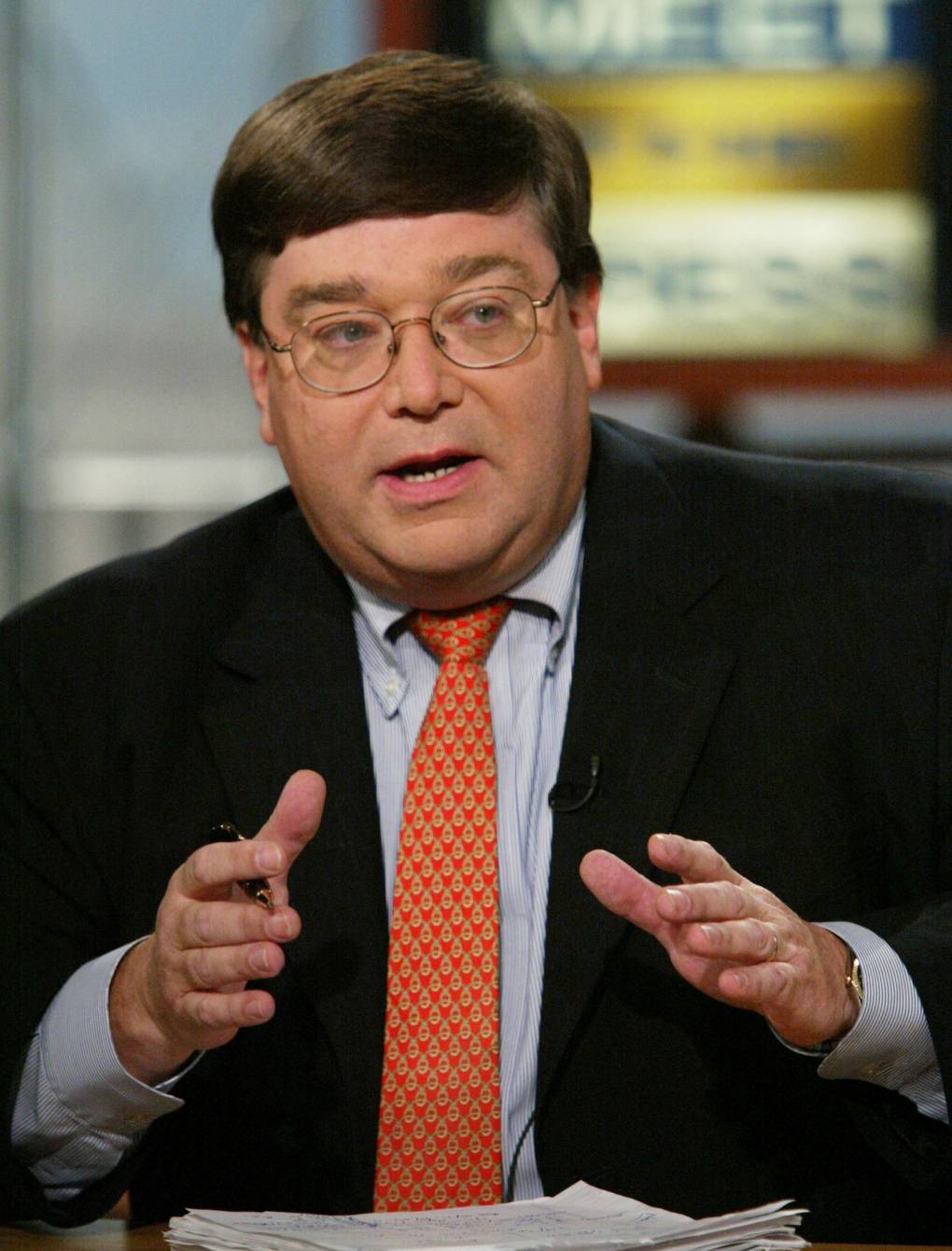
"caption": "Charlie Cook, editor and publisher of the Cook Political Report, speaks on NBC's 'Meet the Press' July 4, 2004 during a taping of the show at the NBC studios in Washington, DC. Cook talked about the presidential race between President George W. Bush and Senator John Kerry.",
"description": null,
"title": "Meet The Press",
"credit": "Alex Wong/Getty Images",
"status": "inherit",
"altTag": null,
"isLoading": false,
"fetchFailed": false
},
"news_11843210": {
"type": "attachments",
"id": "news_11843210",
"meta": {
"index": "attachments_1716263798",
"site": "news",
"id": "11843210",
"found": true
},
"parent": 11843123,
"imgSizes": {
"apple_news_ca_landscape_5_5": {
"file": "https://cdn.kqed.org/wp-content/uploads/sites/10/2020/10/RS45263_001_KQED_ElectionStockPhotos_TikaHall_10062020-qut-1044x783.jpg",
"width": 1044,
"mimeType": "image/jpeg",
"height": 783
},
"apple_news_ca_square_4_0": {
"file": "https://cdn.kqed.org/wp-content/uploads/sites/10/2020/10/RS45263_001_KQED_ElectionStockPhotos_TikaHall_10062020-qut-470x470.jpg",
"width": 470,
"mimeType": "image/jpeg",
"height": 470
},
"twentyfourteen-full-width": {
"file": "https://cdn.kqed.org/wp-content/uploads/sites/10/2020/10/RS45263_001_KQED_ElectionStockPhotos_TikaHall_10062020-qut-1038x576.jpg",
"width": 1038,
"mimeType": "image/jpeg",
"height": 576
},
"thumbnail": {
"file": "https://cdn.kqed.org/wp-content/uploads/sites/10/2020/10/RS45263_001_KQED_ElectionStockPhotos_TikaHall_10062020-qut-160x107.jpg",
"width": 160,
"mimeType": "image/jpeg",
"height": 107
},
"post-thumbnail": {
"file": "https://cdn.kqed.org/wp-content/uploads/sites/10/2020/10/RS45263_001_KQED_ElectionStockPhotos_TikaHall_10062020-qut-672x372.jpg",
"width": 672,
"mimeType": "image/jpeg",
"height": 372
},
"kqedFullSize": {
"file": "https://cdn.kqed.org/wp-content/uploads/sites/10/2020/10/RS45263_001_KQED_ElectionStockPhotos_TikaHall_10062020-qut.jpg",
"width": 1920,
"height": 1280
},
"apple_news_ca_landscape_4_7": {
"file": "https://cdn.kqed.org/wp-content/uploads/sites/10/2020/10/RS45263_001_KQED_ElectionStockPhotos_TikaHall_10062020-qut-632x474.jpg",
"width": 632,
"mimeType": "image/jpeg",
"height": 474
},
"large": {
"file": "https://cdn.kqed.org/wp-content/uploads/sites/10/2020/10/RS45263_001_KQED_ElectionStockPhotos_TikaHall_10062020-qut-1020x680.jpg",
"width": 1020,
"mimeType": "image/jpeg",
"height": 680
},
"apple_news_ca_landscape_4_0": {
"file": "https://cdn.kqed.org/wp-content/uploads/sites/10/2020/10/RS45263_001_KQED_ElectionStockPhotos_TikaHall_10062020-qut-536x402.jpg",
"width": 536,
"mimeType": "image/jpeg",
"height": 402
},
"apple_news_ca_portrait_12_9": {
"file": "https://cdn.kqed.org/wp-content/uploads/sites/10/2020/10/RS45263_001_KQED_ElectionStockPhotos_TikaHall_10062020-qut-1122x1280.jpg",
"width": 1122,
"mimeType": "image/jpeg",
"height": 1280
},
"medium": {
"file": "https://cdn.kqed.org/wp-content/uploads/sites/10/2020/10/RS45263_001_KQED_ElectionStockPhotos_TikaHall_10062020-qut-800x533.jpg",
"width": 800,
"mimeType": "image/jpeg",
"height": 533
},
"apple_news_ca_portrait_4_0": {
"file": "https://cdn.kqed.org/wp-content/uploads/sites/10/2020/10/RS45263_001_KQED_ElectionStockPhotos_TikaHall_10062020-qut-354x472.jpg",
"width": 354,
"mimeType": "image/jpeg",
"height": 472
},
"apple_news_ca_portrait_9_7": {
"file": "https://cdn.kqed.org/wp-content/uploads/sites/10/2020/10/RS45263_001_KQED_ElectionStockPhotos_TikaHall_10062020-qut-840x1120.jpg",
"width": 840,
"mimeType": "image/jpeg",
"height": 1120
},
"apple_news_ca_landscape_12_9": {
"file": "https://cdn.kqed.org/wp-content/uploads/sites/10/2020/10/RS45263_001_KQED_ElectionStockPhotos_TikaHall_10062020-qut-1832x1280.jpg",
"width": 1832,
"mimeType": "image/jpeg",
"height": 1280
},
"apple_news_ca_square_9_7": {
"file": "https://cdn.kqed.org/wp-content/uploads/sites/10/2020/10/RS45263_001_KQED_ElectionStockPhotos_TikaHall_10062020-qut-1104x1104.jpg",
"width": 1104,
"mimeType": "image/jpeg",
"height": 1104
},
"1536x1536": {
"file": "https://cdn.kqed.org/wp-content/uploads/sites/10/2020/10/RS45263_001_KQED_ElectionStockPhotos_TikaHall_10062020-qut-1536x1024.jpg",
"width": 1536,
"mimeType": "image/jpeg",
"height": 1024
},
"apple_news_ca_portrait_4_7": {
"file": "https://cdn.kqed.org/wp-content/uploads/sites/10/2020/10/RS45263_001_KQED_ElectionStockPhotos_TikaHall_10062020-qut-414x552.jpg",
"width": 414,
"mimeType": "image/jpeg",
"height": 552
},
"apple_news_ca_square_12_9": {
"file": "https://cdn.kqed.org/wp-content/uploads/sites/10/2020/10/RS45263_001_KQED_ElectionStockPhotos_TikaHall_10062020-qut-1472x1280.jpg",
"width": 1472,
"mimeType": "image/jpeg",
"height": 1280
},
"apple_news_ca_portrait_5_5": {
"file": "https://cdn.kqed.org/wp-content/uploads/sites/10/2020/10/RS45263_001_KQED_ElectionStockPhotos_TikaHall_10062020-qut-687x916.jpg",
"width": 687,
"mimeType": "image/jpeg",
"height": 916
},
"apple_news_ca_square_4_7": {
"file": "https://cdn.kqed.org/wp-content/uploads/sites/10/2020/10/RS45263_001_KQED_ElectionStockPhotos_TikaHall_10062020-qut-550x550.jpg",
"width": 550,
"mimeType": "image/jpeg",
"height": 550
},
"apple_news_ca_landscape_9_7": {
"file": "https://cdn.kqed.org/wp-content/uploads/sites/10/2020/10/RS45263_001_KQED_ElectionStockPhotos_TikaHall_10062020-qut-1376x1032.jpg",
"width": 1376,
"mimeType": "image/jpeg",
"height": 1032
},
"apple_news_ca_square_5_5": {
"file": "https://cdn.kqed.org/wp-content/uploads/sites/10/2020/10/RS45263_001_KQED_ElectionStockPhotos_TikaHall_10062020-qut-912x912.jpg",
"width": 912,
"mimeType": "image/jpeg",
"height": 912
}
},
"publishDate": 1603321981,
"modified": 1706906764,
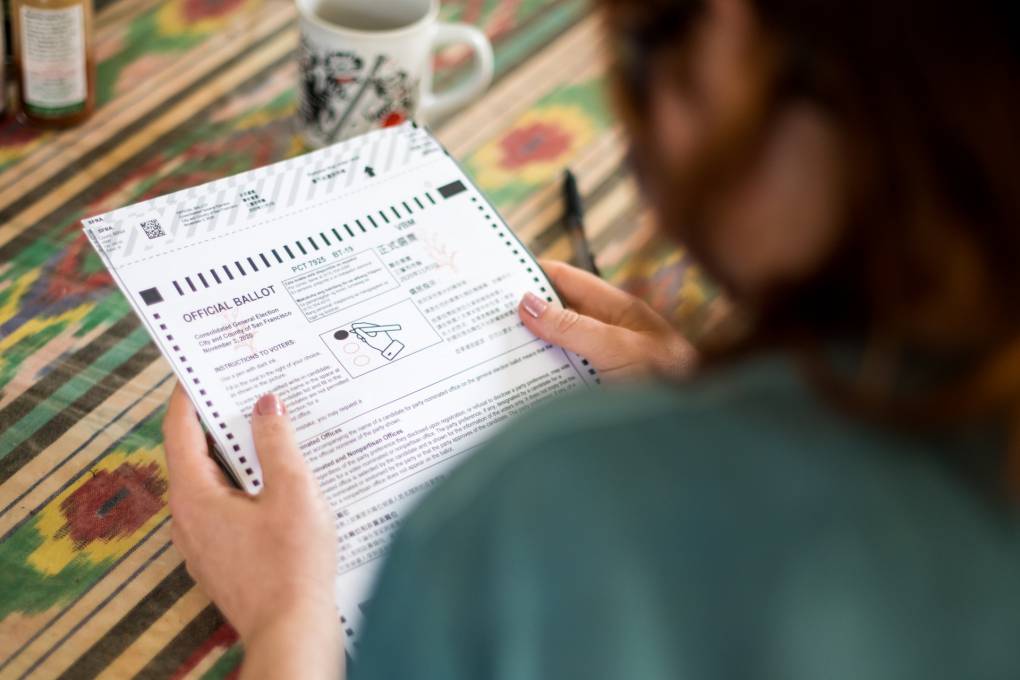
"caption": "A San Francisco resident fills out their mail-in ballot on Oct. 6, 2020.",
"description": "A San Francisco resident fills out their mail-in ballot on Oct. 6, 2020.",
"title": "how-to-fix-ballot-mistake",
"credit": "Beth LaBerge/KQED",
"status": "inherit",
"altTag": "A person wearing a green shirt holds a ballot.",
"isLoading": false,
"fetchFailed": false
},
"news_11976954": {
"type": "attachments",
"id": "news_11976954",
"meta": {
"index": "attachments_1716263798",
"site": "news",
"id": "11976954",
"found": true
},
"parent": 11976949,
"imgSizes": {
"twentyfourteen-full-width": {
"file": "https://cdn.kqed.org/wp-content/uploads/sites/10/2024/02/GettyImages-51622967-1010x576.jpg",
"width": 1010,
"mimeType": "image/jpeg",
"height": 576
},
"thumbnail": {
"file": "https://cdn.kqed.org/wp-content/uploads/sites/10/2024/02/GettyImages-51622967-160x112.jpg",
"width": 160,
"mimeType": "image/jpeg",
"height": 112
},
"post-thumbnail": {
"file": "https://cdn.kqed.org/wp-content/uploads/sites/10/2024/02/GettyImages-51622967-672x372.jpg",
"width": 672,
"mimeType": "image/jpeg",
"height": 372
},
"kqedFullSize": {
"file": "https://cdn.kqed.org/wp-content/uploads/sites/10/2024/02/GettyImages-51622967.jpg",
"width": 1010,
"height": 710
},
"medium": {
"file": "https://cdn.kqed.org/wp-content/uploads/sites/10/2024/02/GettyImages-51622967-800x562.jpg",
"width": 800,
"mimeType": "image/jpeg",
"height": 562
}
},
"publishDate": 1708721222,
"modified": 1708812631,
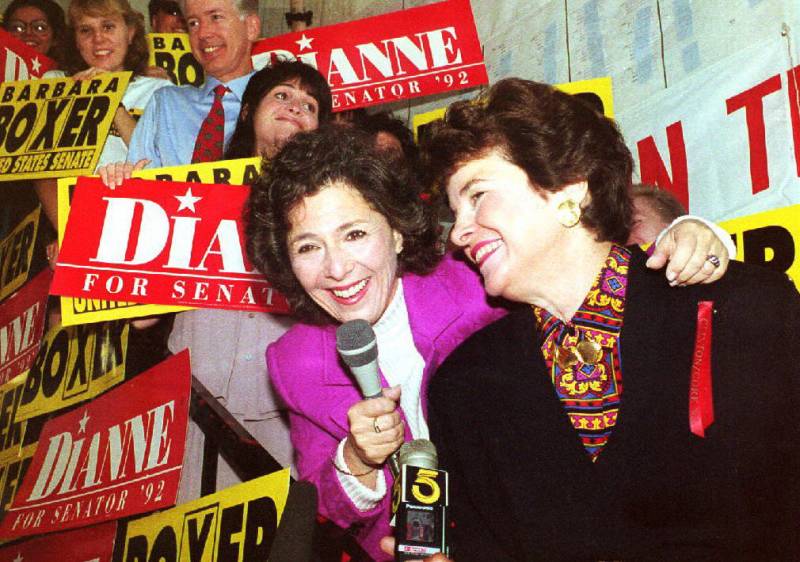
"caption": "US Senate Democratic candidates Dianne Feinstein (Right) and Barbara Boxer at a get-out-the-vote rally Nov. 2, 1992, a day before Election Day. Feinstein and Boxer, both from Northern California, were running against 2 Republican men from Southern California.",
"description": null,
"title": "U.S. Senate Democratic candidates Dianne Feinstein",
"credit": "MIKE NELSON/AFP via Getty Images",
"status": "inherit",
"altTag": null,
"isLoading": false,
"fetchFailed": false
},
"news_11914235": {
"type": "attachments",
"id": "news_11914235",
"meta": {
"index": "attachments_1716263798",
"site": "news",
"id": "11914235",
"found": true
},
"parent": 11913903,
"imgSizes": {
"twentyfourteen-full-width": {
"file": "https://cdn.kqed.org/wp-content/uploads/sites/10/2022/05/ballot-inserted-into-red-ballot-box-1038x576.jpg",
"width": 1038,
"mimeType": "image/jpeg",
"height": 576
},
"thumbnail": {
"file": "https://cdn.kqed.org/wp-content/uploads/sites/10/2022/05/ballot-inserted-into-red-ballot-box-160x107.jpg",
"width": 160,
"mimeType": "image/jpeg",
"height": 107
},
"post-thumbnail": {
"file": "https://cdn.kqed.org/wp-content/uploads/sites/10/2022/05/ballot-inserted-into-red-ballot-box-672x372.jpg",
"width": 672,
"mimeType": "image/jpeg",
"height": 372
},
"kqedFullSize": {
"file": "https://cdn.kqed.org/wp-content/uploads/sites/10/2022/05/ballot-inserted-into-red-ballot-box.jpg",
"width": 1536,
"height": 1024
},
"large": {
"file": "https://cdn.kqed.org/wp-content/uploads/sites/10/2022/05/ballot-inserted-into-red-ballot-box-1020x680.jpg",
"width": 1020,
"mimeType": "image/jpeg",
"height": 680
},
"medium": {
"file": "https://cdn.kqed.org/wp-content/uploads/sites/10/2022/05/ballot-inserted-into-red-ballot-box-800x533.jpg",
"width": 800,
"mimeType": "image/jpeg",
"height": 533
}
},
"publishDate": 1652661144,
"modified": 1706809757,
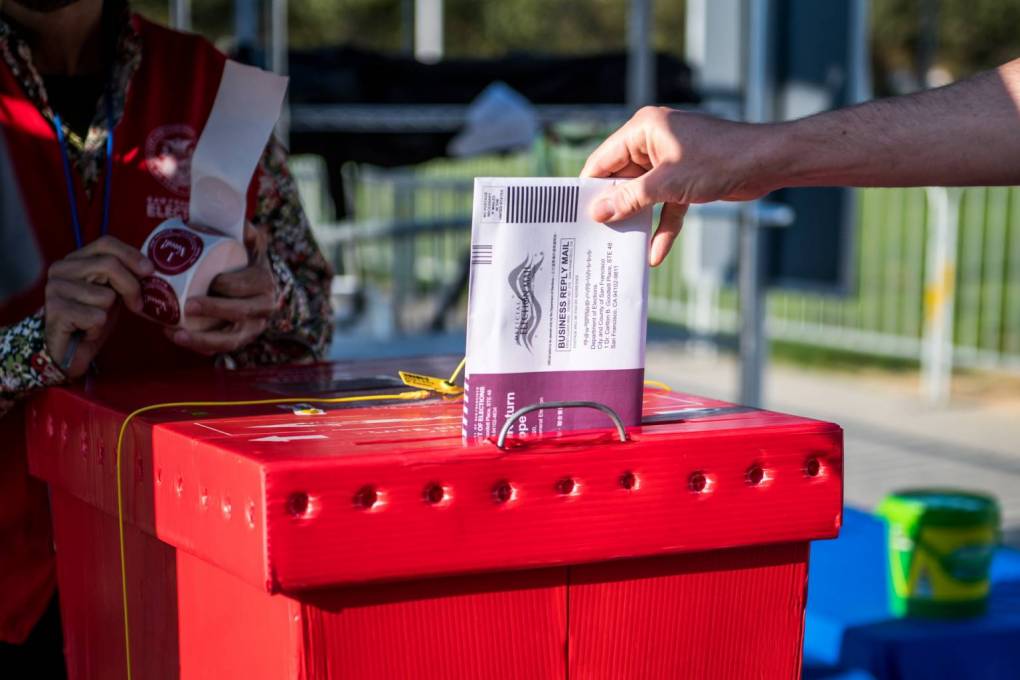
"caption": "Once you've filled out your ballot, where can you submit it?",
"description": null,
"title": "where-is-my-ballot-drop-box",
"credit": "Beth LaBerge/KQED",
"status": "inherit",
"altTag": "A hand places a ballot into a red ballot box.",
"isLoading": false,
"fetchFailed": false
},
"news_11696435": {
"type": "attachments",
"id": "news_11696435",
"meta": {
"index": "attachments_1716263798",
"site": "news",
"id": "11696435",
"found": true
},
"parent": 11696428,
"imgSizes": {
"small": {
"file": "https://ww2.kqed.org/app/uploads/sites/10/2018/10/RS24292_20170211_130621-qut-520x390.jpg",
"width": 520,
"mimeType": "image/jpeg",
"height": 390
},
"twentyfourteen-full-width": {
"file": "https://ww2.kqed.org/app/uploads/sites/10/2018/10/RS24292_20170211_130621-qut-1038x576.jpg",
"width": 1038,
"mimeType": "image/jpeg",
"height": 576
},
"thumbnail": {
"file": "https://ww2.kqed.org/app/uploads/sites/10/2018/10/RS24292_20170211_130621-qut-160x120.jpg",
"width": 160,
"mimeType": "image/jpeg",
"height": 120
},
"fd-sm": {
"file": "https://ww2.kqed.org/app/uploads/sites/10/2018/10/RS24292_20170211_130621-qut-960x720.jpg",
"width": 960,
"mimeType": "image/jpeg",
"height": 720
},
"post-thumbnail": {
"file": "https://ww2.kqed.org/app/uploads/sites/10/2018/10/RS24292_20170211_130621-qut-672x372.jpg",
"width": 672,
"mimeType": "image/jpeg",
"height": 372
},
"xsmall": {
"file": "https://ww2.kqed.org/app/uploads/sites/10/2018/10/RS24292_20170211_130621-qut-375x281.jpg",
"width": 375,
"mimeType": "image/jpeg",
"height": 281
},
"kqedFullSize": {
"file": "https://ww2.kqed.org/app/uploads/sites/10/2018/10/RS24292_20170211_130621-qut.jpg",
"width": 1920,
"height": 1440
},
"large": {
"file": "https://ww2.kqed.org/app/uploads/sites/10/2018/10/RS24292_20170211_130621-qut-1020x765.jpg",
"width": 1020,
"mimeType": "image/jpeg",
"height": 765
},
"xlarge": {
"file": "https://ww2.kqed.org/app/uploads/sites/10/2018/10/RS24292_20170211_130621-qut-1180x885.jpg",
"width": 1180,
"mimeType": "image/jpeg",
"height": 885
},
"complete_open_graph": {
"file": "https://ww2.kqed.org/app/uploads/sites/10/2018/10/RS24292_20170211_130621-qut-1200x900.jpg",
"width": 1200,
"mimeType": "image/jpeg",
"height": 900
},
"guest-author-50": {
"file": "https://ww2.kqed.org/app/uploads/sites/10/2018/10/RS24292_20170211_130621-qut-50x50.jpg",
"width": 50,
"mimeType": "image/jpeg",
"height": 50
},
"guest-author-96": {
"file": "https://ww2.kqed.org/app/uploads/sites/10/2018/10/RS24292_20170211_130621-qut-96x96.jpg",
"width": 96,
"mimeType": "image/jpeg",
"height": 96
},
"medium": {
"file": "https://ww2.kqed.org/app/uploads/sites/10/2018/10/RS24292_20170211_130621-qut-800x600.jpg",
"width": 800,
"mimeType": "image/jpeg",
"height": 600
},
"guest-author-64": {
"file": "https://ww2.kqed.org/app/uploads/sites/10/2018/10/RS24292_20170211_130621-qut-64x64.jpg",
"width": 64,
"mimeType": "image/jpeg",
"height": 64
},
"guest-author-32": {
"file": "https://ww2.kqed.org/app/uploads/sites/10/2018/10/RS24292_20170211_130621-qut-32x32.jpg",
"width": 32,
"mimeType": "image/jpeg",
"height": 32
},
"fd-lrg": {
"file": "https://ww2.kqed.org/app/uploads/sites/10/2018/10/RS24292_20170211_130621-qut-1920x1440.jpg",
"width": 1920,
"mimeType": "image/jpeg",
"height": 1440
},
"fd-med": {
"file": "https://ww2.kqed.org/app/uploads/sites/10/2018/10/RS24292_20170211_130621-qut-1180x885.jpg",
"width": 1180,
"mimeType": "image/jpeg",
"height": 885
},
"full-width": {
"file": "https://ww2.kqed.org/app/uploads/sites/10/2018/10/RS24292_20170211_130621-qut-1920x1440.jpg",
"width": 1920,
"mimeType": "image/jpeg",
"height": 1440
},
"detail": {
"file": "https://ww2.kqed.org/app/uploads/sites/10/2018/10/RS24292_20170211_130621-qut-150x150.jpg",
"width": 150,
"mimeType": "image/jpeg",
"height": 150
},
"guest-author-128": {
"file": "https://ww2.kqed.org/app/uploads/sites/10/2018/10/RS24292_20170211_130621-qut-128x128.jpg",
"width": 128,
"mimeType": "image/jpeg",
"height": 128
},
"xxsmall": {
"file": "https://ww2.kqed.org/app/uploads/sites/10/2018/10/RS24292_20170211_130621-qut-240x180.jpg",
"width": 240,
"mimeType": "image/jpeg",
"height": 180
}
},
"publishDate": 1538603975,
"modified": 1538687473,
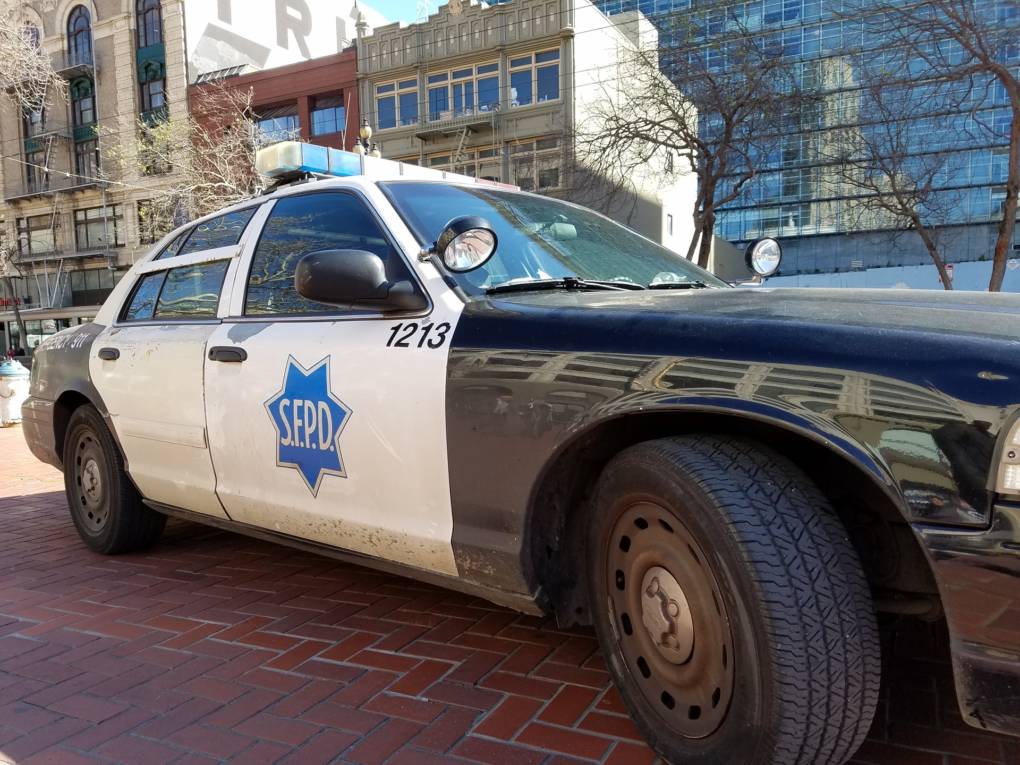
"caption": "An SFPD cruiser.",
"description": "An SFPD cruiser.",
"title": "RS24292_20170211_130621-qut",
"credit": "Alex Emslie/KQED",
"status": "inherit",
"isLoading": false,
"fetchFailed": false
},
"news_11932019": {
"type": "attachments",
"id": "news_11932019",
"meta": {
"index": "attachments_1716263798",
"site": "news",
"id": "11932019",
"found": true
},
"parent": 11932012,
"imgSizes": {
"thumbnail": {
"file": "https://ww2.kqed.org/app/uploads/sites/10/2022/11/GettyImages-1440583508-160x88.jpg",
"width": 160,
"mimeType": "image/jpeg",
"height": 88
},
"post-thumbnail": {
"file": "https://ww2.kqed.org/app/uploads/sites/10/2022/11/GettyImages-1440583508-672x372.jpg",
"width": 672,
"mimeType": "image/jpeg",
"height": 372
},
"kqedFullSize": {
"file": "https://ww2.kqed.org/app/uploads/sites/10/2022/11/GettyImages-1440583508.jpg",
"width": 1024,
"height": 566
},
"large": {
"file": "https://ww2.kqed.org/app/uploads/sites/10/2022/11/GettyImages-1440583508-1020x564.jpg",
"width": 1020,
"mimeType": "image/jpeg",
"height": 564
},
"medium": {
"file": "https://ww2.kqed.org/app/uploads/sites/10/2022/11/GettyImages-1440583508-800x442.jpg",
"width": 800,
"mimeType": "image/jpeg",
"height": 442
}
},
"publishDate": 1668136042,
"modified": 1673387268,
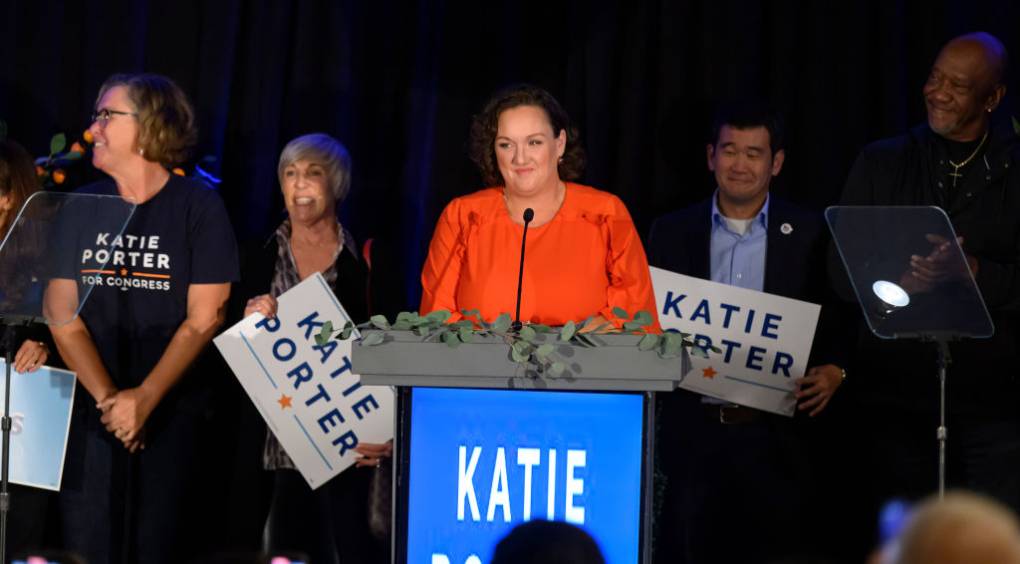
"caption": "US Rep. Katie Porter (D-Orange County) attends an election night watch party in Costa Mesa on Nov. 8, 2022. Porter, who won reelection in a close race against former state Assemblymember Scott Baugh, a Republican, in the newly redrawn 47th Congressional District, announced on Tuesday her bid for Dianne Feinstein's US Senate seat.",
"description": null,
"title": "U.S. Rep. Katie Porter election watch party 2022",
"credit": "Mindy Schauer/MediaNews Group-Orange County Register via Getty Images",
"status": "inherit",
"altTag": "Katie Porter with supporters at her election watch party.",
"isLoading": false,
"fetchFailed": false
},
"news_11976601": {
"type": "attachments",
"id": "news_11976601",
"meta": {
"index": "attachments_1716263798",
"site": "news",
"id": "11976601",
"found": true
},
"parent": 11976572,
"imgSizes": {
"twentyfourteen-full-width": {
"file": "https://cdn.kqed.org/wp-content/uploads/sites/10/2024/02/GettyImages-1428112503-1038x576.jpg",
"width": 1038,
"mimeType": "image/jpeg",
"height": 576
},
"thumbnail": {
"file": "https://cdn.kqed.org/wp-content/uploads/sites/10/2024/02/GettyImages-1428112503-160x105.jpg",
"width": 160,
"mimeType": "image/jpeg",
"height": 105
},
"post-thumbnail": {
"file": "https://cdn.kqed.org/wp-content/uploads/sites/10/2024/02/GettyImages-1428112503-672x372.jpg",
"width": 672,
"mimeType": "image/jpeg",
"height": 372
},
"kqedFullSize": {
"file": "https://cdn.kqed.org/wp-content/uploads/sites/10/2024/02/GettyImages-1428112503-scaled.jpg",
"width": 2560,
"height": 1684
},
"2048x2048": {
"file": "https://cdn.kqed.org/wp-content/uploads/sites/10/2024/02/GettyImages-1428112503-2048x1347.jpg",
"width": 2048,
"mimeType": "image/jpeg",
"height": 1347
},
"large": {
"file": "https://cdn.kqed.org/wp-content/uploads/sites/10/2024/02/GettyImages-1428112503-1020x671.jpg",
"width": 1020,
"mimeType": "image/jpeg",
"height": 671
},
"1536x1536": {
"file": "https://cdn.kqed.org/wp-content/uploads/sites/10/2024/02/GettyImages-1428112503-1536x1010.jpg",
"width": 1536,
"mimeType": "image/jpeg",
"height": 1010
},
"full-width": {
"file": "https://cdn.kqed.org/wp-content/uploads/sites/10/2024/02/GettyImages-1428112503-1920x1263.jpg",
"width": 1920,
"mimeType": "image/jpeg",
"height": 1263
},
"medium": {
"file": "https://cdn.kqed.org/wp-content/uploads/sites/10/2024/02/GettyImages-1428112503-800x526.jpg",
"width": 800,
"mimeType": "image/jpeg",
"height": 526
}
},
"publishDate": 1708552737,
"modified": 1708552737,
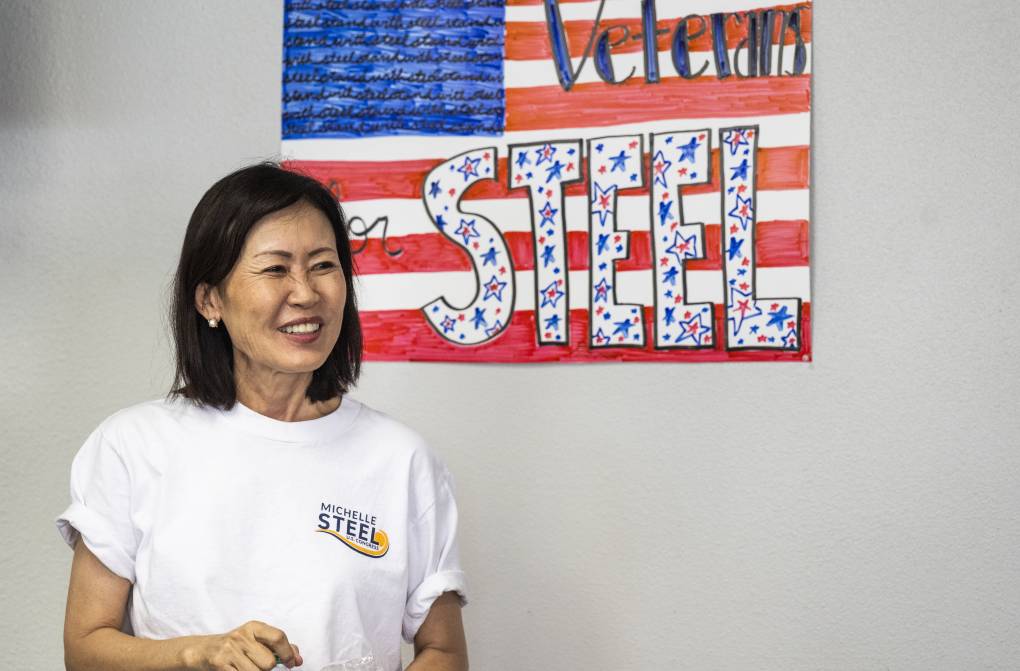
"caption": "BUENA PARK, CA - September 26: Rep. Michelle Steel, R-Huntington Beach waits to speak to supporters at her campaign office in Buena Park, CA on Monday, September 26, 2022. (Photo by Paul Bersebach/MediaNews Group/Orange County Register via Getty Images)",
"description": null,
"title": "Rep. Michelle Steel campaigning in California",
"credit": null,
"status": "inherit",
"altTag": null,
"isLoading": false,
"fetchFailed": false
},
"news_11975014": {
"type": "attachments",
"id": "news_11975014",
"meta": {
"index": "attachments_1716263798",
"site": "news",
"id": "11975014",
"found": true
},
"parent": 11974991,
"imgSizes": {
"twentyfourteen-full-width": {
"file": "https://cdn.kqed.org/wp-content/uploads/sites/10/2024/02/Prop1-behavioral-health-spending-1038x576.jpg",
"width": 1038,
"mimeType": "image/jpeg",
"height": 576
},
"thumbnail": {
"file": "https://cdn.kqed.org/wp-content/uploads/sites/10/2024/02/Prop1-behavioral-health-spending-160x107.jpg",
"width": 160,
"mimeType": "image/jpeg",
"height": 107
},
"post-thumbnail": {
"file": "https://cdn.kqed.org/wp-content/uploads/sites/10/2024/02/Prop1-behavioral-health-spending-672x372.jpg",
"width": 672,
"mimeType": "image/jpeg",
"height": 372
},
"kqedFullSize": {
"file": "https://cdn.kqed.org/wp-content/uploads/sites/10/2024/02/Prop1-behavioral-health-spending.jpg",
"width": 1920,
"height": 1280
},
"large": {
"file": "https://cdn.kqed.org/wp-content/uploads/sites/10/2024/02/Prop1-behavioral-health-spending-1020x680.jpg",
"width": 1020,
"mimeType": "image/jpeg",
"height": 680
},
"1536x1536": {
"file": "https://cdn.kqed.org/wp-content/uploads/sites/10/2024/02/Prop1-behavioral-health-spending-1536x1024.jpg",
"width": 1536,
"mimeType": "image/jpeg",
"height": 1024
},
"medium": {
"file": "https://cdn.kqed.org/wp-content/uploads/sites/10/2024/02/Prop1-behavioral-health-spending-800x533.jpg",
"width": 800,
"mimeType": "image/jpeg",
"height": 533
}
},
"publishDate": 1707337731,
"modified": 1707337822,
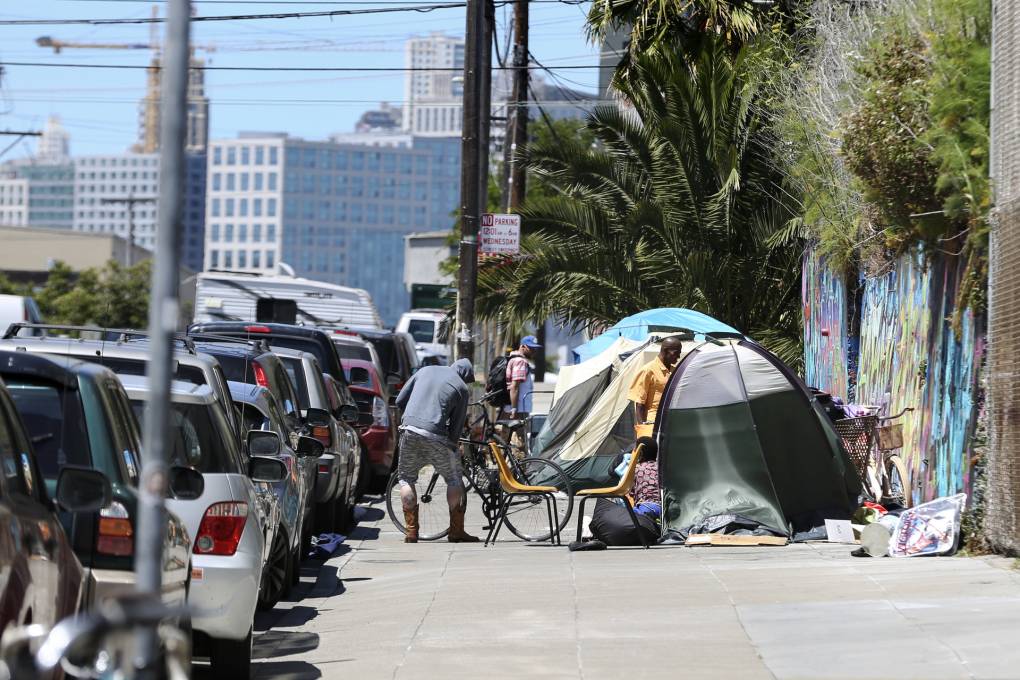
"caption": "A homeless encampment located on Florida St in the Mission District of San Francisco, Calif.",
"description": null,
"title": "Prop1-behavioral-health-spending",
"credit": "Brittany Hosea-Small/KQED",
"status": "inherit",
"altTag": "A wide San Francisco with a tent encampment.",
"isLoading": false,
"fetchFailed": false
},
"news_11976262": {
"type": "attachments",
"id": "news_11976262",
"meta": {
"index": "attachments_1716263798",
"site": "news",
"id": "11976262",
"found": true
},
"parent": 11976260,
"imgSizes": {
"twentyfourteen-full-width": {
"file": "https://cdn.kqed.org/wp-content/uploads/sites/10/2024/02/110723_Shasta-Election_FG_CM_02-copy-1038x576.jpg",
"width": 1038,
"mimeType": "image/jpeg",
"height": 576
},
"thumbnail": {
"file": "https://cdn.kqed.org/wp-content/uploads/sites/10/2024/02/110723_Shasta-Election_FG_CM_02-copy-160x107.jpg",
"width": 160,
"mimeType": "image/jpeg",
"height": 107
},
"post-thumbnail": {
"file": "https://cdn.kqed.org/wp-content/uploads/sites/10/2024/02/110723_Shasta-Election_FG_CM_02-copy-672x372.jpg",
"width": 672,
"mimeType": "image/jpeg",
"height": 372
},
"kqedFullSize": {
"file": "https://cdn.kqed.org/wp-content/uploads/sites/10/2024/02/110723_Shasta-Election_FG_CM_02-copy.jpg",
"width": 2000,
"height": 1333
},
"large": {
"file": "https://cdn.kqed.org/wp-content/uploads/sites/10/2024/02/110723_Shasta-Election_FG_CM_02-copy-1020x680.jpg",
"width": 1020,
"mimeType": "image/jpeg",
"height": 680
},
"1536x1536": {
"file": "https://cdn.kqed.org/wp-content/uploads/sites/10/2024/02/110723_Shasta-Election_FG_CM_02-copy-1536x1024.jpg",
"width": 1536,
"mimeType": "image/jpeg",
"height": 1024
},
"full-width": {
"file": "https://cdn.kqed.org/wp-content/uploads/sites/10/2024/02/110723_Shasta-Election_FG_CM_02-copy-1920x1280.jpg",
"width": 1920,
"mimeType": "image/jpeg",
"height": 1280
},
"medium": {
"file": "https://cdn.kqed.org/wp-content/uploads/sites/10/2024/02/110723_Shasta-Election_FG_CM_02-copy-800x533.jpg",
"width": 800,
"mimeType": "image/jpeg",
"height": 533
}
},
"publishDate": 1708122373,
"modified": 1708132194,
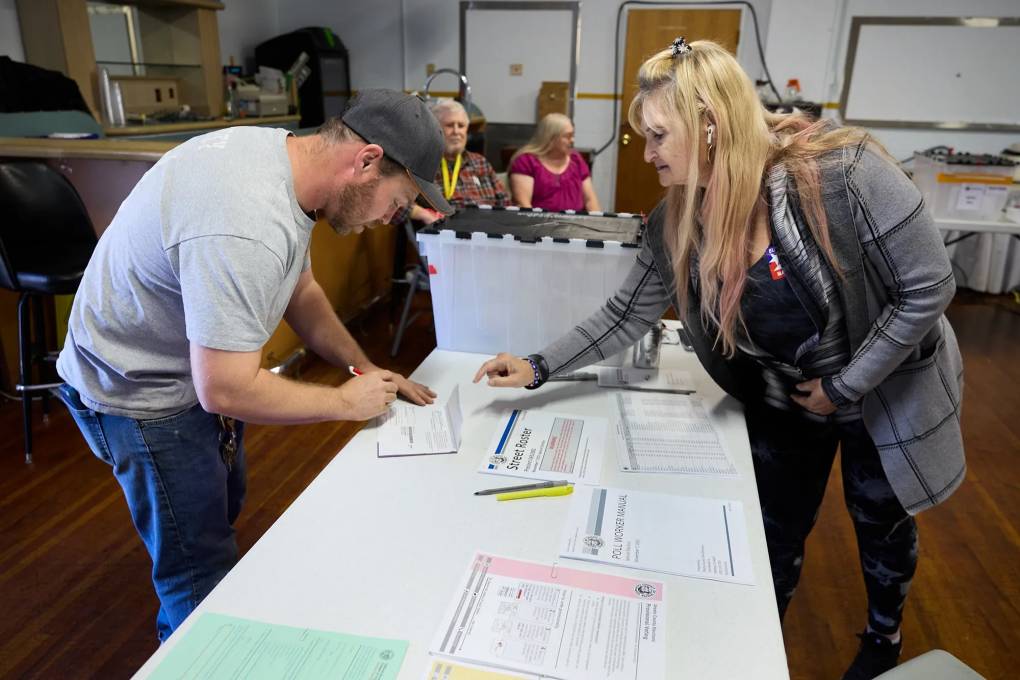
"caption": "Poll worker Regina Jasperse (right) helps Joey Knighten (left) fill out his mail-in ballot at a polling station at the American Legion in Shasta Lake on Nov. 7, 2023.",
"description": null,
"title": "110723_Shasta-Election_FG_CM_02 copy",
"credit": "Fred Greaves for CalMatters",
"status": "inherit",
"altTag": "A woman points to a man's ballot as he fills it out. Two other people sit in the background.",
"isLoading": false,
"fetchFailed": false
},
"news_11972098": {
"type": "attachments",
"id": "news_11972098",
"meta": {
"index": "attachments_1716263798",
"site": "news",
"id": "11972098",
"found": true
},
"parent": 11972097,
"imgSizes": {
"twentyfourteen-full-width": {
"file": "https://cdn.kqed.org/wp-content/uploads/sites/10/2024/01/240108-POLITICAL-BREAKDOWN-MD-02-KQED-1038x576.jpg",
"width": 1038,
"mimeType": "image/jpeg",
"height": 576
},
"thumbnail": {
"file": "https://cdn.kqed.org/wp-content/uploads/sites/10/2024/01/240108-POLITICAL-BREAKDOWN-MD-02-KQED-160x107.jpg",
"width": 160,
"mimeType": "image/jpeg",
"height": 107
},
"post-thumbnail": {
"file": "https://cdn.kqed.org/wp-content/uploads/sites/10/2024/01/240108-POLITICAL-BREAKDOWN-MD-02-KQED-672x372.jpg",
"width": 672,
"mimeType": "image/jpeg",
"height": 372
},
"kqedFullSize": {
"file": "https://cdn.kqed.org/wp-content/uploads/sites/10/2024/01/240108-POLITICAL-BREAKDOWN-MD-02-KQED.jpg",
"width": 2000,
"height": 1333
},
"large": {
"file": "https://cdn.kqed.org/wp-content/uploads/sites/10/2024/01/240108-POLITICAL-BREAKDOWN-MD-02-KQED-1020x680.jpg",
"width": 1020,
"mimeType": "image/jpeg",
"height": 680
},
"1536x1536": {
"file": "https://cdn.kqed.org/wp-content/uploads/sites/10/2024/01/240108-POLITICAL-BREAKDOWN-MD-02-KQED-1536x1024.jpg",
"width": 1536,
"mimeType": "image/jpeg",
"height": 1024
},
"full-width": {
"file": "https://cdn.kqed.org/wp-content/uploads/sites/10/2024/01/240108-POLITICAL-BREAKDOWN-MD-02-KQED-1920x1280.jpg",
"width": 1920,
"mimeType": "image/jpeg",
"height": 1280
},
"medium": {
"file": "https://cdn.kqed.org/wp-content/uploads/sites/10/2024/01/240108-POLITICAL-BREAKDOWN-MD-02-KQED-800x533.jpg",
"width": 800,
"mimeType": "image/jpeg",
"height": 533
}
},
"publishDate": 1704840685,
"modified": 1704840842,
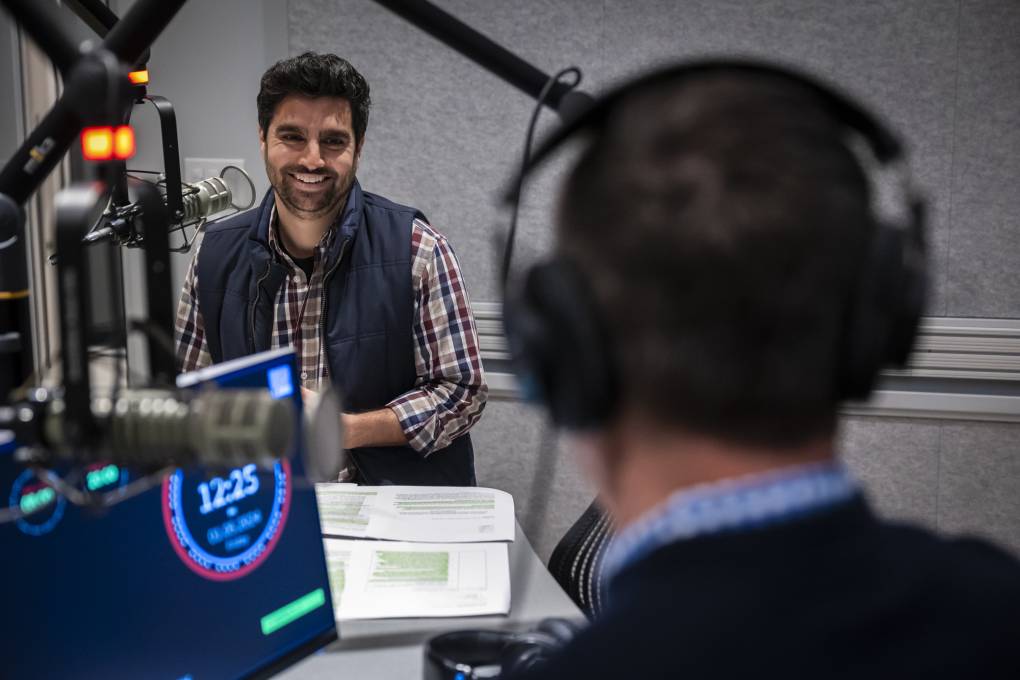
"caption": "KQED’s Scott Shafer talks with Jonathan Mehta Stein, head of Common Cause, to discuss threats posed by technology for this election. (Photo by: Martin do Nascimento/KQED)\n",
"description": "KQED’s Scott Shafer talks with Jonathan Mehta Stein, head of Common Cause, to discuss threats posed by technology for this election. (Photo by: Martin do Nascimento/KQED)",
"title": "Jonathan Mehta Stein",
"credit": null,
"status": "inherit",
"altTag": null,
"isLoading": false,
"fetchFailed": false
},
"news_11976259": {
"type": "attachments",
"id": "news_11976259",
"meta": {
"index": "attachments_1716263798",
"site": "news",
"id": "11976259",
"found": true
},
"title": "SAG-AFTRA Los Angeles Solidarity March And Rally",
"publishDate": 1708122095,
"status": "inherit",
"parent": 11976227,
"modified": 1749686047,
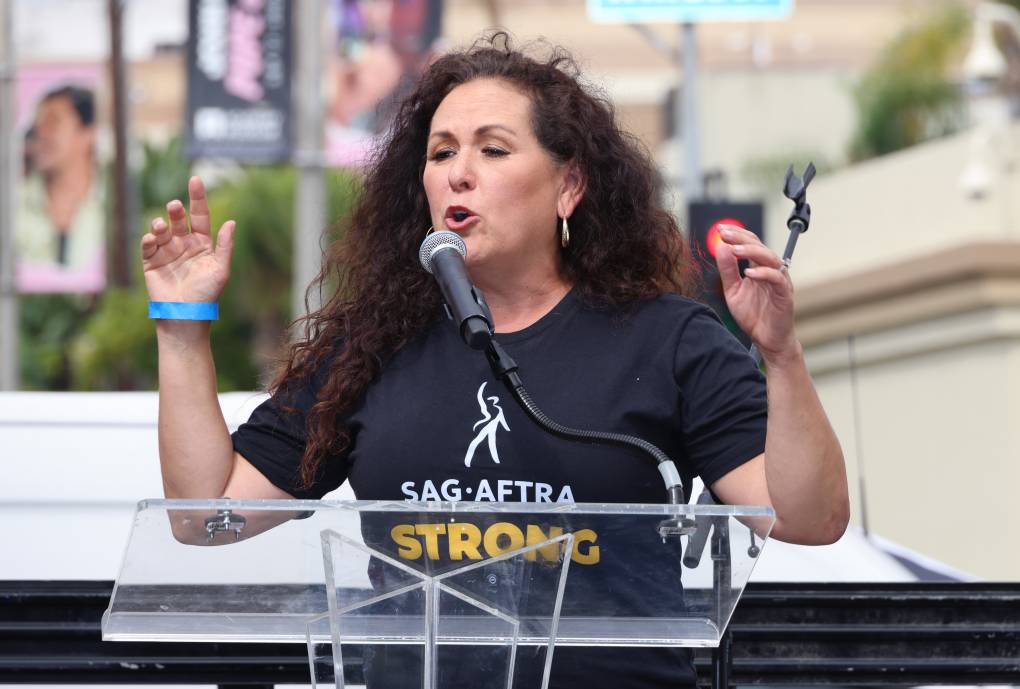
"caption": "Lorena Gonzalez speaks on stage at the SAG-AFTRA Los Angeles Solidarity March and Rally on Sept. 13, 2023, in Los Angeles. ",
"credit": "David Livingston/Getty Images",
"altTag": null,
"description": null,
"imgSizes": {
"medium": {
"file": "https://cdn.kqed.org/wp-content/uploads/sites/10/2024/02/GettyImages-1679108716-800x541.jpg",
"width": 800,
"height": 541,
"mimeType": "image/jpeg"
},
"large": {
"file": "https://cdn.kqed.org/wp-content/uploads/sites/10/2024/02/GettyImages-1679108716-1020x689.jpg",
"width": 1020,
"height": 689,
"mimeType": "image/jpeg"
},
"thumbnail": {
"file": "https://cdn.kqed.org/wp-content/uploads/sites/10/2024/02/GettyImages-1679108716-160x108.jpg",
"width": 160,
"height": 108,
"mimeType": "image/jpeg"
},
"1536x1536": {
"file": "https://cdn.kqed.org/wp-content/uploads/sites/10/2024/02/GettyImages-1679108716-1536x1038.jpg",
"width": 1536,
"height": 1038,
"mimeType": "image/jpeg"
},
"2048x2048": {
"file": "https://cdn.kqed.org/wp-content/uploads/sites/10/2024/02/GettyImages-1679108716-2048x1384.jpg",
"width": 2048,
"height": 1384,
"mimeType": "image/jpeg"
},
"post-thumbnail": {
"file": "https://cdn.kqed.org/wp-content/uploads/sites/10/2024/02/GettyImages-1679108716-672x372.jpg",
"width": 672,
"height": 372,
"mimeType": "image/jpeg"
},
"twentyfourteen-full-width": {
"file": "https://cdn.kqed.org/wp-content/uploads/sites/10/2024/02/GettyImages-1679108716-1038x576.jpg",
"width": 1038,
"height": 576,
"mimeType": "image/jpeg"
},
"full-width": {
"file": "https://cdn.kqed.org/wp-content/uploads/sites/10/2024/02/GettyImages-1679108716-1920x1298.jpg",
"width": 1920,
"height": 1298,
"mimeType": "image/jpeg"
},
"kqedFullSize": {
"file": "https://cdn.kqed.org/wp-content/uploads/sites/10/2024/02/GettyImages-1679108716-scaled-e1762375365136.jpg",
"width": 2000,
"height": 1352
}
},
"isLoading": false,
"fetchFailed": false
},
"news_11972787": {
"type": "attachments",
"id": "news_11972787",
"meta": {
"index": "attachments_1716263798",
"site": "news",
"id": "11972787",
"found": true
},
"parent": 11972769,
"imgSizes": {
"twentyfourteen-full-width": {
"file": "https://cdn.kqed.org/wp-content/uploads/sites/10/2024/01/231205-SolanoCountyFarmers-68-BL-qut-1-1038x576.jpg",
"width": 1038,
"mimeType": "image/jpeg",
"height": 576
},
"thumbnail": {
"file": "https://cdn.kqed.org/wp-content/uploads/sites/10/2024/01/231205-SolanoCountyFarmers-68-BL-qut-1-160x107.jpg",
"width": 160,
"mimeType": "image/jpeg",
"height": 107
},
"post-thumbnail": {
"file": "https://cdn.kqed.org/wp-content/uploads/sites/10/2024/01/231205-SolanoCountyFarmers-68-BL-qut-1-672x372.jpg",
"width": 672,
"mimeType": "image/jpeg",
"height": 372
},
"kqedFullSize": {
"file": "https://cdn.kqed.org/wp-content/uploads/sites/10/2024/01/231205-SolanoCountyFarmers-68-BL-qut-1.jpg",
"width": 1920,
"height": 1280
},
"large": {
"file": "https://cdn.kqed.org/wp-content/uploads/sites/10/2024/01/231205-SolanoCountyFarmers-68-BL-qut-1-1020x680.jpg",
"width": 1020,
"mimeType": "image/jpeg",
"height": 680
},
"1536x1536": {
"file": "https://cdn.kqed.org/wp-content/uploads/sites/10/2024/01/231205-SolanoCountyFarmers-68-BL-qut-1-1536x1024.jpg",
"width": 1536,
"mimeType": "image/jpeg",
"height": 1024
},
"medium": {
"file": "https://cdn.kqed.org/wp-content/uploads/sites/10/2024/01/231205-SolanoCountyFarmers-68-BL-qut-1-800x533.jpg",
"width": 800,
"mimeType": "image/jpeg",
"height": 533
}
},
"publishDate": 1705452274,
"modified": 1705452302,
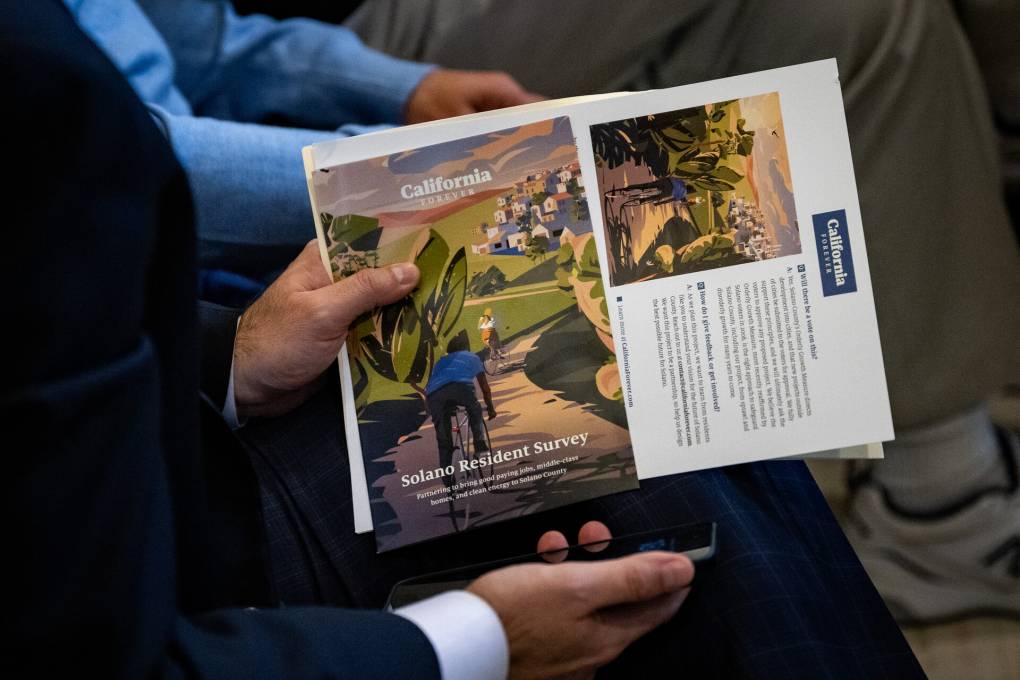
"caption": "Local residents fill a town hall meeting in Rio Vista on Dec. 5, 2023, for California Forever, a proposed California city backed by Silicon Valley investors on farmland in eastern Solano County.",
"description": null,
"title": "231205-SolanoCountyFarmers-68-BL-qut",
"credit": "Beth LaBerge/KQED",
"status": "inherit",
"altTag": null,
"isLoading": false,
"fetchFailed": false
}
},
"audioPlayerReducer": {
"postId": "stream_live",
"isPaused": true,
"isPlaying": false,
"pfsActive": false,
"pledgeModalIsOpen": true,
"playerDrawerIsOpen": false,
"liveAudioPlayStartedAt": 0,
"liveAudioPlayContext": ""
},
"authorsReducer": {
"byline_news_11976260": {
"type": "authors",
"id": "byline_news_11976260",
"meta": {
"override": true
},
"slug": "byline_news_11976260",
"name": "\u003ca href=\"https://calmatters.org/author/alexei-koseff/\">Alexei Koseff\u003c/a>",
"isLoading": false
},
"gmarzorati": {
"type": "authors",
"id": "227",
"meta": {
"index": "authors_1716337520",
"id": "227",
"found": true
},
"name": "Guy Marzorati",
"firstName": "Guy",
"lastName": "Marzorati",
"slug": "gmarzorati",
"email": "gmarzorati@KQED.org",
"display_author_email": true,
"staff_mastheads": [
"news"
],
"title": "Correspondent",
"bio": "Guy Marzorati is a correspondent on KQED's California Politics and Government Desk, based in San Jose. A graduate of Santa Clara University, Guy joined KQED in 2013. He reports on state and local politics and produces KQED's digital voter guide.",
"avatar": "https://secure.gravatar.com/avatar/e7038b8dbfd55b104369b76b1cd0b9de?s=600&d=blank&r=g",
"twitter": "guymarzorati",
"facebook": null,
"instagram": null,
"linkedin": null,
"sites": [
{
"site": "",
"roles": [
"editor"
]
},
{
"site": "news",
"roles": [
"editor"
]
},
{
"site": "science",
"roles": [
"editor"
]
},
{
"site": "forum",
"roles": [
"editor"
]
},
{
"site": "elections",
"roles": [
"editor"
]
},
{
"site": "liveblog",
"roles": [
"editor"
]
}
],
"headData": {
"title": "Guy Marzorati | KQED",
"description": "Correspondent",
"ogImgSrc": "https://secure.gravatar.com/avatar/e7038b8dbfd55b104369b76b1cd0b9de?s=600&d=blank&r=g",
"twImgSrc": "https://secure.gravatar.com/avatar/e7038b8dbfd55b104369b76b1cd0b9de?s=600&d=blank&r=g"
},
"isLoading": false,
"link": "/author/gmarzorati"
},
"scottshafer": {
"type": "authors",
"id": "255",
"meta": {
"index": "authors_1716337520",
"id": "255",
"found": true
},
"name": "Scott Shafer",
"firstName": "Scott",
"lastName": "Shafer",
"slug": "scottshafer",
"email": "sshafer@kqed.org",
"display_author_email": false,
"staff_mastheads": [
"news"
],
"title": "KQED Contributor",
"bio": "Scott Shafer is a senior editor with the KQED Politics and Government desk. He is co-host of Political Breakdown, the award-winning radio show and podcast with a personal take on the world of politics. Scott came to KQED in 1998 to host the statewide\u003cem> California Report\u003c/em>. Prior to that he had extended stints in politics and government\u003cem>.\u003c/em> He uses that inside experience at KQED in his, reporting, hosting and analysis for the politics desk. Scott collaborated \u003cem>Political Breakdown a\u003c/em>nd on \u003cem>The Political Mind of Jerry Brown, \u003c/em>an eight-part series about the life and extraordinary political career of the former governor. For fun, he plays water polo with the San Francisco Tsunami.",
"avatar": "https://secure.gravatar.com/avatar/a62ebae45b79d7aed1a39a0e3bf68104?s=600&d=blank&r=g",
"twitter": "scottshafer",
"bluesky": null,
"facebook": null,
"instagram": null,
"linkedin": null,
"sites": [
{
"site": "news",
"roles": [
"editor"
]
},
{
"site": "stateofhealth",
"roles": [
"author"
]
},
{
"site": "science",
"roles": [
"author"
]
},
{
"site": "forum",
"roles": [
"subscriber"
]
},
{
"site": "liveblog",
"roles": [
"author"
]
}
],
"headData": {
"title": "Scott Shafer | KQED",
"description": "KQED Contributor",
"ogImgSrc": "https://secure.gravatar.com/avatar/a62ebae45b79d7aed1a39a0e3bf68104?s=600&d=blank&r=g",
"twImgSrc": "https://secure.gravatar.com/avatar/a62ebae45b79d7aed1a39a0e3bf68104?s=600&d=blank&r=g"
},
"isLoading": false,
"link": "/author/scottshafer"
},
"mlagos": {
"type": "authors",
"id": "3239",
"meta": {
"index": "authors_1716337520",
"id": "3239",
"found": true
},
"name": "Marisa Lagos",
"firstName": "Marisa",
"lastName": "Lagos",
"slug": "mlagos",
"email": "mlagos@kqed.org",
"display_author_email": false,
"staff_mastheads": [
"news"
],
"title": "KQED Contributor",
"bio": "Marisa Lagos is a correspondent for KQED’s California Politics and Government Desk and co-hosts the award-winning show and podcast, Political Breakdown. At KQED, Lagos also conducts reporting, analysis and investigations into state, local and national politics for radio, TV, online and onstage. In 2022, she and co-host, Scott Shafer, moderated the only gubernatorial debate in California. In 2020, the \u003ci>Washington Post\u003c/i> named her one of the top political journalists in California; she was nominated for a Peabody and won several other awards for her work investigating the 2017 California wildfires. She has worked at the \u003ci>San Francisco Chronicle\u003c/i>, \u003ci>San Francisco Examiner\u003c/i> and \u003ci>Los Angeles Times\u003c/i>. A UC Santa Barbara graduate, she lives in San Francisco with her two sons and husband.",
"avatar": "https://secure.gravatar.com/avatar/a261a0d3696fc066871ef96b85b5e7d2?s=600&d=blank&r=g",
"twitter": "@mlagos",
"facebook": null,
"instagram": null,
"linkedin": null,
"sites": [
{
"site": "arts",
"roles": [
"author"
]
},
{
"site": "news",
"roles": [
"editor"
]
},
{
"site": "science",
"roles": [
"editor"
]
},
{
"site": "forum",
"roles": [
"author"
]
},
{
"site": "liveblog",
"roles": [
"author"
]
}
],
"headData": {
"title": "Marisa Lagos | KQED",
"description": "KQED Contributor",
"ogImgSrc": "https://secure.gravatar.com/avatar/a261a0d3696fc066871ef96b85b5e7d2?s=600&d=blank&r=g",
"twImgSrc": "https://secure.gravatar.com/avatar/a261a0d3696fc066871ef96b85b5e7d2?s=600&d=blank&r=g"
},
"isLoading": false,
"link": "/author/mlagos"
},
"carlysevern": {
"type": "authors",
"id": "3243",
"meta": {
"index": "authors_1716337520",
"id": "3243",
"found": true
},
"name": "Carly Severn",
"firstName": "Carly",
"lastName": "Severn",
"slug": "carlysevern",
"email": "csevern@kqed.org",
"display_author_email": false,
"staff_mastheads": [
"news"
],
"title": "Senior Editor, Audience News ",
"bio": "Carly is KQED's Senior Editor of Audience News on the Digital News team, and has reported for the California Report Magazine, Bay Curious and KQED Arts. She's formerly the host of \u003ca href=\"http://ww2.kqed.org/pop/category/the-cooler/\" rel=\"noopener noreferrer\">The Cooler\u003c/a> podcast.",
"avatar": "https://secure.gravatar.com/avatar/54037bf5c128fe678f0ef26cec97a93f2e7f220a22d7285703328f12c42c1b1d?s=600&d=blank&r=g",
"twitter": "teacupinthebay",
"bluesky": null,
"facebook": null,
"instagram": null,
"linkedin": null,
"sites": [
{
"site": "",
"roles": [
"editor"
]
},
{
"site": "arts",
"roles": [
"editor"
]
},
{
"site": "news",
"roles": [
"administrator"
]
},
{
"site": "pop",
"roles": [
"editor"
]
},
{
"site": "futureofyou",
"roles": [
"editor"
]
},
{
"site": "about",
"roles": [
"administrator"
]
},
{
"site": "mindshift",
"roles": [
"editor"
]
},
{
"site": "bayareabites",
"roles": [
"editor"
]
},
{
"site": "stateofhealth",
"roles": [
"editor"
]
},
{
"site": "science",
"roles": [
"editor"
]
},
{
"site": "food",
"roles": [
"contributor"
]
},
{
"site": "forum",
"roles": [
"editor"
]
},
{
"site": "perspectives",
"roles": [
"administrator"
]
},
{
"site": "liveblog",
"roles": [
"editor"
]
}
],
"headData": {
"title": "Carly Severn | KQED",
"description": "Senior Editor, Audience News ",
"ogImgSrc": "https://secure.gravatar.com/avatar/54037bf5c128fe678f0ef26cec97a93f2e7f220a22d7285703328f12c42c1b1d?s=600&d=blank&r=g",
"twImgSrc": "https://secure.gravatar.com/avatar/54037bf5c128fe678f0ef26cec97a93f2e7f220a22d7285703328f12c42c1b1d?s=600&d=blank&r=g"
},
"isLoading": false,
"link": "/author/carlysevern"
},
"ecruzguevarra": {
"type": "authors",
"id": "8654",
"meta": {
"index": "authors_1716337520",
"id": "8654",
"found": true
},
"name": "Ericka Cruz Guevarra",
"firstName": "Ericka",
"lastName": "Cruz Guevarra",
"slug": "ecruzguevarra",
"email": "ecruzguevarra@kqed.org",
"display_author_email": true,
"staff_mastheads": [
"news"
],
"title": "Producer, The Bay Podcast",
"bio": "Ericka Cruz Guevarra is host of \u003ca href=\"https://www.kqed.org/podcasts/thebay\">\u003cem>The Bay\u003c/em>\u003c/a> podcast at KQED. Before host, she was the show’s producer. Her work in that capacity includes a three-part reported series on policing in Vallejo, which won a 2020 excellence in journalism award from the Society of Professional Journalists. Ericka has worked as a breaking news reporter at Oregon Public Broadcasting, helped produce the Code Switch podcast, and was KQED’s inaugural Raul Ramirez Diversity Fund intern. She’s also an alumna of NPR’s Next Generation Radio program. Send her an email if you have strong feelings about whether Fairfield and Suisun City are the Bay. Ericka is represented by SAG-AFTRA.",
"avatar": "https://secure.gravatar.com/avatar/accefc1de4bafc7e234b69bcb9b6f6536c130fd84709bc3069ef11a78787e1bb?s=600&d=blank&r=g",
"twitter": "NotoriousECG",
"bluesky": null,
"facebook": null,
"instagram": null,
"linkedin": null,
"sites": [
{
"site": "arts",
"roles": [
"subscriber"
]
},
{
"site": "news",
"roles": [
"editor",
"manage_categories"
]
},
{
"site": "futureofyou",
"roles": [
"subscriber"
]
},
{
"site": "stateofhealth",
"roles": [
"subscriber"
]
},
{
"site": "science",
"roles": [
"editor"
]
},
{
"site": "forum",
"roles": [
"subscriber"
]
}
],
"headData": {
"title": "Ericka Cruz Guevarra | KQED",
"description": "Producer, The Bay Podcast",
"ogImgSrc": "https://secure.gravatar.com/avatar/accefc1de4bafc7e234b69bcb9b6f6536c130fd84709bc3069ef11a78787e1bb?s=600&d=blank&r=g",
"twImgSrc": "https://secure.gravatar.com/avatar/accefc1de4bafc7e234b69bcb9b6f6536c130fd84709bc3069ef11a78787e1bb?s=600&d=blank&r=g"
},
"isLoading": false,
"link": "/author/ecruzguevarra"
},
"amontecillo": {
"type": "authors",
"id": "11649",
"meta": {
"index": "authors_1716337520",
"id": "11649",
"found": true
},
"name": "Alan Montecillo",
"firstName": "Alan",
"lastName": "Montecillo",
"slug": "amontecillo",
"email": "amontecillo@kqed.org",
"display_author_email": false,
"staff_mastheads": [
"news"
],
"title": "KQED Contributor",
"bio": "Alan Montecillo is the senior editor of \u003cem>\u003ca href=\"http://kqed.org/thebay\">The Bay\u003c/a>, \u003c/em> KQED's local news podcast. Before moving to the Bay Area, he worked as a senior talk show producer for WILL in Champaign-Urbana, Illinois and at Oregon Public Broadcasting in Portland, Oregon. He has won journalism awards from the Society of Professional Journalists Northern California, the Public Media Journalists Association, The Signal Awards, and has also received a regional Edward R. Murrow award. Alan is a Filipino American from Hong Kong and a graduate of Reed College.",
"avatar": "https://secure.gravatar.com/avatar/268f53a2066899ea9efdd8a5900218b17c822d9862cbc9326cccec53ef41d349?s=600&d=blank&r=g",
"twitter": "alanmontecillo",
"bluesky": null,
"facebook": null,
"instagram": null,
"linkedin": null,
"sites": [
{
"site": "",
"roles": [
"editor"
]
},
{
"site": "news",
"roles": [
"editor",
"manage_categories"
]
}
],
"headData": {
"title": "Alan Montecillo | KQED",
"description": "KQED Contributor",
"ogImgSrc": "https://secure.gravatar.com/avatar/268f53a2066899ea9efdd8a5900218b17c822d9862cbc9326cccec53ef41d349?s=600&d=blank&r=g",
"twImgSrc": "https://secure.gravatar.com/avatar/268f53a2066899ea9efdd8a5900218b17c822d9862cbc9326cccec53ef41d349?s=600&d=blank&r=g"
},
"isLoading": false,
"link": "/author/amontecillo"
},
"jrodriguez": {
"type": "authors",
"id": "11690",
"meta": {
"index": "authors_1716337520",
"id": "11690",
"found": true
},
"name": "Joe Fitzgerald Rodriguez",
"firstName": "Joe",
"lastName": "Fitzgerald Rodriguez",
"slug": "jrodriguez",
"email": "jrodriguez@kqed.org",
"display_author_email": true,
"staff_mastheads": [
"news"
],
"title": "Reporter and Producer",
"bio": "Joe Fitzgerald Rodriguez is a reporter and digital producer for KQED covering politics. Joe most recently wrote for the \u003cem>San Francisco Examiner\u003c/em> as a political columnist covering The City. He was raised in San Francisco and has spent his reporting career in his beloved, foggy, city by the bay. Joe was 12-years-old when he conducted his first interview in journalism, grilling former San Francisco Mayor Willie Brown for the Marina Middle School newspaper, \u003cem>The Penguin Press, \u003c/em>and he continues to report on the San Francisco Bay Area to this day.",
"avatar": "https://secure.gravatar.com/avatar/2247beb0564c1e9c62228d5649d2edac?s=600&d=blank&r=g",
"twitter": "FitztheReporter",
"facebook": null,
"instagram": "https://www.instagram.com/fitzthereporter/",
"linkedin": null,
"sites": [
{
"site": "",
"roles": [
"editor"
]
},
{
"site": "arts",
"roles": [
"editor"
]
},
{
"site": "news",
"roles": [
"editor"
]
},
{
"site": "science",
"roles": [
"editor"
]
},
{
"site": "elections",
"roles": [
"editor"
]
},
{
"site": "liveblog",
"roles": [
"editor"
]
}
],
"headData": {
"title": "Joe Fitzgerald Rodriguez | KQED",
"description": "Reporter and Producer",
"ogImgSrc": "https://secure.gravatar.com/avatar/2247beb0564c1e9c62228d5649d2edac?s=600&d=blank&r=g",
"twImgSrc": "https://secure.gravatar.com/avatar/2247beb0564c1e9c62228d5649d2edac?s=600&d=blank&r=g"
},
"isLoading": false,
"link": "/author/jrodriguez"
},
"jlara": {
"type": "authors",
"id": "11761",
"meta": {
"index": "authors_1716337520",
"id": "11761",
"found": true
},
"name": "Juan Carlos Lara",
"firstName": "Juan Carlos",
"lastName": "Lara",
"slug": "jlara",
"email": "jlara@kqed.org",
"display_author_email": false,
"staff_mastheads": [],
"title": "KQED Contributor",
"bio": null,
"avatar": "https://secure.gravatar.com/avatar/19e2052b9b05657c5ff2af2121846e9c?s=600&d=blank&r=g",
"twitter": null,
"facebook": null,
"instagram": null,
"linkedin": null,
"sites": [
{
"site": "arts",
"roles": [
"editor"
]
},
{
"site": "news",
"roles": [
"editor"
]
},
{
"site": "forum",
"roles": [
"editor"
]
},
{
"site": "liveblog",
"roles": [
"contributor"
]
}
],
"headData": {
"title": "Juan Carlos Lara | KQED",
"description": "KQED Contributor",
"ogImgSrc": "https://secure.gravatar.com/avatar/19e2052b9b05657c5ff2af2121846e9c?s=600&d=blank&r=g",
"twImgSrc": "https://secure.gravatar.com/avatar/19e2052b9b05657c5ff2af2121846e9c?s=600&d=blank&r=g"
},
"isLoading": false,
"link": "/author/jlara"
},
"mesquinca": {
"type": "authors",
"id": "11802",
"meta": {
"index": "authors_1716337520",
"id": "11802",
"found": true
},
"name": "Maria Esquinca",
"firstName": "Maria",
"lastName": "Esquinca",
"slug": "mesquinca",
"email": "mesquinca@kqed.org",
"display_author_email": false,
"staff_mastheads": [],
"title": "Producer, The Bay",
"bio": "María Esquinca is a producer of The Bay. Before that, she was a New York Women’s Foundation IGNITE Fellow at Latino USA. She worked at Radio Bilingue where she covered the San Joaquin Valley. Maria has interned at WLRN, News 21, The New York Times Student Journalism Institute and at Crain’s Detroit Business as a Dow Jones News Fund Business Reporting Intern. She is an MFA graduate from the University of Miami. In 2017, she graduated from the Walter Cronkite School of Journalism and Mass Communication with a Master of Mass Communication. A fronteriza, she was born in Ciudad Juárez, Chihuahua, Mexico and grew up in El Paso, Texas.",
"avatar": "https://secure.gravatar.com/avatar/77cedba18aae91da775038ba06dcd8d0?s=600&d=blank&r=g",
"twitter": "@m_esquinca",
"facebook": null,
"instagram": null,
"linkedin": null,
"sites": [
{
"site": "news",
"roles": []
}
],
"headData": {
"title": "Maria Esquinca | KQED",
"description": "Producer, The Bay",
"ogImgSrc": "https://secure.gravatar.com/avatar/77cedba18aae91da775038ba06dcd8d0?s=600&d=blank&r=g",
"twImgSrc": "https://secure.gravatar.com/avatar/77cedba18aae91da775038ba06dcd8d0?s=600&d=blank&r=g"
},
"isLoading": false,
"link": "/author/mesquinca"
},
"ibloom": {
"type": "authors",
"id": "11805",
"meta": {
"index": "authors_1716337520",
"id": "11805",
"found": true
},
"name": "Izzy Bloom",
"firstName": "Izzy",
"lastName": "Bloom",
"slug": "ibloom",
"email": "ibloom@kqed.org",
"display_author_email": false,
"staff_mastheads": [],
"title": "KQED Reporter & Producer",
"bio": "Izzy is a reporter and producer on KQED's California Politics & Government Desk. She joined the desk in 2024 to produce Political Breakdown, covering local and national elections and attending the RNC and DNC in Milwaukee and Chicago. \r\n\r\nBefore that, Izzy was a producer on The California Report and reported long-form stories for The California Report Magazine. She was a finalist for the Third Coast/Richard H. Driehaus Foundation Competition and was awarded for her reporting on indigenous land back by the Society of Professional Journalists. Izzy received her master's in journalism from the University of California, Berkeley.",
"avatar": "https://secure.gravatar.com/avatar/cc4d272ca430783ee1a8efac470a6b1e0fdd082c3beb61da019801d0ff751c8c?s=600&d=blank&r=g",
"twitter": null,
"bluesky": null,
"facebook": null,
"instagram": null,
"linkedin": null,
"sites": [
{
"site": "news",
"roles": [
"editor"
]
},
{
"site": "perspectives",
"roles": [
"editor"
]
}
],
"headData": {
"title": "Izzy Bloom | KQED",
"description": "KQED Reporter & Producer",
"ogImgSrc": "https://secure.gravatar.com/avatar/cc4d272ca430783ee1a8efac470a6b1e0fdd082c3beb61da019801d0ff751c8c?s=600&d=blank&r=g",
"twImgSrc": "https://secure.gravatar.com/avatar/cc4d272ca430783ee1a8efac470a6b1e0fdd082c3beb61da019801d0ff751c8c?s=600&d=blank&r=g"
},
"isLoading": false,
"link": "/author/ibloom"
}
},
"pagesReducer": {
"news_tag_election-2024": {
"type": "terms",
"id": "news_32839",
"meta": {
"index": "terms_1716263798",
"site": "news",
"id": "32839",
"score": 8.937076
},
"featImg": null,
"name": "Election 2024",
"description": null,
"taxonomy": "tag",
"headData": {
"twImgId": null,
"twTitle": null,
"ogTitle": null,
"ogImgId": null,
"twDescription": null,
"description": null,
"title": "Election 2024 Archives | KQED News",
"ogDescription": null
},
"ttid": 32856,
"slug": "election-2024",
"isLoading": false,
"title": "Election 2024",
"pageMeta": {
"site": "news",
"WpPageTemplate": "page-topic-editorial",
"currentPage": 34
},
"blocks": [
{
"blockName": "kqed/post-list",
"attrs": {
"layout": "cardArticle2",
"query": "posts/news?tag=election-2024",
"seeMore": false,
"paginated": true,
"page": 34
}
},
{
"blockName": "kqed/ad"
}
]
}
},
"pfsSessionReducer": {},
"postsReducer": {
"stream_live": {
"type": "live",
"id": "stream_live",
"audioUrl": "https://streams.kqed.org/kqedradio",
"title": "Live Stream",
"excerpt": "Live Stream information currently unavailable.",
"link": "/radio",
"featImg": "",
"label": {
"name": "KQED Live",
"link": "/"
}
},
"stream_kqedNewscast": {
"type": "posts",
"id": "stream_kqedNewscast",
"audioUrl": "https://www.kqed.org/.stream/anon/radio/RDnews/newscast.mp3?_=1",
"title": "KQED Newscast",
"featImg": "",
"label": {
"name": "88.5 FM",
"link": "/"
}
},
"news_11977115": {
"type": "posts",
"id": "news_11977115",
"meta": {
"index": "posts_1716263798",
"site": "news",
"id": "11977115",
"score": null,
"sort": [
1708997443000
]
},
"parent": 0,
"labelTerm": {},
"blocks": [],
"publishDate": 1708997443,
"format": "audio",
"title": "Charlie Cook: 40 Years of the Gold Standard for Handicapping Congressional Races",
"headTitle": "Charlie Cook: 40 Years of the Gold Standard for Handicapping Congressional Races | KQED",
"content": "\u003cp>The Cook Political Report is the gold standard in covering campaigns. Its founder Charles Cook started it in 1984 to provide unbiased, nonpartisan analysis of every House and Senate race in the nation.\u003c/p>\n\u003cp>\u003cspan style=\"font-weight: 400\">One of the tools Cook developed is a shorthand for analyzing those races — a rating system that ranges from solid Republican to solid Democrat to “toss-ups,” which are races that could go either way.\u003c/span>\u003c/p>\n\u003cp>On today’s Political Breakdown, Scott chats with Cook about \u003cspan style=\"font-weight: 400\">how analyzing political campaigns has changed, \u003c/span>\u003cspan style=\"font-weight: 400\">and his decision to step back and have Amy Walter be the lead face of the Cook Political Report.\u003c/span>\u003c/p>\n\u003cp>[ad fullwidth]\u003c/p>\u003cp>\u003c/p>\n",
"stats": {
"hasVideo": false,
"hasChartOrMap": false,
"hasAudio": false,
"hasPolis": false,
"wordCount": 111,
"hasGoogleForm": false,
"hasGallery": false,
"hasHearkenModule": false,
"iframeSrcs": [],
"paragraphCount": 5
},
"modified": 1709058504,
"excerpt": null,
"headData": {
"twImgId": "",
"twTitle": "",
"ogTitle": "",
"ogImgId": "",
"twDescription": "",
"description": "The Cook Political Report is the gold standard in covering campaigns. Its founder Charles Cook started it in 1984 to provide unbiased, nonpartisan analysis of every House and Senate race in the nation. One of the tools Cook developed is a shorthand for analyzing those races — a rating system that ranges from solid Republican to solid Democrat to “toss-ups," which are races that could go either way. On today's Political Breakdown, Scott chats with Cook about how analyzing political campaigns has changed, and his decision to step back and have Amy Walter be the lead face of the Cook Political",
"title": "Charlie Cook: 40 Years of the Gold Standard for Handicapping Congressional Races | KQED",
"ogDescription": "",
"schema": {
"@context": "https://schema.org",
"@type": "NewsArticle",
"headline": "Charlie Cook: 40 Years of the Gold Standard for Handicapping Congressional Races",
"datePublished": "2024-02-26T17:30:43-08:00",
"dateModified": "2024-02-27T10:28:24-08:00",
"image": "https://cdn.kqed.org/wp-content/uploads/2020/02/KQED-OG-Image@1x.png",
"isAccessibleForFree": "True",
"publisher": {
"@type": "NewsMediaOrganization",
"@id": "https://www.kqed.org/#organization",
"name": "KQED",
"logo": "https://cdn.kqed.org/wp-content/uploads/2020/02/KQED-OG-Image@1x.png",
"url": "https://www.kqed.org",
"sameAs": [
"https://www.facebook.com/KQED",
"https://twitter.com/KQED",
"https://www.instagram.com/kqed/",
"https://www.tiktok.com/@kqedofficial",
"https://www.linkedin.com/company/kqed",
"https://www.youtube.com/channel/UCeC0IOo7i1P_61zVUWbJ4nw"
]
}
}
},
"guestAuthors": [],
"slug": "charlie-cook-40-years-of-the-gold-standard-for-handicapping-congressional-races",
"status": "publish",
"audioUrl": "https://www.podtrac.com/pts/redirect.mp3/chrt.fm/track/G6C7C3/traffic.megaphone.fm/KQINC1269099109.mp3?updated=1708991577",
"excludeFromSiteSearch": "Include",
"sticky": false,
"source": "Political Breakdown",
"articleAge": "0",
"path": "/news/11977115/charlie-cook-40-years-of-the-gold-standard-for-handicapping-congressional-races",
"audioTrackLength": null,
"parsedContent": [
{
"type": "contentString",
"content": "\u003cdiv class=\"post-body\">\u003cp>\u003cp>The Cook Political Report is the gold standard in covering campaigns. Its founder Charles Cook started it in 1984 to provide unbiased, nonpartisan analysis of every House and Senate race in the nation.\u003c/p>\n\u003cp>\u003cspan style=\"font-weight: 400\">One of the tools Cook developed is a shorthand for analyzing those races — a rating system that ranges from solid Republican to solid Democrat to “toss-ups,” which are races that could go either way.\u003c/span>\u003c/p>\n\u003cp>On today’s Political Breakdown, Scott chats with Cook about \u003cspan style=\"font-weight: 400\">how analyzing political campaigns has changed, \u003c/span>\u003cspan style=\"font-weight: 400\">and his decision to step back and have Amy Walter be the lead face of the Cook Political Report.\u003c/span>\u003c/p>\n\u003cp>\u003c/p>\u003c/div>",
"attributes": {
"named": {},
"numeric": []
}
},
{
"type": "component",
"content": "",
"name": "ad",
"attributes": {
"named": {
"label": "fullwidth"
},
"numeric": [
"fullwidth"
]
}
},
{
"type": "contentString",
"content": "\u003cdiv class=\"post-body\">\u003cp>\u003c/p>\u003cp>\u003c/p>\n\u003c/div>\u003c/p>",
"attributes": {
"named": {},
"numeric": []
}
}
],
"link": "/news/11977115/charlie-cook-40-years-of-the-gold-standard-for-handicapping-congressional-races",
"authors": [
"255"
],
"programs": [
"news_33544"
],
"categories": [
"news_8"
],
"tags": [
"news_33856",
"news_23728",
"news_33857",
"news_32839",
"news_22235",
"news_17968",
"news_33855"
],
"featImg": "news_11977140",
"label": "source_news_11977115"
},
"news_11974391": {
"type": "posts",
"id": "news_11974391",
"meta": {
"index": "posts_1716263798",
"site": "news",
"id": "11974391",
"score": null,
"sort": [
1708977342000
]
},
"guestAuthors": [],
"slug": "i-made-a-mistake-on-my-ballot-how-to-fix-presidential-primary-california-election-2024",
"title": "How to Correct a Mistake on Your Ballot for the 2024 California Primary Election",
"publishDate": 1708977342,
"format": "image",
"headTitle": "How to Correct a Mistake on Your Ballot for the 2024 California Primary Election | KQED",
"labelTerm": {
"site": "news"
},
"content": "\u003cul>\n\u003cli>\u003cstrong>Looking for up-to-date information about correcting a mistake on your ballot for the 2024 presidential election instead? \u003ca href=\"https://www.kqed.org/news/12003469/election-2024-how-to-correct-a-mistake-on-your-ballot-correction\">Read our guide to fixing a mistake on your 2024 ballot before Election Day on Nov. 5.\u003c/a>\u003c/strong>\u003c/li>\n\u003c/ul>\n\u003cp>2024 is another big election year — and before the general election in November that’ll decide the next president of the United States, \u003ca href=\"https://www.kqed.org/news/11973915/california-primary-election-2024-find-your-early-voting-site-or-ballot-drop-off-location\">California has our Presidential Primary Election\u003c/a>.\u003c/p>\n\u003cp>Election Day — your last day to vote — is around the corner on Tuesday, March 5. And if you’re a registered California voter, your ballot should already have arrived in your mailbox (and if it hasn’t, \u003ca href=\"#missingballot\">here’s what to do about a missing ballot\u003c/a>.)\u003c/p>\n\u003cp>But what if you make a mistake on your ballot as you’re filling it out? Or you’re just not sure how to fill it out in the first place?\u003c/p>\n\u003cp>Read on to learn how to fill out your ballot, how important your signature is, and your options if you need to start again with a fresh ballot. And if you’re looking for information about what’s on your ballot, \u003ca href=\"https://www.kqed.org/voterguide\">take a look at KQED’s Voter Guide\u003c/a>, which unpacks ballot measures and compares candidates in the most important races in the Bay Area.\u003c/p>\n\u003cp>\u003cstrong>Jump straight to:\u003c/strong>\u003c/p>\n\u003cul>\n\u003cli>\u003cstrong>\u003ca href=\"#mistake\">I made a mistake on my ballot. How do I fix it?\u003c/a>\u003c/strong>\u003c/li>\n\u003cli>\u003cstrong> \u003ca href=\"#missingballot\">My ballot is missing or hasn’t arrived. What should I do?\u003c/a>\u003c/strong>\u003c/li>\n\u003c/ul>\n\u003ch2>First of all: Am I registered to vote?\u003c/h2>\n\u003cp>\u003ca href=\"https://www.sos.ca.gov/elections/voter-registration/\">If you’ve changed your name or the political party choice\u003c/a> you previously registered to vote with, you’ll need to \u003ca href=\"https://www.sos.ca.gov/elections/voter-registration/\">re-register\u003c/a>. And if you’re unsure whether you’re already registered to vote or can’t remember which party preference you already have, \u003ca href=\"https://voterstatus.sos.ca.gov/\">check your voter registration details\u003c/a> ASAP.[aside postID=\"news_11973915,news_11974134\" label=\"More Election Guides\"]\u003c/p>\n\u003cp>Making sure you’re registered — and to the right address — is crucial for getting your ballot on time and being able to vote. Read more about how to \u003ca href=\"#missingballot\">make sure you receive your ballot and what to do if your ballot hasn’t arrived\u003c/a>.\u003c/p>\n\u003cul>\n\u003cli>\u003cstrong>\u003ca href=\"#tellus\">Tell us: What else do you need to know about voting in 2024?\u003c/a>\u003c/strong>\u003c/li>\n\u003c/ul>\n\u003cp>If you want to \u003ca href=\"https://www.kqed.org/news/11974134/no-party-preference-how-to-vote-california-presidential-primary\">vote in the March presidential primary\u003c/a> for a candidate from the Democratic Party, the American Independent Party or the Libertarian Party, you’ll either need to register as a member of one of those parties or\u003ca href=\"https://www.kqed.org/news/11974134/no-party-preference-how-to-vote-california-presidential-primary\"> request a cross-over ballot if you want to be a no party preference voter\u003c/a>. But if you want to vote in either the Green Party, the Peace and Freedom Party or the Republican Party’s presidential primaries, \u003ca href=\"https://www.kqed.org/news/11974134/no-party-preference-how-to-vote-california-presidential-primary\">you should register to vote as a member of the party you want to vote for\u003c/a> (or reregister as one if you’re already registered as a no party preference voter.)\u003c/p>\n\u003cp>An important note: The official deadline to\u003ca href=\"https://www.sos.ca.gov/elections/voter-registration/\"> register online to vote \u003c/a>at \u003ca href=\"https://registertovote.ca.gov/\">registertovote.ca.gov\u003c/a> was back on Feb. 20. But if you missed the deadline to register (or reregister) online, don’t panic: After Feb. 20, you can still complete the \u003ca href=\"https://www.sos.ca.gov/elections/voter-registration/same-day-reg/\">same-day voter registration\u003c/a> process (also known as “conditional voting”) and request your ballot in person at your county elections office or polling location, up until when polls close at 8 p.m. on Election Day, March 5. You just don’t have the online option any longer.\u003c/p>\n\u003cfigure id=\"attachment_11841798\" class=\"wp-caption aligncenter\" style=\"max-width: 1920px\">\u003cimg loading=\"lazy\" decoding=\"async\" class=\"size-full wp-image-11841798\" src=\"https://ww2.kqed.org/app/uploads/sites/10/2020/10/RS45270_008_KQED_ElectionStockPhotos_TikaHall_10062020-qut.jpg\" alt=\"\" width=\"1920\" height=\"1280\" srcset=\"https://cdn.kqed.org/wp-content/uploads/sites/10/2020/10/RS45270_008_KQED_ElectionStockPhotos_TikaHall_10062020-qut.jpg 1920w, https://cdn.kqed.org/wp-content/uploads/sites/10/2020/10/RS45270_008_KQED_ElectionStockPhotos_TikaHall_10062020-qut-800x533.jpg 800w, https://cdn.kqed.org/wp-content/uploads/sites/10/2020/10/RS45270_008_KQED_ElectionStockPhotos_TikaHall_10062020-qut-1020x680.jpg 1020w, https://cdn.kqed.org/wp-content/uploads/sites/10/2020/10/RS45270_008_KQED_ElectionStockPhotos_TikaHall_10062020-qut-160x107.jpg 160w, https://cdn.kqed.org/wp-content/uploads/sites/10/2020/10/RS45270_008_KQED_ElectionStockPhotos_TikaHall_10062020-qut-1536x1024.jpg 1536w\" sizes=\"(max-width: 1920px) 100vw, 1920px\">\u003cfigcaption class=\"wp-caption-text\">A San Francisco resident drops their mail-in ballot into a mailbox on Oct. 6, 2020. \u003ccite>(Beth LaBerge/KQED)\u003c/cite>\u003c/figcaption>\u003c/figure>\n\u003ch2>My ballot has arrived, but there are no presidential candidates on it. Why?\u003c/h2>\n\u003cp>A person who is\u003ca href=\"https://www.kqed.org/news/11795384/whos-down-with-npp-what-to-know-about-no-party-preference-voting-in-californias-primary\"> registered to vote as “no party preference” \u003c/a>(sometimes referred to as an “independent”) will automatically receive a ballot without presidential candidates on it. If that’s you, you’ll need to take action to receive a new ballot and be able to vote in California’s presidential primary election.\u003c/p>\n\u003cp>So if you do, in fact, want to cast a vote for a presidential candidate in the primary, do not fill out and submit that first ballot you were sent. If you do, \u003ca href=\"https://www.kqed.org/news/11974134/no-party-preference-how-to-vote-california-presidential-primary\">you will not be able to fill out any new ballot with presidential candidates on it\u003c/a> because you will have already voted by submitting that first ballot.\u003c/p>\n\u003cp>Instead, you can\u003ca href=\"https://www.kqed.org/news/11974134/no-party-preference-how-to-vote-california-presidential-primary\"> follow these steps depending on which party you want to vote for\u003c/a>, and your original ballot will be canceled. Luckily, you have until polls close on 8 p.m. Election Day itself to take action.\u003c/p>\n\u003cp>(Your NPP status will also prevent you from voting for candidates for party central committees, the governing body of the local political parties. Those elections are only open to party members. But NPP voters won’t have to take any action to vote in the primary for U.S. Senate or state legislature.)\u003c/p>\n\u003ch2>Do I \u003cem>have\u003c/em> to vote by mail?\u003c/h2>\n\u003cp>No. Since 2020, \u003ca href=\"https://www.sos.ca.gov/elections/voter-registration/vote-mail\">every registered voter in California now receives a mail-in ballot by default, \u003c/a>without having to request it as in previous years. But voting by mail is still one option open to you.\u003c/p>\n\u003cp>\u003ca href=\"https://www.kqed.org/news/11973915/california-primary-election-2024-find-your-early-voting-site-or-ballot-drop-off-location#find\">You can still vote in person, either at an early voting location before or on Election Day (March 5) itself.\u003c/a> If you live in Alameda, Marin, Napa, San Mateo, Santa Clara or Sonoma, Vote Centers in your county opened on Feb. 24 (or earlier in some cases), where you can go in person. Assigned voting locations will open a little later in San Francisco, Contra Costa or Solano for those counties’ voters, although some early voting sites will be available in those counties — for example, at your county elections office. \u003ca href=\"https://caearlyvoting.sos.ca.gov/\">See where early voting will open in your county.\u003c/a>\u003c/p>\n\u003ch2>How do I return my ballot when I’ve completed it?\u003c/h2>\n\u003cp>Ballots can be returned through the Postal Service (the return postage is already paid) or dropped off at a \u003ca href=\"https://caearlyvoting.sos.ca.gov/\">voting location or in a ballot drop box\u003c/a>.\u003c/p>\n\u003cp>Keep in mind that the Postal Service must postmark your ballot envelope by the end of Election Day for your vote to count — and the last collection at many mailboxes is 5 p.m. If it’s getting late in the day on March 5, you might consider using a county drop box instead of a USPS mailbox.\u003c/p>\n\u003cp>\u003ca href=\"https://www.kqed.org/news/11973915/california-primary-election-2024-find-your-early-voting-site-or-ballot-drop-off-location\">Read more about how to return your ballot in the Bay Area.\u003c/a>\u003c/p>\n\u003ch2>\u003ca id=\"mistake\">\u003c/a>How do I fix a mistake on my ballot?\u003c/h2>\n\u003cp>It’s important to note that each county is slightly different on how they’d prefer you to address a mistake on your ballot and will often provide specific details about corrections \u003cem>on\u003c/em> the ballot itself. If you have a specific question about your ballot that isn’t answered here, you can always \u003ca href=\"#contact\">contact your local county elections office for advice and instructions\u003c/a>.\u003c/p>\n\u003cp>\u003cstrong>What if I have problems with my signature?\u003c/strong>\u003c/p>\n\u003cp>When you’re done filling out your ballot, you must sign the envelope. But two big mistakes people make with their signatures are:\u003c/p>\n\u003cul>\n\u003cli>Forgetting to sign their ballot entirely.\u003c/li>\n\u003cli>Making a signature that doesn’t match the signature they made when they registered to vote.\u003c/li>\n\u003c/ul>\n\u003cp>Why \u003cem>wouldn’t\u003c/em> your signature match the one on file? If you registered to vote at a young age, maybe your signature has changed over time. Or perhaps you registered to vote at the DMV and provided your signature on a screen with a stylus, which doesn’t quite replicate how you’d make your signature with a pen on paper.\u003c/p>\n\u003cp>If you registered this way, one simple way to avoid any signature problems is to take a quick glance at the signature that’s on your driver’s license or state ID — because that’s the one you want your ballot signature to match.\u003c/p>\n\u003cp>Even if you didn’t register at the DMV, that signature on your most recent license or state ID is still very likely the one to emulate. That’s because when you register to vote online, your county elections office electronically requests a copy of the signature the DMV \u003cem>currently\u003c/em> has for you, and this information is regularly updated.\u003c/p>\n\u003cp>To further set your mind at rest, know that California isn’t an “exact match” state and doesn’t demand voters’ signatures 100% replicate the signature that’s on file.\u003c/p>\n\u003cp>\u003cstrong>What if I just don’t know my ‘correct’ signature I’m registered to vote with?\u003c/strong>\u003c/p>\n\u003cp>If you’re \u003cem>really\u003c/em> worried about the signature on your envelope not matching the signature you’re registered to vote with, there are two good solutions.\u003c/p>\n\u003cp>One: If it’s on or before Feb. 20, you can \u003ca href=\"https://registertovote.ca.gov/\">reregister to vote with your current signature\u003c/a> to be sure that the state now has your most recent one on file. If you are reregistering after Feb. 20, you’d need to complete the \u003ca href=\"https://www.sos.ca.gov/elections/voter-registration/same-day-reg/\">same-day voter registration\u003c/a> process (also known as “conditional voting”) and request your ballot in person at your county elections office or polling location.\u003c/p>\n\u003cp>Two: In 2021, Kim Alexander, president of the nonpartisan \u003ca href=\"https://www.calvoter.org/\">California Voter Foundation\u003c/a>, told us there’s another solution if you’re worried about your signature: Go vote in person, if you’re able.\u003c/p>\n\u003cp>That’s because the signature only goes on your ballot’s \u003cem>envelope\u003c/em> — and if you’re voting in person, there’s no envelope because that ballot then goes straight into the ballot box without needing that envelope at all.\u003c/p>\n\u003cp>“So if you want that satisfaction of seeing your ballot drop in the box and know that it’s not going to get held up because of some signature issue, you can go and vote in person,” Alexander said.\u003c/p>\n\u003cp>\u003cstrong>I already mailed my ballot, but now I’m paranoid about my signature. What if I messed it up?\u003c/strong>\u003c/p>\n\u003cp>Rest assured: There’s a whole system in place to help you correct your mistake.\u003c/p>\n\u003cp>If your county’s election office detects a signature mismatch on your ballot, they’ll reach out to you via mail to verify and work with you to correct it so that your ballot can be counted after all. It’s called “curing” a ballot.\u003c/p>\n\u003cp>This system is also applied when it looks like a member of a voter’s family might have signed their ballot instead of the voter. This happens a \u003cem>surprising\u003c/em> amount when one household has several voters who all receive a ballot in the mail.\u003c/p>\n\u003cp>One way to get peace of mind: \u003ca href=\"https://california.ballottrax.net/voter/\">Sign up to track your ballot\u003c/a>, and you’ll find out about any issues with your ballot or your signature quickly.\u003c/p>\n\u003cfigure id=\"attachment_11842571\" class=\"wp-caption alignnone\" style=\"max-width: 1920px\">\u003cimg loading=\"lazy\" decoding=\"async\" class=\"size-full wp-image-11842571\" src=\"https://ww2.kqed.org/app/uploads/sites/10/2020/10/RS45341_023_KQED_SanFrancisco_Election2020_TanyaYule_10092020-qut.jpg\" alt=\"\" width=\"1920\" height=\"1280\" srcset=\"https://cdn.kqed.org/wp-content/uploads/sites/10/2020/10/RS45341_023_KQED_SanFrancisco_Election2020_TanyaYule_10092020-qut.jpg 1920w, https://cdn.kqed.org/wp-content/uploads/sites/10/2020/10/RS45341_023_KQED_SanFrancisco_Election2020_TanyaYule_10092020-qut-800x533.jpg 800w, https://cdn.kqed.org/wp-content/uploads/sites/10/2020/10/RS45341_023_KQED_SanFrancisco_Election2020_TanyaYule_10092020-qut-1020x680.jpg 1020w, https://cdn.kqed.org/wp-content/uploads/sites/10/2020/10/RS45341_023_KQED_SanFrancisco_Election2020_TanyaYule_10092020-qut-160x107.jpg 160w, https://cdn.kqed.org/wp-content/uploads/sites/10/2020/10/RS45341_023_KQED_SanFrancisco_Election2020_TanyaYule_10092020-qut-1536x1024.jpg 1536w\" sizes=\"(max-width: 1920px) 100vw, 1920px\">\u003cfigcaption class=\"wp-caption-text\">A San Francisco resident hands their mail-in ballot to US Postal Service employee Elmer Padilla on Oct. 9, 2020. \u003ccite>(Beth LaBerge/KQED)\u003c/cite>\u003c/figcaption>\u003c/figure>\n\u003cp>\u003cstrong>I marked my ballot in a way I didn’t intend. How do I fix it?\u003c/strong>\u003c/p>\n\u003cp>First, don’t panic. People make mistakes on ballots and find good ways to correct them.\u003c/p>\n\u003cp>Counties give different directions to voters about what to do if they make a mistake (remember: Read the instructions!), but you can usually simply x out the choice you didn’t intend.\u003c/p>\n\u003cp>The job of county elections officials — once they’ve verified your signature — is to make sure your ballot can be read correctly. If that means that your corrections on your ballot have resulted in readability issues, officials working in teams of two will actually remake it for you according to the intent you’ve signaled with your corrections.\u003c/p>\n\u003cp>Some counties, like Alameda, ask that you actually contact them first if you make a serious mistake — including voting for the wrong candidate — so they can send you a replacement ballot. So, wherever you live, it’s a good idea to check with your local elections office first to see what \u003cem>they\u003c/em> recommend if you make a mistake.\u003c/p>\n\u003cp>And remember, there’s \u003cem>always\u003c/em> this option …\u003c/p>\n\u003cp>\u003cstrong>What if I just want a new ballot?\u003c/strong>\u003c/p>\n\u003cp>If you’ve made a big mistake on your ballot — too big to fix — your best plan of action may be to focus on getting a new one. You can:\u003c/p>\n\u003cul>\n\u003cli>Call your county elections office and ask them to cancel that ballot and issue a new one to you.\u003c/li>\n\u003cli>Go to your county elections office with your spoiled ballot during business hours and vote right there at the counter.\u003c/li>\n\u003cli>Take advantage of the early voting options available in many counties.\u003c/li>\n\u003cli>Go to a voting site on Election Day, March 5, turn in your spoiled ballot there, and get a new ballot.\u003c/li>\n\u003c/ul>\n\u003cp>You can also do this if you’ve accidentally damaged your ballot in some way (coffee spills happen).\u003c/p>\n\u003cfigure id=\"attachment_11843241\" class=\"wp-caption alignnone\" style=\"max-width: 1920px\">\u003cimg loading=\"lazy\" decoding=\"async\" class=\"size-full wp-image-11843241\" src=\"https://ww2.kqed.org/app/uploads/sites/10/2020/10/RS45338_019_KQED_SanFrancisco_Election2020_TanyaYule_10092020-qut.jpg\" alt=\"\" width=\"1920\" height=\"1280\" srcset=\"https://cdn.kqed.org/wp-content/uploads/sites/10/2020/10/RS45338_019_KQED_SanFrancisco_Election2020_TanyaYule_10092020-qut.jpg 1920w, https://cdn.kqed.org/wp-content/uploads/sites/10/2020/10/RS45338_019_KQED_SanFrancisco_Election2020_TanyaYule_10092020-qut-800x533.jpg 800w, https://cdn.kqed.org/wp-content/uploads/sites/10/2020/10/RS45338_019_KQED_SanFrancisco_Election2020_TanyaYule_10092020-qut-1020x680.jpg 1020w, https://cdn.kqed.org/wp-content/uploads/sites/10/2020/10/RS45338_019_KQED_SanFrancisco_Election2020_TanyaYule_10092020-qut-160x107.jpg 160w, https://cdn.kqed.org/wp-content/uploads/sites/10/2020/10/RS45338_019_KQED_SanFrancisco_Election2020_TanyaYule_10092020-qut-1536x1024.jpg 1536w\" sizes=\"(max-width: 1920px) 100vw, 1920px\">\u003cfigcaption class=\"wp-caption-text\">A San Francisco resident puts on an ‘I Voted!’ sticker after completing their mail-in ballot on Oct. 9, 2020. \u003ccite>(Beth LaBerge/KQED)\u003c/cite>\u003c/figcaption>\u003c/figure>\n\u003cp>\u003cstrong>I think I put the wrong date on my envelope.\u003c/strong>\u003c/p>\n\u003cp>First off, that date should be the date you signed your envelope — not your date of birth. (We had many questions during the 2020 election about this.)\u003c/p>\n\u003cp>But if you’re worried you messed up the date, don’t worry. Elections officials said that the date they’re \u003cem>really\u003c/em> looking for is the date that the ballot is postmarked to make sure it was submitted on time.\u003c/p>\n\u003cp>Election officials will only truly scrutinize the date you’ve written if they receive your ballot \u003cem>after\u003c/em> Election Day.\u003c/p>\n\u003cp>“Like maybe you mailed it Monday before Election Day,” John Gardner, assistant registrar of voters for Solano County, told us in 2020. “That’s when we have to start looking at postmarks on the ballot, or date that the voter signed the envelope, to determine if we can count the ballot or not.”\u003c/p>\n\u003cp>And if you haven’t mailed your envelope yet, it’s an easy fix: Just clearly cross out the incorrect date on the envelope and write in the correct one above it.\u003c/p>\n\u003cp>\u003cstrong>What if I use assistive technology to complete forms?\u003c/strong>\u003c/p>\n\u003cp>Getting physical assistance with filling out your ballot from someone you trust is always fine, whether you’re voting at home or at a voting site. You just need to make sure your signature is your own and matches the one you’re registered to vote with.\u003c/p>\n\u003cp>Disabled voters can also choose to use the \u003ca href=\"https://www.sos.ca.gov/elections/voting-resources/remote-accessible-vote-mail\">Remote Accessible Vote-by-Mail \u003c/a>system to vote privately and independently at home, using their usual assistive device on their home computer to fill out the ballot on their screen and then print and mail it.\u003c/p>\n\u003cp>Every voting location in California is also equipped with an accessible voting unit. Here, voters with blindness or low vision or who have a disability that limits their dexterity will be able to use the assistive device of their choice that allows them to vote privately and independently.\u003c/p>\n\u003cp>\u003cstrong>How can I make sure my mail-in ballot gets there on time? \u003c/strong>\u003c/p>\n\u003cp>Remember, one big reason that ballots get disqualified in elections is that voters mail them too late: either too late on Election Day itself (after U.S. Postal Service mailboxes have already been collected) or after Election Day.\u003c/p>\n\u003cp>To be counted in this election, your ballot must be postmarked on Election Day, March 5, at the latest. \u003ca href=\"https://www.sos.ca.gov/elections/upcoming-elections/pres-prim-march-2024?mc_cid=638980d345&mc_eid=b5c444f6a0\">Your ballot has seven days — until March 12. \u003c/a>\u003ca href=\"https://www.sos.ca.gov/elections/upcoming-elections/pres-prim-march-2024?mc_cid=638980d345&mc_eid=b5c444f6a0\">— \u003c/a>\u003ca href=\"https://www.sos.ca.gov/elections/upcoming-elections/pres-prim-march-2024?mc_cid=638980d345&mc_eid=b5c444f6a0\">to reach your county elections office.\u003c/a>\u003c/p>\n\u003cp>So, in this election, it’s as crucial as ever to make sure you have a plan for voting on time — and if you’re not voting in person, that means making sure you get your ballot into a mailbox or into a secure voting drop box, at a polling location or your county elections office, by the time polls close on March 5.\u003c/p>\n\u003ch2>A few other common ballot mistakes to watch out for …\u003c/h2>\n\u003cp>\u003cstrong>Make sure you’re filling out and signing the ballot and envelope with \u003cem>your\u003c/em> name on it:\u003c/strong> It’s common to see partners or roommates accidentally mix up their ballots. So make sure you’re signing the document that bears your name.\u003c/p>\n\u003cp>\u003cstrong>Make sure you use a black or blue pen:\u003c/strong> It reads better, and it doesn’t slow workers down when they have to check to see what voter intent was. (Don’t use a felt-tip or a Sharpie that bleeds through the paper and marks other pages on your ballot.)\u003c/p>\n\u003cp>\u003cstrong>Don’t mail an empty envelope:\u003c/strong> It does happen. Keeping your envelope and your ballot together in your home might be a helpful way of avoiding this problem. And, of course, when you’re ready to mail your ballot, make sure it’s actually inside the envelope before you seal it.\u003c/p>\n\u003cp>\u003cstrong>Don’t bother with a stamp:\u003c/strong> Your ballot envelope is postage-paid. You don’t need it.\u003c/p>\n\u003cfigure id=\"attachment_11879395\" class=\"wp-caption alignnone\" style=\"max-width: 1920px\">\u003cimg loading=\"lazy\" decoding=\"async\" class=\"size-full wp-image-11879395\" src=\"https://ww2.kqed.org/app/uploads/sites/10/2021/06/Oakland-by-Beth.jpg\" alt=\"\" width=\"1920\" height=\"1280\" srcset=\"https://cdn.kqed.org/wp-content/uploads/sites/10/2021/06/Oakland-by-Beth.jpg 1920w, https://cdn.kqed.org/wp-content/uploads/sites/10/2021/06/Oakland-by-Beth-800x533.jpg 800w, https://cdn.kqed.org/wp-content/uploads/sites/10/2021/06/Oakland-by-Beth-1020x680.jpg 1020w, https://cdn.kqed.org/wp-content/uploads/sites/10/2021/06/Oakland-by-Beth-160x107.jpg 160w, https://cdn.kqed.org/wp-content/uploads/sites/10/2021/06/Oakland-by-Beth-1536x1024.jpg 1536w\" sizes=\"(max-width: 1920px) 100vw, 1920px\">\u003cfigcaption class=\"wp-caption-text\">Bei Kao holds her ‘I Voted’ sticker after voting in Oakland on Oct. 27, 2020. \u003ccite>(Beth LaBerge/KQED)\u003c/cite>\u003c/figcaption>\u003c/figure>\n\u003ch2>\u003ca id=\"missingballot\">\u003c/a>My ballot is missing or hasn’t arrived. What should I do?\u003c/h2>\n\u003cp>If your ballot still hasn’t materialized this close to Election Day on March 5, don’t panic: You have options. Here’s what to do:\u003c/p>\n\u003cp>\u003cstrong>Check that you’re actually registered to vote — and to the right address.\u003c/strong>\u003c/p>\n\u003cp>\u003ca href=\"https://voterstatus.sos.ca.gov/\">Input your details on the secretary of state’s voter status page\u003c/a> to check your registration status. This will show whether you’re actually registered to vote and to which address. It should also show whether your ballot was mailed out.\u003c/p>\n\u003cp>You can also use \u003ca href=\"https://california.ballottrax.net/voter/\">the Where’s My Ballot? Tool\u003c/a> to check whether your ballot has been sent.\u003c/p>\n\u003cp>\u003cstrong>If you’re registered to the wrong address, you can update it before Feb. 20. \u003c/strong>\u003c/p>\n\u003cp>If you update your voter registration and address using \u003ca href=\"https://voterstatus.sos.ca.gov/\">the secretary of state’s voter status page\u003c/a> before the Feb. 20 deadline to register online, your county will cancel the ballot that went to your old address and send you a new one.\u003c/p>\n\u003cp>And if it turns out your ballot \u003ci>was \u003c/i>missing because your voter registration wasn’t updated, don’t feel bad — people move all the time and forget to update their registrations accordingly.\u003c/p>\n\u003cp>Updating your address at the post office doesn’t, in fact, update your voter registration. The DMV, on the other hand, \u003cem>will\u003c/em> update your voter registration details if you update your address with them.\u003c/p>\n\u003cp>\u003cstrong>If your voter registration address was correct but your ballot never showed up, you still have options.\u003c/strong>\u003c/p>\n\u003cp>If it’s more than six days before Election Day, you can \u003ca href=\"https://www.sos.ca.gov/elections/voting-resources/county-elections-offices\">call your county elections office \u003c/a>and ask them to send a new ballot. \u003ca href=\"https://www.kqed.org/news/11973915/11973915-revision-v1#countylist\">Jump straight to our list of Bay Area county elections offices\u003c/a>.\u003c/p>\n\u003cp>Your county elections office won’t mail you a ballot six days or less before Election Day because it can’t be sure the ballot will reach you in time. So, if you’re trying to get a ballot in the immediate run-up to Election Day, go to your county elections office in person and request one at the counter.\u003c/p>\n\u003cp>Starting Feb. 5, your county elections office is open for early voting through Election Day on March 5, so you could also go there during opening hours and vote right there in person. \u003ca href=\"https://caearlyvoting.sos.ca.gov/\">More early voting locations will be opening throughout February.\u003c/a>\u003c/p>\n\u003cp>And remember, if you’re \u003cem>not\u003c/em> actually registered to vote, you always have the option of \u003ca href=\"https://www.sos.ca.gov/elections/voter-registration/same-day-reg\">same-day voter registration\u003c/a> (also known as conditional voter registration) at a voting location, where you can then fill out and submit your ballot, too.\u003c/p>\n\u003cp>[ad fullwidth]\u003c/p>\n\u003ch2>\u003ca id=\"contact\">\u003c/a>Contact your county directly\u003c/h2>\n\u003cp>Across the Bay Area, elections officials are encouraging voters to reach out — early — with any questions or concerns. Here’s the contact information for your county:\u003c/p>\n\u003cul>\n\u003cli>\u003cstrong>\u003ca href=\"https://www.acvote.org/index\">Alameda\u003c/a>\u003c/strong>: For information about voting by mail, registration and polling place lookup, call 510-267-8683.\u003c/li>\n\u003cli>\u003cstrong>\u003ca href=\"https://www.cocovote.us\">Contra Costa\u003c/a>\u003c/strong>: Call 925-335-7800 or email voter.services@vote.cccounty.us.\u003c/li>\n\u003cli>\u003cstrong>\u003ca href=\"https://www.marincounty.org/depts/rv\">Marin\u003c/a>\u003c/strong>: Call 415-473-6456 or go to the Marin County elections webpage to \u003ca href=\"https://www.marincounty.org/depts/rv/contact-us\">send a form email\u003c/a>.\u003c/li>\n\u003cli>\u003cstrong>\u003ca href=\"https://www.countyofnapa.org/396/Elections\">Napa\u003c/a>\u003c/strong>: Call 707-253-4321 or email the elections office at elections@countyofnapa.org.\u003c/li>\n\u003cli>\u003cstrong>\u003ca href=\"https://sfelections.sfgov.org\">San Francisco\u003c/a>\u003c/strong>: Call 415-554-4375 or email sfvote@sfgov.org.\u003c/li>\n\u003cli>\u003cstrong>\u003ca href=\"https://www.smcacre.org/elections\">San Mateo\u003c/a>\u003c/strong>: Call 888-762-8683 or email registrar@smcacre.org.\u003c/li>\n\u003cli>\u003ca href=\"https://www.sccgov.org/sites/rov/Pages/Registrar-of-Voters.aspx\">\u003cstrong>Santa Clara\u003c/strong>\u003c/a>: Call toll-free at 866-430-VOTE (8683) or email registrar@rov.sccgov.org.\u003c/li>\n\u003cli>\u003cstrong>\u003ca href=\"https://www.solanocounty.com/depts/rov/default.asp\">Solano\u003c/a>\u003c/strong>\u003cstrong>: \u003c/strong>Call 707-784-6675 or 888-933-VOTE (8683). You can also email elections@solanocounty.com.\u003c/li>\n\u003cli>\u003cstrong>\u003ca href=\"https://sonomacounty.ca.gov/CRA/Registrar-of-Voters/\">Sonoma\u003c/a>\u003c/strong>: Call 707-565-6800 or toll-free at 800-750-8683.\u003c/li>\n\u003c/ul>\n\u003cp>The state also has a full list of \u003ca href=\"https://www.sos.ca.gov/elections/voting-resources/county-elections-offices/\">every county elections office in California\u003c/a>.\u003c/p>\n\u003cp>Bookmark \u003ca href=\"https://www.sos.ca.gov/elections/upcoming-elections/pres-prim-march-2024?mc_cid=638980d345&mc_eid=b5c444f6a0\">the state’s full list of deadlines for the California Presidential Primary Election\u003c/a>.\u003c/p>\n\u003ch2>\u003ca id=\"tellus\">\u003c/a>Tell us: What else do you need information about?\u003c/h2>\n\u003cp>At KQED News, we know that it can sometimes be hard to track down the answers to navigate life in the Bay Area in 2024. We’ve published \u003ca href=\"https://www.kqed.org/news/tag/coronavirus-resources-and-explainers\">clear, practical explainers and guides about COVID-19\u003c/a>, \u003ca href=\"https://www.kqed.org/news/11936674/how-to-prepare-for-this-weeks-atmospheric-river-storm-sandbags-emergency-kits-and-more\">how to cope with intense winter weather\u003c/a> and \u003ca href=\"https://www.kqed.org/news/11821950/how-to-safely-attend-a-protest-in-the-bay-area\">how to exercise your right to protest safely\u003c/a>.\u003c/p>\n\u003cp>So tell us: What do you need to know more about? Tell us, and you could see your question answered online or on social media. What you submit will make our reporting stronger and help us decide what to cover here on our site and on KQED Public Radio, too.\u003c/p>\n\u003cp>[hearken id=\"10483\" src=\"https://modules.wearehearken.com/kqed/embed/10483.js\"]\u003c/p>\n\u003cp>[ad floatright]\u003c/p>\n",
"blocks": [],
"excerpt": "You made a mistake on your ballot. What now? From the signatures to how to correct an answer you didn't intend, we have answers to your questions about voting in the 2024 Presidential Primary Election. ",
"status": "publish",
"parent": 0,
"modified": 1728598497,
"stats": {
"hasAudio": false,
"hasVideo": false,
"hasChartOrMap": false,
"iframeSrcs": [],
"hasGoogleForm": false,
"hasGallery": false,
"hasHearkenModule": true,
"hasPolis": false,
"paragraphCount": 84,
"wordCount": 3703
},
"headData": {
"title": "How to Correct a Mistake on Your Ballot for the 2024 California Primary Election | KQED",
"description": "You made a mistake on your ballot. What now? From the signatures to how to correct an answer you didn't intend, we have answers to your questions about voting in the 2024 Presidential Primary Election. ",
"ogTitle": "",
"ogDescription": "",
"ogImgId": "",
"twTitle": "",
"twDescription": "",
"twImgId": "",
"schema": {
"@context": "https://schema.org",
"@type": "NewsArticle",
"headline": "How to Correct a Mistake on Your Ballot for the 2024 California Primary Election",
"datePublished": "2024-02-26T11:55:42-08:00",
"dateModified": "2024-10-10T15:14:57-07:00",
"image": "https://cdn.kqed.org/wp-content/uploads/2020/02/KQED-OG-Image@1x.png",
"isAccessibleForFree": "True",
"publisher": {
"@type": "NewsMediaOrganization",
"@id": "https://www.kqed.org/#organization",
"name": "KQED",
"logo": "https://cdn.kqed.org/wp-content/uploads/2020/02/KQED-OG-Image@1x.png",
"url": "https://www.kqed.org",
"sameAs": [
"https://www.facebook.com/KQED",
"https://twitter.com/KQED",
"https://www.instagram.com/kqed/",
"https://www.tiktok.com/@kqedofficial",
"https://www.linkedin.com/company/kqed",
"https://www.youtube.com/channel/UCeC0IOo7i1P_61zVUWbJ4nw"
]
}
}
},
"sticky": false,
"excludeFromSiteSearch": "Include",
"articleAge": "0",
"path": "/news/11974391/i-made-a-mistake-on-my-ballot-how-to-fix-presidential-primary-california-election-2024",
"audioTrackLength": null,
"parsedContent": [
{
"type": "contentString",
"content": "\u003cdiv class=\"post-body\">\u003cp>\u003cul>\n\u003cli>\u003cstrong>Looking for up-to-date information about correcting a mistake on your ballot for the 2024 presidential election instead? \u003ca href=\"https://www.kqed.org/news/12003469/election-2024-how-to-correct-a-mistake-on-your-ballot-correction\">Read our guide to fixing a mistake on your 2024 ballot before Election Day on Nov. 5.\u003c/a>\u003c/strong>\u003c/li>\n\u003c/ul>\n\u003cp>2024 is another big election year — and before the general election in November that’ll decide the next president of the United States, \u003ca href=\"https://www.kqed.org/news/11973915/california-primary-election-2024-find-your-early-voting-site-or-ballot-drop-off-location\">California has our Presidential Primary Election\u003c/a>.\u003c/p>\n\u003cp>Election Day — your last day to vote — is around the corner on Tuesday, March 5. And if you’re a registered California voter, your ballot should already have arrived in your mailbox (and if it hasn’t, \u003ca href=\"#missingballot\">here’s what to do about a missing ballot\u003c/a>.)\u003c/p>\n\u003cp>But what if you make a mistake on your ballot as you’re filling it out? Or you’re just not sure how to fill it out in the first place?\u003c/p>\n\u003cp>Read on to learn how to fill out your ballot, how important your signature is, and your options if you need to start again with a fresh ballot. And if you’re looking for information about what’s on your ballot, \u003ca href=\"https://www.kqed.org/voterguide\">take a look at KQED’s Voter Guide\u003c/a>, which unpacks ballot measures and compares candidates in the most important races in the Bay Area.\u003c/p>\n\u003cp>\u003cstrong>Jump straight to:\u003c/strong>\u003c/p>\n\u003cul>\n\u003cli>\u003cstrong>\u003ca href=\"#mistake\">I made a mistake on my ballot. How do I fix it?\u003c/a>\u003c/strong>\u003c/li>\n\u003cli>\u003cstrong> \u003ca href=\"#missingballot\">My ballot is missing or hasn’t arrived. What should I do?\u003c/a>\u003c/strong>\u003c/li>\n\u003c/ul>\n\u003ch2>First of all: Am I registered to vote?\u003c/h2>\n\u003cp>\u003ca href=\"https://www.sos.ca.gov/elections/voter-registration/\">If you’ve changed your name or the political party choice\u003c/a> you previously registered to vote with, you’ll need to \u003ca href=\"https://www.sos.ca.gov/elections/voter-registration/\">re-register\u003c/a>. And if you’re unsure whether you’re already registered to vote or can’t remember which party preference you already have, \u003ca href=\"https://voterstatus.sos.ca.gov/\">check your voter registration details\u003c/a> ASAP.\u003c/p>\u003c/div>",
"attributes": {
"named": {},
"numeric": []
}
},
{
"type": "component",
"content": "",
"name": "aside",
"attributes": {
"named": {
"postid": "news_11973915,news_11974134",
"label": "More Election Guides "
},
"numeric": []
}
},
{
"type": "contentString",
"content": "\u003cdiv class=\"post-body\">\u003cp>\u003c/p>\n\u003cp>Making sure you’re registered — and to the right address — is crucial for getting your ballot on time and being able to vote. Read more about how to \u003ca href=\"#missingballot\">make sure you receive your ballot and what to do if your ballot hasn’t arrived\u003c/a>.\u003c/p>\n\u003cul>\n\u003cli>\u003cstrong>\u003ca href=\"#tellus\">Tell us: What else do you need to know about voting in 2024?\u003c/a>\u003c/strong>\u003c/li>\n\u003c/ul>\n\u003cp>If you want to \u003ca href=\"https://www.kqed.org/news/11974134/no-party-preference-how-to-vote-california-presidential-primary\">vote in the March presidential primary\u003c/a> for a candidate from the Democratic Party, the American Independent Party or the Libertarian Party, you’ll either need to register as a member of one of those parties or\u003ca href=\"https://www.kqed.org/news/11974134/no-party-preference-how-to-vote-california-presidential-primary\"> request a cross-over ballot if you want to be a no party preference voter\u003c/a>. But if you want to vote in either the Green Party, the Peace and Freedom Party or the Republican Party’s presidential primaries, \u003ca href=\"https://www.kqed.org/news/11974134/no-party-preference-how-to-vote-california-presidential-primary\">you should register to vote as a member of the party you want to vote for\u003c/a> (or reregister as one if you’re already registered as a no party preference voter.)\u003c/p>\n\u003cp>An important note: The official deadline to\u003ca href=\"https://www.sos.ca.gov/elections/voter-registration/\"> register online to vote \u003c/a>at \u003ca href=\"https://registertovote.ca.gov/\">registertovote.ca.gov\u003c/a> was back on Feb. 20. But if you missed the deadline to register (or reregister) online, don’t panic: After Feb. 20, you can still complete the \u003ca href=\"https://www.sos.ca.gov/elections/voter-registration/same-day-reg/\">same-day voter registration\u003c/a> process (also known as “conditional voting”) and request your ballot in person at your county elections office or polling location, up until when polls close at 8 p.m. on Election Day, March 5. You just don’t have the online option any longer.\u003c/p>\n\u003cfigure id=\"attachment_11841798\" class=\"wp-caption aligncenter\" style=\"max-width: 1920px\">\u003cimg loading=\"lazy\" decoding=\"async\" class=\"size-full wp-image-11841798\" src=\"https://ww2.kqed.org/app/uploads/sites/10/2020/10/RS45270_008_KQED_ElectionStockPhotos_TikaHall_10062020-qut.jpg\" alt=\"\" width=\"1920\" height=\"1280\" srcset=\"https://cdn.kqed.org/wp-content/uploads/sites/10/2020/10/RS45270_008_KQED_ElectionStockPhotos_TikaHall_10062020-qut.jpg 1920w, https://cdn.kqed.org/wp-content/uploads/sites/10/2020/10/RS45270_008_KQED_ElectionStockPhotos_TikaHall_10062020-qut-800x533.jpg 800w, https://cdn.kqed.org/wp-content/uploads/sites/10/2020/10/RS45270_008_KQED_ElectionStockPhotos_TikaHall_10062020-qut-1020x680.jpg 1020w, https://cdn.kqed.org/wp-content/uploads/sites/10/2020/10/RS45270_008_KQED_ElectionStockPhotos_TikaHall_10062020-qut-160x107.jpg 160w, https://cdn.kqed.org/wp-content/uploads/sites/10/2020/10/RS45270_008_KQED_ElectionStockPhotos_TikaHall_10062020-qut-1536x1024.jpg 1536w\" sizes=\"(max-width: 1920px) 100vw, 1920px\">\u003cfigcaption class=\"wp-caption-text\">A San Francisco resident drops their mail-in ballot into a mailbox on Oct. 6, 2020. \u003ccite>(Beth LaBerge/KQED)\u003c/cite>\u003c/figcaption>\u003c/figure>\n\u003ch2>My ballot has arrived, but there are no presidential candidates on it. Why?\u003c/h2>\n\u003cp>A person who is\u003ca href=\"https://www.kqed.org/news/11795384/whos-down-with-npp-what-to-know-about-no-party-preference-voting-in-californias-primary\"> registered to vote as “no party preference” \u003c/a>(sometimes referred to as an “independent”) will automatically receive a ballot without presidential candidates on it. If that’s you, you’ll need to take action to receive a new ballot and be able to vote in California’s presidential primary election.\u003c/p>\n\u003cp>So if you do, in fact, want to cast a vote for a presidential candidate in the primary, do not fill out and submit that first ballot you were sent. If you do, \u003ca href=\"https://www.kqed.org/news/11974134/no-party-preference-how-to-vote-california-presidential-primary\">you will not be able to fill out any new ballot with presidential candidates on it\u003c/a> because you will have already voted by submitting that first ballot.\u003c/p>\n\u003cp>Instead, you can\u003ca href=\"https://www.kqed.org/news/11974134/no-party-preference-how-to-vote-california-presidential-primary\"> follow these steps depending on which party you want to vote for\u003c/a>, and your original ballot will be canceled. Luckily, you have until polls close on 8 p.m. Election Day itself to take action.\u003c/p>\n\u003cp>(Your NPP status will also prevent you from voting for candidates for party central committees, the governing body of the local political parties. Those elections are only open to party members. But NPP voters won’t have to take any action to vote in the primary for U.S. Senate or state legislature.)\u003c/p>\n\u003ch2>Do I \u003cem>have\u003c/em> to vote by mail?\u003c/h2>\n\u003cp>No. Since 2020, \u003ca href=\"https://www.sos.ca.gov/elections/voter-registration/vote-mail\">every registered voter in California now receives a mail-in ballot by default, \u003c/a>without having to request it as in previous years. But voting by mail is still one option open to you.\u003c/p>\n\u003cp>\u003ca href=\"https://www.kqed.org/news/11973915/california-primary-election-2024-find-your-early-voting-site-or-ballot-drop-off-location#find\">You can still vote in person, either at an early voting location before or on Election Day (March 5) itself.\u003c/a> If you live in Alameda, Marin, Napa, San Mateo, Santa Clara or Sonoma, Vote Centers in your county opened on Feb. 24 (or earlier in some cases), where you can go in person. Assigned voting locations will open a little later in San Francisco, Contra Costa or Solano for those counties’ voters, although some early voting sites will be available in those counties — for example, at your county elections office. \u003ca href=\"https://caearlyvoting.sos.ca.gov/\">See where early voting will open in your county.\u003c/a>\u003c/p>\n\u003ch2>How do I return my ballot when I’ve completed it?\u003c/h2>\n\u003cp>Ballots can be returned through the Postal Service (the return postage is already paid) or dropped off at a \u003ca href=\"https://caearlyvoting.sos.ca.gov/\">voting location or in a ballot drop box\u003c/a>.\u003c/p>\n\u003cp>Keep in mind that the Postal Service must postmark your ballot envelope by the end of Election Day for your vote to count — and the last collection at many mailboxes is 5 p.m. If it’s getting late in the day on March 5, you might consider using a county drop box instead of a USPS mailbox.\u003c/p>\n\u003cp>\u003ca href=\"https://www.kqed.org/news/11973915/california-primary-election-2024-find-your-early-voting-site-or-ballot-drop-off-location\">Read more about how to return your ballot in the Bay Area.\u003c/a>\u003c/p>\n\u003ch2>\u003ca id=\"mistake\">\u003c/a>How do I fix a mistake on my ballot?\u003c/h2>\n\u003cp>It’s important to note that each county is slightly different on how they’d prefer you to address a mistake on your ballot and will often provide specific details about corrections \u003cem>on\u003c/em> the ballot itself. If you have a specific question about your ballot that isn’t answered here, you can always \u003ca href=\"#contact\">contact your local county elections office for advice and instructions\u003c/a>.\u003c/p>\n\u003cp>\u003cstrong>What if I have problems with my signature?\u003c/strong>\u003c/p>\n\u003cp>When you’re done filling out your ballot, you must sign the envelope. But two big mistakes people make with their signatures are:\u003c/p>\n\u003cul>\n\u003cli>Forgetting to sign their ballot entirely.\u003c/li>\n\u003cli>Making a signature that doesn’t match the signature they made when they registered to vote.\u003c/li>\n\u003c/ul>\n\u003cp>Why \u003cem>wouldn’t\u003c/em> your signature match the one on file? If you registered to vote at a young age, maybe your signature has changed over time. Or perhaps you registered to vote at the DMV and provided your signature on a screen with a stylus, which doesn’t quite replicate how you’d make your signature with a pen on paper.\u003c/p>\n\u003cp>If you registered this way, one simple way to avoid any signature problems is to take a quick glance at the signature that’s on your driver’s license or state ID — because that’s the one you want your ballot signature to match.\u003c/p>\n\u003cp>Even if you didn’t register at the DMV, that signature on your most recent license or state ID is still very likely the one to emulate. That’s because when you register to vote online, your county elections office electronically requests a copy of the signature the DMV \u003cem>currently\u003c/em> has for you, and this information is regularly updated.\u003c/p>\n\u003cp>To further set your mind at rest, know that California isn’t an “exact match” state and doesn’t demand voters’ signatures 100% replicate the signature that’s on file.\u003c/p>\n\u003cp>\u003cstrong>What if I just don’t know my ‘correct’ signature I’m registered to vote with?\u003c/strong>\u003c/p>\n\u003cp>If you’re \u003cem>really\u003c/em> worried about the signature on your envelope not matching the signature you’re registered to vote with, there are two good solutions.\u003c/p>\n\u003cp>One: If it’s on or before Feb. 20, you can \u003ca href=\"https://registertovote.ca.gov/\">reregister to vote with your current signature\u003c/a> to be sure that the state now has your most recent one on file. If you are reregistering after Feb. 20, you’d need to complete the \u003ca href=\"https://www.sos.ca.gov/elections/voter-registration/same-day-reg/\">same-day voter registration\u003c/a> process (also known as “conditional voting”) and request your ballot in person at your county elections office or polling location.\u003c/p>\n\u003cp>Two: In 2021, Kim Alexander, president of the nonpartisan \u003ca href=\"https://www.calvoter.org/\">California Voter Foundation\u003c/a>, told us there’s another solution if you’re worried about your signature: Go vote in person, if you’re able.\u003c/p>\n\u003cp>That’s because the signature only goes on your ballot’s \u003cem>envelope\u003c/em> — and if you’re voting in person, there’s no envelope because that ballot then goes straight into the ballot box without needing that envelope at all.\u003c/p>\n\u003cp>“So if you want that satisfaction of seeing your ballot drop in the box and know that it’s not going to get held up because of some signature issue, you can go and vote in person,” Alexander said.\u003c/p>\n\u003cp>\u003cstrong>I already mailed my ballot, but now I’m paranoid about my signature. What if I messed it up?\u003c/strong>\u003c/p>\n\u003cp>Rest assured: There’s a whole system in place to help you correct your mistake.\u003c/p>\n\u003cp>If your county’s election office detects a signature mismatch on your ballot, they’ll reach out to you via mail to verify and work with you to correct it so that your ballot can be counted after all. It’s called “curing” a ballot.\u003c/p>\n\u003cp>This system is also applied when it looks like a member of a voter’s family might have signed their ballot instead of the voter. This happens a \u003cem>surprising\u003c/em> amount when one household has several voters who all receive a ballot in the mail.\u003c/p>\n\u003cp>One way to get peace of mind: \u003ca href=\"https://california.ballottrax.net/voter/\">Sign up to track your ballot\u003c/a>, and you’ll find out about any issues with your ballot or your signature quickly.\u003c/p>\n\u003cfigure id=\"attachment_11842571\" class=\"wp-caption alignnone\" style=\"max-width: 1920px\">\u003cimg loading=\"lazy\" decoding=\"async\" class=\"size-full wp-image-11842571\" src=\"https://ww2.kqed.org/app/uploads/sites/10/2020/10/RS45341_023_KQED_SanFrancisco_Election2020_TanyaYule_10092020-qut.jpg\" alt=\"\" width=\"1920\" height=\"1280\" srcset=\"https://cdn.kqed.org/wp-content/uploads/sites/10/2020/10/RS45341_023_KQED_SanFrancisco_Election2020_TanyaYule_10092020-qut.jpg 1920w, https://cdn.kqed.org/wp-content/uploads/sites/10/2020/10/RS45341_023_KQED_SanFrancisco_Election2020_TanyaYule_10092020-qut-800x533.jpg 800w, https://cdn.kqed.org/wp-content/uploads/sites/10/2020/10/RS45341_023_KQED_SanFrancisco_Election2020_TanyaYule_10092020-qut-1020x680.jpg 1020w, https://cdn.kqed.org/wp-content/uploads/sites/10/2020/10/RS45341_023_KQED_SanFrancisco_Election2020_TanyaYule_10092020-qut-160x107.jpg 160w, https://cdn.kqed.org/wp-content/uploads/sites/10/2020/10/RS45341_023_KQED_SanFrancisco_Election2020_TanyaYule_10092020-qut-1536x1024.jpg 1536w\" sizes=\"(max-width: 1920px) 100vw, 1920px\">\u003cfigcaption class=\"wp-caption-text\">A San Francisco resident hands their mail-in ballot to US Postal Service employee Elmer Padilla on Oct. 9, 2020. \u003ccite>(Beth LaBerge/KQED)\u003c/cite>\u003c/figcaption>\u003c/figure>\n\u003cp>\u003cstrong>I marked my ballot in a way I didn’t intend. How do I fix it?\u003c/strong>\u003c/p>\n\u003cp>First, don’t panic. People make mistakes on ballots and find good ways to correct them.\u003c/p>\n\u003cp>Counties give different directions to voters about what to do if they make a mistake (remember: Read the instructions!), but you can usually simply x out the choice you didn’t intend.\u003c/p>\n\u003cp>The job of county elections officials — once they’ve verified your signature — is to make sure your ballot can be read correctly. If that means that your corrections on your ballot have resulted in readability issues, officials working in teams of two will actually remake it for you according to the intent you’ve signaled with your corrections.\u003c/p>\n\u003cp>Some counties, like Alameda, ask that you actually contact them first if you make a serious mistake — including voting for the wrong candidate — so they can send you a replacement ballot. So, wherever you live, it’s a good idea to check with your local elections office first to see what \u003cem>they\u003c/em> recommend if you make a mistake.\u003c/p>\n\u003cp>And remember, there’s \u003cem>always\u003c/em> this option …\u003c/p>\n\u003cp>\u003cstrong>What if I just want a new ballot?\u003c/strong>\u003c/p>\n\u003cp>If you’ve made a big mistake on your ballot — too big to fix — your best plan of action may be to focus on getting a new one. You can:\u003c/p>\n\u003cul>\n\u003cli>Call your county elections office and ask them to cancel that ballot and issue a new one to you.\u003c/li>\n\u003cli>Go to your county elections office with your spoiled ballot during business hours and vote right there at the counter.\u003c/li>\n\u003cli>Take advantage of the early voting options available in many counties.\u003c/li>\n\u003cli>Go to a voting site on Election Day, March 5, turn in your spoiled ballot there, and get a new ballot.\u003c/li>\n\u003c/ul>\n\u003cp>You can also do this if you’ve accidentally damaged your ballot in some way (coffee spills happen).\u003c/p>\n\u003cfigure id=\"attachment_11843241\" class=\"wp-caption alignnone\" style=\"max-width: 1920px\">\u003cimg loading=\"lazy\" decoding=\"async\" class=\"size-full wp-image-11843241\" src=\"https://ww2.kqed.org/app/uploads/sites/10/2020/10/RS45338_019_KQED_SanFrancisco_Election2020_TanyaYule_10092020-qut.jpg\" alt=\"\" width=\"1920\" height=\"1280\" srcset=\"https://cdn.kqed.org/wp-content/uploads/sites/10/2020/10/RS45338_019_KQED_SanFrancisco_Election2020_TanyaYule_10092020-qut.jpg 1920w, https://cdn.kqed.org/wp-content/uploads/sites/10/2020/10/RS45338_019_KQED_SanFrancisco_Election2020_TanyaYule_10092020-qut-800x533.jpg 800w, https://cdn.kqed.org/wp-content/uploads/sites/10/2020/10/RS45338_019_KQED_SanFrancisco_Election2020_TanyaYule_10092020-qut-1020x680.jpg 1020w, https://cdn.kqed.org/wp-content/uploads/sites/10/2020/10/RS45338_019_KQED_SanFrancisco_Election2020_TanyaYule_10092020-qut-160x107.jpg 160w, https://cdn.kqed.org/wp-content/uploads/sites/10/2020/10/RS45338_019_KQED_SanFrancisco_Election2020_TanyaYule_10092020-qut-1536x1024.jpg 1536w\" sizes=\"(max-width: 1920px) 100vw, 1920px\">\u003cfigcaption class=\"wp-caption-text\">A San Francisco resident puts on an ‘I Voted!’ sticker after completing their mail-in ballot on Oct. 9, 2020. \u003ccite>(Beth LaBerge/KQED)\u003c/cite>\u003c/figcaption>\u003c/figure>\n\u003cp>\u003cstrong>I think I put the wrong date on my envelope.\u003c/strong>\u003c/p>\n\u003cp>First off, that date should be the date you signed your envelope — not your date of birth. (We had many questions during the 2020 election about this.)\u003c/p>\n\u003cp>But if you’re worried you messed up the date, don’t worry. Elections officials said that the date they’re \u003cem>really\u003c/em> looking for is the date that the ballot is postmarked to make sure it was submitted on time.\u003c/p>\n\u003cp>Election officials will only truly scrutinize the date you’ve written if they receive your ballot \u003cem>after\u003c/em> Election Day.\u003c/p>\n\u003cp>“Like maybe you mailed it Monday before Election Day,” John Gardner, assistant registrar of voters for Solano County, told us in 2020. “That’s when we have to start looking at postmarks on the ballot, or date that the voter signed the envelope, to determine if we can count the ballot or not.”\u003c/p>\n\u003cp>And if you haven’t mailed your envelope yet, it’s an easy fix: Just clearly cross out the incorrect date on the envelope and write in the correct one above it.\u003c/p>\n\u003cp>\u003cstrong>What if I use assistive technology to complete forms?\u003c/strong>\u003c/p>\n\u003cp>Getting physical assistance with filling out your ballot from someone you trust is always fine, whether you’re voting at home or at a voting site. You just need to make sure your signature is your own and matches the one you’re registered to vote with.\u003c/p>\n\u003cp>Disabled voters can also choose to use the \u003ca href=\"https://www.sos.ca.gov/elections/voting-resources/remote-accessible-vote-mail\">Remote Accessible Vote-by-Mail \u003c/a>system to vote privately and independently at home, using their usual assistive device on their home computer to fill out the ballot on their screen and then print and mail it.\u003c/p>\n\u003cp>Every voting location in California is also equipped with an accessible voting unit. Here, voters with blindness or low vision or who have a disability that limits their dexterity will be able to use the assistive device of their choice that allows them to vote privately and independently.\u003c/p>\n\u003cp>\u003cstrong>How can I make sure my mail-in ballot gets there on time? \u003c/strong>\u003c/p>\n\u003cp>Remember, one big reason that ballots get disqualified in elections is that voters mail them too late: either too late on Election Day itself (after U.S. Postal Service mailboxes have already been collected) or after Election Day.\u003c/p>\n\u003cp>To be counted in this election, your ballot must be postmarked on Election Day, March 5, at the latest. \u003ca href=\"https://www.sos.ca.gov/elections/upcoming-elections/pres-prim-march-2024?mc_cid=638980d345&mc_eid=b5c444f6a0\">Your ballot has seven days — until March 12. \u003c/a>\u003ca href=\"https://www.sos.ca.gov/elections/upcoming-elections/pres-prim-march-2024?mc_cid=638980d345&mc_eid=b5c444f6a0\">— \u003c/a>\u003ca href=\"https://www.sos.ca.gov/elections/upcoming-elections/pres-prim-march-2024?mc_cid=638980d345&mc_eid=b5c444f6a0\">to reach your county elections office.\u003c/a>\u003c/p>\n\u003cp>So, in this election, it’s as crucial as ever to make sure you have a plan for voting on time — and if you’re not voting in person, that means making sure you get your ballot into a mailbox or into a secure voting drop box, at a polling location or your county elections office, by the time polls close on March 5.\u003c/p>\n\u003ch2>A few other common ballot mistakes to watch out for …\u003c/h2>\n\u003cp>\u003cstrong>Make sure you’re filling out and signing the ballot and envelope with \u003cem>your\u003c/em> name on it:\u003c/strong> It’s common to see partners or roommates accidentally mix up their ballots. So make sure you’re signing the document that bears your name.\u003c/p>\n\u003cp>\u003cstrong>Make sure you use a black or blue pen:\u003c/strong> It reads better, and it doesn’t slow workers down when they have to check to see what voter intent was. (Don’t use a felt-tip or a Sharpie that bleeds through the paper and marks other pages on your ballot.)\u003c/p>\n\u003cp>\u003cstrong>Don’t mail an empty envelope:\u003c/strong> It does happen. Keeping your envelope and your ballot together in your home might be a helpful way of avoiding this problem. And, of course, when you’re ready to mail your ballot, make sure it’s actually inside the envelope before you seal it.\u003c/p>\n\u003cp>\u003cstrong>Don’t bother with a stamp:\u003c/strong> Your ballot envelope is postage-paid. You don’t need it.\u003c/p>\n\u003cfigure id=\"attachment_11879395\" class=\"wp-caption alignnone\" style=\"max-width: 1920px\">\u003cimg loading=\"lazy\" decoding=\"async\" class=\"size-full wp-image-11879395\" src=\"https://ww2.kqed.org/app/uploads/sites/10/2021/06/Oakland-by-Beth.jpg\" alt=\"\" width=\"1920\" height=\"1280\" srcset=\"https://cdn.kqed.org/wp-content/uploads/sites/10/2021/06/Oakland-by-Beth.jpg 1920w, https://cdn.kqed.org/wp-content/uploads/sites/10/2021/06/Oakland-by-Beth-800x533.jpg 800w, https://cdn.kqed.org/wp-content/uploads/sites/10/2021/06/Oakland-by-Beth-1020x680.jpg 1020w, https://cdn.kqed.org/wp-content/uploads/sites/10/2021/06/Oakland-by-Beth-160x107.jpg 160w, https://cdn.kqed.org/wp-content/uploads/sites/10/2021/06/Oakland-by-Beth-1536x1024.jpg 1536w\" sizes=\"(max-width: 1920px) 100vw, 1920px\">\u003cfigcaption class=\"wp-caption-text\">Bei Kao holds her ‘I Voted’ sticker after voting in Oakland on Oct. 27, 2020. \u003ccite>(Beth LaBerge/KQED)\u003c/cite>\u003c/figcaption>\u003c/figure>\n\u003ch2>\u003ca id=\"missingballot\">\u003c/a>My ballot is missing or hasn’t arrived. What should I do?\u003c/h2>\n\u003cp>If your ballot still hasn’t materialized this close to Election Day on March 5, don’t panic: You have options. Here’s what to do:\u003c/p>\n\u003cp>\u003cstrong>Check that you’re actually registered to vote — and to the right address.\u003c/strong>\u003c/p>\n\u003cp>\u003ca href=\"https://voterstatus.sos.ca.gov/\">Input your details on the secretary of state’s voter status page\u003c/a> to check your registration status. This will show whether you’re actually registered to vote and to which address. It should also show whether your ballot was mailed out.\u003c/p>\n\u003cp>You can also use \u003ca href=\"https://california.ballottrax.net/voter/\">the Where’s My Ballot? Tool\u003c/a> to check whether your ballot has been sent.\u003c/p>\n\u003cp>\u003cstrong>If you’re registered to the wrong address, you can update it before Feb. 20. \u003c/strong>\u003c/p>\n\u003cp>If you update your voter registration and address using \u003ca href=\"https://voterstatus.sos.ca.gov/\">the secretary of state’s voter status page\u003c/a> before the Feb. 20 deadline to register online, your county will cancel the ballot that went to your old address and send you a new one.\u003c/p>\n\u003cp>And if it turns out your ballot \u003ci>was \u003c/i>missing because your voter registration wasn’t updated, don’t feel bad — people move all the time and forget to update their registrations accordingly.\u003c/p>\n\u003cp>Updating your address at the post office doesn’t, in fact, update your voter registration. The DMV, on the other hand, \u003cem>will\u003c/em> update your voter registration details if you update your address with them.\u003c/p>\n\u003cp>\u003cstrong>If your voter registration address was correct but your ballot never showed up, you still have options.\u003c/strong>\u003c/p>\n\u003cp>If it’s more than six days before Election Day, you can \u003ca href=\"https://www.sos.ca.gov/elections/voting-resources/county-elections-offices\">call your county elections office \u003c/a>and ask them to send a new ballot. \u003ca href=\"https://www.kqed.org/news/11973915/11973915-revision-v1#countylist\">Jump straight to our list of Bay Area county elections offices\u003c/a>.\u003c/p>\n\u003cp>Your county elections office won’t mail you a ballot six days or less before Election Day because it can’t be sure the ballot will reach you in time. So, if you’re trying to get a ballot in the immediate run-up to Election Day, go to your county elections office in person and request one at the counter.\u003c/p>\n\u003cp>Starting Feb. 5, your county elections office is open for early voting through Election Day on March 5, so you could also go there during opening hours and vote right there in person. \u003ca href=\"https://caearlyvoting.sos.ca.gov/\">More early voting locations will be opening throughout February.\u003c/a>\u003c/p>\n\u003cp>And remember, if you’re \u003cem>not\u003c/em> actually registered to vote, you always have the option of \u003ca href=\"https://www.sos.ca.gov/elections/voter-registration/same-day-reg\">same-day voter registration\u003c/a> (also known as conditional voter registration) at a voting location, where you can then fill out and submit your ballot, too.\u003c/p>\n\u003cp>\u003c/p>\u003c/div>",
"attributes": {
"named": {},
"numeric": []
}
},
{
"type": "component",
"content": "",
"name": "ad",
"attributes": {
"named": {
"label": "fullwidth"
},
"numeric": [
"fullwidth"
]
}
},
{
"type": "contentString",
"content": "\u003cdiv class=\"post-body\">\u003cp>\u003c/p>\n\u003ch2>\u003ca id=\"contact\">\u003c/a>Contact your county directly\u003c/h2>\n\u003cp>Across the Bay Area, elections officials are encouraging voters to reach out — early — with any questions or concerns. Here’s the contact information for your county:\u003c/p>\n\u003cul>\n\u003cli>\u003cstrong>\u003ca href=\"https://www.acvote.org/index\">Alameda\u003c/a>\u003c/strong>: For information about voting by mail, registration and polling place lookup, call 510-267-8683.\u003c/li>\n\u003cli>\u003cstrong>\u003ca href=\"https://www.cocovote.us\">Contra Costa\u003c/a>\u003c/strong>: Call 925-335-7800 or email voter.services@vote.cccounty.us.\u003c/li>\n\u003cli>\u003cstrong>\u003ca href=\"https://www.marincounty.org/depts/rv\">Marin\u003c/a>\u003c/strong>: Call 415-473-6456 or go to the Marin County elections webpage to \u003ca href=\"https://www.marincounty.org/depts/rv/contact-us\">send a form email\u003c/a>.\u003c/li>\n\u003cli>\u003cstrong>\u003ca href=\"https://www.countyofnapa.org/396/Elections\">Napa\u003c/a>\u003c/strong>: Call 707-253-4321 or email the elections office at elections@countyofnapa.org.\u003c/li>\n\u003cli>\u003cstrong>\u003ca href=\"https://sfelections.sfgov.org\">San Francisco\u003c/a>\u003c/strong>: Call 415-554-4375 or email sfvote@sfgov.org.\u003c/li>\n\u003cli>\u003cstrong>\u003ca href=\"https://www.smcacre.org/elections\">San Mateo\u003c/a>\u003c/strong>: Call 888-762-8683 or email registrar@smcacre.org.\u003c/li>\n\u003cli>\u003ca href=\"https://www.sccgov.org/sites/rov/Pages/Registrar-of-Voters.aspx\">\u003cstrong>Santa Clara\u003c/strong>\u003c/a>: Call toll-free at 866-430-VOTE (8683) or email registrar@rov.sccgov.org.\u003c/li>\n\u003cli>\u003cstrong>\u003ca href=\"https://www.solanocounty.com/depts/rov/default.asp\">Solano\u003c/a>\u003c/strong>\u003cstrong>: \u003c/strong>Call 707-784-6675 or 888-933-VOTE (8683). You can also email elections@solanocounty.com.\u003c/li>\n\u003cli>\u003cstrong>\u003ca href=\"https://sonomacounty.ca.gov/CRA/Registrar-of-Voters/\">Sonoma\u003c/a>\u003c/strong>: Call 707-565-6800 or toll-free at 800-750-8683.\u003c/li>\n\u003c/ul>\n\u003cp>The state also has a full list of \u003ca href=\"https://www.sos.ca.gov/elections/voting-resources/county-elections-offices/\">every county elections office in California\u003c/a>.\u003c/p>\n\u003cp>Bookmark \u003ca href=\"https://www.sos.ca.gov/elections/upcoming-elections/pres-prim-march-2024?mc_cid=638980d345&mc_eid=b5c444f6a0\">the state’s full list of deadlines for the California Presidential Primary Election\u003c/a>.\u003c/p>\n\u003ch2>\u003ca id=\"tellus\">\u003c/a>Tell us: What else do you need information about?\u003c/h2>\n\u003cp>At KQED News, we know that it can sometimes be hard to track down the answers to navigate life in the Bay Area in 2024. We’ve published \u003ca href=\"https://www.kqed.org/news/tag/coronavirus-resources-and-explainers\">clear, practical explainers and guides about COVID-19\u003c/a>, \u003ca href=\"https://www.kqed.org/news/11936674/how-to-prepare-for-this-weeks-atmospheric-river-storm-sandbags-emergency-kits-and-more\">how to cope with intense winter weather\u003c/a> and \u003ca href=\"https://www.kqed.org/news/11821950/how-to-safely-attend-a-protest-in-the-bay-area\">how to exercise your right to protest safely\u003c/a>.\u003c/p>\n\u003cp>So tell us: What do you need to know more about? Tell us, and you could see your question answered online or on social media. What you submit will make our reporting stronger and help us decide what to cover here on our site and on KQED Public Radio, too.\u003c/p>\n\u003cp>\u003c/p>\u003c/div>",
"attributes": {
"named": {},
"numeric": []
}
},
{
"type": "component",
"content": "",
"name": "hearken",
"attributes": {
"named": {
"id": "10483",
"src": "https://modules.wearehearken.com/kqed/embed/10483.js",
"label": ""
},
"numeric": []
}
},
{
"type": "contentString",
"content": "\u003cdiv class=\"post-body\">\u003cp>\u003c/p>\n\u003cp>\u003c/p>\u003c/div>",
"attributes": {
"named": {},
"numeric": []
}
},
{
"type": "component",
"content": "",
"name": "ad",
"attributes": {
"named": {
"label": "floatright"
},
"numeric": [
"floatright"
]
}
},
{
"type": "contentString",
"content": "\u003cdiv class=\"post-body\">\u003cp>\u003c/p>\n\u003c/div>\u003c/p>",
"attributes": {
"named": {},
"numeric": []
}
}
],
"link": "/news/11974391/i-made-a-mistake-on-my-ballot-how-to-fix-presidential-primary-california-election-2024",
"authors": [
"3243",
"227"
],
"categories": [
"news_8",
"news_13"
],
"tags": [
"news_32707",
"news_18538",
"news_28756",
"news_32839",
"news_28639",
"news_27626",
"news_28403",
"news_23969",
"news_17968",
"news_2027"
],
"featImg": "news_11843210",
"label": "news"
},
"news_11976949": {
"type": "posts",
"id": "news_11976949",
"meta": {
"index": "posts_1716263798",
"site": "news",
"id": "11976949",
"score": null,
"sort": [
1708738237000
]
},
"parent": 0,
"labelTerm": {},
"blocks": [],
"publishDate": 1708738237,
"format": "audio",
"title": "Are Women to Blame if California Ends Up With 2 Male Senators?",
"headTitle": "Are Women to Blame if California Ends Up With 2 Male Senators? | KQED",
"content": "\u003cp>For most of the last three decades, California had two female senators — Dianne Feinstein and Barbara Boxer. But after the November election, there’s a chance we’ll have two men. Scott, Marisa and Guy are joined by \u003cem>Los Angeles Times\u003c/em> reporter Benjamin Oreskes, who recently wrote about how women appear to be the reason \u003ca href=\"https://www.latimes.com/california/story/2024-02-22/2024-california-senate-election-women-female-katie-porter-barbara-lee-dianne-feinstein\">why California’s streak of female senators may be ending\u003c/a>.\u003c/p>\n\u003cp>[ad fullwidth]\u003c/p>\u003cp>\u003c/p>\n",
"stats": {
"hasVideo": false,
"hasChartOrMap": false,
"hasAudio": false,
"hasPolis": false,
"wordCount": 71,
"hasGoogleForm": false,
"hasGallery": false,
"hasHearkenModule": false,
"iframeSrcs": [],
"paragraphCount": 3
},
"modified": 1708812634,
"excerpt": null,
"headData": {
"twImgId": "",
"twTitle": "",
"ogTitle": "",
"ogImgId": "",
"twDescription": "",
"description": "For most of the last three decades, California had two female senators — Dianne Feinstein and Barbara Boxer. But after the November election, there’s a chance we’ll have two men. Scott, Marisa and Guy are joined by Los Angeles Times reporter Benjamin Oreskes, who recently wrote about how women appear to be the reason why California’s streak of female senators may be ending.",
"title": "Are Women to Blame if California Ends Up With 2 Male Senators? | KQED",
"ogDescription": "",
"schema": {
"@context": "https://schema.org",
"@type": "NewsArticle",
"headline": "Are Women to Blame if California Ends Up With 2 Male Senators?",
"datePublished": "2024-02-23T17:30:37-08:00",
"dateModified": "2024-02-24T14:10:34-08:00",
"image": "https://cdn.kqed.org/wp-content/uploads/2020/02/KQED-OG-Image@1x.png",
"isAccessibleForFree": "True",
"publisher": {
"@type": "NewsMediaOrganization",
"@id": "https://www.kqed.org/#organization",
"name": "KQED",
"logo": "https://cdn.kqed.org/wp-content/uploads/2020/02/KQED-OG-Image@1x.png",
"url": "https://www.kqed.org",
"sameAs": [
"https://www.facebook.com/KQED",
"https://twitter.com/KQED",
"https://www.instagram.com/kqed/",
"https://www.tiktok.com/@kqedofficial",
"https://www.linkedin.com/company/kqed",
"https://www.youtube.com/channel/UCeC0IOo7i1P_61zVUWbJ4nw"
]
}
}
},
"guestAuthors": [],
"slug": "are-women-to-blame-if-california-ends-up-with-2-male-senators",
"status": "publish",
"audioUrl": "https://www.podtrac.com/pts/redirect.mp3/chrt.fm/track/G6C7C3/traffic.megaphone.fm/KQINC4379536527.mp3?updated=1708728305",
"excludeFromSiteSearch": "Include",
"sticky": false,
"source": "Political Breakdown",
"articleAge": "0",
"path": "/news/11976949/are-women-to-blame-if-california-ends-up-with-2-male-senators",
"audioTrackLength": null,
"parsedContent": [
{
"type": "contentString",
"content": "\u003cdiv class=\"post-body\">\u003cp>\u003cp>For most of the last three decades, California had two female senators — Dianne Feinstein and Barbara Boxer. But after the November election, there’s a chance we’ll have two men. Scott, Marisa and Guy are joined by \u003cem>Los Angeles Times\u003c/em> reporter Benjamin Oreskes, who recently wrote about how women appear to be the reason \u003ca href=\"https://www.latimes.com/california/story/2024-02-22/2024-california-senate-election-women-female-katie-porter-barbara-lee-dianne-feinstein\">why California’s streak of female senators may be ending\u003c/a>.\u003c/p>\n\u003cp>\u003c/p>\u003c/div>",
"attributes": {
"named": {},
"numeric": []
}
},
{
"type": "component",
"content": "",
"name": "ad",
"attributes": {
"named": {
"label": "fullwidth"
},
"numeric": [
"fullwidth"
]
}
},
{
"type": "contentString",
"content": "\u003cdiv class=\"post-body\">\u003cp>\u003c/p>\u003cp>\u003c/p>\n\u003c/div>\u003c/p>",
"attributes": {
"named": {},
"numeric": []
}
}
],
"link": "/news/11976949/are-women-to-blame-if-california-ends-up-with-2-male-senators",
"authors": [
"255",
"3239",
"227"
],
"programs": [
"news_33544"
],
"categories": [
"news_8"
],
"tags": [
"news_32839",
"news_22235",
"news_17968"
],
"featImg": "news_11976954",
"label": "source_news_11976949"
},
"news_11973915": {
"type": "posts",
"id": "news_11973915",
"meta": {
"index": "posts_1716263798",
"site": "news",
"id": "11973915",
"score": null,
"sort": [
1708717021000
]
},
"guestAuthors": [],
"slug": "california-primary-election-2024-find-your-early-voting-site-or-ballot-drop-off-location",
"title": "Find Your Early Voting Site or Ballot Drop-Off Location for the 2024 California Primary Election",
"publishDate": 1708717021,
"format": "standard",
"headTitle": "Find Your Early Voting Site or Ballot Drop-Off Location for the 2024 California Primary Election | KQED",
"labelTerm": {
"site": "news"
},
"content": "\u003cp>\u003cem>Updated noon, Friday\u003c/em>\u003c/p>\n\u003cp>\u003ca href=\"https://www.sos.ca.gov/elections/primary-elections-california\">California’s 2024 Primary Election is almost upon us\u003c/a>, and most registered voters should have received their ballot in the mail.\u003c/p>\n\u003cp>While Election Day itself is Tuesday, March 5, you have several options for casting your vote before then. So keep reading if you’re a Bay Area resident still wondering where to drop off your completed mail-in ballot, where you can vote early in person, or how to find your polling place on Election Day.\u003c/p>\n\u003cp>And if you’re looking for information about what’s on your ballot, \u003ca href=\"https://www.kqed.org/voterguide\">take a look at KQED’s Voter Guide\u003c/a>, which unpacks ballot measures and compares candidates in the most important races in the Bay Area.\u003c/p>\n\u003cp>\u003cstrong>Jump straight to:\u003c/strong>\u003c/p>\n\u003cul>\n\u003cli>\u003cstrong>\u003ca href=\"#nopartypreference\">Why are there no presidential candidates on the ballot I received?\u003c/a>\u003c/strong>\u003c/li>\n\u003cli>\u003cstrong>\u003ca href=\"#missingballot\">My ballot hasn’t arrived yet. When should I worry?\u003c/a>\u003c/strong>\u003c/li>\n\u003cli>\u003cstrong>\u003ca href=\"#countylist\">I need to contact my county direct about voting\u003c/a>\u003c/strong>\u003c/li>\n\u003c/ul>\n\u003cp>If you’re concerned you might have made a mistake when filling out your ballot, read our guide to \u003ca href=\"https://www.kqed.org/news/11974391/i-made-a-mistake-on-my-ballot-how-to-fix-presidential-primary-california-election-2024\">addressing common errors on your ballot (\u003cem>before\u003c/em> you mail it)\u003c/a> — and find out how to get a fresh ballot or vote in person if you really messed up. You can also learn \u003ca href=\"https://www.kqed.org/news/11974134/no-party-preference-how-to-vote-california-presidential-primary\">how to vote in California’s presidential primary election if you’re registered as a “no party preference” voter.\u003c/a>\u003c/p>\n\u003cp>\u003cstrong>Jump straight to: \u003c/strong>\u003c/p>\n\u003cul>\n\u003cli>\u003cstrong>\u003ca href=\"#find\">How to find my early voting site or ballot drop-off location\u003c/a>\u003c/strong>\u003c/li>\n\u003cli>\u003cstrong>\u003ca href=\"#county\">How to find my polling place for Election Day\u003c/a>\u003c/strong>\u003c/li>\n\u003c/ul>\n\u003ch2>Can I mail my ballot through the Postal Service?\u003c/h2>\n\u003cp>Yes, you can mail your completed ballot via the U.S. Postal Service at any regular collection box. The envelope is postage paid, so it doesn’t require a stamp, and it’ll be counted as long as it’s \u003ca href=\"https://www.sos.ca.gov/elections/upcoming-elections/pres-prim-march-2024?mc_cid=638980d345&mc_eid=b5c444f6a0\">postmarked by Election Day (March 5) and arrives at your county registrar’s office by March 12.\u003c/a>\u003c/p>\n\u003cul>\n\u003cli>\u003cstrong>\u003ca href=\"#tellus\">Tell us: What else do you need to know about voting in the 2024 primary election right now?\u003c/a>\u003c/strong>\u003c/li>\n\u003c/ul>\n\u003cp>If you’re planning to mail your ballot on Election Day, be \u003cem>very\u003c/em> sure you don’t miss the last collection time for that specific mailbox (which at many locations is 5 p.m. or earlier). You also shouldn’t drop off your ballot on Election Day at a post office that’s already closed. Doing either will mean your ballot will not be postmarked on Election Day and won’t be counted when it reaches your county’s election office.\u003c/p>\n\u003ch2>Can I drop off my ballot in a drop box or at a voting location?\u003c/h2>\n\u003cp>Once you complete your mail-in ballot, you can drop it off at an official drop box or voting location instead of mailing it via a U.S. Postal Service collection box. \u003ca href=\"https://www.sos.ca.gov/elections/upcoming-elections/pres-prim-march-2024?mc_cid=638980d345&mc_eid=b5c444f6a0\">Ballot drop boxes open by Feb. 6\u003c/a>. \u003cstrong>\u003ca href=\"#find\">Find your nearest drop box or voting location\u003c/a>\u003ca href=\"#find\">.\u003c/a>\u003c/strong>\u003c/p>\n\u003cp>A few reasons you might prefer to hand-deliver your completed ballot:\u003c/p>\n\u003cul>\n\u003cli>\u003cstrong>Peace of mind:\u003c/strong> There’s a satisfaction that comes with knowing your ballot should now travel straight to your county elections office rather than going through USPS collection and sorting for delivery.\u003c/li>\n\u003cli>\u003cstrong>Timing:\u003c/strong> If Election Day is drawing near, using a drop box or a voting location to drop off your ballot directly is the best way to be sure it’ll reach your county elections office in time to be counted.\u003c/li>\n\u003cli>\u003cstrong>Assistance:\u003c/strong> If you drop off your ballot at a voting location during operating hours and you have a few lingering questions about your ballot or the process, chances are good that you’ll find someone there to help answer them.\u003c/li>\n\u003c/ul>\n\u003cp>Regardless of how you deliver it, you can \u003ca href=\"https://california.ballottrax.net/voter/\">sign up to track your ballot’s progress with the “Where’s My Ballot?” online tool\u003c/a> and be reassured it’s on its way to being counted. And if you’re still waiting to receive your ballot entirely, you can use that same tool to verify it was sent out. \u003ca href=\"#missingballot\">Jump straight to what to do if you haven’t received your ballot yet.\u003c/a>\u003c/p>\n\u003cfigure id=\"attachment_11841859\" class=\"wp-caption alignnone\" style=\"max-width: 1920px\">\u003cimg loading=\"lazy\" decoding=\"async\" class=\"wp-image-11841859 size-full\" src=\"https://ww2.kqed.org/app/uploads/sites/10/2020/10/RS45273_002_KQED_ElectionStockPhotos_JoshYule_10062020-qut.jpg\" alt=\"Hand holding ballot drops it in red cardboard ballot box\" width=\"1920\" height=\"1280\" srcset=\"https://cdn.kqed.org/wp-content/uploads/sites/10/2020/10/RS45273_002_KQED_ElectionStockPhotos_JoshYule_10062020-qut.jpg 1920w, https://cdn.kqed.org/wp-content/uploads/sites/10/2020/10/RS45273_002_KQED_ElectionStockPhotos_JoshYule_10062020-qut-800x533.jpg 800w, https://cdn.kqed.org/wp-content/uploads/sites/10/2020/10/RS45273_002_KQED_ElectionStockPhotos_JoshYule_10062020-qut-1020x680.jpg 1020w, https://cdn.kqed.org/wp-content/uploads/sites/10/2020/10/RS45273_002_KQED_ElectionStockPhotos_JoshYule_10062020-qut-160x107.jpg 160w, https://cdn.kqed.org/wp-content/uploads/sites/10/2020/10/RS45273_002_KQED_ElectionStockPhotos_JoshYule_10062020-qut-1536x1024.jpg 1536w\" sizes=\"(max-width: 1920px) 100vw, 1920px\">\u003cfigcaption class=\"wp-caption-text\">A San Francisco resident drops off a mail-in ballot at a voting center near City Hall on Oct. 6, 2020. \u003ccite>(Beth LaBerge/KQED)\u003c/cite>\u003c/figcaption>\u003c/figure>\n\u003ch2>I want to vote in person. When is early voting available in the Bay Area?\u003c/h2>\n\u003cp>Starting Feb. 5, in-person voting is available at every county registrar’s office (also known as your county’s elections office) in the Bay Area. \u003ca href=\"https://www.sos.ca.gov/elections/voting-resources/county-elections-offices\">Find your county registrar’s office and opening hours.\u003c/a>\u003c/p>\n\u003cp>More \u003ca href=\"https://caearlyvoting.sos.ca.gov/\">early voting locations are open\u003c/a> across the Bay Area starting Feb. 24. \u003ca href=\"#find\">Find where to vote early in your county and when those locations open.\u003c/a>\u003c/p>\n\u003cp>Remember: If you’d like to cast a ballot in person, it’s a good idea to bring the blank ballot you were mailed, as some counties may require you to vote provisionally if you don’t bring it. If you’re issued a new ballot when you vote in person, any ballot you left at home will be canceled.\u003c/p>\n\u003cp>[aside postID=news_11974134 hero='https://cdn.kqed.org/wp-content/uploads/sites/10/2024/01/008_KQED_Election_CityHallSF_02262020_4220_qut-1020x680.jpg']Provisional votes are subject to extra checks — confirming that you’re actually registered to vote in California, or that you didn’t already complete and mail your ballot — and this extra layer of confirmation takes time. That means that although your vote will eventually be counted, it might not be tallied on Election Day itself.\u003c/p>\n\u003cp>Through Feb. 20, you can register to vote online at \u003ca href=\"https://registertovote.ca.gov/\">registertovote.ca.gov\u003c/a>. But if you miss that deadline, don’t worry: You can still \u003ca href=\"https://www.sos.ca.gov/elections/upcoming-elections/pres-prim-march-2024?mc_cid=638980d345&mc_eid=b5c444f6a0\">register in person\u003c/a> at your county elections office or an open voting location after that via the \u003ca href=\"https://www.sos.ca.gov/elections/voter-registration/same-day-reg/\">same day registration\u003c/a> (also known as conditional voter registration). This system enables you to fill out and submit your ballot then and there, up until when polls close at 8 p.m. on Election Day, March 5.\u003c/p>\n\u003cp>In addition to voter registration, many voting locations also offer replacement ballots, accessible voting machines and language assistance.\u003c/p>\n\u003ch2>\u003ca id=\"find\">\u003c/a>\u003cstrong>How can I find my early voting site or ballot drop-off?\u003c/strong>\u003c/h2>\n\u003cul>\n\u003cli>Visit the \u003ca href=\"https://caearlyvoting.sos.ca.gov/\">state of California lookup tool\u003c/a>, where you will:\n\u003cul>\n\u003cli>Enter your county (adding your city or ZIP code will give more localized results, but it’s optional).\u003c/li>\n\u003cli>Check the “Early Voting” and/or “Drop Off Location” boxes.\u003c/li>\n\u003cli>Hit “Search” to see all the early voting and drop-off locations in that area.\u003c/li>\n\u003c/ul>\n\u003c/li>\n\u003c/ul>\n\u003cp>If you vote early in your county, remember that voting hours may differ by location, and some locations may not be open every day.\u003c/p>\n\u003ch2>\u003ca id=\"missingballot\">\u003c/a>My ballot hasn’t arrived yet. When should I worry?\u003c/h2>\n\u003cp>If you’re worried that your ballot hasn’t arrived yet, make sure you’re not worrying \u003cem>too\u003c/em> early, as the deadline for counties to send out ballots was Feb. 5.\u003c/p>\n\u003cp>But if it gets to late February and your ballot still hasn’t materialized, don’t panic: You have options. Here’s what to do:\u003c/p>\n\u003cp>\u003cstrong>Check that you’re actually registered to vote — and to the right address.\u003c/strong>\u003c/p>\n\u003cp>\u003ca href=\"https://voterstatus.sos.ca.gov/\">Input your details on the secretary of state’s voter status page\u003c/a> to check your registration status. This will show whether you’re actually registered to vote and to which address. It should also show whether your ballot was mailed out.\u003c/p>\n\u003cp>You can also use \u003ca href=\"https://california.ballottrax.net/voter/\">the Where’s My Ballot? Tool\u003c/a> to check whether your ballot has been sent.\u003c/p>\n\u003cp>\u003cstrong>If you’re registered to the wrong address, you can update it before Feb. 20. \u003c/strong>\u003c/p>\n\u003cp>If you update your voter registration and address using \u003ca href=\"https://voterstatus.sos.ca.gov/\">the secretary of state’s voter status page\u003c/a> before the Feb. 20 deadline to register online, your county will cancel the ballot that went to your old address and send you a new one.\u003c/p>\n\u003cp>And if it turns out your ballot \u003ci>was \u003c/i>missing because your voter registration wasn’t updated, don’t feel bad — people move all the time and forget to update their registrations accordingly.\u003c/p>\n\u003cp>Updating your address at the post office doesn’t, in fact, update your voter registration. The DMV, on the other hand, \u003cem>will\u003c/em> update your voter registration details if you update your address with them.\u003c/p>\n\u003cp>\u003cstrong>If your voter registration address was correct but your ballot never showed up, you still have options.\u003c/strong>\u003c/p>\n\u003cp>If it’s more than six days before Election Day, you can \u003ca href=\"https://www.sos.ca.gov/elections/voting-resources/county-elections-offices\">call your county elections office \u003c/a>and ask them to send a new ballot. \u003ca href=\"#countylist\">Jump straight to our list of Bay Area county elections offices\u003c/a>.\u003c/p>\n\u003cp>Your county elections office won’t mail you a ballot six days or less before Election Day because it can’t be sure the ballot will reach you in time. So, if you’re trying to get a ballot in the immediate run-up to Election Day, go to your county elections office in person and request one at the counter.\u003c/p>\n\u003cp>From Feb. 5, your county elections office will be open for early voting through Election Day on March 5, so you could also go there in person during opening hours and vote right there at the counter. \u003ca href=\"https://caearlyvoting.sos.ca.gov/\">More early voting locations will be opening throughout February.\u003c/a>\u003c/p>\n\u003cp>And remember, if you’re \u003cem>not\u003c/em> actually registered to vote, you always have the option of \u003ca href=\"https://www.sos.ca.gov/elections/voter-registration/same-day-reg\">same-day voter registration\u003c/a> (also known as conditional voter registration) at a voting location, where you can then fill out and submit your ballot, too.\u003c/p>\n\u003cp>[ad fullwidth]\u003c/p>\n\u003ch2>\u003ca id=\"nopartypreference\">\u003c/a>My ballot has arrived, but there are no presidential candidates on it. Why?\u003c/h2>\n\u003cp>A person who is\u003ca href=\"https://www.kqed.org/news/11795384/whos-down-with-npp-what-to-know-about-no-party-preference-voting-in-californias-primary\"> registered to vote as “no party preference” \u003c/a>(NPP, or sometimes referred to as an “independent”) will automatically receive a ballot without presidential candidates on it. If that’s you, you’ll need to take action to receive a new ballot and be able to vote in California’s presidential primary election.\u003c/p>\n\u003cp>So if you do, in fact, want to cast a vote for a presidential candidate in the primary, do not fill out and submit that first ballot you were sent. If you do, \u003ca href=\"https://www.kqed.org/news/11974134/no-party-preference-how-to-vote-california-presidential-primary\">you will not be able to fill out any new ballot with presidential candidates on it\u003c/a> because you will have already voted by submitting that first ballot.\u003c/p>\n\u003cp>Instead, you can\u003ca href=\"https://www.kqed.org/news/11974134/no-party-preference-how-to-vote-california-presidential-primary\"> follow these steps depending on which party you want to vote for\u003c/a>, and your original ballot will be canceled. Luckily, you have until Election Day itself to take action.\u003c/p>\n\u003cp>Your no party preference status will also prevent you from voting for candidates for party central committees, the governing body of the local political parties. Those elections are only open to party members. But NPP voters won’t have to take any action to vote in the primary for U.S. Senate or state legislature.\u003c/p>\n\u003ch2>\u003ca id=\"county\">\u003c/a>\u003cstrong>Where can I vote in person on Election Day?\u003c/strong>\u003c/h2>\n\u003cp>If you live in San Francisco, Contra Costa or Solano counties, you are assigned a specific polling place, though Contra Costa County election officials say they can process your ballot no matter where you show up to vote. Voting at the county registrar’s office (at City Hall, in San Francisco’s case) is still an option on Election Day.\u003c/p>\n\u003cp>If you live in Alameda, Marin, Napa, San Mateo, Santa Clara or Sonoma counties, you can vote at any voting location, including your county registrar’s office.\u003c/p>\n\u003cp>You can \u003ca href=\"https://www.sos.ca.gov/elections/polling-place\">find your polling place through the state’s lookup tool\u003c/a>, although please note that this information will only become available closer to Election Day.\u003c/p>\n\u003cp>If you’re hoping to vote in person, be sure to check your mail-in ballot well before Election Day to see where you can vote and whether you’ve been assigned a specific polling place. And again, remember: Even if you live in a county that assigns you a particular polling place, you can still vote at \u003ca href=\"https://www.sos.ca.gov/elections/voting-resources/county-elections-offices\">your county registrar’s office\u003c/a>.\u003c/p>\n\u003ch2>\u003ca id=\"countylist\">\u003c/a>How can I contact my county directly about voting?\u003c/h2>\n\u003cp>Across the Bay Area, elections officials are encouraging voters to reach out — early — with any questions or concerns. Here’s the contact information for your county:\u003c/p>\n\u003cul>\n\u003cli>\u003cstrong>\u003ca href=\"https://www.acvote.org/index\">Alameda\u003c/a>\u003c/strong>: For information about voting by mail, registration and polling place lookup, call 510-267-8683.\u003c/li>\n\u003cli>\u003cstrong>\u003ca href=\"https://www.cocovote.us/\">Contra Costa\u003c/a>\u003c/strong>: Call 925-335-7800 or email voter.services@vote.cccounty.us.\u003c/li>\n\u003cli>\u003cstrong>\u003ca href=\"https://www.marincounty.org/depts/rv\">Marin\u003c/a>\u003c/strong>: Call 415-473-6456 or go to the Marin County elections webpage to \u003ca href=\"https://www.marincounty.org/depts/rv/contact-us\">send a form email\u003c/a>.\u003c/li>\n\u003cli>\u003cstrong>\u003ca href=\"https://www.countyofnapa.org/396/Elections\">Napa\u003c/a>\u003c/strong>: Call 707-253-4321 or email the elections office at elections@countyofnapa.org.\u003c/li>\n\u003cli>\u003cstrong>\u003ca href=\"https://sfelections.sfgov.org/\">San Francisco\u003c/a>\u003c/strong>: Call 415-554-4375 or email sfvote@sfgov.org.\u003c/li>\n\u003cli>\u003cstrong>\u003ca href=\"https://www.smcacre.org/elections\">San Mateo\u003c/a>\u003c/strong>: Call 888-762-8683 or email registrar@smcacre.org.\u003c/li>\n\u003cli>\u003ca href=\"https://www.sccgov.org/sites/rov/Pages/Registrar-of-Voters.aspx\">\u003cstrong>Santa Clara\u003c/strong>\u003c/a>: Call toll-free at 866-430-VOTE (8683) or email registrar@rov.sccgov.org.\u003c/li>\n\u003cli>\u003cstrong>\u003ca href=\"https://www.solanocounty.com/depts/rov/default.asp\">Solano\u003c/a>\u003c/strong>\u003cstrong>: \u003c/strong>Call 707-784-6675 or 888-933-VOTE (8683). You can also email elections@solanocounty.com.\u003c/li>\n\u003cli>\u003cstrong>\u003ca href=\"https://sonomacounty.ca.gov/CRA/Registrar-of-Voters/\">Sonoma\u003c/a>\u003c/strong>: Call 707-565-6800 or toll-free at 800-750-8683.\u003c/li>\n\u003c/ul>\n\u003cp>The state also has a full list of \u003ca href=\"https://www.sos.ca.gov/elections/voting-resources/county-elections-offices/\">every county elections office in California\u003c/a>.\u003c/p>\n\u003ch2>\u003ca id=\"tellus\">\u003c/a>Tell us: What else do you need information about?\u003c/h2>\n\u003cp>At KQED News, we know that it can sometimes be hard to track down the answers to navigate life in the Bay Area in 2024. We’ve published \u003ca href=\"https://www.kqed.org/news/tag/coronavirus-resources-and-explainers\">clear, practical explainers and guides about COVID-19\u003c/a>, \u003ca href=\"https://www.kqed.org/news/11936674/how-to-prepare-for-this-weeks-atmospheric-river-storm-sandbags-emergency-kits-and-more\">how to cope with intense winter weather\u003c/a>, and \u003ca href=\"https://www.kqed.org/news/11821950/how-to-safely-attend-a-protest-in-the-bay-area\">how to exercise your right to protest safely\u003c/a>.\u003c/p>\n\u003cp>So tell us: What do you need to know more about? Tell us, and you could see your question answered online or on social media. What you submit will make our reporting stronger and help us decide what to cover here on our site and on KQED Public Radio, too.\u003c/p>\n\u003cp>[hearken id=\"10483\" src=\"https://modules.wearehearken.com/kqed/embed/10483.js\"]\u003c/p>\n\u003cp>[ad floatright]\u003c/p>\n",
"blocks": [],
"excerpt": "The 2024 primary election is almost here. Here's how to find your early voting location, where to drop off your mail-in ballot and what to do if your ballot takes a while to show up.",
"status": "publish",
"parent": 0,
"modified": 1721157695,
"stats": {
"hasAudio": false,
"hasVideo": false,
"hasChartOrMap": false,
"iframeSrcs": [],
"hasGoogleForm": false,
"hasGallery": false,
"hasHearkenModule": true,
"hasPolis": false,
"paragraphCount": 48,
"wordCount": 2366
},
"headData": {
"title": "Find Your Early Voting Site or Ballot Drop-Off Location for the 2024 California Primary Election | KQED",
"description": "Early voting in California has begun. Here's how to find your early voting location, or where to drop off your mail-in ballot.",
"ogTitle": "",
"ogDescription": "",
"ogImgId": "",
"twTitle": "",
"twDescription": "",
"twImgId": "",
"socialDescription": "Early voting in California has begun. Here's how to find your early voting location, or where to drop off your mail-in ballot.",
"schema": {
"@context": "https://schema.org",
"@type": "NewsArticle",
"headline": "Find Your Early Voting Site or Ballot Drop-Off Location for the 2024 California Primary Election",
"datePublished": "2024-02-23T11:37:01-08:00",
"dateModified": "2024-07-16T12:21:35-07:00",
"image": "https://cdn.kqed.org/wp-content/uploads/2020/02/KQED-OG-Image@1x.png",
"isAccessibleForFree": "True",
"publisher": {
"@type": "NewsMediaOrganization",
"@id": "https://www.kqed.org/#organization",
"name": "KQED",
"logo": "https://cdn.kqed.org/wp-content/uploads/2020/02/KQED-OG-Image@1x.png",
"url": "https://www.kqed.org",
"sameAs": [
"https://www.facebook.com/KQED",
"https://twitter.com/KQED",
"https://www.instagram.com/kqed/",
"https://www.tiktok.com/@kqedofficial",
"https://www.linkedin.com/company/kqed",
"https://www.youtube.com/channel/UCeC0IOo7i1P_61zVUWbJ4nw"
]
}
}
},
"sticky": false,
"excludeFromSiteSearch": "Include",
"articleAge": "0",
"path": "/news/11973915/california-primary-election-2024-find-your-early-voting-site-or-ballot-drop-off-location",
"audioTrackLength": null,
"parsedContent": [
{
"type": "contentString",
"content": "\u003cdiv class=\"post-body\">\u003cp>\u003cp>\u003cem>Updated noon, Friday\u003c/em>\u003c/p>\n\u003cp>\u003ca href=\"https://www.sos.ca.gov/elections/primary-elections-california\">California’s 2024 Primary Election is almost upon us\u003c/a>, and most registered voters should have received their ballot in the mail.\u003c/p>\n\u003cp>While Election Day itself is Tuesday, March 5, you have several options for casting your vote before then. So keep reading if you’re a Bay Area resident still wondering where to drop off your completed mail-in ballot, where you can vote early in person, or how to find your polling place on Election Day.\u003c/p>\n\u003cp>And if you’re looking for information about what’s on your ballot, \u003ca href=\"https://www.kqed.org/voterguide\">take a look at KQED’s Voter Guide\u003c/a>, which unpacks ballot measures and compares candidates in the most important races in the Bay Area.\u003c/p>\n\u003cp>\u003cstrong>Jump straight to:\u003c/strong>\u003c/p>\n\u003cul>\n\u003cli>\u003cstrong>\u003ca href=\"#nopartypreference\">Why are there no presidential candidates on the ballot I received?\u003c/a>\u003c/strong>\u003c/li>\n\u003cli>\u003cstrong>\u003ca href=\"#missingballot\">My ballot hasn’t arrived yet. When should I worry?\u003c/a>\u003c/strong>\u003c/li>\n\u003cli>\u003cstrong>\u003ca href=\"#countylist\">I need to contact my county direct about voting\u003c/a>\u003c/strong>\u003c/li>\n\u003c/ul>\n\u003cp>If you’re concerned you might have made a mistake when filling out your ballot, read our guide to \u003ca href=\"https://www.kqed.org/news/11974391/i-made-a-mistake-on-my-ballot-how-to-fix-presidential-primary-california-election-2024\">addressing common errors on your ballot (\u003cem>before\u003c/em> you mail it)\u003c/a> — and find out how to get a fresh ballot or vote in person if you really messed up. You can also learn \u003ca href=\"https://www.kqed.org/news/11974134/no-party-preference-how-to-vote-california-presidential-primary\">how to vote in California’s presidential primary election if you’re registered as a “no party preference” voter.\u003c/a>\u003c/p>\n\u003cp>\u003cstrong>Jump straight to: \u003c/strong>\u003c/p>\n\u003cul>\n\u003cli>\u003cstrong>\u003ca href=\"#find\">How to find my early voting site or ballot drop-off location\u003c/a>\u003c/strong>\u003c/li>\n\u003cli>\u003cstrong>\u003ca href=\"#county\">How to find my polling place for Election Day\u003c/a>\u003c/strong>\u003c/li>\n\u003c/ul>\n\u003ch2>Can I mail my ballot through the Postal Service?\u003c/h2>\n\u003cp>Yes, you can mail your completed ballot via the U.S. Postal Service at any regular collection box. The envelope is postage paid, so it doesn’t require a stamp, and it’ll be counted as long as it’s \u003ca href=\"https://www.sos.ca.gov/elections/upcoming-elections/pres-prim-march-2024?mc_cid=638980d345&mc_eid=b5c444f6a0\">postmarked by Election Day (March 5) and arrives at your county registrar’s office by March 12.\u003c/a>\u003c/p>\n\u003cul>\n\u003cli>\u003cstrong>\u003ca href=\"#tellus\">Tell us: What else do you need to know about voting in the 2024 primary election right now?\u003c/a>\u003c/strong>\u003c/li>\n\u003c/ul>\n\u003cp>If you’re planning to mail your ballot on Election Day, be \u003cem>very\u003c/em> sure you don’t miss the last collection time for that specific mailbox (which at many locations is 5 p.m. or earlier). You also shouldn’t drop off your ballot on Election Day at a post office that’s already closed. Doing either will mean your ballot will not be postmarked on Election Day and won’t be counted when it reaches your county’s election office.\u003c/p>\n\u003ch2>Can I drop off my ballot in a drop box or at a voting location?\u003c/h2>\n\u003cp>Once you complete your mail-in ballot, you can drop it off at an official drop box or voting location instead of mailing it via a U.S. Postal Service collection box. \u003ca href=\"https://www.sos.ca.gov/elections/upcoming-elections/pres-prim-march-2024?mc_cid=638980d345&mc_eid=b5c444f6a0\">Ballot drop boxes open by Feb. 6\u003c/a>. \u003cstrong>\u003ca href=\"#find\">Find your nearest drop box or voting location\u003c/a>\u003ca href=\"#find\">.\u003c/a>\u003c/strong>\u003c/p>\n\u003cp>A few reasons you might prefer to hand-deliver your completed ballot:\u003c/p>\n\u003cul>\n\u003cli>\u003cstrong>Peace of mind:\u003c/strong> There’s a satisfaction that comes with knowing your ballot should now travel straight to your county elections office rather than going through USPS collection and sorting for delivery.\u003c/li>\n\u003cli>\u003cstrong>Timing:\u003c/strong> If Election Day is drawing near, using a drop box or a voting location to drop off your ballot directly is the best way to be sure it’ll reach your county elections office in time to be counted.\u003c/li>\n\u003cli>\u003cstrong>Assistance:\u003c/strong> If you drop off your ballot at a voting location during operating hours and you have a few lingering questions about your ballot or the process, chances are good that you’ll find someone there to help answer them.\u003c/li>\n\u003c/ul>\n\u003cp>Regardless of how you deliver it, you can \u003ca href=\"https://california.ballottrax.net/voter/\">sign up to track your ballot’s progress with the “Where’s My Ballot?” online tool\u003c/a> and be reassured it’s on its way to being counted. And if you’re still waiting to receive your ballot entirely, you can use that same tool to verify it was sent out. \u003ca href=\"#missingballot\">Jump straight to what to do if you haven’t received your ballot yet.\u003c/a>\u003c/p>\n\u003cfigure id=\"attachment_11841859\" class=\"wp-caption alignnone\" style=\"max-width: 1920px\">\u003cimg loading=\"lazy\" decoding=\"async\" class=\"wp-image-11841859 size-full\" src=\"https://ww2.kqed.org/app/uploads/sites/10/2020/10/RS45273_002_KQED_ElectionStockPhotos_JoshYule_10062020-qut.jpg\" alt=\"Hand holding ballot drops it in red cardboard ballot box\" width=\"1920\" height=\"1280\" srcset=\"https://cdn.kqed.org/wp-content/uploads/sites/10/2020/10/RS45273_002_KQED_ElectionStockPhotos_JoshYule_10062020-qut.jpg 1920w, https://cdn.kqed.org/wp-content/uploads/sites/10/2020/10/RS45273_002_KQED_ElectionStockPhotos_JoshYule_10062020-qut-800x533.jpg 800w, https://cdn.kqed.org/wp-content/uploads/sites/10/2020/10/RS45273_002_KQED_ElectionStockPhotos_JoshYule_10062020-qut-1020x680.jpg 1020w, https://cdn.kqed.org/wp-content/uploads/sites/10/2020/10/RS45273_002_KQED_ElectionStockPhotos_JoshYule_10062020-qut-160x107.jpg 160w, https://cdn.kqed.org/wp-content/uploads/sites/10/2020/10/RS45273_002_KQED_ElectionStockPhotos_JoshYule_10062020-qut-1536x1024.jpg 1536w\" sizes=\"(max-width: 1920px) 100vw, 1920px\">\u003cfigcaption class=\"wp-caption-text\">A San Francisco resident drops off a mail-in ballot at a voting center near City Hall on Oct. 6, 2020. \u003ccite>(Beth LaBerge/KQED)\u003c/cite>\u003c/figcaption>\u003c/figure>\n\u003ch2>I want to vote in person. When is early voting available in the Bay Area?\u003c/h2>\n\u003cp>Starting Feb. 5, in-person voting is available at every county registrar’s office (also known as your county’s elections office) in the Bay Area. \u003ca href=\"https://www.sos.ca.gov/elections/voting-resources/county-elections-offices\">Find your county registrar’s office and opening hours.\u003c/a>\u003c/p>\n\u003cp>More \u003ca href=\"https://caearlyvoting.sos.ca.gov/\">early voting locations are open\u003c/a> across the Bay Area starting Feb. 24. \u003ca href=\"#find\">Find where to vote early in your county and when those locations open.\u003c/a>\u003c/p>\n\u003cp>Remember: If you’d like to cast a ballot in person, it’s a good idea to bring the blank ballot you were mailed, as some counties may require you to vote provisionally if you don’t bring it. If you’re issued a new ballot when you vote in person, any ballot you left at home will be canceled.\u003c/p>\n\u003cp>\u003c/p>\u003c/div>",
"attributes": {
"named": {},
"numeric": []
}
},
{
"type": "component",
"content": "",
"name": "aside",
"attributes": {
"named": {
"postid": "news_11974134",
"hero": "https://cdn.kqed.org/wp-content/uploads/sites/10/2024/01/008_KQED_Election_CityHallSF_02262020_4220_qut-1020x680.jpg",
"label": ""
},
"numeric": []
}
},
{
"type": "contentString",
"content": "\u003cdiv class=\"post-body\">\u003cp>Provisional votes are subject to extra checks — confirming that you’re actually registered to vote in California, or that you didn’t already complete and mail your ballot — and this extra layer of confirmation takes time. That means that although your vote will eventually be counted, it might not be tallied on Election Day itself.\u003c/p>\n\u003cp>Through Feb. 20, you can register to vote online at \u003ca href=\"https://registertovote.ca.gov/\">registertovote.ca.gov\u003c/a>. But if you miss that deadline, don’t worry: You can still \u003ca href=\"https://www.sos.ca.gov/elections/upcoming-elections/pres-prim-march-2024?mc_cid=638980d345&mc_eid=b5c444f6a0\">register in person\u003c/a> at your county elections office or an open voting location after that via the \u003ca href=\"https://www.sos.ca.gov/elections/voter-registration/same-day-reg/\">same day registration\u003c/a> (also known as conditional voter registration). This system enables you to fill out and submit your ballot then and there, up until when polls close at 8 p.m. on Election Day, March 5.\u003c/p>\n\u003cp>In addition to voter registration, many voting locations also offer replacement ballots, accessible voting machines and language assistance.\u003c/p>\n\u003ch2>\u003ca id=\"find\">\u003c/a>\u003cstrong>How can I find my early voting site or ballot drop-off?\u003c/strong>\u003c/h2>\n\u003cul>\n\u003cli>Visit the \u003ca href=\"https://caearlyvoting.sos.ca.gov/\">state of California lookup tool\u003c/a>, where you will:\n\u003cul>\n\u003cli>Enter your county (adding your city or ZIP code will give more localized results, but it’s optional).\u003c/li>\n\u003cli>Check the “Early Voting” and/or “Drop Off Location” boxes.\u003c/li>\n\u003cli>Hit “Search” to see all the early voting and drop-off locations in that area.\u003c/li>\n\u003c/ul>\n\u003c/li>\n\u003c/ul>\n\u003cp>If you vote early in your county, remember that voting hours may differ by location, and some locations may not be open every day.\u003c/p>\n\u003ch2>\u003ca id=\"missingballot\">\u003c/a>My ballot hasn’t arrived yet. When should I worry?\u003c/h2>\n\u003cp>If you’re worried that your ballot hasn’t arrived yet, make sure you’re not worrying \u003cem>too\u003c/em> early, as the deadline for counties to send out ballots was Feb. 5.\u003c/p>\n\u003cp>But if it gets to late February and your ballot still hasn’t materialized, don’t panic: You have options. Here’s what to do:\u003c/p>\n\u003cp>\u003cstrong>Check that you’re actually registered to vote — and to the right address.\u003c/strong>\u003c/p>\n\u003cp>\u003ca href=\"https://voterstatus.sos.ca.gov/\">Input your details on the secretary of state’s voter status page\u003c/a> to check your registration status. This will show whether you’re actually registered to vote and to which address. It should also show whether your ballot was mailed out.\u003c/p>\n\u003cp>You can also use \u003ca href=\"https://california.ballottrax.net/voter/\">the Where’s My Ballot? Tool\u003c/a> to check whether your ballot has been sent.\u003c/p>\n\u003cp>\u003cstrong>If you’re registered to the wrong address, you can update it before Feb. 20. \u003c/strong>\u003c/p>\n\u003cp>If you update your voter registration and address using \u003ca href=\"https://voterstatus.sos.ca.gov/\">the secretary of state’s voter status page\u003c/a> before the Feb. 20 deadline to register online, your county will cancel the ballot that went to your old address and send you a new one.\u003c/p>\n\u003cp>And if it turns out your ballot \u003ci>was \u003c/i>missing because your voter registration wasn’t updated, don’t feel bad — people move all the time and forget to update their registrations accordingly.\u003c/p>\n\u003cp>Updating your address at the post office doesn’t, in fact, update your voter registration. The DMV, on the other hand, \u003cem>will\u003c/em> update your voter registration details if you update your address with them.\u003c/p>\n\u003cp>\u003cstrong>If your voter registration address was correct but your ballot never showed up, you still have options.\u003c/strong>\u003c/p>\n\u003cp>If it’s more than six days before Election Day, you can \u003ca href=\"https://www.sos.ca.gov/elections/voting-resources/county-elections-offices\">call your county elections office \u003c/a>and ask them to send a new ballot. \u003ca href=\"#countylist\">Jump straight to our list of Bay Area county elections offices\u003c/a>.\u003c/p>\n\u003cp>Your county elections office won’t mail you a ballot six days or less before Election Day because it can’t be sure the ballot will reach you in time. So, if you’re trying to get a ballot in the immediate run-up to Election Day, go to your county elections office in person and request one at the counter.\u003c/p>\n\u003cp>From Feb. 5, your county elections office will be open for early voting through Election Day on March 5, so you could also go there in person during opening hours and vote right there at the counter. \u003ca href=\"https://caearlyvoting.sos.ca.gov/\">More early voting locations will be opening throughout February.\u003c/a>\u003c/p>\n\u003cp>And remember, if you’re \u003cem>not\u003c/em> actually registered to vote, you always have the option of \u003ca href=\"https://www.sos.ca.gov/elections/voter-registration/same-day-reg\">same-day voter registration\u003c/a> (also known as conditional voter registration) at a voting location, where you can then fill out and submit your ballot, too.\u003c/p>\n\u003cp>\u003c/p>\u003c/div>",
"attributes": {
"named": {},
"numeric": []
}
},
{
"type": "component",
"content": "",
"name": "ad",
"attributes": {
"named": {
"label": "fullwidth"
},
"numeric": [
"fullwidth"
]
}
},
{
"type": "contentString",
"content": "\u003cdiv class=\"post-body\">\u003cp>\u003c/p>\n\u003ch2>\u003ca id=\"nopartypreference\">\u003c/a>My ballot has arrived, but there are no presidential candidates on it. Why?\u003c/h2>\n\u003cp>A person who is\u003ca href=\"https://www.kqed.org/news/11795384/whos-down-with-npp-what-to-know-about-no-party-preference-voting-in-californias-primary\"> registered to vote as “no party preference” \u003c/a>(NPP, or sometimes referred to as an “independent”) will automatically receive a ballot without presidential candidates on it. If that’s you, you’ll need to take action to receive a new ballot and be able to vote in California’s presidential primary election.\u003c/p>\n\u003cp>So if you do, in fact, want to cast a vote for a presidential candidate in the primary, do not fill out and submit that first ballot you were sent. If you do, \u003ca href=\"https://www.kqed.org/news/11974134/no-party-preference-how-to-vote-california-presidential-primary\">you will not be able to fill out any new ballot with presidential candidates on it\u003c/a> because you will have already voted by submitting that first ballot.\u003c/p>\n\u003cp>Instead, you can\u003ca href=\"https://www.kqed.org/news/11974134/no-party-preference-how-to-vote-california-presidential-primary\"> follow these steps depending on which party you want to vote for\u003c/a>, and your original ballot will be canceled. Luckily, you have until Election Day itself to take action.\u003c/p>\n\u003cp>Your no party preference status will also prevent you from voting for candidates for party central committees, the governing body of the local political parties. Those elections are only open to party members. But NPP voters won’t have to take any action to vote in the primary for U.S. Senate or state legislature.\u003c/p>\n\u003ch2>\u003ca id=\"county\">\u003c/a>\u003cstrong>Where can I vote in person on Election Day?\u003c/strong>\u003c/h2>\n\u003cp>If you live in San Francisco, Contra Costa or Solano counties, you are assigned a specific polling place, though Contra Costa County election officials say they can process your ballot no matter where you show up to vote. Voting at the county registrar’s office (at City Hall, in San Francisco’s case) is still an option on Election Day.\u003c/p>\n\u003cp>If you live in Alameda, Marin, Napa, San Mateo, Santa Clara or Sonoma counties, you can vote at any voting location, including your county registrar’s office.\u003c/p>\n\u003cp>You can \u003ca href=\"https://www.sos.ca.gov/elections/polling-place\">find your polling place through the state’s lookup tool\u003c/a>, although please note that this information will only become available closer to Election Day.\u003c/p>\n\u003cp>If you’re hoping to vote in person, be sure to check your mail-in ballot well before Election Day to see where you can vote and whether you’ve been assigned a specific polling place. And again, remember: Even if you live in a county that assigns you a particular polling place, you can still vote at \u003ca href=\"https://www.sos.ca.gov/elections/voting-resources/county-elections-offices\">your county registrar’s office\u003c/a>.\u003c/p>\n\u003ch2>\u003ca id=\"countylist\">\u003c/a>How can I contact my county directly about voting?\u003c/h2>\n\u003cp>Across the Bay Area, elections officials are encouraging voters to reach out — early — with any questions or concerns. Here’s the contact information for your county:\u003c/p>\n\u003cul>\n\u003cli>\u003cstrong>\u003ca href=\"https://www.acvote.org/index\">Alameda\u003c/a>\u003c/strong>: For information about voting by mail, registration and polling place lookup, call 510-267-8683.\u003c/li>\n\u003cli>\u003cstrong>\u003ca href=\"https://www.cocovote.us/\">Contra Costa\u003c/a>\u003c/strong>: Call 925-335-7800 or email voter.services@vote.cccounty.us.\u003c/li>\n\u003cli>\u003cstrong>\u003ca href=\"https://www.marincounty.org/depts/rv\">Marin\u003c/a>\u003c/strong>: Call 415-473-6456 or go to the Marin County elections webpage to \u003ca href=\"https://www.marincounty.org/depts/rv/contact-us\">send a form email\u003c/a>.\u003c/li>\n\u003cli>\u003cstrong>\u003ca href=\"https://www.countyofnapa.org/396/Elections\">Napa\u003c/a>\u003c/strong>: Call 707-253-4321 or email the elections office at elections@countyofnapa.org.\u003c/li>\n\u003cli>\u003cstrong>\u003ca href=\"https://sfelections.sfgov.org/\">San Francisco\u003c/a>\u003c/strong>: Call 415-554-4375 or email sfvote@sfgov.org.\u003c/li>\n\u003cli>\u003cstrong>\u003ca href=\"https://www.smcacre.org/elections\">San Mateo\u003c/a>\u003c/strong>: Call 888-762-8683 or email registrar@smcacre.org.\u003c/li>\n\u003cli>\u003ca href=\"https://www.sccgov.org/sites/rov/Pages/Registrar-of-Voters.aspx\">\u003cstrong>Santa Clara\u003c/strong>\u003c/a>: Call toll-free at 866-430-VOTE (8683) or email registrar@rov.sccgov.org.\u003c/li>\n\u003cli>\u003cstrong>\u003ca href=\"https://www.solanocounty.com/depts/rov/default.asp\">Solano\u003c/a>\u003c/strong>\u003cstrong>: \u003c/strong>Call 707-784-6675 or 888-933-VOTE (8683). You can also email elections@solanocounty.com.\u003c/li>\n\u003cli>\u003cstrong>\u003ca href=\"https://sonomacounty.ca.gov/CRA/Registrar-of-Voters/\">Sonoma\u003c/a>\u003c/strong>: Call 707-565-6800 or toll-free at 800-750-8683.\u003c/li>\n\u003c/ul>\n\u003cp>The state also has a full list of \u003ca href=\"https://www.sos.ca.gov/elections/voting-resources/county-elections-offices/\">every county elections office in California\u003c/a>.\u003c/p>\n\u003ch2>\u003ca id=\"tellus\">\u003c/a>Tell us: What else do you need information about?\u003c/h2>\n\u003cp>At KQED News, we know that it can sometimes be hard to track down the answers to navigate life in the Bay Area in 2024. We’ve published \u003ca href=\"https://www.kqed.org/news/tag/coronavirus-resources-and-explainers\">clear, practical explainers and guides about COVID-19\u003c/a>, \u003ca href=\"https://www.kqed.org/news/11936674/how-to-prepare-for-this-weeks-atmospheric-river-storm-sandbags-emergency-kits-and-more\">how to cope with intense winter weather\u003c/a>, and \u003ca href=\"https://www.kqed.org/news/11821950/how-to-safely-attend-a-protest-in-the-bay-area\">how to exercise your right to protest safely\u003c/a>.\u003c/p>\n\u003cp>So tell us: What do you need to know more about? Tell us, and you could see your question answered online or on social media. What you submit will make our reporting stronger and help us decide what to cover here on our site and on KQED Public Radio, too.\u003c/p>\n\u003cp>\u003c/p>\u003c/div>",
"attributes": {
"named": {},
"numeric": []
}
},
{
"type": "component",
"content": "",
"name": "hearken",
"attributes": {
"named": {
"id": "10483",
"src": "https://modules.wearehearken.com/kqed/embed/10483.js",
"label": ""
},
"numeric": []
}
},
{
"type": "contentString",
"content": "\u003cdiv class=\"post-body\">\u003cp>\u003c/p>\n\u003cp>\u003c/p>\u003c/div>",
"attributes": {
"named": {},
"numeric": []
}
},
{
"type": "component",
"content": "",
"name": "ad",
"attributes": {
"named": {
"label": "floatright"
},
"numeric": [
"floatright"
]
}
},
{
"type": "contentString",
"content": "\u003cdiv class=\"post-body\">\u003cp>\u003c/p>\n\u003c/div>\u003c/p>",
"attributes": {
"named": {},
"numeric": []
}
}
],
"link": "/news/11973915/california-primary-election-2024-find-your-early-voting-site-or-ballot-drop-off-location",
"authors": [
"3243",
"227"
],
"categories": [
"news_8",
"news_13"
],
"tags": [
"news_32707",
"news_18538",
"news_28632",
"news_32839",
"news_28639",
"news_27626",
"news_28403",
"news_17968",
"news_27808",
"news_2027"
],
"featImg": "news_11914235",
"label": "news"
},
"news_11976875": {
"type": "posts",
"id": "news_11976875",
"meta": {
"index": "posts_1716263798",
"site": "news",
"id": "11976875",
"score": null,
"sort": [
1708686022000
]
},
"parent": 0,
"labelTerm": {},
"blocks": [],
"publishDate": 1708686022,
"format": "audio",
"title": "Will SF Voters Expand Police Powers in This Election?",
"headTitle": "Will SF Voters Expand Police Powers in This Election? | KQED",
"content": "\u003cp class=\"p1\">\u003ca href=\"#episode-transcript\">\u003ci>View the full episode transcript.\u003c/i>\u003c/a>\u003c/p>\n\u003cp>\u003cspan style=\"font-weight: 400\">This March, the politics of crime in San Francisco can be found up and down the ballot, from judicial races to local ballot measures. \u003c/span>\u003c/p>\n\u003cp>\u003cspan style=\"font-weight: 400\">KQED’s Joe Fitzgerald Rodriguez joins us to unpack Proposition E, a measure put forward by Mayor London Breed that would expand the power of the San Francisco Police Department.\u003c/span>\u003c/p>\n\u003cdiv class=\"card card--enclosed grey\">\n\u003cp id=\"embed-code\" class=\"inconsolata\">\n\u003c!-- iframe plugin v.4.3 wordpress.org/plugins/iframe/ -->\u003cbr>\n\u003ciframe loading=\"lazy\" frameborder=\"0\" height=\"200\" scrolling=\"no\" src=\"https://playlist.megaphone.fm/?e=KQINC2035323775&light=true\" width=\"100%\" class=\"iframe-class\">\u003c/iframe>\n\u003c/p>\n\u003c/div>\n\u003cp>\u003cb>Links:\u003c/b>\u003c/p>\n\u003cul>\n\u003cli style=\"font-weight: 400\">\u003ca href=\"https://www.kqed.org/voterguide/sanfrancisco/proposition-e\">\u003cspan style=\"font-weight: 400\">KQED Voter Guide: Proposition E\u003c/span>\u003c/a>\u003c/li>\n\u003cli>\u003ca href=\"http://bit.ly/48ujR1K\">Subscribe to KQED’s Political Breakdown newsletter\u003c/a>\u003c/li>\n\u003c/ul>\n\u003ch2 id=\"episode-transcript\">Episode Transcript\u003c/h2>\n\u003cp>\u003ci>This is a computer-generated transcript. While our team has reviewed it, there may be errors.\u003c/i>\u003c/p>\n\u003cp>[ad fullwidth]\u003c/p>\n\u003cp>\u003cstrong>Ericka Cruz Guevarra: \u003c/strong>I’m Ericka Cruz Guevarra, and welcome to the Bay. Local news to keep you rooted. Well, it’s no secret that people are worried about crime and safety in San Francisco, even though the data doesn’t really prove that crime has gotten worse. Still, Mayor London Breed is on a mission to prove she’s doing something about it. And to do that, she put some propositions on the ballot for San Francisco voters to decide on this March, including prop E, which would dramatically change how police operate in the city.\u003c/p>\n\u003cp>\u003cstrong>Joe Fitzgerald Rodriguez: \u003c/strong>When people ask me to explain Prop E, I’m like, well, how long do you have?\u003c/p>\n\u003cp>\u003cstrong>Ericka Cruz Guevarra: \u003c/strong>A whole episode worth the time, Joe. Today, KQED politics reporter Joe Fitzgerald Rodriguez: breaks down San Francisco’s Prop E. Who’s for it, who’s against it, and why so many people are spending big money on it.\u003c/p>\n\u003cp>\u003cstrong>Joe Fitzgerald Rodriguez: \u003c/strong>Crime is pretty much top of every voter’s mind right now. It is permeating nearly every ballot measure, nearly every elected office this March or in this coming race in November in San Francisco. And I would say even broadly.\u003c/p>\n\u003cp>\u003cstrong>Ericka Cruz Guevarra: \u003c/strong>Joe, we’re mostly going to talk about one of the most sweeping of these propositions on the ballot, prop E. But I do want to talk broadly about all of them. First, what is the sort of range of things that these propositions would do?\u003c/p>\n\u003cp>\u003cstrong>Joe Fitzgerald Rodriguez: \u003c/strong>You ready? Because we’re going to go through the alphabet soup. So prop B is about the number of police we have in San Francisco. We have about 1500 police officers right now, and prop B aims to increase that number. But it ties increasing that number to a future tax measure. Prop F is also comes with Mayor London breed and prop F is about mandating drug treatment for people that the city suspects are doing drugs who are receiving benefits from the city.\u003c/p>\n\u003cp>\u003cstrong>Joe Fitzgerald Rodriguez: \u003c/strong>This would allow the city to say, hey, we think you’re doing drugs, you should go get treatment. And if they don’t, then they could be kicked off that assistance. And that could also mean rental assistance. Those are all straight forward compared to prop E, because prop E isn’t one thing about the cops. It is a grab bag of things that Mayor London Breed and some others want to see changed to help police do their jobs as the public increasingly worries about public safety.\u003c/p>\n\u003cp>\u003cstrong>Ericka Cruz Guevarra: \u003c/strong>Well, yeah. Let’s dive into the details. I know that there are four main components to prop E. What are those, Joe?\u003c/p>\n\u003cp>\u003cstrong>Joe Fitzgerald Rodriguez: \u003c/strong>Sure. So at a high level, those components are use of force reporting. So paperwork around when cops use force, the powers of the police commission, public surveillance and the ability for police officers to go on car chases and when and how?\u003c/p>\n\u003cp>\u003cstrong>Ericka Cruz Guevarra: \u003c/strong>How dramatic of a shift would probably make in how Sfpd operates currently. And let’s let’s maybe take them one by one, starting with police chases.\u003c/p>\n\u003cp>\u003cstrong>Joe Fitzgerald Rodriguez: \u003c/strong>Police have in the past restricted, and the police commission has restricted how fast a police can go in San Francisco and when they can go on these car chases, essentially. And that’s for very good reason. It’s because car chases are dangerous. Where we are now is that there has to be a threat to life. But this proposition would allow police to make pursuits for some lower level offenses, like robberies, for instance.\u003c/p>\n\u003cp>\u003cstrong>Joe Fitzgerald Rodriguez: \u003c/strong>The argument being that people who are, say, robbing a, a jewelry store know that if they can get in the car and they’re not an immediate threat to life, they know that they can speed away and not be pursued. So we may see a lot more of these because the bars lowered. Police can make a chase if there are lower level offenses like robberies, even if there isn’t a threat to life. And that is a is a fundamental change.\u003c/p>\n\u003cp>\u003cstrong>Ericka Cruz Guevarra: \u003c/strong>What about the changes that probably would make to how officers report about use of force? Help me understand that one.\u003c/p>\n\u003cp>\u003cstrong>Joe Fitzgerald Rodriguez: \u003c/strong>So right now, police officers need to file paperwork whenever they use force in an interaction with the suspect. If prop E were to pass, the use of force documentation will only happen if someone is injured or a firearm was pointed directly at them. And what they will do instead is use your body camera footage. And so they say, okay, well there is force used.\u003c/p>\n\u003cp>\u003cstrong>Joe Fitzgerald Rodriguez: \u003c/strong>Well it doesn’t rise to the level of taking documentation down, but we will log your body camera footage and that will serve as our documentation of the incident. And the argument being that, you know, we’re in a staffing shortage for police. When they do use force, they are stuck behind a desk writing paperwork, and this may free them up to actually be out there on the streets, helping to prevent crime merely with their presence.\u003c/p>\n\u003cp>\u003cstrong>Ericka Cruz Guevarra: \u003c/strong>And what about the issue of surveillance, Joe? How dramatic of a shift would probably make in how Sfpd currently surveil the public?\u003c/p>\n\u003cp>\u003cstrong>Joe Fitzgerald Rodriguez: \u003c/strong>Oh, completely dramatically so. Right now, the San Francisco Police Department is very limited in how they can access surveillance. They have to ask permission of businesses to obtain surveillance footage. They can’t place their own cameras in the city. A lot of that was curtailed by the Board of Supervisors, who really were in particular worried about police use of facial recognition technology and enhanced surveillance and really want to limit police’s ability to do mass surveillance of San Franciscans.\u003c/p>\n\u003cp>\u003cstrong>Joe Fitzgerald Rodriguez: \u003c/strong>But this would help them circumvent that. Essentially, Police Chief Bill Scott could choose to, put up surveillance cameras throughout the city. They could employ, different surveillance technologies. They could even have drones under prop E.\u003c/p>\n\u003cp>\u003cstrong>Ericka Cruz Guevarra: \u003c/strong>And then, Joe, there is these proposed changes to the police commission. How exactly would probably change how this really citizen oversight body, the police Commission, functions. Now.\u003c/p>\n\u003cp>\u003cstrong>Joe Fitzgerald Rodriguez: \u003c/strong>This one is probably the most fundamental change to how police operate in San Francisco. Essentially, in a nutshell, the police commission can make policies that dictate how the police operate. But this change under prop is huge, because essentially what would happen is when the police commission wants to pass a policy, they have to go have a public meeting at every police station in San Francisco in order to make that happen.\u003c/p>\n\u003cp>\u003cstrong>Joe Fitzgerald Rodriguez: \u003c/strong>And the only person who can waive that process is the police chief himself. That gives the police department an incredible ability to stymie, slow down, and gum up the process of passing policies that they don’t like, and especially the mayor. Because if the mayor doesn’t agree with the policy, the mayor can ask the police chief to gum up that process and slow it down for the, police commission.\u003c/p>\n\u003cp>\u003cstrong>Ericka Cruz Guevarra: \u003c/strong>Coming up, why London Breed put prop E on the ballot and the arguments against it. Stay with us.\u003c/p>\n\u003cp>\u003cstrong>Ericka Cruz Guevarra: \u003c/strong>This was, as we mentioned earlier, mayor London Breeds idea to put property on the ballot. How does she explain her rationale behind this proposition?\u003c/p>\n\u003cp>\u003cstrong>Joe Fitzgerald Rodriguez: \u003c/strong>When London Breed announced this proposition in October. She really laid out her philosophy that we needed to give the police department expanded powers to address what she sees and the electorate sees as a public safety crisis in San Francisco, even if the data doesn’t bear that out.\u003c/p>\n\u003cp>\u003cstrong>Mayor London Breed: \u003c/strong>So many of us know that numbers mean nothing when you feel unsafe, when there’s a perception of issues around safety.\u003c/p>\n\u003cp>\u003cstrong>Joe Fitzgerald Rodriguez: \u003c/strong>She’s responding to the electorate who is angry and dissatisfied, and that is her viewpoint of why property is needed.\u003c/p>\n\u003cp>\u003cstrong>Mayor London Breed: \u003c/strong>That doesn’t mean we walk away from our values. It just means we have another tool to help combat the crime that is terrorizing San Francisco.\u003c/p>\n\u003cp>\u003cstrong>Joe Fitzgerald Rodriguez: \u003c/strong>Poll after poll after poll, and you have to take them as a snapshot in time. They’re not necessarily predictive of an election, but poll after poll show Mayor London breeds numbers are down. People don’t believe the city is going in the right direction. And right now the person that they’re laying that on is the mayor. I mean, if you just roll back two years ago, that person was Chase a Boudin, the former district attorney who was ousted in a recall.\u003c/p>\n\u003cp>\u003cstrong>Joe Fitzgerald Rodriguez: \u003c/strong>And that anger and frustration is like a tide. And that tide rolled over Chesa Boudin. And now that tide is coming for mayor London breed. And that’s what we’re really seeing in the polls. People are dissatisfied with the state of San Francisco, and they are holding the mayor accountable for it.\u003c/p>\n\u003cp>\u003cstrong>Ericka Cruz Guevarra: \u003c/strong>Who else is supporting prop E? Joe, if you like? There were a lot of moderate politicians standing behind London Breed at that press conference.\u003c/p>\n\u003cp>\u003cstrong>Joe Fitzgerald Rodriguez: \u003c/strong>Another person who spoke in favor of prop E is Nancy Tung.\u003c/p>\n\u003cp>\u003cstrong>Nancy Tung \u003c/strong>Prop E is one of those things, which just makes sense.\u003c/p>\n\u003cp>\u003cstrong>Joe Fitzgerald Rodriguez: \u003c/strong>She’s an assistant district attorney, but she’s also really well known in the Chinese community for her prior run for the district attorney’s office and for her prominence on the San Francisco Democratic Party board.\u003c/p>\n\u003cp>\u003cstrong>Nancy Tung \u003c/strong>While the mayor is doing her best to try to fill the ranks in the police department, we still have to protect public safety. We have to do more with less. And the way we do that is to take off restrictions from the police department and then also allow them to use technology to help them in their jobs.\u003c/p>\n\u003cp>\u003cstrong>Joe Fitzgerald Rodriguez: \u003c/strong>Supervisor Matt Dorsey, and unsurprisingly, is, backing prop used to work for the police department as a head of communications, I should say. But you know other groups as well. Stop Crime Action, which has been a really influential group lately. The San Francisco Police Officers Association, which is the union representing police officers, is backing prop E. Annie Chung, who is the president and CEO of Self-Help for the elderly.\u003c/p>\n\u003cp>\u003cstrong>Joe Fitzgerald Rodriguez: \u003c/strong>She has a lot of standing in, the Chinese community in San Francisco. She’s been a decades long advocate for them, is rallying people to prop E, the Golden Gate Restaurant Association. And, you know, you have to imagine a lot of restaurants and bars are kind of tired of having to deal with, crime and break ins. So they’re behind it. And that’s also why the San Francisco Council of District Merchants Associations behind it.\u003c/p>\n\u003cp>\u003cstrong>Ericka Cruz Guevarra: \u003c/strong>Who are like the organizations, the politicians who are standing out against prop E.\u003c/p>\n\u003cp>\u003cstrong>Joe Fitzgerald Rodriguez: \u003c/strong>It should be no surprise that a lot of the organizations that push for controls on police surveillance are against property. That includes the ACLU of Northern California. That includes the Electronic Frontier Foundation. They’re out in front, opposing property. And just that this ACLU rally goes out this past week, mayoral candidate Ahsha Safaí was there, but also members of the police commission who don’t want to see the power of the police commission curtailed.\u003c/p>\n\u003cp>\u003cstrong>Kevin Benedicto: \u003c/strong>The other side might have the money, but I think we have the people on our side.\u003c/p>\n\u003cp>\u003cstrong>Joe Fitzgerald Rodriguez: \u003c/strong>So Kevin Benedicto is a member of the San Francisco Police Commission. He was appointed in 2022. And he had this to say about why he’s opposing.\u003c/p>\n\u003cp>\u003cstrong>Kevin Benedicto: \u003c/strong>Probably it lowers safeguards and that allows the department to cut corners and lower safeguards when it comes to use of force, which is very dangerous. It lowers safeguards when it comes to surveillance technologies. It lowers safeguards when it comes to high speed, dangerous vehicle pursuits. And we have serious public safety issues in San Francisco. Just lowering safeguards across the board is not going to do it.\u003c/p>\n\u003cp>\u003cstrong>Joe Fitzgerald Rodriguez: \u003c/strong>So I was at the ACLU press conference. One compelling story came from Ciara Keegean, a 25 year old San Franciscan who works in the East Bay.\u003c/p>\n\u003cp>\u003cstrong>Ciara Keegean: \u003c/strong>Two months ago, I was in a horrible car accident caused by the Sfpd.\u003c/p>\n\u003cp>\u003cstrong>Joe Fitzgerald Rodriguez: \u003c/strong>And she was driving home from work one evening when she came in a head on collision with a suspect being chased by police.\u003c/p>\n\u003cp>\u003cstrong>Ciara Keegean: \u003c/strong>My family and I later requested the police report, and, found out that the car had been involved in an armed mugging in downtown San Francisco. The police spiked the tires before it got onto the bridge, and chased the car at up to 80mph across the bridge into Oakland, where it finally hit me.\u003c/p>\n\u003cp>\u003cstrong>Joe Fitzgerald Rodriguez: \u003c/strong>She was hospitalized after she had some soft tissue injuries. She has had a hard time at work. She’s going through therapy. She’s trying to get past the trauma of what she went through.\u003c/p>\n\u003cp>\u003cstrong>Ciara Keegean: \u003c/strong>When the car hit me. I was on handsfree speakerphone, talking to my boyfriend. And the only thing he heard was my screams and the sirens of police cars. I was transported…\u003c/p>\n\u003cp>\u003cstrong>Joe Fitzgerald Rodriguez: \u003c/strong>She was able to tell me that she opposes Prop E because she doesn’t want other people to go what she went through.\u003c/p>\n\u003cp>\u003cstrong>Ciara Keegean: \u003c/strong>this proposition will make San Franciscans less safe and endangered my lives. And it will endanger other San Franciscans.\u003c/p>\n\u003cp>\u003cstrong>Joe Fitzgerald Rodriguez: \u003c/strong>People against Prop E are worried that more police chases will lead to more deaths and more injuries on San Francisco streets. And perhaps chiefly, they’re worried that the curtailing of the power of the citizen led police commission will lead to fewer police policies that keep them on the right side of criminal justice reform.\u003c/p>\n\u003cp>\u003cstrong>Ericka Cruz Guevarra: \u003c/strong>I do also want to ask you about campaign spending. How much money has been spent on prop E and who’s been spending it in opposition?\u003c/p>\n\u003cp>\u003cstrong>Joe Fitzgerald Rodriguez: \u003c/strong>“No on E” has raised about $200,000. And that’s mostly raised by the ACLU. The yes on E! Campaign, committee that is tied to Mayor London breed has raised $750,000 at this point. The Lori for prop e campaign that’s by Miranda Breed’s opponent, Daniel Lurie. The Levi Strauss ER and nonprofit CEO raised about $607,000. So that’s a combined about a $1.3 million for property.\u003c/p>\n\u003cp>\u003cstrong>Ericka Cruz Guevarra: \u003c/strong>And is that a lot of money for a local ballot measure?\u003c/p>\n\u003cp>\u003cstrong>Joe Fitzgerald Rodriguez: \u003c/strong>That is a metric ton of money for a local ballot measure. Yes. Some of the biggest funders of the yes on the campaign are Ron Conway, the angel investor and godfather of Silicon Valley, who has backed a lot of large companies. The ripple CEO Chris Larsen, is backing us on E! Together, they’ve dropped hundreds of thousands of dollars. Into a local races. It is a lot of money, and there’s a lot of money from tech folks who, you know, are arguing a political stance.\u003c/p>\n\u003cp>\u003cstrong>Joe Fitzgerald Rodriguez: \u003c/strong>They are arguing for less citizen oversight over police, for more and expanded police powers. And really, when you see the amount of the people backing it, it’s really a bevy of people who are supporters of London Breed and who are right now working to kind of shift the balance of power in San Francisco towards more moderate Democrats and away from progressives.\u003c/p>\n\u003cp>\u003cstrong>Ericka Cruz Guevarra: \u003c/strong>Well, do we have a sense of how good of a chance prop E might have at passing, do we know?\u003c/p>\n\u003cp>\u003cstrong>Joe Fitzgerald Rodriguez: \u003c/strong>A lot of polling shows San Franciscans fed up with crime and fed up with homelessness and all sorts of issues around public safety. So, you know, looking at that sentiment and what I’m hearing from sources who I interview out there about the sentiment around public safety, I think it’s a pretty sure bet that anything that says police on the ballot will get a really big yes.\u003c/p>\n\u003cp>\u003cstrong>Ericka Cruz Guevarra: \u003c/strong>Seems like even a shift from how folks are feeling in 2020 after the murder of George Floyd.\u003c/p>\n\u003cp>\u003cstrong>Joe Fitzgerald Rodriguez: \u003c/strong>Yeah, absolutely. And, you know, we have to question that shift in light of the data, right? The data does show a more nuanced picture of crime in San Francisco. And that shows a more nuanced picture of crime in California. You know, some great reporting by colleagues here, KQED, including Marisa Lagos, has shown that, you know, crime is up in other places, including with more Republican leaning district attorneys and leadership.\u003c/p>\n\u003cp>\u003cstrong>Joe Fitzgerald Rodriguez: \u003c/strong>So is it something that is happening at the local level and things we’re doing here, or is the perception of crime tied more around media reporting what we’re seeing on social media, and when does that end? When will we ever stop being scared for public safety? And when does that stop driving our politics? Because right now it’s driving our politics pretty heavily.\u003c/p>\n\u003cp>\u003cstrong>Joe Fitzgerald Rodriguez: \u003c/strong>No amount of impact on the streets has made us feel safer. And that’s what you hear a lot. It’s not really about the data, it’s about how people feel. But what will change that? What will change how people feel? And that’s an answer I don’t think anyone has right now.\u003c/p>\n\u003cp>\u003cstrong>Ericka Cruz Guevarra: \u003c/strong>Joe, thank you so much.\u003c/p>\n\u003cp>\u003cstrong>Joe Fitzgerald Rodriguez: \u003c/strong>Thank you so much.\u003c/p>\n\u003cp>\u003cstrong>Ericka Cruz Guevarra: \u003c/strong>That was Joe Fitzgerald Rodriguez, a politics reporter for KQED. By the way, KQED has got a pretty comprehensive voter guide online with information about both state and local races across all nine Bay area counties. Just go to KQED.org/VoterGuide. This 55 minute conversation with Joe was cut down and edited by producer Maria Esquinca. Alan Montecillo is our senior editor, who scored this episode and added all the tape. Music courtesy of First Come Music Audio Network and Bluedot sessions.\u003c/p>\n\u003cp>[ad floatright]\u003c/p>\n\u003cp>Thanks as well to Juan Carlos Lara and any throughout the rest of our podcast team here at KQED includes Jen Chien, our Director of podcasts, Katie Sprenger, our podcast operations manager, Cesar Saldana, our podcast engagement producer, and Maha Sanad, our podcast Engagement Intern. The basic production of listener supported KQED in San Francisco. I’m Ericka Cruz Guevarra, thanks for listening. Happy voting ya’ll.\u003c/p>\n\n",
"stats": {
"hasVideo": false,
"hasChartOrMap": false,
"hasAudio": true,
"hasPolis": false,
"wordCount": 3341,
"hasGoogleForm": false,
"hasGallery": false,
"hasHearkenModule": false,
"iframeSrcs": [],
"paragraphCount": 71
},
"modified": 1709593270,
"excerpt": "In this episode of The Bay, KQED's Joe Fitzgerald Rodriguez breaks down Proposition E, a ballot measure that would expand the powers of SFPD.",
"headData": {
"twImgId": "",
"twTitle": "",
"ogTitle": "",
"ogImgId": "",
"twDescription": "",
"description": "In this episode of The Bay, KQED's Joe Fitzgerald Rodriguez breaks down Proposition E, a ballot measure that would expand the powers of SFPD.",
"title": "Will SF Voters Expand Police Powers in This Election? | KQED",
"ogDescription": "",
"schema": {
"@context": "https://schema.org",
"@type": "NewsArticle",
"headline": "Will SF Voters Expand Police Powers in This Election?",
"datePublished": "2024-02-23T03:00:22-08:00",
"dateModified": "2024-03-04T15:01:10-08:00",
"image": "https://cdn.kqed.org/wp-content/uploads/2020/02/KQED-OG-Image@1x.png",
"isAccessibleForFree": "True",
"publisher": {
"@type": "NewsMediaOrganization",
"@id": "https://www.kqed.org/#organization",
"name": "KQED",
"logo": "https://cdn.kqed.org/wp-content/uploads/2020/02/KQED-OG-Image@1x.png",
"url": "https://www.kqed.org",
"sameAs": [
"https://www.facebook.com/KQED",
"https://twitter.com/KQED",
"https://www.instagram.com/kqed/",
"https://www.tiktok.com/@kqedofficial",
"https://www.linkedin.com/company/kqed",
"https://www.youtube.com/channel/UCeC0IOo7i1P_61zVUWbJ4nw"
]
}
}
},
"guestAuthors": [],
"slug": "will-s-f-voters-expand-police-powers-in-this-election",
"status": "publish",
"sourceUrl": "https://www.kqed.org/podcasts/thebay",
"audioUrl": "https://www.podtrac.com/pts/redirect.mp3/chrt.fm/track/G6C7C3/traffic.megaphone.fm/KQINC2035323775.mp3?updated=1708651289",
"excludeFromSiteSearch": "Include",
"sticky": false,
"source": "The Bay",
"articleAge": "0",
"path": "/news/11976875/will-s-f-voters-expand-police-powers-in-this-election",
"audioTrackLength": null,
"parsedContent": [
{
"type": "contentString",
"content": "\u003cdiv class=\"post-body\">\u003cp>\u003cp class=\"p1\">\u003ca href=\"#episode-transcript\">\u003ci>View the full episode transcript.\u003c/i>\u003c/a>\u003c/p>\n\u003cp>\u003cspan style=\"font-weight: 400\">This March, the politics of crime in San Francisco can be found up and down the ballot, from judicial races to local ballot measures. \u003c/span>\u003c/p>\n\u003cp>\u003cspan style=\"font-weight: 400\">KQED’s Joe Fitzgerald Rodriguez joins us to unpack Proposition E, a measure put forward by Mayor London Breed that would expand the power of the San Francisco Police Department.\u003c/span>\u003c/p>\n\u003cdiv class=\"card card--enclosed grey\">\n\u003cp id=\"embed-code\" class=\"inconsolata\">\n\u003c!-- iframe plugin v.4.3 wordpress.org/plugins/iframe/ -->\u003cbr>\n\u003ciframe loading=\"lazy\" frameborder=\"0\" height=\"200\" scrolling=\"no\" src=\"https://playlist.megaphone.fm/?e=KQINC2035323775&light=true\" width=\"100%\" class=\"iframe-class\">\u003c/iframe>\n\u003c/p>\n\u003c/div>\n\u003cp>\u003cb>Links:\u003c/b>\u003c/p>\n\u003cul>\n\u003cli style=\"font-weight: 400\">\u003ca href=\"https://www.kqed.org/voterguide/sanfrancisco/proposition-e\">\u003cspan style=\"font-weight: 400\">KQED Voter Guide: Proposition E\u003c/span>\u003c/a>\u003c/li>\n\u003cli>\u003ca href=\"http://bit.ly/48ujR1K\">Subscribe to KQED’s Political Breakdown newsletter\u003c/a>\u003c/li>\n\u003c/ul>\u003c/div>",
"attributes": {
"named": {},
"numeric": []
}
},
{
"type": "contentString",
"content": "\u003cdiv class=\"post-content post-body\">\u003ch2 id=\"episode-transcript\">Episode Transcript\u003c/h2>\n\u003cp>\u003ci>This is a computer-generated transcript. While our team has reviewed it, there may be errors.\u003c/i>\u003c/p>\n\u003cp>\u003c/p>\n\u003cp>\u003cstrong>Ericka Cruz Guevarra: \u003c/strong>I’m Ericka Cruz Guevarra, and welcome to the Bay. Local news to keep you rooted. Well, it’s no secret that people are worried about crime and safety in San Francisco, even though the data doesn’t really prove that crime has gotten worse. Still, Mayor London Breed is on a mission to prove she’s doing something about it. And to do that, she put some propositions on the ballot for San Francisco voters to decide on this March, including prop E, which would dramatically change how police operate in the city.\u003c/p>\n\u003cp>\u003cstrong>Joe Fitzgerald Rodriguez: \u003c/strong>When people ask me to explain Prop E, I’m like, well, how long do you have?\u003c/p>\n\u003cp>\u003cstrong>Ericka Cruz Guevarra: \u003c/strong>A whole episode worth the time, Joe. Today, KQED politics reporter Joe Fitzgerald Rodriguez: breaks down San Francisco’s Prop E. Who’s for it, who’s against it, and why so many people are spending big money on it.\u003c/p>\n\u003cp>\u003cstrong>Joe Fitzgerald Rodriguez: \u003c/strong>Crime is pretty much top of every voter’s mind right now. It is permeating nearly every ballot measure, nearly every elected office this March or in this coming race in November in San Francisco. And I would say even broadly.\u003c/p>\n\u003cp>\u003cstrong>Ericka Cruz Guevarra: \u003c/strong>Joe, we’re mostly going to talk about one of the most sweeping of these propositions on the ballot, prop E. But I do want to talk broadly about all of them. First, what is the sort of range of things that these propositions would do?\u003c/p>\n\u003cp>\u003cstrong>Joe Fitzgerald Rodriguez: \u003c/strong>You ready? Because we’re going to go through the alphabet soup. So prop B is about the number of police we have in San Francisco. We have about 1500 police officers right now, and prop B aims to increase that number. But it ties increasing that number to a future tax measure. Prop F is also comes with Mayor London breed and prop F is about mandating drug treatment for people that the city suspects are doing drugs who are receiving benefits from the city.\u003c/p>\n\u003cp>\u003cstrong>Joe Fitzgerald Rodriguez: \u003c/strong>This would allow the city to say, hey, we think you’re doing drugs, you should go get treatment. And if they don’t, then they could be kicked off that assistance. And that could also mean rental assistance. Those are all straight forward compared to prop E, because prop E isn’t one thing about the cops. It is a grab bag of things that Mayor London Breed and some others want to see changed to help police do their jobs as the public increasingly worries about public safety.\u003c/p>\n\u003cp>\u003cstrong>Ericka Cruz Guevarra: \u003c/strong>Well, yeah. Let’s dive into the details. I know that there are four main components to prop E. What are those, Joe?\u003c/p>\n\u003cp>\u003cstrong>Joe Fitzgerald Rodriguez: \u003c/strong>Sure. So at a high level, those components are use of force reporting. So paperwork around when cops use force, the powers of the police commission, public surveillance and the ability for police officers to go on car chases and when and how?\u003c/p>\n\u003cp>\u003cstrong>Ericka Cruz Guevarra: \u003c/strong>How dramatic of a shift would probably make in how Sfpd operates currently. And let’s let’s maybe take them one by one, starting with police chases.\u003c/p>\n\u003cp>\u003cstrong>Joe Fitzgerald Rodriguez: \u003c/strong>Police have in the past restricted, and the police commission has restricted how fast a police can go in San Francisco and when they can go on these car chases, essentially. And that’s for very good reason. It’s because car chases are dangerous. Where we are now is that there has to be a threat to life. But this proposition would allow police to make pursuits for some lower level offenses, like robberies, for instance.\u003c/p>\n\u003cp>\u003cstrong>Joe Fitzgerald Rodriguez: \u003c/strong>The argument being that people who are, say, robbing a, a jewelry store know that if they can get in the car and they’re not an immediate threat to life, they know that they can speed away and not be pursued. So we may see a lot more of these because the bars lowered. Police can make a chase if there are lower level offenses like robberies, even if there isn’t a threat to life. And that is a is a fundamental change.\u003c/p>\n\u003cp>\u003cstrong>Ericka Cruz Guevarra: \u003c/strong>What about the changes that probably would make to how officers report about use of force? Help me understand that one.\u003c/p>\n\u003cp>\u003cstrong>Joe Fitzgerald Rodriguez: \u003c/strong>So right now, police officers need to file paperwork whenever they use force in an interaction with the suspect. If prop E were to pass, the use of force documentation will only happen if someone is injured or a firearm was pointed directly at them. And what they will do instead is use your body camera footage. And so they say, okay, well there is force used.\u003c/p>\n\u003cp>\u003cstrong>Joe Fitzgerald Rodriguez: \u003c/strong>Well it doesn’t rise to the level of taking documentation down, but we will log your body camera footage and that will serve as our documentation of the incident. And the argument being that, you know, we’re in a staffing shortage for police. When they do use force, they are stuck behind a desk writing paperwork, and this may free them up to actually be out there on the streets, helping to prevent crime merely with their presence.\u003c/p>\n\u003cp>\u003cstrong>Ericka Cruz Guevarra: \u003c/strong>And what about the issue of surveillance, Joe? How dramatic of a shift would probably make in how Sfpd currently surveil the public?\u003c/p>\n\u003cp>\u003cstrong>Joe Fitzgerald Rodriguez: \u003c/strong>Oh, completely dramatically so. Right now, the San Francisco Police Department is very limited in how they can access surveillance. They have to ask permission of businesses to obtain surveillance footage. They can’t place their own cameras in the city. A lot of that was curtailed by the Board of Supervisors, who really were in particular worried about police use of facial recognition technology and enhanced surveillance and really want to limit police’s ability to do mass surveillance of San Franciscans.\u003c/p>\n\u003cp>\u003cstrong>Joe Fitzgerald Rodriguez: \u003c/strong>But this would help them circumvent that. Essentially, Police Chief Bill Scott could choose to, put up surveillance cameras throughout the city. They could employ, different surveillance technologies. They could even have drones under prop E.\u003c/p>\n\u003cp>\u003cstrong>Ericka Cruz Guevarra: \u003c/strong>And then, Joe, there is these proposed changes to the police commission. How exactly would probably change how this really citizen oversight body, the police Commission, functions. Now.\u003c/p>\n\u003cp>\u003cstrong>Joe Fitzgerald Rodriguez: \u003c/strong>This one is probably the most fundamental change to how police operate in San Francisco. Essentially, in a nutshell, the police commission can make policies that dictate how the police operate. But this change under prop is huge, because essentially what would happen is when the police commission wants to pass a policy, they have to go have a public meeting at every police station in San Francisco in order to make that happen.\u003c/p>\n\u003cp>\u003cstrong>Joe Fitzgerald Rodriguez: \u003c/strong>And the only person who can waive that process is the police chief himself. That gives the police department an incredible ability to stymie, slow down, and gum up the process of passing policies that they don’t like, and especially the mayor. Because if the mayor doesn’t agree with the policy, the mayor can ask the police chief to gum up that process and slow it down for the, police commission.\u003c/p>\n\u003cp>\u003cstrong>Ericka Cruz Guevarra: \u003c/strong>Coming up, why London Breed put prop E on the ballot and the arguments against it. Stay with us.\u003c/p>\n\u003cp>\u003cstrong>Ericka Cruz Guevarra: \u003c/strong>This was, as we mentioned earlier, mayor London Breeds idea to put property on the ballot. How does she explain her rationale behind this proposition?\u003c/p>\n\u003cp>\u003cstrong>Joe Fitzgerald Rodriguez: \u003c/strong>When London Breed announced this proposition in October. She really laid out her philosophy that we needed to give the police department expanded powers to address what she sees and the electorate sees as a public safety crisis in San Francisco, even if the data doesn’t bear that out.\u003c/p>\n\u003cp>\u003cstrong>Mayor London Breed: \u003c/strong>So many of us know that numbers mean nothing when you feel unsafe, when there’s a perception of issues around safety.\u003c/p>\n\u003cp>\u003cstrong>Joe Fitzgerald Rodriguez: \u003c/strong>She’s responding to the electorate who is angry and dissatisfied, and that is her viewpoint of why property is needed.\u003c/p>\n\u003cp>\u003cstrong>Mayor London Breed: \u003c/strong>That doesn’t mean we walk away from our values. It just means we have another tool to help combat the crime that is terrorizing San Francisco.\u003c/p>\n\u003cp>\u003cstrong>Joe Fitzgerald Rodriguez: \u003c/strong>Poll after poll after poll, and you have to take them as a snapshot in time. They’re not necessarily predictive of an election, but poll after poll show Mayor London breeds numbers are down. People don’t believe the city is going in the right direction. And right now the person that they’re laying that on is the mayor. I mean, if you just roll back two years ago, that person was Chase a Boudin, the former district attorney who was ousted in a recall.\u003c/p>\n\u003cp>\u003cstrong>Joe Fitzgerald Rodriguez: \u003c/strong>And that anger and frustration is like a tide. And that tide rolled over Chesa Boudin. And now that tide is coming for mayor London breed. And that’s what we’re really seeing in the polls. People are dissatisfied with the state of San Francisco, and they are holding the mayor accountable for it.\u003c/p>\n\u003cp>\u003cstrong>Ericka Cruz Guevarra: \u003c/strong>Who else is supporting prop E? Joe, if you like? There were a lot of moderate politicians standing behind London Breed at that press conference.\u003c/p>\n\u003cp>\u003cstrong>Joe Fitzgerald Rodriguez: \u003c/strong>Another person who spoke in favor of prop E is Nancy Tung.\u003c/p>\n\u003cp>\u003cstrong>Nancy Tung \u003c/strong>Prop E is one of those things, which just makes sense.\u003c/p>\n\u003cp>\u003cstrong>Joe Fitzgerald Rodriguez: \u003c/strong>She’s an assistant district attorney, but she’s also really well known in the Chinese community for her prior run for the district attorney’s office and for her prominence on the San Francisco Democratic Party board.\u003c/p>\n\u003cp>\u003cstrong>Nancy Tung \u003c/strong>While the mayor is doing her best to try to fill the ranks in the police department, we still have to protect public safety. We have to do more with less. And the way we do that is to take off restrictions from the police department and then also allow them to use technology to help them in their jobs.\u003c/p>\n\u003cp>\u003cstrong>Joe Fitzgerald Rodriguez: \u003c/strong>Supervisor Matt Dorsey, and unsurprisingly, is, backing prop used to work for the police department as a head of communications, I should say. But you know other groups as well. Stop Crime Action, which has been a really influential group lately. The San Francisco Police Officers Association, which is the union representing police officers, is backing prop E. Annie Chung, who is the president and CEO of Self-Help for the elderly.\u003c/p>\n\u003cp>\u003cstrong>Joe Fitzgerald Rodriguez: \u003c/strong>She has a lot of standing in, the Chinese community in San Francisco. She’s been a decades long advocate for them, is rallying people to prop E, the Golden Gate Restaurant Association. And, you know, you have to imagine a lot of restaurants and bars are kind of tired of having to deal with, crime and break ins. So they’re behind it. And that’s also why the San Francisco Council of District Merchants Associations behind it.\u003c/p>\n\u003cp>\u003cstrong>Ericka Cruz Guevarra: \u003c/strong>Who are like the organizations, the politicians who are standing out against prop E.\u003c/p>\n\u003cp>\u003cstrong>Joe Fitzgerald Rodriguez: \u003c/strong>It should be no surprise that a lot of the organizations that push for controls on police surveillance are against property. That includes the ACLU of Northern California. That includes the Electronic Frontier Foundation. They’re out in front, opposing property. And just that this ACLU rally goes out this past week, mayoral candidate Ahsha Safaí was there, but also members of the police commission who don’t want to see the power of the police commission curtailed.\u003c/p>\n\u003cp>\u003cstrong>Kevin Benedicto: \u003c/strong>The other side might have the money, but I think we have the people on our side.\u003c/p>\n\u003cp>\u003cstrong>Joe Fitzgerald Rodriguez: \u003c/strong>So Kevin Benedicto is a member of the San Francisco Police Commission. He was appointed in 2022. And he had this to say about why he’s opposing.\u003c/p>\n\u003cp>\u003cstrong>Kevin Benedicto: \u003c/strong>Probably it lowers safeguards and that allows the department to cut corners and lower safeguards when it comes to use of force, which is very dangerous. It lowers safeguards when it comes to surveillance technologies. It lowers safeguards when it comes to high speed, dangerous vehicle pursuits. And we have serious public safety issues in San Francisco. Just lowering safeguards across the board is not going to do it.\u003c/p>\n\u003cp>\u003cstrong>Joe Fitzgerald Rodriguez: \u003c/strong>So I was at the ACLU press conference. One compelling story came from Ciara Keegean, a 25 year old San Franciscan who works in the East Bay.\u003c/p>\n\u003cp>\u003cstrong>Ciara Keegean: \u003c/strong>Two months ago, I was in a horrible car accident caused by the Sfpd.\u003c/p>\n\u003cp>\u003cstrong>Joe Fitzgerald Rodriguez: \u003c/strong>And she was driving home from work one evening when she came in a head on collision with a suspect being chased by police.\u003c/p>\n\u003cp>\u003cstrong>Ciara Keegean: \u003c/strong>My family and I later requested the police report, and, found out that the car had been involved in an armed mugging in downtown San Francisco. The police spiked the tires before it got onto the bridge, and chased the car at up to 80mph across the bridge into Oakland, where it finally hit me.\u003c/p>\n\u003cp>\u003cstrong>Joe Fitzgerald Rodriguez: \u003c/strong>She was hospitalized after she had some soft tissue injuries. She has had a hard time at work. She’s going through therapy. She’s trying to get past the trauma of what she went through.\u003c/p>\n\u003cp>\u003cstrong>Ciara Keegean: \u003c/strong>When the car hit me. I was on handsfree speakerphone, talking to my boyfriend. And the only thing he heard was my screams and the sirens of police cars. I was transported…\u003c/p>\n\u003cp>\u003cstrong>Joe Fitzgerald Rodriguez: \u003c/strong>She was able to tell me that she opposes Prop E because she doesn’t want other people to go what she went through.\u003c/p>\n\u003cp>\u003cstrong>Ciara Keegean: \u003c/strong>this proposition will make San Franciscans less safe and endangered my lives. And it will endanger other San Franciscans.\u003c/p>\n\u003cp>\u003cstrong>Joe Fitzgerald Rodriguez: \u003c/strong>People against Prop E are worried that more police chases will lead to more deaths and more injuries on San Francisco streets. And perhaps chiefly, they’re worried that the curtailing of the power of the citizen led police commission will lead to fewer police policies that keep them on the right side of criminal justice reform.\u003c/p>\n\u003cp>\u003cstrong>Ericka Cruz Guevarra: \u003c/strong>I do also want to ask you about campaign spending. How much money has been spent on prop E and who’s been spending it in opposition?\u003c/p>\n\u003cp>\u003cstrong>Joe Fitzgerald Rodriguez: \u003c/strong>“No on E” has raised about $200,000. And that’s mostly raised by the ACLU. The yes on E! Campaign, committee that is tied to Mayor London breed has raised $750,000 at this point. The Lori for prop e campaign that’s by Miranda Breed’s opponent, Daniel Lurie. The Levi Strauss ER and nonprofit CEO raised about $607,000. So that’s a combined about a $1.3 million for property.\u003c/p>\n\u003cp>\u003cstrong>Ericka Cruz Guevarra: \u003c/strong>And is that a lot of money for a local ballot measure?\u003c/p>\n\u003cp>\u003cstrong>Joe Fitzgerald Rodriguez: \u003c/strong>That is a metric ton of money for a local ballot measure. Yes. Some of the biggest funders of the yes on the campaign are Ron Conway, the angel investor and godfather of Silicon Valley, who has backed a lot of large companies. The ripple CEO Chris Larsen, is backing us on E! Together, they’ve dropped hundreds of thousands of dollars. Into a local races. It is a lot of money, and there’s a lot of money from tech folks who, you know, are arguing a political stance.\u003c/p>\n\u003cp>\u003cstrong>Joe Fitzgerald Rodriguez: \u003c/strong>They are arguing for less citizen oversight over police, for more and expanded police powers. And really, when you see the amount of the people backing it, it’s really a bevy of people who are supporters of London Breed and who are right now working to kind of shift the balance of power in San Francisco towards more moderate Democrats and away from progressives.\u003c/p>\n\u003cp>\u003cstrong>Ericka Cruz Guevarra: \u003c/strong>Well, do we have a sense of how good of a chance prop E might have at passing, do we know?\u003c/p>\n\u003cp>\u003cstrong>Joe Fitzgerald Rodriguez: \u003c/strong>A lot of polling shows San Franciscans fed up with crime and fed up with homelessness and all sorts of issues around public safety. So, you know, looking at that sentiment and what I’m hearing from sources who I interview out there about the sentiment around public safety, I think it’s a pretty sure bet that anything that says police on the ballot will get a really big yes.\u003c/p>\n\u003cp>\u003cstrong>Ericka Cruz Guevarra: \u003c/strong>Seems like even a shift from how folks are feeling in 2020 after the murder of George Floyd.\u003c/p>\n\u003cp>\u003cstrong>Joe Fitzgerald Rodriguez: \u003c/strong>Yeah, absolutely. And, you know, we have to question that shift in light of the data, right? The data does show a more nuanced picture of crime in San Francisco. And that shows a more nuanced picture of crime in California. You know, some great reporting by colleagues here, KQED, including Marisa Lagos, has shown that, you know, crime is up in other places, including with more Republican leaning district attorneys and leadership.\u003c/p>\n\u003cp>\u003cstrong>Joe Fitzgerald Rodriguez: \u003c/strong>So is it something that is happening at the local level and things we’re doing here, or is the perception of crime tied more around media reporting what we’re seeing on social media, and when does that end? When will we ever stop being scared for public safety? And when does that stop driving our politics? Because right now it’s driving our politics pretty heavily.\u003c/p>\n\u003cp>\u003cstrong>Joe Fitzgerald Rodriguez: \u003c/strong>No amount of impact on the streets has made us feel safer. And that’s what you hear a lot. It’s not really about the data, it’s about how people feel. But what will change that? What will change how people feel? And that’s an answer I don’t think anyone has right now.\u003c/p>\n\u003cp>\u003cstrong>Ericka Cruz Guevarra: \u003c/strong>Joe, thank you so much.\u003c/p>\n\u003cp>\u003cstrong>Joe Fitzgerald Rodriguez: \u003c/strong>Thank you so much.\u003c/p>\n\u003cp>\u003cstrong>Ericka Cruz Guevarra: \u003c/strong>That was Joe Fitzgerald Rodriguez, a politics reporter for KQED. By the way, KQED has got a pretty comprehensive voter guide online with information about both state and local races across all nine Bay area counties. Just go to KQED.org/VoterGuide. This 55 minute conversation with Joe was cut down and edited by producer Maria Esquinca. Alan Montecillo is our senior editor, who scored this episode and added all the tape. Music courtesy of First Come Music Audio Network and Bluedot sessions.\u003c/p>\n\u003cp>\u003c/p>\n\u003cp>Thanks as well to Juan Carlos Lara and any throughout the rest of our podcast team here at KQED includes Jen Chien, our Director of podcasts, Katie Sprenger, our podcast operations manager, Cesar Saldana, our podcast engagement producer, and Maha Sanad, our podcast Engagement Intern. The basic production of listener supported KQED in San Francisco. I’m Ericka Cruz Guevarra, thanks for listening. Happy voting ya’ll.\u003c/p>\n\n\u003c/div>"
}
],
"link": "/news/11976875/will-s-f-voters-expand-police-powers-in-this-election",
"authors": [
"8654",
"11690",
"11649",
"11802"
],
"categories": [
"news_8"
],
"tags": [
"news_32839",
"news_116",
"news_33848",
"news_20331",
"news_22598"
],
"featImg": "news_11696435",
"label": "source_news_11976875"
},
"news_11976805": {
"type": "posts",
"id": "news_11976805",
"meta": {
"index": "posts_1716263798",
"site": "news",
"id": "11976805",
"score": null,
"sort": [
1708655403000
]
},
"guestAuthors": [],
"slug": "katie-porter-on-israel-hamas-war-not-taking-pac-money-and-her-expert-quilter-mother",
"title": "Katie Porter on Israel-Hamas War, Not Taking PAC Money and Her Expert Quilter Mother",
"publishDate": 1708655403,
"format": "audio",
"headTitle": "Katie Porter on Israel-Hamas War, Not Taking PAC Money and Her Expert Quilter Mother | KQED",
"labelTerm": {},
"content": "\u003cp>Katie Porter won the Orange County House seat in 2018, flipping a Republican district blue. Now, the self-described “mini-van driving mom” is in a tight race for the U.S. Senate seat \u003cspan style=\"font-weight: 400\">once held by Dianne Feinstein. Marisa and Scott chat with Congresswoman Porter about her Iowa roots, consumer advocacy and the key differences between herself and fellow Democrats Adam Schiff and Barbara Lee. \u003c/span>\u003c/p>\n\u003cp>[ad fullwidth]\u003c/p>\u003cp>\u003c/p>\n",
"blocks": [],
"excerpt": null,
"status": "publish",
"parent": 0,
"modified": 1727474392,
"stats": {
"hasAudio": false,
"hasVideo": false,
"hasChartOrMap": false,
"iframeSrcs": [],
"hasGoogleForm": false,
"hasGallery": false,
"hasHearkenModule": false,
"hasPolis": false,
"paragraphCount": 3,
"wordCount": 72
},
"headData": {
"title": "Katie Porter on Israel-Hamas War, Not Taking PAC Money and Her Expert Quilter Mother | KQED",
"description": "Katie Porter won the Orange County House seat in 2018, flipping a Republican district blue. Now, the self-described "mini-van driving mom" is in a tight race for the U.S. Senate seat once held by Dianne Feinstein. Marisa and Scott chat with Congresswoman Porter about her Iowa roots, consumer advocacy and the key differences between herself and fellow Democrats Adam Schiff and Barbara Lee. ",
"ogTitle": "",
"ogDescription": "",
"ogImgId": "",
"twTitle": "",
"twDescription": "",
"twImgId": "",
"schema": {
"@context": "https://schema.org",
"@type": "NewsArticle",
"headline": "Katie Porter on Israel-Hamas War, Not Taking PAC Money and Her Expert Quilter Mother",
"datePublished": "2024-02-22T18:30:03-08:00",
"dateModified": "2024-09-27T14:59:52-07:00",
"image": "https://cdn.kqed.org/wp-content/uploads/2020/02/KQED-OG-Image@1x.png",
"isAccessibleForFree": "True",
"publisher": {
"@type": "NewsMediaOrganization",
"@id": "https://www.kqed.org/#organization",
"name": "KQED",
"logo": "https://cdn.kqed.org/wp-content/uploads/2020/02/KQED-OG-Image@1x.png",
"url": "https://www.kqed.org",
"sameAs": [
"https://www.facebook.com/KQED",
"https://twitter.com/KQED",
"https://www.instagram.com/kqed/",
"https://www.tiktok.com/@kqedofficial",
"https://www.linkedin.com/company/kqed",
"https://www.youtube.com/channel/UCeC0IOo7i1P_61zVUWbJ4nw"
]
}
}
},
"source": "Political Breakdown",
"audioUrl": "https://www.podtrac.com/pts/redirect.mp3/chrt.fm/track/G6C7C3/traffic.megaphone.fm/KQINC2555979378.mp3?updated=1708640965",
"sticky": false,
"excludeFromSiteSearch": "Include",
"articleAge": "0",
"path": "/news/11976805/katie-porter-on-israel-hamas-war-not-taking-pac-money-and-her-expert-quilter-mother",
"audioTrackLength": null,
"parsedContent": [
{
"type": "contentString",
"content": "\u003cdiv class=\"post-body\">\u003cp>\u003cp>Katie Porter won the Orange County House seat in 2018, flipping a Republican district blue. Now, the self-described “mini-van driving mom” is in a tight race for the U.S. Senate seat \u003cspan style=\"font-weight: 400\">once held by Dianne Feinstein. Marisa and Scott chat with Congresswoman Porter about her Iowa roots, consumer advocacy and the key differences between herself and fellow Democrats Adam Schiff and Barbara Lee. \u003c/span>\u003c/p>\n\u003cp>\u003c/p>\u003c/div>",
"attributes": {
"named": {},
"numeric": []
}
},
{
"type": "component",
"content": "",
"name": "ad",
"attributes": {
"named": {
"label": "fullwidth"
},
"numeric": [
"fullwidth"
]
}
},
{
"type": "contentString",
"content": "\u003cdiv class=\"post-body\">\u003cp>\u003c/p>\u003cp>\u003c/p>\n\u003c/div>\u003c/p>",
"attributes": {
"named": {},
"numeric": []
}
}
],
"link": "/news/11976805/katie-porter-on-israel-hamas-war-not-taking-pac-money-and-her-expert-quilter-mother",
"authors": [
"3239",
"255"
],
"programs": [
"news_33544"
],
"categories": [
"news_8",
"news_33520"
],
"tags": [
"news_32839",
"news_24206",
"news_22235",
"news_17968",
"news_19379"
],
"featImg": "news_11932019",
"label": "source_news_11976805"
},
"news_11976572": {
"type": "posts",
"id": "news_11976572",
"meta": {
"index": "posts_1716263798",
"site": "news",
"id": "11976572",
"score": null,
"sort": [
1708565418000
]
},
"guestAuthors": [],
"slug": "intense-socal-house-races-to-replace-schiff-and-porter-pit-dems-against-each-other",
"title": "Intense SoCal House Races to Replace Schiff and Porter Pit Dems Against Each Other",
"publishDate": 1708565418,
"format": "audio",
"headTitle": "Intense SoCal House Races to Replace Schiff and Porter Pit Dems Against Each Other | KQED",
"labelTerm": {},
"content": "\u003cp>\u003cspan style=\"font-weight: 400\">While Orange County Congresswoman Katie Porter is in a tough race for the U.S. Senate, two Democrats vying to replace her in the House are engaged in a knock down, drag out race. Plus, 15 candidates are vying to replace Congressman Adam Schiff. Scott and Marisa chat with POLITICO’s Melanie Mason about the most competitive congressional races in Southern California. \u003c/span>\u003c/p>\n\u003cp>We’ll continue covering the California congressional races over the weeks leading up to Super Tuesday.\u003c/p>\n\u003cp>[ad fullwidth]\u003c/p>\u003cp>\u003c/p>\n",
"blocks": [],
"excerpt": null,
"status": "publish",
"parent": 0,
"modified": 1721134139,
"stats": {
"hasAudio": false,
"hasVideo": false,
"hasChartOrMap": false,
"iframeSrcs": [],
"hasGoogleForm": false,
"hasGallery": false,
"hasHearkenModule": false,
"hasPolis": false,
"paragraphCount": 4,
"wordCount": 83
},
"headData": {
"title": "Intense SoCal House Races to Replace Schiff and Porter Pit Dems Against Each Other | KQED",
"description": "While Orange County Congresswoman Katie Porter is in a tough race for the U.S. Senate, two Democrats vying to replace her in the House are engaged in a knock down, drag out race. Plus, 15 candidates are vying to replace Congressman Adam Schiff. Scott and Marisa chat with POLITICO’s Melanie Mason about the most competitive",
"ogTitle": "",
"ogDescription": "",
"ogImgId": "",
"twTitle": "",
"twDescription": "",
"twImgId": "",
"schema": {
"@context": "https://schema.org",
"@type": "NewsArticle",
"headline": "Intense SoCal House Races to Replace Schiff and Porter Pit Dems Against Each Other",
"datePublished": "2024-02-21T17:30:18-08:00",
"dateModified": "2024-07-16T05:48:59-07:00",
"image": "https://cdn.kqed.org/wp-content/uploads/2020/02/KQED-OG-Image@1x.png",
"isAccessibleForFree": "True",
"publisher": {
"@type": "NewsMediaOrganization",
"@id": "https://www.kqed.org/#organization",
"name": "KQED",
"logo": "https://cdn.kqed.org/wp-content/uploads/2020/02/KQED-OG-Image@1x.png",
"url": "https://www.kqed.org",
"sameAs": [
"https://www.facebook.com/KQED",
"https://twitter.com/KQED",
"https://www.instagram.com/kqed/",
"https://www.tiktok.com/@kqedofficial",
"https://www.linkedin.com/company/kqed",
"https://www.youtube.com/channel/UCeC0IOo7i1P_61zVUWbJ4nw"
]
}
}
},
"source": "Political Breakdown",
"audioUrl": "https://www.podtrac.com/pts/redirect.mp3/chrt.fm/track/G6C7C3/traffic.megaphone.fm/KQINC8485068158.mp3?updated=1708561511",
"sticky": false,
"excludeFromSiteSearch": "Include",
"articleAge": "0",
"path": "/news/11976572/intense-socal-house-races-to-replace-schiff-and-porter-pit-dems-against-each-other",
"audioTrackLength": null,
"parsedContent": [
{
"type": "contentString",
"content": "\u003cdiv class=\"post-body\">\u003cp>\u003cp>\u003cspan style=\"font-weight: 400\">While Orange County Congresswoman Katie Porter is in a tough race for the U.S. Senate, two Democrats vying to replace her in the House are engaged in a knock down, drag out race. Plus, 15 candidates are vying to replace Congressman Adam Schiff. Scott and Marisa chat with POLITICO’s Melanie Mason about the most competitive congressional races in Southern California. \u003c/span>\u003c/p>\n\u003cp>We’ll continue covering the California congressional races over the weeks leading up to Super Tuesday.\u003c/p>\n\u003cp>\u003c/p>\u003c/div>",
"attributes": {
"named": {},
"numeric": []
}
},
{
"type": "component",
"content": "",
"name": "ad",
"attributes": {
"named": {
"label": "fullwidth"
},
"numeric": [
"fullwidth"
]
}
},
{
"type": "contentString",
"content": "\u003cdiv class=\"post-body\">\u003cp>\u003c/p>\u003cp>\u003c/p>\n\u003c/div>\u003c/p>",
"attributes": {
"named": {},
"numeric": []
}
}
],
"link": "/news/11976572/intense-socal-house-races-to-replace-schiff-and-porter-pit-dems-against-each-other",
"authors": [
"255",
"3239"
],
"programs": [
"news_33544"
],
"categories": [
"news_8"
],
"tags": [
"news_32839",
"news_28753",
"news_22235",
"news_17968",
"news_27440"
],
"featImg": "news_11976601",
"label": "source_news_11976572"
},
"news_11976435": {
"type": "posts",
"id": "news_11976435",
"meta": {
"index": "posts_1716263798",
"site": "news",
"id": "11976435",
"score": null,
"sort": [
1708479001000
]
},
"parent": 0,
"labelTerm": {},
"blocks": [],
"publishDate": 1708479001,
"format": "audio",
"title": "Homelessness, Mental Illness and Drug Addiction: Prop. 1 Takes Aim at All 3",
"headTitle": "Homelessness, Mental Illness and Drug Addiction: Prop. 1 Takes Aim at All 3 | KQED",
"content": "\u003cp>Scott and Marisa\u003c/p>\n\u003cp>Protests over the Israel-Hamas War continue dividing Democrats, with disagreement over what the Biden Administration should do. Scott and Marisa talk about what this means as President Biden visits California this week to fundraise.\u003c/p>\n\u003cp>Then, Guy Marzorati joins Olivia Allen-Price, host of Bay Curious, to break down everything you need to know about Proposition 1. It’s the only statewide ballot measure in the March primary, and it’s meant to address homelessness, drug addiction and mental illness.\u003c/p>\n\u003cp>\u003ca href=\"https://www.kqed.org/news/11975170/bay-curious-breaks-down-prop-1\">Bay Curious Breaks Down Prop. 1\u003c/a>\u003c/p>\n\u003cp>\u003ca href=\"https://www.kqed.org/news/11974991/transcript-proposition-1-behavioral-health-funding\">Transcript: Proposition 1 — Behavioral Health Funding\u003c/a>\u003c/p>\n\u003cp>[ad fullwidth]\u003c/p>\u003cp>\u003c/p>\n",
"stats": {
"hasVideo": false,
"hasChartOrMap": false,
"hasAudio": false,
"hasPolis": false,
"wordCount": 101,
"hasGoogleForm": false,
"hasGallery": false,
"hasHearkenModule": false,
"iframeSrcs": [],
"paragraphCount": 7
},
"modified": 1708474428,
"excerpt": null,
"headData": {
"twImgId": "",
"twTitle": "",
"ogTitle": "",
"ogImgId": "",
"twDescription": "",
"description": "Scott and Marisa Protests over the Israel-Hamas War continue dividing Democrats, with disagreement over what the Biden Administration should do. Scott and Marisa talk about what this means as President Biden visits California this week to fundraise. Then, Guy Marzorati joins Olivia Allen-Price, host of Bay Curious, to break down everything you need to know",
"title": "Homelessness, Mental Illness and Drug Addiction: Prop. 1 Takes Aim at All 3 | KQED",
"ogDescription": "",
"schema": {
"@context": "https://schema.org",
"@type": "NewsArticle",
"headline": "Homelessness, Mental Illness and Drug Addiction: Prop. 1 Takes Aim at All 3",
"datePublished": "2024-02-20T17:30:01-08:00",
"dateModified": "2024-02-20T16:13:48-08:00",
"image": "https://cdn.kqed.org/wp-content/uploads/2020/02/KQED-OG-Image@1x.png",
"isAccessibleForFree": "True",
"publisher": {
"@type": "NewsMediaOrganization",
"@id": "https://www.kqed.org/#organization",
"name": "KQED",
"logo": "https://cdn.kqed.org/wp-content/uploads/2020/02/KQED-OG-Image@1x.png",
"url": "https://www.kqed.org",
"sameAs": [
"https://www.facebook.com/KQED",
"https://twitter.com/KQED",
"https://www.instagram.com/kqed/",
"https://www.tiktok.com/@kqedofficial",
"https://www.linkedin.com/company/kqed",
"https://www.youtube.com/channel/UCeC0IOo7i1P_61zVUWbJ4nw"
]
}
}
},
"guestAuthors": [],
"slug": "homelessness-mental-illness-and-drug-addiction-prop-1-takes-aim-at-all-3",
"status": "publish",
"audioUrl": "https://www.podtrac.com/pts/redirect.mp3/chrt.fm/track/G6C7C3/traffic.megaphone.fm/KQINC1611583717.mp3?updated=1708474036",
"excludeFromSiteSearch": "Include",
"sticky": false,
"source": "Political Breakdown",
"articleAge": "0",
"path": "/news/11976435/homelessness-mental-illness-and-drug-addiction-prop-1-takes-aim-at-all-3",
"audioTrackLength": null,
"parsedContent": [
{
"type": "contentString",
"content": "\u003cdiv class=\"post-body\">\u003cp>\u003cp>Scott and Marisa\u003c/p>\n\u003cp>Protests over the Israel-Hamas War continue dividing Democrats, with disagreement over what the Biden Administration should do. Scott and Marisa talk about what this means as President Biden visits California this week to fundraise.\u003c/p>\n\u003cp>Then, Guy Marzorati joins Olivia Allen-Price, host of Bay Curious, to break down everything you need to know about Proposition 1. It’s the only statewide ballot measure in the March primary, and it’s meant to address homelessness, drug addiction and mental illness.\u003c/p>\n\u003cp>\u003ca href=\"https://www.kqed.org/news/11975170/bay-curious-breaks-down-prop-1\">Bay Curious Breaks Down Prop. 1\u003c/a>\u003c/p>\n\u003cp>\u003ca href=\"https://www.kqed.org/news/11974991/transcript-proposition-1-behavioral-health-funding\">Transcript: Proposition 1 — Behavioral Health Funding\u003c/a>\u003c/p>\n\u003cp>\u003c/p>\u003c/div>",
"attributes": {
"named": {},
"numeric": []
}
},
{
"type": "component",
"content": "",
"name": "ad",
"attributes": {
"named": {
"label": "fullwidth"
},
"numeric": [
"fullwidth"
]
}
},
{
"type": "contentString",
"content": "\u003cdiv class=\"post-body\">\u003cp>\u003c/p>\u003cp>\u003c/p>\n\u003c/div>\u003c/p>",
"attributes": {
"named": {},
"numeric": []
}
}
],
"link": "/news/11976435/homelessness-mental-illness-and-drug-addiction-prop-1-takes-aim-at-all-3",
"authors": [
"255",
"3239"
],
"categories": [
"news_8"
],
"tags": [
"news_18426",
"news_32839",
"news_2109",
"news_22235",
"news_17968",
"news_17101"
],
"featImg": "news_11975014",
"label": "source_news_11976435"
},
"news_11976260": {
"type": "posts",
"id": "news_11976260",
"meta": {
"index": "posts_1716263798",
"site": "news",
"id": "11976260",
"score": null,
"sort": [
1708450208000
]
},
"guestAuthors": [],
"slug": "want-your-california-primary-ballot-counted-first-heres-what-to-do",
"title": "Want Your California Primary Ballot Counted First? Here's What to Do",
"publishDate": 1708450208,
"format": "standard",
"headTitle": "Want Your California Primary Ballot Counted First? Here’s What to Do | KQED",
"labelTerm": {
"term": 18481,
"site": "news"
},
"content": "\u003cp>The slow vote count has become a \u003ca href=\"https://calmatters.org/politics/2022/11/california-election-results-count-faster/\">staple of California elections\u003c/a> — and a national frustration — as the state has shifted to overwhelmingly voting by mail.\u003c/p>\n\u003cp>It’s the result of the \u003ca href=\"https://calmatters.org/politics/elections/2020/03/california-primary-election-results-delayed/\">additional time that California provides\u003c/a> for mail ballots to arrive at local elections offices and the extra verification steps that workers complete before counting those votes. Because of the sheer size of the state, millions of ballots don’t get counted until weeks after election day.\u003c/p>\n\u003cp>But what if you want to make sure that yours is among the results rolling in on election night after the polls close? Perhaps you sleep more soundly knowing that you successfully exercised your right to vote, or maybe you want to help shape the early narratives of who’s up and who’s down.\u003c/p>\n\u003cp>Your best bet — easy, straightforward and cheap — is to mail back your ballot as soon as possible.\u003c/p>\n\u003cp>[aside label=\"Related Stories\" postID=\"news_11973915,news_11976026,news_11976026\"]County elections offices \u003ca href=\"https://calmatters.org/california-voter-guide-2024/faq/\">sent a ballot to every registered California voter\u003c/a> in early February, a month before \u003ca href=\"https://calmatters.org/california-voter-guide-2024/\">the March 5 primary election\u003c/a>. Those ballots now include prepaid postage, so you don’t even need a stamp. As long as it is postmarked by March 5, your ballot can arrive up to a week after the election and still be counted.\u003c/p>\n\u003cp>But if you return it sooner, so that workers receive it by the Friday or Saturday before the primary, your vote is likely to end up in the first batch of results released after the polls close at 8 p.m., according to Assemblymember \u003ca href=\"https://calmatters.org/legislator-tracker/gail-pellerin-1962/\">Gail Pellerin\u003c/a>, who served as the chief elections official of Santa Cruz County for nearly three decades before she was elected to the Legislature in 2022.\u003c/p>\n\u003cp>“Pretty much any ballot we got by Saturday, we would be able to process and get it through all the checks and balances to get into the count on Tuesday night,” said Pellerin, a Santa Cruz Democrat.\u003c/p>\n\u003cp>Sign up for California’s \u003ca href=\"https://california.ballottrax.net/voter/\">“Where’s My Ballot?” tracker\u003c/a> to receive an update by text, email or phone when your ballot is officially processed.\u003c/p>\n\u003cp>If you’re holding onto your ballot because you need more time to \u003ca href=\"https://calmatters.org/california-voter-guide-2024/\">research your vote\u003c/a>, consider returning it at an official drop box. You can find the locations on your county elections office’s website. The boxes are checked every day, Pellerin said, so ballots reach the processing center much quicker than those sent through the mail.\u003c/p>\n\u003cp>[ad fullwidth]\u003c/p>\n\u003cp>“Drop boxes eliminate that middle person,” she said.\u003c/p>\n\u003cp>For voters away from home around the election, a ballot mailed from anywhere or returned at any drop box in California will eventually make it back to your county elections office.\u003c/p>\n\u003cp>Now, maybe you’re too busy to vote early, or you worry about a late-breaking scandal, or you just like tradition. Even with the shift to mail ballots, California still requires counties to offer locations to vote in person, both on election day until 8 p.m. and in the 10 days leading up to it. You can also find those on your county elections office’s website.\u003c/p>\n\u003cp>Newly this year, because of Pellerin’s \u003ca href=\"https://leginfo.legislature.ca.gov/faces/billTextClient.xhtml?bill_id=202320240AB626\">Assembly Bill 626\u003c/a>, you can simply bring your completed ballot to a vote center in your county and turn it in, rather than having to fill out a new ballot there.\u003c/p>\n\u003cp>[pullquote align=\"right\" size=\"medium\" citation=\"Asm. Gail Pellerin (D-Santa Cruz)\"]‘You can take that very ballot that was mailed to you, voted, walk it in, and they’ll transfer you or rekey you in as an in-person voter. That ballot goes right in the ballot box and will be counted election night.’[/pullquote]“You can take that very ballot that was mailed to you, voted, walk it in, and they’ll transfer you or rekey you in as an in-person voter,” Pellerin said. “That ballot goes right in the ballot box and will be counted election night.”\u003c/p>\n\u003cp>If you lose your ballot or mismark it, you can also get a new one at a vote center.\u003c/p>\n\u003cp>Don’t forget that while voters registered with any party can cast a ballot in most primaries in California, the \u003ca href=\"https://calmatters.org/politics/elections/2024/02/california-primary-election-voter-questions/\">presidential race has different rules\u003c/a>. Only registered Republican voters can participate in the Republican primary, while the Democratic primary is open to independent voters who request the ballot.\u003c/p>\n\u003cp>If you forgot to do that, you can contact your county elections office and ask for a \u003ca href=\"https://www.sos.ca.gov/elections/voting-resources/remote-accessible-vote-mail\">remote-accessible mail ballot\u003c/a>. These are emailed to you, then must be printed out and returned in the postage-paid envelope that came with your mail ballot. Because of another Pellerin bill, \u003ca href=\"https://leginfo.legislature.ca.gov/faces/billTextClient.xhtml?bill_id=202320240AB292\">AB 292\u003c/a>, language about how to do that is now included on your ballot.\u003c/p>\n\u003cp>“We’re just trying to remove barriers for voters and make things as easy as possible and improve the voting experience so that everyone who’s registered votes,” Pellerin said. “That’s my goal.”\u003c/p>\n\u003cp>\u003c/p>\n",
"blocks": [],
"excerpt": "It’s a common complaint that it takes so long for election officials to finish counting votes. But there are ways to get your ballot to count in the first round of results.",
"status": "publish",
"parent": 0,
"modified": 1728429632,
"stats": {
"hasAudio": false,
"hasVideo": false,
"hasChartOrMap": false,
"iframeSrcs": [],
"hasGoogleForm": false,
"hasGallery": false,
"hasHearkenModule": false,
"hasPolis": false,
"paragraphCount": 20,
"wordCount": 870
},
"headData": {
"title": "Want Your California Primary Ballot Counted First? Here's What to Do | KQED",
"description": "It’s a common complaint that it takes so long for election officials to finish counting votes. But there are ways to get your ballot to count in the first round of results.",
"ogTitle": "",
"ogDescription": "",
"ogImgId": "",
"twTitle": "",
"twDescription": "",
"twImgId": "",
"schema": {
"@context": "https://schema.org",
"@type": "NewsArticle",
"headline": "Want Your California Primary Ballot Counted First? Here's What to Do",
"datePublished": "2024-02-20T09:30:08-08:00",
"dateModified": "2024-10-08T16:20:32-07:00",
"image": "https://cdn.kqed.org/wp-content/uploads/2020/02/KQED-OG-Image@1x.png",
"isAccessibleForFree": "True",
"publisher": {
"@type": "NewsMediaOrganization",
"@id": "https://www.kqed.org/#organization",
"name": "KQED",
"logo": "https://cdn.kqed.org/wp-content/uploads/2020/02/KQED-OG-Image@1x.png",
"url": "https://www.kqed.org",
"sameAs": [
"https://www.facebook.com/KQED",
"https://twitter.com/KQED",
"https://www.instagram.com/kqed/",
"https://www.tiktok.com/@kqedofficial",
"https://www.linkedin.com/company/kqed",
"https://www.youtube.com/channel/UCeC0IOo7i1P_61zVUWbJ4nw"
]
}
}
},
"sticky": false,
"nprByline": "\u003ca href=\"https://calmatters.org/author/alexei-koseff/\">Alexei Koseff\u003c/a>",
"excludeFromSiteSearch": "Include",
"showOnAuthorArchivePages": "No",
"articleAge": "0",
"path": "/news/11976260/want-your-california-primary-ballot-counted-first-heres-what-to-do",
"audioTrackLength": null,
"parsedContent": [
{
"type": "contentString",
"content": "\u003cdiv class=\"post-body\">\u003cp>\u003cp>The slow vote count has become a \u003ca href=\"https://calmatters.org/politics/2022/11/california-election-results-count-faster/\">staple of California elections\u003c/a> — and a national frustration — as the state has shifted to overwhelmingly voting by mail.\u003c/p>\n\u003cp>It’s the result of the \u003ca href=\"https://calmatters.org/politics/elections/2020/03/california-primary-election-results-delayed/\">additional time that California provides\u003c/a> for mail ballots to arrive at local elections offices and the extra verification steps that workers complete before counting those votes. Because of the sheer size of the state, millions of ballots don’t get counted until weeks after election day.\u003c/p>\n\u003cp>But what if you want to make sure that yours is among the results rolling in on election night after the polls close? Perhaps you sleep more soundly knowing that you successfully exercised your right to vote, or maybe you want to help shape the early narratives of who’s up and who’s down.\u003c/p>\n\u003cp>Your best bet — easy, straightforward and cheap — is to mail back your ballot as soon as possible.\u003c/p>\n\u003cp>\u003c/p>\u003c/div>",
"attributes": {
"named": {},
"numeric": []
}
},
{
"type": "component",
"content": "",
"name": "aside",
"attributes": {
"named": {
"label": "Related Stories ",
"postid": "news_11973915,news_11976026,news_11976026"
},
"numeric": []
}
},
{
"type": "contentString",
"content": "\u003cdiv class=\"post-body\">\u003cp>County elections offices \u003ca href=\"https://calmatters.org/california-voter-guide-2024/faq/\">sent a ballot to every registered California voter\u003c/a> in early February, a month before \u003ca href=\"https://calmatters.org/california-voter-guide-2024/\">the March 5 primary election\u003c/a>. Those ballots now include prepaid postage, so you don’t even need a stamp. As long as it is postmarked by March 5, your ballot can arrive up to a week after the election and still be counted.\u003c/p>\n\u003cp>But if you return it sooner, so that workers receive it by the Friday or Saturday before the primary, your vote is likely to end up in the first batch of results released after the polls close at 8 p.m., according to Assemblymember \u003ca href=\"https://calmatters.org/legislator-tracker/gail-pellerin-1962/\">Gail Pellerin\u003c/a>, who served as the chief elections official of Santa Cruz County for nearly three decades before she was elected to the Legislature in 2022.\u003c/p>\n\u003cp>“Pretty much any ballot we got by Saturday, we would be able to process and get it through all the checks and balances to get into the count on Tuesday night,” said Pellerin, a Santa Cruz Democrat.\u003c/p>\n\u003cp>Sign up for California’s \u003ca href=\"https://california.ballottrax.net/voter/\">“Where’s My Ballot?” tracker\u003c/a> to receive an update by text, email or phone when your ballot is officially processed.\u003c/p>\n\u003cp>If you’re holding onto your ballot because you need more time to \u003ca href=\"https://calmatters.org/california-voter-guide-2024/\">research your vote\u003c/a>, consider returning it at an official drop box. You can find the locations on your county elections office’s website. The boxes are checked every day, Pellerin said, so ballots reach the processing center much quicker than those sent through the mail.\u003c/p>\n\u003cp>\u003c/p>\u003c/div>",
"attributes": {
"named": {},
"numeric": []
}
},
{
"type": "component",
"content": "",
"name": "ad",
"attributes": {
"named": {
"label": "fullwidth"
},
"numeric": [
"fullwidth"
]
}
},
{
"type": "contentString",
"content": "\u003cdiv class=\"post-body\">\u003cp>\u003c/p>\n\u003cp>“Drop boxes eliminate that middle person,” she said.\u003c/p>\n\u003cp>For voters away from home around the election, a ballot mailed from anywhere or returned at any drop box in California will eventually make it back to your county elections office.\u003c/p>\n\u003cp>Now, maybe you’re too busy to vote early, or you worry about a late-breaking scandal, or you just like tradition. Even with the shift to mail ballots, California still requires counties to offer locations to vote in person, both on election day until 8 p.m. and in the 10 days leading up to it. You can also find those on your county elections office’s website.\u003c/p>\n\u003cp>Newly this year, because of Pellerin’s \u003ca href=\"https://leginfo.legislature.ca.gov/faces/billTextClient.xhtml?bill_id=202320240AB626\">Assembly Bill 626\u003c/a>, you can simply bring your completed ballot to a vote center in your county and turn it in, rather than having to fill out a new ballot there.\u003c/p>\n\u003cp>\u003c/p>\u003c/div>",
"attributes": {
"named": {},
"numeric": []
}
},
{
"type": "component",
"content": "‘You can take that very ballot that was mailed to you, voted, walk it in, and they’ll transfer you or rekey you in as an in-person voter. That ballot goes right in the ballot box and will be counted election night.’",
"name": "pullquote",
"attributes": {
"named": {
"align": "right",
"size": "medium",
"citation": "Asm. Gail Pellerin (D-Santa Cruz)",
"label": ""
},
"numeric": []
}
},
{
"type": "contentString",
"content": "\u003cdiv class=\"post-body\">\u003cp>“You can take that very ballot that was mailed to you, voted, walk it in, and they’ll transfer you or rekey you in as an in-person voter,” Pellerin said. “That ballot goes right in the ballot box and will be counted election night.”\u003c/p>\n\u003cp>If you lose your ballot or mismark it, you can also get a new one at a vote center.\u003c/p>\n\u003cp>Don’t forget that while voters registered with any party can cast a ballot in most primaries in California, the \u003ca href=\"https://calmatters.org/politics/elections/2024/02/california-primary-election-voter-questions/\">presidential race has different rules\u003c/a>. Only registered Republican voters can participate in the Republican primary, while the Democratic primary is open to independent voters who request the ballot.\u003c/p>\n\u003cp>If you forgot to do that, you can contact your county elections office and ask for a \u003ca href=\"https://www.sos.ca.gov/elections/voting-resources/remote-accessible-vote-mail\">remote-accessible mail ballot\u003c/a>. These are emailed to you, then must be printed out and returned in the postage-paid envelope that came with your mail ballot. Because of another Pellerin bill, \u003ca href=\"https://leginfo.legislature.ca.gov/faces/billTextClient.xhtml?bill_id=202320240AB292\">AB 292\u003c/a>, language about how to do that is now included on your ballot.\u003c/p>\n\u003cp>“We’re just trying to remove barriers for voters and make things as easy as possible and improve the voting experience so that everyone who’s registered votes,” Pellerin said. “That’s my goal.”\u003c/p>\n\u003cp>\u003c/p>\n\u003c/div>\u003c/p>",
"attributes": {
"named": {},
"numeric": []
}
}
],
"link": "/news/11976260/want-your-california-primary-ballot-counted-first-heres-what-to-do",
"authors": [
"byline_news_11976260"
],
"categories": [
"news_8"
],
"tags": [
"news_6317",
"news_32839",
"news_27626",
"news_17968",
"news_2027"
],
"affiliates": [
"news_18481"
],
"featImg": "news_11976262",
"label": "news_18481"
},
"news_11976232": {
"type": "posts",
"id": "news_11976232",
"meta": {
"index": "posts_1716263798",
"site": "news",
"id": "11976232",
"score": null,
"sort": [
1708340413000
]
},
"guestAuthors": [],
"slug": "how-ai-could-threaten-our-elections",
"title": "How AI Could Threaten Our Elections",
"publishDate": 1708340413,
"format": "audio",
"headTitle": "How AI Could Threaten Our Elections | KQED",
"labelTerm": {},
"content": "\u003cp class=\"p1\">\u003ca href=\"#episode-transcript\">\u003ci>View the full episode transcript.\u003c/i>\u003c/a>\u003c/p>\n\u003cp>As we head into the 2024 election, voters will have to navigate a slew of disinformation created by AI, like deep fakes and robocalls. In \u003ca href=\"https://www.kqed.org/news/11972097/our-first-election-supercharged-by-artificial-intelligence\" target=\"_blank\" rel=\"noopener noreferrer\">this episode of KQED’s Political Breakdown\u003c/a>, Scott Shafer speaks to Jonathan Mehta Stein, executive director of California Common Cause, to discuss the threats AI could pose to our election process and efforts to regulate it in California.\u003c/p>\n\u003cp id=\"embed-code\" class=\"inconsolata\">\n\u003c!-- iframe plugin v.4.3 wordpress.org/plugins/iframe/ -->\u003cbr>\n\u003ciframe loading=\"lazy\" frameborder=\"0\" height=\"200\" scrolling=\"no\" src=\"https://playlist.megaphone.fm/?e=KQINC3255929889&light=true\" width=\"100%\" class=\"iframe-class\">\u003c/iframe>\n\u003c/p>\n\u003ch2 id=\"episode-transcript\">Episode Transcript\u003c/h2>\n\u003cp>\u003ci>This is a computer-generated transcript. While our team has reviewed it, there may be errors.\u003c/i>\u003c/p>\n\u003cp>\u003cstrong>Ericka Cruz Guevarra: \u003c/strong>I’m Ericka Cruz Guevarra, and welcome to the Bay. Local news to keep you rooted. So imagine it’s election day. Maybe you’re getting ready to vote in person, and then you get a fake phone call that says your polling location has changed. Robo calls and deep fakes are some of the ways artificial intelligence can create confusion during an election year.\u003c/p>\n\u003cp>[ad fullwidth]\u003c/p>\n\u003cp>\u003cstrong>Ericka Cruz Guevarra: \u003c/strong>And now some are calling on the California State Legislature to regulate this technology. Today, we’re bringing you an episode from our colleagues at the Political Breakdown podcast, KQED. Scott Shafer: speaks to Jonathan Mehta Stein, head of Common Cause, which is leading efforts to regulate AI. Stay with us.\u003c/p>\n\u003cp>\u003cstrong>Scott Shafer: \u003c/strong>And welcome back to Political Breakdown. I’m Scott Shafer, and as we enter this critical election year, we’re going to be paying a lot of attention here on the podcast to threats to our democracy and specifically threats to election integrity. And to help us understand the threats posed by things like artificial intelligence or AI and what California and the nation need to do urgently.\u003c/p>\n\u003cp>\u003cstrong>Scott Shafer: \u003c/strong>We’ve invited someone who’s been thinking a lot about this and whose organization is proposing some solutions. Jonathan Mehta Stein: is executive director of California Common Cause. They just launched a new project called the California Initiative for Technology and Democracy, cited for short. Jonathan, welcome to Political Breakdown.\u003c/p>\n\u003cp>\u003cstrong>Jonathan Mehta Stein: \u003c/strong>Thanks for having me.\u003c/p>\n\u003cp>\u003cstrong>Scott Shafer: \u003c/strong>Well, let me begin with that initiative. Tell us a little bit about it. First of all, is it a nonprofit organization and what is it going to be doing?\u003c/p>\n\u003cp>\u003cstrong>Jonathan Mehta Stein: \u003c/strong>Right now, it’s a project of California Common Cause, which has worked on voting rights, redistricting, money in politics, a full suite of democracy issues for many, many years. And we just realized that working on a full suite of democracy issues in this digital era would be incomplete if we weren’t tackling the threats posed to our democracy by AI, disinformation, deepfakes, and so forth. So we are, beginning a critical election year, and it will probably be the first AI election.\u003c/p>\n\u003cp>\u003cstrong>Jonathan Mehta Stein: \u003c/strong>What I mean by that is that generative AI, deepfakes, fake audio, fake video, fake images, fake text will be inundating our information ecosystem. We’re already seeing some of this. We’ve seen disinformation have passed. Certainly that’s not new. But what we’re seeing now is disinformation turbocharged by new technological tools that allow anybody foreign states, non-state actors, online trolls, campaigns themselves to put out incredibly convincing content meant to deceive voters or destabilize elections.\u003c/p>\n\u003cp>\u003cstrong>Jonathan Mehta Stein: \u003c/strong>And we’ve already seeing it. The Slovakian presidential election was impacted by deepfakes. The Bangladeshi, presidential election, impacted by deepfakes, were beginning to see it in some elections and in the United States. There’s a DeSantis campaign ad in the Republican primary with a fake photo, a deep fake photo of Trump hugging Fauci. There’s other examples from within the United States, and the American public is just not ready.\u003c/p>\n\u003cp>\u003cstrong>Scott Shafer: \u003c/strong>Going back to those, foreign elections in those two countries you mentioned. Do you have a sense of who was behind that and why? I mean, do you I mean, because I saw as you were describing that, I’m thinking, oh, that’s just like a little pilot project. It’s on a test it out somewhere where no one’s paying attention before we bring it to the United States.\u003c/p>\n\u003cp>\u003cstrong>Jonathan Mehta Stein: \u003c/strong>So to give you an example, in the Slovakian presidential election, shortly before Election Day, fake audio emerged of one of the two presidential candidates saying, actually, one very serious thing and one what we might think of a silly thing, the very serious thing was that they were attempting to rig the election. The silly thing was they was planning on raising taxes on beer. But both clearly, you know.\u003c/p>\n\u003cp>\u003cstrong>Scott Shafer: \u003c/strong>Important to people.\u003c/p>\n\u003cp>\u003cstrong>Jonathan Mehta Stein: \u003c/strong>That’s right. Yeah. And both clearly were meant to destabilize and to influence voters. The intent really I think is, is they’re it’s a dry run in many respects for bigger elections occurring around the world this year. And then ultimately in November, the presidential count in America.\u003c/p>\n\u003cp>\u003cstrong>Scott Shafer: \u003c/strong>So what you mentioned earlier, the deep fakes, this turbocharging of, misinformation, disinformation, give us a like a 1 or 2 concrete examples of how that might look.\u003c/p>\n\u003cp>\u003cstrong>Jonathan Mehta Stein: \u003c/strong>Right. So a, a deep fake targeting a candidate is relatively straightforward. We just mentioned examples of, the DeSantis campaign or this instance from Slovakia. You might think of, for example, a deepfake of Joe Biden falling down the stairs of Air Force One to make him look silly. That’s, I guess playful. That’s a bad word for it. But there’s much more dangerous stuff out there\u003c/p>\n\u003cp>\u003cstrong>Jonathan Mehta Stein: \u003c/strong>So imagine a robo call in Joe Biden’s voice going to millions of voters on the eve of election, telling them their voting locations have changed. Or right. If we move on and move out of the realm of candidates and into things that can destabilize trust in elections, imagine a fake video of an elections official, quote unquote, caught on tape saying that their voting machines can be hacked, or that vote by mail ballots are not secure.\u003c/p>\n\u003cp>\u003cstrong>Jonathan Mehta Stein: \u003c/strong>If you are a conspiracy theorist trying to attack the legitimacy of American elections, you can create confirmatory evidence false, but confirmatory evidence that everyone else will believe with a few clicks of a button. These things are really easy to produce in the modern era. The barriers to entry are really low and the costs are near zero.\u003c/p>\n\u003cp>\u003cstrong>Scott Shafer: \u003c/strong>And so I want to come back to some of those specifics, but the the idea of this initiative is to do what work with lawmakers in Sacramento to come up with some guardrails, some regulations.\u003c/p>\n\u003cp>\u003cstrong>Jonathan Mehta Stein: \u003c/strong>Because this technology is so new, there is no well-developed policy field teeming with solutions and experts that can help policymakers move in this area. So cited. The California Initiative for Technology and Democracy is an attempt to bring together tech leaders, finance, VC law, public policy, communications, campaign folks, experts from a variety of fields to build an. Interdisciplinary hub of expertise that can advise lawmakers and regulators as they attempt to move.\u003c/p>\n\u003cp>\u003cstrong>Jonathan Mehta Stein: \u003c/strong>Why are we doing this in California? Because Congress isn’t able to take meaningful action to protect our democracy in this moment. And so it turns to California to lead the country. We’ve done this before in the past. Look at data privacy, where our bill is now being recreated in other states. Look at automobile emissions, where our choices drove nationwide change. We can lead this issue in California. We just need Sacramento to build out its.\u003c/p>\n\u003cp>\u003cstrong>Scott Shafer: \u003c/strong>So you’re talking about yeah creating this like think tank kind of thing to help advise lawmakers. But you know you can easily imagine just take tech different agendas. I mean, how are you going to get people to agree on what the regulations should be or even what the issues are?\u003c/p>\n\u003cp>\u003cstrong>Jonathan Mehta Stein: \u003c/strong>That’s true in every major policy field, right? You’re going to have a variety of stakeholders who are all going to have really strongly held views. We have to bring everybody into the process. This has to be a joint effort, including the tech companies, including the legislature, including civil society, including national experts who frankly don’t have all that much going on at Congress right now and are really happy to help California figure out the way, this is going to take a group and as I really importantly, interdisciplinary effort in order to get this done right.\u003c/p>\n\u003cp>\u003cstrong>Scott Shafer: \u003c/strong>You know, yes, we are in the age of AI now. But, you know, the Obama campaign in 2008 was very, insightful and using cutting edge at the time, technology to reach voters, using text messages and that sort of thing. Obviously, Donald Trump, used it in 2016. So are you just saying this is part of an evolution or are we in a whole new era?\u003c/p>\n\u003cp>\u003cstrong>Jonathan Mehta Stein: \u003c/strong>I would say we’re in a whole new era. The fact of the matter is that that disinformation, those tech tools were really, really effective at helping people reach voters. And that’s that’s actually a useful and positive function for AI going forward. I think there are good, absolutely positive uses of AI in this space, including helping elections officials find new efficiencies in election administration, helping under-resourced campaigns reach voters more effectively, helping GOtv efforts, target voters more effectively.\u003c/p>\n\u003cp>\u003cstrong>Jonathan Mehta Stein: \u003c/strong>So we don’t want to disrupt any of that, but the ability to deceive voters and to destabilize our information ecosystems is a quantum leap from anything we have seen in past elections. And the real fear, Scott, is that people will begin to not know what. Images, audio, text that they can trust and they retrench into tribalism. They say, I’m going to start believing everything that confirms my biases, and I’m going to reject as fake anything that challenges them.\u003c/p>\n\u003cp>\u003cstrong>Scott Shafer: \u003c/strong>Yeah. And of course, we’re living now in this media ecosystem where, you know, maybe in the past and media organizations would debunk things right away. We can’t really count on that. In this, in this moment that we’re in, you say in this white paper that you recently published, Jonathan, about this problem that you’re describing, with AI, etc., is really extremely, most extreme, particularly extreme at the state level as opposed to the national level. Why do you say that?\u003c/p>\n\u003cp>\u003cstrong>Jonathan Mehta Stein: \u003c/strong>Right. So the white paper is called Democracy on Edge in the Digital Age Protecting Democracy in California in the era of AI powered disinformation and unregulated social media. The reason why it’s particularly extreme in California or in the state level is because at the federal level, we have a number of major institutions in civil society, nonprofits and think tanks and so forth that have invested themselves in building this expertise over time.\u003c/p>\n\u003cp>\u003cstrong>Jonathan Mehta Stein: \u003c/strong>And at the state level, you have a emaciated, policymaking, a regulatory infrastructure that can assist policymakers. Now, that may sound curious in California, where we may.\u003c/p>\n\u003cp>\u003cstrong>Scott Shafer: \u003c/strong>It that’s like an interesting.\u003c/p>\n\u003cp>\u003cstrong>Jonathan Mehta Stein: \u003c/strong>Word. We have this enormous amount of Tex-Mex expertise in California, right, that the the tech companies that have driven so much innovation and so much productivity are located here. The tools that are posing a threat to our democracy in March were created here. And yet policymakers in Sacramento most often have to go to the tech industries, trade industry associations and its lobbyists when it has questions about regulating the tech industry.\u003c/p>\n\u003cp>\u003cstrong>Jonathan Mehta Stein: \u003c/strong>And too often the answer is that self-regulation will solve the problem. So what we need in California, and frankly, we need in every state but California has the opportunity to lead, is beginning to build this interdisciplinary expertise that can provide unbiased expertise to lawmakers as they try to take positive action.\u003c/p>\n\u003cp>\u003cstrong>Scott Shafer: \u003c/strong>Does that word unbiased trouble you at all? Because we all have biases, right? And, you know, I just wonder, I mean, I don’t know who’s who’s choosing the people that are going to be part of this. Maybe it’s you.\u003c/p>\n\u003cp>\u003cstrong>Jonathan Mehta Stein: \u003c/strong>It’s a great point. What we mean by unbiased is. Informed by the tech industries, business models and needs, but independent of industry and not beholden to any private stakeholders.\u003c/p>\n\u003cp>\u003cstrong>Scott Shafer: \u003c/strong>But some of them will be from the industry.\u003c/p>\n\u003cp>\u003cstrong>Jonathan Mehta Stein: \u003c/strong>Absolutely. Part of our advisory councils include former and current tech executives who can advise us on how to get regulation right, but they’re balanced by law school deans and civil rights experts and campaign professionals, and a whole host of other folks that can create that interdisciplinary aspect we’re looking for.\u003c/p>\n\u003cp>\u003cstrong>Scott Shafer: \u003c/strong>What do you think we’ve learned from the regulation or lack of regulation or self-regulation of social media? You know, things like Facebook and Twitter that can be applied or need to be applied right now.\u003c/p>\n\u003cp>\u003cstrong>Jonathan Mehta Stein: \u003c/strong>It’s such a great question. We are accustomed in this country to the idea that if you as an industry, create products that are a danger in some way to us, as productive or helpful as they may be, they pose a danger to us in some way. The airline industry, the pharmaceutical industry, any, food production makers of home electronics. They are accustomed to regulation, inspection, testing.\u003c/p>\n\u003cp>\u003cstrong>Jonathan Mehta Stein: \u003c/strong>They have to make sure that their products are good for people, or at least won’t harm them before they go to market. With tech, there is no similar expectation from the industry, from government or from the public. It is time, I think it is clear. It is time for the era of totally unregulated tech to come to an end and for the industry, for government and for civil society to work together to figure out the best way to use these tools.\u003c/p>\n\u003cp>\u003cstrong>Jonathan Mehta Stein: \u003c/strong>There is data upon data at this point showing, for example, teen mental health is being disastrously affected by social media platforms. No one is looking at those impacts and how to mitigate them. Before products are released. We have to look. We have to reexamine our assumptions in this area.\u003c/p>\n\u003cp>\u003cstrong>Scott Shafer: \u003c/strong>You are you often hear I’ve heard Governor Newsom say, well, we have to have regulations, but we don’t want to stifle innovation. So how do you thread that needle?\u003c/p>\n\u003cp>\u003cstrong>Jonathan Mehta Stein: \u003c/strong>There’s a lot of needles to thread in this particular case. We have to balance the limitations of section 230 at the federal level. We have to balance.\u003c/p>\n\u003cp>\u003cstrong>Scott Shafer: \u003c/strong>What is that.\u003c/p>\n\u003cp>\u003cstrong>Jonathan Mehta Stein: \u003c/strong>Section 230 at the fed is a federal law says that it was a choice made in the 90s by Congress that says that tech platforms or social media platforms cannot be held accountable for what is posted on their platform. So if you run a blogging site and I put on your blogging site instructions on how to make a bomb, I would be the one held accountable, not you. You are just a platform. Okay, well, what that means is you can’t hold even in state law.\u003c/p>\n\u003cp>\u003cstrong>Jonathan Mehta Stein: \u003c/strong>You can’t hold tech in the tech industry or social media platforms accountable for disinformation or hate or whatever the case may be. You encourage them to moderate that stuff or to fact check that stuff, but you can’t hold them accountable. So that takes a whole set of tools off the table. The First Amendment requires us to respect free speech. And then there’s innovation. We really don’t want to. I mean, Governor Newsome is right about that.\u003c/p>\n\u003cp>\u003cstrong>Jonathan Mehta Stein: \u003c/strong>We don’t want to stifle innovation. And there are ways, as I mentioned earlier, that I can be used to actually make elections more effective or to make GOtv more effective. So we have to figure out how to walk through this very complicated obstacle course. And the white paper released last week is actually providing that road map.\u003c/p>\n\u003cp>\u003cstrong>Scott Shafer: \u003c/strong>We love to say California is, you know, as Newsom says, you know, this is where the coming attractions for the rest of the country, right? And nobody knows anything until we do it. But I’m wondering, are there things and you do mention in the white paper, like, I think Texas, Michigan, maybe there are things happening in other states. And then there’s the EU, the European Union, which is really much more aggressive on these kinds of things, not just on tech, but all kinds of consumer related things. What are you learning? What is there to learn from there?\u003c/p>\n\u003cp>\u003cstrong>Jonathan Mehta Stein: \u003c/strong>EU the EU is really where everyone should be looking for the most thoughtful, policymaking in this area. They are years ahead of the United States. I can speak to what’s going on in other states, but, by and large, what the states are looking at right now is, prohibition on political deepfakes. Usually targeting candidates because politicians are the ones passing these bills, and they’re most sensitive to deepfakes that target them.\u003c/p>\n\u003cp>\u003cstrong>Jonathan Mehta Stein: \u003c/strong>And so, what we’re seeing coming out of the states is you can ban or you can label political deepfakes that target candidates within a certain amount of time before an election. The EU is doing something or attempting to do things that are considerably more sophisticated and considerably more robust. And one idea that they really like is, and will make part of the AI act is requiring generative AI platforms to embed within their AI tools, provenance markers, which is sometimes called watermarking.\u003c/p>\n\u003cp>\u003cstrong>Jonathan Mehta Stein: \u003c/strong>The idea that if they create, let’s say, a synthetic, that’s a nicer way of saying fake video, the user who reads it or views it should be able to click on, an embedded link or something of that kind that shows them what AI tool created. This will confirm, first of all, that it’s synthetic.\u003c/p>\n\u003cp>\u003cstrong>Scott Shafer: \u003c/strong>Wouldn’t it be better just automatically have that pop up? You’re asking people to to take an extra step?\u003c/p>\n\u003cp>\u003cstrong>Jonathan Mehta Stein: \u003c/strong>Absolutely, yes. So there’s a lot of ways that you can handle this. One way that we’re interested in is, creating the best possible watermarking. So you have this information about where a video was created, who created what tools were used in creating it, available to the viewer immediately. But there are concerns about visible watermarks putting something on the surface of an image or a video because they can be photoshopped off, but then even more worryingly, they can be photoshopped on to real content.\u003c/p>\n\u003cp>\u003cstrong>Jonathan Mehta Stein: \u003c/strong>And then, so, suspicion about a real video or real image. And so what we’re interested in is, imperceptible embedded metadata in a generative AI content. And then using that watermark, will require social media companies to flag for their users posts that include an image or video or text that has, as they know, because of the watermark they know has been synthetically created or it’s inauthentic or fake.\u003c/p>\n\u003cp>\u003cstrong>Scott Shafer: \u003c/strong>Jonathan, so much of what you’re saying and what you’ve written in this white paper is terrifying, basically. And I’m wondering what gives you hope or what would what which would give us hope.\u003c/p>\n\u003cp>\u003cstrong>Jonathan Mehta Stein: \u003c/strong>This problem has existed for many, many years. Social media has been largely unregulated. It has been, I think, declining in terms of the quality of democratic discourse in those spaces. We’re seeing more and more evidence that it’s impacting our wellbeing and our mental health, particularly among teens and teen girls. We’re finally at a moment where there is a critical mass, and critical interest in taking action. So we have an opportunity. That’s what gives me hope. We have an opportunity to take action for the very first time.\u003c/p>\n\u003cp>\u003cstrong>Scott Shafer: \u003c/strong>And, you know, here we are. It’s January 2024. We have a primary in March, a big election in November. Is it possible but also necessary to get some of this done by then before then?\u003c/p>\n\u003cp>\u003cstrong>Jonathan Mehta Stein: \u003c/strong>Yes and yes. And one of the things that aids us is the fact that the public is wildly in support of taking action. So there was a poll from the Berkeley Institute. Yes, yeah, from IGS in November that showed that 84% of Californians indicate that they are concerned about the problem, about about the impact AI and disinformation may have on this year’s elections.\u003c/p>\n\u003cp>\u003cstrong>Jonathan Mehta Stein: \u003c/strong>And that includes over three fourths of every possible group men and women, all regions, all races, all ages, and importantly, all political parties. And a similarly enormous majority of Californians think it is the responsibility. That’s a, quote, the responsibility of state government to take action to fight back these threats. You don’t see unanimity like that on any issue in America today. We have the public behind us. Yeah.\u003c/p>\n\u003cp>\u003cstrong>Scott Shafer: \u003c/strong>All right. Well, thank you so much for flagging all of this and working on it. And I think we all, based on your poll results, we all are three quarters of us. Anyway, really hope you’re successful this year. And, you know, the sooner the better. Thank you so much for joining us. Jonathan Mehta Stein: from California common cause.\u003c/p>\n\u003cp>\u003cstrong>Jonathan Mehta Stein: \u003c/strong>Thanks, Scott.\u003c/p>\n\u003cp>[ad floatright]\u003c/p>\n\u003cp>\u003cstrong>Ericka Cruz Guevarra: \u003c/strong>That was Scott Shafer, host of KQED Political Breakdown podcast, which is now daily, by the way. Speaking to Jonathan Mehta Stein with Common Cause. This episode was engineered by Jim Bennett and produced by Juan Carlos Lara and Izzy Bloom. And I’m Ericka Cruz Guevarra. Thanks for listening. Talk to you Wednesday.\u003c/p>\n\n",
"blocks": [],
"excerpt": "As we head into the 2024 election, voters will have to navigate a slew of disinformation created by AI – deep fakes and robocalls, technology that is easy and cheap to create. ",
"status": "publish",
"parent": 0,
"modified": 1722881300,
"stats": {
"hasAudio": true,
"hasVideo": false,
"hasChartOrMap": false,
"iframeSrcs": [],
"hasGoogleForm": false,
"hasGallery": false,
"hasHearkenModule": false,
"hasPolis": false,
"paragraphCount": 64,
"wordCount": 3802
},
"headData": {
"title": "How AI Could Threaten Our Elections | KQED",
"description": "As we head into the 2024 election, voters will have to navigate a slew of disinformation created by AI – deep fakes and robocalls, technology that is easy and cheap to create. ",
"ogTitle": "",
"ogDescription": "",
"ogImgId": "",
"twTitle": "",
"twDescription": "",
"twImgId": "",
"schema": {
"@context": "https://schema.org",
"@type": "NewsArticle",
"headline": "How AI Could Threaten Our Elections",
"datePublished": "2024-02-19T03:00:13-08:00",
"dateModified": "2024-08-05T11:08:20-07:00",
"image": "https://cdn.kqed.org/wp-content/uploads/2020/02/KQED-OG-Image@1x.png",
"isAccessibleForFree": "True",
"publisher": {
"@type": "NewsMediaOrganization",
"@id": "https://www.kqed.org/#organization",
"name": "KQED",
"logo": "https://cdn.kqed.org/wp-content/uploads/2020/02/KQED-OG-Image@1x.png",
"url": "https://www.kqed.org",
"sameAs": [
"https://www.facebook.com/KQED",
"https://twitter.com/KQED",
"https://www.instagram.com/kqed/",
"https://www.tiktok.com/@kqedofficial",
"https://www.linkedin.com/company/kqed",
"https://www.youtube.com/channel/UCeC0IOo7i1P_61zVUWbJ4nw"
]
}
}
},
"source": "The Bay",
"sourceUrl": "https://www.kqed.org/podcasts/thebay",
"audioUrl": "https://www.podtrac.com/pts/redirect.mp3/chrt.fm/track/G6C7C3/traffic.megaphone.fm/KQINC3255929889.mp3?updated=1708118531",
"sticky": false,
"excludeFromSiteSearch": "Include",
"articleAge": "0",
"path": "/news/11976232/how-ai-could-threaten-our-elections",
"audioTrackLength": null,
"parsedContent": [
{
"type": "contentString",
"content": "\u003cdiv class=\"post-body\">\u003cp>\u003cp class=\"p1\">\u003ca href=\"#episode-transcript\">\u003ci>View the full episode transcript.\u003c/i>\u003c/a>\u003c/p>\n\u003cp>As we head into the 2024 election, voters will have to navigate a slew of disinformation created by AI, like deep fakes and robocalls. In \u003ca href=\"https://www.kqed.org/news/11972097/our-first-election-supercharged-by-artificial-intelligence\" target=\"_blank\" rel=\"noopener noreferrer\">this episode of KQED’s Political Breakdown\u003c/a>, Scott Shafer speaks to Jonathan Mehta Stein, executive director of California Common Cause, to discuss the threats AI could pose to our election process and efforts to regulate it in California.\u003c/p>\n\u003cp id=\"embed-code\" class=\"inconsolata\">\n\u003c!-- iframe plugin v.4.3 wordpress.org/plugins/iframe/ -->\u003cbr>\n\u003ciframe loading=\"lazy\" frameborder=\"0\" height=\"200\" scrolling=\"no\" src=\"https://playlist.megaphone.fm/?e=KQINC3255929889&light=true\" width=\"100%\" class=\"iframe-class\">\u003c/iframe>\u003c/div>",
"attributes": {
"named": {},
"numeric": []
}
},
{
"type": "contentString",
"content": "\u003cdiv class=\"post-content post-body\">\u003ch2 id=\"episode-transcript\">Episode Transcript\u003c/h2>\n\u003cp>\u003ci>This is a computer-generated transcript. While our team has reviewed it, there may be errors.\u003c/i>\u003c/p>\n\u003cp>\u003cstrong>Ericka Cruz Guevarra: \u003c/strong>I’m Ericka Cruz Guevarra, and welcome to the Bay. Local news to keep you rooted. So imagine it’s election day. Maybe you’re getting ready to vote in person, and then you get a fake phone call that says your polling location has changed. Robo calls and deep fakes are some of the ways artificial intelligence can create confusion during an election year.\u003c/p>\n\u003cp>\u003c/p>\n\u003cp>\u003cstrong>Ericka Cruz Guevarra: \u003c/strong>And now some are calling on the California State Legislature to regulate this technology. Today, we’re bringing you an episode from our colleagues at the Political Breakdown podcast, KQED. Scott Shafer: speaks to Jonathan Mehta Stein, head of Common Cause, which is leading efforts to regulate AI. Stay with us.\u003c/p>\n\u003cp>\u003cstrong>Scott Shafer: \u003c/strong>And welcome back to Political Breakdown. I’m Scott Shafer, and as we enter this critical election year, we’re going to be paying a lot of attention here on the podcast to threats to our democracy and specifically threats to election integrity. And to help us understand the threats posed by things like artificial intelligence or AI and what California and the nation need to do urgently.\u003c/p>\n\u003cp>\u003cstrong>Scott Shafer: \u003c/strong>We’ve invited someone who’s been thinking a lot about this and whose organization is proposing some solutions. Jonathan Mehta Stein: is executive director of California Common Cause. They just launched a new project called the California Initiative for Technology and Democracy, cited for short. Jonathan, welcome to Political Breakdown.\u003c/p>\n\u003cp>\u003cstrong>Jonathan Mehta Stein: \u003c/strong>Thanks for having me.\u003c/p>\n\u003cp>\u003cstrong>Scott Shafer: \u003c/strong>Well, let me begin with that initiative. Tell us a little bit about it. First of all, is it a nonprofit organization and what is it going to be doing?\u003c/p>\n\u003cp>\u003cstrong>Jonathan Mehta Stein: \u003c/strong>Right now, it’s a project of California Common Cause, which has worked on voting rights, redistricting, money in politics, a full suite of democracy issues for many, many years. And we just realized that working on a full suite of democracy issues in this digital era would be incomplete if we weren’t tackling the threats posed to our democracy by AI, disinformation, deepfakes, and so forth. So we are, beginning a critical election year, and it will probably be the first AI election.\u003c/p>\n\u003cp>\u003cstrong>Jonathan Mehta Stein: \u003c/strong>What I mean by that is that generative AI, deepfakes, fake audio, fake video, fake images, fake text will be inundating our information ecosystem. We’re already seeing some of this. We’ve seen disinformation have passed. Certainly that’s not new. But what we’re seeing now is disinformation turbocharged by new technological tools that allow anybody foreign states, non-state actors, online trolls, campaigns themselves to put out incredibly convincing content meant to deceive voters or destabilize elections.\u003c/p>\n\u003cp>\u003cstrong>Jonathan Mehta Stein: \u003c/strong>And we’ve already seeing it. The Slovakian presidential election was impacted by deepfakes. The Bangladeshi, presidential election, impacted by deepfakes, were beginning to see it in some elections and in the United States. There’s a DeSantis campaign ad in the Republican primary with a fake photo, a deep fake photo of Trump hugging Fauci. There’s other examples from within the United States, and the American public is just not ready.\u003c/p>\n\u003cp>\u003cstrong>Scott Shafer: \u003c/strong>Going back to those, foreign elections in those two countries you mentioned. Do you have a sense of who was behind that and why? I mean, do you I mean, because I saw as you were describing that, I’m thinking, oh, that’s just like a little pilot project. It’s on a test it out somewhere where no one’s paying attention before we bring it to the United States.\u003c/p>\n\u003cp>\u003cstrong>Jonathan Mehta Stein: \u003c/strong>So to give you an example, in the Slovakian presidential election, shortly before Election Day, fake audio emerged of one of the two presidential candidates saying, actually, one very serious thing and one what we might think of a silly thing, the very serious thing was that they were attempting to rig the election. The silly thing was they was planning on raising taxes on beer. But both clearly, you know.\u003c/p>\n\u003cp>\u003cstrong>Scott Shafer: \u003c/strong>Important to people.\u003c/p>\n\u003cp>\u003cstrong>Jonathan Mehta Stein: \u003c/strong>That’s right. Yeah. And both clearly were meant to destabilize and to influence voters. The intent really I think is, is they’re it’s a dry run in many respects for bigger elections occurring around the world this year. And then ultimately in November, the presidential count in America.\u003c/p>\n\u003cp>\u003cstrong>Scott Shafer: \u003c/strong>So what you mentioned earlier, the deep fakes, this turbocharging of, misinformation, disinformation, give us a like a 1 or 2 concrete examples of how that might look.\u003c/p>\n\u003cp>\u003cstrong>Jonathan Mehta Stein: \u003c/strong>Right. So a, a deep fake targeting a candidate is relatively straightforward. We just mentioned examples of, the DeSantis campaign or this instance from Slovakia. You might think of, for example, a deepfake of Joe Biden falling down the stairs of Air Force One to make him look silly. That’s, I guess playful. That’s a bad word for it. But there’s much more dangerous stuff out there\u003c/p>\n\u003cp>\u003cstrong>Jonathan Mehta Stein: \u003c/strong>So imagine a robo call in Joe Biden’s voice going to millions of voters on the eve of election, telling them their voting locations have changed. Or right. If we move on and move out of the realm of candidates and into things that can destabilize trust in elections, imagine a fake video of an elections official, quote unquote, caught on tape saying that their voting machines can be hacked, or that vote by mail ballots are not secure.\u003c/p>\n\u003cp>\u003cstrong>Jonathan Mehta Stein: \u003c/strong>If you are a conspiracy theorist trying to attack the legitimacy of American elections, you can create confirmatory evidence false, but confirmatory evidence that everyone else will believe with a few clicks of a button. These things are really easy to produce in the modern era. The barriers to entry are really low and the costs are near zero.\u003c/p>\n\u003cp>\u003cstrong>Scott Shafer: \u003c/strong>And so I want to come back to some of those specifics, but the the idea of this initiative is to do what work with lawmakers in Sacramento to come up with some guardrails, some regulations.\u003c/p>\n\u003cp>\u003cstrong>Jonathan Mehta Stein: \u003c/strong>Because this technology is so new, there is no well-developed policy field teeming with solutions and experts that can help policymakers move in this area. So cited. The California Initiative for Technology and Democracy is an attempt to bring together tech leaders, finance, VC law, public policy, communications, campaign folks, experts from a variety of fields to build an. Interdisciplinary hub of expertise that can advise lawmakers and regulators as they attempt to move.\u003c/p>\n\u003cp>\u003cstrong>Jonathan Mehta Stein: \u003c/strong>Why are we doing this in California? Because Congress isn’t able to take meaningful action to protect our democracy in this moment. And so it turns to California to lead the country. We’ve done this before in the past. Look at data privacy, where our bill is now being recreated in other states. Look at automobile emissions, where our choices drove nationwide change. We can lead this issue in California. We just need Sacramento to build out its.\u003c/p>\n\u003cp>\u003cstrong>Scott Shafer: \u003c/strong>So you’re talking about yeah creating this like think tank kind of thing to help advise lawmakers. But you know you can easily imagine just take tech different agendas. I mean, how are you going to get people to agree on what the regulations should be or even what the issues are?\u003c/p>\n\u003cp>\u003cstrong>Jonathan Mehta Stein: \u003c/strong>That’s true in every major policy field, right? You’re going to have a variety of stakeholders who are all going to have really strongly held views. We have to bring everybody into the process. This has to be a joint effort, including the tech companies, including the legislature, including civil society, including national experts who frankly don’t have all that much going on at Congress right now and are really happy to help California figure out the way, this is going to take a group and as I really importantly, interdisciplinary effort in order to get this done right.\u003c/p>\n\u003cp>\u003cstrong>Scott Shafer: \u003c/strong>You know, yes, we are in the age of AI now. But, you know, the Obama campaign in 2008 was very, insightful and using cutting edge at the time, technology to reach voters, using text messages and that sort of thing. Obviously, Donald Trump, used it in 2016. So are you just saying this is part of an evolution or are we in a whole new era?\u003c/p>\n\u003cp>\u003cstrong>Jonathan Mehta Stein: \u003c/strong>I would say we’re in a whole new era. The fact of the matter is that that disinformation, those tech tools were really, really effective at helping people reach voters. And that’s that’s actually a useful and positive function for AI going forward. I think there are good, absolutely positive uses of AI in this space, including helping elections officials find new efficiencies in election administration, helping under-resourced campaigns reach voters more effectively, helping GOtv efforts, target voters more effectively.\u003c/p>\n\u003cp>\u003cstrong>Jonathan Mehta Stein: \u003c/strong>So we don’t want to disrupt any of that, but the ability to deceive voters and to destabilize our information ecosystems is a quantum leap from anything we have seen in past elections. And the real fear, Scott, is that people will begin to not know what. Images, audio, text that they can trust and they retrench into tribalism. They say, I’m going to start believing everything that confirms my biases, and I’m going to reject as fake anything that challenges them.\u003c/p>\n\u003cp>\u003cstrong>Scott Shafer: \u003c/strong>Yeah. And of course, we’re living now in this media ecosystem where, you know, maybe in the past and media organizations would debunk things right away. We can’t really count on that. In this, in this moment that we’re in, you say in this white paper that you recently published, Jonathan, about this problem that you’re describing, with AI, etc., is really extremely, most extreme, particularly extreme at the state level as opposed to the national level. Why do you say that?\u003c/p>\n\u003cp>\u003cstrong>Jonathan Mehta Stein: \u003c/strong>Right. So the white paper is called Democracy on Edge in the Digital Age Protecting Democracy in California in the era of AI powered disinformation and unregulated social media. The reason why it’s particularly extreme in California or in the state level is because at the federal level, we have a number of major institutions in civil society, nonprofits and think tanks and so forth that have invested themselves in building this expertise over time.\u003c/p>\n\u003cp>\u003cstrong>Jonathan Mehta Stein: \u003c/strong>And at the state level, you have a emaciated, policymaking, a regulatory infrastructure that can assist policymakers. Now, that may sound curious in California, where we may.\u003c/p>\n\u003cp>\u003cstrong>Scott Shafer: \u003c/strong>It that’s like an interesting.\u003c/p>\n\u003cp>\u003cstrong>Jonathan Mehta Stein: \u003c/strong>Word. We have this enormous amount of Tex-Mex expertise in California, right, that the the tech companies that have driven so much innovation and so much productivity are located here. The tools that are posing a threat to our democracy in March were created here. And yet policymakers in Sacramento most often have to go to the tech industries, trade industry associations and its lobbyists when it has questions about regulating the tech industry.\u003c/p>\n\u003cp>\u003cstrong>Jonathan Mehta Stein: \u003c/strong>And too often the answer is that self-regulation will solve the problem. So what we need in California, and frankly, we need in every state but California has the opportunity to lead, is beginning to build this interdisciplinary expertise that can provide unbiased expertise to lawmakers as they try to take positive action.\u003c/p>\n\u003cp>\u003cstrong>Scott Shafer: \u003c/strong>Does that word unbiased trouble you at all? Because we all have biases, right? And, you know, I just wonder, I mean, I don’t know who’s who’s choosing the people that are going to be part of this. Maybe it’s you.\u003c/p>\n\u003cp>\u003cstrong>Jonathan Mehta Stein: \u003c/strong>It’s a great point. What we mean by unbiased is. Informed by the tech industries, business models and needs, but independent of industry and not beholden to any private stakeholders.\u003c/p>\n\u003cp>\u003cstrong>Scott Shafer: \u003c/strong>But some of them will be from the industry.\u003c/p>\n\u003cp>\u003cstrong>Jonathan Mehta Stein: \u003c/strong>Absolutely. Part of our advisory councils include former and current tech executives who can advise us on how to get regulation right, but they’re balanced by law school deans and civil rights experts and campaign professionals, and a whole host of other folks that can create that interdisciplinary aspect we’re looking for.\u003c/p>\n\u003cp>\u003cstrong>Scott Shafer: \u003c/strong>What do you think we’ve learned from the regulation or lack of regulation or self-regulation of social media? You know, things like Facebook and Twitter that can be applied or need to be applied right now.\u003c/p>\n\u003cp>\u003cstrong>Jonathan Mehta Stein: \u003c/strong>It’s such a great question. We are accustomed in this country to the idea that if you as an industry, create products that are a danger in some way to us, as productive or helpful as they may be, they pose a danger to us in some way. The airline industry, the pharmaceutical industry, any, food production makers of home electronics. They are accustomed to regulation, inspection, testing.\u003c/p>\n\u003cp>\u003cstrong>Jonathan Mehta Stein: \u003c/strong>They have to make sure that their products are good for people, or at least won’t harm them before they go to market. With tech, there is no similar expectation from the industry, from government or from the public. It is time, I think it is clear. It is time for the era of totally unregulated tech to come to an end and for the industry, for government and for civil society to work together to figure out the best way to use these tools.\u003c/p>\n\u003cp>\u003cstrong>Jonathan Mehta Stein: \u003c/strong>There is data upon data at this point showing, for example, teen mental health is being disastrously affected by social media platforms. No one is looking at those impacts and how to mitigate them. Before products are released. We have to look. We have to reexamine our assumptions in this area.\u003c/p>\n\u003cp>\u003cstrong>Scott Shafer: \u003c/strong>You are you often hear I’ve heard Governor Newsom say, well, we have to have regulations, but we don’t want to stifle innovation. So how do you thread that needle?\u003c/p>\n\u003cp>\u003cstrong>Jonathan Mehta Stein: \u003c/strong>There’s a lot of needles to thread in this particular case. We have to balance the limitations of section 230 at the federal level. We have to balance.\u003c/p>\n\u003cp>\u003cstrong>Scott Shafer: \u003c/strong>What is that.\u003c/p>\n\u003cp>\u003cstrong>Jonathan Mehta Stein: \u003c/strong>Section 230 at the fed is a federal law says that it was a choice made in the 90s by Congress that says that tech platforms or social media platforms cannot be held accountable for what is posted on their platform. So if you run a blogging site and I put on your blogging site instructions on how to make a bomb, I would be the one held accountable, not you. You are just a platform. Okay, well, what that means is you can’t hold even in state law.\u003c/p>\n\u003cp>\u003cstrong>Jonathan Mehta Stein: \u003c/strong>You can’t hold tech in the tech industry or social media platforms accountable for disinformation or hate or whatever the case may be. You encourage them to moderate that stuff or to fact check that stuff, but you can’t hold them accountable. So that takes a whole set of tools off the table. The First Amendment requires us to respect free speech. And then there’s innovation. We really don’t want to. I mean, Governor Newsome is right about that.\u003c/p>\n\u003cp>\u003cstrong>Jonathan Mehta Stein: \u003c/strong>We don’t want to stifle innovation. And there are ways, as I mentioned earlier, that I can be used to actually make elections more effective or to make GOtv more effective. So we have to figure out how to walk through this very complicated obstacle course. And the white paper released last week is actually providing that road map.\u003c/p>\n\u003cp>\u003cstrong>Scott Shafer: \u003c/strong>We love to say California is, you know, as Newsom says, you know, this is where the coming attractions for the rest of the country, right? And nobody knows anything until we do it. But I’m wondering, are there things and you do mention in the white paper, like, I think Texas, Michigan, maybe there are things happening in other states. And then there’s the EU, the European Union, which is really much more aggressive on these kinds of things, not just on tech, but all kinds of consumer related things. What are you learning? What is there to learn from there?\u003c/p>\n\u003cp>\u003cstrong>Jonathan Mehta Stein: \u003c/strong>EU the EU is really where everyone should be looking for the most thoughtful, policymaking in this area. They are years ahead of the United States. I can speak to what’s going on in other states, but, by and large, what the states are looking at right now is, prohibition on political deepfakes. Usually targeting candidates because politicians are the ones passing these bills, and they’re most sensitive to deepfakes that target them.\u003c/p>\n\u003cp>\u003cstrong>Jonathan Mehta Stein: \u003c/strong>And so, what we’re seeing coming out of the states is you can ban or you can label political deepfakes that target candidates within a certain amount of time before an election. The EU is doing something or attempting to do things that are considerably more sophisticated and considerably more robust. And one idea that they really like is, and will make part of the AI act is requiring generative AI platforms to embed within their AI tools, provenance markers, which is sometimes called watermarking.\u003c/p>\n\u003cp>\u003cstrong>Jonathan Mehta Stein: \u003c/strong>The idea that if they create, let’s say, a synthetic, that’s a nicer way of saying fake video, the user who reads it or views it should be able to click on, an embedded link or something of that kind that shows them what AI tool created. This will confirm, first of all, that it’s synthetic.\u003c/p>\n\u003cp>\u003cstrong>Scott Shafer: \u003c/strong>Wouldn’t it be better just automatically have that pop up? You’re asking people to to take an extra step?\u003c/p>\n\u003cp>\u003cstrong>Jonathan Mehta Stein: \u003c/strong>Absolutely, yes. So there’s a lot of ways that you can handle this. One way that we’re interested in is, creating the best possible watermarking. So you have this information about where a video was created, who created what tools were used in creating it, available to the viewer immediately. But there are concerns about visible watermarks putting something on the surface of an image or a video because they can be photoshopped off, but then even more worryingly, they can be photoshopped on to real content.\u003c/p>\n\u003cp>\u003cstrong>Jonathan Mehta Stein: \u003c/strong>And then, so, suspicion about a real video or real image. And so what we’re interested in is, imperceptible embedded metadata in a generative AI content. And then using that watermark, will require social media companies to flag for their users posts that include an image or video or text that has, as they know, because of the watermark they know has been synthetically created or it’s inauthentic or fake.\u003c/p>\n\u003cp>\u003cstrong>Scott Shafer: \u003c/strong>Jonathan, so much of what you’re saying and what you’ve written in this white paper is terrifying, basically. And I’m wondering what gives you hope or what would what which would give us hope.\u003c/p>\n\u003cp>\u003cstrong>Jonathan Mehta Stein: \u003c/strong>This problem has existed for many, many years. Social media has been largely unregulated. It has been, I think, declining in terms of the quality of democratic discourse in those spaces. We’re seeing more and more evidence that it’s impacting our wellbeing and our mental health, particularly among teens and teen girls. We’re finally at a moment where there is a critical mass, and critical interest in taking action. So we have an opportunity. That’s what gives me hope. We have an opportunity to take action for the very first time.\u003c/p>\n\u003cp>\u003cstrong>Scott Shafer: \u003c/strong>And, you know, here we are. It’s January 2024. We have a primary in March, a big election in November. Is it possible but also necessary to get some of this done by then before then?\u003c/p>\n\u003cp>\u003cstrong>Jonathan Mehta Stein: \u003c/strong>Yes and yes. And one of the things that aids us is the fact that the public is wildly in support of taking action. So there was a poll from the Berkeley Institute. Yes, yeah, from IGS in November that showed that 84% of Californians indicate that they are concerned about the problem, about about the impact AI and disinformation may have on this year’s elections.\u003c/p>\n\u003cp>\u003cstrong>Jonathan Mehta Stein: \u003c/strong>And that includes over three fourths of every possible group men and women, all regions, all races, all ages, and importantly, all political parties. And a similarly enormous majority of Californians think it is the responsibility. That’s a, quote, the responsibility of state government to take action to fight back these threats. You don’t see unanimity like that on any issue in America today. We have the public behind us. Yeah.\u003c/p>\n\u003cp>\u003cstrong>Scott Shafer: \u003c/strong>All right. Well, thank you so much for flagging all of this and working on it. And I think we all, based on your poll results, we all are three quarters of us. Anyway, really hope you’re successful this year. And, you know, the sooner the better. Thank you so much for joining us. Jonathan Mehta Stein: from California common cause.\u003c/p>\n\u003cp>\u003cstrong>Jonathan Mehta Stein: \u003c/strong>Thanks, Scott.\u003c/p>\n\u003cp>\u003c/p>\n\u003cp>\u003cstrong>Ericka Cruz Guevarra: \u003c/strong>That was Scott Shafer, host of KQED Political Breakdown podcast, which is now daily, by the way. Speaking to Jonathan Mehta Stein with Common Cause. This episode was engineered by Jim Bennett and produced by Juan Carlos Lara and Izzy Bloom. And I’m Ericka Cruz Guevarra. Thanks for listening. Talk to you Wednesday.\u003c/p>\n\n\u003c/div>"
}
],
"link": "/news/11976232/how-ai-could-threaten-our-elections",
"authors": [
"8654",
"11649",
"11802",
"255",
"11761",
"11805"
],
"categories": [
"news_8"
],
"tags": [
"news_25184",
"news_32839",
"news_22598"
],
"featImg": "news_11972098",
"label": "source_news_11976232"
},
"news_11976227": {
"type": "posts",
"id": "news_11976227",
"meta": {
"index": "posts_1716263798",
"site": "news",
"id": "11976227",
"score": null,
"sort": [
1708133452000
]
},
"guestAuthors": [],
"slug": "why-labor-wont-take-no-for-an-answer-in-sacramento",
"title": "Why Labor Won't Take No for an Answer in Sacramento",
"publishDate": 1708133452,
"format": "audio",
"headTitle": "Why Labor Won’t Take No for an Answer in Sacramento | KQED",
"labelTerm": {},
"content": "\u003cp>\u003cspan style=\"font-weight: 400\">Scott, Marisa and Guy chat about the week’s top stories in politics, including why labor won’t take no for an answer in Sacramento and Democrats’ big win \u003c/span>in the New York special election to replace George Santos. Plus, is an intraparty primary squabble killing Democrats’ chance to pick up a GOP House seat?\u003c/p>\n\u003cp>[ad fullwidth]\u003c/p>\u003cp>\u003c/p>\n",
"blocks": [],
"excerpt": null,
"status": "publish",
"parent": 0,
"modified": 1727474400,
"stats": {
"hasAudio": false,
"hasVideo": false,
"hasChartOrMap": false,
"iframeSrcs": [],
"hasGoogleForm": false,
"hasGallery": false,
"hasHearkenModule": false,
"hasPolis": false,
"paragraphCount": 3,
"wordCount": 61
},
"headData": {
"title": "Why Labor Won't Take No for an Answer in Sacramento | KQED",
"description": "Scott, Marisa and Guy chat about the week's top stories in politics, including why labor won't take no for an answer in Sacramento and Democrats' big win in the New York special election to replace George Santos. Plus, is an intraparty primary squabble killing Democrats' chance to pick up a GOP House seat?",
"ogTitle": "",
"ogDescription": "",
"ogImgId": "",
"twTitle": "",
"twDescription": "",
"twImgId": "",
"schema": {
"@context": "https://schema.org",
"@type": "NewsArticle",
"headline": "Why Labor Won't Take No for an Answer in Sacramento",
"datePublished": "2024-02-16T17:30:52-08:00",
"dateModified": "2024-09-27T15:00:00-07:00",
"image": "https://cdn.kqed.org/wp-content/uploads/2020/02/KQED-OG-Image@1x.png",
"isAccessibleForFree": "True",
"publisher": {
"@type": "NewsMediaOrganization",
"@id": "https://www.kqed.org/#organization",
"name": "KQED",
"logo": "https://cdn.kqed.org/wp-content/uploads/2020/02/KQED-OG-Image@1x.png",
"url": "https://www.kqed.org",
"sameAs": [
"https://www.facebook.com/KQED",
"https://twitter.com/KQED",
"https://www.instagram.com/kqed/",
"https://www.tiktok.com/@kqedofficial",
"https://www.linkedin.com/company/kqed",
"https://www.youtube.com/channel/UCeC0IOo7i1P_61zVUWbJ4nw"
]
}
}
},
"source": "Political Breakdown",
"audioUrl": "https://www.podtrac.com/pts/redirect.mp3/chrt.fm/track/G6C7C3/traffic.megaphone.fm/KQINC3092247193.mp3?updated=1708122321",
"sticky": false,
"excludeFromSiteSearch": "Include",
"articleAge": "0",
"path": "/news/11976227/why-labor-wont-take-no-for-an-answer-in-sacramento",
"audioTrackLength": null,
"parsedContent": [
{
"type": "contentString",
"content": "\u003cdiv class=\"post-body\">\u003cp>\u003cp>\u003cspan style=\"font-weight: 400\">Scott, Marisa and Guy chat about the week’s top stories in politics, including why labor won’t take no for an answer in Sacramento and Democrats’ big win \u003c/span>in the New York special election to replace George Santos. Plus, is an intraparty primary squabble killing Democrats’ chance to pick up a GOP House seat?\u003c/p>\n\u003cp>\u003c/p>\u003c/div>",
"attributes": {
"named": {},
"numeric": []
}
},
{
"type": "component",
"content": "",
"name": "ad",
"attributes": {
"named": {
"label": "fullwidth"
},
"numeric": [
"fullwidth"
]
}
},
{
"type": "contentString",
"content": "\u003cdiv class=\"post-body\">\u003cp>\u003c/p>\u003cp>\u003c/p>\n\u003c/div>\u003c/p>",
"attributes": {
"named": {},
"numeric": []
}
}
],
"link": "/news/11976227/why-labor-wont-take-no-for-an-answer-in-sacramento",
"authors": [
"255",
"3239",
"227"
],
"programs": [
"news_33544"
],
"categories": [
"news_8",
"news_33520"
],
"tags": [
"news_32839",
"news_22235",
"news_17968",
"news_33463",
"news_19379"
],
"featImg": "news_11976259",
"label": "source_news_11976227"
},
"news_11976087": {
"type": "posts",
"id": "news_11976087",
"meta": {
"index": "posts_1716263798",
"site": "news",
"id": "11976087",
"score": null,
"sort": [
1708050608000
]
},
"parent": 0,
"labelTerm": {},
"blocks": [],
"publishDate": 1708050608,
"format": "audio",
"title": "Are Billionaires Staging a Hostile Takeover of Bay Area Politics?",
"headTitle": "Are Billionaires Staging a Hostile Takeover of Bay Area Politics? | KQED",
"content": "\u003cp>Are billionaires taking over politics in the Golden State? Marisa and Scott sit down with longtime political insider and journalist Gil Duran to talk about the ongoing political plays by tech and finance elites in San Francisco, Solano County and beyond.\u003c/p>\n\u003cp>[ad fullwidth]\u003c/p>\u003cp>\u003c/p>\n",
"stats": {
"hasVideo": false,
"hasChartOrMap": false,
"hasAudio": false,
"hasPolis": false,
"wordCount": 43,
"hasGoogleForm": false,
"hasGallery": false,
"hasHearkenModule": false,
"iframeSrcs": [],
"paragraphCount": 3
},
"modified": 1708042570,
"excerpt": null,
"headData": {
"twImgId": "",
"twTitle": "",
"ogTitle": "",
"ogImgId": "",
"twDescription": "",
"description": "Are billionaires taking over politics in the Golden State? Marisa and Scott sit down with longtime political insider and journalist Gil Duran to talk about the ongoing political plays by tech and finance elites in San Francisco, Solano County and beyond.",
"title": "Are Billionaires Staging a Hostile Takeover of Bay Area Politics? | KQED",
"ogDescription": "",
"schema": {
"@context": "https://schema.org",
"@type": "NewsArticle",
"headline": "Are Billionaires Staging a Hostile Takeover of Bay Area Politics?",
"datePublished": "2024-02-15T18:30:08-08:00",
"dateModified": "2024-02-15T16:16:10-08:00",
"image": "https://cdn.kqed.org/wp-content/uploads/2020/02/KQED-OG-Image@1x.png",
"isAccessibleForFree": "True",
"publisher": {
"@type": "NewsMediaOrganization",
"@id": "https://www.kqed.org/#organization",
"name": "KQED",
"logo": "https://cdn.kqed.org/wp-content/uploads/2020/02/KQED-OG-Image@1x.png",
"url": "https://www.kqed.org",
"sameAs": [
"https://www.facebook.com/KQED",
"https://twitter.com/KQED",
"https://www.instagram.com/kqed/",
"https://www.tiktok.com/@kqedofficial",
"https://www.linkedin.com/company/kqed",
"https://www.youtube.com/channel/UCeC0IOo7i1P_61zVUWbJ4nw"
]
}
}
},
"guestAuthors": [],
"slug": "are-billionaires-staging-a-hostile-takeover-of-bay-area-politics",
"status": "publish",
"audioUrl": "https://www.podtrac.com/pts/redirect.mp3/chrt.fm/track/G6C7C3/traffic.megaphone.fm/KQINC7650088255.mp3?updated=1708042837",
"excludeFromSiteSearch": "Include",
"sticky": false,
"source": "Political Breakdown",
"articleAge": "0",
"path": "/news/11976087/are-billionaires-staging-a-hostile-takeover-of-bay-area-politics",
"audioTrackLength": null,
"parsedContent": [
{
"type": "contentString",
"content": "\u003cdiv class=\"post-body\">\u003cp>\u003cp>Are billionaires taking over politics in the Golden State? Marisa and Scott sit down with longtime political insider and journalist Gil Duran to talk about the ongoing political plays by tech and finance elites in San Francisco, Solano County and beyond.\u003c/p>\n\u003cp>\u003c/p>\u003c/div>",
"attributes": {
"named": {},
"numeric": []
}
},
{
"type": "component",
"content": "",
"name": "ad",
"attributes": {
"named": {
"label": "fullwidth"
},
"numeric": [
"fullwidth"
]
}
},
{
"type": "contentString",
"content": "\u003cdiv class=\"post-body\">\u003cp>\u003c/p>\u003cp>\u003c/p>\n\u003c/div>\u003c/p>",
"attributes": {
"named": {},
"numeric": []
}
}
],
"link": "/news/11976087/are-billionaires-staging-a-hostile-takeover-of-bay-area-politics",
"authors": [
"3239",
"255"
],
"programs": [
"news_33544"
],
"categories": [
"news_8"
],
"tags": [
"news_32839",
"news_22235",
"news_17968"
],
"featImg": "news_11972787",
"label": "source_news_11976087"
}
},
"podcastsReducer": {
"isFetching": false,
"fetchFailed": false,
"hasFetched": false,
"podcasts": {}
},
"radioProgramsReducer": {
"isFetching": false,
"fetchFailed": false,
"hasFetched": false,
"radioPrograms": {}
},
"radioSearchSegmentsReducer": {},
"programsReducer": {
"all-things-considered": {
"id": "all-things-considered",
"title": "All Things Considered",
"info": "Every weekday, \u003cem>All Things Considered\u003c/em> hosts Robert Siegel, Audie Cornish, Ari Shapiro, and Kelly McEvers present the program's trademark mix of news, interviews, commentaries, reviews, and offbeat features. Michel Martin hosts on the weekends.",
"airtime": "MON-FRI 1pm-2pm, 4:30pm-6:30pm\u003cbr />SAT-SUN 5pm-6pm",
"imageSrc": "https://cdn.kqed.org/wp-content/uploads/2024/04/All-Things-Considered-Podcast-Tile-360x360-1.jpg",
"officialWebsiteLink": "https://www.npr.org/programs/all-things-considered/",
"meta": {
"site": "news",
"source": "npr"
},
"link": "/radio/program/all-things-considered"
},
"american-suburb-podcast": {
"id": "american-suburb-podcast",
"title": "American Suburb: The Podcast",
"tagline": "The flip side of gentrification, told through one town",
"info": "Gentrification is changing cities across America, forcing people from neighborhoods they have long called home. Call them the displaced. Now those priced out of the Bay Area are looking for a better life in an unlikely place. American Suburb follows this migration to one California town along the Delta, 45 miles from San Francisco. But is this once sleepy suburb ready for them?",
"imageSrc": "https://cdn.kqed.org/wp-content/uploads/2024/04/American-Suburb-Podcast-Tile-703x703-1.jpg",
"officialWebsiteLink": "/news/series/american-suburb-podcast",
"meta": {
"site": "news",
"source": "kqed",
"order": 19
},
"link": "/news/series/american-suburb-podcast/",
"subscribe": {
"npr": "https://rpb3r.app.goo.gl/RBrW",
"apple": "https://itunes.apple.com/WebObjects/MZStore.woa/wa/viewPodcast?mt=2&id=1287748328",
"tuneIn": "https://tunein.com/radio/American-Suburb-p1086805/",
"rss": "https://ww2.kqed.org/news/series/american-suburb-podcast/feed/podcast",
"google": "https://podcasts.google.com/feed/aHR0cHM6Ly9mZWVkcy5tZWdhcGhvbmUuZm0vS1FJTkMzMDExODgxNjA5"
}
},
"baycurious": {
"id": "baycurious",
"title": "Bay Curious",
"tagline": "Exploring the Bay Area, one question at a time",
"info": "KQED’s new podcast, Bay Curious, gets to the bottom of the mysteries — both profound and peculiar — that give the Bay Area its unique identity. And we’ll do it with your help! You ask the questions. You decide what Bay Curious investigates. And you join us on the journey to find the answers.",
"imageSrc": "https://cdn.kqed.org/wp-content/uploads/2024/04/Bay-Curious-Podcast-Tile-703x703-1.jpg",
"imageAlt": "KQED Bay Curious",
"officialWebsiteLink": "/news/series/baycurious",
"meta": {
"site": "news",
"source": "kqed",
"order": 3
},
"link": "/podcasts/baycurious",
"subscribe": {
"apple": "https://podcasts.apple.com/us/podcast/bay-curious/id1172473406",
"npr": "https://www.npr.org/podcasts/500557090/bay-curious",
"rss": "https://ww2.kqed.org/news/category/bay-curious-podcast/feed/podcast",
"amazon": "https://music.amazon.com/podcasts/9a90d476-aa04-455d-9a4c-0871ed6216d4/bay-curious",
"stitcher": "https://www.stitcher.com/podcast/kqed/bay-curious",
"spotify": "https://open.spotify.com/show/6O76IdmhixfijmhTZLIJ8k"
}
},
"bbc-world-service": {
"id": "bbc-world-service",
"title": "BBC World Service",
"info": "The day's top stories from BBC News compiled twice daily in the week, once at weekends.",
"airtime": "MON-FRI 9pm-10pm, TUE-FRI 1am-2am",
"imageSrc": "https://cdn.kqed.org/wp-content/uploads/2024/04/BBC-World-Service-Podcast-Tile-360x360-1.jpg",
"officialWebsiteLink": "https://www.bbc.co.uk/sounds/play/live:bbc_world_service",
"meta": {
"site": "news",
"source": "BBC World Service"
},
"link": "/radio/program/bbc-world-service",
"subscribe": {
"apple": "https://itunes.apple.com/us/podcast/global-news-podcast/id135067274?mt=2",
"tuneIn": "https://tunein.com/radio/BBC-World-Service-p455581/",
"rss": "https://podcasts.files.bbci.co.uk/p02nq0gn.rss"
}
},
"californiareport": {
"id": "californiareport",
"title": "The California Report",
"tagline": "California, day by day",
"info": "KQED’s statewide radio news program providing daily coverage of issues, trends and public policy decisions.",
"imageSrc": "https://cdn.kqed.org/wp-content/uploads/2024/04/The-California-Report-Podcast-Tile-703x703-1.jpg",
"imageAlt": "KQED The California Report",
"officialWebsiteLink": "/californiareport",
"meta": {
"site": "news",
"source": "kqed",
"order": 8
},
"link": "/californiareport",
"subscribe": {
"apple": "https://podcasts.apple.com/us/podcast/kqeds-the-california-report/id79681292",
"amazon": "https://music.amazon.com/podcasts/26099305-72af-4542-9dde-ac1807fe36d5/kqed-s-the-california-report",
"npr": "https://www.npr.org/podcasts/432285393/the-california-report",
"stitcher": "https://www.stitcher.com/podcast/kqedfm-kqeds-the-california-report-podcast-8838",
"rss": "https://ww2.kqed.org/news/tag/tcram/feed/podcast"
}
},
"californiareportmagazine": {
"id": "californiareportmagazine",
"title": "The California Report Magazine",
"tagline": "Your state, your stories",
"info": "Every week, The California Report Magazine takes you on a road trip for the ears: to visit the places and meet the people who make California unique. The in-depth storytelling podcast from the California Report.",
"airtime": "FRI 4:30pm-5pm, 6:30pm-7pm, 11pm-11:30pm",
"imageSrc": "https://cdn.kqed.org/wp-content/uploads/2024/04/The-California-Report-Magazine-Podcast-Tile-703x703-1.jpg",
"imageAlt": "KQED The California Report Magazine",
"officialWebsiteLink": "/californiareportmagazine",
"meta": {
"site": "news",
"source": "kqed",
"order": 10
},
"link": "/californiareportmagazine",
"subscribe": {
"apple": "https://podcasts.apple.com/us/podcast/the-california-report-magazine/id1314750545",
"google": "https://podcasts.google.com/feed/aHR0cHM6Ly9mZWVkcy5tZWdhcGhvbmUuZm0vS1FJTkM3NjkwNjk1OTAz",
"npr": "https://www.npr.org/podcasts/564733126/the-california-report-magazine",
"stitcher": "https://www.stitcher.com/podcast/kqed/the-california-report-magazine",
"rss": "https://ww2.kqed.org/news/tag/tcrmag/feed/podcast"
}
},
"city-arts": {
"id": "city-arts",
"title": "City Arts & Lectures",
"info": "A one-hour radio program to hear celebrated writers, artists and thinkers address contemporary ideas and values, often discussing the creative process. Please note: tapes or transcripts are not available",
"imageSrc": "https://ww2.kqed.org/radio/wp-content/uploads/sites/50/2018/05/cityartsandlecture-300x300.jpg",
"officialWebsiteLink": "https://www.cityarts.net/",
"airtime": "SUN 1pm-2pm, TUE 10pm, WED 1am",
"meta": {
"site": "news",
"source": "City Arts & Lectures"
},
"link": "https://www.cityarts.net",
"subscribe": {
"tuneIn": "https://tunein.com/radio/City-Arts-and-Lectures-p692/",
"rss": "https://www.cityarts.net/feed/"
}
},
"closealltabs": {
"id": "closealltabs",
"title": "Close All Tabs",
"tagline": "Your irreverent guide to the trends redefining our world",
"info": "Close All Tabs breaks down how digital culture shapes our world through thoughtful insights and irreverent humor.",
"imageSrc": "https://cdn.kqed.org/wp-content/uploads/2025/02/CAT_2_Tile-scaled.jpg",
"imageAlt": "KQED Close All Tabs",
"officialWebsiteLink": "/podcasts/closealltabs",
"meta": {
"site": "news",
"source": "kqed",
"order": 1
},
"link": "/podcasts/closealltabs",
"subscribe": {
"apple": "https://podcasts.apple.com/us/podcast/close-all-tabs/id214663465",
"rss": "https://feeds.megaphone.fm/KQINC6993880386",
"amazon": "https://music.amazon.com/podcasts/92d9d4ac-67a3-4eed-b10a-fb45d45b1ef2/close-all-tabs",
"spotify": "https://open.spotify.com/show/6LAJFHnGK1pYXYzv6SIol6?si=deb0cae19813417c"
}
},
"code-switch-life-kit": {
"id": "code-switch-life-kit",
"title": "Code Switch / Life Kit",
"info": "\u003cem>Code Switch\u003c/em>, which listeners will hear in the first part of the hour, has fearless and much-needed conversations about race. Hosted by journalists of color, the show tackles the subject of race head-on, exploring how it impacts every part of society — from politics and pop culture to history, sports and more.\u003cbr />\u003cbr />\u003cem>Life Kit\u003c/em>, which will be in the second part of the hour, guides you through spaces and feelings no one prepares you for — from finances to mental health, from workplace microaggressions to imposter syndrome, from relationships to parenting. The show features experts with real world experience and shares their knowledge. Because everyone needs a little help being human.\u003cbr />\u003cbr />\u003ca href=\"https://www.npr.org/podcasts/510312/codeswitch\">\u003cem>Code Switch\u003c/em> offical site and podcast\u003c/a>\u003cbr />\u003ca href=\"https://www.npr.org/lifekit\">\u003cem>Life Kit\u003c/em> offical site and podcast\u003c/a>\u003cbr />",
"airtime": "SUN 9pm-10pm",
"imageSrc": "https://cdn.kqed.org/wp-content/uploads/2024/04/Code-Switch-Life-Kit-Podcast-Tile-360x360-1.jpg",
"meta": {
"site": "radio",
"source": "npr"
},
"link": "/radio/program/code-switch-life-kit",
"subscribe": {
"apple": "https://podcasts.apple.com/podcast/1112190608?mt=2&at=11l79Y&ct=nprdirectory",
"google": "https://podcasts.google.com/feed/aHR0cHM6Ly93d3cubnByLm9yZy9yc3MvcG9kY2FzdC5waHA_aWQ9NTEwMzEy",
"spotify": "https://open.spotify.com/show/3bExJ9JQpkwNhoHvaIIuyV",
"rss": "https://feeds.npr.org/510312/podcast.xml"
}
},
"commonwealth-club": {
"id": "commonwealth-club",
"title": "Commonwealth Club of California Podcast",
"info": "The Commonwealth Club of California is the nation's oldest and largest public affairs forum. As a non-partisan forum, The Club brings to the public airwaves diverse viewpoints on important topics. The Club's weekly radio broadcast - the oldest in the U.S., dating back to 1924 - is carried across the nation on public radio stations and is now podcasting. Our website archive features audio of our recent programs, as well as selected speeches from our long and distinguished history. This podcast feed is usually updated twice a week and is always un-edited.",
"airtime": "THU 10pm, FRI 1am",
"imageSrc": "https://cdn.kqed.org/wp-content/uploads/2024/04/Commonwealth-Club-Podcast-Tile-360x360-1.jpg",
"officialWebsiteLink": "https://www.commonwealthclub.org/podcasts",
"meta": {
"site": "news",
"source": "Commonwealth Club of California"
},
"link": "/radio/program/commonwealth-club",
"subscribe": {
"apple": "https://itunes.apple.com/us/podcast/commonwealth-club-of-california-podcast/id976334034?mt=2",
"google": "https://podcasts.google.com/feed/aHR0cDovL3d3dy5jb21tb253ZWFsdGhjbHViLm9yZy9hdWRpby9wb2RjYXN0L3dlZWtseS54bWw",
"tuneIn": "https://tunein.com/radio/Commonwealth-Club-of-California-p1060/"
}
},
"forum": {
"id": "forum",
"title": "Forum",
"tagline": "The conversation starts here",
"info": "KQED’s live call-in program discussing local, state, national and international issues, as well as in-depth interviews.",
"airtime": "MON-FRI 9am-11am, 10pm-11pm",
"imageSrc": "https://cdn.kqed.org/wp-content/uploads/2024/04/Forum-Podcast-Tile-703x703-1.jpg",
"imageAlt": "KQED Forum with Mina Kim and Alexis Madrigal",
"officialWebsiteLink": "/forum",
"meta": {
"site": "news",
"source": "kqed",
"order": 9
},
"link": "/forum",
"subscribe": {
"apple": "https://podcasts.apple.com/us/podcast/kqeds-forum/id73329719",
"google": "https://podcasts.google.com/feed/aHR0cHM6Ly9mZWVkcy5tZWdhcGhvbmUuZm0vS1FJTkM5NTU3MzgxNjMz",
"npr": "https://www.npr.org/podcasts/432307980/forum",
"stitcher": "https://www.stitcher.com/podcast/kqedfm-kqeds-forum-podcast",
"rss": "https://feeds.megaphone.fm/KQINC9557381633"
}
},
"freakonomics-radio": {
"id": "freakonomics-radio",
"title": "Freakonomics Radio",
"info": "Freakonomics Radio is a one-hour award-winning podcast and public-radio project hosted by Stephen Dubner, with co-author Steve Levitt as a regular guest. It is produced in partnership with WNYC.",
"imageSrc": "https://ww2.kqed.org/news/wp-content/uploads/sites/10/2018/05/freakonomicsRadio.png",
"officialWebsiteLink": "http://freakonomics.com/",
"airtime": "SUN 1am-2am, SAT 3pm-4pm",
"meta": {
"site": "radio",
"source": "WNYC"
},
"link": "/radio/program/freakonomics-radio",
"subscribe": {
"npr": "https://rpb3r.app.goo.gl/4s8b",
"apple": "https://itunes.apple.com/us/podcast/freakonomics-radio/id354668519",
"tuneIn": "https://tunein.com/podcasts/WNYC-Podcasts/Freakonomics-Radio-p272293/",
"rss": "https://feeds.feedburner.com/freakonomicsradio"
}
},
"fresh-air": {
"id": "fresh-air",
"title": "Fresh Air",
"info": "Hosted by Terry Gross, \u003cem>Fresh Air from WHYY\u003c/em> is the Peabody Award-winning weekday magazine of contemporary arts and issues. One of public radio's most popular programs, Fresh Air features intimate conversations with today's biggest luminaries.",
"airtime": "MON-FRI 7pm-8pm",
"imageSrc": "https://cdn.kqed.org/wp-content/uploads/2024/04/Fresh-Air-Podcast-Tile-360x360-1.jpg",
"officialWebsiteLink": "https://www.npr.org/programs/fresh-air/",
"meta": {
"site": "radio",
"source": "npr"
},
"link": "/radio/program/fresh-air",
"subscribe": {
"npr": "https://rpb3r.app.goo.gl/4s8b",
"apple": "https://itunes.apple.com/WebObjects/MZStore.woa/wa/viewPodcast?s=143441&mt=2&id=214089682&at=11l79Y&ct=nprdirectory",
"tuneIn": "https://tunein.com/radio/Fresh-Air-p17/",
"rss": "https://feeds.npr.org/381444908/podcast.xml"
}
},
"here-and-now": {
"id": "here-and-now",
"title": "Here & Now",
"info": "A live production of NPR and WBUR Boston, in collaboration with stations across the country, Here & Now reflects the fluid world of news as it's happening in the middle of the day, with timely, in-depth news, interviews and conversation. Hosted by Robin Young, Jeremy Hobson and Tonya Mosley.",
"airtime": "MON-THU 11am-12pm",
"imageSrc": "https://cdn.kqed.org/wp-content/uploads/2024/04/Here-And-Now-Podcast-Tile-360x360-1.jpg",
"officialWebsiteLink": "http://www.wbur.org/hereandnow",
"meta": {
"site": "news",
"source": "npr"
},
"link": "/radio/program/here-and-now",
"subsdcribe": {
"apple": "https://itunes.apple.com/WebObjects/MZStore.woa/wa/viewPodcast?mt=2&id=426698661",
"tuneIn": "https://tunein.com/radio/Here--Now-p211/",
"rss": "https://feeds.npr.org/510051/podcast.xml"
}
},
"hidden-brain": {
"id": "hidden-brain",
"title": "Hidden Brain",
"info": "Shankar Vedantam uses science and storytelling to reveal the unconscious patterns that drive human behavior, shape our choices and direct our relationships.",
"imageSrc": "https://ww2.kqed.org/radio/wp-content/uploads/sites/50/2018/05/hiddenbrain.jpg",
"officialWebsiteLink": "https://www.npr.org/series/423302056/hidden-brain",
"airtime": "SUN 7pm-8pm",
"meta": {
"site": "news",
"source": "NPR"
},
"link": "/radio/program/hidden-brain",
"subscribe": {
"apple": "https://itunes.apple.com/us/podcast/hidden-brain/id1028908750?mt=2",
"tuneIn": "https://tunein.com/podcasts/Science-Podcasts/Hidden-Brain-p787503/",
"rss": "https://feeds.npr.org/510308/podcast.xml"
}
},
"how-i-built-this": {
"id": "how-i-built-this",
"title": "How I Built This with Guy Raz",
"info": "Guy Raz dives into the stories behind some of the world's best known companies. How I Built This weaves a narrative journey about innovators, entrepreneurs and idealists—and the movements they built.",
"imageSrc": "https://ww2.kqed.org/news/wp-content/uploads/sites/10/2018/05/howIBuiltThis.png",
"officialWebsiteLink": "https://www.npr.org/podcasts/510313/how-i-built-this",
"airtime": "SUN 7:30pm-8pm",
"meta": {
"site": "news",
"source": "npr"
},
"link": "/radio/program/how-i-built-this",
"subscribe": {
"npr": "https://rpb3r.app.goo.gl/3zxy",
"apple": "https://itunes.apple.com/us/podcast/how-i-built-this-with-guy-raz/id1150510297?mt=2",
"tuneIn": "https://tunein.com/podcasts/Arts--Culture-Podcasts/How-I-Built-This-p910896/",
"rss": "https://feeds.npr.org/510313/podcast.xml"
}
},
"hyphenacion": {
"id": "hyphenacion",
"title": "Hyphenación",
"tagline": "Where conversation and cultura meet",
"info": "What kind of no sabo word is Hyphenación? For us, it’s about living within a hyphenation. Like being a third-gen Mexican-American from the Texas border now living that Bay Area Chicano life. Like Xorje! Each week we bring together a couple of hyphenated Latinos to talk all about personal life choices: family, careers, relationships, belonging … everything is on the table. ",
"imageSrc": "https://cdn.kqed.org/wp-content/uploads/2025/03/Hyphenacion_FinalAssets_PodcastTile.png",
"imageAlt": "KQED Hyphenación",
"officialWebsiteLink": "/podcasts/hyphenacion",
"meta": {
"site": "news",
"source": "kqed",
"order": 15
},
"link": "/podcasts/hyphenacion",
"subscribe": {
"apple": "https://podcasts.apple.com/us/podcast/hyphenaci%C3%B3n/id1191591838",
"spotify": "https://open.spotify.com/show/2p3Fifq96nw9BPcmFdIq0o?si=39209f7b25774f38",
"youtube": "https://www.youtube.com/c/kqedarts",
"amazon": "https://music.amazon.com/podcasts/6c3dd23c-93fb-4aab-97ba-1725fa6315f1/hyphenaci%C3%B3n",
"rss": "https://feeds.megaphone.fm/KQINC2275451163"
}
},
"jerrybrown": {
"id": "jerrybrown",
"title": "The Political Mind of Jerry Brown",
"tagline": "Lessons from a lifetime in politics",
"info": "The Political Mind of Jerry Brown brings listeners the wisdom of the former Governor, Mayor, and presidential candidate. Scott Shafer interviewed Brown for more than 40 hours, covering the former governor's life and half-century in the political game – and Brown has some lessons he'd like to share. ",
"imageSrc": "https://cdn.kqed.org/wp-content/uploads/2024/04/The-Political-Mind-of-Jerry-Brown-Podcast-Tile-703x703-1.jpg",
"imageAlt": "KQED The Political Mind of Jerry Brown",
"officialWebsiteLink": "/podcasts/jerrybrown",
"meta": {
"site": "news",
"source": "kqed",
"order": 18
},
"link": "/podcasts/jerrybrown",
"subscribe": {
"npr": "https://www.npr.org/podcasts/790253322/the-political-mind-of-jerry-brown",
"apple": "https://itunes.apple.com/us/podcast/id1492194549",
"rss": "https://ww2.kqed.org/news/series/jerrybrown/feed/podcast/",
"tuneIn": "http://tun.in/pjGcK",
"stitcher": "https://www.stitcher.com/podcast/kqed/the-political-mind-of-jerry-brown",
"spotify": "https://open.spotify.com/show/54C1dmuyFyKMFttY6X2j6r?si=K8SgRCoISNK6ZbjpXrX5-w",
"amazon": "https://music.amazon.com/podcasts/44420f75-3b0e-4301-ab3b-16da6b09e543/the-political-mind-of-jerry-brown"
}
},
"latino-usa": {
"id": "latino-usa",
"title": "Latino USA",
"airtime": "MON 1am-2am, SUN 6pm-7pm",
"info": "Latino USA, the radio journal of news and culture, is the only national, English-language radio program produced from a Latino perspective.",
"imageSrc": "https://ww2.kqed.org/radio/wp-content/uploads/sites/50/2018/04/latinoUsa.jpg",
"officialWebsiteLink": "http://latinousa.org/",
"meta": {
"site": "news",
"source": "npr"
},
"link": "/radio/program/latino-usa",
"subscribe": {
"npr": "https://rpb3r.app.goo.gl/xtTd",
"apple": "https://itunes.apple.com/WebObjects/MZStore.woa/wa/viewPodcast?s=143441&mt=2&id=79681317&at=11l79Y&ct=nprdirectory",
"tuneIn": "https://tunein.com/radio/Latino-USA-p621/",
"rss": "https://feeds.npr.org/510016/podcast.xml"
}
},
"marketplace": {
"id": "marketplace",
"title": "Marketplace",
"info": "Our flagship program, helmed by Kai Ryssdal, examines what the day in money delivered, through stories, conversations, newsworthy numbers and more. Updated Monday through Friday at about 3:30 p.m. PT.",
"airtime": "MON-FRI 4pm-4:30pm, MON-WED 6:30pm-7pm",
"imageSrc": "https://cdn.kqed.org/wp-content/uploads/2024/04/Marketplace-Podcast-Tile-360x360-1.jpg",
"officialWebsiteLink": "https://www.marketplace.org/",
"meta": {
"site": "news",
"source": "American Public Media"
},
"link": "/radio/program/marketplace",
"subscribe": {
"apple": "https://itunes.apple.com/WebObjects/MZStore.woa/wa/viewPodcast?s=143441&mt=2&id=201853034&at=11l79Y&ct=nprdirectory",
"tuneIn": "https://tunein.com/radio/APM-Marketplace-p88/",
"rss": "https://feeds.publicradio.org/public_feeds/marketplace-pm/rss/rss"
}
},
"masters-of-scale": {
"id": "masters-of-scale",
"title": "Masters of Scale",
"info": "Masters of Scale is an original podcast in which LinkedIn co-founder and Greylock Partner Reid Hoffman sets out to describe and prove theories that explain how great entrepreneurs take their companies from zero to a gazillion in ingenious fashion.",
"airtime": "Every other Wednesday June 12 through October 16 at 8pm (repeats Thursdays at 2am)",
"imageSrc": "https://cdn.kqed.org/wp-content/uploads/2024/04/Masters-of-Scale-Podcast-Tile-360x360-1.jpg",
"officialWebsiteLink": "https://mastersofscale.com/",
"meta": {
"site": "radio",
"source": "WaitWhat"
},
"link": "/radio/program/masters-of-scale",
"subscribe": {
"apple": "http://mastersofscale.app.link/",
"rss": "https://rss.art19.com/masters-of-scale"
}
},
"mindshift": {
"id": "mindshift",
"title": "MindShift",
"tagline": "A podcast about the future of learning and how we raise our kids",
"info": "The MindShift podcast explores the innovations in education that are shaping how kids learn. Hosts Ki Sung and Katrina Schwartz introduce listeners to educators, researchers, parents and students who are developing effective ways to improve how kids learn. We cover topics like how fed-up administrators are developing surprising tactics to deal with classroom disruptions; how listening to podcasts are helping kids develop reading skills; the consequences of overparenting; and why interdisciplinary learning can engage students on all ends of the traditional achievement spectrum. This podcast is part of the MindShift education site, a division of KQED News. KQED is an NPR/PBS member station based in San Francisco. You can also visit the MindShift website for episodes and supplemental blog posts or tweet us \u003ca href=\"https://twitter.com/MindShiftKQED\">@MindShiftKQED\u003c/a> or visit us at \u003ca href=\"/mindshift\">MindShift.KQED.org\u003c/a>",
"imageSrc": "https://cdn.kqed.org/wp-content/uploads/2024/04/Mindshift-Podcast-Tile-703x703-1.jpg",
"imageAlt": "KQED MindShift: How We Will Learn",
"officialWebsiteLink": "/mindshift/",
"meta": {
"site": "news",
"source": "kqed",
"order": 12
},
"link": "/podcasts/mindshift",
"subscribe": {
"apple": "https://podcasts.apple.com/us/podcast/mindshift-podcast/id1078765985",
"google": "https://podcasts.google.com/feed/aHR0cHM6Ly9mZWVkcy5tZWdhcGhvbmUuZm0vS1FJTkM1NzY0NjAwNDI5",
"npr": "https://www.npr.org/podcasts/464615685/mind-shift-podcast",
"stitcher": "https://www.stitcher.com/podcast/kqed/stories-teachers-share",
"spotify": "https://open.spotify.com/show/0MxSpNYZKNprFLCl7eEtyx"
}
},
"morning-edition": {
"id": "morning-edition",
"title": "Morning Edition",
"info": "\u003cem>Morning Edition\u003c/em> takes listeners around the country and the world with multi-faceted stories and commentaries every weekday. Hosts Steve Inskeep, David Greene and Rachel Martin bring you the latest breaking news and features to prepare you for the day.",
"airtime": "MON-FRI 3am-9am",
"imageSrc": "https://cdn.kqed.org/wp-content/uploads/2024/04/Morning-Edition-Podcast-Tile-360x360-1.jpg",
"officialWebsiteLink": "https://www.npr.org/programs/morning-edition/",
"meta": {
"site": "news",
"source": "npr"
},
"link": "/radio/program/morning-edition"
},
"onourwatch": {
"id": "onourwatch",
"title": "On Our Watch",
"tagline": "Deeply-reported investigative journalism",
"info": "For decades, the process for how police police themselves has been inconsistent – if not opaque. In some states, like California, these proceedings were completely hidden. After a new police transparency law unsealed scores of internal affairs files, our reporters set out to examine these cases and the shadow world of police discipline. On Our Watch brings listeners into the rooms where officers are questioned and witnesses are interrogated to find out who this system is really protecting. Is it the officers, or the public they've sworn to serve?",
"imageSrc": "https://cdn.kqed.org/wp-content/uploads/2024/04/On-Our-Watch-Podcast-Tile-703x703-1.jpg",
"imageAlt": "On Our Watch from NPR and KQED",
"officialWebsiteLink": "/podcasts/onourwatch",
"meta": {
"site": "news",
"source": "kqed",
"order": 11
},
"link": "/podcasts/onourwatch",
"subscribe": {
"apple": "https://podcasts.apple.com/podcast/id1567098962",
"google": "https://podcasts.google.com/feed/aHR0cHM6Ly9mZWVkcy5ucHIub3JnLzUxMDM2MC9wb2RjYXN0LnhtbD9zYz1nb29nbGVwb2RjYXN0cw",
"npr": "https://rpb3r.app.goo.gl/onourwatch",
"spotify": "https://open.spotify.com/show/0OLWoyizopu6tY1XiuX70x",
"tuneIn": "https://tunein.com/radio/On-Our-Watch-p1436229/",
"stitcher": "https://www.stitcher.com/show/on-our-watch",
"rss": "https://feeds.npr.org/510360/podcast.xml"
}
},
"on-the-media": {
"id": "on-the-media",
"title": "On The Media",
"info": "Our weekly podcast explores how the media 'sausage' is made, casts an incisive eye on fluctuations in the marketplace of ideas, and examines threats to the freedom of information and expression in America and abroad. For one hour a week, the show tries to lift the veil from the process of \"making media,\" especially news media, because it's through that lens that we see the world and the world sees us",
"airtime": "SUN 2pm-3pm, MON 12am-1am",
"imageSrc": "https://ww2.kqed.org/radio/wp-content/uploads/sites/50/2018/04/onTheMedia.png",
"officialWebsiteLink": "https://www.wnycstudios.org/shows/otm",
"meta": {
"site": "news",
"source": "wnyc"
},
"link": "/radio/program/on-the-media",
"subscribe": {
"apple": "https://itunes.apple.com/us/podcast/on-the-media/id73330715?mt=2",
"tuneIn": "https://tunein.com/radio/On-the-Media-p69/",
"rss": "http://feeds.wnyc.org/onthemedia"
}
},
"pbs-newshour": {
"id": "pbs-newshour",
"title": "PBS NewsHour",
"info": "Analysis, background reports and updates from the PBS NewsHour putting today's news in context.",
"airtime": "MON-FRI 3pm-4pm",
"imageSrc": "https://cdn.kqed.org/wp-content/uploads/2024/04/PBS-News-Hour-Podcast-Tile-360x360-1.jpg",
"officialWebsiteLink": "https://www.pbs.org/newshour/",
"meta": {
"site": "news",
"source": "pbs"
},
"link": "/radio/program/pbs-newshour",
"subscribe": {
"apple": "https://itunes.apple.com/us/podcast/pbs-newshour-full-show/id394432287?mt=2",
"tuneIn": "https://tunein.com/radio/PBS-NewsHour---Full-Show-p425698/",
"rss": "https://www.pbs.org/newshour/feeds/rss/podcasts/show"
}
},
"perspectives": {
"id": "perspectives",
"title": "Perspectives",
"tagline": "KQED's series of daily listener commentaries since 1991",
"info": "KQED's series of daily listener commentaries since 1991.",
"imageSrc": "https://cdn.kqed.org/wp-content/uploads/2025/01/Perspectives_Tile_Final.jpg",
"imageAlt": "KQED Perspectives",
"officialWebsiteLink": "/perspectives/",
"meta": {
"site": "radio",
"source": "kqed",
"order": 14
},
"link": "/perspectives",
"subscribe": {
"apple": "https://podcasts.apple.com/us/podcast/id73801135",
"npr": "https://www.npr.org/podcasts/432309616/perspectives",
"rss": "https://ww2.kqed.org/perspectives/category/perspectives/feed/",
"google": "https://podcasts.google.com/feed/aHR0cHM6Ly93dzIua3FlZC5vcmcvcGVyc3BlY3RpdmVzL2NhdGVnb3J5L3BlcnNwZWN0aXZlcy9mZWVkLw"
}
},
"planet-money": {
"id": "planet-money",
"title": "Planet Money",
"info": "The economy explained. Imagine you could call up a friend and say, Meet me at the bar and tell me what's going on with the economy. Now imagine that's actually a fun evening.",
"airtime": "SUN 3pm-4pm",
"imageSrc": "https://ww2.kqed.org/radio/wp-content/uploads/sites/50/2018/04/planetmoney.jpg",
"officialWebsiteLink": "https://www.npr.org/sections/money/",
"meta": {
"site": "news",
"source": "npr"
},
"link": "/radio/program/planet-money",
"subscribe": {
"npr": "https://rpb3r.app.goo.gl/M4f5",
"apple": "https://itunes.apple.com/us/podcast/planet-money/id290783428?mt=2",
"tuneIn": "https://tunein.com/podcasts/Business--Economics-Podcasts/Planet-Money-p164680/",
"rss": "https://feeds.npr.org/510289/podcast.xml"
}
},
"politicalbreakdown": {
"id": "politicalbreakdown",
"title": "Political Breakdown",
"tagline": "Politics from a personal perspective",
"info": "Political Breakdown is a new series that explores the political intersection of California and the nation. Each week hosts Scott Shafer and Marisa Lagos are joined with a new special guest to unpack politics -- with personality — and offer an insider’s glimpse at how politics happens.",
"airtime": "THU 6:30pm-7pm",
"imageSrc": "https://cdn.kqed.org/wp-content/uploads/2024/04/Political-Breakdown-2024-Podcast-Tile-703x703-1.jpg",
"imageAlt": "KQED Political Breakdown",
"officialWebsiteLink": "/podcasts/politicalbreakdown",
"meta": {
"site": "radio",
"source": "kqed",
"order": 5
},
"link": "/podcasts/politicalbreakdown",
"subscribe": {
"apple": "https://podcasts.apple.com/us/podcast/political-breakdown/id1327641087",
"amazon": "https://music.amazon.com/podcasts/e0c2d153-ad36-4c8d-901d-f1da6a724824/political-breakdown",
"npr": "https://www.npr.org/podcasts/572155894/political-breakdown",
"stitcher": "https://www.stitcher.com/podcast/kqed/political-breakdown",
"spotify": "https://open.spotify.com/show/07RVyIjIdk2WDuVehvBMoN",
"rss": "https://ww2.kqed.org/news/tag/political-breakdown/feed/podcast"
}
},
"possible": {
"id": "possible",
"title": "Possible",
"info": "Possible is hosted by entrepreneur Reid Hoffman and writer Aria Finger. Together in Possible, Hoffman and Finger lead enlightening discussions about building a brighter collective future. The show features interviews with visionary guests like Trevor Noah, Sam Altman and Janette Sadik-Khan. Possible paints an optimistic portrait of the world we can create through science, policy, business, art and our shared humanity. It asks: What if everything goes right for once? How can we get there? Each episode also includes a short fiction story generated by advanced AI GPT-4, serving as a thought-provoking springboard to speculate how humanity could leverage technology for good.",
"airtime": "SUN 2pm",
"imageSrc": "https://cdn.kqed.org/wp-content/uploads/2024/04/Possible-Podcast-Tile-360x360-1.jpg",
"officialWebsiteLink": "https://www.possible.fm/",
"meta": {
"site": "news",
"source": "Possible"
},
"link": "/radio/program/possible",
"subscribe": {
"apple": "https://podcasts.apple.com/us/podcast/possible/id1677184070",
"spotify": "https://open.spotify.com/show/730YpdUSNlMyPQwNnyjp4k"
}
},
"pri-the-world": {
"id": "pri-the-world",
"title": "PRI's The World: Latest Edition",
"info": "Each weekday, host Marco Werman and his team of producers bring you the world's most interesting stories in an hour of radio that reminds us just how small our planet really is.",
"airtime": "MON-FRI 2pm-3pm",
"imageSrc": "https://cdn.kqed.org/wp-content/uploads/2024/04/The-World-Podcast-Tile-360x360-1.jpg",
"officialWebsiteLink": "https://www.pri.org/programs/the-world",
"meta": {
"site": "news",
"source": "PRI"
},
"link": "/radio/program/pri-the-world",
"subscribe": {
"apple": "https://itunes.apple.com/us/podcast/pris-the-world-latest-edition/id278196007?mt=2",
"tuneIn": "https://tunein.com/podcasts/News--Politics-Podcasts/PRIs-The-World-p24/",
"rss": "http://feeds.feedburner.com/pri/theworld"
}
},
"radiolab": {
"id": "radiolab",
"title": "Radiolab",
"info": "A two-time Peabody Award-winner, Radiolab is an investigation told through sounds and stories, and centered around one big idea. In the Radiolab world, information sounds like music and science and culture collide. Hosted by Jad Abumrad and Robert Krulwich, the show is designed for listeners who demand skepticism, but appreciate wonder. WNYC Studios is the producer of other leading podcasts including Freakonomics Radio, Death, Sex & Money, On the Media and many more.",
"airtime": "SUN 12am-1am, SAT 2pm-3pm",
"imageSrc": "https://ww2.kqed.org/radio/wp-content/uploads/sites/50/2018/04/radiolab1400.png",
"officialWebsiteLink": "https://www.wnycstudios.org/shows/radiolab/",
"meta": {
"site": "science",
"source": "WNYC"
},
"link": "/radio/program/radiolab",
"subscribe": {
"apple": "https://itunes.apple.com/us/podcast/radiolab/id152249110?mt=2",
"tuneIn": "https://tunein.com/radio/RadioLab-p68032/",
"rss": "https://feeds.wnyc.org/radiolab"
}
},
"reveal": {
"id": "reveal",
"title": "Reveal",
"info": "Created by The Center for Investigative Reporting and PRX, Reveal is public radios first one-hour weekly radio show and podcast dedicated to investigative reporting. Credible, fact based and without a partisan agenda, Reveal combines the power and artistry of driveway moment storytelling with data-rich reporting on critically important issues. The result is stories that inform and inspire, arming our listeners with information to right injustices, hold the powerful accountable and improve lives.Reveal is hosted by Al Letson and showcases the award-winning work of CIR and newsrooms large and small across the nation. In a radio and podcast market crowded with choices, Reveal focuses on important and often surprising stories that illuminate the world for our listeners.",
"airtime": "SAT 4pm-5pm",
"imageSrc": "https://ww2.kqed.org/radio/wp-content/uploads/sites/50/2018/04/reveal300px.png",
"officialWebsiteLink": "https://www.revealnews.org/episodes/",
"meta": {
"site": "news",
"source": "npr"
},
"link": "/radio/program/reveal",
"subscribe": {
"apple": "https://itunes.apple.com/us/podcast/reveal/id886009669",
"tuneIn": "https://tunein.com/radio/Reveal-p679597/",
"rss": "http://feeds.revealradio.org/revealpodcast"
}
},
"rightnowish": {
"id": "rightnowish",
"title": "Rightnowish",
"tagline": "Art is where you find it",
"info": "Rightnowish digs into life in the Bay Area right now… ish. Journalist Pendarvis Harshaw takes us to galleries painted on the sides of liquor stores in West Oakland. We'll dance in warehouses in the Bayview, make smoothies with kids in South Berkeley, and listen to classical music in a 1984 Cutlass Supreme in Richmond. Every week, Pen talks to movers and shakers about how the Bay Area shapes what they create, and how they shape the place we call home.",
"imageSrc": "https://cdn.kqed.org/wp-content/uploads/2024/04/Rightnowish-Podcast-Tile-500x500-1.jpg",
"imageAlt": "KQED Rightnowish with Pendarvis Harshaw",
"officialWebsiteLink": "/podcasts/rightnowish",
"meta": {
"site": "arts",
"source": "kqed",
"order": 16
},
"link": "/podcasts/rightnowish",
"subscribe": {
"npr": "https://www.npr.org/podcasts/721590300/rightnowish",
"rss": "https://ww2.kqed.org/arts/programs/rightnowish/feed/podcast",
"apple": "https://podcasts.apple.com/us/podcast/rightnowish/id1482187648",
"stitcher": "https://www.stitcher.com/podcast/kqed/rightnowish",
"google": "https://podcasts.google.com/feed/aHR0cHM6Ly9mZWVkcy5tZWdhcGhvbmUuZm0vS1FJTkMxMjU5MTY3NDc4",
"spotify": "https://open.spotify.com/show/7kEJuafTzTVan7B78ttz1I"
}
},
"science-friday": {
"id": "science-friday",
"title": "Science Friday",
"info": "Science Friday is a weekly science talk show, broadcast live over public radio stations nationwide. Each week, the show focuses on science topics that are in the news and tries to bring an educated, balanced discussion to bear on the scientific issues at hand. Panels of expert guests join host Ira Flatow, a veteran science journalist, to discuss science and to take questions from listeners during the call-in portion of the program.",
"airtime": "FRI 11am-1pm",
"imageSrc": "https://cdn.kqed.org/wp-content/uploads/2024/04/Science-Friday-Podcast-Tile-360x360-1.jpg",
"officialWebsiteLink": "https://www.wnycstudios.org/shows/science-friday",
"meta": {
"site": "news",
"source": "npr"
},
"link": "/radio/program/science-friday",
"subscribe": {
"apple": "https://itunes.apple.com/WebObjects/MZStore.woa/wa/viewPodcast?s=143441&mt=2&id=73329284&at=11l79Y&ct=nprdirectory",
"tuneIn": "https://tunein.com/radio/Science-Friday-p394/",
"rss": "http://feeds.wnyc.org/science-friday"
}
},
"snap-judgment": {
"id": "snap-judgment",
"title": "Snap Judgment",
"tagline": "Real stories with killer beats",
"info": "The Snap Judgment radio show and podcast mixes real stories with killer beats to produce cinematic, dramatic radio. Snap's musical brand of storytelling dares listeners to see the world through the eyes of another. This is storytelling... with a BEAT!! Snap first aired on public radio stations nationwide in July 2010. Today, Snap Judgment airs on over 450 public radio stations and is brought to the airwaves by KQED & PRX.",
"airtime": "SAT 1pm-2pm, 9pm-10pm",
"imageSrc": "https://cdn.kqed.org/wp-content/uploads/2024/05/Snap-Judgment-Podcast-Tile-703x703-1.jpg",
"imageAlt": "KQED Snap Judgment",
"officialWebsiteLink": "https://snapjudgment.org",
"meta": {
"site": "arts",
"source": "kqed",
"order": 4
},
"link": "https://snapjudgment.org",
"subscribe": {
"apple": "https://podcasts.apple.com/us/podcast/snap-judgment/id283657561",
"npr": "https://www.npr.org/podcasts/449018144/snap-judgment",
"stitcher": "https://www.pandora.com/podcast/snap-judgment/PC:241?source=stitcher-sunset",
"spotify": "https://open.spotify.com/show/3Cct7ZWmxHNAtLgBTqjC5v",
"rss": "https://snap.feed.snapjudgment.org/"
}
},
"soldout": {
"id": "soldout",
"title": "SOLD OUT: Rethinking Housing in America",
"tagline": "A new future for housing",
"info": "Sold Out: Rethinking Housing in America",
"imageSrc": "https://cdn.kqed.org/wp-content/uploads/2024/04/Sold-Out-Podcast-Tile-703x703-1.jpg",
"imageAlt": "KQED Sold Out: Rethinking Housing in America",
"officialWebsiteLink": "/podcasts/soldout",
"meta": {
"site": "news",
"source": "kqed",
"order": 13
},
"link": "/podcasts/soldout",
"subscribe": {
"npr": "https://www.npr.org/podcasts/911586047/s-o-l-d-o-u-t-a-new-future-for-housing",
"apple": "https://podcasts.apple.com/us/podcast/introducing-sold-out-rethinking-housing-in-america/id1531354937",
"rss": "https://feeds.megaphone.fm/soldout",
"spotify": "https://open.spotify.com/show/38dTBSk2ISFoPiyYNoKn1X",
"stitcher": "https://www.stitcher.com/podcast/kqed/sold-out-rethinking-housing-in-america",
"tunein": "https://tunein.com/radio/SOLD-OUT-Rethinking-Housing-in-America-p1365871/"
}
},
"spooked": {
"id": "spooked",
"title": "Spooked",
"tagline": "True-life supernatural stories",
"info": "",
"imageSrc": "https://cdn.kqed.org/wp-content/uploads/2024/10/Spooked-Podcast-Tile-703x703-1.jpg",
"imageAlt": "KQED Spooked",
"officialWebsiteLink": "https://spookedpodcast.org/",
"meta": {
"site": "news",
"source": "kqed",
"order": 7
},
"link": "https://spookedpodcast.org/",
"subscribe": {
"apple": "https://podcasts.apple.com/us/podcast/spooked/id1279361017",
"npr": "https://www.npr.org/podcasts/549547848/snap-judgment-presents-spooked",
"spotify": "https://open.spotify.com/show/76571Rfl3m7PLJQZKQIGCT",
"rss": "https://feeds.simplecast.com/TBotaapn"
}
},
"tech-nation": {
"id": "tech-nation",
"title": "Tech Nation Radio Podcast",
"info": "Tech Nation is a weekly public radio program, hosted by Dr. Moira Gunn. Founded in 1993, it has grown from a simple interview show to a multi-faceted production, featuring conversations with noted technology and science leaders, and a weekly science and technology-related commentary.",
"airtime": "FRI 10pm",
"imageSrc": "https://cdn.kqed.org/wp-content/uploads/2024/04/Tech-Nation-Radio-Podcast-Tile-360x360-1.jpg",
"officialWebsiteLink": "http://technation.podomatic.com/",
"meta": {
"site": "science",
"source": "Tech Nation Media"
},
"link": "/radio/program/tech-nation",
"subscribe": {
"rss": "https://technation.podomatic.com/rss2.xml"
}
},
"ted-radio-hour": {
"id": "ted-radio-hour",
"title": "TED Radio Hour",
"info": "The TED Radio Hour is a journey through fascinating ideas, astonishing inventions, fresh approaches to old problems, and new ways to think and create.",
"airtime": "SUN 3pm-4pm, SAT 10pm-11pm",
"imageSrc": "https://ww2.kqed.org/radio/wp-content/uploads/sites/50/2018/04/tedRadioHour.jpg",
"officialWebsiteLink": "https://www.npr.org/programs/ted-radio-hour/?showDate=2018-06-22",
"meta": {
"site": "news",
"source": "npr"
},
"link": "/radio/program/ted-radio-hour",
"subscribe": {
"npr": "https://rpb3r.app.goo.gl/8vsS",
"apple": "https://itunes.apple.com/WebObjects/MZStore.woa/wa/viewPodcast?s=143441&mt=2&id=523121474&at=11l79Y&ct=nprdirectory",
"tuneIn": "https://tunein.com/radio/TED-Radio-Hour-p418021/",
"rss": "https://feeds.npr.org/510298/podcast.xml"
}
},
"thebay": {
"id": "thebay",
"title": "The Bay",
"tagline": "Local news to keep you rooted",
"info": "Host Devin Katayama walks you through the biggest story of the day with reporters and newsmakers.",
"imageSrc": "https://cdn.kqed.org/wp-content/uploads/2024/04/The-Bay-Podcast-Tile-703x703-1.jpg",
"imageAlt": "KQED The Bay",
"officialWebsiteLink": "/podcasts/thebay",
"meta": {
"site": "radio",
"source": "kqed",
"order": 2
},
"link": "/podcasts/thebay",
"subscribe": {
"apple": "https://podcasts.apple.com/us/podcast/the-bay/id1350043452",
"amazon": "https://music.amazon.com/podcasts/d800ea4c-7a2c-42f2-b861-edaf78a5db0b/the-bay",
"npr": "https://www.npr.org/podcasts/586725995/the-bay",
"stitcher": "https://www.stitcher.com/podcast/kqed/the-bay",
"spotify": "https://open.spotify.com/show/4BIKBKIujizLHlIlBNaAqQ",
"rss": "https://feeds.megaphone.fm/KQINC8259786327"
}
},
"thelatest": {
"id": "thelatest",
"title": "The Latest",
"tagline": "Trusted local news in real time",
"info": "",
"imageSrc": "https://cdn.kqed.org/wp-content/uploads/2025/05/The-Latest-2025-Podcast-Tile-703x703-1.jpg",
"imageAlt": "KQED The Latest",
"officialWebsiteLink": "/thelatest",
"meta": {
"site": "news",
"source": "kqed",
"order": 6
},
"link": "/thelatest",
"subscribe": {
"apple": "https://podcasts.apple.com/us/podcast/the-latest-from-kqed/id1197721799",
"npr": "https://www.npr.org/podcasts/1257949365/the-latest-from-k-q-e-d",
"spotify": "https://open.spotify.com/show/5KIIXMgM9GTi5AepwOYvIZ?si=bd3053fec7244dba",
"rss": "https://feeds.megaphone.fm/KQINC9137121918"
}
},
"theleap": {
"id": "theleap",
"title": "The Leap",
"tagline": "What if you closed your eyes, and jumped?",
"info": "Stories about people making dramatic, risky changes, told by award-winning public radio reporter Judy Campbell.",
"imageSrc": "https://cdn.kqed.org/wp-content/uploads/2024/04/The-Leap-Podcast-Tile-703x703-1.jpg",
"imageAlt": "KQED The Leap",
"officialWebsiteLink": "/podcasts/theleap",
"meta": {
"site": "news",
"source": "kqed",
"order": 17
},
"link": "/podcasts/theleap",
"subscribe": {
"apple": "https://podcasts.apple.com/us/podcast/the-leap/id1046668171",
"npr": "https://www.npr.org/podcasts/447248267/the-leap",
"stitcher": "https://www.stitcher.com/podcast/kqed/the-leap",
"spotify": "https://open.spotify.com/show/3sSlVHHzU0ytLwuGs1SD1U",
"rss": "https://ww2.kqed.org/news/programs/the-leap/feed/podcast"
}
},
"the-moth-radio-hour": {
"id": "the-moth-radio-hour",
"title": "The Moth Radio Hour",
"info": "Since its launch in 1997, The Moth has presented thousands of true stories, told live and without notes, to standing-room-only crowds worldwide. Moth storytellers stand alone, under a spotlight, with only a microphone and a roomful of strangers. The storyteller and the audience embark on a high-wire act of shared experience which is both terrifying and exhilarating. Since 2008, The Moth podcast has featured many of our favorite stories told live on Moth stages around the country. For information on all of our programs and live events, visit themoth.org.",
"airtime": "SAT 8pm-9pm and SUN 11am-12pm",
"imageSrc": "https://ww2.kqed.org/radio/wp-content/uploads/sites/50/2018/04/theMoth.jpg",
"officialWebsiteLink": "https://themoth.org/",
"meta": {
"site": "arts",
"source": "prx"
},
"link": "/radio/program/the-moth-radio-hour",
"subscribe": {
"apple": "https://itunes.apple.com/us/podcast/the-moth-podcast/id275699983?mt=2",
"tuneIn": "https://tunein.com/radio/The-Moth-p273888/",
"rss": "http://feeds.themoth.org/themothpodcast"
}
},
"the-new-yorker-radio-hour": {
"id": "the-new-yorker-radio-hour",
"title": "The New Yorker Radio Hour",
"info": "The New Yorker Radio Hour is a weekly program presented by the magazine's editor, David Remnick, and produced by WNYC Studios and The New Yorker. Each episode features a diverse mix of interviews, profiles, storytelling, and an occasional burst of humor inspired by the magazine, and shaped by its writers, artists, and editors. This isn't a radio version of a magazine, but something all its own, reflecting the rich possibilities of audio storytelling and conversation. Theme music for the show was composed and performed by Merrill Garbus of tUnE-YArDs.",
"airtime": "SAT 10am-11am",
"imageSrc": "https://cdn.kqed.org/wp-content/uploads/2024/04/The-New-Yorker-Podcast-Tile-360x360-1.jpg",
"officialWebsiteLink": "https://www.wnycstudios.org/shows/tnyradiohour",
"meta": {
"site": "arts",
"source": "WNYC"
},
"link": "/radio/program/the-new-yorker-radio-hour",
"subscribe": {
"apple": "https://itunes.apple.com/us/podcast/id1050430296",
"tuneIn": "https://tunein.com/podcasts/WNYC-Podcasts/New-Yorker-Radio-Hour-p803804/",
"rss": "https://feeds.feedburner.com/newyorkerradiohour"
}
},
"the-sam-sanders-show": {
"id": "the-sam-sanders-show",
"title": "The Sam Sanders Show",
"info": "One of public radio's most dynamic voices, Sam Sanders helped launch The NPR Politics Podcast and hosted NPR's hit show It's Been A Minute. Now, the award-winning host returns with something brand new, The Sam Sanders Show. Every week, Sam Sanders and friends dig into the culture that shapes our lives: what's driving the biggest trends, how artists really think, and even the memes you can't stop scrolling past. Sam is beloved for his way of unpacking the world and bringing you up close to fresh currents and engaging conversations. The Sam Sanders Show is smart, funny and always a good time.",
"airtime": "FRI 12-1pm AND SAT 11am-12pm",
"imageSrc": "https://cdn.kqed.org/wp-content/uploads/2025/11/The-Sam-Sanders-Show-Podcast-Tile-400x400-1.jpg",
"officialWebsiteLink": "https://www.kcrw.com/shows/the-sam-sanders-show/latest",
"meta": {
"site": "arts",
"source": "KCRW"
},
"link": "https://www.kcrw.com/shows/the-sam-sanders-show/latest",
"subscribe": {
"rss": "https://feed.cdnstream1.com/zjb/feed/download/ac/28/59/ac28594c-e1d0-4231-8728-61865cdc80e8.xml"
}
},
"the-splendid-table": {
"id": "the-splendid-table",
"title": "The Splendid Table",
"info": "\u003cem>The Splendid Table\u003c/em> hosts our nation's conversations about cooking, sustainability and food culture.",
"imageSrc": "https://cdn.kqed.org/wp-content/uploads/2024/04/The-Splendid-Table-Podcast-Tile-360x360-1.jpg",
"officialWebsiteLink": "https://www.splendidtable.org/",
"airtime": "SUN 10-11 pm",
"meta": {
"site": "radio",
"source": "npr"
},
"link": "/radio/program/the-splendid-table"
},
"this-american-life": {
"id": "this-american-life",
"title": "This American Life",
"info": "This American Life is a weekly public radio show, heard by 2.2 million people on more than 500 stations. Another 2.5 million people download the weekly podcast. It is hosted by Ira Glass, produced in collaboration with Chicago Public Media, delivered to stations by PRX The Public Radio Exchange, and has won all of the major broadcasting awards.",
"airtime": "SAT 12pm-1pm, 7pm-8pm",
"imageSrc": "https://ww2.kqed.org/radio/wp-content/uploads/sites/50/2018/04/thisAmericanLife.png",
"officialWebsiteLink": "https://www.thisamericanlife.org/",
"meta": {
"site": "news",
"source": "wbez"
},
"link": "/radio/program/this-american-life",
"subscribe": {
"apple": "https://itunes.apple.com/WebObjects/MZStore.woa/wa/viewPodcast?s=143441&mt=2&id=201671138&at=11l79Y&ct=nprdirectory",
"rss": "https://www.thisamericanlife.org/podcast/rss.xml"
}
},
"tinydeskradio": {
"id": "tinydeskradio",
"title": "Tiny Desk Radio",
"info": "We're bringing the best of Tiny Desk to the airwaves, only on public radio.",
"airtime": "SUN 8pm and SAT 9pm",
"imageSrc": "https://cdn.kqed.org/wp-content/uploads/2025/04/300x300-For-Member-Station-Logo-Tiny-Desk-Radio-@2x.png",
"officialWebsiteLink": "https://www.npr.org/series/g-s1-52030/tiny-desk-radio",
"meta": {
"site": "news",
"source": "npr"
},
"link": "/radio/program/tinydeskradio",
"subscribe": {
"rss": "https://feeds.npr.org/g-s1-52030/rss.xml"
}
},
"wait-wait-dont-tell-me": {
"id": "wait-wait-dont-tell-me",
"title": "Wait Wait... Don't Tell Me!",
"info": "Peter Sagal and Bill Kurtis host the weekly NPR News quiz show alongside some of the best and brightest news and entertainment personalities.",
"airtime": "SUN 10am-11am, SAT 11am-12pm, SAT 6pm-7pm",
"imageSrc": "https://cdn.kqed.org/wp-content/uploads/2024/04/Wait-Wait-Podcast-Tile-300x300-1.jpg",
"officialWebsiteLink": "https://www.npr.org/programs/wait-wait-dont-tell-me/",
"meta": {
"site": "news",
"source": "npr"
},
"link": "/radio/program/wait-wait-dont-tell-me",
"subscribe": {
"npr": "https://rpb3r.app.goo.gl/Xogv",
"apple": "https://itunes.apple.com/WebObjects/MZStore.woa/wa/viewPodcast?s=143441&mt=2&id=121493804&at=11l79Y&ct=nprdirectory",
"tuneIn": "https://tunein.com/radio/Wait-Wait-Dont-Tell-Me-p46/",
"rss": "https://feeds.npr.org/344098539/podcast.xml"
}
},
"weekend-edition-saturday": {
"id": "weekend-edition-saturday",
"title": "Weekend Edition Saturday",
"info": "Weekend Edition Saturday wraps up the week's news and offers a mix of analysis and features on a wide range of topics, including arts, sports, entertainment, and human interest stories. The two-hour program is hosted by NPR's Peabody Award-winning Scott Simon.",
"airtime": "SAT 5am-10am",
"imageSrc": "https://cdn.kqed.org/wp-content/uploads/2024/04/Weekend-Edition-Podcast-Tile-360x360-1.jpg",
"officialWebsiteLink": "https://www.npr.org/programs/weekend-edition-saturday/",
"meta": {
"site": "news",
"source": "npr"
},
"link": "/radio/program/weekend-edition-saturday"
},
"weekend-edition-sunday": {
"id": "weekend-edition-sunday",
"title": "Weekend Edition Sunday",
"info": "Weekend Edition Sunday features interviews with newsmakers, artists, scientists, politicians, musicians, writers, theologians and historians. The program has covered news events from Nelson Mandela's 1990 release from a South African prison to the capture of Saddam Hussein.",
"airtime": "SUN 5am-10am",
"imageSrc": "https://cdn.kqed.org/wp-content/uploads/2024/04/Weekend-Edition-Podcast-Tile-360x360-1.jpg",
"officialWebsiteLink": "https://www.npr.org/programs/weekend-edition-sunday/",
"meta": {
"site": "news",
"source": "npr"
},
"link": "/radio/program/weekend-edition-sunday"
}
},
"racesReducer": {},
"racesGenElectionReducer": {},
"racesGenElection2026Reducer": {},
"radioSchedulesReducer": {},
"listsReducer": {
"posts/news?tag=election-2024": {
"isFetching": false,
"latestQuery": {
"from": 396,
"size": 12
},
"vitalsOnly": false,
"totalRequested": 12,
"isLoading": false,
"isLoadingMore": true,
"total": {
"value": 442,
"relation": "eq"
},
"items": [
"news_11977115",
"news_11974391",
"news_11976949",
"news_11973915",
"news_11976875",
"news_11976805",
"news_11976572",
"news_11976435",
"news_11976260",
"news_11976232",
"news_11976227",
"news_11976087"
],
"complete": true
}
},
"recallGuideReducer": {
"intros": {},
"policy": {},
"candidates": {}
},
"savedArticleReducer": {
"articles": [],
"status": {}
},
"newslettersReducer": {
"isFetching": false,
"fetchFailed": false,
"hasFetched": false,
"newsletters": {},
"isSubscribing": false,
"isUnsubscribing": false,
"subscribedNewsletters": {}
},
"termsReducer": {
"about": {
"name": "About",
"type": "terms",
"id": "about",
"slug": "about",
"link": "/about",
"taxonomy": "site"
},
"arts": {
"name": "Arts & Culture",
"grouping": [
"arts",
"pop",
"trulyca"
],
"description": "KQED Arts provides daily in-depth coverage of the Bay Area's music, art, film, performing arts, literature and arts news, as well as cultural commentary and criticism.",
"type": "terms",
"id": "arts",
"slug": "arts",
"link": "/arts",
"taxonomy": "site"
},
"artschool": {
"name": "Art School",
"parent": "arts",
"type": "terms",
"id": "artschool",
"slug": "artschool",
"link": "/artschool",
"taxonomy": "site"
},
"bayareabites": {
"name": "KQED food",
"grouping": [
"food",
"bayareabites",
"checkplease"
],
"parent": "food",
"type": "terms",
"id": "bayareabites",
"slug": "bayareabites",
"link": "/food",
"taxonomy": "site"
},
"bayareahiphop": {
"name": "Bay Area Hiphop",
"type": "terms",
"id": "bayareahiphop",
"slug": "bayareahiphop",
"link": "/bayareahiphop",
"taxonomy": "site"
},
"campaign21": {
"name": "Campaign 21",
"type": "terms",
"id": "campaign21",
"slug": "campaign21",
"link": "/campaign21",
"taxonomy": "site"
},
"careers": {
"name": "Careers",
"type": "terms",
"id": "careers",
"slug": "careers",
"link": "/careers",
"taxonomy": "site"
},
"checkplease": {
"name": "KQED food",
"grouping": [
"food",
"bayareabites",
"checkplease"
],
"parent": "food",
"type": "terms",
"id": "checkplease",
"slug": "checkplease",
"link": "/food",
"taxonomy": "site"
},
"education": {
"name": "Education",
"grouping": [
"education"
],
"type": "terms",
"id": "education",
"slug": "education",
"link": "/education",
"taxonomy": "site"
},
"elections": {
"name": "Elections",
"type": "terms",
"id": "elections",
"slug": "elections",
"link": "/elections",
"taxonomy": "site"
},
"events": {
"name": "Events",
"type": "terms",
"id": "events",
"slug": "events",
"link": "/events",
"taxonomy": "site"
},
"event": {
"name": "Event",
"alias": "events",
"type": "terms",
"id": "event",
"slug": "event",
"link": "/event",
"taxonomy": "site"
},
"filmschoolshorts": {
"name": "Film School Shorts",
"type": "terms",
"id": "filmschoolshorts",
"slug": "filmschoolshorts",
"link": "/filmschoolshorts",
"taxonomy": "site"
},
"food": {
"name": "KQED food",
"grouping": [
"food",
"bayareabites",
"checkplease"
],
"type": "terms",
"id": "food",
"slug": "food",
"link": "/food",
"taxonomy": "site"
},
"forum": {
"name": "Forum",
"relatedContentQuery": "posts/forum?",
"parent": "news",
"type": "terms",
"id": "forum",
"slug": "forum",
"link": "/forum",
"taxonomy": "site"
},
"futureofyou": {
"name": "Future of You",
"grouping": [
"science",
"futureofyou"
],
"parent": "science",
"type": "terms",
"id": "futureofyou",
"slug": "futureofyou",
"link": "/futureofyou",
"taxonomy": "site"
},
"jpepinheart": {
"name": "KQED food",
"relatedContentQuery": "posts/food,bayareabites,checkplease",
"parent": "food",
"type": "terms",
"id": "jpepinheart",
"slug": "jpepinheart",
"link": "/food",
"taxonomy": "site"
},
"liveblog": {
"name": "Live Blog",
"type": "terms",
"id": "liveblog",
"slug": "liveblog",
"link": "/liveblog",
"taxonomy": "site"
},
"livetv": {
"name": "Live TV",
"parent": "tv",
"type": "terms",
"id": "livetv",
"slug": "livetv",
"link": "/livetv",
"taxonomy": "site"
},
"lowdown": {
"name": "The Lowdown",
"relatedContentQuery": "posts/lowdown?",
"parent": "news",
"type": "terms",
"id": "lowdown",
"slug": "lowdown",
"link": "/lowdown",
"taxonomy": "site"
},
"mindshift": {
"name": "Mindshift",
"parent": "news",
"description": "MindShift explores the future of education by highlighting the innovative – and sometimes counterintuitive – ways educators and parents are helping all children succeed.",
"type": "terms",
"id": "mindshift",
"slug": "mindshift",
"link": "/mindshift",
"taxonomy": "site"
},
"news": {
"name": "News",
"grouping": [
"news",
"forum"
],
"type": "terms",
"id": "news",
"slug": "news",
"link": "/news",
"taxonomy": "site"
},
"newsletters": {
"name": "newsletters",
"type": "terms",
"id": "newsletters",
"slug": "newsletters",
"link": "/newsletters",
"taxonomy": "site"
},
"perspectives": {
"name": "Perspectives",
"parent": "radio",
"type": "terms",
"id": "perspectives",
"slug": "perspectives",
"link": "/perspectives",
"taxonomy": "site"
},
"podcasts": {
"name": "Podcasts",
"type": "terms",
"id": "podcasts",
"slug": "podcasts",
"link": "/podcasts",
"taxonomy": "site"
},
"pop": {
"name": "Pop",
"parent": "arts",
"type": "terms",
"id": "pop",
"slug": "pop",
"link": "/pop",
"taxonomy": "site"
},
"pressroom": {
"name": "Pressroom",
"type": "terms",
"id": "pressroom",
"slug": "pressroom",
"link": "/pressroom",
"taxonomy": "site"
},
"quest": {
"name": "Quest",
"parent": "science",
"type": "terms",
"id": "quest",
"slug": "quest",
"link": "/quest",
"taxonomy": "site"
},
"radio": {
"name": "Radio",
"grouping": [
"forum",
"perspectives"
],
"description": "Listen to KQED Public Radio – home of Forum and The California Report – on 88.5 FM in San Francisco, 89.3 FM in Sacramento, 88.3 FM in Santa Rosa and 88.1 FM in Martinez.",
"type": "terms",
"id": "radio",
"slug": "radio",
"link": "/radio",
"taxonomy": "site"
},
"root": {
"name": "KQED",
"image": "https://ww2.kqed.org/app/uploads/2020/02/KQED-OG-Image@1x.png",
"imageWidth": 1200,
"imageHeight": 630,
"headData": {
"title": "KQED | News, Radio, Podcasts, TV | Public Media for Northern California",
"description": "KQED provides public radio, television, and independent reporting on issues that matter to the Bay Area. We’re the NPR and PBS member station for Northern California."
},
"type": "terms",
"id": "root",
"slug": "root",
"link": "/root",
"taxonomy": "site"
},
"science": {
"name": "Science",
"grouping": [
"science",
"futureofyou"
],
"description": "KQED Science brings you award-winning science and environment coverage from the Bay Area and beyond.",
"type": "terms",
"id": "science",
"slug": "science",
"link": "/science",
"taxonomy": "site"
},
"stateofhealth": {
"name": "State of Health",
"parent": "science",
"type": "terms",
"id": "stateofhealth",
"slug": "stateofhealth",
"link": "/stateofhealth",
"taxonomy": "site"
},
"support": {
"name": "Support",
"type": "terms",
"id": "support",
"slug": "support",
"link": "/support",
"taxonomy": "site"
},
"thedolist": {
"name": "The Do List",
"parent": "arts",
"type": "terms",
"id": "thedolist",
"slug": "thedolist",
"link": "/thedolist",
"taxonomy": "site"
},
"trulyca": {
"name": "Truly CA",
"grouping": [
"arts",
"pop",
"trulyca"
],
"parent": "arts",
"type": "terms",
"id": "trulyca",
"slug": "trulyca",
"link": "/trulyca",
"taxonomy": "site"
},
"tv": {
"name": "TV",
"type": "terms",
"id": "tv",
"slug": "tv",
"link": "/tv",
"taxonomy": "site"
},
"voterguide": {
"name": "Voter Guide",
"parent": "elections",
"alias": "elections",
"type": "terms",
"id": "voterguide",
"slug": "voterguide",
"link": "/voterguide",
"taxonomy": "site"
},
"guiaelectoral": {
"name": "Guia Electoral",
"parent": "elections",
"alias": "elections",
"type": "terms",
"id": "guiaelectoral",
"slug": "guiaelectoral",
"link": "/guiaelectoral",
"taxonomy": "site"
},
"news_tag_election-2024": {
"isLoading": true
},
"news_32839": {
"type": "terms",
"id": "news_32839",
"meta": {
"index": "terms_1716263798",
"site": "news",
"id": "32839",
"found": true
},
"relationships": {},
"featImg": null,
"name": "Election 2024",
"description": null,
"taxonomy": "tag",
"headData": {
"twImgId": null,
"twTitle": null,
"ogTitle": null,
"ogImgId": null,
"twDescription": null,
"description": null,
"title": "Election 2024 Archives | KQED News",
"ogDescription": null
},
"ttid": 32856,
"slug": "election-2024",
"isLoading": false,
"link": "/news/tag/election-2024"
},
"source_news_11977115": {
"type": "terms",
"id": "source_news_11977115",
"meta": {
"override": true
},
"name": "Political Breakdown",
"isLoading": false
},
"source_news_11976949": {
"type": "terms",
"id": "source_news_11976949",
"meta": {
"override": true
},
"name": "Political Breakdown",
"isLoading": false
},
"source_news_11976875": {
"type": "terms",
"id": "source_news_11976875",
"meta": {
"override": true
},
"name": "The Bay",
"link": "https://www.kqed.org/podcasts/thebay",
"isLoading": false
},
"source_news_11976805": {
"type": "terms",
"id": "source_news_11976805",
"meta": {
"override": true
},
"name": "Political Breakdown",
"isLoading": false
},
"source_news_11976572": {
"type": "terms",
"id": "source_news_11976572",
"meta": {
"override": true
},
"name": "Political Breakdown",
"isLoading": false
},
"source_news_11976435": {
"type": "terms",
"id": "source_news_11976435",
"meta": {
"override": true
},
"name": "Political Breakdown",
"isLoading": false
},
"source_news_11976232": {
"type": "terms",
"id": "source_news_11976232",
"meta": {
"override": true
},
"name": "The Bay",
"link": "https://www.kqed.org/podcasts/thebay",
"isLoading": false
},
"source_news_11976227": {
"type": "terms",
"id": "source_news_11976227",
"meta": {
"override": true
},
"name": "Political Breakdown",
"isLoading": false
},
"source_news_11976087": {
"type": "terms",
"id": "source_news_11976087",
"meta": {
"override": true
},
"name": "Political Breakdown",
"isLoading": false
},
"news_33544": {
"type": "terms",
"id": "news_33544",
"meta": {
"index": "terms_1716263798",
"site": "news",
"id": "33544",
"found": true
},
"relationships": {},
"featImg": null,
"name": "Political Breakdown",
"description": null,
"taxonomy": "program",
"headData": {
"twImgId": null,
"twTitle": null,
"ogTitle": null,
"ogImgId": null,
"twDescription": null,
"description": null,
"title": "Political Breakdown Archives | KQED News",
"ogDescription": null
},
"ttid": 33561,
"slug": "political-breakdown",
"isLoading": false,
"link": "/news/program/political-breakdown"
},
"news_8": {
"type": "terms",
"id": "news_8",
"meta": {
"index": "terms_1716263798",
"site": "news",
"id": "8",
"found": true
},
"relationships": {},
"featImg": null,
"name": "News",
"description": null,
"taxonomy": "category",
"headData": {
"twImgId": null,
"twTitle": null,
"ogTitle": null,
"ogImgId": null,
"twDescription": null,
"description": null,
"title": "News Archives | KQED News",
"ogDescription": null
},
"ttid": 8,
"slug": "news",
"isLoading": false,
"link": "/news/category/news"
},
"news_23728": {
"type": "terms",
"id": "news_23728",
"meta": {
"index": "terms_1716263798",
"site": "news",
"id": "23728",
"found": true
},
"relationships": {},
"featImg": null,
"name": "Congressional races",
"description": null,
"taxonomy": "tag",
"headData": {
"twImgId": null,
"twTitle": null,
"ogTitle": null,
"ogImgId": null,
"twDescription": null,
"description": null,
"title": "Congressional races Archives | KQED News",
"ogDescription": null
},
"ttid": 23745,
"slug": "congressional-races",
"isLoading": false,
"link": "/news/tag/congressional-races"
},
"news_22235": {
"type": "terms",
"id": "news_22235",
"meta": {
"index": "terms_1716263798",
"site": "news",
"id": "22235",
"found": true
},
"relationships": {},
"featImg": null,
"name": "Political Breakdown",
"description": "\u003cimg class=\"alignnone size-medium wp-image-11638190\" src=\"https://ww2.kqed.org/news/wp-content/uploads/sites/10/2018/01/PB-for-FB-links.png\" alt=\"\" />\r\n\r\nJoin hosts\u003cstrong> Scott Shafer\u003c/strong> and \u003cstrong>Marisa Lagos\u003c/strong> as they unpack the week in politics with a California perspective. Featuring interviews with reporters and other insiders involved in the craft of politics—including elected officials, candidates, pollsters, campaign managers, fundraisers, and other political players—\u003ci>Political Breakdown \u003c/i>pulls back the curtain to offer an insider’s glimpse at how politics works today.\r\n\r\n\u003ca href=\"https://itunes.apple.com/us/podcast/political-breakdown/id1327641087?mt=2\">\u003cimg src=\"https://ww2.kqed.org/news/wp-content/uploads/sites/10/2018/01/Listen_on_Apple_Podcasts_sRGB_US-e1515635079510.png\" />\u003c/a>",
"taxonomy": "tag",
"headData": {
"twImgId": null,
"twTitle": null,
"ogTitle": null,
"ogImgId": null,
"twDescription": null,
"description": "Join hosts Scott Shafer and Marisa Lagos as they unpack the week in politics with a California perspective. Featuring interviews with reporters and other insiders involved in the craft of politics—including elected officials, candidates, pollsters, campaign managers, fundraisers, and other political players—Political Breakdown pulls back the curtain to offer an insider’s glimpse at how politics works today.",
"title": "Political Breakdown Archives | KQED News",
"ogDescription": null
},
"ttid": 22252,
"slug": "political-breakdown",
"isLoading": false,
"link": "/news/tag/political-breakdown"
},
"news_17968": {
"type": "terms",
"id": "news_17968",
"meta": {
"index": "terms_1716263798",
"site": "news",
"id": "17968",
"found": true
},
"relationships": {},
"name": "Politics",
"slug": "politics",
"taxonomy": "tag",
"description": null,
"featImg": null,
"headData": {
"title": "Politics | KQED News",
"description": null,
"ogTitle": null,
"ogDescription": null,
"ogImgId": null,
"twTitle": null,
"twDescription": null,
"twImgId": null
},
"ttid": 18002,
"isLoading": false,
"link": "/news/tag/politics"
},
"news_13": {
"type": "terms",
"id": "news_13",
"meta": {
"index": "terms_1716263798",
"site": "news",
"id": "13",
"found": true
},
"relationships": {},
"name": "Politics",
"slug": "politics",
"taxonomy": "category",
"description": null,
"featImg": null,
"headData": {
"title": "Politics | KQED News",
"description": null,
"ogTitle": null,
"ogDescription": null,
"ogImgId": null,
"twTitle": null,
"twDescription": null,
"twImgId": null
},
"ttid": 13,
"isLoading": false,
"link": "/news/category/politics"
},
"news_32707": {
"type": "terms",
"id": "news_32707",
"meta": {
"index": "terms_1716263798",
"site": "news",
"id": "32707",
"found": true
},
"relationships": {},
"featImg": null,
"name": "audience-news",
"description": null,
"taxonomy": "tag",
"headData": {
"twImgId": null,
"twTitle": null,
"ogTitle": null,
"ogImgId": null,
"twDescription": null,
"description": null,
"title": "audience-news Archives | KQED News",
"ogDescription": null
},
"ttid": 32724,
"slug": "audience-news",
"isLoading": false,
"link": "/news/tag/audience-news"
},
"news_18538": {
"type": "terms",
"id": "news_18538",
"meta": {
"index": "terms_1716263798",
"site": "news",
"id": "18538",
"found": true
},
"relationships": {},
"featImg": null,
"name": "California",
"description": null,
"taxonomy": "tag",
"headData": {
"twImgId": null,
"twTitle": null,
"ogTitle": null,
"ogImgId": null,
"twDescription": null,
"description": null,
"title": "California Archives | KQED News",
"ogDescription": null
},
"ttid": 31,
"slug": "california",
"isLoading": false,
"link": "/news/tag/california"
},
"news_28756": {
"type": "terms",
"id": "news_28756",
"meta": {
"index": "terms_1716263798",
"site": "news",
"id": "28756",
"found": true
},
"relationships": {},
"name": "Election 2020",
"slug": "election-2020",
"taxonomy": "tag",
"description": null,
"featImg": null,
"headData": {
"title": "Election 2020 | KQED News",
"description": null,
"ogTitle": null,
"ogDescription": null,
"ogImgId": null,
"twTitle": null,
"twDescription": null,
"twImgId": null
},
"ttid": 28773,
"isLoading": false,
"link": "/news/tag/election-2020"
},
"news_28639": {
"type": "terms",
"id": "news_28639",
"meta": {
"index": "terms_1716263798",
"site": "news",
"id": "28639",
"found": true
},
"relationships": {},
"featImg": null,
"name": "Election Explainers",
"description": null,
"taxonomy": "tag",
"headData": {
"twImgId": null,
"twTitle": null,
"ogTitle": null,
"ogImgId": null,
"twDescription": null,
"description": null,
"title": "Election Explainers Archives | KQED News",
"ogDescription": null
},
"ttid": 28656,
"slug": "election-explainers",
"isLoading": false,
"link": "/news/tag/election-explainers"
},
"news_27626": {
"type": "terms",
"id": "news_27626",
"meta": {
"index": "terms_1716263798",
"site": "news",
"id": "27626",
"found": true
},
"relationships": {},
"featImg": null,
"name": "featured-news",
"description": null,
"taxonomy": "tag",
"headData": {
"twImgId": null,
"twTitle": null,
"ogTitle": null,
"ogImgId": null,
"twDescription": null,
"description": null,
"title": "featured-news Archives | KQED News",
"ogDescription": null
},
"ttid": 27643,
"slug": "featured-news",
"isLoading": false,
"link": "/news/tag/featured-news"
},
"news_28403": {
"type": "terms",
"id": "news_28403",
"meta": {
"index": "terms_1716263798",
"site": "news",
"id": "28403",
"found": true
},
"relationships": {},
"featImg": null,
"name": "mail-in voting",
"description": null,
"taxonomy": "tag",
"headData": {
"twImgId": null,
"twTitle": null,
"ogTitle": null,
"ogImgId": null,
"twDescription": null,
"description": null,
"title": "mail-in voting Archives | KQED News",
"ogDescription": null
},
"ttid": 28420,
"slug": "mail-in-voting",
"isLoading": false,
"link": "/news/tag/mail-in-voting"
},
"news_23969": {
"type": "terms",
"id": "news_23969",
"meta": {
"index": "terms_1716263798",
"site": "news",
"id": "23969",
"found": true
},
"relationships": {},
"featImg": null,
"name": "midterms",
"description": null,
"taxonomy": "tag",
"headData": {
"twImgId": null,
"twTitle": null,
"ogTitle": null,
"ogImgId": null,
"twDescription": null,
"description": null,
"title": "midterms Archives | KQED News",
"ogDescription": null
},
"ttid": 23986,
"slug": "midterms",
"isLoading": false,
"link": "/news/tag/midterms"
},
"news_2027": {
"type": "terms",
"id": "news_2027",
"meta": {
"index": "terms_1716263798",
"site": "news",
"id": "2027",
"found": true
},
"relationships": {},
"featImg": null,
"name": "voting",
"description": null,
"taxonomy": "tag",
"headData": {
"twImgId": null,
"twTitle": null,
"ogTitle": null,
"ogImgId": null,
"twDescription": null,
"description": null,
"title": "voting Archives | KQED News",
"ogDescription": null
},
"ttid": 2042,
"slug": "voting",
"isLoading": false,
"link": "/news/tag/voting"
},
"news_28632": {
"type": "terms",
"id": "news_28632",
"meta": {
"index": "terms_1716263798",
"site": "news",
"id": "28632",
"found": true
},
"relationships": {},
"featImg": null,
"name": "early voting",
"description": null,
"taxonomy": "tag",
"headData": {
"twImgId": null,
"twTitle": null,
"ogTitle": null,
"ogImgId": null,
"twDescription": null,
"description": null,
"title": "early voting Archives | KQED News",
"ogDescription": null
},
"ttid": 28649,
"slug": "early-voting",
"isLoading": false,
"link": "/news/tag/early-voting"
},
"news_27808": {
"type": "terms",
"id": "news_27808",
"meta": {
"index": "terms_1716263798",
"site": "news",
"id": "27808",
"found": true
},
"relationships": {},
"featImg": null,
"name": "resource",
"description": null,
"taxonomy": "tag",
"headData": {
"twImgId": null,
"twTitle": null,
"ogTitle": null,
"ogImgId": null,
"twDescription": null,
"description": null,
"title": "resource Archives | KQED News",
"ogDescription": null
},
"ttid": 27825,
"slug": "resource",
"isLoading": false,
"link": "/news/tag/resource"
},
"news_116": {
"type": "terms",
"id": "news_116",
"meta": {
"index": "terms_1716263798",
"site": "news",
"id": "116",
"found": true
},
"relationships": {},
"featImg": null,
"name": "police",
"description": null,
"taxonomy": "tag",
"headData": {
"twImgId": null,
"twTitle": null,
"ogTitle": null,
"ogImgId": null,
"twDescription": null,
"description": null,
"title": "police Archives | KQED News",
"ogDescription": null
},
"ttid": 120,
"slug": "police",
"isLoading": false,
"link": "/news/tag/police"
},
"news_20331": {
"type": "terms",
"id": "news_20331",
"meta": {
"index": "terms_1716263798",
"site": "news",
"id": "20331",
"found": true
},
"relationships": {},
"featImg": null,
"name": "SFPD",
"description": null,
"taxonomy": "tag",
"headData": {
"twImgId": null,
"twTitle": null,
"ogTitle": null,
"ogImgId": null,
"twDescription": null,
"description": null,
"title": "SFPD Archives | KQED News",
"ogDescription": null
},
"ttid": 20348,
"slug": "sfpd",
"isLoading": false,
"link": "/news/tag/sfpd"
},
"news_22598": {
"type": "terms",
"id": "news_22598",
"meta": {
"index": "terms_1716263798",
"site": "news",
"id": "22598",
"found": true
},
"relationships": {},
"featImg": null,
"name": "The Bay",
"description": "\u003cimg class=\"alignnone size-medium wp-image-11638190\" src=\"https://ww2.kqed.org/news/wp-content/uploads/sites/10/2018/02/TheBay_1200x6301.png\" alt=\"\" />\r\n\u003cbr/>\r\n\r\nEvery good story starts local. So that’s where we start. \u003ci>The Bay\u003c/i> is storytelling for daily news. KQED host Devin Katayama talks with reporters to help us make sense of what’s happening in the Bay Area. One story. One conversation. One idea.\r\n\r\n\u003cstrong>Subscribe to The Bay:\u003c/strong>\r\n\r\n\u003ca href=\"https://itunes.apple.com/us/podcast/the-bay/id1350043452?mt=2\">\u003cimg src=\"https://ww2.kqed.org/news/wp-content/uploads/sites/10/2018/01/Listen_on_Apple_Podcasts_sRGB_US-e1515635079510.png\" />\u003c/a>",
"taxonomy": "tag",
"headData": {
"twImgId": null,
"twTitle": null,
"ogTitle": null,
"ogImgId": null,
"twDescription": null,
"description": "Every good story starts local. So that’s where we start. The Bay is storytelling for daily news. KQED host Devin Katayama talks with reporters to help us make sense of what’s happening in the Bay Area. One story. One conversation. One idea. Subscribe to The Bay:",
"title": "The Bay Archives | KQED News",
"ogDescription": null
},
"ttid": 22615,
"slug": "the-bay",
"isLoading": false,
"link": "/news/tag/the-bay"
},
"news_33520": {
"type": "terms",
"id": "news_33520",
"meta": {
"index": "terms_1716263798",
"site": "news",
"id": "33520",
"found": true
},
"relationships": {},
"featImg": null,
"name": "Podcast",
"description": null,
"taxonomy": "category",
"headData": {
"twImgId": null,
"twTitle": null,
"ogTitle": null,
"ogImgId": null,
"twDescription": null,
"description": null,
"title": "Podcast Archives | KQED News",
"ogDescription": null
},
"ttid": 33537,
"slug": "podcast",
"isLoading": false,
"link": "/news/category/podcast"
},
"news_24206": {
"type": "terms",
"id": "news_24206",
"meta": {
"index": "terms_1716263798",
"site": "news",
"id": "24206",
"found": true
},
"relationships": {},
"featImg": null,
"name": "Katie Porter",
"description": null,
"taxonomy": "tag",
"headData": {
"twImgId": null,
"twTitle": null,
"ogTitle": null,
"ogImgId": null,
"twDescription": null,
"description": null,
"title": "Katie Porter Archives | KQED News",
"ogDescription": null
},
"ttid": 24223,
"slug": "katie-porter",
"isLoading": false,
"link": "/news/tag/katie-porter"
},
"news_19379": {
"type": "terms",
"id": "news_19379",
"meta": {
"index": "terms_1716263798",
"site": "news",
"id": "19379",
"found": true
},
"relationships": {},
"featImg": null,
"name": "U.S. Senate race",
"description": null,
"taxonomy": "tag",
"headData": {
"twImgId": null,
"twTitle": null,
"ogTitle": null,
"ogImgId": null,
"twDescription": null,
"description": null,
"title": "U.S. Senate race Archives | KQED News",
"ogDescription": null
},
"ttid": 19396,
"slug": "u-s-senate-race",
"isLoading": false,
"link": "/news/tag/u-s-senate-race"
},
"news_28753": {
"type": "terms",
"id": "news_28753",
"meta": {
"index": "terms_1716263798",
"site": "news",
"id": "28753",
"found": true
},
"relationships": {},
"featImg": null,
"name": "Michelle Steel",
"description": null,
"taxonomy": "tag",
"headData": {
"twImgId": null,
"twTitle": null,
"ogTitle": null,
"ogImgId": null,
"twDescription": null,
"description": null,
"title": "Michelle Steel Archives | KQED News",
"ogDescription": null
},
"ttid": 28770,
"slug": "michelle-steel",
"isLoading": false,
"link": "/news/tag/michelle-steel"
},
"news_27440": {
"type": "terms",
"id": "news_27440",
"meta": {
"index": "terms_1716263798",
"site": "news",
"id": "27440",
"found": true
},
"relationships": {},
"featImg": null,
"name": "Super Tuesday",
"description": null,
"taxonomy": "tag",
"headData": {
"twImgId": null,
"twTitle": null,
"ogTitle": null,
"ogImgId": null,
"twDescription": null,
"description": null,
"title": "Super Tuesday Archives | KQED News",
"ogDescription": null
},
"ttid": 27457,
"slug": "super-tuesday",
"isLoading": false,
"link": "/news/tag/super-tuesday"
},
"news_18426": {
"type": "terms",
"id": "news_18426",
"meta": {
"index": "terms_1716263798",
"site": "news",
"id": "18426",
"found": true
},
"relationships": {},
"featImg": null,
"name": "Bay Curious",
"description": null,
"taxonomy": "tag",
"headData": {
"twImgId": null,
"twTitle": null,
"ogTitle": null,
"ogImgId": null,
"twDescription": null,
"description": null,
"title": "Bay Curious Archives | KQED News",
"ogDescription": null
},
"ttid": 18460,
"slug": "bay-curious",
"isLoading": false,
"link": "/news/tag/bay-curious"
},
"news_2109": {
"type": "terms",
"id": "news_2109",
"meta": {
"index": "terms_1716263798",
"site": "news",
"id": "2109",
"found": true
},
"relationships": {},
"featImg": null,
"name": "mental health",
"description": null,
"taxonomy": "tag",
"headData": {
"twImgId": null,
"twTitle": null,
"ogTitle": null,
"ogImgId": null,
"twDescription": null,
"description": null,
"title": "mental health Archives | KQED News",
"ogDescription": null
},
"ttid": 2124,
"slug": "mental-health",
"isLoading": false,
"link": "/news/tag/mental-health"
},
"news_17101": {
"type": "terms",
"id": "news_17101",
"meta": {
"index": "terms_1716263798",
"site": "news",
"id": "17101",
"found": true
},
"relationships": {},
"featImg": null,
"name": "Proposition 1",
"description": null,
"taxonomy": "tag",
"headData": {
"twImgId": null,
"twTitle": null,
"ogTitle": null,
"ogImgId": null,
"twDescription": null,
"description": null,
"title": "Proposition 1 Archives | KQED News",
"ogDescription": null
},
"ttid": 17130,
"slug": "proposition-1",
"isLoading": false,
"link": "/news/tag/proposition-1"
},
"news_6317": {
"type": "terms",
"id": "news_6317",
"meta": {
"index": "terms_1716263798",
"site": "news",
"id": "6317",
"found": true
},
"relationships": {},
"featImg": null,
"name": "California primary",
"description": null,
"taxonomy": "tag",
"headData": {
"twImgId": null,
"twTitle": null,
"ogTitle": null,
"ogImgId": null,
"twDescription": null,
"description": null,
"title": "California primary Archives | KQED News",
"ogDescription": null
},
"ttid": 6341,
"slug": "california-primary",
"isLoading": false,
"link": "/news/tag/california-primary"
},
"news_18481": {
"type": "terms",
"id": "news_18481",
"meta": {
"index": "terms_1716263798",
"site": "news",
"id": "18481",
"found": true
},
"relationships": {},
"featImg": null,
"name": "CALmatters",
"description": null,
"taxonomy": "affiliate",
"headData": {
"twImgId": null,
"twTitle": null,
"ogTitle": null,
"ogImgId": null,
"twDescription": null,
"description": null,
"title": "CALmatters Archives | KQED Arts",
"ogDescription": null
},
"ttid": 18515,
"slug": "calmatters",
"isLoading": false,
"link": "/news/affiliate/calmatters"
},
"news_25184": {
"type": "terms",
"id": "news_25184",
"meta": {
"index": "terms_1716263798",
"site": "news",
"id": "25184",
"found": true
},
"relationships": {},
"featImg": null,
"name": "AI",
"description": null,
"taxonomy": "tag",
"headData": {
"twImgId": null,
"twTitle": null,
"ogTitle": null,
"ogImgId": null,
"twDescription": null,
"description": null,
"title": "AI Archives | KQED News",
"ogDescription": null
},
"ttid": 25201,
"slug": "ai",
"isLoading": false,
"link": "/news/tag/ai"
},
"news_33463": {
"type": "terms",
"id": "news_33463",
"meta": {
"index": "terms_1716263798",
"site": "news",
"id": "33463",
"found": true
},
"relationships": {},
"name": "Steve Garvey",
"slug": "steve-garvey",
"taxonomy": "tag",
"description": null,
"featImg": null,
"headData": {
"title": "Steve Garvey | KQED News",
"description": null,
"ogTitle": null,
"ogDescription": null,
"ogImgId": null,
"twTitle": null,
"twDescription": null,
"twImgId": null
},
"ttid": 33480,
"isLoading": false,
"link": "/news/tag/steve-garvey"
}
},
"userPermissionsReducer": {
"wpLoggedIn": false
},
"eventsReducer": {},
"fssReducer": {},
"tvDailyScheduleReducer": {},
"tvWeeklyScheduleReducer": {},
"tvPrimetimeScheduleReducer": {},
"tvMonthlyScheduleReducer": {},
"userAccountReducer": {
"user": {
"email": null,
"emailStatus": "EMAIL_UNVALIDATED",
"loggedStatus": "LOGGED_OUT",
"loggingChecked": false,
"articles": [],
"firstName": null,
"lastName": null,
"phoneNumber": null,
"fetchingMembership": false,
"membershipError": false,
"memberships": [
{
"id": null,
"startDate": null,
"firstName": null,
"lastName": null,
"familyNumber": null,
"memberNumber": null,
"memberSince": null,
"expirationDate": null,
"pfsEligible": false,
"isSustaining": false,
"membershipLevel": "Prospect",
"membershipStatus": "Non Member",
"lastGiftDate": null,
"renewalDate": null,
"lastDonationAmount": null
}
]
},
"authModal": {
"isOpen": false,
"view": "LANDING_VIEW"
},
"error": null
},
"youthMediaReducer": {},
"checkPleaseReducer": {
"filterData": {
"region": {
"key": "Restaurant Region",
"filters": [
"Any Region"
]
},
"cuisine": {
"key": "Restaurant Cuisine",
"filters": [
"Any Cuisine"
]
}
},
"restaurantDataById": {},
"restaurantIdsSorted": [],
"error": null
},
"userAgentReducer": {
"userAgent": "Mozilla/5.0 AppleWebKit/537.36 (KHTML, like Gecko; compatible; ClaudeBot/1.0; +claudebot@anthropic.com)",
"isBot": true
},
"requestOutcomesReducer": {
"notFound": []
}
}