window.__IS_SSR__=true
window.__INITIAL_STATE__={
"attachmentsReducer": {
"audio_0": {
"type": "attachments",
"id": "audio_0",
"imgSizes": {
"kqedFullSize": {
"file": "https://ww2.kqed.org/news/wp-content/themes/KQED-unified/img/audio_bgs/background0.jpg"
}
}
},
"audio_1": {
"type": "attachments",
"id": "audio_1",
"imgSizes": {
"kqedFullSize": {
"file": "https://ww2.kqed.org/news/wp-content/themes/KQED-unified/img/audio_bgs/background1.jpg"
}
}
},
"audio_2": {
"type": "attachments",
"id": "audio_2",
"imgSizes": {
"kqedFullSize": {
"file": "https://ww2.kqed.org/news/wp-content/themes/KQED-unified/img/audio_bgs/background2.jpg"
}
}
},
"audio_3": {
"type": "attachments",
"id": "audio_3",
"imgSizes": {
"kqedFullSize": {
"file": "https://ww2.kqed.org/news/wp-content/themes/KQED-unified/img/audio_bgs/background3.jpg"
}
}
},
"audio_4": {
"type": "attachments",
"id": "audio_4",
"imgSizes": {
"kqedFullSize": {
"file": "https://ww2.kqed.org/news/wp-content/themes/KQED-unified/img/audio_bgs/background4.jpg"
}
}
},
"placeholder": {
"type": "attachments",
"id": "placeholder",
"imgSizes": {
"thumbnail": {
"file": "https://cdn.kqed.org/wp-content/uploads/2024/12/KQED-Default-Image-816638274-2000x1333-1-160x107.jpg",
"width": 160,
"height": 107,
"mimeType": "image/jpeg"
},
"medium": {
"file": "https://cdn.kqed.org/wp-content/uploads/2024/12/KQED-Default-Image-816638274-2000x1333-1-800x533.jpg",
"width": 800,
"height": 533,
"mimeType": "image/jpeg"
},
"medium_large": {
"file": "https://cdn.kqed.org/wp-content/uploads/2024/12/KQED-Default-Image-816638274-2000x1333-1-768x512.jpg",
"width": 768,
"height": 512,
"mimeType": "image/jpeg"
},
"large": {
"file": "https://cdn.kqed.org/wp-content/uploads/2024/12/KQED-Default-Image-816638274-2000x1333-1-1020x680.jpg",
"width": 1020,
"height": 680,
"mimeType": "image/jpeg"
},
"1536x1536": {
"file": "https://cdn.kqed.org/wp-content/uploads/2024/12/KQED-Default-Image-816638274-2000x1333-1-1536x1024.jpg",
"width": 1536,
"height": 1024,
"mimeType": "image/jpeg"
},
"fd-lrg": {
"file": "https://cdn.kqed.org/wp-content/uploads/2024/12/KQED-Default-Image-816638274-2000x1333-1-1536x1024.jpg",
"width": 1536,
"height": 1024,
"mimeType": "image/jpeg"
},
"fd-med": {
"file": "https://cdn.kqed.org/wp-content/uploads/2024/12/KQED-Default-Image-816638274-2000x1333-1-1020x680.jpg",
"width": 1020,
"height": 680,
"mimeType": "image/jpeg"
},
"fd-sm": {
"file": "https://cdn.kqed.org/wp-content/uploads/2024/12/KQED-Default-Image-816638274-2000x1333-1-800x533.jpg",
"width": 800,
"height": 533,
"mimeType": "image/jpeg"
},
"post-thumbnail": {
"file": "https://cdn.kqed.org/wp-content/uploads/2024/12/KQED-Default-Image-816638274-2000x1333-1-672x372.jpg",
"width": 672,
"height": 372,
"mimeType": "image/jpeg"
},
"twentyfourteen-full-width": {
"file": "https://cdn.kqed.org/wp-content/uploads/2024/12/KQED-Default-Image-816638274-2000x1333-1-1038x576.jpg",
"width": 1038,
"height": 576,
"mimeType": "image/jpeg"
},
"xxsmall": {
"file": "https://cdn.kqed.org/wp-content/uploads/2024/12/KQED-Default-Image-816638274-2000x1333-1-160x107.jpg",
"width": 160,
"height": 107,
"mimeType": "image/jpeg"
},
"xsmall": {
"file": "https://cdn.kqed.org/wp-content/uploads/2024/12/KQED-Default-Image-816638274-2000x1333-1-672x372.jpg",
"width": 672,
"height": 372,
"mimeType": "image/jpeg"
},
"small": {
"file": "https://cdn.kqed.org/wp-content/uploads/2024/12/KQED-Default-Image-816638274-2000x1333-1-672x372.jpg",
"width": 672,
"height": 372,
"mimeType": "image/jpeg"
},
"xlarge": {
"file": "https://cdn.kqed.org/wp-content/uploads/2024/12/KQED-Default-Image-816638274-2000x1333-1-1020x680.jpg",
"width": 1020,
"height": 680,
"mimeType": "image/jpeg"
},
"full-width": {
"file": "https://cdn.kqed.org/wp-content/uploads/2024/12/KQED-Default-Image-816638274-2000x1333-1-1920x1280.jpg",
"width": 1920,
"height": 1280,
"mimeType": "image/jpeg"
},
"guest-author-32": {
"file": "https://cdn.kqed.org/wp-content/uploads/2025/01/KQED-Default-Image-816638274-1333x1333-1-160x160.jpg",
"width": 32,
"height": 32,
"mimeType": "image/jpeg"
},
"guest-author-50": {
"file": "https://cdn.kqed.org/wp-content/uploads/2025/01/KQED-Default-Image-816638274-1333x1333-1-160x160.jpg",
"width": 50,
"height": 50,
"mimeType": "image/jpeg"
},
"guest-author-64": {
"file": "https://cdn.kqed.org/wp-content/uploads/2025/01/KQED-Default-Image-816638274-1333x1333-1-160x160.jpg",
"width": 64,
"height": 64,
"mimeType": "image/jpeg"
},
"guest-author-96": {
"file": "https://cdn.kqed.org/wp-content/uploads/2025/01/KQED-Default-Image-816638274-1333x1333-1-160x160.jpg",
"width": 96,
"height": 96,
"mimeType": "image/jpeg"
},
"guest-author-128": {
"file": "https://cdn.kqed.org/wp-content/uploads/2025/01/KQED-Default-Image-816638274-1333x1333-1-160x160.jpg",
"width": 128,
"height": 128,
"mimeType": "image/jpeg"
},
"detail": {
"file": "https://cdn.kqed.org/wp-content/uploads/2025/01/KQED-Default-Image-816638274-1333x1333-1-160x160.jpg",
"width": 160,
"height": 160,
"mimeType": "image/jpeg"
},
"kqedFullSize": {
"file": "https://cdn.kqed.org/wp-content/uploads/2024/12/KQED-Default-Image-816638274-2000x1333-1.jpg",
"width": 2000,
"height": 1333
}
}
},
"news_12082863": {
"type": "attachments",
"id": "news_12082863",
"meta": {
"index": "attachments_1716263798",
"site": "news",
"id": "12082863",
"found": true
},
"title": "CA Teacher Discipline Agan",
"publishDate": 1778255936,
"status": "inherit",
"parent": 0,
"modified": 1778529367,
"caption": "A KQED and ProPublica investigation found that California’s teacher credentialing system allowed some educators accused of misconduct of a sexual nature to continue teaching even after school districts took disciplinary action.",
"credit": "Anna Vignet/KQED",
"altTag": "An illustration of a girl sitting at a desk raising her hand, while behind her, a man partially in the shadows puts his hands on her shoulders. In the background, there is a chalkboard with equations written on it.",
"description": null,
"imgSizes": {
"thumbnail": {
"file": "https://cdn.kqed.org/wp-content/uploads/sites/10/2026/05/CA-Teacher-Discipline-Agan-final-160x120.jpg",
"width": 160,
"height": 120,
"mimeType": "image/jpeg"
},
"1536x1536": {
"file": "https://cdn.kqed.org/wp-content/uploads/sites/10/2026/05/CA-Teacher-Discipline-Agan-final-1536x1152.jpg",
"width": 1536,
"height": 1152,
"mimeType": "image/jpeg"
},
"post-thumbnail": {
"file": "https://cdn.kqed.org/wp-content/uploads/sites/10/2026/05/CA-Teacher-Discipline-Agan-final-672x372.jpg",
"width": 672,
"height": 372,
"mimeType": "image/jpeg"
},
"twentyfourteen-full-width": {
"file": "https://cdn.kqed.org/wp-content/uploads/sites/10/2026/05/CA-Teacher-Discipline-Agan-final-1038x576.jpg",
"width": 1038,
"height": 576,
"mimeType": "image/jpeg"
},
"npr-cds-wide": {
"file": "https://cdn.kqed.org/wp-content/uploads/sites/10/2026/05/CA-Teacher-Discipline-Agan-final-1200x675.jpg",
"width": 1200,
"height": 675,
"mimeType": "image/jpeg"
},
"npr-cds-square": {
"file": "https://cdn.kqed.org/wp-content/uploads/sites/10/2026/05/CA-Teacher-Discipline-Agan-final-600x600.jpg",
"width": 600,
"height": 600,
"mimeType": "image/jpeg"
},
"kqedFullSize": {
"file": "https://cdn.kqed.org/wp-content/uploads/sites/10/2026/05/CA-Teacher-Discipline-Agan-final.jpg",
"width": 2000,
"height": 1500
}
},
"isLoading": false,
"fetchFailed": false
},
"news_12083049": {
"type": "attachments",
"id": "news_12083049",
"meta": {
"index": "attachments_1716263798",
"site": "news",
"id": "12083049",
"found": true
},
"title": "260508-EXPANSIONCONSEQUENCE-TV-05214-KQED",
"publishDate": 1778333970,
"status": "inherit",
"parent": 0,
"modified": 1778334035,
"caption": "Children’s toys scatter across the school yard of Carquinez Garden School in Crockett on May 8, 2026.",
"credit": "Tâm Vũ/KQED",
"altTag": null,
"description": null,
"imgSizes": {
"thumbnail": {
"file": "https://cdn.kqed.org/wp-content/uploads/sites/10/2026/05/260508-EXPANSIONCONSEQUENCE-TV-05214-KQED-160x107.jpg",
"width": 160,
"height": 107,
"mimeType": "image/jpeg"
},
"1536x1536": {
"file": "https://cdn.kqed.org/wp-content/uploads/sites/10/2026/05/260508-EXPANSIONCONSEQUENCE-TV-05214-KQED-1536x1024.jpg",
"width": 1536,
"height": 1024,
"mimeType": "image/jpeg"
},
"post-thumbnail": {
"file": "https://cdn.kqed.org/wp-content/uploads/sites/10/2026/05/260508-EXPANSIONCONSEQUENCE-TV-05214-KQED-672x372.jpg",
"width": 672,
"height": 372,
"mimeType": "image/jpeg"
},
"twentyfourteen-full-width": {
"file": "https://cdn.kqed.org/wp-content/uploads/sites/10/2026/05/260508-EXPANSIONCONSEQUENCE-TV-05214-KQED-1038x576.jpg",
"width": 1038,
"height": 576,
"mimeType": "image/jpeg"
},
"npr-cds-wide": {
"file": "https://cdn.kqed.org/wp-content/uploads/sites/10/2026/05/260508-EXPANSIONCONSEQUENCE-TV-05214-KQED-1200x675.jpg",
"width": 1200,
"height": 675,
"mimeType": "image/jpeg"
},
"npr-cds-square": {
"file": "https://cdn.kqed.org/wp-content/uploads/sites/10/2026/05/260508-EXPANSIONCONSEQUENCE-TV-05214-KQED-600x600.jpg",
"width": 600,
"height": 600,
"mimeType": "image/jpeg"
},
"kqedFullSize": {
"file": "https://cdn.kqed.org/wp-content/uploads/sites/10/2026/05/260508-EXPANSIONCONSEQUENCE-TV-05214-KQED.jpg",
"width": 2000,
"height": 1333
}
},
"isLoading": false,
"fetchFailed": false
},
"news_12083052": {
"type": "attachments",
"id": "news_12083052",
"meta": {
"index": "attachments_1716263798",
"site": "news",
"id": "12083052",
"found": true
},
"title": "260508-EXPANSIONCONSEQUENCE-TV-05235-KQED",
"publishDate": 1778333981,
"status": "inherit",
"parent": 12089316,
"modified": 1782932769,
"caption": "The interior of a classroom at Carquinez Garden School in Crockett on May 8, 2026.",
"credit": "Tâm Vũ/KQED",
"altTag": null,
"description": null,
"imgSizes": {
"thumbnail": {
"file": "https://cdn.kqed.org/wp-content/uploads/sites/10/2026/05/260508-EXPANSIONCONSEQUENCE-TV-05235-KQED-160x107.jpg",
"width": 160,
"height": 107,
"mimeType": "image/jpeg"
},
"1536x1536": {
"file": "https://cdn.kqed.org/wp-content/uploads/sites/10/2026/05/260508-EXPANSIONCONSEQUENCE-TV-05235-KQED-1536x1024.jpg",
"width": 1536,
"height": 1024,
"mimeType": "image/jpeg"
},
"post-thumbnail": {
"file": "https://cdn.kqed.org/wp-content/uploads/sites/10/2026/05/260508-EXPANSIONCONSEQUENCE-TV-05235-KQED-672x372.jpg",
"width": 672,
"height": 372,
"mimeType": "image/jpeg"
},
"twentyfourteen-full-width": {
"file": "https://cdn.kqed.org/wp-content/uploads/sites/10/2026/05/260508-EXPANSIONCONSEQUENCE-TV-05235-KQED-1038x576.jpg",
"width": 1038,
"height": 576,
"mimeType": "image/jpeg"
},
"npr-cds-wide": {
"file": "https://cdn.kqed.org/wp-content/uploads/sites/10/2026/05/260508-EXPANSIONCONSEQUENCE-TV-05235-KQED-1200x675.jpg",
"width": 1200,
"height": 675,
"mimeType": "image/jpeg"
},
"npr-cds-square": {
"file": "https://cdn.kqed.org/wp-content/uploads/sites/10/2026/05/260508-EXPANSIONCONSEQUENCE-TV-05235-KQED-600x600.jpg",
"width": 600,
"height": 600,
"mimeType": "image/jpeg"
},
"kqedFullSize": {
"file": "https://cdn.kqed.org/wp-content/uploads/sites/10/2026/05/260508-EXPANSIONCONSEQUENCE-TV-05235-KQED.jpg",
"width": 2000,
"height": 1333
}
},
"isLoading": false,
"fetchFailed": false
},
"news_12082901": {
"type": "attachments",
"id": "news_12082901",
"meta": {
"index": "attachments_1716263798",
"site": "news",
"id": "12082901",
"found": true
},
"title": "Education-Schools-Canvas-Outage",
"publishDate": 1778263580,
"status": "inherit",
"parent": 12082895,
"modified": 1778263632,
"caption": "An image of a notice sent by Georgia Tech's information technology department warning students, professors and staff about the cybersecurity breach of the Canvas system it uses for assignments and grading is displayed on a phone, on Friday, May 8, 2026, in Decatur, Georgia. ",
"credit": "Michael Warren/AP Photo",
"altTag": null,
"description": null,
"imgSizes": {
"thumbnail": {
"file": "https://cdn.kqed.org/wp-content/uploads/sites/10/2026/05/CanvasDisruptionAP-160x107.jpg",
"width": 160,
"height": 107,
"mimeType": "image/jpeg"
},
"1536x1536": {
"file": "https://cdn.kqed.org/wp-content/uploads/sites/10/2026/05/CanvasDisruptionAP-1536x1024.jpg",
"width": 1536,
"height": 1024,
"mimeType": "image/jpeg"
},
"post-thumbnail": {
"file": "https://cdn.kqed.org/wp-content/uploads/sites/10/2026/05/CanvasDisruptionAP-672x372.jpg",
"width": 672,
"height": 372,
"mimeType": "image/jpeg"
},
"twentyfourteen-full-width": {
"file": "https://cdn.kqed.org/wp-content/uploads/sites/10/2026/05/CanvasDisruptionAP-1038x576.jpg",
"width": 1038,
"height": 576,
"mimeType": "image/jpeg"
},
"npr-cds-wide": {
"file": "https://cdn.kqed.org/wp-content/uploads/sites/10/2026/05/CanvasDisruptionAP-1200x675.jpg",
"width": 1200,
"height": 675,
"mimeType": "image/jpeg"
},
"npr-cds-square": {
"file": "https://cdn.kqed.org/wp-content/uploads/sites/10/2026/05/CanvasDisruptionAP-600x600.jpg",
"width": 600,
"height": 600,
"mimeType": "image/jpeg"
},
"kqedFullSize": {
"file": "https://cdn.kqed.org/wp-content/uploads/sites/10/2026/05/CanvasDisruptionAP.jpg",
"width": 2000,
"height": 1333
}
},
"isLoading": false,
"fetchFailed": false
},
"news_12082525": {
"type": "attachments",
"id": "news_12082525",
"meta": {
"index": "attachments_1716263798",
"site": "news",
"id": "12082525",
"found": true
},
"title": "OAKRIDGE_11_qed (1)",
"publishDate": 1778090435,
"status": "inherit",
"parent": 12082518,
"modified": 1778090633,
"caption": "Oak Ridge Elementary in Sacramento, California, on March 9, 2016.",
"credit": "Gabriel Salcedo/KQED",
"altTag": null,
"description": null,
"imgSizes": {
"thumbnail": {
"file": "https://cdn.kqed.org/wp-content/uploads/sites/10/2026/05/OAKRIDGE_11_qed-1-160x106.jpg",
"width": 160,
"height": 106,
"mimeType": "image/jpeg"
},
"1536x1536": {
"file": "https://cdn.kqed.org/wp-content/uploads/sites/10/2026/05/OAKRIDGE_11_qed-1-1536x1021.jpg",
"width": 1536,
"height": 1021,
"mimeType": "image/jpeg"
},
"post-thumbnail": {
"file": "https://cdn.kqed.org/wp-content/uploads/sites/10/2026/05/OAKRIDGE_11_qed-1-672x372.jpg",
"width": 672,
"height": 372,
"mimeType": "image/jpeg"
},
"twentyfourteen-full-width": {
"file": "https://cdn.kqed.org/wp-content/uploads/sites/10/2026/05/OAKRIDGE_11_qed-1-1038x576.jpg",
"width": 1038,
"height": 576,
"mimeType": "image/jpeg"
},
"npr-cds-wide": {
"file": "https://cdn.kqed.org/wp-content/uploads/sites/10/2026/05/OAKRIDGE_11_qed-1-1200x675.jpg",
"width": 1200,
"height": 675,
"mimeType": "image/jpeg"
},
"npr-cds-square": {
"file": "https://cdn.kqed.org/wp-content/uploads/sites/10/2026/05/OAKRIDGE_11_qed-1-600x600.jpg",
"width": 600,
"height": 600,
"mimeType": "image/jpeg"
},
"kqedFullSize": {
"file": "https://cdn.kqed.org/wp-content/uploads/sites/10/2026/05/OAKRIDGE_11_qed-1.jpg",
"width": 2000,
"height": 1330
}
},
"isLoading": false,
"fetchFailed": false
},
"news_12081820": {
"type": "attachments",
"id": "news_12081820",
"meta": {
"index": "attachments_1716263798",
"site": "news",
"id": "12081820",
"found": true
},
"title": "260428-VallejoChildCare-23-BL",
"publishDate": 1777493596,
"status": "inherit",
"parent": 12083461,
"modified": 1778701509,
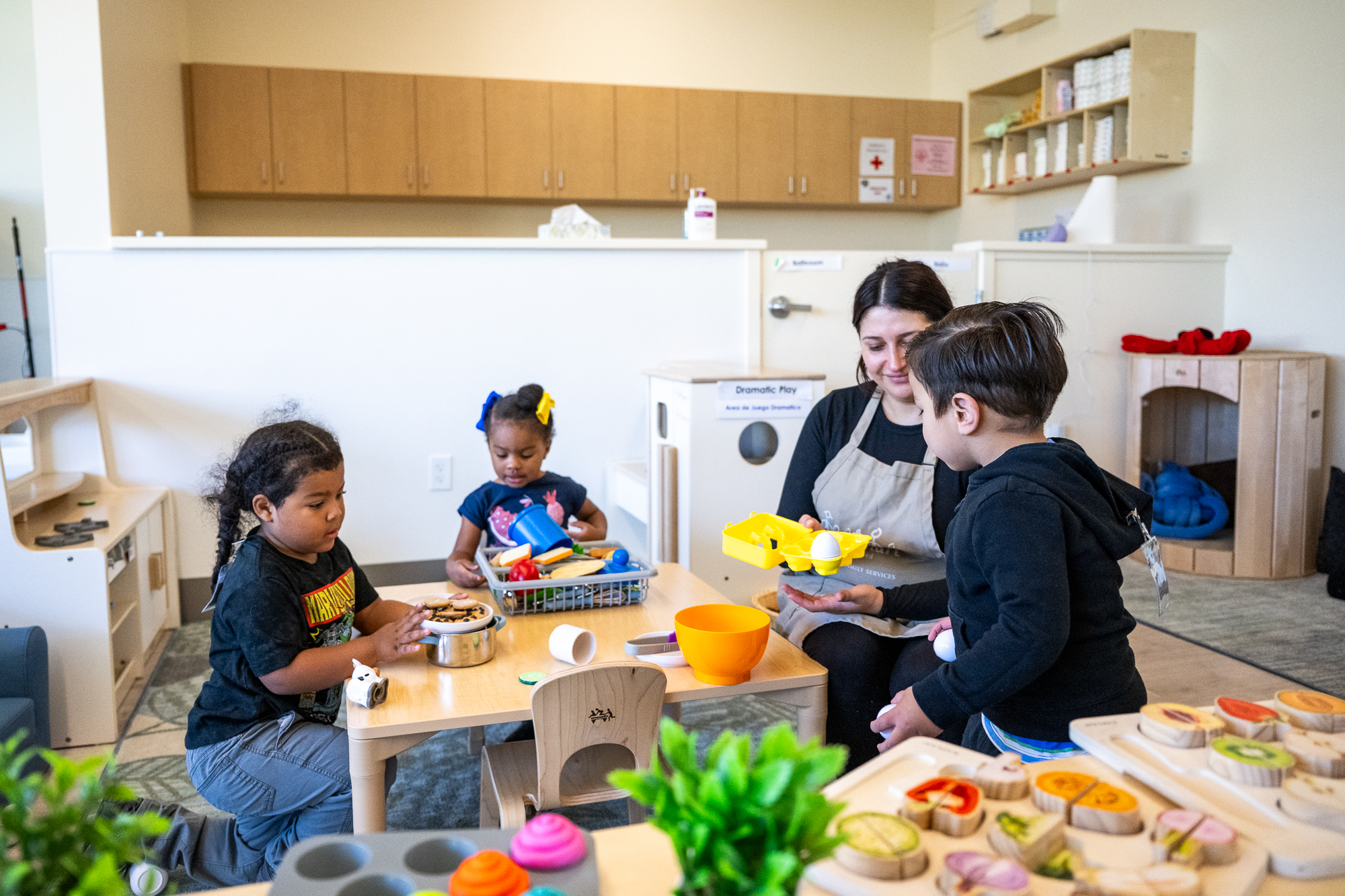
"caption": "Teacher Brianda Casillas works with children in a classroom at Rise Vallejo, an early education center, in Vallejo on April 28, 2026. The center recently opened, repurposing a former elementary school into a campus with classrooms, outdoor areas, and childcare space specifically designed for young children.",
"credit": "Beth LaBerge/KQED",
"altTag": null,
"description": null,
"imgSizes": {
"thumbnail": {
"file": "https://cdn.kqed.org/wp-content/uploads/sites/10/2026/04/260428-VallejoChildCare-23-BL-160x107.jpg",
"width": 160,
"height": 107,
"mimeType": "image/jpeg"
},
"1536x1536": {
"file": "https://cdn.kqed.org/wp-content/uploads/sites/10/2026/04/260428-VallejoChildCare-23-BL-1536x1024.jpg",
"width": 1536,
"height": 1024,
"mimeType": "image/jpeg"
},
"post-thumbnail": {
"file": "https://cdn.kqed.org/wp-content/uploads/sites/10/2026/04/260428-VallejoChildCare-23-BL-672x372.jpg",
"width": 672,
"height": 372,
"mimeType": "image/jpeg"
},
"twentyfourteen-full-width": {
"file": "https://cdn.kqed.org/wp-content/uploads/sites/10/2026/04/260428-VallejoChildCare-23-BL-1038x576.jpg",
"width": 1038,
"height": 576,
"mimeType": "image/jpeg"
},
"npr-cds-wide": {
"file": "https://cdn.kqed.org/wp-content/uploads/sites/10/2026/04/260428-VallejoChildCare-23-BL-1200x675.jpg",
"width": 1200,
"height": 675,
"mimeType": "image/jpeg"
},
"npr-cds-square": {
"file": "https://cdn.kqed.org/wp-content/uploads/sites/10/2026/04/260428-VallejoChildCare-23-BL-600x600.jpg",
"width": 600,
"height": 600,
"mimeType": "image/jpeg"
},
"kqedFullSize": {
"file": "https://cdn.kqed.org/wp-content/uploads/sites/10/2026/04/260428-VallejoChildCare-23-BL.jpg",
"width": 2000,
"height": 1333
}
},
"isLoading": false,
"fetchFailed": false
},
"news_12048319": {
"type": "attachments",
"id": "news_12048319",
"meta": {
"index": "attachments_1716263798",
"site": "news",
"id": "12048319",
"found": true
},
"title": "Inside the hallways of Buena Vista Horace Mann K-8 school in San Francisco, Calif. This San Francisco public school is considering opening a family homeless shelter in one of the gyms to house students and their families who are homeless or need emergenc",
"publishDate": 1752686412,
"status": "inherit",
"parent": 12048313,
"modified": 1777501948,
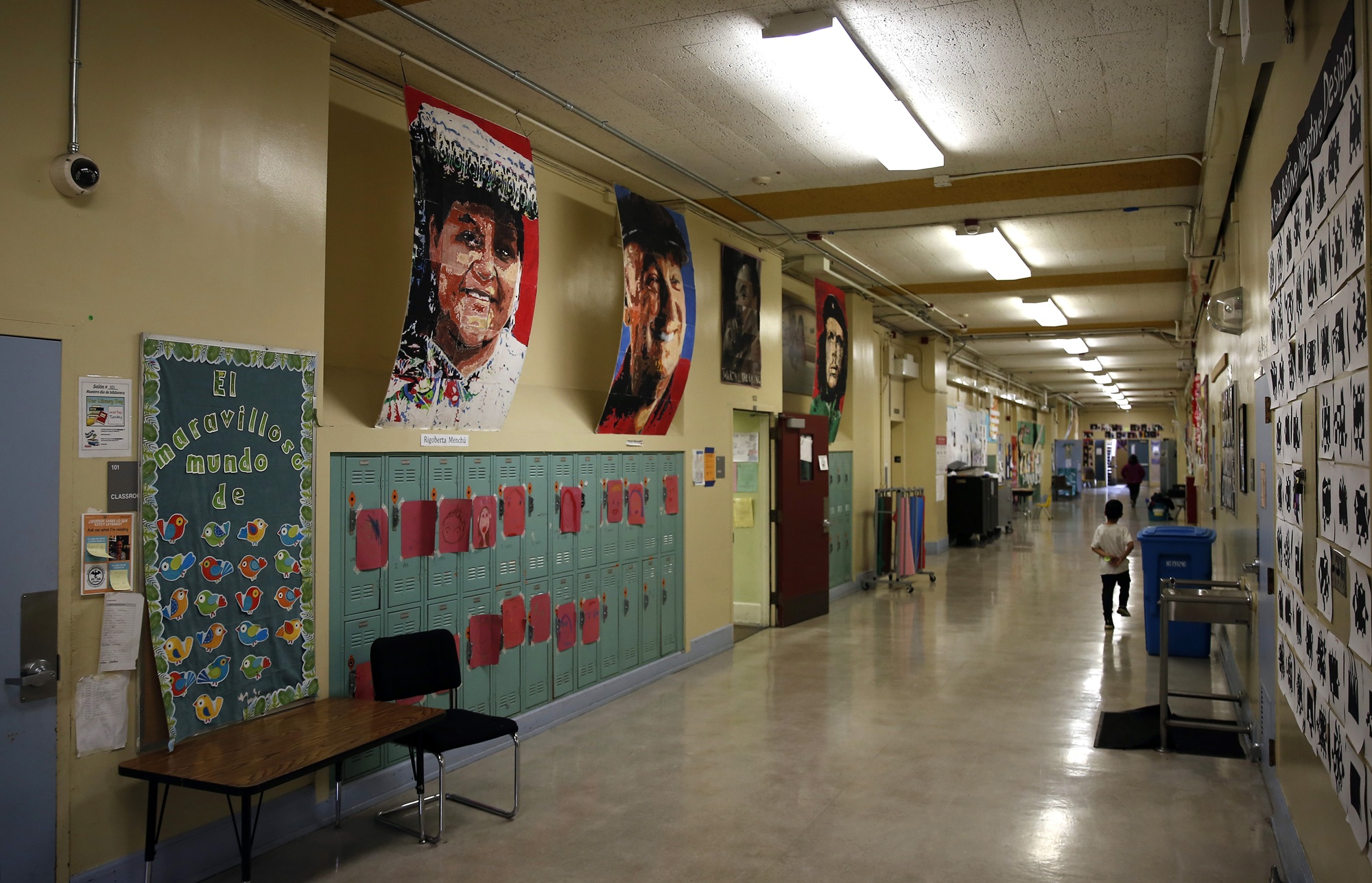
"caption": "Inside the hallways of Buena Vista Horace Mann K-8 school in San Francisco, California. ",
"credit": "Michael Macor/The San Francisco Chronicle via Getty Images",
"altTag": null,
"description": null,
"imgSizes": {
"thumbnail": {
"file": "https://cdn.kqed.org/wp-content/uploads/sites/10/2025/07/SanFranciscoK8SchoolGetty-160x103.jpg",
"width": 160,
"height": 103,
"mimeType": "image/jpeg"
},
"1536x1536": {
"file": "https://cdn.kqed.org/wp-content/uploads/sites/10/2025/07/SanFranciscoK8SchoolGetty-1536x988.jpg",
"width": 1536,
"height": 988,
"mimeType": "image/jpeg"
},
"post-thumbnail": {
"file": "https://cdn.kqed.org/wp-content/uploads/sites/10/2025/07/SanFranciscoK8SchoolGetty-672x372.jpg",
"width": 672,
"height": 372,
"mimeType": "image/jpeg"
},
"twentyfourteen-full-width": {
"file": "https://cdn.kqed.org/wp-content/uploads/sites/10/2025/07/SanFranciscoK8SchoolGetty-1038x576.jpg",
"width": 1038,
"height": 576,
"mimeType": "image/jpeg"
},
"kqedFullSize": {
"file": "https://cdn.kqed.org/wp-content/uploads/sites/10/2025/07/SanFranciscoK8SchoolGetty.jpg",
"width": 2000,
"height": 1287
}
},
"isLoading": false,
"fetchFailed": false
},
"news_12081747": {
"type": "attachments",
"id": "news_12081747",
"meta": {
"index": "attachments_1716263798",
"site": "news",
"id": "12081747",
"found": true
},
"title": "260429-CIF Trans Athletes-01-KQED",
"publishDate": 1777480821,
"status": "inherit",
"parent": 12088215,
"modified": 1782847753,
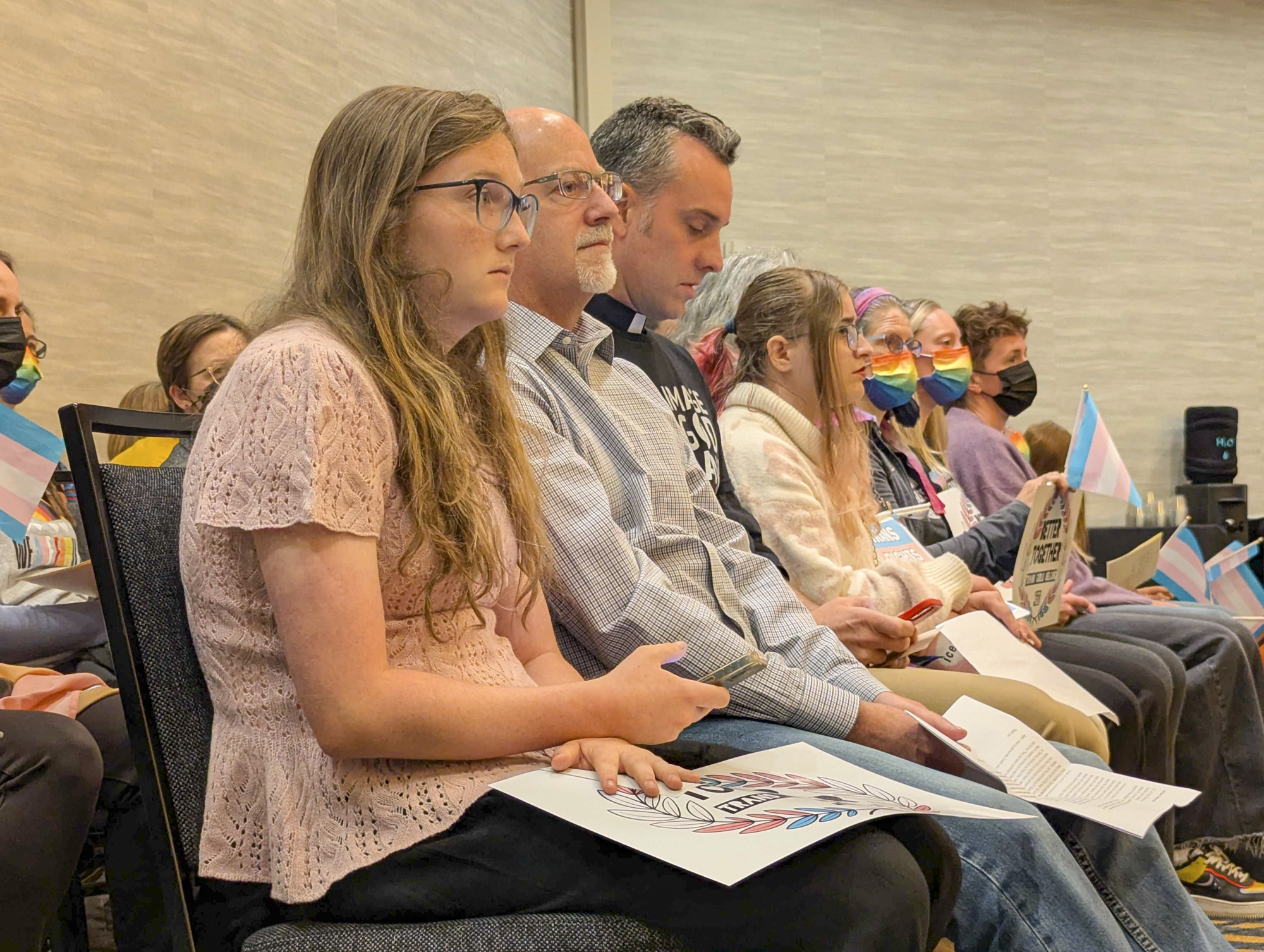
"caption": "Lily, left, and her father, Trevor Norcross, attend a meeting of the California Interscholastic Federation's executive committee in Oakland on April 24, 2026. ",
"credit": "Desmond Meagley/KQED",
"altTag": null,
"description": null,
"imgSizes": {
"thumbnail": {
"file": "https://cdn.kqed.org/wp-content/uploads/sites/10/2026/04/260429-CIF-Trans-Athletes-01-KQED-160x120.jpg",
"width": 160,
"height": 120,
"mimeType": "image/jpeg"
},
"1536x1536": {
"file": "https://cdn.kqed.org/wp-content/uploads/sites/10/2026/04/260429-CIF-Trans-Athletes-01-KQED-1536x1157.jpg",
"width": 1536,
"height": 1157,
"mimeType": "image/jpeg"
},
"post-thumbnail": {
"file": "https://cdn.kqed.org/wp-content/uploads/sites/10/2026/04/260429-CIF-Trans-Athletes-01-KQED-672x372.jpg",
"width": 672,
"height": 372,
"mimeType": "image/jpeg"
},
"twentyfourteen-full-width": {
"file": "https://cdn.kqed.org/wp-content/uploads/sites/10/2026/04/260429-CIF-Trans-Athletes-01-KQED-1038x576.jpg",
"width": 1038,
"height": 576,
"mimeType": "image/jpeg"
},
"npr-cds-wide": {
"file": "https://cdn.kqed.org/wp-content/uploads/sites/10/2026/04/260429-CIF-Trans-Athletes-01-KQED-1200x675.jpg",
"width": 1200,
"height": 675,
"mimeType": "image/jpeg"
},
"npr-cds-square": {
"file": "https://cdn.kqed.org/wp-content/uploads/sites/10/2026/04/260429-CIF-Trans-Athletes-01-KQED-600x600.jpg",
"width": 600,
"height": 600,
"mimeType": "image/jpeg"
},
"kqedFullSize": {
"file": "https://cdn.kqed.org/wp-content/uploads/sites/10/2026/04/260429-CIF-Trans-Athletes-01-KQED.jpg",
"width": 2000,
"height": 1506
}
},
"isLoading": false,
"fetchFailed": false
},
"news_12081402": {
"type": "attachments",
"id": "news_12081402",
"meta": {
"index": "attachments_1716263798",
"site": "news",
"id": "12081402",
"found": true
},
"title": "UCBNoPhones4",
"publishDate": 1777073735,
"status": "inherit",
"parent": 12081336,
"modified": 1777074238,
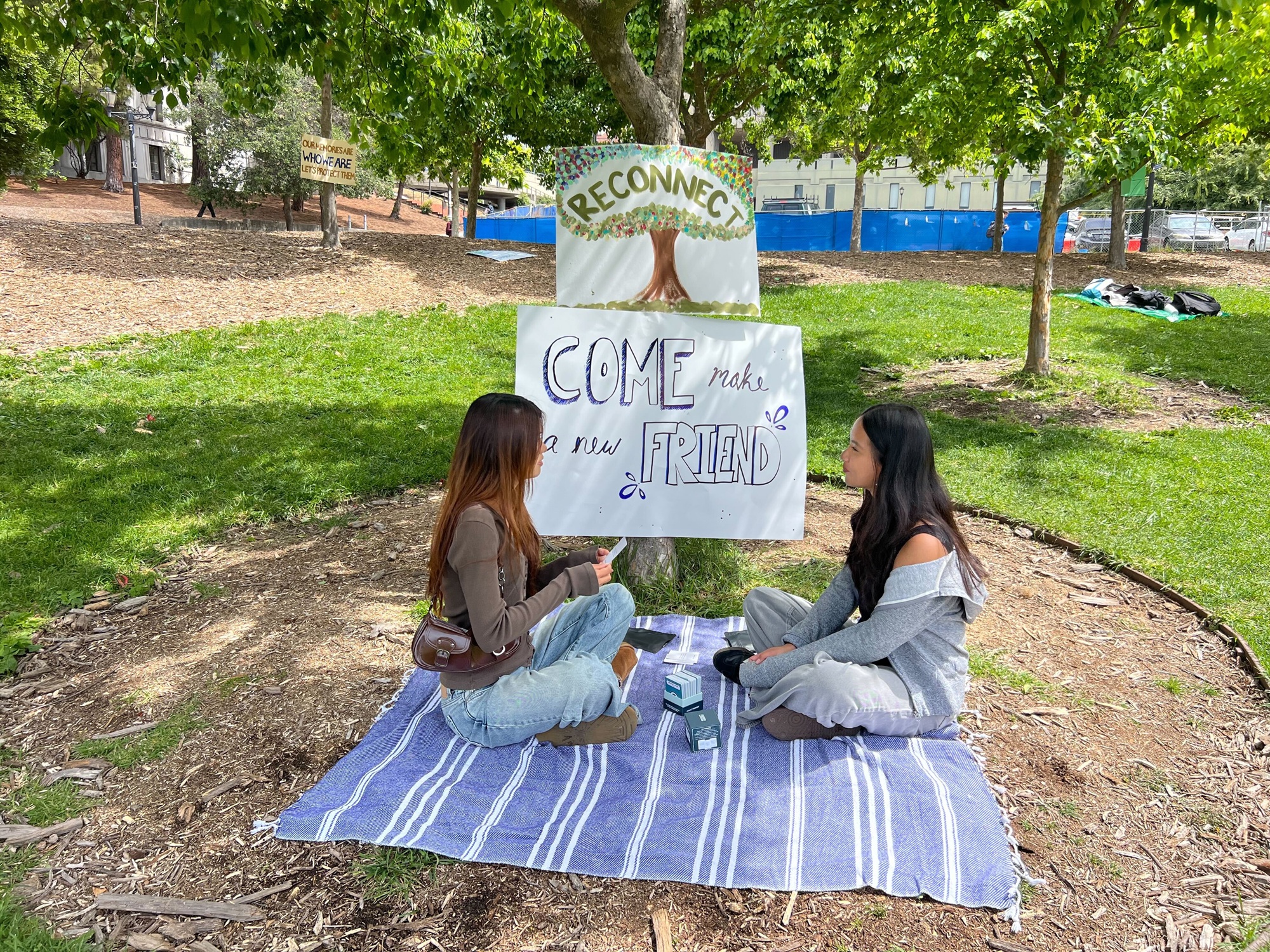
"caption": "Students at UC Berkeley set up handwritten signs and played a variety of games during a phone-free party on campus on Friday, April 24, 2026.",
"credit": "Eliza Peppel/KQED",
"altTag": null,
"description": null,
"imgSizes": {
"thumbnail": {
"file": "https://cdn.kqed.org/wp-content/uploads/sites/10/2026/04/UCBNoPhones4-160x120.jpg",
"width": 160,
"height": 120,
"mimeType": "image/jpeg"
},
"1536x1536": {
"file": "https://cdn.kqed.org/wp-content/uploads/sites/10/2026/04/UCBNoPhones4-1536x1152.jpg",
"width": 1536,
"height": 1152,
"mimeType": "image/jpeg"
},
"post-thumbnail": {
"file": "https://cdn.kqed.org/wp-content/uploads/sites/10/2026/04/UCBNoPhones4-672x372.jpg",
"width": 672,
"height": 372,
"mimeType": "image/jpeg"
},
"twentyfourteen-full-width": {
"file": "https://cdn.kqed.org/wp-content/uploads/sites/10/2026/04/UCBNoPhones4-1038x576.jpg",
"width": 1038,
"height": 576,
"mimeType": "image/jpeg"
},
"npr-cds-wide": {
"file": "https://cdn.kqed.org/wp-content/uploads/sites/10/2026/04/UCBNoPhones4-1200x675.jpg",
"width": 1200,
"height": 675,
"mimeType": "image/jpeg"
},
"npr-cds-square": {
"file": "https://cdn.kqed.org/wp-content/uploads/sites/10/2026/04/UCBNoPhones4-600x600.jpg",
"width": 600,
"height": 600,
"mimeType": "image/jpeg"
},
"kqedFullSize": {
"file": "https://cdn.kqed.org/wp-content/uploads/sites/10/2026/04/UCBNoPhones4.jpg",
"width": 2000,
"height": 1500
}
},
"isLoading": false,
"fetchFailed": false
},
"news_12080868": {
"type": "attachments",
"id": "news_12080868",
"meta": {
"index": "attachments_1716263798",
"site": "news",
"id": "12080868",
"found": true
},
"title": "027_KQED_GrassValleyElementarySchoolOakland_04282022_qed",
"publishDate": 1776877683,
"status": "inherit",
"parent": 12080861,
"modified": 1776877695,
"caption": "Students play a game during recess at Grass Valley Elementary School in Oakland on April 28, 2022.",
"credit": "Beth LaBerge/KQED",
"altTag": null,
"description": null,
"imgSizes": {
"thumbnail": {
"file": "https://cdn.kqed.org/wp-content/uploads/sites/10/2026/04/027_KQED_GrassValleyElementarySchoolOakland_04282022_qed-160x107.jpg",
"width": 160,
"height": 107,
"mimeType": "image/jpeg"
},
"1536x1536": {
"file": "https://cdn.kqed.org/wp-content/uploads/sites/10/2026/04/027_KQED_GrassValleyElementarySchoolOakland_04282022_qed-1536x1024.jpg",
"width": 1536,
"height": 1024,
"mimeType": "image/jpeg"
},
"post-thumbnail": {
"file": "https://cdn.kqed.org/wp-content/uploads/sites/10/2026/04/027_KQED_GrassValleyElementarySchoolOakland_04282022_qed-672x372.jpg",
"width": 672,
"height": 372,
"mimeType": "image/jpeg"
},
"twentyfourteen-full-width": {
"file": "https://cdn.kqed.org/wp-content/uploads/sites/10/2026/04/027_KQED_GrassValleyElementarySchoolOakland_04282022_qed-1038x576.jpg",
"width": 1038,
"height": 576,
"mimeType": "image/jpeg"
},
"npr-cds-wide": {
"file": "https://cdn.kqed.org/wp-content/uploads/sites/10/2026/04/027_KQED_GrassValleyElementarySchoolOakland_04282022_qed-1200x675.jpg",
"width": 1200,
"height": 675,
"mimeType": "image/jpeg"
},
"npr-cds-square": {
"file": "https://cdn.kqed.org/wp-content/uploads/sites/10/2026/04/027_KQED_GrassValleyElementarySchoolOakland_04282022_qed-600x600.jpg",
"width": 600,
"height": 600,
"mimeType": "image/jpeg"
},
"kqedFullSize": {
"file": "https://cdn.kqed.org/wp-content/uploads/sites/10/2026/04/027_KQED_GrassValleyElementarySchoolOakland_04282022_qed.jpg",
"width": 2000,
"height": 1333
}
},
"isLoading": false,
"fetchFailed": false
},
"news_12080448": {
"type": "attachments",
"id": "news_12080448",
"meta": {
"index": "attachments_1716263798",
"site": "news",
"id": "12080448",
"found": true
},
"title": "250818-SFUSDFirstDay-37_qed",
"publishDate": 1776455905,
"status": "inherit",
"parent": 12080441,
"modified": 1776455917,
"caption": "Students sit in class at Dr. Martin Luther King, Jr. Academic Middle School for their first day of the school year in San Francisco on Aug. 18, 2025.",
"credit": "Beth LaBerge/KQED",
"altTag": null,
"description": null,
"imgSizes": {
"thumbnail": {
"file": "https://cdn.kqed.org/wp-content/uploads/sites/10/2026/04/250818-SFUSDFirstDay-37_qed-160x107.jpg",
"width": 160,
"height": 107,
"mimeType": "image/jpeg"
},
"1536x1536": {
"file": "https://cdn.kqed.org/wp-content/uploads/sites/10/2026/04/250818-SFUSDFirstDay-37_qed-1536x1024.jpg",
"width": 1536,
"height": 1024,
"mimeType": "image/jpeg"
},
"post-thumbnail": {
"file": "https://cdn.kqed.org/wp-content/uploads/sites/10/2026/04/250818-SFUSDFirstDay-37_qed-672x372.jpg",
"width": 672,
"height": 372,
"mimeType": "image/jpeg"
},
"twentyfourteen-full-width": {
"file": "https://cdn.kqed.org/wp-content/uploads/sites/10/2026/04/250818-SFUSDFirstDay-37_qed-1038x576.jpg",
"width": 1038,
"height": 576,
"mimeType": "image/jpeg"
},
"npr-cds-wide": {
"file": "https://cdn.kqed.org/wp-content/uploads/sites/10/2026/04/250818-SFUSDFirstDay-37_qed-1200x675.jpg",
"width": 1200,
"height": 675,
"mimeType": "image/jpeg"
},
"npr-cds-square": {
"file": "https://cdn.kqed.org/wp-content/uploads/sites/10/2026/04/250818-SFUSDFirstDay-37_qed-600x600.jpg",
"width": 600,
"height": 600,
"mimeType": "image/jpeg"
},
"kqedFullSize": {
"file": "https://cdn.kqed.org/wp-content/uploads/sites/10/2026/04/250818-SFUSDFirstDay-37_qed.jpg",
"width": 2000,
"height": 1333
}
},
"isLoading": false,
"fetchFailed": false
},
"news_12080108": {
"type": "attachments",
"id": "news_12080108",
"meta": {
"index": "attachments_1716263798",
"site": "news",
"id": "12080108",
"found": true
},
"title": "260415-Mosaic Project-01-KQED",
"publishDate": 1776292362,
"status": "inherit",
"parent": 0,
"modified": 1776295895,
"caption": "This rendering shows plans for the Mosaic Project's proposed permanent home in Alameda County, which it hopes will serve up to 100 students per week, for about 130 days out of the year, at a proposed new permanent facility in Castro Valley.",
"credit": "Courtesy of the Mosaic Project",
"altTag": null,
"description": null,
"imgSizes": {
"thumbnail": {
"file": "https://cdn.kqed.org/wp-content/uploads/sites/10/2026/04/260415-Mosaic-Project-01-KQED-160x107.jpg",
"width": 160,
"height": 107,
"mimeType": "image/jpeg"
},
"1536x1536": {
"file": "https://cdn.kqed.org/wp-content/uploads/sites/10/2026/04/260415-Mosaic-Project-01-KQED-1536x1024.jpg",
"width": 1536,
"height": 1024,
"mimeType": "image/jpeg"
},
"post-thumbnail": {
"file": "https://cdn.kqed.org/wp-content/uploads/sites/10/2026/04/260415-Mosaic-Project-01-KQED-672x372.jpg",
"width": 672,
"height": 372,
"mimeType": "image/jpeg"
},
"twentyfourteen-full-width": {
"file": "https://cdn.kqed.org/wp-content/uploads/sites/10/2026/04/260415-Mosaic-Project-01-KQED-1038x576.jpg",
"width": 1038,
"height": 576,
"mimeType": "image/jpeg"
},
"npr-cds-wide": {
"file": "https://cdn.kqed.org/wp-content/uploads/sites/10/2026/04/260415-Mosaic-Project-01-KQED-1200x675.jpg",
"width": 1200,
"height": 675,
"mimeType": "image/jpeg"
},
"npr-cds-square": {
"file": "https://cdn.kqed.org/wp-content/uploads/sites/10/2026/04/260415-Mosaic-Project-01-KQED-600x600.jpg",
"width": 600,
"height": 600,
"mimeType": "image/jpeg"
},
"kqedFullSize": {
"file": "https://cdn.kqed.org/wp-content/uploads/sites/10/2026/04/260415-Mosaic-Project-01-KQED.jpg",
"width": 2000,
"height": 1333
}
},
"isLoading": false,
"fetchFailed": false
}
},
"audioPlayerReducer": {
"postId": "stream_live",
"isPaused": true,
"isPlaying": false,
"pfsActive": false,
"pledgeModalIsOpen": true,
"playerDrawerIsOpen": false,
"liveAudioPlayStartedAt": 0,
"liveAudioPlayContext": ""
},
"authorsReducer": {
"byline_news_12082980": {
"type": "authors",
"id": "byline_news_12082980",
"meta": {
"override": true
},
"slug": "byline_news_12082980",
"name": "Holly McDede, KQED, and Mollie Simon, ProPublica",
"isLoading": false
},
"kqed": {
"type": "authors",
"id": "236",
"meta": {
"index": "authors_1716337520",
"id": "236",
"found": true
},
"name": "KQED News Staff",
"firstName": "KQED News Staff",
"lastName": null,
"slug": "kqed",
"email": "faq@kqed.org",
"display_author_email": false,
"staff_mastheads": [],
"title": null,
"bio": null,
"avatar": "https://secure.gravatar.com/avatar/ef0e801a68c4c54afa9180db14084167?s=600&d=blank&r=g",
"twitter": null,
"facebook": null,
"instagram": null,
"linkedin": null,
"sites": [
{
"site": "arts",
"roles": [
"contributor"
]
},
{
"site": "news",
"roles": [
"editor"
]
},
{
"site": "futureofyou",
"roles": [
"author"
]
}
],
"headData": {
"title": "KQED News Staff | KQED",
"description": null,
"ogImgSrc": "https://secure.gravatar.com/avatar/ef0e801a68c4c54afa9180db14084167?s=600&d=blank&r=g",
"twImgSrc": "https://secure.gravatar.com/avatar/ef0e801a68c4c54afa9180db14084167?s=600&d=blank&r=g"
},
"isLoading": false,
"link": "/author/kqed"
},
"daisynguyen": {
"type": "authors",
"id": "11829",
"meta": {
"index": "authors_1716337520",
"id": "11829",
"found": true
},
"name": "Daisy Nguyen",
"firstName": "Daisy",
"lastName": "Nguyen",
"slug": "daisynguyen",
"email": "daisynguyen@kqed.org",
"display_author_email": true,
"staff_mastheads": [
"news"
],
"title": "KQED Contributor",
"bio": "I have covered early childhood education and child care for KQED since 2022. I focus on policies aimed at increasing access to early care and education and how they shape individual lives. I've been a journalist for more than two decades, with most of that time devoted to covering breaking news throughout California for The Associated Press. I grew up in San Francisco and studied at UC Davis and Columbia University's Graduate School of Journalism. I live in Oakland with my husband and two kids.",
"avatar": "https://secure.gravatar.com/avatar/2da2127c27f7143b53ebd419800fd55f?s=600&d=blank&r=g",
"twitter": null,
"facebook": null,
"instagram": null,
"linkedin": "https://www.linkedin.com/in/daisynguyen/",
"sites": [
{
"site": "news",
"roles": [
"author"
]
},
{
"site": "liveblog",
"roles": [
"author"
]
}
],
"headData": {
"title": "Daisy Nguyen | KQED",
"description": "KQED Contributor",
"ogImgSrc": "https://secure.gravatar.com/avatar/2da2127c27f7143b53ebd419800fd55f?s=600&d=blank&r=g",
"twImgSrc": "https://secure.gravatar.com/avatar/2da2127c27f7143b53ebd419800fd55f?s=600&d=blank&r=g"
},
"isLoading": false,
"link": "/author/daisynguyen"
},
"kdebenedetti": {
"type": "authors",
"id": "11913",
"meta": {
"index": "authors_1716337520",
"id": "11913",
"found": true
},
"name": "Katie DeBenedetti",
"firstName": "Katie",
"lastName": "DeBenedetti",
"slug": "kdebenedetti",
"email": "kdebenedetti@kqed.org",
"display_author_email": false,
"staff_mastheads": [
"news",
"science"
],
"title": "KQED Contributor",
"bio": "Katie DeBenedetti is a digital reporter covering daily news for the Express Desk. Prior to joining KQED as a culture reporting intern in January 2024, she covered education and city government for the Napa Valley Register.",
"avatar": "https://secure.gravatar.com/avatar/6e31073cb8f7e4214ab03f42771d0f45?s=600&d=blank&r=g",
"twitter": null,
"facebook": null,
"instagram": null,
"linkedin": null,
"sites": [
{
"site": "news",
"roles": [
"author"
]
},
{
"site": "science",
"roles": [
"author"
]
},
{
"site": "liveblog",
"roles": [
"author"
]
}
],
"headData": {
"title": "Katie DeBenedetti | KQED",
"description": "KQED Contributor",
"ogImgSrc": "https://secure.gravatar.com/avatar/6e31073cb8f7e4214ab03f42771d0f45?s=600&d=blank&r=g",
"twImgSrc": "https://secure.gravatar.com/avatar/6e31073cb8f7e4214ab03f42771d0f45?s=600&d=blank&r=g"
},
"isLoading": false,
"link": "/author/kdebenedetti"
},
"emanoukian": {
"type": "authors",
"id": "11925",
"meta": {
"index": "authors_1716337520",
"id": "11925",
"found": true
},
"name": "Elize Manoukian",
"firstName": "Elize",
"lastName": "Manoukian",
"slug": "emanoukian",
"email": "emanoukian@KQED.org",
"display_author_email": false,
"staff_mastheads": [
"news"
],
"title": "Digital News Editor",
"bio": "Elize Manoukian is an award-winning audio producer and Senior Editor on the Express Desk, KQED's digital news platform. Her work has appeared on KPFA, Interlochen Public Radio, Oregon Public Broadcast, the New York Daily News, LA Times and the San Diego Union-Tribune.",
"avatar": "https://secure.gravatar.com/avatar/4525f1a8e46ccb30933b32653d9772064cfefe3fa655eb45b3b3a80341f6bdad?s=600&d=blank&r=g",
"twitter": null,
"bluesky": null,
"facebook": null,
"instagram": null,
"linkedin": null,
"sites": [
{
"site": "arts",
"roles": [
"editor"
]
},
{
"site": "news",
"roles": [
"editor"
]
},
{
"site": "science",
"roles": [
"editor"
]
}
],
"headData": {
"title": "Elize Manoukian | KQED",
"description": "Digital News Editor",
"ogImgSrc": "https://secure.gravatar.com/avatar/4525f1a8e46ccb30933b32653d9772064cfefe3fa655eb45b3b3a80341f6bdad?s=600&d=blank&r=g",
"twImgSrc": "https://secure.gravatar.com/avatar/4525f1a8e46ccb30933b32653d9772064cfefe3fa655eb45b3b3a80341f6bdad?s=600&d=blank&r=g"
},
"isLoading": false,
"link": "/author/emanoukian"
},
"epeppel": {
"type": "authors",
"id": "11989",
"meta": {
"index": "authors_1716337520",
"id": "11989",
"found": true
},
"name": "Eliza Peppel",
"firstName": "Eliza",
"lastName": "Peppel",
"slug": "epeppel",
"email": "epeppel@kqed.org",
"display_author_email": false,
"staff_mastheads": [],
"title": null,
"bio": "Eliza is an award-winning journalist living in Oakland. She was previously a reporting fellow at KALW, where she reported daily news and long-form radio features. Eliza studied journalism at Fordham University in The Bronx during the COVID-19 pandemic. She grew up mainly in California and spent a few childhood years in Aix en Provence, France.",
"avatar": "https://secure.gravatar.com/avatar/20d9e17a06ee787c11052e6096319dd583b6376233d02383dab5eaeb874d5f56?s=600&d=blank&r=g",
"twitter": null,
"bluesky": null,
"facebook": null,
"instagram": null,
"linkedin": null,
"sites": [
{
"site": "news",
"roles": [
"subscriber"
]
},
{
"site": "science",
"roles": [
"subscriber"
]
}
],
"headData": {
"title": "Eliza Peppel | KQED",
"description": null,
"ogImgSrc": "https://secure.gravatar.com/avatar/20d9e17a06ee787c11052e6096319dd583b6376233d02383dab5eaeb874d5f56?s=600&d=blank&r=g",
"twImgSrc": "https://secure.gravatar.com/avatar/20d9e17a06ee787c11052e6096319dd583b6376233d02383dab5eaeb874d5f56?s=600&d=blank&r=g"
},
"isLoading": false,
"link": "/author/epeppel"
},
"dmeagley": {
"type": "authors",
"id": "12002",
"meta": {
"index": "authors_1716337520",
"id": "12002",
"found": true
},
"name": "Desmond Meagley",
"firstName": "Desmond",
"lastName": "Meagley",
"slug": "dmeagley",
"email": "dmeagley@kqed.org",
"display_author_email": false,
"staff_mastheads": [],
"title": "KQED Contributor",
"bio": null,
"avatar": "https://secure.gravatar.com/avatar/16f71d550a6f42fe4d2195a89ee3ac21649feb17ca382d5cd0ad019d930a00ae?s=600&d=blank&r=g",
"twitter": null,
"bluesky": null,
"facebook": null,
"instagram": null,
"linkedin": null,
"sites": [
{
"site": "news",
"roles": [
"author"
]
}
],
"headData": {
"title": "Desmond Meagley | KQED",
"description": "KQED Contributor",
"ogImgSrc": "https://secure.gravatar.com/avatar/16f71d550a6f42fe4d2195a89ee3ac21649feb17ca382d5cd0ad019d930a00ae?s=600&d=blank&r=g",
"twImgSrc": "https://secure.gravatar.com/avatar/16f71d550a6f42fe4d2195a89ee3ac21649feb17ca382d5cd0ad019d930a00ae?s=600&d=blank&r=g"
},
"isLoading": false,
"link": "/author/dmeagley"
}
},
"pagesReducer": {
"news_tag_education": {
"type": "terms",
"id": "news_20013",
"meta": {
"index": "terms_1716263798",
"site": "news",
"id": "20013",
"score": 6.970073
},
"featImg": null,
"name": "education",
"description": null,
"taxonomy": "tag",
"headData": {
"twImgId": null,
"twTitle": null,
"ogTitle": null,
"ogImgId": null,
"twDescription": null,
"description": null,
"title": "education Archives | KQED News",
"ogDescription": null
},
"ttid": 20030,
"slug": "education",
"isLoading": false,
"title": "education",
"pageMeta": {
"site": "news",
"WpPageTemplate": "page-topic-editorial",
"currentPage": 8
},
"blocks": [
{
"blockName": "kqed/post-list",
"attrs": {
"layout": "cardArticle2",
"query": "posts/news?tag=education",
"seeMore": false,
"paginated": true,
"page": 8
}
},
{
"blockName": "kqed/ad"
}
]
}
},
"pfsSessionReducer": {},
"postsReducer": {
"stream_live": {
"type": "live",
"id": "stream_live",
"audioUrl": "https://streams.kqed.org/kqedradio",
"title": "Live Stream",
"excerpt": "Live Stream information currently unavailable.",
"link": "/radio",
"featImg": "",
"label": {
"name": "KQED Live",
"link": "/"
}
},
"stream_kqedNewscast": {
"type": "posts",
"id": "stream_kqedNewscast",
"audioUrl": "https://www.kqed.org/.stream/anon/radio/RDnews/newscast.mp3?_=1",
"title": "KQED Newscast",
"featImg": "",
"label": {
"name": "88.5 FM",
"link": "/"
}
},
"news_12082980": {
"type": "posts",
"id": "news_12082980",
"meta": {
"index": "posts_1716263798",
"site": "news",
"id": "12082980",
"score": null,
"sort": [
1778587223000
]
},
"guestAuthors": [],
"slug": "california-fired-teacher-sexual-harassment",
"title": "He Was Fired for Sexually Harassing Students. California Allowed Him to Keep Teaching Anyway",
"publishDate": 1778587223,
"format": "standard",
"headTitle": "He Was Fired for Sexually Harassing Students. California Allowed Him to Keep Teaching Anyway | KQED",
"labelTerm": {},
"content": "\u003cp>This\u003cem> article was produced for \u003ca href=\"https://www.propublica.org/local-reporting-network\">ProPublica’s Local Reporting Network\u003c/a> in partnership with \u003c/em>\u003cem>KQED\u003c/em>\u003cem>. \u003c/em>\u003ca href=\"https://www.propublica.org/newsletters/dispatches\">\u003cem>Sign up for Dispatches\u003c/em>\u003c/a>\u003cem> to get stories like this one as soon as they are published. \u003c/em>\u003c/p>\n\u003cp>Jason Agan was impossible to miss at Angelo Rodriguez High School. The Bay Area teacher was loud and gregarious, a fixture on campus since the Fairfield school opened in 2001. He ran the student government and called himself the man behind the curtain, organizing pep rallies and prom. He taught AP calculus, so advanced math students ended up in his classroom, jostling for his approval and letters of recommendation. Some considered him a mentor who inspired a love of math — and even a second father.\u003c/p>\n\u003cp>But for years, students also whispered about Agan’s behavior, according to interviews with 14 Rodriguez High graduates, most of whom he had taught. He touched some of them in public in ways that made them uncomfortable, they said, including hugging students and massaging their shoulders. And he seemed fixated on enforcing the dress code, calling out girls whose shorts were too short.\u003c/p>\n\u003cp>Nearly two decades into Agan’s tenure, and on the heels of the #MeToo movement, students had enough. At least 11 students and one parent submitted written complaints about his behavior to school administrators in 2018, drawing at least two warnings to stop, a KQED and \u003cem>ProPublica\u003c/em> investigation found. By January 2019, the Fairfield-Suisun Unified School District had taken steps to fire him, suspending him without pay.\u003c/p>\n\u003cp>[ad fullwidth]\u003c/p>\n\u003cp>Agan pushed back, and nearly a year later, an independent panel convened by the state to hear his case deemed him “unfit to teach.” The panel’s decision meant that the popular educator was officially out of the job where he had spent his entire teaching career.\u003c/p>\n\u003cp>But the panel’s review only addressed his employment at this one school district, and its finding was not shared publicly. It would be up to the state’s teacher licensing agency to determine whether additional discipline would be imposed, including whether Agan could keep teaching in California public schools.\u003c/p>\n\u003cp>Over the next three years, Agan was hired at a second school and then a third. During that period, the state issued a one-week suspension of his teaching license for his behavior at his first school. Then, Agan faced another accusation of unwanted touching — this time, by an eighth grader at his second school, according to school records. The state’s teaching credentialing agency did not inform the other schools or the parents of students in Agan’s classes of the full extent of what went on at Rodriguez High.\u003c/p>\n\u003cfigure id=\"attachment_12082860\" class=\"wp-caption aligncenter\" style=\"max-width: 2000px\">\u003cimg loading=\"lazy\" decoding=\"async\" class=\"wp-image-12082860 size-full\" src=\"https://cdn.kqed.org/wp-content/uploads/sites/10/2026/05/260324-ProPublica-CATeacherDiscipline-12.jpg\" alt=\"A page in a yearbook that includes a photo of a man looking through a doorway and a feature on Jason Agan under the title, “Equations & Headaches.”\" width=\"2000\" height=\"1333\" srcset=\"https://cdn.kqed.org/wp-content/uploads/sites/10/2026/05/260324-ProPublica-CATeacherDiscipline-12.jpg 2000w, https://cdn.kqed.org/wp-content/uploads/sites/10/2026/05/260324-ProPublica-CATeacherDiscipline-12-160x107.jpg 160w, https://cdn.kqed.org/wp-content/uploads/sites/10/2026/05/260324-ProPublica-CATeacherDiscipline-12-1536x1024.jpg 1536w\" sizes=\"auto, (max-width: 2000px) 100vw, 2000px\">\u003cfigcaption class=\"wp-caption-text\">Math teacher Jason Agan, in the 2017-18 Rodriguez High School yearbook, said his goal is to “make RHS a place where all students can feel comfortable and safe.” The school district fired him in 2019 for sexually harassing students. \u003ccite>(Beth LaBerge/KQED)\u003c/cite>\u003c/figcaption>\u003c/figure>\n\u003cp>Agan, now 47, did not respond to multiple requests for an interview, and someone at his address hung up when a reporter rang his apartment buzzer and identified herself. Nor did he respond to questions sent via email or certified mail to his home about students’ accusations and his job history. He previously denied any sexual motivation in touching students, telling the independent panel that he was simply offering students support and encouragement — not massaging them, according to records obtained by the news outlets.\u003c/p>\n\u003cp>A broad look at California’s Commission on Teacher Credentialing by KQED and \u003cem>ProPublica\u003c/em> shows a pattern of delays and inaction, combined with a lack of transparency, that has allowed educators to continue teaching after school districts reported them to the state for sexual harassment or other misconduct of a sexual nature.\u003c/p>\n\u003cp>Agan’s case is one of at least 67 in which the state has not revoked the professional licenses of educators after school districts determined they had sexually harassed students or committed other types of sexual misconduct, according to a review of available records from 2019 through 2025 obtained by the news outlets. At least 14 of those educators were rehired by other schools, and of those, at least 12, including Agan, still work in education, according to a review of school websites and employment records provided by schools.[aside postID=news_12057191 hero='https://cdn.kqed.org/wp-content/uploads/sites/10/2025/09/250924-ASPIRE-SAFETY-CONDITIONS-MD-03_qed.jpg']Anita Fitzhugh, a spokesperson for the Commission on Teacher Credentialing, said the state automatically revokes teachers’ credentials when they are convicted of sexual criminal offenses, but not necessarily when a district determines they have committed sexual misconduct. She said the state Legislature — not the licensing agency — determines the type of misconduct that results in automatic revocation.\u003c/p>\n\u003cp>The agency appoints a committee to assess noncriminal cases of misconduct, she said. Agan has not been accused of a crime.\u003c/p>\n\u003cp>“The Commission’s authority balances protecting students as well as the legal rights of educators who have been accused but not convicted of specific crimes,” Fitzhugh said in a written statement.\u003c/p>\n\u003cp>The agency’s disciplinary process is unique among licensing bodies in California in how much is kept secret, Fitzhugh said. The fact that a teacher has been disciplined is noted on a state website of credentialed educators, but the database does not explain why.\u003c/p>\n\u003cp>In contrast, the licensing bodies governing dozens of other professions in California, including doctors, nurses, police officers and lawyers, make the reasons that disciplinary actions were imposed easily accessible on their websites. And at least 12 states, including Oregon, Washington and Florida, do the same for teachers.\u003c/p>\n\u003cp>“If our job as teachers is to keep children safe, we have to be held accountable for things we do that could harm them,” said Alicia DeRollo, a longtime teacher who served as one of 19 commissioners on California’s teacher licensing agency from 2011 to 2020.\u003c/p>\n\u003cp>Amid this gap in oversight, Agan found two new jobs and remains in the classroom.\u003c/p>\n\u003ch2>Student complaints start piling up\u003c/h2>\n\u003cp>For 17 years, Agan taught at Rodriguez High, a sprawling open-air campus nestled alongside rolling hills where cows graze. The school serves the racially diverse commuter town of Fairfield, halfway between San Francisco and Sacramento.\u003c/p>\n\u003cp>Then, in 2018, several sophomores in his accelerated math class reported him to school administrators.\u003c/p>\n\u003cp>One girl alleged that he took her phone out of her back pocket while she was sitting down taking a test and that he would massage girls’ shoulders in class, according to school records. Assistant principal Gary Hiner cautioned Agan to be careful, sharing that students had told him they were uncomfortable when the teacher walked around class and touched them, according to a summary Hiner wrote about the spoken warning.\u003c/p>\n\u003cfigure id=\"attachment_12082859\" class=\"wp-caption aligncenter\" style=\"max-width: 2000px\">\u003cimg loading=\"lazy\" decoding=\"async\" class=\"size-full wp-image-12082859\" src=\"https://cdn.kqed.org/wp-content/uploads/sites/10/2026/05/260324-ProPublica-CATeacherDiscipline-05.jpg\" alt=\"A sign that reads, “Rodriguez High School” and “Home of the Mustangs” outside surrounded by trees and bushes.\" width=\"2000\" height=\"1333\" srcset=\"https://cdn.kqed.org/wp-content/uploads/sites/10/2026/05/260324-ProPublica-CATeacherDiscipline-05.jpg 2000w, https://cdn.kqed.org/wp-content/uploads/sites/10/2026/05/260324-ProPublica-CATeacherDiscipline-05-160x107.jpg 160w, https://cdn.kqed.org/wp-content/uploads/sites/10/2026/05/260324-ProPublica-CATeacherDiscipline-05-1536x1024.jpg 1536w\" sizes=\"auto, (max-width: 2000px) 100vw, 2000px\">\u003cfigcaption class=\"wp-caption-text\">The entrance to Rodriguez High School in Fairfield, California. \u003ccite>(Beth LaBerge/KQED)\u003c/cite>\u003c/figcaption>\u003c/figure>\n\u003cp>In March 2018, a father emailed another administrator after Agan wore a shirt to school that used the Pi symbol to spell out “Pimp.” The father wrote that a teacher should not be wearing a shirt making light of someone who “sexually exploits people for profit.”\u003c/p>\n\u003cp>This time, assistant principal Allison Klein emailed Agan, reminding him that school was not the place for “physically touching students, inappropriate innuendo, or jokes in poor taste.”\u003c/p>\n\u003cp>But the next school year, more students complained, records show. In October 2018, a student told her school counselor and then Hiner that Agan had come up behind her and started massaging her neck beneath her long hair. The student said she felt violated and froze, unsure of what to do, records show. She talked to her peers about Agan to see if others had similar experiences, and told Hiner that those classmates said he also made inappropriate comments and touched students in his leadership class.\u003c/p>\n\u003cp>The student was so distraught that she asked to transfer out of the math class and had a panic attack two days later in the school psychologist’s office, school records show. Neither Hiner nor Klein agreed to be interviewed.\u003c/p>\n\u003cp>Within weeks, at least nine more students submitted written complaints, alleging that Agan had massaged their shoulders and singled out female students for what they wore.\u003c/p>\n\u003cp>“This was a case of someone overstepping boundaries, and we’re not afraid to call this person out,” said Julia Steed, who was a 15-year-old sophomore when she wrote to school administrators alleging that Agan “had tendencies to touch students,” including palming her head during class. “We were like, ‘Oh no, we’re not dealing with this.’”\u003c/p>\n\u003cfigure id=\"attachment_12082858\" class=\"wp-caption aligncenter\" style=\"max-width: 2000px\">\u003cimg loading=\"lazy\" decoding=\"async\" class=\"wp-image-12082858 size-full\" src=\"https://cdn.kqed.org/wp-content/uploads/sites/10/2026/05/260324-CATeacherDiscipline-17.jpg\" alt=\"A woman in her twenties sits on a sofa and looks at the camera with a serious expression.\" width=\"2000\" height=\"1333\" srcset=\"https://cdn.kqed.org/wp-content/uploads/sites/10/2026/05/260324-CATeacherDiscipline-17.jpg 2000w, https://cdn.kqed.org/wp-content/uploads/sites/10/2026/05/260324-CATeacherDiscipline-17-160x107.jpg 160w, https://cdn.kqed.org/wp-content/uploads/sites/10/2026/05/260324-CATeacherDiscipline-17-1536x1024.jpg 1536w\" sizes=\"auto, (max-width: 2000px) 100vw, 2000px\">\u003cfigcaption class=\"wp-caption-text\">Julia Steed, a Rodriguez High graduate, had complained to school administrators about Agan touching students. \u003ccite>(Beth LaBerge/KQED)\u003c/cite>\u003c/figcaption>\u003c/figure>\n\u003cp>Steed, now 23, told KQED and \u003cem>ProPublica\u003c/em> that she and her classmates were emboldened by the #MeToo movement to speak out as teenagers across the country were gaining more awareness of boundaries and consent. By the end of 2018, the Fairfield-Suisun school board approved the superintendent’s recommendation to fire Agan.\u003c/p>\n\u003cp>Agan objected and demanded a hearing, something tenured California public school teachers facing termination are entitled to. His case would be evaluated by an independent panel, which would decide whether to uphold the district’s recommendation.\u003c/p>\n\u003cp>School districts rarely fire tenured teachers because losing a case is expensive, and the teacher can wind up back in the job. Instead, many districts negotiate settlements that allow teachers to resign.\u003c/p>\n\u003cp>But in Agan’s case, Kris Corey, the Fairfield-Suisun superintendent at the time, said she and the school board believed they had a strong case for termination.\u003c/p>\n\u003cp>“The board said, ‘We don’t care how much this costs. We are going to a hearing,’” Corey said. “It’s the principle of the matter. This is not OK.”\u003c/p>\n\u003cp>For eight days in the Fairfield-Suisun district office beginning in July 2019, the three-member panel, including a teacher selected by Agan, heard testimony from students, teachers and administrators.\u003c/p>\n\u003cp>Seven students, three administrators, a former guidance counselor and a parent spoke against Agan. Six of the students told the panel that Agan made them uncomfortable by touching them or commenting on their clothing, including calling one girl “short shorts.” Four of them, including Steed, said they did not feel comfortable going to Agan for extra help with math because they did not want to be alone with him. Several also said they refrained from speaking in class to avoid attracting his attention.[aside postID=news_12055955 hero='https://cdn.kqed.org/wp-content/uploads/sites/10/2025/09/250909-BERRYESSAUNIONCLOSURES_03248_TV-KQED.jpg']Four former students, three teachers and a staff member spoke on Agan’s behalf. The former students described Agan as a supportive mentor and caring teacher and said they felt at home in his classroom. All four students said he squeezed, rubbed or touched their shoulders, but that his actions did not make them uncomfortable.\u003c/p>\n\u003cp>One of those students told KQED and\u003cem> ProPublica\u003c/em> that her opinion about the teacher’s behavior has changed in recent years. She said she had considered his physical contact normal while in high school. But her perspective shifted as she got older, she said.\u003c/p>\n\u003cp>“I went to college and talked to people and realized it wasn’t normal,” said the former student, now in her 20s. “Looking back at it, I would have jumped to the other side, to be quite honest.”\u003c/p>\n\u003cp>During the hearing, Agan testified that he would have stopped touching students’ shoulders if he had been clearly warned, according to a summary included in the panel’s decision. He said he became comfortable with his leadership students, and his actions carried over to math students even though he wasn’t as close with them. He denied massaging students’ shoulders and said students misinterpreted “squeezes or shakes” as massages. He said he did not intend to make students feel uncomfortable and regretted that some students did not feel safe in his class.\u003c/p>\n\u003cp>One of the administrators, former director of human resources Mike Minahen, told the panel that the details students shared with him during his investigation “weighed heavy” on him. He said it was unusual for high school students to “break the code” and come forward to make a complaint about a teacher, “especially a leadership teacher who has influence over student activities throughout the entire school.” Minahen, who has retired, declined to comment.\u003c/p>\n\u003cp>In November 2019, the panel unanimously decided Agan should lose his job. Even the teacher chosen by Agan agreed.\u003c/p>\n\u003cp>“The likelihood of recurrence is high,” the panel wrote in its decision. “Over time, he has shown that he cannot or will not exercise good judgment.”\u003c/p>\n\u003cp>One of the panelists told KQED and \u003cem>ProPublica\u003c/em> that she voted to terminate Agan’s employment in part because his alleged behavior continued even after administrators issued warnings.\u003c/p>\n\u003cp>“His actions were making students, particularly young women, want to not take advanced math classes. They didn’t want to be touched,” said the panelist, who spoke on the condition of anonymity so as not to jeopardize her job in education. “All that directly impacts their access to good colleges because he was a calculus teacher.”\u003c/p>\n\u003cp>In December 2019, school district officials sent documentation of Agan’s firing, along with details of their investigation, to the Commission on Teacher Credentialing, California’s educator licensing agency, as state law requires for public school teachers who resign or are fired for misconduct. The educator licensing agency would decide whether Agan would be disciplined further, such as receiving a public warning, facing a suspension or losing his license to teach in a California public school.\u003c/p>\n\u003cp>The disciplinary process typically takes one year, according to the agency.\u003c/p>\n\u003cp>It would take the state licensing board nearly 500 days to decide what to do in Agan’s case.\u003c/p>\n\u003ch2>How Agan returned to the classroom\u003cstrong> \u003c/strong>\u003c/h2>\n\u003cp>As the state considered the matter, Agan applied for a job at a Sacramento middle school about an hour away from Rodriguez High in May 2020. It was a time of heightened teacher shortages, especially in subjects like math, during the COVID-19 pandemic.\u003c/p>\n\u003cp>Agan provided stellar letters of recommendation from former teaching colleagues in his application, which school representatives provided to KQED and \u003cem>ProPublica\u003c/em> in response to a public records request.\u003c/p>\n\u003cp>Any school searching Agan’s name on California’s credentialing database would have seen a clean record and valid credentials indicating he was legally fit to teach. That’s because while the state licensing agency knew Agan had been fired for what the district described as sexually harassing students, California law prevented the agency from disclosing information about the case. Nowhere \u003ca href=\"https://educator.ctc.ca.gov/siebel/app/esales/enu?SWECmd=GotoView&SWEView=CTC+Person+Adverse+Action+Public+View+Web&SWERF=1&SWEHo=&SWEBU=1&SWEApplet0=CTC+Public+Person+Detail+Form+Applet+Web&SWERowId0=1-27L-88&SWEApplet1=CTC+Adverse+Action+Applet+Web&SWERowId1=2-499IB5\">in the online public records\u003c/a> did it say that Agan remained under investigation by the agency — let alone any details of his employment record.\u003c/p>\n\u003cp>In his application for the middle school job, Agan acknowledged that he had been fired after being “accused of inappropriately touching students on the shoulders during class.” He wrote that he disagreed with the dismissal and explained that he would often place his hands on students’ shoulders while helping them.\u003c/p>\n\u003cp>“Math is a difficult subject for many and my actions were meant as a means of encouragement; a way to say, ‘It’s OK that you’re having trouble, keep trying,’” Agan wrote, adding that he recognized his actions “made some students feel uncomfortable.”\u003c/p>\n\u003cp>Agan started teaching at Ephraim Williams College Prep Middle School that fall. The 175-person school is part of the Fortune network of charter schools. Administrators at Ephraim Williams at the time of Agan’s hiring did not respond to questions about how the school vetted him.\u003c/p>\n\u003cfigure id=\"attachment_12082857\" class=\"wp-caption aligncenter\" style=\"max-width: 2000px\">\u003cimg loading=\"lazy\" decoding=\"async\" class=\"wp-image-12082857 size-full\" src=\"https://cdn.kqed.org/wp-content/uploads/sites/10/2026/05/260318-ProPublica-CATeacherDiscipline-20.jpg\" alt=\"A school building with a sign in front of it that shows a photograph of a student and text that reads, “Enroll Today! 6-8 grades.”\" width=\"2000\" height=\"1333\" srcset=\"https://cdn.kqed.org/wp-content/uploads/sites/10/2026/05/260318-ProPublica-CATeacherDiscipline-20.jpg 2000w, https://cdn.kqed.org/wp-content/uploads/sites/10/2026/05/260318-ProPublica-CATeacherDiscipline-20-160x107.jpg 160w, https://cdn.kqed.org/wp-content/uploads/sites/10/2026/05/260318-ProPublica-CATeacherDiscipline-20-1536x1024.jpg 1536w\" sizes=\"auto, (max-width: 2000px) 100vw, 2000px\">\u003cfigcaption class=\"wp-caption-text\">Ephraim Williams College Prep Middle School, a charter school in Sacramento. \u003ccite>(Beth LaBerge/KQED)\u003c/cite>\u003c/figcaption>\u003c/figure>\n\u003cp>Former Fortune human resources consultant Rick Rubino, who helped the middle school recruit, interview and hire candidates at the time Agan was applying, said the school was not aware that Agan’s former employer concluded that he had sexually harassed multiple students. “Do you think any reasonable school district or principal would hire that person?” Rubino said. “No. So clearly, Fortune School did not get that information.”\u003c/p>\n\u003cp>Rubino said he “would guarantee that somebody at Fortune called the principal at the school where Jason Agan was teaching in Fairfield and got a good report.” He said he does not remember making that call himself.\u003c/p>\n\u003cp>The former principal at Rodriguez High did not respond to questions about a reference check. But a Fortune School spokesperson, Tiffany Moffatt, said school officials follow “all state guidelines and regulations and conduct thorough vetting, making decisions based on the information available to us.”\u003c/p>\n\u003cp>It wasn’t until near the end of Agan’s first school year at Ephraim Williams that the state licensing agency issued its decision regarding his actions at his first school. In May 2021, the state suspended Agan’s license for seven days; two of those days fell on a weekend. The sanction — along with a red flag icon — appeared in the state’s public database of credentialed educators. This would be the only visible clue schools would have of anything amiss in Agan’s work history.\u003c/p>\n\u003cp>Corey, the former superintendent of Fairfield-Suisun Unified, told KQED and \u003cem>ProPublica\u003c/em> that she was “flabbergasted” that he had only been suspended for seven days.\u003c/p>\n\u003cp>“It was a real mismatch of what happened,” Corey said. “What a disservice it was to those girls.”\u003c/p>\n\u003cp>Steed, one of Agan’s accusers, said students had done the right thing and shared their concerns about Agan with their school, only for adults at the state level to give him the opportunity to teach elsewhere.\u003c/p>\n\u003cp>“What’s even the point of going through this whole process?” she said.\u003c/p>\n\u003ch2>A middle school student details unwanted touching\u003cstrong> \u003c/strong>\u003c/h2>\n\u003cp>In September 2021, a month after Fortune students returned to in-person learning, an eighth grader at Agan’s second school complained about his conduct.\u003c/p>\n\u003cp>The student told her doctor during a routine physical that Agan had touched her lower back, according to a summary of the complaint.\u003c/p>\n\u003cp>The girl’s mother told KQED and \u003cem>ProPublica\u003c/em> that she reported the incident to the principal, who connected mother and daughter with Rubino, Fortune’s human resources consultant. The mother told Rubino that Agan was giving her daughter a disproportionate amount of attention.\u003c/p>\n\u003cp>The girl, who is now 17, spoke to KQED and \u003cem>ProPublica\u003c/em> on the condition that only her middle name, Sherelle, be used because she is a minor. Leslie, the student’s mother, is also being identified by her middle name to protect her daughter’s identity.\u003c/p>\n\u003cfigure id=\"attachment_12082856\" class=\"wp-caption aligncenter\" style=\"max-width: 2000px\">\u003cimg loading=\"lazy\" decoding=\"async\" class=\"wp-image-12082856 size-full\" src=\"https://cdn.kqed.org/wp-content/uploads/sites/10/2026/05/260318-ProPublica-AnonymousPhotos-09.jpg\" alt=\"A 17-year-old girl and a woman stand outside with their backs to the camera. The woman rests her hand on the girl’s back in an embrace.\" width=\"2000\" height=\"1333\" srcset=\"https://cdn.kqed.org/wp-content/uploads/sites/10/2026/05/260318-ProPublica-AnonymousPhotos-09.jpg 2000w, https://cdn.kqed.org/wp-content/uploads/sites/10/2026/05/260318-ProPublica-AnonymousPhotos-09-160x107.jpg 160w, https://cdn.kqed.org/wp-content/uploads/sites/10/2026/05/260318-ProPublica-AnonymousPhotos-09-1536x1024.jpg 1536w\" sizes=\"auto, (max-width: 2000px) 100vw, 2000px\">\u003cfigcaption class=\"wp-caption-text\">Sherelle, left, and her mother, Leslie, at their home. \u003ccite>(Beth LaBerge/KQED)\u003c/cite>\u003c/figcaption>\u003c/figure>\n\u003cp>In that same meeting, Sherelle told Rubino that Agan removed his hand from her lower back after she asked him to stop, and he returned to the front of the classroom. But he came back moments later and placed his hand on her shoulder, according to a letter of warning Rubino wrote to Agan after interviewing the girl.\u003c/p>\n\u003cp>“I felt disrespected. I felt uncomfortable. I felt mad,” Sherelle told the news outlets about the incident. “I felt like even speaking up didn’t matter.”\u003c/p>\n\u003cp>In his letter, Rubino directed Agan to stop touching students and “dial back” his praise for the girl. Rubino also cautioned that failure to comply could result in further disciplinary action, up to suspension or termination.\u003c/p>\n\u003cp>Agan denied the allegations in a written response to Rubino obtained by KQED and \u003cem>ProPublica\u003c/em>. “I would like to be on record that I dispute it being listed as a ‘fact’ that I touched [the student] on the lower back,” Agan wrote. “I have been extremely diligent in avoiding personal contact with scholars due to my previous experience.”\u003c/p>\n\u003cp>Leslie had texted Rubino expressing concern about how Agan was vetted for the job after she said she saw online posts by students at his former school alleging that he had touched them inappropriately.[aside postID=news_12053938 hero='https://cdn.kqed.org/wp-content/uploads/sites/10/2025/08/20230608_ksuzuki_adelanteschool-172_qed.jpg']“Actually, I was the one who investigated the matter in the Fairfield Suisun School District when Mr. Agan was a candidate,” Rubino texted back that same day in messages reviewed by KQED and \u003cem>ProPublica\u003c/em>. “I also checked social media and Google to see if I could find any information about the incident in Fairfield, but I did not find anything.”\u003c/p>\n\u003cp>Rubino did not answer subsequent questions about the details of his investigation or how much he knew about Agan’s conduct at the teacher’s previous school.\u003c/p>\n\u003cp>After the state licensing agency recommends that educators be disciplined, California law allows it to release its findings, which include a summary of the case, to current supervisors and prospective employers who request it within five years. Fortune appears never to have asked for such findings, according to the logs of these requests between 2020 and 2024 provided by the agency to KQED and \u003cem>ProPublica\u003c/em>. A Fortune spokesperson did not say why the charter school did not ask for the information.\u003c/p>\n\u003cp>Leslie said her daughter’s experience at Ephraim Williams only worsened after she reported Agan. Math has always been Sherelle’s favorite subject. But as the school year went on, her grades in Agan’s class plummeted. She needed help but said Agan ignored her.\u003c/p>\n\u003cp>With just weeks left in the school year, Leslie pulled her daughter out of Ephraim Williams to finish eighth grade at another school.\u003c/p>\n\u003cp>She only learned about Agan’s disciplinary history when KQED and \u003cem>ProPublica\u003c/em> contacted her in January. “The whole education system would rather protect him,” Leslie said. “You let him loose on all these kids.”\u003c/p>\n\u003cp>Fitzhugh, spokesperson for the teacher licensing agency, said the commission is “committed to keeping all students and schools safe,” but is bound by the law in how it disciplines teachers. “The Commission stands ready to implement any additional public protections that the Legislature authorizes,” she said.\u003c/p>\n\u003cp>Starting the following year, in 2022, records show that Fortune offered Agan a role supporting new teachers rather than assigning him his own classroom. Fortune administrators did not respond to questions about why he was offered the position, which he declined because he had received another job offer in the Bay Area.\u003c/p>\n\u003cp>“Thank you for the last two years,” Agan wrote, resigning from the school. “It has meant more to me than you could ever know.”\u003c/p>\n\u003cfigure id=\"attachment_12082861\" class=\"wp-caption aligncenter\" style=\"max-width: 2000px\">\u003cimg loading=\"lazy\" decoding=\"async\" class=\"wp-image-12082861 size-full\" src=\"https://cdn.kqed.org/wp-content/uploads/sites/10/2026/05/260417-ProPublica-CATeacherDiscipline-02.jpg\" alt=\"A school building with a sign in front of it that reads, “Clifford School”\" width=\"2000\" height=\"1333\" srcset=\"https://cdn.kqed.org/wp-content/uploads/sites/10/2026/05/260417-ProPublica-CATeacherDiscipline-02.jpg 2000w, https://cdn.kqed.org/wp-content/uploads/sites/10/2026/05/260417-ProPublica-CATeacherDiscipline-02-160x107.jpg 160w, https://cdn.kqed.org/wp-content/uploads/sites/10/2026/05/260417-ProPublica-CATeacherDiscipline-02-1536x1024.jpg 1536w\" sizes=\"auto, (max-width: 2000px) 100vw, 2000px\">\u003cfigcaption class=\"wp-caption-text\">Clifford School, a prekindergarten through eighth grade public school in Redwood City, California. \u003ccite>(Beth LaBerge/KQED)\u003c/cite>\u003c/figcaption>\u003c/figure>\n\u003cp>By August 2022, Agan would begin teaching at Clifford School, which serves students in pre-K through eighth grade in Redwood City. He received tenure in 2024.\u003c/p>\n\u003cp>Wendy Kelly, deputy superintendent at the Redwood City School District, declined to answer questions about Agan’s hiring or say whether the school district was aware he had been accused of misconduct at two previous schools.\u003c/p>\n\u003cp>She told KQED and \u003cem>ProPublica\u003c/em> that the district, when hiring, typically calls candidates’ immediate supervisors and checks the database of licensed educators.\u003c/p>\n\u003cp>She said school districts rely on decisions by the Commission on Teacher Credentialing to “put the best people in the classroom.”\u003c/p>\n\u003cp>“I was pleased to see that the suspension was only seven days,” Kelly said of Agan’s discipline. “I have to trust that when the CTC reinstates the teacher, that the issue has been either resolved, learned from, there’s been consequences in place, which is why they’re employable to the next organization.\u003cem>” \u003c/em>\u003c/p>\n\u003cp>\u003cstrong>***\u003c/strong>\u003c/p>\n\u003ch2>\u003cstrong>How we reported this story\u003c/strong>\u003c/h2>\n\u003cp>KQED and\u003cem> ProPublica\u003c/em> obtained detailed teacher disciplinary records from school districts after filing public records requests with the 300 largest districts in California. We asked for records of sexual misconduct complaints from 2019 through 2025, including any reports to the Commission on Teacher Credentialing. More than 150 districts provided records.\u003c/p>\n\u003cp>If the district determined that an educator had committed misconduct that it characterized as sexual, including sexual harassment by unwanted touching, sending sexual electronic messages and making sexual remarks, we checked the state licensing database to see whether the state had revoked the teacher’s license or imposed other discipline.\u003c/p>\n\u003cp>\u003cstrong>***\u003c/strong>\u003c/p>\n\u003ch2>Help us report on teacher misconduct in California\u003c/h2>\n\u003cp>If you have experience with the state’s opaque teacher disciplinary process, KQED and \u003cem>ProPublica\u003c/em> want to hear from you.\u003c/p>\n\u003cp>You can fill out a brief form or contact KQED reporter Holly McDede on Signal at hollymcdede.68 or via email at \u003ca href=\"mailto:hmcdede@kqed.org\">hmcdede@kqed.org\u003c/a>. \u003ca href=\"https://airtable.com/app0AkyDo9b8r1mFR/pagLr7CSAR8lvPhQz/form\" target=\"_blank\" rel=\"noopener\">\u003cbr>\nShare Your Experience\u003cbr>\n\u003c/a>\u003c/p>\n\u003cp>\u003cstrong>***\u003c/strong>\u003c/p>\n\u003cp>\u003cem>This article was reported with support from the Investigative Reporting Program at UC Berkeley Journalism and the Fund for Investigative Journalism, with reporting contributions from Luiz H. Monticelli.\u003c/em>\u003c/p>\n\u003cp>\u003cem>\u003ca href=\"https://california-newsroom.beehiiv.com/\">The California Newsroom\u003c/a> is a statewide public media collaboration that includes NPR, CalMatters, KQED in San Francisco, LAist and KCRW in Los Angeles, KPBS in San Diego and other partner stations across California.\u003c/em>\u003c/p>\n\u003cp>[ad floatright]\u003c/p>\n",
"blocks": [],
"excerpt": "Math teacher Jason Agan was deemed “unfit to teach.” But the finding was never made public. This is how the state allowed him — and dozens of other educators found to have committed sexual harassment or misconduct — to keep their credentials.",
"status": "publish",
"parent": 0,
"modified": 1778631465,
"stats": {
"hasAudio": false,
"hasVideo": false,
"hasChartOrMap": false,
"iframeSrcs": [],
"hasGoogleForm": false,
"hasGallery": false,
"hasHearkenModule": false,
"hasPolis": false,
"paragraphCount": 90,
"wordCount": 4323
},
"headData": {
"title": "He Was Fired for Sexually Harassing Students. California Allowed Him to Keep Teaching Anyway | KQED",
"description": "Math teacher Jason Agan was deemed “unfit to teach.” But the finding was never made public. This is how the state allowed him — and dozens of other educators found to have committed sexual harassment or misconduct — to keep their credentials.",
"ogTitle": "",
"ogDescription": "",
"ogImgId": "",
"twTitle": "",
"twDescription": "",
"twImgId": "",
"schema": {
"@context": "https://schema.org",
"@type": "NewsArticle",
"headline": "He Was Fired for Sexually Harassing Students. California Allowed Him to Keep Teaching Anyway",
"datePublished": "2026-05-12T05:00:23-07:00",
"dateModified": "2026-05-12T17:17:45-07:00",
"image": "https://cdn.kqed.org/wp-content/uploads/2020/02/KQED-OG-Image@1x.png",
"isAccessibleForFree": "True",
"publisher": {
"@type": "NewsMediaOrganization",
"@id": "https://www.kqed.org/#organization",
"name": "KQED",
"logo": "https://cdn.kqed.org/wp-content/uploads/2020/02/KQED-OG-Image@1x.png",
"url": "https://www.kqed.org",
"sameAs": [
"https://www.facebook.com/KQED",
"https://twitter.com/KQED",
"https://www.instagram.com/kqed/",
"https://www.tiktok.com/@kqedofficial",
"https://www.linkedin.com/company/kqed",
"https://www.youtube.com/channel/UCeC0IOo7i1P_61zVUWbJ4nw"
]
}
}
},
"primaryCategory": {
"termId": 18540,
"slug": "education",
"name": "Education"
},
"source": "The California Newsroom",
"sourceUrl": "https://california-newsroom.beehiiv.com/",
"sticky": false,
"nprByline": "Holly McDede, KQED, and Mollie Simon, ProPublica",
"nprStoryId": "kqed-12082980",
"templateType": "standard",
"featuredImageType": "standard",
"excludeFromSiteSearch": "Include",
"showOnAuthorArchivePages": "Yes",
"articleAge": "0",
"path": "/news/12082980/california-fired-teacher-sexual-harassment",
"audioTrackLength": null,
"parsedContent": [
{
"type": "contentString",
"content": "\u003cdiv class=\"post-body\">\u003cp>\u003cp>This\u003cem> article was produced for \u003ca href=\"https://www.propublica.org/local-reporting-network\">ProPublica’s Local Reporting Network\u003c/a> in partnership with \u003c/em>\u003cem>KQED\u003c/em>\u003cem>. \u003c/em>\u003ca href=\"https://www.propublica.org/newsletters/dispatches\">\u003cem>Sign up for Dispatches\u003c/em>\u003c/a>\u003cem> to get stories like this one as soon as they are published. \u003c/em>\u003c/p>\n\u003cp>Jason Agan was impossible to miss at Angelo Rodriguez High School. The Bay Area teacher was loud and gregarious, a fixture on campus since the Fairfield school opened in 2001. He ran the student government and called himself the man behind the curtain, organizing pep rallies and prom. He taught AP calculus, so advanced math students ended up in his classroom, jostling for his approval and letters of recommendation. Some considered him a mentor who inspired a love of math — and even a second father.\u003c/p>\n\u003cp>But for years, students also whispered about Agan’s behavior, according to interviews with 14 Rodriguez High graduates, most of whom he had taught. He touched some of them in public in ways that made them uncomfortable, they said, including hugging students and massaging their shoulders. And he seemed fixated on enforcing the dress code, calling out girls whose shorts were too short.\u003c/p>\n\u003cp>Nearly two decades into Agan’s tenure, and on the heels of the #MeToo movement, students had enough. At least 11 students and one parent submitted written complaints about his behavior to school administrators in 2018, drawing at least two warnings to stop, a KQED and \u003cem>ProPublica\u003c/em> investigation found. By January 2019, the Fairfield-Suisun Unified School District had taken steps to fire him, suspending him without pay.\u003c/p>\n\u003cp>\u003c/p>\u003c/div>",
"attributes": {
"named": {},
"numeric": []
}
},
{
"type": "component",
"content": "",
"name": "ad",
"attributes": {
"named": {
"label": "fullwidth"
},
"numeric": [
"fullwidth"
]
}
},
{
"type": "contentString",
"content": "\u003cdiv class=\"post-body\">\u003cp>\u003c/p>\n\u003cp>Agan pushed back, and nearly a year later, an independent panel convened by the state to hear his case deemed him “unfit to teach.” The panel’s decision meant that the popular educator was officially out of the job where he had spent his entire teaching career.\u003c/p>\n\u003cp>But the panel’s review only addressed his employment at this one school district, and its finding was not shared publicly. It would be up to the state’s teacher licensing agency to determine whether additional discipline would be imposed, including whether Agan could keep teaching in California public schools.\u003c/p>\n\u003cp>Over the next three years, Agan was hired at a second school and then a third. During that period, the state issued a one-week suspension of his teaching license for his behavior at his first school. Then, Agan faced another accusation of unwanted touching — this time, by an eighth grader at his second school, according to school records. The state’s teaching credentialing agency did not inform the other schools or the parents of students in Agan’s classes of the full extent of what went on at Rodriguez High.\u003c/p>\n\u003cfigure id=\"attachment_12082860\" class=\"wp-caption aligncenter\" style=\"max-width: 2000px\">\u003cimg loading=\"lazy\" decoding=\"async\" class=\"wp-image-12082860 size-full\" src=\"https://cdn.kqed.org/wp-content/uploads/sites/10/2026/05/260324-ProPublica-CATeacherDiscipline-12.jpg\" alt=\"A page in a yearbook that includes a photo of a man looking through a doorway and a feature on Jason Agan under the title, “Equations & Headaches.”\" width=\"2000\" height=\"1333\" srcset=\"https://cdn.kqed.org/wp-content/uploads/sites/10/2026/05/260324-ProPublica-CATeacherDiscipline-12.jpg 2000w, https://cdn.kqed.org/wp-content/uploads/sites/10/2026/05/260324-ProPublica-CATeacherDiscipline-12-160x107.jpg 160w, https://cdn.kqed.org/wp-content/uploads/sites/10/2026/05/260324-ProPublica-CATeacherDiscipline-12-1536x1024.jpg 1536w\" sizes=\"auto, (max-width: 2000px) 100vw, 2000px\">\u003cfigcaption class=\"wp-caption-text\">Math teacher Jason Agan, in the 2017-18 Rodriguez High School yearbook, said his goal is to “make RHS a place where all students can feel comfortable and safe.” The school district fired him in 2019 for sexually harassing students. \u003ccite>(Beth LaBerge/KQED)\u003c/cite>\u003c/figcaption>\u003c/figure>\n\u003cp>Agan, now 47, did not respond to multiple requests for an interview, and someone at his address hung up when a reporter rang his apartment buzzer and identified herself. Nor did he respond to questions sent via email or certified mail to his home about students’ accusations and his job history. He previously denied any sexual motivation in touching students, telling the independent panel that he was simply offering students support and encouragement — not massaging them, according to records obtained by the news outlets.\u003c/p>\n\u003cp>A broad look at California’s Commission on Teacher Credentialing by KQED and \u003cem>ProPublica\u003c/em> shows a pattern of delays and inaction, combined with a lack of transparency, that has allowed educators to continue teaching after school districts reported them to the state for sexual harassment or other misconduct of a sexual nature.\u003c/p>\n\u003cp>Agan’s case is one of at least 67 in which the state has not revoked the professional licenses of educators after school districts determined they had sexually harassed students or committed other types of sexual misconduct, according to a review of available records from 2019 through 2025 obtained by the news outlets. At least 14 of those educators were rehired by other schools, and of those, at least 12, including Agan, still work in education, according to a review of school websites and employment records provided by schools.\u003c/p>\u003c/div>",
"attributes": {
"named": {},
"numeric": []
}
},
{
"type": "component",
"content": "",
"name": "aside",
"attributes": {
"named": {
"postid": "news_12057191",
"hero": "https://cdn.kqed.org/wp-content/uploads/sites/10/2025/09/250924-ASPIRE-SAFETY-CONDITIONS-MD-03_qed.jpg",
"label": ""
},
"numeric": []
}
},
{
"type": "contentString",
"content": "\u003cdiv class=\"post-body\">\u003cp>Anita Fitzhugh, a spokesperson for the Commission on Teacher Credentialing, said the state automatically revokes teachers’ credentials when they are convicted of sexual criminal offenses, but not necessarily when a district determines they have committed sexual misconduct. She said the state Legislature — not the licensing agency — determines the type of misconduct that results in automatic revocation.\u003c/p>\n\u003cp>The agency appoints a committee to assess noncriminal cases of misconduct, she said. Agan has not been accused of a crime.\u003c/p>\n\u003cp>“The Commission’s authority balances protecting students as well as the legal rights of educators who have been accused but not convicted of specific crimes,” Fitzhugh said in a written statement.\u003c/p>\n\u003cp>The agency’s disciplinary process is unique among licensing bodies in California in how much is kept secret, Fitzhugh said. The fact that a teacher has been disciplined is noted on a state website of credentialed educators, but the database does not explain why.\u003c/p>\n\u003cp>In contrast, the licensing bodies governing dozens of other professions in California, including doctors, nurses, police officers and lawyers, make the reasons that disciplinary actions were imposed easily accessible on their websites. And at least 12 states, including Oregon, Washington and Florida, do the same for teachers.\u003c/p>\n\u003cp>“If our job as teachers is to keep children safe, we have to be held accountable for things we do that could harm them,” said Alicia DeRollo, a longtime teacher who served as one of 19 commissioners on California’s teacher licensing agency from 2011 to 2020.\u003c/p>\n\u003cp>Amid this gap in oversight, Agan found two new jobs and remains in the classroom.\u003c/p>\n\u003ch2>Student complaints start piling up\u003c/h2>\n\u003cp>For 17 years, Agan taught at Rodriguez High, a sprawling open-air campus nestled alongside rolling hills where cows graze. The school serves the racially diverse commuter town of Fairfield, halfway between San Francisco and Sacramento.\u003c/p>\n\u003cp>Then, in 2018, several sophomores in his accelerated math class reported him to school administrators.\u003c/p>\n\u003cp>One girl alleged that he took her phone out of her back pocket while she was sitting down taking a test and that he would massage girls’ shoulders in class, according to school records. Assistant principal Gary Hiner cautioned Agan to be careful, sharing that students had told him they were uncomfortable when the teacher walked around class and touched them, according to a summary Hiner wrote about the spoken warning.\u003c/p>\n\u003cfigure id=\"attachment_12082859\" class=\"wp-caption aligncenter\" style=\"max-width: 2000px\">\u003cimg loading=\"lazy\" decoding=\"async\" class=\"size-full wp-image-12082859\" src=\"https://cdn.kqed.org/wp-content/uploads/sites/10/2026/05/260324-ProPublica-CATeacherDiscipline-05.jpg\" alt=\"A sign that reads, “Rodriguez High School” and “Home of the Mustangs” outside surrounded by trees and bushes.\" width=\"2000\" height=\"1333\" srcset=\"https://cdn.kqed.org/wp-content/uploads/sites/10/2026/05/260324-ProPublica-CATeacherDiscipline-05.jpg 2000w, https://cdn.kqed.org/wp-content/uploads/sites/10/2026/05/260324-ProPublica-CATeacherDiscipline-05-160x107.jpg 160w, https://cdn.kqed.org/wp-content/uploads/sites/10/2026/05/260324-ProPublica-CATeacherDiscipline-05-1536x1024.jpg 1536w\" sizes=\"auto, (max-width: 2000px) 100vw, 2000px\">\u003cfigcaption class=\"wp-caption-text\">The entrance to Rodriguez High School in Fairfield, California. \u003ccite>(Beth LaBerge/KQED)\u003c/cite>\u003c/figcaption>\u003c/figure>\n\u003cp>In March 2018, a father emailed another administrator after Agan wore a shirt to school that used the Pi symbol to spell out “Pimp.” The father wrote that a teacher should not be wearing a shirt making light of someone who “sexually exploits people for profit.”\u003c/p>\n\u003cp>This time, assistant principal Allison Klein emailed Agan, reminding him that school was not the place for “physically touching students, inappropriate innuendo, or jokes in poor taste.”\u003c/p>\n\u003cp>But the next school year, more students complained, records show. In October 2018, a student told her school counselor and then Hiner that Agan had come up behind her and started massaging her neck beneath her long hair. The student said she felt violated and froze, unsure of what to do, records show. She talked to her peers about Agan to see if others had similar experiences, and told Hiner that those classmates said he also made inappropriate comments and touched students in his leadership class.\u003c/p>\n\u003cp>The student was so distraught that she asked to transfer out of the math class and had a panic attack two days later in the school psychologist’s office, school records show. Neither Hiner nor Klein agreed to be interviewed.\u003c/p>\n\u003cp>Within weeks, at least nine more students submitted written complaints, alleging that Agan had massaged their shoulders and singled out female students for what they wore.\u003c/p>\n\u003cp>“This was a case of someone overstepping boundaries, and we’re not afraid to call this person out,” said Julia Steed, who was a 15-year-old sophomore when she wrote to school administrators alleging that Agan “had tendencies to touch students,” including palming her head during class. “We were like, ‘Oh no, we’re not dealing with this.’”\u003c/p>\n\u003cfigure id=\"attachment_12082858\" class=\"wp-caption aligncenter\" style=\"max-width: 2000px\">\u003cimg loading=\"lazy\" decoding=\"async\" class=\"wp-image-12082858 size-full\" src=\"https://cdn.kqed.org/wp-content/uploads/sites/10/2026/05/260324-CATeacherDiscipline-17.jpg\" alt=\"A woman in her twenties sits on a sofa and looks at the camera with a serious expression.\" width=\"2000\" height=\"1333\" srcset=\"https://cdn.kqed.org/wp-content/uploads/sites/10/2026/05/260324-CATeacherDiscipline-17.jpg 2000w, https://cdn.kqed.org/wp-content/uploads/sites/10/2026/05/260324-CATeacherDiscipline-17-160x107.jpg 160w, https://cdn.kqed.org/wp-content/uploads/sites/10/2026/05/260324-CATeacherDiscipline-17-1536x1024.jpg 1536w\" sizes=\"auto, (max-width: 2000px) 100vw, 2000px\">\u003cfigcaption class=\"wp-caption-text\">Julia Steed, a Rodriguez High graduate, had complained to school administrators about Agan touching students. \u003ccite>(Beth LaBerge/KQED)\u003c/cite>\u003c/figcaption>\u003c/figure>\n\u003cp>Steed, now 23, told KQED and \u003cem>ProPublica\u003c/em> that she and her classmates were emboldened by the #MeToo movement to speak out as teenagers across the country were gaining more awareness of boundaries and consent. By the end of 2018, the Fairfield-Suisun school board approved the superintendent’s recommendation to fire Agan.\u003c/p>\n\u003cp>Agan objected and demanded a hearing, something tenured California public school teachers facing termination are entitled to. His case would be evaluated by an independent panel, which would decide whether to uphold the district’s recommendation.\u003c/p>\n\u003cp>School districts rarely fire tenured teachers because losing a case is expensive, and the teacher can wind up back in the job. Instead, many districts negotiate settlements that allow teachers to resign.\u003c/p>\n\u003cp>But in Agan’s case, Kris Corey, the Fairfield-Suisun superintendent at the time, said she and the school board believed they had a strong case for termination.\u003c/p>\n\u003cp>“The board said, ‘We don’t care how much this costs. We are going to a hearing,’” Corey said. “It’s the principle of the matter. This is not OK.”\u003c/p>\n\u003cp>For eight days in the Fairfield-Suisun district office beginning in July 2019, the three-member panel, including a teacher selected by Agan, heard testimony from students, teachers and administrators.\u003c/p>\n\u003cp>Seven students, three administrators, a former guidance counselor and a parent spoke against Agan. Six of the students told the panel that Agan made them uncomfortable by touching them or commenting on their clothing, including calling one girl “short shorts.” Four of them, including Steed, said they did not feel comfortable going to Agan for extra help with math because they did not want to be alone with him. Several also said they refrained from speaking in class to avoid attracting his attention.\u003c/p>\u003c/div>",
"attributes": {
"named": {},
"numeric": []
}
},
{
"type": "component",
"content": "",
"name": "aside",
"attributes": {
"named": {
"postid": "news_12055955",
"hero": "https://cdn.kqed.org/wp-content/uploads/sites/10/2025/09/250909-BERRYESSAUNIONCLOSURES_03248_TV-KQED.jpg",
"label": ""
},
"numeric": []
}
},
{
"type": "contentString",
"content": "\u003cdiv class=\"post-body\">\u003cp>Four former students, three teachers and a staff member spoke on Agan’s behalf. The former students described Agan as a supportive mentor and caring teacher and said they felt at home in his classroom. All four students said he squeezed, rubbed or touched their shoulders, but that his actions did not make them uncomfortable.\u003c/p>\n\u003cp>One of those students told KQED and\u003cem> ProPublica\u003c/em> that her opinion about the teacher’s behavior has changed in recent years. She said she had considered his physical contact normal while in high school. But her perspective shifted as she got older, she said.\u003c/p>\n\u003cp>“I went to college and talked to people and realized it wasn’t normal,” said the former student, now in her 20s. “Looking back at it, I would have jumped to the other side, to be quite honest.”\u003c/p>\n\u003cp>During the hearing, Agan testified that he would have stopped touching students’ shoulders if he had been clearly warned, according to a summary included in the panel’s decision. He said he became comfortable with his leadership students, and his actions carried over to math students even though he wasn’t as close with them. He denied massaging students’ shoulders and said students misinterpreted “squeezes or shakes” as massages. He said he did not intend to make students feel uncomfortable and regretted that some students did not feel safe in his class.\u003c/p>\n\u003cp>One of the administrators, former director of human resources Mike Minahen, told the panel that the details students shared with him during his investigation “weighed heavy” on him. He said it was unusual for high school students to “break the code” and come forward to make a complaint about a teacher, “especially a leadership teacher who has influence over student activities throughout the entire school.” Minahen, who has retired, declined to comment.\u003c/p>\n\u003cp>In November 2019, the panel unanimously decided Agan should lose his job. Even the teacher chosen by Agan agreed.\u003c/p>\n\u003cp>“The likelihood of recurrence is high,” the panel wrote in its decision. “Over time, he has shown that he cannot or will not exercise good judgment.”\u003c/p>\n\u003cp>One of the panelists told KQED and \u003cem>ProPublica\u003c/em> that she voted to terminate Agan’s employment in part because his alleged behavior continued even after administrators issued warnings.\u003c/p>\n\u003cp>“His actions were making students, particularly young women, want to not take advanced math classes. They didn’t want to be touched,” said the panelist, who spoke on the condition of anonymity so as not to jeopardize her job in education. “All that directly impacts their access to good colleges because he was a calculus teacher.”\u003c/p>\n\u003cp>In December 2019, school district officials sent documentation of Agan’s firing, along with details of their investigation, to the Commission on Teacher Credentialing, California’s educator licensing agency, as state law requires for public school teachers who resign or are fired for misconduct. The educator licensing agency would decide whether Agan would be disciplined further, such as receiving a public warning, facing a suspension or losing his license to teach in a California public school.\u003c/p>\n\u003cp>The disciplinary process typically takes one year, according to the agency.\u003c/p>\n\u003cp>It would take the state licensing board nearly 500 days to decide what to do in Agan’s case.\u003c/p>\n\u003ch2>How Agan returned to the classroom\u003cstrong> \u003c/strong>\u003c/h2>\n\u003cp>As the state considered the matter, Agan applied for a job at a Sacramento middle school about an hour away from Rodriguez High in May 2020. It was a time of heightened teacher shortages, especially in subjects like math, during the COVID-19 pandemic.\u003c/p>\n\u003cp>Agan provided stellar letters of recommendation from former teaching colleagues in his application, which school representatives provided to KQED and \u003cem>ProPublica\u003c/em> in response to a public records request.\u003c/p>\n\u003cp>Any school searching Agan’s name on California’s credentialing database would have seen a clean record and valid credentials indicating he was legally fit to teach. That’s because while the state licensing agency knew Agan had been fired for what the district described as sexually harassing students, California law prevented the agency from disclosing information about the case. Nowhere \u003ca href=\"https://educator.ctc.ca.gov/siebel/app/esales/enu?SWECmd=GotoView&SWEView=CTC+Person+Adverse+Action+Public+View+Web&SWERF=1&SWEHo=&SWEBU=1&SWEApplet0=CTC+Public+Person+Detail+Form+Applet+Web&SWERowId0=1-27L-88&SWEApplet1=CTC+Adverse+Action+Applet+Web&SWERowId1=2-499IB5\">in the online public records\u003c/a> did it say that Agan remained under investigation by the agency — let alone any details of his employment record.\u003c/p>\n\u003cp>In his application for the middle school job, Agan acknowledged that he had been fired after being “accused of inappropriately touching students on the shoulders during class.” He wrote that he disagreed with the dismissal and explained that he would often place his hands on students’ shoulders while helping them.\u003c/p>\n\u003cp>“Math is a difficult subject for many and my actions were meant as a means of encouragement; a way to say, ‘It’s OK that you’re having trouble, keep trying,’” Agan wrote, adding that he recognized his actions “made some students feel uncomfortable.”\u003c/p>\n\u003cp>Agan started teaching at Ephraim Williams College Prep Middle School that fall. The 175-person school is part of the Fortune network of charter schools. Administrators at Ephraim Williams at the time of Agan’s hiring did not respond to questions about how the school vetted him.\u003c/p>\n\u003cfigure id=\"attachment_12082857\" class=\"wp-caption aligncenter\" style=\"max-width: 2000px\">\u003cimg loading=\"lazy\" decoding=\"async\" class=\"wp-image-12082857 size-full\" src=\"https://cdn.kqed.org/wp-content/uploads/sites/10/2026/05/260318-ProPublica-CATeacherDiscipline-20.jpg\" alt=\"A school building with a sign in front of it that shows a photograph of a student and text that reads, “Enroll Today! 6-8 grades.”\" width=\"2000\" height=\"1333\" srcset=\"https://cdn.kqed.org/wp-content/uploads/sites/10/2026/05/260318-ProPublica-CATeacherDiscipline-20.jpg 2000w, https://cdn.kqed.org/wp-content/uploads/sites/10/2026/05/260318-ProPublica-CATeacherDiscipline-20-160x107.jpg 160w, https://cdn.kqed.org/wp-content/uploads/sites/10/2026/05/260318-ProPublica-CATeacherDiscipline-20-1536x1024.jpg 1536w\" sizes=\"auto, (max-width: 2000px) 100vw, 2000px\">\u003cfigcaption class=\"wp-caption-text\">Ephraim Williams College Prep Middle School, a charter school in Sacramento. \u003ccite>(Beth LaBerge/KQED)\u003c/cite>\u003c/figcaption>\u003c/figure>\n\u003cp>Former Fortune human resources consultant Rick Rubino, who helped the middle school recruit, interview and hire candidates at the time Agan was applying, said the school was not aware that Agan’s former employer concluded that he had sexually harassed multiple students. “Do you think any reasonable school district or principal would hire that person?” Rubino said. “No. So clearly, Fortune School did not get that information.”\u003c/p>\n\u003cp>Rubino said he “would guarantee that somebody at Fortune called the principal at the school where Jason Agan was teaching in Fairfield and got a good report.” He said he does not remember making that call himself.\u003c/p>\n\u003cp>The former principal at Rodriguez High did not respond to questions about a reference check. But a Fortune School spokesperson, Tiffany Moffatt, said school officials follow “all state guidelines and regulations and conduct thorough vetting, making decisions based on the information available to us.”\u003c/p>\n\u003cp>It wasn’t until near the end of Agan’s first school year at Ephraim Williams that the state licensing agency issued its decision regarding his actions at his first school. In May 2021, the state suspended Agan’s license for seven days; two of those days fell on a weekend. The sanction — along with a red flag icon — appeared in the state’s public database of credentialed educators. This would be the only visible clue schools would have of anything amiss in Agan’s work history.\u003c/p>\n\u003cp>Corey, the former superintendent of Fairfield-Suisun Unified, told KQED and \u003cem>ProPublica\u003c/em> that she was “flabbergasted” that he had only been suspended for seven days.\u003c/p>\n\u003cp>“It was a real mismatch of what happened,” Corey said. “What a disservice it was to those girls.”\u003c/p>\n\u003cp>Steed, one of Agan’s accusers, said students had done the right thing and shared their concerns about Agan with their school, only for adults at the state level to give him the opportunity to teach elsewhere.\u003c/p>\n\u003cp>“What’s even the point of going through this whole process?” she said.\u003c/p>\n\u003ch2>A middle school student details unwanted touching\u003cstrong> \u003c/strong>\u003c/h2>\n\u003cp>In September 2021, a month after Fortune students returned to in-person learning, an eighth grader at Agan’s second school complained about his conduct.\u003c/p>\n\u003cp>The student told her doctor during a routine physical that Agan had touched her lower back, according to a summary of the complaint.\u003c/p>\n\u003cp>The girl’s mother told KQED and \u003cem>ProPublica\u003c/em> that she reported the incident to the principal, who connected mother and daughter with Rubino, Fortune’s human resources consultant. The mother told Rubino that Agan was giving her daughter a disproportionate amount of attention.\u003c/p>\n\u003cp>The girl, who is now 17, spoke to KQED and \u003cem>ProPublica\u003c/em> on the condition that only her middle name, Sherelle, be used because she is a minor. Leslie, the student’s mother, is also being identified by her middle name to protect her daughter’s identity.\u003c/p>\n\u003cfigure id=\"attachment_12082856\" class=\"wp-caption aligncenter\" style=\"max-width: 2000px\">\u003cimg loading=\"lazy\" decoding=\"async\" class=\"wp-image-12082856 size-full\" src=\"https://cdn.kqed.org/wp-content/uploads/sites/10/2026/05/260318-ProPublica-AnonymousPhotos-09.jpg\" alt=\"A 17-year-old girl and a woman stand outside with their backs to the camera. The woman rests her hand on the girl’s back in an embrace.\" width=\"2000\" height=\"1333\" srcset=\"https://cdn.kqed.org/wp-content/uploads/sites/10/2026/05/260318-ProPublica-AnonymousPhotos-09.jpg 2000w, https://cdn.kqed.org/wp-content/uploads/sites/10/2026/05/260318-ProPublica-AnonymousPhotos-09-160x107.jpg 160w, https://cdn.kqed.org/wp-content/uploads/sites/10/2026/05/260318-ProPublica-AnonymousPhotos-09-1536x1024.jpg 1536w\" sizes=\"auto, (max-width: 2000px) 100vw, 2000px\">\u003cfigcaption class=\"wp-caption-text\">Sherelle, left, and her mother, Leslie, at their home. \u003ccite>(Beth LaBerge/KQED)\u003c/cite>\u003c/figcaption>\u003c/figure>\n\u003cp>In that same meeting, Sherelle told Rubino that Agan removed his hand from her lower back after she asked him to stop, and he returned to the front of the classroom. But he came back moments later and placed his hand on her shoulder, according to a letter of warning Rubino wrote to Agan after interviewing the girl.\u003c/p>\n\u003cp>“I felt disrespected. I felt uncomfortable. I felt mad,” Sherelle told the news outlets about the incident. “I felt like even speaking up didn’t matter.”\u003c/p>\n\u003cp>In his letter, Rubino directed Agan to stop touching students and “dial back” his praise for the girl. Rubino also cautioned that failure to comply could result in further disciplinary action, up to suspension or termination.\u003c/p>\n\u003cp>Agan denied the allegations in a written response to Rubino obtained by KQED and \u003cem>ProPublica\u003c/em>. “I would like to be on record that I dispute it being listed as a ‘fact’ that I touched [the student] on the lower back,” Agan wrote. “I have been extremely diligent in avoiding personal contact with scholars due to my previous experience.”\u003c/p>\n\u003cp>Leslie had texted Rubino expressing concern about how Agan was vetted for the job after she said she saw online posts by students at his former school alleging that he had touched them inappropriately.\u003c/p>\u003c/div>",
"attributes": {
"named": {},
"numeric": []
}
},
{
"type": "component",
"content": "",
"name": "aside",
"attributes": {
"named": {
"postid": "news_12053938",
"hero": "https://cdn.kqed.org/wp-content/uploads/sites/10/2025/08/20230608_ksuzuki_adelanteschool-172_qed.jpg",
"label": ""
},
"numeric": []
}
},
{
"type": "contentString",
"content": "\u003cdiv class=\"post-body\">\u003cp>“Actually, I was the one who investigated the matter in the Fairfield Suisun School District when Mr. Agan was a candidate,” Rubino texted back that same day in messages reviewed by KQED and \u003cem>ProPublica\u003c/em>. “I also checked social media and Google to see if I could find any information about the incident in Fairfield, but I did not find anything.”\u003c/p>\n\u003cp>Rubino did not answer subsequent questions about the details of his investigation or how much he knew about Agan’s conduct at the teacher’s previous school.\u003c/p>\n\u003cp>After the state licensing agency recommends that educators be disciplined, California law allows it to release its findings, which include a summary of the case, to current supervisors and prospective employers who request it within five years. Fortune appears never to have asked for such findings, according to the logs of these requests between 2020 and 2024 provided by the agency to KQED and \u003cem>ProPublica\u003c/em>. A Fortune spokesperson did not say why the charter school did not ask for the information.\u003c/p>\n\u003cp>Leslie said her daughter’s experience at Ephraim Williams only worsened after she reported Agan. Math has always been Sherelle’s favorite subject. But as the school year went on, her grades in Agan’s class plummeted. She needed help but said Agan ignored her.\u003c/p>\n\u003cp>With just weeks left in the school year, Leslie pulled her daughter out of Ephraim Williams to finish eighth grade at another school.\u003c/p>\n\u003cp>She only learned about Agan’s disciplinary history when KQED and \u003cem>ProPublica\u003c/em> contacted her in January. “The whole education system would rather protect him,” Leslie said. “You let him loose on all these kids.”\u003c/p>\n\u003cp>Fitzhugh, spokesperson for the teacher licensing agency, said the commission is “committed to keeping all students and schools safe,” but is bound by the law in how it disciplines teachers. “The Commission stands ready to implement any additional public protections that the Legislature authorizes,” she said.\u003c/p>\n\u003cp>Starting the following year, in 2022, records show that Fortune offered Agan a role supporting new teachers rather than assigning him his own classroom. Fortune administrators did not respond to questions about why he was offered the position, which he declined because he had received another job offer in the Bay Area.\u003c/p>\n\u003cp>“Thank you for the last two years,” Agan wrote, resigning from the school. “It has meant more to me than you could ever know.”\u003c/p>\n\u003cfigure id=\"attachment_12082861\" class=\"wp-caption aligncenter\" style=\"max-width: 2000px\">\u003cimg loading=\"lazy\" decoding=\"async\" class=\"wp-image-12082861 size-full\" src=\"https://cdn.kqed.org/wp-content/uploads/sites/10/2026/05/260417-ProPublica-CATeacherDiscipline-02.jpg\" alt=\"A school building with a sign in front of it that reads, “Clifford School”\" width=\"2000\" height=\"1333\" srcset=\"https://cdn.kqed.org/wp-content/uploads/sites/10/2026/05/260417-ProPublica-CATeacherDiscipline-02.jpg 2000w, https://cdn.kqed.org/wp-content/uploads/sites/10/2026/05/260417-ProPublica-CATeacherDiscipline-02-160x107.jpg 160w, https://cdn.kqed.org/wp-content/uploads/sites/10/2026/05/260417-ProPublica-CATeacherDiscipline-02-1536x1024.jpg 1536w\" sizes=\"auto, (max-width: 2000px) 100vw, 2000px\">\u003cfigcaption class=\"wp-caption-text\">Clifford School, a prekindergarten through eighth grade public school in Redwood City, California. \u003ccite>(Beth LaBerge/KQED)\u003c/cite>\u003c/figcaption>\u003c/figure>\n\u003cp>By August 2022, Agan would begin teaching at Clifford School, which serves students in pre-K through eighth grade in Redwood City. He received tenure in 2024.\u003c/p>\n\u003cp>Wendy Kelly, deputy superintendent at the Redwood City School District, declined to answer questions about Agan’s hiring or say whether the school district was aware he had been accused of misconduct at two previous schools.\u003c/p>\n\u003cp>She told KQED and \u003cem>ProPublica\u003c/em> that the district, when hiring, typically calls candidates’ immediate supervisors and checks the database of licensed educators.\u003c/p>\n\u003cp>She said school districts rely on decisions by the Commission on Teacher Credentialing to “put the best people in the classroom.”\u003c/p>\n\u003cp>“I was pleased to see that the suspension was only seven days,” Kelly said of Agan’s discipline. “I have to trust that when the CTC reinstates the teacher, that the issue has been either resolved, learned from, there’s been consequences in place, which is why they’re employable to the next organization.\u003cem>” \u003c/em>\u003c/p>\n\u003cp>\u003cstrong>***\u003c/strong>\u003c/p>\n\u003ch2>\u003cstrong>How we reported this story\u003c/strong>\u003c/h2>\n\u003cp>KQED and\u003cem> ProPublica\u003c/em> obtained detailed teacher disciplinary records from school districts after filing public records requests with the 300 largest districts in California. We asked for records of sexual misconduct complaints from 2019 through 2025, including any reports to the Commission on Teacher Credentialing. More than 150 districts provided records.\u003c/p>\n\u003cp>If the district determined that an educator had committed misconduct that it characterized as sexual, including sexual harassment by unwanted touching, sending sexual electronic messages and making sexual remarks, we checked the state licensing database to see whether the state had revoked the teacher’s license or imposed other discipline.\u003c/p>\n\u003cp>\u003cstrong>***\u003c/strong>\u003c/p>\n\u003ch2>Help us report on teacher misconduct in California\u003c/h2>\n\u003cp>If you have experience with the state’s opaque teacher disciplinary process, KQED and \u003cem>ProPublica\u003c/em> want to hear from you.\u003c/p>\n\u003cp>You can fill out a brief form or contact KQED reporter Holly McDede on Signal at hollymcdede.68 or via email at \u003ca href=\"mailto:hmcdede@kqed.org\">hmcdede@kqed.org\u003c/a>. \u003ca href=\"https://airtable.com/app0AkyDo9b8r1mFR/pagLr7CSAR8lvPhQz/form\" target=\"_blank\" rel=\"noopener\">\u003cbr>\nShare Your Experience\u003cbr>\n\u003c/a>\u003c/p>\n\u003cp>\u003cstrong>***\u003c/strong>\u003c/p>\n\u003cp>\u003cem>This article was reported with support from the Investigative Reporting Program at UC Berkeley Journalism and the Fund for Investigative Journalism, with reporting contributions from Luiz H. Monticelli.\u003c/em>\u003c/p>\n\u003cp>\u003cem>\u003ca href=\"https://california-newsroom.beehiiv.com/\">The California Newsroom\u003c/a> is a statewide public media collaboration that includes NPR, CalMatters, KQED in San Francisco, LAist and KCRW in Los Angeles, KPBS in San Diego and other partner stations across California.\u003c/em>\u003c/p>\n\u003cp>\u003c/p>\u003c/div>",
"attributes": {
"named": {},
"numeric": []
}
},
{
"type": "component",
"content": "",
"name": "ad",
"attributes": {
"named": {
"label": "floatright"
},
"numeric": [
"floatright"
]
}
},
{
"type": "contentString",
"content": "\u003cdiv class=\"post-body\">\u003cp>\u003c/p>\n\u003c/div>\u003c/p>",
"attributes": {
"named": {},
"numeric": []
}
}
],
"link": "/news/12082980/california-fired-teacher-sexual-harassment",
"authors": [
"byline_news_12082980"
],
"categories": [
"news_31795",
"news_34167",
"news_18540",
"news_8"
],
"tags": [
"news_18538",
"news_36765",
"news_17626",
"news_17725",
"news_20013",
"news_27626",
"news_2700",
"news_1527",
"news_2838",
"news_20618",
"news_5600"
],
"affiliates": [
"news_22473"
],
"featImg": "news_12082863",
"label": "source_news_12082980"
},
"news_12082904": {
"type": "posts",
"id": "news_12082904",
"meta": {
"index": "posts_1716263798",
"site": "news",
"id": "12082904",
"score": null,
"sort": [
1778540638000
]
},
"guestAuthors": [],
"slug": "as-transitional-kindergarten-grows-hundreds-of-child-care-centers-close",
"title": "As Transitional Kindergarten Grows, Hundreds of Child Care Centers Close",
"publishDate": 1778540638,
"format": "standard",
"headTitle": "As Transitional Kindergarten Grows, Hundreds of Child Care Centers Close | KQED",
"labelTerm": {
"site": "news"
},
"content": "\u003cp>As public school enrollment \u003ca href=\"https://edsource.org/2026/declining-school-enrollment-california/756174\">continues\u003c/a> to \u003ca href=\"https://www.kqed.org/news/12041122/california-public-school-enrollment-continues-post-pandemic-decline\">decline across California\u003c/a>, a remarkable thing is happening in districts: More \u003ca href=\"https://www.kqed.org/news/12052609/as-transitional-kindergarten-opens-to-all-4-year-olds-sf-parents-compete-for-seats\">students are entering\u003c/a> transitional kindergarten. But that growth has come at a cost.\u003c/p>\n\u003cp>Community-based preschools across the state have struggled to compete with free TK, and many have shuttered — worsening the shortage of licensed child care spaces for children younger than 4 years old.\u003c/p>\n\u003cp>Between 2019 and 2025, around 1,100 preschools have closed their doors across California, representing just under 10% of the total, according to research published Monday by UC Berkeley’s Equity and Excellence in Early Childhood. They were licensed to serve around 32,000 young children, and experts say their closures will likely increase prices in a \u003ca href=\"https://www.kqed.org/news/12075761/when-child-care-costs-half-a-paycheck-bay-area-parents-must-choose-kids-or-career\">state where the average annual cost of infant care surpasses $20,000\u003c/a>.\u003c/p>\n\u003cp>“These centers are not coming back. We’re going to lose these places forever,” said Bruce Fuller, an education professor at UC Berkeley and co-author of the report.\u003c/p>\n\u003cp>[ad fullwidth]\u003c/p>\n\u003cp>The closures were not what policymakers had in mind in 2021, when they decided to implement a four-year, multibillion-dollar plan to roll out the largest universal pre-kindergarten program in the nation. Enrollment grew from nearly 117,000 students in the 2022-23 school year to 213,000 students this year. State leaders had hoped the move would free up space in preschools for 3-year-olds and that centers would pivot to caring for more infants and toddlers.\u003c/p>\n\u003cp>The state is making progress, \u003ca href=\"https://learningpolicyinstitute.org/product/ca-universal-prek-expansion-enroll-brief\">though at a slower pace than TK\u003c/a>, in enrolling 3-year-olds into the California State Preschool Program, a subsidized program that can either be provided by school districts or community-based organizations for \u003ca href=\"https://www.cde.ca.gov/sp/cd/ci/mb2603.asp\">income-eligible families\u003c/a>.\u003c/p>\n\u003cp>But Fuller said fewer than one-third of 3-year-olds are enrolled in preschool of any kind, and he’s worried about their shrinking access to early education. Research shows that \u003ca href=\"https://nieer.org/research-library/new-jersey-abbott-preschool-program-longitudinal-effects-study-through-grade-10\">two years of high-quality preschool\u003c/a> is especially beneficial to children from low-income households.\u003c/p>\n\u003cfigure id=\"attachment_12083046\" class=\"wp-caption aligncenter\" style=\"max-width: 2000px\">\u003cimg loading=\"lazy\" decoding=\"async\" class=\"wp-image-12083046 size-full\" src=\"https://cdn.kqed.org/wp-content/uploads/sites/10/2026/05/260508-EXPANSIONCONSEQUENCE-TV-05194-KQED.jpg\" alt=\"\" width=\"2000\" height=\"1333\" srcset=\"https://cdn.kqed.org/wp-content/uploads/sites/10/2026/05/260508-EXPANSIONCONSEQUENCE-TV-05194-KQED.jpg 2000w, https://cdn.kqed.org/wp-content/uploads/sites/10/2026/05/260508-EXPANSIONCONSEQUENCE-TV-05194-KQED-160x107.jpg 160w, https://cdn.kqed.org/wp-content/uploads/sites/10/2026/05/260508-EXPANSIONCONSEQUENCE-TV-05194-KQED-1536x1024.jpg 1536w\" sizes=\"auto, (max-width: 2000px) 100vw, 2000px\">\u003cfigcaption class=\"wp-caption-text\">Heather Posner (center), executive director of Carquinez Garden School, does arts and crafts with children in the school yard of Carquinez Garden School in Crockett on May 8, 2026. \u003ccite>(Tâm Vũ/KQED)\u003c/cite>\u003c/figcaption>\u003c/figure>\n\u003cp>Assemblymember Corey Jackson, a Democrat from Riverside County who chairs a state subcommittee on human services, said legislators are aware that TK pulled children from community-based programs and are trying to address the issue as they negotiate next year’s state budget.\u003c/p>\n\u003cp>“We have to recognize and learn from the lessons of the pandemic,” he said. “There may come a time where we might have to close our schools down again, so what happens when we have decimated our community infrastructure, when we still may need places for our children to go safely?”\u003c/p>\n\u003cp>Community-based preschools \u003ca href=\"https://www.kqed.org/news/11893791/why-californias-universal-transitional-kindergarten-plan-poses-a-threat-to-some-early-childhood-ed-providers\">had long warned they might not be able to survive financially\u003c/a> if they lose 4-year-olds to TK. Their business models are shaped by laws that mandate a ratio of one teacher for every four infants or toddlers, and one teacher for every dozen 4-year-olds. Tuition from the older children helps offset the more expensive care of children under 2.\u003c/p>\n\u003cp>A similar scenario bore out more than a dozen years ago in New York City, when it provided free preschool for 4-year-olds in a “mixed delivery system” that included public schools, private or community-based preschools. Many providers shifted to serving the older kids for the stable income it provided and \u003ca href=\"https://ideas.repec.org/p/pri/indrel/626.html\">cut back on infant and toddler care\u003c/a>.[aside postID=news_12070762 hero='https://cdn.kqed.org/wp-content/uploads/sites/10/2026/01/240911-CHILDCARE-REAX-MD-01_qed.jpg']“We have seen such large benefits of public pre-K that I think it should be a good investment, but you want to be aware of the unintended consequences on the ability to find care for those younger kids, and trying to make sure that the market can still sustain that and that it’s affordable for parents,” said Jessica H. Brown, an economist at the University of South Carolina who studied the impact of New York’s “Pre-K For All” initiative.\u003c/p>\n\u003cp>In California, community-based preschools or child care centers must reconfigure classrooms and meet higher fire safety standards, for example, to serve children younger than 2 years old. These \u003ca href=\"https://www.kqed.org/news/12017819/huge-lack-of-communication-how-a-building-code-update-disrupted-child-care-centers-in-california\">regulatory and financial hurdles\u003c/a> often hinder their ability to shift to infant care, or even shift to providing after-school care, because the cost of transportation and insurance is often prohibitively expensive, said Erin Freschi, director of resource and referral at CoCo Kids, an agency that connects families to child care providers in Contra Costa County.\u003c/p>\n\u003cp>“A lot of the response has been, ‘Oh, just serve infants and toddlers or just do after-school care,’ and it’s not that easy,” she said.\u003c/p>\n\u003cp>Researchers at UC Berkeley found that community-based preschools most vulnerable to closure were based in churches, were small programs serving 30 to 50 children, or ones that relied on state and federal funds to provide subsidized care to lower-income families. Only about 15% made the transition lawmakers had initially envisioned and switched to serving infants and toddlers.\u003c/p>\n\u003cp>“We had expected that a lot of the closures were tuition-charging places in middle or upper middle-class communities, and that is true. Three in five of the places that closed were charging tuition, but two in five were actually publicly financed,” Fuller said.\u003c/p>\n\u003cfigure id=\"attachment_12083053\" class=\"wp-caption aligncenter\" style=\"max-width: 2000px\">\u003cimg loading=\"lazy\" decoding=\"async\" class=\"wp-image-12083053 size-full\" src=\"https://cdn.kqed.org/wp-content/uploads/sites/10/2026/05/260508-EXPANSIONCONSEQUENCE-TV-05237-KQED.jpg\" alt=\"\" width=\"2000\" height=\"1333\" srcset=\"https://cdn.kqed.org/wp-content/uploads/sites/10/2026/05/260508-EXPANSIONCONSEQUENCE-TV-05237-KQED.jpg 2000w, https://cdn.kqed.org/wp-content/uploads/sites/10/2026/05/260508-EXPANSIONCONSEQUENCE-TV-05237-KQED-160x107.jpg 160w, https://cdn.kqed.org/wp-content/uploads/sites/10/2026/05/260508-EXPANSIONCONSEQUENCE-TV-05237-KQED-1536x1024.jpg 1536w\" sizes=\"auto, (max-width: 2000px) 100vw, 2000px\">\u003cfigcaption class=\"wp-caption-text\">A class schedule written on a white board at Carquinez Garden School in Crockett on May 8, 2026. \u003ccite>(Tâm Vũ/KQED)\u003c/cite>\u003c/figcaption>\u003c/figure>\n\u003cp>Transitional kindergarten isn’t the only contributor to these programs’ demise. The pandemic, followed by rising costs of living, destabilized their operations. Centers that provide subsidized care are competing with increased state funding for vouchers, which allow low-income families to choose between licensed care or unlicensed care at home by a family, friend or neighbor.\u003c/p>\n\u003cp>An analysis by the California Budget & Policy Center found that between 2021 and 2024, families increasingly chose unlicensed care, which grew by 110%.\u003c/p>\n\u003cp>“No single program tells the whole story,” said Patricia Lozano, director of the advocacy group Early Edge California.\u003c/p>\n\u003cp>She suggested giving public funds to help more community-based programs pivot to serving babies and toddlers “to make sure no one is left behind.”\u003c/p>\n\u003cp>As budget negotiations get underway in Sacramento, there’s talk of moving some $120 million in funding from Prop 98, which guarantees a minimum funding level for public schools each year, to support community-based organizations in the California State Preschool Program and permanently fund seats for 2-year-olds in that program.[aside postID=news_12069711 hero='https://cdn.kqed.org/wp-content/uploads/sites/10/2026/01/260115-SFCHILDCARESUBSIDIES00057_TV-KQED.jpg']“We are serious about child care, and we know it’s expensive, but that also means that more and more families need relief, and it’s a part of making California affordable again,” Jackson said. “We have to provide these services in order to be able to make sure families are able to make it here and thrive here in California.”\u003c/p>\n\u003cp>A combination of these forces are playing out in preschools like Carquinez Garden School, the only licensed child care center in Crockett, a Bay Area community of 3,600. The school will close on June 12 after enrollment dwindled from more than 30 children two years ago to just 10 this year.\u003c/p>\n\u003cp>“We’ve lost essentially a class of kids every year to TK,” said Heather Posner, the school’s director.\u003c/p>\n\u003cp>She said she expected to serve fewer 4-year-olds as TK rolled out, and that more 2-year-olds would take their spots. The preschool was in a so-called \u003ca href=\"https://www.americanprogress.org/feature/child-care-deserts/\">child care desert\u003c/a> with an insufficient supply of licensed care. The monthly cost for full-time care — $1,870 — didn’t seem to deter demand; the school had a waitlist and enrolled families who qualified for subsidies.\u003c/p>\n\u003cp>“But it seems like the low birth rate is causing a lot of schools to be underenrolled on both ends,” she said. “You’re not getting a lot of 2-year-olds and then you’re not getting any 4-year-olds … so with 10 kids, there’s just no way to really cover the overhead.”\u003c/p>\n\u003cp>Trying to keep the school open felt like performing CPR on a patient, she said, and she barely broke even.\u003c/p>\n\u003cp>“I basically have not paid myself in two years. Literally, I cannot pay my own salary,” she said.\u003c/p>\n\u003cp>Fuller said researchers took California’s declining child population into account when they calculated the effect of TK expansion on thousands of communities. They concluded that for every 200 students who enrolled in public TK, there would be a reduction of 38 seats at community-based programs.\u003c/p>\n\u003cfigure id=\"attachment_12083048\" class=\"wp-caption aligncenter\" style=\"max-width: 2000px\">\u003cimg loading=\"lazy\" decoding=\"async\" class=\"wp-image-12083048 size-full\" src=\"https://cdn.kqed.org/wp-content/uploads/sites/10/2026/05/260508-EXPANSIONCONSEQUENCE-TV-05201-KQED.jpg\" alt=\"\" width=\"2000\" height=\"1333\" srcset=\"https://cdn.kqed.org/wp-content/uploads/sites/10/2026/05/260508-EXPANSIONCONSEQUENCE-TV-05201-KQED.jpg 2000w, https://cdn.kqed.org/wp-content/uploads/sites/10/2026/05/260508-EXPANSIONCONSEQUENCE-TV-05201-KQED-160x107.jpg 160w, https://cdn.kqed.org/wp-content/uploads/sites/10/2026/05/260508-EXPANSIONCONSEQUENCE-TV-05201-KQED-1536x1024.jpg 1536w\" sizes=\"auto, (max-width: 2000px) 100vw, 2000px\">\u003cfigcaption class=\"wp-caption-text\">Grace Dare (center) supervises children digging in the dirt of a planter in the school yard of Carquinez Garden School in Crockett on May 8, 2026. \u003ccite>(Tâm Vũ/KQED)\u003c/cite>\u003c/figcaption>\u003c/figure>\n\u003cp>In Berkeley, a surge in public TK enrollment during the last four years caused The Berkeley School’s early childhood program to lose more than two-thirds of its students, dropping from 90 to about 25. It will close in July after serving local children for more than six decades.\u003c/p>\n\u003cp>“It’s a loss for our community, it’s a loss for our school as a whole,” said Mitch Bostian, head of the private school, which serves kids aged 4 to 14 and practices the Montessori philosophy of mixing children of different ages in the classroom so that younger children learn from observing older peers, and older students develop leadership skills by mentoring younger peers.\u003c/p>\n\u003cp>That model unraveled when the local school district added more TK classrooms.\u003c/p>\n\u003cp>“Really what we saw was the bottom dropped out of our 4- and 5-year-olds,” Bostian said.\u003c/p>\n\u003cp>He said the school began enrolling younger children, including 2-year-olds, added year-round options and extended its hours to attract working families, but couldn’t bring enrollment up to a sustainable level.\u003c/p>\n\u003cfigure id=\"attachment_12083052\" class=\"wp-caption aligncenter\" style=\"max-width: 2000px\">\u003cimg loading=\"lazy\" decoding=\"async\" class=\"wp-image-12083052 size-full\" src=\"https://cdn.kqed.org/wp-content/uploads/sites/10/2026/05/260508-EXPANSIONCONSEQUENCE-TV-05235-KQED.jpg\" alt=\"\" width=\"2000\" height=\"1333\" srcset=\"https://cdn.kqed.org/wp-content/uploads/sites/10/2026/05/260508-EXPANSIONCONSEQUENCE-TV-05235-KQED.jpg 2000w, https://cdn.kqed.org/wp-content/uploads/sites/10/2026/05/260508-EXPANSIONCONSEQUENCE-TV-05235-KQED-160x107.jpg 160w, https://cdn.kqed.org/wp-content/uploads/sites/10/2026/05/260508-EXPANSIONCONSEQUENCE-TV-05235-KQED-1536x1024.jpg 1536w\" sizes=\"auto, (max-width: 2000px) 100vw, 2000px\">\u003cfigcaption class=\"wp-caption-text\">The interior of a classroom at Carquinez Garden School in Crockett on May 8, 2026. \u003ccite>(Tâm Vũ/KQED)\u003c/cite>\u003c/figcaption>\u003c/figure>\n\u003cp>For Posner, the shuttering of Carquinez Garden School represents the loss of a tight-knit community she formed with families. Every Friday, parents hang out in the yard when they come to pick up their children. Once a month, they gather for a potluck.\u003c/p>\n\u003cp>The school takes advantage of being right next to a regional park and lets children learn through playing outdoors.\u003c/p>\n\u003cp>“They’re running, they’re digging, they’re riding bikes, they’re hanging from the climbing structure, they’re being active, they’re using their brains and bodies and they’re with their friends,” she said.\u003c/p>\n\u003cp>Posner fears that when the kids enter TK, they’ll have less time to play outside and develop friendships.\u003c/p>\n\u003cp>“Everything’s truncated,” she said. “And I feel the gift that I can give them is just that languishing outside in the sunshine\u003cem>.\u003c/em>”\u003c/p>\n\u003cp>\u003cem>\u003cstrong>Correction:\u003c/strong> An earlier version of this story misstated the date Carquinez Garden School will close. It is June 12, not July. The story has been updated.\u003c/em>\u003c/p>\n\u003cp>[ad floatright]\u003c/p>\n",
"blocks": [],
"excerpt": "Experts say their closures worsened the shortage of licensed child care space in California for kids younger than 4 years old and will likely increase prices.",
"status": "publish",
"parent": 0,
"modified": 1778540619,
"stats": {
"hasAudio": false,
"hasVideo": false,
"hasChartOrMap": false,
"iframeSrcs": [],
"hasGoogleForm": false,
"hasGallery": false,
"hasHearkenModule": false,
"hasPolis": false,
"paragraphCount": 40,
"wordCount": 1948
},
"headData": {
"title": "As Transitional Kindergarten Grows, Hundreds of Child Care Centers Close | KQED",
"description": "Experts say their closures worsened the shortage of licensed child care space in California for kids younger than 4 years old and will likely increase prices.",
"ogTitle": "",
"ogDescription": "",
"ogImgId": "",
"twTitle": "",
"twDescription": "",
"twImgId": "",
"schema": {
"@context": "https://schema.org",
"@type": "NewsArticle",
"headline": "As Transitional Kindergarten Grows, Hundreds of Child Care Centers Close",
"datePublished": "2026-05-11T16:03:58-07:00",
"dateModified": "2026-05-11T16:03:39-07:00",
"image": "https://cdn.kqed.org/wp-content/uploads/2020/02/KQED-OG-Image@1x.png",
"isAccessibleForFree": "True",
"publisher": {
"@type": "NewsMediaOrganization",
"@id": "https://www.kqed.org/#organization",
"name": "KQED",
"logo": "https://cdn.kqed.org/wp-content/uploads/2020/02/KQED-OG-Image@1x.png",
"url": "https://www.kqed.org",
"sameAs": [
"https://www.facebook.com/KQED",
"https://twitter.com/KQED",
"https://www.instagram.com/kqed/",
"https://www.tiktok.com/@kqedofficial",
"https://www.linkedin.com/company/kqed",
"https://www.youtube.com/channel/UCeC0IOo7i1P_61zVUWbJ4nw"
]
}
}
},
"primaryCategory": {
"termId": 18540,
"slug": "education",
"name": "Education"
},
"audioUrl": "https://traffic.omny.fm/d/clips/0af137ef-751e-4b19-a055-aaef00d2d578/ffca7e9f-6831-41c5-bcaf-aaef00f5a073/f6a2d001-7964-4dac-94cc-b447011b4736/audio.mp3",
"sticky": false,
"nprStoryId": "kqed-12082904",
"templateType": "standard",
"featuredImageType": "standard",
"excludeFromSiteSearch": "Include",
"articleAge": "0",
"path": "/news/12082904/as-transitional-kindergarten-grows-hundreds-of-child-care-centers-close",
"audioTrackLength": null,
"parsedContent": [
{
"type": "contentString",
"content": "\u003cdiv class=\"post-body\">\u003cp>\u003cp>As public school enrollment \u003ca href=\"https://edsource.org/2026/declining-school-enrollment-california/756174\">continues\u003c/a> to \u003ca href=\"https://www.kqed.org/news/12041122/california-public-school-enrollment-continues-post-pandemic-decline\">decline across California\u003c/a>, a remarkable thing is happening in districts: More \u003ca href=\"https://www.kqed.org/news/12052609/as-transitional-kindergarten-opens-to-all-4-year-olds-sf-parents-compete-for-seats\">students are entering\u003c/a> transitional kindergarten. But that growth has come at a cost.\u003c/p>\n\u003cp>Community-based preschools across the state have struggled to compete with free TK, and many have shuttered — worsening the shortage of licensed child care spaces for children younger than 4 years old.\u003c/p>\n\u003cp>Between 2019 and 2025, around 1,100 preschools have closed their doors across California, representing just under 10% of the total, according to research published Monday by UC Berkeley’s Equity and Excellence in Early Childhood. They were licensed to serve around 32,000 young children, and experts say their closures will likely increase prices in a \u003ca href=\"https://www.kqed.org/news/12075761/when-child-care-costs-half-a-paycheck-bay-area-parents-must-choose-kids-or-career\">state where the average annual cost of infant care surpasses $20,000\u003c/a>.\u003c/p>\n\u003cp>“These centers are not coming back. We’re going to lose these places forever,” said Bruce Fuller, an education professor at UC Berkeley and co-author of the report.\u003c/p>\n\u003cp>\u003c/p>\u003c/div>",
"attributes": {
"named": {},
"numeric": []
}
},
{
"type": "component",
"content": "",
"name": "ad",
"attributes": {
"named": {
"label": "fullwidth"
},
"numeric": [
"fullwidth"
]
}
},
{
"type": "contentString",
"content": "\u003cdiv class=\"post-body\">\u003cp>\u003c/p>\n\u003cp>The closures were not what policymakers had in mind in 2021, when they decided to implement a four-year, multibillion-dollar plan to roll out the largest universal pre-kindergarten program in the nation. Enrollment grew from nearly 117,000 students in the 2022-23 school year to 213,000 students this year. State leaders had hoped the move would free up space in preschools for 3-year-olds and that centers would pivot to caring for more infants and toddlers.\u003c/p>\n\u003cp>The state is making progress, \u003ca href=\"https://learningpolicyinstitute.org/product/ca-universal-prek-expansion-enroll-brief\">though at a slower pace than TK\u003c/a>, in enrolling 3-year-olds into the California State Preschool Program, a subsidized program that can either be provided by school districts or community-based organizations for \u003ca href=\"https://www.cde.ca.gov/sp/cd/ci/mb2603.asp\">income-eligible families\u003c/a>.\u003c/p>\n\u003cp>But Fuller said fewer than one-third of 3-year-olds are enrolled in preschool of any kind, and he’s worried about their shrinking access to early education. Research shows that \u003ca href=\"https://nieer.org/research-library/new-jersey-abbott-preschool-program-longitudinal-effects-study-through-grade-10\">two years of high-quality preschool\u003c/a> is especially beneficial to children from low-income households.\u003c/p>\n\u003cfigure id=\"attachment_12083046\" class=\"wp-caption aligncenter\" style=\"max-width: 2000px\">\u003cimg loading=\"lazy\" decoding=\"async\" class=\"wp-image-12083046 size-full\" src=\"https://cdn.kqed.org/wp-content/uploads/sites/10/2026/05/260508-EXPANSIONCONSEQUENCE-TV-05194-KQED.jpg\" alt=\"\" width=\"2000\" height=\"1333\" srcset=\"https://cdn.kqed.org/wp-content/uploads/sites/10/2026/05/260508-EXPANSIONCONSEQUENCE-TV-05194-KQED.jpg 2000w, https://cdn.kqed.org/wp-content/uploads/sites/10/2026/05/260508-EXPANSIONCONSEQUENCE-TV-05194-KQED-160x107.jpg 160w, https://cdn.kqed.org/wp-content/uploads/sites/10/2026/05/260508-EXPANSIONCONSEQUENCE-TV-05194-KQED-1536x1024.jpg 1536w\" sizes=\"auto, (max-width: 2000px) 100vw, 2000px\">\u003cfigcaption class=\"wp-caption-text\">Heather Posner (center), executive director of Carquinez Garden School, does arts and crafts with children in the school yard of Carquinez Garden School in Crockett on May 8, 2026. \u003ccite>(Tâm Vũ/KQED)\u003c/cite>\u003c/figcaption>\u003c/figure>\n\u003cp>Assemblymember Corey Jackson, a Democrat from Riverside County who chairs a state subcommittee on human services, said legislators are aware that TK pulled children from community-based programs and are trying to address the issue as they negotiate next year’s state budget.\u003c/p>\n\u003cp>“We have to recognize and learn from the lessons of the pandemic,” he said. “There may come a time where we might have to close our schools down again, so what happens when we have decimated our community infrastructure, when we still may need places for our children to go safely?”\u003c/p>\n\u003cp>Community-based preschools \u003ca href=\"https://www.kqed.org/news/11893791/why-californias-universal-transitional-kindergarten-plan-poses-a-threat-to-some-early-childhood-ed-providers\">had long warned they might not be able to survive financially\u003c/a> if they lose 4-year-olds to TK. Their business models are shaped by laws that mandate a ratio of one teacher for every four infants or toddlers, and one teacher for every dozen 4-year-olds. Tuition from the older children helps offset the more expensive care of children under 2.\u003c/p>\n\u003cp>A similar scenario bore out more than a dozen years ago in New York City, when it provided free preschool for 4-year-olds in a “mixed delivery system” that included public schools, private or community-based preschools. Many providers shifted to serving the older kids for the stable income it provided and \u003ca href=\"https://ideas.repec.org/p/pri/indrel/626.html\">cut back on infant and toddler care\u003c/a>.\u003c/p>\u003c/div>",
"attributes": {
"named": {},
"numeric": []
}
},
{
"type": "component",
"content": "",
"name": "aside",
"attributes": {
"named": {
"postid": "news_12070762",
"hero": "https://cdn.kqed.org/wp-content/uploads/sites/10/2026/01/240911-CHILDCARE-REAX-MD-01_qed.jpg",
"label": ""
},
"numeric": []
}
},
{
"type": "contentString",
"content": "\u003cdiv class=\"post-body\">\u003cp>“We have seen such large benefits of public pre-K that I think it should be a good investment, but you want to be aware of the unintended consequences on the ability to find care for those younger kids, and trying to make sure that the market can still sustain that and that it’s affordable for parents,” said Jessica H. Brown, an economist at the University of South Carolina who studied the impact of New York’s “Pre-K For All” initiative.\u003c/p>\n\u003cp>In California, community-based preschools or child care centers must reconfigure classrooms and meet higher fire safety standards, for example, to serve children younger than 2 years old. These \u003ca href=\"https://www.kqed.org/news/12017819/huge-lack-of-communication-how-a-building-code-update-disrupted-child-care-centers-in-california\">regulatory and financial hurdles\u003c/a> often hinder their ability to shift to infant care, or even shift to providing after-school care, because the cost of transportation and insurance is often prohibitively expensive, said Erin Freschi, director of resource and referral at CoCo Kids, an agency that connects families to child care providers in Contra Costa County.\u003c/p>\n\u003cp>“A lot of the response has been, ‘Oh, just serve infants and toddlers or just do after-school care,’ and it’s not that easy,” she said.\u003c/p>\n\u003cp>Researchers at UC Berkeley found that community-based preschools most vulnerable to closure were based in churches, were small programs serving 30 to 50 children, or ones that relied on state and federal funds to provide subsidized care to lower-income families. Only about 15% made the transition lawmakers had initially envisioned and switched to serving infants and toddlers.\u003c/p>\n\u003cp>“We had expected that a lot of the closures were tuition-charging places in middle or upper middle-class communities, and that is true. Three in five of the places that closed were charging tuition, but two in five were actually publicly financed,” Fuller said.\u003c/p>\n\u003cfigure id=\"attachment_12083053\" class=\"wp-caption aligncenter\" style=\"max-width: 2000px\">\u003cimg loading=\"lazy\" decoding=\"async\" class=\"wp-image-12083053 size-full\" src=\"https://cdn.kqed.org/wp-content/uploads/sites/10/2026/05/260508-EXPANSIONCONSEQUENCE-TV-05237-KQED.jpg\" alt=\"\" width=\"2000\" height=\"1333\" srcset=\"https://cdn.kqed.org/wp-content/uploads/sites/10/2026/05/260508-EXPANSIONCONSEQUENCE-TV-05237-KQED.jpg 2000w, https://cdn.kqed.org/wp-content/uploads/sites/10/2026/05/260508-EXPANSIONCONSEQUENCE-TV-05237-KQED-160x107.jpg 160w, https://cdn.kqed.org/wp-content/uploads/sites/10/2026/05/260508-EXPANSIONCONSEQUENCE-TV-05237-KQED-1536x1024.jpg 1536w\" sizes=\"auto, (max-width: 2000px) 100vw, 2000px\">\u003cfigcaption class=\"wp-caption-text\">A class schedule written on a white board at Carquinez Garden School in Crockett on May 8, 2026. \u003ccite>(Tâm Vũ/KQED)\u003c/cite>\u003c/figcaption>\u003c/figure>\n\u003cp>Transitional kindergarten isn’t the only contributor to these programs’ demise. The pandemic, followed by rising costs of living, destabilized their operations. Centers that provide subsidized care are competing with increased state funding for vouchers, which allow low-income families to choose between licensed care or unlicensed care at home by a family, friend or neighbor.\u003c/p>\n\u003cp>An analysis by the California Budget & Policy Center found that between 2021 and 2024, families increasingly chose unlicensed care, which grew by 110%.\u003c/p>\n\u003cp>“No single program tells the whole story,” said Patricia Lozano, director of the advocacy group Early Edge California.\u003c/p>\n\u003cp>She suggested giving public funds to help more community-based programs pivot to serving babies and toddlers “to make sure no one is left behind.”\u003c/p>\n\u003cp>As budget negotiations get underway in Sacramento, there’s talk of moving some $120 million in funding from Prop 98, which guarantees a minimum funding level for public schools each year, to support community-based organizations in the California State Preschool Program and permanently fund seats for 2-year-olds in that program.\u003c/p>\u003c/div>",
"attributes": {
"named": {},
"numeric": []
}
},
{
"type": "component",
"content": "",
"name": "aside",
"attributes": {
"named": {
"postid": "news_12069711",
"hero": "https://cdn.kqed.org/wp-content/uploads/sites/10/2026/01/260115-SFCHILDCARESUBSIDIES00057_TV-KQED.jpg",
"label": ""
},
"numeric": []
}
},
{
"type": "contentString",
"content": "\u003cdiv class=\"post-body\">\u003cp>“We are serious about child care, and we know it’s expensive, but that also means that more and more families need relief, and it’s a part of making California affordable again,” Jackson said. “We have to provide these services in order to be able to make sure families are able to make it here and thrive here in California.”\u003c/p>\n\u003cp>A combination of these forces are playing out in preschools like Carquinez Garden School, the only licensed child care center in Crockett, a Bay Area community of 3,600. The school will close on June 12 after enrollment dwindled from more than 30 children two years ago to just 10 this year.\u003c/p>\n\u003cp>“We’ve lost essentially a class of kids every year to TK,” said Heather Posner, the school’s director.\u003c/p>\n\u003cp>She said she expected to serve fewer 4-year-olds as TK rolled out, and that more 2-year-olds would take their spots. The preschool was in a so-called \u003ca href=\"https://www.americanprogress.org/feature/child-care-deserts/\">child care desert\u003c/a> with an insufficient supply of licensed care. The monthly cost for full-time care — $1,870 — didn’t seem to deter demand; the school had a waitlist and enrolled families who qualified for subsidies.\u003c/p>\n\u003cp>“But it seems like the low birth rate is causing a lot of schools to be underenrolled on both ends,” she said. “You’re not getting a lot of 2-year-olds and then you’re not getting any 4-year-olds … so with 10 kids, there’s just no way to really cover the overhead.”\u003c/p>\n\u003cp>Trying to keep the school open felt like performing CPR on a patient, she said, and she barely broke even.\u003c/p>\n\u003cp>“I basically have not paid myself in two years. Literally, I cannot pay my own salary,” she said.\u003c/p>\n\u003cp>Fuller said researchers took California’s declining child population into account when they calculated the effect of TK expansion on thousands of communities. They concluded that for every 200 students who enrolled in public TK, there would be a reduction of 38 seats at community-based programs.\u003c/p>\n\u003cfigure id=\"attachment_12083048\" class=\"wp-caption aligncenter\" style=\"max-width: 2000px\">\u003cimg loading=\"lazy\" decoding=\"async\" class=\"wp-image-12083048 size-full\" src=\"https://cdn.kqed.org/wp-content/uploads/sites/10/2026/05/260508-EXPANSIONCONSEQUENCE-TV-05201-KQED.jpg\" alt=\"\" width=\"2000\" height=\"1333\" srcset=\"https://cdn.kqed.org/wp-content/uploads/sites/10/2026/05/260508-EXPANSIONCONSEQUENCE-TV-05201-KQED.jpg 2000w, https://cdn.kqed.org/wp-content/uploads/sites/10/2026/05/260508-EXPANSIONCONSEQUENCE-TV-05201-KQED-160x107.jpg 160w, https://cdn.kqed.org/wp-content/uploads/sites/10/2026/05/260508-EXPANSIONCONSEQUENCE-TV-05201-KQED-1536x1024.jpg 1536w\" sizes=\"auto, (max-width: 2000px) 100vw, 2000px\">\u003cfigcaption class=\"wp-caption-text\">Grace Dare (center) supervises children digging in the dirt of a planter in the school yard of Carquinez Garden School in Crockett on May 8, 2026. \u003ccite>(Tâm Vũ/KQED)\u003c/cite>\u003c/figcaption>\u003c/figure>\n\u003cp>In Berkeley, a surge in public TK enrollment during the last four years caused The Berkeley School’s early childhood program to lose more than two-thirds of its students, dropping from 90 to about 25. It will close in July after serving local children for more than six decades.\u003c/p>\n\u003cp>“It’s a loss for our community, it’s a loss for our school as a whole,” said Mitch Bostian, head of the private school, which serves kids aged 4 to 14 and practices the Montessori philosophy of mixing children of different ages in the classroom so that younger children learn from observing older peers, and older students develop leadership skills by mentoring younger peers.\u003c/p>\n\u003cp>That model unraveled when the local school district added more TK classrooms.\u003c/p>\n\u003cp>“Really what we saw was the bottom dropped out of our 4- and 5-year-olds,” Bostian said.\u003c/p>\n\u003cp>He said the school began enrolling younger children, including 2-year-olds, added year-round options and extended its hours to attract working families, but couldn’t bring enrollment up to a sustainable level.\u003c/p>\n\u003cfigure id=\"attachment_12083052\" class=\"wp-caption aligncenter\" style=\"max-width: 2000px\">\u003cimg loading=\"lazy\" decoding=\"async\" class=\"wp-image-12083052 size-full\" src=\"https://cdn.kqed.org/wp-content/uploads/sites/10/2026/05/260508-EXPANSIONCONSEQUENCE-TV-05235-KQED.jpg\" alt=\"\" width=\"2000\" height=\"1333\" srcset=\"https://cdn.kqed.org/wp-content/uploads/sites/10/2026/05/260508-EXPANSIONCONSEQUENCE-TV-05235-KQED.jpg 2000w, https://cdn.kqed.org/wp-content/uploads/sites/10/2026/05/260508-EXPANSIONCONSEQUENCE-TV-05235-KQED-160x107.jpg 160w, https://cdn.kqed.org/wp-content/uploads/sites/10/2026/05/260508-EXPANSIONCONSEQUENCE-TV-05235-KQED-1536x1024.jpg 1536w\" sizes=\"auto, (max-width: 2000px) 100vw, 2000px\">\u003cfigcaption class=\"wp-caption-text\">The interior of a classroom at Carquinez Garden School in Crockett on May 8, 2026. \u003ccite>(Tâm Vũ/KQED)\u003c/cite>\u003c/figcaption>\u003c/figure>\n\u003cp>For Posner, the shuttering of Carquinez Garden School represents the loss of a tight-knit community she formed with families. Every Friday, parents hang out in the yard when they come to pick up their children. Once a month, they gather for a potluck.\u003c/p>\n\u003cp>The school takes advantage of being right next to a regional park and lets children learn through playing outdoors.\u003c/p>\n\u003cp>“They’re running, they’re digging, they’re riding bikes, they’re hanging from the climbing structure, they’re being active, they’re using their brains and bodies and they’re with their friends,” she said.\u003c/p>\n\u003cp>Posner fears that when the kids enter TK, they’ll have less time to play outside and develop friendships.\u003c/p>\n\u003cp>“Everything’s truncated,” she said. “And I feel the gift that I can give them is just that languishing outside in the sunshine\u003cem>.\u003c/em>”\u003c/p>\n\u003cp>\u003cem>\u003cstrong>Correction:\u003c/strong> An earlier version of this story misstated the date Carquinez Garden School will close. It is June 12, not July. The story has been updated.\u003c/em>\u003c/p>\n\u003cp>\u003c/p>\u003c/div>",
"attributes": {
"named": {},
"numeric": []
}
},
{
"type": "component",
"content": "",
"name": "ad",
"attributes": {
"named": {
"label": "floatright"
},
"numeric": [
"floatright"
]
}
},
{
"type": "contentString",
"content": "\u003cdiv class=\"post-body\">\u003cp>\u003c/p>\n\u003c/div>\u003c/p>",
"attributes": {
"named": {},
"numeric": []
}
}
],
"link": "/news/12082904/as-transitional-kindergarten-grows-hundreds-of-child-care-centers-close",
"authors": [
"11829"
],
"categories": [
"news_18540",
"news_28250",
"news_8"
],
"tags": [
"news_1386",
"news_18538",
"news_20754",
"news_32768",
"news_32102",
"news_32928",
"news_29460",
"news_20013",
"news_27626",
"news_2252"
],
"featImg": "news_12083049",
"label": "news"
},
"news_12083068": {
"type": "posts",
"id": "news_12083068",
"meta": {
"index": "posts_1716263798",
"site": "news",
"id": "12083068",
"score": null,
"sort": [
1778513657000
]
},
"guestAuthors": [],
"slug": "preschools-struggle-as-transitional-kindergarten-grows",
"title": "Preschools Struggle As Transitional Kindergarten Grows",
"publishDate": 1778513657,
"format": "audio",
"headTitle": "Preschools Struggle As Transitional Kindergarten Grows | KQED",
"labelTerm": {},
"content": "\u003cp>\u003cb>Here are the morning’s top stories on Friday, May 10, 2024:\u003c/b>\u003c/p>\n\u003cul>\n\u003cli>Several state bills pending in Sacramento this week seek more guardrails on Artificial Intelligence in the workplace.\u003c/li>\n\u003cli>A proposed state budget change could stall the program that sends behavioral health workers — instead of police — to respond to mental health emergencies.\u003c/li>\n\u003cli>California’s newest grade — transitional kindergarten — has been lauded as a success, with enrollment doubling over the past few years. But that growth has come at a cost, as \u003ca href=\"https://www.kqed.org/news/12082904/as-transitional-kindergarten-grows-hundreds-of-child-care-centers-close\">community-based preschools struggle to compete\u003c/a>.\u003c/li>\n\u003c/ul>\n\u003ch2>A Make or Break Moment for AI Legislation\u003c/h2>\n\u003cp>Concern about AI replacing workers is leading labor unions and Democratic lawmakers to push for more protections. One bill demands humans remain the medical decision-makers in hospitals and clinics. Another bill would prevent employers from using workers’ data to train AI tools that end up replacing them. Industry groups are largely opposed, arguing the bills hinder innovation. Appropriations committees in the senate and assembly now decide which measures advance or die, in large part based on their fiscal impact.\u003c/p>\n\u003ch2>\u003ca href=\"https://calmatters.org/health/2026/05/mental-health-crisis-response-budget/\">CA Budget threatens funding for Mobile Crisis Services\u003c/a>\u003c/h2>\n\u003cp>Across California, demand for mobile crisis services – an alternative to badges and sirens for people in their darkest moments – is surging. But just as these services are proving their worth, federal funding that supercharged their growth is set to end. Lacking that boost, Gov. Gavin Newsom’s \u003ca href=\"https://www.dhcs.ca.gov/Budget/Documents/FY26-27/DHCS-FY-2026-27-Governors-Budget-Highlights.pdf\">budget blueprint\u003c/a> proposes changing the service from a required benefit to an optional one, meaning the state does not have to cover the funding gap.\u003c/p>\n\u003cp>Counties that choose to keep this service will have to pay for it themselves at a price tag of $150 million to $200 million a year. Where counties cannot afford it, crisis teams could decrease or disappear entirely, if the Legislature approves the governor’s budget proposal.\u003c/p>\n\u003cp>In 2023, California made mobile crisis response a statewide benefit when a federal law offered a financial incentive to do so: the federal government would temporarily cover 85% of the costs, up from the usual 50%. At the time, people with mental health and substance use disorder \u003ca href=\"https://www.dhcs.ca.gov/CalAIM/Documents/Mobile-Crisis-Fact-Sheet.pdf\">made up one-fifth of all emergency department visits\u003c/a> in California – a pressure point the state said mobile behavioral health teams could help address.\u003c/p>\n\u003cp>[ad fullwidth]\u003c/p>\n\u003cp>National research has shown that behavioral health professionals responding without police – like county crisis teams – do a better job than law enforcement of keeping people out of emergency rooms and connecting them to mental health care.\u003c/p>\n\u003ch2>\u003ca href=\"https://www.kqed.org/news/12082904/as-transitional-kindergarten-grows-hundreds-of-child-care-centers-close\">As TK Grows, Preschools Close\u003c/a>\u003c/h2>\n\u003cp>As public school enrollment \u003ca href=\"https://edsource.org/2026/declining-school-enrollment-california/756174\">continues\u003c/a> to \u003ca href=\"https://www.kqed.org/news/12041122/california-public-school-enrollment-continues-post-pandemic-decline\">decline across California\u003c/a>, a remarkable thing is happening in districts: More \u003ca href=\"https://www.kqed.org/news/12052609/as-transitional-kindergarten-opens-to-all-4-year-olds-sf-parents-compete-for-seats\">students are entering\u003c/a> transitional kindergarten. But that growth has come at a cost.\u003c/p>\n\u003cp>Community-based preschools across the state have struggled to compete with free TK, and many have shuttered — worsening the shortage of licensed child care spaces for children younger than 4 years old.\u003c/p>\n\u003cp>Between 2019 and 2025, around 1,100 preschools have closed their doors across California, representing just under 10% of the total, according to research published Monday by UC Berkeley’s Equity and Excellence in Early Childhood. They were licensed to serve around 32,000 young children, and experts say their closures will likely increase prices in a \u003ca href=\"https://www.kqed.org/news/12075761/when-child-care-costs-half-a-paycheck-bay-area-parents-must-choose-kids-or-career\">state where the average annual cost of infant care surpasses $20,000\u003c/a>.\u003c/p>\n\u003cp>\u003c/p>\n\u003cp>Transitional kindergarten isn’t the only contributor to these programs’ demise. The pandemic, followed by rising costs of living, destabilized their operations. Centers that provide subsidized care are competing with increased state funding for vouchers, which allow low-income families to choose between licensed care or unlicensed care at home by a family, friend or neighbor.\u003c/p>\n\n",
"blocks": [],
"excerpt": null,
"status": "publish",
"parent": 0,
"modified": 1778540364,
"stats": {
"hasAudio": false,
"hasVideo": false,
"hasChartOrMap": false,
"iframeSrcs": [],
"hasGoogleForm": false,
"hasGallery": false,
"hasHearkenModule": false,
"hasPolis": false,
"paragraphCount": 12,
"wordCount": 630
},
"headData": {
"title": "Preschools Struggle As Transitional Kindergarten Grows | KQED",
"description": "Here are the morning's top stories on Friday, May 10, 2024: Several state bills pending in Sacramento this week seek more guardrails on Artificial Intelligence in the workplace. A proposed state budget change could stall the program that sends behavioral health workers — instead of police — to respond to mental health emergencies. California’s newest grade — transitional kindergarten — has been lauded as a success, with enrollment doubling over the past few years. But that growth has come at a cost, as community-based preschools struggle to compete. A Make or Break Moment for AI Legislation Concern about AI replacing",
"ogTitle": "",
"ogDescription": "",
"ogImgId": "",
"twTitle": "",
"twDescription": "",
"twImgId": "",
"schema": {
"@context": "https://schema.org",
"@type": "NewsArticle",
"headline": "Preschools Struggle As Transitional Kindergarten Grows",
"datePublished": "2026-05-11T08:34:17-07:00",
"dateModified": "2026-05-11T15:59:24-07:00",
"image": "https://cdn.kqed.org/wp-content/uploads/2020/02/KQED-OG-Image@1x.png",
"isAccessibleForFree": "True",
"publisher": {
"@type": "NewsMediaOrganization",
"@id": "https://www.kqed.org/#organization",
"name": "KQED",
"logo": "https://cdn.kqed.org/wp-content/uploads/2020/02/KQED-OG-Image@1x.png",
"url": "https://www.kqed.org",
"sameAs": [
"https://www.facebook.com/KQED",
"https://twitter.com/KQED",
"https://www.instagram.com/kqed/",
"https://www.tiktok.com/@kqedofficial",
"https://www.linkedin.com/company/kqed",
"https://www.youtube.com/channel/UCeC0IOo7i1P_61zVUWbJ4nw"
]
}
}
},
"primaryCategory": {
"termId": 18540,
"slug": "education",
"name": "Education"
},
"source": "The California Report",
"sourceUrl": "https://www.kqed.org/news/tag/tcrarchive/",
"audioUrl": "https://www.podtrac.com/pts/redirect.mp3/traffic.megaphone.fm/KQINC3963128079.mp3?updated=1778506874",
"sticky": false,
"nprStoryId": "kqed-12083068",
"templateType": "standard",
"featuredImageType": "standard",
"excludeFromSiteSearch": "Include",
"articleAge": "0",
"path": "/news/12083068/preschools-struggle-as-transitional-kindergarten-grows",
"audioTrackLength": null,
"parsedContent": [
{
"type": "contentString",
"content": "\u003cdiv class=\"post-body\">\u003cp>\u003cp>\u003cb>Here are the morning’s top stories on Friday, May 10, 2024:\u003c/b>\u003c/p>\n\u003cul>\n\u003cli>Several state bills pending in Sacramento this week seek more guardrails on Artificial Intelligence in the workplace.\u003c/li>\n\u003cli>A proposed state budget change could stall the program that sends behavioral health workers — instead of police — to respond to mental health emergencies.\u003c/li>\n\u003cli>California’s newest grade — transitional kindergarten — has been lauded as a success, with enrollment doubling over the past few years. But that growth has come at a cost, as \u003ca href=\"https://www.kqed.org/news/12082904/as-transitional-kindergarten-grows-hundreds-of-child-care-centers-close\">community-based preschools struggle to compete\u003c/a>.\u003c/li>\n\u003c/ul>\n\u003ch2>A Make or Break Moment for AI Legislation\u003c/h2>\n\u003cp>Concern about AI replacing workers is leading labor unions and Democratic lawmakers to push for more protections. One bill demands humans remain the medical decision-makers in hospitals and clinics. Another bill would prevent employers from using workers’ data to train AI tools that end up replacing them. Industry groups are largely opposed, arguing the bills hinder innovation. Appropriations committees in the senate and assembly now decide which measures advance or die, in large part based on their fiscal impact.\u003c/p>\n\u003ch2>\u003ca href=\"https://calmatters.org/health/2026/05/mental-health-crisis-response-budget/\">CA Budget threatens funding for Mobile Crisis Services\u003c/a>\u003c/h2>\n\u003cp>Across California, demand for mobile crisis services – an alternative to badges and sirens for people in their darkest moments – is surging. But just as these services are proving their worth, federal funding that supercharged their growth is set to end. Lacking that boost, Gov. Gavin Newsom’s \u003ca href=\"https://www.dhcs.ca.gov/Budget/Documents/FY26-27/DHCS-FY-2026-27-Governors-Budget-Highlights.pdf\">budget blueprint\u003c/a> proposes changing the service from a required benefit to an optional one, meaning the state does not have to cover the funding gap.\u003c/p>\n\u003cp>Counties that choose to keep this service will have to pay for it themselves at a price tag of $150 million to $200 million a year. Where counties cannot afford it, crisis teams could decrease or disappear entirely, if the Legislature approves the governor’s budget proposal.\u003c/p>\n\u003cp>In 2023, California made mobile crisis response a statewide benefit when a federal law offered a financial incentive to do so: the federal government would temporarily cover 85% of the costs, up from the usual 50%. At the time, people with mental health and substance use disorder \u003ca href=\"https://www.dhcs.ca.gov/CalAIM/Documents/Mobile-Crisis-Fact-Sheet.pdf\">made up one-fifth of all emergency department visits\u003c/a> in California – a pressure point the state said mobile behavioral health teams could help address.\u003c/p>\n\u003cp>\u003c/p>\u003c/div>",
"attributes": {
"named": {},
"numeric": []
}
},
{
"type": "component",
"content": "",
"name": "ad",
"attributes": {
"named": {
"label": "fullwidth"
},
"numeric": [
"fullwidth"
]
}
},
{
"type": "contentString",
"content": "\u003cdiv class=\"post-body\">\u003cp>\u003c/p>\n\u003cp>National research has shown that behavioral health professionals responding without police – like county crisis teams – do a better job than law enforcement of keeping people out of emergency rooms and connecting them to mental health care.\u003c/p>\n\u003ch2>\u003ca href=\"https://www.kqed.org/news/12082904/as-transitional-kindergarten-grows-hundreds-of-child-care-centers-close\">As TK Grows, Preschools Close\u003c/a>\u003c/h2>\n\u003cp>As public school enrollment \u003ca href=\"https://edsource.org/2026/declining-school-enrollment-california/756174\">continues\u003c/a> to \u003ca href=\"https://www.kqed.org/news/12041122/california-public-school-enrollment-continues-post-pandemic-decline\">decline across California\u003c/a>, a remarkable thing is happening in districts: More \u003ca href=\"https://www.kqed.org/news/12052609/as-transitional-kindergarten-opens-to-all-4-year-olds-sf-parents-compete-for-seats\">students are entering\u003c/a> transitional kindergarten. But that growth has come at a cost.\u003c/p>\n\u003cp>Community-based preschools across the state have struggled to compete with free TK, and many have shuttered — worsening the shortage of licensed child care spaces for children younger than 4 years old.\u003c/p>\n\u003cp>Between 2019 and 2025, around 1,100 preschools have closed their doors across California, representing just under 10% of the total, according to research published Monday by UC Berkeley’s Equity and Excellence in Early Childhood. They were licensed to serve around 32,000 young children, and experts say their closures will likely increase prices in a \u003ca href=\"https://www.kqed.org/news/12075761/when-child-care-costs-half-a-paycheck-bay-area-parents-must-choose-kids-or-career\">state where the average annual cost of infant care surpasses $20,000\u003c/a>.\u003c/p>\n\u003cp>\u003c/p>\n\u003cp>Transitional kindergarten isn’t the only contributor to these programs’ demise. The pandemic, followed by rising costs of living, destabilized their operations. Centers that provide subsidized care are competing with increased state funding for vouchers, which allow low-income families to choose between licensed care or unlicensed care at home by a family, friend or neighbor.\u003c/p>\n\n\u003c/div>\u003c/p>",
"attributes": {
"named": {},
"numeric": []
}
}
],
"link": "/news/12083068/preschools-struggle-as-transitional-kindergarten-grows",
"authors": [
"236"
],
"programs": [
"news_72"
],
"categories": [
"news_18540"
],
"tags": [
"news_25184",
"news_20754",
"news_20013",
"news_17763",
"news_21998",
"news_21268",
"news_34163",
"news_2252"
],
"featImg": "news_12083052",
"label": "source_news_12083068"
},
"news_12082895": {
"type": "posts",
"id": "news_12082895",
"meta": {
"index": "posts_1716263798",
"site": "news",
"id": "12082895",
"score": null,
"sort": [
1778277565000
]
},
"guestAuthors": [],
"slug": "is-canvas-still-down-bay-area-schools-slowly-restore-access-after-global-hack",
"title": "Is Canvas Still Down? Bay Area Schools Slowly Restore Access After Global Hack",
"publishDate": 1778277565,
"format": "standard",
"headTitle": "Is Canvas Still Down? Bay Area Schools Slowly Restore Access After Global Hack | KQED",
"labelTerm": {
"site": "news"
},
"content": "\u003cp>Bay Area schools were working to restore access to Canvas on Friday after \u003ca href=\"https://www.kqed.org/news/12082828/canvas-hacked-bay-area-colleges-disrupted-by-global-cyberattack-on-learning-platform\">a cyberattack\u003c/a> on the company behind the widely used learning platform left students and teachers around the world without access to homework and exams.\u003c/p>\n\u003cp>Stanford University, the California State University system and the Peralta Colleges — Berkeley City College, College of Alameda, Laney College and Merritt College — were among the institutions that had begun to restore the software’s use on Friday.\u003c/p>\n\u003cp>“The situation has been challenging, but people here in the East Bay are resilient,” Mark Johnson, a spokesperson for the Peralta Community College District, told KQED by email.\u003c/p>\n\u003cp>[ad fullwidth]\u003c/p>\n\u003cp>UC Berkeley said access “has largely been restored and final exams will proceed as scheduled.”\u003c/p>\n\u003cp>In a statement, Foothill and De Anza Colleges in the South Bay said their security team restored Canvas access at 1 p.m. Friday, and said the “attacker did not access core Canvas functionality, downloaded but did not have access to and make any changes to user data, grades, or course content.”\u003c/p>\n\u003cp>Instructure, the Salt Lake City-based company that develops and publishes Canvas, said early Friday that it had brought the platform back online, but many individual schools and groups that use the system were conducting their own checks before restoring access.\u003c/p>\n\u003cp>University officials \u003ca href=\"https://lts.calstate.edu/csu-canvas-incident-reports\">said Friday\u003c/a> that “in an abundance of caution, CSU has not yet fully reintegrated our campus systems or data connections with Canvas,” though they planned to do so by the afternoon after completing security protocols.\u003c/p>\n\u003cp>Students at all 116 California community colleges, along with thousands of K-12 schools, colleges and universities nationwide, rely on the learning software daily to view and submit assignments, take part in class discussions, access syllabi and learning materials, and take exams.\u003c/p>\n\u003cfigure id=\"attachment_12052037\" class=\"wp-caption aligncenter\" style=\"max-width: 2000px\">\u003cimg loading=\"lazy\" decoding=\"async\" class=\"size-full wp-image-12052037\" src=\"https://cdn.kqed.org/wp-content/uploads/sites/10/2025/08/StanfordUniversity.jpg\" alt=\"\" width=\"2000\" height=\"1513\" srcset=\"https://cdn.kqed.org/wp-content/uploads/sites/10/2025/08/StanfordUniversity.jpg 2000w, https://cdn.kqed.org/wp-content/uploads/sites/10/2025/08/StanfordUniversity-160x121.jpg 160w, https://cdn.kqed.org/wp-content/uploads/sites/10/2025/08/StanfordUniversity-1536x1162.jpg 1536w\" sizes=\"auto, (max-width: 2000px) 100vw, 2000px\">\u003cfigcaption class=\"wp-caption-text\">One of the entrances to the Main Quad on the Stanford University campus on April 9, 2019. \u003ccite>(Rachael Myrow/KQED)\u003c/cite>\u003c/figcaption>\u003c/figure>\n\u003cp>A black-hat hacker group named ShinyHunters took credit for the attack, though the group’s role has not yet been confirmed. On Thursday, students like Emily Mills, at City College of San Francisco, were greeted by what appeared to be a ransom note threatening to release sensitive information when they tried logging into Canvas to take their exams.\u003c/p>\n\u003cp>“Maybe it’s scheduled maintenance, maybe it’s ShinyHunters,” Mills joked in a post on \u003ca href=\"https://x.com/sf_mills/status/2052507484565524640\">X\u003c/a>.\u003c/p>\n\u003cp>Heidi Skolnik, part-time faculty at Chabot College in Hayward, said she was teaching an in-person statistics course Thursday when a student showed her the hackers’ message.\u003c/p>\n\u003cp>“I didn’t really read it very carefully other than to see its threatening and really obnoxious tone, and really alarming dark colors on the screen,” she said.[aside postID=news_12082828 hero='https://cdn.kqed.org/wp-content/uploads/sites/10/2025/09/20250929_UCBERKELEY_GC-7-KQED.jpg']Without access to Canvas to share course materials, Skolnik passed around a flash drive to all 20 students to download the data they needed for class to their laptops.\u003c/p>\n\u003cp>Skolnik said the experience made her reflect on how the experience must feel to community college students, particularly those who are only enrolled in online courses.\u003c/p>\n\u003cp>“This is so much a part of their world it seems,” she said,” scams and hacks and all of the privacy issues that come up in online spaces.”\u003c/p>\n\u003cp>In a statement, Instructure said it took Canvas offline Thursday after “the unauthorized actor involved in our ongoing security incident made changes to the pages that appeared when some students and teachers were logged in.”\u003c/p>\n\u003cp>The attack “exploited an issue related to Free-For-Teacher accounts,” company spokesperson Brian Watkins said in an email shortly after 1 a.m. Friday, referring to a demo program for educators whose schools weren’t Canvas users. After temporarily shutting down those accounts, Watkins said, the company restored access to Canvas.\u003c/p>\n\u003cp>According to the California Community Colleges Security Center, Instructure first detected the intrusion April 29, “immediately began containment, and confirmed the incident publicly over the following days.”\u003c/p>\n\u003cfigure id=\"attachment_12038977\" class=\"wp-caption aligncenter\" style=\"max-width: 2000px\">\u003cimg loading=\"lazy\" decoding=\"async\" class=\"size-full wp-image-12038977\" src=\"https://cdn.kqed.org/wp-content/uploads/sites/10/2025/05/250219-CSU-East-Bay-File-MD-09_qed.jpg\" alt=\"\" width=\"2000\" height=\"1333\" srcset=\"https://cdn.kqed.org/wp-content/uploads/sites/10/2025/05/250219-CSU-East-Bay-File-MD-09_qed.jpg 2000w, https://cdn.kqed.org/wp-content/uploads/sites/10/2025/05/250219-CSU-East-Bay-File-MD-09_qed-800x533.jpg 800w, https://cdn.kqed.org/wp-content/uploads/sites/10/2025/05/250219-CSU-East-Bay-File-MD-09_qed-1020x680.jpg 1020w, https://cdn.kqed.org/wp-content/uploads/sites/10/2025/05/250219-CSU-East-Bay-File-MD-09_qed-160x107.jpg 160w, https://cdn.kqed.org/wp-content/uploads/sites/10/2025/05/250219-CSU-East-Bay-File-MD-09_qed-1536x1024.jpg 1536w, https://cdn.kqed.org/wp-content/uploads/sites/10/2025/05/250219-CSU-East-Bay-File-MD-09_qed-1920x1280.jpg 1920w\" sizes=\"auto, (max-width: 2000px) 100vw, 2000px\">\u003cfigcaption class=\"wp-caption-text\">Students make their on campus at CSU East Bay on Feb. 19, 2025. \u003ccite>(Martin do Nascimento/KQED)\u003c/cite>\u003c/figcaption>\u003c/figure>\n\u003cp>On Tuesday, CSU officials said Instructure’s CEO and chief security officer notified them of a data breach potentially compromising Canvas users’ personal information, but Canvas remained up and they said there was “no indication of ongoing risk.”\u003c/p>\n\u003cp>Two days later, it appeared the cyberattackers still had access to Instructure’s systems, posting the ransom messages to Canvas login pages.\u003c/p>\n\u003cp>Based on the investigation to date, there is no evidence that passwords, Social Security numbers, financial information, or dates of birth were involved, community college and CSU officials said.\u003c/p>\n\u003cp>According to \u003ca href=\"https://news.bloomberglaw.com/litigation/kkr-instructure-sued-after-data-breach-of-canvas-edtech-tool?taid=69fe4a284bb6d90001e00489&utm_campaign=trueanthem&utm_medium=social&utm_source=twitter\">\u003cem>Bloomberg\u003c/em>\u003c/a>, Instructure was slapped with at least seven federal suits this week, including six filed in the U.S. District Court for the District of Utah. KKR, a global investment firm that \u003ca href=\"https://www.instructure.com/press-release/instructure-to-be-acquired-by-KKR\">purchased\u003c/a> Instructure in 2024 for about $4.8 billion, is a named defendant in a case filed in the Southern District of New York.\u003c/p>\n\u003cp>Sarah Powazek, a research program director at UC Berkeley’s Center for Long-Term Cybersecurity, said schools are a “treasure trove” of sensitive data, particularly that of minors. They’re also particularly vulnerable because there aren’t many education software vendors like Instructure, and they have a large number of users.\u003c/p>\n\u003cp>“These companies have a very high market share,” Powazek said. “Almost every school in the country at the K-12 level uses some combination of the same tools, which means that there’s a very high value for hackers that are able to intercept or get some sort of access to one of these products — because it means they won’t have access to just one school … they might be able to access the accounts of multiple schools across the country.”\u003c/p>\n\u003cp>Powazek and other cybersecurity experts said the attack highlighted education’s reliance on digital technology, which creates a single point of failure in the supply chain.\u003c/p>\n\u003cp>Cliff Steinhauer, director of Information Security and Engagement at the \u003ca href=\"https://url.us.m.mimecastprotect.com/s/GWxsCyPmRxsAVy4DiZfvUxsEUO?domain=staysafeonline.org/\">National Cybersecurity Alliance\u003c/a>, said it should be a wake-up call.\u003c/p>\n\u003cfigure id=\"attachment_12016604\" class=\"wp-caption aligncenter\" style=\"max-width: 2000px\">\u003cimg loading=\"lazy\" decoding=\"async\" class=\"size-full wp-image-12016604\" src=\"https://cdn.kqed.org/wp-content/uploads/sites/10/2024/12/230817-UC-BERKELEY-CAMPUS-MD-02_qed.jpg\" alt=\"\" width=\"2000\" height=\"1333\" srcset=\"https://cdn.kqed.org/wp-content/uploads/sites/10/2024/12/230817-UC-BERKELEY-CAMPUS-MD-02_qed.jpg 2000w, https://cdn.kqed.org/wp-content/uploads/sites/10/2024/12/230817-UC-BERKELEY-CAMPUS-MD-02_qed-800x533.jpg 800w, https://cdn.kqed.org/wp-content/uploads/sites/10/2024/12/230817-UC-BERKELEY-CAMPUS-MD-02_qed-1020x680.jpg 1020w, https://cdn.kqed.org/wp-content/uploads/sites/10/2024/12/230817-UC-BERKELEY-CAMPUS-MD-02_qed-160x107.jpg 160w, https://cdn.kqed.org/wp-content/uploads/sites/10/2024/12/230817-UC-BERKELEY-CAMPUS-MD-02_qed-1536x1024.jpg 1536w, https://cdn.kqed.org/wp-content/uploads/sites/10/2024/12/230817-UC-BERKELEY-CAMPUS-MD-02_qed-1920x1280.jpg 1920w\" sizes=\"auto, (max-width: 2000px) 100vw, 2000px\">\u003cfigcaption class=\"wp-caption-text\">The UC Berkeley Campus in Berkeley on Aug. 17, 2023. \u003ccite>(Martin do Nascimento/KQED)\u003c/cite>\u003c/figcaption>\u003c/figure>\n\u003cp>“The Canvas breach underscores how deeply schools now depend on centralized digital platforms to keep day-to-day academic operations running,” Steinhauer said. “Even if highly sensitive financial information was not exposed, educational records, communications, and identity data can still be valuable to cybercriminals for phishing, impersonation, and future attacks.”\u003c/p>\n\u003cp>Powazek said the Canvas attack is similar to a 2024 breach of PowerSchool, one of the most widely used student information systems in North America. In that case, a \u003ca href=\"https://apnews.com/article/data-hack-powerschool-assumption-university-31923c3df90f72caff12e2175aa8b37e\">Massachusetts \u003c/a>college student was charged for the ransomware attack.\u003c/p>\n\u003cp>The stakes of both national incidents, she said, should encourage schools and private companies like Instructure to bolster their security profiles.\u003c/p>\n\u003cp>“When these services go down, it can impact the entire country’s day of school, which is a massive responsibility for those products,” Powazek said. “And I think it really hammers home how important it is. Some of these really technical cybersecurity controls on the backend can have a real impact on the day-to-day lives of most Americans.”\u003c/p>\n\u003cp>[ad floatright]\u003c/p>\n",
"blocks": [],
"excerpt": "The crippling cyberattack against Canvas, a widely used online learning platform, underscores the security vulnerabilities of education technology, experts said. ",
"status": "publish",
"parent": 0,
"modified": 1778282399,
"stats": {
"hasAudio": false,
"hasVideo": false,
"hasChartOrMap": false,
"iframeSrcs": [],
"hasGoogleForm": false,
"hasGallery": false,
"hasHearkenModule": false,
"hasPolis": false,
"paragraphCount": 31,
"wordCount": 1245
},
"headData": {
"title": "Is Canvas Still Down? Bay Area Schools Slowly Restore Access After Global Hack | KQED",
"description": "The crippling cyberattack against Canvas, a widely used online learning platform, underscores the security vulnerabilities of education technology, experts said. ",
"ogTitle": "",
"ogDescription": "",
"ogImgId": "",
"twTitle": "",
"twDescription": "",
"twImgId": "",
"schema": {
"@context": "https://schema.org",
"@type": "NewsArticle",
"headline": "Is Canvas Still Down? Bay Area Schools Slowly Restore Access After Global Hack",
"datePublished": "2026-05-08T14:59:25-07:00",
"dateModified": "2026-05-08T16:19:59-07:00",
"image": "https://cdn.kqed.org/wp-content/uploads/2020/02/KQED-OG-Image@1x.png",
"isAccessibleForFree": "True",
"publisher": {
"@type": "NewsMediaOrganization",
"@id": "https://www.kqed.org/#organization",
"name": "KQED",
"logo": "https://cdn.kqed.org/wp-content/uploads/2020/02/KQED-OG-Image@1x.png",
"url": "https://www.kqed.org",
"sameAs": [
"https://www.facebook.com/KQED",
"https://twitter.com/KQED",
"https://www.instagram.com/kqed/",
"https://www.tiktok.com/@kqedofficial",
"https://www.linkedin.com/company/kqed",
"https://www.youtube.com/channel/UCeC0IOo7i1P_61zVUWbJ4nw"
]
}
}
},
"primaryCategory": {
"termId": 18540,
"slug": "education",
"name": "Education"
},
"sticky": false,
"nprStoryId": "kqed-12082895",
"templateType": "standard",
"featuredImageType": "standard",
"excludeFromSiteSearch": "Include",
"articleAge": "0",
"path": "/news/12082895/is-canvas-still-down-bay-area-schools-slowly-restore-access-after-global-hack",
"audioTrackLength": null,
"parsedContent": [
{
"type": "contentString",
"content": "\u003cdiv class=\"post-body\">\u003cp>\u003cp>Bay Area schools were working to restore access to Canvas on Friday after \u003ca href=\"https://www.kqed.org/news/12082828/canvas-hacked-bay-area-colleges-disrupted-by-global-cyberattack-on-learning-platform\">a cyberattack\u003c/a> on the company behind the widely used learning platform left students and teachers around the world without access to homework and exams.\u003c/p>\n\u003cp>Stanford University, the California State University system and the Peralta Colleges — Berkeley City College, College of Alameda, Laney College and Merritt College — were among the institutions that had begun to restore the software’s use on Friday.\u003c/p>\n\u003cp>“The situation has been challenging, but people here in the East Bay are resilient,” Mark Johnson, a spokesperson for the Peralta Community College District, told KQED by email.\u003c/p>\n\u003cp>\u003c/p>\u003c/div>",
"attributes": {
"named": {},
"numeric": []
}
},
{
"type": "component",
"content": "",
"name": "ad",
"attributes": {
"named": {
"label": "fullwidth"
},
"numeric": [
"fullwidth"
]
}
},
{
"type": "contentString",
"content": "\u003cdiv class=\"post-body\">\u003cp>\u003c/p>\n\u003cp>UC Berkeley said access “has largely been restored and final exams will proceed as scheduled.”\u003c/p>\n\u003cp>In a statement, Foothill and De Anza Colleges in the South Bay said their security team restored Canvas access at 1 p.m. Friday, and said the “attacker did not access core Canvas functionality, downloaded but did not have access to and make any changes to user data, grades, or course content.”\u003c/p>\n\u003cp>Instructure, the Salt Lake City-based company that develops and publishes Canvas, said early Friday that it had brought the platform back online, but many individual schools and groups that use the system were conducting their own checks before restoring access.\u003c/p>\n\u003cp>University officials \u003ca href=\"https://lts.calstate.edu/csu-canvas-incident-reports\">said Friday\u003c/a> that “in an abundance of caution, CSU has not yet fully reintegrated our campus systems or data connections with Canvas,” though they planned to do so by the afternoon after completing security protocols.\u003c/p>\n\u003cp>Students at all 116 California community colleges, along with thousands of K-12 schools, colleges and universities nationwide, rely on the learning software daily to view and submit assignments, take part in class discussions, access syllabi and learning materials, and take exams.\u003c/p>\n\u003cfigure id=\"attachment_12052037\" class=\"wp-caption aligncenter\" style=\"max-width: 2000px\">\u003cimg loading=\"lazy\" decoding=\"async\" class=\"size-full wp-image-12052037\" src=\"https://cdn.kqed.org/wp-content/uploads/sites/10/2025/08/StanfordUniversity.jpg\" alt=\"\" width=\"2000\" height=\"1513\" srcset=\"https://cdn.kqed.org/wp-content/uploads/sites/10/2025/08/StanfordUniversity.jpg 2000w, https://cdn.kqed.org/wp-content/uploads/sites/10/2025/08/StanfordUniversity-160x121.jpg 160w, https://cdn.kqed.org/wp-content/uploads/sites/10/2025/08/StanfordUniversity-1536x1162.jpg 1536w\" sizes=\"auto, (max-width: 2000px) 100vw, 2000px\">\u003cfigcaption class=\"wp-caption-text\">One of the entrances to the Main Quad on the Stanford University campus on April 9, 2019. \u003ccite>(Rachael Myrow/KQED)\u003c/cite>\u003c/figcaption>\u003c/figure>\n\u003cp>A black-hat hacker group named ShinyHunters took credit for the attack, though the group’s role has not yet been confirmed. On Thursday, students like Emily Mills, at City College of San Francisco, were greeted by what appeared to be a ransom note threatening to release sensitive information when they tried logging into Canvas to take their exams.\u003c/p>\n\u003cp>“Maybe it’s scheduled maintenance, maybe it’s ShinyHunters,” Mills joked in a post on \u003ca href=\"https://x.com/sf_mills/status/2052507484565524640\">X\u003c/a>.\u003c/p>\n\u003cp>Heidi Skolnik, part-time faculty at Chabot College in Hayward, said she was teaching an in-person statistics course Thursday when a student showed her the hackers’ message.\u003c/p>\n\u003cp>“I didn’t really read it very carefully other than to see its threatening and really obnoxious tone, and really alarming dark colors on the screen,” she said.\u003c/p>\u003c/div>",
"attributes": {
"named": {},
"numeric": []
}
},
{
"type": "component",
"content": "",
"name": "aside",
"attributes": {
"named": {
"postid": "news_12082828",
"hero": "https://cdn.kqed.org/wp-content/uploads/sites/10/2025/09/20250929_UCBERKELEY_GC-7-KQED.jpg",
"label": ""
},
"numeric": []
}
},
{
"type": "contentString",
"content": "\u003cdiv class=\"post-body\">\u003cp>Without access to Canvas to share course materials, Skolnik passed around a flash drive to all 20 students to download the data they needed for class to their laptops.\u003c/p>\n\u003cp>Skolnik said the experience made her reflect on how the experience must feel to community college students, particularly those who are only enrolled in online courses.\u003c/p>\n\u003cp>“This is so much a part of their world it seems,” she said,” scams and hacks and all of the privacy issues that come up in online spaces.”\u003c/p>\n\u003cp>In a statement, Instructure said it took Canvas offline Thursday after “the unauthorized actor involved in our ongoing security incident made changes to the pages that appeared when some students and teachers were logged in.”\u003c/p>\n\u003cp>The attack “exploited an issue related to Free-For-Teacher accounts,” company spokesperson Brian Watkins said in an email shortly after 1 a.m. Friday, referring to a demo program for educators whose schools weren’t Canvas users. After temporarily shutting down those accounts, Watkins said, the company restored access to Canvas.\u003c/p>\n\u003cp>According to the California Community Colleges Security Center, Instructure first detected the intrusion April 29, “immediately began containment, and confirmed the incident publicly over the following days.”\u003c/p>\n\u003cfigure id=\"attachment_12038977\" class=\"wp-caption aligncenter\" style=\"max-width: 2000px\">\u003cimg loading=\"lazy\" decoding=\"async\" class=\"size-full wp-image-12038977\" src=\"https://cdn.kqed.org/wp-content/uploads/sites/10/2025/05/250219-CSU-East-Bay-File-MD-09_qed.jpg\" alt=\"\" width=\"2000\" height=\"1333\" srcset=\"https://cdn.kqed.org/wp-content/uploads/sites/10/2025/05/250219-CSU-East-Bay-File-MD-09_qed.jpg 2000w, https://cdn.kqed.org/wp-content/uploads/sites/10/2025/05/250219-CSU-East-Bay-File-MD-09_qed-800x533.jpg 800w, https://cdn.kqed.org/wp-content/uploads/sites/10/2025/05/250219-CSU-East-Bay-File-MD-09_qed-1020x680.jpg 1020w, https://cdn.kqed.org/wp-content/uploads/sites/10/2025/05/250219-CSU-East-Bay-File-MD-09_qed-160x107.jpg 160w, https://cdn.kqed.org/wp-content/uploads/sites/10/2025/05/250219-CSU-East-Bay-File-MD-09_qed-1536x1024.jpg 1536w, https://cdn.kqed.org/wp-content/uploads/sites/10/2025/05/250219-CSU-East-Bay-File-MD-09_qed-1920x1280.jpg 1920w\" sizes=\"auto, (max-width: 2000px) 100vw, 2000px\">\u003cfigcaption class=\"wp-caption-text\">Students make their on campus at CSU East Bay on Feb. 19, 2025. \u003ccite>(Martin do Nascimento/KQED)\u003c/cite>\u003c/figcaption>\u003c/figure>\n\u003cp>On Tuesday, CSU officials said Instructure’s CEO and chief security officer notified them of a data breach potentially compromising Canvas users’ personal information, but Canvas remained up and they said there was “no indication of ongoing risk.”\u003c/p>\n\u003cp>Two days later, it appeared the cyberattackers still had access to Instructure’s systems, posting the ransom messages to Canvas login pages.\u003c/p>\n\u003cp>Based on the investigation to date, there is no evidence that passwords, Social Security numbers, financial information, or dates of birth were involved, community college and CSU officials said.\u003c/p>\n\u003cp>According to \u003ca href=\"https://news.bloomberglaw.com/litigation/kkr-instructure-sued-after-data-breach-of-canvas-edtech-tool?taid=69fe4a284bb6d90001e00489&utm_campaign=trueanthem&utm_medium=social&utm_source=twitter\">\u003cem>Bloomberg\u003c/em>\u003c/a>, Instructure was slapped with at least seven federal suits this week, including six filed in the U.S. District Court for the District of Utah. KKR, a global investment firm that \u003ca href=\"https://www.instructure.com/press-release/instructure-to-be-acquired-by-KKR\">purchased\u003c/a> Instructure in 2024 for about $4.8 billion, is a named defendant in a case filed in the Southern District of New York.\u003c/p>\n\u003cp>Sarah Powazek, a research program director at UC Berkeley’s Center for Long-Term Cybersecurity, said schools are a “treasure trove” of sensitive data, particularly that of minors. They’re also particularly vulnerable because there aren’t many education software vendors like Instructure, and they have a large number of users.\u003c/p>\n\u003cp>“These companies have a very high market share,” Powazek said. “Almost every school in the country at the K-12 level uses some combination of the same tools, which means that there’s a very high value for hackers that are able to intercept or get some sort of access to one of these products — because it means they won’t have access to just one school … they might be able to access the accounts of multiple schools across the country.”\u003c/p>\n\u003cp>Powazek and other cybersecurity experts said the attack highlighted education’s reliance on digital technology, which creates a single point of failure in the supply chain.\u003c/p>\n\u003cp>Cliff Steinhauer, director of Information Security and Engagement at the \u003ca href=\"https://url.us.m.mimecastprotect.com/s/GWxsCyPmRxsAVy4DiZfvUxsEUO?domain=staysafeonline.org/\">National Cybersecurity Alliance\u003c/a>, said it should be a wake-up call.\u003c/p>\n\u003cfigure id=\"attachment_12016604\" class=\"wp-caption aligncenter\" style=\"max-width: 2000px\">\u003cimg loading=\"lazy\" decoding=\"async\" class=\"size-full wp-image-12016604\" src=\"https://cdn.kqed.org/wp-content/uploads/sites/10/2024/12/230817-UC-BERKELEY-CAMPUS-MD-02_qed.jpg\" alt=\"\" width=\"2000\" height=\"1333\" srcset=\"https://cdn.kqed.org/wp-content/uploads/sites/10/2024/12/230817-UC-BERKELEY-CAMPUS-MD-02_qed.jpg 2000w, https://cdn.kqed.org/wp-content/uploads/sites/10/2024/12/230817-UC-BERKELEY-CAMPUS-MD-02_qed-800x533.jpg 800w, https://cdn.kqed.org/wp-content/uploads/sites/10/2024/12/230817-UC-BERKELEY-CAMPUS-MD-02_qed-1020x680.jpg 1020w, https://cdn.kqed.org/wp-content/uploads/sites/10/2024/12/230817-UC-BERKELEY-CAMPUS-MD-02_qed-160x107.jpg 160w, https://cdn.kqed.org/wp-content/uploads/sites/10/2024/12/230817-UC-BERKELEY-CAMPUS-MD-02_qed-1536x1024.jpg 1536w, https://cdn.kqed.org/wp-content/uploads/sites/10/2024/12/230817-UC-BERKELEY-CAMPUS-MD-02_qed-1920x1280.jpg 1920w\" sizes=\"auto, (max-width: 2000px) 100vw, 2000px\">\u003cfigcaption class=\"wp-caption-text\">The UC Berkeley Campus in Berkeley on Aug. 17, 2023. \u003ccite>(Martin do Nascimento/KQED)\u003c/cite>\u003c/figcaption>\u003c/figure>\n\u003cp>“The Canvas breach underscores how deeply schools now depend on centralized digital platforms to keep day-to-day academic operations running,” Steinhauer said. “Even if highly sensitive financial information was not exposed, educational records, communications, and identity data can still be valuable to cybercriminals for phishing, impersonation, and future attacks.”\u003c/p>\n\u003cp>Powazek said the Canvas attack is similar to a 2024 breach of PowerSchool, one of the most widely used student information systems in North America. In that case, a \u003ca href=\"https://apnews.com/article/data-hack-powerschool-assumption-university-31923c3df90f72caff12e2175aa8b37e\">Massachusetts \u003c/a>college student was charged for the ransomware attack.\u003c/p>\n\u003cp>The stakes of both national incidents, she said, should encourage schools and private companies like Instructure to bolster their security profiles.\u003c/p>\n\u003cp>“When these services go down, it can impact the entire country’s day of school, which is a massive responsibility for those products,” Powazek said. “And I think it really hammers home how important it is. Some of these really technical cybersecurity controls on the backend can have a real impact on the day-to-day lives of most Americans.”\u003c/p>\n\u003cp>\u003c/p>\u003c/div>",
"attributes": {
"named": {},
"numeric": []
}
},
{
"type": "component",
"content": "",
"name": "ad",
"attributes": {
"named": {
"label": "floatright"
},
"numeric": [
"floatright"
]
}
},
{
"type": "contentString",
"content": "\u003cdiv class=\"post-body\">\u003cp>\u003c/p>\n\u003c/div>\u003c/p>",
"attributes": {
"named": {},
"numeric": []
}
}
],
"link": "/news/12082895/is-canvas-still-down-bay-area-schools-slowly-restore-access-after-global-hack",
"authors": [
"11925"
],
"categories": [
"news_31795",
"news_18540",
"news_28250",
"news_8",
"news_248"
],
"tags": [
"news_18538",
"news_32239",
"news_17619",
"news_22844",
"news_20013",
"news_2736",
"news_1432",
"news_17597"
],
"featImg": "news_12082901",
"label": "news"
},
"news_12082518": {
"type": "posts",
"id": "news_12082518",
"meta": {
"index": "posts_1716263798",
"site": "news",
"id": "12082518",
"score": null,
"sort": [
1778105708000
]
},
"guestAuthors": [],
"slug": "california-school-districts-plead-with-newsom-to-restore-budget",
"title": "California School Districts Plead With Newsom to Restore Budget",
"publishDate": 1778105708,
"format": "standard",
"headTitle": "California School Districts Plead With Newsom to Restore Budget | KQED",
"labelTerm": {
"site": "news"
},
"content": "\u003cp>Education officials across \u003ca href=\"https://www.kqed.org/news/tag/california\">California\u003c/a> are calling on the governor and state Legislature to scrap a plan to withhold billions in education funding that they say means more cuts for students and continues a harmful trend of underfunding.\u003c/p>\n\u003cp>Ahead of Gov. Gavin Newsom’s revised budget proposal, expected next week, school district leaders across the state are pushing for him to allocate the full amount of Proposition 98 funding required by the state.\u003c/p>\n\u003cp>“The proposed withholding would trigger real reductions to student services, academic interventions, mental health services, staffing, and programs that our students rely on every single day,” said Edgar Zazueta, the executive director of the Association of California School Administrators, at a press conference this week. “California has a responsibility right now. It’s to honor the commitment that they’ve made to public education, to protect students and to fully fund Prop. 98.”\u003c/p>\n\u003cp>[ad fullwidth]\u003c/p>\n\u003cp>Proposition 98 requires an annual minimum guarantee of funding for K-12 schools and community colleges, which equates to about 40% of the state’s general fund. In his draft budget released in January, Newsom proposed holding back $5.6 billion earmarked for schools, based on general fund revenue for the 2025-2026 year.\u003c/p>\n\u003cp>While Newsom said the deferral would mitigate the risk of appropriating more resources than end up being available, due to “persistent uncertainty in revenue projections,” school boards, district officials and unions across the state said delaying the funding violates the state constitution, and will mean real losses for districts already strapped for cash.\u003c/p>\n\u003cfigure id=\"attachment_12070630\" class=\"wp-caption aligncenter\" style=\"max-width: 2000px\">\u003cimg loading=\"lazy\" decoding=\"async\" class=\"size-full wp-image-12070630\" src=\"https://cdn.kqed.org/wp-content/uploads/sites/10/2026/01/260116-NewsomLuriePresser-32-BL_qed.jpg\" alt=\"\" width=\"2000\" height=\"1333\" srcset=\"https://cdn.kqed.org/wp-content/uploads/sites/10/2026/01/260116-NewsomLuriePresser-32-BL_qed.jpg 2000w, https://cdn.kqed.org/wp-content/uploads/sites/10/2026/01/260116-NewsomLuriePresser-32-BL_qed-160x107.jpg 160w, https://cdn.kqed.org/wp-content/uploads/sites/10/2026/01/260116-NewsomLuriePresser-32-BL_qed-1536x1024.jpg 1536w\" sizes=\"auto, (max-width: 2000px) 100vw, 2000px\">\u003cfigcaption class=\"wp-caption-text\">Gov. Gavin Newsom speaks during a press conference at the Friendship House Association of American Indians in San Francisco on Jan. 16, 2026. \u003ccite>(Beth LaBerge/KQED)\u003c/cite>\u003c/figcaption>\u003c/figure>\n\u003cp>Though the governor has touted “historic” education allocations over recent years — including an unexpected $22 billion in additional funding for next year — school districts across the Bay Area and beyond are facing massive, multi-year budget shortfalls.\u003c/p>\n\u003cp>Many have lost per-pupil funding due to enrollment declines, and California School Board Association spokesperson Troy Flint said rising costs — for teacher compensation, pension and health care contributions and special education — are outpacing funding gains.\u003c/p>\n\u003cp>“When you add all that up, the idea that schools have more money is, while it’s intuitive, not reflective of reality,” Flint said.\u003c/p>\n\u003cp>According to Barrett Snider, an education lobbyist with Capitol Advisors, the state sees withholding this pool of money, which is an excess of the projected funding for last year, as “No harm, no foul” for school districts, and a possible solution to pay for higher-than-anticipated costs elsewhere in the state budget. The education community disagrees.[aside postID=news_12077803 hero='https://cdn.kqed.org/wp-content/uploads/sites/10/2026/03/260326-SJSchoolClosures-02-BL.jpg']“This is a chronically underfunded system,” Snider said. “We’ve got declining enrollment all over the state. We’ve got pressure from labor because the cost of living has gone up everywhere. We need to solve that problem, so you want to borrow money from us?”\u003c/p>\n\u003cp>CSBA estimates that the delay means losing about $900 per student across the state. Every $1 billion withheld equates to about 9,500 educators who could lose their jobs, according to Doug Knepp, president of the West Sacramento Teachers Association.\u003c/p>\n\u003cp>“We take the position that a dollar deferred is a dollar denied, and IOU is not a guarantee,” Flint said. “The Prop. 98 monies are intended for the current budget year, which is being developed, not for an indeterminate date in the future.”\u003c/p>\n\u003cp>In March, San Francisco Unified School District board leadership sent a letter to Newsom, urging him to restore the Proposition 98 funding. That letter was signed by other district leaders across the Bay Area and state, who said the withholding “represents tens of millions of dollars from each of our districts and will directly harm our schools and the students they serve as soon as next school year.”\u003c/p>\n\u003cp>On Thursday, district officials from Oakland are also expected to join a statewide lobbying day hosted by the California Teachers Association in favor of restoring Proposition 98 funding.\u003c/p>\n\u003cp>As education officials push for Newsom to release the funding in his final budget proposal ahead of the July 1 deadline, Snider and Flint both said, to some extent, the “damage” has already been done.\u003c/p>\n\u003cfigure id=\"attachment_12072507\" class=\"wp-caption aligncenter\" style=\"max-width: 2000px\">\u003cimg loading=\"lazy\" decoding=\"async\" class=\"wp-image-12072507 size-full\" src=\"https://cdn.kqed.org/wp-content/uploads/sites/10/2026/01/02172023_ksuzuki_tkprogress-157_qed-1.jpg\" alt=\"\" width=\"2000\" height=\"1331\" srcset=\"https://cdn.kqed.org/wp-content/uploads/sites/10/2026/01/02172023_ksuzuki_tkprogress-157_qed-1.jpg 2000w, https://cdn.kqed.org/wp-content/uploads/sites/10/2026/01/02172023_ksuzuki_tkprogress-157_qed-1-160x106.jpg 160w, https://cdn.kqed.org/wp-content/uploads/sites/10/2026/01/02172023_ksuzuki_tkprogress-157_qed-1-1536x1022.jpg 1536w\" sizes=\"auto, (max-width: 2000px) 100vw, 2000px\">\u003cfigcaption class=\"wp-caption-text\">Wooden blocks and tiny jackets rest on the rug during playtime at a transitional kindergarten class at Cesar Chavez Elementary School in East San José on Feb. 17, 2023. \u003ccite>(Kori Suzuki/KQED)\u003c/cite>\u003c/figcaption>\u003c/figure>\n\u003cp>“We’re already seeing school districts have had to develop their budget on the assumption that the withholding will go through,” Flint said. “No matter how this resolves, it’s already had a negative impact as school districts have to reduce staffing support and services.”\u003c/p>\n\u003cp>Still, the advocates said it’s not too late to stop the withholding from becoming a precedent. Last year, the state withheld $1.9 billion from schools, which will be repaid in this year’s budget, under similar circumstances.\u003c/p>\n\u003cp>“Precedent is an issue,” Snider said. “Because the effect is that it effectively neuters Prop. 98 from its intent, which is to protect the school portions of the budget from the non-education side pressures.\u003c/p>\n\u003cp>“What’s being proposed by the governor is sort of a clever workaround to that. And if the education community doesn’t speak up and push back, they’ll just keep doing it,” he continued.\u003c/p>\n\u003cp>Currently, CSBA is suing the state over funds withheld last year, and Flint said if this year’s delay is approved in the final state budget, the organization is very likely to litigate again.\u003c/p>\n\u003cp>\u003c/p>\n",
"blocks": [],
"excerpt": "Gov. Gavin Newsom has proposed a delay in $5.6 billion in education funding, as school districts across the Bay Area and throughout the state face massive, multi-year budget shortfalls. \r\n",
"status": "publish",
"parent": 0,
"modified": 1778105708,
"stats": {
"hasAudio": false,
"hasVideo": false,
"hasChartOrMap": false,
"iframeSrcs": [],
"hasGoogleForm": false,
"hasGallery": false,
"hasHearkenModule": false,
"hasPolis": false,
"paragraphCount": 21,
"wordCount": 987
},
"headData": {
"title": "California School Districts Plead With Newsom to Restore Budget | KQED",
"description": "Gov. Gavin Newsom has proposed a delay in $5.6 billion in education funding, as school districts across the Bay Area and throughout the state face massive, multi-year budget shortfalls. \r\n",
"ogTitle": "",
"ogDescription": "",
"ogImgId": "",
"twTitle": "",
"twDescription": "",
"twImgId": "",
"schema": {
"@context": "https://schema.org",
"@type": "NewsArticle",
"headline": "California School Districts Plead With Newsom to Restore Budget",
"datePublished": "2026-05-06T15:15:08-07:00",
"dateModified": "2026-05-06T15:15:08-07:00",
"image": "https://cdn.kqed.org/wp-content/uploads/2020/02/KQED-OG-Image@1x.png",
"isAccessibleForFree": "True",
"publisher": {
"@type": "NewsMediaOrganization",
"@id": "https://www.kqed.org/#organization",
"name": "KQED",
"logo": "https://cdn.kqed.org/wp-content/uploads/2020/02/KQED-OG-Image@1x.png",
"url": "https://www.kqed.org",
"sameAs": [
"https://www.facebook.com/KQED",
"https://twitter.com/KQED",
"https://www.instagram.com/kqed/",
"https://www.tiktok.com/@kqedofficial",
"https://www.linkedin.com/company/kqed",
"https://www.youtube.com/channel/UCeC0IOo7i1P_61zVUWbJ4nw"
]
}
}
},
"primaryCategory": {
"termId": 31795,
"slug": "california",
"name": "California"
},
"sticky": false,
"nprStoryId": "kqed-12082518",
"templateType": "standard",
"featuredImageType": "standard",
"excludeFromSiteSearch": "Include",
"articleAge": "0",
"path": "/news/12082518/california-school-districts-plead-with-newsom-to-restore-budget",
"audioTrackLength": null,
"parsedContent": [
{
"type": "contentString",
"content": "\u003cdiv class=\"post-body\">\u003cp>\u003cp>Education officials across \u003ca href=\"https://www.kqed.org/news/tag/california\">California\u003c/a> are calling on the governor and state Legislature to scrap a plan to withhold billions in education funding that they say means more cuts for students and continues a harmful trend of underfunding.\u003c/p>\n\u003cp>Ahead of Gov. Gavin Newsom’s revised budget proposal, expected next week, school district leaders across the state are pushing for him to allocate the full amount of Proposition 98 funding required by the state.\u003c/p>\n\u003cp>“The proposed withholding would trigger real reductions to student services, academic interventions, mental health services, staffing, and programs that our students rely on every single day,” said Edgar Zazueta, the executive director of the Association of California School Administrators, at a press conference this week. “California has a responsibility right now. It’s to honor the commitment that they’ve made to public education, to protect students and to fully fund Prop. 98.”\u003c/p>\n\u003cp>\u003c/p>\u003c/div>",
"attributes": {
"named": {},
"numeric": []
}
},
{
"type": "component",
"content": "",
"name": "ad",
"attributes": {
"named": {
"label": "fullwidth"
},
"numeric": [
"fullwidth"
]
}
},
{
"type": "contentString",
"content": "\u003cdiv class=\"post-body\">\u003cp>\u003c/p>\n\u003cp>Proposition 98 requires an annual minimum guarantee of funding for K-12 schools and community colleges, which equates to about 40% of the state’s general fund. In his draft budget released in January, Newsom proposed holding back $5.6 billion earmarked for schools, based on general fund revenue for the 2025-2026 year.\u003c/p>\n\u003cp>While Newsom said the deferral would mitigate the risk of appropriating more resources than end up being available, due to “persistent uncertainty in revenue projections,” school boards, district officials and unions across the state said delaying the funding violates the state constitution, and will mean real losses for districts already strapped for cash.\u003c/p>\n\u003cfigure id=\"attachment_12070630\" class=\"wp-caption aligncenter\" style=\"max-width: 2000px\">\u003cimg loading=\"lazy\" decoding=\"async\" class=\"size-full wp-image-12070630\" src=\"https://cdn.kqed.org/wp-content/uploads/sites/10/2026/01/260116-NewsomLuriePresser-32-BL_qed.jpg\" alt=\"\" width=\"2000\" height=\"1333\" srcset=\"https://cdn.kqed.org/wp-content/uploads/sites/10/2026/01/260116-NewsomLuriePresser-32-BL_qed.jpg 2000w, https://cdn.kqed.org/wp-content/uploads/sites/10/2026/01/260116-NewsomLuriePresser-32-BL_qed-160x107.jpg 160w, https://cdn.kqed.org/wp-content/uploads/sites/10/2026/01/260116-NewsomLuriePresser-32-BL_qed-1536x1024.jpg 1536w\" sizes=\"auto, (max-width: 2000px) 100vw, 2000px\">\u003cfigcaption class=\"wp-caption-text\">Gov. Gavin Newsom speaks during a press conference at the Friendship House Association of American Indians in San Francisco on Jan. 16, 2026. \u003ccite>(Beth LaBerge/KQED)\u003c/cite>\u003c/figcaption>\u003c/figure>\n\u003cp>Though the governor has touted “historic” education allocations over recent years — including an unexpected $22 billion in additional funding for next year — school districts across the Bay Area and beyond are facing massive, multi-year budget shortfalls.\u003c/p>\n\u003cp>Many have lost per-pupil funding due to enrollment declines, and California School Board Association spokesperson Troy Flint said rising costs — for teacher compensation, pension and health care contributions and special education — are outpacing funding gains.\u003c/p>\n\u003cp>“When you add all that up, the idea that schools have more money is, while it’s intuitive, not reflective of reality,” Flint said.\u003c/p>\n\u003cp>According to Barrett Snider, an education lobbyist with Capitol Advisors, the state sees withholding this pool of money, which is an excess of the projected funding for last year, as “No harm, no foul” for school districts, and a possible solution to pay for higher-than-anticipated costs elsewhere in the state budget. The education community disagrees.\u003c/p>\u003c/div>",
"attributes": {
"named": {},
"numeric": []
}
},
{
"type": "component",
"content": "",
"name": "aside",
"attributes": {
"named": {
"postid": "news_12077803",
"hero": "https://cdn.kqed.org/wp-content/uploads/sites/10/2026/03/260326-SJSchoolClosures-02-BL.jpg",
"label": ""
},
"numeric": []
}
},
{
"type": "contentString",
"content": "\u003cdiv class=\"post-body\">\u003cp>“This is a chronically underfunded system,” Snider said. “We’ve got declining enrollment all over the state. We’ve got pressure from labor because the cost of living has gone up everywhere. We need to solve that problem, so you want to borrow money from us?”\u003c/p>\n\u003cp>CSBA estimates that the delay means losing about $900 per student across the state. Every $1 billion withheld equates to about 9,500 educators who could lose their jobs, according to Doug Knepp, president of the West Sacramento Teachers Association.\u003c/p>\n\u003cp>“We take the position that a dollar deferred is a dollar denied, and IOU is not a guarantee,” Flint said. “The Prop. 98 monies are intended for the current budget year, which is being developed, not for an indeterminate date in the future.”\u003c/p>\n\u003cp>In March, San Francisco Unified School District board leadership sent a letter to Newsom, urging him to restore the Proposition 98 funding. That letter was signed by other district leaders across the Bay Area and state, who said the withholding “represents tens of millions of dollars from each of our districts and will directly harm our schools and the students they serve as soon as next school year.”\u003c/p>\n\u003cp>On Thursday, district officials from Oakland are also expected to join a statewide lobbying day hosted by the California Teachers Association in favor of restoring Proposition 98 funding.\u003c/p>\n\u003cp>As education officials push for Newsom to release the funding in his final budget proposal ahead of the July 1 deadline, Snider and Flint both said, to some extent, the “damage” has already been done.\u003c/p>\n\u003cfigure id=\"attachment_12072507\" class=\"wp-caption aligncenter\" style=\"max-width: 2000px\">\u003cimg loading=\"lazy\" decoding=\"async\" class=\"wp-image-12072507 size-full\" src=\"https://cdn.kqed.org/wp-content/uploads/sites/10/2026/01/02172023_ksuzuki_tkprogress-157_qed-1.jpg\" alt=\"\" width=\"2000\" height=\"1331\" srcset=\"https://cdn.kqed.org/wp-content/uploads/sites/10/2026/01/02172023_ksuzuki_tkprogress-157_qed-1.jpg 2000w, https://cdn.kqed.org/wp-content/uploads/sites/10/2026/01/02172023_ksuzuki_tkprogress-157_qed-1-160x106.jpg 160w, https://cdn.kqed.org/wp-content/uploads/sites/10/2026/01/02172023_ksuzuki_tkprogress-157_qed-1-1536x1022.jpg 1536w\" sizes=\"auto, (max-width: 2000px) 100vw, 2000px\">\u003cfigcaption class=\"wp-caption-text\">Wooden blocks and tiny jackets rest on the rug during playtime at a transitional kindergarten class at Cesar Chavez Elementary School in East San José on Feb. 17, 2023. \u003ccite>(Kori Suzuki/KQED)\u003c/cite>\u003c/figcaption>\u003c/figure>\n\u003cp>“We’re already seeing school districts have had to develop their budget on the assumption that the withholding will go through,” Flint said. “No matter how this resolves, it’s already had a negative impact as school districts have to reduce staffing support and services.”\u003c/p>\n\u003cp>Still, the advocates said it’s not too late to stop the withholding from becoming a precedent. Last year, the state withheld $1.9 billion from schools, which will be repaid in this year’s budget, under similar circumstances.\u003c/p>\n\u003cp>“Precedent is an issue,” Snider said. “Because the effect is that it effectively neuters Prop. 98 from its intent, which is to protect the school portions of the budget from the non-education side pressures.\u003c/p>\n\u003cp>“What’s being proposed by the governor is sort of a clever workaround to that. And if the education community doesn’t speak up and push back, they’ll just keep doing it,” he continued.\u003c/p>\n\u003cp>Currently, CSBA is suing the state over funds withheld last year, and Flint said if this year’s delay is approved in the final state budget, the organization is very likely to litigate again.\u003c/p>\n\u003cp>\u003c/p>\n\u003c/div>\u003c/p>",
"attributes": {
"named": {},
"numeric": []
}
}
],
"link": "/news/12082518/california-school-districts-plead-with-newsom-to-restore-budget",
"authors": [
"11913"
],
"categories": [
"news_31795",
"news_18540",
"news_8",
"news_13"
],
"tags": [
"news_18538",
"news_402",
"news_22178",
"news_20013",
"news_16",
"news_17968",
"news_20516"
],
"featImg": "news_12082525",
"label": "news"
},
"news_12081587": {
"type": "posts",
"id": "news_12081587",
"meta": {
"index": "posts_1716263798",
"site": "news",
"id": "12081587",
"score": null,
"sort": [
1777561200000
]
},
"guestAuthors": [],
"slug": "struggling-bay-area-schools-get-new-life-as-badly-needed-child-care-centers",
"title": "Struggling Bay Area Schools Get New Life as Badly Needed Child Care Centers",
"publishDate": 1777561200,
"format": "standard",
"headTitle": "Struggling Bay Area Schools Get New Life as Badly Needed Child Care Centers | KQED",
"labelTerm": {
"site": "news"
},
"content": "\u003cp>Over the past six years, a shuttered Vallejo elementary school stood vacant, serving as a visual reminder of the Bay Area city’s declining student population.\u003c/p>\n\u003cp>Whenever a bell rings, residents around the former Beverly Hills Elementary School know that it isn’t the sound of classes starting, but of an alarm triggered by vandals breaking in.\u003c/p>\n\u003cp>But starting earlier this month, a new sound could be heard in the neighborhood: preschoolers playing in the yard. After undergoing a major overhaul, the campus reopened as an early learning center for up to 200 young kids.\u003c/p>\n\u003cp>The new \u003ca href=\"https://www.risevallejo.com/\">Rise Vallejo Early Education center\u003c/a> is the latest example of a school repurposed to provide child care, following similar moves in San Jose and Hayward.\u003c/p>\n\u003cp>[ad fullwidth]\u003c/p>\n\u003cp>As California school districts continue to grapple with rising expenses and falling enrollment — with \u003ca href=\"https://edsource.org/2026/declining-school-enrollment-california/756174\">the sharpest drop since the pandemic \u003c/a>recorded this year — education leaders and child care providers say this kind of conversion could help revitalize communities and create sorely-needed child care spaces.\u003c/p>\n\u003cp>“It’s definitely a project that is scalable in all communities that really want to help meet the need of providing child care,” said Juan Cisneros, executive director of Child Start Inc., which operates Head Start classrooms in the center alongside four other early childhood education and care programs.\u003c/p>\n\u003cp>“We just have to have the resources and the community will to do something like that,” he said.\u003c/p>\n\u003cfigure id=\"attachment_12081808\" class=\"wp-caption aligncenter\" style=\"max-width: 2000px\">\u003cimg loading=\"lazy\" decoding=\"async\" class=\"size-full wp-image-12081808\" src=\"https://cdn.kqed.org/wp-content/uploads/sites/10/2026/04/260428-VallejoChildCare-37-BL.jpg\" alt=\"\" width=\"2000\" height=\"1333\" srcset=\"https://cdn.kqed.org/wp-content/uploads/sites/10/2026/04/260428-VallejoChildCare-37-BL.jpg 2000w, https://cdn.kqed.org/wp-content/uploads/sites/10/2026/04/260428-VallejoChildCare-37-BL-160x107.jpg 160w, https://cdn.kqed.org/wp-content/uploads/sites/10/2026/04/260428-VallejoChildCare-37-BL-1536x1024.jpg 1536w\" sizes=\"auto, (max-width: 2000px) 100vw, 2000px\">\u003cfigcaption class=\"wp-caption-text\">Children play in an outdoor area at Rise Vallejo, an early education center, in Vallejo on April 28, 2026. \u003ccite>(Beth LaBerge/KQED)\u003c/cite>\u003c/figcaption>\u003c/figure>\n\u003cp>Across the Bay Area, other school districts facing declining enrollment, such as Alum Rock and Berryessa Union school districts in San Jose and Hayward Unified School District, are leasing underutilized classrooms to child care operators and family resource centers.\u003c/p>\n\u003cp>This summer, the child care organization Kidango plans to open an early learning center in partnership with the Ravenswood City School District in East Palo Alto.\u003c/p>\n\u003cp>And just last week, the education board of the\u003ca href=\"https://media.edlio.net/4e6ffa79/cb3c8c98/895cb4aa/fd33c949db26461d800dcfc3beb0d387?_=04-21-26RegBdOBpostRev.pdf\"> Los Angeles Unified School District approved\u003c/a> placing more preschool classrooms on elementary school campuses as part of an ambitious plan to open more space for infants and toddlers.\u003c/p>\n\u003cp>The district saw the steepest decline in enrollment in California over the last year — 4.5% compared to 1.3% statewide — and is hoping that families who send their child to a publicly-subsidized preschool program will stay in the same campus when they begin elementary school.[aside postID=news_12075761 hero='https://cdn.kqed.org/wp-content/uploads/sites/10/2026/04/260401-AFFORDABILITYCHILDCARE00263_TV-KQED.jpg']But unlike these arrangements, Solano County transferred ownership of Vallejo Rise to Child Start, allowing the nonprofit to operate five classrooms and lease ten others to privately-owned child care providers.\u003c/p>\n\u003cp>The $20 million project began in 2020, when Child Start needed to vacate a building it was leasing from the county. The agency had a tough time finding a facility in Vallejo that met the needs of its existing students, not to mention a space big enough to accommodate the long waitlist of families hoping to join.\u003c/p>\n\u003cp>Responding to the severe shortage of licensed child care spaces — which were only available for 23% of Solano County children, \u003ca href=\"https://public.tableau.com/app/profile/asr1451/viz/SolanoCountyCommunityIndicators/Home?publish=yes\">according to a 2023 study\u003c/a> — county leaders asked the Vallejo City Unified School District for a few spare rooms. As it happened, the district had an entire school available.\u003c/p>\n\u003cp>All over the state and nation, a declining birth rate and slowing immigration rates have contributed to enrollment loss. In Vallejo, \u003ca href=\"https://www.fcmat.org/PublicationsReports/Vallejo%20City%20FHRA%202025%20final.pdf#:~:text=Between%20the%202014%2D15%20and%202023%2D24%20school%20years%2C%20noncharter%20school%20enrollment%20decreased%20by%2031%25.\">school enrollment fell 30% \u003c/a>between the 2014-15 and 2023-24 school years. The plummeting enrollment fueled a fiscal crisis that has forced the district to downsize.\u003c/p>\n\u003cp>First 5 Solano County, which distributes funds from a statewide tobacco tax to support local early childhood programs, worked with county leaders to buy the school for $2.8 million. Then, they pulled together county, state and federal dollars, along with private donations, to fund the rest of the redesign and renovation.\u003c/p>\n\u003cp>Workers outfitted the classrooms with tiny toilets, sinks and kitchenettes, resurfaced the yards with artificial turf, and installed smaller-scale playgrounds and shade structures. In the hallways, new murals of animals greet the children at their eye level.\u003c/p>\n\u003cfigure id=\"attachment_12081819\" class=\"wp-caption aligncenter\" style=\"max-width: 2000px\">\u003cimg loading=\"lazy\" decoding=\"async\" class=\"size-full wp-image-12081819\" src=\"https://cdn.kqed.org/wp-content/uploads/sites/10/2026/04/260428-VallejoChildCare-17-BL.jpg\" alt=\"\" width=\"2000\" height=\"1333\" srcset=\"https://cdn.kqed.org/wp-content/uploads/sites/10/2026/04/260428-VallejoChildCare-17-BL.jpg 2000w, https://cdn.kqed.org/wp-content/uploads/sites/10/2026/04/260428-VallejoChildCare-17-BL-160x107.jpg 160w, https://cdn.kqed.org/wp-content/uploads/sites/10/2026/04/260428-VallejoChildCare-17-BL-1536x1024.jpg 1536w\" sizes=\"auto, (max-width: 2000px) 100vw, 2000px\">\u003cfigcaption class=\"wp-caption-text\">A classroom at Rise Vallejo, an early education center, in Vallejo on April 28, 2026. The center recently opened, repurposing a former elementary school into a campus with classrooms, outdoor areas, and childcare space specifically designed for young children. \u003ccite>(Beth LaBerge/KQED)\u003c/cite>\u003c/figcaption>\u003c/figure>\n\u003cp>“It really makes sense to take a public asset, make a one-time investment and turn it into something that you know isn’t just sitting empty but can really feed the community,” said Michele Harris, executive director of First 5 Solano.\u003c/p>\n\u003cp>The providers don’t pay facility fees. Instead, they share the costs of utilities and staff to manage the day-to-day operations of the center, allowing them to run their businesses at about half the cost, Cisneros said.\u003c/p>\n\u003cp>\u003cstrong>“\u003c/strong>It helps them expand their business, but it also builds the workforce,” he said. “People who want to teach in this environment now have this space to be able to do it, and it’s going to bring a lot of new jobs into this community.”\u003c/p>\n\u003cp>Cisneros said Vallejo Rise is the only early learning center he knows of that houses multiple programs with their own early education philosophies.\u003c/p>\n\u003cfigure id=\"attachment_12081818\" class=\"wp-caption aligncenter\" style=\"max-width: 2000px\">\u003cimg loading=\"lazy\" decoding=\"async\" class=\"size-full wp-image-12081818\" src=\"https://cdn.kqed.org/wp-content/uploads/sites/10/2026/04/260428-VallejoChildCare-28-BL.jpg\" alt=\"\" width=\"2000\" height=\"1333\" srcset=\"https://cdn.kqed.org/wp-content/uploads/sites/10/2026/04/260428-VallejoChildCare-28-BL.jpg 2000w, https://cdn.kqed.org/wp-content/uploads/sites/10/2026/04/260428-VallejoChildCare-28-BL-160x107.jpg 160w, https://cdn.kqed.org/wp-content/uploads/sites/10/2026/04/260428-VallejoChildCare-28-BL-1536x1024.jpg 1536w\" sizes=\"auto, (max-width: 2000px) 100vw, 2000px\">\u003cfigcaption class=\"wp-caption-text\">A classroom at Rise Vallejo, an early education center, in Vallejo on April 28, 2026. The center recently opened, repurposing a former elementary school into a campus with classrooms, outdoor areas, and childcare space specifically designed for young children.\u003c/figcaption>\u003c/figure>\n\u003cp>For Dionna Perkins, the new center is giving her a chance to grow her home-based Montessori preschool, Joyful Journeys, into something much bigger. She’s currently licensed to serve up to 14 children and often has a waitlist of seven to 10 families.\u003c/p>\n\u003cp>“It’s crazy because I get a lot of parents that [sign up] when their child is in the womb,” Perkins said.\u003c/p>\n\u003cp>Now, she’ll have three classrooms that can serve up to 48 kids.\u003c/p>\n\u003cp>“I can happily say that we do have at least half available right now,” she said.\u003c/p>\n\u003cfigure id=\"attachment_12081809\" class=\"wp-caption aligncenter\" style=\"max-width: 2000px\">\u003cimg loading=\"lazy\" decoding=\"async\" class=\"size-full wp-image-12081809\" src=\"https://cdn.kqed.org/wp-content/uploads/sites/10/2026/04/260428-VallejoChildCare-36-BL.jpg\" alt=\"\" width=\"2000\" height=\"1333\" srcset=\"https://cdn.kqed.org/wp-content/uploads/sites/10/2026/04/260428-VallejoChildCare-36-BL.jpg 2000w, https://cdn.kqed.org/wp-content/uploads/sites/10/2026/04/260428-VallejoChildCare-36-BL-160x107.jpg 160w, https://cdn.kqed.org/wp-content/uploads/sites/10/2026/04/260428-VallejoChildCare-36-BL-1536x1024.jpg 1536w\" sizes=\"auto, (max-width: 2000px) 100vw, 2000px\">\u003cfigcaption class=\"wp-caption-text\">Janet Walton, known as Ms. Janet, holds a child at Rise Vallejo, an early education center, in Vallejo on April 28, 2026. The center recently opened, repurposing a former elementary school into a campus with classrooms, outdoor areas, and childcare space specifically designed for young children. \u003ccite>(Beth LaBerge/KQED)\u003c/cite>\u003c/figcaption>\u003c/figure>\n\u003cp>The providers will share the cost of other resources, like the laundry machines, and save on big purchases, like cribs and classroom furniture.\u003c/p>\n\u003cp>“It’s a huge benefit because if you’re expanding, you have to find all of the funds for that by yourself,” Perkins said. “And in this economy, it’s hard, you know?”\u003c/p>\n\u003cp>Fundraising is underway to build a family resource center near the parking lot for anyone in the community seeking child care, a food pantry, and social services. The county’s Office of Education will also provide on-site coaching to early childhood educators who might need help supporting a child with special needs or developmental concerns, Harris said.\u003c/p>\n\u003cp>“To have that professional development on site where [the coaches] can respond right away, it’s just such a tremendous difference than being in isolation by yourself all day, every day,” she said.\u003c/p>\n\u003cfigure id=\"attachment_12081812\" class=\"wp-caption aligncenter\" style=\"max-width: 2000px\">\u003cimg loading=\"lazy\" decoding=\"async\" class=\"size-full wp-image-12081812\" src=\"https://cdn.kqed.org/wp-content/uploads/sites/10/2026/04/260428-VallejoChildCare-43-BL.jpg\" alt=\"\" width=\"2000\" height=\"1333\" srcset=\"https://cdn.kqed.org/wp-content/uploads/sites/10/2026/04/260428-VallejoChildCare-43-BL.jpg 2000w, https://cdn.kqed.org/wp-content/uploads/sites/10/2026/04/260428-VallejoChildCare-43-BL-160x107.jpg 160w, https://cdn.kqed.org/wp-content/uploads/sites/10/2026/04/260428-VallejoChildCare-43-BL-1536x1024.jpg 1536w\" sizes=\"auto, (max-width: 2000px) 100vw, 2000px\">\u003cfigcaption class=\"wp-caption-text\">An aerial view of Rise Vallejo, an early education center, in Vallejo on April 28, 2026. The center recently opened, repurposing a former elementary school into a campus with classrooms, outdoor areas, and childcare space specifically designed for young children. \u003ccite>(Beth LaBerge/KQED)\u003c/cite>\u003c/figcaption>\u003c/figure>\n\u003cp>For Ruben Aurelio, the superintendent of Vallejo City Unified School District, the partnerships that were formed to create the center give him hope for the future of Vallejo. In its heyday, long before he led the district, more than 22,000 students were enrolled.\u003c/p>\n\u003cp>“We’re currently sitting around 9,000 students,” he said.\u003c/p>\n\u003cp>The closure of Mare Island Naval Shipyard in 1996 devastated the local economy, and the 2008 financial crisis led the city to declare bankruptcy.\u003c/p>\n\u003cp>A high crime rate, police misconduct scandals and neglected infrastructure gave Vallejo a bad reputation. Declining enrollment and overspending also brought the school district to the brink of bankruptcy. After receiving a $60 million bailout from the state, it lost local control for 20 years and is \u003ca href=\"https://www.kqed.org/news/12046637/vallejo-city-unified-takes-back-local-control-of-schools-after-21-years\">emerging from state oversight\u003c/a>.\u003c/p>\n\u003cfigure id=\"attachment_12081814\" class=\"wp-caption aligncenter\" style=\"max-width: 2000px\">\u003cimg loading=\"lazy\" decoding=\"async\" class=\"wp-image-12081814 size-full\" src=\"https://cdn.kqed.org/wp-content/uploads/sites/10/2026/04/260428-VallejoChildCare-12-BL.jpg\" alt=\"\" width=\"2000\" height=\"1333\" srcset=\"https://cdn.kqed.org/wp-content/uploads/sites/10/2026/04/260428-VallejoChildCare-12-BL.jpg 2000w, https://cdn.kqed.org/wp-content/uploads/sites/10/2026/04/260428-VallejoChildCare-12-BL-160x107.jpg 160w, https://cdn.kqed.org/wp-content/uploads/sites/10/2026/04/260428-VallejoChildCare-12-BL-1536x1024.jpg 1536w\" sizes=\"auto, (max-width: 2000px) 100vw, 2000px\">\u003cfigcaption class=\"wp-caption-text\">Students play at Rise Vallejo, an early education center, in Vallejo on April 28, 2026. \u003ccite>(Beth LaBerge/KQED)\u003c/cite>\u003c/figcaption>\u003c/figure>\n\u003cp>Aurelio said the district will close three more elementary schools by the end of this school year as it seeks to “right-size” itself, and is looking at ways to reopen vacant or surplus facilities to benefit the community.\u003c/p>\n\u003cp>\u003cstrong>“\u003c/strong>We just don’t like seeing them sit empty,” he said. “That’s a blight on the community, and it diminishes that sort of pride that the community has.”\u003c/p>\n\u003cp>After touring Rise Vallejo on its opening day celebration, Aurelio said he was heartened to see the school reimagined into something that brings value to the community.\u003c/p>\n\u003cp>But, there’s another benefit, he said, “Those preschoolers will hopefully feed my schools one day.”\u003c/p>\n\u003cp>[ad floatright]\u003c/p>\n",
"blocks": [],
"excerpt": "As school districts across California grapple with falling enrollment and rising expenses, experts say this kind of conversion could help revitalize communities and increase access to child care.",
"status": "publish",
"parent": 0,
"modified": 1778005566,
"stats": {
"hasAudio": false,
"hasVideo": false,
"hasChartOrMap": false,
"iframeSrcs": [],
"hasGoogleForm": false,
"hasGallery": false,
"hasHearkenModule": false,
"hasPolis": false,
"paragraphCount": 38,
"wordCount": 1580
},
"headData": {
"title": "Struggling Bay Area Schools Get New Life as Badly Needed Child Care Centers | KQED",
"description": "As school districts across California grapple with falling enrollment and rising expenses, experts say this kind of conversion could help revitalize communities and increase access to child care.",
"ogTitle": "",
"ogDescription": "",
"ogImgId": "",
"twTitle": "",
"twDescription": "",
"twImgId": "",
"schema": {
"@context": "https://schema.org",
"@type": "NewsArticle",
"headline": "Struggling Bay Area Schools Get New Life as Badly Needed Child Care Centers",
"datePublished": "2026-04-30T08:00:00-07:00",
"dateModified": "2026-05-05T11:26:06-07:00",
"image": "https://cdn.kqed.org/wp-content/uploads/2020/02/KQED-OG-Image@1x.png",
"isAccessibleForFree": "True",
"publisher": {
"@type": "NewsMediaOrganization",
"@id": "https://www.kqed.org/#organization",
"name": "KQED",
"logo": "https://cdn.kqed.org/wp-content/uploads/2020/02/KQED-OG-Image@1x.png",
"url": "https://www.kqed.org",
"sameAs": [
"https://www.facebook.com/KQED",
"https://twitter.com/KQED",
"https://www.instagram.com/kqed/",
"https://www.tiktok.com/@kqedofficial",
"https://www.linkedin.com/company/kqed",
"https://www.youtube.com/channel/UCeC0IOo7i1P_61zVUWbJ4nw"
]
}
}
},
"primaryCategory": {
"termId": 18540,
"slug": "education",
"name": "Education"
},
"audioUrl": "https://traffic.omny.fm/d/clips/0af137ef-751e-4b19-a055-aaef00d2d578/ffca7e9f-6831-41c5-bcaf-aaef00f5a073/c67aceab-53e8-4e6f-8057-b44101127adc/audio.mp3",
"sticky": false,
"nprStoryId": "kqed-12081587",
"templateType": "standard",
"featuredImageType": "standard",
"excludeFromSiteSearch": "Include",
"articleAge": "0",
"path": "/news/12081587/struggling-bay-area-schools-get-new-life-as-badly-needed-child-care-centers",
"audioTrackLength": null,
"parsedContent": [
{
"type": "contentString",
"content": "\u003cdiv class=\"post-body\">\u003cp>\u003cp>Over the past six years, a shuttered Vallejo elementary school stood vacant, serving as a visual reminder of the Bay Area city’s declining student population.\u003c/p>\n\u003cp>Whenever a bell rings, residents around the former Beverly Hills Elementary School know that it isn’t the sound of classes starting, but of an alarm triggered by vandals breaking in.\u003c/p>\n\u003cp>But starting earlier this month, a new sound could be heard in the neighborhood: preschoolers playing in the yard. After undergoing a major overhaul, the campus reopened as an early learning center for up to 200 young kids.\u003c/p>\n\u003cp>The new \u003ca href=\"https://www.risevallejo.com/\">Rise Vallejo Early Education center\u003c/a> is the latest example of a school repurposed to provide child care, following similar moves in San Jose and Hayward.\u003c/p>\n\u003cp>\u003c/p>\u003c/div>",
"attributes": {
"named": {},
"numeric": []
}
},
{
"type": "component",
"content": "",
"name": "ad",
"attributes": {
"named": {
"label": "fullwidth"
},
"numeric": [
"fullwidth"
]
}
},
{
"type": "contentString",
"content": "\u003cdiv class=\"post-body\">\u003cp>\u003c/p>\n\u003cp>As California school districts continue to grapple with rising expenses and falling enrollment — with \u003ca href=\"https://edsource.org/2026/declining-school-enrollment-california/756174\">the sharpest drop since the pandemic \u003c/a>recorded this year — education leaders and child care providers say this kind of conversion could help revitalize communities and create sorely-needed child care spaces.\u003c/p>\n\u003cp>“It’s definitely a project that is scalable in all communities that really want to help meet the need of providing child care,” said Juan Cisneros, executive director of Child Start Inc., which operates Head Start classrooms in the center alongside four other early childhood education and care programs.\u003c/p>\n\u003cp>“We just have to have the resources and the community will to do something like that,” he said.\u003c/p>\n\u003cfigure id=\"attachment_12081808\" class=\"wp-caption aligncenter\" style=\"max-width: 2000px\">\u003cimg loading=\"lazy\" decoding=\"async\" class=\"size-full wp-image-12081808\" src=\"https://cdn.kqed.org/wp-content/uploads/sites/10/2026/04/260428-VallejoChildCare-37-BL.jpg\" alt=\"\" width=\"2000\" height=\"1333\" srcset=\"https://cdn.kqed.org/wp-content/uploads/sites/10/2026/04/260428-VallejoChildCare-37-BL.jpg 2000w, https://cdn.kqed.org/wp-content/uploads/sites/10/2026/04/260428-VallejoChildCare-37-BL-160x107.jpg 160w, https://cdn.kqed.org/wp-content/uploads/sites/10/2026/04/260428-VallejoChildCare-37-BL-1536x1024.jpg 1536w\" sizes=\"auto, (max-width: 2000px) 100vw, 2000px\">\u003cfigcaption class=\"wp-caption-text\">Children play in an outdoor area at Rise Vallejo, an early education center, in Vallejo on April 28, 2026. \u003ccite>(Beth LaBerge/KQED)\u003c/cite>\u003c/figcaption>\u003c/figure>\n\u003cp>Across the Bay Area, other school districts facing declining enrollment, such as Alum Rock and Berryessa Union school districts in San Jose and Hayward Unified School District, are leasing underutilized classrooms to child care operators and family resource centers.\u003c/p>\n\u003cp>This summer, the child care organization Kidango plans to open an early learning center in partnership with the Ravenswood City School District in East Palo Alto.\u003c/p>\n\u003cp>And just last week, the education board of the\u003ca href=\"https://media.edlio.net/4e6ffa79/cb3c8c98/895cb4aa/fd33c949db26461d800dcfc3beb0d387?_=04-21-26RegBdOBpostRev.pdf\"> Los Angeles Unified School District approved\u003c/a> placing more preschool classrooms on elementary school campuses as part of an ambitious plan to open more space for infants and toddlers.\u003c/p>\n\u003cp>The district saw the steepest decline in enrollment in California over the last year — 4.5% compared to 1.3% statewide — and is hoping that families who send their child to a publicly-subsidized preschool program will stay in the same campus when they begin elementary school.\u003c/p>\u003c/div>",
"attributes": {
"named": {},
"numeric": []
}
},
{
"type": "component",
"content": "",
"name": "aside",
"attributes": {
"named": {
"postid": "news_12075761",
"hero": "https://cdn.kqed.org/wp-content/uploads/sites/10/2026/04/260401-AFFORDABILITYCHILDCARE00263_TV-KQED.jpg",
"label": ""
},
"numeric": []
}
},
{
"type": "contentString",
"content": "\u003cdiv class=\"post-body\">\u003cp>But unlike these arrangements, Solano County transferred ownership of Vallejo Rise to Child Start, allowing the nonprofit to operate five classrooms and lease ten others to privately-owned child care providers.\u003c/p>\n\u003cp>The $20 million project began in 2020, when Child Start needed to vacate a building it was leasing from the county. The agency had a tough time finding a facility in Vallejo that met the needs of its existing students, not to mention a space big enough to accommodate the long waitlist of families hoping to join.\u003c/p>\n\u003cp>Responding to the severe shortage of licensed child care spaces — which were only available for 23% of Solano County children, \u003ca href=\"https://public.tableau.com/app/profile/asr1451/viz/SolanoCountyCommunityIndicators/Home?publish=yes\">according to a 2023 study\u003c/a> — county leaders asked the Vallejo City Unified School District for a few spare rooms. As it happened, the district had an entire school available.\u003c/p>\n\u003cp>All over the state and nation, a declining birth rate and slowing immigration rates have contributed to enrollment loss. In Vallejo, \u003ca href=\"https://www.fcmat.org/PublicationsReports/Vallejo%20City%20FHRA%202025%20final.pdf#:~:text=Between%20the%202014%2D15%20and%202023%2D24%20school%20years%2C%20noncharter%20school%20enrollment%20decreased%20by%2031%25.\">school enrollment fell 30% \u003c/a>between the 2014-15 and 2023-24 school years. The plummeting enrollment fueled a fiscal crisis that has forced the district to downsize.\u003c/p>\n\u003cp>First 5 Solano County, which distributes funds from a statewide tobacco tax to support local early childhood programs, worked with county leaders to buy the school for $2.8 million. Then, they pulled together county, state and federal dollars, along with private donations, to fund the rest of the redesign and renovation.\u003c/p>\n\u003cp>Workers outfitted the classrooms with tiny toilets, sinks and kitchenettes, resurfaced the yards with artificial turf, and installed smaller-scale playgrounds and shade structures. In the hallways, new murals of animals greet the children at their eye level.\u003c/p>\n\u003cfigure id=\"attachment_12081819\" class=\"wp-caption aligncenter\" style=\"max-width: 2000px\">\u003cimg loading=\"lazy\" decoding=\"async\" class=\"size-full wp-image-12081819\" src=\"https://cdn.kqed.org/wp-content/uploads/sites/10/2026/04/260428-VallejoChildCare-17-BL.jpg\" alt=\"\" width=\"2000\" height=\"1333\" srcset=\"https://cdn.kqed.org/wp-content/uploads/sites/10/2026/04/260428-VallejoChildCare-17-BL.jpg 2000w, https://cdn.kqed.org/wp-content/uploads/sites/10/2026/04/260428-VallejoChildCare-17-BL-160x107.jpg 160w, https://cdn.kqed.org/wp-content/uploads/sites/10/2026/04/260428-VallejoChildCare-17-BL-1536x1024.jpg 1536w\" sizes=\"auto, (max-width: 2000px) 100vw, 2000px\">\u003cfigcaption class=\"wp-caption-text\">A classroom at Rise Vallejo, an early education center, in Vallejo on April 28, 2026. The center recently opened, repurposing a former elementary school into a campus with classrooms, outdoor areas, and childcare space specifically designed for young children. \u003ccite>(Beth LaBerge/KQED)\u003c/cite>\u003c/figcaption>\u003c/figure>\n\u003cp>“It really makes sense to take a public asset, make a one-time investment and turn it into something that you know isn’t just sitting empty but can really feed the community,” said Michele Harris, executive director of First 5 Solano.\u003c/p>\n\u003cp>The providers don’t pay facility fees. Instead, they share the costs of utilities and staff to manage the day-to-day operations of the center, allowing them to run their businesses at about half the cost, Cisneros said.\u003c/p>\n\u003cp>\u003cstrong>“\u003c/strong>It helps them expand their business, but it also builds the workforce,” he said. “People who want to teach in this environment now have this space to be able to do it, and it’s going to bring a lot of new jobs into this community.”\u003c/p>\n\u003cp>Cisneros said Vallejo Rise is the only early learning center he knows of that houses multiple programs with their own early education philosophies.\u003c/p>\n\u003cfigure id=\"attachment_12081818\" class=\"wp-caption aligncenter\" style=\"max-width: 2000px\">\u003cimg loading=\"lazy\" decoding=\"async\" class=\"size-full wp-image-12081818\" src=\"https://cdn.kqed.org/wp-content/uploads/sites/10/2026/04/260428-VallejoChildCare-28-BL.jpg\" alt=\"\" width=\"2000\" height=\"1333\" srcset=\"https://cdn.kqed.org/wp-content/uploads/sites/10/2026/04/260428-VallejoChildCare-28-BL.jpg 2000w, https://cdn.kqed.org/wp-content/uploads/sites/10/2026/04/260428-VallejoChildCare-28-BL-160x107.jpg 160w, https://cdn.kqed.org/wp-content/uploads/sites/10/2026/04/260428-VallejoChildCare-28-BL-1536x1024.jpg 1536w\" sizes=\"auto, (max-width: 2000px) 100vw, 2000px\">\u003cfigcaption class=\"wp-caption-text\">A classroom at Rise Vallejo, an early education center, in Vallejo on April 28, 2026. The center recently opened, repurposing a former elementary school into a campus with classrooms, outdoor areas, and childcare space specifically designed for young children.\u003c/figcaption>\u003c/figure>\n\u003cp>For Dionna Perkins, the new center is giving her a chance to grow her home-based Montessori preschool, Joyful Journeys, into something much bigger. She’s currently licensed to serve up to 14 children and often has a waitlist of seven to 10 families.\u003c/p>\n\u003cp>“It’s crazy because I get a lot of parents that [sign up] when their child is in the womb,” Perkins said.\u003c/p>\n\u003cp>Now, she’ll have three classrooms that can serve up to 48 kids.\u003c/p>\n\u003cp>“I can happily say that we do have at least half available right now,” she said.\u003c/p>\n\u003cfigure id=\"attachment_12081809\" class=\"wp-caption aligncenter\" style=\"max-width: 2000px\">\u003cimg loading=\"lazy\" decoding=\"async\" class=\"size-full wp-image-12081809\" src=\"https://cdn.kqed.org/wp-content/uploads/sites/10/2026/04/260428-VallejoChildCare-36-BL.jpg\" alt=\"\" width=\"2000\" height=\"1333\" srcset=\"https://cdn.kqed.org/wp-content/uploads/sites/10/2026/04/260428-VallejoChildCare-36-BL.jpg 2000w, https://cdn.kqed.org/wp-content/uploads/sites/10/2026/04/260428-VallejoChildCare-36-BL-160x107.jpg 160w, https://cdn.kqed.org/wp-content/uploads/sites/10/2026/04/260428-VallejoChildCare-36-BL-1536x1024.jpg 1536w\" sizes=\"auto, (max-width: 2000px) 100vw, 2000px\">\u003cfigcaption class=\"wp-caption-text\">Janet Walton, known as Ms. Janet, holds a child at Rise Vallejo, an early education center, in Vallejo on April 28, 2026. The center recently opened, repurposing a former elementary school into a campus with classrooms, outdoor areas, and childcare space specifically designed for young children. \u003ccite>(Beth LaBerge/KQED)\u003c/cite>\u003c/figcaption>\u003c/figure>\n\u003cp>The providers will share the cost of other resources, like the laundry machines, and save on big purchases, like cribs and classroom furniture.\u003c/p>\n\u003cp>“It’s a huge benefit because if you’re expanding, you have to find all of the funds for that by yourself,” Perkins said. “And in this economy, it’s hard, you know?”\u003c/p>\n\u003cp>Fundraising is underway to build a family resource center near the parking lot for anyone in the community seeking child care, a food pantry, and social services. The county’s Office of Education will also provide on-site coaching to early childhood educators who might need help supporting a child with special needs or developmental concerns, Harris said.\u003c/p>\n\u003cp>“To have that professional development on site where [the coaches] can respond right away, it’s just such a tremendous difference than being in isolation by yourself all day, every day,” she said.\u003c/p>\n\u003cfigure id=\"attachment_12081812\" class=\"wp-caption aligncenter\" style=\"max-width: 2000px\">\u003cimg loading=\"lazy\" decoding=\"async\" class=\"size-full wp-image-12081812\" src=\"https://cdn.kqed.org/wp-content/uploads/sites/10/2026/04/260428-VallejoChildCare-43-BL.jpg\" alt=\"\" width=\"2000\" height=\"1333\" srcset=\"https://cdn.kqed.org/wp-content/uploads/sites/10/2026/04/260428-VallejoChildCare-43-BL.jpg 2000w, https://cdn.kqed.org/wp-content/uploads/sites/10/2026/04/260428-VallejoChildCare-43-BL-160x107.jpg 160w, https://cdn.kqed.org/wp-content/uploads/sites/10/2026/04/260428-VallejoChildCare-43-BL-1536x1024.jpg 1536w\" sizes=\"auto, (max-width: 2000px) 100vw, 2000px\">\u003cfigcaption class=\"wp-caption-text\">An aerial view of Rise Vallejo, an early education center, in Vallejo on April 28, 2026. The center recently opened, repurposing a former elementary school into a campus with classrooms, outdoor areas, and childcare space specifically designed for young children. \u003ccite>(Beth LaBerge/KQED)\u003c/cite>\u003c/figcaption>\u003c/figure>\n\u003cp>For Ruben Aurelio, the superintendent of Vallejo City Unified School District, the partnerships that were formed to create the center give him hope for the future of Vallejo. In its heyday, long before he led the district, more than 22,000 students were enrolled.\u003c/p>\n\u003cp>“We’re currently sitting around 9,000 students,” he said.\u003c/p>\n\u003cp>The closure of Mare Island Naval Shipyard in 1996 devastated the local economy, and the 2008 financial crisis led the city to declare bankruptcy.\u003c/p>\n\u003cp>A high crime rate, police misconduct scandals and neglected infrastructure gave Vallejo a bad reputation. Declining enrollment and overspending also brought the school district to the brink of bankruptcy. After receiving a $60 million bailout from the state, it lost local control for 20 years and is \u003ca href=\"https://www.kqed.org/news/12046637/vallejo-city-unified-takes-back-local-control-of-schools-after-21-years\">emerging from state oversight\u003c/a>.\u003c/p>\n\u003cfigure id=\"attachment_12081814\" class=\"wp-caption aligncenter\" style=\"max-width: 2000px\">\u003cimg loading=\"lazy\" decoding=\"async\" class=\"wp-image-12081814 size-full\" src=\"https://cdn.kqed.org/wp-content/uploads/sites/10/2026/04/260428-VallejoChildCare-12-BL.jpg\" alt=\"\" width=\"2000\" height=\"1333\" srcset=\"https://cdn.kqed.org/wp-content/uploads/sites/10/2026/04/260428-VallejoChildCare-12-BL.jpg 2000w, https://cdn.kqed.org/wp-content/uploads/sites/10/2026/04/260428-VallejoChildCare-12-BL-160x107.jpg 160w, https://cdn.kqed.org/wp-content/uploads/sites/10/2026/04/260428-VallejoChildCare-12-BL-1536x1024.jpg 1536w\" sizes=\"auto, (max-width: 2000px) 100vw, 2000px\">\u003cfigcaption class=\"wp-caption-text\">Students play at Rise Vallejo, an early education center, in Vallejo on April 28, 2026. \u003ccite>(Beth LaBerge/KQED)\u003c/cite>\u003c/figcaption>\u003c/figure>\n\u003cp>Aurelio said the district will close three more elementary schools by the end of this school year as it seeks to “right-size” itself, and is looking at ways to reopen vacant or surplus facilities to benefit the community.\u003c/p>\n\u003cp>\u003cstrong>“\u003c/strong>We just don’t like seeing them sit empty,” he said. “That’s a blight on the community, and it diminishes that sort of pride that the community has.”\u003c/p>\n\u003cp>After touring Rise Vallejo on its opening day celebration, Aurelio said he was heartened to see the school reimagined into something that brings value to the community.\u003c/p>\n\u003cp>But, there’s another benefit, he said, “Those preschoolers will hopefully feed my schools one day.”\u003c/p>\n\u003cp>\u003c/p>\u003c/div>",
"attributes": {
"named": {},
"numeric": []
}
},
{
"type": "component",
"content": "",
"name": "ad",
"attributes": {
"named": {
"label": "floatright"
},
"numeric": [
"floatright"
]
}
},
{
"type": "contentString",
"content": "\u003cdiv class=\"post-body\">\u003cp>\u003c/p>\n\u003c/div>\u003c/p>",
"attributes": {
"named": {},
"numeric": []
}
}
],
"link": "/news/12081587/struggling-bay-area-schools-get-new-life-as-badly-needed-child-care-centers",
"authors": [
"11829"
],
"categories": [
"news_31795",
"news_18540",
"news_8"
],
"tags": [
"news_25647",
"news_1386",
"news_18538",
"news_20754",
"news_32102",
"news_32928",
"news_29460",
"news_20013",
"news_23333",
"news_273"
],
"featImg": "news_12081820",
"label": "news"
},
"news_12081794": {
"type": "posts",
"id": "news_12081794",
"meta": {
"index": "posts_1716263798",
"site": "news",
"id": "12081794",
"score": null,
"sort": [
1777499337000
]
},
"guestAuthors": [],
"slug": "sfusd-new-ethnic-studies-curriculum-adopted-over-controversy-and-some-parents-complaints",
"title": "SFUSD New Ethnic Studies Curriculum Adopted Over Controversy and Some Parents’ Complaints",
"publishDate": 1777499337,
"format": "standard",
"headTitle": "SFUSD New Ethnic Studies Curriculum Adopted Over Controversy and Some Parents’ Complaints | KQED",
"labelTerm": {
"site": "news"
},
"content": "\u003cp>After years of controversy over course content, San Francisco’s public school district approved a new, permanent ethnic studies curriculum on Tuesday.\u003c/p>\n\u003cp>But pushback over ethnic studies isn’t over, as the vote renewed calls to review the district’s two-semester course mandate.\u003c/p>\n\u003cp>Long considered a pioneer in the subject matter, the San Francisco Unified School District has offered its homegrown curriculum for high schoolers since 2010 — first as an elective, and beginning in 2024, as a graduation requirement taught to all ninth graders.\u003c/p>\n\u003cp>Last summer, after some parents and a national education group raised concerns about some of its lesson plans, SFUSD briefly considered pausing the requirement, and later opted to set aside its own curriculum in favor of piloting \u003cem>Voices: An Ethnic Studies Survey. \u003c/em>The program, which is now nearing the end of its yearlong trial run, is also in \u003ca href=\"https://www.sfusd.edu/departments/curriculum-instruction/2025-2026-ethnic-studies-plan/voices-ethnic-studies-survey\">use\u003c/a> in other California school districts, like San Leandro, as well as nationally, according to SFUSD’s website.\u003c/p>\n\u003cp>[ad fullwidth]\u003c/p>\n\u003cp>The decision came after Parents Defending Education, a group which has opposed lessons about racism, social justice, sexual orientation and gender identity, obtained and published excerpts from a trove of SFUSD ethnic studies teachers’ lesson plans, curriculum and miscellaneous documents — including one activity that asked students to role-play as Israeli soldiers putting Palestinians into refugee camps and another slide deck comparing the civil rights movements to the Red Guards, an often-violent youth movement supporting Mao Zedong during China’s cultural revolution in the 1960s.\u003c/p>\n\u003cp>Opponents said the course was biased and “activist-driven.” Ethnic studies teachers KQED spoke with at the time said they had never seen the documents or taught those lessons.\u003c/p>\n\u003cp>Initially, Superintendent Maria Su said that throughout this school year, the district would both audit its own curriculum and pilot \u003cem>Voices\u003c/em>, making a decision ahead of the 2027-28 academic year for how to move forward.\u003c/p>\n\u003cfigure id=\"attachment_12046127\" class=\"wp-caption aligncenter\" style=\"max-width: 2000px\">\u003cimg loading=\"lazy\" decoding=\"async\" class=\"size-full wp-image-12046127\" src=\"https://cdn.kqed.org/wp-content/uploads/sites/10/2025/06/250421-SFUSDCentralCuts-09-BL_qed.jpg\" alt=\"\" width=\"2000\" height=\"1333\" srcset=\"https://cdn.kqed.org/wp-content/uploads/sites/10/2025/06/250421-SFUSDCentralCuts-09-BL_qed.jpg 2000w, https://cdn.kqed.org/wp-content/uploads/sites/10/2025/06/250421-SFUSDCentralCuts-09-BL_qed-160x107.jpg 160w, https://cdn.kqed.org/wp-content/uploads/sites/10/2025/06/250421-SFUSDCentralCuts-09-BL_qed-1536x1024.jpg 1536w\" sizes=\"auto, (max-width: 2000px) 100vw, 2000px\">\u003cfigcaption class=\"wp-caption-text\">San Francisco Unified School District Superintendent Dr. Maria Su speaks during a press conference at the school district offices in San Francisco on April 21, 2025. \u003ccite>(Beth LaBerge/KQED)\u003c/cite>\u003c/figcaption>\u003c/figure>\n\u003cp>During Wednesday night’s meeting, assistant superintendent of curriculum Devin Krugman said that the audit of SFUSD’s course, conducted by nonprofit group WestEd, found that it “partially” met expectations and required improvement in terms of coherence and connecting explicitly to the state’s model ethnic studies curriculum.\u003c/p>\n\u003cp>“Based on those audit findings, we, SFUSD, decided not to move the SFUSD ethnic studies curriculum forward to evaluation,” Krugman said.\u003c/p>\n\u003cp>The district said that, meanwhile, it conducted a thorough review of \u003cem>Voices\u003c/em> throughout this academic year through parent, student and teacher surveys, interviews and focus groups and classroom observations.\u003c/p>\n\u003cp>“The overall feedback was very strong standards alignment,” Krugman said.[aside postID=news_12080441 hero='https://cdn.kqed.org/wp-content/uploads/sites/10/2026/04/250818-SFUSDFirstDay-37_qed.jpg']But critics say the curriculum selection process for ethnic studies should have been more akin to that for history and social science — which includes reviews of more than a dozen textbooks for different grade levels.\u003c/p>\n\u003cp>“I ask you not to rubber-stamp the one thing we considered. These students deserve better,” parent Sara Hall said during the meeting’s public comment period.\u003c/p>\n\u003cp>The \u003ca href=\"https://www.friendsoflowell.org/ethnic-studies\">Friends of Lowell Foundation\u003c/a>, a nonprofit that played a central role in the debate over merit-based admissions at Lowell High School, also raised procedural concerns, sending a demand letter to the district asking it to postpone the vote.\u003c/p>\n\u003cp>On its website, it notes the lack of other curriculum for comparison, and said the way that SFUSD agendized the vote — folded into the same agenda item as other history and social science materials — lacked transparency. The board’s agenda does not explicitly mention that it would include approving the ethnic studies course.\u003c/p>\n\u003cp>The demand letter also calls on SFUSD to make the full curriculum publicly available.\u003c/p>\n\u003cp>Board member Supryia Ray, who voted against adopting \u003cem>Voices\u003c/em> as a pilot last July and again Wednesday night, said she hadn’t been able to access the full curriculum prior to the vote. Board Vice President Jaime Huling said that there was a physical copy of the textbook at SFUSD’s headquarters, and the materials were accessible to the general public through a two-week free trial. She said she’d also requested a full digital copy from the publisher prior to last year’s vote on the pilot, and was granted access.\u003c/p>\n\u003cp>In addition to procedural issues, Ray also voiced concerns about the curriculum’s content, calling it “politicized.” The board member also questioned whether its roots in “liberated ethnic studies,” which focuses on power and oppression, could impair students’ critical thinking.\u003c/p>\n\u003cfigure id=\"attachment_12072896\" class=\"wp-caption aligncenter\" style=\"max-width: 2000px\">\u003cimg loading=\"lazy\" decoding=\"async\" class=\"size-full wp-image-12072896\" src=\"https://cdn.kqed.org/wp-content/uploads/sites/10/2026/02/260209-SFUSDSTRIKE-22-BL-KQED.jpg\" alt=\"\" width=\"2000\" height=\"1333\" srcset=\"https://cdn.kqed.org/wp-content/uploads/sites/10/2026/02/260209-SFUSDSTRIKE-22-BL-KQED.jpg 2000w, https://cdn.kqed.org/wp-content/uploads/sites/10/2026/02/260209-SFUSDSTRIKE-22-BL-KQED-160x107.jpg 160w, https://cdn.kqed.org/wp-content/uploads/sites/10/2026/02/260209-SFUSDSTRIKE-22-BL-KQED-1536x1024.jpg 1536w\" sizes=\"auto, (max-width: 2000px) 100vw, 2000px\">\u003cfigcaption class=\"wp-caption-text\">Marion, 10, glues a project at Mission Science Workshop in the Excelsior neighborhood of San Francisco on Feb. 9, 2026, during an SFUSD teachers’ strike that closed all district schools. \u003ccite>(Beth LaBerge/KQED)\u003c/cite>\u003c/figcaption>\u003c/figure>\n\u003cp>“I wonder how many kids will dare to disagree with the \u003cem>Voices\u003c/em> framing that they’re given,” she said.\u003c/p>\n\u003cp>She also cited reporting by the \u003ca href=\"https://sfstandard.com/2026/04/27/sfusd-ethnic-studies-curriculum-review/\">\u003cem>San Francisco Standard\u003c/em>\u003c/a> that said multiple parents who’d been part of the committee that evaluated the curriculum this spring felt that their opposition wasn’t heard.\u003c/p>\n\u003cp>Still, the overwhelming majority of students, parents and educators who spoke during the meeting supported the curriculum adoption.\u003c/p>\n\u003cp>Many students spoke about their experiences in the course, making them feel heard, and board member Matt Alexander noted studies showing that the course has improved academic outcomes for students.[aside postID=news_12054363 hero='https://cdn.kqed.org/wp-content/uploads/sites/10/2025/08/250418-SFUSD-04-BL_qed.jpg']“It’s great to see that the district and the board said … ‘We’re not going to make an ideological issue out of this, we’re actually going to look at the data,’” he said, during the meeting. “I want to thank you for in a difficult and challenging context to not fall prey to the drama and to stay focused on the basics. And ethnic studies is the basics. San Francisco should be really proud.”\u003c/p>\n\u003cp>The program was approved, along with the new history and social science courses for elementary and high schools. The district said in its review of curriculum options for the middle school level, it did not identify any programs that surpassed the performance of its current one, but would continue to review newly released instructional materials.\u003c/p>\n\u003cp>While the board approval could mark the end of debate over ethnic studies curriculum in SFUSD, looming questions remain about the course’s future.\u003c/p>\n\u003cp>During the meeting, Ray called for the board to agendize a discussion of the district’s current two-semester ethnic studies mandate, which was made a graduation requirement in 2021. A few parents who spoke during the meeting called for the course requirement to be lessened to one semester, and Ray said commissioners had received “hundreds” of emails to the same effect in the days prior.\u003c/p>\n\u003cp>In 2021, California passed a one-semester ethnic studies requirement for high schoolers beginning with the class of 2030, but it’s now been stalled without funding.\u003c/p>\n\u003cp>Most of the board members seemed supportive of the current yearlong requirement, and only Commissioner Parag Gupta said he would support a conversation about the two-semester mandate, but was not sure now was the right time.\u003c/p>\n\u003cp>Both the history and ethnic studies curriculum changes are set to take effect next fall.\u003c/p>\n\u003cp>[ad floatright]\u003c/p>\n",
"blocks": [],
"excerpt": "Those parents and San Francisco school board allies could set their sights on the district’s two-semester education requirement next.",
"status": "publish",
"parent": 0,
"modified": 1777592747,
"stats": {
"hasAudio": false,
"hasVideo": false,
"hasChartOrMap": false,
"iframeSrcs": [],
"hasGoogleForm": false,
"hasGallery": false,
"hasHearkenModule": false,
"hasPolis": false,
"paragraphCount": 29,
"wordCount": 1284
},
"headData": {
"title": "SFUSD New Ethnic Studies Curriculum Adopted Over Controversy and Some Parents’ Complaints | KQED",
"description": "Those parents and San Francisco school board allies could set their sights on the district’s two-semester education requirement next.",
"ogTitle": "",
"ogDescription": "",
"ogImgId": "",
"twTitle": "",
"twDescription": "",
"twImgId": "",
"schema": {
"@context": "https://schema.org",
"@type": "NewsArticle",
"headline": "SFUSD New Ethnic Studies Curriculum Adopted Over Controversy and Some Parents’ Complaints",
"datePublished": "2026-04-29T14:48:57-07:00",
"dateModified": "2026-04-30T16:45:47-07:00",
"image": "https://cdn.kqed.org/wp-content/uploads/2020/02/KQED-OG-Image@1x.png",
"isAccessibleForFree": "True",
"publisher": {
"@type": "NewsMediaOrganization",
"@id": "https://www.kqed.org/#organization",
"name": "KQED",
"logo": "https://cdn.kqed.org/wp-content/uploads/2020/02/KQED-OG-Image@1x.png",
"url": "https://www.kqed.org",
"sameAs": [
"https://www.facebook.com/KQED",
"https://twitter.com/KQED",
"https://www.instagram.com/kqed/",
"https://www.tiktok.com/@kqedofficial",
"https://www.linkedin.com/company/kqed",
"https://www.youtube.com/channel/UCeC0IOo7i1P_61zVUWbJ4nw"
]
}
}
},
"primaryCategory": {
"termId": 18540,
"slug": "education",
"name": "Education"
},
"sticky": false,
"nprStoryId": "kqed-12081794",
"templateType": "standard",
"featuredImageType": "standard",
"excludeFromSiteSearch": "Include",
"articleAge": "0",
"path": "/news/12081794/sfusd-new-ethnic-studies-curriculum-adopted-over-controversy-and-some-parents-complaints",
"audioTrackLength": null,
"parsedContent": [
{
"type": "contentString",
"content": "\u003cdiv class=\"post-body\">\u003cp>\u003cp>After years of controversy over course content, San Francisco’s public school district approved a new, permanent ethnic studies curriculum on Tuesday.\u003c/p>\n\u003cp>But pushback over ethnic studies isn’t over, as the vote renewed calls to review the district’s two-semester course mandate.\u003c/p>\n\u003cp>Long considered a pioneer in the subject matter, the San Francisco Unified School District has offered its homegrown curriculum for high schoolers since 2010 — first as an elective, and beginning in 2024, as a graduation requirement taught to all ninth graders.\u003c/p>\n\u003cp>Last summer, after some parents and a national education group raised concerns about some of its lesson plans, SFUSD briefly considered pausing the requirement, and later opted to set aside its own curriculum in favor of piloting \u003cem>Voices: An Ethnic Studies Survey. \u003c/em>The program, which is now nearing the end of its yearlong trial run, is also in \u003ca href=\"https://www.sfusd.edu/departments/curriculum-instruction/2025-2026-ethnic-studies-plan/voices-ethnic-studies-survey\">use\u003c/a> in other California school districts, like San Leandro, as well as nationally, according to SFUSD’s website.\u003c/p>\n\u003cp>\u003c/p>\u003c/div>",
"attributes": {
"named": {},
"numeric": []
}
},
{
"type": "component",
"content": "",
"name": "ad",
"attributes": {
"named": {
"label": "fullwidth"
},
"numeric": [
"fullwidth"
]
}
},
{
"type": "contentString",
"content": "\u003cdiv class=\"post-body\">\u003cp>\u003c/p>\n\u003cp>The decision came after Parents Defending Education, a group which has opposed lessons about racism, social justice, sexual orientation and gender identity, obtained and published excerpts from a trove of SFUSD ethnic studies teachers’ lesson plans, curriculum and miscellaneous documents — including one activity that asked students to role-play as Israeli soldiers putting Palestinians into refugee camps and another slide deck comparing the civil rights movements to the Red Guards, an often-violent youth movement supporting Mao Zedong during China’s cultural revolution in the 1960s.\u003c/p>\n\u003cp>Opponents said the course was biased and “activist-driven.” Ethnic studies teachers KQED spoke with at the time said they had never seen the documents or taught those lessons.\u003c/p>\n\u003cp>Initially, Superintendent Maria Su said that throughout this school year, the district would both audit its own curriculum and pilot \u003cem>Voices\u003c/em>, making a decision ahead of the 2027-28 academic year for how to move forward.\u003c/p>\n\u003cfigure id=\"attachment_12046127\" class=\"wp-caption aligncenter\" style=\"max-width: 2000px\">\u003cimg loading=\"lazy\" decoding=\"async\" class=\"size-full wp-image-12046127\" src=\"https://cdn.kqed.org/wp-content/uploads/sites/10/2025/06/250421-SFUSDCentralCuts-09-BL_qed.jpg\" alt=\"\" width=\"2000\" height=\"1333\" srcset=\"https://cdn.kqed.org/wp-content/uploads/sites/10/2025/06/250421-SFUSDCentralCuts-09-BL_qed.jpg 2000w, https://cdn.kqed.org/wp-content/uploads/sites/10/2025/06/250421-SFUSDCentralCuts-09-BL_qed-160x107.jpg 160w, https://cdn.kqed.org/wp-content/uploads/sites/10/2025/06/250421-SFUSDCentralCuts-09-BL_qed-1536x1024.jpg 1536w\" sizes=\"auto, (max-width: 2000px) 100vw, 2000px\">\u003cfigcaption class=\"wp-caption-text\">San Francisco Unified School District Superintendent Dr. Maria Su speaks during a press conference at the school district offices in San Francisco on April 21, 2025. \u003ccite>(Beth LaBerge/KQED)\u003c/cite>\u003c/figcaption>\u003c/figure>\n\u003cp>During Wednesday night’s meeting, assistant superintendent of curriculum Devin Krugman said that the audit of SFUSD’s course, conducted by nonprofit group WestEd, found that it “partially” met expectations and required improvement in terms of coherence and connecting explicitly to the state’s model ethnic studies curriculum.\u003c/p>\n\u003cp>“Based on those audit findings, we, SFUSD, decided not to move the SFUSD ethnic studies curriculum forward to evaluation,” Krugman said.\u003c/p>\n\u003cp>The district said that, meanwhile, it conducted a thorough review of \u003cem>Voices\u003c/em> throughout this academic year through parent, student and teacher surveys, interviews and focus groups and classroom observations.\u003c/p>\n\u003cp>“The overall feedback was very strong standards alignment,” Krugman said.\u003c/p>\u003c/div>",
"attributes": {
"named": {},
"numeric": []
}
},
{
"type": "component",
"content": "",
"name": "aside",
"attributes": {
"named": {
"postid": "news_12080441",
"hero": "https://cdn.kqed.org/wp-content/uploads/sites/10/2026/04/250818-SFUSDFirstDay-37_qed.jpg",
"label": ""
},
"numeric": []
}
},
{
"type": "contentString",
"content": "\u003cdiv class=\"post-body\">\u003cp>But critics say the curriculum selection process for ethnic studies should have been more akin to that for history and social science — which includes reviews of more than a dozen textbooks for different grade levels.\u003c/p>\n\u003cp>“I ask you not to rubber-stamp the one thing we considered. These students deserve better,” parent Sara Hall said during the meeting’s public comment period.\u003c/p>\n\u003cp>The \u003ca href=\"https://www.friendsoflowell.org/ethnic-studies\">Friends of Lowell Foundation\u003c/a>, a nonprofit that played a central role in the debate over merit-based admissions at Lowell High School, also raised procedural concerns, sending a demand letter to the district asking it to postpone the vote.\u003c/p>\n\u003cp>On its website, it notes the lack of other curriculum for comparison, and said the way that SFUSD agendized the vote — folded into the same agenda item as other history and social science materials — lacked transparency. The board’s agenda does not explicitly mention that it would include approving the ethnic studies course.\u003c/p>\n\u003cp>The demand letter also calls on SFUSD to make the full curriculum publicly available.\u003c/p>\n\u003cp>Board member Supryia Ray, who voted against adopting \u003cem>Voices\u003c/em> as a pilot last July and again Wednesday night, said she hadn’t been able to access the full curriculum prior to the vote. Board Vice President Jaime Huling said that there was a physical copy of the textbook at SFUSD’s headquarters, and the materials were accessible to the general public through a two-week free trial. She said she’d also requested a full digital copy from the publisher prior to last year’s vote on the pilot, and was granted access.\u003c/p>\n\u003cp>In addition to procedural issues, Ray also voiced concerns about the curriculum’s content, calling it “politicized.” The board member also questioned whether its roots in “liberated ethnic studies,” which focuses on power and oppression, could impair students’ critical thinking.\u003c/p>\n\u003cfigure id=\"attachment_12072896\" class=\"wp-caption aligncenter\" style=\"max-width: 2000px\">\u003cimg loading=\"lazy\" decoding=\"async\" class=\"size-full wp-image-12072896\" src=\"https://cdn.kqed.org/wp-content/uploads/sites/10/2026/02/260209-SFUSDSTRIKE-22-BL-KQED.jpg\" alt=\"\" width=\"2000\" height=\"1333\" srcset=\"https://cdn.kqed.org/wp-content/uploads/sites/10/2026/02/260209-SFUSDSTRIKE-22-BL-KQED.jpg 2000w, https://cdn.kqed.org/wp-content/uploads/sites/10/2026/02/260209-SFUSDSTRIKE-22-BL-KQED-160x107.jpg 160w, https://cdn.kqed.org/wp-content/uploads/sites/10/2026/02/260209-SFUSDSTRIKE-22-BL-KQED-1536x1024.jpg 1536w\" sizes=\"auto, (max-width: 2000px) 100vw, 2000px\">\u003cfigcaption class=\"wp-caption-text\">Marion, 10, glues a project at Mission Science Workshop in the Excelsior neighborhood of San Francisco on Feb. 9, 2026, during an SFUSD teachers’ strike that closed all district schools. \u003ccite>(Beth LaBerge/KQED)\u003c/cite>\u003c/figcaption>\u003c/figure>\n\u003cp>“I wonder how many kids will dare to disagree with the \u003cem>Voices\u003c/em> framing that they’re given,” she said.\u003c/p>\n\u003cp>She also cited reporting by the \u003ca href=\"https://sfstandard.com/2026/04/27/sfusd-ethnic-studies-curriculum-review/\">\u003cem>San Francisco Standard\u003c/em>\u003c/a> that said multiple parents who’d been part of the committee that evaluated the curriculum this spring felt that their opposition wasn’t heard.\u003c/p>\n\u003cp>Still, the overwhelming majority of students, parents and educators who spoke during the meeting supported the curriculum adoption.\u003c/p>\n\u003cp>Many students spoke about their experiences in the course, making them feel heard, and board member Matt Alexander noted studies showing that the course has improved academic outcomes for students.\u003c/p>\u003c/div>",
"attributes": {
"named": {},
"numeric": []
}
},
{
"type": "component",
"content": "",
"name": "aside",
"attributes": {
"named": {
"postid": "news_12054363",
"hero": "https://cdn.kqed.org/wp-content/uploads/sites/10/2025/08/250418-SFUSD-04-BL_qed.jpg",
"label": ""
},
"numeric": []
}
},
{
"type": "contentString",
"content": "\u003cdiv class=\"post-body\">\u003cp>“It’s great to see that the district and the board said … ‘We’re not going to make an ideological issue out of this, we’re actually going to look at the data,’” he said, during the meeting. “I want to thank you for in a difficult and challenging context to not fall prey to the drama and to stay focused on the basics. And ethnic studies is the basics. San Francisco should be really proud.”\u003c/p>\n\u003cp>The program was approved, along with the new history and social science courses for elementary and high schools. The district said in its review of curriculum options for the middle school level, it did not identify any programs that surpassed the performance of its current one, but would continue to review newly released instructional materials.\u003c/p>\n\u003cp>While the board approval could mark the end of debate over ethnic studies curriculum in SFUSD, looming questions remain about the course’s future.\u003c/p>\n\u003cp>During the meeting, Ray called for the board to agendize a discussion of the district’s current two-semester ethnic studies mandate, which was made a graduation requirement in 2021. A few parents who spoke during the meeting called for the course requirement to be lessened to one semester, and Ray said commissioners had received “hundreds” of emails to the same effect in the days prior.\u003c/p>\n\u003cp>In 2021, California passed a one-semester ethnic studies requirement for high schoolers beginning with the class of 2030, but it’s now been stalled without funding.\u003c/p>\n\u003cp>Most of the board members seemed supportive of the current yearlong requirement, and only Commissioner Parag Gupta said he would support a conversation about the two-semester mandate, but was not sure now was the right time.\u003c/p>\n\u003cp>Both the history and ethnic studies curriculum changes are set to take effect next fall.\u003c/p>\n\u003cp>\u003c/p>\u003c/div>",
"attributes": {
"named": {},
"numeric": []
}
},
{
"type": "component",
"content": "",
"name": "ad",
"attributes": {
"named": {
"label": "floatright"
},
"numeric": [
"floatright"
]
}
},
{
"type": "contentString",
"content": "\u003cdiv class=\"post-body\">\u003cp>\u003c/p>\n\u003c/div>\u003c/p>",
"attributes": {
"named": {},
"numeric": []
}
}
],
"link": "/news/12081794/sfusd-new-ethnic-studies-curriculum-adopted-over-controversy-and-some-parents-complaints",
"authors": [
"11913"
],
"categories": [
"news_18540",
"news_28250",
"news_8"
],
"tags": [
"news_22973",
"news_20013",
"news_19203",
"news_38",
"news_3946",
"news_1290"
],
"featImg": "news_12048319",
"label": "news"
},
"news_12081357": {
"type": "posts",
"id": "news_12081357",
"meta": {
"index": "posts_1716263798",
"site": "news",
"id": "12081357",
"score": null,
"sort": [
1777481812000
]
},
"guestAuthors": [],
"slug": "they-picked-on-the-wrong-kid-how-families-are-speaking-up-for-trans-athletes",
"title": "‘They Picked on the Wrong Kid’: California Families Speak Up for Trans Athletes",
"publishDate": 1777481812,
"format": "standard",
"headTitle": "‘They Picked on the Wrong Kid’: California Families Speak Up for Trans Athletes | KQED",
"labelTerm": {
"site": "news"
},
"content": "\u003cp>It was last August when \u003ca href=\"https://www.kqed.org/news/12069570/california-advocates-fearful-as-supreme-court-weighs-bans-of-trans-student-athletes\">Trevor Norcross\u003c/a> first made the trip from San Luis Obispo County to Sacramento for the California Interscholastic Federation’s executive committee meeting.\u003c/p>\n\u003cp>During a heated public comment period, dominated by those who were opposed to transgender girls’ participation on sports teams that align with their gender identity, he stood up and spoke.\u003c/p>\n\u003cp>“I started coming to the CIF meetings by myself when I saw that the anti-trans crowd was showing up unopposed,” Norcross told KQED. “I just wanted to be on record that we’re here, we care, and we matter.”\u003c/p>\n\u003cp>Two years earlier, his daughter Lily had come out as transgender just before she entered high school. She joined the track team in her first year and found great joy in competing as a sprinter and long jumper during her first two seasons. But after the Trump administration reentered the White House in 2025, the Norcross family said, it seemed to open the door to a slew of outwardly hateful rhetoric.\u003c/p>\n\u003cp>[ad fullwidth]\u003c/p>\n\u003cp>In their small coastal community of Arroyo Grande, Lily became a target.\u003c/p>\n\u003cp>She said she’s been stalked by a local politician running for state Assembly, targeted by a local church group’s campaign against transgender high school athletes, and is widely known to be “example No. 3” in a U.S. Department of Justice lawsuit filed \u003ca href=\"https://www.kqed.org/news/12047432/us-sues-california-over-its-refusal-to-ban-transgender-athletes-from-girls-sports\">against the California Department of Education and CIF\u003c/a>. The Trump administration’s suit alleges California officials violated Title IX by refusing to sign a resolution agreeing to comply with a federal push to ban transgender athletes from girls’ sports.\u003c/p>\n\u003cp>“I have had people try to dox me. I’ve had people stalk me. I’ve had people threaten to murder me,” Lily told KQED. “I have people just walk up to me and call me slurs during school. Anything that you could imagine, I have dealt with.”\u003c/p>\n\u003cfigure id=\"attachment_12003275\" class=\"wp-caption aligncenter\" style=\"max-width: 2000px\">\u003cimg loading=\"lazy\" decoding=\"async\" class=\"wp-image-12003275 size-full\" src=\"https://cdn.kqed.org/wp-content/uploads/sites/10/2024/09/USDeptofJusticeGetty.jpg\" alt=\"\" width=\"2000\" height=\"1333\" srcset=\"https://cdn.kqed.org/wp-content/uploads/sites/10/2024/09/USDeptofJusticeGetty.jpg 2000w, https://cdn.kqed.org/wp-content/uploads/sites/10/2024/09/USDeptofJusticeGetty-800x533.jpg 800w, https://cdn.kqed.org/wp-content/uploads/sites/10/2024/09/USDeptofJusticeGetty-1020x680.jpg 1020w, https://cdn.kqed.org/wp-content/uploads/sites/10/2024/09/USDeptofJusticeGetty-160x107.jpg 160w, https://cdn.kqed.org/wp-content/uploads/sites/10/2024/09/USDeptofJusticeGetty-1536x1024.jpg 1536w, https://cdn.kqed.org/wp-content/uploads/sites/10/2024/09/USDeptofJusticeGetty-1920x1280.jpg 1920w\" sizes=\"auto, (max-width: 2000px) 100vw, 2000px\">\u003cfigcaption class=\"wp-caption-text\">The U.S. Department of Justice. \u003ccite>(J. David Ake/Getty Images)\u003c/cite>\u003c/figcaption>\u003c/figure>\n\u003cp>Norcross soon discovered that their family’s experience was not unique. Looking through notes from CIF meetings, he found that they had become rife with anti-transgender sentiment. At the first meeting where Norcross spoke, nine people followed him — all opposing teens like Lily being able to participate on school teams that match their gender identity, according to meeting minutes.\u003c/p>\n\u003cp>Since that August meeting in Sacramento, Norcross has attended every one the executive committee has held, plus larger Federated Council meetings, which are rarer and bring together representatives from across the state.\u003c/p>\n\u003cp>At first, he’d show up alone. But over time, Norcross, families of other trans athletes and local advocacy groups have built up a coalition that’s transformed the CIF meeting room.\u003c/p>\n\u003cp>At last week’s executive committee meeting in Oakland, the room was filled wall to wall with transgender rights supporters.\u003c/p>\n\u003cp>“We had 50 people there, and all the speaking slots,” said Arne Johnson, a lead organizer for the Bay Area-based activist group Rainbow Families Action. “We got to take the room ourselves. It was like the first time we got to engage with CIF without feeling gross and having to scrape off some bad feelings after the conversations.”\u003c/p>\n\u003cp>Rainbow Families Action first sent its own representatives to a CIF meeting in October, months after the high school sports governing body \u003ca href=\"https://www.kqed.org/news/12041770/california-tweaks-trans-athlete-rules-after-trump-threatens-to-halt-federal-funding\">piloted new rules\u003c/a> ahead of the state track and field championships that increased the number of girls who could qualify for the finals in events where a transgender athlete was competing.[aside postID=news_12071407 hero='https://cdn.kqed.org/wp-content/uploads/sites/10/2024/11/241120-TransgenderAthletes-01-1020x680.jpg']There, they met Norcross. During the public comment period, he spoke in support of Lily again.\u003c/p>\n\u003cp>“His speech was very moving,” Johnson said. “It just was kind of one of those moments when you suddenly see where you need to be. We just were like, ‘This can’t ever happen again. Trevor can’t come to one of these things by himself.’”\u003c/p>\n\u003cp>Since then, Rainbow Families Action has sent representatives to every CIF meeting, growing their coalition from about a dozen representatives.\u003c/p>\n\u003cp>The group in Oakland included parents, transgender students, a grandmother, multiple clergy members and activists from different trans rights groups.\u003c/p>\n\u003cp>“We’re gaining our momentum,” Norcross said. “The other side came at us hot and heavy, and they intentionally used degrading language on purpose because they want us to be afraid. They want us not to speak out, and we refuse.”\u003c/p>\n\u003cp>Next, he said, he is advocating to meet with Gov. Gavin Newsom, who made headlines last year after he \u003ca href=\"https://www.kqed.org/news/12061591/after-criticism-newsom-urges-clearer-rules-for-trans-girls-in-sports\">called it “deeply unfair”\u003c/a> for transgender athletes to compete in girls sports.\u003c/p>\n\u003cp>Norcross said Newsom has met with activists who oppose transgender athletes’ inclusion and should offer parents like him the same opportunity.\u003c/p>\n\u003cp>In addition to the lack of research proving that trans girls have a biological advantage, Norcross said, “there are all kinds of advantages people have.”\u003c/p>\n\u003cp>“If you can afford a private coach, you’ve got an advantage. One of the things I want to talk to Governor Newsom about is he, like me, is left-handed. He played baseball. Isn’t being left-handed an advantage when you’re playing baseball?” Norcross said.\u003c/p>\n\u003cp>“Entering puberty earlier than others is an advantage. Your birthday, based on cutoffs, is an advantage,” he said. “There’s more research that needs to be done to say if you can statistically prove that those are bigger advantages than being a transgender athlete.”\u003c/p>\n\u003cp>In the meantime, he and Rainbow Families Action plan to continue making their presence known at CIF meetings statewide.\u003c/p>\n\u003cp>“They picked on the wrong kid, and they picked on the wrong family,” Norcross said. They “platformed us, and we will fight back.”\u003c/p>\n\u003cp>\u003c/p>\n",
"blocks": [],
"excerpt": "Public comments at CIF meetings were once dominated by those opposed to transgender students’ participation in girls' sports. A coalition of families and advocates is pushing back.",
"status": "publish",
"parent": 0,
"modified": 1783375338,
"stats": {
"hasAudio": false,
"hasVideo": false,
"hasChartOrMap": false,
"iframeSrcs": [],
"hasGoogleForm": false,
"hasGallery": false,
"hasHearkenModule": false,
"hasPolis": false,
"paragraphCount": 26,
"wordCount": 1015
},
"headData": {
"title": "‘They Picked on the Wrong Kid’: California Families Speak Up for Trans Athletes | KQED",
"description": "Public comments at CIF meetings were once dominated by those opposed to transgender students’ participation in girls' sports. A coalition of families and advocates is pushing back.",
"ogTitle": "",
"ogDescription": "",
"ogImgId": "",
"twTitle": "",
"twDescription": "",
"twImgId": "",
"schema": {
"@context": "https://schema.org",
"@type": "NewsArticle",
"headline": "‘They Picked on the Wrong Kid’: California Families Speak Up for Trans Athletes",
"datePublished": "2026-04-29T09:56:52-07:00",
"dateModified": "2026-07-06T15:02:18-07:00",
"image": "https://cdn.kqed.org/wp-content/uploads/2020/02/KQED-OG-Image@1x.png",
"isAccessibleForFree": "True",
"publisher": {
"@type": "NewsMediaOrganization",
"@id": "https://www.kqed.org/#organization",
"name": "KQED",
"logo": "https://cdn.kqed.org/wp-content/uploads/2020/02/KQED-OG-Image@1x.png",
"url": "https://www.kqed.org",
"sameAs": [
"https://www.facebook.com/KQED",
"https://twitter.com/KQED",
"https://www.instagram.com/kqed/",
"https://www.tiktok.com/@kqedofficial",
"https://www.linkedin.com/company/kqed",
"https://www.youtube.com/channel/UCeC0IOo7i1P_61zVUWbJ4nw"
]
}
}
},
"primaryCategory": {
"termId": 10,
"slug": "sports",
"name": "Sports"
},
"sticky": false,
"nprStoryId": "kqed-12081357",
"templateType": "standard",
"featuredImageType": "standard",
"excludeFromSiteSearch": "Include",
"showOnAuthorArchivePages": "Yes",
"articleAge": "0",
"path": "/news/12081357/they-picked-on-the-wrong-kid-how-families-are-speaking-up-for-trans-athletes",
"audioTrackLength": null,
"parsedContent": [
{
"type": "contentString",
"content": "\u003cdiv class=\"post-body\">\u003cp>\u003cp>It was last August when \u003ca href=\"https://www.kqed.org/news/12069570/california-advocates-fearful-as-supreme-court-weighs-bans-of-trans-student-athletes\">Trevor Norcross\u003c/a> first made the trip from San Luis Obispo County to Sacramento for the California Interscholastic Federation’s executive committee meeting.\u003c/p>\n\u003cp>During a heated public comment period, dominated by those who were opposed to transgender girls’ participation on sports teams that align with their gender identity, he stood up and spoke.\u003c/p>\n\u003cp>“I started coming to the CIF meetings by myself when I saw that the anti-trans crowd was showing up unopposed,” Norcross told KQED. “I just wanted to be on record that we’re here, we care, and we matter.”\u003c/p>\n\u003cp>Two years earlier, his daughter Lily had come out as transgender just before she entered high school. She joined the track team in her first year and found great joy in competing as a sprinter and long jumper during her first two seasons. But after the Trump administration reentered the White House in 2025, the Norcross family said, it seemed to open the door to a slew of outwardly hateful rhetoric.\u003c/p>\n\u003cp>\u003c/p>\u003c/div>",
"attributes": {
"named": {},
"numeric": []
}
},
{
"type": "component",
"content": "",
"name": "ad",
"attributes": {
"named": {
"label": "fullwidth"
},
"numeric": [
"fullwidth"
]
}
},
{
"type": "contentString",
"content": "\u003cdiv class=\"post-body\">\u003cp>\u003c/p>\n\u003cp>In their small coastal community of Arroyo Grande, Lily became a target.\u003c/p>\n\u003cp>She said she’s been stalked by a local politician running for state Assembly, targeted by a local church group’s campaign against transgender high school athletes, and is widely known to be “example No. 3” in a U.S. Department of Justice lawsuit filed \u003ca href=\"https://www.kqed.org/news/12047432/us-sues-california-over-its-refusal-to-ban-transgender-athletes-from-girls-sports\">against the California Department of Education and CIF\u003c/a>. The Trump administration’s suit alleges California officials violated Title IX by refusing to sign a resolution agreeing to comply with a federal push to ban transgender athletes from girls’ sports.\u003c/p>\n\u003cp>“I have had people try to dox me. I’ve had people stalk me. I’ve had people threaten to murder me,” Lily told KQED. “I have people just walk up to me and call me slurs during school. Anything that you could imagine, I have dealt with.”\u003c/p>\n\u003cfigure id=\"attachment_12003275\" class=\"wp-caption aligncenter\" style=\"max-width: 2000px\">\u003cimg loading=\"lazy\" decoding=\"async\" class=\"wp-image-12003275 size-full\" src=\"https://cdn.kqed.org/wp-content/uploads/sites/10/2024/09/USDeptofJusticeGetty.jpg\" alt=\"\" width=\"2000\" height=\"1333\" srcset=\"https://cdn.kqed.org/wp-content/uploads/sites/10/2024/09/USDeptofJusticeGetty.jpg 2000w, https://cdn.kqed.org/wp-content/uploads/sites/10/2024/09/USDeptofJusticeGetty-800x533.jpg 800w, https://cdn.kqed.org/wp-content/uploads/sites/10/2024/09/USDeptofJusticeGetty-1020x680.jpg 1020w, https://cdn.kqed.org/wp-content/uploads/sites/10/2024/09/USDeptofJusticeGetty-160x107.jpg 160w, https://cdn.kqed.org/wp-content/uploads/sites/10/2024/09/USDeptofJusticeGetty-1536x1024.jpg 1536w, https://cdn.kqed.org/wp-content/uploads/sites/10/2024/09/USDeptofJusticeGetty-1920x1280.jpg 1920w\" sizes=\"auto, (max-width: 2000px) 100vw, 2000px\">\u003cfigcaption class=\"wp-caption-text\">The U.S. Department of Justice. \u003ccite>(J. David Ake/Getty Images)\u003c/cite>\u003c/figcaption>\u003c/figure>\n\u003cp>Norcross soon discovered that their family’s experience was not unique. Looking through notes from CIF meetings, he found that they had become rife with anti-transgender sentiment. At the first meeting where Norcross spoke, nine people followed him — all opposing teens like Lily being able to participate on school teams that match their gender identity, according to meeting minutes.\u003c/p>\n\u003cp>Since that August meeting in Sacramento, Norcross has attended every one the executive committee has held, plus larger Federated Council meetings, which are rarer and bring together representatives from across the state.\u003c/p>\n\u003cp>At first, he’d show up alone. But over time, Norcross, families of other trans athletes and local advocacy groups have built up a coalition that’s transformed the CIF meeting room.\u003c/p>\n\u003cp>At last week’s executive committee meeting in Oakland, the room was filled wall to wall with transgender rights supporters.\u003c/p>\n\u003cp>“We had 50 people there, and all the speaking slots,” said Arne Johnson, a lead organizer for the Bay Area-based activist group Rainbow Families Action. “We got to take the room ourselves. It was like the first time we got to engage with CIF without feeling gross and having to scrape off some bad feelings after the conversations.”\u003c/p>\n\u003cp>Rainbow Families Action first sent its own representatives to a CIF meeting in October, months after the high school sports governing body \u003ca href=\"https://www.kqed.org/news/12041770/california-tweaks-trans-athlete-rules-after-trump-threatens-to-halt-federal-funding\">piloted new rules\u003c/a> ahead of the state track and field championships that increased the number of girls who could qualify for the finals in events where a transgender athlete was competing.\u003c/p>\u003c/div>",
"attributes": {
"named": {},
"numeric": []
}
},
{
"type": "component",
"content": "",
"name": "aside",
"attributes": {
"named": {
"postid": "news_12071407",
"hero": "https://cdn.kqed.org/wp-content/uploads/sites/10/2024/11/241120-TransgenderAthletes-01-1020x680.jpg",
"label": ""
},
"numeric": []
}
},
{
"type": "contentString",
"content": "\u003cdiv class=\"post-body\">\u003cp>There, they met Norcross. During the public comment period, he spoke in support of Lily again.\u003c/p>\n\u003cp>“His speech was very moving,” Johnson said. “It just was kind of one of those moments when you suddenly see where you need to be. We just were like, ‘This can’t ever happen again. Trevor can’t come to one of these things by himself.’”\u003c/p>\n\u003cp>Since then, Rainbow Families Action has sent representatives to every CIF meeting, growing their coalition from about a dozen representatives.\u003c/p>\n\u003cp>The group in Oakland included parents, transgender students, a grandmother, multiple clergy members and activists from different trans rights groups.\u003c/p>\n\u003cp>“We’re gaining our momentum,” Norcross said. “The other side came at us hot and heavy, and they intentionally used degrading language on purpose because they want us to be afraid. They want us not to speak out, and we refuse.”\u003c/p>\n\u003cp>Next, he said, he is advocating to meet with Gov. Gavin Newsom, who made headlines last year after he \u003ca href=\"https://www.kqed.org/news/12061591/after-criticism-newsom-urges-clearer-rules-for-trans-girls-in-sports\">called it “deeply unfair”\u003c/a> for transgender athletes to compete in girls sports.\u003c/p>\n\u003cp>Norcross said Newsom has met with activists who oppose transgender athletes’ inclusion and should offer parents like him the same opportunity.\u003c/p>\n\u003cp>In addition to the lack of research proving that trans girls have a biological advantage, Norcross said, “there are all kinds of advantages people have.”\u003c/p>\n\u003cp>“If you can afford a private coach, you’ve got an advantage. One of the things I want to talk to Governor Newsom about is he, like me, is left-handed. He played baseball. Isn’t being left-handed an advantage when you’re playing baseball?” Norcross said.\u003c/p>\n\u003cp>“Entering puberty earlier than others is an advantage. Your birthday, based on cutoffs, is an advantage,” he said. “There’s more research that needs to be done to say if you can statistically prove that those are bigger advantages than being a transgender athlete.”\u003c/p>\n\u003cp>In the meantime, he and Rainbow Families Action plan to continue making their presence known at CIF meetings statewide.\u003c/p>\n\u003cp>“They picked on the wrong kid, and they picked on the wrong family,” Norcross said. They “platformed us, and we will fight back.”\u003c/p>\n\u003cp>\u003c/p>\n\u003c/div>\u003c/p>",
"attributes": {
"named": {},
"numeric": []
}
}
],
"link": "/news/12081357/they-picked-on-the-wrong-kid-how-families-are-speaking-up-for-trans-athletes",
"authors": [
"11913",
"12002"
],
"categories": [
"news_31795",
"news_18540",
"news_6188",
"news_8",
"news_13",
"news_10"
],
"tags": [
"news_18538",
"news_25612",
"news_4750",
"news_20228",
"news_1323",
"news_20013",
"news_17911",
"news_21891",
"news_20004",
"news_19345",
"news_17968",
"news_1405",
"news_5711",
"news_34078",
"news_35615",
"news_2486",
"news_35628",
"news_25293"
],
"featImg": "news_12081747",
"label": "news"
},
"news_12081336": {
"type": "posts",
"id": "news_12081336",
"meta": {
"index": "posts_1716263798",
"site": "news",
"id": "12081336",
"score": null,
"sort": [
1777129237000
]
},
"guestAuthors": [],
"slug": "these-uc-berkeley-students-are-leading-the-fight-against-phones",
"title": "These UC Berkeley Students Are Leading the Fight Against Phones",
"publishDate": 1777129237,
"format": "standard",
"headTitle": "These UC Berkeley Students Are Leading the Fight Against Phones | KQED",
"labelTerm": {
"site": "news"
},
"content": "\u003cp>On a sunny Friday afternoon at Memorial Glade, the center of \u003ca href=\"https://www.kqed.org/news/tag/uc-berkeley\">UC Berkeley’s campus\u003c/a>, students set up volleyball nets, cornhole, picnic blankets and a makeshift plywood stage for live music.\u003c/p>\n\u003cp>Their goal? To throw a phone-free party.\u003c/p>\n\u003cp>Music blasted from a speaker near a snack table. Colorful, handwritten signs read messages like “Favorite app? Delete it,” and “Take back your mind.”\u003c/p>\n\u003cp>[ad fullwidth]\u003c/p>\n\u003cp>At a check-in table, students had the option to seal their cell phones in a plastic bag. Nearby, students propped up gravestones cut out of posterboard, each bearing the logo of a different social media app.\u003c/p>\n\u003cp>The event was hosted by \u003ca href=\"https://www.projectreboot.school/\">Project Reboot\u003c/a>, an organization born on Berkeley’s campus, with the mission of helping young people “reset their tech habits, reclaim their time and regain their focus.”\u003c/p>\n\u003cp>The project began in the form of a semester-long class that helped students reduce their screen time.\u003c/p>\n\u003cfigure id=\"attachment_12081401\" class=\"wp-caption aligncenter\" style=\"max-width: 2000px\">\u003cimg loading=\"lazy\" decoding=\"async\" class=\"wp-image-12081401 size-full\" src=\"https://cdn.kqed.org/wp-content/uploads/sites/10/2026/04/UCBNoPhones1.jpg\" alt=\"\" width=\"2000\" height=\"1500\" srcset=\"https://cdn.kqed.org/wp-content/uploads/sites/10/2026/04/UCBNoPhones1.jpg 2000w, https://cdn.kqed.org/wp-content/uploads/sites/10/2026/04/UCBNoPhones1-160x120.jpg 160w, https://cdn.kqed.org/wp-content/uploads/sites/10/2026/04/UCBNoPhones1-1536x1152.jpg 1536w\" sizes=\"auto, (max-width: 2000px) 100vw, 2000px\">\u003cfigcaption class=\"wp-caption-text\">A handmade sign reads “Live With Intention” at a phone-free event at UC Berkeley on Friday, April 24, 2026. \u003ccite>(Eliza Peppel/KQED)\u003c/cite>\u003c/figcaption>\u003c/figure>\n\u003cp>“I feel like [screen] addiction has kind of been our birthright,” said Dawson Kelly, a third-year student and one of the event’s hosts. Kelly said he’s working on a thesis about digital dependence. “We need more infrastructure for our generation to take back our time, take back our agency, and look at all the things that have been stolen from us, and not let this be the anxious generation that we’ve been made out to be.”\u003c/p>\n\u003cp>Sahar Yousef, a Berkeley neuroscientist and lecturer who serves on Project Reboot’s research advisory board, said her students are increasingly pushing back “against the default of being on their phones, constantly scrolling.\u003c/p>\n\u003cp>“This is truly a demonstration that they’ve wanted to put together,” Yousef said, “to demonstrate what has really been taken from them.”[aside postID=news_12078253 hero='https://cdn.kqed.org/wp-content/uploads/sites/10/2024/01/240104-PEOPLES-PARK-MD-05-1020x680.jpg']According to a survey of UC Berkeley undergraduates, 78% of students reported that they believe their phone use “prevents them from thinking deeply, being creative, or engaging fully with ideas.”\u003c/p>\n\u003cp>Third-year students Ashlyn Torres and Izzy Newman said they found out about Friday’s event from a flier, instead of through the usual social media channels. Torres said she left her phone at home before joining.\u003c/p>\n\u003cp>“It was different this morning because I was able to recognize there is life around me,” she said. “And we probably should talk to each other more and just listen to what the world has to offer rather than just what our phones have to offer.”\u003c/p>\n\u003cp>Jonny Vasquez is a third-year student and advocate for reduced screen time on campus. To reach other students, he said, he started standing in a busy area of campus holding a sign that read, “Lowest screentime contest.”\u003c/p>\n\u003cp>“People would either completely ignore the sign,” Vasquez said, “or they would come up and say, ‘Oh my goodness, I’ve been waiting for someone to help us with this.’”\u003c/p>\n\u003cp>Vasquez said that since he deleted his social media accounts, he’s stopped comparing himself to others and experiences greater overall satisfaction with his life. He said he hopes to continue to share that with others.\u003c/p>\n\u003cfigure id=\"attachment_12081399\" class=\"wp-caption aligncenter\" style=\"max-width: 2000px\">\u003cimg loading=\"lazy\" decoding=\"async\" class=\"size-full wp-image-12081399\" src=\"https://cdn.kqed.org/wp-content/uploads/sites/10/2026/04/UCBNoPhones3.jpg\" alt=\"\" width=\"2000\" height=\"1500\" srcset=\"https://cdn.kqed.org/wp-content/uploads/sites/10/2026/04/UCBNoPhones3.jpg 2000w, https://cdn.kqed.org/wp-content/uploads/sites/10/2026/04/UCBNoPhones3-160x120.jpg 160w, https://cdn.kqed.org/wp-content/uploads/sites/10/2026/04/UCBNoPhones3-1536x1152.jpg 1536w\" sizes=\"auto, (max-width: 2000px) 100vw, 2000px\">\u003cfigcaption class=\"wp-caption-text\">Students rally during a game of volleyball on the grass at a phone-free gathering at UC Berkeley on Friday, April 24, 2026. \u003ccite>(Eliza Peppel/KQED)\u003c/cite>\u003c/figcaption>\u003c/figure>\n\u003cp>Several students offered each other tips about creating some distance with their phones, including plugging it in out of reach overnight, turning it completely off while socializing, and leaning on a community with like-minded goals to hold each other accountable.\u003c/p>\n\u003cp>Kelly said that the movement the students hope to create is about their personal agency.\u003c/p>\n\u003cp>“These are the peak years of our lives, and they’ve been stolen from us by companies that are making billions and billions of dollars every single year to take as much of our time as possible. We have to fight back, and we fight back by connecting and engaging in a life that we should have been living from the beginning.”\u003c/p>\n\u003cp>\u003c/p>\n",
"blocks": [],
"excerpt": "They’re deleting their social media accounts and reducing their screen time. And they want you to join them.",
"status": "publish",
"parent": 0,
"modified": 1777309134,
"stats": {
"hasAudio": false,
"hasVideo": false,
"hasChartOrMap": false,
"iframeSrcs": [],
"hasGoogleForm": false,
"hasGallery": false,
"hasHearkenModule": false,
"hasPolis": false,
"paragraphCount": 19,
"wordCount": 738
},
"headData": {
"title": "These UC Berkeley Students Are Leading the Fight Against Phones | KQED",
"description": "They’re deleting their social media accounts and reducing their screen time. And they want you to join them.",
"ogTitle": "",
"ogDescription": "",
"ogImgId": "",
"twTitle": "",
"twDescription": "",
"twImgId": "",
"schema": {
"@context": "https://schema.org",
"@type": "NewsArticle",
"headline": "These UC Berkeley Students Are Leading the Fight Against Phones",
"datePublished": "2026-04-25T08:00:37-07:00",
"dateModified": "2026-04-27T09:58:54-07:00",
"image": "https://cdn.kqed.org/wp-content/uploads/2020/02/KQED-OG-Image@1x.png",
"isAccessibleForFree": "True",
"publisher": {
"@type": "NewsMediaOrganization",
"@id": "https://www.kqed.org/#organization",
"name": "KQED",
"logo": "https://cdn.kqed.org/wp-content/uploads/2020/02/KQED-OG-Image@1x.png",
"url": "https://www.kqed.org",
"sameAs": [
"https://www.facebook.com/KQED",
"https://twitter.com/KQED",
"https://www.instagram.com/kqed/",
"https://www.tiktok.com/@kqedofficial",
"https://www.linkedin.com/company/kqed",
"https://www.youtube.com/channel/UCeC0IOo7i1P_61zVUWbJ4nw"
]
}
}
},
"primaryCategory": {
"termId": 18540,
"slug": "education",
"name": "Education"
},
"audioUrl": "https://traffic.omny.fm/d/clips/0af137ef-751e-4b19-a055-aaef00d2d578/ffca7e9f-6831-41c5-bcaf-aaef00f5a073/20814760-e003-42de-97f3-b43901162922/audio.mp3",
"sticky": false,
"nprStoryId": "kqed-12081336",
"templateType": "standard",
"featuredImageType": "standard",
"excludeFromSiteSearch": "Include",
"articleAge": "0",
"path": "/news/12081336/these-uc-berkeley-students-are-leading-the-fight-against-phones",
"audioTrackLength": null,
"parsedContent": [
{
"type": "contentString",
"content": "\u003cdiv class=\"post-body\">\u003cp>\u003cp>On a sunny Friday afternoon at Memorial Glade, the center of \u003ca href=\"https://www.kqed.org/news/tag/uc-berkeley\">UC Berkeley’s campus\u003c/a>, students set up volleyball nets, cornhole, picnic blankets and a makeshift plywood stage for live music.\u003c/p>\n\u003cp>Their goal? To throw a phone-free party.\u003c/p>\n\u003cp>Music blasted from a speaker near a snack table. Colorful, handwritten signs read messages like “Favorite app? Delete it,” and “Take back your mind.”\u003c/p>\n\u003cp>\u003c/p>\u003c/div>",
"attributes": {
"named": {},
"numeric": []
}
},
{
"type": "component",
"content": "",
"name": "ad",
"attributes": {
"named": {
"label": "fullwidth"
},
"numeric": [
"fullwidth"
]
}
},
{
"type": "contentString",
"content": "\u003cdiv class=\"post-body\">\u003cp>\u003c/p>\n\u003cp>At a check-in table, students had the option to seal their cell phones in a plastic bag. Nearby, students propped up gravestones cut out of posterboard, each bearing the logo of a different social media app.\u003c/p>\n\u003cp>The event was hosted by \u003ca href=\"https://www.projectreboot.school/\">Project Reboot\u003c/a>, an organization born on Berkeley’s campus, with the mission of helping young people “reset their tech habits, reclaim their time and regain their focus.”\u003c/p>\n\u003cp>The project began in the form of a semester-long class that helped students reduce their screen time.\u003c/p>\n\u003cfigure id=\"attachment_12081401\" class=\"wp-caption aligncenter\" style=\"max-width: 2000px\">\u003cimg loading=\"lazy\" decoding=\"async\" class=\"wp-image-12081401 size-full\" src=\"https://cdn.kqed.org/wp-content/uploads/sites/10/2026/04/UCBNoPhones1.jpg\" alt=\"\" width=\"2000\" height=\"1500\" srcset=\"https://cdn.kqed.org/wp-content/uploads/sites/10/2026/04/UCBNoPhones1.jpg 2000w, https://cdn.kqed.org/wp-content/uploads/sites/10/2026/04/UCBNoPhones1-160x120.jpg 160w, https://cdn.kqed.org/wp-content/uploads/sites/10/2026/04/UCBNoPhones1-1536x1152.jpg 1536w\" sizes=\"auto, (max-width: 2000px) 100vw, 2000px\">\u003cfigcaption class=\"wp-caption-text\">A handmade sign reads “Live With Intention” at a phone-free event at UC Berkeley on Friday, April 24, 2026. \u003ccite>(Eliza Peppel/KQED)\u003c/cite>\u003c/figcaption>\u003c/figure>\n\u003cp>“I feel like [screen] addiction has kind of been our birthright,” said Dawson Kelly, a third-year student and one of the event’s hosts. Kelly said he’s working on a thesis about digital dependence. “We need more infrastructure for our generation to take back our time, take back our agency, and look at all the things that have been stolen from us, and not let this be the anxious generation that we’ve been made out to be.”\u003c/p>\n\u003cp>Sahar Yousef, a Berkeley neuroscientist and lecturer who serves on Project Reboot’s research advisory board, said her students are increasingly pushing back “against the default of being on their phones, constantly scrolling.\u003c/p>\n\u003cp>“This is truly a demonstration that they’ve wanted to put together,” Yousef said, “to demonstrate what has really been taken from them.”\u003c/p>\u003c/div>",
"attributes": {
"named": {},
"numeric": []
}
},
{
"type": "component",
"content": "",
"name": "aside",
"attributes": {
"named": {
"postid": "news_12078253",
"hero": "https://cdn.kqed.org/wp-content/uploads/sites/10/2024/01/240104-PEOPLES-PARK-MD-05-1020x680.jpg",
"label": ""
},
"numeric": []
}
},
{
"type": "contentString",
"content": "\u003cdiv class=\"post-body\">\u003cp>According to a survey of UC Berkeley undergraduates, 78% of students reported that they believe their phone use “prevents them from thinking deeply, being creative, or engaging fully with ideas.”\u003c/p>\n\u003cp>Third-year students Ashlyn Torres and Izzy Newman said they found out about Friday’s event from a flier, instead of through the usual social media channels. Torres said she left her phone at home before joining.\u003c/p>\n\u003cp>“It was different this morning because I was able to recognize there is life around me,” she said. “And we probably should talk to each other more and just listen to what the world has to offer rather than just what our phones have to offer.”\u003c/p>\n\u003cp>Jonny Vasquez is a third-year student and advocate for reduced screen time on campus. To reach other students, he said, he started standing in a busy area of campus holding a sign that read, “Lowest screentime contest.”\u003c/p>\n\u003cp>“People would either completely ignore the sign,” Vasquez said, “or they would come up and say, ‘Oh my goodness, I’ve been waiting for someone to help us with this.’”\u003c/p>\n\u003cp>Vasquez said that since he deleted his social media accounts, he’s stopped comparing himself to others and experiences greater overall satisfaction with his life. He said he hopes to continue to share that with others.\u003c/p>\n\u003cfigure id=\"attachment_12081399\" class=\"wp-caption aligncenter\" style=\"max-width: 2000px\">\u003cimg loading=\"lazy\" decoding=\"async\" class=\"size-full wp-image-12081399\" src=\"https://cdn.kqed.org/wp-content/uploads/sites/10/2026/04/UCBNoPhones3.jpg\" alt=\"\" width=\"2000\" height=\"1500\" srcset=\"https://cdn.kqed.org/wp-content/uploads/sites/10/2026/04/UCBNoPhones3.jpg 2000w, https://cdn.kqed.org/wp-content/uploads/sites/10/2026/04/UCBNoPhones3-160x120.jpg 160w, https://cdn.kqed.org/wp-content/uploads/sites/10/2026/04/UCBNoPhones3-1536x1152.jpg 1536w\" sizes=\"auto, (max-width: 2000px) 100vw, 2000px\">\u003cfigcaption class=\"wp-caption-text\">Students rally during a game of volleyball on the grass at a phone-free gathering at UC Berkeley on Friday, April 24, 2026. \u003ccite>(Eliza Peppel/KQED)\u003c/cite>\u003c/figcaption>\u003c/figure>\n\u003cp>Several students offered each other tips about creating some distance with their phones, including plugging it in out of reach overnight, turning it completely off while socializing, and leaning on a community with like-minded goals to hold each other accountable.\u003c/p>\n\u003cp>Kelly said that the movement the students hope to create is about their personal agency.\u003c/p>\n\u003cp>“These are the peak years of our lives, and they’ve been stolen from us by companies that are making billions and billions of dollars every single year to take as much of our time as possible. We have to fight back, and we fight back by connecting and engaging in a life that we should have been living from the beginning.”\u003c/p>\n\u003cp>\u003c/p>\n\u003c/div>\u003c/p>",
"attributes": {
"named": {},
"numeric": []
}
}
],
"link": "/news/12081336/these-uc-berkeley-students-are-leading-the-fight-against-phones",
"authors": [
"11989"
],
"categories": [
"news_18540",
"news_457",
"news_28250",
"news_8"
],
"tags": [
"news_129",
"news_35288",
"news_36084",
"news_20013",
"news_27626",
"news_18543",
"news_2109",
"news_4950",
"news_1089",
"news_1631",
"news_17597"
],
"featImg": "news_12081402",
"label": "news"
},
"news_12080861": {
"type": "posts",
"id": "news_12080861",
"meta": {
"index": "posts_1716263798",
"site": "news",
"id": "12080861",
"score": null,
"sort": [
1777065732000
]
},
"guestAuthors": [],
"slug": "oakland-unified-has-no-plan-for-fiscal-solvency-top-alameda-county-schools-chief-warns",
"title": "Oakland Unified Has ‘No Plan’ for Financial Future, Top Alameda County Schools Chief Warns",
"publishDate": 1777065732,
"format": "standard",
"headTitle": "Oakland Unified Has ‘No Plan’ for Financial Future, Top Alameda County Schools Chief Warns | KQED",
"labelTerm": {
"site": "news"
},
"content": "\u003cp>After Alameda County officials again called out \u003ca href=\"https://www.kqed.org/news/tag/oakland-unified-school-district\">Oakland Unified School District\u003c/a> for lacking a long-term financial plan last week, dozens of district principals raised their own concerns in a letter to the school board on Friday, questioning its ability to govern the district effectively.\u003c/p>\n\u003cp>The letter, signed by more than 40 school leaders and sent to interim Superintendent Denise Saddler and the school board, urged the district to renew its search for a permanent superintendent and take up the issue of school closures.\u003c/p>\n\u003cp>“As educators, we are concerned that recent decisions — negotiated by Talent and Legal and supported by the Board — have neglected informed stakeholder input, sidelining important voices from across our system,” the letter reads. “We want to work in partnership with a superintendent and a board of directors who are unequivocally committed to creating the conditions that will foster the academic progress of our students, create transparency in decision-making, and achieve fiscal stability.”\u003c/p>\n\u003cp>[ad fullwidth]\u003c/p>\n\u003cp>The letter comes after Alameda County Superintendent Alysse Castro offered sharp criticism of the district’s financial decision-making last week. On Thursday, Board President Jennifer Brouhard confirmed the board had delayed its search for a permanent superintendent.\u003c/p>\n\u003cp>While the district has said it is on track to balance its 2026-2027 budget, it still needs to identify tens of millions in cuts to bridge a significant shortfall. Long term, Castro said, OUSD lacks a plan for stability.\u003c/p>\n\u003cp>“The district appears to have moved directly to balancing the budget with a series of cuts, without the intermediary step of adopting a coherent fiscal solvency plan,” Castro wrote. “While much better than inaction in the face of insolvency, a series of cuts is not the same thing as a plan for fiscal solvency.”\u003c/p>\n\u003cfigure id=\"attachment_12037997\" class=\"wp-caption aligncenter\" style=\"max-width: 2000px\">\u003cimg loading=\"lazy\" decoding=\"async\" class=\"size-full wp-image-12037997\" src=\"https://cdn.kqed.org/wp-content/uploads/sites/10/2025/04/250428-OUSD-OFFICE-FILE-MD-01-KQED.jpg\" alt=\"\" width=\"2000\" height=\"1333\" srcset=\"https://cdn.kqed.org/wp-content/uploads/sites/10/2025/04/250428-OUSD-OFFICE-FILE-MD-01-KQED.jpg 2000w, https://cdn.kqed.org/wp-content/uploads/sites/10/2025/04/250428-OUSD-OFFICE-FILE-MD-01-KQED-800x533.jpg 800w, https://cdn.kqed.org/wp-content/uploads/sites/10/2025/04/250428-OUSD-OFFICE-FILE-MD-01-KQED-1020x680.jpg 1020w, https://cdn.kqed.org/wp-content/uploads/sites/10/2025/04/250428-OUSD-OFFICE-FILE-MD-01-KQED-160x107.jpg 160w, https://cdn.kqed.org/wp-content/uploads/sites/10/2025/04/250428-OUSD-OFFICE-FILE-MD-01-KQED-1536x1024.jpg 1536w, https://cdn.kqed.org/wp-content/uploads/sites/10/2025/04/250428-OUSD-OFFICE-FILE-MD-01-KQED-1920x1280.jpg 1920w\" sizes=\"auto, (max-width: 2000px) 100vw, 2000px\">\u003cfigcaption class=\"wp-caption-text\">The Oakland Unified School District Offices in Oakland on April 28, 2025. \u003ccite>(Martin do Nascimento/KQED)\u003c/cite>\u003c/figcaption>\u003c/figure>\n\u003cp>The principals echoed this concern, noting that 70% of OUSD students currently read below grade level.\u003c/p>\n\u003cp>“If the district is unable to adopt a balanced budget for the 2026-2027 fiscal year, we will face additional reductions that will not allow us to combat our academic gaps,” the letter reads. It goes on to call the district’s current “stabilization strategy” — which relies on redistributing some supplemental funds to cover more standard expenses — “an example of flawed short-term, hasty decision-making.”\u003c/p>\n\u003cp>Last summer, OUSD exited state oversight, more than 20 years after it declared bankruptcy and was bailed out by a $100 million loan from the state. But even before the district officially regained local control, county officials began warning that the school board needed to make long-term financial changes in the face of a budget crisis.\u003c/p>\n\u003cp>In recent years, the district has plugged growing budget holes through rounds of short-term budget cuts and spending down reserve funds from more than $115 million in 2025 to just under $30 million this spring. Without about $93 million in cuts over the next two school years, which Castro said in her letter, OUSD has yet to identify, the district’s fund balance could dip into the negative in the coming years. [aside postID=news_12067547 hero='https://cdn.kqed.org/wp-content/uploads/sites/10/2025/06/250428-OUSD-OFFICE-FILE-MD-04_qed.jpg']Castro said that OUSD has made “major financial decisions — like layoffs, budget cuts, and labor agreements — without fully knowing or showing their total cost. Because of this, there is no single clear picture of the district’s finances right now.”\u003c/p>\n\u003cp>Since February, the district has approved plans to \u003ca href=\"https://www.kqed.org/news/12074794/oakland-schools-teachers-union-reach-deal-avert-strike\">cut nearly 400 staff positions\u003c/a> through early retirement buyouts, elimination of vacant positions, and layoffs for an estimated savings of about $11 million annually. It also reached new contract agreements with its two largest labor unions, the Service Employees International Union and the Oakland Education Association, which could add tens of millions of dollars to its payroll.\u003c/p>\n\u003cp>The district agreed to 11% raises for most educators, as well as other demands like class size caps, to avert a potential strike. OUSD has estimated that the raises could cost more than $55 million alone. Board member Mike Hutchinson believes that the SEIU deal will cost another $17 million.\u003c/p>\n\u003cp>But, he said, “it’s true that it still hasn’t been fully costed out.”\u003c/p>\n\u003cp>It is not the first time the \u003ca href=\"https://www.kqed.org/news/12055977/ousd-just-got-control-of-its-finances-back-from-the-state-its-already-in-major-trouble\">county superintendent has told OUSD in writing \u003c/a>that patterns of dysfunction could drive it back into receivership. For years, she and district officials have warned that it — like many across the state and Bay Area — needs to make significant changes to its year-over-year spending, as enrollment declines and operational and personnel costs rise.\u003c/p>\n\u003cp>Since 2023, the school board has directed district officials to come up with three different budget balancing plans to eliminate its structural deficit, which has included possible school closures, resource consolidations and staff reductions.\u003c/p>\n\u003cfigure id=\"attachment_12042892\" class=\"wp-caption aligncenter\" style=\"max-width: 2000px\">\u003cimg loading=\"lazy\" decoding=\"async\" class=\"size-full wp-image-12042892\" src=\"https://cdn.kqed.org/wp-content/uploads/sites/10/2025/06/20241211-OUSDMergerVote-JY-026_qed-1.jpg\" alt=\"\" width=\"2000\" height=\"1333\" srcset=\"https://cdn.kqed.org/wp-content/uploads/sites/10/2025/06/20241211-OUSDMergerVote-JY-026_qed-1.jpg 2000w, https://cdn.kqed.org/wp-content/uploads/sites/10/2025/06/20241211-OUSDMergerVote-JY-026_qed-1-800x533.jpg 800w, https://cdn.kqed.org/wp-content/uploads/sites/10/2025/06/20241211-OUSDMergerVote-JY-026_qed-1-1020x680.jpg 1020w, https://cdn.kqed.org/wp-content/uploads/sites/10/2025/06/20241211-OUSDMergerVote-JY-026_qed-1-160x107.jpg 160w, https://cdn.kqed.org/wp-content/uploads/sites/10/2025/06/20241211-OUSDMergerVote-JY-026_qed-1-1536x1024.jpg 1536w, https://cdn.kqed.org/wp-content/uploads/sites/10/2025/06/20241211-OUSDMergerVote-JY-026_qed-1-1920x1280.jpg 1920w\" sizes=\"auto, (max-width: 2000px) 100vw, 2000px\">\u003cfigcaption class=\"wp-caption-text\">The Oakland Unified School District Board listens to public comment during a meeting at La Escuelita Elementary School in Oakland, California, on Dec. 11, 2024. Students, families, educators, and community members raised their concerns about a proposed merger of their schools. \u003ccite>(Juliana Yamada/KQED)\u003c/cite>\u003c/figcaption>\u003c/figure>\n\u003cp>None of those initiatives have been implemented. In 2023, the board reversed a plan to close schools; in 2024, it failed to take any action on another merger proposal; and last year, it reneged on $95 million in ongoing budget cuts through layoffs and service reductions.\u003c/p>\n\u003cp>“The district has a pattern of initiating and discontinuing major planning efforts,” Castro wrote. “The absence of a stable, consistently implemented plan undermines long-term fiscal stability and community trust.”\u003c/p>\n\u003cp>In their letter, the principals said that the district “can no longer afford to postpone difficult decisions,” including about how many schools it operates.\u003c/p>\n\u003cp>In a rare and unpopular move, they called on the school board to take up the issue of school closures directly: “The experts have been clear with us: we operate too many schools for a district of 33,755 students … If we neglect this work, we will continuously starve our schools of the resources we need,” they wrote.\u003c/p>\n\u003cfigure id=\"attachment_12029339\" class=\"wp-caption aligncenter\" style=\"max-width: 2000px\">\u003cimg loading=\"lazy\" decoding=\"async\" class=\"size-full wp-image-12029339\" src=\"https://cdn.kqed.org/wp-content/uploads/sites/10/2025/02/20241211-OUSDMergerVote-JY-013_qed.jpg\" alt=\"\" width=\"2000\" height=\"1333\" srcset=\"https://cdn.kqed.org/wp-content/uploads/sites/10/2025/02/20241211-OUSDMergerVote-JY-013_qed.jpg 2000w, https://cdn.kqed.org/wp-content/uploads/sites/10/2025/02/20241211-OUSDMergerVote-JY-013_qed-800x533.jpg 800w, https://cdn.kqed.org/wp-content/uploads/sites/10/2025/02/20241211-OUSDMergerVote-JY-013_qed-1020x680.jpg 1020w, https://cdn.kqed.org/wp-content/uploads/sites/10/2025/02/20241211-OUSDMergerVote-JY-013_qed-160x107.jpg 160w, https://cdn.kqed.org/wp-content/uploads/sites/10/2025/02/20241211-OUSDMergerVote-JY-013_qed-1536x1024.jpg 1536w, https://cdn.kqed.org/wp-content/uploads/sites/10/2025/02/20241211-OUSDMergerVote-JY-013_qed-1920x1280.jpg 1920w\" sizes=\"auto, (max-width: 2000px) 100vw, 2000px\">\u003cfigcaption class=\"wp-caption-text\">Alexandria Poole, right, comforts Navie Davis, left, as she becomes emotional while making a public comment to the Oakland Unified School District Board about a proposed merger during a meeting at La Escuelita Elementary School in Oakland, California, on Dec. 11, 2024. \u003ccite>(Juliana Yamada/KQED)\u003c/cite>\u003c/figcaption>\u003c/figure>\n\u003cp>The principals also noted in their letter that they had not received any update on the permanent superintendent search or that it had been delayed, despite the board seemingly reaching that decision months ago.\u003c/p>\n\u003cp>“In a time of transition and fiscal crisis, hiring leadership with a depth of experience in fiscal crisis management is tantamount,” the school administrators wrote.\u003c/p>\n\u003cp>Last year, \u003ca href=\"https://www.kqed.org/news/12037315/oakland-school-board-votes-remove-superintendent-sparking-worries-instability\">longtime superintendent Kyla Johnson-Trammell\u003c/a> departed the district suddenly, seemingly forced out two years before her contract was set to end. In the fall, the district’s top budget officer, Lisa Grant-Dawson, resigned days after interim Superintendent Denise Saddler — backed by the teachers’ union and a slim board majority — appeared to undermine her budget-balancing proposal.\u003c/p>\n\u003cp>The district originally planned to hire a new permanent superintendent before next fall, and contracted with a search firm in November, but that plan has stalled.\u003c/p>\n\u003cfigure id=\"attachment_12041367\" class=\"wp-caption aligncenter\" style=\"max-width: 2000px\">\u003cimg loading=\"lazy\" decoding=\"async\" class=\"size-full wp-image-12041367\" src=\"https://cdn.kqed.org/wp-content/uploads/sites/10/2025/05/20250423_OUSDSupe_GC-18_qed.jpg\" alt=\"\" width=\"2000\" height=\"1316\" srcset=\"https://cdn.kqed.org/wp-content/uploads/sites/10/2025/05/20250423_OUSDSupe_GC-18_qed.jpg 2000w, https://cdn.kqed.org/wp-content/uploads/sites/10/2025/05/20250423_OUSDSupe_GC-18_qed-800x526.jpg 800w, https://cdn.kqed.org/wp-content/uploads/sites/10/2025/05/20250423_OUSDSupe_GC-18_qed-1020x671.jpg 1020w, https://cdn.kqed.org/wp-content/uploads/sites/10/2025/05/20250423_OUSDSupe_GC-18_qed-160x105.jpg 160w, https://cdn.kqed.org/wp-content/uploads/sites/10/2025/05/20250423_OUSDSupe_GC-18_qed-1536x1011.jpg 1536w, https://cdn.kqed.org/wp-content/uploads/sites/10/2025/05/20250423_OUSDSupe_GC-18_qed-1920x1263.jpg 1920w\" sizes=\"auto, (max-width: 2000px) 100vw, 2000px\">\u003cfigcaption class=\"wp-caption-text\">Oakland Unified School District board president, Jennifer Brouhard, speaks during a meeting at Metwest High School in Oakland on April 23, 2025. \u003ccite>(Gina Castro/KQED)\u003c/cite>\u003c/figcaption>\u003c/figure>\n\u003cp>Board President Jennifer Brouhard said the board now plans to begin its recruitment process next fall, ahead of the 2027-2028 school year.\u003c/p>\n\u003cp>According to Brouhard, when the board began discussing the superintendent search in January, “most of us felt that we really needed to pay attention to the budget work,” she said.\u003c/p>\n\u003cp>“No work was done, no money has been paid for the work [to] the search firm for the superintendent search,” Brouhard continued. “Hopefully, we’ll be resuming that in the early part of the fall.\u003c/p>\n\u003cp>Saddler’s current contract expires in June of this year and is likely to be extended.\u003c/p>\n\u003cp>Castro also pointed to conflicts among the school board as adding to district instability: “Recent board actions related to fiscal oversight have frequently been decided by narrow 4-3 votes, reflecting a significant divide on key decisions.”[aside postID=news_12078453 hero='https://cdn.kqed.org/wp-content/uploads/sites/10/2026/04/260402-OakTeacherHousing-32-BL_qed.jpg']A four-member majority aligned with the teacher’s union has voted together on key decisions last year, including removing Johnson-Trammell as superintendent, hiring \u003ca href=\"https://www.kqed.org/news/12042255/oaklands-school-board-picks-crisis-tested-leader-as-interim-superintendent\">Saddler in May\u003c/a> and \u003ca href=\"https://www.kqed.org/news/12064579/oaklands-school-district-must-cut-100-million-its-proposed-plan-doesnt-get-close\">adding strict guidelines\u003c/a> around the district’s budgeting process. That majority includes Brouhard as well as Vice President Valarie Bachelor, Rachel Latta and VanCedric Williams.\u003c/p>\n\u003cp>“We are poised to be the first district anyone’s ever heard of to regain local control and then lose it again within a year,” Hutchinson said. “If we don’t pass a balanced budget, County Superintendent Castro and the state will have no option other than to step in and take over our finances.”\u003c/p>\n\u003cp>Castro’s letter includes a “going concern notice,” which marks an escalation toward financial oversight. It places demands on the district by the end of the month, including that the district must encumber all of its contracts through June, update its expenditures and receivables, and submit two separate two-year cashflow projections from July of last year through June 2027 by the end of this month.\u003c/p>\n\u003cp>It will also need to present a third interim financial report in June, prior to adopting its budget for next year.\u003c/p>\n\u003cp>In a letter to the board of education Monday, Saddler said, “We take this notice seriously as we continue to develop and implement plans for improvement.\u003c/p>\n\u003cp>But, she said, the board has adopted a fiscal stabilization plan, and said the district was “building toward the long-range excellence plan Oakland’s children deserve.”\u003c/p>\n\u003cp>[ad floatright]\u003c/p>\n",
"blocks": [],
"excerpt": "More than 40 Oakland school principals also joined the chorus Friday, calling on the district to make hard choices and pay its bills. ",
"status": "publish",
"parent": 0,
"modified": 1777077054,
"stats": {
"hasAudio": false,
"hasVideo": false,
"hasChartOrMap": false,
"iframeSrcs": [],
"hasGoogleForm": false,
"hasGallery": false,
"hasHearkenModule": false,
"hasPolis": false,
"paragraphCount": 35,
"wordCount": 1709
},
"headData": {
"title": "Oakland Unified Has ‘No Plan’ for Financial Future, Top Alameda County Schools Chief Warns | KQED",
"description": "More than 40 Oakland school principals also joined the chorus Friday, calling on the district to make hard choices and pay its bills. ",
"ogTitle": "",
"ogDescription": "",
"ogImgId": "",
"twTitle": "",
"twDescription": "",
"twImgId": "",
"schema": {
"@context": "https://schema.org",
"@type": "NewsArticle",
"headline": "Oakland Unified Has ‘No Plan’ for Financial Future, Top Alameda County Schools Chief Warns",
"datePublished": "2026-04-24T14:22:12-07:00",
"dateModified": "2026-04-24T17:30:54-07:00",
"image": "https://cdn.kqed.org/wp-content/uploads/2020/02/KQED-OG-Image@1x.png",
"isAccessibleForFree": "True",
"publisher": {
"@type": "NewsMediaOrganization",
"@id": "https://www.kqed.org/#organization",
"name": "KQED",
"logo": "https://cdn.kqed.org/wp-content/uploads/2020/02/KQED-OG-Image@1x.png",
"url": "https://www.kqed.org",
"sameAs": [
"https://www.facebook.com/KQED",
"https://twitter.com/KQED",
"https://www.instagram.com/kqed/",
"https://www.tiktok.com/@kqedofficial",
"https://www.linkedin.com/company/kqed",
"https://www.youtube.com/channel/UCeC0IOo7i1P_61zVUWbJ4nw"
]
}
}
},
"primaryCategory": {
"termId": 18540,
"slug": "education",
"name": "Education"
},
"sticky": false,
"nprStoryId": "kqed-12080861",
"templateType": "standard",
"featuredImageType": "standard",
"excludeFromSiteSearch": "Include",
"articleAge": "0",
"path": "/news/12080861/oakland-unified-has-no-plan-for-fiscal-solvency-top-alameda-county-schools-chief-warns",
"audioTrackLength": null,
"parsedContent": [
{
"type": "contentString",
"content": "\u003cdiv class=\"post-body\">\u003cp>\u003cp>After Alameda County officials again called out \u003ca href=\"https://www.kqed.org/news/tag/oakland-unified-school-district\">Oakland Unified School District\u003c/a> for lacking a long-term financial plan last week, dozens of district principals raised their own concerns in a letter to the school board on Friday, questioning its ability to govern the district effectively.\u003c/p>\n\u003cp>The letter, signed by more than 40 school leaders and sent to interim Superintendent Denise Saddler and the school board, urged the district to renew its search for a permanent superintendent and take up the issue of school closures.\u003c/p>\n\u003cp>“As educators, we are concerned that recent decisions — negotiated by Talent and Legal and supported by the Board — have neglected informed stakeholder input, sidelining important voices from across our system,” the letter reads. “We want to work in partnership with a superintendent and a board of directors who are unequivocally committed to creating the conditions that will foster the academic progress of our students, create transparency in decision-making, and achieve fiscal stability.”\u003c/p>\n\u003cp>\u003c/p>\u003c/div>",
"attributes": {
"named": {},
"numeric": []
}
},
{
"type": "component",
"content": "",
"name": "ad",
"attributes": {
"named": {
"label": "fullwidth"
},
"numeric": [
"fullwidth"
]
}
},
{
"type": "contentString",
"content": "\u003cdiv class=\"post-body\">\u003cp>\u003c/p>\n\u003cp>The letter comes after Alameda County Superintendent Alysse Castro offered sharp criticism of the district’s financial decision-making last week. On Thursday, Board President Jennifer Brouhard confirmed the board had delayed its search for a permanent superintendent.\u003c/p>\n\u003cp>While the district has said it is on track to balance its 2026-2027 budget, it still needs to identify tens of millions in cuts to bridge a significant shortfall. Long term, Castro said, OUSD lacks a plan for stability.\u003c/p>\n\u003cp>“The district appears to have moved directly to balancing the budget with a series of cuts, without the intermediary step of adopting a coherent fiscal solvency plan,” Castro wrote. “While much better than inaction in the face of insolvency, a series of cuts is not the same thing as a plan for fiscal solvency.”\u003c/p>\n\u003cfigure id=\"attachment_12037997\" class=\"wp-caption aligncenter\" style=\"max-width: 2000px\">\u003cimg loading=\"lazy\" decoding=\"async\" class=\"size-full wp-image-12037997\" src=\"https://cdn.kqed.org/wp-content/uploads/sites/10/2025/04/250428-OUSD-OFFICE-FILE-MD-01-KQED.jpg\" alt=\"\" width=\"2000\" height=\"1333\" srcset=\"https://cdn.kqed.org/wp-content/uploads/sites/10/2025/04/250428-OUSD-OFFICE-FILE-MD-01-KQED.jpg 2000w, https://cdn.kqed.org/wp-content/uploads/sites/10/2025/04/250428-OUSD-OFFICE-FILE-MD-01-KQED-800x533.jpg 800w, https://cdn.kqed.org/wp-content/uploads/sites/10/2025/04/250428-OUSD-OFFICE-FILE-MD-01-KQED-1020x680.jpg 1020w, https://cdn.kqed.org/wp-content/uploads/sites/10/2025/04/250428-OUSD-OFFICE-FILE-MD-01-KQED-160x107.jpg 160w, https://cdn.kqed.org/wp-content/uploads/sites/10/2025/04/250428-OUSD-OFFICE-FILE-MD-01-KQED-1536x1024.jpg 1536w, https://cdn.kqed.org/wp-content/uploads/sites/10/2025/04/250428-OUSD-OFFICE-FILE-MD-01-KQED-1920x1280.jpg 1920w\" sizes=\"auto, (max-width: 2000px) 100vw, 2000px\">\u003cfigcaption class=\"wp-caption-text\">The Oakland Unified School District Offices in Oakland on April 28, 2025. \u003ccite>(Martin do Nascimento/KQED)\u003c/cite>\u003c/figcaption>\u003c/figure>\n\u003cp>The principals echoed this concern, noting that 70% of OUSD students currently read below grade level.\u003c/p>\n\u003cp>“If the district is unable to adopt a balanced budget for the 2026-2027 fiscal year, we will face additional reductions that will not allow us to combat our academic gaps,” the letter reads. It goes on to call the district’s current “stabilization strategy” — which relies on redistributing some supplemental funds to cover more standard expenses — “an example of flawed short-term, hasty decision-making.”\u003c/p>\n\u003cp>Last summer, OUSD exited state oversight, more than 20 years after it declared bankruptcy and was bailed out by a $100 million loan from the state. But even before the district officially regained local control, county officials began warning that the school board needed to make long-term financial changes in the face of a budget crisis.\u003c/p>\n\u003cp>In recent years, the district has plugged growing budget holes through rounds of short-term budget cuts and spending down reserve funds from more than $115 million in 2025 to just under $30 million this spring. Without about $93 million in cuts over the next two school years, which Castro said in her letter, OUSD has yet to identify, the district’s fund balance could dip into the negative in the coming years. \u003c/p>\u003c/div>",
"attributes": {
"named": {},
"numeric": []
}
},
{
"type": "component",
"content": "",
"name": "aside",
"attributes": {
"named": {
"postid": "news_12067547",
"hero": "https://cdn.kqed.org/wp-content/uploads/sites/10/2025/06/250428-OUSD-OFFICE-FILE-MD-04_qed.jpg",
"label": ""
},
"numeric": []
}
},
{
"type": "contentString",
"content": "\u003cdiv class=\"post-body\">\u003cp>Castro said that OUSD has made “major financial decisions — like layoffs, budget cuts, and labor agreements — without fully knowing or showing their total cost. Because of this, there is no single clear picture of the district’s finances right now.”\u003c/p>\n\u003cp>Since February, the district has approved plans to \u003ca href=\"https://www.kqed.org/news/12074794/oakland-schools-teachers-union-reach-deal-avert-strike\">cut nearly 400 staff positions\u003c/a> through early retirement buyouts, elimination of vacant positions, and layoffs for an estimated savings of about $11 million annually. It also reached new contract agreements with its two largest labor unions, the Service Employees International Union and the Oakland Education Association, which could add tens of millions of dollars to its payroll.\u003c/p>\n\u003cp>The district agreed to 11% raises for most educators, as well as other demands like class size caps, to avert a potential strike. OUSD has estimated that the raises could cost more than $55 million alone. Board member Mike Hutchinson believes that the SEIU deal will cost another $17 million.\u003c/p>\n\u003cp>But, he said, “it’s true that it still hasn’t been fully costed out.”\u003c/p>\n\u003cp>It is not the first time the \u003ca href=\"https://www.kqed.org/news/12055977/ousd-just-got-control-of-its-finances-back-from-the-state-its-already-in-major-trouble\">county superintendent has told OUSD in writing \u003c/a>that patterns of dysfunction could drive it back into receivership. For years, she and district officials have warned that it — like many across the state and Bay Area — needs to make significant changes to its year-over-year spending, as enrollment declines and operational and personnel costs rise.\u003c/p>\n\u003cp>Since 2023, the school board has directed district officials to come up with three different budget balancing plans to eliminate its structural deficit, which has included possible school closures, resource consolidations and staff reductions.\u003c/p>\n\u003cfigure id=\"attachment_12042892\" class=\"wp-caption aligncenter\" style=\"max-width: 2000px\">\u003cimg loading=\"lazy\" decoding=\"async\" class=\"size-full wp-image-12042892\" src=\"https://cdn.kqed.org/wp-content/uploads/sites/10/2025/06/20241211-OUSDMergerVote-JY-026_qed-1.jpg\" alt=\"\" width=\"2000\" height=\"1333\" srcset=\"https://cdn.kqed.org/wp-content/uploads/sites/10/2025/06/20241211-OUSDMergerVote-JY-026_qed-1.jpg 2000w, https://cdn.kqed.org/wp-content/uploads/sites/10/2025/06/20241211-OUSDMergerVote-JY-026_qed-1-800x533.jpg 800w, https://cdn.kqed.org/wp-content/uploads/sites/10/2025/06/20241211-OUSDMergerVote-JY-026_qed-1-1020x680.jpg 1020w, https://cdn.kqed.org/wp-content/uploads/sites/10/2025/06/20241211-OUSDMergerVote-JY-026_qed-1-160x107.jpg 160w, https://cdn.kqed.org/wp-content/uploads/sites/10/2025/06/20241211-OUSDMergerVote-JY-026_qed-1-1536x1024.jpg 1536w, https://cdn.kqed.org/wp-content/uploads/sites/10/2025/06/20241211-OUSDMergerVote-JY-026_qed-1-1920x1280.jpg 1920w\" sizes=\"auto, (max-width: 2000px) 100vw, 2000px\">\u003cfigcaption class=\"wp-caption-text\">The Oakland Unified School District Board listens to public comment during a meeting at La Escuelita Elementary School in Oakland, California, on Dec. 11, 2024. Students, families, educators, and community members raised their concerns about a proposed merger of their schools. \u003ccite>(Juliana Yamada/KQED)\u003c/cite>\u003c/figcaption>\u003c/figure>\n\u003cp>None of those initiatives have been implemented. In 2023, the board reversed a plan to close schools; in 2024, it failed to take any action on another merger proposal; and last year, it reneged on $95 million in ongoing budget cuts through layoffs and service reductions.\u003c/p>\n\u003cp>“The district has a pattern of initiating and discontinuing major planning efforts,” Castro wrote. “The absence of a stable, consistently implemented plan undermines long-term fiscal stability and community trust.”\u003c/p>\n\u003cp>In their letter, the principals said that the district “can no longer afford to postpone difficult decisions,” including about how many schools it operates.\u003c/p>\n\u003cp>In a rare and unpopular move, they called on the school board to take up the issue of school closures directly: “The experts have been clear with us: we operate too many schools for a district of 33,755 students … If we neglect this work, we will continuously starve our schools of the resources we need,” they wrote.\u003c/p>\n\u003cfigure id=\"attachment_12029339\" class=\"wp-caption aligncenter\" style=\"max-width: 2000px\">\u003cimg loading=\"lazy\" decoding=\"async\" class=\"size-full wp-image-12029339\" src=\"https://cdn.kqed.org/wp-content/uploads/sites/10/2025/02/20241211-OUSDMergerVote-JY-013_qed.jpg\" alt=\"\" width=\"2000\" height=\"1333\" srcset=\"https://cdn.kqed.org/wp-content/uploads/sites/10/2025/02/20241211-OUSDMergerVote-JY-013_qed.jpg 2000w, https://cdn.kqed.org/wp-content/uploads/sites/10/2025/02/20241211-OUSDMergerVote-JY-013_qed-800x533.jpg 800w, https://cdn.kqed.org/wp-content/uploads/sites/10/2025/02/20241211-OUSDMergerVote-JY-013_qed-1020x680.jpg 1020w, https://cdn.kqed.org/wp-content/uploads/sites/10/2025/02/20241211-OUSDMergerVote-JY-013_qed-160x107.jpg 160w, https://cdn.kqed.org/wp-content/uploads/sites/10/2025/02/20241211-OUSDMergerVote-JY-013_qed-1536x1024.jpg 1536w, https://cdn.kqed.org/wp-content/uploads/sites/10/2025/02/20241211-OUSDMergerVote-JY-013_qed-1920x1280.jpg 1920w\" sizes=\"auto, (max-width: 2000px) 100vw, 2000px\">\u003cfigcaption class=\"wp-caption-text\">Alexandria Poole, right, comforts Navie Davis, left, as she becomes emotional while making a public comment to the Oakland Unified School District Board about a proposed merger during a meeting at La Escuelita Elementary School in Oakland, California, on Dec. 11, 2024. \u003ccite>(Juliana Yamada/KQED)\u003c/cite>\u003c/figcaption>\u003c/figure>\n\u003cp>The principals also noted in their letter that they had not received any update on the permanent superintendent search or that it had been delayed, despite the board seemingly reaching that decision months ago.\u003c/p>\n\u003cp>“In a time of transition and fiscal crisis, hiring leadership with a depth of experience in fiscal crisis management is tantamount,” the school administrators wrote.\u003c/p>\n\u003cp>Last year, \u003ca href=\"https://www.kqed.org/news/12037315/oakland-school-board-votes-remove-superintendent-sparking-worries-instability\">longtime superintendent Kyla Johnson-Trammell\u003c/a> departed the district suddenly, seemingly forced out two years before her contract was set to end. In the fall, the district’s top budget officer, Lisa Grant-Dawson, resigned days after interim Superintendent Denise Saddler — backed by the teachers’ union and a slim board majority — appeared to undermine her budget-balancing proposal.\u003c/p>\n\u003cp>The district originally planned to hire a new permanent superintendent before next fall, and contracted with a search firm in November, but that plan has stalled.\u003c/p>\n\u003cfigure id=\"attachment_12041367\" class=\"wp-caption aligncenter\" style=\"max-width: 2000px\">\u003cimg loading=\"lazy\" decoding=\"async\" class=\"size-full wp-image-12041367\" src=\"https://cdn.kqed.org/wp-content/uploads/sites/10/2025/05/20250423_OUSDSupe_GC-18_qed.jpg\" alt=\"\" width=\"2000\" height=\"1316\" srcset=\"https://cdn.kqed.org/wp-content/uploads/sites/10/2025/05/20250423_OUSDSupe_GC-18_qed.jpg 2000w, https://cdn.kqed.org/wp-content/uploads/sites/10/2025/05/20250423_OUSDSupe_GC-18_qed-800x526.jpg 800w, https://cdn.kqed.org/wp-content/uploads/sites/10/2025/05/20250423_OUSDSupe_GC-18_qed-1020x671.jpg 1020w, https://cdn.kqed.org/wp-content/uploads/sites/10/2025/05/20250423_OUSDSupe_GC-18_qed-160x105.jpg 160w, https://cdn.kqed.org/wp-content/uploads/sites/10/2025/05/20250423_OUSDSupe_GC-18_qed-1536x1011.jpg 1536w, https://cdn.kqed.org/wp-content/uploads/sites/10/2025/05/20250423_OUSDSupe_GC-18_qed-1920x1263.jpg 1920w\" sizes=\"auto, (max-width: 2000px) 100vw, 2000px\">\u003cfigcaption class=\"wp-caption-text\">Oakland Unified School District board president, Jennifer Brouhard, speaks during a meeting at Metwest High School in Oakland on April 23, 2025. \u003ccite>(Gina Castro/KQED)\u003c/cite>\u003c/figcaption>\u003c/figure>\n\u003cp>Board President Jennifer Brouhard said the board now plans to begin its recruitment process next fall, ahead of the 2027-2028 school year.\u003c/p>\n\u003cp>According to Brouhard, when the board began discussing the superintendent search in January, “most of us felt that we really needed to pay attention to the budget work,” she said.\u003c/p>\n\u003cp>“No work was done, no money has been paid for the work [to] the search firm for the superintendent search,” Brouhard continued. “Hopefully, we’ll be resuming that in the early part of the fall.\u003c/p>\n\u003cp>Saddler’s current contract expires in June of this year and is likely to be extended.\u003c/p>\n\u003cp>Castro also pointed to conflicts among the school board as adding to district instability: “Recent board actions related to fiscal oversight have frequently been decided by narrow 4-3 votes, reflecting a significant divide on key decisions.”\u003c/p>\u003c/div>",
"attributes": {
"named": {},
"numeric": []
}
},
{
"type": "component",
"content": "",
"name": "aside",
"attributes": {
"named": {
"postid": "news_12078453",
"hero": "https://cdn.kqed.org/wp-content/uploads/sites/10/2026/04/260402-OakTeacherHousing-32-BL_qed.jpg",
"label": ""
},
"numeric": []
}
},
{
"type": "contentString",
"content": "\u003cdiv class=\"post-body\">\u003cp>A four-member majority aligned with the teacher’s union has voted together on key decisions last year, including removing Johnson-Trammell as superintendent, hiring \u003ca href=\"https://www.kqed.org/news/12042255/oaklands-school-board-picks-crisis-tested-leader-as-interim-superintendent\">Saddler in May\u003c/a> and \u003ca href=\"https://www.kqed.org/news/12064579/oaklands-school-district-must-cut-100-million-its-proposed-plan-doesnt-get-close\">adding strict guidelines\u003c/a> around the district’s budgeting process. That majority includes Brouhard as well as Vice President Valarie Bachelor, Rachel Latta and VanCedric Williams.\u003c/p>\n\u003cp>“We are poised to be the first district anyone’s ever heard of to regain local control and then lose it again within a year,” Hutchinson said. “If we don’t pass a balanced budget, County Superintendent Castro and the state will have no option other than to step in and take over our finances.”\u003c/p>\n\u003cp>Castro’s letter includes a “going concern notice,” which marks an escalation toward financial oversight. It places demands on the district by the end of the month, including that the district must encumber all of its contracts through June, update its expenditures and receivables, and submit two separate two-year cashflow projections from July of last year through June 2027 by the end of this month.\u003c/p>\n\u003cp>It will also need to present a third interim financial report in June, prior to adopting its budget for next year.\u003c/p>\n\u003cp>In a letter to the board of education Monday, Saddler said, “We take this notice seriously as we continue to develop and implement plans for improvement.\u003c/p>\n\u003cp>But, she said, the board has adopted a fiscal stabilization plan, and said the district was “building toward the long-range excellence plan Oakland’s children deserve.”\u003c/p>\n\u003cp>\u003c/p>\u003c/div>",
"attributes": {
"named": {},
"numeric": []
}
},
{
"type": "component",
"content": "",
"name": "ad",
"attributes": {
"named": {
"label": "floatright"
},
"numeric": [
"floatright"
]
}
},
{
"type": "contentString",
"content": "\u003cdiv class=\"post-body\">\u003cp>\u003c/p>\n\u003c/div>\u003c/p>",
"attributes": {
"named": {},
"numeric": []
}
}
],
"link": "/news/12080861/oakland-unified-has-no-plan-for-fiscal-solvency-top-alameda-county-schools-chief-warns",
"authors": [
"11913"
],
"categories": [
"news_18540",
"news_28250",
"news_8"
],
"tags": [
"news_260",
"news_20013",
"news_27626",
"news_34054",
"news_24851",
"news_1826",
"news_3366"
],
"featImg": "news_12080868",
"label": "news"
},
"news_12080441": {
"type": "posts",
"id": "news_12080441",
"meta": {
"index": "posts_1716263798",
"site": "news",
"id": "12080441",
"score": null,
"sort": [
1776603643000
]
},
"guestAuthors": [],
"slug": "sf-public-schools-are-set-for-new-history-textbooks-for-the-first-time-in-20-years",
"title": "SF Public Schools Are Set for New History Textbooks for the First Time in 20 Years",
"publishDate": 1776603643,
"format": "standard",
"headTitle": "SF Public Schools Are Set for New History Textbooks for the First Time in 20 Years | KQED",
"labelTerm": {
"site": "news"
},
"content": "\u003cp>\u003ca href=\"https://www.kqed.org/news/tag/san-francisco-unified-school-district\">San Francisco public schools\u003c/a> will introduce new history and social studies materials in elementary and high school classrooms for the first time in more than 20 years next fall, under a curriculum overhaul set to be approved this month.\u003c/p>\n\u003cp>The city’s school board is also set to permanently shelve its pioneering ethnic studies curriculum in favor of an off-the-shelf alternative after the homegrown course was put on pause \u003ca href=\"https://www.kqed.org/news/12054363/ethnic-studies-debate-follows-students-into-san-francisco-classrooms\">following controversy\u003c/a> last summer.\u003c/p>\n\u003cp>Superintendent Maria Su said the new history and social studies materials will replace sorely outdated textbooks, in which George W. Bush is president of the United States and self-driving cars and smartphones are still far-off ideas.\u003c/p>\n\u003cp>“That day not only happened already, but it happened like five years ago,” Su said. “We’re way behind on this.”\u003c/p>\n\u003cp>[ad fullwidth]\u003c/p>\n\u003cp>Generally, school districts update their curriculum every six to 10 years.\u003c/p>\n\u003cp>Su said the overhaul will include lesson planning materials to teach modern world history and social science, meaning teachers will no longer have to augment the curriculum to cover events in the 21st century.\u003c/p>\n\u003cp>“We can’t be a world-class school district if we’re using a curriculum that is 20 years old,” she said. “Our students deserve to have updated materials that really embrace the new way of thinking in our city, in our state, in our country.”\u003c/p>\n\u003cfigure id=\"attachment_12053747\" class=\"wp-caption aligncenter\" style=\"max-width: 1999px\">\u003cimg loading=\"lazy\" decoding=\"async\" class=\"size-full wp-image-12053747\" src=\"https://cdn.kqed.org/wp-content/uploads/sites/10/2025/08/250818-SFUSDFirstDay-20_qed.jpg\" alt=\"\" width=\"1999\" height=\"1333\" srcset=\"https://cdn.kqed.org/wp-content/uploads/sites/10/2025/08/250818-SFUSDFirstDay-20_qed.jpg 1999w, https://cdn.kqed.org/wp-content/uploads/sites/10/2025/08/250818-SFUSDFirstDay-20_qed-160x107.jpg 160w, https://cdn.kqed.org/wp-content/uploads/sites/10/2025/08/250818-SFUSDFirstDay-20_qed-1536x1024.jpg 1536w\" sizes=\"auto, (max-width: 1999px) 100vw, 1999px\">\u003cfigcaption class=\"wp-caption-text\">Superintendent Maria Su speaks to students at Sanchez Elementary School on the first day of classes for the new school year in San Francisco on Aug. 18, 2025. \u003ccite>(Beth LaBerge/KQED)\u003c/cite>\u003c/figcaption>\u003c/figure>\n\u003cp>The new elementary and high school curriculum from InquirEd and McGraw-Hill will go before a San Francisco Unified School District board of education vote later this month, on the district’s recommendation. SFUSD plans to continue using its middle school course materials, though they will be refurbished to reflect the current day.\u003c/p>\n\u003cp>The vote comes four years after SFUSD began a process in which central office educators reviewed available curriculum programs and an 80-person team of school site educators and community members evaluated the top selections.\u003c/p>\n\u003cp>For the last two school years, 40 elementary school classrooms and 35 high school classrooms have piloted the top options, which the district has recommended for adoption. The overhaul is expected to cost the district about $7.3 million for the next five years of physical and digital course materials.\u003c/p>\n\u003cp>At the middle school level, SFUSD said none of the programs that were evaluated surpassed the performance of the current program, TCI’s \u003cem>History Alive\u003c/em>. The district said it will continue to use \u003cem>History Alive\u003c/em> while continuing to review newly released instructional materials.[aside postID=news_12054363 hero='https://cdn.kqed.org/wp-content/uploads/sites/10/2025/08/250418-SFUSD-04-BL_qed.jpg']The social science curriculum changes follow similar program overhauls for English language arts and mathematics. In 2024, SFUSD adopted a new language arts core curriculum for pre-kindergarten through eighth grade, and in the fall, it rolled out a new math curriculum for kindergarten through eighth grade.\u003c/p>\n\u003cp>“I am proud to follow through on our promise to provide a world-class education for every student — this is about making sure that we are setting our students up for success today and into the future,” Su said in a statement announcing the curriculum.\u003c/p>\n\u003cp>The board will also vote on standardized ninth-grade ethnic studies course materials, after the district’s homegrown curriculum, developed by educators over the last 15 years, caused controversy last summer.\u003c/p>\n\u003cp>SFUSD has been lauded as a leader in ethnic studies throughout the state, first introducing the course as an elective in 2010 and making it a yearlong requirement for ninth graders in 2024.\u003c/p>\n\u003cp>Studies showed \u003ca href=\"https://www.kqed.org/news/12046122/sfusd-was-a-pioneer-in-ethnic-studies-now-the-program-could-be-put-on-pause\">improved graduation outcomes\u003c/a> for students who took the course, and the district’s success was cited by state lawmakers when they enacted a mandate for California public schools to require a semester of ethnic studies in 2021. That policy was set to take effect last year, but it hasn’t been implemented due to \u003ca href=\"https://calmatters.org/education/k-12-education/2025/09/ethnic-studies-california/#:~:text=California%20passed%20the%20ethnic%20studies,such%20as%20Hmong%20or%20Armenian.\">budget constraints\u003c/a>.\u003c/p>\n\u003cp>San Francisco’s course came under scrutiny last year following multiple reports from the national group Parents Defending Education, which has opposed lessons about racism, social justice, sexual orientation and gender identity. The group \u003ca href=\"https://defendinged.org/incidents/san-francisco-unified-school-district-has-ninth-grade-ethnic-studies-curriculum-that-teaches-gender-is-fluid-lesson-on-white-supremacy-proposes-creating-a-country-for-black-people-in-the-southern-sta/\">obtained a trove of SFUSD ethnic studies teachers’ lesson plans\u003c/a>, curriculum and miscellaneous documents through public records requests, and accused the course of being “activist-driven” and biased.\u003c/p>\n\u003cfigure id=\"attachment_12036911\" class=\"wp-caption aligncenter\" style=\"max-width: 2000px\">\u003cimg loading=\"lazy\" decoding=\"async\" class=\"size-full wp-image-12036911\" src=\"https://cdn.kqed.org/wp-content/uploads/sites/10/2025/04/250418-SFUSD-06-BL-KQED.jpg\" alt=\"\" width=\"2000\" height=\"1333\" srcset=\"https://cdn.kqed.org/wp-content/uploads/sites/10/2025/04/250418-SFUSD-06-BL-KQED.jpg 2000w, https://cdn.kqed.org/wp-content/uploads/sites/10/2025/04/250418-SFUSD-06-BL-KQED-800x533.jpg 800w, https://cdn.kqed.org/wp-content/uploads/sites/10/2025/04/250418-SFUSD-06-BL-KQED-1020x680.jpg 1020w, https://cdn.kqed.org/wp-content/uploads/sites/10/2025/04/250418-SFUSD-06-BL-KQED-160x107.jpg 160w, https://cdn.kqed.org/wp-content/uploads/sites/10/2025/04/250418-SFUSD-06-BL-KQED-1536x1024.jpg 1536w, https://cdn.kqed.org/wp-content/uploads/sites/10/2025/04/250418-SFUSD-06-BL-KQED-1920x1280.jpg 1920w\" sizes=\"auto, (max-width: 2000px) 100vw, 2000px\">\u003cfigcaption class=\"wp-caption-text\">The San Francisco Unified School District Administrative Offices in San Francisco on April 18, 2025. \u003ccite>(Beth LaBerge/KQED)\u003c/cite>\u003c/figcaption>\u003c/figure>\n\u003cp>Media coverage cited one in-class activity that asked students to role-play as Israeli soldiers putting Palestinians into refugee camps, and a slide deck that compared civil rights and other social movements to the Red Guards, an often-violent youth movement supporting Mao Zedong during China’s cultural revolution in the 1960s.\u003c/p>\n\u003cp>Ethnic studies teachers at the time told KQED they had never seen the documents or taught those lessons, but the curriculum was put aside by Su and replaced with an off-the-shelf option used in other districts across California.\u003c/p>\n\u003cp>In the fall, SFUSD piloted \u003ca href=\"https://gibbssmitheducation.com/diversity-studies/voices\">\u003cem>Voices: An Ethnic Studies Survey\u003c/em>\u003c/a>\u003cem>, \u003c/em>by Gibbs Smith Education, which it’s now recommending as the permanent curriculum. The district said the \u003cem>Voices\u003c/em> curriculum was the only one reviewed by an evaluation committee, which included 16 ethnic studies teachers and 15 other district educators, plus a handful of community members.\u003c/p>\n\u003cp>Su said it’s been well-received thus far, which is why she’s choosing to recommend it for permanent use.\u003c/p>\n\u003cp>The school board is set to vote on the curriculum changes on April 28.\u003c/p>\n\u003cp>\u003c/p>\n",
"blocks": [],
"excerpt": "San Francisco’s school board will vote on district recommendations for a new elementary and high school social studies curriculum, as well as a permanent ethnic studies replacement.",
"status": "publish",
"parent": 0,
"modified": 1776708076,
"stats": {
"hasAudio": false,
"hasVideo": false,
"hasChartOrMap": false,
"iframeSrcs": [],
"hasGoogleForm": false,
"hasGallery": false,
"hasHearkenModule": false,
"hasPolis": false,
"paragraphCount": 23,
"wordCount": 965
},
"headData": {
"title": "SF Public Schools Are Set for New History Textbooks for the First Time in 20 Years | KQED",
"description": "San Francisco’s school board will vote on district recommendations for a new elementary and high school social studies curriculum, as well as a permanent ethnic studies replacement.",
"ogTitle": "",
"ogDescription": "",
"ogImgId": "",
"twTitle": "",
"twDescription": "",
"twImgId": "",
"schema": {
"@context": "https://schema.org",
"@type": "NewsArticle",
"headline": "SF Public Schools Are Set for New History Textbooks for the First Time in 20 Years",
"datePublished": "2026-04-19T06:00:43-07:00",
"dateModified": "2026-04-20T11:01:16-07:00",
"image": "https://cdn.kqed.org/wp-content/uploads/2020/02/KQED-OG-Image@1x.png",
"isAccessibleForFree": "True",
"publisher": {
"@type": "NewsMediaOrganization",
"@id": "https://www.kqed.org/#organization",
"name": "KQED",
"logo": "https://cdn.kqed.org/wp-content/uploads/2020/02/KQED-OG-Image@1x.png",
"url": "https://www.kqed.org",
"sameAs": [
"https://www.facebook.com/KQED",
"https://twitter.com/KQED",
"https://www.instagram.com/kqed/",
"https://www.tiktok.com/@kqedofficial",
"https://www.linkedin.com/company/kqed",
"https://www.youtube.com/channel/UCeC0IOo7i1P_61zVUWbJ4nw"
]
}
}
},
"primaryCategory": {
"termId": 18540,
"slug": "education",
"name": "Education"
},
"sticky": false,
"nprStoryId": "kqed-12080441",
"templateType": "standard",
"featuredImageType": "standard",
"excludeFromSiteSearch": "Include",
"articleAge": "0",
"path": "/news/12080441/sf-public-schools-are-set-for-new-history-textbooks-for-the-first-time-in-20-years",
"audioTrackLength": null,
"parsedContent": [
{
"type": "contentString",
"content": "\u003cdiv class=\"post-body\">\u003cp>\u003cp>\u003ca href=\"https://www.kqed.org/news/tag/san-francisco-unified-school-district\">San Francisco public schools\u003c/a> will introduce new history and social studies materials in elementary and high school classrooms for the first time in more than 20 years next fall, under a curriculum overhaul set to be approved this month.\u003c/p>\n\u003cp>The city’s school board is also set to permanently shelve its pioneering ethnic studies curriculum in favor of an off-the-shelf alternative after the homegrown course was put on pause \u003ca href=\"https://www.kqed.org/news/12054363/ethnic-studies-debate-follows-students-into-san-francisco-classrooms\">following controversy\u003c/a> last summer.\u003c/p>\n\u003cp>Superintendent Maria Su said the new history and social studies materials will replace sorely outdated textbooks, in which George W. Bush is president of the United States and self-driving cars and smartphones are still far-off ideas.\u003c/p>\n\u003cp>“That day not only happened already, but it happened like five years ago,” Su said. “We’re way behind on this.”\u003c/p>\n\u003cp>\u003c/p>\u003c/div>",
"attributes": {
"named": {},
"numeric": []
}
},
{
"type": "component",
"content": "",
"name": "ad",
"attributes": {
"named": {
"label": "fullwidth"
},
"numeric": [
"fullwidth"
]
}
},
{
"type": "contentString",
"content": "\u003cdiv class=\"post-body\">\u003cp>\u003c/p>\n\u003cp>Generally, school districts update their curriculum every six to 10 years.\u003c/p>\n\u003cp>Su said the overhaul will include lesson planning materials to teach modern world history and social science, meaning teachers will no longer have to augment the curriculum to cover events in the 21st century.\u003c/p>\n\u003cp>“We can’t be a world-class school district if we’re using a curriculum that is 20 years old,” she said. “Our students deserve to have updated materials that really embrace the new way of thinking in our city, in our state, in our country.”\u003c/p>\n\u003cfigure id=\"attachment_12053747\" class=\"wp-caption aligncenter\" style=\"max-width: 1999px\">\u003cimg loading=\"lazy\" decoding=\"async\" class=\"size-full wp-image-12053747\" src=\"https://cdn.kqed.org/wp-content/uploads/sites/10/2025/08/250818-SFUSDFirstDay-20_qed.jpg\" alt=\"\" width=\"1999\" height=\"1333\" srcset=\"https://cdn.kqed.org/wp-content/uploads/sites/10/2025/08/250818-SFUSDFirstDay-20_qed.jpg 1999w, https://cdn.kqed.org/wp-content/uploads/sites/10/2025/08/250818-SFUSDFirstDay-20_qed-160x107.jpg 160w, https://cdn.kqed.org/wp-content/uploads/sites/10/2025/08/250818-SFUSDFirstDay-20_qed-1536x1024.jpg 1536w\" sizes=\"auto, (max-width: 1999px) 100vw, 1999px\">\u003cfigcaption class=\"wp-caption-text\">Superintendent Maria Su speaks to students at Sanchez Elementary School on the first day of classes for the new school year in San Francisco on Aug. 18, 2025. \u003ccite>(Beth LaBerge/KQED)\u003c/cite>\u003c/figcaption>\u003c/figure>\n\u003cp>The new elementary and high school curriculum from InquirEd and McGraw-Hill will go before a San Francisco Unified School District board of education vote later this month, on the district’s recommendation. SFUSD plans to continue using its middle school course materials, though they will be refurbished to reflect the current day.\u003c/p>\n\u003cp>The vote comes four years after SFUSD began a process in which central office educators reviewed available curriculum programs and an 80-person team of school site educators and community members evaluated the top selections.\u003c/p>\n\u003cp>For the last two school years, 40 elementary school classrooms and 35 high school classrooms have piloted the top options, which the district has recommended for adoption. The overhaul is expected to cost the district about $7.3 million for the next five years of physical and digital course materials.\u003c/p>\n\u003cp>At the middle school level, SFUSD said none of the programs that were evaluated surpassed the performance of the current program, TCI’s \u003cem>History Alive\u003c/em>. The district said it will continue to use \u003cem>History Alive\u003c/em> while continuing to review newly released instructional materials.\u003c/p>\u003c/div>",
"attributes": {
"named": {},
"numeric": []
}
},
{
"type": "component",
"content": "",
"name": "aside",
"attributes": {
"named": {
"postid": "news_12054363",
"hero": "https://cdn.kqed.org/wp-content/uploads/sites/10/2025/08/250418-SFUSD-04-BL_qed.jpg",
"label": ""
},
"numeric": []
}
},
{
"type": "contentString",
"content": "\u003cdiv class=\"post-body\">\u003cp>The social science curriculum changes follow similar program overhauls for English language arts and mathematics. In 2024, SFUSD adopted a new language arts core curriculum for pre-kindergarten through eighth grade, and in the fall, it rolled out a new math curriculum for kindergarten through eighth grade.\u003c/p>\n\u003cp>“I am proud to follow through on our promise to provide a world-class education for every student — this is about making sure that we are setting our students up for success today and into the future,” Su said in a statement announcing the curriculum.\u003c/p>\n\u003cp>The board will also vote on standardized ninth-grade ethnic studies course materials, after the district’s homegrown curriculum, developed by educators over the last 15 years, caused controversy last summer.\u003c/p>\n\u003cp>SFUSD has been lauded as a leader in ethnic studies throughout the state, first introducing the course as an elective in 2010 and making it a yearlong requirement for ninth graders in 2024.\u003c/p>\n\u003cp>Studies showed \u003ca href=\"https://www.kqed.org/news/12046122/sfusd-was-a-pioneer-in-ethnic-studies-now-the-program-could-be-put-on-pause\">improved graduation outcomes\u003c/a> for students who took the course, and the district’s success was cited by state lawmakers when they enacted a mandate for California public schools to require a semester of ethnic studies in 2021. That policy was set to take effect last year, but it hasn’t been implemented due to \u003ca href=\"https://calmatters.org/education/k-12-education/2025/09/ethnic-studies-california/#:~:text=California%20passed%20the%20ethnic%20studies,such%20as%20Hmong%20or%20Armenian.\">budget constraints\u003c/a>.\u003c/p>\n\u003cp>San Francisco’s course came under scrutiny last year following multiple reports from the national group Parents Defending Education, which has opposed lessons about racism, social justice, sexual orientation and gender identity. The group \u003ca href=\"https://defendinged.org/incidents/san-francisco-unified-school-district-has-ninth-grade-ethnic-studies-curriculum-that-teaches-gender-is-fluid-lesson-on-white-supremacy-proposes-creating-a-country-for-black-people-in-the-southern-sta/\">obtained a trove of SFUSD ethnic studies teachers’ lesson plans\u003c/a>, curriculum and miscellaneous documents through public records requests, and accused the course of being “activist-driven” and biased.\u003c/p>\n\u003cfigure id=\"attachment_12036911\" class=\"wp-caption aligncenter\" style=\"max-width: 2000px\">\u003cimg loading=\"lazy\" decoding=\"async\" class=\"size-full wp-image-12036911\" src=\"https://cdn.kqed.org/wp-content/uploads/sites/10/2025/04/250418-SFUSD-06-BL-KQED.jpg\" alt=\"\" width=\"2000\" height=\"1333\" srcset=\"https://cdn.kqed.org/wp-content/uploads/sites/10/2025/04/250418-SFUSD-06-BL-KQED.jpg 2000w, https://cdn.kqed.org/wp-content/uploads/sites/10/2025/04/250418-SFUSD-06-BL-KQED-800x533.jpg 800w, https://cdn.kqed.org/wp-content/uploads/sites/10/2025/04/250418-SFUSD-06-BL-KQED-1020x680.jpg 1020w, https://cdn.kqed.org/wp-content/uploads/sites/10/2025/04/250418-SFUSD-06-BL-KQED-160x107.jpg 160w, https://cdn.kqed.org/wp-content/uploads/sites/10/2025/04/250418-SFUSD-06-BL-KQED-1536x1024.jpg 1536w, https://cdn.kqed.org/wp-content/uploads/sites/10/2025/04/250418-SFUSD-06-BL-KQED-1920x1280.jpg 1920w\" sizes=\"auto, (max-width: 2000px) 100vw, 2000px\">\u003cfigcaption class=\"wp-caption-text\">The San Francisco Unified School District Administrative Offices in San Francisco on April 18, 2025. \u003ccite>(Beth LaBerge/KQED)\u003c/cite>\u003c/figcaption>\u003c/figure>\n\u003cp>Media coverage cited one in-class activity that asked students to role-play as Israeli soldiers putting Palestinians into refugee camps, and a slide deck that compared civil rights and other social movements to the Red Guards, an often-violent youth movement supporting Mao Zedong during China’s cultural revolution in the 1960s.\u003c/p>\n\u003cp>Ethnic studies teachers at the time told KQED they had never seen the documents or taught those lessons, but the curriculum was put aside by Su and replaced with an off-the-shelf option used in other districts across California.\u003c/p>\n\u003cp>In the fall, SFUSD piloted \u003ca href=\"https://gibbssmitheducation.com/diversity-studies/voices\">\u003cem>Voices: An Ethnic Studies Survey\u003c/em>\u003c/a>\u003cem>, \u003c/em>by Gibbs Smith Education, which it’s now recommending as the permanent curriculum. The district said the \u003cem>Voices\u003c/em> curriculum was the only one reviewed by an evaluation committee, which included 16 ethnic studies teachers and 15 other district educators, plus a handful of community members.\u003c/p>\n\u003cp>Su said it’s been well-received thus far, which is why she’s choosing to recommend it for permanent use.\u003c/p>\n\u003cp>The school board is set to vote on the curriculum changes on April 28.\u003c/p>\n\u003cp>\u003c/p>\n\u003c/div>\u003c/p>",
"attributes": {
"named": {},
"numeric": []
}
}
],
"link": "/news/12080441/sf-public-schools-are-set-for-new-history-textbooks-for-the-first-time-in-20-years",
"authors": [
"11913"
],
"categories": [
"news_18540",
"news_28250",
"news_8"
],
"tags": [
"news_22973",
"news_20013",
"news_19203",
"news_27626",
"news_38",
"news_3946",
"news_1290"
],
"featImg": "news_12080448",
"label": "news"
},
"news_12079838": {
"type": "posts",
"id": "news_12079838",
"meta": {
"index": "posts_1716263798",
"site": "news",
"id": "12079838",
"score": null,
"sort": [
1776469780000
]
},
"guestAuthors": [],
"slug": "bay-area-nature-camp-fights-bureaucracy-and-nimbyism-ahead-of-key-vote",
"title": "Bay Area Nature Camp Wins Key Approval for New Home After Fighting ‘Bureaucracy and NIMBYism’",
"publishDate": 1776469780,
"format": "standard",
"headTitle": "Bay Area Nature Camp Wins Key Approval for New Home After Fighting ‘Bureaucracy and NIMBYism’ | KQED",
"labelTerm": {
"site": "news"
},
"content": "\u003cp>Alameda County Supervisors have approved an outdoor education program’s plan to build a permanent campsite for \u003ca href=\"https://www.kqed.org/news/tag/bay-area\">Bay Area\u003c/a> school children in the rolling hills of Castro Valley.\u003c/p>\n\u003cp>For 25 years, the Mosaic Project has been bringing tens of thousands of fourth and fifth graders from different backgrounds together for a week of learning in nature, renting land in Napa and Santa Cruz counties — locations that require long bus rides for the kids.\u003c/p>\n\u003cp>The organization spent $3 million and 10 years developing plans for a permanent home in Alameda County and hopes to serve up to 100 students per week, for about 130 days out of the year. It applied for a conditional land use permit to replace a former car storage building with cabins, a dining hall and staff residence on a piece of land off Cull Canyon Road.\u003c/p>\n\u003cp>[ad fullwidth]\u003c/p>\n\u003cp>School leaders and parents praise its mission of teaching the students to resolve conflicts peacefully, and numerous students inspired by the experience come back as youth leaders or counselors. But the Oakland-based nonprofit faced an uncertain future due to fierce opposition by a small, but influential group of Castro Valley residents over its plans to establish the camp near their rural properties. \u003c/p>\n\u003cp>“We give kids the experience of living in a welcoming, inclusive and joyful community. We’re the only ones that we know of that are doing this, and we’re in danger of not existing because of bureaucracy and NIMBYism,” Lara Mendel, co-founder of the project, said ahead of Thursday’s vote. \u003c/p>\n\u003cp>Board members voted 3-1 to allow the project to move forward. The only ‘no’ vote came from Nate Miley, the longtime supervisor who represents Castro Valley, an unincorporated community of 66,000 wedged between suburban sprawl and picturesque open spaces. Supporters of the outdoor recreation facility had questioned whether he can vote independently given that he appointed members of a municipal advisory council that unanimously rejected county staff recommendations to approve the project last August. \u003c/p>\n\u003cfigure id=\"attachment_12080109\" class=\"wp-caption alignleft\" style=\"max-width: 1014px\">\u003cimg loading=\"lazy\" decoding=\"async\" class=\"size-full wp-image-12080109\" src=\"https://cdn.kqed.org/wp-content/uploads/sites/10/2026/04/260415-Mosaic-Project-02-KQED.jpg\" alt=\"\" width=\"1014\" height=\"657\" srcset=\"https://cdn.kqed.org/wp-content/uploads/sites/10/2026/04/260415-Mosaic-Project-02-KQED.jpg 1014w, https://cdn.kqed.org/wp-content/uploads/sites/10/2026/04/260415-Mosaic-Project-02-KQED-160x104.jpg 160w\" sizes=\"auto, (max-width: 1014px) 100vw, 1014px\">\u003cfigcaption class=\"wp-caption-text\">The Mosaic Project’s proposed new facility would replace a former car storage building with cabins, a dining hall and staff residence on a piece of land off Cull Canyon Road in Castro Valley. \u003ccite>(Courtesy of the Mosaic Project)\u003c/cite>\u003c/figcaption>\u003c/figure>\n\u003cp>“The MAC has, I would say, not very diverse appointments, and amplifies a Castro Valley that I don’t think is Castro Valley writ large,” said Michael Kusiak, a school board member who wants to provide local students convenient access to the program.\u003c/p>\n\u003cp>He said the appointees overwhelmingly represent “legacy voices” in the community who want to preserve the status quo in Castro Valley.\u003c/p>\n\u003cp>“Those voices tend to get amplified a bit more than others, and that’s frustrating, particularly when you hear people make these comments that makes you go, ‘What are we really talking about here, people? Maybe you want to say what you really mean,’” he said. “I haven’t found the arguments against the project to be very credible.”\u003c/p>\n\u003cp>Miley also nominated the majority of a five-member zoning board that voted against the proposal in December.\u003c/p>\n\u003cp>\u003ca href=\"https://alamedacounty.granicus.com/player/clip/9984?view_id=3&redirect=true\">At that meeting\u003c/a>, members of the governing board said they were worried the facility would increase traffic and wildfire danger in the boxed canyon, as well as strain the local water supply, which depends on wells.\u003c/p>\n\u003cp>At Thursday’s board meeting, Miley said he wasn’t convinced by expert assessments that the project met fire safety requirements. He also worried about putting children close to a winery where alcohol consumption is permitted.\u003c/p>\n\u003cp>“To me it’s important that I put authenticity on the people who have lived in the canyon, who have experienced these issues and concerns, not academically, not by study, but by everyday existence,” he said.\u003c/p>\n\u003cp>Teddy Seibert, vice-chair of the West County Board of Zoning Adjustments, recused herself from voting in the December meeting because she owns a winery that shares boundaries with the Mosaic Project’s property. But in a letter submitted to the board, she called the proposal “a thinly-veiled attempt at urban expansion.” Her husband, Keith Seibert, said in public comments that he feared losing the winery’s license to serve alcohol if a youth facility moved in next door.\u003c/p>\n\u003cfigure id=\"attachment_12080113\" class=\"wp-caption aligncenter\" style=\"max-width: 2560px\">\u003cimg loading=\"lazy\" decoding=\"async\" class=\"size-full wp-image-12080113\" src=\"https://cdn.kqed.org/wp-content/uploads/sites/10/2026/04/260415-Mosaic-Project-06-KQED-scaled.jpg\" alt=\"\" width=\"2560\" height=\"1706\" srcset=\"https://cdn.kqed.org/wp-content/uploads/sites/10/2026/04/260415-Mosaic-Project-06-KQED-scaled.jpg 2560w, https://cdn.kqed.org/wp-content/uploads/sites/10/2026/04/260415-Mosaic-Project-06-KQED-2000x1333.jpg 2000w, https://cdn.kqed.org/wp-content/uploads/sites/10/2026/04/260415-Mosaic-Project-06-KQED-160x107.jpg 160w, https://cdn.kqed.org/wp-content/uploads/sites/10/2026/04/260415-Mosaic-Project-06-KQED-1536x1024.jpg 1536w, https://cdn.kqed.org/wp-content/uploads/sites/10/2026/04/260415-Mosaic-Project-06-KQED-2048x1365.jpg 2048w\" sizes=\"auto, (max-width: 2560px) 100vw, 2560px\">\u003cfigcaption class=\"wp-caption-text\">This rendering shows plans for the Mosaic Project’s proposed permanent home in Alameda County, which it hopes will serve up to 100 students per week, for about 130 days out of the year, at a proposed new permanent facility in Castro Valley. \u003ccite>(Courtesy of the Mosaic Project)\u003c/cite>\u003c/figcaption>\u003c/figure>\n\u003cp>Chuck Shipman, a resident of the Sequoians nudist club at the end of the road, said: “I would kind of feel concerned if somebody comes in there and says, ‘Well, I don’t want my kids around a nudist resort.’ That would affect our business also.”\u003c/p>\n\u003cp>Another resident worried about additional noise from “100 fourth and fifth graders at an evening campfire or tromping through the hills collecting forest products.” Several others sought to redefine the program as a school, which would violate Measure D, a 26-year-old initiative Miley championed to restrict urban development in rural parts of Alameda County.\u003c/p>\n\u003cp>However, the Mosaic Project’s land use attorney, David Smith, said an environmental review and scientific studies by outside consultants have addressed these concerns.\u003c/p>\n\u003cp>He said the facility, which would cover just two acres of the 37-acre property, will be built with fire-resistant materials that would create a break in the canyon in the event of a conflagration. Water tanks at the site would be reserved for fire suppression that everyone in the canyon can use.\u003c/p>\n\u003cp>“We have put in exhaustive modeling from fire experts of all possible scenarios,” Smith said. “It’s undisputed that the wildfire risk for the canyon as a whole is materially improved with the project than without it.”[aside postID=news_12078183 hero='https://cdn.kqed.org/wp-content/uploads/sites/10/2026/03/031626_PINNACLESFORTHEDAY-_GH_040-KQED.jpg']Hydrologists also discovered a plentiful and drinkable water source on the site. As for the winery’s concern, Smith pointed out that a state law that refuses alcohol licenses for businesses near youth facilities doesn’t apply to those seeking a renewal.\u003c/p>\n\u003cp>“They herald [the Mosaic Project] but say it’s the wrong place for it, because a winery is the right place for parties but not for kids next door? That’s just hard to accept,” Smith said.\u003c/p>\n\u003cp>Email messages seeking comments from the Seiberts, owners of the TwiningVine Estate Winery, have not been returned.\u003c/p>\n\u003cp>Grace Russell, an eighth grade student at Oakland School of the Arts, said the long rides to the Santa Cruz Mountains created “a lot of anticipating” when she went on her first-ever overnight camp with the Mosaic Project four years ago.\u003c/p>\n\u003cp>“I think having Mosaic closer to where most of the schools are [located] would make a big impact because not only is it easier to get there, but then on the first day there’s more time for doing ‘get to know you’ activities, and there’s time on the last day for people to say their goodbyes,” Russell said.\u003c/p>\n\u003cp>Russell plans to return to Mosaic in the fall as a youth leader.\u003c/p>\n\u003cp>“It’s a little bit hard to understand why people don’t want Mosaic in their community, just because of how much it helps people,” she said.\u003c/p>\n\u003cp>Mendel said the rental locations also create unsustainable commutes for the staff, who mostly live in the East Bay.\u003c/p>\n\u003cp>“We go away for six weeks, and people give up their life for this,” she said. “We’ve lost amazing staff because they fall in love and they want a family and they can’t be leaving for six, seven weeks a session.”\u003c/p>\n\u003cp>A permanent location in Castro Valley would keep the program going in the long term, she said.\u003c/p>\n\u003cp>[ad floatright]\u003c/p>\n",
"blocks": [],
"excerpt": "The Alameda County Board of Supervisors voted 3-1 to allow the Mosaic Project to move forward with plans to build an outdoors education facility in Castro Valley, amid fierce opposition from a cohort of residents. \r\n",
"status": "publish",
"parent": 0,
"modified": 1776469786,
"stats": {
"hasAudio": false,
"hasVideo": false,
"hasChartOrMap": false,
"iframeSrcs": [],
"hasGoogleForm": false,
"hasGallery": false,
"hasHearkenModule": false,
"hasPolis": false,
"paragraphCount": 30,
"wordCount": 1375
},
"headData": {
"title": "Bay Area Nature Camp Wins Key Approval for New Home After Fighting ‘Bureaucracy and NIMBYism’ | KQED",
"description": "The Alameda County Board of Supervisors voted 3-1 to allow the Mosaic Project to move forward with plans to build an outdoors education facility in Castro Valley, amid fierce opposition from a cohort of residents. \r\n",
"ogTitle": "",
"ogDescription": "",
"ogImgId": "",
"twTitle": "",
"twDescription": "",
"twImgId": "",
"schema": {
"@context": "https://schema.org",
"@type": "NewsArticle",
"headline": "Bay Area Nature Camp Wins Key Approval for New Home After Fighting ‘Bureaucracy and NIMBYism’",
"datePublished": "2026-04-17T16:49:40-07:00",
"dateModified": "2026-04-17T16:49:46-07:00",
"image": "https://cdn.kqed.org/wp-content/uploads/2020/02/KQED-OG-Image@1x.png",
"isAccessibleForFree": "True",
"publisher": {
"@type": "NewsMediaOrganization",
"@id": "https://www.kqed.org/#organization",
"name": "KQED",
"logo": "https://cdn.kqed.org/wp-content/uploads/2020/02/KQED-OG-Image@1x.png",
"url": "https://www.kqed.org",
"sameAs": [
"https://www.facebook.com/KQED",
"https://twitter.com/KQED",
"https://www.instagram.com/kqed/",
"https://www.tiktok.com/@kqedofficial",
"https://www.linkedin.com/company/kqed",
"https://www.youtube.com/channel/UCeC0IOo7i1P_61zVUWbJ4nw"
]
}
}
},
"primaryCategory": {
"termId": 18540,
"slug": "education",
"name": "Education"
},
"sticky": false,
"nprStoryId": "kqed-12079838",
"templateType": "standard",
"featuredImageType": "standard",
"excludeFromSiteSearch": "Include",
"articleAge": "0",
"path": "/news/12079838/bay-area-nature-camp-fights-bureaucracy-and-nimbyism-ahead-of-key-vote",
"audioTrackLength": null,
"parsedContent": [
{
"type": "contentString",
"content": "\u003cdiv class=\"post-body\">\u003cp>\u003cp>Alameda County Supervisors have approved an outdoor education program’s plan to build a permanent campsite for \u003ca href=\"https://www.kqed.org/news/tag/bay-area\">Bay Area\u003c/a> school children in the rolling hills of Castro Valley.\u003c/p>\n\u003cp>For 25 years, the Mosaic Project has been bringing tens of thousands of fourth and fifth graders from different backgrounds together for a week of learning in nature, renting land in Napa and Santa Cruz counties — locations that require long bus rides for the kids.\u003c/p>\n\u003cp>The organization spent $3 million and 10 years developing plans for a permanent home in Alameda County and hopes to serve up to 100 students per week, for about 130 days out of the year. It applied for a conditional land use permit to replace a former car storage building with cabins, a dining hall and staff residence on a piece of land off Cull Canyon Road.\u003c/p>\n\u003cp>\u003c/p>\u003c/div>",
"attributes": {
"named": {},
"numeric": []
}
},
{
"type": "component",
"content": "",
"name": "ad",
"attributes": {
"named": {
"label": "fullwidth"
},
"numeric": [
"fullwidth"
]
}
},
{
"type": "contentString",
"content": "\u003cdiv class=\"post-body\">\u003cp>\u003c/p>\n\u003cp>School leaders and parents praise its mission of teaching the students to resolve conflicts peacefully, and numerous students inspired by the experience come back as youth leaders or counselors. But the Oakland-based nonprofit faced an uncertain future due to fierce opposition by a small, but influential group of Castro Valley residents over its plans to establish the camp near their rural properties. \u003c/p>\n\u003cp>“We give kids the experience of living in a welcoming, inclusive and joyful community. We’re the only ones that we know of that are doing this, and we’re in danger of not existing because of bureaucracy and NIMBYism,” Lara Mendel, co-founder of the project, said ahead of Thursday’s vote. \u003c/p>\n\u003cp>Board members voted 3-1 to allow the project to move forward. The only ‘no’ vote came from Nate Miley, the longtime supervisor who represents Castro Valley, an unincorporated community of 66,000 wedged between suburban sprawl and picturesque open spaces. Supporters of the outdoor recreation facility had questioned whether he can vote independently given that he appointed members of a municipal advisory council that unanimously rejected county staff recommendations to approve the project last August. \u003c/p>\n\u003cfigure id=\"attachment_12080109\" class=\"wp-caption alignleft\" style=\"max-width: 1014px\">\u003cimg loading=\"lazy\" decoding=\"async\" class=\"size-full wp-image-12080109\" src=\"https://cdn.kqed.org/wp-content/uploads/sites/10/2026/04/260415-Mosaic-Project-02-KQED.jpg\" alt=\"\" width=\"1014\" height=\"657\" srcset=\"https://cdn.kqed.org/wp-content/uploads/sites/10/2026/04/260415-Mosaic-Project-02-KQED.jpg 1014w, https://cdn.kqed.org/wp-content/uploads/sites/10/2026/04/260415-Mosaic-Project-02-KQED-160x104.jpg 160w\" sizes=\"auto, (max-width: 1014px) 100vw, 1014px\">\u003cfigcaption class=\"wp-caption-text\">The Mosaic Project’s proposed new facility would replace a former car storage building with cabins, a dining hall and staff residence on a piece of land off Cull Canyon Road in Castro Valley. \u003ccite>(Courtesy of the Mosaic Project)\u003c/cite>\u003c/figcaption>\u003c/figure>\n\u003cp>“The MAC has, I would say, not very diverse appointments, and amplifies a Castro Valley that I don’t think is Castro Valley writ large,” said Michael Kusiak, a school board member who wants to provide local students convenient access to the program.\u003c/p>\n\u003cp>He said the appointees overwhelmingly represent “legacy voices” in the community who want to preserve the status quo in Castro Valley.\u003c/p>\n\u003cp>“Those voices tend to get amplified a bit more than others, and that’s frustrating, particularly when you hear people make these comments that makes you go, ‘What are we really talking about here, people? Maybe you want to say what you really mean,’” he said. “I haven’t found the arguments against the project to be very credible.”\u003c/p>\n\u003cp>Miley also nominated the majority of a five-member zoning board that voted against the proposal in December.\u003c/p>\n\u003cp>\u003ca href=\"https://alamedacounty.granicus.com/player/clip/9984?view_id=3&redirect=true\">At that meeting\u003c/a>, members of the governing board said they were worried the facility would increase traffic and wildfire danger in the boxed canyon, as well as strain the local water supply, which depends on wells.\u003c/p>\n\u003cp>At Thursday’s board meeting, Miley said he wasn’t convinced by expert assessments that the project met fire safety requirements. He also worried about putting children close to a winery where alcohol consumption is permitted.\u003c/p>\n\u003cp>“To me it’s important that I put authenticity on the people who have lived in the canyon, who have experienced these issues and concerns, not academically, not by study, but by everyday existence,” he said.\u003c/p>\n\u003cp>Teddy Seibert, vice-chair of the West County Board of Zoning Adjustments, recused herself from voting in the December meeting because she owns a winery that shares boundaries with the Mosaic Project’s property. But in a letter submitted to the board, she called the proposal “a thinly-veiled attempt at urban expansion.” Her husband, Keith Seibert, said in public comments that he feared losing the winery’s license to serve alcohol if a youth facility moved in next door.\u003c/p>\n\u003cfigure id=\"attachment_12080113\" class=\"wp-caption aligncenter\" style=\"max-width: 2560px\">\u003cimg loading=\"lazy\" decoding=\"async\" class=\"size-full wp-image-12080113\" src=\"https://cdn.kqed.org/wp-content/uploads/sites/10/2026/04/260415-Mosaic-Project-06-KQED-scaled.jpg\" alt=\"\" width=\"2560\" height=\"1706\" srcset=\"https://cdn.kqed.org/wp-content/uploads/sites/10/2026/04/260415-Mosaic-Project-06-KQED-scaled.jpg 2560w, https://cdn.kqed.org/wp-content/uploads/sites/10/2026/04/260415-Mosaic-Project-06-KQED-2000x1333.jpg 2000w, https://cdn.kqed.org/wp-content/uploads/sites/10/2026/04/260415-Mosaic-Project-06-KQED-160x107.jpg 160w, https://cdn.kqed.org/wp-content/uploads/sites/10/2026/04/260415-Mosaic-Project-06-KQED-1536x1024.jpg 1536w, https://cdn.kqed.org/wp-content/uploads/sites/10/2026/04/260415-Mosaic-Project-06-KQED-2048x1365.jpg 2048w\" sizes=\"auto, (max-width: 2560px) 100vw, 2560px\">\u003cfigcaption class=\"wp-caption-text\">This rendering shows plans for the Mosaic Project’s proposed permanent home in Alameda County, which it hopes will serve up to 100 students per week, for about 130 days out of the year, at a proposed new permanent facility in Castro Valley. \u003ccite>(Courtesy of the Mosaic Project)\u003c/cite>\u003c/figcaption>\u003c/figure>\n\u003cp>Chuck Shipman, a resident of the Sequoians nudist club at the end of the road, said: “I would kind of feel concerned if somebody comes in there and says, ‘Well, I don’t want my kids around a nudist resort.’ That would affect our business also.”\u003c/p>\n\u003cp>Another resident worried about additional noise from “100 fourth and fifth graders at an evening campfire or tromping through the hills collecting forest products.” Several others sought to redefine the program as a school, which would violate Measure D, a 26-year-old initiative Miley championed to restrict urban development in rural parts of Alameda County.\u003c/p>\n\u003cp>However, the Mosaic Project’s land use attorney, David Smith, said an environmental review and scientific studies by outside consultants have addressed these concerns.\u003c/p>\n\u003cp>He said the facility, which would cover just two acres of the 37-acre property, will be built with fire-resistant materials that would create a break in the canyon in the event of a conflagration. Water tanks at the site would be reserved for fire suppression that everyone in the canyon can use.\u003c/p>\n\u003cp>“We have put in exhaustive modeling from fire experts of all possible scenarios,” Smith said. “It’s undisputed that the wildfire risk for the canyon as a whole is materially improved with the project than without it.”\u003c/p>\u003c/div>",
"attributes": {
"named": {},
"numeric": []
}
},
{
"type": "component",
"content": "",
"name": "aside",
"attributes": {
"named": {
"postid": "news_12078183",
"hero": "https://cdn.kqed.org/wp-content/uploads/sites/10/2026/03/031626_PINNACLESFORTHEDAY-_GH_040-KQED.jpg",
"label": ""
},
"numeric": []
}
},
{
"type": "contentString",
"content": "\u003cdiv class=\"post-body\">\u003cp>Hydrologists also discovered a plentiful and drinkable water source on the site. As for the winery’s concern, Smith pointed out that a state law that refuses alcohol licenses for businesses near youth facilities doesn’t apply to those seeking a renewal.\u003c/p>\n\u003cp>“They herald [the Mosaic Project] but say it’s the wrong place for it, because a winery is the right place for parties but not for kids next door? That’s just hard to accept,” Smith said.\u003c/p>\n\u003cp>Email messages seeking comments from the Seiberts, owners of the TwiningVine Estate Winery, have not been returned.\u003c/p>\n\u003cp>Grace Russell, an eighth grade student at Oakland School of the Arts, said the long rides to the Santa Cruz Mountains created “a lot of anticipating” when she went on her first-ever overnight camp with the Mosaic Project four years ago.\u003c/p>\n\u003cp>“I think having Mosaic closer to where most of the schools are [located] would make a big impact because not only is it easier to get there, but then on the first day there’s more time for doing ‘get to know you’ activities, and there’s time on the last day for people to say their goodbyes,” Russell said.\u003c/p>\n\u003cp>Russell plans to return to Mosaic in the fall as a youth leader.\u003c/p>\n\u003cp>“It’s a little bit hard to understand why people don’t want Mosaic in their community, just because of how much it helps people,” she said.\u003c/p>\n\u003cp>Mendel said the rental locations also create unsustainable commutes for the staff, who mostly live in the East Bay.\u003c/p>\n\u003cp>“We go away for six weeks, and people give up their life for this,” she said. “We’ve lost amazing staff because they fall in love and they want a family and they can’t be leaving for six, seven weeks a session.”\u003c/p>\n\u003cp>A permanent location in Castro Valley would keep the program going in the long term, she said.\u003c/p>\n\u003cp>\u003c/p>\u003c/div>",
"attributes": {
"named": {},
"numeric": []
}
},
{
"type": "component",
"content": "",
"name": "ad",
"attributes": {
"named": {
"label": "floatright"
},
"numeric": [
"floatright"
]
}
},
{
"type": "contentString",
"content": "\u003cdiv class=\"post-body\">\u003cp>\u003c/p>\n\u003c/div>\u003c/p>",
"attributes": {
"named": {},
"numeric": []
}
}
],
"link": "/news/12079838/bay-area-nature-camp-fights-bureaucracy-and-nimbyism-ahead-of-key-vote",
"authors": [
"11829"
],
"categories": [
"news_18540",
"news_28250",
"news_8"
],
"tags": [
"news_260",
"news_1386",
"news_5012",
"news_20754",
"news_32102",
"news_32928",
"news_29460",
"news_20013",
"news_34054",
"news_36379"
],
"featImg": "news_12080108",
"label": "news"
}
},
"podcastsReducer": {
"isFetching": false,
"fetchFailed": false,
"hasFetched": false,
"podcasts": {}
},
"radioProgramsReducer": {
"isFetching": false,
"fetchFailed": false,
"hasFetched": false,
"radioPrograms": {}
},
"radioSearchSegmentsReducer": {},
"programsReducer": {
"all-things-considered": {
"id": "all-things-considered",
"title": "All Things Considered",
"info": "Every weekday, \u003cem>All Things Considered\u003c/em> hosts Robert Siegel, Audie Cornish, Ari Shapiro, and Kelly McEvers present the program's trademark mix of news, interviews, commentaries, reviews, and offbeat features. Michel Martin hosts on the weekends.",
"airtime": "MON-FRI 1pm-2pm, 4:30pm-6:30pm\u003cbr />SAT-SUN 5pm-6pm",
"imageSrc": "https://cdn.kqed.org/wp-content/uploads/2024/04/All-Things-Considered-Podcast-Tile-360x360-1.jpg",
"officialWebsiteLink": "https://www.npr.org/programs/all-things-considered/",
"meta": {
"site": "news",
"source": "npr"
},
"link": "/radio/program/all-things-considered"
},
"american-suburb-podcast": {
"id": "american-suburb-podcast",
"title": "American Suburb: The Podcast",
"tagline": "The flip side of gentrification, told through one town",
"info": "Gentrification is changing cities across America, forcing people from neighborhoods they have long called home. Call them the displaced. Now those priced out of the Bay Area are looking for a better life in an unlikely place. American Suburb follows this migration to one California town along the Delta, 45 miles from San Francisco. But is this once sleepy suburb ready for them?",
"imageSrc": "https://cdn.kqed.org/wp-content/uploads/2024/04/American-Suburb-Podcast-Tile-703x703-1.jpg",
"officialWebsiteLink": "/news/series/american-suburb-podcast",
"meta": {
"site": "news",
"source": "kqed",
"order": 19
},
"link": "/news/series/american-suburb-podcast/",
"subscribe": {
"npr": "https://rpb3r.app.goo.gl/RBrW",
"apple": "https://itunes.apple.com/WebObjects/MZStore.woa/wa/viewPodcast?mt=2&id=1287748328",
"tuneIn": "https://tunein.com/radio/American-Suburb-p1086805/",
"rss": "https://ww2.kqed.org/news/series/american-suburb-podcast/feed/podcast",
"google": "https://podcasts.google.com/feed/aHR0cHM6Ly9mZWVkcy5tZWdhcGhvbmUuZm0vS1FJTkMzMDExODgxNjA5"
}
},
"baycurious": {
"id": "baycurious",
"title": "Bay Curious",
"tagline": "Exploring the Bay Area, one question at a time",
"info": "KQED’s new podcast, Bay Curious, gets to the bottom of the mysteries — both profound and peculiar — that give the Bay Area its unique identity. And we’ll do it with your help! You ask the questions. You decide what Bay Curious investigates. And you join us on the journey to find the answers.",
"imageSrc": "https://cdn.kqed.org/wp-content/uploads/2024/04/Bay-Curious-Podcast-Tile-703x703-1.jpg",
"imageAlt": "KQED Bay Curious",
"officialWebsiteLink": "/news/series/baycurious",
"meta": {
"site": "news",
"source": "kqed",
"order": 3
},
"link": "/podcasts/baycurious",
"subscribe": {
"apple": "https://podcasts.apple.com/us/podcast/bay-curious/id1172473406",
"npr": "https://www.npr.org/podcasts/500557090/bay-curious",
"rss": "https://ww2.kqed.org/news/category/bay-curious-podcast/feed/podcast",
"amazon": "https://music.amazon.com/podcasts/9a90d476-aa04-455d-9a4c-0871ed6216d4/bay-curious",
"stitcher": "https://www.stitcher.com/podcast/kqed/bay-curious",
"spotify": "https://open.spotify.com/show/6O76IdmhixfijmhTZLIJ8k"
}
},
"bbc-world-service": {
"id": "bbc-world-service",
"title": "BBC World Service",
"info": "The day's top stories from BBC News compiled twice daily in the week, once at weekends.",
"airtime": "MON-FRI 9pm-10pm, TUE-FRI 1am-2am",
"imageSrc": "https://cdn.kqed.org/wp-content/uploads/2024/04/BBC-World-Service-Podcast-Tile-360x360-1.jpg",
"officialWebsiteLink": "https://www.bbc.co.uk/sounds/play/live:bbc_world_service",
"meta": {
"site": "news",
"source": "BBC World Service"
},
"link": "/radio/program/bbc-world-service",
"subscribe": {
"apple": "https://itunes.apple.com/us/podcast/global-news-podcast/id135067274?mt=2",
"tuneIn": "https://tunein.com/radio/BBC-World-Service-p455581/",
"rss": "https://podcasts.files.bbci.co.uk/p02nq0gn.rss"
}
},
"californiareport": {
"id": "californiareport",
"title": "The California Report",
"tagline": "California, day by day",
"info": "KQED’s statewide radio news program providing daily coverage of issues, trends and public policy decisions.",
"imageSrc": "https://cdn.kqed.org/wp-content/uploads/2024/04/The-California-Report-Podcast-Tile-703x703-1.jpg",
"imageAlt": "KQED The California Report",
"officialWebsiteLink": "/californiareport",
"meta": {
"site": "news",
"source": "kqed",
"order": 8
},
"link": "/californiareport",
"subscribe": {
"apple": "https://podcasts.apple.com/us/podcast/kqeds-the-california-report/id79681292",
"amazon": "https://music.amazon.com/podcasts/26099305-72af-4542-9dde-ac1807fe36d5/kqed-s-the-california-report",
"npr": "https://www.npr.org/podcasts/432285393/the-california-report",
"stitcher": "https://www.stitcher.com/podcast/kqedfm-kqeds-the-california-report-podcast-8838",
"rss": "https://ww2.kqed.org/news/tag/tcram/feed/podcast"
}
},
"californiareportmagazine": {
"id": "californiareportmagazine",
"title": "The California Report Magazine",
"tagline": "Your state, your stories",
"info": "Every week, The California Report Magazine takes you on a road trip for the ears: to visit the places and meet the people who make California unique. The in-depth storytelling podcast from the California Report.",
"airtime": "FRI 4:30pm-5pm, 6:30pm-7pm, 11pm-11:30pm",
"imageSrc": "https://cdn.kqed.org/wp-content/uploads/2024/04/The-California-Report-Magazine-Podcast-Tile-703x703-1.jpg",
"imageAlt": "KQED The California Report Magazine",
"officialWebsiteLink": "/californiareportmagazine",
"meta": {
"site": "news",
"source": "kqed",
"order": 10
},
"link": "/californiareportmagazine",
"subscribe": {
"apple": "https://podcasts.apple.com/us/podcast/the-california-report-magazine/id1314750545",
"google": "https://podcasts.google.com/feed/aHR0cHM6Ly9mZWVkcy5tZWdhcGhvbmUuZm0vS1FJTkM3NjkwNjk1OTAz",
"npr": "https://www.npr.org/podcasts/564733126/the-california-report-magazine",
"stitcher": "https://www.stitcher.com/podcast/kqed/the-california-report-magazine",
"rss": "https://ww2.kqed.org/news/tag/tcrmag/feed/podcast"
}
},
"city-arts": {
"id": "city-arts",
"title": "City Arts & Lectures",
"info": "A one-hour radio program to hear celebrated writers, artists and thinkers address contemporary ideas and values, often discussing the creative process. Please note: tapes or transcripts are not available",
"imageSrc": "https://ww2.kqed.org/radio/wp-content/uploads/sites/50/2018/05/cityartsandlecture-300x300.jpg",
"officialWebsiteLink": "https://www.cityarts.net/",
"airtime": "SUN 1pm-2pm, TUE 10pm, WED 1am",
"meta": {
"site": "news",
"source": "City Arts & Lectures"
},
"link": "https://www.cityarts.net",
"subscribe": {
"tuneIn": "https://tunein.com/radio/City-Arts-and-Lectures-p692/",
"rss": "https://www.cityarts.net/feed/"
}
},
"closealltabs": {
"id": "closealltabs",
"title": "Close All Tabs",
"tagline": "Your irreverent guide to the trends redefining our world",
"info": "Close All Tabs breaks down how digital culture shapes our world through thoughtful insights and irreverent humor.",
"imageSrc": "https://cdn.kqed.org/wp-content/uploads/2025/02/CAT_2_Tile-scaled.jpg",
"imageAlt": "KQED Close All Tabs",
"officialWebsiteLink": "/podcasts/closealltabs",
"meta": {
"site": "news",
"source": "kqed",
"order": 1
},
"link": "/podcasts/closealltabs",
"subscribe": {
"apple": "https://podcasts.apple.com/us/podcast/close-all-tabs/id214663465",
"rss": "https://feeds.megaphone.fm/KQINC6993880386",
"amazon": "https://music.amazon.com/podcasts/92d9d4ac-67a3-4eed-b10a-fb45d45b1ef2/close-all-tabs",
"spotify": "https://open.spotify.com/show/6LAJFHnGK1pYXYzv6SIol6?si=deb0cae19813417c"
}
},
"code-switch-life-kit": {
"id": "code-switch-life-kit",
"title": "Code Switch / Life Kit",
"info": "\u003cem>Code Switch\u003c/em>, which listeners will hear in the first part of the hour, has fearless and much-needed conversations about race. Hosted by journalists of color, the show tackles the subject of race head-on, exploring how it impacts every part of society — from politics and pop culture to history, sports and more.\u003cbr />\u003cbr />\u003cem>Life Kit\u003c/em>, which will be in the second part of the hour, guides you through spaces and feelings no one prepares you for — from finances to mental health, from workplace microaggressions to imposter syndrome, from relationships to parenting. The show features experts with real world experience and shares their knowledge. Because everyone needs a little help being human.\u003cbr />\u003cbr />\u003ca href=\"https://www.npr.org/podcasts/510312/codeswitch\">\u003cem>Code Switch\u003c/em> offical site and podcast\u003c/a>\u003cbr />\u003ca href=\"https://www.npr.org/lifekit\">\u003cem>Life Kit\u003c/em> offical site and podcast\u003c/a>\u003cbr />",
"airtime": "SUN 9pm-10pm",
"imageSrc": "https://cdn.kqed.org/wp-content/uploads/2024/04/Code-Switch-Life-Kit-Podcast-Tile-360x360-1.jpg",
"meta": {
"site": "radio",
"source": "npr"
},
"link": "/radio/program/code-switch-life-kit",
"subscribe": {
"apple": "https://podcasts.apple.com/podcast/1112190608?mt=2&at=11l79Y&ct=nprdirectory",
"google": "https://podcasts.google.com/feed/aHR0cHM6Ly93d3cubnByLm9yZy9yc3MvcG9kY2FzdC5waHA_aWQ9NTEwMzEy",
"spotify": "https://open.spotify.com/show/3bExJ9JQpkwNhoHvaIIuyV",
"rss": "https://feeds.npr.org/510312/podcast.xml"
}
},
"commonwealth-club": {
"id": "commonwealth-club",
"title": "Commonwealth Club of California Podcast",
"info": "The Commonwealth Club of California is the nation's oldest and largest public affairs forum. As a non-partisan forum, The Club brings to the public airwaves diverse viewpoints on important topics. The Club's weekly radio broadcast - the oldest in the U.S., dating back to 1924 - is carried across the nation on public radio stations and is now podcasting. Our website archive features audio of our recent programs, as well as selected speeches from our long and distinguished history. This podcast feed is usually updated twice a week and is always un-edited.",
"airtime": "THU 10pm, FRI 1am",
"imageSrc": "https://cdn.kqed.org/wp-content/uploads/2024/04/Commonwealth-Club-Podcast-Tile-360x360-1.jpg",
"officialWebsiteLink": "https://www.commonwealthclub.org/podcasts",
"meta": {
"site": "news",
"source": "Commonwealth Club of California"
},
"link": "/radio/program/commonwealth-club",
"subscribe": {
"apple": "https://itunes.apple.com/us/podcast/commonwealth-club-of-california-podcast/id976334034?mt=2",
"google": "https://podcasts.google.com/feed/aHR0cDovL3d3dy5jb21tb253ZWFsdGhjbHViLm9yZy9hdWRpby9wb2RjYXN0L3dlZWtseS54bWw",
"tuneIn": "https://tunein.com/radio/Commonwealth-Club-of-California-p1060/"
}
},
"forum": {
"id": "forum",
"title": "Forum",
"tagline": "The conversation starts here",
"info": "KQED’s live call-in program discussing local, state, national and international issues, as well as in-depth interviews.",
"airtime": "MON-FRI 9am-11am, 10pm-11pm",
"imageSrc": "https://cdn.kqed.org/wp-content/uploads/2024/04/Forum-Podcast-Tile-703x703-1.jpg",
"imageAlt": "KQED Forum with Mina Kim and Alexis Madrigal",
"officialWebsiteLink": "/forum",
"meta": {
"site": "news",
"source": "kqed",
"order": 9
},
"link": "/forum",
"subscribe": {
"apple": "https://podcasts.apple.com/us/podcast/kqeds-forum/id73329719",
"google": "https://podcasts.google.com/feed/aHR0cHM6Ly9mZWVkcy5tZWdhcGhvbmUuZm0vS1FJTkM5NTU3MzgxNjMz",
"npr": "https://www.npr.org/podcasts/432307980/forum",
"stitcher": "https://www.stitcher.com/podcast/kqedfm-kqeds-forum-podcast",
"rss": "https://feeds.megaphone.fm/KQINC9557381633"
}
},
"freakonomics-radio": {
"id": "freakonomics-radio",
"title": "Freakonomics Radio",
"info": "Freakonomics Radio is a one-hour award-winning podcast and public-radio project hosted by Stephen Dubner, with co-author Steve Levitt as a regular guest. It is produced in partnership with WNYC.",
"imageSrc": "https://ww2.kqed.org/news/wp-content/uploads/sites/10/2018/05/freakonomicsRadio.png",
"officialWebsiteLink": "http://freakonomics.com/",
"airtime": "SUN 1am-2am, SAT 3pm-4pm",
"meta": {
"site": "radio",
"source": "WNYC"
},
"link": "/radio/program/freakonomics-radio",
"subscribe": {
"npr": "https://rpb3r.app.goo.gl/4s8b",
"apple": "https://itunes.apple.com/us/podcast/freakonomics-radio/id354668519",
"tuneIn": "https://tunein.com/podcasts/WNYC-Podcasts/Freakonomics-Radio-p272293/",
"rss": "https://feeds.feedburner.com/freakonomicsradio"
}
},
"fresh-air": {
"id": "fresh-air",
"title": "Fresh Air",
"info": "Hosted by Terry Gross, \u003cem>Fresh Air from WHYY\u003c/em> is the Peabody Award-winning weekday magazine of contemporary arts and issues. One of public radio's most popular programs, Fresh Air features intimate conversations with today's biggest luminaries.",
"airtime": "MON-FRI 7pm-8pm",
"imageSrc": "https://cdn.kqed.org/wp-content/uploads/2024/04/Fresh-Air-Podcast-Tile-360x360-1.jpg",
"officialWebsiteLink": "https://www.npr.org/programs/fresh-air/",
"meta": {
"site": "radio",
"source": "npr"
},
"link": "/radio/program/fresh-air",
"subscribe": {
"npr": "https://rpb3r.app.goo.gl/4s8b",
"apple": "https://itunes.apple.com/WebObjects/MZStore.woa/wa/viewPodcast?s=143441&mt=2&id=214089682&at=11l79Y&ct=nprdirectory",
"tuneIn": "https://tunein.com/radio/Fresh-Air-p17/",
"rss": "https://feeds.npr.org/381444908/podcast.xml"
}
},
"here-and-now": {
"id": "here-and-now",
"title": "Here & Now",
"info": "A live production of NPR and WBUR Boston, in collaboration with stations across the country, Here & Now reflects the fluid world of news as it's happening in the middle of the day, with timely, in-depth news, interviews and conversation. Hosted by Robin Young, Jeremy Hobson and Tonya Mosley.",
"airtime": "MON-THU 11am-12pm",
"imageSrc": "https://cdn.kqed.org/wp-content/uploads/2024/04/Here-And-Now-Podcast-Tile-360x360-1.jpg",
"officialWebsiteLink": "http://www.wbur.org/hereandnow",
"meta": {
"site": "news",
"source": "npr"
},
"link": "/radio/program/here-and-now",
"subsdcribe": {
"apple": "https://itunes.apple.com/WebObjects/MZStore.woa/wa/viewPodcast?mt=2&id=426698661",
"tuneIn": "https://tunein.com/radio/Here--Now-p211/",
"rss": "https://feeds.npr.org/510051/podcast.xml"
}
},
"hidden-brain": {
"id": "hidden-brain",
"title": "Hidden Brain",
"info": "Shankar Vedantam uses science and storytelling to reveal the unconscious patterns that drive human behavior, shape our choices and direct our relationships.",
"imageSrc": "https://ww2.kqed.org/radio/wp-content/uploads/sites/50/2018/05/hiddenbrain.jpg",
"officialWebsiteLink": "https://www.npr.org/series/423302056/hidden-brain",
"airtime": "SUN 7pm-8pm",
"meta": {
"site": "news",
"source": "NPR"
},
"link": "/radio/program/hidden-brain",
"subscribe": {
"apple": "https://itunes.apple.com/us/podcast/hidden-brain/id1028908750?mt=2",
"tuneIn": "https://tunein.com/podcasts/Science-Podcasts/Hidden-Brain-p787503/",
"rss": "https://feeds.npr.org/510308/podcast.xml"
}
},
"how-i-built-this": {
"id": "how-i-built-this",
"title": "How I Built This with Guy Raz",
"info": "Guy Raz dives into the stories behind some of the world's best known companies. How I Built This weaves a narrative journey about innovators, entrepreneurs and idealists—and the movements they built.",
"imageSrc": "https://ww2.kqed.org/news/wp-content/uploads/sites/10/2018/05/howIBuiltThis.png",
"officialWebsiteLink": "https://www.npr.org/podcasts/510313/how-i-built-this",
"airtime": "SUN 7:30pm-8pm",
"meta": {
"site": "news",
"source": "npr"
},
"link": "/radio/program/how-i-built-this",
"subscribe": {
"npr": "https://rpb3r.app.goo.gl/3zxy",
"apple": "https://itunes.apple.com/us/podcast/how-i-built-this-with-guy-raz/id1150510297?mt=2",
"tuneIn": "https://tunein.com/podcasts/Arts--Culture-Podcasts/How-I-Built-This-p910896/",
"rss": "https://feeds.npr.org/510313/podcast.xml"
}
},
"hyphenacion": {
"id": "hyphenacion",
"title": "Hyphenación",
"tagline": "Where conversation and cultura meet",
"info": "What kind of no sabo word is Hyphenación? For us, it’s about living within a hyphenation. Like being a third-gen Mexican-American from the Texas border now living that Bay Area Chicano life. Like Xorje! Each week we bring together a couple of hyphenated Latinos to talk all about personal life choices: family, careers, relationships, belonging … everything is on the table. ",
"imageSrc": "https://cdn.kqed.org/wp-content/uploads/2025/03/Hyphenacion_FinalAssets_PodcastTile.png",
"imageAlt": "KQED Hyphenación",
"officialWebsiteLink": "/podcasts/hyphenacion",
"meta": {
"site": "news",
"source": "kqed",
"order": 15
},
"link": "/podcasts/hyphenacion",
"subscribe": {
"apple": "https://podcasts.apple.com/us/podcast/hyphenaci%C3%B3n/id1191591838",
"spotify": "https://open.spotify.com/show/2p3Fifq96nw9BPcmFdIq0o?si=39209f7b25774f38",
"youtube": "https://www.youtube.com/c/kqedarts",
"amazon": "https://music.amazon.com/podcasts/6c3dd23c-93fb-4aab-97ba-1725fa6315f1/hyphenaci%C3%B3n",
"rss": "https://feeds.megaphone.fm/KQINC2275451163"
}
},
"jerrybrown": {
"id": "jerrybrown",
"title": "The Political Mind of Jerry Brown",
"tagline": "Lessons from a lifetime in politics",
"info": "The Political Mind of Jerry Brown brings listeners the wisdom of the former Governor, Mayor, and presidential candidate. Scott Shafer interviewed Brown for more than 40 hours, covering the former governor's life and half-century in the political game – and Brown has some lessons he'd like to share. ",
"imageSrc": "https://cdn.kqed.org/wp-content/uploads/2024/04/The-Political-Mind-of-Jerry-Brown-Podcast-Tile-703x703-1.jpg",
"imageAlt": "KQED The Political Mind of Jerry Brown",
"officialWebsiteLink": "/podcasts/jerrybrown",
"meta": {
"site": "news",
"source": "kqed",
"order": 18
},
"link": "/podcasts/jerrybrown",
"subscribe": {
"npr": "https://www.npr.org/podcasts/790253322/the-political-mind-of-jerry-brown",
"apple": "https://itunes.apple.com/us/podcast/id1492194549",
"rss": "https://ww2.kqed.org/news/series/jerrybrown/feed/podcast/",
"tuneIn": "http://tun.in/pjGcK",
"stitcher": "https://www.stitcher.com/podcast/kqed/the-political-mind-of-jerry-brown",
"spotify": "https://open.spotify.com/show/54C1dmuyFyKMFttY6X2j6r?si=K8SgRCoISNK6ZbjpXrX5-w",
"amazon": "https://music.amazon.com/podcasts/44420f75-3b0e-4301-ab3b-16da6b09e543/the-political-mind-of-jerry-brown"
}
},
"latino-usa": {
"id": "latino-usa",
"title": "Latino USA",
"airtime": "MON 1am-2am, SUN 6pm-7pm",
"info": "Latino USA, the radio journal of news and culture, is the only national, English-language radio program produced from a Latino perspective.",
"imageSrc": "https://ww2.kqed.org/radio/wp-content/uploads/sites/50/2018/04/latinoUsa.jpg",
"officialWebsiteLink": "http://latinousa.org/",
"meta": {
"site": "news",
"source": "npr"
},
"link": "/radio/program/latino-usa",
"subscribe": {
"npr": "https://rpb3r.app.goo.gl/xtTd",
"apple": "https://itunes.apple.com/WebObjects/MZStore.woa/wa/viewPodcast?s=143441&mt=2&id=79681317&at=11l79Y&ct=nprdirectory",
"tuneIn": "https://tunein.com/radio/Latino-USA-p621/",
"rss": "https://feeds.npr.org/510016/podcast.xml"
}
},
"marketplace": {
"id": "marketplace",
"title": "Marketplace",
"info": "Our flagship program, helmed by Kai Ryssdal, examines what the day in money delivered, through stories, conversations, newsworthy numbers and more. Updated Monday through Friday at about 3:30 p.m. PT.",
"airtime": "MON-FRI 4pm-4:30pm, MON-WED 6:30pm-7pm",
"imageSrc": "https://cdn.kqed.org/wp-content/uploads/2024/04/Marketplace-Podcast-Tile-360x360-1.jpg",
"officialWebsiteLink": "https://www.marketplace.org/",
"meta": {
"site": "news",
"source": "American Public Media"
},
"link": "/radio/program/marketplace",
"subscribe": {
"apple": "https://itunes.apple.com/WebObjects/MZStore.woa/wa/viewPodcast?s=143441&mt=2&id=201853034&at=11l79Y&ct=nprdirectory",
"tuneIn": "https://tunein.com/radio/APM-Marketplace-p88/",
"rss": "https://feeds.publicradio.org/public_feeds/marketplace-pm/rss/rss"
}
},
"masters-of-scale": {
"id": "masters-of-scale",
"title": "Masters of Scale",
"info": "Masters of Scale is an original podcast in which LinkedIn co-founder and Greylock Partner Reid Hoffman sets out to describe and prove theories that explain how great entrepreneurs take their companies from zero to a gazillion in ingenious fashion.",
"airtime": "Every other Wednesday June 12 through October 16 at 8pm (repeats Thursdays at 2am)",
"imageSrc": "https://cdn.kqed.org/wp-content/uploads/2024/04/Masters-of-Scale-Podcast-Tile-360x360-1.jpg",
"officialWebsiteLink": "https://mastersofscale.com/",
"meta": {
"site": "radio",
"source": "WaitWhat"
},
"link": "/radio/program/masters-of-scale",
"subscribe": {
"apple": "http://mastersofscale.app.link/",
"rss": "https://rss.art19.com/masters-of-scale"
}
},
"mindshift": {
"id": "mindshift",
"title": "MindShift",
"tagline": "A podcast about the future of learning and how we raise our kids",
"info": "The MindShift podcast explores the innovations in education that are shaping how kids learn. Hosts Ki Sung and Katrina Schwartz introduce listeners to educators, researchers, parents and students who are developing effective ways to improve how kids learn. We cover topics like how fed-up administrators are developing surprising tactics to deal with classroom disruptions; how listening to podcasts are helping kids develop reading skills; the consequences of overparenting; and why interdisciplinary learning can engage students on all ends of the traditional achievement spectrum. This podcast is part of the MindShift education site, a division of KQED News. KQED is an NPR/PBS member station based in San Francisco. You can also visit the MindShift website for episodes and supplemental blog posts or tweet us \u003ca href=\"https://twitter.com/MindShiftKQED\">@MindShiftKQED\u003c/a> or visit us at \u003ca href=\"/mindshift\">MindShift.KQED.org\u003c/a>",
"imageSrc": "https://cdn.kqed.org/wp-content/uploads/2024/04/Mindshift-Podcast-Tile-703x703-1.jpg",
"imageAlt": "KQED MindShift: How We Will Learn",
"officialWebsiteLink": "/mindshift/",
"meta": {
"site": "news",
"source": "kqed",
"order": 12
},
"link": "/podcasts/mindshift",
"subscribe": {
"apple": "https://podcasts.apple.com/us/podcast/mindshift-podcast/id1078765985",
"google": "https://podcasts.google.com/feed/aHR0cHM6Ly9mZWVkcy5tZWdhcGhvbmUuZm0vS1FJTkM1NzY0NjAwNDI5",
"npr": "https://www.npr.org/podcasts/464615685/mind-shift-podcast",
"stitcher": "https://www.stitcher.com/podcast/kqed/stories-teachers-share",
"spotify": "https://open.spotify.com/show/0MxSpNYZKNprFLCl7eEtyx"
}
},
"morning-edition": {
"id": "morning-edition",
"title": "Morning Edition",
"info": "\u003cem>Morning Edition\u003c/em> takes listeners around the country and the world with multi-faceted stories and commentaries every weekday. Hosts Steve Inskeep, David Greene and Rachel Martin bring you the latest breaking news and features to prepare you for the day.",
"airtime": "MON-FRI 3am-9am",
"imageSrc": "https://cdn.kqed.org/wp-content/uploads/2024/04/Morning-Edition-Podcast-Tile-360x360-1.jpg",
"officialWebsiteLink": "https://www.npr.org/programs/morning-edition/",
"meta": {
"site": "news",
"source": "npr"
},
"link": "/radio/program/morning-edition"
},
"onourwatch": {
"id": "onourwatch",
"title": "On Our Watch",
"tagline": "Deeply-reported investigative journalism",
"info": "For decades, the process for how police police themselves has been inconsistent – if not opaque. In some states, like California, these proceedings were completely hidden. After a new police transparency law unsealed scores of internal affairs files, our reporters set out to examine these cases and the shadow world of police discipline. On Our Watch brings listeners into the rooms where officers are questioned and witnesses are interrogated to find out who this system is really protecting. Is it the officers, or the public they've sworn to serve?",
"imageSrc": "https://cdn.kqed.org/wp-content/uploads/2024/04/On-Our-Watch-Podcast-Tile-703x703-1.jpg",
"imageAlt": "On Our Watch from NPR and KQED",
"officialWebsiteLink": "/podcasts/onourwatch",
"meta": {
"site": "news",
"source": "kqed",
"order": 11
},
"link": "/podcasts/onourwatch",
"subscribe": {
"apple": "https://podcasts.apple.com/podcast/id1567098962",
"google": "https://podcasts.google.com/feed/aHR0cHM6Ly9mZWVkcy5ucHIub3JnLzUxMDM2MC9wb2RjYXN0LnhtbD9zYz1nb29nbGVwb2RjYXN0cw",
"npr": "https://rpb3r.app.goo.gl/onourwatch",
"spotify": "https://open.spotify.com/show/0OLWoyizopu6tY1XiuX70x",
"tuneIn": "https://tunein.com/radio/On-Our-Watch-p1436229/",
"stitcher": "https://www.stitcher.com/show/on-our-watch",
"rss": "https://feeds.npr.org/510360/podcast.xml"
}
},
"on-the-media": {
"id": "on-the-media",
"title": "On The Media",
"info": "Our weekly podcast explores how the media 'sausage' is made, casts an incisive eye on fluctuations in the marketplace of ideas, and examines threats to the freedom of information and expression in America and abroad. For one hour a week, the show tries to lift the veil from the process of \"making media,\" especially news media, because it's through that lens that we see the world and the world sees us",
"airtime": "SUN 2pm-3pm, MON 12am-1am",
"imageSrc": "https://ww2.kqed.org/radio/wp-content/uploads/sites/50/2018/04/onTheMedia.png",
"officialWebsiteLink": "https://www.wnycstudios.org/shows/otm",
"meta": {
"site": "news",
"source": "wnyc"
},
"link": "/radio/program/on-the-media",
"subscribe": {
"apple": "https://itunes.apple.com/us/podcast/on-the-media/id73330715?mt=2",
"tuneIn": "https://tunein.com/radio/On-the-Media-p69/",
"rss": "http://feeds.wnyc.org/onthemedia"
}
},
"pbs-newshour": {
"id": "pbs-newshour",
"title": "PBS NewsHour",
"info": "Analysis, background reports and updates from the PBS NewsHour putting today's news in context.",
"airtime": "MON-FRI 3pm-4pm",
"imageSrc": "https://cdn.kqed.org/wp-content/uploads/2024/04/PBS-News-Hour-Podcast-Tile-360x360-1.jpg",
"officialWebsiteLink": "https://www.pbs.org/newshour/",
"meta": {
"site": "news",
"source": "pbs"
},
"link": "/radio/program/pbs-newshour",
"subscribe": {
"apple": "https://itunes.apple.com/us/podcast/pbs-newshour-full-show/id394432287?mt=2",
"tuneIn": "https://tunein.com/radio/PBS-NewsHour---Full-Show-p425698/",
"rss": "https://www.pbs.org/newshour/feeds/rss/podcasts/show"
}
},
"perspectives": {
"id": "perspectives",
"title": "Perspectives",
"tagline": "KQED's series of daily listener commentaries since 1991",
"info": "KQED's series of daily listener commentaries since 1991.",
"imageSrc": "https://cdn.kqed.org/wp-content/uploads/2025/01/Perspectives_Tile_Final.jpg",
"imageAlt": "KQED Perspectives",
"officialWebsiteLink": "/perspectives/",
"meta": {
"site": "radio",
"source": "kqed",
"order": 14
},
"link": "/perspectives",
"subscribe": {
"apple": "https://podcasts.apple.com/us/podcast/id73801135",
"npr": "https://www.npr.org/podcasts/432309616/perspectives",
"rss": "https://ww2.kqed.org/perspectives/category/perspectives/feed/",
"google": "https://podcasts.google.com/feed/aHR0cHM6Ly93dzIua3FlZC5vcmcvcGVyc3BlY3RpdmVzL2NhdGVnb3J5L3BlcnNwZWN0aXZlcy9mZWVkLw"
}
},
"planet-money": {
"id": "planet-money",
"title": "Planet Money",
"info": "The economy explained. Imagine you could call up a friend and say, Meet me at the bar and tell me what's going on with the economy. Now imagine that's actually a fun evening.",
"airtime": "SUN 3pm-4pm",
"imageSrc": "https://ww2.kqed.org/radio/wp-content/uploads/sites/50/2018/04/planetmoney.jpg",
"officialWebsiteLink": "https://www.npr.org/sections/money/",
"meta": {
"site": "news",
"source": "npr"
},
"link": "/radio/program/planet-money",
"subscribe": {
"npr": "https://rpb3r.app.goo.gl/M4f5",
"apple": "https://itunes.apple.com/us/podcast/planet-money/id290783428?mt=2",
"tuneIn": "https://tunein.com/podcasts/Business--Economics-Podcasts/Planet-Money-p164680/",
"rss": "https://feeds.npr.org/510289/podcast.xml"
}
},
"politicalbreakdown": {
"id": "politicalbreakdown",
"title": "Political Breakdown",
"tagline": "Politics from a personal perspective",
"info": "Political Breakdown is a new series that explores the political intersection of California and the nation. Each week hosts Scott Shafer and Marisa Lagos are joined with a new special guest to unpack politics -- with personality — and offer an insider’s glimpse at how politics happens.",
"airtime": "THU 6:30pm-7pm",
"imageSrc": "https://cdn.kqed.org/wp-content/uploads/2024/04/Political-Breakdown-2024-Podcast-Tile-703x703-1.jpg",
"imageAlt": "KQED Political Breakdown",
"officialWebsiteLink": "/podcasts/politicalbreakdown",
"meta": {
"site": "radio",
"source": "kqed",
"order": 5
},
"link": "/podcasts/politicalbreakdown",
"subscribe": {
"apple": "https://podcasts.apple.com/us/podcast/political-breakdown/id1327641087",
"amazon": "https://music.amazon.com/podcasts/e0c2d153-ad36-4c8d-901d-f1da6a724824/political-breakdown",
"npr": "https://www.npr.org/podcasts/572155894/political-breakdown",
"stitcher": "https://www.stitcher.com/podcast/kqed/political-breakdown",
"spotify": "https://open.spotify.com/show/07RVyIjIdk2WDuVehvBMoN",
"rss": "https://ww2.kqed.org/news/tag/political-breakdown/feed/podcast"
}
},
"possible": {
"id": "possible",
"title": "Possible",
"info": "Possible is hosted by entrepreneur Reid Hoffman and writer Aria Finger. Together in Possible, Hoffman and Finger lead enlightening discussions about building a brighter collective future. The show features interviews with visionary guests like Trevor Noah, Sam Altman and Janette Sadik-Khan. Possible paints an optimistic portrait of the world we can create through science, policy, business, art and our shared humanity. It asks: What if everything goes right for once? How can we get there? Each episode also includes a short fiction story generated by advanced AI GPT-4, serving as a thought-provoking springboard to speculate how humanity could leverage technology for good.",
"airtime": "SUN 2pm",
"imageSrc": "https://cdn.kqed.org/wp-content/uploads/2024/04/Possible-Podcast-Tile-360x360-1.jpg",
"officialWebsiteLink": "https://www.possible.fm/",
"meta": {
"site": "news",
"source": "Possible"
},
"link": "/radio/program/possible",
"subscribe": {
"apple": "https://podcasts.apple.com/us/podcast/possible/id1677184070",
"spotify": "https://open.spotify.com/show/730YpdUSNlMyPQwNnyjp4k"
}
},
"pri-the-world": {
"id": "pri-the-world",
"title": "PRI's The World: Latest Edition",
"info": "Each weekday, host Marco Werman and his team of producers bring you the world's most interesting stories in an hour of radio that reminds us just how small our planet really is.",
"airtime": "MON-FRI 2pm-3pm",
"imageSrc": "https://cdn.kqed.org/wp-content/uploads/2024/04/The-World-Podcast-Tile-360x360-1.jpg",
"officialWebsiteLink": "https://www.pri.org/programs/the-world",
"meta": {
"site": "news",
"source": "PRI"
},
"link": "/radio/program/pri-the-world",
"subscribe": {
"apple": "https://itunes.apple.com/us/podcast/pris-the-world-latest-edition/id278196007?mt=2",
"tuneIn": "https://tunein.com/podcasts/News--Politics-Podcasts/PRIs-The-World-p24/",
"rss": "http://feeds.feedburner.com/pri/theworld"
}
},
"radiolab": {
"id": "radiolab",
"title": "Radiolab",
"info": "A two-time Peabody Award-winner, Radiolab is an investigation told through sounds and stories, and centered around one big idea. In the Radiolab world, information sounds like music and science and culture collide. Hosted by Jad Abumrad and Robert Krulwich, the show is designed for listeners who demand skepticism, but appreciate wonder. WNYC Studios is the producer of other leading podcasts including Freakonomics Radio, Death, Sex & Money, On the Media and many more.",
"airtime": "SUN 12am-1am, SAT 2pm-3pm",
"imageSrc": "https://ww2.kqed.org/radio/wp-content/uploads/sites/50/2018/04/radiolab1400.png",
"officialWebsiteLink": "https://www.wnycstudios.org/shows/radiolab/",
"meta": {
"site": "science",
"source": "WNYC"
},
"link": "/radio/program/radiolab",
"subscribe": {
"apple": "https://itunes.apple.com/us/podcast/radiolab/id152249110?mt=2",
"tuneIn": "https://tunein.com/radio/RadioLab-p68032/",
"rss": "https://feeds.wnyc.org/radiolab"
}
},
"reveal": {
"id": "reveal",
"title": "Reveal",
"info": "Created by The Center for Investigative Reporting and PRX, Reveal is public radios first one-hour weekly radio show and podcast dedicated to investigative reporting. Credible, fact based and without a partisan agenda, Reveal combines the power and artistry of driveway moment storytelling with data-rich reporting on critically important issues. The result is stories that inform and inspire, arming our listeners with information to right injustices, hold the powerful accountable and improve lives.Reveal is hosted by Al Letson and showcases the award-winning work of CIR and newsrooms large and small across the nation. In a radio and podcast market crowded with choices, Reveal focuses on important and often surprising stories that illuminate the world for our listeners.",
"airtime": "SAT 4pm-5pm",
"imageSrc": "https://ww2.kqed.org/radio/wp-content/uploads/sites/50/2018/04/reveal300px.png",
"officialWebsiteLink": "https://www.revealnews.org/episodes/",
"meta": {
"site": "news",
"source": "npr"
},
"link": "/radio/program/reveal",
"subscribe": {
"apple": "https://itunes.apple.com/us/podcast/reveal/id886009669",
"tuneIn": "https://tunein.com/radio/Reveal-p679597/",
"rss": "http://feeds.revealradio.org/revealpodcast"
}
},
"rightnowish": {
"id": "rightnowish",
"title": "Rightnowish",
"tagline": "Art is where you find it",
"info": "Rightnowish digs into life in the Bay Area right now… ish. Journalist Pendarvis Harshaw takes us to galleries painted on the sides of liquor stores in West Oakland. We'll dance in warehouses in the Bayview, make smoothies with kids in South Berkeley, and listen to classical music in a 1984 Cutlass Supreme in Richmond. Every week, Pen talks to movers and shakers about how the Bay Area shapes what they create, and how they shape the place we call home.",
"imageSrc": "https://cdn.kqed.org/wp-content/uploads/2024/04/Rightnowish-Podcast-Tile-500x500-1.jpg",
"imageAlt": "KQED Rightnowish with Pendarvis Harshaw",
"officialWebsiteLink": "/podcasts/rightnowish",
"meta": {
"site": "arts",
"source": "kqed",
"order": 16
},
"link": "/podcasts/rightnowish",
"subscribe": {
"npr": "https://www.npr.org/podcasts/721590300/rightnowish",
"rss": "https://ww2.kqed.org/arts/programs/rightnowish/feed/podcast",
"apple": "https://podcasts.apple.com/us/podcast/rightnowish/id1482187648",
"stitcher": "https://www.stitcher.com/podcast/kqed/rightnowish",
"google": "https://podcasts.google.com/feed/aHR0cHM6Ly9mZWVkcy5tZWdhcGhvbmUuZm0vS1FJTkMxMjU5MTY3NDc4",
"spotify": "https://open.spotify.com/show/7kEJuafTzTVan7B78ttz1I"
}
},
"science-friday": {
"id": "science-friday",
"title": "Science Friday",
"info": "Science Friday is a weekly science talk show, broadcast live over public radio stations nationwide. Each week, the show focuses on science topics that are in the news and tries to bring an educated, balanced discussion to bear on the scientific issues at hand. Panels of expert guests join host Ira Flatow, a veteran science journalist, to discuss science and to take questions from listeners during the call-in portion of the program.",
"airtime": "FRI 11am-1pm",
"imageSrc": "https://cdn.kqed.org/wp-content/uploads/2024/04/Science-Friday-Podcast-Tile-360x360-1.jpg",
"officialWebsiteLink": "https://www.wnycstudios.org/shows/science-friday",
"meta": {
"site": "news",
"source": "npr"
},
"link": "/radio/program/science-friday",
"subscribe": {
"apple": "https://itunes.apple.com/WebObjects/MZStore.woa/wa/viewPodcast?s=143441&mt=2&id=73329284&at=11l79Y&ct=nprdirectory",
"tuneIn": "https://tunein.com/radio/Science-Friday-p394/",
"rss": "http://feeds.wnyc.org/science-friday"
}
},
"snap-judgment": {
"id": "snap-judgment",
"title": "Snap Judgment",
"tagline": "Real stories with killer beats",
"info": "The Snap Judgment radio show and podcast mixes real stories with killer beats to produce cinematic, dramatic radio. Snap's musical brand of storytelling dares listeners to see the world through the eyes of another. This is storytelling... with a BEAT!! Snap first aired on public radio stations nationwide in July 2010. Today, Snap Judgment airs on over 450 public radio stations and is brought to the airwaves by KQED & PRX.",
"airtime": "SAT 1pm-2pm, 9pm-10pm",
"imageSrc": "https://cdn.kqed.org/wp-content/uploads/2024/05/Snap-Judgment-Podcast-Tile-703x703-1.jpg",
"imageAlt": "KQED Snap Judgment",
"officialWebsiteLink": "https://snapjudgment.org",
"meta": {
"site": "arts",
"source": "kqed",
"order": 4
},
"link": "https://snapjudgment.org",
"subscribe": {
"apple": "https://podcasts.apple.com/us/podcast/snap-judgment/id283657561",
"npr": "https://www.npr.org/podcasts/449018144/snap-judgment",
"stitcher": "https://www.pandora.com/podcast/snap-judgment/PC:241?source=stitcher-sunset",
"spotify": "https://open.spotify.com/show/3Cct7ZWmxHNAtLgBTqjC5v",
"rss": "https://snap.feed.snapjudgment.org/"
}
},
"soldout": {
"id": "soldout",
"title": "SOLD OUT: Rethinking Housing in America",
"tagline": "A new future for housing",
"info": "Sold Out: Rethinking Housing in America",
"imageSrc": "https://cdn.kqed.org/wp-content/uploads/2024/04/Sold-Out-Podcast-Tile-703x703-1.jpg",
"imageAlt": "KQED Sold Out: Rethinking Housing in America",
"officialWebsiteLink": "/podcasts/soldout",
"meta": {
"site": "news",
"source": "kqed",
"order": 13
},
"link": "/podcasts/soldout",
"subscribe": {
"npr": "https://www.npr.org/podcasts/911586047/s-o-l-d-o-u-t-a-new-future-for-housing",
"apple": "https://podcasts.apple.com/us/podcast/introducing-sold-out-rethinking-housing-in-america/id1531354937",
"rss": "https://feeds.megaphone.fm/soldout",
"spotify": "https://open.spotify.com/show/38dTBSk2ISFoPiyYNoKn1X",
"stitcher": "https://www.stitcher.com/podcast/kqed/sold-out-rethinking-housing-in-america",
"tunein": "https://tunein.com/radio/SOLD-OUT-Rethinking-Housing-in-America-p1365871/"
}
},
"spooked": {
"id": "spooked",
"title": "Spooked",
"tagline": "True-life supernatural stories",
"info": "",
"imageSrc": "https://cdn.kqed.org/wp-content/uploads/2024/10/Spooked-Podcast-Tile-703x703-1.jpg",
"imageAlt": "KQED Spooked",
"officialWebsiteLink": "https://spookedpodcast.org/",
"meta": {
"site": "news",
"source": "kqed",
"order": 7
},
"link": "https://spookedpodcast.org/",
"subscribe": {
"apple": "https://podcasts.apple.com/us/podcast/spooked/id1279361017",
"npr": "https://www.npr.org/podcasts/549547848/snap-judgment-presents-spooked",
"spotify": "https://open.spotify.com/show/76571Rfl3m7PLJQZKQIGCT",
"rss": "https://feeds.simplecast.com/TBotaapn"
}
},
"tech-nation": {
"id": "tech-nation",
"title": "Tech Nation Radio Podcast",
"info": "Tech Nation is a weekly public radio program, hosted by Dr. Moira Gunn. Founded in 1993, it has grown from a simple interview show to a multi-faceted production, featuring conversations with noted technology and science leaders, and a weekly science and technology-related commentary.",
"airtime": "FRI 10pm",
"imageSrc": "https://cdn.kqed.org/wp-content/uploads/2024/04/Tech-Nation-Radio-Podcast-Tile-360x360-1.jpg",
"officialWebsiteLink": "http://technation.podomatic.com/",
"meta": {
"site": "science",
"source": "Tech Nation Media"
},
"link": "/radio/program/tech-nation",
"subscribe": {
"rss": "https://technation.podomatic.com/rss2.xml"
}
},
"ted-radio-hour": {
"id": "ted-radio-hour",
"title": "TED Radio Hour",
"info": "The TED Radio Hour is a journey through fascinating ideas, astonishing inventions, fresh approaches to old problems, and new ways to think and create.",
"airtime": "SUN 3pm-4pm, SAT 10pm-11pm",
"imageSrc": "https://ww2.kqed.org/radio/wp-content/uploads/sites/50/2018/04/tedRadioHour.jpg",
"officialWebsiteLink": "https://www.npr.org/programs/ted-radio-hour/?showDate=2018-06-22",
"meta": {
"site": "news",
"source": "npr"
},
"link": "/radio/program/ted-radio-hour",
"subscribe": {
"npr": "https://rpb3r.app.goo.gl/8vsS",
"apple": "https://itunes.apple.com/WebObjects/MZStore.woa/wa/viewPodcast?s=143441&mt=2&id=523121474&at=11l79Y&ct=nprdirectory",
"tuneIn": "https://tunein.com/radio/TED-Radio-Hour-p418021/",
"rss": "https://feeds.npr.org/510298/podcast.xml"
}
},
"thebay": {
"id": "thebay",
"title": "The Bay",
"tagline": "Local news to keep you rooted",
"info": "Host Devin Katayama walks you through the biggest story of the day with reporters and newsmakers.",
"imageSrc": "https://cdn.kqed.org/wp-content/uploads/2024/04/The-Bay-Podcast-Tile-703x703-1.jpg",
"imageAlt": "KQED The Bay",
"officialWebsiteLink": "/podcasts/thebay",
"meta": {
"site": "radio",
"source": "kqed",
"order": 2
},
"link": "/podcasts/thebay",
"subscribe": {
"apple": "https://podcasts.apple.com/us/podcast/the-bay/id1350043452",
"amazon": "https://music.amazon.com/podcasts/d800ea4c-7a2c-42f2-b861-edaf78a5db0b/the-bay",
"npr": "https://www.npr.org/podcasts/586725995/the-bay",
"stitcher": "https://www.stitcher.com/podcast/kqed/the-bay",
"spotify": "https://open.spotify.com/show/4BIKBKIujizLHlIlBNaAqQ",
"rss": "https://feeds.megaphone.fm/KQINC8259786327"
}
},
"thelatest": {
"id": "thelatest",
"title": "The Latest",
"tagline": "Trusted local news in real time",
"info": "",
"imageSrc": "https://cdn.kqed.org/wp-content/uploads/2025/05/The-Latest-2025-Podcast-Tile-703x703-1.jpg",
"imageAlt": "KQED The Latest",
"officialWebsiteLink": "/thelatest",
"meta": {
"site": "news",
"source": "kqed",
"order": 6
},
"link": "/thelatest",
"subscribe": {
"apple": "https://podcasts.apple.com/us/podcast/the-latest-from-kqed/id1197721799",
"npr": "https://www.npr.org/podcasts/1257949365/the-latest-from-k-q-e-d",
"spotify": "https://open.spotify.com/show/5KIIXMgM9GTi5AepwOYvIZ?si=bd3053fec7244dba",
"rss": "https://feeds.megaphone.fm/KQINC9137121918"
}
},
"theleap": {
"id": "theleap",
"title": "The Leap",
"tagline": "What if you closed your eyes, and jumped?",
"info": "Stories about people making dramatic, risky changes, told by award-winning public radio reporter Judy Campbell.",
"imageSrc": "https://cdn.kqed.org/wp-content/uploads/2024/04/The-Leap-Podcast-Tile-703x703-1.jpg",
"imageAlt": "KQED The Leap",
"officialWebsiteLink": "/podcasts/theleap",
"meta": {
"site": "news",
"source": "kqed",
"order": 17
},
"link": "/podcasts/theleap",
"subscribe": {
"apple": "https://podcasts.apple.com/us/podcast/the-leap/id1046668171",
"npr": "https://www.npr.org/podcasts/447248267/the-leap",
"stitcher": "https://www.stitcher.com/podcast/kqed/the-leap",
"spotify": "https://open.spotify.com/show/3sSlVHHzU0ytLwuGs1SD1U",
"rss": "https://ww2.kqed.org/news/programs/the-leap/feed/podcast"
}
},
"the-moth-radio-hour": {
"id": "the-moth-radio-hour",
"title": "The Moth Radio Hour",
"info": "Since its launch in 1997, The Moth has presented thousands of true stories, told live and without notes, to standing-room-only crowds worldwide. Moth storytellers stand alone, under a spotlight, with only a microphone and a roomful of strangers. The storyteller and the audience embark on a high-wire act of shared experience which is both terrifying and exhilarating. Since 2008, The Moth podcast has featured many of our favorite stories told live on Moth stages around the country. For information on all of our programs and live events, visit themoth.org.",
"airtime": "SAT 8pm-9pm and SUN 11am-12pm",
"imageSrc": "https://ww2.kqed.org/radio/wp-content/uploads/sites/50/2018/04/theMoth.jpg",
"officialWebsiteLink": "https://themoth.org/",
"meta": {
"site": "arts",
"source": "prx"
},
"link": "/radio/program/the-moth-radio-hour",
"subscribe": {
"apple": "https://itunes.apple.com/us/podcast/the-moth-podcast/id275699983?mt=2",
"tuneIn": "https://tunein.com/radio/The-Moth-p273888/",
"rss": "http://feeds.themoth.org/themothpodcast"
}
},
"the-new-yorker-radio-hour": {
"id": "the-new-yorker-radio-hour",
"title": "The New Yorker Radio Hour",
"info": "The New Yorker Radio Hour is a weekly program presented by the magazine's editor, David Remnick, and produced by WNYC Studios and The New Yorker. Each episode features a diverse mix of interviews, profiles, storytelling, and an occasional burst of humor inspired by the magazine, and shaped by its writers, artists, and editors. This isn't a radio version of a magazine, but something all its own, reflecting the rich possibilities of audio storytelling and conversation. Theme music for the show was composed and performed by Merrill Garbus of tUnE-YArDs.",
"airtime": "SAT 10am-11am",
"imageSrc": "https://cdn.kqed.org/wp-content/uploads/2024/04/The-New-Yorker-Podcast-Tile-360x360-1.jpg",
"officialWebsiteLink": "https://www.wnycstudios.org/shows/tnyradiohour",
"meta": {
"site": "arts",
"source": "WNYC"
},
"link": "/radio/program/the-new-yorker-radio-hour",
"subscribe": {
"apple": "https://itunes.apple.com/us/podcast/id1050430296",
"tuneIn": "https://tunein.com/podcasts/WNYC-Podcasts/New-Yorker-Radio-Hour-p803804/",
"rss": "https://feeds.feedburner.com/newyorkerradiohour"
}
},
"the-sam-sanders-show": {
"id": "the-sam-sanders-show",
"title": "The Sam Sanders Show",
"info": "One of public radio's most dynamic voices, Sam Sanders helped launch The NPR Politics Podcast and hosted NPR's hit show It's Been A Minute. Now, the award-winning host returns with something brand new, The Sam Sanders Show. Every week, Sam Sanders and friends dig into the culture that shapes our lives: what's driving the biggest trends, how artists really think, and even the memes you can't stop scrolling past. Sam is beloved for his way of unpacking the world and bringing you up close to fresh currents and engaging conversations. The Sam Sanders Show is smart, funny and always a good time.",
"airtime": "FRI 12-1pm AND SAT 11am-12pm",
"imageSrc": "https://cdn.kqed.org/wp-content/uploads/2025/11/The-Sam-Sanders-Show-Podcast-Tile-400x400-1.jpg",
"officialWebsiteLink": "https://www.kcrw.com/shows/the-sam-sanders-show/latest",
"meta": {
"site": "arts",
"source": "KCRW"
},
"link": "https://www.kcrw.com/shows/the-sam-sanders-show/latest",
"subscribe": {
"rss": "https://feed.cdnstream1.com/zjb/feed/download/ac/28/59/ac28594c-e1d0-4231-8728-61865cdc80e8.xml"
}
},
"the-splendid-table": {
"id": "the-splendid-table",
"title": "The Splendid Table",
"info": "\u003cem>The Splendid Table\u003c/em> hosts our nation's conversations about cooking, sustainability and food culture.",
"imageSrc": "https://cdn.kqed.org/wp-content/uploads/2024/04/The-Splendid-Table-Podcast-Tile-360x360-1.jpg",
"officialWebsiteLink": "https://www.splendidtable.org/",
"airtime": "SUN 10-11 pm",
"meta": {
"site": "radio",
"source": "npr"
},
"link": "/radio/program/the-splendid-table"
},
"this-american-life": {
"id": "this-american-life",
"title": "This American Life",
"info": "This American Life is a weekly public radio show, heard by 2.2 million people on more than 500 stations. Another 2.5 million people download the weekly podcast. It is hosted by Ira Glass, produced in collaboration with Chicago Public Media, delivered to stations by PRX The Public Radio Exchange, and has won all of the major broadcasting awards.",
"airtime": "SAT 12pm-1pm, 7pm-8pm",
"imageSrc": "https://ww2.kqed.org/radio/wp-content/uploads/sites/50/2018/04/thisAmericanLife.png",
"officialWebsiteLink": "https://www.thisamericanlife.org/",
"meta": {
"site": "news",
"source": "wbez"
},
"link": "/radio/program/this-american-life",
"subscribe": {
"apple": "https://itunes.apple.com/WebObjects/MZStore.woa/wa/viewPodcast?s=143441&mt=2&id=201671138&at=11l79Y&ct=nprdirectory",
"rss": "https://www.thisamericanlife.org/podcast/rss.xml"
}
},
"tinydeskradio": {
"id": "tinydeskradio",
"title": "Tiny Desk Radio",
"info": "We're bringing the best of Tiny Desk to the airwaves, only on public radio.",
"airtime": "SUN 8pm and SAT 9pm",
"imageSrc": "https://cdn.kqed.org/wp-content/uploads/2025/04/300x300-For-Member-Station-Logo-Tiny-Desk-Radio-@2x.png",
"officialWebsiteLink": "https://www.npr.org/series/g-s1-52030/tiny-desk-radio",
"meta": {
"site": "news",
"source": "npr"
},
"link": "/radio/program/tinydeskradio",
"subscribe": {
"rss": "https://feeds.npr.org/g-s1-52030/rss.xml"
}
},
"wait-wait-dont-tell-me": {
"id": "wait-wait-dont-tell-me",
"title": "Wait Wait... Don't Tell Me!",
"info": "Peter Sagal and Bill Kurtis host the weekly NPR News quiz show alongside some of the best and brightest news and entertainment personalities.",
"airtime": "SUN 10am-11am, SAT 11am-12pm, SAT 6pm-7pm",
"imageSrc": "https://cdn.kqed.org/wp-content/uploads/2024/04/Wait-Wait-Podcast-Tile-300x300-1.jpg",
"officialWebsiteLink": "https://www.npr.org/programs/wait-wait-dont-tell-me/",
"meta": {
"site": "news",
"source": "npr"
},
"link": "/radio/program/wait-wait-dont-tell-me",
"subscribe": {
"npr": "https://rpb3r.app.goo.gl/Xogv",
"apple": "https://itunes.apple.com/WebObjects/MZStore.woa/wa/viewPodcast?s=143441&mt=2&id=121493804&at=11l79Y&ct=nprdirectory",
"tuneIn": "https://tunein.com/radio/Wait-Wait-Dont-Tell-Me-p46/",
"rss": "https://feeds.npr.org/344098539/podcast.xml"
}
},
"weekend-edition-saturday": {
"id": "weekend-edition-saturday",
"title": "Weekend Edition Saturday",
"info": "Weekend Edition Saturday wraps up the week's news and offers a mix of analysis and features on a wide range of topics, including arts, sports, entertainment, and human interest stories. The two-hour program is hosted by NPR's Peabody Award-winning Scott Simon.",
"airtime": "SAT 5am-10am",
"imageSrc": "https://cdn.kqed.org/wp-content/uploads/2024/04/Weekend-Edition-Podcast-Tile-360x360-1.jpg",
"officialWebsiteLink": "https://www.npr.org/programs/weekend-edition-saturday/",
"meta": {
"site": "news",
"source": "npr"
},
"link": "/radio/program/weekend-edition-saturday"
},
"weekend-edition-sunday": {
"id": "weekend-edition-sunday",
"title": "Weekend Edition Sunday",
"info": "Weekend Edition Sunday features interviews with newsmakers, artists, scientists, politicians, musicians, writers, theologians and historians. The program has covered news events from Nelson Mandela's 1990 release from a South African prison to the capture of Saddam Hussein.",
"airtime": "SUN 5am-10am",
"imageSrc": "https://cdn.kqed.org/wp-content/uploads/2024/04/Weekend-Edition-Podcast-Tile-360x360-1.jpg",
"officialWebsiteLink": "https://www.npr.org/programs/weekend-edition-sunday/",
"meta": {
"site": "news",
"source": "npr"
},
"link": "/radio/program/weekend-edition-sunday"
}
},
"racesReducer": {},
"racesGenElectionReducer": {},
"racesGenElection2026Reducer": {},
"radioSchedulesReducer": {},
"listsReducer": {
"posts/news?tag=education": {
"isFetching": false,
"latestQuery": {
"from": 84,
"size": 12
},
"vitalsOnly": false,
"totalRequested": 12,
"isLoading": false,
"isLoadingMore": true,
"total": {
"value": 1523,
"relation": "eq"
},
"items": [
"news_12082980",
"news_12082904",
"news_12083068",
"news_12082895",
"news_12082518",
"news_12081587",
"news_12081794",
"news_12081357",
"news_12081336",
"news_12080861",
"news_12080441",
"news_12079838"
],
"complete": true
}
},
"recallGuideReducer": {
"intros": {},
"policy": {},
"candidates": {}
},
"savedArticleReducer": {
"articles": [],
"status": {}
},
"newslettersReducer": {
"isFetching": false,
"fetchFailed": false,
"hasFetched": false,
"newsletters": {},
"isSubscribing": false,
"isUnsubscribing": false,
"subscribedNewsletters": {}
},
"termsReducer": {
"about": {
"name": "About",
"type": "terms",
"id": "about",
"slug": "about",
"link": "/about",
"taxonomy": "site"
},
"arts": {
"name": "Arts & Culture",
"grouping": [
"arts",
"pop",
"trulyca"
],
"description": "KQED Arts provides daily in-depth coverage of the Bay Area's music, art, film, performing arts, literature and arts news, as well as cultural commentary and criticism.",
"type": "terms",
"id": "arts",
"slug": "arts",
"link": "/arts",
"taxonomy": "site"
},
"artschool": {
"name": "Art School",
"parent": "arts",
"type": "terms",
"id": "artschool",
"slug": "artschool",
"link": "/artschool",
"taxonomy": "site"
},
"bayareabites": {
"name": "KQED food",
"grouping": [
"food",
"bayareabites",
"checkplease"
],
"parent": "food",
"type": "terms",
"id": "bayareabites",
"slug": "bayareabites",
"link": "/food",
"taxonomy": "site"
},
"bayareahiphop": {
"name": "Bay Area Hiphop",
"type": "terms",
"id": "bayareahiphop",
"slug": "bayareahiphop",
"link": "/bayareahiphop",
"taxonomy": "site"
},
"campaign21": {
"name": "Campaign 21",
"type": "terms",
"id": "campaign21",
"slug": "campaign21",
"link": "/campaign21",
"taxonomy": "site"
},
"careers": {
"name": "Careers",
"type": "terms",
"id": "careers",
"slug": "careers",
"link": "/careers",
"taxonomy": "site"
},
"checkplease": {
"name": "KQED food",
"grouping": [
"food",
"bayareabites",
"checkplease"
],
"parent": "food",
"type": "terms",
"id": "checkplease",
"slug": "checkplease",
"link": "/food",
"taxonomy": "site"
},
"education": {
"name": "Education",
"grouping": [
"education"
],
"type": "terms",
"id": "education",
"slug": "education",
"link": "/education",
"taxonomy": "site"
},
"elections": {
"name": "Elections",
"type": "terms",
"id": "elections",
"slug": "elections",
"link": "/elections",
"taxonomy": "site"
},
"events": {
"name": "Events",
"type": "terms",
"id": "events",
"slug": "events",
"link": "/events",
"taxonomy": "site"
},
"event": {
"name": "Event",
"alias": "events",
"type": "terms",
"id": "event",
"slug": "event",
"link": "/event",
"taxonomy": "site"
},
"filmschoolshorts": {
"name": "Film School Shorts",
"type": "terms",
"id": "filmschoolshorts",
"slug": "filmschoolshorts",
"link": "/filmschoolshorts",
"taxonomy": "site"
},
"food": {
"name": "KQED food",
"grouping": [
"food",
"bayareabites",
"checkplease"
],
"type": "terms",
"id": "food",
"slug": "food",
"link": "/food",
"taxonomy": "site"
},
"forum": {
"name": "Forum",
"relatedContentQuery": "posts/forum?",
"parent": "news",
"type": "terms",
"id": "forum",
"slug": "forum",
"link": "/forum",
"taxonomy": "site"
},
"futureofyou": {
"name": "Future of You",
"grouping": [
"science",
"futureofyou"
],
"parent": "science",
"type": "terms",
"id": "futureofyou",
"slug": "futureofyou",
"link": "/futureofyou",
"taxonomy": "site"
},
"jpepinheart": {
"name": "KQED food",
"relatedContentQuery": "posts/food,bayareabites,checkplease",
"parent": "food",
"type": "terms",
"id": "jpepinheart",
"slug": "jpepinheart",
"link": "/food",
"taxonomy": "site"
},
"liveblog": {
"name": "Live Blog",
"type": "terms",
"id": "liveblog",
"slug": "liveblog",
"link": "/liveblog",
"taxonomy": "site"
},
"livetv": {
"name": "Live TV",
"parent": "tv",
"type": "terms",
"id": "livetv",
"slug": "livetv",
"link": "/livetv",
"taxonomy": "site"
},
"lowdown": {
"name": "The Lowdown",
"relatedContentQuery": "posts/lowdown?",
"parent": "news",
"type": "terms",
"id": "lowdown",
"slug": "lowdown",
"link": "/lowdown",
"taxonomy": "site"
},
"mindshift": {
"name": "Mindshift",
"parent": "news",
"description": "MindShift explores the future of education by highlighting the innovative – and sometimes counterintuitive – ways educators and parents are helping all children succeed.",
"type": "terms",
"id": "mindshift",
"slug": "mindshift",
"link": "/mindshift",
"taxonomy": "site"
},
"news": {
"name": "News",
"grouping": [
"news",
"forum"
],
"type": "terms",
"id": "news",
"slug": "news",
"link": "/news",
"taxonomy": "site"
},
"newsletters": {
"name": "newsletters",
"type": "terms",
"id": "newsletters",
"slug": "newsletters",
"link": "/newsletters",
"taxonomy": "site"
},
"perspectives": {
"name": "Perspectives",
"parent": "radio",
"type": "terms",
"id": "perspectives",
"slug": "perspectives",
"link": "/perspectives",
"taxonomy": "site"
},
"podcasts": {
"name": "Podcasts",
"type": "terms",
"id": "podcasts",
"slug": "podcasts",
"link": "/podcasts",
"taxonomy": "site"
},
"pop": {
"name": "Pop",
"parent": "arts",
"type": "terms",
"id": "pop",
"slug": "pop",
"link": "/pop",
"taxonomy": "site"
},
"pressroom": {
"name": "Pressroom",
"type": "terms",
"id": "pressroom",
"slug": "pressroom",
"link": "/pressroom",
"taxonomy": "site"
},
"quest": {
"name": "Quest",
"parent": "science",
"type": "terms",
"id": "quest",
"slug": "quest",
"link": "/quest",
"taxonomy": "site"
},
"radio": {
"name": "Radio",
"grouping": [
"forum",
"perspectives"
],
"description": "Listen to KQED Public Radio – home of Forum and The California Report – on 88.5 FM in San Francisco, 89.3 FM in Sacramento, 88.3 FM in Santa Rosa and 88.1 FM in Martinez.",
"type": "terms",
"id": "radio",
"slug": "radio",
"link": "/radio",
"taxonomy": "site"
},
"root": {
"name": "KQED",
"image": "https://ww2.kqed.org/app/uploads/2020/02/KQED-OG-Image@1x.png",
"imageWidth": 1200,
"imageHeight": 630,
"headData": {
"title": "KQED | News, Radio, Podcasts, TV | Public Media for Northern California",
"description": "KQED provides public radio, television, and independent reporting on issues that matter to the Bay Area. We’re the NPR and PBS member station for Northern California."
},
"type": "terms",
"id": "root",
"slug": "root",
"link": "/root",
"taxonomy": "site"
},
"science": {
"name": "Science",
"grouping": [
"science",
"futureofyou"
],
"description": "KQED Science brings you award-winning science and environment coverage from the Bay Area and beyond.",
"type": "terms",
"id": "science",
"slug": "science",
"link": "/science",
"taxonomy": "site"
},
"stateofhealth": {
"name": "State of Health",
"parent": "science",
"type": "terms",
"id": "stateofhealth",
"slug": "stateofhealth",
"link": "/stateofhealth",
"taxonomy": "site"
},
"support": {
"name": "Support",
"type": "terms",
"id": "support",
"slug": "support",
"link": "/support",
"taxonomy": "site"
},
"thedolist": {
"name": "The Do List",
"parent": "arts",
"type": "terms",
"id": "thedolist",
"slug": "thedolist",
"link": "/thedolist",
"taxonomy": "site"
},
"trulyca": {
"name": "Truly CA",
"grouping": [
"arts",
"pop",
"trulyca"
],
"parent": "arts",
"type": "terms",
"id": "trulyca",
"slug": "trulyca",
"link": "/trulyca",
"taxonomy": "site"
},
"tv": {
"name": "TV",
"type": "terms",
"id": "tv",
"slug": "tv",
"link": "/tv",
"taxonomy": "site"
},
"voterguide": {
"name": "Voter Guide",
"parent": "elections",
"alias": "elections",
"type": "terms",
"id": "voterguide",
"slug": "voterguide",
"link": "/voterguide",
"taxonomy": "site"
},
"guiaelectoral": {
"name": "Guia Electoral",
"parent": "elections",
"alias": "elections",
"type": "terms",
"id": "guiaelectoral",
"slug": "guiaelectoral",
"link": "/guiaelectoral",
"taxonomy": "site"
},
"news_tag_education": {
"isLoading": true
},
"news_20013": {
"type": "terms",
"id": "news_20013",
"meta": {
"index": "terms_1716263798",
"site": "news",
"id": "20013",
"found": true
},
"relationships": {},
"featImg": null,
"name": "education",
"description": null,
"taxonomy": "tag",
"headData": {
"twImgId": null,
"twTitle": null,
"ogTitle": null,
"ogImgId": null,
"twDescription": null,
"description": null,
"title": "education Archives | KQED News",
"ogDescription": null
},
"ttid": 20030,
"slug": "education",
"isLoading": false,
"link": "/news/tag/education"
},
"source_news_12082980": {
"type": "terms",
"id": "source_news_12082980",
"meta": {
"override": true
},
"name": "The California Newsroom",
"link": "https://california-newsroom.beehiiv.com/",
"isLoading": false
},
"source_news_12083068": {
"type": "terms",
"id": "source_news_12083068",
"meta": {
"override": true
},
"name": "The California Report",
"link": "https://www.kqed.org/news/tag/tcrarchive/",
"isLoading": false
},
"news_31795": {
"type": "terms",
"id": "news_31795",
"meta": {
"index": "terms_1716263798",
"site": "news",
"id": "31795",
"found": true
},
"relationships": {},
"featImg": null,
"name": "California",
"description": null,
"taxonomy": "category",
"headData": {
"twImgId": null,
"twTitle": null,
"ogTitle": null,
"ogImgId": null,
"twDescription": null,
"description": null,
"title": "California Archives | KQED News",
"ogDescription": null
},
"ttid": 31812,
"slug": "california",
"isLoading": false,
"link": "/news/category/california"
},
"news_34167": {
"type": "terms",
"id": "news_34167",
"meta": {
"index": "terms_1716263798",
"site": "news",
"id": "34167",
"found": true
},
"relationships": {},
"name": "Criminal Justice",
"slug": "criminal-justice",
"taxonomy": "category",
"description": null,
"featImg": null,
"headData": {
"title": "Criminal Justice Archives | KQED News",
"description": null,
"ogTitle": null,
"ogDescription": null,
"ogImgId": null,
"twTitle": null,
"twDescription": null,
"twImgId": null
},
"ttid": 34184,
"isLoading": false,
"link": "/news/category/criminal-justice"
},
"news_18540": {
"type": "terms",
"id": "news_18540",
"meta": {
"index": "terms_1716263798",
"site": "news",
"id": "18540",
"found": true
},
"relationships": {},
"featImg": null,
"name": "Education",
"description": null,
"taxonomy": "category",
"headData": {
"twImgId": null,
"twTitle": null,
"ogTitle": null,
"ogImgId": null,
"twDescription": null,
"description": null,
"title": "Education Archives | KQED News",
"ogDescription": null
},
"ttid": 2595,
"slug": "education",
"isLoading": false,
"link": "/news/category/education"
},
"news_8": {
"type": "terms",
"id": "news_8",
"meta": {
"index": "terms_1716263798",
"site": "news",
"id": "8",
"found": true
},
"relationships": {},
"featImg": null,
"name": "News",
"description": null,
"taxonomy": "category",
"headData": {
"twImgId": null,
"twTitle": null,
"ogTitle": null,
"ogImgId": null,
"twDescription": null,
"description": null,
"title": "News Archives | KQED News",
"ogDescription": null
},
"ttid": 8,
"slug": "news",
"isLoading": false,
"link": "/news/category/news"
},
"news_18538": {
"type": "terms",
"id": "news_18538",
"meta": {
"index": "terms_1716263798",
"site": "news",
"id": "18538",
"found": true
},
"relationships": {},
"featImg": null,
"name": "California",
"description": null,
"taxonomy": "tag",
"headData": {
"twImgId": null,
"twTitle": null,
"ogTitle": null,
"ogImgId": null,
"twDescription": null,
"description": null,
"title": "California Archives | KQED News",
"ogDescription": null
},
"ttid": 31,
"slug": "california",
"isLoading": false,
"link": "/news/tag/california"
},
"news_36765": {
"type": "terms",
"id": "news_36765",
"meta": {
"index": "terms_1716263798",
"site": "news",
"id": "36765",
"found": true
},
"relationships": {},
"name": "California Newsroom",
"slug": "california-newsroom",
"taxonomy": "tag",
"description": "Tag that will file all California Newsroom-related stories to the California Newsroom landing page.",
"featImg": null,
"headData": {
"title": "California Newsroom | KQED News",
"description": "Tag that will file all California Newsroom-related stories to the California Newsroom landing page.",
"ogTitle": null,
"ogDescription": null,
"ogImgId": null,
"twTitle": null,
"twDescription": null,
"twImgId": null
},
"ttid": 36782,
"isLoading": false,
"link": "/news/tag/california-newsroom"
},
"news_17626": {
"type": "terms",
"id": "news_17626",
"meta": {
"index": "terms_1716263798",
"site": "news",
"id": "17626",
"found": true
},
"relationships": {},
"featImg": null,
"name": "crime",
"description": null,
"taxonomy": "tag",
"headData": {
"twImgId": null,
"twTitle": null,
"ogTitle": null,
"ogImgId": null,
"twDescription": null,
"description": null,
"title": "crime Archives | KQED News",
"ogDescription": null
},
"ttid": 17660,
"slug": "crime",
"isLoading": false,
"link": "/news/tag/crime"
},
"news_17725": {
"type": "terms",
"id": "news_17725",
"meta": {
"index": "terms_1716263798",
"site": "news",
"id": "17725",
"found": true
},
"relationships": {},
"featImg": null,
"name": "criminal justice",
"description": null,
"taxonomy": "tag",
"headData": {
"twImgId": null,
"twTitle": null,
"ogTitle": null,
"ogImgId": null,
"twDescription": null,
"description": null,
"title": "criminal justice Archives | KQED News",
"ogDescription": null
},
"ttid": 17759,
"slug": "criminal-justice",
"isLoading": false,
"link": "/news/tag/criminal-justice"
},
"news_27626": {
"type": "terms",
"id": "news_27626",
"meta": {
"index": "terms_1716263798",
"site": "news",
"id": "27626",
"found": true
},
"relationships": {},
"featImg": null,
"name": "featured-news",
"description": null,
"taxonomy": "tag",
"headData": {
"twImgId": null,
"twTitle": null,
"ogTitle": null,
"ogImgId": null,
"twDescription": null,
"description": null,
"title": "featured-news Archives | KQED News",
"ogDescription": null
},
"ttid": 27643,
"slug": "featured-news",
"isLoading": false,
"link": "/news/tag/featured-news"
},
"news_2700": {
"type": "terms",
"id": "news_2700",
"meta": {
"index": "terms_1716263798",
"site": "news",
"id": "2700",
"found": true
},
"relationships": {},
"featImg": null,
"name": "sexual abuse",
"description": null,
"taxonomy": "tag",
"headData": {
"twImgId": null,
"twTitle": null,
"ogTitle": null,
"ogImgId": null,
"twDescription": null,
"description": null,
"title": "sexual abuse Archives | KQED News",
"ogDescription": null
},
"ttid": 2718,
"slug": "sexual-abuse",
"isLoading": false,
"link": "/news/tag/sexual-abuse"
},
"news_1527": {
"type": "terms",
"id": "news_1527",
"meta": {
"index": "terms_1716263798",
"site": "news",
"id": "1527",
"found": true
},
"relationships": {},
"featImg": null,
"name": "sexual assault",
"description": null,
"taxonomy": "tag",
"headData": {
"twImgId": null,
"twTitle": null,
"ogTitle": null,
"ogImgId": null,
"twDescription": null,
"description": null,
"title": "sexual assault Archives | KQED News",
"ogDescription": null
},
"ttid": 1539,
"slug": "sexual-assault",
"isLoading": false,
"link": "/news/tag/sexual-assault"
},
"news_2838": {
"type": "terms",
"id": "news_2838",
"meta": {
"index": "terms_1716263798",
"site": "news",
"id": "2838",
"found": true
},
"relationships": {},
"featImg": null,
"name": "sexual harassment",
"description": null,
"taxonomy": "tag",
"headData": {
"twImgId": null,
"twTitle": null,
"ogTitle": null,
"ogImgId": null,
"twDescription": null,
"description": null,
"title": "sexual harassment Archives | KQED News",
"ogDescription": null
},
"ttid": 2856,
"slug": "sexual-harassment",
"isLoading": false,
"link": "/news/tag/sexual-harassment"
},
"news_20618": {
"type": "terms",
"id": "news_20618",
"meta": {
"index": "terms_1716263798",
"site": "news",
"id": "20618",
"found": true
},
"relationships": {},
"featImg": null,
"name": "sexual misconduct",
"description": null,
"taxonomy": "tag",
"headData": {
"twImgId": null,
"twTitle": null,
"ogTitle": null,
"ogImgId": null,
"twDescription": null,
"description": null,
"title": "sexual misconduct Archives | KQED News",
"ogDescription": null
},
"ttid": 20635,
"slug": "sexual-misconduct",
"isLoading": false,
"link": "/news/tag/sexual-misconduct"
},
"news_5600": {
"type": "terms",
"id": "news_5600",
"meta": {
"index": "terms_1716263798",
"site": "news",
"id": "5600",
"found": true
},
"relationships": {},
"name": "teacher evaluations",
"slug": "teacher-evaluations",
"taxonomy": "tag",
"description": null,
"featImg": null,
"headData": {
"title": "teacher evaluations | KQED News",
"description": null,
"ogTitle": null,
"ogDescription": null,
"ogImgId": null,
"twTitle": null,
"twDescription": null,
"twImgId": null,
"metaRobotsNoIndex": "noindex"
},
"ttid": 5624,
"isLoading": false,
"link": "/news/tag/teacher-evaluations"
},
"news_22473": {
"type": "terms",
"id": "news_22473",
"meta": {
"index": "terms_1716263798",
"site": "news",
"id": "22473",
"found": true
},
"relationships": {},
"featImg": null,
"name": "ProPublica",
"description": null,
"taxonomy": "affiliate",
"headData": {
"twImgId": null,
"twTitle": null,
"ogTitle": null,
"ogImgId": null,
"twDescription": null,
"description": null,
"title": "ProPublica Archives | KQED Arts",
"ogDescription": null
},
"ttid": 22490,
"slug": "propublica",
"isLoading": false,
"link": "/news/affiliate/propublica"
},
"news_33745": {
"type": "terms",
"id": "news_33745",
"meta": {
"index": "terms_1716263798",
"site": "news",
"id": "33745",
"found": true
},
"relationships": {},
"featImg": null,
"name": "Criminal Justice",
"description": null,
"taxonomy": "interest",
"headData": {
"twImgId": null,
"twTitle": null,
"ogTitle": null,
"ogImgId": null,
"twDescription": null,
"description": null,
"title": "Criminal Justice Archives | KQED News",
"ogDescription": null
},
"ttid": 33762,
"slug": "criminal-justice",
"isLoading": false,
"link": "/news/interest/criminal-justice"
},
"news_33746": {
"type": "terms",
"id": "news_33746",
"meta": {
"index": "terms_1716263798",
"site": "news",
"id": "33746",
"found": true
},
"relationships": {},
"featImg": null,
"name": "Education",
"description": null,
"taxonomy": "interest",
"headData": {
"twImgId": null,
"twTitle": null,
"ogTitle": null,
"ogImgId": null,
"twDescription": null,
"description": null,
"title": "Education Archives | KQED News",
"ogDescription": null
},
"ttid": 33763,
"slug": "education",
"isLoading": false,
"link": "/news/interest/education"
},
"news_33733": {
"type": "terms",
"id": "news_33733",
"meta": {
"index": "terms_1716263798",
"site": "news",
"id": "33733",
"found": true
},
"relationships": {},
"featImg": null,
"name": "News",
"description": null,
"taxonomy": "interest",
"headData": {
"twImgId": null,
"twTitle": null,
"ogTitle": null,
"ogImgId": null,
"twDescription": null,
"description": null,
"title": "News Archives | KQED News",
"ogDescription": null
},
"ttid": 33750,
"slug": "news",
"isLoading": false,
"link": "/news/interest/news"
},
"news_28250": {
"type": "terms",
"id": "news_28250",
"meta": {
"index": "terms_1716263798",
"site": "news",
"id": "28250",
"found": true
},
"relationships": {},
"featImg": null,
"name": "Local",
"description": null,
"taxonomy": "category",
"headData": {
"twImgId": null,
"twTitle": null,
"ogTitle": null,
"ogImgId": null,
"twDescription": null,
"description": null,
"title": "Local Archives | KQED News",
"ogDescription": null
},
"ttid": 28267,
"slug": "local",
"isLoading": false,
"link": "/news/category/local"
},
"news_1386": {
"type": "terms",
"id": "news_1386",
"meta": {
"index": "terms_1716263798",
"site": "news",
"id": "1386",
"found": true
},
"relationships": {},
"featImg": null,
"name": "Bay Area",
"description": null,
"taxonomy": "tag",
"headData": {
"twImgId": null,
"twTitle": null,
"ogTitle": null,
"ogImgId": null,
"twDescription": null,
"description": null,
"title": "Bay Area Archives | KQED News",
"ogDescription": null
},
"ttid": 1398,
"slug": "bay-area",
"isLoading": false,
"link": "/news/tag/bay-area"
},
"news_20754": {
"type": "terms",
"id": "news_20754",
"meta": {
"index": "terms_1716263798",
"site": "news",
"id": "20754",
"found": true
},
"relationships": {},
"featImg": null,
"name": "child care",
"description": null,
"taxonomy": "tag",
"headData": {
"twImgId": null,
"twTitle": null,
"ogTitle": null,
"ogImgId": null,
"twDescription": null,
"description": null,
"title": "child care Archives | KQED News",
"ogDescription": null
},
"ttid": 20771,
"slug": "child-care",
"isLoading": false,
"link": "/news/tag/child-care"
},
"news_32768": {
"type": "terms",
"id": "news_32768",
"meta": {
"index": "terms_1716263798",
"site": "news",
"id": "32768",
"found": true
},
"relationships": {},
"featImg": null,
"name": "child care centers",
"description": null,
"taxonomy": "tag",
"headData": {
"twImgId": null,
"twTitle": null,
"ogTitle": null,
"ogImgId": null,
"twDescription": null,
"description": null,
"title": "child care centers Archives | KQED News",
"ogDescription": null
},
"ttid": 32785,
"slug": "child-care-centers",
"isLoading": false,
"link": "/news/tag/child-care-centers"
},
"news_32102": {
"type": "terms",
"id": "news_32102",
"meta": {
"index": "terms_1716263798",
"site": "news",
"id": "32102",
"found": true
},
"relationships": {},
"featImg": null,
"name": "early childhood education and care",
"description": null,
"taxonomy": "tag",
"headData": {
"twImgId": null,
"twTitle": null,
"ogTitle": null,
"ogImgId": null,
"twDescription": null,
"description": null,
"title": "early childhood education and care Archives | KQED News",
"ogDescription": null
},
"ttid": 32119,
"slug": "early-childhood-education-and-care",
"isLoading": false,
"link": "/news/tag/early-childhood-education-and-care"
},
"news_32928": {
"type": "terms",
"id": "news_32928",
"meta": {
"index": "terms_1716263798",
"site": "news",
"id": "32928",
"found": true
},
"relationships": {},
"featImg": null,
"name": "early childhood services",
"description": null,
"taxonomy": "tag",
"headData": {
"twImgId": null,
"twTitle": null,
"ogTitle": null,
"ogImgId": null,
"twDescription": null,
"description": null,
"title": "early childhood services Archives | KQED News",
"ogDescription": null
},
"ttid": 32945,
"slug": "early-childhood-services",
"isLoading": false,
"link": "/news/tag/early-childhood-services"
},
"news_29460": {
"type": "terms",
"id": "news_29460",
"meta": {
"index": "terms_1716263798",
"site": "news",
"id": "29460",
"found": true
},
"relationships": {},
"featImg": null,
"name": "early education",
"description": null,
"taxonomy": "tag",
"headData": {
"twImgId": null,
"twTitle": null,
"ogTitle": null,
"ogImgId": null,
"twDescription": null,
"description": null,
"title": "early education Archives | KQED News",
"ogDescription": null
},
"ttid": 29477,
"slug": "early-education",
"isLoading": false,
"link": "/news/tag/early-education"
},
"news_2252": {
"type": "terms",
"id": "news_2252",
"meta": {
"index": "terms_1716263798",
"site": "news",
"id": "2252",
"found": true
},
"relationships": {},
"featImg": null,
"name": "transitional kindergarten",
"description": null,
"taxonomy": "tag",
"headData": {
"twImgId": null,
"twTitle": null,
"ogTitle": null,
"ogImgId": null,
"twDescription": null,
"description": null,
"title": "transitional kindergarten Archives | KQED News",
"ogDescription": null
},
"ttid": 2267,
"slug": "transitional-kindergarten",
"isLoading": false,
"link": "/news/tag/transitional-kindergarten"
},
"news_33738": {
"type": "terms",
"id": "news_33738",
"meta": {
"index": "terms_1716263798",
"site": "news",
"id": "33738",
"found": true
},
"relationships": {},
"featImg": null,
"name": "California",
"description": null,
"taxonomy": "interest",
"headData": {
"twImgId": null,
"twTitle": null,
"ogTitle": null,
"ogImgId": null,
"twDescription": null,
"description": null,
"title": "California Archives | KQED News",
"ogDescription": null
},
"ttid": 33755,
"slug": "california",
"isLoading": false,
"link": "/news/interest/california"
},
"news_72": {
"type": "terms",
"id": "news_72",
"meta": {
"index": "terms_1716263798",
"site": "news",
"id": "72",
"found": true
},
"relationships": {},
"featImg": "https://ww2.kqed.org/app/uploads/sites/10/2014/10/TCR-2-Logo-Web-Banners-03.png",
"name": "The California Report",
"description": null,
"taxonomy": "program",
"headData": {
"twImgId": null,
"twTitle": null,
"ogTitle": null,
"ogImgId": null,
"twDescription": null,
"description": null,
"title": "The California Report Archives | KQED News",
"ogDescription": null
},
"ttid": 6969,
"slug": "the-california-report",
"isLoading": false,
"link": "/news/program/the-california-report"
},
"news_25184": {
"type": "terms",
"id": "news_25184",
"meta": {
"index": "terms_1716263798",
"site": "news",
"id": "25184",
"found": true
},
"relationships": {},
"featImg": null,
"name": "AI",
"description": null,
"taxonomy": "tag",
"headData": {
"twImgId": null,
"twTitle": null,
"ogTitle": null,
"ogImgId": null,
"twDescription": null,
"description": null,
"title": "AI Archives | KQED News",
"ogDescription": null
},
"ttid": 25201,
"slug": "ai",
"isLoading": false,
"link": "/news/tag/ai"
},
"news_17763": {
"type": "terms",
"id": "news_17763",
"meta": {
"index": "terms_1716263798",
"site": "news",
"id": "17763",
"found": true
},
"relationships": {},
"featImg": null,
"name": "preschool",
"description": null,
"taxonomy": "tag",
"headData": {
"twImgId": null,
"twTitle": null,
"ogTitle": null,
"ogImgId": null,
"twDescription": null,
"description": null,
"title": "preschool Archives | KQED News",
"ogDescription": null
},
"ttid": 17797,
"slug": "preschool",
"isLoading": false,
"link": "/news/tag/preschool"
},
"news_21998": {
"type": "terms",
"id": "news_21998",
"meta": {
"index": "terms_1716263798",
"site": "news",
"id": "21998",
"found": true
},
"relationships": {},
"featImg": null,
"name": "TCRAM",
"description": null,
"taxonomy": "tag",
"headData": {
"twImgId": null,
"twTitle": null,
"ogTitle": null,
"ogImgId": null,
"twDescription": null,
"description": null,
"title": "TCRAM Archives | KQED News",
"ogDescription": null
},
"ttid": 22015,
"slug": "tcram",
"isLoading": false,
"link": "/news/tag/tcram"
},
"news_21268": {
"type": "terms",
"id": "news_21268",
"meta": {
"index": "terms_1716263798",
"site": "news",
"id": "21268",
"found": true
},
"relationships": {},
"featImg": null,
"name": "tcrarchive",
"description": null,
"taxonomy": "tag",
"headData": {
"twImgId": null,
"twTitle": null,
"ogTitle": null,
"ogImgId": null,
"twDescription": null,
"description": null,
"title": "tcrarchive Archives | KQED News",
"ogDescription": null
},
"ttid": 21285,
"slug": "tcrarchive",
"isLoading": false,
"link": "/news/tag/tcrarchive"
},
"news_34163": {
"type": "terms",
"id": "news_34163",
"meta": {
"index": "terms_1716263798",
"site": "news",
"id": "34163",
"found": true
},
"relationships": {},
"name": "TK",
"slug": "tk",
"taxonomy": "tag",
"description": null,
"featImg": null,
"headData": {
"title": "TK Archives | KQED News",
"description": null,
"ogTitle": null,
"ogDescription": null,
"ogImgId": null,
"twTitle": null,
"twDescription": null,
"twImgId": null
},
"ttid": 34180,
"isLoading": false,
"link": "/news/tag/tk"
},
"news_248": {
"type": "terms",
"id": "news_248",
"meta": {
"index": "terms_1716263798",
"site": "news",
"id": "248",
"found": true
},
"relationships": {},
"featImg": null,
"name": "Technology",
"description": null,
"taxonomy": "category",
"headData": {
"twImgId": null,
"twTitle": null,
"ogTitle": null,
"ogImgId": null,
"twDescription": null,
"description": null,
"title": "Technology Archives | KQED News",
"ogDescription": null
},
"ttid": 256,
"slug": "technology",
"isLoading": false,
"link": "/news/category/technology"
},
"news_32239": {
"type": "terms",
"id": "news_32239",
"meta": {
"index": "terms_1716263798",
"site": "news",
"id": "32239",
"found": true
},
"relationships": {},
"featImg": null,
"name": "colleges",
"description": null,
"taxonomy": "tag",
"headData": {
"twImgId": null,
"twTitle": null,
"ogTitle": null,
"ogImgId": null,
"twDescription": null,
"description": null,
"title": "colleges Archives | KQED News",
"ogDescription": null
},
"ttid": 32256,
"slug": "colleges",
"isLoading": false,
"link": "/news/tag/colleges"
},
"news_17619": {
"type": "terms",
"id": "news_17619",
"meta": {
"index": "terms_1716263798",
"site": "news",
"id": "17619",
"found": true
},
"relationships": {},
"featImg": null,
"name": "cybersecurity",
"description": null,
"taxonomy": "tag",
"headData": {
"twImgId": null,
"twTitle": null,
"ogTitle": null,
"ogImgId": null,
"twDescription": null,
"description": null,
"title": "cybersecurity Archives | KQED News",
"ogDescription": null
},
"ttid": 17653,
"slug": "cybersecurity",
"isLoading": false,
"link": "/news/tag/cybersecurity"
},
"news_22844": {
"type": "terms",
"id": "news_22844",
"meta": {
"index": "terms_1716263798",
"site": "news",
"id": "22844",
"found": true
},
"relationships": {},
"featImg": null,
"name": "Data Privacy",
"description": null,
"taxonomy": "tag",
"headData": {
"twImgId": null,
"twTitle": null,
"ogTitle": null,
"ogImgId": null,
"twDescription": null,
"description": null,
"title": "Data Privacy Archives | KQED News",
"ogDescription": null
},
"ttid": 22861,
"slug": "data-privacy",
"isLoading": false,
"link": "/news/tag/data-privacy"
},
"news_2736": {
"type": "terms",
"id": "news_2736",
"meta": {
"index": "terms_1716263798",
"site": "news",
"id": "2736",
"found": true
},
"relationships": {},
"featImg": null,
"name": "hackers",
"description": null,
"taxonomy": "tag",
"headData": {
"twImgId": null,
"twTitle": null,
"ogTitle": null,
"ogImgId": null,
"twDescription": null,
"description": null,
"title": "hackers Archives | KQED News",
"ogDescription": null
},
"ttid": 2754,
"slug": "hackers",
"isLoading": false,
"link": "/news/tag/hackers"
},
"news_1432": {
"type": "terms",
"id": "news_1432",
"meta": {
"index": "terms_1716263798",
"site": "news",
"id": "1432",
"found": true
},
"relationships": {},
"featImg": null,
"name": "identity theft",
"description": null,
"taxonomy": "tag",
"headData": {
"twImgId": null,
"twTitle": null,
"ogTitle": null,
"ogImgId": null,
"twDescription": null,
"description": null,
"title": "identity theft Archives | KQED News",
"ogDescription": null
},
"ttid": 1444,
"slug": "identity-theft",
"isLoading": false,
"link": "/news/tag/identity-theft"
},
"news_17597": {
"type": "terms",
"id": "news_17597",
"meta": {
"index": "terms_1716263798",
"site": "news",
"id": "17597",
"found": true
},
"relationships": {},
"featImg": null,
"name": "UC Berkeley",
"description": null,
"taxonomy": "tag",
"headData": {
"twImgId": null,
"twTitle": null,
"ogTitle": null,
"ogImgId": null,
"twDescription": null,
"description": null,
"title": "UC Berkeley Archives | KQED News",
"ogDescription": null
},
"ttid": 17631,
"slug": "uc-berkeley",
"isLoading": false,
"link": "/news/tag/uc-berkeley"
},
"news_33732": {
"type": "terms",
"id": "news_33732",
"meta": {
"index": "terms_1716263798",
"site": "news",
"id": "33732",
"found": true
},
"relationships": {},
"featImg": null,
"name": "Technology",
"description": null,
"taxonomy": "interest",
"headData": {
"twImgId": null,
"twTitle": null,
"ogTitle": null,
"ogImgId": null,
"twDescription": null,
"description": null,
"title": "Technology Archives | KQED News",
"ogDescription": null
},
"ttid": 33749,
"slug": "technology",
"isLoading": false,
"link": "/news/interest/technology"
},
"news_13": {
"type": "terms",
"id": "news_13",
"meta": {
"index": "terms_1716263798",
"site": "news",
"id": "13",
"found": true
},
"relationships": {},
"name": "Politics",
"slug": "politics",
"taxonomy": "category",
"description": null,
"featImg": null,
"headData": {
"title": "Politics | KQED News",
"description": null,
"ogTitle": null,
"ogDescription": null,
"ogImgId": null,
"twTitle": null,
"twDescription": null,
"twImgId": null
},
"ttid": 13,
"isLoading": false,
"link": "/news/category/politics"
},
"news_402": {
"type": "terms",
"id": "news_402",
"meta": {
"index": "terms_1716263798",
"site": "news",
"id": "402",
"found": true
},
"relationships": {},
"featImg": null,
"name": "California budget",
"description": null,
"taxonomy": "tag",
"headData": {
"twImgId": null,
"twTitle": null,
"ogTitle": null,
"ogImgId": null,
"twDescription": null,
"description": null,
"title": "California budget Archives | KQED News",
"ogDescription": null
},
"ttid": 410,
"slug": "california-budget",
"isLoading": false,
"link": "/news/tag/california-budget"
},
"news_22178": {
"type": "terms",
"id": "news_22178",
"meta": {
"index": "terms_1716263798",
"site": "news",
"id": "22178",
"found": true
},
"relationships": {},
"featImg": null,
"name": "California State Budget",
"description": null,
"taxonomy": "tag",
"headData": {
"twImgId": null,
"twTitle": null,
"ogTitle": null,
"ogImgId": null,
"twDescription": null,
"description": null,
"title": "California State Budget Archives | KQED News",
"ogDescription": null
},
"ttid": 22195,
"slug": "california-state-budget",
"isLoading": false,
"link": "/news/tag/california-state-budget"
},
"news_16": {
"type": "terms",
"id": "news_16",
"meta": {
"index": "terms_1716263798",
"site": "news",
"id": "16",
"found": true
},
"relationships": {},
"featImg": null,
"name": "Gavin Newsom",
"description": null,
"taxonomy": "tag",
"headData": {
"twImgId": null,
"twTitle": null,
"ogTitle": null,
"ogImgId": null,
"twDescription": null,
"description": null,
"title": "Gavin Newsom Archives | KQED News",
"ogDescription": null
},
"ttid": 16,
"slug": "gavin-newsom",
"isLoading": false,
"link": "/news/tag/gavin-newsom"
},
"news_17968": {
"type": "terms",
"id": "news_17968",
"meta": {
"index": "terms_1716263798",
"site": "news",
"id": "17968",
"found": true
},
"relationships": {},
"name": "Politics",
"slug": "politics",
"taxonomy": "tag",
"description": null,
"featImg": null,
"headData": {
"title": "Politics | KQED News",
"description": null,
"ogTitle": null,
"ogDescription": null,
"ogImgId": null,
"twTitle": null,
"twDescription": null,
"twImgId": null
},
"ttid": 18002,
"isLoading": false,
"link": "/news/tag/politics"
},
"news_20516": {
"type": "terms",
"id": "news_20516",
"meta": {
"index": "terms_1716263798",
"site": "news",
"id": "20516",
"found": true
},
"relationships": {},
"featImg": null,
"name": "public schools",
"description": null,
"taxonomy": "tag",
"headData": {
"twImgId": null,
"twTitle": null,
"ogTitle": null,
"ogImgId": null,
"twDescription": null,
"description": null,
"title": "public schools Archives | KQED News",
"ogDescription": null
},
"ttid": 20533,
"slug": "public-schools",
"isLoading": false,
"link": "/news/tag/public-schools"
},
"news_25647": {
"type": "terms",
"id": "news_25647",
"meta": {
"index": "terms_1716263798",
"site": "news",
"id": "25647",
"found": true
},
"relationships": {},
"name": "affordable child care",
"slug": "affordable-child-care",
"taxonomy": "tag",
"description": null,
"featImg": null,
"headData": {
"title": "affordable child care | KQED News",
"description": null,
"ogTitle": null,
"ogDescription": null,
"ogImgId": null,
"twTitle": null,
"twDescription": null,
"twImgId": null,
"metaRobotsNoIndex": "noindex"
},
"ttid": 25664,
"isLoading": false,
"link": "/news/tag/affordable-child-care"
},
"news_23333": {
"type": "terms",
"id": "news_23333",
"meta": {
"index": "terms_1716263798",
"site": "news",
"id": "23333",
"found": true
},
"relationships": {},
"featImg": null,
"name": "families",
"description": null,
"taxonomy": "tag",
"headData": {
"twImgId": null,
"twTitle": null,
"ogTitle": null,
"ogImgId": null,
"twDescription": null,
"description": null,
"title": "families Archives | KQED News",
"ogDescription": null
},
"ttid": 23350,
"slug": "families",
"isLoading": false,
"link": "/news/tag/families"
},
"news_273": {
"type": "terms",
"id": "news_273",
"meta": {
"index": "terms_1716263798",
"site": "news",
"id": "273",
"found": true
},
"relationships": {},
"featImg": null,
"name": "Vallejo",
"description": null,
"taxonomy": "tag",
"headData": {
"twImgId": null,
"twTitle": null,
"ogTitle": null,
"ogImgId": null,
"twDescription": null,
"description": null,
"title": "Vallejo Archives | KQED News",
"ogDescription": null
},
"ttid": 281,
"slug": "vallejo",
"isLoading": false,
"link": "/news/tag/vallejo"
},
"news_22973": {
"type": "terms",
"id": "news_22973",
"meta": {
"index": "terms_1716263798",
"site": "news",
"id": "22973",
"found": true
},
"relationships": {},
"featImg": null,
"name": "culture",
"description": null,
"taxonomy": "tag",
"headData": {
"twImgId": null,
"twTitle": null,
"ogTitle": null,
"ogImgId": null,
"twDescription": null,
"description": null,
"title": "culture Archives | KQED News",
"ogDescription": null
},
"ttid": 22990,
"slug": "culture",
"isLoading": false,
"link": "/news/tag/culture"
},
"news_19203": {
"type": "terms",
"id": "news_19203",
"meta": {
"index": "terms_1716263798",
"site": "news",
"id": "19203",
"found": true
},
"relationships": {},
"featImg": null,
"name": "ethnic studies",
"description": null,
"taxonomy": "tag",
"headData": {
"twImgId": null,
"twTitle": null,
"ogTitle": null,
"ogImgId": null,
"twDescription": null,
"description": null,
"title": "ethnic studies Archives | KQED News",
"ogDescription": null
},
"ttid": 19220,
"slug": "ethnic-studies",
"isLoading": false,
"link": "/news/tag/ethnic-studies"
},
"news_38": {
"type": "terms",
"id": "news_38",
"meta": {
"index": "terms_1716263798",
"site": "news",
"id": "38",
"found": true
},
"relationships": {},
"featImg": null,
"name": "San Francisco",
"description": null,
"taxonomy": "tag",
"headData": {
"twImgId": null,
"twTitle": null,
"ogTitle": null,
"ogImgId": null,
"twDescription": null,
"description": null,
"title": "San Francisco Archives | KQED News",
"ogDescription": null
},
"ttid": 58,
"slug": "san-francisco",
"isLoading": false,
"link": "/news/tag/san-francisco"
},
"news_3946": {
"type": "terms",
"id": "news_3946",
"meta": {
"index": "terms_1716263798",
"site": "news",
"id": "3946",
"found": true
},
"relationships": {},
"featImg": null,
"name": "San Francisco Unified School District",
"description": null,
"taxonomy": "tag",
"headData": {
"twImgId": null,
"twTitle": null,
"ogTitle": null,
"ogImgId": null,
"twDescription": null,
"description": null,
"title": "San Francisco Unified School District Archives | KQED News",
"ogDescription": null
},
"ttid": 3965,
"slug": "san-francisco-unified-school-district",
"isLoading": false,
"link": "/news/tag/san-francisco-unified-school-district"
},
"news_1290": {
"type": "terms",
"id": "news_1290",
"meta": {
"index": "terms_1716263798",
"site": "news",
"id": "1290",
"found": true
},
"relationships": {},
"featImg": null,
"name": "SFUSD",
"description": null,
"taxonomy": "tag",
"headData": {
"twImgId": null,
"twTitle": null,
"ogTitle": null,
"ogImgId": null,
"twDescription": null,
"description": null,
"title": "SFUSD Archives | KQED News",
"ogDescription": null
},
"ttid": 1302,
"slug": "sfusd",
"isLoading": false,
"link": "/news/tag/sfusd"
},
"news_33729": {
"type": "terms",
"id": "news_33729",
"meta": {
"index": "terms_1716263798",
"site": "news",
"id": "33729",
"found": true
},
"relationships": {},
"featImg": null,
"name": "San Francisco",
"description": null,
"taxonomy": "interest",
"headData": {
"twImgId": null,
"twTitle": null,
"ogTitle": null,
"ogImgId": null,
"twDescription": null,
"description": null,
"title": "San Francisco Archives | KQED News",
"ogDescription": null
},
"ttid": 33746,
"slug": "san-francisco",
"isLoading": false,
"link": "/news/interest/san-francisco"
},
"news_6188": {
"type": "terms",
"id": "news_6188",
"meta": {
"index": "terms_1716263798",
"site": "news",
"id": "6188",
"found": true
},
"relationships": {},
"featImg": null,
"name": "Law and Justice",
"description": null,
"taxonomy": "category",
"headData": {
"twImgId": null,
"twTitle": null,
"ogTitle": null,
"ogImgId": null,
"twDescription": null,
"description": null,
"title": "Law and Justice Archives | KQED News",
"ogDescription": null
},
"ttid": 6212,
"slug": "law-and-justice",
"isLoading": false,
"link": "/news/category/law-and-justice"
},
"news_10": {
"type": "terms",
"id": "news_10",
"meta": {
"index": "terms_1716263798",
"site": "news",
"id": "10",
"found": true
},
"relationships": {},
"featImg": null,
"name": "Sports",
"description": null,
"taxonomy": "category",
"headData": {
"twImgId": null,
"twTitle": null,
"ogTitle": null,
"ogImgId": null,
"twDescription": null,
"description": null,
"title": "Sports Archives | KQED News",
"ogDescription": null
},
"ttid": 10,
"slug": "sports",
"isLoading": false,
"link": "/news/category/sports"
},
"news_25612": {
"type": "terms",
"id": "news_25612",
"meta": {
"index": "terms_1716263798",
"site": "news",
"id": "25612",
"found": true
},
"relationships": {},
"featImg": null,
"name": "California Department of Education",
"description": null,
"taxonomy": "tag",
"headData": {
"twImgId": null,
"twTitle": null,
"ogTitle": null,
"ogImgId": null,
"twDescription": null,
"description": null,
"title": "California Department of Education Archives | KQED News",
"ogDescription": null
},
"ttid": 25629,
"slug": "california-department-of-education",
"isLoading": false,
"link": "/news/tag/california-department-of-education"
},
"news_4750": {
"type": "terms",
"id": "news_4750",
"meta": {
"index": "terms_1716263798",
"site": "news",
"id": "4750",
"found": true
},
"relationships": {},
"featImg": null,
"name": "civil rights",
"description": null,
"taxonomy": "tag",
"headData": {
"twImgId": null,
"twTitle": null,
"ogTitle": null,
"ogImgId": null,
"twDescription": null,
"description": null,
"title": "civil rights Archives | KQED News",
"ogDescription": null
},
"ttid": 4769,
"slug": "civil-rights",
"isLoading": false,
"link": "/news/tag/civil-rights"
},
"news_20228": {
"type": "terms",
"id": "news_20228",
"meta": {
"index": "terms_1716263798",
"site": "news",
"id": "20228",
"found": true
},
"relationships": {},
"featImg": null,
"name": "discrimination",
"description": null,
"taxonomy": "tag",
"headData": {
"twImgId": null,
"twTitle": null,
"ogTitle": null,
"ogImgId": null,
"twDescription": null,
"description": null,
"title": "discrimination Archives | KQED News",
"ogDescription": null
},
"ttid": 20245,
"slug": "discrimination",
"isLoading": false,
"link": "/news/tag/discrimination"
},
"news_1323": {
"type": "terms",
"id": "news_1323",
"meta": {
"index": "terms_1716263798",
"site": "news",
"id": "1323",
"found": true
},
"relationships": {},
"featImg": null,
"name": "Donald Trump",
"description": null,
"taxonomy": "tag",
"headData": {
"twImgId": null,
"twTitle": null,
"ogTitle": null,
"ogImgId": null,
"twDescription": null,
"description": null,
"title": "Donald Trump Archives | KQED News",
"ogDescription": null
},
"ttid": 1335,
"slug": "donald-trump",
"isLoading": false,
"link": "/news/tag/donald-trump"
},
"news_17911": {
"type": "terms",
"id": "news_17911",
"meta": {
"index": "terms_1716263798",
"site": "news",
"id": "17911",
"found": true
},
"relationships": {},
"featImg": null,
"name": "gender discrimination",
"description": null,
"taxonomy": "tag",
"headData": {
"twImgId": null,
"twTitle": null,
"ogTitle": null,
"ogImgId": null,
"twDescription": null,
"description": null,
"title": "gender discrimination Archives | KQED News",
"ogDescription": null
},
"ttid": 17945,
"slug": "gender-discrimination",
"isLoading": false,
"link": "/news/tag/gender-discrimination"
},
"news_21891": {
"type": "terms",
"id": "news_21891",
"meta": {
"index": "terms_1716263798",
"site": "news",
"id": "21891",
"found": true
},
"relationships": {},
"featImg": null,
"name": "lawsuits",
"description": null,
"taxonomy": "tag",
"headData": {
"twImgId": null,
"twTitle": null,
"ogTitle": null,
"ogImgId": null,
"twDescription": null,
"description": null,
"title": "lawsuits Archives | KQED News",
"ogDescription": null
},
"ttid": 21908,
"slug": "lawsuits",
"isLoading": false,
"link": "/news/tag/lawsuits"
},
"news_20004": {
"type": "terms",
"id": "news_20004",
"meta": {
"index": "terms_1716263798",
"site": "news",
"id": "20004",
"found": true
},
"relationships": {},
"featImg": null,
"name": "LGBTQ",
"description": null,
"taxonomy": "tag",
"headData": {
"twImgId": null,
"twTitle": null,
"ogTitle": null,
"ogImgId": null,
"twDescription": null,
"description": null,
"title": "LGBTQ Archives | KQED News",
"ogDescription": null
},
"ttid": 20021,
"slug": "lgbtq",
"isLoading": false,
"link": "/news/tag/lgbtq"
},
"news_19345": {
"type": "terms",
"id": "news_19345",
"meta": {
"index": "terms_1716263798",
"site": "news",
"id": "19345",
"found": true
},
"relationships": {},
"featImg": null,
"name": "LGBTQ rights",
"description": null,
"taxonomy": "tag",
"headData": {
"twImgId": null,
"twTitle": null,
"ogTitle": null,
"ogImgId": null,
"twDescription": null,
"description": null,
"title": "LGBTQ rights Archives | KQED News",
"ogDescription": null
},
"ttid": 19362,
"slug": "lgbtq-rights",
"isLoading": false,
"link": "/news/tag/lgbtq-rights"
},
"news_1405": {
"type": "terms",
"id": "news_1405",
"meta": {
"index": "terms_1716263798",
"site": "news",
"id": "1405",
"found": true
},
"relationships": {},
"featImg": null,
"name": "San Jose State",
"description": null,
"taxonomy": "tag",
"headData": {
"twImgId": null,
"twTitle": null,
"ogTitle": null,
"ogImgId": null,
"twDescription": null,
"description": null,
"title": "San Jose State Archives | KQED News",
"ogDescription": null
},
"ttid": 1417,
"slug": "san-jose-state",
"isLoading": false,
"link": "/news/tag/san-jose-state"
},
"news_5711": {
"type": "terms",
"id": "news_5711",
"meta": {
"index": "terms_1716263798",
"site": "news",
"id": "5711",
"found": true
},
"relationships": {},
"featImg": null,
"name": "San Jose State University",
"description": null,
"taxonomy": "tag",
"headData": {
"twImgId": null,
"twTitle": null,
"ogTitle": null,
"ogImgId": null,
"twDescription": null,
"description": null,
"title": "San Jose State University Archives | KQED News",
"ogDescription": null
},
"ttid": 5735,
"slug": "san-jose-state-university",
"isLoading": false,
"link": "/news/tag/san-jose-state-university"
},
"news_34078": {
"type": "terms",
"id": "news_34078",
"meta": {
"index": "terms_1716263798",
"site": "news",
"id": "34078",
"found": true
},
"relationships": {},
"featImg": null,
"name": "sports",
"description": null,
"taxonomy": "tag",
"headData": {
"twImgId": null,
"twTitle": null,
"ogTitle": null,
"ogImgId": null,
"twDescription": null,
"description": null,
"title": "sports Archives | KQED News",
"ogDescription": null
},
"ttid": 34095,
"slug": "sports",
"isLoading": false,
"link": "/news/tag/sports"
},
"news_35615": {
"type": "terms",
"id": "news_35615",
"meta": {
"index": "terms_1716263798",
"site": "news",
"id": "35615",
"found": true
},
"relationships": {},
"name": "trans athletes",
"slug": "trans-athletes",
"taxonomy": "tag",
"description": null,
"featImg": null,
"headData": {
"title": "trans athletes | KQED News",
"description": null,
"ogTitle": null,
"ogDescription": null,
"ogImgId": null,
"twTitle": null,
"twDescription": null,
"twImgId": null
},
"ttid": 35632,
"isLoading": false,
"link": "/news/tag/trans-athletes"
},
"news_2486": {
"type": "terms",
"id": "news_2486",
"meta": {
"index": "terms_1716263798",
"site": "news",
"id": "2486",
"found": true
},
"relationships": {},
"featImg": null,
"name": "transgender",
"description": null,
"taxonomy": "tag",
"headData": {
"twImgId": null,
"twTitle": null,
"ogTitle": null,
"ogImgId": null,
"twDescription": null,
"description": null,
"title": "transgender Archives | KQED News",
"ogDescription": null
},
"ttid": 2501,
"slug": "transgender",
"isLoading": false,
"link": "/news/tag/transgender"
},
"news_35628": {
"type": "terms",
"id": "news_35628",
"meta": {
"index": "terms_1716263798",
"site": "news",
"id": "35628",
"found": true
},
"relationships": {},
"name": "transgender rights",
"slug": "transgender-rights",
"taxonomy": "tag",
"description": null,
"featImg": null,
"headData": {
"title": "transgender rights | KQED News",
"description": null,
"ogTitle": null,
"ogDescription": null,
"ogImgId": null,
"twTitle": null,
"twDescription": null,
"twImgId": null
},
"ttid": 35645,
"isLoading": false,
"link": "/news/tag/transgender-rights"
},
"news_25293": {
"type": "terms",
"id": "news_25293",
"meta": {
"index": "terms_1716263798",
"site": "news",
"id": "25293",
"found": true
},
"relationships": {},
"featImg": null,
"name": "women's sports",
"description": null,
"taxonomy": "tag",
"headData": {
"twImgId": null,
"twTitle": null,
"ogTitle": null,
"ogImgId": null,
"twDescription": null,
"description": null,
"title": "women's sports Archives | KQED News",
"ogDescription": null
},
"ttid": 25310,
"slug": "womens-sports",
"isLoading": false,
"link": "/news/tag/womens-sports"
},
"news_33734": {
"type": "terms",
"id": "news_33734",
"meta": {
"index": "terms_1716263798",
"site": "news",
"id": "33734",
"found": true
},
"relationships": {},
"featImg": null,
"name": "Local Politics",
"description": null,
"taxonomy": "interest",
"headData": {
"twImgId": null,
"twTitle": null,
"ogTitle": null,
"ogImgId": null,
"twDescription": null,
"description": null,
"title": "Local Politics Archives | KQED News",
"ogDescription": null
},
"ttid": 33751,
"slug": "local-politics",
"isLoading": false,
"link": "/news/interest/local-politics"
},
"news_457": {
"type": "terms",
"id": "news_457",
"meta": {
"index": "terms_1716263798",
"site": "news",
"id": "457",
"found": true
},
"relationships": {},
"featImg": null,
"name": "Health",
"description": null,
"taxonomy": "category",
"headData": {
"twImgId": null,
"twTitle": null,
"ogTitle": null,
"ogImgId": null,
"twDescription": null,
"description": null,
"title": "Health Archives | KQED News",
"ogDescription": null
},
"ttid": 16998,
"slug": "health",
"isLoading": false,
"link": "/news/category/health"
},
"news_129": {
"type": "terms",
"id": "news_129",
"meta": {
"index": "terms_1716263798",
"site": "news",
"id": "129",
"found": true
},
"relationships": {},
"featImg": null,
"name": "Berkeley",
"description": null,
"taxonomy": "tag",
"headData": {
"twImgId": null,
"twTitle": null,
"ogTitle": null,
"ogImgId": null,
"twDescription": null,
"description": null,
"title": "Berkeley Archives | KQED News",
"ogDescription": null
},
"ttid": 133,
"slug": "berkeley",
"isLoading": false,
"link": "/news/tag/berkeley"
},
"news_35288": {
"type": "terms",
"id": "news_35288",
"meta": {
"index": "terms_1716263798",
"site": "news",
"id": "35288",
"found": true
},
"relationships": {},
"name": "Cal students",
"slug": "cal-students",
"taxonomy": "tag",
"description": null,
"featImg": null,
"headData": {
"title": "Cal students | KQED News",
"description": null,
"ogTitle": null,
"ogDescription": null,
"ogImgId": null,
"twTitle": null,
"twDescription": null,
"twImgId": null
},
"ttid": 35305,
"isLoading": false,
"link": "/news/tag/cal-students"
},
"news_36084": {
"type": "terms",
"id": "news_36084",
"meta": {
"index": "terms_1716263798",
"site": "news",
"id": "36084",
"found": true
},
"relationships": {},
"name": "college students",
"slug": "college-students",
"taxonomy": "tag",
"description": null,
"featImg": null,
"headData": {
"title": "college students | KQED News",
"description": null,
"ogTitle": null,
"ogDescription": null,
"ogImgId": null,
"twTitle": null,
"twDescription": null,
"twImgId": null
},
"ttid": 36101,
"isLoading": false,
"link": "/news/tag/college-students"
},
"news_18543": {
"type": "terms",
"id": "news_18543",
"meta": {
"index": "terms_1716263798",
"site": "news",
"id": "18543",
"found": true
},
"relationships": {},
"featImg": null,
"name": "Health",
"description": null,
"taxonomy": "tag",
"headData": {
"twImgId": null,
"twTitle": null,
"ogTitle": null,
"ogImgId": null,
"twDescription": null,
"description": null,
"title": "Health Archives | KQED News",
"ogDescription": null
},
"ttid": 466,
"slug": "health",
"isLoading": false,
"link": "/news/tag/health"
},
"news_2109": {
"type": "terms",
"id": "news_2109",
"meta": {
"index": "terms_1716263798",
"site": "news",
"id": "2109",
"found": true
},
"relationships": {},
"featImg": null,
"name": "mental health",
"description": null,
"taxonomy": "tag",
"headData": {
"twImgId": null,
"twTitle": null,
"ogTitle": null,
"ogImgId": null,
"twDescription": null,
"description": null,
"title": "mental health Archives | KQED News",
"ogDescription": null
},
"ttid": 2124,
"slug": "mental-health",
"isLoading": false,
"link": "/news/tag/mental-health"
},
"news_4950": {
"type": "terms",
"id": "news_4950",
"meta": {
"index": "terms_1716263798",
"site": "news",
"id": "4950",
"found": true
},
"relationships": {},
"featImg": null,
"name": "smartphones",
"description": null,
"taxonomy": "tag",
"headData": {
"twImgId": null,
"twTitle": null,
"ogTitle": null,
"ogImgId": null,
"twDescription": null,
"description": null,
"title": "smartphones Archives | KQED News",
"ogDescription": null
},
"ttid": 4969,
"slug": "smartphones",
"isLoading": false,
"link": "/news/tag/smartphones"
},
"news_1089": {
"type": "terms",
"id": "news_1089",
"meta": {
"index": "terms_1716263798",
"site": "news",
"id": "1089",
"found": true
},
"relationships": {},
"featImg": null,
"name": "social media",
"description": null,
"taxonomy": "tag",
"headData": {
"twImgId": null,
"twTitle": null,
"ogTitle": null,
"ogImgId": null,
"twDescription": null,
"description": null,
"title": "social media Archives | KQED News",
"ogDescription": null
},
"ttid": 1100,
"slug": "social-media",
"isLoading": false,
"link": "/news/tag/social-media"
},
"news_1631": {
"type": "terms",
"id": "news_1631",
"meta": {
"index": "terms_1716263798",
"site": "news",
"id": "1631",
"found": true
},
"relationships": {},
"name": "Technology",
"slug": "technology",
"taxonomy": "tag",
"description": null,
"featImg": null,
"headData": {
"title": "Technology | KQED News",
"description": null,
"ogTitle": null,
"ogDescription": null,
"ogImgId": null,
"twTitle": null,
"twDescription": null,
"twImgId": null
},
"ttid": 1643,
"isLoading": false,
"link": "/news/tag/technology"
},
"news_33742": {
"type": "terms",
"id": "news_33742",
"meta": {
"index": "terms_1716263798",
"site": "news",
"id": "33742",
"found": true
},
"relationships": {},
"featImg": null,
"name": "Berkeley",
"description": null,
"taxonomy": "interest",
"headData": {
"twImgId": null,
"twTitle": null,
"ogTitle": null,
"ogImgId": null,
"twDescription": null,
"description": null,
"title": "Berkeley Archives | KQED News",
"ogDescription": null
},
"ttid": 33759,
"slug": "berkeley",
"isLoading": false,
"link": "/news/interest/berkeley"
},
"news_260": {
"type": "terms",
"id": "news_260",
"meta": {
"index": "terms_1716263798",
"site": "news",
"id": "260",
"found": true
},
"relationships": {},
"featImg": null,
"name": "Alameda County",
"description": null,
"taxonomy": "tag",
"headData": {
"twImgId": null,
"twTitle": null,
"ogTitle": null,
"ogImgId": null,
"twDescription": null,
"description": null,
"title": "Alameda County Archives | KQED News",
"ogDescription": null
},
"ttid": 268,
"slug": "alameda-county",
"isLoading": false,
"link": "/news/tag/alameda-county"
},
"news_34054": {
"type": "terms",
"id": "news_34054",
"meta": {
"index": "terms_1716263798",
"site": "news",
"id": "34054",
"found": true
},
"relationships": {},
"featImg": null,
"name": "oakland",
"description": null,
"taxonomy": "tag",
"headData": {
"twImgId": null,
"twTitle": null,
"ogTitle": null,
"ogImgId": null,
"twDescription": null,
"description": null,
"title": "oakland Archives | KQED News",
"ogDescription": null
},
"ttid": 34071,
"slug": "oakland",
"isLoading": false,
"link": "/news/tag/oakland"
},
"news_24851": {
"type": "terms",
"id": "news_24851",
"meta": {
"index": "terms_1716263798",
"site": "news",
"id": "24851",
"found": true
},
"relationships": {},
"featImg": null,
"name": "Oakland teachers",
"description": null,
"taxonomy": "tag",
"headData": {
"twImgId": null,
"twTitle": null,
"ogTitle": null,
"ogImgId": null,
"twDescription": null,
"description": null,
"title": "Oakland teachers Archives | KQED News",
"ogDescription": null
},
"ttid": 24868,
"slug": "oakland-teachers",
"isLoading": false,
"link": "/news/tag/oakland-teachers"
},
"news_1826": {
"type": "terms",
"id": "news_1826",
"meta": {
"index": "terms_1716263798",
"site": "news",
"id": "1826",
"found": true
},
"relationships": {},
"featImg": null,
"name": "Oakland Unified School District",
"description": null,
"taxonomy": "tag",
"headData": {
"twImgId": null,
"twTitle": null,
"ogTitle": null,
"ogImgId": null,
"twDescription": null,
"description": null,
"title": "Oakland Unified School District Archives | KQED News",
"ogDescription": null
},
"ttid": 1841,
"slug": "oakland-unified-school-district",
"isLoading": false,
"link": "/news/tag/oakland-unified-school-district"
},
"news_3366": {
"type": "terms",
"id": "news_3366",
"meta": {
"index": "terms_1716263798",
"site": "news",
"id": "3366",
"found": true
},
"relationships": {},
"featImg": null,
"name": "OUSD",
"description": null,
"taxonomy": "tag",
"headData": {
"twImgId": null,
"twTitle": null,
"ogTitle": null,
"ogImgId": null,
"twDescription": null,
"description": null,
"title": "OUSD Archives | KQED News",
"ogDescription": null
},
"ttid": 3384,
"slug": "ousd",
"isLoading": false,
"link": "/news/tag/ousd"
},
"news_33730": {
"type": "terms",
"id": "news_33730",
"meta": {
"index": "terms_1716263798",
"site": "news",
"id": "33730",
"found": true
},
"relationships": {},
"featImg": null,
"name": "Oakland",
"description": null,
"taxonomy": "interest",
"headData": {
"twImgId": null,
"twTitle": null,
"ogTitle": null,
"ogImgId": null,
"twDescription": null,
"description": null,
"title": "Oakland Archives | KQED News",
"ogDescription": null
},
"ttid": 33747,
"slug": "oakland",
"isLoading": false,
"link": "/news/interest/oakland"
},
"news_5012": {
"type": "terms",
"id": "news_5012",
"meta": {
"index": "terms_1716263798",
"site": "news",
"id": "5012",
"found": true
},
"relationships": {},
"name": "Castro Valley",
"slug": "castro-valley",
"taxonomy": "tag",
"description": null,
"featImg": null,
"headData": {
"title": "Castro Valley | KQED News",
"description": null,
"ogTitle": null,
"ogDescription": null,
"ogImgId": null,
"twTitle": null,
"twDescription": null,
"twImgId": null,
"metaRobotsNoIndex": "noindex"
},
"ttid": 5031,
"isLoading": false,
"link": "/news/tag/castro-valley"
},
"news_36379": {
"type": "terms",
"id": "news_36379",
"meta": {
"index": "terms_1716263798",
"site": "news",
"id": "36379",
"found": true
},
"relationships": {},
"name": "outdoors",
"slug": "outdoors",
"taxonomy": "tag",
"description": null,
"featImg": null,
"headData": {
"title": "outdoors | KQED News",
"description": null,
"ogTitle": null,
"ogDescription": null,
"ogImgId": null,
"twTitle": null,
"twDescription": null,
"twImgId": null
},
"ttid": 36396,
"isLoading": false,
"link": "/news/tag/outdoors"
},
"news_33741": {
"type": "terms",
"id": "news_33741",
"meta": {
"index": "terms_1716263798",
"site": "news",
"id": "33741",
"found": true
},
"relationships": {},
"featImg": null,
"name": "East Bay",
"description": null,
"taxonomy": "interest",
"headData": {
"twImgId": null,
"twTitle": null,
"ogTitle": null,
"ogImgId": null,
"twDescription": null,
"description": null,
"title": "East Bay Archives | KQED News",
"ogDescription": null
},
"ttid": 33758,
"slug": "east-bay",
"isLoading": false,
"link": "/news/interest/east-bay"
}
},
"userPermissionsReducer": {
"wpLoggedIn": false
},
"eventsReducer": {},
"fssReducer": {},
"tvDailyScheduleReducer": {},
"tvWeeklyScheduleReducer": {},
"tvPrimetimeScheduleReducer": {},
"tvMonthlyScheduleReducer": {},
"userAccountReducer": {
"user": {
"email": null,
"emailStatus": "EMAIL_UNVALIDATED",
"loggedStatus": "LOGGED_OUT",
"loggingChecked": false,
"articles": [],
"firstName": null,
"lastName": null,
"phoneNumber": null,
"fetchingMembership": false,
"membershipError": false,
"memberships": [
{
"id": null,
"startDate": null,
"firstName": null,
"lastName": null,
"familyNumber": null,
"memberNumber": null,
"memberSince": null,
"expirationDate": null,
"pfsEligible": false,
"isSustaining": false,
"membershipLevel": "Prospect",
"membershipStatus": "Non Member",
"lastGiftDate": null,
"renewalDate": null,
"lastDonationAmount": null
}
]
},
"authModal": {
"isOpen": false,
"view": "LANDING_VIEW"
},
"error": null
},
"youthMediaReducer": {},
"checkPleaseReducer": {
"filterData": {
"region": {
"key": "Restaurant Region",
"filters": [
"Any Region"
]
},
"cuisine": {
"key": "Restaurant Cuisine",
"filters": [
"Any Cuisine"
]
}
},
"restaurantDataById": {},
"restaurantIdsSorted": [],
"error": null
},
"userAgentReducer": {
"userAgent": "Mozilla/5.0 AppleWebKit/537.36 (KHTML, like Gecko; compatible; ClaudeBot/1.0; +claudebot@anthropic.com)",
"isBot": true
},
"requestOutcomesReducer": {
"notFound": []
}
}