window.__IS_SSR__=true
window.__INITIAL_STATE__={
"attachmentsReducer": {
"audio_0": {
"type": "attachments",
"id": "audio_0",
"imgSizes": {
"kqedFullSize": {
"file": "https://ww2.kqed.org/news/wp-content/themes/KQED-unified/img/audio_bgs/background0.jpg"
}
}
},
"audio_1": {
"type": "attachments",
"id": "audio_1",
"imgSizes": {
"kqedFullSize": {
"file": "https://ww2.kqed.org/news/wp-content/themes/KQED-unified/img/audio_bgs/background1.jpg"
}
}
},
"audio_2": {
"type": "attachments",
"id": "audio_2",
"imgSizes": {
"kqedFullSize": {
"file": "https://ww2.kqed.org/news/wp-content/themes/KQED-unified/img/audio_bgs/background2.jpg"
}
}
},
"audio_3": {
"type": "attachments",
"id": "audio_3",
"imgSizes": {
"kqedFullSize": {
"file": "https://ww2.kqed.org/news/wp-content/themes/KQED-unified/img/audio_bgs/background3.jpg"
}
}
},
"audio_4": {
"type": "attachments",
"id": "audio_4",
"imgSizes": {
"kqedFullSize": {
"file": "https://ww2.kqed.org/news/wp-content/themes/KQED-unified/img/audio_bgs/background4.jpg"
}
}
},
"placeholder": {
"type": "attachments",
"id": "placeholder",
"imgSizes": {
"thumbnail": {
"file": "https://cdn.kqed.org/wp-content/uploads/2024/12/KQED-Default-Image-816638274-2000x1333-1-160x107.jpg",
"width": 160,
"height": 107,
"mimeType": "image/jpeg"
},
"medium": {
"file": "https://cdn.kqed.org/wp-content/uploads/2024/12/KQED-Default-Image-816638274-2000x1333-1-800x533.jpg",
"width": 800,
"height": 533,
"mimeType": "image/jpeg"
},
"medium_large": {
"file": "https://cdn.kqed.org/wp-content/uploads/2024/12/KQED-Default-Image-816638274-2000x1333-1-768x512.jpg",
"width": 768,
"height": 512,
"mimeType": "image/jpeg"
},
"large": {
"file": "https://cdn.kqed.org/wp-content/uploads/2024/12/KQED-Default-Image-816638274-2000x1333-1-1020x680.jpg",
"width": 1020,
"height": 680,
"mimeType": "image/jpeg"
},
"1536x1536": {
"file": "https://cdn.kqed.org/wp-content/uploads/2024/12/KQED-Default-Image-816638274-2000x1333-1-1536x1024.jpg",
"width": 1536,
"height": 1024,
"mimeType": "image/jpeg"
},
"fd-lrg": {
"file": "https://cdn.kqed.org/wp-content/uploads/2024/12/KQED-Default-Image-816638274-2000x1333-1-1536x1024.jpg",
"width": 1536,
"height": 1024,
"mimeType": "image/jpeg"
},
"fd-med": {
"file": "https://cdn.kqed.org/wp-content/uploads/2024/12/KQED-Default-Image-816638274-2000x1333-1-1020x680.jpg",
"width": 1020,
"height": 680,
"mimeType": "image/jpeg"
},
"fd-sm": {
"file": "https://cdn.kqed.org/wp-content/uploads/2024/12/KQED-Default-Image-816638274-2000x1333-1-800x533.jpg",
"width": 800,
"height": 533,
"mimeType": "image/jpeg"
},
"post-thumbnail": {
"file": "https://cdn.kqed.org/wp-content/uploads/2024/12/KQED-Default-Image-816638274-2000x1333-1-672x372.jpg",
"width": 672,
"height": 372,
"mimeType": "image/jpeg"
},
"twentyfourteen-full-width": {
"file": "https://cdn.kqed.org/wp-content/uploads/2024/12/KQED-Default-Image-816638274-2000x1333-1-1038x576.jpg",
"width": 1038,
"height": 576,
"mimeType": "image/jpeg"
},
"xxsmall": {
"file": "https://cdn.kqed.org/wp-content/uploads/2024/12/KQED-Default-Image-816638274-2000x1333-1-160x107.jpg",
"width": 160,
"height": 107,
"mimeType": "image/jpeg"
},
"xsmall": {
"file": "https://cdn.kqed.org/wp-content/uploads/2024/12/KQED-Default-Image-816638274-2000x1333-1-672x372.jpg",
"width": 672,
"height": 372,
"mimeType": "image/jpeg"
},
"small": {
"file": "https://cdn.kqed.org/wp-content/uploads/2024/12/KQED-Default-Image-816638274-2000x1333-1-672x372.jpg",
"width": 672,
"height": 372,
"mimeType": "image/jpeg"
},
"xlarge": {
"file": "https://cdn.kqed.org/wp-content/uploads/2024/12/KQED-Default-Image-816638274-2000x1333-1-1020x680.jpg",
"width": 1020,
"height": 680,
"mimeType": "image/jpeg"
},
"full-width": {
"file": "https://cdn.kqed.org/wp-content/uploads/2024/12/KQED-Default-Image-816638274-2000x1333-1-1920x1280.jpg",
"width": 1920,
"height": 1280,
"mimeType": "image/jpeg"
},
"guest-author-32": {
"file": "https://cdn.kqed.org/wp-content/uploads/2025/01/KQED-Default-Image-816638274-1333x1333-1-160x160.jpg",
"width": 32,
"height": 32,
"mimeType": "image/jpeg"
},
"guest-author-50": {
"file": "https://cdn.kqed.org/wp-content/uploads/2025/01/KQED-Default-Image-816638274-1333x1333-1-160x160.jpg",
"width": 50,
"height": 50,
"mimeType": "image/jpeg"
},
"guest-author-64": {
"file": "https://cdn.kqed.org/wp-content/uploads/2025/01/KQED-Default-Image-816638274-1333x1333-1-160x160.jpg",
"width": 64,
"height": 64,
"mimeType": "image/jpeg"
},
"guest-author-96": {
"file": "https://cdn.kqed.org/wp-content/uploads/2025/01/KQED-Default-Image-816638274-1333x1333-1-160x160.jpg",
"width": 96,
"height": 96,
"mimeType": "image/jpeg"
},
"guest-author-128": {
"file": "https://cdn.kqed.org/wp-content/uploads/2025/01/KQED-Default-Image-816638274-1333x1333-1-160x160.jpg",
"width": 128,
"height": 128,
"mimeType": "image/jpeg"
},
"detail": {
"file": "https://cdn.kqed.org/wp-content/uploads/2025/01/KQED-Default-Image-816638274-1333x1333-1-160x160.jpg",
"width": 160,
"height": 160,
"mimeType": "image/jpeg"
},
"kqedFullSize": {
"file": "https://cdn.kqed.org/wp-content/uploads/2024/12/KQED-Default-Image-816638274-2000x1333-1.jpg",
"width": 2000,
"height": 1333
}
}
},
"news_11844402": {
"type": "attachments",
"id": "news_11844402",
"meta": {
"index": "attachments_1716263798",
"site": "news",
"id": "11844402",
"found": true
},
"parent": 11844284,
"imgSizes": {
"apple_news_ca_landscape_5_5": {
"file": "https://ww2.kqed.org/app/uploads/sites/10/2020/10/RS45228_019_KQED_SanFrancisco_VotingCenter_10052020-qut-1044x783.jpg",
"width": 1044,
"mimeType": "image/jpeg",
"height": 783
},
"apple_news_ca_square_4_0": {
"file": "https://ww2.kqed.org/app/uploads/sites/10/2020/10/RS45228_019_KQED_SanFrancisco_VotingCenter_10052020-qut-470x470.jpg",
"width": 470,
"mimeType": "image/jpeg",
"height": 470
},
"twentyfourteen-full-width": {
"file": "https://ww2.kqed.org/app/uploads/sites/10/2020/10/RS45228_019_KQED_SanFrancisco_VotingCenter_10052020-qut-1038x576.jpg",
"width": 1038,
"mimeType": "image/jpeg",
"height": 576
},
"thumbnail": {
"file": "https://ww2.kqed.org/app/uploads/sites/10/2020/10/RS45228_019_KQED_SanFrancisco_VotingCenter_10052020-qut-160x107.jpg",
"width": 160,
"mimeType": "image/jpeg",
"height": 107
},
"post-thumbnail": {
"file": "https://ww2.kqed.org/app/uploads/sites/10/2020/10/RS45228_019_KQED_SanFrancisco_VotingCenter_10052020-qut-672x372.jpg",
"width": 672,
"mimeType": "image/jpeg",
"height": 372
},
"kqedFullSize": {
"file": "https://ww2.kqed.org/app/uploads/sites/10/2020/10/RS45228_019_KQED_SanFrancisco_VotingCenter_10052020-qut.jpg",
"width": 1920,
"height": 1280
},
"apple_news_ca_landscape_4_7": {
"file": "https://ww2.kqed.org/app/uploads/sites/10/2020/10/RS45228_019_KQED_SanFrancisco_VotingCenter_10052020-qut-632x474.jpg",
"width": 632,
"mimeType": "image/jpeg",
"height": 474
},
"large": {
"file": "https://ww2.kqed.org/app/uploads/sites/10/2020/10/RS45228_019_KQED_SanFrancisco_VotingCenter_10052020-qut-1020x680.jpg",
"width": 1020,
"mimeType": "image/jpeg",
"height": 680
},
"apple_news_ca_landscape_4_0": {
"file": "https://ww2.kqed.org/app/uploads/sites/10/2020/10/RS45228_019_KQED_SanFrancisco_VotingCenter_10052020-qut-536x402.jpg",
"width": 536,
"mimeType": "image/jpeg",
"height": 402
},
"apple_news_ca_portrait_12_9": {
"file": "https://ww2.kqed.org/app/uploads/sites/10/2020/10/RS45228_019_KQED_SanFrancisco_VotingCenter_10052020-qut-1122x1280.jpg",
"width": 1122,
"mimeType": "image/jpeg",
"height": 1280
},
"medium": {
"file": "https://ww2.kqed.org/app/uploads/sites/10/2020/10/RS45228_019_KQED_SanFrancisco_VotingCenter_10052020-qut-800x533.jpg",
"width": 800,
"mimeType": "image/jpeg",
"height": 533
},
"apple_news_ca_portrait_4_0": {
"file": "https://ww2.kqed.org/app/uploads/sites/10/2020/10/RS45228_019_KQED_SanFrancisco_VotingCenter_10052020-qut-354x472.jpg",
"width": 354,
"mimeType": "image/jpeg",
"height": 472
},
"apple_news_ca_portrait_9_7": {
"file": "https://ww2.kqed.org/app/uploads/sites/10/2020/10/RS45228_019_KQED_SanFrancisco_VotingCenter_10052020-qut-840x1120.jpg",
"width": 840,
"mimeType": "image/jpeg",
"height": 1120
},
"apple_news_ca_landscape_12_9": {
"file": "https://ww2.kqed.org/app/uploads/sites/10/2020/10/RS45228_019_KQED_SanFrancisco_VotingCenter_10052020-qut-1832x1280.jpg",
"width": 1832,
"mimeType": "image/jpeg",
"height": 1280
},
"apple_news_ca_square_9_7": {
"file": "https://ww2.kqed.org/app/uploads/sites/10/2020/10/RS45228_019_KQED_SanFrancisco_VotingCenter_10052020-qut-1104x1104.jpg",
"width": 1104,
"mimeType": "image/jpeg",
"height": 1104
},
"1536x1536": {
"file": "https://ww2.kqed.org/app/uploads/sites/10/2020/10/RS45228_019_KQED_SanFrancisco_VotingCenter_10052020-qut-1536x1024.jpg",
"width": 1536,
"mimeType": "image/jpeg",
"height": 1024
},
"apple_news_ca_portrait_4_7": {
"file": "https://ww2.kqed.org/app/uploads/sites/10/2020/10/RS45228_019_KQED_SanFrancisco_VotingCenter_10052020-qut-414x552.jpg",
"width": 414,
"mimeType": "image/jpeg",
"height": 552
},
"apple_news_ca_square_12_9": {
"file": "https://ww2.kqed.org/app/uploads/sites/10/2020/10/RS45228_019_KQED_SanFrancisco_VotingCenter_10052020-qut-1472x1280.jpg",
"width": 1472,
"mimeType": "image/jpeg",
"height": 1280
},
"apple_news_ca_portrait_5_5": {
"file": "https://ww2.kqed.org/app/uploads/sites/10/2020/10/RS45228_019_KQED_SanFrancisco_VotingCenter_10052020-qut-687x916.jpg",
"width": 687,
"mimeType": "image/jpeg",
"height": 916
},
"apple_news_ca_square_4_7": {
"file": "https://ww2.kqed.org/app/uploads/sites/10/2020/10/RS45228_019_KQED_SanFrancisco_VotingCenter_10052020-qut-550x550.jpg",
"width": 550,
"mimeType": "image/jpeg",
"height": 550
},
"apple_news_ca_landscape_9_7": {
"file": "https://ww2.kqed.org/app/uploads/sites/10/2020/10/RS45228_019_KQED_SanFrancisco_VotingCenter_10052020-qut-1376x1032.jpg",
"width": 1376,
"mimeType": "image/jpeg",
"height": 1032
},
"apple_news_ca_square_5_5": {
"file": "https://ww2.kqed.org/app/uploads/sites/10/2020/10/RS45228_019_KQED_SanFrancisco_VotingCenter_10052020-qut-912x912.jpg",
"width": 912,
"mimeType": "image/jpeg",
"height": 912
}
},
"publishDate": 1604011866,
"modified": 1604011903,
"caption": "Jonathan Moy votes at a new outdoor voting center near Civic Center Plaza in San Francisco on Oct. 5, 2020, the first day of early voting.",
"description": null,
"title": "RS45228_019_KQED_SanFrancisco_VotingCenter_10052020-qut",
"credit": "Beth LaBerge/KQED",
"status": "inherit",
"isLoading": false,
"fetchFailed": false
},
"news_11932043": {
"type": "attachments",
"id": "news_11932043",
"meta": {
"index": "attachments_1716263798",
"site": "news",
"id": "11932043",
"found": true
},
"parent": 11932038,
"imgSizes": {
"twentyfourteen-full-width": {
"file": "https://ww2.kqed.org/app/uploads/sites/10/2022/11/GettyImages-1244592173-1038x576.jpg",
"width": 1038,
"mimeType": "image/jpeg",
"height": 576
},
"thumbnail": {
"file": "https://ww2.kqed.org/app/uploads/sites/10/2022/11/GettyImages-1244592173-160x107.jpg",
"width": 160,
"mimeType": "image/jpeg",
"height": 107
},
"post-thumbnail": {
"file": "https://ww2.kqed.org/app/uploads/sites/10/2022/11/GettyImages-1244592173-672x372.jpg",
"width": 672,
"mimeType": "image/jpeg",
"height": 372
},
"kqedFullSize": {
"file": "https://ww2.kqed.org/app/uploads/sites/10/2022/11/GettyImages-1244592173-scaled-e1668198094100.jpg",
"width": 1980,
"height": 1322
},
"2048x2048": {
"file": "https://ww2.kqed.org/app/uploads/sites/10/2022/11/GettyImages-1244592173-2048x1367.jpg",
"width": 2048,
"mimeType": "image/jpeg",
"height": 1367
},
"large": {
"file": "https://ww2.kqed.org/app/uploads/sites/10/2022/11/GettyImages-1244592173-1020x681.jpg",
"width": 1020,
"mimeType": "image/jpeg",
"height": 681
},
"1536x1536": {
"file": "https://ww2.kqed.org/app/uploads/sites/10/2022/11/GettyImages-1244592173-1536x1025.jpg",
"width": 1536,
"mimeType": "image/jpeg",
"height": 1025
},
"full-width": {
"file": "https://ww2.kqed.org/app/uploads/sites/10/2022/11/GettyImages-1244592173-1920x1282.jpg",
"width": 1920,
"mimeType": "image/jpeg",
"height": 1282
},
"medium": {
"file": "https://ww2.kqed.org/app/uploads/sites/10/2022/11/GettyImages-1244592173-800x534.jpg",
"width": 800,
"mimeType": "image/jpeg",
"height": 534
}
},
"publishDate": 1668198065,
"modified": 1668198197,
"caption": "US President Joe Biden speaks during a rally for gubernatorial candidate Wes Moore and the Democratic Party on the eve of the US midterm elections, at Bowie State University in Bowie, Maryland, on November 7, 2022.",
"description": null,
"title": "US-VOTE-ELECTION-POLITICS-BIDEN-MARYLAND-DNC",
"credit": "Mandel Ngan/AFP via Getty Images",
"status": "inherit",
"altTag": "Biden stands holding a microphone with one hand held up next to him",
"isLoading": false,
"fetchFailed": false
},
"news_11931381": {
"type": "attachments",
"id": "news_11931381",
"meta": {
"index": "attachments_1716263798",
"site": "news",
"id": "11931381",
"found": true
},
"parent": 11931379,
"imgSizes": {
"twentyfourteen-full-width": {
"file": "https://ww2.kqed.org/app/uploads/sites/10/2022/11/IMG_9584-1038x576.jpg",
"width": 1038,
"mimeType": "image/jpeg",
"height": 576
},
"thumbnail": {
"file": "https://ww2.kqed.org/app/uploads/sites/10/2022/11/IMG_9584-160x120.jpg",
"width": 160,
"mimeType": "image/jpeg",
"height": 120
},
"post-thumbnail": {
"file": "https://ww2.kqed.org/app/uploads/sites/10/2022/11/IMG_9584-672x372.jpg",
"width": 672,
"mimeType": "image/jpeg",
"height": 372
},
"kqedFullSize": {
"file": "https://ww2.kqed.org/app/uploads/sites/10/2022/11/IMG_9584-scaled.jpg",
"width": 2560,
"height": 1920
},
"2048x2048": {
"file": "https://ww2.kqed.org/app/uploads/sites/10/2022/11/IMG_9584-2048x1536.jpg",
"width": 2048,
"mimeType": "image/jpeg",
"height": 1536
},
"large": {
"file": "https://ww2.kqed.org/app/uploads/sites/10/2022/11/IMG_9584-1020x765.jpg",
"width": 1020,
"mimeType": "image/jpeg",
"height": 765
},
"1536x1536": {
"file": "https://ww2.kqed.org/app/uploads/sites/10/2022/11/IMG_9584-1536x1152.jpg",
"width": 1536,
"mimeType": "image/jpeg",
"height": 1152
},
"full-width": {
"file": "https://ww2.kqed.org/app/uploads/sites/10/2022/11/IMG_9584-1920x1440.jpg",
"width": 1920,
"mimeType": "image/jpeg",
"height": 1440
},
"medium": {
"file": "https://ww2.kqed.org/app/uploads/sites/10/2022/11/IMG_9584-800x600.jpg",
"width": 800,
"mimeType": "image/jpeg",
"height": 600
}
},
"publishDate": 1667864624,
"modified": 1668100972,
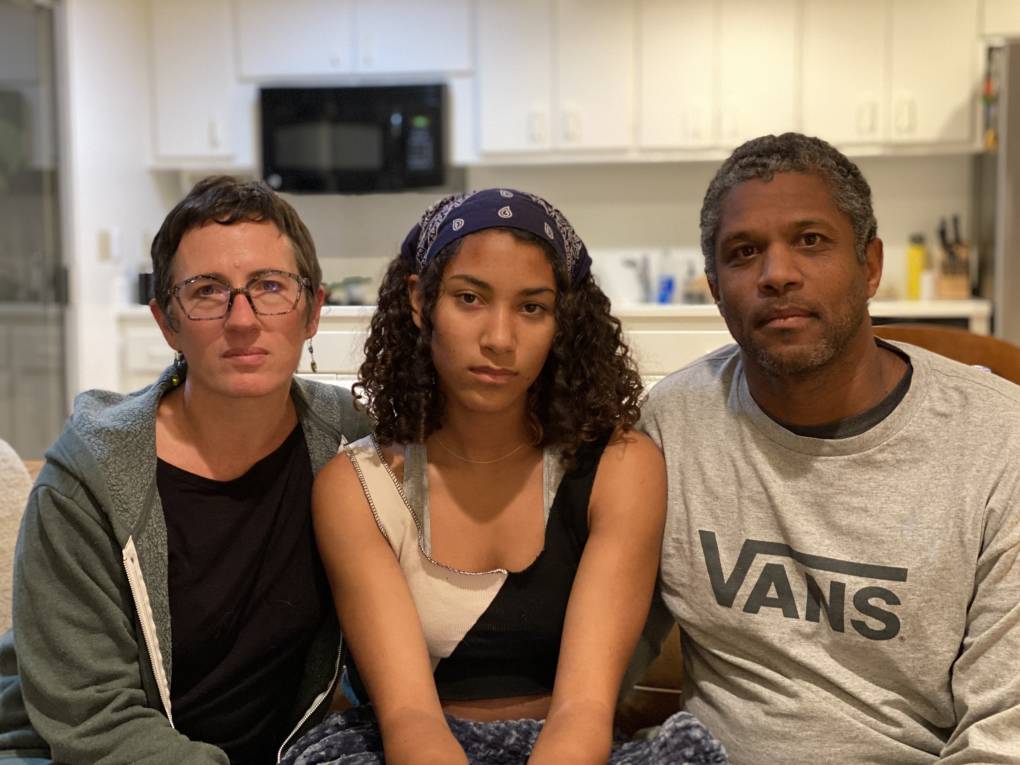
"caption": "Marlee Anderson, age 15, and her parents, Stacy Patton and Rod Anderson, decided to leave Nevada Union High due to the casual racism that they say was not addressed by the school.",
"description": null,
"title": "IMG_9584",
"credit": "Julia McEvoy/KQED",
"status": "inherit",
"altTag": "a young woman with curly hair sits between her parents in their kitchen",
"isLoading": false,
"fetchFailed": false
},
"news_11931252": {
"type": "attachments",
"id": "news_11931252",
"meta": {
"index": "attachments_1716263798",
"site": "news",
"id": "11931252",
"found": true
},
"parent": 11931179,
"imgSizes": {
"twentyfourteen-full-width": {
"file": "https://ww2.kqed.org/app/uploads/sites/10/2022/11/image-1038x576.jpg",
"width": 1038,
"mimeType": "image/jpeg",
"height": 576
},
"thumbnail": {
"file": "https://ww2.kqed.org/app/uploads/sites/10/2022/11/image-160x120.jpg",
"width": 160,
"mimeType": "image/jpeg",
"height": 120
},
"post-thumbnail": {
"file": "https://ww2.kqed.org/app/uploads/sites/10/2022/11/image-672x372.jpg",
"width": 672,
"mimeType": "image/jpeg",
"height": 372
},
"kqedFullSize": {
"file": "https://ww2.kqed.org/app/uploads/sites/10/2022/11/image.jpg",
"width": 1600,
"height": 1200
},
"large": {
"file": "https://ww2.kqed.org/app/uploads/sites/10/2022/11/image-1020x765.jpg",
"width": 1020,
"mimeType": "image/jpeg",
"height": 765
},
"1536x1536": {
"file": "https://ww2.kqed.org/app/uploads/sites/10/2022/11/image-1536x1152.jpg",
"width": 1536,
"mimeType": "image/jpeg",
"height": 1152
},
"medium": {
"file": "https://ww2.kqed.org/app/uploads/sites/10/2022/11/image-800x600.jpg",
"width": 800,
"mimeType": "image/jpeg",
"height": 600
}
},
"publishDate": 1667605784,
"modified": 1667606126,
"caption": "Oakland residents pose for photos in the weeks before Election Day.",
"description": null,
"title": "image",
"credit": "Beth LaBerge/KQED",
"status": "inherit",
"altTag": "A collage of the five portraits included in this story",
"isLoading": false,
"fetchFailed": false
},
"news_11930674": {
"type": "attachments",
"id": "news_11930674",
"meta": {
"index": "attachments_1716263798",
"site": "news",
"id": "11930674",
"found": true
},
"parent": 11928870,
"imgSizes": {
"twentyfourteen-full-width": {
"file": "https://ww2.kqed.org/app/uploads/sites/10/2022/10/RS59249_Early_Voting_009-qut-1038x576.jpg",
"width": 1038,
"mimeType": "image/jpeg",
"height": 576
},
"thumbnail": {
"file": "https://ww2.kqed.org/app/uploads/sites/10/2022/10/RS59249_Early_Voting_009-qut-160x107.jpg",
"width": 160,
"mimeType": "image/jpeg",
"height": 107
},
"post-thumbnail": {
"file": "https://ww2.kqed.org/app/uploads/sites/10/2022/10/RS59249_Early_Voting_009-qut-672x372.jpg",
"width": 672,
"mimeType": "image/jpeg",
"height": 372
},
"kqedFullSize": {
"file": "https://ww2.kqed.org/app/uploads/sites/10/2022/10/RS59249_Early_Voting_009-qut.jpg",
"width": 1920,
"height": 1282
},
"large": {
"file": "https://ww2.kqed.org/app/uploads/sites/10/2022/10/RS59249_Early_Voting_009-qut-1020x681.jpg",
"width": 1020,
"mimeType": "image/jpeg",
"height": 681
},
"1536x1536": {
"file": "https://ww2.kqed.org/app/uploads/sites/10/2022/10/RS59249_Early_Voting_009-qut-1536x1026.jpg",
"width": 1536,
"mimeType": "image/jpeg",
"height": 1026
},
"medium": {
"file": "https://ww2.kqed.org/app/uploads/sites/10/2022/10/RS59249_Early_Voting_009-qut-800x534.jpg",
"width": 800,
"mimeType": "image/jpeg",
"height": 534
}
},
"publishDate": 1667245296,
"modified": 1667245346,
"caption": "An official ballot drop box during early voting at City Hall in San Francisco on Oct. 11, 2022.",
"description": null,
"title": "KQED_EarlyVoting",
"credit": "Marlena Sloss/KQED",
"status": "inherit",
"altTag": "Bright red box reading 'official ballot drop box' on a bright blue table",
"isLoading": false,
"fetchFailed": false
},
"news_11931088": {
"type": "attachments",
"id": "news_11931088",
"meta": {
"index": "attachments_1716263798",
"site": "news",
"id": "11931088",
"found": true
},
"parent": 11931068,
"imgSizes": {
"twentyfourteen-full-width": {
"file": "https://ww2.kqed.org/app/uploads/sites/10/2022/11/RS59762_003_KQED_CarrollFife_10312022-qut-1038x576.jpg",
"width": 1038,
"mimeType": "image/jpeg",
"height": 576
},
"thumbnail": {
"file": "https://ww2.kqed.org/app/uploads/sites/10/2022/11/RS59762_003_KQED_CarrollFife_10312022-qut-160x107.jpg",
"width": 160,
"mimeType": "image/jpeg",
"height": 107
},
"post-thumbnail": {
"file": "https://ww2.kqed.org/app/uploads/sites/10/2022/11/RS59762_003_KQED_CarrollFife_10312022-qut-672x372.jpg",
"width": 672,
"mimeType": "image/jpeg",
"height": 372
},
"kqedFullSize": {
"file": "https://ww2.kqed.org/app/uploads/sites/10/2022/11/RS59762_003_KQED_CarrollFife_10312022-qut.jpg",
"width": 1920,
"height": 1280
},
"large": {
"file": "https://ww2.kqed.org/app/uploads/sites/10/2022/11/RS59762_003_KQED_CarrollFife_10312022-qut-1020x680.jpg",
"width": 1020,
"mimeType": "image/jpeg",
"height": 680
},
"1536x1536": {
"file": "https://ww2.kqed.org/app/uploads/sites/10/2022/11/RS59762_003_KQED_CarrollFife_10312022-qut-1536x1024.jpg",
"width": 1536,
"mimeType": "image/jpeg",
"height": 1024
},
"medium": {
"file": "https://ww2.kqed.org/app/uploads/sites/10/2022/11/RS59762_003_KQED_CarrollFife_10312022-qut-800x533.jpg",
"width": 800,
"mimeType": "image/jpeg",
"height": 533
}
},
"publishDate": 1667513528,
"modified": 1667521629,
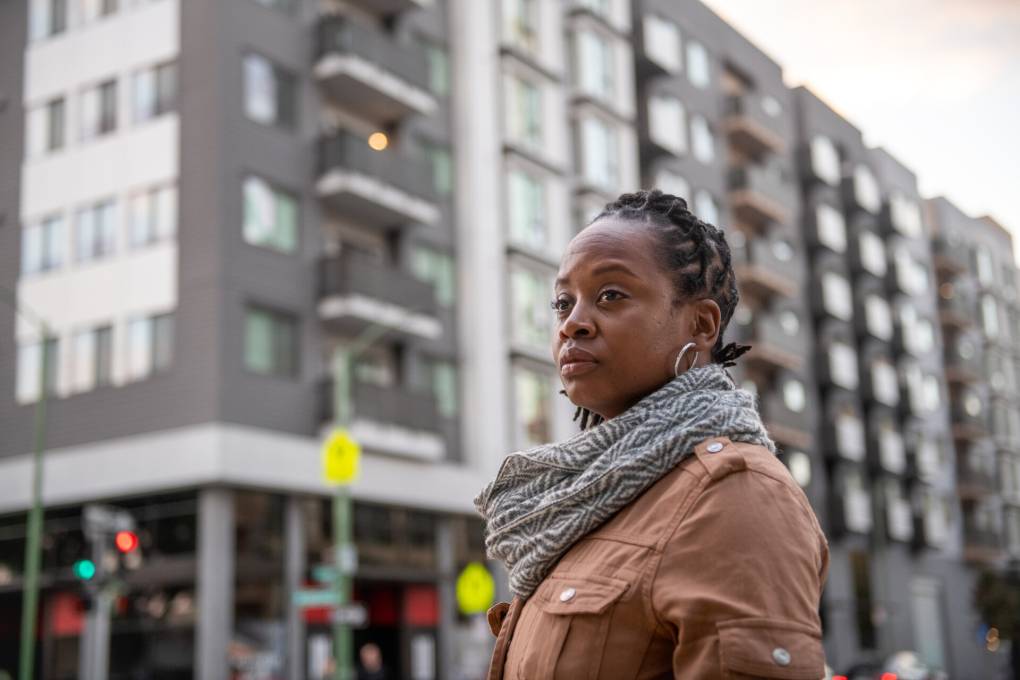
"caption": "Oakland District 3 Councilmember Carroll Fife stands in front of a new market-rate apartment building in Oakland on Oct. 31, 2022.",
"description": null,
"title": "RS59762_003_KQED_CarrollFife_10312022-qut",
"credit": "Beth LaBerge/KQED",
"status": "inherit",
"altTag": "Councilmember Fife stands to the right, looking left across the frame with a serious expression. She wears a large scarf around her neck and a coat. Behind her, slightly out of focus, a large building, perhaps six floors in height.",
"isLoading": false,
"fetchFailed": false
},
"news_11844679": {
"type": "attachments",
"id": "news_11844679",
"meta": {
"index": "attachments_1716263798",
"site": "news",
"id": "11844679",
"found": true
},
"parent": 11844635,
"imgSizes": {
"apple_news_ca_landscape_5_5": {
"file": "https://ww2.kqed.org/app/uploads/sites/10/2020/10/RS45481_029_KQED_Oakland_RegistrarofVoters_10272020-qut-1044x783.jpg",
"width": 1044,
"mimeType": "image/jpeg",
"height": 783
},
"apple_news_ca_square_4_0": {
"file": "https://ww2.kqed.org/app/uploads/sites/10/2020/10/RS45481_029_KQED_Oakland_RegistrarofVoters_10272020-qut-470x470.jpg",
"width": 470,
"mimeType": "image/jpeg",
"height": 470
},
"twentyfourteen-full-width": {
"file": "https://ww2.kqed.org/app/uploads/sites/10/2020/10/RS45481_029_KQED_Oakland_RegistrarofVoters_10272020-qut-1038x576.jpg",
"width": 1038,
"mimeType": "image/jpeg",
"height": 576
},
"thumbnail": {
"file": "https://ww2.kqed.org/app/uploads/sites/10/2020/10/RS45481_029_KQED_Oakland_RegistrarofVoters_10272020-qut-160x107.jpg",
"width": 160,
"mimeType": "image/jpeg",
"height": 107
},
"post-thumbnail": {
"file": "https://ww2.kqed.org/app/uploads/sites/10/2020/10/RS45481_029_KQED_Oakland_RegistrarofVoters_10272020-qut-672x372.jpg",
"width": 672,
"mimeType": "image/jpeg",
"height": 372
},
"kqedFullSize": {
"file": "https://ww2.kqed.org/app/uploads/sites/10/2020/10/RS45481_029_KQED_Oakland_RegistrarofVoters_10272020-qut.jpg",
"width": 1920,
"height": 1280
},
"apple_news_ca_landscape_4_7": {
"file": "https://ww2.kqed.org/app/uploads/sites/10/2020/10/RS45481_029_KQED_Oakland_RegistrarofVoters_10272020-qut-632x474.jpg",
"width": 632,
"mimeType": "image/jpeg",
"height": 474
},
"large": {
"file": "https://ww2.kqed.org/app/uploads/sites/10/2020/10/RS45481_029_KQED_Oakland_RegistrarofVoters_10272020-qut-1020x680.jpg",
"width": 1020,
"mimeType": "image/jpeg",
"height": 680
},
"apple_news_ca_landscape_4_0": {
"file": "https://ww2.kqed.org/app/uploads/sites/10/2020/10/RS45481_029_KQED_Oakland_RegistrarofVoters_10272020-qut-536x402.jpg",
"width": 536,
"mimeType": "image/jpeg",
"height": 402
},
"apple_news_ca_portrait_12_9": {
"file": "https://ww2.kqed.org/app/uploads/sites/10/2020/10/RS45481_029_KQED_Oakland_RegistrarofVoters_10272020-qut-1122x1280.jpg",
"width": 1122,
"mimeType": "image/jpeg",
"height": 1280
},
"medium": {
"file": "https://ww2.kqed.org/app/uploads/sites/10/2020/10/RS45481_029_KQED_Oakland_RegistrarofVoters_10272020-qut-800x533.jpg",
"width": 800,
"mimeType": "image/jpeg",
"height": 533
},
"apple_news_ca_portrait_4_0": {
"file": "https://ww2.kqed.org/app/uploads/sites/10/2020/10/RS45481_029_KQED_Oakland_RegistrarofVoters_10272020-qut-354x472.jpg",
"width": 354,
"mimeType": "image/jpeg",
"height": 472
},
"apple_news_ca_portrait_9_7": {
"file": "https://ww2.kqed.org/app/uploads/sites/10/2020/10/RS45481_029_KQED_Oakland_RegistrarofVoters_10272020-qut-840x1120.jpg",
"width": 840,
"mimeType": "image/jpeg",
"height": 1120
},
"apple_news_ca_landscape_12_9": {
"file": "https://ww2.kqed.org/app/uploads/sites/10/2020/10/RS45481_029_KQED_Oakland_RegistrarofVoters_10272020-qut-1832x1280.jpg",
"width": 1832,
"mimeType": "image/jpeg",
"height": 1280
},
"apple_news_ca_square_9_7": {
"file": "https://ww2.kqed.org/app/uploads/sites/10/2020/10/RS45481_029_KQED_Oakland_RegistrarofVoters_10272020-qut-1104x1104.jpg",
"width": 1104,
"mimeType": "image/jpeg",
"height": 1104
},
"1536x1536": {
"file": "https://ww2.kqed.org/app/uploads/sites/10/2020/10/RS45481_029_KQED_Oakland_RegistrarofVoters_10272020-qut-1536x1024.jpg",
"width": 1536,
"mimeType": "image/jpeg",
"height": 1024
},
"apple_news_ca_portrait_4_7": {
"file": "https://ww2.kqed.org/app/uploads/sites/10/2020/10/RS45481_029_KQED_Oakland_RegistrarofVoters_10272020-qut-414x552.jpg",
"width": 414,
"mimeType": "image/jpeg",
"height": 552
},
"apple_news_ca_square_12_9": {
"file": "https://ww2.kqed.org/app/uploads/sites/10/2020/10/RS45481_029_KQED_Oakland_RegistrarofVoters_10272020-qut-1472x1280.jpg",
"width": 1472,
"mimeType": "image/jpeg",
"height": 1280
},
"apple_news_ca_portrait_5_5": {
"file": "https://ww2.kqed.org/app/uploads/sites/10/2020/10/RS45481_029_KQED_Oakland_RegistrarofVoters_10272020-qut-687x916.jpg",
"width": 687,
"mimeType": "image/jpeg",
"height": 916
},
"apple_news_ca_square_4_7": {
"file": "https://ww2.kqed.org/app/uploads/sites/10/2020/10/RS45481_029_KQED_Oakland_RegistrarofVoters_10272020-qut-550x550.jpg",
"width": 550,
"mimeType": "image/jpeg",
"height": 550
},
"apple_news_ca_landscape_9_7": {
"file": "https://ww2.kqed.org/app/uploads/sites/10/2020/10/RS45481_029_KQED_Oakland_RegistrarofVoters_10272020-qut-1376x1032.jpg",
"width": 1376,
"mimeType": "image/jpeg",
"height": 1032
},
"apple_news_ca_square_5_5": {
"file": "https://ww2.kqed.org/app/uploads/sites/10/2020/10/RS45481_029_KQED_Oakland_RegistrarofVoters_10272020-qut-912x912.jpg",
"width": 912,
"mimeType": "image/jpeg",
"height": 912
}
},
"publishDate": 1604093322,
"modified": 1604100635,
"caption": "A voter approaches an Alameda County Registrar of Voters ballot drop box in Oakland on Oct. 27, 2020.",
"description": "A voter approaches an Alameda County Registrar of Voters ballot drop box in Oakland on Oct. 27, 2020.",
"title": "RS45481_029_KQED_Oakland_RegistrarofVoters_10272020-qut",
"credit": "Beth LaBerge/KQED",
"status": "inherit",
"isLoading": false,
"fetchFailed": false
},
"news_11924596": {
"type": "attachments",
"id": "news_11924596",
"meta": {
"index": "attachments_1716263798",
"site": "news",
"id": "11924596",
"found": true
},
"parent": 11924593,
"imgSizes": {
"twentyfourteen-full-width": {
"file": "https://ww2.kqed.org/app/uploads/sites/10/2022/09/generators-cannery-1038x576.jpg",
"width": 1038,
"mimeType": "image/jpeg",
"height": 576
},
"thumbnail": {
"file": "https://ww2.kqed.org/app/uploads/sites/10/2022/09/generators-cannery-160x107.jpg",
"width": 160,
"mimeType": "image/jpeg",
"height": 107
},
"post-thumbnail": {
"file": "https://ww2.kqed.org/app/uploads/sites/10/2022/09/generators-cannery-672x372.jpg",
"width": 672,
"mimeType": "image/jpeg",
"height": 372
},
"kqedFullSize": {
"file": "https://ww2.kqed.org/app/uploads/sites/10/2022/09/generators-cannery.jpg",
"width": 2160,
"height": 1440
},
"2048x2048": {
"file": "https://ww2.kqed.org/app/uploads/sites/10/2022/09/generators-cannery-2048x1365.jpg",
"width": 2048,
"mimeType": "image/jpeg",
"height": 1365
},
"large": {
"file": "https://ww2.kqed.org/app/uploads/sites/10/2022/09/generators-cannery-1020x680.jpg",
"width": 1020,
"mimeType": "image/jpeg",
"height": 680
},
"1536x1536": {
"file": "https://ww2.kqed.org/app/uploads/sites/10/2022/09/generators-cannery-1536x1024.jpg",
"width": 1536,
"mimeType": "image/jpeg",
"height": 1024
},
"full-width": {
"file": "https://ww2.kqed.org/app/uploads/sites/10/2022/09/generators-cannery-1920x1280.jpg",
"width": 1920,
"mimeType": "image/jpeg",
"height": 1280
},
"medium": {
"file": "https://ww2.kqed.org/app/uploads/sites/10/2022/09/generators-cannery-800x533.jpg",
"width": 800,
"mimeType": "image/jpeg",
"height": 533
}
},
"publishDate": 1662160324,
"modified": 1662160512,
"caption": "Diesel generators were removed from one of two East Oakland buildings owned by Denver-based cannabis landlord Green Sage on Sept. 1, 2022. As many as a dozen of the diesel-powered machines had been used in place of normal grid power to provide electricity to pot-growing operations at the Green Sage complex. ",
"description": null,
"title": "Green Sage Generators",
"credit": "Dan Brekke/KQED",
"status": "inherit",
"altTag": "Two semi trucks tow large diesel generators away from Oakland warehouse.",
"isLoading": false,
"fetchFailed": false
},
"news_11930240": {
"type": "attachments",
"id": "news_11930240",
"meta": {
"index": "attachments_1716263798",
"site": "news",
"id": "11930240",
"found": true
},
"parent": 11930171,
"imgSizes": {
"twentyfourteen-full-width": {
"file": "https://ww2.kqed.org/app/uploads/sites/10/2022/10/GettyImages-484078301-1038x576.jpg",
"width": 1038,
"mimeType": "image/jpeg",
"height": 576
},
"thumbnail": {
"file": "https://ww2.kqed.org/app/uploads/sites/10/2022/10/GettyImages-484078301-160x106.jpg",
"width": 160,
"mimeType": "image/jpeg",
"height": 106
},
"post-thumbnail": {
"file": "https://ww2.kqed.org/app/uploads/sites/10/2022/10/GettyImages-484078301-672x372.jpg",
"width": 672,
"mimeType": "image/jpeg",
"height": 372
},
"kqedFullSize": {
"file": "https://ww2.kqed.org/app/uploads/sites/10/2022/10/GettyImages-484078301.jpg",
"width": 2124,
"height": 1411
},
"2048x2048": {
"file": "https://ww2.kqed.org/app/uploads/sites/10/2022/10/GettyImages-484078301-2048x1361.jpg",
"width": 2048,
"mimeType": "image/jpeg",
"height": 1361
},
"large": {
"file": "https://ww2.kqed.org/app/uploads/sites/10/2022/10/GettyImages-484078301-1020x678.jpg",
"width": 1020,
"mimeType": "image/jpeg",
"height": 678
},
"1536x1536": {
"file": "https://ww2.kqed.org/app/uploads/sites/10/2022/10/GettyImages-484078301-1536x1020.jpg",
"width": 1536,
"mimeType": "image/jpeg",
"height": 1020
},
"full-width": {
"file": "https://ww2.kqed.org/app/uploads/sites/10/2022/10/GettyImages-484078301-1920x1275.jpg",
"width": 1920,
"mimeType": "image/jpeg",
"height": 1275
},
"medium": {
"file": "https://ww2.kqed.org/app/uploads/sites/10/2022/10/GettyImages-484078301-800x531.jpg",
"width": 800,
"mimeType": "image/jpeg",
"height": 531
}
},
"publishDate": 1666829000,
"modified": 1667066496,
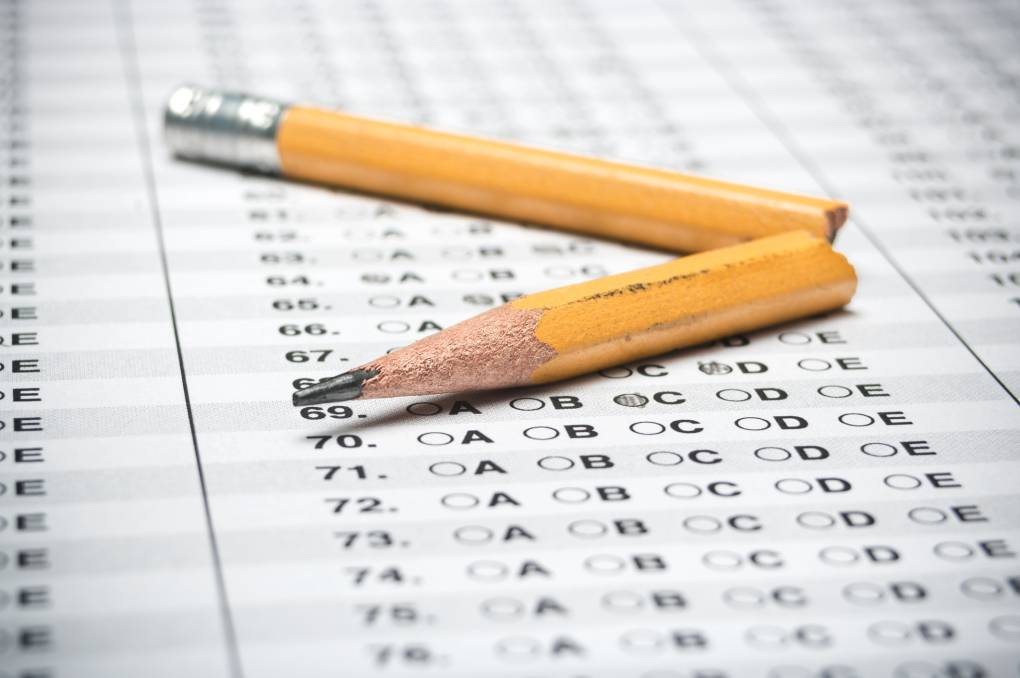
"caption": "Student standardized test scores in California dropped markedly this year, mirroring a nationwide trend.",
"description": null,
"title": "Test with broken Pencil",
"credit": "Michael Quirk via iStock/Getty Images Plus",
"status": "inherit",
"altTag": "A standardized test with a broken yellow pencil.",
"isLoading": false,
"fetchFailed": false
},
"news_11930356": {
"type": "attachments",
"id": "news_11930356",
"meta": {
"index": "attachments_1716263798",
"site": "news",
"id": "11930356",
"found": true
},
"parent": 11930352,
"imgSizes": {
"twentyfourteen-full-width": {
"file": "https://ww2.kqed.org/app/uploads/sites/10/2022/10/Screen-Shot-2022-10-27-at-4.07.05-PM-1038x576.png",
"width": 1038,
"mimeType": "image/png",
"height": 576
},
"thumbnail": {
"file": "https://ww2.kqed.org/app/uploads/sites/10/2022/10/Screen-Shot-2022-10-27-at-4.07.05-PM-160x99.png",
"width": 160,
"mimeType": "image/png",
"height": 99
},
"post-thumbnail": {
"file": "https://ww2.kqed.org/app/uploads/sites/10/2022/10/Screen-Shot-2022-10-27-at-4.07.05-PM-672x372.png",
"width": 672,
"mimeType": "image/png",
"height": 372
},
"kqedFullSize": {
"file": "https://ww2.kqed.org/app/uploads/sites/10/2022/10/Screen-Shot-2022-10-27-at-4.07.05-PM.png",
"width": 1562,
"height": 968
},
"large": {
"file": "https://ww2.kqed.org/app/uploads/sites/10/2022/10/Screen-Shot-2022-10-27-at-4.07.05-PM-1020x632.png",
"width": 1020,
"mimeType": "image/png",
"height": 632
},
"1536x1536": {
"file": "https://ww2.kqed.org/app/uploads/sites/10/2022/10/Screen-Shot-2022-10-27-at-4.07.05-PM-1536x952.png",
"width": 1536,
"mimeType": "image/png",
"height": 952
},
"medium": {
"file": "https://ww2.kqed.org/app/uploads/sites/10/2022/10/Screen-Shot-2022-10-27-at-4.07.05-PM-800x496.png",
"width": 800,
"mimeType": "image/png",
"height": 496
}
},
"publishDate": 1666913030,
"modified": 1666980684,
"caption": "Test scores varied across California, but on the whole, smaller districts that stayed open during COVID fared better on the 2022 Smarter Balanced assessments.",
"description": null,
"title": "Screen Shot 2022-10-27 at 4.07.05 PM",
"credit": "Alison Yin/EdSource",
"status": "inherit",
"altTag": "A classroom filled with children sitting and looking in the same direction.",
"isLoading": false,
"fetchFailed": false
},
"news_11930253": {
"type": "attachments",
"id": "news_11930253",
"meta": {
"index": "attachments_1716263798",
"site": "news",
"id": "11930253",
"found": true
},
"parent": 11930250,
"imgSizes": {
"twentyfourteen-full-width": {
"file": "https://ww2.kqed.org/app/uploads/sites/10/2022/10/ap22167671296428_custom-69436829a3251414dd4eda942942bc4d31ccbb0f-s1600-c85-1038x576.jpg",
"width": 1038,
"mimeType": "image/jpeg",
"height": 576
},
"thumbnail": {
"file": "https://ww2.kqed.org/app/uploads/sites/10/2022/10/ap22167671296428_custom-69436829a3251414dd4eda942942bc4d31ccbb0f-s1600-c85-160x114.jpg",
"width": 160,
"mimeType": "image/jpeg",
"height": 114
},
"post-thumbnail": {
"file": "https://ww2.kqed.org/app/uploads/sites/10/2022/10/ap22167671296428_custom-69436829a3251414dd4eda942942bc4d31ccbb0f-s1600-c85-672x372.jpg",
"width": 672,
"mimeType": "image/jpeg",
"height": 372
},
"kqedFullSize": {
"file": "https://ww2.kqed.org/app/uploads/sites/10/2022/10/ap22167671296428_custom-69436829a3251414dd4eda942942bc4d31ccbb0f-s1600-c85.jpg",
"width": 1600,
"height": 1142
},
"large": {
"file": "https://ww2.kqed.org/app/uploads/sites/10/2022/10/ap22167671296428_custom-69436829a3251414dd4eda942942bc4d31ccbb0f-s1600-c85-1020x728.jpg",
"width": 1020,
"mimeType": "image/jpeg",
"height": 728
},
"1536x1536": {
"file": "https://ww2.kqed.org/app/uploads/sites/10/2022/10/ap22167671296428_custom-69436829a3251414dd4eda942942bc4d31ccbb0f-s1600-c85-1536x1096.jpg",
"width": 1536,
"mimeType": "image/jpeg",
"height": 1096
},
"medium": {
"file": "https://ww2.kqed.org/app/uploads/sites/10/2022/10/ap22167671296428_custom-69436829a3251414dd4eda942942bc4d31ccbb0f-s1600-c85-800x571.jpg",
"width": 800,
"mimeType": "image/jpeg",
"height": 571
}
},
"publishDate": 1666829843,
"modified": 1666829904,
"caption": "Apples and orange slices rest in trays for student lunch at the Albert D. Lawton Intermediate School, in Essex Junction, Vermont on Thursday, June 9, 2022. The pandemic-era federal aid that made school meals available for free to all public school students — regardless of family income levels — is ending, raising fears about the effects in the upcoming school year for families already struggling with rising food and fuel costs.",
"description": null,
"title": "ap22167671296428_custom-69436829a3251414dd4eda942942bc4d31ccbb0f-s1600-c85",
"credit": "Lisa Rathke/AP",
"status": "inherit",
"altTag": "Trays of apples and orange slices.",
"isLoading": false,
"fetchFailed": false
},
"news_11930009": {
"type": "attachments",
"id": "news_11930009",
"meta": {
"index": "attachments_1716263798",
"site": "news",
"id": "11930009",
"found": true
},
"parent": 11929990,
"imgSizes": {
"twentyfourteen-full-width": {
"file": "https://ww2.kqed.org/app/uploads/sites/10/2022/10/051122-St-Hope-Charter-School-MG-CM-22-1038x576.jpg",
"width": 1038,
"mimeType": "image/jpeg",
"height": 576
},
"thumbnail": {
"file": "https://ww2.kqed.org/app/uploads/sites/10/2022/10/051122-St-Hope-Charter-School-MG-CM-22-160x107.jpg",
"width": 160,
"mimeType": "image/jpeg",
"height": 107
},
"post-thumbnail": {
"file": "https://ww2.kqed.org/app/uploads/sites/10/2022/10/051122-St-Hope-Charter-School-MG-CM-22-672x372.jpg",
"width": 672,
"mimeType": "image/jpeg",
"height": 372
},
"kqedFullSize": {
"file": "https://ww2.kqed.org/app/uploads/sites/10/2022/10/051122-St-Hope-Charter-School-MG-CM-22.jpg",
"width": 2000,
"height": 1333
},
"large": {
"file": "https://ww2.kqed.org/app/uploads/sites/10/2022/10/051122-St-Hope-Charter-School-MG-CM-22-1020x680.jpg",
"width": 1020,
"mimeType": "image/jpeg",
"height": 680
},
"1536x1536": {
"file": "https://ww2.kqed.org/app/uploads/sites/10/2022/10/051122-St-Hope-Charter-School-MG-CM-22-1536x1024.jpg",
"width": 1536,
"mimeType": "image/jpeg",
"height": 1024
},
"full-width": {
"file": "https://ww2.kqed.org/app/uploads/sites/10/2022/10/051122-St-Hope-Charter-School-MG-CM-22-1920x1280.jpg",
"width": 1920,
"mimeType": "image/jpeg",
"height": 1280
},
"medium": {
"file": "https://ww2.kqed.org/app/uploads/sites/10/2022/10/051122-St-Hope-Charter-School-MG-CM-22-800x533.jpg",
"width": 800,
"mimeType": "image/jpeg",
"height": 533
}
},
"publishDate": 1666649541,
"modified": 1686957160,
"caption": "California's reparations task force is proposing the state increase its investment in underperforming schools as a key way to narrow the achievement gap between Black students and many of their peers.",
"description": null,
"title": "051122-St-Hope-Charter-School-MG-CM-22",
"credit": "Miguel Gutierrez Jr./CalMatters",
"status": "inherit",
"altTag": "A young Black child wearing a red shirt, sitting at a green desk taking a test with a pencil in hand",
"isLoading": false,
"fetchFailed": false
}
},
"audioPlayerReducer": {
"postId": "stream_live",
"isPaused": true,
"isPlaying": false,
"pfsActive": false,
"pledgeModalIsOpen": true,
"playerDrawerIsOpen": false,
"liveAudioPlayStartedAt": 0,
"liveAudioPlayContext": ""
},
"authorsReducer": {
"byline_news_11932143": {
"type": "authors",
"id": "byline_news_11932143",
"meta": {
"override": true
},
"slug": "byline_news_11932143",
"name": "\u003ca href=\"https://edsource.org/author/dlambert\">Diana Lambert\u003c/a>",
"isLoading": false
},
"byline_news_11932038": {
"type": "authors",
"id": "byline_news_11932038",
"meta": {
"override": true
},
"slug": "byline_news_11932038",
"name": "Cory Turner",
"isLoading": false
},
"byline_news_11930352": {
"type": "authors",
"id": "byline_news_11930352",
"meta": {
"override": true
},
"slug": "byline_news_11930352",
"name": "\u003ca href=\"https://edsource.org/author/cjones\">Carolyn Jones\u003c/a>",
"isLoading": false
},
"byline_news_11930250": {
"type": "authors",
"id": "byline_news_11930250",
"meta": {
"override": true
},
"slug": "byline_news_11930250",
"name": "Ivy Winfrey and John Daley",
"isLoading": false
},
"byline_news_11929990": {
"type": "authors",
"id": "byline_news_11929990",
"meta": {
"override": true
},
"slug": "byline_news_11929990",
"name": "\u003ca href=\"https://calmatters.org/author/joe-hong/\">Joe Hong\u003c/a> and \u003ca href=\"https://calmatters.org/author/ericayee/\">Erica Yee\u003c/a>",
"isLoading": false
},
"danbrekke": {
"type": "authors",
"id": "222",
"meta": {
"index": "authors_1716337520",
"id": "222",
"found": true
},
"name": "Dan Brekke",
"firstName": "Dan",
"lastName": "Brekke",
"slug": "danbrekke",
"email": "dbrekke@kqed.org",
"display_author_email": true,
"staff_mastheads": [
"news",
"science"
],
"title": "KQED Editor and Reporter",
"bio": "Dan Brekke is a reporter and editor for KQED News, responsible for coverage of topics ranging from California water issues to the Bay Area's transportation challenges. In a newsroom career that began in Chicago in 1972, Dan has worked for \u003cem>The San Francisco Examiner,\u003c/em> Wired and TechTV and has been published in The New York Times, The New York Times Magazine, Business 2.0, Salon and elsewhere.\r\n\r\nSince joining KQED in 2007, Dan has reported, edited and produced both radio and online features and breaking news pieces. He has shared as both editor and reporter in four Society of Professional Journalists Norcal Excellence in Journalism awards and one Edward R. Murrow regional award. He was chosen for a spring 2017 residency at the Mesa Refuge to advance his research on California salmon.\r\n\r\nEmail Dan at: \u003ca href=\"mailto:dbrekke@kqed.org\">dbrekke@kqed.org\u003c/a>\r\n\r\n\u003cstrong>Twitter:\u003c/strong> \u003ca href=\"https://twitter.com/danbrekke\" rel=\"noopener noreferrer\">twitter.com/danbrekke\u003c/a>\r\n\u003cstrong>Facebook:\u003c/strong> \u003ca href=\"https://www.facebook.com/danbrekke\" rel=\"noopener noreferrer\">www.facebook.com/danbrekke\u003c/a>\r\n\u003cstrong>LinkedIn:\u003c/strong> \u003ca href=\"https://www.linkedin.com/in/danbrekke\" rel=\"noopener noreferrer\">www.linkedin.com/in/danbrekke\u003c/a>",
"avatar": "https://secure.gravatar.com/avatar/8f1f0d2a978fb3b23426c922c7e2af558fa36905b49c4ce76a97dc3c72d27226?s=600&d=mm&r=g",
"twitter": "danbrekke",
"bluesky": null,
"facebook": null,
"instagram": "https://www.instagram.com/dan.brekke/",
"linkedin": "https://www.linkedin.com/in/danbrekke/",
"sites": [
{
"site": "news",
"roles": [
"administrator",
"create_posts"
]
},
{
"site": "stateofhealth",
"roles": [
"editor"
]
},
{
"site": "science",
"roles": [
"editor"
]
},
{
"site": "quest",
"roles": [
"contributor"
]
},
{
"site": "food",
"roles": [
"contributor"
]
},
{
"site": "forum",
"roles": [
"contributor"
]
},
{
"site": "elections",
"roles": [
"editor"
]
},
{
"site": "liveblog",
"roles": [
"editor"
]
}
],
"headData": {
"title": "Dan Brekke | KQED",
"description": "KQED Editor and Reporter",
"ogImgSrc": "https://secure.gravatar.com/avatar/8f1f0d2a978fb3b23426c922c7e2af558fa36905b49c4ce76a97dc3c72d27226?s=600&d=mm&r=g",
"twImgSrc": "https://secure.gravatar.com/avatar/8f1f0d2a978fb3b23426c922c7e2af558fa36905b49c4ce76a97dc3c72d27226?s=600&d=mm&r=g"
},
"isLoading": false,
"link": "/author/danbrekke"
},
"jmcevoy": {
"type": "authors",
"id": "231",
"meta": {
"index": "authors_1716337520",
"id": "231",
"found": true
},
"name": "Julia McEvoy",
"firstName": "Julia",
"lastName": "McEvoy",
"slug": "jmcevoy",
"email": "jmcevoy@KQED.org",
"display_author_email": true,
"staff_mastheads": [
"news"
],
"title": "KQED Senior Editor",
"bio": "Julia McEvoy is KQED's Senior Editor, Education Equity.\r\n\r\nJulia heads KQED’s education coverage examining inequities students face in Bay Area and California schools, and reports on what it will take to educate the next generation.\r\n\r\nJulia's editorial work has received a Peabody Award, a Casey Medal for Coverage of Children and Families, several Edward R. Murrow awards, as well as awards from the Public Radio News Directors Inc. and the Society for Professional Journalists.",
"avatar": "https://secure.gravatar.com/avatar/aec3ce21abe02b302fd33638abd56a22?s=600&d=blank&r=g",
"twitter": "juliamcevoy1",
"facebook": null,
"instagram": null,
"linkedin": null,
"sites": [
{
"site": "news",
"roles": []
},
{
"site": "stateofhealth",
"roles": [
"author"
]
}
],
"headData": {
"title": "Julia McEvoy | KQED",
"description": "KQED Senior Editor",
"ogImgSrc": "https://secure.gravatar.com/avatar/aec3ce21abe02b302fd33638abd56a22?s=600&d=blank&r=g",
"twImgSrc": "https://secure.gravatar.com/avatar/aec3ce21abe02b302fd33638abd56a22?s=600&d=blank&r=g"
},
"isLoading": false,
"link": "/author/jmcevoy"
},
"ecruzguevarra": {
"type": "authors",
"id": "8654",
"meta": {
"index": "authors_1716337520",
"id": "8654",
"found": true
},
"name": "Ericka Cruz Guevarra",
"firstName": "Ericka",
"lastName": "Cruz Guevarra",
"slug": "ecruzguevarra",
"email": "ecruzguevarra@kqed.org",
"display_author_email": true,
"staff_mastheads": [
"news"
],
"title": "Producer, The Bay Podcast",
"bio": "Ericka Cruz Guevarra is host of \u003ca href=\"https://www.kqed.org/podcasts/thebay\">\u003cem>The Bay\u003c/em>\u003c/a> podcast at KQED. Before host, she was the show’s producer. Her work in that capacity includes a three-part reported series on policing in Vallejo, which won a 2020 excellence in journalism award from the Society of Professional Journalists. Ericka has worked as a breaking news reporter at Oregon Public Broadcasting, helped produce the Code Switch podcast, and was KQED’s inaugural Raul Ramirez Diversity Fund intern. She’s also an alumna of NPR’s Next Generation Radio program. Send her an email if you have strong feelings about whether Fairfield and Suisun City are the Bay. Ericka is represented by SAG-AFTRA.",
"avatar": "https://secure.gravatar.com/avatar/accefc1de4bafc7e234b69bcb9b6f6536c130fd84709bc3069ef11a78787e1bb?s=600&d=blank&r=g",
"twitter": "NotoriousECG",
"bluesky": null,
"facebook": null,
"instagram": null,
"linkedin": null,
"sites": [
{
"site": "arts",
"roles": [
"subscriber"
]
},
{
"site": "news",
"roles": [
"editor",
"manage_categories"
]
},
{
"site": "futureofyou",
"roles": [
"subscriber"
]
},
{
"site": "stateofhealth",
"roles": [
"subscriber"
]
},
{
"site": "science",
"roles": [
"editor"
]
},
{
"site": "forum",
"roles": [
"subscriber"
]
}
],
"headData": {
"title": "Ericka Cruz Guevarra | KQED",
"description": "Producer, The Bay Podcast",
"ogImgSrc": "https://secure.gravatar.com/avatar/accefc1de4bafc7e234b69bcb9b6f6536c130fd84709bc3069ef11a78787e1bb?s=600&d=blank&r=g",
"twImgSrc": "https://secure.gravatar.com/avatar/accefc1de4bafc7e234b69bcb9b6f6536c130fd84709bc3069ef11a78787e1bb?s=600&d=blank&r=g"
},
"isLoading": false,
"link": "/author/ecruzguevarra"
},
"bwatt": {
"type": "authors",
"id": "11238",
"meta": {
"index": "authors_1716337520",
"id": "11238",
"found": true
},
"name": "Brian Watt",
"firstName": "Brian",
"lastName": "Watt",
"slug": "bwatt",
"email": "bwatt@KQED.org",
"display_author_email": false,
"staff_mastheads": [
"news"
],
"title": "Morning News Anchor",
"bio": "Brian Watt is KQED's morning radio news anchor. He joined the KQED News team in April of 2016. Prior to that, he worked as a Reporter for KPCC in Los Angeles and a producer at \u003cem>Marketplace.\u003c/em>\r\n\r\nDuring eight years at KPCC, Brian covered business and economics, and his work won several awards. In 2008, he won the Los Angeles Press Club’s first-place award for Business and Financial Reporting, Broadcast. He’s also received honorable mention and been first runner up for the Press Club’s Radio Journalist of the Year. He won two Golden Mike awards from the Radio and TV News Association of Southern California.\r\n\r\nBrian holds degrees in theater from Yale University and the Sorbonne, and has worked as an actor in France, Italy, Brazil, Hungary and . . . Hollywood. He appeared in a few television shows, including \u003cem>The West Wing, Judging Amy\u003c/em> and \u003cem>The District.\u003c/em>\r\n\r\nEmail: bwatt@KQED.org Twitter: @RadioBWatt",
"avatar": "https://secure.gravatar.com/avatar/55393ff57ed34e2be773ba4789dd6a19?s=600&d=blank&r=g",
"twitter": "@RadioBWatt",
"facebook": null,
"instagram": null,
"linkedin": null,
"sites": [
{
"site": "arts",
"roles": [
"contributor"
]
},
{
"site": "news",
"roles": [
"editor"
]
}
],
"headData": {
"title": "Brian Watt | KQED",
"description": "Morning News Anchor",
"ogImgSrc": "https://secure.gravatar.com/avatar/55393ff57ed34e2be773ba4789dd6a19?s=600&d=blank&r=g",
"twImgSrc": "https://secure.gravatar.com/avatar/55393ff57ed34e2be773ba4789dd6a19?s=600&d=blank&r=g"
},
"isLoading": false,
"link": "/author/bwatt"
},
"vrancano": {
"type": "authors",
"id": "11276",
"meta": {
"index": "authors_1716337520",
"id": "11276",
"found": true
},
"name": "Vanessa Rancaño",
"firstName": "Vanessa",
"lastName": "Rancaño",
"slug": "vrancano",
"email": "vrancano@kqed.org",
"display_author_email": false,
"staff_mastheads": [
"news"
],
"title": "Reporter",
"bio": "Vanessa Rancaño is a features reporter for KQED. She’s also covered homelessness and education for the station and reported from the Central Valley. Her work has aired across public radio, from flagship national news shows to longform narrative podcasts. Before taking up a mic, she worked as a freelance print journalist. She’s been recognized with a number of national and regional awards. Vanessa grew up in California's Central Valley. She's a former NPR Kroc Fellow, and a graduate of the UC Berkeley Graduate School of Journalism.",
"avatar": "https://secure.gravatar.com/avatar/b3a383dfb0e7ee1c17568f2cf067904ab654d6e3de9743fc661f3c788ade1bed?s=600&d=blank&r=g",
"twitter": "vanessarancano",
"bluesky": null,
"facebook": null,
"instagram": null,
"linkedin": null,
"sites": [
{
"site": "arts",
"roles": [
"editor"
]
},
{
"site": "news",
"roles": [
"editor"
]
},
{
"site": "liveblog",
"roles": [
"contributor"
]
}
],
"headData": {
"title": "Vanessa Rancaño | KQED",
"description": "Reporter",
"ogImgSrc": "https://secure.gravatar.com/avatar/b3a383dfb0e7ee1c17568f2cf067904ab654d6e3de9743fc661f3c788ade1bed?s=600&d=blank&r=g",
"twImgSrc": "https://secure.gravatar.com/avatar/b3a383dfb0e7ee1c17568f2cf067904ab654d6e3de9743fc661f3c788ade1bed?s=600&d=blank&r=g"
},
"isLoading": false,
"link": "/author/vrancano"
},
"amontecillo": {
"type": "authors",
"id": "11649",
"meta": {
"index": "authors_1716337520",
"id": "11649",
"found": true
},
"name": "Alan Montecillo",
"firstName": "Alan",
"lastName": "Montecillo",
"slug": "amontecillo",
"email": "amontecillo@kqed.org",
"display_author_email": false,
"staff_mastheads": [
"news"
],
"title": "KQED Contributor",
"bio": "Alan Montecillo is the senior editor of \u003cem>\u003ca href=\"http://kqed.org/thebay\">The Bay\u003c/a>, \u003c/em> KQED's local news podcast. Before moving to the Bay Area, he worked as a senior talk show producer for WILL in Champaign-Urbana, Illinois and at Oregon Public Broadcasting in Portland, Oregon. He has won journalism awards from the Society of Professional Journalists Northern California, the Public Media Journalists Association, The Signal Awards, and has also received a regional Edward R. Murrow award. Alan is a Filipino American from Hong Kong and a graduate of Reed College.",
"avatar": "https://secure.gravatar.com/avatar/268f53a2066899ea9efdd8a5900218b17c822d9862cbc9326cccec53ef41d349?s=600&d=blank&r=g",
"twitter": "alanmontecillo",
"bluesky": null,
"facebook": null,
"instagram": null,
"linkedin": null,
"sites": [
{
"site": "",
"roles": [
"editor"
]
},
{
"site": "news",
"roles": [
"editor",
"manage_categories"
]
}
],
"headData": {
"title": "Alan Montecillo | KQED",
"description": "KQED Contributor",
"ogImgSrc": "https://secure.gravatar.com/avatar/268f53a2066899ea9efdd8a5900218b17c822d9862cbc9326cccec53ef41d349?s=600&d=blank&r=g",
"twImgSrc": "https://secure.gravatar.com/avatar/268f53a2066899ea9efdd8a5900218b17c822d9862cbc9326cccec53ef41d349?s=600&d=blank&r=g"
},
"isLoading": false,
"link": "/author/amontecillo"
},
"agonzalez": {
"type": "authors",
"id": "11724",
"meta": {
"index": "authors_1716337520",
"id": "11724",
"found": true
},
"name": "Alexander Gonzalez",
"firstName": "Alexander",
"lastName": "Gonzalez",
"slug": "agonzalez",
"email": "AlexanderGonzalez@KQED.org",
"display_author_email": false,
"staff_mastheads": [
"news"
],
"title": "KQED Contributor",
"bio": null,
"avatar": "https://secure.gravatar.com/avatar/9e291ed34e154df4c662edf858b641d70b4859939bfe40be478408f9dfd057d2?s=600&d=blank&r=g",
"twitter": null,
"bluesky": null,
"facebook": null,
"instagram": null,
"linkedin": null,
"sites": [
{
"site": "arts",
"roles": [
"editor"
]
},
{
"site": "news",
"roles": [
"editor"
]
},
{
"site": "science",
"roles": [
"editor"
]
}
],
"headData": {
"title": "Alexander Gonzalez | KQED",
"description": "KQED Contributor",
"ogImgSrc": "https://secure.gravatar.com/avatar/9e291ed34e154df4c662edf858b641d70b4859939bfe40be478408f9dfd057d2?s=600&d=blank&r=g",
"twImgSrc": "https://secure.gravatar.com/avatar/9e291ed34e154df4c662edf858b641d70b4859939bfe40be478408f9dfd057d2?s=600&d=blank&r=g"
},
"isLoading": false,
"link": "/author/agonzalez"
},
"afinney": {
"type": "authors",
"id": "11772",
"meta": {
"index": "authors_1716337520",
"id": "11772",
"found": true
},
"name": "Annelise Finney",
"firstName": "Annelise",
"lastName": "Finney",
"slug": "afinney",
"email": "afinney@kqed.org",
"display_author_email": true,
"staff_mastheads": [
"news"
],
"title": "Reporter",
"bio": "Annelise reports on reparations in California and East Bay politics. She co-produced the Sunday Music Drop, a limited-term radio series featuring Bay Area musicians that aired between Sept 2022 and Oct 2024. She joined KQED in 2021 as a general assignment reporter and is an alumna of KALW's Audio Academy. She was born and raised in the East Bay. She is currently away from KQED completing a year-long reporting project in Berlin, Germany as a Alexander Von Humboldt German Chancellor Fellow.",
"avatar": "https://secure.gravatar.com/avatar/5fded66cae47704cdfc5021cde0f3aa4?s=600&d=blank&r=g",
"twitter": null,
"facebook": null,
"instagram": null,
"linkedin": null,
"sites": [
{
"site": "news",
"roles": [
"editor"
]
},
{
"site": "liveblog",
"roles": [
"author"
]
}
],
"headData": {
"title": "Annelise Finney | KQED",
"description": "Reporter",
"ogImgSrc": "https://secure.gravatar.com/avatar/5fded66cae47704cdfc5021cde0f3aa4?s=600&d=blank&r=g",
"twImgSrc": "https://secure.gravatar.com/avatar/5fded66cae47704cdfc5021cde0f3aa4?s=600&d=blank&r=g"
},
"isLoading": false,
"link": "/author/afinney"
},
"swhitney": {
"type": "authors",
"id": "11784",
"meta": {
"index": "authors_1716337520",
"id": "11784",
"found": true
},
"name": "Spencer Whitney",
"firstName": "Spencer",
"lastName": "Whitney",
"slug": "swhitney",
"email": "swhitney@kqed.org",
"display_author_email": false,
"staff_mastheads": [],
"title": "KQED Digital Editor",
"bio": "Spencer Whitney is currently a Digital Editor for KQED News. Prior to joining KQED News, Spencer worked as the Multimedia Editor at the Oakland Post and an Assistant Editor in the Editorial department at the San Francisco Chronicle. He attended Howard University as an undergraduate and interned with SiriusXM. He also attended UC Berkeley's Graduate School of Journalism and had the opportunity to write for the hyperlocal news sites Richmond Confidential and Oakland North.",
"avatar": "https://secure.gravatar.com/avatar/e33ff4fd8b8f0d2796f36472fb32607ca8fc46ef5e537dcfdbdee688d8ea5b80?s=600&d=mm&r=g",
"twitter": null,
"bluesky": null,
"facebook": null,
"instagram": null,
"linkedin": null,
"sites": [
{
"site": "arts",
"roles": [
"editor"
]
},
{
"site": "news",
"roles": [
"editor"
]
},
{
"site": "science",
"roles": [
"editor"
]
},
{
"site": "perspectives",
"roles": [
"editor"
]
}
],
"headData": {
"title": "Spencer Whitney | KQED",
"description": "KQED Digital Editor",
"ogImgSrc": "https://secure.gravatar.com/avatar/e33ff4fd8b8f0d2796f36472fb32607ca8fc46ef5e537dcfdbdee688d8ea5b80?s=600&d=mm&r=g",
"twImgSrc": "https://secure.gravatar.com/avatar/e33ff4fd8b8f0d2796f36472fb32607ca8fc46ef5e537dcfdbdee688d8ea5b80?s=600&d=mm&r=g"
},
"isLoading": false,
"link": "/author/swhitney"
},
"mesquinca": {
"type": "authors",
"id": "11802",
"meta": {
"index": "authors_1716337520",
"id": "11802",
"found": true
},
"name": "Maria Esquinca",
"firstName": "Maria",
"lastName": "Esquinca",
"slug": "mesquinca",
"email": "mesquinca@kqed.org",
"display_author_email": false,
"staff_mastheads": [],
"title": "Producer, The Bay",
"bio": "María Esquinca is a producer of The Bay. Before that, she was a New York Women’s Foundation IGNITE Fellow at Latino USA. She worked at Radio Bilingue where she covered the San Joaquin Valley. Maria has interned at WLRN, News 21, The New York Times Student Journalism Institute and at Crain’s Detroit Business as a Dow Jones News Fund Business Reporting Intern. She is an MFA graduate from the University of Miami. In 2017, she graduated from the Walter Cronkite School of Journalism and Mass Communication with a Master of Mass Communication. A fronteriza, she was born in Ciudad Juárez, Chihuahua, Mexico and grew up in El Paso, Texas.",
"avatar": "https://secure.gravatar.com/avatar/77cedba18aae91da775038ba06dcd8d0?s=600&d=blank&r=g",
"twitter": "@m_esquinca",
"facebook": null,
"instagram": null,
"linkedin": null,
"sites": [
{
"site": "news",
"roles": []
}
],
"headData": {
"title": "Maria Esquinca | KQED",
"description": "Producer, The Bay",
"ogImgSrc": "https://secure.gravatar.com/avatar/77cedba18aae91da775038ba06dcd8d0?s=600&d=blank&r=g",
"twImgSrc": "https://secure.gravatar.com/avatar/77cedba18aae91da775038ba06dcd8d0?s=600&d=blank&r=g"
},
"isLoading": false,
"link": "/author/mesquinca"
}
},
"pagesReducer": {
"news_tag_education": {
"type": "terms",
"id": "news_20013",
"meta": {
"index": "terms_1716263798",
"site": "news",
"id": "20013",
"score": 6.9701343
},
"featImg": null,
"name": "education",
"description": null,
"taxonomy": "tag",
"headData": {
"twImgId": null,
"twTitle": null,
"ogTitle": null,
"ogImgId": null,
"twDescription": null,
"description": null,
"title": "education Archives | KQED News",
"ogDescription": null
},
"ttid": 20030,
"slug": "education",
"isLoading": false,
"title": "education",
"pageMeta": {
"site": "news",
"WpPageTemplate": "page-topic-editorial",
"currentPage": 62
},
"blocks": [
{
"blockName": "kqed/post-list",
"attrs": {
"layout": "cardArticle2",
"query": "posts/news?tag=education",
"seeMore": false,
"paginated": true,
"page": 62
}
},
{
"blockName": "kqed/ad"
}
]
}
},
"pfsSessionReducer": {},
"postsReducer": {
"stream_live": {
"type": "live",
"id": "stream_live",
"audioUrl": "https://streams.kqed.org/kqedradio",
"title": "Live Stream",
"excerpt": "Live Stream information currently unavailable.",
"link": "/radio",
"featImg": "",
"label": {
"name": "KQED Live",
"link": "/"
}
},
"stream_kqedNewscast": {
"type": "posts",
"id": "stream_kqedNewscast",
"audioUrl": "https://www.kqed.org/.stream/anon/radio/RDnews/newscast.mp3?_=1",
"title": "KQED Newscast",
"featImg": "",
"label": {
"name": "88.5 FM",
"link": "/"
}
},
"news_11932143": {
"type": "posts",
"id": "news_11932143",
"meta": {
"index": "posts_1716263798",
"site": "news",
"id": "11932143",
"score": null,
"sort": [
1668459044000
]
},
"guestAuthors": [],
"slug": "the-gop-wanted-to-flip-california-school-boards-it-looks-like-they-didnt-succeed",
"title": "The GOP Wanted to Flip California School Boards. It Looks Like They Didn't Succeed",
"publishDate": 1668459044,
"format": "standard",
"headTitle": "The GOP Wanted to Flip California School Boards. It Looks Like They Didn’t Succeed | KQED",
"labelTerm": {},
"content": "\u003cp>Parental angst over COVID school closures and protocols didn’t seem to be enough to flip California school board seats in more liberal areas of California, despite the efforts of the state Republican Party and other conservative groups.\u003c/p>\n\u003cp>The state GOP\u003ca href=\"https://www.cagop.org/s/parentrevolt\" target=\"_blank\" rel=\"noopener noreferrer\">\u003cspan class=\"apple-converted-space\"> \u003c/span>Parent Revolt\u003c/a>\u003cspan class=\"apple-converted-space\"> \u003c/span>program and other conservative organizations spent more than a year recruiting, training and endorsing an army of candidates in an effort to win what are generally considered nonpartisan seats. Their goal:\u003cspan class=\"apple-converted-space\"> \u003c/span>\u003ca href=\"https://edsource.org/2022/conservatives-are-waging-a-war-for-control-over-california-school-boards/679713\">Flip school boards\u003c/a> to promote conservative issues including fighting educational policies on gender identity and racial equity.[pullquote size=\"medium\" align=\"right\" citation=\"Terri Knudsen, retired school librarian, Morgan Hill Unified school board candidate\"]‘I think that voters trust teachers and librarians and people with experience in education.’[/pullquote]\u003c/p>\n\u003cp>The result of these efforts is hard to know at this time, as the dust has yet to settle on many of the closer races. The state’s move to mail-in ballots also is expected to delay results, as late-arriving ballots are tallied and signatures verified. Although all ballots must have been postmarked by November 8, ballots that arrive at elections offices within a week of that date are counted.\u003c/p>\n\u003cp>Shawn Steel, who represents California on the Republican National Committee, has indicated that the effort to flip school boards would continue in the coming years. He opted not to be interviewed for this story because election results are not final.\u003c/p>\n\u003cp>\u003ca href=\"https://www.momsforliberty.org/\" target=\"_blank\" rel=\"noopener noreferrer\">Moms for Liberty\u003c/a>, a conservative organization, endorsed 270 candidates nationwide, including 50 in California. Opponents of the organization have called their positions bigoted, homophobic, racist fearmongering and extremist, according to\u003ca href=\"https://www.newsweek.com/moms-liberty-ride-wave-anti-wokeness-school-board-victories-1757693\" target=\"_blank\" rel=\"noopener noreferrer\">\u003cspan class=\"apple-converted-space\"> \u003c/span>Newsweek\u003c/a>.[aside postID=\"news_11923366,news_11922860\" label=\"Related Posts\"]The group focused a lot of its attention on Santa Clara County, where it endorsed eight candidates. Only one candidate appears to have won a seat.\u003c/p>\n\u003cp>Moms for Liberty-endorsed candidate Marc Cooper has the third-highest vote count in a tight race that will decide three trustee seats on the Franklin-McKinley School District board in San José. He has 17% of the vote, trailing Steve Sanchez and Rudy Rodriguez, who have 19% and 18% of the vote respectively. Three other candidates are within 3 percentage points of taking one of the seats, according to\u003ca href=\"https://results.enr.clarityelections.com/CA/Santa_Clara/115971/web.307039/#/detail/64\" target=\"_blank\" rel=\"noopener noreferrer\">\u003cspan class=\"apple-converted-space\"> \u003c/span>results updated \u003c/a>Wednesday afternoon. Rodriguez was endorsed by the\u003ca href=\"https://sccdp.org/wp-content/uploads/2022/09/Endorsements-in-Local-Races-Nov-2022.pdf\" target=\"_blank\" rel=\"noopener noreferrer\">\u003cspan class=\"apple-converted-space\"> \u003c/span>county’s Democratic Party (PDF)\u003c/a>.\u003c/p>\n\u003cp>Morgan Hill Unified candidate Dennis Delisle also was endorsed by Moms for Liberty. The businessperson was the lone candidate for the seat until\u003cspan class=\"apple-converted-space\"> \u003c/span>\u003ca href=\"https://www.sfchronicle.com/bayarea/article/A-Bay-Area-school-board-candidate-holds-extremist-17370172.php\" target=\"_blank\" rel=\"noopener noreferrer\">The San Francisco Chronicle\u003c/a>\u003cspan class=\"apple-converted-space\"> \u003c/span>published a story about racist and homophobic statements he made in a book he authored. The article prompted two candidates to join the race just before the filing deadline.\u003c/p>\n\u003cp>One of the challengers, retired school librarian\u003ca href=\"https://results.enr.clarityelections.com/CA/Santa_Clara/115971/web.307039/#/summary\" target=\"_blank\" rel=\"noopener noreferrer\">\u003cspan class=\"apple-converted-space\"> \u003c/span>Terri Knudsen\u003c/a>\u003cspan class=\"apple-converted-space\">, \u003c/span>was leading with 43% of the vote on Wednesday. Delisle had 29% and attorney Armando Benavides had 28% of the vote. Both Knudsen and Benavides were endorsed by the county’s Democratic Party.\u003c/p>\n\u003cp>“I think that voters trust teachers and librarians and people with experience in education,” Knudsen said. “I was knocking door to door and tried to connect with as many people as possible. They seemed to be very happy I was running.”\u003c/p>\n\u003cp>Morgan Hill has a community of Democrats and Republicans who don’t always vote along party lines, she said.\u003c/p>\n\u003cp>“Candidates with extreme views are less likely to be supported by parents and families in Morgan Hill,” she said. “It’s more of a middle-of-the-road base that doesn’t want politics to invade this space. We want what is best for kids.”\u003c/p>\n\u003cp>Knudsen didn’t have much time to campaign for office, but she received help from the Morgan Hill Federation of Teachers, whose members made phone calls and knocked on doors for her.\u003c/p>\n\u003cp>“When your teachers call and say they support these people and they know about education, that is a big help,” Knudsen said.\u003c/p>\n\u003cp>In more conservative areas of the state, like Placer County near Sacramento, the efforts of the Republican Party and other conservative groups generated great enthusiasm and crowded school board races.\u003c/p>\n\u003cp>Moms for Liberty took a particular interest in school board races in that county, endorsing 23 candidates. Destiny Christian Church in Rocklin also teamed up with the Christian advocacy group the American Council to recruit candidates to advance a “biblical worldview,” according to The Sacramento Bee.\u003c/p>\n\u003cp>Although most residents of Placer County are conservative, Roseville, a suburban city near Sacramento, is more mixed politically. Jonathan Zachreson is running for one of three open seats on the Roseville City School District board. He was endorsed by the Republican Party, Moms for Liberty, the American Council and\u003ca href=\"https://blog.electkevinkiley.com/kevin-kileys-school-board-endorsements/\" target=\"_blank\" rel=\"noopener noreferrer\">\u003cspan class=\"apple-converted-space\"> \u003c/span>Kevin Kiley\u003c/a>\u003cspan class=\"apple-converted-space\">, \u003c/span>who is running against Democrat Kermit Jones for a U.S. House seat.\u003c/p>\n\u003cp>After COVID-19 closed schools, Zachreson, a father of three, created the Reopen California Schools Facebook page to give a voice to parents frustrated by the closures, and later by mask and vaccination mandates.\u003c/p>\n\u003cp>Despite the endorsements and exposure, Zachreson is tied for last place with an opponent with similar endorsements, Kent Meyer. Both had about 17% of the vote Thursday morning. The top vote-getters were incumbents Alisa Fong, with 29% of the vote, and Rob Baquera, with 21% of the vote. Fong is endorsed by the Republican Party and Kevin Kiley, while Baquera is not endorsed by a political party.\u003c/p>\n\u003cp>Zachreson, like Knudsen, says he wants to ensure that politics don’t creep into the classroom. Instead, he says, schools should concentrate on core academics. He would like schools to stay away from controversial or “hot-button” issues surrounding gender and racism.\u003c/p>\n\u003cp>If Zachreson wins a seat, he plans to meet with the teachers to discuss the possibility of the district teachers union breaking away from the California Teachers Association, the state’s largest teachers union.\u003c/p>\n\u003cp>“What are roadblocks? I have heard some want to leave the union and there are benefits that keep them there,” Zachreson said. “I don’t think it’s inappropriate to find what those things are and to help them do that.”\u003c/p>\n\u003cp>In nearby San Juan Unified in Sacramento, candidate Jeffrey Erik Perrine, a member of the Proud Boys, a right-wing extremist group, is losing his bid for a school board seat. He recently told The Sacramento Bee that he wants teachers to focus on teaching and not on indoctrinating students.\u003c/p>\n\u003cp>Perrine has not been endorsed by the Republican Party, who ousted him from the party after they learned of his affiliation with the Proud Boys, which has been aligned with white nationalists and neo-Nazis. Instead, the GOP endorsed Tanya Kravchuk, a child welfare worker. She is leading with 42% of the vote, followed closely by incumbent Michael McKibben, a retired education administrator, who has 38% of the vote. Perrine has 21% of the vote.\u003c/p>\n\u003cp>In San Diego, GOP-backed candidate Becca Williams is in a\u003ca href=\"https://www.livevoterturnout.com/ENR/sandiegocaenr/16/en/Index_16.html\" target=\"_blank\" rel=\"noopener noreferrer\">\u003cspan class=\"apple-converted-space\"> \u003c/span>tight race\u003c/a>\u003cspan class=\"apple-converted-space\"> \u003c/span>for a seat on the San Diego Unified board. She is up against Democrat Cody Petterson, who teaches anthropology at UC San Diego. Petterson is leading 53% to her 47%.\u003c/p>\n\u003cp>That race has become\u003ca href=\"https://www.sandiegouniontribune.com/news/education/story/2022-11-06/san-diego-unified-cody-petterson-becca-williams-partisan\" target=\"_blank\" rel=\"noopener noreferrer\">\u003cspan class=\"apple-converted-space\"> \u003c/span>a partisan brawl\u003c/a>\u003cspan class=\"apple-converted-space\"> \u003c/span>about abortion, vouchers and Texas, according to The San Diego Union-Tribune. Political action committees have spent more than $367,000 either supporting or attacking the two candidates, according to the paper.\u003c/p>\n\u003cp>Williams, a curriculum company manager, is endorsed by the state Republican Party and the American Council. Petterson is endorsed by the San Diego Education Association, which has called Williams a “MAGA extremist,” a “COVID conspiracist” and a “Texas Republican,” according to The San Diego Union-Tribune.\u003c/p>\n\u003cp>The California Teachers Association typically offers endorsements in about 500 school board races each election year and hasn’t increased its endorsements this year, according to a spokesperson.\u003c/p>\n\u003cp>Far-right political provocateur and commentator and retired San Francisco Giants slugger Aubrey Huff has failed in his attempt to win a seat on the board of the Solana Beach School District in San Diego County,\u003ca href=\"https://www.si.com/mlb/giants/news/former-sf-giants-aubrey-huff-loses-election\" target=\"_blank\" rel=\"noopener noreferrer\">\u003cspan class=\"apple-converted-space\"> \u003c/span>Sports Illustrated\u003c/a>\u003cspan class=\"apple-converted-space\"> \u003c/span>and other news outlets reported.\u003c/p>\n\u003cp>Huff, who has no political endorsements, lost to the board’s sitting vice president, Debra Schade, 1,505 votes to 362 in the two-person race. Little was known about Huff’s campaign platform, and his personal website makes no mention of his candidacy.\u003c/p>\n\u003cp>Citing Huff’s offensive political positions and offensive comments about women, the Giants banned Huff in 2020 from attending a 10-year reunion of the franchise’s 2010 World Series championship team. Huff “has made multiple comments on social media that are unacceptable and run counter to the values of our organization,” a team spokesperson said in a statement at the time.\u003c/p>\n\u003cp>\u003ca href=\"https://reclaimthenet.org/twitter-bans-former-major-league-baseball-star-aubrey-huff/\" target=\"_blank\" rel=\"noopener noreferrer\">Twitter also permanently banned\u003c/a>\u003cspan class=\"apple-converted-space\"> \u003c/span>Huff in 2021 for repeatedly tweeting false information about COVID-19 vaccines. He had also tweeted violent threats against former presidential candidate Bernie Sanders.\u003c/p>\n\u003cp>\u003cem>EdSource reporter Thomas Peele contributed to this report.\u003c/em>\u003c/p>\n\u003cp>\u003ca href=\"https://edsource.org/2022/california-school-board-races-dont-see-red-wave/681178\">\u003ci>\u003cspan style=\"font-weight: 400\">This story originally appeared in EdSource.\u003c/span>\u003c/i>\u003c/a>\u003c/p>\n\u003cp>[ad fullwidth]\u003c/p>\n\u003cp>[ad floatright]\u003c/p>\n",
"blocks": [],
"excerpt": "Parental angst over COVID school closures and protocols didn't seem to be enough to flip California school board seats in more liberal areas of California, despite the efforts of the state Republican Party and other conservative groups.",
"status": "publish",
"parent": 0,
"modified": 1721132130,
"stats": {
"hasAudio": false,
"hasVideo": false,
"hasChartOrMap": false,
"iframeSrcs": [],
"hasGoogleForm": false,
"hasGallery": false,
"hasHearkenModule": false,
"hasPolis": false,
"paragraphCount": 35,
"wordCount": 1540
},
"headData": {
"title": "The GOP Wanted to Flip California School Boards. It Looks Like They Didn't Succeed | KQED",
"description": "Parental angst over COVID school closures and protocols didn't seem to be enough to flip California school board seats in more liberal areas of California, despite the efforts of the state Republican Party and other conservative groups.",
"ogTitle": "",
"ogDescription": "",
"ogImgId": "",
"twTitle": "",
"twDescription": "",
"twImgId": "",
"schema": {
"@context": "https://schema.org",
"@type": "NewsArticle",
"headline": "The GOP Wanted to Flip California School Boards. It Looks Like They Didn't Succeed",
"datePublished": "2022-11-14T12:50:44-08:00",
"dateModified": "2024-07-16T05:15:30-07:00",
"image": "https://cdn.kqed.org/wp-content/uploads/2020/02/KQED-OG-Image@1x.png",
"isAccessibleForFree": "True",
"publisher": {
"@type": "NewsMediaOrganization",
"@id": "https://www.kqed.org/#organization",
"name": "KQED",
"logo": "https://cdn.kqed.org/wp-content/uploads/2020/02/KQED-OG-Image@1x.png",
"url": "https://www.kqed.org",
"sameAs": [
"https://www.facebook.com/KQED",
"https://twitter.com/KQED",
"https://www.instagram.com/kqed/",
"https://www.tiktok.com/@kqedofficial",
"https://www.linkedin.com/company/kqed",
"https://www.youtube.com/channel/UCeC0IOo7i1P_61zVUWbJ4nw"
]
}
}
},
"source": "EdSource",
"sourceUrl": "https://edsource.org/",
"sticky": false,
"nprByline": "\u003ca href=\"https://edsource.org/author/dlambert\">Diana Lambert\u003c/a>",
"excludeFromSiteSearch": "Include",
"showOnAuthorArchivePages": "No",
"path": "/news/11932143/the-gop-wanted-to-flip-california-school-boards-it-looks-like-they-didnt-succeed",
"audioTrackLength": null,
"parsedContent": [
{
"type": "contentString",
"content": "\u003cdiv class=\"post-body\">\u003cp>\u003cp>Parental angst over COVID school closures and protocols didn’t seem to be enough to flip California school board seats in more liberal areas of California, despite the efforts of the state Republican Party and other conservative groups.\u003c/p>\n\u003cp>The state GOP\u003ca href=\"https://www.cagop.org/s/parentrevolt\" target=\"_blank\" rel=\"noopener noreferrer\">\u003cspan class=\"apple-converted-space\"> \u003c/span>Parent Revolt\u003c/a>\u003cspan class=\"apple-converted-space\"> \u003c/span>program and other conservative organizations spent more than a year recruiting, training and endorsing an army of candidates in an effort to win what are generally considered nonpartisan seats. Their goal:\u003cspan class=\"apple-converted-space\"> \u003c/span>\u003ca href=\"https://edsource.org/2022/conservatives-are-waging-a-war-for-control-over-california-school-boards/679713\">Flip school boards\u003c/a> to promote conservative issues including fighting educational policies on gender identity and racial equity.\u003c/p>\u003c/div>",
"attributes": {
"named": {},
"numeric": []
}
},
{
"type": "component",
"content": "‘I think that voters trust teachers and librarians and people with experience in education.’",
"name": "pullquote",
"attributes": {
"named": {
"size": "medium",
"align": "right",
"citation": "Terri Knudsen, retired school librarian, Morgan Hill Unified school board candidate",
"label": ""
},
"numeric": []
}
},
{
"type": "contentString",
"content": "\u003cdiv class=\"post-body\">\u003cp>\u003c/p>\n\u003cp>The result of these efforts is hard to know at this time, as the dust has yet to settle on many of the closer races. The state’s move to mail-in ballots also is expected to delay results, as late-arriving ballots are tallied and signatures verified. Although all ballots must have been postmarked by November 8, ballots that arrive at elections offices within a week of that date are counted.\u003c/p>\n\u003cp>Shawn Steel, who represents California on the Republican National Committee, has indicated that the effort to flip school boards would continue in the coming years. He opted not to be interviewed for this story because election results are not final.\u003c/p>\n\u003cp>\u003ca href=\"https://www.momsforliberty.org/\" target=\"_blank\" rel=\"noopener noreferrer\">Moms for Liberty\u003c/a>, a conservative organization, endorsed 270 candidates nationwide, including 50 in California. Opponents of the organization have called their positions bigoted, homophobic, racist fearmongering and extremist, according to\u003ca href=\"https://www.newsweek.com/moms-liberty-ride-wave-anti-wokeness-school-board-victories-1757693\" target=\"_blank\" rel=\"noopener noreferrer\">\u003cspan class=\"apple-converted-space\"> \u003c/span>Newsweek\u003c/a>.\u003c/p>\u003c/div>",
"attributes": {
"named": {},
"numeric": []
}
},
{
"type": "component",
"content": "",
"name": "aside",
"attributes": {
"named": {
"postid": "news_11923366,news_11922860",
"label": "Related Posts "
},
"numeric": []
}
},
{
"type": "contentString",
"content": "\u003cdiv class=\"post-body\">\u003cp>The group focused a lot of its attention on Santa Clara County, where it endorsed eight candidates. Only one candidate appears to have won a seat.\u003c/p>\n\u003cp>Moms for Liberty-endorsed candidate Marc Cooper has the third-highest vote count in a tight race that will decide three trustee seats on the Franklin-McKinley School District board in San José. He has 17% of the vote, trailing Steve Sanchez and Rudy Rodriguez, who have 19% and 18% of the vote respectively. Three other candidates are within 3 percentage points of taking one of the seats, according to\u003ca href=\"https://results.enr.clarityelections.com/CA/Santa_Clara/115971/web.307039/#/detail/64\" target=\"_blank\" rel=\"noopener noreferrer\">\u003cspan class=\"apple-converted-space\"> \u003c/span>results updated \u003c/a>Wednesday afternoon. Rodriguez was endorsed by the\u003ca href=\"https://sccdp.org/wp-content/uploads/2022/09/Endorsements-in-Local-Races-Nov-2022.pdf\" target=\"_blank\" rel=\"noopener noreferrer\">\u003cspan class=\"apple-converted-space\"> \u003c/span>county’s Democratic Party (PDF)\u003c/a>.\u003c/p>\n\u003cp>Morgan Hill Unified candidate Dennis Delisle also was endorsed by Moms for Liberty. The businessperson was the lone candidate for the seat until\u003cspan class=\"apple-converted-space\"> \u003c/span>\u003ca href=\"https://www.sfchronicle.com/bayarea/article/A-Bay-Area-school-board-candidate-holds-extremist-17370172.php\" target=\"_blank\" rel=\"noopener noreferrer\">The San Francisco Chronicle\u003c/a>\u003cspan class=\"apple-converted-space\"> \u003c/span>published a story about racist and homophobic statements he made in a book he authored. The article prompted two candidates to join the race just before the filing deadline.\u003c/p>\n\u003cp>One of the challengers, retired school librarian\u003ca href=\"https://results.enr.clarityelections.com/CA/Santa_Clara/115971/web.307039/#/summary\" target=\"_blank\" rel=\"noopener noreferrer\">\u003cspan class=\"apple-converted-space\"> \u003c/span>Terri Knudsen\u003c/a>\u003cspan class=\"apple-converted-space\">, \u003c/span>was leading with 43% of the vote on Wednesday. Delisle had 29% and attorney Armando Benavides had 28% of the vote. Both Knudsen and Benavides were endorsed by the county’s Democratic Party.\u003c/p>\n\u003cp>“I think that voters trust teachers and librarians and people with experience in education,” Knudsen said. “I was knocking door to door and tried to connect with as many people as possible. They seemed to be very happy I was running.”\u003c/p>\n\u003cp>Morgan Hill has a community of Democrats and Republicans who don’t always vote along party lines, she said.\u003c/p>\n\u003cp>“Candidates with extreme views are less likely to be supported by parents and families in Morgan Hill,” she said. “It’s more of a middle-of-the-road base that doesn’t want politics to invade this space. We want what is best for kids.”\u003c/p>\n\u003cp>Knudsen didn’t have much time to campaign for office, but she received help from the Morgan Hill Federation of Teachers, whose members made phone calls and knocked on doors for her.\u003c/p>\n\u003cp>“When your teachers call and say they support these people and they know about education, that is a big help,” Knudsen said.\u003c/p>\n\u003cp>In more conservative areas of the state, like Placer County near Sacramento, the efforts of the Republican Party and other conservative groups generated great enthusiasm and crowded school board races.\u003c/p>\n\u003cp>Moms for Liberty took a particular interest in school board races in that county, endorsing 23 candidates. Destiny Christian Church in Rocklin also teamed up with the Christian advocacy group the American Council to recruit candidates to advance a “biblical worldview,” according to The Sacramento Bee.\u003c/p>\n\u003cp>Although most residents of Placer County are conservative, Roseville, a suburban city near Sacramento, is more mixed politically. Jonathan Zachreson is running for one of three open seats on the Roseville City School District board. He was endorsed by the Republican Party, Moms for Liberty, the American Council and\u003ca href=\"https://blog.electkevinkiley.com/kevin-kileys-school-board-endorsements/\" target=\"_blank\" rel=\"noopener noreferrer\">\u003cspan class=\"apple-converted-space\"> \u003c/span>Kevin Kiley\u003c/a>\u003cspan class=\"apple-converted-space\">, \u003c/span>who is running against Democrat Kermit Jones for a U.S. House seat.\u003c/p>\n\u003cp>After COVID-19 closed schools, Zachreson, a father of three, created the Reopen California Schools Facebook page to give a voice to parents frustrated by the closures, and later by mask and vaccination mandates.\u003c/p>\n\u003cp>Despite the endorsements and exposure, Zachreson is tied for last place with an opponent with similar endorsements, Kent Meyer. Both had about 17% of the vote Thursday morning. The top vote-getters were incumbents Alisa Fong, with 29% of the vote, and Rob Baquera, with 21% of the vote. Fong is endorsed by the Republican Party and Kevin Kiley, while Baquera is not endorsed by a political party.\u003c/p>\n\u003cp>Zachreson, like Knudsen, says he wants to ensure that politics don’t creep into the classroom. Instead, he says, schools should concentrate on core academics. He would like schools to stay away from controversial or “hot-button” issues surrounding gender and racism.\u003c/p>\n\u003cp>If Zachreson wins a seat, he plans to meet with the teachers to discuss the possibility of the district teachers union breaking away from the California Teachers Association, the state’s largest teachers union.\u003c/p>\n\u003cp>“What are roadblocks? I have heard some want to leave the union and there are benefits that keep them there,” Zachreson said. “I don’t think it’s inappropriate to find what those things are and to help them do that.”\u003c/p>\n\u003cp>In nearby San Juan Unified in Sacramento, candidate Jeffrey Erik Perrine, a member of the Proud Boys, a right-wing extremist group, is losing his bid for a school board seat. He recently told The Sacramento Bee that he wants teachers to focus on teaching and not on indoctrinating students.\u003c/p>\n\u003cp>Perrine has not been endorsed by the Republican Party, who ousted him from the party after they learned of his affiliation with the Proud Boys, which has been aligned with white nationalists and neo-Nazis. Instead, the GOP endorsed Tanya Kravchuk, a child welfare worker. She is leading with 42% of the vote, followed closely by incumbent Michael McKibben, a retired education administrator, who has 38% of the vote. Perrine has 21% of the vote.\u003c/p>\n\u003cp>In San Diego, GOP-backed candidate Becca Williams is in a\u003ca href=\"https://www.livevoterturnout.com/ENR/sandiegocaenr/16/en/Index_16.html\" target=\"_blank\" rel=\"noopener noreferrer\">\u003cspan class=\"apple-converted-space\"> \u003c/span>tight race\u003c/a>\u003cspan class=\"apple-converted-space\"> \u003c/span>for a seat on the San Diego Unified board. She is up against Democrat Cody Petterson, who teaches anthropology at UC San Diego. Petterson is leading 53% to her 47%.\u003c/p>\n\u003cp>That race has become\u003ca href=\"https://www.sandiegouniontribune.com/news/education/story/2022-11-06/san-diego-unified-cody-petterson-becca-williams-partisan\" target=\"_blank\" rel=\"noopener noreferrer\">\u003cspan class=\"apple-converted-space\"> \u003c/span>a partisan brawl\u003c/a>\u003cspan class=\"apple-converted-space\"> \u003c/span>about abortion, vouchers and Texas, according to The San Diego Union-Tribune. Political action committees have spent more than $367,000 either supporting or attacking the two candidates, according to the paper.\u003c/p>\n\u003cp>Williams, a curriculum company manager, is endorsed by the state Republican Party and the American Council. Petterson is endorsed by the San Diego Education Association, which has called Williams a “MAGA extremist,” a “COVID conspiracist” and a “Texas Republican,” according to The San Diego Union-Tribune.\u003c/p>\n\u003cp>The California Teachers Association typically offers endorsements in about 500 school board races each election year and hasn’t increased its endorsements this year, according to a spokesperson.\u003c/p>\n\u003cp>Far-right political provocateur and commentator and retired San Francisco Giants slugger Aubrey Huff has failed in his attempt to win a seat on the board of the Solana Beach School District in San Diego County,\u003ca href=\"https://www.si.com/mlb/giants/news/former-sf-giants-aubrey-huff-loses-election\" target=\"_blank\" rel=\"noopener noreferrer\">\u003cspan class=\"apple-converted-space\"> \u003c/span>Sports Illustrated\u003c/a>\u003cspan class=\"apple-converted-space\"> \u003c/span>and other news outlets reported.\u003c/p>\n\u003cp>Huff, who has no political endorsements, lost to the board’s sitting vice president, Debra Schade, 1,505 votes to 362 in the two-person race. Little was known about Huff’s campaign platform, and his personal website makes no mention of his candidacy.\u003c/p>\n\u003cp>Citing Huff’s offensive political positions and offensive comments about women, the Giants banned Huff in 2020 from attending a 10-year reunion of the franchise’s 2010 World Series championship team. Huff “has made multiple comments on social media that are unacceptable and run counter to the values of our organization,” a team spokesperson said in a statement at the time.\u003c/p>\n\u003cp>\u003ca href=\"https://reclaimthenet.org/twitter-bans-former-major-league-baseball-star-aubrey-huff/\" target=\"_blank\" rel=\"noopener noreferrer\">Twitter also permanently banned\u003c/a>\u003cspan class=\"apple-converted-space\"> \u003c/span>Huff in 2021 for repeatedly tweeting false information about COVID-19 vaccines. He had also tweeted violent threats against former presidential candidate Bernie Sanders.\u003c/p>\n\u003cp>\u003cem>EdSource reporter Thomas Peele contributed to this report.\u003c/em>\u003c/p>\n\u003cp>\u003ca href=\"https://edsource.org/2022/california-school-board-races-dont-see-red-wave/681178\">\u003ci>\u003cspan style=\"font-weight: 400\">This story originally appeared in EdSource.\u003c/span>\u003c/i>\u003c/a>\u003c/p>\n\u003cp>\u003c/p>\u003c/div>",
"attributes": {
"named": {},
"numeric": []
}
},
{
"type": "component",
"content": "",
"name": "ad",
"attributes": {
"named": {
"label": "fullwidth"
},
"numeric": [
"fullwidth"
]
}
},
{
"type": "contentString",
"content": "\u003cdiv class=\"post-body\">\u003cp>\u003c/p>\n\u003cp>\u003c/p>\u003c/div>",
"attributes": {
"named": {},
"numeric": []
}
},
{
"type": "component",
"content": "",
"name": "ad",
"attributes": {
"named": {
"label": "floatright"
},
"numeric": [
"floatright"
]
}
},
{
"type": "contentString",
"content": "\u003cdiv class=\"post-body\">\u003cp>\u003c/p>\n\u003c/div>\u003c/p>",
"attributes": {
"named": {},
"numeric": []
}
}
],
"link": "/news/11932143/the-gop-wanted-to-flip-california-school-boards-it-looks-like-they-didnt-succeed",
"authors": [
"byline_news_11932143"
],
"categories": [
"news_8"
],
"tags": [
"news_20013",
"news_2538",
"news_20425",
"news_31987",
"news_31988"
],
"featImg": "news_11844402",
"label": "source_news_11932143"
},
"news_11932038": {
"type": "posts",
"id": "news_11932038",
"meta": {
"index": "posts_1716263798",
"site": "news",
"id": "11932038",
"score": null,
"sort": [
1668199283000
]
},
"guestAuthors": [],
"slug": "a-federal-judge-calls-student-loan-relief-unlawful-deepening-limbo-for-borrowers",
"title": "A Federal Judge Calls Student Loan Relief Unlawful, Deepening Limbo for Borrowers",
"publishDate": 1668199283,
"format": "standard",
"headTitle": "A Federal Judge Calls Student Loan Relief Unlawful, Deepening Limbo for Borrowers | KQED",
"labelTerm": {
"term": 253,
"site": "news"
},
"content": "\u003cp>President Biden’s plan to erase federal student loan debts for tens of millions of borrowers hit a legal wall Thursday, when a U.S. District Court judge in Texas called it unlawful and vacated the debt relief program.\u003c/p>\n\u003cp>The federal government quickly appealed the decision, which came just weeks before student loan payments are set to resume in January. The program was already on hold while a federal appeals court in St. Louis considers a separate lawsuit by six states challenging it.\u003c/p>\n\u003ch2>The judge’s argument for striking down debt relief\u003c/h2>\n\u003cp>In Thursday’s ruling, Judge Mark T. Pittman, who was appointed by former President Donald Trump, wrote that the program was a “complete usurpation” of congressional authority by the executive branch.\u003c/p>\n\u003cp>Pittman rejected the Biden administration’s arguments that, in a law known as the HEROES Act, Congress had already given the president the power to erase student loan debts in a time of national emergency and that the COVID-19 pandemic is just such an emergency.\u003c/p>\n\u003cp>“In this country, we are not ruled by an all-powerful executive with a pen and a phone,” Pittman wrote. “Instead, we are ruled by a Constitution that provides for three distinct and independent branches of government.”\u003c/p>\n\u003cp>[ad fullwidth]\u003c/p>\n\u003cp>“We strongly disagree with the District Court’s ruling on our student debt relief program,” White House spokesperson Karine Jean-Pierre said. “The President and this Administration are determined to help working and middle-class Americans get back on their feet, while our opponents – backed by extreme Republican special interests – sued to block millions of Americans from getting much-needed relief.”\u003c/p>\n\u003ch2>The appeals process could take weeks, leaving borrowers in limbo\u003c/h2>\n\u003cp>Late Thursday, the White House confirmed that it had already appealed the decision. That appeal will go to the 5th Circuit Court of Appeals,\u003ca href=\"https://www.theguardian.com/law/2021/nov/15/fifth-circuit-court-appeals-most-extreme-us\"> which has a reputation\u003c/a> as the most conservative of all federal appeals courts. From there, another appeal would land this case at the U.S. Supreme Court, which has so far \u003ca href=\"https://www.kqed.org/news/11929718/the-supreme-court-wont-block-the-student-loan-debt-relief-program-at-least-for-now\">refused to hear challenges\u003c/a> to Biden’s relief plan. Borrowers likely won’t have a final answer on debt relief for weeks. [aside label=\"Related Stories\" tag=\"student-debt-relief-plan\"] Meanwhile, student loan payments are set to resume in January. Back in September, U.S. Education Secretary Miguel Cardona \u003ca href=\"https://www.npr.org/2022/09/15/1123108811/biden-student-loans-debt-cancellation-pslf\">told NPR\u003c/a> he hoped to process as many debt relief applications as possible before that payment pause ends on Jan. 1. Thursday’s decision makes it unlikely the department will reach that goal.\u003c/p>\n\u003cp>\u003ca href=\"https://www.whitehouse.gov/briefing-room/statements-releases/2022/11/03/by-the-numbers-millions-of-americans-student-loan-costs-will-rise-dramatically-under-republican-officials-plans/\">President Biden announced on Nov. 3\u003c/a> that close to 26 million Americans had provided the necessary information to the Education Department to qualify for relief and that the department was already on track to approve cancellation for 16 million borrowers.\u003c/p>\n\u003cp>Now, the department cannot cancel those loans without a reversal of fortune in the courts.\u003c/p>\n\u003ch2>The lawsuit at the center of this decision\u003c/h2>\n\u003cp>The case at the center of Thursday’s ruling was brought by the conservative Job Creators Network Foundation on behalf of two federal student loan borrowers who believe they were unfairly excluded from relief.\u003c/p>\n\u003cp>One borrower’s federal loans are held by a commercial lender, not the U.S. Department of Education, and don’t qualify for relief. The other borrower does qualify for $10,000 in relief but believes, because he is currently low-income, that he should receive the same level of relief – $20,000 – as borrowers who were low-income at the time they attended college.\u003c/p>\n\u003cp>The plaintiffs argued, among other things, that the Biden administration didn’t follow federal rules and should have allowed borrowers, and the general public, to voice their concerns about eligibility before the program was rolled out, though the administration countered that the HEROES Act specifically allows it to forego this kind of process.\u003c/p>\n\u003cp>“This ruling protects the rule of law which requires all Americans to have their voices heard by their federal government…” said Elaine Parker, president of the Job Creators Network Foundation, in a Thursday statement. “We hope that the court’s decision today will lay the groundwork for real solutions to the student loan crisis.”\u003c/p>\n\u003cp>But borrower advocates and some legal experts were quick to find fault with the judge’s decision.\u003c/p>\n\u003cp>“My first response was, this is motivated reasoning by a judge who wants to come to this result. The legal analysis is flawed,” says Luke Herrine, an assistant professor of law at the University of Alabama.\u003c/p>\n\u003cp>Persis Yu, managing counsel at the Student Borrower Protection Center, says there’s an important disconnect between the harm the plaintiffs alleged — not receiving the debt cancellation they believe they should have — and the court’s remedy: denying cancellation to all federal student loan borrowers.\u003c/p>\n\u003cp>“I like to think of this lawsuit as, like, the toddler problem. If I can’t have it, you can’t have it either,” says Yu. “And that’s not how the law works. And it’s not how the courts should apply the law.”\u003c/p>\n\u003ch2>There are other lawsuits to stop Biden’s loan relief plan\u003c/h2>\n\u003cp>Pittman’s decision catapults this case to the front of the line of cases opposing debt relief in federal court.\u003c/p>\n\u003cp>In late October, a federal appeals court temporarily blocked Biden’s relief plan before it could go into effect, so the court could consider a different suit, filed by six states – Nebraska, Missouri, Arkansas, Iowa, Kansas and South Carolina.\u003c/p>\n\u003cp>The states argued that a handful of state-based loan servicers that manage old, privately-held federal loans, would be hurt financially if borrowers were allowed to consolidate these loans and qualify for debt cancellation.\u003c/p>\n\u003cp>That suit had been dismissed by a U.S. district court judge in Missouri before the plaintiffs appealed to the 8th Circuit, which has yet to weigh in.\u003c/p>\n\u003ch2>How we got here\u003c/h2>\n\u003cp>In the 2020 presidential election, Biden pledged to cancel at least $10,000 per person in college debt.\u003c/p>\n\u003cp>Biden finally announced his loan relief plan in August, promising to cancel up to $10,000 for borrowers who did not receive Pell grants, and $20,000 for those who did.\u003c/p>\n\u003cp>[ad floatright]\u003c/p>\n\u003cp>\u003ca href=\"https://www.npr.org/2022/09/13/1122613813/student-loan-forgiveness-biden-states\">Twenty-two Republican governors\u003c/a> wrote Biden a letter in September challenging his authority to go forth with the forgiveness plan, and the Congressional Budget Office later estimated the initiative \u003ca href=\"https://www.npr.org/2022/09/27/1125272287/student-loan-forgiveness-cost-billion\">would cost $400 billion\u003c/a> over the next 30 years.\u003c/p>\n\n",
"blocks": [],
"excerpt": "In Thursday's ruling, Judge Mark T. Pittman, who was appointed by former President Donald Trump, wrote that the program was a \"complete usurpation\" of congressional authority by the executive branch.",
"status": "publish",
"parent": 0,
"modified": 1740612618,
"stats": {
"hasAudio": false,
"hasVideo": false,
"hasChartOrMap": false,
"iframeSrcs": [],
"hasGoogleForm": false,
"hasGallery": false,
"hasHearkenModule": false,
"hasPolis": false,
"paragraphCount": 26,
"wordCount": 1106
},
"headData": {
"title": "A Federal Judge Calls Student Loan Relief Unlawful, Deepening Limbo for Borrowers | KQED",
"description": "In Thursday's ruling, Judge Mark T. Pittman, who was appointed by former President Donald Trump, wrote that the program was a "complete usurpation" of congressional authority by the executive branch.",
"ogTitle": "",
"ogDescription": "",
"ogImgId": "",
"twTitle": "",
"twDescription": "",
"twImgId": "",
"schema": {
"@context": "https://schema.org",
"@type": "NewsArticle",
"headline": "A Federal Judge Calls Student Loan Relief Unlawful, Deepening Limbo for Borrowers",
"datePublished": "2022-11-11T12:41:23-08:00",
"dateModified": "2025-02-26T15:30:18-08:00",
"image": "https://cdn.kqed.org/wp-content/uploads/2020/02/KQED-OG-Image@1x.png",
"isAccessibleForFree": "True",
"publisher": {
"@type": "NewsMediaOrganization",
"@id": "https://www.kqed.org/#organization",
"name": "KQED",
"logo": "https://cdn.kqed.org/wp-content/uploads/2020/02/KQED-OG-Image@1x.png",
"url": "https://www.kqed.org",
"sameAs": [
"https://www.facebook.com/KQED",
"https://twitter.com/KQED",
"https://www.instagram.com/kqed/",
"https://www.tiktok.com/@kqedofficial",
"https://www.linkedin.com/company/kqed",
"https://www.youtube.com/channel/UCeC0IOo7i1P_61zVUWbJ4nw"
]
}
}
},
"sticky": false,
"nprByline": "Cory Turner",
"excludeFromSiteSearch": "Include",
"showOnAuthorArchivePages": "No",
"path": "/news/11932038/a-federal-judge-calls-student-loan-relief-unlawful-deepening-limbo-for-borrowers",
"audioTrackLength": null,
"parsedContent": [
{
"type": "contentString",
"content": "\u003cdiv class=\"post-body\">\u003cp>\u003cp>President Biden’s plan to erase federal student loan debts for tens of millions of borrowers hit a legal wall Thursday, when a U.S. District Court judge in Texas called it unlawful and vacated the debt relief program.\u003c/p>\n\u003cp>The federal government quickly appealed the decision, which came just weeks before student loan payments are set to resume in January. The program was already on hold while a federal appeals court in St. Louis considers a separate lawsuit by six states challenging it.\u003c/p>\n\u003ch2>The judge’s argument for striking down debt relief\u003c/h2>\n\u003cp>In Thursday’s ruling, Judge Mark T. Pittman, who was appointed by former President Donald Trump, wrote that the program was a “complete usurpation” of congressional authority by the executive branch.\u003c/p>\n\u003cp>Pittman rejected the Biden administration’s arguments that, in a law known as the HEROES Act, Congress had already given the president the power to erase student loan debts in a time of national emergency and that the COVID-19 pandemic is just such an emergency.\u003c/p>\n\u003cp>“In this country, we are not ruled by an all-powerful executive with a pen and a phone,” Pittman wrote. “Instead, we are ruled by a Constitution that provides for three distinct and independent branches of government.”\u003c/p>\n\u003cp>\u003c/p>\u003c/div>",
"attributes": {
"named": {},
"numeric": []
}
},
{
"type": "component",
"content": "",
"name": "ad",
"attributes": {
"named": {
"label": "fullwidth"
},
"numeric": [
"fullwidth"
]
}
},
{
"type": "contentString",
"content": "\u003cdiv class=\"post-body\">\u003cp>\u003c/p>\n\u003cp>“We strongly disagree with the District Court’s ruling on our student debt relief program,” White House spokesperson Karine Jean-Pierre said. “The President and this Administration are determined to help working and middle-class Americans get back on their feet, while our opponents – backed by extreme Republican special interests – sued to block millions of Americans from getting much-needed relief.”\u003c/p>\n\u003ch2>The appeals process could take weeks, leaving borrowers in limbo\u003c/h2>\n\u003cp>Late Thursday, the White House confirmed that it had already appealed the decision. That appeal will go to the 5th Circuit Court of Appeals,\u003ca href=\"https://www.theguardian.com/law/2021/nov/15/fifth-circuit-court-appeals-most-extreme-us\"> which has a reputation\u003c/a> as the most conservative of all federal appeals courts. From there, another appeal would land this case at the U.S. Supreme Court, which has so far \u003ca href=\"https://www.kqed.org/news/11929718/the-supreme-court-wont-block-the-student-loan-debt-relief-program-at-least-for-now\">refused to hear challenges\u003c/a> to Biden’s relief plan. Borrowers likely won’t have a final answer on debt relief for weeks. \u003c/p>\u003c/div>",
"attributes": {
"named": {},
"numeric": []
}
},
{
"type": "component",
"content": "",
"name": "aside",
"attributes": {
"named": {
"label": "Related Stories ",
"tag": "student-debt-relief-plan"
},
"numeric": []
}
},
{
"type": "contentString",
"content": "\u003cdiv class=\"post-body\">\u003cp> Meanwhile, student loan payments are set to resume in January. Back in September, U.S. Education Secretary Miguel Cardona \u003ca href=\"https://www.npr.org/2022/09/15/1123108811/biden-student-loans-debt-cancellation-pslf\">told NPR\u003c/a> he hoped to process as many debt relief applications as possible before that payment pause ends on Jan. 1. Thursday’s decision makes it unlikely the department will reach that goal.\u003c/p>\n\u003cp>\u003ca href=\"https://www.whitehouse.gov/briefing-room/statements-releases/2022/11/03/by-the-numbers-millions-of-americans-student-loan-costs-will-rise-dramatically-under-republican-officials-plans/\">President Biden announced on Nov. 3\u003c/a> that close to 26 million Americans had provided the necessary information to the Education Department to qualify for relief and that the department was already on track to approve cancellation for 16 million borrowers.\u003c/p>\n\u003cp>Now, the department cannot cancel those loans without a reversal of fortune in the courts.\u003c/p>\n\u003ch2>The lawsuit at the center of this decision\u003c/h2>\n\u003cp>The case at the center of Thursday’s ruling was brought by the conservative Job Creators Network Foundation on behalf of two federal student loan borrowers who believe they were unfairly excluded from relief.\u003c/p>\n\u003cp>One borrower’s federal loans are held by a commercial lender, not the U.S. Department of Education, and don’t qualify for relief. The other borrower does qualify for $10,000 in relief but believes, because he is currently low-income, that he should receive the same level of relief – $20,000 – as borrowers who were low-income at the time they attended college.\u003c/p>\n\u003cp>The plaintiffs argued, among other things, that the Biden administration didn’t follow federal rules and should have allowed borrowers, and the general public, to voice their concerns about eligibility before the program was rolled out, though the administration countered that the HEROES Act specifically allows it to forego this kind of process.\u003c/p>\n\u003cp>“This ruling protects the rule of law which requires all Americans to have their voices heard by their federal government…” said Elaine Parker, president of the Job Creators Network Foundation, in a Thursday statement. “We hope that the court’s decision today will lay the groundwork for real solutions to the student loan crisis.”\u003c/p>\n\u003cp>But borrower advocates and some legal experts were quick to find fault with the judge’s decision.\u003c/p>\n\u003cp>“My first response was, this is motivated reasoning by a judge who wants to come to this result. The legal analysis is flawed,” says Luke Herrine, an assistant professor of law at the University of Alabama.\u003c/p>\n\u003cp>Persis Yu, managing counsel at the Student Borrower Protection Center, says there’s an important disconnect between the harm the plaintiffs alleged — not receiving the debt cancellation they believe they should have — and the court’s remedy: denying cancellation to all federal student loan borrowers.\u003c/p>\n\u003cp>“I like to think of this lawsuit as, like, the toddler problem. If I can’t have it, you can’t have it either,” says Yu. “And that’s not how the law works. And it’s not how the courts should apply the law.”\u003c/p>\n\u003ch2>There are other lawsuits to stop Biden’s loan relief plan\u003c/h2>\n\u003cp>Pittman’s decision catapults this case to the front of the line of cases opposing debt relief in federal court.\u003c/p>\n\u003cp>In late October, a federal appeals court temporarily blocked Biden’s relief plan before it could go into effect, so the court could consider a different suit, filed by six states – Nebraska, Missouri, Arkansas, Iowa, Kansas and South Carolina.\u003c/p>\n\u003cp>The states argued that a handful of state-based loan servicers that manage old, privately-held federal loans, would be hurt financially if borrowers were allowed to consolidate these loans and qualify for debt cancellation.\u003c/p>\n\u003cp>That suit had been dismissed by a U.S. district court judge in Missouri before the plaintiffs appealed to the 8th Circuit, which has yet to weigh in.\u003c/p>\n\u003ch2>How we got here\u003c/h2>\n\u003cp>In the 2020 presidential election, Biden pledged to cancel at least $10,000 per person in college debt.\u003c/p>\n\u003cp>Biden finally announced his loan relief plan in August, promising to cancel up to $10,000 for borrowers who did not receive Pell grants, and $20,000 for those who did.\u003c/p>\n\u003cp>\u003c/p>\u003c/div>",
"attributes": {
"named": {},
"numeric": []
}
},
{
"type": "component",
"content": "",
"name": "ad",
"attributes": {
"named": {
"label": "floatright"
},
"numeric": [
"floatright"
]
}
},
{
"type": "contentString",
"content": "\u003cdiv class=\"post-body\">\u003cp>\u003c/p>\n\u003cp>\u003ca href=\"https://www.npr.org/2022/09/13/1122613813/student-loan-forgiveness-biden-states\">Twenty-two Republican governors\u003c/a> wrote Biden a letter in September challenging his authority to go forth with the forgiveness plan, and the Congressional Budget Office later estimated the initiative \u003ca href=\"https://www.npr.org/2022/09/27/1125272287/student-loan-forgiveness-cost-billion\">would cost $400 billion\u003c/a> over the next 30 years.\u003c/p>\n\n\u003c/div>\u003c/p>",
"attributes": {
"named": {},
"numeric": []
}
}
],
"link": "/news/11932038/a-federal-judge-calls-student-loan-relief-unlawful-deepening-limbo-for-borrowers",
"authors": [
"byline_news_11932038"
],
"categories": [
"news_1758",
"news_18540",
"news_8"
],
"tags": [
"news_20013",
"news_717",
"news_25523"
],
"affiliates": [
"news_253"
],
"featImg": "news_11932043",
"label": "news_253"
},
"news_11931379": {
"type": "posts",
"id": "news_11931379",
"meta": {
"index": "posts_1716263798",
"site": "news",
"id": "11931379",
"score": null,
"sort": [
1668088830000
]
},
"guestAuthors": [],
"slug": "grass-valley-teens-stand-up-to-racist-bullying-as-school-board-election-becomes-a-battleground",
"title": "Grass Valley Teens Stand Up to Racist Bullying as School Board Election Becomes a Battleground",
"publishDate": 1668088830,
"format": "standard",
"headTitle": "Grass Valley Teens Stand Up to Racist Bullying as School Board Election Becomes a Battleground | KQED",
"labelTerm": {},
"content": "\u003cp>Thomas Gruver, 16, was well into his freshman year at \u003ca href=\"https://nevadaunion.njuhsd.com/\">Nevada Union High School\u003c/a> when he hit his limit. His school of some 1,500 students, in the mountain town of Grass Valley, in Nevada County outside Sacramento, is 80% white. Gruver identifies as Afro-Latino and white, and he said that, from the beginning of ninth grade, he was getting racist comments.\u003c/p>\n\u003cp>“I had a student say, ‘Let’s lynch Tommy.’ I had a lot of other friends have things said to them. I witnessed a lot of things, too. Kids that were LGBTQ+ getting rocks thrown at them at lunch, things like that,” Gruver recalled.\u003c/p>\n\u003cp>[aside label=\"Related Stories\" postID=\"news_11913501,news_11922072\"]Another Nevada Union student, McKinley Nguyen, also 16, said she had anti-Asian slurs thrown at her throughout middle school, but it wasn’t until she was at Nevada Union that she felt compelled to speak up — after seeing one of her peers scream the N-word at a Black student in the hallway.\u003c/p>\n\u003cp>McKinley said that after she and several other students reported the incident to school staff, nothing happened. “No one really blamed the person that did it,” said McKinley. “A lot of people didn’t really think it was either that big of a deal or they didn’t believe that it happened.”\u003c/p>\n\u003cp>Principal Kelly Rhoden said she couldn’t comment on the situation.\u003c/p>\n\u003cfigure id=\"attachment_11931383\" class=\"wp-caption aligncenter\" style=\"max-width: 800px\">\u003ca href=\"https://ww2.kqed.org/app/uploads/sites/10/2022/11/McKinley-Nguyen-scaled.jpg\">\u003cimg loading=\"lazy\" decoding=\"async\" class=\"size-medium wp-image-11931383\" src=\"https://ww2.kqed.org/app/uploads/sites/10/2022/11/McKinley-Nguyen-800x600.jpg\" alt=\"a young woman with black hair stands for a portrait in front of a potted plant\" width=\"800\" height=\"600\" srcset=\"https://cdn.kqed.org/wp-content/uploads/sites/10/2022/11/McKinley-Nguyen-800x600.jpg 800w, https://cdn.kqed.org/wp-content/uploads/sites/10/2022/11/McKinley-Nguyen-1020x765.jpg 1020w, https://cdn.kqed.org/wp-content/uploads/sites/10/2022/11/McKinley-Nguyen-160x120.jpg 160w, https://cdn.kqed.org/wp-content/uploads/sites/10/2022/11/McKinley-Nguyen-1536x1152.jpg 1536w, https://cdn.kqed.org/wp-content/uploads/sites/10/2022/11/McKinley-Nguyen-2048x1536.jpg 2048w, https://cdn.kqed.org/wp-content/uploads/sites/10/2022/11/McKinley-Nguyen-1920x1440.jpg 1920w\" sizes=\"(max-width: 800px) 100vw, 800px\">\u003c/a>\u003cfigcaption class=\"wp-caption-text\">McKinley Nguyen, a high school senior living in Grass Valley, helped convince her principal to mandate anti-bias trainings for all Nevada Union staff. \u003ccite>(Julia McEvoy/KQED)\u003c/cite>\u003c/figcaption>\u003c/figure>\n\u003cp>It was events like these that led Nevada Union High students to begin organizing in the school library during their “flex time,” to demand school officials hold offending students accountable for racist and homophobic bullying and harassment.\u003c/p>\n\u003cp>Over the next two years, that experience would lead them toward a political awakening, one that would eventually focus their activism on trying to defeat conservative school board trustee candidates in the November 8 election. Students say they are working to help elect candidates they hope will take racist and anti-LGBTQ+ behavior more seriously.\u003c/p>\n\u003ch2>‘That is not a 15-year-old’s job’\u003c/h2>\n\u003cp>Anthony Pritchett, now 18 years old, was a senior at Nevada Union last year. Pritchett took action by getting himself elected as student trustee on the school board, in order to have an official voice in bringing the harassment issues directly to the school board.\u003c/p>\n\u003cp>Pritchett, who is Filipino and white, said his frustration had built over four years of experiencing multiple racist comments. He reached his limit after a peer approached him with a noose.\u003c/p>\n\u003cp>“Someone tied a noose for me at lunch and gave it to me,” Pritchett said. “I was just hanging out with my friends at school, at lunch. It was in an almost casual manner, too. Just like, ‘Oh, here’s a noose, man, like, how funny this is.’”\u003c/p>\n\u003cfigure id=\"attachment_11931384\" class=\"wp-caption aligncenter\" style=\"max-width: 800px\">\u003ca href=\"https://ww2.kqed.org/app/uploads/sites/10/2022/11/RS59812_002_KQED_AnthonyPritchettGrassValley_11042022-qut.jpg\">\u003cimg loading=\"lazy\" decoding=\"async\" class=\"size-medium wp-image-11931384\" src=\"https://ww2.kqed.org/app/uploads/sites/10/2022/11/RS59812_002_KQED_AnthonyPritchettGrassValley_11042022-qut-800x533.jpg\" alt=\"a young man sits on a concrete bench on a college campus\" width=\"800\" height=\"533\" srcset=\"https://cdn.kqed.org/wp-content/uploads/sites/10/2022/11/RS59812_002_KQED_AnthonyPritchettGrassValley_11042022-qut-800x533.jpg 800w, https://cdn.kqed.org/wp-content/uploads/sites/10/2022/11/RS59812_002_KQED_AnthonyPritchettGrassValley_11042022-qut-1020x680.jpg 1020w, https://cdn.kqed.org/wp-content/uploads/sites/10/2022/11/RS59812_002_KQED_AnthonyPritchettGrassValley_11042022-qut-160x107.jpg 160w, https://cdn.kqed.org/wp-content/uploads/sites/10/2022/11/RS59812_002_KQED_AnthonyPritchettGrassValley_11042022-qut-1536x1024.jpg 1536w, https://cdn.kqed.org/wp-content/uploads/sites/10/2022/11/RS59812_002_KQED_AnthonyPritchettGrassValley_11042022-qut.jpg 1920w\" sizes=\"(max-width: 800px) 100vw, 800px\">\u003c/a>\u003cfigcaption class=\"wp-caption-text\">Anthony Pritchett sits outside his dorm at the University of California, Berkeley on Nov. 4, 2022. As a student at Nevada Union High School in Grass Valley, Pritchett got elected student trustee on the school board after experiencing racist comments from peers. \u003ccite>(Beth LaBerge/KQED)\u003c/cite>\u003c/figcaption>\u003c/figure>\n\u003cp>Pritchett said this form of racism is “insidious and stealthy” because the offenders afterward typically deny they meant any harm, or say they didn’t understand the meaning of what they did.\u003c/p>\n\u003cp>“I think a lot of people don’t understand that racism isn’t just a bunch of rednecks getting in some white hoods and lynching people. Yeah, that’s racist, but that’s not what racism is now. It’s completely evolved,” he said.\u003c/p>\n\u003cp>[pullquote align=\"right\" size=\"medium\" citation=\"Marlee Anderson, former Nevada Union student\"]‘[Principal Kelly Rhoden] made me explain to [another student] racism and how being called slurs felt … that’s not why I’m here. I’m here to learn.’[/pullquote]Students of color at the school say that, in many cases, school officials failed to take their complaints seriously — and that when they did, \u003cem>both\u003c/em> parties often were brought into the school offices, and made to apologize to each other.\u003c/p>\n\u003cp>That’s what Marlee Anderson, who is Black, said happened to her during freshman year. After she heard a classmate directing homophobic slurs at peers, she intervened, and then that classmate called Anderson the N-word, she said. Principal Kelly Rhoden called Anderson into the office along with the offending student.\u003c/p>\n\u003cp>“She made me explain how I felt, which was OK. But then she was like, ‘Explain to him how the N-word makes you feel,’ and made me explain to him racism and how being called slurs felt,” Anderson said.\u003c/p>\n\u003cp>“And I, when she said that, I was completely blown away because … that is not a 15-year-old’s job to do, who just got in this huge argument with this kid who’s being racist and homophobic towards her. Like … that’s not why I’m here. I’m here to learn.”\u003c/p>\n\u003cp>Marlee’s parents said they emailed Rhoden several times to object to what happened, but never heard back from her. Shortly after, they moved their daughter out of the district entirely, to a more diverse school closer to Sacramento.\u003c/p>\n\u003cfigure id=\"attachment_11931387\" class=\"wp-caption aligncenter\" style=\"max-width: 800px\">\u003ca href=\"https://ww2.kqed.org/app/uploads/sites/10/2022/11/Library-scaled.jpg\">\u003cimg loading=\"lazy\" decoding=\"async\" class=\"size-medium wp-image-11931387\" src=\"https://ww2.kqed.org/app/uploads/sites/10/2022/11/Library-800x600.jpg\" alt=\"the exterior of a high school library\" width=\"800\" height=\"600\" srcset=\"https://cdn.kqed.org/wp-content/uploads/sites/10/2022/11/Library-800x600.jpg 800w, https://cdn.kqed.org/wp-content/uploads/sites/10/2022/11/Library-1020x765.jpg 1020w, https://cdn.kqed.org/wp-content/uploads/sites/10/2022/11/Library-160x120.jpg 160w, https://cdn.kqed.org/wp-content/uploads/sites/10/2022/11/Library-1536x1152.jpg 1536w, https://cdn.kqed.org/wp-content/uploads/sites/10/2022/11/Library-2048x1536.jpg 2048w, https://cdn.kqed.org/wp-content/uploads/sites/10/2022/11/Library-1920x1440.jpg 1920w\" sizes=\"(max-width: 800px) 100vw, 800px\">\u003c/a>\u003cfigcaption class=\"wp-caption-text\">Nevada Union High students began organizing in the library, and took several steps to try to get school officials to hold their peers accountable for racist and homophobic bullying and harassment on campus. \u003ccite>(Julia McEvoy/KQED)\u003c/cite>\u003c/figcaption>\u003c/figure>\n\u003cp>Principal Rhoden said she couldn’t comment on that incident either, but she said calling in both the alleged offender and the student who complained for restorative practices is something she’s stopped doing.\u003c/p>\n\u003cp>“We all need to learn. It goes for the adults just as much as it goes for the kids,” Rhoden said. “We have restorative practices within our school that we use all the time. We do restorative circles. We’re doing more and more training with that, which is great. That doesn’t always work when it’s a racial issue.”\u003c/p>\n\u003cp>Rhoden said that after Thomas Gruver complained that one of her staff members who had been called in to mediate a racist incident told Gruver he would have to “deal with” it, she took action, mandating anti-bias training for all staff. She said the casual use of the N-word in the hallways has since declined, and Gruver agrees.\u003c/p>\n\u003cp>Meanwhile, students met with the district, demanding it implement and publicize a strengthened anti-bullying policy whose language included clear consequences — not just for overt harassment, but also for microaggressions. The district responded by launching a Race, Equity and Inclusion Task Force.\u003c/p>\n\u003cp>And that caught the eye of Nevada County conservatives.\u003c/p>\n\u003ch2>A history of racism in Grass Valley\u003c/h2>\n\u003cp>Nevada County is one the six whitest counties in California. Grass Valley was historically a mining and logging town, and also reportedly a sundown town until the 1960s, meaning that if you were Black, you were not allowed in Grass Valley after dark. In the 1870s, Grass Valley ran its Chinese residents out of town. In nearby Nevada City, Chinatown was burned in 1880.\u003c/p>\n\u003cp>In the past decade, according to census figures, the county population has shifted to become slightly less non-Hispanic white, declining from 86.5% in 2010 to 81.0% by 2020. That slow increase in diversity is reflected at the high school, too: From 2017 to 2021, the white population at Nevada Union dropped from 81.2% to 73.6%.\u003c/p>\n\u003cfigure id=\"attachment_11931388\" class=\"wp-caption aligncenter\" style=\"max-width: 800px\">\u003ca href=\"https://ww2.kqed.org/app/uploads/sites/10/2022/11/Nevada-Union-High-scaled.jpg\">\u003cimg loading=\"lazy\" decoding=\"async\" class=\"size-medium wp-image-11931388\" src=\"https://ww2.kqed.org/app/uploads/sites/10/2022/11/Nevada-Union-High-800x600.jpg\" alt=\"students walk in a high school\" width=\"800\" height=\"600\" srcset=\"https://cdn.kqed.org/wp-content/uploads/sites/10/2022/11/Nevada-Union-High-800x600.jpg 800w, https://cdn.kqed.org/wp-content/uploads/sites/10/2022/11/Nevada-Union-High-1020x765.jpg 1020w, https://cdn.kqed.org/wp-content/uploads/sites/10/2022/11/Nevada-Union-High-160x120.jpg 160w, https://cdn.kqed.org/wp-content/uploads/sites/10/2022/11/Nevada-Union-High-1536x1152.jpg 1536w, https://cdn.kqed.org/wp-content/uploads/sites/10/2022/11/Nevada-Union-High-2048x1536.jpg 2048w, https://cdn.kqed.org/wp-content/uploads/sites/10/2022/11/Nevada-Union-High-1920x1440.jpg 1920w\" sizes=\"(max-width: 800px) 100vw, 800px\">\u003c/a>\u003cfigcaption class=\"wp-caption-text\">The student body in Nevada Union High, in Grass Valley, is 80% white. School officials say the daily, casual use of the N-word in halls and classrooms has dropped significantly this year, thanks to students of color speaking up about racist harassment on campus. \u003ccite>(Julia McEvoy/KQED)\u003c/cite>\u003c/figcaption>\u003c/figure>\n\u003cp>All of this underscores the need for ethnic studies to be taught at Nevada Union, says physics and chemistry teacher Eric Mayer. “They need it now. So that’s another thing that’s at stake with this board,” Mayer said. “Are we going to have a progressive ethnic studies that addresses these issues that students in our society now face? Or are we going to have something that just checks the box?”\u003c/p>\n\u003cp>Mayer said that talk of how to teach ethnic studies has become a political “third rail” in the district.\u003c/p>\n\u003cp>Enter a group of people, led by Grass Valley resident Judy Wood, calling itself “Protecting American Ideals.” Wood and other members began showing up at board meetings to argue against diversity, equity and inclusion measures.\u003c/p>\n\u003cp>“Equity divides people by race, and ensures race-based equality of outcomes. It encourages discrimination to get there,” Wood told the board at a raucous meeting last November.\u003c/p>\n\u003cp>Some 400 people showed up, with American flag-waving folks on one side and anti-racist students and their supporters on the other.\u003c/p>\n\u003cp>“It was genuinely terrifying,” said Pritchett, recalling how it felt to be seated with other board trustees in the center of the tension.\u003c/p>\n\u003cp>“We had our two vice principals at our school there, these two larger men, and they had to escort people away from us a couple of times when things got very tense.”\u003c/p>\n\u003cfigure id=\"attachment_11931392\" class=\"wp-caption aligncenter\" style=\"max-width: 800px\">\u003ca href=\"https://ww2.kqed.org/app/uploads/sites/10/2022/11/Eric-Mayer-scaled.jpg\">\u003cimg loading=\"lazy\" decoding=\"async\" class=\"size-medium wp-image-11931392\" src=\"https://ww2.kqed.org/app/uploads/sites/10/2022/11/Eric-Mayer-800x600.jpg\" alt=\"a white man with a grey beard and glasses in a pink shirt smiles at the camera\" width=\"800\" height=\"600\" srcset=\"https://cdn.kqed.org/wp-content/uploads/sites/10/2022/11/Eric-Mayer-800x600.jpg 800w, https://cdn.kqed.org/wp-content/uploads/sites/10/2022/11/Eric-Mayer-1020x765.jpg 1020w, https://cdn.kqed.org/wp-content/uploads/sites/10/2022/11/Eric-Mayer-160x120.jpg 160w, https://cdn.kqed.org/wp-content/uploads/sites/10/2022/11/Eric-Mayer-1536x1152.jpg 1536w, https://cdn.kqed.org/wp-content/uploads/sites/10/2022/11/Eric-Mayer-2048x1536.jpg 2048w, https://cdn.kqed.org/wp-content/uploads/sites/10/2022/11/Eric-Mayer-1920x1440.jpg 1920w\" sizes=\"(max-width: 800px) 100vw, 800px\">\u003c/a>\u003cfigcaption class=\"wp-caption-text\">Nevada Union physics and chemistry teacher Eric Mayer wants ethnic studies taught now, and thinks it can help curtail student racist behavior on campuses. He says the discussion around ethnic studies is the ‘third rail’ that has rallied local conservatives. \u003ccite>(Julia McEvoy/KQED)\u003c/cite>\u003c/figcaption>\u003c/figure>\n\u003cp>At the heated meeting, Wood falsely accused the district and school board trustees of allowing critical race theory, an academic theory that argues that systemic racism is part of American society, to be taught in Nevada Joint Union High School District schools.\u003c/p>\n\u003cp>The board explained that it allowed a presentation about it so it could “hear the other side.” Student organizers and their supporters were furious.\u003c/p>\n\u003cp>At subsequent board meetings, Gruver and other students spoke up during public comment, pleading with the board to acknowledge their experiences and do something to make district high schools safer for kids of color and LGBTQ+ students.\u003c/p>\n\u003cp>In May, the board rejected the students’ proposed anti-bullying policy change, objecting to the inclusion of consequences for racist and homophobic bullying. Pritchett said it felt like a punch in the gut.\u003c/p>\n\u003cp>“A lot of people felt a lot of defeat,” he said. “People felt there’s a lot of hope lost. It’s like, where do we go from here?”\u003c/p>\n\u003cp>It was at this point that the November 8 election for NJUHSD board trustees suddenly took on significance for student organizers, said Pritchett.\u003c/p>\n\u003cp>“These elections really do bring some of that hope back,” said Pritchett. “Because now we have a chance to put people that will listen into a position of power.”\u003c/p>\n\u003cp>Pritchett’s mom, Olivia, was so disturbed by the board’s inaction that she decided to run for trustee. So did another parent, Wendy Willoughby, and a former teacher, Ken Johnson. All three candidates held a student listening session and assured students that, if they got elected, student voices would be heard.\u003c/p>\n\u003cfigure id=\"attachment_11931389\" class=\"wp-caption aligncenter\" style=\"max-width: 800px\">\u003ca href=\"https://ww2.kqed.org/app/uploads/sites/10/2022/11/lawn-signs-1-scaled.jpg\">\u003cimg loading=\"lazy\" decoding=\"async\" class=\"size-medium wp-image-11931389\" src=\"https://ww2.kqed.org/app/uploads/sites/10/2022/11/lawn-signs-1-800x600.jpg\" alt=\"signs for political candidates on a lawn\" width=\"800\" height=\"600\" srcset=\"https://cdn.kqed.org/wp-content/uploads/sites/10/2022/11/lawn-signs-1-800x600.jpg 800w, https://cdn.kqed.org/wp-content/uploads/sites/10/2022/11/lawn-signs-1-1020x765.jpg 1020w, https://cdn.kqed.org/wp-content/uploads/sites/10/2022/11/lawn-signs-1-160x120.jpg 160w, https://cdn.kqed.org/wp-content/uploads/sites/10/2022/11/lawn-signs-1-1536x1152.jpg 1536w, https://cdn.kqed.org/wp-content/uploads/sites/10/2022/11/lawn-signs-1-2048x1536.jpg 2048w, https://cdn.kqed.org/wp-content/uploads/sites/10/2022/11/lawn-signs-1-1920x1440.jpg 1920w\" sizes=\"(max-width: 800px) 100vw, 800px\">\u003c/a>\u003cfigcaption class=\"wp-caption-text\">The school board trustee election has fired up Grass Valley students hoping to defeat candidates supported by local group Protecting American Ideals, including Stephanie Leishman, granddaughter of the late ultraconservative US senator from Utah, Orrin Hatch. \u003ccite>(Julia McEvoy/KQED)\u003c/cite>\u003c/figcaption>\u003c/figure>\n\u003cp>Their opponents are backed by the Protecting American Ideals group. Stephanie Leishman, a granddaughter of the late ultraconservative U.S. senator from Utah, Orrin Hatch, is running for trustee, along with Jay Adamson, son of current board member Pat Seeley, a board trustee who rejected the students’ stronger anti-bullying policy. The third candidate supported by PAI is Jenny Scicluna.\u003c/p>\n\u003cp>All three of these candidates in the race for school board trustee declined to appear at a League of Women Voters forum and also declined interviews for this story.\u003c/p>\n\u003cp>They did, however, get a tacit nod from the Nevada County Tea Party. The party does not officially endorse candidates, but links prominently on its local elections website to Protecting American Ideals, among other groups, and indicates that the group’s candidates will uphold Tea Party values, if elected.\u003c/p>\n\u003ch2>‘What’s at stake is the students’ voice’\u003c/h2>\n\u003cp>Pritchett is now a freshman at University of California, Berkeley. He has turned 18 and is registered to vote, along with many of his Nevada Union alumni friends.\u003c/p>\n\u003cp>“Absentee ballots have been something that we’ve all been trying to figure out as a whole, as new college freshmen,” he said.\u003c/p>\n\u003cp>Pritchett has been helping fellow Nevada Union alumni register to vote in their hometown, get their absentee ballots and mail them in. He half-jokingly said that students, used to doing everything on their phones, are having a hard time finding mailboxes.\u003c/p>\n\u003cp>So far, Pritchett’s friends report that about 30 of them have sent their ballots in.\u003c/p>\n\u003cfigure id=\"attachment_11931382\" class=\"wp-caption aligncenter\" style=\"max-width: 800px\">\u003ca href=\"https://ww2.kqed.org/app/uploads/sites/10/2022/11/Thomas-Gruver-scaled.jpg\">\u003cimg loading=\"lazy\" decoding=\"async\" class=\"size-medium wp-image-11931382\" src=\"https://ww2.kqed.org/app/uploads/sites/10/2022/11/Thomas-Gruver-800x600.jpg\" alt=\"a young man in a ball cap stands in a library\" width=\"800\" height=\"600\" srcset=\"https://cdn.kqed.org/wp-content/uploads/sites/10/2022/11/Thomas-Gruver-800x600.jpg 800w, https://cdn.kqed.org/wp-content/uploads/sites/10/2022/11/Thomas-Gruver-1020x765.jpg 1020w, https://cdn.kqed.org/wp-content/uploads/sites/10/2022/11/Thomas-Gruver-160x120.jpg 160w, https://cdn.kqed.org/wp-content/uploads/sites/10/2022/11/Thomas-Gruver-1536x1152.jpg 1536w, https://cdn.kqed.org/wp-content/uploads/sites/10/2022/11/Thomas-Gruver-2048x1536.jpg 2048w, https://cdn.kqed.org/wp-content/uploads/sites/10/2022/11/Thomas-Gruver-1920x1440.jpg 1920w\" sizes=\"(max-width: 800px) 100vw, 800px\">\u003c/a>\u003cfigcaption class=\"wp-caption-text\">Nevada Union sophomore Thomas Gruver began speaking up at school board meetings about racist harassment on campus after a fellow student said to him, ‘Let’s lynch Tommy,’ while on campus. \u003ccite>(Julia McEvoy/KQED)\u003c/cite>\u003c/figcaption>\u003c/figure>\n\u003cp>Some Nevada Union students who are still too young to vote, like sophomore Thomas Gruver, say they are still participating in the election by putting up lawn signs, convincing their parents to vote and talking with anyone they can about the race.\u003c/p>\n\u003cp>“What’s really at stake is your voice and ability to bring positive change,” Gruver said. “If you are happy and content with the way everything is now, they’re [the candidates backed by conservatives] the people for you. But what’s at stake is really the students’ voice.”\u003c/p>\n\u003cp>Gruver argues that students are the board’s constituents, and he’s concerned about what the outcome of the election could mean for students who attend Nevada Union after him.\u003c/p>\n\u003cp>He tears up as he brings up his 7-year-old sister, who is also white and Afro-Latina, and recounts how she already had a student ask her, “What are you?”\u003c/p>\n\u003cp>“For my sister, it honestly terrifies me that something like that was already said to her because in a way, that’s like, that’s my little girl, too, you know? That’s kind of my kid, so … ,” he said.\u003c/p>\n\u003cp>Gruver said his sister is a big part of why he has learned to be brave this past year and speak up to adults.\u003c/p>\n\u003cp>For many Nevada Union High students trying to make change, like Gruver, the school board election is the last chance — while they are still in high school — to get things right.\u003c/p>\n\u003cp>\u003cem>\u003cstrong>Editor’s note:\u003c/strong> As of this writing, all three progressive candidates for the Nevada Joint Union High School District Board of Trustees \u003ca href=\"https://www.nevadacountyca.gov/3647/November-8th-2022-General-Election-Resul\">were in the lead\u003c/a>. \u003c/em>\u003c/p>\n\u003cp>[ad fullwidth]\u003c/p>\n\u003cp>[ad floatright]\u003c/p>\n",
"blocks": [],
"excerpt": "In this Nevada County community with a painful history of racism, some high school students got politically involved after hitting their limit with harassment on campus — and with how their administrators handled it. Then local conservatives took note.",
"status": "publish",
"parent": 0,
"modified": 1721132135,
"stats": {
"hasAudio": false,
"hasVideo": false,
"hasChartOrMap": false,
"iframeSrcs": [],
"hasGoogleForm": false,
"hasGallery": false,
"hasHearkenModule": false,
"hasPolis": false,
"paragraphCount": 56,
"wordCount": 2577
},
"headData": {
"title": "Grass Valley Teens Stand Up to Racist Bullying as School Board Election Becomes a Battleground | KQED",
"description": "In this Nevada County community with a painful history of racism, some high school students got politically involved after hitting their limit with harassment on campus — and with how their administrators handled it. Then local conservatives took note.",
"ogTitle": "",
"ogDescription": "",
"ogImgId": "",
"twTitle": "",
"twDescription": "",
"twImgId": "",
"schema": {
"@context": "https://schema.org",
"@type": "NewsArticle",
"headline": "Grass Valley Teens Stand Up to Racist Bullying as School Board Election Becomes a Battleground",
"datePublished": "2022-11-10T06:00:30-08:00",
"dateModified": "2024-07-16T05:15:35-07:00",
"image": "https://cdn.kqed.org/wp-content/uploads/2020/02/KQED-OG-Image@1x.png",
"isAccessibleForFree": "True",
"publisher": {
"@type": "NewsMediaOrganization",
"@id": "https://www.kqed.org/#organization",
"name": "KQED",
"logo": "https://cdn.kqed.org/wp-content/uploads/2020/02/KQED-OG-Image@1x.png",
"url": "https://www.kqed.org",
"sameAs": [
"https://www.facebook.com/KQED",
"https://twitter.com/KQED",
"https://www.instagram.com/kqed/",
"https://www.tiktok.com/@kqedofficial",
"https://www.linkedin.com/company/kqed",
"https://www.youtube.com/channel/UCeC0IOo7i1P_61zVUWbJ4nw"
]
}
}
},
"source": "The California Report Magazine",
"sourceUrl": "https://www.kqed.org/californiareportmagazine",
"audioUrl": "https://traffic.omny.fm/d/clips/0af137ef-751e-4b19-a055-aaef00d2d578/ffca7e9f-6831-4[…]f-aaef00f5a073/0ca51314-f6dc-4135-a222-af43014bc835/audio.mp3",
"sticky": false,
"excludeFromSiteSearch": "Include",
"path": "/news/11931379/grass-valley-teens-stand-up-to-racist-bullying-as-school-board-election-becomes-a-battleground",
"audioTrackLength": null,
"parsedContent": [
{
"type": "contentString",
"content": "\u003cdiv class=\"post-body\">\u003cp>\u003cp>Thomas Gruver, 16, was well into his freshman year at \u003ca href=\"https://nevadaunion.njuhsd.com/\">Nevada Union High School\u003c/a> when he hit his limit. His school of some 1,500 students, in the mountain town of Grass Valley, in Nevada County outside Sacramento, is 80% white. Gruver identifies as Afro-Latino and white, and he said that, from the beginning of ninth grade, he was getting racist comments.\u003c/p>\n\u003cp>“I had a student say, ‘Let’s lynch Tommy.’ I had a lot of other friends have things said to them. I witnessed a lot of things, too. Kids that were LGBTQ+ getting rocks thrown at them at lunch, things like that,” Gruver recalled.\u003c/p>\n\u003cp>\u003c/p>\u003c/div>",
"attributes": {
"named": {},
"numeric": []
}
},
{
"type": "component",
"content": "",
"name": "aside",
"attributes": {
"named": {
"label": "Related Stories ",
"postid": "news_11913501,news_11922072"
},
"numeric": []
}
},
{
"type": "contentString",
"content": "\u003cdiv class=\"post-body\">\u003cp>Another Nevada Union student, McKinley Nguyen, also 16, said she had anti-Asian slurs thrown at her throughout middle school, but it wasn’t until she was at Nevada Union that she felt compelled to speak up — after seeing one of her peers scream the N-word at a Black student in the hallway.\u003c/p>\n\u003cp>McKinley said that after she and several other students reported the incident to school staff, nothing happened. “No one really blamed the person that did it,” said McKinley. “A lot of people didn’t really think it was either that big of a deal or they didn’t believe that it happened.”\u003c/p>\n\u003cp>Principal Kelly Rhoden said she couldn’t comment on the situation.\u003c/p>\n\u003cfigure id=\"attachment_11931383\" class=\"wp-caption aligncenter\" style=\"max-width: 800px\">\u003ca href=\"https://ww2.kqed.org/app/uploads/sites/10/2022/11/McKinley-Nguyen-scaled.jpg\">\u003cimg loading=\"lazy\" decoding=\"async\" class=\"size-medium wp-image-11931383\" src=\"https://ww2.kqed.org/app/uploads/sites/10/2022/11/McKinley-Nguyen-800x600.jpg\" alt=\"a young woman with black hair stands for a portrait in front of a potted plant\" width=\"800\" height=\"600\" srcset=\"https://cdn.kqed.org/wp-content/uploads/sites/10/2022/11/McKinley-Nguyen-800x600.jpg 800w, https://cdn.kqed.org/wp-content/uploads/sites/10/2022/11/McKinley-Nguyen-1020x765.jpg 1020w, https://cdn.kqed.org/wp-content/uploads/sites/10/2022/11/McKinley-Nguyen-160x120.jpg 160w, https://cdn.kqed.org/wp-content/uploads/sites/10/2022/11/McKinley-Nguyen-1536x1152.jpg 1536w, https://cdn.kqed.org/wp-content/uploads/sites/10/2022/11/McKinley-Nguyen-2048x1536.jpg 2048w, https://cdn.kqed.org/wp-content/uploads/sites/10/2022/11/McKinley-Nguyen-1920x1440.jpg 1920w\" sizes=\"(max-width: 800px) 100vw, 800px\">\u003c/a>\u003cfigcaption class=\"wp-caption-text\">McKinley Nguyen, a high school senior living in Grass Valley, helped convince her principal to mandate anti-bias trainings for all Nevada Union staff. \u003ccite>(Julia McEvoy/KQED)\u003c/cite>\u003c/figcaption>\u003c/figure>\n\u003cp>It was events like these that led Nevada Union High students to begin organizing in the school library during their “flex time,” to demand school officials hold offending students accountable for racist and homophobic bullying and harassment.\u003c/p>\n\u003cp>Over the next two years, that experience would lead them toward a political awakening, one that would eventually focus their activism on trying to defeat conservative school board trustee candidates in the November 8 election. Students say they are working to help elect candidates they hope will take racist and anti-LGBTQ+ behavior more seriously.\u003c/p>\n\u003ch2>‘That is not a 15-year-old’s job’\u003c/h2>\n\u003cp>Anthony Pritchett, now 18 years old, was a senior at Nevada Union last year. Pritchett took action by getting himself elected as student trustee on the school board, in order to have an official voice in bringing the harassment issues directly to the school board.\u003c/p>\n\u003cp>Pritchett, who is Filipino and white, said his frustration had built over four years of experiencing multiple racist comments. He reached his limit after a peer approached him with a noose.\u003c/p>\n\u003cp>“Someone tied a noose for me at lunch and gave it to me,” Pritchett said. “I was just hanging out with my friends at school, at lunch. It was in an almost casual manner, too. Just like, ‘Oh, here’s a noose, man, like, how funny this is.’”\u003c/p>\n\u003cfigure id=\"attachment_11931384\" class=\"wp-caption aligncenter\" style=\"max-width: 800px\">\u003ca href=\"https://ww2.kqed.org/app/uploads/sites/10/2022/11/RS59812_002_KQED_AnthonyPritchettGrassValley_11042022-qut.jpg\">\u003cimg loading=\"lazy\" decoding=\"async\" class=\"size-medium wp-image-11931384\" src=\"https://ww2.kqed.org/app/uploads/sites/10/2022/11/RS59812_002_KQED_AnthonyPritchettGrassValley_11042022-qut-800x533.jpg\" alt=\"a young man sits on a concrete bench on a college campus\" width=\"800\" height=\"533\" srcset=\"https://cdn.kqed.org/wp-content/uploads/sites/10/2022/11/RS59812_002_KQED_AnthonyPritchettGrassValley_11042022-qut-800x533.jpg 800w, https://cdn.kqed.org/wp-content/uploads/sites/10/2022/11/RS59812_002_KQED_AnthonyPritchettGrassValley_11042022-qut-1020x680.jpg 1020w, https://cdn.kqed.org/wp-content/uploads/sites/10/2022/11/RS59812_002_KQED_AnthonyPritchettGrassValley_11042022-qut-160x107.jpg 160w, https://cdn.kqed.org/wp-content/uploads/sites/10/2022/11/RS59812_002_KQED_AnthonyPritchettGrassValley_11042022-qut-1536x1024.jpg 1536w, https://cdn.kqed.org/wp-content/uploads/sites/10/2022/11/RS59812_002_KQED_AnthonyPritchettGrassValley_11042022-qut.jpg 1920w\" sizes=\"(max-width: 800px) 100vw, 800px\">\u003c/a>\u003cfigcaption class=\"wp-caption-text\">Anthony Pritchett sits outside his dorm at the University of California, Berkeley on Nov. 4, 2022. As a student at Nevada Union High School in Grass Valley, Pritchett got elected student trustee on the school board after experiencing racist comments from peers. \u003ccite>(Beth LaBerge/KQED)\u003c/cite>\u003c/figcaption>\u003c/figure>\n\u003cp>Pritchett said this form of racism is “insidious and stealthy” because the offenders afterward typically deny they meant any harm, or say they didn’t understand the meaning of what they did.\u003c/p>\n\u003cp>“I think a lot of people don’t understand that racism isn’t just a bunch of rednecks getting in some white hoods and lynching people. Yeah, that’s racist, but that’s not what racism is now. It’s completely evolved,” he said.\u003c/p>\n\u003cp>\u003c/p>\u003c/div>",
"attributes": {
"named": {},
"numeric": []
}
},
{
"type": "component",
"content": "‘[Principal Kelly Rhoden] made me explain to [another student] racism and how being called slurs felt … that’s not why I’m here. I’m here to learn.’",
"name": "pullquote",
"attributes": {
"named": {
"align": "right",
"size": "medium",
"citation": "Marlee Anderson, former Nevada Union student",
"label": ""
},
"numeric": []
}
},
{
"type": "contentString",
"content": "\u003cdiv class=\"post-body\">\u003cp>Students of color at the school say that, in many cases, school officials failed to take their complaints seriously — and that when they did, \u003cem>both\u003c/em> parties often were brought into the school offices, and made to apologize to each other.\u003c/p>\n\u003cp>That’s what Marlee Anderson, who is Black, said happened to her during freshman year. After she heard a classmate directing homophobic slurs at peers, she intervened, and then that classmate called Anderson the N-word, she said. Principal Kelly Rhoden called Anderson into the office along with the offending student.\u003c/p>\n\u003cp>“She made me explain how I felt, which was OK. But then she was like, ‘Explain to him how the N-word makes you feel,’ and made me explain to him racism and how being called slurs felt,” Anderson said.\u003c/p>\n\u003cp>“And I, when she said that, I was completely blown away because … that is not a 15-year-old’s job to do, who just got in this huge argument with this kid who’s being racist and homophobic towards her. Like … that’s not why I’m here. I’m here to learn.”\u003c/p>\n\u003cp>Marlee’s parents said they emailed Rhoden several times to object to what happened, but never heard back from her. Shortly after, they moved their daughter out of the district entirely, to a more diverse school closer to Sacramento.\u003c/p>\n\u003cfigure id=\"attachment_11931387\" class=\"wp-caption aligncenter\" style=\"max-width: 800px\">\u003ca href=\"https://ww2.kqed.org/app/uploads/sites/10/2022/11/Library-scaled.jpg\">\u003cimg loading=\"lazy\" decoding=\"async\" class=\"size-medium wp-image-11931387\" src=\"https://ww2.kqed.org/app/uploads/sites/10/2022/11/Library-800x600.jpg\" alt=\"the exterior of a high school library\" width=\"800\" height=\"600\" srcset=\"https://cdn.kqed.org/wp-content/uploads/sites/10/2022/11/Library-800x600.jpg 800w, https://cdn.kqed.org/wp-content/uploads/sites/10/2022/11/Library-1020x765.jpg 1020w, https://cdn.kqed.org/wp-content/uploads/sites/10/2022/11/Library-160x120.jpg 160w, https://cdn.kqed.org/wp-content/uploads/sites/10/2022/11/Library-1536x1152.jpg 1536w, https://cdn.kqed.org/wp-content/uploads/sites/10/2022/11/Library-2048x1536.jpg 2048w, https://cdn.kqed.org/wp-content/uploads/sites/10/2022/11/Library-1920x1440.jpg 1920w\" sizes=\"(max-width: 800px) 100vw, 800px\">\u003c/a>\u003cfigcaption class=\"wp-caption-text\">Nevada Union High students began organizing in the library, and took several steps to try to get school officials to hold their peers accountable for racist and homophobic bullying and harassment on campus. \u003ccite>(Julia McEvoy/KQED)\u003c/cite>\u003c/figcaption>\u003c/figure>\n\u003cp>Principal Rhoden said she couldn’t comment on that incident either, but she said calling in both the alleged offender and the student who complained for restorative practices is something she’s stopped doing.\u003c/p>\n\u003cp>“We all need to learn. It goes for the adults just as much as it goes for the kids,” Rhoden said. “We have restorative practices within our school that we use all the time. We do restorative circles. We’re doing more and more training with that, which is great. That doesn’t always work when it’s a racial issue.”\u003c/p>\n\u003cp>Rhoden said that after Thomas Gruver complained that one of her staff members who had been called in to mediate a racist incident told Gruver he would have to “deal with” it, she took action, mandating anti-bias training for all staff. She said the casual use of the N-word in the hallways has since declined, and Gruver agrees.\u003c/p>\n\u003cp>Meanwhile, students met with the district, demanding it implement and publicize a strengthened anti-bullying policy whose language included clear consequences — not just for overt harassment, but also for microaggressions. The district responded by launching a Race, Equity and Inclusion Task Force.\u003c/p>\n\u003cp>And that caught the eye of Nevada County conservatives.\u003c/p>\n\u003ch2>A history of racism in Grass Valley\u003c/h2>\n\u003cp>Nevada County is one the six whitest counties in California. Grass Valley was historically a mining and logging town, and also reportedly a sundown town until the 1960s, meaning that if you were Black, you were not allowed in Grass Valley after dark. In the 1870s, Grass Valley ran its Chinese residents out of town. In nearby Nevada City, Chinatown was burned in 1880.\u003c/p>\n\u003cp>In the past decade, according to census figures, the county population has shifted to become slightly less non-Hispanic white, declining from 86.5% in 2010 to 81.0% by 2020. That slow increase in diversity is reflected at the high school, too: From 2017 to 2021, the white population at Nevada Union dropped from 81.2% to 73.6%.\u003c/p>\n\u003cfigure id=\"attachment_11931388\" class=\"wp-caption aligncenter\" style=\"max-width: 800px\">\u003ca href=\"https://ww2.kqed.org/app/uploads/sites/10/2022/11/Nevada-Union-High-scaled.jpg\">\u003cimg loading=\"lazy\" decoding=\"async\" class=\"size-medium wp-image-11931388\" src=\"https://ww2.kqed.org/app/uploads/sites/10/2022/11/Nevada-Union-High-800x600.jpg\" alt=\"students walk in a high school\" width=\"800\" height=\"600\" srcset=\"https://cdn.kqed.org/wp-content/uploads/sites/10/2022/11/Nevada-Union-High-800x600.jpg 800w, https://cdn.kqed.org/wp-content/uploads/sites/10/2022/11/Nevada-Union-High-1020x765.jpg 1020w, https://cdn.kqed.org/wp-content/uploads/sites/10/2022/11/Nevada-Union-High-160x120.jpg 160w, https://cdn.kqed.org/wp-content/uploads/sites/10/2022/11/Nevada-Union-High-1536x1152.jpg 1536w, https://cdn.kqed.org/wp-content/uploads/sites/10/2022/11/Nevada-Union-High-2048x1536.jpg 2048w, https://cdn.kqed.org/wp-content/uploads/sites/10/2022/11/Nevada-Union-High-1920x1440.jpg 1920w\" sizes=\"(max-width: 800px) 100vw, 800px\">\u003c/a>\u003cfigcaption class=\"wp-caption-text\">The student body in Nevada Union High, in Grass Valley, is 80% white. School officials say the daily, casual use of the N-word in halls and classrooms has dropped significantly this year, thanks to students of color speaking up about racist harassment on campus. \u003ccite>(Julia McEvoy/KQED)\u003c/cite>\u003c/figcaption>\u003c/figure>\n\u003cp>All of this underscores the need for ethnic studies to be taught at Nevada Union, says physics and chemistry teacher Eric Mayer. “They need it now. So that’s another thing that’s at stake with this board,” Mayer said. “Are we going to have a progressive ethnic studies that addresses these issues that students in our society now face? Or are we going to have something that just checks the box?”\u003c/p>\n\u003cp>Mayer said that talk of how to teach ethnic studies has become a political “third rail” in the district.\u003c/p>\n\u003cp>Enter a group of people, led by Grass Valley resident Judy Wood, calling itself “Protecting American Ideals.” Wood and other members began showing up at board meetings to argue against diversity, equity and inclusion measures.\u003c/p>\n\u003cp>“Equity divides people by race, and ensures race-based equality of outcomes. It encourages discrimination to get there,” Wood told the board at a raucous meeting last November.\u003c/p>\n\u003cp>Some 400 people showed up, with American flag-waving folks on one side and anti-racist students and their supporters on the other.\u003c/p>\n\u003cp>“It was genuinely terrifying,” said Pritchett, recalling how it felt to be seated with other board trustees in the center of the tension.\u003c/p>\n\u003cp>“We had our two vice principals at our school there, these two larger men, and they had to escort people away from us a couple of times when things got very tense.”\u003c/p>\n\u003cfigure id=\"attachment_11931392\" class=\"wp-caption aligncenter\" style=\"max-width: 800px\">\u003ca href=\"https://ww2.kqed.org/app/uploads/sites/10/2022/11/Eric-Mayer-scaled.jpg\">\u003cimg loading=\"lazy\" decoding=\"async\" class=\"size-medium wp-image-11931392\" src=\"https://ww2.kqed.org/app/uploads/sites/10/2022/11/Eric-Mayer-800x600.jpg\" alt=\"a white man with a grey beard and glasses in a pink shirt smiles at the camera\" width=\"800\" height=\"600\" srcset=\"https://cdn.kqed.org/wp-content/uploads/sites/10/2022/11/Eric-Mayer-800x600.jpg 800w, https://cdn.kqed.org/wp-content/uploads/sites/10/2022/11/Eric-Mayer-1020x765.jpg 1020w, https://cdn.kqed.org/wp-content/uploads/sites/10/2022/11/Eric-Mayer-160x120.jpg 160w, https://cdn.kqed.org/wp-content/uploads/sites/10/2022/11/Eric-Mayer-1536x1152.jpg 1536w, https://cdn.kqed.org/wp-content/uploads/sites/10/2022/11/Eric-Mayer-2048x1536.jpg 2048w, https://cdn.kqed.org/wp-content/uploads/sites/10/2022/11/Eric-Mayer-1920x1440.jpg 1920w\" sizes=\"(max-width: 800px) 100vw, 800px\">\u003c/a>\u003cfigcaption class=\"wp-caption-text\">Nevada Union physics and chemistry teacher Eric Mayer wants ethnic studies taught now, and thinks it can help curtail student racist behavior on campuses. He says the discussion around ethnic studies is the ‘third rail’ that has rallied local conservatives. \u003ccite>(Julia McEvoy/KQED)\u003c/cite>\u003c/figcaption>\u003c/figure>\n\u003cp>At the heated meeting, Wood falsely accused the district and school board trustees of allowing critical race theory, an academic theory that argues that systemic racism is part of American society, to be taught in Nevada Joint Union High School District schools.\u003c/p>\n\u003cp>The board explained that it allowed a presentation about it so it could “hear the other side.” Student organizers and their supporters were furious.\u003c/p>\n\u003cp>At subsequent board meetings, Gruver and other students spoke up during public comment, pleading with the board to acknowledge their experiences and do something to make district high schools safer for kids of color and LGBTQ+ students.\u003c/p>\n\u003cp>In May, the board rejected the students’ proposed anti-bullying policy change, objecting to the inclusion of consequences for racist and homophobic bullying. Pritchett said it felt like a punch in the gut.\u003c/p>\n\u003cp>“A lot of people felt a lot of defeat,” he said. “People felt there’s a lot of hope lost. It’s like, where do we go from here?”\u003c/p>\n\u003cp>It was at this point that the November 8 election for NJUHSD board trustees suddenly took on significance for student organizers, said Pritchett.\u003c/p>\n\u003cp>“These elections really do bring some of that hope back,” said Pritchett. “Because now we have a chance to put people that will listen into a position of power.”\u003c/p>\n\u003cp>Pritchett’s mom, Olivia, was so disturbed by the board’s inaction that she decided to run for trustee. So did another parent, Wendy Willoughby, and a former teacher, Ken Johnson. All three candidates held a student listening session and assured students that, if they got elected, student voices would be heard.\u003c/p>\n\u003cfigure id=\"attachment_11931389\" class=\"wp-caption aligncenter\" style=\"max-width: 800px\">\u003ca href=\"https://ww2.kqed.org/app/uploads/sites/10/2022/11/lawn-signs-1-scaled.jpg\">\u003cimg loading=\"lazy\" decoding=\"async\" class=\"size-medium wp-image-11931389\" src=\"https://ww2.kqed.org/app/uploads/sites/10/2022/11/lawn-signs-1-800x600.jpg\" alt=\"signs for political candidates on a lawn\" width=\"800\" height=\"600\" srcset=\"https://cdn.kqed.org/wp-content/uploads/sites/10/2022/11/lawn-signs-1-800x600.jpg 800w, https://cdn.kqed.org/wp-content/uploads/sites/10/2022/11/lawn-signs-1-1020x765.jpg 1020w, https://cdn.kqed.org/wp-content/uploads/sites/10/2022/11/lawn-signs-1-160x120.jpg 160w, https://cdn.kqed.org/wp-content/uploads/sites/10/2022/11/lawn-signs-1-1536x1152.jpg 1536w, https://cdn.kqed.org/wp-content/uploads/sites/10/2022/11/lawn-signs-1-2048x1536.jpg 2048w, https://cdn.kqed.org/wp-content/uploads/sites/10/2022/11/lawn-signs-1-1920x1440.jpg 1920w\" sizes=\"(max-width: 800px) 100vw, 800px\">\u003c/a>\u003cfigcaption class=\"wp-caption-text\">The school board trustee election has fired up Grass Valley students hoping to defeat candidates supported by local group Protecting American Ideals, including Stephanie Leishman, granddaughter of the late ultraconservative US senator from Utah, Orrin Hatch. \u003ccite>(Julia McEvoy/KQED)\u003c/cite>\u003c/figcaption>\u003c/figure>\n\u003cp>Their opponents are backed by the Protecting American Ideals group. Stephanie Leishman, a granddaughter of the late ultraconservative U.S. senator from Utah, Orrin Hatch, is running for trustee, along with Jay Adamson, son of current board member Pat Seeley, a board trustee who rejected the students’ stronger anti-bullying policy. The third candidate supported by PAI is Jenny Scicluna.\u003c/p>\n\u003cp>All three of these candidates in the race for school board trustee declined to appear at a League of Women Voters forum and also declined interviews for this story.\u003c/p>\n\u003cp>They did, however, get a tacit nod from the Nevada County Tea Party. The party does not officially endorse candidates, but links prominently on its local elections website to Protecting American Ideals, among other groups, and indicates that the group’s candidates will uphold Tea Party values, if elected.\u003c/p>\n\u003ch2>‘What’s at stake is the students’ voice’\u003c/h2>\n\u003cp>Pritchett is now a freshman at University of California, Berkeley. He has turned 18 and is registered to vote, along with many of his Nevada Union alumni friends.\u003c/p>\n\u003cp>“Absentee ballots have been something that we’ve all been trying to figure out as a whole, as new college freshmen,” he said.\u003c/p>\n\u003cp>Pritchett has been helping fellow Nevada Union alumni register to vote in their hometown, get their absentee ballots and mail them in. He half-jokingly said that students, used to doing everything on their phones, are having a hard time finding mailboxes.\u003c/p>\n\u003cp>So far, Pritchett’s friends report that about 30 of them have sent their ballots in.\u003c/p>\n\u003cfigure id=\"attachment_11931382\" class=\"wp-caption aligncenter\" style=\"max-width: 800px\">\u003ca href=\"https://ww2.kqed.org/app/uploads/sites/10/2022/11/Thomas-Gruver-scaled.jpg\">\u003cimg loading=\"lazy\" decoding=\"async\" class=\"size-medium wp-image-11931382\" src=\"https://ww2.kqed.org/app/uploads/sites/10/2022/11/Thomas-Gruver-800x600.jpg\" alt=\"a young man in a ball cap stands in a library\" width=\"800\" height=\"600\" srcset=\"https://cdn.kqed.org/wp-content/uploads/sites/10/2022/11/Thomas-Gruver-800x600.jpg 800w, https://cdn.kqed.org/wp-content/uploads/sites/10/2022/11/Thomas-Gruver-1020x765.jpg 1020w, https://cdn.kqed.org/wp-content/uploads/sites/10/2022/11/Thomas-Gruver-160x120.jpg 160w, https://cdn.kqed.org/wp-content/uploads/sites/10/2022/11/Thomas-Gruver-1536x1152.jpg 1536w, https://cdn.kqed.org/wp-content/uploads/sites/10/2022/11/Thomas-Gruver-2048x1536.jpg 2048w, https://cdn.kqed.org/wp-content/uploads/sites/10/2022/11/Thomas-Gruver-1920x1440.jpg 1920w\" sizes=\"(max-width: 800px) 100vw, 800px\">\u003c/a>\u003cfigcaption class=\"wp-caption-text\">Nevada Union sophomore Thomas Gruver began speaking up at school board meetings about racist harassment on campus after a fellow student said to him, ‘Let’s lynch Tommy,’ while on campus. \u003ccite>(Julia McEvoy/KQED)\u003c/cite>\u003c/figcaption>\u003c/figure>\n\u003cp>Some Nevada Union students who are still too young to vote, like sophomore Thomas Gruver, say they are still participating in the election by putting up lawn signs, convincing their parents to vote and talking with anyone they can about the race.\u003c/p>\n\u003cp>“What’s really at stake is your voice and ability to bring positive change,” Gruver said. “If you are happy and content with the way everything is now, they’re [the candidates backed by conservatives] the people for you. But what’s at stake is really the students’ voice.”\u003c/p>\n\u003cp>Gruver argues that students are the board’s constituents, and he’s concerned about what the outcome of the election could mean for students who attend Nevada Union after him.\u003c/p>\n\u003cp>He tears up as he brings up his 7-year-old sister, who is also white and Afro-Latina, and recounts how she already had a student ask her, “What are you?”\u003c/p>\n\u003cp>“For my sister, it honestly terrifies me that something like that was already said to her because in a way, that’s like, that’s my little girl, too, you know? That’s kind of my kid, so … ,” he said.\u003c/p>\n\u003cp>Gruver said his sister is a big part of why he has learned to be brave this past year and speak up to adults.\u003c/p>\n\u003cp>For many Nevada Union High students trying to make change, like Gruver, the school board election is the last chance — while they are still in high school — to get things right.\u003c/p>\n\u003cp>\u003cem>\u003cstrong>Editor’s note:\u003c/strong> As of this writing, all three progressive candidates for the Nevada Joint Union High School District Board of Trustees \u003ca href=\"https://www.nevadacountyca.gov/3647/November-8th-2022-General-Election-Resul\">were in the lead\u003c/a>. \u003c/em>\u003c/p>\n\u003cp>\u003c/p>\u003c/div>",
"attributes": {
"named": {},
"numeric": []
}
},
{
"type": "component",
"content": "",
"name": "ad",
"attributes": {
"named": {
"label": "fullwidth"
},
"numeric": [
"fullwidth"
]
}
},
{
"type": "contentString",
"content": "\u003cdiv class=\"post-body\">\u003cp>\u003c/p>\n\u003cp>\u003c/p>\u003c/div>",
"attributes": {
"named": {},
"numeric": []
}
},
{
"type": "component",
"content": "",
"name": "ad",
"attributes": {
"named": {
"label": "floatright"
},
"numeric": [
"floatright"
]
}
},
{
"type": "contentString",
"content": "\u003cdiv class=\"post-body\">\u003cp>\u003c/p>\n\u003c/div>\u003c/p>",
"attributes": {
"named": {},
"numeric": []
}
}
],
"link": "/news/11931379/grass-valley-teens-stand-up-to-racist-bullying-as-school-board-election-becomes-a-battleground",
"authors": [
"231"
],
"programs": [
"news_26731"
],
"categories": [
"news_18540",
"news_8"
],
"tags": [
"news_28095",
"news_20013",
"news_30879",
"news_27626"
],
"featImg": "news_11931381",
"label": "source_news_11931379"
},
"news_11931179": {
"type": "posts",
"id": "news_11931179",
"meta": {
"index": "posts_1716263798",
"site": "news",
"id": "11931179",
"score": null,
"sort": [
1667851252000
]
},
"guestAuthors": [],
"slug": "we-can-make-some-real-change-oakland-voters-weigh-in-on-the-issues-candidates-ahead-of-election-day",
"title": "'We Can Make Some Real Change': Oakland Voters Weigh In on the Issues, Candidates",
"publishDate": 1667851252,
"format": "standard",
"headTitle": "‘We Can Make Some Real Change’: Oakland Voters Weigh In on the Issues, Candidates | KQED",
"labelTerm": {
"site": "news"
},
"content": "\u003cp>It’s the home stretch in the race for Oakland’s next mayor.\u003c/p>\n\u003cp>Ten candidates have been making their final pitches to voters, addressing some of the city’s ongoing issues — which are detailed in \u003ca href=\"https://us02web.zoom.us/rec/play/pn7DqNK8c99egH39YZ0FpENJSYjgDq5Qj8jl1xbGz0w8dLNjT-3pRWYxwaPxuyxFNqKtTDTm9OYjVauA.3gow6b_LGUNOej5J?continueMode=true&_x_zm_rtaid=JDp3t45MQSmH02CXJCHtfw.1667417570063.10c1e7fb2f5a1d82eb7d85bd392fffe6&_x_zm_rhtaid=727\">a recent poll\u003c/a> by the Oakland Chamber of Commerce. The findings show that 97% of 604 likely voters surveyed think homelessness and gun violence are among the top problems the city faces.\u003c/p>\n\u003cp>The same poll also shows the likely front-runners: City Councilmembers Sheng Thao and Loren Taylor, and Ignacio de la Fuente, a former councilmember. (\u003ca href=\"https://www.kqed.org/voterguide/alameda#oakland-mayor\">Find more information about all the candidates here.\u003c/a>)\u003c/p>\n\u003cp>Oakland voters are using \u003ca href=\"https://www.kqed.org/news/11930836/heres-everything-you-need-to-know-about-ranked-choice-voting\">ranked choice voting\u003c/a> to choose their next mayor. When the system first rolled out during the 2010 mayoral race, \u003ca href=\"https://www.kqed.org/news/44028/why-politicos-hate-ranked-choice-voting\">it helped Oakland City Councilmember Jean Quan\u003c/a> beat former state Sen. Don Perata. Two candidates, Taylor and Treva Reid, also a current councilmember, have teamed up, urging voters to choose them as their top two picks.\u003c/p>\n\u003cp>So as Election Day approaches, KQED’s Brian Watt talked with some voters to find out more about the candidates and issues that are motivating them. Here’s a snapshot of their conversations.[ad fullwidth]\u003c/p>\n\u003ch2>Linda Handy, 72, Maxwell Park\u003c/h2>\n\u003cfigure id=\"attachment_11931206\" class=\"wp-caption alignnone\" style=\"max-width: 1920px\">\u003cimg loading=\"lazy\" decoding=\"async\" class=\"wp-image-11931206 size-full\" src=\"https://ww2.kqed.org/app/uploads/sites/10/2022/11/RS59682_002_KQED_OaklandVoterLindaHandy_10262022-qut.jpg\" alt=\"A woman wearing a teal button down shift stands right of frame looking into the camera. A sunny day illuminates an out of focus house and yard behind her. \" width=\"1920\" height=\"1280\" srcset=\"https://cdn.kqed.org/wp-content/uploads/sites/10/2022/11/RS59682_002_KQED_OaklandVoterLindaHandy_10262022-qut.jpg 1920w, https://cdn.kqed.org/wp-content/uploads/sites/10/2022/11/RS59682_002_KQED_OaklandVoterLindaHandy_10262022-qut-800x533.jpg 800w, https://cdn.kqed.org/wp-content/uploads/sites/10/2022/11/RS59682_002_KQED_OaklandVoterLindaHandy_10262022-qut-1020x680.jpg 1020w, https://cdn.kqed.org/wp-content/uploads/sites/10/2022/11/RS59682_002_KQED_OaklandVoterLindaHandy_10262022-qut-160x107.jpg 160w, https://cdn.kqed.org/wp-content/uploads/sites/10/2022/11/RS59682_002_KQED_OaklandVoterLindaHandy_10262022-qut-1536x1024.jpg 1536w\" sizes=\"(max-width: 1920px) 100vw, 1920px\">\u003cfigcaption class=\"wp-caption-text\">Linda Handy poses for a portrait in Oakland on Oct. 26, 2022. \u003ccite>(Beth LaBerge/KQED)\u003c/cite>\u003c/figcaption>\u003c/figure>\n\u003cp>Retiring soon from a long tenure as an elected member of the Board of Trustees of the Peralta Community College District, Handy said she isn’t drawn to the name recognition that some mayoral candidates appear to have cultivated.\u003c/p>\n\u003cp>Instead, she is focused on the candidates who have several years of experience in public service. For her, the choice for mayor is between Greg Hodge, who served on the Oakland Unified school board in the early 2000s, and Ignacio de la Fuente, whose service on the City Council goes back to 1992.\u003c/p>\n\u003cblockquote>\u003cp>‘You’ve got three City Council members sitting there, saying, If I move from this seat as a councilmember to the end seat as the mayor, things are going to be different. Sometimes you need to find out the direction to the bathrooms in the office that you’re in before you want to move on to the next top office. They haven’t cut their teeth in their roles [on the] City Council. We need someone who is knowledgeable.’\u003c/p>\u003c/blockquote>\n\u003cp>\u003ca href=\"https://omny.fm/shows/kqed-segmented-audio/one-oakland-voter-on-how-shes-choosing-the-next-ma\">\u003cem>Listen here for the full radio interview.\u003c/em>\u003c/a>\u003c/p>\n\u003ch2>Miya Saika Chen, 41, Lake Merritt\u003c/h2>\n\u003cfigure id=\"attachment_11931208\" class=\"wp-caption alignnone\" style=\"max-width: 1920px\">\u003cimg loading=\"lazy\" decoding=\"async\" class=\"wp-image-11931208 size-full\" src=\"https://ww2.kqed.org/app/uploads/sites/10/2022/11/RS59739_004_KQED_MiyaChenOaklandVoter_11012022-qut.jpg\" alt=\"A woman sits right of frame looking left, smiling. She appears to be at a window sill looking out, while wearing a wool cardigan.\" width=\"1920\" height=\"1280\" srcset=\"https://cdn.kqed.org/wp-content/uploads/sites/10/2022/11/RS59739_004_KQED_MiyaChenOaklandVoter_11012022-qut.jpg 1920w, https://cdn.kqed.org/wp-content/uploads/sites/10/2022/11/RS59739_004_KQED_MiyaChenOaklandVoter_11012022-qut-800x533.jpg 800w, https://cdn.kqed.org/wp-content/uploads/sites/10/2022/11/RS59739_004_KQED_MiyaChenOaklandVoter_11012022-qut-1020x680.jpg 1020w, https://cdn.kqed.org/wp-content/uploads/sites/10/2022/11/RS59739_004_KQED_MiyaChenOaklandVoter_11012022-qut-160x107.jpg 160w, https://cdn.kqed.org/wp-content/uploads/sites/10/2022/11/RS59739_004_KQED_MiyaChenOaklandVoter_11012022-qut-1536x1024.jpg 1536w\" sizes=\"(max-width: 1920px) 100vw, 1920px\">\u003cfigcaption class=\"wp-caption-text\">Miya Chen poses for a photo at Alkali Rye — Oakland’s Beverage Shop, a business co-owned by her brother Kori Saika Chen, in Oakland on Nov. 1, 2022. \u003ccite>(Beth LaBerge/KQED)\u003c/cite>\u003c/figcaption>\u003c/figure>\n\u003cp>Chen, a lifelong Oakland resident, worked for three years for Nikki Fortunato Bas, who represents District 2 and is the current City Council president (and who is running for reelection in her district). Seeing closely how city government works, Chen said public safety and homelessness are among the top issues for her this election.\u003c/p>\n\u003cblockquote>\u003cp>‘I’m inspired by leaders who are really thoughtful and thinking about not just Band-Aid solutions for the problems we have right here. I’m thinking about my parents being able to walk around at night. I want a safe city. But I don’t want political leaders to just tell me what I want to hear. I want thoughtful safety solutions that think through and address the root causes of the problems that we have here and prevent a lot of this stuff from happening in the first place on our streets.’\u003c/p>\u003c/blockquote>\n\u003cp>\u003ca href=\"https://omny.fm/shows/kqed-segmented-audio/oakland-voter-with-city-government-experience-weig\">\u003cem>Listen here for the full radio interview.\u003c/em>\u003c/a>\u003c/p>\n\u003ch2>Romero Wesson, 21, downtown Oakland\u003c/h2>\n\u003cfigure id=\"attachment_11931209\" class=\"wp-caption alignnone\" style=\"max-width: 1920px\">\u003cimg loading=\"lazy\" decoding=\"async\" class=\"wp-image-11931209 size-full\" src=\"https://ww2.kqed.org/app/uploads/sites/10/2022/11/RS59775_001_KQED_RomeroMessonOaklandVoter_11022022-qut.jpg\" alt=\"A man in a suit stands center frame looking left. Behind him, a white building and small courtyard. \" width=\"1920\" height=\"1280\" srcset=\"https://cdn.kqed.org/wp-content/uploads/sites/10/2022/11/RS59775_001_KQED_RomeroMessonOaklandVoter_11022022-qut.jpg 1920w, https://cdn.kqed.org/wp-content/uploads/sites/10/2022/11/RS59775_001_KQED_RomeroMessonOaklandVoter_11022022-qut-800x533.jpg 800w, https://cdn.kqed.org/wp-content/uploads/sites/10/2022/11/RS59775_001_KQED_RomeroMessonOaklandVoter_11022022-qut-1020x680.jpg 1020w, https://cdn.kqed.org/wp-content/uploads/sites/10/2022/11/RS59775_001_KQED_RomeroMessonOaklandVoter_11022022-qut-160x107.jpg 160w, https://cdn.kqed.org/wp-content/uploads/sites/10/2022/11/RS59775_001_KQED_RomeroMessonOaklandVoter_11022022-qut-1536x1024.jpg 1536w\" sizes=\"(max-width: 1920px) 100vw, 1920px\">\u003cfigcaption class=\"wp-caption-text\">Romero Messon stands outside Oakland City Hall on Nov. 2, 2022. \u003ccite>(Beth LaBerge/KQED)\u003c/cite>\u003c/figcaption>\u003c/figure>\n\u003cp>Wesson, who grew up near the Eastmont Town Center, said he’s committed to Black leadership and is supporting Councilmembers Loren Taylor and Treva Reid. A member of the city’s Youth Commission, he added he’s invested in making sure young people are prioritized in policymaking.\u003c/p>\n\u003cblockquote>\u003cp>‘If we look at a lot of the movements in Oakland, a lot of them are youth-led charges and movements. It’s really indescribable what I can see Oakland doing when it partners with the young people — instead of being on opposing sides of the young people. So once adults get out of ‘adult-ism,’ which is oppression of youth, once they really step out of themselves and see youth are capable, we can make some real change.’\u003c/p>\u003c/blockquote>\n\u003cp>\u003ca href=\"https://omny.fm/shows/kqed-segmented-audio/talking-with-oakland-voters-romero-wesson\">\u003cem>Listen here for the full radio interview.\u003c/em>\u003c/a>\u003c/p>\n\u003ch2>Eurydice Manning, 41, Lake Merritt\u003c/h2>\n\u003cfigure id=\"attachment_11931212\" class=\"wp-caption alignnone\" style=\"max-width: 1920px\">\u003cimg loading=\"lazy\" decoding=\"async\" class=\"wp-image-11931212 size-full\" src=\"https://ww2.kqed.org/app/uploads/sites/10/2022/11/RS59753_001_KQED_EurydiceManningOaklandVoter_11012022-qut.jpg\" alt=\"A woman sits left of frame looking right. She sits at a small pink table and wears a black button down top with bright red cherries on it. Behind her is a bakery display. \" width=\"1920\" height=\"1280\" srcset=\"https://cdn.kqed.org/wp-content/uploads/sites/10/2022/11/RS59753_001_KQED_EurydiceManningOaklandVoter_11012022-qut.jpg 1920w, https://cdn.kqed.org/wp-content/uploads/sites/10/2022/11/RS59753_001_KQED_EurydiceManningOaklandVoter_11012022-qut-800x533.jpg 800w, https://cdn.kqed.org/wp-content/uploads/sites/10/2022/11/RS59753_001_KQED_EurydiceManningOaklandVoter_11012022-qut-1020x680.jpg 1020w, https://cdn.kqed.org/wp-content/uploads/sites/10/2022/11/RS59753_001_KQED_EurydiceManningOaklandVoter_11012022-qut-160x107.jpg 160w, https://cdn.kqed.org/wp-content/uploads/sites/10/2022/11/RS59753_001_KQED_EurydiceManningOaklandVoter_11012022-qut-1536x1024.jpg 1536w\" sizes=\"(max-width: 1920px) 100vw, 1920px\">\u003cfigcaption class=\"wp-caption-text\">Eurydice Manning, owner of James and the Giant Cupcake, at her shop in Jack London Square in Oakland on Nov. 1, 2022. \u003ccite>(Beth LaBerge/KQED)\u003c/cite>\u003c/figcaption>\u003c/figure>\n\u003cp>A few months before the pandemic hit, Manning, owner of James and the Giant Cupcake, opened a second shop in the Jack London Square area. She said she had to furlough many of her employees while balancing demands at home: raising her daughter, who was navigating kindergarten over Zoom. Still, she said she continued fighting to keep her businesses running — and that spirit persists as she reflects on the politics of reproductive rights and \u003ca href=\"https://www.kqed.org/news/11927521/questions-raised-about-whether-proposition-1-will-actually-expand-abortion-rights\">Proposition 1\u003c/a>, which would enshrine abortion access in California’s constitution.\u003c/p>\n\u003cblockquote>\u003cp>‘At this point, a lot of other personal things are on the line. This is an all-female staff — not by choice, but by gravitation of how people feel comfortable in the spaces they want to be in, and it’s just one of those human rights that you just don’t question. When something gets taken away from you, you have to think about what that would look like without something that’s necessary to the lives of the people that I’m working with.’\u003c/p>\u003c/blockquote>\n\u003cp>\u003ca href=\"https://omny.fm/shows/kqed-segmented-audio/talking-with-oakland-voters-eurydice-manning-owner\">\u003cem>Listen here for the full radio interview.\u003c/em>\u003c/a>\u003c/p>\n\u003ch2>Kaliyah Tillman, 18, East Oakland\u003c/h2>\n\u003cfigure id=\"attachment_11931213\" class=\"wp-caption alignnone\" style=\"max-width: 1920px\">\u003cimg loading=\"lazy\" decoding=\"async\" class=\"wp-image-11931213 size-full\" src=\"https://ww2.kqed.org/app/uploads/sites/10/2022/11/RS59649_005_KQED_OaklandVoterKaliyahTillman_10252022-qut.jpg\" alt=\"A woman sits center frame wearing a green tshirt. She sits with sunlight on her face but the room behind her is covered in shadow. Out of focus shelves can be seen behind her but not much else can be made out.\" width=\"1920\" height=\"1280\" srcset=\"https://cdn.kqed.org/wp-content/uploads/sites/10/2022/11/RS59649_005_KQED_OaklandVoterKaliyahTillman_10252022-qut.jpg 1920w, https://cdn.kqed.org/wp-content/uploads/sites/10/2022/11/RS59649_005_KQED_OaklandVoterKaliyahTillman_10252022-qut-800x533.jpg 800w, https://cdn.kqed.org/wp-content/uploads/sites/10/2022/11/RS59649_005_KQED_OaklandVoterKaliyahTillman_10252022-qut-1020x680.jpg 1020w, https://cdn.kqed.org/wp-content/uploads/sites/10/2022/11/RS59649_005_KQED_OaklandVoterKaliyahTillman_10252022-qut-160x107.jpg 160w, https://cdn.kqed.org/wp-content/uploads/sites/10/2022/11/RS59649_005_KQED_OaklandVoterKaliyahTillman_10252022-qut-1536x1024.jpg 1536w\" sizes=\"(max-width: 1920px) 100vw, 1920px\">\u003cfigcaption class=\"wp-caption-text\">Kaliyah Tillman at the East Oakland Youth Development Center on Oct. 25, 2022. \u003ccite>(Beth LaBerge/KQED)\u003c/cite>\u003c/figcaption>\u003c/figure>\n\u003cp>Tillman, an intern at the East Oakland Youth Development Center, has a few tattoos on her left arm: the Gemini sign; “2004” for the year she was born; and angel wings honoring her older brother, Corey Clay, and her cousin, Aaron Pryor. Both were shot and killed in recent years. So as she gets ready to vote for the first time, she’s thinking about the issue of gun violence; the city saw one of the \u003ca href=\"https://www.kqed.org/news/11906253/violent-crime-soared-during-the-pandemic-but-does-the-political-debate-reflect-the-data\">biggest spikes in homicides\u003c/a> in the Bay Area over the past couple years.\u003c/p>\n\u003cblockquote>\u003cp>‘I’m not sure what they can do, because I’m not going to say that they need to take more accountability. But I just feel like they put this picture on it as, well, “This is Oakland and this is how Oakland is.” I don’t feel like that’s how Oakland is. It has a lot more good things about it. I know that there’s a lot of bad things going on. But instead of just saying Oakland is a tragic place right now, say, Oakland is going through a hard time.’\u003c/p>\u003c/blockquote>\n\u003cp>\u003ca href=\"https://omny.fm/shows/kqed-segmented-audio/talking-with-a-first-time-voter-in-alameda-county\">\u003cem>Listen here for the full radio interview.\u003c/em>\u003c/a>\u003c/p>\n\u003cp>[ad floatright]\u003c/p>\n",
"blocks": [],
"excerpt": "Ten candidates have been making their final pitches to voters, addressing some of the city's ongoing issues — which are detailed in a recent poll by the Oakland Chamber of Commerce. The findings show that 97% of 604 likely voters surveyed think homelessness and gun violence are among the top problems the city faces.",
"status": "publish",
"parent": 0,
"modified": 1728429911,
"stats": {
"hasAudio": false,
"hasVideo": false,
"hasChartOrMap": false,
"iframeSrcs": [],
"hasGoogleForm": false,
"hasGallery": false,
"hasHearkenModule": false,
"hasPolis": false,
"paragraphCount": 22,
"wordCount": 1208
},
"headData": {
"title": "'We Can Make Some Real Change': Oakland Voters Weigh In on the Issues, Candidates | KQED",
"description": "Ten candidates have been making their final pitches to voters, addressing some of the city's ongoing issues — which are detailed in a recent poll by the Oakland Chamber of Commerce. The findings show that 97% of 604 likely voters surveyed think homelessness and gun violence are among the top problems the city faces.",
"ogTitle": "",
"ogDescription": "",
"ogImgId": "",
"twTitle": "",
"twDescription": "",
"twImgId": "",
"schema": {
"@context": "https://schema.org",
"@type": "NewsArticle",
"headline": "'We Can Make Some Real Change': Oakland Voters Weigh In on the Issues, Candidates",
"datePublished": "2022-11-07T12:00:52-08:00",
"dateModified": "2024-10-08T16:25:11-07:00",
"image": "https://cdn.kqed.org/wp-content/uploads/2020/02/KQED-OG-Image@1x.png",
"isAccessibleForFree": "True",
"publisher": {
"@type": "NewsMediaOrganization",
"@id": "https://www.kqed.org/#organization",
"name": "KQED",
"logo": "https://cdn.kqed.org/wp-content/uploads/2020/02/KQED-OG-Image@1x.png",
"url": "https://www.kqed.org",
"sameAs": [
"https://www.facebook.com/KQED",
"https://twitter.com/KQED",
"https://www.instagram.com/kqed/",
"https://www.tiktok.com/@kqedofficial",
"https://www.linkedin.com/company/kqed",
"https://www.youtube.com/channel/UCeC0IOo7i1P_61zVUWbJ4nw"
]
}
}
},
"sticky": false,
"excludeFromSiteSearch": "Include",
"path": "/news/11931179/we-can-make-some-real-change-oakland-voters-weigh-in-on-the-issues-candidates-ahead-of-election-day",
"audioTrackLength": null,
"parsedContent": [
{
"type": "contentString",
"content": "\u003cdiv class=\"post-body\">\u003cp>\u003cp>It’s the home stretch in the race for Oakland’s next mayor.\u003c/p>\n\u003cp>Ten candidates have been making their final pitches to voters, addressing some of the city’s ongoing issues — which are detailed in \u003ca href=\"https://us02web.zoom.us/rec/play/pn7DqNK8c99egH39YZ0FpENJSYjgDq5Qj8jl1xbGz0w8dLNjT-3pRWYxwaPxuyxFNqKtTDTm9OYjVauA.3gow6b_LGUNOej5J?continueMode=true&_x_zm_rtaid=JDp3t45MQSmH02CXJCHtfw.1667417570063.10c1e7fb2f5a1d82eb7d85bd392fffe6&_x_zm_rhtaid=727\">a recent poll\u003c/a> by the Oakland Chamber of Commerce. The findings show that 97% of 604 likely voters surveyed think homelessness and gun violence are among the top problems the city faces.\u003c/p>\n\u003cp>The same poll also shows the likely front-runners: City Councilmembers Sheng Thao and Loren Taylor, and Ignacio de la Fuente, a former councilmember. (\u003ca href=\"https://www.kqed.org/voterguide/alameda#oakland-mayor\">Find more information about all the candidates here.\u003c/a>)\u003c/p>\n\u003cp>Oakland voters are using \u003ca href=\"https://www.kqed.org/news/11930836/heres-everything-you-need-to-know-about-ranked-choice-voting\">ranked choice voting\u003c/a> to choose their next mayor. When the system first rolled out during the 2010 mayoral race, \u003ca href=\"https://www.kqed.org/news/44028/why-politicos-hate-ranked-choice-voting\">it helped Oakland City Councilmember Jean Quan\u003c/a> beat former state Sen. Don Perata. Two candidates, Taylor and Treva Reid, also a current councilmember, have teamed up, urging voters to choose them as their top two picks.\u003c/p>\n\u003cp>So as Election Day approaches, KQED’s Brian Watt talked with some voters to find out more about the candidates and issues that are motivating them. Here’s a snapshot of their conversations.\u003c/p>\u003c/div>",
"attributes": {
"named": {},
"numeric": []
}
},
{
"type": "component",
"content": "",
"name": "ad",
"attributes": {
"named": {
"label": "fullwidth"
},
"numeric": [
"fullwidth"
]
}
},
{
"type": "contentString",
"content": "\u003cdiv class=\"post-body\">\u003cp>\u003c/p>\n\u003ch2>Linda Handy, 72, Maxwell Park\u003c/h2>\n\u003cfigure id=\"attachment_11931206\" class=\"wp-caption alignnone\" style=\"max-width: 1920px\">\u003cimg loading=\"lazy\" decoding=\"async\" class=\"wp-image-11931206 size-full\" src=\"https://ww2.kqed.org/app/uploads/sites/10/2022/11/RS59682_002_KQED_OaklandVoterLindaHandy_10262022-qut.jpg\" alt=\"A woman wearing a teal button down shift stands right of frame looking into the camera. A sunny day illuminates an out of focus house and yard behind her. \" width=\"1920\" height=\"1280\" srcset=\"https://cdn.kqed.org/wp-content/uploads/sites/10/2022/11/RS59682_002_KQED_OaklandVoterLindaHandy_10262022-qut.jpg 1920w, https://cdn.kqed.org/wp-content/uploads/sites/10/2022/11/RS59682_002_KQED_OaklandVoterLindaHandy_10262022-qut-800x533.jpg 800w, https://cdn.kqed.org/wp-content/uploads/sites/10/2022/11/RS59682_002_KQED_OaklandVoterLindaHandy_10262022-qut-1020x680.jpg 1020w, https://cdn.kqed.org/wp-content/uploads/sites/10/2022/11/RS59682_002_KQED_OaklandVoterLindaHandy_10262022-qut-160x107.jpg 160w, https://cdn.kqed.org/wp-content/uploads/sites/10/2022/11/RS59682_002_KQED_OaklandVoterLindaHandy_10262022-qut-1536x1024.jpg 1536w\" sizes=\"(max-width: 1920px) 100vw, 1920px\">\u003cfigcaption class=\"wp-caption-text\">Linda Handy poses for a portrait in Oakland on Oct. 26, 2022. \u003ccite>(Beth LaBerge/KQED)\u003c/cite>\u003c/figcaption>\u003c/figure>\n\u003cp>Retiring soon from a long tenure as an elected member of the Board of Trustees of the Peralta Community College District, Handy said she isn’t drawn to the name recognition that some mayoral candidates appear to have cultivated.\u003c/p>\n\u003cp>Instead, she is focused on the candidates who have several years of experience in public service. For her, the choice for mayor is between Greg Hodge, who served on the Oakland Unified school board in the early 2000s, and Ignacio de la Fuente, whose service on the City Council goes back to 1992.\u003c/p>\n\u003cblockquote>\u003cp>‘You’ve got three City Council members sitting there, saying, If I move from this seat as a councilmember to the end seat as the mayor, things are going to be different. Sometimes you need to find out the direction to the bathrooms in the office that you’re in before you want to move on to the next top office. They haven’t cut their teeth in their roles [on the] City Council. We need someone who is knowledgeable.’\u003c/p>\u003c/blockquote>\n\u003cp>\u003ca href=\"https://omny.fm/shows/kqed-segmented-audio/one-oakland-voter-on-how-shes-choosing-the-next-ma\">\u003cem>Listen here for the full radio interview.\u003c/em>\u003c/a>\u003c/p>\n\u003ch2>Miya Saika Chen, 41, Lake Merritt\u003c/h2>\n\u003cfigure id=\"attachment_11931208\" class=\"wp-caption alignnone\" style=\"max-width: 1920px\">\u003cimg loading=\"lazy\" decoding=\"async\" class=\"wp-image-11931208 size-full\" src=\"https://ww2.kqed.org/app/uploads/sites/10/2022/11/RS59739_004_KQED_MiyaChenOaklandVoter_11012022-qut.jpg\" alt=\"A woman sits right of frame looking left, smiling. She appears to be at a window sill looking out, while wearing a wool cardigan.\" width=\"1920\" height=\"1280\" srcset=\"https://cdn.kqed.org/wp-content/uploads/sites/10/2022/11/RS59739_004_KQED_MiyaChenOaklandVoter_11012022-qut.jpg 1920w, https://cdn.kqed.org/wp-content/uploads/sites/10/2022/11/RS59739_004_KQED_MiyaChenOaklandVoter_11012022-qut-800x533.jpg 800w, https://cdn.kqed.org/wp-content/uploads/sites/10/2022/11/RS59739_004_KQED_MiyaChenOaklandVoter_11012022-qut-1020x680.jpg 1020w, https://cdn.kqed.org/wp-content/uploads/sites/10/2022/11/RS59739_004_KQED_MiyaChenOaklandVoter_11012022-qut-160x107.jpg 160w, https://cdn.kqed.org/wp-content/uploads/sites/10/2022/11/RS59739_004_KQED_MiyaChenOaklandVoter_11012022-qut-1536x1024.jpg 1536w\" sizes=\"(max-width: 1920px) 100vw, 1920px\">\u003cfigcaption class=\"wp-caption-text\">Miya Chen poses for a photo at Alkali Rye — Oakland’s Beverage Shop, a business co-owned by her brother Kori Saika Chen, in Oakland on Nov. 1, 2022. \u003ccite>(Beth LaBerge/KQED)\u003c/cite>\u003c/figcaption>\u003c/figure>\n\u003cp>Chen, a lifelong Oakland resident, worked for three years for Nikki Fortunato Bas, who represents District 2 and is the current City Council president (and who is running for reelection in her district). Seeing closely how city government works, Chen said public safety and homelessness are among the top issues for her this election.\u003c/p>\n\u003cblockquote>\u003cp>‘I’m inspired by leaders who are really thoughtful and thinking about not just Band-Aid solutions for the problems we have right here. I’m thinking about my parents being able to walk around at night. I want a safe city. But I don’t want political leaders to just tell me what I want to hear. I want thoughtful safety solutions that think through and address the root causes of the problems that we have here and prevent a lot of this stuff from happening in the first place on our streets.’\u003c/p>\u003c/blockquote>\n\u003cp>\u003ca href=\"https://omny.fm/shows/kqed-segmented-audio/oakland-voter-with-city-government-experience-weig\">\u003cem>Listen here for the full radio interview.\u003c/em>\u003c/a>\u003c/p>\n\u003ch2>Romero Wesson, 21, downtown Oakland\u003c/h2>\n\u003cfigure id=\"attachment_11931209\" class=\"wp-caption alignnone\" style=\"max-width: 1920px\">\u003cimg loading=\"lazy\" decoding=\"async\" class=\"wp-image-11931209 size-full\" src=\"https://ww2.kqed.org/app/uploads/sites/10/2022/11/RS59775_001_KQED_RomeroMessonOaklandVoter_11022022-qut.jpg\" alt=\"A man in a suit stands center frame looking left. Behind him, a white building and small courtyard. \" width=\"1920\" height=\"1280\" srcset=\"https://cdn.kqed.org/wp-content/uploads/sites/10/2022/11/RS59775_001_KQED_RomeroMessonOaklandVoter_11022022-qut.jpg 1920w, https://cdn.kqed.org/wp-content/uploads/sites/10/2022/11/RS59775_001_KQED_RomeroMessonOaklandVoter_11022022-qut-800x533.jpg 800w, https://cdn.kqed.org/wp-content/uploads/sites/10/2022/11/RS59775_001_KQED_RomeroMessonOaklandVoter_11022022-qut-1020x680.jpg 1020w, https://cdn.kqed.org/wp-content/uploads/sites/10/2022/11/RS59775_001_KQED_RomeroMessonOaklandVoter_11022022-qut-160x107.jpg 160w, https://cdn.kqed.org/wp-content/uploads/sites/10/2022/11/RS59775_001_KQED_RomeroMessonOaklandVoter_11022022-qut-1536x1024.jpg 1536w\" sizes=\"(max-width: 1920px) 100vw, 1920px\">\u003cfigcaption class=\"wp-caption-text\">Romero Messon stands outside Oakland City Hall on Nov. 2, 2022. \u003ccite>(Beth LaBerge/KQED)\u003c/cite>\u003c/figcaption>\u003c/figure>\n\u003cp>Wesson, who grew up near the Eastmont Town Center, said he’s committed to Black leadership and is supporting Councilmembers Loren Taylor and Treva Reid. A member of the city’s Youth Commission, he added he’s invested in making sure young people are prioritized in policymaking.\u003c/p>\n\u003cblockquote>\u003cp>‘If we look at a lot of the movements in Oakland, a lot of them are youth-led charges and movements. It’s really indescribable what I can see Oakland doing when it partners with the young people — instead of being on opposing sides of the young people. So once adults get out of ‘adult-ism,’ which is oppression of youth, once they really step out of themselves and see youth are capable, we can make some real change.’\u003c/p>\u003c/blockquote>\n\u003cp>\u003ca href=\"https://omny.fm/shows/kqed-segmented-audio/talking-with-oakland-voters-romero-wesson\">\u003cem>Listen here for the full radio interview.\u003c/em>\u003c/a>\u003c/p>\n\u003ch2>Eurydice Manning, 41, Lake Merritt\u003c/h2>\n\u003cfigure id=\"attachment_11931212\" class=\"wp-caption alignnone\" style=\"max-width: 1920px\">\u003cimg loading=\"lazy\" decoding=\"async\" class=\"wp-image-11931212 size-full\" src=\"https://ww2.kqed.org/app/uploads/sites/10/2022/11/RS59753_001_KQED_EurydiceManningOaklandVoter_11012022-qut.jpg\" alt=\"A woman sits left of frame looking right. She sits at a small pink table and wears a black button down top with bright red cherries on it. Behind her is a bakery display. \" width=\"1920\" height=\"1280\" srcset=\"https://cdn.kqed.org/wp-content/uploads/sites/10/2022/11/RS59753_001_KQED_EurydiceManningOaklandVoter_11012022-qut.jpg 1920w, https://cdn.kqed.org/wp-content/uploads/sites/10/2022/11/RS59753_001_KQED_EurydiceManningOaklandVoter_11012022-qut-800x533.jpg 800w, https://cdn.kqed.org/wp-content/uploads/sites/10/2022/11/RS59753_001_KQED_EurydiceManningOaklandVoter_11012022-qut-1020x680.jpg 1020w, https://cdn.kqed.org/wp-content/uploads/sites/10/2022/11/RS59753_001_KQED_EurydiceManningOaklandVoter_11012022-qut-160x107.jpg 160w, https://cdn.kqed.org/wp-content/uploads/sites/10/2022/11/RS59753_001_KQED_EurydiceManningOaklandVoter_11012022-qut-1536x1024.jpg 1536w\" sizes=\"(max-width: 1920px) 100vw, 1920px\">\u003cfigcaption class=\"wp-caption-text\">Eurydice Manning, owner of James and the Giant Cupcake, at her shop in Jack London Square in Oakland on Nov. 1, 2022. \u003ccite>(Beth LaBerge/KQED)\u003c/cite>\u003c/figcaption>\u003c/figure>\n\u003cp>A few months before the pandemic hit, Manning, owner of James and the Giant Cupcake, opened a second shop in the Jack London Square area. She said she had to furlough many of her employees while balancing demands at home: raising her daughter, who was navigating kindergarten over Zoom. Still, she said she continued fighting to keep her businesses running — and that spirit persists as she reflects on the politics of reproductive rights and \u003ca href=\"https://www.kqed.org/news/11927521/questions-raised-about-whether-proposition-1-will-actually-expand-abortion-rights\">Proposition 1\u003c/a>, which would enshrine abortion access in California’s constitution.\u003c/p>\n\u003cblockquote>\u003cp>‘At this point, a lot of other personal things are on the line. This is an all-female staff — not by choice, but by gravitation of how people feel comfortable in the spaces they want to be in, and it’s just one of those human rights that you just don’t question. When something gets taken away from you, you have to think about what that would look like without something that’s necessary to the lives of the people that I’m working with.’\u003c/p>\u003c/blockquote>\n\u003cp>\u003ca href=\"https://omny.fm/shows/kqed-segmented-audio/talking-with-oakland-voters-eurydice-manning-owner\">\u003cem>Listen here for the full radio interview.\u003c/em>\u003c/a>\u003c/p>\n\u003ch2>Kaliyah Tillman, 18, East Oakland\u003c/h2>\n\u003cfigure id=\"attachment_11931213\" class=\"wp-caption alignnone\" style=\"max-width: 1920px\">\u003cimg loading=\"lazy\" decoding=\"async\" class=\"wp-image-11931213 size-full\" src=\"https://ww2.kqed.org/app/uploads/sites/10/2022/11/RS59649_005_KQED_OaklandVoterKaliyahTillman_10252022-qut.jpg\" alt=\"A woman sits center frame wearing a green tshirt. She sits with sunlight on her face but the room behind her is covered in shadow. Out of focus shelves can be seen behind her but not much else can be made out.\" width=\"1920\" height=\"1280\" srcset=\"https://cdn.kqed.org/wp-content/uploads/sites/10/2022/11/RS59649_005_KQED_OaklandVoterKaliyahTillman_10252022-qut.jpg 1920w, https://cdn.kqed.org/wp-content/uploads/sites/10/2022/11/RS59649_005_KQED_OaklandVoterKaliyahTillman_10252022-qut-800x533.jpg 800w, https://cdn.kqed.org/wp-content/uploads/sites/10/2022/11/RS59649_005_KQED_OaklandVoterKaliyahTillman_10252022-qut-1020x680.jpg 1020w, https://cdn.kqed.org/wp-content/uploads/sites/10/2022/11/RS59649_005_KQED_OaklandVoterKaliyahTillman_10252022-qut-160x107.jpg 160w, https://cdn.kqed.org/wp-content/uploads/sites/10/2022/11/RS59649_005_KQED_OaklandVoterKaliyahTillman_10252022-qut-1536x1024.jpg 1536w\" sizes=\"(max-width: 1920px) 100vw, 1920px\">\u003cfigcaption class=\"wp-caption-text\">Kaliyah Tillman at the East Oakland Youth Development Center on Oct. 25, 2022. \u003ccite>(Beth LaBerge/KQED)\u003c/cite>\u003c/figcaption>\u003c/figure>\n\u003cp>Tillman, an intern at the East Oakland Youth Development Center, has a few tattoos on her left arm: the Gemini sign; “2004” for the year she was born; and angel wings honoring her older brother, Corey Clay, and her cousin, Aaron Pryor. Both were shot and killed in recent years. So as she gets ready to vote for the first time, she’s thinking about the issue of gun violence; the city saw one of the \u003ca href=\"https://www.kqed.org/news/11906253/violent-crime-soared-during-the-pandemic-but-does-the-political-debate-reflect-the-data\">biggest spikes in homicides\u003c/a> in the Bay Area over the past couple years.\u003c/p>\n\u003cblockquote>\u003cp>‘I’m not sure what they can do, because I’m not going to say that they need to take more accountability. But I just feel like they put this picture on it as, well, “This is Oakland and this is how Oakland is.” I don’t feel like that’s how Oakland is. It has a lot more good things about it. I know that there’s a lot of bad things going on. But instead of just saying Oakland is a tragic place right now, say, Oakland is going through a hard time.’\u003c/p>\u003c/blockquote>\n\u003cp>\u003ca href=\"https://omny.fm/shows/kqed-segmented-audio/talking-with-a-first-time-voter-in-alameda-county\">\u003cem>Listen here for the full radio interview.\u003c/em>\u003c/a>\u003c/p>\n\u003cp>\u003c/p>\u003c/div>",
"attributes": {
"named": {},
"numeric": []
}
},
{
"type": "component",
"content": "",
"name": "ad",
"attributes": {
"named": {
"label": "floatright"
},
"numeric": [
"floatright"
]
}
},
{
"type": "contentString",
"content": "\u003cdiv class=\"post-body\">\u003cp>\u003c/p>\n\u003c/div>\u003c/p>",
"attributes": {
"named": {},
"numeric": []
}
}
],
"link": "/news/11931179/we-can-make-some-real-change-oakland-voters-weigh-in-on-the-issues-candidates-ahead-of-election-day",
"authors": [
"11238",
"11724"
],
"categories": [
"news_18540",
"news_28250",
"news_8",
"news_13"
],
"tags": [
"news_20013",
"news_30879",
"news_27626",
"news_210"
],
"featImg": "news_11931252",
"label": "news"
},
"news_11931194": {
"type": "posts",
"id": "news_11931194",
"meta": {
"index": "posts_1716263798",
"site": "news",
"id": "11931194",
"score": null,
"sort": [
1667818834000
]
},
"guestAuthors": [],
"slug": "in-oakland-measure-s-would-open-the-door-to-noncitizen-voting-in-school-board-elections",
"title": "In Oakland, Measure S Would Open the Door to Noncitizen Voting in School Board Elections",
"publishDate": 1667818834,
"format": "audio",
"headTitle": "In Oakland, Measure S Would Open the Door to Noncitizen Voting in School Board Elections | KQED",
"labelTerm": {},
"content": "\u003cp>\u003cspan style=\"font-weight: 400\">In the past few years, a handful of California cities have explored allowing noncitizens to vote in various local elections. The most famous example has been San Francisco, which passed a measure allowing noncitizen parents of public school students to vote for school board.\u003c/span>\u003c/p>\n\u003cp>\u003cspan style=\"font-weight: 400\">This momentum to expand the vote has stalled as of late, thanks to lawsuits brought forward by a conservative group based in Southern California. Nevertheless, Oakland voters are about to weigh in on Measure S, which would amend the city charter to let the city council legalize noncitizen voting in school board elections.\u003c/span>\u003c/p>\n\u003cp>\u003cb>Guest: \u003c/b>\u003cspan style=\"font-weight: 400\">\u003ca href=\"https://twitter.com/sharkfinney\">Annelise Finney\u003c/a>, KQED reporter/producer\u003c/span>\u003c/p>\n\u003cdiv class=\"card card--enclosed grey\">\n\u003cp id=\"embed-code\" class=\"inconsolata\">\n\u003c!-- iframe plugin v.4.3 wordpress.org/plugins/iframe/ -->\u003cbr>\n\u003ciframe loading=\"lazy\" frameborder=\"0\" height=\"200\" scrolling=\"no\" src=\"https://playlist.megaphone.fm?e=KQINC5153618940&light=true\" width=\"100%\" class=\"iframe-class\">\u003c/iframe>\n\u003c/p>\n\u003cp>\u003ca href=\"https://bit.ly/3iJVojA\">\u003cem>Read the transcript\u003c/em>\u003c/a>\u003c/p>\n\u003c/div>\n\u003cp>\u003cb>Links:\u003c/b>\u003c/p>\n\u003cul>\n\u003cli style=\"font-weight: 400\">\u003ca href=\"https://t.co/eoXlVm9yr0\">\u003cspan style=\"font-weight: 400\">Playlist: The Bay x Bay Curious’ Prop Fest\u003c/span>\u003c/a>\u003c/li>\n\u003cli style=\"font-weight: 400\">\u003ca href=\"https://www.kqed.org/voterguide\">\u003cspan style=\"font-weight: 400\">KQED’s Voter Guide\u003c/span>\u003c/a>\u003c/li>\n\u003c/ul>\n\u003cp>[ad fullwidth]\u003c/p>\u003cp>\u003c/p>\n",
"blocks": [],
"excerpt": null,
"status": "publish",
"parent": 0,
"modified": 1721131963,
"stats": {
"hasAudio": true,
"hasVideo": false,
"hasChartOrMap": false,
"iframeSrcs": [],
"hasGoogleForm": false,
"hasGallery": false,
"hasHearkenModule": false,
"hasPolis": false,
"paragraphCount": 7,
"wordCount": 123
},
"headData": {
"title": "In Oakland, Measure S Would Open the Door to Noncitizen Voting in School Board Elections | KQED",
"description": "In the past few years, a handful of California cities have explored allowing noncitizens to vote in various local elections. The most famous example has been San Francisco, which passed a measure allowing noncitizen parents of public school students to vote for school board. This momentum to expand the vote has stalled as of late,",
"ogTitle": "",
"ogDescription": "",
"ogImgId": "",
"twTitle": "",
"twDescription": "",
"twImgId": "",
"schema": {
"@context": "https://schema.org",
"@type": "NewsArticle",
"headline": "In Oakland, Measure S Would Open the Door to Noncitizen Voting in School Board Elections",
"datePublished": "2022-11-07T03:00:34-08:00",
"dateModified": "2024-07-16T05:12:43-07:00",
"image": "https://cdn.kqed.org/wp-content/uploads/2020/02/KQED-OG-Image@1x.png",
"isAccessibleForFree": "True",
"publisher": {
"@type": "NewsMediaOrganization",
"@id": "https://www.kqed.org/#organization",
"name": "KQED",
"logo": "https://cdn.kqed.org/wp-content/uploads/2020/02/KQED-OG-Image@1x.png",
"url": "https://www.kqed.org",
"sameAs": [
"https://www.facebook.com/KQED",
"https://twitter.com/KQED",
"https://www.instagram.com/kqed/",
"https://www.tiktok.com/@kqedofficial",
"https://www.linkedin.com/company/kqed",
"https://www.youtube.com/channel/UCeC0IOo7i1P_61zVUWbJ4nw"
]
}
}
},
"source": "The Bay",
"sourceUrl": "https://www.kqed.org/podcasts/thebay",
"audioUrl": "https://www.podtrac.com/pts/redirect.mp3/traffic.megaphone.fm/KQINC5153618940.mp3",
"sticky": false,
"excludeFromSiteSearch": "Include",
"articleAge": "0",
"path": "/news/11931194/in-oakland-measure-s-would-open-the-door-to-noncitizen-voting-in-school-board-elections",
"audioTrackLength": null,
"parsedContent": [
{
"type": "contentString",
"content": "\u003cdiv class=\"post-body\">\u003cp>\u003cp>\u003cspan style=\"font-weight: 400\">In the past few years, a handful of California cities have explored allowing noncitizens to vote in various local elections. The most famous example has been San Francisco, which passed a measure allowing noncitizen parents of public school students to vote for school board.\u003c/span>\u003c/p>\n\u003cp>\u003cspan style=\"font-weight: 400\">This momentum to expand the vote has stalled as of late, thanks to lawsuits brought forward by a conservative group based in Southern California. Nevertheless, Oakland voters are about to weigh in on Measure S, which would amend the city charter to let the city council legalize noncitizen voting in school board elections.\u003c/span>\u003c/p>\n\u003cp>\u003cb>Guest: \u003c/b>\u003cspan style=\"font-weight: 400\">\u003ca href=\"https://twitter.com/sharkfinney\">Annelise Finney\u003c/a>, KQED reporter/producer\u003c/span>\u003c/p>\n\u003cdiv class=\"card card--enclosed grey\">\n\u003cp id=\"embed-code\" class=\"inconsolata\">\n\u003c!-- iframe plugin v.4.3 wordpress.org/plugins/iframe/ -->\u003cbr>\n\u003ciframe loading=\"lazy\" frameborder=\"0\" height=\"200\" scrolling=\"no\" src=\"https://playlist.megaphone.fm?e=KQINC5153618940&light=true\" width=\"100%\" class=\"iframe-class\">\u003c/iframe>\n\u003c/p>\n\u003cp>\u003ca href=\"https://bit.ly/3iJVojA\">\u003cem>Read the transcript\u003c/em>\u003c/a>\u003c/p>\n\u003c/div>\n\u003cp>\u003cb>Links:\u003c/b>\u003c/p>\n\u003cul>\n\u003cli style=\"font-weight: 400\">\u003ca href=\"https://t.co/eoXlVm9yr0\">\u003cspan style=\"font-weight: 400\">Playlist: The Bay x Bay Curious’ Prop Fest\u003c/span>\u003c/a>\u003c/li>\n\u003cli style=\"font-weight: 400\">\u003ca href=\"https://www.kqed.org/voterguide\">\u003cspan style=\"font-weight: 400\">KQED’s Voter Guide\u003c/span>\u003c/a>\u003c/li>\n\u003c/ul>\n\u003cp>\u003c/p>\u003c/div>",
"attributes": {
"named": {},
"numeric": []
}
},
{
"type": "component",
"content": "",
"name": "ad",
"attributes": {
"named": {
"label": "fullwidth"
},
"numeric": [
"fullwidth"
]
}
},
{
"type": "contentString",
"content": "\u003cdiv class=\"post-body\">\u003cp>\u003c/p>\u003cp>\u003c/p>\n\u003c/div>\u003c/p>",
"attributes": {
"named": {},
"numeric": []
}
}
],
"link": "/news/11931194/in-oakland-measure-s-would-open-the-door-to-noncitizen-voting-in-school-board-elections",
"authors": [
"8654",
"11772",
"11802",
"11649"
],
"programs": [
"news_28779"
],
"categories": [
"news_8",
"news_33520"
],
"tags": [
"news_20013",
"news_30879",
"news_20202",
"news_22598"
],
"featImg": "news_11930674",
"label": "source_news_11931194"
},
"news_11931068": {
"type": "posts",
"id": "news_11931068",
"meta": {
"index": "posts_1716263798",
"site": "news",
"id": "11931068",
"score": null,
"sort": [
1667581229000
]
},
"guestAuthors": [],
"slug": "in-pushing-affordable-housing-measures-local-leaders-ask-voters-to-contend-with-racist-housing-law",
"title": "In Pushing Affordable Housing Measures, Local Leaders Ask Voters to Contend With Racist Housing Law",
"publishDate": 1667581229,
"format": "standard",
"headTitle": "In Pushing Affordable Housing Measures, Local Leaders Ask Voters to Contend With Racist Housing Law | KQED",
"labelTerm": {
"site": "news"
},
"content": "\u003cp>Oakland City Councilmember Carroll Fife wants you to know what Article 34 is. She wants you to face it, in all its historical ugliness, and do something about it.\u003c/p>\n\u003cp>The rule, embedded in the state constitution, requires local governments to turn to their voters for approval if they want to build public housing. Californians voted to add it to the constitution in 1950 and it’s been making it harder to build affordable housing since.\u003c/p>\n\u003cp>“There’s still people who don’t know that Article 34 was a direct result of white backlash to civil rights victories and the attempt of President Truman to desegregate housing,” Fife said.\u003c/p>\n\u003cp>It’s why she put \u003ca href=\"https://cao-94612.s3.amazonaws.com/documents/RESO-89244-Article-34-filed-materials_2022-07-30-030818_xvqf.pdf\">Measure Q (PDF)\u003c/a> on the ballot this year. On its face, it’s a wonky bit of housing policy that would grant the city permission under Article 34 to add up to 13,000 low-rent units in Oakland.\u003c/p>\n\u003cp>She wants voters to approve that housing, but she wants more than that from the measure.\u003c/p>\n\u003cp>“I wanted people to know how our racist past in California impacts all of us today,” she said.\u003c/p>\n\u003cp>[ad fullwidth]\u003c/p>\n\u003cp>\u003ca href=\"https://escholarship.org/uc/item/2j08r197\">Oakland’s past is bound up with Article 34’s.\u003c/a> A battle that began in 1949 over a public housing project in the city birthed a juggernaut of real estate and property owners that called itself the Oakland Committee for Home Protection, which went on to play a key role in getting Article 34 on the ballot. The group joined forces with other real estate interests in California, and argued that taxpayers should have greater control over how public money is spent in their communities.\u003c/p>\n\u003cp>The campaign for Article 34 appealed to racist fears about integrating neighborhoods and Cold War anxieties about encroaching communism.\u003c/p>\n\u003cp>“Article 34 was intended to keep neighborhoods segregated,” said Amie Fishman, executive director of the Non-Profit Housing Association of Northern California, which represents affordable housing developers. She says the rule slowed lower-income home construction for decades.[aside label=\"Related Stories\" postID=\"news_11907336,news_11922784,news_11825550\"]“No other type of housing development asks nor requires voter approval in this kind of capacity,” she said.\u003c/p>\n\u003cp>In the Bay Area, \u003ca href=\"https://escholarship.org/uc/item/2j08r197\">Article 34 votes blocked public housing proposals throughout the ’50s and ’60s\u003c/a>, according to a report published by UC Berkeley’s Othering and Belonging Institute. Among them was a 1968 San José project and two 1966 proposals in San Mateo County, where there was no public housing at the time.\u003c/p>\n\u003cp>The rule further stymied lower-income housing by keeping local officials from ever bringing forward new proposals, the report finds, because they understood voters would likely shoot them down.\u003c/p>\n\u003cp>Over the years, the courts \u003ca href=\"https://digitalcommons.law.scu.edu/cgi/viewcontent.cgi?article=1634&context=lawreview\">stripped Article 34 of some of its power (PDF)\u003c/a>, and local lawmakers and developers found ways around it, but it remains a hurdle today.\u003c/p>\n\u003cp>“Every time we build affordable housing, we have to ensure that something meets Article 34 authorization or that there is a workaround,” Fishman said. “And that adds cost, it adds time, it adds burden.”\u003c/p>\n\u003cp>Momentum to scrap Article 34 is building at a time when affordable housing is seen as a primary antidote to rising homelessness.\u003c/p>\n\u003cp>State lawmakers recently voted to put a constitutional amendment on the 2024 ballot that would repeal it. The California Association of Realtors, the group originally behind Article 34, is now a major proponent of the effort. \u003ca href=\"https://www.car.org/aboutus/mediacenter/newsreleases/2022releases/apology\">The group recently apologized\u003c/a> for its role in passing the regulation.\u003c/p>\n\u003cp>But this election, Article 34 is the reason voters in Oakland and two other Bay Area cities are being asked to decide the future of thousands of affordable housing units.\u003c/p>\n\u003cp>\u003ca href=\"https://berkeleyca.gov/sites/default/files/documents/Measure%20N%20-%20November%208%2C%202022%20Election.pdf\">Berkeley’s Measure N (PDF)\u003c/a> would authorize 3,000 units of affordable housing units for residents with lower incomes, and \u003ca href=\"https://www.ssf.net/home/showpublisheddocument/27256/637952318238800000\">South San Francisco’s Measure AA (PDF)\u003c/a> would give the go-ahead for roughly 2,000 units over eight years — up to 1% of the total number of existing units in the city each year.\u003c/p>\n\u003cp>The cities are planning for that lower-income housing as they face pressure to meet state-mandated targets over the next eight years.\u003c/p>\n\u003cp>“This would be completely new to the city of South San Francisco,” said City Councilmember James Coleman, who’s behind Measure AA. In the past that city has turned to private developers or nonprofits to build affordable housing, he said, and this would allow the city to fund and control more of the process themselves. He argues that would expedite things.\u003c/p>\n\u003cp>In Berkeley, this kind of authorization isn’t new. Voters have approved similar measures for decades, but Mayor Jesse Arreguín says the stakes are always high.\u003c/p>\n\u003cp>“The fact that this could, if it doesn’t pass, put a stop to the work that we’re doing in Berkeley to build more affordable housing is unacceptable,” he said.\u003c/p>\n\u003cp>This year, he says, the initiative is facing greater opposition than in years past. In all three cities, resistance centers on the cost to taxpayers.\u003c/p>\n\u003cp>[aside link1=\"https://www.kqed.org/voterguide,Explore KQED's Full 2022 Voter Guide\" hero=\"https://ww2.kqed.org/app/uploads/sites/10/2022/10/RS59253_Early_Voting_013-qut-1020x681.jpg\"]Arreguín is hoping California voters will repeal Article 34 when they get the chance in a couple years. “We should have done it a long time ago,” he said.\u003c/p>\n\u003cp>\u003ca href=\"https://shou.senate.ca.gov/sites/shou.senate.ca.gov/files/3.%20SCA%202%20%28Allen%29%20-%20analysis.pdf\">Three past attempts to repeal or change Article 34 have failed (PDF)\u003c/a>, the last time in 1993. And if this one is going to succeed, it will require a major voter-education push.\u003c/p>\n\u003cp>“Most people don’t have any idea about Article 34,” said state Senator Ben Allen (D-Los Angeles), who’s behind the legislative drive to take the amendment to voters.\u003c/p>\n\u003cp>“Once they get it, most people are actually very interested in repealing the article,” he said. “But until then, folks just don’t have enough information to get behind something like this.”\u003c/p>\n\u003cp>Oakland’s Carroll Fife is hoping to change that by putting Measure Q on the ballot this year.\u003c/p>\n\u003cp>“If I have anything to do with it, then repealing Article 34 will have reverberative effects for what is developed in the state of California and especially in Oakland,” she said, “where we desperately, desperately need to build units that people can afford.”\u003c/p>\n\u003cp>Article 34 is not the biggest barrier to building affordable housing today — political will, limited land and massive construction costs top most experts’ lists. Nor is Article 34 the only way communities can exercise local control — think zoning laws.\u003c/p>\n\u003cp>But scrapping it would mean one less obstacle on a path that’s crowded with them, said Gloria Bruce, executive director of East Bay Housing Organizations. For her, successfully convincing the public Article 34 should go would also represent a foundational change in how Californians think about housing.\u003c/p>\n\u003cp>“It would mean that we’ve found a way to message that creating more homes for our neighbors is way more important than some abstract fear about local control,” she said. “It’s that value shift that’s at the bottom of all of these difficulties.”\u003c/p>\n\u003cp>[ad floatright]\u003c/p>\n",
"blocks": [],
"excerpt": "The rule, embedded in the state constitution, requires local governments to turn to their voters for approval if they want to build public housing. The campaign for Article 34 appealed to racist fears about integrating neighborhoods and Cold War anxieties about encroaching communism.",
"status": "publish",
"parent": 0,
"modified": 1721127604,
"stats": {
"hasAudio": false,
"hasVideo": false,
"hasChartOrMap": false,
"iframeSrcs": [],
"hasGoogleForm": false,
"hasGallery": false,
"hasHearkenModule": false,
"hasPolis": false,
"paragraphCount": 33,
"wordCount": 1236
},
"headData": {
"title": "In Pushing Affordable Housing Measures, Local Leaders Ask Voters to Contend With Racist Housing Law | KQED",
"description": "The rule, embedded in the state constitution, requires local governments to turn to their voters for approval if they want to build public housing. The campaign for Article 34 appealed to racist fears about integrating neighborhoods and Cold War anxieties about encroaching communism.",
"ogTitle": "",
"ogDescription": "",
"ogImgId": "",
"twTitle": "",
"twDescription": "",
"twImgId": "",
"schema": {
"@context": "https://schema.org",
"@type": "NewsArticle",
"headline": "In Pushing Affordable Housing Measures, Local Leaders Ask Voters to Contend With Racist Housing Law",
"datePublished": "2022-11-04T10:00:29-07:00",
"dateModified": "2024-07-16T04:00:04-07:00",
"image": "https://cdn.kqed.org/wp-content/uploads/2020/02/KQED-OG-Image@1x.png",
"isAccessibleForFree": "True",
"publisher": {
"@type": "NewsMediaOrganization",
"@id": "https://www.kqed.org/#organization",
"name": "KQED",
"logo": "https://cdn.kqed.org/wp-content/uploads/2020/02/KQED-OG-Image@1x.png",
"url": "https://www.kqed.org",
"sameAs": [
"https://www.facebook.com/KQED",
"https://twitter.com/KQED",
"https://www.instagram.com/kqed/",
"https://www.tiktok.com/@kqedofficial",
"https://www.linkedin.com/company/kqed",
"https://www.youtube.com/channel/UCeC0IOo7i1P_61zVUWbJ4nw"
]
}
}
},
"sticky": false,
"excludeFromSiteSearch": "Include",
"path": "/news/11931068/in-pushing-affordable-housing-measures-local-leaders-ask-voters-to-contend-with-racist-housing-law",
"audioTrackLength": null,
"parsedContent": [
{
"type": "contentString",
"content": "\u003cdiv class=\"post-body\">\u003cp>\u003cp>Oakland City Councilmember Carroll Fife wants you to know what Article 34 is. She wants you to face it, in all its historical ugliness, and do something about it.\u003c/p>\n\u003cp>The rule, embedded in the state constitution, requires local governments to turn to their voters for approval if they want to build public housing. Californians voted to add it to the constitution in 1950 and it’s been making it harder to build affordable housing since.\u003c/p>\n\u003cp>“There’s still people who don’t know that Article 34 was a direct result of white backlash to civil rights victories and the attempt of President Truman to desegregate housing,” Fife said.\u003c/p>\n\u003cp>It’s why she put \u003ca href=\"https://cao-94612.s3.amazonaws.com/documents/RESO-89244-Article-34-filed-materials_2022-07-30-030818_xvqf.pdf\">Measure Q (PDF)\u003c/a> on the ballot this year. On its face, it’s a wonky bit of housing policy that would grant the city permission under Article 34 to add up to 13,000 low-rent units in Oakland.\u003c/p>\n\u003cp>She wants voters to approve that housing, but she wants more than that from the measure.\u003c/p>\n\u003cp>“I wanted people to know how our racist past in California impacts all of us today,” she said.\u003c/p>\n\u003cp>\u003c/p>\u003c/div>",
"attributes": {
"named": {},
"numeric": []
}
},
{
"type": "component",
"content": "",
"name": "ad",
"attributes": {
"named": {
"label": "fullwidth"
},
"numeric": [
"fullwidth"
]
}
},
{
"type": "contentString",
"content": "\u003cdiv class=\"post-body\">\u003cp>\u003c/p>\n\u003cp>\u003ca href=\"https://escholarship.org/uc/item/2j08r197\">Oakland’s past is bound up with Article 34’s.\u003c/a> A battle that began in 1949 over a public housing project in the city birthed a juggernaut of real estate and property owners that called itself the Oakland Committee for Home Protection, which went on to play a key role in getting Article 34 on the ballot. The group joined forces with other real estate interests in California, and argued that taxpayers should have greater control over how public money is spent in their communities.\u003c/p>\n\u003cp>The campaign for Article 34 appealed to racist fears about integrating neighborhoods and Cold War anxieties about encroaching communism.\u003c/p>\n\u003cp>“Article 34 was intended to keep neighborhoods segregated,” said Amie Fishman, executive director of the Non-Profit Housing Association of Northern California, which represents affordable housing developers. She says the rule slowed lower-income home construction for decades.\u003c/p>\u003c/div>",
"attributes": {
"named": {},
"numeric": []
}
},
{
"type": "component",
"content": "",
"name": "aside",
"attributes": {
"named": {
"label": "Related Stories ",
"postid": "news_11907336,news_11922784,news_11825550"
},
"numeric": []
}
},
{
"type": "contentString",
"content": "\u003cdiv class=\"post-body\">\u003cp>“No other type of housing development asks nor requires voter approval in this kind of capacity,” she said.\u003c/p>\n\u003cp>In the Bay Area, \u003ca href=\"https://escholarship.org/uc/item/2j08r197\">Article 34 votes blocked public housing proposals throughout the ’50s and ’60s\u003c/a>, according to a report published by UC Berkeley’s Othering and Belonging Institute. Among them was a 1968 San José project and two 1966 proposals in San Mateo County, where there was no public housing at the time.\u003c/p>\n\u003cp>The rule further stymied lower-income housing by keeping local officials from ever bringing forward new proposals, the report finds, because they understood voters would likely shoot them down.\u003c/p>\n\u003cp>Over the years, the courts \u003ca href=\"https://digitalcommons.law.scu.edu/cgi/viewcontent.cgi?article=1634&context=lawreview\">stripped Article 34 of some of its power (PDF)\u003c/a>, and local lawmakers and developers found ways around it, but it remains a hurdle today.\u003c/p>\n\u003cp>“Every time we build affordable housing, we have to ensure that something meets Article 34 authorization or that there is a workaround,” Fishman said. “And that adds cost, it adds time, it adds burden.”\u003c/p>\n\u003cp>Momentum to scrap Article 34 is building at a time when affordable housing is seen as a primary antidote to rising homelessness.\u003c/p>\n\u003cp>State lawmakers recently voted to put a constitutional amendment on the 2024 ballot that would repeal it. The California Association of Realtors, the group originally behind Article 34, is now a major proponent of the effort. \u003ca href=\"https://www.car.org/aboutus/mediacenter/newsreleases/2022releases/apology\">The group recently apologized\u003c/a> for its role in passing the regulation.\u003c/p>\n\u003cp>But this election, Article 34 is the reason voters in Oakland and two other Bay Area cities are being asked to decide the future of thousands of affordable housing units.\u003c/p>\n\u003cp>\u003ca href=\"https://berkeleyca.gov/sites/default/files/documents/Measure%20N%20-%20November%208%2C%202022%20Election.pdf\">Berkeley’s Measure N (PDF)\u003c/a> would authorize 3,000 units of affordable housing units for residents with lower incomes, and \u003ca href=\"https://www.ssf.net/home/showpublisheddocument/27256/637952318238800000\">South San Francisco’s Measure AA (PDF)\u003c/a> would give the go-ahead for roughly 2,000 units over eight years — up to 1% of the total number of existing units in the city each year.\u003c/p>\n\u003cp>The cities are planning for that lower-income housing as they face pressure to meet state-mandated targets over the next eight years.\u003c/p>\n\u003cp>“This would be completely new to the city of South San Francisco,” said City Councilmember James Coleman, who’s behind Measure AA. In the past that city has turned to private developers or nonprofits to build affordable housing, he said, and this would allow the city to fund and control more of the process themselves. He argues that would expedite things.\u003c/p>\n\u003cp>In Berkeley, this kind of authorization isn’t new. Voters have approved similar measures for decades, but Mayor Jesse Arreguín says the stakes are always high.\u003c/p>\n\u003cp>“The fact that this could, if it doesn’t pass, put a stop to the work that we’re doing in Berkeley to build more affordable housing is unacceptable,” he said.\u003c/p>\n\u003cp>This year, he says, the initiative is facing greater opposition than in years past. In all three cities, resistance centers on the cost to taxpayers.\u003c/p>\n\u003cp>\u003c/p>\u003c/div>",
"attributes": {
"named": {},
"numeric": []
}
},
{
"type": "component",
"content": "",
"name": "aside",
"attributes": {
"named": {
"link1": "https://www.kqed.org/voterguide,Explore KQED's Full 2022 Voter Guide",
"hero": "https://ww2.kqed.org/app/uploads/sites/10/2022/10/RS59253_Early_Voting_013-qut-1020x681.jpg",
"label": ""
},
"numeric": []
}
},
{
"type": "contentString",
"content": "\u003cdiv class=\"post-body\">\u003cp>Arreguín is hoping California voters will repeal Article 34 when they get the chance in a couple years. “We should have done it a long time ago,” he said.\u003c/p>\n\u003cp>\u003ca href=\"https://shou.senate.ca.gov/sites/shou.senate.ca.gov/files/3.%20SCA%202%20%28Allen%29%20-%20analysis.pdf\">Three past attempts to repeal or change Article 34 have failed (PDF)\u003c/a>, the last time in 1993. And if this one is going to succeed, it will require a major voter-education push.\u003c/p>\n\u003cp>“Most people don’t have any idea about Article 34,” said state Senator Ben Allen (D-Los Angeles), who’s behind the legislative drive to take the amendment to voters.\u003c/p>\n\u003cp>“Once they get it, most people are actually very interested in repealing the article,” he said. “But until then, folks just don’t have enough information to get behind something like this.”\u003c/p>\n\u003cp>Oakland’s Carroll Fife is hoping to change that by putting Measure Q on the ballot this year.\u003c/p>\n\u003cp>“If I have anything to do with it, then repealing Article 34 will have reverberative effects for what is developed in the state of California and especially in Oakland,” she said, “where we desperately, desperately need to build units that people can afford.”\u003c/p>\n\u003cp>Article 34 is not the biggest barrier to building affordable housing today — political will, limited land and massive construction costs top most experts’ lists. Nor is Article 34 the only way communities can exercise local control — think zoning laws.\u003c/p>\n\u003cp>But scrapping it would mean one less obstacle on a path that’s crowded with them, said Gloria Bruce, executive director of East Bay Housing Organizations. For her, successfully convincing the public Article 34 should go would also represent a foundational change in how Californians think about housing.\u003c/p>\n\u003cp>“It would mean that we’ve found a way to message that creating more homes for our neighbors is way more important than some abstract fear about local control,” she said. “It’s that value shift that’s at the bottom of all of these difficulties.”\u003c/p>\n\u003cp>\u003c/p>\u003c/div>",
"attributes": {
"named": {},
"numeric": []
}
},
{
"type": "component",
"content": "",
"name": "ad",
"attributes": {
"named": {
"label": "floatright"
},
"numeric": [
"floatright"
]
}
},
{
"type": "contentString",
"content": "\u003cdiv class=\"post-body\">\u003cp>\u003c/p>\n\u003c/div>\u003c/p>",
"attributes": {
"named": {},
"numeric": []
}
}
],
"link": "/news/11931068/in-pushing-affordable-housing-measures-local-leaders-ask-voters-to-contend-with-racist-housing-law",
"authors": [
"11276"
],
"categories": [
"news_6266",
"news_8",
"news_13"
],
"tags": [
"news_3921",
"news_24805",
"news_20013",
"news_27626",
"news_1775",
"news_17968",
"news_5813",
"news_19216",
"news_28497"
],
"featImg": "news_11931088",
"label": "news"
},
"news_11931094": {
"type": "posts",
"id": "news_11931094",
"meta": {
"index": "posts_1716263798",
"site": "news",
"id": "11931094",
"score": null,
"sort": [
1667556023000
]
},
"guestAuthors": [],
"slug": "who-will-be-oaklands-next-mayor",
"title": "Who Will be Oakland’s Next Mayor?",
"publishDate": 1667556023,
"format": "audio",
"headTitle": "Who Will be Oakland’s Next Mayor? | KQED",
"labelTerm": {},
"content": "\u003cp>\u003cspan style=\"font-weight: 400\">Oakland voters will decide on a new mayor this Tuesday. It’s a packed race; 10 candidates are vying for the seat, including 4 current and former members of Oakland’s City Council. The issue taking center stage in this election? Public safety.\u003c/span>\u003c/p>\n\u003cp>\u003cb>Guest: \u003c/b>\u003cspan style=\"font-weight: 400\">\u003ca href=\"https://twitter.com/MarLaMariposa\">Maria Fernanda Bernal\u003c/a>, KQED reporter\u003c/span>\u003c/p>\n\u003cp id=\"embed-code\" class=\"inconsolata\">\n\u003c!-- iframe plugin v.4.3 wordpress.org/plugins/iframe/ -->\u003cbr>\n\u003ciframe loading=\"lazy\" frameborder=\"0\" height=\"200\" scrolling=\"no\" src=\"https://playlist.megaphone.fm?e=KQINC3959483269&light=true\" width=\"100%\" class=\"iframe-class\">\u003c/iframe>\n\u003c/p>\n\u003cp>\u003cb>Links:\u003c/b>\u003c/p>\n\u003cul>\n\u003cli style=\"font-weight: 400\">\u003ca href=\"https://t.co/eoXlVm9yr0\">\u003cspan style=\"font-weight: 400\">Playlist: The Bay x Bay Curious’ Prop Fest\u003c/span>\u003c/a>\u003c/li>\n\u003cli style=\"font-weight: 400\">\u003ca href=\"https://www.kqed.org/voterguide\">\u003cspan style=\"font-weight: 400\">KQED’s Voter Guide\u003c/span>\u003c/a>\u003c/li>\n\u003c/ul>\n\u003cp>[ad fullwidth]\u003c/p>\u003cp>\u003c/p>\n",
"blocks": [],
"excerpt": null,
"status": "publish",
"parent": 0,
"modified": 1728429915,
"stats": {
"hasAudio": true,
"hasVideo": false,
"hasChartOrMap": false,
"iframeSrcs": [],
"hasGoogleForm": false,
"hasGallery": false,
"hasHearkenModule": false,
"hasPolis": false,
"paragraphCount": 5,
"wordCount": 68
},
"headData": {
"title": "Who Will be Oakland’s Next Mayor? | KQED",
"description": "Oakland voters will decide on a new mayor this Tuesday. It’s a packed race; 10 candidates are vying for the seat, including 4 current and former members of Oakland's City Council. The issue taking center stage in this election? Public safety. Guest: Maria Fernanda Bernal, KQED reporter Links: Playlist: The Bay x Bay Curious’ Prop Fest KQED’s Voter Guide",
"ogTitle": "",
"ogDescription": "",
"ogImgId": "",
"twTitle": "",
"twDescription": "",
"twImgId": "",
"schema": {
"@context": "https://schema.org",
"@type": "NewsArticle",
"headline": "Who Will be Oakland’s Next Mayor?",
"datePublished": "2022-11-04T03:00:23-07:00",
"dateModified": "2024-10-08T16:25:15-07:00",
"image": "https://cdn.kqed.org/wp-content/uploads/2020/02/KQED-OG-Image@1x.png",
"isAccessibleForFree": "True",
"publisher": {
"@type": "NewsMediaOrganization",
"@id": "https://www.kqed.org/#organization",
"name": "KQED",
"logo": "https://cdn.kqed.org/wp-content/uploads/2020/02/KQED-OG-Image@1x.png",
"url": "https://www.kqed.org",
"sameAs": [
"https://www.facebook.com/KQED",
"https://twitter.com/KQED",
"https://www.instagram.com/kqed/",
"https://www.tiktok.com/@kqedofficial",
"https://www.linkedin.com/company/kqed",
"https://www.youtube.com/channel/UCeC0IOo7i1P_61zVUWbJ4nw"
]
}
}
},
"source": "The Bay",
"sourceUrl": "https://www.kqed.org/podcasts/thebay",
"audioUrl": "https://www.podtrac.com/pts/redirect.mp3/traffic.megaphone.fm/KQINC3959483269.mp3",
"sticky": false,
"excludeFromSiteSearch": "Include",
"path": "/news/11931094/who-will-be-oaklands-next-mayor",
"audioTrackLength": null,
"parsedContent": [
{
"type": "contentString",
"content": "\u003cdiv class=\"post-body\">\u003cp>\u003cp>\u003cspan style=\"font-weight: 400\">Oakland voters will decide on a new mayor this Tuesday. It’s a packed race; 10 candidates are vying for the seat, including 4 current and former members of Oakland’s City Council. The issue taking center stage in this election? Public safety.\u003c/span>\u003c/p>\n\u003cp>\u003cb>Guest: \u003c/b>\u003cspan style=\"font-weight: 400\">\u003ca href=\"https://twitter.com/MarLaMariposa\">Maria Fernanda Bernal\u003c/a>, KQED reporter\u003c/span>\u003c/p>\n\u003cp id=\"embed-code\" class=\"inconsolata\">\n\u003c!-- iframe plugin v.4.3 wordpress.org/plugins/iframe/ -->\u003cbr>\n\u003ciframe loading=\"lazy\" frameborder=\"0\" height=\"200\" scrolling=\"no\" src=\"https://playlist.megaphone.fm?e=KQINC3959483269&light=true\" width=\"100%\" class=\"iframe-class\">\u003c/iframe>\n\u003c/p>\n\u003cp>\u003cb>Links:\u003c/b>\u003c/p>\n\u003cul>\n\u003cli style=\"font-weight: 400\">\u003ca href=\"https://t.co/eoXlVm9yr0\">\u003cspan style=\"font-weight: 400\">Playlist: The Bay x Bay Curious’ Prop Fest\u003c/span>\u003c/a>\u003c/li>\n\u003cli style=\"font-weight: 400\">\u003ca href=\"https://www.kqed.org/voterguide\">\u003cspan style=\"font-weight: 400\">KQED’s Voter Guide\u003c/span>\u003c/a>\u003c/li>\n\u003c/ul>\n\u003cp>\u003c/p>\u003c/div>",
"attributes": {
"named": {},
"numeric": []
}
},
{
"type": "component",
"content": "",
"name": "ad",
"attributes": {
"named": {
"label": "fullwidth"
},
"numeric": [
"fullwidth"
]
}
},
{
"type": "contentString",
"content": "\u003cdiv class=\"post-body\">\u003cp>\u003c/p>\u003cp>\u003c/p>\n\u003c/div>\u003c/p>",
"attributes": {
"named": {},
"numeric": []
}
}
],
"link": "/news/11931094/who-will-be-oaklands-next-mayor",
"authors": [
"8654",
"11649",
"11802"
],
"programs": [
"news_28779"
],
"categories": [
"news_18540",
"news_8",
"news_33520"
],
"tags": [
"news_20013",
"news_30879",
"news_210",
"news_22598"
],
"featImg": "news_11844679",
"label": "source_news_11931094"
},
"news_11930373": {
"type": "posts",
"id": "news_11930373",
"meta": {
"index": "posts_1716263798",
"site": "news",
"id": "11930373",
"score": null,
"sort": [
1667430096000
]
},
"guestAuthors": [],
"slug": "oakland-environmental-group-sues-city-over-rubber-stamp-approvals-of-indoor-pot-farms",
"title": "Oakland Environmental Group Sues City Over Rubber-Stamp Approvals of Indoor Pot Farms",
"publishDate": 1667430096,
"format": "standard",
"headTitle": "Oakland Environmental Group Sues City Over Rubber-Stamp Approvals of Indoor Pot Farms | KQED",
"labelTerm": {
"site": "news"
},
"content": "\u003cp>An Oakland environmental justice group has filed suit against the city for allegedly issuing rubber-stamp approvals for indoor cannabis growing operations without conducting state-mandated reviews of their potential for polluting air and water and harming human health.\u003c/p>\n\u003cp>In \u003ca href=\"https://s3.documentcloud.org/documents/23257191/environmental-democracy-project-v-city-of-oakland-et-al.pdf\" target=\"_blank\" rel=\"noopener noreferrer\">a complaint\u003c/a> filed October 21 in Alameda County Superior Court, the Environmental Democracy Project charges the city with having exempted more than 200 indoor pot grows from the requirements of the California Environmental Quality Act, or CEQA, without any analysis of their effects.\u003c/p>\n\u003cp>The indoor growing operations are generally located in Oakland’s “Green Zone,” which the city designated several years ago for industrial cannabis operations. In East Oakland, the zone is adjacent to communities of color that experience high rates of poverty and have long suffered from excessive levels of air pollution and other toxic exposures.[pullquote size=\"medium\" align=\"right\" citation=\"Tanya Boyce, executive director, Environmental Democracy Project\"]‘What we’re saying is that the unregulated, un-CEQA-reviewed approvals of large-scale indoor cannabis grows is the total opposite of everything that they’re saying, both on greenhouse gas reduction goals and for the health of the community.’[/pullquote]\u003c/p>\n\u003cp>“Approving hundreds of cannabis cultivation facilities without any environmental review is yet another example of the city’s practice of targeting East Oakland for projects that wealthier Oakland neighborhoods do not want,” the suit says.\u003c/p>\n\u003cp>The complaint says the city has failed to carry out the state-mandated CEQA reviews despite the known environmental impacts of indoor cannabis cultivation. Those impacts include air pollution, the generation of hazardous waste, and the need for huge amounts of water and electricity.\u003c/p>\n\u003cp>The Oakland City Attorney’s Office said it had no comment on the suit.\u003c/p>\n\u003cp>Tanya Boyce, executive director of the Environmental Democracy Project, said that in addition to violating state law, the granting of blanket environmental exemptions runs counter to \u003ca href=\"https://cao-94612.s3.amazonaws.com/documents/Oakland-ECAP-07-24.pdf\" target=\"_blank\" rel=\"noopener noreferrer\">Oakland’s Equitable Climate Action Plan\u003c/a>, adopted in July 2020.[aside postID=\"news_11920767,news_11911263,news_11908979\" label=\"Related Posts\"]The plan outlines the health and other impacts suffered by what the city terms “frontline communities” — those that have borne the brunt of past policies and are likely to face the worst consequences of the climate crisis — and prescribes dozens of actions the city will take in response.\u003c/p>\n\u003cp>The plan “does a great job of documenting the harms that have been done to communities of color in Oakland over the years,” Boyce said. She points out that among the steps the city pledges to take in the future are changes in the planning and permitting process to help ensure that those harms don’t continue.\u003c/p>\n\u003cp>“What we’re saying is that the unregulated, un-CEQA-reviewed approvals of large-scale indoor cannabis grows is the total opposite of everything that they’re saying, both on greenhouse gas reduction goals and for the health of the community,” Boyce said.\u003c/p>\n\u003cp>“What we’re doing is calling out the hypocrisy and asking that the city’s actions actually line up with the beautiful plans that we make,” she added.\u003c/p>\n\u003cp>The lawsuit comes weeks after the Environmental Democracy Project and residents of a historic live/work warehouse on San Leandro Street finally prevailed \u003ca href=\"https://www.kqed.org/news/11918216/environmental-groups-line-up-behind-residents-to-try-to-shut-down-diesel-generators-at-oakland-cannabis-facility\" target=\"_blank\" rel=\"noopener noreferrer\">in a long struggle\u003c/a> to force a property owner to remove a set of massive diesel generators that had been installed without permits to power cannabis growing operations. The Denver-based owner, called Green Sage, subsequently lost the property in a foreclosure sale, and cannabis operations have been shut down until PG&E and a new owner complete electrical upgrades.\u003c/p>\n\u003cp>The new EDP complaint outlines the city’s protocol for granting environmental approvals to cannabis operators. The process requires prospective dispensaries, delivery services, cultivators and others to file simple CEQA checklists describing their proposed sites and the scale of their operations.\u003c/p>\n\u003cp>Among the questions the checklist asks is, “Have you incorporated any measures into your project to mitigate or reduce potential environmental impacts?”\u003c/p>\n\u003cp>Typical answers include operators saying they’ll sign up for electricity from renewable sources — as the city requires — and promises to use efficient light fixtures. In return for pledges like that, the Environmental Democracy Project lawsuit says, the city grants a virtually automatic notice that indoor grows won’t be using fossil fuels and are exempt from environmental review.\u003c/p>\n\u003cp>As further grounds for approval without review, the city indicates in its notices that indoor cultivation is “categorically exempt” when it involves “existing facilities” — even when a garage or other indoor facility is being converted into energy-intensive growing space. Projects are also exempt, the city notices say, when projects are in line with existing city zoning and ordinances.\u003c/p>\n\u003cp>The lawsuit claims that each of the city’s grounds for exemption violates CEQA requirements. It notes that the law permits only minor alterations to a facility without triggering an environmental review and argues that “the conversion of storage warehouses, factories, auto shops, and other existing structures into state-of-the-art ‘grow rooms’ … are in fact wholly new uses — not minor modifications to an existing use.”\u003c/p>\n\u003cp>The converted properties may require major renovations and the installation of specialized equipment including high-intensity lighting, carbon dioxide generation, ventilation, irrigation, climate control, diesel truck trips and generators “requiring massive amounts of electricity, water, and alterations to the site.”\u003c/p>\n\u003cp>The EDP complaint calls the city’s requirement that indoor growers sign up for a renewable power supply “meaningless greenwashing.” That charge is based in part on studies that show that California lacks enough renewable electricity — power generally coming mostly from solar or wind farms — to run the indoor cannabis grows in the state.\u003c/p>\n\u003cp>The complaint cites the recent example of the San Leandro Street facility where the property owners and cannabis operators had installed as many as \u003ca href=\"https://www.kqed.org/news/11908979/a-denver-based-firm-is-using-huge-diesel-generators-to-grow-cannabis-in-east-oakland-now-the-city-is-trying-to-shut-them-down\" target=\"_blank\" rel=\"noopener noreferrer\">a dozen huge, unpermitted diesel generators\u003c/a> because existing conventional power supplies could deliver only a small fraction of the power needed for indoor pot cultivation.\u003c/p>\n\u003cp>One of the growers at that facility promised to use “high energy efficiency bulbs, low flow toilets and water systems, and a strict recycling program … to mitigate our environmental impacts,” the complaint says. But following city approval, the growers “operated massive diesel-fired generators 24 hours a day for two years because the facility lacked power supply from the grid — yet another example of the city’s pattern and practice of violating CEQA at the expense of the overburdened communities of color in which these facilities are located.”\u003c/p>\n\u003cp>The suit asks Alameda County Superior Court to block CEQA exemptions that were granted to two other East Oakland indoor growing facilities, one on Kevin Court near the Oakland Coliseum, the second on Hegenberger Place near the Brookfield Village neighborhood. The complaint also seeks a finding that the city is in violation of CEQA and to block it from approving any new indoor grows until it complies with the law. The first hearing in the case is set for November 21.\u003c/p>\n\u003cp>[ad fullwidth]\u003c/p>\n\u003cp>[ad floatright]\u003c/p>\n",
"blocks": [],
"excerpt": "Environmental Democracy Project says the city is violating state law by granting virtually automatic approvals to cannabis growing operations with no environmental reviews.",
"status": "publish",
"parent": 0,
"modified": 1721113267,
"stats": {
"hasAudio": false,
"hasVideo": false,
"hasChartOrMap": false,
"iframeSrcs": [],
"hasGoogleForm": false,
"hasGallery": false,
"hasHearkenModule": false,
"hasPolis": false,
"paragraphCount": 23,
"wordCount": 1213
},
"headData": {
"title": "Oakland Environmental Group Sues City Over Rubber-Stamp Approvals of Indoor Pot Farms | KQED",
"description": "Environmental Democracy Project says the city is violating state law by granting virtually automatic approvals to cannabis growing operations with no environmental reviews.",
"ogTitle": "",
"ogDescription": "",
"ogImgId": "",
"twTitle": "",
"twDescription": "",
"twImgId": "",
"schema": {
"@context": "https://schema.org",
"@type": "NewsArticle",
"headline": "Oakland Environmental Group Sues City Over Rubber-Stamp Approvals of Indoor Pot Farms",
"datePublished": "2022-11-02T16:01:36-07:00",
"dateModified": "2024-07-16T00:01:07-07:00",
"image": "https://cdn.kqed.org/wp-content/uploads/2020/02/KQED-OG-Image@1x.png",
"isAccessibleForFree": "True",
"publisher": {
"@type": "NewsMediaOrganization",
"@id": "https://www.kqed.org/#organization",
"name": "KQED",
"logo": "https://cdn.kqed.org/wp-content/uploads/2020/02/KQED-OG-Image@1x.png",
"url": "https://www.kqed.org",
"sameAs": [
"https://www.facebook.com/KQED",
"https://twitter.com/KQED",
"https://www.instagram.com/kqed/",
"https://www.tiktok.com/@kqedofficial",
"https://www.linkedin.com/company/kqed",
"https://www.youtube.com/channel/UCeC0IOo7i1P_61zVUWbJ4nw"
]
}
}
},
"sticky": false,
"excludeFromSiteSearch": "Include",
"path": "/news/11930373/oakland-environmental-group-sues-city-over-rubber-stamp-approvals-of-indoor-pot-farms",
"audioTrackLength": null,
"parsedContent": [
{
"type": "contentString",
"content": "\u003cdiv class=\"post-body\">\u003cp>\u003cp>An Oakland environmental justice group has filed suit against the city for allegedly issuing rubber-stamp approvals for indoor cannabis growing operations without conducting state-mandated reviews of their potential for polluting air and water and harming human health.\u003c/p>\n\u003cp>In \u003ca href=\"https://s3.documentcloud.org/documents/23257191/environmental-democracy-project-v-city-of-oakland-et-al.pdf\" target=\"_blank\" rel=\"noopener noreferrer\">a complaint\u003c/a> filed October 21 in Alameda County Superior Court, the Environmental Democracy Project charges the city with having exempted more than 200 indoor pot grows from the requirements of the California Environmental Quality Act, or CEQA, without any analysis of their effects.\u003c/p>\n\u003cp>The indoor growing operations are generally located in Oakland’s “Green Zone,” which the city designated several years ago for industrial cannabis operations. In East Oakland, the zone is adjacent to communities of color that experience high rates of poverty and have long suffered from excessive levels of air pollution and other toxic exposures.\u003c/p>\u003c/div>",
"attributes": {
"named": {},
"numeric": []
}
},
{
"type": "component",
"content": "‘What we’re saying is that the unregulated, un-CEQA-reviewed approvals of large-scale indoor cannabis grows is the total opposite of everything that they’re saying, both on greenhouse gas reduction goals and for the health of the community.’",
"name": "pullquote",
"attributes": {
"named": {
"size": "medium",
"align": "right",
"citation": "Tanya Boyce, executive director, Environmental Democracy Project",
"label": ""
},
"numeric": []
}
},
{
"type": "contentString",
"content": "\u003cdiv class=\"post-body\">\u003cp>\u003c/p>\n\u003cp>“Approving hundreds of cannabis cultivation facilities without any environmental review is yet another example of the city’s practice of targeting East Oakland for projects that wealthier Oakland neighborhoods do not want,” the suit says.\u003c/p>\n\u003cp>The complaint says the city has failed to carry out the state-mandated CEQA reviews despite the known environmental impacts of indoor cannabis cultivation. Those impacts include air pollution, the generation of hazardous waste, and the need for huge amounts of water and electricity.\u003c/p>\n\u003cp>The Oakland City Attorney’s Office said it had no comment on the suit.\u003c/p>\n\u003cp>Tanya Boyce, executive director of the Environmental Democracy Project, said that in addition to violating state law, the granting of blanket environmental exemptions runs counter to \u003ca href=\"https://cao-94612.s3.amazonaws.com/documents/Oakland-ECAP-07-24.pdf\" target=\"_blank\" rel=\"noopener noreferrer\">Oakland’s Equitable Climate Action Plan\u003c/a>, adopted in July 2020.\u003c/p>\u003c/div>",
"attributes": {
"named": {},
"numeric": []
}
},
{
"type": "component",
"content": "",
"name": "aside",
"attributes": {
"named": {
"postid": "news_11920767,news_11911263,news_11908979",
"label": "Related Posts "
},
"numeric": []
}
},
{
"type": "contentString",
"content": "\u003cdiv class=\"post-body\">\u003cp>The plan outlines the health and other impacts suffered by what the city terms “frontline communities” — those that have borne the brunt of past policies and are likely to face the worst consequences of the climate crisis — and prescribes dozens of actions the city will take in response.\u003c/p>\n\u003cp>The plan “does a great job of documenting the harms that have been done to communities of color in Oakland over the years,” Boyce said. She points out that among the steps the city pledges to take in the future are changes in the planning and permitting process to help ensure that those harms don’t continue.\u003c/p>\n\u003cp>“What we’re saying is that the unregulated, un-CEQA-reviewed approvals of large-scale indoor cannabis grows is the total opposite of everything that they’re saying, both on greenhouse gas reduction goals and for the health of the community,” Boyce said.\u003c/p>\n\u003cp>“What we’re doing is calling out the hypocrisy and asking that the city’s actions actually line up with the beautiful plans that we make,” she added.\u003c/p>\n\u003cp>The lawsuit comes weeks after the Environmental Democracy Project and residents of a historic live/work warehouse on San Leandro Street finally prevailed \u003ca href=\"https://www.kqed.org/news/11918216/environmental-groups-line-up-behind-residents-to-try-to-shut-down-diesel-generators-at-oakland-cannabis-facility\" target=\"_blank\" rel=\"noopener noreferrer\">in a long struggle\u003c/a> to force a property owner to remove a set of massive diesel generators that had been installed without permits to power cannabis growing operations. The Denver-based owner, called Green Sage, subsequently lost the property in a foreclosure sale, and cannabis operations have been shut down until PG&E and a new owner complete electrical upgrades.\u003c/p>\n\u003cp>The new EDP complaint outlines the city’s protocol for granting environmental approvals to cannabis operators. The process requires prospective dispensaries, delivery services, cultivators and others to file simple CEQA checklists describing their proposed sites and the scale of their operations.\u003c/p>\n\u003cp>Among the questions the checklist asks is, “Have you incorporated any measures into your project to mitigate or reduce potential environmental impacts?”\u003c/p>\n\u003cp>Typical answers include operators saying they’ll sign up for electricity from renewable sources — as the city requires — and promises to use efficient light fixtures. In return for pledges like that, the Environmental Democracy Project lawsuit says, the city grants a virtually automatic notice that indoor grows won’t be using fossil fuels and are exempt from environmental review.\u003c/p>\n\u003cp>As further grounds for approval without review, the city indicates in its notices that indoor cultivation is “categorically exempt” when it involves “existing facilities” — even when a garage or other indoor facility is being converted into energy-intensive growing space. Projects are also exempt, the city notices say, when projects are in line with existing city zoning and ordinances.\u003c/p>\n\u003cp>The lawsuit claims that each of the city’s grounds for exemption violates CEQA requirements. It notes that the law permits only minor alterations to a facility without triggering an environmental review and argues that “the conversion of storage warehouses, factories, auto shops, and other existing structures into state-of-the-art ‘grow rooms’ … are in fact wholly new uses — not minor modifications to an existing use.”\u003c/p>\n\u003cp>The converted properties may require major renovations and the installation of specialized equipment including high-intensity lighting, carbon dioxide generation, ventilation, irrigation, climate control, diesel truck trips and generators “requiring massive amounts of electricity, water, and alterations to the site.”\u003c/p>\n\u003cp>The EDP complaint calls the city’s requirement that indoor growers sign up for a renewable power supply “meaningless greenwashing.” That charge is based in part on studies that show that California lacks enough renewable electricity — power generally coming mostly from solar or wind farms — to run the indoor cannabis grows in the state.\u003c/p>\n\u003cp>The complaint cites the recent example of the San Leandro Street facility where the property owners and cannabis operators had installed as many as \u003ca href=\"https://www.kqed.org/news/11908979/a-denver-based-firm-is-using-huge-diesel-generators-to-grow-cannabis-in-east-oakland-now-the-city-is-trying-to-shut-them-down\" target=\"_blank\" rel=\"noopener noreferrer\">a dozen huge, unpermitted diesel generators\u003c/a> because existing conventional power supplies could deliver only a small fraction of the power needed for indoor pot cultivation.\u003c/p>\n\u003cp>One of the growers at that facility promised to use “high energy efficiency bulbs, low flow toilets and water systems, and a strict recycling program … to mitigate our environmental impacts,” the complaint says. But following city approval, the growers “operated massive diesel-fired generators 24 hours a day for two years because the facility lacked power supply from the grid — yet another example of the city’s pattern and practice of violating CEQA at the expense of the overburdened communities of color in which these facilities are located.”\u003c/p>\n\u003cp>The suit asks Alameda County Superior Court to block CEQA exemptions that were granted to two other East Oakland indoor growing facilities, one on Kevin Court near the Oakland Coliseum, the second on Hegenberger Place near the Brookfield Village neighborhood. The complaint also seeks a finding that the city is in violation of CEQA and to block it from approving any new indoor grows until it complies with the law. The first hearing in the case is set for November 21.\u003c/p>\n\u003cp>\u003c/p>\u003c/div>",
"attributes": {
"named": {},
"numeric": []
}
},
{
"type": "component",
"content": "",
"name": "ad",
"attributes": {
"named": {
"label": "fullwidth"
},
"numeric": [
"fullwidth"
]
}
},
{
"type": "contentString",
"content": "\u003cdiv class=\"post-body\">\u003cp>\u003c/p>\n\u003cp>\u003c/p>\u003c/div>",
"attributes": {
"named": {},
"numeric": []
}
},
{
"type": "component",
"content": "",
"name": "ad",
"attributes": {
"named": {
"label": "floatright"
},
"numeric": [
"floatright"
]
}
},
{
"type": "contentString",
"content": "\u003cdiv class=\"post-body\">\u003cp>\u003c/p>\n\u003c/div>\u003c/p>",
"attributes": {
"named": {},
"numeric": []
}
}
],
"link": "/news/11930373/oakland-environmental-group-sues-city-over-rubber-stamp-approvals-of-indoor-pot-farms",
"authors": [
"222"
],
"categories": [
"news_8"
],
"tags": [
"news_4248",
"news_20013",
"news_27626",
"news_102"
],
"featImg": "news_11924596",
"label": "news"
},
"news_11930171": {
"type": "posts",
"id": "news_11930171",
"meta": {
"index": "posts_1716263798",
"site": "news",
"id": "11930171",
"score": null,
"sort": [
1667060520000
]
},
"guestAuthors": [],
"slug": "california-student-test-scores-plunged-this-year-2-education-experts-explain-what-that-means",
"title": "California Student Test Scores Plunged This Year. 2 Education Experts Explain What That Means",
"publishDate": 1667060520,
"format": "standard",
"headTitle": "California Student Test Scores Plunged This Year. 2 Education Experts Explain What That Means | KQED",
"labelTerm": {
"site": "news"
},
"content": "\u003cp>California’s Department of Education this week released student standardized test scores, showing \u003ca href=\"https://caaspp-elpac.ets.org/caaspp/DashViewReportSB?ps=true&lstTestYear=2022&lstTestType=B&lstGroup=1&lstSubGroup=1&lstSchoolType=A&lstGrade=13&lstCounty=00&lstDistrict=00000&lstSchool=0000000\">a dramatic statewide decline\u003c/a> that all but wipes out the academic gains many schools had made in the years leading up to the pandemic.\u003c/p>\n\u003cp>Last spring, nearly 3 million students in third through eighth grades and 11th grade took the state assessment tests — known as the Standardized Testing and Reporting program, or STAR — which had not been administered since 2019 because of COVID concerns. The notable declines in scores have been largely attributed to learning loss due to pandemic-related disruptions.\u003c/p>\n\u003cp>On this year’s test, just over 33% of California students met state math standards, falling 7 percentage points. And fewer than half of students — 47% — met English language standards, a drop of 4 percentage points.[pullquote size=\"medium\" align=\"right\" citation=\"Christopher J. Nellum, executive director, The Education Trust–West\"]‘One thing the state can continue to do is to make sure that we continue to invest in K-12 education and to do so in ways that are equitable.’[/pullquote]Mirroring nationwide trends, there was also a significant statewide decline in scores on the \u003ca href=\"https://nces.ed.gov/nationsreportcard/\">National Assessment of Educational Progress\u003c/a>, or NAEP, often called the Nation’s Report Card.\u003c/p>\n\u003cp>To make some sense of these largely mediocre results, KQED education reporter Julia McEvoy spoke this week with two education experts: Christopher J. Nellum, executive director of The Education Trust–West, an Oakland-based educational equity nonprofit, and Alberto Carvalho, superintendent of the Los Angeles Unified School District. In LA schools, Carvalho notes, eighth graders actually made some gains in reading scores, a relative success he attributes to quickly getting computers in the hands of homebound students early on in the pandemic and offering increased opportunities for summer school and tutoring.\u003c/p>\n\u003cp>\u003cem>This interview has been edited for length and clarity.\u003c/em>\u003c/p>\n\u003cp>\u003cstrong>JULIA MCEVOY: What stuck out for you from the results of these two test results, the NAEP and California’s test?\u003c/strong>\u003c/p>\n\u003cp>\u003cstrong>CHRISTOPHER J. NELLUM:\u003c/strong> We saw relative to other states, given what NAEP shared, that our results are relatively stable, though there are still gaps for our students of color across the state that exist, and in some places they widened. One of our big first takeaways is, sure, it’s good news that our results are stable, but we still are concerned that the gaps existed and maybe are wider than they were before.\u003c/p>\n\u003cp>\u003cstrong>While NAEP test scores showed declines, California students’ academic performance fell a bit less than in most other parts of the country. What do you think explains this?\u003c/strong>\u003c/p>\n\u003cp>\u003cstrong>CHRISTOPHER J. NELLUM: \u003c/strong>Certainly for NAEP, I think what we’re starting to see is at least two things. One is the tremendous investments that were made by the federal government and by the state in K-12 education. Perhaps we’re seeing some of those investments at work. It certainly could have been worse. And I think those investments are starting to work, and we should give them time to continue to have that intended impact.\u003c/p>\n\u003cp>The other thing that can help us make sense of this, as we’ve heard all over the state from educators themselves and from communities, is that districts and schools were working really hard. So I think we’re seeing some shielding from the impact of the pandemic for at least those two reasons.\u003c/p>\n\u003cp>\u003cstrong>What explains LAUSD’s improved test scores relative to other districts across the country, which backslid?\u003c/strong>\u003c/p>\n\u003cp>\u003cstrong>ALBERTO CARVALHO: \u003c/strong>So I think that in an otherwise very dark landscape of performance across the country, there are two bright spots. And they’re both in the South, just not your traditional south: Southern California and South Florida. LAUSD distinguishes itself in terms of growth at a time when, across the four tested areas — fourth grade reading and math and eighth grade reading [and] math — the only area where LAUSD lost some ground was in fourth grade math. But even there, it lost less ground than other districts and large cities.\u003c/p>\n\u003cp>In the other areas, we gained anywhere between 2 and 9 points, and that 9-point gain was in eighth grade reading.\u003c/p>\n\u003cp>And the reasons are simple: This is a district that invested early on in devices for students reaching a one-to-one universal connectivity for all students, better rates of attendance as well as engagement for students, aggressive professional development, a standards-aligned curriculum with progress-monitoring tools, three summers of very aggressive enrollment of those students who would need the greatest assistance, and high-dosage tutoring. You put all those elements together in addition to literacy packets that were sent home with the students, and this is what you get. Not only was there no regression as far as the NAEP is concerned but, in some cases, very strong improvement.\u003c/p>\n\u003cp>\u003cstrong>We had an achievement gap before the pandemic and we know many kids living in lower-income and working-class neighborhoods suffered more during the pandemic. What do these test scores tell us about how the pandemic affected the opportunity or achievement gap?\u003c/strong>\u003c/p>\n\u003cp>\u003cstrong>ALBERTO CARVALHO: \u003c/strong>We actually saw two things with the release of the data. No. 1, American large cities did better than the nation as a whole. That’s counterintuitive. Secondly, in the case of Los Angeles, we saw a very nice progression of performance specific to Black and Brown kids, particularly African American students and students with disabilities. So there’s clear evidence, at a time when the rest of the nation is losing ground in a very aggressive way, that there’s an actual reduction of the gap.\u003c/p>\n\u003cp>With that said, performance is still low. We moved the needle aggressively, but performance is still low. We need to redouble our efforts, particularly with differentiated approaches with the most fragile students. And those are students of color, students with disabilities and English language learners.\u003c/p>\n\u003cp>\u003cstrong>CHRISTOPHER J. NELLUM: \u003c/strong>The thing that stands out to us is when you look more deeply at the results, while the declines were single-digit in many cases, we still have only 16% of Black students who are at grade level in math and just 1 in 5 Latino or Latinx students at grade level. So pandemic or not, those results are not good enough and we need to do more.[aside postID=\"news_11929990,news_11930352,news_11929574\" label=\"Related Posts\"]One thing the state can continue to do is to make sure that we continue to invest in K-12 education and to do so in ways that are equitable. And when we say that, we mean making sure that we’re getting resources to the places that have long been underinvested in and have long experienced these sorts of gaps. The other thing is making sure that we are focused on acceleration and not remediation.\u003c/p>\n\u003cp>The evidence tells us that remediation, or holding young folks back, doesn’t work. And so we need to find ways to accelerate, to supplement learning and focus on social-emotional well-being.\u003c/p>\n\u003cp>We know we’ve also seen in the data that more students have requested mental health support than ever. So we have to remember that these young folks are people, too, and if we want them to learn, we have to care for their social and emotional well-being.\u003c/p>\n\u003cp>And we are a highly multilingual state, and so we need to make sure that support is available, in particular, for English learners, and then make sure that kids can see themselves in the curriculum. That means making sure that we have culturally affirming curricula that reflects our deep and rich diversity.\u003c/p>\n\u003cp>And then finally, I don’t think we should let up on our focus on math and continuing to find ways to engage young people in math in ways that reflect not only the traditional ways in which math is taught, but also think about new learnings that have emerged about culturally affirming curriculum in math and teaching, and ways that young people can identify with.\u003c/p>\n\u003cp>So there’s a lot we can do, is the big takeaway. [ad fullwidth]\u003c/p>\n\u003cp>[ad floatright]\u003c/p>\n",
"blocks": [],
"excerpt": "KQED's Julia McEvoy spoke with two California education experts about what the notable drop in standardized test scores means for the state's students.",
"status": "publish",
"parent": 0,
"modified": 1721150666,
"stats": {
"hasAudio": false,
"hasVideo": false,
"hasChartOrMap": false,
"iframeSrcs": [],
"hasGoogleForm": false,
"hasGallery": false,
"hasHearkenModule": false,
"hasPolis": false,
"paragraphCount": 24,
"wordCount": 1377
},
"headData": {
"title": "California Student Test Scores Plunged This Year. 2 Education Experts Explain What That Means | KQED",
"description": "KQED's Julia McEvoy spoke with two California education experts about what the notable drop in standardized test scores means for the state's students.",
"ogTitle": "",
"ogDescription": "",
"ogImgId": "",
"twTitle": "",
"twDescription": "",
"twImgId": "",
"schema": {
"@context": "https://schema.org",
"@type": "NewsArticle",
"headline": "California Student Test Scores Plunged This Year. 2 Education Experts Explain What That Means",
"datePublished": "2022-10-29T09:22:00-07:00",
"dateModified": "2024-07-16T10:24:26-07:00",
"image": "https://cdn.kqed.org/wp-content/uploads/2020/02/KQED-OG-Image@1x.png",
"isAccessibleForFree": "True",
"publisher": {
"@type": "NewsMediaOrganization",
"@id": "https://www.kqed.org/#organization",
"name": "KQED",
"logo": "https://cdn.kqed.org/wp-content/uploads/2020/02/KQED-OG-Image@1x.png",
"url": "https://www.kqed.org",
"sameAs": [
"https://www.facebook.com/KQED",
"https://twitter.com/KQED",
"https://www.instagram.com/kqed/",
"https://www.tiktok.com/@kqedofficial",
"https://www.linkedin.com/company/kqed",
"https://www.youtube.com/channel/UCeC0IOo7i1P_61zVUWbJ4nw"
]
}
}
},
"sticky": false,
"excludeFromSiteSearch": "Include",
"path": "/news/11930171/california-student-test-scores-plunged-this-year-2-education-experts-explain-what-that-means",
"audioTrackLength": null,
"parsedContent": [
{
"type": "contentString",
"content": "\u003cdiv class=\"post-body\">\u003cp>\u003cp>California’s Department of Education this week released student standardized test scores, showing \u003ca href=\"https://caaspp-elpac.ets.org/caaspp/DashViewReportSB?ps=true&lstTestYear=2022&lstTestType=B&lstGroup=1&lstSubGroup=1&lstSchoolType=A&lstGrade=13&lstCounty=00&lstDistrict=00000&lstSchool=0000000\">a dramatic statewide decline\u003c/a> that all but wipes out the academic gains many schools had made in the years leading up to the pandemic.\u003c/p>\n\u003cp>Last spring, nearly 3 million students in third through eighth grades and 11th grade took the state assessment tests — known as the Standardized Testing and Reporting program, or STAR — which had not been administered since 2019 because of COVID concerns. The notable declines in scores have been largely attributed to learning loss due to pandemic-related disruptions.\u003c/p>\n\u003cp>On this year’s test, just over 33% of California students met state math standards, falling 7 percentage points. And fewer than half of students — 47% — met English language standards, a drop of 4 percentage points.\u003c/p>\u003c/div>",
"attributes": {
"named": {},
"numeric": []
}
},
{
"type": "component",
"content": "‘One thing the state can continue to do is to make sure that we continue to invest in K-12 education and to do so in ways that are equitable.’",
"name": "pullquote",
"attributes": {
"named": {
"size": "medium",
"align": "right",
"citation": "Christopher J. Nellum, executive director, The Education Trust–West",
"label": ""
},
"numeric": []
}
},
{
"type": "contentString",
"content": "\u003cdiv class=\"post-body\">\u003cp>Mirroring nationwide trends, there was also a significant statewide decline in scores on the \u003ca href=\"https://nces.ed.gov/nationsreportcard/\">National Assessment of Educational Progress\u003c/a>, or NAEP, often called the Nation’s Report Card.\u003c/p>\n\u003cp>To make some sense of these largely mediocre results, KQED education reporter Julia McEvoy spoke this week with two education experts: Christopher J. Nellum, executive director of The Education Trust–West, an Oakland-based educational equity nonprofit, and Alberto Carvalho, superintendent of the Los Angeles Unified School District. In LA schools, Carvalho notes, eighth graders actually made some gains in reading scores, a relative success he attributes to quickly getting computers in the hands of homebound students early on in the pandemic and offering increased opportunities for summer school and tutoring.\u003c/p>\n\u003cp>\u003cem>This interview has been edited for length and clarity.\u003c/em>\u003c/p>\n\u003cp>\u003cstrong>JULIA MCEVOY: What stuck out for you from the results of these two test results, the NAEP and California’s test?\u003c/strong>\u003c/p>\n\u003cp>\u003cstrong>CHRISTOPHER J. NELLUM:\u003c/strong> We saw relative to other states, given what NAEP shared, that our results are relatively stable, though there are still gaps for our students of color across the state that exist, and in some places they widened. One of our big first takeaways is, sure, it’s good news that our results are stable, but we still are concerned that the gaps existed and maybe are wider than they were before.\u003c/p>\n\u003cp>\u003cstrong>While NAEP test scores showed declines, California students’ academic performance fell a bit less than in most other parts of the country. What do you think explains this?\u003c/strong>\u003c/p>\n\u003cp>\u003cstrong>CHRISTOPHER J. NELLUM: \u003c/strong>Certainly for NAEP, I think what we’re starting to see is at least two things. One is the tremendous investments that were made by the federal government and by the state in K-12 education. Perhaps we’re seeing some of those investments at work. It certainly could have been worse. And I think those investments are starting to work, and we should give them time to continue to have that intended impact.\u003c/p>\n\u003cp>The other thing that can help us make sense of this, as we’ve heard all over the state from educators themselves and from communities, is that districts and schools were working really hard. So I think we’re seeing some shielding from the impact of the pandemic for at least those two reasons.\u003c/p>\n\u003cp>\u003cstrong>What explains LAUSD’s improved test scores relative to other districts across the country, which backslid?\u003c/strong>\u003c/p>\n\u003cp>\u003cstrong>ALBERTO CARVALHO: \u003c/strong>So I think that in an otherwise very dark landscape of performance across the country, there are two bright spots. And they’re both in the South, just not your traditional south: Southern California and South Florida. LAUSD distinguishes itself in terms of growth at a time when, across the four tested areas — fourth grade reading and math and eighth grade reading [and] math — the only area where LAUSD lost some ground was in fourth grade math. But even there, it lost less ground than other districts and large cities.\u003c/p>\n\u003cp>In the other areas, we gained anywhere between 2 and 9 points, and that 9-point gain was in eighth grade reading.\u003c/p>\n\u003cp>And the reasons are simple: This is a district that invested early on in devices for students reaching a one-to-one universal connectivity for all students, better rates of attendance as well as engagement for students, aggressive professional development, a standards-aligned curriculum with progress-monitoring tools, three summers of very aggressive enrollment of those students who would need the greatest assistance, and high-dosage tutoring. You put all those elements together in addition to literacy packets that were sent home with the students, and this is what you get. Not only was there no regression as far as the NAEP is concerned but, in some cases, very strong improvement.\u003c/p>\n\u003cp>\u003cstrong>We had an achievement gap before the pandemic and we know many kids living in lower-income and working-class neighborhoods suffered more during the pandemic. What do these test scores tell us about how the pandemic affected the opportunity or achievement gap?\u003c/strong>\u003c/p>\n\u003cp>\u003cstrong>ALBERTO CARVALHO: \u003c/strong>We actually saw two things with the release of the data. No. 1, American large cities did better than the nation as a whole. That’s counterintuitive. Secondly, in the case of Los Angeles, we saw a very nice progression of performance specific to Black and Brown kids, particularly African American students and students with disabilities. So there’s clear evidence, at a time when the rest of the nation is losing ground in a very aggressive way, that there’s an actual reduction of the gap.\u003c/p>\n\u003cp>With that said, performance is still low. We moved the needle aggressively, but performance is still low. We need to redouble our efforts, particularly with differentiated approaches with the most fragile students. And those are students of color, students with disabilities and English language learners.\u003c/p>\n\u003cp>\u003cstrong>CHRISTOPHER J. NELLUM: \u003c/strong>The thing that stands out to us is when you look more deeply at the results, while the declines were single-digit in many cases, we still have only 16% of Black students who are at grade level in math and just 1 in 5 Latino or Latinx students at grade level. So pandemic or not, those results are not good enough and we need to do more.\u003c/p>\u003c/div>",
"attributes": {
"named": {},
"numeric": []
}
},
{
"type": "component",
"content": "",
"name": "aside",
"attributes": {
"named": {
"postid": "news_11929990,news_11930352,news_11929574",
"label": "Related Posts "
},
"numeric": []
}
},
{
"type": "contentString",
"content": "\u003cdiv class=\"post-body\">\u003cp>One thing the state can continue to do is to make sure that we continue to invest in K-12 education and to do so in ways that are equitable. And when we say that, we mean making sure that we’re getting resources to the places that have long been underinvested in and have long experienced these sorts of gaps. The other thing is making sure that we are focused on acceleration and not remediation.\u003c/p>\n\u003cp>The evidence tells us that remediation, or holding young folks back, doesn’t work. And so we need to find ways to accelerate, to supplement learning and focus on social-emotional well-being.\u003c/p>\n\u003cp>We know we’ve also seen in the data that more students have requested mental health support than ever. So we have to remember that these young folks are people, too, and if we want them to learn, we have to care for their social and emotional well-being.\u003c/p>\n\u003cp>And we are a highly multilingual state, and so we need to make sure that support is available, in particular, for English learners, and then make sure that kids can see themselves in the curriculum. That means making sure that we have culturally affirming curricula that reflects our deep and rich diversity.\u003c/p>\n\u003cp>And then finally, I don’t think we should let up on our focus on math and continuing to find ways to engage young people in math in ways that reflect not only the traditional ways in which math is taught, but also think about new learnings that have emerged about culturally affirming curriculum in math and teaching, and ways that young people can identify with.\u003c/p>\n\u003cp>So there’s a lot we can do, is the big takeaway. \u003c/p>\u003c/div>",
"attributes": {
"named": {},
"numeric": []
}
},
{
"type": "component",
"content": "",
"name": "ad",
"attributes": {
"named": {
"label": "fullwidth"
},
"numeric": [
"fullwidth"
]
}
},
{
"type": "contentString",
"content": "\u003cdiv class=\"post-body\">\u003cp>\u003c/p>\n\u003cp>\u003c/p>\u003c/div>",
"attributes": {
"named": {},
"numeric": []
}
},
{
"type": "component",
"content": "",
"name": "ad",
"attributes": {
"named": {
"label": "floatright"
},
"numeric": [
"floatright"
]
}
},
{
"type": "contentString",
"content": "\u003cdiv class=\"post-body\">\u003cp>\u003c/p>\n\u003c/div>\u003c/p>",
"attributes": {
"named": {},
"numeric": []
}
}
],
"link": "/news/11930171/california-student-test-scores-plunged-this-year-2-education-experts-explain-what-that-means",
"authors": [
"11784",
"231"
],
"categories": [
"news_8"
],
"tags": [
"news_20013",
"news_18969",
"news_3366",
"news_1290",
"news_4844"
],
"featImg": "news_11930240",
"label": "news"
},
"news_11930352": {
"type": "posts",
"id": "news_11930352",
"meta": {
"index": "posts_1716263798",
"site": "news",
"id": "11930352",
"score": null,
"sort": [
1666983159000
]
},
"guestAuthors": [],
"slug": "why-some-california-schools-saw-big-test-score-improvements-despite-the-pandemic",
"title": "Why Some California Schools Saw Big Test Score Improvements, Despite the Pandemic",
"publishDate": 1666983159,
"format": "standard",
"headTitle": "Why Some California Schools Saw Big Test Score Improvements, Despite the Pandemic | KQED",
"labelTerm": {},
"content": "\u003cp>Monday’s \u003ca href=\"https://edsource.org/2022/2022-california-standardized-test-results-wipe-out-years-of-steady-progress/680179\">Smarter Balanced results\u003c/a> showed widespread declines in reading and math scores across California, but a closer look at individual districts shows a more nuanced — and even hopeful — picture of student progress during the pandemic.\u003c/p>\n\u003cp>\u003ca href=\"http://caaspp.edsource.org/sbac/mountain-valley-unified-53750280000000\">Mountain Valley Unified\u003c/a>, a diverse, predominantly lower-income K-12 district in the remote mountains of Trinity County, had some of the state’s largest increases: 13 points in reading and 17 points in math, with overall results far above the state average.\u003c/p>\n\u003cp>\u003ca href=\"http://caaspp.edsource.org/sbac/lost-hills-union-elementary-15635940000000\">Lost Hills Union Elementary District\u003c/a>, amid the pistachio and almond orchards northwest of Bakersfield, saw reading and math scores jump 12 and 17 points, respectively. \u003ca href=\"http://caaspp.edsource.org/sbac/eastern-sierra-unified-26736680000000\">Eastern Sierra Unified\u003c/a>, a K-12 district in Mono County, also saw significant improvements: Math scores rose more than 6 points, with 32% of eighth graders scoring at the highest level.[pullquote size=\"medium\" align=\"right\" citation=\"Ed Gomes, instructional superintendent for elementary schools, Fresno Unified School District\"]‘These drops in ELA and math are not only statewide but nationwide. We knew this was going to be a concern last year, so we put together supports for every site this year.’[/pullquote]\u003c/p>\n\u003cp>All three of these districts reopened for in-person instruction in fall 2020, while most other districts around the state remained closed due to the local spread of COVID.\u003c/p>\n\u003cp>Because these districts are small and relatively remote, reopening was easier than it was for larger districts. COVID rates were low, and staff had an easier time connecting with families. And because enrollments are low, small improvements — or declines — can lead to big changes in overall percentages and outcomes.\u003c/p>\n\u003cp>\u003ca href=\"http://caaspp.edsource.org/sbac/hope-elementary-42692110000000\">Hope Elementary\u003c/a> in Porterville is another success story. The diverse, predominantly lower-income K-8 district in rural Tulare County had one of the state’s highest jumps in reading scores: nearly 16 points.\u003c/p>\n\u003cp>The school, with about 230 students, was open for in-person instruction for most of 2020-21, but that was only one reason for students’ progress with literacy, Superintendent Melanie Matta said.\u003c/p>\n\u003cp>“Our scores used to be dismal. But a few years ago, we really started looking hard at what we needed to do to improve,” she said. “We asked ourselves, what does good reading instruction look like? Math instruction? When our kids leave here, what do we want them to be able to do?”\u003c/p>\n\u003cp>The school switched to a more phonics-based reading curriculum and started testing students regularly to gauge their progress, sharing scores with parents and students themselves. Teachers focused intently on students’ writing skills, so “kids knew that everything they write starts with a capital letter and ends with a punctuation mark, or otherwise you’re going to rewrite it,” Matta said.[aside postID=\"news_11929990,news_11929574\" label=\"Related Posts\"] But not all small districts thrived during the pandemic. Some actually showed steep drops in test scores, suggesting that staying open for in-person instruction is only part of the equation. \u003ca href=\"http://caaspp.edsource.org/sbac/anderson-valley-unified-23655400000000\">Anderson Valley Unified\u003c/a> in Mendocino County, for example, which reopened in fall 2020, saw reading scores fall almost 20 points.\u003c/p>\n\u003cp>Math scores dropped 13 points; only 16% of the district’s 440 students met or exceeded the state math standards. Because the district has low enrollment, the actual number of students whose scores declined is relatively low, even though the percentage is significant.\u003c/p>\n\u003cp>Wildfires, smoke, staffing shortages and poor internet access took a steep toll on smaller and more rural districts, contributing to low test scores for some, said Tim Taylor, director of the Small School Districts’ Association of California.\u003c/p>\n\u003cp>But overall, small districts that stayed open — roughly three-fourths of them — performed well on the state assessments.\u003c/p>\n\u003cp>“For hundreds of schools, the pandemic was nothing compared to the disruptions from wildfires. And some were dealing with both at the same time,” Taylor said. “But in spite of that, these school leaders said, ‘OK, we’re going to focus on reading and math. We’re not going to slow down; we’re going to kick some ass.’”\u003c/p>\n\u003cp>On the whole, larger districts fared worse on the exams. \u003ca href=\"http://caaspp.edsource.org/sbac/fresno-unified-10621660000000\">Fresno Unified\u003c/a>, one of the state’s largest, saw scores drop 6 points in reading and 9 points in math. Only 7% of the district’s more than 72,000 students exceeded the state standard in math.\u003c/p>\n\u003ch2>California Smarter Balanced test results\u003c/h2>\n\u003cp>District leaders were not surprised by the scores. They had known for months that students were struggling after returning to school last year, and had taken steps to help students catch up. The district hired 77 academic coaches for elementary schools, brought in more counselors and psychologists at every school site and hired more administrators, said Ed Gomes, the district’s instructional superintendent for elementary schools.\u003c/p>\n\u003cp>“These drops in ELA and math are not only statewide but nationwide. We knew this was going to be a concern last year, so we put together supports for every site this year,” he said.\u003c/p>\n\u003cp>\u003ca href=\"http://caaspp.edsource.org/sbac/san-diego-unified-37683380000000\">San Diego Unified\u003c/a> also saw scores drop: nearly 4 points in reading and more than 7 in math. The steepest drop in English language arts was among sixth graders; in math, it was among fifth graders. Like Fresno, the district had already taken steps to help students improve, including hiring 31 teachers to work in small groups with students who are struggling, and expanding summer school from 2,000 students to 20,000.\u003c/p>\n\u003cp>“I don’t think we’ve done anything differently in response to seeing the scores,” district trustee Richard Barrera said. “I think what we’ve focused on, certainly last year and this year, (is) a set of strategies that we’ve felt have been consistently successful in accelerating student learning.”\u003c/p>\n\u003cp>\u003ca href=\"http://caaspp.edsource.org/sbac/gridley-unified-04755070000000\">Gridley Unified\u003c/a>, south of Chico in Butte County, is a midsize district that stayed open for most of the pandemic. Math scores dipped 2 points, falling below the state average, but reading scores soared: up 6 points, with more than 50% of students meeting or exceeding the state standards and far outpacing their peers statewide. Among 11th graders, 67% met or exceeded the literacy standards.\u003c/p>\n\u003cp>Superintendent Justin Kern said he wants to see the scores improve even more, and he’s confident that students in the rural K-12 district, where 75% of students are from lower-income families, can do it. He credits his staff with pushing students to work hard during the pandemic and ensuring they could focus on school.\u003c/p>\n\u003cp>“Staff have done an excellent job of putting students first and focusing on standards versus subjectivities,” Kern said. “(It helped that) our doors were open when most were shuttered. Aside from the obvious educational benefit to our students, this also maintained social connections during a time when that was not afforded to most. This had an observable positive impact for our students and community.”\u003c/p>\n\u003cp>\u003cem>EdSource reporter Ashleigh Panoo contributed to this report.\u003c/em>\u003c/p>\n\u003cp>\u003ca href=\"https://edsource.org/2022/why-some-schools-saw-their-scores-soar-during-covid-and-others-didnt/680333\">\u003ci>\u003cspan style=\"font-weight: 400\">This story originally appeared in EdSource.\u003c/span>\u003c/i> \u003c/a>\u003c/p>\n\u003cp>[ad fullwidth]\u003c/p>\n\u003cp>[ad floatright]\u003c/p>\n",
"blocks": [],
"excerpt": "Monday’s Smarter Balanced results showed widespread declines in reading and math scores, but a closer look at individual districts shows a more nuanced — and even hopeful — picture of student progress during the pandemic.",
"status": "publish",
"parent": 0,
"modified": 1721135315,
"stats": {
"hasAudio": false,
"hasVideo": false,
"hasChartOrMap": false,
"iframeSrcs": [],
"hasGoogleForm": false,
"hasGallery": false,
"hasHearkenModule": false,
"hasPolis": false,
"paragraphCount": 25,
"wordCount": 1192
},
"headData": {
"title": "Why Some California Schools Saw Big Test Score Improvements, Despite the Pandemic | KQED",
"description": "Monday’s Smarter Balanced results showed widespread declines in reading and math scores, but a closer look at individual districts shows a more nuanced — and even hopeful — picture of student progress during the pandemic.",
"ogTitle": "",
"ogDescription": "",
"ogImgId": "",
"twTitle": "",
"twDescription": "",
"twImgId": "",
"schema": {
"@context": "https://schema.org",
"@type": "NewsArticle",
"headline": "Why Some California Schools Saw Big Test Score Improvements, Despite the Pandemic",
"datePublished": "2022-10-28T11:52:39-07:00",
"dateModified": "2024-07-16T06:08:35-07:00",
"image": "https://cdn.kqed.org/wp-content/uploads/2020/02/KQED-OG-Image@1x.png",
"isAccessibleForFree": "True",
"publisher": {
"@type": "NewsMediaOrganization",
"@id": "https://www.kqed.org/#organization",
"name": "KQED",
"logo": "https://cdn.kqed.org/wp-content/uploads/2020/02/KQED-OG-Image@1x.png",
"url": "https://www.kqed.org",
"sameAs": [
"https://www.facebook.com/KQED",
"https://twitter.com/KQED",
"https://www.instagram.com/kqed/",
"https://www.tiktok.com/@kqedofficial",
"https://www.linkedin.com/company/kqed",
"https://www.youtube.com/channel/UCeC0IOo7i1P_61zVUWbJ4nw"
]
}
}
},
"source": "EdSource",
"sourceUrl": "https://edsource.org",
"sticky": false,
"nprByline": "\u003ca href=\"https://edsource.org/author/cjones\">Carolyn Jones\u003c/a>",
"excludeFromSiteSearch": "Include",
"showOnAuthorArchivePages": "No",
"path": "/news/11930352/why-some-california-schools-saw-big-test-score-improvements-despite-the-pandemic",
"audioTrackLength": null,
"parsedContent": [
{
"type": "contentString",
"content": "\u003cdiv class=\"post-body\">\u003cp>\u003cp>Monday’s \u003ca href=\"https://edsource.org/2022/2022-california-standardized-test-results-wipe-out-years-of-steady-progress/680179\">Smarter Balanced results\u003c/a> showed widespread declines in reading and math scores across California, but a closer look at individual districts shows a more nuanced — and even hopeful — picture of student progress during the pandemic.\u003c/p>\n\u003cp>\u003ca href=\"http://caaspp.edsource.org/sbac/mountain-valley-unified-53750280000000\">Mountain Valley Unified\u003c/a>, a diverse, predominantly lower-income K-12 district in the remote mountains of Trinity County, had some of the state’s largest increases: 13 points in reading and 17 points in math, with overall results far above the state average.\u003c/p>\n\u003cp>\u003ca href=\"http://caaspp.edsource.org/sbac/lost-hills-union-elementary-15635940000000\">Lost Hills Union Elementary District\u003c/a>, amid the pistachio and almond orchards northwest of Bakersfield, saw reading and math scores jump 12 and 17 points, respectively. \u003ca href=\"http://caaspp.edsource.org/sbac/eastern-sierra-unified-26736680000000\">Eastern Sierra Unified\u003c/a>, a K-12 district in Mono County, also saw significant improvements: Math scores rose more than 6 points, with 32% of eighth graders scoring at the highest level.\u003c/p>\u003c/div>",
"attributes": {
"named": {},
"numeric": []
}
},
{
"type": "component",
"content": "‘These drops in ELA and math are not only statewide but nationwide. We knew this was going to be a concern last year, so we put together supports for every site this year.’",
"name": "pullquote",
"attributes": {
"named": {
"size": "medium",
"align": "right",
"citation": "Ed Gomes, instructional superintendent for elementary schools, Fresno Unified School District",
"label": ""
},
"numeric": []
}
},
{
"type": "contentString",
"content": "\u003cdiv class=\"post-body\">\u003cp>\u003c/p>\n\u003cp>All three of these districts reopened for in-person instruction in fall 2020, while most other districts around the state remained closed due to the local spread of COVID.\u003c/p>\n\u003cp>Because these districts are small and relatively remote, reopening was easier than it was for larger districts. COVID rates were low, and staff had an easier time connecting with families. And because enrollments are low, small improvements — or declines — can lead to big changes in overall percentages and outcomes.\u003c/p>\n\u003cp>\u003ca href=\"http://caaspp.edsource.org/sbac/hope-elementary-42692110000000\">Hope Elementary\u003c/a> in Porterville is another success story. The diverse, predominantly lower-income K-8 district in rural Tulare County had one of the state’s highest jumps in reading scores: nearly 16 points.\u003c/p>\n\u003cp>The school, with about 230 students, was open for in-person instruction for most of 2020-21, but that was only one reason for students’ progress with literacy, Superintendent Melanie Matta said.\u003c/p>\n\u003cp>“Our scores used to be dismal. But a few years ago, we really started looking hard at what we needed to do to improve,” she said. “We asked ourselves, what does good reading instruction look like? Math instruction? When our kids leave here, what do we want them to be able to do?”\u003c/p>\n\u003cp>The school switched to a more phonics-based reading curriculum and started testing students regularly to gauge their progress, sharing scores with parents and students themselves. Teachers focused intently on students’ writing skills, so “kids knew that everything they write starts with a capital letter and ends with a punctuation mark, or otherwise you’re going to rewrite it,” Matta said.\u003c/p>\u003c/div>",
"attributes": {
"named": {},
"numeric": []
}
},
{
"type": "component",
"content": "",
"name": "aside",
"attributes": {
"named": {
"postid": "news_11929990,news_11929574",
"label": "Related Posts "
},
"numeric": []
}
},
{
"type": "contentString",
"content": "\u003cdiv class=\"post-body\">\u003cp> But not all small districts thrived during the pandemic. Some actually showed steep drops in test scores, suggesting that staying open for in-person instruction is only part of the equation. \u003ca href=\"http://caaspp.edsource.org/sbac/anderson-valley-unified-23655400000000\">Anderson Valley Unified\u003c/a> in Mendocino County, for example, which reopened in fall 2020, saw reading scores fall almost 20 points.\u003c/p>\n\u003cp>Math scores dropped 13 points; only 16% of the district’s 440 students met or exceeded the state math standards. Because the district has low enrollment, the actual number of students whose scores declined is relatively low, even though the percentage is significant.\u003c/p>\n\u003cp>Wildfires, smoke, staffing shortages and poor internet access took a steep toll on smaller and more rural districts, contributing to low test scores for some, said Tim Taylor, director of the Small School Districts’ Association of California.\u003c/p>\n\u003cp>But overall, small districts that stayed open — roughly three-fourths of them — performed well on the state assessments.\u003c/p>\n\u003cp>“For hundreds of schools, the pandemic was nothing compared to the disruptions from wildfires. And some were dealing with both at the same time,” Taylor said. “But in spite of that, these school leaders said, ‘OK, we’re going to focus on reading and math. We’re not going to slow down; we’re going to kick some ass.’”\u003c/p>\n\u003cp>On the whole, larger districts fared worse on the exams. \u003ca href=\"http://caaspp.edsource.org/sbac/fresno-unified-10621660000000\">Fresno Unified\u003c/a>, one of the state’s largest, saw scores drop 6 points in reading and 9 points in math. Only 7% of the district’s more than 72,000 students exceeded the state standard in math.\u003c/p>\n\u003ch2>California Smarter Balanced test results\u003c/h2>\n\u003cp>District leaders were not surprised by the scores. They had known for months that students were struggling after returning to school last year, and had taken steps to help students catch up. The district hired 77 academic coaches for elementary schools, brought in more counselors and psychologists at every school site and hired more administrators, said Ed Gomes, the district’s instructional superintendent for elementary schools.\u003c/p>\n\u003cp>“These drops in ELA and math are not only statewide but nationwide. We knew this was going to be a concern last year, so we put together supports for every site this year,” he said.\u003c/p>\n\u003cp>\u003ca href=\"http://caaspp.edsource.org/sbac/san-diego-unified-37683380000000\">San Diego Unified\u003c/a> also saw scores drop: nearly 4 points in reading and more than 7 in math. The steepest drop in English language arts was among sixth graders; in math, it was among fifth graders. Like Fresno, the district had already taken steps to help students improve, including hiring 31 teachers to work in small groups with students who are struggling, and expanding summer school from 2,000 students to 20,000.\u003c/p>\n\u003cp>“I don’t think we’ve done anything differently in response to seeing the scores,” district trustee Richard Barrera said. “I think what we’ve focused on, certainly last year and this year, (is) a set of strategies that we’ve felt have been consistently successful in accelerating student learning.”\u003c/p>\n\u003cp>\u003ca href=\"http://caaspp.edsource.org/sbac/gridley-unified-04755070000000\">Gridley Unified\u003c/a>, south of Chico in Butte County, is a midsize district that stayed open for most of the pandemic. Math scores dipped 2 points, falling below the state average, but reading scores soared: up 6 points, with more than 50% of students meeting or exceeding the state standards and far outpacing their peers statewide. Among 11th graders, 67% met or exceeded the literacy standards.\u003c/p>\n\u003cp>Superintendent Justin Kern said he wants to see the scores improve even more, and he’s confident that students in the rural K-12 district, where 75% of students are from lower-income families, can do it. He credits his staff with pushing students to work hard during the pandemic and ensuring they could focus on school.\u003c/p>\n\u003cp>“Staff have done an excellent job of putting students first and focusing on standards versus subjectivities,” Kern said. “(It helped that) our doors were open when most were shuttered. Aside from the obvious educational benefit to our students, this also maintained social connections during a time when that was not afforded to most. This had an observable positive impact for our students and community.”\u003c/p>\n\u003cp>\u003cem>EdSource reporter Ashleigh Panoo contributed to this report.\u003c/em>\u003c/p>\n\u003cp>\u003ca href=\"https://edsource.org/2022/why-some-schools-saw-their-scores-soar-during-covid-and-others-didnt/680333\">\u003ci>\u003cspan style=\"font-weight: 400\">This story originally appeared in EdSource.\u003c/span>\u003c/i> \u003c/a>\u003c/p>\n\u003cp>\u003c/p>\u003c/div>",
"attributes": {
"named": {},
"numeric": []
}
},
{
"type": "component",
"content": "",
"name": "ad",
"attributes": {
"named": {
"label": "fullwidth"
},
"numeric": [
"fullwidth"
]
}
},
{
"type": "contentString",
"content": "\u003cdiv class=\"post-body\">\u003cp>\u003c/p>\n\u003cp>\u003c/p>\u003c/div>",
"attributes": {
"named": {},
"numeric": []
}
},
{
"type": "component",
"content": "",
"name": "ad",
"attributes": {
"named": {
"label": "floatright"
},
"numeric": [
"floatright"
]
}
},
{
"type": "contentString",
"content": "\u003cdiv class=\"post-body\">\u003cp>\u003c/p>\n\u003c/div>\u003c/p>",
"attributes": {
"named": {},
"numeric": []
}
}
],
"link": "/news/11930352/why-some-california-schools-saw-big-test-score-improvements-despite-the-pandemic",
"authors": [
"byline_news_11930352"
],
"categories": [
"news_8"
],
"tags": [
"news_20013"
],
"featImg": "news_11930356",
"label": "source_news_11930352"
},
"news_11930250": {
"type": "posts",
"id": "news_11930250",
"meta": {
"index": "posts_1716263798",
"site": "news",
"id": "11930250",
"score": null,
"sort": [
1666829943000
]
},
"guestAuthors": [],
"slug": "end-of-nationwide-federal-free-lunch-program-has-some-states-scrambling",
"title": "End of Nationwide Federal Free Lunch Program Has Some States Scrambling",
"publishDate": 1666829943,
"format": "standard",
"headTitle": "End of Nationwide Federal Free Lunch Program Has Some States Scrambling | KQED",
"labelTerm": {
"term": 253,
"site": "news"
},
"content": "\u003cp>During the height of the pandemic, the federal government made lunch free to all 50.6 million public school students nationwide. That program expired Sept. 30, leaving many families, school districts, and legislators scrambling to deal with the new financial burden.\u003c/p>\n\u003cp>California and Maine saw what was coming and passed bills in 2021 ensuring all students had free school meals. Now Colorado and 8 other states are working to do the same. An additional two states have extended the program through the end of this school year, but don’t have any pending legislation for beyond that.\u003c/p>\n\u003cp>“It’s difficult to give a precise number [on how many families will be affected],” said Krista Ruffini, an assistant professor at Georgetown University who specializes in government policies that affect labor market, education, and health outcomes. “But before the pandemic, about 25% of students were attending a school that offered schoolwide free meals through the \u003ca href=\"https://www.fns.usda.gov/cn/community-eligibility-provision\">Community Eligibility Provision\u003c/a> or related programs.”\u003c/p>\n\u003cp>That means many families across the nation will likely need to start paying for school meals again.\u003c/p>\n\u003cp>In Colorado, a coalition of parents, teachers and anti-hunger advocates worked with legislators to get the \u003ca href=\"https://www.schoolmealsforco.org/\">Healthy School Meals for All\u003c/a> proposal on the Nov. 8 ballot, so voters can decide whether to bring universal free school lunch back.\u003c/p>\n\u003cp>[ad fullwidth]\u003c/p>\n\u003cp>GlendaRika Garcia, a mom who helps people obtain food assistance through Hunger Free Colorado, believes it’s an educational issue.\u003c/p>\n\u003cp>“I think that the kids being able to eat for free at school is really important, for all families, all kids,” said Garcia, a widow and a single mom of four boys. “Kids can’t learn if they don’t have good nutrition.”\u003c/p>\n\u003cp>[aside label=\"related coverage\" tag=\"free-school-meals\"]If Colorado voters approve \u003ca href=\"https://leg.colorado.gov/content/initiatives/initiatives-blue-book-overview/ballot-information-booklet-blue-book\">Prop FF\u003c/a>, it would create a program that would offer free meals to all public school students and help schools pay for them. It would also fund pay increases for frontline school cafeteria workers, helping schools dealing with staff shortages. The measure also would incentivize schools to buy Colorado products by providing them grants to do so.\u003c/p>\n\u003cp>“I was a recipient of free school lunch when I was younger,” Garcia said, “and oftentimes, before my mom even qualified for that, we didn’t have enough for lunch.”\u003c/p>\n\u003cp>Ruffini said the most vulnerable group is likely families with incomes slightly above the cutoff for free or reduced-price school meals who aren’t attending a Community Eligibility Provision school. Students with family income above 185% of the federal poverty\u003ca href=\"https://urldefense.com/v3/__https:/www.healthcare.gov/glossary/federal-poverty-level-fpl/__;!!Iwwt!XuAhr4p9vjDfTwrUROxrGJMYlRf7Mo3spqVLw-_LTvSTnWPxL7bq77n8jbzDvQeHyEO8xqz0dfNwVeZG7Q%24\"> line\u003c/a> — about $42,600 for a single parent with 2 children or $51,300 for a family of 4 – pay the full price for school meals. Depending on her job, Garcia at times qualified and at times didn’t, a blow to her budget.\u003c/p>\n\u003cp>“A lot of times, it’s a financial burden for the parents,” she said.\u003c/p>\n\u003cp>Another issue, Garcia said, is that some students bully others for getting a free lunch. It happened to her as a kid; it happened to one of her sons.\u003c/p>\n\u003cp>“They know that people can identify if they can’t afford it. It hurts my heart,” she said.\u003c/p>\n\u003cp>Her son Alonzo said that at his high school some students avoid the lunchroom rather than admit they qualify for free lunch.\u003c/p>\n\u003cp>“I think that they get embarrassed because they can’t afford it,” he said.\u003c/p>\n\u003cp>Other states have seen the problem, and similar to Colorado, have been working to solve it.\u003c/p>\n\u003cp>Massachusetts, Vermont, and Nevada have extended universal free school lunch through the 2022-23 school year, but Vermont and Nevada have not introduced any legislation to make it permanent.\u003c/p>\n\u003cp>Maine and California passed bills in 2021 making universal free school lunch permanent, similar to what Colorado is trying to do. Both measures took effect this school year.\u003c/p>\n\u003cp>\u003ca href=\"https://www.gov.ca.gov/2021/07/09/california-roars-back-governor-newsom-signs-historic-education-package-to-reimagine-public-schools/\">California allocated $650 million\u003c/a> from its state budget to fund and support its universal free school meals program for the 2022-23 school year. Maine’s program was estimated by lawmakers to cost \u003ca href=\"https://www.npr.org/2022/08/31/1120223479/maine-makes-free-school-lunches-permanent-after-federal-funding-ends\">around $34 million a year\u003c/a>.\u003c/p>\n\u003cp>Other states are working to do the same.\u003c/p>\n\u003cp>Washington, Minnesota, Wisconsin, Ohio, Pennsylvania, New York, Massachusetts, and North Carolina introduced bills similar to the one on the Colorado ballot, most of them during the current legislative session. All of them are still in committee and have yet to go up for a vote. Colorado is the only state that has put the measure onto a ballot.\u003c/p>\n\u003cp>Although some states are working to ensure students receive access to free meals, most states are not.\u003c/p>\n\u003cp>In Colorado, low-income students will still keep receiving free meals whether the proposal passes or not. There’s no organized opposition to Prop FF, but that doesn’t mean no one is opposed to it.\u003c/p>\n\u003cp>“Nobody wants to be evil enough to say it, but this is a really stupid idea,” said Jon Caldara, president of the \u003ca href=\"https://i2i.org/\">Independence Institute\u003c/a>, a libertarian think tank. “Most kids in Colorado do not need this. And in fact, those who do, already have this.”\u003c/p>\n\u003cp>The group’s voter’s guide \u003ca href=\"https://i2i.org/guide-2022/?mc_cid=b534161e10&mc_eid=8e016bedb2\">recommends a no vote\u003c/a>.\u003c/p>\n\u003cp>If it passes, the Colorado measure would raise $100 million a year by increasing state taxable income, but only for the 3 percent or 4 percent who make at least $300,000 a year.\u003c/p>\n\u003cp>“This proposal is, ‘Hey, let’s get the rich guys to buy our kids lunch,’ ” Caldara said. “This is another expansion of state bureaucracy that is just not necessary.”\u003c/p>\n\u003cp>The issue of cost may be driving further skepticism for universal free school lunch. Boston NPR affiliate \u003ca href=\"https://www.wbur.org/onpoint/2022/07/07/lessons-from-americas-brief-experiment-with-universal-free-school-meals\">WBUR reported that the USDA has spent $30 billion\u003c/a> since 2020 on the program of subsidized meals for everyone, $11 billion more than it normally would spend on its income-based school lunch program.\u003c/p>\n\u003cp>Despite opposition to cost, universal free school lunch appears popular throughout the nation.\u003c/p>\n\u003cp>\u003ca href=\"https://www.dataforprogress.org/blog/2021/6/24/voters-support-a-permanent-extension-of-the-universal-free-school-lunch-policy\">A 2021 poll\u003c/a> by Data For Progress, a progressive polling firm, found that 74% of Americans support making universal free school meals permanent nationwide.\u003c/p>\n\u003cp>[ad floatright]\u003c/p>\n\u003cp>\u003ca href=\"https://www.urban.org/sites/default/files/2022-06/The%20Majority%20of%20Adults%20Support%20Permanent%2C%20Free%20School%20Meals%20for%20All%20Students%20.pdf\">Another poll, taken in June 2022\u003c/a> by the Urban institute, a nonpartisan think tank focused on social and economic research, found that 76% of adults living with children enrolled in public school and 67% of adults not living with children enrolled in public school supported permanent free school meals.\u003c/p>\n\u003cdiv class=\"fullattribution\">Copyright 2022 NPR. To see more, visit https://www.npr.org.\u003cimg decoding=\"async\" src=\"https://www.google-analytics.com/__utm.gif?utmac=UA-5828686-4&utmdt=End+of+nationwide+federal+free+lunch+program+has+some+states+scrambling&utme=8(APIKey)9(MDAxOTAwOTE4MDEyMTkxMDAzNjczZDljZA004)\">\u003c/div>\n\n",
"blocks": [],
"excerpt": "Colorado voters will decide next month whether to offer the free lunch program to every student. Eight other states are considering legislation to do so too.",
"status": "publish",
"parent": 0,
"modified": 1721134207,
"stats": {
"hasAudio": false,
"hasVideo": false,
"hasChartOrMap": false,
"iframeSrcs": [],
"hasGoogleForm": false,
"hasGallery": false,
"hasHearkenModule": false,
"hasPolis": false,
"paragraphCount": 33,
"wordCount": 1107
},
"headData": {
"title": "End of Nationwide Federal Free Lunch Program Has Some States Scrambling | KQED",
"description": "Colorado voters will decide next month whether to offer the free lunch program to every student. Eight other states are considering legislation to do so too.",
"ogTitle": "",
"ogDescription": "",
"ogImgId": "",
"twTitle": "",
"twDescription": "",
"twImgId": "",
"schema": {
"@context": "https://schema.org",
"@type": "NewsArticle",
"headline": "End of Nationwide Federal Free Lunch Program Has Some States Scrambling",
"datePublished": "2022-10-26T17:19:03-07:00",
"dateModified": "2024-07-16T05:50:07-07:00",
"image": "https://cdn.kqed.org/wp-content/uploads/2020/02/KQED-OG-Image@1x.png",
"isAccessibleForFree": "True",
"publisher": {
"@type": "NewsMediaOrganization",
"@id": "https://www.kqed.org/#organization",
"name": "KQED",
"logo": "https://cdn.kqed.org/wp-content/uploads/2020/02/KQED-OG-Image@1x.png",
"url": "https://www.kqed.org",
"sameAs": [
"https://www.facebook.com/KQED",
"https://twitter.com/KQED",
"https://www.instagram.com/kqed/",
"https://www.tiktok.com/@kqedofficial",
"https://www.linkedin.com/company/kqed",
"https://www.youtube.com/channel/UCeC0IOo7i1P_61zVUWbJ4nw"
]
}
}
},
"sticky": false,
"nprByline": "Ivy Winfrey and John Daley",
"nprStoryId": "1129939058",
"nprApiLink": "http://api.npr.org/query?id=1129939058&apiKey=MDAxOTAwOTE4MDEyMTkxMDAzNjczZDljZA004",
"nprHtmlLink": "https://www.npr.org/2022/10/26/1129939058/end-of-nationwide-federal-free-lunch-program-has-some-states-scrambling?ft=nprml&f=1129939058",
"nprRetrievedStory": "1",
"nprPubDate": "Wed, 26 Oct 2022 05:00:00 -0400",
"nprStoryDate": "Wed, 26 Oct 2022 05:00:25 -0400",
"nprLastModifiedDate": "Wed, 26 Oct 2022 05:00:25 -0400",
"excludeFromSiteSearch": "Include",
"showOnAuthorArchivePages": "No",
"path": "/news/11930250/end-of-nationwide-federal-free-lunch-program-has-some-states-scrambling",
"audioTrackLength": null,
"parsedContent": [
{
"type": "contentString",
"content": "\u003cdiv class=\"post-body\">\u003cp>\u003cp>During the height of the pandemic, the federal government made lunch free to all 50.6 million public school students nationwide. That program expired Sept. 30, leaving many families, school districts, and legislators scrambling to deal with the new financial burden.\u003c/p>\n\u003cp>California and Maine saw what was coming and passed bills in 2021 ensuring all students had free school meals. Now Colorado and 8 other states are working to do the same. An additional two states have extended the program through the end of this school year, but don’t have any pending legislation for beyond that.\u003c/p>\n\u003cp>“It’s difficult to give a precise number [on how many families will be affected],” said Krista Ruffini, an assistant professor at Georgetown University who specializes in government policies that affect labor market, education, and health outcomes. “But before the pandemic, about 25% of students were attending a school that offered schoolwide free meals through the \u003ca href=\"https://www.fns.usda.gov/cn/community-eligibility-provision\">Community Eligibility Provision\u003c/a> or related programs.”\u003c/p>\n\u003cp>That means many families across the nation will likely need to start paying for school meals again.\u003c/p>\n\u003cp>In Colorado, a coalition of parents, teachers and anti-hunger advocates worked with legislators to get the \u003ca href=\"https://www.schoolmealsforco.org/\">Healthy School Meals for All\u003c/a> proposal on the Nov. 8 ballot, so voters can decide whether to bring universal free school lunch back.\u003c/p>\n\u003cp>\u003c/p>\u003c/div>",
"attributes": {
"named": {},
"numeric": []
}
},
{
"type": "component",
"content": "",
"name": "ad",
"attributes": {
"named": {
"label": "fullwidth"
},
"numeric": [
"fullwidth"
]
}
},
{
"type": "contentString",
"content": "\u003cdiv class=\"post-body\">\u003cp>\u003c/p>\n\u003cp>GlendaRika Garcia, a mom who helps people obtain food assistance through Hunger Free Colorado, believes it’s an educational issue.\u003c/p>\n\u003cp>“I think that the kids being able to eat for free at school is really important, for all families, all kids,” said Garcia, a widow and a single mom of four boys. “Kids can’t learn if they don’t have good nutrition.”\u003c/p>\n\u003cp>\u003c/p>\u003c/div>",
"attributes": {
"named": {},
"numeric": []
}
},
{
"type": "component",
"content": "",
"name": "aside",
"attributes": {
"named": {
"label": "related coverage ",
"tag": "free-school-meals"
},
"numeric": []
}
},
{
"type": "contentString",
"content": "\u003cdiv class=\"post-body\">\u003cp>If Colorado voters approve \u003ca href=\"https://leg.colorado.gov/content/initiatives/initiatives-blue-book-overview/ballot-information-booklet-blue-book\">Prop FF\u003c/a>, it would create a program that would offer free meals to all public school students and help schools pay for them. It would also fund pay increases for frontline school cafeteria workers, helping schools dealing with staff shortages. The measure also would incentivize schools to buy Colorado products by providing them grants to do so.\u003c/p>\n\u003cp>“I was a recipient of free school lunch when I was younger,” Garcia said, “and oftentimes, before my mom even qualified for that, we didn’t have enough for lunch.”\u003c/p>\n\u003cp>Ruffini said the most vulnerable group is likely families with incomes slightly above the cutoff for free or reduced-price school meals who aren’t attending a Community Eligibility Provision school. Students with family income above 185% of the federal poverty\u003ca href=\"https://urldefense.com/v3/__https:/www.healthcare.gov/glossary/federal-poverty-level-fpl/__;!!Iwwt!XuAhr4p9vjDfTwrUROxrGJMYlRf7Mo3spqVLw-_LTvSTnWPxL7bq77n8jbzDvQeHyEO8xqz0dfNwVeZG7Q%24\"> line\u003c/a> — about $42,600 for a single parent with 2 children or $51,300 for a family of 4 – pay the full price for school meals. Depending on her job, Garcia at times qualified and at times didn’t, a blow to her budget.\u003c/p>\n\u003cp>“A lot of times, it’s a financial burden for the parents,” she said.\u003c/p>\n\u003cp>Another issue, Garcia said, is that some students bully others for getting a free lunch. It happened to her as a kid; it happened to one of her sons.\u003c/p>\n\u003cp>“They know that people can identify if they can’t afford it. It hurts my heart,” she said.\u003c/p>\n\u003cp>Her son Alonzo said that at his high school some students avoid the lunchroom rather than admit they qualify for free lunch.\u003c/p>\n\u003cp>“I think that they get embarrassed because they can’t afford it,” he said.\u003c/p>\n\u003cp>Other states have seen the problem, and similar to Colorado, have been working to solve it.\u003c/p>\n\u003cp>Massachusetts, Vermont, and Nevada have extended universal free school lunch through the 2022-23 school year, but Vermont and Nevada have not introduced any legislation to make it permanent.\u003c/p>\n\u003cp>Maine and California passed bills in 2021 making universal free school lunch permanent, similar to what Colorado is trying to do. Both measures took effect this school year.\u003c/p>\n\u003cp>\u003ca href=\"https://www.gov.ca.gov/2021/07/09/california-roars-back-governor-newsom-signs-historic-education-package-to-reimagine-public-schools/\">California allocated $650 million\u003c/a> from its state budget to fund and support its universal free school meals program for the 2022-23 school year. Maine’s program was estimated by lawmakers to cost \u003ca href=\"https://www.npr.org/2022/08/31/1120223479/maine-makes-free-school-lunches-permanent-after-federal-funding-ends\">around $34 million a year\u003c/a>.\u003c/p>\n\u003cp>Other states are working to do the same.\u003c/p>\n\u003cp>Washington, Minnesota, Wisconsin, Ohio, Pennsylvania, New York, Massachusetts, and North Carolina introduced bills similar to the one on the Colorado ballot, most of them during the current legislative session. All of them are still in committee and have yet to go up for a vote. Colorado is the only state that has put the measure onto a ballot.\u003c/p>\n\u003cp>Although some states are working to ensure students receive access to free meals, most states are not.\u003c/p>\n\u003cp>In Colorado, low-income students will still keep receiving free meals whether the proposal passes or not. There’s no organized opposition to Prop FF, but that doesn’t mean no one is opposed to it.\u003c/p>\n\u003cp>“Nobody wants to be evil enough to say it, but this is a really stupid idea,” said Jon Caldara, president of the \u003ca href=\"https://i2i.org/\">Independence Institute\u003c/a>, a libertarian think tank. “Most kids in Colorado do not need this. And in fact, those who do, already have this.”\u003c/p>\n\u003cp>The group’s voter’s guide \u003ca href=\"https://i2i.org/guide-2022/?mc_cid=b534161e10&mc_eid=8e016bedb2\">recommends a no vote\u003c/a>.\u003c/p>\n\u003cp>If it passes, the Colorado measure would raise $100 million a year by increasing state taxable income, but only for the 3 percent or 4 percent who make at least $300,000 a year.\u003c/p>\n\u003cp>“This proposal is, ‘Hey, let’s get the rich guys to buy our kids lunch,’ ” Caldara said. “This is another expansion of state bureaucracy that is just not necessary.”\u003c/p>\n\u003cp>The issue of cost may be driving further skepticism for universal free school lunch. Boston NPR affiliate \u003ca href=\"https://www.wbur.org/onpoint/2022/07/07/lessons-from-americas-brief-experiment-with-universal-free-school-meals\">WBUR reported that the USDA has spent $30 billion\u003c/a> since 2020 on the program of subsidized meals for everyone, $11 billion more than it normally would spend on its income-based school lunch program.\u003c/p>\n\u003cp>Despite opposition to cost, universal free school lunch appears popular throughout the nation.\u003c/p>\n\u003cp>\u003ca href=\"https://www.dataforprogress.org/blog/2021/6/24/voters-support-a-permanent-extension-of-the-universal-free-school-lunch-policy\">A 2021 poll\u003c/a> by Data For Progress, a progressive polling firm, found that 74% of Americans support making universal free school meals permanent nationwide.\u003c/p>\n\u003cp>\u003c/p>\u003c/div>",
"attributes": {
"named": {},
"numeric": []
}
},
{
"type": "component",
"content": "",
"name": "ad",
"attributes": {
"named": {
"label": "floatright"
},
"numeric": [
"floatright"
]
}
},
{
"type": "contentString",
"content": "\u003cdiv class=\"post-body\">\u003cp>\u003c/p>\n\u003cp>\u003ca href=\"https://www.urban.org/sites/default/files/2022-06/The%20Majority%20of%20Adults%20Support%20Permanent%2C%20Free%20School%20Meals%20for%20All%20Students%20.pdf\">Another poll, taken in June 2022\u003c/a> by the Urban institute, a nonpartisan think tank focused on social and economic research, found that 76% of adults living with children enrolled in public school and 67% of adults not living with children enrolled in public school supported permanent free school meals.\u003c/p>\n\u003cdiv class=\"fullattribution\">Copyright 2022 NPR. To see more, visit https://www.npr.org.\u003cimg decoding=\"async\" src=\"https://www.google-analytics.com/__utm.gif?utmac=UA-5828686-4&utmdt=End+of+nationwide+federal+free+lunch+program+has+some+states+scrambling&utme=8(APIKey)9(MDAxOTAwOTE4MDEyMTkxMDAzNjczZDljZA004)\">\u003c/div>\n\n\u003c/div>\u003c/p>",
"attributes": {
"named": {},
"numeric": []
}
}
],
"link": "/news/11930250/end-of-nationwide-federal-free-lunch-program-has-some-states-scrambling",
"authors": [
"byline_news_11930250"
],
"categories": [
"news_8"
],
"tags": [
"news_20013",
"news_2998"
],
"affiliates": [
"news_253"
],
"featImg": "news_11930253",
"label": "news_253"
},
"news_11929990": {
"type": "posts",
"id": "news_11929990",
"meta": {
"index": "posts_1716263798",
"site": "news",
"id": "11929990",
"score": null,
"sort": [
1666659386000
]
},
"guestAuthors": [],
"slug": "california-student-test-scores-plunge-but-some-achievement-gaps-narrow-how-does-your-school-compare",
"title": "California Student Test Scores Plunge — but Some Achievement Gaps Narrow. How Does Your School Compare?",
"publishDate": 1666659386,
"format": "standard",
"headTitle": "California Student Test Scores Plunge — but Some Achievement Gaps Narrow. How Does Your School Compare? | KQED",
"labelTerm": {
"term": 18481,
"site": "news"
},
"content": "\u003cp>California’s Education Department today released student test scores showing a statewide decline that nearly wiped out the academic progress made since the state overhauled how it funds education in 2014.\u003c/p>\n\u003cp>The gist of the scores, the most extensive measure so far of the COVID-19 pandemic’s impact on student achievement: The percentage of California students meeting state math standards plummeted 7 percentage points to 33%, and the percentage meeting English language standards dropped 4 percentage points, to 47%.[aside label=\"Related Stories\" postID=\"news_11929574,mindshift_59856,news_11897034\"]\u003c/p>\n\u003cp>Some scores for students of color and those from lower-income households dropped less dramatically than their counterparts, an indication that the state’s funding formula, which sends more money to high-needs districts, worked to soften the blow of two years of disrupted learning.\u003c/p>\n\u003cp>The results of the state’s Smarter Balanced test left education officials and experts neither surprised nor hopeless.\u003c/p>\n\u003cp>“It’s useful data, and it gets everybody talking,” said Li Cai, education professor at UCLA. “Everybody comes up with creative ideas, and they say let’s do it. That’s pretty fundamentally an American ideal.”\u003c/p>\n\u003cp>\u003c!-- iframe plugin v.4.3 wordpress.org/plugins/iframe/ -->\u003cbr>\n\u003ciframe loading=\"lazy\" src=\"https://flo.uri.sh/visualisation/11564390/embed?auto=1#amp=1\" width=\"800\" height=\"600\" scrolling=\"yes\" class=\"iframe-class\" frameborder=\"0\">\u003c/iframe>\u003c/p>\n\u003cp>As if to prove that pandemic learning loss is not just a California problem, officials released the state data to the public on the same day that results of a different test, nicknamed the Nation’s Report Card, revealed an \u003ca href=\"https://www.nationsreportcard.gov/highlights/mathematics/2022/\">unprecedented score dive\u003c/a> among a sampling of students nationwide.\u003c/p>\n\u003cp>Gov. Gavin Newsom \u003ca href=\"https://www.gov.ca.gov/2022/10/23/california-outperforms-most-states-in-minimizing-learning-loss-in-national-student-assessment-with-record-investments-to-improve-education/?utm_source=CalMatters+Newsletters&utm_campaign=d2f03a16d6-WHATMATTERS&utm_medium=email&utm_term=0_faa7be558d-d2f03a16d6-150179953&mc_cid=d2f03a16d6&mc_eid=aa09c6a201\">swiftly issued a press release\u003c/a> headlined “California outperforms most states in minimizing learning loss … .” Various state officials credited the state’s investments in summer school and other recovery efforts for minimizing the blow to pupils. Yet the national test, in contradiction to the state test, indicated that the achievement gap among students of color widened in California.\u003c/p>\n\u003cp>Nor will the national comparison data settle a fiery political debate about which school pandemic strategy worked best: Students in California, almost the last to return to in-person learning as the state strove to safeguard public health, fared about as well as students in states such as Florida and Texas, who returned to their classrooms much sooner.\u003c/p>\n\u003cp>“California focused on keeping kids safe during the pandemic,” Newsom said in a statement, “while making record investments to mitigate learning loss and transforming our education system.”\u003c/p>\n\u003cp>The test upon which the Nation’s Report Card is based is older and was given to only about 4,000 California students, while the state’s Smarter Balanced tests are administered every spring to virtually all Californians in grades three through eight and grade 11. The states set those tests, prompting some criticism that they encourage “teaching to the test.” The goal of those Smarter Balanced tests: to measure how well students have mastered the state’s Common Core standards.\u003c/p>\n\u003cp>The initial reluctance of state officials to promptly share the Smarter Balanced test data — and the way they timed and managed today’s release — raised questions about whether elected state schools Superintendent Tony Thurmond and others were trying to \u003ca href=\"https://calmatters.org/education/2022/10/student-test-scores-california-pandemic/\">minimize the impact of bad news\u003c/a> landing before voters cast November ballots.\u003c/p>\n\u003cp>No sooner were the state results made public than Republicans pounced.\u003c/p>\n\u003cp>“Democrat policies get an F,” Senate GOP leader Scott Wilk of Lancaster declared in a statement. “It is no wonder these scores were kept under lock and key. They are a clear referendum on the failed policies advocated by the governor, legislative leaders, and the state superintendent of public instruction for years — not just during the pandemic. After shuttering schools for the better part of two years, student failure is on steroids.”\u003c/p>\n\u003cfigure id=\"attachment_11930022\" class=\"wp-caption aligncenter\" style=\"max-width: 800px\">\u003ca href=\"https://ww2.kqed.org/app/uploads/sites/10/2022/10/RS14608_iStock_000037513244_Large-qut.jpg\">\u003cimg loading=\"lazy\" decoding=\"async\" class=\"size-medium wp-image-11930022\" src=\"https://ww2.kqed.org/app/uploads/sites/10/2022/10/RS14608_iStock_000037513244_Large-qut-800x532.jpg\" alt=\"a broken pencil on a scantron\" width=\"800\" height=\"532\" srcset=\"https://cdn.kqed.org/wp-content/uploads/sites/10/2022/10/RS14608_iStock_000037513244_Large-qut-800x532.jpg 800w, https://cdn.kqed.org/wp-content/uploads/sites/10/2022/10/RS14608_iStock_000037513244_Large-qut-1020x678.jpg 1020w, https://cdn.kqed.org/wp-content/uploads/sites/10/2022/10/RS14608_iStock_000037513244_Large-qut-160x106.jpg 160w, https://cdn.kqed.org/wp-content/uploads/sites/10/2022/10/RS14608_iStock_000037513244_Large-qut-1536x1021.jpg 1536w, https://cdn.kqed.org/wp-content/uploads/sites/10/2022/10/RS14608_iStock_000037513244_Large-qut.jpg 1920w\" sizes=\"(max-width: 800px) 100vw, 800px\">\u003c/a>\u003cfigcaption class=\"wp-caption-text\">According to recent test scores, the percentage of California students meeting state math standards plummeted 7 percentage points to 33%, and the percentage meeting English language standards dropped 4 percentage points, to 47%. \u003ccite>(Michael Quirk/Getty Images)\u003c/cite>\u003c/figcaption>\u003c/figure>\n\u003cp>In spring of 2020, the first year of the pandemic, the state canceled its testing. In 2021, only 1 in 4 eligible students took the tests because not all students were back on campuses. In 2022, nearly all eligible students participated, making these results a key data point for understanding widespread pandemic-triggered learning loss in California.\u003c/p>\n\u003cp>Education experts say they are optimistic because school funding is at an all-time high, giving educators unprecedented resources to address learning loss. But some are calling for school officials to produce a clearer road map to recovery.\u003c/p>\n\u003cp>“I do think civic leaders owe it to the voters to explain how we’re going to get out of this hole,” said Bruce Fuller, an education professor at UC Berkeley. “Politicians kept schools closed beyond what occurred in other states.”\u003c/p>\n\u003cp>There had been concern that the pandemic would completely undercut California’s efforts to close a persistent achievement gap among certain groups of students. The results show that all students and economically disadvantaged students dropped the same 4 percentage points in English language arts, although that leaves economically disadvantaged students lagging their peers, with just 35% meeting standards. The rates for English learners and students with disabilities both dropped less than a single percentage point, from 12.8% to 12.5% and 16% to 15% respectively.\u003c/p>\n\u003cp>[pullquote align=\"right\" size=\"medium\" citation=\"Bruce Fuller, education professor, UC Berkeley\"]‘Civic leaders owe it to the voters to explain how we’re going to get out of this hole.’[/pullquote]For math, rates for economically disadvantaged students actually dropped slightly less than the average drop for all students, falling 6 percentage points but still resulting in an abysmal 21% meeting standards. English learners went from 13% to 10%. Students with disabilities went from 13% to 11%.\u003c/p>\n\u003cp>The achievement gap for Black students closed slightly, from a 33 percentage-point difference from their white peers in 2019 to 31 percentage points in 2022. Native American, Asian and Latino students also saw drops that were largely proportional to that of their white peers. Latino students saw their achievement gap grow in math scores by one percentage point.\u003c/p>\n\u003cp>When separated by grade level, third-grade students saw the largest drops in both subjects. In 2019, 48.5% of third graders met English language arts standards. Compare that to 42.2% in 2022, a 6.4 percentage-point decline. For math, the rate for third graders meeting standards dropped by 6.7 percentage points.\u003c/p>\n\u003cp>Megan Bacigalupi is the executive director of CA Parent Power, a parent advocacy group that rallied parents to fight for school reopenings earlier in the pandemic. She said these scores aren’t just the reckoning for prolonged school closures but a wake-up call for parents. California’s test scores were always abysmal, and they couldn’t afford to sink any lower, she said.\u003c/p>\n\u003cp>“We’re not a state that’s performing well, so for kids to backslide … We were never in a good place,” Bacigalupi said. “What I hope is eye-opening to parents is that, guess what, prior to all this, our kids weren’t doing that well.”\u003c/p>\n\u003cp>Check out how your school compares:\u003c/p>\n\u003cp>\u003c!-- iframe plugin v.4.3 wordpress.org/plugins/iframe/ -->\u003cbr>\n\u003ciframe loading=\"lazy\" src=\"https://calmatters-2022-test-results.netlify.app/\" width=\"800\" height=\"950\" scrolling=\"yes\" class=\"iframe-class\" frameborder=\"0\">\u003c/iframe>\u003c/p>\n\u003cp>Despite the alarm caused by these signs of pandemic-era learning loss, experts in California want the state to remain on the path it was on before the public health crisis.\u003c/p>\n\u003cp>Julien Lafortune is a research fellow at the Public Policy Institute of California who specializes in K-12 education finance. He said there was some evidence that the state’s formula for funding public schools was working to close achievement gaps before the pandemic.\u003c/p>\n\u003cp>The Local Control Funding Formula gives additional money to school districts and charter schools for their English learners, foster children and students from lower-income households. Districts with high percentages of students who fall into at least one of these student groups get an additional pot of money called a “concentration grant.”\u003c/p>\n\u003cp>Lafortune said there was some “strong evidence” showing districts receiving concentration grants were performing better on standardized tests prior to the pandemic. That said, helping those same districts with additional funding might be a faster route to recovery for those districts.\u003c/p>\n\u003cp>“Maybe that’s how we want to do it, by targeting the concentration grants,” he said.\u003c/p>\n\u003cp>[pullquote align=\"right\" size=\"medium\" citation=\"Richard Barrera, school board member, San Diego Unified School District\"]‘Our students and educators have just gone through the two most difficult years of their entire experience. What was supposed to be the return-to-normal year in ’21-’22 was anything but a normal year.’[/pullquote]But Lafortune said there’s no evidence that the state needs to overhaul its formula. It might just take time to get student test scores back to where they were before the pandemic.\u003c/p>\n\u003cp>“I don’t know if there’s something that needs to be changed imminently,” he said. “The formula does a good job of allocating more funding for high-needs students.”\u003c/p>\n\u003cp>The state’s funding model also gives districts more control over how they spend their money. Lance Christensen, who’s running against incumbent State Superintendent Tony Thurmond, said the state needs to play an even smaller role.\u003c/p>\n\u003cp>“The state has done enough to destroy our kids’ education,” he said. “I think the state needs fewer education programs and more getting out of the way.”\u003c/p>\n\u003cp>Richard Barrera, a school board member at San Diego Unified, said the Smarter Balanced results were “really not surprising.” But on top of that, the data isn’t very useful for educators, he said.\u003c/p>\n\u003cp>While many experts might jump to compare data from 2019 and 2022, Barrera said 2022 doesn’t provide the best baseline because school was still being shaped by the spread of COVID-19. Student and employee absences soared due to high case numbers. He said teachers struggled with disruptive behavior from students readjusting to in-person learning.\u003c/p>\n\u003cp>Barrera said the current school year will be a more useful point of comparison to pre-pandemic student achievement.\u003c/p>\n\u003cp>“Our students and educators have just gone through the two most difficult years of their entire experience,” Barrera said. “What was supposed to be the return-to-normal year in ’21-’22 was anything but a normal year.”\u003c/p>\n\u003cp>Barrera added that Smarter Balanced scores are just one data point that arrives too late to be useful for classroom teachers. He said mid-year assessments are better at helping teachers keep track of their students’ progress.\u003c/p>\n\u003cp>Barrera also said educators and education officials have always known what resources are needed to best support students. With the \u003ca href=\"https://calmatters.org/education/2022/06/covid-relief-spending-california-schools/\">billions of dollars in federal grants\u003c/a> going to districts to help them recover from the pandemic, he said educators can finally fund the programs they’ve always needed.\u003c/p>\n\u003cp>“Pre-pandemic, the money wasn’t there to support those state strategies,” he said. “If we know what the best practices are, we’ve got to make sure we’re providing the resources.”\u003c/p>\n\u003cp>But this surge of funding won’t last forever. And the recent increases to state education funding might not be enough to make up for the disappearance of the federal money.\u003c/p>\n\u003cp>Bacigalupi, the parent advocate, said there’s been little explanation to parents when it comes to how districts are spending this money. She said the lack of transparency has been an alarming trend throughout the pandemic, from the rationale behind prolonged school closures, to even the release of these test scores.\u003c/p>\n\u003cp>“It’s a pattern that parents are very aware of when it comes to public education,” Bacigalupi said.\u003c/p>\n\u003cp>[ad fullwidth]\u003c/p>\n\u003cp>[ad floatright]\u003c/p>\n",
"blocks": [],
"excerpt": "The results — the most thorough look yet at the pandemic's toll on learning — left state education officials and experts neither surprised nor hopeless.",
"status": "publish",
"parent": 0,
"modified": 1721135319,
"stats": {
"hasAudio": false,
"hasVideo": false,
"hasChartOrMap": true,
"iframeSrcs": [
"https://flo.uri.sh/visualisation/11564390/embed",
"https://calmatters-2022-test-results.netlify.app/"
],
"hasGoogleForm": false,
"hasGallery": false,
"hasHearkenModule": false,
"hasPolis": false,
"paragraphCount": 46,
"wordCount": 2000
},
"headData": {
"title": "California Student Test Scores Plunge — but Some Achievement Gaps Narrow. How Does Your School Compare? | KQED",
"description": "The results — the most thorough look yet at the pandemic's toll on learning — left state education officials and experts neither surprised nor hopeless.",
"ogTitle": "",
"ogDescription": "",
"ogImgId": "",
"twTitle": "",
"twDescription": "",
"twImgId": "",
"schema": {
"@context": "https://schema.org",
"@type": "NewsArticle",
"headline": "California Student Test Scores Plunge — but Some Achievement Gaps Narrow. How Does Your School Compare?",
"datePublished": "2022-10-24T17:56:26-07:00",
"dateModified": "2024-07-16T06:08:39-07:00",
"image": "https://cdn.kqed.org/wp-content/uploads/2020/02/KQED-OG-Image@1x.png",
"isAccessibleForFree": "True",
"publisher": {
"@type": "NewsMediaOrganization",
"@id": "https://www.kqed.org/#organization",
"name": "KQED",
"logo": "https://cdn.kqed.org/wp-content/uploads/2020/02/KQED-OG-Image@1x.png",
"url": "https://www.kqed.org",
"sameAs": [
"https://www.facebook.com/KQED",
"https://twitter.com/KQED",
"https://www.instagram.com/kqed/",
"https://www.tiktok.com/@kqedofficial",
"https://www.linkedin.com/company/kqed",
"https://www.youtube.com/channel/UCeC0IOo7i1P_61zVUWbJ4nw"
]
}
}
},
"sticky": false,
"nprByline": "\u003ca href=\"https://calmatters.org/author/joe-hong/\">Joe Hong\u003c/a> and \u003ca href=\"https://calmatters.org/author/ericayee/\">Erica Yee\u003c/a>",
"excludeFromSiteSearch": "Include",
"showOnAuthorArchivePages": "No",
"path": "/news/11929990/california-student-test-scores-plunge-but-some-achievement-gaps-narrow-how-does-your-school-compare",
"audioTrackLength": null,
"parsedContent": [
{
"type": "contentString",
"content": "\u003cdiv class=\"post-body\">\u003cp>\u003cp>California’s Education Department today released student test scores showing a statewide decline that nearly wiped out the academic progress made since the state overhauled how it funds education in 2014.\u003c/p>\n\u003cp>The gist of the scores, the most extensive measure so far of the COVID-19 pandemic’s impact on student achievement: The percentage of California students meeting state math standards plummeted 7 percentage points to 33%, and the percentage meeting English language standards dropped 4 percentage points, to 47%.\u003c/p>\u003c/div>",
"attributes": {
"named": {},
"numeric": []
}
},
{
"type": "component",
"content": "",
"name": "aside",
"attributes": {
"named": {
"label": "Related Stories ",
"postid": "news_11929574,mindshift_59856,news_11897034"
},
"numeric": []
}
},
{
"type": "contentString",
"content": "\u003cdiv class=\"post-body\">\u003cp>\u003c/p>\n\u003cp>Some scores for students of color and those from lower-income households dropped less dramatically than their counterparts, an indication that the state’s funding formula, which sends more money to high-needs districts, worked to soften the blow of two years of disrupted learning.\u003c/p>\n\u003cp>The results of the state’s Smarter Balanced test left education officials and experts neither surprised nor hopeless.\u003c/p>\n\u003cp>“It’s useful data, and it gets everybody talking,” said Li Cai, education professor at UCLA. “Everybody comes up with creative ideas, and they say let’s do it. That’s pretty fundamentally an American ideal.”\u003c/p>\n\u003cp>\u003c!-- iframe plugin v.4.3 wordpress.org/plugins/iframe/ -->\u003cbr>\n\u003ciframe loading=\"lazy\" src=\"https://flo.uri.sh/visualisation/11564390/embed?auto=1#amp=1\" width=\"800\" height=\"600\" scrolling=\"yes\" class=\"iframe-class\" frameborder=\"0\">\u003c/iframe>\u003c/p>\n\u003cp>As if to prove that pandemic learning loss is not just a California problem, officials released the state data to the public on the same day that results of a different test, nicknamed the Nation’s Report Card, revealed an \u003ca href=\"https://www.nationsreportcard.gov/highlights/mathematics/2022/\">unprecedented score dive\u003c/a> among a sampling of students nationwide.\u003c/p>\n\u003cp>Gov. Gavin Newsom \u003ca href=\"https://www.gov.ca.gov/2022/10/23/california-outperforms-most-states-in-minimizing-learning-loss-in-national-student-assessment-with-record-investments-to-improve-education/?utm_source=CalMatters+Newsletters&utm_campaign=d2f03a16d6-WHATMATTERS&utm_medium=email&utm_term=0_faa7be558d-d2f03a16d6-150179953&mc_cid=d2f03a16d6&mc_eid=aa09c6a201\">swiftly issued a press release\u003c/a> headlined “California outperforms most states in minimizing learning loss … .” Various state officials credited the state’s investments in summer school and other recovery efforts for minimizing the blow to pupils. Yet the national test, in contradiction to the state test, indicated that the achievement gap among students of color widened in California.\u003c/p>\n\u003cp>Nor will the national comparison data settle a fiery political debate about which school pandemic strategy worked best: Students in California, almost the last to return to in-person learning as the state strove to safeguard public health, fared about as well as students in states such as Florida and Texas, who returned to their classrooms much sooner.\u003c/p>\n\u003cp>“California focused on keeping kids safe during the pandemic,” Newsom said in a statement, “while making record investments to mitigate learning loss and transforming our education system.”\u003c/p>\n\u003cp>The test upon which the Nation’s Report Card is based is older and was given to only about 4,000 California students, while the state’s Smarter Balanced tests are administered every spring to virtually all Californians in grades three through eight and grade 11. The states set those tests, prompting some criticism that they encourage “teaching to the test.” The goal of those Smarter Balanced tests: to measure how well students have mastered the state’s Common Core standards.\u003c/p>\n\u003cp>The initial reluctance of state officials to promptly share the Smarter Balanced test data — and the way they timed and managed today’s release — raised questions about whether elected state schools Superintendent Tony Thurmond and others were trying to \u003ca href=\"https://calmatters.org/education/2022/10/student-test-scores-california-pandemic/\">minimize the impact of bad news\u003c/a> landing before voters cast November ballots.\u003c/p>\n\u003cp>No sooner were the state results made public than Republicans pounced.\u003c/p>\n\u003cp>“Democrat policies get an F,” Senate GOP leader Scott Wilk of Lancaster declared in a statement. “It is no wonder these scores were kept under lock and key. They are a clear referendum on the failed policies advocated by the governor, legislative leaders, and the state superintendent of public instruction for years — not just during the pandemic. After shuttering schools for the better part of two years, student failure is on steroids.”\u003c/p>\n\u003cfigure id=\"attachment_11930022\" class=\"wp-caption aligncenter\" style=\"max-width: 800px\">\u003ca href=\"https://ww2.kqed.org/app/uploads/sites/10/2022/10/RS14608_iStock_000037513244_Large-qut.jpg\">\u003cimg loading=\"lazy\" decoding=\"async\" class=\"size-medium wp-image-11930022\" src=\"https://ww2.kqed.org/app/uploads/sites/10/2022/10/RS14608_iStock_000037513244_Large-qut-800x532.jpg\" alt=\"a broken pencil on a scantron\" width=\"800\" height=\"532\" srcset=\"https://cdn.kqed.org/wp-content/uploads/sites/10/2022/10/RS14608_iStock_000037513244_Large-qut-800x532.jpg 800w, https://cdn.kqed.org/wp-content/uploads/sites/10/2022/10/RS14608_iStock_000037513244_Large-qut-1020x678.jpg 1020w, https://cdn.kqed.org/wp-content/uploads/sites/10/2022/10/RS14608_iStock_000037513244_Large-qut-160x106.jpg 160w, https://cdn.kqed.org/wp-content/uploads/sites/10/2022/10/RS14608_iStock_000037513244_Large-qut-1536x1021.jpg 1536w, https://cdn.kqed.org/wp-content/uploads/sites/10/2022/10/RS14608_iStock_000037513244_Large-qut.jpg 1920w\" sizes=\"(max-width: 800px) 100vw, 800px\">\u003c/a>\u003cfigcaption class=\"wp-caption-text\">According to recent test scores, the percentage of California students meeting state math standards plummeted 7 percentage points to 33%, and the percentage meeting English language standards dropped 4 percentage points, to 47%. \u003ccite>(Michael Quirk/Getty Images)\u003c/cite>\u003c/figcaption>\u003c/figure>\n\u003cp>In spring of 2020, the first year of the pandemic, the state canceled its testing. In 2021, only 1 in 4 eligible students took the tests because not all students were back on campuses. In 2022, nearly all eligible students participated, making these results a key data point for understanding widespread pandemic-triggered learning loss in California.\u003c/p>\n\u003cp>Education experts say they are optimistic because school funding is at an all-time high, giving educators unprecedented resources to address learning loss. But some are calling for school officials to produce a clearer road map to recovery.\u003c/p>\n\u003cp>“I do think civic leaders owe it to the voters to explain how we’re going to get out of this hole,” said Bruce Fuller, an education professor at UC Berkeley. “Politicians kept schools closed beyond what occurred in other states.”\u003c/p>\n\u003cp>There had been concern that the pandemic would completely undercut California’s efforts to close a persistent achievement gap among certain groups of students. The results show that all students and economically disadvantaged students dropped the same 4 percentage points in English language arts, although that leaves economically disadvantaged students lagging their peers, with just 35% meeting standards. The rates for English learners and students with disabilities both dropped less than a single percentage point, from 12.8% to 12.5% and 16% to 15% respectively.\u003c/p>\n\u003cp>\u003c/p>\u003c/div>",
"attributes": {
"named": {},
"numeric": []
}
},
{
"type": "component",
"content": "‘Civic leaders owe it to the voters to explain how we’re going to get out of this hole.’",
"name": "pullquote",
"attributes": {
"named": {
"align": "right",
"size": "medium",
"citation": "Bruce Fuller, education professor, UC Berkeley",
"label": ""
},
"numeric": []
}
},
{
"type": "contentString",
"content": "\u003cdiv class=\"post-body\">\u003cp>For math, rates for economically disadvantaged students actually dropped slightly less than the average drop for all students, falling 6 percentage points but still resulting in an abysmal 21% meeting standards. English learners went from 13% to 10%. Students with disabilities went from 13% to 11%.\u003c/p>\n\u003cp>The achievement gap for Black students closed slightly, from a 33 percentage-point difference from their white peers in 2019 to 31 percentage points in 2022. Native American, Asian and Latino students also saw drops that were largely proportional to that of their white peers. Latino students saw their achievement gap grow in math scores by one percentage point.\u003c/p>\n\u003cp>When separated by grade level, third-grade students saw the largest drops in both subjects. In 2019, 48.5% of third graders met English language arts standards. Compare that to 42.2% in 2022, a 6.4 percentage-point decline. For math, the rate for third graders meeting standards dropped by 6.7 percentage points.\u003c/p>\n\u003cp>Megan Bacigalupi is the executive director of CA Parent Power, a parent advocacy group that rallied parents to fight for school reopenings earlier in the pandemic. She said these scores aren’t just the reckoning for prolonged school closures but a wake-up call for parents. California’s test scores were always abysmal, and they couldn’t afford to sink any lower, she said.\u003c/p>\n\u003cp>“We’re not a state that’s performing well, so for kids to backslide … We were never in a good place,” Bacigalupi said. “What I hope is eye-opening to parents is that, guess what, prior to all this, our kids weren’t doing that well.”\u003c/p>\n\u003cp>Check out how your school compares:\u003c/p>\n\u003cp>\u003c!-- iframe plugin v.4.3 wordpress.org/plugins/iframe/ -->\u003cbr>\n\u003ciframe loading=\"lazy\" src=\"https://calmatters-2022-test-results.netlify.app/\" width=\"800\" height=\"950\" scrolling=\"yes\" class=\"iframe-class\" frameborder=\"0\">\u003c/iframe>\u003c/p>\n\u003cp>Despite the alarm caused by these signs of pandemic-era learning loss, experts in California want the state to remain on the path it was on before the public health crisis.\u003c/p>\n\u003cp>Julien Lafortune is a research fellow at the Public Policy Institute of California who specializes in K-12 education finance. He said there was some evidence that the state’s formula for funding public schools was working to close achievement gaps before the pandemic.\u003c/p>\n\u003cp>The Local Control Funding Formula gives additional money to school districts and charter schools for their English learners, foster children and students from lower-income households. Districts with high percentages of students who fall into at least one of these student groups get an additional pot of money called a “concentration grant.”\u003c/p>\n\u003cp>Lafortune said there was some “strong evidence” showing districts receiving concentration grants were performing better on standardized tests prior to the pandemic. That said, helping those same districts with additional funding might be a faster route to recovery for those districts.\u003c/p>\n\u003cp>“Maybe that’s how we want to do it, by targeting the concentration grants,” he said.\u003c/p>\n\u003cp>\u003c/p>\u003c/div>",
"attributes": {
"named": {},
"numeric": []
}
},
{
"type": "component",
"content": "‘Our students and educators have just gone through the two most difficult years of their entire experience. What was supposed to be the return-to-normal year in ’21-’22 was anything but a normal year.’",
"name": "pullquote",
"attributes": {
"named": {
"align": "right",
"size": "medium",
"citation": "Richard Barrera, school board member, San Diego Unified School District",
"label": ""
},
"numeric": []
}
},
{
"type": "contentString",
"content": "\u003cdiv class=\"post-body\">\u003cp>But Lafortune said there’s no evidence that the state needs to overhaul its formula. It might just take time to get student test scores back to where they were before the pandemic.\u003c/p>\n\u003cp>“I don’t know if there’s something that needs to be changed imminently,” he said. “The formula does a good job of allocating more funding for high-needs students.”\u003c/p>\n\u003cp>The state’s funding model also gives districts more control over how they spend their money. Lance Christensen, who’s running against incumbent State Superintendent Tony Thurmond, said the state needs to play an even smaller role.\u003c/p>\n\u003cp>“The state has done enough to destroy our kids’ education,” he said. “I think the state needs fewer education programs and more getting out of the way.”\u003c/p>\n\u003cp>Richard Barrera, a school board member at San Diego Unified, said the Smarter Balanced results were “really not surprising.” But on top of that, the data isn’t very useful for educators, he said.\u003c/p>\n\u003cp>While many experts might jump to compare data from 2019 and 2022, Barrera said 2022 doesn’t provide the best baseline because school was still being shaped by the spread of COVID-19. Student and employee absences soared due to high case numbers. He said teachers struggled with disruptive behavior from students readjusting to in-person learning.\u003c/p>\n\u003cp>Barrera said the current school year will be a more useful point of comparison to pre-pandemic student achievement.\u003c/p>\n\u003cp>“Our students and educators have just gone through the two most difficult years of their entire experience,” Barrera said. “What was supposed to be the return-to-normal year in ’21-’22 was anything but a normal year.”\u003c/p>\n\u003cp>Barrera added that Smarter Balanced scores are just one data point that arrives too late to be useful for classroom teachers. He said mid-year assessments are better at helping teachers keep track of their students’ progress.\u003c/p>\n\u003cp>Barrera also said educators and education officials have always known what resources are needed to best support students. With the \u003ca href=\"https://calmatters.org/education/2022/06/covid-relief-spending-california-schools/\">billions of dollars in federal grants\u003c/a> going to districts to help them recover from the pandemic, he said educators can finally fund the programs they’ve always needed.\u003c/p>\n\u003cp>“Pre-pandemic, the money wasn’t there to support those state strategies,” he said. “If we know what the best practices are, we’ve got to make sure we’re providing the resources.”\u003c/p>\n\u003cp>But this surge of funding won’t last forever. And the recent increases to state education funding might not be enough to make up for the disappearance of the federal money.\u003c/p>\n\u003cp>Bacigalupi, the parent advocate, said there’s been little explanation to parents when it comes to how districts are spending this money. She said the lack of transparency has been an alarming trend throughout the pandemic, from the rationale behind prolonged school closures, to even the release of these test scores.\u003c/p>\n\u003cp>“It’s a pattern that parents are very aware of when it comes to public education,” Bacigalupi said.\u003c/p>\n\u003cp>\u003c/p>\u003c/div>",
"attributes": {
"named": {},
"numeric": []
}
},
{
"type": "component",
"content": "",
"name": "ad",
"attributes": {
"named": {
"label": "fullwidth"
},
"numeric": [
"fullwidth"
]
}
},
{
"type": "contentString",
"content": "\u003cdiv class=\"post-body\">\u003cp>\u003c/p>\n\u003cp>\u003c/p>\u003c/div>",
"attributes": {
"named": {},
"numeric": []
}
},
{
"type": "component",
"content": "",
"name": "ad",
"attributes": {
"named": {
"label": "floatright"
},
"numeric": [
"floatright"
]
}
},
{
"type": "contentString",
"content": "\u003cdiv class=\"post-body\">\u003cp>\u003c/p>\n\u003c/div>\u003c/p>",
"attributes": {
"named": {},
"numeric": []
}
}
],
"link": "/news/11929990/california-student-test-scores-plunge-but-some-achievement-gaps-narrow-how-does-your-school-compare",
"authors": [
"byline_news_11929990"
],
"categories": [
"news_8"
],
"tags": [
"news_25612",
"news_29546",
"news_20013",
"news_16",
"news_25717",
"news_20516",
"news_24524"
],
"affiliates": [
"news_18481"
],
"featImg": "news_11930009",
"label": "news_18481"
}
},
"podcastsReducer": {
"isFetching": false,
"fetchFailed": false,
"hasFetched": false,
"podcasts": {}
},
"radioProgramsReducer": {
"isFetching": false,
"fetchFailed": false,
"hasFetched": false,
"radioPrograms": {}
},
"radioSearchSegmentsReducer": {},
"programsReducer": {
"all-things-considered": {
"id": "all-things-considered",
"title": "All Things Considered",
"info": "Every weekday, \u003cem>All Things Considered\u003c/em> hosts Robert Siegel, Audie Cornish, Ari Shapiro, and Kelly McEvers present the program's trademark mix of news, interviews, commentaries, reviews, and offbeat features. Michel Martin hosts on the weekends.",
"airtime": "MON-FRI 1pm-2pm, 4:30pm-6:30pm\u003cbr />SAT-SUN 5pm-6pm",
"imageSrc": "https://cdn.kqed.org/wp-content/uploads/2024/04/All-Things-Considered-Podcast-Tile-360x360-1.jpg",
"officialWebsiteLink": "https://www.npr.org/programs/all-things-considered/",
"meta": {
"site": "news",
"source": "npr"
},
"link": "/radio/program/all-things-considered"
},
"american-suburb-podcast": {
"id": "american-suburb-podcast",
"title": "American Suburb: The Podcast",
"tagline": "The flip side of gentrification, told through one town",
"info": "Gentrification is changing cities across America, forcing people from neighborhoods they have long called home. Call them the displaced. Now those priced out of the Bay Area are looking for a better life in an unlikely place. American Suburb follows this migration to one California town along the Delta, 45 miles from San Francisco. But is this once sleepy suburb ready for them?",
"imageSrc": "https://cdn.kqed.org/wp-content/uploads/2024/04/American-Suburb-Podcast-Tile-703x703-1.jpg",
"officialWebsiteLink": "/news/series/american-suburb-podcast",
"meta": {
"site": "news",
"source": "kqed",
"order": 19
},
"link": "/news/series/american-suburb-podcast/",
"subscribe": {
"npr": "https://rpb3r.app.goo.gl/RBrW",
"apple": "https://itunes.apple.com/WebObjects/MZStore.woa/wa/viewPodcast?mt=2&id=1287748328",
"tuneIn": "https://tunein.com/radio/American-Suburb-p1086805/",
"rss": "https://ww2.kqed.org/news/series/american-suburb-podcast/feed/podcast",
"google": "https://podcasts.google.com/feed/aHR0cHM6Ly9mZWVkcy5tZWdhcGhvbmUuZm0vS1FJTkMzMDExODgxNjA5"
}
},
"baycurious": {
"id": "baycurious",
"title": "Bay Curious",
"tagline": "Exploring the Bay Area, one question at a time",
"info": "KQED’s new podcast, Bay Curious, gets to the bottom of the mysteries — both profound and peculiar — that give the Bay Area its unique identity. And we’ll do it with your help! You ask the questions. You decide what Bay Curious investigates. And you join us on the journey to find the answers.",
"imageSrc": "https://cdn.kqed.org/wp-content/uploads/2024/04/Bay-Curious-Podcast-Tile-703x703-1.jpg",
"imageAlt": "KQED Bay Curious",
"officialWebsiteLink": "/news/series/baycurious",
"meta": {
"site": "news",
"source": "kqed",
"order": 3
},
"link": "/podcasts/baycurious",
"subscribe": {
"apple": "https://podcasts.apple.com/us/podcast/bay-curious/id1172473406",
"npr": "https://www.npr.org/podcasts/500557090/bay-curious",
"rss": "https://ww2.kqed.org/news/category/bay-curious-podcast/feed/podcast",
"amazon": "https://music.amazon.com/podcasts/9a90d476-aa04-455d-9a4c-0871ed6216d4/bay-curious",
"stitcher": "https://www.stitcher.com/podcast/kqed/bay-curious",
"spotify": "https://open.spotify.com/show/6O76IdmhixfijmhTZLIJ8k"
}
},
"bbc-world-service": {
"id": "bbc-world-service",
"title": "BBC World Service",
"info": "The day's top stories from BBC News compiled twice daily in the week, once at weekends.",
"airtime": "MON-FRI 9pm-10pm, TUE-FRI 1am-2am",
"imageSrc": "https://cdn.kqed.org/wp-content/uploads/2024/04/BBC-World-Service-Podcast-Tile-360x360-1.jpg",
"officialWebsiteLink": "https://www.bbc.co.uk/sounds/play/live:bbc_world_service",
"meta": {
"site": "news",
"source": "BBC World Service"
},
"link": "/radio/program/bbc-world-service",
"subscribe": {
"apple": "https://itunes.apple.com/us/podcast/global-news-podcast/id135067274?mt=2",
"tuneIn": "https://tunein.com/radio/BBC-World-Service-p455581/",
"rss": "https://podcasts.files.bbci.co.uk/p02nq0gn.rss"
}
},
"californiareport": {
"id": "californiareport",
"title": "The California Report",
"tagline": "California, day by day",
"info": "KQED’s statewide radio news program providing daily coverage of issues, trends and public policy decisions.",
"imageSrc": "https://cdn.kqed.org/wp-content/uploads/2024/04/The-California-Report-Podcast-Tile-703x703-1.jpg",
"imageAlt": "KQED The California Report",
"officialWebsiteLink": "/californiareport",
"meta": {
"site": "news",
"source": "kqed",
"order": 8
},
"link": "/californiareport",
"subscribe": {
"apple": "https://podcasts.apple.com/us/podcast/kqeds-the-california-report/id79681292",
"amazon": "https://music.amazon.com/podcasts/26099305-72af-4542-9dde-ac1807fe36d5/kqed-s-the-california-report",
"npr": "https://www.npr.org/podcasts/432285393/the-california-report",
"stitcher": "https://www.stitcher.com/podcast/kqedfm-kqeds-the-california-report-podcast-8838",
"rss": "https://ww2.kqed.org/news/tag/tcram/feed/podcast"
}
},
"californiareportmagazine": {
"id": "californiareportmagazine",
"title": "The California Report Magazine",
"tagline": "Your state, your stories",
"info": "Every week, The California Report Magazine takes you on a road trip for the ears: to visit the places and meet the people who make California unique. The in-depth storytelling podcast from the California Report.",
"airtime": "FRI 4:30pm-5pm, 6:30pm-7pm, 11pm-11:30pm",
"imageSrc": "https://cdn.kqed.org/wp-content/uploads/2024/04/The-California-Report-Magazine-Podcast-Tile-703x703-1.jpg",
"imageAlt": "KQED The California Report Magazine",
"officialWebsiteLink": "/californiareportmagazine",
"meta": {
"site": "news",
"source": "kqed",
"order": 10
},
"link": "/californiareportmagazine",
"subscribe": {
"apple": "https://podcasts.apple.com/us/podcast/the-california-report-magazine/id1314750545",
"google": "https://podcasts.google.com/feed/aHR0cHM6Ly9mZWVkcy5tZWdhcGhvbmUuZm0vS1FJTkM3NjkwNjk1OTAz",
"npr": "https://www.npr.org/podcasts/564733126/the-california-report-magazine",
"stitcher": "https://www.stitcher.com/podcast/kqed/the-california-report-magazine",
"rss": "https://ww2.kqed.org/news/tag/tcrmag/feed/podcast"
}
},
"city-arts": {
"id": "city-arts",
"title": "City Arts & Lectures",
"info": "A one-hour radio program to hear celebrated writers, artists and thinkers address contemporary ideas and values, often discussing the creative process. Please note: tapes or transcripts are not available",
"imageSrc": "https://ww2.kqed.org/radio/wp-content/uploads/sites/50/2018/05/cityartsandlecture-300x300.jpg",
"officialWebsiteLink": "https://www.cityarts.net/",
"airtime": "SUN 1pm-2pm, TUE 10pm, WED 1am",
"meta": {
"site": "news",
"source": "City Arts & Lectures"
},
"link": "https://www.cityarts.net",
"subscribe": {
"tuneIn": "https://tunein.com/radio/City-Arts-and-Lectures-p692/",
"rss": "https://www.cityarts.net/feed/"
}
},
"closealltabs": {
"id": "closealltabs",
"title": "Close All Tabs",
"tagline": "Your irreverent guide to the trends redefining our world",
"info": "Close All Tabs breaks down how digital culture shapes our world through thoughtful insights and irreverent humor.",
"imageSrc": "https://cdn.kqed.org/wp-content/uploads/2025/02/CAT_2_Tile-scaled.jpg",
"imageAlt": "KQED Close All Tabs",
"officialWebsiteLink": "/podcasts/closealltabs",
"meta": {
"site": "news",
"source": "kqed",
"order": 1
},
"link": "/podcasts/closealltabs",
"subscribe": {
"apple": "https://podcasts.apple.com/us/podcast/close-all-tabs/id214663465",
"rss": "https://feeds.megaphone.fm/KQINC6993880386",
"amazon": "https://music.amazon.com/podcasts/92d9d4ac-67a3-4eed-b10a-fb45d45b1ef2/close-all-tabs",
"spotify": "https://open.spotify.com/show/6LAJFHnGK1pYXYzv6SIol6?si=deb0cae19813417c"
}
},
"code-switch-life-kit": {
"id": "code-switch-life-kit",
"title": "Code Switch / Life Kit",
"info": "\u003cem>Code Switch\u003c/em>, which listeners will hear in the first part of the hour, has fearless and much-needed conversations about race. Hosted by journalists of color, the show tackles the subject of race head-on, exploring how it impacts every part of society — from politics and pop culture to history, sports and more.\u003cbr />\u003cbr />\u003cem>Life Kit\u003c/em>, which will be in the second part of the hour, guides you through spaces and feelings no one prepares you for — from finances to mental health, from workplace microaggressions to imposter syndrome, from relationships to parenting. The show features experts with real world experience and shares their knowledge. Because everyone needs a little help being human.\u003cbr />\u003cbr />\u003ca href=\"https://www.npr.org/podcasts/510312/codeswitch\">\u003cem>Code Switch\u003c/em> offical site and podcast\u003c/a>\u003cbr />\u003ca href=\"https://www.npr.org/lifekit\">\u003cem>Life Kit\u003c/em> offical site and podcast\u003c/a>\u003cbr />",
"airtime": "SUN 9pm-10pm",
"imageSrc": "https://cdn.kqed.org/wp-content/uploads/2024/04/Code-Switch-Life-Kit-Podcast-Tile-360x360-1.jpg",
"meta": {
"site": "radio",
"source": "npr"
},
"link": "/radio/program/code-switch-life-kit",
"subscribe": {
"apple": "https://podcasts.apple.com/podcast/1112190608?mt=2&at=11l79Y&ct=nprdirectory",
"google": "https://podcasts.google.com/feed/aHR0cHM6Ly93d3cubnByLm9yZy9yc3MvcG9kY2FzdC5waHA_aWQ9NTEwMzEy",
"spotify": "https://open.spotify.com/show/3bExJ9JQpkwNhoHvaIIuyV",
"rss": "https://feeds.npr.org/510312/podcast.xml"
}
},
"commonwealth-club": {
"id": "commonwealth-club",
"title": "Commonwealth Club of California Podcast",
"info": "The Commonwealth Club of California is the nation's oldest and largest public affairs forum. As a non-partisan forum, The Club brings to the public airwaves diverse viewpoints on important topics. The Club's weekly radio broadcast - the oldest in the U.S., dating back to 1924 - is carried across the nation on public radio stations and is now podcasting. Our website archive features audio of our recent programs, as well as selected speeches from our long and distinguished history. This podcast feed is usually updated twice a week and is always un-edited.",
"airtime": "THU 10pm, FRI 1am",
"imageSrc": "https://cdn.kqed.org/wp-content/uploads/2024/04/Commonwealth-Club-Podcast-Tile-360x360-1.jpg",
"officialWebsiteLink": "https://www.commonwealthclub.org/podcasts",
"meta": {
"site": "news",
"source": "Commonwealth Club of California"
},
"link": "/radio/program/commonwealth-club",
"subscribe": {
"apple": "https://itunes.apple.com/us/podcast/commonwealth-club-of-california-podcast/id976334034?mt=2",
"google": "https://podcasts.google.com/feed/aHR0cDovL3d3dy5jb21tb253ZWFsdGhjbHViLm9yZy9hdWRpby9wb2RjYXN0L3dlZWtseS54bWw",
"tuneIn": "https://tunein.com/radio/Commonwealth-Club-of-California-p1060/"
}
},
"forum": {
"id": "forum",
"title": "Forum",
"tagline": "The conversation starts here",
"info": "KQED’s live call-in program discussing local, state, national and international issues, as well as in-depth interviews.",
"airtime": "MON-FRI 9am-11am, 10pm-11pm",
"imageSrc": "https://cdn.kqed.org/wp-content/uploads/2024/04/Forum-Podcast-Tile-703x703-1.jpg",
"imageAlt": "KQED Forum with Mina Kim and Alexis Madrigal",
"officialWebsiteLink": "/forum",
"meta": {
"site": "news",
"source": "kqed",
"order": 9
},
"link": "/forum",
"subscribe": {
"apple": "https://podcasts.apple.com/us/podcast/kqeds-forum/id73329719",
"google": "https://podcasts.google.com/feed/aHR0cHM6Ly9mZWVkcy5tZWdhcGhvbmUuZm0vS1FJTkM5NTU3MzgxNjMz",
"npr": "https://www.npr.org/podcasts/432307980/forum",
"stitcher": "https://www.stitcher.com/podcast/kqedfm-kqeds-forum-podcast",
"rss": "https://feeds.megaphone.fm/KQINC9557381633"
}
},
"freakonomics-radio": {
"id": "freakonomics-radio",
"title": "Freakonomics Radio",
"info": "Freakonomics Radio is a one-hour award-winning podcast and public-radio project hosted by Stephen Dubner, with co-author Steve Levitt as a regular guest. It is produced in partnership with WNYC.",
"imageSrc": "https://ww2.kqed.org/news/wp-content/uploads/sites/10/2018/05/freakonomicsRadio.png",
"officialWebsiteLink": "http://freakonomics.com/",
"airtime": "SUN 1am-2am, SAT 3pm-4pm",
"meta": {
"site": "radio",
"source": "WNYC"
},
"link": "/radio/program/freakonomics-radio",
"subscribe": {
"npr": "https://rpb3r.app.goo.gl/4s8b",
"apple": "https://itunes.apple.com/us/podcast/freakonomics-radio/id354668519",
"tuneIn": "https://tunein.com/podcasts/WNYC-Podcasts/Freakonomics-Radio-p272293/",
"rss": "https://feeds.feedburner.com/freakonomicsradio"
}
},
"fresh-air": {
"id": "fresh-air",
"title": "Fresh Air",
"info": "Hosted by Terry Gross, \u003cem>Fresh Air from WHYY\u003c/em> is the Peabody Award-winning weekday magazine of contemporary arts and issues. One of public radio's most popular programs, Fresh Air features intimate conversations with today's biggest luminaries.",
"airtime": "MON-FRI 7pm-8pm",
"imageSrc": "https://cdn.kqed.org/wp-content/uploads/2024/04/Fresh-Air-Podcast-Tile-360x360-1.jpg",
"officialWebsiteLink": "https://www.npr.org/programs/fresh-air/",
"meta": {
"site": "radio",
"source": "npr"
},
"link": "/radio/program/fresh-air",
"subscribe": {
"npr": "https://rpb3r.app.goo.gl/4s8b",
"apple": "https://itunes.apple.com/WebObjects/MZStore.woa/wa/viewPodcast?s=143441&mt=2&id=214089682&at=11l79Y&ct=nprdirectory",
"tuneIn": "https://tunein.com/radio/Fresh-Air-p17/",
"rss": "https://feeds.npr.org/381444908/podcast.xml"
}
},
"here-and-now": {
"id": "here-and-now",
"title": "Here & Now",
"info": "A live production of NPR and WBUR Boston, in collaboration with stations across the country, Here & Now reflects the fluid world of news as it's happening in the middle of the day, with timely, in-depth news, interviews and conversation. Hosted by Robin Young, Jeremy Hobson and Tonya Mosley.",
"airtime": "MON-THU 11am-12pm",
"imageSrc": "https://cdn.kqed.org/wp-content/uploads/2024/04/Here-And-Now-Podcast-Tile-360x360-1.jpg",
"officialWebsiteLink": "http://www.wbur.org/hereandnow",
"meta": {
"site": "news",
"source": "npr"
},
"link": "/radio/program/here-and-now",
"subsdcribe": {
"apple": "https://itunes.apple.com/WebObjects/MZStore.woa/wa/viewPodcast?mt=2&id=426698661",
"tuneIn": "https://tunein.com/radio/Here--Now-p211/",
"rss": "https://feeds.npr.org/510051/podcast.xml"
}
},
"hidden-brain": {
"id": "hidden-brain",
"title": "Hidden Brain",
"info": "Shankar Vedantam uses science and storytelling to reveal the unconscious patterns that drive human behavior, shape our choices and direct our relationships.",
"imageSrc": "https://ww2.kqed.org/radio/wp-content/uploads/sites/50/2018/05/hiddenbrain.jpg",
"officialWebsiteLink": "https://www.npr.org/series/423302056/hidden-brain",
"airtime": "SUN 7pm-8pm",
"meta": {
"site": "news",
"source": "NPR"
},
"link": "/radio/program/hidden-brain",
"subscribe": {
"apple": "https://itunes.apple.com/us/podcast/hidden-brain/id1028908750?mt=2",
"tuneIn": "https://tunein.com/podcasts/Science-Podcasts/Hidden-Brain-p787503/",
"rss": "https://feeds.npr.org/510308/podcast.xml"
}
},
"how-i-built-this": {
"id": "how-i-built-this",
"title": "How I Built This with Guy Raz",
"info": "Guy Raz dives into the stories behind some of the world's best known companies. How I Built This weaves a narrative journey about innovators, entrepreneurs and idealists—and the movements they built.",
"imageSrc": "https://ww2.kqed.org/news/wp-content/uploads/sites/10/2018/05/howIBuiltThis.png",
"officialWebsiteLink": "https://www.npr.org/podcasts/510313/how-i-built-this",
"airtime": "SUN 7:30pm-8pm",
"meta": {
"site": "news",
"source": "npr"
},
"link": "/radio/program/how-i-built-this",
"subscribe": {
"npr": "https://rpb3r.app.goo.gl/3zxy",
"apple": "https://itunes.apple.com/us/podcast/how-i-built-this-with-guy-raz/id1150510297?mt=2",
"tuneIn": "https://tunein.com/podcasts/Arts--Culture-Podcasts/How-I-Built-This-p910896/",
"rss": "https://feeds.npr.org/510313/podcast.xml"
}
},
"hyphenacion": {
"id": "hyphenacion",
"title": "Hyphenación",
"tagline": "Where conversation and cultura meet",
"info": "What kind of no sabo word is Hyphenación? For us, it’s about living within a hyphenation. Like being a third-gen Mexican-American from the Texas border now living that Bay Area Chicano life. Like Xorje! Each week we bring together a couple of hyphenated Latinos to talk all about personal life choices: family, careers, relationships, belonging … everything is on the table. ",
"imageSrc": "https://cdn.kqed.org/wp-content/uploads/2025/03/Hyphenacion_FinalAssets_PodcastTile.png",
"imageAlt": "KQED Hyphenación",
"officialWebsiteLink": "/podcasts/hyphenacion",
"meta": {
"site": "news",
"source": "kqed",
"order": 15
},
"link": "/podcasts/hyphenacion",
"subscribe": {
"apple": "https://podcasts.apple.com/us/podcast/hyphenaci%C3%B3n/id1191591838",
"spotify": "https://open.spotify.com/show/2p3Fifq96nw9BPcmFdIq0o?si=39209f7b25774f38",
"youtube": "https://www.youtube.com/c/kqedarts",
"amazon": "https://music.amazon.com/podcasts/6c3dd23c-93fb-4aab-97ba-1725fa6315f1/hyphenaci%C3%B3n",
"rss": "https://feeds.megaphone.fm/KQINC2275451163"
}
},
"jerrybrown": {
"id": "jerrybrown",
"title": "The Political Mind of Jerry Brown",
"tagline": "Lessons from a lifetime in politics",
"info": "The Political Mind of Jerry Brown brings listeners the wisdom of the former Governor, Mayor, and presidential candidate. Scott Shafer interviewed Brown for more than 40 hours, covering the former governor's life and half-century in the political game – and Brown has some lessons he'd like to share. ",
"imageSrc": "https://cdn.kqed.org/wp-content/uploads/2024/04/The-Political-Mind-of-Jerry-Brown-Podcast-Tile-703x703-1.jpg",
"imageAlt": "KQED The Political Mind of Jerry Brown",
"officialWebsiteLink": "/podcasts/jerrybrown",
"meta": {
"site": "news",
"source": "kqed",
"order": 18
},
"link": "/podcasts/jerrybrown",
"subscribe": {
"npr": "https://www.npr.org/podcasts/790253322/the-political-mind-of-jerry-brown",
"apple": "https://itunes.apple.com/us/podcast/id1492194549",
"rss": "https://ww2.kqed.org/news/series/jerrybrown/feed/podcast/",
"tuneIn": "http://tun.in/pjGcK",
"stitcher": "https://www.stitcher.com/podcast/kqed/the-political-mind-of-jerry-brown",
"spotify": "https://open.spotify.com/show/54C1dmuyFyKMFttY6X2j6r?si=K8SgRCoISNK6ZbjpXrX5-w",
"amazon": "https://music.amazon.com/podcasts/44420f75-3b0e-4301-ab3b-16da6b09e543/the-political-mind-of-jerry-brown"
}
},
"latino-usa": {
"id": "latino-usa",
"title": "Latino USA",
"airtime": "MON 1am-2am, SUN 6pm-7pm",
"info": "Latino USA, the radio journal of news and culture, is the only national, English-language radio program produced from a Latino perspective.",
"imageSrc": "https://ww2.kqed.org/radio/wp-content/uploads/sites/50/2018/04/latinoUsa.jpg",
"officialWebsiteLink": "http://latinousa.org/",
"meta": {
"site": "news",
"source": "npr"
},
"link": "/radio/program/latino-usa",
"subscribe": {
"npr": "https://rpb3r.app.goo.gl/xtTd",
"apple": "https://itunes.apple.com/WebObjects/MZStore.woa/wa/viewPodcast?s=143441&mt=2&id=79681317&at=11l79Y&ct=nprdirectory",
"tuneIn": "https://tunein.com/radio/Latino-USA-p621/",
"rss": "https://feeds.npr.org/510016/podcast.xml"
}
},
"marketplace": {
"id": "marketplace",
"title": "Marketplace",
"info": "Our flagship program, helmed by Kai Ryssdal, examines what the day in money delivered, through stories, conversations, newsworthy numbers and more. Updated Monday through Friday at about 3:30 p.m. PT.",
"airtime": "MON-FRI 4pm-4:30pm, MON-WED 6:30pm-7pm",
"imageSrc": "https://cdn.kqed.org/wp-content/uploads/2024/04/Marketplace-Podcast-Tile-360x360-1.jpg",
"officialWebsiteLink": "https://www.marketplace.org/",
"meta": {
"site": "news",
"source": "American Public Media"
},
"link": "/radio/program/marketplace",
"subscribe": {
"apple": "https://itunes.apple.com/WebObjects/MZStore.woa/wa/viewPodcast?s=143441&mt=2&id=201853034&at=11l79Y&ct=nprdirectory",
"tuneIn": "https://tunein.com/radio/APM-Marketplace-p88/",
"rss": "https://feeds.publicradio.org/public_feeds/marketplace-pm/rss/rss"
}
},
"masters-of-scale": {
"id": "masters-of-scale",
"title": "Masters of Scale",
"info": "Masters of Scale is an original podcast in which LinkedIn co-founder and Greylock Partner Reid Hoffman sets out to describe and prove theories that explain how great entrepreneurs take their companies from zero to a gazillion in ingenious fashion.",
"airtime": "Every other Wednesday June 12 through October 16 at 8pm (repeats Thursdays at 2am)",
"imageSrc": "https://cdn.kqed.org/wp-content/uploads/2024/04/Masters-of-Scale-Podcast-Tile-360x360-1.jpg",
"officialWebsiteLink": "https://mastersofscale.com/",
"meta": {
"site": "radio",
"source": "WaitWhat"
},
"link": "/radio/program/masters-of-scale",
"subscribe": {
"apple": "http://mastersofscale.app.link/",
"rss": "https://rss.art19.com/masters-of-scale"
}
},
"mindshift": {
"id": "mindshift",
"title": "MindShift",
"tagline": "A podcast about the future of learning and how we raise our kids",
"info": "The MindShift podcast explores the innovations in education that are shaping how kids learn. Hosts Ki Sung and Katrina Schwartz introduce listeners to educators, researchers, parents and students who are developing effective ways to improve how kids learn. We cover topics like how fed-up administrators are developing surprising tactics to deal with classroom disruptions; how listening to podcasts are helping kids develop reading skills; the consequences of overparenting; and why interdisciplinary learning can engage students on all ends of the traditional achievement spectrum. This podcast is part of the MindShift education site, a division of KQED News. KQED is an NPR/PBS member station based in San Francisco. You can also visit the MindShift website for episodes and supplemental blog posts or tweet us \u003ca href=\"https://twitter.com/MindShiftKQED\">@MindShiftKQED\u003c/a> or visit us at \u003ca href=\"/mindshift\">MindShift.KQED.org\u003c/a>",
"imageSrc": "https://cdn.kqed.org/wp-content/uploads/2024/04/Mindshift-Podcast-Tile-703x703-1.jpg",
"imageAlt": "KQED MindShift: How We Will Learn",
"officialWebsiteLink": "/mindshift/",
"meta": {
"site": "news",
"source": "kqed",
"order": 12
},
"link": "/podcasts/mindshift",
"subscribe": {
"apple": "https://podcasts.apple.com/us/podcast/mindshift-podcast/id1078765985",
"google": "https://podcasts.google.com/feed/aHR0cHM6Ly9mZWVkcy5tZWdhcGhvbmUuZm0vS1FJTkM1NzY0NjAwNDI5",
"npr": "https://www.npr.org/podcasts/464615685/mind-shift-podcast",
"stitcher": "https://www.stitcher.com/podcast/kqed/stories-teachers-share",
"spotify": "https://open.spotify.com/show/0MxSpNYZKNprFLCl7eEtyx"
}
},
"morning-edition": {
"id": "morning-edition",
"title": "Morning Edition",
"info": "\u003cem>Morning Edition\u003c/em> takes listeners around the country and the world with multi-faceted stories and commentaries every weekday. Hosts Steve Inskeep, David Greene and Rachel Martin bring you the latest breaking news and features to prepare you for the day.",
"airtime": "MON-FRI 3am-9am",
"imageSrc": "https://cdn.kqed.org/wp-content/uploads/2024/04/Morning-Edition-Podcast-Tile-360x360-1.jpg",
"officialWebsiteLink": "https://www.npr.org/programs/morning-edition/",
"meta": {
"site": "news",
"source": "npr"
},
"link": "/radio/program/morning-edition"
},
"onourwatch": {
"id": "onourwatch",
"title": "On Our Watch",
"tagline": "Deeply-reported investigative journalism",
"info": "For decades, the process for how police police themselves has been inconsistent – if not opaque. In some states, like California, these proceedings were completely hidden. After a new police transparency law unsealed scores of internal affairs files, our reporters set out to examine these cases and the shadow world of police discipline. On Our Watch brings listeners into the rooms where officers are questioned and witnesses are interrogated to find out who this system is really protecting. Is it the officers, or the public they've sworn to serve?",
"imageSrc": "https://cdn.kqed.org/wp-content/uploads/2024/04/On-Our-Watch-Podcast-Tile-703x703-1.jpg",
"imageAlt": "On Our Watch from NPR and KQED",
"officialWebsiteLink": "/podcasts/onourwatch",
"meta": {
"site": "news",
"source": "kqed",
"order": 11
},
"link": "/podcasts/onourwatch",
"subscribe": {
"apple": "https://podcasts.apple.com/podcast/id1567098962",
"google": "https://podcasts.google.com/feed/aHR0cHM6Ly9mZWVkcy5ucHIub3JnLzUxMDM2MC9wb2RjYXN0LnhtbD9zYz1nb29nbGVwb2RjYXN0cw",
"npr": "https://rpb3r.app.goo.gl/onourwatch",
"spotify": "https://open.spotify.com/show/0OLWoyizopu6tY1XiuX70x",
"tuneIn": "https://tunein.com/radio/On-Our-Watch-p1436229/",
"stitcher": "https://www.stitcher.com/show/on-our-watch",
"rss": "https://feeds.npr.org/510360/podcast.xml"
}
},
"on-the-media": {
"id": "on-the-media",
"title": "On The Media",
"info": "Our weekly podcast explores how the media 'sausage' is made, casts an incisive eye on fluctuations in the marketplace of ideas, and examines threats to the freedom of information and expression in America and abroad. For one hour a week, the show tries to lift the veil from the process of \"making media,\" especially news media, because it's through that lens that we see the world and the world sees us",
"airtime": "SUN 2pm-3pm, MON 12am-1am",
"imageSrc": "https://ww2.kqed.org/radio/wp-content/uploads/sites/50/2018/04/onTheMedia.png",
"officialWebsiteLink": "https://www.wnycstudios.org/shows/otm",
"meta": {
"site": "news",
"source": "wnyc"
},
"link": "/radio/program/on-the-media",
"subscribe": {
"apple": "https://itunes.apple.com/us/podcast/on-the-media/id73330715?mt=2",
"tuneIn": "https://tunein.com/radio/On-the-Media-p69/",
"rss": "http://feeds.wnyc.org/onthemedia"
}
},
"pbs-newshour": {
"id": "pbs-newshour",
"title": "PBS NewsHour",
"info": "Analysis, background reports and updates from the PBS NewsHour putting today's news in context.",
"airtime": "MON-FRI 3pm-4pm",
"imageSrc": "https://cdn.kqed.org/wp-content/uploads/2024/04/PBS-News-Hour-Podcast-Tile-360x360-1.jpg",
"officialWebsiteLink": "https://www.pbs.org/newshour/",
"meta": {
"site": "news",
"source": "pbs"
},
"link": "/radio/program/pbs-newshour",
"subscribe": {
"apple": "https://itunes.apple.com/us/podcast/pbs-newshour-full-show/id394432287?mt=2",
"tuneIn": "https://tunein.com/radio/PBS-NewsHour---Full-Show-p425698/",
"rss": "https://www.pbs.org/newshour/feeds/rss/podcasts/show"
}
},
"perspectives": {
"id": "perspectives",
"title": "Perspectives",
"tagline": "KQED's series of daily listener commentaries since 1991",
"info": "KQED's series of daily listener commentaries since 1991.",
"imageSrc": "https://cdn.kqed.org/wp-content/uploads/2025/01/Perspectives_Tile_Final.jpg",
"imageAlt": "KQED Perspectives",
"officialWebsiteLink": "/perspectives/",
"meta": {
"site": "radio",
"source": "kqed",
"order": 14
},
"link": "/perspectives",
"subscribe": {
"apple": "https://podcasts.apple.com/us/podcast/id73801135",
"npr": "https://www.npr.org/podcasts/432309616/perspectives",
"rss": "https://ww2.kqed.org/perspectives/category/perspectives/feed/",
"google": "https://podcasts.google.com/feed/aHR0cHM6Ly93dzIua3FlZC5vcmcvcGVyc3BlY3RpdmVzL2NhdGVnb3J5L3BlcnNwZWN0aXZlcy9mZWVkLw"
}
},
"planet-money": {
"id": "planet-money",
"title": "Planet Money",
"info": "The economy explained. Imagine you could call up a friend and say, Meet me at the bar and tell me what's going on with the economy. Now imagine that's actually a fun evening.",
"airtime": "SUN 3pm-4pm",
"imageSrc": "https://ww2.kqed.org/radio/wp-content/uploads/sites/50/2018/04/planetmoney.jpg",
"officialWebsiteLink": "https://www.npr.org/sections/money/",
"meta": {
"site": "news",
"source": "npr"
},
"link": "/radio/program/planet-money",
"subscribe": {
"npr": "https://rpb3r.app.goo.gl/M4f5",
"apple": "https://itunes.apple.com/us/podcast/planet-money/id290783428?mt=2",
"tuneIn": "https://tunein.com/podcasts/Business--Economics-Podcasts/Planet-Money-p164680/",
"rss": "https://feeds.npr.org/510289/podcast.xml"
}
},
"politicalbreakdown": {
"id": "politicalbreakdown",
"title": "Political Breakdown",
"tagline": "Politics from a personal perspective",
"info": "Political Breakdown is a new series that explores the political intersection of California and the nation. Each week hosts Scott Shafer and Marisa Lagos are joined with a new special guest to unpack politics -- with personality — and offer an insider’s glimpse at how politics happens.",
"airtime": "THU 6:30pm-7pm",
"imageSrc": "https://cdn.kqed.org/wp-content/uploads/2024/04/Political-Breakdown-2024-Podcast-Tile-703x703-1.jpg",
"imageAlt": "KQED Political Breakdown",
"officialWebsiteLink": "/podcasts/politicalbreakdown",
"meta": {
"site": "radio",
"source": "kqed",
"order": 5
},
"link": "/podcasts/politicalbreakdown",
"subscribe": {
"apple": "https://podcasts.apple.com/us/podcast/political-breakdown/id1327641087",
"amazon": "https://music.amazon.com/podcasts/e0c2d153-ad36-4c8d-901d-f1da6a724824/political-breakdown",
"npr": "https://www.npr.org/podcasts/572155894/political-breakdown",
"stitcher": "https://www.stitcher.com/podcast/kqed/political-breakdown",
"spotify": "https://open.spotify.com/show/07RVyIjIdk2WDuVehvBMoN",
"rss": "https://ww2.kqed.org/news/tag/political-breakdown/feed/podcast"
}
},
"possible": {
"id": "possible",
"title": "Possible",
"info": "Possible is hosted by entrepreneur Reid Hoffman and writer Aria Finger. Together in Possible, Hoffman and Finger lead enlightening discussions about building a brighter collective future. The show features interviews with visionary guests like Trevor Noah, Sam Altman and Janette Sadik-Khan. Possible paints an optimistic portrait of the world we can create through science, policy, business, art and our shared humanity. It asks: What if everything goes right for once? How can we get there? Each episode also includes a short fiction story generated by advanced AI GPT-4, serving as a thought-provoking springboard to speculate how humanity could leverage technology for good.",
"airtime": "SUN 2pm",
"imageSrc": "https://cdn.kqed.org/wp-content/uploads/2024/04/Possible-Podcast-Tile-360x360-1.jpg",
"officialWebsiteLink": "https://www.possible.fm/",
"meta": {
"site": "news",
"source": "Possible"
},
"link": "/radio/program/possible",
"subscribe": {
"apple": "https://podcasts.apple.com/us/podcast/possible/id1677184070",
"spotify": "https://open.spotify.com/show/730YpdUSNlMyPQwNnyjp4k"
}
},
"pri-the-world": {
"id": "pri-the-world",
"title": "PRI's The World: Latest Edition",
"info": "Each weekday, host Marco Werman and his team of producers bring you the world's most interesting stories in an hour of radio that reminds us just how small our planet really is.",
"airtime": "MON-FRI 2pm-3pm",
"imageSrc": "https://cdn.kqed.org/wp-content/uploads/2024/04/The-World-Podcast-Tile-360x360-1.jpg",
"officialWebsiteLink": "https://www.pri.org/programs/the-world",
"meta": {
"site": "news",
"source": "PRI"
},
"link": "/radio/program/pri-the-world",
"subscribe": {
"apple": "https://itunes.apple.com/us/podcast/pris-the-world-latest-edition/id278196007?mt=2",
"tuneIn": "https://tunein.com/podcasts/News--Politics-Podcasts/PRIs-The-World-p24/",
"rss": "http://feeds.feedburner.com/pri/theworld"
}
},
"radiolab": {
"id": "radiolab",
"title": "Radiolab",
"info": "A two-time Peabody Award-winner, Radiolab is an investigation told through sounds and stories, and centered around one big idea. In the Radiolab world, information sounds like music and science and culture collide. Hosted by Jad Abumrad and Robert Krulwich, the show is designed for listeners who demand skepticism, but appreciate wonder. WNYC Studios is the producer of other leading podcasts including Freakonomics Radio, Death, Sex & Money, On the Media and many more.",
"airtime": "SUN 12am-1am, SAT 2pm-3pm",
"imageSrc": "https://ww2.kqed.org/radio/wp-content/uploads/sites/50/2018/04/radiolab1400.png",
"officialWebsiteLink": "https://www.wnycstudios.org/shows/radiolab/",
"meta": {
"site": "science",
"source": "WNYC"
},
"link": "/radio/program/radiolab",
"subscribe": {
"apple": "https://itunes.apple.com/us/podcast/radiolab/id152249110?mt=2",
"tuneIn": "https://tunein.com/radio/RadioLab-p68032/",
"rss": "https://feeds.wnyc.org/radiolab"
}
},
"reveal": {
"id": "reveal",
"title": "Reveal",
"info": "Created by The Center for Investigative Reporting and PRX, Reveal is public radios first one-hour weekly radio show and podcast dedicated to investigative reporting. Credible, fact based and without a partisan agenda, Reveal combines the power and artistry of driveway moment storytelling with data-rich reporting on critically important issues. The result is stories that inform and inspire, arming our listeners with information to right injustices, hold the powerful accountable and improve lives.Reveal is hosted by Al Letson and showcases the award-winning work of CIR and newsrooms large and small across the nation. In a radio and podcast market crowded with choices, Reveal focuses on important and often surprising stories that illuminate the world for our listeners.",
"airtime": "SAT 4pm-5pm",
"imageSrc": "https://ww2.kqed.org/radio/wp-content/uploads/sites/50/2018/04/reveal300px.png",
"officialWebsiteLink": "https://www.revealnews.org/episodes/",
"meta": {
"site": "news",
"source": "npr"
},
"link": "/radio/program/reveal",
"subscribe": {
"apple": "https://itunes.apple.com/us/podcast/reveal/id886009669",
"tuneIn": "https://tunein.com/radio/Reveal-p679597/",
"rss": "http://feeds.revealradio.org/revealpodcast"
}
},
"rightnowish": {
"id": "rightnowish",
"title": "Rightnowish",
"tagline": "Art is where you find it",
"info": "Rightnowish digs into life in the Bay Area right now… ish. Journalist Pendarvis Harshaw takes us to galleries painted on the sides of liquor stores in West Oakland. We'll dance in warehouses in the Bayview, make smoothies with kids in South Berkeley, and listen to classical music in a 1984 Cutlass Supreme in Richmond. Every week, Pen talks to movers and shakers about how the Bay Area shapes what they create, and how they shape the place we call home.",
"imageSrc": "https://cdn.kqed.org/wp-content/uploads/2024/04/Rightnowish-Podcast-Tile-500x500-1.jpg",
"imageAlt": "KQED Rightnowish with Pendarvis Harshaw",
"officialWebsiteLink": "/podcasts/rightnowish",
"meta": {
"site": "arts",
"source": "kqed",
"order": 16
},
"link": "/podcasts/rightnowish",
"subscribe": {
"npr": "https://www.npr.org/podcasts/721590300/rightnowish",
"rss": "https://ww2.kqed.org/arts/programs/rightnowish/feed/podcast",
"apple": "https://podcasts.apple.com/us/podcast/rightnowish/id1482187648",
"stitcher": "https://www.stitcher.com/podcast/kqed/rightnowish",
"google": "https://podcasts.google.com/feed/aHR0cHM6Ly9mZWVkcy5tZWdhcGhvbmUuZm0vS1FJTkMxMjU5MTY3NDc4",
"spotify": "https://open.spotify.com/show/7kEJuafTzTVan7B78ttz1I"
}
},
"science-friday": {
"id": "science-friday",
"title": "Science Friday",
"info": "Science Friday is a weekly science talk show, broadcast live over public radio stations nationwide. Each week, the show focuses on science topics that are in the news and tries to bring an educated, balanced discussion to bear on the scientific issues at hand. Panels of expert guests join host Ira Flatow, a veteran science journalist, to discuss science and to take questions from listeners during the call-in portion of the program.",
"airtime": "FRI 11am-1pm",
"imageSrc": "https://cdn.kqed.org/wp-content/uploads/2024/04/Science-Friday-Podcast-Tile-360x360-1.jpg",
"officialWebsiteLink": "https://www.wnycstudios.org/shows/science-friday",
"meta": {
"site": "news",
"source": "npr"
},
"link": "/radio/program/science-friday",
"subscribe": {
"apple": "https://itunes.apple.com/WebObjects/MZStore.woa/wa/viewPodcast?s=143441&mt=2&id=73329284&at=11l79Y&ct=nprdirectory",
"tuneIn": "https://tunein.com/radio/Science-Friday-p394/",
"rss": "http://feeds.wnyc.org/science-friday"
}
},
"snap-judgment": {
"id": "snap-judgment",
"title": "Snap Judgment",
"tagline": "Real stories with killer beats",
"info": "The Snap Judgment radio show and podcast mixes real stories with killer beats to produce cinematic, dramatic radio. Snap's musical brand of storytelling dares listeners to see the world through the eyes of another. This is storytelling... with a BEAT!! Snap first aired on public radio stations nationwide in July 2010. Today, Snap Judgment airs on over 450 public radio stations and is brought to the airwaves by KQED & PRX.",
"airtime": "SAT 1pm-2pm, 9pm-10pm",
"imageSrc": "https://cdn.kqed.org/wp-content/uploads/2024/05/Snap-Judgment-Podcast-Tile-703x703-1.jpg",
"imageAlt": "KQED Snap Judgment",
"officialWebsiteLink": "https://snapjudgment.org",
"meta": {
"site": "arts",
"source": "kqed",
"order": 4
},
"link": "https://snapjudgment.org",
"subscribe": {
"apple": "https://podcasts.apple.com/us/podcast/snap-judgment/id283657561",
"npr": "https://www.npr.org/podcasts/449018144/snap-judgment",
"stitcher": "https://www.pandora.com/podcast/snap-judgment/PC:241?source=stitcher-sunset",
"spotify": "https://open.spotify.com/show/3Cct7ZWmxHNAtLgBTqjC5v",
"rss": "https://snap.feed.snapjudgment.org/"
}
},
"soldout": {
"id": "soldout",
"title": "SOLD OUT: Rethinking Housing in America",
"tagline": "A new future for housing",
"info": "Sold Out: Rethinking Housing in America",
"imageSrc": "https://cdn.kqed.org/wp-content/uploads/2024/04/Sold-Out-Podcast-Tile-703x703-1.jpg",
"imageAlt": "KQED Sold Out: Rethinking Housing in America",
"officialWebsiteLink": "/podcasts/soldout",
"meta": {
"site": "news",
"source": "kqed",
"order": 13
},
"link": "/podcasts/soldout",
"subscribe": {
"npr": "https://www.npr.org/podcasts/911586047/s-o-l-d-o-u-t-a-new-future-for-housing",
"apple": "https://podcasts.apple.com/us/podcast/introducing-sold-out-rethinking-housing-in-america/id1531354937",
"rss": "https://feeds.megaphone.fm/soldout",
"spotify": "https://open.spotify.com/show/38dTBSk2ISFoPiyYNoKn1X",
"stitcher": "https://www.stitcher.com/podcast/kqed/sold-out-rethinking-housing-in-america",
"tunein": "https://tunein.com/radio/SOLD-OUT-Rethinking-Housing-in-America-p1365871/"
}
},
"spooked": {
"id": "spooked",
"title": "Spooked",
"tagline": "True-life supernatural stories",
"info": "",
"imageSrc": "https://cdn.kqed.org/wp-content/uploads/2024/10/Spooked-Podcast-Tile-703x703-1.jpg",
"imageAlt": "KQED Spooked",
"officialWebsiteLink": "https://spookedpodcast.org/",
"meta": {
"site": "news",
"source": "kqed",
"order": 7
},
"link": "https://spookedpodcast.org/",
"subscribe": {
"apple": "https://podcasts.apple.com/us/podcast/spooked/id1279361017",
"npr": "https://www.npr.org/podcasts/549547848/snap-judgment-presents-spooked",
"spotify": "https://open.spotify.com/show/76571Rfl3m7PLJQZKQIGCT",
"rss": "https://feeds.simplecast.com/TBotaapn"
}
},
"tech-nation": {
"id": "tech-nation",
"title": "Tech Nation Radio Podcast",
"info": "Tech Nation is a weekly public radio program, hosted by Dr. Moira Gunn. Founded in 1993, it has grown from a simple interview show to a multi-faceted production, featuring conversations with noted technology and science leaders, and a weekly science and technology-related commentary.",
"airtime": "FRI 10pm",
"imageSrc": "https://cdn.kqed.org/wp-content/uploads/2024/04/Tech-Nation-Radio-Podcast-Tile-360x360-1.jpg",
"officialWebsiteLink": "http://technation.podomatic.com/",
"meta": {
"site": "science",
"source": "Tech Nation Media"
},
"link": "/radio/program/tech-nation",
"subscribe": {
"rss": "https://technation.podomatic.com/rss2.xml"
}
},
"ted-radio-hour": {
"id": "ted-radio-hour",
"title": "TED Radio Hour",
"info": "The TED Radio Hour is a journey through fascinating ideas, astonishing inventions, fresh approaches to old problems, and new ways to think and create.",
"airtime": "SUN 3pm-4pm, SAT 10pm-11pm",
"imageSrc": "https://ww2.kqed.org/radio/wp-content/uploads/sites/50/2018/04/tedRadioHour.jpg",
"officialWebsiteLink": "https://www.npr.org/programs/ted-radio-hour/?showDate=2018-06-22",
"meta": {
"site": "news",
"source": "npr"
},
"link": "/radio/program/ted-radio-hour",
"subscribe": {
"npr": "https://rpb3r.app.goo.gl/8vsS",
"apple": "https://itunes.apple.com/WebObjects/MZStore.woa/wa/viewPodcast?s=143441&mt=2&id=523121474&at=11l79Y&ct=nprdirectory",
"tuneIn": "https://tunein.com/radio/TED-Radio-Hour-p418021/",
"rss": "https://feeds.npr.org/510298/podcast.xml"
}
},
"thebay": {
"id": "thebay",
"title": "The Bay",
"tagline": "Local news to keep you rooted",
"info": "Host Devin Katayama walks you through the biggest story of the day with reporters and newsmakers.",
"imageSrc": "https://cdn.kqed.org/wp-content/uploads/2024/04/The-Bay-Podcast-Tile-703x703-1.jpg",
"imageAlt": "KQED The Bay",
"officialWebsiteLink": "/podcasts/thebay",
"meta": {
"site": "radio",
"source": "kqed",
"order": 2
},
"link": "/podcasts/thebay",
"subscribe": {
"apple": "https://podcasts.apple.com/us/podcast/the-bay/id1350043452",
"amazon": "https://music.amazon.com/podcasts/d800ea4c-7a2c-42f2-b861-edaf78a5db0b/the-bay",
"npr": "https://www.npr.org/podcasts/586725995/the-bay",
"stitcher": "https://www.stitcher.com/podcast/kqed/the-bay",
"spotify": "https://open.spotify.com/show/4BIKBKIujizLHlIlBNaAqQ",
"rss": "https://feeds.megaphone.fm/KQINC8259786327"
}
},
"thelatest": {
"id": "thelatest",
"title": "The Latest",
"tagline": "Trusted local news in real time",
"info": "",
"imageSrc": "https://cdn.kqed.org/wp-content/uploads/2025/05/The-Latest-2025-Podcast-Tile-703x703-1.jpg",
"imageAlt": "KQED The Latest",
"officialWebsiteLink": "/thelatest",
"meta": {
"site": "news",
"source": "kqed",
"order": 6
},
"link": "/thelatest",
"subscribe": {
"apple": "https://podcasts.apple.com/us/podcast/the-latest-from-kqed/id1197721799",
"npr": "https://www.npr.org/podcasts/1257949365/the-latest-from-k-q-e-d",
"spotify": "https://open.spotify.com/show/5KIIXMgM9GTi5AepwOYvIZ?si=bd3053fec7244dba",
"rss": "https://feeds.megaphone.fm/KQINC9137121918"
}
},
"theleap": {
"id": "theleap",
"title": "The Leap",
"tagline": "What if you closed your eyes, and jumped?",
"info": "Stories about people making dramatic, risky changes, told by award-winning public radio reporter Judy Campbell.",
"imageSrc": "https://cdn.kqed.org/wp-content/uploads/2024/04/The-Leap-Podcast-Tile-703x703-1.jpg",
"imageAlt": "KQED The Leap",
"officialWebsiteLink": "/podcasts/theleap",
"meta": {
"site": "news",
"source": "kqed",
"order": 17
},
"link": "/podcasts/theleap",
"subscribe": {
"apple": "https://podcasts.apple.com/us/podcast/the-leap/id1046668171",
"npr": "https://www.npr.org/podcasts/447248267/the-leap",
"stitcher": "https://www.stitcher.com/podcast/kqed/the-leap",
"spotify": "https://open.spotify.com/show/3sSlVHHzU0ytLwuGs1SD1U",
"rss": "https://ww2.kqed.org/news/programs/the-leap/feed/podcast"
}
},
"the-moth-radio-hour": {
"id": "the-moth-radio-hour",
"title": "The Moth Radio Hour",
"info": "Since its launch in 1997, The Moth has presented thousands of true stories, told live and without notes, to standing-room-only crowds worldwide. Moth storytellers stand alone, under a spotlight, with only a microphone and a roomful of strangers. The storyteller and the audience embark on a high-wire act of shared experience which is both terrifying and exhilarating. Since 2008, The Moth podcast has featured many of our favorite stories told live on Moth stages around the country. For information on all of our programs and live events, visit themoth.org.",
"airtime": "SAT 8pm-9pm and SUN 11am-12pm",
"imageSrc": "https://ww2.kqed.org/radio/wp-content/uploads/sites/50/2018/04/theMoth.jpg",
"officialWebsiteLink": "https://themoth.org/",
"meta": {
"site": "arts",
"source": "prx"
},
"link": "/radio/program/the-moth-radio-hour",
"subscribe": {
"apple": "https://itunes.apple.com/us/podcast/the-moth-podcast/id275699983?mt=2",
"tuneIn": "https://tunein.com/radio/The-Moth-p273888/",
"rss": "http://feeds.themoth.org/themothpodcast"
}
},
"the-new-yorker-radio-hour": {
"id": "the-new-yorker-radio-hour",
"title": "The New Yorker Radio Hour",
"info": "The New Yorker Radio Hour is a weekly program presented by the magazine's editor, David Remnick, and produced by WNYC Studios and The New Yorker. Each episode features a diverse mix of interviews, profiles, storytelling, and an occasional burst of humor inspired by the magazine, and shaped by its writers, artists, and editors. This isn't a radio version of a magazine, but something all its own, reflecting the rich possibilities of audio storytelling and conversation. Theme music for the show was composed and performed by Merrill Garbus of tUnE-YArDs.",
"airtime": "SAT 10am-11am",
"imageSrc": "https://cdn.kqed.org/wp-content/uploads/2024/04/The-New-Yorker-Podcast-Tile-360x360-1.jpg",
"officialWebsiteLink": "https://www.wnycstudios.org/shows/tnyradiohour",
"meta": {
"site": "arts",
"source": "WNYC"
},
"link": "/radio/program/the-new-yorker-radio-hour",
"subscribe": {
"apple": "https://itunes.apple.com/us/podcast/id1050430296",
"tuneIn": "https://tunein.com/podcasts/WNYC-Podcasts/New-Yorker-Radio-Hour-p803804/",
"rss": "https://feeds.feedburner.com/newyorkerradiohour"
}
},
"the-sam-sanders-show": {
"id": "the-sam-sanders-show",
"title": "The Sam Sanders Show",
"info": "One of public radio's most dynamic voices, Sam Sanders helped launch The NPR Politics Podcast and hosted NPR's hit show It's Been A Minute. Now, the award-winning host returns with something brand new, The Sam Sanders Show. Every week, Sam Sanders and friends dig into the culture that shapes our lives: what's driving the biggest trends, how artists really think, and even the memes you can't stop scrolling past. Sam is beloved for his way of unpacking the world and bringing you up close to fresh currents and engaging conversations. The Sam Sanders Show is smart, funny and always a good time.",
"airtime": "FRI 12-1pm AND SAT 11am-12pm",
"imageSrc": "https://cdn.kqed.org/wp-content/uploads/2025/11/The-Sam-Sanders-Show-Podcast-Tile-400x400-1.jpg",
"officialWebsiteLink": "https://www.kcrw.com/shows/the-sam-sanders-show/latest",
"meta": {
"site": "arts",
"source": "KCRW"
},
"link": "https://www.kcrw.com/shows/the-sam-sanders-show/latest",
"subscribe": {
"rss": "https://feed.cdnstream1.com/zjb/feed/download/ac/28/59/ac28594c-e1d0-4231-8728-61865cdc80e8.xml"
}
},
"the-splendid-table": {
"id": "the-splendid-table",
"title": "The Splendid Table",
"info": "\u003cem>The Splendid Table\u003c/em> hosts our nation's conversations about cooking, sustainability and food culture.",
"imageSrc": "https://cdn.kqed.org/wp-content/uploads/2024/04/The-Splendid-Table-Podcast-Tile-360x360-1.jpg",
"officialWebsiteLink": "https://www.splendidtable.org/",
"airtime": "SUN 10-11 pm",
"meta": {
"site": "radio",
"source": "npr"
},
"link": "/radio/program/the-splendid-table"
},
"this-american-life": {
"id": "this-american-life",
"title": "This American Life",
"info": "This American Life is a weekly public radio show, heard by 2.2 million people on more than 500 stations. Another 2.5 million people download the weekly podcast. It is hosted by Ira Glass, produced in collaboration with Chicago Public Media, delivered to stations by PRX The Public Radio Exchange, and has won all of the major broadcasting awards.",
"airtime": "SAT 12pm-1pm, 7pm-8pm",
"imageSrc": "https://ww2.kqed.org/radio/wp-content/uploads/sites/50/2018/04/thisAmericanLife.png",
"officialWebsiteLink": "https://www.thisamericanlife.org/",
"meta": {
"site": "news",
"source": "wbez"
},
"link": "/radio/program/this-american-life",
"subscribe": {
"apple": "https://itunes.apple.com/WebObjects/MZStore.woa/wa/viewPodcast?s=143441&mt=2&id=201671138&at=11l79Y&ct=nprdirectory",
"rss": "https://www.thisamericanlife.org/podcast/rss.xml"
}
},
"tinydeskradio": {
"id": "tinydeskradio",
"title": "Tiny Desk Radio",
"info": "We're bringing the best of Tiny Desk to the airwaves, only on public radio.",
"airtime": "SUN 8pm and SAT 9pm",
"imageSrc": "https://cdn.kqed.org/wp-content/uploads/2025/04/300x300-For-Member-Station-Logo-Tiny-Desk-Radio-@2x.png",
"officialWebsiteLink": "https://www.npr.org/series/g-s1-52030/tiny-desk-radio",
"meta": {
"site": "news",
"source": "npr"
},
"link": "/radio/program/tinydeskradio",
"subscribe": {
"rss": "https://feeds.npr.org/g-s1-52030/rss.xml"
}
},
"wait-wait-dont-tell-me": {
"id": "wait-wait-dont-tell-me",
"title": "Wait Wait... Don't Tell Me!",
"info": "Peter Sagal and Bill Kurtis host the weekly NPR News quiz show alongside some of the best and brightest news and entertainment personalities.",
"airtime": "SUN 10am-11am, SAT 11am-12pm, SAT 6pm-7pm",
"imageSrc": "https://cdn.kqed.org/wp-content/uploads/2024/04/Wait-Wait-Podcast-Tile-300x300-1.jpg",
"officialWebsiteLink": "https://www.npr.org/programs/wait-wait-dont-tell-me/",
"meta": {
"site": "news",
"source": "npr"
},
"link": "/radio/program/wait-wait-dont-tell-me",
"subscribe": {
"npr": "https://rpb3r.app.goo.gl/Xogv",
"apple": "https://itunes.apple.com/WebObjects/MZStore.woa/wa/viewPodcast?s=143441&mt=2&id=121493804&at=11l79Y&ct=nprdirectory",
"tuneIn": "https://tunein.com/radio/Wait-Wait-Dont-Tell-Me-p46/",
"rss": "https://feeds.npr.org/344098539/podcast.xml"
}
},
"weekend-edition-saturday": {
"id": "weekend-edition-saturday",
"title": "Weekend Edition Saturday",
"info": "Weekend Edition Saturday wraps up the week's news and offers a mix of analysis and features on a wide range of topics, including arts, sports, entertainment, and human interest stories. The two-hour program is hosted by NPR's Peabody Award-winning Scott Simon.",
"airtime": "SAT 5am-10am",
"imageSrc": "https://cdn.kqed.org/wp-content/uploads/2024/04/Weekend-Edition-Podcast-Tile-360x360-1.jpg",
"officialWebsiteLink": "https://www.npr.org/programs/weekend-edition-saturday/",
"meta": {
"site": "news",
"source": "npr"
},
"link": "/radio/program/weekend-edition-saturday"
},
"weekend-edition-sunday": {
"id": "weekend-edition-sunday",
"title": "Weekend Edition Sunday",
"info": "Weekend Edition Sunday features interviews with newsmakers, artists, scientists, politicians, musicians, writers, theologians and historians. The program has covered news events from Nelson Mandela's 1990 release from a South African prison to the capture of Saddam Hussein.",
"airtime": "SUN 5am-10am",
"imageSrc": "https://cdn.kqed.org/wp-content/uploads/2024/04/Weekend-Edition-Podcast-Tile-360x360-1.jpg",
"officialWebsiteLink": "https://www.npr.org/programs/weekend-edition-sunday/",
"meta": {
"site": "news",
"source": "npr"
},
"link": "/radio/program/weekend-edition-sunday"
}
},
"racesReducer": {},
"racesGenElectionReducer": {},
"racesGenElection2026Reducer": {},
"racesGenElection2026PresidentialReducer": {},
"radioSchedulesReducer": {},
"listsReducer": {
"posts/news?tag=education": {
"isFetching": false,
"latestQuery": {
"from": 732,
"size": 12
},
"vitalsOnly": false,
"totalRequested": 12,
"isLoading": false,
"isLoadingMore": true,
"total": {
"value": 1523,
"relation": "eq"
},
"items": [
"news_11932143",
"news_11932038",
"news_11931379",
"news_11931179",
"news_11931194",
"news_11931068",
"news_11931094",
"news_11930373",
"news_11930171",
"news_11930352",
"news_11930250",
"news_11929990"
],
"complete": true
}
},
"recallGuideReducer": {
"intros": {},
"policy": {},
"candidates": {}
},
"savedArticleReducer": {
"articles": [],
"status": {}
},
"newslettersReducer": {
"isFetching": false,
"fetchFailed": false,
"hasFetched": false,
"newsletters": {},
"isSubscribing": false,
"isUnsubscribing": false,
"subscribedNewsletters": {}
},
"termsReducer": {
"about": {
"name": "About",
"type": "terms",
"id": "about",
"slug": "about",
"link": "/about",
"taxonomy": "site"
},
"arts": {
"name": "Arts & Culture",
"grouping": [
"arts",
"pop",
"trulyca"
],
"description": "KQED Arts provides daily in-depth coverage of the Bay Area's music, art, film, performing arts, literature and arts news, as well as cultural commentary and criticism.",
"type": "terms",
"id": "arts",
"slug": "arts",
"link": "/arts",
"taxonomy": "site"
},
"artschool": {
"name": "Art School",
"parent": "arts",
"type": "terms",
"id": "artschool",
"slug": "artschool",
"link": "/artschool",
"taxonomy": "site"
},
"bayareabites": {
"name": "KQED food",
"grouping": [
"food",
"bayareabites",
"checkplease"
],
"parent": "food",
"type": "terms",
"id": "bayareabites",
"slug": "bayareabites",
"link": "/food",
"taxonomy": "site"
},
"bayareahiphop": {
"name": "Bay Area Hiphop",
"type": "terms",
"id": "bayareahiphop",
"slug": "bayareahiphop",
"link": "/bayareahiphop",
"taxonomy": "site"
},
"campaign21": {
"name": "Campaign 21",
"type": "terms",
"id": "campaign21",
"slug": "campaign21",
"link": "/campaign21",
"taxonomy": "site"
},
"careers": {
"name": "Careers",
"type": "terms",
"id": "careers",
"slug": "careers",
"link": "/careers",
"taxonomy": "site"
},
"checkplease": {
"name": "KQED food",
"grouping": [
"food",
"bayareabites",
"checkplease"
],
"parent": "food",
"type": "terms",
"id": "checkplease",
"slug": "checkplease",
"link": "/food",
"taxonomy": "site"
},
"education": {
"name": "Education",
"grouping": [
"education"
],
"type": "terms",
"id": "education",
"slug": "education",
"link": "/education",
"taxonomy": "site"
},
"elections": {
"name": "Elections",
"type": "terms",
"id": "elections",
"slug": "elections",
"link": "/elections",
"taxonomy": "site"
},
"events": {
"name": "Events",
"type": "terms",
"id": "events",
"slug": "events",
"link": "/events",
"taxonomy": "site"
},
"event": {
"name": "Event",
"alias": "events",
"type": "terms",
"id": "event",
"slug": "event",
"link": "/event",
"taxonomy": "site"
},
"filmschoolshorts": {
"name": "Film School Shorts",
"type": "terms",
"id": "filmschoolshorts",
"slug": "filmschoolshorts",
"link": "/filmschoolshorts",
"taxonomy": "site"
},
"food": {
"name": "KQED food",
"grouping": [
"food",
"bayareabites",
"checkplease"
],
"type": "terms",
"id": "food",
"slug": "food",
"link": "/food",
"taxonomy": "site"
},
"forum": {
"name": "Forum",
"relatedContentQuery": "posts/forum?",
"parent": "news",
"type": "terms",
"id": "forum",
"slug": "forum",
"link": "/forum",
"taxonomy": "site"
},
"futureofyou": {
"name": "Future of You",
"grouping": [
"science",
"futureofyou"
],
"parent": "science",
"type": "terms",
"id": "futureofyou",
"slug": "futureofyou",
"link": "/futureofyou",
"taxonomy": "site"
},
"jpepinheart": {
"name": "KQED food",
"relatedContentQuery": "posts/food,bayareabites,checkplease",
"parent": "food",
"type": "terms",
"id": "jpepinheart",
"slug": "jpepinheart",
"link": "/food",
"taxonomy": "site"
},
"liveblog": {
"name": "Live Blog",
"type": "terms",
"id": "liveblog",
"slug": "liveblog",
"link": "/liveblog",
"taxonomy": "site"
},
"livetv": {
"name": "Live TV",
"parent": "tv",
"type": "terms",
"id": "livetv",
"slug": "livetv",
"link": "/livetv",
"taxonomy": "site"
},
"lowdown": {
"name": "The Lowdown",
"relatedContentQuery": "posts/lowdown?",
"parent": "news",
"type": "terms",
"id": "lowdown",
"slug": "lowdown",
"link": "/lowdown",
"taxonomy": "site"
},
"mindshift": {
"name": "Mindshift",
"parent": "news",
"description": "MindShift explores the future of education by highlighting the innovative – and sometimes counterintuitive – ways educators and parents are helping all children succeed.",
"type": "terms",
"id": "mindshift",
"slug": "mindshift",
"link": "/mindshift",
"taxonomy": "site"
},
"news": {
"name": "News",
"grouping": [
"news",
"forum"
],
"type": "terms",
"id": "news",
"slug": "news",
"link": "/news",
"taxonomy": "site"
},
"newsletters": {
"name": "newsletters",
"type": "terms",
"id": "newsletters",
"slug": "newsletters",
"link": "/newsletters",
"taxonomy": "site"
},
"perspectives": {
"name": "Perspectives",
"parent": "radio",
"type": "terms",
"id": "perspectives",
"slug": "perspectives",
"link": "/perspectives",
"taxonomy": "site"
},
"podcasts": {
"name": "Podcasts",
"type": "terms",
"id": "podcasts",
"slug": "podcasts",
"link": "/podcasts",
"taxonomy": "site"
},
"pop": {
"name": "Pop",
"parent": "arts",
"type": "terms",
"id": "pop",
"slug": "pop",
"link": "/pop",
"taxonomy": "site"
},
"pressroom": {
"name": "Pressroom",
"type": "terms",
"id": "pressroom",
"slug": "pressroom",
"link": "/pressroom",
"taxonomy": "site"
},
"quest": {
"name": "Quest",
"parent": "science",
"type": "terms",
"id": "quest",
"slug": "quest",
"link": "/quest",
"taxonomy": "site"
},
"radio": {
"name": "Radio",
"grouping": [
"forum",
"perspectives"
],
"description": "Listen to KQED Public Radio – home of Forum and The California Report – on 88.5 FM in San Francisco, 89.3 FM in Sacramento, 88.3 FM in Santa Rosa and 88.1 FM in Martinez.",
"type": "terms",
"id": "radio",
"slug": "radio",
"link": "/radio",
"taxonomy": "site"
},
"root": {
"name": "KQED",
"image": "https://ww2.kqed.org/app/uploads/2020/02/KQED-OG-Image@1x.png",
"imageWidth": 1200,
"imageHeight": 630,
"headData": {
"title": "KQED | News, Radio, Podcasts, TV | Public Media for Northern California",
"description": "KQED provides public radio, television, and independent reporting on issues that matter to the Bay Area. We’re the NPR and PBS member station for Northern California."
},
"type": "terms",
"id": "root",
"slug": "root",
"link": "/root",
"taxonomy": "site"
},
"science": {
"name": "Science",
"grouping": [
"science",
"futureofyou"
],
"description": "KQED Science brings you award-winning science and environment coverage from the Bay Area and beyond.",
"type": "terms",
"id": "science",
"slug": "science",
"link": "/science",
"taxonomy": "site"
},
"stateofhealth": {
"name": "State of Health",
"parent": "science",
"type": "terms",
"id": "stateofhealth",
"slug": "stateofhealth",
"link": "/stateofhealth",
"taxonomy": "site"
},
"support": {
"name": "Support",
"type": "terms",
"id": "support",
"slug": "support",
"link": "/support",
"taxonomy": "site"
},
"thedolist": {
"name": "The Do List",
"parent": "arts",
"type": "terms",
"id": "thedolist",
"slug": "thedolist",
"link": "/thedolist",
"taxonomy": "site"
},
"trulyca": {
"name": "Truly CA",
"grouping": [
"arts",
"pop",
"trulyca"
],
"parent": "arts",
"type": "terms",
"id": "trulyca",
"slug": "trulyca",
"link": "/trulyca",
"taxonomy": "site"
},
"tv": {
"name": "TV",
"type": "terms",
"id": "tv",
"slug": "tv",
"link": "/tv",
"taxonomy": "site"
},
"voterguide": {
"name": "Voter Guide",
"parent": "elections",
"alias": "elections",
"type": "terms",
"id": "voterguide",
"slug": "voterguide",
"link": "/voterguide",
"taxonomy": "site"
},
"guiaelectoral": {
"name": "Guia Electoral",
"parent": "elections",
"alias": "elections",
"type": "terms",
"id": "guiaelectoral",
"slug": "guiaelectoral",
"link": "/guiaelectoral",
"taxonomy": "site"
},
"news_tag_education": {
"isLoading": true
},
"news_20013": {
"type": "terms",
"id": "news_20013",
"meta": {
"index": "terms_1716263798",
"site": "news",
"id": "20013",
"found": true
},
"relationships": {},
"featImg": null,
"name": "education",
"description": null,
"taxonomy": "tag",
"headData": {
"twImgId": null,
"twTitle": null,
"ogTitle": null,
"ogImgId": null,
"twDescription": null,
"description": null,
"title": "education Archives | KQED News",
"ogDescription": null
},
"ttid": 20030,
"slug": "education",
"isLoading": false,
"link": "/news/tag/education"
},
"source_news_11932143": {
"type": "terms",
"id": "source_news_11932143",
"meta": {
"override": true
},
"name": "EdSource",
"link": "https://edsource.org/",
"isLoading": false
},
"source_news_11931379": {
"type": "terms",
"id": "source_news_11931379",
"meta": {
"override": true
},
"name": "The California Report Magazine",
"link": "https://www.kqed.org/californiareportmagazine",
"isLoading": false
},
"source_news_11931194": {
"type": "terms",
"id": "source_news_11931194",
"meta": {
"override": true
},
"name": "The Bay",
"link": "https://www.kqed.org/podcasts/thebay",
"isLoading": false
},
"source_news_11931094": {
"type": "terms",
"id": "source_news_11931094",
"meta": {
"override": true
},
"name": "The Bay",
"link": "https://www.kqed.org/podcasts/thebay",
"isLoading": false
},
"source_news_11930352": {
"type": "terms",
"id": "source_news_11930352",
"meta": {
"override": true
},
"name": "EdSource",
"link": "https://edsource.org",
"isLoading": false
},
"news_8": {
"type": "terms",
"id": "news_8",
"meta": {
"index": "terms_1716263798",
"site": "news",
"id": "8",
"found": true
},
"relationships": {},
"featImg": null,
"name": "News",
"description": null,
"taxonomy": "category",
"headData": {
"twImgId": null,
"twTitle": null,
"ogTitle": null,
"ogImgId": null,
"twDescription": null,
"description": null,
"title": "News Archives | KQED News",
"ogDescription": null
},
"ttid": 8,
"slug": "news",
"isLoading": false,
"link": "/news/category/news"
},
"news_2538": {
"type": "terms",
"id": "news_2538",
"meta": {
"index": "terms_1716263798",
"site": "news",
"id": "2538",
"found": true
},
"relationships": {},
"featImg": null,
"name": "morgan hill",
"description": null,
"taxonomy": "tag",
"headData": {
"twImgId": null,
"twTitle": null,
"ogTitle": null,
"ogImgId": null,
"twDescription": null,
"description": null,
"title": "morgan hill Archives | KQED News",
"ogDescription": null
},
"ttid": 2553,
"slug": "morgan-hill",
"isLoading": false,
"link": "/news/tag/morgan-hill"
},
"news_20425": {
"type": "terms",
"id": "news_20425",
"meta": {
"index": "terms_1716263798",
"site": "news",
"id": "20425",
"found": true
},
"relationships": {},
"featImg": null,
"name": "republican",
"description": null,
"taxonomy": "tag",
"headData": {
"twImgId": null,
"twTitle": null,
"ogTitle": null,
"ogImgId": null,
"twDescription": null,
"description": null,
"title": "republican Archives | KQED News",
"ogDescription": null
},
"ttid": 20442,
"slug": "republican",
"isLoading": false,
"link": "/news/tag/republican"
},
"news_31987": {
"type": "terms",
"id": "news_31987",
"meta": {
"index": "terms_1716263798",
"site": "news",
"id": "31987",
"found": true
},
"relationships": {},
"featImg": null,
"name": "school board races",
"description": null,
"taxonomy": "tag",
"headData": {
"twImgId": null,
"twTitle": null,
"ogTitle": null,
"ogImgId": null,
"twDescription": null,
"description": null,
"title": "school board races Archives | KQED News",
"ogDescription": null
},
"ttid": 32004,
"slug": "school-board-races",
"isLoading": false,
"link": "/news/tag/school-board-races"
},
"news_31988": {
"type": "terms",
"id": "news_31988",
"meta": {
"index": "terms_1716263798",
"site": "news",
"id": "31988",
"found": true
},
"relationships": {},
"featImg": null,
"name": "teachers union",
"description": null,
"taxonomy": "tag",
"headData": {
"twImgId": null,
"twTitle": null,
"ogTitle": null,
"ogImgId": null,
"twDescription": null,
"description": null,
"title": "teachers union Archives | KQED News",
"ogDescription": null
},
"ttid": 32005,
"slug": "teachers-union",
"isLoading": false,
"link": "/news/tag/teachers-union"
},
"news_1758": {
"type": "terms",
"id": "news_1758",
"meta": {
"index": "terms_1716263798",
"site": "news",
"id": "1758",
"found": true
},
"relationships": {},
"featImg": null,
"name": "Economy",
"description": null,
"taxonomy": "category",
"headData": {
"twImgId": null,
"twTitle": null,
"ogTitle": null,
"ogImgId": null,
"twDescription": null,
"description": "Full coverage of the economy",
"title": "Economy Archives | KQED News",
"ogDescription": null
},
"ttid": 2648,
"slug": "economy",
"isLoading": false,
"link": "/news/category/economy"
},
"news_18540": {
"type": "terms",
"id": "news_18540",
"meta": {
"index": "terms_1716263798",
"site": "news",
"id": "18540",
"found": true
},
"relationships": {},
"featImg": null,
"name": "Education",
"description": null,
"taxonomy": "category",
"headData": {
"twImgId": null,
"twTitle": null,
"ogTitle": null,
"ogImgId": null,
"twDescription": null,
"description": null,
"title": "Education Archives | KQED News",
"ogDescription": null
},
"ttid": 2595,
"slug": "education",
"isLoading": false,
"link": "/news/category/education"
},
"news_717": {
"type": "terms",
"id": "news_717",
"meta": {
"index": "terms_1716263798",
"site": "news",
"id": "717",
"found": true
},
"relationships": {},
"featImg": null,
"name": "Joe Biden",
"description": null,
"taxonomy": "tag",
"headData": {
"twImgId": null,
"twTitle": null,
"ogTitle": null,
"ogImgId": null,
"twDescription": null,
"description": null,
"title": "Joe Biden Archives | KQED News",
"ogDescription": null
},
"ttid": 726,
"slug": "joe-biden",
"isLoading": false,
"link": "/news/tag/joe-biden"
},
"news_25523": {
"type": "terms",
"id": "news_25523",
"meta": {
"index": "terms_1716263798",
"site": "news",
"id": "25523",
"found": true
},
"relationships": {},
"featImg": null,
"name": "student loans",
"description": null,
"taxonomy": "tag",
"headData": {
"twImgId": null,
"twTitle": null,
"ogTitle": null,
"ogImgId": null,
"twDescription": null,
"description": null,
"title": "student loans Archives | KQED News",
"ogDescription": null
},
"ttid": 25540,
"slug": "student-loans",
"isLoading": false,
"link": "/news/tag/student-loans"
},
"news_253": {
"type": "terms",
"id": "news_253",
"meta": {
"index": "terms_1716263798",
"site": "news",
"id": "253",
"found": true
},
"relationships": {},
"featImg": null,
"name": "NPR",
"description": null,
"taxonomy": "affiliate",
"headData": {
"twImgId": null,
"twTitle": null,
"ogTitle": null,
"ogImgId": null,
"twDescription": null,
"description": "KQED is the NPR station for the Bay Area, providing award-winning news, programming, and community engagement.",
"title": "NPR Archives - Get the Latest News and Reports from California | KQED",
"ogDescription": null
},
"ttid": 7083,
"slug": "npr",
"isLoading": false,
"link": "/news/affiliate/npr"
},
"news_26731": {
"type": "terms",
"id": "news_26731",
"meta": {
"index": "terms_1716263798",
"site": "news",
"id": "26731",
"found": true
},
"relationships": {},
"featImg": null,
"name": "The California Report Magazine",
"description": null,
"taxonomy": "program",
"headData": {
"twImgId": null,
"twTitle": null,
"ogTitle": null,
"ogImgId": null,
"twDescription": null,
"description": null,
"title": "The California Report Magazine Archives | KQED News",
"ogDescription": null
},
"ttid": 26748,
"slug": "the-california-report-magazine",
"isLoading": false,
"link": "/news/program/the-california-report-magazine"
},
"news_28095": {
"type": "terms",
"id": "news_28095",
"meta": {
"index": "terms_1716263798",
"site": "news",
"id": "28095",
"found": true
},
"relationships": {},
"featImg": null,
"name": "anti-racism",
"description": null,
"taxonomy": "tag",
"headData": {
"twImgId": null,
"twTitle": null,
"ogTitle": null,
"ogImgId": null,
"twDescription": null,
"description": null,
"title": "anti-racism Archives | KQED News",
"ogDescription": null
},
"ttid": 28112,
"slug": "anti-racism",
"isLoading": false,
"link": "/news/tag/anti-racism"
},
"news_30879": {
"type": "terms",
"id": "news_30879",
"meta": {
"index": "terms_1716263798",
"site": "news",
"id": "30879",
"found": true
},
"relationships": {},
"name": "Election 2022",
"slug": "election-2022",
"taxonomy": "tag",
"description": null,
"featImg": null,
"headData": {
"title": "Election 2022 | KQED News",
"description": null,
"ogTitle": null,
"ogDescription": null,
"ogImgId": null,
"twTitle": null,
"twDescription": null,
"twImgId": null
},
"ttid": 30896,
"isLoading": false,
"link": "/news/tag/election-2022"
},
"news_27626": {
"type": "terms",
"id": "news_27626",
"meta": {
"index": "terms_1716263798",
"site": "news",
"id": "27626",
"found": true
},
"relationships": {},
"featImg": null,
"name": "featured-news",
"description": null,
"taxonomy": "tag",
"headData": {
"twImgId": null,
"twTitle": null,
"ogTitle": null,
"ogImgId": null,
"twDescription": null,
"description": null,
"title": "featured-news Archives | KQED News",
"ogDescription": null
},
"ttid": 27643,
"slug": "featured-news",
"isLoading": false,
"link": "/news/tag/featured-news"
},
"news_28250": {
"type": "terms",
"id": "news_28250",
"meta": {
"index": "terms_1716263798",
"site": "news",
"id": "28250",
"found": true
},
"relationships": {},
"featImg": null,
"name": "Local",
"description": null,
"taxonomy": "category",
"headData": {
"twImgId": null,
"twTitle": null,
"ogTitle": null,
"ogImgId": null,
"twDescription": null,
"description": null,
"title": "Local Archives | KQED News",
"ogDescription": null
},
"ttid": 28267,
"slug": "local",
"isLoading": false,
"link": "/news/category/local"
},
"news_13": {
"type": "terms",
"id": "news_13",
"meta": {
"index": "terms_1716263798",
"site": "news",
"id": "13",
"found": true
},
"relationships": {},
"name": "Politics",
"slug": "politics",
"taxonomy": "category",
"description": null,
"featImg": null,
"headData": {
"title": "Politics | KQED News",
"description": null,
"ogTitle": null,
"ogDescription": null,
"ogImgId": null,
"twTitle": null,
"twDescription": null,
"twImgId": null
},
"ttid": 13,
"isLoading": false,
"link": "/news/category/politics"
},
"news_210": {
"type": "terms",
"id": "news_210",
"meta": {
"index": "terms_1716263798",
"site": "news",
"id": "210",
"found": true
},
"relationships": {},
"name": "Oakland Mayor Election",
"slug": "oakland-mayor-election",
"taxonomy": "tag",
"description": null,
"featImg": null,
"headData": {
"title": "Oakland Mayor Election | KQED News",
"description": null,
"ogTitle": null,
"ogDescription": null,
"ogImgId": null,
"twTitle": null,
"twDescription": null,
"twImgId": null
},
"ttid": 218,
"isLoading": false,
"link": "/news/tag/oakland-mayor-election"
},
"news_28779": {
"type": "terms",
"id": "news_28779",
"meta": {
"index": "terms_1716263798",
"site": "news",
"id": "28779",
"found": true
},
"relationships": {},
"featImg": null,
"name": "The Bay",
"description": null,
"taxonomy": "program",
"headData": {
"twImgId": null,
"twTitle": null,
"ogTitle": null,
"ogImgId": null,
"twDescription": null,
"description": "The Bay is a daily news and culture program from KQED that covers the latest headlines, trends, and stories that matter to the Bay Area.",
"title": "The Bay Area Archives | KQED",
"ogDescription": null
},
"ttid": 28796,
"slug": "the-bay",
"isLoading": false,
"link": "/news/program/the-bay"
},
"news_33520": {
"type": "terms",
"id": "news_33520",
"meta": {
"index": "terms_1716263798",
"site": "news",
"id": "33520",
"found": true
},
"relationships": {},
"featImg": null,
"name": "Podcast",
"description": null,
"taxonomy": "category",
"headData": {
"twImgId": null,
"twTitle": null,
"ogTitle": null,
"ogImgId": null,
"twDescription": null,
"description": null,
"title": "Podcast Archives | KQED News",
"ogDescription": null
},
"ttid": 33537,
"slug": "podcast",
"isLoading": false,
"link": "/news/category/podcast"
},
"news_20202": {
"type": "terms",
"id": "news_20202",
"meta": {
"index": "terms_1716263798",
"site": "news",
"id": "20202",
"found": true
},
"relationships": {},
"featImg": null,
"name": "immigration",
"description": null,
"taxonomy": "tag",
"headData": {
"twImgId": null,
"twTitle": null,
"ogTitle": null,
"ogImgId": null,
"twDescription": null,
"description": null,
"title": "immigration Archives | KQED News",
"ogDescription": null
},
"ttid": 20219,
"slug": "immigration",
"isLoading": false,
"link": "/news/tag/immigration"
},
"news_22598": {
"type": "terms",
"id": "news_22598",
"meta": {
"index": "terms_1716263798",
"site": "news",
"id": "22598",
"found": true
},
"relationships": {},
"featImg": null,
"name": "The Bay",
"description": "\u003cimg class=\"alignnone size-medium wp-image-11638190\" src=\"https://ww2.kqed.org/news/wp-content/uploads/sites/10/2018/02/TheBay_1200x6301.png\" alt=\"\" />\r\n\u003cbr/>\r\n\r\nEvery good story starts local. So that’s where we start. \u003ci>The Bay\u003c/i> is storytelling for daily news. KQED host Devin Katayama talks with reporters to help us make sense of what’s happening in the Bay Area. One story. One conversation. One idea.\r\n\r\n\u003cstrong>Subscribe to The Bay:\u003c/strong>\r\n\r\n\u003ca href=\"https://itunes.apple.com/us/podcast/the-bay/id1350043452?mt=2\">\u003cimg src=\"https://ww2.kqed.org/news/wp-content/uploads/sites/10/2018/01/Listen_on_Apple_Podcasts_sRGB_US-e1515635079510.png\" />\u003c/a>",
"taxonomy": "tag",
"headData": {
"twImgId": null,
"twTitle": null,
"ogTitle": null,
"ogImgId": null,
"twDescription": null,
"description": "Every good story starts local. So that’s where we start. The Bay is storytelling for daily news. KQED host Devin Katayama talks with reporters to help us make sense of what’s happening in the Bay Area. One story. One conversation. One idea. Subscribe to The Bay:",
"title": "The Bay Archives | KQED News",
"ogDescription": null
},
"ttid": 22615,
"slug": "the-bay",
"isLoading": false,
"link": "/news/tag/the-bay"
},
"news_6266": {
"type": "terms",
"id": "news_6266",
"meta": {
"index": "terms_1716263798",
"site": "news",
"id": "6266",
"found": true
},
"relationships": {},
"featImg": null,
"name": "Housing",
"description": null,
"taxonomy": "category",
"headData": {
"twImgId": null,
"twTitle": null,
"ogTitle": null,
"ogImgId": null,
"twDescription": null,
"description": null,
"title": "Housing Archives | KQED News",
"ogDescription": null
},
"ttid": 6290,
"slug": "housing",
"isLoading": false,
"link": "/news/category/housing"
},
"news_3921": {
"type": "terms",
"id": "news_3921",
"meta": {
"index": "terms_1716263798",
"site": "news",
"id": "3921",
"found": true
},
"relationships": {},
"featImg": null,
"name": "affordable housing",
"description": null,
"taxonomy": "tag",
"headData": {
"twImgId": null,
"twTitle": null,
"ogTitle": null,
"ogImgId": null,
"twDescription": null,
"description": null,
"title": "affordable housing Archives | KQED News",
"ogDescription": null
},
"ttid": 3940,
"slug": "affordable-housing",
"isLoading": false,
"link": "/news/tag/affordable-housing"
},
"news_24805": {
"type": "terms",
"id": "news_24805",
"meta": {
"index": "terms_1716263798",
"site": "news",
"id": "24805",
"found": true
},
"relationships": {},
"featImg": null,
"name": "affordable housing crisis",
"description": null,
"taxonomy": "tag",
"headData": {
"twImgId": null,
"twTitle": null,
"ogTitle": null,
"ogImgId": null,
"twDescription": null,
"description": null,
"title": "affordable housing crisis Archives | KQED News",
"ogDescription": null
},
"ttid": 24822,
"slug": "affordable-housing-crisis",
"isLoading": false,
"link": "/news/tag/affordable-housing-crisis"
},
"news_1775": {
"type": "terms",
"id": "news_1775",
"meta": {
"index": "terms_1716263798",
"site": "news",
"id": "1775",
"found": true
},
"relationships": {},
"featImg": null,
"name": "housing",
"description": null,
"taxonomy": "tag",
"headData": {
"twImgId": null,
"twTitle": null,
"ogTitle": null,
"ogImgId": null,
"twDescription": null,
"description": null,
"title": "housing Archives | KQED News",
"ogDescription": null
},
"ttid": 1790,
"slug": "housing",
"isLoading": false,
"link": "/news/tag/housing"
},
"news_17968": {
"type": "terms",
"id": "news_17968",
"meta": {
"index": "terms_1716263798",
"site": "news",
"id": "17968",
"found": true
},
"relationships": {},
"name": "Politics",
"slug": "politics",
"taxonomy": "tag",
"description": null,
"featImg": null,
"headData": {
"title": "Politics | KQED News",
"description": null,
"ogTitle": null,
"ogDescription": null,
"ogImgId": null,
"twTitle": null,
"twDescription": null,
"twImgId": null
},
"ttid": 18002,
"isLoading": false,
"link": "/news/tag/politics"
},
"news_5813": {
"type": "terms",
"id": "news_5813",
"meta": {
"index": "terms_1716263798",
"site": "news",
"id": "5813",
"found": true
},
"relationships": {},
"featImg": null,
"name": "Public Housing",
"description": null,
"taxonomy": "tag",
"headData": {
"twImgId": null,
"twTitle": null,
"ogTitle": null,
"ogImgId": null,
"twDescription": null,
"description": null,
"title": "Public Housing Archives | KQED News",
"ogDescription": null
},
"ttid": 5837,
"slug": "public-housing",
"isLoading": false,
"link": "/news/tag/public-housing"
},
"news_19216": {
"type": "terms",
"id": "news_19216",
"meta": {
"index": "terms_1716263798",
"site": "news",
"id": "19216",
"found": true
},
"relationships": {},
"featImg": null,
"name": "racism",
"description": null,
"taxonomy": "tag",
"headData": {
"twImgId": null,
"twTitle": null,
"ogTitle": null,
"ogImgId": null,
"twDescription": null,
"description": null,
"title": "racism Archives | KQED News",
"ogDescription": null
},
"ttid": 19233,
"slug": "racism",
"isLoading": false,
"link": "/news/tag/racism"
},
"news_28497": {
"type": "terms",
"id": "news_28497",
"meta": {
"index": "terms_1716263798",
"site": "news",
"id": "28497",
"found": true
},
"relationships": {},
"featImg": null,
"name": "systemic racism",
"description": null,
"taxonomy": "tag",
"headData": {
"twImgId": null,
"twTitle": null,
"ogTitle": null,
"ogImgId": null,
"twDescription": null,
"description": null,
"title": "systemic racism Archives | KQED News",
"ogDescription": null
},
"ttid": 28514,
"slug": "systemic-racism",
"isLoading": false,
"link": "/news/tag/systemic-racism"
},
"news_4248": {
"type": "terms",
"id": "news_4248",
"meta": {
"index": "terms_1716263798",
"site": "news",
"id": "4248",
"found": true
},
"relationships": {},
"featImg": null,
"name": "ceqa",
"description": null,
"taxonomy": "tag",
"headData": {
"twImgId": null,
"twTitle": null,
"ogTitle": null,
"ogImgId": null,
"twDescription": null,
"description": null,
"title": "ceqa Archives | KQED News",
"ogDescription": null
},
"ttid": 4267,
"slug": "ceqa",
"isLoading": false,
"link": "/news/tag/ceqa"
},
"news_102": {
"type": "terms",
"id": "news_102",
"meta": {
"index": "terms_1716263798",
"site": "news",
"id": "102",
"found": true
},
"relationships": {},
"featImg": null,
"name": "marijuana",
"description": null,
"taxonomy": "tag",
"headData": {
"twImgId": null,
"twTitle": null,
"ogTitle": null,
"ogImgId": null,
"twDescription": null,
"description": null,
"title": "marijuana Archives | KQED News",
"ogDescription": null
},
"ttid": 106,
"slug": "marijuana",
"isLoading": false,
"link": "/news/tag/marijuana"
},
"news_18969": {
"type": "terms",
"id": "news_18969",
"meta": {
"index": "terms_1716263798",
"site": "news",
"id": "18969",
"found": true
},
"relationships": {},
"featImg": null,
"name": "lausd",
"description": null,
"taxonomy": "tag",
"headData": {
"twImgId": null,
"twTitle": null,
"ogTitle": null,
"ogImgId": null,
"twDescription": null,
"description": null,
"title": "lausd Archives | KQED News",
"ogDescription": null
},
"ttid": 18986,
"slug": "lausd",
"isLoading": false,
"link": "/news/tag/lausd"
},
"news_3366": {
"type": "terms",
"id": "news_3366",
"meta": {
"index": "terms_1716263798",
"site": "news",
"id": "3366",
"found": true
},
"relationships": {},
"featImg": null,
"name": "OUSD",
"description": null,
"taxonomy": "tag",
"headData": {
"twImgId": null,
"twTitle": null,
"ogTitle": null,
"ogImgId": null,
"twDescription": null,
"description": null,
"title": "OUSD Archives | KQED News",
"ogDescription": null
},
"ttid": 3384,
"slug": "ousd",
"isLoading": false,
"link": "/news/tag/ousd"
},
"news_1290": {
"type": "terms",
"id": "news_1290",
"meta": {
"index": "terms_1716263798",
"site": "news",
"id": "1290",
"found": true
},
"relationships": {},
"featImg": null,
"name": "SFUSD",
"description": null,
"taxonomy": "tag",
"headData": {
"twImgId": null,
"twTitle": null,
"ogTitle": null,
"ogImgId": null,
"twDescription": null,
"description": null,
"title": "SFUSD Archives | KQED News",
"ogDescription": null
},
"ttid": 1302,
"slug": "sfusd",
"isLoading": false,
"link": "/news/tag/sfusd"
},
"news_4844": {
"type": "terms",
"id": "news_4844",
"meta": {
"index": "terms_1716263798",
"site": "news",
"id": "4844",
"found": true
},
"relationships": {},
"featImg": null,
"name": "standardized testing",
"description": null,
"taxonomy": "tag",
"headData": {
"twImgId": null,
"twTitle": null,
"ogTitle": null,
"ogImgId": null,
"twDescription": null,
"description": null,
"title": "standardized testing Archives | KQED News",
"ogDescription": null
},
"ttid": 4863,
"slug": "standardized-testing",
"isLoading": false,
"link": "/news/tag/standardized-testing"
},
"news_2998": {
"type": "terms",
"id": "news_2998",
"meta": {
"index": "terms_1716263798",
"site": "news",
"id": "2998",
"found": true
},
"relationships": {},
"featImg": null,
"name": "schools",
"description": null,
"taxonomy": "tag",
"headData": {
"twImgId": null,
"twTitle": null,
"ogTitle": null,
"ogImgId": null,
"twDescription": null,
"description": null,
"title": "schools Archives | KQED News",
"ogDescription": null
},
"ttid": 3016,
"slug": "schools",
"isLoading": false,
"link": "/news/tag/schools"
},
"news_25612": {
"type": "terms",
"id": "news_25612",
"meta": {
"index": "terms_1716263798",
"site": "news",
"id": "25612",
"found": true
},
"relationships": {},
"featImg": null,
"name": "California Department of Education",
"description": null,
"taxonomy": "tag",
"headData": {
"twImgId": null,
"twTitle": null,
"ogTitle": null,
"ogImgId": null,
"twDescription": null,
"description": null,
"title": "California Department of Education Archives | KQED News",
"ogDescription": null
},
"ttid": 25629,
"slug": "california-department-of-education",
"isLoading": false,
"link": "/news/tag/california-department-of-education"
},
"news_29546": {
"type": "terms",
"id": "news_29546",
"meta": {
"index": "terms_1716263798",
"site": "news",
"id": "29546",
"found": true
},
"relationships": {},
"featImg": null,
"name": "Covid 19 Pandemic",
"description": null,
"taxonomy": "tag",
"headData": {
"twImgId": null,
"twTitle": null,
"ogTitle": null,
"ogImgId": null,
"twDescription": null,
"description": null,
"title": "Covid 19 Pandemic Archives | KQED News",
"ogDescription": null
},
"ttid": 29563,
"slug": "covid-19-pandemic",
"isLoading": false,
"link": "/news/tag/covid-19-pandemic"
},
"news_16": {
"type": "terms",
"id": "news_16",
"meta": {
"index": "terms_1716263798",
"site": "news",
"id": "16",
"found": true
},
"relationships": {},
"featImg": null,
"name": "Gavin Newsom",
"description": null,
"taxonomy": "tag",
"headData": {
"twImgId": null,
"twTitle": null,
"ogTitle": null,
"ogImgId": null,
"twDescription": null,
"description": null,
"title": "Gavin Newsom Archives | KQED News",
"ogDescription": null
},
"ttid": 16,
"slug": "gavin-newsom",
"isLoading": false,
"link": "/news/tag/gavin-newsom"
},
"news_25717": {
"type": "terms",
"id": "news_25717",
"meta": {
"index": "terms_1716263798",
"site": "news",
"id": "25717",
"found": true
},
"relationships": {},
"featImg": null,
"name": "public education",
"description": null,
"taxonomy": "tag",
"headData": {
"twImgId": null,
"twTitle": null,
"ogTitle": null,
"ogImgId": null,
"twDescription": null,
"description": null,
"title": "public education Archives | KQED News",
"ogDescription": null
},
"ttid": 25734,
"slug": "public-education",
"isLoading": false,
"link": "/news/tag/public-education"
},
"news_20516": {
"type": "terms",
"id": "news_20516",
"meta": {
"index": "terms_1716263798",
"site": "news",
"id": "20516",
"found": true
},
"relationships": {},
"featImg": null,
"name": "public schools",
"description": null,
"taxonomy": "tag",
"headData": {
"twImgId": null,
"twTitle": null,
"ogTitle": null,
"ogImgId": null,
"twDescription": null,
"description": null,
"title": "public schools Archives | KQED News",
"ogDescription": null
},
"ttid": 20533,
"slug": "public-schools",
"isLoading": false,
"link": "/news/tag/public-schools"
},
"news_24524": {
"type": "terms",
"id": "news_24524",
"meta": {
"index": "terms_1716263798",
"site": "news",
"id": "24524",
"found": true
},
"relationships": {},
"featImg": null,
"name": "school closures",
"description": null,
"taxonomy": "tag",
"headData": {
"twImgId": null,
"twTitle": null,
"ogTitle": null,
"ogImgId": null,
"twDescription": null,
"description": null,
"title": "school closures Archives | KQED News",
"ogDescription": null
},
"ttid": 24541,
"slug": "school-closures",
"isLoading": false,
"link": "/news/tag/school-closures"
},
"news_18481": {
"type": "terms",
"id": "news_18481",
"meta": {
"index": "terms_1716263798",
"site": "news",
"id": "18481",
"found": true
},
"relationships": {},
"featImg": null,
"name": "CALmatters",
"description": null,
"taxonomy": "affiliate",
"headData": {
"twImgId": null,
"twTitle": null,
"ogTitle": null,
"ogImgId": null,
"twDescription": null,
"description": null,
"title": "CALmatters Archives | KQED Arts",
"ogDescription": null
},
"ttid": 18515,
"slug": "calmatters",
"isLoading": false,
"link": "/news/affiliate/calmatters"
}
},
"userPermissionsReducer": {
"wpLoggedIn": false
},
"eventsReducer": {},
"fssReducer": {},
"tvDailyScheduleReducer": {},
"tvWeeklyScheduleReducer": {},
"tvPrimetimeScheduleReducer": {},
"tvMonthlyScheduleReducer": {},
"userAccountReducer": {
"user": {
"email": null,
"emailStatus": "EMAIL_UNVALIDATED",
"loggedStatus": "LOGGED_OUT",
"loggingChecked": false,
"articles": [],
"firstName": null,
"lastName": null,
"phoneNumber": null,
"fetchingMembership": false,
"membershipError": false,
"memberships": [
{
"id": null,
"startDate": null,
"firstName": null,
"lastName": null,
"familyNumber": null,
"memberNumber": null,
"memberSince": null,
"expirationDate": null,
"pfsEligible": false,
"isSustaining": false,
"membershipLevel": "Prospect",
"membershipStatus": "Non Member",
"lastGiftDate": null,
"renewalDate": null,
"lastDonationAmount": null
}
]
},
"authModal": {
"isOpen": false,
"view": "LANDING_VIEW"
},
"error": null
},
"youthMediaReducer": {},
"checkPleaseReducer": {
"filterData": {
"region": {
"key": "Restaurant Region",
"filters": [
"Any Region"
]
},
"cuisine": {
"key": "Restaurant Cuisine",
"filters": [
"Any Cuisine"
]
}
},
"restaurantDataById": {},
"restaurantIdsSorted": [],
"error": null
},
"userAgentReducer": {
"userAgent": "Mozilla/5.0 AppleWebKit/537.36 (KHTML, like Gecko; compatible; ClaudeBot/1.0; +claudebot@anthropic.com)",
"isBot": true
},
"requestOutcomesReducer": {
"notFound": []
}
}