window.__IS_SSR__=true
window.__INITIAL_STATE__={
"attachmentsReducer": {
"audio_0": {
"type": "attachments",
"id": "audio_0",
"imgSizes": {
"kqedFullSize": {
"file": "https://ww2.kqed.org/news/wp-content/themes/KQED-unified/img/audio_bgs/background0.jpg"
}
}
},
"audio_1": {
"type": "attachments",
"id": "audio_1",
"imgSizes": {
"kqedFullSize": {
"file": "https://ww2.kqed.org/news/wp-content/themes/KQED-unified/img/audio_bgs/background1.jpg"
}
}
},
"audio_2": {
"type": "attachments",
"id": "audio_2",
"imgSizes": {
"kqedFullSize": {
"file": "https://ww2.kqed.org/news/wp-content/themes/KQED-unified/img/audio_bgs/background2.jpg"
}
}
},
"audio_3": {
"type": "attachments",
"id": "audio_3",
"imgSizes": {
"kqedFullSize": {
"file": "https://ww2.kqed.org/news/wp-content/themes/KQED-unified/img/audio_bgs/background3.jpg"
}
}
},
"audio_4": {
"type": "attachments",
"id": "audio_4",
"imgSizes": {
"kqedFullSize": {
"file": "https://ww2.kqed.org/news/wp-content/themes/KQED-unified/img/audio_bgs/background4.jpg"
}
}
},
"placeholder": {
"type": "attachments",
"id": "placeholder",
"imgSizes": {
"thumbnail": {
"file": "https://cdn.kqed.org/wp-content/uploads/2024/12/KQED-Default-Image-816638274-2000x1333-1-160x107.jpg",
"width": 160,
"height": 107,
"mimeType": "image/jpeg"
},
"medium": {
"file": "https://cdn.kqed.org/wp-content/uploads/2024/12/KQED-Default-Image-816638274-2000x1333-1-800x533.jpg",
"width": 800,
"height": 533,
"mimeType": "image/jpeg"
},
"medium_large": {
"file": "https://cdn.kqed.org/wp-content/uploads/2024/12/KQED-Default-Image-816638274-2000x1333-1-768x512.jpg",
"width": 768,
"height": 512,
"mimeType": "image/jpeg"
},
"large": {
"file": "https://cdn.kqed.org/wp-content/uploads/2024/12/KQED-Default-Image-816638274-2000x1333-1-1020x680.jpg",
"width": 1020,
"height": 680,
"mimeType": "image/jpeg"
},
"1536x1536": {
"file": "https://cdn.kqed.org/wp-content/uploads/2024/12/KQED-Default-Image-816638274-2000x1333-1-1536x1024.jpg",
"width": 1536,
"height": 1024,
"mimeType": "image/jpeg"
},
"fd-lrg": {
"file": "https://cdn.kqed.org/wp-content/uploads/2024/12/KQED-Default-Image-816638274-2000x1333-1-1536x1024.jpg",
"width": 1536,
"height": 1024,
"mimeType": "image/jpeg"
},
"fd-med": {
"file": "https://cdn.kqed.org/wp-content/uploads/2024/12/KQED-Default-Image-816638274-2000x1333-1-1020x680.jpg",
"width": 1020,
"height": 680,
"mimeType": "image/jpeg"
},
"fd-sm": {
"file": "https://cdn.kqed.org/wp-content/uploads/2024/12/KQED-Default-Image-816638274-2000x1333-1-800x533.jpg",
"width": 800,
"height": 533,
"mimeType": "image/jpeg"
},
"post-thumbnail": {
"file": "https://cdn.kqed.org/wp-content/uploads/2024/12/KQED-Default-Image-816638274-2000x1333-1-672x372.jpg",
"width": 672,
"height": 372,
"mimeType": "image/jpeg"
},
"twentyfourteen-full-width": {
"file": "https://cdn.kqed.org/wp-content/uploads/2024/12/KQED-Default-Image-816638274-2000x1333-1-1038x576.jpg",
"width": 1038,
"height": 576,
"mimeType": "image/jpeg"
},
"xxsmall": {
"file": "https://cdn.kqed.org/wp-content/uploads/2024/12/KQED-Default-Image-816638274-2000x1333-1-160x107.jpg",
"width": 160,
"height": 107,
"mimeType": "image/jpeg"
},
"xsmall": {
"file": "https://cdn.kqed.org/wp-content/uploads/2024/12/KQED-Default-Image-816638274-2000x1333-1-672x372.jpg",
"width": 672,
"height": 372,
"mimeType": "image/jpeg"
},
"small": {
"file": "https://cdn.kqed.org/wp-content/uploads/2024/12/KQED-Default-Image-816638274-2000x1333-1-672x372.jpg",
"width": 672,
"height": 372,
"mimeType": "image/jpeg"
},
"xlarge": {
"file": "https://cdn.kqed.org/wp-content/uploads/2024/12/KQED-Default-Image-816638274-2000x1333-1-1020x680.jpg",
"width": 1020,
"height": 680,
"mimeType": "image/jpeg"
},
"full-width": {
"file": "https://cdn.kqed.org/wp-content/uploads/2024/12/KQED-Default-Image-816638274-2000x1333-1-1920x1280.jpg",
"width": 1920,
"height": 1280,
"mimeType": "image/jpeg"
},
"guest-author-32": {
"file": "https://cdn.kqed.org/wp-content/uploads/2025/01/KQED-Default-Image-816638274-1333x1333-1-160x160.jpg",
"width": 32,
"height": 32,
"mimeType": "image/jpeg"
},
"guest-author-50": {
"file": "https://cdn.kqed.org/wp-content/uploads/2025/01/KQED-Default-Image-816638274-1333x1333-1-160x160.jpg",
"width": 50,
"height": 50,
"mimeType": "image/jpeg"
},
"guest-author-64": {
"file": "https://cdn.kqed.org/wp-content/uploads/2025/01/KQED-Default-Image-816638274-1333x1333-1-160x160.jpg",
"width": 64,
"height": 64,
"mimeType": "image/jpeg"
},
"guest-author-96": {
"file": "https://cdn.kqed.org/wp-content/uploads/2025/01/KQED-Default-Image-816638274-1333x1333-1-160x160.jpg",
"width": 96,
"height": 96,
"mimeType": "image/jpeg"
},
"guest-author-128": {
"file": "https://cdn.kqed.org/wp-content/uploads/2025/01/KQED-Default-Image-816638274-1333x1333-1-160x160.jpg",
"width": 128,
"height": 128,
"mimeType": "image/jpeg"
},
"detail": {
"file": "https://cdn.kqed.org/wp-content/uploads/2025/01/KQED-Default-Image-816638274-1333x1333-1-160x160.jpg",
"width": 160,
"height": 160,
"mimeType": "image/jpeg"
},
"kqedFullSize": {
"file": "https://cdn.kqed.org/wp-content/uploads/2024/12/KQED-Default-Image-816638274-2000x1333-1.jpg",
"width": 2000,
"height": 1333
}
}
},
"news_11990270": {
"type": "attachments",
"id": "news_11990270",
"meta": {
"index": "attachments_1716263798",
"site": "news",
"id": "11990270",
"found": true
},
"title": "From Berkeley to San Francisco",
"publishDate": 1718314724,
"status": "inherit",
"parent": 11990243,
"modified": 1718315980,
"caption": "A view of San Francisco Bay from Berkeley Hill. Five Bay Area counties — San Francisco, San Mateo, Napa, Marin and Santa Clara — stand to lose millions from their budgets this year due to an obscure legal dispute with the state, and they argue it will have a big impact on county services. ",
"credit": "Sean Duan/Getty Images",
"altTag": null,
"description": null,
"imgSizes": {
"medium": {
"file": "https://cdn.kqed.org/wp-content/uploads/sites/10/2024/06/GettyImages-140849679-800x533.jpg",
"width": 800,
"height": 533,
"mimeType": "image/jpeg"
},
"large": {
"file": "https://cdn.kqed.org/wp-content/uploads/sites/10/2024/06/GettyImages-140849679-1020x680.jpg",
"width": 1020,
"height": 680,
"mimeType": "image/jpeg"
},
"thumbnail": {
"file": "https://cdn.kqed.org/wp-content/uploads/sites/10/2024/06/GettyImages-140849679-160x107.jpg",
"width": 160,
"height": 107,
"mimeType": "image/jpeg"
},
"1536x1536": {
"file": "https://cdn.kqed.org/wp-content/uploads/sites/10/2024/06/GettyImages-140849679-1536x1024.jpg",
"width": 1536,
"height": 1024,
"mimeType": "image/jpeg"
},
"2048x2048": {
"file": "https://cdn.kqed.org/wp-content/uploads/sites/10/2024/06/GettyImages-140849679-2048x1365.jpg",
"width": 2048,
"height": 1365,
"mimeType": "image/jpeg"
},
"post-thumbnail": {
"file": "https://cdn.kqed.org/wp-content/uploads/sites/10/2024/06/GettyImages-140849679-672x372.jpg",
"width": 672,
"height": 372,
"mimeType": "image/jpeg"
},
"twentyfourteen-full-width": {
"file": "https://cdn.kqed.org/wp-content/uploads/sites/10/2024/06/GettyImages-140849679-1038x576.jpg",
"width": 1038,
"height": 576,
"mimeType": "image/jpeg"
},
"full-width": {
"file": "https://cdn.kqed.org/wp-content/uploads/sites/10/2024/06/GettyImages-140849679-1920x1280.jpg",
"width": 1920,
"height": 1280,
"mimeType": "image/jpeg"
},
"kqedFullSize": {
"file": "https://cdn.kqed.org/wp-content/uploads/sites/10/2024/06/GettyImages-140849679.jpg",
"width": 2121,
"height": 1414
}
},
"isLoading": false,
"fetchFailed": false
},
"news_11990232": {
"type": "attachments",
"id": "news_11990232",
"meta": {
"index": "attachments_1716263798",
"site": "news",
"id": "11990232",
"found": true
},
"title": "Screenshot 2024-06-13 at 12.41.19 PM",
"publishDate": 1718307696,
"status": "inherit",
"parent": 11990230,
"modified": 1718310501,
"caption": "Los Angeles Unified School District's Nueva Vista Elementary School in Bell.",
"credit": "Betty Márquez Rosales",
"altTag": "A sign in front of a school building reads \"Nueva Vista Elementary and Performing Arts Magnet.\"",
"description": null,
"imgSizes": {
"medium": {
"file": "https://cdn.kqed.org/wp-content/uploads/sites/10/2024/06/Screenshot-2024-06-13-at-12.41.19 PM-800x591.png",
"width": 800,
"height": 591,
"mimeType": "image/png"
},
"large": {
"file": "https://cdn.kqed.org/wp-content/uploads/sites/10/2024/06/Screenshot-2024-06-13-at-12.41.19 PM-1020x754.png",
"width": 1020,
"height": 754,
"mimeType": "image/png"
},
"thumbnail": {
"file": "https://cdn.kqed.org/wp-content/uploads/sites/10/2024/06/Screenshot-2024-06-13-at-12.41.19 PM-160x118.png",
"width": 160,
"height": 118,
"mimeType": "image/png"
},
"1536x1536": {
"file": "https://cdn.kqed.org/wp-content/uploads/sites/10/2024/06/Screenshot-2024-06-13-at-12.41.19 PM-1536x1135.png",
"width": 1536,
"height": 1135,
"mimeType": "image/png"
},
"post-thumbnail": {
"file": "https://cdn.kqed.org/wp-content/uploads/sites/10/2024/06/Screenshot-2024-06-13-at-12.41.19 PM-672x372.png",
"width": 672,
"height": 372,
"mimeType": "image/png"
},
"twentyfourteen-full-width": {
"file": "https://cdn.kqed.org/wp-content/uploads/sites/10/2024/06/Screenshot-2024-06-13-at-12.41.19 PM-1038x576.png",
"width": 1038,
"height": 576,
"mimeType": "image/png"
},
"full-width": {
"file": "https://cdn.kqed.org/wp-content/uploads/sites/10/2024/06/Screenshot-2024-06-13-at-12.41.19 PM-1920x1419.png",
"width": 1920,
"height": 1419,
"mimeType": "image/png"
},
"kqedFullSize": {
"file": "https://cdn.kqed.org/wp-content/uploads/sites/10/2024/06/Screenshot-2024-06-13-at-12.41.19 PM.png",
"width": 2014,
"height": 1488
}
},
"isLoading": false,
"fetchFailed": false
},
"news_11989657": {
"type": "attachments",
"id": "news_11989657",
"meta": {
"index": "attachments_1716263798",
"site": "news",
"id": "11989657",
"found": true
},
"title": "240610-TKParentsDilemma-24-BL_qut",
"publishDate": 1718051259,
"status": "inherit",
"parent": 0,
"modified": 1718142095,
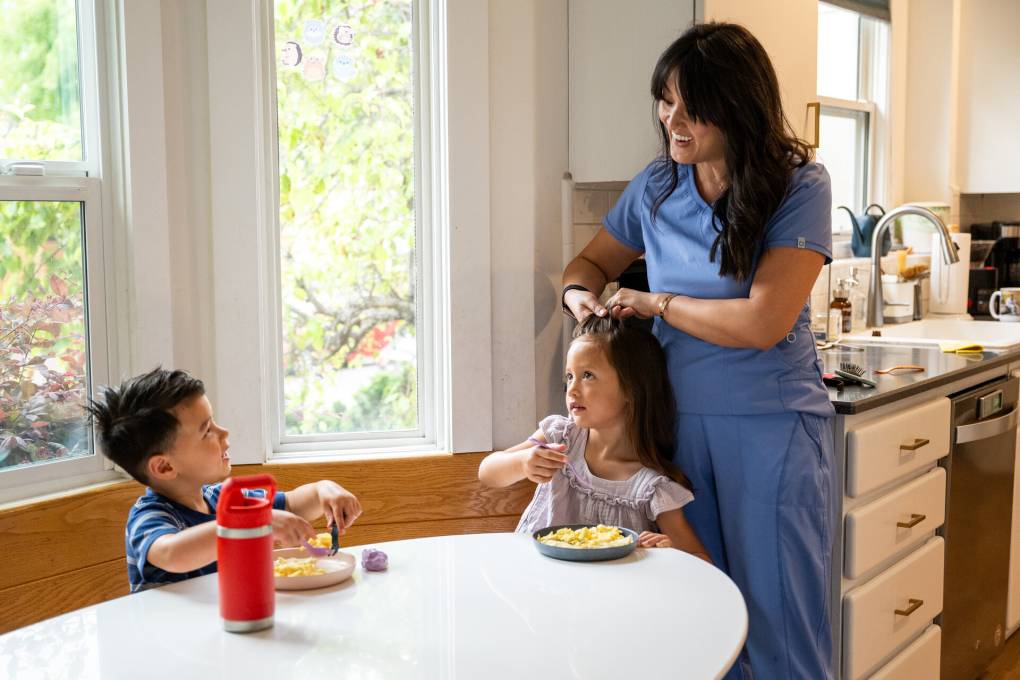
"caption": "Jennifer Currier prepares her two children, Kaia, 5, and Kane, 2, for summer camp at their home in Alameda on June 10 before her husband, Steve, takes the kids to camp and she leaves for work. On other days, a nanny takes the kids to school after both parents go to work.",
"credit": "Beth LaBerge/KQED",
"altTag": null,
"description": null,
"imgSizes": {
"medium": {
"file": "https://cdn.kqed.org/wp-content/uploads/sites/10/2024/06/240610-TKParentsDilemma-24-BL_qut-800x533.jpg",
"width": 800,
"height": 533,
"mimeType": "image/jpeg"
},
"large": {
"file": "https://cdn.kqed.org/wp-content/uploads/sites/10/2024/06/240610-TKParentsDilemma-24-BL_qut-1020x680.jpg",
"width": 1020,
"height": 680,
"mimeType": "image/jpeg"
},
"thumbnail": {
"file": "https://cdn.kqed.org/wp-content/uploads/sites/10/2024/06/240610-TKParentsDilemma-24-BL_qut-160x107.jpg",
"width": 160,
"height": 107,
"mimeType": "image/jpeg"
},
"1536x1536": {
"file": "https://cdn.kqed.org/wp-content/uploads/sites/10/2024/06/240610-TKParentsDilemma-24-BL_qut-1536x1024.jpg",
"width": 1536,
"height": 1024,
"mimeType": "image/jpeg"
},
"post-thumbnail": {
"file": "https://cdn.kqed.org/wp-content/uploads/sites/10/2024/06/240610-TKParentsDilemma-24-BL_qut-672x372.jpg",
"width": 672,
"height": 372,
"mimeType": "image/jpeg"
},
"twentyfourteen-full-width": {
"file": "https://cdn.kqed.org/wp-content/uploads/sites/10/2024/06/240610-TKParentsDilemma-24-BL_qut-1038x576.jpg",
"width": 1038,
"height": 576,
"mimeType": "image/jpeg"
},
"kqedFullSize": {
"file": "https://cdn.kqed.org/wp-content/uploads/sites/10/2024/06/240610-TKParentsDilemma-24-BL_qut.jpg",
"width": 1920,
"height": 1280
}
},
"isLoading": false,
"fetchFailed": false
},
"news_11988055": {
"type": "attachments",
"id": "news_11988055",
"meta": {
"index": "attachments_1716263798",
"site": "news",
"id": "11988055",
"found": true
},
"title": "240517-TKBilingualLearners-27-BL_qut",
"publishDate": 1717006968,
"status": "inherit",
"parent": 0,
"modified": 1717794201,
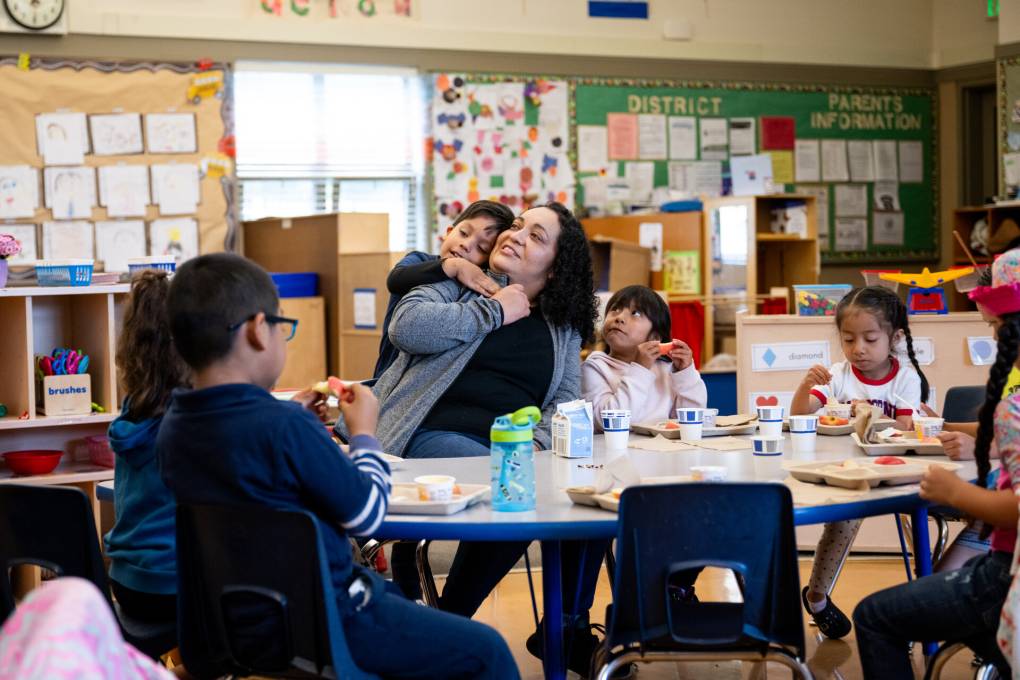
"caption": "Teacher Cintya Valdivia sits with transitional kindergarten students during snack time at the International Community School in Oakland on May 17, 2024.",
"credit": "Beth LaBerge/KQED",
"altTag": "A teacher sits at a classroom table with young students as one student puts his arm tenderly around her neck",
"description": null,
"imgSizes": {
"medium": {
"file": "https://cdn.kqed.org/wp-content/uploads/sites/10/2024/05/240517-TKBilingualLearners-27-BL_qut-800x533.jpg",
"width": 800,
"height": 533,
"mimeType": "image/jpeg"
},
"large": {
"file": "https://cdn.kqed.org/wp-content/uploads/sites/10/2024/05/240517-TKBilingualLearners-27-BL_qut-1020x680.jpg",
"width": 1020,
"height": 680,
"mimeType": "image/jpeg"
},
"thumbnail": {
"file": "https://cdn.kqed.org/wp-content/uploads/sites/10/2024/05/240517-TKBilingualLearners-27-BL_qut-160x107.jpg",
"width": 160,
"height": 107,
"mimeType": "image/jpeg"
},
"1536x1536": {
"file": "https://cdn.kqed.org/wp-content/uploads/sites/10/2024/05/240517-TKBilingualLearners-27-BL_qut-1536x1024.jpg",
"width": 1536,
"height": 1024,
"mimeType": "image/jpeg"
},
"post-thumbnail": {
"file": "https://cdn.kqed.org/wp-content/uploads/sites/10/2024/05/240517-TKBilingualLearners-27-BL_qut-672x372.jpg",
"width": 672,
"height": 372,
"mimeType": "image/jpeg"
},
"twentyfourteen-full-width": {
"file": "https://cdn.kqed.org/wp-content/uploads/sites/10/2024/05/240517-TKBilingualLearners-27-BL_qut-1038x576.jpg",
"width": 1038,
"height": 576,
"mimeType": "image/jpeg"
},
"kqedFullSize": {
"file": "https://cdn.kqed.org/wp-content/uploads/sites/10/2024/05/240517-TKBilingualLearners-27-BL_qut.jpg",
"width": 1920,
"height": 1280
}
},
"isLoading": false,
"fetchFailed": false
},
"news_11989242": {
"type": "attachments",
"id": "news_11989242",
"meta": {
"index": "attachments_1716263798",
"site": "news",
"id": "11989242",
"found": true
},
"title": "Construction crews work at People’s Park in Berkeley on Jan. 4, 2024.",
"publishDate": 1717694682,
"status": "inherit",
"parent": 11989237,
"modified": 1717694903,
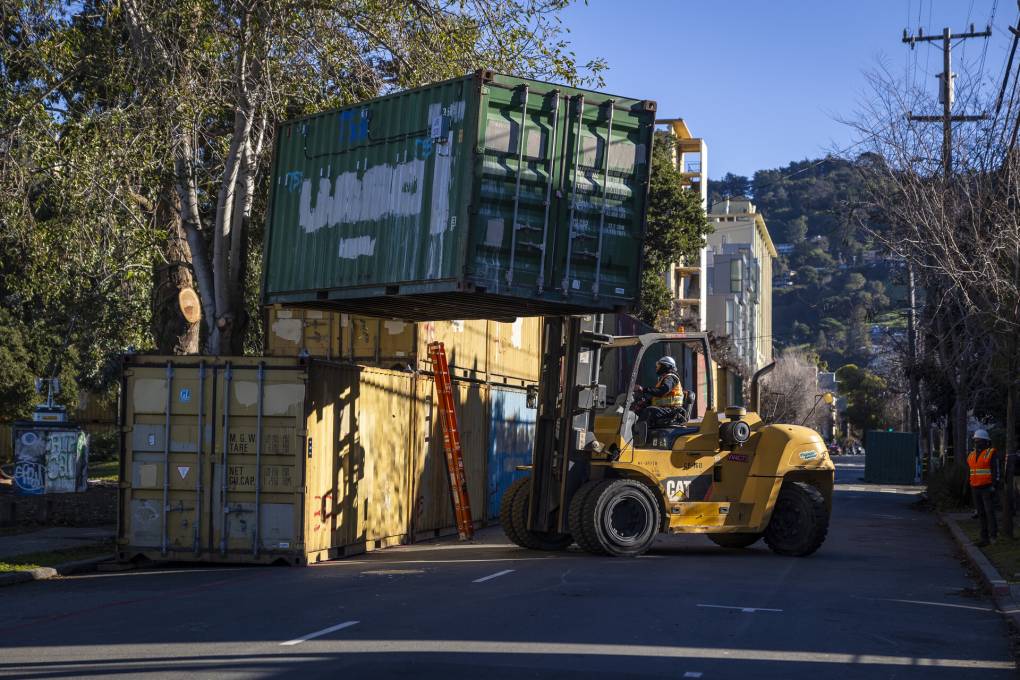
"caption": "Construction crews work to install shipping containers closing off People’s Park in Berkeley on Jan. 4, 2024.",
"credit": "Martin do Nascimento/KQED",
"altTag": null,
"description": null,
"imgSizes": {
"medium": {
"file": "https://cdn.kqed.org/wp-content/uploads/sites/10/2024/06/240104-PEOPLES-PARK-MD-10_qut-800x533.jpg",
"width": 800,
"height": 533,
"mimeType": "image/jpeg"
},
"large": {
"file": "https://cdn.kqed.org/wp-content/uploads/sites/10/2024/06/240104-PEOPLES-PARK-MD-10_qut-1020x680.jpg",
"width": 1020,
"height": 680,
"mimeType": "image/jpeg"
},
"thumbnail": {
"file": "https://cdn.kqed.org/wp-content/uploads/sites/10/2024/06/240104-PEOPLES-PARK-MD-10_qut-160x107.jpg",
"width": 160,
"height": 107,
"mimeType": "image/jpeg"
},
"1536x1536": {
"file": "https://cdn.kqed.org/wp-content/uploads/sites/10/2024/06/240104-PEOPLES-PARK-MD-10_qut-1536x1024.jpg",
"width": 1536,
"height": 1024,
"mimeType": "image/jpeg"
},
"post-thumbnail": {
"file": "https://cdn.kqed.org/wp-content/uploads/sites/10/2024/06/240104-PEOPLES-PARK-MD-10_qut-672x372.jpg",
"width": 672,
"height": 372,
"mimeType": "image/jpeg"
},
"twentyfourteen-full-width": {
"file": "https://cdn.kqed.org/wp-content/uploads/sites/10/2024/06/240104-PEOPLES-PARK-MD-10_qut-1038x576.jpg",
"width": 1038,
"height": 576,
"mimeType": "image/jpeg"
},
"kqedFullSize": {
"file": "https://cdn.kqed.org/wp-content/uploads/sites/10/2024/06/240104-PEOPLES-PARK-MD-10_qut.jpg",
"width": 1920,
"height": 1280
}
},
"isLoading": false,
"fetchFailed": false
},
"news_11989124": {
"type": "attachments",
"id": "news_11989124",
"meta": {
"index": "attachments_1716263798",
"site": "news",
"id": "11989124",
"found": true
},
"title": "240605-STANFORD-JG-10-KQED",
"publishDate": 1717611523,
"status": "inherit",
"parent": 12058280,
"modified": 1759358920,
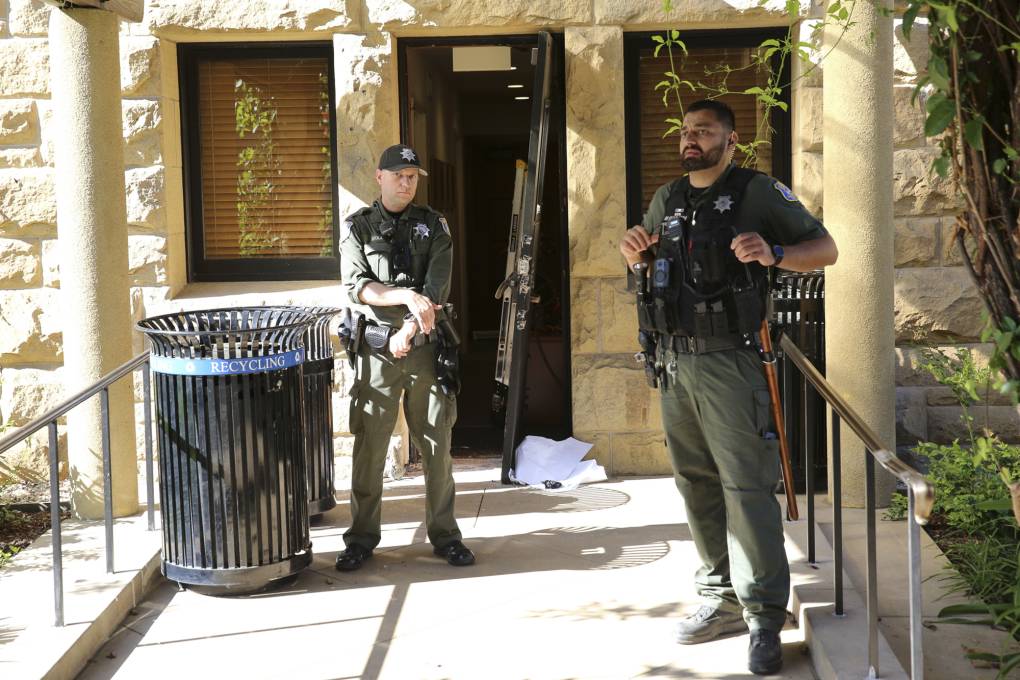
"caption": "Santa Clara County Sheriff's Office Deputies stand guard outside Building 10 at Stanford University, where pro-Palestinian protesters broke into the university president's office and occupied it before being arrested on June 5, 2024.",
"credit": "Joseph Geha/KQED",
"altTag": null,
"description": null,
"imgSizes": {
"medium": {
"file": "https://cdn.kqed.org/wp-content/uploads/sites/10/2024/06/240605-STANFORD-JG-10-KQED-800x533.jpg",
"width": 800,
"height": 533,
"mimeType": "image/jpeg"
},
"large": {
"file": "https://cdn.kqed.org/wp-content/uploads/sites/10/2024/06/240605-STANFORD-JG-10-KQED-1020x680.jpg",
"width": 1020,
"height": 680,
"mimeType": "image/jpeg"
},
"thumbnail": {
"file": "https://cdn.kqed.org/wp-content/uploads/sites/10/2024/06/240605-STANFORD-JG-10-KQED-160x107.jpg",
"width": 160,
"height": 107,
"mimeType": "image/jpeg"
},
"1536x1536": {
"file": "https://cdn.kqed.org/wp-content/uploads/sites/10/2024/06/240605-STANFORD-JG-10-KQED-1536x1024.jpg",
"width": 1536,
"height": 1024,
"mimeType": "image/jpeg"
},
"post-thumbnail": {
"file": "https://cdn.kqed.org/wp-content/uploads/sites/10/2024/06/240605-STANFORD-JG-10-KQED-672x372.jpg",
"width": 672,
"height": 372,
"mimeType": "image/jpeg"
},
"twentyfourteen-full-width": {
"file": "https://cdn.kqed.org/wp-content/uploads/sites/10/2024/06/240605-STANFORD-JG-10-KQED-1038x576.jpg",
"width": 1038,
"height": 576,
"mimeType": "image/jpeg"
},
"full-width": {
"file": "https://cdn.kqed.org/wp-content/uploads/sites/10/2024/06/240605-STANFORD-JG-10-KQED-1920x1280.jpg",
"width": 1920,
"height": 1280,
"mimeType": "image/jpeg"
},
"kqedFullSize": {
"file": "https://cdn.kqed.org/wp-content/uploads/sites/10/2024/06/240605-STANFORD-JG-10-KQED.jpg",
"width": 2000,
"height": 1333
}
},
"isLoading": false,
"fetchFailed": false
},
"news_11987993": {
"type": "attachments",
"id": "news_11987993",
"meta": {
"index": "attachments_1716263798",
"site": "news",
"id": "11987993",
"found": true
},
"title": "Zum_0458_highres",
"publishDate": 1716938937,
"status": "inherit",
"parent": 11987991,
"modified": 1717480980,
"caption": "The school-transportation company Zum is providing and managing a fleet of 74 all-electric school buses and bidirectional chargers to Oakland Unified starting in August.",
"credit": "Courtesy of Zum",
"altTag": "A row of yellow school buses hooked up to charging ports.",
"description": null,
"imgSizes": {
"medium": {
"file": "https://cdn.kqed.org/wp-content/uploads/sites/10/2024/05/Zum_0458_highres-800x534.jpg",
"width": 800,
"height": 534,
"mimeType": "image/jpeg"
},
"large": {
"file": "https://cdn.kqed.org/wp-content/uploads/sites/10/2024/05/Zum_0458_highres-1020x680.jpg",
"width": 1020,
"height": 680,
"mimeType": "image/jpeg"
},
"thumbnail": {
"file": "https://cdn.kqed.org/wp-content/uploads/sites/10/2024/05/Zum_0458_highres-160x107.jpg",
"width": 160,
"height": 107,
"mimeType": "image/jpeg"
},
"1536x1536": {
"file": "https://cdn.kqed.org/wp-content/uploads/sites/10/2024/05/Zum_0458_highres-1536x1025.jpg",
"width": 1536,
"height": 1025,
"mimeType": "image/jpeg"
},
"2048x2048": {
"file": "https://cdn.kqed.org/wp-content/uploads/sites/10/2024/05/Zum_0458_highres-2048x1366.jpg",
"width": 2048,
"height": 1366,
"mimeType": "image/jpeg"
},
"post-thumbnail": {
"file": "https://cdn.kqed.org/wp-content/uploads/sites/10/2024/05/Zum_0458_highres-672x372.jpg",
"width": 672,
"height": 372,
"mimeType": "image/jpeg"
},
"twentyfourteen-full-width": {
"file": "https://cdn.kqed.org/wp-content/uploads/sites/10/2024/05/Zum_0458_highres-1038x576.jpg",
"width": 1038,
"height": 576,
"mimeType": "image/jpeg"
},
"full-width": {
"file": "https://cdn.kqed.org/wp-content/uploads/sites/10/2024/05/Zum_0458_highres-1920x1281.jpg",
"width": 1920,
"height": 1281,
"mimeType": "image/jpeg"
},
"kqedFullSize": {
"file": "https://cdn.kqed.org/wp-content/uploads/sites/10/2024/05/Zum_0458_highres-scaled.jpg",
"width": 2560,
"height": 1708
}
},
"isLoading": false,
"fetchFailed": false
},
"news_11988785": {
"type": "attachments",
"id": "news_11988785",
"meta": {
"index": "attachments_1716263798",
"site": "news",
"id": "11988785",
"found": true
},
"title": null,
"publishDate": 1717447846,
"status": "inherit",
"parent": 11988753,
"modified": 1717448078,
"caption": "Due to a shortage of SAT testing sites, Bay Area high school students have been scrambling to find seats to take the test this year.",
"credit": "Jeff Seltzer/Getty Images",
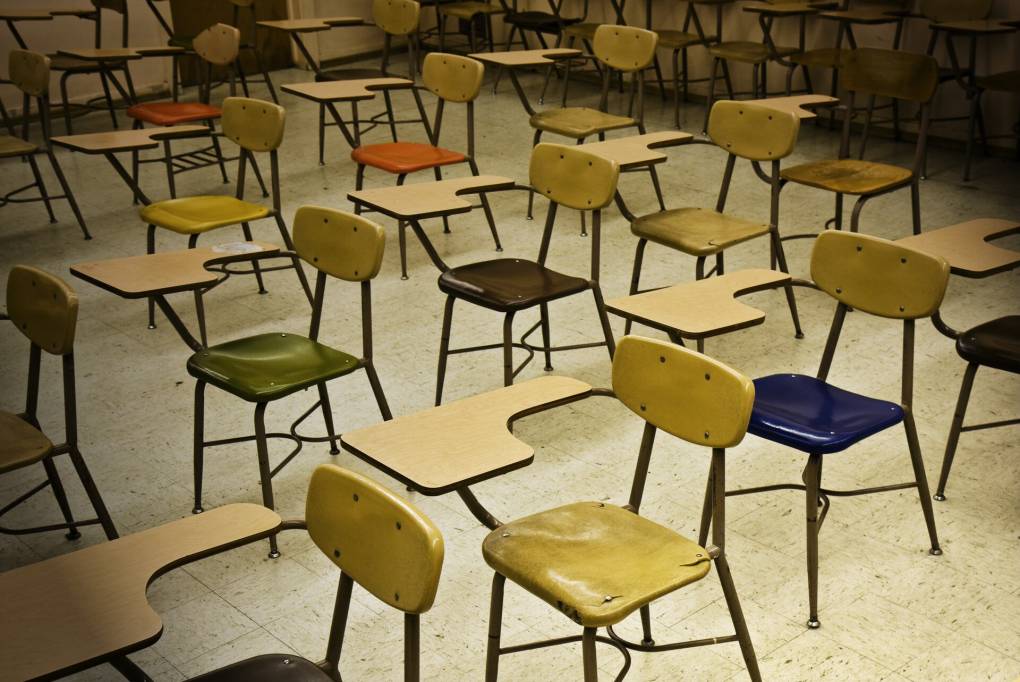
"altTag": "Colorful chairs in an empty classroom.",
"description": null,
"imgSizes": {
"medium": {
"file": "https://cdn.kqed.org/wp-content/uploads/sites/10/2024/06/GettyImages-125388341_qut-800x535.jpg",
"width": 800,
"height": 535,
"mimeType": "image/jpeg"
},
"large": {
"file": "https://cdn.kqed.org/wp-content/uploads/sites/10/2024/06/GettyImages-125388341_qut-1020x682.jpg",
"width": 1020,
"height": 682,
"mimeType": "image/jpeg"
},
"thumbnail": {
"file": "https://cdn.kqed.org/wp-content/uploads/sites/10/2024/06/GettyImages-125388341_qut-160x107.jpg",
"width": 160,
"height": 107,
"mimeType": "image/jpeg"
},
"1536x1536": {
"file": "https://cdn.kqed.org/wp-content/uploads/sites/10/2024/06/GettyImages-125388341_qut-1536x1026.jpg",
"width": 1536,
"height": 1026,
"mimeType": "image/jpeg"
},
"post-thumbnail": {
"file": "https://cdn.kqed.org/wp-content/uploads/sites/10/2024/06/GettyImages-125388341_qut-672x372.jpg",
"width": 672,
"height": 372,
"mimeType": "image/jpeg"
},
"twentyfourteen-full-width": {
"file": "https://cdn.kqed.org/wp-content/uploads/sites/10/2024/06/GettyImages-125388341_qut-1038x576.jpg",
"width": 1038,
"height": 576,
"mimeType": "image/jpeg"
},
"kqedFullSize": {
"file": "https://cdn.kqed.org/wp-content/uploads/sites/10/2024/06/GettyImages-125388341_qut.jpg",
"width": 1920,
"height": 1283
}
},
"isLoading": false,
"fetchFailed": false
},
"news_11988219": {
"type": "attachments",
"id": "news_11988219",
"meta": {
"index": "attachments_1716263798",
"site": "news",
"id": "11988219",
"found": true
},
"title": "240529-SunolSchoolBoard-05-BL_qut",
"publishDate": 1717094516,
"status": "inherit",
"parent": 0,
"modified": 1717196972,
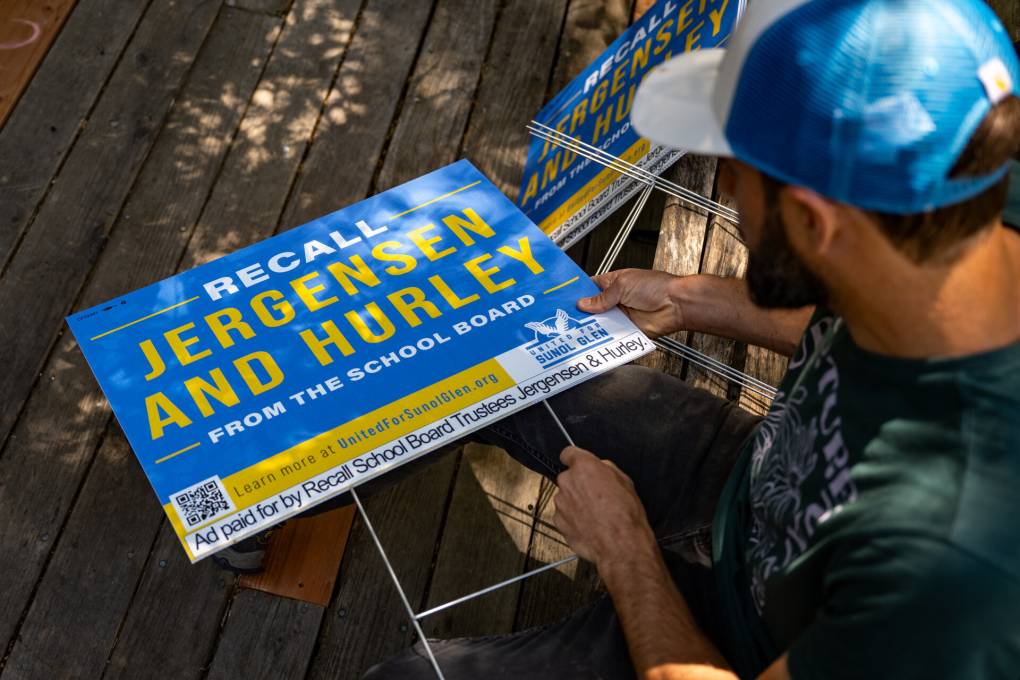
"caption": "Matthew Sylvester assembles yard signs that say, 'Recall Jergensen and Hurley from the school board' at his home in Sunol on May 29, 2024. In September, Jergensen and Hurley voted to ban all flags at Sunol Glen School beside the state and federal flags. Some saw it as an attempt to prevent a pride flag from being flown on campus.",
"credit": "Beth LaBerge/KQED",
"altTag": "A bearded man sits outside while assembling blue and yellow yard signs.",
"description": null,
"imgSizes": {
"medium": {
"file": "https://cdn.kqed.org/wp-content/uploads/sites/10/2024/05/240529-SunolSchoolBoard-05-BL_qut-800x533.jpg",
"width": 800,
"height": 533,
"mimeType": "image/jpeg"
},
"large": {
"file": "https://cdn.kqed.org/wp-content/uploads/sites/10/2024/05/240529-SunolSchoolBoard-05-BL_qut-1020x680.jpg",
"width": 1020,
"height": 680,
"mimeType": "image/jpeg"
},
"thumbnail": {
"file": "https://cdn.kqed.org/wp-content/uploads/sites/10/2024/05/240529-SunolSchoolBoard-05-BL_qut-160x107.jpg",
"width": 160,
"height": 107,
"mimeType": "image/jpeg"
},
"1536x1536": {
"file": "https://cdn.kqed.org/wp-content/uploads/sites/10/2024/05/240529-SunolSchoolBoard-05-BL_qut-1536x1024.jpg",
"width": 1536,
"height": 1024,
"mimeType": "image/jpeg"
},
"post-thumbnail": {
"file": "https://cdn.kqed.org/wp-content/uploads/sites/10/2024/05/240529-SunolSchoolBoard-05-BL_qut-672x372.jpg",
"width": 672,
"height": 372,
"mimeType": "image/jpeg"
},
"twentyfourteen-full-width": {
"file": "https://cdn.kqed.org/wp-content/uploads/sites/10/2024/05/240529-SunolSchoolBoard-05-BL_qut-1038x576.jpg",
"width": 1038,
"height": 576,
"mimeType": "image/jpeg"
},
"kqedFullSize": {
"file": "https://cdn.kqed.org/wp-content/uploads/sites/10/2024/05/240529-SunolSchoolBoard-05-BL_qut.jpg",
"width": 1920,
"height": 1280
}
},
"isLoading": false,
"fetchFailed": false
},
"news_11988478": {
"type": "attachments",
"id": "news_11988478",
"meta": {
"index": "attachments_1716263798",
"site": "news",
"id": "11988478",
"found": true
},
"title": "051824-Fresno-State-Graduation-LV_CM_18-ezgif.com-webp-to-jpg-converter",
"publishDate": 1717190872,
"status": "inherit",
"parent": 11988452,
"modified": 1717191005,
"caption": "Student graduates walk through the aisles to receive their degrees at the Fresno State Chicano/Latino Commencement Celebration in the Save Mart Center in Fresno on May 18, 2024. ",
"credit": "Larry Valenzuela/CalMatters/CatchLight Local",
"altTag": null,
"description": null,
"imgSizes": {
"medium": {
"file": "https://cdn.kqed.org/wp-content/uploads/sites/10/2024/06/051824-Fresno-State-Graduation-LV_CM_18-ezgif.com-webp-to-jpg-converter-800x533.jpg",
"width": 800,
"height": 533,
"mimeType": "image/jpeg"
},
"large": {
"file": "https://cdn.kqed.org/wp-content/uploads/sites/10/2024/06/051824-Fresno-State-Graduation-LV_CM_18-ezgif.com-webp-to-jpg-converter-1020x680.jpg",
"width": 1020,
"height": 680,
"mimeType": "image/jpeg"
},
"thumbnail": {
"file": "https://cdn.kqed.org/wp-content/uploads/sites/10/2024/06/051824-Fresno-State-Graduation-LV_CM_18-ezgif.com-webp-to-jpg-converter-160x107.jpg",
"width": 160,
"height": 107,
"mimeType": "image/jpeg"
},
"1536x1536": {
"file": "https://cdn.kqed.org/wp-content/uploads/sites/10/2024/06/051824-Fresno-State-Graduation-LV_CM_18-ezgif.com-webp-to-jpg-converter-1536x1024.jpg",
"width": 1536,
"height": 1024,
"mimeType": "image/jpeg"
},
"post-thumbnail": {
"file": "https://cdn.kqed.org/wp-content/uploads/sites/10/2024/06/051824-Fresno-State-Graduation-LV_CM_18-ezgif.com-webp-to-jpg-converter-672x372.jpg",
"width": 672,
"height": 372,
"mimeType": "image/jpeg"
},
"twentyfourteen-full-width": {
"file": "https://cdn.kqed.org/wp-content/uploads/sites/10/2024/06/051824-Fresno-State-Graduation-LV_CM_18-ezgif.com-webp-to-jpg-converter-1038x576.jpg",
"width": 1038,
"height": 576,
"mimeType": "image/jpeg"
},
"full-width": {
"file": "https://cdn.kqed.org/wp-content/uploads/sites/10/2024/06/051824-Fresno-State-Graduation-LV_CM_18-ezgif.com-webp-to-jpg-converter-1920x1280.jpg",
"width": 1920,
"height": 1280,
"mimeType": "image/jpeg"
},
"kqedFullSize": {
"file": "https://cdn.kqed.org/wp-content/uploads/sites/10/2024/06/051824-Fresno-State-Graduation-LV_CM_18-ezgif.com-webp-to-jpg-converter.jpg",
"width": 2000,
"height": 1333
}
},
"isLoading": false,
"fetchFailed": false
},
"news_11988419": {
"type": "attachments",
"id": "news_11988419",
"meta": {
"index": "attachments_1716263798",
"site": "news",
"id": "11988419",
"found": true
},
"title": "052124_Hip-Hop-Class_LA_CM-23",
"publishDate": 1717181335,
"status": "inherit",
"parent": 11988388,
"modified": 1717181398,
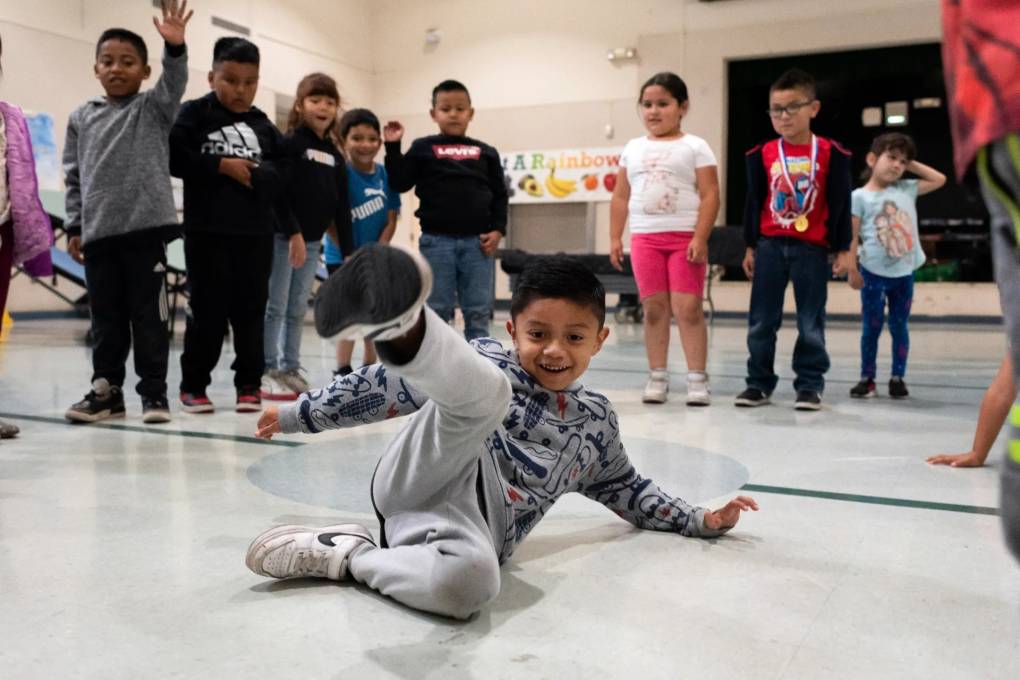
"caption": "Kindergarten students during a hip hop dance class taught by Luis Sanchez at Radcliff Elementary School in Watsonville on May 21, 2024. ",
"credit": "Laure Andrillon/CalMatters",
"altTag": null,
"description": null,
"imgSizes": {
"medium": {
"file": "https://cdn.kqed.org/wp-content/uploads/sites/10/2024/06/052124_Hip-Hop-Class_LA_CM-23-800x533.jpg",
"width": 800,
"height": 533,
"mimeType": "image/jpeg"
},
"large": {
"file": "https://cdn.kqed.org/wp-content/uploads/sites/10/2024/06/052124_Hip-Hop-Class_LA_CM-23-1020x680.jpg",
"width": 1020,
"height": 680,
"mimeType": "image/jpeg"
},
"thumbnail": {
"file": "https://cdn.kqed.org/wp-content/uploads/sites/10/2024/06/052124_Hip-Hop-Class_LA_CM-23-160x107.jpg",
"width": 160,
"height": 107,
"mimeType": "image/jpeg"
},
"1536x1536": {
"file": "https://cdn.kqed.org/wp-content/uploads/sites/10/2024/06/052124_Hip-Hop-Class_LA_CM-23-1536x1024.jpg",
"width": 1536,
"height": 1024,
"mimeType": "image/jpeg"
},
"post-thumbnail": {
"file": "https://cdn.kqed.org/wp-content/uploads/sites/10/2024/06/052124_Hip-Hop-Class_LA_CM-23-672x372.jpg",
"width": 672,
"height": 372,
"mimeType": "image/jpeg"
},
"twentyfourteen-full-width": {
"file": "https://cdn.kqed.org/wp-content/uploads/sites/10/2024/06/052124_Hip-Hop-Class_LA_CM-23-1038x576.jpg",
"width": 1038,
"height": 576,
"mimeType": "image/jpeg"
},
"kqedFullSize": {
"file": "https://cdn.kqed.org/wp-content/uploads/sites/10/2024/06/052124_Hip-Hop-Class_LA_CM-23.jpg",
"width": 1920,
"height": 1280
}
},
"isLoading": false,
"fetchFailed": false
}
},
"audioPlayerReducer": {
"postId": "stream_live",
"isPaused": true,
"isPlaying": false,
"pfsActive": false,
"pledgeModalIsOpen": true,
"playerDrawerIsOpen": false,
"liveAudioPlayStartedAt": 0,
"liveAudioPlayContext": ""
},
"authorsReducer": {
"byline_news_11990230": {
"type": "authors",
"id": "byline_news_11990230",
"meta": {
"override": true
},
"slug": "byline_news_11990230",
"name": "Betty Márquez Rosales, EdSource",
"isLoading": false
},
"byline_news_11989050": {
"type": "authors",
"id": "byline_news_11989050",
"meta": {
"override": true
},
"slug": "byline_news_11989050",
"name": "\u003ca href=\"https://twitter.com/katie_debe?lang=en\">Katie DeBenedetti\u003c/a>",
"isLoading": false
},
"byline_news_11988452": {
"type": "authors",
"id": "byline_news_11988452",
"meta": {
"override": true
},
"slug": "byline_news_11988452",
"name": "\u003ca href=\"https://calmatters.org/author/jacqueline-munis/\">Jacqueline Munis\u003c/a>, CalMatters",
"isLoading": false
},
"byline_news_11988388": {
"type": "authors",
"id": "byline_news_11988388",
"meta": {
"override": true
},
"slug": "byline_news_11988388",
"name": "\u003ca href=\"https://calmatters.org/author/carolyn-jones/\">Carolyn Jones\u003c/a>",
"isLoading": false
},
"gmarzorati": {
"type": "authors",
"id": "227",
"meta": {
"index": "authors_1716337520",
"id": "227",
"found": true
},
"name": "Guy Marzorati",
"firstName": "Guy",
"lastName": "Marzorati",
"slug": "gmarzorati",
"email": "gmarzorati@KQED.org",
"display_author_email": true,
"staff_mastheads": [
"news"
],
"title": "Correspondent",
"bio": "Guy Marzorati is a correspondent on KQED's California Politics and Government Desk, based in San Jose. A graduate of Santa Clara University, Guy joined KQED in 2013. He reports on state and local politics and produces KQED's digital voter guide.",
"avatar": "https://secure.gravatar.com/avatar/e7038b8dbfd55b104369b76b1cd0b9de?s=600&d=blank&r=g",
"twitter": "guymarzorati",
"facebook": null,
"instagram": null,
"linkedin": null,
"sites": [
{
"site": "",
"roles": [
"editor"
]
},
{
"site": "news",
"roles": [
"editor"
]
},
{
"site": "science",
"roles": [
"editor"
]
},
{
"site": "forum",
"roles": [
"editor"
]
},
{
"site": "elections",
"roles": [
"editor"
]
},
{
"site": "liveblog",
"roles": [
"editor"
]
}
],
"headData": {
"title": "Guy Marzorati | KQED",
"description": "Correspondent",
"ogImgSrc": "https://secure.gravatar.com/avatar/e7038b8dbfd55b104369b76b1cd0b9de?s=600&d=blank&r=g",
"twImgSrc": "https://secure.gravatar.com/avatar/e7038b8dbfd55b104369b76b1cd0b9de?s=600&d=blank&r=g"
},
"isLoading": false,
"link": "/author/gmarzorati"
},
"btorres": {
"type": "authors",
"id": "11666",
"meta": {
"index": "authors_1716337520",
"id": "11666",
"found": true
},
"name": "Blanca Torres",
"firstName": "Blanca",
"lastName": "Torres",
"slug": "btorres",
"email": "btorres@kqed.org",
"display_author_email": true,
"staff_mastheads": [
"news"
],
"title": "Producer, Forum",
"bio": "Blanca Torres brings sharp news judgement and keen sense of lively conversation to her work as producer for Forum. She loves producing shows that leave listeners feeling like they heard distinctive voices, learned something new and gained a fresh perspective.\r\n\r\nShe joined KQED in January of 2020 after 16 years of working as a newspaper reporter most recently at the \u003cem>San Francisco Business Times,\u003c/em> where she wrote about real estate and economic development. Before that, she covered a variety of beats including crime, education, retail, workplace, the economy, consumer issues, and small business for the \u003cem>Contra Costa Times, Baltimore Sun\u003c/em> and\u003cem> The Seattle Times\u003c/em>. In addition to reporting, she worked as an editorial writer and columnist for the \u003cem>Seattle Times\u003c/em>. From 2017 to 2020, Blanca won a total of ten awards from the National Association of Real Estate Editors and won first place for land use reporting from the California News Publishers Association two years in a row. She is also a member and former board member for the National Association of Hispanic Journalists.\r\n\r\nA native of the Pacific Northwest, Blanca earned her bachelor's degree from Vanderbilt University in Nashville and a master's in fine arts in creative writing at Mills College. She lives in the East Bay with her family.",
"avatar": "https://secure.gravatar.com/avatar/50b49d19b14a1eed34f26ebf4681152cdd81574ed21851100871ccd29e578cdc?s=600&d=blank&r=g",
"twitter": "@blancawrites",
"bluesky": null,
"facebook": null,
"instagram": null,
"linkedin": null,
"sites": [
{
"site": "arts",
"roles": [
"editor"
]
},
{
"site": "news",
"roles": [
"editor"
]
},
{
"site": "forum",
"roles": [
"editor"
]
}
],
"headData": {
"title": "Blanca Torres | KQED",
"description": "Producer, Forum",
"ogImgSrc": "https://secure.gravatar.com/avatar/50b49d19b14a1eed34f26ebf4681152cdd81574ed21851100871ccd29e578cdc?s=600&d=blank&r=g",
"twImgSrc": "https://secure.gravatar.com/avatar/50b49d19b14a1eed34f26ebf4681152cdd81574ed21851100871ccd29e578cdc?s=600&d=blank&r=g"
},
"isLoading": false,
"link": "/author/btorres"
},
"abandlamudi": {
"type": "authors",
"id": "11672",
"meta": {
"index": "authors_1716337520",
"id": "11672",
"found": true
},
"name": "Adhiti Bandlamudi",
"firstName": "Adhiti",
"lastName": "Bandlamudi",
"slug": "abandlamudi",
"email": "abandlamudi@kqed.org",
"display_author_email": false,
"staff_mastheads": [
"news"
],
"title": "KQED Housing Reporter",
"bio": "Adhiti Bandlamudi reports for KQED's Housing desk. She focuses on how housing gets built across the Bay Area. Before joining KQED in 2020, she reported for WUNC in Durham, North Carolina, WABE in Atlanta, Georgia and Capital Public Radio in Sacramento. In 2017, she was awarded a Kroc Fellowship at NPR where she reported on everything from sprinkles to the Golden State Killer's arrest. When she's not reporting, she's baking new recipes in her kitchen or watching movies with friends and family. She's originally from Georgia and has strong opinions about Great British Bake Off.",
"avatar": "https://secure.gravatar.com/avatar/868129c8b257bb99a3500e2c86a65400?s=600&d=mm&r=g",
"twitter": "oddity_adhiti",
"facebook": null,
"instagram": null,
"linkedin": null,
"sites": [
{
"site": "arts",
"roles": [
"author"
]
},
{
"site": "news",
"roles": [
"editor"
]
},
{
"site": "liveblog",
"roles": [
"author"
]
}
],
"headData": {
"title": "Adhiti Bandlamudi | KQED",
"description": "KQED Housing Reporter",
"ogImgSrc": "https://secure.gravatar.com/avatar/868129c8b257bb99a3500e2c86a65400?s=600&d=mm&r=g",
"twImgSrc": "https://secure.gravatar.com/avatar/868129c8b257bb99a3500e2c86a65400?s=600&d=mm&r=g"
},
"isLoading": false,
"link": "/author/abandlamudi"
},
"swhitney": {
"type": "authors",
"id": "11784",
"meta": {
"index": "authors_1716337520",
"id": "11784",
"found": true
},
"name": "Spencer Whitney",
"firstName": "Spencer",
"lastName": "Whitney",
"slug": "swhitney",
"email": "swhitney@kqed.org",
"display_author_email": false,
"staff_mastheads": [],
"title": "KQED Digital Editor",
"bio": "Spencer Whitney is currently a Digital Editor for KQED News. Prior to joining KQED News, Spencer worked as the Multimedia Editor at the Oakland Post and an Assistant Editor in the Editorial department at the San Francisco Chronicle. He attended Howard University as an undergraduate and interned with SiriusXM. He also attended UC Berkeley's Graduate School of Journalism and had the opportunity to write for the hyperlocal news sites Richmond Confidential and Oakland North.",
"avatar": "https://secure.gravatar.com/avatar/e33ff4fd8b8f0d2796f36472fb32607ca8fc46ef5e537dcfdbdee688d8ea5b80?s=600&d=mm&r=g",
"twitter": null,
"bluesky": null,
"facebook": null,
"instagram": null,
"linkedin": null,
"sites": [
{
"site": "arts",
"roles": [
"editor"
]
},
{
"site": "news",
"roles": [
"editor"
]
},
{
"site": "science",
"roles": [
"editor"
]
},
{
"site": "perspectives",
"roles": [
"editor"
]
}
],
"headData": {
"title": "Spencer Whitney | KQED",
"description": "KQED Digital Editor",
"ogImgSrc": "https://secure.gravatar.com/avatar/e33ff4fd8b8f0d2796f36472fb32607ca8fc46ef5e537dcfdbdee688d8ea5b80?s=600&d=mm&r=g",
"twImgSrc": "https://secure.gravatar.com/avatar/e33ff4fd8b8f0d2796f36472fb32607ca8fc46ef5e537dcfdbdee688d8ea5b80?s=600&d=mm&r=g"
},
"isLoading": false,
"link": "/author/swhitney"
},
"daisynguyen": {
"type": "authors",
"id": "11829",
"meta": {
"index": "authors_1716337520",
"id": "11829",
"found": true
},
"name": "Daisy Nguyen",
"firstName": "Daisy",
"lastName": "Nguyen",
"slug": "daisynguyen",
"email": "daisynguyen@kqed.org",
"display_author_email": true,
"staff_mastheads": [
"news"
],
"title": "KQED Contributor",
"bio": "I have covered early childhood education and child care for KQED since 2022. I focus on policies aimed at increasing access to early care and education and how they shape individual lives. I've been a journalist for more than two decades, with most of that time devoted to covering breaking news throughout California for The Associated Press. I grew up in San Francisco and studied at UC Davis and Columbia University's Graduate School of Journalism. I live in Oakland with my husband and two kids.",
"avatar": "https://secure.gravatar.com/avatar/2da2127c27f7143b53ebd419800fd55f?s=600&d=blank&r=g",
"twitter": null,
"facebook": null,
"instagram": null,
"linkedin": "https://www.linkedin.com/in/daisynguyen/",
"sites": [
{
"site": "news",
"roles": [
"author"
]
},
{
"site": "liveblog",
"roles": [
"author"
]
}
],
"headData": {
"title": "Daisy Nguyen | KQED",
"description": "KQED Contributor",
"ogImgSrc": "https://secure.gravatar.com/avatar/2da2127c27f7143b53ebd419800fd55f?s=600&d=blank&r=g",
"twImgSrc": "https://secure.gravatar.com/avatar/2da2127c27f7143b53ebd419800fd55f?s=600&d=blank&r=g"
},
"isLoading": false,
"link": "/author/daisynguyen"
},
"sjohnson": {
"type": "authors",
"id": "11840",
"meta": {
"index": "authors_1716337520",
"id": "11840",
"found": true
},
"name": "Sydney Johnson",
"firstName": "Sydney",
"lastName": "Johnson",
"slug": "sjohnson",
"email": "sjohnson@kqed.org",
"display_author_email": false,
"staff_mastheads": [
"news"
],
"title": "KQED Reporter",
"bio": "Sydney Johnson is a general assignment reporter at KQED. She previously reported on public health and city government at the San Francisco Examiner, and before that, she covered statewide education policy for EdSource. Her reporting has won multiple local, state and national awards. Sydney is a graduate of the University of California, Berkeley and lives in San Francisco.",
"avatar": "https://secure.gravatar.com/avatar/97855f2719b72ad6190b7c535fe642c8?s=600&d=blank&r=g",
"twitter": "sydneyfjohnson",
"facebook": null,
"instagram": null,
"linkedin": null,
"sites": [
{
"site": "news",
"roles": [
"editor"
]
}
],
"headData": {
"title": "Sydney Johnson | KQED",
"description": "KQED Reporter",
"ogImgSrc": "https://secure.gravatar.com/avatar/97855f2719b72ad6190b7c535fe642c8?s=600&d=blank&r=g",
"twImgSrc": "https://secure.gravatar.com/avatar/97855f2719b72ad6190b7c535fe642c8?s=600&d=blank&r=g"
},
"isLoading": false,
"link": "/author/sjohnson"
},
"bkrans": {
"type": "authors",
"id": "11923",
"meta": {
"index": "authors_1716337520",
"id": "11923",
"found": true
},
"name": "Brian Krans",
"firstName": "Brian",
"lastName": "Krans",
"slug": "bkrans",
"email": "bkrans@kqed.org",
"display_author_email": false,
"staff_mastheads": [
"news"
],
"title": "KQED Contributing Reporter",
"bio": "Brian Krans is an award-winning local news and investigative reporter who has been proudly working as a general assignment reporter for KQED since August 2023. He lives in Richmond, where he also reports on air pollution for Richmondside. He is also a founding member of the Vallejo Sun.",
"avatar": "https://secure.gravatar.com/avatar/71fa91f931774612559f7640390b53d9c2840ff72b20f195a25239aab2d9fbb9?s=600&d=blank&r=g",
"twitter": "citizenkrans",
"bluesky": null,
"facebook": null,
"instagram": null,
"linkedin": null,
"sites": [
{
"site": "news",
"roles": [
"editor"
]
}
],
"headData": {
"title": "Brian Krans | KQED",
"description": "KQED Contributing Reporter",
"ogImgSrc": "https://secure.gravatar.com/avatar/71fa91f931774612559f7640390b53d9c2840ff72b20f195a25239aab2d9fbb9?s=600&d=blank&r=g",
"twImgSrc": "https://secure.gravatar.com/avatar/71fa91f931774612559f7640390b53d9c2840ff72b20f195a25239aab2d9fbb9?s=600&d=blank&r=g"
},
"isLoading": false,
"link": "/author/bkrans"
}
},
"pagesReducer": {
"news_tag_education": {
"type": "terms",
"id": "news_20013",
"meta": {
"index": "terms_1716263798",
"site": "news",
"id": "20013",
"score": 6.9701343
},
"featImg": null,
"name": "education",
"description": null,
"taxonomy": "tag",
"headData": {
"twImgId": null,
"twTitle": null,
"ogTitle": null,
"ogImgId": null,
"twDescription": null,
"description": null,
"title": "education Archives | KQED News",
"ogDescription": null
},
"ttid": 20030,
"slug": "education",
"isLoading": false,
"title": "education",
"pageMeta": {
"site": "news",
"WpPageTemplate": "page-topic-editorial",
"currentPage": 43
},
"blocks": [
{
"blockName": "kqed/post-list",
"attrs": {
"layout": "cardArticle2",
"query": "posts/news?tag=education",
"seeMore": false,
"paginated": true,
"page": 43
}
},
{
"blockName": "kqed/ad"
}
]
}
},
"pfsSessionReducer": {},
"postsReducer": {
"stream_live": {
"type": "live",
"id": "stream_live",
"audioUrl": "https://streams.kqed.org/kqedradio",
"title": "Live Stream",
"excerpt": "Live Stream information currently unavailable.",
"link": "/radio",
"featImg": "",
"label": {
"name": "KQED Live",
"link": "/"
}
},
"stream_kqedNewscast": {
"type": "posts",
"id": "stream_kqedNewscast",
"audioUrl": "https://www.kqed.org/.stream/anon/radio/RDnews/newscast.mp3?_=1",
"title": "KQED Newscast",
"featImg": "",
"label": {
"name": "88.5 FM",
"link": "/"
}
},
"news_11990243": {
"type": "posts",
"id": "news_11990243",
"meta": {
"index": "posts_1716263798",
"site": "news",
"id": "11990243",
"score": null,
"sort": [
1718314235000
]
},
"guestAuthors": [],
"slug": "why-some-bay-area-counties-may-lose-millions-over-an-obscure-legal-fight-with-the-state",
"title": "Why Some Bay Area Counties May Lose Millions Over an Obscure Legal Fight With the State",
"publishDate": 1718314235,
"format": "standard",
"headTitle": "Why Some Bay Area Counties May Lose Millions Over an Obscure Legal Fight With the State | KQED",
"labelTerm": {
"site": "news"
},
"content": "\u003cp>\u003cspan style=\"font-weight: 400;\">Five Bay Area counties could lose a collective $180 million annually if lawmakers pass the governor’s current budget proposal. \u003c/span>\u003c/p>\n\u003cp>\u003cspan style=\"font-weight: 400;\">The money is at the center of an ongoing battle between the state and counties with some of the highest property taxes in the state. \u003c/span>\u003c/p>\n\u003cp>\u003cspan style=\"font-weight: 400;\">San Francisco, Marin, San Mateo, Napa and Santa Clara are the only five counties in California that generate more property taxes than their obligations to the Educational Revenue Augmentation Fund, which is used to meet funding mandates for public schools across the state. The leftovers are called “excess ERAF.”\u003c/span>\u003c/p>\n\u003cp>[ad fullwidth]\u003c/p>\n\u003cp>\u003cspan style=\"font-weight: 400;\">For years, the state Department of Finance has said those counties are miscalculating the amount they owe to the fund by omitting kids in charter schools from their daily attendance counts. The state uses those figures to determine how much money it allocates to school districts. \u003c/span>\u003c/p>\n\u003cp>\u003cspan style=\"font-weight: 400;\">The counties thought recent lawsuits had settled the issue in their favor. However, under the governor’s current budget, charter schools would be counted for ERAF funding, which would essentially remove the excess property tax revenue that the counties use in their general funds. \u003c/span>\u003c/p>\n\u003cp>\u003cspan style=\"font-weight: 400;\">“For more than 30 years, these revenues have been directed to fund K–12 schools, but charter schools have been recently left out of the equation,” H.D. Palmer, a spokesperson for the state Department of Finance, said. “This proposal would ensure that all local educational agencies receive these funds.”\u003c/span>\u003c/p>\n\u003cp>\u003cspan style=\"font-weight: 400;\">In February, Matthew Hymel, then-Marin County executive, wrote \u003c/span>\u003ca href=\"https://www.marincounty.gov/departments/executive/budget-and-priority-setting/legislative-support-and-advocacy/legislative-3\">\u003cspan style=\"font-weight: 400;\">a letter to state lawmakers\u003c/span>\u003c/a>\u003cspan style=\"font-weight: 400;\"> calling the move unconstitutional, saying it would cost the county $1.1 million per year, affecting some 65 governmental entities.\u003c/span>\u003c/p>\n\u003cp>\u003cspan style=\"font-weight: 400;\">“This is the latest in a series of attempts by the State Department of Finance (DOF) to take constitutionally protected funds from local governments for State use at the expense of local health and safety programs and services,” Hymel’s statement reads.\u003c/span>\u003c/p>\n\u003cp>\u003cspan style=\"font-weight: 400;\">More than $47 million is at stake in Santa Clara County, between the county and its cities. County Executive James Williams argues that the governor’s proposal goes against a \u003c/span>\u003ca href=\"http://www.leginfo.ca.gov/pub/03-04/bill/sen/sb_0001-0050/sca_4_cfa_20040729_111134_asm_floor.html\">\u003cspan style=\"font-weight: 400;\">2004 constitutional amendment\u003c/span>\u003c/a>\u003cspan style=\"font-weight: 400;\"> passed by voters that precludes state lawmakers from enacting new “ERAF shifts” to take property tax money away from local governments.\u003c/span>\u003c/p>\n\u003cp>\u003cspan style=\"font-weight: 400;\">“There should be no more grab of local government money, and that’s why we’re urging the legislature to reject this,” Williams said. \u003c/span>\u003c/p>\n\u003cp>\u003cspan style=\"font-weight: 400;\">Michelle Allersma, director of budget and analysis in the San Francisco Controller’s Office, said San Francisco alone risks losing $43 million a year, which it uses to pay for basic services. It began using excess ERAF in the 2016–17 budget year.\u003c/span>\u003c/p>\n\u003cp>\u003cspan style=\"font-weight: 400;\">“We’re still kind of pulling ourselves out of the kind of pandemic aftermath,” Allersma said. “We’re still working on building back our local economy, so $43 million is objectively just an incredibly large number for us to backfill.” \u003c/span>\u003c/p>\n\u003cp>\u003cspan style=\"font-weight: 400;\">Williams said the dispute goes back to 1988 when California voters passed \u003c/span>\u003ca href=\"https://lao.ca.gov/2005/prop_98_primer/prop_98_primer_020805.htm#:~:text=Generally%2C%20Proposition%2098%20provides%20K,and%20local%20property%20tax%20revenues.\">\u003cspan style=\"font-weight: 400;\">Proposition 98\u003c/span>\u003c/a>\u003cspan style=\"font-weight: 400;\">, which guarantees funding for K–14 schools through a combination of money from the state’s general fund and local property taxes, creating ERAF. Property taxes fill those funding buckets first. If the counties don’t supply enough, the state’s general fund fills the rest. \u003c/span>\u003c/p>\n\u003cp>\u003cspan style=\"font-weight: 400;\">The Bay Area counties at issue have five of the six highest property taxes per resident in the state. That means their share of the buckets gets filled, and the leftover flows back into the counties to fund other services, like public health and safety. \u003c/span>\u003c/p>\n\u003cp>\u003cspan style=\"font-weight: 400;\">“The specific change that they’re proposing is to add another bucket: charter schools,” Williams said. “Today, that bucket gets filled by the state general fund. Instead, the Department of Finance wants that bucket to get filled by ERAF.” \u003c/span>\u003c/p>\n\u003cp>\u003cspan style=\"font-weight: 400;\">The Department of Finance previously tried to make that change through a directive from the state controller. That ended up with all interested parties in court. \u003c/span>\u003c/p>\n\u003cp>\u003cspan style=\"font-weight: 400;\">A \u003c/span>\u003ca href=\"https://lao.ca.gov/Publications/Report/4193\">\u003cspan style=\"font-weight: 400;\">2020 report from the Legislative Analyst’s Office\u003c/span>\u003c/a>\u003cspan style=\"font-weight: 400;\"> said the five counties were calculating their ERAF “in ways that seem contrary to state law and shift too much property tax revenue from schools to other agencies” to the tune of roughly $170 million per year. They anticipated that the amount would rise every year as property taxes increase.\u003c/span>\u003c/p>\n\u003cp>\u003cspan style=\"font-weight: 400;\">At the time, the Department of Finance said ERAF funding calculations should include charter school daily attendance numbers. In response, \u003c/span>\u003ca href=\"https://casetext.com/statute/california-codes/california-revenue-and-taxation-code/division-1-property-taxation/part-05-implementation-of-article-xiiia-of-the-california-constitution/chapter-6-allocation-of-property-tax-revenue/article-3-revenue-allocation-shifts-for-education/section-972-modifications-for-certain-fiscal-years\">\u003cspan style=\"font-weight: 400;\">state lawmakers compromised\u003c/span>\u003c/a>\u003cspan style=\"font-weight: 400;\"> with the five Bay Area counties, holding them harmless for past years so long as they followed guidance from the state controller. The Legislature passed the 2020–21 budget, assuming counties would meet the higher Proposition 98 guarantee by counting charter schools.\u003c/span>\u003c/p>\n\u003cp>\u003cspan style=\"font-weight: 400;\">However, \u003c/span>\u003ca href=\"https://www.sco.ca.gov/Files-ARD-Local/sco_eraf_guidance.pdf\">\u003cspan style=\"font-weight: 400;\">the controller’s guidance (PDF)\u003c/span>\u003c/a>\u003cspan style=\"font-weight: 400;\">, issued in February 2021, omitted charter schools from the definition of a school district in terms of ERAF funding “because they do not directly receive property tax revenue.” \u003c/span>\u003c/p>\n\u003cp>[aside label=\"Related Stories\" postID=\"news_11986893,news_11981977,news_11985798\"]\u003cspan style=\"font-weight: 400;\">The California School Boards Association (CSBA) objected, \u003c/span>\u003ca href=\"https://publications.csba.org/reports/ela/2022-annual-report/school-funding-educational-revenue-augmentation-fund/\">\u003cspan style=\"font-weight: 400;\">arguing in a lawsuit\u003c/span>\u003c/a>\u003cspan style=\"font-weight: 400;\"> against the state controller that the guidance was unlawful, violating the California constitution’s minimum funding guarantee because charter schools should not be excluded from daily attendance-based funding or minimum property tax funding, with local funding being “passed through” a school district to the charter school. They estimated that nearly $1 billion was lost to excess ERAF at that time. \u003c/span>\u003c/p>\n\u003cp>\u003cspan style=\"font-weight: 400;\">Three of the five counties — Marin, San Francisco and Santa Clara — intervened in the case. \u003c/span>\u003c/p>\n\u003cp>\u003cspan style=\"font-weight: 400;\">In June 2022, a judge found the controller’s guidance was within the law. The CSBA appealed, and local governments that use excess ERAF funding closely watched the case, with some even \u003c/span>\u003ca href=\"https://www.milpitas.gov/DocumentCenter/View/3397/FY23-24-Proposed-Budget-20230425-FINAL\">\u003cspan style=\"font-weight: 400;\">budgeting for legal bills in the case\u003c/span>\u003c/a>\u003cspan style=\"font-weight: 400;\">. Last July, an \u003c/span>\u003ca href=\"https://casetext.com/case/cal-sch-bds-assn-v-cohen\">\u003cspan style=\"font-weight: 400;\">appellate court ruled\u003c/span>\u003c/a>\u003cspan style=\"font-weight: 400;\"> in the controller’s and counties’ favor, essentially putting the issue to rest.\u003c/span>\u003c/p>\n\u003cp>\u003cspan style=\"font-weight: 400;\">Or so they thought, until the release of the governor’s current budget proposal.\u003c/span>\u003c/p>\n\u003cp>\u003cspan style=\"font-weight: 400;\">“To explicitly address charter schools and their interaction with existing ERAF distribution statutes, the Budget proposes statutory changes to clarify that charter schools are eligible to receive ERAF,” \u003c/span>\u003ca href=\"https://ebudget.ca.gov/2024-25/pdf/BudgetSummary/FullBudgetSummary.pdf\">\u003cspan style=\"font-weight: 400;\">the budget states (PDF)\u003c/span>\u003c/a>\u003cspan style=\"font-weight: 400;\">. \u003c/span>\u003c/p>\n\u003cp>\u003cspan style=\"font-weight: 400;\">While the governor’s budget proposes counting charter school kids, the legislative version of the budget doesn’t. \u003c/span>\u003c/p>\n\u003cp>\u003cspan style=\"font-weight: 400;\">Even if the governor’s proposal makes it into the final budget, counties would still have another year before the change takes effect.\u003c/span>\u003c/p>\n\u003cp>\u003cspan style=\"font-weight: 400;\">“The worst case scenario is that they agree on it, and it goes into effect on July 1, 2025,” Allersma said. “If it goes into effect, it would be at least out one year.”\u003c/span>\u003c/p>\n\u003cp>\u003cspan style=\"font-weight: 400;\">State lawmakers are \u003c/span>\u003ca href=\"https://dof.ca.gov/budget/californias-budget-process/\">\u003cspan style=\"font-weight: 400;\">required to vote\u003c/span>\u003c/a>\u003cspan style=\"font-weight: 400;\"> on the budget by June 15.\u003c/span>\u003c/p>\n\u003cp>[ad floatright]\u003c/p>\n",
"blocks": [],
"excerpt": "The governor’s proposed budget could cost five Bay Area counties up to $180 million annually in legal tussle over property taxes.",
"status": "publish",
"parent": 0,
"modified": 1724431529,
"stats": {
"hasAudio": false,
"hasVideo": false,
"hasChartOrMap": false,
"iframeSrcs": [],
"hasGoogleForm": false,
"hasGallery": false,
"hasHearkenModule": false,
"hasPolis": false,
"paragraphCount": 30,
"wordCount": 1165
},
"headData": {
"title": "Why Some Bay Area Counties May Lose Millions Over an Obscure Legal Fight With the State | KQED",
"description": "The governor’s proposed budget could cost five Bay Area counties up to $180 million annually in legal tussle over property taxes.",
"ogTitle": "",
"ogDescription": "",
"ogImgId": "",
"twTitle": "",
"twDescription": "",
"twImgId": "",
"schema": {
"@context": "https://schema.org",
"@type": "NewsArticle",
"headline": "Why Some Bay Area Counties May Lose Millions Over an Obscure Legal Fight With the State",
"datePublished": "2024-06-13T14:30:35-07:00",
"dateModified": "2024-08-23T09:45:29-07:00",
"image": "https://cdn.kqed.org/wp-content/uploads/2020/02/KQED-OG-Image@1x.png",
"isAccessibleForFree": "True",
"publisher": {
"@type": "NewsMediaOrganization",
"@id": "https://www.kqed.org/#organization",
"name": "KQED",
"logo": "https://cdn.kqed.org/wp-content/uploads/2020/02/KQED-OG-Image@1x.png",
"url": "https://www.kqed.org",
"sameAs": [
"https://www.facebook.com/KQED",
"https://twitter.com/KQED",
"https://www.instagram.com/kqed/",
"https://www.tiktok.com/@kqedofficial",
"https://www.linkedin.com/company/kqed",
"https://www.youtube.com/channel/UCeC0IOo7i1P_61zVUWbJ4nw"
]
}
}
},
"sticky": false,
"nprStoryId": "kqed-11990243",
"excludeFromSiteSearch": "Include",
"showOnAuthorArchivePages": "No",
"articleAge": "0",
"path": "/news/11990243/why-some-bay-area-counties-may-lose-millions-over-an-obscure-legal-fight-with-the-state",
"audioTrackLength": null,
"parsedContent": [
{
"type": "contentString",
"content": "\u003cdiv class=\"post-body\">\u003cp>\u003cp>\u003cspan style=\"font-weight: 400;\">Five Bay Area counties could lose a collective $180 million annually if lawmakers pass the governor’s current budget proposal. \u003c/span>\u003c/p>\n\u003cp>\u003cspan style=\"font-weight: 400;\">The money is at the center of an ongoing battle between the state and counties with some of the highest property taxes in the state. \u003c/span>\u003c/p>\n\u003cp>\u003cspan style=\"font-weight: 400;\">San Francisco, Marin, San Mateo, Napa and Santa Clara are the only five counties in California that generate more property taxes than their obligations to the Educational Revenue Augmentation Fund, which is used to meet funding mandates for public schools across the state. The leftovers are called “excess ERAF.”\u003c/span>\u003c/p>\n\u003cp>\u003c/p>\u003c/div>",
"attributes": {
"named": {},
"numeric": []
}
},
{
"type": "component",
"content": "",
"name": "ad",
"attributes": {
"named": {
"label": "fullwidth"
},
"numeric": [
"fullwidth"
]
}
},
{
"type": "contentString",
"content": "\u003cdiv class=\"post-body\">\u003cp>\u003c/p>\n\u003cp>\u003cspan style=\"font-weight: 400;\">For years, the state Department of Finance has said those counties are miscalculating the amount they owe to the fund by omitting kids in charter schools from their daily attendance counts. The state uses those figures to determine how much money it allocates to school districts. \u003c/span>\u003c/p>\n\u003cp>\u003cspan style=\"font-weight: 400;\">The counties thought recent lawsuits had settled the issue in their favor. However, under the governor’s current budget, charter schools would be counted for ERAF funding, which would essentially remove the excess property tax revenue that the counties use in their general funds. \u003c/span>\u003c/p>\n\u003cp>\u003cspan style=\"font-weight: 400;\">“For more than 30 years, these revenues have been directed to fund K–12 schools, but charter schools have been recently left out of the equation,” H.D. Palmer, a spokesperson for the state Department of Finance, said. “This proposal would ensure that all local educational agencies receive these funds.”\u003c/span>\u003c/p>\n\u003cp>\u003cspan style=\"font-weight: 400;\">In February, Matthew Hymel, then-Marin County executive, wrote \u003c/span>\u003ca href=\"https://www.marincounty.gov/departments/executive/budget-and-priority-setting/legislative-support-and-advocacy/legislative-3\">\u003cspan style=\"font-weight: 400;\">a letter to state lawmakers\u003c/span>\u003c/a>\u003cspan style=\"font-weight: 400;\"> calling the move unconstitutional, saying it would cost the county $1.1 million per year, affecting some 65 governmental entities.\u003c/span>\u003c/p>\n\u003cp>\u003cspan style=\"font-weight: 400;\">“This is the latest in a series of attempts by the State Department of Finance (DOF) to take constitutionally protected funds from local governments for State use at the expense of local health and safety programs and services,” Hymel’s statement reads.\u003c/span>\u003c/p>\n\u003cp>\u003cspan style=\"font-weight: 400;\">More than $47 million is at stake in Santa Clara County, between the county and its cities. County Executive James Williams argues that the governor’s proposal goes against a \u003c/span>\u003ca href=\"http://www.leginfo.ca.gov/pub/03-04/bill/sen/sb_0001-0050/sca_4_cfa_20040729_111134_asm_floor.html\">\u003cspan style=\"font-weight: 400;\">2004 constitutional amendment\u003c/span>\u003c/a>\u003cspan style=\"font-weight: 400;\"> passed by voters that precludes state lawmakers from enacting new “ERAF shifts” to take property tax money away from local governments.\u003c/span>\u003c/p>\n\u003cp>\u003cspan style=\"font-weight: 400;\">“There should be no more grab of local government money, and that’s why we’re urging the legislature to reject this,” Williams said. \u003c/span>\u003c/p>\n\u003cp>\u003cspan style=\"font-weight: 400;\">Michelle Allersma, director of budget and analysis in the San Francisco Controller’s Office, said San Francisco alone risks losing $43 million a year, which it uses to pay for basic services. It began using excess ERAF in the 2016–17 budget year.\u003c/span>\u003c/p>\n\u003cp>\u003cspan style=\"font-weight: 400;\">“We’re still kind of pulling ourselves out of the kind of pandemic aftermath,” Allersma said. “We’re still working on building back our local economy, so $43 million is objectively just an incredibly large number for us to backfill.” \u003c/span>\u003c/p>\n\u003cp>\u003cspan style=\"font-weight: 400;\">Williams said the dispute goes back to 1988 when California voters passed \u003c/span>\u003ca href=\"https://lao.ca.gov/2005/prop_98_primer/prop_98_primer_020805.htm#:~:text=Generally%2C%20Proposition%2098%20provides%20K,and%20local%20property%20tax%20revenues.\">\u003cspan style=\"font-weight: 400;\">Proposition 98\u003c/span>\u003c/a>\u003cspan style=\"font-weight: 400;\">, which guarantees funding for K–14 schools through a combination of money from the state’s general fund and local property taxes, creating ERAF. Property taxes fill those funding buckets first. If the counties don’t supply enough, the state’s general fund fills the rest. \u003c/span>\u003c/p>\n\u003cp>\u003cspan style=\"font-weight: 400;\">The Bay Area counties at issue have five of the six highest property taxes per resident in the state. That means their share of the buckets gets filled, and the leftover flows back into the counties to fund other services, like public health and safety. \u003c/span>\u003c/p>\n\u003cp>\u003cspan style=\"font-weight: 400;\">“The specific change that they’re proposing is to add another bucket: charter schools,” Williams said. “Today, that bucket gets filled by the state general fund. Instead, the Department of Finance wants that bucket to get filled by ERAF.” \u003c/span>\u003c/p>\n\u003cp>\u003cspan style=\"font-weight: 400;\">The Department of Finance previously tried to make that change through a directive from the state controller. That ended up with all interested parties in court. \u003c/span>\u003c/p>\n\u003cp>\u003cspan style=\"font-weight: 400;\">A \u003c/span>\u003ca href=\"https://lao.ca.gov/Publications/Report/4193\">\u003cspan style=\"font-weight: 400;\">2020 report from the Legislative Analyst’s Office\u003c/span>\u003c/a>\u003cspan style=\"font-weight: 400;\"> said the five counties were calculating their ERAF “in ways that seem contrary to state law and shift too much property tax revenue from schools to other agencies” to the tune of roughly $170 million per year. They anticipated that the amount would rise every year as property taxes increase.\u003c/span>\u003c/p>\n\u003cp>\u003cspan style=\"font-weight: 400;\">At the time, the Department of Finance said ERAF funding calculations should include charter school daily attendance numbers. In response, \u003c/span>\u003ca href=\"https://casetext.com/statute/california-codes/california-revenue-and-taxation-code/division-1-property-taxation/part-05-implementation-of-article-xiiia-of-the-california-constitution/chapter-6-allocation-of-property-tax-revenue/article-3-revenue-allocation-shifts-for-education/section-972-modifications-for-certain-fiscal-years\">\u003cspan style=\"font-weight: 400;\">state lawmakers compromised\u003c/span>\u003c/a>\u003cspan style=\"font-weight: 400;\"> with the five Bay Area counties, holding them harmless for past years so long as they followed guidance from the state controller. The Legislature passed the 2020–21 budget, assuming counties would meet the higher Proposition 98 guarantee by counting charter schools.\u003c/span>\u003c/p>\n\u003cp>\u003cspan style=\"font-weight: 400;\">However, \u003c/span>\u003ca href=\"https://www.sco.ca.gov/Files-ARD-Local/sco_eraf_guidance.pdf\">\u003cspan style=\"font-weight: 400;\">the controller’s guidance (PDF)\u003c/span>\u003c/a>\u003cspan style=\"font-weight: 400;\">, issued in February 2021, omitted charter schools from the definition of a school district in terms of ERAF funding “because they do not directly receive property tax revenue.” \u003c/span>\u003c/p>\n\u003cp>\u003c/p>\u003c/div>",
"attributes": {
"named": {},
"numeric": []
}
},
{
"type": "component",
"content": "",
"name": "aside",
"attributes": {
"named": {
"label": "Related Stories ",
"postid": "news_11986893,news_11981977,news_11985798"
},
"numeric": []
}
},
{
"type": "contentString",
"content": "\u003cdiv class=\"post-body\">\u003cp>\u003cspan style=\"font-weight: 400;\">The California School Boards Association (CSBA) objected, \u003c/span>\u003ca href=\"https://publications.csba.org/reports/ela/2022-annual-report/school-funding-educational-revenue-augmentation-fund/\">\u003cspan style=\"font-weight: 400;\">arguing in a lawsuit\u003c/span>\u003c/a>\u003cspan style=\"font-weight: 400;\"> against the state controller that the guidance was unlawful, violating the California constitution’s minimum funding guarantee because charter schools should not be excluded from daily attendance-based funding or minimum property tax funding, with local funding being “passed through” a school district to the charter school. They estimated that nearly $1 billion was lost to excess ERAF at that time. \u003c/span>\u003c/p>\n\u003cp>\u003cspan style=\"font-weight: 400;\">Three of the five counties — Marin, San Francisco and Santa Clara — intervened in the case. \u003c/span>\u003c/p>\n\u003cp>\u003cspan style=\"font-weight: 400;\">In June 2022, a judge found the controller’s guidance was within the law. The CSBA appealed, and local governments that use excess ERAF funding closely watched the case, with some even \u003c/span>\u003ca href=\"https://www.milpitas.gov/DocumentCenter/View/3397/FY23-24-Proposed-Budget-20230425-FINAL\">\u003cspan style=\"font-weight: 400;\">budgeting for legal bills in the case\u003c/span>\u003c/a>\u003cspan style=\"font-weight: 400;\">. Last July, an \u003c/span>\u003ca href=\"https://casetext.com/case/cal-sch-bds-assn-v-cohen\">\u003cspan style=\"font-weight: 400;\">appellate court ruled\u003c/span>\u003c/a>\u003cspan style=\"font-weight: 400;\"> in the controller’s and counties’ favor, essentially putting the issue to rest.\u003c/span>\u003c/p>\n\u003cp>\u003cspan style=\"font-weight: 400;\">Or so they thought, until the release of the governor’s current budget proposal.\u003c/span>\u003c/p>\n\u003cp>\u003cspan style=\"font-weight: 400;\">“To explicitly address charter schools and their interaction with existing ERAF distribution statutes, the Budget proposes statutory changes to clarify that charter schools are eligible to receive ERAF,” \u003c/span>\u003ca href=\"https://ebudget.ca.gov/2024-25/pdf/BudgetSummary/FullBudgetSummary.pdf\">\u003cspan style=\"font-weight: 400;\">the budget states (PDF)\u003c/span>\u003c/a>\u003cspan style=\"font-weight: 400;\">. \u003c/span>\u003c/p>\n\u003cp>\u003cspan style=\"font-weight: 400;\">While the governor’s budget proposes counting charter school kids, the legislative version of the budget doesn’t. \u003c/span>\u003c/p>\n\u003cp>\u003cspan style=\"font-weight: 400;\">Even if the governor’s proposal makes it into the final budget, counties would still have another year before the change takes effect.\u003c/span>\u003c/p>\n\u003cp>\u003cspan style=\"font-weight: 400;\">“The worst case scenario is that they agree on it, and it goes into effect on July 1, 2025,” Allersma said. “If it goes into effect, it would be at least out one year.”\u003c/span>\u003c/p>\n\u003cp>\u003cspan style=\"font-weight: 400;\">State lawmakers are \u003c/span>\u003ca href=\"https://dof.ca.gov/budget/californias-budget-process/\">\u003cspan style=\"font-weight: 400;\">required to vote\u003c/span>\u003c/a>\u003cspan style=\"font-weight: 400;\"> on the budget by June 15.\u003c/span>\u003c/p>\n\u003cp>\u003c/p>\u003c/div>",
"attributes": {
"named": {},
"numeric": []
}
},
{
"type": "component",
"content": "",
"name": "ad",
"attributes": {
"named": {
"label": "floatright"
},
"numeric": [
"floatright"
]
}
},
{
"type": "contentString",
"content": "\u003cdiv class=\"post-body\">\u003cp>\u003c/p>\n\u003c/div>\u003c/p>",
"attributes": {
"named": {},
"numeric": []
}
}
],
"link": "/news/11990243/why-some-bay-area-counties-may-lose-millions-over-an-obscure-legal-fight-with-the-state",
"authors": [
"11923"
],
"categories": [
"news_31795",
"news_1758",
"news_18540",
"news_28250",
"news_8"
],
"tags": [
"news_402",
"news_30911",
"news_19655",
"news_20013",
"news_16"
],
"featImg": "news_11990270",
"label": "news"
},
"news_11990230": {
"type": "posts",
"id": "news_11990230",
"meta": {
"index": "posts_1716263798",
"site": "news",
"id": "11990230",
"score": null,
"sort": [
1718312404000
]
},
"guestAuthors": [],
"slug": "new-report-reveals-alarming-child-well-being-stats-in-california",
"title": "New Report Reveals Alarming Child Well-Being Stats in California",
"publishDate": 1718312404,
"format": "standard",
"headTitle": "New Report Reveals Alarming Child Well-Being Stats in California | KQED",
"labelTerm": {},
"content": "\u003cp>California’s children rank in the bottom third of all states in overall well-being, according to a new report released this week.\u003c/p>\n\u003cp>The authors of the report, “\u003ca class=\"external\" href=\"https://www.aecf.org/resources/2024-kids-count-data-book\" target=\"_blank\" rel=\"noopener\">2024 KIDS COUNT Data Book: State Trends in Child Well-Being\u003c/a>,” found that over half of California’s 3- and 4-year-olds are not in school, less than one-fourth of its eighth graders are proficient in math, and a greater number children and teens per 100,000 died than in previous years.\u003c/p>\n\u003cp>“One way to think about it is where we see the most progress are the states who are investing in their children — heavily in their children,” said Leslie Boissiere, vice president of external affairs at the Annie E. Casey Foundation, who oversaw the compilation of the report.\u003c/p>\n\u003cp>Now in its 35th year and published by the foundation, a private philanthropy and research organization, the annual report measures children’s well-being across 16 indicators within the categories of education, economic well-being, health, and family and community.\u003c/p>\n\u003cp>Out of all states, California ranked 43rd in economic well-being, 35th in education, 10th in health, and 37th in family and community.\u003c/p>\n\u003cp>[ad fullwidth]\u003c/p>\n\u003cp>California’s children only fared better than most other states in the health indicator. Even so, the number of babies with low birth weight slightly increased from 7.1% in 2019 to 7.4% in 2022, as did the number of child and teen deaths, rising from 18 per 100,000 in 2019 to 22 per 100,000 in 2022.\u003c/p>\n\u003cp>“The movement in indicators generally follows investments, and it depends on the particular state of how they’re investing in their children,” Boissiere said.\u003c/p>\n\u003cp>This year’s report largely focused on comparisons between 2019 and 2022 data to provide a pre-pandemic and post-pandemic view of how children are faring, Boissiere said. Sources for the data included the U.S. Census Bureau, the U.S. Department of Education, the National Center for Education Statistics, the National Assessment of Educational Progress, and the Centers for Disease Control and Prevention.\u003c/p>\n\u003ch2>Impact of low well-being on chronic absenteeism\u003c/h2>\n\u003cp>The authors noted that the report’s findings provide context to the conversation on chronic absenteeism, which is defined as missing 10% or more of the school year.\u003c/p>\n\u003cp>The percentage of \u003ca href=\"https://edsource.org/2023/californias-dramatic-jump-in-chronically-absent-students-part-of-a-nationwide-surge/695439\">chronically absent students in California\u003c/a> skyrocketed from the pre-pandemic rate of 12.1% in the 2018–19 school year to 30% in 2021–22. The reasons for such high absenteeism vary from district to district and even from student to student, but experts agree that the issue is exacerbated when children’s basic needs are not being met.\u003c/p>\n\u003cp>“What we know is that it’s critically important that all children arrive in the classroom ready to learn and, in order for them to be ready to learn, their basic needs have to be met,” Boissiere said.\u003c/p>\n\u003cp>National data included in the report highlighted the relationship between absences and academic performance. The more students miss school, the lower their reading proficiency.\u003c/p>\n\u003cp>[aside postID=\"mindshift_63984,news_11989955,mindshift_63241\" label=\"Related Stories\"]In 2022, the percentage of fourth-grade students nationwide scoring proficient in reading was 40% for students with zero absences the month before they took the National Assessment of Educational Progress or NAEP. Reading proficiency lowered to 34% with one to two absent days in that month; to 28% with three to four absences; 25% with five to 10 absences, and down to 14% for students who had more than 10 absences in the same one-month time frame prior to taking the NAEP.\u003c/p>\n\u003cp>The authors also found that racial inequities play a critical role in nearly all the index measures in the report.\u003c/p>\n\u003cp>“As a result of generationslong inequities and discriminatory policies and practices that persist, children of color face high hurdles to success on many indicators,” the authors wrote.\u003c/p>\n\u003cp>For example, the authors found “alarming increases” in the rate of child and teen death rates among Black children nationally and that American Indian or Alaska Native children “were more than twice as likely to lack health insurance.”\u003c/p>\n\u003cp>Disaggregating racial demographic data also pointed to notable inequities.\u003c/p>\n\u003cp>For example, authors found that Asian and Pacific Islander children experienced one of the lowest rates of poverty nationally at 11%; the rate of poverty among Burmese children was 29%, 24% for Mongolian children, and 23% for Thai children. The national average for child poverty is 16%, per the report, highlighting the stark poverty rates for many Asian children nationwide.\u003c/p>\n\u003cp>Looking at distinct racial inequities, the authors found exceptions where children of color fared better than the national average. For example, Black children were more likely to be in school at ages 3 and 4, to be insured, and to have a head of household with at least a high school diploma. Latino children and teens had lower death rates, and they were also less likely to have low birth weight.\u003c/p>\n\u003cp>\u003c/p>\n\u003cp>“Today, kids of color represent a majority of the children in the country, as well as in 14 states, the District of Columbia, Puerto Rico and the U.S. Virgin Islands,” the authors wrote. “The future success of our nation depends on our ability to ensure all children have the chance to be successful.”\u003c/p>\n\n",
"blocks": [],
"excerpt": "A report found that over half of the state’s 3- and 4-year-olds aren't in school, less than one-fourth of its eighth graders are proficient in math and a greater number of children and teens died than in previous years.",
"status": "publish",
"parent": 0,
"modified": 1718315779,
"stats": {
"hasAudio": false,
"hasVideo": false,
"hasChartOrMap": false,
"iframeSrcs": [],
"hasGoogleForm": false,
"hasGallery": false,
"hasHearkenModule": false,
"hasPolis": false,
"paragraphCount": 22,
"wordCount": 904
},
"headData": {
"title": "New Report Reveals Alarming Child Well-Being Stats in California | KQED",
"description": "A report found that over half of the state’s 3- and 4-year-olds aren't in school, less than one-fourth of its eighth graders are proficient in math and a greater number of children and teens died than in previous years.",
"ogTitle": "",
"ogDescription": "",
"ogImgId": "",
"twTitle": "",
"twDescription": "",
"twImgId": "",
"schema": {
"@context": "https://schema.org",
"@type": "NewsArticle",
"headline": "New Report Reveals Alarming Child Well-Being Stats in California",
"datePublished": "2024-06-13T14:00:04-07:00",
"dateModified": "2024-06-13T14:56:19-07:00",
"image": "https://cdn.kqed.org/wp-content/uploads/2020/02/KQED-OG-Image@1x.png",
"isAccessibleForFree": "True",
"publisher": {
"@type": "NewsMediaOrganization",
"@id": "https://www.kqed.org/#organization",
"name": "KQED",
"logo": "https://cdn.kqed.org/wp-content/uploads/2020/02/KQED-OG-Image@1x.png",
"url": "https://www.kqed.org",
"sameAs": [
"https://www.facebook.com/KQED",
"https://twitter.com/KQED",
"https://www.instagram.com/kqed/",
"https://www.tiktok.com/@kqedofficial",
"https://www.linkedin.com/company/kqed",
"https://www.youtube.com/channel/UCeC0IOo7i1P_61zVUWbJ4nw"
]
}
}
},
"source": "EdSource",
"sourceUrl": "https://edsource.org",
"sticky": false,
"WpOldSlug": "california-ranks-bottom-third-in-overall-child-well-being-per-new-report",
"nprByline": "Betty Márquez Rosales, EdSource",
"nprStoryId": "kqed-11990230",
"excludeFromSiteSearch": "Include",
"showOnAuthorArchivePages": "No",
"articleAge": "0",
"path": "/news/11990230/new-report-reveals-alarming-child-well-being-stats-in-california",
"audioTrackLength": null,
"parsedContent": [
{
"type": "contentString",
"content": "\u003cdiv class=\"post-body\">\u003cp>\u003cp>California’s children rank in the bottom third of all states in overall well-being, according to a new report released this week.\u003c/p>\n\u003cp>The authors of the report, “\u003ca class=\"external\" href=\"https://www.aecf.org/resources/2024-kids-count-data-book\" target=\"_blank\" rel=\"noopener\">2024 KIDS COUNT Data Book: State Trends in Child Well-Being\u003c/a>,” found that over half of California’s 3- and 4-year-olds are not in school, less than one-fourth of its eighth graders are proficient in math, and a greater number children and teens per 100,000 died than in previous years.\u003c/p>\n\u003cp>“One way to think about it is where we see the most progress are the states who are investing in their children — heavily in their children,” said Leslie Boissiere, vice president of external affairs at the Annie E. Casey Foundation, who oversaw the compilation of the report.\u003c/p>\n\u003cp>Now in its 35th year and published by the foundation, a private philanthropy and research organization, the annual report measures children’s well-being across 16 indicators within the categories of education, economic well-being, health, and family and community.\u003c/p>\n\u003cp>Out of all states, California ranked 43rd in economic well-being, 35th in education, 10th in health, and 37th in family and community.\u003c/p>\n\u003cp>\u003c/p>\u003c/div>",
"attributes": {
"named": {},
"numeric": []
}
},
{
"type": "component",
"content": "",
"name": "ad",
"attributes": {
"named": {
"label": "fullwidth"
},
"numeric": [
"fullwidth"
]
}
},
{
"type": "contentString",
"content": "\u003cdiv class=\"post-body\">\u003cp>\u003c/p>\n\u003cp>California’s children only fared better than most other states in the health indicator. Even so, the number of babies with low birth weight slightly increased from 7.1% in 2019 to 7.4% in 2022, as did the number of child and teen deaths, rising from 18 per 100,000 in 2019 to 22 per 100,000 in 2022.\u003c/p>\n\u003cp>“The movement in indicators generally follows investments, and it depends on the particular state of how they’re investing in their children,” Boissiere said.\u003c/p>\n\u003cp>This year’s report largely focused on comparisons between 2019 and 2022 data to provide a pre-pandemic and post-pandemic view of how children are faring, Boissiere said. Sources for the data included the U.S. Census Bureau, the U.S. Department of Education, the National Center for Education Statistics, the National Assessment of Educational Progress, and the Centers for Disease Control and Prevention.\u003c/p>\n\u003ch2>Impact of low well-being on chronic absenteeism\u003c/h2>\n\u003cp>The authors noted that the report’s findings provide context to the conversation on chronic absenteeism, which is defined as missing 10% or more of the school year.\u003c/p>\n\u003cp>The percentage of \u003ca href=\"https://edsource.org/2023/californias-dramatic-jump-in-chronically-absent-students-part-of-a-nationwide-surge/695439\">chronically absent students in California\u003c/a> skyrocketed from the pre-pandemic rate of 12.1% in the 2018–19 school year to 30% in 2021–22. The reasons for such high absenteeism vary from district to district and even from student to student, but experts agree that the issue is exacerbated when children’s basic needs are not being met.\u003c/p>\n\u003cp>“What we know is that it’s critically important that all children arrive in the classroom ready to learn and, in order for them to be ready to learn, their basic needs have to be met,” Boissiere said.\u003c/p>\n\u003cp>National data included in the report highlighted the relationship between absences and academic performance. The more students miss school, the lower their reading proficiency.\u003c/p>\n\u003cp>\u003c/p>\u003c/div>",
"attributes": {
"named": {},
"numeric": []
}
},
{
"type": "component",
"content": "",
"name": "aside",
"attributes": {
"named": {
"postid": "mindshift_63984,news_11989955,mindshift_63241",
"label": "Related Stories "
},
"numeric": []
}
},
{
"type": "contentString",
"content": "\u003cdiv class=\"post-body\">\u003cp>In 2022, the percentage of fourth-grade students nationwide scoring proficient in reading was 40% for students with zero absences the month before they took the National Assessment of Educational Progress or NAEP. Reading proficiency lowered to 34% with one to two absent days in that month; to 28% with three to four absences; 25% with five to 10 absences, and down to 14% for students who had more than 10 absences in the same one-month time frame prior to taking the NAEP.\u003c/p>\n\u003cp>The authors also found that racial inequities play a critical role in nearly all the index measures in the report.\u003c/p>\n\u003cp>“As a result of generationslong inequities and discriminatory policies and practices that persist, children of color face high hurdles to success on many indicators,” the authors wrote.\u003c/p>\n\u003cp>For example, the authors found “alarming increases” in the rate of child and teen death rates among Black children nationally and that American Indian or Alaska Native children “were more than twice as likely to lack health insurance.”\u003c/p>\n\u003cp>Disaggregating racial demographic data also pointed to notable inequities.\u003c/p>\n\u003cp>For example, authors found that Asian and Pacific Islander children experienced one of the lowest rates of poverty nationally at 11%; the rate of poverty among Burmese children was 29%, 24% for Mongolian children, and 23% for Thai children. The national average for child poverty is 16%, per the report, highlighting the stark poverty rates for many Asian children nationwide.\u003c/p>\n\u003cp>Looking at distinct racial inequities, the authors found exceptions where children of color fared better than the national average. For example, Black children were more likely to be in school at ages 3 and 4, to be insured, and to have a head of household with at least a high school diploma. Latino children and teens had lower death rates, and they were also less likely to have low birth weight.\u003c/p>\n\u003cp>\u003c/p>\n\u003cp>“Today, kids of color represent a majority of the children in the country, as well as in 14 states, the District of Columbia, Puerto Rico and the U.S. Virgin Islands,” the authors wrote. “The future success of our nation depends on our ability to ensure all children have the chance to be successful.”\u003c/p>\n\n\u003c/div>\u003c/p>",
"attributes": {
"named": {},
"numeric": []
}
}
],
"link": "/news/11990230/new-report-reveals-alarming-child-well-being-stats-in-california",
"authors": [
"byline_news_11990230"
],
"categories": [
"news_18540",
"news_8"
],
"tags": [
"news_18538",
"news_20013"
],
"featImg": "news_11990232",
"label": "source_news_11990230"
},
"news_11989789": {
"type": "posts",
"id": "news_11989789",
"meta": {
"index": "posts_1716263798",
"site": "news",
"id": "11989789",
"score": null,
"sort": [
1718202634000
]
},
"guestAuthors": [],
"slug": "as-californias-transitional-kindergarten-enrollment-grows-parents-must-make-big-choices",
"title": "As California's Transitional Kindergarten Enrollment Grows, Parents Must Make Big Choices",
"publishDate": 1718202634,
"format": "standard",
"headTitle": "As California’s Transitional Kindergarten Enrollment Grows, Parents Must Make Big Choices | KQED",
"labelTerm": {
"term": 72,
"site": "news"
},
"content": "\u003cp>\u003cem>California is in the middle of an ambitious plan to offer transitional kindergarten to all 4-year-olds by the 2025–26 school year. KQED and LAist are teaming up \u003ca href=\"https://www.kqed.org/news/11989615/california-struggles-with-classroom-space-for-transitional-kindergarten\">on a series\u003c/a> examining the challenges the state faces as it tries to add a new grade to its sprawling public school system.\u003c/em>\u003c/p>\n\u003cp>[dropcap]W[/dropcap]hen the end-of-day bell buzzes in Mrs. Nobriga’s transitional kindergarten class at Holbrook Language Academy in Concord, her students excitedly cluster on the carpet, waiting to be picked up.\u003c/p>\n\u003cp>One student, Galilea, runs to her family and hugs her dad, Victor Buendia, and younger brother, Fabian.\u003c/p>\n\u003cp>For Buendia, the simple act of picking up his daughter from school requires some maneuvering.\u003c/p>\n\u003cp>[ad fullwidth]\u003c/p>\n\u003cp>As an emergency medical technician, he used to work a day shift and wouldn’t get home until late in the evening. But he switched his schedule to start at 4 a.m., so now he’s off by noon — giving him enough to get home, change, load his 2-year-old son Fabian in the car and pick up Galilea when school ends at 1:35 p.m. His wife, Karina Buendia, handles the morning drop-off before heading to her 9-to-5 job as a nurse.\u003c/p>\n\u003cp>“We talked, and we were like, ‘You know what? It’s going to be an early shift,’ but I know I’m going to be out early. I’m going to be able to come and pick her up,” Victor Buendia said. “We want her to know that we’re there for her.”\u003c/p>\n\u003cfigure id=\"attachment_11989792\" class=\"wp-caption aligncenter\" style=\"max-width: 1920px\">\u003cimg loading=\"lazy\" decoding=\"async\" class=\"size-full wp-image-11989792\" src=\"https://cdn.kqed.org/wp-content/uploads/sites/10/2024/06/240520-TKParentsDilemma-53-BL_qut.jpg\" alt=\"\" width=\"1920\" height=\"1280\" srcset=\"https://cdn.kqed.org/wp-content/uploads/sites/10/2024/06/240520-TKParentsDilemma-53-BL_qut.jpg 1920w, https://cdn.kqed.org/wp-content/uploads/sites/10/2024/06/240520-TKParentsDilemma-53-BL_qut-800x533.jpg 800w, https://cdn.kqed.org/wp-content/uploads/sites/10/2024/06/240520-TKParentsDilemma-53-BL_qut-1020x680.jpg 1020w, https://cdn.kqed.org/wp-content/uploads/sites/10/2024/06/240520-TKParentsDilemma-53-BL_qut-160x107.jpg 160w, https://cdn.kqed.org/wp-content/uploads/sites/10/2024/06/240520-TKParentsDilemma-53-BL_qut-1536x1024.jpg 1536w\" sizes=\"(max-width: 1920px) 100vw, 1920px\">\u003cfigcaption class=\"wp-caption-text\">Victor and Karina Buendia pick up their daughter Galilea, 5, after a transitional kindergarten class at Holbrook Language Academy in Concord on May 20. \u003ccite>(Beth LaBerge/KQED)\u003c/cite>\u003c/figcaption>\u003c/figure>\n\u003cp>The Buendias are among the thousands of parents who have opted into California’s ambitious $2.7 billion expansion of transitional kindergarten. In 2021, lawmakers voted to gradually phase in the grade on public school campuses over a five-year period until it covers all 4-year-olds in the state. Gov. Gavin Newsom has made universal TK a hallmark of his administration.\u003c/p>\n\u003cp>Enrollment has significantly increased to 150,000 students this past school year, but the state still has a long way to go to reach its goal of serving more than 300,000 by the fall of 2025.\u003c/p>\n\u003cp>The program’s growth will largely depend on parents buying into the program, but the transition to this new grade creates logistical challenges that force working parents like the Buendias to make difficult choices.[aside postID=news_11989465 hero='https://cdn.kqed.org/wp-content/uploads/sites/10/2024/05/240517-TKBilingualLearners-27-BL_qut-1020x680.jpg']KQED interviewed several families about their experiences with TK and many said drop-off and pick-up arrangements are a major hurdle. Others said their neighborhood school didn’t offer TK, and programs at other schools were difficult to travel to. Some parents said they missed key deadlines because they didn’t know their child was eligible.\u003c/p>\n\u003cp>“This is a major expansion over the course of five years — it’s historic,” said Hanna Melnick, senior policy advisor at the Learning Policy Institute. To accommodate a new grade, schools need additional classroom space, supplies, teachers and outreach to families. The state has provided funding, but progress has varied by school district and individual school.\u003c/p>\n\u003cp>“It’s very exciting that California has prioritized early learning,” Melnick said. “It’s going to be messy no matter where you go to expand this quickly.”\u003c/p>\n\u003cp>The Learning Policy Institute surveyed parents who didn’t enroll their kids in TK and found that the most common reasons were that the school did not offer before- or after-school care or that the available school was not close to home.\u003c/p>\n\u003cp>Some families have opted out of public school altogether or are waiting longer to enroll their kids, like when they are 6 years old. But there is still a gap of missing students, Melnick said, who are not enrolled in public school, private school or homeschooling.\u003c/p>\n\u003cfigure id=\"attachment_11988709\" class=\"wp-caption aligncenter\" style=\"max-width: 2000px\">\u003cimg loading=\"lazy\" decoding=\"async\" class=\"size-full wp-image-11988709\" src=\"https://cdn.kqed.org/wp-content/uploads/sites/10/2024/06/240520-TKPARENTSDILEMMA-60-BL-KQED.jpg\" alt=\"\" width=\"2000\" height=\"1333\" srcset=\"https://cdn.kqed.org/wp-content/uploads/sites/10/2024/06/240520-TKPARENTSDILEMMA-60-BL-KQED.jpg 2000w, https://cdn.kqed.org/wp-content/uploads/sites/10/2024/06/240520-TKPARENTSDILEMMA-60-BL-KQED-800x533.jpg 800w, https://cdn.kqed.org/wp-content/uploads/sites/10/2024/06/240520-TKPARENTSDILEMMA-60-BL-KQED-1020x680.jpg 1020w, https://cdn.kqed.org/wp-content/uploads/sites/10/2024/06/240520-TKPARENTSDILEMMA-60-BL-KQED-160x107.jpg 160w, https://cdn.kqed.org/wp-content/uploads/sites/10/2024/06/240520-TKPARENTSDILEMMA-60-BL-KQED-1536x1024.jpg 1536w, https://cdn.kqed.org/wp-content/uploads/sites/10/2024/06/240520-TKPARENTSDILEMMA-60-BL-KQED-1920x1280.jpg 1920w\" sizes=\"(max-width: 2000px) 100vw, 2000px\">\u003cfigcaption class=\"wp-caption-text\">Victor and Karina Buendia, along with their son Fabian, 3, pick up their daughter Galilea, 5, after a transitional kindergarten class at Holbrook Language Academy in Concord on May 20. \u003ccite>(Beth LaBerge/KQED)\u003c/cite>\u003c/figcaption>\u003c/figure>\n\u003cp>“We knew coming from the pandemic that enrollment across the country has fallen in preschool everywhere,” she said. “We simply don’t really know what’s happening with a lot of families.”\u003c/p>\n\u003cp>Like many parents, the Buendias worried about sending their 4-year-old to an elementary school and wondered if she would adapt to a structured school environment.\u003c/p>\n\u003cp>“I was kind of skeptical,” Victor Buendia said. “At first, I was like, I don’t know how I feel about leaving my kid for long hours.”\u003c/p>\n\u003cp>Before starting TK, Galilea stayed home with her grandparents, which had its benefits, but she also spent a lot of time isolated from other kids during the pandemic. When she did see other kids, like at the park, she didn’t know how to interact with them.\u003c/p>\n\u003cp>Now that Galilea will be off to kindergarten next fall, her parents are thrilled with the progress she’s made socially and academically and said enrolling her in TK was the right choice.\u003c/p>\n\u003cp>“In our case, [TK] was a great help,” Karina Buendia said. “Galilea turned 1 during COVID-19. She was struggling with socialization, so for us, she is getting the skills she needs.”\u003c/p>\n\u003ch2>Getting into school and getting there\u003c/h2>\n\u003cp>Alameda mom, Jennifer Currier, said when she first heard about transitional kindergarten, signing up her daughter Kaia seemed like a no-brainer. She heard great things about Alameda’s public schools and enrolling could help them save the $2,000 monthly tuition they were paying for private preschool.\u003c/p>\n\u003cp>But, their neighborhood school did not offer TK, so they had to consider other schools in the district, some of which would require driving through “horrendous traffic.”\u003c/p>\n\u003cfigure id=\"attachment_11989660\" class=\"wp-caption aligncenter\" style=\"max-width: 1920px\">\u003cimg loading=\"lazy\" decoding=\"async\" class=\"size-full wp-image-11989660\" src=\"https://cdn.kqed.org/wp-content/uploads/sites/10/2024/06/240610-TKParentsDilemma-43-BL_qut.jpg\" alt=\"\" width=\"1920\" height=\"1280\" srcset=\"https://cdn.kqed.org/wp-content/uploads/sites/10/2024/06/240610-TKParentsDilemma-43-BL_qut.jpg 1920w, https://cdn.kqed.org/wp-content/uploads/sites/10/2024/06/240610-TKParentsDilemma-43-BL_qut-800x533.jpg 800w, https://cdn.kqed.org/wp-content/uploads/sites/10/2024/06/240610-TKParentsDilemma-43-BL_qut-1020x680.jpg 1020w, https://cdn.kqed.org/wp-content/uploads/sites/10/2024/06/240610-TKParentsDilemma-43-BL_qut-160x107.jpg 160w, https://cdn.kqed.org/wp-content/uploads/sites/10/2024/06/240610-TKParentsDilemma-43-BL_qut-1536x1024.jpg 1536w\" sizes=\"(max-width: 1920px) 100vw, 1920px\">\u003cfigcaption class=\"wp-caption-text\">Jennifer and Steve Currier leave the house with their two children, Kaia, 5, and Kane, 2, in Alameda on June 10, before Steve takes the kids to camp and Jennifer leaves for work. \u003ccite>(Beth LaBerge/KQED)\u003c/cite>\u003c/figcaption>\u003c/figure>\n\u003cp>Only one Alameda school offering TK was a feasible distance away for Currier’s daughter, so landing a spot was crucial. She compared registration to securing tickets to the Coachella music festival.\u003c/p>\n\u003cp>Last school year, 81% of school districts, county offices of education and charter schools reported offering TK at all of their elementary schools. In addition, 82% reported providing full-day classes, and sometimes alongside part-day classes, according to the state Department of Education.\u003c/p>\n\u003cp>The Alameda Unified School District has taken a deliberately slow approach to implementing universal TK, said Tanya Harris, director for elementary education.\u003c/p>\n\u003cp>The district has nine elementary schools but has added TK incrementally since the statewide expansion started. This fall, six of the district’s schools will offer TK before expanding to all or most of the schools by fall 2025.\u003c/p>\n\u003cp>Demand has been high, with classes filling up to capacity each year, Harris said, but the district has not wanted to rush to add more.\u003c/p>\n\u003cp>“It has been nice to have the slower rollout to be really thoughtful and really find the right folks to be in the classroom,” Harris said.\u003c/p>\n\u003cp>Once Currier managed to enroll her daughter, the next step was figuring out transportation. Currier, an eye doctor, and her husband, an air traffic controller, need to be out of the house well before the kids start school.\u003c/p>\n\u003cfigure id=\"attachment_11989655\" class=\"wp-caption aligncenter\" style=\"max-width: 1920px\">\u003cimg loading=\"lazy\" decoding=\"async\" class=\"size-full wp-image-11989655\" src=\"https://cdn.kqed.org/wp-content/uploads/sites/10/2024/06/240610-TKParentsDilemma-37-BL_qut.jpg\" alt=\"\" width=\"1920\" height=\"1280\" srcset=\"https://cdn.kqed.org/wp-content/uploads/sites/10/2024/06/240610-TKParentsDilemma-37-BL_qut.jpg 1920w, https://cdn.kqed.org/wp-content/uploads/sites/10/2024/06/240610-TKParentsDilemma-37-BL_qut-800x533.jpg 800w, https://cdn.kqed.org/wp-content/uploads/sites/10/2024/06/240610-TKParentsDilemma-37-BL_qut-1020x680.jpg 1020w, https://cdn.kqed.org/wp-content/uploads/sites/10/2024/06/240610-TKParentsDilemma-37-BL_qut-160x107.jpg 160w, https://cdn.kqed.org/wp-content/uploads/sites/10/2024/06/240610-TKParentsDilemma-37-BL_qut-1536x1024.jpg 1536w\" sizes=\"(max-width: 1920px) 100vw, 1920px\">\u003cfigcaption class=\"wp-caption-text\">Jennifer and Steve Currier prepare their two children, Kaia, 5, and Kane, 2, for summer camp at their home in Alameda on June 10. \u003ccite>(Beth LaBerge/KQED)\u003c/cite>\u003c/figcaption>\u003c/figure>\n\u003cp>So they hired a morning nanny who ferries their daughter to school and their 3-year-old son to preschool. In the afternoon, their daughter stays on for after-school care. Even with paying for the morning nanny at $35 per hour and after-school care at $525 per month, the Curriers are saving about $800 a month on childcare.\u003c/p>\n\u003cp>Despite the difficulties, Currier said she feels grateful.\u003c/p>\n\u003cp>“It was a really good fit for [Kaia] to be in TK because she was able to encounter lots of different people from different parts of Alameda,” she said. But she knows others may not be able to make the same choice.\u003c/p>\n\u003cp>“The hours [for TK] can be challenging for a lot of people,” she said. “My husband and I have talked about this a lot, how do people make it work?”\u003c/p>\n\u003cp>State education officials say they’re encouraged by increased enrollment to TK across all racial and ethnic groups because one of their goals is to provide equitable access to the state’s youngest learners.\u003c/p>\n\u003cp>“There’s that overall hope that more and more families find access to high-quality, universal pre-K and that TK is one of those really strong options that’s available to them in a really good way in their community,” said Sarah Neville-Morgan, deputy superintendent at the CDE. A mark of quality, she added, includes having children in the same neighborhood going to the same TK classroom, regardless of their family’s income level.\u003c/p>\n\u003ch2>‘It’s hard to compete with free’\u003c/h2>\n\u003cp>For some parents, the high cost of child care drove them to choose TK.\u003c/p>\n\u003cp>“It’s hard to compete with free,” said Alexis Ford, who lives in Concord and enrolled her son Mikey in TK last fall at the same school as Galilea.\u003c/p>\n\u003cp>Alexis Ford works at a Head Start child care center, which serves low-income families, but couldn’t enroll her son there because her family’s earnings were above the eligibility requirement for the federal preschool program. Before TK, Mikey was cared for by his grandparents and went to a private preschool part-time because full-time care was too expensive.\u003c/p>\n\u003cfigure id=\"attachment_11989820\" class=\"wp-caption aligncenter\" style=\"max-width: 2000px\">\u003cimg loading=\"lazy\" decoding=\"async\" class=\"size-full wp-image-11989820\" src=\"https://cdn.kqed.org/wp-content/uploads/sites/10/2024/06/240520-TKParentsDilemma-01-BL.jpg\" alt=\"\" width=\"2000\" height=\"1333\" srcset=\"https://cdn.kqed.org/wp-content/uploads/sites/10/2024/06/240520-TKParentsDilemma-01-BL.jpg 2000w, https://cdn.kqed.org/wp-content/uploads/sites/10/2024/06/240520-TKParentsDilemma-01-BL-800x533.jpg 800w, https://cdn.kqed.org/wp-content/uploads/sites/10/2024/06/240520-TKParentsDilemma-01-BL-1020x680.jpg 1020w, https://cdn.kqed.org/wp-content/uploads/sites/10/2024/06/240520-TKParentsDilemma-01-BL-160x107.jpg 160w, https://cdn.kqed.org/wp-content/uploads/sites/10/2024/06/240520-TKParentsDilemma-01-BL-1536x1024.jpg 1536w, https://cdn.kqed.org/wp-content/uploads/sites/10/2024/06/240520-TKParentsDilemma-01-BL-1920x1280.jpg 1920w\" sizes=\"(max-width: 2000px) 100vw, 2000px\">\u003cfigcaption class=\"wp-caption-text\">Mikey, 5, (right) works on an exercise with another student in a transitional kindergarten class at Holbrook Language Academy in Concord on May 20. \u003ccite>(Beth LaBerge/KQED)\u003c/cite>\u003c/figcaption>\u003c/figure>\n\u003cp>At first, Ford said she was hesitant about making the transition to TK.\u003c/p>\n\u003cp>“If we could have afforded to send Mikey for full-time at St. Michael’s, we probably would have kept them there until kindergarten,” she said. “Preschool centers and family child care homes can offer a smaller group, more individualized care, for longer.”\u003c/p>\n\u003cp>Mikey was diagnosed with autism when he was three and now receives specialized services at school to help him with speech and other skills. So far, he’s done well in a regular classroom.\u003c/p>\n\u003cp>“We are pretty satisfied,” Ford said. “The plan is he will be here through eighth grade.”\u003c/p>\n\u003cp>For some parents, the shifting eligibility deadlines for TK have created confusion. For this current school year, kids had to turn 4 by April 2. For the class entering this fall, the cut-off is June 2. And for the 2025-26 school year, the cut-off date will move for good to Sept. 1.\u003c/p>\n\u003cp>Christina Martinez of Concord said she feels like her daughter, Skye Ruiz, “fell through the TK cracks.”[aside postID=news_11989615 hero='https://cdn.kqed.org/wp-content/uploads/sites/10/2024/06/TKBackPack-1020x647.jpg']Skye was too young to enroll in TK last fall. This year, she’s eligible for kindergarten because she will be 5 by Sept. 1, but her mother is unsure if she’s ready. Skye has been attending a half-day program that is mostly play-based. It’s great, Martinez said but hasn’t provided her daughter much academic preparation for kindergarten.\u003c/p>\n\u003cp>Martinez decided to enroll Skye in a private TK program at St. Mary’s, a Catholic School in Walnut Creek.\u003c/p>\n\u003cp>Martinez said she hopes the extra year will help Skye ease into school.\u003c/p>\n\u003cp>“I have to pay whatever I have to pay to make sure my kids get an acceptable education at this point,” she said.\u003c/p>\n\u003cp>The whole process of deciding on which school and which grade to start with was “very stressful,” Martinez said.\u003c/p>\n\u003cp>“I did not anticipate that at all,” she said. “These are the things you do not think about when you’re going to have a baby. Like, wow, I’m going to have to think about your whole academic career when you’re 4.”\u003c/p>\n\u003cp>Now that her family has decided, she’s looking forward to her daughter starting school.\u003c/p>\n\u003cp>“I’m just hopefully optimistic,” Martinez said, “that it’s the right place for my daughter.”\u003c/p>\n\u003cp>\u003ca href=\"https://www.kqed.org/author/daisynguyen\">\u003cem>Daisy Nguyen\u003c/em>\u003c/a>\u003cem> contributed reporting for this story.\u003c/em>\u003c/p>\n\u003cp>[ad floatright]\u003c/p>\n",
"blocks": [],
"excerpt": "As California moves toward its goal of serving more than 300,000 students by the fall of 2025, the success of universal TK will largely depend on parents buying into the program.",
"status": "publish",
"parent": 0,
"modified": 1718233426,
"stats": {
"hasAudio": false,
"hasVideo": false,
"hasChartOrMap": false,
"iframeSrcs": [],
"hasGoogleForm": false,
"hasGallery": false,
"hasHearkenModule": false,
"hasPolis": false,
"paragraphCount": 53,
"wordCount": 2192
},
"headData": {
"title": "As California's Transitional Kindergarten Enrollment Grows, Parents Must Make Big Choices | KQED",
"description": "As California moves toward its goal of serving more than 300,000 students by the fall of 2025, the success of universal TK will largely depend on parents buying into the program.",
"ogTitle": "",
"ogDescription": "",
"ogImgId": "",
"twTitle": "",
"twDescription": "",
"twImgId": "",
"schema": {
"@context": "https://schema.org",
"@type": "NewsArticle",
"headline": "As California's Transitional Kindergarten Enrollment Grows, Parents Must Make Big Choices",
"datePublished": "2024-06-12T07:30:34-07:00",
"dateModified": "2024-06-12T16:03:46-07:00",
"image": "https://cdn.kqed.org/wp-content/uploads/2020/02/KQED-OG-Image@1x.png",
"isAccessibleForFree": "True",
"publisher": {
"@type": "NewsMediaOrganization",
"@id": "https://www.kqed.org/#organization",
"name": "KQED",
"logo": "https://cdn.kqed.org/wp-content/uploads/2020/02/KQED-OG-Image@1x.png",
"url": "https://www.kqed.org",
"sameAs": [
"https://www.facebook.com/KQED",
"https://twitter.com/KQED",
"https://www.instagram.com/kqed/",
"https://www.tiktok.com/@kqedofficial",
"https://www.linkedin.com/company/kqed",
"https://www.youtube.com/channel/UCeC0IOo7i1P_61zVUWbJ4nw"
]
}
}
},
"audioUrl": "https://traffic.omny.fm/d/clips/0af137ef-751e-4b19-a055-aaef00d2d578/ffca7e9f-6831-41c5-bcaf-aaef00f5a073/899697ce-1677-49b5-8e27-b18d00fb2aaa/audio.mp3",
"sticky": false,
"nprStoryId": "kqed-11989789",
"excludeFromSiteSearch": "Include",
"articleAge": "0",
"path": "/news/11989789/as-californias-transitional-kindergarten-enrollment-grows-parents-must-make-big-choices",
"audioTrackLength": null,
"parsedContent": [
{
"type": "contentString",
"content": "\u003cdiv class=\"post-body\">\u003cp>\u003cp>\u003cem>California is in the middle of an ambitious plan to offer transitional kindergarten to all 4-year-olds by the 2025–26 school year. KQED and LAist are teaming up \u003ca href=\"https://www.kqed.org/news/11989615/california-struggles-with-classroom-space-for-transitional-kindergarten\">on a series\u003c/a> examining the challenges the state faces as it tries to add a new grade to its sprawling public school system.\u003c/em>\u003c/p>\n\u003cp>\u003c/p>\u003cp>\u003cspan class=\"utils-parseShortcode-shortcodes-__dropcapShortcode__dropcap\">W\u003c/span>\u003c/p>\u003cp>hen the end-of-day bell buzzes in Mrs. Nobriga’s transitional kindergarten class at Holbrook Language Academy in Concord, her students excitedly cluster on the carpet, waiting to be picked up.\u003c/p>\n\u003cp>One student, Galilea, runs to her family and hugs her dad, Victor Buendia, and younger brother, Fabian.\u003c/p>\n\u003cp>For Buendia, the simple act of picking up his daughter from school requires some maneuvering.\u003c/p>\n\u003cp>\u003c/p>\u003c/div>",
"attributes": {
"named": {},
"numeric": []
}
},
{
"type": "component",
"content": "",
"name": "ad",
"attributes": {
"named": {
"label": "fullwidth"
},
"numeric": [
"fullwidth"
]
}
},
{
"type": "contentString",
"content": "\u003cdiv class=\"post-body\">\u003cp>\u003c/p>\n\u003cp>As an emergency medical technician, he used to work a day shift and wouldn’t get home until late in the evening. But he switched his schedule to start at 4 a.m., so now he’s off by noon — giving him enough to get home, change, load his 2-year-old son Fabian in the car and pick up Galilea when school ends at 1:35 p.m. His wife, Karina Buendia, handles the morning drop-off before heading to her 9-to-5 job as a nurse.\u003c/p>\n\u003cp>“We talked, and we were like, ‘You know what? It’s going to be an early shift,’ but I know I’m going to be out early. I’m going to be able to come and pick her up,” Victor Buendia said. “We want her to know that we’re there for her.”\u003c/p>\n\u003cfigure id=\"attachment_11989792\" class=\"wp-caption aligncenter\" style=\"max-width: 1920px\">\u003cimg loading=\"lazy\" decoding=\"async\" class=\"size-full wp-image-11989792\" src=\"https://cdn.kqed.org/wp-content/uploads/sites/10/2024/06/240520-TKParentsDilemma-53-BL_qut.jpg\" alt=\"\" width=\"1920\" height=\"1280\" srcset=\"https://cdn.kqed.org/wp-content/uploads/sites/10/2024/06/240520-TKParentsDilemma-53-BL_qut.jpg 1920w, https://cdn.kqed.org/wp-content/uploads/sites/10/2024/06/240520-TKParentsDilemma-53-BL_qut-800x533.jpg 800w, https://cdn.kqed.org/wp-content/uploads/sites/10/2024/06/240520-TKParentsDilemma-53-BL_qut-1020x680.jpg 1020w, https://cdn.kqed.org/wp-content/uploads/sites/10/2024/06/240520-TKParentsDilemma-53-BL_qut-160x107.jpg 160w, https://cdn.kqed.org/wp-content/uploads/sites/10/2024/06/240520-TKParentsDilemma-53-BL_qut-1536x1024.jpg 1536w\" sizes=\"(max-width: 1920px) 100vw, 1920px\">\u003cfigcaption class=\"wp-caption-text\">Victor and Karina Buendia pick up their daughter Galilea, 5, after a transitional kindergarten class at Holbrook Language Academy in Concord on May 20. \u003ccite>(Beth LaBerge/KQED)\u003c/cite>\u003c/figcaption>\u003c/figure>\n\u003cp>The Buendias are among the thousands of parents who have opted into California’s ambitious $2.7 billion expansion of transitional kindergarten. In 2021, lawmakers voted to gradually phase in the grade on public school campuses over a five-year period until it covers all 4-year-olds in the state. Gov. Gavin Newsom has made universal TK a hallmark of his administration.\u003c/p>\n\u003cp>Enrollment has significantly increased to 150,000 students this past school year, but the state still has a long way to go to reach its goal of serving more than 300,000 by the fall of 2025.\u003c/p>\n\u003cp>The program’s growth will largely depend on parents buying into the program, but the transition to this new grade creates logistical challenges that force working parents like the Buendias to make difficult choices.\u003c/p>\u003c/div>",
"attributes": {
"named": {},
"numeric": []
}
},
{
"type": "component",
"content": "",
"name": "aside",
"attributes": {
"named": {
"postid": "news_11989465",
"hero": "https://cdn.kqed.org/wp-content/uploads/sites/10/2024/05/240517-TKBilingualLearners-27-BL_qut-1020x680.jpg",
"label": ""
},
"numeric": []
}
},
{
"type": "contentString",
"content": "\u003cdiv class=\"post-body\">\u003cp>KQED interviewed several families about their experiences with TK and many said drop-off and pick-up arrangements are a major hurdle. Others said their neighborhood school didn’t offer TK, and programs at other schools were difficult to travel to. Some parents said they missed key deadlines because they didn’t know their child was eligible.\u003c/p>\n\u003cp>“This is a major expansion over the course of five years — it’s historic,” said Hanna Melnick, senior policy advisor at the Learning Policy Institute. To accommodate a new grade, schools need additional classroom space, supplies, teachers and outreach to families. The state has provided funding, but progress has varied by school district and individual school.\u003c/p>\n\u003cp>“It’s very exciting that California has prioritized early learning,” Melnick said. “It’s going to be messy no matter where you go to expand this quickly.”\u003c/p>\n\u003cp>The Learning Policy Institute surveyed parents who didn’t enroll their kids in TK and found that the most common reasons were that the school did not offer before- or after-school care or that the available school was not close to home.\u003c/p>\n\u003cp>Some families have opted out of public school altogether or are waiting longer to enroll their kids, like when they are 6 years old. But there is still a gap of missing students, Melnick said, who are not enrolled in public school, private school or homeschooling.\u003c/p>\n\u003cfigure id=\"attachment_11988709\" class=\"wp-caption aligncenter\" style=\"max-width: 2000px\">\u003cimg loading=\"lazy\" decoding=\"async\" class=\"size-full wp-image-11988709\" src=\"https://cdn.kqed.org/wp-content/uploads/sites/10/2024/06/240520-TKPARENTSDILEMMA-60-BL-KQED.jpg\" alt=\"\" width=\"2000\" height=\"1333\" srcset=\"https://cdn.kqed.org/wp-content/uploads/sites/10/2024/06/240520-TKPARENTSDILEMMA-60-BL-KQED.jpg 2000w, https://cdn.kqed.org/wp-content/uploads/sites/10/2024/06/240520-TKPARENTSDILEMMA-60-BL-KQED-800x533.jpg 800w, https://cdn.kqed.org/wp-content/uploads/sites/10/2024/06/240520-TKPARENTSDILEMMA-60-BL-KQED-1020x680.jpg 1020w, https://cdn.kqed.org/wp-content/uploads/sites/10/2024/06/240520-TKPARENTSDILEMMA-60-BL-KQED-160x107.jpg 160w, https://cdn.kqed.org/wp-content/uploads/sites/10/2024/06/240520-TKPARENTSDILEMMA-60-BL-KQED-1536x1024.jpg 1536w, https://cdn.kqed.org/wp-content/uploads/sites/10/2024/06/240520-TKPARENTSDILEMMA-60-BL-KQED-1920x1280.jpg 1920w\" sizes=\"(max-width: 2000px) 100vw, 2000px\">\u003cfigcaption class=\"wp-caption-text\">Victor and Karina Buendia, along with their son Fabian, 3, pick up their daughter Galilea, 5, after a transitional kindergarten class at Holbrook Language Academy in Concord on May 20. \u003ccite>(Beth LaBerge/KQED)\u003c/cite>\u003c/figcaption>\u003c/figure>\n\u003cp>“We knew coming from the pandemic that enrollment across the country has fallen in preschool everywhere,” she said. “We simply don’t really know what’s happening with a lot of families.”\u003c/p>\n\u003cp>Like many parents, the Buendias worried about sending their 4-year-old to an elementary school and wondered if she would adapt to a structured school environment.\u003c/p>\n\u003cp>“I was kind of skeptical,” Victor Buendia said. “At first, I was like, I don’t know how I feel about leaving my kid for long hours.”\u003c/p>\n\u003cp>Before starting TK, Galilea stayed home with her grandparents, which had its benefits, but she also spent a lot of time isolated from other kids during the pandemic. When she did see other kids, like at the park, she didn’t know how to interact with them.\u003c/p>\n\u003cp>Now that Galilea will be off to kindergarten next fall, her parents are thrilled with the progress she’s made socially and academically and said enrolling her in TK was the right choice.\u003c/p>\n\u003cp>“In our case, [TK] was a great help,” Karina Buendia said. “Galilea turned 1 during COVID-19. She was struggling with socialization, so for us, she is getting the skills she needs.”\u003c/p>\n\u003ch2>Getting into school and getting there\u003c/h2>\n\u003cp>Alameda mom, Jennifer Currier, said when she first heard about transitional kindergarten, signing up her daughter Kaia seemed like a no-brainer. She heard great things about Alameda’s public schools and enrolling could help them save the $2,000 monthly tuition they were paying for private preschool.\u003c/p>\n\u003cp>But, their neighborhood school did not offer TK, so they had to consider other schools in the district, some of which would require driving through “horrendous traffic.”\u003c/p>\n\u003cfigure id=\"attachment_11989660\" class=\"wp-caption aligncenter\" style=\"max-width: 1920px\">\u003cimg loading=\"lazy\" decoding=\"async\" class=\"size-full wp-image-11989660\" src=\"https://cdn.kqed.org/wp-content/uploads/sites/10/2024/06/240610-TKParentsDilemma-43-BL_qut.jpg\" alt=\"\" width=\"1920\" height=\"1280\" srcset=\"https://cdn.kqed.org/wp-content/uploads/sites/10/2024/06/240610-TKParentsDilemma-43-BL_qut.jpg 1920w, https://cdn.kqed.org/wp-content/uploads/sites/10/2024/06/240610-TKParentsDilemma-43-BL_qut-800x533.jpg 800w, https://cdn.kqed.org/wp-content/uploads/sites/10/2024/06/240610-TKParentsDilemma-43-BL_qut-1020x680.jpg 1020w, https://cdn.kqed.org/wp-content/uploads/sites/10/2024/06/240610-TKParentsDilemma-43-BL_qut-160x107.jpg 160w, https://cdn.kqed.org/wp-content/uploads/sites/10/2024/06/240610-TKParentsDilemma-43-BL_qut-1536x1024.jpg 1536w\" sizes=\"(max-width: 1920px) 100vw, 1920px\">\u003cfigcaption class=\"wp-caption-text\">Jennifer and Steve Currier leave the house with their two children, Kaia, 5, and Kane, 2, in Alameda on June 10, before Steve takes the kids to camp and Jennifer leaves for work. \u003ccite>(Beth LaBerge/KQED)\u003c/cite>\u003c/figcaption>\u003c/figure>\n\u003cp>Only one Alameda school offering TK was a feasible distance away for Currier’s daughter, so landing a spot was crucial. She compared registration to securing tickets to the Coachella music festival.\u003c/p>\n\u003cp>Last school year, 81% of school districts, county offices of education and charter schools reported offering TK at all of their elementary schools. In addition, 82% reported providing full-day classes, and sometimes alongside part-day classes, according to the state Department of Education.\u003c/p>\n\u003cp>The Alameda Unified School District has taken a deliberately slow approach to implementing universal TK, said Tanya Harris, director for elementary education.\u003c/p>\n\u003cp>The district has nine elementary schools but has added TK incrementally since the statewide expansion started. This fall, six of the district’s schools will offer TK before expanding to all or most of the schools by fall 2025.\u003c/p>\n\u003cp>Demand has been high, with classes filling up to capacity each year, Harris said, but the district has not wanted to rush to add more.\u003c/p>\n\u003cp>“It has been nice to have the slower rollout to be really thoughtful and really find the right folks to be in the classroom,” Harris said.\u003c/p>\n\u003cp>Once Currier managed to enroll her daughter, the next step was figuring out transportation. Currier, an eye doctor, and her husband, an air traffic controller, need to be out of the house well before the kids start school.\u003c/p>\n\u003cfigure id=\"attachment_11989655\" class=\"wp-caption aligncenter\" style=\"max-width: 1920px\">\u003cimg loading=\"lazy\" decoding=\"async\" class=\"size-full wp-image-11989655\" src=\"https://cdn.kqed.org/wp-content/uploads/sites/10/2024/06/240610-TKParentsDilemma-37-BL_qut.jpg\" alt=\"\" width=\"1920\" height=\"1280\" srcset=\"https://cdn.kqed.org/wp-content/uploads/sites/10/2024/06/240610-TKParentsDilemma-37-BL_qut.jpg 1920w, https://cdn.kqed.org/wp-content/uploads/sites/10/2024/06/240610-TKParentsDilemma-37-BL_qut-800x533.jpg 800w, https://cdn.kqed.org/wp-content/uploads/sites/10/2024/06/240610-TKParentsDilemma-37-BL_qut-1020x680.jpg 1020w, https://cdn.kqed.org/wp-content/uploads/sites/10/2024/06/240610-TKParentsDilemma-37-BL_qut-160x107.jpg 160w, https://cdn.kqed.org/wp-content/uploads/sites/10/2024/06/240610-TKParentsDilemma-37-BL_qut-1536x1024.jpg 1536w\" sizes=\"(max-width: 1920px) 100vw, 1920px\">\u003cfigcaption class=\"wp-caption-text\">Jennifer and Steve Currier prepare their two children, Kaia, 5, and Kane, 2, for summer camp at their home in Alameda on June 10. \u003ccite>(Beth LaBerge/KQED)\u003c/cite>\u003c/figcaption>\u003c/figure>\n\u003cp>So they hired a morning nanny who ferries their daughter to school and their 3-year-old son to preschool. In the afternoon, their daughter stays on for after-school care. Even with paying for the morning nanny at $35 per hour and after-school care at $525 per month, the Curriers are saving about $800 a month on childcare.\u003c/p>\n\u003cp>Despite the difficulties, Currier said she feels grateful.\u003c/p>\n\u003cp>“It was a really good fit for [Kaia] to be in TK because she was able to encounter lots of different people from different parts of Alameda,” she said. But she knows others may not be able to make the same choice.\u003c/p>\n\u003cp>“The hours [for TK] can be challenging for a lot of people,” she said. “My husband and I have talked about this a lot, how do people make it work?”\u003c/p>\n\u003cp>State education officials say they’re encouraged by increased enrollment to TK across all racial and ethnic groups because one of their goals is to provide equitable access to the state’s youngest learners.\u003c/p>\n\u003cp>“There’s that overall hope that more and more families find access to high-quality, universal pre-K and that TK is one of those really strong options that’s available to them in a really good way in their community,” said Sarah Neville-Morgan, deputy superintendent at the CDE. A mark of quality, she added, includes having children in the same neighborhood going to the same TK classroom, regardless of their family’s income level.\u003c/p>\n\u003ch2>‘It’s hard to compete with free’\u003c/h2>\n\u003cp>For some parents, the high cost of child care drove them to choose TK.\u003c/p>\n\u003cp>“It’s hard to compete with free,” said Alexis Ford, who lives in Concord and enrolled her son Mikey in TK last fall at the same school as Galilea.\u003c/p>\n\u003cp>Alexis Ford works at a Head Start child care center, which serves low-income families, but couldn’t enroll her son there because her family’s earnings were above the eligibility requirement for the federal preschool program. Before TK, Mikey was cared for by his grandparents and went to a private preschool part-time because full-time care was too expensive.\u003c/p>\n\u003cfigure id=\"attachment_11989820\" class=\"wp-caption aligncenter\" style=\"max-width: 2000px\">\u003cimg loading=\"lazy\" decoding=\"async\" class=\"size-full wp-image-11989820\" src=\"https://cdn.kqed.org/wp-content/uploads/sites/10/2024/06/240520-TKParentsDilemma-01-BL.jpg\" alt=\"\" width=\"2000\" height=\"1333\" srcset=\"https://cdn.kqed.org/wp-content/uploads/sites/10/2024/06/240520-TKParentsDilemma-01-BL.jpg 2000w, https://cdn.kqed.org/wp-content/uploads/sites/10/2024/06/240520-TKParentsDilemma-01-BL-800x533.jpg 800w, https://cdn.kqed.org/wp-content/uploads/sites/10/2024/06/240520-TKParentsDilemma-01-BL-1020x680.jpg 1020w, https://cdn.kqed.org/wp-content/uploads/sites/10/2024/06/240520-TKParentsDilemma-01-BL-160x107.jpg 160w, https://cdn.kqed.org/wp-content/uploads/sites/10/2024/06/240520-TKParentsDilemma-01-BL-1536x1024.jpg 1536w, https://cdn.kqed.org/wp-content/uploads/sites/10/2024/06/240520-TKParentsDilemma-01-BL-1920x1280.jpg 1920w\" sizes=\"(max-width: 2000px) 100vw, 2000px\">\u003cfigcaption class=\"wp-caption-text\">Mikey, 5, (right) works on an exercise with another student in a transitional kindergarten class at Holbrook Language Academy in Concord on May 20. \u003ccite>(Beth LaBerge/KQED)\u003c/cite>\u003c/figcaption>\u003c/figure>\n\u003cp>At first, Ford said she was hesitant about making the transition to TK.\u003c/p>\n\u003cp>“If we could have afforded to send Mikey for full-time at St. Michael’s, we probably would have kept them there until kindergarten,” she said. “Preschool centers and family child care homes can offer a smaller group, more individualized care, for longer.”\u003c/p>\n\u003cp>Mikey was diagnosed with autism when he was three and now receives specialized services at school to help him with speech and other skills. So far, he’s done well in a regular classroom.\u003c/p>\n\u003cp>“We are pretty satisfied,” Ford said. “The plan is he will be here through eighth grade.”\u003c/p>\n\u003cp>For some parents, the shifting eligibility deadlines for TK have created confusion. For this current school year, kids had to turn 4 by April 2. For the class entering this fall, the cut-off is June 2. And for the 2025-26 school year, the cut-off date will move for good to Sept. 1.\u003c/p>\n\u003cp>Christina Martinez of Concord said she feels like her daughter, Skye Ruiz, “fell through the TK cracks.”\u003c/p>\u003c/div>",
"attributes": {
"named": {},
"numeric": []
}
},
{
"type": "component",
"content": "",
"name": "aside",
"attributes": {
"named": {
"postid": "news_11989615",
"hero": "https://cdn.kqed.org/wp-content/uploads/sites/10/2024/06/TKBackPack-1020x647.jpg",
"label": ""
},
"numeric": []
}
},
{
"type": "contentString",
"content": "\u003cdiv class=\"post-body\">\u003cp>Skye was too young to enroll in TK last fall. This year, she’s eligible for kindergarten because she will be 5 by Sept. 1, but her mother is unsure if she’s ready. Skye has been attending a half-day program that is mostly play-based. It’s great, Martinez said but hasn’t provided her daughter much academic preparation for kindergarten.\u003c/p>\n\u003cp>Martinez decided to enroll Skye in a private TK program at St. Mary’s, a Catholic School in Walnut Creek.\u003c/p>\n\u003cp>Martinez said she hopes the extra year will help Skye ease into school.\u003c/p>\n\u003cp>“I have to pay whatever I have to pay to make sure my kids get an acceptable education at this point,” she said.\u003c/p>\n\u003cp>The whole process of deciding on which school and which grade to start with was “very stressful,” Martinez said.\u003c/p>\n\u003cp>“I did not anticipate that at all,” she said. “These are the things you do not think about when you’re going to have a baby. Like, wow, I’m going to have to think about your whole academic career when you’re 4.”\u003c/p>\n\u003cp>Now that her family has decided, she’s looking forward to her daughter starting school.\u003c/p>\n\u003cp>“I’m just hopefully optimistic,” Martinez said, “that it’s the right place for my daughter.”\u003c/p>\n\u003cp>\u003ca href=\"https://www.kqed.org/author/daisynguyen\">\u003cem>Daisy Nguyen\u003c/em>\u003c/a>\u003cem> contributed reporting for this story.\u003c/em>\u003c/p>\n\u003cp>\u003c/p>\u003c/div>",
"attributes": {
"named": {},
"numeric": []
}
},
{
"type": "component",
"content": "",
"name": "ad",
"attributes": {
"named": {
"label": "floatright"
},
"numeric": [
"floatright"
]
}
},
{
"type": "contentString",
"content": "\u003cdiv class=\"post-body\">\u003cp>\u003c/p>\n\u003c/div>\u003c/p>",
"attributes": {
"named": {},
"numeric": []
}
}
],
"link": "/news/11989789/as-californias-transitional-kindergarten-enrollment-grows-parents-must-make-big-choices",
"authors": [
"11666"
],
"programs": [
"news_72"
],
"categories": [
"news_18540",
"news_8"
],
"tags": [
"news_18538",
"news_32102",
"news_20013",
"news_27626",
"news_6904",
"news_27924",
"news_17708",
"news_25409"
],
"featImg": "news_11989657",
"label": "news_72"
},
"news_11989857": {
"type": "posts",
"id": "news_11989857",
"meta": {
"index": "posts_1716263798",
"site": "news",
"id": "11989857",
"score": null,
"sort": [
1718152154000
]
},
"guestAuthors": [],
"slug": "how-will-californias-budget-deficit-impact-schools",
"title": "How Will California's Budget Deficit Impact Schools?",
"publishDate": 1718152154,
"format": "audio",
"headTitle": "How Will California’s Budget Deficit Impact Schools? | KQED",
"labelTerm": {},
"content": "\u003cp>We continue our look at California’s budget shortfall and examine its impact on schools. K-12 education makes up the largest chunk of the budget. Guy is joined by Patrick O’Donnell, the government relations chief for the California School Board Association, to talk about how the shortfall might impact students and teachers, as well as the political turmoil roiling school boards up and down the state.\u003c/p>\n\u003cp>[ad fullwidth]\u003c/p>\u003cp>\u003c/p>\n",
"blocks": [],
"excerpt": null,
"status": "publish",
"parent": 0,
"modified": 1718146483,
"stats": {
"hasAudio": false,
"hasVideo": false,
"hasChartOrMap": false,
"iframeSrcs": [],
"hasGoogleForm": false,
"hasGallery": false,
"hasHearkenModule": false,
"hasPolis": false,
"paragraphCount": 3,
"wordCount": 72
},
"headData": {
"title": "How Will California's Budget Deficit Impact Schools? | KQED",
"description": "We continue our look at California’s budget shortfall and examine its impact on schools. K-12 education makes up the largest chunk of the budget. Guy is joined by Patrick O’Donnell, the government relations chief for the California School Board Association, to talk about how the shortfall might impact students and teachers, as well as the",
"ogTitle": "",
"ogDescription": "",
"ogImgId": "",
"twTitle": "",
"twDescription": "",
"twImgId": "",
"schema": {
"@context": "https://schema.org",
"@type": "NewsArticle",
"headline": "How Will California's Budget Deficit Impact Schools?",
"datePublished": "2024-06-11T17:29:14-07:00",
"dateModified": "2024-06-11T15:54:43-07:00",
"image": "https://cdn.kqed.org/wp-content/uploads/2020/02/KQED-OG-Image@1x.png",
"isAccessibleForFree": "True",
"publisher": {
"@type": "NewsMediaOrganization",
"@id": "https://www.kqed.org/#organization",
"name": "KQED",
"logo": "https://cdn.kqed.org/wp-content/uploads/2020/02/KQED-OG-Image@1x.png",
"url": "https://www.kqed.org",
"sameAs": [
"https://www.facebook.com/KQED",
"https://twitter.com/KQED",
"https://www.instagram.com/kqed/",
"https://www.tiktok.com/@kqedofficial",
"https://www.linkedin.com/company/kqed",
"https://www.youtube.com/channel/UCeC0IOo7i1P_61zVUWbJ4nw"
]
}
}
},
"source": "Political Breakdown",
"audioUrl": "https://www.podtrac.com/pts/redirect.mp3/chrt.fm/track/G6C7C3/traffic.megaphone.fm/KQINC9455087109.mp3?updated=1718145265",
"sticky": false,
"excludeFromSiteSearch": "Include",
"articleAge": "0",
"path": "/news/11989857/how-will-californias-budget-deficit-impact-schools",
"audioTrackLength": null,
"parsedContent": [
{
"type": "contentString",
"content": "\u003cdiv class=\"post-body\">\u003cp>\u003cp>We continue our look at California’s budget shortfall and examine its impact on schools. K-12 education makes up the largest chunk of the budget. Guy is joined by Patrick O’Donnell, the government relations chief for the California School Board Association, to talk about how the shortfall might impact students and teachers, as well as the political turmoil roiling school boards up and down the state.\u003c/p>\n\u003cp>\u003c/p>\u003c/div>",
"attributes": {
"named": {},
"numeric": []
}
},
{
"type": "component",
"content": "",
"name": "ad",
"attributes": {
"named": {
"label": "fullwidth"
},
"numeric": [
"fullwidth"
]
}
},
{
"type": "contentString",
"content": "\u003cdiv class=\"post-body\">\u003cp>\u003c/p>\u003cp>\u003c/p>\n\u003c/div>\u003c/p>",
"attributes": {
"named": {},
"numeric": []
}
}
],
"link": "/news/11989857/how-will-californias-budget-deficit-impact-schools",
"authors": [
"227"
],
"programs": [
"news_33544"
],
"categories": [
"news_8"
],
"tags": [
"news_3854",
"news_33552",
"news_20013",
"news_22235",
"news_17968"
],
"featImg": "news_11988055",
"label": "source_news_11989857"
},
"news_11989465": {
"type": "posts",
"id": "news_11989465",
"meta": {
"index": "posts_1716263798",
"site": "news",
"id": "11989465",
"score": null,
"sort": [
1718017231000
]
},
"guestAuthors": [],
"slug": "california-teacher-shortage-hinders-transitional-kindergarten-and-bilingual-education-goals",
"title": "California Teacher Shortage Hinders Transitional Kindergarten and Bilingual Education Goals",
"publishDate": 1718017231,
"format": "standard",
"headTitle": "California Teacher Shortage Hinders Transitional Kindergarten and Bilingual Education Goals | KQED",
"labelTerm": {
"term": 72,
"site": "news"
},
"content": "\u003cp>\u003cem>California is in the middle of an ambitious plan to offer transitional kindergarten to all 4-year-olds by the 2025–26 school year in what’s poised to be the largest free preschool program in the country. KQED and LAist are teaming up on a series examining the challenges the state faces as it tries to add a new grade to its sprawling public school system.\u003c/em>\u003c/p>\n\u003cp>[dropcap]F[/dropcap]or students in the transitional kindergarten classroom at Oakland’s International Community Elementary School, the day is split in half. They spend their mornings speaking and learning Spanish from teacher Cintya Valdivia. After lunch, they learn everything in English from teacher Sophie Siebert.\u003c/p>\n\u003cp>When the school year began, the 4- and 5-year-olds dreaded switching to English, Seibert said. The school is in Fruitvale, home to the city’s largest Latin American immigrant community, and with many students speaking Spanish or a Mayan language called Mam at home, they were not yet comfortable with English.\u003c/p>\n\u003cp>But by the end of the year, assessments showed that the students were picking up a lot of English, Seibert said.\u003c/p>\n\u003cp>[ad fullwidth]\u003c/p>\n\u003cp>One student she called her “favorite, rebellious Venezuelan kid” often avoided talking to her by saying, “I can’t speak English, Miss.” He wound up passing his assessments with flying colors, she said.\u003c/p>\n\u003cp>“I just looked at him like, ‘OK, you can’t understand me? You did pretty well, bilingual genius,’” Seibert said. “And so, it’s really cool to see their confidence grow in another language.”\u003c/p>\n\u003cfigure id=\"attachment_11988058\" class=\"wp-caption aligncenter\" style=\"max-width: 1920px\">\u003cimg loading=\"lazy\" decoding=\"async\" class=\"size-full wp-image-11988058\" src=\"https://cdn.kqed.org/wp-content/uploads/sites/10/2024/05/240517-TKBilingualLearners-55-BL_qut.jpg\" alt=\"A teacher smiles as she plays with students at an outdoor play gym slide\" width=\"1920\" height=\"1280\" srcset=\"https://cdn.kqed.org/wp-content/uploads/sites/10/2024/05/240517-TKBilingualLearners-55-BL_qut.jpg 1920w, https://cdn.kqed.org/wp-content/uploads/sites/10/2024/05/240517-TKBilingualLearners-55-BL_qut-800x533.jpg 800w, https://cdn.kqed.org/wp-content/uploads/sites/10/2024/05/240517-TKBilingualLearners-55-BL_qut-1020x680.jpg 1020w, https://cdn.kqed.org/wp-content/uploads/sites/10/2024/05/240517-TKBilingualLearners-55-BL_qut-160x107.jpg 160w, https://cdn.kqed.org/wp-content/uploads/sites/10/2024/05/240517-TKBilingualLearners-55-BL_qut-1536x1024.jpg 1536w\" sizes=\"(max-width: 1920px) 100vw, 1920px\">\u003cfigcaption class=\"wp-caption-text\">Teacher Sophie Seiberth speaks with transitional kindergarten students during recess at the International Community School in Oakland. \u003ccite>(Beth LaBerge/KQED)\u003c/cite>\u003c/figcaption>\u003c/figure>\n\u003cp>Meanwhile, Valdivia said the Spanish-speaking students’ vocabulary grew in their native language, and their sentence structures became more complex.\u003c/p>\n\u003cp>Valdivia and Siebert’s classroom is a model of California’s effort to boost bilingual education while it also works to make transitional kindergarten available to all 4-year-olds by next fall. School districts are offering TK classes in Spanish, Vietnamese, Korean and other languages that reflect the linguistic diversity of their community and to seize upon the window when young learners are most open to language development.\u003c/p>\n\u003cp>They have a lot of catching up to do: California\u003ca href=\"https://tcf.org/content/report/moving-from-vision-to-reality-establishing-california-as-a-national-bilingual-education-and-dual-language-immersion-leader/\"> is behind other states\u003c/a> when it comes to investing in bilingual education and enrolling English learners in dual-language immersion programs, experts said, and the state may not have enough teachers to reach its big goals.\u003c/p>\n\u003cfigure id=\"attachment_11988062\" class=\"wp-caption aligncenter\" style=\"max-width: 1920px\">\u003cimg loading=\"lazy\" decoding=\"async\" class=\"size-full wp-image-11988062\" src=\"https://cdn.kqed.org/wp-content/uploads/sites/10/2024/05/240517-TKBilingualLearners-98-BL_qut.jpg\" alt=\"A young student stands and raises her hand in class as other students around her remain seated in a classroom\" width=\"1920\" height=\"1280\" srcset=\"https://cdn.kqed.org/wp-content/uploads/sites/10/2024/05/240517-TKBilingualLearners-98-BL_qut.jpg 1920w, https://cdn.kqed.org/wp-content/uploads/sites/10/2024/05/240517-TKBilingualLearners-98-BL_qut-800x533.jpg 800w, https://cdn.kqed.org/wp-content/uploads/sites/10/2024/05/240517-TKBilingualLearners-98-BL_qut-1020x680.jpg 1020w, https://cdn.kqed.org/wp-content/uploads/sites/10/2024/05/240517-TKBilingualLearners-98-BL_qut-160x107.jpg 160w, https://cdn.kqed.org/wp-content/uploads/sites/10/2024/05/240517-TKBilingualLearners-98-BL_qut-1536x1024.jpg 1536w\" sizes=\"(max-width: 1920px) 100vw, 1920px\">\u003cfigcaption class=\"wp-caption-text\">Students raise their hands in a bilingual transitional kindergarten class at Global Family Elementary School in Oakland. \u003ccite>(Beth LaBerge/KQED)\u003c/cite>\u003c/figcaption>\u003c/figure>\n\u003cp>“There are enormous numbers of dual language learners in California, and taking advantage of those children’s languages and helping them develop them fully is going to be a really big lift,” said Conor Williams, a researcher at The Century Foundation who examined the state’s bilingual education policies. “Could the state do more? Absolutely.”\u003c/p>\n\u003cp>In California, nearly 60% of children under the age of 6 live in homes where a language other than English is spoken, according to \u003ca href=\"https://www.migrationpolicy.org/sites/default/files/publications/mpi-nciip_dll-fact-sheet2022_ca-final.pdf\">an analysis of U.S Census data\u003c/a>. [aside postID=news_11979071 hero='https://cdn.kqed.org/wp-content/uploads/sites/10/2024/03/240309-EARLY-START-DEVELOPMENTAL-DELAYS-MD-02-KQED-1-1020x680.jpg']\u003ca href=\"https://www.air.org/resource/blog-post/how-expanding-transitional-kindergarten-california-can-benefit-dual-language\">A five-year study shows\u003c/a> these dual language learners, who are more likely to live in low-income households, benefit the most from a year of transitional kindergarten. When they get to kindergarten, they’re ahead of their peers in math and literacy skills.\u003c/p>\n\u003cp>“Sometimes, we hear, ‘Oh, if they want to learn English, we need to get them in English classrooms,’ but actually, the opposite is true,” said Carolyne Crolotte, who promotes dual language learner programs for Early Edge California. “If children have a very strong foundation in their home language, they actually learn English more easily.”\u003cstrong> \u003c/strong>\u003c/p>\n\u003cp>School districts across the state are promoting the value of bilingualism. In Oakland, parents can attend district-sponsored presentations on how to keep a child’s home language alive so they don’t lose it when they start going to school. In Los Angeles County, billboards and bus stop benches are plastered with the message “two languages, twice the opportunities.”\u003c/p>\n\u003cp>It’s a dramatic shift in public attitude and policy toward bilingual education.\u003c/p>\n\u003cp>In 1998, California voters passed Proposition 227, which limited bilingual education in public schools. Backers of the measure were worried bilingual instruction was delaying dual language learners’ ability to read, write and speak English because they were spending too much time learning in their home language.\u003c/p>\n\u003cfigure id=\"attachment_11988060\" class=\"wp-caption aligncenter\" style=\"max-width: 1920px\">\u003cimg loading=\"lazy\" decoding=\"async\" class=\"size-full wp-image-11988060\" src=\"https://cdn.kqed.org/wp-content/uploads/sites/10/2024/05/240517-TKBilingualLearners-80-BL_qut.jpg\" alt=\"Three young students hold hands outside as they walk away from the camera towards a play gym structure during recess\" width=\"1920\" height=\"1280\" srcset=\"https://cdn.kqed.org/wp-content/uploads/sites/10/2024/05/240517-TKBilingualLearners-80-BL_qut.jpg 1920w, https://cdn.kqed.org/wp-content/uploads/sites/10/2024/05/240517-TKBilingualLearners-80-BL_qut-800x533.jpg 800w, https://cdn.kqed.org/wp-content/uploads/sites/10/2024/05/240517-TKBilingualLearners-80-BL_qut-1020x680.jpg 1020w, https://cdn.kqed.org/wp-content/uploads/sites/10/2024/05/240517-TKBilingualLearners-80-BL_qut-160x107.jpg 160w, https://cdn.kqed.org/wp-content/uploads/sites/10/2024/05/240517-TKBilingualLearners-80-BL_qut-1536x1024.jpg 1536w\" sizes=\"(max-width: 1920px) 100vw, 1920px\">\u003cfigcaption class=\"wp-caption-text\">Transitional kindergarten students play outside during recess at the International Community School in Oakland on May 17, 2024. \u003ccite>(Beth LaBerge/KQED)\u003c/cite>\u003c/figcaption>\u003c/figure>\n\u003cp>Then, in 2016, \u003ca href=\"https://www.kqed.org/news/11146643/the-return-of-bilingual-education-in-california\">voters overturned that policy\u003c/a>, paving the way for language immersion programs.\u003c/p>\n\u003cp>But by that time, the damage was done. Proposition 227 dismantled bilingual teacher training programs, Crolotte said, and now school districts struggle to find qualified teachers as the demand for language immersion programs grows.\u003c/p>\n\u003cp>“It’s been a challenge trying to get teachers back into the classroom and then also to get new bilingual teachers to fill these classrooms,” she said.\u003c/p>\n\u003cp>The shortage affects all grades, but is particularly acute at the TK level because each classroom needs more teachers.\u003c/p>\n\u003cfigure id=\"attachment_11988071\" class=\"wp-caption aligncenter\" style=\"max-width: 1920px\">\u003cimg loading=\"lazy\" decoding=\"async\" class=\"size-full wp-image-11988071\" src=\"https://cdn.kqed.org/wp-content/uploads/sites/10/2024/05/240517-TKBilingualLearners-130-BL_qut.jpg\" alt=\"A young girl reads a bilingual exercise book at a classroom table\" width=\"1920\" height=\"1280\" srcset=\"https://cdn.kqed.org/wp-content/uploads/sites/10/2024/05/240517-TKBilingualLearners-130-BL_qut.jpg 1920w, https://cdn.kqed.org/wp-content/uploads/sites/10/2024/05/240517-TKBilingualLearners-130-BL_qut-800x533.jpg 800w, https://cdn.kqed.org/wp-content/uploads/sites/10/2024/05/240517-TKBilingualLearners-130-BL_qut-1020x680.jpg 1020w, https://cdn.kqed.org/wp-content/uploads/sites/10/2024/05/240517-TKBilingualLearners-130-BL_qut-160x107.jpg 160w, https://cdn.kqed.org/wp-content/uploads/sites/10/2024/05/240517-TKBilingualLearners-130-BL_qut-1536x1024.jpg 1536w\" sizes=\"(max-width: 1920px) 100vw, 1920px\">\u003cfigcaption class=\"wp-caption-text\">A student reads a book in English and Spanish in a bilingual transitional kindergarten class at Global Family Elementary School in Oakland on May 17, 2024. \u003ccite>(Beth LaBerge/KQED)\u003c/cite>\u003c/figcaption>\u003c/figure>\n\u003cp>Currently, the state sets the average class size for transitional kindergarten at 24, with one adult for every 12 students to ensure they receive enough attention and supervision — two marks of a high-quality early childhood education program. By the 2025–26 school year, the demand for teachers will be greater as the state lowers the average class size to 20, or one adult for every 10 students.\u003c/p>\n\u003cp>Already, school districts and charter schools surveyed by the California Department of Education said they’re having a hard time finding fully credentialed teachers to teach TK by the 2025–26 school year.\u003c/p>\n\u003cp>These agencies also had challenges hiring assistant teachers to maintain adult-child ratios, resulting in a 12% vacancy rate for the position at the beginning of the 2022–23 school year. That number slightly improved to 8% by the middle of that year.\u003c/p>\n\u003cp>“These positions are some of the most difficult to staff because pay is lower, and often those positions are part-day,” said Hanna Melnick, senior policy advisor at the Learning Policy Institute, who analyzed the survey results.\u003c/p>\n\u003cfigure id=\"attachment_11988057\" class=\"wp-caption aligncenter\" style=\"max-width: 1920px\">\u003cimg loading=\"lazy\" decoding=\"async\" class=\"size-full wp-image-11988057\" src=\"https://cdn.kqed.org/wp-content/uploads/sites/10/2024/05/240517-TKBilingualLearners-45-BL_qut.jpg\" alt=\"A teacher smiles in a classroom as a line of young children line up in front of her\" width=\"1920\" height=\"1280\" srcset=\"https://cdn.kqed.org/wp-content/uploads/sites/10/2024/05/240517-TKBilingualLearners-45-BL_qut.jpg 1920w, https://cdn.kqed.org/wp-content/uploads/sites/10/2024/05/240517-TKBilingualLearners-45-BL_qut-800x533.jpg 800w, https://cdn.kqed.org/wp-content/uploads/sites/10/2024/05/240517-TKBilingualLearners-45-BL_qut-1020x680.jpg 1020w, https://cdn.kqed.org/wp-content/uploads/sites/10/2024/05/240517-TKBilingualLearners-45-BL_qut-160x107.jpg 160w, https://cdn.kqed.org/wp-content/uploads/sites/10/2024/05/240517-TKBilingualLearners-45-BL_qut-1536x1024.jpg 1536w\" sizes=\"(max-width: 1920px) 100vw, 1920px\">\u003cfigcaption class=\"wp-caption-text\">Teacher Cintya Valdivia prepares to take transitional kindergarten students outside for recess at the International Community School in Oakland on May 17, 2024. \u003ccite>(Beth LaBerge/KQED)\u003c/cite>\u003c/figcaption>\u003c/figure>\n\u003cp>A sample audit of school districts found that at least 20 school districts and 50 charter schools failed to comply with the TK class size requirement and/or adult-to-child ratio in the 2022–23 year when the four-year expansion began. These districts and charter schools faced fines ranging from $1,706 to nearly $7 million, \u003ca href=\"https://edsource.org/2024/these-districts-charters-were-fined-for-violating-tk-requirements/712207\">according to a report by EdSource\u003c/a>.\u003c/p>\n\u003cp>The districts blamed the problem on a nationwide teacher shortage and difficulty hiring assistant teachers.\u003c/p>\n\u003cp>California invested $25 million to address the shortage to prepare teachers to work in dual-language classroom settings. As part of the TK expansion, the state also invested hundreds of millions of dollars to increase the number of early educators in TK and the California State Preschool Program, which serves income-eligible 3- to 4-year-olds.\u003c/p>\n\u003cp>Critics say the state is missing out on \u003ca href=\"https://cscce.berkeley.edu/publications/data-snapshot/early-educators-equipped-to-teach-tk/\">a valuable source of teachers\u003c/a>: those who already have experience working with 4-year-olds in private and nonprofit child care settings and may already have met some of the requirements for a teaching credential.\u003c/p>\n\u003cfigure id=\"attachment_11988064\" class=\"wp-caption aligncenter\" style=\"max-width: 1920px\">\u003cimg loading=\"lazy\" decoding=\"async\" class=\"size-full wp-image-11988064\" src=\"https://cdn.kqed.org/wp-content/uploads/sites/10/2024/05/240517-TKBilingualLearners-107-BL_qut.jpg\" alt=\"A young girl looks at a bilingual calendar on a classroom wall\" width=\"1920\" height=\"1280\" srcset=\"https://cdn.kqed.org/wp-content/uploads/sites/10/2024/05/240517-TKBilingualLearners-107-BL_qut.jpg 1920w, https://cdn.kqed.org/wp-content/uploads/sites/10/2024/05/240517-TKBilingualLearners-107-BL_qut-800x533.jpg 800w, https://cdn.kqed.org/wp-content/uploads/sites/10/2024/05/240517-TKBilingualLearners-107-BL_qut-1020x680.jpg 1020w, https://cdn.kqed.org/wp-content/uploads/sites/10/2024/05/240517-TKBilingualLearners-107-BL_qut-160x107.jpg 160w, https://cdn.kqed.org/wp-content/uploads/sites/10/2024/05/240517-TKBilingualLearners-107-BL_qut-1536x1024.jpg 1536w\" sizes=\"(max-width: 1920px) 100vw, 1920px\">\u003cfigcaption class=\"wp-caption-text\">A student works on a language exercise in a bilingual transitional kindergarten class at Global Family Elementary School in Oakland. \u003ccite>(Beth LaBerge/KQED)\u003c/cite>\u003c/figcaption>\u003c/figure>\n\u003cp>They also point out that women of color and immigrant women form the backbone of the early child care workforce, and by easing their way into the TK classrooms, they could better reflect the diversity of the student body and improve their wages.\u003c/p>\n\u003cp>“When it comes to young children, you come to work with your entire heart and your full emotional self. That requires training and experience, and just having more education [from a credentialing program] isn’t going to create that,” said Krystell Guzman, co-director of La Plazita Preschool, a private preschool chain in Oakland and San Leandro.\u003c/p>\n\u003cp>She said most 4-year-old students are leaving her program to attend the Spanish immersion TK classes at OUSD, leaving her to scramble to preserve jobs for the immigrant women on her staff.\u003c/p>\n\u003cp>Advocates for racial equity in public education support \u003ca href=\"https://legiscan.com/CA/text/AB1106/id/2829894\">a bill by Central Valley Assemblymember Esmeralda Soria\u003c/a> that would incentivize educators already in the early learning and care field to train to become TK teachers. Offering stipends, child care, transportation and academic support to those educators — many of whom already have bachelor’s degrees — would give them a boost as they pursue their credential, said Natalie Wheatfall-Lum, director of TK–12 policy at EdTrust-West.\u003c/p>\n\u003cfigure id=\"attachment_11988066\" class=\"wp-caption aligncenter\" style=\"max-width: 1920px\">\u003cimg loading=\"lazy\" decoding=\"async\" class=\"size-full wp-image-11988066\" src=\"https://cdn.kqed.org/wp-content/uploads/sites/10/2024/05/240517-TKBilingualLearners-113-BL_qut.jpg\" alt=\"Two young students, photographed from above, work on an exercise at a classroom table\" width=\"1920\" height=\"1280\" srcset=\"https://cdn.kqed.org/wp-content/uploads/sites/10/2024/05/240517-TKBilingualLearners-113-BL_qut.jpg 1920w, https://cdn.kqed.org/wp-content/uploads/sites/10/2024/05/240517-TKBilingualLearners-113-BL_qut-800x533.jpg 800w, https://cdn.kqed.org/wp-content/uploads/sites/10/2024/05/240517-TKBilingualLearners-113-BL_qut-1020x680.jpg 1020w, https://cdn.kqed.org/wp-content/uploads/sites/10/2024/05/240517-TKBilingualLearners-113-BL_qut-160x107.jpg 160w, https://cdn.kqed.org/wp-content/uploads/sites/10/2024/05/240517-TKBilingualLearners-113-BL_qut-1536x1024.jpg 1536w\" sizes=\"(max-width: 1920px) 100vw, 1920px\">\u003cfigcaption class=\"wp-caption-text\">Students work on language exercises in a bilingual transitional kindergarten class at Global Family Elementary School in Oakland. \u003ccite>(Beth LaBerge/KQED)\u003c/cite>\u003c/figcaption>\u003c/figure>\n\u003cp>“We know that being in a culturally and linguistically affirming environment and being taught by culturally and linguistically diverse educators is an effective equity strategy — that’s part of what ‘quality’ means,” she said. “So we want families to be able to choose TK without having to compromise on quality — including a space where they feel welcomed and can see themselves represented.”\u003c/p>\n\u003cp>The California Department of Education is responding to this concern by advising educators that even when they don’t speak their student’s home language, they can learn a few words or provide books that recognize the child’s home language. This recommendation will be included in a new edition of the Preschool/Transitional Kindergarten Learning Foundations, which the department will release this summer.\u003c/p>\n\u003cp>Meanwhile, school districts like Oakland Unified are partnering with a local college to recruit new teachers and offering financial aid to current staff who want to work in TK classrooms.\u003c/p>\n\u003cp>Seibert received an emergency permit through the district to co-teach the dual immersion TK classroom at International Community Elementary School while she earned her credential.\u003c/p>\n\u003cfigure id=\"attachment_11988068\" class=\"wp-caption aligncenter\" style=\"max-width: 1920px\">\u003cimg loading=\"lazy\" decoding=\"async\" class=\"size-full wp-image-11988068\" src=\"https://cdn.kqed.org/wp-content/uploads/sites/10/2024/05/240517-TKBilingualLearners-123-BL_qut.jpg\" alt=\"Three young children in the foreground work on an exercise as a bilingual alphabet hangs on the wall of a classroom behind them\" width=\"1920\" height=\"1280\" srcset=\"https://cdn.kqed.org/wp-content/uploads/sites/10/2024/05/240517-TKBilingualLearners-123-BL_qut.jpg 1920w, https://cdn.kqed.org/wp-content/uploads/sites/10/2024/05/240517-TKBilingualLearners-123-BL_qut-800x533.jpg 800w, https://cdn.kqed.org/wp-content/uploads/sites/10/2024/05/240517-TKBilingualLearners-123-BL_qut-1020x680.jpg 1020w, https://cdn.kqed.org/wp-content/uploads/sites/10/2024/05/240517-TKBilingualLearners-123-BL_qut-160x107.jpg 160w, https://cdn.kqed.org/wp-content/uploads/sites/10/2024/05/240517-TKBilingualLearners-123-BL_qut-1536x1024.jpg 1536w\" sizes=\"(max-width: 1920px) 100vw, 1920px\">\u003cfigcaption class=\"wp-caption-text\">Students work on language exercises in a bilingual transitional kindergarten class at Global Family Elementary School in Oakland. \u003ccite>(Beth LaBerge/KQED)\u003c/cite>\u003c/figcaption>\u003c/figure>\n\u003cp>The 29-year-old has experience working at a private preschool but said she was drawn to the statewide effort to provide free early education for all children. She said working side-by-side with Valdivia, and getting additional support from a classroom aide, gave her a chance to hone her teaching skills and provide one-on-one support to the students who needed it.\u003c/p>\n\u003cp>Her goal was to help students get used to the routines of the school day, learn to solve problems and collaborate with their peers — skills that she said would help them succeed in kindergarten and beyond.\u003c/p>\n\u003cp>“Those are key goals we’re trying to reach. All the letter recognition, rhyming skills and counting are just like the icing on top,” she said.\u003c/p>\n\u003cp>She knows she’s fortunate.\u003c/p>\n\u003cp>Next year, the district won’t have enough funding to put two teachers and an aide in one classroom.\u003c/p>\n\u003cp>[ad floatright]\u003c/p>\n",
"blocks": [],
"excerpt": "It’s uncertain whether California will have enough teachers to meet its ambitious goals of providing transitional kindergarten to all 4-year-olds and increasing bilingual education for dual language learners.",
"status": "publish",
"parent": 0,
"modified": 1727211879,
"stats": {
"hasAudio": false,
"hasVideo": false,
"hasChartOrMap": false,
"iframeSrcs": [],
"hasGoogleForm": false,
"hasGallery": false,
"hasHearkenModule": false,
"hasPolis": false,
"paragraphCount": 42,
"wordCount": 1975
},
"headData": {
"title": "California Teacher Shortage Hinders Transitional Kindergarten and Bilingual Education Goals | KQED",
"description": "It’s uncertain whether California will have enough teachers to meet its ambitious goals of providing transitional kindergarten to all 4-year-olds and increasing bilingual education for dual language learners.",
"ogTitle": "",
"ogDescription": "",
"ogImgId": "",
"twTitle": "",
"twDescription": "",
"twImgId": "",
"schema": {
"@context": "https://schema.org",
"@type": "NewsArticle",
"headline": "California Teacher Shortage Hinders Transitional Kindergarten and Bilingual Education Goals",
"datePublished": "2024-06-10T04:00:31-07:00",
"dateModified": "2024-09-24T14:04:39-07:00",
"image": "https://cdn.kqed.org/wp-content/uploads/2020/02/KQED-OG-Image@1x.png",
"isAccessibleForFree": "True",
"publisher": {
"@type": "NewsMediaOrganization",
"@id": "https://www.kqed.org/#organization",
"name": "KQED",
"logo": "https://cdn.kqed.org/wp-content/uploads/2020/02/KQED-OG-Image@1x.png",
"url": "https://www.kqed.org",
"sameAs": [
"https://www.facebook.com/KQED",
"https://twitter.com/KQED",
"https://www.instagram.com/kqed/",
"https://www.tiktok.com/@kqedofficial",
"https://www.linkedin.com/company/kqed",
"https://www.youtube.com/channel/UCeC0IOo7i1P_61zVUWbJ4nw"
]
}
}
},
"audioUrl": "https://traffic.omny.fm/d/clips/0af137ef-751e-4b19-a055-aaef00d2d578/ffca7e9f-6831-41c5-bcaf-aaef00f5a073/e2f48c4a-0aa2-408f-b750-b18b0103b91a/audio.mp3",
"sticky": false,
"nprStoryId": "kqed-11989465",
"excludeFromSiteSearch": "Include",
"articleAge": "0",
"path": "/news/11989465/california-teacher-shortage-hinders-transitional-kindergarten-and-bilingual-education-goals",
"audioTrackLength": null,
"parsedContent": [
{
"type": "contentString",
"content": "\u003cdiv class=\"post-body\">\u003cp>\u003cp>\u003cem>California is in the middle of an ambitious plan to offer transitional kindergarten to all 4-year-olds by the 2025–26 school year in what’s poised to be the largest free preschool program in the country. KQED and LAist are teaming up on a series examining the challenges the state faces as it tries to add a new grade to its sprawling public school system.\u003c/em>\u003c/p>\n\u003cp>\u003c/p>\u003cp>\u003cspan class=\"utils-parseShortcode-shortcodes-__dropcapShortcode__dropcap\">F\u003c/span>\u003c/p>\u003cp>or students in the transitional kindergarten classroom at Oakland’s International Community Elementary School, the day is split in half. They spend their mornings speaking and learning Spanish from teacher Cintya Valdivia. After lunch, they learn everything in English from teacher Sophie Siebert.\u003c/p>\n\u003cp>When the school year began, the 4- and 5-year-olds dreaded switching to English, Seibert said. The school is in Fruitvale, home to the city’s largest Latin American immigrant community, and with many students speaking Spanish or a Mayan language called Mam at home, they were not yet comfortable with English.\u003c/p>\n\u003cp>But by the end of the year, assessments showed that the students were picking up a lot of English, Seibert said.\u003c/p>\n\u003cp>\u003c/p>\u003c/div>",
"attributes": {
"named": {},
"numeric": []
}
},
{
"type": "component",
"content": "",
"name": "ad",
"attributes": {
"named": {
"label": "fullwidth"
},
"numeric": [
"fullwidth"
]
}
},
{
"type": "contentString",
"content": "\u003cdiv class=\"post-body\">\u003cp>\u003c/p>\n\u003cp>One student she called her “favorite, rebellious Venezuelan kid” often avoided talking to her by saying, “I can’t speak English, Miss.” He wound up passing his assessments with flying colors, she said.\u003c/p>\n\u003cp>“I just looked at him like, ‘OK, you can’t understand me? You did pretty well, bilingual genius,’” Seibert said. “And so, it’s really cool to see their confidence grow in another language.”\u003c/p>\n\u003cfigure id=\"attachment_11988058\" class=\"wp-caption aligncenter\" style=\"max-width: 1920px\">\u003cimg loading=\"lazy\" decoding=\"async\" class=\"size-full wp-image-11988058\" src=\"https://cdn.kqed.org/wp-content/uploads/sites/10/2024/05/240517-TKBilingualLearners-55-BL_qut.jpg\" alt=\"A teacher smiles as she plays with students at an outdoor play gym slide\" width=\"1920\" height=\"1280\" srcset=\"https://cdn.kqed.org/wp-content/uploads/sites/10/2024/05/240517-TKBilingualLearners-55-BL_qut.jpg 1920w, https://cdn.kqed.org/wp-content/uploads/sites/10/2024/05/240517-TKBilingualLearners-55-BL_qut-800x533.jpg 800w, https://cdn.kqed.org/wp-content/uploads/sites/10/2024/05/240517-TKBilingualLearners-55-BL_qut-1020x680.jpg 1020w, https://cdn.kqed.org/wp-content/uploads/sites/10/2024/05/240517-TKBilingualLearners-55-BL_qut-160x107.jpg 160w, https://cdn.kqed.org/wp-content/uploads/sites/10/2024/05/240517-TKBilingualLearners-55-BL_qut-1536x1024.jpg 1536w\" sizes=\"(max-width: 1920px) 100vw, 1920px\">\u003cfigcaption class=\"wp-caption-text\">Teacher Sophie Seiberth speaks with transitional kindergarten students during recess at the International Community School in Oakland. \u003ccite>(Beth LaBerge/KQED)\u003c/cite>\u003c/figcaption>\u003c/figure>\n\u003cp>Meanwhile, Valdivia said the Spanish-speaking students’ vocabulary grew in their native language, and their sentence structures became more complex.\u003c/p>\n\u003cp>Valdivia and Siebert’s classroom is a model of California’s effort to boost bilingual education while it also works to make transitional kindergarten available to all 4-year-olds by next fall. School districts are offering TK classes in Spanish, Vietnamese, Korean and other languages that reflect the linguistic diversity of their community and to seize upon the window when young learners are most open to language development.\u003c/p>\n\u003cp>They have a lot of catching up to do: California\u003ca href=\"https://tcf.org/content/report/moving-from-vision-to-reality-establishing-california-as-a-national-bilingual-education-and-dual-language-immersion-leader/\"> is behind other states\u003c/a> when it comes to investing in bilingual education and enrolling English learners in dual-language immersion programs, experts said, and the state may not have enough teachers to reach its big goals.\u003c/p>\n\u003cfigure id=\"attachment_11988062\" class=\"wp-caption aligncenter\" style=\"max-width: 1920px\">\u003cimg loading=\"lazy\" decoding=\"async\" class=\"size-full wp-image-11988062\" src=\"https://cdn.kqed.org/wp-content/uploads/sites/10/2024/05/240517-TKBilingualLearners-98-BL_qut.jpg\" alt=\"A young student stands and raises her hand in class as other students around her remain seated in a classroom\" width=\"1920\" height=\"1280\" srcset=\"https://cdn.kqed.org/wp-content/uploads/sites/10/2024/05/240517-TKBilingualLearners-98-BL_qut.jpg 1920w, https://cdn.kqed.org/wp-content/uploads/sites/10/2024/05/240517-TKBilingualLearners-98-BL_qut-800x533.jpg 800w, https://cdn.kqed.org/wp-content/uploads/sites/10/2024/05/240517-TKBilingualLearners-98-BL_qut-1020x680.jpg 1020w, https://cdn.kqed.org/wp-content/uploads/sites/10/2024/05/240517-TKBilingualLearners-98-BL_qut-160x107.jpg 160w, https://cdn.kqed.org/wp-content/uploads/sites/10/2024/05/240517-TKBilingualLearners-98-BL_qut-1536x1024.jpg 1536w\" sizes=\"(max-width: 1920px) 100vw, 1920px\">\u003cfigcaption class=\"wp-caption-text\">Students raise their hands in a bilingual transitional kindergarten class at Global Family Elementary School in Oakland. \u003ccite>(Beth LaBerge/KQED)\u003c/cite>\u003c/figcaption>\u003c/figure>\n\u003cp>“There are enormous numbers of dual language learners in California, and taking advantage of those children’s languages and helping them develop them fully is going to be a really big lift,” said Conor Williams, a researcher at The Century Foundation who examined the state’s bilingual education policies. “Could the state do more? Absolutely.”\u003c/p>\n\u003cp>In California, nearly 60% of children under the age of 6 live in homes where a language other than English is spoken, according to \u003ca href=\"https://www.migrationpolicy.org/sites/default/files/publications/mpi-nciip_dll-fact-sheet2022_ca-final.pdf\">an analysis of U.S Census data\u003c/a>. \u003c/p>\u003c/div>",
"attributes": {
"named": {},
"numeric": []
}
},
{
"type": "component",
"content": "",
"name": "aside",
"attributes": {
"named": {
"postid": "news_11979071",
"hero": "https://cdn.kqed.org/wp-content/uploads/sites/10/2024/03/240309-EARLY-START-DEVELOPMENTAL-DELAYS-MD-02-KQED-1-1020x680.jpg",
"label": ""
},
"numeric": []
}
},
{
"type": "contentString",
"content": "\u003cdiv class=\"post-body\">\u003cp>\u003ca href=\"https://www.air.org/resource/blog-post/how-expanding-transitional-kindergarten-california-can-benefit-dual-language\">A five-year study shows\u003c/a> these dual language learners, who are more likely to live in low-income households, benefit the most from a year of transitional kindergarten. When they get to kindergarten, they’re ahead of their peers in math and literacy skills.\u003c/p>\n\u003cp>“Sometimes, we hear, ‘Oh, if they want to learn English, we need to get them in English classrooms,’ but actually, the opposite is true,” said Carolyne Crolotte, who promotes dual language learner programs for Early Edge California. “If children have a very strong foundation in their home language, they actually learn English more easily.”\u003cstrong> \u003c/strong>\u003c/p>\n\u003cp>School districts across the state are promoting the value of bilingualism. In Oakland, parents can attend district-sponsored presentations on how to keep a child’s home language alive so they don’t lose it when they start going to school. In Los Angeles County, billboards and bus stop benches are plastered with the message “two languages, twice the opportunities.”\u003c/p>\n\u003cp>It’s a dramatic shift in public attitude and policy toward bilingual education.\u003c/p>\n\u003cp>In 1998, California voters passed Proposition 227, which limited bilingual education in public schools. Backers of the measure were worried bilingual instruction was delaying dual language learners’ ability to read, write and speak English because they were spending too much time learning in their home language.\u003c/p>\n\u003cfigure id=\"attachment_11988060\" class=\"wp-caption aligncenter\" style=\"max-width: 1920px\">\u003cimg loading=\"lazy\" decoding=\"async\" class=\"size-full wp-image-11988060\" src=\"https://cdn.kqed.org/wp-content/uploads/sites/10/2024/05/240517-TKBilingualLearners-80-BL_qut.jpg\" alt=\"Three young students hold hands outside as they walk away from the camera towards a play gym structure during recess\" width=\"1920\" height=\"1280\" srcset=\"https://cdn.kqed.org/wp-content/uploads/sites/10/2024/05/240517-TKBilingualLearners-80-BL_qut.jpg 1920w, https://cdn.kqed.org/wp-content/uploads/sites/10/2024/05/240517-TKBilingualLearners-80-BL_qut-800x533.jpg 800w, https://cdn.kqed.org/wp-content/uploads/sites/10/2024/05/240517-TKBilingualLearners-80-BL_qut-1020x680.jpg 1020w, https://cdn.kqed.org/wp-content/uploads/sites/10/2024/05/240517-TKBilingualLearners-80-BL_qut-160x107.jpg 160w, https://cdn.kqed.org/wp-content/uploads/sites/10/2024/05/240517-TKBilingualLearners-80-BL_qut-1536x1024.jpg 1536w\" sizes=\"(max-width: 1920px) 100vw, 1920px\">\u003cfigcaption class=\"wp-caption-text\">Transitional kindergarten students play outside during recess at the International Community School in Oakland on May 17, 2024. \u003ccite>(Beth LaBerge/KQED)\u003c/cite>\u003c/figcaption>\u003c/figure>\n\u003cp>Then, in 2016, \u003ca href=\"https://www.kqed.org/news/11146643/the-return-of-bilingual-education-in-california\">voters overturned that policy\u003c/a>, paving the way for language immersion programs.\u003c/p>\n\u003cp>But by that time, the damage was done. Proposition 227 dismantled bilingual teacher training programs, Crolotte said, and now school districts struggle to find qualified teachers as the demand for language immersion programs grows.\u003c/p>\n\u003cp>“It’s been a challenge trying to get teachers back into the classroom and then also to get new bilingual teachers to fill these classrooms,” she said.\u003c/p>\n\u003cp>The shortage affects all grades, but is particularly acute at the TK level because each classroom needs more teachers.\u003c/p>\n\u003cfigure id=\"attachment_11988071\" class=\"wp-caption aligncenter\" style=\"max-width: 1920px\">\u003cimg loading=\"lazy\" decoding=\"async\" class=\"size-full wp-image-11988071\" src=\"https://cdn.kqed.org/wp-content/uploads/sites/10/2024/05/240517-TKBilingualLearners-130-BL_qut.jpg\" alt=\"A young girl reads a bilingual exercise book at a classroom table\" width=\"1920\" height=\"1280\" srcset=\"https://cdn.kqed.org/wp-content/uploads/sites/10/2024/05/240517-TKBilingualLearners-130-BL_qut.jpg 1920w, https://cdn.kqed.org/wp-content/uploads/sites/10/2024/05/240517-TKBilingualLearners-130-BL_qut-800x533.jpg 800w, https://cdn.kqed.org/wp-content/uploads/sites/10/2024/05/240517-TKBilingualLearners-130-BL_qut-1020x680.jpg 1020w, https://cdn.kqed.org/wp-content/uploads/sites/10/2024/05/240517-TKBilingualLearners-130-BL_qut-160x107.jpg 160w, https://cdn.kqed.org/wp-content/uploads/sites/10/2024/05/240517-TKBilingualLearners-130-BL_qut-1536x1024.jpg 1536w\" sizes=\"(max-width: 1920px) 100vw, 1920px\">\u003cfigcaption class=\"wp-caption-text\">A student reads a book in English and Spanish in a bilingual transitional kindergarten class at Global Family Elementary School in Oakland on May 17, 2024. \u003ccite>(Beth LaBerge/KQED)\u003c/cite>\u003c/figcaption>\u003c/figure>\n\u003cp>Currently, the state sets the average class size for transitional kindergarten at 24, with one adult for every 12 students to ensure they receive enough attention and supervision — two marks of a high-quality early childhood education program. By the 2025–26 school year, the demand for teachers will be greater as the state lowers the average class size to 20, or one adult for every 10 students.\u003c/p>\n\u003cp>Already, school districts and charter schools surveyed by the California Department of Education said they’re having a hard time finding fully credentialed teachers to teach TK by the 2025–26 school year.\u003c/p>\n\u003cp>These agencies also had challenges hiring assistant teachers to maintain adult-child ratios, resulting in a 12% vacancy rate for the position at the beginning of the 2022–23 school year. That number slightly improved to 8% by the middle of that year.\u003c/p>\n\u003cp>“These positions are some of the most difficult to staff because pay is lower, and often those positions are part-day,” said Hanna Melnick, senior policy advisor at the Learning Policy Institute, who analyzed the survey results.\u003c/p>\n\u003cfigure id=\"attachment_11988057\" class=\"wp-caption aligncenter\" style=\"max-width: 1920px\">\u003cimg loading=\"lazy\" decoding=\"async\" class=\"size-full wp-image-11988057\" src=\"https://cdn.kqed.org/wp-content/uploads/sites/10/2024/05/240517-TKBilingualLearners-45-BL_qut.jpg\" alt=\"A teacher smiles in a classroom as a line of young children line up in front of her\" width=\"1920\" height=\"1280\" srcset=\"https://cdn.kqed.org/wp-content/uploads/sites/10/2024/05/240517-TKBilingualLearners-45-BL_qut.jpg 1920w, https://cdn.kqed.org/wp-content/uploads/sites/10/2024/05/240517-TKBilingualLearners-45-BL_qut-800x533.jpg 800w, https://cdn.kqed.org/wp-content/uploads/sites/10/2024/05/240517-TKBilingualLearners-45-BL_qut-1020x680.jpg 1020w, https://cdn.kqed.org/wp-content/uploads/sites/10/2024/05/240517-TKBilingualLearners-45-BL_qut-160x107.jpg 160w, https://cdn.kqed.org/wp-content/uploads/sites/10/2024/05/240517-TKBilingualLearners-45-BL_qut-1536x1024.jpg 1536w\" sizes=\"(max-width: 1920px) 100vw, 1920px\">\u003cfigcaption class=\"wp-caption-text\">Teacher Cintya Valdivia prepares to take transitional kindergarten students outside for recess at the International Community School in Oakland on May 17, 2024. \u003ccite>(Beth LaBerge/KQED)\u003c/cite>\u003c/figcaption>\u003c/figure>\n\u003cp>A sample audit of school districts found that at least 20 school districts and 50 charter schools failed to comply with the TK class size requirement and/or adult-to-child ratio in the 2022–23 year when the four-year expansion began. These districts and charter schools faced fines ranging from $1,706 to nearly $7 million, \u003ca href=\"https://edsource.org/2024/these-districts-charters-were-fined-for-violating-tk-requirements/712207\">according to a report by EdSource\u003c/a>.\u003c/p>\n\u003cp>The districts blamed the problem on a nationwide teacher shortage and difficulty hiring assistant teachers.\u003c/p>\n\u003cp>California invested $25 million to address the shortage to prepare teachers to work in dual-language classroom settings. As part of the TK expansion, the state also invested hundreds of millions of dollars to increase the number of early educators in TK and the California State Preschool Program, which serves income-eligible 3- to 4-year-olds.\u003c/p>\n\u003cp>Critics say the state is missing out on \u003ca href=\"https://cscce.berkeley.edu/publications/data-snapshot/early-educators-equipped-to-teach-tk/\">a valuable source of teachers\u003c/a>: those who already have experience working with 4-year-olds in private and nonprofit child care settings and may already have met some of the requirements for a teaching credential.\u003c/p>\n\u003cfigure id=\"attachment_11988064\" class=\"wp-caption aligncenter\" style=\"max-width: 1920px\">\u003cimg loading=\"lazy\" decoding=\"async\" class=\"size-full wp-image-11988064\" src=\"https://cdn.kqed.org/wp-content/uploads/sites/10/2024/05/240517-TKBilingualLearners-107-BL_qut.jpg\" alt=\"A young girl looks at a bilingual calendar on a classroom wall\" width=\"1920\" height=\"1280\" srcset=\"https://cdn.kqed.org/wp-content/uploads/sites/10/2024/05/240517-TKBilingualLearners-107-BL_qut.jpg 1920w, https://cdn.kqed.org/wp-content/uploads/sites/10/2024/05/240517-TKBilingualLearners-107-BL_qut-800x533.jpg 800w, https://cdn.kqed.org/wp-content/uploads/sites/10/2024/05/240517-TKBilingualLearners-107-BL_qut-1020x680.jpg 1020w, https://cdn.kqed.org/wp-content/uploads/sites/10/2024/05/240517-TKBilingualLearners-107-BL_qut-160x107.jpg 160w, https://cdn.kqed.org/wp-content/uploads/sites/10/2024/05/240517-TKBilingualLearners-107-BL_qut-1536x1024.jpg 1536w\" sizes=\"(max-width: 1920px) 100vw, 1920px\">\u003cfigcaption class=\"wp-caption-text\">A student works on a language exercise in a bilingual transitional kindergarten class at Global Family Elementary School in Oakland. \u003ccite>(Beth LaBerge/KQED)\u003c/cite>\u003c/figcaption>\u003c/figure>\n\u003cp>They also point out that women of color and immigrant women form the backbone of the early child care workforce, and by easing their way into the TK classrooms, they could better reflect the diversity of the student body and improve their wages.\u003c/p>\n\u003cp>“When it comes to young children, you come to work with your entire heart and your full emotional self. That requires training and experience, and just having more education [from a credentialing program] isn’t going to create that,” said Krystell Guzman, co-director of La Plazita Preschool, a private preschool chain in Oakland and San Leandro.\u003c/p>\n\u003cp>She said most 4-year-old students are leaving her program to attend the Spanish immersion TK classes at OUSD, leaving her to scramble to preserve jobs for the immigrant women on her staff.\u003c/p>\n\u003cp>Advocates for racial equity in public education support \u003ca href=\"https://legiscan.com/CA/text/AB1106/id/2829894\">a bill by Central Valley Assemblymember Esmeralda Soria\u003c/a> that would incentivize educators already in the early learning and care field to train to become TK teachers. Offering stipends, child care, transportation and academic support to those educators — many of whom already have bachelor’s degrees — would give them a boost as they pursue their credential, said Natalie Wheatfall-Lum, director of TK–12 policy at EdTrust-West.\u003c/p>\n\u003cfigure id=\"attachment_11988066\" class=\"wp-caption aligncenter\" style=\"max-width: 1920px\">\u003cimg loading=\"lazy\" decoding=\"async\" class=\"size-full wp-image-11988066\" src=\"https://cdn.kqed.org/wp-content/uploads/sites/10/2024/05/240517-TKBilingualLearners-113-BL_qut.jpg\" alt=\"Two young students, photographed from above, work on an exercise at a classroom table\" width=\"1920\" height=\"1280\" srcset=\"https://cdn.kqed.org/wp-content/uploads/sites/10/2024/05/240517-TKBilingualLearners-113-BL_qut.jpg 1920w, https://cdn.kqed.org/wp-content/uploads/sites/10/2024/05/240517-TKBilingualLearners-113-BL_qut-800x533.jpg 800w, https://cdn.kqed.org/wp-content/uploads/sites/10/2024/05/240517-TKBilingualLearners-113-BL_qut-1020x680.jpg 1020w, https://cdn.kqed.org/wp-content/uploads/sites/10/2024/05/240517-TKBilingualLearners-113-BL_qut-160x107.jpg 160w, https://cdn.kqed.org/wp-content/uploads/sites/10/2024/05/240517-TKBilingualLearners-113-BL_qut-1536x1024.jpg 1536w\" sizes=\"(max-width: 1920px) 100vw, 1920px\">\u003cfigcaption class=\"wp-caption-text\">Students work on language exercises in a bilingual transitional kindergarten class at Global Family Elementary School in Oakland. \u003ccite>(Beth LaBerge/KQED)\u003c/cite>\u003c/figcaption>\u003c/figure>\n\u003cp>“We know that being in a culturally and linguistically affirming environment and being taught by culturally and linguistically diverse educators is an effective equity strategy — that’s part of what ‘quality’ means,” she said. “So we want families to be able to choose TK without having to compromise on quality — including a space where they feel welcomed and can see themselves represented.”\u003c/p>\n\u003cp>The California Department of Education is responding to this concern by advising educators that even when they don’t speak their student’s home language, they can learn a few words or provide books that recognize the child’s home language. This recommendation will be included in a new edition of the Preschool/Transitional Kindergarten Learning Foundations, which the department will release this summer.\u003c/p>\n\u003cp>Meanwhile, school districts like Oakland Unified are partnering with a local college to recruit new teachers and offering financial aid to current staff who want to work in TK classrooms.\u003c/p>\n\u003cp>Seibert received an emergency permit through the district to co-teach the dual immersion TK classroom at International Community Elementary School while she earned her credential.\u003c/p>\n\u003cfigure id=\"attachment_11988068\" class=\"wp-caption aligncenter\" style=\"max-width: 1920px\">\u003cimg loading=\"lazy\" decoding=\"async\" class=\"size-full wp-image-11988068\" src=\"https://cdn.kqed.org/wp-content/uploads/sites/10/2024/05/240517-TKBilingualLearners-123-BL_qut.jpg\" alt=\"Three young children in the foreground work on an exercise as a bilingual alphabet hangs on the wall of a classroom behind them\" width=\"1920\" height=\"1280\" srcset=\"https://cdn.kqed.org/wp-content/uploads/sites/10/2024/05/240517-TKBilingualLearners-123-BL_qut.jpg 1920w, https://cdn.kqed.org/wp-content/uploads/sites/10/2024/05/240517-TKBilingualLearners-123-BL_qut-800x533.jpg 800w, https://cdn.kqed.org/wp-content/uploads/sites/10/2024/05/240517-TKBilingualLearners-123-BL_qut-1020x680.jpg 1020w, https://cdn.kqed.org/wp-content/uploads/sites/10/2024/05/240517-TKBilingualLearners-123-BL_qut-160x107.jpg 160w, https://cdn.kqed.org/wp-content/uploads/sites/10/2024/05/240517-TKBilingualLearners-123-BL_qut-1536x1024.jpg 1536w\" sizes=\"(max-width: 1920px) 100vw, 1920px\">\u003cfigcaption class=\"wp-caption-text\">Students work on language exercises in a bilingual transitional kindergarten class at Global Family Elementary School in Oakland. \u003ccite>(Beth LaBerge/KQED)\u003c/cite>\u003c/figcaption>\u003c/figure>\n\u003cp>The 29-year-old has experience working at a private preschool but said she was drawn to the statewide effort to provide free early education for all children. She said working side-by-side with Valdivia, and getting additional support from a classroom aide, gave her a chance to hone her teaching skills and provide one-on-one support to the students who needed it.\u003c/p>\n\u003cp>Her goal was to help students get used to the routines of the school day, learn to solve problems and collaborate with their peers — skills that she said would help them succeed in kindergarten and beyond.\u003c/p>\n\u003cp>“Those are key goals we’re trying to reach. All the letter recognition, rhyming skills and counting are just like the icing on top,” she said.\u003c/p>\n\u003cp>She knows she’s fortunate.\u003c/p>\n\u003cp>Next year, the district won’t have enough funding to put two teachers and an aide in one classroom.\u003c/p>\n\u003cp>\u003c/p>\u003c/div>",
"attributes": {
"named": {},
"numeric": []
}
},
{
"type": "component",
"content": "",
"name": "ad",
"attributes": {
"named": {
"label": "floatright"
},
"numeric": [
"floatright"
]
}
},
{
"type": "contentString",
"content": "\u003cdiv class=\"post-body\">\u003cp>\u003c/p>\n\u003c/div>\u003c/p>",
"attributes": {
"named": {},
"numeric": []
}
}
],
"link": "/news/11989465/california-teacher-shortage-hinders-transitional-kindergarten-and-bilingual-education-goals",
"authors": [
"11829"
],
"programs": [
"news_72"
],
"categories": [
"news_18540",
"news_1169",
"news_8",
"news_33520"
],
"tags": [
"news_18177",
"news_18538",
"news_32102",
"news_20013",
"news_27626",
"news_6904",
"news_20202",
"news_25409",
"news_2672",
"news_2044",
"news_2252"
],
"featImg": "news_11988055",
"label": "news_72"
},
"news_11989237": {
"type": "posts",
"id": "news_11989237",
"meta": {
"index": "posts_1716263798",
"site": "news",
"id": "11989237",
"score": null,
"sort": [
1717696660000
]
},
"guestAuthors": [],
"slug": "uc-berkeley-can-start-building-on-peoples-park-california-supreme-court-rules",
"title": "UC Berkeley Can Start Building on People's Park, California Supreme Court Rules",
"publishDate": 1717696660,
"format": "standard",
"headTitle": "UC Berkeley Can Start Building on People’s Park, California Supreme Court Rules | KQED",
"labelTerm": {
"site": "news"
},
"content": "\u003cp>\u003cem>Updated 2:30 p.m. Friday, June 7.\u003c/em>\u003c/p>\n\u003cp>Capping a decades-long \u003ca href=\"https://www.kqed.org/news/11971915/peoples-park-fight-pits-housing-against-history\">battle over the fate of People’s Park\u003c/a>, the California Supreme Court ruled Thursday that UC Berkeley can start constructing a student dormitory and supportive housing facility on the property.\u003c/p>\n\u003cp>The case stemmed from a 2021 lawsuit against UC Berkeley’s \u003ca href=\"https://capitalstrategies.berkeley.edu/planning-documents\">Long Range Development Plan\u003c/a>, which aims to add nearly 12,000 new student beds and 8 million square feet of new classrooms, research labs, libraries and other amenities.\u003c/p>\n\u003cp>“We are pleased and relieved that the Supreme Court’s decision enables the campus to resume construction at People’s Park,” Kyle Gibson, UC Berkeley’s director of communications, said in a statement. “The housing components of the project are desperately needed by our students and unhoused people.”\u003c/p>\n\u003cp>Two neighborhood groups, Make UC A Good Neighbor and the People’s Park Historic District Advocacy Group, brought the initial lawsuit, arguing that the park should be protected as a historic landmark.\u003c/p>\n\u003cp>[ad fullwidth]\u003c/p>\n\u003cp>“We’ll be losing a lot with People’s Park,” Harvey Smith, president of the People’s Park Historic District Advocacy Group, said on Thursday. “It’s a national historic site, so this goes beyond Berkeley; it goes beyond the state of California. All that is being ignored.”\u003c/p>\n\u003cp>Speaking to reporters from his Berkeley office Friday, Mayor Jesse \u003cspan style=\"font-weight: 400\">Arreguín \u003c/span>\u003cspan style=\"font-weight: 400\">acknowledged the park’s more than half-century-long role as a center for political activism and community building. But, he said, “H\u003c/span>istory should not stop us from progress\u003ci>.”\u003c/i>\u003c/p>\n\u003cp>“We face these huge challenges as a city, as a region, as a state, of rampant homelessness and housing affordability,” he said. “And I think that the city of Berkeley and the university need to do something to address those those challenges, too.”\u003c/p>\n\u003cp>The neighborhood groups had sought to make a novel case under state environmental law, arguing that noise generated by the future student residents would be a form of pollution, requiring UC Berkeley to study the impacts on neighbors. Although noise is considered pollution under the California Environmental Quality Act (CEQA), it had previously been used exclusively in arguments against concert venues or industrial sites.\u003c/p>\n\u003cp>In February 2023, an appellate court agreed with the groups and ruled that the university had to study the noise from future residents and its impact on neighbors, as well as consider alternative sites for the proposed development at People’s Park and housing built elsewhere on campus.\u003c/p>\n\u003cp>The Supreme Court ruled that none of Make UC A Good Neighbor’s claims about social noise had merit and reversed the Court of Appeal’s judgment.\u003c/p>\n\u003cp>“We decline to consider Good Neighbor’s alternative locations argument with respect to potential future housing projects,” the opinion read. “In short, as all parties have effectively acknowledged, this lawsuit poses no obstacle to the development of the People’s Park housing project.”\u003c/p>\n\u003cp>[aside postID=news_11981358,news_11971915,news_11971858 label='related coverage']In the face of the state’s and UC Berkeley’s student housing crisis, many California legislators had sought alternative ways to protect the university’s campus expansion plan. Assemblymember Buffy Wicks (D-Berkeley) \u003ca href=\"https://www.kqed.org/news/11959483/legislation-that-could-push-peoples-park-student-housing-project-forward-heads-to-newsom\">penned AB 1307\u003c/a>, a bill specifically tailored to this project. It amended CEQA so developers don’t have to consider noise generated by future residents as having a “significant effect on the environment” and allowed public universities not to have to consider alternative locations for projects.\u003c/p>\n\u003cp>That bill was quickly signed into law and effectively cleared the way for the People’s Park development, but it left the door open on whether UC Berkeley would have to study noise impacts and consider alternative sites for other housing projects in its Long Range Development Plan.\u003c/p>\n\u003cp>Thursday’s Supreme Court ruling closed that door, stating that “the new law applies to both the People’s Park housing project and the development plan.”\u003c/p>\n\u003cp>\u003cspan style=\"font-weight: 400\">Arreguín, who is \u003ca href=\"https://oaklandside.org/2024/03/06/state-senate-results-district-7-berkeley-oakland/\">running for a state Senate seat\u003c/a>, lauded the ruling, calling the lower court’s decision “misguided” and “not based in fact or law.”\u003c/span>\u003c/p>\n\u003cp>“Imagine how that could be weaponized by NIMBYs throughout California to stop affordable housing, to stop permanent supportive housing and stop student housing?” he said. “Thankfully, that will no longer be a barrier for this project or any project in California.”\u003c/p>\n\u003cp>Historically, courts have taken a more expansive view of CEQA seeking to protect the environment, according to UC Davis land-use law professor Chris Elmendorf. This ruling suggests a shift in perspective.\u003c/p>\n\u003cp>“The California Supreme Court is interpreting CEQA in light of current legislative sentiments rather than in light of judicial sentiments from the 1970s,” Elmendorf said. “The court is sort of trying to make CEQA responsive to present-day needs, as expressed by the political branches of government, rather than carrying forward a vision of CEQA that was first advanced in the courts in the 1970s.”\u003c/p>\n\u003cp>The university currently provides the lowest amount of student housing within the UC system: about 22% of its more than 45,000 undergraduate and graduate students have access to university-provided housing. The People’s Park project and other housing included in the long-range plan would effectively double the number of beds the university provides.\u003c/p>\n\u003cp>“The campus is turning its attention to the timeline for resuming construction now that all legal challenges have been resolved by the California Supreme Court,” Gibson said.\u003c/p>\n\u003cp>\u003c/p>\n\u003cp>\u003cem>KQED’s Erin Baldassari contributed to this story. \u003c/em>\u003c/p>\n\n",
"blocks": [],
"excerpt": "Capping a decadeslong battle, the state’s highest court is allowing UC Berkeley to construct a student dormitory and supportive housing facility on the historic People’s Park.",
"status": "publish",
"parent": 0,
"modified": 1740612341,
"stats": {
"hasAudio": false,
"hasVideo": false,
"hasChartOrMap": false,
"iframeSrcs": [],
"hasGoogleForm": false,
"hasGallery": false,
"hasHearkenModule": false,
"hasPolis": false,
"paragraphCount": 24,
"wordCount": 960
},
"headData": {
"title": "UC Berkeley Can Start Building on People's Park, California Supreme Court Rules | KQED",
"description": "Capping a decadeslong battle, the state’s highest court is allowing UC Berkeley to construct a student dormitory and supportive housing facility on the historic People’s Park.",
"ogTitle": "",
"ogDescription": "",
"ogImgId": "",
"twTitle": "",
"twDescription": "",
"twImgId": "",
"schema": {
"@context": "https://schema.org",
"@type": "NewsArticle",
"headline": "UC Berkeley Can Start Building on People's Park, California Supreme Court Rules",
"datePublished": "2024-06-06T10:57:40-07:00",
"dateModified": "2025-02-26T15:25:41-08:00",
"image": "https://cdn.kqed.org/wp-content/uploads/2020/02/KQED-OG-Image@1x.png",
"isAccessibleForFree": "True",
"publisher": {
"@type": "NewsMediaOrganization",
"@id": "https://www.kqed.org/#organization",
"name": "KQED",
"logo": "https://cdn.kqed.org/wp-content/uploads/2020/02/KQED-OG-Image@1x.png",
"url": "https://www.kqed.org",
"sameAs": [
"https://www.facebook.com/KQED",
"https://twitter.com/KQED",
"https://www.instagram.com/kqed/",
"https://www.tiktok.com/@kqedofficial",
"https://www.linkedin.com/company/kqed",
"https://www.youtube.com/channel/UCeC0IOo7i1P_61zVUWbJ4nw"
]
}
}
},
"sticky": false,
"nprStoryId": "kqed-11989237",
"excludeFromSiteSearch": "Include",
"articleAge": "0",
"path": "/news/11989237/uc-berkeley-can-start-building-on-peoples-park-california-supreme-court-rules",
"audioTrackLength": null,
"parsedContent": [
{
"type": "contentString",
"content": "\u003cdiv class=\"post-body\">\u003cp>\u003cp>\u003cem>Updated 2:30 p.m. Friday, June 7.\u003c/em>\u003c/p>\n\u003cp>Capping a decades-long \u003ca href=\"https://www.kqed.org/news/11971915/peoples-park-fight-pits-housing-against-history\">battle over the fate of People’s Park\u003c/a>, the California Supreme Court ruled Thursday that UC Berkeley can start constructing a student dormitory and supportive housing facility on the property.\u003c/p>\n\u003cp>The case stemmed from a 2021 lawsuit against UC Berkeley’s \u003ca href=\"https://capitalstrategies.berkeley.edu/planning-documents\">Long Range Development Plan\u003c/a>, which aims to add nearly 12,000 new student beds and 8 million square feet of new classrooms, research labs, libraries and other amenities.\u003c/p>\n\u003cp>“We are pleased and relieved that the Supreme Court’s decision enables the campus to resume construction at People’s Park,” Kyle Gibson, UC Berkeley’s director of communications, said in a statement. “The housing components of the project are desperately needed by our students and unhoused people.”\u003c/p>\n\u003cp>Two neighborhood groups, Make UC A Good Neighbor and the People’s Park Historic District Advocacy Group, brought the initial lawsuit, arguing that the park should be protected as a historic landmark.\u003c/p>\n\u003cp>\u003c/p>\u003c/div>",
"attributes": {
"named": {},
"numeric": []
}
},
{
"type": "component",
"content": "",
"name": "ad",
"attributes": {
"named": {
"label": "fullwidth"
},
"numeric": [
"fullwidth"
]
}
},
{
"type": "contentString",
"content": "\u003cdiv class=\"post-body\">\u003cp>\u003c/p>\n\u003cp>“We’ll be losing a lot with People’s Park,” Harvey Smith, president of the People’s Park Historic District Advocacy Group, said on Thursday. “It’s a national historic site, so this goes beyond Berkeley; it goes beyond the state of California. All that is being ignored.”\u003c/p>\n\u003cp>Speaking to reporters from his Berkeley office Friday, Mayor Jesse \u003cspan style=\"font-weight: 400\">Arreguín \u003c/span>\u003cspan style=\"font-weight: 400\">acknowledged the park’s more than half-century-long role as a center for political activism and community building. But, he said, “H\u003c/span>istory should not stop us from progress\u003ci>.”\u003c/i>\u003c/p>\n\u003cp>“We face these huge challenges as a city, as a region, as a state, of rampant homelessness and housing affordability,” he said. “And I think that the city of Berkeley and the university need to do something to address those those challenges, too.”\u003c/p>\n\u003cp>The neighborhood groups had sought to make a novel case under state environmental law, arguing that noise generated by the future student residents would be a form of pollution, requiring UC Berkeley to study the impacts on neighbors. Although noise is considered pollution under the California Environmental Quality Act (CEQA), it had previously been used exclusively in arguments against concert venues or industrial sites.\u003c/p>\n\u003cp>In February 2023, an appellate court agreed with the groups and ruled that the university had to study the noise from future residents and its impact on neighbors, as well as consider alternative sites for the proposed development at People’s Park and housing built elsewhere on campus.\u003c/p>\n\u003cp>The Supreme Court ruled that none of Make UC A Good Neighbor’s claims about social noise had merit and reversed the Court of Appeal’s judgment.\u003c/p>\n\u003cp>“We decline to consider Good Neighbor’s alternative locations argument with respect to potential future housing projects,” the opinion read. “In short, as all parties have effectively acknowledged, this lawsuit poses no obstacle to the development of the People’s Park housing project.”\u003c/p>\n\u003cp>\u003c/p>\u003c/div>",
"attributes": {
"named": {},
"numeric": []
}
},
{
"type": "component",
"content": "",
"name": "aside",
"attributes": {
"named": {
"postid": "news_11981358,news_11971915,news_11971858",
"label": "related coverage "
},
"numeric": []
}
},
{
"type": "contentString",
"content": "\u003cdiv class=\"post-body\">\u003cp>In the face of the state’s and UC Berkeley’s student housing crisis, many California legislators had sought alternative ways to protect the university’s campus expansion plan. Assemblymember Buffy Wicks (D-Berkeley) \u003ca href=\"https://www.kqed.org/news/11959483/legislation-that-could-push-peoples-park-student-housing-project-forward-heads-to-newsom\">penned AB 1307\u003c/a>, a bill specifically tailored to this project. It amended CEQA so developers don’t have to consider noise generated by future residents as having a “significant effect on the environment” and allowed public universities not to have to consider alternative locations for projects.\u003c/p>\n\u003cp>That bill was quickly signed into law and effectively cleared the way for the People’s Park development, but it left the door open on whether UC Berkeley would have to study noise impacts and consider alternative sites for other housing projects in its Long Range Development Plan.\u003c/p>\n\u003cp>Thursday’s Supreme Court ruling closed that door, stating that “the new law applies to both the People’s Park housing project and the development plan.”\u003c/p>\n\u003cp>\u003cspan style=\"font-weight: 400\">Arreguín, who is \u003ca href=\"https://oaklandside.org/2024/03/06/state-senate-results-district-7-berkeley-oakland/\">running for a state Senate seat\u003c/a>, lauded the ruling, calling the lower court’s decision “misguided” and “not based in fact or law.”\u003c/span>\u003c/p>\n\u003cp>“Imagine how that could be weaponized by NIMBYs throughout California to stop affordable housing, to stop permanent supportive housing and stop student housing?” he said. “Thankfully, that will no longer be a barrier for this project or any project in California.”\u003c/p>\n\u003cp>Historically, courts have taken a more expansive view of CEQA seeking to protect the environment, according to UC Davis land-use law professor Chris Elmendorf. This ruling suggests a shift in perspective.\u003c/p>\n\u003cp>“The California Supreme Court is interpreting CEQA in light of current legislative sentiments rather than in light of judicial sentiments from the 1970s,” Elmendorf said. “The court is sort of trying to make CEQA responsive to present-day needs, as expressed by the political branches of government, rather than carrying forward a vision of CEQA that was first advanced in the courts in the 1970s.”\u003c/p>\n\u003cp>The university currently provides the lowest amount of student housing within the UC system: about 22% of its more than 45,000 undergraduate and graduate students have access to university-provided housing. The People’s Park project and other housing included in the long-range plan would effectively double the number of beds the university provides.\u003c/p>\n\u003cp>“The campus is turning its attention to the timeline for resuming construction now that all legal challenges have been resolved by the California Supreme Court,” Gibson said.\u003c/p>\n\u003cp>\u003c/p>\n\u003cp>\u003cem>KQED’s Erin Baldassari contributed to this story. \u003c/em>\u003c/p>\n\n\u003c/div>\u003c/p>",
"attributes": {
"named": {},
"numeric": []
}
}
],
"link": "/news/11989237/uc-berkeley-can-start-building-on-peoples-park-california-supreme-court-rules",
"authors": [
"11672"
],
"categories": [
"news_18540",
"news_6266",
"news_8"
],
"tags": [
"news_3921",
"news_129",
"news_548",
"news_4248",
"news_20013",
"news_27626",
"news_1775",
"news_3457",
"news_17597"
],
"featImg": "news_11989242",
"label": "news"
},
"news_11989050": {
"type": "posts",
"id": "news_11989050",
"meta": {
"index": "posts_1716263798",
"site": "news",
"id": "11989050",
"score": null,
"sort": [
1717616748000
]
},
"guestAuthors": [],
"slug": "pro-palestinian-stanford-protesters-detained-after-occupying-presidents-office",
"title": "Stanford Protest Camp Dismantled After 13 Arrests at Pro-Palestinian Occupation",
"publishDate": 1717616748,
"format": "standard",
"headTitle": "Stanford Protest Camp Dismantled After 13 Arrests at Pro-Palestinian Occupation | KQED",
"labelTerm": {
"site": "news"
},
"content": "\u003cp>\u003cem>Updated 2:35 p.m. Wednesday\u003c/em>\u003c/p>\n\u003cp>After 13 people were arrested when pro-Palestinian activists barricaded themselves inside the office of Stanford’s president Wednesday morning, campus officials cleared \u003ca href=\"https://www.kqed.org/news/11984203/pro-palestinian-protests-sweep-california-college-campuses-amid-israel-hamas-war\">a protest encampment\u003c/a> that had been set up weeks earlier on a central plaza, university officials said.\u003c/p>\n\u003cp>The protesters entered the building housing the offices of the university president and provost off the main quad early Wednesday, the final day of classes for the spring quarter, saying they planned to stay until their demands were met or they were forcibly removed.\u003c/p>\n\u003cp>Stanford police and Santa Clara County sheriff’s officials responded and began arresting people within about two hours, and by 9:45 a.m. the building was cleared, according to the university.\u003c/p>\n\u003cp>Protesters trying to interfere with a transport vehicle shoved a public safety officer, who was injured, university spokesperson Dee Mostofi said in a statement.\u003c/p>\n\u003cp>[ad fullwidth]\u003c/p>\n\u003cp>Officials said they found damage inside the building, and the sandstone exterior of the building and others around it in the main quad area were graffitied with messages including “kill cops,” “death to Israel” and “free Palestine.”\u003c/p>\n\u003cp>“This graffiti conveys vile and hateful sentiments that we condemn in the strongest terms,” President Richard Saller and Provost Jenny Martinez wrote in a statement. “Whether the graffiti was created by members of the Stanford community or outsiders, we expect that the vast majority of our community joins us in rejecting this assault on our campus.”\u003c/p>\n\u003cp>Students who were arrested will be immediately suspended, and any who are seniors will be barred from graduating, Saller and Martinez said.\u003c/p>\n\u003cfigure id=\"attachment_11989121\" class=\"wp-caption alignnone\" style=\"max-width: 2000px\">\u003cimg loading=\"lazy\" decoding=\"async\" class=\"size-full wp-image-11989121\" src=\"https://cdn.kqed.org/wp-content/uploads/sites/10/2024/06/240605-STANFORD-JG-01-KQED.jpg\" alt=\"\" width=\"2000\" height=\"1333\" srcset=\"https://cdn.kqed.org/wp-content/uploads/sites/10/2024/06/240605-STANFORD-JG-01-KQED.jpg 2000w, https://cdn.kqed.org/wp-content/uploads/sites/10/2024/06/240605-STANFORD-JG-01-KQED-800x533.jpg 800w, https://cdn.kqed.org/wp-content/uploads/sites/10/2024/06/240605-STANFORD-JG-01-KQED-1020x680.jpg 1020w, https://cdn.kqed.org/wp-content/uploads/sites/10/2024/06/240605-STANFORD-JG-01-KQED-160x107.jpg 160w, https://cdn.kqed.org/wp-content/uploads/sites/10/2024/06/240605-STANFORD-JG-01-KQED-1536x1024.jpg 1536w, https://cdn.kqed.org/wp-content/uploads/sites/10/2024/06/240605-STANFORD-JG-01-KQED-1920x1280.jpg 1920w\" sizes=\"(max-width: 2000px) 100vw, 2000px\">\u003cfigcaption class=\"wp-caption-text\">Stanford University workers remove American and Israeli flags from an installment at White Plaza on June 5, 2024. \u003ccite>(Joseph Geha/KQED)\u003c/cite>\u003c/figcaption>\u003c/figure>\n\u003cp>Among the people arrested was a \u003cem>Stanford Daily\u003c/em> reporter covering the occupation, according to a representative for the student newspaper. In a statement, the \u003cem>Daily\u003c/em> told KQED that the student was wearing \u003cem>Stanford Daily\u003c/em> attire and a press badge.\u003c/p>\n\u003cp>After the law enforcement arrests, campus officials also cleared the pro-Palestinian encampment on Stanford’s White Plaza as well as a nearby pro-Israel installation with U.S. and Israeli flags. Barricades were set up around the university’s main quad and White Plaza, where the encampment had been since early April. In a statement, the university said that the encampment violated a number of university policies but had been allowed to remain in place prior to the occupation.\u003c/p>\n\u003cp>“The situation on campus has now crossed the line from peaceful protest to actions that threaten the safety of our community,” the statement said.\u003c/p>\n\u003cfigure id=\"attachment_11989123\" class=\"wp-caption alignnone\" style=\"max-width: 2000px\">\u003cimg loading=\"lazy\" decoding=\"async\" class=\"size-full wp-image-11989123\" src=\"https://cdn.kqed.org/wp-content/uploads/sites/10/2024/06/240605-STANFORD-JG-05-KQED.jpg\" alt=\"\" width=\"2000\" height=\"1333\" srcset=\"https://cdn.kqed.org/wp-content/uploads/sites/10/2024/06/240605-STANFORD-JG-05-KQED.jpg 2000w, https://cdn.kqed.org/wp-content/uploads/sites/10/2024/06/240605-STANFORD-JG-05-KQED-800x533.jpg 800w, https://cdn.kqed.org/wp-content/uploads/sites/10/2024/06/240605-STANFORD-JG-05-KQED-1020x680.jpg 1020w, https://cdn.kqed.org/wp-content/uploads/sites/10/2024/06/240605-STANFORD-JG-05-KQED-160x107.jpg 160w, https://cdn.kqed.org/wp-content/uploads/sites/10/2024/06/240605-STANFORD-JG-05-KQED-1536x1024.jpg 1536w, https://cdn.kqed.org/wp-content/uploads/sites/10/2024/06/240605-STANFORD-JG-05-KQED-1920x1280.jpg 1920w\" sizes=\"(max-width: 2000px) 100vw, 2000px\">\u003cfigcaption class=\"wp-caption-text\">Stanford University workers break down a pro-Palestinian encampment in White Plaza on June 5, 2024. \u003ccite>(Joseph Geha/KQED)\u003c/cite>\u003c/figcaption>\u003c/figure>\n\u003cp>Aaron Schimmel, a Jewish graduate student at Stanford, said he felt the university had not taken violations of school rules by protesters seriously enough before the occupation.\u003c/p>\n\u003cp>“It’s just mob rule on campus,” Schimmel said while standing outside the president’s office Wednesday morning.\u003c/p>\n\u003cp>Tree, a 20-year-old student who declined to share her last name for fear of retaliation by the university, called the school’s decision to remove the encampment “cowardly.”\u003c/p>\n\u003cp>[aside label='Related Coverage' tag='campus-protests']“It’s more important now than ever to mobilize and keep our eyes and keep our goals towards a free Palestine, because that is ultimately what we are fighting for,” Tree told KQED. “More than divestment, more than just our right to free speech, more than more rights and protections for Muslim, Palestinian and Arab students, we want a free Palestine.”\u003c/p>\n\u003cp>The group behind the building occupation, Stanford for Palestine, wants Stanford’s Board of Trustees to consider a proposal to divest from companies tied to Israel’s military assault on the Gaza Strip and for Saller to support the bill. Activists also demand that the university drop all disciplinary action against students involved in previous pro-Palestinian protests on campus.\u003c/p>\n\u003cp>According to Emily Williams, a spokesperson for the students, they “believe that Stanford has not acted in good faith or moved in the direction of divestment, and so their demands still remain the same, which are divestment from companies that are materially and or monetarily contributing to or working with the Zionist, Israeli entity.”\u003c/p>\n\u003cp>Williams said the students who were arrested were being held at the Santa Clara County Main Jail in San Jose as of Wednesday afternoon.\u003c/p>\n\u003cp>\u003c/p>\n\u003cp>\u003cem>KQED’s Joseph Geha contributed to this report.\u003c/em>\u003c/p>\n\n",
"blocks": [],
"excerpt": "Among those arrested after pro-Palestinian activists barricaded themselves inside the office of Stanford's president Wednesday morning was a student reporter covering the occupation, the Stanford Daily said.",
"status": "publish",
"parent": 0,
"modified": 1717714619,
"stats": {
"hasAudio": false,
"hasVideo": false,
"hasChartOrMap": false,
"iframeSrcs": [],
"hasGoogleForm": false,
"hasGallery": false,
"hasHearkenModule": false,
"hasPolis": false,
"paragraphCount": 21,
"wordCount": 768
},
"headData": {
"title": "Stanford Protest Camp Dismantled After 13 Arrests at Pro-Palestinian Occupation | KQED",
"description": "Among those arrested after pro-Palestinian activists barricaded themselves inside the office of Stanford's president Wednesday morning was a student reporter covering the occupation, the Stanford Daily said.",
"ogTitle": "",
"ogDescription": "",
"ogImgId": "",
"twTitle": "",
"twDescription": "",
"twImgId": "",
"schema": {
"@context": "https://schema.org",
"@type": "NewsArticle",
"headline": "Stanford Protest Camp Dismantled After 13 Arrests at Pro-Palestinian Occupation",
"datePublished": "2024-06-05T12:45:48-07:00",
"dateModified": "2024-06-06T15:56:59-07:00",
"image": "https://cdn.kqed.org/wp-content/uploads/2020/02/KQED-OG-Image@1x.png",
"isAccessibleForFree": "True",
"publisher": {
"@type": "NewsMediaOrganization",
"@id": "https://www.kqed.org/#organization",
"name": "KQED",
"logo": "https://cdn.kqed.org/wp-content/uploads/2020/02/KQED-OG-Image@1x.png",
"url": "https://www.kqed.org",
"sameAs": [
"https://www.facebook.com/KQED",
"https://twitter.com/KQED",
"https://www.instagram.com/kqed/",
"https://www.tiktok.com/@kqedofficial",
"https://www.linkedin.com/company/kqed",
"https://www.youtube.com/channel/UCeC0IOo7i1P_61zVUWbJ4nw"
]
}
}
},
"sticky": false,
"nprByline": "\u003ca href=\"https://twitter.com/katie_debe?lang=en\">Katie DeBenedetti\u003c/a>",
"nprStoryId": "kqed-11989050",
"excludeFromSiteSearch": "Include",
"showOnAuthorArchivePages": "No",
"articleAge": "0",
"path": "/news/11989050/pro-palestinian-stanford-protesters-detained-after-occupying-presidents-office",
"audioTrackLength": null,
"parsedContent": [
{
"type": "contentString",
"content": "\u003cdiv class=\"post-body\">\u003cp>\u003cp>\u003cem>Updated 2:35 p.m. Wednesday\u003c/em>\u003c/p>\n\u003cp>After 13 people were arrested when pro-Palestinian activists barricaded themselves inside the office of Stanford’s president Wednesday morning, campus officials cleared \u003ca href=\"https://www.kqed.org/news/11984203/pro-palestinian-protests-sweep-california-college-campuses-amid-israel-hamas-war\">a protest encampment\u003c/a> that had been set up weeks earlier on a central plaza, university officials said.\u003c/p>\n\u003cp>The protesters entered the building housing the offices of the university president and provost off the main quad early Wednesday, the final day of classes for the spring quarter, saying they planned to stay until their demands were met or they were forcibly removed.\u003c/p>\n\u003cp>Stanford police and Santa Clara County sheriff’s officials responded and began arresting people within about two hours, and by 9:45 a.m. the building was cleared, according to the university.\u003c/p>\n\u003cp>Protesters trying to interfere with a transport vehicle shoved a public safety officer, who was injured, university spokesperson Dee Mostofi said in a statement.\u003c/p>\n\u003cp>\u003c/p>\u003c/div>",
"attributes": {
"named": {},
"numeric": []
}
},
{
"type": "component",
"content": "",
"name": "ad",
"attributes": {
"named": {
"label": "fullwidth"
},
"numeric": [
"fullwidth"
]
}
},
{
"type": "contentString",
"content": "\u003cdiv class=\"post-body\">\u003cp>\u003c/p>\n\u003cp>Officials said they found damage inside the building, and the sandstone exterior of the building and others around it in the main quad area were graffitied with messages including “kill cops,” “death to Israel” and “free Palestine.”\u003c/p>\n\u003cp>“This graffiti conveys vile and hateful sentiments that we condemn in the strongest terms,” President Richard Saller and Provost Jenny Martinez wrote in a statement. “Whether the graffiti was created by members of the Stanford community or outsiders, we expect that the vast majority of our community joins us in rejecting this assault on our campus.”\u003c/p>\n\u003cp>Students who were arrested will be immediately suspended, and any who are seniors will be barred from graduating, Saller and Martinez said.\u003c/p>\n\u003cfigure id=\"attachment_11989121\" class=\"wp-caption alignnone\" style=\"max-width: 2000px\">\u003cimg loading=\"lazy\" decoding=\"async\" class=\"size-full wp-image-11989121\" src=\"https://cdn.kqed.org/wp-content/uploads/sites/10/2024/06/240605-STANFORD-JG-01-KQED.jpg\" alt=\"\" width=\"2000\" height=\"1333\" srcset=\"https://cdn.kqed.org/wp-content/uploads/sites/10/2024/06/240605-STANFORD-JG-01-KQED.jpg 2000w, https://cdn.kqed.org/wp-content/uploads/sites/10/2024/06/240605-STANFORD-JG-01-KQED-800x533.jpg 800w, https://cdn.kqed.org/wp-content/uploads/sites/10/2024/06/240605-STANFORD-JG-01-KQED-1020x680.jpg 1020w, https://cdn.kqed.org/wp-content/uploads/sites/10/2024/06/240605-STANFORD-JG-01-KQED-160x107.jpg 160w, https://cdn.kqed.org/wp-content/uploads/sites/10/2024/06/240605-STANFORD-JG-01-KQED-1536x1024.jpg 1536w, https://cdn.kqed.org/wp-content/uploads/sites/10/2024/06/240605-STANFORD-JG-01-KQED-1920x1280.jpg 1920w\" sizes=\"(max-width: 2000px) 100vw, 2000px\">\u003cfigcaption class=\"wp-caption-text\">Stanford University workers remove American and Israeli flags from an installment at White Plaza on June 5, 2024. \u003ccite>(Joseph Geha/KQED)\u003c/cite>\u003c/figcaption>\u003c/figure>\n\u003cp>Among the people arrested was a \u003cem>Stanford Daily\u003c/em> reporter covering the occupation, according to a representative for the student newspaper. In a statement, the \u003cem>Daily\u003c/em> told KQED that the student was wearing \u003cem>Stanford Daily\u003c/em> attire and a press badge.\u003c/p>\n\u003cp>After the law enforcement arrests, campus officials also cleared the pro-Palestinian encampment on Stanford’s White Plaza as well as a nearby pro-Israel installation with U.S. and Israeli flags. Barricades were set up around the university’s main quad and White Plaza, where the encampment had been since early April. In a statement, the university said that the encampment violated a number of university policies but had been allowed to remain in place prior to the occupation.\u003c/p>\n\u003cp>“The situation on campus has now crossed the line from peaceful protest to actions that threaten the safety of our community,” the statement said.\u003c/p>\n\u003cfigure id=\"attachment_11989123\" class=\"wp-caption alignnone\" style=\"max-width: 2000px\">\u003cimg loading=\"lazy\" decoding=\"async\" class=\"size-full wp-image-11989123\" src=\"https://cdn.kqed.org/wp-content/uploads/sites/10/2024/06/240605-STANFORD-JG-05-KQED.jpg\" alt=\"\" width=\"2000\" height=\"1333\" srcset=\"https://cdn.kqed.org/wp-content/uploads/sites/10/2024/06/240605-STANFORD-JG-05-KQED.jpg 2000w, https://cdn.kqed.org/wp-content/uploads/sites/10/2024/06/240605-STANFORD-JG-05-KQED-800x533.jpg 800w, https://cdn.kqed.org/wp-content/uploads/sites/10/2024/06/240605-STANFORD-JG-05-KQED-1020x680.jpg 1020w, https://cdn.kqed.org/wp-content/uploads/sites/10/2024/06/240605-STANFORD-JG-05-KQED-160x107.jpg 160w, https://cdn.kqed.org/wp-content/uploads/sites/10/2024/06/240605-STANFORD-JG-05-KQED-1536x1024.jpg 1536w, https://cdn.kqed.org/wp-content/uploads/sites/10/2024/06/240605-STANFORD-JG-05-KQED-1920x1280.jpg 1920w\" sizes=\"(max-width: 2000px) 100vw, 2000px\">\u003cfigcaption class=\"wp-caption-text\">Stanford University workers break down a pro-Palestinian encampment in White Plaza on June 5, 2024. \u003ccite>(Joseph Geha/KQED)\u003c/cite>\u003c/figcaption>\u003c/figure>\n\u003cp>Aaron Schimmel, a Jewish graduate student at Stanford, said he felt the university had not taken violations of school rules by protesters seriously enough before the occupation.\u003c/p>\n\u003cp>“It’s just mob rule on campus,” Schimmel said while standing outside the president’s office Wednesday morning.\u003c/p>\n\u003cp>Tree, a 20-year-old student who declined to share her last name for fear of retaliation by the university, called the school’s decision to remove the encampment “cowardly.”\u003c/p>\n\u003cp>\u003c/p>\u003c/div>",
"attributes": {
"named": {},
"numeric": []
}
},
{
"type": "component",
"content": "",
"name": "aside",
"attributes": {
"named": {
"label": "Related Coverage ",
"tag": "campus-protests"
},
"numeric": []
}
},
{
"type": "contentString",
"content": "\u003cdiv class=\"post-body\">\u003cp>“It’s more important now than ever to mobilize and keep our eyes and keep our goals towards a free Palestine, because that is ultimately what we are fighting for,” Tree told KQED. “More than divestment, more than just our right to free speech, more than more rights and protections for Muslim, Palestinian and Arab students, we want a free Palestine.”\u003c/p>\n\u003cp>The group behind the building occupation, Stanford for Palestine, wants Stanford’s Board of Trustees to consider a proposal to divest from companies tied to Israel’s military assault on the Gaza Strip and for Saller to support the bill. Activists also demand that the university drop all disciplinary action against students involved in previous pro-Palestinian protests on campus.\u003c/p>\n\u003cp>According to Emily Williams, a spokesperson for the students, they “believe that Stanford has not acted in good faith or moved in the direction of divestment, and so their demands still remain the same, which are divestment from companies that are materially and or monetarily contributing to or working with the Zionist, Israeli entity.”\u003c/p>\n\u003cp>Williams said the students who were arrested were being held at the Santa Clara County Main Jail in San Jose as of Wednesday afternoon.\u003c/p>\n\u003cp>\u003c/p>\n\u003cp>\u003cem>KQED’s Joseph Geha contributed to this report.\u003c/em>\u003c/p>\n\n\u003c/div>\u003c/p>",
"attributes": {
"named": {},
"numeric": []
}
}
],
"link": "/news/11989050/pro-palestinian-stanford-protesters-detained-after-occupying-presidents-office",
"authors": [
"byline_news_11989050"
],
"categories": [
"news_18540",
"news_8"
],
"tags": [
"news_34008",
"news_20013",
"news_33647",
"news_178",
"news_1928"
],
"featImg": "news_11989124",
"label": "news"
},
"news_11988654": {
"type": "posts",
"id": "news_11988654",
"meta": {
"index": "posts_1716263798",
"site": "news",
"id": "11988654",
"score": null,
"sort": [
1717511451000
]
},
"guestAuthors": [],
"slug": "oakland-schools-ditch-the-diesel-with-new-all-electric-school-bus-fleet",
"title": "Oakland Schools Ditch Diesel With New All-Electric School Bus Fleet",
"publishDate": 1717511451,
"format": "standard",
"headTitle": "Oakland Schools Ditch Diesel With New All-Electric School Bus Fleet | KQED",
"labelTerm": {
"site": "news"
},
"content": "\u003cp>Oakland Unified will soon become the first major district in the country to host an all-electric fleet of school buses.\u003c/p>\n\u003cp>Some 1,300 special education students in the district, who have the option of riding the buses, can look forward to quieter and cleaner rides starting at the beginning of the next school year, in August. (Unlike some other Bay Area districts, OUSD does not offer busing for most of its students.)\u003c/p>\n\u003cp>In \u003ca href=\"https://www.facebook.com/ousdnews/posts/pfbid0KE5MdV5nv4LbQ993mYiZ7ZttedxMoJXF72n4LgaSx3ocPsneydKqp973nRiyHbwfl\">a Facebook post last month\u003c/a>, the district announced its new partnership with school transportation company Zum (pronounced ZOOM), based in Redwood City, which is providing and managing the 74-bus fleet.\u003c/p>\n\u003cp>\u003ca href=\"https://www.ridezum.com/blog/zum-launches-nations-first-100-electrified-bidirectional-v2g-school-bus-fleet-in-oakland-ca/\">Zum estimates\u003c/a> the buses will prevent about 25,000 tons of greenhouse gases from entering the environment each year — the amount it said that 74 diesel buses would likely produce.\u003c/p>\n\u003cp>The vehicles are all equipped with bidirectional chargers that replenish the buses overnight but can also enable them to serve as power sources when needed. Zum said its AI technology monitors the buses’ energy use and determines the best times to return power back to the grid while calculating the most efficient bus routes based on traffic patterns.\u003c/p>\n\u003cp>[ad fullwidth]\u003c/p>\n\u003cp>Families will also be able to use an app to track the buses their children are riding on and receive updates about delays, the company said.\u003c/p>\n\u003cp>As part of its initial five-year contract, OUSD will pay Zum $11.2 million a year to run the buses, according to Kimberly Raney, OUSD’s transportation director. About half of the district’s total costs for the service will be covered by federal, state and private grants, she said.\u003c/p>\n\u003cp>“It’s a true partnership of how we do what’s right for the kids,” Raney said. “Oakland is really the perfect place for this. We have a lot of special education kids who need to travel to school using our bus systems.”\u003c/p>\n\u003cp>Diesel exhaust is one of the main air pollutants in California and has been linked to an increased risk of lung cancer and aggravated asthma, among other negative health impacts.\u003c/p>\n\u003cp>A \u003ca href=\"https://scholarworks.sjsu.edu/cgi/viewcontent.cgi?article=1008&context=mcnair#:~:text=Visits%20in%20Oakland,-There%20is%20an&text=For%20West%20Oakland%20children%20aged,rate%20of%20421.9%20per%20100%2C000\">2017 study\u003c/a> found significantly elevated rates of asthma among children in West and East Oakland living near freeways, the port and other high-traffic corridors, with Black and Latino children making up more than 60% of Alameda County’s asthma-related hospitalizations.[aside postID=\"news_11973450,news_11980715,science_1992222\" label=\"Related Stories\"]“OUSD is the first, but there is an eagerness from federal, state, and local partners across the country to electrify their school bus fleets,” Ritu Narayan, Zum’s CEO and co-founder, said in an email. The company, she notes, already has existing contracts with smaller Southern California districts as well as contracts with San Francisco and Los Angeles school districts. “Our goal is to expand the program and have 10,000 electric school buses deployed across the country over the next several years.”\u003c/p>\n\u003cp>PG&E worked with Zum for two years to complete the large East Oakland charging site for the bus fleet, a project that required significant infrastructure upgrades, including the installation of a new transformer and 171 feet of underground infrastructure, according to Paul Doherty, a spokesperson for the utility.\u003c/p>\n\u003cp>Although OUSD is ahead of the curve in its bus electrification efforts, the district’s move marks a transition that most school districts in California will have to start making within the next decade. That’s due to \u003ca href=\"https://www.gov.ca.gov/wp-content/uploads/2023/10/AB-579-Signing-Message.pdf\">a 2023 state law\u003c/a> requiring all new or leased state school buses to be zero-emission beginning in 2035 — with extensions for rural school districts.\u003c/p>\n\u003cp>Gov. Gavin Newsom is pushing for the state to spend $1.8 billion over the next five years to help districts acquire more zero-emission buses and charging equipment.\u003c/p>\n\u003cp>The state Legislature had initially committed $500 million annually toward electric school buses for the next two school years. Newson’s budget plan would add nearly $400 million more to the pot for next year.\u003c/p>\n\u003cfigure id=\"attachment_11987992\" class=\"wp-caption alignnone\" style=\"max-width: 2560px\">\u003ca href=\"https://cdn.kqed.org/wp-content/uploads/sites/10/2024/05/Zum_0307_highres-scaled.jpg\">\u003cimg loading=\"lazy\" decoding=\"async\" class=\"size-full wp-image-11987992\" src=\"https://cdn.kqed.org/wp-content/uploads/sites/10/2024/05/Zum_0307_highres-scaled.jpg\" alt=\"A woman wearing a green shirt and a man wearing a dark shirt stand in between two school buses and a charging station.\" width=\"2560\" height=\"1708\" srcset=\"https://cdn.kqed.org/wp-content/uploads/sites/10/2024/05/Zum_0307_highres-scaled.jpg 2560w, https://cdn.kqed.org/wp-content/uploads/sites/10/2024/05/Zum_0307_highres-800x534.jpg 800w, https://cdn.kqed.org/wp-content/uploads/sites/10/2024/05/Zum_0307_highres-1020x680.jpg 1020w, https://cdn.kqed.org/wp-content/uploads/sites/10/2024/05/Zum_0307_highres-160x107.jpg 160w, https://cdn.kqed.org/wp-content/uploads/sites/10/2024/05/Zum_0307_highres-1536x1025.jpg 1536w, https://cdn.kqed.org/wp-content/uploads/sites/10/2024/05/Zum_0307_highres-2048x1366.jpg 2048w, https://cdn.kqed.org/wp-content/uploads/sites/10/2024/05/Zum_0307_highres-1920x1281.jpg 1920w\" sizes=\"auto, (max-width: 2560px) 100vw, 2560px\">\u003c/a>\u003cfigcaption class=\"wp-caption-text\">Zum CEO Ritu Narayan (front) and COO Vivek Garg pose with the first of the 74 electric school buses it will be running in Oakland. \u003ccite>(Courtesy of Zum)\u003c/cite>\u003c/figcaption>\u003c/figure>\n\u003cp>However, that \u003ca href=\"https://edsource.org/2024/newsom-prioritizes-electric-school-buses-over-preschool-for-children-with-disabilities/712445\">proposal has proven controversial\u003c/a> among some education advocates and parents, as the money would come at the expense of the state’s Inclusive Early Education Expansion Program, which helps train preschool teachers to better serve children with disabilities.\u003c/p>\n\u003cp>“As a special education administrator and somebody who’s been in the special education field, I think students with disabilities are more important than electric buses,” Anthony Rebelo, chair of the Coalition for Adequate Funding for Special Education, \u003ca href=\"https://edsource.org/2024/newsom-prioritizes-electric-school-buses-over-preschool-for-children-with-disabilities/712445\">recently told EdSource\u003c/a>.\u003c/p>\n\u003cp>School bus driver Marjorie Urbina has been picking up and dropping off students in San Francisco for decades and has experience driving more than a dozen different types of school buses. She began working in Oakland two years ago and now drives for Zum on a contract basis.\u003c/p>\n\u003cp>Urbina said the Zum buses are much quieter and easier to clean, and the driver’s seat is more comfortable than other buses she’s driven.\u003c/p>\n\u003cp>The new buses also have driver-side tablets that display navigation tools and allow drivers and dispatchers to connect in real-time.\u003c/p>\n\u003cp>\u003c/p>\n\u003cp>“With the new buses, we asked for certain things, like making the ceiling more soundproof to help diffuse the noise of the kids,” Urbina said, noting that those improvements have made her job a bit easier. “That atmosphere of having a quiet bus keeps the environment inside a little more relaxed.”\u003c/p>\n\n",
"blocks": [],
"excerpt": "Many special education students in Oakland will ride on quieter and cleaner buses starting next school year, when Oakland Unified becomes the first major district in the country to launch an all-electric fleet of school buses. ",
"status": "publish",
"parent": 0,
"modified": 1740180109,
"stats": {
"hasAudio": false,
"hasVideo": false,
"hasChartOrMap": false,
"iframeSrcs": [],
"hasGoogleForm": false,
"hasGallery": false,
"hasHearkenModule": false,
"hasPolis": false,
"paragraphCount": 22,
"wordCount": 943
},
"headData": {
"title": "Oakland Schools Ditch Diesel With New All-Electric School Bus Fleet | KQED",
"description": "Many special education students in Oakland will ride on quieter and cleaner buses starting next school year, when Oakland Unified becomes the first major district in the country to launch an all-electric fleet of school buses. ",
"ogTitle": "",
"ogDescription": "",
"ogImgId": "",
"twTitle": "",
"twDescription": "",
"twImgId": "",
"schema": {
"@context": "https://schema.org",
"@type": "NewsArticle",
"headline": "Oakland Schools Ditch Diesel With New All-Electric School Bus Fleet",
"datePublished": "2024-06-04T07:30:51-07:00",
"dateModified": "2025-02-21T15:21:49-08:00",
"image": "https://cdn.kqed.org/wp-content/uploads/2020/02/KQED-OG-Image@1x.png",
"isAccessibleForFree": "True",
"publisher": {
"@type": "NewsMediaOrganization",
"@id": "https://www.kqed.org/#organization",
"name": "KQED",
"logo": "https://cdn.kqed.org/wp-content/uploads/2020/02/KQED-OG-Image@1x.png",
"url": "https://www.kqed.org",
"sameAs": [
"https://www.facebook.com/KQED",
"https://twitter.com/KQED",
"https://www.instagram.com/kqed/",
"https://www.tiktok.com/@kqedofficial",
"https://www.linkedin.com/company/kqed",
"https://www.youtube.com/channel/UCeC0IOo7i1P_61zVUWbJ4nw"
]
}
}
},
"sticky": false,
"nprStoryId": "kqed-11988654",
"excludeFromSiteSearch": "Include",
"articleAge": "0",
"path": "/news/11988654/oakland-schools-ditch-the-diesel-with-new-all-electric-school-bus-fleet",
"audioTrackLength": null,
"parsedContent": [
{
"type": "contentString",
"content": "\u003cdiv class=\"post-body\">\u003cp>\u003cp>Oakland Unified will soon become the first major district in the country to host an all-electric fleet of school buses.\u003c/p>\n\u003cp>Some 1,300 special education students in the district, who have the option of riding the buses, can look forward to quieter and cleaner rides starting at the beginning of the next school year, in August. (Unlike some other Bay Area districts, OUSD does not offer busing for most of its students.)\u003c/p>\n\u003cp>In \u003ca href=\"https://www.facebook.com/ousdnews/posts/pfbid0KE5MdV5nv4LbQ993mYiZ7ZttedxMoJXF72n4LgaSx3ocPsneydKqp973nRiyHbwfl\">a Facebook post last month\u003c/a>, the district announced its new partnership with school transportation company Zum (pronounced ZOOM), based in Redwood City, which is providing and managing the 74-bus fleet.\u003c/p>\n\u003cp>\u003ca href=\"https://www.ridezum.com/blog/zum-launches-nations-first-100-electrified-bidirectional-v2g-school-bus-fleet-in-oakland-ca/\">Zum estimates\u003c/a> the buses will prevent about 25,000 tons of greenhouse gases from entering the environment each year — the amount it said that 74 diesel buses would likely produce.\u003c/p>\n\u003cp>The vehicles are all equipped with bidirectional chargers that replenish the buses overnight but can also enable them to serve as power sources when needed. Zum said its AI technology monitors the buses’ energy use and determines the best times to return power back to the grid while calculating the most efficient bus routes based on traffic patterns.\u003c/p>\n\u003cp>\u003c/p>\u003c/div>",
"attributes": {
"named": {},
"numeric": []
}
},
{
"type": "component",
"content": "",
"name": "ad",
"attributes": {
"named": {
"label": "fullwidth"
},
"numeric": [
"fullwidth"
]
}
},
{
"type": "contentString",
"content": "\u003cdiv class=\"post-body\">\u003cp>\u003c/p>\n\u003cp>Families will also be able to use an app to track the buses their children are riding on and receive updates about delays, the company said.\u003c/p>\n\u003cp>As part of its initial five-year contract, OUSD will pay Zum $11.2 million a year to run the buses, according to Kimberly Raney, OUSD’s transportation director. About half of the district’s total costs for the service will be covered by federal, state and private grants, she said.\u003c/p>\n\u003cp>“It’s a true partnership of how we do what’s right for the kids,” Raney said. “Oakland is really the perfect place for this. We have a lot of special education kids who need to travel to school using our bus systems.”\u003c/p>\n\u003cp>Diesel exhaust is one of the main air pollutants in California and has been linked to an increased risk of lung cancer and aggravated asthma, among other negative health impacts.\u003c/p>\n\u003cp>A \u003ca href=\"https://scholarworks.sjsu.edu/cgi/viewcontent.cgi?article=1008&context=mcnair#:~:text=Visits%20in%20Oakland,-There%20is%20an&text=For%20West%20Oakland%20children%20aged,rate%20of%20421.9%20per%20100%2C000\">2017 study\u003c/a> found significantly elevated rates of asthma among children in West and East Oakland living near freeways, the port and other high-traffic corridors, with Black and Latino children making up more than 60% of Alameda County’s asthma-related hospitalizations.\u003c/p>\u003c/div>",
"attributes": {
"named": {},
"numeric": []
}
},
{
"type": "component",
"content": "",
"name": "aside",
"attributes": {
"named": {
"postid": "news_11973450,news_11980715,science_1992222",
"label": "Related Stories "
},
"numeric": []
}
},
{
"type": "contentString",
"content": "\u003cdiv class=\"post-body\">\u003cp>“OUSD is the first, but there is an eagerness from federal, state, and local partners across the country to electrify their school bus fleets,” Ritu Narayan, Zum’s CEO and co-founder, said in an email. The company, she notes, already has existing contracts with smaller Southern California districts as well as contracts with San Francisco and Los Angeles school districts. “Our goal is to expand the program and have 10,000 electric school buses deployed across the country over the next several years.”\u003c/p>\n\u003cp>PG&E worked with Zum for two years to complete the large East Oakland charging site for the bus fleet, a project that required significant infrastructure upgrades, including the installation of a new transformer and 171 feet of underground infrastructure, according to Paul Doherty, a spokesperson for the utility.\u003c/p>\n\u003cp>Although OUSD is ahead of the curve in its bus electrification efforts, the district’s move marks a transition that most school districts in California will have to start making within the next decade. That’s due to \u003ca href=\"https://www.gov.ca.gov/wp-content/uploads/2023/10/AB-579-Signing-Message.pdf\">a 2023 state law\u003c/a> requiring all new or leased state school buses to be zero-emission beginning in 2035 — with extensions for rural school districts.\u003c/p>\n\u003cp>Gov. Gavin Newsom is pushing for the state to spend $1.8 billion over the next five years to help districts acquire more zero-emission buses and charging equipment.\u003c/p>\n\u003cp>The state Legislature had initially committed $500 million annually toward electric school buses for the next two school years. Newson’s budget plan would add nearly $400 million more to the pot for next year.\u003c/p>\n\u003cfigure id=\"attachment_11987992\" class=\"wp-caption alignnone\" style=\"max-width: 2560px\">\u003ca href=\"https://cdn.kqed.org/wp-content/uploads/sites/10/2024/05/Zum_0307_highres-scaled.jpg\">\u003cimg loading=\"lazy\" decoding=\"async\" class=\"size-full wp-image-11987992\" src=\"https://cdn.kqed.org/wp-content/uploads/sites/10/2024/05/Zum_0307_highres-scaled.jpg\" alt=\"A woman wearing a green shirt and a man wearing a dark shirt stand in between two school buses and a charging station.\" width=\"2560\" height=\"1708\" srcset=\"https://cdn.kqed.org/wp-content/uploads/sites/10/2024/05/Zum_0307_highres-scaled.jpg 2560w, https://cdn.kqed.org/wp-content/uploads/sites/10/2024/05/Zum_0307_highres-800x534.jpg 800w, https://cdn.kqed.org/wp-content/uploads/sites/10/2024/05/Zum_0307_highres-1020x680.jpg 1020w, https://cdn.kqed.org/wp-content/uploads/sites/10/2024/05/Zum_0307_highres-160x107.jpg 160w, https://cdn.kqed.org/wp-content/uploads/sites/10/2024/05/Zum_0307_highres-1536x1025.jpg 1536w, https://cdn.kqed.org/wp-content/uploads/sites/10/2024/05/Zum_0307_highres-2048x1366.jpg 2048w, https://cdn.kqed.org/wp-content/uploads/sites/10/2024/05/Zum_0307_highres-1920x1281.jpg 1920w\" sizes=\"auto, (max-width: 2560px) 100vw, 2560px\">\u003c/a>\u003cfigcaption class=\"wp-caption-text\">Zum CEO Ritu Narayan (front) and COO Vivek Garg pose with the first of the 74 electric school buses it will be running in Oakland. \u003ccite>(Courtesy of Zum)\u003c/cite>\u003c/figcaption>\u003c/figure>\n\u003cp>However, that \u003ca href=\"https://edsource.org/2024/newsom-prioritizes-electric-school-buses-over-preschool-for-children-with-disabilities/712445\">proposal has proven controversial\u003c/a> among some education advocates and parents, as the money would come at the expense of the state’s Inclusive Early Education Expansion Program, which helps train preschool teachers to better serve children with disabilities.\u003c/p>\n\u003cp>“As a special education administrator and somebody who’s been in the special education field, I think students with disabilities are more important than electric buses,” Anthony Rebelo, chair of the Coalition for Adequate Funding for Special Education, \u003ca href=\"https://edsource.org/2024/newsom-prioritizes-electric-school-buses-over-preschool-for-children-with-disabilities/712445\">recently told EdSource\u003c/a>.\u003c/p>\n\u003cp>School bus driver Marjorie Urbina has been picking up and dropping off students in San Francisco for decades and has experience driving more than a dozen different types of school buses. She began working in Oakland two years ago and now drives for Zum on a contract basis.\u003c/p>\n\u003cp>Urbina said the Zum buses are much quieter and easier to clean, and the driver’s seat is more comfortable than other buses she’s driven.\u003c/p>\n\u003cp>The new buses also have driver-side tablets that display navigation tools and allow drivers and dispatchers to connect in real-time.\u003c/p>\n\u003cp>\u003c/p>\n\u003cp>“With the new buses, we asked for certain things, like making the ceiling more soundproof to help diffuse the noise of the kids,” Urbina said, noting that those improvements have made her job a bit easier. “That atmosphere of having a quiet bus keeps the environment inside a little more relaxed.”\u003c/p>\n\n\u003c/div>\u003c/p>",
"attributes": {
"named": {},
"numeric": []
}
}
],
"link": "/news/11988654/oakland-schools-ditch-the-diesel-with-new-all-electric-school-bus-fleet",
"authors": [
"11784"
],
"categories": [
"news_18540",
"news_8",
"news_356"
],
"tags": [
"news_33200",
"news_20013",
"news_21348",
"news_30472",
"news_34146",
"news_27626",
"news_34054",
"news_1826",
"news_3366",
"news_140",
"news_20517"
],
"featImg": "news_11987993",
"label": "news"
},
"news_11988753": {
"type": "posts",
"id": "news_11988753",
"meta": {
"index": "posts_1716263798",
"site": "news",
"id": "11988753",
"score": null,
"sort": [
1717449042000
]
},
"guestAuthors": [],
"slug": "after-oakland-sat-debacle-student-petitions-east-bay-high-school-to-host-test",
"title": "After Oakland SAT Debacle, Student Petitions East Bay High School to Host Test",
"publishDate": 1717449042,
"format": "standard",
"headTitle": "After Oakland SAT Debacle, Student Petitions East Bay High School to Host Test | KQED",
"labelTerm": {
"site": "news"
},
"content": "\u003cp>After a last-minute cancellation at an SAT testing site in Oakland sent about 1,400 students scrambling over the weekend, one student is petitioning her high school to host the exam.\u003c/p>\n\u003cp>The test debacle comes as \u003ca href=\"https://www.kqed.org/news/11984551/bay-area-high-school-students-scramble-to-find-seats-to-take-the-sat-and-act\">students across the Bay Area have already been scrambling to find seats to take the SAT\u003c/a> this year, with many students traveling multiple hours to take the test, which is still required for some college admissions.\u003c/p>\n\u003cp>“I was hoping to take (the SAT) for college applications and potential scholarships and internships later,” said Emily Wagner, a junior at Granada High in Livermore, who started the petition. She has since had to reschedule that test for August. “It’s really hard for a lot of people to get slots, which is why I’m hoping that my school will open up their campus for the SAT.”\u003c/p>\n\u003cp>Wagner was one of hundreds of students sent home from Saturday’s SAT at the Oakland Marriott City Center Hotel after a Wi-Fi problem prevented the all-digital test from happening. Students were admitted to the exam around 7:45 a.m. After nearly three hours of Wi-Fi issues, which failed to connect students to the exam, students were sent home around 11:15 a.m., she said.\u003c/p>\n\u003cp>She said she started the petition to host a make-up test at her own school because finding access to a testing site has been incredibly difficult.\u003c/p>\n\u003cp>[ad fullwidth]\u003c/p>\n\u003cp>“The test is seemingly not going to be rescheduled, which I believe is quite unfair, and it will be …extremely difficult for most of those students to find a testing center to take the SAT at the next available date, August 24,” Wagner wrote in an email sharing the petition with school peers over the weekend.\u003c/p>\n\u003cp>The petition is so far limited to students at Livermore and Granada high schools, and as of Monday morning, one day after it went live, it had 30 signatures, according to Jennafer Wagner, Emily’s parent.\u003c/p>\n\u003cp>Students across the Bay Area are scrambling to secure SAT and ACT test seats this year as the number of testing sites in California dropped significantly after the COVID-19 pandemic. That’s due to several factors, including the test being entirely online for the first time this year and some sites have struggled to transition to the digital format.\u003c/p>\n\u003cp>Campuses like the University of California also no longer require the standardized test to apply, making some high schools less incentivized to host it. However, some private schools and Ivy League universities, such as Harvard, have since reversed their stance on standardized testing and are now requiring it again for applications.\u003c/p>\n\u003cp>With around half of the number of testing sites operating this year compared to just before the pandemic, students who do still wish to take the test have had to travel hours to find open seats at testing centers.\u003c/p>\n\u003cp>“The combination of being unable to offer enough seats to students and then failing to successfully administer the exam is directly harmful to Bay Area students,” Nate Slater, whose 11th-grade son was at the Oakland Marriott exam, wrote in an email. “It puts them at a disadvantage when applying to any university that requires the SAT.”\u003c/p>\n\u003cp>The issue has been particularly challenging for students who say they can’t afford to stay in a nearby hotel to get a good night’s sleep before an early morning test or who have to wake up hours before the exam to drive there.\u003c/p>\n\u003cp>[aside label='More Education Coverage' tag='education']The College Board, which administers the SAT, acknowledges that demand for the test is outstripping capacity across the Bay Area this year.\u003c/p>\n\u003cp>“Student demand has exceeded capacity for SAT Weekend administrations in California’s Bay Area because of a shortage of high schools and other institutions willing to serve as SAT Weekend test centers,” a spokesperson for the College Board said in an email.\u003c/p>\n\u003cp>To address the issue, the College Board contracted with an outside vendor this year to set up exams at high-capacity test centers such as hotels and convention centers, adding approximately 6,000 seats in the Bay Area. That included the canceled test at the Oakland Marriott.\u003c/p>\n\u003cp>“We know this was an incredibly difficult situation for students who worked hard to prepare for the test. We deeply apologize to all affected students,” the spokesperson wrote.\u003c/p>\n\u003cp>Students impacted by Saturday’s exam cancellation will receive a full refund for the test, according to the College Board.\u003c/p>\n\u003cp>However, limited spaces to take the test continue to be an issue. In August, Wagner plans to travel to a test site almost eight hours away in Henderson, Nevada, a small city near Las Vegas — the closest site she found available for the upcoming August test date.\u003c/p>\n\u003cp>“A lot of students can’t afford to travel hundreds of miles away to take the test somewhere else,” Wagner said. “There is a very limited window of time for college applications, and a lot of places are really, really full already.”\u003c/p>\n\u003cp>\u003c/p>\n\u003cp>\u003cem>This story includes reporting from KQED’s Sara Hossaini. This story has been updated.\u003c/em>\u003c/p>\n\n",
"blocks": [],
"excerpt": "About 1,400 students who signed up to take the SAT last Saturday at an Oakland hotel were sent home after Wi-Fi issues thwarted the exam.",
"status": "publish",
"parent": 0,
"modified": 1717451849,
"stats": {
"hasAudio": false,
"hasVideo": false,
"hasChartOrMap": false,
"iframeSrcs": [],
"hasGoogleForm": false,
"hasGallery": false,
"hasHearkenModule": false,
"hasPolis": false,
"paragraphCount": 22,
"wordCount": 885
},
"headData": {
"title": "After Oakland SAT Debacle, Student Petitions East Bay High School to Host Test | KQED",
"description": "About 1,400 students who signed up to take the SAT last Saturday at an Oakland hotel were sent home after Wi-Fi issues thwarted the exam.",
"ogTitle": "",
"ogDescription": "",
"ogImgId": "",
"twTitle": "",
"twDescription": "",
"twImgId": "",
"schema": {
"@context": "https://schema.org",
"@type": "NewsArticle",
"headline": "After Oakland SAT Debacle, Student Petitions East Bay High School to Host Test",
"datePublished": "2024-06-03T14:10:42-07:00",
"dateModified": "2024-06-03T14:57:29-07:00",
"image": "https://cdn.kqed.org/wp-content/uploads/2020/02/KQED-OG-Image@1x.png",
"isAccessibleForFree": "True",
"publisher": {
"@type": "NewsMediaOrganization",
"@id": "https://www.kqed.org/#organization",
"name": "KQED",
"logo": "https://cdn.kqed.org/wp-content/uploads/2020/02/KQED-OG-Image@1x.png",
"url": "https://www.kqed.org",
"sameAs": [
"https://www.facebook.com/KQED",
"https://twitter.com/KQED",
"https://www.instagram.com/kqed/",
"https://www.tiktok.com/@kqedofficial",
"https://www.linkedin.com/company/kqed",
"https://www.youtube.com/channel/UCeC0IOo7i1P_61zVUWbJ4nw"
]
}
}
},
"sticky": false,
"nprStoryId": "kqed-11988753",
"excludeFromSiteSearch": "Include",
"articleAge": "0",
"path": "/news/11988753/after-oakland-sat-debacle-student-petitions-east-bay-high-school-to-host-test",
"audioTrackLength": null,
"parsedContent": [
{
"type": "contentString",
"content": "\u003cdiv class=\"post-body\">\u003cp>\u003cp>After a last-minute cancellation at an SAT testing site in Oakland sent about 1,400 students scrambling over the weekend, one student is petitioning her high school to host the exam.\u003c/p>\n\u003cp>The test debacle comes as \u003ca href=\"https://www.kqed.org/news/11984551/bay-area-high-school-students-scramble-to-find-seats-to-take-the-sat-and-act\">students across the Bay Area have already been scrambling to find seats to take the SAT\u003c/a> this year, with many students traveling multiple hours to take the test, which is still required for some college admissions.\u003c/p>\n\u003cp>“I was hoping to take (the SAT) for college applications and potential scholarships and internships later,” said Emily Wagner, a junior at Granada High in Livermore, who started the petition. She has since had to reschedule that test for August. “It’s really hard for a lot of people to get slots, which is why I’m hoping that my school will open up their campus for the SAT.”\u003c/p>\n\u003cp>Wagner was one of hundreds of students sent home from Saturday’s SAT at the Oakland Marriott City Center Hotel after a Wi-Fi problem prevented the all-digital test from happening. Students were admitted to the exam around 7:45 a.m. After nearly three hours of Wi-Fi issues, which failed to connect students to the exam, students were sent home around 11:15 a.m., she said.\u003c/p>\n\u003cp>She said she started the petition to host a make-up test at her own school because finding access to a testing site has been incredibly difficult.\u003c/p>\n\u003cp>\u003c/p>\u003c/div>",
"attributes": {
"named": {},
"numeric": []
}
},
{
"type": "component",
"content": "",
"name": "ad",
"attributes": {
"named": {
"label": "fullwidth"
},
"numeric": [
"fullwidth"
]
}
},
{
"type": "contentString",
"content": "\u003cdiv class=\"post-body\">\u003cp>\u003c/p>\n\u003cp>“The test is seemingly not going to be rescheduled, which I believe is quite unfair, and it will be …extremely difficult for most of those students to find a testing center to take the SAT at the next available date, August 24,” Wagner wrote in an email sharing the petition with school peers over the weekend.\u003c/p>\n\u003cp>The petition is so far limited to students at Livermore and Granada high schools, and as of Monday morning, one day after it went live, it had 30 signatures, according to Jennafer Wagner, Emily’s parent.\u003c/p>\n\u003cp>Students across the Bay Area are scrambling to secure SAT and ACT test seats this year as the number of testing sites in California dropped significantly after the COVID-19 pandemic. That’s due to several factors, including the test being entirely online for the first time this year and some sites have struggled to transition to the digital format.\u003c/p>\n\u003cp>Campuses like the University of California also no longer require the standardized test to apply, making some high schools less incentivized to host it. However, some private schools and Ivy League universities, such as Harvard, have since reversed their stance on standardized testing and are now requiring it again for applications.\u003c/p>\n\u003cp>With around half of the number of testing sites operating this year compared to just before the pandemic, students who do still wish to take the test have had to travel hours to find open seats at testing centers.\u003c/p>\n\u003cp>“The combination of being unable to offer enough seats to students and then failing to successfully administer the exam is directly harmful to Bay Area students,” Nate Slater, whose 11th-grade son was at the Oakland Marriott exam, wrote in an email. “It puts them at a disadvantage when applying to any university that requires the SAT.”\u003c/p>\n\u003cp>The issue has been particularly challenging for students who say they can’t afford to stay in a nearby hotel to get a good night’s sleep before an early morning test or who have to wake up hours before the exam to drive there.\u003c/p>\n\u003cp>\u003c/p>\u003c/div>",
"attributes": {
"named": {},
"numeric": []
}
},
{
"type": "component",
"content": "",
"name": "aside",
"attributes": {
"named": {
"label": "More Education Coverage ",
"tag": "education"
},
"numeric": []
}
},
{
"type": "contentString",
"content": "\u003cdiv class=\"post-body\">\u003cp>The College Board, which administers the SAT, acknowledges that demand for the test is outstripping capacity across the Bay Area this year.\u003c/p>\n\u003cp>“Student demand has exceeded capacity for SAT Weekend administrations in California’s Bay Area because of a shortage of high schools and other institutions willing to serve as SAT Weekend test centers,” a spokesperson for the College Board said in an email.\u003c/p>\n\u003cp>To address the issue, the College Board contracted with an outside vendor this year to set up exams at high-capacity test centers such as hotels and convention centers, adding approximately 6,000 seats in the Bay Area. That included the canceled test at the Oakland Marriott.\u003c/p>\n\u003cp>“We know this was an incredibly difficult situation for students who worked hard to prepare for the test. We deeply apologize to all affected students,” the spokesperson wrote.\u003c/p>\n\u003cp>Students impacted by Saturday’s exam cancellation will receive a full refund for the test, according to the College Board.\u003c/p>\n\u003cp>However, limited spaces to take the test continue to be an issue. In August, Wagner plans to travel to a test site almost eight hours away in Henderson, Nevada, a small city near Las Vegas — the closest site she found available for the upcoming August test date.\u003c/p>\n\u003cp>“A lot of students can’t afford to travel hundreds of miles away to take the test somewhere else,” Wagner said. “There is a very limited window of time for college applications, and a lot of places are really, really full already.”\u003c/p>\n\u003cp>\u003c/p>\n\u003cp>\u003cem>This story includes reporting from KQED’s Sara Hossaini. This story has been updated.\u003c/em>\u003c/p>\n\n\u003c/div>\u003c/p>",
"attributes": {
"named": {},
"numeric": []
}
}
],
"link": "/news/11988753/after-oakland-sat-debacle-student-petitions-east-bay-high-school-to-host-test",
"authors": [
"11840"
],
"categories": [
"news_18540",
"news_8"
],
"tags": [
"news_20013",
"news_804",
"news_34054",
"news_22489"
],
"featImg": "news_11988785",
"label": "news"
},
"news_11988426": {
"type": "posts",
"id": "news_11988426",
"meta": {
"index": "posts_1716263798",
"site": "news",
"id": "11988426",
"score": null,
"sort": [
1717412443000
]
},
"guestAuthors": [],
"slug": "california-recall-elections-test-strength-of-conservative-school-board-movement",
"title": "California Recall Elections Test Strength of Conservative School Board Movement",
"publishDate": 1717412443,
"format": "standard",
"headTitle": "California Recall Elections Test Strength of Conservative School Board Movement | KQED",
"labelTerm": {
"site": "news"
},
"content": "\u003cp>A fight over control of the local school board has gripped the Bay Area community of Sunol, a small town of fewer than 1,000 people tucked in the hills between Fremont and Pleasanton.\u003c/p>\n\u003cp>A large banner \u003ca href=\"https://www.kqed.org/news/11979555/two-sunol-school-board-members-to-face-recall-in-july\">supporting the recall of two board members in a July 2 special election\u003c/a> hangs across the street from the district’s only school. Up Kilkare Road, opposing blue and yellow lawn signs for and against the recall face off on opposite sides of the street.\u003c/p>\n\u003cp>The push for a recall in this rural corner of Alameda County followed a September vote by board members Linda Hurley and Ryan Jergensen to enact a ban on flying flags other than the U.S. and California flags — after the district’s superintendent had flown the LGBTQ+ pride flag earlier in the year.\u003c/p>\n\u003cfigure id=\"attachment_11988222\" class=\"wp-caption aligncenter\" style=\"max-width: 1920px\">\u003cimg loading=\"lazy\" decoding=\"async\" class=\"size-full wp-image-11988222\" src=\"https://cdn.kqed.org/wp-content/uploads/sites/10/2024/05/240529-SunolSchoolBoard-29-BL_qut.jpg\" alt=\"\" width=\"1920\" height=\"1280\" srcset=\"https://cdn.kqed.org/wp-content/uploads/sites/10/2024/05/240529-SunolSchoolBoard-29-BL_qut.jpg 1920w, https://cdn.kqed.org/wp-content/uploads/sites/10/2024/05/240529-SunolSchoolBoard-29-BL_qut-800x533.jpg 800w, https://cdn.kqed.org/wp-content/uploads/sites/10/2024/05/240529-SunolSchoolBoard-29-BL_qut-1020x680.jpg 1020w, https://cdn.kqed.org/wp-content/uploads/sites/10/2024/05/240529-SunolSchoolBoard-29-BL_qut-160x107.jpg 160w, https://cdn.kqed.org/wp-content/uploads/sites/10/2024/05/240529-SunolSchoolBoard-29-BL_qut-1536x1024.jpg 1536w\" sizes=\"(max-width: 1920px) 100vw, 1920px\">\u003cfigcaption class=\"wp-caption-text\">Sunol Glen School in Sunol on May 29, 2024. \u003ccite>(Beth LaBerge/KQED)\u003c/cite>\u003c/figcaption>\u003c/figure>\n\u003cp>The flag dustup was just one skirmish in a year of fights over LGBTQ+ inclusion and identity, along with disputes over board management and decorum, that sparked raucous meetings and staff turnover.\u003c/p>\n\u003cp>Matthew Sylvester, a parent who is organizing to recall Hurley and Jergensen, likened the upcoming election to a “civil war” that has divided the community and reduced his relationships with his neighbors to a simple litmus test: whether they support or oppose the recall.\u003c/p>\n\u003cp>[ad fullwidth]\u003c/p>\n\u003cp>“All these things just keep adding up, and it just creates this turmoil,” Sylvester said. “This wonderful, peaceful school that was here once upon a time, not too long ago — we’re trying to get that back.”\u003c/p>\n\u003cp>Similar fights over conservative school board policies are heading to the ballot in communities across California. On Tuesday, the board president of the Temecula Valley Unified School District in Riverside County faces a recall election over policies akin to those passed in Sunol. In March, two conservative board members in Orange County were recalled — along with another trustee in Woodland, outside of Sacramento, who was criticized for anti-trans remarks.\u003c/p>\n\u003cp>The string of recalls testing the gains of \u003ca href=\"https://www.kqed.org/news/11965684/amidst-backlash-conservative-groups-target-south-bay-school-board-seats\">California conservatives on local school boards\u003c/a> represents a pivot from the recent spate of high-profile recall efforts across California — which have mostly targeted elected officials on the left: from Gov. Gavin Newsom to San Francisco District Attorney Chesa Boudin and three progressive school board members in the city.\u003c/p>\n\u003cp>These school board recalls are mostly powered by groups of parents, disgruntled by combative rhetoric and policies they view as too socially conservative, along with teachers and, in some cases, the powerful unions who represent them. Conservatives, meanwhile, see the recall elections as a series of power grabs meant to restore the supremacy of teacher unions in school politics.\u003c/p>\n\u003cp>The recalls are the latest act in a pandemic-era saga that has transformed previously sleepy school board seats \u003ca href=\"https://www.kqed.org/news/11861466/sfusd-isnt-alone-escalating-pressures-facing-lawmakers-in-school-reopening-debate-across-bay-area\">into some of the most bitterly-contested political ground\u003c/a> in California — home to fights over distanced learning, mask requirements and curriculum. Melissa Melendez, a former state senator and Assembly member representing the area in and around Temecula from 2012 to 2022, pointed to the San Francisco school board recall as an early flashpoint.\u003c/p>\n\u003cp>“I think a lot of people looked at that and said, ‘You know, I think I see an opportunity here,’” said Melendez, who is now the state director of the America First Policy Institute, a think tank aligned with former President Donald Trump.\u003c/p>\n\u003cp>“It’s not as easy to recall someone, perhaps, in state elected office,” Melendez said. “But we’ve seen some success with school boards, and I think that it has gotten people on both sides of the aisle to look at it a little differently, hence the number of recall elections we’ve seen just in the past couple of years.”\u003c/p>\n\u003ch2>Recalls in Yolo, Orange Counties in March\u003c/h2>\n\u003cp>One of the board members recalled in March, Woodland Joint Unified High School trustee Emily MacDonald, came under fire following comments she made during a June 2023 board discussion about a resolution recognizing Pride Month. MacDonald questioned why transgender Americans were grouped with gays and lesbians under the banner of LGBTQ, and she warned that “social contagion” is causing children to undergo gender-affirming surgeries.\u003c/p>\n\u003cp>MacDonald was recalled with 63.6% of the vote in a special election that was consolidated with the state’s presidential primary. That same day, recalls against two trustees in the Orange Unified School District, Rick Ledesma and Madison Miner, passed with over 53% of the vote.\u003c/p>\n\u003cfigure id=\"attachment_11988220\" class=\"wp-caption aligncenter\" style=\"max-width: 1920px\">\u003cimg loading=\"lazy\" decoding=\"async\" class=\"wp-image-11988220 size-full\" src=\"https://cdn.kqed.org/wp-content/uploads/sites/10/2024/05/240529-SunolSchoolBoard-18-BL_qut.jpg\" alt=\"\" width=\"1920\" height=\"1280\" srcset=\"https://cdn.kqed.org/wp-content/uploads/sites/10/2024/05/240529-SunolSchoolBoard-18-BL_qut.jpg 1920w, https://cdn.kqed.org/wp-content/uploads/sites/10/2024/05/240529-SunolSchoolBoard-18-BL_qut-800x533.jpg 800w, https://cdn.kqed.org/wp-content/uploads/sites/10/2024/05/240529-SunolSchoolBoard-18-BL_qut-1020x680.jpg 1020w, https://cdn.kqed.org/wp-content/uploads/sites/10/2024/05/240529-SunolSchoolBoard-18-BL_qut-160x107.jpg 160w, https://cdn.kqed.org/wp-content/uploads/sites/10/2024/05/240529-SunolSchoolBoard-18-BL_qut-1536x1024.jpg 1536w\" sizes=\"(max-width: 1920px) 100vw, 1920px\">\u003cfigcaption class=\"wp-caption-text\">A yard sign says, ‘Vote No’ in Sunol on May 29, 2024, referring to a July 2 school board recall vote for 2 Sunol Glen school board members. \u003ccite>(Beth LaBerge/KQED)\u003c/cite>\u003c/figcaption>\u003c/figure>\n\u003cp>Ledesma and Miner had \u003ca href=\"https://edsource.org/2023/orange-unified-becomes-sixth-california-district-to-adopt-transgender-parental-notification-policy/697122\">voted to ban flags other than the U.S. and California flags \u003c/a>from flying on district flag poles — a move seen by opponents as targeting the LBGTQ+ pride flag. They also approved a local transgender reporting law, requiring teachers and school staff to notify parents when their child asks to be identified as a gender other than the one listed on their birth certificate.[aside postID=news_11965684 hero='https://ww2.kqed.org/app/uploads/sites/10/2023/10/02172023_ksuzuki_tkprogress-010-qut-1020x678.jpg']Such policies have been actively shopped to districts by right-wing activists and Republican lawmakers. The state GOP, locked out of power at the state capitol, has turned its attention toward school boards, holding trainings for candidates and investing in their campaigns. Meanwhile, the state Democratic Party has historically had less interest in school board elections, in which candidates don’t run with a party affiliation.\u003c/p>\n\u003cp>As the conservative policies spread across school districts last year, \u003ca href=\"https://www.kqed.org/news/11865045/local-school-boards-have-a-lot-of-power-will-the-pandemic-change-that\">California’s decentralized system of school governance\u003c/a> created hurdles for opponents to respond.\u003c/p>\n\u003cp>A law signed by Gov. Gavin Newsom to create financial penalties against school districts for banning books was watered down amid objections from the statewide association representing school districts. And while Attorney General Rob Bonta has sued local districts to overturn transgender reporting policies, legislation to ban the policies was only introduced in the legislature a few weeks ago.\u003c/p>\n\u003cp>Statewide, these conservative policies face an uphill battle in a reliably Democratic bastion like California. A ballot measure campaign to enshrine transgender reporting along with bans on transgender sports participation and gender-affirming surgeries failed to gather enough signatures to qualify for the November ballot. Similar proposals authored by Republicans in the legislature have had no success.\u003c/p>\n\u003cp>But those same issues — inclusive curriculum, transgender protections and parental involvement — are at play locally in the recall elections.\u003c/p>\n\u003ch2>Conservative policies backlash meet in Temecula\u003c/h2>\n\u003cp>Joseph Komrosky is facing removal less than two years after he was elected to the five-member governing board of the Temecula Valley Unified School District — part of a wave of victorious school board members in Riverside County backed by a political committee organized by a local Christian pastor.\u003c/p>\n\u003cfigure id=\"attachment_11988446\" class=\"wp-caption aligncenter\" style=\"max-width: 2560px\">\u003cimg loading=\"lazy\" decoding=\"async\" class=\"size-full wp-image-11988446\" src=\"https://cdn.kqed.org/wp-content/uploads/sites/10/2024/05/IMG_4079-scaled.jpg\" alt=\"\" width=\"2560\" height=\"1920\" srcset=\"https://cdn.kqed.org/wp-content/uploads/sites/10/2024/05/IMG_4079-scaled.jpg 2560w, https://cdn.kqed.org/wp-content/uploads/sites/10/2024/05/IMG_4079-800x600.jpg 800w, https://cdn.kqed.org/wp-content/uploads/sites/10/2024/05/IMG_4079-1020x765.jpg 1020w, https://cdn.kqed.org/wp-content/uploads/sites/10/2024/05/IMG_4079-160x120.jpg 160w, https://cdn.kqed.org/wp-content/uploads/sites/10/2024/05/IMG_4079-1536x1152.jpg 1536w, https://cdn.kqed.org/wp-content/uploads/sites/10/2024/05/IMG_4079-2048x1536.jpg 2048w, https://cdn.kqed.org/wp-content/uploads/sites/10/2024/05/IMG_4079-1920x1440.jpg 1920w\" sizes=\"(max-width: 2560px) 100vw, 2560px\">\u003cfigcaption class=\"wp-caption-text\">Temecula school board president Joseph Komrosky (center), who is facing a recall election on June 4, is joined by supporters at a rally on a busy street corner in Temecula on Saturday, May 18. \u003ccite>(Madison Aument/KVCR)\u003c/cite>\u003c/figcaption>\u003c/figure>\n\u003cp>Komrosky led a board majority that enacted a transgender reporting policy, banned critical race theory (which was never taught in the district) and removed a supplemented curriculum that referenced gay rights icon Harvey Milk, who Komrosky referred to as a “pedophile.”[aside postID=news_11962571 hero='https://ww2.kqed.org/app/uploads/sites/10/2023/09/230927-CHINO-TRANSGENDER-SCHOOL-BOARD-Getty-DM-KQED-1020x680.jpg']Parents, teachers and community members with a political committee called One Temecula Valley have spent months knocking on doors to get people to mark “yes” on their recall ballots, arguing that Komrosky’s policies have had a chilling effect on classroom instruction and discussion.\u003c/p>\n\u003cp>“I worry for my teacher friends, my high school teacher friends that are looking over their shoulder or they’re afraid of what to say in their classroom,” said Susan Allen, an elementary school teacher in the district.\u003c/p>\n\u003cp>Komrosky and his supporters have argued that the board’s conservative members have simply followed through on the vision of public education they laid out in their campaigns. When Komrosky ran for office in 2022, he openly criticized critical race theory, transgender expression, and what he described as inappropriate discussion of sex in classrooms.\u003c/p>\n\u003cp>“I’ve just done what I said I was going to do,” Komrosky said. “I’m a man of my word.”\u003c/p>\n\u003ch2>Assessing the role of statewide teacher unions\u003c/h2>\n\u003cp>Fred Whitaker, chairman of the Republican Party of Orange County, said the recall elections in Orange and elsewhere are an attempt by teacher unions to orchestrate a do-over of recent school board votes.\u003c/p>\n\u003cp>“They lost regular elections and as soon as they got majorities that didn’t want what they wanted, they put a lot of money into special elections,” Whitaker said. “In a special election, you can actually motivate a targeted voter base better than you can in a general election.”\u003c/p>\n\u003cfigure id=\"attachment_11979212\" class=\"wp-caption aligncenter\" style=\"max-width: 2000px\">\u003cimg loading=\"lazy\" decoding=\"async\" class=\"size-full wp-image-11979212\" src=\"https://cdn.kqed.org/wp-content/uploads/sites/10/2024/03/240312-SUNOL-RECALL-KSM-18-KQED.jpg\" alt=\"\" width=\"2000\" height=\"1333\" srcset=\"https://cdn.kqed.org/wp-content/uploads/sites/10/2024/03/240312-SUNOL-RECALL-KSM-18-KQED.jpg 2000w, https://cdn.kqed.org/wp-content/uploads/sites/10/2024/03/240312-SUNOL-RECALL-KSM-18-KQED-800x533.jpg 800w, https://cdn.kqed.org/wp-content/uploads/sites/10/2024/03/240312-SUNOL-RECALL-KSM-18-KQED-1020x680.jpg 1020w, https://cdn.kqed.org/wp-content/uploads/sites/10/2024/03/240312-SUNOL-RECALL-KSM-18-KQED-160x107.jpg 160w, https://cdn.kqed.org/wp-content/uploads/sites/10/2024/03/240312-SUNOL-RECALL-KSM-18-KQED-1536x1024.jpg 1536w, https://cdn.kqed.org/wp-content/uploads/sites/10/2024/03/240312-SUNOL-RECALL-KSM-18-KQED-1920x1280.jpg 1920w\" sizes=\"(max-width: 2000px) 100vw, 2000px\">\u003cfigcaption class=\"wp-caption-text\">People listen at the Sunol Glen Unified School District governing board meeting in Sunol on March 12, 2024. The meeting went for at least 4 hours. \u003ccite>(Kathryn Styer Martínez/KQED)\u003c/cite>\u003c/figcaption>\u003c/figure>\n\u003cp>Unions representing educators have played a key role in financially backing the recall campaigns. The Orange Unified Education Association, a local affiliate of the California Teachers Association, was the top contributor to the recall in Orange, shelling out $58,636 in donations, supplies, office space and consultants. The CTA also contributed $38,400 to the Temecula Valley Educators political committee that is supporting the recall of Komrosky — and $1,500 toward the recall of MacDonald in Woodland.\u003c/p>\n\u003cp>In Sunol, the California Federation of Teachers has contributed the majority of the resources to remove Jergensen and Hurley, spending $22,915 on banners, signs and voter data.\u003c/p>\n\u003cp>CTA president David Goldberg called the campaign in Orange County a “great example” of educators and parents launching grassroots organizing against board members they felt had gone too far to the right.\u003c/p>\n\u003cp>“CTA’s role is there, I mean we have a statewide infrastructure,” Goldberg said. “But these local campaigns are run by the locals themselves.”\u003c/p>\n\u003cp>Goldberg said too much is at stake, both for the educators who make up the union membership and the students they teach, to wait until the next election to challenge policies they vehemently oppose.\u003c/p>\n\u003cp>“[Elections] happen every four years, right? If you’re a student in high school and you have policies actively targeting you and your humanity, that’s your entire high school career,” Goldberg said. “You don’t get to wait another four years.”\u003c/p>\n\u003ch2>‘I don’t know if our town will ever recover’\u003c/h2>\n\u003cp>Sunol school board president Ryan Jergensen said the outcry in the small Bay Area community had been misplaced. The restrictions he approved on flags were simply an attempt to avoid future fights, and even legal action, over giving preference to a specific flag, he said. Now, voting is underway in the election that could remove the father of six from office.\u003c/p>\n\u003cfigure id=\"attachment_11979211\" class=\"wp-caption aligncenter\" style=\"max-width: 2000px\">\u003cimg loading=\"lazy\" decoding=\"async\" class=\"size-full wp-image-11979211\" src=\"https://cdn.kqed.org/wp-content/uploads/sites/10/2024/03/240312-SUNOL-RECALL-KSM-15-KQED.jpg\" alt=\"School officials are sitting behind desks with a microphone in front of them.\" width=\"2000\" height=\"1333\" srcset=\"https://cdn.kqed.org/wp-content/uploads/sites/10/2024/03/240312-SUNOL-RECALL-KSM-15-KQED.jpg 2000w, https://cdn.kqed.org/wp-content/uploads/sites/10/2024/03/240312-SUNOL-RECALL-KSM-15-KQED-800x533.jpg 800w, https://cdn.kqed.org/wp-content/uploads/sites/10/2024/03/240312-SUNOL-RECALL-KSM-15-KQED-1020x680.jpg 1020w, https://cdn.kqed.org/wp-content/uploads/sites/10/2024/03/240312-SUNOL-RECALL-KSM-15-KQED-160x107.jpg 160w, https://cdn.kqed.org/wp-content/uploads/sites/10/2024/03/240312-SUNOL-RECALL-KSM-15-KQED-1536x1024.jpg 1536w, https://cdn.kqed.org/wp-content/uploads/sites/10/2024/03/240312-SUNOL-RECALL-KSM-15-KQED-1920x1280.jpg 1920w\" sizes=\"(max-width: 2000px) 100vw, 2000px\">\u003cfigcaption class=\"wp-caption-text\">Trustee Ryan Jergensen (center) listens to public comment during a Sunol Glen Unified School District governing board meeting in Sunol on March 12, 2024. Jergensen and Trustee Linda Hurley (right) will face a recall election in July. \u003ccite>(Kathryn Styer Martínez/KQED)\u003c/cite>\u003c/figcaption>\u003c/figure>\n\u003cp>“I don’t know if our town will ever recover from the all-out attacks and war that’s being thrown by the recall side, the tens of thousands of dollars thrown in by the teachers union to kind of squash two small-town community members, one who has kids in the school,” Jergensen said. “It’s going to be hard for people to want to support a school, to support the town, [to] come together.”\u003c/p>\n\u003cp>Regardless of the results in Temecula and Sunol, California’s school board fights appear unlikely to die down. Republican officials and conservative activists are determined to continue recruiting candidates and investing in school board races in hopes of regaining momentum in the fall. Many Democrats, union leaders and recall organizers said the four recall campaigns have been a wake-up call, a reminder to vigorously contest school board seats in November.\u003c/p>\n\u003cp>Ann Crosbie, a Democratic activist and former school board member in Fremont, spent the last year traveling to meetings of the state Democratic party and its local central committees, where she implored party stalwarts to pay attention to the races at the bottom of the ballot.\u003c/p>\n\u003cp>“Democrats need to be aware because recall campaigns are very expensive, and they take a lot of time and effort that could be spent on supporting students,” Crosbie said. “We all need to be paying attention the first time.”\u003c/p>\n\u003cp>\u003cem>This story included reporting from KVCR’s Madison Aument.\u003c/em>\u003c/p>\n\u003cp>[ad floatright]\u003c/p>\n",
"blocks": [],
"excerpt": "School board recall elections in Temecula and Sunol mark the culmination of fights over LGBTQ expression, parental rights and curriculum.",
"status": "publish",
"parent": 0,
"modified": 1717436216,
"stats": {
"hasAudio": false,
"hasVideo": false,
"hasChartOrMap": false,
"iframeSrcs": [],
"hasGoogleForm": false,
"hasGallery": false,
"hasHearkenModule": false,
"hasPolis": false,
"paragraphCount": 40,
"wordCount": 2203
},
"headData": {
"title": "California Recall Elections Test Strength of Conservative School Board Movement | KQED",
"description": "School board recall elections in Temecula and Sunol mark the culmination of fights over LGBTQ expression, parental rights and curriculum.",
"ogTitle": "",
"ogDescription": "",
"ogImgId": "",
"twTitle": "",
"twDescription": "",
"twImgId": "",
"schema": {
"@context": "https://schema.org",
"@type": "NewsArticle",
"headline": "California Recall Elections Test Strength of Conservative School Board Movement",
"datePublished": "2024-06-03T04:00:43-07:00",
"dateModified": "2024-06-03T10:36:56-07:00",
"image": "https://cdn.kqed.org/wp-content/uploads/2020/02/KQED-OG-Image@1x.png",
"isAccessibleForFree": "True",
"publisher": {
"@type": "NewsMediaOrganization",
"@id": "https://www.kqed.org/#organization",
"name": "KQED",
"logo": "https://cdn.kqed.org/wp-content/uploads/2020/02/KQED-OG-Image@1x.png",
"url": "https://www.kqed.org",
"sameAs": [
"https://www.facebook.com/KQED",
"https://twitter.com/KQED",
"https://www.instagram.com/kqed/",
"https://www.tiktok.com/@kqedofficial",
"https://www.linkedin.com/company/kqed",
"https://www.youtube.com/channel/UCeC0IOo7i1P_61zVUWbJ4nw"
]
}
}
},
"audioUrl": "https://traffic.omny.fm/d/clips/0af137ef-751e-4b19-a055-aaef00d2d578/ffca7e9f-6831-4[…]f-aaef00f5a073/19217a5c-5c78-489f-bbee-b18400fd513f/audio.mp3",
"sticky": false,
"nprStoryId": "kqed-11988426",
"excludeFromSiteSearch": "Include",
"articleAge": "0",
"path": "/news/11988426/california-recall-elections-test-strength-of-conservative-school-board-movement",
"audioTrackLength": null,
"parsedContent": [
{
"type": "contentString",
"content": "\u003cdiv class=\"post-body\">\u003cp>\u003cp>A fight over control of the local school board has gripped the Bay Area community of Sunol, a small town of fewer than 1,000 people tucked in the hills between Fremont and Pleasanton.\u003c/p>\n\u003cp>A large banner \u003ca href=\"https://www.kqed.org/news/11979555/two-sunol-school-board-members-to-face-recall-in-july\">supporting the recall of two board members in a July 2 special election\u003c/a> hangs across the street from the district’s only school. Up Kilkare Road, opposing blue and yellow lawn signs for and against the recall face off on opposite sides of the street.\u003c/p>\n\u003cp>The push for a recall in this rural corner of Alameda County followed a September vote by board members Linda Hurley and Ryan Jergensen to enact a ban on flying flags other than the U.S. and California flags — after the district’s superintendent had flown the LGBTQ+ pride flag earlier in the year.\u003c/p>\n\u003cfigure id=\"attachment_11988222\" class=\"wp-caption aligncenter\" style=\"max-width: 1920px\">\u003cimg loading=\"lazy\" decoding=\"async\" class=\"size-full wp-image-11988222\" src=\"https://cdn.kqed.org/wp-content/uploads/sites/10/2024/05/240529-SunolSchoolBoard-29-BL_qut.jpg\" alt=\"\" width=\"1920\" height=\"1280\" srcset=\"https://cdn.kqed.org/wp-content/uploads/sites/10/2024/05/240529-SunolSchoolBoard-29-BL_qut.jpg 1920w, https://cdn.kqed.org/wp-content/uploads/sites/10/2024/05/240529-SunolSchoolBoard-29-BL_qut-800x533.jpg 800w, https://cdn.kqed.org/wp-content/uploads/sites/10/2024/05/240529-SunolSchoolBoard-29-BL_qut-1020x680.jpg 1020w, https://cdn.kqed.org/wp-content/uploads/sites/10/2024/05/240529-SunolSchoolBoard-29-BL_qut-160x107.jpg 160w, https://cdn.kqed.org/wp-content/uploads/sites/10/2024/05/240529-SunolSchoolBoard-29-BL_qut-1536x1024.jpg 1536w\" sizes=\"(max-width: 1920px) 100vw, 1920px\">\u003cfigcaption class=\"wp-caption-text\">Sunol Glen School in Sunol on May 29, 2024. \u003ccite>(Beth LaBerge/KQED)\u003c/cite>\u003c/figcaption>\u003c/figure>\n\u003cp>The flag dustup was just one skirmish in a year of fights over LGBTQ+ inclusion and identity, along with disputes over board management and decorum, that sparked raucous meetings and staff turnover.\u003c/p>\n\u003cp>Matthew Sylvester, a parent who is organizing to recall Hurley and Jergensen, likened the upcoming election to a “civil war” that has divided the community and reduced his relationships with his neighbors to a simple litmus test: whether they support or oppose the recall.\u003c/p>\n\u003cp>\u003c/p>\u003c/div>",
"attributes": {
"named": {},
"numeric": []
}
},
{
"type": "component",
"content": "",
"name": "ad",
"attributes": {
"named": {
"label": "fullwidth"
},
"numeric": [
"fullwidth"
]
}
},
{
"type": "contentString",
"content": "\u003cdiv class=\"post-body\">\u003cp>\u003c/p>\n\u003cp>“All these things just keep adding up, and it just creates this turmoil,” Sylvester said. “This wonderful, peaceful school that was here once upon a time, not too long ago — we’re trying to get that back.”\u003c/p>\n\u003cp>Similar fights over conservative school board policies are heading to the ballot in communities across California. On Tuesday, the board president of the Temecula Valley Unified School District in Riverside County faces a recall election over policies akin to those passed in Sunol. In March, two conservative board members in Orange County were recalled — along with another trustee in Woodland, outside of Sacramento, who was criticized for anti-trans remarks.\u003c/p>\n\u003cp>The string of recalls testing the gains of \u003ca href=\"https://www.kqed.org/news/11965684/amidst-backlash-conservative-groups-target-south-bay-school-board-seats\">California conservatives on local school boards\u003c/a> represents a pivot from the recent spate of high-profile recall efforts across California — which have mostly targeted elected officials on the left: from Gov. Gavin Newsom to San Francisco District Attorney Chesa Boudin and three progressive school board members in the city.\u003c/p>\n\u003cp>These school board recalls are mostly powered by groups of parents, disgruntled by combative rhetoric and policies they view as too socially conservative, along with teachers and, in some cases, the powerful unions who represent them. Conservatives, meanwhile, see the recall elections as a series of power grabs meant to restore the supremacy of teacher unions in school politics.\u003c/p>\n\u003cp>The recalls are the latest act in a pandemic-era saga that has transformed previously sleepy school board seats \u003ca href=\"https://www.kqed.org/news/11861466/sfusd-isnt-alone-escalating-pressures-facing-lawmakers-in-school-reopening-debate-across-bay-area\">into some of the most bitterly-contested political ground\u003c/a> in California — home to fights over distanced learning, mask requirements and curriculum. Melissa Melendez, a former state senator and Assembly member representing the area in and around Temecula from 2012 to 2022, pointed to the San Francisco school board recall as an early flashpoint.\u003c/p>\n\u003cp>“I think a lot of people looked at that and said, ‘You know, I think I see an opportunity here,’” said Melendez, who is now the state director of the America First Policy Institute, a think tank aligned with former President Donald Trump.\u003c/p>\n\u003cp>“It’s not as easy to recall someone, perhaps, in state elected office,” Melendez said. “But we’ve seen some success with school boards, and I think that it has gotten people on both sides of the aisle to look at it a little differently, hence the number of recall elections we’ve seen just in the past couple of years.”\u003c/p>\n\u003ch2>Recalls in Yolo, Orange Counties in March\u003c/h2>\n\u003cp>One of the board members recalled in March, Woodland Joint Unified High School trustee Emily MacDonald, came under fire following comments she made during a June 2023 board discussion about a resolution recognizing Pride Month. MacDonald questioned why transgender Americans were grouped with gays and lesbians under the banner of LGBTQ, and she warned that “social contagion” is causing children to undergo gender-affirming surgeries.\u003c/p>\n\u003cp>MacDonald was recalled with 63.6% of the vote in a special election that was consolidated with the state’s presidential primary. That same day, recalls against two trustees in the Orange Unified School District, Rick Ledesma and Madison Miner, passed with over 53% of the vote.\u003c/p>\n\u003cfigure id=\"attachment_11988220\" class=\"wp-caption aligncenter\" style=\"max-width: 1920px\">\u003cimg loading=\"lazy\" decoding=\"async\" class=\"wp-image-11988220 size-full\" src=\"https://cdn.kqed.org/wp-content/uploads/sites/10/2024/05/240529-SunolSchoolBoard-18-BL_qut.jpg\" alt=\"\" width=\"1920\" height=\"1280\" srcset=\"https://cdn.kqed.org/wp-content/uploads/sites/10/2024/05/240529-SunolSchoolBoard-18-BL_qut.jpg 1920w, https://cdn.kqed.org/wp-content/uploads/sites/10/2024/05/240529-SunolSchoolBoard-18-BL_qut-800x533.jpg 800w, https://cdn.kqed.org/wp-content/uploads/sites/10/2024/05/240529-SunolSchoolBoard-18-BL_qut-1020x680.jpg 1020w, https://cdn.kqed.org/wp-content/uploads/sites/10/2024/05/240529-SunolSchoolBoard-18-BL_qut-160x107.jpg 160w, https://cdn.kqed.org/wp-content/uploads/sites/10/2024/05/240529-SunolSchoolBoard-18-BL_qut-1536x1024.jpg 1536w\" sizes=\"(max-width: 1920px) 100vw, 1920px\">\u003cfigcaption class=\"wp-caption-text\">A yard sign says, ‘Vote No’ in Sunol on May 29, 2024, referring to a July 2 school board recall vote for 2 Sunol Glen school board members. \u003ccite>(Beth LaBerge/KQED)\u003c/cite>\u003c/figcaption>\u003c/figure>\n\u003cp>Ledesma and Miner had \u003ca href=\"https://edsource.org/2023/orange-unified-becomes-sixth-california-district-to-adopt-transgender-parental-notification-policy/697122\">voted to ban flags other than the U.S. and California flags \u003c/a>from flying on district flag poles — a move seen by opponents as targeting the LBGTQ+ pride flag. They also approved a local transgender reporting law, requiring teachers and school staff to notify parents when their child asks to be identified as a gender other than the one listed on their birth certificate.\u003c/p>\u003c/div>",
"attributes": {
"named": {},
"numeric": []
}
},
{
"type": "component",
"content": "",
"name": "aside",
"attributes": {
"named": {
"postid": "news_11965684",
"hero": "https://ww2.kqed.org/app/uploads/sites/10/2023/10/02172023_ksuzuki_tkprogress-010-qut-1020x678.jpg",
"label": ""
},
"numeric": []
}
},
{
"type": "contentString",
"content": "\u003cdiv class=\"post-body\">\u003cp>Such policies have been actively shopped to districts by right-wing activists and Republican lawmakers. The state GOP, locked out of power at the state capitol, has turned its attention toward school boards, holding trainings for candidates and investing in their campaigns. Meanwhile, the state Democratic Party has historically had less interest in school board elections, in which candidates don’t run with a party affiliation.\u003c/p>\n\u003cp>As the conservative policies spread across school districts last year, \u003ca href=\"https://www.kqed.org/news/11865045/local-school-boards-have-a-lot-of-power-will-the-pandemic-change-that\">California’s decentralized system of school governance\u003c/a> created hurdles for opponents to respond.\u003c/p>\n\u003cp>A law signed by Gov. Gavin Newsom to create financial penalties against school districts for banning books was watered down amid objections from the statewide association representing school districts. And while Attorney General Rob Bonta has sued local districts to overturn transgender reporting policies, legislation to ban the policies was only introduced in the legislature a few weeks ago.\u003c/p>\n\u003cp>Statewide, these conservative policies face an uphill battle in a reliably Democratic bastion like California. A ballot measure campaign to enshrine transgender reporting along with bans on transgender sports participation and gender-affirming surgeries failed to gather enough signatures to qualify for the November ballot. Similar proposals authored by Republicans in the legislature have had no success.\u003c/p>\n\u003cp>But those same issues — inclusive curriculum, transgender protections and parental involvement — are at play locally in the recall elections.\u003c/p>\n\u003ch2>Conservative policies backlash meet in Temecula\u003c/h2>\n\u003cp>Joseph Komrosky is facing removal less than two years after he was elected to the five-member governing board of the Temecula Valley Unified School District — part of a wave of victorious school board members in Riverside County backed by a political committee organized by a local Christian pastor.\u003c/p>\n\u003cfigure id=\"attachment_11988446\" class=\"wp-caption aligncenter\" style=\"max-width: 2560px\">\u003cimg loading=\"lazy\" decoding=\"async\" class=\"size-full wp-image-11988446\" src=\"https://cdn.kqed.org/wp-content/uploads/sites/10/2024/05/IMG_4079-scaled.jpg\" alt=\"\" width=\"2560\" height=\"1920\" srcset=\"https://cdn.kqed.org/wp-content/uploads/sites/10/2024/05/IMG_4079-scaled.jpg 2560w, https://cdn.kqed.org/wp-content/uploads/sites/10/2024/05/IMG_4079-800x600.jpg 800w, https://cdn.kqed.org/wp-content/uploads/sites/10/2024/05/IMG_4079-1020x765.jpg 1020w, https://cdn.kqed.org/wp-content/uploads/sites/10/2024/05/IMG_4079-160x120.jpg 160w, https://cdn.kqed.org/wp-content/uploads/sites/10/2024/05/IMG_4079-1536x1152.jpg 1536w, https://cdn.kqed.org/wp-content/uploads/sites/10/2024/05/IMG_4079-2048x1536.jpg 2048w, https://cdn.kqed.org/wp-content/uploads/sites/10/2024/05/IMG_4079-1920x1440.jpg 1920w\" sizes=\"(max-width: 2560px) 100vw, 2560px\">\u003cfigcaption class=\"wp-caption-text\">Temecula school board president Joseph Komrosky (center), who is facing a recall election on June 4, is joined by supporters at a rally on a busy street corner in Temecula on Saturday, May 18. \u003ccite>(Madison Aument/KVCR)\u003c/cite>\u003c/figcaption>\u003c/figure>\n\u003cp>Komrosky led a board majority that enacted a transgender reporting policy, banned critical race theory (which was never taught in the district) and removed a supplemented curriculum that referenced gay rights icon Harvey Milk, who Komrosky referred to as a “pedophile.”\u003c/p>\u003c/div>",
"attributes": {
"named": {},
"numeric": []
}
},
{
"type": "component",
"content": "",
"name": "aside",
"attributes": {
"named": {
"postid": "news_11962571",
"hero": "https://ww2.kqed.org/app/uploads/sites/10/2023/09/230927-CHINO-TRANSGENDER-SCHOOL-BOARD-Getty-DM-KQED-1020x680.jpg",
"label": ""
},
"numeric": []
}
},
{
"type": "contentString",
"content": "\u003cdiv class=\"post-body\">\u003cp>Parents, teachers and community members with a political committee called One Temecula Valley have spent months knocking on doors to get people to mark “yes” on their recall ballots, arguing that Komrosky’s policies have had a chilling effect on classroom instruction and discussion.\u003c/p>\n\u003cp>“I worry for my teacher friends, my high school teacher friends that are looking over their shoulder or they’re afraid of what to say in their classroom,” said Susan Allen, an elementary school teacher in the district.\u003c/p>\n\u003cp>Komrosky and his supporters have argued that the board’s conservative members have simply followed through on the vision of public education they laid out in their campaigns. When Komrosky ran for office in 2022, he openly criticized critical race theory, transgender expression, and what he described as inappropriate discussion of sex in classrooms.\u003c/p>\n\u003cp>“I’ve just done what I said I was going to do,” Komrosky said. “I’m a man of my word.”\u003c/p>\n\u003ch2>Assessing the role of statewide teacher unions\u003c/h2>\n\u003cp>Fred Whitaker, chairman of the Republican Party of Orange County, said the recall elections in Orange and elsewhere are an attempt by teacher unions to orchestrate a do-over of recent school board votes.\u003c/p>\n\u003cp>“They lost regular elections and as soon as they got majorities that didn’t want what they wanted, they put a lot of money into special elections,” Whitaker said. “In a special election, you can actually motivate a targeted voter base better than you can in a general election.”\u003c/p>\n\u003cfigure id=\"attachment_11979212\" class=\"wp-caption aligncenter\" style=\"max-width: 2000px\">\u003cimg loading=\"lazy\" decoding=\"async\" class=\"size-full wp-image-11979212\" src=\"https://cdn.kqed.org/wp-content/uploads/sites/10/2024/03/240312-SUNOL-RECALL-KSM-18-KQED.jpg\" alt=\"\" width=\"2000\" height=\"1333\" srcset=\"https://cdn.kqed.org/wp-content/uploads/sites/10/2024/03/240312-SUNOL-RECALL-KSM-18-KQED.jpg 2000w, https://cdn.kqed.org/wp-content/uploads/sites/10/2024/03/240312-SUNOL-RECALL-KSM-18-KQED-800x533.jpg 800w, https://cdn.kqed.org/wp-content/uploads/sites/10/2024/03/240312-SUNOL-RECALL-KSM-18-KQED-1020x680.jpg 1020w, https://cdn.kqed.org/wp-content/uploads/sites/10/2024/03/240312-SUNOL-RECALL-KSM-18-KQED-160x107.jpg 160w, https://cdn.kqed.org/wp-content/uploads/sites/10/2024/03/240312-SUNOL-RECALL-KSM-18-KQED-1536x1024.jpg 1536w, https://cdn.kqed.org/wp-content/uploads/sites/10/2024/03/240312-SUNOL-RECALL-KSM-18-KQED-1920x1280.jpg 1920w\" sizes=\"(max-width: 2000px) 100vw, 2000px\">\u003cfigcaption class=\"wp-caption-text\">People listen at the Sunol Glen Unified School District governing board meeting in Sunol on March 12, 2024. The meeting went for at least 4 hours. \u003ccite>(Kathryn Styer Martínez/KQED)\u003c/cite>\u003c/figcaption>\u003c/figure>\n\u003cp>Unions representing educators have played a key role in financially backing the recall campaigns. The Orange Unified Education Association, a local affiliate of the California Teachers Association, was the top contributor to the recall in Orange, shelling out $58,636 in donations, supplies, office space and consultants. The CTA also contributed $38,400 to the Temecula Valley Educators political committee that is supporting the recall of Komrosky — and $1,500 toward the recall of MacDonald in Woodland.\u003c/p>\n\u003cp>In Sunol, the California Federation of Teachers has contributed the majority of the resources to remove Jergensen and Hurley, spending $22,915 on banners, signs and voter data.\u003c/p>\n\u003cp>CTA president David Goldberg called the campaign in Orange County a “great example” of educators and parents launching grassroots organizing against board members they felt had gone too far to the right.\u003c/p>\n\u003cp>“CTA’s role is there, I mean we have a statewide infrastructure,” Goldberg said. “But these local campaigns are run by the locals themselves.”\u003c/p>\n\u003cp>Goldberg said too much is at stake, both for the educators who make up the union membership and the students they teach, to wait until the next election to challenge policies they vehemently oppose.\u003c/p>\n\u003cp>“[Elections] happen every four years, right? If you’re a student in high school and you have policies actively targeting you and your humanity, that’s your entire high school career,” Goldberg said. “You don’t get to wait another four years.”\u003c/p>\n\u003ch2>‘I don’t know if our town will ever recover’\u003c/h2>\n\u003cp>Sunol school board president Ryan Jergensen said the outcry in the small Bay Area community had been misplaced. The restrictions he approved on flags were simply an attempt to avoid future fights, and even legal action, over giving preference to a specific flag, he said. Now, voting is underway in the election that could remove the father of six from office.\u003c/p>\n\u003cfigure id=\"attachment_11979211\" class=\"wp-caption aligncenter\" style=\"max-width: 2000px\">\u003cimg loading=\"lazy\" decoding=\"async\" class=\"size-full wp-image-11979211\" src=\"https://cdn.kqed.org/wp-content/uploads/sites/10/2024/03/240312-SUNOL-RECALL-KSM-15-KQED.jpg\" alt=\"School officials are sitting behind desks with a microphone in front of them.\" width=\"2000\" height=\"1333\" srcset=\"https://cdn.kqed.org/wp-content/uploads/sites/10/2024/03/240312-SUNOL-RECALL-KSM-15-KQED.jpg 2000w, https://cdn.kqed.org/wp-content/uploads/sites/10/2024/03/240312-SUNOL-RECALL-KSM-15-KQED-800x533.jpg 800w, https://cdn.kqed.org/wp-content/uploads/sites/10/2024/03/240312-SUNOL-RECALL-KSM-15-KQED-1020x680.jpg 1020w, https://cdn.kqed.org/wp-content/uploads/sites/10/2024/03/240312-SUNOL-RECALL-KSM-15-KQED-160x107.jpg 160w, https://cdn.kqed.org/wp-content/uploads/sites/10/2024/03/240312-SUNOL-RECALL-KSM-15-KQED-1536x1024.jpg 1536w, https://cdn.kqed.org/wp-content/uploads/sites/10/2024/03/240312-SUNOL-RECALL-KSM-15-KQED-1920x1280.jpg 1920w\" sizes=\"(max-width: 2000px) 100vw, 2000px\">\u003cfigcaption class=\"wp-caption-text\">Trustee Ryan Jergensen (center) listens to public comment during a Sunol Glen Unified School District governing board meeting in Sunol on March 12, 2024. Jergensen and Trustee Linda Hurley (right) will face a recall election in July. \u003ccite>(Kathryn Styer Martínez/KQED)\u003c/cite>\u003c/figcaption>\u003c/figure>\n\u003cp>“I don’t know if our town will ever recover from the all-out attacks and war that’s being thrown by the recall side, the tens of thousands of dollars thrown in by the teachers union to kind of squash two small-town community members, one who has kids in the school,” Jergensen said. “It’s going to be hard for people to want to support a school, to support the town, [to] come together.”\u003c/p>\n\u003cp>Regardless of the results in Temecula and Sunol, California’s school board fights appear unlikely to die down. Republican officials and conservative activists are determined to continue recruiting candidates and investing in school board races in hopes of regaining momentum in the fall. Many Democrats, union leaders and recall organizers said the four recall campaigns have been a wake-up call, a reminder to vigorously contest school board seats in November.\u003c/p>\n\u003cp>Ann Crosbie, a Democratic activist and former school board member in Fremont, spent the last year traveling to meetings of the state Democratic party and its local central committees, where she implored party stalwarts to pay attention to the races at the bottom of the ballot.\u003c/p>\n\u003cp>“Democrats need to be aware because recall campaigns are very expensive, and they take a lot of time and effort that could be spent on supporting students,” Crosbie said. “We all need to be paying attention the first time.”\u003c/p>\n\u003cp>\u003cem>This story included reporting from KVCR’s Madison Aument.\u003c/em>\u003c/p>\n\u003cp>\u003c/p>\u003c/div>",
"attributes": {
"named": {},
"numeric": []
}
},
{
"type": "component",
"content": "",
"name": "ad",
"attributes": {
"named": {
"label": "floatright"
},
"numeric": [
"floatright"
]
}
},
{
"type": "contentString",
"content": "\u003cdiv class=\"post-body\">\u003cp>\u003c/p>\n\u003c/div>\u003c/p>",
"attributes": {
"named": {},
"numeric": []
}
}
],
"link": "/news/11988426/california-recall-elections-test-strength-of-conservative-school-board-movement",
"authors": [
"227"
],
"categories": [
"news_18540",
"news_8"
],
"tags": [
"news_18538",
"news_20013",
"news_27626",
"news_20004",
"news_19345",
"news_32549",
"news_17968",
"news_18536"
],
"featImg": "news_11988219",
"label": "news"
},
"news_11988452": {
"type": "posts",
"id": "news_11988452",
"meta": {
"index": "posts_1716263798",
"site": "news",
"id": "11988452",
"score": null,
"sort": [
1717268405000
]
},
"guestAuthors": [],
"slug": "raising-kids-in-california-they-may-have-college-savings-accounts-you-dont-know-about",
"title": "Raising Kids in California? They May Have College Savings Accounts You Don't Know About",
"publishDate": 1717268405,
"format": "standard",
"headTitle": "Raising Kids in California? They May Have College Savings Accounts You Don’t Know About | KQED",
"labelTerm": {
"term": 18481,
"site": "news"
},
"content": "\u003cp>Nearly 3.7 million students and 667,000 newborns in California have money invested in a savings account to help pay for college. But most families don’t know the money is there.\u003c/p>\n\u003cp>Citlali Lopez, a second-year psychology student at Sacramento State, found out a few months ago she had $500 sitting in a California Kids Investment and Development Savings Program (CalKIDS) account. Although she’s been eligible to use the funds since she graduated high school in 2022, she had no idea until her sister, who works at a nonprofit that supports lower-income students with scholarships and financial aid, told her to check her eligibility. Lopez was skeptical at first, but found she was eligible and registered her account.\u003c/p>\n\u003cp>“I was just really surprised that I was able to get some extra help,” she said.\u003c/p>\n\u003cp>Financial aid had been top of mind for her and guided her decision to go to Sacramento State. She plans on using the money to finish general education classes over the summer if financial aid will not cover it.\u003c/p>\n\u003cfigure id=\"attachment_11988479\" class=\"wp-caption aligncenter\" style=\"max-width: 1568px\">\u003cimg loading=\"lazy\" decoding=\"async\" class=\"size-full wp-image-11988479\" src=\"https://cdn.kqed.org/wp-content/uploads/sites/10/2024/06/050924-Citlali-Lopez-CalKIDS-MG-CM-03-ezgif.com-webp-to-jpg-converter.jpg\" alt=\"\" width=\"1568\" height=\"1045\" srcset=\"https://cdn.kqed.org/wp-content/uploads/sites/10/2024/06/050924-Citlali-Lopez-CalKIDS-MG-CM-03-ezgif.com-webp-to-jpg-converter.jpg 1568w, https://cdn.kqed.org/wp-content/uploads/sites/10/2024/06/050924-Citlali-Lopez-CalKIDS-MG-CM-03-ezgif.com-webp-to-jpg-converter-800x533.jpg 800w, https://cdn.kqed.org/wp-content/uploads/sites/10/2024/06/050924-Citlali-Lopez-CalKIDS-MG-CM-03-ezgif.com-webp-to-jpg-converter-1020x680.jpg 1020w, https://cdn.kqed.org/wp-content/uploads/sites/10/2024/06/050924-Citlali-Lopez-CalKIDS-MG-CM-03-ezgif.com-webp-to-jpg-converter-160x107.jpg 160w, https://cdn.kqed.org/wp-content/uploads/sites/10/2024/06/050924-Citlali-Lopez-CalKIDS-MG-CM-03-ezgif.com-webp-to-jpg-converter-1536x1024.jpg 1536w\" sizes=\"(max-width: 1568px) 100vw, 1568px\">\u003cfigcaption class=\"wp-caption-text\">Citlali Lopez is a 2nd-year student at Sacramento State University and a beneficiary of the state’s CalKIDS program. May 9, 2024. \u003ccite>(Miguel Gutierrez Jr./CalMatters)\u003c/cite>\u003c/figcaption>\u003c/figure>\n\u003cp>So who gets money? Under CalKIDS, all babies born in California receive a sum. Babies born between July 1, 2022 and June 30, 2023 received $25 deposits, and all babies born after July 1, 2023 receive $100 deposits.\u003c/p>\n\u003cp>As part of the program, all first grade students with low-income receive a onetime deposit of $500. First graders who are in foster care receive an extra $500 and homeless first graders receive $500 more, totaling $1500 for some students. All the accounts are tax-free, and the money is invested whether or not families claim their accounts.\u003c/p>\n\u003cp>Additionally, the state spent $1.8 billion in the 2021–22 budget to provide a onetime deposit to all lower-income students in grades 1 through 12 in 2022.\u003c/p>\n\u003cp>Yet, of the 4.3 million student accounts created, only 313,445 accounts have been claimed by families, meaning they have \u003ca href=\"https://calkids.org/get-started/\">registered online\u003c/a> and seen the amount in their accounts. Only 6.3% of newborn accounts have been claimed and 7.4% of student accounts have been claimed as of March 2024.\u003c/p>\n\u003ch2 id=\"h-the-state-is-slowly-building-awareness-about-college-savings\" class=\"wp-block-heading\">The state is slowly building awareness about college savings\u003c/h2>\n\u003cp>CalKIDS is run by a three-person team led by Julio Martinez, the executive director of the Scholarshare Investment Board, an agency within the State Treasurer’s Office. It administers the state’s 529 college savings accounts, which allow families to invest money tax free to cover education related expenses in the future. The team is responsible for creating the accounts, notifying families about the accounts and explaining what CalKIDS can provide to families.\u003c/p>\n\u003cp>“With these programs, it takes time to kind of build brand awareness, and also to break down the skepticism that often exists when you get a letter in the mail that says you have free money,” Martinez said. CalKIDS staffers go to college fairs and financial aid nights and host \u003ca href=\"https://www.scholarshare529.com/events\">online informational sessions\u003c/a> to reach families and students.\u003c/p>\n\u003cp>The state allocated \u003ca href=\"https://abgt.assembly.ca.gov/system/files/2024-05/sub-3-may-7-agenda-final.pdf\">$22 million (PDF)\u003c/a> in the 2022 and 2023 budgets to market the program. In Los Angeles, Riverside, Fresno, and Sonoma counties, CalKIDS program info is sent to all families that request a birth certificate, according to Joe DeAnda, the director of communication at the State Treasurer’s Office. During the first three months of this year, registration in the newborn program has more than doubled, from 20,608 to 42,312 newborns.\u003c/p>\n\u003cp>[ad fullwidth]\u003c/p>\n\u003cp>In April, CalKIDS began targeting high school seniors, through social media, email and direct mail, according to DeAnda. By May, the number of claims among high school seniors increased by 74%. They have partnered with school districts, such as Hawthorne School District in Los Angeles County, where 87% of seniors have claimed their accounts.\u003c/p>\n\u003cp>Still, most of the funds for marketing CalKIDS remain unused. The 2023–24 California state budget reappropriated $8 million to CalKIDS for a statewide media campaign, and the Scholarshare Investment Board is currently soliciting proposals for marketing services, which were anticipated to start on April 1, but have not begun.\u003c/p>\n\u003cp>“If families are not aware of this program, then it’s not going to have the impact that we think it’s going to have,” Martinez said.[aside label=\"More Stories\" tag=\"financial-aid\"]The fact that many families don’t start thinking about college until high school is one cultural obstacle that college savings programs like CalKIDS run up against, says Willie Elliott, a professor of social work and founder of the Center on Assets, Education, and Inclusion at the University of Michigan.\u003c/p>\n\u003cp>“So, we can’t expect that we put one of these programs in place, and, instantly, people get it and start functioning in that way,” Elliott said.\u003c/p>\n\u003cp>Elliott has helped develop state and local college savings programs in Pennsylvania, New York City and Washington, D.C. He says that enrollment is not the best measure of success of programs like CalKIDS, especially this early on in the program.\u003c/p>\n\u003cp>“What you have in place in California is the infrastructure and now you have to do the work of making communities aware,” Elliott said.\u003c/p>\n\u003cp>He suggests that creating a culture around college savings through programs like CalKIDs will lead to positive outcomes. Those include increased account enrollment, more family conversations about going to college, and generally less stress for families who will be hopeful for their children’s future.\u003c/p>\n\u003cp>The conversations about college are as important as the amount of money actually in the account, Elliott said. Elliott’s research has shown that lower-income students with a college savings account are three times more likely to \u003ca href=\"https://www.sciencedirect.com/science/article/pii/S0190740912004379?via%3Dihub\">attend college\u003c/a> and four times more likely to graduate than students without an account.\u003c/p>\n\u003cfigure id=\"attachment_11988480\" class=\"wp-caption aligncenter\" style=\"max-width: 1568px\">\u003cimg loading=\"lazy\" decoding=\"async\" class=\"size-full wp-image-11988480\" src=\"https://cdn.kqed.org/wp-content/uploads/sites/10/2024/06/051724-CalKIDS-Website-CM-01-ezgif.com-webp-to-jpg-converter.jpg\" alt=\"\" width=\"1568\" height=\"980\" srcset=\"https://cdn.kqed.org/wp-content/uploads/sites/10/2024/06/051724-CalKIDS-Website-CM-01-ezgif.com-webp-to-jpg-converter.jpg 1568w, https://cdn.kqed.org/wp-content/uploads/sites/10/2024/06/051724-CalKIDS-Website-CM-01-ezgif.com-webp-to-jpg-converter-800x500.jpg 800w, https://cdn.kqed.org/wp-content/uploads/sites/10/2024/06/051724-CalKIDS-Website-CM-01-ezgif.com-webp-to-jpg-converter-1020x638.jpg 1020w, https://cdn.kqed.org/wp-content/uploads/sites/10/2024/06/051724-CalKIDS-Website-CM-01-ezgif.com-webp-to-jpg-converter-160x100.jpg 160w, https://cdn.kqed.org/wp-content/uploads/sites/10/2024/06/051724-CalKIDS-Website-CM-01-ezgif.com-webp-to-jpg-converter-1536x960.jpg 1536w\" sizes=\"(max-width: 1568px) 100vw, 1568px\">\u003cfigcaption class=\"wp-caption-text\">A screenshot of the CalKIDS website. \u003ccite>(CalKIDS)\u003c/cite>\u003c/figcaption>\u003c/figure>\n\u003cp>Amanda Cook, a mother of six who has four children eligible for CalKIDS, is the homeless student advocate at Marysville Joint Unified School District in Yuba County, where she works to support homeless students and help them graduate. She said a lot of the families she works with don’t have college at the top of their mind because they’re thinking about urgent concerns like where they will sleep.\u003c/p>\n\u003cp>She said if schools were able to register students, it would be helpful for the families she supports. She also said training for school staff and counselors on the program as well as outreach from California Health and Human Services would help build awareness for schools and families.\u003c/p>\n\u003ch2 id=\"h-calkids-joins-local-programs-investing-in-students-education-nbsp\" class=\"wp-block-heading\">CalKIDS joins local programs investing in students’ education\u003c/h2>\n\u003cp>For many students, CalKIDS can be coupled with one of more than a dozen local child’s savings account programs in California. Launched in 2010 by then-mayor of San Francisco Gavin Newson, Kindergarten to College was the first program in the country to include automatic and universal enrollment.\u003c/p>\n\u003cp>Over the last 14 years, the program has been able to refine its outreach efforts to meet the needs of San Franciscans, said Amanda Fried, the chief of policy and communications at the San Francisco Office of the Treasurer & Tax Collector. Students are eligible no matter their documentation status and can easily make cash deposits into their accounts.[aside label=\"Higher Education Stories\" tag=\"california-colleges\"]“People have so many things on their plate, and so many competing priorities, and I think a huge mistrust of the financial system, which is totally warranted,” Fried said. “So this program just kind of eliminates so many barriers for families.”\u003c/p>\n\u003cp>The program’s five-person team hosts weekly \u003ca href=\"https://sfgov.org/k2c/help-center\">online office hours\u003c/a> in English and Spanish, texts resources and reminders to parents and trains teachers and counselors as school ambassadors to explain the program and answer questions. Students take field trips to Citibank to make deposits into their accounts, so they can physically contribute to their futures.\u003c/p>\n\u003cp>“We really have an intentional focus on schools where typically students are much less likely to go to college. That’s where we focus our in-person resources,” Fried said. “We’re on the ground at those schools, talking to families constantly.”\u003c/p>\n\u003cp>\u003ca href=\"https://oaklandpromise.org/\">Oakland Promise\u003c/a> has a child’s savings program that starts in kindergarten, also called Kindergarten to College, alongside a program for newborns for Medi-Cal eligible families called Brilliant Baby. Veena Pawloski, the chief program officer at Oakland Promise, said they use community-based organizations to act as enrolling partners.\u003c/p>\n\u003ch2 id=\"h-can-college-savings-accounts-help-combat-poverty-nbsp-nbsp\" class=\"wp-block-heading\">Can college savings accounts help combat poverty?\u003c/h2>\n\u003cp>The aim of college savings programs like CalKIDS is not for money deposited by the state to grow enough to pay for college entirely. Rather, the program intends to ease some of the \u003ca href=\"https://calmatters.org/education/higher-education/2024/05/when-is-a-california-college-degree-worth-the-cost-a-new-study-has-answers/\">burden of college costs\u003c/a> and help students create a college-bound identity.\u003c/p>\n\u003cp>Last year, UCLA \u003ca href=\"https://seis.ucla.edu/faculty-and-research/CalKids-Institute\">opened\u003c/a> the CalKIDS Institute in partnership with the state to boost outreach as well as research the program’s reach and which demographics they should be targeting based on enrollment. The institute’s director, Nayiri Nahabedian, said that, ultimately, the point of all these programs is to make college seem like an attainable goal for students and show them that the state, their community and their family believe that they can pursue higher education.\u003c/p>\n\u003cp>“CalKIDS made me realize more how much people are willing to help students,” said Lopez, the Sacramento State student.\u003c/p>\n\u003cp>“For a lot of students [the money] can make the difference between deciding to go and not deciding to go. It can be the difference between having a laptop and not having a laptop, having WiFi at home and not having WiFi at home,” Martinez said.\u003c/p>\n\u003cp>In addition to registering, students can connect their CalKIDS account to a ScholarShare 529 account where families can contribute their own money, which is invested. Six percent of claimed student accounts and 35% of claimed newborn accounts have been connected to a ScholarShare 529 account. According to Martinez, families have, on average, $2,890 in their Scholarshare 529 account connected via their CalKIDS account.\u003c/p>\n\u003cp>Evelyn Garcia Romero, a senior at Calistoga Junior-Senior High School, did not know before talking to CalMatters that she could add her own money into a Scholarshare 529 that has accrued $32 in addition to the original $500 deposit.\u003c/p>\n\u003cp>“I feel like every cent counts and makes a difference,” said Garcia Romero, who plans on using her CalKIDS money and future savings to go to law school. “So, having an extra $500 would be so helpful and will definitely encourage me to attend college even more.”\u003c/p>\n\u003cp>[ad floatright]\u003c/p>\n",
"blocks": [],
"excerpt": "The state is directly investing money for lower-income students and all newborns to attend college. After 2 years, the program is still not widely known by the students who need the most financial assistance.",
"status": "publish",
"parent": 0,
"modified": 1717434440,
"stats": {
"hasAudio": false,
"hasVideo": false,
"hasChartOrMap": false,
"iframeSrcs": [],
"hasGoogleForm": false,
"hasGallery": false,
"hasHearkenModule": false,
"hasPolis": false,
"paragraphCount": 35,
"wordCount": 1826
},
"headData": {
"title": "Raising Kids in California? They May Have College Savings Accounts You Don't Know About | KQED",
"description": "The state is directly investing money for lower-income students and all newborns to attend college. After 2 years, the program is still not widely known by the students who need the most financial assistance.",
"ogTitle": "",
"ogDescription": "",
"ogImgId": "",
"twTitle": "",
"twDescription": "",
"twImgId": "",
"schema": {
"@context": "https://schema.org",
"@type": "NewsArticle",
"headline": "Raising Kids in California? They May Have College Savings Accounts You Don't Know About",
"datePublished": "2024-06-01T12:00:05-07:00",
"dateModified": "2024-06-03T10:07:20-07:00",
"image": "https://cdn.kqed.org/wp-content/uploads/2020/02/KQED-OG-Image@1x.png",
"isAccessibleForFree": "True",
"publisher": {
"@type": "NewsMediaOrganization",
"@id": "https://www.kqed.org/#organization",
"name": "KQED",
"logo": "https://cdn.kqed.org/wp-content/uploads/2020/02/KQED-OG-Image@1x.png",
"url": "https://www.kqed.org",
"sameAs": [
"https://www.facebook.com/KQED",
"https://twitter.com/KQED",
"https://www.instagram.com/kqed/",
"https://www.tiktok.com/@kqedofficial",
"https://www.linkedin.com/company/kqed",
"https://www.youtube.com/channel/UCeC0IOo7i1P_61zVUWbJ4nw"
]
}
}
},
"sticky": false,
"nprByline": "\u003ca href=\"https://calmatters.org/author/jacqueline-munis/\">Jacqueline Munis\u003c/a>, CalMatters",
"nprStoryId": "kqed-11988452",
"excludeFromSiteSearch": "Include",
"showOnAuthorArchivePages": "No",
"articleAge": "0",
"path": "/news/11988452/raising-kids-in-california-they-may-have-college-savings-accounts-you-dont-know-about",
"audioTrackLength": null,
"parsedContent": [
{
"type": "contentString",
"content": "\u003cdiv class=\"post-body\">\u003cp>\u003cp>Nearly 3.7 million students and 667,000 newborns in California have money invested in a savings account to help pay for college. But most families don’t know the money is there.\u003c/p>\n\u003cp>Citlali Lopez, a second-year psychology student at Sacramento State, found out a few months ago she had $500 sitting in a California Kids Investment and Development Savings Program (CalKIDS) account. Although she’s been eligible to use the funds since she graduated high school in 2022, she had no idea until her sister, who works at a nonprofit that supports lower-income students with scholarships and financial aid, told her to check her eligibility. Lopez was skeptical at first, but found she was eligible and registered her account.\u003c/p>\n\u003cp>“I was just really surprised that I was able to get some extra help,” she said.\u003c/p>\n\u003cp>Financial aid had been top of mind for her and guided her decision to go to Sacramento State. She plans on using the money to finish general education classes over the summer if financial aid will not cover it.\u003c/p>\n\u003cfigure id=\"attachment_11988479\" class=\"wp-caption aligncenter\" style=\"max-width: 1568px\">\u003cimg loading=\"lazy\" decoding=\"async\" class=\"size-full wp-image-11988479\" src=\"https://cdn.kqed.org/wp-content/uploads/sites/10/2024/06/050924-Citlali-Lopez-CalKIDS-MG-CM-03-ezgif.com-webp-to-jpg-converter.jpg\" alt=\"\" width=\"1568\" height=\"1045\" srcset=\"https://cdn.kqed.org/wp-content/uploads/sites/10/2024/06/050924-Citlali-Lopez-CalKIDS-MG-CM-03-ezgif.com-webp-to-jpg-converter.jpg 1568w, https://cdn.kqed.org/wp-content/uploads/sites/10/2024/06/050924-Citlali-Lopez-CalKIDS-MG-CM-03-ezgif.com-webp-to-jpg-converter-800x533.jpg 800w, https://cdn.kqed.org/wp-content/uploads/sites/10/2024/06/050924-Citlali-Lopez-CalKIDS-MG-CM-03-ezgif.com-webp-to-jpg-converter-1020x680.jpg 1020w, https://cdn.kqed.org/wp-content/uploads/sites/10/2024/06/050924-Citlali-Lopez-CalKIDS-MG-CM-03-ezgif.com-webp-to-jpg-converter-160x107.jpg 160w, https://cdn.kqed.org/wp-content/uploads/sites/10/2024/06/050924-Citlali-Lopez-CalKIDS-MG-CM-03-ezgif.com-webp-to-jpg-converter-1536x1024.jpg 1536w\" sizes=\"(max-width: 1568px) 100vw, 1568px\">\u003cfigcaption class=\"wp-caption-text\">Citlali Lopez is a 2nd-year student at Sacramento State University and a beneficiary of the state’s CalKIDS program. May 9, 2024. \u003ccite>(Miguel Gutierrez Jr./CalMatters)\u003c/cite>\u003c/figcaption>\u003c/figure>\n\u003cp>So who gets money? Under CalKIDS, all babies born in California receive a sum. Babies born between July 1, 2022 and June 30, 2023 received $25 deposits, and all babies born after July 1, 2023 receive $100 deposits.\u003c/p>\n\u003cp>As part of the program, all first grade students with low-income receive a onetime deposit of $500. First graders who are in foster care receive an extra $500 and homeless first graders receive $500 more, totaling $1500 for some students. All the accounts are tax-free, and the money is invested whether or not families claim their accounts.\u003c/p>\n\u003cp>Additionally, the state spent $1.8 billion in the 2021–22 budget to provide a onetime deposit to all lower-income students in grades 1 through 12 in 2022.\u003c/p>\n\u003cp>Yet, of the 4.3 million student accounts created, only 313,445 accounts have been claimed by families, meaning they have \u003ca href=\"https://calkids.org/get-started/\">registered online\u003c/a> and seen the amount in their accounts. Only 6.3% of newborn accounts have been claimed and 7.4% of student accounts have been claimed as of March 2024.\u003c/p>\n\u003ch2 id=\"h-the-state-is-slowly-building-awareness-about-college-savings\" class=\"wp-block-heading\">The state is slowly building awareness about college savings\u003c/h2>\n\u003cp>CalKIDS is run by a three-person team led by Julio Martinez, the executive director of the Scholarshare Investment Board, an agency within the State Treasurer’s Office. It administers the state’s 529 college savings accounts, which allow families to invest money tax free to cover education related expenses in the future. The team is responsible for creating the accounts, notifying families about the accounts and explaining what CalKIDS can provide to families.\u003c/p>\n\u003cp>“With these programs, it takes time to kind of build brand awareness, and also to break down the skepticism that often exists when you get a letter in the mail that says you have free money,” Martinez said. CalKIDS staffers go to college fairs and financial aid nights and host \u003ca href=\"https://www.scholarshare529.com/events\">online informational sessions\u003c/a> to reach families and students.\u003c/p>\n\u003cp>The state allocated \u003ca href=\"https://abgt.assembly.ca.gov/system/files/2024-05/sub-3-may-7-agenda-final.pdf\">$22 million (PDF)\u003c/a> in the 2022 and 2023 budgets to market the program. In Los Angeles, Riverside, Fresno, and Sonoma counties, CalKIDS program info is sent to all families that request a birth certificate, according to Joe DeAnda, the director of communication at the State Treasurer’s Office. During the first three months of this year, registration in the newborn program has more than doubled, from 20,608 to 42,312 newborns.\u003c/p>\n\u003cp>\u003c/p>\u003c/div>",
"attributes": {
"named": {},
"numeric": []
}
},
{
"type": "component",
"content": "",
"name": "ad",
"attributes": {
"named": {
"label": "fullwidth"
},
"numeric": [
"fullwidth"
]
}
},
{
"type": "contentString",
"content": "\u003cdiv class=\"post-body\">\u003cp>\u003c/p>\n\u003cp>In April, CalKIDS began targeting high school seniors, through social media, email and direct mail, according to DeAnda. By May, the number of claims among high school seniors increased by 74%. They have partnered with school districts, such as Hawthorne School District in Los Angeles County, where 87% of seniors have claimed their accounts.\u003c/p>\n\u003cp>Still, most of the funds for marketing CalKIDS remain unused. The 2023–24 California state budget reappropriated $8 million to CalKIDS for a statewide media campaign, and the Scholarshare Investment Board is currently soliciting proposals for marketing services, which were anticipated to start on April 1, but have not begun.\u003c/p>\n\u003cp>“If families are not aware of this program, then it’s not going to have the impact that we think it’s going to have,” Martinez said.\u003c/p>\u003c/div>",
"attributes": {
"named": {},
"numeric": []
}
},
{
"type": "component",
"content": "",
"name": "aside",
"attributes": {
"named": {
"label": "More Stories ",
"tag": "financial-aid"
},
"numeric": []
}
},
{
"type": "contentString",
"content": "\u003cdiv class=\"post-body\">\u003cp>The fact that many families don’t start thinking about college until high school is one cultural obstacle that college savings programs like CalKIDS run up against, says Willie Elliott, a professor of social work and founder of the Center on Assets, Education, and Inclusion at the University of Michigan.\u003c/p>\n\u003cp>“So, we can’t expect that we put one of these programs in place, and, instantly, people get it and start functioning in that way,” Elliott said.\u003c/p>\n\u003cp>Elliott has helped develop state and local college savings programs in Pennsylvania, New York City and Washington, D.C. He says that enrollment is not the best measure of success of programs like CalKIDS, especially this early on in the program.\u003c/p>\n\u003cp>“What you have in place in California is the infrastructure and now you have to do the work of making communities aware,” Elliott said.\u003c/p>\n\u003cp>He suggests that creating a culture around college savings through programs like CalKIDs will lead to positive outcomes. Those include increased account enrollment, more family conversations about going to college, and generally less stress for families who will be hopeful for their children’s future.\u003c/p>\n\u003cp>The conversations about college are as important as the amount of money actually in the account, Elliott said. Elliott’s research has shown that lower-income students with a college savings account are three times more likely to \u003ca href=\"https://www.sciencedirect.com/science/article/pii/S0190740912004379?via%3Dihub\">attend college\u003c/a> and four times more likely to graduate than students without an account.\u003c/p>\n\u003cfigure id=\"attachment_11988480\" class=\"wp-caption aligncenter\" style=\"max-width: 1568px\">\u003cimg loading=\"lazy\" decoding=\"async\" class=\"size-full wp-image-11988480\" src=\"https://cdn.kqed.org/wp-content/uploads/sites/10/2024/06/051724-CalKIDS-Website-CM-01-ezgif.com-webp-to-jpg-converter.jpg\" alt=\"\" width=\"1568\" height=\"980\" srcset=\"https://cdn.kqed.org/wp-content/uploads/sites/10/2024/06/051724-CalKIDS-Website-CM-01-ezgif.com-webp-to-jpg-converter.jpg 1568w, https://cdn.kqed.org/wp-content/uploads/sites/10/2024/06/051724-CalKIDS-Website-CM-01-ezgif.com-webp-to-jpg-converter-800x500.jpg 800w, https://cdn.kqed.org/wp-content/uploads/sites/10/2024/06/051724-CalKIDS-Website-CM-01-ezgif.com-webp-to-jpg-converter-1020x638.jpg 1020w, https://cdn.kqed.org/wp-content/uploads/sites/10/2024/06/051724-CalKIDS-Website-CM-01-ezgif.com-webp-to-jpg-converter-160x100.jpg 160w, https://cdn.kqed.org/wp-content/uploads/sites/10/2024/06/051724-CalKIDS-Website-CM-01-ezgif.com-webp-to-jpg-converter-1536x960.jpg 1536w\" sizes=\"(max-width: 1568px) 100vw, 1568px\">\u003cfigcaption class=\"wp-caption-text\">A screenshot of the CalKIDS website. \u003ccite>(CalKIDS)\u003c/cite>\u003c/figcaption>\u003c/figure>\n\u003cp>Amanda Cook, a mother of six who has four children eligible for CalKIDS, is the homeless student advocate at Marysville Joint Unified School District in Yuba County, where she works to support homeless students and help them graduate. She said a lot of the families she works with don’t have college at the top of their mind because they’re thinking about urgent concerns like where they will sleep.\u003c/p>\n\u003cp>She said if schools were able to register students, it would be helpful for the families she supports. She also said training for school staff and counselors on the program as well as outreach from California Health and Human Services would help build awareness for schools and families.\u003c/p>\n\u003ch2 id=\"h-calkids-joins-local-programs-investing-in-students-education-nbsp\" class=\"wp-block-heading\">CalKIDS joins local programs investing in students’ education\u003c/h2>\n\u003cp>For many students, CalKIDS can be coupled with one of more than a dozen local child’s savings account programs in California. Launched in 2010 by then-mayor of San Francisco Gavin Newson, Kindergarten to College was the first program in the country to include automatic and universal enrollment.\u003c/p>\n\u003cp>Over the last 14 years, the program has been able to refine its outreach efforts to meet the needs of San Franciscans, said Amanda Fried, the chief of policy and communications at the San Francisco Office of the Treasurer & Tax Collector. Students are eligible no matter their documentation status and can easily make cash deposits into their accounts.\u003c/p>\u003c/div>",
"attributes": {
"named": {},
"numeric": []
}
},
{
"type": "component",
"content": "",
"name": "aside",
"attributes": {
"named": {
"label": "Higher Education Stories ",
"tag": "california-colleges"
},
"numeric": []
}
},
{
"type": "contentString",
"content": "\u003cdiv class=\"post-body\">\u003cp>“People have so many things on their plate, and so many competing priorities, and I think a huge mistrust of the financial system, which is totally warranted,” Fried said. “So this program just kind of eliminates so many barriers for families.”\u003c/p>\n\u003cp>The program’s five-person team hosts weekly \u003ca href=\"https://sfgov.org/k2c/help-center\">online office hours\u003c/a> in English and Spanish, texts resources and reminders to parents and trains teachers and counselors as school ambassadors to explain the program and answer questions. Students take field trips to Citibank to make deposits into their accounts, so they can physically contribute to their futures.\u003c/p>\n\u003cp>“We really have an intentional focus on schools where typically students are much less likely to go to college. That’s where we focus our in-person resources,” Fried said. “We’re on the ground at those schools, talking to families constantly.”\u003c/p>\n\u003cp>\u003ca href=\"https://oaklandpromise.org/\">Oakland Promise\u003c/a> has a child’s savings program that starts in kindergarten, also called Kindergarten to College, alongside a program for newborns for Medi-Cal eligible families called Brilliant Baby. Veena Pawloski, the chief program officer at Oakland Promise, said they use community-based organizations to act as enrolling partners.\u003c/p>\n\u003ch2 id=\"h-can-college-savings-accounts-help-combat-poverty-nbsp-nbsp\" class=\"wp-block-heading\">Can college savings accounts help combat poverty?\u003c/h2>\n\u003cp>The aim of college savings programs like CalKIDS is not for money deposited by the state to grow enough to pay for college entirely. Rather, the program intends to ease some of the \u003ca href=\"https://calmatters.org/education/higher-education/2024/05/when-is-a-california-college-degree-worth-the-cost-a-new-study-has-answers/\">burden of college costs\u003c/a> and help students create a college-bound identity.\u003c/p>\n\u003cp>Last year, UCLA \u003ca href=\"https://seis.ucla.edu/faculty-and-research/CalKids-Institute\">opened\u003c/a> the CalKIDS Institute in partnership with the state to boost outreach as well as research the program’s reach and which demographics they should be targeting based on enrollment. The institute’s director, Nayiri Nahabedian, said that, ultimately, the point of all these programs is to make college seem like an attainable goal for students and show them that the state, their community and their family believe that they can pursue higher education.\u003c/p>\n\u003cp>“CalKIDS made me realize more how much people are willing to help students,” said Lopez, the Sacramento State student.\u003c/p>\n\u003cp>“For a lot of students [the money] can make the difference between deciding to go and not deciding to go. It can be the difference between having a laptop and not having a laptop, having WiFi at home and not having WiFi at home,” Martinez said.\u003c/p>\n\u003cp>In addition to registering, students can connect their CalKIDS account to a ScholarShare 529 account where families can contribute their own money, which is invested. Six percent of claimed student accounts and 35% of claimed newborn accounts have been connected to a ScholarShare 529 account. According to Martinez, families have, on average, $2,890 in their Scholarshare 529 account connected via their CalKIDS account.\u003c/p>\n\u003cp>Evelyn Garcia Romero, a senior at Calistoga Junior-Senior High School, did not know before talking to CalMatters that she could add her own money into a Scholarshare 529 that has accrued $32 in addition to the original $500 deposit.\u003c/p>\n\u003cp>“I feel like every cent counts and makes a difference,” said Garcia Romero, who plans on using her CalKIDS money and future savings to go to law school. “So, having an extra $500 would be so helpful and will definitely encourage me to attend college even more.”\u003c/p>\n\u003cp>\u003c/p>\u003c/div>",
"attributes": {
"named": {},
"numeric": []
}
},
{
"type": "component",
"content": "",
"name": "ad",
"attributes": {
"named": {
"label": "floatright"
},
"numeric": [
"floatright"
]
}
},
{
"type": "contentString",
"content": "\u003cdiv class=\"post-body\">\u003cp>\u003c/p>\n\u003c/div>\u003c/p>",
"attributes": {
"named": {},
"numeric": []
}
}
],
"link": "/news/11988452/raising-kids-in-california-they-may-have-college-savings-accounts-you-dont-know-about",
"authors": [
"byline_news_11988452"
],
"categories": [
"news_18540",
"news_8"
],
"tags": [
"news_33638",
"news_31933",
"news_22810",
"news_32239",
"news_20013",
"news_30211",
"news_22697"
],
"affiliates": [
"news_18481"
],
"featImg": "news_11988478",
"label": "news_18481"
},
"news_11988388": {
"type": "posts",
"id": "news_11988388",
"meta": {
"index": "posts_1716263798",
"site": "news",
"id": "11988388",
"score": null,
"sort": [
1717257614000
]
},
"guestAuthors": [],
"slug": "california-spent-nearly-1-billion-to-boost-arts-education-are-schools-misspending-it",
"title": "California Spent Nearly $1 Billion to Boost Arts Education. Are Schools Misspending It?",
"publishDate": 1717257614,
"format": "standard",
"headTitle": "California Spent Nearly $1 Billion to Boost Arts Education. Are Schools Misspending It? | KQED",
"labelTerm": {},
"content": "\u003cp>Thanks to \u003ca href=\"https://calmatters.org/california-voter-guide-2022/propositions/prop-28-arts-education/\">Proposition 28\u003c/a>, California’s K–12 schools are awash in nearly $1 billion in new arts funding. However, a coalition of nearly 100 arts groups said that some school districts might be misspending the money, deepening longstanding inequities in arts education.\u003c/p>\n\u003cp>“The intent of Prop. 28 is to have more arts in schools,” said Abe Flores, deputy director of policy and programs at Create CA, which advocates for arts education in California. “We’re concerned that’s not happening everywhere. If people found out one school was offering math, for example, and another school wasn’t, they’d be outraged. That’s what’s happening with the arts.”\u003c/p>\n\u003cp>Proposition 28, which voters passed overwhelmingly in 2022, gives schools an additional 1% of their budgets annually for visual arts, theater, dance, music or media arts. The windfall came after \u003ca href=\"https://calmatters.org/commentary/2022/02/arts-education-is-woefully-underfunded-in-california-schools/\">decades of underfunding\u003c/a> that left many students with little or no arts education at all, except where parent donations covered the costs. At the time the measure passed, barely \u003ca href=\"http://blog.csba.org/prop-28-art-ed-month/\">1 in 5 schools had a full-time art or music teacher\u003c/a>, with low-income schools more likely to be affected.\u003c/p>\n\u003cp>Schools are supposed to spend 80% of the money on staff and 20% on materials and report to the California Department of Education annually on how they’re spending the money.\u003c/p>\n\u003cp>But because of budget uncertainties — partly due to \u003ca href=\"https://calmatters.org/education/k-12-education/2024/03/funding-for-schools/\">the end of federal pandemic relief funds\u003c/a> — some school districts are considering accounting maneuvers that undermine the intent of the initiative, Flores said. Proposition 28 requires schools to expand arts offerings, but some districts are planning to use their funds to pay for existing positions and programs and reallocate the additional money elsewhere, which the coalition said violates the initiative’s “clear and plain language.”\u003c/p>\n\u003cp>[ad fullwidth]\u003c/p>\n\u003cp>“Prop. 28 states that schools must expand their arts programs,” Flores said. “It does not say they can backfill. It’s pretty clear.”\u003c/p>\n\u003cp>The coalition \u003ca href=\"https://createca.org/letter-of-coalition-re-proposition-28-the-arts-and-music-in-schools-implementation-concerns/\">is asking the state\u003c/a> to require school districts to prove they’ve hired more arts teachers and draw up expenditure plans for the future. They also want more community input and transparency because, currently, the state doesn’t require schools to post their Proposition 28 expenditure plans or include families or the community in planning efforts.\u003c/p>\n\u003cp>Elizabeth Sanders, a spokesperson for the Department of Education, said an \u003ca href=\"https://www.cde.ca.gov/eo/in/prop28auditresource.asp\">independent auditor\u003c/a> will review schools’ Proposition 28 spending, and if the auditor finds that schools are misusing their money, they risk losing state funds.\u003c/p>\n\u003cp>“We are aware of allegations of misuse of Prop. 28 funds, and we take any misuse of state funds very seriously,” Sanders said. “We’re not here to supplant the independent auditor process, but we do want to make sure we’re sharing as many resources as possible so districts can be in compliance with the law.”\u003c/p>\n\u003cp>The state is offering webinars, convening an advisory council and \u003ca href=\"https://www.cde.ca.gov/eo/in/prop28artsandmusicedfunding.asp\">posting information online\u003c/a> to help districts navigate the new funding.\u003c/p>\n\u003cfigure id=\"attachment_11988420\" class=\"wp-caption aligncenter\" style=\"max-width: 1568px\">\u003cimg loading=\"lazy\" decoding=\"async\" class=\"size-full wp-image-11988420\" src=\"https://cdn.kqed.org/wp-content/uploads/sites/10/2024/06/052124_Hip-Hop-Class_LA_CM-36.jpg\" alt=\"Students are standing with arms raised as part of a hip hop class activity.\" width=\"1568\" height=\"1045\" srcset=\"https://cdn.kqed.org/wp-content/uploads/sites/10/2024/06/052124_Hip-Hop-Class_LA_CM-36.jpg 1568w, https://cdn.kqed.org/wp-content/uploads/sites/10/2024/06/052124_Hip-Hop-Class_LA_CM-36-800x533.jpg 800w, https://cdn.kqed.org/wp-content/uploads/sites/10/2024/06/052124_Hip-Hop-Class_LA_CM-36-1020x680.jpg 1020w, https://cdn.kqed.org/wp-content/uploads/sites/10/2024/06/052124_Hip-Hop-Class_LA_CM-36-160x107.jpg 160w, https://cdn.kqed.org/wp-content/uploads/sites/10/2024/06/052124_Hip-Hop-Class_LA_CM-36-1536x1024.jpg 1536w\" sizes=\"(max-width: 1568px) 100vw, 1568px\">\u003cfigcaption class=\"wp-caption-text\">Kindergarten students dance in a hip-hop class at Radcliff Elementary School in Watsonville on May 21, 2024. \u003ccite>(Laure Andrillon/CalMatters)\u003c/cite>\u003c/figcaption>\u003c/figure>\n\u003ch2 id=\"h-what-if-a-school-already-has-a-robust-arts-education-program\" class=\"wp-block-heading\">What if a school already has a robust arts education program?\u003c/h2>\n\u003cp>Modoc Joint Unified, in far northeastern California, is among the districts struggling with the Proposition 28 spending requirements. In fact, the district hasn’t spent a dime of its $134,000 allotment, in part because it already has a robust arts program, Superintendent Tom O’Malley said. The 800-student district has a full-time music teacher in the elementary school and a dozen arts classes in the high school, including jazz and concert band, choir, ceramics, printmaking and Advanced Placement art. A local community theater provides drama instruction. Half the high school students are enrolled in some kind of arts class.\u003c/p>\n\u003cp>But even if it needed an arts teacher, hiring one would be nearly impossible, O’Malley said. The district — located in the high plains 146 miles from the nearest city — already struggles to fill its teacher vacancies. The elementary school had seven open teacher positions (of 24 total) at the beginning of the school year, and this year couldn’t open its transitional kindergarten class because it had no teacher.\u003c/p>\n\u003cp>Meanwhile, the school buildings, some of which are nearly a century old, are in dire need of repairs and upgrades.[aside label=\"Related Stories\" tag=\"proposition-28\"]“It’s wonderful that voters want to help, and I appreciate the funding, but it would be great if we could spend it on things we actually need,” O’Malley said. “Right now, the money is just sitting there, which is very frustrating when we have all these other needs.”\u003c/p>\n\u003cp>The district applied for a waiver, allowing flexibility in spending the money. Sanders said the state has received several waiver requests and staff are reviewing them now.\u003c/p>\n\u003cp>For districts like Modoc, Flores suggested the staff look at gaps in the arts offerings — dance or media arts, for example — and use the Proposition 28 funding to hire teachers or partner with local arts groups in those disciplines. He also suggested they check if specific groups of students, such as those who are English learners, are underenrolled in arts classes and expand programs tailored to their interests.\u003c/p>\n\u003cp>A point of confusion among parents is why some schools within a district may get more Proposition 28 funding than others. Proposition 28 funds are allocated based on enrollment and students’ economic needs, so schools with more low-income students receive more money. Los Angeles Unified, for example, distributed $77 million in Proposition 28 arts funding across more than 1,000 schools, with big variations at school sites.\u003c/p>\n\u003cp>“Due to the diversity of our schools and their respective school-site budgets, Prop. 28 funding may fluctuate at each school from one year to the next,” according to a Los Angeles Unified fact sheet on Proposition 28.\u003c/p>\n\u003cp>Some schools in Santa Cruz County have some of the state’s most comprehensive arts programs and are using their Proposition 28 funds to expand arts classes even further. Arts Council Santa Cruz County plays a key role: hiring local artists to teach, helping artists get their teaching credentials, forging partnerships between schools and arts groups and helping districts map out their long-term arts programs.[aside label=\"More Education Stories\" tag=\"education\"]Arts education can improve students’ academic achievement, attendance and college-going rates, \u003ca href=\"https://www.cde.ca.gov/nr/ne/yr23/yr23rel06.asp#:~:text=%E2%80%9CArts%20education%20boosts%20school%20attendance,emotional%20development%20for%20our%20students.%E2%80%9D\">research shows\u003c/a>, and boost \u003ca href=\"https://wallacefoundation.org/insights/what-do-i-need-know-about-arts-education\">students’ empathy for others\u003c/a>. But the key is creating an arts program that’s part of a broader plan, \u003ca href=\"https://www.cde.ca.gov/ci/vp/cf/index.asp\">aligns with the state standards\u003c/a>, offers plenty of options and reflects a range of cultures, said Sarah Brothers, the council’s education director.\u003c/p>\n\u003cp>In Santa Cruz County, that includes ukulele classes at the alternative high schools, \u003cem>repujado\u003c/em> (embossed tin) and \u003cem>papel picado\u003c/em> (paper flags) projects for Day of the Dead altars, and environmental murals at middle schools, among other undertakings.\u003c/p>\n\u003cp>The council also tries to promote careers in the arts.\u003c/p>\n\u003cp>“There’s often a gap between arts education and kids seeing the arts as a viable career path,” Brothers said. “But California is the largest creative economy in the world. There are lots and lots of great jobs in the arts. You can make money. You can have a successful career. We work hard to make sure students know that.”\u003c/p>\n\u003ch2 id=\"h-arts-education-funding-at-twerk\" class=\"wp-block-heading\">Arts education funding at twerk\u003c/h2>\n\u003cp>In Watsonville, a hip-hop dance party erupts every day in the multipurpose room of Radcliff Elementary. Under the instruction of Luis Sanchez, students do cartwheels and headstands, stomp and hop, twirl and spin, kick and jump — and squeal with laughter — to upbeat dance tracks. Some of it is choreographed, some of it is freeform, all of it is fun.\u003c/p>\n\u003cp>Funded by Proposition 28 money, Sanchez’s class is one of several hip-hop classes in Pajaro Valley Unified, a largely Latino and low-income district of 15,000 students at the agricultural, southern end of the county.\u003c/p>\n\u003cp>“It’s been amazing,” kindergarten teacher Leigh Klein said. “They’re doing better academically because they can focus more. But they’re also doing better emotionally — they’re learning to express themselves, take risks. And they can get their wiggles out. … When they see ‘hip-hop’ on the schedule, they all say, ‘Yay!’ ”\u003c/p>\n\u003cp>With a gentle demeanor and a perpetual smile, Sanchez teaches students dance moves like tutting, popping and breaking, as well as the stories behind the moves. Tutting, for example, refers to the angular arm movements seen in images of King Tut.\u003c/p>\n\u003cp>At a recent class for kindergartners, students followed his every move — and then added their own freestyle interpretations. Some jumped in a circle and did backbends as their classmates clapped to the music. Others practiced their footwork. Two girls held hands and spun. Occasionally, Sanchez had them line up to learn new moves. When Sanchez played “Cha Cha Slide,” the students erupted with glee.\u003c/p>\n\u003cfigure id=\"attachment_11988416\" class=\"wp-caption aligncenter\" style=\"max-width: 1920px\">\u003cimg loading=\"lazy\" decoding=\"async\" class=\"size-full wp-image-11988416\" src=\"https://cdn.kqed.org/wp-content/uploads/sites/10/2024/06/052124_Hip-Hop-Class_LA_CM-08.jpg\" alt=\"A man with a backward cap on stands in front of a whiteboard. Musical scales are written on the board. \" width=\"1920\" height=\"1280\" srcset=\"https://cdn.kqed.org/wp-content/uploads/sites/10/2024/06/052124_Hip-Hop-Class_LA_CM-08.jpg 1920w, https://cdn.kqed.org/wp-content/uploads/sites/10/2024/06/052124_Hip-Hop-Class_LA_CM-08-800x533.jpg 800w, https://cdn.kqed.org/wp-content/uploads/sites/10/2024/06/052124_Hip-Hop-Class_LA_CM-08-1020x680.jpg 1020w, https://cdn.kqed.org/wp-content/uploads/sites/10/2024/06/052124_Hip-Hop-Class_LA_CM-08-160x107.jpg 160w, https://cdn.kqed.org/wp-content/uploads/sites/10/2024/06/052124_Hip-Hop-Class_LA_CM-08-1536x1024.jpg 1536w\" sizes=\"(max-width: 1920px) 100vw, 1920px\">\u003cfigcaption class=\"wp-caption-text\">Luis Sanchez teaches a hip-hop dance class for second-grade students at Radcliff Elementary School in Watsonville on May 21, 2024. \u003ccite>(Laure Andrillon/CalMatters)\u003c/cite>\u003c/figcaption>\u003c/figure>\n\u003cp>The program has been a boon for Sanchez, as well. A Watsonville native, Sanchez became fascinated with dancing as a child in the 1990s while watching his uncle and his friends break-dance on sheets of cardboard in the parking lot of their apartment complex. Later, he took up street dancing himself, finding a tight-knit community in Watsonville, Gilroy and San Jose.\u003c/p>\n\u003cp>As a student at Cabrillo Community College in Aptos, Sanchez helped his dance teacher lead classes and then started teaching dancing at local youth centers and after-school programs. He’d always dreamed of making a living as a dancer, but always had to work side jobs at Target or FedEx to make ends meet. Getting a teaching credential seemed out of reach.\u003c/p>\n\u003cp>Then, with the passage of Proposition 28, the full-time dance instructor position came up.\u003c/p>\n\u003cp>[ad floatright]\u003c/p>\n\u003cp>“Dance has meant so much to me; it’s opened so many doors, showed me different cultures, showed me there’s a big world out there,” Sanchez said. “Now I get to share this with the kids. I never thought I’d be able to make a living doing what I love, but here I am.”\u003c/p>\n\u003cdiv class=\"wp-block-newspack-blocks-homepage-articles cm-manual-eoa-recirc wpnbha show-image image-alignleft ts-3 is-1 is-landscape cm-manual-eoa-recirc has-text-align-left\">\n\u003cdiv data-posts=\"\" data-current-post-id=\"427135\">\u003c/div>\n\u003c/div>\n\n",
"blocks": [],
"excerpt": "Voters passed Proposition 28 to expand arts education in California schools. Some are planning to pay for existing positions, which backers of the initiative say violates its intent.",
"status": "publish",
"parent": 0,
"modified": 1717265551,
"stats": {
"hasAudio": false,
"hasVideo": false,
"hasChartOrMap": false,
"iframeSrcs": [],
"hasGoogleForm": false,
"hasGallery": false,
"hasHearkenModule": false,
"hasPolis": false,
"paragraphCount": 32,
"wordCount": 1794
},
"headData": {
"title": "California Spent Nearly $1 Billion to Boost Arts Education. Are Schools Misspending It? | KQED",
"description": "Voters passed Proposition 28 to expand arts education in California schools. Some are planning to pay for existing positions, which backers of the initiative say violates its intent.",
"ogTitle": "",
"ogDescription": "",
"ogImgId": "",
"twTitle": "",
"twDescription": "",
"twImgId": "",
"schema": {
"@context": "https://schema.org",
"@type": "NewsArticle",
"headline": "California Spent Nearly $1 Billion to Boost Arts Education. Are Schools Misspending It?",
"datePublished": "2024-06-01T09:00:14-07:00",
"dateModified": "2024-06-01T11:12:31-07:00",
"image": "https://cdn.kqed.org/wp-content/uploads/2020/02/KQED-OG-Image@1x.png",
"isAccessibleForFree": "True",
"publisher": {
"@type": "NewsMediaOrganization",
"@id": "https://www.kqed.org/#organization",
"name": "KQED",
"logo": "https://cdn.kqed.org/wp-content/uploads/2020/02/KQED-OG-Image@1x.png",
"url": "https://www.kqed.org",
"sameAs": [
"https://www.facebook.com/KQED",
"https://twitter.com/KQED",
"https://www.instagram.com/kqed/",
"https://www.tiktok.com/@kqedofficial",
"https://www.linkedin.com/company/kqed",
"https://www.youtube.com/channel/UCeC0IOo7i1P_61zVUWbJ4nw"
]
}
}
},
"source": "CalMatters",
"sticky": false,
"nprByline": "\u003ca href=\"https://calmatters.org/author/carolyn-jones/\">Carolyn Jones\u003c/a>",
"nprStoryId": "kqed-11988388",
"excludeFromSiteSearch": "Include",
"showOnAuthorArchivePages": "No",
"articleAge": "0",
"path": "/news/11988388/california-spent-nearly-1-billion-to-boost-arts-education-are-schools-misspending-it",
"audioTrackLength": null,
"parsedContent": [
{
"type": "contentString",
"content": "\u003cdiv class=\"post-body\">\u003cp>\u003cp>Thanks to \u003ca href=\"https://calmatters.org/california-voter-guide-2022/propositions/prop-28-arts-education/\">Proposition 28\u003c/a>, California’s K–12 schools are awash in nearly $1 billion in new arts funding. However, a coalition of nearly 100 arts groups said that some school districts might be misspending the money, deepening longstanding inequities in arts education.\u003c/p>\n\u003cp>“The intent of Prop. 28 is to have more arts in schools,” said Abe Flores, deputy director of policy and programs at Create CA, which advocates for arts education in California. “We’re concerned that’s not happening everywhere. If people found out one school was offering math, for example, and another school wasn’t, they’d be outraged. That’s what’s happening with the arts.”\u003c/p>\n\u003cp>Proposition 28, which voters passed overwhelmingly in 2022, gives schools an additional 1% of their budgets annually for visual arts, theater, dance, music or media arts. The windfall came after \u003ca href=\"https://calmatters.org/commentary/2022/02/arts-education-is-woefully-underfunded-in-california-schools/\">decades of underfunding\u003c/a> that left many students with little or no arts education at all, except where parent donations covered the costs. At the time the measure passed, barely \u003ca href=\"http://blog.csba.org/prop-28-art-ed-month/\">1 in 5 schools had a full-time art or music teacher\u003c/a>, with low-income schools more likely to be affected.\u003c/p>\n\u003cp>Schools are supposed to spend 80% of the money on staff and 20% on materials and report to the California Department of Education annually on how they’re spending the money.\u003c/p>\n\u003cp>But because of budget uncertainties — partly due to \u003ca href=\"https://calmatters.org/education/k-12-education/2024/03/funding-for-schools/\">the end of federal pandemic relief funds\u003c/a> — some school districts are considering accounting maneuvers that undermine the intent of the initiative, Flores said. Proposition 28 requires schools to expand arts offerings, but some districts are planning to use their funds to pay for existing positions and programs and reallocate the additional money elsewhere, which the coalition said violates the initiative’s “clear and plain language.”\u003c/p>\n\u003cp>\u003c/p>\u003c/div>",
"attributes": {
"named": {},
"numeric": []
}
},
{
"type": "component",
"content": "",
"name": "ad",
"attributes": {
"named": {
"label": "fullwidth"
},
"numeric": [
"fullwidth"
]
}
},
{
"type": "contentString",
"content": "\u003cdiv class=\"post-body\">\u003cp>\u003c/p>\n\u003cp>“Prop. 28 states that schools must expand their arts programs,” Flores said. “It does not say they can backfill. It’s pretty clear.”\u003c/p>\n\u003cp>The coalition \u003ca href=\"https://createca.org/letter-of-coalition-re-proposition-28-the-arts-and-music-in-schools-implementation-concerns/\">is asking the state\u003c/a> to require school districts to prove they’ve hired more arts teachers and draw up expenditure plans for the future. They also want more community input and transparency because, currently, the state doesn’t require schools to post their Proposition 28 expenditure plans or include families or the community in planning efforts.\u003c/p>\n\u003cp>Elizabeth Sanders, a spokesperson for the Department of Education, said an \u003ca href=\"https://www.cde.ca.gov/eo/in/prop28auditresource.asp\">independent auditor\u003c/a> will review schools’ Proposition 28 spending, and if the auditor finds that schools are misusing their money, they risk losing state funds.\u003c/p>\n\u003cp>“We are aware of allegations of misuse of Prop. 28 funds, and we take any misuse of state funds very seriously,” Sanders said. “We’re not here to supplant the independent auditor process, but we do want to make sure we’re sharing as many resources as possible so districts can be in compliance with the law.”\u003c/p>\n\u003cp>The state is offering webinars, convening an advisory council and \u003ca href=\"https://www.cde.ca.gov/eo/in/prop28artsandmusicedfunding.asp\">posting information online\u003c/a> to help districts navigate the new funding.\u003c/p>\n\u003cfigure id=\"attachment_11988420\" class=\"wp-caption aligncenter\" style=\"max-width: 1568px\">\u003cimg loading=\"lazy\" decoding=\"async\" class=\"size-full wp-image-11988420\" src=\"https://cdn.kqed.org/wp-content/uploads/sites/10/2024/06/052124_Hip-Hop-Class_LA_CM-36.jpg\" alt=\"Students are standing with arms raised as part of a hip hop class activity.\" width=\"1568\" height=\"1045\" srcset=\"https://cdn.kqed.org/wp-content/uploads/sites/10/2024/06/052124_Hip-Hop-Class_LA_CM-36.jpg 1568w, https://cdn.kqed.org/wp-content/uploads/sites/10/2024/06/052124_Hip-Hop-Class_LA_CM-36-800x533.jpg 800w, https://cdn.kqed.org/wp-content/uploads/sites/10/2024/06/052124_Hip-Hop-Class_LA_CM-36-1020x680.jpg 1020w, https://cdn.kqed.org/wp-content/uploads/sites/10/2024/06/052124_Hip-Hop-Class_LA_CM-36-160x107.jpg 160w, https://cdn.kqed.org/wp-content/uploads/sites/10/2024/06/052124_Hip-Hop-Class_LA_CM-36-1536x1024.jpg 1536w\" sizes=\"(max-width: 1568px) 100vw, 1568px\">\u003cfigcaption class=\"wp-caption-text\">Kindergarten students dance in a hip-hop class at Radcliff Elementary School in Watsonville on May 21, 2024. \u003ccite>(Laure Andrillon/CalMatters)\u003c/cite>\u003c/figcaption>\u003c/figure>\n\u003ch2 id=\"h-what-if-a-school-already-has-a-robust-arts-education-program\" class=\"wp-block-heading\">What if a school already has a robust arts education program?\u003c/h2>\n\u003cp>Modoc Joint Unified, in far northeastern California, is among the districts struggling with the Proposition 28 spending requirements. In fact, the district hasn’t spent a dime of its $134,000 allotment, in part because it already has a robust arts program, Superintendent Tom O’Malley said. The 800-student district has a full-time music teacher in the elementary school and a dozen arts classes in the high school, including jazz and concert band, choir, ceramics, printmaking and Advanced Placement art. A local community theater provides drama instruction. Half the high school students are enrolled in some kind of arts class.\u003c/p>\n\u003cp>But even if it needed an arts teacher, hiring one would be nearly impossible, O’Malley said. The district — located in the high plains 146 miles from the nearest city — already struggles to fill its teacher vacancies. The elementary school had seven open teacher positions (of 24 total) at the beginning of the school year, and this year couldn’t open its transitional kindergarten class because it had no teacher.\u003c/p>\n\u003cp>Meanwhile, the school buildings, some of which are nearly a century old, are in dire need of repairs and upgrades.\u003c/p>\u003c/div>",
"attributes": {
"named": {},
"numeric": []
}
},
{
"type": "component",
"content": "",
"name": "aside",
"attributes": {
"named": {
"label": "Related Stories ",
"tag": "proposition-28"
},
"numeric": []
}
},
{
"type": "contentString",
"content": "\u003cdiv class=\"post-body\">\u003cp>“It’s wonderful that voters want to help, and I appreciate the funding, but it would be great if we could spend it on things we actually need,” O’Malley said. “Right now, the money is just sitting there, which is very frustrating when we have all these other needs.”\u003c/p>\n\u003cp>The district applied for a waiver, allowing flexibility in spending the money. Sanders said the state has received several waiver requests and staff are reviewing them now.\u003c/p>\n\u003cp>For districts like Modoc, Flores suggested the staff look at gaps in the arts offerings — dance or media arts, for example — and use the Proposition 28 funding to hire teachers or partner with local arts groups in those disciplines. He also suggested they check if specific groups of students, such as those who are English learners, are underenrolled in arts classes and expand programs tailored to their interests.\u003c/p>\n\u003cp>A point of confusion among parents is why some schools within a district may get more Proposition 28 funding than others. Proposition 28 funds are allocated based on enrollment and students’ economic needs, so schools with more low-income students receive more money. Los Angeles Unified, for example, distributed $77 million in Proposition 28 arts funding across more than 1,000 schools, with big variations at school sites.\u003c/p>\n\u003cp>“Due to the diversity of our schools and their respective school-site budgets, Prop. 28 funding may fluctuate at each school from one year to the next,” according to a Los Angeles Unified fact sheet on Proposition 28.\u003c/p>\n\u003cp>Some schools in Santa Cruz County have some of the state’s most comprehensive arts programs and are using their Proposition 28 funds to expand arts classes even further. Arts Council Santa Cruz County plays a key role: hiring local artists to teach, helping artists get their teaching credentials, forging partnerships between schools and arts groups and helping districts map out their long-term arts programs.\u003c/p>\u003c/div>",
"attributes": {
"named": {},
"numeric": []
}
},
{
"type": "component",
"content": "",
"name": "aside",
"attributes": {
"named": {
"label": "More Education Stories ",
"tag": "education"
},
"numeric": []
}
},
{
"type": "contentString",
"content": "\u003cdiv class=\"post-body\">\u003cp>Arts education can improve students’ academic achievement, attendance and college-going rates, \u003ca href=\"https://www.cde.ca.gov/nr/ne/yr23/yr23rel06.asp#:~:text=%E2%80%9CArts%20education%20boosts%20school%20attendance,emotional%20development%20for%20our%20students.%E2%80%9D\">research shows\u003c/a>, and boost \u003ca href=\"https://wallacefoundation.org/insights/what-do-i-need-know-about-arts-education\">students’ empathy for others\u003c/a>. But the key is creating an arts program that’s part of a broader plan, \u003ca href=\"https://www.cde.ca.gov/ci/vp/cf/index.asp\">aligns with the state standards\u003c/a>, offers plenty of options and reflects a range of cultures, said Sarah Brothers, the council’s education director.\u003c/p>\n\u003cp>In Santa Cruz County, that includes ukulele classes at the alternative high schools, \u003cem>repujado\u003c/em> (embossed tin) and \u003cem>papel picado\u003c/em> (paper flags) projects for Day of the Dead altars, and environmental murals at middle schools, among other undertakings.\u003c/p>\n\u003cp>The council also tries to promote careers in the arts.\u003c/p>\n\u003cp>“There’s often a gap between arts education and kids seeing the arts as a viable career path,” Brothers said. “But California is the largest creative economy in the world. There are lots and lots of great jobs in the arts. You can make money. You can have a successful career. We work hard to make sure students know that.”\u003c/p>\n\u003ch2 id=\"h-arts-education-funding-at-twerk\" class=\"wp-block-heading\">Arts education funding at twerk\u003c/h2>\n\u003cp>In Watsonville, a hip-hop dance party erupts every day in the multipurpose room of Radcliff Elementary. Under the instruction of Luis Sanchez, students do cartwheels and headstands, stomp and hop, twirl and spin, kick and jump — and squeal with laughter — to upbeat dance tracks. Some of it is choreographed, some of it is freeform, all of it is fun.\u003c/p>\n\u003cp>Funded by Proposition 28 money, Sanchez’s class is one of several hip-hop classes in Pajaro Valley Unified, a largely Latino and low-income district of 15,000 students at the agricultural, southern end of the county.\u003c/p>\n\u003cp>“It’s been amazing,” kindergarten teacher Leigh Klein said. “They’re doing better academically because they can focus more. But they’re also doing better emotionally — they’re learning to express themselves, take risks. And they can get their wiggles out. … When they see ‘hip-hop’ on the schedule, they all say, ‘Yay!’ ”\u003c/p>\n\u003cp>With a gentle demeanor and a perpetual smile, Sanchez teaches students dance moves like tutting, popping and breaking, as well as the stories behind the moves. Tutting, for example, refers to the angular arm movements seen in images of King Tut.\u003c/p>\n\u003cp>At a recent class for kindergartners, students followed his every move — and then added their own freestyle interpretations. Some jumped in a circle and did backbends as their classmates clapped to the music. Others practiced their footwork. Two girls held hands and spun. Occasionally, Sanchez had them line up to learn new moves. When Sanchez played “Cha Cha Slide,” the students erupted with glee.\u003c/p>\n\u003cfigure id=\"attachment_11988416\" class=\"wp-caption aligncenter\" style=\"max-width: 1920px\">\u003cimg loading=\"lazy\" decoding=\"async\" class=\"size-full wp-image-11988416\" src=\"https://cdn.kqed.org/wp-content/uploads/sites/10/2024/06/052124_Hip-Hop-Class_LA_CM-08.jpg\" alt=\"A man with a backward cap on stands in front of a whiteboard. Musical scales are written on the board. \" width=\"1920\" height=\"1280\" srcset=\"https://cdn.kqed.org/wp-content/uploads/sites/10/2024/06/052124_Hip-Hop-Class_LA_CM-08.jpg 1920w, https://cdn.kqed.org/wp-content/uploads/sites/10/2024/06/052124_Hip-Hop-Class_LA_CM-08-800x533.jpg 800w, https://cdn.kqed.org/wp-content/uploads/sites/10/2024/06/052124_Hip-Hop-Class_LA_CM-08-1020x680.jpg 1020w, https://cdn.kqed.org/wp-content/uploads/sites/10/2024/06/052124_Hip-Hop-Class_LA_CM-08-160x107.jpg 160w, https://cdn.kqed.org/wp-content/uploads/sites/10/2024/06/052124_Hip-Hop-Class_LA_CM-08-1536x1024.jpg 1536w\" sizes=\"(max-width: 1920px) 100vw, 1920px\">\u003cfigcaption class=\"wp-caption-text\">Luis Sanchez teaches a hip-hop dance class for second-grade students at Radcliff Elementary School in Watsonville on May 21, 2024. \u003ccite>(Laure Andrillon/CalMatters)\u003c/cite>\u003c/figcaption>\u003c/figure>\n\u003cp>The program has been a boon for Sanchez, as well. A Watsonville native, Sanchez became fascinated with dancing as a child in the 1990s while watching his uncle and his friends break-dance on sheets of cardboard in the parking lot of their apartment complex. Later, he took up street dancing himself, finding a tight-knit community in Watsonville, Gilroy and San Jose.\u003c/p>\n\u003cp>As a student at Cabrillo Community College in Aptos, Sanchez helped his dance teacher lead classes and then started teaching dancing at local youth centers and after-school programs. He’d always dreamed of making a living as a dancer, but always had to work side jobs at Target or FedEx to make ends meet. Getting a teaching credential seemed out of reach.\u003c/p>\n\u003cp>Then, with the passage of Proposition 28, the full-time dance instructor position came up.\u003c/p>\n\u003cp>\u003c/p>\u003c/div>",
"attributes": {
"named": {},
"numeric": []
}
},
{
"type": "component",
"content": "",
"name": "ad",
"attributes": {
"named": {
"label": "floatright"
},
"numeric": [
"floatright"
]
}
},
{
"type": "contentString",
"content": "\u003cdiv class=\"post-body\">\u003cp>\u003c/p>\n\u003cp>“Dance has meant so much to me; it’s opened so many doors, showed me different cultures, showed me there’s a big world out there,” Sanchez said. “Now I get to share this with the kids. I never thought I’d be able to make a living doing what I love, but here I am.”\u003c/p>\n\u003cdiv class=\"wp-block-newspack-blocks-homepage-articles cm-manual-eoa-recirc wpnbha show-image image-alignleft ts-3 is-1 is-landscape cm-manual-eoa-recirc has-text-align-left\">\n\u003cdiv data-posts=\"\" data-current-post-id=\"427135\">\u003c/div>\n\u003c/div>\n\n\u003c/div>\u003c/p>",
"attributes": {
"named": {},
"numeric": []
}
}
],
"link": "/news/11988388/california-spent-nearly-1-billion-to-boost-arts-education-are-schools-misspending-it",
"authors": [
"byline_news_11988388"
],
"categories": [
"news_8"
],
"tags": [
"news_32101",
"news_20013",
"news_32100"
],
"featImg": "news_11988419",
"label": "source_news_11988388"
}
},
"podcastsReducer": {
"isFetching": false,
"fetchFailed": false,
"hasFetched": false,
"podcasts": {}
},
"radioProgramsReducer": {
"isFetching": false,
"fetchFailed": false,
"hasFetched": false,
"radioPrograms": {}
},
"radioSearchSegmentsReducer": {},
"programsReducer": {
"all-things-considered": {
"id": "all-things-considered",
"title": "All Things Considered",
"info": "Every weekday, \u003cem>All Things Considered\u003c/em> hosts Robert Siegel, Audie Cornish, Ari Shapiro, and Kelly McEvers present the program's trademark mix of news, interviews, commentaries, reviews, and offbeat features. Michel Martin hosts on the weekends.",
"airtime": "MON-FRI 1pm-2pm, 4:30pm-6:30pm\u003cbr />SAT-SUN 5pm-6pm",
"imageSrc": "https://cdn.kqed.org/wp-content/uploads/2024/04/All-Things-Considered-Podcast-Tile-360x360-1.jpg",
"officialWebsiteLink": "https://www.npr.org/programs/all-things-considered/",
"meta": {
"site": "news",
"source": "npr"
},
"link": "/radio/program/all-things-considered"
},
"american-suburb-podcast": {
"id": "american-suburb-podcast",
"title": "American Suburb: The Podcast",
"tagline": "The flip side of gentrification, told through one town",
"info": "Gentrification is changing cities across America, forcing people from neighborhoods they have long called home. Call them the displaced. Now those priced out of the Bay Area are looking for a better life in an unlikely place. American Suburb follows this migration to one California town along the Delta, 45 miles from San Francisco. But is this once sleepy suburb ready for them?",
"imageSrc": "https://cdn.kqed.org/wp-content/uploads/2024/04/American-Suburb-Podcast-Tile-703x703-1.jpg",
"officialWebsiteLink": "/news/series/american-suburb-podcast",
"meta": {
"site": "news",
"source": "kqed",
"order": 19
},
"link": "/news/series/american-suburb-podcast/",
"subscribe": {
"npr": "https://rpb3r.app.goo.gl/RBrW",
"apple": "https://itunes.apple.com/WebObjects/MZStore.woa/wa/viewPodcast?mt=2&id=1287748328",
"tuneIn": "https://tunein.com/radio/American-Suburb-p1086805/",
"rss": "https://ww2.kqed.org/news/series/american-suburb-podcast/feed/podcast",
"google": "https://podcasts.google.com/feed/aHR0cHM6Ly9mZWVkcy5tZWdhcGhvbmUuZm0vS1FJTkMzMDExODgxNjA5"
}
},
"baycurious": {
"id": "baycurious",
"title": "Bay Curious",
"tagline": "Exploring the Bay Area, one question at a time",
"info": "KQED’s new podcast, Bay Curious, gets to the bottom of the mysteries — both profound and peculiar — that give the Bay Area its unique identity. And we’ll do it with your help! You ask the questions. You decide what Bay Curious investigates. And you join us on the journey to find the answers.",
"imageSrc": "https://cdn.kqed.org/wp-content/uploads/2024/04/Bay-Curious-Podcast-Tile-703x703-1.jpg",
"imageAlt": "KQED Bay Curious",
"officialWebsiteLink": "/news/series/baycurious",
"meta": {
"site": "news",
"source": "kqed",
"order": 3
},
"link": "/podcasts/baycurious",
"subscribe": {
"apple": "https://podcasts.apple.com/us/podcast/bay-curious/id1172473406",
"npr": "https://www.npr.org/podcasts/500557090/bay-curious",
"rss": "https://ww2.kqed.org/news/category/bay-curious-podcast/feed/podcast",
"amazon": "https://music.amazon.com/podcasts/9a90d476-aa04-455d-9a4c-0871ed6216d4/bay-curious",
"stitcher": "https://www.stitcher.com/podcast/kqed/bay-curious",
"spotify": "https://open.spotify.com/show/6O76IdmhixfijmhTZLIJ8k"
}
},
"bbc-world-service": {
"id": "bbc-world-service",
"title": "BBC World Service",
"info": "The day's top stories from BBC News compiled twice daily in the week, once at weekends.",
"airtime": "MON-FRI 9pm-10pm, TUE-FRI 1am-2am",
"imageSrc": "https://cdn.kqed.org/wp-content/uploads/2024/04/BBC-World-Service-Podcast-Tile-360x360-1.jpg",
"officialWebsiteLink": "https://www.bbc.co.uk/sounds/play/live:bbc_world_service",
"meta": {
"site": "news",
"source": "BBC World Service"
},
"link": "/radio/program/bbc-world-service",
"subscribe": {
"apple": "https://itunes.apple.com/us/podcast/global-news-podcast/id135067274?mt=2",
"tuneIn": "https://tunein.com/radio/BBC-World-Service-p455581/",
"rss": "https://podcasts.files.bbci.co.uk/p02nq0gn.rss"
}
},
"californiareport": {
"id": "californiareport",
"title": "The California Report",
"tagline": "California, day by day",
"info": "KQED’s statewide radio news program providing daily coverage of issues, trends and public policy decisions.",
"imageSrc": "https://cdn.kqed.org/wp-content/uploads/2024/04/The-California-Report-Podcast-Tile-703x703-1.jpg",
"imageAlt": "KQED The California Report",
"officialWebsiteLink": "/californiareport",
"meta": {
"site": "news",
"source": "kqed",
"order": 8
},
"link": "/californiareport",
"subscribe": {
"apple": "https://podcasts.apple.com/us/podcast/kqeds-the-california-report/id79681292",
"amazon": "https://music.amazon.com/podcasts/26099305-72af-4542-9dde-ac1807fe36d5/kqed-s-the-california-report",
"npr": "https://www.npr.org/podcasts/432285393/the-california-report",
"stitcher": "https://www.stitcher.com/podcast/kqedfm-kqeds-the-california-report-podcast-8838",
"rss": "https://ww2.kqed.org/news/tag/tcram/feed/podcast"
}
},
"californiareportmagazine": {
"id": "californiareportmagazine",
"title": "The California Report Magazine",
"tagline": "Your state, your stories",
"info": "Every week, The California Report Magazine takes you on a road trip for the ears: to visit the places and meet the people who make California unique. The in-depth storytelling podcast from the California Report.",
"airtime": "FRI 4:30pm-5pm, 6:30pm-7pm, 11pm-11:30pm",
"imageSrc": "https://cdn.kqed.org/wp-content/uploads/2024/04/The-California-Report-Magazine-Podcast-Tile-703x703-1.jpg",
"imageAlt": "KQED The California Report Magazine",
"officialWebsiteLink": "/californiareportmagazine",
"meta": {
"site": "news",
"source": "kqed",
"order": 10
},
"link": "/californiareportmagazine",
"subscribe": {
"apple": "https://podcasts.apple.com/us/podcast/the-california-report-magazine/id1314750545",
"google": "https://podcasts.google.com/feed/aHR0cHM6Ly9mZWVkcy5tZWdhcGhvbmUuZm0vS1FJTkM3NjkwNjk1OTAz",
"npr": "https://www.npr.org/podcasts/564733126/the-california-report-magazine",
"stitcher": "https://www.stitcher.com/podcast/kqed/the-california-report-magazine",
"rss": "https://ww2.kqed.org/news/tag/tcrmag/feed/podcast"
}
},
"city-arts": {
"id": "city-arts",
"title": "City Arts & Lectures",
"info": "A one-hour radio program to hear celebrated writers, artists and thinkers address contemporary ideas and values, often discussing the creative process. Please note: tapes or transcripts are not available",
"imageSrc": "https://ww2.kqed.org/radio/wp-content/uploads/sites/50/2018/05/cityartsandlecture-300x300.jpg",
"officialWebsiteLink": "https://www.cityarts.net/",
"airtime": "SUN 1pm-2pm, TUE 10pm, WED 1am",
"meta": {
"site": "news",
"source": "City Arts & Lectures"
},
"link": "https://www.cityarts.net",
"subscribe": {
"tuneIn": "https://tunein.com/radio/City-Arts-and-Lectures-p692/",
"rss": "https://www.cityarts.net/feed/"
}
},
"closealltabs": {
"id": "closealltabs",
"title": "Close All Tabs",
"tagline": "Your irreverent guide to the trends redefining our world",
"info": "Close All Tabs breaks down how digital culture shapes our world through thoughtful insights and irreverent humor.",
"imageSrc": "https://cdn.kqed.org/wp-content/uploads/2025/02/CAT_2_Tile-scaled.jpg",
"imageAlt": "KQED Close All Tabs",
"officialWebsiteLink": "/podcasts/closealltabs",
"meta": {
"site": "news",
"source": "kqed",
"order": 1
},
"link": "/podcasts/closealltabs",
"subscribe": {
"apple": "https://podcasts.apple.com/us/podcast/close-all-tabs/id214663465",
"rss": "https://feeds.megaphone.fm/KQINC6993880386",
"amazon": "https://music.amazon.com/podcasts/92d9d4ac-67a3-4eed-b10a-fb45d45b1ef2/close-all-tabs",
"spotify": "https://open.spotify.com/show/6LAJFHnGK1pYXYzv6SIol6?si=deb0cae19813417c"
}
},
"code-switch-life-kit": {
"id": "code-switch-life-kit",
"title": "Code Switch / Life Kit",
"info": "\u003cem>Code Switch\u003c/em>, which listeners will hear in the first part of the hour, has fearless and much-needed conversations about race. Hosted by journalists of color, the show tackles the subject of race head-on, exploring how it impacts every part of society — from politics and pop culture to history, sports and more.\u003cbr />\u003cbr />\u003cem>Life Kit\u003c/em>, which will be in the second part of the hour, guides you through spaces and feelings no one prepares you for — from finances to mental health, from workplace microaggressions to imposter syndrome, from relationships to parenting. The show features experts with real world experience and shares their knowledge. Because everyone needs a little help being human.\u003cbr />\u003cbr />\u003ca href=\"https://www.npr.org/podcasts/510312/codeswitch\">\u003cem>Code Switch\u003c/em> offical site and podcast\u003c/a>\u003cbr />\u003ca href=\"https://www.npr.org/lifekit\">\u003cem>Life Kit\u003c/em> offical site and podcast\u003c/a>\u003cbr />",
"airtime": "SUN 9pm-10pm",
"imageSrc": "https://cdn.kqed.org/wp-content/uploads/2024/04/Code-Switch-Life-Kit-Podcast-Tile-360x360-1.jpg",
"meta": {
"site": "radio",
"source": "npr"
},
"link": "/radio/program/code-switch-life-kit",
"subscribe": {
"apple": "https://podcasts.apple.com/podcast/1112190608?mt=2&at=11l79Y&ct=nprdirectory",
"google": "https://podcasts.google.com/feed/aHR0cHM6Ly93d3cubnByLm9yZy9yc3MvcG9kY2FzdC5waHA_aWQ9NTEwMzEy",
"spotify": "https://open.spotify.com/show/3bExJ9JQpkwNhoHvaIIuyV",
"rss": "https://feeds.npr.org/510312/podcast.xml"
}
},
"commonwealth-club": {
"id": "commonwealth-club",
"title": "Commonwealth Club of California Podcast",
"info": "The Commonwealth Club of California is the nation's oldest and largest public affairs forum. As a non-partisan forum, The Club brings to the public airwaves diverse viewpoints on important topics. The Club's weekly radio broadcast - the oldest in the U.S., dating back to 1924 - is carried across the nation on public radio stations and is now podcasting. Our website archive features audio of our recent programs, as well as selected speeches from our long and distinguished history. This podcast feed is usually updated twice a week and is always un-edited.",
"airtime": "THU 10pm, FRI 1am",
"imageSrc": "https://cdn.kqed.org/wp-content/uploads/2024/04/Commonwealth-Club-Podcast-Tile-360x360-1.jpg",
"officialWebsiteLink": "https://www.commonwealthclub.org/podcasts",
"meta": {
"site": "news",
"source": "Commonwealth Club of California"
},
"link": "/radio/program/commonwealth-club",
"subscribe": {
"apple": "https://itunes.apple.com/us/podcast/commonwealth-club-of-california-podcast/id976334034?mt=2",
"google": "https://podcasts.google.com/feed/aHR0cDovL3d3dy5jb21tb253ZWFsdGhjbHViLm9yZy9hdWRpby9wb2RjYXN0L3dlZWtseS54bWw",
"tuneIn": "https://tunein.com/radio/Commonwealth-Club-of-California-p1060/"
}
},
"forum": {
"id": "forum",
"title": "Forum",
"tagline": "The conversation starts here",
"info": "KQED’s live call-in program discussing local, state, national and international issues, as well as in-depth interviews.",
"airtime": "MON-FRI 9am-11am, 10pm-11pm",
"imageSrc": "https://cdn.kqed.org/wp-content/uploads/2024/04/Forum-Podcast-Tile-703x703-1.jpg",
"imageAlt": "KQED Forum with Mina Kim and Alexis Madrigal",
"officialWebsiteLink": "/forum",
"meta": {
"site": "news",
"source": "kqed",
"order": 9
},
"link": "/forum",
"subscribe": {
"apple": "https://podcasts.apple.com/us/podcast/kqeds-forum/id73329719",
"google": "https://podcasts.google.com/feed/aHR0cHM6Ly9mZWVkcy5tZWdhcGhvbmUuZm0vS1FJTkM5NTU3MzgxNjMz",
"npr": "https://www.npr.org/podcasts/432307980/forum",
"stitcher": "https://www.stitcher.com/podcast/kqedfm-kqeds-forum-podcast",
"rss": "https://feeds.megaphone.fm/KQINC9557381633"
}
},
"freakonomics-radio": {
"id": "freakonomics-radio",
"title": "Freakonomics Radio",
"info": "Freakonomics Radio is a one-hour award-winning podcast and public-radio project hosted by Stephen Dubner, with co-author Steve Levitt as a regular guest. It is produced in partnership with WNYC.",
"imageSrc": "https://ww2.kqed.org/news/wp-content/uploads/sites/10/2018/05/freakonomicsRadio.png",
"officialWebsiteLink": "http://freakonomics.com/",
"airtime": "SUN 1am-2am, SAT 3pm-4pm",
"meta": {
"site": "radio",
"source": "WNYC"
},
"link": "/radio/program/freakonomics-radio",
"subscribe": {
"npr": "https://rpb3r.app.goo.gl/4s8b",
"apple": "https://itunes.apple.com/us/podcast/freakonomics-radio/id354668519",
"tuneIn": "https://tunein.com/podcasts/WNYC-Podcasts/Freakonomics-Radio-p272293/",
"rss": "https://feeds.feedburner.com/freakonomicsradio"
}
},
"fresh-air": {
"id": "fresh-air",
"title": "Fresh Air",
"info": "Hosted by Terry Gross, \u003cem>Fresh Air from WHYY\u003c/em> is the Peabody Award-winning weekday magazine of contemporary arts and issues. One of public radio's most popular programs, Fresh Air features intimate conversations with today's biggest luminaries.",
"airtime": "MON-FRI 7pm-8pm",
"imageSrc": "https://cdn.kqed.org/wp-content/uploads/2024/04/Fresh-Air-Podcast-Tile-360x360-1.jpg",
"officialWebsiteLink": "https://www.npr.org/programs/fresh-air/",
"meta": {
"site": "radio",
"source": "npr"
},
"link": "/radio/program/fresh-air",
"subscribe": {
"npr": "https://rpb3r.app.goo.gl/4s8b",
"apple": "https://itunes.apple.com/WebObjects/MZStore.woa/wa/viewPodcast?s=143441&mt=2&id=214089682&at=11l79Y&ct=nprdirectory",
"tuneIn": "https://tunein.com/radio/Fresh-Air-p17/",
"rss": "https://feeds.npr.org/381444908/podcast.xml"
}
},
"here-and-now": {
"id": "here-and-now",
"title": "Here & Now",
"info": "A live production of NPR and WBUR Boston, in collaboration with stations across the country, Here & Now reflects the fluid world of news as it's happening in the middle of the day, with timely, in-depth news, interviews and conversation. Hosted by Robin Young, Jeremy Hobson and Tonya Mosley.",
"airtime": "MON-THU 11am-12pm",
"imageSrc": "https://cdn.kqed.org/wp-content/uploads/2024/04/Here-And-Now-Podcast-Tile-360x360-1.jpg",
"officialWebsiteLink": "http://www.wbur.org/hereandnow",
"meta": {
"site": "news",
"source": "npr"
},
"link": "/radio/program/here-and-now",
"subsdcribe": {
"apple": "https://itunes.apple.com/WebObjects/MZStore.woa/wa/viewPodcast?mt=2&id=426698661",
"tuneIn": "https://tunein.com/radio/Here--Now-p211/",
"rss": "https://feeds.npr.org/510051/podcast.xml"
}
},
"hidden-brain": {
"id": "hidden-brain",
"title": "Hidden Brain",
"info": "Shankar Vedantam uses science and storytelling to reveal the unconscious patterns that drive human behavior, shape our choices and direct our relationships.",
"imageSrc": "https://ww2.kqed.org/radio/wp-content/uploads/sites/50/2018/05/hiddenbrain.jpg",
"officialWebsiteLink": "https://www.npr.org/series/423302056/hidden-brain",
"airtime": "SUN 7pm-8pm",
"meta": {
"site": "news",
"source": "NPR"
},
"link": "/radio/program/hidden-brain",
"subscribe": {
"apple": "https://itunes.apple.com/us/podcast/hidden-brain/id1028908750?mt=2",
"tuneIn": "https://tunein.com/podcasts/Science-Podcasts/Hidden-Brain-p787503/",
"rss": "https://feeds.npr.org/510308/podcast.xml"
}
},
"how-i-built-this": {
"id": "how-i-built-this",
"title": "How I Built This with Guy Raz",
"info": "Guy Raz dives into the stories behind some of the world's best known companies. How I Built This weaves a narrative journey about innovators, entrepreneurs and idealists—and the movements they built.",
"imageSrc": "https://ww2.kqed.org/news/wp-content/uploads/sites/10/2018/05/howIBuiltThis.png",
"officialWebsiteLink": "https://www.npr.org/podcasts/510313/how-i-built-this",
"airtime": "SUN 7:30pm-8pm",
"meta": {
"site": "news",
"source": "npr"
},
"link": "/radio/program/how-i-built-this",
"subscribe": {
"npr": "https://rpb3r.app.goo.gl/3zxy",
"apple": "https://itunes.apple.com/us/podcast/how-i-built-this-with-guy-raz/id1150510297?mt=2",
"tuneIn": "https://tunein.com/podcasts/Arts--Culture-Podcasts/How-I-Built-This-p910896/",
"rss": "https://feeds.npr.org/510313/podcast.xml"
}
},
"hyphenacion": {
"id": "hyphenacion",
"title": "Hyphenación",
"tagline": "Where conversation and cultura meet",
"info": "What kind of no sabo word is Hyphenación? For us, it’s about living within a hyphenation. Like being a third-gen Mexican-American from the Texas border now living that Bay Area Chicano life. Like Xorje! Each week we bring together a couple of hyphenated Latinos to talk all about personal life choices: family, careers, relationships, belonging … everything is on the table. ",
"imageSrc": "https://cdn.kqed.org/wp-content/uploads/2025/03/Hyphenacion_FinalAssets_PodcastTile.png",
"imageAlt": "KQED Hyphenación",
"officialWebsiteLink": "/podcasts/hyphenacion",
"meta": {
"site": "news",
"source": "kqed",
"order": 15
},
"link": "/podcasts/hyphenacion",
"subscribe": {
"apple": "https://podcasts.apple.com/us/podcast/hyphenaci%C3%B3n/id1191591838",
"spotify": "https://open.spotify.com/show/2p3Fifq96nw9BPcmFdIq0o?si=39209f7b25774f38",
"youtube": "https://www.youtube.com/c/kqedarts",
"amazon": "https://music.amazon.com/podcasts/6c3dd23c-93fb-4aab-97ba-1725fa6315f1/hyphenaci%C3%B3n",
"rss": "https://feeds.megaphone.fm/KQINC2275451163"
}
},
"jerrybrown": {
"id": "jerrybrown",
"title": "The Political Mind of Jerry Brown",
"tagline": "Lessons from a lifetime in politics",
"info": "The Political Mind of Jerry Brown brings listeners the wisdom of the former Governor, Mayor, and presidential candidate. Scott Shafer interviewed Brown for more than 40 hours, covering the former governor's life and half-century in the political game – and Brown has some lessons he'd like to share. ",
"imageSrc": "https://cdn.kqed.org/wp-content/uploads/2024/04/The-Political-Mind-of-Jerry-Brown-Podcast-Tile-703x703-1.jpg",
"imageAlt": "KQED The Political Mind of Jerry Brown",
"officialWebsiteLink": "/podcasts/jerrybrown",
"meta": {
"site": "news",
"source": "kqed",
"order": 18
},
"link": "/podcasts/jerrybrown",
"subscribe": {
"npr": "https://www.npr.org/podcasts/790253322/the-political-mind-of-jerry-brown",
"apple": "https://itunes.apple.com/us/podcast/id1492194549",
"rss": "https://ww2.kqed.org/news/series/jerrybrown/feed/podcast/",
"tuneIn": "http://tun.in/pjGcK",
"stitcher": "https://www.stitcher.com/podcast/kqed/the-political-mind-of-jerry-brown",
"spotify": "https://open.spotify.com/show/54C1dmuyFyKMFttY6X2j6r?si=K8SgRCoISNK6ZbjpXrX5-w",
"amazon": "https://music.amazon.com/podcasts/44420f75-3b0e-4301-ab3b-16da6b09e543/the-political-mind-of-jerry-brown"
}
},
"latino-usa": {
"id": "latino-usa",
"title": "Latino USA",
"airtime": "MON 1am-2am, SUN 6pm-7pm",
"info": "Latino USA, the radio journal of news and culture, is the only national, English-language radio program produced from a Latino perspective.",
"imageSrc": "https://ww2.kqed.org/radio/wp-content/uploads/sites/50/2018/04/latinoUsa.jpg",
"officialWebsiteLink": "http://latinousa.org/",
"meta": {
"site": "news",
"source": "npr"
},
"link": "/radio/program/latino-usa",
"subscribe": {
"npr": "https://rpb3r.app.goo.gl/xtTd",
"apple": "https://itunes.apple.com/WebObjects/MZStore.woa/wa/viewPodcast?s=143441&mt=2&id=79681317&at=11l79Y&ct=nprdirectory",
"tuneIn": "https://tunein.com/radio/Latino-USA-p621/",
"rss": "https://feeds.npr.org/510016/podcast.xml"
}
},
"marketplace": {
"id": "marketplace",
"title": "Marketplace",
"info": "Our flagship program, helmed by Kai Ryssdal, examines what the day in money delivered, through stories, conversations, newsworthy numbers and more. Updated Monday through Friday at about 3:30 p.m. PT.",
"airtime": "MON-FRI 4pm-4:30pm, MON-WED 6:30pm-7pm",
"imageSrc": "https://cdn.kqed.org/wp-content/uploads/2024/04/Marketplace-Podcast-Tile-360x360-1.jpg",
"officialWebsiteLink": "https://www.marketplace.org/",
"meta": {
"site": "news",
"source": "American Public Media"
},
"link": "/radio/program/marketplace",
"subscribe": {
"apple": "https://itunes.apple.com/WebObjects/MZStore.woa/wa/viewPodcast?s=143441&mt=2&id=201853034&at=11l79Y&ct=nprdirectory",
"tuneIn": "https://tunein.com/radio/APM-Marketplace-p88/",
"rss": "https://feeds.publicradio.org/public_feeds/marketplace-pm/rss/rss"
}
},
"masters-of-scale": {
"id": "masters-of-scale",
"title": "Masters of Scale",
"info": "Masters of Scale is an original podcast in which LinkedIn co-founder and Greylock Partner Reid Hoffman sets out to describe and prove theories that explain how great entrepreneurs take their companies from zero to a gazillion in ingenious fashion.",
"airtime": "Every other Wednesday June 12 through October 16 at 8pm (repeats Thursdays at 2am)",
"imageSrc": "https://cdn.kqed.org/wp-content/uploads/2024/04/Masters-of-Scale-Podcast-Tile-360x360-1.jpg",
"officialWebsiteLink": "https://mastersofscale.com/",
"meta": {
"site": "radio",
"source": "WaitWhat"
},
"link": "/radio/program/masters-of-scale",
"subscribe": {
"apple": "http://mastersofscale.app.link/",
"rss": "https://rss.art19.com/masters-of-scale"
}
},
"mindshift": {
"id": "mindshift",
"title": "MindShift",
"tagline": "A podcast about the future of learning and how we raise our kids",
"info": "The MindShift podcast explores the innovations in education that are shaping how kids learn. Hosts Ki Sung and Katrina Schwartz introduce listeners to educators, researchers, parents and students who are developing effective ways to improve how kids learn. We cover topics like how fed-up administrators are developing surprising tactics to deal with classroom disruptions; how listening to podcasts are helping kids develop reading skills; the consequences of overparenting; and why interdisciplinary learning can engage students on all ends of the traditional achievement spectrum. This podcast is part of the MindShift education site, a division of KQED News. KQED is an NPR/PBS member station based in San Francisco. You can also visit the MindShift website for episodes and supplemental blog posts or tweet us \u003ca href=\"https://twitter.com/MindShiftKQED\">@MindShiftKQED\u003c/a> or visit us at \u003ca href=\"/mindshift\">MindShift.KQED.org\u003c/a>",
"imageSrc": "https://cdn.kqed.org/wp-content/uploads/2024/04/Mindshift-Podcast-Tile-703x703-1.jpg",
"imageAlt": "KQED MindShift: How We Will Learn",
"officialWebsiteLink": "/mindshift/",
"meta": {
"site": "news",
"source": "kqed",
"order": 12
},
"link": "/podcasts/mindshift",
"subscribe": {
"apple": "https://podcasts.apple.com/us/podcast/mindshift-podcast/id1078765985",
"google": "https://podcasts.google.com/feed/aHR0cHM6Ly9mZWVkcy5tZWdhcGhvbmUuZm0vS1FJTkM1NzY0NjAwNDI5",
"npr": "https://www.npr.org/podcasts/464615685/mind-shift-podcast",
"stitcher": "https://www.stitcher.com/podcast/kqed/stories-teachers-share",
"spotify": "https://open.spotify.com/show/0MxSpNYZKNprFLCl7eEtyx"
}
},
"morning-edition": {
"id": "morning-edition",
"title": "Morning Edition",
"info": "\u003cem>Morning Edition\u003c/em> takes listeners around the country and the world with multi-faceted stories and commentaries every weekday. Hosts Steve Inskeep, David Greene and Rachel Martin bring you the latest breaking news and features to prepare you for the day.",
"airtime": "MON-FRI 3am-9am",
"imageSrc": "https://cdn.kqed.org/wp-content/uploads/2024/04/Morning-Edition-Podcast-Tile-360x360-1.jpg",
"officialWebsiteLink": "https://www.npr.org/programs/morning-edition/",
"meta": {
"site": "news",
"source": "npr"
},
"link": "/radio/program/morning-edition"
},
"onourwatch": {
"id": "onourwatch",
"title": "On Our Watch",
"tagline": "Deeply-reported investigative journalism",
"info": "For decades, the process for how police police themselves has been inconsistent – if not opaque. In some states, like California, these proceedings were completely hidden. After a new police transparency law unsealed scores of internal affairs files, our reporters set out to examine these cases and the shadow world of police discipline. On Our Watch brings listeners into the rooms where officers are questioned and witnesses are interrogated to find out who this system is really protecting. Is it the officers, or the public they've sworn to serve?",
"imageSrc": "https://cdn.kqed.org/wp-content/uploads/2024/04/On-Our-Watch-Podcast-Tile-703x703-1.jpg",
"imageAlt": "On Our Watch from NPR and KQED",
"officialWebsiteLink": "/podcasts/onourwatch",
"meta": {
"site": "news",
"source": "kqed",
"order": 11
},
"link": "/podcasts/onourwatch",
"subscribe": {
"apple": "https://podcasts.apple.com/podcast/id1567098962",
"google": "https://podcasts.google.com/feed/aHR0cHM6Ly9mZWVkcy5ucHIub3JnLzUxMDM2MC9wb2RjYXN0LnhtbD9zYz1nb29nbGVwb2RjYXN0cw",
"npr": "https://rpb3r.app.goo.gl/onourwatch",
"spotify": "https://open.spotify.com/show/0OLWoyizopu6tY1XiuX70x",
"tuneIn": "https://tunein.com/radio/On-Our-Watch-p1436229/",
"stitcher": "https://www.stitcher.com/show/on-our-watch",
"rss": "https://feeds.npr.org/510360/podcast.xml"
}
},
"on-the-media": {
"id": "on-the-media",
"title": "On The Media",
"info": "Our weekly podcast explores how the media 'sausage' is made, casts an incisive eye on fluctuations in the marketplace of ideas, and examines threats to the freedom of information and expression in America and abroad. For one hour a week, the show tries to lift the veil from the process of \"making media,\" especially news media, because it's through that lens that we see the world and the world sees us",
"airtime": "SUN 2pm-3pm, MON 12am-1am",
"imageSrc": "https://ww2.kqed.org/radio/wp-content/uploads/sites/50/2018/04/onTheMedia.png",
"officialWebsiteLink": "https://www.wnycstudios.org/shows/otm",
"meta": {
"site": "news",
"source": "wnyc"
},
"link": "/radio/program/on-the-media",
"subscribe": {
"apple": "https://itunes.apple.com/us/podcast/on-the-media/id73330715?mt=2",
"tuneIn": "https://tunein.com/radio/On-the-Media-p69/",
"rss": "http://feeds.wnyc.org/onthemedia"
}
},
"pbs-newshour": {
"id": "pbs-newshour",
"title": "PBS NewsHour",
"info": "Analysis, background reports and updates from the PBS NewsHour putting today's news in context.",
"airtime": "MON-FRI 3pm-4pm",
"imageSrc": "https://cdn.kqed.org/wp-content/uploads/2024/04/PBS-News-Hour-Podcast-Tile-360x360-1.jpg",
"officialWebsiteLink": "https://www.pbs.org/newshour/",
"meta": {
"site": "news",
"source": "pbs"
},
"link": "/radio/program/pbs-newshour",
"subscribe": {
"apple": "https://itunes.apple.com/us/podcast/pbs-newshour-full-show/id394432287?mt=2",
"tuneIn": "https://tunein.com/radio/PBS-NewsHour---Full-Show-p425698/",
"rss": "https://www.pbs.org/newshour/feeds/rss/podcasts/show"
}
},
"perspectives": {
"id": "perspectives",
"title": "Perspectives",
"tagline": "KQED's series of daily listener commentaries since 1991",
"info": "KQED's series of daily listener commentaries since 1991.",
"imageSrc": "https://cdn.kqed.org/wp-content/uploads/2025/01/Perspectives_Tile_Final.jpg",
"imageAlt": "KQED Perspectives",
"officialWebsiteLink": "/perspectives/",
"meta": {
"site": "radio",
"source": "kqed",
"order": 14
},
"link": "/perspectives",
"subscribe": {
"apple": "https://podcasts.apple.com/us/podcast/id73801135",
"npr": "https://www.npr.org/podcasts/432309616/perspectives",
"rss": "https://ww2.kqed.org/perspectives/category/perspectives/feed/",
"google": "https://podcasts.google.com/feed/aHR0cHM6Ly93dzIua3FlZC5vcmcvcGVyc3BlY3RpdmVzL2NhdGVnb3J5L3BlcnNwZWN0aXZlcy9mZWVkLw"
}
},
"planet-money": {
"id": "planet-money",
"title": "Planet Money",
"info": "The economy explained. Imagine you could call up a friend and say, Meet me at the bar and tell me what's going on with the economy. Now imagine that's actually a fun evening.",
"airtime": "SUN 3pm-4pm",
"imageSrc": "https://ww2.kqed.org/radio/wp-content/uploads/sites/50/2018/04/planetmoney.jpg",
"officialWebsiteLink": "https://www.npr.org/sections/money/",
"meta": {
"site": "news",
"source": "npr"
},
"link": "/radio/program/planet-money",
"subscribe": {
"npr": "https://rpb3r.app.goo.gl/M4f5",
"apple": "https://itunes.apple.com/us/podcast/planet-money/id290783428?mt=2",
"tuneIn": "https://tunein.com/podcasts/Business--Economics-Podcasts/Planet-Money-p164680/",
"rss": "https://feeds.npr.org/510289/podcast.xml"
}
},
"politicalbreakdown": {
"id": "politicalbreakdown",
"title": "Political Breakdown",
"tagline": "Politics from a personal perspective",
"info": "Political Breakdown is a new series that explores the political intersection of California and the nation. Each week hosts Scott Shafer and Marisa Lagos are joined with a new special guest to unpack politics -- with personality — and offer an insider’s glimpse at how politics happens.",
"airtime": "THU 6:30pm-7pm",
"imageSrc": "https://cdn.kqed.org/wp-content/uploads/2024/04/Political-Breakdown-2024-Podcast-Tile-703x703-1.jpg",
"imageAlt": "KQED Political Breakdown",
"officialWebsiteLink": "/podcasts/politicalbreakdown",
"meta": {
"site": "radio",
"source": "kqed",
"order": 5
},
"link": "/podcasts/politicalbreakdown",
"subscribe": {
"apple": "https://podcasts.apple.com/us/podcast/political-breakdown/id1327641087",
"amazon": "https://music.amazon.com/podcasts/e0c2d153-ad36-4c8d-901d-f1da6a724824/political-breakdown",
"npr": "https://www.npr.org/podcasts/572155894/political-breakdown",
"stitcher": "https://www.stitcher.com/podcast/kqed/political-breakdown",
"spotify": "https://open.spotify.com/show/07RVyIjIdk2WDuVehvBMoN",
"rss": "https://ww2.kqed.org/news/tag/political-breakdown/feed/podcast"
}
},
"possible": {
"id": "possible",
"title": "Possible",
"info": "Possible is hosted by entrepreneur Reid Hoffman and writer Aria Finger. Together in Possible, Hoffman and Finger lead enlightening discussions about building a brighter collective future. The show features interviews with visionary guests like Trevor Noah, Sam Altman and Janette Sadik-Khan. Possible paints an optimistic portrait of the world we can create through science, policy, business, art and our shared humanity. It asks: What if everything goes right for once? How can we get there? Each episode also includes a short fiction story generated by advanced AI GPT-4, serving as a thought-provoking springboard to speculate how humanity could leverage technology for good.",
"airtime": "SUN 2pm",
"imageSrc": "https://cdn.kqed.org/wp-content/uploads/2024/04/Possible-Podcast-Tile-360x360-1.jpg",
"officialWebsiteLink": "https://www.possible.fm/",
"meta": {
"site": "news",
"source": "Possible"
},
"link": "/radio/program/possible",
"subscribe": {
"apple": "https://podcasts.apple.com/us/podcast/possible/id1677184070",
"spotify": "https://open.spotify.com/show/730YpdUSNlMyPQwNnyjp4k"
}
},
"pri-the-world": {
"id": "pri-the-world",
"title": "PRI's The World: Latest Edition",
"info": "Each weekday, host Marco Werman and his team of producers bring you the world's most interesting stories in an hour of radio that reminds us just how small our planet really is.",
"airtime": "MON-FRI 2pm-3pm",
"imageSrc": "https://cdn.kqed.org/wp-content/uploads/2024/04/The-World-Podcast-Tile-360x360-1.jpg",
"officialWebsiteLink": "https://www.pri.org/programs/the-world",
"meta": {
"site": "news",
"source": "PRI"
},
"link": "/radio/program/pri-the-world",
"subscribe": {
"apple": "https://itunes.apple.com/us/podcast/pris-the-world-latest-edition/id278196007?mt=2",
"tuneIn": "https://tunein.com/podcasts/News--Politics-Podcasts/PRIs-The-World-p24/",
"rss": "http://feeds.feedburner.com/pri/theworld"
}
},
"radiolab": {
"id": "radiolab",
"title": "Radiolab",
"info": "A two-time Peabody Award-winner, Radiolab is an investigation told through sounds and stories, and centered around one big idea. In the Radiolab world, information sounds like music and science and culture collide. Hosted by Jad Abumrad and Robert Krulwich, the show is designed for listeners who demand skepticism, but appreciate wonder. WNYC Studios is the producer of other leading podcasts including Freakonomics Radio, Death, Sex & Money, On the Media and many more.",
"airtime": "SUN 12am-1am, SAT 2pm-3pm",
"imageSrc": "https://ww2.kqed.org/radio/wp-content/uploads/sites/50/2018/04/radiolab1400.png",
"officialWebsiteLink": "https://www.wnycstudios.org/shows/radiolab/",
"meta": {
"site": "science",
"source": "WNYC"
},
"link": "/radio/program/radiolab",
"subscribe": {
"apple": "https://itunes.apple.com/us/podcast/radiolab/id152249110?mt=2",
"tuneIn": "https://tunein.com/radio/RadioLab-p68032/",
"rss": "https://feeds.wnyc.org/radiolab"
}
},
"reveal": {
"id": "reveal",
"title": "Reveal",
"info": "Created by The Center for Investigative Reporting and PRX, Reveal is public radios first one-hour weekly radio show and podcast dedicated to investigative reporting. Credible, fact based and without a partisan agenda, Reveal combines the power and artistry of driveway moment storytelling with data-rich reporting on critically important issues. The result is stories that inform and inspire, arming our listeners with information to right injustices, hold the powerful accountable and improve lives.Reveal is hosted by Al Letson and showcases the award-winning work of CIR and newsrooms large and small across the nation. In a radio and podcast market crowded with choices, Reveal focuses on important and often surprising stories that illuminate the world for our listeners.",
"airtime": "SAT 4pm-5pm",
"imageSrc": "https://ww2.kqed.org/radio/wp-content/uploads/sites/50/2018/04/reveal300px.png",
"officialWebsiteLink": "https://www.revealnews.org/episodes/",
"meta": {
"site": "news",
"source": "npr"
},
"link": "/radio/program/reveal",
"subscribe": {
"apple": "https://itunes.apple.com/us/podcast/reveal/id886009669",
"tuneIn": "https://tunein.com/radio/Reveal-p679597/",
"rss": "http://feeds.revealradio.org/revealpodcast"
}
},
"rightnowish": {
"id": "rightnowish",
"title": "Rightnowish",
"tagline": "Art is where you find it",
"info": "Rightnowish digs into life in the Bay Area right now… ish. Journalist Pendarvis Harshaw takes us to galleries painted on the sides of liquor stores in West Oakland. We'll dance in warehouses in the Bayview, make smoothies with kids in South Berkeley, and listen to classical music in a 1984 Cutlass Supreme in Richmond. Every week, Pen talks to movers and shakers about how the Bay Area shapes what they create, and how they shape the place we call home.",
"imageSrc": "https://cdn.kqed.org/wp-content/uploads/2024/04/Rightnowish-Podcast-Tile-500x500-1.jpg",
"imageAlt": "KQED Rightnowish with Pendarvis Harshaw",
"officialWebsiteLink": "/podcasts/rightnowish",
"meta": {
"site": "arts",
"source": "kqed",
"order": 16
},
"link": "/podcasts/rightnowish",
"subscribe": {
"npr": "https://www.npr.org/podcasts/721590300/rightnowish",
"rss": "https://ww2.kqed.org/arts/programs/rightnowish/feed/podcast",
"apple": "https://podcasts.apple.com/us/podcast/rightnowish/id1482187648",
"stitcher": "https://www.stitcher.com/podcast/kqed/rightnowish",
"google": "https://podcasts.google.com/feed/aHR0cHM6Ly9mZWVkcy5tZWdhcGhvbmUuZm0vS1FJTkMxMjU5MTY3NDc4",
"spotify": "https://open.spotify.com/show/7kEJuafTzTVan7B78ttz1I"
}
},
"science-friday": {
"id": "science-friday",
"title": "Science Friday",
"info": "Science Friday is a weekly science talk show, broadcast live over public radio stations nationwide. Each week, the show focuses on science topics that are in the news and tries to bring an educated, balanced discussion to bear on the scientific issues at hand. Panels of expert guests join host Ira Flatow, a veteran science journalist, to discuss science and to take questions from listeners during the call-in portion of the program.",
"airtime": "FRI 11am-1pm",
"imageSrc": "https://cdn.kqed.org/wp-content/uploads/2024/04/Science-Friday-Podcast-Tile-360x360-1.jpg",
"officialWebsiteLink": "https://www.wnycstudios.org/shows/science-friday",
"meta": {
"site": "news",
"source": "npr"
},
"link": "/radio/program/science-friday",
"subscribe": {
"apple": "https://itunes.apple.com/WebObjects/MZStore.woa/wa/viewPodcast?s=143441&mt=2&id=73329284&at=11l79Y&ct=nprdirectory",
"tuneIn": "https://tunein.com/radio/Science-Friday-p394/",
"rss": "http://feeds.wnyc.org/science-friday"
}
},
"snap-judgment": {
"id": "snap-judgment",
"title": "Snap Judgment",
"tagline": "Real stories with killer beats",
"info": "The Snap Judgment radio show and podcast mixes real stories with killer beats to produce cinematic, dramatic radio. Snap's musical brand of storytelling dares listeners to see the world through the eyes of another. This is storytelling... with a BEAT!! Snap first aired on public radio stations nationwide in July 2010. Today, Snap Judgment airs on over 450 public radio stations and is brought to the airwaves by KQED & PRX.",
"airtime": "SAT 1pm-2pm, 9pm-10pm",
"imageSrc": "https://cdn.kqed.org/wp-content/uploads/2024/05/Snap-Judgment-Podcast-Tile-703x703-1.jpg",
"imageAlt": "KQED Snap Judgment",
"officialWebsiteLink": "https://snapjudgment.org",
"meta": {
"site": "arts",
"source": "kqed",
"order": 4
},
"link": "https://snapjudgment.org",
"subscribe": {
"apple": "https://podcasts.apple.com/us/podcast/snap-judgment/id283657561",
"npr": "https://www.npr.org/podcasts/449018144/snap-judgment",
"stitcher": "https://www.pandora.com/podcast/snap-judgment/PC:241?source=stitcher-sunset",
"spotify": "https://open.spotify.com/show/3Cct7ZWmxHNAtLgBTqjC5v",
"rss": "https://snap.feed.snapjudgment.org/"
}
},
"soldout": {
"id": "soldout",
"title": "SOLD OUT: Rethinking Housing in America",
"tagline": "A new future for housing",
"info": "Sold Out: Rethinking Housing in America",
"imageSrc": "https://cdn.kqed.org/wp-content/uploads/2024/04/Sold-Out-Podcast-Tile-703x703-1.jpg",
"imageAlt": "KQED Sold Out: Rethinking Housing in America",
"officialWebsiteLink": "/podcasts/soldout",
"meta": {
"site": "news",
"source": "kqed",
"order": 13
},
"link": "/podcasts/soldout",
"subscribe": {
"npr": "https://www.npr.org/podcasts/911586047/s-o-l-d-o-u-t-a-new-future-for-housing",
"apple": "https://podcasts.apple.com/us/podcast/introducing-sold-out-rethinking-housing-in-america/id1531354937",
"rss": "https://feeds.megaphone.fm/soldout",
"spotify": "https://open.spotify.com/show/38dTBSk2ISFoPiyYNoKn1X",
"stitcher": "https://www.stitcher.com/podcast/kqed/sold-out-rethinking-housing-in-america",
"tunein": "https://tunein.com/radio/SOLD-OUT-Rethinking-Housing-in-America-p1365871/"
}
},
"spooked": {
"id": "spooked",
"title": "Spooked",
"tagline": "True-life supernatural stories",
"info": "",
"imageSrc": "https://cdn.kqed.org/wp-content/uploads/2024/10/Spooked-Podcast-Tile-703x703-1.jpg",
"imageAlt": "KQED Spooked",
"officialWebsiteLink": "https://spookedpodcast.org/",
"meta": {
"site": "news",
"source": "kqed",
"order": 7
},
"link": "https://spookedpodcast.org/",
"subscribe": {
"apple": "https://podcasts.apple.com/us/podcast/spooked/id1279361017",
"npr": "https://www.npr.org/podcasts/549547848/snap-judgment-presents-spooked",
"spotify": "https://open.spotify.com/show/76571Rfl3m7PLJQZKQIGCT",
"rss": "https://feeds.simplecast.com/TBotaapn"
}
},
"tech-nation": {
"id": "tech-nation",
"title": "Tech Nation Radio Podcast",
"info": "Tech Nation is a weekly public radio program, hosted by Dr. Moira Gunn. Founded in 1993, it has grown from a simple interview show to a multi-faceted production, featuring conversations with noted technology and science leaders, and a weekly science and technology-related commentary.",
"airtime": "FRI 10pm",
"imageSrc": "https://cdn.kqed.org/wp-content/uploads/2024/04/Tech-Nation-Radio-Podcast-Tile-360x360-1.jpg",
"officialWebsiteLink": "http://technation.podomatic.com/",
"meta": {
"site": "science",
"source": "Tech Nation Media"
},
"link": "/radio/program/tech-nation",
"subscribe": {
"rss": "https://technation.podomatic.com/rss2.xml"
}
},
"ted-radio-hour": {
"id": "ted-radio-hour",
"title": "TED Radio Hour",
"info": "The TED Radio Hour is a journey through fascinating ideas, astonishing inventions, fresh approaches to old problems, and new ways to think and create.",
"airtime": "SUN 3pm-4pm, SAT 10pm-11pm",
"imageSrc": "https://ww2.kqed.org/radio/wp-content/uploads/sites/50/2018/04/tedRadioHour.jpg",
"officialWebsiteLink": "https://www.npr.org/programs/ted-radio-hour/?showDate=2018-06-22",
"meta": {
"site": "news",
"source": "npr"
},
"link": "/radio/program/ted-radio-hour",
"subscribe": {
"npr": "https://rpb3r.app.goo.gl/8vsS",
"apple": "https://itunes.apple.com/WebObjects/MZStore.woa/wa/viewPodcast?s=143441&mt=2&id=523121474&at=11l79Y&ct=nprdirectory",
"tuneIn": "https://tunein.com/radio/TED-Radio-Hour-p418021/",
"rss": "https://feeds.npr.org/510298/podcast.xml"
}
},
"thebay": {
"id": "thebay",
"title": "The Bay",
"tagline": "Local news to keep you rooted",
"info": "Host Devin Katayama walks you through the biggest story of the day with reporters and newsmakers.",
"imageSrc": "https://cdn.kqed.org/wp-content/uploads/2024/04/The-Bay-Podcast-Tile-703x703-1.jpg",
"imageAlt": "KQED The Bay",
"officialWebsiteLink": "/podcasts/thebay",
"meta": {
"site": "radio",
"source": "kqed",
"order": 2
},
"link": "/podcasts/thebay",
"subscribe": {
"apple": "https://podcasts.apple.com/us/podcast/the-bay/id1350043452",
"amazon": "https://music.amazon.com/podcasts/d800ea4c-7a2c-42f2-b861-edaf78a5db0b/the-bay",
"npr": "https://www.npr.org/podcasts/586725995/the-bay",
"stitcher": "https://www.stitcher.com/podcast/kqed/the-bay",
"spotify": "https://open.spotify.com/show/4BIKBKIujizLHlIlBNaAqQ",
"rss": "https://feeds.megaphone.fm/KQINC8259786327"
}
},
"thelatest": {
"id": "thelatest",
"title": "The Latest",
"tagline": "Trusted local news in real time",
"info": "",
"imageSrc": "https://cdn.kqed.org/wp-content/uploads/2025/05/The-Latest-2025-Podcast-Tile-703x703-1.jpg",
"imageAlt": "KQED The Latest",
"officialWebsiteLink": "/thelatest",
"meta": {
"site": "news",
"source": "kqed",
"order": 6
},
"link": "/thelatest",
"subscribe": {
"apple": "https://podcasts.apple.com/us/podcast/the-latest-from-kqed/id1197721799",
"npr": "https://www.npr.org/podcasts/1257949365/the-latest-from-k-q-e-d",
"spotify": "https://open.spotify.com/show/5KIIXMgM9GTi5AepwOYvIZ?si=bd3053fec7244dba",
"rss": "https://feeds.megaphone.fm/KQINC9137121918"
}
},
"theleap": {
"id": "theleap",
"title": "The Leap",
"tagline": "What if you closed your eyes, and jumped?",
"info": "Stories about people making dramatic, risky changes, told by award-winning public radio reporter Judy Campbell.",
"imageSrc": "https://cdn.kqed.org/wp-content/uploads/2024/04/The-Leap-Podcast-Tile-703x703-1.jpg",
"imageAlt": "KQED The Leap",
"officialWebsiteLink": "/podcasts/theleap",
"meta": {
"site": "news",
"source": "kqed",
"order": 17
},
"link": "/podcasts/theleap",
"subscribe": {
"apple": "https://podcasts.apple.com/us/podcast/the-leap/id1046668171",
"npr": "https://www.npr.org/podcasts/447248267/the-leap",
"stitcher": "https://www.stitcher.com/podcast/kqed/the-leap",
"spotify": "https://open.spotify.com/show/3sSlVHHzU0ytLwuGs1SD1U",
"rss": "https://ww2.kqed.org/news/programs/the-leap/feed/podcast"
}
},
"the-moth-radio-hour": {
"id": "the-moth-radio-hour",
"title": "The Moth Radio Hour",
"info": "Since its launch in 1997, The Moth has presented thousands of true stories, told live and without notes, to standing-room-only crowds worldwide. Moth storytellers stand alone, under a spotlight, with only a microphone and a roomful of strangers. The storyteller and the audience embark on a high-wire act of shared experience which is both terrifying and exhilarating. Since 2008, The Moth podcast has featured many of our favorite stories told live on Moth stages around the country. For information on all of our programs and live events, visit themoth.org.",
"airtime": "SAT 8pm-9pm and SUN 11am-12pm",
"imageSrc": "https://ww2.kqed.org/radio/wp-content/uploads/sites/50/2018/04/theMoth.jpg",
"officialWebsiteLink": "https://themoth.org/",
"meta": {
"site": "arts",
"source": "prx"
},
"link": "/radio/program/the-moth-radio-hour",
"subscribe": {
"apple": "https://itunes.apple.com/us/podcast/the-moth-podcast/id275699983?mt=2",
"tuneIn": "https://tunein.com/radio/The-Moth-p273888/",
"rss": "http://feeds.themoth.org/themothpodcast"
}
},
"the-new-yorker-radio-hour": {
"id": "the-new-yorker-radio-hour",
"title": "The New Yorker Radio Hour",
"info": "The New Yorker Radio Hour is a weekly program presented by the magazine's editor, David Remnick, and produced by WNYC Studios and The New Yorker. Each episode features a diverse mix of interviews, profiles, storytelling, and an occasional burst of humor inspired by the magazine, and shaped by its writers, artists, and editors. This isn't a radio version of a magazine, but something all its own, reflecting the rich possibilities of audio storytelling and conversation. Theme music for the show was composed and performed by Merrill Garbus of tUnE-YArDs.",
"airtime": "SAT 10am-11am",
"imageSrc": "https://cdn.kqed.org/wp-content/uploads/2024/04/The-New-Yorker-Podcast-Tile-360x360-1.jpg",
"officialWebsiteLink": "https://www.wnycstudios.org/shows/tnyradiohour",
"meta": {
"site": "arts",
"source": "WNYC"
},
"link": "/radio/program/the-new-yorker-radio-hour",
"subscribe": {
"apple": "https://itunes.apple.com/us/podcast/id1050430296",
"tuneIn": "https://tunein.com/podcasts/WNYC-Podcasts/New-Yorker-Radio-Hour-p803804/",
"rss": "https://feeds.feedburner.com/newyorkerradiohour"
}
},
"the-sam-sanders-show": {
"id": "the-sam-sanders-show",
"title": "The Sam Sanders Show",
"info": "One of public radio's most dynamic voices, Sam Sanders helped launch The NPR Politics Podcast and hosted NPR's hit show It's Been A Minute. Now, the award-winning host returns with something brand new, The Sam Sanders Show. Every week, Sam Sanders and friends dig into the culture that shapes our lives: what's driving the biggest trends, how artists really think, and even the memes you can't stop scrolling past. Sam is beloved for his way of unpacking the world and bringing you up close to fresh currents and engaging conversations. The Sam Sanders Show is smart, funny and always a good time.",
"airtime": "FRI 12-1pm AND SAT 11am-12pm",
"imageSrc": "https://cdn.kqed.org/wp-content/uploads/2025/11/The-Sam-Sanders-Show-Podcast-Tile-400x400-1.jpg",
"officialWebsiteLink": "https://www.kcrw.com/shows/the-sam-sanders-show/latest",
"meta": {
"site": "arts",
"source": "KCRW"
},
"link": "https://www.kcrw.com/shows/the-sam-sanders-show/latest",
"subscribe": {
"rss": "https://feed.cdnstream1.com/zjb/feed/download/ac/28/59/ac28594c-e1d0-4231-8728-61865cdc80e8.xml"
}
},
"the-splendid-table": {
"id": "the-splendid-table",
"title": "The Splendid Table",
"info": "\u003cem>The Splendid Table\u003c/em> hosts our nation's conversations about cooking, sustainability and food culture.",
"imageSrc": "https://cdn.kqed.org/wp-content/uploads/2024/04/The-Splendid-Table-Podcast-Tile-360x360-1.jpg",
"officialWebsiteLink": "https://www.splendidtable.org/",
"airtime": "SUN 10-11 pm",
"meta": {
"site": "radio",
"source": "npr"
},
"link": "/radio/program/the-splendid-table"
},
"this-american-life": {
"id": "this-american-life",
"title": "This American Life",
"info": "This American Life is a weekly public radio show, heard by 2.2 million people on more than 500 stations. Another 2.5 million people download the weekly podcast. It is hosted by Ira Glass, produced in collaboration with Chicago Public Media, delivered to stations by PRX The Public Radio Exchange, and has won all of the major broadcasting awards.",
"airtime": "SAT 12pm-1pm, 7pm-8pm",
"imageSrc": "https://ww2.kqed.org/radio/wp-content/uploads/sites/50/2018/04/thisAmericanLife.png",
"officialWebsiteLink": "https://www.thisamericanlife.org/",
"meta": {
"site": "news",
"source": "wbez"
},
"link": "/radio/program/this-american-life",
"subscribe": {
"apple": "https://itunes.apple.com/WebObjects/MZStore.woa/wa/viewPodcast?s=143441&mt=2&id=201671138&at=11l79Y&ct=nprdirectory",
"rss": "https://www.thisamericanlife.org/podcast/rss.xml"
}
},
"tinydeskradio": {
"id": "tinydeskradio",
"title": "Tiny Desk Radio",
"info": "We're bringing the best of Tiny Desk to the airwaves, only on public radio.",
"airtime": "SUN 8pm and SAT 9pm",
"imageSrc": "https://cdn.kqed.org/wp-content/uploads/2025/04/300x300-For-Member-Station-Logo-Tiny-Desk-Radio-@2x.png",
"officialWebsiteLink": "https://www.npr.org/series/g-s1-52030/tiny-desk-radio",
"meta": {
"site": "news",
"source": "npr"
},
"link": "/radio/program/tinydeskradio",
"subscribe": {
"rss": "https://feeds.npr.org/g-s1-52030/rss.xml"
}
},
"wait-wait-dont-tell-me": {
"id": "wait-wait-dont-tell-me",
"title": "Wait Wait... Don't Tell Me!",
"info": "Peter Sagal and Bill Kurtis host the weekly NPR News quiz show alongside some of the best and brightest news and entertainment personalities.",
"airtime": "SUN 10am-11am, SAT 11am-12pm, SAT 6pm-7pm",
"imageSrc": "https://cdn.kqed.org/wp-content/uploads/2024/04/Wait-Wait-Podcast-Tile-300x300-1.jpg",
"officialWebsiteLink": "https://www.npr.org/programs/wait-wait-dont-tell-me/",
"meta": {
"site": "news",
"source": "npr"
},
"link": "/radio/program/wait-wait-dont-tell-me",
"subscribe": {
"npr": "https://rpb3r.app.goo.gl/Xogv",
"apple": "https://itunes.apple.com/WebObjects/MZStore.woa/wa/viewPodcast?s=143441&mt=2&id=121493804&at=11l79Y&ct=nprdirectory",
"tuneIn": "https://tunein.com/radio/Wait-Wait-Dont-Tell-Me-p46/",
"rss": "https://feeds.npr.org/344098539/podcast.xml"
}
},
"weekend-edition-saturday": {
"id": "weekend-edition-saturday",
"title": "Weekend Edition Saturday",
"info": "Weekend Edition Saturday wraps up the week's news and offers a mix of analysis and features on a wide range of topics, including arts, sports, entertainment, and human interest stories. The two-hour program is hosted by NPR's Peabody Award-winning Scott Simon.",
"airtime": "SAT 5am-10am",
"imageSrc": "https://cdn.kqed.org/wp-content/uploads/2024/04/Weekend-Edition-Podcast-Tile-360x360-1.jpg",
"officialWebsiteLink": "https://www.npr.org/programs/weekend-edition-saturday/",
"meta": {
"site": "news",
"source": "npr"
},
"link": "/radio/program/weekend-edition-saturday"
},
"weekend-edition-sunday": {
"id": "weekend-edition-sunday",
"title": "Weekend Edition Sunday",
"info": "Weekend Edition Sunday features interviews with newsmakers, artists, scientists, politicians, musicians, writers, theologians and historians. The program has covered news events from Nelson Mandela's 1990 release from a South African prison to the capture of Saddam Hussein.",
"airtime": "SUN 5am-10am",
"imageSrc": "https://cdn.kqed.org/wp-content/uploads/2024/04/Weekend-Edition-Podcast-Tile-360x360-1.jpg",
"officialWebsiteLink": "https://www.npr.org/programs/weekend-edition-sunday/",
"meta": {
"site": "news",
"source": "npr"
},
"link": "/radio/program/weekend-edition-sunday"
}
},
"racesReducer": {},
"racesGenElectionReducer": {},
"racesGenElection2026Reducer": {},
"racesGenElection2026PresidentialReducer": {},
"radioSchedulesReducer": {},
"listsReducer": {
"posts/news?tag=education": {
"isFetching": false,
"latestQuery": {
"from": 504,
"size": 12
},
"vitalsOnly": false,
"totalRequested": 12,
"isLoading": false,
"isLoadingMore": true,
"total": {
"value": 1523,
"relation": "eq"
},
"items": [
"news_11990243",
"news_11990230",
"news_11989789",
"news_11989857",
"news_11989465",
"news_11989237",
"news_11989050",
"news_11988654",
"news_11988753",
"news_11988426",
"news_11988452",
"news_11988388"
],
"complete": true
}
},
"recallGuideReducer": {
"intros": {},
"policy": {},
"candidates": {}
},
"savedArticleReducer": {
"articles": [],
"status": {}
},
"newslettersReducer": {
"isFetching": false,
"fetchFailed": false,
"hasFetched": false,
"newsletters": {},
"isSubscribing": false,
"isUnsubscribing": false,
"subscribedNewsletters": {}
},
"termsReducer": {
"about": {
"name": "About",
"type": "terms",
"id": "about",
"slug": "about",
"link": "/about",
"taxonomy": "site"
},
"arts": {
"name": "Arts & Culture",
"grouping": [
"arts",
"pop",
"trulyca"
],
"description": "KQED Arts provides daily in-depth coverage of the Bay Area's music, art, film, performing arts, literature and arts news, as well as cultural commentary and criticism.",
"type": "terms",
"id": "arts",
"slug": "arts",
"link": "/arts",
"taxonomy": "site"
},
"artschool": {
"name": "Art School",
"parent": "arts",
"type": "terms",
"id": "artschool",
"slug": "artschool",
"link": "/artschool",
"taxonomy": "site"
},
"bayareabites": {
"name": "KQED food",
"grouping": [
"food",
"bayareabites",
"checkplease"
],
"parent": "food",
"type": "terms",
"id": "bayareabites",
"slug": "bayareabites",
"link": "/food",
"taxonomy": "site"
},
"bayareahiphop": {
"name": "Bay Area Hiphop",
"type": "terms",
"id": "bayareahiphop",
"slug": "bayareahiphop",
"link": "/bayareahiphop",
"taxonomy": "site"
},
"campaign21": {
"name": "Campaign 21",
"type": "terms",
"id": "campaign21",
"slug": "campaign21",
"link": "/campaign21",
"taxonomy": "site"
},
"careers": {
"name": "Careers",
"type": "terms",
"id": "careers",
"slug": "careers",
"link": "/careers",
"taxonomy": "site"
},
"checkplease": {
"name": "KQED food",
"grouping": [
"food",
"bayareabites",
"checkplease"
],
"parent": "food",
"type": "terms",
"id": "checkplease",
"slug": "checkplease",
"link": "/food",
"taxonomy": "site"
},
"education": {
"name": "Education",
"grouping": [
"education"
],
"type": "terms",
"id": "education",
"slug": "education",
"link": "/education",
"taxonomy": "site"
},
"elections": {
"name": "Elections",
"type": "terms",
"id": "elections",
"slug": "elections",
"link": "/elections",
"taxonomy": "site"
},
"events": {
"name": "Events",
"type": "terms",
"id": "events",
"slug": "events",
"link": "/events",
"taxonomy": "site"
},
"event": {
"name": "Event",
"alias": "events",
"type": "terms",
"id": "event",
"slug": "event",
"link": "/event",
"taxonomy": "site"
},
"filmschoolshorts": {
"name": "Film School Shorts",
"type": "terms",
"id": "filmschoolshorts",
"slug": "filmschoolshorts",
"link": "/filmschoolshorts",
"taxonomy": "site"
},
"food": {
"name": "KQED food",
"grouping": [
"food",
"bayareabites",
"checkplease"
],
"type": "terms",
"id": "food",
"slug": "food",
"link": "/food",
"taxonomy": "site"
},
"forum": {
"name": "Forum",
"relatedContentQuery": "posts/forum?",
"parent": "news",
"type": "terms",
"id": "forum",
"slug": "forum",
"link": "/forum",
"taxonomy": "site"
},
"futureofyou": {
"name": "Future of You",
"grouping": [
"science",
"futureofyou"
],
"parent": "science",
"type": "terms",
"id": "futureofyou",
"slug": "futureofyou",
"link": "/futureofyou",
"taxonomy": "site"
},
"jpepinheart": {
"name": "KQED food",
"relatedContentQuery": "posts/food,bayareabites,checkplease",
"parent": "food",
"type": "terms",
"id": "jpepinheart",
"slug": "jpepinheart",
"link": "/food",
"taxonomy": "site"
},
"liveblog": {
"name": "Live Blog",
"type": "terms",
"id": "liveblog",
"slug": "liveblog",
"link": "/liveblog",
"taxonomy": "site"
},
"livetv": {
"name": "Live TV",
"parent": "tv",
"type": "terms",
"id": "livetv",
"slug": "livetv",
"link": "/livetv",
"taxonomy": "site"
},
"lowdown": {
"name": "The Lowdown",
"relatedContentQuery": "posts/lowdown?",
"parent": "news",
"type": "terms",
"id": "lowdown",
"slug": "lowdown",
"link": "/lowdown",
"taxonomy": "site"
},
"mindshift": {
"name": "Mindshift",
"parent": "news",
"description": "MindShift explores the future of education by highlighting the innovative – and sometimes counterintuitive – ways educators and parents are helping all children succeed.",
"type": "terms",
"id": "mindshift",
"slug": "mindshift",
"link": "/mindshift",
"taxonomy": "site"
},
"news": {
"name": "News",
"grouping": [
"news",
"forum"
],
"type": "terms",
"id": "news",
"slug": "news",
"link": "/news",
"taxonomy": "site"
},
"newsletters": {
"name": "newsletters",
"type": "terms",
"id": "newsletters",
"slug": "newsletters",
"link": "/newsletters",
"taxonomy": "site"
},
"perspectives": {
"name": "Perspectives",
"parent": "radio",
"type": "terms",
"id": "perspectives",
"slug": "perspectives",
"link": "/perspectives",
"taxonomy": "site"
},
"podcasts": {
"name": "Podcasts",
"type": "terms",
"id": "podcasts",
"slug": "podcasts",
"link": "/podcasts",
"taxonomy": "site"
},
"pop": {
"name": "Pop",
"parent": "arts",
"type": "terms",
"id": "pop",
"slug": "pop",
"link": "/pop",
"taxonomy": "site"
},
"pressroom": {
"name": "Pressroom",
"type": "terms",
"id": "pressroom",
"slug": "pressroom",
"link": "/pressroom",
"taxonomy": "site"
},
"quest": {
"name": "Quest",
"parent": "science",
"type": "terms",
"id": "quest",
"slug": "quest",
"link": "/quest",
"taxonomy": "site"
},
"radio": {
"name": "Radio",
"grouping": [
"forum",
"perspectives"
],
"description": "Listen to KQED Public Radio – home of Forum and The California Report – on 88.5 FM in San Francisco, 89.3 FM in Sacramento, 88.3 FM in Santa Rosa and 88.1 FM in Martinez.",
"type": "terms",
"id": "radio",
"slug": "radio",
"link": "/radio",
"taxonomy": "site"
},
"root": {
"name": "KQED",
"image": "https://ww2.kqed.org/app/uploads/2020/02/KQED-OG-Image@1x.png",
"imageWidth": 1200,
"imageHeight": 630,
"headData": {
"title": "KQED | News, Radio, Podcasts, TV | Public Media for Northern California",
"description": "KQED provides public radio, television, and independent reporting on issues that matter to the Bay Area. We’re the NPR and PBS member station for Northern California."
},
"type": "terms",
"id": "root",
"slug": "root",
"link": "/root",
"taxonomy": "site"
},
"science": {
"name": "Science",
"grouping": [
"science",
"futureofyou"
],
"description": "KQED Science brings you award-winning science and environment coverage from the Bay Area and beyond.",
"type": "terms",
"id": "science",
"slug": "science",
"link": "/science",
"taxonomy": "site"
},
"stateofhealth": {
"name": "State of Health",
"parent": "science",
"type": "terms",
"id": "stateofhealth",
"slug": "stateofhealth",
"link": "/stateofhealth",
"taxonomy": "site"
},
"support": {
"name": "Support",
"type": "terms",
"id": "support",
"slug": "support",
"link": "/support",
"taxonomy": "site"
},
"thedolist": {
"name": "The Do List",
"parent": "arts",
"type": "terms",
"id": "thedolist",
"slug": "thedolist",
"link": "/thedolist",
"taxonomy": "site"
},
"trulyca": {
"name": "Truly CA",
"grouping": [
"arts",
"pop",
"trulyca"
],
"parent": "arts",
"type": "terms",
"id": "trulyca",
"slug": "trulyca",
"link": "/trulyca",
"taxonomy": "site"
},
"tv": {
"name": "TV",
"type": "terms",
"id": "tv",
"slug": "tv",
"link": "/tv",
"taxonomy": "site"
},
"voterguide": {
"name": "Voter Guide",
"parent": "elections",
"alias": "elections",
"type": "terms",
"id": "voterguide",
"slug": "voterguide",
"link": "/voterguide",
"taxonomy": "site"
},
"guiaelectoral": {
"name": "Guia Electoral",
"parent": "elections",
"alias": "elections",
"type": "terms",
"id": "guiaelectoral",
"slug": "guiaelectoral",
"link": "/guiaelectoral",
"taxonomy": "site"
},
"news_tag_education": {
"isLoading": true
},
"news_20013": {
"type": "terms",
"id": "news_20013",
"meta": {
"index": "terms_1716263798",
"site": "news",
"id": "20013",
"found": true
},
"relationships": {},
"featImg": null,
"name": "education",
"description": null,
"taxonomy": "tag",
"headData": {
"twImgId": null,
"twTitle": null,
"ogTitle": null,
"ogImgId": null,
"twDescription": null,
"description": null,
"title": "education Archives | KQED News",
"ogDescription": null
},
"ttid": 20030,
"slug": "education",
"isLoading": false,
"link": "/news/tag/education"
},
"source_news_11990230": {
"type": "terms",
"id": "source_news_11990230",
"meta": {
"override": true
},
"name": "EdSource",
"link": "https://edsource.org",
"isLoading": false
},
"source_news_11989857": {
"type": "terms",
"id": "source_news_11989857",
"meta": {
"override": true
},
"name": "Political Breakdown",
"isLoading": false
},
"source_news_11988388": {
"type": "terms",
"id": "source_news_11988388",
"meta": {
"override": true
},
"name": "CalMatters",
"isLoading": false
},
"news_31795": {
"type": "terms",
"id": "news_31795",
"meta": {
"index": "terms_1716263798",
"site": "news",
"id": "31795",
"found": true
},
"relationships": {},
"featImg": null,
"name": "California",
"description": null,
"taxonomy": "category",
"headData": {
"twImgId": null,
"twTitle": null,
"ogTitle": null,
"ogImgId": null,
"twDescription": null,
"description": null,
"title": "California Archives | KQED News",
"ogDescription": null
},
"ttid": 31812,
"slug": "california",
"isLoading": false,
"link": "/news/category/california"
},
"news_1758": {
"type": "terms",
"id": "news_1758",
"meta": {
"index": "terms_1716263798",
"site": "news",
"id": "1758",
"found": true
},
"relationships": {},
"featImg": null,
"name": "Economy",
"description": null,
"taxonomy": "category",
"headData": {
"twImgId": null,
"twTitle": null,
"ogTitle": null,
"ogImgId": null,
"twDescription": null,
"description": "Full coverage of the economy",
"title": "Economy Archives | KQED News",
"ogDescription": null
},
"ttid": 2648,
"slug": "economy",
"isLoading": false,
"link": "/news/category/economy"
},
"news_18540": {
"type": "terms",
"id": "news_18540",
"meta": {
"index": "terms_1716263798",
"site": "news",
"id": "18540",
"found": true
},
"relationships": {},
"featImg": null,
"name": "Education",
"description": null,
"taxonomy": "category",
"headData": {
"twImgId": null,
"twTitle": null,
"ogTitle": null,
"ogImgId": null,
"twDescription": null,
"description": null,
"title": "Education Archives | KQED News",
"ogDescription": null
},
"ttid": 2595,
"slug": "education",
"isLoading": false,
"link": "/news/category/education"
},
"news_28250": {
"type": "terms",
"id": "news_28250",
"meta": {
"index": "terms_1716263798",
"site": "news",
"id": "28250",
"found": true
},
"relationships": {},
"featImg": null,
"name": "Local",
"description": null,
"taxonomy": "category",
"headData": {
"twImgId": null,
"twTitle": null,
"ogTitle": null,
"ogImgId": null,
"twDescription": null,
"description": null,
"title": "Local Archives | KQED News",
"ogDescription": null
},
"ttid": 28267,
"slug": "local",
"isLoading": false,
"link": "/news/category/local"
},
"news_8": {
"type": "terms",
"id": "news_8",
"meta": {
"index": "terms_1716263798",
"site": "news",
"id": "8",
"found": true
},
"relationships": {},
"featImg": null,
"name": "News",
"description": null,
"taxonomy": "category",
"headData": {
"twImgId": null,
"twTitle": null,
"ogTitle": null,
"ogImgId": null,
"twDescription": null,
"description": null,
"title": "News Archives | KQED News",
"ogDescription": null
},
"ttid": 8,
"slug": "news",
"isLoading": false,
"link": "/news/category/news"
},
"news_402": {
"type": "terms",
"id": "news_402",
"meta": {
"index": "terms_1716263798",
"site": "news",
"id": "402",
"found": true
},
"relationships": {},
"featImg": null,
"name": "California budget",
"description": null,
"taxonomy": "tag",
"headData": {
"twImgId": null,
"twTitle": null,
"ogTitle": null,
"ogImgId": null,
"twDescription": null,
"description": null,
"title": "California budget Archives | KQED News",
"ogDescription": null
},
"ttid": 410,
"slug": "california-budget",
"isLoading": false,
"link": "/news/tag/california-budget"
},
"news_30911": {
"type": "terms",
"id": "news_30911",
"meta": {
"index": "terms_1716263798",
"site": "news",
"id": "30911",
"found": true
},
"relationships": {},
"featImg": null,
"name": "california schools",
"description": null,
"taxonomy": "tag",
"headData": {
"twImgId": null,
"twTitle": null,
"ogTitle": null,
"ogImgId": null,
"twDescription": null,
"description": null,
"title": "california schools Archives | KQED News",
"ogDescription": null
},
"ttid": 30928,
"slug": "california-schools",
"isLoading": false,
"link": "/news/tag/california-schools"
},
"news_19655": {
"type": "terms",
"id": "news_19655",
"meta": {
"index": "terms_1716263798",
"site": "news",
"id": "19655",
"found": true
},
"relationships": {},
"featImg": null,
"name": "charter schools",
"description": null,
"taxonomy": "tag",
"headData": {
"twImgId": null,
"twTitle": null,
"ogTitle": null,
"ogImgId": null,
"twDescription": null,
"description": null,
"title": "charter schools Archives | KQED News",
"ogDescription": null
},
"ttid": 19672,
"slug": "charter-schools",
"isLoading": false,
"link": "/news/tag/charter-schools"
},
"news_16": {
"type": "terms",
"id": "news_16",
"meta": {
"index": "terms_1716263798",
"site": "news",
"id": "16",
"found": true
},
"relationships": {},
"featImg": null,
"name": "Gavin Newsom",
"description": null,
"taxonomy": "tag",
"headData": {
"twImgId": null,
"twTitle": null,
"ogTitle": null,
"ogImgId": null,
"twDescription": null,
"description": null,
"title": "Gavin Newsom Archives | KQED News",
"ogDescription": null
},
"ttid": 16,
"slug": "gavin-newsom",
"isLoading": false,
"link": "/news/tag/gavin-newsom"
},
"news_33738": {
"type": "terms",
"id": "news_33738",
"meta": {
"index": "terms_1716263798",
"site": "news",
"id": "33738",
"found": true
},
"relationships": {},
"featImg": null,
"name": "California",
"description": null,
"taxonomy": "interest",
"headData": {
"twImgId": null,
"twTitle": null,
"ogTitle": null,
"ogImgId": null,
"twDescription": null,
"description": null,
"title": "California Archives | KQED News",
"ogDescription": null
},
"ttid": 33755,
"slug": "california",
"isLoading": false,
"link": "/news/interest/california"
},
"news_33746": {
"type": "terms",
"id": "news_33746",
"meta": {
"index": "terms_1716263798",
"site": "news",
"id": "33746",
"found": true
},
"relationships": {},
"featImg": null,
"name": "Education",
"description": null,
"taxonomy": "interest",
"headData": {
"twImgId": null,
"twTitle": null,
"ogTitle": null,
"ogImgId": null,
"twDescription": null,
"description": null,
"title": "Education Archives | KQED News",
"ogDescription": null
},
"ttid": 33763,
"slug": "education",
"isLoading": false,
"link": "/news/interest/education"
},
"news_33733": {
"type": "terms",
"id": "news_33733",
"meta": {
"index": "terms_1716263798",
"site": "news",
"id": "33733",
"found": true
},
"relationships": {},
"featImg": null,
"name": "News",
"description": null,
"taxonomy": "interest",
"headData": {
"twImgId": null,
"twTitle": null,
"ogTitle": null,
"ogImgId": null,
"twDescription": null,
"description": null,
"title": "News Archives | KQED News",
"ogDescription": null
},
"ttid": 33750,
"slug": "news",
"isLoading": false,
"link": "/news/interest/news"
},
"news_18538": {
"type": "terms",
"id": "news_18538",
"meta": {
"index": "terms_1716263798",
"site": "news",
"id": "18538",
"found": true
},
"relationships": {},
"featImg": null,
"name": "California",
"description": null,
"taxonomy": "tag",
"headData": {
"twImgId": null,
"twTitle": null,
"ogTitle": null,
"ogImgId": null,
"twDescription": null,
"description": null,
"title": "California Archives | KQED News",
"ogDescription": null
},
"ttid": 31,
"slug": "california",
"isLoading": false,
"link": "/news/tag/california"
},
"news_72": {
"type": "terms",
"id": "news_72",
"meta": {
"index": "terms_1716263798",
"site": "news",
"id": "72",
"found": true
},
"relationships": {},
"featImg": "https://ww2.kqed.org/app/uploads/sites/10/2014/10/TCR-2-Logo-Web-Banners-03.png",
"name": "The California Report",
"description": null,
"taxonomy": "program",
"headData": {
"twImgId": null,
"twTitle": null,
"ogTitle": null,
"ogImgId": null,
"twDescription": null,
"description": null,
"title": "The California Report Archives | KQED News",
"ogDescription": null
},
"ttid": 6969,
"slug": "the-california-report",
"isLoading": false,
"link": "/news/program/the-california-report"
},
"news_32102": {
"type": "terms",
"id": "news_32102",
"meta": {
"index": "terms_1716263798",
"site": "news",
"id": "32102",
"found": true
},
"relationships": {},
"featImg": null,
"name": "early childhood education and care",
"description": null,
"taxonomy": "tag",
"headData": {
"twImgId": null,
"twTitle": null,
"ogTitle": null,
"ogImgId": null,
"twDescription": null,
"description": null,
"title": "early childhood education and care Archives | KQED News",
"ogDescription": null
},
"ttid": 32119,
"slug": "early-childhood-education-and-care",
"isLoading": false,
"link": "/news/tag/early-childhood-education-and-care"
},
"news_27626": {
"type": "terms",
"id": "news_27626",
"meta": {
"index": "terms_1716263798",
"site": "news",
"id": "27626",
"found": true
},
"relationships": {},
"featImg": null,
"name": "featured-news",
"description": null,
"taxonomy": "tag",
"headData": {
"twImgId": null,
"twTitle": null,
"ogTitle": null,
"ogImgId": null,
"twDescription": null,
"description": null,
"title": "featured-news Archives | KQED News",
"ogDescription": null
},
"ttid": 27643,
"slug": "featured-news",
"isLoading": false,
"link": "/news/tag/featured-news"
},
"news_6904": {
"type": "terms",
"id": "news_6904",
"meta": {
"index": "terms_1716263798",
"site": "news",
"id": "6904",
"found": true
},
"relationships": {},
"featImg": null,
"name": "immigrant children",
"description": null,
"taxonomy": "tag",
"headData": {
"twImgId": null,
"twTitle": null,
"ogTitle": null,
"ogImgId": null,
"twDescription": null,
"description": null,
"title": "immigrant children Archives | KQED News",
"ogDescription": null
},
"ttid": 6928,
"slug": "immigrant-children",
"isLoading": false,
"link": "/news/tag/immigrant-children"
},
"news_27924": {
"type": "terms",
"id": "news_27924",
"meta": {
"index": "terms_1716263798",
"site": "news",
"id": "27924",
"found": true
},
"relationships": {},
"featImg": null,
"name": "immigrant students",
"description": null,
"taxonomy": "tag",
"headData": {
"twImgId": null,
"twTitle": null,
"ogTitle": null,
"ogImgId": null,
"twDescription": null,
"description": null,
"title": "immigrant students Archives | KQED News",
"ogDescription": null
},
"ttid": 27941,
"slug": "immigrant-students",
"isLoading": false,
"link": "/news/tag/immigrant-students"
},
"news_17708": {
"type": "terms",
"id": "news_17708",
"meta": {
"index": "terms_1716263798",
"site": "news",
"id": "17708",
"found": true
},
"relationships": {},
"featImg": null,
"name": "immigrants",
"description": null,
"taxonomy": "tag",
"headData": {
"twImgId": null,
"twTitle": null,
"ogTitle": null,
"ogImgId": null,
"twDescription": null,
"description": null,
"title": "immigrants Archives | KQED News",
"ogDescription": null
},
"ttid": 17742,
"slug": "immigrants",
"isLoading": false,
"link": "/news/tag/immigrants"
},
"news_25409": {
"type": "terms",
"id": "news_25409",
"meta": {
"index": "terms_1716263798",
"site": "news",
"id": "25409",
"found": true
},
"relationships": {},
"featImg": null,
"name": "Latinx",
"description": null,
"taxonomy": "tag",
"headData": {
"twImgId": null,
"twTitle": null,
"ogTitle": null,
"ogImgId": null,
"twDescription": null,
"description": null,
"title": "Latinx Archives | KQED News",
"ogDescription": null
},
"ttid": 25426,
"slug": "latinx",
"isLoading": false,
"link": "/news/tag/latinx"
},
"news_33544": {
"type": "terms",
"id": "news_33544",
"meta": {
"index": "terms_1716263798",
"site": "news",
"id": "33544",
"found": true
},
"relationships": {},
"featImg": null,
"name": "Political Breakdown",
"description": null,
"taxonomy": "program",
"headData": {
"twImgId": null,
"twTitle": null,
"ogTitle": null,
"ogImgId": null,
"twDescription": null,
"description": null,
"title": "Political Breakdown Archives | KQED News",
"ogDescription": null
},
"ttid": 33561,
"slug": "political-breakdown",
"isLoading": false,
"link": "/news/program/political-breakdown"
},
"news_3854": {
"type": "terms",
"id": "news_3854",
"meta": {
"index": "terms_1716263798",
"site": "news",
"id": "3854",
"found": true
},
"relationships": {},
"featImg": null,
"name": "budget cuts",
"description": null,
"taxonomy": "tag",
"headData": {
"twImgId": null,
"twTitle": null,
"ogTitle": null,
"ogImgId": null,
"twDescription": null,
"description": null,
"title": "budget cuts Archives | KQED News",
"ogDescription": null
},
"ttid": 3873,
"slug": "budget-cuts",
"isLoading": false,
"link": "/news/tag/budget-cuts"
},
"news_33552": {
"type": "terms",
"id": "news_33552",
"meta": {
"index": "terms_1716263798",
"site": "news",
"id": "33552",
"found": true
},
"relationships": {},
"featImg": null,
"name": "california school funding",
"description": null,
"taxonomy": "tag",
"headData": {
"twImgId": null,
"twTitle": null,
"ogTitle": null,
"ogImgId": null,
"twDescription": null,
"description": null,
"title": "california school funding Archives | KQED News",
"ogDescription": null
},
"ttid": 33569,
"slug": "california-school-funding",
"isLoading": false,
"link": "/news/tag/california-school-funding"
},
"news_22235": {
"type": "terms",
"id": "news_22235",
"meta": {
"index": "terms_1716263798",
"site": "news",
"id": "22235",
"found": true
},
"relationships": {},
"featImg": null,
"name": "Political Breakdown",
"description": "\u003cimg class=\"alignnone size-medium wp-image-11638190\" src=\"https://ww2.kqed.org/news/wp-content/uploads/sites/10/2018/01/PB-for-FB-links.png\" alt=\"\" />\r\n\r\nJoin hosts\u003cstrong> Scott Shafer\u003c/strong> and \u003cstrong>Marisa Lagos\u003c/strong> as they unpack the week in politics with a California perspective. Featuring interviews with reporters and other insiders involved in the craft of politics—including elected officials, candidates, pollsters, campaign managers, fundraisers, and other political players—\u003ci>Political Breakdown \u003c/i>pulls back the curtain to offer an insider’s glimpse at how politics works today.\r\n\r\n\u003ca href=\"https://itunes.apple.com/us/podcast/political-breakdown/id1327641087?mt=2\">\u003cimg src=\"https://ww2.kqed.org/news/wp-content/uploads/sites/10/2018/01/Listen_on_Apple_Podcasts_sRGB_US-e1515635079510.png\" />\u003c/a>",
"taxonomy": "tag",
"headData": {
"twImgId": null,
"twTitle": null,
"ogTitle": null,
"ogImgId": null,
"twDescription": null,
"description": "Join hosts Scott Shafer and Marisa Lagos as they unpack the week in politics with a California perspective. Featuring interviews with reporters and other insiders involved in the craft of politics—including elected officials, candidates, pollsters, campaign managers, fundraisers, and other political players—Political Breakdown pulls back the curtain to offer an insider’s glimpse at how politics works today.",
"title": "Political Breakdown Archives | KQED News",
"ogDescription": null
},
"ttid": 22252,
"slug": "political-breakdown",
"isLoading": false,
"link": "/news/tag/political-breakdown"
},
"news_17968": {
"type": "terms",
"id": "news_17968",
"meta": {
"index": "terms_1716263798",
"site": "news",
"id": "17968",
"found": true
},
"relationships": {},
"name": "Politics",
"slug": "politics",
"taxonomy": "tag",
"description": null,
"featImg": null,
"headData": {
"title": "Politics | KQED News",
"description": null,
"ogTitle": null,
"ogDescription": null,
"ogImgId": null,
"twTitle": null,
"twDescription": null,
"twImgId": null
},
"ttid": 18002,
"isLoading": false,
"link": "/news/tag/politics"
},
"news_1169": {
"type": "terms",
"id": "news_1169",
"meta": {
"index": "terms_1716263798",
"site": "news",
"id": "1169",
"found": true
},
"relationships": {},
"featImg": null,
"name": "Immigration",
"description": null,
"taxonomy": "category",
"headData": {
"twImgId": null,
"twTitle": null,
"ogTitle": null,
"ogImgId": null,
"twDescription": null,
"description": null,
"title": "Immigration Archives | KQED News",
"ogDescription": null
},
"ttid": 1180,
"slug": "immigration",
"isLoading": false,
"link": "/news/category/immigration"
},
"news_33520": {
"type": "terms",
"id": "news_33520",
"meta": {
"index": "terms_1716263798",
"site": "news",
"id": "33520",
"found": true
},
"relationships": {},
"featImg": null,
"name": "Podcast",
"description": null,
"taxonomy": "category",
"headData": {
"twImgId": null,
"twTitle": null,
"ogTitle": null,
"ogImgId": null,
"twDescription": null,
"description": null,
"title": "Podcast Archives | KQED News",
"ogDescription": null
},
"ttid": 33537,
"slug": "podcast",
"isLoading": false,
"link": "/news/category/podcast"
},
"news_18177": {
"type": "terms",
"id": "news_18177",
"meta": {
"index": "terms_1716263798",
"site": "news",
"id": "18177",
"found": true
},
"relationships": {},
"featImg": null,
"name": "bilingual",
"description": null,
"taxonomy": "tag",
"headData": {
"twImgId": null,
"twTitle": null,
"ogTitle": null,
"ogImgId": null,
"twDescription": null,
"description": null,
"title": "bilingual Archives | KQED News",
"ogDescription": null
},
"ttid": 18211,
"slug": "bilingual",
"isLoading": false,
"link": "/news/tag/bilingual"
},
"news_20202": {
"type": "terms",
"id": "news_20202",
"meta": {
"index": "terms_1716263798",
"site": "news",
"id": "20202",
"found": true
},
"relationships": {},
"featImg": null,
"name": "immigration",
"description": null,
"taxonomy": "tag",
"headData": {
"twImgId": null,
"twTitle": null,
"ogTitle": null,
"ogImgId": null,
"twDescription": null,
"description": null,
"title": "immigration Archives | KQED News",
"ogDescription": null
},
"ttid": 20219,
"slug": "immigration",
"isLoading": false,
"link": "/news/tag/immigration"
},
"news_2672": {
"type": "terms",
"id": "news_2672",
"meta": {
"index": "terms_1716263798",
"site": "news",
"id": "2672",
"found": true
},
"relationships": {},
"featImg": null,
"name": "Photography",
"description": "Witness the Bay Area through captivating images and compelling narratives. Explore the latest visually-driven storytelling by KQED and immerse yourself in the heart of our community.",
"taxonomy": "tag",
"headData": {
"twImgId": null,
"twTitle": null,
"ogTitle": null,
"ogImgId": null,
"twDescription": null,
"description": "Witness the Bay Area through captivating images and compelling narratives. Explore the latest visually-driven storytelling by KQED and immerse yourself in the heart of our community.",
"title": "Photography Archives | KQED News",
"ogDescription": null
},
"ttid": 2689,
"slug": "photography",
"isLoading": false,
"link": "/news/tag/photography"
},
"news_2044": {
"type": "terms",
"id": "news_2044",
"meta": {
"index": "terms_1716263798",
"site": "news",
"id": "2044",
"found": true
},
"relationships": {},
"featImg": null,
"name": "teachers",
"description": null,
"taxonomy": "tag",
"headData": {
"twImgId": null,
"twTitle": null,
"ogTitle": null,
"ogImgId": null,
"twDescription": null,
"description": null,
"title": "teachers Archives | KQED News",
"ogDescription": null
},
"ttid": 2059,
"slug": "teachers",
"isLoading": false,
"link": "/news/tag/teachers"
},
"news_2252": {
"type": "terms",
"id": "news_2252",
"meta": {
"index": "terms_1716263798",
"site": "news",
"id": "2252",
"found": true
},
"relationships": {},
"featImg": null,
"name": "transitional kindergarten",
"description": null,
"taxonomy": "tag",
"headData": {
"twImgId": null,
"twTitle": null,
"ogTitle": null,
"ogImgId": null,
"twDescription": null,
"description": null,
"title": "transitional kindergarten Archives | KQED News",
"ogDescription": null
},
"ttid": 2267,
"slug": "transitional-kindergarten",
"isLoading": false,
"link": "/news/tag/transitional-kindergarten"
},
"news_6266": {
"type": "terms",
"id": "news_6266",
"meta": {
"index": "terms_1716263798",
"site": "news",
"id": "6266",
"found": true
},
"relationships": {},
"featImg": null,
"name": "Housing",
"description": null,
"taxonomy": "category",
"headData": {
"twImgId": null,
"twTitle": null,
"ogTitle": null,
"ogImgId": null,
"twDescription": null,
"description": null,
"title": "Housing Archives | KQED News",
"ogDescription": null
},
"ttid": 6290,
"slug": "housing",
"isLoading": false,
"link": "/news/category/housing"
},
"news_3921": {
"type": "terms",
"id": "news_3921",
"meta": {
"index": "terms_1716263798",
"site": "news",
"id": "3921",
"found": true
},
"relationships": {},
"featImg": null,
"name": "affordable housing",
"description": null,
"taxonomy": "tag",
"headData": {
"twImgId": null,
"twTitle": null,
"ogTitle": null,
"ogImgId": null,
"twDescription": null,
"description": null,
"title": "affordable housing Archives | KQED News",
"ogDescription": null
},
"ttid": 3940,
"slug": "affordable-housing",
"isLoading": false,
"link": "/news/tag/affordable-housing"
},
"news_129": {
"type": "terms",
"id": "news_129",
"meta": {
"index": "terms_1716263798",
"site": "news",
"id": "129",
"found": true
},
"relationships": {},
"featImg": null,
"name": "Berkeley",
"description": null,
"taxonomy": "tag",
"headData": {
"twImgId": null,
"twTitle": null,
"ogTitle": null,
"ogImgId": null,
"twDescription": null,
"description": null,
"title": "Berkeley Archives | KQED News",
"ogDescription": null
},
"ttid": 133,
"slug": "berkeley",
"isLoading": false,
"link": "/news/tag/berkeley"
},
"news_548": {
"type": "terms",
"id": "news_548",
"meta": {
"index": "terms_1716263798",
"site": "news",
"id": "548",
"found": true
},
"relationships": {},
"featImg": null,
"name": "California Supreme Court",
"description": null,
"taxonomy": "tag",
"headData": {
"twImgId": null,
"twTitle": null,
"ogTitle": null,
"ogImgId": null,
"twDescription": null,
"description": null,
"title": "California Supreme Court Archives | KQED News",
"ogDescription": null
},
"ttid": 557,
"slug": "california-supreme-court",
"isLoading": false,
"link": "/news/tag/california-supreme-court"
},
"news_4248": {
"type": "terms",
"id": "news_4248",
"meta": {
"index": "terms_1716263798",
"site": "news",
"id": "4248",
"found": true
},
"relationships": {},
"featImg": null,
"name": "ceqa",
"description": null,
"taxonomy": "tag",
"headData": {
"twImgId": null,
"twTitle": null,
"ogTitle": null,
"ogImgId": null,
"twDescription": null,
"description": null,
"title": "ceqa Archives | KQED News",
"ogDescription": null
},
"ttid": 4267,
"slug": "ceqa",
"isLoading": false,
"link": "/news/tag/ceqa"
},
"news_1775": {
"type": "terms",
"id": "news_1775",
"meta": {
"index": "terms_1716263798",
"site": "news",
"id": "1775",
"found": true
},
"relationships": {},
"featImg": null,
"name": "housing",
"description": null,
"taxonomy": "tag",
"headData": {
"twImgId": null,
"twTitle": null,
"ogTitle": null,
"ogImgId": null,
"twDescription": null,
"description": null,
"title": "housing Archives | KQED News",
"ogDescription": null
},
"ttid": 1790,
"slug": "housing",
"isLoading": false,
"link": "/news/tag/housing"
},
"news_3457": {
"type": "terms",
"id": "news_3457",
"meta": {
"index": "terms_1716263798",
"site": "news",
"id": "3457",
"found": true
},
"relationships": {},
"name": "Students",
"slug": "students",
"taxonomy": "tag",
"description": null,
"featImg": null,
"headData": {
"title": "Students | KQED News",
"description": null,
"ogTitle": null,
"ogDescription": null,
"ogImgId": null,
"twTitle": null,
"twDescription": null,
"twImgId": null
},
"ttid": 3475,
"isLoading": false,
"link": "/news/tag/students"
},
"news_17597": {
"type": "terms",
"id": "news_17597",
"meta": {
"index": "terms_1716263798",
"site": "news",
"id": "17597",
"found": true
},
"relationships": {},
"featImg": null,
"name": "UC Berkeley",
"description": null,
"taxonomy": "tag",
"headData": {
"twImgId": null,
"twTitle": null,
"ogTitle": null,
"ogImgId": null,
"twDescription": null,
"description": null,
"title": "UC Berkeley Archives | KQED News",
"ogDescription": null
},
"ttid": 17631,
"slug": "uc-berkeley",
"isLoading": false,
"link": "/news/tag/uc-berkeley"
},
"news_33742": {
"type": "terms",
"id": "news_33742",
"meta": {
"index": "terms_1716263798",
"site": "news",
"id": "33742",
"found": true
},
"relationships": {},
"featImg": null,
"name": "Berkeley",
"description": null,
"taxonomy": "interest",
"headData": {
"twImgId": null,
"twTitle": null,
"ogTitle": null,
"ogImgId": null,
"twDescription": null,
"description": null,
"title": "Berkeley Archives | KQED News",
"ogDescription": null
},
"ttid": 33759,
"slug": "berkeley",
"isLoading": false,
"link": "/news/interest/berkeley"
},
"news_33741": {
"type": "terms",
"id": "news_33741",
"meta": {
"index": "terms_1716263798",
"site": "news",
"id": "33741",
"found": true
},
"relationships": {},
"featImg": null,
"name": "East Bay",
"description": null,
"taxonomy": "interest",
"headData": {
"twImgId": null,
"twTitle": null,
"ogTitle": null,
"ogImgId": null,
"twDescription": null,
"description": null,
"title": "East Bay Archives | KQED News",
"ogDescription": null
},
"ttid": 33758,
"slug": "east-bay",
"isLoading": false,
"link": "/news/interest/east-bay"
},
"news_33739": {
"type": "terms",
"id": "news_33739",
"meta": {
"index": "terms_1716263798",
"site": "news",
"id": "33739",
"found": true
},
"relationships": {},
"featImg": null,
"name": "Housing",
"description": null,
"taxonomy": "interest",
"headData": {
"twImgId": null,
"twTitle": null,
"ogTitle": null,
"ogImgId": null,
"twDescription": null,
"description": null,
"title": "Housing Archives | KQED News",
"ogDescription": null
},
"ttid": 33756,
"slug": "housing",
"isLoading": false,
"link": "/news/interest/housing"
},
"news_34008": {
"type": "terms",
"id": "news_34008",
"meta": {
"index": "terms_1716263798",
"site": "news",
"id": "34008",
"found": true
},
"relationships": {},
"featImg": null,
"name": "campus protests",
"description": null,
"taxonomy": "tag",
"headData": {
"twImgId": null,
"twTitle": null,
"ogTitle": null,
"ogImgId": null,
"twDescription": null,
"description": null,
"title": "campus protests Archives | KQED News",
"ogDescription": null
},
"ttid": 34025,
"slug": "campus-protests",
"isLoading": false,
"link": "/news/tag/campus-protests"
},
"news_33647": {
"type": "terms",
"id": "news_33647",
"meta": {
"index": "terms_1716263798",
"site": "news",
"id": "33647",
"found": true
},
"relationships": {},
"featImg": null,
"name": "pro-palestinian protest",
"description": null,
"taxonomy": "tag",
"headData": {
"twImgId": null,
"twTitle": null,
"ogTitle": null,
"ogImgId": null,
"twDescription": null,
"description": null,
"title": "pro-palestinian protest Archives | KQED News",
"ogDescription": null
},
"ttid": 33664,
"slug": "pro-palestinian-protest",
"isLoading": false,
"link": "/news/tag/pro-palestinian-protest"
},
"news_178": {
"type": "terms",
"id": "news_178",
"meta": {
"index": "terms_1716263798",
"site": "news",
"id": "178",
"found": true
},
"relationships": {},
"featImg": null,
"name": "Stanford",
"description": null,
"taxonomy": "tag",
"headData": {
"twImgId": null,
"twTitle": null,
"ogTitle": null,
"ogImgId": null,
"twDescription": null,
"description": null,
"title": "Stanford Archives | KQED News",
"ogDescription": null
},
"ttid": 185,
"slug": "stanford",
"isLoading": false,
"link": "/news/tag/stanford"
},
"news_1928": {
"type": "terms",
"id": "news_1928",
"meta": {
"index": "terms_1716263798",
"site": "news",
"id": "1928",
"found": true
},
"relationships": {},
"featImg": null,
"name": "Stanford University",
"description": null,
"taxonomy": "tag",
"headData": {
"twImgId": null,
"twTitle": null,
"ogTitle": null,
"ogImgId": null,
"twDescription": null,
"description": null,
"title": "Stanford University Archives | KQED News",
"ogDescription": null
},
"ttid": 1943,
"slug": "stanford-university",
"isLoading": false,
"link": "/news/tag/stanford-university"
},
"news_33744": {
"type": "terms",
"id": "news_33744",
"meta": {
"index": "terms_1716263798",
"site": "news",
"id": "33744",
"found": true
},
"relationships": {},
"featImg": null,
"name": "Peninsula",
"description": null,
"taxonomy": "interest",
"headData": {
"twImgId": null,
"twTitle": null,
"ogTitle": null,
"ogImgId": null,
"twDescription": null,
"description": null,
"title": "Peninsula Archives | KQED News",
"ogDescription": null
},
"ttid": 33761,
"slug": "peninsula",
"isLoading": false,
"link": "/news/interest/peninsula"
},
"news_356": {
"type": "terms",
"id": "news_356",
"meta": {
"index": "terms_1716263798",
"site": "news",
"id": "356",
"found": true
},
"relationships": {},
"featImg": null,
"name": "Science",
"description": null,
"taxonomy": "category",
"headData": {
"twImgId": null,
"twTitle": null,
"ogTitle": null,
"ogImgId": null,
"twDescription": null,
"description": null,
"title": "Science Archives | KQED News",
"ogDescription": null
},
"ttid": 364,
"slug": "science",
"isLoading": false,
"link": "/news/category/science"
},
"news_33200": {
"type": "terms",
"id": "news_33200",
"meta": {
"index": "terms_1716263798",
"site": "news",
"id": "33200",
"found": true
},
"relationships": {},
"name": "clean power",
"slug": "clean-power",
"taxonomy": "tag",
"description": null,
"featImg": null,
"headData": {
"title": "clean power | KQED News",
"description": null,
"ogTitle": null,
"ogDescription": null,
"ogImgId": null,
"twTitle": null,
"twDescription": null,
"twImgId": null,
"metaRobotsNoIndex": "noindex"
},
"ttid": 33217,
"isLoading": false,
"link": "/news/tag/clean-power"
},
"news_21348": {
"type": "terms",
"id": "news_21348",
"meta": {
"index": "terms_1716263798",
"site": "news",
"id": "21348",
"found": true
},
"relationships": {},
"featImg": null,
"name": "electric vehicles;",
"description": null,
"taxonomy": "tag",
"headData": {
"twImgId": null,
"twTitle": null,
"ogTitle": null,
"ogImgId": null,
"twDescription": null,
"description": null,
"title": "electric vehicles; Archives | KQED News",
"ogDescription": null
},
"ttid": 21365,
"slug": "electric-vehicles",
"isLoading": false,
"link": "/news/tag/electric-vehicles"
},
"news_30472": {
"type": "terms",
"id": "news_30472",
"meta": {
"index": "terms_1716263798",
"site": "news",
"id": "30472",
"found": true
},
"relationships": {},
"featImg": null,
"name": "electrical grid",
"description": null,
"taxonomy": "tag",
"headData": {
"twImgId": null,
"twTitle": null,
"ogTitle": null,
"ogImgId": null,
"twDescription": null,
"description": null,
"title": "electrical grid Archives | KQED News",
"ogDescription": null
},
"ttid": 30489,
"slug": "electrical-grid",
"isLoading": false,
"link": "/news/tag/electrical-grid"
},
"news_34146": {
"type": "terms",
"id": "news_34146",
"meta": {
"index": "terms_1716263798",
"site": "news",
"id": "34146",
"found": true
},
"relationships": {},
"name": "EVs",
"slug": "evs",
"taxonomy": "tag",
"description": null,
"featImg": null,
"headData": {
"title": "EVs Archives | KQED News",
"description": null,
"ogTitle": null,
"ogDescription": null,
"ogImgId": null,
"twTitle": null,
"twDescription": null,
"twImgId": null
},
"ttid": 34163,
"isLoading": false,
"link": "/news/tag/evs"
},
"news_34054": {
"type": "terms",
"id": "news_34054",
"meta": {
"index": "terms_1716263798",
"site": "news",
"id": "34054",
"found": true
},
"relationships": {},
"featImg": null,
"name": "oakland",
"description": null,
"taxonomy": "tag",
"headData": {
"twImgId": null,
"twTitle": null,
"ogTitle": null,
"ogImgId": null,
"twDescription": null,
"description": null,
"title": "oakland Archives | KQED News",
"ogDescription": null
},
"ttid": 34071,
"slug": "oakland",
"isLoading": false,
"link": "/news/tag/oakland"
},
"news_1826": {
"type": "terms",
"id": "news_1826",
"meta": {
"index": "terms_1716263798",
"site": "news",
"id": "1826",
"found": true
},
"relationships": {},
"featImg": null,
"name": "Oakland Unified School District",
"description": null,
"taxonomy": "tag",
"headData": {
"twImgId": null,
"twTitle": null,
"ogTitle": null,
"ogImgId": null,
"twDescription": null,
"description": null,
"title": "Oakland Unified School District Archives | KQED News",
"ogDescription": null
},
"ttid": 1841,
"slug": "oakland-unified-school-district",
"isLoading": false,
"link": "/news/tag/oakland-unified-school-district"
},
"news_3366": {
"type": "terms",
"id": "news_3366",
"meta": {
"index": "terms_1716263798",
"site": "news",
"id": "3366",
"found": true
},
"relationships": {},
"featImg": null,
"name": "OUSD",
"description": null,
"taxonomy": "tag",
"headData": {
"twImgId": null,
"twTitle": null,
"ogTitle": null,
"ogImgId": null,
"twDescription": null,
"description": null,
"title": "OUSD Archives | KQED News",
"ogDescription": null
},
"ttid": 3384,
"slug": "ousd",
"isLoading": false,
"link": "/news/tag/ousd"
},
"news_140": {
"type": "terms",
"id": "news_140",
"meta": {
"index": "terms_1716263798",
"site": "news",
"id": "140",
"found": true
},
"relationships": {},
"featImg": null,
"name": "PG&E",
"description": null,
"taxonomy": "tag",
"headData": {
"twImgId": null,
"twTitle": null,
"ogTitle": null,
"ogImgId": null,
"twDescription": null,
"description": null,
"title": "PG&E Archives | KQED News",
"ogDescription": null
},
"ttid": 144,
"slug": "pge",
"isLoading": false,
"link": "/news/tag/pge"
},
"news_20517": {
"type": "terms",
"id": "news_20517",
"meta": {
"index": "terms_1716263798",
"site": "news",
"id": "20517",
"found": true
},
"relationships": {},
"featImg": null,
"name": "transportation",
"description": null,
"taxonomy": "tag",
"headData": {
"twImgId": null,
"twTitle": null,
"ogTitle": null,
"ogImgId": null,
"twDescription": null,
"description": null,
"title": "transportation Archives | KQED News",
"ogDescription": null
},
"ttid": 20534,
"slug": "transportation",
"isLoading": false,
"link": "/news/tag/transportation"
},
"news_804": {
"type": "terms",
"id": "news_804",
"meta": {
"index": "terms_1716263798",
"site": "news",
"id": "804",
"found": true
},
"relationships": {},
"featImg": null,
"name": "Livermore",
"description": null,
"taxonomy": "tag",
"headData": {
"twImgId": null,
"twTitle": null,
"ogTitle": null,
"ogImgId": null,
"twDescription": null,
"description": null,
"title": "Livermore Archives | KQED News",
"ogDescription": null
},
"ttid": 814,
"slug": "livermore",
"isLoading": false,
"link": "/news/tag/livermore"
},
"news_22489": {
"type": "terms",
"id": "news_22489",
"meta": {
"index": "terms_1716263798",
"site": "news",
"id": "22489",
"found": true
},
"relationships": {},
"featImg": null,
"name": "SAT",
"description": null,
"taxonomy": "tag",
"headData": {
"twImgId": null,
"twTitle": null,
"ogTitle": null,
"ogImgId": null,
"twDescription": null,
"description": null,
"title": "SAT Archives | KQED News",
"ogDescription": null
},
"ttid": 22506,
"slug": "sat",
"isLoading": false,
"link": "/news/tag/sat"
},
"news_20004": {
"type": "terms",
"id": "news_20004",
"meta": {
"index": "terms_1716263798",
"site": "news",
"id": "20004",
"found": true
},
"relationships": {},
"featImg": null,
"name": "LGBTQ",
"description": null,
"taxonomy": "tag",
"headData": {
"twImgId": null,
"twTitle": null,
"ogTitle": null,
"ogImgId": null,
"twDescription": null,
"description": null,
"title": "LGBTQ Archives | KQED News",
"ogDescription": null
},
"ttid": 20021,
"slug": "lgbtq",
"isLoading": false,
"link": "/news/tag/lgbtq"
},
"news_19345": {
"type": "terms",
"id": "news_19345",
"meta": {
"index": "terms_1716263798",
"site": "news",
"id": "19345",
"found": true
},
"relationships": {},
"featImg": null,
"name": "LGBTQ rights",
"description": null,
"taxonomy": "tag",
"headData": {
"twImgId": null,
"twTitle": null,
"ogTitle": null,
"ogImgId": null,
"twDescription": null,
"description": null,
"title": "LGBTQ rights Archives | KQED News",
"ogDescription": null
},
"ttid": 19362,
"slug": "lgbtq-rights",
"isLoading": false,
"link": "/news/tag/lgbtq-rights"
},
"news_32549": {
"type": "terms",
"id": "news_32549",
"meta": {
"index": "terms_1716263798",
"site": "news",
"id": "32549",
"found": true
},
"relationships": {},
"featImg": null,
"name": "LGBTQ youth",
"description": null,
"taxonomy": "tag",
"headData": {
"twImgId": null,
"twTitle": null,
"ogTitle": null,
"ogImgId": null,
"twDescription": null,
"description": null,
"title": "LGBTQ youth Archives | KQED News",
"ogDescription": null
},
"ttid": 32566,
"slug": "lgbtq-youth",
"isLoading": false,
"link": "/news/tag/lgbtq-youth"
},
"news_33638": {
"type": "terms",
"id": "news_33638",
"meta": {
"index": "terms_1716263798",
"site": "news",
"id": "33638",
"found": true
},
"relationships": {},
"featImg": null,
"name": "california colleges",
"description": null,
"taxonomy": "tag",
"headData": {
"twImgId": null,
"twTitle": null,
"ogTitle": null,
"ogImgId": null,
"twDescription": null,
"description": null,
"title": "california colleges Archives | KQED News",
"ogDescription": null
},
"ttid": 33655,
"slug": "california-colleges",
"isLoading": false,
"link": "/news/tag/california-colleges"
},
"news_31933": {
"type": "terms",
"id": "news_31933",
"meta": {
"index": "terms_1716263798",
"site": "news",
"id": "31933",
"found": true
},
"relationships": {},
"featImg": null,
"name": "California education",
"description": null,
"taxonomy": "tag",
"headData": {
"twImgId": null,
"twTitle": null,
"ogTitle": null,
"ogImgId": null,
"twDescription": null,
"description": null,
"title": "California education Archives | KQED News",
"ogDescription": null
},
"ttid": 31950,
"slug": "california-education",
"isLoading": false,
"link": "/news/tag/california-education"
},
"news_22810": {
"type": "terms",
"id": "news_22810",
"meta": {
"index": "terms_1716263798",
"site": "news",
"id": "22810",
"found": true
},
"relationships": {},
"featImg": null,
"name": "college access",
"description": null,
"taxonomy": "tag",
"headData": {
"twImgId": null,
"twTitle": null,
"ogTitle": null,
"ogImgId": null,
"twDescription": null,
"description": null,
"title": "college access Archives | KQED News",
"ogDescription": null
},
"ttid": 22827,
"slug": "college-access",
"isLoading": false,
"link": "/news/tag/college-access"
},
"news_32239": {
"type": "terms",
"id": "news_32239",
"meta": {
"index": "terms_1716263798",
"site": "news",
"id": "32239",
"found": true
},
"relationships": {},
"featImg": null,
"name": "colleges",
"description": null,
"taxonomy": "tag",
"headData": {
"twImgId": null,
"twTitle": null,
"ogTitle": null,
"ogImgId": null,
"twDescription": null,
"description": null,
"title": "colleges Archives | KQED News",
"ogDescription": null
},
"ttid": 32256,
"slug": "colleges",
"isLoading": false,
"link": "/news/tag/colleges"
},
"news_30211": {
"type": "terms",
"id": "news_30211",
"meta": {
"index": "terms_1716263798",
"site": "news",
"id": "30211",
"found": true
},
"relationships": {},
"featImg": null,
"name": "education equity",
"description": null,
"taxonomy": "tag",
"headData": {
"twImgId": null,
"twTitle": null,
"ogTitle": null,
"ogImgId": null,
"twDescription": null,
"description": null,
"title": "education equity Archives | KQED News",
"ogDescription": null
},
"ttid": 30228,
"slug": "education-equity",
"isLoading": false,
"link": "/news/tag/education-equity"
},
"news_22697": {
"type": "terms",
"id": "news_22697",
"meta": {
"index": "terms_1716263798",
"site": "news",
"id": "22697",
"found": true
},
"relationships": {},
"featImg": null,
"name": "financial aid",
"description": null,
"taxonomy": "tag",
"headData": {
"twImgId": null,
"twTitle": null,
"ogTitle": null,
"ogImgId": null,
"twDescription": null,
"description": null,
"title": "financial aid Archives | KQED News",
"ogDescription": null
},
"ttid": 22714,
"slug": "financial-aid",
"isLoading": false,
"link": "/news/tag/financial-aid"
},
"news_18481": {
"type": "terms",
"id": "news_18481",
"meta": {
"index": "terms_1716263798",
"site": "news",
"id": "18481",
"found": true
},
"relationships": {},
"featImg": null,
"name": "CALmatters",
"description": null,
"taxonomy": "affiliate",
"headData": {
"twImgId": null,
"twTitle": null,
"ogTitle": null,
"ogImgId": null,
"twDescription": null,
"description": null,
"title": "CALmatters Archives | KQED Arts",
"ogDescription": null
},
"ttid": 18515,
"slug": "calmatters",
"isLoading": false,
"link": "/news/affiliate/calmatters"
},
"news_32101": {
"type": "terms",
"id": "news_32101",
"meta": {
"index": "terms_1716263798",
"site": "news",
"id": "32101",
"found": true
},
"relationships": {},
"featImg": null,
"name": "arts in schools",
"description": null,
"taxonomy": "tag",
"headData": {
"twImgId": null,
"twTitle": null,
"ogTitle": null,
"ogImgId": null,
"twDescription": null,
"description": null,
"title": "arts in schools Archives | KQED News",
"ogDescription": null
},
"ttid": 32118,
"slug": "arts-in-schools",
"isLoading": false,
"link": "/news/tag/arts-in-schools"
},
"news_32100": {
"type": "terms",
"id": "news_32100",
"meta": {
"index": "terms_1716263798",
"site": "news",
"id": "32100",
"found": true
},
"relationships": {},
"name": "proposition 28",
"slug": "proposition-28",
"taxonomy": "tag",
"description": null,
"featImg": null,
"headData": {
"title": "proposition 28 | KQED News",
"description": null,
"ogTitle": null,
"ogDescription": null,
"ogImgId": null,
"twTitle": null,
"twDescription": null,
"twImgId": null,
"metaRobotsNoIndex": "noindex"
},
"ttid": 32117,
"isLoading": false,
"link": "/news/tag/proposition-28"
}
},
"userPermissionsReducer": {
"wpLoggedIn": false
},
"eventsReducer": {},
"fssReducer": {},
"tvDailyScheduleReducer": {},
"tvWeeklyScheduleReducer": {},
"tvPrimetimeScheduleReducer": {},
"tvMonthlyScheduleReducer": {},
"userAccountReducer": {
"user": {
"email": null,
"emailStatus": "EMAIL_UNVALIDATED",
"loggedStatus": "LOGGED_OUT",
"loggingChecked": false,
"articles": [],
"firstName": null,
"lastName": null,
"phoneNumber": null,
"fetchingMembership": false,
"membershipError": false,
"memberships": [
{
"id": null,
"startDate": null,
"firstName": null,
"lastName": null,
"familyNumber": null,
"memberNumber": null,
"memberSince": null,
"expirationDate": null,
"pfsEligible": false,
"isSustaining": false,
"membershipLevel": "Prospect",
"membershipStatus": "Non Member",
"lastGiftDate": null,
"renewalDate": null,
"lastDonationAmount": null
}
]
},
"authModal": {
"isOpen": false,
"view": "LANDING_VIEW"
},
"error": null
},
"youthMediaReducer": {},
"checkPleaseReducer": {
"filterData": {
"region": {
"key": "Restaurant Region",
"filters": [
"Any Region"
]
},
"cuisine": {
"key": "Restaurant Cuisine",
"filters": [
"Any Cuisine"
]
}
},
"restaurantDataById": {},
"restaurantIdsSorted": [],
"error": null
},
"userAgentReducer": {
"userAgent": "Mozilla/5.0 AppleWebKit/537.36 (KHTML, like Gecko; compatible; ClaudeBot/1.0; +claudebot@anthropic.com)",
"isBot": true
},
"requestOutcomesReducer": {
"notFound": []
}
}