window.__IS_SSR__=true
window.__INITIAL_STATE__={
"attachmentsReducer": {
"audio_0": {
"type": "attachments",
"id": "audio_0",
"imgSizes": {
"kqedFullSize": {
"file": "https://ww2.kqed.org/news/wp-content/themes/KQED-unified/img/audio_bgs/background0.jpg"
}
}
},
"audio_1": {
"type": "attachments",
"id": "audio_1",
"imgSizes": {
"kqedFullSize": {
"file": "https://ww2.kqed.org/news/wp-content/themes/KQED-unified/img/audio_bgs/background1.jpg"
}
}
},
"audio_2": {
"type": "attachments",
"id": "audio_2",
"imgSizes": {
"kqedFullSize": {
"file": "https://ww2.kqed.org/news/wp-content/themes/KQED-unified/img/audio_bgs/background2.jpg"
}
}
},
"audio_3": {
"type": "attachments",
"id": "audio_3",
"imgSizes": {
"kqedFullSize": {
"file": "https://ww2.kqed.org/news/wp-content/themes/KQED-unified/img/audio_bgs/background3.jpg"
}
}
},
"audio_4": {
"type": "attachments",
"id": "audio_4",
"imgSizes": {
"kqedFullSize": {
"file": "https://ww2.kqed.org/news/wp-content/themes/KQED-unified/img/audio_bgs/background4.jpg"
}
}
},
"placeholder": {
"type": "attachments",
"id": "placeholder",
"imgSizes": {
"thumbnail": {
"file": "https://cdn.kqed.org/wp-content/uploads/2024/12/KQED-Default-Image-816638274-2000x1333-1-160x107.jpg",
"width": 160,
"height": 107,
"mimeType": "image/jpeg"
},
"medium": {
"file": "https://cdn.kqed.org/wp-content/uploads/2024/12/KQED-Default-Image-816638274-2000x1333-1-800x533.jpg",
"width": 800,
"height": 533,
"mimeType": "image/jpeg"
},
"medium_large": {
"file": "https://cdn.kqed.org/wp-content/uploads/2024/12/KQED-Default-Image-816638274-2000x1333-1-768x512.jpg",
"width": 768,
"height": 512,
"mimeType": "image/jpeg"
},
"large": {
"file": "https://cdn.kqed.org/wp-content/uploads/2024/12/KQED-Default-Image-816638274-2000x1333-1-1020x680.jpg",
"width": 1020,
"height": 680,
"mimeType": "image/jpeg"
},
"1536x1536": {
"file": "https://cdn.kqed.org/wp-content/uploads/2024/12/KQED-Default-Image-816638274-2000x1333-1-1536x1024.jpg",
"width": 1536,
"height": 1024,
"mimeType": "image/jpeg"
},
"fd-lrg": {
"file": "https://cdn.kqed.org/wp-content/uploads/2024/12/KQED-Default-Image-816638274-2000x1333-1-1536x1024.jpg",
"width": 1536,
"height": 1024,
"mimeType": "image/jpeg"
},
"fd-med": {
"file": "https://cdn.kqed.org/wp-content/uploads/2024/12/KQED-Default-Image-816638274-2000x1333-1-1020x680.jpg",
"width": 1020,
"height": 680,
"mimeType": "image/jpeg"
},
"fd-sm": {
"file": "https://cdn.kqed.org/wp-content/uploads/2024/12/KQED-Default-Image-816638274-2000x1333-1-800x533.jpg",
"width": 800,
"height": 533,
"mimeType": "image/jpeg"
},
"post-thumbnail": {
"file": "https://cdn.kqed.org/wp-content/uploads/2024/12/KQED-Default-Image-816638274-2000x1333-1-672x372.jpg",
"width": 672,
"height": 372,
"mimeType": "image/jpeg"
},
"twentyfourteen-full-width": {
"file": "https://cdn.kqed.org/wp-content/uploads/2024/12/KQED-Default-Image-816638274-2000x1333-1-1038x576.jpg",
"width": 1038,
"height": 576,
"mimeType": "image/jpeg"
},
"xxsmall": {
"file": "https://cdn.kqed.org/wp-content/uploads/2024/12/KQED-Default-Image-816638274-2000x1333-1-160x107.jpg",
"width": 160,
"height": 107,
"mimeType": "image/jpeg"
},
"xsmall": {
"file": "https://cdn.kqed.org/wp-content/uploads/2024/12/KQED-Default-Image-816638274-2000x1333-1-672x372.jpg",
"width": 672,
"height": 372,
"mimeType": "image/jpeg"
},
"small": {
"file": "https://cdn.kqed.org/wp-content/uploads/2024/12/KQED-Default-Image-816638274-2000x1333-1-672x372.jpg",
"width": 672,
"height": 372,
"mimeType": "image/jpeg"
},
"xlarge": {
"file": "https://cdn.kqed.org/wp-content/uploads/2024/12/KQED-Default-Image-816638274-2000x1333-1-1020x680.jpg",
"width": 1020,
"height": 680,
"mimeType": "image/jpeg"
},
"full-width": {
"file": "https://cdn.kqed.org/wp-content/uploads/2024/12/KQED-Default-Image-816638274-2000x1333-1-1920x1280.jpg",
"width": 1920,
"height": 1280,
"mimeType": "image/jpeg"
},
"guest-author-32": {
"file": "https://cdn.kqed.org/wp-content/uploads/2025/01/KQED-Default-Image-816638274-1333x1333-1-160x160.jpg",
"width": 32,
"height": 32,
"mimeType": "image/jpeg"
},
"guest-author-50": {
"file": "https://cdn.kqed.org/wp-content/uploads/2025/01/KQED-Default-Image-816638274-1333x1333-1-160x160.jpg",
"width": 50,
"height": 50,
"mimeType": "image/jpeg"
},
"guest-author-64": {
"file": "https://cdn.kqed.org/wp-content/uploads/2025/01/KQED-Default-Image-816638274-1333x1333-1-160x160.jpg",
"width": 64,
"height": 64,
"mimeType": "image/jpeg"
},
"guest-author-96": {
"file": "https://cdn.kqed.org/wp-content/uploads/2025/01/KQED-Default-Image-816638274-1333x1333-1-160x160.jpg",
"width": 96,
"height": 96,
"mimeType": "image/jpeg"
},
"guest-author-128": {
"file": "https://cdn.kqed.org/wp-content/uploads/2025/01/KQED-Default-Image-816638274-1333x1333-1-160x160.jpg",
"width": 128,
"height": 128,
"mimeType": "image/jpeg"
},
"detail": {
"file": "https://cdn.kqed.org/wp-content/uploads/2025/01/KQED-Default-Image-816638274-1333x1333-1-160x160.jpg",
"width": 160,
"height": 160,
"mimeType": "image/jpeg"
},
"kqedFullSize": {
"file": "https://cdn.kqed.org/wp-content/uploads/2024/12/KQED-Default-Image-816638274-2000x1333-1.jpg",
"width": 2000,
"height": 1333
}
}
},
"news_11979211": {
"type": "attachments",
"id": "news_11979211",
"meta": {
"index": "attachments_1716263798",
"site": "news",
"id": "11979211",
"found": true
},
"title": "240312-SUNOL-RECALL-KSM-15-KQED",
"publishDate": 1710349211,
"status": "inherit",
"parent": 11988426,
"modified": 1717185525,
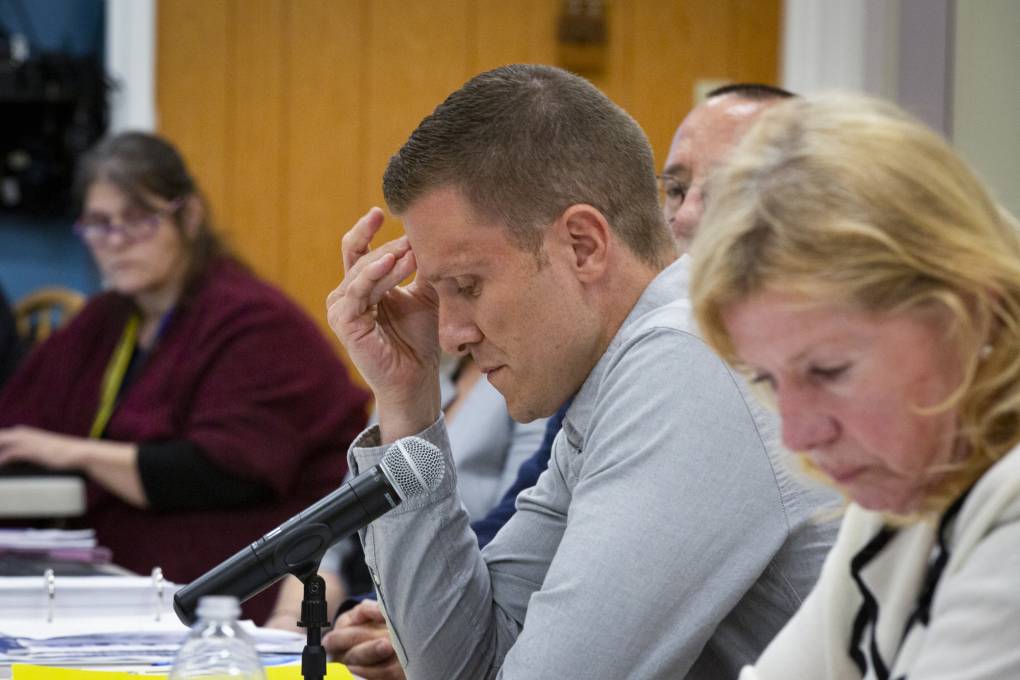
"caption": "Trustee Ryan Jergensen (center) listens to public comment during a Sunol Glen Unified School District governing board meeting in Sunol on March 12, 2024. Jergensen and Trustee Linda Hurley (right) will face a recall election in July.",
"credit": "Kathryn Styer Martínez/KQED",
"altTag": "School officials are sitting behind desks with a microphone in front of them.",
"description": null,
"imgSizes": {
"medium": {
"file": "https://cdn.kqed.org/wp-content/uploads/sites/10/2024/03/240312-SUNOL-RECALL-KSM-15-KQED-800x533.jpg",
"width": 800,
"height": 533,
"mimeType": "image/jpeg"
},
"large": {
"file": "https://cdn.kqed.org/wp-content/uploads/sites/10/2024/03/240312-SUNOL-RECALL-KSM-15-KQED-1020x680.jpg",
"width": 1020,
"height": 680,
"mimeType": "image/jpeg"
},
"thumbnail": {
"file": "https://cdn.kqed.org/wp-content/uploads/sites/10/2024/03/240312-SUNOL-RECALL-KSM-15-KQED-160x107.jpg",
"width": 160,
"height": 107,
"mimeType": "image/jpeg"
},
"1536x1536": {
"file": "https://cdn.kqed.org/wp-content/uploads/sites/10/2024/03/240312-SUNOL-RECALL-KSM-15-KQED-1536x1024.jpg",
"width": 1536,
"height": 1024,
"mimeType": "image/jpeg"
},
"post-thumbnail": {
"file": "https://cdn.kqed.org/wp-content/uploads/sites/10/2024/03/240312-SUNOL-RECALL-KSM-15-KQED-672x372.jpg",
"width": 672,
"height": 372,
"mimeType": "image/jpeg"
},
"twentyfourteen-full-width": {
"file": "https://cdn.kqed.org/wp-content/uploads/sites/10/2024/03/240312-SUNOL-RECALL-KSM-15-KQED-1038x576.jpg",
"width": 1038,
"height": 576,
"mimeType": "image/jpeg"
},
"full-width": {
"file": "https://cdn.kqed.org/wp-content/uploads/sites/10/2024/03/240312-SUNOL-RECALL-KSM-15-KQED-1920x1280.jpg",
"width": 1920,
"height": 1280,
"mimeType": "image/jpeg"
},
"kqedFullSize": {
"file": "https://cdn.kqed.org/wp-content/uploads/sites/10/2024/03/240312-SUNOL-RECALL-KSM-15-KQED.jpg",
"width": 2000,
"height": 1333
}
},
"isLoading": false,
"fetchFailed": false
},
"news_11992395": {
"type": "attachments",
"id": "news_11992395",
"meta": {
"index": "attachments_1716263798",
"site": "news",
"id": "11992395",
"found": true
},
"title": "101023-AI-College-Toby-Reed-LA-CM-21 copy",
"publishDate": 1719601285,
"status": "inherit",
"parent": 11992394,
"modified": 1719601308,
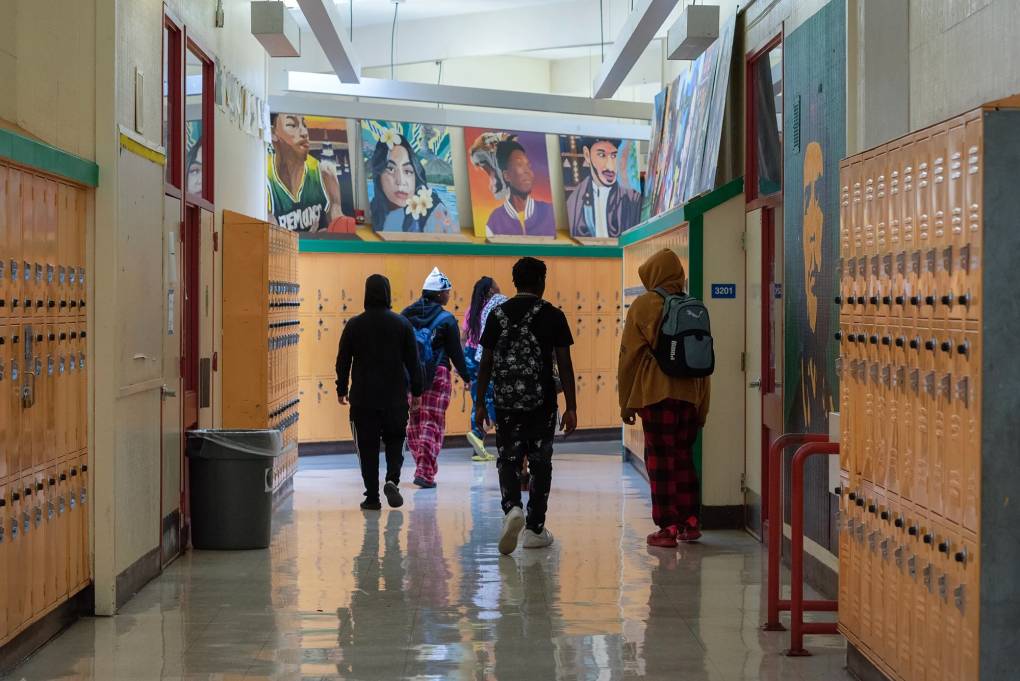
"caption": "Students walk down a hallway at Fremont High School in Oakland on Oct. 10, 2023. ",
"credit": "Laure Andrillon for CalMatters",
"altTag": null,
"description": null,
"imgSizes": {
"medium": {
"file": "https://cdn.kqed.org/wp-content/uploads/sites/10/2024/06/101023-AI-College-Toby-Reed-LA-CM-21-copy-800x534.jpg",
"width": 800,
"height": 534,
"mimeType": "image/jpeg"
},
"large": {
"file": "https://cdn.kqed.org/wp-content/uploads/sites/10/2024/06/101023-AI-College-Toby-Reed-LA-CM-21-copy-1020x681.jpg",
"width": 1020,
"height": 681,
"mimeType": "image/jpeg"
},
"thumbnail": {
"file": "https://cdn.kqed.org/wp-content/uploads/sites/10/2024/06/101023-AI-College-Toby-Reed-LA-CM-21-copy-160x107.jpg",
"width": 160,
"height": 107,
"mimeType": "image/jpeg"
},
"1536x1536": {
"file": "https://cdn.kqed.org/wp-content/uploads/sites/10/2024/06/101023-AI-College-Toby-Reed-LA-CM-21-copy-1536x1025.jpg",
"width": 1536,
"height": 1025,
"mimeType": "image/jpeg"
},
"post-thumbnail": {
"file": "https://cdn.kqed.org/wp-content/uploads/sites/10/2024/06/101023-AI-College-Toby-Reed-LA-CM-21-copy-672x372.jpg",
"width": 672,
"height": 372,
"mimeType": "image/jpeg"
},
"twentyfourteen-full-width": {
"file": "https://cdn.kqed.org/wp-content/uploads/sites/10/2024/06/101023-AI-College-Toby-Reed-LA-CM-21-copy-1038x576.jpg",
"width": 1038,
"height": 576,
"mimeType": "image/jpeg"
},
"full-width": {
"file": "https://cdn.kqed.org/wp-content/uploads/sites/10/2024/06/101023-AI-College-Toby-Reed-LA-CM-21-copy-1920x1282.jpg",
"width": 1920,
"height": 1282,
"mimeType": "image/jpeg"
},
"kqedFullSize": {
"file": "https://cdn.kqed.org/wp-content/uploads/sites/10/2024/06/101023-AI-College-Toby-Reed-LA-CM-21-copy.jpg",
"width": 2000,
"height": 1335
}
},
"isLoading": false,
"fetchFailed": false
},
"news_11660480": {
"type": "attachments",
"id": "news_11660480",
"meta": {
"index": "attachments_1716263798",
"site": "news",
"id": "11660480",
"found": true
},
"title": "RS30329_5D3_9543-qut",
"publishDate": 1523058875,
"status": "inherit",
"parent": 11660424,
"modified": 1719593772,
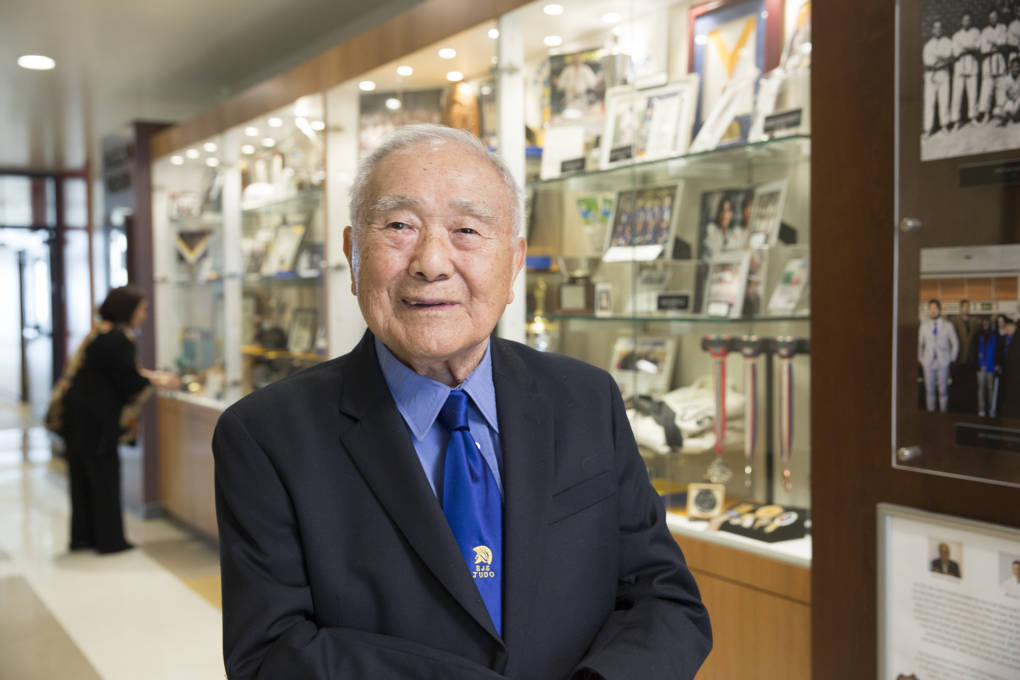
"caption": "Coach Yoshihiro 'Yosh' Uchida standing in front a case of judo medals outside the dojo in a building named after him at San José State.",
"credit": "Courtesy of David Schmitz",
"altTag": "Coach Yoshihiro \"Yosh\" Uchida standing in front a case of judo medals outside the dojo in a building named after him at San Jose State.",
"description": "Coach Yoshihiro \"Yosh\" Uchida standing in front a case of judo medals outside the dojo in a building named after him at San Jose State.",
"imgSizes": {
"thumbnail": {
"file": "https://cdn.kqed.org/wp-content/uploads/sites/10/2018/04/RS30329_5D3_9543-qut-160x107.jpg",
"width": 160,
"height": 107,
"mimeType": "image/jpeg"
},
"medium": {
"file": "https://cdn.kqed.org/wp-content/uploads/sites/10/2018/04/RS30329_5D3_9543-qut-800x533.jpg",
"width": 800,
"height": 533,
"mimeType": "image/jpeg"
},
"large": {
"file": "https://cdn.kqed.org/wp-content/uploads/sites/10/2018/04/RS30329_5D3_9543-qut-1020x680.jpg",
"width": 1020,
"height": 680,
"mimeType": "image/jpeg"
},
"fd-lrg": {
"file": "https://cdn.kqed.org/wp-content/uploads/sites/10/2018/04/RS30329_5D3_9543-qut-1920x1280.jpg",
"width": 1920,
"height": 1280,
"mimeType": "image/jpeg"
},
"fd-med": {
"file": "https://cdn.kqed.org/wp-content/uploads/sites/10/2018/04/RS30329_5D3_9543-qut-1180x787.jpg",
"width": 1180,
"height": 787,
"mimeType": "image/jpeg"
},
"fd-sm": {
"file": "https://cdn.kqed.org/wp-content/uploads/sites/10/2018/04/RS30329_5D3_9543-qut-960x640.jpg",
"width": 960,
"height": 640,
"mimeType": "image/jpeg"
},
"post-thumbnail": {
"file": "https://cdn.kqed.org/wp-content/uploads/sites/10/2018/04/RS30329_5D3_9543-qut-672x372.jpg",
"width": 672,
"height": 372,
"mimeType": "image/jpeg"
},
"twentyfourteen-full-width": {
"file": "https://cdn.kqed.org/wp-content/uploads/sites/10/2018/04/RS30329_5D3_9543-qut-1038x576.jpg",
"width": 1038,
"height": 576,
"mimeType": "image/jpeg"
},
"xxsmall": {
"file": "https://cdn.kqed.org/wp-content/uploads/sites/10/2018/04/RS30329_5D3_9543-qut-240x160.jpg",
"width": 240,
"height": 160,
"mimeType": "image/jpeg"
},
"xsmall": {
"file": "https://cdn.kqed.org/wp-content/uploads/sites/10/2018/04/RS30329_5D3_9543-qut-375x250.jpg",
"width": 375,
"height": 250,
"mimeType": "image/jpeg"
},
"small": {
"file": "https://cdn.kqed.org/wp-content/uploads/sites/10/2018/04/RS30329_5D3_9543-qut-520x347.jpg",
"width": 520,
"height": 347,
"mimeType": "image/jpeg"
},
"xlarge": {
"file": "https://cdn.kqed.org/wp-content/uploads/sites/10/2018/04/RS30329_5D3_9543-qut-1180x787.jpg",
"width": 1180,
"height": 787,
"mimeType": "image/jpeg"
},
"full-width": {
"file": "https://cdn.kqed.org/wp-content/uploads/sites/10/2018/04/RS30329_5D3_9543-qut-1920x1280.jpg",
"width": 1920,
"height": 1280,
"mimeType": "image/jpeg"
},
"guest-author-32": {
"file": "https://cdn.kqed.org/wp-content/uploads/sites/10/2018/04/RS30329_5D3_9543-qut-32x32.jpg",
"width": 32,
"height": 32,
"mimeType": "image/jpeg"
},
"guest-author-50": {
"file": "https://cdn.kqed.org/wp-content/uploads/sites/10/2018/04/RS30329_5D3_9543-qut-50x50.jpg",
"width": 50,
"height": 50,
"mimeType": "image/jpeg"
},
"guest-author-64": {
"file": "https://cdn.kqed.org/wp-content/uploads/sites/10/2018/04/RS30329_5D3_9543-qut-64x64.jpg",
"width": 64,
"height": 64,
"mimeType": "image/jpeg"
},
"guest-author-96": {
"file": "https://cdn.kqed.org/wp-content/uploads/sites/10/2018/04/RS30329_5D3_9543-qut-96x96.jpg",
"width": 96,
"height": 96,
"mimeType": "image/jpeg"
},
"guest-author-128": {
"file": "https://cdn.kqed.org/wp-content/uploads/sites/10/2018/04/RS30329_5D3_9543-qut-128x128.jpg",
"width": 128,
"height": 128,
"mimeType": "image/jpeg"
},
"detail": {
"file": "https://cdn.kqed.org/wp-content/uploads/sites/10/2018/04/RS30329_5D3_9543-qut-150x150.jpg",
"width": 150,
"height": 150,
"mimeType": "image/jpeg"
},
"kqedFullSize": {
"file": "https://cdn.kqed.org/wp-content/uploads/sites/10/2018/04/RS30329_5D3_9543-qut.jpg",
"width": 1920,
"height": 1280
}
},
"isLoading": false,
"fetchFailed": false
},
"news_11992199": {
"type": "attachments",
"id": "news_11992199",
"meta": {
"index": "attachments_1716263798",
"site": "news",
"id": "11992199",
"found": true
},
"title": "image",
"publishDate": 1719457477,
"status": "inherit",
"parent": 11992142,
"modified": 1719459134,
"caption": "Children play under a giant parachute at Lincoln Square Park in Oakland on May 24, 2024. Last year, the city of Oakland introduced its 'Ready, Set, Go' program, providing educational and social services to families experiencing housing instability, via an RV converted into a mobile Head Start classroom. ",
"credit": "Gina Castro/KQED",
"altTag": "A small Asian boy runs, smiling, under a multicolored parachute, as his mother and another younger boy watch.",
"description": null,
"imgSizes": {
"medium": {
"file": "https://cdn.kqed.org/wp-content/uploads/sites/10/2024/06/image-800x536.png",
"width": 800,
"height": 536,
"mimeType": "image/png"
},
"large": {
"file": "https://cdn.kqed.org/wp-content/uploads/sites/10/2024/06/image-1020x684.png",
"width": 1020,
"height": 684,
"mimeType": "image/png"
},
"thumbnail": {
"file": "https://cdn.kqed.org/wp-content/uploads/sites/10/2024/06/image-160x107.png",
"width": 160,
"height": 107,
"mimeType": "image/png"
},
"post-thumbnail": {
"file": "https://cdn.kqed.org/wp-content/uploads/sites/10/2024/06/image-672x372.png",
"width": 672,
"height": 372,
"mimeType": "image/png"
},
"twentyfourteen-full-width": {
"file": "https://cdn.kqed.org/wp-content/uploads/sites/10/2024/06/image-1038x576.png",
"width": 1038,
"height": 576,
"mimeType": "image/png"
},
"kqedFullSize": {
"file": "https://cdn.kqed.org/wp-content/uploads/sites/10/2024/06/image.png",
"width": 1193,
"height": 800
}
},
"isLoading": false,
"fetchFailed": false
},
"news_11991748": {
"type": "attachments",
"id": "news_11991748",
"meta": {
"index": "attachments_1716263798",
"site": "news",
"id": "11991748",
"found": true
},
"title": "051024_Newsom-Budget_FG_CM_15-1",
"publishDate": 1719266104,
"status": "inherit",
"parent": 11991747,
"modified": 1719269062,
"caption": "Gov. Gavin Newsom addresses the media during a press conference unveiling his revised 2024–25 budget proposal at the Capitol Annex Swing Space in Sacramento on May 10, 2024. ",
"credit": "Photo by Fred Greaves/CalMatters",
"altTag": "A white man wearing a business suit stands behind a podium with flags on both sides and a state logo above him while gesturing with his left hand.",
"description": null,
"imgSizes": {
"medium": {
"file": "https://cdn.kqed.org/wp-content/uploads/sites/10/2024/06/051024_Newsom-Budget_FG_CM_15-1-800x533.jpg",
"width": 800,
"height": 533,
"mimeType": "image/jpeg"
},
"large": {
"file": "https://cdn.kqed.org/wp-content/uploads/sites/10/2024/06/051024_Newsom-Budget_FG_CM_15-1-1020x680.jpg",
"width": 1020,
"height": 680,
"mimeType": "image/jpeg"
},
"thumbnail": {
"file": "https://cdn.kqed.org/wp-content/uploads/sites/10/2024/06/051024_Newsom-Budget_FG_CM_15-1-160x107.jpg",
"width": 160,
"height": 107,
"mimeType": "image/jpeg"
},
"1536x1536": {
"file": "https://cdn.kqed.org/wp-content/uploads/sites/10/2024/06/051024_Newsom-Budget_FG_CM_15-1-1536x1024.jpg",
"width": 1536,
"height": 1024,
"mimeType": "image/jpeg"
},
"post-thumbnail": {
"file": "https://cdn.kqed.org/wp-content/uploads/sites/10/2024/06/051024_Newsom-Budget_FG_CM_15-1-672x372.jpg",
"width": 672,
"height": 372,
"mimeType": "image/jpeg"
},
"twentyfourteen-full-width": {
"file": "https://cdn.kqed.org/wp-content/uploads/sites/10/2024/06/051024_Newsom-Budget_FG_CM_15-1-1038x576.jpg",
"width": 1038,
"height": 576,
"mimeType": "image/jpeg"
},
"full-width": {
"file": "https://cdn.kqed.org/wp-content/uploads/sites/10/2024/06/051024_Newsom-Budget_FG_CM_15-1-1920x1280.jpg",
"width": 1920,
"height": 1280,
"mimeType": "image/jpeg"
},
"kqedFullSize": {
"file": "https://cdn.kqed.org/wp-content/uploads/sites/10/2024/06/051024_Newsom-Budget_FG_CM_15-1.jpg",
"width": 2000,
"height": 1333
}
},
"isLoading": false,
"fetchFailed": false
},
"news_11991727": {
"type": "attachments",
"id": "news_11991727",
"meta": {
"index": "attachments_1716263798",
"site": "news",
"id": "11991727",
"found": true
},
"title": "Richmond_Orchestra_007",
"publishDate": 1719259770,
"status": "inherit",
"parent": 11991656,
"modified": 1719262344,
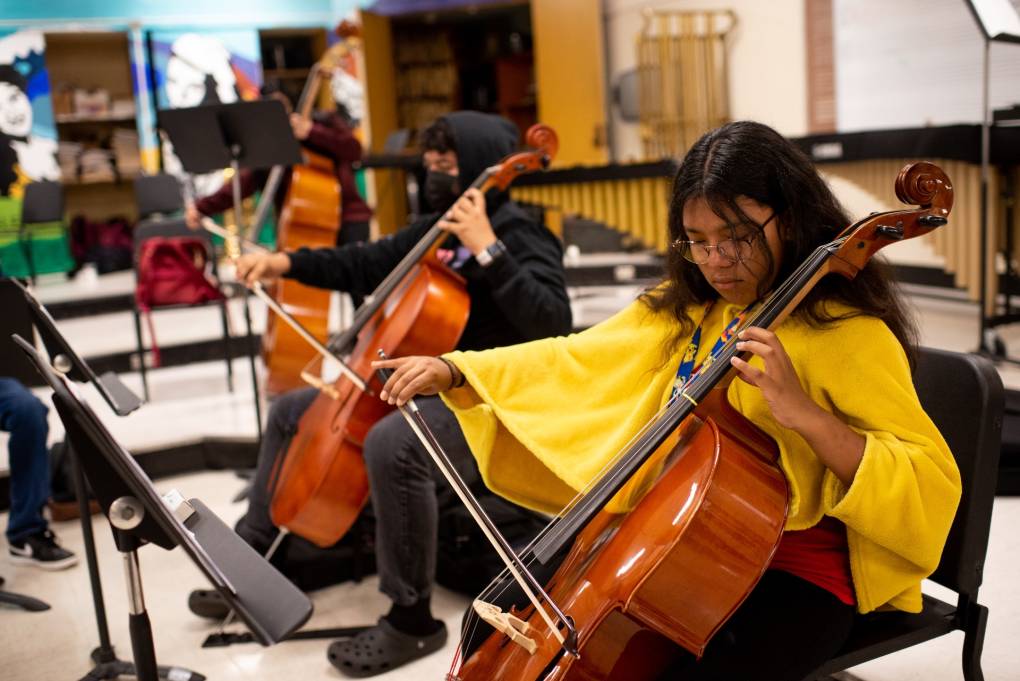
"caption": "Bella Mariscal, 9th grade, plays the cello during orchestra class at Richmond High School in Richmond on Wednesday, Oct. 5, 2022. ",
"credit": "Marlena Sloss/KQED",
"altTag": null,
"description": null,
"imgSizes": {
"medium": {
"file": "https://cdn.kqed.org/wp-content/uploads/sites/10/2024/06/Richmond_Orchestra_007-800x534.jpg",
"width": 800,
"height": 534,
"mimeType": "image/jpeg"
},
"large": {
"file": "https://cdn.kqed.org/wp-content/uploads/sites/10/2024/06/Richmond_Orchestra_007-1020x681.jpg",
"width": 1020,
"height": 681,
"mimeType": "image/jpeg"
},
"thumbnail": {
"file": "https://cdn.kqed.org/wp-content/uploads/sites/10/2024/06/Richmond_Orchestra_007-160x107.jpg",
"width": 160,
"height": 107,
"mimeType": "image/jpeg"
},
"1536x1536": {
"file": "https://cdn.kqed.org/wp-content/uploads/sites/10/2024/06/Richmond_Orchestra_007-1536x1026.jpg",
"width": 1536,
"height": 1026,
"mimeType": "image/jpeg"
},
"post-thumbnail": {
"file": "https://cdn.kqed.org/wp-content/uploads/sites/10/2024/06/Richmond_Orchestra_007-672x372.jpg",
"width": 672,
"height": 372,
"mimeType": "image/jpeg"
},
"twentyfourteen-full-width": {
"file": "https://cdn.kqed.org/wp-content/uploads/sites/10/2024/06/Richmond_Orchestra_007-1038x576.jpg",
"width": 1038,
"height": 576,
"mimeType": "image/jpeg"
},
"kqedFullSize": {
"file": "https://cdn.kqed.org/wp-content/uploads/sites/10/2024/06/Richmond_Orchestra_007.jpg",
"width": 1920,
"height": 1282
}
},
"isLoading": false,
"fetchFailed": false
},
"news_11991495": {
"type": "attachments",
"id": "news_11991495",
"meta": {
"index": "attachments_1716263798",
"site": "news",
"id": "11991495",
"found": true
},
"title": "uc-davis_qut",
"publishDate": 1719001580,
"status": "inherit",
"parent": 11991468,
"modified": 1719002028,
"caption": "Located in the UC Davis Arboretum, the 7,000-square-foot Coffee Center facility is considered the first academic building in the nation devoted to coffee research and education.",
"credit": "Christian Ostrosky/Flickr",
"altTag": null,
"description": null,
"imgSizes": {
"medium": {
"file": "https://cdn.kqed.org/wp-content/uploads/sites/10/2024/06/uc-davis_qut-800x533.jpg",
"width": 800,
"height": 533,
"mimeType": "image/jpeg"
},
"large": {
"file": "https://cdn.kqed.org/wp-content/uploads/sites/10/2024/06/uc-davis_qut-1020x680.jpg",
"width": 1020,
"height": 680,
"mimeType": "image/jpeg"
},
"thumbnail": {
"file": "https://cdn.kqed.org/wp-content/uploads/sites/10/2024/06/uc-davis_qut-160x107.jpg",
"width": 160,
"height": 107,
"mimeType": "image/jpeg"
},
"post-thumbnail": {
"file": "https://cdn.kqed.org/wp-content/uploads/sites/10/2024/06/uc-davis_qut-672x372.jpg",
"width": 672,
"height": 372,
"mimeType": "image/jpeg"
},
"twentyfourteen-full-width": {
"file": "https://cdn.kqed.org/wp-content/uploads/sites/10/2024/06/uc-davis_qut-1038x576.jpg",
"width": 1038,
"height": 576,
"mimeType": "image/jpeg"
},
"kqedFullSize": {
"file": "https://cdn.kqed.org/wp-content/uploads/sites/10/2024/06/uc-davis_qut.jpg",
"width": 1500,
"height": 1000
}
},
"isLoading": false,
"fetchFailed": false
},
"news_11991402": {
"type": "attachments",
"id": "news_11991402",
"meta": {
"index": "attachments_1716263798",
"site": "news",
"id": "11991402",
"found": true
},
"title": "GOHILL-1-KQED",
"publishDate": 1718928695,
"status": "inherit",
"parent": 12030271,
"modified": 1741391989,
"caption": "Stanford Daily student journalist Dilan Gohill.",
"credit": "Courtesy of Dilan Gohill",
"altTag": null,
"description": null,
"imgSizes": {
"medium": {
"file": "https://cdn.kqed.org/wp-content/uploads/sites/10/2024/06/GOHILL-1-KQED-800x533.jpg",
"width": 800,
"height": 533,
"mimeType": "image/jpeg"
},
"large": {
"file": "https://cdn.kqed.org/wp-content/uploads/sites/10/2024/06/GOHILL-1-KQED-1020x680.jpg",
"width": 1020,
"height": 680,
"mimeType": "image/jpeg"
},
"thumbnail": {
"file": "https://cdn.kqed.org/wp-content/uploads/sites/10/2024/06/GOHILL-1-KQED-160x107.jpg",
"width": 160,
"height": 107,
"mimeType": "image/jpeg"
},
"1536x1536": {
"file": "https://cdn.kqed.org/wp-content/uploads/sites/10/2024/06/GOHILL-1-KQED-1536x1024.jpg",
"width": 1536,
"height": 1024,
"mimeType": "image/jpeg"
},
"post-thumbnail": {
"file": "https://cdn.kqed.org/wp-content/uploads/sites/10/2024/06/GOHILL-1-KQED-672x372.jpg",
"width": 672,
"height": 372,
"mimeType": "image/jpeg"
},
"twentyfourteen-full-width": {
"file": "https://cdn.kqed.org/wp-content/uploads/sites/10/2024/06/GOHILL-1-KQED-1038x576.jpg",
"width": 1038,
"height": 576,
"mimeType": "image/jpeg"
},
"full-width": {
"file": "https://cdn.kqed.org/wp-content/uploads/sites/10/2024/06/GOHILL-1-KQED-1920x1280.jpg",
"width": 1920,
"height": 1280,
"mimeType": "image/jpeg"
},
"kqedFullSize": {
"file": "https://cdn.kqed.org/wp-content/uploads/sites/10/2024/06/GOHILL-1-KQED.jpg",
"width": 2000,
"height": 1333
}
},
"isLoading": false,
"fetchFailed": false
},
"news_11991265": {
"type": "attachments",
"id": "news_11991265",
"meta": {
"index": "attachments_1716263798",
"site": "news",
"id": "11991265",
"found": true
},
"title": "alisonyin.com",
"publishDate": 1718906850,
"status": "inherit",
"parent": 11991261,
"modified": 1718906886,
"caption": "Redwood Heights Elementary School in Oakland, Wednesday, May 17, 2017.",
"credit": "Alison Yin/EdSource",
"altTag": null,
"description": null,
"imgSizes": {
"medium": {
"file": "https://cdn.kqed.org/wp-content/uploads/sites/10/2024/06/Redwood_Elem_066-2048x1366-1-800x534.jpg",
"width": 800,
"height": 534,
"mimeType": "image/jpeg"
},
"large": {
"file": "https://cdn.kqed.org/wp-content/uploads/sites/10/2024/06/Redwood_Elem_066-2048x1366-1-1020x680.jpg",
"width": 1020,
"height": 680,
"mimeType": "image/jpeg"
},
"thumbnail": {
"file": "https://cdn.kqed.org/wp-content/uploads/sites/10/2024/06/Redwood_Elem_066-2048x1366-1-160x107.jpg",
"width": 160,
"height": 107,
"mimeType": "image/jpeg"
},
"1536x1536": {
"file": "https://cdn.kqed.org/wp-content/uploads/sites/10/2024/06/Redwood_Elem_066-2048x1366-1-1536x1025.jpg",
"width": 1536,
"height": 1025,
"mimeType": "image/jpeg"
},
"post-thumbnail": {
"file": "https://cdn.kqed.org/wp-content/uploads/sites/10/2024/06/Redwood_Elem_066-2048x1366-1-672x372.jpg",
"width": 672,
"height": 372,
"mimeType": "image/jpeg"
},
"twentyfourteen-full-width": {
"file": "https://cdn.kqed.org/wp-content/uploads/sites/10/2024/06/Redwood_Elem_066-2048x1366-1-1038x576.jpg",
"width": 1038,
"height": 576,
"mimeType": "image/jpeg"
},
"full-width": {
"file": "https://cdn.kqed.org/wp-content/uploads/sites/10/2024/06/Redwood_Elem_066-2048x1366-1-1920x1281.jpg",
"width": 1920,
"height": 1281,
"mimeType": "image/jpeg"
},
"kqedFullSize": {
"file": "https://cdn.kqed.org/wp-content/uploads/sites/10/2024/06/Redwood_Elem_066-2048x1366-1.jpg",
"width": 2048,
"height": 1366
}
},
"isLoading": false,
"fetchFailed": false
},
"news_11988069": {
"type": "attachments",
"id": "news_11988069",
"meta": {
"index": "attachments_1716263798",
"site": "news",
"id": "11988069",
"found": true
},
"title": "240517-TKBilingualLearners-125-BL_qut",
"publishDate": 1717007259,
"status": "inherit",
"parent": 0,
"modified": 1718904839,
"caption": "Bilingual exercises hang on a wall in a classroom at Global Family Elementary School in Oakland.",
"credit": "Beth LaBerge/KQED",
"altTag": "Bilingual classroom materials hang on a wall.",
"description": null,
"imgSizes": {
"medium": {
"file": "https://cdn.kqed.org/wp-content/uploads/sites/10/2024/05/240517-TKBilingualLearners-125-BL_qut-800x533.jpg",
"width": 800,
"height": 533,
"mimeType": "image/jpeg"
},
"large": {
"file": "https://cdn.kqed.org/wp-content/uploads/sites/10/2024/05/240517-TKBilingualLearners-125-BL_qut-1020x680.jpg",
"width": 1020,
"height": 680,
"mimeType": "image/jpeg"
},
"thumbnail": {
"file": "https://cdn.kqed.org/wp-content/uploads/sites/10/2024/05/240517-TKBilingualLearners-125-BL_qut-160x107.jpg",
"width": 160,
"height": 107,
"mimeType": "image/jpeg"
},
"1536x1536": {
"file": "https://cdn.kqed.org/wp-content/uploads/sites/10/2024/05/240517-TKBilingualLearners-125-BL_qut-1536x1024.jpg",
"width": 1536,
"height": 1024,
"mimeType": "image/jpeg"
},
"post-thumbnail": {
"file": "https://cdn.kqed.org/wp-content/uploads/sites/10/2024/05/240517-TKBilingualLearners-125-BL_qut-672x372.jpg",
"width": 672,
"height": 372,
"mimeType": "image/jpeg"
},
"twentyfourteen-full-width": {
"file": "https://cdn.kqed.org/wp-content/uploads/sites/10/2024/05/240517-TKBilingualLearners-125-BL_qut-1038x576.jpg",
"width": 1038,
"height": 576,
"mimeType": "image/jpeg"
},
"kqedFullSize": {
"file": "https://cdn.kqed.org/wp-content/uploads/sites/10/2024/05/240517-TKBilingualLearners-125-BL_qut.jpg",
"width": 1920,
"height": 1280
}
},
"isLoading": false,
"fetchFailed": false
},
"news_11952549": {
"type": "attachments",
"id": "news_11952549",
"meta": {
"index": "attachments_1716263798",
"site": "news",
"id": "11952549",
"found": true
},
"title": "RS66175_20230608_ksuzuki_adelanteschool 111-KQED",
"publishDate": 1686253412,
"status": "inherit",
"parent": 0,
"modified": 1718482099,
"caption": "Students run past a sign outside Adelante I Dual Language Academy in San José on June 8, 2023. ",
"credit": "Kori Suzuki/KQED",
"altTag": "Children play on grass behind a chainlink- fence beside a sign reading \"Adelante I: Dual Language Academy.\"",
"description": null,
"imgSizes": {
"medium": {
"file": "https://cdn.kqed.org/wp-content/uploads/sites/10/2023/06/RS66175_20230608_ksuzuki_adelanteschool-111-KQED-800x532.jpg",
"width": 800,
"height": 532,
"mimeType": "image/jpeg"
},
"large": {
"file": "https://cdn.kqed.org/wp-content/uploads/sites/10/2023/06/RS66175_20230608_ksuzuki_adelanteschool-111-KQED-1020x678.jpg",
"width": 1020,
"height": 678,
"mimeType": "image/jpeg"
},
"thumbnail": {
"file": "https://cdn.kqed.org/wp-content/uploads/sites/10/2023/06/RS66175_20230608_ksuzuki_adelanteschool-111-KQED-160x106.jpg",
"width": 160,
"height": 106,
"mimeType": "image/jpeg"
},
"1536x1536": {
"file": "https://cdn.kqed.org/wp-content/uploads/sites/10/2023/06/RS66175_20230608_ksuzuki_adelanteschool-111-KQED-1536x1022.jpg",
"width": 1536,
"height": 1022,
"mimeType": "image/jpeg"
},
"post-thumbnail": {
"file": "https://cdn.kqed.org/wp-content/uploads/sites/10/2023/06/RS66175_20230608_ksuzuki_adelanteschool-111-KQED-672x372.jpg",
"width": 672,
"height": 372,
"mimeType": "image/jpeg"
},
"twentyfourteen-full-width": {
"file": "https://cdn.kqed.org/wp-content/uploads/sites/10/2023/06/RS66175_20230608_ksuzuki_adelanteschool-111-KQED-1038x576.jpg",
"width": 1038,
"height": 576,
"mimeType": "image/jpeg"
},
"kqedFullSize": {
"file": "https://cdn.kqed.org/wp-content/uploads/sites/10/2023/06/RS66175_20230608_ksuzuki_adelanteschool-111-KQED.jpg",
"width": 1920,
"height": 1277
}
},
"isLoading": false,
"fetchFailed": false
},
"news_11990146": {
"type": "attachments",
"id": "news_11990146",
"meta": {
"index": "attachments_1716263798",
"site": "news",
"id": "11990146",
"found": true
},
"title": "SANDRA CRUZ PICTURE",
"publishDate": 1718254689,
"status": "inherit",
"parent": 11990145,
"modified": 1718330382,
"caption": "Sandra Cruz, madre de un alumno de la Escuela Primaria Oak Grove, posa para un retrato en Santa Rosa el martes 14 de mayo de 2024. El Distrito Escolar Oak Grove Union votó a favor de despedir a su único traductor bilingüe al final del año escolar, y muchos padres latinos se han movilizado para exigir que la escuela revierta su decisión. Un tercio de los alumnos del Oak Grove Union School District proceden de hogares hispanohablantes.",
"credit": "Gina Castro/KQED",
"altTag": "Una mujer latina lleva puesta un vestido azul y ve directamente a la cámara. Ella está parada enfrente de la escuela Willowside Middle School.",
"description": null,
"imgSizes": {
"medium": {
"file": "https://cdn.kqed.org/wp-content/uploads/sites/10/2024/06/SANDRA-CRUZ-PICTURE-800x533.jpg",
"width": 800,
"height": 533,
"mimeType": "image/jpeg"
},
"thumbnail": {
"file": "https://cdn.kqed.org/wp-content/uploads/sites/10/2024/06/SANDRA-CRUZ-PICTURE-160x107.jpg",
"width": 160,
"height": 107,
"mimeType": "image/jpeg"
},
"post-thumbnail": {
"file": "https://cdn.kqed.org/wp-content/uploads/sites/10/2024/06/SANDRA-CRUZ-PICTURE-672x372.jpg",
"width": 672,
"height": 372,
"mimeType": "image/jpeg"
},
"twentyfourteen-full-width": {
"file": "https://cdn.kqed.org/wp-content/uploads/sites/10/2024/06/SANDRA-CRUZ-PICTURE-1020x576.jpg",
"width": 1020,
"height": 576,
"mimeType": "image/jpeg"
},
"kqedFullSize": {
"file": "https://cdn.kqed.org/wp-content/uploads/sites/10/2024/06/SANDRA-CRUZ-PICTURE.jpg",
"width": 1020,
"height": 680
}
},
"isLoading": false,
"fetchFailed": false
}
},
"audioPlayerReducer": {
"postId": "stream_live",
"isPaused": true,
"isPlaying": false,
"pfsActive": false,
"pledgeModalIsOpen": true,
"playerDrawerIsOpen": false,
"liveAudioPlayStartedAt": 0,
"liveAudioPlayContext": ""
},
"authorsReducer": {
"byline_news_11992394": {
"type": "authors",
"id": "byline_news_11992394",
"meta": {
"override": true
},
"slug": "byline_news_11992394",
"name": "\u003ca href=\"https://calmatters.org/author/carolyn-jones/\">Carolyn Jones\u003c/a>, CalMatters",
"isLoading": false
},
"byline_news_11991747": {
"type": "authors",
"id": "byline_news_11991747",
"meta": {
"override": true
},
"slug": "byline_news_11991747",
"name": "Alexei Koseff, CalMatters",
"isLoading": false
},
"byline_news_11991656": {
"type": "authors",
"id": "byline_news_11991656",
"meta": {
"override": true
},
"slug": "byline_news_11991656",
"name": "Karen D'Souza",
"isLoading": false
},
"byline_news_11991468": {
"type": "authors",
"id": "byline_news_11991468",
"meta": {
"override": true
},
"slug": "byline_news_11991468",
"name": "Haven Daley and Sophie Austin, Associated Press",
"isLoading": false
},
"byline_news_11991261": {
"type": "authors",
"id": "byline_news_11991261",
"meta": {
"override": true
},
"slug": "byline_news_11991261",
"name": "\u003ca href=\"https://edsource.org/author/dlambert\">Diana Lambert\u003c/a>, EdSource",
"isLoading": false
},
"gmarzorati": {
"type": "authors",
"id": "227",
"meta": {
"index": "authors_1716337520",
"id": "227",
"found": true
},
"name": "Guy Marzorati",
"firstName": "Guy",
"lastName": "Marzorati",
"slug": "gmarzorati",
"email": "gmarzorati@KQED.org",
"display_author_email": true,
"staff_mastheads": [
"news"
],
"title": "Correspondent",
"bio": "Guy Marzorati is a correspondent on KQED's California Politics and Government Desk, based in San Jose. A graduate of Santa Clara University, Guy joined KQED in 2013. He reports on state and local politics and produces KQED's digital voter guide.",
"avatar": "https://secure.gravatar.com/avatar/e7038b8dbfd55b104369b76b1cd0b9de?s=600&d=blank&r=g",
"twitter": "guymarzorati",
"facebook": null,
"instagram": null,
"linkedin": null,
"sites": [
{
"site": "",
"roles": [
"editor"
]
},
{
"site": "news",
"roles": [
"editor"
]
},
{
"site": "science",
"roles": [
"editor"
]
},
{
"site": "forum",
"roles": [
"editor"
]
},
{
"site": "elections",
"roles": [
"editor"
]
},
{
"site": "liveblog",
"roles": [
"editor"
]
}
],
"headData": {
"title": "Guy Marzorati | KQED",
"description": "Correspondent",
"ogImgSrc": "https://secure.gravatar.com/avatar/e7038b8dbfd55b104369b76b1cd0b9de?s=600&d=blank&r=g",
"twImgSrc": "https://secure.gravatar.com/avatar/e7038b8dbfd55b104369b76b1cd0b9de?s=600&d=blank&r=g"
},
"isLoading": false,
"link": "/author/gmarzorati"
},
"hmcdede": {
"type": "authors",
"id": "11635",
"meta": {
"index": "authors_1716337520",
"id": "11635",
"found": true
},
"name": "Holly McDede",
"firstName": "Holly",
"lastName": "McDede",
"slug": "hmcdede",
"email": "hmcdede@KQED.org",
"display_author_email": false,
"staff_mastheads": [],
"title": "KQED Contributor",
"bio": null,
"avatar": "https://secure.gravatar.com/avatar/999d9bf31bb3a2f0511932d99526cb3e?s=600&d=blank&r=g",
"twitter": null,
"facebook": null,
"instagram": null,
"linkedin": null,
"sites": [
{
"site": "arts",
"roles": [
"editor"
]
},
{
"site": "news",
"roles": [
"edit_others_posts",
"editor"
]
},
{
"site": "science",
"roles": [
"editor"
]
},
{
"site": "forum",
"roles": [
"editor"
]
},
{
"site": "perspectives",
"roles": [
"administrator"
]
}
],
"headData": {
"title": "Holly McDede | KQED",
"description": "KQED Contributor",
"ogImgSrc": "https://secure.gravatar.com/avatar/999d9bf31bb3a2f0511932d99526cb3e?s=600&d=blank&r=g",
"twImgSrc": "https://secure.gravatar.com/avatar/999d9bf31bb3a2f0511932d99526cb3e?s=600&d=blank&r=g"
},
"isLoading": false,
"link": "/author/hmcdede"
},
"ccabreralomeli": {
"type": "authors",
"id": "11708",
"meta": {
"index": "authors_1716337520",
"id": "11708",
"found": true
},
"name": "Carlos Cabrera-Lomelí",
"firstName": "Carlos",
"lastName": "Cabrera-Lomelí",
"slug": "ccabreralomeli",
"email": "ccabreralomeli@KQED.org",
"display_author_email": true,
"staff_mastheads": [
"news"
],
"title": "Community Reporter",
"bio": "Carlos Cabrera-Lomelí is a community reporter with KQED's digital engagement team. He also reports and co-produces for KQED's bilingual news hub KQED en Español. He grew up in San Francisco's Mission District and has previously worked with Univision, 48 Hills and REFORMA in Mexico City.",
"avatar": "https://secure.gravatar.com/avatar/c309be9665e484f887b818c89e273ecc673004f426f36b24d00a4d813a2e0518?s=600&d=blank&r=g",
"twitter": "@LomeliCabrera",
"bluesky": null,
"facebook": null,
"instagram": null,
"linkedin": null,
"sites": [
{
"site": "arts",
"roles": [
"editor"
]
},
{
"site": "news",
"roles": [
"editor"
]
},
{
"site": "about",
"roles": [
"editor"
]
},
{
"site": "science",
"roles": [
"editor"
]
},
{
"site": "perspectives",
"roles": [
"editor"
]
},
{
"site": "elections",
"roles": [
"editor"
]
},
{
"site": "liveblog",
"roles": [
"contributor"
]
}
],
"headData": {
"title": "Carlos Cabrera-Lomelí | KQED",
"description": "Community Reporter",
"ogImgSrc": "https://secure.gravatar.com/avatar/c309be9665e484f887b818c89e273ecc673004f426f36b24d00a4d813a2e0518?s=600&d=blank&r=g",
"twImgSrc": "https://secure.gravatar.com/avatar/c309be9665e484f887b818c89e273ecc673004f426f36b24d00a4d813a2e0518?s=600&d=blank&r=g"
},
"isLoading": false,
"link": "/author/ccabreralomeli"
},
"daisynguyen": {
"type": "authors",
"id": "11829",
"meta": {
"index": "authors_1716337520",
"id": "11829",
"found": true
},
"name": "Daisy Nguyen",
"firstName": "Daisy",
"lastName": "Nguyen",
"slug": "daisynguyen",
"email": "daisynguyen@kqed.org",
"display_author_email": true,
"staff_mastheads": [
"news"
],
"title": "KQED Contributor",
"bio": "I have covered early childhood education and child care for KQED since 2022. I focus on policies aimed at increasing access to early care and education and how they shape individual lives. I've been a journalist for more than two decades, with most of that time devoted to covering breaking news throughout California for The Associated Press. I grew up in San Francisco and studied at UC Davis and Columbia University's Graduate School of Journalism. I live in Oakland with my husband and two kids.",
"avatar": "https://secure.gravatar.com/avatar/2da2127c27f7143b53ebd419800fd55f?s=600&d=blank&r=g",
"twitter": null,
"facebook": null,
"instagram": null,
"linkedin": "https://www.linkedin.com/in/daisynguyen/",
"sites": [
{
"site": "news",
"roles": [
"author"
]
},
{
"site": "liveblog",
"roles": [
"author"
]
}
],
"headData": {
"title": "Daisy Nguyen | KQED",
"description": "KQED Contributor",
"ogImgSrc": "https://secure.gravatar.com/avatar/2da2127c27f7143b53ebd419800fd55f?s=600&d=blank&r=g",
"twImgSrc": "https://secure.gravatar.com/avatar/2da2127c27f7143b53ebd419800fd55f?s=600&d=blank&r=g"
},
"isLoading": false,
"link": "/author/daisynguyen"
},
"jgeha": {
"type": "authors",
"id": "11906",
"meta": {
"index": "authors_1716337520",
"id": "11906",
"found": true
},
"name": "Joseph Geha",
"firstName": "Joseph",
"lastName": "Geha",
"slug": "jgeha",
"email": "jgeha@kqed.org",
"display_author_email": false,
"staff_mastheads": [
"news",
"science"
],
"title": "KQED Contributor",
"bio": null,
"avatar": "https://secure.gravatar.com/avatar/ea84d2b6dd93d6369d453edf19dd583f117cd1759d2d9c9c92f9de77017354fe?s=600&d=blank&r=g",
"twitter": null,
"bluesky": null,
"facebook": null,
"instagram": null,
"linkedin": null,
"sites": [
{
"site": "news",
"roles": [
"editor"
]
},
{
"site": "liveblog",
"roles": [
"author"
]
}
],
"headData": {
"title": "Joseph Geha | KQED",
"description": "KQED Contributor",
"ogImgSrc": "https://secure.gravatar.com/avatar/ea84d2b6dd93d6369d453edf19dd583f117cd1759d2d9c9c92f9de77017354fe?s=600&d=blank&r=g",
"twImgSrc": "https://secure.gravatar.com/avatar/ea84d2b6dd93d6369d453edf19dd583f117cd1759d2d9c9c92f9de77017354fe?s=600&d=blank&r=g"
},
"isLoading": false,
"link": "/author/jgeha"
}
},
"pagesReducer": {
"news_tag_education": {
"type": "terms",
"id": "news_20013",
"meta": {
"index": "terms_1716263798",
"site": "news",
"id": "20013",
"score": 6.9701543
},
"featImg": null,
"name": "education",
"description": null,
"taxonomy": "tag",
"headData": {
"twImgId": null,
"twTitle": null,
"ogTitle": null,
"ogImgId": null,
"twDescription": null,
"description": null,
"title": "education Archives | KQED News",
"ogDescription": null
},
"ttid": 20030,
"slug": "education",
"isLoading": false,
"title": "education",
"pageMeta": {
"site": "news",
"WpPageTemplate": "page-topic-editorial",
"currentPage": 42
},
"blocks": [
{
"blockName": "kqed/post-list",
"attrs": {
"layout": "cardArticle2",
"query": "posts/news?tag=education",
"seeMore": false,
"paginated": true,
"page": 42
}
},
{
"blockName": "kqed/ad"
}
]
}
},
"pfsSessionReducer": {},
"postsReducer": {
"stream_live": {
"type": "live",
"id": "stream_live",
"audioUrl": "https://streams.kqed.org/kqedradio",
"title": "Live Stream",
"excerpt": "Live Stream information currently unavailable.",
"link": "/radio",
"featImg": "",
"label": {
"name": "KQED Live",
"link": "/"
}
},
"stream_kqedNewscast": {
"type": "posts",
"id": "stream_kqedNewscast",
"audioUrl": "https://www.kqed.org/.stream/anon/radio/RDnews/newscast.mp3?_=1",
"title": "KQED Newscast",
"featImg": "",
"label": {
"name": "88.5 FM",
"link": "/"
}
},
"news_11992881": {
"type": "posts",
"id": "news_11992881",
"meta": {
"index": "posts_1716263798",
"site": "news",
"id": "11992881",
"score": null,
"sort": [
1719981005000
]
},
"guestAuthors": [],
"slug": "recall-of-two-sunol-school-board-members-appears-headed-to-victory",
"title": "Recall of 2 Sunol School Board Members Appears Headed to Victory",
"publishDate": 1719981005,
"format": "standard",
"headTitle": "Recall of 2 Sunol School Board Members Appears Headed to Victory | KQED",
"labelTerm": {
"site": "news"
},
"content": "\u003cp>A campaign to \u003ca href=\"https://www.kqed.org/news/11990968/in-sunol-a-school-board-recall-divides-the-town\">recall two of the three school board members in the Sunol Glen Unified School District\u003c/a> appears headed to victory — with early results on Tuesday evening showing that roughly 54% of voters in the rural East Bay community have voted to remove trustee Ryan Jergensen and 53% of voters support the removal of trustee Linda Hurley.\u003c/p>\n\u003cp>The recall marks the \u003ca href=\"https://www.kqed.org/news/11988426/california-recall-elections-test-strength-of-conservative-school-board-movement\">latest ouster of local education officials in California accused of pursuing overly conservative policies\u003c/a> on gender identity and LGBTQ expression. In Sunol, like other communities this year, the flashpoint was a restriction on flags, including the Pride flag.\u003c/p>\n\u003cp>Only one member remains on the board: Ted Romo, who frequently sparred with the board majority. The Alameda County Board of Education is expected to temporarily fill at least one of the seats with an appointment.\u003c/p>\n\u003cp>“It feels good for all the work and energy that we’ve put into it,” said Matthew Sylvester, a district parent who helped organize the recall.\u003c/p>\n\u003cp>[ad fullwidth]\u003c/p>\n\u003cp>“A lot of us got caught unaware of what was happening, and now we’ve had to move toward recall because there has been zero compromise,” Sylvester added. “We want the school to operate well, we want no drama, no contentiousness and just to get back to how the school used to be run, which was very well.”\u003c/p>\n\u003cp>When reached by email Tuesday evening, Jergensen declined to comment.\u003c/p>\n\u003cp>The school board fight bitterly divided residents in Sunol, an unincorporated community of roughly 900 residents tucked between Fremont and Pleasanton. Meetings at the district’s only school, Sunol Glen School, regularly escalated into shouting matches and signs for and against the recall-peppered driveways along the town’s winding hillside roads.\u003c/p>\n\u003cp>Calls for removing Jergensen and Hurley grew louder after their vote last September to ban the flying of flags other than the U.S. and California flags on district property. Jergensen defended the decision as a way to protect the district from potential lawsuits over which flag the district allows to fly, but many community members viewed it as a direct response to the district superintendent’s decision to fly the Pride flag the previous June.\u003c/p>\n\u003cp>Similar issues have roiled historically sleepy school boards across the state. Voters in March removed two trustees in the Orange Unified School District who had passed their own flag restrictions and a policy requiring school staff to notify parents when students identify by a name, gender or pronouns that differ from their official records.\u003c/p>\n\u003cp>A transgender reporting law was central to another successful recall last month in Riverside, where board president Joseph Komrosky was removed from the Temecula Valley Unified School District.\u003c/p>\n\u003cp>Together, the recalls could mark a turning point after conservatives across the country focused explicitly on gaining ground in school board elections, which in California are nonpartisan.\u003c/p>\n\u003cp>“The national question, especially for the politics of education and the politics of school boards, centered around what’s going to happen when we have this conservative takeover of a school board?” said Jonathan Collins, co-director of the Politics & Education Program at Teachers College, Columbia University \u003ca href=\"https://www.kqed.org/forum/2010101905942/school-board-politics-heat-up-in-california\">on KQED’s Forum\u003c/a>.\u003c/p>\n\u003cp>“What we’re seeing with these recalls are the consequences of some of these board members who have actually delivered,” he said.\u003c/p>\n\u003cp>Financial support for the recall in Sunol came largely from the union representing district educators, continuing a trend of union support for this year’s school board recalls. The California Federation of Teachers spent nearly $30,000 to support the removal of Jergensen and Hurley.\u003c/p>\n\u003cp>The Alameda County Republican Party supported the campaign to oppose the recall but reported no financial activity since the end of 2023.\u003c/p>\n\u003cp>\u003c/p>\n",
"blocks": [],
"excerpt": "The election marked the latest fight in California schools over LGBTQ identity and expression. ",
"status": "publish",
"parent": 0,
"modified": 1720029940,
"stats": {
"hasAudio": false,
"hasVideo": false,
"hasChartOrMap": false,
"iframeSrcs": [],
"hasGoogleForm": false,
"hasGallery": false,
"hasHearkenModule": false,
"hasPolis": false,
"paragraphCount": 17,
"wordCount": 630
},
"headData": {
"title": "Recall of 2 Sunol School Board Members Appears Headed to Victory | KQED",
"description": "The election marked the latest fight in California schools over LGBTQ identity and expression. ",
"ogTitle": "",
"ogDescription": "",
"ogImgId": "",
"twTitle": "",
"twDescription": "",
"twImgId": "",
"schema": {
"@context": "https://schema.org",
"@type": "NewsArticle",
"headline": "Recall of 2 Sunol School Board Members Appears Headed to Victory",
"datePublished": "2024-07-02T21:30:05-07:00",
"dateModified": "2024-07-03T11:05:40-07:00",
"image": "https://cdn.kqed.org/wp-content/uploads/2020/02/KQED-OG-Image@1x.png",
"isAccessibleForFree": "True",
"publisher": {
"@type": "NewsMediaOrganization",
"@id": "https://www.kqed.org/#organization",
"name": "KQED",
"logo": "https://cdn.kqed.org/wp-content/uploads/2020/02/KQED-OG-Image@1x.png",
"url": "https://www.kqed.org",
"sameAs": [
"https://www.facebook.com/KQED",
"https://twitter.com/KQED",
"https://www.instagram.com/kqed/",
"https://www.tiktok.com/@kqedofficial",
"https://www.linkedin.com/company/kqed",
"https://www.youtube.com/channel/UCeC0IOo7i1P_61zVUWbJ4nw"
]
}
}
},
"sticky": false,
"nprStoryId": "kqed-11992881",
"excludeFromSiteSearch": "Include",
"articleAge": "0",
"path": "/news/11992881/recall-of-two-sunol-school-board-members-appears-headed-to-victory",
"audioTrackLength": null,
"parsedContent": [
{
"type": "contentString",
"content": "\u003cdiv class=\"post-body\">\u003cp>\u003cp>A campaign to \u003ca href=\"https://www.kqed.org/news/11990968/in-sunol-a-school-board-recall-divides-the-town\">recall two of the three school board members in the Sunol Glen Unified School District\u003c/a> appears headed to victory — with early results on Tuesday evening showing that roughly 54% of voters in the rural East Bay community have voted to remove trustee Ryan Jergensen and 53% of voters support the removal of trustee Linda Hurley.\u003c/p>\n\u003cp>The recall marks the \u003ca href=\"https://www.kqed.org/news/11988426/california-recall-elections-test-strength-of-conservative-school-board-movement\">latest ouster of local education officials in California accused of pursuing overly conservative policies\u003c/a> on gender identity and LGBTQ expression. In Sunol, like other communities this year, the flashpoint was a restriction on flags, including the Pride flag.\u003c/p>\n\u003cp>Only one member remains on the board: Ted Romo, who frequently sparred with the board majority. The Alameda County Board of Education is expected to temporarily fill at least one of the seats with an appointment.\u003c/p>\n\u003cp>“It feels good for all the work and energy that we’ve put into it,” said Matthew Sylvester, a district parent who helped organize the recall.\u003c/p>\n\u003cp>\u003c/p>\u003c/div>",
"attributes": {
"named": {},
"numeric": []
}
},
{
"type": "component",
"content": "",
"name": "ad",
"attributes": {
"named": {
"label": "fullwidth"
},
"numeric": [
"fullwidth"
]
}
},
{
"type": "contentString",
"content": "\u003cdiv class=\"post-body\">\u003cp>\u003c/p>\n\u003cp>“A lot of us got caught unaware of what was happening, and now we’ve had to move toward recall because there has been zero compromise,” Sylvester added. “We want the school to operate well, we want no drama, no contentiousness and just to get back to how the school used to be run, which was very well.”\u003c/p>\n\u003cp>When reached by email Tuesday evening, Jergensen declined to comment.\u003c/p>\n\u003cp>The school board fight bitterly divided residents in Sunol, an unincorporated community of roughly 900 residents tucked between Fremont and Pleasanton. Meetings at the district’s only school, Sunol Glen School, regularly escalated into shouting matches and signs for and against the recall-peppered driveways along the town’s winding hillside roads.\u003c/p>\n\u003cp>Calls for removing Jergensen and Hurley grew louder after their vote last September to ban the flying of flags other than the U.S. and California flags on district property. Jergensen defended the decision as a way to protect the district from potential lawsuits over which flag the district allows to fly, but many community members viewed it as a direct response to the district superintendent’s decision to fly the Pride flag the previous June.\u003c/p>\n\u003cp>Similar issues have roiled historically sleepy school boards across the state. Voters in March removed two trustees in the Orange Unified School District who had passed their own flag restrictions and a policy requiring school staff to notify parents when students identify by a name, gender or pronouns that differ from their official records.\u003c/p>\n\u003cp>A transgender reporting law was central to another successful recall last month in Riverside, where board president Joseph Komrosky was removed from the Temecula Valley Unified School District.\u003c/p>\n\u003cp>Together, the recalls could mark a turning point after conservatives across the country focused explicitly on gaining ground in school board elections, which in California are nonpartisan.\u003c/p>\n\u003cp>“The national question, especially for the politics of education and the politics of school boards, centered around what’s going to happen when we have this conservative takeover of a school board?” said Jonathan Collins, co-director of the Politics & Education Program at Teachers College, Columbia University \u003ca href=\"https://www.kqed.org/forum/2010101905942/school-board-politics-heat-up-in-california\">on KQED’s Forum\u003c/a>.\u003c/p>\n\u003cp>“What we’re seeing with these recalls are the consequences of some of these board members who have actually delivered,” he said.\u003c/p>\n\u003cp>Financial support for the recall in Sunol came largely from the union representing district educators, continuing a trend of union support for this year’s school board recalls. The California Federation of Teachers spent nearly $30,000 to support the removal of Jergensen and Hurley.\u003c/p>\n\u003cp>The Alameda County Republican Party supported the campaign to oppose the recall but reported no financial activity since the end of 2023.\u003c/p>\n\u003cp>\u003c/p>\n\u003c/div>\u003c/p>",
"attributes": {
"named": {},
"numeric": []
}
}
],
"link": "/news/11992881/recall-of-two-sunol-school-board-members-appears-headed-to-victory",
"authors": [
"227"
],
"categories": [
"news_18540",
"news_8"
],
"tags": [
"news_20013",
"news_27626",
"news_20004",
"news_19345",
"news_32549",
"news_33256",
"news_30150",
"news_34140"
],
"featImg": "news_11979211",
"label": "news"
},
"news_11992394": {
"type": "posts",
"id": "news_11992394",
"meta": {
"index": "posts_1716263798",
"site": "news",
"id": "11992394",
"score": null,
"sort": [
1719658856000
]
},
"guestAuthors": [],
"slug": "state-and-aclu-agree-on-more-hands-on-approach-to-tracking-discrimination-in-schools",
"title": "State Authorities Agree to More Hands-On Approach to Tracking Discrimination in California Schools",
"publishDate": 1719658856,
"format": "standard",
"headTitle": "State Authorities Agree to More Hands-On Approach to Tracking Discrimination in California Schools | KQED",
"labelTerm": {
"term": 18481,
"site": "news"
},
"content": "\u003cp>California will play a more active role in ensuring school districts don’t discriminate against students with disabilities, English learners and Black students, under a legal settlement announced this week.\u003c/p>\n\u003cp>The \u003ca href=\"https://www.aclunc.org/sites/default/files/Mark%20S%20Settlement%20Agreement%20with%20CDE_0.pdf\">agreement (PDF)\u003c/a> between the state and the American Civil Liberties Union of Northern California requires state authorities to visit schools, interview teachers, look at individual students’ records and take more hands-on steps to see if a school has a pattern of discriminating. Specifically, the state will examine whether schools disproportionately suspend Black students or English learners or deny services to students with disabilities.\u003c/p>\n\u003cp>“Are we happy? Absolutely. For the first time, the state will now be required to strengthen its monitoring of school districts to prevent discrimination,” said Linnea Nelson, a senior staff attorney at the ACLU.\u003c/p>\n\u003cp>[ad fullwidth]\u003c/p>\n\u003cp>When CalMatters asked for a comment on the settlement, the California Department of Education sent CalMatters another copy of the settlement. But it has already begun implementing some of the requirements in the settlement, and has set up a hotline for families and students to report discrimination, harassment, intimidation or bullying.\u003c/p>\n\u003cp>\u003ca href=\"https://www.cde.ca.gov/re/di/eo/legaladvisory.asp#:~:text=State%20and%20federal%20law%20generally,religion%2C%20marital%20or%20parental%20status%2C\">Discrimination is illegal\u003c/a> in California schools, but the state has not always taken an aggressive approach to tracking it at individual schools, according to the lawsuit. Instead, reviews focused on broad data such as discipline rates for Black students or other groups, not specific incidents or patterns affecting individual students.\u003c/p>\n\u003cp>“Now, instead of just looking at the data, we’ll be able to get to the crux of the issue,” said Malhar Shah, an attorney for the Disability Rights Education and Defense Fund, who also worked on the suit. “There’s going to be increased accountability, and practices that went under the radar will now come out in the open.”\u003c/p>\n\u003cp>Black students, English learners and students with disabilities all have suspension rates higher than the California average, according to \u003ca href=\"https://dq.cde.ca.gov/dataquest/dqCensus/DisSuspRate.aspx?year=2022-23&agglevel=State&cds=00\">state data\u003c/a>. Black students are particularly affected. They had a suspension rate of almost 9% last year, compared to the state average of 3.6%.\u003c/p>\n\u003ch2>East Bay district at the center of discrimination complaint\u003c/h2>\n\u003cp>The ACLU settlement stems from a 2021 \u003ca href=\"https://www.aclunc.org/sites/default/files/Final%20Complaint_PittsburgSchools.pdf\">lawsuit (PDF)\u003c/a> against the state and Pittsburg Unified School District in Contra Costa County, centering on the experiences of a Black student who struggled to receive special education services and was repeatedly suspended.\u003c/p>\n\u003cp>The girl was traumatized and suffered academically because of the experiences, said her mother, Jessica Black.\u003c/p>\n\u003cp>“After a while, she felt there was something wrong with her. I would have taken her out (of school), but I didn’t have the resources,” said Black, a single mother.\u003c/p>\n\u003cp>Pittsburg Unified did not respond to an email request for comment. Its portion of the lawsuit is still pending.\u003c/p>\n\u003cp>Problems for Black’s daughter, identified as L.G. in the lawsuit, started almost immediately after she enrolled in the district in third grade, Black said. In one incident, a white student teased L.G. because of her Afro-style hair, leading L.G. to throw an apple at him and get suspended.\u003c/p>\n\u003cp>By the time L.G. was in fourth grade, the school placed her in a special class for students with emotional challenges, even though she did not have an Individualized Education Plan for special education. The girl felt isolated from her friends and floundered academically.\u003c/p>\n\u003cp>[aside label=\"Related Stories\" postID=\"news_11989248,news_11991798,news_11985234\"]As a result, she was poorly equipped to handle middle school, Black said. The girl was suspended at least 20 times in sixth grade, and at one point, the school had her involuntarily detained (or “5150ed”) due to a perceived psychiatric emergency.\u003c/p>\n\u003cp>By seventh grade, L.G. was enrolled in special education and began receiving services to help with executive functioning skills. In high school, she transferred to another school district, graduated early, and is now thriving, Black said.\u003c/p>\n\u003cp>Even though L.G. is doing well now, she missed out on years of services Black believes she was entitled to, such as counseling. The ordeal took a toll on the entire family, Black said.\u003c/p>\n\u003cp>“It was a complete strain. I was getting calls nearly every day at work, and I didn’t know what to do,” said Black, who works as a community organizer in Oakland. “Psychologically, spiritually, mentally, it really weighed on me. I was exhausted.”\u003c/p>\n\u003cp>While Black is pleased with the settlement, she wishes it went further. She’d like to see the complaint process expedited, so families can get responses sooner if they feel their child is being discriminated against; regular reports to school boards on discipline rates; and more involvement by parents whose children are subject to discrimination “so the people most impacted are part of the accountability process and can help devise solutions.”\u003c/p>\n\u003cp>She still harbors distrust of the public school system in general, saying it’s too often failed children like her daughter.\u003c/p>\n\u003cp>“The settlement sounds great, but what’s the follow-up?” Black said. “How does the next generation of kids not go through the same thing my daughter went through? Basically, schools need to treat Black students with humanity.”\u003c/p>\n\u003cp>\u003c/p>\n",
"blocks": [],
"excerpt": "The agreement between the state and the ACLU requires state authorities to visit schools, interview teachers, look at individual students’ records and take more hands-on steps to see if a school has a pattern of discriminating.",
"status": "publish",
"parent": 0,
"modified": 1719616512,
"stats": {
"hasAudio": false,
"hasVideo": false,
"hasChartOrMap": false,
"iframeSrcs": [],
"hasGoogleForm": false,
"hasGallery": false,
"hasHearkenModule": false,
"hasPolis": false,
"paragraphCount": 22,
"wordCount": 880
},
"headData": {
"title": "State Authorities Agree to More Hands-On Approach to Tracking Discrimination in California Schools | KQED",
"description": "The agreement between the state and the ACLU requires state authorities to visit schools, interview teachers, look at individual students’ records and take more hands-on steps to see if a school has a pattern of discriminating.",
"ogTitle": "",
"ogDescription": "",
"ogImgId": "",
"twTitle": "",
"twDescription": "",
"twImgId": "",
"schema": {
"@context": "https://schema.org",
"@type": "NewsArticle",
"headline": "State Authorities Agree to More Hands-On Approach to Tracking Discrimination in California Schools",
"datePublished": "2024-06-29T04:00:56-07:00",
"dateModified": "2024-06-28T16:15:12-07:00",
"image": "https://cdn.kqed.org/wp-content/uploads/2020/02/KQED-OG-Image@1x.png",
"isAccessibleForFree": "True",
"publisher": {
"@type": "NewsMediaOrganization",
"@id": "https://www.kqed.org/#organization",
"name": "KQED",
"logo": "https://cdn.kqed.org/wp-content/uploads/2020/02/KQED-OG-Image@1x.png",
"url": "https://www.kqed.org",
"sameAs": [
"https://www.facebook.com/KQED",
"https://twitter.com/KQED",
"https://www.instagram.com/kqed/",
"https://www.tiktok.com/@kqedofficial",
"https://www.linkedin.com/company/kqed",
"https://www.youtube.com/channel/UCeC0IOo7i1P_61zVUWbJ4nw"
]
}
}
},
"sticky": false,
"nprByline": "\u003ca href=\"https://calmatters.org/author/carolyn-jones/\">Carolyn Jones\u003c/a>, CalMatters",
"excludeFromSiteSearch": "Include",
"showOnAuthorArchivePages": "No",
"articleAge": "0",
"path": "/news/11992394/state-and-aclu-agree-on-more-hands-on-approach-to-tracking-discrimination-in-schools",
"audioTrackLength": null,
"parsedContent": [
{
"type": "contentString",
"content": "\u003cdiv class=\"post-body\">\u003cp>\u003cp>California will play a more active role in ensuring school districts don’t discriminate against students with disabilities, English learners and Black students, under a legal settlement announced this week.\u003c/p>\n\u003cp>The \u003ca href=\"https://www.aclunc.org/sites/default/files/Mark%20S%20Settlement%20Agreement%20with%20CDE_0.pdf\">agreement (PDF)\u003c/a> between the state and the American Civil Liberties Union of Northern California requires state authorities to visit schools, interview teachers, look at individual students’ records and take more hands-on steps to see if a school has a pattern of discriminating. Specifically, the state will examine whether schools disproportionately suspend Black students or English learners or deny services to students with disabilities.\u003c/p>\n\u003cp>“Are we happy? Absolutely. For the first time, the state will now be required to strengthen its monitoring of school districts to prevent discrimination,” said Linnea Nelson, a senior staff attorney at the ACLU.\u003c/p>\n\u003cp>\u003c/p>\u003c/div>",
"attributes": {
"named": {},
"numeric": []
}
},
{
"type": "component",
"content": "",
"name": "ad",
"attributes": {
"named": {
"label": "fullwidth"
},
"numeric": [
"fullwidth"
]
}
},
{
"type": "contentString",
"content": "\u003cdiv class=\"post-body\">\u003cp>\u003c/p>\n\u003cp>When CalMatters asked for a comment on the settlement, the California Department of Education sent CalMatters another copy of the settlement. But it has already begun implementing some of the requirements in the settlement, and has set up a hotline for families and students to report discrimination, harassment, intimidation or bullying.\u003c/p>\n\u003cp>\u003ca href=\"https://www.cde.ca.gov/re/di/eo/legaladvisory.asp#:~:text=State%20and%20federal%20law%20generally,religion%2C%20marital%20or%20parental%20status%2C\">Discrimination is illegal\u003c/a> in California schools, but the state has not always taken an aggressive approach to tracking it at individual schools, according to the lawsuit. Instead, reviews focused on broad data such as discipline rates for Black students or other groups, not specific incidents or patterns affecting individual students.\u003c/p>\n\u003cp>“Now, instead of just looking at the data, we’ll be able to get to the crux of the issue,” said Malhar Shah, an attorney for the Disability Rights Education and Defense Fund, who also worked on the suit. “There’s going to be increased accountability, and practices that went under the radar will now come out in the open.”\u003c/p>\n\u003cp>Black students, English learners and students with disabilities all have suspension rates higher than the California average, according to \u003ca href=\"https://dq.cde.ca.gov/dataquest/dqCensus/DisSuspRate.aspx?year=2022-23&agglevel=State&cds=00\">state data\u003c/a>. Black students are particularly affected. They had a suspension rate of almost 9% last year, compared to the state average of 3.6%.\u003c/p>\n\u003ch2>East Bay district at the center of discrimination complaint\u003c/h2>\n\u003cp>The ACLU settlement stems from a 2021 \u003ca href=\"https://www.aclunc.org/sites/default/files/Final%20Complaint_PittsburgSchools.pdf\">lawsuit (PDF)\u003c/a> against the state and Pittsburg Unified School District in Contra Costa County, centering on the experiences of a Black student who struggled to receive special education services and was repeatedly suspended.\u003c/p>\n\u003cp>The girl was traumatized and suffered academically because of the experiences, said her mother, Jessica Black.\u003c/p>\n\u003cp>“After a while, she felt there was something wrong with her. I would have taken her out (of school), but I didn’t have the resources,” said Black, a single mother.\u003c/p>\n\u003cp>Pittsburg Unified did not respond to an email request for comment. Its portion of the lawsuit is still pending.\u003c/p>\n\u003cp>Problems for Black’s daughter, identified as L.G. in the lawsuit, started almost immediately after she enrolled in the district in third grade, Black said. In one incident, a white student teased L.G. because of her Afro-style hair, leading L.G. to throw an apple at him and get suspended.\u003c/p>\n\u003cp>By the time L.G. was in fourth grade, the school placed her in a special class for students with emotional challenges, even though she did not have an Individualized Education Plan for special education. The girl felt isolated from her friends and floundered academically.\u003c/p>\n\u003cp>\u003c/p>\u003c/div>",
"attributes": {
"named": {},
"numeric": []
}
},
{
"type": "component",
"content": "",
"name": "aside",
"attributes": {
"named": {
"label": "Related Stories ",
"postid": "news_11989248,news_11991798,news_11985234"
},
"numeric": []
}
},
{
"type": "contentString",
"content": "\u003cdiv class=\"post-body\">\u003cp>As a result, she was poorly equipped to handle middle school, Black said. The girl was suspended at least 20 times in sixth grade, and at one point, the school had her involuntarily detained (or “5150ed”) due to a perceived psychiatric emergency.\u003c/p>\n\u003cp>By seventh grade, L.G. was enrolled in special education and began receiving services to help with executive functioning skills. In high school, she transferred to another school district, graduated early, and is now thriving, Black said.\u003c/p>\n\u003cp>Even though L.G. is doing well now, she missed out on years of services Black believes she was entitled to, such as counseling. The ordeal took a toll on the entire family, Black said.\u003c/p>\n\u003cp>“It was a complete strain. I was getting calls nearly every day at work, and I didn’t know what to do,” said Black, who works as a community organizer in Oakland. “Psychologically, spiritually, mentally, it really weighed on me. I was exhausted.”\u003c/p>\n\u003cp>While Black is pleased with the settlement, she wishes it went further. She’d like to see the complaint process expedited, so families can get responses sooner if they feel their child is being discriminated against; regular reports to school boards on discipline rates; and more involvement by parents whose children are subject to discrimination “so the people most impacted are part of the accountability process and can help devise solutions.”\u003c/p>\n\u003cp>She still harbors distrust of the public school system in general, saying it’s too often failed children like her daughter.\u003c/p>\n\u003cp>“The settlement sounds great, but what’s the follow-up?” Black said. “How does the next generation of kids not go through the same thing my daughter went through? Basically, schools need to treat Black students with humanity.”\u003c/p>\n\u003cp>\u003c/p>\n\u003c/div>\u003c/p>",
"attributes": {
"named": {},
"numeric": []
}
}
],
"link": "/news/11992394/state-and-aclu-agree-on-more-hands-on-approach-to-tracking-discrimination-in-schools",
"authors": [
"byline_news_11992394"
],
"categories": [
"news_31795",
"news_18540",
"news_8"
],
"tags": [
"news_350",
"news_25612",
"news_30911",
"news_20013",
"news_27626"
],
"affiliates": [
"news_18481"
],
"featImg": "news_11992395",
"label": "news_18481"
},
"news_11992373": {
"type": "posts",
"id": "news_11992373",
"meta": {
"index": "posts_1716263798",
"site": "news",
"id": "11992373",
"score": null,
"sort": [
1719607013000
]
},
"guestAuthors": [],
"slug": "yoshihiro-uchida-san-jose-state-coach-who-took-judo-to-olympic-stage-dies-at-104",
"title": "Yoshihiro Uchida, San José State Coach Who Took Judo to Olympic Stage, Dies at 104",
"publishDate": 1719607013,
"format": "standard",
"headTitle": "Yoshihiro Uchida, San José State Coach Who Took Judo to Olympic Stage, Dies at 104 | KQED",
"labelTerm": {
"site": "news"
},
"content": "\u003cp>Yoshihiro Uchida, a \u003ca href=\"https://www.kqed.org/news/11660424/san-joses-own-grandfather-of-judo-still-kicking-at-98\">renowned San José State University and Olympic coach\u003c/a> who helped establish judo as a competitive sport in the U.S., died early Thursday. He was 104.\u003c/p>\n\u003cp>The United States Judo Federation and the judo program at San José State announced Uchida’s death in social media posts Thursday evening.\u003c/p>\n\u003cp>“He’s a pillar of the judo community,” Robert Fukuda, the executive director of the U.S. Judo Federation, told KQED.\u003c/p>\n\u003cp>Fukuda said that until very recently in Uchida’s life, even after passing the century mark, he would regularly attend practices at the San José State athletic hall named after him and watch students closely.\u003c/p>\n\u003cp>[ad fullwidth]\u003c/p>\n\u003cp>“If they weren’t doing something correct, he was out there helping correct them. It was pretty amazing; he was a very remarkable guy,” Fukuda said. “There’ll be a long time before there’s another person like him, I’ll say that.”\u003c/p>\n\u003cp>Under the direction of the man known as Sensei Uchida, Coach Uchida, or more affectionately, “Yosh,” San José State has dominated judo since the early 1950s.\u003c/p>\n\u003cp>When judo made its Olympic debut at the 1964 Tokyo Summer Games, Uchida coached the inaugural U.S. team. Since then, 22 San José State Spartans from several different countries and territories have emerged as Olympians from the school’s judo program, with four collecting medals.\u003c/p>\n\u003cp>“I was so proud to be the first judo coach for the United States, and especially for the Japanese Americans who endured so much. I was glad they were able to see a Japanese American representing the U.S. at such a global event,” Uchida said in a 2018 interview with the California State University system.\u003c/p>\n\u003cp>San José State President Cynthia Teniente-Matson, in a \u003ca href=\"https://pages.sjsu.edu/index.php/email/emailWebview?email=NjYzLVVLUS05OTgAAAGT_voDpLDFY7xsHKQYo03h5k3PzgxZHuNQHVnzx4TVn7YhFHU9_Iuxa1fk87ONFs-91mo9pRbSXLaxZs_vkyrCfd098v5jXKFySQ\">campus-wide message\u003c/a> that included a \u003ca href=\"https://www.google.com/url?q=https://vimeo.com/970267756?share%3Dcopy&sa=D&source=docs&ust=1719617862010387&usg=AOvVaw1LO3ci9uoWXrfKPfOfryMk\">tribute video\u003c/a>, called Uchida “one of the most renowned and accomplished Spartans in the history of the university.”\u003c/p>\n\u003cp>Uchida was born in 1920 in Calexico. He grew up in Garden Grove, and in \u003ca href=\"https://www.kqed.org/news/11660424/san-joses-own-grandfather-of-judo-still-kicking-at-98\">a 2018 interview with KQED\u003c/a>, he said his parents noticed his zeal for American culture. They introduced him to judo as a way to connect him with his heritage.\u003c/p>\n\u003cp>“I was not learning any Japanese culture. They said, ‘We gotta change that!’” Uchida said.\u003c/p>\n\u003cp>As a freshman at San José State in 1940, Uchida obliged a request to teach judo as a student coach, which he did for two years before being drafted into the Army during World War II. While he was on duty, his own family was being separated and put into incarceration camps across the American West.\u003c/p>\n\u003cp>After returning in 1947, he helped San José State organize and sponsor the first nationwide Amateur Athletic Union championship in 1953. Since then, San José State has won more competitions than university clubs in the rest of the country combined.\u003c/p>\n\u003cp>While supporting the growth of judo, Uchida also studied biology at the university, graduating in 1947. He worked as a laboratory technician at O’Connor Hospital and then at San José Hospital and eventually bought a medical lab, growing the business before selling it more than 30 years later, according to the federation.\u003c/p>\n\u003cp>Uchida gave back to his community, helping students when needed and he “became a driving force in investing more than $80 million into housing and commercial businesses to revitalize San José’s Japantown,” Tenitente-Matson said. He also founded the Japanese American Chamber of Silicon Valley in 1996.\u003c/p>\n\u003cp>He founded the \u003ca href=\"https://www.sjbjudo.org/\">San José Buddhist Judo Club\u003c/a> because Japanese Americans were discriminated against and frequently barred from patronizing local gyms and health clubs, Dan Kikuchi, an instructor at the club, told KQED.\u003c/p>\n\u003cp>Kikuchi grew up with Uchida as a neighbor, later becoming his student, family friend and mentee. He worked with him as a judo teacher at the school.\u003c/p>\n\u003cp>“He was all about bringing rights and recognition to a generation that were interned in camps, their own sons had to serve in the U.S. military. And coming out of that, there was so much prejudice against them,” Kikuchi said.\u003c/p>\n\u003cp>Kikuchi recalled when he fought in the 1974 national collegiate championship judo competition. Under Uchida, the San José State team had a 12-year consecutive winning streak on the line, and they were struggling in the final rounds.\u003c/p>\n\u003cp>“All these coaches were yelling and jeering at him saying, ‘You’re finished, you’re done.” Kikuchi began to cry as he remembered feeling like he and his teammates had let Uchida down.\u003c/p>\n\u003cp>But Kikuchi said Uchida proudly ignored the other coaches while walking through the gym, and it inspired Kikuchi and two others to win their matches, catapulting the team into another title.\u003c/p>\n\u003cp>“He’s always kept his head up, always forged ahead and said, ‘You know, we could do this, we could do this.’”\u003c/p>\n\u003cp>Uchida in 2018 said he believes sports can help people grow outside the dojo as well. “As students work out and get better and better, it gives confidence to push forward,” the coach said.\u003c/p>\n\u003cp>Outpourings of love, admiration and respect were spreading across social media on Friday from people who knew Uchida, and who were coached by him.\u003c/p>\n\u003cp>“He has impacted so many aspects of not only USA Judo, but the world wide Judo,” David Williams, a former student of Uchida’s, judo coach, and San José State professor, wrote in an Instagram tribute.\u003c/p>\n\u003cp>“It is okay to be sad to a degree, but I would hope that we would decide it is better to applaud all the wonderful things he has done and the lives that he has influenced and mentored,” Williams wrote.\u003c/p>\n\u003cp>Arash Soofiani, a former student of Uchida and the owner of Westside Judo in Southern California, thanked Uchida in an Instagram post.\u003c/p>\n\u003cp>“What a legendary life. The Father of SJSU Judo and many legacies in the judo community and beyond. He made sure we all put our hearts into our education as well as our judo careers,” Soofiani wrote.\u003c/p>\n\u003cp>Though there is much sadness across the judo community because of Uchida’s death, Fukuda said he and others have great memories with the coach.\u003c/p>\n\u003cp>“He will be terribly missed,” Fukuda said. “He will always be remembered in a wonderful light as a pillar of strength and as a really good person who gave his all for judo because he believed in what judo could and did do for people.”\u003c/p>\n\u003cp>Uchida is survived by his daughters Lydia Uchida-Sakai and Aileen Uchida, grandchildren Michael and Kyle Sakai, and step-grandchildren Abigail and Jared Shapiro, the federation said.\u003c/p>\n\u003cp>[ad floatright]\u003c/p>\n",
"blocks": [],
"excerpt": "Yoshihiro Uchida created the renowned San José State judo program and coached the inaugural U.S. team in the sport’s Olympic debut.",
"status": "publish",
"parent": 0,
"modified": 1719615983,
"stats": {
"hasAudio": false,
"hasVideo": false,
"hasChartOrMap": false,
"iframeSrcs": [],
"hasGoogleForm": false,
"hasGallery": false,
"hasHearkenModule": false,
"hasPolis": false,
"paragraphCount": 33,
"wordCount": 1155
},
"headData": {
"title": "Yoshihiro Uchida, San José State Coach Who Took Judo to Olympic Stage, Dies at 104 | KQED",
"description": "Yoshihiro Uchida created the renowned San José State judo program and coached the inaugural U.S. team in the sport’s Olympic debut.",
"ogTitle": "",
"ogDescription": "",
"ogImgId": "",
"twTitle": "",
"twDescription": "",
"twImgId": "",
"schema": {
"@context": "https://schema.org",
"@type": "NewsArticle",
"headline": "Yoshihiro Uchida, San José State Coach Who Took Judo to Olympic Stage, Dies at 104",
"datePublished": "2024-06-28T13:36:53-07:00",
"dateModified": "2024-06-28T16:06:23-07:00",
"image": "https://cdn.kqed.org/wp-content/uploads/2020/02/KQED-OG-Image@1x.png",
"isAccessibleForFree": "True",
"publisher": {
"@type": "NewsMediaOrganization",
"@id": "https://www.kqed.org/#organization",
"name": "KQED",
"logo": "https://cdn.kqed.org/wp-content/uploads/2020/02/KQED-OG-Image@1x.png",
"url": "https://www.kqed.org",
"sameAs": [
"https://www.facebook.com/KQED",
"https://twitter.com/KQED",
"https://www.instagram.com/kqed/",
"https://www.tiktok.com/@kqedofficial",
"https://www.linkedin.com/company/kqed",
"https://www.youtube.com/channel/UCeC0IOo7i1P_61zVUWbJ4nw"
]
}
}
},
"sticky": false,
"nprStoryId": "kqed-11992373",
"excludeFromSiteSearch": "Include",
"articleAge": "0",
"path": "/news/11992373/yoshihiro-uchida-san-jose-state-coach-who-took-judo-to-olympic-stage-dies-at-104",
"audioTrackLength": null,
"parsedContent": [
{
"type": "contentString",
"content": "\u003cdiv class=\"post-body\">\u003cp>\u003cp>Yoshihiro Uchida, a \u003ca href=\"https://www.kqed.org/news/11660424/san-joses-own-grandfather-of-judo-still-kicking-at-98\">renowned San José State University and Olympic coach\u003c/a> who helped establish judo as a competitive sport in the U.S., died early Thursday. He was 104.\u003c/p>\n\u003cp>The United States Judo Federation and the judo program at San José State announced Uchida’s death in social media posts Thursday evening.\u003c/p>\n\u003cp>“He’s a pillar of the judo community,” Robert Fukuda, the executive director of the U.S. Judo Federation, told KQED.\u003c/p>\n\u003cp>Fukuda said that until very recently in Uchida’s life, even after passing the century mark, he would regularly attend practices at the San José State athletic hall named after him and watch students closely.\u003c/p>\n\u003cp>\u003c/p>\u003c/div>",
"attributes": {
"named": {},
"numeric": []
}
},
{
"type": "component",
"content": "",
"name": "ad",
"attributes": {
"named": {
"label": "fullwidth"
},
"numeric": [
"fullwidth"
]
}
},
{
"type": "contentString",
"content": "\u003cdiv class=\"post-body\">\u003cp>\u003c/p>\n\u003cp>“If they weren’t doing something correct, he was out there helping correct them. It was pretty amazing; he was a very remarkable guy,” Fukuda said. “There’ll be a long time before there’s another person like him, I’ll say that.”\u003c/p>\n\u003cp>Under the direction of the man known as Sensei Uchida, Coach Uchida, or more affectionately, “Yosh,” San José State has dominated judo since the early 1950s.\u003c/p>\n\u003cp>When judo made its Olympic debut at the 1964 Tokyo Summer Games, Uchida coached the inaugural U.S. team. Since then, 22 San José State Spartans from several different countries and territories have emerged as Olympians from the school’s judo program, with four collecting medals.\u003c/p>\n\u003cp>“I was so proud to be the first judo coach for the United States, and especially for the Japanese Americans who endured so much. I was glad they were able to see a Japanese American representing the U.S. at such a global event,” Uchida said in a 2018 interview with the California State University system.\u003c/p>\n\u003cp>San José State President Cynthia Teniente-Matson, in a \u003ca href=\"https://pages.sjsu.edu/index.php/email/emailWebview?email=NjYzLVVLUS05OTgAAAGT_voDpLDFY7xsHKQYo03h5k3PzgxZHuNQHVnzx4TVn7YhFHU9_Iuxa1fk87ONFs-91mo9pRbSXLaxZs_vkyrCfd098v5jXKFySQ\">campus-wide message\u003c/a> that included a \u003ca href=\"https://www.google.com/url?q=https://vimeo.com/970267756?share%3Dcopy&sa=D&source=docs&ust=1719617862010387&usg=AOvVaw1LO3ci9uoWXrfKPfOfryMk\">tribute video\u003c/a>, called Uchida “one of the most renowned and accomplished Spartans in the history of the university.”\u003c/p>\n\u003cp>Uchida was born in 1920 in Calexico. He grew up in Garden Grove, and in \u003ca href=\"https://www.kqed.org/news/11660424/san-joses-own-grandfather-of-judo-still-kicking-at-98\">a 2018 interview with KQED\u003c/a>, he said his parents noticed his zeal for American culture. They introduced him to judo as a way to connect him with his heritage.\u003c/p>\n\u003cp>“I was not learning any Japanese culture. They said, ‘We gotta change that!’” Uchida said.\u003c/p>\n\u003cp>As a freshman at San José State in 1940, Uchida obliged a request to teach judo as a student coach, which he did for two years before being drafted into the Army during World War II. While he was on duty, his own family was being separated and put into incarceration camps across the American West.\u003c/p>\n\u003cp>After returning in 1947, he helped San José State organize and sponsor the first nationwide Amateur Athletic Union championship in 1953. Since then, San José State has won more competitions than university clubs in the rest of the country combined.\u003c/p>\n\u003cp>While supporting the growth of judo, Uchida also studied biology at the university, graduating in 1947. He worked as a laboratory technician at O’Connor Hospital and then at San José Hospital and eventually bought a medical lab, growing the business before selling it more than 30 years later, according to the federation.\u003c/p>\n\u003cp>Uchida gave back to his community, helping students when needed and he “became a driving force in investing more than $80 million into housing and commercial businesses to revitalize San José’s Japantown,” Tenitente-Matson said. He also founded the Japanese American Chamber of Silicon Valley in 1996.\u003c/p>\n\u003cp>He founded the \u003ca href=\"https://www.sjbjudo.org/\">San José Buddhist Judo Club\u003c/a> because Japanese Americans were discriminated against and frequently barred from patronizing local gyms and health clubs, Dan Kikuchi, an instructor at the club, told KQED.\u003c/p>\n\u003cp>Kikuchi grew up with Uchida as a neighbor, later becoming his student, family friend and mentee. He worked with him as a judo teacher at the school.\u003c/p>\n\u003cp>“He was all about bringing rights and recognition to a generation that were interned in camps, their own sons had to serve in the U.S. military. And coming out of that, there was so much prejudice against them,” Kikuchi said.\u003c/p>\n\u003cp>Kikuchi recalled when he fought in the 1974 national collegiate championship judo competition. Under Uchida, the San José State team had a 12-year consecutive winning streak on the line, and they were struggling in the final rounds.\u003c/p>\n\u003cp>“All these coaches were yelling and jeering at him saying, ‘You’re finished, you’re done.” Kikuchi began to cry as he remembered feeling like he and his teammates had let Uchida down.\u003c/p>\n\u003cp>But Kikuchi said Uchida proudly ignored the other coaches while walking through the gym, and it inspired Kikuchi and two others to win their matches, catapulting the team into another title.\u003c/p>\n\u003cp>“He’s always kept his head up, always forged ahead and said, ‘You know, we could do this, we could do this.’”\u003c/p>\n\u003cp>Uchida in 2018 said he believes sports can help people grow outside the dojo as well. “As students work out and get better and better, it gives confidence to push forward,” the coach said.\u003c/p>\n\u003cp>Outpourings of love, admiration and respect were spreading across social media on Friday from people who knew Uchida, and who were coached by him.\u003c/p>\n\u003cp>“He has impacted so many aspects of not only USA Judo, but the world wide Judo,” David Williams, a former student of Uchida’s, judo coach, and San José State professor, wrote in an Instagram tribute.\u003c/p>\n\u003cp>“It is okay to be sad to a degree, but I would hope that we would decide it is better to applaud all the wonderful things he has done and the lives that he has influenced and mentored,” Williams wrote.\u003c/p>\n\u003cp>Arash Soofiani, a former student of Uchida and the owner of Westside Judo in Southern California, thanked Uchida in an Instagram post.\u003c/p>\n\u003cp>“What a legendary life. The Father of SJSU Judo and many legacies in the judo community and beyond. He made sure we all put our hearts into our education as well as our judo careers,” Soofiani wrote.\u003c/p>\n\u003cp>Though there is much sadness across the judo community because of Uchida’s death, Fukuda said he and others have great memories with the coach.\u003c/p>\n\u003cp>“He will be terribly missed,” Fukuda said. “He will always be remembered in a wonderful light as a pillar of strength and as a really good person who gave his all for judo because he believed in what judo could and did do for people.”\u003c/p>\n\u003cp>Uchida is survived by his daughters Lydia Uchida-Sakai and Aileen Uchida, grandchildren Michael and Kyle Sakai, and step-grandchildren Abigail and Jared Shapiro, the federation said.\u003c/p>\n\u003cp>\u003c/p>\u003c/div>",
"attributes": {
"named": {},
"numeric": []
}
},
{
"type": "component",
"content": "",
"name": "ad",
"attributes": {
"named": {
"label": "floatright"
},
"numeric": [
"floatright"
]
}
},
{
"type": "contentString",
"content": "\u003cdiv class=\"post-body\">\u003cp>\u003c/p>\n\u003c/div>\u003c/p>",
"attributes": {
"named": {},
"numeric": []
}
}
],
"link": "/news/11992373/yoshihiro-uchida-san-jose-state-coach-who-took-judo-to-olympic-stage-dies-at-104",
"authors": [
"11906"
],
"categories": [
"news_18540",
"news_8"
],
"tags": [
"news_20013",
"news_22012",
"news_18541",
"news_5711",
"news_2836"
],
"featImg": "news_11660480",
"label": "news"
},
"news_11992142": {
"type": "posts",
"id": "news_11992142",
"meta": {
"index": "posts_1716263798",
"site": "news",
"id": "11992142",
"score": null,
"sort": [
1719486058000
]
},
"guestAuthors": [],
"slug": "how-this-classroom-on-wheels-is-meeting-oaklands-unhoused-kids-where-they-are",
"title": "How This Classroom on Wheels Is Meeting Oakland's Unhoused Kids Where They Are",
"publishDate": 1719486058,
"format": "standard",
"headTitle": "How This Classroom on Wheels Is Meeting Oakland’s Unhoused Kids Where They Are | KQED",
"labelTerm": {
"site": "news"
},
"content": "\u003cp>From a distance, the lime-green vehicle with wide awnings looks like a fancy food truck.\u003c/p>\n\u003cp>But the tricked-out RV has all the necessities of a preschool classroom, including a short toilet and sink, carpeted play area and cabinets full of building blocks, musical instruments and art supplies.\u003c/p>\n\u003cp>One recent morning, the mobile classroom was parked near a recreation center in Oakland’s Chinatown.\u003c/p>\n\u003cp>Outside, staffers rolled out rugs and laid out books, toys and snacks before gathering a group of children for a singalong. A flat-screen TV hanging on one side of the RV showed “Sesame Street,” but the roughly two dozen toddlers were more interested in chasing bubbles and playing at the sand table.\u003c/p>\n\u003cp>Since its launch in November, this preschool on wheels has been going to homeless shelters and city parks in Oakland in an effort to keep more children enrolled in Head Start and Early Head Start programs, which serve children from lower-income families. The stop in Chinatown gives parents who signed up for Head Start’s home visiting program a chance to socialize and get information about their children’s development.\u003c/p>\n\u003cp>[ad fullwidth]\u003c/p>\n\u003cp>Previously, many children weren’t showing up consistently or on time, and a significant number inevitably dropped out, particularly those who didn’t have a stable place to live.\u003c/p>\n\u003cp>This most recent school year, 78 out 423 Oakland families — or more than 18% — who qualified for Head Start, experienced homelessness, according to Everardo Mendoza, the program’s recruitment and enrollment coordinator. These families can’t afford rent on their own, he said, so they tend to “double up or triple up” in small apartments with other families or sleep in shelters or their cars.\u003c/p>\n\u003cp>It’s a way to meet kids and families where they are, Mendoza said.\u003c/p>\n\u003cfigure id=\"attachment_11988306\" class=\"wp-caption alignnone\" style=\"max-width: 1920px\">\u003ca href=\"https://cdn.kqed.org/wp-content/uploads/sites/10/2024/05/20240524_MobileHeadStart-34_qut.jpg\">\u003cimg loading=\"lazy\" decoding=\"async\" class=\"size-full wp-image-11988306\" src=\"https://cdn.kqed.org/wp-content/uploads/sites/10/2024/05/20240524_MobileHeadStart-34_qut.jpg\" alt=\"Two mothers play with their young children on a green rug inside a classroom.\" width=\"1920\" height=\"1280\" srcset=\"https://cdn.kqed.org/wp-content/uploads/sites/10/2024/05/20240524_MobileHeadStart-34_qut.jpg 1920w, https://cdn.kqed.org/wp-content/uploads/sites/10/2024/05/20240524_MobileHeadStart-34_qut-800x533.jpg 800w, https://cdn.kqed.org/wp-content/uploads/sites/10/2024/05/20240524_MobileHeadStart-34_qut-1020x680.jpg 1020w, https://cdn.kqed.org/wp-content/uploads/sites/10/2024/05/20240524_MobileHeadStart-34_qut-160x107.jpg 160w, https://cdn.kqed.org/wp-content/uploads/sites/10/2024/05/20240524_MobileHeadStart-34_qut-1536x1024.jpg 1536w\" sizes=\"(max-width: 1920px) 100vw, 1920px\">\u003c/a>\u003cfigcaption class=\"wp-caption-text\">Families play with their children inside Oakland’s Head Start mobile classroom on May 24, 2024. \u003ccite>(Gina Castro/KQED)\u003c/cite>\u003c/figcaption>\u003c/figure>\n\u003cp>“We didn’t want families to be dropping because they don’t have control of their housing situation,” he said. “We wanted to follow them to wherever they go and continue to provide the services that they need.”\u003c/p>\n\u003cp>Mobile classrooms are increasingly being deployed in places short on accessible and affordable preschools.\u003c/p>\n\u003cp>In Colorado, a preschool on wheels rolls up to \u003ca href=\"https://unitedwaydenver.org/news_post/first-mobile-preschool-in-denver-launched/\">Denver neighborhoods with few child care options\u003c/a> and a bilingual preschool on wheels called \u003ca href=\"https://www.aspenpublicradio.org/education/2019-09-09/the-wheels-on-the-bus-el-busesito-preschool-takes-school-on-wheels\">El Busesito\u003c/a> serves Spanish-speaking families in the Roaring Fork Valley. The \u003ca href=\"https://www.lasvegasnevada.gov/Residents/Education/Strong-Start-Academies\">city of Las Vegas\u003c/a> and \u003ca href=\"https://www.xiente.org/programs/preschool-youth-services/mobile-preschool/\">a nonprofit in Philadelphia\u003c/a> also provide half-day early learning programs in their mobile classrooms.\u003c/p>\n\u003cp>Oakland’s $530,000 investment in its mobile classroom is helping the city meet the growing demand for Head Start. There are more than 400 families on the waitlist for the program, according to the city’s Head Start program director, Diveena Cooppan, who said the program has wrestled with finding enough workers and facilities.\u003c/p>\n\u003cp>[aside label=\"more on early childhood education\" tag=\"early-childhood-education\"]“A facility where we could have that space for all those classrooms, from infants to preschool, is ideal but rare and hard to find,” she said. “So this model is actually more cost-effective than [operating a center].”\u003c/p>\n\u003cp>Throughout Alameda County, almost 700 families are experiencing homelessness, according to \u003ca href=\"https://everyonehome.org/main/continuum-of-care/point-in-time-count-2024/\">a January point-in-time count survey\u003c/a> — down 17% from two years ago. But experts say that’s likely an undercount because families with young kids often get overlooked, as they are more likely to sleep in motels, their cars or on someone’s couch, as opposed to on the street or in a shelter.\u003c/p>\n\u003cp>“That’s why we call it hidden homelessness,” said Erin Patterson, director of education initiatives at SchoolHouse Connection, a nonprofit in Washington, D.C., focused on youth homelessness. “And so it really feels like we are ignoring this whole portion of the homeless population.”\u003c/p>\n\u003cp>SchoolHouse Connection \u003ca href=\"https://schoolhouseconnection.org/wp-content/uploads/2024/04/Infant-and-Toddler-Homelessness-Across-50-States-2021-2022.pdf\">estimates that in California\u003c/a>, only one in six infants and toddlers experiencing homelessness are enrolled in early childhood development programs like Head Start.\u003c/p>\n\u003cp>It’s a heartbreaking statistic, Patterson said, because these are the kids who need it most.\u003c/p>\n\u003cp>“For an infant or toddler to be experiencing homelessness and not knowing where they’re going to sleep during a time when they’re supposed to be potty trained and have routine and consistency, that’s difficult enough,” she said.\u003c/p>\n\u003cp>Programs like Head Start offer a range of support for unhoused families, from free diapers to access to educators who are trained in caring for children affected by trauma.\u003c/p>\n\u003cfigure id=\"attachment_11988312\" class=\"wp-caption alignnone\" style=\"max-width: 1920px\">\u003ca href=\"https://cdn.kqed.org/wp-content/uploads/sites/10/2024/05/20240524_MobileHeadStart-38_qut.jpg\">\u003cimg loading=\"lazy\" decoding=\"async\" class=\"size-full wp-image-11988312\" src=\"https://cdn.kqed.org/wp-content/uploads/sites/10/2024/05/20240524_MobileHeadStart-38_qut.jpg\" alt=\"Two parents play with a small child outside as a large green truck with the letters 'ready set go' printed on it appears in the background\" width=\"1920\" height=\"1280\" srcset=\"https://cdn.kqed.org/wp-content/uploads/sites/10/2024/05/20240524_MobileHeadStart-38_qut.jpg 1920w, https://cdn.kqed.org/wp-content/uploads/sites/10/2024/05/20240524_MobileHeadStart-38_qut-800x533.jpg 800w, https://cdn.kqed.org/wp-content/uploads/sites/10/2024/05/20240524_MobileHeadStart-38_qut-1020x680.jpg 1020w, https://cdn.kqed.org/wp-content/uploads/sites/10/2024/05/20240524_MobileHeadStart-38_qut-160x107.jpg 160w, https://cdn.kqed.org/wp-content/uploads/sites/10/2024/05/20240524_MobileHeadStart-38_qut-1536x1024.jpg 1536w\" sizes=\"(max-width: 1920px) 100vw, 1920px\">\u003c/a>\u003cfigcaption class=\"wp-caption-text\">Parents Jay and Jasmine play with their 18-month-old son, Jayden, outside Oakland’s Head Start mobile classroom at Lincoln Square Park in Oakland on May 24, 2024. \u003ccite>(Gina Castro/KQED)\u003c/cite>\u003c/figcaption>\u003c/figure>\n\u003cp>“Everything the parent or the adult in the situation is experiencing in terms of trauma, the child is also experiencing,” Patterson said. “Babies experiencing homelessness carry trauma. They feel stress, but they can’t articulate it with words yet. And so that’s why it’s even more critical to get interventions and supports to them as early as possible.”\u003c/p>\n\u003cp>Oakland Mayor Sheng Thao, who leaned on Head Start services for her son when she was a single mother experiencing homelessness, called the city’s new mobile classroom a “huge game changer.”\u003c/p>\n\u003cp>“Just because your family is going through some housing issues or housing insecurity doesn’t mean that the resources for your children should stop,” she said \u003ca href=\"https://www.instagram.com/reel/CzpQnYLNe2V/?igsh=MTc4MmM1YmI2Ng%3D%3D\">at a news conference\u003c/a> announcing the program last November. “It actually means that you need it more.”\u003c/p>\n\u003cp>The mobile Head Start classroom currently serves families who signed up for home visits but may not have a steady place to live.\u003c/p>\n\u003cp>The rest of the mobile classroom’s spacious interior includes a kitchenette, a health-check station and a computer area — equipped with its own server— where parents can access the Internet to work on job or housing applications.\u003c/p>\n\u003cfigure id=\"attachment_11988309\" class=\"wp-caption alignnone\" style=\"max-width: 1920px\">\u003ca href=\"https://cdn.kqed.org/wp-content/uploads/sites/10/2024/05/20240524_MobileHeadStart-40_qut.jpg\">\u003cimg loading=\"lazy\" decoding=\"async\" class=\"size-full wp-image-11988309\" src=\"https://cdn.kqed.org/wp-content/uploads/sites/10/2024/05/20240524_MobileHeadStart-40_qut.jpg\" alt=\"A small Asian boy sits on an outside map on the ground, playing with toys.\" width=\"1920\" height=\"1280\" srcset=\"https://cdn.kqed.org/wp-content/uploads/sites/10/2024/05/20240524_MobileHeadStart-40_qut.jpg 1920w, https://cdn.kqed.org/wp-content/uploads/sites/10/2024/05/20240524_MobileHeadStart-40_qut-800x533.jpg 800w, https://cdn.kqed.org/wp-content/uploads/sites/10/2024/05/20240524_MobileHeadStart-40_qut-1020x680.jpg 1020w, https://cdn.kqed.org/wp-content/uploads/sites/10/2024/05/20240524_MobileHeadStart-40_qut-160x107.jpg 160w, https://cdn.kqed.org/wp-content/uploads/sites/10/2024/05/20240524_MobileHeadStart-40_qut-1536x1024.jpg 1536w\" sizes=\"(max-width: 1920px) 100vw, 1920px\">\u003c/a>\u003cfigcaption class=\"wp-caption-text\">Shi Li Zhong (right) with her two young sons outside the Head Start mobile classroom at Lincoln Square Park in Oakland on May 24, 2024. \u003ccite>(Gina Castro/KQED)\u003c/cite>\u003c/figcaption>\u003c/figure>\n\u003cp>“We know that in a lot of different areas that we are in, there may not be access to technology, so we want to ensure that’s not a barrier to families,” said Shelley Taylor, who oversees Head Start facilities for the city.\u003c/p>\n\u003cp>Staffers also use the space to conduct developmental screenings.\u003c/p>\n\u003cp>Shi Li Zhong, who came to the mobile classroom event in Chinatown, said she didn’t know her older son had a speech delay until he was enrolled in Head Start when he was almost 2 years old. A caseworker referred her to a speech therapist, and she said her son is now starting to talk more.\u003c/p>\n\u003cp>“There were a lot of things I didn’t know,” Zhong said about being a first-time parent.\u003c/p>\n\u003cp>[ad floatright]\u003c/p>\n\u003cp>She came to this event with her second son, who is almost 1, to give him a chance to interact with other children and for her a chance to build community.\u003c/p>\n\n",
"blocks": [],
"excerpt": "In Oakland, nearly 20% of young children enrolled in Head Start are experiencing homelessness — prompting the city to create a preschool on wheels to reach them where they are. ",
"status": "publish",
"parent": 0,
"modified": 1719511134,
"stats": {
"hasAudio": false,
"hasVideo": false,
"hasChartOrMap": false,
"iframeSrcs": [],
"hasGoogleForm": false,
"hasGallery": false,
"hasHearkenModule": false,
"hasPolis": false,
"paragraphCount": 31,
"wordCount": 1232
},
"headData": {
"title": "How This Classroom on Wheels Is Meeting Oakland's Unhoused Kids Where They Are | KQED",
"description": "In Oakland, nearly 20% of young children enrolled in Head Start are experiencing homelessness — prompting the city to create a preschool on wheels to reach them where they are. ",
"ogTitle": "",
"ogDescription": "",
"ogImgId": "",
"twTitle": "",
"twDescription": "",
"twImgId": "",
"schema": {
"@context": "https://schema.org",
"@type": "NewsArticle",
"headline": "How This Classroom on Wheels Is Meeting Oakland's Unhoused Kids Where They Are",
"datePublished": "2024-06-27T04:00:58-07:00",
"dateModified": "2024-06-27T10:58:54-07:00",
"image": "https://cdn.kqed.org/wp-content/uploads/2020/02/KQED-OG-Image@1x.png",
"isAccessibleForFree": "True",
"publisher": {
"@type": "NewsMediaOrganization",
"@id": "https://www.kqed.org/#organization",
"name": "KQED",
"logo": "https://cdn.kqed.org/wp-content/uploads/2020/02/KQED-OG-Image@1x.png",
"url": "https://www.kqed.org",
"sameAs": [
"https://www.facebook.com/KQED",
"https://twitter.com/KQED",
"https://www.instagram.com/kqed/",
"https://www.tiktok.com/@kqedofficial",
"https://www.linkedin.com/company/kqed",
"https://www.youtube.com/channel/UCeC0IOo7i1P_61zVUWbJ4nw"
]
}
}
},
"audioUrl": "https://traffic.omny.fm/d/clips/0af137ef-751e-4b19-a055-aaef00d2d578/ffca7e9f-6831-41c5-bcaf-aaef00f5a073/3b01413c-236f-4f82-b488-b19c00f4bc40/audio.mp3",
"sticky": false,
"nprStoryId": "kqed-11992142",
"excludeFromSiteSearch": "Include",
"articleAge": "0",
"path": "/news/11992142/how-this-classroom-on-wheels-is-meeting-oaklands-unhoused-kids-where-they-are",
"audioTrackLength": null,
"parsedContent": [
{
"type": "contentString",
"content": "\u003cdiv class=\"post-body\">\u003cp>\u003cp>From a distance, the lime-green vehicle with wide awnings looks like a fancy food truck.\u003c/p>\n\u003cp>But the tricked-out RV has all the necessities of a preschool classroom, including a short toilet and sink, carpeted play area and cabinets full of building blocks, musical instruments and art supplies.\u003c/p>\n\u003cp>One recent morning, the mobile classroom was parked near a recreation center in Oakland’s Chinatown.\u003c/p>\n\u003cp>Outside, staffers rolled out rugs and laid out books, toys and snacks before gathering a group of children for a singalong. A flat-screen TV hanging on one side of the RV showed “Sesame Street,” but the roughly two dozen toddlers were more interested in chasing bubbles and playing at the sand table.\u003c/p>\n\u003cp>Since its launch in November, this preschool on wheels has been going to homeless shelters and city parks in Oakland in an effort to keep more children enrolled in Head Start and Early Head Start programs, which serve children from lower-income families. The stop in Chinatown gives parents who signed up for Head Start’s home visiting program a chance to socialize and get information about their children’s development.\u003c/p>\n\u003cp>\u003c/p>\u003c/div>",
"attributes": {
"named": {},
"numeric": []
}
},
{
"type": "component",
"content": "",
"name": "ad",
"attributes": {
"named": {
"label": "fullwidth"
},
"numeric": [
"fullwidth"
]
}
},
{
"type": "contentString",
"content": "\u003cdiv class=\"post-body\">\u003cp>\u003c/p>\n\u003cp>Previously, many children weren’t showing up consistently or on time, and a significant number inevitably dropped out, particularly those who didn’t have a stable place to live.\u003c/p>\n\u003cp>This most recent school year, 78 out 423 Oakland families — or more than 18% — who qualified for Head Start, experienced homelessness, according to Everardo Mendoza, the program’s recruitment and enrollment coordinator. These families can’t afford rent on their own, he said, so they tend to “double up or triple up” in small apartments with other families or sleep in shelters or their cars.\u003c/p>\n\u003cp>It’s a way to meet kids and families where they are, Mendoza said.\u003c/p>\n\u003cfigure id=\"attachment_11988306\" class=\"wp-caption alignnone\" style=\"max-width: 1920px\">\u003ca href=\"https://cdn.kqed.org/wp-content/uploads/sites/10/2024/05/20240524_MobileHeadStart-34_qut.jpg\">\u003cimg loading=\"lazy\" decoding=\"async\" class=\"size-full wp-image-11988306\" src=\"https://cdn.kqed.org/wp-content/uploads/sites/10/2024/05/20240524_MobileHeadStart-34_qut.jpg\" alt=\"Two mothers play with their young children on a green rug inside a classroom.\" width=\"1920\" height=\"1280\" srcset=\"https://cdn.kqed.org/wp-content/uploads/sites/10/2024/05/20240524_MobileHeadStart-34_qut.jpg 1920w, https://cdn.kqed.org/wp-content/uploads/sites/10/2024/05/20240524_MobileHeadStart-34_qut-800x533.jpg 800w, https://cdn.kqed.org/wp-content/uploads/sites/10/2024/05/20240524_MobileHeadStart-34_qut-1020x680.jpg 1020w, https://cdn.kqed.org/wp-content/uploads/sites/10/2024/05/20240524_MobileHeadStart-34_qut-160x107.jpg 160w, https://cdn.kqed.org/wp-content/uploads/sites/10/2024/05/20240524_MobileHeadStart-34_qut-1536x1024.jpg 1536w\" sizes=\"(max-width: 1920px) 100vw, 1920px\">\u003c/a>\u003cfigcaption class=\"wp-caption-text\">Families play with their children inside Oakland’s Head Start mobile classroom on May 24, 2024. \u003ccite>(Gina Castro/KQED)\u003c/cite>\u003c/figcaption>\u003c/figure>\n\u003cp>“We didn’t want families to be dropping because they don’t have control of their housing situation,” he said. “We wanted to follow them to wherever they go and continue to provide the services that they need.”\u003c/p>\n\u003cp>Mobile classrooms are increasingly being deployed in places short on accessible and affordable preschools.\u003c/p>\n\u003cp>In Colorado, a preschool on wheels rolls up to \u003ca href=\"https://unitedwaydenver.org/news_post/first-mobile-preschool-in-denver-launched/\">Denver neighborhoods with few child care options\u003c/a> and a bilingual preschool on wheels called \u003ca href=\"https://www.aspenpublicradio.org/education/2019-09-09/the-wheels-on-the-bus-el-busesito-preschool-takes-school-on-wheels\">El Busesito\u003c/a> serves Spanish-speaking families in the Roaring Fork Valley. The \u003ca href=\"https://www.lasvegasnevada.gov/Residents/Education/Strong-Start-Academies\">city of Las Vegas\u003c/a> and \u003ca href=\"https://www.xiente.org/programs/preschool-youth-services/mobile-preschool/\">a nonprofit in Philadelphia\u003c/a> also provide half-day early learning programs in their mobile classrooms.\u003c/p>\n\u003cp>Oakland’s $530,000 investment in its mobile classroom is helping the city meet the growing demand for Head Start. There are more than 400 families on the waitlist for the program, according to the city’s Head Start program director, Diveena Cooppan, who said the program has wrestled with finding enough workers and facilities.\u003c/p>\n\u003cp>\u003c/p>\u003c/div>",
"attributes": {
"named": {},
"numeric": []
}
},
{
"type": "component",
"content": "",
"name": "aside",
"attributes": {
"named": {
"label": "more on early childhood education ",
"tag": "early-childhood-education"
},
"numeric": []
}
},
{
"type": "contentString",
"content": "\u003cdiv class=\"post-body\">\u003cp>“A facility where we could have that space for all those classrooms, from infants to preschool, is ideal but rare and hard to find,” she said. “So this model is actually more cost-effective than [operating a center].”\u003c/p>\n\u003cp>Throughout Alameda County, almost 700 families are experiencing homelessness, according to \u003ca href=\"https://everyonehome.org/main/continuum-of-care/point-in-time-count-2024/\">a January point-in-time count survey\u003c/a> — down 17% from two years ago. But experts say that’s likely an undercount because families with young kids often get overlooked, as they are more likely to sleep in motels, their cars or on someone’s couch, as opposed to on the street or in a shelter.\u003c/p>\n\u003cp>“That’s why we call it hidden homelessness,” said Erin Patterson, director of education initiatives at SchoolHouse Connection, a nonprofit in Washington, D.C., focused on youth homelessness. “And so it really feels like we are ignoring this whole portion of the homeless population.”\u003c/p>\n\u003cp>SchoolHouse Connection \u003ca href=\"https://schoolhouseconnection.org/wp-content/uploads/2024/04/Infant-and-Toddler-Homelessness-Across-50-States-2021-2022.pdf\">estimates that in California\u003c/a>, only one in six infants and toddlers experiencing homelessness are enrolled in early childhood development programs like Head Start.\u003c/p>\n\u003cp>It’s a heartbreaking statistic, Patterson said, because these are the kids who need it most.\u003c/p>\n\u003cp>“For an infant or toddler to be experiencing homelessness and not knowing where they’re going to sleep during a time when they’re supposed to be potty trained and have routine and consistency, that’s difficult enough,” she said.\u003c/p>\n\u003cp>Programs like Head Start offer a range of support for unhoused families, from free diapers to access to educators who are trained in caring for children affected by trauma.\u003c/p>\n\u003cfigure id=\"attachment_11988312\" class=\"wp-caption alignnone\" style=\"max-width: 1920px\">\u003ca href=\"https://cdn.kqed.org/wp-content/uploads/sites/10/2024/05/20240524_MobileHeadStart-38_qut.jpg\">\u003cimg loading=\"lazy\" decoding=\"async\" class=\"size-full wp-image-11988312\" src=\"https://cdn.kqed.org/wp-content/uploads/sites/10/2024/05/20240524_MobileHeadStart-38_qut.jpg\" alt=\"Two parents play with a small child outside as a large green truck with the letters 'ready set go' printed on it appears in the background\" width=\"1920\" height=\"1280\" srcset=\"https://cdn.kqed.org/wp-content/uploads/sites/10/2024/05/20240524_MobileHeadStart-38_qut.jpg 1920w, https://cdn.kqed.org/wp-content/uploads/sites/10/2024/05/20240524_MobileHeadStart-38_qut-800x533.jpg 800w, https://cdn.kqed.org/wp-content/uploads/sites/10/2024/05/20240524_MobileHeadStart-38_qut-1020x680.jpg 1020w, https://cdn.kqed.org/wp-content/uploads/sites/10/2024/05/20240524_MobileHeadStart-38_qut-160x107.jpg 160w, https://cdn.kqed.org/wp-content/uploads/sites/10/2024/05/20240524_MobileHeadStart-38_qut-1536x1024.jpg 1536w\" sizes=\"(max-width: 1920px) 100vw, 1920px\">\u003c/a>\u003cfigcaption class=\"wp-caption-text\">Parents Jay and Jasmine play with their 18-month-old son, Jayden, outside Oakland’s Head Start mobile classroom at Lincoln Square Park in Oakland on May 24, 2024. \u003ccite>(Gina Castro/KQED)\u003c/cite>\u003c/figcaption>\u003c/figure>\n\u003cp>“Everything the parent or the adult in the situation is experiencing in terms of trauma, the child is also experiencing,” Patterson said. “Babies experiencing homelessness carry trauma. They feel stress, but they can’t articulate it with words yet. And so that’s why it’s even more critical to get interventions and supports to them as early as possible.”\u003c/p>\n\u003cp>Oakland Mayor Sheng Thao, who leaned on Head Start services for her son when she was a single mother experiencing homelessness, called the city’s new mobile classroom a “huge game changer.”\u003c/p>\n\u003cp>“Just because your family is going through some housing issues or housing insecurity doesn’t mean that the resources for your children should stop,” she said \u003ca href=\"https://www.instagram.com/reel/CzpQnYLNe2V/?igsh=MTc4MmM1YmI2Ng%3D%3D\">at a news conference\u003c/a> announcing the program last November. “It actually means that you need it more.”\u003c/p>\n\u003cp>The mobile Head Start classroom currently serves families who signed up for home visits but may not have a steady place to live.\u003c/p>\n\u003cp>The rest of the mobile classroom’s spacious interior includes a kitchenette, a health-check station and a computer area — equipped with its own server— where parents can access the Internet to work on job or housing applications.\u003c/p>\n\u003cfigure id=\"attachment_11988309\" class=\"wp-caption alignnone\" style=\"max-width: 1920px\">\u003ca href=\"https://cdn.kqed.org/wp-content/uploads/sites/10/2024/05/20240524_MobileHeadStart-40_qut.jpg\">\u003cimg loading=\"lazy\" decoding=\"async\" class=\"size-full wp-image-11988309\" src=\"https://cdn.kqed.org/wp-content/uploads/sites/10/2024/05/20240524_MobileHeadStart-40_qut.jpg\" alt=\"A small Asian boy sits on an outside map on the ground, playing with toys.\" width=\"1920\" height=\"1280\" srcset=\"https://cdn.kqed.org/wp-content/uploads/sites/10/2024/05/20240524_MobileHeadStart-40_qut.jpg 1920w, https://cdn.kqed.org/wp-content/uploads/sites/10/2024/05/20240524_MobileHeadStart-40_qut-800x533.jpg 800w, https://cdn.kqed.org/wp-content/uploads/sites/10/2024/05/20240524_MobileHeadStart-40_qut-1020x680.jpg 1020w, https://cdn.kqed.org/wp-content/uploads/sites/10/2024/05/20240524_MobileHeadStart-40_qut-160x107.jpg 160w, https://cdn.kqed.org/wp-content/uploads/sites/10/2024/05/20240524_MobileHeadStart-40_qut-1536x1024.jpg 1536w\" sizes=\"(max-width: 1920px) 100vw, 1920px\">\u003c/a>\u003cfigcaption class=\"wp-caption-text\">Shi Li Zhong (right) with her two young sons outside the Head Start mobile classroom at Lincoln Square Park in Oakland on May 24, 2024. \u003ccite>(Gina Castro/KQED)\u003c/cite>\u003c/figcaption>\u003c/figure>\n\u003cp>“We know that in a lot of different areas that we are in, there may not be access to technology, so we want to ensure that’s not a barrier to families,” said Shelley Taylor, who oversees Head Start facilities for the city.\u003c/p>\n\u003cp>Staffers also use the space to conduct developmental screenings.\u003c/p>\n\u003cp>Shi Li Zhong, who came to the mobile classroom event in Chinatown, said she didn’t know her older son had a speech delay until he was enrolled in Head Start when he was almost 2 years old. A caseworker referred her to a speech therapist, and she said her son is now starting to talk more.\u003c/p>\n\u003cp>“There were a lot of things I didn’t know,” Zhong said about being a first-time parent.\u003c/p>\n\u003cp>\u003c/p>\u003c/div>",
"attributes": {
"named": {},
"numeric": []
}
},
{
"type": "component",
"content": "",
"name": "ad",
"attributes": {
"named": {
"label": "floatright"
},
"numeric": [
"floatright"
]
}
},
{
"type": "contentString",
"content": "\u003cdiv class=\"post-body\">\u003cp>\u003c/p>\n\u003cp>She came to this event with her second son, who is almost 1, to give him a chance to interact with other children and for her a chance to build community.\u003c/p>\n\n\u003c/div>\u003c/p>",
"attributes": {
"named": {},
"numeric": []
}
}
],
"link": "/news/11992142/how-this-classroom-on-wheels-is-meeting-oaklands-unhoused-kids-where-they-are",
"authors": [
"11829"
],
"categories": [
"news_18540",
"news_6266",
"news_8"
],
"tags": [
"news_32102",
"news_20013",
"news_27626",
"news_33388",
"news_1775",
"news_34054"
],
"featImg": "news_11992199",
"label": "news"
},
"news_11991747": {
"type": "posts",
"id": "news_11991747",
"meta": {
"index": "posts_1716263798",
"site": "news",
"id": "11991747",
"score": null,
"sort": [
1719325805000
]
},
"guestAuthors": [],
"slug": "heres-what-you-should-know-about-californias-budget-deal",
"title": "Here's What You Should Know About California's Budget Deal",
"publishDate": 1719325805,
"format": "standard",
"headTitle": "Here’s What You Should Know About California’s Budget Deal | KQED",
"labelTerm": {
"term": 18481,
"site": "news"
},
"content": "\u003cp>California will make widespread cuts to state government operations, prisons, housing programs and health care workforce development in order to maintain its social safety net as it moves to close a multibillion-dollar budget deficit.\u003c/p>\n\u003cp>The \u003ca href=\"https://www.gov.ca.gov/wp-content/uploads/2024/06/2024-Budget-Agreement-.pdf\">$297.9 billion spending plan\u003c/a>, announced on Saturday by Gov. Gavin Newsom, Senate President Pro Tem \u003ca href=\"https://digitaldemocracy.calmatters.org/legislators/mike-mcguire-93\">Mike McGuire\u003c/a> and Assembly Speaker \u003ca href=\"https://digitaldemocracy.calmatters.org/legislators/robert-rivas-165041\">Robert Rivas\u003c/a>, also relies on reserves and pauses some business tax credits to address a remaining revenue gap estimated at $56 billion over the next two years.\u003c/p>\n\u003cp>“This agreement sets the state on a path for long-term fiscal stability — addressing the current shortfall and strengthening budget resilience down the road,” Newsom \u003ca href=\"https://www.gov.ca.gov/2024/06/22/california-leaders-announce-2024-state-budget-agreement/\">said in a statement\u003c/a>. “We’re making sure to preserve programs that serve millions of Californians, including key funding for education, health care, expanded behavioral health services, and combatting homelessness.”\u003c/p>\n\u003cp>The Legislature \u003ca href=\"https://calmatters.org/politics/capitol/2024/06/california-budget-deficit-legislature-newsom/\">passed a budget more than a week ago\u003c/a> to meet a statutory deadline, but it did not represent a final deal with Newsom as they continued to negotiate over whether to repurpose billions of dollars \u003ca href=\"https://calmatters.org/health/2024/05/medi-cal-health-care-budget/\">earmarked to increase payments\u003c/a> for health care providers who treat low-income patients and whether to further delay \u003ca href=\"https://calmatters.org/health/2024/05/minimum-wage-health-care-deadline/\">minimum wage increases for health care workers\u003c/a>, among other issues.\u003c/p>\n\u003cp>\u003ca href=\"https://www.gov.ca.gov/wp-content/uploads/2024/06/2024-Budget-Agreement-.pdf\">Their agreement\u003c/a> — which the Democratic-controlled Legislature is expected to vote on \u003ca href=\"https://jasonsisney.substack.com/p/governor-and-legislative-leaders-588\">through a series of bills this week\u003c/a> ahead of the July 1 start of the new fiscal year — does claw back the funding intended for Medi-Cal provider rates. It pushes back the \u003ca href=\"https://calmatters.org/health/2024/06/health-care-minimum-wage/\">health care wage hikes\u003c/a> until at least October and potentially until next year, depending on the strength of revenue collections in the coming months. Despite heavy opposition from labor unions, the move could save California hundreds of millions of dollars.\u003c/p>\n\u003cp>[ad fullwidth]\u003c/p>\n\u003cp>The plan makes $16 billion in cuts, including a blanket 7.95% reduction in funding for nearly all state departments and the elimination of thousands of vacant positions, which are collectively expected to save nearly $3.7 billion. The Department of Corrections and Rehabilitation will take an additional $385 million cut at the urging of progressive lawmakers, far higher than what Newsom had originally sought \u003ca href=\"https://calmatters.org/justice/2024/05/californa-prison-closures-deficit/\">for the shrinking prison system\u003c/a>.\u003c/p>\n\u003cp>Other major reductions include $1.1 billion from various affordable housing programs, $746 million for health care workforce development and $500 million to build student housing. A scholarship program for middle-class college students will lose $110 million annually, about a fifth of \u003ca href=\"https://calmatters.org/education/higher-education/2024/06/financial-aid-california-budget/\">what the governor had originally sought to cut\u003c/a>.\u003c/p>\n\u003cp>More than $3 billion in previously promised funding to expand food benefits to undocumented immigrants, increase pay for providers who care for people with developmental disabilities, add new subsidized child care slots and \u003ca href=\"https://calmatters.org/economy/technology/2024/05/california-broadband-funding/\">build out broadband internet\u003c/a> will be delayed.\u003c/p>\n\u003cp>[aside postID=\"news_11986893,news_11990465,news_11985798\" label=\"Related Stories\"]This will allow the state to protect what Newsom and legislative leaders touted in their announcement as “core programs,” including an expansion of Medi-Cal, California’s health care program for the poor, to all adults regardless of their immigration status, as well as increased funding for behavioral health, welfare grants and supplemental income for seniors. Local governments will receive another \u003ca href=\"https://calmatters.org/housing/homelessness/2022/11/california-homeless-newsom-funding-reversal/\">$1 billion to address homelessness\u003c/a>.\u003c/p>\n\u003cp>The budget deal shrinks a proposed cut to school funding following a \u003ca href=\"https://calmatters.org/newsletter/california-budget-schools-funding/\">tense negotiation with education groups\u003c/a> during which teachers unions ran a television advertising campaign criticizing Newsom. About $5.5 billion will be delayed until future years.\u003c/p>\n\u003cp>“\u003ca href=\"https://abgt.assembly.ca.gov/system/files/2024-06/floor-report-of-the-2024-25-budget-june-22-2024.pdf\">The Assembly\u003c/a> fought hard to protect the public services that matter most to Californians, and we are delivering a budget that prioritizes affordability and long-term stability,” Rivas, a Salinas Democrat, said in a statement.\u003c/p>\n\u003cp>As part of their agreement, Newsom and the Legislature will pursue several additional measures to address the circumstances that led to California’s steep deficit. While the state experienced a \u003ca href=\"https://calmatters.org/explainers/california-budget-whiplash/\">historic surplus just two years ago\u003c/a>, a delay in tax collections last year caused by winter storms shielded the extent of California’s weakening fiscal condition until after the governor and lawmakers had already committed to too much new spending.\u003c/p>\n\u003cp>The budget deal proposes legislation, to be taken up in August, that will require the state to set aside a portion of future projected surpluses so that it cannot be spent until the money is collected. It also suggests putting a constitutional amendment before voters in 2026 to grow California’s main reserve account.\u003c/p>\n\u003cp>In the meantime, the state plans to dip into that rainy day fund, pulling out more than $12 billion over the next two years to address the fiscal shortfall. It will also suspend the net operating loss for companies with more than $1 million in taxable income and limit business tax credits to $5 million annually — strategies that it previously employed at the height of the coronavirus pandemic — to raise an estimated nearly $15 billion in new revenue over the next three years.\u003c/p>\n\u003cp>\u003c/p>\n\u003cp>“Make no mistake: This is a tough budget year, but it also isn’t the budget situation we were originally fearing,” McGuire, a Healdsburg Democrat, said in a statement. “\u003ca href=\"https://sbud.senate.ca.gov/system/files/2024-06/budget-act-of-2024-key-highlights.pdf\">This balanced budget\u003c/a> helps tackle some of our toughest challenges with resources to combat the homelessness crisis, investments in housing, and funding to fight wildfires and retail theft.”\u003c/p>\n\n",
"blocks": [],
"excerpt": "Gov. Newsom and legislative leaders announced an agreement to bridge the state budget deficit by dipping into reserves and reducing some spending. ",
"status": "publish",
"parent": 0,
"modified": 1740530292,
"stats": {
"hasAudio": false,
"hasVideo": false,
"hasChartOrMap": false,
"iframeSrcs": [],
"hasGoogleForm": false,
"hasGallery": false,
"hasHearkenModule": false,
"hasPolis": false,
"paragraphCount": 17,
"wordCount": 886
},
"headData": {
"title": "Here's What You Should Know About California's Budget Deal | KQED",
"description": "Gov. Newsom and legislative leaders announced an agreement to bridge the state budget deficit by dipping into reserves and reducing some spending. ",
"ogTitle": "",
"ogDescription": "",
"ogImgId": "",
"twTitle": "",
"twDescription": "",
"twImgId": "",
"schema": {
"@context": "https://schema.org",
"@type": "NewsArticle",
"headline": "Here's What You Should Know About California's Budget Deal",
"datePublished": "2024-06-25T07:30:05-07:00",
"dateModified": "2025-02-25T16:38:12-08:00",
"image": "https://cdn.kqed.org/wp-content/uploads/2020/02/KQED-OG-Image@1x.png",
"isAccessibleForFree": "True",
"publisher": {
"@type": "NewsMediaOrganization",
"@id": "https://www.kqed.org/#organization",
"name": "KQED",
"logo": "https://cdn.kqed.org/wp-content/uploads/2020/02/KQED-OG-Image@1x.png",
"url": "https://www.kqed.org",
"sameAs": [
"https://www.facebook.com/KQED",
"https://twitter.com/KQED",
"https://www.instagram.com/kqed/",
"https://www.tiktok.com/@kqedofficial",
"https://www.linkedin.com/company/kqed",
"https://www.youtube.com/channel/UCeC0IOo7i1P_61zVUWbJ4nw"
]
}
}
},
"sticky": false,
"nprByline": "Alexei Koseff, CalMatters",
"nprStoryId": "kqed-11991747",
"excludeFromSiteSearch": "Include",
"showOnAuthorArchivePages": "No",
"articleAge": "0",
"path": "/news/11991747/heres-what-you-should-know-about-californias-budget-deal",
"audioTrackLength": null,
"parsedContent": [
{
"type": "contentString",
"content": "\u003cdiv class=\"post-body\">\u003cp>\u003cp>California will make widespread cuts to state government operations, prisons, housing programs and health care workforce development in order to maintain its social safety net as it moves to close a multibillion-dollar budget deficit.\u003c/p>\n\u003cp>The \u003ca href=\"https://www.gov.ca.gov/wp-content/uploads/2024/06/2024-Budget-Agreement-.pdf\">$297.9 billion spending plan\u003c/a>, announced on Saturday by Gov. Gavin Newsom, Senate President Pro Tem \u003ca href=\"https://digitaldemocracy.calmatters.org/legislators/mike-mcguire-93\">Mike McGuire\u003c/a> and Assembly Speaker \u003ca href=\"https://digitaldemocracy.calmatters.org/legislators/robert-rivas-165041\">Robert Rivas\u003c/a>, also relies on reserves and pauses some business tax credits to address a remaining revenue gap estimated at $56 billion over the next two years.\u003c/p>\n\u003cp>“This agreement sets the state on a path for long-term fiscal stability — addressing the current shortfall and strengthening budget resilience down the road,” Newsom \u003ca href=\"https://www.gov.ca.gov/2024/06/22/california-leaders-announce-2024-state-budget-agreement/\">said in a statement\u003c/a>. “We’re making sure to preserve programs that serve millions of Californians, including key funding for education, health care, expanded behavioral health services, and combatting homelessness.”\u003c/p>\n\u003cp>The Legislature \u003ca href=\"https://calmatters.org/politics/capitol/2024/06/california-budget-deficit-legislature-newsom/\">passed a budget more than a week ago\u003c/a> to meet a statutory deadline, but it did not represent a final deal with Newsom as they continued to negotiate over whether to repurpose billions of dollars \u003ca href=\"https://calmatters.org/health/2024/05/medi-cal-health-care-budget/\">earmarked to increase payments\u003c/a> for health care providers who treat low-income patients and whether to further delay \u003ca href=\"https://calmatters.org/health/2024/05/minimum-wage-health-care-deadline/\">minimum wage increases for health care workers\u003c/a>, among other issues.\u003c/p>\n\u003cp>\u003ca href=\"https://www.gov.ca.gov/wp-content/uploads/2024/06/2024-Budget-Agreement-.pdf\">Their agreement\u003c/a> — which the Democratic-controlled Legislature is expected to vote on \u003ca href=\"https://jasonsisney.substack.com/p/governor-and-legislative-leaders-588\">through a series of bills this week\u003c/a> ahead of the July 1 start of the new fiscal year — does claw back the funding intended for Medi-Cal provider rates. It pushes back the \u003ca href=\"https://calmatters.org/health/2024/06/health-care-minimum-wage/\">health care wage hikes\u003c/a> until at least October and potentially until next year, depending on the strength of revenue collections in the coming months. Despite heavy opposition from labor unions, the move could save California hundreds of millions of dollars.\u003c/p>\n\u003cp>\u003c/p>\u003c/div>",
"attributes": {
"named": {},
"numeric": []
}
},
{
"type": "component",
"content": "",
"name": "ad",
"attributes": {
"named": {
"label": "fullwidth"
},
"numeric": [
"fullwidth"
]
}
},
{
"type": "contentString",
"content": "\u003cdiv class=\"post-body\">\u003cp>\u003c/p>\n\u003cp>The plan makes $16 billion in cuts, including a blanket 7.95% reduction in funding for nearly all state departments and the elimination of thousands of vacant positions, which are collectively expected to save nearly $3.7 billion. The Department of Corrections and Rehabilitation will take an additional $385 million cut at the urging of progressive lawmakers, far higher than what Newsom had originally sought \u003ca href=\"https://calmatters.org/justice/2024/05/californa-prison-closures-deficit/\">for the shrinking prison system\u003c/a>.\u003c/p>\n\u003cp>Other major reductions include $1.1 billion from various affordable housing programs, $746 million for health care workforce development and $500 million to build student housing. A scholarship program for middle-class college students will lose $110 million annually, about a fifth of \u003ca href=\"https://calmatters.org/education/higher-education/2024/06/financial-aid-california-budget/\">what the governor had originally sought to cut\u003c/a>.\u003c/p>\n\u003cp>More than $3 billion in previously promised funding to expand food benefits to undocumented immigrants, increase pay for providers who care for people with developmental disabilities, add new subsidized child care slots and \u003ca href=\"https://calmatters.org/economy/technology/2024/05/california-broadband-funding/\">build out broadband internet\u003c/a> will be delayed.\u003c/p>\n\u003cp>\u003c/p>\u003c/div>",
"attributes": {
"named": {},
"numeric": []
}
},
{
"type": "component",
"content": "",
"name": "aside",
"attributes": {
"named": {
"postid": "news_11986893,news_11990465,news_11985798",
"label": "Related Stories "
},
"numeric": []
}
},
{
"type": "contentString",
"content": "\u003cdiv class=\"post-body\">\u003cp>This will allow the state to protect what Newsom and legislative leaders touted in their announcement as “core programs,” including an expansion of Medi-Cal, California’s health care program for the poor, to all adults regardless of their immigration status, as well as increased funding for behavioral health, welfare grants and supplemental income for seniors. Local governments will receive another \u003ca href=\"https://calmatters.org/housing/homelessness/2022/11/california-homeless-newsom-funding-reversal/\">$1 billion to address homelessness\u003c/a>.\u003c/p>\n\u003cp>The budget deal shrinks a proposed cut to school funding following a \u003ca href=\"https://calmatters.org/newsletter/california-budget-schools-funding/\">tense negotiation with education groups\u003c/a> during which teachers unions ran a television advertising campaign criticizing Newsom. About $5.5 billion will be delayed until future years.\u003c/p>\n\u003cp>“\u003ca href=\"https://abgt.assembly.ca.gov/system/files/2024-06/floor-report-of-the-2024-25-budget-june-22-2024.pdf\">The Assembly\u003c/a> fought hard to protect the public services that matter most to Californians, and we are delivering a budget that prioritizes affordability and long-term stability,” Rivas, a Salinas Democrat, said in a statement.\u003c/p>\n\u003cp>As part of their agreement, Newsom and the Legislature will pursue several additional measures to address the circumstances that led to California’s steep deficit. While the state experienced a \u003ca href=\"https://calmatters.org/explainers/california-budget-whiplash/\">historic surplus just two years ago\u003c/a>, a delay in tax collections last year caused by winter storms shielded the extent of California’s weakening fiscal condition until after the governor and lawmakers had already committed to too much new spending.\u003c/p>\n\u003cp>The budget deal proposes legislation, to be taken up in August, that will require the state to set aside a portion of future projected surpluses so that it cannot be spent until the money is collected. It also suggests putting a constitutional amendment before voters in 2026 to grow California’s main reserve account.\u003c/p>\n\u003cp>In the meantime, the state plans to dip into that rainy day fund, pulling out more than $12 billion over the next two years to address the fiscal shortfall. It will also suspend the net operating loss for companies with more than $1 million in taxable income and limit business tax credits to $5 million annually — strategies that it previously employed at the height of the coronavirus pandemic — to raise an estimated nearly $15 billion in new revenue over the next three years.\u003c/p>\n\u003cp>\u003c/p>\n\u003cp>“Make no mistake: This is a tough budget year, but it also isn’t the budget situation we were originally fearing,” McGuire, a Healdsburg Democrat, said in a statement. “\u003ca href=\"https://sbud.senate.ca.gov/system/files/2024-06/budget-act-of-2024-key-highlights.pdf\">This balanced budget\u003c/a> helps tackle some of our toughest challenges with resources to combat the homelessness crisis, investments in housing, and funding to fight wildfires and retail theft.”\u003c/p>\n\n\u003c/div>\u003c/p>",
"attributes": {
"named": {},
"numeric": []
}
}
],
"link": "/news/11991747/heres-what-you-should-know-about-californias-budget-deal",
"authors": [
"byline_news_11991747"
],
"categories": [
"news_18540",
"news_6266",
"news_8",
"news_13"
],
"tags": [
"news_3921",
"news_616",
"news_22178",
"news_20013",
"news_27626",
"news_23122",
"news_16",
"news_18543",
"news_4020"
],
"affiliates": [
"news_18481"
],
"featImg": "news_11991748",
"label": "news_18481"
},
"news_11991656": {
"type": "posts",
"id": "news_11991656",
"meta": {
"index": "posts_1716263798",
"site": "news",
"id": "11991656",
"score": null,
"sort": [
1719262807000
]
},
"guestAuthors": [],
"slug": "how-music-education-sharpens-the-brain-tunes-us-up-for-life",
"title": "How Music Education Sharpens the Brain, Tunes Us Up for Life",
"publishDate": 1719262807,
"format": "standard",
"headTitle": "How Music Education Sharpens the Brain, Tunes Us Up for Life | KQED",
"labelTerm": {},
"content": "\u003cp>When Amy Richter was a little girl, her father often traveled for work. He often came home bearing gifts of music and record albums. They bonded while poring over all that vinyl, she recalls, exploring the world of music from classical and rock to bluegrass.\u003c/p>\n\u003cp>Richter’s love of music only grew as she got older and studied voice and piano. Diagnosed with dyslexia, she also found that music helped her cope with her learning disability. It helped her gain focus and confidence. That’s why she studied music therapy in college. She knows the power of music to supercharge our brains.\u003c/p>\n\u003cp>“Music really became the guiding force in my education and helped me to connect with other people, helping build confidence through performance, also helping with my mental health,” said Richter, who founded \u003ca class=\"external\" href=\"https://musicworkshopedu.org/\" target=\"_blank\" rel=\"noopener\">Music Workshop\u003c/a>, a free music curriculum designed to cultivate a love of music from a young age, that can help schools beef up their arts offerings on the cheap. Schools across the country, including hundreds in California, from Yuba City to San Diego, now use her program. “It really became a tool in my life to better myself.”\u003c/p>\n\u003cp>To be sure, aficionados of the arts have long argued that art transforms us, but in recent years, neuroscience has shown just how music can shape the architecture of the brain. This cognitive research illuminates the connection between music and learning and gives heft to longstanding arguments for the power of music education that are newly relevant in the wake of California’s Proposition 28, which sets aside money for arts education in schools.\u003c/p>\n\u003cp>“The K-12 grades are the years in which brain function is most rapidly evolving and information from all different types of learning and subjects is being processed and absorbed, including connections across what we might think of as different school subjects, but they are all connected in our developing brains,” said Giuliana Conti, director of education and equity for \u003ca class=\"external\" href=\"https://musicworkshopedu.org/\" target=\"_blank\" rel=\"noopener\">Music Workshop\u003c/a>, which is particularly popular at schools that often tap substitute teachers in an era of high teacher absences.\u003c/p>\n\u003cp>[ad fullwidth]\u003c/p>\n\u003cp>“Music education provides physical and auditory experiences that work like bridges for brain structures. As the brain processes musical sounds and body movements, neural pathways across different regions of the brain grow and strengthen. The more those pathways are activated, the more usable they become across time and other skill sets or learning experiences.”\u003c/p>\n\u003cp>Amid the ongoing crises in literacy and numeracy plaguing our schools and the enduring sting of pandemic learning loss, many arts advocates are pointing to music education as a way to boost executive functioning in the brain. This enhanced cognitive function, often coupled with a surge in well-being, may be the secret sauce that makes music education such an academic powerhouse, \u003ca class=\"external\" href=\"https://news.usc.edu/102681/childrens-brains-develop-faster-with-music-training/\" target=\"_blank\" rel=\"noopener\">research suggests.\u003c/a> Music may prime the brain to learn.\u003c/p>\n\u003cp>“Music is this wonderful, holistic way of engaging almost everything that is important for education,” said Nina Kraus, a noted neuroscientist at Northwestern University who studies the biology of auditory learning, in a \u003ca class=\"external\" href=\"https://ewa.org/watch-and-listen/webinar/video-can-arts-education-help-students-recover-academically\" target=\"_blank\" rel=\"noopener\">webinar.\u003c/a> “First of all, we know that the ingredients that are important in making music and the ones that are important for reading and literacy are the same ingredients. So when you’re strengthening your brain by making music, you’re strengthening your brain for language.”[aside label=\"Related Stories\" tag=\"proposition-28\"]Kraus, who grew up listening to her mother play the piano, is passionate about the impact of sound, ranging from the distracting to the sublime, from noise pollution to Puccini, on the brain. The gist of much of her research is how thoroughly sound shapes cognition. Music training, for example, sets up children’s brains to become better learners by enhancing the sound processing that underpins language, she said.\u003c/p>\n\u003cp>While we live in a visually oriented world, our brains are fundamentally wired for sound, she argues. Reading, for example, is a relatively new phenomenon in human history, while listening keenly for a sound, say a predator, is a primal impulse deeply embedded in the brain. Put simply, what we hear shapes who we are.\u003c/p>\n\u003cp>“Music really is the jackpot,” as Kraus, author of “\u003ca class=\"external\" href=\"https://mitpress.mit.edu/books/sound-mind\" target=\"_blank\" rel=\"noopener\">Of Sound Mind\u003c/a>,” puts it. She has conducted extensive research showing that music education helps boost test scores for low-income children.\u003c/p>\n\u003cp>Music also helps us manage \u003ca class=\"external\" href=\"https://pubmed.ncbi.nlm.nih.gov/24374731/\" target=\"_blank\" rel=\"noopener\">stress.\u003c/a>\u003cstrong> \u003c/strong>Perhaps that’s one reason that offering more music and arts classes is also associated with lower chronic absenteeism rates and higher attendance, research \u003ca class=\"external\" href=\"https://www.edvestors.org/media/pages/initiatives/bps-arts-expansion/bps-arts-expansion-impact/62f2206bb4-1646466315/the-arts-advantage-impacts-of-arts-education-on-boston-students_brief-final.pdf\" target=\"_blank\" rel=\"noopener\">suggests\u003c/a>. Think of music education as lifting weights with your brain. It makes the whole apparatus stronger and healthier.\u003c/p>\n\u003cp>“Music is therapeutic because it helps us to regulate our emotions,” said Richter, who adds that a culturally relevant music curriculum can help engage a diverse student body. “It helps us to lower our cortisol levels. It helps promote relaxation. It helps us with focus and concentration. It also helps us with connection. Now more than ever, we know how important connection is, especially among our youth.”\u003c/p>\n\u003cp>In the post-pandemic era, these insights may well fuel the uptake of music classes in a state struggling with low test scores, but the implications for brain health actually go far beyond academic prowess and social-emotional well-being in childhood.\u003c/p>\n\u003cp>Indeed, early musical experiences may impart a lifelong neuroplasticity, Kraus has documented. Studies suggest that a 65-year-old musician has the neural activity of a 25-year-old non-musician. A 65-year-old who played music as a child but hasn’t touched an instrument in ages still has neural responses faster than a peer who never played music, although slower than those of a die-hard musician.\u003c/p>\n\u003cp>“What I would say to everyone who thinks about picking up an instrument: It’s never too late,” Richter said. “Even just practicing scales can help with cell regeneration. So I encourage adults to continue to learn music along the way, whether that’s picking up an instrument or listening to music, it’s always really important for brain development.”\u003c/p>\n\u003cp>Music pricks up our hearts and minds, as well as our ears. Children must persevere to master a piece of music and collaborate to perform it in the spotlight. They must learn focus, patience and grace under pressure. That kind of electrifying shared experience, working as a community, is something new to many of them, experts say.\u003c/p>\n\u003cp>“When music is more regularly incorporated as part of children’s everyday lives,” Conti said, “it can move the needle in their learning and development more effectively across many different parts of their lives: socially, emotionally, musically and academically.”\u003c/p>\n\u003cp>It’s the intangible effects of music education, the elements that can’t be reduced to data points and parameters, that strike Kraus as the most profound. Music builds a feeling of joy and a sense of belonging between musicians and their listeners, which is something that little else in our age of digital background noise can do.\u003c/p>\n\u003cp>[ad floatright]\u003c/p>\n\u003cp>“Music connects us, and it connects us in a way that hardly anything I know does, so it’s very, very important,” Kraus said. “We live in a very disconnected world. Depression, anxiety, alienation, the inability to focus, all of that is on the rise. Intolerance is on the rise. Music is a way to bring us together.”\u003c/p>\n\n",
"blocks": [],
"excerpt": "Early music experiences may impart a lifelong neuroplasticity that boosts cognition, experts say.",
"status": "publish",
"parent": 0,
"modified": 1719263633,
"stats": {
"hasAudio": false,
"hasVideo": false,
"hasChartOrMap": false,
"iframeSrcs": [],
"hasGoogleForm": false,
"hasGallery": false,
"hasHearkenModule": false,
"hasPolis": false,
"paragraphCount": 21,
"wordCount": 1270
},
"headData": {
"title": "How Music Education Sharpens the Brain, Tunes Us Up for Life | KQED",
"description": "Early music experiences may impart a lifelong neuroplasticity that boosts cognition, experts say.",
"ogTitle": "",
"ogDescription": "",
"ogImgId": "",
"twTitle": "",
"twDescription": "",
"twImgId": "",
"schema": {
"@context": "https://schema.org",
"@type": "NewsArticle",
"headline": "How Music Education Sharpens the Brain, Tunes Us Up for Life",
"datePublished": "2024-06-24T14:00:07-07:00",
"dateModified": "2024-06-24T14:13:53-07:00",
"image": "https://cdn.kqed.org/wp-content/uploads/2020/02/KQED-OG-Image@1x.png",
"isAccessibleForFree": "True",
"publisher": {
"@type": "NewsMediaOrganization",
"@id": "https://www.kqed.org/#organization",
"name": "KQED",
"logo": "https://cdn.kqed.org/wp-content/uploads/2020/02/KQED-OG-Image@1x.png",
"url": "https://www.kqed.org",
"sameAs": [
"https://www.facebook.com/KQED",
"https://twitter.com/KQED",
"https://www.instagram.com/kqed/",
"https://www.tiktok.com/@kqedofficial",
"https://www.linkedin.com/company/kqed",
"https://www.youtube.com/channel/UCeC0IOo7i1P_61zVUWbJ4nw"
]
}
}
},
"source": "EdSource",
"sourceUrl": "https://edsource.org/2024/can-music-boost-cognition-how-music-education-sharpens-the-brain/714100",
"sticky": false,
"nprByline": "Karen D'Souza",
"nprStoryId": "kqed-11991656",
"excludeFromSiteSearch": "Include",
"showOnAuthorArchivePages": "No",
"articleAge": "0",
"path": "/news/11991656/how-music-education-sharpens-the-brain-tunes-us-up-for-life",
"audioTrackLength": null,
"parsedContent": [
{
"type": "contentString",
"content": "\u003cdiv class=\"post-body\">\u003cp>\u003cp>When Amy Richter was a little girl, her father often traveled for work. He often came home bearing gifts of music and record albums. They bonded while poring over all that vinyl, she recalls, exploring the world of music from classical and rock to bluegrass.\u003c/p>\n\u003cp>Richter’s love of music only grew as she got older and studied voice and piano. Diagnosed with dyslexia, she also found that music helped her cope with her learning disability. It helped her gain focus and confidence. That’s why she studied music therapy in college. She knows the power of music to supercharge our brains.\u003c/p>\n\u003cp>“Music really became the guiding force in my education and helped me to connect with other people, helping build confidence through performance, also helping with my mental health,” said Richter, who founded \u003ca class=\"external\" href=\"https://musicworkshopedu.org/\" target=\"_blank\" rel=\"noopener\">Music Workshop\u003c/a>, a free music curriculum designed to cultivate a love of music from a young age, that can help schools beef up their arts offerings on the cheap. Schools across the country, including hundreds in California, from Yuba City to San Diego, now use her program. “It really became a tool in my life to better myself.”\u003c/p>\n\u003cp>To be sure, aficionados of the arts have long argued that art transforms us, but in recent years, neuroscience has shown just how music can shape the architecture of the brain. This cognitive research illuminates the connection between music and learning and gives heft to longstanding arguments for the power of music education that are newly relevant in the wake of California’s Proposition 28, which sets aside money for arts education in schools.\u003c/p>\n\u003cp>“The K-12 grades are the years in which brain function is most rapidly evolving and information from all different types of learning and subjects is being processed and absorbed, including connections across what we might think of as different school subjects, but they are all connected in our developing brains,” said Giuliana Conti, director of education and equity for \u003ca class=\"external\" href=\"https://musicworkshopedu.org/\" target=\"_blank\" rel=\"noopener\">Music Workshop\u003c/a>, which is particularly popular at schools that often tap substitute teachers in an era of high teacher absences.\u003c/p>\n\u003cp>\u003c/p>\u003c/div>",
"attributes": {
"named": {},
"numeric": []
}
},
{
"type": "component",
"content": "",
"name": "ad",
"attributes": {
"named": {
"label": "fullwidth"
},
"numeric": [
"fullwidth"
]
}
},
{
"type": "contentString",
"content": "\u003cdiv class=\"post-body\">\u003cp>\u003c/p>\n\u003cp>“Music education provides physical and auditory experiences that work like bridges for brain structures. As the brain processes musical sounds and body movements, neural pathways across different regions of the brain grow and strengthen. The more those pathways are activated, the more usable they become across time and other skill sets or learning experiences.”\u003c/p>\n\u003cp>Amid the ongoing crises in literacy and numeracy plaguing our schools and the enduring sting of pandemic learning loss, many arts advocates are pointing to music education as a way to boost executive functioning in the brain. This enhanced cognitive function, often coupled with a surge in well-being, may be the secret sauce that makes music education such an academic powerhouse, \u003ca class=\"external\" href=\"https://news.usc.edu/102681/childrens-brains-develop-faster-with-music-training/\" target=\"_blank\" rel=\"noopener\">research suggests.\u003c/a> Music may prime the brain to learn.\u003c/p>\n\u003cp>“Music is this wonderful, holistic way of engaging almost everything that is important for education,” said Nina Kraus, a noted neuroscientist at Northwestern University who studies the biology of auditory learning, in a \u003ca class=\"external\" href=\"https://ewa.org/watch-and-listen/webinar/video-can-arts-education-help-students-recover-academically\" target=\"_blank\" rel=\"noopener\">webinar.\u003c/a> “First of all, we know that the ingredients that are important in making music and the ones that are important for reading and literacy are the same ingredients. So when you’re strengthening your brain by making music, you’re strengthening your brain for language.”\u003c/p>\u003c/div>",
"attributes": {
"named": {},
"numeric": []
}
},
{
"type": "component",
"content": "",
"name": "aside",
"attributes": {
"named": {
"label": "Related Stories ",
"tag": "proposition-28"
},
"numeric": []
}
},
{
"type": "contentString",
"content": "\u003cdiv class=\"post-body\">\u003cp>Kraus, who grew up listening to her mother play the piano, is passionate about the impact of sound, ranging from the distracting to the sublime, from noise pollution to Puccini, on the brain. The gist of much of her research is how thoroughly sound shapes cognition. Music training, for example, sets up children’s brains to become better learners by enhancing the sound processing that underpins language, she said.\u003c/p>\n\u003cp>While we live in a visually oriented world, our brains are fundamentally wired for sound, she argues. Reading, for example, is a relatively new phenomenon in human history, while listening keenly for a sound, say a predator, is a primal impulse deeply embedded in the brain. Put simply, what we hear shapes who we are.\u003c/p>\n\u003cp>“Music really is the jackpot,” as Kraus, author of “\u003ca class=\"external\" href=\"https://mitpress.mit.edu/books/sound-mind\" target=\"_blank\" rel=\"noopener\">Of Sound Mind\u003c/a>,” puts it. She has conducted extensive research showing that music education helps boost test scores for low-income children.\u003c/p>\n\u003cp>Music also helps us manage \u003ca class=\"external\" href=\"https://pubmed.ncbi.nlm.nih.gov/24374731/\" target=\"_blank\" rel=\"noopener\">stress.\u003c/a>\u003cstrong> \u003c/strong>Perhaps that’s one reason that offering more music and arts classes is also associated with lower chronic absenteeism rates and higher attendance, research \u003ca class=\"external\" href=\"https://www.edvestors.org/media/pages/initiatives/bps-arts-expansion/bps-arts-expansion-impact/62f2206bb4-1646466315/the-arts-advantage-impacts-of-arts-education-on-boston-students_brief-final.pdf\" target=\"_blank\" rel=\"noopener\">suggests\u003c/a>. Think of music education as lifting weights with your brain. It makes the whole apparatus stronger and healthier.\u003c/p>\n\u003cp>“Music is therapeutic because it helps us to regulate our emotions,” said Richter, who adds that a culturally relevant music curriculum can help engage a diverse student body. “It helps us to lower our cortisol levels. It helps promote relaxation. It helps us with focus and concentration. It also helps us with connection. Now more than ever, we know how important connection is, especially among our youth.”\u003c/p>\n\u003cp>In the post-pandemic era, these insights may well fuel the uptake of music classes in a state struggling with low test scores, but the implications for brain health actually go far beyond academic prowess and social-emotional well-being in childhood.\u003c/p>\n\u003cp>Indeed, early musical experiences may impart a lifelong neuroplasticity, Kraus has documented. Studies suggest that a 65-year-old musician has the neural activity of a 25-year-old non-musician. A 65-year-old who played music as a child but hasn’t touched an instrument in ages still has neural responses faster than a peer who never played music, although slower than those of a die-hard musician.\u003c/p>\n\u003cp>“What I would say to everyone who thinks about picking up an instrument: It’s never too late,” Richter said. “Even just practicing scales can help with cell regeneration. So I encourage adults to continue to learn music along the way, whether that’s picking up an instrument or listening to music, it’s always really important for brain development.”\u003c/p>\n\u003cp>Music pricks up our hearts and minds, as well as our ears. Children must persevere to master a piece of music and collaborate to perform it in the spotlight. They must learn focus, patience and grace under pressure. That kind of electrifying shared experience, working as a community, is something new to many of them, experts say.\u003c/p>\n\u003cp>“When music is more regularly incorporated as part of children’s everyday lives,” Conti said, “it can move the needle in their learning and development more effectively across many different parts of their lives: socially, emotionally, musically and academically.”\u003c/p>\n\u003cp>It’s the intangible effects of music education, the elements that can’t be reduced to data points and parameters, that strike Kraus as the most profound. Music builds a feeling of joy and a sense of belonging between musicians and their listeners, which is something that little else in our age of digital background noise can do.\u003c/p>\n\u003cp>\u003c/p>\u003c/div>",
"attributes": {
"named": {},
"numeric": []
}
},
{
"type": "component",
"content": "",
"name": "ad",
"attributes": {
"named": {
"label": "floatright"
},
"numeric": [
"floatright"
]
}
},
{
"type": "contentString",
"content": "\u003cdiv class=\"post-body\">\u003cp>\u003c/p>\n\u003cp>“Music connects us, and it connects us in a way that hardly anything I know does, so it’s very, very important,” Kraus said. “We live in a very disconnected world. Depression, anxiety, alienation, the inability to focus, all of that is on the rise. Intolerance is on the rise. Music is a way to bring us together.”\u003c/p>\n\n\u003c/div>\u003c/p>",
"attributes": {
"named": {},
"numeric": []
}
}
],
"link": "/news/11991656/how-music-education-sharpens-the-brain-tunes-us-up-for-life",
"authors": [
"byline_news_11991656"
],
"categories": [
"news_8"
],
"tags": [
"news_20013",
"news_1425",
"news_32100"
],
"featImg": "news_11991727",
"label": "source_news_11991656"
},
"news_11991468": {
"type": "posts",
"id": "news_11991468",
"meta": {
"index": "posts_1716263798",
"site": "news",
"id": "11991468",
"score": null,
"sort": [
1719153006000
]
},
"guestAuthors": [],
"slug": "uc-davis-opens-new-research-center-devoted-to-the-study-of-coffee",
"title": "UC Davis Opens New Research Center Devoted to the Study of Coffee",
"publishDate": 1719153006,
"format": "standard",
"headTitle": "UC Davis Opens New Research Center Devoted to the Study of Coffee | KQED",
"labelTerm": {
"site": "news"
},
"content": "\u003cp>UC Davis is now home to a center devoted to educating students and closely studying one of the most consumed beverages in the world known for powering people through their day — coffee.\u003c/p>\n\u003cp>The university launched its Coffee Center in May with research focused on providing support for farmers, examining the sustainability of coffee and evaluating food safety issues, among other topics. The launch comes about a decade after the university offered its first course on the science of coffee.\u003c/p>\n\u003cp>At the center in Davis, Director Bill Ristenpart said that historically, there has been much more of an emphasis on researching a beverage like wine and less so on studying coffee.\u003c/p>\n\u003cp>“We’re trying to elevate coffee and make it a topic of academic research and an academic talent pipeline to help support the industry and help support what’s arguably the world’s most important beverage,” said Ristenpart, a professor of chemical engineering.\u003c/p>\n\u003cp>[ad fullwidth]\u003c/p>\n\u003cp>Most people in the United States buy coffee that’s imported from places including Brazil, Colombia and Vietnam, according to the U.S. Department of Agriculture; however, California is one of the few places in the country that grows coffee. The U.S. is the second-largest importer of coffee in the world behind the European Union, the agency said.\u003c/p>\n\u003cp>UC Davis also has programs focused on researching winemaking and the brewing industries. The 7,000-square-foot Coffee Center facility is the first academic building in the nation devoted to coffee research and education, Ristenpart said. It is located in the UC Davis Arboretum near the campus’ Robert Mondavi Institute of Wine and Food Science.\u003c/p>\n\u003cp>Laudia Anokye-Bempah, a graduate student in biological systems engineering, said she wants to research coffee in part “to be able to control how your roasted beans are going to come out to the roaster.”\u003c/p>\n\u003cp>“We can control things like its acidity level,” Anokye-Bempah said.\u003c/p>\n\u003cp>There are other U.S. colleges, including Texas A&M University and Vanderbilt University, that have delved into the study of coffee. However, the UC Davis Coffee Center stands out partly because it is focused on many aspects of coffee research, including agriculture and chemistry, said Edward Fischer, a professor of anthropology and director of the Institute for Coffee Studies at Vanderbilt.\u003c/p>\n\u003cp>“Coffee is such a complex compound,” Fischer said. “It’s really important to bring together all of these different aspects, and that’s what Davis is doing.”\u003c/p>\n\u003cp>Students often come out of Fischer’s coffee class viewing the world differently than it is typically discussed in an academic setting, he said.\u003c/p>\n\u003cp>“In the Western academic tradition, we divide the world up into all these silos, right — biology and anthropology, economics and all that kind of stuff,” he said. “Coffee is a way of showing how all of those boundaries that we draw in the world are really arbitrary.”\u003c/p>\n\u003cp>Camilla Yuan, a UC Davis alum and director of coffee and roasting at Camellia Coffee Roasters, a coffee shop in Sacramento, visited the Coffee Center in Davis last week, she said.\u003c/p>\n\u003cp>“Having a center and having resources for folks who are interested in specialty coffee or just coffee world in general, I think, is super fascinating and cool,” Yuan said. “I’m glad that something like this is happening.”\u003c/p>\n\u003cp>\u003c/p>\n",
"blocks": [],
"excerpt": "The Coffee Center at UC Davis is focused on research aimed at supporting farmers, examining the sustainability of coffee and evaluating food safety issues. ",
"status": "publish",
"parent": 0,
"modified": 1721114333,
"stats": {
"hasAudio": false,
"hasVideo": false,
"hasChartOrMap": false,
"iframeSrcs": [],
"hasGoogleForm": false,
"hasGallery": false,
"hasHearkenModule": false,
"hasPolis": false,
"paragraphCount": 16,
"wordCount": 576
},
"headData": {
"title": "UC Davis Opens New Research Center Devoted to the Study of Coffee | KQED",
"description": "The Coffee Center at UC Davis is focused on research aimed at supporting farmers, examining the sustainability of coffee and evaluating food safety issues. ",
"ogTitle": "",
"ogDescription": "",
"ogImgId": "",
"twTitle": "",
"twDescription": "",
"twImgId": "",
"schema": {
"@context": "https://schema.org",
"@type": "NewsArticle",
"headline": "UC Davis Opens New Research Center Devoted to the Study of Coffee",
"datePublished": "2024-06-23T07:30:06-07:00",
"dateModified": "2024-07-16T00:18:53-07:00",
"image": "https://cdn.kqed.org/wp-content/uploads/2020/02/KQED-OG-Image@1x.png",
"isAccessibleForFree": "True",
"publisher": {
"@type": "NewsMediaOrganization",
"@id": "https://www.kqed.org/#organization",
"name": "KQED",
"logo": "https://cdn.kqed.org/wp-content/uploads/2020/02/KQED-OG-Image@1x.png",
"url": "https://www.kqed.org",
"sameAs": [
"https://www.facebook.com/KQED",
"https://twitter.com/KQED",
"https://www.instagram.com/kqed/",
"https://www.tiktok.com/@kqedofficial",
"https://www.linkedin.com/company/kqed",
"https://www.youtube.com/channel/UCeC0IOo7i1P_61zVUWbJ4nw"
]
}
}
},
"sticky": false,
"nprByline": "Haven Daley and Sophie Austin, Associated Press",
"excludeFromSiteSearch": "Include",
"showOnAuthorArchivePages": "No",
"articleAge": "0",
"path": "/news/11991468/uc-davis-opens-new-research-center-devoted-to-the-study-of-coffee",
"audioTrackLength": null,
"parsedContent": [
{
"type": "contentString",
"content": "\u003cdiv class=\"post-body\">\u003cp>\u003cp>UC Davis is now home to a center devoted to educating students and closely studying one of the most consumed beverages in the world known for powering people through their day — coffee.\u003c/p>\n\u003cp>The university launched its Coffee Center in May with research focused on providing support for farmers, examining the sustainability of coffee and evaluating food safety issues, among other topics. The launch comes about a decade after the university offered its first course on the science of coffee.\u003c/p>\n\u003cp>At the center in Davis, Director Bill Ristenpart said that historically, there has been much more of an emphasis on researching a beverage like wine and less so on studying coffee.\u003c/p>\n\u003cp>“We’re trying to elevate coffee and make it a topic of academic research and an academic talent pipeline to help support the industry and help support what’s arguably the world’s most important beverage,” said Ristenpart, a professor of chemical engineering.\u003c/p>\n\u003cp>\u003c/p>\u003c/div>",
"attributes": {
"named": {},
"numeric": []
}
},
{
"type": "component",
"content": "",
"name": "ad",
"attributes": {
"named": {
"label": "fullwidth"
},
"numeric": [
"fullwidth"
]
}
},
{
"type": "contentString",
"content": "\u003cdiv class=\"post-body\">\u003cp>\u003c/p>\n\u003cp>Most people in the United States buy coffee that’s imported from places including Brazil, Colombia and Vietnam, according to the U.S. Department of Agriculture; however, California is one of the few places in the country that grows coffee. The U.S. is the second-largest importer of coffee in the world behind the European Union, the agency said.\u003c/p>\n\u003cp>UC Davis also has programs focused on researching winemaking and the brewing industries. The 7,000-square-foot Coffee Center facility is the first academic building in the nation devoted to coffee research and education, Ristenpart said. It is located in the UC Davis Arboretum near the campus’ Robert Mondavi Institute of Wine and Food Science.\u003c/p>\n\u003cp>Laudia Anokye-Bempah, a graduate student in biological systems engineering, said she wants to research coffee in part “to be able to control how your roasted beans are going to come out to the roaster.”\u003c/p>\n\u003cp>“We can control things like its acidity level,” Anokye-Bempah said.\u003c/p>\n\u003cp>There are other U.S. colleges, including Texas A&M University and Vanderbilt University, that have delved into the study of coffee. However, the UC Davis Coffee Center stands out partly because it is focused on many aspects of coffee research, including agriculture and chemistry, said Edward Fischer, a professor of anthropology and director of the Institute for Coffee Studies at Vanderbilt.\u003c/p>\n\u003cp>“Coffee is such a complex compound,” Fischer said. “It’s really important to bring together all of these different aspects, and that’s what Davis is doing.”\u003c/p>\n\u003cp>Students often come out of Fischer’s coffee class viewing the world differently than it is typically discussed in an academic setting, he said.\u003c/p>\n\u003cp>“In the Western academic tradition, we divide the world up into all these silos, right — biology and anthropology, economics and all that kind of stuff,” he said. “Coffee is a way of showing how all of those boundaries that we draw in the world are really arbitrary.”\u003c/p>\n\u003cp>Camilla Yuan, a UC Davis alum and director of coffee and roasting at Camellia Coffee Roasters, a coffee shop in Sacramento, visited the Coffee Center in Davis last week, she said.\u003c/p>\n\u003cp>“Having a center and having resources for folks who are interested in specialty coffee or just coffee world in general, I think, is super fascinating and cool,” Yuan said. “I’m glad that something like this is happening.”\u003c/p>\n\u003cp>\u003c/p>\n\u003c/div>\u003c/p>",
"attributes": {
"named": {},
"numeric": []
}
}
],
"link": "/news/11991468/uc-davis-opens-new-research-center-devoted-to-the-study-of-coffee",
"authors": [
"byline_news_11991468"
],
"categories": [
"news_8"
],
"tags": [
"news_34215",
"news_20013",
"news_27626",
"news_697"
],
"featImg": "news_11991495",
"label": "news"
},
"news_11991389": {
"type": "posts",
"id": "news_11991389",
"meta": {
"index": "posts_1716263798",
"site": "news",
"id": "11991389",
"score": null,
"sort": [
1718930748000
]
},
"guestAuthors": [],
"slug": "press-freedom-groups-want-charges-dropped-against-stanford-student-journalist",
"title": "Press Freedom Groups Want Charges Dropped Against Stanford Student Journalist",
"publishDate": 1718930748,
"format": "standard",
"headTitle": "Press Freedom Groups Want Charges Dropped Against Stanford Student Journalist | KQED",
"labelTerm": {
"site": "news"
},
"content": "\u003cp>A consortium of press freedom organizations is calling on Santa Clara County District Attorney Jeff Rosen not to pursue criminal charges against a student journalist who was arrested while covering a pro-Palestinian protest at Stanford University.\u003c/p>\n\u003cp>The First Amendment Coalition, the Student Press Law Center and two dozen other press organizations \u003ca href=\"https://firstamendmentcoalition.org/2024/06/coalition-calls-on-da-to-decline-charges-against-stanford-student-journalist/\">issued a letter\u003c/a> to Rosen on Thursday asking him not to charge Dilan Gohill, a freshman student journalist for The Stanford Daily.\u003c/p>\n\u003cp>Gohill was one of 13 people arrested on June 5 when protesters broke into the university president’s office and barricaded themselves inside before law enforcement later entered and removed them. Gohill was booked into Santa Clara County Main Jail on charges of burglary, vandalism and conspiracy.\u003c/p>\n\u003cp>[ad fullwidth]\u003c/p>\n\u003cp>“District attorneys have to make decisions in the interest of justice, and it’s not in the interest of justice to prosecute a reporter for reporting the news,” David Loy, the legal director for the First Amendment Coalition, said.\u003c/p>\n\u003cp>In the letter, the consortium highlights that during the protest action, Gohill was dressed in red Stanford Daily attire and displaying a press badge, while the protesters were dressed in black. Gohill did not participate in the protest in any way, nor did he vandalize any property, and he identified himself as a journalist to officers, the letter said.\u003c/p>\n\u003cp>“Based on the circumstances and absence of any criminal motivation, we urge your office to avoid expending significant resources prosecuting a young journalist who was acting in good faith to serve the public’s interest in timely coverage of newsworthy events,” the letter reads.\u003c/p>\n\u003cp>Gohill’s editors at the Daily have also issued \u003ca href=\"https://stanforddaily.com/2024/06/12/letter-from-the-board-on-our-reporters-arrest/\">multiple\u003c/a> \u003ca href=\"https://stanforddaily.com/2024/06/05/letter-from-the-editors-on-todays-arrests-at-the-presidents-office/\">statements\u003c/a> noting that he was there to cover the protest, along with another reporter who remained outside, and he was in communication with his editors.\u003c/p>\n\u003cp>A spokesperson for Rosen’s office, Sean Webby, told KQED that the district attorney’s office has still not received cases regarding the people arrested at Stanford on June 5, so the office declined to comment.\u003c/p>\n\u003cp>The consortium’s calls in defense of Gohill join \u003ca href=\"https://www.kqed.org/news/11989520/stanford-student-newspaper-editors-call-for-charges-against-reporter-to-be-dropped\">similar requests\u003c/a> from the editors of the Daily and come in the wake of Stanford University doubling down on supporting the criminal prosecution of Gohill.\u003c/p>\n\u003cp>Gohill “had no First Amendment or other legal right to be barricaded inside the president’s office,” the university said in a \u003ca href=\"https://news.stanford.edu/stories/2024/06/university-statement-on-stanford-daily-students-arrested-on-june-5\">June 10 statement\u003c/a>.\u003c/p>\n\u003cp>“We believe that the Daily reporter reporting from inside the building acted in violation of the law and university policies and fully support having him be criminally prosecuted and referred to Stanford’s Office of Community Standards along with the other students,” the statement said.\u003c/p>\n\u003cp>The press freedom organizations are not the only ones demanding Gohill not be punished. He is now being represented for free by an array of attorneys, who have also called out the university.\u003c/p>\n\u003cp>“The university taking the position that this kid’s a criminal, they’re in the wrong. And I would expect more of Stanford,” attorney Nick Rowley said. He added that he is ready to sue the school and law enforcement over the treatment of Gohill if needed.\u003c/p>\n\u003cp>Rowley said the criminal charges against Gohill should be dropped, and the university should not pursue any disciplinary action against him.\u003c/p>\n\u003cp>[aside label=\"Related Stories\" postID=\"news_11989520,news_11989050,news_11984203\"]“This was a big mistake. And we can forgive people for making mistakes and we can forget. But if they’re going to continue to press forward against this young man, they’re going to regret it. Everybody’s going to regret it,” Rowley said.\u003c/p>\n\u003cp>A prominent First Amendment and media attorney, Jean-Paul Jassy, who was also representing Gohill, said it was clear Gohill was there as a journalist to report the news.\u003c/p>\n\u003cp>“When you take a step back and you realize that the university is making a public statement that they actually encourage his criminal prosecution, that’s just ridiculous,” Jassy said. “It’s an affront not just to the sense of justice that I think we all have, but it’s really an attack on First Amendment principles of free press.”\u003c/p>\n\u003cp>The Daily’s editors previously noted that a second newspaper staffer, an editor, was present in the president’s office, but unlike Gohill, that editor was there to participate in the protest and was not there in a journalistic capacity.\u003c/p>\n\u003cp>The Daily said that the editor had not been involved in coverage related to the Israel-Gaza war “due to an established conflict of interest on this issue,” and the editor stepped down from their position at the paper earlier this month.\u003c/p>\n\u003cp>\u003c/p>\n",
"blocks": [],
"excerpt": "Stanford Daily student journalist Dilan Gohill was arrested while covering a June 5 protest inside the university president’s office. An attorney said they were ready to sue Stanford and law enforcement over the treatment of Gohill.",
"status": "publish",
"parent": 0,
"modified": 1729027159,
"stats": {
"hasAudio": false,
"hasVideo": false,
"hasChartOrMap": false,
"iframeSrcs": [],
"hasGoogleForm": false,
"hasGallery": false,
"hasHearkenModule": false,
"hasPolis": false,
"paragraphCount": 21,
"wordCount": 804
},
"headData": {
"title": "Press Freedom Groups Want Charges Dropped Against Stanford Student Journalist | KQED",
"description": "Stanford Daily student journalist Dilan Gohill was arrested while covering a June 5 protest inside the university president’s office. An attorney said they were ready to sue Stanford and law enforcement over the treatment of Gohill.",
"ogTitle": "",
"ogDescription": "",
"ogImgId": "",
"twTitle": "",
"twDescription": "",
"twImgId": "",
"schema": {
"@context": "https://schema.org",
"@type": "NewsArticle",
"headline": "Press Freedom Groups Want Charges Dropped Against Stanford Student Journalist",
"datePublished": "2024-06-20T17:45:48-07:00",
"dateModified": "2024-10-15T14:19:19-07:00",
"image": "https://cdn.kqed.org/wp-content/uploads/2020/02/KQED-OG-Image@1x.png",
"isAccessibleForFree": "True",
"publisher": {
"@type": "NewsMediaOrganization",
"@id": "https://www.kqed.org/#organization",
"name": "KQED",
"logo": "https://cdn.kqed.org/wp-content/uploads/2020/02/KQED-OG-Image@1x.png",
"url": "https://www.kqed.org",
"sameAs": [
"https://www.facebook.com/KQED",
"https://twitter.com/KQED",
"https://www.instagram.com/kqed/",
"https://www.tiktok.com/@kqedofficial",
"https://www.linkedin.com/company/kqed",
"https://www.youtube.com/channel/UCeC0IOo7i1P_61zVUWbJ4nw"
]
}
}
},
"sticky": false,
"nprStoryId": "kqed-11991389",
"excludeFromSiteSearch": "Include",
"articleAge": "0",
"path": "/news/11991389/press-freedom-groups-want-charges-dropped-against-stanford-student-journalist",
"audioTrackLength": null,
"parsedContent": [
{
"type": "contentString",
"content": "\u003cdiv class=\"post-body\">\u003cp>\u003cp>A consortium of press freedom organizations is calling on Santa Clara County District Attorney Jeff Rosen not to pursue criminal charges against a student journalist who was arrested while covering a pro-Palestinian protest at Stanford University.\u003c/p>\n\u003cp>The First Amendment Coalition, the Student Press Law Center and two dozen other press organizations \u003ca href=\"https://firstamendmentcoalition.org/2024/06/coalition-calls-on-da-to-decline-charges-against-stanford-student-journalist/\">issued a letter\u003c/a> to Rosen on Thursday asking him not to charge Dilan Gohill, a freshman student journalist for The Stanford Daily.\u003c/p>\n\u003cp>Gohill was one of 13 people arrested on June 5 when protesters broke into the university president’s office and barricaded themselves inside before law enforcement later entered and removed them. Gohill was booked into Santa Clara County Main Jail on charges of burglary, vandalism and conspiracy.\u003c/p>\n\u003cp>\u003c/p>\u003c/div>",
"attributes": {
"named": {},
"numeric": []
}
},
{
"type": "component",
"content": "",
"name": "ad",
"attributes": {
"named": {
"label": "fullwidth"
},
"numeric": [
"fullwidth"
]
}
},
{
"type": "contentString",
"content": "\u003cdiv class=\"post-body\">\u003cp>\u003c/p>\n\u003cp>“District attorneys have to make decisions in the interest of justice, and it’s not in the interest of justice to prosecute a reporter for reporting the news,” David Loy, the legal director for the First Amendment Coalition, said.\u003c/p>\n\u003cp>In the letter, the consortium highlights that during the protest action, Gohill was dressed in red Stanford Daily attire and displaying a press badge, while the protesters were dressed in black. Gohill did not participate in the protest in any way, nor did he vandalize any property, and he identified himself as a journalist to officers, the letter said.\u003c/p>\n\u003cp>“Based on the circumstances and absence of any criminal motivation, we urge your office to avoid expending significant resources prosecuting a young journalist who was acting in good faith to serve the public’s interest in timely coverage of newsworthy events,” the letter reads.\u003c/p>\n\u003cp>Gohill’s editors at the Daily have also issued \u003ca href=\"https://stanforddaily.com/2024/06/12/letter-from-the-board-on-our-reporters-arrest/\">multiple\u003c/a> \u003ca href=\"https://stanforddaily.com/2024/06/05/letter-from-the-editors-on-todays-arrests-at-the-presidents-office/\">statements\u003c/a> noting that he was there to cover the protest, along with another reporter who remained outside, and he was in communication with his editors.\u003c/p>\n\u003cp>A spokesperson for Rosen’s office, Sean Webby, told KQED that the district attorney’s office has still not received cases regarding the people arrested at Stanford on June 5, so the office declined to comment.\u003c/p>\n\u003cp>The consortium’s calls in defense of Gohill join \u003ca href=\"https://www.kqed.org/news/11989520/stanford-student-newspaper-editors-call-for-charges-against-reporter-to-be-dropped\">similar requests\u003c/a> from the editors of the Daily and come in the wake of Stanford University doubling down on supporting the criminal prosecution of Gohill.\u003c/p>\n\u003cp>Gohill “had no First Amendment or other legal right to be barricaded inside the president’s office,” the university said in a \u003ca href=\"https://news.stanford.edu/stories/2024/06/university-statement-on-stanford-daily-students-arrested-on-june-5\">June 10 statement\u003c/a>.\u003c/p>\n\u003cp>“We believe that the Daily reporter reporting from inside the building acted in violation of the law and university policies and fully support having him be criminally prosecuted and referred to Stanford’s Office of Community Standards along with the other students,” the statement said.\u003c/p>\n\u003cp>The press freedom organizations are not the only ones demanding Gohill not be punished. He is now being represented for free by an array of attorneys, who have also called out the university.\u003c/p>\n\u003cp>“The university taking the position that this kid’s a criminal, they’re in the wrong. And I would expect more of Stanford,” attorney Nick Rowley said. He added that he is ready to sue the school and law enforcement over the treatment of Gohill if needed.\u003c/p>\n\u003cp>Rowley said the criminal charges against Gohill should be dropped, and the university should not pursue any disciplinary action against him.\u003c/p>\n\u003cp>\u003c/p>\u003c/div>",
"attributes": {
"named": {},
"numeric": []
}
},
{
"type": "component",
"content": "",
"name": "aside",
"attributes": {
"named": {
"label": "Related Stories ",
"postid": "news_11989520,news_11989050,news_11984203"
},
"numeric": []
}
},
{
"type": "contentString",
"content": "\u003cdiv class=\"post-body\">\u003cp>“This was a big mistake. And we can forgive people for making mistakes and we can forget. But if they’re going to continue to press forward against this young man, they’re going to regret it. Everybody’s going to regret it,” Rowley said.\u003c/p>\n\u003cp>A prominent First Amendment and media attorney, Jean-Paul Jassy, who was also representing Gohill, said it was clear Gohill was there as a journalist to report the news.\u003c/p>\n\u003cp>“When you take a step back and you realize that the university is making a public statement that they actually encourage his criminal prosecution, that’s just ridiculous,” Jassy said. “It’s an affront not just to the sense of justice that I think we all have, but it’s really an attack on First Amendment principles of free press.”\u003c/p>\n\u003cp>The Daily’s editors previously noted that a second newspaper staffer, an editor, was present in the president’s office, but unlike Gohill, that editor was there to participate in the protest and was not there in a journalistic capacity.\u003c/p>\n\u003cp>The Daily said that the editor had not been involved in coverage related to the Israel-Gaza war “due to an established conflict of interest on this issue,” and the editor stepped down from their position at the paper earlier this month.\u003c/p>\n\u003cp>\u003c/p>\n\u003c/div>\u003c/p>",
"attributes": {
"named": {},
"numeric": []
}
}
],
"link": "/news/11991389/press-freedom-groups-want-charges-dropped-against-stanford-student-journalist",
"authors": [
"11906"
],
"categories": [
"news_18540",
"news_8",
"news_248"
],
"tags": [
"news_20013",
"news_33647",
"news_21285",
"news_1928",
"news_22646",
"news_1631"
],
"featImg": "news_11991402",
"label": "news"
},
"news_11991261": {
"type": "posts",
"id": "news_11991261",
"meta": {
"index": "posts_1716263798",
"site": "news",
"id": "11991261",
"score": null,
"sort": [
1718917211000
]
},
"guestAuthors": [],
"slug": "outdated-inaccurate-education-data-in-california-hamstrings-lawmakers-and-public",
"title": "Outdated, Inaccurate Education Data in California Hamstrings Lawmakers and Public",
"publishDate": 1718917211,
"format": "standard",
"headTitle": "Outdated, Inaccurate Education Data in California Hamstrings Lawmakers and Public | KQED",
"labelTerm": {},
"content": "\u003cp>Public data posted by the California Department of Education has been incomplete, often outdated and occasionally inaccurate, forcing legislators to pass laws based on old data, researchers to delay inquiries and journalists to grapple with inaccurate information.\u003c/p>\n\u003cp>Californians, living in a state known globally as a center of innovation and technology, have had to cope with a state education agency that has admittedly lacked the staffing and the policies to provide much-needed data, EdSource reporting has found.\u003c/p>\n\u003cp>As a result, there are gaps in the knowledge needed by lawmakers, researchers, journalists and others to evaluate state programs and policies, from teacher demographics to how many English learners \u003ca class=\"external\" href=\"https://www.cde.ca.gov/ds/ad/filesreclass.asp\" target=\"_blank\" rel=\"noopener\">become fluent\u003c/a> in English each year, to how districts have spent a \u003ca href=\"https://edsource.org/2023/early-literacy-funding-raises-reading-scores-of-californias-lowest-performing-schools/701730\">$50 million court \u003c/a>settlement to improve early literacy.\u003c/p>\n\u003cp>[ad fullwidth]\u003c/p>\n\u003cp>Obtaining data from the California Department of Education (CDE) has been difficult, said Christopher Nellum, executive director of \u003ca class=\"external\" href=\"https://west.edtrust.org/\" target=\"_blank\" rel=\"noopener\">The Education Trust-West\u003c/a>, one of the state’s most prominent social justice and advocacy organizations. There have been delays in the public release of data and a lack of consistency when it comes to the annual publication of key data sets, he said.\u003c/p>\n\u003cp>“In an ideal world, we would have a legislature in a state that is making data-informed decisions about legislation, and then making data-informed decisions about assessing the efficacy or impact of investments, or the interventions, and this is difficult in the state of California right now,” Nellum said.\u003c/p>\n\u003cp>The CDE collects data about student achievement and demographics, enrollment, course information, discipline, graduation rates, staff assignments and other data, much of it mandated by legislation.\u003c/p>\n\u003cp>Some data, publicly available on the CDE’s\u003ca class=\"external\" href=\"https://www.cde.ca.gov/ds/ad/dataquest.asp\" target=\"_blank\" rel=\"noopener\"> DataQuest\u003c/a> website, has not been updated by the department for as long as seven years. The last time the ethnic breakdown of high school graduates was made available was 2016–17, while the latest data for teacher demographics, physical fitness test results, course enrollment and class size is from 2018–19. \u003ca class=\"external\" href=\"https://dq.cde.ca.gov/dataquest/whatsnew.asp\" target=\"_blank\" rel=\"noopener\">Data\u003c/a> on homeless student enrollment from 2019 through 2021 wasn’t downloaded to the site until 2023, and college-going rates and \u003ca class=\"external\" href=\"https://www.cde.ca.gov/ds/ad/srinfo.asp\" target=\"_blank\" rel=\"noopener\" data-type=\"link\" data-id=\"https://www.cde.ca.gov/ds/ad/srinfo.asp\">stability reports\u003c/a> from 2017 through 2019 weren’t updated until 2022, according to the CDE website.\u003c/p>\n\u003cp>The dashboard that tracks the annual progress of K–12 students on standardized tests, chronic absenteeism, suspensions and graduation was updated in December \u003ca href=\"https://edsource.org/2023/california-school-dashboard-released-for-the-first-time-since-2019/702668\">for the first time since 2019\u003c/a>.\u003c/p>\n\u003cp>Cindy Kazanis, the director of the Analysis, Measurement and Accountability Reporting Division at CDE, said many of the delays in reporting data have resulted from “not having enough boots on the ground.” The department is in the process of recruiting and hiring 17 new staffers.\u003c/p>\n\u003cp>New state mandates and changes in the way data is collected also have impacted data collection, Kazanis said. The five-year delay in updating some data is because the department has a backlog of reports and data that must be reconfigured because the state changed course codes in 2018–19, she said.\u003c/p>\n\u003ch2 class=\"wp-block-heading\">Legislation based on old data\u003c/h2>\n\u003cp>An EdSource examination of recent state education bills shows that legislative staff have sometimes had to rely on outdated CDE data to complete analysis meant to help legislators make decisions about whether to pass laws.\u003c/p>\n\u003cp>One example is an analysis of \u003ca class=\"external\" href=\"https://leginfo.legislature.ca.gov/faces/billNavClient.xhtml?bill_id=202320240AB2097\" target=\"_blank\" rel=\"noopener\">Assembly Bill 2097\u003c/a>, which used department data from 2018–19, the most recent year it was available, to show computer science offerings in California high schools and the number and gender of students enrolled in them. The bill, if passed, will require school districts to offer computer science courses to high school students, who will be required to complete a one-year course before graduating.\u003c/p>\n\u003cp>An analysis of \u003ca class=\"external\" href=\"https://leginfo.legislature.ca.gov/faces/billNavClient.xhtml?bill_id=202320240AB2429\" target=\"_blank\" rel=\"noopener\">Assembly Bill 2429\u003c/a> also relied on data from five years ago. The legislation mandates health education courses required by some districts to graduate, including instruction on the dangers of fentanyl use. The legislation was passed on June 13.\u003c/p>\n\u003cp>“The committee may wish to consider that course-taking data, which is important for policy analysis and evaluation, has not been updated by the CDE since the 2018–19 school year,” stated the analysis. “The CDE reports that this data will be updated in 2024.”\u003c/p>\n\u003cp>Since 2018, legislators have also required that several new datasets be added to the CDE website, including absenteeism by reason, a stability rate, restraint and seclusion, special education, college-going rates, teacher assignment monitoring outcomes, five-year graduation rates and homeless students by dwelling type, according to the CDE.\u003c/p>\n\u003cp>\u003ca class=\"external\" href=\"https://legiscan.com/CA/text/AB1340/id/2841661\" target=\"_blank\" rel=\"noopener\">Assembly Bill 1340\u003c/a>, signed by Gov. Gavin Newsom in October, mandates that the department post-test scores, suspensions, absenteeism rates, and graduate and college-going rates for students with disabilities, disaggregated by federal disability category, on its website.\u003c/p>\n\u003cp>The analysis of the bill for the Assembly Education Committee was terse. “When this committee is asked to evaluate the effect of a policy on a subset of students with disabilities — for example, students who are visually impaired — it requires data about this subgroup of students’ progress on academic and other measures. Under current CDE practice, a single number for all students with disabilities is shown, obscuring important information about students’ progress, which is needed for evidence-based policymaking and to provide transparent information for the public,” it read. Legislators could not be reached to comment.\u003c/p>\n\u003ch2 class=\"wp-block-heading\">Unreliable public information\u003c/h2>\n\u003cp>EdSource journalists working on news stories have struggled in several cases to obtain accurate, up-to-date data from the California Department of Education. This year, EdSource had to twice remove data after publication because the analysis was based on incorrect data that the department had published on its website. In both cases, school district officials notified CDE that they had inadvertently submitted incorrect data to the department, but the agency did not correct the information online.\u003c/p>\n\u003cp>The timing of data releases has also been an issue. When CDE refused to publicly release state test scores after districts began releasing the information to parents, EdSource enlisted legal help to require CDE to comply with the \u003ca class=\"external\" href=\"https://www.nfoic.org/california-foia-laws/\" target=\"_blank\" rel=\"noopener\">California Public Records Act\u003c/a>.\u003c/p>\n\u003cp>In September 2022, just months before the election that re-elected Tony Thurman as state superintendent of public instruction, the CDE refused an EdSource request for Smarter Balanced test scores, saying they would not be released until sometime later in the year. EdSource wrote about the delay and enlisted an attorney to write a letter outlining why the data was public information. Within a week, the department announced the scores \u003ca href=\"https://edsource.org/2022/california-reverses-course-will-release-smarter-balance-test-scores-next-month-official-says/678816\">would be released\u003c/a> in October, before the election. The Legislature \u003ca class=\"external\" href=\"https://leginfo.legislature.ca.gov/faces/billTextClient.xhtml?bill_id=202320240SB293\" target=\"_blank\" rel=\"noopener\">subsequently required \u003c/a>the department to release test scores annually by Oct. 15.\u003c/p>\n\u003ch2 class=\"wp-block-heading\">Nonprofits, schools share data\u003c/h2>\n\u003cp>Because of the difficulty obtaining education data from the state, many nonprofits and collaboratives have started collecting their own data or creating online tools so the public can more easily access CDE data.\u003c/p>\n\u003cp>The Education Trust-West, which has campaigned for clear and accessible data through its \u003ca class=\"external\" href=\"https://west.edtrust.org/resource/data-for-the-people-hub/\" target=\"_blank\" rel=\"noopener\">Data for the People\u003c/a> initiative for over a decade, developed a data visualization tool that uses public data on California K–12 and higher education systems. Because much of the data comes from the CDE, information is limited to what the department has made available.\u003c/p>\n\u003cp>\u003ca class=\"external\" href=\"https://coredistricts.org/who-we-are/vision-theory-of-action/\" target=\"_blank\" rel=\"noopener\">CORE Districts\u003c/a>, a collaborative of nine California school districts serving more than a million students, collects data directly from districts for its \u003ca class=\"external\" href=\"https://coredistricts.org/opportunities-to-participate/data-collaborative/\" target=\"_blank\" rel=\"noopener\">Insights Dashboard\u003c/a>. CORE collects data from its member districts, as well as 124 other school districts and charter schools so that comparisons can be made. But the effort doesn’t come near reporting on all nearly 1,000 districts.\u003c/p>\n\u003cp>“We regularly get requests from researchers to look at our data,” said Rick Miller, CORE Districts’ chief executive officer. “Going through the CDE process is so cumbersome.”\u003c/p>\n\u003ch2 class=\"wp-block-heading\">Lack of data stymies researchers\u003c/h2>\n\u003cp>Education data that is not being collected or made publicly available recently became the central topic of a gathering of California researchers discussing educator diversity, said Kai Mathews, director of the UCLA Center for the \u003ca class=\"external\" href=\"https://transformschools.ucla.edu/\" target=\"_blank\" rel=\"noopener\">Transformation of Schools\u003c/a>.\u003c/p>\n\u003cp>“What we realized is that some people had some information that’s not publicly available, and it largely depended on past relationships,” Mathews said. “So some data is actually probably collected, it’s just not publicly shared with all of us.”\u003c/p>\n\u003cp>Mathews and Nellum agree that a lack of updated teacher demographic data is particularly perplexing, given the \u003ca href=\"https://edsource.org/topic/teacher-shortage\">teacher shortage\u003c/a> and the number of workforce \u003ca href=\"https://edsource.org/2022/covid-challenges-bad-student-behavior-push-teachers-to-the-limit-and-out-the-door/673124\">issues facing teachers\u003c/a>. The Education Trust-West has had to delay some of its work because it hasn’t been able to obtain teacher\u003cstrong> \u003c/strong>data, Nellum said.\u003c/p>\n\u003cp>“That is bad for students. It’s bad for schools. And, of course, it’s bad for any sort of hope we have of advancing equity,” Nellum said.\u003c/p>\n\u003cp>EdSource requested updated teacher demographic information from CDE earlier this year for a series of stories on recruiting and retaining Black teachers, an issue Superintendent of Public Instruction Thurmond had called a priority. The data was last updated in 2018–19 despite being submitted to the department annually by school districts. After sending five email requests over a month, the reporter never received the data from the CDE. Instead, the reporter used data from 2020–21, the most recent year available, from the National Center for Education Statistics.\u003c/p>\n\u003cp>Alix Gallagher, the director of strategic partnerships at Policy Analysis for California Education \u003ca class=\"external\" href=\"https://edpolicyinca.org/\" target=\"_blank\" rel=\"noopener\">(PACE)\u003c/a>, says the lack of data on universal transitional kindergarten makes it unclear whether the state is optimizing the annual investment it is making in the grade. California will spend an estimated $3 billion a year by 2025–26 when universal transitional kindergarten (TK) will be offered to all 4-year-olds, Gallagher \u003ca class=\"external\" href=\"https://edpolicyinca.org/newsroom/unlocking-potential-transitional-kindergarten-requires-better-data-early-education\" target=\"_blank\" rel=\"noopener\">wrote in a commentary\u003c/a> on the PACE website.\u003c/p>\n\u003cp>The state should collect data on the features of transitional kindergarten programs and on student outcomes from transitional kindergarten through second grade to better understand the effectiveness of transitional kindergarten, she wrote.\u003c/p>\n\u003cp>“Right now, there isn’t publicly available data for roughly the first third of a kid’s career in the public schools,” Gallagher told EdSource. “We now have universal access to TK, kindergarten, first, second and third grades. And, at the end of third grade, kids take the SBAC (Smarter Balanced Assessment). And that’s the first time, as a system, we know anything about kids’ learning.”\u003c/p>\n\u003cp>In fact, this year’s test scores show that 57% of third-graders read below grade level, and 55% do mathematics below grade level.\u003c/p>\n\u003ch2 class=\"wp-block-heading\">CDE data division staffing up\u003c/h2>\n\u003cp>An annual $3 million investment from the state will allow CDE to add 17 new employees to improve data reporting to the public, Kazanis said. Twelve of the new employees have been hired. The Analysis, Measurement and Accountability Reporting Division currently has 66 employees.\u003c/p>\n\u003cp>[aside label=\"Related Stories\" postID=\"news_11928042,news_11923873,news_11918450\"]Some of those resources are headed to CDE as part of the state’s launch\u003cs> \u003c/s>of the first phase of its \u003ca class=\"external\" href=\"https://c2c.ca.gov/\" target=\"_blank\" rel=\"noopener\">Cradle-to-Career Data System\u003c/a> sometime this year. The longitudinal data system will provide tools to help students achieve their goals and deliver information on education and workforce outcomes, according to the website. It may also give researchers the data they are seeking.\u003c/p>\n\u003cp>“I’m hopeful, though, because the Cradle-to-Career data system is working on a teacher dashboard, which I know will have a lot of the data that we have been waiting for,” said Nellum, who also is a member of the Cradle-to-Career (C2C) Advisory Board. Nellum spoke to EdSource for this story as a representative of The Education-Trust West and not as a member of the C2C board.\u003c/p>\n\u003cp>Eight of the employees will make up the new Data Visualization and Insights Office. It will collect data at the request of state policymakers and the California State Board of Education and work to make publicly available data more user-friendly, Kazanis said.\u003c/p>\n\u003cp>The state funding includes $300,000 to move the release date of the California School Dashboard data up incrementally each year until the annual release date is Oct. 15. This is expected to happen in 2026. Last year, data, which includes test scores, graduation rates and student demographics, was released on Dec. 15. Two data teams work on the dashboard full-time all year, Kazanis said.\u003c/p>\n\u003cp>The influx of new staff is expected to allow the department to revamp DataQuest to make it more user-friendly, Kazanis said. The new teacher reports, for example, will allow the user to make comparisons among districts, she said.\u003c/p>\n\u003cp>Seven new positions will focus entirely on generating teacher data, Kazanis said.\u003c/p>\n\u003cp>“We’ve wanted to get out from under this backlog, but part of it was recognizing that we did need more resources, and we need dedicated resources to be focused on teacher data.”\u003c/p>\n\u003cp>\u003ca href=\"https://edsource.org/2024/lack-of-reliable-education-data-hamstrings-california-lawmakers-and-the-public/714096\">\u003cem>This story originally appeared in EdSource.\u003c/em>\u003c/a>\u003c/p>\n\u003cp>[ad floatright]\u003c/p>\n",
"blocks": [],
"excerpt": "The California Department of Education's data has been found to be outdated by years due to lack of staffing as legislators, researchers and journalists grapple with inaccurate information. ",
"status": "publish",
"parent": 0,
"modified": 1719601621,
"stats": {
"hasAudio": false,
"hasVideo": false,
"hasChartOrMap": false,
"iframeSrcs": [],
"hasGoogleForm": false,
"hasGallery": false,
"hasHearkenModule": false,
"hasPolis": false,
"paragraphCount": 44,
"wordCount": 2202
},
"headData": {
"title": "Outdated, Inaccurate Education Data in California Hamstrings Lawmakers and Public | KQED",
"description": "The California Department of Education's data has been found to be outdated by years due to lack of staffing as legislators, researchers and journalists grapple with inaccurate information. ",
"ogTitle": "",
"ogDescription": "",
"ogImgId": "",
"twTitle": "",
"twDescription": "",
"twImgId": "",
"schema": {
"@context": "https://schema.org",
"@type": "NewsArticle",
"headline": "Outdated, Inaccurate Education Data in California Hamstrings Lawmakers and Public",
"datePublished": "2024-06-20T14:00:11-07:00",
"dateModified": "2024-06-28T12:07:01-07:00",
"image": "https://cdn.kqed.org/wp-content/uploads/2020/02/KQED-OG-Image@1x.png",
"isAccessibleForFree": "True",
"publisher": {
"@type": "NewsMediaOrganization",
"@id": "https://www.kqed.org/#organization",
"name": "KQED",
"logo": "https://cdn.kqed.org/wp-content/uploads/2020/02/KQED-OG-Image@1x.png",
"url": "https://www.kqed.org",
"sameAs": [
"https://www.facebook.com/KQED",
"https://twitter.com/KQED",
"https://www.instagram.com/kqed/",
"https://www.tiktok.com/@kqedofficial",
"https://www.linkedin.com/company/kqed",
"https://www.youtube.com/channel/UCeC0IOo7i1P_61zVUWbJ4nw"
]
}
}
},
"source": "edsource",
"sticky": false,
"nprByline": "\u003ca href=\"https://edsource.org/author/dlambert\">Diana Lambert\u003c/a>, EdSource",
"nprStoryId": "kqed-11991261",
"excludeFromSiteSearch": "Include",
"showOnAuthorArchivePages": "No",
"articleAge": "0",
"path": "/news/11991261/outdated-inaccurate-education-data-in-california-hamstrings-lawmakers-and-public",
"audioTrackLength": null,
"parsedContent": [
{
"type": "contentString",
"content": "\u003cdiv class=\"post-body\">\u003cp>\u003cp>Public data posted by the California Department of Education has been incomplete, often outdated and occasionally inaccurate, forcing legislators to pass laws based on old data, researchers to delay inquiries and journalists to grapple with inaccurate information.\u003c/p>\n\u003cp>Californians, living in a state known globally as a center of innovation and technology, have had to cope with a state education agency that has admittedly lacked the staffing and the policies to provide much-needed data, EdSource reporting has found.\u003c/p>\n\u003cp>As a result, there are gaps in the knowledge needed by lawmakers, researchers, journalists and others to evaluate state programs and policies, from teacher demographics to how many English learners \u003ca class=\"external\" href=\"https://www.cde.ca.gov/ds/ad/filesreclass.asp\" target=\"_blank\" rel=\"noopener\">become fluent\u003c/a> in English each year, to how districts have spent a \u003ca href=\"https://edsource.org/2023/early-literacy-funding-raises-reading-scores-of-californias-lowest-performing-schools/701730\">$50 million court \u003c/a>settlement to improve early literacy.\u003c/p>\n\u003cp>\u003c/p>\u003c/div>",
"attributes": {
"named": {},
"numeric": []
}
},
{
"type": "component",
"content": "",
"name": "ad",
"attributes": {
"named": {
"label": "fullwidth"
},
"numeric": [
"fullwidth"
]
}
},
{
"type": "contentString",
"content": "\u003cdiv class=\"post-body\">\u003cp>\u003c/p>\n\u003cp>Obtaining data from the California Department of Education (CDE) has been difficult, said Christopher Nellum, executive director of \u003ca class=\"external\" href=\"https://west.edtrust.org/\" target=\"_blank\" rel=\"noopener\">The Education Trust-West\u003c/a>, one of the state’s most prominent social justice and advocacy organizations. There have been delays in the public release of data and a lack of consistency when it comes to the annual publication of key data sets, he said.\u003c/p>\n\u003cp>“In an ideal world, we would have a legislature in a state that is making data-informed decisions about legislation, and then making data-informed decisions about assessing the efficacy or impact of investments, or the interventions, and this is difficult in the state of California right now,” Nellum said.\u003c/p>\n\u003cp>The CDE collects data about student achievement and demographics, enrollment, course information, discipline, graduation rates, staff assignments and other data, much of it mandated by legislation.\u003c/p>\n\u003cp>Some data, publicly available on the CDE’s\u003ca class=\"external\" href=\"https://www.cde.ca.gov/ds/ad/dataquest.asp\" target=\"_blank\" rel=\"noopener\"> DataQuest\u003c/a> website, has not been updated by the department for as long as seven years. The last time the ethnic breakdown of high school graduates was made available was 2016–17, while the latest data for teacher demographics, physical fitness test results, course enrollment and class size is from 2018–19. \u003ca class=\"external\" href=\"https://dq.cde.ca.gov/dataquest/whatsnew.asp\" target=\"_blank\" rel=\"noopener\">Data\u003c/a> on homeless student enrollment from 2019 through 2021 wasn’t downloaded to the site until 2023, and college-going rates and \u003ca class=\"external\" href=\"https://www.cde.ca.gov/ds/ad/srinfo.asp\" target=\"_blank\" rel=\"noopener\" data-type=\"link\" data-id=\"https://www.cde.ca.gov/ds/ad/srinfo.asp\">stability reports\u003c/a> from 2017 through 2019 weren’t updated until 2022, according to the CDE website.\u003c/p>\n\u003cp>The dashboard that tracks the annual progress of K–12 students on standardized tests, chronic absenteeism, suspensions and graduation was updated in December \u003ca href=\"https://edsource.org/2023/california-school-dashboard-released-for-the-first-time-since-2019/702668\">for the first time since 2019\u003c/a>.\u003c/p>\n\u003cp>Cindy Kazanis, the director of the Analysis, Measurement and Accountability Reporting Division at CDE, said many of the delays in reporting data have resulted from “not having enough boots on the ground.” The department is in the process of recruiting and hiring 17 new staffers.\u003c/p>\n\u003cp>New state mandates and changes in the way data is collected also have impacted data collection, Kazanis said. The five-year delay in updating some data is because the department has a backlog of reports and data that must be reconfigured because the state changed course codes in 2018–19, she said.\u003c/p>\n\u003ch2 class=\"wp-block-heading\">Legislation based on old data\u003c/h2>\n\u003cp>An EdSource examination of recent state education bills shows that legislative staff have sometimes had to rely on outdated CDE data to complete analysis meant to help legislators make decisions about whether to pass laws.\u003c/p>\n\u003cp>One example is an analysis of \u003ca class=\"external\" href=\"https://leginfo.legislature.ca.gov/faces/billNavClient.xhtml?bill_id=202320240AB2097\" target=\"_blank\" rel=\"noopener\">Assembly Bill 2097\u003c/a>, which used department data from 2018–19, the most recent year it was available, to show computer science offerings in California high schools and the number and gender of students enrolled in them. The bill, if passed, will require school districts to offer computer science courses to high school students, who will be required to complete a one-year course before graduating.\u003c/p>\n\u003cp>An analysis of \u003ca class=\"external\" href=\"https://leginfo.legislature.ca.gov/faces/billNavClient.xhtml?bill_id=202320240AB2429\" target=\"_blank\" rel=\"noopener\">Assembly Bill 2429\u003c/a> also relied on data from five years ago. The legislation mandates health education courses required by some districts to graduate, including instruction on the dangers of fentanyl use. The legislation was passed on June 13.\u003c/p>\n\u003cp>“The committee may wish to consider that course-taking data, which is important for policy analysis and evaluation, has not been updated by the CDE since the 2018–19 school year,” stated the analysis. “The CDE reports that this data will be updated in 2024.”\u003c/p>\n\u003cp>Since 2018, legislators have also required that several new datasets be added to the CDE website, including absenteeism by reason, a stability rate, restraint and seclusion, special education, college-going rates, teacher assignment monitoring outcomes, five-year graduation rates and homeless students by dwelling type, according to the CDE.\u003c/p>\n\u003cp>\u003ca class=\"external\" href=\"https://legiscan.com/CA/text/AB1340/id/2841661\" target=\"_blank\" rel=\"noopener\">Assembly Bill 1340\u003c/a>, signed by Gov. Gavin Newsom in October, mandates that the department post-test scores, suspensions, absenteeism rates, and graduate and college-going rates for students with disabilities, disaggregated by federal disability category, on its website.\u003c/p>\n\u003cp>The analysis of the bill for the Assembly Education Committee was terse. “When this committee is asked to evaluate the effect of a policy on a subset of students with disabilities — for example, students who are visually impaired — it requires data about this subgroup of students’ progress on academic and other measures. Under current CDE practice, a single number for all students with disabilities is shown, obscuring important information about students’ progress, which is needed for evidence-based policymaking and to provide transparent information for the public,” it read. Legislators could not be reached to comment.\u003c/p>\n\u003ch2 class=\"wp-block-heading\">Unreliable public information\u003c/h2>\n\u003cp>EdSource journalists working on news stories have struggled in several cases to obtain accurate, up-to-date data from the California Department of Education. This year, EdSource had to twice remove data after publication because the analysis was based on incorrect data that the department had published on its website. In both cases, school district officials notified CDE that they had inadvertently submitted incorrect data to the department, but the agency did not correct the information online.\u003c/p>\n\u003cp>The timing of data releases has also been an issue. When CDE refused to publicly release state test scores after districts began releasing the information to parents, EdSource enlisted legal help to require CDE to comply with the \u003ca class=\"external\" href=\"https://www.nfoic.org/california-foia-laws/\" target=\"_blank\" rel=\"noopener\">California Public Records Act\u003c/a>.\u003c/p>\n\u003cp>In September 2022, just months before the election that re-elected Tony Thurman as state superintendent of public instruction, the CDE refused an EdSource request for Smarter Balanced test scores, saying they would not be released until sometime later in the year. EdSource wrote about the delay and enlisted an attorney to write a letter outlining why the data was public information. Within a week, the department announced the scores \u003ca href=\"https://edsource.org/2022/california-reverses-course-will-release-smarter-balance-test-scores-next-month-official-says/678816\">would be released\u003c/a> in October, before the election. The Legislature \u003ca class=\"external\" href=\"https://leginfo.legislature.ca.gov/faces/billTextClient.xhtml?bill_id=202320240SB293\" target=\"_blank\" rel=\"noopener\">subsequently required \u003c/a>the department to release test scores annually by Oct. 15.\u003c/p>\n\u003ch2 class=\"wp-block-heading\">Nonprofits, schools share data\u003c/h2>\n\u003cp>Because of the difficulty obtaining education data from the state, many nonprofits and collaboratives have started collecting their own data or creating online tools so the public can more easily access CDE data.\u003c/p>\n\u003cp>The Education Trust-West, which has campaigned for clear and accessible data through its \u003ca class=\"external\" href=\"https://west.edtrust.org/resource/data-for-the-people-hub/\" target=\"_blank\" rel=\"noopener\">Data for the People\u003c/a> initiative for over a decade, developed a data visualization tool that uses public data on California K–12 and higher education systems. Because much of the data comes from the CDE, information is limited to what the department has made available.\u003c/p>\n\u003cp>\u003ca class=\"external\" href=\"https://coredistricts.org/who-we-are/vision-theory-of-action/\" target=\"_blank\" rel=\"noopener\">CORE Districts\u003c/a>, a collaborative of nine California school districts serving more than a million students, collects data directly from districts for its \u003ca class=\"external\" href=\"https://coredistricts.org/opportunities-to-participate/data-collaborative/\" target=\"_blank\" rel=\"noopener\">Insights Dashboard\u003c/a>. CORE collects data from its member districts, as well as 124 other school districts and charter schools so that comparisons can be made. But the effort doesn’t come near reporting on all nearly 1,000 districts.\u003c/p>\n\u003cp>“We regularly get requests from researchers to look at our data,” said Rick Miller, CORE Districts’ chief executive officer. “Going through the CDE process is so cumbersome.”\u003c/p>\n\u003ch2 class=\"wp-block-heading\">Lack of data stymies researchers\u003c/h2>\n\u003cp>Education data that is not being collected or made publicly available recently became the central topic of a gathering of California researchers discussing educator diversity, said Kai Mathews, director of the UCLA Center for the \u003ca class=\"external\" href=\"https://transformschools.ucla.edu/\" target=\"_blank\" rel=\"noopener\">Transformation of Schools\u003c/a>.\u003c/p>\n\u003cp>“What we realized is that some people had some information that’s not publicly available, and it largely depended on past relationships,” Mathews said. “So some data is actually probably collected, it’s just not publicly shared with all of us.”\u003c/p>\n\u003cp>Mathews and Nellum agree that a lack of updated teacher demographic data is particularly perplexing, given the \u003ca href=\"https://edsource.org/topic/teacher-shortage\">teacher shortage\u003c/a> and the number of workforce \u003ca href=\"https://edsource.org/2022/covid-challenges-bad-student-behavior-push-teachers-to-the-limit-and-out-the-door/673124\">issues facing teachers\u003c/a>. The Education Trust-West has had to delay some of its work because it hasn’t been able to obtain teacher\u003cstrong> \u003c/strong>data, Nellum said.\u003c/p>\n\u003cp>“That is bad for students. It’s bad for schools. And, of course, it’s bad for any sort of hope we have of advancing equity,” Nellum said.\u003c/p>\n\u003cp>EdSource requested updated teacher demographic information from CDE earlier this year for a series of stories on recruiting and retaining Black teachers, an issue Superintendent of Public Instruction Thurmond had called a priority. The data was last updated in 2018–19 despite being submitted to the department annually by school districts. After sending five email requests over a month, the reporter never received the data from the CDE. Instead, the reporter used data from 2020–21, the most recent year available, from the National Center for Education Statistics.\u003c/p>\n\u003cp>Alix Gallagher, the director of strategic partnerships at Policy Analysis for California Education \u003ca class=\"external\" href=\"https://edpolicyinca.org/\" target=\"_blank\" rel=\"noopener\">(PACE)\u003c/a>, says the lack of data on universal transitional kindergarten makes it unclear whether the state is optimizing the annual investment it is making in the grade. California will spend an estimated $3 billion a year by 2025–26 when universal transitional kindergarten (TK) will be offered to all 4-year-olds, Gallagher \u003ca class=\"external\" href=\"https://edpolicyinca.org/newsroom/unlocking-potential-transitional-kindergarten-requires-better-data-early-education\" target=\"_blank\" rel=\"noopener\">wrote in a commentary\u003c/a> on the PACE website.\u003c/p>\n\u003cp>The state should collect data on the features of transitional kindergarten programs and on student outcomes from transitional kindergarten through second grade to better understand the effectiveness of transitional kindergarten, she wrote.\u003c/p>\n\u003cp>“Right now, there isn’t publicly available data for roughly the first third of a kid’s career in the public schools,” Gallagher told EdSource. “We now have universal access to TK, kindergarten, first, second and third grades. And, at the end of third grade, kids take the SBAC (Smarter Balanced Assessment). And that’s the first time, as a system, we know anything about kids’ learning.”\u003c/p>\n\u003cp>In fact, this year’s test scores show that 57% of third-graders read below grade level, and 55% do mathematics below grade level.\u003c/p>\n\u003ch2 class=\"wp-block-heading\">CDE data division staffing up\u003c/h2>\n\u003cp>An annual $3 million investment from the state will allow CDE to add 17 new employees to improve data reporting to the public, Kazanis said. Twelve of the new employees have been hired. The Analysis, Measurement and Accountability Reporting Division currently has 66 employees.\u003c/p>\n\u003cp>\u003c/p>\u003c/div>",
"attributes": {
"named": {},
"numeric": []
}
},
{
"type": "component",
"content": "",
"name": "aside",
"attributes": {
"named": {
"label": "Related Stories ",
"postid": "news_11928042,news_11923873,news_11918450"
},
"numeric": []
}
},
{
"type": "contentString",
"content": "\u003cdiv class=\"post-body\">\u003cp>Some of those resources are headed to CDE as part of the state’s launch\u003cs> \u003c/s>of the first phase of its \u003ca class=\"external\" href=\"https://c2c.ca.gov/\" target=\"_blank\" rel=\"noopener\">Cradle-to-Career Data System\u003c/a> sometime this year. The longitudinal data system will provide tools to help students achieve their goals and deliver information on education and workforce outcomes, according to the website. It may also give researchers the data they are seeking.\u003c/p>\n\u003cp>“I’m hopeful, though, because the Cradle-to-Career data system is working on a teacher dashboard, which I know will have a lot of the data that we have been waiting for,” said Nellum, who also is a member of the Cradle-to-Career (C2C) Advisory Board. Nellum spoke to EdSource for this story as a representative of The Education-Trust West and not as a member of the C2C board.\u003c/p>\n\u003cp>Eight of the employees will make up the new Data Visualization and Insights Office. It will collect data at the request of state policymakers and the California State Board of Education and work to make publicly available data more user-friendly, Kazanis said.\u003c/p>\n\u003cp>The state funding includes $300,000 to move the release date of the California School Dashboard data up incrementally each year until the annual release date is Oct. 15. This is expected to happen in 2026. Last year, data, which includes test scores, graduation rates and student demographics, was released on Dec. 15. Two data teams work on the dashboard full-time all year, Kazanis said.\u003c/p>\n\u003cp>The influx of new staff is expected to allow the department to revamp DataQuest to make it more user-friendly, Kazanis said. The new teacher reports, for example, will allow the user to make comparisons among districts, she said.\u003c/p>\n\u003cp>Seven new positions will focus entirely on generating teacher data, Kazanis said.\u003c/p>\n\u003cp>“We’ve wanted to get out from under this backlog, but part of it was recognizing that we did need more resources, and we need dedicated resources to be focused on teacher data.”\u003c/p>\n\u003cp>\u003ca href=\"https://edsource.org/2024/lack-of-reliable-education-data-hamstrings-california-lawmakers-and-the-public/714096\">\u003cem>This story originally appeared in EdSource.\u003c/em>\u003c/a>\u003c/p>\n\u003cp>\u003c/p>\u003c/div>",
"attributes": {
"named": {},
"numeric": []
}
},
{
"type": "component",
"content": "",
"name": "ad",
"attributes": {
"named": {
"label": "floatright"
},
"numeric": [
"floatright"
]
}
},
{
"type": "contentString",
"content": "\u003cdiv class=\"post-body\">\u003cp>\u003c/p>\n\u003c/div>\u003c/p>",
"attributes": {
"named": {},
"numeric": []
}
}
],
"link": "/news/11991261/outdated-inaccurate-education-data-in-california-hamstrings-lawmakers-and-public",
"authors": [
"byline_news_11991261"
],
"categories": [
"news_8"
],
"tags": [
"news_25612",
"news_21593",
"news_20013"
],
"featImg": "news_11991265",
"label": "source_news_11991261"
},
"news_11990691": {
"type": "posts",
"id": "news_11990691",
"meta": {
"index": "posts_1716263798",
"site": "news",
"id": "11990691",
"score": null,
"sort": [
1718809244000
]
},
"guestAuthors": [],
"slug": "california-school-district-finds-a-way-to-bring-absent-kids-back-to-class",
"title": "California School District Finds a Way to Bring Absent Kids Back to Class",
"publishDate": 1718809244,
"format": "standard",
"headTitle": "California School District Finds a Way to Bring Absent Kids Back to Class | KQED",
"labelTerm": {
"term": 72,
"site": "news"
},
"content": "\u003cp>The number of \u003ca href=\"https://www.ppic.org/blog/exploring-the-spike-in-chronic-absenteeism-among-k-12-students/\">California kids missing too many school days\u003c/a> tripled — from 12% to 30% — during the pandemic, and school districts have been searching for ways to bring them back.\u003c/p>\n\u003cp>The staff at Alvord Unified School District, which serves roughly 16,000 students in Riverside County, turned to technology to help engage with families after staff got overwhelmed tracking attendance and mailing truancy letters to those with three or more unexcused absences.\u003c/p>\n\u003cp>“They were spending a large amount of time just doing clerical work that didn’t allow them to actually do what needed to be done,” said Ian Fish, who oversees attendance as the district’s assistant director of student services.\u003c/p>\n\u003cp>[ad fullwidth]\u003c/p>\n\u003cp>So, at the beginning of the 2022–23 school year, the district hired an outside firm called SchoolStatus to track attendance data and communicate with parents via texts, emails and postcards in multiple languages. Fish said it has freed up his staff to make phone calls or home visits to better understand the reasons behind the absences and offer help such as counseling or connecting families to social services.\u003c/p>\n\u003cp>“Rather than say ‘what’s going on? You’re going to get a citation,’ why not call and say ‘hey, we miss having [your child] in school. How can we get him here? What can we do to support him?’ I think that’s why we’ve seen some progress over the last two years in terms of our attendance,” Fish said, adding that the district’s chronic absenteeism rate improved by 10 percentage points.\u003c/p>\n\u003cp>School districts across California are investing hundreds of thousands of dollars in efforts to detect chronically absent students, \u003ca href=\"https://www.edweek.org/leadership/why-chronic-absenteeism-is-a-budget-problem-too/2024/05\">or to hire firms to do that work for them\u003c/a>, because the amount of state funding they receive depends on enrollment and attendance.\u003c/p>\n\u003cp>Alvord Unified pays School Status $240,0000 annually for its service, using \u003ca href=\"https://www.cde.ca.gov/ls/he/hn/elostrategies.asp\">state funding for post-pandemic learning recovery.\u003c/a> The company said \u003ca href=\"https://www.schoolstatus.com/wp-content/uploads/SchoolStatus_National-K-12-Attendance-Data-Insights.pdf\">in a report released Tuesday\u003c/a> that school districts that use its attendance management strategies saw a 22% reduction in chronic absenteeism between the 2021–22 to 2022–23 school years.\u003c/p>\n\u003cp>“We like to say we’re creating a culture of achievement, starting with creating a culture of showing up,” said Grace Spencer, an attendance expert at SchoolStatus. “It starts with notifying parents in a timely, consistent manner, with positive messaging in their family’s home language.”\u003c/p>\n\u003cp>The messages may start with a notification about how many days their child missed school, how much learning time they missed compared to their classmates, and how students who are chronically absent are likely to struggle academically.\u003c/p>\n\u003cp>If the absences continue, the system will step up its warnings but it tries to focus on encouraging and celebrating attendance, she said.\u003c/p>\n\u003cp>“Postcards that say ‘we love it when you’re in school. We miss you when you’re not here.’ It’s that personal touch [saying] we want you in school, and school is important,” she said.\u003c/p>\n\u003cp>Sending text messages and postcards with language that “stresses common purpose and is more warm than judgmental” might be an effective, low-cost solution to chronic absenteeism, said Stanford University education professor Thomas Dee.[aside label=\"More Education Stories\" tag=\"early-childhood-education\"]However, he said the SchoolStatus report might be overstating the impact of its service since it doesn’t compare the change in chronic absenteeism rate for districts that weren’t using its services.\u003c/p>\n\u003cp>“Messaging is an incredibly promising, important, and underutilized strategy for reducing chronic absenteeism, but I can’t say that this analysis credibly establishes the impact of this service,” Dee said.\u003c/p>\n\u003cp>He said he’d like to see the state make this kind of messaging system available to all districts to help them connect with students and their families.\u003c/p>\n\u003cp>“It is a lot to ask any one district to kind of create the system themselves or contract for themselves, so I think that’s one of the key ways in which California and other states are failing to address the enduring problem we have with our academic recovery from the pandemic,” he said.\u003c/p>\n\u003cp>The California Department of Education didn’t respond immediately to a request for comment.\u003c/p>\n\u003cp>\u003c/p>\n",
"blocks": [],
"excerpt": "To combat chronic absenteeism, one school district in Southern California is turning to technology to positively engage with students and their families.",
"status": "publish",
"parent": 0,
"modified": 1726598103,
"stats": {
"hasAudio": false,
"hasVideo": false,
"hasChartOrMap": false,
"iframeSrcs": [],
"hasGoogleForm": false,
"hasGallery": false,
"hasHearkenModule": false,
"hasPolis": false,
"paragraphCount": 18,
"wordCount": 740
},
"headData": {
"title": "California School District Finds a Way to Bring Absent Kids Back to Class | KQED",
"description": "To combat chronic absenteeism, one school district in Southern California is turning to technology to positively engage with students and their families.",
"ogTitle": "",
"ogDescription": "",
"ogImgId": "",
"twTitle": "",
"twDescription": "",
"twImgId": "",
"schema": {
"@context": "https://schema.org",
"@type": "NewsArticle",
"headline": "California School District Finds a Way to Bring Absent Kids Back to Class",
"datePublished": "2024-06-19T08:00:44-07:00",
"dateModified": "2024-09-17T11:35:03-07:00",
"image": "https://cdn.kqed.org/wp-content/uploads/2020/02/KQED-OG-Image@1x.png",
"isAccessibleForFree": "True",
"publisher": {
"@type": "NewsMediaOrganization",
"@id": "https://www.kqed.org/#organization",
"name": "KQED",
"logo": "https://cdn.kqed.org/wp-content/uploads/2020/02/KQED-OG-Image@1x.png",
"url": "https://www.kqed.org",
"sameAs": [
"https://www.facebook.com/KQED",
"https://twitter.com/KQED",
"https://www.instagram.com/kqed/",
"https://www.tiktok.com/@kqedofficial",
"https://www.linkedin.com/company/kqed",
"https://www.youtube.com/channel/UCeC0IOo7i1P_61zVUWbJ4nw"
]
}
}
},
"sticky": false,
"nprStoryId": "kqed-11990691",
"excludeFromSiteSearch": "Include",
"articleAge": "0",
"path": "/news/11990691/california-school-district-finds-a-way-to-bring-absent-kids-back-to-class",
"audioTrackLength": null,
"parsedContent": [
{
"type": "contentString",
"content": "\u003cdiv class=\"post-body\">\u003cp>\u003cp>The number of \u003ca href=\"https://www.ppic.org/blog/exploring-the-spike-in-chronic-absenteeism-among-k-12-students/\">California kids missing too many school days\u003c/a> tripled — from 12% to 30% — during the pandemic, and school districts have been searching for ways to bring them back.\u003c/p>\n\u003cp>The staff at Alvord Unified School District, which serves roughly 16,000 students in Riverside County, turned to technology to help engage with families after staff got overwhelmed tracking attendance and mailing truancy letters to those with three or more unexcused absences.\u003c/p>\n\u003cp>“They were spending a large amount of time just doing clerical work that didn’t allow them to actually do what needed to be done,” said Ian Fish, who oversees attendance as the district’s assistant director of student services.\u003c/p>\n\u003cp>\u003c/p>\u003c/div>",
"attributes": {
"named": {},
"numeric": []
}
},
{
"type": "component",
"content": "",
"name": "ad",
"attributes": {
"named": {
"label": "fullwidth"
},
"numeric": [
"fullwidth"
]
}
},
{
"type": "contentString",
"content": "\u003cdiv class=\"post-body\">\u003cp>\u003c/p>\n\u003cp>So, at the beginning of the 2022–23 school year, the district hired an outside firm called SchoolStatus to track attendance data and communicate with parents via texts, emails and postcards in multiple languages. Fish said it has freed up his staff to make phone calls or home visits to better understand the reasons behind the absences and offer help such as counseling or connecting families to social services.\u003c/p>\n\u003cp>“Rather than say ‘what’s going on? You’re going to get a citation,’ why not call and say ‘hey, we miss having [your child] in school. How can we get him here? What can we do to support him?’ I think that’s why we’ve seen some progress over the last two years in terms of our attendance,” Fish said, adding that the district’s chronic absenteeism rate improved by 10 percentage points.\u003c/p>\n\u003cp>School districts across California are investing hundreds of thousands of dollars in efforts to detect chronically absent students, \u003ca href=\"https://www.edweek.org/leadership/why-chronic-absenteeism-is-a-budget-problem-too/2024/05\">or to hire firms to do that work for them\u003c/a>, because the amount of state funding they receive depends on enrollment and attendance.\u003c/p>\n\u003cp>Alvord Unified pays School Status $240,0000 annually for its service, using \u003ca href=\"https://www.cde.ca.gov/ls/he/hn/elostrategies.asp\">state funding for post-pandemic learning recovery.\u003c/a> The company said \u003ca href=\"https://www.schoolstatus.com/wp-content/uploads/SchoolStatus_National-K-12-Attendance-Data-Insights.pdf\">in a report released Tuesday\u003c/a> that school districts that use its attendance management strategies saw a 22% reduction in chronic absenteeism between the 2021–22 to 2022–23 school years.\u003c/p>\n\u003cp>“We like to say we’re creating a culture of achievement, starting with creating a culture of showing up,” said Grace Spencer, an attendance expert at SchoolStatus. “It starts with notifying parents in a timely, consistent manner, with positive messaging in their family’s home language.”\u003c/p>\n\u003cp>The messages may start with a notification about how many days their child missed school, how much learning time they missed compared to their classmates, and how students who are chronically absent are likely to struggle academically.\u003c/p>\n\u003cp>If the absences continue, the system will step up its warnings but it tries to focus on encouraging and celebrating attendance, she said.\u003c/p>\n\u003cp>“Postcards that say ‘we love it when you’re in school. We miss you when you’re not here.’ It’s that personal touch [saying] we want you in school, and school is important,” she said.\u003c/p>\n\u003cp>Sending text messages and postcards with language that “stresses common purpose and is more warm than judgmental” might be an effective, low-cost solution to chronic absenteeism, said Stanford University education professor Thomas Dee.\u003c/p>\u003c/div>",
"attributes": {
"named": {},
"numeric": []
}
},
{
"type": "component",
"content": "",
"name": "aside",
"attributes": {
"named": {
"label": "More Education Stories ",
"tag": "early-childhood-education"
},
"numeric": []
}
},
{
"type": "contentString",
"content": "\u003cdiv class=\"post-body\">\u003cp>However, he said the SchoolStatus report might be overstating the impact of its service since it doesn’t compare the change in chronic absenteeism rate for districts that weren’t using its services.\u003c/p>\n\u003cp>“Messaging is an incredibly promising, important, and underutilized strategy for reducing chronic absenteeism, but I can’t say that this analysis credibly establishes the impact of this service,” Dee said.\u003c/p>\n\u003cp>He said he’d like to see the state make this kind of messaging system available to all districts to help them connect with students and their families.\u003c/p>\n\u003cp>“It is a lot to ask any one district to kind of create the system themselves or contract for themselves, so I think that’s one of the key ways in which California and other states are failing to address the enduring problem we have with our academic recovery from the pandemic,” he said.\u003c/p>\n\u003cp>The California Department of Education didn’t respond immediately to a request for comment.\u003c/p>\n\u003cp>\u003c/p>\n\u003c/div>\u003c/p>",
"attributes": {
"named": {},
"numeric": []
}
}
],
"link": "/news/11990691/california-school-district-finds-a-way-to-bring-absent-kids-back-to-class",
"authors": [
"11829"
],
"programs": [
"news_72"
],
"categories": [
"news_8"
],
"tags": [
"news_1386",
"news_18538",
"news_31231",
"news_32102",
"news_20013",
"news_21308"
],
"featImg": "news_11988069",
"label": "news_72"
},
"news_11990571": {
"type": "posts",
"id": "news_11990571",
"meta": {
"index": "posts_1716263798",
"site": "news",
"id": "11990571",
"score": null,
"sort": [
1718634653000
]
},
"guestAuthors": [],
"slug": "east-san-jose-school-conspired-to-hide-teachers-sexual-abuse-11-victims-allege-in-lawsuit",
"title": "East San José School Conspired to Hide Teacher's Sexual Abuse, 11 Victims Allege in Lawsuit",
"publishDate": 1718634653,
"format": "standard",
"headTitle": "East San José School Conspired to Hide Teacher’s Sexual Abuse, 11 Victims Allege in Lawsuit | KQED",
"labelTerm": {
"site": "news"
},
"content": "\u003cp>Eleven victims in a \u003ca href=\"https://drive.google.com/file/d/1dnj_Qu5cuOf8j9KFoUGKivATHb-nWZyk/view?ts=666ddc92&pli=1\">lawsuit\u003c/a> filed on Wednesday, June 12, allege the current interim superintendent at the Alum Rock Union Elementary School District and former staff conspired to cover up \u003ca href=\"https://www.kqed.org/news/11952597/a-san-jose-teacher-is-charged-with-sexual-abuse-his-school-district-knew-of-alleged-misconduct-a-decade-ago\">sexual abuse by a former teacher.\u003c/a>\u003c/p>\n\u003cp>Israel Santiago, a former music instructor at Adelante Dual Language Academy, is currently serving a prison sentence for sexual abuse. Since Santiago was charged in 2022, four lawsuits have been filed against the school district over its handling of complaints against the teacher.\u003c/p>\n\u003cp>An investigation by the school district in 2014 documented multiple complaints Santiago inappropriately touched students, according to \u003ca href=\"https://s3.documentcloud.org/documents/24512265/response-to-pra-request-w-documents-05-17-2023-1-3.pdf\">records obtained by KQED\u003c/a> in response to a Public Record Act request. Administrators determined he should be transferred to another school in the district.\u003c/p>\n\u003cp>[ad fullwidth]\u003c/p>\n\u003cp>Santiago continued to teach for nearly a decade before he was charged with sexually abusing 10 students at Adelante.\u003c/p>\n\u003cp>The latest lawsuit alleges that school staff and the district’s current interim superintendent, Imee Almazan, were not only aware of Santiago’s inappropriate behavior but also chose not to notify the police.\u003c/p>\n\u003cp>Superintendent Almazan declined to comment.\u003c/p>\n\u003cp>The attorney for the victims, Morgan Stewart, said Santiago should have “unequivocally” been reported to authorities. All mandatory reporters are \u003ca href=\"https://www.cde.ca.gov/ls/ss/ap/childabusereportingguide.asp\">required by law\u003c/a> to report all known or suspected cases of child abuse or neglect.\u003c/p>\n\u003cp>“This is a clear conspiracy to cover this up, keep it quiet, not report it to the police,” Stewart said. “He’s touching females. He’s making them uncomfortable. He’s acting in a sexually inappropriate manner with 12- and 13-year-olds. And there’s a direction from the superintendent not to call the police on that.”\u003c/p>\n\u003cp>Almazan was the principal at Sheppard Middle School in 2014 when she completed an investigation into complaints against Santiago. After interviewing 15 students, Almazan found “an overall discomfort and/or feeling of insecurity in Mr. Santiago’s band class among female students that were interviewed.”\u003c/p>\n\u003cp>Among other allegations referenced in the investigative report by the school, Santiago was accused of physically moving a female student by holding her head and shoulders, touching a female student at her waist to move her, and asking a parent to drop off his child at his house. Almazan recommended Santiago be transferred out of Sheppard Middle School, records show.\u003c/p>\n\u003cp>The lawsuit alleges former Alum Rock superintendent Stephen Fiss instructed staff not to call law enforcement in response to the complaints.\u003c/p>\n\u003cp>“Superintendent Fiss did not want me to contact the police regarding this matter at this time,” reads a draft for an investigative report prepared by the school included in the suit.\u003c/p>\n\u003cp>Next to those instructions is a handwritten note reading, “Delete.”\u003c/p>\n\u003cp>Fiss could not be reached for comment.\u003c/p>\n\u003cp>The former principal at Adelante, Maria Gutierrez, is also named as a defendant in the lawsuit. In a statement provided by her attorney, Gutierrez argues she blew the whistle on Santiago and was terminated after doing what was necessary to protect the children.\u003c/p>\n\u003cp>“Ms. Gutierrez looks forward to all of the legal claims playing out in court because the facts will demonstrate that Alum Rock has an entrenched history of doing what is politically best for them, and not what is best for students and families,” the statement reads.\u003c/p>\n\u003cp>[aside label=\"Related Stories\" postID=\"news_11952597,news_11911375,news_11928350\"]Almazan, the former Sheppard Middle School principal who investigated Santiago, was appointed interim superintendent with the district in March after the previous superintendent, Hilaria Bauer, was \u003ca href=\"https://sanjosespotlight.com/east-san-jose-alum-rock-union-school-district-board-selects-interim-leader-after-ousting-predecessor/\">abruptly fired\u003c/a>, according to the San Jose Spotlight.\u003c/p>\n\u003cp>Trustee Minh Pham told \u003ca href=\"https://sanjosespotlight.com/east-san-jose-alum-rock-union-school-district-board-selects-interim-leader-after-ousting-predecessor/\">the San José Spotlight\u003c/a> that the school board is searching for a permanent replacement, and Almazan is unlikely to apply for the position.\u003c/p>\n\u003cp>Most of the victims in the recent lawsuit are under 14 years old, and two are in their 20s, attorney Stewart said.\u003c/p>\n\u003cp>Stewart noted that Adelante and the district are made up of largely Hispanic and lower-income families. Many families do not necessarily have the ability to speak out or go to law enforcement and trust their schools to be a safe place, he said.\u003c/p>\n\u003cp>“It’s devastating,” Stewart said. “And I don’t even know that the parents fully grasp everything that the school did to harm them all along the way.”\u003c/p>\n\u003cp>\u003c/p>\n",
"blocks": [],
"excerpt": "In a lawsuit filed June 12, victims allege the Alum Rock Union Elementary School District covered up abuse by Israel Santiago, a former music teacher serving a prison sentence for sexual abuse.",
"status": "publish",
"parent": 0,
"modified": 1718648881,
"stats": {
"hasAudio": false,
"hasVideo": false,
"hasChartOrMap": false,
"iframeSrcs": [],
"hasGoogleForm": false,
"hasGallery": false,
"hasHearkenModule": false,
"hasPolis": false,
"paragraphCount": 23,
"wordCount": 726
},
"headData": {
"title": "East San José School Conspired to Hide Teacher's Sexual Abuse, 11 Victims Allege in Lawsuit | KQED",
"description": "In a lawsuit filed June 12, victims allege the Alum Rock Union Elementary School District covered up abuse by Israel Santiago, a former music teacher serving a prison sentence for sexual abuse.",
"ogTitle": "",
"ogDescription": "",
"ogImgId": "",
"twTitle": "",
"twDescription": "",
"twImgId": "",
"schema": {
"@context": "https://schema.org",
"@type": "NewsArticle",
"headline": "East San José School Conspired to Hide Teacher's Sexual Abuse, 11 Victims Allege in Lawsuit",
"datePublished": "2024-06-17T07:30:53-07:00",
"dateModified": "2024-06-17T11:28:01-07:00",
"image": "https://cdn.kqed.org/wp-content/uploads/2020/02/KQED-OG-Image@1x.png",
"isAccessibleForFree": "True",
"publisher": {
"@type": "NewsMediaOrganization",
"@id": "https://www.kqed.org/#organization",
"name": "KQED",
"logo": "https://cdn.kqed.org/wp-content/uploads/2020/02/KQED-OG-Image@1x.png",
"url": "https://www.kqed.org",
"sameAs": [
"https://www.facebook.com/KQED",
"https://twitter.com/KQED",
"https://www.instagram.com/kqed/",
"https://www.tiktok.com/@kqedofficial",
"https://www.linkedin.com/company/kqed",
"https://www.youtube.com/channel/UCeC0IOo7i1P_61zVUWbJ4nw"
]
}
}
},
"sticky": false,
"nprStoryId": "kqed-11990571",
"excludeFromSiteSearch": "Include",
"articleAge": "0",
"path": "/news/11990571/east-san-jose-school-conspired-to-hide-teachers-sexual-abuse-11-victims-allege-in-lawsuit",
"audioTrackLength": null,
"parsedContent": [
{
"type": "contentString",
"content": "\u003cdiv class=\"post-body\">\u003cp>\u003cp>Eleven victims in a \u003ca href=\"https://drive.google.com/file/d/1dnj_Qu5cuOf8j9KFoUGKivATHb-nWZyk/view?ts=666ddc92&pli=1\">lawsuit\u003c/a> filed on Wednesday, June 12, allege the current interim superintendent at the Alum Rock Union Elementary School District and former staff conspired to cover up \u003ca href=\"https://www.kqed.org/news/11952597/a-san-jose-teacher-is-charged-with-sexual-abuse-his-school-district-knew-of-alleged-misconduct-a-decade-ago\">sexual abuse by a former teacher.\u003c/a>\u003c/p>\n\u003cp>Israel Santiago, a former music instructor at Adelante Dual Language Academy, is currently serving a prison sentence for sexual abuse. Since Santiago was charged in 2022, four lawsuits have been filed against the school district over its handling of complaints against the teacher.\u003c/p>\n\u003cp>An investigation by the school district in 2014 documented multiple complaints Santiago inappropriately touched students, according to \u003ca href=\"https://s3.documentcloud.org/documents/24512265/response-to-pra-request-w-documents-05-17-2023-1-3.pdf\">records obtained by KQED\u003c/a> in response to a Public Record Act request. Administrators determined he should be transferred to another school in the district.\u003c/p>\n\u003cp>\u003c/p>\u003c/div>",
"attributes": {
"named": {},
"numeric": []
}
},
{
"type": "component",
"content": "",
"name": "ad",
"attributes": {
"named": {
"label": "fullwidth"
},
"numeric": [
"fullwidth"
]
}
},
{
"type": "contentString",
"content": "\u003cdiv class=\"post-body\">\u003cp>\u003c/p>\n\u003cp>Santiago continued to teach for nearly a decade before he was charged with sexually abusing 10 students at Adelante.\u003c/p>\n\u003cp>The latest lawsuit alleges that school staff and the district’s current interim superintendent, Imee Almazan, were not only aware of Santiago’s inappropriate behavior but also chose not to notify the police.\u003c/p>\n\u003cp>Superintendent Almazan declined to comment.\u003c/p>\n\u003cp>The attorney for the victims, Morgan Stewart, said Santiago should have “unequivocally” been reported to authorities. All mandatory reporters are \u003ca href=\"https://www.cde.ca.gov/ls/ss/ap/childabusereportingguide.asp\">required by law\u003c/a> to report all known or suspected cases of child abuse or neglect.\u003c/p>\n\u003cp>“This is a clear conspiracy to cover this up, keep it quiet, not report it to the police,” Stewart said. “He’s touching females. He’s making them uncomfortable. He’s acting in a sexually inappropriate manner with 12- and 13-year-olds. And there’s a direction from the superintendent not to call the police on that.”\u003c/p>\n\u003cp>Almazan was the principal at Sheppard Middle School in 2014 when she completed an investigation into complaints against Santiago. After interviewing 15 students, Almazan found “an overall discomfort and/or feeling of insecurity in Mr. Santiago’s band class among female students that were interviewed.”\u003c/p>\n\u003cp>Among other allegations referenced in the investigative report by the school, Santiago was accused of physically moving a female student by holding her head and shoulders, touching a female student at her waist to move her, and asking a parent to drop off his child at his house. Almazan recommended Santiago be transferred out of Sheppard Middle School, records show.\u003c/p>\n\u003cp>The lawsuit alleges former Alum Rock superintendent Stephen Fiss instructed staff not to call law enforcement in response to the complaints.\u003c/p>\n\u003cp>“Superintendent Fiss did not want me to contact the police regarding this matter at this time,” reads a draft for an investigative report prepared by the school included in the suit.\u003c/p>\n\u003cp>Next to those instructions is a handwritten note reading, “Delete.”\u003c/p>\n\u003cp>Fiss could not be reached for comment.\u003c/p>\n\u003cp>The former principal at Adelante, Maria Gutierrez, is also named as a defendant in the lawsuit. In a statement provided by her attorney, Gutierrez argues she blew the whistle on Santiago and was terminated after doing what was necessary to protect the children.\u003c/p>\n\u003cp>“Ms. Gutierrez looks forward to all of the legal claims playing out in court because the facts will demonstrate that Alum Rock has an entrenched history of doing what is politically best for them, and not what is best for students and families,” the statement reads.\u003c/p>\n\u003cp>\u003c/p>\u003c/div>",
"attributes": {
"named": {},
"numeric": []
}
},
{
"type": "component",
"content": "",
"name": "aside",
"attributes": {
"named": {
"label": "Related Stories ",
"postid": "news_11952597,news_11911375,news_11928350"
},
"numeric": []
}
},
{
"type": "contentString",
"content": "\u003cdiv class=\"post-body\">\u003cp>Almazan, the former Sheppard Middle School principal who investigated Santiago, was appointed interim superintendent with the district in March after the previous superintendent, Hilaria Bauer, was \u003ca href=\"https://sanjosespotlight.com/east-san-jose-alum-rock-union-school-district-board-selects-interim-leader-after-ousting-predecessor/\">abruptly fired\u003c/a>, according to the San Jose Spotlight.\u003c/p>\n\u003cp>Trustee Minh Pham told \u003ca href=\"https://sanjosespotlight.com/east-san-jose-alum-rock-union-school-district-board-selects-interim-leader-after-ousting-predecessor/\">the San José Spotlight\u003c/a> that the school board is searching for a permanent replacement, and Almazan is unlikely to apply for the position.\u003c/p>\n\u003cp>Most of the victims in the recent lawsuit are under 14 years old, and two are in their 20s, attorney Stewart said.\u003c/p>\n\u003cp>Stewart noted that Adelante and the district are made up of largely Hispanic and lower-income families. Many families do not necessarily have the ability to speak out or go to law enforcement and trust their schools to be a safe place, he said.\u003c/p>\n\u003cp>“It’s devastating,” Stewart said. “And I don’t even know that the parents fully grasp everything that the school did to harm them all along the way.”\u003c/p>\n\u003cp>\u003c/p>\n\u003c/div>\u003c/p>",
"attributes": {
"named": {},
"numeric": []
}
}
],
"link": "/news/11990571/east-san-jose-school-conspired-to-hide-teachers-sexual-abuse-11-victims-allege-in-lawsuit",
"authors": [
"11635"
],
"categories": [
"news_8"
],
"tags": [
"news_20013",
"news_2700"
],
"featImg": "news_11952549",
"label": "news"
},
"news_11990145": {
"type": "posts",
"id": "news_11990145",
"meta": {
"index": "posts_1716263798",
"site": "news",
"id": "11990145",
"score": null,
"sort": [
1718389281000
]
},
"guestAuthors": [],
"slug": "en-el-condado-de-sonoma-padres-inmigrantes-luchan-para-recuperar-el-enlace-bilingue-de-las-escuelas",
"title": "En el Condado de Sonoma, padres inmigrantes luchan para recuperar el enlace bilingüe de las escuelas",
"publishDate": 1718389281,
"format": "standard",
"headTitle": "En el Condado de Sonoma, padres inmigrantes luchan para recuperar el enlace bilingüe de las escuelas | KQED",
"labelTerm": {},
"content": "\u003cp>\u003cem>\u003ca href=\"https://www.kqed.org/news/11986750/sonoma-school-district-cuts-bilingual-liaison-immigrant-families-are-fighting-back\">Read in English\u003c/a>\u003c/em>\u003c/p>\n\u003cp>“Mi única meta en este país es que mis hijos logren llegar a la universidad”, dijo Sandra Cruz.\u003c/p>\n\u003cp>Cruz llegó a Santa Rosa en 2006 con su marido y sus dos hijos. Originarios de la ciudad mexicana de Puerto Vallarta, lo habían dejado todo atrás para empezar de nuevo en el Norte de la Bahía, donde matriculó a sus dos hijos en el Distrito escolar unificado de Oak Grove, que atiende a familias en la zona este de Santa Rosa.\u003c/p>\n\u003cp>A pesar de no hablar inglés y trabajar medio tiempo limpiando casas, Cruz quería formar parte de la educación de sus hijos y empezó a trabajar como voluntaria en eventos escolares y excursiones. “Fue como encontrar una familia”, dice, “te abrían cordialmente las puertas en cualquier evento de la escuela aunque no hablábamos su idioma”.\u003c/p>\n\u003cp>De los aproximadamente 800 alumnos matriculados en los dos centros escolares de Oak Grove, alrededor de un tercio son latinos, y muchos de ellos también están aprendiendo inglés como segundo idioma. Cuando sus hijos crecieron y se trasladaron a otro distrito para cursar la preparatoria, Cruz conservó muchas de las amistades que hizo con padres y maestros. Años más tarde, ella y su marido tuvieron un tercer hijo, una niña, supo que quería volver a Oak Grove.\u003c/p>\n\u003cp>Su hija pequeña tiene ahora 9 años y cursa tercero de primaria en Oak Grove. Esta vez, Cruz dice que los alumnos hispanoparlantes están aún más atendidos en las aulas, gracias a Ana Castillo-Williams, la enlace bilingüe de tiempo parcial del distrito. Castillo-Williams se encarga de que toda la comunicación con los padres esté disponible tanto en inglés como en español, traduce en las reuniones entre padres y maestros y además ayuda a organizar los eventos multiculturales del distrito, como la celebración del Día de los Niños.\u003c/p>\n\u003cp>“Ella se ganó la confianza de las familias, porque hay muchas familias que no se atreven a hacer presencia en las escuelas porque no tienen el idioma”, dijo Cruz. “Trabaja con ellas para que tengan el valor de hacer presencia, que su voz sea escuchada en las escuelas”.\u003c/p>\n\u003cp>Sin embargo, el 13 de marzo, la junta directiva de Oak Grove \u003ca href=\"https://drive.google.com/file/d/13QfcRaf_zQFgwVCBQvkgyvNvZlgrCzh7/view\">votó a favor de recortar las horas de 10 puestos\u003c/a>, eliminando la del enlace bilingüe, ya que el distrito busca cerrar las brechas presupuestarias.\u003c/p>\n\u003cp>Desde el anuncio del distrito, Cruz y docenas de otros padres \u003ca href=\"https://www.pressdemocrat.com/article/news/oak-grove-union-spanish-speaking-parents-protest-district-firing-its-only-t/\">han liderado protestas semanales exigiendo que el distrito revierta su decisión\u003c/a>. Han conseguido el apoyo de la comunidad en general, incluido el sindicato de maestros y grupos activistas como North Bay Organizing Project.\u003c/p>\n\u003cp>En todos los distritos escolares del Área de la Bahía, los padres inmigrantes han demostrado su capacidad de movilización, con o sin el inglés. En Oakland, los padres que hablan Mam \u003ca href=\"https://www.kqed.org/news/11855640/how-native-speakers-are-helping-1300-mam-students-in-oakland-through-remote-learning\">se organizaron para ayudar a otras familias indígenas adaptarse a la educación a distancia durante la pandemia\u003c/a>. En San Francisco, los padres de habla cantonesa lideraron los esfuerzos para aprobar la Propuesta N en 2016, \u003ca href=\"https://www.cbsnews.com/sanfrancisco/news/sf-school-board-non-citizen-voting-upheld-proposition-n-california-court-of-appeal/\">la cual permite a los padres y tutores no ciudadanos votar en las elecciones de la junta escolar\u003c/a>.\u003c/p>\n\u003cp>En Oak Grove, las familias argumentan que sin el puesto de enlace bilingüe, la brecha entre los estudiantes latinos y sus compañeros seguirá creciendo. Y los padres dicen que no piensan dar un paso atrás en sus demandas.\u003c/p>\n\u003ch3>\u003cstrong>Lucha por “la justicia del lenguaje”\u003c/strong>\u003c/h3>\n\u003cp>El 8 de marzo, administradores de Oak Grove tenían prevista su primera reunión desde haber aprobado los recortes de personal. Incluso antes de que comenzara la reunión, decenas de padres ya protestaban frente al gimnasio de Willowside Middle School, donde se reúne el consejo.\u003c/p>\n\u003cp>Con pancartas en las que se leía “protegamos a nuestro enlace bilingüe” y “justicia del lenguaje”, los padres y miembros de la comunidad coreaban: “¡Amber, escucha, estamos en la lucha!” en referencia a la Superintendente del distrito, Amber Stringfellow.\u003c/p>\n\u003cfigure id=\"attachment_11990148\" class=\"wp-caption aligncenter\" style=\"max-width: 1536px\">\u003cimg loading=\"lazy\" decoding=\"async\" class=\"wp-image-11990148 size-full\" src=\"https://cdn.kqed.org/wp-content/uploads/sites/10/2024/06/WILLOWSIDE-SCHOOL.jpg\" alt=\"El patio de una escuela. El espacio es amplio y hay bastantes árboles y lugares para sentarse.\" width=\"1536\" height=\"1008\" srcset=\"https://cdn.kqed.org/wp-content/uploads/sites/10/2024/06/WILLOWSIDE-SCHOOL.jpg 1536w, https://cdn.kqed.org/wp-content/uploads/sites/10/2024/06/WILLOWSIDE-SCHOOL-800x525.jpg 800w, https://cdn.kqed.org/wp-content/uploads/sites/10/2024/06/WILLOWSIDE-SCHOOL-1020x669.jpg 1020w, https://cdn.kqed.org/wp-content/uploads/sites/10/2024/06/WILLOWSIDE-SCHOOL-160x105.jpg 160w\" sizes=\"(max-width: 1536px) 100vw, 1536px\">\u003cfigcaption class=\"wp-caption-text\">Willowside Middle School en Santa Rosa el martes 14 de mayo de 2024. \u003ccite>(Gina Castro/KQED)\u003c/cite>\u003c/figcaption>\u003c/figure>\n\u003cp>En un comunicado, Stringfellow dijo a KQED que la Oficina de Educación del Condado de Sonoma ha ordenado al distrito recortar gastos para igualar la financiación estatal prevista. La publicación The Press Democrat informó por primera vez en febrero de que \u003ca href=\"https://www.pressdemocrat.com/article/news/state-budget-better-than-expected-but-sonoma-county-school-districts-still/\">Oak Grove es uno de los tres distritos en el condado que enfrentan una seria presión financiera\u003c/a> ya que sus reservas están por debajo de los requisitos estatales. Con todos los recortes de personal anunciados en marzo, el distrito espera ahorrar 237 mil 242 dólares, pero los funcionarios siguen buscando más opciones de frenar el gasto.\u003c/p>\n\u003cp>“El distrito entiende y se compromete a proporcionar vías de comunicación para nuestra comunidad, incluidos nuestros padres y tutores que no dominan el inglés”, dijo Stringfellow. Añadió que el distrito ofrece pago adicional a otros miembros del personal que son bilingües para que colaboren con los servicios de traducción.\u003c/p>\n\u003cp>Sin embargo, para algunos maestro, conseguir que otros empleados del distrito asuman el papel de enlace bilingüe no es una solución.\u003c/p>\n\u003cp>“Tenemos a 13 personas que reciben un pago adicional por asumir estas labores”, dijo la profesora de sexto grado Cari Cardle, quien también es una de las líderes del sindicato de maestros de primaria de Oak Grove Union. “Pero, ¿sabes qué? Esas 13 personas tienen un trabajo. Y no es ser enlace bilingüe. No es ser intérprete”.\u003c/p>\n\u003cp>Cardle lleva 25 años enseñando en Oak Grove. Sea cual sea el tema, ella dice que lo puede enseñar, pero añade que con el tiempo, la responsabilidad de los maestros en las aulas ha aumentado considerablemente. “La salud mental, la salud física, el aspecto de las redes sociales, todas esas cosas han cambiado este trabajo de manera dramática”, y añade, “esa es la parte que sí es difícil”.\u003c/p>\n\u003cp>Pero todo esto pasa para establecer relaciones con los alumnos y sus familias, dijo. Esto es especialmente importante para los estudiantes que estan aprendiendo inglés como segundo idioma, que tienen que aprender el material a doble velocidad para ponerse al nivel de sus compañeros.\u003c/p>\n\u003cp>“Lo único que importa en un sistema escolar para el éxito de los estudiantes son los vínculos”, dijo Cardle. “Si no tienes una conexión, no vas a sacar lo mejor del niño”.[aside label='Más en español' tag='kqed-en-espanol']Ahí es donde Castillo-Williams ha desempeñado un papel clave como enlace bilingüe, explica Cardle. Cuando ocurría algo en casa, los padres hispanohablantes llamaban al enlace bilingüe, no a los maestros ni a los administradores de la escuela. Varios padres comentaron a KQED que ellos sienten un gran nivel de confianza con Castillo-Williams y sostienen que ella es el único miembro del personal con quien podían hablar cómodamente sobre asuntos familiares delicados. (La propia Castillo-Williams no estaba disponible para hablar con KQED para este reportaje).\u003c/p>\n\u003cp>“Y no sólo se benefician las familias. También los maestros, ya que podemos ayudar a los niños porque tenemos una vía para saber qué está pasando”, dijo Cardle. En su reunión de marzo, más del 90% del sindicato de maestros votó a favor de apoyar la demanda de los padres de recuperar el enlace bilingüe.\u003c/p>\n\u003cp>“¿Cómo se llega a ese niño que no tiene lo que necesita?”. dijo Cardle. “Si tienen hambre, no pueden aprender”.\u003c/p>\n\u003cp>[ad fullwidth]\u003c/p>\n\u003ch3>\u003cstrong>‘No nos podemos quedar callados’\u003c/strong>\u003c/h3>\n\u003cp>Los distritos escolares de California se enfrentan a déficits cada vez mayores. El Distrito escolar unificado de San Francisco \u003ca href=\"https://www.kqed.org/news/11978035/sfusd-considers-school-closures-and-mergers-amid-declining-enrollment\">podría sufrir un déficit presupuestario de 100 millones de dólares el año que viene\u003c/a>, y el distrito prevé que el número de alumnos siga disminuyendo a lo largo de la década. Mientras tanto, \u003ca href=\"https://www.latimes.com/california/story/2024-05-08/thousands-rally-over-expected-cuts-to-l-a-schools-a-rebuke-to-lausds-no-layoff-claims\">el Distrito escolar unificado de Los Ángeles podría registrar un déficit de aproximadamente 1.75 mil millones de dólares el próximo año\u003c/a>.\u003c/p>\n\u003cp>Y a pesar de las recientes promesas del gobernador Gavin Newsom de \u003ca href=\"https://edsource.org/2024/newsom-again-pledges-to-spare-cuts-for-schools-and-community-colleges-but-not-for-csu-and-uc/711722\">proteger el presupuesto para la educación del nivel kinder hasta el bachillerato\u003c/a>, las subvenciones federales que ayudaron a mantener a flote a los distritos escolares durante la pandemia \u003ca href=\"https://www.npr.org/2024/03/20/1239609135/the-190-billion-in-emergency-funds-given-to-schools-during-the-pandemic-is-endin\">se han agotado\u003c/a>. En muchas reuniones de consejos escolares a lo largo del estado, la pregunta central es, “¿Qué recortar?”\u003c/p>\n\u003cp>Sin embargo, el grupo de padres hispanohablantes de Oak Grove afirma que sin el enlace bilingüe, será más difícil para los estudiantes latinos recuperar el aprendizaje perdido durante la pandemia.\u003c/p>\n\u003cp>Según los \u003ca href=\"https://caaspp-elpac.ets.org/caaspp/DashViewReportSB?ps=true&lstTestYear=2023&lstTestType=B&lstGroup=1&lstSubGroup=1&lstGrade=13&lstSchoolType=A&lstCounty=49&lstDistrict=70839-000&lstSchool=0000000&lstFocus=a\">datos de las pruebas estatales\u003c/a>, aproximadamente el 52% de todos los estudiantes en las escuelas de Oak Grove alcanzaron o superaron los estándares de lengua y literatura en inglés (o ELA por sus siglas en inglés) al final del año escolar 2022-23. En matemáticas, ese número fue del 42%. Entre los estudiantes que se identifican como latinos o hispanos, los números son más bajos: 42% en ELA y 28% en matemáticas. Si bien múltiples estudios han confirmado que los resultados de las pruebas estandarizadas \u003ca href=\"https://www.forbes.com/sites/petergreene/2024/02/10/research-shows-what-state-standardized-tests-actually-measure/?sh=352fad7375e5\">rara vez son buenos indicadores del éxito de los estudiantes\u003c/a>, estos datos pueden mejor usarse para identificar las necesidades de los estudiantes.[aside postID=\"news_11986750\" label=\"Lea este reportaje en inglés\" hero=\"https://ww2.kqed.org/app/uploads/sites/10/2024/05/20240514_OAKGROVEUNIONDISTRICTPARENTS-3-KQED-1020x680.jpg\"]“No podemos quedarnos calladas cuando vemos cómo continúan ignorando a nuestra comunidad hispana”, dijo la madre María Gayosso en la reunión del distrito del 8 de marzo.\u003c/p>\n\u003cp>Y si un grupo de estudiantes tiene dificultades, eso también podría afectar a otros estudiantes, dijo Rhianna Casesa, profesora de la Universidad estatal de California en Sonoma. Su investigación se centra en la educación bilingüe y trabaja con muchos jóvenes maestros que quieren enseñar en las escuelas de Sonoma.\u003c/p>\n\u003cp>“Desde 2017, el Condado de Sonoma ha pasado por un trauma tras otro, como los incendios forestales, COVID-19, inundaciones”, dijo. “Si no sabes cómo es desde la perspectiva de un niño o desde la perspectiva de un padre, realmente es difícil enseñar de manera apropiada a ese niño en ese salón de clases”.\u003c/p>\n\u003cp>Y por eso es tan importante que los padres digan lo que piensan, añade la investigadora.\u003c/p>\n\u003cp>“Algo que he visto que ocurre cada vez con mayor frecuencia es que los padres exigen lo que se merecen”, dice. “Los padres se sienten ahora con capacidad para plantear estas exigencias porque, en última instancia, es el dinero de sus impuestos”.\u003c/p>\n\u003cp>En Oak Grove, el consejo escolar está considerando un proceso para reincorporar puestos una vez que el presupuesto del próximo año esté finalizado en junio. La próxima reunión es el 17 de junio, la cual decenas de padres de familia planean asistir y exigir de nuevo que se recupera la posición del enlace bilingüe.\u003c/p>\n\u003cp>Seguirán manifestandose semana tras semana, dice Sandra Cruz. “Creo que lo más importante es la semilla que sembramos en nuestros hijos”, ella agregó. “Los hacemos sentir más fuertes”.\u003c/p>\n\u003chr>\n\u003cp>\u003cem>Este artículo fue traducido por la periodista \u003ca href=\"https://www.kqed.org/author/mpena/\">María Peña\u003c/a> y esa traducción fue editada por el periodista \u003ca href=\"https://www.kqed.org/author/ccabreralomeli\">Carlos Cabrera-Lomelí\u003c/a>.\u003c/em>\u003cbr>\n[ad fullwidth]\u003c/p>\n\u003cp>[ad floatright]\u003c/p>\n",
"blocks": [],
"excerpt": "Decenas de familias latinas se han mobilizado para defender la educación bilingüe en un distrito escolar ubicado en Santa Rosa, California.",
"status": "publish",
"parent": 0,
"modified": 1718390038,
"stats": {
"hasAudio": false,
"hasVideo": false,
"hasChartOrMap": false,
"iframeSrcs": [],
"hasGoogleForm": false,
"hasGallery": false,
"hasHearkenModule": false,
"hasPolis": false,
"paragraphCount": 35,
"wordCount": 2195
},
"headData": {
"title": "En el Condado de Sonoma, padres inmigrantes luchan para recuperar el enlace bilingüe de las escuelas | KQED",
"description": "Decenas de familias latinas se han mobilizado para defender la educación bilingüe en un distrito escolar ubicado en Santa Rosa, California.",
"ogTitle": "",
"ogDescription": "",
"ogImgId": "",
"twTitle": "",
"twDescription": "",
"twImgId": "",
"schema": {
"@context": "https://schema.org",
"@type": "NewsArticle",
"headline": "En el Condado de Sonoma, padres inmigrantes luchan para recuperar el enlace bilingüe de las escuelas",
"datePublished": "2024-06-14T11:21:21-07:00",
"dateModified": "2024-06-14T11:33:58-07:00",
"image": "https://cdn.kqed.org/wp-content/uploads/2020/02/KQED-OG-Image@1x.png",
"isAccessibleForFree": "True",
"publisher": {
"@type": "NewsMediaOrganization",
"@id": "https://www.kqed.org/#organization",
"name": "KQED",
"logo": "https://cdn.kqed.org/wp-content/uploads/2020/02/KQED-OG-Image@1x.png",
"url": "https://www.kqed.org",
"sameAs": [
"https://www.facebook.com/KQED",
"https://twitter.com/KQED",
"https://www.instagram.com/kqed/",
"https://www.tiktok.com/@kqedofficial",
"https://www.linkedin.com/company/kqed",
"https://www.youtube.com/channel/UCeC0IOo7i1P_61zVUWbJ4nw"
]
}
}
},
"source": "KQED en Español",
"sourceUrl": "https://www.kqed.org/kqedenespanol",
"sticky": false,
"nprStoryId": "kqed-11990145",
"excludeFromSiteSearch": "Include",
"articleAge": "0",
"path": "/news/11990145/en-el-condado-de-sonoma-padres-inmigrantes-luchan-para-recuperar-el-enlace-bilingue-de-las-escuelas",
"audioTrackLength": null,
"parsedContent": [
{
"type": "contentString",
"content": "\u003cdiv class=\"post-body\">\u003cp>\u003cp>\u003cem>\u003ca href=\"https://www.kqed.org/news/11986750/sonoma-school-district-cuts-bilingual-liaison-immigrant-families-are-fighting-back\">Read in English\u003c/a>\u003c/em>\u003c/p>\n\u003cp>“Mi única meta en este país es que mis hijos logren llegar a la universidad”, dijo Sandra Cruz.\u003c/p>\n\u003cp>Cruz llegó a Santa Rosa en 2006 con su marido y sus dos hijos. Originarios de la ciudad mexicana de Puerto Vallarta, lo habían dejado todo atrás para empezar de nuevo en el Norte de la Bahía, donde matriculó a sus dos hijos en el Distrito escolar unificado de Oak Grove, que atiende a familias en la zona este de Santa Rosa.\u003c/p>\n\u003cp>A pesar de no hablar inglés y trabajar medio tiempo limpiando casas, Cruz quería formar parte de la educación de sus hijos y empezó a trabajar como voluntaria en eventos escolares y excursiones. “Fue como encontrar una familia”, dice, “te abrían cordialmente las puertas en cualquier evento de la escuela aunque no hablábamos su idioma”.\u003c/p>\n\u003cp>De los aproximadamente 800 alumnos matriculados en los dos centros escolares de Oak Grove, alrededor de un tercio son latinos, y muchos de ellos también están aprendiendo inglés como segundo idioma. Cuando sus hijos crecieron y se trasladaron a otro distrito para cursar la preparatoria, Cruz conservó muchas de las amistades que hizo con padres y maestros. Años más tarde, ella y su marido tuvieron un tercer hijo, una niña, supo que quería volver a Oak Grove.\u003c/p>\n\u003cp>Su hija pequeña tiene ahora 9 años y cursa tercero de primaria en Oak Grove. Esta vez, Cruz dice que los alumnos hispanoparlantes están aún más atendidos en las aulas, gracias a Ana Castillo-Williams, la enlace bilingüe de tiempo parcial del distrito. Castillo-Williams se encarga de que toda la comunicación con los padres esté disponible tanto en inglés como en español, traduce en las reuniones entre padres y maestros y además ayuda a organizar los eventos multiculturales del distrito, como la celebración del Día de los Niños.\u003c/p>\n\u003cp>“Ella se ganó la confianza de las familias, porque hay muchas familias que no se atreven a hacer presencia en las escuelas porque no tienen el idioma”, dijo Cruz. “Trabaja con ellas para que tengan el valor de hacer presencia, que su voz sea escuchada en las escuelas”.\u003c/p>\n\u003cp>Sin embargo, el 13 de marzo, la junta directiva de Oak Grove \u003ca href=\"https://drive.google.com/file/d/13QfcRaf_zQFgwVCBQvkgyvNvZlgrCzh7/view\">votó a favor de recortar las horas de 10 puestos\u003c/a>, eliminando la del enlace bilingüe, ya que el distrito busca cerrar las brechas presupuestarias.\u003c/p>\n\u003cp>Desde el anuncio del distrito, Cruz y docenas de otros padres \u003ca href=\"https://www.pressdemocrat.com/article/news/oak-grove-union-spanish-speaking-parents-protest-district-firing-its-only-t/\">han liderado protestas semanales exigiendo que el distrito revierta su decisión\u003c/a>. Han conseguido el apoyo de la comunidad en general, incluido el sindicato de maestros y grupos activistas como North Bay Organizing Project.\u003c/p>\n\u003cp>En todos los distritos escolares del Área de la Bahía, los padres inmigrantes han demostrado su capacidad de movilización, con o sin el inglés. En Oakland, los padres que hablan Mam \u003ca href=\"https://www.kqed.org/news/11855640/how-native-speakers-are-helping-1300-mam-students-in-oakland-through-remote-learning\">se organizaron para ayudar a otras familias indígenas adaptarse a la educación a distancia durante la pandemia\u003c/a>. En San Francisco, los padres de habla cantonesa lideraron los esfuerzos para aprobar la Propuesta N en 2016, \u003ca href=\"https://www.cbsnews.com/sanfrancisco/news/sf-school-board-non-citizen-voting-upheld-proposition-n-california-court-of-appeal/\">la cual permite a los padres y tutores no ciudadanos votar en las elecciones de la junta escolar\u003c/a>.\u003c/p>\n\u003cp>En Oak Grove, las familias argumentan que sin el puesto de enlace bilingüe, la brecha entre los estudiantes latinos y sus compañeros seguirá creciendo. Y los padres dicen que no piensan dar un paso atrás en sus demandas.\u003c/p>\n\u003ch3>\u003cstrong>Lucha por “la justicia del lenguaje”\u003c/strong>\u003c/h3>\n\u003cp>El 8 de marzo, administradores de Oak Grove tenían prevista su primera reunión desde haber aprobado los recortes de personal. Incluso antes de que comenzara la reunión, decenas de padres ya protestaban frente al gimnasio de Willowside Middle School, donde se reúne el consejo.\u003c/p>\n\u003cp>Con pancartas en las que se leía “protegamos a nuestro enlace bilingüe” y “justicia del lenguaje”, los padres y miembros de la comunidad coreaban: “¡Amber, escucha, estamos en la lucha!” en referencia a la Superintendente del distrito, Amber Stringfellow.\u003c/p>\n\u003cfigure id=\"attachment_11990148\" class=\"wp-caption aligncenter\" style=\"max-width: 1536px\">\u003cimg loading=\"lazy\" decoding=\"async\" class=\"wp-image-11990148 size-full\" src=\"https://cdn.kqed.org/wp-content/uploads/sites/10/2024/06/WILLOWSIDE-SCHOOL.jpg\" alt=\"El patio de una escuela. El espacio es amplio y hay bastantes árboles y lugares para sentarse.\" width=\"1536\" height=\"1008\" srcset=\"https://cdn.kqed.org/wp-content/uploads/sites/10/2024/06/WILLOWSIDE-SCHOOL.jpg 1536w, https://cdn.kqed.org/wp-content/uploads/sites/10/2024/06/WILLOWSIDE-SCHOOL-800x525.jpg 800w, https://cdn.kqed.org/wp-content/uploads/sites/10/2024/06/WILLOWSIDE-SCHOOL-1020x669.jpg 1020w, https://cdn.kqed.org/wp-content/uploads/sites/10/2024/06/WILLOWSIDE-SCHOOL-160x105.jpg 160w\" sizes=\"(max-width: 1536px) 100vw, 1536px\">\u003cfigcaption class=\"wp-caption-text\">Willowside Middle School en Santa Rosa el martes 14 de mayo de 2024. \u003ccite>(Gina Castro/KQED)\u003c/cite>\u003c/figcaption>\u003c/figure>\n\u003cp>En un comunicado, Stringfellow dijo a KQED que la Oficina de Educación del Condado de Sonoma ha ordenado al distrito recortar gastos para igualar la financiación estatal prevista. La publicación The Press Democrat informó por primera vez en febrero de que \u003ca href=\"https://www.pressdemocrat.com/article/news/state-budget-better-than-expected-but-sonoma-county-school-districts-still/\">Oak Grove es uno de los tres distritos en el condado que enfrentan una seria presión financiera\u003c/a> ya que sus reservas están por debajo de los requisitos estatales. Con todos los recortes de personal anunciados en marzo, el distrito espera ahorrar 237 mil 242 dólares, pero los funcionarios siguen buscando más opciones de frenar el gasto.\u003c/p>\n\u003cp>“El distrito entiende y se compromete a proporcionar vías de comunicación para nuestra comunidad, incluidos nuestros padres y tutores que no dominan el inglés”, dijo Stringfellow. Añadió que el distrito ofrece pago adicional a otros miembros del personal que son bilingües para que colaboren con los servicios de traducción.\u003c/p>\n\u003cp>Sin embargo, para algunos maestro, conseguir que otros empleados del distrito asuman el papel de enlace bilingüe no es una solución.\u003c/p>\n\u003cp>“Tenemos a 13 personas que reciben un pago adicional por asumir estas labores”, dijo la profesora de sexto grado Cari Cardle, quien también es una de las líderes del sindicato de maestros de primaria de Oak Grove Union. “Pero, ¿sabes qué? Esas 13 personas tienen un trabajo. Y no es ser enlace bilingüe. No es ser intérprete”.\u003c/p>\n\u003cp>Cardle lleva 25 años enseñando en Oak Grove. Sea cual sea el tema, ella dice que lo puede enseñar, pero añade que con el tiempo, la responsabilidad de los maestros en las aulas ha aumentado considerablemente. “La salud mental, la salud física, el aspecto de las redes sociales, todas esas cosas han cambiado este trabajo de manera dramática”, y añade, “esa es la parte que sí es difícil”.\u003c/p>\n\u003cp>Pero todo esto pasa para establecer relaciones con los alumnos y sus familias, dijo. Esto es especialmente importante para los estudiantes que estan aprendiendo inglés como segundo idioma, que tienen que aprender el material a doble velocidad para ponerse al nivel de sus compañeros.\u003c/p>\n\u003cp>“Lo único que importa en un sistema escolar para el éxito de los estudiantes son los vínculos”, dijo Cardle. “Si no tienes una conexión, no vas a sacar lo mejor del niño”.\u003c/p>\u003c/div>",
"attributes": {
"named": {},
"numeric": []
}
},
{
"type": "component",
"content": "",
"name": "aside",
"attributes": {
"named": {
"label": "Más en español ",
"tag": "kqed-en-espanol"
},
"numeric": []
}
},
{
"type": "contentString",
"content": "\u003cdiv class=\"post-body\">\u003cp>Ahí es donde Castillo-Williams ha desempeñado un papel clave como enlace bilingüe, explica Cardle. Cuando ocurría algo en casa, los padres hispanohablantes llamaban al enlace bilingüe, no a los maestros ni a los administradores de la escuela. Varios padres comentaron a KQED que ellos sienten un gran nivel de confianza con Castillo-Williams y sostienen que ella es el único miembro del personal con quien podían hablar cómodamente sobre asuntos familiares delicados. (La propia Castillo-Williams no estaba disponible para hablar con KQED para este reportaje).\u003c/p>\n\u003cp>“Y no sólo se benefician las familias. También los maestros, ya que podemos ayudar a los niños porque tenemos una vía para saber qué está pasando”, dijo Cardle. En su reunión de marzo, más del 90% del sindicato de maestros votó a favor de apoyar la demanda de los padres de recuperar el enlace bilingüe.\u003c/p>\n\u003cp>“¿Cómo se llega a ese niño que no tiene lo que necesita?”. dijo Cardle. “Si tienen hambre, no pueden aprender”.\u003c/p>\n\u003cp>\u003c/p>\u003c/div>",
"attributes": {
"named": {},
"numeric": []
}
},
{
"type": "component",
"content": "",
"name": "ad",
"attributes": {
"named": {
"label": "fullwidth"
},
"numeric": [
"fullwidth"
]
}
},
{
"type": "contentString",
"content": "\u003cdiv class=\"post-body\">\u003cp>\u003c/p>\n\u003ch3>\u003cstrong>‘No nos podemos quedar callados’\u003c/strong>\u003c/h3>\n\u003cp>Los distritos escolares de California se enfrentan a déficits cada vez mayores. El Distrito escolar unificado de San Francisco \u003ca href=\"https://www.kqed.org/news/11978035/sfusd-considers-school-closures-and-mergers-amid-declining-enrollment\">podría sufrir un déficit presupuestario de 100 millones de dólares el año que viene\u003c/a>, y el distrito prevé que el número de alumnos siga disminuyendo a lo largo de la década. Mientras tanto, \u003ca href=\"https://www.latimes.com/california/story/2024-05-08/thousands-rally-over-expected-cuts-to-l-a-schools-a-rebuke-to-lausds-no-layoff-claims\">el Distrito escolar unificado de Los Ángeles podría registrar un déficit de aproximadamente 1.75 mil millones de dólares el próximo año\u003c/a>.\u003c/p>\n\u003cp>Y a pesar de las recientes promesas del gobernador Gavin Newsom de \u003ca href=\"https://edsource.org/2024/newsom-again-pledges-to-spare-cuts-for-schools-and-community-colleges-but-not-for-csu-and-uc/711722\">proteger el presupuesto para la educación del nivel kinder hasta el bachillerato\u003c/a>, las subvenciones federales que ayudaron a mantener a flote a los distritos escolares durante la pandemia \u003ca href=\"https://www.npr.org/2024/03/20/1239609135/the-190-billion-in-emergency-funds-given-to-schools-during-the-pandemic-is-endin\">se han agotado\u003c/a>. En muchas reuniones de consejos escolares a lo largo del estado, la pregunta central es, “¿Qué recortar?”\u003c/p>\n\u003cp>Sin embargo, el grupo de padres hispanohablantes de Oak Grove afirma que sin el enlace bilingüe, será más difícil para los estudiantes latinos recuperar el aprendizaje perdido durante la pandemia.\u003c/p>\n\u003cp>Según los \u003ca href=\"https://caaspp-elpac.ets.org/caaspp/DashViewReportSB?ps=true&lstTestYear=2023&lstTestType=B&lstGroup=1&lstSubGroup=1&lstGrade=13&lstSchoolType=A&lstCounty=49&lstDistrict=70839-000&lstSchool=0000000&lstFocus=a\">datos de las pruebas estatales\u003c/a>, aproximadamente el 52% de todos los estudiantes en las escuelas de Oak Grove alcanzaron o superaron los estándares de lengua y literatura en inglés (o ELA por sus siglas en inglés) al final del año escolar 2022-23. En matemáticas, ese número fue del 42%. Entre los estudiantes que se identifican como latinos o hispanos, los números son más bajos: 42% en ELA y 28% en matemáticas. Si bien múltiples estudios han confirmado que los resultados de las pruebas estandarizadas \u003ca href=\"https://www.forbes.com/sites/petergreene/2024/02/10/research-shows-what-state-standardized-tests-actually-measure/?sh=352fad7375e5\">rara vez son buenos indicadores del éxito de los estudiantes\u003c/a>, estos datos pueden mejor usarse para identificar las necesidades de los estudiantes.\u003c/p>\u003c/div>",
"attributes": {
"named": {},
"numeric": []
}
},
{
"type": "component",
"content": "",
"name": "aside",
"attributes": {
"named": {
"postid": "news_11986750",
"label": "Lea este reportaje en inglés ",
"hero": "https://ww2.kqed.org/app/uploads/sites/10/2024/05/20240514_OAKGROVEUNIONDISTRICTPARENTS-3-KQED-1020x680.jpg"
},
"numeric": []
}
},
{
"type": "contentString",
"content": "\u003cdiv class=\"post-body\">\u003cp>“No podemos quedarnos calladas cuando vemos cómo continúan ignorando a nuestra comunidad hispana”, dijo la madre María Gayosso en la reunión del distrito del 8 de marzo.\u003c/p>\n\u003cp>Y si un grupo de estudiantes tiene dificultades, eso también podría afectar a otros estudiantes, dijo Rhianna Casesa, profesora de la Universidad estatal de California en Sonoma. Su investigación se centra en la educación bilingüe y trabaja con muchos jóvenes maestros que quieren enseñar en las escuelas de Sonoma.\u003c/p>\n\u003cp>“Desde 2017, el Condado de Sonoma ha pasado por un trauma tras otro, como los incendios forestales, COVID-19, inundaciones”, dijo. “Si no sabes cómo es desde la perspectiva de un niño o desde la perspectiva de un padre, realmente es difícil enseñar de manera apropiada a ese niño en ese salón de clases”.\u003c/p>\n\u003cp>Y por eso es tan importante que los padres digan lo que piensan, añade la investigadora.\u003c/p>\n\u003cp>“Algo que he visto que ocurre cada vez con mayor frecuencia es que los padres exigen lo que se merecen”, dice. “Los padres se sienten ahora con capacidad para plantear estas exigencias porque, en última instancia, es el dinero de sus impuestos”.\u003c/p>\n\u003cp>En Oak Grove, el consejo escolar está considerando un proceso para reincorporar puestos una vez que el presupuesto del próximo año esté finalizado en junio. La próxima reunión es el 17 de junio, la cual decenas de padres de familia planean asistir y exigir de nuevo que se recupera la posición del enlace bilingüe.\u003c/p>\n\u003cp>Seguirán manifestandose semana tras semana, dice Sandra Cruz. “Creo que lo más importante es la semilla que sembramos en nuestros hijos”, ella agregó. “Los hacemos sentir más fuertes”.\u003c/p>\n\u003chr>\n\u003cp>\u003cem>Este artículo fue traducido por la periodista \u003ca href=\"https://www.kqed.org/author/mpena/\">María Peña\u003c/a> y esa traducción fue editada por el periodista \u003ca href=\"https://www.kqed.org/author/ccabreralomeli\">Carlos Cabrera-Lomelí\u003c/a>.\u003c/em>\u003cbr>\n\u003c/p>\u003c/div>",
"attributes": {
"named": {},
"numeric": []
}
},
{
"type": "component",
"content": "",
"name": "ad",
"attributes": {
"named": {
"label": "fullwidth"
},
"numeric": [
"fullwidth"
]
}
},
{
"type": "contentString",
"content": "\u003cdiv class=\"post-body\">\u003cp>\u003c/p>\n\u003cp>\u003c/p>\u003c/div>",
"attributes": {
"named": {},
"numeric": []
}
},
{
"type": "component",
"content": "",
"name": "ad",
"attributes": {
"named": {
"label": "floatright"
},
"numeric": [
"floatright"
]
}
},
{
"type": "contentString",
"content": "\u003cdiv class=\"post-body\">\u003cp>\u003c/p>\n\u003c/div>\u003c/p>",
"attributes": {
"named": {},
"numeric": []
}
}
],
"link": "/news/11990145/en-el-condado-de-sonoma-padres-inmigrantes-luchan-para-recuperar-el-enlace-bilingue-de-las-escuelas",
"authors": [
"11708"
],
"categories": [
"news_18540",
"news_28523",
"news_28250",
"news_8"
],
"tags": [
"news_20013",
"news_27775",
"news_28444",
"news_25409",
"news_474",
"news_4981"
],
"featImg": "news_11990146",
"label": "source_news_11990145"
}
},
"podcastsReducer": {
"isFetching": false,
"fetchFailed": false,
"hasFetched": false,
"podcasts": {}
},
"radioProgramsReducer": {
"isFetching": false,
"fetchFailed": false,
"hasFetched": false,
"radioPrograms": {}
},
"radioSearchSegmentsReducer": {},
"programsReducer": {
"all-things-considered": {
"id": "all-things-considered",
"title": "All Things Considered",
"info": "Every weekday, \u003cem>All Things Considered\u003c/em> hosts Robert Siegel, Audie Cornish, Ari Shapiro, and Kelly McEvers present the program's trademark mix of news, interviews, commentaries, reviews, and offbeat features. Michel Martin hosts on the weekends.",
"airtime": "MON-FRI 1pm-2pm, 4:30pm-6:30pm\u003cbr />SAT-SUN 5pm-6pm",
"imageSrc": "https://cdn.kqed.org/wp-content/uploads/2024/04/All-Things-Considered-Podcast-Tile-360x360-1.jpg",
"officialWebsiteLink": "https://www.npr.org/programs/all-things-considered/",
"meta": {
"site": "news",
"source": "npr"
},
"link": "/radio/program/all-things-considered"
},
"american-suburb-podcast": {
"id": "american-suburb-podcast",
"title": "American Suburb: The Podcast",
"tagline": "The flip side of gentrification, told through one town",
"info": "Gentrification is changing cities across America, forcing people from neighborhoods they have long called home. Call them the displaced. Now those priced out of the Bay Area are looking for a better life in an unlikely place. American Suburb follows this migration to one California town along the Delta, 45 miles from San Francisco. But is this once sleepy suburb ready for them?",
"imageSrc": "https://cdn.kqed.org/wp-content/uploads/2024/04/American-Suburb-Podcast-Tile-703x703-1.jpg",
"officialWebsiteLink": "/news/series/american-suburb-podcast",
"meta": {
"site": "news",
"source": "kqed",
"order": 19
},
"link": "/news/series/american-suburb-podcast/",
"subscribe": {
"npr": "https://rpb3r.app.goo.gl/RBrW",
"apple": "https://itunes.apple.com/WebObjects/MZStore.woa/wa/viewPodcast?mt=2&id=1287748328",
"tuneIn": "https://tunein.com/radio/American-Suburb-p1086805/",
"rss": "https://ww2.kqed.org/news/series/american-suburb-podcast/feed/podcast",
"google": "https://podcasts.google.com/feed/aHR0cHM6Ly9mZWVkcy5tZWdhcGhvbmUuZm0vS1FJTkMzMDExODgxNjA5"
}
},
"baycurious": {
"id": "baycurious",
"title": "Bay Curious",
"tagline": "Exploring the Bay Area, one question at a time",
"info": "KQED’s new podcast, Bay Curious, gets to the bottom of the mysteries — both profound and peculiar — that give the Bay Area its unique identity. And we’ll do it with your help! You ask the questions. You decide what Bay Curious investigates. And you join us on the journey to find the answers.",
"imageSrc": "https://cdn.kqed.org/wp-content/uploads/2024/04/Bay-Curious-Podcast-Tile-703x703-1.jpg",
"imageAlt": "KQED Bay Curious",
"officialWebsiteLink": "/news/series/baycurious",
"meta": {
"site": "news",
"source": "kqed",
"order": 3
},
"link": "/podcasts/baycurious",
"subscribe": {
"apple": "https://podcasts.apple.com/us/podcast/bay-curious/id1172473406",
"npr": "https://www.npr.org/podcasts/500557090/bay-curious",
"rss": "https://ww2.kqed.org/news/category/bay-curious-podcast/feed/podcast",
"amazon": "https://music.amazon.com/podcasts/9a90d476-aa04-455d-9a4c-0871ed6216d4/bay-curious",
"stitcher": "https://www.stitcher.com/podcast/kqed/bay-curious",
"spotify": "https://open.spotify.com/show/6O76IdmhixfijmhTZLIJ8k"
}
},
"bbc-world-service": {
"id": "bbc-world-service",
"title": "BBC World Service",
"info": "The day's top stories from BBC News compiled twice daily in the week, once at weekends.",
"airtime": "MON-FRI 9pm-10pm, TUE-FRI 1am-2am",
"imageSrc": "https://cdn.kqed.org/wp-content/uploads/2024/04/BBC-World-Service-Podcast-Tile-360x360-1.jpg",
"officialWebsiteLink": "https://www.bbc.co.uk/sounds/play/live:bbc_world_service",
"meta": {
"site": "news",
"source": "BBC World Service"
},
"link": "/radio/program/bbc-world-service",
"subscribe": {
"apple": "https://itunes.apple.com/us/podcast/global-news-podcast/id135067274?mt=2",
"tuneIn": "https://tunein.com/radio/BBC-World-Service-p455581/",
"rss": "https://podcasts.files.bbci.co.uk/p02nq0gn.rss"
}
},
"californiareport": {
"id": "californiareport",
"title": "The California Report",
"tagline": "California, day by day",
"info": "KQED’s statewide radio news program providing daily coverage of issues, trends and public policy decisions.",
"imageSrc": "https://cdn.kqed.org/wp-content/uploads/2024/04/The-California-Report-Podcast-Tile-703x703-1.jpg",
"imageAlt": "KQED The California Report",
"officialWebsiteLink": "/californiareport",
"meta": {
"site": "news",
"source": "kqed",
"order": 8
},
"link": "/californiareport",
"subscribe": {
"apple": "https://podcasts.apple.com/us/podcast/kqeds-the-california-report/id79681292",
"amazon": "https://music.amazon.com/podcasts/26099305-72af-4542-9dde-ac1807fe36d5/kqed-s-the-california-report",
"npr": "https://www.npr.org/podcasts/432285393/the-california-report",
"stitcher": "https://www.stitcher.com/podcast/kqedfm-kqeds-the-california-report-podcast-8838",
"rss": "https://ww2.kqed.org/news/tag/tcram/feed/podcast"
}
},
"californiareportmagazine": {
"id": "californiareportmagazine",
"title": "The California Report Magazine",
"tagline": "Your state, your stories",
"info": "Every week, The California Report Magazine takes you on a road trip for the ears: to visit the places and meet the people who make California unique. The in-depth storytelling podcast from the California Report.",
"airtime": "FRI 4:30pm-5pm, 6:30pm-7pm, 11pm-11:30pm",
"imageSrc": "https://cdn.kqed.org/wp-content/uploads/2024/04/The-California-Report-Magazine-Podcast-Tile-703x703-1.jpg",
"imageAlt": "KQED The California Report Magazine",
"officialWebsiteLink": "/californiareportmagazine",
"meta": {
"site": "news",
"source": "kqed",
"order": 10
},
"link": "/californiareportmagazine",
"subscribe": {
"apple": "https://podcasts.apple.com/us/podcast/the-california-report-magazine/id1314750545",
"google": "https://podcasts.google.com/feed/aHR0cHM6Ly9mZWVkcy5tZWdhcGhvbmUuZm0vS1FJTkM3NjkwNjk1OTAz",
"npr": "https://www.npr.org/podcasts/564733126/the-california-report-magazine",
"stitcher": "https://www.stitcher.com/podcast/kqed/the-california-report-magazine",
"rss": "https://ww2.kqed.org/news/tag/tcrmag/feed/podcast"
}
},
"city-arts": {
"id": "city-arts",
"title": "City Arts & Lectures",
"info": "A one-hour radio program to hear celebrated writers, artists and thinkers address contemporary ideas and values, often discussing the creative process. Please note: tapes or transcripts are not available",
"imageSrc": "https://ww2.kqed.org/radio/wp-content/uploads/sites/50/2018/05/cityartsandlecture-300x300.jpg",
"officialWebsiteLink": "https://www.cityarts.net/",
"airtime": "SUN 1pm-2pm, TUE 10pm, WED 1am",
"meta": {
"site": "news",
"source": "City Arts & Lectures"
},
"link": "https://www.cityarts.net",
"subscribe": {
"tuneIn": "https://tunein.com/radio/City-Arts-and-Lectures-p692/",
"rss": "https://www.cityarts.net/feed/"
}
},
"closealltabs": {
"id": "closealltabs",
"title": "Close All Tabs",
"tagline": "Your irreverent guide to the trends redefining our world",
"info": "Close All Tabs breaks down how digital culture shapes our world through thoughtful insights and irreverent humor.",
"imageSrc": "https://cdn.kqed.org/wp-content/uploads/2025/02/CAT_2_Tile-scaled.jpg",
"imageAlt": "KQED Close All Tabs",
"officialWebsiteLink": "/podcasts/closealltabs",
"meta": {
"site": "news",
"source": "kqed",
"order": 1
},
"link": "/podcasts/closealltabs",
"subscribe": {
"apple": "https://podcasts.apple.com/us/podcast/close-all-tabs/id214663465",
"rss": "https://feeds.megaphone.fm/KQINC6993880386",
"amazon": "https://music.amazon.com/podcasts/92d9d4ac-67a3-4eed-b10a-fb45d45b1ef2/close-all-tabs",
"spotify": "https://open.spotify.com/show/6LAJFHnGK1pYXYzv6SIol6?si=deb0cae19813417c"
}
},
"code-switch-life-kit": {
"id": "code-switch-life-kit",
"title": "Code Switch / Life Kit",
"info": "\u003cem>Code Switch\u003c/em>, which listeners will hear in the first part of the hour, has fearless and much-needed conversations about race. Hosted by journalists of color, the show tackles the subject of race head-on, exploring how it impacts every part of society — from politics and pop culture to history, sports and more.\u003cbr />\u003cbr />\u003cem>Life Kit\u003c/em>, which will be in the second part of the hour, guides you through spaces and feelings no one prepares you for — from finances to mental health, from workplace microaggressions to imposter syndrome, from relationships to parenting. The show features experts with real world experience and shares their knowledge. Because everyone needs a little help being human.\u003cbr />\u003cbr />\u003ca href=\"https://www.npr.org/podcasts/510312/codeswitch\">\u003cem>Code Switch\u003c/em> offical site and podcast\u003c/a>\u003cbr />\u003ca href=\"https://www.npr.org/lifekit\">\u003cem>Life Kit\u003c/em> offical site and podcast\u003c/a>\u003cbr />",
"airtime": "SUN 9pm-10pm",
"imageSrc": "https://cdn.kqed.org/wp-content/uploads/2024/04/Code-Switch-Life-Kit-Podcast-Tile-360x360-1.jpg",
"meta": {
"site": "radio",
"source": "npr"
},
"link": "/radio/program/code-switch-life-kit",
"subscribe": {
"apple": "https://podcasts.apple.com/podcast/1112190608?mt=2&at=11l79Y&ct=nprdirectory",
"google": "https://podcasts.google.com/feed/aHR0cHM6Ly93d3cubnByLm9yZy9yc3MvcG9kY2FzdC5waHA_aWQ9NTEwMzEy",
"spotify": "https://open.spotify.com/show/3bExJ9JQpkwNhoHvaIIuyV",
"rss": "https://feeds.npr.org/510312/podcast.xml"
}
},
"commonwealth-club": {
"id": "commonwealth-club",
"title": "Commonwealth Club of California Podcast",
"info": "The Commonwealth Club of California is the nation's oldest and largest public affairs forum. As a non-partisan forum, The Club brings to the public airwaves diverse viewpoints on important topics. The Club's weekly radio broadcast - the oldest in the U.S., dating back to 1924 - is carried across the nation on public radio stations and is now podcasting. Our website archive features audio of our recent programs, as well as selected speeches from our long and distinguished history. This podcast feed is usually updated twice a week and is always un-edited.",
"airtime": "THU 10pm, FRI 1am",
"imageSrc": "https://cdn.kqed.org/wp-content/uploads/2024/04/Commonwealth-Club-Podcast-Tile-360x360-1.jpg",
"officialWebsiteLink": "https://www.commonwealthclub.org/podcasts",
"meta": {
"site": "news",
"source": "Commonwealth Club of California"
},
"link": "/radio/program/commonwealth-club",
"subscribe": {
"apple": "https://itunes.apple.com/us/podcast/commonwealth-club-of-california-podcast/id976334034?mt=2",
"google": "https://podcasts.google.com/feed/aHR0cDovL3d3dy5jb21tb253ZWFsdGhjbHViLm9yZy9hdWRpby9wb2RjYXN0L3dlZWtseS54bWw",
"tuneIn": "https://tunein.com/radio/Commonwealth-Club-of-California-p1060/"
}
},
"forum": {
"id": "forum",
"title": "Forum",
"tagline": "The conversation starts here",
"info": "KQED’s live call-in program discussing local, state, national and international issues, as well as in-depth interviews.",
"airtime": "MON-FRI 9am-11am, 10pm-11pm",
"imageSrc": "https://cdn.kqed.org/wp-content/uploads/2024/04/Forum-Podcast-Tile-703x703-1.jpg",
"imageAlt": "KQED Forum with Mina Kim and Alexis Madrigal",
"officialWebsiteLink": "/forum",
"meta": {
"site": "news",
"source": "kqed",
"order": 9
},
"link": "/forum",
"subscribe": {
"apple": "https://podcasts.apple.com/us/podcast/kqeds-forum/id73329719",
"google": "https://podcasts.google.com/feed/aHR0cHM6Ly9mZWVkcy5tZWdhcGhvbmUuZm0vS1FJTkM5NTU3MzgxNjMz",
"npr": "https://www.npr.org/podcasts/432307980/forum",
"stitcher": "https://www.stitcher.com/podcast/kqedfm-kqeds-forum-podcast",
"rss": "https://feeds.megaphone.fm/KQINC9557381633"
}
},
"freakonomics-radio": {
"id": "freakonomics-radio",
"title": "Freakonomics Radio",
"info": "Freakonomics Radio is a one-hour award-winning podcast and public-radio project hosted by Stephen Dubner, with co-author Steve Levitt as a regular guest. It is produced in partnership with WNYC.",
"imageSrc": "https://ww2.kqed.org/news/wp-content/uploads/sites/10/2018/05/freakonomicsRadio.png",
"officialWebsiteLink": "http://freakonomics.com/",
"airtime": "SUN 1am-2am, SAT 3pm-4pm",
"meta": {
"site": "radio",
"source": "WNYC"
},
"link": "/radio/program/freakonomics-radio",
"subscribe": {
"npr": "https://rpb3r.app.goo.gl/4s8b",
"apple": "https://itunes.apple.com/us/podcast/freakonomics-radio/id354668519",
"tuneIn": "https://tunein.com/podcasts/WNYC-Podcasts/Freakonomics-Radio-p272293/",
"rss": "https://feeds.feedburner.com/freakonomicsradio"
}
},
"fresh-air": {
"id": "fresh-air",
"title": "Fresh Air",
"info": "Hosted by Terry Gross, \u003cem>Fresh Air from WHYY\u003c/em> is the Peabody Award-winning weekday magazine of contemporary arts and issues. One of public radio's most popular programs, Fresh Air features intimate conversations with today's biggest luminaries.",
"airtime": "MON-FRI 7pm-8pm",
"imageSrc": "https://cdn.kqed.org/wp-content/uploads/2024/04/Fresh-Air-Podcast-Tile-360x360-1.jpg",
"officialWebsiteLink": "https://www.npr.org/programs/fresh-air/",
"meta": {
"site": "radio",
"source": "npr"
},
"link": "/radio/program/fresh-air",
"subscribe": {
"npr": "https://rpb3r.app.goo.gl/4s8b",
"apple": "https://itunes.apple.com/WebObjects/MZStore.woa/wa/viewPodcast?s=143441&mt=2&id=214089682&at=11l79Y&ct=nprdirectory",
"tuneIn": "https://tunein.com/radio/Fresh-Air-p17/",
"rss": "https://feeds.npr.org/381444908/podcast.xml"
}
},
"here-and-now": {
"id": "here-and-now",
"title": "Here & Now",
"info": "A live production of NPR and WBUR Boston, in collaboration with stations across the country, Here & Now reflects the fluid world of news as it's happening in the middle of the day, with timely, in-depth news, interviews and conversation. Hosted by Robin Young, Jeremy Hobson and Tonya Mosley.",
"airtime": "MON-THU 11am-12pm",
"imageSrc": "https://cdn.kqed.org/wp-content/uploads/2024/04/Here-And-Now-Podcast-Tile-360x360-1.jpg",
"officialWebsiteLink": "http://www.wbur.org/hereandnow",
"meta": {
"site": "news",
"source": "npr"
},
"link": "/radio/program/here-and-now",
"subsdcribe": {
"apple": "https://itunes.apple.com/WebObjects/MZStore.woa/wa/viewPodcast?mt=2&id=426698661",
"tuneIn": "https://tunein.com/radio/Here--Now-p211/",
"rss": "https://feeds.npr.org/510051/podcast.xml"
}
},
"hidden-brain": {
"id": "hidden-brain",
"title": "Hidden Brain",
"info": "Shankar Vedantam uses science and storytelling to reveal the unconscious patterns that drive human behavior, shape our choices and direct our relationships.",
"imageSrc": "https://ww2.kqed.org/radio/wp-content/uploads/sites/50/2018/05/hiddenbrain.jpg",
"officialWebsiteLink": "https://www.npr.org/series/423302056/hidden-brain",
"airtime": "SUN 7pm-8pm",
"meta": {
"site": "news",
"source": "NPR"
},
"link": "/radio/program/hidden-brain",
"subscribe": {
"apple": "https://itunes.apple.com/us/podcast/hidden-brain/id1028908750?mt=2",
"tuneIn": "https://tunein.com/podcasts/Science-Podcasts/Hidden-Brain-p787503/",
"rss": "https://feeds.npr.org/510308/podcast.xml"
}
},
"how-i-built-this": {
"id": "how-i-built-this",
"title": "How I Built This with Guy Raz",
"info": "Guy Raz dives into the stories behind some of the world's best known companies. How I Built This weaves a narrative journey about innovators, entrepreneurs and idealists—and the movements they built.",
"imageSrc": "https://ww2.kqed.org/news/wp-content/uploads/sites/10/2018/05/howIBuiltThis.png",
"officialWebsiteLink": "https://www.npr.org/podcasts/510313/how-i-built-this",
"airtime": "SUN 7:30pm-8pm",
"meta": {
"site": "news",
"source": "npr"
},
"link": "/radio/program/how-i-built-this",
"subscribe": {
"npr": "https://rpb3r.app.goo.gl/3zxy",
"apple": "https://itunes.apple.com/us/podcast/how-i-built-this-with-guy-raz/id1150510297?mt=2",
"tuneIn": "https://tunein.com/podcasts/Arts--Culture-Podcasts/How-I-Built-This-p910896/",
"rss": "https://feeds.npr.org/510313/podcast.xml"
}
},
"hyphenacion": {
"id": "hyphenacion",
"title": "Hyphenación",
"tagline": "Where conversation and cultura meet",
"info": "What kind of no sabo word is Hyphenación? For us, it’s about living within a hyphenation. Like being a third-gen Mexican-American from the Texas border now living that Bay Area Chicano life. Like Xorje! Each week we bring together a couple of hyphenated Latinos to talk all about personal life choices: family, careers, relationships, belonging … everything is on the table. ",
"imageSrc": "https://cdn.kqed.org/wp-content/uploads/2025/03/Hyphenacion_FinalAssets_PodcastTile.png",
"imageAlt": "KQED Hyphenación",
"officialWebsiteLink": "/podcasts/hyphenacion",
"meta": {
"site": "news",
"source": "kqed",
"order": 15
},
"link": "/podcasts/hyphenacion",
"subscribe": {
"apple": "https://podcasts.apple.com/us/podcast/hyphenaci%C3%B3n/id1191591838",
"spotify": "https://open.spotify.com/show/2p3Fifq96nw9BPcmFdIq0o?si=39209f7b25774f38",
"youtube": "https://www.youtube.com/c/kqedarts",
"amazon": "https://music.amazon.com/podcasts/6c3dd23c-93fb-4aab-97ba-1725fa6315f1/hyphenaci%C3%B3n",
"rss": "https://feeds.megaphone.fm/KQINC2275451163"
}
},
"jerrybrown": {
"id": "jerrybrown",
"title": "The Political Mind of Jerry Brown",
"tagline": "Lessons from a lifetime in politics",
"info": "The Political Mind of Jerry Brown brings listeners the wisdom of the former Governor, Mayor, and presidential candidate. Scott Shafer interviewed Brown for more than 40 hours, covering the former governor's life and half-century in the political game – and Brown has some lessons he'd like to share. ",
"imageSrc": "https://cdn.kqed.org/wp-content/uploads/2024/04/The-Political-Mind-of-Jerry-Brown-Podcast-Tile-703x703-1.jpg",
"imageAlt": "KQED The Political Mind of Jerry Brown",
"officialWebsiteLink": "/podcasts/jerrybrown",
"meta": {
"site": "news",
"source": "kqed",
"order": 18
},
"link": "/podcasts/jerrybrown",
"subscribe": {
"npr": "https://www.npr.org/podcasts/790253322/the-political-mind-of-jerry-brown",
"apple": "https://itunes.apple.com/us/podcast/id1492194549",
"rss": "https://ww2.kqed.org/news/series/jerrybrown/feed/podcast/",
"tuneIn": "http://tun.in/pjGcK",
"stitcher": "https://www.stitcher.com/podcast/kqed/the-political-mind-of-jerry-brown",
"spotify": "https://open.spotify.com/show/54C1dmuyFyKMFttY6X2j6r?si=K8SgRCoISNK6ZbjpXrX5-w",
"amazon": "https://music.amazon.com/podcasts/44420f75-3b0e-4301-ab3b-16da6b09e543/the-political-mind-of-jerry-brown"
}
},
"latino-usa": {
"id": "latino-usa",
"title": "Latino USA",
"airtime": "MON 1am-2am, SUN 6pm-7pm",
"info": "Latino USA, the radio journal of news and culture, is the only national, English-language radio program produced from a Latino perspective.",
"imageSrc": "https://ww2.kqed.org/radio/wp-content/uploads/sites/50/2018/04/latinoUsa.jpg",
"officialWebsiteLink": "http://latinousa.org/",
"meta": {
"site": "news",
"source": "npr"
},
"link": "/radio/program/latino-usa",
"subscribe": {
"npr": "https://rpb3r.app.goo.gl/xtTd",
"apple": "https://itunes.apple.com/WebObjects/MZStore.woa/wa/viewPodcast?s=143441&mt=2&id=79681317&at=11l79Y&ct=nprdirectory",
"tuneIn": "https://tunein.com/radio/Latino-USA-p621/",
"rss": "https://feeds.npr.org/510016/podcast.xml"
}
},
"marketplace": {
"id": "marketplace",
"title": "Marketplace",
"info": "Our flagship program, helmed by Kai Ryssdal, examines what the day in money delivered, through stories, conversations, newsworthy numbers and more. Updated Monday through Friday at about 3:30 p.m. PT.",
"airtime": "MON-FRI 4pm-4:30pm, MON-WED 6:30pm-7pm",
"imageSrc": "https://cdn.kqed.org/wp-content/uploads/2024/04/Marketplace-Podcast-Tile-360x360-1.jpg",
"officialWebsiteLink": "https://www.marketplace.org/",
"meta": {
"site": "news",
"source": "American Public Media"
},
"link": "/radio/program/marketplace",
"subscribe": {
"apple": "https://itunes.apple.com/WebObjects/MZStore.woa/wa/viewPodcast?s=143441&mt=2&id=201853034&at=11l79Y&ct=nprdirectory",
"tuneIn": "https://tunein.com/radio/APM-Marketplace-p88/",
"rss": "https://feeds.publicradio.org/public_feeds/marketplace-pm/rss/rss"
}
},
"masters-of-scale": {
"id": "masters-of-scale",
"title": "Masters of Scale",
"info": "Masters of Scale is an original podcast in which LinkedIn co-founder and Greylock Partner Reid Hoffman sets out to describe and prove theories that explain how great entrepreneurs take their companies from zero to a gazillion in ingenious fashion.",
"airtime": "Every other Wednesday June 12 through October 16 at 8pm (repeats Thursdays at 2am)",
"imageSrc": "https://cdn.kqed.org/wp-content/uploads/2024/04/Masters-of-Scale-Podcast-Tile-360x360-1.jpg",
"officialWebsiteLink": "https://mastersofscale.com/",
"meta": {
"site": "radio",
"source": "WaitWhat"
},
"link": "/radio/program/masters-of-scale",
"subscribe": {
"apple": "http://mastersofscale.app.link/",
"rss": "https://rss.art19.com/masters-of-scale"
}
},
"mindshift": {
"id": "mindshift",
"title": "MindShift",
"tagline": "A podcast about the future of learning and how we raise our kids",
"info": "The MindShift podcast explores the innovations in education that are shaping how kids learn. Hosts Ki Sung and Katrina Schwartz introduce listeners to educators, researchers, parents and students who are developing effective ways to improve how kids learn. We cover topics like how fed-up administrators are developing surprising tactics to deal with classroom disruptions; how listening to podcasts are helping kids develop reading skills; the consequences of overparenting; and why interdisciplinary learning can engage students on all ends of the traditional achievement spectrum. This podcast is part of the MindShift education site, a division of KQED News. KQED is an NPR/PBS member station based in San Francisco. You can also visit the MindShift website for episodes and supplemental blog posts or tweet us \u003ca href=\"https://twitter.com/MindShiftKQED\">@MindShiftKQED\u003c/a> or visit us at \u003ca href=\"/mindshift\">MindShift.KQED.org\u003c/a>",
"imageSrc": "https://cdn.kqed.org/wp-content/uploads/2024/04/Mindshift-Podcast-Tile-703x703-1.jpg",
"imageAlt": "KQED MindShift: How We Will Learn",
"officialWebsiteLink": "/mindshift/",
"meta": {
"site": "news",
"source": "kqed",
"order": 12
},
"link": "/podcasts/mindshift",
"subscribe": {
"apple": "https://podcasts.apple.com/us/podcast/mindshift-podcast/id1078765985",
"google": "https://podcasts.google.com/feed/aHR0cHM6Ly9mZWVkcy5tZWdhcGhvbmUuZm0vS1FJTkM1NzY0NjAwNDI5",
"npr": "https://www.npr.org/podcasts/464615685/mind-shift-podcast",
"stitcher": "https://www.stitcher.com/podcast/kqed/stories-teachers-share",
"spotify": "https://open.spotify.com/show/0MxSpNYZKNprFLCl7eEtyx"
}
},
"morning-edition": {
"id": "morning-edition",
"title": "Morning Edition",
"info": "\u003cem>Morning Edition\u003c/em> takes listeners around the country and the world with multi-faceted stories and commentaries every weekday. Hosts Steve Inskeep, David Greene and Rachel Martin bring you the latest breaking news and features to prepare you for the day.",
"airtime": "MON-FRI 3am-9am",
"imageSrc": "https://cdn.kqed.org/wp-content/uploads/2024/04/Morning-Edition-Podcast-Tile-360x360-1.jpg",
"officialWebsiteLink": "https://www.npr.org/programs/morning-edition/",
"meta": {
"site": "news",
"source": "npr"
},
"link": "/radio/program/morning-edition"
},
"onourwatch": {
"id": "onourwatch",
"title": "On Our Watch",
"tagline": "Deeply-reported investigative journalism",
"info": "For decades, the process for how police police themselves has been inconsistent – if not opaque. In some states, like California, these proceedings were completely hidden. After a new police transparency law unsealed scores of internal affairs files, our reporters set out to examine these cases and the shadow world of police discipline. On Our Watch brings listeners into the rooms where officers are questioned and witnesses are interrogated to find out who this system is really protecting. Is it the officers, or the public they've sworn to serve?",
"imageSrc": "https://cdn.kqed.org/wp-content/uploads/2024/04/On-Our-Watch-Podcast-Tile-703x703-1.jpg",
"imageAlt": "On Our Watch from NPR and KQED",
"officialWebsiteLink": "/podcasts/onourwatch",
"meta": {
"site": "news",
"source": "kqed",
"order": 11
},
"link": "/podcasts/onourwatch",
"subscribe": {
"apple": "https://podcasts.apple.com/podcast/id1567098962",
"google": "https://podcasts.google.com/feed/aHR0cHM6Ly9mZWVkcy5ucHIub3JnLzUxMDM2MC9wb2RjYXN0LnhtbD9zYz1nb29nbGVwb2RjYXN0cw",
"npr": "https://rpb3r.app.goo.gl/onourwatch",
"spotify": "https://open.spotify.com/show/0OLWoyizopu6tY1XiuX70x",
"tuneIn": "https://tunein.com/radio/On-Our-Watch-p1436229/",
"stitcher": "https://www.stitcher.com/show/on-our-watch",
"rss": "https://feeds.npr.org/510360/podcast.xml"
}
},
"on-the-media": {
"id": "on-the-media",
"title": "On The Media",
"info": "Our weekly podcast explores how the media 'sausage' is made, casts an incisive eye on fluctuations in the marketplace of ideas, and examines threats to the freedom of information and expression in America and abroad. For one hour a week, the show tries to lift the veil from the process of \"making media,\" especially news media, because it's through that lens that we see the world and the world sees us",
"airtime": "SUN 2pm-3pm, MON 12am-1am",
"imageSrc": "https://ww2.kqed.org/radio/wp-content/uploads/sites/50/2018/04/onTheMedia.png",
"officialWebsiteLink": "https://www.wnycstudios.org/shows/otm",
"meta": {
"site": "news",
"source": "wnyc"
},
"link": "/radio/program/on-the-media",
"subscribe": {
"apple": "https://itunes.apple.com/us/podcast/on-the-media/id73330715?mt=2",
"tuneIn": "https://tunein.com/radio/On-the-Media-p69/",
"rss": "http://feeds.wnyc.org/onthemedia"
}
},
"pbs-newshour": {
"id": "pbs-newshour",
"title": "PBS NewsHour",
"info": "Analysis, background reports and updates from the PBS NewsHour putting today's news in context.",
"airtime": "MON-FRI 3pm-4pm",
"imageSrc": "https://cdn.kqed.org/wp-content/uploads/2024/04/PBS-News-Hour-Podcast-Tile-360x360-1.jpg",
"officialWebsiteLink": "https://www.pbs.org/newshour/",
"meta": {
"site": "news",
"source": "pbs"
},
"link": "/radio/program/pbs-newshour",
"subscribe": {
"apple": "https://itunes.apple.com/us/podcast/pbs-newshour-full-show/id394432287?mt=2",
"tuneIn": "https://tunein.com/radio/PBS-NewsHour---Full-Show-p425698/",
"rss": "https://www.pbs.org/newshour/feeds/rss/podcasts/show"
}
},
"perspectives": {
"id": "perspectives",
"title": "Perspectives",
"tagline": "KQED's series of daily listener commentaries since 1991",
"info": "KQED's series of daily listener commentaries since 1991.",
"imageSrc": "https://cdn.kqed.org/wp-content/uploads/2025/01/Perspectives_Tile_Final.jpg",
"imageAlt": "KQED Perspectives",
"officialWebsiteLink": "/perspectives/",
"meta": {
"site": "radio",
"source": "kqed",
"order": 14
},
"link": "/perspectives",
"subscribe": {
"apple": "https://podcasts.apple.com/us/podcast/id73801135",
"npr": "https://www.npr.org/podcasts/432309616/perspectives",
"rss": "https://ww2.kqed.org/perspectives/category/perspectives/feed/",
"google": "https://podcasts.google.com/feed/aHR0cHM6Ly93dzIua3FlZC5vcmcvcGVyc3BlY3RpdmVzL2NhdGVnb3J5L3BlcnNwZWN0aXZlcy9mZWVkLw"
}
},
"planet-money": {
"id": "planet-money",
"title": "Planet Money",
"info": "The economy explained. Imagine you could call up a friend and say, Meet me at the bar and tell me what's going on with the economy. Now imagine that's actually a fun evening.",
"airtime": "SUN 3pm-4pm",
"imageSrc": "https://ww2.kqed.org/radio/wp-content/uploads/sites/50/2018/04/planetmoney.jpg",
"officialWebsiteLink": "https://www.npr.org/sections/money/",
"meta": {
"site": "news",
"source": "npr"
},
"link": "/radio/program/planet-money",
"subscribe": {
"npr": "https://rpb3r.app.goo.gl/M4f5",
"apple": "https://itunes.apple.com/us/podcast/planet-money/id290783428?mt=2",
"tuneIn": "https://tunein.com/podcasts/Business--Economics-Podcasts/Planet-Money-p164680/",
"rss": "https://feeds.npr.org/510289/podcast.xml"
}
},
"politicalbreakdown": {
"id": "politicalbreakdown",
"title": "Political Breakdown",
"tagline": "Politics from a personal perspective",
"info": "Political Breakdown is a new series that explores the political intersection of California and the nation. Each week hosts Scott Shafer and Marisa Lagos are joined with a new special guest to unpack politics -- with personality — and offer an insider’s glimpse at how politics happens.",
"airtime": "THU 6:30pm-7pm",
"imageSrc": "https://cdn.kqed.org/wp-content/uploads/2024/04/Political-Breakdown-2024-Podcast-Tile-703x703-1.jpg",
"imageAlt": "KQED Political Breakdown",
"officialWebsiteLink": "/podcasts/politicalbreakdown",
"meta": {
"site": "radio",
"source": "kqed",
"order": 5
},
"link": "/podcasts/politicalbreakdown",
"subscribe": {
"apple": "https://podcasts.apple.com/us/podcast/political-breakdown/id1327641087",
"amazon": "https://music.amazon.com/podcasts/e0c2d153-ad36-4c8d-901d-f1da6a724824/political-breakdown",
"npr": "https://www.npr.org/podcasts/572155894/political-breakdown",
"stitcher": "https://www.stitcher.com/podcast/kqed/political-breakdown",
"spotify": "https://open.spotify.com/show/07RVyIjIdk2WDuVehvBMoN",
"rss": "https://ww2.kqed.org/news/tag/political-breakdown/feed/podcast"
}
},
"possible": {
"id": "possible",
"title": "Possible",
"info": "Possible is hosted by entrepreneur Reid Hoffman and writer Aria Finger. Together in Possible, Hoffman and Finger lead enlightening discussions about building a brighter collective future. The show features interviews with visionary guests like Trevor Noah, Sam Altman and Janette Sadik-Khan. Possible paints an optimistic portrait of the world we can create through science, policy, business, art and our shared humanity. It asks: What if everything goes right for once? How can we get there? Each episode also includes a short fiction story generated by advanced AI GPT-4, serving as a thought-provoking springboard to speculate how humanity could leverage technology for good.",
"airtime": "SUN 2pm",
"imageSrc": "https://cdn.kqed.org/wp-content/uploads/2024/04/Possible-Podcast-Tile-360x360-1.jpg",
"officialWebsiteLink": "https://www.possible.fm/",
"meta": {
"site": "news",
"source": "Possible"
},
"link": "/radio/program/possible",
"subscribe": {
"apple": "https://podcasts.apple.com/us/podcast/possible/id1677184070",
"spotify": "https://open.spotify.com/show/730YpdUSNlMyPQwNnyjp4k"
}
},
"pri-the-world": {
"id": "pri-the-world",
"title": "PRI's The World: Latest Edition",
"info": "Each weekday, host Marco Werman and his team of producers bring you the world's most interesting stories in an hour of radio that reminds us just how small our planet really is.",
"airtime": "MON-FRI 2pm-3pm",
"imageSrc": "https://cdn.kqed.org/wp-content/uploads/2024/04/The-World-Podcast-Tile-360x360-1.jpg",
"officialWebsiteLink": "https://www.pri.org/programs/the-world",
"meta": {
"site": "news",
"source": "PRI"
},
"link": "/radio/program/pri-the-world",
"subscribe": {
"apple": "https://itunes.apple.com/us/podcast/pris-the-world-latest-edition/id278196007?mt=2",
"tuneIn": "https://tunein.com/podcasts/News--Politics-Podcasts/PRIs-The-World-p24/",
"rss": "http://feeds.feedburner.com/pri/theworld"
}
},
"radiolab": {
"id": "radiolab",
"title": "Radiolab",
"info": "A two-time Peabody Award-winner, Radiolab is an investigation told through sounds and stories, and centered around one big idea. In the Radiolab world, information sounds like music and science and culture collide. Hosted by Jad Abumrad and Robert Krulwich, the show is designed for listeners who demand skepticism, but appreciate wonder. WNYC Studios is the producer of other leading podcasts including Freakonomics Radio, Death, Sex & Money, On the Media and many more.",
"airtime": "SUN 12am-1am, SAT 2pm-3pm",
"imageSrc": "https://ww2.kqed.org/radio/wp-content/uploads/sites/50/2018/04/radiolab1400.png",
"officialWebsiteLink": "https://www.wnycstudios.org/shows/radiolab/",
"meta": {
"site": "science",
"source": "WNYC"
},
"link": "/radio/program/radiolab",
"subscribe": {
"apple": "https://itunes.apple.com/us/podcast/radiolab/id152249110?mt=2",
"tuneIn": "https://tunein.com/radio/RadioLab-p68032/",
"rss": "https://feeds.wnyc.org/radiolab"
}
},
"reveal": {
"id": "reveal",
"title": "Reveal",
"info": "Created by The Center for Investigative Reporting and PRX, Reveal is public radios first one-hour weekly radio show and podcast dedicated to investigative reporting. Credible, fact based and without a partisan agenda, Reveal combines the power and artistry of driveway moment storytelling with data-rich reporting on critically important issues. The result is stories that inform and inspire, arming our listeners with information to right injustices, hold the powerful accountable and improve lives.Reveal is hosted by Al Letson and showcases the award-winning work of CIR and newsrooms large and small across the nation. In a radio and podcast market crowded with choices, Reveal focuses on important and often surprising stories that illuminate the world for our listeners.",
"airtime": "SAT 4pm-5pm",
"imageSrc": "https://ww2.kqed.org/radio/wp-content/uploads/sites/50/2018/04/reveal300px.png",
"officialWebsiteLink": "https://www.revealnews.org/episodes/",
"meta": {
"site": "news",
"source": "npr"
},
"link": "/radio/program/reveal",
"subscribe": {
"apple": "https://itunes.apple.com/us/podcast/reveal/id886009669",
"tuneIn": "https://tunein.com/radio/Reveal-p679597/",
"rss": "http://feeds.revealradio.org/revealpodcast"
}
},
"rightnowish": {
"id": "rightnowish",
"title": "Rightnowish",
"tagline": "Art is where you find it",
"info": "Rightnowish digs into life in the Bay Area right now… ish. Journalist Pendarvis Harshaw takes us to galleries painted on the sides of liquor stores in West Oakland. We'll dance in warehouses in the Bayview, make smoothies with kids in South Berkeley, and listen to classical music in a 1984 Cutlass Supreme in Richmond. Every week, Pen talks to movers and shakers about how the Bay Area shapes what they create, and how they shape the place we call home.",
"imageSrc": "https://cdn.kqed.org/wp-content/uploads/2024/04/Rightnowish-Podcast-Tile-500x500-1.jpg",
"imageAlt": "KQED Rightnowish with Pendarvis Harshaw",
"officialWebsiteLink": "/podcasts/rightnowish",
"meta": {
"site": "arts",
"source": "kqed",
"order": 16
},
"link": "/podcasts/rightnowish",
"subscribe": {
"npr": "https://www.npr.org/podcasts/721590300/rightnowish",
"rss": "https://ww2.kqed.org/arts/programs/rightnowish/feed/podcast",
"apple": "https://podcasts.apple.com/us/podcast/rightnowish/id1482187648",
"stitcher": "https://www.stitcher.com/podcast/kqed/rightnowish",
"google": "https://podcasts.google.com/feed/aHR0cHM6Ly9mZWVkcy5tZWdhcGhvbmUuZm0vS1FJTkMxMjU5MTY3NDc4",
"spotify": "https://open.spotify.com/show/7kEJuafTzTVan7B78ttz1I"
}
},
"science-friday": {
"id": "science-friday",
"title": "Science Friday",
"info": "Science Friday is a weekly science talk show, broadcast live over public radio stations nationwide. Each week, the show focuses on science topics that are in the news and tries to bring an educated, balanced discussion to bear on the scientific issues at hand. Panels of expert guests join host Ira Flatow, a veteran science journalist, to discuss science and to take questions from listeners during the call-in portion of the program.",
"airtime": "FRI 11am-1pm",
"imageSrc": "https://cdn.kqed.org/wp-content/uploads/2024/04/Science-Friday-Podcast-Tile-360x360-1.jpg",
"officialWebsiteLink": "https://www.wnycstudios.org/shows/science-friday",
"meta": {
"site": "news",
"source": "npr"
},
"link": "/radio/program/science-friday",
"subscribe": {
"apple": "https://itunes.apple.com/WebObjects/MZStore.woa/wa/viewPodcast?s=143441&mt=2&id=73329284&at=11l79Y&ct=nprdirectory",
"tuneIn": "https://tunein.com/radio/Science-Friday-p394/",
"rss": "http://feeds.wnyc.org/science-friday"
}
},
"snap-judgment": {
"id": "snap-judgment",
"title": "Snap Judgment",
"tagline": "Real stories with killer beats",
"info": "The Snap Judgment radio show and podcast mixes real stories with killer beats to produce cinematic, dramatic radio. Snap's musical brand of storytelling dares listeners to see the world through the eyes of another. This is storytelling... with a BEAT!! Snap first aired on public radio stations nationwide in July 2010. Today, Snap Judgment airs on over 450 public radio stations and is brought to the airwaves by KQED & PRX.",
"airtime": "SAT 1pm-2pm, 9pm-10pm",
"imageSrc": "https://cdn.kqed.org/wp-content/uploads/2024/05/Snap-Judgment-Podcast-Tile-703x703-1.jpg",
"imageAlt": "KQED Snap Judgment",
"officialWebsiteLink": "https://snapjudgment.org",
"meta": {
"site": "arts",
"source": "kqed",
"order": 4
},
"link": "https://snapjudgment.org",
"subscribe": {
"apple": "https://podcasts.apple.com/us/podcast/snap-judgment/id283657561",
"npr": "https://www.npr.org/podcasts/449018144/snap-judgment",
"stitcher": "https://www.pandora.com/podcast/snap-judgment/PC:241?source=stitcher-sunset",
"spotify": "https://open.spotify.com/show/3Cct7ZWmxHNAtLgBTqjC5v",
"rss": "https://snap.feed.snapjudgment.org/"
}
},
"soldout": {
"id": "soldout",
"title": "SOLD OUT: Rethinking Housing in America",
"tagline": "A new future for housing",
"info": "Sold Out: Rethinking Housing in America",
"imageSrc": "https://cdn.kqed.org/wp-content/uploads/2024/04/Sold-Out-Podcast-Tile-703x703-1.jpg",
"imageAlt": "KQED Sold Out: Rethinking Housing in America",
"officialWebsiteLink": "/podcasts/soldout",
"meta": {
"site": "news",
"source": "kqed",
"order": 13
},
"link": "/podcasts/soldout",
"subscribe": {
"npr": "https://www.npr.org/podcasts/911586047/s-o-l-d-o-u-t-a-new-future-for-housing",
"apple": "https://podcasts.apple.com/us/podcast/introducing-sold-out-rethinking-housing-in-america/id1531354937",
"rss": "https://feeds.megaphone.fm/soldout",
"spotify": "https://open.spotify.com/show/38dTBSk2ISFoPiyYNoKn1X",
"stitcher": "https://www.stitcher.com/podcast/kqed/sold-out-rethinking-housing-in-america",
"tunein": "https://tunein.com/radio/SOLD-OUT-Rethinking-Housing-in-America-p1365871/"
}
},
"spooked": {
"id": "spooked",
"title": "Spooked",
"tagline": "True-life supernatural stories",
"info": "",
"imageSrc": "https://cdn.kqed.org/wp-content/uploads/2024/10/Spooked-Podcast-Tile-703x703-1.jpg",
"imageAlt": "KQED Spooked",
"officialWebsiteLink": "https://spookedpodcast.org/",
"meta": {
"site": "news",
"source": "kqed",
"order": 7
},
"link": "https://spookedpodcast.org/",
"subscribe": {
"apple": "https://podcasts.apple.com/us/podcast/spooked/id1279361017",
"npr": "https://www.npr.org/podcasts/549547848/snap-judgment-presents-spooked",
"spotify": "https://open.spotify.com/show/76571Rfl3m7PLJQZKQIGCT",
"rss": "https://feeds.simplecast.com/TBotaapn"
}
},
"tech-nation": {
"id": "tech-nation",
"title": "Tech Nation Radio Podcast",
"info": "Tech Nation is a weekly public radio program, hosted by Dr. Moira Gunn. Founded in 1993, it has grown from a simple interview show to a multi-faceted production, featuring conversations with noted technology and science leaders, and a weekly science and technology-related commentary.",
"airtime": "FRI 10pm",
"imageSrc": "https://cdn.kqed.org/wp-content/uploads/2024/04/Tech-Nation-Radio-Podcast-Tile-360x360-1.jpg",
"officialWebsiteLink": "http://technation.podomatic.com/",
"meta": {
"site": "science",
"source": "Tech Nation Media"
},
"link": "/radio/program/tech-nation",
"subscribe": {
"rss": "https://technation.podomatic.com/rss2.xml"
}
},
"ted-radio-hour": {
"id": "ted-radio-hour",
"title": "TED Radio Hour",
"info": "The TED Radio Hour is a journey through fascinating ideas, astonishing inventions, fresh approaches to old problems, and new ways to think and create.",
"airtime": "SUN 3pm-4pm, SAT 10pm-11pm",
"imageSrc": "https://ww2.kqed.org/radio/wp-content/uploads/sites/50/2018/04/tedRadioHour.jpg",
"officialWebsiteLink": "https://www.npr.org/programs/ted-radio-hour/?showDate=2018-06-22",
"meta": {
"site": "news",
"source": "npr"
},
"link": "/radio/program/ted-radio-hour",
"subscribe": {
"npr": "https://rpb3r.app.goo.gl/8vsS",
"apple": "https://itunes.apple.com/WebObjects/MZStore.woa/wa/viewPodcast?s=143441&mt=2&id=523121474&at=11l79Y&ct=nprdirectory",
"tuneIn": "https://tunein.com/radio/TED-Radio-Hour-p418021/",
"rss": "https://feeds.npr.org/510298/podcast.xml"
}
},
"thebay": {
"id": "thebay",
"title": "The Bay",
"tagline": "Local news to keep you rooted",
"info": "Host Devin Katayama walks you through the biggest story of the day with reporters and newsmakers.",
"imageSrc": "https://cdn.kqed.org/wp-content/uploads/2024/04/The-Bay-Podcast-Tile-703x703-1.jpg",
"imageAlt": "KQED The Bay",
"officialWebsiteLink": "/podcasts/thebay",
"meta": {
"site": "radio",
"source": "kqed",
"order": 2
},
"link": "/podcasts/thebay",
"subscribe": {
"apple": "https://podcasts.apple.com/us/podcast/the-bay/id1350043452",
"amazon": "https://music.amazon.com/podcasts/d800ea4c-7a2c-42f2-b861-edaf78a5db0b/the-bay",
"npr": "https://www.npr.org/podcasts/586725995/the-bay",
"stitcher": "https://www.stitcher.com/podcast/kqed/the-bay",
"spotify": "https://open.spotify.com/show/4BIKBKIujizLHlIlBNaAqQ",
"rss": "https://feeds.megaphone.fm/KQINC8259786327"
}
},
"thelatest": {
"id": "thelatest",
"title": "The Latest",
"tagline": "Trusted local news in real time",
"info": "",
"imageSrc": "https://cdn.kqed.org/wp-content/uploads/2025/05/The-Latest-2025-Podcast-Tile-703x703-1.jpg",
"imageAlt": "KQED The Latest",
"officialWebsiteLink": "/thelatest",
"meta": {
"site": "news",
"source": "kqed",
"order": 6
},
"link": "/thelatest",
"subscribe": {
"apple": "https://podcasts.apple.com/us/podcast/the-latest-from-kqed/id1197721799",
"npr": "https://www.npr.org/podcasts/1257949365/the-latest-from-k-q-e-d",
"spotify": "https://open.spotify.com/show/5KIIXMgM9GTi5AepwOYvIZ?si=bd3053fec7244dba",
"rss": "https://feeds.megaphone.fm/KQINC9137121918"
}
},
"theleap": {
"id": "theleap",
"title": "The Leap",
"tagline": "What if you closed your eyes, and jumped?",
"info": "Stories about people making dramatic, risky changes, told by award-winning public radio reporter Judy Campbell.",
"imageSrc": "https://cdn.kqed.org/wp-content/uploads/2024/04/The-Leap-Podcast-Tile-703x703-1.jpg",
"imageAlt": "KQED The Leap",
"officialWebsiteLink": "/podcasts/theleap",
"meta": {
"site": "news",
"source": "kqed",
"order": 17
},
"link": "/podcasts/theleap",
"subscribe": {
"apple": "https://podcasts.apple.com/us/podcast/the-leap/id1046668171",
"npr": "https://www.npr.org/podcasts/447248267/the-leap",
"stitcher": "https://www.stitcher.com/podcast/kqed/the-leap",
"spotify": "https://open.spotify.com/show/3sSlVHHzU0ytLwuGs1SD1U",
"rss": "https://ww2.kqed.org/news/programs/the-leap/feed/podcast"
}
},
"the-moth-radio-hour": {
"id": "the-moth-radio-hour",
"title": "The Moth Radio Hour",
"info": "Since its launch in 1997, The Moth has presented thousands of true stories, told live and without notes, to standing-room-only crowds worldwide. Moth storytellers stand alone, under a spotlight, with only a microphone and a roomful of strangers. The storyteller and the audience embark on a high-wire act of shared experience which is both terrifying and exhilarating. Since 2008, The Moth podcast has featured many of our favorite stories told live on Moth stages around the country. For information on all of our programs and live events, visit themoth.org.",
"airtime": "SAT 8pm-9pm and SUN 11am-12pm",
"imageSrc": "https://ww2.kqed.org/radio/wp-content/uploads/sites/50/2018/04/theMoth.jpg",
"officialWebsiteLink": "https://themoth.org/",
"meta": {
"site": "arts",
"source": "prx"
},
"link": "/radio/program/the-moth-radio-hour",
"subscribe": {
"apple": "https://itunes.apple.com/us/podcast/the-moth-podcast/id275699983?mt=2",
"tuneIn": "https://tunein.com/radio/The-Moth-p273888/",
"rss": "http://feeds.themoth.org/themothpodcast"
}
},
"the-new-yorker-radio-hour": {
"id": "the-new-yorker-radio-hour",
"title": "The New Yorker Radio Hour",
"info": "The New Yorker Radio Hour is a weekly program presented by the magazine's editor, David Remnick, and produced by WNYC Studios and The New Yorker. Each episode features a diverse mix of interviews, profiles, storytelling, and an occasional burst of humor inspired by the magazine, and shaped by its writers, artists, and editors. This isn't a radio version of a magazine, but something all its own, reflecting the rich possibilities of audio storytelling and conversation. Theme music for the show was composed and performed by Merrill Garbus of tUnE-YArDs.",
"airtime": "SAT 10am-11am",
"imageSrc": "https://cdn.kqed.org/wp-content/uploads/2024/04/The-New-Yorker-Podcast-Tile-360x360-1.jpg",
"officialWebsiteLink": "https://www.wnycstudios.org/shows/tnyradiohour",
"meta": {
"site": "arts",
"source": "WNYC"
},
"link": "/radio/program/the-new-yorker-radio-hour",
"subscribe": {
"apple": "https://itunes.apple.com/us/podcast/id1050430296",
"tuneIn": "https://tunein.com/podcasts/WNYC-Podcasts/New-Yorker-Radio-Hour-p803804/",
"rss": "https://feeds.feedburner.com/newyorkerradiohour"
}
},
"the-sam-sanders-show": {
"id": "the-sam-sanders-show",
"title": "The Sam Sanders Show",
"info": "One of public radio's most dynamic voices, Sam Sanders helped launch The NPR Politics Podcast and hosted NPR's hit show It's Been A Minute. Now, the award-winning host returns with something brand new, The Sam Sanders Show. Every week, Sam Sanders and friends dig into the culture that shapes our lives: what's driving the biggest trends, how artists really think, and even the memes you can't stop scrolling past. Sam is beloved for his way of unpacking the world and bringing you up close to fresh currents and engaging conversations. The Sam Sanders Show is smart, funny and always a good time.",
"airtime": "FRI 12-1pm AND SAT 11am-12pm",
"imageSrc": "https://cdn.kqed.org/wp-content/uploads/2025/11/The-Sam-Sanders-Show-Podcast-Tile-400x400-1.jpg",
"officialWebsiteLink": "https://www.kcrw.com/shows/the-sam-sanders-show/latest",
"meta": {
"site": "arts",
"source": "KCRW"
},
"link": "https://www.kcrw.com/shows/the-sam-sanders-show/latest",
"subscribe": {
"rss": "https://feed.cdnstream1.com/zjb/feed/download/ac/28/59/ac28594c-e1d0-4231-8728-61865cdc80e8.xml"
}
},
"the-splendid-table": {
"id": "the-splendid-table",
"title": "The Splendid Table",
"info": "\u003cem>The Splendid Table\u003c/em> hosts our nation's conversations about cooking, sustainability and food culture.",
"imageSrc": "https://cdn.kqed.org/wp-content/uploads/2024/04/The-Splendid-Table-Podcast-Tile-360x360-1.jpg",
"officialWebsiteLink": "https://www.splendidtable.org/",
"airtime": "SUN 10-11 pm",
"meta": {
"site": "radio",
"source": "npr"
},
"link": "/radio/program/the-splendid-table"
},
"this-american-life": {
"id": "this-american-life",
"title": "This American Life",
"info": "This American Life is a weekly public radio show, heard by 2.2 million people on more than 500 stations. Another 2.5 million people download the weekly podcast. It is hosted by Ira Glass, produced in collaboration with Chicago Public Media, delivered to stations by PRX The Public Radio Exchange, and has won all of the major broadcasting awards.",
"airtime": "SAT 12pm-1pm, 7pm-8pm",
"imageSrc": "https://ww2.kqed.org/radio/wp-content/uploads/sites/50/2018/04/thisAmericanLife.png",
"officialWebsiteLink": "https://www.thisamericanlife.org/",
"meta": {
"site": "news",
"source": "wbez"
},
"link": "/radio/program/this-american-life",
"subscribe": {
"apple": "https://itunes.apple.com/WebObjects/MZStore.woa/wa/viewPodcast?s=143441&mt=2&id=201671138&at=11l79Y&ct=nprdirectory",
"rss": "https://www.thisamericanlife.org/podcast/rss.xml"
}
},
"tinydeskradio": {
"id": "tinydeskradio",
"title": "Tiny Desk Radio",
"info": "We're bringing the best of Tiny Desk to the airwaves, only on public radio.",
"airtime": "SUN 8pm and SAT 9pm",
"imageSrc": "https://cdn.kqed.org/wp-content/uploads/2025/04/300x300-For-Member-Station-Logo-Tiny-Desk-Radio-@2x.png",
"officialWebsiteLink": "https://www.npr.org/series/g-s1-52030/tiny-desk-radio",
"meta": {
"site": "news",
"source": "npr"
},
"link": "/radio/program/tinydeskradio",
"subscribe": {
"rss": "https://feeds.npr.org/g-s1-52030/rss.xml"
}
},
"wait-wait-dont-tell-me": {
"id": "wait-wait-dont-tell-me",
"title": "Wait Wait... Don't Tell Me!",
"info": "Peter Sagal and Bill Kurtis host the weekly NPR News quiz show alongside some of the best and brightest news and entertainment personalities.",
"airtime": "SUN 10am-11am, SAT 11am-12pm, SAT 6pm-7pm",
"imageSrc": "https://cdn.kqed.org/wp-content/uploads/2024/04/Wait-Wait-Podcast-Tile-300x300-1.jpg",
"officialWebsiteLink": "https://www.npr.org/programs/wait-wait-dont-tell-me/",
"meta": {
"site": "news",
"source": "npr"
},
"link": "/radio/program/wait-wait-dont-tell-me",
"subscribe": {
"npr": "https://rpb3r.app.goo.gl/Xogv",
"apple": "https://itunes.apple.com/WebObjects/MZStore.woa/wa/viewPodcast?s=143441&mt=2&id=121493804&at=11l79Y&ct=nprdirectory",
"tuneIn": "https://tunein.com/radio/Wait-Wait-Dont-Tell-Me-p46/",
"rss": "https://feeds.npr.org/344098539/podcast.xml"
}
},
"weekend-edition-saturday": {
"id": "weekend-edition-saturday",
"title": "Weekend Edition Saturday",
"info": "Weekend Edition Saturday wraps up the week's news and offers a mix of analysis and features on a wide range of topics, including arts, sports, entertainment, and human interest stories. The two-hour program is hosted by NPR's Peabody Award-winning Scott Simon.",
"airtime": "SAT 5am-10am",
"imageSrc": "https://cdn.kqed.org/wp-content/uploads/2024/04/Weekend-Edition-Podcast-Tile-360x360-1.jpg",
"officialWebsiteLink": "https://www.npr.org/programs/weekend-edition-saturday/",
"meta": {
"site": "news",
"source": "npr"
},
"link": "/radio/program/weekend-edition-saturday"
},
"weekend-edition-sunday": {
"id": "weekend-edition-sunday",
"title": "Weekend Edition Sunday",
"info": "Weekend Edition Sunday features interviews with newsmakers, artists, scientists, politicians, musicians, writers, theologians and historians. The program has covered news events from Nelson Mandela's 1990 release from a South African prison to the capture of Saddam Hussein.",
"airtime": "SUN 5am-10am",
"imageSrc": "https://cdn.kqed.org/wp-content/uploads/2024/04/Weekend-Edition-Podcast-Tile-360x360-1.jpg",
"officialWebsiteLink": "https://www.npr.org/programs/weekend-edition-sunday/",
"meta": {
"site": "news",
"source": "npr"
},
"link": "/radio/program/weekend-edition-sunday"
}
},
"racesReducer": {},
"racesGenElectionReducer": {},
"racesGenElection2026Reducer": {},
"racesGenElection2026PresidentialReducer": {},
"radioSchedulesReducer": {},
"listsReducer": {
"posts/news?tag=education": {
"isFetching": false,
"latestQuery": {
"from": 492,
"size": 12
},
"vitalsOnly": false,
"totalRequested": 12,
"isLoading": false,
"isLoadingMore": true,
"total": {
"value": 1523,
"relation": "eq"
},
"items": [
"news_11992881",
"news_11992394",
"news_11992373",
"news_11992142",
"news_11991747",
"news_11991656",
"news_11991468",
"news_11991389",
"news_11991261",
"news_11990691",
"news_11990571",
"news_11990145"
],
"complete": true
}
},
"recallGuideReducer": {
"intros": {},
"policy": {},
"candidates": {}
},
"savedArticleReducer": {
"articles": [],
"status": {}
},
"newslettersReducer": {
"isFetching": false,
"fetchFailed": false,
"hasFetched": false,
"newsletters": {},
"isSubscribing": false,
"isUnsubscribing": false,
"subscribedNewsletters": {}
},
"termsReducer": {
"about": {
"name": "About",
"type": "terms",
"id": "about",
"slug": "about",
"link": "/about",
"taxonomy": "site"
},
"arts": {
"name": "Arts & Culture",
"grouping": [
"arts",
"pop",
"trulyca"
],
"description": "KQED Arts provides daily in-depth coverage of the Bay Area's music, art, film, performing arts, literature and arts news, as well as cultural commentary and criticism.",
"type": "terms",
"id": "arts",
"slug": "arts",
"link": "/arts",
"taxonomy": "site"
},
"artschool": {
"name": "Art School",
"parent": "arts",
"type": "terms",
"id": "artschool",
"slug": "artschool",
"link": "/artschool",
"taxonomy": "site"
},
"bayareabites": {
"name": "KQED food",
"grouping": [
"food",
"bayareabites",
"checkplease"
],
"parent": "food",
"type": "terms",
"id": "bayareabites",
"slug": "bayareabites",
"link": "/food",
"taxonomy": "site"
},
"bayareahiphop": {
"name": "Bay Area Hiphop",
"type": "terms",
"id": "bayareahiphop",
"slug": "bayareahiphop",
"link": "/bayareahiphop",
"taxonomy": "site"
},
"campaign21": {
"name": "Campaign 21",
"type": "terms",
"id": "campaign21",
"slug": "campaign21",
"link": "/campaign21",
"taxonomy": "site"
},
"careers": {
"name": "Careers",
"type": "terms",
"id": "careers",
"slug": "careers",
"link": "/careers",
"taxonomy": "site"
},
"checkplease": {
"name": "KQED food",
"grouping": [
"food",
"bayareabites",
"checkplease"
],
"parent": "food",
"type": "terms",
"id": "checkplease",
"slug": "checkplease",
"link": "/food",
"taxonomy": "site"
},
"education": {
"name": "Education",
"grouping": [
"education"
],
"type": "terms",
"id": "education",
"slug": "education",
"link": "/education",
"taxonomy": "site"
},
"elections": {
"name": "Elections",
"type": "terms",
"id": "elections",
"slug": "elections",
"link": "/elections",
"taxonomy": "site"
},
"events": {
"name": "Events",
"type": "terms",
"id": "events",
"slug": "events",
"link": "/events",
"taxonomy": "site"
},
"event": {
"name": "Event",
"alias": "events",
"type": "terms",
"id": "event",
"slug": "event",
"link": "/event",
"taxonomy": "site"
},
"filmschoolshorts": {
"name": "Film School Shorts",
"type": "terms",
"id": "filmschoolshorts",
"slug": "filmschoolshorts",
"link": "/filmschoolshorts",
"taxonomy": "site"
},
"food": {
"name": "KQED food",
"grouping": [
"food",
"bayareabites",
"checkplease"
],
"type": "terms",
"id": "food",
"slug": "food",
"link": "/food",
"taxonomy": "site"
},
"forum": {
"name": "Forum",
"relatedContentQuery": "posts/forum?",
"parent": "news",
"type": "terms",
"id": "forum",
"slug": "forum",
"link": "/forum",
"taxonomy": "site"
},
"futureofyou": {
"name": "Future of You",
"grouping": [
"science",
"futureofyou"
],
"parent": "science",
"type": "terms",
"id": "futureofyou",
"slug": "futureofyou",
"link": "/futureofyou",
"taxonomy": "site"
},
"jpepinheart": {
"name": "KQED food",
"relatedContentQuery": "posts/food,bayareabites,checkplease",
"parent": "food",
"type": "terms",
"id": "jpepinheart",
"slug": "jpepinheart",
"link": "/food",
"taxonomy": "site"
},
"liveblog": {
"name": "Live Blog",
"type": "terms",
"id": "liveblog",
"slug": "liveblog",
"link": "/liveblog",
"taxonomy": "site"
},
"livetv": {
"name": "Live TV",
"parent": "tv",
"type": "terms",
"id": "livetv",
"slug": "livetv",
"link": "/livetv",
"taxonomy": "site"
},
"lowdown": {
"name": "The Lowdown",
"relatedContentQuery": "posts/lowdown?",
"parent": "news",
"type": "terms",
"id": "lowdown",
"slug": "lowdown",
"link": "/lowdown",
"taxonomy": "site"
},
"mindshift": {
"name": "Mindshift",
"parent": "news",
"description": "MindShift explores the future of education by highlighting the innovative – and sometimes counterintuitive – ways educators and parents are helping all children succeed.",
"type": "terms",
"id": "mindshift",
"slug": "mindshift",
"link": "/mindshift",
"taxonomy": "site"
},
"news": {
"name": "News",
"grouping": [
"news",
"forum"
],
"type": "terms",
"id": "news",
"slug": "news",
"link": "/news",
"taxonomy": "site"
},
"newsletters": {
"name": "newsletters",
"type": "terms",
"id": "newsletters",
"slug": "newsletters",
"link": "/newsletters",
"taxonomy": "site"
},
"perspectives": {
"name": "Perspectives",
"parent": "radio",
"type": "terms",
"id": "perspectives",
"slug": "perspectives",
"link": "/perspectives",
"taxonomy": "site"
},
"podcasts": {
"name": "Podcasts",
"type": "terms",
"id": "podcasts",
"slug": "podcasts",
"link": "/podcasts",
"taxonomy": "site"
},
"pop": {
"name": "Pop",
"parent": "arts",
"type": "terms",
"id": "pop",
"slug": "pop",
"link": "/pop",
"taxonomy": "site"
},
"pressroom": {
"name": "Pressroom",
"type": "terms",
"id": "pressroom",
"slug": "pressroom",
"link": "/pressroom",
"taxonomy": "site"
},
"quest": {
"name": "Quest",
"parent": "science",
"type": "terms",
"id": "quest",
"slug": "quest",
"link": "/quest",
"taxonomy": "site"
},
"radio": {
"name": "Radio",
"grouping": [
"forum",
"perspectives"
],
"description": "Listen to KQED Public Radio – home of Forum and The California Report – on 88.5 FM in San Francisco, 89.3 FM in Sacramento, 88.3 FM in Santa Rosa and 88.1 FM in Martinez.",
"type": "terms",
"id": "radio",
"slug": "radio",
"link": "/radio",
"taxonomy": "site"
},
"root": {
"name": "KQED",
"image": "https://ww2.kqed.org/app/uploads/2020/02/KQED-OG-Image@1x.png",
"imageWidth": 1200,
"imageHeight": 630,
"headData": {
"title": "KQED | News, Radio, Podcasts, TV | Public Media for Northern California",
"description": "KQED provides public radio, television, and independent reporting on issues that matter to the Bay Area. We’re the NPR and PBS member station for Northern California."
},
"type": "terms",
"id": "root",
"slug": "root",
"link": "/root",
"taxonomy": "site"
},
"science": {
"name": "Science",
"grouping": [
"science",
"futureofyou"
],
"description": "KQED Science brings you award-winning science and environment coverage from the Bay Area and beyond.",
"type": "terms",
"id": "science",
"slug": "science",
"link": "/science",
"taxonomy": "site"
},
"stateofhealth": {
"name": "State of Health",
"parent": "science",
"type": "terms",
"id": "stateofhealth",
"slug": "stateofhealth",
"link": "/stateofhealth",
"taxonomy": "site"
},
"support": {
"name": "Support",
"type": "terms",
"id": "support",
"slug": "support",
"link": "/support",
"taxonomy": "site"
},
"thedolist": {
"name": "The Do List",
"parent": "arts",
"type": "terms",
"id": "thedolist",
"slug": "thedolist",
"link": "/thedolist",
"taxonomy": "site"
},
"trulyca": {
"name": "Truly CA",
"grouping": [
"arts",
"pop",
"trulyca"
],
"parent": "arts",
"type": "terms",
"id": "trulyca",
"slug": "trulyca",
"link": "/trulyca",
"taxonomy": "site"
},
"tv": {
"name": "TV",
"type": "terms",
"id": "tv",
"slug": "tv",
"link": "/tv",
"taxonomy": "site"
},
"voterguide": {
"name": "Voter Guide",
"parent": "elections",
"alias": "elections",
"type": "terms",
"id": "voterguide",
"slug": "voterguide",
"link": "/voterguide",
"taxonomy": "site"
},
"guiaelectoral": {
"name": "Guia Electoral",
"parent": "elections",
"alias": "elections",
"type": "terms",
"id": "guiaelectoral",
"slug": "guiaelectoral",
"link": "/guiaelectoral",
"taxonomy": "site"
},
"news_tag_education": {
"isLoading": true
},
"news_20013": {
"type": "terms",
"id": "news_20013",
"meta": {
"index": "terms_1716263798",
"site": "news",
"id": "20013",
"found": true
},
"relationships": {},
"featImg": null,
"name": "education",
"description": null,
"taxonomy": "tag",
"headData": {
"twImgId": null,
"twTitle": null,
"ogTitle": null,
"ogImgId": null,
"twDescription": null,
"description": null,
"title": "education Archives | KQED News",
"ogDescription": null
},
"ttid": 20030,
"slug": "education",
"isLoading": false,
"link": "/news/tag/education"
},
"source_news_11991656": {
"type": "terms",
"id": "source_news_11991656",
"meta": {
"override": true
},
"name": "EdSource",
"link": "https://edsource.org/2024/can-music-boost-cognition-how-music-education-sharpens-the-brain/714100",
"isLoading": false
},
"source_news_11991261": {
"type": "terms",
"id": "source_news_11991261",
"meta": {
"override": true
},
"name": "edsource",
"isLoading": false
},
"source_news_11990145": {
"type": "terms",
"id": "source_news_11990145",
"meta": {
"override": true
},
"name": "KQED en Español",
"link": "https://www.kqed.org/kqedenespanol",
"isLoading": false
},
"news_18540": {
"type": "terms",
"id": "news_18540",
"meta": {
"index": "terms_1716263798",
"site": "news",
"id": "18540",
"found": true
},
"relationships": {},
"featImg": null,
"name": "Education",
"description": null,
"taxonomy": "category",
"headData": {
"twImgId": null,
"twTitle": null,
"ogTitle": null,
"ogImgId": null,
"twDescription": null,
"description": null,
"title": "Education Archives | KQED News",
"ogDescription": null
},
"ttid": 2595,
"slug": "education",
"isLoading": false,
"link": "/news/category/education"
},
"news_8": {
"type": "terms",
"id": "news_8",
"meta": {
"index": "terms_1716263798",
"site": "news",
"id": "8",
"found": true
},
"relationships": {},
"featImg": null,
"name": "News",
"description": null,
"taxonomy": "category",
"headData": {
"twImgId": null,
"twTitle": null,
"ogTitle": null,
"ogImgId": null,
"twDescription": null,
"description": null,
"title": "News Archives | KQED News",
"ogDescription": null
},
"ttid": 8,
"slug": "news",
"isLoading": false,
"link": "/news/category/news"
},
"news_27626": {
"type": "terms",
"id": "news_27626",
"meta": {
"index": "terms_1716263798",
"site": "news",
"id": "27626",
"found": true
},
"relationships": {},
"featImg": null,
"name": "featured-news",
"description": null,
"taxonomy": "tag",
"headData": {
"twImgId": null,
"twTitle": null,
"ogTitle": null,
"ogImgId": null,
"twDescription": null,
"description": null,
"title": "featured-news Archives | KQED News",
"ogDescription": null
},
"ttid": 27643,
"slug": "featured-news",
"isLoading": false,
"link": "/news/tag/featured-news"
},
"news_20004": {
"type": "terms",
"id": "news_20004",
"meta": {
"index": "terms_1716263798",
"site": "news",
"id": "20004",
"found": true
},
"relationships": {},
"featImg": null,
"name": "LGBTQ",
"description": null,
"taxonomy": "tag",
"headData": {
"twImgId": null,
"twTitle": null,
"ogTitle": null,
"ogImgId": null,
"twDescription": null,
"description": null,
"title": "LGBTQ Archives | KQED News",
"ogDescription": null
},
"ttid": 20021,
"slug": "lgbtq",
"isLoading": false,
"link": "/news/tag/lgbtq"
},
"news_19345": {
"type": "terms",
"id": "news_19345",
"meta": {
"index": "terms_1716263798",
"site": "news",
"id": "19345",
"found": true
},
"relationships": {},
"featImg": null,
"name": "LGBTQ rights",
"description": null,
"taxonomy": "tag",
"headData": {
"twImgId": null,
"twTitle": null,
"ogTitle": null,
"ogImgId": null,
"twDescription": null,
"description": null,
"title": "LGBTQ rights Archives | KQED News",
"ogDescription": null
},
"ttid": 19362,
"slug": "lgbtq-rights",
"isLoading": false,
"link": "/news/tag/lgbtq-rights"
},
"news_32549": {
"type": "terms",
"id": "news_32549",
"meta": {
"index": "terms_1716263798",
"site": "news",
"id": "32549",
"found": true
},
"relationships": {},
"featImg": null,
"name": "LGBTQ youth",
"description": null,
"taxonomy": "tag",
"headData": {
"twImgId": null,
"twTitle": null,
"ogTitle": null,
"ogImgId": null,
"twDescription": null,
"description": null,
"title": "LGBTQ youth Archives | KQED News",
"ogDescription": null
},
"ttid": 32566,
"slug": "lgbtq-youth",
"isLoading": false,
"link": "/news/tag/lgbtq-youth"
},
"news_33256": {
"type": "terms",
"id": "news_33256",
"meta": {
"index": "terms_1716263798",
"site": "news",
"id": "33256",
"found": true
},
"relationships": {},
"name": "pride flag",
"slug": "pride-flag",
"taxonomy": "tag",
"description": null,
"featImg": null,
"headData": {
"title": "pride flag | KQED News",
"description": null,
"ogTitle": null,
"ogDescription": null,
"ogImgId": null,
"twTitle": null,
"twDescription": null,
"twImgId": null,
"metaRobotsNoIndex": "noindex"
},
"ttid": 33273,
"isLoading": false,
"link": "/news/tag/pride-flag"
},
"news_30150": {
"type": "terms",
"id": "news_30150",
"meta": {
"index": "terms_1716263798",
"site": "news",
"id": "30150",
"found": true
},
"relationships": {},
"featImg": null,
"name": "school board recall",
"description": null,
"taxonomy": "tag",
"headData": {
"twImgId": null,
"twTitle": null,
"ogTitle": null,
"ogImgId": null,
"twDescription": null,
"description": null,
"title": "school board recall Archives | KQED News",
"ogDescription": null
},
"ttid": 30167,
"slug": "school-board-recall",
"isLoading": false,
"link": "/news/tag/school-board-recall"
},
"news_34140": {
"type": "terms",
"id": "news_34140",
"meta": {
"index": "terms_1716263798",
"site": "news",
"id": "34140",
"found": true
},
"relationships": {},
"name": "Sunol",
"slug": "sunol",
"taxonomy": "tag",
"description": null,
"featImg": null,
"headData": {
"title": "Sunol | KQED News",
"description": null,
"ogTitle": null,
"ogDescription": null,
"ogImgId": null,
"twTitle": null,
"twDescription": null,
"twImgId": null,
"metaRobotsNoIndex": "noindex"
},
"ttid": 34157,
"isLoading": false,
"link": "/news/tag/sunol"
},
"news_33738": {
"type": "terms",
"id": "news_33738",
"meta": {
"index": "terms_1716263798",
"site": "news",
"id": "33738",
"found": true
},
"relationships": {},
"featImg": null,
"name": "California",
"description": null,
"taxonomy": "interest",
"headData": {
"twImgId": null,
"twTitle": null,
"ogTitle": null,
"ogImgId": null,
"twDescription": null,
"description": null,
"title": "California Archives | KQED News",
"ogDescription": null
},
"ttid": 33755,
"slug": "california",
"isLoading": false,
"link": "/news/interest/california"
},
"news_33746": {
"type": "terms",
"id": "news_33746",
"meta": {
"index": "terms_1716263798",
"site": "news",
"id": "33746",
"found": true
},
"relationships": {},
"featImg": null,
"name": "Education",
"description": null,
"taxonomy": "interest",
"headData": {
"twImgId": null,
"twTitle": null,
"ogTitle": null,
"ogImgId": null,
"twDescription": null,
"description": null,
"title": "Education Archives | KQED News",
"ogDescription": null
},
"ttid": 33763,
"slug": "education",
"isLoading": false,
"link": "/news/interest/education"
},
"news_33733": {
"type": "terms",
"id": "news_33733",
"meta": {
"index": "terms_1716263798",
"site": "news",
"id": "33733",
"found": true
},
"relationships": {},
"featImg": null,
"name": "News",
"description": null,
"taxonomy": "interest",
"headData": {
"twImgId": null,
"twTitle": null,
"ogTitle": null,
"ogImgId": null,
"twDescription": null,
"description": null,
"title": "News Archives | KQED News",
"ogDescription": null
},
"ttid": 33750,
"slug": "news",
"isLoading": false,
"link": "/news/interest/news"
},
"news_31795": {
"type": "terms",
"id": "news_31795",
"meta": {
"index": "terms_1716263798",
"site": "news",
"id": "31795",
"found": true
},
"relationships": {},
"featImg": null,
"name": "California",
"description": null,
"taxonomy": "category",
"headData": {
"twImgId": null,
"twTitle": null,
"ogTitle": null,
"ogImgId": null,
"twDescription": null,
"description": null,
"title": "California Archives | KQED News",
"ogDescription": null
},
"ttid": 31812,
"slug": "california",
"isLoading": false,
"link": "/news/category/california"
},
"news_350": {
"type": "terms",
"id": "news_350",
"meta": {
"index": "terms_1716263798",
"site": "news",
"id": "350",
"found": true
},
"relationships": {},
"featImg": null,
"name": "ACLU",
"description": null,
"taxonomy": "tag",
"headData": {
"twImgId": null,
"twTitle": null,
"ogTitle": null,
"ogImgId": null,
"twDescription": null,
"description": null,
"title": "ACLU Archives | KQED News",
"ogDescription": null
},
"ttid": 358,
"slug": "aclu",
"isLoading": false,
"link": "/news/tag/aclu"
},
"news_25612": {
"type": "terms",
"id": "news_25612",
"meta": {
"index": "terms_1716263798",
"site": "news",
"id": "25612",
"found": true
},
"relationships": {},
"featImg": null,
"name": "California Department of Education",
"description": null,
"taxonomy": "tag",
"headData": {
"twImgId": null,
"twTitle": null,
"ogTitle": null,
"ogImgId": null,
"twDescription": null,
"description": null,
"title": "California Department of Education Archives | KQED News",
"ogDescription": null
},
"ttid": 25629,
"slug": "california-department-of-education",
"isLoading": false,
"link": "/news/tag/california-department-of-education"
},
"news_30911": {
"type": "terms",
"id": "news_30911",
"meta": {
"index": "terms_1716263798",
"site": "news",
"id": "30911",
"found": true
},
"relationships": {},
"featImg": null,
"name": "california schools",
"description": null,
"taxonomy": "tag",
"headData": {
"twImgId": null,
"twTitle": null,
"ogTitle": null,
"ogImgId": null,
"twDescription": null,
"description": null,
"title": "california schools Archives | KQED News",
"ogDescription": null
},
"ttid": 30928,
"slug": "california-schools",
"isLoading": false,
"link": "/news/tag/california-schools"
},
"news_18481": {
"type": "terms",
"id": "news_18481",
"meta": {
"index": "terms_1716263798",
"site": "news",
"id": "18481",
"found": true
},
"relationships": {},
"featImg": null,
"name": "CALmatters",
"description": null,
"taxonomy": "affiliate",
"headData": {
"twImgId": null,
"twTitle": null,
"ogTitle": null,
"ogImgId": null,
"twDescription": null,
"description": null,
"title": "CALmatters Archives | KQED Arts",
"ogDescription": null
},
"ttid": 18515,
"slug": "calmatters",
"isLoading": false,
"link": "/news/affiliate/calmatters"
},
"news_22012": {
"type": "terms",
"id": "news_22012",
"meta": {
"index": "terms_1716263798",
"site": "news",
"id": "22012",
"found": true
},
"relationships": {},
"featImg": null,
"name": "obituaries",
"description": null,
"taxonomy": "tag",
"headData": {
"twImgId": null,
"twTitle": null,
"ogTitle": null,
"ogImgId": null,
"twDescription": null,
"description": null,
"title": "obituaries Archives | KQED News",
"ogDescription": null
},
"ttid": 22029,
"slug": "obituaries",
"isLoading": false,
"link": "/news/tag/obituaries"
},
"news_18541": {
"type": "terms",
"id": "news_18541",
"meta": {
"index": "terms_1716263798",
"site": "news",
"id": "18541",
"found": true
},
"relationships": {},
"featImg": null,
"name": "San Jose",
"description": null,
"taxonomy": "tag",
"headData": {
"twImgId": null,
"twTitle": null,
"ogTitle": null,
"ogImgId": null,
"twDescription": null,
"description": null,
"title": "San Jose Archives | KQED News",
"ogDescription": null
},
"ttid": 91,
"slug": "san-jose",
"isLoading": false,
"link": "/news/tag/san-jose"
},
"news_5711": {
"type": "terms",
"id": "news_5711",
"meta": {
"index": "terms_1716263798",
"site": "news",
"id": "5711",
"found": true
},
"relationships": {},
"featImg": null,
"name": "San Jose State University",
"description": null,
"taxonomy": "tag",
"headData": {
"twImgId": null,
"twTitle": null,
"ogTitle": null,
"ogImgId": null,
"twDescription": null,
"description": null,
"title": "San Jose State University Archives | KQED News",
"ogDescription": null
},
"ttid": 5735,
"slug": "san-jose-state-university",
"isLoading": false,
"link": "/news/tag/san-jose-state-university"
},
"news_2836": {
"type": "terms",
"id": "news_2836",
"meta": {
"index": "terms_1716263798",
"site": "news",
"id": "2836",
"found": true
},
"relationships": {},
"name": "Yoshihiro Uchida",
"slug": "yoshihiro-uchida",
"taxonomy": "tag",
"description": null,
"featImg": null,
"headData": {
"title": "Yoshihiro Uchida | KQED News",
"description": null,
"ogTitle": null,
"ogDescription": null,
"ogImgId": null,
"twTitle": null,
"twDescription": null,
"twImgId": null,
"metaRobotsNoIndex": "noindex"
},
"ttid": 2854,
"isLoading": false,
"link": "/news/tag/yoshihiro-uchida"
},
"news_33731": {
"type": "terms",
"id": "news_33731",
"meta": {
"index": "terms_1716263798",
"site": "news",
"id": "33731",
"found": true
},
"relationships": {},
"featImg": null,
"name": "South Bay",
"description": null,
"taxonomy": "interest",
"headData": {
"twImgId": null,
"twTitle": null,
"ogTitle": null,
"ogImgId": null,
"twDescription": null,
"description": null,
"title": "South Bay Archives | KQED News",
"ogDescription": null
},
"ttid": 33748,
"slug": "south-bay",
"isLoading": false,
"link": "/news/interest/south-bay"
},
"news_6266": {
"type": "terms",
"id": "news_6266",
"meta": {
"index": "terms_1716263798",
"site": "news",
"id": "6266",
"found": true
},
"relationships": {},
"featImg": null,
"name": "Housing",
"description": null,
"taxonomy": "category",
"headData": {
"twImgId": null,
"twTitle": null,
"ogTitle": null,
"ogImgId": null,
"twDescription": null,
"description": null,
"title": "Housing Archives | KQED News",
"ogDescription": null
},
"ttid": 6290,
"slug": "housing",
"isLoading": false,
"link": "/news/category/housing"
},
"news_32102": {
"type": "terms",
"id": "news_32102",
"meta": {
"index": "terms_1716263798",
"site": "news",
"id": "32102",
"found": true
},
"relationships": {},
"featImg": null,
"name": "early childhood education and care",
"description": null,
"taxonomy": "tag",
"headData": {
"twImgId": null,
"twTitle": null,
"ogTitle": null,
"ogImgId": null,
"twDescription": null,
"description": null,
"title": "early childhood education and care Archives | KQED News",
"ogDescription": null
},
"ttid": 32119,
"slug": "early-childhood-education-and-care",
"isLoading": false,
"link": "/news/tag/early-childhood-education-and-care"
},
"news_33388": {
"type": "terms",
"id": "news_33388",
"meta": {
"index": "terms_1716263798",
"site": "news",
"id": "33388",
"found": true
},
"relationships": {},
"featImg": null,
"name": "Head Start",
"description": null,
"taxonomy": "tag",
"headData": {
"twImgId": null,
"twTitle": null,
"ogTitle": null,
"ogImgId": null,
"twDescription": null,
"description": null,
"title": "Head Start Archives | KQED News",
"ogDescription": null
},
"ttid": 33405,
"slug": "head-start",
"isLoading": false,
"link": "/news/tag/head-start"
},
"news_1775": {
"type": "terms",
"id": "news_1775",
"meta": {
"index": "terms_1716263798",
"site": "news",
"id": "1775",
"found": true
},
"relationships": {},
"featImg": null,
"name": "housing",
"description": null,
"taxonomy": "tag",
"headData": {
"twImgId": null,
"twTitle": null,
"ogTitle": null,
"ogImgId": null,
"twDescription": null,
"description": null,
"title": "housing Archives | KQED News",
"ogDescription": null
},
"ttid": 1790,
"slug": "housing",
"isLoading": false,
"link": "/news/tag/housing"
},
"news_34054": {
"type": "terms",
"id": "news_34054",
"meta": {
"index": "terms_1716263798",
"site": "news",
"id": "34054",
"found": true
},
"relationships": {},
"featImg": null,
"name": "oakland",
"description": null,
"taxonomy": "tag",
"headData": {
"twImgId": null,
"twTitle": null,
"ogTitle": null,
"ogImgId": null,
"twDescription": null,
"description": null,
"title": "oakland Archives | KQED News",
"ogDescription": null
},
"ttid": 34071,
"slug": "oakland",
"isLoading": false,
"link": "/news/tag/oakland"
},
"news_33741": {
"type": "terms",
"id": "news_33741",
"meta": {
"index": "terms_1716263798",
"site": "news",
"id": "33741",
"found": true
},
"relationships": {},
"featImg": null,
"name": "East Bay",
"description": null,
"taxonomy": "interest",
"headData": {
"twImgId": null,
"twTitle": null,
"ogTitle": null,
"ogImgId": null,
"twDescription": null,
"description": null,
"title": "East Bay Archives | KQED News",
"ogDescription": null
},
"ttid": 33758,
"slug": "east-bay",
"isLoading": false,
"link": "/news/interest/east-bay"
},
"news_33739": {
"type": "terms",
"id": "news_33739",
"meta": {
"index": "terms_1716263798",
"site": "news",
"id": "33739",
"found": true
},
"relationships": {},
"featImg": null,
"name": "Housing",
"description": null,
"taxonomy": "interest",
"headData": {
"twImgId": null,
"twTitle": null,
"ogTitle": null,
"ogImgId": null,
"twDescription": null,
"description": null,
"title": "Housing Archives | KQED News",
"ogDescription": null
},
"ttid": 33756,
"slug": "housing",
"isLoading": false,
"link": "/news/interest/housing"
},
"news_33730": {
"type": "terms",
"id": "news_33730",
"meta": {
"index": "terms_1716263798",
"site": "news",
"id": "33730",
"found": true
},
"relationships": {},
"featImg": null,
"name": "Oakland",
"description": null,
"taxonomy": "interest",
"headData": {
"twImgId": null,
"twTitle": null,
"ogTitle": null,
"ogImgId": null,
"twDescription": null,
"description": null,
"title": "Oakland Archives | KQED News",
"ogDescription": null
},
"ttid": 33747,
"slug": "oakland",
"isLoading": false,
"link": "/news/interest/oakland"
},
"news_13": {
"type": "terms",
"id": "news_13",
"meta": {
"index": "terms_1716263798",
"site": "news",
"id": "13",
"found": true
},
"relationships": {},
"name": "Politics",
"slug": "politics",
"taxonomy": "category",
"description": null,
"featImg": null,
"headData": {
"title": "Politics | KQED News",
"description": null,
"ogTitle": null,
"ogDescription": null,
"ogImgId": null,
"twTitle": null,
"twDescription": null,
"twImgId": null
},
"ttid": 13,
"isLoading": false,
"link": "/news/category/politics"
},
"news_3921": {
"type": "terms",
"id": "news_3921",
"meta": {
"index": "terms_1716263798",
"site": "news",
"id": "3921",
"found": true
},
"relationships": {},
"featImg": null,
"name": "affordable housing",
"description": null,
"taxonomy": "tag",
"headData": {
"twImgId": null,
"twTitle": null,
"ogTitle": null,
"ogImgId": null,
"twDescription": null,
"description": null,
"title": "affordable housing Archives | KQED News",
"ogDescription": null
},
"ttid": 3940,
"slug": "affordable-housing",
"isLoading": false,
"link": "/news/tag/affordable-housing"
},
"news_616": {
"type": "terms",
"id": "news_616",
"meta": {
"index": "terms_1716263798",
"site": "news",
"id": "616",
"found": true
},
"relationships": {},
"featImg": null,
"name": "California prisons",
"description": null,
"taxonomy": "tag",
"headData": {
"twImgId": null,
"twTitle": null,
"ogTitle": null,
"ogImgId": null,
"twDescription": null,
"description": null,
"title": "California prisons Archives | KQED News",
"ogDescription": null
},
"ttid": 625,
"slug": "california-prisons",
"isLoading": false,
"link": "/news/tag/california-prisons"
},
"news_22178": {
"type": "terms",
"id": "news_22178",
"meta": {
"index": "terms_1716263798",
"site": "news",
"id": "22178",
"found": true
},
"relationships": {},
"featImg": null,
"name": "California State Budget",
"description": null,
"taxonomy": "tag",
"headData": {
"twImgId": null,
"twTitle": null,
"ogTitle": null,
"ogImgId": null,
"twDescription": null,
"description": null,
"title": "California State Budget Archives | KQED News",
"ogDescription": null
},
"ttid": 22195,
"slug": "california-state-budget",
"isLoading": false,
"link": "/news/tag/california-state-budget"
},
"news_23122": {
"type": "terms",
"id": "news_23122",
"meta": {
"index": "terms_1716263798",
"site": "news",
"id": "23122",
"found": true
},
"relationships": {},
"featImg": null,
"name": "food assistance",
"description": null,
"taxonomy": "tag",
"headData": {
"twImgId": null,
"twTitle": null,
"ogTitle": null,
"ogImgId": null,
"twDescription": null,
"description": null,
"title": "food assistance Archives | KQED News",
"ogDescription": null
},
"ttid": 23139,
"slug": "food-assistance",
"isLoading": false,
"link": "/news/tag/food-assistance"
},
"news_16": {
"type": "terms",
"id": "news_16",
"meta": {
"index": "terms_1716263798",
"site": "news",
"id": "16",
"found": true
},
"relationships": {},
"featImg": null,
"name": "Gavin Newsom",
"description": null,
"taxonomy": "tag",
"headData": {
"twImgId": null,
"twTitle": null,
"ogTitle": null,
"ogImgId": null,
"twDescription": null,
"description": null,
"title": "Gavin Newsom Archives | KQED News",
"ogDescription": null
},
"ttid": 16,
"slug": "gavin-newsom",
"isLoading": false,
"link": "/news/tag/gavin-newsom"
},
"news_18543": {
"type": "terms",
"id": "news_18543",
"meta": {
"index": "terms_1716263798",
"site": "news",
"id": "18543",
"found": true
},
"relationships": {},
"featImg": null,
"name": "Health",
"description": null,
"taxonomy": "tag",
"headData": {
"twImgId": null,
"twTitle": null,
"ogTitle": null,
"ogImgId": null,
"twDescription": null,
"description": null,
"title": "Health Archives | KQED News",
"ogDescription": null
},
"ttid": 466,
"slug": "health",
"isLoading": false,
"link": "/news/tag/health"
},
"news_4020": {
"type": "terms",
"id": "news_4020",
"meta": {
"index": "terms_1716263798",
"site": "news",
"id": "4020",
"found": true
},
"relationships": {},
"name": "Homelessness",
"slug": "homelessness",
"taxonomy": "tag",
"description": null,
"featImg": null,
"headData": {
"title": "Homelessness | KQED News",
"description": null,
"ogTitle": null,
"ogDescription": null,
"ogImgId": null,
"twTitle": null,
"twDescription": null,
"twImgId": null,
"metaRobotsNoIndex": "index"
},
"ttid": 4039,
"isLoading": false,
"link": "/news/tag/homelessness"
},
"news_33734": {
"type": "terms",
"id": "news_33734",
"meta": {
"index": "terms_1716263798",
"site": "news",
"id": "33734",
"found": true
},
"relationships": {},
"featImg": null,
"name": "Local Politics",
"description": null,
"taxonomy": "interest",
"headData": {
"twImgId": null,
"twTitle": null,
"ogTitle": null,
"ogImgId": null,
"twDescription": null,
"description": null,
"title": "Local Politics Archives | KQED News",
"ogDescription": null
},
"ttid": 33751,
"slug": "local-politics",
"isLoading": false,
"link": "/news/interest/local-politics"
},
"news_1425": {
"type": "terms",
"id": "news_1425",
"meta": {
"index": "terms_1716263798",
"site": "news",
"id": "1425",
"found": true
},
"relationships": {},
"featImg": null,
"name": "music",
"description": null,
"taxonomy": "tag",
"headData": {
"twImgId": null,
"twTitle": null,
"ogTitle": null,
"ogImgId": null,
"twDescription": null,
"description": null,
"title": "music Archives | KQED News",
"ogDescription": null
},
"ttid": 1437,
"slug": "music",
"isLoading": false,
"link": "/news/tag/music"
},
"news_32100": {
"type": "terms",
"id": "news_32100",
"meta": {
"index": "terms_1716263798",
"site": "news",
"id": "32100",
"found": true
},
"relationships": {},
"name": "proposition 28",
"slug": "proposition-28",
"taxonomy": "tag",
"description": null,
"featImg": null,
"headData": {
"title": "proposition 28 | KQED News",
"description": null,
"ogTitle": null,
"ogDescription": null,
"ogImgId": null,
"twTitle": null,
"twDescription": null,
"twImgId": null,
"metaRobotsNoIndex": "noindex"
},
"ttid": 32117,
"isLoading": false,
"link": "/news/tag/proposition-28"
},
"news_34215": {
"type": "terms",
"id": "news_34215",
"meta": {
"index": "terms_1716263798",
"site": "news",
"id": "34215",
"found": true
},
"relationships": {},
"name": "coffee",
"slug": "coffee",
"taxonomy": "tag",
"description": null,
"featImg": null,
"headData": {
"title": "coffee Archives | KQED News",
"description": null,
"ogTitle": null,
"ogDescription": null,
"ogImgId": null,
"twTitle": null,
"twDescription": null,
"twImgId": null
},
"ttid": 34232,
"isLoading": false,
"link": "/news/tag/coffee"
},
"news_697": {
"type": "terms",
"id": "news_697",
"meta": {
"index": "terms_1716263798",
"site": "news",
"id": "697",
"found": true
},
"relationships": {},
"featImg": null,
"name": "UC Davis",
"description": null,
"taxonomy": "tag",
"headData": {
"twImgId": null,
"twTitle": null,
"ogTitle": null,
"ogImgId": null,
"twDescription": null,
"description": null,
"title": "UC Davis Archives | KQED News",
"ogDescription": null
},
"ttid": 706,
"slug": "uc-davis",
"isLoading": false,
"link": "/news/tag/uc-davis"
},
"news_33735": {
"type": "terms",
"id": "news_33735",
"meta": {
"index": "terms_1716263798",
"site": "news",
"id": "33735",
"found": true
},
"relationships": {},
"featImg": null,
"name": "Food and Drink",
"description": null,
"taxonomy": "interest",
"headData": {
"twImgId": null,
"twTitle": null,
"ogTitle": null,
"ogImgId": null,
"twDescription": null,
"description": null,
"title": "Food and Drink Archives | KQED News",
"ogDescription": null
},
"ttid": 33752,
"slug": "food-and-drink",
"isLoading": false,
"link": "/news/interest/food-and-drink"
},
"news_248": {
"type": "terms",
"id": "news_248",
"meta": {
"index": "terms_1716263798",
"site": "news",
"id": "248",
"found": true
},
"relationships": {},
"featImg": null,
"name": "Technology",
"description": null,
"taxonomy": "category",
"headData": {
"twImgId": null,
"twTitle": null,
"ogTitle": null,
"ogImgId": null,
"twDescription": null,
"description": null,
"title": "Technology Archives | KQED News",
"ogDescription": null
},
"ttid": 256,
"slug": "technology",
"isLoading": false,
"link": "/news/category/technology"
},
"news_33647": {
"type": "terms",
"id": "news_33647",
"meta": {
"index": "terms_1716263798",
"site": "news",
"id": "33647",
"found": true
},
"relationships": {},
"featImg": null,
"name": "pro-palestinian protest",
"description": null,
"taxonomy": "tag",
"headData": {
"twImgId": null,
"twTitle": null,
"ogTitle": null,
"ogImgId": null,
"twDescription": null,
"description": null,
"title": "pro-palestinian protest Archives | KQED News",
"ogDescription": null
},
"ttid": 33664,
"slug": "pro-palestinian-protest",
"isLoading": false,
"link": "/news/tag/pro-palestinian-protest"
},
"news_21285": {
"type": "terms",
"id": "news_21285",
"meta": {
"index": "terms_1716263798",
"site": "news",
"id": "21285",
"found": true
},
"relationships": {},
"featImg": null,
"name": "South Bay",
"description": null,
"taxonomy": "tag",
"headData": {
"twImgId": null,
"twTitle": null,
"ogTitle": null,
"ogImgId": null,
"twDescription": null,
"description": null,
"title": "South Bay Archives | KQED News",
"ogDescription": null
},
"ttid": 21302,
"slug": "south-bay",
"isLoading": false,
"link": "/news/tag/south-bay"
},
"news_1928": {
"type": "terms",
"id": "news_1928",
"meta": {
"index": "terms_1716263798",
"site": "news",
"id": "1928",
"found": true
},
"relationships": {},
"featImg": null,
"name": "Stanford University",
"description": null,
"taxonomy": "tag",
"headData": {
"twImgId": null,
"twTitle": null,
"ogTitle": null,
"ogImgId": null,
"twDescription": null,
"description": null,
"title": "Stanford University Archives | KQED News",
"ogDescription": null
},
"ttid": 1943,
"slug": "stanford-university",
"isLoading": false,
"link": "/news/tag/stanford-university"
},
"news_22646": {
"type": "terms",
"id": "news_22646",
"meta": {
"index": "terms_1716263798",
"site": "news",
"id": "22646",
"found": true
},
"relationships": {},
"featImg": null,
"name": "student activism",
"description": null,
"taxonomy": "tag",
"headData": {
"twImgId": null,
"twTitle": null,
"ogTitle": null,
"ogImgId": null,
"twDescription": null,
"description": null,
"title": "student activism Archives | KQED News",
"ogDescription": null
},
"ttid": 22663,
"slug": "student-activism",
"isLoading": false,
"link": "/news/tag/student-activism"
},
"news_1631": {
"type": "terms",
"id": "news_1631",
"meta": {
"index": "terms_1716263798",
"site": "news",
"id": "1631",
"found": true
},
"relationships": {},
"name": "Technology",
"slug": "technology",
"taxonomy": "tag",
"description": null,
"featImg": null,
"headData": {
"title": "Technology | KQED News",
"description": null,
"ogTitle": null,
"ogDescription": null,
"ogImgId": null,
"twTitle": null,
"twDescription": null,
"twImgId": null
},
"ttid": 1643,
"isLoading": false,
"link": "/news/tag/technology"
},
"news_21593": {
"type": "terms",
"id": "news_21593",
"meta": {
"index": "terms_1716263798",
"site": "news",
"id": "21593",
"found": true
},
"relationships": {},
"featImg": null,
"name": "data",
"description": null,
"taxonomy": "tag",
"headData": {
"twImgId": null,
"twTitle": null,
"ogTitle": null,
"ogImgId": null,
"twDescription": null,
"description": null,
"title": "data Archives | KQED News",
"ogDescription": null
},
"ttid": 21610,
"slug": "data",
"isLoading": false,
"link": "/news/tag/data"
},
"news_72": {
"type": "terms",
"id": "news_72",
"meta": {
"index": "terms_1716263798",
"site": "news",
"id": "72",
"found": true
},
"relationships": {},
"featImg": "https://ww2.kqed.org/app/uploads/sites/10/2014/10/TCR-2-Logo-Web-Banners-03.png",
"name": "The California Report",
"description": null,
"taxonomy": "program",
"headData": {
"twImgId": null,
"twTitle": null,
"ogTitle": null,
"ogImgId": null,
"twDescription": null,
"description": null,
"title": "The California Report Archives | KQED News",
"ogDescription": null
},
"ttid": 6969,
"slug": "the-california-report",
"isLoading": false,
"link": "/news/program/the-california-report"
},
"news_1386": {
"type": "terms",
"id": "news_1386",
"meta": {
"index": "terms_1716263798",
"site": "news",
"id": "1386",
"found": true
},
"relationships": {},
"featImg": null,
"name": "Bay Area",
"description": null,
"taxonomy": "tag",
"headData": {
"twImgId": null,
"twTitle": null,
"ogTitle": null,
"ogImgId": null,
"twDescription": null,
"description": null,
"title": "Bay Area Archives | KQED News",
"ogDescription": null
},
"ttid": 1398,
"slug": "bay-area",
"isLoading": false,
"link": "/news/tag/bay-area"
},
"news_18538": {
"type": "terms",
"id": "news_18538",
"meta": {
"index": "terms_1716263798",
"site": "news",
"id": "18538",
"found": true
},
"relationships": {},
"featImg": null,
"name": "California",
"description": null,
"taxonomy": "tag",
"headData": {
"twImgId": null,
"twTitle": null,
"ogTitle": null,
"ogImgId": null,
"twDescription": null,
"description": null,
"title": "California Archives | KQED News",
"ogDescription": null
},
"ttid": 31,
"slug": "california",
"isLoading": false,
"link": "/news/tag/california"
},
"news_31231": {
"type": "terms",
"id": "news_31231",
"meta": {
"index": "terms_1716263798",
"site": "news",
"id": "31231",
"found": true
},
"relationships": {},
"name": "chronic absenteeism",
"slug": "chronic-absenteeism",
"taxonomy": "tag",
"description": null,
"featImg": null,
"headData": {
"title": "chronic absenteeism | KQED News",
"description": null,
"ogTitle": null,
"ogDescription": null,
"ogImgId": null,
"twTitle": null,
"twDescription": null,
"twImgId": null,
"metaRobotsNoIndex": "noindex"
},
"ttid": 31248,
"isLoading": false,
"link": "/news/tag/chronic-absenteeism"
},
"news_21308": {
"type": "terms",
"id": "news_21308",
"meta": {
"index": "terms_1716263798",
"site": "news",
"id": "21308",
"found": true
},
"relationships": {},
"featImg": null,
"name": "low-income",
"description": null,
"taxonomy": "tag",
"headData": {
"twImgId": null,
"twTitle": null,
"ogTitle": null,
"ogImgId": null,
"twDescription": null,
"description": null,
"title": "low-income Archives | KQED News",
"ogDescription": null
},
"ttid": 21325,
"slug": "low-income",
"isLoading": false,
"link": "/news/tag/low-income"
},
"news_2700": {
"type": "terms",
"id": "news_2700",
"meta": {
"index": "terms_1716263798",
"site": "news",
"id": "2700",
"found": true
},
"relationships": {},
"featImg": null,
"name": "sexual abuse",
"description": null,
"taxonomy": "tag",
"headData": {
"twImgId": null,
"twTitle": null,
"ogTitle": null,
"ogImgId": null,
"twDescription": null,
"description": null,
"title": "sexual abuse Archives | KQED News",
"ogDescription": null
},
"ttid": 2718,
"slug": "sexual-abuse",
"isLoading": false,
"link": "/news/tag/sexual-abuse"
},
"news_28523": {
"type": "terms",
"id": "news_28523",
"meta": {
"index": "terms_1716263798",
"site": "news",
"id": "28523",
"found": true
},
"relationships": {},
"featImg": null,
"name": "KQED en Español",
"description": null,
"taxonomy": "category",
"headData": {
"twImgId": null,
"twTitle": null,
"ogTitle": null,
"ogImgId": null,
"twDescription": null,
"description": null,
"title": "KQED en Español Archives | KQED News",
"ogDescription": null
},
"ttid": 28540,
"slug": "kqed-en-espanol",
"isLoading": false,
"link": "/news/category/kqed-en-espanol"
},
"news_28250": {
"type": "terms",
"id": "news_28250",
"meta": {
"index": "terms_1716263798",
"site": "news",
"id": "28250",
"found": true
},
"relationships": {},
"featImg": null,
"name": "Local",
"description": null,
"taxonomy": "category",
"headData": {
"twImgId": null,
"twTitle": null,
"ogTitle": null,
"ogImgId": null,
"twDescription": null,
"description": null,
"title": "Local Archives | KQED News",
"ogDescription": null
},
"ttid": 28267,
"slug": "local",
"isLoading": false,
"link": "/news/category/local"
},
"news_27775": {
"type": "terms",
"id": "news_27775",
"meta": {
"index": "terms_1716263798",
"site": "news",
"id": "27775",
"found": true
},
"relationships": {},
"featImg": null,
"name": "kqed en español",
"description": null,
"taxonomy": "tag",
"headData": {
"twImgId": null,
"twTitle": null,
"ogTitle": null,
"ogImgId": null,
"twDescription": null,
"description": null,
"title": "kqed en español Archives | KQED News",
"ogDescription": null
},
"ttid": 27792,
"slug": "kqed-en-espanol",
"isLoading": false,
"link": "/news/tag/kqed-en-espanol"
},
"news_28444": {
"type": "terms",
"id": "news_28444",
"meta": {
"index": "terms_1716263798",
"site": "news",
"id": "28444",
"found": true
},
"relationships": {},
"featImg": null,
"name": "kqedenespanol",
"description": null,
"taxonomy": "tag",
"headData": {
"twImgId": null,
"twTitle": null,
"ogTitle": null,
"ogImgId": null,
"twDescription": null,
"description": null,
"title": "kqedenespanol Archives | KQED News",
"ogDescription": null
},
"ttid": 28461,
"slug": "kqedenespanol",
"isLoading": false,
"link": "/news/tag/kqedenespanol"
},
"news_25409": {
"type": "terms",
"id": "news_25409",
"meta": {
"index": "terms_1716263798",
"site": "news",
"id": "25409",
"found": true
},
"relationships": {},
"featImg": null,
"name": "Latinx",
"description": null,
"taxonomy": "tag",
"headData": {
"twImgId": null,
"twTitle": null,
"ogTitle": null,
"ogImgId": null,
"twDescription": null,
"description": null,
"title": "Latinx Archives | KQED News",
"ogDescription": null
},
"ttid": 25426,
"slug": "latinx",
"isLoading": false,
"link": "/news/tag/latinx"
},
"news_474": {
"type": "terms",
"id": "news_474",
"meta": {
"index": "terms_1716263798",
"site": "news",
"id": "474",
"found": true
},
"relationships": {},
"featImg": null,
"name": "Santa Rosa",
"description": null,
"taxonomy": "tag",
"headData": {
"twImgId": null,
"twTitle": null,
"ogTitle": null,
"ogImgId": null,
"twDescription": null,
"description": null,
"title": "Santa Rosa Archives | KQED News",
"ogDescription": null
},
"ttid": 483,
"slug": "santa-rosa",
"isLoading": false,
"link": "/news/tag/santa-rosa"
},
"news_4981": {
"type": "terms",
"id": "news_4981",
"meta": {
"index": "terms_1716263798",
"site": "news",
"id": "4981",
"found": true
},
"relationships": {},
"featImg": null,
"name": "Sonoma County",
"description": null,
"taxonomy": "tag",
"headData": {
"twImgId": null,
"twTitle": null,
"ogTitle": null,
"ogImgId": null,
"twDescription": null,
"description": null,
"title": "Sonoma County Archives | KQED News",
"ogDescription": null
},
"ttid": 5000,
"slug": "sonoma-county",
"isLoading": false,
"link": "/news/tag/sonoma-county"
},
"news_33748": {
"type": "terms",
"id": "news_33748",
"meta": {
"index": "terms_1716263798",
"site": "news",
"id": "33748",
"found": true
},
"relationships": {},
"featImg": null,
"name": "Immigration",
"description": null,
"taxonomy": "interest",
"headData": {
"twImgId": null,
"twTitle": null,
"ogTitle": null,
"ogImgId": null,
"twDescription": null,
"description": null,
"title": "Immigration Archives | KQED News",
"ogDescription": null
},
"ttid": 33765,
"slug": "immigration",
"isLoading": false,
"link": "/news/interest/immigration"
},
"news_33743": {
"type": "terms",
"id": "news_33743",
"meta": {
"index": "terms_1716263798",
"site": "news",
"id": "33743",
"found": true
},
"relationships": {},
"featImg": null,
"name": "North Bay",
"description": null,
"taxonomy": "interest",
"headData": {
"twImgId": null,
"twTitle": null,
"ogTitle": null,
"ogImgId": null,
"twDescription": null,
"description": null,
"title": "North Bay Archives | KQED News",
"ogDescription": null
},
"ttid": 33760,
"slug": "north-bay",
"isLoading": false,
"link": "/news/interest/north-bay"
}
},
"userPermissionsReducer": {
"wpLoggedIn": false
},
"eventsReducer": {},
"fssReducer": {},
"tvDailyScheduleReducer": {},
"tvWeeklyScheduleReducer": {},
"tvPrimetimeScheduleReducer": {},
"tvMonthlyScheduleReducer": {},
"userAccountReducer": {
"user": {
"email": null,
"emailStatus": "EMAIL_UNVALIDATED",
"loggedStatus": "LOGGED_OUT",
"loggingChecked": false,
"articles": [],
"firstName": null,
"lastName": null,
"phoneNumber": null,
"fetchingMembership": false,
"membershipError": false,
"memberships": [
{
"id": null,
"startDate": null,
"firstName": null,
"lastName": null,
"familyNumber": null,
"memberNumber": null,
"memberSince": null,
"expirationDate": null,
"pfsEligible": false,
"isSustaining": false,
"membershipLevel": "Prospect",
"membershipStatus": "Non Member",
"lastGiftDate": null,
"renewalDate": null,
"lastDonationAmount": null
}
]
},
"authModal": {
"isOpen": false,
"view": "LANDING_VIEW"
},
"error": null
},
"youthMediaReducer": {},
"checkPleaseReducer": {
"filterData": {
"region": {
"key": "Restaurant Region",
"filters": [
"Any Region"
]
},
"cuisine": {
"key": "Restaurant Cuisine",
"filters": [
"Any Cuisine"
]
}
},
"restaurantDataById": {},
"restaurantIdsSorted": [],
"error": null
},
"userAgentReducer": {
"userAgent": "Mozilla/5.0 AppleWebKit/537.36 (KHTML, like Gecko; compatible; ClaudeBot/1.0; +claudebot@anthropic.com)",
"isBot": true
},
"requestOutcomesReducer": {
"notFound": []
}
}