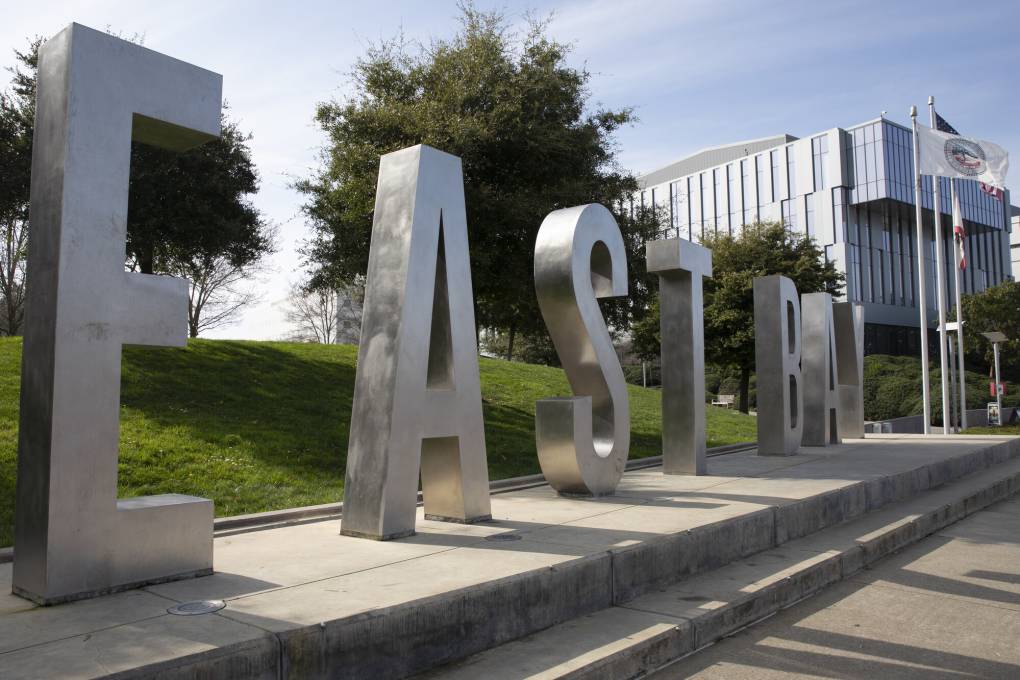
window.__IS_SSR__=true
window.__INITIAL_STATE__={
"attachmentsReducer": {
"audio_0": {
"type": "attachments",
"id": "audio_0",
"imgSizes": {
"kqedFullSize": {
"file": "https://ww2.kqed.org/news/wp-content/themes/KQED-unified/img/audio_bgs/background0.jpg"
}
}
},
"audio_1": {
"type": "attachments",
"id": "audio_1",
"imgSizes": {
"kqedFullSize": {
"file": "https://ww2.kqed.org/news/wp-content/themes/KQED-unified/img/audio_bgs/background1.jpg"
}
}
},
"audio_2": {
"type": "attachments",
"id": "audio_2",
"imgSizes": {
"kqedFullSize": {
"file": "https://ww2.kqed.org/news/wp-content/themes/KQED-unified/img/audio_bgs/background2.jpg"
}
}
},
"audio_3": {
"type": "attachments",
"id": "audio_3",
"imgSizes": {
"kqedFullSize": {
"file": "https://ww2.kqed.org/news/wp-content/themes/KQED-unified/img/audio_bgs/background3.jpg"
}
}
},
"audio_4": {
"type": "attachments",
"id": "audio_4",
"imgSizes": {
"kqedFullSize": {
"file": "https://ww2.kqed.org/news/wp-content/themes/KQED-unified/img/audio_bgs/background4.jpg"
}
}
},
"placeholder": {
"type": "attachments",
"id": "placeholder",
"imgSizes": {
"thumbnail": {
"file": "https://cdn.kqed.org/wp-content/uploads/2024/12/KQED-Default-Image-816638274-2000x1333-1-160x107.jpg",
"width": 160,
"height": 107,
"mimeType": "image/jpeg"
},
"medium": {
"file": "https://cdn.kqed.org/wp-content/uploads/2024/12/KQED-Default-Image-816638274-2000x1333-1-800x533.jpg",
"width": 800,
"height": 533,
"mimeType": "image/jpeg"
},
"medium_large": {
"file": "https://cdn.kqed.org/wp-content/uploads/2024/12/KQED-Default-Image-816638274-2000x1333-1-768x512.jpg",
"width": 768,
"height": 512,
"mimeType": "image/jpeg"
},
"large": {
"file": "https://cdn.kqed.org/wp-content/uploads/2024/12/KQED-Default-Image-816638274-2000x1333-1-1020x680.jpg",
"width": 1020,
"height": 680,
"mimeType": "image/jpeg"
},
"1536x1536": {
"file": "https://cdn.kqed.org/wp-content/uploads/2024/12/KQED-Default-Image-816638274-2000x1333-1-1536x1024.jpg",
"width": 1536,
"height": 1024,
"mimeType": "image/jpeg"
},
"fd-lrg": {
"file": "https://cdn.kqed.org/wp-content/uploads/2024/12/KQED-Default-Image-816638274-2000x1333-1-1536x1024.jpg",
"width": 1536,
"height": 1024,
"mimeType": "image/jpeg"
},
"fd-med": {
"file": "https://cdn.kqed.org/wp-content/uploads/2024/12/KQED-Default-Image-816638274-2000x1333-1-1020x680.jpg",
"width": 1020,
"height": 680,
"mimeType": "image/jpeg"
},
"fd-sm": {
"file": "https://cdn.kqed.org/wp-content/uploads/2024/12/KQED-Default-Image-816638274-2000x1333-1-800x533.jpg",
"width": 800,
"height": 533,
"mimeType": "image/jpeg"
},
"post-thumbnail": {
"file": "https://cdn.kqed.org/wp-content/uploads/2024/12/KQED-Default-Image-816638274-2000x1333-1-672x372.jpg",
"width": 672,
"height": 372,
"mimeType": "image/jpeg"
},
"twentyfourteen-full-width": {
"file": "https://cdn.kqed.org/wp-content/uploads/2024/12/KQED-Default-Image-816638274-2000x1333-1-1038x576.jpg",
"width": 1038,
"height": 576,
"mimeType": "image/jpeg"
},
"xxsmall": {
"file": "https://cdn.kqed.org/wp-content/uploads/2024/12/KQED-Default-Image-816638274-2000x1333-1-160x107.jpg",
"width": 160,
"height": 107,
"mimeType": "image/jpeg"
},
"xsmall": {
"file": "https://cdn.kqed.org/wp-content/uploads/2024/12/KQED-Default-Image-816638274-2000x1333-1-672x372.jpg",
"width": 672,
"height": 372,
"mimeType": "image/jpeg"
},
"small": {
"file": "https://cdn.kqed.org/wp-content/uploads/2024/12/KQED-Default-Image-816638274-2000x1333-1-672x372.jpg",
"width": 672,
"height": 372,
"mimeType": "image/jpeg"
},
"xlarge": {
"file": "https://cdn.kqed.org/wp-content/uploads/2024/12/KQED-Default-Image-816638274-2000x1333-1-1020x680.jpg",
"width": 1020,
"height": 680,
"mimeType": "image/jpeg"
},
"full-width": {
"file": "https://cdn.kqed.org/wp-content/uploads/2024/12/KQED-Default-Image-816638274-2000x1333-1-1920x1280.jpg",
"width": 1920,
"height": 1280,
"mimeType": "image/jpeg"
},
"guest-author-32": {
"file": "https://cdn.kqed.org/wp-content/uploads/2025/01/KQED-Default-Image-816638274-1333x1333-1-160x160.jpg",
"width": 32,
"height": 32,
"mimeType": "image/jpeg"
},
"guest-author-50": {
"file": "https://cdn.kqed.org/wp-content/uploads/2025/01/KQED-Default-Image-816638274-1333x1333-1-160x160.jpg",
"width": 50,
"height": 50,
"mimeType": "image/jpeg"
},
"guest-author-64": {
"file": "https://cdn.kqed.org/wp-content/uploads/2025/01/KQED-Default-Image-816638274-1333x1333-1-160x160.jpg",
"width": 64,
"height": 64,
"mimeType": "image/jpeg"
},
"guest-author-96": {
"file": "https://cdn.kqed.org/wp-content/uploads/2025/01/KQED-Default-Image-816638274-1333x1333-1-160x160.jpg",
"width": 96,
"height": 96,
"mimeType": "image/jpeg"
},
"guest-author-128": {
"file": "https://cdn.kqed.org/wp-content/uploads/2025/01/KQED-Default-Image-816638274-1333x1333-1-160x160.jpg",
"width": 128,
"height": 128,
"mimeType": "image/jpeg"
},
"detail": {
"file": "https://cdn.kqed.org/wp-content/uploads/2025/01/KQED-Default-Image-816638274-1333x1333-1-160x160.jpg",
"width": 160,
"height": 160,
"mimeType": "image/jpeg"
},
"kqedFullSize": {
"file": "https://cdn.kqed.org/wp-content/uploads/2024/12/KQED-Default-Image-816638274-2000x1333-1.jpg",
"width": 2000,
"height": 1333
}
}
},
"news_12040621": {
"type": "attachments",
"id": "news_12040621",
"meta": {
"index": "attachments_1716263798",
"site": "news",
"id": "12040621",
"found": true
},
"title": "02172023_ksuzuki_tkprogress 010_qed (1)",
"publishDate": 1747435252,
"status": "inherit",
"parent": 12040597,
"modified": 1747437174,
"caption": "Students at Downtown College Preparatory face uncertainty as the Santa Clara County charter school prepares to close after nearly 25 years, laying off about 100 staff and impacting 950 students.",
"credit": "Kori Suzuki/KQED",
"altTag": null,
"description": null,
"imgSizes": {
"medium": {
"file": "https://cdn.kqed.org/wp-content/uploads/sites/10/2025/05/02172023_ksuzuki_tkprogress-010_qed-1-800x532.jpg",
"width": 800,
"height": 532,
"mimeType": "image/jpeg"
},
"large": {
"file": "https://cdn.kqed.org/wp-content/uploads/sites/10/2025/05/02172023_ksuzuki_tkprogress-010_qed-1-1020x679.jpg",
"width": 1020,
"height": 679,
"mimeType": "image/jpeg"
},
"thumbnail": {
"file": "https://cdn.kqed.org/wp-content/uploads/sites/10/2025/05/02172023_ksuzuki_tkprogress-010_qed-1-160x106.jpg",
"width": 160,
"height": 106,
"mimeType": "image/jpeg"
},
"1536x1536": {
"file": "https://cdn.kqed.org/wp-content/uploads/sites/10/2025/05/02172023_ksuzuki_tkprogress-010_qed-1-1536x1022.jpg",
"width": 1536,
"height": 1022,
"mimeType": "image/jpeg"
},
"post-thumbnail": {
"file": "https://cdn.kqed.org/wp-content/uploads/sites/10/2025/05/02172023_ksuzuki_tkprogress-010_qed-1-672x372.jpg",
"width": 672,
"height": 372,
"mimeType": "image/jpeg"
},
"twentyfourteen-full-width": {
"file": "https://cdn.kqed.org/wp-content/uploads/sites/10/2025/05/02172023_ksuzuki_tkprogress-010_qed-1-1038x576.jpg",
"width": 1038,
"height": 576,
"mimeType": "image/jpeg"
},
"full-width": {
"file": "https://cdn.kqed.org/wp-content/uploads/sites/10/2025/05/02172023_ksuzuki_tkprogress-010_qed-1-1920x1278.jpg",
"width": 1920,
"height": 1278,
"mimeType": "image/jpeg"
},
"kqedFullSize": {
"file": "https://cdn.kqed.org/wp-content/uploads/sites/10/2025/05/02172023_ksuzuki_tkprogress-010_qed-1.jpg",
"width": 2000,
"height": 1331
}
},
"isLoading": false,
"fetchFailed": false
},
"news_12040508": {
"type": "attachments",
"id": "news_12040508",
"meta": {
"index": "attachments_1716263798",
"site": "news",
"id": "12040508",
"found": true
},
"title": "npr.brightspotcdn copy",
"publishDate": 1747419808,
"status": "inherit",
"parent": 12040506,
"modified": 1747419834,
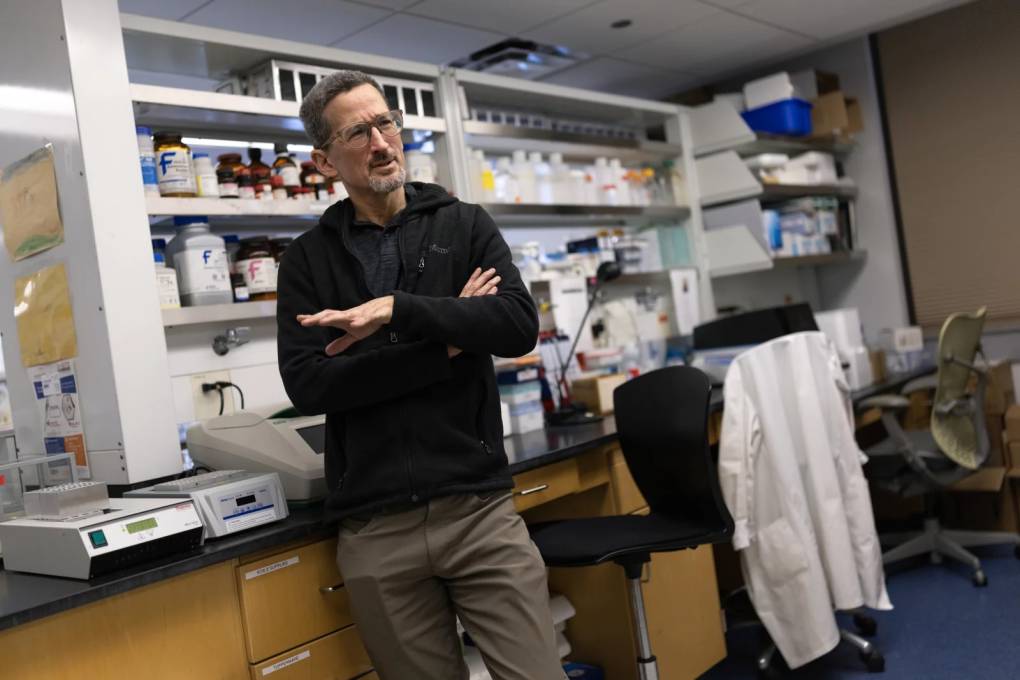
"caption": "Timothy Koh works in his lab in the Department of Kinesiology and Nutrition at the University of Illinois Chicago, where he and his team study wound healing in people with diabetes. Researchers at universities around the US, who rely on federal grants, are concerned about the future of their projects.",
"credit": "Scott Olson/Getty Images",
"altTag": null,
"description": null,
"imgSizes": {
"medium": {
"file": "https://cdn.kqed.org/wp-content/uploads/sites/10/2025/05/npr.brightspotcdn-copy-6-800x534.jpg",
"width": 800,
"height": 534,
"mimeType": "image/jpeg"
},
"large": {
"file": "https://cdn.kqed.org/wp-content/uploads/sites/10/2025/05/npr.brightspotcdn-copy-6-1020x680.jpg",
"width": 1020,
"height": 680,
"mimeType": "image/jpeg"
},
"thumbnail": {
"file": "https://cdn.kqed.org/wp-content/uploads/sites/10/2025/05/npr.brightspotcdn-copy-6-160x107.jpg",
"width": 160,
"height": 107,
"mimeType": "image/jpeg"
},
"1536x1536": {
"file": "https://cdn.kqed.org/wp-content/uploads/sites/10/2025/05/npr.brightspotcdn-copy-6-1536x1024.jpg",
"width": 1536,
"height": 1024,
"mimeType": "image/jpeg"
},
"post-thumbnail": {
"file": "https://cdn.kqed.org/wp-content/uploads/sites/10/2025/05/npr.brightspotcdn-copy-6-672x372.jpg",
"width": 672,
"height": 372,
"mimeType": "image/jpeg"
},
"twentyfourteen-full-width": {
"file": "https://cdn.kqed.org/wp-content/uploads/sites/10/2025/05/npr.brightspotcdn-copy-6-1038x576.jpg",
"width": 1038,
"height": 576,
"mimeType": "image/jpeg"
},
"kqedFullSize": {
"file": "https://cdn.kqed.org/wp-content/uploads/sites/10/2025/05/npr.brightspotcdn-copy-6.jpg",
"width": 1600,
"height": 1067
}
},
"isLoading": false,
"fetchFailed": false
},
"news_12040351": {
"type": "attachments",
"id": "news_12040351",
"meta": {
"index": "attachments_1716263798",
"site": "news",
"id": "12040351",
"found": true
},
"title": "Kid-Poems-Resilience_2-",
"publishDate": 1747335072,
"status": "inherit",
"parent": 0,
"modified": 1747335321,
"caption": "Nearly 600 East Bay students participated in a city-wide poetry project, helmed by El Cerrito’s poet-laureate Tess Taylor.",
"credit": "Collage by Darren Tu/KQED",
"altTag": null,
"description": null,
"imgSizes": {
"medium": {
"file": "https://cdn.kqed.org/wp-content/uploads/sites/10/2025/05/Kid-Poems-Resilience_2--800x517.jpg",
"width": 800,
"height": 517,
"mimeType": "image/jpeg"
},
"large": {
"file": "https://cdn.kqed.org/wp-content/uploads/sites/10/2025/05/Kid-Poems-Resilience_2--1020x659.jpg",
"width": 1020,
"height": 659,
"mimeType": "image/jpeg"
},
"thumbnail": {
"file": "https://cdn.kqed.org/wp-content/uploads/sites/10/2025/05/Kid-Poems-Resilience_2--160x103.jpg",
"width": 160,
"height": 103,
"mimeType": "image/jpeg"
},
"1536x1536": {
"file": "https://cdn.kqed.org/wp-content/uploads/sites/10/2025/05/Kid-Poems-Resilience_2--1536x992.jpg",
"width": 1536,
"height": 992,
"mimeType": "image/jpeg"
},
"post-thumbnail": {
"file": "https://cdn.kqed.org/wp-content/uploads/sites/10/2025/05/Kid-Poems-Resilience_2--672x372.jpg",
"width": 672,
"height": 372,
"mimeType": "image/jpeg"
},
"twentyfourteen-full-width": {
"file": "https://cdn.kqed.org/wp-content/uploads/sites/10/2025/05/Kid-Poems-Resilience_2--1038x576.jpg",
"width": 1038,
"height": 576,
"mimeType": "image/jpeg"
},
"kqedFullSize": {
"file": "https://cdn.kqed.org/wp-content/uploads/sites/10/2025/05/Kid-Poems-Resilience_2-.jpg",
"width": 1920,
"height": 1240
}
},
"isLoading": false,
"fetchFailed": false
},
"news_12015371": {
"type": "attachments",
"id": "news_12015371",
"meta": {
"index": "attachments_1716263798",
"site": "news",
"id": "12015371",
"found": true
},
"title": "Photo3_qed",
"publishDate": 1732224825,
"status": "inherit",
"parent": 12015335,
"modified": 1732224856,
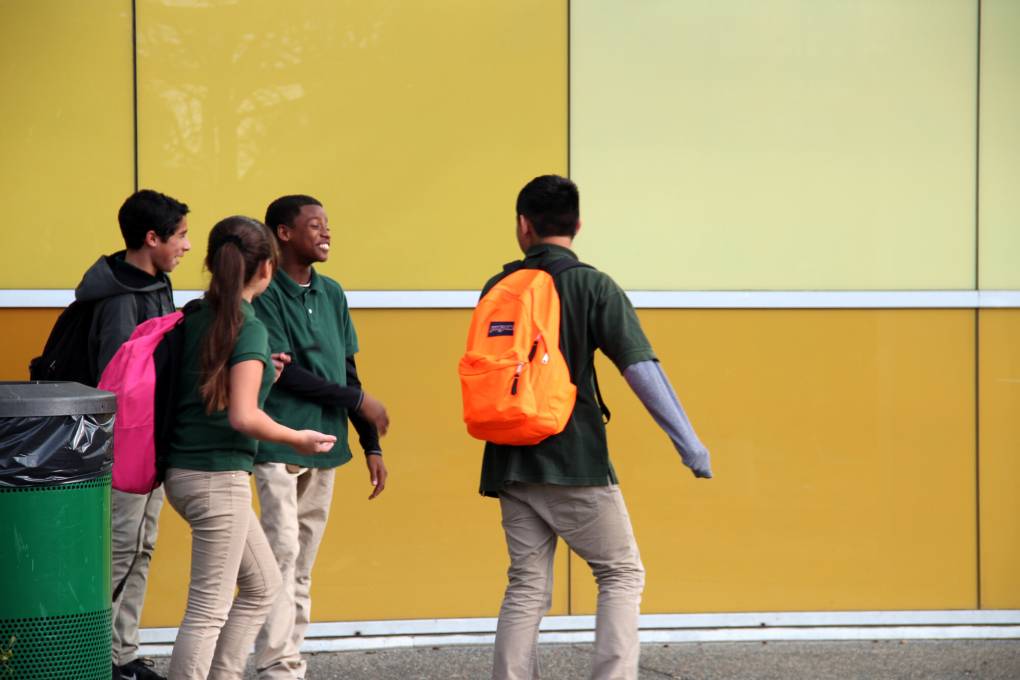
"caption": "Students talk after class at Lighthouse Charter School in Oakland. ",
"credit": "Aaron Mendelson/KQED",
"altTag": null,
"description": null,
"imgSizes": {
"medium": {
"file": "https://cdn.kqed.org/wp-content/uploads/sites/10/2024/11/Photo3_qed-800x533.jpg",
"width": 800,
"height": 533,
"mimeType": "image/jpeg"
},
"large": {
"file": "https://cdn.kqed.org/wp-content/uploads/sites/10/2024/11/Photo3_qed-1020x680.jpg",
"width": 1020,
"height": 680,
"mimeType": "image/jpeg"
},
"thumbnail": {
"file": "https://cdn.kqed.org/wp-content/uploads/sites/10/2024/11/Photo3_qed-160x107.jpg",
"width": 160,
"height": 107,
"mimeType": "image/jpeg"
},
"1536x1536": {
"file": "https://cdn.kqed.org/wp-content/uploads/sites/10/2024/11/Photo3_qed-1536x1024.jpg",
"width": 1536,
"height": 1024,
"mimeType": "image/jpeg"
},
"post-thumbnail": {
"file": "https://cdn.kqed.org/wp-content/uploads/sites/10/2024/11/Photo3_qed-672x372.jpg",
"width": 672,
"height": 372,
"mimeType": "image/jpeg"
},
"twentyfourteen-full-width": {
"file": "https://cdn.kqed.org/wp-content/uploads/sites/10/2024/11/Photo3_qed-1038x576.jpg",
"width": 1038,
"height": 576,
"mimeType": "image/jpeg"
},
"full-width": {
"file": "https://cdn.kqed.org/wp-content/uploads/sites/10/2024/11/Photo3_qed-1920x1280.jpg",
"width": 1920,
"height": 1280,
"mimeType": "image/jpeg"
},
"kqedFullSize": {
"file": "https://cdn.kqed.org/wp-content/uploads/sites/10/2024/11/Photo3_qed.jpg",
"width": 1999,
"height": 1333
}
},
"isLoading": false,
"fetchFailed": false
},
"news_12040076": {
"type": "attachments",
"id": "news_12040076",
"meta": {
"index": "attachments_1716263798",
"site": "news",
"id": "12040076",
"found": true
},
"title": "DSC06624_qed",
"publishDate": 1747254031,
"status": "inherit",
"parent": 12039972,
"modified": 1747254079,
"caption": "Oakland educators and their supporters rally at Frank Ogawa/Oscar Grant Plaza in downtown Oakland on May 4, 2023.",
"credit": "Aryk Copley for KQED",
"altTag": null,
"description": null,
"imgSizes": {
"medium": {
"file": "https://cdn.kqed.org/wp-content/uploads/sites/10/2025/05/DSC06624_qed-800x533.jpg",
"width": 800,
"height": 533,
"mimeType": "image/jpeg"
},
"large": {
"file": "https://cdn.kqed.org/wp-content/uploads/sites/10/2025/05/DSC06624_qed-1020x680.jpg",
"width": 1020,
"height": 680,
"mimeType": "image/jpeg"
},
"thumbnail": {
"file": "https://cdn.kqed.org/wp-content/uploads/sites/10/2025/05/DSC06624_qed-160x107.jpg",
"width": 160,
"height": 107,
"mimeType": "image/jpeg"
},
"1536x1536": {
"file": "https://cdn.kqed.org/wp-content/uploads/sites/10/2025/05/DSC06624_qed-1536x1024.jpg",
"width": 1536,
"height": 1024,
"mimeType": "image/jpeg"
},
"post-thumbnail": {
"file": "https://cdn.kqed.org/wp-content/uploads/sites/10/2025/05/DSC06624_qed-672x372.jpg",
"width": 672,
"height": 372,
"mimeType": "image/jpeg"
},
"twentyfourteen-full-width": {
"file": "https://cdn.kqed.org/wp-content/uploads/sites/10/2025/05/DSC06624_qed-1038x576.jpg",
"width": 1038,
"height": 576,
"mimeType": "image/jpeg"
},
"full-width": {
"file": "https://cdn.kqed.org/wp-content/uploads/sites/10/2025/05/DSC06624_qed-1920x1280.jpg",
"width": 1920,
"height": 1280,
"mimeType": "image/jpeg"
},
"kqedFullSize": {
"file": "https://cdn.kqed.org/wp-content/uploads/sites/10/2025/05/DSC06624_qed.jpg",
"width": 2000,
"height": 1333
}
},
"isLoading": false,
"fetchFailed": false
},
"news_12036911": {
"type": "attachments",
"id": "news_12036911",
"meta": {
"index": "attachments_1716263798",
"site": "news",
"id": "12036911",
"found": true
},
"title": "250418-SFUSD-06-BL-KQED",
"publishDate": 1745253406,
"status": "inherit",
"parent": 12036914,
"modified": 1745274516,
"caption": "The San Francisco Unified School District Administrative Offices in San Francisco on April 18, 2025.",
"credit": "Beth LaBerge/KQED",
"altTag": null,
"description": null,
"imgSizes": {
"medium": {
"file": "https://cdn.kqed.org/wp-content/uploads/sites/10/2025/04/250418-SFUSD-06-BL-KQED-800x533.jpg",
"width": 800,
"height": 533,
"mimeType": "image/jpeg"
},
"large": {
"file": "https://cdn.kqed.org/wp-content/uploads/sites/10/2025/04/250418-SFUSD-06-BL-KQED-1020x680.jpg",
"width": 1020,
"height": 680,
"mimeType": "image/jpeg"
},
"thumbnail": {
"file": "https://cdn.kqed.org/wp-content/uploads/sites/10/2025/04/250418-SFUSD-06-BL-KQED-160x107.jpg",
"width": 160,
"height": 107,
"mimeType": "image/jpeg"
},
"1536x1536": {
"file": "https://cdn.kqed.org/wp-content/uploads/sites/10/2025/04/250418-SFUSD-06-BL-KQED-1536x1024.jpg",
"width": 1536,
"height": 1024,
"mimeType": "image/jpeg"
},
"post-thumbnail": {
"file": "https://cdn.kqed.org/wp-content/uploads/sites/10/2025/04/250418-SFUSD-06-BL-KQED-672x372.jpg",
"width": 672,
"height": 372,
"mimeType": "image/jpeg"
},
"twentyfourteen-full-width": {
"file": "https://cdn.kqed.org/wp-content/uploads/sites/10/2025/04/250418-SFUSD-06-BL-KQED-1038x576.jpg",
"width": 1038,
"height": 576,
"mimeType": "image/jpeg"
},
"full-width": {
"file": "https://cdn.kqed.org/wp-content/uploads/sites/10/2025/04/250418-SFUSD-06-BL-KQED-1920x1280.jpg",
"width": 1920,
"height": 1280,
"mimeType": "image/jpeg"
},
"kqedFullSize": {
"file": "https://cdn.kqed.org/wp-content/uploads/sites/10/2025/04/250418-SFUSD-06-BL-KQED.jpg",
"width": 2000,
"height": 1333
}
},
"isLoading": false,
"fetchFailed": false
},
"news_12039810": {
"type": "attachments",
"id": "news_12039810",
"meta": {
"index": "attachments_1716263798",
"site": "news",
"id": "12039810",
"found": true
},
"title": "250512-DAY WITHOUT CHILDCARE-MD-01-KQED",
"publishDate": 1747085840,
"status": "inherit",
"parent": 12045220,
"modified": 1750446707,
"caption": "Khulood Jamil (center) and other childcare providers and supporters march to the Federal Building in San José on May 12, 2025.",
"credit": "Martin do Nascimento/KQED",
"altTag": null,
"description": null,
"imgSizes": {
"medium": {
"file": "https://cdn.kqed.org/wp-content/uploads/sites/10/2025/05/250512-DAY-WITHOUT-CHILDCARE-MD-01-KQED-800x534.jpg",
"width": 800,
"height": 534,
"mimeType": "image/jpeg"
},
"large": {
"file": "https://cdn.kqed.org/wp-content/uploads/sites/10/2025/05/250512-DAY-WITHOUT-CHILDCARE-MD-01-KQED-1020x680.jpg",
"width": 1020,
"height": 680,
"mimeType": "image/jpeg"
},
"thumbnail": {
"file": "https://cdn.kqed.org/wp-content/uploads/sites/10/2025/05/250512-DAY-WITHOUT-CHILDCARE-MD-01-KQED-160x107.jpg",
"width": 160,
"height": 107,
"mimeType": "image/jpeg"
},
"1536x1536": {
"file": "https://cdn.kqed.org/wp-content/uploads/sites/10/2025/05/250512-DAY-WITHOUT-CHILDCARE-MD-01-KQED-1536x1025.jpg",
"width": 1536,
"height": 1025,
"mimeType": "image/jpeg"
},
"post-thumbnail": {
"file": "https://cdn.kqed.org/wp-content/uploads/sites/10/2025/05/250512-DAY-WITHOUT-CHILDCARE-MD-01-KQED-672x372.jpg",
"width": 672,
"height": 372,
"mimeType": "image/jpeg"
},
"twentyfourteen-full-width": {
"file": "https://cdn.kqed.org/wp-content/uploads/sites/10/2025/05/250512-DAY-WITHOUT-CHILDCARE-MD-01-KQED-1038x576.jpg",
"width": 1038,
"height": 576,
"mimeType": "image/jpeg"
},
"full-width": {
"file": "https://cdn.kqed.org/wp-content/uploads/sites/10/2025/05/250512-DAY-WITHOUT-CHILDCARE-MD-01-KQED-1920x1281.jpg",
"width": 1920,
"height": 1281,
"mimeType": "image/jpeg"
},
"kqedFullSize": {
"file": "https://cdn.kqed.org/wp-content/uploads/sites/10/2025/05/250512-DAY-WITHOUT-CHILDCARE-MD-01-KQED.jpg",
"width": 2000,
"height": 1334
}
},
"isLoading": false,
"fetchFailed": false
},
"news_12039841": {
"type": "attachments",
"id": "news_12039841",
"meta": {
"index": "attachments_1716263798",
"site": "news",
"id": "12039841",
"found": true
},
"title": "First grade student Ky Vuong (left), gets her lunch in the cafeteria at Franklin Elementary school on Friday, Sept. 7, 2018, in Oakland, Calif. The after school supper program at Franklin Elementary school has been cut.",
"publishDate": 1747089726,
"status": "inherit",
"parent": 12039737,
"modified": 1747093870,
"caption": "First-grade students grab lunch in the cafeteria at Franklin Elementary School on Sept. 7, 2018, in Oakland, California. ",
"credit": "Liz Hafalia/The San Francisco Chronicle via Getty Images",
"altTag": null,
"description": null,
"imgSizes": {
"medium": {
"file": "https://cdn.kqed.org/wp-content/uploads/sites/10/2025/05/OaklandSchoolChildren-800x546.jpg",
"width": 800,
"height": 546,
"mimeType": "image/jpeg"
},
"large": {
"file": "https://cdn.kqed.org/wp-content/uploads/sites/10/2025/05/OaklandSchoolChildren-1020x696.jpg",
"width": 1020,
"height": 696,
"mimeType": "image/jpeg"
},
"thumbnail": {
"file": "https://cdn.kqed.org/wp-content/uploads/sites/10/2025/05/OaklandSchoolChildren-160x109.jpg",
"width": 160,
"height": 109,
"mimeType": "image/jpeg"
},
"1536x1536": {
"file": "https://cdn.kqed.org/wp-content/uploads/sites/10/2025/05/OaklandSchoolChildren-1536x1048.jpg",
"width": 1536,
"height": 1048,
"mimeType": "image/jpeg"
},
"post-thumbnail": {
"file": "https://cdn.kqed.org/wp-content/uploads/sites/10/2025/05/OaklandSchoolChildren-672x372.jpg",
"width": 672,
"height": 372,
"mimeType": "image/jpeg"
},
"twentyfourteen-full-width": {
"file": "https://cdn.kqed.org/wp-content/uploads/sites/10/2025/05/OaklandSchoolChildren-1038x576.jpg",
"width": 1038,
"height": 576,
"mimeType": "image/jpeg"
},
"full-width": {
"file": "https://cdn.kqed.org/wp-content/uploads/sites/10/2025/05/OaklandSchoolChildren-1920x1309.jpg",
"width": 1920,
"height": 1309,
"mimeType": "image/jpeg"
},
"kqedFullSize": {
"file": "https://cdn.kqed.org/wp-content/uploads/sites/10/2025/05/OaklandSchoolChildren.jpg",
"width": 2000,
"height": 1364
}
},
"isLoading": false,
"fetchFailed": false
},
"news_12039736": {
"type": "attachments",
"id": "news_12039736",
"meta": {
"index": "attachments_1716263798",
"site": "news",
"id": "12039736",
"found": true
},
"title": "240425-StanfordGazaProtest-036-BL_qed",
"publishDate": 1747068429,
"status": "inherit",
"parent": 0,
"modified": 1747085064,
"caption": "Pro-Palestinian demonstrators hold the perimeter while a tent encampment is set up during a protest on the Stanford University campus in Stanford, California, on April 25, 2024, calling for the university to divest from Israel. ",
"credit": "Beth LaBerge/KQED",
"altTag": null,
"description": null,
"imgSizes": {
"medium": {
"file": "https://cdn.kqed.org/wp-content/uploads/sites/10/2025/05/240425-StanfordGazaProtest-036-BL_qed-800x533.jpg",
"width": 800,
"height": 533,
"mimeType": "image/jpeg"
},
"large": {
"file": "https://cdn.kqed.org/wp-content/uploads/sites/10/2025/05/240425-StanfordGazaProtest-036-BL_qed-1020x680.jpg",
"width": 1020,
"height": 680,
"mimeType": "image/jpeg"
},
"thumbnail": {
"file": "https://cdn.kqed.org/wp-content/uploads/sites/10/2025/05/240425-StanfordGazaProtest-036-BL_qed-160x107.jpg",
"width": 160,
"height": 107,
"mimeType": "image/jpeg"
},
"1536x1536": {
"file": "https://cdn.kqed.org/wp-content/uploads/sites/10/2025/05/240425-StanfordGazaProtest-036-BL_qed-1536x1024.jpg",
"width": 1536,
"height": 1024,
"mimeType": "image/jpeg"
},
"post-thumbnail": {
"file": "https://cdn.kqed.org/wp-content/uploads/sites/10/2025/05/240425-StanfordGazaProtest-036-BL_qed-672x372.jpg",
"width": 672,
"height": 372,
"mimeType": "image/jpeg"
},
"twentyfourteen-full-width": {
"file": "https://cdn.kqed.org/wp-content/uploads/sites/10/2025/05/240425-StanfordGazaProtest-036-BL_qed-1038x576.jpg",
"width": 1038,
"height": 576,
"mimeType": "image/jpeg"
},
"full-width": {
"file": "https://cdn.kqed.org/wp-content/uploads/sites/10/2025/05/240425-StanfordGazaProtest-036-BL_qed-1920x1280.jpg",
"width": 1920,
"height": 1280,
"mimeType": "image/jpeg"
},
"kqedFullSize": {
"file": "https://cdn.kqed.org/wp-content/uploads/sites/10/2025/05/240425-StanfordGazaProtest-036-BL_qed.jpg",
"width": 2000,
"height": 1333
}
},
"isLoading": false,
"fetchFailed": false
},
"news_12024026": {
"type": "attachments",
"id": "news_12024026",
"meta": {
"index": "attachments_1716263798",
"site": "news",
"id": "12024026",
"found": true
},
"title": "20250123_SonomaStateFile_GC-27",
"publishDate": 1737748660,
"status": "inherit",
"parent": 0,
"modified": 1747072888,
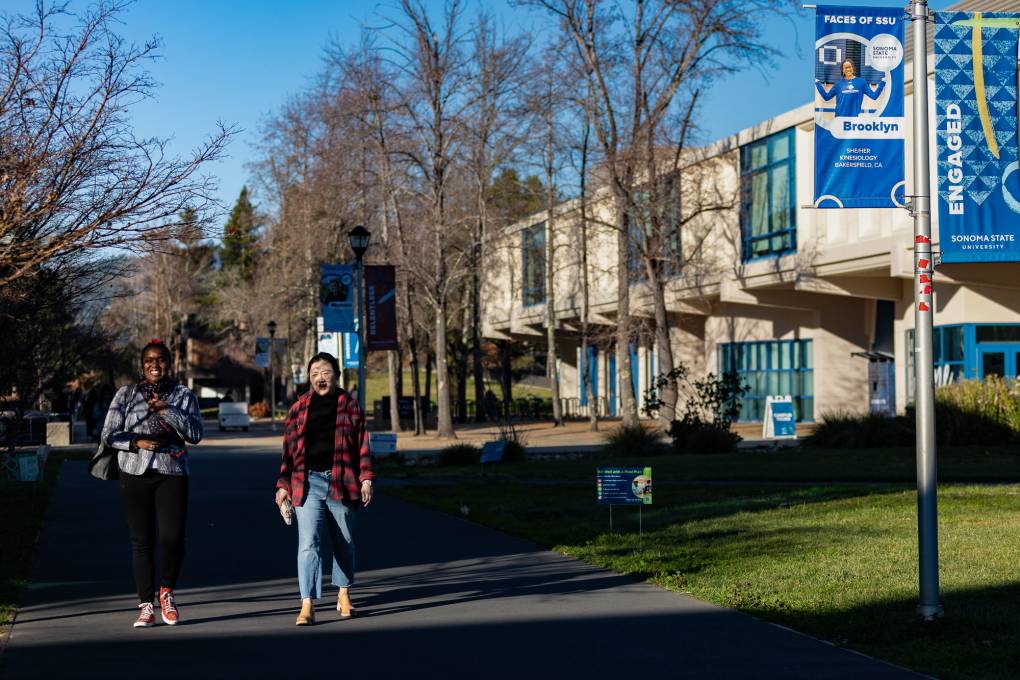
"caption": "Students walk on campus at Sonoma State University in Rohnert Park on Jan. 23, 2025. Sonoma State is cutting its entire Athletic Department, eliminating majors and laying off faculty to address a budget deficit.",
"credit": "Gina Castro/KQED",
"altTag": null,
"description": null,
"imgSizes": {
"medium": {
"file": "https://cdn.kqed.org/wp-content/uploads/sites/10/2025/01/20250123_SonomaStateFile_GC-27-800x533.jpg",
"width": 800,
"height": 533,
"mimeType": "image/jpeg"
},
"large": {
"file": "https://cdn.kqed.org/wp-content/uploads/sites/10/2025/01/20250123_SonomaStateFile_GC-27-1020x680.jpg",
"width": 1020,
"height": 680,
"mimeType": "image/jpeg"
},
"thumbnail": {
"file": "https://cdn.kqed.org/wp-content/uploads/sites/10/2025/01/20250123_SonomaStateFile_GC-27-160x107.jpg",
"width": 160,
"height": 107,
"mimeType": "image/jpeg"
},
"1536x1536": {
"file": "https://cdn.kqed.org/wp-content/uploads/sites/10/2025/01/20250123_SonomaStateFile_GC-27-1536x1024.jpg",
"width": 1536,
"height": 1024,
"mimeType": "image/jpeg"
},
"post-thumbnail": {
"file": "https://cdn.kqed.org/wp-content/uploads/sites/10/2025/01/20250123_SonomaStateFile_GC-27-672x372.jpg",
"width": 672,
"height": 372,
"mimeType": "image/jpeg"
},
"twentyfourteen-full-width": {
"file": "https://cdn.kqed.org/wp-content/uploads/sites/10/2025/01/20250123_SonomaStateFile_GC-27-1038x576.jpg",
"width": 1038,
"height": 576,
"mimeType": "image/jpeg"
},
"full-width": {
"file": "https://cdn.kqed.org/wp-content/uploads/sites/10/2025/01/20250123_SonomaStateFile_GC-27-1920x1280.jpg",
"width": 1920,
"height": 1280,
"mimeType": "image/jpeg"
},
"kqedFullSize": {
"file": "https://cdn.kqed.org/wp-content/uploads/sites/10/2025/01/20250123_SonomaStateFile_GC-27.jpg",
"width": 2000,
"height": 1333
}
},
"isLoading": false,
"fetchFailed": false
},
"news_12038598": {
"type": "attachments",
"id": "news_12038598",
"meta": {
"index": "attachments_1716263798",
"site": "news",
"id": "12038598",
"found": true
},
"title": "Second graders get there lunch in the cafeteria at Franklin Elementary school on Friday, Sept. 7, 2018 in Oakland, Calif. The after school supper program at Franklin Elementary school has been cut.",
"publishDate": 1746215799,
"status": "inherit",
"parent": 12038587,
"modified": 1746658647,
"caption": "Second graders get lunch in the cafeteria at Franklin Elementary School as part of a school supper program on Friday, Sept. 7, 2018, in Oakland. ",
"credit": "Liz Hafalia/The San Francisco Chronicle via Getty Images",
"altTag": null,
"description": null,
"imgSizes": {
"medium": {
"file": "https://cdn.kqed.org/wp-content/uploads/sites/10/2025/05/GettyImages-1321784489-800x527.jpg",
"width": 800,
"height": 527,
"mimeType": "image/jpeg"
},
"large": {
"file": "https://cdn.kqed.org/wp-content/uploads/sites/10/2025/05/GettyImages-1321784489-1020x671.jpg",
"width": 1020,
"height": 671,
"mimeType": "image/jpeg"
},
"thumbnail": {
"file": "https://cdn.kqed.org/wp-content/uploads/sites/10/2025/05/GettyImages-1321784489-160x105.jpg",
"width": 160,
"height": 105,
"mimeType": "image/jpeg"
},
"post-thumbnail": {
"file": "https://cdn.kqed.org/wp-content/uploads/sites/10/2025/05/GettyImages-1321784489-672x372.jpg",
"width": 672,
"height": 372,
"mimeType": "image/jpeg"
},
"twentyfourteen-full-width": {
"file": "https://cdn.kqed.org/wp-content/uploads/sites/10/2025/05/GettyImages-1321784489-1024x576.jpg",
"width": 1024,
"height": 576,
"mimeType": "image/jpeg"
},
"kqedFullSize": {
"file": "https://cdn.kqed.org/wp-content/uploads/sites/10/2025/05/GettyImages-1321784489.jpg",
"width": 1024,
"height": 674
}
},
"isLoading": false,
"fetchFailed": false
},
"news_12038978": {
"type": "attachments",
"id": "news_12038978",
"meta": {
"index": "attachments_1716263798",
"site": "news",
"id": "12038978",
"found": true
},
"title": "The \"East Bay\" sign at Cal State East Bay in Hayward on Feb. 12, 2024.",
"publishDate": 1746565756,
"status": "inherit",
"parent": 12038974,
"modified": 1746565773,
"caption": "The \"East Bay\" sign at Cal State East Bay in Hayward on Feb. 12, 2024.",
"credit": "Kathryn Styer Martínez/KQED",
"altTag": null,
"description": null,
"imgSizes": {
"medium": {
"file": "https://cdn.kqed.org/wp-content/uploads/sites/10/2025/05/240205-CalStateEastBayFile-KSM-25_qed-800x533.jpg",
"width": 800,
"height": 533,
"mimeType": "image/jpeg"
},
"large": {
"file": "https://cdn.kqed.org/wp-content/uploads/sites/10/2025/05/240205-CalStateEastBayFile-KSM-25_qed-1020x680.jpg",
"width": 1020,
"height": 680,
"mimeType": "image/jpeg"
},
"thumbnail": {
"file": "https://cdn.kqed.org/wp-content/uploads/sites/10/2025/05/240205-CalStateEastBayFile-KSM-25_qed-160x107.jpg",
"width": 160,
"height": 107,
"mimeType": "image/jpeg"
},
"1536x1536": {
"file": "https://cdn.kqed.org/wp-content/uploads/sites/10/2025/05/240205-CalStateEastBayFile-KSM-25_qed-1536x1024.jpg",
"width": 1536,
"height": 1024,
"mimeType": "image/jpeg"
},
"post-thumbnail": {
"file": "https://cdn.kqed.org/wp-content/uploads/sites/10/2025/05/240205-CalStateEastBayFile-KSM-25_qed-672x372.jpg",
"width": 672,
"height": 372,
"mimeType": "image/jpeg"
},
"twentyfourteen-full-width": {
"file": "https://cdn.kqed.org/wp-content/uploads/sites/10/2025/05/240205-CalStateEastBayFile-KSM-25_qed-1038x576.jpg",
"width": 1038,
"height": 576,
"mimeType": "image/jpeg"
},
"full-width": {
"file": "https://cdn.kqed.org/wp-content/uploads/sites/10/2025/05/240205-CalStateEastBayFile-KSM-25_qed-1920x1280.jpg",
"width": 1920,
"height": 1280,
"mimeType": "image/jpeg"
},
"kqedFullSize": {
"file": "https://cdn.kqed.org/wp-content/uploads/sites/10/2025/05/240205-CalStateEastBayFile-KSM-25_qed.jpg",
"width": 1999,
"height": 1333
}
},
"isLoading": false,
"fetchFailed": false
}
},
"audioPlayerReducer": {
"postId": "stream_live",
"isPaused": true,
"isPlaying": false,
"pfsActive": false,
"pledgeModalIsOpen": true,
"playerDrawerIsOpen": false,
"liveAudioPlayStartedAt": 0,
"liveAudioPlayContext": ""
},
"authorsReducer": {
"byline_news_12040506": {
"type": "authors",
"id": "byline_news_12040506",
"meta": {
"override": true
},
"slug": "byline_news_12040506",
"name": "\u003ca href=\"https://www.npr.org/people/378865949/elissa-nadworny\">Elissa Nadworny\u003c/a>, NPR",
"isLoading": false
},
"byline_news_12039743": {
"type": "authors",
"id": "byline_news_12039743",
"meta": {
"override": true
},
"slug": "byline_news_12039743",
"name": "Hussain Khan, Sasha Khokha",
"isLoading": false
},
"matthewgreen": {
"type": "authors",
"id": "1263",
"meta": {
"index": "authors_1716337520",
"id": "1263",
"found": true
},
"name": "Matthew Green",
"firstName": "Matthew",
"lastName": "Green",
"slug": "matthewgreen",
"email": "mgreen@kqed.org",
"display_author_email": false,
"staff_mastheads": [],
"title": "KQED Editor/Reporter",
"bio": "Matthew Green is a digital media producer for KQED News. He previously produced \u003ca href=\"http://www.kqed.org/lowdown\">The Lowdown\u003c/a>, KQED’s multimedia news education blog. Matthew's written for numerous Bay Area publications, including the Oakland Tribune and San Francisco Chronicle. He also taught journalism classes at Fremont High School in East Oakland.\r\n\r\nEmail: mgreen@kqed.org; Twitter: @MGreenKQED",
"avatar": "https://secure.gravatar.com/avatar/3bf498d1267ca02c8494f33d8cfc575e?s=600&d=blank&r=g",
"twitter": "MGreenKQED",
"facebook": null,
"instagram": null,
"linkedin": null,
"sites": [
{
"site": "news",
"roles": []
},
{
"site": "lowdown",
"roles": []
},
{
"site": "science",
"roles": []
},
{
"site": "education",
"roles": []
},
{
"site": "quest",
"roles": []
},
{
"site": "liveblog",
"roles": []
}
],
"headData": {
"title": "Matthew Green | KQED",
"description": "KQED Editor/Reporter",
"ogImgSrc": "https://secure.gravatar.com/avatar/3bf498d1267ca02c8494f33d8cfc575e?s=600&d=blank&r=g",
"twImgSrc": "https://secure.gravatar.com/avatar/3bf498d1267ca02c8494f33d8cfc575e?s=600&d=blank&r=g"
},
"isLoading": false,
"link": "/author/matthewgreen"
},
"daisynguyen": {
"type": "authors",
"id": "11829",
"meta": {
"index": "authors_1716337520",
"id": "11829",
"found": true
},
"name": "Daisy Nguyen",
"firstName": "Daisy",
"lastName": "Nguyen",
"slug": "daisynguyen",
"email": "daisynguyen@kqed.org",
"display_author_email": true,
"staff_mastheads": [
"news"
],
"title": "KQED Contributor",
"bio": "I have covered early childhood education and child care for KQED since 2022. I focus on policies aimed at increasing access to early care and education and how they shape individual lives. I've been a journalist for more than two decades, with most of that time devoted to covering breaking news throughout California for The Associated Press. I grew up in San Francisco and studied at UC Davis and Columbia University's Graduate School of Journalism. I live in Oakland with my husband and two kids.",
"avatar": "https://secure.gravatar.com/avatar/2da2127c27f7143b53ebd419800fd55f?s=600&d=blank&r=g",
"twitter": null,
"facebook": null,
"instagram": null,
"linkedin": "https://www.linkedin.com/in/daisynguyen/",
"sites": [
{
"site": "news",
"roles": [
"author"
]
},
{
"site": "liveblog",
"roles": [
"author"
]
}
],
"headData": {
"title": "Daisy Nguyen | KQED",
"description": "KQED Contributor",
"ogImgSrc": "https://secure.gravatar.com/avatar/2da2127c27f7143b53ebd419800fd55f?s=600&d=blank&r=g",
"twImgSrc": "https://secure.gravatar.com/avatar/2da2127c27f7143b53ebd419800fd55f?s=600&d=blank&r=g"
},
"isLoading": false,
"link": "/author/daisynguyen"
},
"kdebenedetti": {
"type": "authors",
"id": "11913",
"meta": {
"index": "authors_1716337520",
"id": "11913",
"found": true
},
"name": "Katie DeBenedetti",
"firstName": "Katie",
"lastName": "DeBenedetti",
"slug": "kdebenedetti",
"email": "kdebenedetti@kqed.org",
"display_author_email": false,
"staff_mastheads": [
"news",
"science"
],
"title": "KQED Contributor",
"bio": "Katie DeBenedetti is a digital reporter covering daily news for the Express Desk. Prior to joining KQED as a culture reporting intern in January 2024, she covered education and city government for the Napa Valley Register.",
"avatar": "https://secure.gravatar.com/avatar/6e31073cb8f7e4214ab03f42771d0f45?s=600&d=blank&r=g",
"twitter": null,
"facebook": null,
"instagram": null,
"linkedin": null,
"sites": [
{
"site": "news",
"roles": [
"author"
]
},
{
"site": "science",
"roles": [
"author"
]
},
{
"site": "liveblog",
"roles": [
"author"
]
}
],
"headData": {
"title": "Katie DeBenedetti | KQED",
"description": "KQED Contributor",
"ogImgSrc": "https://secure.gravatar.com/avatar/6e31073cb8f7e4214ab03f42771d0f45?s=600&d=blank&r=g",
"twImgSrc": "https://secure.gravatar.com/avatar/6e31073cb8f7e4214ab03f42771d0f45?s=600&d=blank&r=g"
},
"isLoading": false,
"link": "/author/kdebenedetti"
},
"gzada": {
"type": "authors",
"id": "11929",
"meta": {
"index": "authors_1716337520",
"id": "11929",
"found": true
},
"name": "Gilare Zada",
"firstName": "Gilare",
"lastName": "Zada",
"slug": "gzada",
"email": "gzada@kqed.org",
"display_author_email": true,
"staff_mastheads": [
"news"
],
"title": null,
"bio": "Gilare Zada is a Kurdish-American from San Diego, CA. Storytelling, fitness, and binge reading are some of her passions outside of news reporting. Her work has appeared in Mission Local, the Peninsula Press, the San Francisco Press Club, and more. She also writes as a class correspondent for the Stanford Magazine - go Card!",
"avatar": "https://secure.gravatar.com/avatar/33a75f2b947669a488a805edec3fbf3838c1cedaedda710e983770633b4d6a75?s=600&d=blank&r=g",
"twitter": null,
"bluesky": null,
"facebook": null,
"instagram": null,
"linkedin": null,
"sites": [
{
"site": "",
"roles": [
"editor"
]
},
{
"site": "arts",
"roles": [
"editor"
]
},
{
"site": "news",
"roles": [
"administrator"
]
},
{
"site": "science",
"roles": [
"editor"
]
}
],
"headData": {
"title": "Gilare Zada | KQED",
"description": null,
"ogImgSrc": "https://secure.gravatar.com/avatar/33a75f2b947669a488a805edec3fbf3838c1cedaedda710e983770633b4d6a75?s=600&d=blank&r=g",
"twImgSrc": "https://secure.gravatar.com/avatar/33a75f2b947669a488a805edec3fbf3838c1cedaedda710e983770633b4d6a75?s=600&d=blank&r=g"
},
"isLoading": false,
"link": "/author/gzada"
}
},
"pagesReducer": {
"news_tag_education": {
"type": "terms",
"id": "news_20013",
"meta": {
"index": "terms_1716263798",
"site": "news",
"id": "20013",
"score": 6.970073
},
"featImg": null,
"name": "education",
"description": null,
"taxonomy": "tag",
"headData": {
"twImgId": null,
"twTitle": null,
"ogTitle": null,
"ogImgId": null,
"twDescription": null,
"description": null,
"title": "education Archives | KQED News",
"ogDescription": null
},
"ttid": 20030,
"slug": "education",
"isLoading": false,
"title": "education",
"pageMeta": {
"site": "news",
"WpPageTemplate": "page-topic-editorial",
"currentPage": 23
},
"blocks": [
{
"blockName": "kqed/post-list",
"attrs": {
"layout": "cardArticle2",
"query": "posts/news?tag=education",
"seeMore": false,
"paginated": true,
"page": 23
}
},
{
"blockName": "kqed/ad"
}
]
}
},
"pfsSessionReducer": {},
"postsReducer": {
"stream_live": {
"type": "live",
"id": "stream_live",
"audioUrl": "https://streams.kqed.org/kqedradio",
"title": "Live Stream",
"excerpt": "Live Stream information currently unavailable.",
"link": "/radio",
"featImg": "",
"label": {
"name": "KQED Live",
"link": "/"
}
},
"stream_kqedNewscast": {
"type": "posts",
"id": "stream_kqedNewscast",
"audioUrl": "https://www.kqed.org/.stream/anon/radio/RDnews/newscast.mp3?_=1",
"title": "KQED Newscast",
"featImg": "",
"label": {
"name": "88.5 FM",
"link": "/"
}
},
"news_12040597": {
"type": "posts",
"id": "news_12040597",
"meta": {
"index": "posts_1716263798",
"site": "news",
"id": "12040597",
"score": null,
"sort": [
1747684929000
]
},
"guestAuthors": [],
"slug": "santa-clara-countys-first-charter-school-close-all-campuses-laying-off-100-staff",
"title": "Santa Clara County’s First Charter School to Close All Campuses, Laying Off 100 Staff",
"publishDate": 1747684929,
"format": "standard",
"headTitle": "Santa Clara County’s First Charter School to Close All Campuses, Laying Off 100 Staff | KQED",
"labelTerm": {
"site": "news"
},
"content": "\u003cp>\u003cem>Updated 1:02 p.m. Monday\u003c/em>\u003c/p>\n\u003cp>About 100 teachers and staff at \u003ca href=\"https://www.kqed.org/news/tag/santa-clara-county\">Santa Clara County’s\u003c/a> first charter school received layoff notices in late April, as the school prepares to shutter its three remaining schools at the end of the school year due to financial strain and declining enrollment.\u003c/p>\n\u003cp>Sal Williams, an English teacher at Downtown College Preparatory’s El Primero Middle School, one of the three schools, said that while the educators are likely to find other jobs, the closure of the schools after nearly 25 years is heartbreaking for the Alum Rock and Downtown San José communities.\u003c/p>\n\u003cp>“DCP has been such a wonderful gift to both this side of San José, as well as the Alum Rock community. It’s offered a lot of underrepresented students a chance to thrive,” he told KQED. “It’s been really great both to see how it helps the immediate community, but also the larger community of teachers as well as students, and I think it’s just going to be a huge, huge loss.”\u003c/p>\n\u003cp>[ad fullwidth]\u003c/p>\n\u003cp>Downtown College Prep announced in January that it would close its two middle schools and one high school in June due to decreasing enrollment at its campuses and in San José’s public schools. The decision came less than a year after DCP abruptly closed its Alum Rock High School last spring, giving families just a few months’ notice.\u003c/p>\n\u003cp>“DCP is a fantastic organization and was the original charter school in San José, and it is with great sadness that we’re in this position,” Valerie Royaltey-Quandt, DCP’s interim executive director, said Monday. “And we know that there are a lot of other schools in this situation in our area.”\u003c/p>\n\u003cp>DCP has a budget deficit of $4.5 million, according to public documents.\u003c/p>\n\u003cp>“The organization has taken significant steps to mitigate the situation over the last 12–18 months, including the closure of one high school, staff reductions and discussions with debt holders,” the school’s board wrote in a message shared with the school community in January.\u003c/p>\n\u003cfigure id=\"attachment_12007683\" class=\"wp-caption aligncenter\" style=\"max-width: 2000px\">\u003cimg loading=\"lazy\" decoding=\"async\" class=\"wp-image-12007683 size-full\" src=\"https://cdn.kqed.org/wp-content/uploads/sites/10/2024/10/GettyImages-1792528853.jpg\" alt=\"\" width=\"2000\" height=\"1334\" srcset=\"https://cdn.kqed.org/wp-content/uploads/sites/10/2024/10/GettyImages-1792528853.jpg 2000w, https://cdn.kqed.org/wp-content/uploads/sites/10/2024/10/GettyImages-1792528853-800x534.jpg 800w, https://cdn.kqed.org/wp-content/uploads/sites/10/2024/10/GettyImages-1792528853-1020x680.jpg 1020w, https://cdn.kqed.org/wp-content/uploads/sites/10/2024/10/GettyImages-1792528853-160x107.jpg 160w, https://cdn.kqed.org/wp-content/uploads/sites/10/2024/10/GettyImages-1792528853-1536x1025.jpg 1536w, https://cdn.kqed.org/wp-content/uploads/sites/10/2024/10/GettyImages-1792528853-1920x1281.jpg 1920w\" sizes=\"auto, (max-width: 2000px) 100vw, 2000px\">\u003cfigcaption class=\"wp-caption-text\">Downtown College Prep will close its two middle schools and one high school in June, citing declining enrollment and a $4.5 million budget deficit — less than a year after abruptly shutting its Alum Rock campus. \u003ccite>(Getty Images)\u003c/cite>\u003c/figcaption>\u003c/figure>\n\u003cp>“Unfortunately, with the current limited financial resources and considering the overall trend of lower enrollment in San José, the board made the extremely difficult decision to close all three schools at the end of the 2024–2025 school year,” the message continued.\u003c/p>\n\u003cp>The three schools serve about 950 students in grades 5 through 12. More than 90% of each campus identify as Hispanic or Latino and more than 80% of students qualify as low-income. At its peak, DCP had about 1,600 students, Royaltey-Quandt said.\u003c/p>\n\u003cp>Williams, who also serves as the president of the school’s teachers union, said DCP was unique in San José, offering students who don’t traditionally have access to small learning environments the chance to foster closer relationships with classmates and teachers.[aside postID=news_12033787 hero='https://cdn.kqed.org/wp-content/uploads/sites/10/2025/04/250401-REGIONALMED-JG-1_qed-1020x680.jpg']“It just helps to personalize education,” he said. “Being in such a small setting, you really get to see these students as people and connect with them that way. That’s just how I like to be as an educator, but I think students really respond to it that their teachers and educators and staff members and admin — everyone knows them as people first.”\u003c/p>\n\u003cp>It’s especially devastating, Williams said, for teachers and students who transferred into El Primero High School from Alum Rock High this year.\u003c/p>\n\u003cp>“We were able to absorb some of the teachers and some of the students and for them to have to go through this again… I teach juniors and seniors, so I have some students who have lost two schools in the span of their high school career,” he said.\u003c/p>\n\u003cp>About 850 students will need to find new schools, which Royaltey-Quandt said the school has been supporting heavily.\u003c/p>\n\u003cp>“We started having planning meetings with parents, with students through our curriculum advisory program. We had a very large high school and middle school fair and invited all of our local charter schools and private schools, and we had a good turnout for that,” she said.\u003c/p>\n\u003cp>DCP officials have also been working with local public school districts to verify that transfers of student records are going smoothly, and sending families surveys as well as checking in with parents directly about every two weeks to offer support.\u003c/p>\n\u003cp>The schools struggled financially since at least the COVID-19 pandemic. Shortly after employees unionized in 2020 — a rare feat for charter staff — they began to raise concerns about some of DCP’s funding.\u003c/p>\n\u003cp>As members began trying to track DCP’s finances, Williams said they started to think more and more that, “It doesn’t seem like we’re operating in the green.”\u003c/p>\n\u003cfigure id=\"attachment_12009621\" class=\"wp-caption aligncenter\" style=\"max-width: 2000px\">\u003cimg loading=\"lazy\" decoding=\"async\" class=\"wp-image-12009621 size-full\" src=\"https://cdn.kqed.org/wp-content/uploads/sites/10/2024/10/SchoolLockers.jpg\" alt=\"\" width=\"2000\" height=\"1251\" srcset=\"https://cdn.kqed.org/wp-content/uploads/sites/10/2024/10/SchoolLockers.jpg 2000w, https://cdn.kqed.org/wp-content/uploads/sites/10/2024/10/SchoolLockers-800x500.jpg 800w, https://cdn.kqed.org/wp-content/uploads/sites/10/2024/10/SchoolLockers-1020x638.jpg 1020w, https://cdn.kqed.org/wp-content/uploads/sites/10/2024/10/SchoolLockers-160x100.jpg 160w, https://cdn.kqed.org/wp-content/uploads/sites/10/2024/10/SchoolLockers-1536x961.jpg 1536w, https://cdn.kqed.org/wp-content/uploads/sites/10/2024/10/SchoolLockers-1920x1201.jpg 1920w\" sizes=\"auto, (max-width: 2000px) 100vw, 2000px\">\u003cfigcaption class=\"wp-caption-text\">The closure of Downtown College Preparatory’s El Primero Middle School marks a heartbreaking loss for the Alum Rock and Downtown San José communities, especially for students and staff who recently transferred from Alum Rock High. \u003ccite>(Getty Images)\u003c/cite>\u003c/figcaption>\u003c/figure>\n\u003cp>“It kind of came to a head last year … that the organization had a huge fiscal deficit,” he told KQED.\u003c/p>\n\u003cp>Last March, the union passed a vote of no confidence in Pete Settelmeyer, the CEO at the time, citing fiscal mismanagement and the abrupt Alum Rock High closure. Settelmeyer resigned months later, and Royaltey-Quandt later took his place.\u003c/p>\n\u003cp>In addition to dwindling enrollment-based funding, DCP has struggled to make up for its reliance on one-time COVID-19 relief funding and the $30 million it owes on bonds used for major construction the school began in 2015.[aside postID=news_12037680 hero='https://cdn.kqed.org/wp-content/uploads/sites/10/2025/04/20240403_BETTYDUONG_GC-12-KQED-1020x680.jpg']“What really sank our organization are these crazy bonds they took out in order to move two schools, including the one I’m working at, into the old Southern Lumber site… and then renovate what we’ve called the ‘Super Gym,’ a gymnasium over at the Alum Rock site,” Williams said.\u003c/p>\n\u003cp>DCP made a deal with the San José Unified School District 10 years ago to lease a 3.4-acre property on Monterey Road, which now houses its administrative offices along with El Camino Middle School and El Primero High School, for just $1 per year.\u003c/p>\n\u003cp>The school was issued $34 million in bonds to significantly renovate the property, according to board documents.\u003c/p>\n\u003cp>“The expectation and the budgeting forecasting at that time was that DCP would continue to stabilize and even increase in enrollment,” Royaltey-Quandt said. “And of course, we know in this area, especially post-COVID, our school-age students have been in decline. So all of those factors really contributed to us not being able to pay what we needed to on the debt owed regarding the bond.”\u003c/p>\n\u003cp>She said that with the coming closures of all DCP schools, the organization will be in default on its bonds, and the bondholders will likely sell the property to cover the remaining debt.\u003c/p>\n\u003cp>“Taking out huge bonds on buildings that we can’t pay for, I mean, I’m not a real estate person, but it’s not a business move I would ever make,” Williams said.\u003c/p>\n\u003cp>Williams told KQED the closures signal a need to reevaluate the charter system.\u003c/p>\n\u003cp>“We need to take a little bit of a closer look at how charter schools are run, because this is something that you just don’t see in the traditional public school,” he said.\u003c/p>\n\u003cp>\u003cem>KQED’s \u003c/em>\u003ca href=\"https://www.kqed.org/author/jgeha\">\u003cem>Joseph Geha\u003c/em>\u003c/a>\u003cem> contributed to this report.\u003c/em>\u003c/p>\n\u003cp>[ad floatright]\u003c/p>\n",
"blocks": [],
"excerpt": "After nearly 25 Years, Downtown College Preparatory is set to close, leaving 950 students in limbo.\r\n",
"status": "publish",
"parent": 0,
"modified": 1747684985,
"stats": {
"hasAudio": false,
"hasVideo": false,
"hasChartOrMap": false,
"iframeSrcs": [],
"hasGoogleForm": false,
"hasGallery": false,
"hasHearkenModule": false,
"hasPolis": false,
"paragraphCount": 31,
"wordCount": 1380
},
"headData": {
"title": "Santa Clara County’s First Charter School to Close All Campuses, Laying Off 100 Staff | KQED",
"description": "After nearly 25 Years, Downtown College Preparatory is set to close, leaving 950 students in limbo.\r\n",
"ogTitle": "",
"ogDescription": "",
"ogImgId": "",
"twTitle": "",
"twDescription": "",
"twImgId": "",
"schema": {
"@context": "https://schema.org",
"@type": "NewsArticle",
"headline": "Santa Clara County’s First Charter School to Close All Campuses, Laying Off 100 Staff",
"datePublished": "2025-05-19T13:02:09-07:00",
"dateModified": "2025-05-19T13:03:05-07:00",
"image": "https://cdn.kqed.org/wp-content/uploads/2020/02/KQED-OG-Image@1x.png",
"isAccessibleForFree": "True",
"publisher": {
"@type": "NewsMediaOrganization",
"@id": "https://www.kqed.org/#organization",
"name": "KQED",
"logo": "https://cdn.kqed.org/wp-content/uploads/2020/02/KQED-OG-Image@1x.png",
"url": "https://www.kqed.org",
"sameAs": [
"https://www.facebook.com/KQED",
"https://twitter.com/KQED",
"https://www.instagram.com/kqed/",
"https://www.tiktok.com/@kqedofficial",
"https://www.linkedin.com/company/kqed",
"https://www.youtube.com/channel/UCeC0IOo7i1P_61zVUWbJ4nw"
]
}
}
},
"sticky": false,
"nprStoryId": "kqed-12040597",
"templateType": "standard",
"featuredImageType": "standard",
"excludeFromSiteSearch": "Include",
"articleAge": "0",
"path": "/news/12040597/santa-clara-countys-first-charter-school-close-all-campuses-laying-off-100-staff",
"audioTrackLength": null,
"parsedContent": [
{
"type": "contentString",
"content": "\u003cdiv class=\"post-body\">\u003cp>\u003cp>\u003cem>Updated 1:02 p.m. Monday\u003c/em>\u003c/p>\n\u003cp>About 100 teachers and staff at \u003ca href=\"https://www.kqed.org/news/tag/santa-clara-county\">Santa Clara County’s\u003c/a> first charter school received layoff notices in late April, as the school prepares to shutter its three remaining schools at the end of the school year due to financial strain and declining enrollment.\u003c/p>\n\u003cp>Sal Williams, an English teacher at Downtown College Preparatory’s El Primero Middle School, one of the three schools, said that while the educators are likely to find other jobs, the closure of the schools after nearly 25 years is heartbreaking for the Alum Rock and Downtown San José communities.\u003c/p>\n\u003cp>“DCP has been such a wonderful gift to both this side of San José, as well as the Alum Rock community. It’s offered a lot of underrepresented students a chance to thrive,” he told KQED. “It’s been really great both to see how it helps the immediate community, but also the larger community of teachers as well as students, and I think it’s just going to be a huge, huge loss.”\u003c/p>\n\u003cp>\u003c/p>\u003c/div>",
"attributes": {
"named": {},
"numeric": []
}
},
{
"type": "component",
"content": "",
"name": "ad",
"attributes": {
"named": {
"label": "fullwidth"
},
"numeric": [
"fullwidth"
]
}
},
{
"type": "contentString",
"content": "\u003cdiv class=\"post-body\">\u003cp>\u003c/p>\n\u003cp>Downtown College Prep announced in January that it would close its two middle schools and one high school in June due to decreasing enrollment at its campuses and in San José’s public schools. The decision came less than a year after DCP abruptly closed its Alum Rock High School last spring, giving families just a few months’ notice.\u003c/p>\n\u003cp>“DCP is a fantastic organization and was the original charter school in San José, and it is with great sadness that we’re in this position,” Valerie Royaltey-Quandt, DCP’s interim executive director, said Monday. “And we know that there are a lot of other schools in this situation in our area.”\u003c/p>\n\u003cp>DCP has a budget deficit of $4.5 million, according to public documents.\u003c/p>\n\u003cp>“The organization has taken significant steps to mitigate the situation over the last 12–18 months, including the closure of one high school, staff reductions and discussions with debt holders,” the school’s board wrote in a message shared with the school community in January.\u003c/p>\n\u003cfigure id=\"attachment_12007683\" class=\"wp-caption aligncenter\" style=\"max-width: 2000px\">\u003cimg loading=\"lazy\" decoding=\"async\" class=\"wp-image-12007683 size-full\" src=\"https://cdn.kqed.org/wp-content/uploads/sites/10/2024/10/GettyImages-1792528853.jpg\" alt=\"\" width=\"2000\" height=\"1334\" srcset=\"https://cdn.kqed.org/wp-content/uploads/sites/10/2024/10/GettyImages-1792528853.jpg 2000w, https://cdn.kqed.org/wp-content/uploads/sites/10/2024/10/GettyImages-1792528853-800x534.jpg 800w, https://cdn.kqed.org/wp-content/uploads/sites/10/2024/10/GettyImages-1792528853-1020x680.jpg 1020w, https://cdn.kqed.org/wp-content/uploads/sites/10/2024/10/GettyImages-1792528853-160x107.jpg 160w, https://cdn.kqed.org/wp-content/uploads/sites/10/2024/10/GettyImages-1792528853-1536x1025.jpg 1536w, https://cdn.kqed.org/wp-content/uploads/sites/10/2024/10/GettyImages-1792528853-1920x1281.jpg 1920w\" sizes=\"auto, (max-width: 2000px) 100vw, 2000px\">\u003cfigcaption class=\"wp-caption-text\">Downtown College Prep will close its two middle schools and one high school in June, citing declining enrollment and a $4.5 million budget deficit — less than a year after abruptly shutting its Alum Rock campus. \u003ccite>(Getty Images)\u003c/cite>\u003c/figcaption>\u003c/figure>\n\u003cp>“Unfortunately, with the current limited financial resources and considering the overall trend of lower enrollment in San José, the board made the extremely difficult decision to close all three schools at the end of the 2024–2025 school year,” the message continued.\u003c/p>\n\u003cp>The three schools serve about 950 students in grades 5 through 12. More than 90% of each campus identify as Hispanic or Latino and more than 80% of students qualify as low-income. At its peak, DCP had about 1,600 students, Royaltey-Quandt said.\u003c/p>\n\u003cp>Williams, who also serves as the president of the school’s teachers union, said DCP was unique in San José, offering students who don’t traditionally have access to small learning environments the chance to foster closer relationships with classmates and teachers.\u003c/p>\u003c/div>",
"attributes": {
"named": {},
"numeric": []
}
},
{
"type": "component",
"content": "",
"name": "aside",
"attributes": {
"named": {
"postid": "news_12033787",
"hero": "https://cdn.kqed.org/wp-content/uploads/sites/10/2025/04/250401-REGIONALMED-JG-1_qed-1020x680.jpg",
"label": ""
},
"numeric": []
}
},
{
"type": "contentString",
"content": "\u003cdiv class=\"post-body\">\u003cp>“It just helps to personalize education,” he said. “Being in such a small setting, you really get to see these students as people and connect with them that way. That’s just how I like to be as an educator, but I think students really respond to it that their teachers and educators and staff members and admin — everyone knows them as people first.”\u003c/p>\n\u003cp>It’s especially devastating, Williams said, for teachers and students who transferred into El Primero High School from Alum Rock High this year.\u003c/p>\n\u003cp>“We were able to absorb some of the teachers and some of the students and for them to have to go through this again… I teach juniors and seniors, so I have some students who have lost two schools in the span of their high school career,” he said.\u003c/p>\n\u003cp>About 850 students will need to find new schools, which Royaltey-Quandt said the school has been supporting heavily.\u003c/p>\n\u003cp>“We started having planning meetings with parents, with students through our curriculum advisory program. We had a very large high school and middle school fair and invited all of our local charter schools and private schools, and we had a good turnout for that,” she said.\u003c/p>\n\u003cp>DCP officials have also been working with local public school districts to verify that transfers of student records are going smoothly, and sending families surveys as well as checking in with parents directly about every two weeks to offer support.\u003c/p>\n\u003cp>The schools struggled financially since at least the COVID-19 pandemic. Shortly after employees unionized in 2020 — a rare feat for charter staff — they began to raise concerns about some of DCP’s funding.\u003c/p>\n\u003cp>As members began trying to track DCP’s finances, Williams said they started to think more and more that, “It doesn’t seem like we’re operating in the green.”\u003c/p>\n\u003cfigure id=\"attachment_12009621\" class=\"wp-caption aligncenter\" style=\"max-width: 2000px\">\u003cimg loading=\"lazy\" decoding=\"async\" class=\"wp-image-12009621 size-full\" src=\"https://cdn.kqed.org/wp-content/uploads/sites/10/2024/10/SchoolLockers.jpg\" alt=\"\" width=\"2000\" height=\"1251\" srcset=\"https://cdn.kqed.org/wp-content/uploads/sites/10/2024/10/SchoolLockers.jpg 2000w, https://cdn.kqed.org/wp-content/uploads/sites/10/2024/10/SchoolLockers-800x500.jpg 800w, https://cdn.kqed.org/wp-content/uploads/sites/10/2024/10/SchoolLockers-1020x638.jpg 1020w, https://cdn.kqed.org/wp-content/uploads/sites/10/2024/10/SchoolLockers-160x100.jpg 160w, https://cdn.kqed.org/wp-content/uploads/sites/10/2024/10/SchoolLockers-1536x961.jpg 1536w, https://cdn.kqed.org/wp-content/uploads/sites/10/2024/10/SchoolLockers-1920x1201.jpg 1920w\" sizes=\"auto, (max-width: 2000px) 100vw, 2000px\">\u003cfigcaption class=\"wp-caption-text\">The closure of Downtown College Preparatory’s El Primero Middle School marks a heartbreaking loss for the Alum Rock and Downtown San José communities, especially for students and staff who recently transferred from Alum Rock High. \u003ccite>(Getty Images)\u003c/cite>\u003c/figcaption>\u003c/figure>\n\u003cp>“It kind of came to a head last year … that the organization had a huge fiscal deficit,” he told KQED.\u003c/p>\n\u003cp>Last March, the union passed a vote of no confidence in Pete Settelmeyer, the CEO at the time, citing fiscal mismanagement and the abrupt Alum Rock High closure. Settelmeyer resigned months later, and Royaltey-Quandt later took his place.\u003c/p>\n\u003cp>In addition to dwindling enrollment-based funding, DCP has struggled to make up for its reliance on one-time COVID-19 relief funding and the $30 million it owes on bonds used for major construction the school began in 2015.\u003c/p>\u003c/div>",
"attributes": {
"named": {},
"numeric": []
}
},
{
"type": "component",
"content": "",
"name": "aside",
"attributes": {
"named": {
"postid": "news_12037680",
"hero": "https://cdn.kqed.org/wp-content/uploads/sites/10/2025/04/20240403_BETTYDUONG_GC-12-KQED-1020x680.jpg",
"label": ""
},
"numeric": []
}
},
{
"type": "contentString",
"content": "\u003cdiv class=\"post-body\">\u003cp>“What really sank our organization are these crazy bonds they took out in order to move two schools, including the one I’m working at, into the old Southern Lumber site… and then renovate what we’ve called the ‘Super Gym,’ a gymnasium over at the Alum Rock site,” Williams said.\u003c/p>\n\u003cp>DCP made a deal with the San José Unified School District 10 years ago to lease a 3.4-acre property on Monterey Road, which now houses its administrative offices along with El Camino Middle School and El Primero High School, for just $1 per year.\u003c/p>\n\u003cp>The school was issued $34 million in bonds to significantly renovate the property, according to board documents.\u003c/p>\n\u003cp>“The expectation and the budgeting forecasting at that time was that DCP would continue to stabilize and even increase in enrollment,” Royaltey-Quandt said. “And of course, we know in this area, especially post-COVID, our school-age students have been in decline. So all of those factors really contributed to us not being able to pay what we needed to on the debt owed regarding the bond.”\u003c/p>\n\u003cp>She said that with the coming closures of all DCP schools, the organization will be in default on its bonds, and the bondholders will likely sell the property to cover the remaining debt.\u003c/p>\n\u003cp>“Taking out huge bonds on buildings that we can’t pay for, I mean, I’m not a real estate person, but it’s not a business move I would ever make,” Williams said.\u003c/p>\n\u003cp>Williams told KQED the closures signal a need to reevaluate the charter system.\u003c/p>\n\u003cp>“We need to take a little bit of a closer look at how charter schools are run, because this is something that you just don’t see in the traditional public school,” he said.\u003c/p>\n\u003cp>\u003cem>KQED’s \u003c/em>\u003ca href=\"https://www.kqed.org/author/jgeha\">\u003cem>Joseph Geha\u003c/em>\u003c/a>\u003cem> contributed to this report.\u003c/em>\u003c/p>\n\u003cp>\u003c/p>\u003c/div>",
"attributes": {
"named": {},
"numeric": []
}
},
{
"type": "component",
"content": "",
"name": "ad",
"attributes": {
"named": {
"label": "floatright"
},
"numeric": [
"floatright"
]
}
},
{
"type": "contentString",
"content": "\u003cdiv class=\"post-body\">\u003cp>\u003c/p>\n\u003c/div>\u003c/p>",
"attributes": {
"named": {},
"numeric": []
}
}
],
"link": "/news/12040597/santa-clara-countys-first-charter-school-close-all-campuses-laying-off-100-staff",
"authors": [
"11913"
],
"categories": [
"news_18540",
"news_34551",
"news_28250",
"news_8"
],
"tags": [
"news_1386",
"news_19655",
"news_20013",
"news_27626",
"news_4922",
"news_19904",
"news_5841",
"news_18541",
"news_24524",
"news_21285",
"news_2044"
],
"featImg": "news_12040621",
"label": "news"
},
"news_12040506": {
"type": "posts",
"id": "news_12040506",
"meta": {
"index": "posts_1716263798",
"site": "news",
"id": "12040506",
"score": null,
"sort": [
1747591240000
]
},
"guestAuthors": [],
"slug": "what-losing-billions-in-federal-grants-means-for-universities-and-the-nation",
"title": "What Losing Billions in Federal Grants Means for Universities, and the Nation",
"publishDate": 1747591240,
"format": "standard",
"headTitle": "What Losing Billions in Federal Grants Means for Universities, and the Nation | KQED",
"labelTerm": {
"term": 253,
"site": "news"
},
"content": "\u003cp>This week’s \u003ca href=\"https://www.npr.org/2025/05/14/nx-s1-5397318/trump-administration-says-it-will-cut-another-450-milliion-in-grants-to-harvard\">$450 million in cuts\u003c/a> from federal grants to Harvard University added to the growing pot of federal money the Trump administration has frozen in university research funding.\u003c/p>\n\u003cp>In the past four months, the total, at universities across the U.S., is about $11 billion. The cuts affect things like cancer research, diabetes treatments, new wearable technology, farming solutions and studying domestic violence: research across nearly every discipline and subject. More than two dozen universities have been affected.\u003c/p>\n\u003cp>To offset the damage, a handful of universities have moved to self-fund some research. On Wednesday, Harvard announced it would supplement \u003ca href=\"https://www.thecrimson.com/article/2025/5/15/harvard-central-research-funding/\">$250 million to continue research efforts\u003c/a>. Harvard joined schools such as Johns Hopkins University and Northwestern University in seeking to make up at least a part of the lost federal dollars.\u003c/p>\n\u003cp>[ad fullwidth]\u003c/p>\n\u003cp>But university leaders tell NPR it’s not a long-term solution, given the high price tag. Even in Wednesday’s announcement, Harvard President Alan Garber signaled that cuts, layoffs and “difficult decisions and sacrifices” lie ahead for the world’s wealthiest university.\u003c/p>\n\u003cp>That’s because when the government stops funding research, there’s really no other entity positioned to pick up the void.\u003c/p>\n\u003ch2>How university research built the American economy\u003c/h2>\n\u003cp>The relationship between universities and the federal government traces back to the 19th century. In the 1860s, the government provided funds and land grants to states to \u003ca href=\"https://www.nifa.usda.gov/grants/land-grant-university-website-directory\">establish universities focused on agriculture\u003c/a> and science. In the 1930s, under President Franklin D. Roosevelt, the Public Works Administration, an agency created under the New Deal, got involved in funding \u003ca href=\"https://livingnewdeal.org/sites/howard-university-buildings-washington-dc/\">building projects on college campuses\u003c/a>.\u003c/p>\n\u003cp>For decades, most research was conducted and funded by private labs, including AT&T, Bell Labs, Westinghouse and DuPont — or university research was funded from philanthropic sources such as the Carnegie Corp. or the Rockefeller Foundation.[aside postID=forum_2010101909387 hero='https://cdn.kqed.org/wp-content/uploads/sites/43/2025/03/250319-UCBerkeleyProtest-17-BL_qed-1020x680.jpg']“Universities were highly decentralized, less dependent on government money,” explains Christopher Loss, a historian at Vanderbilt University. “They feared that federal funding would lead to interference in the research process itself and perhaps corrupt the pursuit of truth in some profound way.”\u003c/p>\n\u003cp>But World War II changed all that and marked the beginning of the federal government entrusting and deeply investing in universities to conduct research and development.\u003c/p>\n\u003cp>“The urgency of the war effort sent federal dollars into the system in order to produce the research and the wartime discoveries that we needed,” says Loss. “That was the beginning of a publicly subsidized and funded research economy that we have today.”\u003c/p>\n\u003cp>Shalin Jyotishi, managing director of the Future of Work and Innovation Economy Initiative at New America, a left-leaning think tank, agrees.\u003c/p>\n\u003cp>“The government-university-industry partnership built the American economy in the 20th century,” he said. “Everything from the iPhone to GPS technology to fortified vitamin D has had its roots in federally funded research.”\u003c/p>\n\u003cp>By 2021, the federal government gave colleges and universities about $180 billion annually across dozens of federal agencies, according to the \u003ca href=\"https://www.gao.gov/federal-research-oversight\">Government Accountability Office\u003c/a>.\u003c/p>\n\u003cp>But President Trump has said that some universities no longer deserve such money because of widespread political bias that the administration sees at these institutions. In the letter from the federal antisemitism task force announcing the latest research cuts to Harvard, officials claimed that Harvard’s campus “has become a breeding ground … for discrimination” and that the university’s leaders have “forfeited the school’s claim to taxpayer support.”\u003c/p>\n\u003cp>Letters from the federal agencies to Harvard said the grants “no longer effectuate agency priorities.”\u003c/p>\n\u003cp>The crusade against universities didn’t come out of nowhere. On the campaign trail, Trump talked about using federal funds as leverage to root out \u003ca href=\"https://www.npr.org/2025/04/15/nx-s1-5366009/nadworny-harvard-reax\">what he saw as communist indoctrination\u003c/a> and woke liberalism at elite colleges.\u003c/p>\n\u003cp>What the future looks like may, to some degree, involve the courts.\u003c/p>\n\u003cp>Harvard is \u003ca href=\"https://podcasts.apple.com/us/podcast/the-high-stakes-battle-between-government-policy/id1521406876?i=1000706476055\">suing to block the federal funding freeze\u003c/a> and has updated its lawsuit to include the most recent cuts. The university claims that the administration’s moves are unlawful and that the cuts threaten academic freedom and First Amendment rights.\u003c/p>\n\u003cp>A \u003ca href=\"https://www.wbur.org/news/2025/04/28/harvard-trump-arguments-date-funding-freeze\">trial is set to begin in July\u003c/a>.\u003c/p>\n\u003cp>“The last four months or so have forced those of us that work in higher education to confront the fact that we’re heavily dependent on taxpayer dollars,” says Loss. “One definition of a university is that it’s a charity, relying on other people’s money. The federal government has been one of the biggest and most important patrons. In exchange, of course, our nation has received really important discoveries and groundbreaking research that improves the human condition.”\u003c/p>\n\u003cp>Those groundbreaking discoveries, as well as the way government investment has benefited from the exchange, has drawn the attention of other nations.\u003c/p>\n\u003cp>“American research universities have been the envy of the world for a reason,” says Jyotishi. “China and other competitors of the United States are borrowing from the American playbook for innovation. They’re doubling down and increasing investments in R&D.”\u003c/p>\n\u003cp>Jyotishi says the biggest worry is that if the government gets out of this business, there won’t be anyone else to step in.\u003c/p>\n\u003cp>He says the private sector can and should play more of a role in helping universities commercialize university research, but he doesn’t expect industry to replace the federal government.\u003c/p>\n\u003ch2>Why industry support likely won’t fully replace the government\u003c/h2>\n\u003cp>Sabrina Howell, a finance professor at New York University’s Stern School of Business, studies innovation and university research. She can rattle off many examples of how university research didn’t result in just a product or a solution — it resulted in underlying ideas and technologies that went on to shape entire industries and the way we live our lives.[aside postID=news_12036380 hero='https://cdn.kqed.org/wp-content/uploads/sites/10/2025/04/250307-BERKELEY-SCIENCE-PROTEST-MD-08_qed-1020x680.jpg']“We would not have iPhones if universities like MIT that are federally funded hadn’t worked on lasers without having a particular commercial application in mind and with the interest of just creating new knowledge,” she says.\u003c/p>\n\u003cp>Because that laser technology wasn’t used on just the iPhone, she adds — it also helped create semiconductors that power so many things we use in our daily lives.\u003c/p>\n\u003cp>“No private company would take that on, on their own, because it’s not obvious what the commercial application is for all the work that you’re doing,” Howell explains. “And the benefits of it are gonna be used by everybody who works on it, and so only the government can fund that kind of work.”\u003c/p>\n\u003cp>While the Trump administration talks about handing off this type of funding to the private sector, she argues that such investments are too expensive without clear returns on investment. \u003ca href=\"https://business.columbia.edu/sites/default/files-efs/pubfiles/26274/Babina_ColorofMoney.pdf\" target=\"_blank\" rel=\"noopener\">Howell has worked on research that looked\u003c/a> at what happened when areas of university research experienced federal funding declines.\u003c/p>\n\u003cp>The research found that when the private sector tried to fill the void, it made investments at a lower level, which ultimately led to weaker outcomes. The research also found a dramatic drop in the likelihood of grant recipients founding a startup, and a reduction in entrepreneurship as a result.\u003c/p>\n\u003cp>Howell says that’s because industry has a different motivation, much more focused on outputs, whereas the government is often investing in innovation to benefit society and the U.S. at large.\u003c/p>\n\u003ch2>Is change always a bad thing?\u003c/h2>\n\u003cp>But there are experts who think changes could be made to this partnership.\u003c/p>\n\u003cp>“It’s time for someone to shake things up a bit,” says Richard Vedder, a senior fellow at the Independent Institute, a libertarian think tank and the author of the book \u003cem>Let Colleges Fail\u003c/em>. He has called for scaling back government funding for research overhead and administration and says his decades working at Ohio University taught him that there is a lot of “waste” in higher education.\u003c/p>\n\u003cp>While Trump’s broad cuts aren’t what he had in mind, he says, the new administration has definitely sent an important message to colleges.\u003c/p>\n\u003cp>“It’s not perhaps the ideal way to change things. It may be a disruptive way to change things,” he says. “But on the whole, the attempt to reevaluate research grant money is a valid one.”\u003c/p>\n\u003cp>He adds that maybe now that the public sees the high price tag of federally funded research, there will be a way to make changes without abruptly halting essential and lifesaving research.\u003c/p>\n\u003cp>Vanderbilt’s Loss, who has studied the history of this high price tag, says the extent of the federal government’s involvement in the research economy has not been well understood, even by people who work in the system and are part of it.\u003c/p>\n\u003cp>“It’s quite a time here in our nation’s history where there is a deep reconsideration and evaluation of that partnership. Whether it leads to the complete toppling of it is, as yet, unclear,” he says. “But it suggests that we’re at a very different place and that we should be prepared for a very different kind of higher education system in the future.”\u003c/p>\n\u003cp>[ad floatright]\u003c/p>\n",
"blocks": [],
"excerpt": "About $11 billion of cuts in the past four months affects research across nearly every subject, including cancer research, diabetes treatments, new wearable technology, farming solutions and studying domestic violence.",
"status": "publish",
"parent": 0,
"modified": 1747420715,
"stats": {
"hasAudio": false,
"hasVideo": false,
"hasChartOrMap": false,
"iframeSrcs": [],
"hasGoogleForm": false,
"hasGallery": false,
"hasHearkenModule": false,
"hasPolis": false,
"paragraphCount": 38,
"wordCount": 1631
},
"headData": {
"title": "What Losing Billions in Federal Grants Means for Universities, and the Nation | KQED",
"description": "About $11 billion of cuts in the past four months affects research across nearly every subject, including cancer research, diabetes treatments, new wearable technology, farming solutions and studying domestic violence.",
"ogTitle": "",
"ogDescription": "",
"ogImgId": "",
"twTitle": "",
"twDescription": "",
"twImgId": "",
"schema": {
"@context": "https://schema.org",
"@type": "NewsArticle",
"headline": "What Losing Billions in Federal Grants Means for Universities, and the Nation",
"datePublished": "2025-05-18T11:00:40-07:00",
"dateModified": "2025-05-16T11:38:35-07:00",
"image": "https://cdn.kqed.org/wp-content/uploads/2020/02/KQED-OG-Image@1x.png",
"isAccessibleForFree": "True",
"publisher": {
"@type": "NewsMediaOrganization",
"@id": "https://www.kqed.org/#organization",
"name": "KQED",
"logo": "https://cdn.kqed.org/wp-content/uploads/2020/02/KQED-OG-Image@1x.png",
"url": "https://www.kqed.org",
"sameAs": [
"https://www.facebook.com/KQED",
"https://twitter.com/KQED",
"https://www.instagram.com/kqed/",
"https://www.tiktok.com/@kqedofficial",
"https://www.linkedin.com/company/kqed",
"https://www.youtube.com/channel/UCeC0IOo7i1P_61zVUWbJ4nw"
]
}
}
},
"sticky": false,
"nprByline": "\u003ca href=\"https://www.npr.org/people/378865949/elissa-nadworny\">Elissa Nadworny\u003c/a>, NPR",
"templateType": "standard",
"featuredImageType": "standard",
"excludeFromSiteSearch": "Include",
"showOnAuthorArchivePages": "No",
"articleAge": "0",
"path": "/news/12040506/what-losing-billions-in-federal-grants-means-for-universities-and-the-nation",
"audioTrackLength": null,
"parsedContent": [
{
"type": "contentString",
"content": "\u003cdiv class=\"post-body\">\u003cp>\u003cp>This week’s \u003ca href=\"https://www.npr.org/2025/05/14/nx-s1-5397318/trump-administration-says-it-will-cut-another-450-milliion-in-grants-to-harvard\">$450 million in cuts\u003c/a> from federal grants to Harvard University added to the growing pot of federal money the Trump administration has frozen in university research funding.\u003c/p>\n\u003cp>In the past four months, the total, at universities across the U.S., is about $11 billion. The cuts affect things like cancer research, diabetes treatments, new wearable technology, farming solutions and studying domestic violence: research across nearly every discipline and subject. More than two dozen universities have been affected.\u003c/p>\n\u003cp>To offset the damage, a handful of universities have moved to self-fund some research. On Wednesday, Harvard announced it would supplement \u003ca href=\"https://www.thecrimson.com/article/2025/5/15/harvard-central-research-funding/\">$250 million to continue research efforts\u003c/a>. Harvard joined schools such as Johns Hopkins University and Northwestern University in seeking to make up at least a part of the lost federal dollars.\u003c/p>\n\u003cp>\u003c/p>\u003c/div>",
"attributes": {
"named": {},
"numeric": []
}
},
{
"type": "component",
"content": "",
"name": "ad",
"attributes": {
"named": {
"label": "fullwidth"
},
"numeric": [
"fullwidth"
]
}
},
{
"type": "contentString",
"content": "\u003cdiv class=\"post-body\">\u003cp>\u003c/p>\n\u003cp>But university leaders tell NPR it’s not a long-term solution, given the high price tag. Even in Wednesday’s announcement, Harvard President Alan Garber signaled that cuts, layoffs and “difficult decisions and sacrifices” lie ahead for the world’s wealthiest university.\u003c/p>\n\u003cp>That’s because when the government stops funding research, there’s really no other entity positioned to pick up the void.\u003c/p>\n\u003ch2>How university research built the American economy\u003c/h2>\n\u003cp>The relationship between universities and the federal government traces back to the 19th century. In the 1860s, the government provided funds and land grants to states to \u003ca href=\"https://www.nifa.usda.gov/grants/land-grant-university-website-directory\">establish universities focused on agriculture\u003c/a> and science. In the 1930s, under President Franklin D. Roosevelt, the Public Works Administration, an agency created under the New Deal, got involved in funding \u003ca href=\"https://livingnewdeal.org/sites/howard-university-buildings-washington-dc/\">building projects on college campuses\u003c/a>.\u003c/p>\n\u003cp>For decades, most research was conducted and funded by private labs, including AT&T, Bell Labs, Westinghouse and DuPont — or university research was funded from philanthropic sources such as the Carnegie Corp. or the Rockefeller Foundation.\u003c/p>\u003c/div>",
"attributes": {
"named": {},
"numeric": []
}
},
{
"type": "component",
"content": "",
"name": "aside",
"attributes": {
"named": {
"postid": "forum_2010101909387",
"hero": "https://cdn.kqed.org/wp-content/uploads/sites/43/2025/03/250319-UCBerkeleyProtest-17-BL_qed-1020x680.jpg",
"label": ""
},
"numeric": []
}
},
{
"type": "contentString",
"content": "\u003cdiv class=\"post-body\">\u003cp>“Universities were highly decentralized, less dependent on government money,” explains Christopher Loss, a historian at Vanderbilt University. “They feared that federal funding would lead to interference in the research process itself and perhaps corrupt the pursuit of truth in some profound way.”\u003c/p>\n\u003cp>But World War II changed all that and marked the beginning of the federal government entrusting and deeply investing in universities to conduct research and development.\u003c/p>\n\u003cp>“The urgency of the war effort sent federal dollars into the system in order to produce the research and the wartime discoveries that we needed,” says Loss. “That was the beginning of a publicly subsidized and funded research economy that we have today.”\u003c/p>\n\u003cp>Shalin Jyotishi, managing director of the Future of Work and Innovation Economy Initiative at New America, a left-leaning think tank, agrees.\u003c/p>\n\u003cp>“The government-university-industry partnership built the American economy in the 20th century,” he said. “Everything from the iPhone to GPS technology to fortified vitamin D has had its roots in federally funded research.”\u003c/p>\n\u003cp>By 2021, the federal government gave colleges and universities about $180 billion annually across dozens of federal agencies, according to the \u003ca href=\"https://www.gao.gov/federal-research-oversight\">Government Accountability Office\u003c/a>.\u003c/p>\n\u003cp>But President Trump has said that some universities no longer deserve such money because of widespread political bias that the administration sees at these institutions. In the letter from the federal antisemitism task force announcing the latest research cuts to Harvard, officials claimed that Harvard’s campus “has become a breeding ground … for discrimination” and that the university’s leaders have “forfeited the school’s claim to taxpayer support.”\u003c/p>\n\u003cp>Letters from the federal agencies to Harvard said the grants “no longer effectuate agency priorities.”\u003c/p>\n\u003cp>The crusade against universities didn’t come out of nowhere. On the campaign trail, Trump talked about using federal funds as leverage to root out \u003ca href=\"https://www.npr.org/2025/04/15/nx-s1-5366009/nadworny-harvard-reax\">what he saw as communist indoctrination\u003c/a> and woke liberalism at elite colleges.\u003c/p>\n\u003cp>What the future looks like may, to some degree, involve the courts.\u003c/p>\n\u003cp>Harvard is \u003ca href=\"https://podcasts.apple.com/us/podcast/the-high-stakes-battle-between-government-policy/id1521406876?i=1000706476055\">suing to block the federal funding freeze\u003c/a> and has updated its lawsuit to include the most recent cuts. The university claims that the administration’s moves are unlawful and that the cuts threaten academic freedom and First Amendment rights.\u003c/p>\n\u003cp>A \u003ca href=\"https://www.wbur.org/news/2025/04/28/harvard-trump-arguments-date-funding-freeze\">trial is set to begin in July\u003c/a>.\u003c/p>\n\u003cp>“The last four months or so have forced those of us that work in higher education to confront the fact that we’re heavily dependent on taxpayer dollars,” says Loss. “One definition of a university is that it’s a charity, relying on other people’s money. The federal government has been one of the biggest and most important patrons. In exchange, of course, our nation has received really important discoveries and groundbreaking research that improves the human condition.”\u003c/p>\n\u003cp>Those groundbreaking discoveries, as well as the way government investment has benefited from the exchange, has drawn the attention of other nations.\u003c/p>\n\u003cp>“American research universities have been the envy of the world for a reason,” says Jyotishi. “China and other competitors of the United States are borrowing from the American playbook for innovation. They’re doubling down and increasing investments in R&D.”\u003c/p>\n\u003cp>Jyotishi says the biggest worry is that if the government gets out of this business, there won’t be anyone else to step in.\u003c/p>\n\u003cp>He says the private sector can and should play more of a role in helping universities commercialize university research, but he doesn’t expect industry to replace the federal government.\u003c/p>\n\u003ch2>Why industry support likely won’t fully replace the government\u003c/h2>\n\u003cp>Sabrina Howell, a finance professor at New York University’s Stern School of Business, studies innovation and university research. She can rattle off many examples of how university research didn’t result in just a product or a solution — it resulted in underlying ideas and technologies that went on to shape entire industries and the way we live our lives.\u003c/p>\u003c/div>",
"attributes": {
"named": {},
"numeric": []
}
},
{
"type": "component",
"content": "",
"name": "aside",
"attributes": {
"named": {
"postid": "news_12036380",
"hero": "https://cdn.kqed.org/wp-content/uploads/sites/10/2025/04/250307-BERKELEY-SCIENCE-PROTEST-MD-08_qed-1020x680.jpg",
"label": ""
},
"numeric": []
}
},
{
"type": "contentString",
"content": "\u003cdiv class=\"post-body\">\u003cp>“We would not have iPhones if universities like MIT that are federally funded hadn’t worked on lasers without having a particular commercial application in mind and with the interest of just creating new knowledge,” she says.\u003c/p>\n\u003cp>Because that laser technology wasn’t used on just the iPhone, she adds — it also helped create semiconductors that power so many things we use in our daily lives.\u003c/p>\n\u003cp>“No private company would take that on, on their own, because it’s not obvious what the commercial application is for all the work that you’re doing,” Howell explains. “And the benefits of it are gonna be used by everybody who works on it, and so only the government can fund that kind of work.”\u003c/p>\n\u003cp>While the Trump administration talks about handing off this type of funding to the private sector, she argues that such investments are too expensive without clear returns on investment. \u003ca href=\"https://business.columbia.edu/sites/default/files-efs/pubfiles/26274/Babina_ColorofMoney.pdf\" target=\"_blank\" rel=\"noopener\">Howell has worked on research that looked\u003c/a> at what happened when areas of university research experienced federal funding declines.\u003c/p>\n\u003cp>The research found that when the private sector tried to fill the void, it made investments at a lower level, which ultimately led to weaker outcomes. The research also found a dramatic drop in the likelihood of grant recipients founding a startup, and a reduction in entrepreneurship as a result.\u003c/p>\n\u003cp>Howell says that’s because industry has a different motivation, much more focused on outputs, whereas the government is often investing in innovation to benefit society and the U.S. at large.\u003c/p>\n\u003ch2>Is change always a bad thing?\u003c/h2>\n\u003cp>But there are experts who think changes could be made to this partnership.\u003c/p>\n\u003cp>“It’s time for someone to shake things up a bit,” says Richard Vedder, a senior fellow at the Independent Institute, a libertarian think tank and the author of the book \u003cem>Let Colleges Fail\u003c/em>. He has called for scaling back government funding for research overhead and administration and says his decades working at Ohio University taught him that there is a lot of “waste” in higher education.\u003c/p>\n\u003cp>While Trump’s broad cuts aren’t what he had in mind, he says, the new administration has definitely sent an important message to colleges.\u003c/p>\n\u003cp>“It’s not perhaps the ideal way to change things. It may be a disruptive way to change things,” he says. “But on the whole, the attempt to reevaluate research grant money is a valid one.”\u003c/p>\n\u003cp>He adds that maybe now that the public sees the high price tag of federally funded research, there will be a way to make changes without abruptly halting essential and lifesaving research.\u003c/p>\n\u003cp>Vanderbilt’s Loss, who has studied the history of this high price tag, says the extent of the federal government’s involvement in the research economy has not been well understood, even by people who work in the system and are part of it.\u003c/p>\n\u003cp>“It’s quite a time here in our nation’s history where there is a deep reconsideration and evaluation of that partnership. Whether it leads to the complete toppling of it is, as yet, unclear,” he says. “But it suggests that we’re at a very different place and that we should be prepared for a very different kind of higher education system in the future.”\u003c/p>\n\u003cp>\u003c/p>\u003c/div>",
"attributes": {
"named": {},
"numeric": []
}
},
{
"type": "component",
"content": "",
"name": "ad",
"attributes": {
"named": {
"label": "floatright"
},
"numeric": [
"floatright"
]
}
},
{
"type": "contentString",
"content": "\u003cdiv class=\"post-body\">\u003cp>\u003c/p>\n\u003c/div>\u003c/p>",
"attributes": {
"named": {},
"numeric": []
}
}
],
"link": "/news/12040506/what-losing-billions-in-federal-grants-means-for-universities-and-the-nation",
"authors": [
"byline_news_12040506"
],
"categories": [
"news_18540",
"news_8",
"news_13"
],
"tags": [
"news_1323",
"news_20013",
"news_35063",
"news_33765"
],
"affiliates": [
"news_253"
],
"featImg": "news_12040508",
"label": "news_253"
},
"news_12039743": {
"type": "posts",
"id": "news_12039743",
"meta": {
"index": "posts_1716263798",
"site": "news",
"id": "12039743",
"score": null,
"sort": [
1747414820000
]
},
"guestAuthors": [],
"slug": "in-rising-voices-of-el-cerritos-young-poets-a-message-about-resilience",
"title": "In Rising Voices of El Cerrito’s Young Poets, a Message About Resilience",
"publishDate": 1747414820,
"format": "standard",
"headTitle": "In Rising Voices of El Cerrito’s Young Poets, a Message About Resilience | KQED",
"labelTerm": {
"term": 26731,
"site": "news"
},
"content": "\u003cp>\u003cem>This story is part of The California Report Magazine’s \u003ca href=\"https://www.kqed.org/news/tag/resilience\">series about resilient Californians\u003c/a>, and what lessons they may have for the rest of us.\u003c/em>\u003c/p>\n\u003cp>\u003cem>“Resilience lives to blaze a trail that has not been walked before.” \u003c/em>\u003cbr>\n\u003cem>“Resilience sounds like cries of rebellion.” \u003c/em>\u003cbr>\n\u003cem>“Resilience is the passing of the wind—when you think you’ve lost, but you’ve actually won if you keep going.”\u003c/em>\u003c/p>\n\u003cp>These are just some of the lines students across \u003ca href=\"https://www.kqed.org/news/tag/el-cerrito\">El Cerrito\u003c/a> have penned about resilience, as part of a citywide project with the \u003ca href=\"https://www.kqed.org/forum/2010101909435/how-poetry-serves-civic-life\">city’s acclaimed poet laureate, Tess Taylor\u003c/a>. Nearly 600 elementary and high school students have participated in the program, culminating in this month’s release of an anthology: “\u003ca href=\"https://poets.org/text/gardening-public-flowerfest-poetry-and-civic-repair\">Gardening In The Public Flowerfest\u003c/a>.”\u003c/p>\n\u003cp>“[Poetry is] about empathy. It’s about dreaming. It’s about pleasure,” Taylor said. “And it’s this art form where you don’t need an editor or a studio. You just have a pen and paper. and the details around you. And suddenly you have a bit more power over your story and your life.”\u003c/p>\n\u003cp>[ad fullwidth]\u003c/p>\n\u003cp>Taylor pointed out that students in \u003ca href=\"https://www.kqed.org/news/tag/contra-costa-county\">Contra Costa County schools\u003c/a> have some of the lowest per capita funding for\u003ca href=\"https://mapartscontracosta.org/creative-pulse-report/Creative-Pulse-Report.pdf\"> arts programming\u003c/a> in the Bay Area.\u003c/p>\n\u003cp>“And arts programming is really important for imaginative life,” Taylor said.\u003c/p>\n\u003cfigure id=\"attachment_12040360\" class=\"wp-caption aligncenter\" style=\"max-width: 2000px\">\u003ca href=\"https://cdn.kqed.org/wp-content/uploads/sites/10/2025/05/Thomas-Poem-1-scaled-e1747343213164.jpeg\">\u003cimg loading=\"lazy\" decoding=\"async\" class=\"size-full wp-image-12040360\" src=\"https://cdn.kqed.org/wp-content/uploads/sites/10/2025/05/Thomas-Poem-1-scaled-e1747343213164.jpeg\" alt=\"\" width=\"2000\" height=\"1500\">\u003c/a>\u003cfigcaption class=\"wp-caption-text\">A glimpse into the poetry notebook belonging to Thomas Kasuga-Jenks, a fourth grader in El Cerrito, Calif., who penned a poem about resilience. \u003ccite>(Courtesy Gabriel Cortez)\u003c/cite>\u003c/figcaption>\u003c/figure>\n\u003cp>Fourth grader Thomas Kasuga-Jenks said poetry’s connection to resilience allows him to imagine other possibilities. “You can make things that nobody’s ever seen before,” he said. “And sometimes the things nobody’s ever seen before have them change their ways.”\u003c/p>\n\u003cp>“Sometimes you’re afraid to speak it out loud. Sometimes you’re even afraid to think it out loud,” Maya Colmenares said.\u003c/p>\n\u003cp>https://www.youtube.com/watch?v=gNbHPPJXGco\u003c/p>\n\u003cp>“In your writing, you can be strong and you can even proclaim that truth to other people, even if they don’t agree.”\u003c/p>\n\u003cp>“I think poetry has always been etched into me, like faith,” said Yasmin Dos Santos Almeida, an 11th grade student.\u003c/p>\n\u003cp>When she thinks about poetry and resilience, she remembers immigrating to America as a child and reading a book of rhymes.\u003c/p>\n\u003cp>“The only way that I thought of how to learn English was to write these little sentences where they sounded poetic and rhythmic.”\u003c/p>\n\u003cfigure id=\"attachment_12040358\" class=\"wp-caption alignright\" style=\"max-width: 800px\">\u003ca href=\"https://cdn.kqed.org/wp-content/uploads/sites/10/2025/05/Yasmin-e1747335991443.jpeg\">\u003cimg loading=\"lazy\" decoding=\"async\" class=\"size-medium wp-image-12040358\" src=\"https://cdn.kqed.org/wp-content/uploads/sites/10/2025/05/Yasmin-e1747335991443-800x1067.jpeg\" alt=\"\" width=\"800\" height=\"1067\" srcset=\"https://cdn.kqed.org/wp-content/uploads/sites/10/2025/05/Yasmin-e1747335991443-800x1067.jpeg 800w, https://cdn.kqed.org/wp-content/uploads/sites/10/2025/05/Yasmin-e1747335991443-160x213.jpeg 160w, https://cdn.kqed.org/wp-content/uploads/sites/10/2025/05/Yasmin-e1747335991443.jpeg 960w\" sizes=\"auto, (max-width: 800px) 100vw, 800px\">\u003c/a>\u003cfigcaption class=\"wp-caption-text\">Yasmin Dos Santos Almeida, an 11th grader, said poetry helped her learn English when she immigrated to the U.S. \u003ccite>(Courtesy of Tess Taylor)\u003c/cite>\u003c/figcaption>\u003c/figure>\n\u003cp>\u003cem>\u003cstrong>The Unseen American Dream \u003c/strong>\u003c/em>\u003cbr>\n\u003cem>\u003cstrong>by Yasmin Dos Santos Almeida\u003c/strong>\u003cbr>\n\u003cem>They crossed the border, heads held low,\u003cbr>\nThrough endless nights, through winds that blew.\u003cbr>\nThey left behind a land in flames,\u003cbr>\nWhere tears fell like unspoken names.\u003c/em>\u003c/em>\u003c/p>\n\u003cp>\u003cem>The gates that promised warmth and light\u003c/em>\u003cbr>\n\u003cem>Are locked, they say, “You have no right.”\u003c/em>\u003cbr>\n\u003cem>How unfair this world, how cruel the game,\u003c/em>\u003cbr>\n\u003cem>For some, it’s wealth; for others, shame.\u003c/em>\u003c/p>\n\u003cp>\u003cem>The child born here, in golden halls,\u003c/em>\u003cbr>\n\u003cem>Will never know the weight of walls.\u003c/em>\u003cbr>\n\u003cem>While those who flee with hungry eyes,\u003c/em>\u003cbr>\n\u003cem>Will face a future wrapped in lies.\u003c/em>\u003c/p>\n\u003cp>\u003cem>The world is blind to all they’ve known,\u003c/em>\u003cbr>\n\u003cem>To all they’ve left and called their own.\u003c/em>\u003cbr>\n\u003cem>The laws that say who can belong,\u003c/em>\u003cbr>\n\u003cem>Are written in a bitter song.\u003c/em>\u003cbr>\n\u003cem>And every line, and every plea\u003c/em>\u003cbr>\n\u003cem>Is drowned by power’s endless sea.\u003c/em>\u003c/p>\n\u003cfigure id=\"attachment_12040366\" class=\"wp-caption alignright\" style=\"max-width: 800px\">\u003ca href=\"https://cdn.kqed.org/wp-content/uploads/sites/10/2025/05/Isaac-e1747336684675.jpeg\">\u003cimg loading=\"lazy\" decoding=\"async\" class=\"size-medium wp-image-12040366\" src=\"https://cdn.kqed.org/wp-content/uploads/sites/10/2025/05/Isaac-e1747336684675-800x1067.jpeg\" alt=\"\" width=\"800\" height=\"1067\" srcset=\"https://cdn.kqed.org/wp-content/uploads/sites/10/2025/05/Isaac-e1747336684675-800x1067.jpeg 800w, https://cdn.kqed.org/wp-content/uploads/sites/10/2025/05/Isaac-e1747336684675-160x213.jpeg 160w, https://cdn.kqed.org/wp-content/uploads/sites/10/2025/05/Isaac-e1747336684675.jpeg 960w\" sizes=\"auto, (max-width: 800px) 100vw, 800px\">\u003c/a>\u003cfigcaption class=\"wp-caption-text\">Isaac Fried, 10, posed with his poetry notebook in El Cerrito High School’s radio studio on April 3, 2025. \u003ccite>(Courtesy of Tess Taylor )\u003c/cite>\u003c/figcaption>\u003c/figure>\n\u003cp>\u003cem>Yet still they rise, though hope is thin,\u003cbr>\nA fight to see the light within.\u003cbr>\nFor the privilege of the few,\u003cbr>\nMeans the broken dreams of me and you.\u003cbr>\nInjustice reigns, while silence falls,\u003cbr>\nAnd still, they walk—without a call.\u003c/em>\u003c/p>\n\u003cp>Isaac Fried, another fourth grader, sees poetry as a way to channel his inward emotions.\u003c/p>\n\u003cp>“I speak up, but sometimes there’s things I just like to keep private,” he said. “ If I write them, I can write whatever I want. Unlike people, a book will never scorn me for what I write.”\u003c/p>\n\u003cp>Le Asia Anderson, a senior at El Cerrito High, said writing helps her look for growth within herself.\u003c/p>\n\u003cp>“It’s not even like I’m searching for anything. It just helps me see new things that I wouldn’t know unless I’m writing about it.”\u003c/p>\n\u003cfigure id=\"attachment_12040363\" class=\"wp-caption alignright\" style=\"max-width: 800px\">\u003ca href=\"https://cdn.kqed.org/wp-content/uploads/sites/10/2025/05/LeAsia-e1747336803777.jpeg\">\u003cimg loading=\"lazy\" decoding=\"async\" class=\"size-medium wp-image-12040363\" src=\"https://cdn.kqed.org/wp-content/uploads/sites/10/2025/05/LeAsia-e1747336803777-800x1067.jpeg\" alt=\"\" width=\"800\" height=\"1067\" srcset=\"https://cdn.kqed.org/wp-content/uploads/sites/10/2025/05/LeAsia-e1747336803777-800x1067.jpeg 800w, https://cdn.kqed.org/wp-content/uploads/sites/10/2025/05/LeAsia-e1747336803777-160x213.jpeg 160w, https://cdn.kqed.org/wp-content/uploads/sites/10/2025/05/LeAsia-e1747336803777.jpeg 960w\" sizes=\"auto, (max-width: 800px) 100vw, 800px\">\u003c/a>\u003cfigcaption class=\"wp-caption-text\">Le Asia Anderson, a senior at El Cerrito High, posed for a photograph in El Cerrito High School’s radio studio on April 3, 2025. Anderson said writing helps her “see new things.” \u003ccite>(Courtesy of Tess Taylor )\u003c/cite>\u003c/figcaption>\u003c/figure>\n\u003cp>\u003cem>\u003cstrong>I am a button \u003c/strong>\u003c/em>\u003cbr>\n\u003cem>\u003cstrong>by Le Asia Anderson\u003c/strong>\u003c/em>\u003c/p>\n\u003cp>\u003cem>I feel as if I’m a button,\u003c/em>\u003cbr>\n\u003cem>trying in this life.\u003c/em>\u003cbr>\n\u003cem>A small button.\u003c/em>\u003cbr>\n\u003cem>hanging on by one thread.\u003c/em>\u003cbr>\n\u003cem>Knowing that I’m trying.\u003c/em>\u003cbr>\n\u003cem>Knowing that I’ll stay.\u003c/em>\u003cbr>\n\u003cem>Right here\u003c/em>\u003cbr>\n\u003cem>In this life,\u003c/em>\u003cbr>\n\u003cem>In my life.\u003c/em>\u003c/p>\n\u003cp>The students spoke with \u003ca href=\"https://www.kqed.org/californiareportmagazine\">The California Report Magazine\u003c/a> host Sasha Khokha as part of a series on Californians and resilience. To hear the students’ poems as part of this week’s episode of the show, click the red play button at the top of the page.\u003c/p>\n\u003cp>\u003c/p>\n",
"blocks": [],
"excerpt": "Nearly 600 East Bay students participated in a city-wide poetry project, helmed by El Cerrito’s poet laureate Tess Taylor.",
"status": "publish",
"parent": 0,
"modified": 1758141104,
"stats": {
"hasAudio": false,
"hasVideo": true,
"hasChartOrMap": false,
"iframeSrcs": [],
"hasGoogleForm": false,
"hasGallery": false,
"hasHearkenModule": false,
"hasPolis": false,
"paragraphCount": 26,
"wordCount": 929
},
"headData": {
"title": "In Rising Voices of El Cerrito’s Young Poets, a Message About Resilience | KQED",
"description": "Nearly 600 East Bay students participated in a city-wide poetry project, helmed by El Cerrito’s poet laureate Tess Taylor.",
"ogTitle": "",
"ogDescription": "",
"ogImgId": "",
"twTitle": "",
"twDescription": "",
"twImgId": "",
"schema": {
"@context": "https://schema.org",
"@type": "NewsArticle",
"headline": "In Rising Voices of El Cerrito’s Young Poets, a Message About Resilience",
"datePublished": "2025-05-16T10:00:20-07:00",
"dateModified": "2025-09-17T13:31:44-07:00",
"image": "https://cdn.kqed.org/wp-content/uploads/2020/02/KQED-OG-Image@1x.png",
"isAccessibleForFree": "True",
"publisher": {
"@type": "NewsMediaOrganization",
"@id": "https://www.kqed.org/#organization",
"name": "KQED",
"logo": "https://cdn.kqed.org/wp-content/uploads/2020/02/KQED-OG-Image@1x.png",
"url": "https://www.kqed.org",
"sameAs": [
"https://www.facebook.com/KQED",
"https://twitter.com/KQED",
"https://www.instagram.com/kqed/",
"https://www.tiktok.com/@kqedofficial",
"https://www.linkedin.com/company/kqed",
"https://www.youtube.com/channel/UCeC0IOo7i1P_61zVUWbJ4nw"
]
}
}
},
"primaryCategory": {
"termId": 8,
"slug": "news",
"name": "News"
},
"audioUrl": "https://traffic.omny.fm/d/clips/0af137ef-751e-4b19-a055-aaef00d2d578/ffca7e9f-6831-41c5-bcaf-aaef00f5a073/52dbd2d9-a2bd-4124-9b10-b2de012768d9/audio.mp3",
"sticky": false,
"WpOldSlug": "the-eaton-fire-hit-caltech-scientists-close-to-home-now-theyre-studying-the-toxic-aftermath-2",
"nprByline": "Hussain Khan, Sasha Khokha",
"nprStoryId": "kqed-12039743",
"templateType": "standard",
"featuredImageType": "standard",
"excludeFromSiteSearch": "Include",
"showOnAuthorArchivePages": "No",
"articleAge": "0",
"path": "/news/12039743/in-rising-voices-of-el-cerritos-young-poets-a-message-about-resilience",
"audioTrackLength": null,
"parsedContent": [
{
"type": "contentString",
"content": "\u003cdiv class=\"post-body\">\u003cp>\u003cp>\u003cem>This story is part of The California Report Magazine’s \u003ca href=\"https://www.kqed.org/news/tag/resilience\">series about resilient Californians\u003c/a>, and what lessons they may have for the rest of us.\u003c/em>\u003c/p>\n\u003cp>\u003cem>“Resilience lives to blaze a trail that has not been walked before.” \u003c/em>\u003cbr>\n\u003cem>“Resilience sounds like cries of rebellion.” \u003c/em>\u003cbr>\n\u003cem>“Resilience is the passing of the wind—when you think you’ve lost, but you’ve actually won if you keep going.”\u003c/em>\u003c/p>\n\u003cp>These are just some of the lines students across \u003ca href=\"https://www.kqed.org/news/tag/el-cerrito\">El Cerrito\u003c/a> have penned about resilience, as part of a citywide project with the \u003ca href=\"https://www.kqed.org/forum/2010101909435/how-poetry-serves-civic-life\">city’s acclaimed poet laureate, Tess Taylor\u003c/a>. Nearly 600 elementary and high school students have participated in the program, culminating in this month’s release of an anthology: “\u003ca href=\"https://poets.org/text/gardening-public-flowerfest-poetry-and-civic-repair\">Gardening In The Public Flowerfest\u003c/a>.”\u003c/p>\n\u003cp>“[Poetry is] about empathy. It’s about dreaming. It’s about pleasure,” Taylor said. “And it’s this art form where you don’t need an editor or a studio. You just have a pen and paper. and the details around you. And suddenly you have a bit more power over your story and your life.”\u003c/p>\n\u003cp>\u003c/p>\u003c/div>",
"attributes": {
"named": {},
"numeric": []
}
},
{
"type": "component",
"content": "",
"name": "ad",
"attributes": {
"named": {
"label": "fullwidth"
},
"numeric": [
"fullwidth"
]
}
},
{
"type": "contentString",
"content": "\u003cdiv class=\"post-body\">\u003cp>\u003c/p>\n\u003cp>Taylor pointed out that students in \u003ca href=\"https://www.kqed.org/news/tag/contra-costa-county\">Contra Costa County schools\u003c/a> have some of the lowest per capita funding for\u003ca href=\"https://mapartscontracosta.org/creative-pulse-report/Creative-Pulse-Report.pdf\"> arts programming\u003c/a> in the Bay Area.\u003c/p>\n\u003cp>“And arts programming is really important for imaginative life,” Taylor said.\u003c/p>\n\u003cfigure id=\"attachment_12040360\" class=\"wp-caption aligncenter\" style=\"max-width: 2000px\">\u003ca href=\"https://cdn.kqed.org/wp-content/uploads/sites/10/2025/05/Thomas-Poem-1-scaled-e1747343213164.jpeg\">\u003cimg loading=\"lazy\" decoding=\"async\" class=\"size-full wp-image-12040360\" src=\"https://cdn.kqed.org/wp-content/uploads/sites/10/2025/05/Thomas-Poem-1-scaled-e1747343213164.jpeg\" alt=\"\" width=\"2000\" height=\"1500\">\u003c/a>\u003cfigcaption class=\"wp-caption-text\">A glimpse into the poetry notebook belonging to Thomas Kasuga-Jenks, a fourth grader in El Cerrito, Calif., who penned a poem about resilience. \u003ccite>(Courtesy Gabriel Cortez)\u003c/cite>\u003c/figcaption>\u003c/figure>\n\u003cp>Fourth grader Thomas Kasuga-Jenks said poetry’s connection to resilience allows him to imagine other possibilities. “You can make things that nobody’s ever seen before,” he said. “And sometimes the things nobody’s ever seen before have them change their ways.”\u003c/p>\n\u003cp>“Sometimes you’re afraid to speak it out loud. Sometimes you’re even afraid to think it out loud,” Maya Colmenares said.\u003c/p>\u003c/p>\u003cp>\u003cspan class='utils-parseShortcode-shortcodes-__youtubeShortcode__embedYoutube'>\n \u003cspan class='utils-parseShortcode-shortcodes-__youtubeShortcode__embedYoutubeInside'>\n \u003ciframe\n loading='lazy'\n class='utils-parseShortcode-shortcodes-__youtubeShortcode__youtubePlayer'\n type='text/html'\n src='//www.youtube.com/embed/gNbHPPJXGco'\n title='//www.youtube.com/embed/gNbHPPJXGco'\n allowfullscreen='true'\n style='border:0;'>\u003c/iframe>\n \u003c/span>\n \u003c/span>\u003c/p>\u003cp>\u003cp>“In your writing, you can be strong and you can even proclaim that truth to other people, even if they don’t agree.”\u003c/p>\n\u003cp>“I think poetry has always been etched into me, like faith,” said Yasmin Dos Santos Almeida, an 11th grade student.\u003c/p>\n\u003cp>When she thinks about poetry and resilience, she remembers immigrating to America as a child and reading a book of rhymes.\u003c/p>\n\u003cp>“The only way that I thought of how to learn English was to write these little sentences where they sounded poetic and rhythmic.”\u003c/p>\n\u003cfigure id=\"attachment_12040358\" class=\"wp-caption alignright\" style=\"max-width: 800px\">\u003ca href=\"https://cdn.kqed.org/wp-content/uploads/sites/10/2025/05/Yasmin-e1747335991443.jpeg\">\u003cimg loading=\"lazy\" decoding=\"async\" class=\"size-medium wp-image-12040358\" src=\"https://cdn.kqed.org/wp-content/uploads/sites/10/2025/05/Yasmin-e1747335991443-800x1067.jpeg\" alt=\"\" width=\"800\" height=\"1067\" srcset=\"https://cdn.kqed.org/wp-content/uploads/sites/10/2025/05/Yasmin-e1747335991443-800x1067.jpeg 800w, https://cdn.kqed.org/wp-content/uploads/sites/10/2025/05/Yasmin-e1747335991443-160x213.jpeg 160w, https://cdn.kqed.org/wp-content/uploads/sites/10/2025/05/Yasmin-e1747335991443.jpeg 960w\" sizes=\"auto, (max-width: 800px) 100vw, 800px\">\u003c/a>\u003cfigcaption class=\"wp-caption-text\">Yasmin Dos Santos Almeida, an 11th grader, said poetry helped her learn English when she immigrated to the U.S. \u003ccite>(Courtesy of Tess Taylor)\u003c/cite>\u003c/figcaption>\u003c/figure>\n\u003cp>\u003cem>\u003cstrong>The Unseen American Dream \u003c/strong>\u003c/em>\u003cbr>\n\u003cem>\u003cstrong>by Yasmin Dos Santos Almeida\u003c/strong>\u003cbr>\n\u003cem>They crossed the border, heads held low,\u003cbr>\nThrough endless nights, through winds that blew.\u003cbr>\nThey left behind a land in flames,\u003cbr>\nWhere tears fell like unspoken names.\u003c/em>\u003c/em>\u003c/p>\n\u003cp>\u003cem>The gates that promised warmth and light\u003c/em>\u003cbr>\n\u003cem>Are locked, they say, “You have no right.”\u003c/em>\u003cbr>\n\u003cem>How unfair this world, how cruel the game,\u003c/em>\u003cbr>\n\u003cem>For some, it’s wealth; for others, shame.\u003c/em>\u003c/p>\n\u003cp>\u003cem>The child born here, in golden halls,\u003c/em>\u003cbr>\n\u003cem>Will never know the weight of walls.\u003c/em>\u003cbr>\n\u003cem>While those who flee with hungry eyes,\u003c/em>\u003cbr>\n\u003cem>Will face a future wrapped in lies.\u003c/em>\u003c/p>\n\u003cp>\u003cem>The world is blind to all they’ve known,\u003c/em>\u003cbr>\n\u003cem>To all they’ve left and called their own.\u003c/em>\u003cbr>\n\u003cem>The laws that say who can belong,\u003c/em>\u003cbr>\n\u003cem>Are written in a bitter song.\u003c/em>\u003cbr>\n\u003cem>And every line, and every plea\u003c/em>\u003cbr>\n\u003cem>Is drowned by power’s endless sea.\u003c/em>\u003c/p>\n\u003cfigure id=\"attachment_12040366\" class=\"wp-caption alignright\" style=\"max-width: 800px\">\u003ca href=\"https://cdn.kqed.org/wp-content/uploads/sites/10/2025/05/Isaac-e1747336684675.jpeg\">\u003cimg loading=\"lazy\" decoding=\"async\" class=\"size-medium wp-image-12040366\" src=\"https://cdn.kqed.org/wp-content/uploads/sites/10/2025/05/Isaac-e1747336684675-800x1067.jpeg\" alt=\"\" width=\"800\" height=\"1067\" srcset=\"https://cdn.kqed.org/wp-content/uploads/sites/10/2025/05/Isaac-e1747336684675-800x1067.jpeg 800w, https://cdn.kqed.org/wp-content/uploads/sites/10/2025/05/Isaac-e1747336684675-160x213.jpeg 160w, https://cdn.kqed.org/wp-content/uploads/sites/10/2025/05/Isaac-e1747336684675.jpeg 960w\" sizes=\"auto, (max-width: 800px) 100vw, 800px\">\u003c/a>\u003cfigcaption class=\"wp-caption-text\">Isaac Fried, 10, posed with his poetry notebook in El Cerrito High School’s radio studio on April 3, 2025. \u003ccite>(Courtesy of Tess Taylor )\u003c/cite>\u003c/figcaption>\u003c/figure>\n\u003cp>\u003cem>Yet still they rise, though hope is thin,\u003cbr>\nA fight to see the light within.\u003cbr>\nFor the privilege of the few,\u003cbr>\nMeans the broken dreams of me and you.\u003cbr>\nInjustice reigns, while silence falls,\u003cbr>\nAnd still, they walk—without a call.\u003c/em>\u003c/p>\n\u003cp>Isaac Fried, another fourth grader, sees poetry as a way to channel his inward emotions.\u003c/p>\n\u003cp>“I speak up, but sometimes there’s things I just like to keep private,” he said. “ If I write them, I can write whatever I want. Unlike people, a book will never scorn me for what I write.”\u003c/p>\n\u003cp>Le Asia Anderson, a senior at El Cerrito High, said writing helps her look for growth within herself.\u003c/p>\n\u003cp>“It’s not even like I’m searching for anything. It just helps me see new things that I wouldn’t know unless I’m writing about it.”\u003c/p>\n\u003cfigure id=\"attachment_12040363\" class=\"wp-caption alignright\" style=\"max-width: 800px\">\u003ca href=\"https://cdn.kqed.org/wp-content/uploads/sites/10/2025/05/LeAsia-e1747336803777.jpeg\">\u003cimg loading=\"lazy\" decoding=\"async\" class=\"size-medium wp-image-12040363\" src=\"https://cdn.kqed.org/wp-content/uploads/sites/10/2025/05/LeAsia-e1747336803777-800x1067.jpeg\" alt=\"\" width=\"800\" height=\"1067\" srcset=\"https://cdn.kqed.org/wp-content/uploads/sites/10/2025/05/LeAsia-e1747336803777-800x1067.jpeg 800w, https://cdn.kqed.org/wp-content/uploads/sites/10/2025/05/LeAsia-e1747336803777-160x213.jpeg 160w, https://cdn.kqed.org/wp-content/uploads/sites/10/2025/05/LeAsia-e1747336803777.jpeg 960w\" sizes=\"auto, (max-width: 800px) 100vw, 800px\">\u003c/a>\u003cfigcaption class=\"wp-caption-text\">Le Asia Anderson, a senior at El Cerrito High, posed for a photograph in El Cerrito High School’s radio studio on April 3, 2025. Anderson said writing helps her “see new things.” \u003ccite>(Courtesy of Tess Taylor )\u003c/cite>\u003c/figcaption>\u003c/figure>\n\u003cp>\u003cem>\u003cstrong>I am a button \u003c/strong>\u003c/em>\u003cbr>\n\u003cem>\u003cstrong>by Le Asia Anderson\u003c/strong>\u003c/em>\u003c/p>\n\u003cp>\u003cem>I feel as if I’m a button,\u003c/em>\u003cbr>\n\u003cem>trying in this life.\u003c/em>\u003cbr>\n\u003cem>A small button.\u003c/em>\u003cbr>\n\u003cem>hanging on by one thread.\u003c/em>\u003cbr>\n\u003cem>Knowing that I’m trying.\u003c/em>\u003cbr>\n\u003cem>Knowing that I’ll stay.\u003c/em>\u003cbr>\n\u003cem>Right here\u003c/em>\u003cbr>\n\u003cem>In this life,\u003c/em>\u003cbr>\n\u003cem>In my life.\u003c/em>\u003c/p>\n\u003cp>The students spoke with \u003ca href=\"https://www.kqed.org/californiareportmagazine\">The California Report Magazine\u003c/a> host Sasha Khokha as part of a series on Californians and resilience. To hear the students’ poems as part of this week’s episode of the show, click the red play button at the top of the page.\u003c/p>\n\u003cp>\u003c/p>\n\u003c/div>\u003c/p>",
"attributes": {
"named": {},
"numeric": []
}
}
],
"link": "/news/12039743/in-rising-voices-of-el-cerritos-young-poets-a-message-about-resilience",
"authors": [
"byline_news_12039743"
],
"programs": [
"news_72",
"news_26731"
],
"categories": [
"news_31795",
"news_18540",
"news_8",
"news_34018"
],
"tags": [
"news_32662",
"news_32101",
"news_18538",
"news_18352",
"news_20013",
"news_22285",
"news_17996",
"news_1222",
"news_35872",
"news_20851",
"news_30162"
],
"featImg": "news_12040351",
"label": "news_26731"
},
"news_12040189": {
"type": "posts",
"id": "news_12040189",
"meta": {
"index": "posts_1716263798",
"site": "news",
"id": "12040189",
"score": null,
"sort": [
1747264486000
]
},
"guestAuthors": [],
"slug": "ousd-after-school-programs-could-be-cut-by-at-least-50",
"title": "OUSD After-School Programs Could Be Cut By At Least 50%",
"publishDate": 1747264486,
"format": "standard",
"headTitle": "OUSD After-School Programs Could Be Cut By At Least 50% | KQED",
"labelTerm": {
"site": "news"
},
"content": "\u003cp>\u003cem>Updated at 3:24 pm Thursday \u003c/em>\u003c/p>\n\u003cp>Oakland’s schools might not be able to offer at least half of their after-school programs next year after a set of budget solutions meant to keep cuts away from students appears to have backfired.\u003c/p>\n\u003cp>School Board President Jennifer Brouhard said Wednesday that it was shocking to see the proposal to cut funding for aftercare, but emails show that the board was warned by its fiscal adviser more than a month ago that the resolution could endanger the programs.\u003c/p>\n\u003cp>“Merely adding the Expanded Learning Opportunity Program and After School Education and Safety grants to the list of unavoidable expenses, the cap is exceeded,” the letter from fiscal adviser Luz Cázares on April 8 said.\u003c/p>\n\u003cp>[ad fullwidth]\u003c/p>\n\u003cp>Cázares sent the letter warning that the programs would be at risk after she lifted a stay on a board resolution capping spending on the district’s outside contracts, among other expenses, earlier this year.\u003c/p>\n\u003cp>Last week, local organizations that facilitate campuses’ after-school care and enrichment programs said they were informed that 50%-80% funding cuts could now leave at least 3,000 students without somewhere to go after class.\u003c/p>\n\u003cfigure id=\"attachment_12039974\" class=\"wp-caption aligncenter\" style=\"max-width: 2000px\">\u003ca href=\"https://cdn.kqed.org/wp-content/uploads/sites/10/2025/05/20250423_OUSDSupe_GC-6_qed.jpg\">\u003cimg loading=\"lazy\" decoding=\"async\" class=\"size-full wp-image-12039974\" src=\"https://cdn.kqed.org/wp-content/uploads/sites/10/2025/05/20250423_OUSDSupe_GC-6_qed.jpg\" alt=\"\" width=\"2000\" height=\"1333\" srcset=\"https://cdn.kqed.org/wp-content/uploads/sites/10/2025/05/20250423_OUSDSupe_GC-6_qed.jpg 2000w, https://cdn.kqed.org/wp-content/uploads/sites/10/2025/05/20250423_OUSDSupe_GC-6_qed-800x533.jpg 800w, https://cdn.kqed.org/wp-content/uploads/sites/10/2025/05/20250423_OUSDSupe_GC-6_qed-1020x680.jpg 1020w, https://cdn.kqed.org/wp-content/uploads/sites/10/2025/05/20250423_OUSDSupe_GC-6_qed-160x107.jpg 160w, https://cdn.kqed.org/wp-content/uploads/sites/10/2025/05/20250423_OUSDSupe_GC-6_qed-1536x1024.jpg 1536w, https://cdn.kqed.org/wp-content/uploads/sites/10/2025/05/20250423_OUSDSupe_GC-6_qed-1920x1280.jpg 1920w\" sizes=\"auto, (max-width: 2000px) 100vw, 2000px\">\u003c/a>\u003cfigcaption class=\"wp-caption-text\">During an Oakland Unified School District board meeting at Metwest High School in Oakland on April 23, 2025. \u003ccite>(Gina Castro/KQED)\u003c/cite>\u003c/figcaption>\u003c/figure>\n\u003cp>“These cuts would displace more than half of all students currently served by OUSD after-school programs, eliminating a critical support system for families, violating core requirements of state and federal education grants, and the legal mandate to provide after-school services,” the groups said in a joint letter addressed to board members asking them to rescind the resolution.\u003c/p>\n\u003cp>In March, \u003ca href=\"https://www.kqed.org/news/12029001/oakland-school-board-approves-over-100-layoffs-a-day-after-similar-vote-in-sf\">amid approvals for layoffs\u003c/a> and bickering between board members, a slim majority voted to approve a set of “alternative budget solutions” brought forward by Board President Jennifer Brouhard and Vice President Valarie Bachelor.\u003c/p>\n\u003cp>The five-item list capped spending on outside contracts, books and supplies and some employee salaries, along with cutting travel spending. It served as a supplement to a larger package of budget-balancing solutions the board approved in December to patch a \u003ca href=\"https://www.kqed.org/news/12017719/oaklands-school-merger-plan-stalled-districts-huge-deficit-remains\">$95 million deficit\u003c/a>. That deficit has since shrunk to $70 million.\u003c/p>\n\u003cp>[aside postID=news_12039972 hero='https://cdn.kqed.org/wp-content/uploads/sites/10/2025/05/DSC06624_qed-1020x680.jpg']\u003c/p>\n\u003cp>In a statement, Brouhard said that she stands by the spirit of the proposal, which aimed to “reduce consultant and contract spending and ensure every dollar directly supports students.”\u003c/p>\n\u003cp>She blamed the district’s staff for the way it interpreted the resolution.\u003c/p>\n\u003cp>“I was angry to see after-school programs and field trips cut — programs essential to student learning, safety and well-being,” she said. “These cuts deeply harmed students. This was never our intent, and district leadership knew that.”\u003c/p>\n\u003cp>However, chief business officer Lisa Grant-Dawson said in an email to Brouhard that she was told prior to voting on the resolution, and again in April, about the “massive changes” it would mean, including to after-school program funding.\u003c/p>\n\u003cp>The cuts were intended to reallocate some funding back to campuses that were facing budget cuts, Brouhard said at the time. But the district’s plan to slash after-school spending won’t free up any money that’s usable elsewhere, according to the nonprofits.\u003c/p>\n\u003cp>“All OUSD funding for after-school comes from the state and federal government and can only be used during out-of-school hours,” the nonprofits’ letter to the board said. “The funding reductions will result in OUSD returning funds it otherwise could have spent on students and staff, and it will lose tens of millions of dollars now and into the future.”\u003c/p>\n\u003cp>Lukas Brekke-Miesner, the executive director of Oakland Kids First, which runs Castlemont High School’s after-school enrichment, said these programs are a lifeline for families.\u003c/p>\n\u003cp>“I work full time, my partner works full time, and my kids have a safe place to be and someone who they really love looking after them,” he said. “A lot of families — working class, low income, et cetera — just don’t have the necessary support systems to function any other way.”\u003c/p>\n\u003cp>He said these programs often provide food, homework help and, for younger kids, fun activities like crafts or arts performances.\u003c/p>\n\u003cp>At the high school level, Oakland Kids First has “leadership development and enrichment programs, we have on-campus and off-campus internships, we run a one-acre farm on campus that young folks also work on” at Castlemont, Brekke-Miesner said.\u003c/p>\n\u003cp>These programs keep them safe and engaged in their communities — a tall order for many teenagers.\u003c/p>\n\u003cp>[aside postID=news_12039737 hero='https://cdn.kqed.org/wp-content/uploads/sites/10/2025/05/OaklandSchoolChildren-1020x696.jpg']\u003c/p>\n\u003cp>“Oftentimes, there’s a certain distance that young people feel, a certain frustration, …and having caring adult allies that are able to connect with them and do programs that are in alignment with their interests — those are things that are pretty unique to after-school,” he said.\u003c/p>\n\u003cp>Drastically reducing after-school services could also threaten the district’s compliance with state law and decrease student attendance, the nonprofit partners’ letter said.\u003c/p>\n\u003cp>Board members Mike Hutchinson and Clifford Thompson, both of whom opposed the alternative budget solutions proposal, plan to introduce legislation on Wednesday that would rescind it.\u003c/p>\n\u003cp>Hutchinson said on social media that the policy sent “shockwaves” through the district last week, when schools found out about the total of $29 million of frozen funds.\u003c/p>\n\u003cp>In the district he represents, schools have between $100,000 and $200,000 cut from their budgets. Separately, the district is considering centralizing some services and reducing school site funding allocations to reduce spending next year.\u003c/p>\n\u003cp>Danielle Davis, the principal of McClymonds High School, wrote on Facebook that her campus was losing funding for college advisers and mentorship and summer internship stipends.\u003c/p>\n\u003cp>While Brekke-Miesner believes the school board members’ proposal was well-intentioned, he said they should be deliberate about what its impact will be.\u003c/p>\n\u003cp>“Electeds need to be really wary of running afoul of families in this district and voters in this district,” he said. “Ultimately, we have to make decisions in this district that are oriented towards our students and our families.”\u003c/p>\n\u003cp>\u003c/p>\n",
"blocks": [],
"excerpt": "A budget stopgap measure by the Oakland School Board appears to have backfired, jeopardizing the future of aftercare funding.",
"status": "publish",
"parent": 0,
"modified": 1747351617,
"stats": {
"hasAudio": false,
"hasVideo": false,
"hasChartOrMap": false,
"iframeSrcs": [],
"hasGoogleForm": false,
"hasGallery": false,
"hasHearkenModule": false,
"hasPolis": false,
"paragraphCount": 32,
"wordCount": 1087
},
"headData": {
"title": "OUSD After-School Programs Could Be Cut By At Least 50% | KQED",
"description": "A budget stopgap measure by the Oakland School Board appears to have backfired, jeopardizing the future of aftercare funding.",
"ogTitle": "",
"ogDescription": "",
"ogImgId": "",
"twTitle": "",
"twDescription": "",
"twImgId": "",
"schema": {
"@context": "https://schema.org",
"@type": "NewsArticle",
"headline": "OUSD After-School Programs Could Be Cut By At Least 50%",
"datePublished": "2025-05-14T16:14:46-07:00",
"dateModified": "2025-05-15T16:26:57-07:00",
"image": "https://cdn.kqed.org/wp-content/uploads/2020/02/KQED-OG-Image@1x.png",
"isAccessibleForFree": "True",
"publisher": {
"@type": "NewsMediaOrganization",
"@id": "https://www.kqed.org/#organization",
"name": "KQED",
"logo": "https://cdn.kqed.org/wp-content/uploads/2020/02/KQED-OG-Image@1x.png",
"url": "https://www.kqed.org",
"sameAs": [
"https://www.facebook.com/KQED",
"https://twitter.com/KQED",
"https://www.instagram.com/kqed/",
"https://www.tiktok.com/@kqedofficial",
"https://www.linkedin.com/company/kqed",
"https://www.youtube.com/channel/UCeC0IOo7i1P_61zVUWbJ4nw"
]
}
}
},
"sticky": false,
"nprStoryId": "kqed-12040189",
"templateType": "standard",
"featuredImageType": "standard",
"excludeFromSiteSearch": "Include",
"articleAge": "0",
"path": "/news/12040189/ousd-after-school-programs-could-be-cut-by-at-least-50",
"audioTrackLength": null,
"parsedContent": [
{
"type": "contentString",
"content": "\u003cdiv class=\"post-body\">\u003cp>\u003cp>\u003cem>Updated at 3:24 pm Thursday \u003c/em>\u003c/p>\n\u003cp>Oakland’s schools might not be able to offer at least half of their after-school programs next year after a set of budget solutions meant to keep cuts away from students appears to have backfired.\u003c/p>\n\u003cp>School Board President Jennifer Brouhard said Wednesday that it was shocking to see the proposal to cut funding for aftercare, but emails show that the board was warned by its fiscal adviser more than a month ago that the resolution could endanger the programs.\u003c/p>\n\u003cp>“Merely adding the Expanded Learning Opportunity Program and After School Education and Safety grants to the list of unavoidable expenses, the cap is exceeded,” the letter from fiscal adviser Luz Cázares on April 8 said.\u003c/p>\n\u003cp>\u003c/p>\u003c/div>",
"attributes": {
"named": {},
"numeric": []
}
},
{
"type": "component",
"content": "",
"name": "ad",
"attributes": {
"named": {
"label": "fullwidth"
},
"numeric": [
"fullwidth"
]
}
},
{
"type": "contentString",
"content": "\u003cdiv class=\"post-body\">\u003cp>\u003c/p>\n\u003cp>Cázares sent the letter warning that the programs would be at risk after she lifted a stay on a board resolution capping spending on the district’s outside contracts, among other expenses, earlier this year.\u003c/p>\n\u003cp>Last week, local organizations that facilitate campuses’ after-school care and enrichment programs said they were informed that 50%-80% funding cuts could now leave at least 3,000 students without somewhere to go after class.\u003c/p>\n\u003cfigure id=\"attachment_12039974\" class=\"wp-caption aligncenter\" style=\"max-width: 2000px\">\u003ca href=\"https://cdn.kqed.org/wp-content/uploads/sites/10/2025/05/20250423_OUSDSupe_GC-6_qed.jpg\">\u003cimg loading=\"lazy\" decoding=\"async\" class=\"size-full wp-image-12039974\" src=\"https://cdn.kqed.org/wp-content/uploads/sites/10/2025/05/20250423_OUSDSupe_GC-6_qed.jpg\" alt=\"\" width=\"2000\" height=\"1333\" srcset=\"https://cdn.kqed.org/wp-content/uploads/sites/10/2025/05/20250423_OUSDSupe_GC-6_qed.jpg 2000w, https://cdn.kqed.org/wp-content/uploads/sites/10/2025/05/20250423_OUSDSupe_GC-6_qed-800x533.jpg 800w, https://cdn.kqed.org/wp-content/uploads/sites/10/2025/05/20250423_OUSDSupe_GC-6_qed-1020x680.jpg 1020w, https://cdn.kqed.org/wp-content/uploads/sites/10/2025/05/20250423_OUSDSupe_GC-6_qed-160x107.jpg 160w, https://cdn.kqed.org/wp-content/uploads/sites/10/2025/05/20250423_OUSDSupe_GC-6_qed-1536x1024.jpg 1536w, https://cdn.kqed.org/wp-content/uploads/sites/10/2025/05/20250423_OUSDSupe_GC-6_qed-1920x1280.jpg 1920w\" sizes=\"auto, (max-width: 2000px) 100vw, 2000px\">\u003c/a>\u003cfigcaption class=\"wp-caption-text\">During an Oakland Unified School District board meeting at Metwest High School in Oakland on April 23, 2025. \u003ccite>(Gina Castro/KQED)\u003c/cite>\u003c/figcaption>\u003c/figure>\n\u003cp>“These cuts would displace more than half of all students currently served by OUSD after-school programs, eliminating a critical support system for families, violating core requirements of state and federal education grants, and the legal mandate to provide after-school services,” the groups said in a joint letter addressed to board members asking them to rescind the resolution.\u003c/p>\n\u003cp>In March, \u003ca href=\"https://www.kqed.org/news/12029001/oakland-school-board-approves-over-100-layoffs-a-day-after-similar-vote-in-sf\">amid approvals for layoffs\u003c/a> and bickering between board members, a slim majority voted to approve a set of “alternative budget solutions” brought forward by Board President Jennifer Brouhard and Vice President Valarie Bachelor.\u003c/p>\n\u003cp>The five-item list capped spending on outside contracts, books and supplies and some employee salaries, along with cutting travel spending. It served as a supplement to a larger package of budget-balancing solutions the board approved in December to patch a \u003ca href=\"https://www.kqed.org/news/12017719/oaklands-school-merger-plan-stalled-districts-huge-deficit-remains\">$95 million deficit\u003c/a>. That deficit has since shrunk to $70 million.\u003c/p>\n\u003cp>\u003c/p>\u003c/div>",
"attributes": {
"named": {},
"numeric": []
}
},
{
"type": "component",
"content": "",
"name": "aside",
"attributes": {
"named": {
"postid": "news_12039972",
"hero": "https://cdn.kqed.org/wp-content/uploads/sites/10/2025/05/DSC06624_qed-1020x680.jpg",
"label": ""
},
"numeric": []
}
},
{
"type": "contentString",
"content": "\u003cdiv class=\"post-body\">\u003cp>\u003c/p>\n\u003cp>In a statement, Brouhard said that she stands by the spirit of the proposal, which aimed to “reduce consultant and contract spending and ensure every dollar directly supports students.”\u003c/p>\n\u003cp>She blamed the district’s staff for the way it interpreted the resolution.\u003c/p>\n\u003cp>“I was angry to see after-school programs and field trips cut — programs essential to student learning, safety and well-being,” she said. “These cuts deeply harmed students. This was never our intent, and district leadership knew that.”\u003c/p>\n\u003cp>However, chief business officer Lisa Grant-Dawson said in an email to Brouhard that she was told prior to voting on the resolution, and again in April, about the “massive changes” it would mean, including to after-school program funding.\u003c/p>\n\u003cp>The cuts were intended to reallocate some funding back to campuses that were facing budget cuts, Brouhard said at the time. But the district’s plan to slash after-school spending won’t free up any money that’s usable elsewhere, according to the nonprofits.\u003c/p>\n\u003cp>“All OUSD funding for after-school comes from the state and federal government and can only be used during out-of-school hours,” the nonprofits’ letter to the board said. “The funding reductions will result in OUSD returning funds it otherwise could have spent on students and staff, and it will lose tens of millions of dollars now and into the future.”\u003c/p>\n\u003cp>Lukas Brekke-Miesner, the executive director of Oakland Kids First, which runs Castlemont High School’s after-school enrichment, said these programs are a lifeline for families.\u003c/p>\n\u003cp>“I work full time, my partner works full time, and my kids have a safe place to be and someone who they really love looking after them,” he said. “A lot of families — working class, low income, et cetera — just don’t have the necessary support systems to function any other way.”\u003c/p>\n\u003cp>He said these programs often provide food, homework help and, for younger kids, fun activities like crafts or arts performances.\u003c/p>\n\u003cp>At the high school level, Oakland Kids First has “leadership development and enrichment programs, we have on-campus and off-campus internships, we run a one-acre farm on campus that young folks also work on” at Castlemont, Brekke-Miesner said.\u003c/p>\n\u003cp>These programs keep them safe and engaged in their communities — a tall order for many teenagers.\u003c/p>\n\u003cp>\u003c/p>\u003c/div>",
"attributes": {
"named": {},
"numeric": []
}
},
{
"type": "component",
"content": "",
"name": "aside",
"attributes": {
"named": {
"postid": "news_12039737",
"hero": "https://cdn.kqed.org/wp-content/uploads/sites/10/2025/05/OaklandSchoolChildren-1020x696.jpg",
"label": ""
},
"numeric": []
}
},
{
"type": "contentString",
"content": "\u003cdiv class=\"post-body\">\u003cp>\u003c/p>\n\u003cp>“Oftentimes, there’s a certain distance that young people feel, a certain frustration, …and having caring adult allies that are able to connect with them and do programs that are in alignment with their interests — those are things that are pretty unique to after-school,” he said.\u003c/p>\n\u003cp>Drastically reducing after-school services could also threaten the district’s compliance with state law and decrease student attendance, the nonprofit partners’ letter said.\u003c/p>\n\u003cp>Board members Mike Hutchinson and Clifford Thompson, both of whom opposed the alternative budget solutions proposal, plan to introduce legislation on Wednesday that would rescind it.\u003c/p>\n\u003cp>Hutchinson said on social media that the policy sent “shockwaves” through the district last week, when schools found out about the total of $29 million of frozen funds.\u003c/p>\n\u003cp>In the district he represents, schools have between $100,000 and $200,000 cut from their budgets. Separately, the district is considering centralizing some services and reducing school site funding allocations to reduce spending next year.\u003c/p>\n\u003cp>Danielle Davis, the principal of McClymonds High School, wrote on Facebook that her campus was losing funding for college advisers and mentorship and summer internship stipends.\u003c/p>\n\u003cp>While Brekke-Miesner believes the school board members’ proposal was well-intentioned, he said they should be deliberate about what its impact will be.\u003c/p>\n\u003cp>“Electeds need to be really wary of running afoul of families in this district and voters in this district,” he said. “Ultimately, we have to make decisions in this district that are oriented towards our students and our families.”\u003c/p>\n\u003cp>\u003c/p>\n\u003c/div>\u003c/p>",
"attributes": {
"named": {},
"numeric": []
}
}
],
"link": "/news/12040189/ousd-after-school-programs-could-be-cut-by-at-least-50",
"authors": [
"11913"
],
"categories": [
"news_18540",
"news_28250",
"news_8"
],
"tags": [
"news_1386",
"news_18538",
"news_25612",
"news_32983",
"news_18352",
"news_20013",
"news_34054",
"news_1826",
"news_3366",
"news_24524"
],
"featImg": "news_12015371",
"label": "news"
},
"news_12039972": {
"type": "posts",
"id": "news_12039972",
"meta": {
"index": "posts_1716263798",
"site": "news",
"id": "12039972",
"score": null,
"sort": [
1747254620000
]
},
"guestAuthors": [],
"slug": "oakland-schools-hostility-spirals-between-teachers-union-principals",
"title": "In Oakland Schools, Hostility Spirals Between Teachers Union and Principals",
"publishDate": 1747254620,
"format": "standard",
"headTitle": "In Oakland Schools, Hostility Spirals Between Teachers Union and Principals | KQED",
"labelTerm": {
"site": "news"
},
"content": "\u003cp>In \u003ca href=\"https://www.kqed.org/news/tag/oakland-unified-school-district\">Oakland’s school district\u003c/a>, it’s not only the \u003ca href=\"https://www.kqed.org/news/12029333/oaklands-school-board-long-been-disarray-is-it-turning-corner\">school board\u003c/a> that can’t get along.\u003c/p>\n\u003cp>This spring, a fight has been escalating between the unions that represent the district’s principals and its teachers.\u003c/p>\n\u003cp>Leaders of the administrators’ union have accused the teachers’ union of hostility, retaliation and threatening behavior. On Wednesday night, they plan to tell the school board — the majority of which is backed by the teachers’ union — that principals have been made to feel unsafe and prevented from doing their jobs.\u003c/p>\n\u003cp>[ad fullwidth]\u003c/p>\n\u003cp>“[Oakland Education Association] leadership has consistently targeted site administrators,” Cary Kaufman, the administrators’ union’s president, said during public comment at an \u003ca href=\"https://www.kqed.org/news/12037315/oakland-school-board-votes-remove-superintendent-sparking-worries-instability\">April school board meeting\u003c/a>.\u003c/p>\n\u003cp>He told KQED that threats to principals have been an ongoing issue but escalated in March, after more than 100 preliminary layoff notices were issued to staff members, according to OEA.\u003c/p>\n\u003cfigure id=\"attachment_12037101\" class=\"wp-caption aligncenter\" style=\"max-width: 2000px\">\u003cimg loading=\"lazy\" decoding=\"async\" class=\"size-full wp-image-12037101\" src=\"https://cdn.kqed.org/wp-content/uploads/sites/10/2025/04/230807-OUSDRudsdaleHS-18-BL_qed.jpg\" alt=\"\" width=\"2000\" height=\"1333\" srcset=\"https://cdn.kqed.org/wp-content/uploads/sites/10/2025/04/230807-OUSDRudsdaleHS-18-BL_qed.jpg 2000w, https://cdn.kqed.org/wp-content/uploads/sites/10/2025/04/230807-OUSDRudsdaleHS-18-BL_qed-800x533.jpg 800w, https://cdn.kqed.org/wp-content/uploads/sites/10/2025/04/230807-OUSDRudsdaleHS-18-BL_qed-1020x680.jpg 1020w, https://cdn.kqed.org/wp-content/uploads/sites/10/2025/04/230807-OUSDRudsdaleHS-18-BL_qed-160x107.jpg 160w, https://cdn.kqed.org/wp-content/uploads/sites/10/2025/04/230807-OUSDRudsdaleHS-18-BL_qed-1536x1024.jpg 1536w, https://cdn.kqed.org/wp-content/uploads/sites/10/2025/04/230807-OUSDRudsdaleHS-18-BL_qed-1920x1280.jpg 1920w\" sizes=\"auto, (max-width: 2000px) 100vw, 2000px\">\u003cfigcaption class=\"wp-caption-text\">Former Oakland Unified School District superintendent Dr. Kyla Johnson-Trammell (left) speaks with staff at Rudsdale Newcomer High School in Oakland on Aug. 7, 2023. \u003ccite>(Beth LaBerge/KQED)\u003c/cite>\u003c/figcaption>\u003c/figure>\n\u003cp>According to Kaufman, one principal was told that the union “got [Superintendent Kyla Johnson-Trammell] fired. We can get you fired.” Last month, the board \u003ca href=\"https://www.kqed.org/news/12037315/oakland-school-board-votes-remove-superintendent-sparking-worries-instability\">passed a voluntary separation agreement\u003c/a> to have Johnson-Trammell abruptly leave the district at the end of June.\u003c/p>\n\u003cp>The Monday after pink slips went out, OEA representatives, including President Kampala Taiz-Rancifer, visited Fremont High School, where special education teacher and union Vice President Chris Jackson had been issued one.\u003c/p>\n\u003cp>Fremont High Principal Nydia Baez told KQED that Taiz-Rancifer identified herself as a parent coming to speak with a teacher when she arrived on campus and refused to follow the school’s visitor sign-in policy. Baez did not speak with Taiz-Rancifer, but was told that she made threatening comments and was upset about Jackson’s termination.\u003c/p>\n\u003cp>Taiz-Rancifer denied making threats.[aside postID=news_12039737 hero='https://cdn.kqed.org/wp-content/uploads/sites/10/2025/05/OaklandSchoolChildren-1020x696.jpg']District and school leaders “de-escalated” the situation, according to Baez, and the next day, Taiz-Rancifer was ordered not to come to the campus for a month.\u003c/p>\n\u003cp>“I expected a grievance. I expected strongly worded emails, like a protocol, a process disagreeing with my decision, and unfortunately, it turned out that way,” Baez said about Taiz-Rancifer’s visit to campus. “It’s just been incredibly hard to be at work.”\u003c/p>\n\u003cp>The teachers’ union has a different perspective on the altercation. Taiz-Rancifer said she believes it is indicative of \u003ca href=\"https://www.kqed.org/news/11942006/reversal-of-oakland-school-closures-renews-hope-of-reparations-for-black-students\">disproportionate scrutiny Black educators and students face\u003c/a> within the district.\u003c/p>\n\u003cp>Jackson, who is Black, had been placed on administrative leave the week before the incident.\u003c/p>\n\u003cp>“Black educators make up 21% of the population of educators [in Oakland], but 50% of the folks that get put on leave,” said Taiz-Rancifer, who told KQED she was at the school that day to speak with a teacher about a “personnel matter.”\u003c/p>\n\u003cp>In April, the teachers’ union launched a campaign calling for Jackson to be reinstated, saying he had been retaliated against after becoming OEA’s vice president.\u003c/p>\n\u003cfigure id=\"attachment_11808562\" class=\"wp-caption aligncenter\" style=\"max-width: 1920px\">\u003cimg loading=\"lazy\" decoding=\"async\" class=\"size-full wp-image-11808562\" src=\"https://cdn.kqed.org/wp-content/uploads/sites/10/2020/03/RS42262_004_KQED_Pittsburg_MaliaJohnson_03242020-qut.jpg\" alt=\"\" width=\"1920\" height=\"1280\" srcset=\"https://cdn.kqed.org/wp-content/uploads/sites/10/2020/03/RS42262_004_KQED_Pittsburg_MaliaJohnson_03242020-qut.jpg 1920w, https://cdn.kqed.org/wp-content/uploads/sites/10/2020/03/RS42262_004_KQED_Pittsburg_MaliaJohnson_03242020-qut-160x107.jpg 160w, https://cdn.kqed.org/wp-content/uploads/sites/10/2020/03/RS42262_004_KQED_Pittsburg_MaliaJohnson_03242020-qut-800x533.jpg 800w, https://cdn.kqed.org/wp-content/uploads/sites/10/2020/03/RS42262_004_KQED_Pittsburg_MaliaJohnson_03242020-qut-1020x680.jpg 1020w\" sizes=\"auto, (max-width: 1920px) 100vw, 1920px\">\u003cfigcaption class=\"wp-caption-text\">Fremont High School in Oakland on March 24, 2020. \u003ccite>(Beth LaBerge/KQED)\u003c/cite>\u003c/figcaption>\u003c/figure>\n\u003cp>“Now, because he chose to lead and speak out, OUSD is trying to silence him,” the union said in a \u003ca href=\"https://actionnetwork.org/letters/stop-retaliation-against-union-vice-president-chris-jackson\">public letter\u003c/a>.\u003c/p>\n\u003cp>“There’s some difficult issues going on on the Fremont High School campus. Those things are anti-Blackness,” Taiz-Rancifer told KQED. “They’re around members being able to act on behalf of the union to represent our members. What I’ll say is that as the advocacy begins, retaliatory behavior from the administrators starts occurring to our members.”\u003c/p>\n\u003cp>Jackson, according to the union’s message, “has … been a powerful voice in defense of Black educators and students, confronting racial epithets and longstanding anti-Blackness at Fremont High.”\u003c/p>\n\u003cp>The U.S. Department of Education’s Office for Civil Rights found that Black students in OUSD disproportionately faced disciplinary actions, according to an investigation launched in 2012.\u003c/p>\n\u003cp>In 2021, the district passed a resolution seeking reparations for Black students, who it said represented 22% of all OUSD students but 57% of those suspended, and had been disproportionately affected by school closures over the previous 20 years.\u003c/p>\n\u003cfigure id=\"attachment_11992395\" class=\"wp-caption aligncenter\" style=\"max-width: 2000px\">\u003cimg loading=\"lazy\" decoding=\"async\" class=\"size-full wp-image-11992395\" src=\"https://cdn.kqed.org/wp-content/uploads/sites/10/2024/06/101023-AI-College-Toby-Reed-LA-CM-21-copy.jpg\" alt=\"\" width=\"2000\" height=\"1335\" srcset=\"https://cdn.kqed.org/wp-content/uploads/sites/10/2024/06/101023-AI-College-Toby-Reed-LA-CM-21-copy.jpg 2000w, https://cdn.kqed.org/wp-content/uploads/sites/10/2024/06/101023-AI-College-Toby-Reed-LA-CM-21-copy-800x534.jpg 800w, https://cdn.kqed.org/wp-content/uploads/sites/10/2024/06/101023-AI-College-Toby-Reed-LA-CM-21-copy-1020x681.jpg 1020w, https://cdn.kqed.org/wp-content/uploads/sites/10/2024/06/101023-AI-College-Toby-Reed-LA-CM-21-copy-160x107.jpg 160w, https://cdn.kqed.org/wp-content/uploads/sites/10/2024/06/101023-AI-College-Toby-Reed-LA-CM-21-copy-1536x1025.jpg 1536w, https://cdn.kqed.org/wp-content/uploads/sites/10/2024/06/101023-AI-College-Toby-Reed-LA-CM-21-copy-1920x1282.jpg 1920w\" sizes=\"auto, (max-width: 2000px) 100vw, 2000px\">\u003cfigcaption class=\"wp-caption-text\">Students walk down a hallway at Fremont High School in Oakland on Oct. 10, 2023. \u003ccite>(Laure Andrillon for CalMatters)\u003c/cite>\u003c/figcaption>\u003c/figure>\n\u003cp>Taiz-Rancifer said Black students, who are a small percentage of Fremont High’s student body, still face higher rates of discipline than their peers.\u003c/p>\n\u003cp>According to OEA, Black teachers throughout the school district have lower tenure rates than the average and make up 42% of probationary teachers who are not retained year to year. About 22% of OUSD’s teachers are Black.\u003c/p>\n\u003cp>Baez acknowledged that “we have a lot of work to do as [a] community to combat anti-Blackness, especially in the context of this current president and changes in policy.”[aside postID=news_12039904 hero='https://cdn.kqed.org/wp-content/uploads/sites/10/2025/04/250418-SFUSD-06-BL-KQED-1020x680.jpg']But after Jackson’s termination, she said that part of her job as an administrator is to make hard employment decisions based on budget constraints and student needs.\u003c/p>\n\u003cp>As OUSD faces a deep budget shortfall, the school board voted to eliminate more than 800 positions and reallocate spending across new roles — netting a loss of about 100 full-time roles, including educators, social workers and substitutes.\u003c/p>\n\u003cp>“Our principals are required and entrusted to make decisions that are best for students,” said Kaufman, the administrators’ union president. “Sometimes a decision needs to be made that this person is not helping students.”\u003c/p>\n\u003cp>While Kaufman and principals plan to speak out against the teachers’ union at Wednesday night’s school board meeting, Taiz-Rancifer said that administrators have the power in the district’s hierarchy.\u003c/p>\n\u003cp>“We don’t have the power to terminate any of these folks,” Taiz-Rancifer said. “We don’t have the power to put them on administrative leave. We don’t have the power to impact somebody’s ability to pay their rent.”\u003c/p>\n\u003cp>\u003c/p>\n",
"blocks": [],
"excerpt": "Leaders of the Oakland school district’s administrators' union, who have accused the teachers' union of hostility, retaliation and threats, plan to speak out in front of the school board.",
"status": "publish",
"parent": 0,
"modified": 1747259914,
"stats": {
"hasAudio": false,
"hasVideo": false,
"hasChartOrMap": false,
"iframeSrcs": [],
"hasGoogleForm": false,
"hasGallery": false,
"hasHearkenModule": false,
"hasPolis": false,
"paragraphCount": 28,
"wordCount": 1081
},
"headData": {
"title": "In Oakland Schools, Hostility Spirals Between Teachers Union and Principals | KQED",
"description": "Leaders of the Oakland school district’s administrators' union, who have accused the teachers' union of hostility, retaliation and threats, plan to speak out in front of the school board.",
"ogTitle": "",
"ogDescription": "",
"ogImgId": "",
"twTitle": "",
"twDescription": "",
"twImgId": "",
"schema": {
"@context": "https://schema.org",
"@type": "NewsArticle",
"headline": "In Oakland Schools, Hostility Spirals Between Teachers Union and Principals",
"datePublished": "2025-05-14T13:30:20-07:00",
"dateModified": "2025-05-14T14:58:34-07:00",
"image": "https://cdn.kqed.org/wp-content/uploads/2020/02/KQED-OG-Image@1x.png",
"isAccessibleForFree": "True",
"publisher": {
"@type": "NewsMediaOrganization",
"@id": "https://www.kqed.org/#organization",
"name": "KQED",
"logo": "https://cdn.kqed.org/wp-content/uploads/2020/02/KQED-OG-Image@1x.png",
"url": "https://www.kqed.org",
"sameAs": [
"https://www.facebook.com/KQED",
"https://twitter.com/KQED",
"https://www.instagram.com/kqed/",
"https://www.tiktok.com/@kqedofficial",
"https://www.linkedin.com/company/kqed",
"https://www.youtube.com/channel/UCeC0IOo7i1P_61zVUWbJ4nw"
]
}
}
},
"sticky": false,
"nprStoryId": "kqed-12039972",
"templateType": "standard",
"featuredImageType": "standard",
"excludeFromSiteSearch": "Include",
"articleAge": "0",
"path": "/news/12039972/oakland-schools-hostility-spirals-between-teachers-union-principals",
"audioTrackLength": null,
"parsedContent": [
{
"type": "contentString",
"content": "\u003cdiv class=\"post-body\">\u003cp>\u003cp>In \u003ca href=\"https://www.kqed.org/news/tag/oakland-unified-school-district\">Oakland’s school district\u003c/a>, it’s not only the \u003ca href=\"https://www.kqed.org/news/12029333/oaklands-school-board-long-been-disarray-is-it-turning-corner\">school board\u003c/a> that can’t get along.\u003c/p>\n\u003cp>This spring, a fight has been escalating between the unions that represent the district’s principals and its teachers.\u003c/p>\n\u003cp>Leaders of the administrators’ union have accused the teachers’ union of hostility, retaliation and threatening behavior. On Wednesday night, they plan to tell the school board — the majority of which is backed by the teachers’ union — that principals have been made to feel unsafe and prevented from doing their jobs.\u003c/p>\n\u003cp>\u003c/p>\u003c/div>",
"attributes": {
"named": {},
"numeric": []
}
},
{
"type": "component",
"content": "",
"name": "ad",
"attributes": {
"named": {
"label": "fullwidth"
},
"numeric": [
"fullwidth"
]
}
},
{
"type": "contentString",
"content": "\u003cdiv class=\"post-body\">\u003cp>\u003c/p>\n\u003cp>“[Oakland Education Association] leadership has consistently targeted site administrators,” Cary Kaufman, the administrators’ union’s president, said during public comment at an \u003ca href=\"https://www.kqed.org/news/12037315/oakland-school-board-votes-remove-superintendent-sparking-worries-instability\">April school board meeting\u003c/a>.\u003c/p>\n\u003cp>He told KQED that threats to principals have been an ongoing issue but escalated in March, after more than 100 preliminary layoff notices were issued to staff members, according to OEA.\u003c/p>\n\u003cfigure id=\"attachment_12037101\" class=\"wp-caption aligncenter\" style=\"max-width: 2000px\">\u003cimg loading=\"lazy\" decoding=\"async\" class=\"size-full wp-image-12037101\" src=\"https://cdn.kqed.org/wp-content/uploads/sites/10/2025/04/230807-OUSDRudsdaleHS-18-BL_qed.jpg\" alt=\"\" width=\"2000\" height=\"1333\" srcset=\"https://cdn.kqed.org/wp-content/uploads/sites/10/2025/04/230807-OUSDRudsdaleHS-18-BL_qed.jpg 2000w, https://cdn.kqed.org/wp-content/uploads/sites/10/2025/04/230807-OUSDRudsdaleHS-18-BL_qed-800x533.jpg 800w, https://cdn.kqed.org/wp-content/uploads/sites/10/2025/04/230807-OUSDRudsdaleHS-18-BL_qed-1020x680.jpg 1020w, https://cdn.kqed.org/wp-content/uploads/sites/10/2025/04/230807-OUSDRudsdaleHS-18-BL_qed-160x107.jpg 160w, https://cdn.kqed.org/wp-content/uploads/sites/10/2025/04/230807-OUSDRudsdaleHS-18-BL_qed-1536x1024.jpg 1536w, https://cdn.kqed.org/wp-content/uploads/sites/10/2025/04/230807-OUSDRudsdaleHS-18-BL_qed-1920x1280.jpg 1920w\" sizes=\"auto, (max-width: 2000px) 100vw, 2000px\">\u003cfigcaption class=\"wp-caption-text\">Former Oakland Unified School District superintendent Dr. Kyla Johnson-Trammell (left) speaks with staff at Rudsdale Newcomer High School in Oakland on Aug. 7, 2023. \u003ccite>(Beth LaBerge/KQED)\u003c/cite>\u003c/figcaption>\u003c/figure>\n\u003cp>According to Kaufman, one principal was told that the union “got [Superintendent Kyla Johnson-Trammell] fired. We can get you fired.” Last month, the board \u003ca href=\"https://www.kqed.org/news/12037315/oakland-school-board-votes-remove-superintendent-sparking-worries-instability\">passed a voluntary separation agreement\u003c/a> to have Johnson-Trammell abruptly leave the district at the end of June.\u003c/p>\n\u003cp>The Monday after pink slips went out, OEA representatives, including President Kampala Taiz-Rancifer, visited Fremont High School, where special education teacher and union Vice President Chris Jackson had been issued one.\u003c/p>\n\u003cp>Fremont High Principal Nydia Baez told KQED that Taiz-Rancifer identified herself as a parent coming to speak with a teacher when she arrived on campus and refused to follow the school’s visitor sign-in policy. Baez did not speak with Taiz-Rancifer, but was told that she made threatening comments and was upset about Jackson’s termination.\u003c/p>\n\u003cp>Taiz-Rancifer denied making threats.\u003c/p>\u003c/div>",
"attributes": {
"named": {},
"numeric": []
}
},
{
"type": "component",
"content": "",
"name": "aside",
"attributes": {
"named": {
"postid": "news_12039737",
"hero": "https://cdn.kqed.org/wp-content/uploads/sites/10/2025/05/OaklandSchoolChildren-1020x696.jpg",
"label": ""
},
"numeric": []
}
},
{
"type": "contentString",
"content": "\u003cdiv class=\"post-body\">\u003cp>District and school leaders “de-escalated” the situation, according to Baez, and the next day, Taiz-Rancifer was ordered not to come to the campus for a month.\u003c/p>\n\u003cp>“I expected a grievance. I expected strongly worded emails, like a protocol, a process disagreeing with my decision, and unfortunately, it turned out that way,” Baez said about Taiz-Rancifer’s visit to campus. “It’s just been incredibly hard to be at work.”\u003c/p>\n\u003cp>The teachers’ union has a different perspective on the altercation. Taiz-Rancifer said she believes it is indicative of \u003ca href=\"https://www.kqed.org/news/11942006/reversal-of-oakland-school-closures-renews-hope-of-reparations-for-black-students\">disproportionate scrutiny Black educators and students face\u003c/a> within the district.\u003c/p>\n\u003cp>Jackson, who is Black, had been placed on administrative leave the week before the incident.\u003c/p>\n\u003cp>“Black educators make up 21% of the population of educators [in Oakland], but 50% of the folks that get put on leave,” said Taiz-Rancifer, who told KQED she was at the school that day to speak with a teacher about a “personnel matter.”\u003c/p>\n\u003cp>In April, the teachers’ union launched a campaign calling for Jackson to be reinstated, saying he had been retaliated against after becoming OEA’s vice president.\u003c/p>\n\u003cfigure id=\"attachment_11808562\" class=\"wp-caption aligncenter\" style=\"max-width: 1920px\">\u003cimg loading=\"lazy\" decoding=\"async\" class=\"size-full wp-image-11808562\" src=\"https://cdn.kqed.org/wp-content/uploads/sites/10/2020/03/RS42262_004_KQED_Pittsburg_MaliaJohnson_03242020-qut.jpg\" alt=\"\" width=\"1920\" height=\"1280\" srcset=\"https://cdn.kqed.org/wp-content/uploads/sites/10/2020/03/RS42262_004_KQED_Pittsburg_MaliaJohnson_03242020-qut.jpg 1920w, https://cdn.kqed.org/wp-content/uploads/sites/10/2020/03/RS42262_004_KQED_Pittsburg_MaliaJohnson_03242020-qut-160x107.jpg 160w, https://cdn.kqed.org/wp-content/uploads/sites/10/2020/03/RS42262_004_KQED_Pittsburg_MaliaJohnson_03242020-qut-800x533.jpg 800w, https://cdn.kqed.org/wp-content/uploads/sites/10/2020/03/RS42262_004_KQED_Pittsburg_MaliaJohnson_03242020-qut-1020x680.jpg 1020w\" sizes=\"auto, (max-width: 1920px) 100vw, 1920px\">\u003cfigcaption class=\"wp-caption-text\">Fremont High School in Oakland on March 24, 2020. \u003ccite>(Beth LaBerge/KQED)\u003c/cite>\u003c/figcaption>\u003c/figure>\n\u003cp>“Now, because he chose to lead and speak out, OUSD is trying to silence him,” the union said in a \u003ca href=\"https://actionnetwork.org/letters/stop-retaliation-against-union-vice-president-chris-jackson\">public letter\u003c/a>.\u003c/p>\n\u003cp>“There’s some difficult issues going on on the Fremont High School campus. Those things are anti-Blackness,” Taiz-Rancifer told KQED. “They’re around members being able to act on behalf of the union to represent our members. What I’ll say is that as the advocacy begins, retaliatory behavior from the administrators starts occurring to our members.”\u003c/p>\n\u003cp>Jackson, according to the union’s message, “has … been a powerful voice in defense of Black educators and students, confronting racial epithets and longstanding anti-Blackness at Fremont High.”\u003c/p>\n\u003cp>The U.S. Department of Education’s Office for Civil Rights found that Black students in OUSD disproportionately faced disciplinary actions, according to an investigation launched in 2012.\u003c/p>\n\u003cp>In 2021, the district passed a resolution seeking reparations for Black students, who it said represented 22% of all OUSD students but 57% of those suspended, and had been disproportionately affected by school closures over the previous 20 years.\u003c/p>\n\u003cfigure id=\"attachment_11992395\" class=\"wp-caption aligncenter\" style=\"max-width: 2000px\">\u003cimg loading=\"lazy\" decoding=\"async\" class=\"size-full wp-image-11992395\" src=\"https://cdn.kqed.org/wp-content/uploads/sites/10/2024/06/101023-AI-College-Toby-Reed-LA-CM-21-copy.jpg\" alt=\"\" width=\"2000\" height=\"1335\" srcset=\"https://cdn.kqed.org/wp-content/uploads/sites/10/2024/06/101023-AI-College-Toby-Reed-LA-CM-21-copy.jpg 2000w, https://cdn.kqed.org/wp-content/uploads/sites/10/2024/06/101023-AI-College-Toby-Reed-LA-CM-21-copy-800x534.jpg 800w, https://cdn.kqed.org/wp-content/uploads/sites/10/2024/06/101023-AI-College-Toby-Reed-LA-CM-21-copy-1020x681.jpg 1020w, https://cdn.kqed.org/wp-content/uploads/sites/10/2024/06/101023-AI-College-Toby-Reed-LA-CM-21-copy-160x107.jpg 160w, https://cdn.kqed.org/wp-content/uploads/sites/10/2024/06/101023-AI-College-Toby-Reed-LA-CM-21-copy-1536x1025.jpg 1536w, https://cdn.kqed.org/wp-content/uploads/sites/10/2024/06/101023-AI-College-Toby-Reed-LA-CM-21-copy-1920x1282.jpg 1920w\" sizes=\"auto, (max-width: 2000px) 100vw, 2000px\">\u003cfigcaption class=\"wp-caption-text\">Students walk down a hallway at Fremont High School in Oakland on Oct. 10, 2023. \u003ccite>(Laure Andrillon for CalMatters)\u003c/cite>\u003c/figcaption>\u003c/figure>\n\u003cp>Taiz-Rancifer said Black students, who are a small percentage of Fremont High’s student body, still face higher rates of discipline than their peers.\u003c/p>\n\u003cp>According to OEA, Black teachers throughout the school district have lower tenure rates than the average and make up 42% of probationary teachers who are not retained year to year. About 22% of OUSD’s teachers are Black.\u003c/p>\n\u003cp>Baez acknowledged that “we have a lot of work to do as [a] community to combat anti-Blackness, especially in the context of this current president and changes in policy.”\u003c/p>\u003c/div>",
"attributes": {
"named": {},
"numeric": []
}
},
{
"type": "component",
"content": "",
"name": "aside",
"attributes": {
"named": {
"postid": "news_12039904",
"hero": "https://cdn.kqed.org/wp-content/uploads/sites/10/2025/04/250418-SFUSD-06-BL-KQED-1020x680.jpg",
"label": ""
},
"numeric": []
}
},
{
"type": "contentString",
"content": "\u003cdiv class=\"post-body\">\u003cp>But after Jackson’s termination, she said that part of her job as an administrator is to make hard employment decisions based on budget constraints and student needs.\u003c/p>\n\u003cp>As OUSD faces a deep budget shortfall, the school board voted to eliminate more than 800 positions and reallocate spending across new roles — netting a loss of about 100 full-time roles, including educators, social workers and substitutes.\u003c/p>\n\u003cp>“Our principals are required and entrusted to make decisions that are best for students,” said Kaufman, the administrators’ union president. “Sometimes a decision needs to be made that this person is not helping students.”\u003c/p>\n\u003cp>While Kaufman and principals plan to speak out against the teachers’ union at Wednesday night’s school board meeting, Taiz-Rancifer said that administrators have the power in the district’s hierarchy.\u003c/p>\n\u003cp>“We don’t have the power to terminate any of these folks,” Taiz-Rancifer said. “We don’t have the power to put them on administrative leave. We don’t have the power to impact somebody’s ability to pay their rent.”\u003c/p>\n\u003cp>\u003c/p>\n\u003c/div>\u003c/p>",
"attributes": {
"named": {},
"numeric": []
}
}
],
"link": "/news/12039972/oakland-schools-hostility-spirals-between-teachers-union-principals",
"authors": [
"11913"
],
"categories": [
"news_18540",
"news_28250",
"news_8"
],
"tags": [
"news_18352",
"news_20013",
"news_27626",
"news_19904",
"news_34054",
"news_4281",
"news_3202",
"news_24851",
"news_1826",
"news_3366",
"news_31988"
],
"featImg": "news_12040076",
"label": "news"
},
"news_12039904": {
"type": "posts",
"id": "news_12039904",
"meta": {
"index": "posts_1716263798",
"site": "news",
"id": "12039904",
"score": null,
"sort": [
1747175338000
]
},
"guestAuthors": [],
"slug": "sfusd-cuts-spending-dozens-classroom-roles-still-need-filled",
"title": "As SFUSD Cuts Spending, Dozens of Classroom Roles Still Need to Be Filled",
"publishDate": 1747175338,
"format": "standard",
"headTitle": "As SFUSD Cuts Spending, Dozens of Classroom Roles Still Need to Be Filled | KQED",
"labelTerm": {
"site": "news"
},
"content": "\u003cp>While San Francisco public schools will avoid teacher layoffs thanks to \u003ca href=\"https://www.kqed.org/news/12017631/embattled-sf-school-district-offer-hundreds-buyouts-potential-layoffs\">hundreds of buyouts \u003c/a>offered this spring, the district’s work to make significant budget cuts as painless as possible has left schools needing to fill about 150 classroom positions before next fall.\u003c/p>\n\u003cp>According to tentative budget documents district officials plan to present to the school board on Tuesday evening, the early retirement plan will save the district more than $7.5 million through educator buyouts, and layoffs in the administrative central office total more than $28 million in spending reductions, although those numbers could change since the district temporarily reopened buyout applications in April.\u003c/p>\n\u003cp>However, the staffing changes also leave the district with classroom vacancies to fill and strict limits on how to fill them.\u003c/p>\n\u003cp>[ad fullwidth]\u003c/p>\n\u003cp>“The efforts that the leadership took to close the deficit in the ‘easiest pill to swallow’ way … [mean that] right now there are hundreds of positions because of the shuffling [that] need to be filled this spring,” said Meredith Dodson, the executive director of advocacy group San Francisco Parents. “But the state is preventing them from doing any external hiring.”\u003c/p>\n\u003cp>The \u003ca href=\"https://www.kqed.org/news/tag/sfusd\">San Francisco Unified School District\u003c/a>’s hiring process comes at the end of a whirlwind school year marked by a botched school closure plan, a new superintendent and public scrutiny tied up in the city’s contentious election cycle. This year, the district must make $114 million in budget cuts to avoid state takeover after years of overspending, and it has faced mounting pressure to do so without cutting teachers or classrooms.\u003c/p>\n\u003cfigure id=\"attachment_12039959\" class=\"wp-caption aligncenter\" style=\"max-width: 2000px\">\u003cimg loading=\"lazy\" decoding=\"async\" class=\"wp-image-12039959 size-full\" src=\"https://cdn.kqed.org/wp-content/uploads/sites/10/2025/05/052_SanFrancisco_ReopenSchoolsMarch_03132021_qed.jpg\" alt=\"\" width=\"2000\" height=\"1331\" srcset=\"https://cdn.kqed.org/wp-content/uploads/sites/10/2025/05/052_SanFrancisco_ReopenSchoolsMarch_03132021_qed.jpg 2000w, https://cdn.kqed.org/wp-content/uploads/sites/10/2025/05/052_SanFrancisco_ReopenSchoolsMarch_03132021_qed-800x532.jpg 800w, https://cdn.kqed.org/wp-content/uploads/sites/10/2025/05/052_SanFrancisco_ReopenSchoolsMarch_03132021_qed-1020x679.jpg 1020w, https://cdn.kqed.org/wp-content/uploads/sites/10/2025/05/052_SanFrancisco_ReopenSchoolsMarch_03132021_qed-160x106.jpg 160w, https://cdn.kqed.org/wp-content/uploads/sites/10/2025/05/052_SanFrancisco_ReopenSchoolsMarch_03132021_qed-1536x1022.jpg 1536w, https://cdn.kqed.org/wp-content/uploads/sites/10/2025/05/052_SanFrancisco_ReopenSchoolsMarch_03132021_qed-1920x1278.jpg 1920w\" sizes=\"auto, (max-width: 2000px) 100vw, 2000px\">\u003cfigcaption class=\"wp-caption-text\">Meredith Willa Dodson from Decreasing the Distance speaks during a rally to reopen San Francisco Unified Schools at City Hall in San Francisco on March 13, 2021, on the first anniversary of school buildings being closed. \u003ccite>(Beth LaBerge/KQED)\u003c/cite>\u003c/figcaption>\u003c/figure>\n\u003cp>Because of the budget shortfall, SFUSD has been under heightened state oversight since last May, including a hiring freeze that requires state advisors to approve any district plans to bring in new staff. Earlier this month, the California Department of Education partially lifted that freeze, allowing SFUSD to begin hiring eligible internal employees for classroom positions after they were affected by layoffs in the central office or cuts to other special assignment roles and offering renewals to temporary teachers on one-year contracts.\u003c/p>\n\u003cp>But Dodson said that if the district is not allowed to recruit candidates from outside, whether those vacancies get filled fully depends on where teachers want to work — and if they choose to remain at SFUSD at all.\u003c/p>\n\u003cp>“There is the challenge of a principal being like, ‘Wait, it’s the end of the year, I need to fill my school for the next year,’ and they’re not being allowed to,” she told KQED. “It’s really bad, especially for those high priority, high need schools, [that] are typically the schools that are harder to staff.”[aside postID=news_12039737 hero='https://cdn.kqed.org/wp-content/uploads/sites/10/2025/05/OaklandSchoolChildren-1020x696.jpg']Even if the district is allowed to begin hiring externally and fills its classroom roles, it is still set to have \u003ca href=\"https://www.kqed.org/news/12031347/san-francisco-schools-may-cut-staff-face-backlash-over-new-hiring-limits\">hundreds fewer staff members next year\u003c/a> and lose some of its most experienced teachers to early retirement.\u003c/p>\n\u003cp>Dodson said parents are especially worried about “the cuts in para[educators], the cuts in counselors.”\u003c/p>\n\u003cp>“You can’t have counselors with hundreds and hundreds of kids on their caseload; they’ll never be able to meet with them all,” she said. “And then, of course, paras [serve] our kids in special education who need that additional support. There are a lot of concerns about some of those cuts that we’re seeing.”\u003c/p>\n\u003cp>Superintendent Maria Su recently said SFUSD is \u003ca href=\"https://www.kqed.org/news/12036914/more-sfusd-layoffs-to-target-central-office-bringing-budget-gap-closer-to-zero\">within $10 million\u003c/a> of balancing this year’s shortfall, but the district isn’t out of the woods financially in the long term.\u003c/p>\n\u003cp>It is forecasting deficits in the tens of millions in each of the next three years. Those projections would spend down the majority of SFUSD’s restricted and unrestricted fund balances and wipe out its rainy day reserves, and they don’t reflect any salary increases that could be negotiated with employee unions.\u003c/p>\n\u003cp>The district said some of the excess spending it plans to do in the next few years allows it to utilize one-time money in its restricted fund, but it will need to make more reductions as that money is spent.\u003c/p>\n\u003cp>“The Fiscal Stabilization Plan has a significant positive impact on our financial forecast, but additional steps will be necessary to achieve sustainability in the long term,” according to district documents.\u003c/p>\n\u003cp>Dodson said the district’s new leadership is making strides in the right direction, but without better collaboration with the state, long-term problems will continue to loom.\u003c/p>\n\u003cp>“We need to see the state giving San Francisco Unified a little more carrot and a little less stick,” she said. “If they don’t allow principals to hire to fill classrooms, then the state is as much responsible as our district for denying kids a quality education.”\u003c/p>\n\u003cp>\u003c/p>\n",
"blocks": [],
"excerpt": "San Francisco public schools will avoid teacher layoffs, but the district’s buyouts and staffing changes leave it with classroom vacancies to fill, and strict limits on how to fill them.",
"status": "publish",
"parent": 0,
"modified": 1747177901,
"stats": {
"hasAudio": false,
"hasVideo": false,
"hasChartOrMap": false,
"iframeSrcs": [],
"hasGoogleForm": false,
"hasGallery": false,
"hasHearkenModule": false,
"hasPolis": false,
"paragraphCount": 18,
"wordCount": 880
},
"headData": {
"title": "As SFUSD Cuts Spending, Dozens of Classroom Roles Still Need to Be Filled | KQED",
"description": "San Francisco public schools will avoid teacher layoffs, but the district’s buyouts and staffing changes leave it with classroom vacancies to fill, and strict limits on how to fill them.",
"ogTitle": "",
"ogDescription": "",
"ogImgId": "",
"twTitle": "",
"twDescription": "",
"twImgId": "",
"schema": {
"@context": "https://schema.org",
"@type": "NewsArticle",
"headline": "As SFUSD Cuts Spending, Dozens of Classroom Roles Still Need to Be Filled",
"datePublished": "2025-05-13T15:28:58-07:00",
"dateModified": "2025-05-13T16:11:41-07:00",
"image": "https://cdn.kqed.org/wp-content/uploads/2020/02/KQED-OG-Image@1x.png",
"isAccessibleForFree": "True",
"publisher": {
"@type": "NewsMediaOrganization",
"@id": "https://www.kqed.org/#organization",
"name": "KQED",
"logo": "https://cdn.kqed.org/wp-content/uploads/2020/02/KQED-OG-Image@1x.png",
"url": "https://www.kqed.org",
"sameAs": [
"https://www.facebook.com/KQED",
"https://twitter.com/KQED",
"https://www.instagram.com/kqed/",
"https://www.tiktok.com/@kqedofficial",
"https://www.linkedin.com/company/kqed",
"https://www.youtube.com/channel/UCeC0IOo7i1P_61zVUWbJ4nw"
]
}
}
},
"sticky": false,
"nprStoryId": "kqed-12039904",
"templateType": "standard",
"featuredImageType": "standard",
"excludeFromSiteSearch": "Include",
"articleAge": "0",
"path": "/news/12039904/sfusd-cuts-spending-dozens-classroom-roles-still-need-filled",
"audioTrackLength": null,
"parsedContent": [
{
"type": "contentString",
"content": "\u003cdiv class=\"post-body\">\u003cp>\u003cp>While San Francisco public schools will avoid teacher layoffs thanks to \u003ca href=\"https://www.kqed.org/news/12017631/embattled-sf-school-district-offer-hundreds-buyouts-potential-layoffs\">hundreds of buyouts \u003c/a>offered this spring, the district’s work to make significant budget cuts as painless as possible has left schools needing to fill about 150 classroom positions before next fall.\u003c/p>\n\u003cp>According to tentative budget documents district officials plan to present to the school board on Tuesday evening, the early retirement plan will save the district more than $7.5 million through educator buyouts, and layoffs in the administrative central office total more than $28 million in spending reductions, although those numbers could change since the district temporarily reopened buyout applications in April.\u003c/p>\n\u003cp>However, the staffing changes also leave the district with classroom vacancies to fill and strict limits on how to fill them.\u003c/p>\n\u003cp>\u003c/p>\u003c/div>",
"attributes": {
"named": {},
"numeric": []
}
},
{
"type": "component",
"content": "",
"name": "ad",
"attributes": {
"named": {
"label": "fullwidth"
},
"numeric": [
"fullwidth"
]
}
},
{
"type": "contentString",
"content": "\u003cdiv class=\"post-body\">\u003cp>\u003c/p>\n\u003cp>“The efforts that the leadership took to close the deficit in the ‘easiest pill to swallow’ way … [mean that] right now there are hundreds of positions because of the shuffling [that] need to be filled this spring,” said Meredith Dodson, the executive director of advocacy group San Francisco Parents. “But the state is preventing them from doing any external hiring.”\u003c/p>\n\u003cp>The \u003ca href=\"https://www.kqed.org/news/tag/sfusd\">San Francisco Unified School District\u003c/a>’s hiring process comes at the end of a whirlwind school year marked by a botched school closure plan, a new superintendent and public scrutiny tied up in the city’s contentious election cycle. This year, the district must make $114 million in budget cuts to avoid state takeover after years of overspending, and it has faced mounting pressure to do so without cutting teachers or classrooms.\u003c/p>\n\u003cfigure id=\"attachment_12039959\" class=\"wp-caption aligncenter\" style=\"max-width: 2000px\">\u003cimg loading=\"lazy\" decoding=\"async\" class=\"wp-image-12039959 size-full\" src=\"https://cdn.kqed.org/wp-content/uploads/sites/10/2025/05/052_SanFrancisco_ReopenSchoolsMarch_03132021_qed.jpg\" alt=\"\" width=\"2000\" height=\"1331\" srcset=\"https://cdn.kqed.org/wp-content/uploads/sites/10/2025/05/052_SanFrancisco_ReopenSchoolsMarch_03132021_qed.jpg 2000w, https://cdn.kqed.org/wp-content/uploads/sites/10/2025/05/052_SanFrancisco_ReopenSchoolsMarch_03132021_qed-800x532.jpg 800w, https://cdn.kqed.org/wp-content/uploads/sites/10/2025/05/052_SanFrancisco_ReopenSchoolsMarch_03132021_qed-1020x679.jpg 1020w, https://cdn.kqed.org/wp-content/uploads/sites/10/2025/05/052_SanFrancisco_ReopenSchoolsMarch_03132021_qed-160x106.jpg 160w, https://cdn.kqed.org/wp-content/uploads/sites/10/2025/05/052_SanFrancisco_ReopenSchoolsMarch_03132021_qed-1536x1022.jpg 1536w, https://cdn.kqed.org/wp-content/uploads/sites/10/2025/05/052_SanFrancisco_ReopenSchoolsMarch_03132021_qed-1920x1278.jpg 1920w\" sizes=\"auto, (max-width: 2000px) 100vw, 2000px\">\u003cfigcaption class=\"wp-caption-text\">Meredith Willa Dodson from Decreasing the Distance speaks during a rally to reopen San Francisco Unified Schools at City Hall in San Francisco on March 13, 2021, on the first anniversary of school buildings being closed. \u003ccite>(Beth LaBerge/KQED)\u003c/cite>\u003c/figcaption>\u003c/figure>\n\u003cp>Because of the budget shortfall, SFUSD has been under heightened state oversight since last May, including a hiring freeze that requires state advisors to approve any district plans to bring in new staff. Earlier this month, the California Department of Education partially lifted that freeze, allowing SFUSD to begin hiring eligible internal employees for classroom positions after they were affected by layoffs in the central office or cuts to other special assignment roles and offering renewals to temporary teachers on one-year contracts.\u003c/p>\n\u003cp>But Dodson said that if the district is not allowed to recruit candidates from outside, whether those vacancies get filled fully depends on where teachers want to work — and if they choose to remain at SFUSD at all.\u003c/p>\n\u003cp>“There is the challenge of a principal being like, ‘Wait, it’s the end of the year, I need to fill my school for the next year,’ and they’re not being allowed to,” she told KQED. “It’s really bad, especially for those high priority, high need schools, [that] are typically the schools that are harder to staff.”\u003c/p>\u003c/div>",
"attributes": {
"named": {},
"numeric": []
}
},
{
"type": "component",
"content": "",
"name": "aside",
"attributes": {
"named": {
"postid": "news_12039737",
"hero": "https://cdn.kqed.org/wp-content/uploads/sites/10/2025/05/OaklandSchoolChildren-1020x696.jpg",
"label": ""
},
"numeric": []
}
},
{
"type": "contentString",
"content": "\u003cdiv class=\"post-body\">\u003cp>Even if the district is allowed to begin hiring externally and fills its classroom roles, it is still set to have \u003ca href=\"https://www.kqed.org/news/12031347/san-francisco-schools-may-cut-staff-face-backlash-over-new-hiring-limits\">hundreds fewer staff members next year\u003c/a> and lose some of its most experienced teachers to early retirement.\u003c/p>\n\u003cp>Dodson said parents are especially worried about “the cuts in para[educators], the cuts in counselors.”\u003c/p>\n\u003cp>“You can’t have counselors with hundreds and hundreds of kids on their caseload; they’ll never be able to meet with them all,” she said. “And then, of course, paras [serve] our kids in special education who need that additional support. There are a lot of concerns about some of those cuts that we’re seeing.”\u003c/p>\n\u003cp>Superintendent Maria Su recently said SFUSD is \u003ca href=\"https://www.kqed.org/news/12036914/more-sfusd-layoffs-to-target-central-office-bringing-budget-gap-closer-to-zero\">within $10 million\u003c/a> of balancing this year’s shortfall, but the district isn’t out of the woods financially in the long term.\u003c/p>\n\u003cp>It is forecasting deficits in the tens of millions in each of the next three years. Those projections would spend down the majority of SFUSD’s restricted and unrestricted fund balances and wipe out its rainy day reserves, and they don’t reflect any salary increases that could be negotiated with employee unions.\u003c/p>\n\u003cp>The district said some of the excess spending it plans to do in the next few years allows it to utilize one-time money in its restricted fund, but it will need to make more reductions as that money is spent.\u003c/p>\n\u003cp>“The Fiscal Stabilization Plan has a significant positive impact on our financial forecast, but additional steps will be necessary to achieve sustainability in the long term,” according to district documents.\u003c/p>\n\u003cp>Dodson said the district’s new leadership is making strides in the right direction, but without better collaboration with the state, long-term problems will continue to loom.\u003c/p>\n\u003cp>“We need to see the state giving San Francisco Unified a little more carrot and a little less stick,” she said. “If they don’t allow principals to hire to fill classrooms, then the state is as much responsible as our district for denying kids a quality education.”\u003c/p>\n\u003cp>\u003c/p>\n\u003c/div>\u003c/p>",
"attributes": {
"named": {},
"numeric": []
}
}
],
"link": "/news/12039904/sfusd-cuts-spending-dozens-classroom-roles-still-need-filled",
"authors": [
"11913"
],
"categories": [
"news_18540",
"news_28250",
"news_8"
],
"tags": [
"news_1386",
"news_3854",
"news_20013",
"news_19904",
"news_38",
"news_29330",
"news_123",
"news_2876",
"news_30812",
"news_1290"
],
"featImg": "news_12036911",
"label": "news"
},
"news_12039626": {
"type": "posts",
"id": "news_12039626",
"meta": {
"index": "posts_1716263798",
"site": "news",
"id": "12039626",
"score": null,
"sort": [
1747134032000
]
},
"guestAuthors": [],
"slug": "child-care-advocates-denounce-head-start-layoffs-in-santa-clara-county",
"title": "Child Care Advocates Denounce Head Start Layoffs in Santa Clara County",
"publishDate": 1747134032,
"format": "standard",
"headTitle": "Child Care Advocates Denounce Head Start Layoffs in Santa Clara County | KQED",
"labelTerm": {
"site": "news"
},
"content": "\u003cp>Several dozen child care providers and advocates rallied Monday outside the federal building in San José to call on Congress to protect \u003ca href=\"https://www.kqed.org/news/12038904/hundreds-of-pink-slips-prompt-california-lawmakers-to-warn-of-threats-to-head-start\">Head Start\u003c/a> and other programs that support low-income families.\u003c/p>\n\u003cp>“Don’t you dare cut child care!” they chanted as they marched from the building to a nearby park to mark A Day Without Child Care. A handful of childcare providers closed their doors to attend the rally, but there was little evidence of a widespread work stoppage, as national organizers of the event have urged.\u003c/p>\n\u003cp>Advocates used the occasion to denounce the Santa Clara County Office of Education’s decision to lay off more than 250 teachers and staffers and effectively shut services to low-income children enrolled in its Early Head Start, Head Start, migrant education and special education programs.\u003c/p>\n\u003cp>[ad fullwidth]\u003c/p>\n\u003cp>Early Head Start provides care for kids from birth to 3 years old, and Head Start serves kids between 3 and 5 years old. The county serves more than 1,200 families in Santa Clara and San Benito counties, as well as migrant families who live in other Bay Area counties.\u003c/p>\n\u003cp>The SCCOE has cited federal funding uncertainties as the reason for the layoffs. Jennifer Gravem, a spokeswoman for the office, said it has not heard whether its grants to operate Early Head Start, Head Start and the migrant education programs, which are set to expire on June 30, will be renewed.\u003c/p>\n\u003cfigure id=\"attachment_12039811\" class=\"wp-caption aligncenter\" style=\"max-width: 2000px\">\u003cimg loading=\"lazy\" decoding=\"async\" class=\"wp-image-12039811 size-full\" src=\"https://cdn.kqed.org/wp-content/uploads/sites/10/2025/05/250512-DAY-WITHOUT-CHILDCARE-MD-02-KQED.jpg\" alt=\"\" width=\"2000\" height=\"1334\" srcset=\"https://cdn.kqed.org/wp-content/uploads/sites/10/2025/05/250512-DAY-WITHOUT-CHILDCARE-MD-02-KQED.jpg 2000w, https://cdn.kqed.org/wp-content/uploads/sites/10/2025/05/250512-DAY-WITHOUT-CHILDCARE-MD-02-KQED-800x534.jpg 800w, https://cdn.kqed.org/wp-content/uploads/sites/10/2025/05/250512-DAY-WITHOUT-CHILDCARE-MD-02-KQED-1020x680.jpg 1020w, https://cdn.kqed.org/wp-content/uploads/sites/10/2025/05/250512-DAY-WITHOUT-CHILDCARE-MD-02-KQED-160x107.jpg 160w, https://cdn.kqed.org/wp-content/uploads/sites/10/2025/05/250512-DAY-WITHOUT-CHILDCARE-MD-02-KQED-1536x1025.jpg 1536w, https://cdn.kqed.org/wp-content/uploads/sites/10/2025/05/250512-DAY-WITHOUT-CHILDCARE-MD-02-KQED-1920x1281.jpg 1920w\" sizes=\"auto, (max-width: 2000px) 100vw, 2000px\">\u003cfigcaption class=\"wp-caption-text\">Clarissa Doutherd speaks at the Day Without Child Care rally in front of the Federal Building in San José on May 12, 2025. \u003ccite>(Martin do Nascimento/KQED)\u003c/cite>\u003c/figcaption>\u003c/figure>\n\u003cp>“If grants are reduced or eliminated, SCCOE will be unable to sustain these programs,” she said in a statement to KQED last week.\u003c/p>\n\u003cp>That means some of the families enrolled in Head Start’s year-round programs won’t have any child care starting July 1, said Veronica Arellano, who has spent 19 years working as a family advocate at Head Start.\u003c/p>\n\u003cp>“It’s been very nerve-racking and stressful for myself, but more so for our families that really depend on it,” she said.\u003c/p>\n\u003cp>Some Head Start funding has been delayed since the Trump administration closed several regional offices of the Department of Health and Human Services, \u003ca href=\"https://www.kqed.org/news/12035966/i-know-the-power-of-head-start-laid-off-worker-fears-for-programs-future\">including one in San Francisco\u003c/a>, and laid off federal workers who support Head Start.\u003c/p>\n\u003cp>[aside postID=news_12038904 hero='https://cdn.kqed.org/wp-content/uploads/sites/10/2024/05/20240524_MobileHeadStart-34_qut-1020x680.jpg']\u003c/p>\n\u003cp>As a consequence, the SEIU union locals that represent many Head Start workers in California said at least 1,000 of their members have gotten or expect to receive pink slips.\u003c/p>\n\u003cp>Union workers are calling on the SCCOE to rescind the layoff notices before they go into effect May 25.\u003c/p>\n\u003cp>Mercedes Hill, who helps administer Head Start for the SCCOE, pointed out that the Merced County Office of Education has decided to continue paying its workers while it waits for the federal government to renew its Head Start grant, which is also up for renewal soon.\u003c/p>\n\u003cp>Hill said she and her coworkers are “fairly certain” the grant will come through because the county has received funding to operate Head Start for the past 60 years.\u003c/p>\n\u003cp>“It’s just demoralizing to the staff. We just don’t know what we’re going to do come July 1,” she said. “ The potential break in service would be devastating, even if it’s for a day.”\u003c/p>\n\u003cfigure id=\"attachment_12039812\" class=\"wp-caption aligncenter\" style=\"max-width: 2000px\">\u003cimg loading=\"lazy\" decoding=\"async\" class=\"wp-image-12039812 size-full\" src=\"https://cdn.kqed.org/wp-content/uploads/sites/10/2025/05/250512-DAY-WITHOUT-CHILDCARE-MD-03-KQED.jpg\" alt=\"\" width=\"2000\" height=\"1334\" srcset=\"https://cdn.kqed.org/wp-content/uploads/sites/10/2025/05/250512-DAY-WITHOUT-CHILDCARE-MD-03-KQED.jpg 2000w, https://cdn.kqed.org/wp-content/uploads/sites/10/2025/05/250512-DAY-WITHOUT-CHILDCARE-MD-03-KQED-800x534.jpg 800w, https://cdn.kqed.org/wp-content/uploads/sites/10/2025/05/250512-DAY-WITHOUT-CHILDCARE-MD-03-KQED-1020x680.jpg 1020w, https://cdn.kqed.org/wp-content/uploads/sites/10/2025/05/250512-DAY-WITHOUT-CHILDCARE-MD-03-KQED-160x107.jpg 160w, https://cdn.kqed.org/wp-content/uploads/sites/10/2025/05/250512-DAY-WITHOUT-CHILDCARE-MD-03-KQED-1536x1025.jpg 1536w, https://cdn.kqed.org/wp-content/uploads/sites/10/2025/05/250512-DAY-WITHOUT-CHILDCARE-MD-03-KQED-1920x1281.jpg 1920w\" sizes=\"auto, (max-width: 2000px) 100vw, 2000px\">\u003cfigcaption class=\"wp-caption-text\">Diane Nguyen (left) and Yadira Orozco (center) hold their children at the Day Without Child Care rally in front of the Federal Building in San José on May 12, 2025. \u003ccite>(Martin do Nascimento/KQED)\u003c/cite>\u003c/figcaption>\u003c/figure>\n\u003cp>Diane Nguyen, a parent who sends her 4-year-old son to a Head Start center in San José, said if she loses child care, she would have to put her pursuit of a nursing degree on hold. Nguyen credited the teachers and staff at Head Start for supporting her and her son as they coped with the deaths of her mom and best friend.\u003c/p>\n\u003cp>“Head Start is not just another childcare to me, it’s family — the family advocates, the teachers, they’re not just teachers and family advocates. They’re a second mom or an auntie,” she said.\u003c/p>\n\u003cp>KQED’s \u003ca href=\"https://www.kqed.org/author/rcooke\">Riley Cooke\u003c/a> contributed to this report.\u003c/p>\n\u003cp>\u003c/p>\n",
"blocks": [],
"excerpt": "On the 4th annual Day Without Childcare, advocates rallied to denounce the Santa Clara County Office of Education’s decision to lay off more than 250 teachers and staffers.",
"status": "publish",
"parent": 0,
"modified": 1747143096,
"stats": {
"hasAudio": false,
"hasVideo": false,
"hasChartOrMap": false,
"iframeSrcs": [],
"hasGoogleForm": false,
"hasGallery": false,
"hasHearkenModule": false,
"hasPolis": false,
"paragraphCount": 20,
"wordCount": 743
},
"headData": {
"title": "Child Care Advocates Denounce Head Start Layoffs in Santa Clara County | KQED",
"description": "On the 4th annual Day Without Childcare, advocates rallied to denounce the Santa Clara County Office of Education’s decision to lay off more than 250 teachers and staffers.",
"ogTitle": "",
"ogDescription": "",
"ogImgId": "",
"twTitle": "",
"twDescription": "",
"twImgId": "",
"schema": {
"@context": "https://schema.org",
"@type": "NewsArticle",
"headline": "Child Care Advocates Denounce Head Start Layoffs in Santa Clara County",
"datePublished": "2025-05-13T04:00:32-07:00",
"dateModified": "2025-05-13T06:31:36-07:00",
"image": "https://cdn.kqed.org/wp-content/uploads/2020/02/KQED-OG-Image@1x.png",
"isAccessibleForFree": "True",
"publisher": {
"@type": "NewsMediaOrganization",
"@id": "https://www.kqed.org/#organization",
"name": "KQED",
"logo": "https://cdn.kqed.org/wp-content/uploads/2020/02/KQED-OG-Image@1x.png",
"url": "https://www.kqed.org",
"sameAs": [
"https://www.facebook.com/KQED",
"https://twitter.com/KQED",
"https://www.instagram.com/kqed/",
"https://www.tiktok.com/@kqedofficial",
"https://www.linkedin.com/company/kqed",
"https://www.youtube.com/channel/UCeC0IOo7i1P_61zVUWbJ4nw"
]
}
}
},
"sticky": false,
"nprStoryId": "kqed-12039626",
"templateType": "standard",
"featuredImageType": "standard",
"excludeFromSiteSearch": "Include",
"articleAge": "0",
"path": "/news/12039626/child-care-advocates-denounce-head-start-layoffs-in-santa-clara-county",
"audioTrackLength": null,
"parsedContent": [
{
"type": "contentString",
"content": "\u003cdiv class=\"post-body\">\u003cp>\u003cp>Several dozen child care providers and advocates rallied Monday outside the federal building in San José to call on Congress to protect \u003ca href=\"https://www.kqed.org/news/12038904/hundreds-of-pink-slips-prompt-california-lawmakers-to-warn-of-threats-to-head-start\">Head Start\u003c/a> and other programs that support low-income families.\u003c/p>\n\u003cp>“Don’t you dare cut child care!” they chanted as they marched from the building to a nearby park to mark A Day Without Child Care. A handful of childcare providers closed their doors to attend the rally, but there was little evidence of a widespread work stoppage, as national organizers of the event have urged.\u003c/p>\n\u003cp>Advocates used the occasion to denounce the Santa Clara County Office of Education’s decision to lay off more than 250 teachers and staffers and effectively shut services to low-income children enrolled in its Early Head Start, Head Start, migrant education and special education programs.\u003c/p>\n\u003cp>\u003c/p>\u003c/div>",
"attributes": {
"named": {},
"numeric": []
}
},
{
"type": "component",
"content": "",
"name": "ad",
"attributes": {
"named": {
"label": "fullwidth"
},
"numeric": [
"fullwidth"
]
}
},
{
"type": "contentString",
"content": "\u003cdiv class=\"post-body\">\u003cp>\u003c/p>\n\u003cp>Early Head Start provides care for kids from birth to 3 years old, and Head Start serves kids between 3 and 5 years old. The county serves more than 1,200 families in Santa Clara and San Benito counties, as well as migrant families who live in other Bay Area counties.\u003c/p>\n\u003cp>The SCCOE has cited federal funding uncertainties as the reason for the layoffs. Jennifer Gravem, a spokeswoman for the office, said it has not heard whether its grants to operate Early Head Start, Head Start and the migrant education programs, which are set to expire on June 30, will be renewed.\u003c/p>\n\u003cfigure id=\"attachment_12039811\" class=\"wp-caption aligncenter\" style=\"max-width: 2000px\">\u003cimg loading=\"lazy\" decoding=\"async\" class=\"wp-image-12039811 size-full\" src=\"https://cdn.kqed.org/wp-content/uploads/sites/10/2025/05/250512-DAY-WITHOUT-CHILDCARE-MD-02-KQED.jpg\" alt=\"\" width=\"2000\" height=\"1334\" srcset=\"https://cdn.kqed.org/wp-content/uploads/sites/10/2025/05/250512-DAY-WITHOUT-CHILDCARE-MD-02-KQED.jpg 2000w, https://cdn.kqed.org/wp-content/uploads/sites/10/2025/05/250512-DAY-WITHOUT-CHILDCARE-MD-02-KQED-800x534.jpg 800w, https://cdn.kqed.org/wp-content/uploads/sites/10/2025/05/250512-DAY-WITHOUT-CHILDCARE-MD-02-KQED-1020x680.jpg 1020w, https://cdn.kqed.org/wp-content/uploads/sites/10/2025/05/250512-DAY-WITHOUT-CHILDCARE-MD-02-KQED-160x107.jpg 160w, https://cdn.kqed.org/wp-content/uploads/sites/10/2025/05/250512-DAY-WITHOUT-CHILDCARE-MD-02-KQED-1536x1025.jpg 1536w, https://cdn.kqed.org/wp-content/uploads/sites/10/2025/05/250512-DAY-WITHOUT-CHILDCARE-MD-02-KQED-1920x1281.jpg 1920w\" sizes=\"auto, (max-width: 2000px) 100vw, 2000px\">\u003cfigcaption class=\"wp-caption-text\">Clarissa Doutherd speaks at the Day Without Child Care rally in front of the Federal Building in San José on May 12, 2025. \u003ccite>(Martin do Nascimento/KQED)\u003c/cite>\u003c/figcaption>\u003c/figure>\n\u003cp>“If grants are reduced or eliminated, SCCOE will be unable to sustain these programs,” she said in a statement to KQED last week.\u003c/p>\n\u003cp>That means some of the families enrolled in Head Start’s year-round programs won’t have any child care starting July 1, said Veronica Arellano, who has spent 19 years working as a family advocate at Head Start.\u003c/p>\n\u003cp>“It’s been very nerve-racking and stressful for myself, but more so for our families that really depend on it,” she said.\u003c/p>\n\u003cp>Some Head Start funding has been delayed since the Trump administration closed several regional offices of the Department of Health and Human Services, \u003ca href=\"https://www.kqed.org/news/12035966/i-know-the-power-of-head-start-laid-off-worker-fears-for-programs-future\">including one in San Francisco\u003c/a>, and laid off federal workers who support Head Start.\u003c/p>\n\u003cp>\u003c/p>\u003c/div>",
"attributes": {
"named": {},
"numeric": []
}
},
{
"type": "component",
"content": "",
"name": "aside",
"attributes": {
"named": {
"postid": "news_12038904",
"hero": "https://cdn.kqed.org/wp-content/uploads/sites/10/2024/05/20240524_MobileHeadStart-34_qut-1020x680.jpg",
"label": ""
},
"numeric": []
}
},
{
"type": "contentString",
"content": "\u003cdiv class=\"post-body\">\u003cp>\u003c/p>\n\u003cp>As a consequence, the SEIU union locals that represent many Head Start workers in California said at least 1,000 of their members have gotten or expect to receive pink slips.\u003c/p>\n\u003cp>Union workers are calling on the SCCOE to rescind the layoff notices before they go into effect May 25.\u003c/p>\n\u003cp>Mercedes Hill, who helps administer Head Start for the SCCOE, pointed out that the Merced County Office of Education has decided to continue paying its workers while it waits for the federal government to renew its Head Start grant, which is also up for renewal soon.\u003c/p>\n\u003cp>Hill said she and her coworkers are “fairly certain” the grant will come through because the county has received funding to operate Head Start for the past 60 years.\u003c/p>\n\u003cp>“It’s just demoralizing to the staff. We just don’t know what we’re going to do come July 1,” she said. “ The potential break in service would be devastating, even if it’s for a day.”\u003c/p>\n\u003cfigure id=\"attachment_12039812\" class=\"wp-caption aligncenter\" style=\"max-width: 2000px\">\u003cimg loading=\"lazy\" decoding=\"async\" class=\"wp-image-12039812 size-full\" src=\"https://cdn.kqed.org/wp-content/uploads/sites/10/2025/05/250512-DAY-WITHOUT-CHILDCARE-MD-03-KQED.jpg\" alt=\"\" width=\"2000\" height=\"1334\" srcset=\"https://cdn.kqed.org/wp-content/uploads/sites/10/2025/05/250512-DAY-WITHOUT-CHILDCARE-MD-03-KQED.jpg 2000w, https://cdn.kqed.org/wp-content/uploads/sites/10/2025/05/250512-DAY-WITHOUT-CHILDCARE-MD-03-KQED-800x534.jpg 800w, https://cdn.kqed.org/wp-content/uploads/sites/10/2025/05/250512-DAY-WITHOUT-CHILDCARE-MD-03-KQED-1020x680.jpg 1020w, https://cdn.kqed.org/wp-content/uploads/sites/10/2025/05/250512-DAY-WITHOUT-CHILDCARE-MD-03-KQED-160x107.jpg 160w, https://cdn.kqed.org/wp-content/uploads/sites/10/2025/05/250512-DAY-WITHOUT-CHILDCARE-MD-03-KQED-1536x1025.jpg 1536w, https://cdn.kqed.org/wp-content/uploads/sites/10/2025/05/250512-DAY-WITHOUT-CHILDCARE-MD-03-KQED-1920x1281.jpg 1920w\" sizes=\"auto, (max-width: 2000px) 100vw, 2000px\">\u003cfigcaption class=\"wp-caption-text\">Diane Nguyen (left) and Yadira Orozco (center) hold their children at the Day Without Child Care rally in front of the Federal Building in San José on May 12, 2025. \u003ccite>(Martin do Nascimento/KQED)\u003c/cite>\u003c/figcaption>\u003c/figure>\n\u003cp>Diane Nguyen, a parent who sends her 4-year-old son to a Head Start center in San José, said if she loses child care, she would have to put her pursuit of a nursing degree on hold. Nguyen credited the teachers and staff at Head Start for supporting her and her son as they coped with the deaths of her mom and best friend.\u003c/p>\n\u003cp>“Head Start is not just another childcare to me, it’s family — the family advocates, the teachers, they’re not just teachers and family advocates. They’re a second mom or an auntie,” she said.\u003c/p>\n\u003cp>KQED’s \u003ca href=\"https://www.kqed.org/author/rcooke\">Riley Cooke\u003c/a> contributed to this report.\u003c/p>\n\u003cp>\u003c/p>\n\u003c/div>\u003c/p>",
"attributes": {
"named": {},
"numeric": []
}
}
],
"link": "/news/12039626/child-care-advocates-denounce-head-start-layoffs-in-santa-clara-county",
"authors": [
"11829"
],
"categories": [
"news_31795",
"news_18540",
"news_28250",
"news_8"
],
"tags": [
"news_25647",
"news_1386",
"news_18538",
"news_20754",
"news_32768",
"news_25966",
"news_1323",
"news_32102",
"news_32928",
"news_20013",
"news_20466",
"news_27626",
"news_35063",
"news_33388"
],
"featImg": "news_12039810",
"label": "news"
},
"news_12039737": {
"type": "posts",
"id": "news_12039737",
"meta": {
"index": "posts_1716263798",
"site": "news",
"id": "12039737",
"score": null,
"sort": [
1747090726000
]
},
"guestAuthors": [],
"slug": "oaklands-free-summer-meals-kids-will-resume-full-force-when-school-lets-out",
"title": "Oakland’s Free Summer Meals for Kids Will Resume at Full Force When School Lets Out",
"publishDate": 1747090726,
"format": "standard",
"headTitle": "Oakland’s Free Summer Meals for Kids Will Resume at Full Force When School Lets Out | KQED",
"labelTerm": {
"site": "news"
},
"content": "\u003cp>Oakland city leaders on Monday detailed the return of a civic program that has \u003ca href=\"https://www.kqed.org/news/12038587/oakland-to-resume-free-summer-food-program-weeks-after-announcing-cancellation\">served free meals\u003c/a> to thousands of kids over the summer for the past four decades and is again set to operate at full capacity this year after private funders stepped in to save it from the city’s budget crisis.\u003c/p>\n\u003cp>The program \u003ca href=\"https://www.kqed.org/news/12034895/oakland-halts-free-summer-meals-amid-budget-shortfall\">had been canceled\u003c/a> just two months before school let out, after officials cited “severe city budget constraints.” Days later, the city said it had found a way to continue offering meals \u003ca href=\"https://www.kqed.org/news/12035615/oakland-reverses-decision-to-end-summer-food-program-will-offer-meals-at-fewer-sites\">only at libraries and city-run sites\u003c/a>, but not the 20-plus nonprofits that previously took part. Now, it is expected to once again deliver as many as 2,100 daily lunches and snacks to at least \u003ca href=\"https://cao-94612.s3.us-west-2.amazonaws.com/documents/2025-SFSP-List-of-Sites.pdf\">47 sites\u003c/a> throughout the city, including many libraries, recreation centers, nonprofits and churches.\u003c/p>\n\u003cp>Food service is set to begin May 27, immediately after the end of Oakland’s school year, and continue into the second week of August. Meals are available to all children 18 and under, as well as some adults with disabilities.\u003c/p>\n\u003cp>A full list of sites offering lunches this summer can be found on \u003ca href=\"https://cao-94612.s3.us-west-2.amazonaws.com/documents/2025-SFSP-List-of-Sites.pdf\">the city’s website\u003c/a>, as well as through the \u003ca href=\"https://www.cde.ca.gov/re/mo/cameals.asp\">CA Meals for Kids\u003c/a> app.\u003cbr>\n[ad fullwidth]\u003c/p>\n\u003cp>The program’s revival comes after the East Bay Community Foundation and Eat. Learn. Play., a nonprofit founded by Steph and Ayesha Curry, recently agreed to contribute up to $375,000 to continue food service at the roughly 21 community sites that the city had informed \u003ca href=\"https://www.kqed.org/news/12034895/oakland-halts-free-summer-meals-amid-budget-shortfall\">in late March\u003c/a> that the meals they were expecting to soon start serving would not be available.\u003c/p>\n\u003cp>“It was quite demoralizing having to be the bearer of bad news, especially having been this close to the program over the past few years and having experienced firsthand the amount of need,” said Michael Akanji, an analyst in the Oakland City Administrator’s Office who oversees the summer program and sent out the email to partner sites. “I was sad at the prospect of kids showing up this year … to be turned away because there was no food. Relief is my primary emotion at this point, just knowing that that does not have to be the case. It’s an extremely important program.”\u003c/p>\n\u003cfigure id=\"attachment_11960197\" class=\"wp-caption aligncenter\" style=\"max-width: 2560px\">\u003cimg loading=\"lazy\" decoding=\"async\" class=\"wp-image-11960197 size-full\" src=\"https://cdn.kqed.org/wp-content/uploads/sites/10/2023/09/AP23247692842290-scaled.jpg\" alt='A man and a woman stand on a stage speaking with a huge banner behind the that says, \"Eat. Learn. Play.\"' width=\"2560\" height=\"1707\" srcset=\"https://cdn.kqed.org/wp-content/uploads/sites/10/2023/09/AP23247692842290-scaled.jpg 2560w, https://cdn.kqed.org/wp-content/uploads/sites/10/2023/09/AP23247692842290-800x533.jpg 800w, https://cdn.kqed.org/wp-content/uploads/sites/10/2023/09/AP23247692842290-1020x680.jpg 1020w, https://cdn.kqed.org/wp-content/uploads/sites/10/2023/09/AP23247692842290-160x107.jpg 160w, https://cdn.kqed.org/wp-content/uploads/sites/10/2023/09/AP23247692842290-1536x1024.jpg 1536w, https://cdn.kqed.org/wp-content/uploads/sites/10/2023/09/AP23247692842290-2048x1365.jpg 2048w, https://cdn.kqed.org/wp-content/uploads/sites/10/2023/09/AP23247692842290-1920x1280.jpg 1920w\" sizes=\"auto, (max-width: 2560px) 100vw, 2560px\">\u003cfigcaption class=\"wp-caption-text\">Golden State Warriors’ star Stephen Curry (right) speaks next to his wife and renowned chef, Ayesha Curry, during a charity event at Stanford Golf Course in Stanford, Aug. 28, 2023. The Currys and partners are expanding the reach of their Eat. Learn. Play. Foundation, established in 2019, to support youth in Oakland, the Bay Area and beyond, while striving to improve the lives of families nationwide. They are generating $50 million in additional funding to assist the Oakland Unified School District. \u003ccite>(Jeff Chiu/AP Photo)\u003c/cite>\u003c/figcaption>\u003c/figure>\n\u003cp>Using money from the U.S. Department of Agriculture grant that has partially funded the program, the city will also continue to provide approximately 950 meals per day to 26 city-run sites, including libraries and recreation centers, at a cost of about $427,000 for the summer, the city said. Despite previous messaging, it said those meals — to city-run sites — had always been guaranteed.\u003c/p>\n\u003cp>The city is contracting with School Foodies in Hayward and Flo’s Friendly Food in Emeryville to prepare and deliver meals to all 47 sites, Akanji said.\u003c/p>\n\u003cp>“It’s a lot of meals. But I’m confident in their ability to meet that demand,” he said, noting that the two organizations were selected from a number of providers that submitted proposals at the beginning of the year.\u003c/p>\n\u003cp>With the help of outside funders, Akanji said, the city can now provide nearly 350 more meals per day this summer than it did last year.[aside postID=news_12038587 hero='https://cdn.kqed.org/wp-content/uploads/sites/10/2025/05/GettyImages-1321784489-1020x671.jpg']That number “was based on individually canvassing the community-based sites and asking them what they anticipated their demand would be this year,” he said. “And that is just based on the economic trends over the past few years. When food is getting [more] expensive, these programs are more and more vital.”\u003c/p>\n\u003cp>The city’s cancellation announcement in March followed a City Council vote in December to reallocate funds from its sugar-sweetened beverage tax, part of a frantic effort to close what was then a \u003ca href=\"https://www.kqed.org/news/12027749/oakland-reverses-several-layoffs-amid-scramble-close-massive-budget-deficit\">nearly $130 million budget shortfall\u003c/a>. The tax, \u003ca href=\"https://ballotpedia.org/Oakland,_California,_Sugar-Sweetened_Beverages_Tax,_Measure_HH_(November_2016)\">which voters approved in 2016\u003c/a>, generates \u003ca href=\"https://www.spur.org/news/2023-08-16/revenue-allocations-soda-taxes-oakland-and-san-francisco-continue-diverge-advisory\">more than $7 million a year\u003c/a>, a portion of which is intended to support youth health-related programs, including the summer food service.\u003c/p>\n\u003cp>Oakland previously used about $200,000 of that revenue each year to supplement funding for the food program and cover administrative costs, but officials said the money was no longer available this year as a result of the reallocation.\u003c/p>\n\u003cp>Akanji said he didn’t send the note to partner sites until late March because he had been waiting for funding information from the city, which never came.\u003c/p>\n\u003cp>“We had not received any indication that anything was going to be available,” he said. “And at that point it was important to let the sites know, in order [for them] to make other arrangements.”\u003c/p>\n\u003cfigure id=\"attachment_12035840\" class=\"wp-caption aligncenter\" style=\"max-width: 2000px\">\u003cimg loading=\"lazy\" decoding=\"async\" class=\"size-full wp-image-12035840\" src=\"https://cdn.kqed.org/wp-content/uploads/sites/10/2025/04/061121_SummerSchool_AW_CM_06.jpg\" alt=\"The bottom half of several children on a concrete playground with yellow chalk outlining numbers and letters is shown.\" width=\"2000\" height=\"1333\" srcset=\"https://cdn.kqed.org/wp-content/uploads/sites/10/2025/04/061121_SummerSchool_AW_CM_06.jpg 2000w, https://cdn.kqed.org/wp-content/uploads/sites/10/2025/04/061121_SummerSchool_AW_CM_06-800x533.jpg 800w, https://cdn.kqed.org/wp-content/uploads/sites/10/2025/04/061121_SummerSchool_AW_CM_06-1020x680.jpg 1020w, https://cdn.kqed.org/wp-content/uploads/sites/10/2025/04/061121_SummerSchool_AW_CM_06-160x107.jpg 160w, https://cdn.kqed.org/wp-content/uploads/sites/10/2025/04/061121_SummerSchool_AW_CM_06-1536x1024.jpg 1536w, https://cdn.kqed.org/wp-content/uploads/sites/10/2025/04/061121_SummerSchool_AW_CM_06-1920x1280.jpg 1920w\" sizes=\"auto, (max-width: 2000px) 100vw, 2000px\">\u003cfigcaption class=\"wp-caption-text\">Rising first graders walk to their classroom at the start of the day during summer session at Laurel Elementary in Oakland on June 11, 2021. \u003ccite>(Anne Wernikoff/CalMatters)\u003c/cite>\u003c/figcaption>\u003c/figure>\n\u003cp>The responses he got were ones of “just almost desperation, like, ‘We don’t have any other options,’” Akanji said, adding that he also had the far more rewarding task of calling all 21 sites a few weeks ago to tell them that the funding had been restored.\u003c/p>\n\u003cp>Brandi Howard, the president of the East Bay Community Foundation, is a third-generation Oakland resident who participated in the summer food program when she was a kid.\u003c/p>\n\u003cp>“This was deeply personal for me,” said Howard, who received free summer lunches at Manzanita Recreation Center in the 1980s. “So, when I learned about the funding gap of the program, I knew it was just the moment for EBCF to get involved.”\u003c/p>\n\u003cp>Howard said that at this point, her foundation is only committing to supporting the program for this summer, but she hinted at the possibility of ongoing support amid ongoing threats to the public safety net.\u003c/p>\n\u003cp>“What I’m clear about is there was a moment where children may not get fed, and now we’re at a place where children will get fed,” she said. “That was the outcome, and that I’m really proud of.”\u003c/p>\n\u003cp>[ad floatright]\u003c/p>\n",
"blocks": [],
"excerpt": "City leaders detailed the program’s return after the East Bay Community Foundation and a nonprofit founded by Steph and Ayesha Curry stepped in to save it from Oakland’s budget crisis.",
"status": "publish",
"parent": 0,
"modified": 1747155471,
"stats": {
"hasAudio": false,
"hasVideo": false,
"hasChartOrMap": false,
"iframeSrcs": [],
"hasGoogleForm": false,
"hasGallery": false,
"hasHearkenModule": false,
"hasPolis": false,
"paragraphCount": 20,
"wordCount": 1133
},
"headData": {
"title": "Oakland’s Free Summer Meals for Kids Will Resume at Full Force When School Lets Out | KQED",
"description": "City leaders detailed the program’s return after the East Bay Community Foundation and a nonprofit founded by Steph and Ayesha Curry stepped in to save it from Oakland’s budget crisis.",
"ogTitle": "",
"ogDescription": "",
"ogImgId": "",
"twTitle": "",
"twDescription": "",
"twImgId": "",
"schema": {
"@context": "https://schema.org",
"@type": "NewsArticle",
"headline": "Oakland’s Free Summer Meals for Kids Will Resume at Full Force When School Lets Out",
"datePublished": "2025-05-12T15:58:46-07:00",
"dateModified": "2025-05-13T09:57:51-07:00",
"image": "https://cdn.kqed.org/wp-content/uploads/2020/02/KQED-OG-Image@1x.png",
"isAccessibleForFree": "True",
"publisher": {
"@type": "NewsMediaOrganization",
"@id": "https://www.kqed.org/#organization",
"name": "KQED",
"logo": "https://cdn.kqed.org/wp-content/uploads/2020/02/KQED-OG-Image@1x.png",
"url": "https://www.kqed.org",
"sameAs": [
"https://www.facebook.com/KQED",
"https://twitter.com/KQED",
"https://www.instagram.com/kqed/",
"https://www.tiktok.com/@kqedofficial",
"https://www.linkedin.com/company/kqed",
"https://www.youtube.com/channel/UCeC0IOo7i1P_61zVUWbJ4nw"
]
}
}
},
"sticky": false,
"nprStoryId": "kqed-12039737",
"templateType": "standard",
"featuredImageType": "standard",
"excludeFromSiteSearch": "Include",
"articleAge": "0",
"path": "/news/12039737/oaklands-free-summer-meals-kids-will-resume-full-force-when-school-lets-out",
"audioTrackLength": null,
"parsedContent": [
{
"type": "contentString",
"content": "\u003cdiv class=\"post-body\">\u003cp>\u003cp>Oakland city leaders on Monday detailed the return of a civic program that has \u003ca href=\"https://www.kqed.org/news/12038587/oakland-to-resume-free-summer-food-program-weeks-after-announcing-cancellation\">served free meals\u003c/a> to thousands of kids over the summer for the past four decades and is again set to operate at full capacity this year after private funders stepped in to save it from the city’s budget crisis.\u003c/p>\n\u003cp>The program \u003ca href=\"https://www.kqed.org/news/12034895/oakland-halts-free-summer-meals-amid-budget-shortfall\">had been canceled\u003c/a> just two months before school let out, after officials cited “severe city budget constraints.” Days later, the city said it had found a way to continue offering meals \u003ca href=\"https://www.kqed.org/news/12035615/oakland-reverses-decision-to-end-summer-food-program-will-offer-meals-at-fewer-sites\">only at libraries and city-run sites\u003c/a>, but not the 20-plus nonprofits that previously took part. Now, it is expected to once again deliver as many as 2,100 daily lunches and snacks to at least \u003ca href=\"https://cao-94612.s3.us-west-2.amazonaws.com/documents/2025-SFSP-List-of-Sites.pdf\">47 sites\u003c/a> throughout the city, including many libraries, recreation centers, nonprofits and churches.\u003c/p>\n\u003cp>Food service is set to begin May 27, immediately after the end of Oakland’s school year, and continue into the second week of August. Meals are available to all children 18 and under, as well as some adults with disabilities.\u003c/p>\n\u003cp>A full list of sites offering lunches this summer can be found on \u003ca href=\"https://cao-94612.s3.us-west-2.amazonaws.com/documents/2025-SFSP-List-of-Sites.pdf\">the city’s website\u003c/a>, as well as through the \u003ca href=\"https://www.cde.ca.gov/re/mo/cameals.asp\">CA Meals for Kids\u003c/a> app.\u003cbr>\n\u003c/p>\u003c/div>",
"attributes": {
"named": {},
"numeric": []
}
},
{
"type": "component",
"content": "",
"name": "ad",
"attributes": {
"named": {
"label": "fullwidth"
},
"numeric": [
"fullwidth"
]
}
},
{
"type": "contentString",
"content": "\u003cdiv class=\"post-body\">\u003cp>\u003c/p>\n\u003cp>The program’s revival comes after the East Bay Community Foundation and Eat. Learn. Play., a nonprofit founded by Steph and Ayesha Curry, recently agreed to contribute up to $375,000 to continue food service at the roughly 21 community sites that the city had informed \u003ca href=\"https://www.kqed.org/news/12034895/oakland-halts-free-summer-meals-amid-budget-shortfall\">in late March\u003c/a> that the meals they were expecting to soon start serving would not be available.\u003c/p>\n\u003cp>“It was quite demoralizing having to be the bearer of bad news, especially having been this close to the program over the past few years and having experienced firsthand the amount of need,” said Michael Akanji, an analyst in the Oakland City Administrator’s Office who oversees the summer program and sent out the email to partner sites. “I was sad at the prospect of kids showing up this year … to be turned away because there was no food. Relief is my primary emotion at this point, just knowing that that does not have to be the case. It’s an extremely important program.”\u003c/p>\n\u003cfigure id=\"attachment_11960197\" class=\"wp-caption aligncenter\" style=\"max-width: 2560px\">\u003cimg loading=\"lazy\" decoding=\"async\" class=\"wp-image-11960197 size-full\" src=\"https://cdn.kqed.org/wp-content/uploads/sites/10/2023/09/AP23247692842290-scaled.jpg\" alt='A man and a woman stand on a stage speaking with a huge banner behind the that says, \"Eat. Learn. Play.\"' width=\"2560\" height=\"1707\" srcset=\"https://cdn.kqed.org/wp-content/uploads/sites/10/2023/09/AP23247692842290-scaled.jpg 2560w, https://cdn.kqed.org/wp-content/uploads/sites/10/2023/09/AP23247692842290-800x533.jpg 800w, https://cdn.kqed.org/wp-content/uploads/sites/10/2023/09/AP23247692842290-1020x680.jpg 1020w, https://cdn.kqed.org/wp-content/uploads/sites/10/2023/09/AP23247692842290-160x107.jpg 160w, https://cdn.kqed.org/wp-content/uploads/sites/10/2023/09/AP23247692842290-1536x1024.jpg 1536w, https://cdn.kqed.org/wp-content/uploads/sites/10/2023/09/AP23247692842290-2048x1365.jpg 2048w, https://cdn.kqed.org/wp-content/uploads/sites/10/2023/09/AP23247692842290-1920x1280.jpg 1920w\" sizes=\"auto, (max-width: 2560px) 100vw, 2560px\">\u003cfigcaption class=\"wp-caption-text\">Golden State Warriors’ star Stephen Curry (right) speaks next to his wife and renowned chef, Ayesha Curry, during a charity event at Stanford Golf Course in Stanford, Aug. 28, 2023. The Currys and partners are expanding the reach of their Eat. Learn. Play. Foundation, established in 2019, to support youth in Oakland, the Bay Area and beyond, while striving to improve the lives of families nationwide. They are generating $50 million in additional funding to assist the Oakland Unified School District. \u003ccite>(Jeff Chiu/AP Photo)\u003c/cite>\u003c/figcaption>\u003c/figure>\n\u003cp>Using money from the U.S. Department of Agriculture grant that has partially funded the program, the city will also continue to provide approximately 950 meals per day to 26 city-run sites, including libraries and recreation centers, at a cost of about $427,000 for the summer, the city said. Despite previous messaging, it said those meals — to city-run sites — had always been guaranteed.\u003c/p>\n\u003cp>The city is contracting with School Foodies in Hayward and Flo’s Friendly Food in Emeryville to prepare and deliver meals to all 47 sites, Akanji said.\u003c/p>\n\u003cp>“It’s a lot of meals. But I’m confident in their ability to meet that demand,” he said, noting that the two organizations were selected from a number of providers that submitted proposals at the beginning of the year.\u003c/p>\n\u003cp>With the help of outside funders, Akanji said, the city can now provide nearly 350 more meals per day this summer than it did last year.\u003c/p>\u003c/div>",
"attributes": {
"named": {},
"numeric": []
}
},
{
"type": "component",
"content": "",
"name": "aside",
"attributes": {
"named": {
"postid": "news_12038587",
"hero": "https://cdn.kqed.org/wp-content/uploads/sites/10/2025/05/GettyImages-1321784489-1020x671.jpg",
"label": ""
},
"numeric": []
}
},
{
"type": "contentString",
"content": "\u003cdiv class=\"post-body\">\u003cp>That number “was based on individually canvassing the community-based sites and asking them what they anticipated their demand would be this year,” he said. “And that is just based on the economic trends over the past few years. When food is getting [more] expensive, these programs are more and more vital.”\u003c/p>\n\u003cp>The city’s cancellation announcement in March followed a City Council vote in December to reallocate funds from its sugar-sweetened beverage tax, part of a frantic effort to close what was then a \u003ca href=\"https://www.kqed.org/news/12027749/oakland-reverses-several-layoffs-amid-scramble-close-massive-budget-deficit\">nearly $130 million budget shortfall\u003c/a>. The tax, \u003ca href=\"https://ballotpedia.org/Oakland,_California,_Sugar-Sweetened_Beverages_Tax,_Measure_HH_(November_2016)\">which voters approved in 2016\u003c/a>, generates \u003ca href=\"https://www.spur.org/news/2023-08-16/revenue-allocations-soda-taxes-oakland-and-san-francisco-continue-diverge-advisory\">more than $7 million a year\u003c/a>, a portion of which is intended to support youth health-related programs, including the summer food service.\u003c/p>\n\u003cp>Oakland previously used about $200,000 of that revenue each year to supplement funding for the food program and cover administrative costs, but officials said the money was no longer available this year as a result of the reallocation.\u003c/p>\n\u003cp>Akanji said he didn’t send the note to partner sites until late March because he had been waiting for funding information from the city, which never came.\u003c/p>\n\u003cp>“We had not received any indication that anything was going to be available,” he said. “And at that point it was important to let the sites know, in order [for them] to make other arrangements.”\u003c/p>\n\u003cfigure id=\"attachment_12035840\" class=\"wp-caption aligncenter\" style=\"max-width: 2000px\">\u003cimg loading=\"lazy\" decoding=\"async\" class=\"size-full wp-image-12035840\" src=\"https://cdn.kqed.org/wp-content/uploads/sites/10/2025/04/061121_SummerSchool_AW_CM_06.jpg\" alt=\"The bottom half of several children on a concrete playground with yellow chalk outlining numbers and letters is shown.\" width=\"2000\" height=\"1333\" srcset=\"https://cdn.kqed.org/wp-content/uploads/sites/10/2025/04/061121_SummerSchool_AW_CM_06.jpg 2000w, https://cdn.kqed.org/wp-content/uploads/sites/10/2025/04/061121_SummerSchool_AW_CM_06-800x533.jpg 800w, https://cdn.kqed.org/wp-content/uploads/sites/10/2025/04/061121_SummerSchool_AW_CM_06-1020x680.jpg 1020w, https://cdn.kqed.org/wp-content/uploads/sites/10/2025/04/061121_SummerSchool_AW_CM_06-160x107.jpg 160w, https://cdn.kqed.org/wp-content/uploads/sites/10/2025/04/061121_SummerSchool_AW_CM_06-1536x1024.jpg 1536w, https://cdn.kqed.org/wp-content/uploads/sites/10/2025/04/061121_SummerSchool_AW_CM_06-1920x1280.jpg 1920w\" sizes=\"auto, (max-width: 2000px) 100vw, 2000px\">\u003cfigcaption class=\"wp-caption-text\">Rising first graders walk to their classroom at the start of the day during summer session at Laurel Elementary in Oakland on June 11, 2021. \u003ccite>(Anne Wernikoff/CalMatters)\u003c/cite>\u003c/figcaption>\u003c/figure>\n\u003cp>The responses he got were ones of “just almost desperation, like, ‘We don’t have any other options,’” Akanji said, adding that he also had the far more rewarding task of calling all 21 sites a few weeks ago to tell them that the funding had been restored.\u003c/p>\n\u003cp>Brandi Howard, the president of the East Bay Community Foundation, is a third-generation Oakland resident who participated in the summer food program when she was a kid.\u003c/p>\n\u003cp>“This was deeply personal for me,” said Howard, who received free summer lunches at Manzanita Recreation Center in the 1980s. “So, when I learned about the funding gap of the program, I knew it was just the moment for EBCF to get involved.”\u003c/p>\n\u003cp>Howard said that at this point, her foundation is only committing to supporting the program for this summer, but she hinted at the possibility of ongoing support amid ongoing threats to the public safety net.\u003c/p>\n\u003cp>“What I’m clear about is there was a moment where children may not get fed, and now we’re at a place where children will get fed,” she said. “That was the outcome, and that I’m really proud of.”\u003c/p>\n\u003cp>\u003c/p>\u003c/div>",
"attributes": {
"named": {},
"numeric": []
}
},
{
"type": "component",
"content": "",
"name": "ad",
"attributes": {
"named": {
"label": "floatright"
},
"numeric": [
"floatright"
]
}
},
{
"type": "contentString",
"content": "\u003cdiv class=\"post-body\">\u003cp>\u003c/p>\n\u003c/div>\u003c/p>",
"attributes": {
"named": {},
"numeric": []
}
}
],
"link": "/news/12039737/oaklands-free-summer-meals-kids-will-resume-full-force-when-school-lets-out",
"authors": [
"1263"
],
"categories": [
"news_18540",
"news_457",
"news_28250",
"news_8"
],
"tags": [
"news_29886",
"news_18352",
"news_20013",
"news_18543",
"news_34054",
"news_643",
"news_4281",
"news_3202",
"news_1826",
"news_3366",
"news_3365",
"news_18016",
"news_35295"
],
"featImg": "news_12039841",
"label": "news"
},
"news_12039733": {
"type": "posts",
"id": "news_12039733",
"meta": {
"index": "posts_1716263798",
"site": "news",
"id": "12039733",
"score": null,
"sort": [
1747085281000
]
},
"guestAuthors": [],
"slug": "california-students-hunger-strike-gaza-spreads-stanford",
"title": "California Students’ Hunger Strike for Gaza Spreads to Stanford",
"publishDate": 1747085281,
"format": "standard",
"headTitle": "California Students’ Hunger Strike for Gaza Spreads to Stanford | KQED",
"labelTerm": {
"site": "news"
},
"content": "\u003cp>A group of at least 10 \u003ca href=\"https://www.kqed.org/news/tag/stanford-university\">Stanford\u003c/a> students and three staff members on Monday joined campus protesters across California in \u003ca href=\"https://www.kqed.org/news/12038896/student-hunger-strikers-want-sf-states-divestment-deal-to-spread-across-csu-system\">a hunger strike\u003c/a>, pledging not to eat until the university agrees to divest from companies that they say are supporting Israel’s war in Gaza.\u003c/p>\n\u003cp>One of the strikers, Maryama Salam, said students have been pushed to use the “dangerous tactic” after more than a year of protesting hasn’t yielded any policy changes.\u003c/p>\n\u003cp>“We know what a hunger strike does to the body, and we have felt pressured after so much repression and lack of movement, or even listening from [the administration], to take such a drastic measure,” she told KQED. “We’re here because the people of Gaza have been starving, and we recognize our privilege as students in a very wealthy and elite institution, taking on this tactic.”\u003c/p>\n\u003cp>[ad fullwidth]\u003c/p>\n\u003cp>Over the weekend, the Stanford students sent a letter to campus administrators calling on the school to divest from companies that supply weapons and surveillance technology to Israel, including Chevron, big data analytics firm Palantir Technologies and military contractor Lockheed Martin.\u003c/p>\n\u003cp>The action comes days after students at four California State University schools began a unified hunger strike last week, later joined by activists at Cal State East Bay. They said they are acting in solidarity with Palestinians who are at increasing risk of starvation as \u003ca href=\"https://www.npr.org/2025/05/11/nx-s1-5389740/10-weeks-into-israels-aid-blockade-in-gaza-desperate-families-grind-lentils-for-flour\">Israel’s blockade on food and aid\u003c/a> entering Gaza stretches into its third month.\u003c/p>\n\u003cfigure id=\"attachment_12023603\" class=\"wp-caption aligncenter\" style=\"max-width: 2000px\">\u003cimg loading=\"lazy\" decoding=\"async\" class=\"size-full wp-image-12023603\" src=\"https://cdn.kqed.org/wp-content/uploads/sites/10/2025/01/StanfordUniversity.jpg\" alt=\"\" width=\"2000\" height=\"1499\" srcset=\"https://cdn.kqed.org/wp-content/uploads/sites/10/2025/01/StanfordUniversity.jpg 2000w, https://cdn.kqed.org/wp-content/uploads/sites/10/2025/01/StanfordUniversity-800x600.jpg 800w, https://cdn.kqed.org/wp-content/uploads/sites/10/2025/01/StanfordUniversity-1020x764.jpg 1020w, https://cdn.kqed.org/wp-content/uploads/sites/10/2025/01/StanfordUniversity-160x120.jpg 160w, https://cdn.kqed.org/wp-content/uploads/sites/10/2025/01/StanfordUniversity-1536x1151.jpg 1536w, https://cdn.kqed.org/wp-content/uploads/sites/10/2025/01/StanfordUniversity-1920x1439.jpg 1920w\" sizes=\"auto, (max-width: 2000px) 100vw, 2000px\">\u003cfigcaption class=\"wp-caption-text\">Hoover Tower on the Stanford University campus on April 9, 2019. \u003ccite>(Rachael Myrow/KQED)\u003c/cite>\u003c/figcaption>\u003c/figure>\n\u003cp>“We’re inspired by the CSU and we thought that what they were doing was super courageous … and saw this as a tactic we can take on as well,” Salam said. “We are talking to those organizers. We are in close work with those organizers … and we’re really proud of their work, and we want to bring that to our campus as well.”\u003c/p>\n\u003cp>In addition to divestment demands, Stanford students are also urging the school to roll back stricter protest regulations, call on the Santa Clara County district attorney to drop charges against a dozen students linked to a June demonstration, and denounce the Trump administration’s targeting of pro-Palestinian student activists.\u003c/p>\n\u003cp>Salam said that as of Monday morning, the group had not heard back from university officials. Stanford did not respond to a request for comment by KQED.\u003c/p>\n\u003cp>Stanford students held one of the longest-standing pro-Palestinian encampments last fall and winter, which stood on the school’s central White Plaza for more than 100 days before it was taken down for violating overnight camping restrictions.[aside postID=news_12034707 hero='https://cdn.kqed.org/wp-content/uploads/sites/10/2024/10/241008-UCB-CAMPUS-WALKOUT-MD-04-KQED-1020x680.jpg']A second encampment emerged in the spring as the protest movement swept more U.S. campuses, but it was removed again after students occupied the university president’s office in June, leading to 13 arrests.\u003c/p>\n\u003cp>In the fall, Stanford administrators tightened a campus ban on overnight camping, began requiring registration for large demonstrations and designated zones where protests can occur.\u003c/p>\n\u003cp>Last month, 12 of the students arrested in June \u003ca href=\"https://www.kqed.org/news/12035346/santa-clara-da-charges-12-pro-palestinian-protesters-took-over-stanford-university-presidents-office\">were charged\u003c/a> with felony vandalism and conspiracy to trespass. (In March, the Santa Clara County district attorney \u003ca href=\"https://www.kqed.org/news/12030271/stanford-journalist-can-finally-breathe-after-avoiding-charges-for-reporting-on-protest\">declined to charge a student journalist\u003c/a> who was also arrested while covering the demonstration.)\u003c/p>\n\u003cp>The strikers are demanding that the school repeal those protest limits and publicly oppose the charges brought by District Attorney Jeff Rosen.\u003c/p>\n\u003cp>“We want the school to recommit to their free expression in support of students protesting,” Salam said.\u003c/p>\n\u003cp>She pointed to campus protests in 1969 and 1977 that led to the end of classified military research at the university and the adoption of an ethical investment policy related to apartheid South Africa.\u003c/p>\n\u003cfigure id=\"attachment_12005204\" class=\"wp-caption aligncenter\" style=\"max-width: 1999px\">\u003cimg loading=\"lazy\" decoding=\"async\" class=\"size-full wp-image-12005204\" src=\"https://cdn.kqed.org/wp-content/uploads/sites/10/2024/09/240425-StanfordGazaProtest-018-BL_qed.jpg\" alt=\"\" width=\"1999\" height=\"1333\" srcset=\"https://cdn.kqed.org/wp-content/uploads/sites/10/2024/09/240425-StanfordGazaProtest-018-BL_qed.jpg 1999w, https://cdn.kqed.org/wp-content/uploads/sites/10/2024/09/240425-StanfordGazaProtest-018-BL_qed-800x533.jpg 800w, https://cdn.kqed.org/wp-content/uploads/sites/10/2024/09/240425-StanfordGazaProtest-018-BL_qed-1020x680.jpg 1020w, https://cdn.kqed.org/wp-content/uploads/sites/10/2024/09/240425-StanfordGazaProtest-018-BL_qed-160x107.jpg 160w, https://cdn.kqed.org/wp-content/uploads/sites/10/2024/09/240425-StanfordGazaProtest-018-BL_qed-1536x1024.jpg 1536w, https://cdn.kqed.org/wp-content/uploads/sites/10/2024/09/240425-StanfordGazaProtest-018-BL_qed-1920x1280.jpg 1920w\" sizes=\"auto, (max-width: 1999px) 100vw, 1999px\">\u003cfigcaption class=\"wp-caption-text\">Pro-Palestinian demonstrators march through the Stanford University campus in Stanford, California, on April 25, 2024. \u003ccite>(Beth LaBerge/KQED)\u003c/cite>\u003c/figcaption>\u003c/figure>\n\u003cp>This time around, Salam said students feel like the university’s stance toward the charges against students “chills and represses political expression and Stanford’s rich history of sit-ins.”\u003c/p>\n\u003cp>The students are also asking Stanford President Jonathan Levin to \u003ca href=\"https://www.pbs.org/newshour/education/read-the-full-letter-from-universities-opposing-government-intrusion\">sign an open letter\u003c/a> released by the American Association of Colleges and Universities denouncing what it believes is government overreach by the Trump administration.\u003c/p>\n\u003cp>Since Trump took office, multiple international students studying in the U.S. \u003ca href=\"https://www.npr.org/2025/04/08/nx-s1-5349472/students-protest-trump-free-speech-arrests-deportation-gaza\">have been detained \u003c/a>by immigration officials, and they believe their outspoken support for Gaza made them targets.\u003c/p>\n\u003cp>In March, the Trump administration \u003ca href=\"https://www.npr.org/2025/03/07/nx-s1-5321326/trump-administration-columbia-university-400-million-cancelled\">pulled back $400 million in federal funding\u003c/a> from Columbia University, one of 10 schools it said it is investigating for “failing to protect Jewish students.”\u003c/p>\n\u003cp>Salam said that while Stanford has not yet faced such funding cuts, she and other student activists feel that the school is trying to appease the Trump administration.\u003c/p>\n\u003cp>“They’ve already chosen what side they’re on, and we’re demanding that they reconsider and join this coalition of schools denouncing what’s happening rather than complying preemptively,” she told KQED.\u003c/p>\n\u003cp>Stanford President Jonathan Levin and Provost Jenny Martinez did release a statement in support of Harvard after it refused to make certain changes in the face of funding cuts, the \u003ca href=\"https://stanforddaily.com/2025/04/15/levin-martinez-back-harvard-president/\">\u003cem>Stanford Daily\u003c/em> reported\u003c/a>.\u003c/p>\n\u003cp>Beginning Monday, striking students and staff plan to gather each day from 6 p.m. to 8 p.m. along with members of Stanford’s Muslim community and pro-Palestinian activist groups, who will be fasting in solidarity, according to Salam.\u003c/p>\n\u003cp>“We want Stanford to come to the table,” she said. “We want them to uphold the values that they always claimed to have, which is a commitment to open inquiry, a commitment to ethical investment.”\u003c/p>\n\u003cp>\u003c/p>\n",
"blocks": [],
"excerpt": "A group of Stanford students and staff members joined a movement that began with four California State University campuses last week as Israel’s Gaza blockade continues.",
"status": "publish",
"parent": 0,
"modified": 1747087443,
"stats": {
"hasAudio": false,
"hasVideo": false,
"hasChartOrMap": false,
"iframeSrcs": [],
"hasGoogleForm": false,
"hasGallery": false,
"hasHearkenModule": false,
"hasPolis": false,
"paragraphCount": 25,
"wordCount": 986
},
"headData": {
"title": "California Students’ Hunger Strike for Gaza Spreads to Stanford | KQED",
"description": "A group of Stanford students and staff members joined a movement that began with four California State University campuses last week as Israel’s Gaza blockade continues.",
"ogTitle": "",
"ogDescription": "",
"ogImgId": "",
"twTitle": "",
"twDescription": "",
"twImgId": "",
"schema": {
"@context": "https://schema.org",
"@type": "NewsArticle",
"headline": "California Students’ Hunger Strike for Gaza Spreads to Stanford",
"datePublished": "2025-05-12T14:28:01-07:00",
"dateModified": "2025-05-12T15:04:03-07:00",
"image": "https://cdn.kqed.org/wp-content/uploads/2020/02/KQED-OG-Image@1x.png",
"isAccessibleForFree": "True",
"publisher": {
"@type": "NewsMediaOrganization",
"@id": "https://www.kqed.org/#organization",
"name": "KQED",
"logo": "https://cdn.kqed.org/wp-content/uploads/2020/02/KQED-OG-Image@1x.png",
"url": "https://www.kqed.org",
"sameAs": [
"https://www.facebook.com/KQED",
"https://twitter.com/KQED",
"https://www.instagram.com/kqed/",
"https://www.tiktok.com/@kqedofficial",
"https://www.linkedin.com/company/kqed",
"https://www.youtube.com/channel/UCeC0IOo7i1P_61zVUWbJ4nw"
]
}
}
},
"sticky": false,
"nprStoryId": "kqed-12039733",
"templateType": "standard",
"featuredImageType": "standard",
"excludeFromSiteSearch": "Include",
"articleAge": "0",
"path": "/news/12039733/california-students-hunger-strike-gaza-spreads-stanford",
"audioTrackLength": null,
"parsedContent": [
{
"type": "contentString",
"content": "\u003cdiv class=\"post-body\">\u003cp>\u003cp>A group of at least 10 \u003ca href=\"https://www.kqed.org/news/tag/stanford-university\">Stanford\u003c/a> students and three staff members on Monday joined campus protesters across California in \u003ca href=\"https://www.kqed.org/news/12038896/student-hunger-strikers-want-sf-states-divestment-deal-to-spread-across-csu-system\">a hunger strike\u003c/a>, pledging not to eat until the university agrees to divest from companies that they say are supporting Israel’s war in Gaza.\u003c/p>\n\u003cp>One of the strikers, Maryama Salam, said students have been pushed to use the “dangerous tactic” after more than a year of protesting hasn’t yielded any policy changes.\u003c/p>\n\u003cp>“We know what a hunger strike does to the body, and we have felt pressured after so much repression and lack of movement, or even listening from [the administration], to take such a drastic measure,” she told KQED. “We’re here because the people of Gaza have been starving, and we recognize our privilege as students in a very wealthy and elite institution, taking on this tactic.”\u003c/p>\n\u003cp>\u003c/p>\u003c/div>",
"attributes": {
"named": {},
"numeric": []
}
},
{
"type": "component",
"content": "",
"name": "ad",
"attributes": {
"named": {
"label": "fullwidth"
},
"numeric": [
"fullwidth"
]
}
},
{
"type": "contentString",
"content": "\u003cdiv class=\"post-body\">\u003cp>\u003c/p>\n\u003cp>Over the weekend, the Stanford students sent a letter to campus administrators calling on the school to divest from companies that supply weapons and surveillance technology to Israel, including Chevron, big data analytics firm Palantir Technologies and military contractor Lockheed Martin.\u003c/p>\n\u003cp>The action comes days after students at four California State University schools began a unified hunger strike last week, later joined by activists at Cal State East Bay. They said they are acting in solidarity with Palestinians who are at increasing risk of starvation as \u003ca href=\"https://www.npr.org/2025/05/11/nx-s1-5389740/10-weeks-into-israels-aid-blockade-in-gaza-desperate-families-grind-lentils-for-flour\">Israel’s blockade on food and aid\u003c/a> entering Gaza stretches into its third month.\u003c/p>\n\u003cfigure id=\"attachment_12023603\" class=\"wp-caption aligncenter\" style=\"max-width: 2000px\">\u003cimg loading=\"lazy\" decoding=\"async\" class=\"size-full wp-image-12023603\" src=\"https://cdn.kqed.org/wp-content/uploads/sites/10/2025/01/StanfordUniversity.jpg\" alt=\"\" width=\"2000\" height=\"1499\" srcset=\"https://cdn.kqed.org/wp-content/uploads/sites/10/2025/01/StanfordUniversity.jpg 2000w, https://cdn.kqed.org/wp-content/uploads/sites/10/2025/01/StanfordUniversity-800x600.jpg 800w, https://cdn.kqed.org/wp-content/uploads/sites/10/2025/01/StanfordUniversity-1020x764.jpg 1020w, https://cdn.kqed.org/wp-content/uploads/sites/10/2025/01/StanfordUniversity-160x120.jpg 160w, https://cdn.kqed.org/wp-content/uploads/sites/10/2025/01/StanfordUniversity-1536x1151.jpg 1536w, https://cdn.kqed.org/wp-content/uploads/sites/10/2025/01/StanfordUniversity-1920x1439.jpg 1920w\" sizes=\"auto, (max-width: 2000px) 100vw, 2000px\">\u003cfigcaption class=\"wp-caption-text\">Hoover Tower on the Stanford University campus on April 9, 2019. \u003ccite>(Rachael Myrow/KQED)\u003c/cite>\u003c/figcaption>\u003c/figure>\n\u003cp>“We’re inspired by the CSU and we thought that what they were doing was super courageous … and saw this as a tactic we can take on as well,” Salam said. “We are talking to those organizers. We are in close work with those organizers … and we’re really proud of their work, and we want to bring that to our campus as well.”\u003c/p>\n\u003cp>In addition to divestment demands, Stanford students are also urging the school to roll back stricter protest regulations, call on the Santa Clara County district attorney to drop charges against a dozen students linked to a June demonstration, and denounce the Trump administration’s targeting of pro-Palestinian student activists.\u003c/p>\n\u003cp>Salam said that as of Monday morning, the group had not heard back from university officials. Stanford did not respond to a request for comment by KQED.\u003c/p>\n\u003cp>Stanford students held one of the longest-standing pro-Palestinian encampments last fall and winter, which stood on the school’s central White Plaza for more than 100 days before it was taken down for violating overnight camping restrictions.\u003c/p>\u003c/div>",
"attributes": {
"named": {},
"numeric": []
}
},
{
"type": "component",
"content": "",
"name": "aside",
"attributes": {
"named": {
"postid": "news_12034707",
"hero": "https://cdn.kqed.org/wp-content/uploads/sites/10/2024/10/241008-UCB-CAMPUS-WALKOUT-MD-04-KQED-1020x680.jpg",
"label": ""
},
"numeric": []
}
},
{
"type": "contentString",
"content": "\u003cdiv class=\"post-body\">\u003cp>A second encampment emerged in the spring as the protest movement swept more U.S. campuses, but it was removed again after students occupied the university president’s office in June, leading to 13 arrests.\u003c/p>\n\u003cp>In the fall, Stanford administrators tightened a campus ban on overnight camping, began requiring registration for large demonstrations and designated zones where protests can occur.\u003c/p>\n\u003cp>Last month, 12 of the students arrested in June \u003ca href=\"https://www.kqed.org/news/12035346/santa-clara-da-charges-12-pro-palestinian-protesters-took-over-stanford-university-presidents-office\">were charged\u003c/a> with felony vandalism and conspiracy to trespass. (In March, the Santa Clara County district attorney \u003ca href=\"https://www.kqed.org/news/12030271/stanford-journalist-can-finally-breathe-after-avoiding-charges-for-reporting-on-protest\">declined to charge a student journalist\u003c/a> who was also arrested while covering the demonstration.)\u003c/p>\n\u003cp>The strikers are demanding that the school repeal those protest limits and publicly oppose the charges brought by District Attorney Jeff Rosen.\u003c/p>\n\u003cp>“We want the school to recommit to their free expression in support of students protesting,” Salam said.\u003c/p>\n\u003cp>She pointed to campus protests in 1969 and 1977 that led to the end of classified military research at the university and the adoption of an ethical investment policy related to apartheid South Africa.\u003c/p>\n\u003cfigure id=\"attachment_12005204\" class=\"wp-caption aligncenter\" style=\"max-width: 1999px\">\u003cimg loading=\"lazy\" decoding=\"async\" class=\"size-full wp-image-12005204\" src=\"https://cdn.kqed.org/wp-content/uploads/sites/10/2024/09/240425-StanfordGazaProtest-018-BL_qed.jpg\" alt=\"\" width=\"1999\" height=\"1333\" srcset=\"https://cdn.kqed.org/wp-content/uploads/sites/10/2024/09/240425-StanfordGazaProtest-018-BL_qed.jpg 1999w, https://cdn.kqed.org/wp-content/uploads/sites/10/2024/09/240425-StanfordGazaProtest-018-BL_qed-800x533.jpg 800w, https://cdn.kqed.org/wp-content/uploads/sites/10/2024/09/240425-StanfordGazaProtest-018-BL_qed-1020x680.jpg 1020w, https://cdn.kqed.org/wp-content/uploads/sites/10/2024/09/240425-StanfordGazaProtest-018-BL_qed-160x107.jpg 160w, https://cdn.kqed.org/wp-content/uploads/sites/10/2024/09/240425-StanfordGazaProtest-018-BL_qed-1536x1024.jpg 1536w, https://cdn.kqed.org/wp-content/uploads/sites/10/2024/09/240425-StanfordGazaProtest-018-BL_qed-1920x1280.jpg 1920w\" sizes=\"auto, (max-width: 1999px) 100vw, 1999px\">\u003cfigcaption class=\"wp-caption-text\">Pro-Palestinian demonstrators march through the Stanford University campus in Stanford, California, on April 25, 2024. \u003ccite>(Beth LaBerge/KQED)\u003c/cite>\u003c/figcaption>\u003c/figure>\n\u003cp>This time around, Salam said students feel like the university’s stance toward the charges against students “chills and represses political expression and Stanford’s rich history of sit-ins.”\u003c/p>\n\u003cp>The students are also asking Stanford President Jonathan Levin to \u003ca href=\"https://www.pbs.org/newshour/education/read-the-full-letter-from-universities-opposing-government-intrusion\">sign an open letter\u003c/a> released by the American Association of Colleges and Universities denouncing what it believes is government overreach by the Trump administration.\u003c/p>\n\u003cp>Since Trump took office, multiple international students studying in the U.S. \u003ca href=\"https://www.npr.org/2025/04/08/nx-s1-5349472/students-protest-trump-free-speech-arrests-deportation-gaza\">have been detained \u003c/a>by immigration officials, and they believe their outspoken support for Gaza made them targets.\u003c/p>\n\u003cp>In March, the Trump administration \u003ca href=\"https://www.npr.org/2025/03/07/nx-s1-5321326/trump-administration-columbia-university-400-million-cancelled\">pulled back $400 million in federal funding\u003c/a> from Columbia University, one of 10 schools it said it is investigating for “failing to protect Jewish students.”\u003c/p>\n\u003cp>Salam said that while Stanford has not yet faced such funding cuts, she and other student activists feel that the school is trying to appease the Trump administration.\u003c/p>\n\u003cp>“They’ve already chosen what side they’re on, and we’re demanding that they reconsider and join this coalition of schools denouncing what’s happening rather than complying preemptively,” she told KQED.\u003c/p>\n\u003cp>Stanford President Jonathan Levin and Provost Jenny Martinez did release a statement in support of Harvard after it refused to make certain changes in the face of funding cuts, the \u003ca href=\"https://stanforddaily.com/2025/04/15/levin-martinez-back-harvard-president/\">\u003cem>Stanford Daily\u003c/em> reported\u003c/a>.\u003c/p>\n\u003cp>Beginning Monday, striking students and staff plan to gather each day from 6 p.m. to 8 p.m. along with members of Stanford’s Muslim community and pro-Palestinian activist groups, who will be fasting in solidarity, according to Salam.\u003c/p>\n\u003cp>“We want Stanford to come to the table,” she said. “We want them to uphold the values that they always claimed to have, which is a commitment to open inquiry, a commitment to ethical investment.”\u003c/p>\n\u003cp>\u003c/p>\n\u003c/div>\u003c/p>",
"attributes": {
"named": {},
"numeric": []
}
}
],
"link": "/news/12039733/california-students-hunger-strike-gaza-spreads-stanford",
"authors": [
"11913"
],
"categories": [
"news_18540",
"news_8",
"news_13"
],
"tags": [
"news_20013",
"news_6631",
"news_1925",
"news_33333",
"news_17968",
"news_33647",
"news_178",
"news_1928"
],
"featImg": "news_12039736",
"label": "news"
},
"news_12039699": {
"type": "posts",
"id": "news_12039699",
"meta": {
"index": "posts_1716263798",
"site": "news",
"id": "12039699",
"score": null,
"sort": [
1746908075000
]
},
"guestAuthors": [],
"slug": "sonoma-state-can-move-forward-with-cuts-for-now-judge-rules",
"title": "Sonoma State Can Move Forward With Cuts for Now, Judge Rules",
"publishDate": 1746908075,
"format": "standard",
"headTitle": "Sonoma State Can Move Forward With Cuts for Now, Judge Rules | KQED",
"labelTerm": {
"site": "news"
},
"content": "\u003cp>\u003cem>Updated 10:14 p.m. Saturday\u003c/em>\u003c/p>\n\u003cp>\u003ca href=\"https://www.kqed.org/news/tag/sonoma-state\">Sonoma State\u003c/a> can move forward with its broad academic and athletic cuts temporarily, a superior court judge ruled Friday.\u003c/p>\n\u003cp>Judge Kenneth English denied a preliminary injunction requested by six students who are \u003ca href=\"https://www.kqed.org/news/12036250/sonoma-states-deep-cuts-are-paused-by-judge-leaving-students-and-faculty-in-limbo\">suing the school\u003c/a> over its decision to \u003ca href=\"https://www.kqed.org/news/12023598/sonoma-state-is-eliminating-athletics-slashing-several-degree-programs-to-cut-budget\">cut more than 20 degree programs, six academic departments and all 11 of its NCAA athletics teams\u003c/a>. Their attorneys allege that Sonoma State failed to follow the California State University’s protocol for discontinuing academic programs and failed to provide meaningful evidence of the amount of money that discontinuing athletics would save.\u003c/p>\n\u003cp>Citing the university’s budget crisis, English ruled that maintaining its current athletic program “would interfere with Sonoma State’s academic mission as further budget cuts would need to be made regarding academic programs and student services.”\u003c/p>\n\u003cp>In a statement on Saturday night, a spokesperson for the university said they appreciated the court’s “thoughtful and detailed order.”\u003c/p>\n\u003cp>“These decisions are never easy and have a significant impact on our entire community,” Jeff Keating, a Sonoma State spokesperson, said in an email. “As we move forward, we remain committed to supporting our current students through this transition while ensuring that Sonoma State University is positioned to thrive as a dynamic campus, offering a diverse range of relevant majors and programs for our current and future students.”\u003c/p>\n\u003cp>David Seidel, one of two lawyers representing the students pro bono, said in an email on Friday that he thought the judge “got it wrong.”\u003c/p>\n\u003cp>“We are assessing next steps in this important litigation to protect the students and student-athletes of Sonoma State from the destructive and unlawful conduct of the CSU,” Seidel said.\u003c/p>\n\u003cp>[ad fullwidth]\u003c/p>\n\u003cp>The school announced the sweeping cuts in January in the face of a $24 million budget deficit brought on by \u003ca href=\"https://www.kqed.org/news/12025961/sonoma-state-1st-csu-slash-programs-likely-wont-be-last\">declines in enrollment and state funding\u003c/a>. The decision — revealed in an all-school email — spurred \u003ca href=\"https://www.kqed.org/news/12024772/angry-sonoma-state-university-community-protests-wide-cuts\">protests\u003c/a>, \u003ca href=\"https://www.kqed.org/news/12024572/sonoma-state-coaches-call-federal-investigation-elimination-athletics\">civil rights complaints\u003c/a> and the lawsuit against the university.\u003c/p>\n\u003cp>In March, six student-athletes filed a suit against Sonoma State, Interim President Emily Cutrer and CSU Chancellor Mildred García in Sonoma County Superior Court, alleging that they reached the decision to make the program cuts in violation of the CSU’s policy, which requires that the school engage with its academic senate and educational policies committee and proposes plans for current students to finish their discontinued degrees before making a final decision about program changes.\u003c/p>\n\u003cp>“They have to show their work,” attorney Ross Middlemiss said after English issued a temporary restraining order in April that forced the school to halt actions to eliminate academic programs. “These policies and regulations are in place to require that, and [the administrators] just blatantly ignored their own rules and went ahead and issued this really broad and harmful decision.”\u003c/p>\n\u003cp>[aside postID=news_12036250 hero='https://cdn.kqed.org/wp-content/uploads/sites/10/2025/01/20250123_SonomaStateFile_GC-18-1020x680.jpg']\u003c/p>\n\u003cp>The university contends that it did follow the school system’s process for discontinuing programs. David Kesselman, the lead attorney representing the university, said in court last Thursday that Sonoma State’s Jan. 22 email from Cutrer announcing the cuts to students and staff was a proposal, not a final decision.\u003c/p>\n\u003cp>After the email announcement, he said, the school attempted to engage with the committee and senate, and in March, the senate voted to reject the cuts.\u003c/p>\n\u003cp>“They’ve chosen not to engage. That’s fine, that’s their right,” he said in court at a hearing last week.\u003c/p>\n\u003cp>With English initially skeptical of the school’s argument that the decision announced in January was a proposal, not a done deal, Kesselman argued that the first concrete execution of the cuts came in April, after the senate’s vote in March.\u003c/p>\n\u003cp>“Actual enrollment for fall didn’t open until April,” Kesselman said during last week’s hearing. “Senate and [the educational policies committee] weighed in before fall enrollment would start [and] wasn’t limited by the school until fall enrollment opened in April — after the March senate vote.”\u003c/p>\n\u003cp>In his ruling, English said the argument that the school-wide email was a proposal, not a decision, “is not persuasive nor does it square with the evidence presented.”\u003c/p>\n\u003cp>“The plain reading of that email indicates that a decision had been made to discontinue academic programs and that steps would be taken to implement that decision,” the ruling states.\u003c/p>\n\u003cp>Seidel argued that the athletic cuts should be stopped for a different reason — a lack of evidence that it will save the school money.\u003c/p>\n\u003cp>“When you look at [Sonoma State’s] citation of the $3.7 million that could be saved by cutting athletics, that’s a restatement … not a citation,” he said, referring to the two documents he said Cutrer and her staff have supplied as evidence for the savings. One of the documents is Sonoma State’s public budget.\u003c/p>\n\u003cfigure id=\"attachment_12024035\" class=\"wp-caption aligncenter\" style=\"max-width: 2000px\">\u003cimg loading=\"lazy\" decoding=\"async\" class=\"size-full wp-image-12024035\" src=\"https://cdn.kqed.org/wp-content/uploads/sites/10/2025/01/20250123_SonomaStateFile_GC-51.jpg\" alt=\"\" width=\"2000\" height=\"1333\" srcset=\"https://cdn.kqed.org/wp-content/uploads/sites/10/2025/01/20250123_SonomaStateFile_GC-51.jpg 2000w, https://cdn.kqed.org/wp-content/uploads/sites/10/2025/01/20250123_SonomaStateFile_GC-51-800x533.jpg 800w, https://cdn.kqed.org/wp-content/uploads/sites/10/2025/01/20250123_SonomaStateFile_GC-51-1020x680.jpg 1020w, https://cdn.kqed.org/wp-content/uploads/sites/10/2025/01/20250123_SonomaStateFile_GC-51-160x107.jpg 160w, https://cdn.kqed.org/wp-content/uploads/sites/10/2025/01/20250123_SonomaStateFile_GC-51-1536x1024.jpg 1536w, https://cdn.kqed.org/wp-content/uploads/sites/10/2025/01/20250123_SonomaStateFile_GC-51-1920x1280.jpg 1920w\" sizes=\"auto, (max-width: 2000px) 100vw, 2000px\">\u003cfigcaption class=\"wp-caption-text\">Carson Warfield, left, and Abbey Healy, right, both athletes on Sonoma State’s soccer team, pose for a photo at the Sonoma State University soccer fields in Rohnert Park on Jan. 23, 2025. Sonoma State is cutting its entire Athletic Department, eliminating majors and laying off faculty to address a budget deficit. \u003ccite>(Gina Castro/KQED)\u003c/cite>\u003c/figcaption>\u003c/figure>\n\u003cdiv class=\"mceTemp\">\u003c/div>\n\u003cp>“It’s an assumption … simply a line item,” Seidel said. “There’s no evidence of how they calculated that.”\u003c/p>\n\u003cp>He also said the school failed to account for the money that athletics bring into the school through tuition.\u003c/p>\n\u003cp>“When a student leaves [Sonoma State], which student athletes will … and they don’t have to pay their athletic scholarship … they are also going to lose all of their enrollment money,” Seidel said.\u003c/p>\n\u003cp>But Kesselman said the students’ attorneys needed to provide proof that the school had no evidence to back up its estimated savings, otherwise, “deference has to be given to the campus.”\u003c/p>\n\u003cp>“The question is ‘Is there no evidence in the record?’” he said. “A vice president of the campus submitted a declaration explaining how we got here. This isn’t a huge math assignment, he explains how we got here.”\u003c/p>\n\u003cp>English ultimately agreed, saying in his ruling that the university “acted within their discretion to eliminate the athletics program if they have a reasonable belief that doing so would assist in their attempts to balance the budget,” which, he said, the evidence submitted in court supports.\u003c/p>\n\u003cp>“Given the \u003cem>certainty\u003c/em> that at least $3.7 million in expenses that can be saved by eliminating the athletics program and the \u003cem>uncertainties \u003c/em>as to how much ‘revenue’ student-athletes would contribute towards the 2025–2026 Operating Budget if the athletics program continued operating, it cannot be said that [the university’s] decision to terminate the athletics program amounted to an abuse of discretion,” English wrote in his ruling.\u003c/p>\n\u003cp>In April, Sonoma State’s enrollment for the fall semester opened without the option for students to enroll in classes across most of the programs being cut, and the school has pulled its teams from their respective leagues for next year.\u003c/p>\n\u003cp>“This decision really truly is destroying the academic and athletic lives of many students … and that’s why we’re here,” Middlemiss said at the hearing last week.\u003c/p>\n\u003cp>Court records show English has set the next hearing in the case for July 11.\u003c/p>\n\u003cp>\u003cem>KQED’s Brian Krans contributed to this report.\u003c/em>\u003c/p>\n\u003cp>[ad floatright]\u003c/p>\n",
"blocks": [],
"excerpt": "A Sonoma County Superior Court judge on Friday denied a request from a group of students suing the school to temporarily pause the sweeping academic and athletic cuts.",
"status": "publish",
"parent": 0,
"modified": 1747073008,
"stats": {
"hasAudio": false,
"hasVideo": false,
"hasChartOrMap": false,
"iframeSrcs": [],
"hasGoogleForm": false,
"hasGallery": false,
"hasHearkenModule": false,
"hasPolis": false,
"paragraphCount": 34,
"wordCount": 1304
},
"headData": {
"title": "Sonoma State Can Move Forward With Cuts for Now, Judge Rules | KQED",
"description": "A Sonoma County Superior Court judge on Friday denied a request from a group of students suing the school to temporarily pause the sweeping academic and athletic cuts.",
"ogTitle": "",
"ogDescription": "",
"ogImgId": "",
"twTitle": "",
"twDescription": "",
"twImgId": "",
"schema": {
"@context": "https://schema.org",
"@type": "NewsArticle",
"headline": "Sonoma State Can Move Forward With Cuts for Now, Judge Rules",
"datePublished": "2025-05-10T13:14:35-07:00",
"dateModified": "2025-05-12T11:03:28-07:00",
"image": "https://cdn.kqed.org/wp-content/uploads/2020/02/KQED-OG-Image@1x.png",
"isAccessibleForFree": "True",
"publisher": {
"@type": "NewsMediaOrganization",
"@id": "https://www.kqed.org/#organization",
"name": "KQED",
"logo": "https://cdn.kqed.org/wp-content/uploads/2020/02/KQED-OG-Image@1x.png",
"url": "https://www.kqed.org",
"sameAs": [
"https://www.facebook.com/KQED",
"https://twitter.com/KQED",
"https://www.instagram.com/kqed/",
"https://www.tiktok.com/@kqedofficial",
"https://www.linkedin.com/company/kqed",
"https://www.youtube.com/channel/UCeC0IOo7i1P_61zVUWbJ4nw"
]
}
}
},
"sticky": false,
"nprStoryId": "kqed-12039699",
"templateType": "standard",
"featuredImageType": "standard",
"excludeFromSiteSearch": "Include",
"articleAge": "0",
"path": "/news/12039699/sonoma-state-can-move-forward-with-cuts-for-now-judge-rules",
"audioTrackLength": null,
"parsedContent": [
{
"type": "contentString",
"content": "\u003cdiv class=\"post-body\">\u003cp>\u003cp>\u003cem>Updated 10:14 p.m. Saturday\u003c/em>\u003c/p>\n\u003cp>\u003ca href=\"https://www.kqed.org/news/tag/sonoma-state\">Sonoma State\u003c/a> can move forward with its broad academic and athletic cuts temporarily, a superior court judge ruled Friday.\u003c/p>\n\u003cp>Judge Kenneth English denied a preliminary injunction requested by six students who are \u003ca href=\"https://www.kqed.org/news/12036250/sonoma-states-deep-cuts-are-paused-by-judge-leaving-students-and-faculty-in-limbo\">suing the school\u003c/a> over its decision to \u003ca href=\"https://www.kqed.org/news/12023598/sonoma-state-is-eliminating-athletics-slashing-several-degree-programs-to-cut-budget\">cut more than 20 degree programs, six academic departments and all 11 of its NCAA athletics teams\u003c/a>. Their attorneys allege that Sonoma State failed to follow the California State University’s protocol for discontinuing academic programs and failed to provide meaningful evidence of the amount of money that discontinuing athletics would save.\u003c/p>\n\u003cp>Citing the university’s budget crisis, English ruled that maintaining its current athletic program “would interfere with Sonoma State’s academic mission as further budget cuts would need to be made regarding academic programs and student services.”\u003c/p>\n\u003cp>In a statement on Saturday night, a spokesperson for the university said they appreciated the court’s “thoughtful and detailed order.”\u003c/p>\n\u003cp>“These decisions are never easy and have a significant impact on our entire community,” Jeff Keating, a Sonoma State spokesperson, said in an email. “As we move forward, we remain committed to supporting our current students through this transition while ensuring that Sonoma State University is positioned to thrive as a dynamic campus, offering a diverse range of relevant majors and programs for our current and future students.”\u003c/p>\n\u003cp>David Seidel, one of two lawyers representing the students pro bono, said in an email on Friday that he thought the judge “got it wrong.”\u003c/p>\n\u003cp>“We are assessing next steps in this important litigation to protect the students and student-athletes of Sonoma State from the destructive and unlawful conduct of the CSU,” Seidel said.\u003c/p>\n\u003cp>\u003c/p>\u003c/div>",
"attributes": {
"named": {},
"numeric": []
}
},
{
"type": "component",
"content": "",
"name": "ad",
"attributes": {
"named": {
"label": "fullwidth"
},
"numeric": [
"fullwidth"
]
}
},
{
"type": "contentString",
"content": "\u003cdiv class=\"post-body\">\u003cp>\u003c/p>\n\u003cp>The school announced the sweeping cuts in January in the face of a $24 million budget deficit brought on by \u003ca href=\"https://www.kqed.org/news/12025961/sonoma-state-1st-csu-slash-programs-likely-wont-be-last\">declines in enrollment and state funding\u003c/a>. The decision — revealed in an all-school email — spurred \u003ca href=\"https://www.kqed.org/news/12024772/angry-sonoma-state-university-community-protests-wide-cuts\">protests\u003c/a>, \u003ca href=\"https://www.kqed.org/news/12024572/sonoma-state-coaches-call-federal-investigation-elimination-athletics\">civil rights complaints\u003c/a> and the lawsuit against the university.\u003c/p>\n\u003cp>In March, six student-athletes filed a suit against Sonoma State, Interim President Emily Cutrer and CSU Chancellor Mildred García in Sonoma County Superior Court, alleging that they reached the decision to make the program cuts in violation of the CSU’s policy, which requires that the school engage with its academic senate and educational policies committee and proposes plans for current students to finish their discontinued degrees before making a final decision about program changes.\u003c/p>\n\u003cp>“They have to show their work,” attorney Ross Middlemiss said after English issued a temporary restraining order in April that forced the school to halt actions to eliminate academic programs. “These policies and regulations are in place to require that, and [the administrators] just blatantly ignored their own rules and went ahead and issued this really broad and harmful decision.”\u003c/p>\n\u003cp>\u003c/p>\u003c/div>",
"attributes": {
"named": {},
"numeric": []
}
},
{
"type": "component",
"content": "",
"name": "aside",
"attributes": {
"named": {
"postid": "news_12036250",
"hero": "https://cdn.kqed.org/wp-content/uploads/sites/10/2025/01/20250123_SonomaStateFile_GC-18-1020x680.jpg",
"label": ""
},
"numeric": []
}
},
{
"type": "contentString",
"content": "\u003cdiv class=\"post-body\">\u003cp>\u003c/p>\n\u003cp>The university contends that it did follow the school system’s process for discontinuing programs. David Kesselman, the lead attorney representing the university, said in court last Thursday that Sonoma State’s Jan. 22 email from Cutrer announcing the cuts to students and staff was a proposal, not a final decision.\u003c/p>\n\u003cp>After the email announcement, he said, the school attempted to engage with the committee and senate, and in March, the senate voted to reject the cuts.\u003c/p>\n\u003cp>“They’ve chosen not to engage. That’s fine, that’s their right,” he said in court at a hearing last week.\u003c/p>\n\u003cp>With English initially skeptical of the school’s argument that the decision announced in January was a proposal, not a done deal, Kesselman argued that the first concrete execution of the cuts came in April, after the senate’s vote in March.\u003c/p>\n\u003cp>“Actual enrollment for fall didn’t open until April,” Kesselman said during last week’s hearing. “Senate and [the educational policies committee] weighed in before fall enrollment would start [and] wasn’t limited by the school until fall enrollment opened in April — after the March senate vote.”\u003c/p>\n\u003cp>In his ruling, English said the argument that the school-wide email was a proposal, not a decision, “is not persuasive nor does it square with the evidence presented.”\u003c/p>\n\u003cp>“The plain reading of that email indicates that a decision had been made to discontinue academic programs and that steps would be taken to implement that decision,” the ruling states.\u003c/p>\n\u003cp>Seidel argued that the athletic cuts should be stopped for a different reason — a lack of evidence that it will save the school money.\u003c/p>\n\u003cp>“When you look at [Sonoma State’s] citation of the $3.7 million that could be saved by cutting athletics, that’s a restatement … not a citation,” he said, referring to the two documents he said Cutrer and her staff have supplied as evidence for the savings. One of the documents is Sonoma State’s public budget.\u003c/p>\n\u003cfigure id=\"attachment_12024035\" class=\"wp-caption aligncenter\" style=\"max-width: 2000px\">\u003cimg loading=\"lazy\" decoding=\"async\" class=\"size-full wp-image-12024035\" src=\"https://cdn.kqed.org/wp-content/uploads/sites/10/2025/01/20250123_SonomaStateFile_GC-51.jpg\" alt=\"\" width=\"2000\" height=\"1333\" srcset=\"https://cdn.kqed.org/wp-content/uploads/sites/10/2025/01/20250123_SonomaStateFile_GC-51.jpg 2000w, https://cdn.kqed.org/wp-content/uploads/sites/10/2025/01/20250123_SonomaStateFile_GC-51-800x533.jpg 800w, https://cdn.kqed.org/wp-content/uploads/sites/10/2025/01/20250123_SonomaStateFile_GC-51-1020x680.jpg 1020w, https://cdn.kqed.org/wp-content/uploads/sites/10/2025/01/20250123_SonomaStateFile_GC-51-160x107.jpg 160w, https://cdn.kqed.org/wp-content/uploads/sites/10/2025/01/20250123_SonomaStateFile_GC-51-1536x1024.jpg 1536w, https://cdn.kqed.org/wp-content/uploads/sites/10/2025/01/20250123_SonomaStateFile_GC-51-1920x1280.jpg 1920w\" sizes=\"auto, (max-width: 2000px) 100vw, 2000px\">\u003cfigcaption class=\"wp-caption-text\">Carson Warfield, left, and Abbey Healy, right, both athletes on Sonoma State’s soccer team, pose for a photo at the Sonoma State University soccer fields in Rohnert Park on Jan. 23, 2025. Sonoma State is cutting its entire Athletic Department, eliminating majors and laying off faculty to address a budget deficit. \u003ccite>(Gina Castro/KQED)\u003c/cite>\u003c/figcaption>\u003c/figure>\n\u003cdiv class=\"mceTemp\">\u003c/div>\n\u003cp>“It’s an assumption … simply a line item,” Seidel said. “There’s no evidence of how they calculated that.”\u003c/p>\n\u003cp>He also said the school failed to account for the money that athletics bring into the school through tuition.\u003c/p>\n\u003cp>“When a student leaves [Sonoma State], which student athletes will … and they don’t have to pay their athletic scholarship … they are also going to lose all of their enrollment money,” Seidel said.\u003c/p>\n\u003cp>But Kesselman said the students’ attorneys needed to provide proof that the school had no evidence to back up its estimated savings, otherwise, “deference has to be given to the campus.”\u003c/p>\n\u003cp>“The question is ‘Is there no evidence in the record?’” he said. “A vice president of the campus submitted a declaration explaining how we got here. This isn’t a huge math assignment, he explains how we got here.”\u003c/p>\n\u003cp>English ultimately agreed, saying in his ruling that the university “acted within their discretion to eliminate the athletics program if they have a reasonable belief that doing so would assist in their attempts to balance the budget,” which, he said, the evidence submitted in court supports.\u003c/p>\n\u003cp>“Given the \u003cem>certainty\u003c/em> that at least $3.7 million in expenses that can be saved by eliminating the athletics program and the \u003cem>uncertainties \u003c/em>as to how much ‘revenue’ student-athletes would contribute towards the 2025–2026 Operating Budget if the athletics program continued operating, it cannot be said that [the university’s] decision to terminate the athletics program amounted to an abuse of discretion,” English wrote in his ruling.\u003c/p>\n\u003cp>In April, Sonoma State’s enrollment for the fall semester opened without the option for students to enroll in classes across most of the programs being cut, and the school has pulled its teams from their respective leagues for next year.\u003c/p>\n\u003cp>“This decision really truly is destroying the academic and athletic lives of many students … and that’s why we’re here,” Middlemiss said at the hearing last week.\u003c/p>\n\u003cp>Court records show English has set the next hearing in the case for July 11.\u003c/p>\n\u003cp>\u003cem>KQED’s Brian Krans contributed to this report.\u003c/em>\u003c/p>\n\u003cp>\u003c/p>\u003c/div>",
"attributes": {
"named": {},
"numeric": []
}
},
{
"type": "component",
"content": "",
"name": "ad",
"attributes": {
"named": {
"label": "floatright"
},
"numeric": [
"floatright"
]
}
},
{
"type": "contentString",
"content": "\u003cdiv class=\"post-body\">\u003cp>\u003c/p>\n\u003c/div>\u003c/p>",
"attributes": {
"named": {},
"numeric": []
}
}
],
"link": "/news/12039699/sonoma-state-can-move-forward-with-cuts-for-now-judge-rules",
"authors": [
"11913"
],
"categories": [
"news_31795",
"news_18540",
"news_6188",
"news_8"
],
"tags": [
"news_3854",
"news_18738",
"news_20013",
"news_34058",
"news_6699"
],
"featImg": "news_12024026",
"label": "news"
},
"news_12038587": {
"type": "posts",
"id": "news_12038587",
"meta": {
"index": "posts_1716263798",
"site": "news",
"id": "12038587",
"score": null,
"sort": [
1746736226000
]
},
"guestAuthors": [],
"slug": "oakland-to-resume-free-summer-food-program-weeks-after-announcing-cancellation",
"title": "Oakland Said It Didn’t Have the Money for Free Summer Meals. That Has Changed",
"publishDate": 1746736226,
"format": "standard",
"headTitle": "Oakland Said It Didn’t Have the Money for Free Summer Meals. That Has Changed | KQED",
"labelTerm": {},
"content": "\u003cp>A program that has long served free meals to thousands of Oakland kids over the summer and was slated to be canceled this year amid the city’s financial woes is back on track thanks to a public-private partnership, city officials said this week.\u003c/p>\n\u003cp>The program, which is funded in part by the U.S. Department of Agriculture, is now expected to once again deliver daily lunches and snacks to \u003ca href=\"https://cao-94612.s3.us-west-2.amazonaws.com/documents/LIST-OF-SFSP-SERVICE-SITES-FOR-2024.pdf\">roughly 45 sites\u003c/a> throughout the city, including many libraries, recreation centers, nonprofits and churches. Food service is set to begin in late May, immediately after the end of Oakland’s school year, and continue into the second week of August.\u003c/p>\n\u003cp>“The City intends to maintain the Youth Summer Lunch Program using a combination of one-time fund balance and philanthropic contributions,” the mayor’s office wrote in its \u003ca href=\"https://www.kqed.org/news/12038739/oakland-budget-keeps-fire-stations-closed-police-cuts-in-place-despite-new-sales-tax\">proposed budget\u003c/a>, which was publicly released on Monday. Although city officials have not yet provided specific details about the new funding arrangement, KQED has learned that the East Bay Community Foundation is one of the main philanthropic groups involved in keeping the program running.\u003c/p>\n\u003cp>[ad fullwidth]\u003c/p>\n\u003cp>“We’re working with a group of folks to share next steps,” said Shannon Baker, a spokesperson for the group. “We’re part of the conversation.”\u003c/p>\n\u003cp>Last year, the program served more than 1,700 lunches and snacks every weekday throughout the summer, cumulatively feeding thousands of children, according to the city. The program, it said, is intended to “bridge the meal gap throughout the summer months” when school meals are not available.\u003c/p>\n\u003cfigure id=\"attachment_12035771\" class=\"wp-caption aligncenter\" style=\"max-width: 1999px\">\u003ca href=\"https://cdn.kqed.org/wp-content/uploads/sites/10/2025/04/240517-TKBilingualLearners-27-BL_qed.jpg\">\u003cimg loading=\"lazy\" decoding=\"async\" class=\"size-full wp-image-12035771\" src=\"https://cdn.kqed.org/wp-content/uploads/sites/10/2025/04/240517-TKBilingualLearners-27-BL_qed.jpg\" alt=\"\" width=\"1999\" height=\"1333\" srcset=\"https://cdn.kqed.org/wp-content/uploads/sites/10/2025/04/240517-TKBilingualLearners-27-BL_qed.jpg 1999w, https://cdn.kqed.org/wp-content/uploads/sites/10/2025/04/240517-TKBilingualLearners-27-BL_qed-800x533.jpg 800w, https://cdn.kqed.org/wp-content/uploads/sites/10/2025/04/240517-TKBilingualLearners-27-BL_qed-1020x680.jpg 1020w, https://cdn.kqed.org/wp-content/uploads/sites/10/2025/04/240517-TKBilingualLearners-27-BL_qed-160x107.jpg 160w, https://cdn.kqed.org/wp-content/uploads/sites/10/2025/04/240517-TKBilingualLearners-27-BL_qed-1536x1024.jpg 1536w, https://cdn.kqed.org/wp-content/uploads/sites/10/2025/04/240517-TKBilingualLearners-27-BL_qed-1920x1280.jpg 1920w\" sizes=\"auto, (max-width: 1999px) 100vw, 1999px\">\u003c/a>\u003cfigcaption class=\"wp-caption-text\">A teacher with transitional kindergarten students during snack time at the International Community School in Oakland on May 17, 2024. The Summer Food Service Program, set to begin on the Oakland Unified School District’s final day of classes on May 29, provided more than 100,000 free lunches to children last summer. Nearly 75% of OUSD students qualify for free or reduced lunch, and many regularly experience food insecurity.\u003c/figcaption>\u003c/figure>\n\u003cp>It’s still unclear if this year’s food service program will operate at the same capacity.\u003c/p>\n\u003cp>The food program’s apparent resurrection is the latest twist in a saga that \u003ca href=\"https://www.kqed.org/news/12034895/oakland-halts-free-summer-meals-amid-budget-shortfall\">started in late March\u003c/a>, when the city, in a letter, informed \u003ca href=\"https://cao-94612.s3.us-west-2.amazonaws.com/documents/LIST-OF-SFSP-SERVICE-SITES-FOR-2024.pdf\">most of participating sites\u003c/a> that the meals they had planned to soon start serving would not be coming.\u003c/p>\n\u003cp>“We recognize this is a significant loss for the children and families who rely on these meals,” Michael Akanji, from the city administrator’s office, wrote in the letter, citing “severe city budget constraints.”\u003c/p>\n\u003cp>But just days after KQED \u003ca href=\"https://www.kqed.org/news/12034895/oakland-halts-free-summer-meals-amid-budget-shortfall\">first reported\u003c/a> on the program’s demise, the city \u003ca href=\"https://www.kqed.org/news/12035615/oakland-reverses-decision-to-end-summer-food-program-will-offer-meals-at-fewer-sites\">seemingly reversed course\u003c/a>, announcing that it had figured out a way to continue offering meals to libraries and other city-run sites, but not to the more than 20 nonprofits that had previously participated. Now, thanks to the private partnerships, all the original sites will receive meals, city officials said.\u003c/p>\n\u003cp>[aside postID=news_12035615 hero='https://cdn.kqed.org/wp-content/uploads/sites/10/2025/04/14772659073_f7e7f00d0a_k_qed-1020x765.jpg']\u003c/p>\n\u003cp>Candice Elder, the executive director of The East Oakland Collective — a nonprofit that has provided meals to kids for the last two summers — was among a number of community site directors who told KQED they never received the city’s initial letter in late March announcing the program’s cancellation.\u003c/p>\n\u003cp>“As a smallish nonprofit, we can’t afford to pay for these meals on our own,” Elder told KQED last month, before the city called her to say the program had been reinstated and would begin delivering food to her site in late May.\u003c/p>\n\u003cp>Last summer, Elder said, as many as 50 children — from toddlers to middle schoolers — filed into her community center nearly every weekday to receive lunch and snacks.\u003c/p>\n\u003cp>“Everything from sandwiches, pasta, chicken tenders — it was a pretty well-balanced meal,” she said. “There was always fruit. There was milk, carrots, celery.”\u003c/p>\n\u003cp>Elder said her deep East Oakland neighborhood is a food desert, where many low-income families lack access to healthy food.\u003c/p>\n\u003cp>“So this has been an awesome program. It’s been really beneficial to have these meals available, and then the kids know that, guaranteed, Monday through Friday, they can still eat,” she said.\u003c/p>\n\u003cp>\u003ca href=\"https://www.ctc.ca.gov/docs/default-source/educator-prep/coa-agendas/2021-05/2021-05-item-15.pdf?sfvrsn=d81e2bb1_6#:~:text=Located%20in%20the%20Bay%20Area,receive%20free%20or%20reduced%20meals.\">Nearly 75% of students in the Oakland Unified School District\u003c/a> qualify for free or reduced lunch, and many regularly experience food insecurity.\u003c/p>\n\u003cp>The city’s announcement in March about canceling the program followed a City Council vote last December to reallocate funds from its sugar-sweetened beverage tax, part of a frantic effort to close what was then a \u003ca href=\"https://www.kqed.org/news/12027749/oakland-reverses-several-layoffs-amid-scramble-close-massive-budget-deficit\">nearly $130 million budget shortfall\u003c/a>. The tax, \u003ca href=\"https://ballotpedia.org/Oakland,_California,_Sugar-Sweetened_Beverages_Tax,_Measure_HH_(November_2016)\">which voters approved in 2016\u003c/a>, generates \u003ca href=\"https://www.spur.org/news/2023-08-16/revenue-allocations-soda-taxes-oakland-and-san-francisco-continue-diverge-advisory\">more than $7 million a year\u003c/a>, a portion of which is intended to support youth health-related programs, including the summer food service.\u003c/p>\n\u003cp>[aside postID=news_12038904 hero='https://cdn.kqed.org/wp-content/uploads/sites/10/2024/05/20240524_MobileHeadStart-34_qut-1020x680.jpg']\u003c/p>\n\u003cp>Oakland previously used about $200,000 of that revenue each year to supplement funding for the food program and cover administrative costs, but said the money was no longer available as a result of the reallocation.\u003c/p>\n\u003cp>The city administrator’s office did not respond to questions about when it officially made the decision to cancel the program or why it waited so many months after the Council’s budget vote to inform partner sites.\u003c/p>\n\u003cp>“It was really disappointing to hear that so late in the game. You guys couldn’t have let us know earlier?” said Dawna Williams, the interim executive director of the East Oakland Boxing Association, which participated in the program last year.\u003c/p>\n\u003cp>Williams said she was left “scrambling” after receiving word the program had been canceled, with just two months to go before summer break. “They probably knew this long before March. And they knew that we were already preparing for summer programming.”\u003c/p>\n\u003cp>In previous summers, Williams’ nonprofit has served free breakfast, lunch and snacks to about 75 kids per day, and relies heavily on the city’s summer food program to support that, she said.\u003c/p>\n\u003cp>“I know the kids don’t get the best nutrition at home because the families just don’t have the funds to do it,” Williams said.\u003c/p>\n\u003cp>Akanji, from the city, called a few weeks ago to let Williams know the program was back on, she said.\u003c/p>\n\u003cp>“It was a relief because I’m scrambling to write grants to make sure the kids have something for the summer,” Williams said. “Quite honestly, I’m grateful that someone sat down and came to a consensus that we really can’t [cancel] this at the 11th hour.”\u003c/p>\n\u003cp>[ad floatright]\u003c/p>\n",
"blocks": [],
"excerpt": "The program, which the city recently announced would be canceled this year amid financial woes, is back on track thanks to a public-private partnership.",
"status": "publish",
"parent": 0,
"modified": 1746736245,
"stats": {
"hasAudio": false,
"hasVideo": false,
"hasChartOrMap": false,
"iframeSrcs": [],
"hasGoogleForm": false,
"hasGallery": false,
"hasHearkenModule": false,
"hasPolis": false,
"paragraphCount": 29,
"wordCount": 1165
},
"headData": {
"title": "Oakland Said It Didn’t Have the Money for Free Summer Meals. That Has Changed | KQED",
"description": "The program, which the city recently announced would be canceled this year amid financial woes, is back on track thanks to a public-private partnership.",
"ogTitle": "",
"ogDescription": "",
"ogImgId": "",
"twTitle": "",
"twDescription": "",
"twImgId": "",
"schema": {
"@context": "https://schema.org",
"@type": "NewsArticle",
"headline": "Oakland Said It Didn’t Have the Money for Free Summer Meals. That Has Changed",
"datePublished": "2025-05-08T13:30:26-07:00",
"dateModified": "2025-05-08T13:30:45-07:00",
"image": "https://cdn.kqed.org/wp-content/uploads/2020/02/KQED-OG-Image@1x.png",
"isAccessibleForFree": "True",
"publisher": {
"@type": "NewsMediaOrganization",
"@id": "https://www.kqed.org/#organization",
"name": "KQED",
"logo": "https://cdn.kqed.org/wp-content/uploads/2020/02/KQED-OG-Image@1x.png",
"url": "https://www.kqed.org",
"sameAs": [
"https://www.facebook.com/KQED",
"https://twitter.com/KQED",
"https://www.instagram.com/kqed/",
"https://www.tiktok.com/@kqedofficial",
"https://www.linkedin.com/company/kqed",
"https://www.youtube.com/channel/UCeC0IOo7i1P_61zVUWbJ4nw"
]
}
}
},
"source": "News",
"sticky": false,
"nprStoryId": "kqed-12038587",
"templateType": "standard",
"featuredImageType": "standard",
"excludeFromSiteSearch": "Include",
"articleAge": "0",
"path": "/news/12038587/oakland-to-resume-free-summer-food-program-weeks-after-announcing-cancellation",
"audioTrackLength": null,
"parsedContent": [
{
"type": "contentString",
"content": "\u003cdiv class=\"post-body\">\u003cp>\u003cp>A program that has long served free meals to thousands of Oakland kids over the summer and was slated to be canceled this year amid the city’s financial woes is back on track thanks to a public-private partnership, city officials said this week.\u003c/p>\n\u003cp>The program, which is funded in part by the U.S. Department of Agriculture, is now expected to once again deliver daily lunches and snacks to \u003ca href=\"https://cao-94612.s3.us-west-2.amazonaws.com/documents/LIST-OF-SFSP-SERVICE-SITES-FOR-2024.pdf\">roughly 45 sites\u003c/a> throughout the city, including many libraries, recreation centers, nonprofits and churches. Food service is set to begin in late May, immediately after the end of Oakland’s school year, and continue into the second week of August.\u003c/p>\n\u003cp>“The City intends to maintain the Youth Summer Lunch Program using a combination of one-time fund balance and philanthropic contributions,” the mayor’s office wrote in its \u003ca href=\"https://www.kqed.org/news/12038739/oakland-budget-keeps-fire-stations-closed-police-cuts-in-place-despite-new-sales-tax\">proposed budget\u003c/a>, which was publicly released on Monday. Although city officials have not yet provided specific details about the new funding arrangement, KQED has learned that the East Bay Community Foundation is one of the main philanthropic groups involved in keeping the program running.\u003c/p>\n\u003cp>\u003c/p>\u003c/div>",
"attributes": {
"named": {},
"numeric": []
}
},
{
"type": "component",
"content": "",
"name": "ad",
"attributes": {
"named": {
"label": "fullwidth"
},
"numeric": [
"fullwidth"
]
}
},
{
"type": "contentString",
"content": "\u003cdiv class=\"post-body\">\u003cp>\u003c/p>\n\u003cp>“We’re working with a group of folks to share next steps,” said Shannon Baker, a spokesperson for the group. “We’re part of the conversation.”\u003c/p>\n\u003cp>Last year, the program served more than 1,700 lunches and snacks every weekday throughout the summer, cumulatively feeding thousands of children, according to the city. The program, it said, is intended to “bridge the meal gap throughout the summer months” when school meals are not available.\u003c/p>\n\u003cfigure id=\"attachment_12035771\" class=\"wp-caption aligncenter\" style=\"max-width: 1999px\">\u003ca href=\"https://cdn.kqed.org/wp-content/uploads/sites/10/2025/04/240517-TKBilingualLearners-27-BL_qed.jpg\">\u003cimg loading=\"lazy\" decoding=\"async\" class=\"size-full wp-image-12035771\" src=\"https://cdn.kqed.org/wp-content/uploads/sites/10/2025/04/240517-TKBilingualLearners-27-BL_qed.jpg\" alt=\"\" width=\"1999\" height=\"1333\" srcset=\"https://cdn.kqed.org/wp-content/uploads/sites/10/2025/04/240517-TKBilingualLearners-27-BL_qed.jpg 1999w, https://cdn.kqed.org/wp-content/uploads/sites/10/2025/04/240517-TKBilingualLearners-27-BL_qed-800x533.jpg 800w, https://cdn.kqed.org/wp-content/uploads/sites/10/2025/04/240517-TKBilingualLearners-27-BL_qed-1020x680.jpg 1020w, https://cdn.kqed.org/wp-content/uploads/sites/10/2025/04/240517-TKBilingualLearners-27-BL_qed-160x107.jpg 160w, https://cdn.kqed.org/wp-content/uploads/sites/10/2025/04/240517-TKBilingualLearners-27-BL_qed-1536x1024.jpg 1536w, https://cdn.kqed.org/wp-content/uploads/sites/10/2025/04/240517-TKBilingualLearners-27-BL_qed-1920x1280.jpg 1920w\" sizes=\"auto, (max-width: 1999px) 100vw, 1999px\">\u003c/a>\u003cfigcaption class=\"wp-caption-text\">A teacher with transitional kindergarten students during snack time at the International Community School in Oakland on May 17, 2024. The Summer Food Service Program, set to begin on the Oakland Unified School District’s final day of classes on May 29, provided more than 100,000 free lunches to children last summer. Nearly 75% of OUSD students qualify for free or reduced lunch, and many regularly experience food insecurity.\u003c/figcaption>\u003c/figure>\n\u003cp>It’s still unclear if this year’s food service program will operate at the same capacity.\u003c/p>\n\u003cp>The food program’s apparent resurrection is the latest twist in a saga that \u003ca href=\"https://www.kqed.org/news/12034895/oakland-halts-free-summer-meals-amid-budget-shortfall\">started in late March\u003c/a>, when the city, in a letter, informed \u003ca href=\"https://cao-94612.s3.us-west-2.amazonaws.com/documents/LIST-OF-SFSP-SERVICE-SITES-FOR-2024.pdf\">most of participating sites\u003c/a> that the meals they had planned to soon start serving would not be coming.\u003c/p>\n\u003cp>“We recognize this is a significant loss for the children and families who rely on these meals,” Michael Akanji, from the city administrator’s office, wrote in the letter, citing “severe city budget constraints.”\u003c/p>\n\u003cp>But just days after KQED \u003ca href=\"https://www.kqed.org/news/12034895/oakland-halts-free-summer-meals-amid-budget-shortfall\">first reported\u003c/a> on the program’s demise, the city \u003ca href=\"https://www.kqed.org/news/12035615/oakland-reverses-decision-to-end-summer-food-program-will-offer-meals-at-fewer-sites\">seemingly reversed course\u003c/a>, announcing that it had figured out a way to continue offering meals to libraries and other city-run sites, but not to the more than 20 nonprofits that had previously participated. Now, thanks to the private partnerships, all the original sites will receive meals, city officials said.\u003c/p>\n\u003cp>\u003c/p>\u003c/div>",
"attributes": {
"named": {},
"numeric": []
}
},
{
"type": "component",
"content": "",
"name": "aside",
"attributes": {
"named": {
"postid": "news_12035615",
"hero": "https://cdn.kqed.org/wp-content/uploads/sites/10/2025/04/14772659073_f7e7f00d0a_k_qed-1020x765.jpg",
"label": ""
},
"numeric": []
}
},
{
"type": "contentString",
"content": "\u003cdiv class=\"post-body\">\u003cp>\u003c/p>\n\u003cp>Candice Elder, the executive director of The East Oakland Collective — a nonprofit that has provided meals to kids for the last two summers — was among a number of community site directors who told KQED they never received the city’s initial letter in late March announcing the program’s cancellation.\u003c/p>\n\u003cp>“As a smallish nonprofit, we can’t afford to pay for these meals on our own,” Elder told KQED last month, before the city called her to say the program had been reinstated and would begin delivering food to her site in late May.\u003c/p>\n\u003cp>Last summer, Elder said, as many as 50 children — from toddlers to middle schoolers — filed into her community center nearly every weekday to receive lunch and snacks.\u003c/p>\n\u003cp>“Everything from sandwiches, pasta, chicken tenders — it was a pretty well-balanced meal,” she said. “There was always fruit. There was milk, carrots, celery.”\u003c/p>\n\u003cp>Elder said her deep East Oakland neighborhood is a food desert, where many low-income families lack access to healthy food.\u003c/p>\n\u003cp>“So this has been an awesome program. It’s been really beneficial to have these meals available, and then the kids know that, guaranteed, Monday through Friday, they can still eat,” she said.\u003c/p>\n\u003cp>\u003ca href=\"https://www.ctc.ca.gov/docs/default-source/educator-prep/coa-agendas/2021-05/2021-05-item-15.pdf?sfvrsn=d81e2bb1_6#:~:text=Located%20in%20the%20Bay%20Area,receive%20free%20or%20reduced%20meals.\">Nearly 75% of students in the Oakland Unified School District\u003c/a> qualify for free or reduced lunch, and many regularly experience food insecurity.\u003c/p>\n\u003cp>The city’s announcement in March about canceling the program followed a City Council vote last December to reallocate funds from its sugar-sweetened beverage tax, part of a frantic effort to close what was then a \u003ca href=\"https://www.kqed.org/news/12027749/oakland-reverses-several-layoffs-amid-scramble-close-massive-budget-deficit\">nearly $130 million budget shortfall\u003c/a>. The tax, \u003ca href=\"https://ballotpedia.org/Oakland,_California,_Sugar-Sweetened_Beverages_Tax,_Measure_HH_(November_2016)\">which voters approved in 2016\u003c/a>, generates \u003ca href=\"https://www.spur.org/news/2023-08-16/revenue-allocations-soda-taxes-oakland-and-san-francisco-continue-diverge-advisory\">more than $7 million a year\u003c/a>, a portion of which is intended to support youth health-related programs, including the summer food service.\u003c/p>\n\u003cp>\u003c/p>\u003c/div>",
"attributes": {
"named": {},
"numeric": []
}
},
{
"type": "component",
"content": "",
"name": "aside",
"attributes": {
"named": {
"postid": "news_12038904",
"hero": "https://cdn.kqed.org/wp-content/uploads/sites/10/2024/05/20240524_MobileHeadStart-34_qut-1020x680.jpg",
"label": ""
},
"numeric": []
}
},
{
"type": "contentString",
"content": "\u003cdiv class=\"post-body\">\u003cp>\u003c/p>\n\u003cp>Oakland previously used about $200,000 of that revenue each year to supplement funding for the food program and cover administrative costs, but said the money was no longer available as a result of the reallocation.\u003c/p>\n\u003cp>The city administrator’s office did not respond to questions about when it officially made the decision to cancel the program or why it waited so many months after the Council’s budget vote to inform partner sites.\u003c/p>\n\u003cp>“It was really disappointing to hear that so late in the game. You guys couldn’t have let us know earlier?” said Dawna Williams, the interim executive director of the East Oakland Boxing Association, which participated in the program last year.\u003c/p>\n\u003cp>Williams said she was left “scrambling” after receiving word the program had been canceled, with just two months to go before summer break. “They probably knew this long before March. And they knew that we were already preparing for summer programming.”\u003c/p>\n\u003cp>In previous summers, Williams’ nonprofit has served free breakfast, lunch and snacks to about 75 kids per day, and relies heavily on the city’s summer food program to support that, she said.\u003c/p>\n\u003cp>“I know the kids don’t get the best nutrition at home because the families just don’t have the funds to do it,” Williams said.\u003c/p>\n\u003cp>Akanji, from the city, called a few weeks ago to let Williams know the program was back on, she said.\u003c/p>\n\u003cp>“It was a relief because I’m scrambling to write grants to make sure the kids have something for the summer,” Williams said. “Quite honestly, I’m grateful that someone sat down and came to a consensus that we really can’t [cancel] this at the 11th hour.”\u003c/p>\n\u003cp>\u003c/p>\u003c/div>",
"attributes": {
"named": {},
"numeric": []
}
},
{
"type": "component",
"content": "",
"name": "ad",
"attributes": {
"named": {
"label": "floatright"
},
"numeric": [
"floatright"
]
}
},
{
"type": "contentString",
"content": "\u003cdiv class=\"post-body\">\u003cp>\u003c/p>\n\u003c/div>\u003c/p>",
"attributes": {
"named": {},
"numeric": []
}
}
],
"link": "/news/12038587/oakland-to-resume-free-summer-food-program-weeks-after-announcing-cancellation",
"authors": [
"1263"
],
"categories": [
"news_18540",
"news_28250",
"news_8"
],
"tags": [
"news_32006",
"news_18352",
"news_20013",
"news_27626",
"news_333",
"news_34054",
"news_643",
"news_3202",
"news_1826",
"news_3366",
"news_35295",
"news_1586"
],
"featImg": "news_12038598",
"label": "source_news_12038587"
},
"news_12038974": {
"type": "posts",
"id": "news_12038974",
"meta": {
"index": "posts_1716263798",
"site": "news",
"id": "12038974",
"score": null,
"sort": [
1746646677000
]
},
"guestAuthors": [],
"slug": "over-1000-oakland-teens-guaranteed-admission-cal-state-east-bay-next-year",
"title": "Over 1,000 Oakland Teens Are Getting Guaranteed Admission to Cal State East Bay",
"publishDate": 1746646677,
"format": "standard",
"headTitle": "Over 1,000 Oakland Teens Are Getting Guaranteed Admission to Cal State East Bay | KQED",
"labelTerm": {
"site": "news"
},
"content": "\u003cp>\u003cem>Updated 11:22 a.m. Thursday\u003c/em>\u003c/p>\n\u003cp>Cal State East Bay is teaming up with the \u003ca href=\"https://www.kqed.org/news/tag/oakland-unified-school-district\">Oakland Unified School District\u003c/a> to offer guaranteed admission to over 1,000 qualified high school students, marking the largest district so far to join the growing initiative.\u003c/p>\n\u003cp>Beginning with this year’s graduating class, 1,300 Oakland Unified seniors with a minimum 2.5 GPA who have completed \u003ca href=\"https://www.calstate.edu/apply/freshman/getting_into_the_csu/pages/admission-requirements.aspx\">required high school coursework\u003c/a> received a letter in February informing them of their \u003ca href=\"https://www.kqed.org/news/12033771/no-need-to-apply-cal-state-is-automatically-admitting-high-school-students-with-good-grades\">guaranteed admission\u003c/a> and inviting them to tour the campus.\u003c/p>\n\u003cp>By allowing students to explore all the resources that would be available to them at Cal State East Bay, the hope is that first-generation college students will feel more supported, University President Cathy Sandeen said — who added that she should know, because she was once in their shoes.\u003c/p>\n\u003cp>[ad fullwidth]\u003c/p>\n\u003cp>\u003cstrong>“\u003c/strong>I myself am a first-generation college graduate, and I was born and raised in the East Bay, so I didn’t have that guidance,” Sandeen said. “I kind of figured it out on my own.”\u003c/p>\n\u003cp>The majority of Cal State East Bay students are the first in their families to earn a degree, Sandeen said.\u003c/p>\n\u003cp>The partnership with Oakland Unified announced this week follows a number of similar arrangements last year with the Hayward, San Leandro, San Lorenzo, New Haven and Castro Valley school districts.\u003c/p>\n\u003cfigure id=\"attachment_12038976\" class=\"wp-caption aligncenter\" style=\"max-width: 1999px\">\u003cimg loading=\"lazy\" decoding=\"async\" class=\"wp-image-12038976 size-full\" src=\"https://cdn.kqed.org/wp-content/uploads/sites/10/2025/05/250219-CSU-East-Bay-File-MD-12_qed.jpg\" alt=\"\" width=\"1999\" height=\"1333\" srcset=\"https://cdn.kqed.org/wp-content/uploads/sites/10/2025/05/250219-CSU-East-Bay-File-MD-12_qed.jpg 1999w, https://cdn.kqed.org/wp-content/uploads/sites/10/2025/05/250219-CSU-East-Bay-File-MD-12_qed-800x533.jpg 800w, https://cdn.kqed.org/wp-content/uploads/sites/10/2025/05/250219-CSU-East-Bay-File-MD-12_qed-1020x680.jpg 1020w, https://cdn.kqed.org/wp-content/uploads/sites/10/2025/05/250219-CSU-East-Bay-File-MD-12_qed-160x107.jpg 160w, https://cdn.kqed.org/wp-content/uploads/sites/10/2025/05/250219-CSU-East-Bay-File-MD-12_qed-1536x1024.jpg 1536w, https://cdn.kqed.org/wp-content/uploads/sites/10/2025/05/250219-CSU-East-Bay-File-MD-12_qed-1920x1280.jpg 1920w\" sizes=\"auto, (max-width: 1999px) 100vw, 1999px\">\u003cfigcaption class=\"wp-caption-text\">Students make their way on campus at CSU East Bay on Feb. 19, 2025. \u003ccite>(Martin do Nascimento/KQED)\u003c/cite>\u003c/figcaption>\u003c/figure>\n\u003cp>Sandeen hopes that the streamlined admissions process will encourage and excite high school students who otherwise might not have considered higher education.\u003c/p>\n\u003cp>“This opens another door for a lot of our kids,” said John Sasaki, a spokesperson for Oakland Unified.\u003c/p>\n\u003cp>Sasaki said a major focus for the district is supporting would-be first-generation college students to unlearn assumptions that college is out of reach for them or that they don’t qualify.\u003c/p>\n\u003cp>In one of these \u003ca href=\"https://www.kqed.org/news/12011539/many-oakland-students-dont-go-to-college-this-new-scholarship-gives-some-a-chance\">endeavors\u003c/a>, Oakland Unified has also partnered with the private Northeastern University, Oakland, to award up to 10 students a year with full tuition, room and board.\u003c/p>\n\u003cp>Although the prospect of lofty tuition fees and strained finances can often cloud high school students’ dreams of attending college, Sandeen said, 60% of Cal State East Bay students pay no tuition or fees.[aside postID=news_12037474 hero='https://cdn.kqed.org/wp-content/uploads/sites/10/2025/04/250425-SFSUStudentHousing-10-BL_qed-1020x680.jpg']According to Sasaki, the prospect of receiving a four-year degree with financial aid is sure to bolster the district’s already increasing number of students heading to college after graduating high school.\u003c/p>\n\u003cp>The partnership with Oakland Unified adds another layer of significance for Cal State East Bay, Sandeen said: One of the university’s most robust programs is its teacher education program, from which many current and former OUSD teachers received their certification.\u003c/p>\n\u003cp>“That’s a full circle moment, and we’re hoping that a lot of the students who come to us will think about going into education,” Sandeen said.\u003c/p>\n\u003cp>Sasaki echoed Sandeen’s sentiments, saying this “will be a great way to get more of our kids educated and ready to be teachers to come back, ready to be administrators, ready to work in our offices.”\u003c/p>\n\u003cp>Sandeen’s own journey started at San Leandro High School, where she returned last year to celebrate its induction into Cal State East Bay’s guaranteed admission program.\u003c/p>\n\u003cp>She said meaningful moments like this one are just another reason why her hopes for Oakland Unified students and beyond are so tremendous.\u003c/p>\n\u003cp>“It’s very meaningful for me to be able to stand there and to tell the high school students of today, ‘Yes you can, you can,’” Sandeen said. “Academically, you are prepared.”\u003c/p>\n\u003cp>\u003cem>May 8: A spokesperson for the Oakland Unified School District initially said the program would begin in 2026. In fact, members of this year’s graduating class have already received guaranteed admission letters, the district and Cal State East Bay later clarified.\u003c/em>\u003c/p>\n\u003cp>\u003c/p>\n",
"blocks": [],
"excerpt": "Cal State East Bay is partnering with the Oakland Unified School District beginning this year, marking the largest district so far to join the growing initiative.",
"status": "publish",
"parent": 0,
"modified": 1746728545,
"stats": {
"hasAudio": false,
"hasVideo": false,
"hasChartOrMap": false,
"iframeSrcs": [],
"hasGoogleForm": false,
"hasGallery": false,
"hasHearkenModule": false,
"hasPolis": false,
"paragraphCount": 21,
"wordCount": 692
},
"headData": {
"title": "Over 1,000 Oakland Teens Are Getting Guaranteed Admission to Cal State East Bay | KQED",
"description": "Cal State East Bay is partnering with the Oakland Unified School District beginning this year, marking the largest district so far to join the growing initiative.",
"ogTitle": "",
"ogDescription": "",
"ogImgId": "",
"twTitle": "",
"twDescription": "",
"twImgId": "",
"schema": {
"@context": "https://schema.org",
"@type": "NewsArticle",
"headline": "Over 1,000 Oakland Teens Are Getting Guaranteed Admission to Cal State East Bay",
"datePublished": "2025-05-07T12:37:57-07:00",
"dateModified": "2025-05-08T11:22:25-07:00",
"image": "https://cdn.kqed.org/wp-content/uploads/2020/02/KQED-OG-Image@1x.png",
"isAccessibleForFree": "True",
"publisher": {
"@type": "NewsMediaOrganization",
"@id": "https://www.kqed.org/#organization",
"name": "KQED",
"logo": "https://cdn.kqed.org/wp-content/uploads/2020/02/KQED-OG-Image@1x.png",
"url": "https://www.kqed.org",
"sameAs": [
"https://www.facebook.com/KQED",
"https://twitter.com/KQED",
"https://www.instagram.com/kqed/",
"https://www.tiktok.com/@kqedofficial",
"https://www.linkedin.com/company/kqed",
"https://www.youtube.com/channel/UCeC0IOo7i1P_61zVUWbJ4nw"
]
}
}
},
"sticky": false,
"nprStoryId": "kqed-12038974",
"templateType": "standard",
"featuredImageType": "standard",
"excludeFromSiteSearch": "Include",
"articleAge": "0",
"path": "/news/12038974/over-1000-oakland-teens-guaranteed-admission-cal-state-east-bay-next-year",
"audioTrackLength": null,
"parsedContent": [
{
"type": "contentString",
"content": "\u003cdiv class=\"post-body\">\u003cp>\u003cp>\u003cem>Updated 11:22 a.m. Thursday\u003c/em>\u003c/p>\n\u003cp>Cal State East Bay is teaming up with the \u003ca href=\"https://www.kqed.org/news/tag/oakland-unified-school-district\">Oakland Unified School District\u003c/a> to offer guaranteed admission to over 1,000 qualified high school students, marking the largest district so far to join the growing initiative.\u003c/p>\n\u003cp>Beginning with this year’s graduating class, 1,300 Oakland Unified seniors with a minimum 2.5 GPA who have completed \u003ca href=\"https://www.calstate.edu/apply/freshman/getting_into_the_csu/pages/admission-requirements.aspx\">required high school coursework\u003c/a> received a letter in February informing them of their \u003ca href=\"https://www.kqed.org/news/12033771/no-need-to-apply-cal-state-is-automatically-admitting-high-school-students-with-good-grades\">guaranteed admission\u003c/a> and inviting them to tour the campus.\u003c/p>\n\u003cp>By allowing students to explore all the resources that would be available to them at Cal State East Bay, the hope is that first-generation college students will feel more supported, University President Cathy Sandeen said — who added that she should know, because she was once in their shoes.\u003c/p>\n\u003cp>\u003c/p>\u003c/div>",
"attributes": {
"named": {},
"numeric": []
}
},
{
"type": "component",
"content": "",
"name": "ad",
"attributes": {
"named": {
"label": "fullwidth"
},
"numeric": [
"fullwidth"
]
}
},
{
"type": "contentString",
"content": "\u003cdiv class=\"post-body\">\u003cp>\u003c/p>\n\u003cp>\u003cstrong>“\u003c/strong>I myself am a first-generation college graduate, and I was born and raised in the East Bay, so I didn’t have that guidance,” Sandeen said. “I kind of figured it out on my own.”\u003c/p>\n\u003cp>The majority of Cal State East Bay students are the first in their families to earn a degree, Sandeen said.\u003c/p>\n\u003cp>The partnership with Oakland Unified announced this week follows a number of similar arrangements last year with the Hayward, San Leandro, San Lorenzo, New Haven and Castro Valley school districts.\u003c/p>\n\u003cfigure id=\"attachment_12038976\" class=\"wp-caption aligncenter\" style=\"max-width: 1999px\">\u003cimg loading=\"lazy\" decoding=\"async\" class=\"wp-image-12038976 size-full\" src=\"https://cdn.kqed.org/wp-content/uploads/sites/10/2025/05/250219-CSU-East-Bay-File-MD-12_qed.jpg\" alt=\"\" width=\"1999\" height=\"1333\" srcset=\"https://cdn.kqed.org/wp-content/uploads/sites/10/2025/05/250219-CSU-East-Bay-File-MD-12_qed.jpg 1999w, https://cdn.kqed.org/wp-content/uploads/sites/10/2025/05/250219-CSU-East-Bay-File-MD-12_qed-800x533.jpg 800w, https://cdn.kqed.org/wp-content/uploads/sites/10/2025/05/250219-CSU-East-Bay-File-MD-12_qed-1020x680.jpg 1020w, https://cdn.kqed.org/wp-content/uploads/sites/10/2025/05/250219-CSU-East-Bay-File-MD-12_qed-160x107.jpg 160w, https://cdn.kqed.org/wp-content/uploads/sites/10/2025/05/250219-CSU-East-Bay-File-MD-12_qed-1536x1024.jpg 1536w, https://cdn.kqed.org/wp-content/uploads/sites/10/2025/05/250219-CSU-East-Bay-File-MD-12_qed-1920x1280.jpg 1920w\" sizes=\"auto, (max-width: 1999px) 100vw, 1999px\">\u003cfigcaption class=\"wp-caption-text\">Students make their way on campus at CSU East Bay on Feb. 19, 2025. \u003ccite>(Martin do Nascimento/KQED)\u003c/cite>\u003c/figcaption>\u003c/figure>\n\u003cp>Sandeen hopes that the streamlined admissions process will encourage and excite high school students who otherwise might not have considered higher education.\u003c/p>\n\u003cp>“This opens another door for a lot of our kids,” said John Sasaki, a spokesperson for Oakland Unified.\u003c/p>\n\u003cp>Sasaki said a major focus for the district is supporting would-be first-generation college students to unlearn assumptions that college is out of reach for them or that they don’t qualify.\u003c/p>\n\u003cp>In one of these \u003ca href=\"https://www.kqed.org/news/12011539/many-oakland-students-dont-go-to-college-this-new-scholarship-gives-some-a-chance\">endeavors\u003c/a>, Oakland Unified has also partnered with the private Northeastern University, Oakland, to award up to 10 students a year with full tuition, room and board.\u003c/p>\n\u003cp>Although the prospect of lofty tuition fees and strained finances can often cloud high school students’ dreams of attending college, Sandeen said, 60% of Cal State East Bay students pay no tuition or fees.\u003c/p>\u003c/div>",
"attributes": {
"named": {},
"numeric": []
}
},
{
"type": "component",
"content": "",
"name": "aside",
"attributes": {
"named": {
"postid": "news_12037474",
"hero": "https://cdn.kqed.org/wp-content/uploads/sites/10/2025/04/250425-SFSUStudentHousing-10-BL_qed-1020x680.jpg",
"label": ""
},
"numeric": []
}
},
{
"type": "contentString",
"content": "\u003cdiv class=\"post-body\">\u003cp>According to Sasaki, the prospect of receiving a four-year degree with financial aid is sure to bolster the district’s already increasing number of students heading to college after graduating high school.\u003c/p>\n\u003cp>The partnership with Oakland Unified adds another layer of significance for Cal State East Bay, Sandeen said: One of the university’s most robust programs is its teacher education program, from which many current and former OUSD teachers received their certification.\u003c/p>\n\u003cp>“That’s a full circle moment, and we’re hoping that a lot of the students who come to us will think about going into education,” Sandeen said.\u003c/p>\n\u003cp>Sasaki echoed Sandeen’s sentiments, saying this “will be a great way to get more of our kids educated and ready to be teachers to come back, ready to be administrators, ready to work in our offices.”\u003c/p>\n\u003cp>Sandeen’s own journey started at San Leandro High School, where she returned last year to celebrate its induction into Cal State East Bay’s guaranteed admission program.\u003c/p>\n\u003cp>She said meaningful moments like this one are just another reason why her hopes for Oakland Unified students and beyond are so tremendous.\u003c/p>\n\u003cp>“It’s very meaningful for me to be able to stand there and to tell the high school students of today, ‘Yes you can, you can,’” Sandeen said. “Academically, you are prepared.”\u003c/p>\n\u003cp>\u003cem>May 8: A spokesperson for the Oakland Unified School District initially said the program would begin in 2026. In fact, members of this year’s graduating class have already received guaranteed admission letters, the district and Cal State East Bay later clarified.\u003c/em>\u003c/p>\n\u003cp>\u003c/p>\n\u003c/div>\u003c/p>",
"attributes": {
"named": {},
"numeric": []
}
}
],
"link": "/news/12038974/over-1000-oakland-teens-guaranteed-admission-cal-state-east-bay-next-year",
"authors": [
"11929"
],
"categories": [
"news_18540",
"news_28250",
"news_8"
],
"tags": [
"news_22810",
"news_18738",
"news_18352",
"news_20013",
"news_34054",
"news_3202",
"news_1826",
"news_3366"
],
"featImg": "news_12038978",
"label": "news"
}
},
"podcastsReducer": {
"isFetching": false,
"fetchFailed": false,
"hasFetched": false,
"podcasts": {}
},
"radioProgramsReducer": {
"isFetching": false,
"fetchFailed": false,
"hasFetched": false,
"radioPrograms": {}
},
"radioSearchSegmentsReducer": {},
"programsReducer": {
"all-things-considered": {
"id": "all-things-considered",
"title": "All Things Considered",
"info": "Every weekday, \u003cem>All Things Considered\u003c/em> hosts Robert Siegel, Audie Cornish, Ari Shapiro, and Kelly McEvers present the program's trademark mix of news, interviews, commentaries, reviews, and offbeat features. Michel Martin hosts on the weekends.",
"airtime": "MON-FRI 1pm-2pm, 4:30pm-6:30pm\u003cbr />SAT-SUN 5pm-6pm",
"imageSrc": "https://cdn.kqed.org/wp-content/uploads/2024/04/All-Things-Considered-Podcast-Tile-360x360-1.jpg",
"officialWebsiteLink": "https://www.npr.org/programs/all-things-considered/",
"meta": {
"site": "news",
"source": "npr"
},
"link": "/radio/program/all-things-considered"
},
"american-suburb-podcast": {
"id": "american-suburb-podcast",
"title": "American Suburb: The Podcast",
"tagline": "The flip side of gentrification, told through one town",
"info": "Gentrification is changing cities across America, forcing people from neighborhoods they have long called home. Call them the displaced. Now those priced out of the Bay Area are looking for a better life in an unlikely place. American Suburb follows this migration to one California town along the Delta, 45 miles from San Francisco. But is this once sleepy suburb ready for them?",
"imageSrc": "https://cdn.kqed.org/wp-content/uploads/2024/04/American-Suburb-Podcast-Tile-703x703-1.jpg",
"officialWebsiteLink": "/news/series/american-suburb-podcast",
"meta": {
"site": "news",
"source": "kqed",
"order": 19
},
"link": "/news/series/american-suburb-podcast/",
"subscribe": {
"npr": "https://rpb3r.app.goo.gl/RBrW",
"apple": "https://itunes.apple.com/WebObjects/MZStore.woa/wa/viewPodcast?mt=2&id=1287748328",
"tuneIn": "https://tunein.com/radio/American-Suburb-p1086805/",
"rss": "https://ww2.kqed.org/news/series/american-suburb-podcast/feed/podcast",
"google": "https://podcasts.google.com/feed/aHR0cHM6Ly9mZWVkcy5tZWdhcGhvbmUuZm0vS1FJTkMzMDExODgxNjA5"
}
},
"baycurious": {
"id": "baycurious",
"title": "Bay Curious",
"tagline": "Exploring the Bay Area, one question at a time",
"info": "KQED’s new podcast, Bay Curious, gets to the bottom of the mysteries — both profound and peculiar — that give the Bay Area its unique identity. And we’ll do it with your help! You ask the questions. You decide what Bay Curious investigates. And you join us on the journey to find the answers.",
"imageSrc": "https://cdn.kqed.org/wp-content/uploads/2024/04/Bay-Curious-Podcast-Tile-703x703-1.jpg",
"imageAlt": "KQED Bay Curious",
"officialWebsiteLink": "/news/series/baycurious",
"meta": {
"site": "news",
"source": "kqed",
"order": 3
},
"link": "/podcasts/baycurious",
"subscribe": {
"apple": "https://podcasts.apple.com/us/podcast/bay-curious/id1172473406",
"npr": "https://www.npr.org/podcasts/500557090/bay-curious",
"rss": "https://ww2.kqed.org/news/category/bay-curious-podcast/feed/podcast",
"amazon": "https://music.amazon.com/podcasts/9a90d476-aa04-455d-9a4c-0871ed6216d4/bay-curious",
"stitcher": "https://www.stitcher.com/podcast/kqed/bay-curious",
"spotify": "https://open.spotify.com/show/6O76IdmhixfijmhTZLIJ8k"
}
},
"bbc-world-service": {
"id": "bbc-world-service",
"title": "BBC World Service",
"info": "The day's top stories from BBC News compiled twice daily in the week, once at weekends.",
"airtime": "MON-FRI 9pm-10pm, TUE-FRI 1am-2am",
"imageSrc": "https://cdn.kqed.org/wp-content/uploads/2024/04/BBC-World-Service-Podcast-Tile-360x360-1.jpg",
"officialWebsiteLink": "https://www.bbc.co.uk/sounds/play/live:bbc_world_service",
"meta": {
"site": "news",
"source": "BBC World Service"
},
"link": "/radio/program/bbc-world-service",
"subscribe": {
"apple": "https://itunes.apple.com/us/podcast/global-news-podcast/id135067274?mt=2",
"tuneIn": "https://tunein.com/radio/BBC-World-Service-p455581/",
"rss": "https://podcasts.files.bbci.co.uk/p02nq0gn.rss"
}
},
"californiareport": {
"id": "californiareport",
"title": "The California Report",
"tagline": "California, day by day",
"info": "KQED’s statewide radio news program providing daily coverage of issues, trends and public policy decisions.",
"imageSrc": "https://cdn.kqed.org/wp-content/uploads/2024/04/The-California-Report-Podcast-Tile-703x703-1.jpg",
"imageAlt": "KQED The California Report",
"officialWebsiteLink": "/californiareport",
"meta": {
"site": "news",
"source": "kqed",
"order": 8
},
"link": "/californiareport",
"subscribe": {
"apple": "https://podcasts.apple.com/us/podcast/kqeds-the-california-report/id79681292",
"amazon": "https://music.amazon.com/podcasts/26099305-72af-4542-9dde-ac1807fe36d5/kqed-s-the-california-report",
"npr": "https://www.npr.org/podcasts/432285393/the-california-report",
"stitcher": "https://www.stitcher.com/podcast/kqedfm-kqeds-the-california-report-podcast-8838",
"rss": "https://ww2.kqed.org/news/tag/tcram/feed/podcast"
}
},
"californiareportmagazine": {
"id": "californiareportmagazine",
"title": "The California Report Magazine",
"tagline": "Your state, your stories",
"info": "Every week, The California Report Magazine takes you on a road trip for the ears: to visit the places and meet the people who make California unique. The in-depth storytelling podcast from the California Report.",
"airtime": "FRI 4:30pm-5pm, 6:30pm-7pm, 11pm-11:30pm",
"imageSrc": "https://cdn.kqed.org/wp-content/uploads/2024/04/The-California-Report-Magazine-Podcast-Tile-703x703-1.jpg",
"imageAlt": "KQED The California Report Magazine",
"officialWebsiteLink": "/californiareportmagazine",
"meta": {
"site": "news",
"source": "kqed",
"order": 10
},
"link": "/californiareportmagazine",
"subscribe": {
"apple": "https://podcasts.apple.com/us/podcast/the-california-report-magazine/id1314750545",
"google": "https://podcasts.google.com/feed/aHR0cHM6Ly9mZWVkcy5tZWdhcGhvbmUuZm0vS1FJTkM3NjkwNjk1OTAz",
"npr": "https://www.npr.org/podcasts/564733126/the-california-report-magazine",
"stitcher": "https://www.stitcher.com/podcast/kqed/the-california-report-magazine",
"rss": "https://ww2.kqed.org/news/tag/tcrmag/feed/podcast"
}
},
"city-arts": {
"id": "city-arts",
"title": "City Arts & Lectures",
"info": "A one-hour radio program to hear celebrated writers, artists and thinkers address contemporary ideas and values, often discussing the creative process. Please note: tapes or transcripts are not available",
"imageSrc": "https://ww2.kqed.org/radio/wp-content/uploads/sites/50/2018/05/cityartsandlecture-300x300.jpg",
"officialWebsiteLink": "https://www.cityarts.net/",
"airtime": "SUN 1pm-2pm, TUE 10pm, WED 1am",
"meta": {
"site": "news",
"source": "City Arts & Lectures"
},
"link": "https://www.cityarts.net",
"subscribe": {
"tuneIn": "https://tunein.com/radio/City-Arts-and-Lectures-p692/",
"rss": "https://www.cityarts.net/feed/"
}
},
"closealltabs": {
"id": "closealltabs",
"title": "Close All Tabs",
"tagline": "Your irreverent guide to the trends redefining our world",
"info": "Close All Tabs breaks down how digital culture shapes our world through thoughtful insights and irreverent humor.",
"imageSrc": "https://cdn.kqed.org/wp-content/uploads/2025/02/CAT_2_Tile-scaled.jpg",
"imageAlt": "KQED Close All Tabs",
"officialWebsiteLink": "/podcasts/closealltabs",
"meta": {
"site": "news",
"source": "kqed",
"order": 1
},
"link": "/podcasts/closealltabs",
"subscribe": {
"apple": "https://podcasts.apple.com/us/podcast/close-all-tabs/id214663465",
"rss": "https://feeds.megaphone.fm/KQINC6993880386",
"amazon": "https://music.amazon.com/podcasts/92d9d4ac-67a3-4eed-b10a-fb45d45b1ef2/close-all-tabs",
"spotify": "https://open.spotify.com/show/6LAJFHnGK1pYXYzv6SIol6?si=deb0cae19813417c"
}
},
"code-switch-life-kit": {
"id": "code-switch-life-kit",
"title": "Code Switch / Life Kit",
"info": "\u003cem>Code Switch\u003c/em>, which listeners will hear in the first part of the hour, has fearless and much-needed conversations about race. Hosted by journalists of color, the show tackles the subject of race head-on, exploring how it impacts every part of society — from politics and pop culture to history, sports and more.\u003cbr />\u003cbr />\u003cem>Life Kit\u003c/em>, which will be in the second part of the hour, guides you through spaces and feelings no one prepares you for — from finances to mental health, from workplace microaggressions to imposter syndrome, from relationships to parenting. The show features experts with real world experience and shares their knowledge. Because everyone needs a little help being human.\u003cbr />\u003cbr />\u003ca href=\"https://www.npr.org/podcasts/510312/codeswitch\">\u003cem>Code Switch\u003c/em> offical site and podcast\u003c/a>\u003cbr />\u003ca href=\"https://www.npr.org/lifekit\">\u003cem>Life Kit\u003c/em> offical site and podcast\u003c/a>\u003cbr />",
"airtime": "SUN 9pm-10pm",
"imageSrc": "https://cdn.kqed.org/wp-content/uploads/2024/04/Code-Switch-Life-Kit-Podcast-Tile-360x360-1.jpg",
"meta": {
"site": "radio",
"source": "npr"
},
"link": "/radio/program/code-switch-life-kit",
"subscribe": {
"apple": "https://podcasts.apple.com/podcast/1112190608?mt=2&at=11l79Y&ct=nprdirectory",
"google": "https://podcasts.google.com/feed/aHR0cHM6Ly93d3cubnByLm9yZy9yc3MvcG9kY2FzdC5waHA_aWQ9NTEwMzEy",
"spotify": "https://open.spotify.com/show/3bExJ9JQpkwNhoHvaIIuyV",
"rss": "https://feeds.npr.org/510312/podcast.xml"
}
},
"commonwealth-club": {
"id": "commonwealth-club",
"title": "Commonwealth Club of California Podcast",
"info": "The Commonwealth Club of California is the nation's oldest and largest public affairs forum. As a non-partisan forum, The Club brings to the public airwaves diverse viewpoints on important topics. The Club's weekly radio broadcast - the oldest in the U.S., dating back to 1924 - is carried across the nation on public radio stations and is now podcasting. Our website archive features audio of our recent programs, as well as selected speeches from our long and distinguished history. This podcast feed is usually updated twice a week and is always un-edited.",
"airtime": "THU 10pm, FRI 1am",
"imageSrc": "https://cdn.kqed.org/wp-content/uploads/2024/04/Commonwealth-Club-Podcast-Tile-360x360-1.jpg",
"officialWebsiteLink": "https://www.commonwealthclub.org/podcasts",
"meta": {
"site": "news",
"source": "Commonwealth Club of California"
},
"link": "/radio/program/commonwealth-club",
"subscribe": {
"apple": "https://itunes.apple.com/us/podcast/commonwealth-club-of-california-podcast/id976334034?mt=2",
"google": "https://podcasts.google.com/feed/aHR0cDovL3d3dy5jb21tb253ZWFsdGhjbHViLm9yZy9hdWRpby9wb2RjYXN0L3dlZWtseS54bWw",
"tuneIn": "https://tunein.com/radio/Commonwealth-Club-of-California-p1060/"
}
},
"forum": {
"id": "forum",
"title": "Forum",
"tagline": "The conversation starts here",
"info": "KQED’s live call-in program discussing local, state, national and international issues, as well as in-depth interviews.",
"airtime": "MON-FRI 9am-11am, 10pm-11pm",
"imageSrc": "https://cdn.kqed.org/wp-content/uploads/2024/04/Forum-Podcast-Tile-703x703-1.jpg",
"imageAlt": "KQED Forum with Mina Kim and Alexis Madrigal",
"officialWebsiteLink": "/forum",
"meta": {
"site": "news",
"source": "kqed",
"order": 9
},
"link": "/forum",
"subscribe": {
"apple": "https://podcasts.apple.com/us/podcast/kqeds-forum/id73329719",
"google": "https://podcasts.google.com/feed/aHR0cHM6Ly9mZWVkcy5tZWdhcGhvbmUuZm0vS1FJTkM5NTU3MzgxNjMz",
"npr": "https://www.npr.org/podcasts/432307980/forum",
"stitcher": "https://www.stitcher.com/podcast/kqedfm-kqeds-forum-podcast",
"rss": "https://feeds.megaphone.fm/KQINC9557381633"
}
},
"freakonomics-radio": {
"id": "freakonomics-radio",
"title": "Freakonomics Radio",
"info": "Freakonomics Radio is a one-hour award-winning podcast and public-radio project hosted by Stephen Dubner, with co-author Steve Levitt as a regular guest. It is produced in partnership with WNYC.",
"imageSrc": "https://ww2.kqed.org/news/wp-content/uploads/sites/10/2018/05/freakonomicsRadio.png",
"officialWebsiteLink": "http://freakonomics.com/",
"airtime": "SUN 1am-2am, SAT 3pm-4pm",
"meta": {
"site": "radio",
"source": "WNYC"
},
"link": "/radio/program/freakonomics-radio",
"subscribe": {
"npr": "https://rpb3r.app.goo.gl/4s8b",
"apple": "https://itunes.apple.com/us/podcast/freakonomics-radio/id354668519",
"tuneIn": "https://tunein.com/podcasts/WNYC-Podcasts/Freakonomics-Radio-p272293/",
"rss": "https://feeds.feedburner.com/freakonomicsradio"
}
},
"fresh-air": {
"id": "fresh-air",
"title": "Fresh Air",
"info": "Hosted by Terry Gross, \u003cem>Fresh Air from WHYY\u003c/em> is the Peabody Award-winning weekday magazine of contemporary arts and issues. One of public radio's most popular programs, Fresh Air features intimate conversations with today's biggest luminaries.",
"airtime": "MON-FRI 7pm-8pm",
"imageSrc": "https://cdn.kqed.org/wp-content/uploads/2024/04/Fresh-Air-Podcast-Tile-360x360-1.jpg",
"officialWebsiteLink": "https://www.npr.org/programs/fresh-air/",
"meta": {
"site": "radio",
"source": "npr"
},
"link": "/radio/program/fresh-air",
"subscribe": {
"npr": "https://rpb3r.app.goo.gl/4s8b",
"apple": "https://itunes.apple.com/WebObjects/MZStore.woa/wa/viewPodcast?s=143441&mt=2&id=214089682&at=11l79Y&ct=nprdirectory",
"tuneIn": "https://tunein.com/radio/Fresh-Air-p17/",
"rss": "https://feeds.npr.org/381444908/podcast.xml"
}
},
"here-and-now": {
"id": "here-and-now",
"title": "Here & Now",
"info": "A live production of NPR and WBUR Boston, in collaboration with stations across the country, Here & Now reflects the fluid world of news as it's happening in the middle of the day, with timely, in-depth news, interviews and conversation. Hosted by Robin Young, Jeremy Hobson and Tonya Mosley.",
"airtime": "MON-THU 11am-12pm",
"imageSrc": "https://cdn.kqed.org/wp-content/uploads/2024/04/Here-And-Now-Podcast-Tile-360x360-1.jpg",
"officialWebsiteLink": "http://www.wbur.org/hereandnow",
"meta": {
"site": "news",
"source": "npr"
},
"link": "/radio/program/here-and-now",
"subsdcribe": {
"apple": "https://itunes.apple.com/WebObjects/MZStore.woa/wa/viewPodcast?mt=2&id=426698661",
"tuneIn": "https://tunein.com/radio/Here--Now-p211/",
"rss": "https://feeds.npr.org/510051/podcast.xml"
}
},
"hidden-brain": {
"id": "hidden-brain",
"title": "Hidden Brain",
"info": "Shankar Vedantam uses science and storytelling to reveal the unconscious patterns that drive human behavior, shape our choices and direct our relationships.",
"imageSrc": "https://ww2.kqed.org/radio/wp-content/uploads/sites/50/2018/05/hiddenbrain.jpg",
"officialWebsiteLink": "https://www.npr.org/series/423302056/hidden-brain",
"airtime": "SUN 7pm-8pm",
"meta": {
"site": "news",
"source": "NPR"
},
"link": "/radio/program/hidden-brain",
"subscribe": {
"apple": "https://itunes.apple.com/us/podcast/hidden-brain/id1028908750?mt=2",
"tuneIn": "https://tunein.com/podcasts/Science-Podcasts/Hidden-Brain-p787503/",
"rss": "https://feeds.npr.org/510308/podcast.xml"
}
},
"how-i-built-this": {
"id": "how-i-built-this",
"title": "How I Built This with Guy Raz",
"info": "Guy Raz dives into the stories behind some of the world's best known companies. How I Built This weaves a narrative journey about innovators, entrepreneurs and idealists—and the movements they built.",
"imageSrc": "https://ww2.kqed.org/news/wp-content/uploads/sites/10/2018/05/howIBuiltThis.png",
"officialWebsiteLink": "https://www.npr.org/podcasts/510313/how-i-built-this",
"airtime": "SUN 7:30pm-8pm",
"meta": {
"site": "news",
"source": "npr"
},
"link": "/radio/program/how-i-built-this",
"subscribe": {
"npr": "https://rpb3r.app.goo.gl/3zxy",
"apple": "https://itunes.apple.com/us/podcast/how-i-built-this-with-guy-raz/id1150510297?mt=2",
"tuneIn": "https://tunein.com/podcasts/Arts--Culture-Podcasts/How-I-Built-This-p910896/",
"rss": "https://feeds.npr.org/510313/podcast.xml"
}
},
"hyphenacion": {
"id": "hyphenacion",
"title": "Hyphenación",
"tagline": "Where conversation and cultura meet",
"info": "What kind of no sabo word is Hyphenación? For us, it’s about living within a hyphenation. Like being a third-gen Mexican-American from the Texas border now living that Bay Area Chicano life. Like Xorje! Each week we bring together a couple of hyphenated Latinos to talk all about personal life choices: family, careers, relationships, belonging … everything is on the table. ",
"imageSrc": "https://cdn.kqed.org/wp-content/uploads/2025/03/Hyphenacion_FinalAssets_PodcastTile.png",
"imageAlt": "KQED Hyphenación",
"officialWebsiteLink": "/podcasts/hyphenacion",
"meta": {
"site": "news",
"source": "kqed",
"order": 15
},
"link": "/podcasts/hyphenacion",
"subscribe": {
"apple": "https://podcasts.apple.com/us/podcast/hyphenaci%C3%B3n/id1191591838",
"spotify": "https://open.spotify.com/show/2p3Fifq96nw9BPcmFdIq0o?si=39209f7b25774f38",
"youtube": "https://www.youtube.com/c/kqedarts",
"amazon": "https://music.amazon.com/podcasts/6c3dd23c-93fb-4aab-97ba-1725fa6315f1/hyphenaci%C3%B3n",
"rss": "https://feeds.megaphone.fm/KQINC2275451163"
}
},
"jerrybrown": {
"id": "jerrybrown",
"title": "The Political Mind of Jerry Brown",
"tagline": "Lessons from a lifetime in politics",
"info": "The Political Mind of Jerry Brown brings listeners the wisdom of the former Governor, Mayor, and presidential candidate. Scott Shafer interviewed Brown for more than 40 hours, covering the former governor's life and half-century in the political game – and Brown has some lessons he'd like to share. ",
"imageSrc": "https://cdn.kqed.org/wp-content/uploads/2024/04/The-Political-Mind-of-Jerry-Brown-Podcast-Tile-703x703-1.jpg",
"imageAlt": "KQED The Political Mind of Jerry Brown",
"officialWebsiteLink": "/podcasts/jerrybrown",
"meta": {
"site": "news",
"source": "kqed",
"order": 18
},
"link": "/podcasts/jerrybrown",
"subscribe": {
"npr": "https://www.npr.org/podcasts/790253322/the-political-mind-of-jerry-brown",
"apple": "https://itunes.apple.com/us/podcast/id1492194549",
"rss": "https://ww2.kqed.org/news/series/jerrybrown/feed/podcast/",
"tuneIn": "http://tun.in/pjGcK",
"stitcher": "https://www.stitcher.com/podcast/kqed/the-political-mind-of-jerry-brown",
"spotify": "https://open.spotify.com/show/54C1dmuyFyKMFttY6X2j6r?si=K8SgRCoISNK6ZbjpXrX5-w",
"amazon": "https://music.amazon.com/podcasts/44420f75-3b0e-4301-ab3b-16da6b09e543/the-political-mind-of-jerry-brown"
}
},
"latino-usa": {
"id": "latino-usa",
"title": "Latino USA",
"airtime": "MON 1am-2am, SUN 6pm-7pm",
"info": "Latino USA, the radio journal of news and culture, is the only national, English-language radio program produced from a Latino perspective.",
"imageSrc": "https://ww2.kqed.org/radio/wp-content/uploads/sites/50/2018/04/latinoUsa.jpg",
"officialWebsiteLink": "http://latinousa.org/",
"meta": {
"site": "news",
"source": "npr"
},
"link": "/radio/program/latino-usa",
"subscribe": {
"npr": "https://rpb3r.app.goo.gl/xtTd",
"apple": "https://itunes.apple.com/WebObjects/MZStore.woa/wa/viewPodcast?s=143441&mt=2&id=79681317&at=11l79Y&ct=nprdirectory",
"tuneIn": "https://tunein.com/radio/Latino-USA-p621/",
"rss": "https://feeds.npr.org/510016/podcast.xml"
}
},
"marketplace": {
"id": "marketplace",
"title": "Marketplace",
"info": "Our flagship program, helmed by Kai Ryssdal, examines what the day in money delivered, through stories, conversations, newsworthy numbers and more. Updated Monday through Friday at about 3:30 p.m. PT.",
"airtime": "MON-FRI 4pm-4:30pm, MON-WED 6:30pm-7pm",
"imageSrc": "https://cdn.kqed.org/wp-content/uploads/2024/04/Marketplace-Podcast-Tile-360x360-1.jpg",
"officialWebsiteLink": "https://www.marketplace.org/",
"meta": {
"site": "news",
"source": "American Public Media"
},
"link": "/radio/program/marketplace",
"subscribe": {
"apple": "https://itunes.apple.com/WebObjects/MZStore.woa/wa/viewPodcast?s=143441&mt=2&id=201853034&at=11l79Y&ct=nprdirectory",
"tuneIn": "https://tunein.com/radio/APM-Marketplace-p88/",
"rss": "https://feeds.publicradio.org/public_feeds/marketplace-pm/rss/rss"
}
},
"masters-of-scale": {
"id": "masters-of-scale",
"title": "Masters of Scale",
"info": "Masters of Scale is an original podcast in which LinkedIn co-founder and Greylock Partner Reid Hoffman sets out to describe and prove theories that explain how great entrepreneurs take their companies from zero to a gazillion in ingenious fashion.",
"airtime": "Every other Wednesday June 12 through October 16 at 8pm (repeats Thursdays at 2am)",
"imageSrc": "https://cdn.kqed.org/wp-content/uploads/2024/04/Masters-of-Scale-Podcast-Tile-360x360-1.jpg",
"officialWebsiteLink": "https://mastersofscale.com/",
"meta": {
"site": "radio",
"source": "WaitWhat"
},
"link": "/radio/program/masters-of-scale",
"subscribe": {
"apple": "http://mastersofscale.app.link/",
"rss": "https://rss.art19.com/masters-of-scale"
}
},
"mindshift": {
"id": "mindshift",
"title": "MindShift",
"tagline": "A podcast about the future of learning and how we raise our kids",
"info": "The MindShift podcast explores the innovations in education that are shaping how kids learn. Hosts Ki Sung and Katrina Schwartz introduce listeners to educators, researchers, parents and students who are developing effective ways to improve how kids learn. We cover topics like how fed-up administrators are developing surprising tactics to deal with classroom disruptions; how listening to podcasts are helping kids develop reading skills; the consequences of overparenting; and why interdisciplinary learning can engage students on all ends of the traditional achievement spectrum. This podcast is part of the MindShift education site, a division of KQED News. KQED is an NPR/PBS member station based in San Francisco. You can also visit the MindShift website for episodes and supplemental blog posts or tweet us \u003ca href=\"https://twitter.com/MindShiftKQED\">@MindShiftKQED\u003c/a> or visit us at \u003ca href=\"/mindshift\">MindShift.KQED.org\u003c/a>",
"imageSrc": "https://cdn.kqed.org/wp-content/uploads/2024/04/Mindshift-Podcast-Tile-703x703-1.jpg",
"imageAlt": "KQED MindShift: How We Will Learn",
"officialWebsiteLink": "/mindshift/",
"meta": {
"site": "news",
"source": "kqed",
"order": 12
},
"link": "/podcasts/mindshift",
"subscribe": {
"apple": "https://podcasts.apple.com/us/podcast/mindshift-podcast/id1078765985",
"google": "https://podcasts.google.com/feed/aHR0cHM6Ly9mZWVkcy5tZWdhcGhvbmUuZm0vS1FJTkM1NzY0NjAwNDI5",
"npr": "https://www.npr.org/podcasts/464615685/mind-shift-podcast",
"stitcher": "https://www.stitcher.com/podcast/kqed/stories-teachers-share",
"spotify": "https://open.spotify.com/show/0MxSpNYZKNprFLCl7eEtyx"
}
},
"morning-edition": {
"id": "morning-edition",
"title": "Morning Edition",
"info": "\u003cem>Morning Edition\u003c/em> takes listeners around the country and the world with multi-faceted stories and commentaries every weekday. Hosts Steve Inskeep, David Greene and Rachel Martin bring you the latest breaking news and features to prepare you for the day.",
"airtime": "MON-FRI 3am-9am",
"imageSrc": "https://cdn.kqed.org/wp-content/uploads/2024/04/Morning-Edition-Podcast-Tile-360x360-1.jpg",
"officialWebsiteLink": "https://www.npr.org/programs/morning-edition/",
"meta": {
"site": "news",
"source": "npr"
},
"link": "/radio/program/morning-edition"
},
"onourwatch": {
"id": "onourwatch",
"title": "On Our Watch",
"tagline": "Deeply-reported investigative journalism",
"info": "For decades, the process for how police police themselves has been inconsistent – if not opaque. In some states, like California, these proceedings were completely hidden. After a new police transparency law unsealed scores of internal affairs files, our reporters set out to examine these cases and the shadow world of police discipline. On Our Watch brings listeners into the rooms where officers are questioned and witnesses are interrogated to find out who this system is really protecting. Is it the officers, or the public they've sworn to serve?",
"imageSrc": "https://cdn.kqed.org/wp-content/uploads/2024/04/On-Our-Watch-Podcast-Tile-703x703-1.jpg",
"imageAlt": "On Our Watch from NPR and KQED",
"officialWebsiteLink": "/podcasts/onourwatch",
"meta": {
"site": "news",
"source": "kqed",
"order": 11
},
"link": "/podcasts/onourwatch",
"subscribe": {
"apple": "https://podcasts.apple.com/podcast/id1567098962",
"google": "https://podcasts.google.com/feed/aHR0cHM6Ly9mZWVkcy5ucHIub3JnLzUxMDM2MC9wb2RjYXN0LnhtbD9zYz1nb29nbGVwb2RjYXN0cw",
"npr": "https://rpb3r.app.goo.gl/onourwatch",
"spotify": "https://open.spotify.com/show/0OLWoyizopu6tY1XiuX70x",
"tuneIn": "https://tunein.com/radio/On-Our-Watch-p1436229/",
"stitcher": "https://www.stitcher.com/show/on-our-watch",
"rss": "https://feeds.npr.org/510360/podcast.xml"
}
},
"on-the-media": {
"id": "on-the-media",
"title": "On The Media",
"info": "Our weekly podcast explores how the media 'sausage' is made, casts an incisive eye on fluctuations in the marketplace of ideas, and examines threats to the freedom of information and expression in America and abroad. For one hour a week, the show tries to lift the veil from the process of \"making media,\" especially news media, because it's through that lens that we see the world and the world sees us",
"airtime": "SUN 2pm-3pm, MON 12am-1am",
"imageSrc": "https://ww2.kqed.org/radio/wp-content/uploads/sites/50/2018/04/onTheMedia.png",
"officialWebsiteLink": "https://www.wnycstudios.org/shows/otm",
"meta": {
"site": "news",
"source": "wnyc"
},
"link": "/radio/program/on-the-media",
"subscribe": {
"apple": "https://itunes.apple.com/us/podcast/on-the-media/id73330715?mt=2",
"tuneIn": "https://tunein.com/radio/On-the-Media-p69/",
"rss": "http://feeds.wnyc.org/onthemedia"
}
},
"pbs-newshour": {
"id": "pbs-newshour",
"title": "PBS NewsHour",
"info": "Analysis, background reports and updates from the PBS NewsHour putting today's news in context.",
"airtime": "MON-FRI 3pm-4pm",
"imageSrc": "https://cdn.kqed.org/wp-content/uploads/2024/04/PBS-News-Hour-Podcast-Tile-360x360-1.jpg",
"officialWebsiteLink": "https://www.pbs.org/newshour/",
"meta": {
"site": "news",
"source": "pbs"
},
"link": "/radio/program/pbs-newshour",
"subscribe": {
"apple": "https://itunes.apple.com/us/podcast/pbs-newshour-full-show/id394432287?mt=2",
"tuneIn": "https://tunein.com/radio/PBS-NewsHour---Full-Show-p425698/",
"rss": "https://www.pbs.org/newshour/feeds/rss/podcasts/show"
}
},
"perspectives": {
"id": "perspectives",
"title": "Perspectives",
"tagline": "KQED's series of daily listener commentaries since 1991",
"info": "KQED's series of daily listener commentaries since 1991.",
"imageSrc": "https://cdn.kqed.org/wp-content/uploads/2025/01/Perspectives_Tile_Final.jpg",
"imageAlt": "KQED Perspectives",
"officialWebsiteLink": "/perspectives/",
"meta": {
"site": "radio",
"source": "kqed",
"order": 14
},
"link": "/perspectives",
"subscribe": {
"apple": "https://podcasts.apple.com/us/podcast/id73801135",
"npr": "https://www.npr.org/podcasts/432309616/perspectives",
"rss": "https://ww2.kqed.org/perspectives/category/perspectives/feed/",
"google": "https://podcasts.google.com/feed/aHR0cHM6Ly93dzIua3FlZC5vcmcvcGVyc3BlY3RpdmVzL2NhdGVnb3J5L3BlcnNwZWN0aXZlcy9mZWVkLw"
}
},
"planet-money": {
"id": "planet-money",
"title": "Planet Money",
"info": "The economy explained. Imagine you could call up a friend and say, Meet me at the bar and tell me what's going on with the economy. Now imagine that's actually a fun evening.",
"airtime": "SUN 3pm-4pm",
"imageSrc": "https://ww2.kqed.org/radio/wp-content/uploads/sites/50/2018/04/planetmoney.jpg",
"officialWebsiteLink": "https://www.npr.org/sections/money/",
"meta": {
"site": "news",
"source": "npr"
},
"link": "/radio/program/planet-money",
"subscribe": {
"npr": "https://rpb3r.app.goo.gl/M4f5",
"apple": "https://itunes.apple.com/us/podcast/planet-money/id290783428?mt=2",
"tuneIn": "https://tunein.com/podcasts/Business--Economics-Podcasts/Planet-Money-p164680/",
"rss": "https://feeds.npr.org/510289/podcast.xml"
}
},
"politicalbreakdown": {
"id": "politicalbreakdown",
"title": "Political Breakdown",
"tagline": "Politics from a personal perspective",
"info": "Political Breakdown is a new series that explores the political intersection of California and the nation. Each week hosts Scott Shafer and Marisa Lagos are joined with a new special guest to unpack politics -- with personality — and offer an insider’s glimpse at how politics happens.",
"airtime": "THU 6:30pm-7pm",
"imageSrc": "https://cdn.kqed.org/wp-content/uploads/2024/04/Political-Breakdown-2024-Podcast-Tile-703x703-1.jpg",
"imageAlt": "KQED Political Breakdown",
"officialWebsiteLink": "/podcasts/politicalbreakdown",
"meta": {
"site": "radio",
"source": "kqed",
"order": 5
},
"link": "/podcasts/politicalbreakdown",
"subscribe": {
"apple": "https://podcasts.apple.com/us/podcast/political-breakdown/id1327641087",
"amazon": "https://music.amazon.com/podcasts/e0c2d153-ad36-4c8d-901d-f1da6a724824/political-breakdown",
"npr": "https://www.npr.org/podcasts/572155894/political-breakdown",
"stitcher": "https://www.stitcher.com/podcast/kqed/political-breakdown",
"spotify": "https://open.spotify.com/show/07RVyIjIdk2WDuVehvBMoN",
"rss": "https://ww2.kqed.org/news/tag/political-breakdown/feed/podcast"
}
},
"possible": {
"id": "possible",
"title": "Possible",
"info": "Possible is hosted by entrepreneur Reid Hoffman and writer Aria Finger. Together in Possible, Hoffman and Finger lead enlightening discussions about building a brighter collective future. The show features interviews with visionary guests like Trevor Noah, Sam Altman and Janette Sadik-Khan. Possible paints an optimistic portrait of the world we can create through science, policy, business, art and our shared humanity. It asks: What if everything goes right for once? How can we get there? Each episode also includes a short fiction story generated by advanced AI GPT-4, serving as a thought-provoking springboard to speculate how humanity could leverage technology for good.",
"airtime": "SUN 2pm",
"imageSrc": "https://cdn.kqed.org/wp-content/uploads/2024/04/Possible-Podcast-Tile-360x360-1.jpg",
"officialWebsiteLink": "https://www.possible.fm/",
"meta": {
"site": "news",
"source": "Possible"
},
"link": "/radio/program/possible",
"subscribe": {
"apple": "https://podcasts.apple.com/us/podcast/possible/id1677184070",
"spotify": "https://open.spotify.com/show/730YpdUSNlMyPQwNnyjp4k"
}
},
"pri-the-world": {
"id": "pri-the-world",
"title": "PRI's The World: Latest Edition",
"info": "Each weekday, host Marco Werman and his team of producers bring you the world's most interesting stories in an hour of radio that reminds us just how small our planet really is.",
"airtime": "MON-FRI 2pm-3pm",
"imageSrc": "https://cdn.kqed.org/wp-content/uploads/2024/04/The-World-Podcast-Tile-360x360-1.jpg",
"officialWebsiteLink": "https://www.pri.org/programs/the-world",
"meta": {
"site": "news",
"source": "PRI"
},
"link": "/radio/program/pri-the-world",
"subscribe": {
"apple": "https://itunes.apple.com/us/podcast/pris-the-world-latest-edition/id278196007?mt=2",
"tuneIn": "https://tunein.com/podcasts/News--Politics-Podcasts/PRIs-The-World-p24/",
"rss": "http://feeds.feedburner.com/pri/theworld"
}
},
"radiolab": {
"id": "radiolab",
"title": "Radiolab",
"info": "A two-time Peabody Award-winner, Radiolab is an investigation told through sounds and stories, and centered around one big idea. In the Radiolab world, information sounds like music and science and culture collide. Hosted by Jad Abumrad and Robert Krulwich, the show is designed for listeners who demand skepticism, but appreciate wonder. WNYC Studios is the producer of other leading podcasts including Freakonomics Radio, Death, Sex & Money, On the Media and many more.",
"airtime": "SUN 12am-1am, SAT 2pm-3pm",
"imageSrc": "https://ww2.kqed.org/radio/wp-content/uploads/sites/50/2018/04/radiolab1400.png",
"officialWebsiteLink": "https://www.wnycstudios.org/shows/radiolab/",
"meta": {
"site": "science",
"source": "WNYC"
},
"link": "/radio/program/radiolab",
"subscribe": {
"apple": "https://itunes.apple.com/us/podcast/radiolab/id152249110?mt=2",
"tuneIn": "https://tunein.com/radio/RadioLab-p68032/",
"rss": "https://feeds.wnyc.org/radiolab"
}
},
"reveal": {
"id": "reveal",
"title": "Reveal",
"info": "Created by The Center for Investigative Reporting and PRX, Reveal is public radios first one-hour weekly radio show and podcast dedicated to investigative reporting. Credible, fact based and without a partisan agenda, Reveal combines the power and artistry of driveway moment storytelling with data-rich reporting on critically important issues. The result is stories that inform and inspire, arming our listeners with information to right injustices, hold the powerful accountable and improve lives.Reveal is hosted by Al Letson and showcases the award-winning work of CIR and newsrooms large and small across the nation. In a radio and podcast market crowded with choices, Reveal focuses on important and often surprising stories that illuminate the world for our listeners.",
"airtime": "SAT 4pm-5pm",
"imageSrc": "https://ww2.kqed.org/radio/wp-content/uploads/sites/50/2018/04/reveal300px.png",
"officialWebsiteLink": "https://www.revealnews.org/episodes/",
"meta": {
"site": "news",
"source": "npr"
},
"link": "/radio/program/reveal",
"subscribe": {
"apple": "https://itunes.apple.com/us/podcast/reveal/id886009669",
"tuneIn": "https://tunein.com/radio/Reveal-p679597/",
"rss": "http://feeds.revealradio.org/revealpodcast"
}
},
"rightnowish": {
"id": "rightnowish",
"title": "Rightnowish",
"tagline": "Art is where you find it",
"info": "Rightnowish digs into life in the Bay Area right now… ish. Journalist Pendarvis Harshaw takes us to galleries painted on the sides of liquor stores in West Oakland. We'll dance in warehouses in the Bayview, make smoothies with kids in South Berkeley, and listen to classical music in a 1984 Cutlass Supreme in Richmond. Every week, Pen talks to movers and shakers about how the Bay Area shapes what they create, and how they shape the place we call home.",
"imageSrc": "https://cdn.kqed.org/wp-content/uploads/2024/04/Rightnowish-Podcast-Tile-500x500-1.jpg",
"imageAlt": "KQED Rightnowish with Pendarvis Harshaw",
"officialWebsiteLink": "/podcasts/rightnowish",
"meta": {
"site": "arts",
"source": "kqed",
"order": 16
},
"link": "/podcasts/rightnowish",
"subscribe": {
"npr": "https://www.npr.org/podcasts/721590300/rightnowish",
"rss": "https://ww2.kqed.org/arts/programs/rightnowish/feed/podcast",
"apple": "https://podcasts.apple.com/us/podcast/rightnowish/id1482187648",
"stitcher": "https://www.stitcher.com/podcast/kqed/rightnowish",
"google": "https://podcasts.google.com/feed/aHR0cHM6Ly9mZWVkcy5tZWdhcGhvbmUuZm0vS1FJTkMxMjU5MTY3NDc4",
"spotify": "https://open.spotify.com/show/7kEJuafTzTVan7B78ttz1I"
}
},
"science-friday": {
"id": "science-friday",
"title": "Science Friday",
"info": "Science Friday is a weekly science talk show, broadcast live over public radio stations nationwide. Each week, the show focuses on science topics that are in the news and tries to bring an educated, balanced discussion to bear on the scientific issues at hand. Panels of expert guests join host Ira Flatow, a veteran science journalist, to discuss science and to take questions from listeners during the call-in portion of the program.",
"airtime": "FRI 11am-1pm",
"imageSrc": "https://cdn.kqed.org/wp-content/uploads/2024/04/Science-Friday-Podcast-Tile-360x360-1.jpg",
"officialWebsiteLink": "https://www.wnycstudios.org/shows/science-friday",
"meta": {
"site": "news",
"source": "npr"
},
"link": "/radio/program/science-friday",
"subscribe": {
"apple": "https://itunes.apple.com/WebObjects/MZStore.woa/wa/viewPodcast?s=143441&mt=2&id=73329284&at=11l79Y&ct=nprdirectory",
"tuneIn": "https://tunein.com/radio/Science-Friday-p394/",
"rss": "http://feeds.wnyc.org/science-friday"
}
},
"snap-judgment": {
"id": "snap-judgment",
"title": "Snap Judgment",
"tagline": "Real stories with killer beats",
"info": "The Snap Judgment radio show and podcast mixes real stories with killer beats to produce cinematic, dramatic radio. Snap's musical brand of storytelling dares listeners to see the world through the eyes of another. This is storytelling... with a BEAT!! Snap first aired on public radio stations nationwide in July 2010. Today, Snap Judgment airs on over 450 public radio stations and is brought to the airwaves by KQED & PRX.",
"airtime": "SAT 1pm-2pm, 9pm-10pm",
"imageSrc": "https://cdn.kqed.org/wp-content/uploads/2024/05/Snap-Judgment-Podcast-Tile-703x703-1.jpg",
"imageAlt": "KQED Snap Judgment",
"officialWebsiteLink": "https://snapjudgment.org",
"meta": {
"site": "arts",
"source": "kqed",
"order": 4
},
"link": "https://snapjudgment.org",
"subscribe": {
"apple": "https://podcasts.apple.com/us/podcast/snap-judgment/id283657561",
"npr": "https://www.npr.org/podcasts/449018144/snap-judgment",
"stitcher": "https://www.pandora.com/podcast/snap-judgment/PC:241?source=stitcher-sunset",
"spotify": "https://open.spotify.com/show/3Cct7ZWmxHNAtLgBTqjC5v",
"rss": "https://snap.feed.snapjudgment.org/"
}
},
"soldout": {
"id": "soldout",
"title": "SOLD OUT: Rethinking Housing in America",
"tagline": "A new future for housing",
"info": "Sold Out: Rethinking Housing in America",
"imageSrc": "https://cdn.kqed.org/wp-content/uploads/2024/04/Sold-Out-Podcast-Tile-703x703-1.jpg",
"imageAlt": "KQED Sold Out: Rethinking Housing in America",
"officialWebsiteLink": "/podcasts/soldout",
"meta": {
"site": "news",
"source": "kqed",
"order": 13
},
"link": "/podcasts/soldout",
"subscribe": {
"npr": "https://www.npr.org/podcasts/911586047/s-o-l-d-o-u-t-a-new-future-for-housing",
"apple": "https://podcasts.apple.com/us/podcast/introducing-sold-out-rethinking-housing-in-america/id1531354937",
"rss": "https://feeds.megaphone.fm/soldout",
"spotify": "https://open.spotify.com/show/38dTBSk2ISFoPiyYNoKn1X",
"stitcher": "https://www.stitcher.com/podcast/kqed/sold-out-rethinking-housing-in-america",
"tunein": "https://tunein.com/radio/SOLD-OUT-Rethinking-Housing-in-America-p1365871/"
}
},
"spooked": {
"id": "spooked",
"title": "Spooked",
"tagline": "True-life supernatural stories",
"info": "",
"imageSrc": "https://cdn.kqed.org/wp-content/uploads/2024/10/Spooked-Podcast-Tile-703x703-1.jpg",
"imageAlt": "KQED Spooked",
"officialWebsiteLink": "https://spookedpodcast.org/",
"meta": {
"site": "news",
"source": "kqed",
"order": 7
},
"link": "https://spookedpodcast.org/",
"subscribe": {
"apple": "https://podcasts.apple.com/us/podcast/spooked/id1279361017",
"npr": "https://www.npr.org/podcasts/549547848/snap-judgment-presents-spooked",
"spotify": "https://open.spotify.com/show/76571Rfl3m7PLJQZKQIGCT",
"rss": "https://feeds.simplecast.com/TBotaapn"
}
},
"tech-nation": {
"id": "tech-nation",
"title": "Tech Nation Radio Podcast",
"info": "Tech Nation is a weekly public radio program, hosted by Dr. Moira Gunn. Founded in 1993, it has grown from a simple interview show to a multi-faceted production, featuring conversations with noted technology and science leaders, and a weekly science and technology-related commentary.",
"airtime": "FRI 10pm",
"imageSrc": "https://cdn.kqed.org/wp-content/uploads/2024/04/Tech-Nation-Radio-Podcast-Tile-360x360-1.jpg",
"officialWebsiteLink": "http://technation.podomatic.com/",
"meta": {
"site": "science",
"source": "Tech Nation Media"
},
"link": "/radio/program/tech-nation",
"subscribe": {
"rss": "https://technation.podomatic.com/rss2.xml"
}
},
"ted-radio-hour": {
"id": "ted-radio-hour",
"title": "TED Radio Hour",
"info": "The TED Radio Hour is a journey through fascinating ideas, astonishing inventions, fresh approaches to old problems, and new ways to think and create.",
"airtime": "SUN 3pm-4pm, SAT 10pm-11pm",
"imageSrc": "https://ww2.kqed.org/radio/wp-content/uploads/sites/50/2018/04/tedRadioHour.jpg",
"officialWebsiteLink": "https://www.npr.org/programs/ted-radio-hour/?showDate=2018-06-22",
"meta": {
"site": "news",
"source": "npr"
},
"link": "/radio/program/ted-radio-hour",
"subscribe": {
"npr": "https://rpb3r.app.goo.gl/8vsS",
"apple": "https://itunes.apple.com/WebObjects/MZStore.woa/wa/viewPodcast?s=143441&mt=2&id=523121474&at=11l79Y&ct=nprdirectory",
"tuneIn": "https://tunein.com/radio/TED-Radio-Hour-p418021/",
"rss": "https://feeds.npr.org/510298/podcast.xml"
}
},
"thebay": {
"id": "thebay",
"title": "The Bay",
"tagline": "Local news to keep you rooted",
"info": "Host Devin Katayama walks you through the biggest story of the day with reporters and newsmakers.",
"imageSrc": "https://cdn.kqed.org/wp-content/uploads/2024/04/The-Bay-Podcast-Tile-703x703-1.jpg",
"imageAlt": "KQED The Bay",
"officialWebsiteLink": "/podcasts/thebay",
"meta": {
"site": "radio",
"source": "kqed",
"order": 2
},
"link": "/podcasts/thebay",
"subscribe": {
"apple": "https://podcasts.apple.com/us/podcast/the-bay/id1350043452",
"amazon": "https://music.amazon.com/podcasts/d800ea4c-7a2c-42f2-b861-edaf78a5db0b/the-bay",
"npr": "https://www.npr.org/podcasts/586725995/the-bay",
"stitcher": "https://www.stitcher.com/podcast/kqed/the-bay",
"spotify": "https://open.spotify.com/show/4BIKBKIujizLHlIlBNaAqQ",
"rss": "https://feeds.megaphone.fm/KQINC8259786327"
}
},
"thelatest": {
"id": "thelatest",
"title": "The Latest",
"tagline": "Trusted local news in real time",
"info": "",
"imageSrc": "https://cdn.kqed.org/wp-content/uploads/2025/05/The-Latest-2025-Podcast-Tile-703x703-1.jpg",
"imageAlt": "KQED The Latest",
"officialWebsiteLink": "/thelatest",
"meta": {
"site": "news",
"source": "kqed",
"order": 6
},
"link": "/thelatest",
"subscribe": {
"apple": "https://podcasts.apple.com/us/podcast/the-latest-from-kqed/id1197721799",
"npr": "https://www.npr.org/podcasts/1257949365/the-latest-from-k-q-e-d",
"spotify": "https://open.spotify.com/show/5KIIXMgM9GTi5AepwOYvIZ?si=bd3053fec7244dba",
"rss": "https://feeds.megaphone.fm/KQINC9137121918"
}
},
"theleap": {
"id": "theleap",
"title": "The Leap",
"tagline": "What if you closed your eyes, and jumped?",
"info": "Stories about people making dramatic, risky changes, told by award-winning public radio reporter Judy Campbell.",
"imageSrc": "https://cdn.kqed.org/wp-content/uploads/2024/04/The-Leap-Podcast-Tile-703x703-1.jpg",
"imageAlt": "KQED The Leap",
"officialWebsiteLink": "/podcasts/theleap",
"meta": {
"site": "news",
"source": "kqed",
"order": 17
},
"link": "/podcasts/theleap",
"subscribe": {
"apple": "https://podcasts.apple.com/us/podcast/the-leap/id1046668171",
"npr": "https://www.npr.org/podcasts/447248267/the-leap",
"stitcher": "https://www.stitcher.com/podcast/kqed/the-leap",
"spotify": "https://open.spotify.com/show/3sSlVHHzU0ytLwuGs1SD1U",
"rss": "https://ww2.kqed.org/news/programs/the-leap/feed/podcast"
}
},
"the-moth-radio-hour": {
"id": "the-moth-radio-hour",
"title": "The Moth Radio Hour",
"info": "Since its launch in 1997, The Moth has presented thousands of true stories, told live and without notes, to standing-room-only crowds worldwide. Moth storytellers stand alone, under a spotlight, with only a microphone and a roomful of strangers. The storyteller and the audience embark on a high-wire act of shared experience which is both terrifying and exhilarating. Since 2008, The Moth podcast has featured many of our favorite stories told live on Moth stages around the country. For information on all of our programs and live events, visit themoth.org.",
"airtime": "SAT 8pm-9pm and SUN 11am-12pm",
"imageSrc": "https://ww2.kqed.org/radio/wp-content/uploads/sites/50/2018/04/theMoth.jpg",
"officialWebsiteLink": "https://themoth.org/",
"meta": {
"site": "arts",
"source": "prx"
},
"link": "/radio/program/the-moth-radio-hour",
"subscribe": {
"apple": "https://itunes.apple.com/us/podcast/the-moth-podcast/id275699983?mt=2",
"tuneIn": "https://tunein.com/radio/The-Moth-p273888/",
"rss": "http://feeds.themoth.org/themothpodcast"
}
},
"the-new-yorker-radio-hour": {
"id": "the-new-yorker-radio-hour",
"title": "The New Yorker Radio Hour",
"info": "The New Yorker Radio Hour is a weekly program presented by the magazine's editor, David Remnick, and produced by WNYC Studios and The New Yorker. Each episode features a diverse mix of interviews, profiles, storytelling, and an occasional burst of humor inspired by the magazine, and shaped by its writers, artists, and editors. This isn't a radio version of a magazine, but something all its own, reflecting the rich possibilities of audio storytelling and conversation. Theme music for the show was composed and performed by Merrill Garbus of tUnE-YArDs.",
"airtime": "SAT 10am-11am",
"imageSrc": "https://cdn.kqed.org/wp-content/uploads/2024/04/The-New-Yorker-Podcast-Tile-360x360-1.jpg",
"officialWebsiteLink": "https://www.wnycstudios.org/shows/tnyradiohour",
"meta": {
"site": "arts",
"source": "WNYC"
},
"link": "/radio/program/the-new-yorker-radio-hour",
"subscribe": {
"apple": "https://itunes.apple.com/us/podcast/id1050430296",
"tuneIn": "https://tunein.com/podcasts/WNYC-Podcasts/New-Yorker-Radio-Hour-p803804/",
"rss": "https://feeds.feedburner.com/newyorkerradiohour"
}
},
"the-sam-sanders-show": {
"id": "the-sam-sanders-show",
"title": "The Sam Sanders Show",
"info": "One of public radio's most dynamic voices, Sam Sanders helped launch The NPR Politics Podcast and hosted NPR's hit show It's Been A Minute. Now, the award-winning host returns with something brand new, The Sam Sanders Show. Every week, Sam Sanders and friends dig into the culture that shapes our lives: what's driving the biggest trends, how artists really think, and even the memes you can't stop scrolling past. Sam is beloved for his way of unpacking the world and bringing you up close to fresh currents and engaging conversations. The Sam Sanders Show is smart, funny and always a good time.",
"airtime": "FRI 12-1pm AND SAT 11am-12pm",
"imageSrc": "https://cdn.kqed.org/wp-content/uploads/2025/11/The-Sam-Sanders-Show-Podcast-Tile-400x400-1.jpg",
"officialWebsiteLink": "https://www.kcrw.com/shows/the-sam-sanders-show/latest",
"meta": {
"site": "arts",
"source": "KCRW"
},
"link": "https://www.kcrw.com/shows/the-sam-sanders-show/latest",
"subscribe": {
"rss": "https://feed.cdnstream1.com/zjb/feed/download/ac/28/59/ac28594c-e1d0-4231-8728-61865cdc80e8.xml"
}
},
"the-splendid-table": {
"id": "the-splendid-table",
"title": "The Splendid Table",
"info": "\u003cem>The Splendid Table\u003c/em> hosts our nation's conversations about cooking, sustainability and food culture.",
"imageSrc": "https://cdn.kqed.org/wp-content/uploads/2024/04/The-Splendid-Table-Podcast-Tile-360x360-1.jpg",
"officialWebsiteLink": "https://www.splendidtable.org/",
"airtime": "SUN 10-11 pm",
"meta": {
"site": "radio",
"source": "npr"
},
"link": "/radio/program/the-splendid-table"
},
"this-american-life": {
"id": "this-american-life",
"title": "This American Life",
"info": "This American Life is a weekly public radio show, heard by 2.2 million people on more than 500 stations. Another 2.5 million people download the weekly podcast. It is hosted by Ira Glass, produced in collaboration with Chicago Public Media, delivered to stations by PRX The Public Radio Exchange, and has won all of the major broadcasting awards.",
"airtime": "SAT 12pm-1pm, 7pm-8pm",
"imageSrc": "https://ww2.kqed.org/radio/wp-content/uploads/sites/50/2018/04/thisAmericanLife.png",
"officialWebsiteLink": "https://www.thisamericanlife.org/",
"meta": {
"site": "news",
"source": "wbez"
},
"link": "/radio/program/this-american-life",
"subscribe": {
"apple": "https://itunes.apple.com/WebObjects/MZStore.woa/wa/viewPodcast?s=143441&mt=2&id=201671138&at=11l79Y&ct=nprdirectory",
"rss": "https://www.thisamericanlife.org/podcast/rss.xml"
}
},
"tinydeskradio": {
"id": "tinydeskradio",
"title": "Tiny Desk Radio",
"info": "We're bringing the best of Tiny Desk to the airwaves, only on public radio.",
"airtime": "SUN 8pm and SAT 9pm",
"imageSrc": "https://cdn.kqed.org/wp-content/uploads/2025/04/300x300-For-Member-Station-Logo-Tiny-Desk-Radio-@2x.png",
"officialWebsiteLink": "https://www.npr.org/series/g-s1-52030/tiny-desk-radio",
"meta": {
"site": "news",
"source": "npr"
},
"link": "/radio/program/tinydeskradio",
"subscribe": {
"rss": "https://feeds.npr.org/g-s1-52030/rss.xml"
}
},
"wait-wait-dont-tell-me": {
"id": "wait-wait-dont-tell-me",
"title": "Wait Wait... Don't Tell Me!",
"info": "Peter Sagal and Bill Kurtis host the weekly NPR News quiz show alongside some of the best and brightest news and entertainment personalities.",
"airtime": "SUN 10am-11am, SAT 11am-12pm, SAT 6pm-7pm",
"imageSrc": "https://cdn.kqed.org/wp-content/uploads/2024/04/Wait-Wait-Podcast-Tile-300x300-1.jpg",
"officialWebsiteLink": "https://www.npr.org/programs/wait-wait-dont-tell-me/",
"meta": {
"site": "news",
"source": "npr"
},
"link": "/radio/program/wait-wait-dont-tell-me",
"subscribe": {
"npr": "https://rpb3r.app.goo.gl/Xogv",
"apple": "https://itunes.apple.com/WebObjects/MZStore.woa/wa/viewPodcast?s=143441&mt=2&id=121493804&at=11l79Y&ct=nprdirectory",
"tuneIn": "https://tunein.com/radio/Wait-Wait-Dont-Tell-Me-p46/",
"rss": "https://feeds.npr.org/344098539/podcast.xml"
}
},
"weekend-edition-saturday": {
"id": "weekend-edition-saturday",
"title": "Weekend Edition Saturday",
"info": "Weekend Edition Saturday wraps up the week's news and offers a mix of analysis and features on a wide range of topics, including arts, sports, entertainment, and human interest stories. The two-hour program is hosted by NPR's Peabody Award-winning Scott Simon.",
"airtime": "SAT 5am-10am",
"imageSrc": "https://cdn.kqed.org/wp-content/uploads/2024/04/Weekend-Edition-Podcast-Tile-360x360-1.jpg",
"officialWebsiteLink": "https://www.npr.org/programs/weekend-edition-saturday/",
"meta": {
"site": "news",
"source": "npr"
},
"link": "/radio/program/weekend-edition-saturday"
},
"weekend-edition-sunday": {
"id": "weekend-edition-sunday",
"title": "Weekend Edition Sunday",
"info": "Weekend Edition Sunday features interviews with newsmakers, artists, scientists, politicians, musicians, writers, theologians and historians. The program has covered news events from Nelson Mandela's 1990 release from a South African prison to the capture of Saddam Hussein.",
"airtime": "SUN 5am-10am",
"imageSrc": "https://cdn.kqed.org/wp-content/uploads/2024/04/Weekend-Edition-Podcast-Tile-360x360-1.jpg",
"officialWebsiteLink": "https://www.npr.org/programs/weekend-edition-sunday/",
"meta": {
"site": "news",
"source": "npr"
},
"link": "/radio/program/weekend-edition-sunday"
}
},
"racesReducer": {},
"racesGenElectionReducer": {},
"racesGenElection2026Reducer": {},
"radioSchedulesReducer": {},
"listsReducer": {
"posts/news?tag=education": {
"isFetching": false,
"latestQuery": {
"from": 264,
"size": 12
},
"vitalsOnly": false,
"totalRequested": 12,
"isLoading": false,
"isLoadingMore": true,
"total": {
"value": 1523,
"relation": "eq"
},
"items": [
"news_12040597",
"news_12040506",
"news_12039743",
"news_12040189",
"news_12039972",
"news_12039904",
"news_12039626",
"news_12039737",
"news_12039733",
"news_12039699",
"news_12038587",
"news_12038974"
],
"complete": true
}
},
"recallGuideReducer": {
"intros": {},
"policy": {},
"candidates": {}
},
"savedArticleReducer": {
"articles": [],
"status": {}
},
"newslettersReducer": {
"isFetching": false,
"fetchFailed": false,
"hasFetched": false,
"newsletters": {},
"isSubscribing": false,
"isUnsubscribing": false,
"subscribedNewsletters": {}
},
"termsReducer": {
"about": {
"name": "About",
"type": "terms",
"id": "about",
"slug": "about",
"link": "/about",
"taxonomy": "site"
},
"arts": {
"name": "Arts & Culture",
"grouping": [
"arts",
"pop",
"trulyca"
],
"description": "KQED Arts provides daily in-depth coverage of the Bay Area's music, art, film, performing arts, literature and arts news, as well as cultural commentary and criticism.",
"type": "terms",
"id": "arts",
"slug": "arts",
"link": "/arts",
"taxonomy": "site"
},
"artschool": {
"name": "Art School",
"parent": "arts",
"type": "terms",
"id": "artschool",
"slug": "artschool",
"link": "/artschool",
"taxonomy": "site"
},
"bayareabites": {
"name": "KQED food",
"grouping": [
"food",
"bayareabites",
"checkplease"
],
"parent": "food",
"type": "terms",
"id": "bayareabites",
"slug": "bayareabites",
"link": "/food",
"taxonomy": "site"
},
"bayareahiphop": {
"name": "Bay Area Hiphop",
"type": "terms",
"id": "bayareahiphop",
"slug": "bayareahiphop",
"link": "/bayareahiphop",
"taxonomy": "site"
},
"campaign21": {
"name": "Campaign 21",
"type": "terms",
"id": "campaign21",
"slug": "campaign21",
"link": "/campaign21",
"taxonomy": "site"
},
"careers": {
"name": "Careers",
"type": "terms",
"id": "careers",
"slug": "careers",
"link": "/careers",
"taxonomy": "site"
},
"checkplease": {
"name": "KQED food",
"grouping": [
"food",
"bayareabites",
"checkplease"
],
"parent": "food",
"type": "terms",
"id": "checkplease",
"slug": "checkplease",
"link": "/food",
"taxonomy": "site"
},
"education": {
"name": "Education",
"grouping": [
"education"
],
"type": "terms",
"id": "education",
"slug": "education",
"link": "/education",
"taxonomy": "site"
},
"elections": {
"name": "Elections",
"type": "terms",
"id": "elections",
"slug": "elections",
"link": "/elections",
"taxonomy": "site"
},
"events": {
"name": "Events",
"type": "terms",
"id": "events",
"slug": "events",
"link": "/events",
"taxonomy": "site"
},
"event": {
"name": "Event",
"alias": "events",
"type": "terms",
"id": "event",
"slug": "event",
"link": "/event",
"taxonomy": "site"
},
"filmschoolshorts": {
"name": "Film School Shorts",
"type": "terms",
"id": "filmschoolshorts",
"slug": "filmschoolshorts",
"link": "/filmschoolshorts",
"taxonomy": "site"
},
"food": {
"name": "KQED food",
"grouping": [
"food",
"bayareabites",
"checkplease"
],
"type": "terms",
"id": "food",
"slug": "food",
"link": "/food",
"taxonomy": "site"
},
"forum": {
"name": "Forum",
"relatedContentQuery": "posts/forum?",
"parent": "news",
"type": "terms",
"id": "forum",
"slug": "forum",
"link": "/forum",
"taxonomy": "site"
},
"futureofyou": {
"name": "Future of You",
"grouping": [
"science",
"futureofyou"
],
"parent": "science",
"type": "terms",
"id": "futureofyou",
"slug": "futureofyou",
"link": "/futureofyou",
"taxonomy": "site"
},
"jpepinheart": {
"name": "KQED food",
"relatedContentQuery": "posts/food,bayareabites,checkplease",
"parent": "food",
"type": "terms",
"id": "jpepinheart",
"slug": "jpepinheart",
"link": "/food",
"taxonomy": "site"
},
"liveblog": {
"name": "Live Blog",
"type": "terms",
"id": "liveblog",
"slug": "liveblog",
"link": "/liveblog",
"taxonomy": "site"
},
"livetv": {
"name": "Live TV",
"parent": "tv",
"type": "terms",
"id": "livetv",
"slug": "livetv",
"link": "/livetv",
"taxonomy": "site"
},
"lowdown": {
"name": "The Lowdown",
"relatedContentQuery": "posts/lowdown?",
"parent": "news",
"type": "terms",
"id": "lowdown",
"slug": "lowdown",
"link": "/lowdown",
"taxonomy": "site"
},
"mindshift": {
"name": "Mindshift",
"parent": "news",
"description": "MindShift explores the future of education by highlighting the innovative – and sometimes counterintuitive – ways educators and parents are helping all children succeed.",
"type": "terms",
"id": "mindshift",
"slug": "mindshift",
"link": "/mindshift",
"taxonomy": "site"
},
"news": {
"name": "News",
"grouping": [
"news",
"forum"
],
"type": "terms",
"id": "news",
"slug": "news",
"link": "/news",
"taxonomy": "site"
},
"newsletters": {
"name": "newsletters",
"type": "terms",
"id": "newsletters",
"slug": "newsletters",
"link": "/newsletters",
"taxonomy": "site"
},
"perspectives": {
"name": "Perspectives",
"parent": "radio",
"type": "terms",
"id": "perspectives",
"slug": "perspectives",
"link": "/perspectives",
"taxonomy": "site"
},
"podcasts": {
"name": "Podcasts",
"type": "terms",
"id": "podcasts",
"slug": "podcasts",
"link": "/podcasts",
"taxonomy": "site"
},
"pop": {
"name": "Pop",
"parent": "arts",
"type": "terms",
"id": "pop",
"slug": "pop",
"link": "/pop",
"taxonomy": "site"
},
"pressroom": {
"name": "Pressroom",
"type": "terms",
"id": "pressroom",
"slug": "pressroom",
"link": "/pressroom",
"taxonomy": "site"
},
"quest": {
"name": "Quest",
"parent": "science",
"type": "terms",
"id": "quest",
"slug": "quest",
"link": "/quest",
"taxonomy": "site"
},
"radio": {
"name": "Radio",
"grouping": [
"forum",
"perspectives"
],
"description": "Listen to KQED Public Radio – home of Forum and The California Report – on 88.5 FM in San Francisco, 89.3 FM in Sacramento, 88.3 FM in Santa Rosa and 88.1 FM in Martinez.",
"type": "terms",
"id": "radio",
"slug": "radio",
"link": "/radio",
"taxonomy": "site"
},
"root": {
"name": "KQED",
"image": "https://ww2.kqed.org/app/uploads/2020/02/KQED-OG-Image@1x.png",
"imageWidth": 1200,
"imageHeight": 630,
"headData": {
"title": "KQED | News, Radio, Podcasts, TV | Public Media for Northern California",
"description": "KQED provides public radio, television, and independent reporting on issues that matter to the Bay Area. We’re the NPR and PBS member station for Northern California."
},
"type": "terms",
"id": "root",
"slug": "root",
"link": "/root",
"taxonomy": "site"
},
"science": {
"name": "Science",
"grouping": [
"science",
"futureofyou"
],
"description": "KQED Science brings you award-winning science and environment coverage from the Bay Area and beyond.",
"type": "terms",
"id": "science",
"slug": "science",
"link": "/science",
"taxonomy": "site"
},
"stateofhealth": {
"name": "State of Health",
"parent": "science",
"type": "terms",
"id": "stateofhealth",
"slug": "stateofhealth",
"link": "/stateofhealth",
"taxonomy": "site"
},
"support": {
"name": "Support",
"type": "terms",
"id": "support",
"slug": "support",
"link": "/support",
"taxonomy": "site"
},
"thedolist": {
"name": "The Do List",
"parent": "arts",
"type": "terms",
"id": "thedolist",
"slug": "thedolist",
"link": "/thedolist",
"taxonomy": "site"
},
"trulyca": {
"name": "Truly CA",
"grouping": [
"arts",
"pop",
"trulyca"
],
"parent": "arts",
"type": "terms",
"id": "trulyca",
"slug": "trulyca",
"link": "/trulyca",
"taxonomy": "site"
},
"tv": {
"name": "TV",
"type": "terms",
"id": "tv",
"slug": "tv",
"link": "/tv",
"taxonomy": "site"
},
"voterguide": {
"name": "Voter Guide",
"parent": "elections",
"alias": "elections",
"type": "terms",
"id": "voterguide",
"slug": "voterguide",
"link": "/voterguide",
"taxonomy": "site"
},
"guiaelectoral": {
"name": "Guia Electoral",
"parent": "elections",
"alias": "elections",
"type": "terms",
"id": "guiaelectoral",
"slug": "guiaelectoral",
"link": "/guiaelectoral",
"taxonomy": "site"
},
"news_tag_education": {
"isLoading": true
},
"news_20013": {
"type": "terms",
"id": "news_20013",
"meta": {
"index": "terms_1716263798",
"site": "news",
"id": "20013",
"found": true
},
"relationships": {},
"featImg": null,
"name": "education",
"description": null,
"taxonomy": "tag",
"headData": {
"twImgId": null,
"twTitle": null,
"ogTitle": null,
"ogImgId": null,
"twDescription": null,
"description": null,
"title": "education Archives | KQED News",
"ogDescription": null
},
"ttid": 20030,
"slug": "education",
"isLoading": false,
"link": "/news/tag/education"
},
"source_news_12038587": {
"type": "terms",
"id": "source_news_12038587",
"meta": {
"override": true
},
"name": "News",
"isLoading": false
},
"news_18540": {
"type": "terms",
"id": "news_18540",
"meta": {
"index": "terms_1716263798",
"site": "news",
"id": "18540",
"found": true
},
"relationships": {},
"featImg": null,
"name": "Education",
"description": null,
"taxonomy": "category",
"headData": {
"twImgId": null,
"twTitle": null,
"ogTitle": null,
"ogImgId": null,
"twDescription": null,
"description": null,
"title": "Education Archives | KQED News",
"ogDescription": null
},
"ttid": 2595,
"slug": "education",
"isLoading": false,
"link": "/news/category/education"
},
"news_34551": {
"type": "terms",
"id": "news_34551",
"meta": {
"index": "terms_1716263798",
"site": "news",
"id": "34551",
"found": true
},
"relationships": {},
"name": "Labor",
"slug": "labor",
"taxonomy": "category",
"description": "We examine worker safety, workplace regulation, employment trends and union organizing.",
"featImg": null,
"headData": {
"title": "Labor | KQED News",
"description": "We examine worker safety, workplace regulation, employment trends and union organizing.",
"ogTitle": null,
"ogDescription": null,
"ogImgId": null,
"twTitle": null,
"twDescription": null,
"twImgId": null
},
"ttid": 34568,
"isLoading": false,
"link": "/news/category/labor"
},
"news_28250": {
"type": "terms",
"id": "news_28250",
"meta": {
"index": "terms_1716263798",
"site": "news",
"id": "28250",
"found": true
},
"relationships": {},
"featImg": null,
"name": "Local",
"description": null,
"taxonomy": "category",
"headData": {
"twImgId": null,
"twTitle": null,
"ogTitle": null,
"ogImgId": null,
"twDescription": null,
"description": null,
"title": "Local Archives | KQED News",
"ogDescription": null
},
"ttid": 28267,
"slug": "local",
"isLoading": false,
"link": "/news/category/local"
},
"news_8": {
"type": "terms",
"id": "news_8",
"meta": {
"index": "terms_1716263798",
"site": "news",
"id": "8",
"found": true
},
"relationships": {},
"featImg": null,
"name": "News",
"description": null,
"taxonomy": "category",
"headData": {
"twImgId": null,
"twTitle": null,
"ogTitle": null,
"ogImgId": null,
"twDescription": null,
"description": null,
"title": "News Archives | KQED News",
"ogDescription": null
},
"ttid": 8,
"slug": "news",
"isLoading": false,
"link": "/news/category/news"
},
"news_1386": {
"type": "terms",
"id": "news_1386",
"meta": {
"index": "terms_1716263798",
"site": "news",
"id": "1386",
"found": true
},
"relationships": {},
"featImg": null,
"name": "Bay Area",
"description": null,
"taxonomy": "tag",
"headData": {
"twImgId": null,
"twTitle": null,
"ogTitle": null,
"ogImgId": null,
"twDescription": null,
"description": null,
"title": "Bay Area Archives | KQED News",
"ogDescription": null
},
"ttid": 1398,
"slug": "bay-area",
"isLoading": false,
"link": "/news/tag/bay-area"
},
"news_19655": {
"type": "terms",
"id": "news_19655",
"meta": {
"index": "terms_1716263798",
"site": "news",
"id": "19655",
"found": true
},
"relationships": {},
"featImg": null,
"name": "charter schools",
"description": null,
"taxonomy": "tag",
"headData": {
"twImgId": null,
"twTitle": null,
"ogTitle": null,
"ogImgId": null,
"twDescription": null,
"description": null,
"title": "charter schools Archives | KQED News",
"ogDescription": null
},
"ttid": 19672,
"slug": "charter-schools",
"isLoading": false,
"link": "/news/tag/charter-schools"
},
"news_27626": {
"type": "terms",
"id": "news_27626",
"meta": {
"index": "terms_1716263798",
"site": "news",
"id": "27626",
"found": true
},
"relationships": {},
"featImg": null,
"name": "featured-news",
"description": null,
"taxonomy": "tag",
"headData": {
"twImgId": null,
"twTitle": null,
"ogTitle": null,
"ogImgId": null,
"twDescription": null,
"description": null,
"title": "featured-news Archives | KQED News",
"ogDescription": null
},
"ttid": 27643,
"slug": "featured-news",
"isLoading": false,
"link": "/news/tag/featured-news"
},
"news_4922": {
"type": "terms",
"id": "news_4922",
"meta": {
"index": "terms_1716263798",
"site": "news",
"id": "4922",
"found": true
},
"relationships": {},
"featImg": null,
"name": "high school",
"description": null,
"taxonomy": "tag",
"headData": {
"twImgId": null,
"twTitle": null,
"ogTitle": null,
"ogImgId": null,
"twDescription": null,
"description": null,
"title": "high school Archives | KQED News",
"ogDescription": null
},
"ttid": 4941,
"slug": "high-school",
"isLoading": false,
"link": "/news/tag/high-school"
},
"news_19904": {
"type": "terms",
"id": "news_19904",
"meta": {
"index": "terms_1716263798",
"site": "news",
"id": "19904",
"found": true
},
"relationships": {},
"name": "Labor",
"slug": "labor",
"taxonomy": "tag",
"description": null,
"featImg": null,
"headData": {
"title": "Labor | KQED News",
"description": null,
"ogTitle": null,
"ogDescription": null,
"ogImgId": null,
"twTitle": null,
"twDescription": null,
"twImgId": null
},
"ttid": 19921,
"isLoading": false,
"link": "/news/tag/labor"
},
"news_5841": {
"type": "terms",
"id": "news_5841",
"meta": {
"index": "terms_1716263798",
"site": "news",
"id": "5841",
"found": true
},
"relationships": {},
"featImg": null,
"name": "middle schools",
"description": null,
"taxonomy": "tag",
"headData": {
"twImgId": null,
"twTitle": null,
"ogTitle": null,
"ogImgId": null,
"twDescription": null,
"description": null,
"title": "middle schools Archives | KQED News",
"ogDescription": null
},
"ttid": 5865,
"slug": "middle-schools",
"isLoading": false,
"link": "/news/tag/middle-schools"
},
"news_18541": {
"type": "terms",
"id": "news_18541",
"meta": {
"index": "terms_1716263798",
"site": "news",
"id": "18541",
"found": true
},
"relationships": {},
"featImg": null,
"name": "San Jose",
"description": null,
"taxonomy": "tag",
"headData": {
"twImgId": null,
"twTitle": null,
"ogTitle": null,
"ogImgId": null,
"twDescription": null,
"description": null,
"title": "San Jose Archives | KQED News",
"ogDescription": null
},
"ttid": 91,
"slug": "san-jose",
"isLoading": false,
"link": "/news/tag/san-jose"
},
"news_24524": {
"type": "terms",
"id": "news_24524",
"meta": {
"index": "terms_1716263798",
"site": "news",
"id": "24524",
"found": true
},
"relationships": {},
"featImg": null,
"name": "school closures",
"description": null,
"taxonomy": "tag",
"headData": {
"twImgId": null,
"twTitle": null,
"ogTitle": null,
"ogImgId": null,
"twDescription": null,
"description": null,
"title": "school closures Archives | KQED News",
"ogDescription": null
},
"ttid": 24541,
"slug": "school-closures",
"isLoading": false,
"link": "/news/tag/school-closures"
},
"news_21285": {
"type": "terms",
"id": "news_21285",
"meta": {
"index": "terms_1716263798",
"site": "news",
"id": "21285",
"found": true
},
"relationships": {},
"featImg": null,
"name": "South Bay",
"description": null,
"taxonomy": "tag",
"headData": {
"twImgId": null,
"twTitle": null,
"ogTitle": null,
"ogImgId": null,
"twDescription": null,
"description": null,
"title": "South Bay Archives | KQED News",
"ogDescription": null
},
"ttid": 21302,
"slug": "south-bay",
"isLoading": false,
"link": "/news/tag/south-bay"
},
"news_2044": {
"type": "terms",
"id": "news_2044",
"meta": {
"index": "terms_1716263798",
"site": "news",
"id": "2044",
"found": true
},
"relationships": {},
"featImg": null,
"name": "teachers",
"description": null,
"taxonomy": "tag",
"headData": {
"twImgId": null,
"twTitle": null,
"ogTitle": null,
"ogImgId": null,
"twDescription": null,
"description": null,
"title": "teachers Archives | KQED News",
"ogDescription": null
},
"ttid": 2059,
"slug": "teachers",
"isLoading": false,
"link": "/news/tag/teachers"
},
"news_33746": {
"type": "terms",
"id": "news_33746",
"meta": {
"index": "terms_1716263798",
"site": "news",
"id": "33746",
"found": true
},
"relationships": {},
"featImg": null,
"name": "Education",
"description": null,
"taxonomy": "interest",
"headData": {
"twImgId": null,
"twTitle": null,
"ogTitle": null,
"ogImgId": null,
"twDescription": null,
"description": null,
"title": "Education Archives | KQED News",
"ogDescription": null
},
"ttid": 33763,
"slug": "education",
"isLoading": false,
"link": "/news/interest/education"
},
"news_33733": {
"type": "terms",
"id": "news_33733",
"meta": {
"index": "terms_1716263798",
"site": "news",
"id": "33733",
"found": true
},
"relationships": {},
"featImg": null,
"name": "News",
"description": null,
"taxonomy": "interest",
"headData": {
"twImgId": null,
"twTitle": null,
"ogTitle": null,
"ogImgId": null,
"twDescription": null,
"description": null,
"title": "News Archives | KQED News",
"ogDescription": null
},
"ttid": 33750,
"slug": "news",
"isLoading": false,
"link": "/news/interest/news"
},
"news_33731": {
"type": "terms",
"id": "news_33731",
"meta": {
"index": "terms_1716263798",
"site": "news",
"id": "33731",
"found": true
},
"relationships": {},
"featImg": null,
"name": "South Bay",
"description": null,
"taxonomy": "interest",
"headData": {
"twImgId": null,
"twTitle": null,
"ogTitle": null,
"ogImgId": null,
"twDescription": null,
"description": null,
"title": "South Bay Archives | KQED News",
"ogDescription": null
},
"ttid": 33748,
"slug": "south-bay",
"isLoading": false,
"link": "/news/interest/south-bay"
},
"news_13": {
"type": "terms",
"id": "news_13",
"meta": {
"index": "terms_1716263798",
"site": "news",
"id": "13",
"found": true
},
"relationships": {},
"name": "Politics",
"slug": "politics",
"taxonomy": "category",
"description": null,
"featImg": null,
"headData": {
"title": "Politics | KQED News",
"description": null,
"ogTitle": null,
"ogDescription": null,
"ogImgId": null,
"twTitle": null,
"twDescription": null,
"twImgId": null
},
"ttid": 13,
"isLoading": false,
"link": "/news/category/politics"
},
"news_1323": {
"type": "terms",
"id": "news_1323",
"meta": {
"index": "terms_1716263798",
"site": "news",
"id": "1323",
"found": true
},
"relationships": {},
"featImg": null,
"name": "Donald Trump",
"description": null,
"taxonomy": "tag",
"headData": {
"twImgId": null,
"twTitle": null,
"ogTitle": null,
"ogImgId": null,
"twDescription": null,
"description": null,
"title": "Donald Trump Archives | KQED News",
"ogDescription": null
},
"ttid": 1335,
"slug": "donald-trump",
"isLoading": false,
"link": "/news/tag/donald-trump"
},
"news_35063": {
"type": "terms",
"id": "news_35063",
"meta": {
"index": "terms_1716263798",
"site": "news",
"id": "35063",
"found": true
},
"relationships": {},
"name": "federal funding",
"slug": "federal-funding",
"taxonomy": "tag",
"description": null,
"featImg": null,
"headData": {
"title": "federal funding | KQED News",
"description": null,
"ogTitle": null,
"ogDescription": null,
"ogImgId": null,
"twTitle": null,
"twDescription": null,
"twImgId": null
},
"ttid": 35080,
"isLoading": false,
"link": "/news/tag/federal-funding"
},
"news_33765": {
"type": "terms",
"id": "news_33765",
"meta": {
"index": "terms_1716263798",
"site": "news",
"id": "33765",
"found": true
},
"relationships": {},
"featImg": null,
"name": "universities",
"description": null,
"taxonomy": "tag",
"headData": {
"twImgId": null,
"twTitle": null,
"ogTitle": null,
"ogImgId": null,
"twDescription": null,
"description": null,
"title": "universities Archives | KQED News",
"ogDescription": null
},
"ttid": 33782,
"slug": "universities",
"isLoading": false,
"link": "/news/tag/universities"
},
"news_253": {
"type": "terms",
"id": "news_253",
"meta": {
"index": "terms_1716263798",
"site": "news",
"id": "253",
"found": true
},
"relationships": {},
"featImg": null,
"name": "NPR",
"description": null,
"taxonomy": "affiliate",
"headData": {
"twImgId": null,
"twTitle": null,
"ogTitle": null,
"ogImgId": null,
"twDescription": null,
"description": "KQED is the NPR station for the Bay Area, providing award-winning news, programming, and community engagement.",
"title": "NPR Archives - Get the Latest News and Reports from California | KQED",
"ogDescription": null
},
"ttid": 7083,
"slug": "npr",
"isLoading": false,
"link": "/news/affiliate/npr"
},
"news_72": {
"type": "terms",
"id": "news_72",
"meta": {
"index": "terms_1716263798",
"site": "news",
"id": "72",
"found": true
},
"relationships": {},
"featImg": "https://ww2.kqed.org/app/uploads/sites/10/2014/10/TCR-2-Logo-Web-Banners-03.png",
"name": "The California Report",
"description": null,
"taxonomy": "program",
"headData": {
"twImgId": null,
"twTitle": null,
"ogTitle": null,
"ogImgId": null,
"twDescription": null,
"description": null,
"title": "The California Report Archives | KQED News",
"ogDescription": null
},
"ttid": 6969,
"slug": "the-california-report",
"isLoading": false,
"link": "/news/program/the-california-report"
},
"news_26731": {
"type": "terms",
"id": "news_26731",
"meta": {
"index": "terms_1716263798",
"site": "news",
"id": "26731",
"found": true
},
"relationships": {},
"featImg": null,
"name": "The California Report Magazine",
"description": null,
"taxonomy": "program",
"headData": {
"twImgId": null,
"twTitle": null,
"ogTitle": null,
"ogImgId": null,
"twDescription": null,
"description": null,
"title": "The California Report Magazine Archives | KQED News",
"ogDescription": null
},
"ttid": 26748,
"slug": "the-california-report-magazine",
"isLoading": false,
"link": "/news/program/the-california-report-magazine"
},
"news_31795": {
"type": "terms",
"id": "news_31795",
"meta": {
"index": "terms_1716263798",
"site": "news",
"id": "31795",
"found": true
},
"relationships": {},
"featImg": null,
"name": "California",
"description": null,
"taxonomy": "category",
"headData": {
"twImgId": null,
"twTitle": null,
"ogTitle": null,
"ogImgId": null,
"twDescription": null,
"description": null,
"title": "California Archives | KQED News",
"ogDescription": null
},
"ttid": 31812,
"slug": "california",
"isLoading": false,
"link": "/news/category/california"
},
"news_34018": {
"type": "terms",
"id": "news_34018",
"meta": {
"index": "terms_1716263798",
"site": "news",
"id": "34018",
"found": true
},
"relationships": {},
"featImg": null,
"name": "tcr",
"description": null,
"taxonomy": "category",
"headData": {
"twImgId": null,
"twTitle": null,
"ogTitle": null,
"ogImgId": null,
"twDescription": null,
"description": null,
"title": "tcr Archives | KQED News",
"ogDescription": null
},
"ttid": 34035,
"slug": "tcr",
"isLoading": false,
"link": "/news/category/tcr"
},
"news_32662": {
"type": "terms",
"id": "news_32662",
"meta": {
"index": "terms_1716263798",
"site": "news",
"id": "32662",
"found": true
},
"relationships": {},
"featImg": null,
"name": "arts and culture",
"description": null,
"taxonomy": "tag",
"headData": {
"twImgId": null,
"twTitle": null,
"ogTitle": null,
"ogImgId": null,
"twDescription": null,
"description": null,
"title": "arts and culture Archives | KQED News",
"ogDescription": null
},
"ttid": 32679,
"slug": "arts-and-culture",
"isLoading": false,
"link": "/news/tag/arts-and-culture"
},
"news_32101": {
"type": "terms",
"id": "news_32101",
"meta": {
"index": "terms_1716263798",
"site": "news",
"id": "32101",
"found": true
},
"relationships": {},
"featImg": null,
"name": "arts in schools",
"description": null,
"taxonomy": "tag",
"headData": {
"twImgId": null,
"twTitle": null,
"ogTitle": null,
"ogImgId": null,
"twDescription": null,
"description": null,
"title": "arts in schools Archives | KQED News",
"ogDescription": null
},
"ttid": 32118,
"slug": "arts-in-schools",
"isLoading": false,
"link": "/news/tag/arts-in-schools"
},
"news_18538": {
"type": "terms",
"id": "news_18538",
"meta": {
"index": "terms_1716263798",
"site": "news",
"id": "18538",
"found": true
},
"relationships": {},
"featImg": null,
"name": "California",
"description": null,
"taxonomy": "tag",
"headData": {
"twImgId": null,
"twTitle": null,
"ogTitle": null,
"ogImgId": null,
"twDescription": null,
"description": null,
"title": "California Archives | KQED News",
"ogDescription": null
},
"ttid": 31,
"slug": "california",
"isLoading": false,
"link": "/news/tag/california"
},
"news_18352": {
"type": "terms",
"id": "news_18352",
"meta": {
"index": "terms_1716263798",
"site": "news",
"id": "18352",
"found": true
},
"relationships": {},
"featImg": null,
"name": "East Bay",
"description": null,
"taxonomy": "tag",
"headData": {
"twImgId": null,
"twTitle": null,
"ogTitle": null,
"ogImgId": null,
"twDescription": null,
"description": null,
"title": "East Bay Archives | KQED News",
"ogDescription": null
},
"ttid": 18386,
"slug": "east-bay",
"isLoading": false,
"link": "/news/tag/east-bay"
},
"news_22285": {
"type": "terms",
"id": "news_22285",
"meta": {
"index": "terms_1716263798",
"site": "news",
"id": "22285",
"found": true
},
"relationships": {},
"featImg": null,
"name": "El Cerrito",
"description": null,
"taxonomy": "tag",
"headData": {
"twImgId": null,
"twTitle": null,
"ogTitle": null,
"ogImgId": null,
"twDescription": null,
"description": null,
"title": "El Cerrito Archives | KQED News",
"ogDescription": null
},
"ttid": 22302,
"slug": "el-cerrito",
"isLoading": false,
"link": "/news/tag/el-cerrito"
},
"news_17996": {
"type": "terms",
"id": "news_17996",
"meta": {
"index": "terms_1716263798",
"site": "news",
"id": "17996",
"found": true
},
"relationships": {},
"featImg": null,
"name": "News",
"description": null,
"taxonomy": "tag",
"headData": {
"twImgId": null,
"twTitle": null,
"ogTitle": null,
"ogImgId": null,
"twDescription": null,
"description": null,
"title": "News Archives | KQED News",
"ogDescription": null
},
"ttid": 18030,
"slug": "news",
"isLoading": false,
"link": "/news/tag/news"
},
"news_1222": {
"type": "terms",
"id": "news_1222",
"meta": {
"index": "terms_1716263798",
"site": "news",
"id": "1222",
"found": true
},
"relationships": {},
"featImg": null,
"name": "poetry",
"description": null,
"taxonomy": "tag",
"headData": {
"twImgId": null,
"twTitle": null,
"ogTitle": null,
"ogImgId": null,
"twDescription": null,
"description": null,
"title": "poetry Archives | KQED News",
"ogDescription": null
},
"ttid": 1234,
"slug": "poetry",
"isLoading": false,
"link": "/news/tag/poetry"
},
"news_35872": {
"type": "terms",
"id": "news_35872",
"meta": {
"index": "terms_1716263798",
"site": "news",
"id": "35872",
"found": true
},
"relationships": {},
"name": "Resilience",
"slug": "resilience",
"taxonomy": "tag",
"description": "This story is part of The California Report Magazine’s series about resilient Californians, and what lessons they may have for the rest of us.",
"featImg": null,
"headData": {
"title": "Resilience | KQED News",
"description": "This story is part of The California Report Magazine’s series about resilient Californians, and what lessons they may have for the rest of us.",
"ogTitle": null,
"ogDescription": null,
"ogImgId": null,
"twTitle": null,
"twDescription": null,
"twImgId": null
},
"ttid": 35889,
"isLoading": false,
"link": "/news/tag/resilience"
},
"news_20851": {
"type": "terms",
"id": "news_20851",
"meta": {
"index": "terms_1716263798",
"site": "news",
"id": "20851",
"found": true
},
"relationships": {},
"featImg": null,
"name": "The California Report",
"description": null,
"taxonomy": "tag",
"headData": {
"twImgId": null,
"twTitle": null,
"ogTitle": null,
"ogImgId": null,
"twDescription": null,
"description": null,
"title": "The California Report Archives | KQED News",
"ogDescription": null
},
"ttid": 20868,
"slug": "the-california-report",
"isLoading": false,
"link": "/news/tag/the-california-report"
},
"news_30162": {
"type": "terms",
"id": "news_30162",
"meta": {
"index": "terms_1716263798",
"site": "news",
"id": "30162",
"found": true
},
"relationships": {},
"featImg": null,
"name": "The California Report Magazine",
"description": null,
"taxonomy": "tag",
"headData": {
"twImgId": null,
"twTitle": null,
"ogTitle": null,
"ogImgId": null,
"twDescription": null,
"description": null,
"title": "The California Report Magazine Archives | KQED News",
"ogDescription": null
},
"ttid": 30179,
"slug": "the-california-report-magazine",
"isLoading": false,
"link": "/news/tag/the-california-report-magazine"
},
"news_33738": {
"type": "terms",
"id": "news_33738",
"meta": {
"index": "terms_1716263798",
"site": "news",
"id": "33738",
"found": true
},
"relationships": {},
"featImg": null,
"name": "California",
"description": null,
"taxonomy": "interest",
"headData": {
"twImgId": null,
"twTitle": null,
"ogTitle": null,
"ogImgId": null,
"twDescription": null,
"description": null,
"title": "California Archives | KQED News",
"ogDescription": null
},
"ttid": 33755,
"slug": "california",
"isLoading": false,
"link": "/news/interest/california"
},
"news_25612": {
"type": "terms",
"id": "news_25612",
"meta": {
"index": "terms_1716263798",
"site": "news",
"id": "25612",
"found": true
},
"relationships": {},
"featImg": null,
"name": "California Department of Education",
"description": null,
"taxonomy": "tag",
"headData": {
"twImgId": null,
"twTitle": null,
"ogTitle": null,
"ogImgId": null,
"twDescription": null,
"description": null,
"title": "California Department of Education Archives | KQED News",
"ogDescription": null
},
"ttid": 25629,
"slug": "california-department-of-education",
"isLoading": false,
"link": "/news/tag/california-department-of-education"
},
"news_32983": {
"type": "terms",
"id": "news_32983",
"meta": {
"index": "terms_1716263798",
"site": "news",
"id": "32983",
"found": true
},
"relationships": {},
"featImg": null,
"name": "city budgets",
"description": null,
"taxonomy": "tag",
"headData": {
"twImgId": null,
"twTitle": null,
"ogTitle": null,
"ogImgId": null,
"twDescription": null,
"description": null,
"title": "city budgets Archives | KQED News",
"ogDescription": null
},
"ttid": 33000,
"slug": "city-budgets",
"isLoading": false,
"link": "/news/tag/city-budgets"
},
"news_34054": {
"type": "terms",
"id": "news_34054",
"meta": {
"index": "terms_1716263798",
"site": "news",
"id": "34054",
"found": true
},
"relationships": {},
"featImg": null,
"name": "oakland",
"description": null,
"taxonomy": "tag",
"headData": {
"twImgId": null,
"twTitle": null,
"ogTitle": null,
"ogImgId": null,
"twDescription": null,
"description": null,
"title": "oakland Archives | KQED News",
"ogDescription": null
},
"ttid": 34071,
"slug": "oakland",
"isLoading": false,
"link": "/news/tag/oakland"
},
"news_1826": {
"type": "terms",
"id": "news_1826",
"meta": {
"index": "terms_1716263798",
"site": "news",
"id": "1826",
"found": true
},
"relationships": {},
"featImg": null,
"name": "Oakland Unified School District",
"description": null,
"taxonomy": "tag",
"headData": {
"twImgId": null,
"twTitle": null,
"ogTitle": null,
"ogImgId": null,
"twDescription": null,
"description": null,
"title": "Oakland Unified School District Archives | KQED News",
"ogDescription": null
},
"ttid": 1841,
"slug": "oakland-unified-school-district",
"isLoading": false,
"link": "/news/tag/oakland-unified-school-district"
},
"news_3366": {
"type": "terms",
"id": "news_3366",
"meta": {
"index": "terms_1716263798",
"site": "news",
"id": "3366",
"found": true
},
"relationships": {},
"featImg": null,
"name": "OUSD",
"description": null,
"taxonomy": "tag",
"headData": {
"twImgId": null,
"twTitle": null,
"ogTitle": null,
"ogImgId": null,
"twDescription": null,
"description": null,
"title": "OUSD Archives | KQED News",
"ogDescription": null
},
"ttid": 3384,
"slug": "ousd",
"isLoading": false,
"link": "/news/tag/ousd"
},
"news_33730": {
"type": "terms",
"id": "news_33730",
"meta": {
"index": "terms_1716263798",
"site": "news",
"id": "33730",
"found": true
},
"relationships": {},
"featImg": null,
"name": "Oakland",
"description": null,
"taxonomy": "interest",
"headData": {
"twImgId": null,
"twTitle": null,
"ogTitle": null,
"ogImgId": null,
"twDescription": null,
"description": null,
"title": "Oakland Archives | KQED News",
"ogDescription": null
},
"ttid": 33747,
"slug": "oakland",
"isLoading": false,
"link": "/news/interest/oakland"
},
"news_4281": {
"type": "terms",
"id": "news_4281",
"meta": {
"index": "terms_1716263798",
"site": "news",
"id": "4281",
"found": true
},
"relationships": {},
"featImg": null,
"name": "Oakland School Board",
"description": null,
"taxonomy": "tag",
"headData": {
"twImgId": null,
"twTitle": null,
"ogTitle": null,
"ogImgId": null,
"twDescription": null,
"description": null,
"title": "Oakland School Board Archives | KQED News",
"ogDescription": null
},
"ttid": 4300,
"slug": "oakland-school-board",
"isLoading": false,
"link": "/news/tag/oakland-school-board"
},
"news_3202": {
"type": "terms",
"id": "news_3202",
"meta": {
"index": "terms_1716263798",
"site": "news",
"id": "3202",
"found": true
},
"relationships": {},
"featImg": null,
"name": "Oakland schools",
"description": null,
"taxonomy": "tag",
"headData": {
"twImgId": null,
"twTitle": null,
"ogTitle": null,
"ogImgId": null,
"twDescription": null,
"description": null,
"title": "Oakland schools Archives | KQED News",
"ogDescription": null
},
"ttid": 3220,
"slug": "oakland-schools",
"isLoading": false,
"link": "/news/tag/oakland-schools"
},
"news_24851": {
"type": "terms",
"id": "news_24851",
"meta": {
"index": "terms_1716263798",
"site": "news",
"id": "24851",
"found": true
},
"relationships": {},
"featImg": null,
"name": "Oakland teachers",
"description": null,
"taxonomy": "tag",
"headData": {
"twImgId": null,
"twTitle": null,
"ogTitle": null,
"ogImgId": null,
"twDescription": null,
"description": null,
"title": "Oakland teachers Archives | KQED News",
"ogDescription": null
},
"ttid": 24868,
"slug": "oakland-teachers",
"isLoading": false,
"link": "/news/tag/oakland-teachers"
},
"news_31988": {
"type": "terms",
"id": "news_31988",
"meta": {
"index": "terms_1716263798",
"site": "news",
"id": "31988",
"found": true
},
"relationships": {},
"featImg": null,
"name": "teachers union",
"description": null,
"taxonomy": "tag",
"headData": {
"twImgId": null,
"twTitle": null,
"ogTitle": null,
"ogImgId": null,
"twDescription": null,
"description": null,
"title": "teachers union Archives | KQED News",
"ogDescription": null
},
"ttid": 32005,
"slug": "teachers-union",
"isLoading": false,
"link": "/news/tag/teachers-union"
},
"news_3854": {
"type": "terms",
"id": "news_3854",
"meta": {
"index": "terms_1716263798",
"site": "news",
"id": "3854",
"found": true
},
"relationships": {},
"featImg": null,
"name": "budget cuts",
"description": null,
"taxonomy": "tag",
"headData": {
"twImgId": null,
"twTitle": null,
"ogTitle": null,
"ogImgId": null,
"twDescription": null,
"description": null,
"title": "budget cuts Archives | KQED News",
"ogDescription": null
},
"ttid": 3873,
"slug": "budget-cuts",
"isLoading": false,
"link": "/news/tag/budget-cuts"
},
"news_38": {
"type": "terms",
"id": "news_38",
"meta": {
"index": "terms_1716263798",
"site": "news",
"id": "38",
"found": true
},
"relationships": {},
"featImg": null,
"name": "San Francisco",
"description": null,
"taxonomy": "tag",
"headData": {
"twImgId": null,
"twTitle": null,
"ogTitle": null,
"ogImgId": null,
"twDescription": null,
"description": null,
"title": "San Francisco Archives | KQED News",
"ogDescription": null
},
"ttid": 58,
"slug": "san-francisco",
"isLoading": false,
"link": "/news/tag/san-francisco"
},
"news_29330": {
"type": "terms",
"id": "news_29330",
"meta": {
"index": "terms_1716263798",
"site": "news",
"id": "29330",
"found": true
},
"relationships": {},
"featImg": null,
"name": "San Francisco Board of Education",
"description": null,
"taxonomy": "tag",
"headData": {
"twImgId": null,
"twTitle": null,
"ogTitle": null,
"ogImgId": null,
"twDescription": null,
"description": null,
"title": "San Francisco Board of Education Archives | KQED News",
"ogDescription": null
},
"ttid": 29347,
"slug": "san-francisco-board-of-education",
"isLoading": false,
"link": "/news/tag/san-francisco-board-of-education"
},
"news_123": {
"type": "terms",
"id": "news_123",
"meta": {
"index": "terms_1716263798",
"site": "news",
"id": "123",
"found": true
},
"relationships": {},
"featImg": null,
"name": "San Francisco School Board",
"description": null,
"taxonomy": "tag",
"headData": {
"twImgId": null,
"twTitle": null,
"ogTitle": null,
"ogImgId": null,
"twDescription": null,
"description": null,
"title": "San Francisco School Board Archives | KQED News",
"ogDescription": null
},
"ttid": 127,
"slug": "san-francisco-school-board",
"isLoading": false,
"link": "/news/tag/san-francisco-school-board"
},
"news_2876": {
"type": "terms",
"id": "news_2876",
"meta": {
"index": "terms_1716263798",
"site": "news",
"id": "2876",
"found": true
},
"relationships": {},
"featImg": null,
"name": "San Francisco School District",
"description": null,
"taxonomy": "tag",
"headData": {
"twImgId": null,
"twTitle": null,
"ogTitle": null,
"ogImgId": null,
"twDescription": null,
"description": null,
"title": "San Francisco School District Archives | KQED News",
"ogDescription": null
},
"ttid": 2894,
"slug": "san-francisco-school-district",
"isLoading": false,
"link": "/news/tag/san-francisco-school-district"
},
"news_30812": {
"type": "terms",
"id": "news_30812",
"meta": {
"index": "terms_1716263798",
"site": "news",
"id": "30812",
"found": true
},
"relationships": {},
"featImg": null,
"name": "san francisco teachers",
"description": null,
"taxonomy": "tag",
"headData": {
"twImgId": null,
"twTitle": null,
"ogTitle": null,
"ogImgId": null,
"twDescription": null,
"description": null,
"title": "san francisco teachers Archives | KQED News",
"ogDescription": null
},
"ttid": 30829,
"slug": "san-francisco-teachers",
"isLoading": false,
"link": "/news/tag/san-francisco-teachers"
},
"news_1290": {
"type": "terms",
"id": "news_1290",
"meta": {
"index": "terms_1716263798",
"site": "news",
"id": "1290",
"found": true
},
"relationships": {},
"featImg": null,
"name": "SFUSD",
"description": null,
"taxonomy": "tag",
"headData": {
"twImgId": null,
"twTitle": null,
"ogTitle": null,
"ogImgId": null,
"twDescription": null,
"description": null,
"title": "SFUSD Archives | KQED News",
"ogDescription": null
},
"ttid": 1302,
"slug": "sfusd",
"isLoading": false,
"link": "/news/tag/sfusd"
},
"news_33729": {
"type": "terms",
"id": "news_33729",
"meta": {
"index": "terms_1716263798",
"site": "news",
"id": "33729",
"found": true
},
"relationships": {},
"featImg": null,
"name": "San Francisco",
"description": null,
"taxonomy": "interest",
"headData": {
"twImgId": null,
"twTitle": null,
"ogTitle": null,
"ogImgId": null,
"twDescription": null,
"description": null,
"title": "San Francisco Archives | KQED News",
"ogDescription": null
},
"ttid": 33746,
"slug": "san-francisco",
"isLoading": false,
"link": "/news/interest/san-francisco"
},
"news_25647": {
"type": "terms",
"id": "news_25647",
"meta": {
"index": "terms_1716263798",
"site": "news",
"id": "25647",
"found": true
},
"relationships": {},
"name": "affordable child care",
"slug": "affordable-child-care",
"taxonomy": "tag",
"description": null,
"featImg": null,
"headData": {
"title": "affordable child care | KQED News",
"description": null,
"ogTitle": null,
"ogDescription": null,
"ogImgId": null,
"twTitle": null,
"twDescription": null,
"twImgId": null,
"metaRobotsNoIndex": "noindex"
},
"ttid": 25664,
"isLoading": false,
"link": "/news/tag/affordable-child-care"
},
"news_20754": {
"type": "terms",
"id": "news_20754",
"meta": {
"index": "terms_1716263798",
"site": "news",
"id": "20754",
"found": true
},
"relationships": {},
"featImg": null,
"name": "child care",
"description": null,
"taxonomy": "tag",
"headData": {
"twImgId": null,
"twTitle": null,
"ogTitle": null,
"ogImgId": null,
"twDescription": null,
"description": null,
"title": "child care Archives | KQED News",
"ogDescription": null
},
"ttid": 20771,
"slug": "child-care",
"isLoading": false,
"link": "/news/tag/child-care"
},
"news_32768": {
"type": "terms",
"id": "news_32768",
"meta": {
"index": "terms_1716263798",
"site": "news",
"id": "32768",
"found": true
},
"relationships": {},
"featImg": null,
"name": "child care centers",
"description": null,
"taxonomy": "tag",
"headData": {
"twImgId": null,
"twTitle": null,
"ogTitle": null,
"ogImgId": null,
"twDescription": null,
"description": null,
"title": "child care centers Archives | KQED News",
"ogDescription": null
},
"ttid": 32785,
"slug": "child-care-centers",
"isLoading": false,
"link": "/news/tag/child-care-centers"
},
"news_25966": {
"type": "terms",
"id": "news_25966",
"meta": {
"index": "terms_1716263798",
"site": "news",
"id": "25966",
"found": true
},
"relationships": {},
"featImg": null,
"name": "child care providers",
"description": null,
"taxonomy": "tag",
"headData": {
"twImgId": null,
"twTitle": null,
"ogTitle": null,
"ogImgId": null,
"twDescription": null,
"description": null,
"title": "child care providers Archives | KQED News",
"ogDescription": null
},
"ttid": 25983,
"slug": "child-care-providers",
"isLoading": false,
"link": "/news/tag/child-care-providers"
},
"news_32102": {
"type": "terms",
"id": "news_32102",
"meta": {
"index": "terms_1716263798",
"site": "news",
"id": "32102",
"found": true
},
"relationships": {},
"featImg": null,
"name": "early childhood education and care",
"description": null,
"taxonomy": "tag",
"headData": {
"twImgId": null,
"twTitle": null,
"ogTitle": null,
"ogImgId": null,
"twDescription": null,
"description": null,
"title": "early childhood education and care Archives | KQED News",
"ogDescription": null
},
"ttid": 32119,
"slug": "early-childhood-education-and-care",
"isLoading": false,
"link": "/news/tag/early-childhood-education-and-care"
},
"news_32928": {
"type": "terms",
"id": "news_32928",
"meta": {
"index": "terms_1716263798",
"site": "news",
"id": "32928",
"found": true
},
"relationships": {},
"featImg": null,
"name": "early childhood services",
"description": null,
"taxonomy": "tag",
"headData": {
"twImgId": null,
"twTitle": null,
"ogTitle": null,
"ogImgId": null,
"twDescription": null,
"description": null,
"title": "early childhood services Archives | KQED News",
"ogDescription": null
},
"ttid": 32945,
"slug": "early-childhood-services",
"isLoading": false,
"link": "/news/tag/early-childhood-services"
},
"news_20466": {
"type": "terms",
"id": "news_20466",
"meta": {
"index": "terms_1716263798",
"site": "news",
"id": "20466",
"found": true
},
"relationships": {},
"featImg": null,
"name": "Executive Order",
"description": null,
"taxonomy": "tag",
"headData": {
"twImgId": null,
"twTitle": null,
"ogTitle": null,
"ogImgId": null,
"twDescription": null,
"description": null,
"title": "Executive Order Archives | KQED News",
"ogDescription": null
},
"ttid": 20483,
"slug": "executive-order",
"isLoading": false,
"link": "/news/tag/executive-order"
},
"news_33388": {
"type": "terms",
"id": "news_33388",
"meta": {
"index": "terms_1716263798",
"site": "news",
"id": "33388",
"found": true
},
"relationships": {},
"featImg": null,
"name": "Head Start",
"description": null,
"taxonomy": "tag",
"headData": {
"twImgId": null,
"twTitle": null,
"ogTitle": null,
"ogImgId": null,
"twDescription": null,
"description": null,
"title": "Head Start Archives | KQED News",
"ogDescription": null
},
"ttid": 33405,
"slug": "head-start",
"isLoading": false,
"link": "/news/tag/head-start"
},
"news_457": {
"type": "terms",
"id": "news_457",
"meta": {
"index": "terms_1716263798",
"site": "news",
"id": "457",
"found": true
},
"relationships": {},
"featImg": null,
"name": "Health",
"description": null,
"taxonomy": "category",
"headData": {
"twImgId": null,
"twTitle": null,
"ogTitle": null,
"ogImgId": null,
"twDescription": null,
"description": null,
"title": "Health Archives | KQED News",
"ogDescription": null
},
"ttid": 16998,
"slug": "health",
"isLoading": false,
"link": "/news/category/health"
},
"news_29886": {
"type": "terms",
"id": "news_29886",
"meta": {
"index": "terms_1716263798",
"site": "news",
"id": "29886",
"found": true
},
"relationships": {},
"featImg": null,
"name": "children's health",
"description": null,
"taxonomy": "tag",
"headData": {
"twImgId": null,
"twTitle": null,
"ogTitle": null,
"ogImgId": null,
"twDescription": null,
"description": null,
"title": "children's health Archives | KQED News",
"ogDescription": null
},
"ttid": 29903,
"slug": "childrens-health",
"isLoading": false,
"link": "/news/tag/childrens-health"
},
"news_18543": {
"type": "terms",
"id": "news_18543",
"meta": {
"index": "terms_1716263798",
"site": "news",
"id": "18543",
"found": true
},
"relationships": {},
"featImg": null,
"name": "Health",
"description": null,
"taxonomy": "tag",
"headData": {
"twImgId": null,
"twTitle": null,
"ogTitle": null,
"ogImgId": null,
"twDescription": null,
"description": null,
"title": "Health Archives | KQED News",
"ogDescription": null
},
"ttid": 466,
"slug": "health",
"isLoading": false,
"link": "/news/tag/health"
},
"news_643": {
"type": "terms",
"id": "news_643",
"meta": {
"index": "terms_1716263798",
"site": "news",
"id": "643",
"found": true
},
"relationships": {},
"featImg": null,
"name": "Oakland City Council",
"description": null,
"taxonomy": "tag",
"headData": {
"twImgId": null,
"twTitle": null,
"ogTitle": null,
"ogImgId": null,
"twDescription": null,
"description": null,
"title": "Oakland City Council Archives | KQED News",
"ogDescription": null
},
"ttid": 652,
"slug": "oakland-city-council",
"isLoading": false,
"link": "/news/tag/oakland-city-council"
},
"news_3365": {
"type": "terms",
"id": "news_3365",
"meta": {
"index": "terms_1716263798",
"site": "news",
"id": "3365",
"found": true
},
"relationships": {},
"featImg": null,
"name": "school lunch",
"description": null,
"taxonomy": "tag",
"headData": {
"twImgId": null,
"twTitle": null,
"ogTitle": null,
"ogImgId": null,
"twDescription": null,
"description": null,
"title": "school lunch Archives | KQED News",
"ogDescription": null
},
"ttid": 3383,
"slug": "school-lunch",
"isLoading": false,
"link": "/news/tag/school-lunch"
},
"news_18016": {
"type": "terms",
"id": "news_18016",
"meta": {
"index": "terms_1716263798",
"site": "news",
"id": "18016",
"found": true
},
"relationships": {},
"featImg": null,
"name": "Steph Curry",
"description": null,
"taxonomy": "tag",
"headData": {
"twImgId": null,
"twTitle": null,
"ogTitle": null,
"ogImgId": null,
"twDescription": null,
"description": null,
"title": "Steph Curry Archives | KQED News",
"ogDescription": null
},
"ttid": 18050,
"slug": "steph-curry",
"isLoading": false,
"link": "/news/tag/steph-curry"
},
"news_35295": {
"type": "terms",
"id": "news_35295",
"meta": {
"index": "terms_1716263798",
"site": "news",
"id": "35295",
"found": true
},
"relationships": {},
"name": "summer food program",
"slug": "summer-food-program",
"taxonomy": "tag",
"description": null,
"featImg": null,
"headData": {
"title": "summer food program | KQED News",
"description": null,
"ogTitle": null,
"ogDescription": null,
"ogImgId": null,
"twTitle": null,
"twDescription": null,
"twImgId": null
},
"ttid": 35312,
"isLoading": false,
"link": "/news/tag/summer-food-program"
},
"news_6631": {
"type": "terms",
"id": "news_6631",
"meta": {
"index": "terms_1716263798",
"site": "news",
"id": "6631",
"found": true
},
"relationships": {},
"featImg": null,
"name": "Gaza",
"description": null,
"taxonomy": "tag",
"headData": {
"twImgId": null,
"twTitle": null,
"ogTitle": null,
"ogImgId": null,
"twDescription": null,
"description": null,
"title": "Gaza Archives | KQED News",
"ogDescription": null
},
"ttid": 6655,
"slug": "gaza",
"isLoading": false,
"link": "/news/tag/gaza"
},
"news_1925": {
"type": "terms",
"id": "news_1925",
"meta": {
"index": "terms_1716263798",
"site": "news",
"id": "1925",
"found": true
},
"relationships": {},
"featImg": null,
"name": "hunger strike",
"description": null,
"taxonomy": "tag",
"headData": {
"twImgId": null,
"twTitle": null,
"ogTitle": null,
"ogImgId": null,
"twDescription": null,
"description": null,
"title": "hunger strike Archives | KQED News",
"ogDescription": null
},
"ttid": 1940,
"slug": "hunger-strike",
"isLoading": false,
"link": "/news/tag/hunger-strike"
},
"news_33333": {
"type": "terms",
"id": "news_33333",
"meta": {
"index": "terms_1716263798",
"site": "news",
"id": "33333",
"found": true
},
"relationships": {},
"featImg": null,
"name": "Israel-Hamas War",
"description": null,
"taxonomy": "tag",
"headData": {
"twImgId": null,
"twTitle": null,
"ogTitle": null,
"ogImgId": null,
"twDescription": null,
"description": null,
"title": "Israel-Hamas War Archives | KQED News",
"ogDescription": null
},
"ttid": 33350,
"slug": "israel-hamas-war",
"isLoading": false,
"link": "/news/tag/israel-hamas-war"
},
"news_17968": {
"type": "terms",
"id": "news_17968",
"meta": {
"index": "terms_1716263798",
"site": "news",
"id": "17968",
"found": true
},
"relationships": {},
"name": "Politics",
"slug": "politics",
"taxonomy": "tag",
"description": null,
"featImg": null,
"headData": {
"title": "Politics | KQED News",
"description": null,
"ogTitle": null,
"ogDescription": null,
"ogImgId": null,
"twTitle": null,
"twDescription": null,
"twImgId": null
},
"ttid": 18002,
"isLoading": false,
"link": "/news/tag/politics"
},
"news_33647": {
"type": "terms",
"id": "news_33647",
"meta": {
"index": "terms_1716263798",
"site": "news",
"id": "33647",
"found": true
},
"relationships": {},
"featImg": null,
"name": "pro-palestinian protest",
"description": null,
"taxonomy": "tag",
"headData": {
"twImgId": null,
"twTitle": null,
"ogTitle": null,
"ogImgId": null,
"twDescription": null,
"description": null,
"title": "pro-palestinian protest Archives | KQED News",
"ogDescription": null
},
"ttid": 33664,
"slug": "pro-palestinian-protest",
"isLoading": false,
"link": "/news/tag/pro-palestinian-protest"
},
"news_178": {
"type": "terms",
"id": "news_178",
"meta": {
"index": "terms_1716263798",
"site": "news",
"id": "178",
"found": true
},
"relationships": {},
"featImg": null,
"name": "Stanford",
"description": null,
"taxonomy": "tag",
"headData": {
"twImgId": null,
"twTitle": null,
"ogTitle": null,
"ogImgId": null,
"twDescription": null,
"description": null,
"title": "Stanford Archives | KQED News",
"ogDescription": null
},
"ttid": 185,
"slug": "stanford",
"isLoading": false,
"link": "/news/tag/stanford"
},
"news_1928": {
"type": "terms",
"id": "news_1928",
"meta": {
"index": "terms_1716263798",
"site": "news",
"id": "1928",
"found": true
},
"relationships": {},
"featImg": null,
"name": "Stanford University",
"description": null,
"taxonomy": "tag",
"headData": {
"twImgId": null,
"twTitle": null,
"ogTitle": null,
"ogImgId": null,
"twDescription": null,
"description": null,
"title": "Stanford University Archives | KQED News",
"ogDescription": null
},
"ttid": 1943,
"slug": "stanford-university",
"isLoading": false,
"link": "/news/tag/stanford-university"
},
"news_33734": {
"type": "terms",
"id": "news_33734",
"meta": {
"index": "terms_1716263798",
"site": "news",
"id": "33734",
"found": true
},
"relationships": {},
"featImg": null,
"name": "Local Politics",
"description": null,
"taxonomy": "interest",
"headData": {
"twImgId": null,
"twTitle": null,
"ogTitle": null,
"ogImgId": null,
"twDescription": null,
"description": null,
"title": "Local Politics Archives | KQED News",
"ogDescription": null
},
"ttid": 33751,
"slug": "local-politics",
"isLoading": false,
"link": "/news/interest/local-politics"
},
"news_6188": {
"type": "terms",
"id": "news_6188",
"meta": {
"index": "terms_1716263798",
"site": "news",
"id": "6188",
"found": true
},
"relationships": {},
"featImg": null,
"name": "Law and Justice",
"description": null,
"taxonomy": "category",
"headData": {
"twImgId": null,
"twTitle": null,
"ogTitle": null,
"ogImgId": null,
"twDescription": null,
"description": null,
"title": "Law and Justice Archives | KQED News",
"ogDescription": null
},
"ttid": 6212,
"slug": "law-and-justice",
"isLoading": false,
"link": "/news/category/law-and-justice"
},
"news_18738": {
"type": "terms",
"id": "news_18738",
"meta": {
"index": "terms_1716263798",
"site": "news",
"id": "18738",
"found": true
},
"relationships": {},
"featImg": null,
"name": "CSU",
"description": null,
"taxonomy": "tag",
"headData": {
"twImgId": null,
"twTitle": null,
"ogTitle": null,
"ogImgId": null,
"twDescription": null,
"description": null,
"title": "CSU Archives | KQED News",
"ogDescription": null
},
"ttid": 18755,
"slug": "csu",
"isLoading": false,
"link": "/news/tag/csu"
},
"news_34058": {
"type": "terms",
"id": "news_34058",
"meta": {
"index": "terms_1716263798",
"site": "news",
"id": "34058",
"found": true
},
"relationships": {},
"featImg": null,
"name": "Sonoma State",
"description": null,
"taxonomy": "tag",
"headData": {
"twImgId": null,
"twTitle": null,
"ogTitle": null,
"ogImgId": null,
"twDescription": null,
"description": null,
"title": "Sonoma State Archives | KQED News",
"ogDescription": null
},
"ttid": 34075,
"slug": "sonoma-state",
"isLoading": false,
"link": "/news/tag/sonoma-state"
},
"news_6699": {
"type": "terms",
"id": "news_6699",
"meta": {
"index": "terms_1716263798",
"site": "news",
"id": "6699",
"found": true
},
"relationships": {},
"featImg": null,
"name": "University",
"description": null,
"taxonomy": "tag",
"headData": {
"twImgId": null,
"twTitle": null,
"ogTitle": null,
"ogImgId": null,
"twDescription": null,
"description": null,
"title": "University Archives | KQED News",
"ogDescription": null
},
"ttid": 6723,
"slug": "university",
"isLoading": false,
"link": "/news/tag/university"
},
"news_33743": {
"type": "terms",
"id": "news_33743",
"meta": {
"index": "terms_1716263798",
"site": "news",
"id": "33743",
"found": true
},
"relationships": {},
"featImg": null,
"name": "North Bay",
"description": null,
"taxonomy": "interest",
"headData": {
"twImgId": null,
"twTitle": null,
"ogTitle": null,
"ogImgId": null,
"twDescription": null,
"description": null,
"title": "North Bay Archives | KQED News",
"ogDescription": null
},
"ttid": 33760,
"slug": "north-bay",
"isLoading": false,
"link": "/news/interest/north-bay"
},
"news_32006": {
"type": "terms",
"id": "news_32006",
"meta": {
"index": "terms_1716263798",
"site": "news",
"id": "32006",
"found": true
},
"relationships": {},
"featImg": null,
"name": "City Hall",
"description": null,
"taxonomy": "tag",
"headData": {
"twImgId": null,
"twTitle": null,
"ogTitle": null,
"ogImgId": null,
"twDescription": null,
"description": null,
"title": "City Hall Archives | KQED News",
"ogDescription": null
},
"ttid": 32023,
"slug": "city-hall",
"isLoading": false,
"link": "/news/tag/city-hall"
},
"news_333": {
"type": "terms",
"id": "news_333",
"meta": {
"index": "terms_1716263798",
"site": "news",
"id": "333",
"found": true
},
"relationships": {},
"featImg": null,
"name": "Food",
"description": null,
"taxonomy": "tag",
"headData": {
"twImgId": null,
"twTitle": null,
"ogTitle": null,
"ogImgId": null,
"twDescription": null,
"description": null,
"title": "Food Archives | KQED News",
"ogDescription": null
},
"ttid": 341,
"slug": "food",
"isLoading": false,
"link": "/news/tag/food"
},
"news_1586": {
"type": "terms",
"id": "news_1586",
"meta": {
"index": "terms_1716263798",
"site": "news",
"id": "1586",
"found": true
},
"relationships": {},
"featImg": null,
"name": "summer food service program",
"description": null,
"taxonomy": "tag",
"headData": {
"twImgId": null,
"twTitle": null,
"ogTitle": null,
"ogImgId": null,
"twDescription": null,
"description": null,
"title": "summer food service program Archives | KQED News",
"ogDescription": null
},
"ttid": 1598,
"slug": "summer-food-service-program",
"isLoading": false,
"link": "/news/tag/summer-food-service-program"
},
"news_22810": {
"type": "terms",
"id": "news_22810",
"meta": {
"index": "terms_1716263798",
"site": "news",
"id": "22810",
"found": true
},
"relationships": {},
"featImg": null,
"name": "college access",
"description": null,
"taxonomy": "tag",
"headData": {
"twImgId": null,
"twTitle": null,
"ogTitle": null,
"ogImgId": null,
"twDescription": null,
"description": null,
"title": "college access Archives | KQED News",
"ogDescription": null
},
"ttid": 22827,
"slug": "college-access",
"isLoading": false,
"link": "/news/tag/college-access"
}
},
"userPermissionsReducer": {
"wpLoggedIn": false
},
"eventsReducer": {},
"fssReducer": {},
"tvDailyScheduleReducer": {},
"tvWeeklyScheduleReducer": {},
"tvPrimetimeScheduleReducer": {},
"tvMonthlyScheduleReducer": {},
"userAccountReducer": {
"user": {
"email": null,
"emailStatus": "EMAIL_UNVALIDATED",
"loggedStatus": "LOGGED_OUT",
"loggingChecked": false,
"articles": [],
"firstName": null,
"lastName": null,
"phoneNumber": null,
"fetchingMembership": false,
"membershipError": false,
"memberships": [
{
"id": null,
"startDate": null,
"firstName": null,
"lastName": null,
"familyNumber": null,
"memberNumber": null,
"memberSince": null,
"expirationDate": null,
"pfsEligible": false,
"isSustaining": false,
"membershipLevel": "Prospect",
"membershipStatus": "Non Member",
"lastGiftDate": null,
"renewalDate": null,
"lastDonationAmount": null
}
]
},
"authModal": {
"isOpen": false,
"view": "LANDING_VIEW"
},
"error": null
},
"youthMediaReducer": {},
"checkPleaseReducer": {
"filterData": {
"region": {
"key": "Restaurant Region",
"filters": [
"Any Region"
]
},
"cuisine": {
"key": "Restaurant Cuisine",
"filters": [
"Any Cuisine"
]
}
},
"restaurantDataById": {},
"restaurantIdsSorted": [],
"error": null
},
"userAgentReducer": {
"userAgent": "Mozilla/5.0 AppleWebKit/537.36 (KHTML, like Gecko; compatible; ClaudeBot/1.0; +claudebot@anthropic.com)",
"isBot": true
},
"requestOutcomesReducer": {
"notFound": []
}
}