window.__IS_SSR__=true
window.__INITIAL_STATE__={
"attachmentsReducer": {
"audio_0": {
"type": "attachments",
"id": "audio_0",
"imgSizes": {
"kqedFullSize": {
"file": "https://ww2.kqed.org/news/wp-content/themes/KQED-unified/img/audio_bgs/background0.jpg"
}
}
},
"audio_1": {
"type": "attachments",
"id": "audio_1",
"imgSizes": {
"kqedFullSize": {
"file": "https://ww2.kqed.org/news/wp-content/themes/KQED-unified/img/audio_bgs/background1.jpg"
}
}
},
"audio_2": {
"type": "attachments",
"id": "audio_2",
"imgSizes": {
"kqedFullSize": {
"file": "https://ww2.kqed.org/news/wp-content/themes/KQED-unified/img/audio_bgs/background2.jpg"
}
}
},
"audio_3": {
"type": "attachments",
"id": "audio_3",
"imgSizes": {
"kqedFullSize": {
"file": "https://ww2.kqed.org/news/wp-content/themes/KQED-unified/img/audio_bgs/background3.jpg"
}
}
},
"audio_4": {
"type": "attachments",
"id": "audio_4",
"imgSizes": {
"kqedFullSize": {
"file": "https://ww2.kqed.org/news/wp-content/themes/KQED-unified/img/audio_bgs/background4.jpg"
}
}
},
"placeholder": {
"type": "attachments",
"id": "placeholder",
"imgSizes": {
"thumbnail": {
"file": "https://cdn.kqed.org/wp-content/uploads/2024/12/KQED-Default-Image-816638274-2000x1333-1-160x107.jpg",
"width": 160,
"height": 107,
"mimeType": "image/jpeg"
},
"medium": {
"file": "https://cdn.kqed.org/wp-content/uploads/2024/12/KQED-Default-Image-816638274-2000x1333-1-800x533.jpg",
"width": 800,
"height": 533,
"mimeType": "image/jpeg"
},
"medium_large": {
"file": "https://cdn.kqed.org/wp-content/uploads/2024/12/KQED-Default-Image-816638274-2000x1333-1-768x512.jpg",
"width": 768,
"height": 512,
"mimeType": "image/jpeg"
},
"large": {
"file": "https://cdn.kqed.org/wp-content/uploads/2024/12/KQED-Default-Image-816638274-2000x1333-1-1020x680.jpg",
"width": 1020,
"height": 680,
"mimeType": "image/jpeg"
},
"1536x1536": {
"file": "https://cdn.kqed.org/wp-content/uploads/2024/12/KQED-Default-Image-816638274-2000x1333-1-1536x1024.jpg",
"width": 1536,
"height": 1024,
"mimeType": "image/jpeg"
},
"fd-lrg": {
"file": "https://cdn.kqed.org/wp-content/uploads/2024/12/KQED-Default-Image-816638274-2000x1333-1-1536x1024.jpg",
"width": 1536,
"height": 1024,
"mimeType": "image/jpeg"
},
"fd-med": {
"file": "https://cdn.kqed.org/wp-content/uploads/2024/12/KQED-Default-Image-816638274-2000x1333-1-1020x680.jpg",
"width": 1020,
"height": 680,
"mimeType": "image/jpeg"
},
"fd-sm": {
"file": "https://cdn.kqed.org/wp-content/uploads/2024/12/KQED-Default-Image-816638274-2000x1333-1-800x533.jpg",
"width": 800,
"height": 533,
"mimeType": "image/jpeg"
},
"post-thumbnail": {
"file": "https://cdn.kqed.org/wp-content/uploads/2024/12/KQED-Default-Image-816638274-2000x1333-1-672x372.jpg",
"width": 672,
"height": 372,
"mimeType": "image/jpeg"
},
"twentyfourteen-full-width": {
"file": "https://cdn.kqed.org/wp-content/uploads/2024/12/KQED-Default-Image-816638274-2000x1333-1-1038x576.jpg",
"width": 1038,
"height": 576,
"mimeType": "image/jpeg"
},
"xxsmall": {
"file": "https://cdn.kqed.org/wp-content/uploads/2024/12/KQED-Default-Image-816638274-2000x1333-1-160x107.jpg",
"width": 160,
"height": 107,
"mimeType": "image/jpeg"
},
"xsmall": {
"file": "https://cdn.kqed.org/wp-content/uploads/2024/12/KQED-Default-Image-816638274-2000x1333-1-672x372.jpg",
"width": 672,
"height": 372,
"mimeType": "image/jpeg"
},
"small": {
"file": "https://cdn.kqed.org/wp-content/uploads/2024/12/KQED-Default-Image-816638274-2000x1333-1-672x372.jpg",
"width": 672,
"height": 372,
"mimeType": "image/jpeg"
},
"xlarge": {
"file": "https://cdn.kqed.org/wp-content/uploads/2024/12/KQED-Default-Image-816638274-2000x1333-1-1020x680.jpg",
"width": 1020,
"height": 680,
"mimeType": "image/jpeg"
},
"full-width": {
"file": "https://cdn.kqed.org/wp-content/uploads/2024/12/KQED-Default-Image-816638274-2000x1333-1-1920x1280.jpg",
"width": 1920,
"height": 1280,
"mimeType": "image/jpeg"
},
"guest-author-32": {
"file": "https://cdn.kqed.org/wp-content/uploads/2025/01/KQED-Default-Image-816638274-1333x1333-1-160x160.jpg",
"width": 32,
"height": 32,
"mimeType": "image/jpeg"
},
"guest-author-50": {
"file": "https://cdn.kqed.org/wp-content/uploads/2025/01/KQED-Default-Image-816638274-1333x1333-1-160x160.jpg",
"width": 50,
"height": 50,
"mimeType": "image/jpeg"
},
"guest-author-64": {
"file": "https://cdn.kqed.org/wp-content/uploads/2025/01/KQED-Default-Image-816638274-1333x1333-1-160x160.jpg",
"width": 64,
"height": 64,
"mimeType": "image/jpeg"
},
"guest-author-96": {
"file": "https://cdn.kqed.org/wp-content/uploads/2025/01/KQED-Default-Image-816638274-1333x1333-1-160x160.jpg",
"width": 96,
"height": 96,
"mimeType": "image/jpeg"
},
"guest-author-128": {
"file": "https://cdn.kqed.org/wp-content/uploads/2025/01/KQED-Default-Image-816638274-1333x1333-1-160x160.jpg",
"width": 128,
"height": 128,
"mimeType": "image/jpeg"
},
"detail": {
"file": "https://cdn.kqed.org/wp-content/uploads/2025/01/KQED-Default-Image-816638274-1333x1333-1-160x160.jpg",
"width": 160,
"height": 160,
"mimeType": "image/jpeg"
},
"kqedFullSize": {
"file": "https://cdn.kqed.org/wp-content/uploads/2024/12/KQED-Default-Image-816638274-2000x1333-1.jpg",
"width": 2000,
"height": 1333
}
}
},
"news_128386": {
"type": "attachments",
"id": "news_128386",
"meta": {
"index": "attachments_1716263798",
"site": "news",
"id": "128386",
"found": true
},
"parent": 128362,
"imgSizes": {
"kqedFullSize": {
"file": "https://ww2.kqed.org/app/uploads/sites/10/2014/03/RS8548_IMG_20140204_182442558-lpr.jpg",
"width": 1671,
"height": 941
}
},
"publishDate": 1393980397,
"modified": 1453338892,
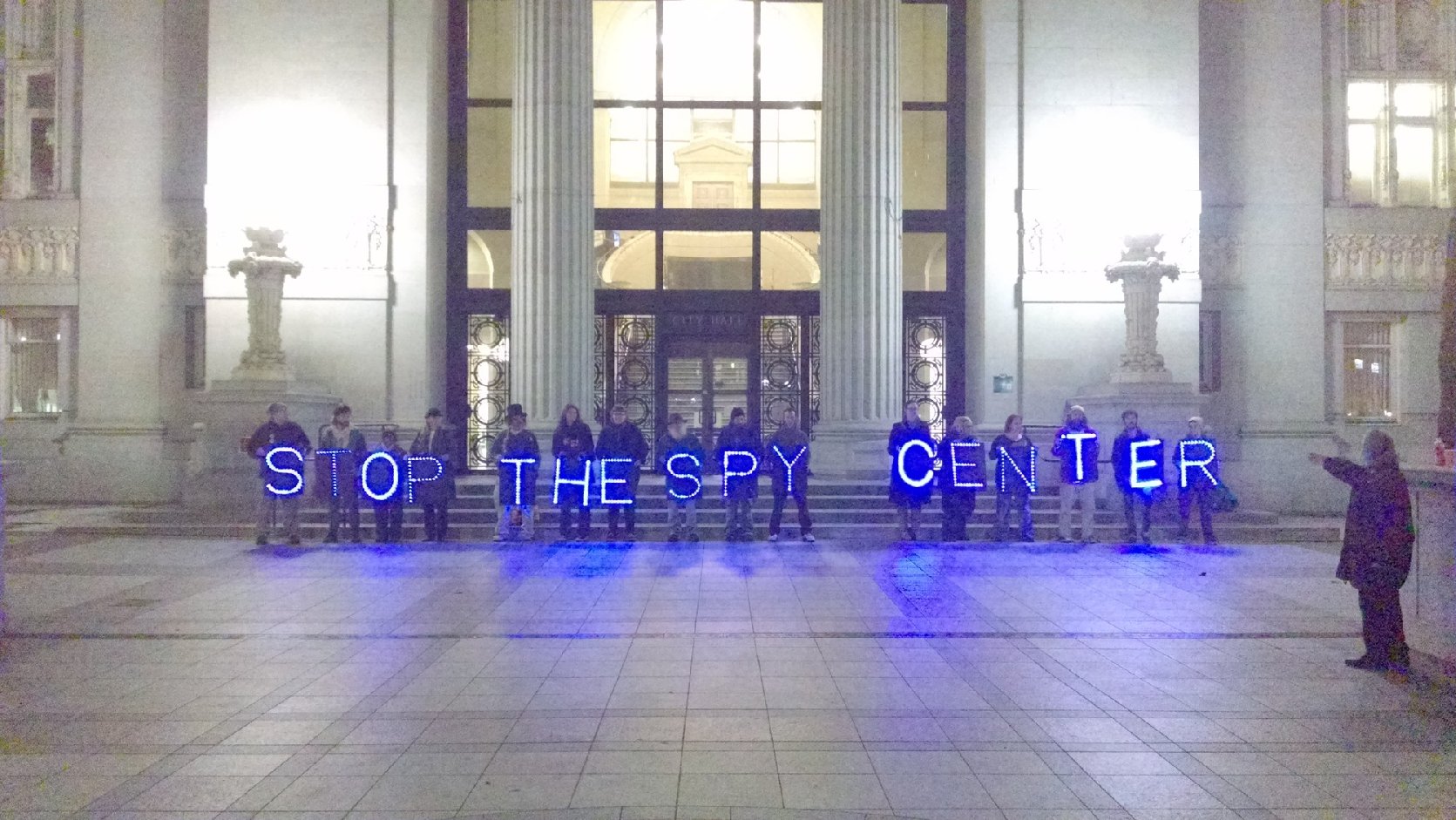
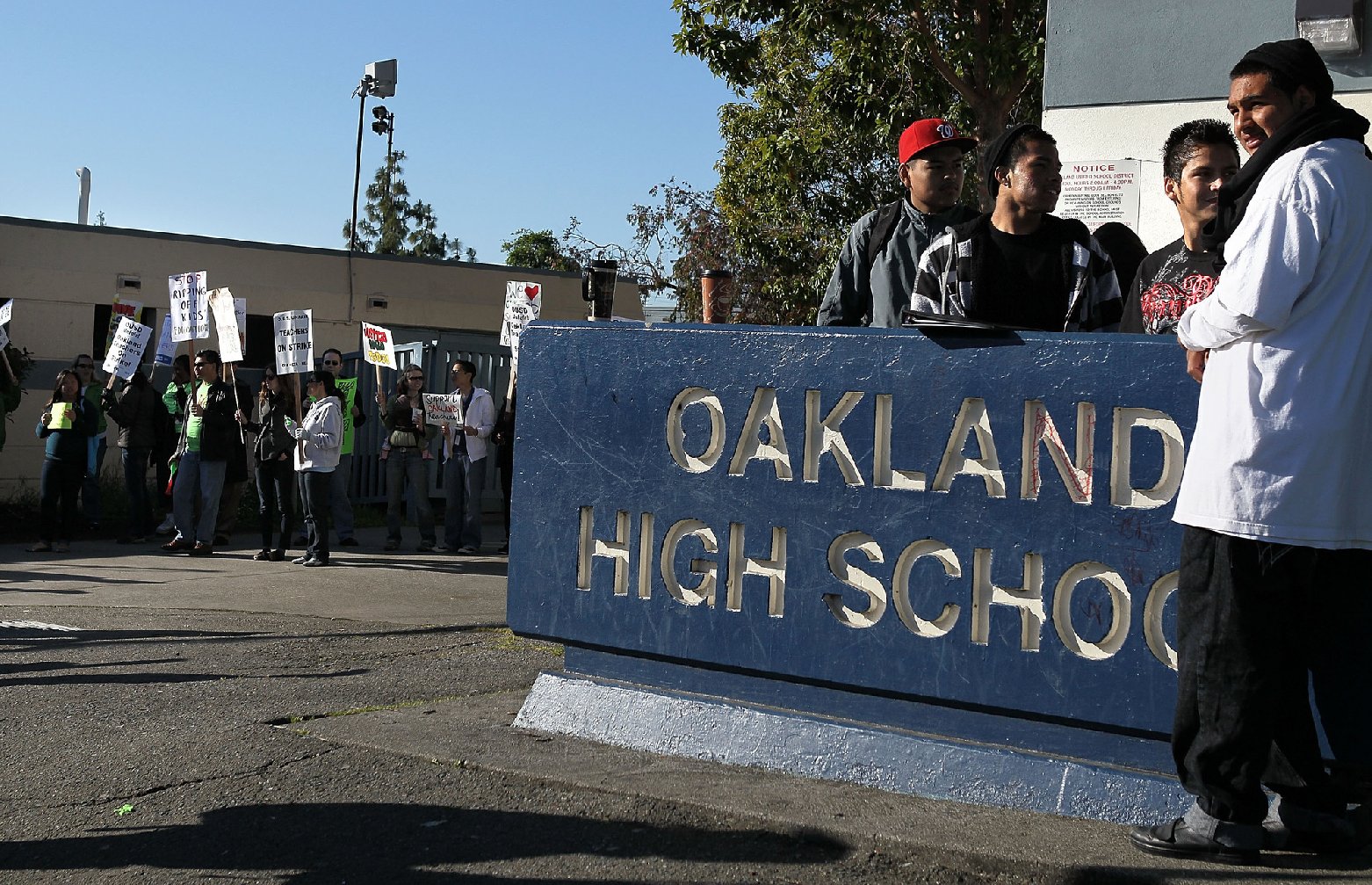
"caption": "Demonstrators protest in February 2015 against Oakland's plans for a citywide surveillance center.",
"description": "Demonstrators protest in February against Oakland's plans for a citywide surveillance center. ",
"title": "Oakland-Domain Awareness Center",
"credit": "Andrew Stelzer/KQED",
"status": "inherit",
"isLoading": false,
"fetchFailed": false
},
"news_128394": {
"type": "attachments",
"id": "news_128394",
"meta": {
"index": "attachments_1716263798",
"site": "news",
"id": "128394",
"found": true
},
"parent": 128366,
"imgSizes": {
"kqedFullSize": {
"file": "https://ww2.kqed.org/app/uploads/sites/10/2014/03/RS9092_2014-01-17-07.45.23-lpr.jpg",
"width": 1448,
"height": 1086
}
},
"publishDate": 1393981067,
"modified": 1393981067,
"caption": "A man toasts marshmallows for the crowd gathered to hear \"Eviction Ghost Stories and Other Housing Horrors.\" (Stephanie Martin/KQED)\n",
"description": null,
"title": "S.F. artists struggle",
"credit": null,
"status": "inherit",
"isLoading": false,
"fetchFailed": false
},
"news_127667": {
"type": "attachments",
"id": "news_127667",
"meta": {
"index": "attachments_1716263798",
"site": "news",
"id": "127667",
"found": true
},
"parent": 127656,
"imgSizes": {
"kqedFullSize": {
"file": "https://ww2.kqed.org/app/uploads/sites/10/2014/02/RS8990_Photo1-lpr.jpg",
"width": 1535,
"height": 1024
}
},
"publishDate": 1393373014,
"modified": 1393373014,
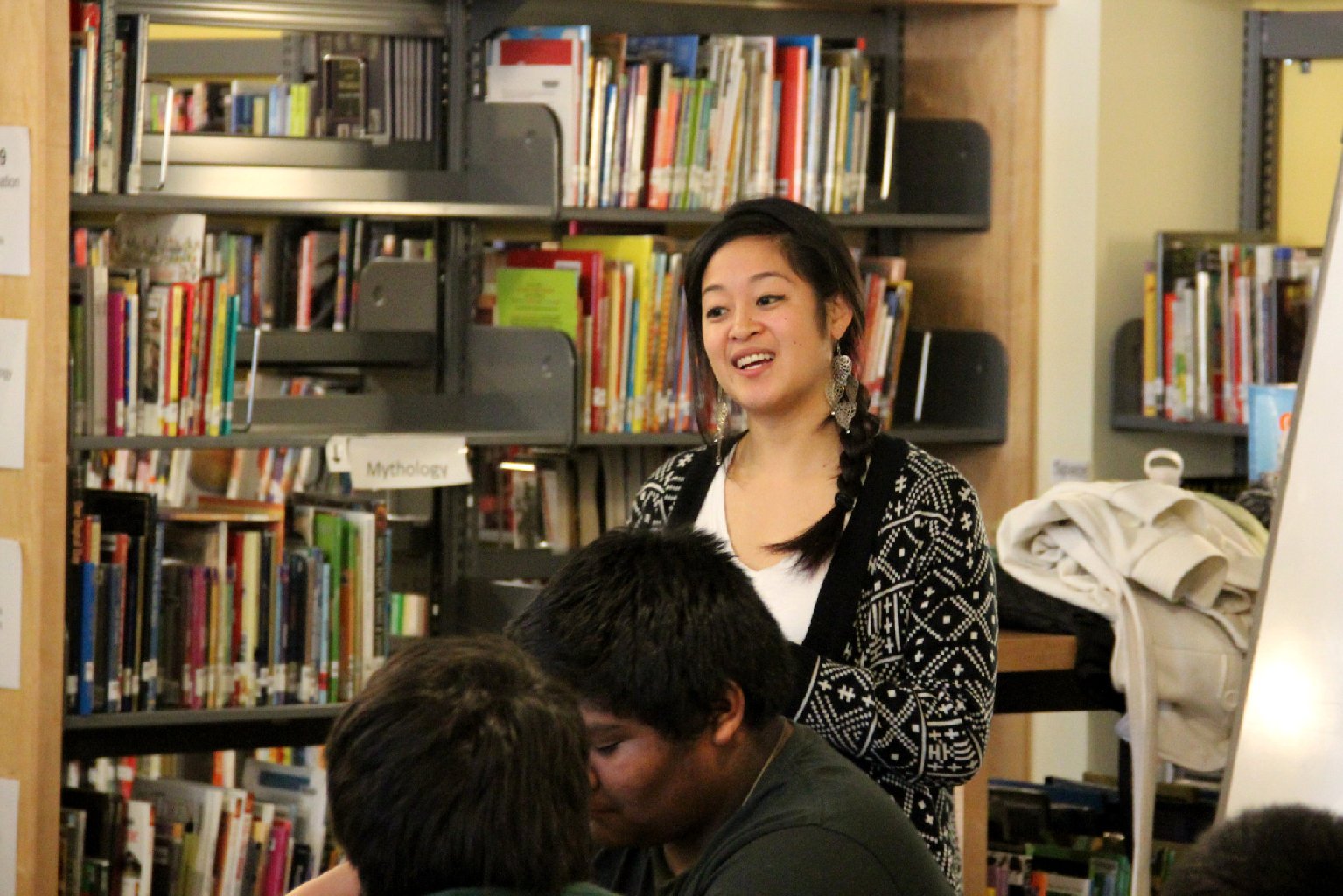
"caption": "Teacher Kirstie Mah leading class discussion on dating violence at Oakland's Lighthouse Charter School. (Aaron Mendelson/KQED)",
"description": "Teacher Kirstie Mah leading class discussion on dating violence at Oakland's Lighthouse Charter School. (Aaron Mendelson/KQED)",
"title": "Dating Matters-Kirstie Mah",
"credit": null,
"status": "inherit",
"isLoading": false,
"fetchFailed": false
},
"news_127164": {
"type": "attachments",
"id": "news_127164",
"meta": {
"index": "attachments_1716263798",
"site": "news",
"id": "127164",
"found": true
},
"parent": 127158,
"imgSizes": {
"kqedFullSize": {
"file": "https://ww2.kqed.org/app/uploads/sites/10/2014/02/IMG_5036.jpg",
"width": 1000,
"height": 667
}
},
"publishDate": 1392957195,
"modified": 1392957195,
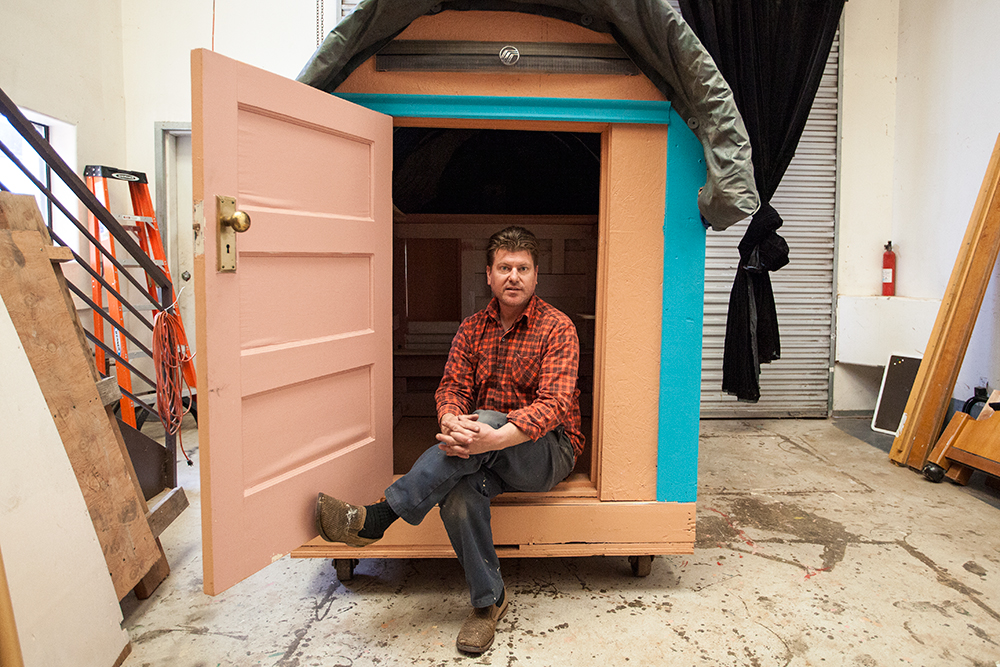
"caption": "Artist and designer Gregory Kloehn sits in the doorway of his latest tiny house, which he calls the Chuckwagon (Mark Andrew Boyer / KQED)",
"description": null,
"title": "Gregory Kloehn",
"credit": null,
"status": "inherit",
"isLoading": false,
"fetchFailed": false
},
"news_125469": {
"type": "attachments",
"id": "news_125469",
"meta": {
"index": "attachments_1716263798",
"site": "news",
"id": "125469",
"found": true
},
"parent": 125463,
"imgSizes": {
"kqedFullSize": {
"file": "https://ww2.kqed.org/app/uploads/sites/10/2014/02/firstfriday-e1391723552170.jpg",
"width": 640,
"height": 480
}
},
"publishDate": 1391723486,
"modified": 1540007609,
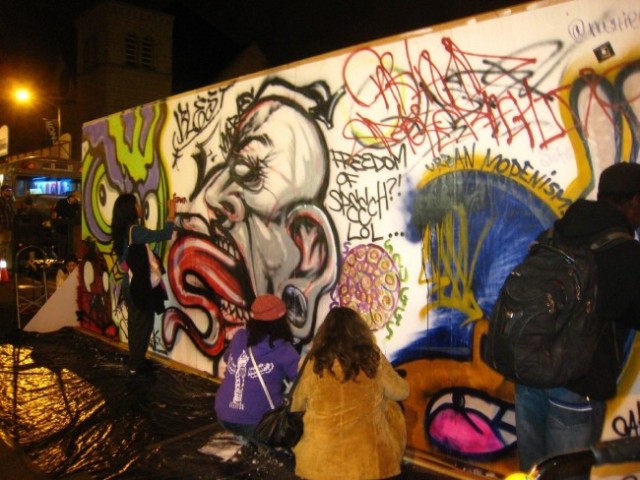
"caption": "Attendees observe a mural displayed at an Oakland First Fridays festival in 2014.",
"description": null,
"title": "firstfriday",
"credit": "KQED ",
"status": "inherit",
"isLoading": false,
"fetchFailed": false
},
"news_125159": {
"type": "attachments",
"id": "news_125159",
"meta": {
"index": "attachments_1716263798",
"site": "news",
"id": "125159",
"found": true
},
"parent": 125139,
"imgSizes": {
"kqedFullSize": {
"file": "https://ww2.kqed.org/app/uploads/sites/10/2014/02/RS6505_176595128-hpf.jpg",
"width": 640,
"height": 427
}
},
"publishDate": 1391478092,
"modified": 1524008508,
"caption": null,
"description": null,
"title": "RS6505_176595128-hpf",
"credit": "Getty Images",
"status": "inherit",
"isLoading": false,
"fetchFailed": false
},
"news_124643": {
"type": "attachments",
"id": "news_124643",
"meta": {
"index": "attachments_1716263798",
"site": "news",
"id": "124643",
"found": true
},
"parent": 124641,
"imgSizes": {
"kqedFullSize": {
"file": "https://ww2.kqed.org/app/uploads/sites/10/2014/01/first-friday.jpg",
"width": 659,
"height": 437
}
},
"publishDate": 1390957885,
"modified": 1390957885,
"caption": "Thousands of people attend First Friday each month. (Oakland Local)",
"description": null,
"title": "first friday",
"credit": null,
"status": "inherit",
"isLoading": false,
"fetchFailed": false
},
"news_124563": {
"type": "attachments",
"id": "news_124563",
"meta": {
"index": "attachments_1716263798",
"site": "news",
"id": "124563",
"found": true
},
"parent": 124550,
"imgSizes": {
"kqedFullSize": {
"file": "https://ww2.kqed.org/app/uploads/sites/10/2014/01/RS2833_98742728-lpr.jpg",
"width": 1562,
"height": 1007
}
},
"publishDate": 1390872688,
"modified": 1390872688,
"caption": "A student from Oakland High School is part of a lawsuit alleging that ineffective teachers violate the student's right to an education. (Justin Sullivan/Getty Images)",
"description": null,
"title": "RS2833_98742728-lpr",
"credit": null,
"status": "inherit",
"isLoading": false,
"fetchFailed": false
},
"news_124295": {
"type": "attachments",
"id": "news_124295",
"meta": {
"index": "attachments_1716263798",
"site": "news",
"id": "124295",
"found": true
},
"parent": 124281,
"imgSizes": {
"kqedFullSize": {
"file": "https://ww2.kqed.org/app/uploads/sites/10/2014/01/George-Miller-e1390526693320.jpg",
"width": 640,
"height": 841
}
},
"publishDate": 1390512482,
"modified": 1390512482,
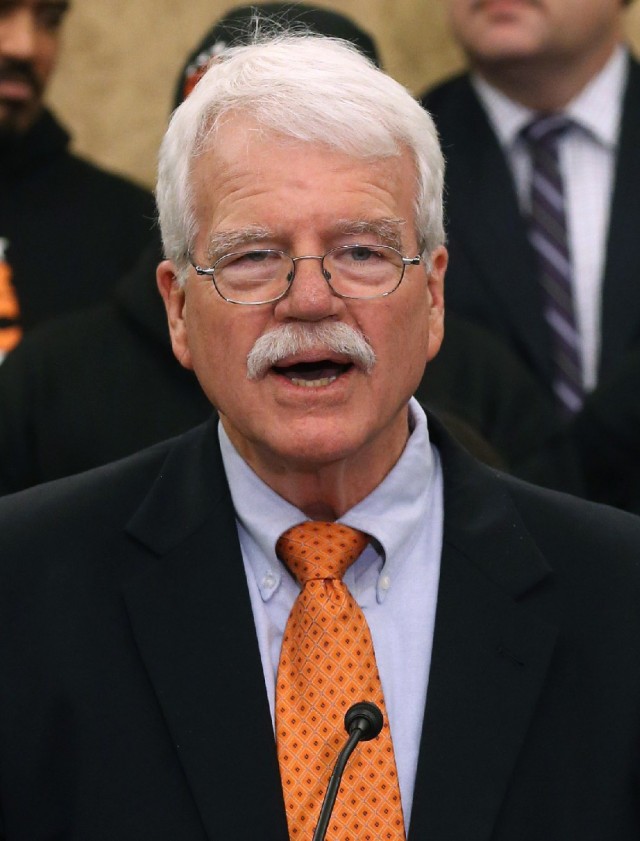
"caption": "Rep. George Miller, D-Martinez. ",
"description": "Rep. George Miller, D-Martinez. ",
"title": "George Miller",
"credit": null,
"status": "inherit",
"isLoading": false,
"fetchFailed": false
},
"news_122166": {
"type": "attachments",
"id": "news_122166",
"meta": {
"index": "attachments_1716263798",
"site": "news",
"id": "122166",
"found": true
},
"parent": 122157,
"imgSizes": {
"kqedFullSize": {
"file": "https://ww2.kqed.org/app/uploads/sites/10/2013/12/jahimcmath-e1388533941569.jpg",
"width": 400,
"height": 258
}
},
"publishDate": 1388425625,
"modified": 1388425625,
"caption": "(Photo: Jahi McMath Fund)",
"description": "(Photo: Jahi McMath Fund)",
"title": "jahimcmath",
"credit": null,
"status": "inherit",
"isLoading": false,
"fetchFailed": false
}
},
"audioPlayerReducer": {
"postId": "stream_live",
"isPaused": true,
"isPlaying": false,
"pfsActive": false,
"pledgeModalIsOpen": true,
"playerDrawerIsOpen": false,
"liveAudioPlayStartedAt": 0,
"liveAudioPlayContext": ""
},
"authorsReducer": {
"98603": {
"type": "authors",
"id": "98603",
"meta": {
"override": true
},
"slug": "98603",
"name": "Aarti Shahani",
"firstName": "Aarti",
"lastName": "Shahani",
"bio": "",
"email": "ashahani@kqed.org",
"isLoading": false
},
"astupi": {
"type": "authors",
"id": "70",
"meta": {
"index": "authors_1716337520",
"id": "70",
"found": true
},
"name": "Amanda Stupi",
"firstName": "Amanda",
"lastName": "Stupi",
"slug": "astupi",
"email": "astupi@kqed.org",
"display_author_email": false,
"staff_mastheads": [],
"title": "Senior Engagement Producer",
"bio": "Amanda joined KQED Science’s engagement team as a Senior Audience Engagement Strategist in the spring of 2019. She has helped craft messaging around wildfires, the coronavirus pandemic, climate change and many other stories. She has also brought KQED Science to new platforms such as Reddit’s Ask Me Anything series. Prior to joining KQED Science, Amanda spent seven years as an engagement producer with Forum, KQED’s daily live call-in show. She got her start in radio at KALW's weekly call in show, City Visions, before going on to an internship and stint at NPR's Talk of the Nation.\r\n\r\nPrior to journalism, Amanda taught English at Lowell High School. She's a native of Petaluma and currently lives under the \"South San Francisco the Industrial City\" sign in South City. She believes that engagement is vital to news’s future and that good journalism listens as much as it asks questions.",
"avatar": "https://secure.gravatar.com/avatar/e981c503e5c162da701dcaccfbf87e35?s=600&d=blank&r=g",
"twitter": null,
"facebook": null,
"instagram": null,
"linkedin": null,
"sites": [
{
"site": "arts",
"roles": [
"Contributor"
]
},
{
"site": "news",
"roles": [
"editor"
]
},
{
"site": "pop",
"roles": [
"contributor"
]
},
{
"site": "stateofhealth",
"roles": [
"editor"
]
},
{
"site": "science",
"roles": []
},
{
"site": "perspectives",
"roles": [
"editor"
]
}
],
"headData": {
"title": "Amanda Stupi | KQED",
"description": "Senior Engagement Producer",
"ogImgSrc": "https://secure.gravatar.com/avatar/e981c503e5c162da701dcaccfbf87e35?s=600&d=blank&r=g",
"twImgSrc": "https://secure.gravatar.com/avatar/e981c503e5c162da701dcaccfbf87e35?s=600&d=blank&r=g"
},
"isLoading": false,
"link": "/author/astupi"
},
"smartin": {
"type": "authors",
"id": "89",
"meta": {
"index": "authors_1716337520",
"id": "89",
"found": true
},
"name": "Stephanie Martin Taylor",
"firstName": "Stephanie Martin",
"lastName": "Taylor",
"slug": "smartin",
"email": "smartin@kqed.org",
"display_author_email": false,
"staff_mastheads": [],
"title": null,
"bio": "Stephanie Martin is a radio news reporter and anchor, and an occasional host of the \u003cem>KQED Newsroom \u003c/em>television program. While she currently focuses on housing and development issues, she has also reported on topics ranging from state and local politics to religion to arts and culture.\r\n\r\nPrior to joining KQED in 2005, Stephanie was an anchor and reporter for WFDD, the NPR affiliate in Winston-Salem, NC. She also spent several years as a television anchor, reporter and producer at various stations around the country.\r\n\r\nStephanie has received numerous awards for her reporting, including two National Headliner Awards, the Religion Newswriters Association's Best Radio Reporting Award and honors from the Associated Press and the Radio and Television Digital News Association. A series she produced from Iraq in 2005 earned a Best of Radio Award from the Society of Professional Journalists.\r\n\r\nStephanie received a graduate degree in Journalism from Columbia University. As an undergraduate at Colgate University, she worked and studied in Paris and Dijon, France, and spent a summer interning in the White House Press Office.\r\n\r\nStephanie grew up in Dallas, TX, and now lives with her husband in San Francisco.",
"avatar": "https://secure.gravatar.com/avatar/9fd3f8e9af01e14afde39822c19646e0?s=600&d=blank&r=g",
"twitter": "SMartinTaylor",
"facebook": null,
"instagram": null,
"linkedin": null,
"sites": [
{
"site": "arts",
"roles": [
"Contributor",
"subscriber"
]
},
{
"site": "news",
"roles": [
"subscriber"
]
},
{
"site": "stateofhealth",
"roles": [
"subscriber"
]
}
],
"headData": {
"title": "Stephanie Martin Taylor | KQED",
"description": null,
"ogImgSrc": "https://secure.gravatar.com/avatar/9fd3f8e9af01e14afde39822c19646e0?s=600&d=blank&r=g",
"twImgSrc": "https://secure.gravatar.com/avatar/9fd3f8e9af01e14afde39822c19646e0?s=600&d=blank&r=g"
},
"isLoading": false,
"link": "/author/smartin"
},
"danbrekke": {
"type": "authors",
"id": "222",
"meta": {
"index": "authors_1716337520",
"id": "222",
"found": true
},
"name": "Dan Brekke",
"firstName": "Dan",
"lastName": "Brekke",
"slug": "danbrekke",
"email": "dbrekke@kqed.org",
"display_author_email": true,
"staff_mastheads": [
"news",
"science"
],
"title": "KQED Editor and Reporter",
"bio": "Dan Brekke is a reporter and editor for KQED News, responsible for coverage of topics ranging from California water issues to the Bay Area's transportation challenges. In a newsroom career that began in Chicago in 1972, Dan has worked for \u003cem>The San Francisco Examiner,\u003c/em> Wired and TechTV and has been published in The New York Times, The New York Times Magazine, Business 2.0, Salon and elsewhere.\r\n\r\nSince joining KQED in 2007, Dan has reported, edited and produced both radio and online features and breaking news pieces. He has shared as both editor and reporter in four Society of Professional Journalists Norcal Excellence in Journalism awards and one Edward R. Murrow regional award. He was chosen for a spring 2017 residency at the Mesa Refuge to advance his research on California salmon.\r\n\r\nEmail Dan at: \u003ca href=\"mailto:dbrekke@kqed.org\">dbrekke@kqed.org\u003c/a>\r\n\r\n\u003cstrong>Twitter:\u003c/strong> \u003ca href=\"https://twitter.com/danbrekke\" rel=\"noopener noreferrer\">twitter.com/danbrekke\u003c/a>\r\n\u003cstrong>Facebook:\u003c/strong> \u003ca href=\"https://www.facebook.com/danbrekke\" rel=\"noopener noreferrer\">www.facebook.com/danbrekke\u003c/a>\r\n\u003cstrong>LinkedIn:\u003c/strong> \u003ca href=\"https://www.linkedin.com/in/danbrekke\" rel=\"noopener noreferrer\">www.linkedin.com/in/danbrekke\u003c/a>",
"avatar": "https://secure.gravatar.com/avatar/8f1f0d2a978fb3b23426c922c7e2af558fa36905b49c4ce76a97dc3c72d27226?s=600&d=mm&r=g",
"twitter": "danbrekke",
"bluesky": null,
"facebook": null,
"instagram": "https://www.instagram.com/dan.brekke/",
"linkedin": "https://www.linkedin.com/in/danbrekke/",
"sites": [
{
"site": "news",
"roles": [
"administrator",
"create_posts"
]
},
{
"site": "stateofhealth",
"roles": [
"editor"
]
},
{
"site": "science",
"roles": [
"editor"
]
},
{
"site": "quest",
"roles": [
"contributor"
]
},
{
"site": "food",
"roles": [
"contributor"
]
},
{
"site": "forum",
"roles": [
"contributor"
]
},
{
"site": "elections",
"roles": [
"editor"
]
},
{
"site": "liveblog",
"roles": [
"editor"
]
}
],
"headData": {
"title": "Dan Brekke | KQED",
"description": "KQED Editor and Reporter",
"ogImgSrc": "https://secure.gravatar.com/avatar/8f1f0d2a978fb3b23426c922c7e2af558fa36905b49c4ce76a97dc3c72d27226?s=600&d=mm&r=g",
"twImgSrc": "https://secure.gravatar.com/avatar/8f1f0d2a978fb3b23426c922c7e2af558fa36905b49c4ce76a97dc3c72d27226?s=600&d=mm&r=g"
},
"isLoading": false,
"link": "/author/danbrekke"
},
"katrinaschwartz": {
"type": "authors",
"id": "234",
"meta": {
"index": "authors_1716337520",
"id": "234",
"found": true
},
"name": "Katrina Schwartz",
"firstName": "Katrina",
"lastName": "Schwartz",
"slug": "katrinaschwartz",
"email": "kschwartz@kqed.org",
"display_author_email": false,
"staff_mastheads": [
"news"
],
"title": "Producer",
"bio": "Katrina Schwartz is a journalist based in San Francisco. She's worked at KPCC public radio in LA and has reported on air and online for KQED since 2010. She covered how teaching and learning is changing for MindShift between 2012 and 2020. She is the co-host of the MindShift podcast and now produces KQED's Bay Curious podcast.",
"avatar": "https://secure.gravatar.com/avatar/edb4ee79070447a018538c9aae6eeecf28786515b8a0c30e43b6b7dce5aa44c8?s=600&d=blank&r=g",
"twitter": "kschwart",
"bluesky": null,
"facebook": null,
"instagram": null,
"linkedin": null,
"sites": [
{
"site": "",
"roles": [
"editor"
]
},
{
"site": "news",
"roles": [
"editor"
]
},
{
"site": "mindshift",
"roles": [
"administrator"
]
},
{
"site": "stateofhealth",
"roles": [
"author"
]
},
{
"site": "science",
"roles": [
"editor"
]
}
],
"headData": {
"title": "Katrina Schwartz | KQED",
"description": "Producer",
"ogImgSrc": "https://secure.gravatar.com/avatar/edb4ee79070447a018538c9aae6eeecf28786515b8a0c30e43b6b7dce5aa44c8?s=600&d=blank&r=g",
"twImgSrc": "https://secure.gravatar.com/avatar/edb4ee79070447a018538c9aae6eeecf28786515b8a0c30e43b6b7dce5aa44c8?s=600&d=blank&r=g"
},
"isLoading": false,
"link": "/author/katrinaschwartz"
},
"kqed": {
"type": "authors",
"id": "236",
"meta": {
"index": "authors_1716337520",
"id": "236",
"found": true
},
"name": "KQED News Staff",
"firstName": "KQED News Staff",
"lastName": null,
"slug": "kqed",
"email": "faq@kqed.org",
"display_author_email": false,
"staff_mastheads": [],
"title": null,
"bio": null,
"avatar": "https://secure.gravatar.com/avatar/ef0e801a68c4c54afa9180db14084167?s=600&d=blank&r=g",
"twitter": null,
"facebook": null,
"instagram": null,
"linkedin": null,
"sites": [
{
"site": "arts",
"roles": [
"contributor"
]
},
{
"site": "news",
"roles": [
"editor"
]
},
{
"site": "futureofyou",
"roles": [
"author"
]
}
],
"headData": {
"title": "KQED News Staff | KQED",
"description": null,
"ogImgSrc": "https://secure.gravatar.com/avatar/ef0e801a68c4c54afa9180db14084167?s=600&d=blank&r=g",
"twImgSrc": "https://secure.gravatar.com/avatar/ef0e801a68c4c54afa9180db14084167?s=600&d=blank&r=g"
},
"isLoading": false,
"link": "/author/kqed"
},
"kqednewsstaffandwires": {
"type": "authors",
"id": "237",
"meta": {
"index": "authors_1716337520",
"id": "237",
"found": true
},
"name": "KQED News Staff and Wires",
"firstName": "KQED News Staff and Wires",
"lastName": null,
"slug": "kqednewsstaffandwires",
"email": "onlinenewsstaff@kqed.org",
"display_author_email": false,
"staff_mastheads": [],
"title": null,
"bio": null,
"avatar": "https://secure.gravatar.com/avatar/72295af8ebbfbd19a4948f5271285664?s=600&d=blank&r=g",
"twitter": null,
"facebook": null,
"instagram": null,
"linkedin": null,
"sites": [
{
"site": "arts",
"roles": [
"contributor"
]
},
{
"site": "news",
"roles": [
"contributor"
]
},
{
"site": "lowdown",
"roles": [
"author"
]
},
{
"site": "stateofhealth",
"roles": [
"contributor"
]
},
{
"site": "food",
"roles": [
"author"
]
}
],
"headData": {
"title": "KQED News Staff and Wires | KQED",
"description": null,
"ogImgSrc": "https://secure.gravatar.com/avatar/72295af8ebbfbd19a4948f5271285664?s=600&d=blank&r=g",
"twImgSrc": "https://secure.gravatar.com/avatar/72295af8ebbfbd19a4948f5271285664?s=600&d=blank&r=g"
},
"isLoading": false,
"link": "/author/kqednewsstaffandwires"
},
"mboyer": {
"type": "authors",
"id": "242",
"meta": {
"index": "authors_1716337520",
"id": "242",
"found": true
},
"name": "Mark Andrew Boyer",
"firstName": "Mark Andrew",
"lastName": "Boyer",
"slug": "mboyer",
"email": "mboyer@kqed.org",
"display_author_email": false,
"staff_mastheads": [],
"title": null,
"bio": null,
"avatar": "https://secure.gravatar.com/avatar/97f25e563059e57d6a08f9c09b43851a?s=600&d=blank&r=g",
"twitter": null,
"facebook": null,
"instagram": null,
"linkedin": null,
"sites": [
{
"site": "news",
"roles": [
"contributor"
]
}
],
"headData": {
"title": "Mark Andrew Boyer | KQED",
"description": null,
"ogImgSrc": "https://secure.gravatar.com/avatar/97f25e563059e57d6a08f9c09b43851a?s=600&d=blank&r=g",
"twImgSrc": "https://secure.gravatar.com/avatar/97f25e563059e57d6a08f9c09b43851a?s=600&d=blank&r=g"
},
"isLoading": false,
"link": "/author/mboyer"
}
},
"pagesReducer": {
"news_tag_education": {
"type": "terms",
"id": "news_20013",
"meta": {
"index": "terms_1716263798",
"site": "news",
"id": "20013",
"score": 6.970053
},
"featImg": null,
"name": "education",
"description": null,
"taxonomy": "tag",
"headData": {
"twImgId": null,
"twTitle": null,
"ogTitle": null,
"ogImgId": null,
"twDescription": null,
"description": null,
"title": "education Archives | KQED News",
"ogDescription": null
},
"ttid": 20030,
"slug": "education",
"isLoading": false,
"title": "education",
"pageMeta": {
"site": "news",
"WpPageTemplate": "page-topic-editorial",
"currentPage": 119
},
"blocks": [
{
"blockName": "kqed/post-list",
"attrs": {
"layout": "cardArticle2",
"query": "posts/news?tag=education",
"seeMore": false,
"paginated": true,
"page": 119
}
},
{
"blockName": "kqed/ad"
}
]
}
},
"pfsSessionReducer": {},
"postsReducer": {
"stream_live": {
"type": "live",
"id": "stream_live",
"audioUrl": "https://streams.kqed.org/kqedradio",
"title": "Live Stream",
"excerpt": "Live Stream information currently unavailable.",
"link": "/radio",
"featImg": "",
"label": {
"name": "KQED Live",
"link": "/"
}
},
"stream_kqedNewscast": {
"type": "posts",
"id": "stream_kqedNewscast",
"audioUrl": "https://www.kqed.org/.stream/anon/radio/RDnews/newscast.mp3?_=1",
"title": "KQED Newscast",
"featImg": "",
"label": {
"name": "88.5 FM",
"link": "/"
}
},
"news_128362": {
"type": "posts",
"id": "news_128362",
"meta": {
"index": "posts_1716263798",
"site": "news",
"id": "128362",
"score": null,
"sort": [
1394037033000
]
},
"guestAuthors": [],
"slug": "oakland-mayor-suggests-scaling-back-disputed-surveillance-center",
"title": "Oakland Approves Scaled-Back Version of Disputed Surveillance Center",
"publishDate": 1394037033,
"format": "aside",
"headTitle": "Oakland Approves Scaled-Back Version of Disputed Surveillance Center | KQED",
"labelTerm": {
"term": 6944,
"site": "news"
},
"content": "\u003cfigure id=\"attachment_128386\" class=\"wp-caption aligncenter\" style=\"max-width: 640px\">\u003ca href=\"http://ww2.kqed.org/news/wp-content/uploads/sites/10/2014/03/RS8548_IMG_20140204_182442558-lpr.jpg\">\u003cimg loading=\"lazy\" decoding=\"async\" class=\"size-medium wp-image-128386\" src=\"http://ww2.kqed.org/news/wp-content/uploads/sites/10/2014/03/RS8548_IMG_20140204_182442558-lpr-640x360.jpg\" alt=\"Demonstrators protest in February against Oakland's plans for a citywide surveillance center. (Andrew Stelzer/KQED)\" width=\"640\" height=\"360\">\u003c/a>\u003cfigcaption class=\"wp-caption-text\">Demonstrators protest in February against Oakland’s plans for a citywide surveillance center. (Andrew Stelzer/KQED) \u003ccite>(Andrew Stelzer/KQED)\u003c/cite>\u003c/figcaption>\u003c/figure>\n\u003cp>\u003cstrong>8 a.m. Wednesday Update: \u003c/strong>The Oakland City Council voted to go ahead with a significantly scaled-back deployment of a surveillance system that opponents say threatens privacy and could be misused by law enforcement.\u003c/p>\n\u003cp>The Council heard from scores of public speakers Tuesday night before voting just after 1 a.m. to proceed with plans for the Domain Awareness Center — but only on Port of Oakland property and at Oakland International Airport. The system envisioned by city staff and consultants would have blended a wide array of data from traffic cameras, the city’s ShotSpotter audio monitoring system, and police and fire dispatching information. The proposal to reduce the scale of the system was put forward by Councilwoman Desley Brooks and seconded by Mayor Jean Quan.\u003c/p>\n\u003cp>The vote was 5-4, with Quan casting the tie-breaking vote. She was joined by Brooks and Council members Patricia Kernighan, Larry Reid and Dan Kalb. Council members Rebecca Kaplan, Lynette Gibson McElhaney, Libby Schaaf and Noel Gallo voted against. Most of the opponents on the Council said they wanted to see privacy and data-retention rules finalized before the center is allowed to go ahead.\u003c/p>\n\u003cp>Linda Lye, a staff attorney with the American Civil Liberties Union of Northern California, told the Oakland Tribune the vote was a major victory for the plan’s opponents:\u003c/p>\n\u003cblockquote>\u003cp>“This is a very significant win for privacy and civil liberties and for participatory democracy. It shows a City Council being responsive to the concerns of the public and not being bribed by federal grant money.”\u003c/p>\u003c/blockquote>\n\u003cp>The system will be built with funds provided by the Department of Homeland Security.\u003c/p>\n\u003cp>[ad fullwidth]\u003c/p>\n\u003cp>\u003cstrong>Original post (Tuesday):\u003c/strong> Oakland Mayor Jean Quan said she’d like to see the city scale back its planned creation of a surveillance system that civil liberties advocates and many community groups oppose.\u003c/p>\n\u003cp>The controversial Domain Awareness Center would use Department of Homeland Security funds to set up a citywide surveillance network, combining live video and data feeds from the Port of Oakland and other sources that could eventually include license-plate readers, traffic cameras and public schools.\u003c/p>\n\u003cp>The city has touted the center as a way of preparing for emergencies and fighting crime. \u003ca href=\"http://ww2.kqed.org/news/2013/12/17/oakland-domain-awareness-center-surveillance-plans/\" target=\"_blank\" rel=\"noopener\">Some reports\u003c/a> have questioned whether the system could actually be used to combat crime and whether the city is simply using that rationale to win support for the project. Domain Awareness Center opponents have pointed to the danger the system could be used to track residents’ daily activities and that it could have a disproportionate impact on people of color living in East and West Oakland.\u003c/p>\n\u003cp>The City Council is scheduled to consider the center Tuesday night. In \u003ca href=\"http://www.scribd.com/doc/210654130/Open-Letter-From-Mayor-Quan-Regarding-Domain-Awareness-Center\" target=\"_blank\" rel=\"noopener\">an open letter \u003c/a>released Tuesday afternoon, Quan argues the city does indeed need a centralized information system to help respond to emergencies like the 1989 Loma Prieta earthquake and the 1991 East Bay Hills firestorm. She cites the example of \u003ca href=\"http://www2.oaklandnet.com/oakca1/groups/police/documents/webcontent/dowd004006.pdf\" target=\"_blank\" rel=\"noopener\">Oakland police Officer John Grubensky\u003c/a>, who died while trying to lead residents to safety during the fire:\u003c/p>\n\u003cblockquote>\u003cp>… As they fled downhill on Charing Cross Road, the officer and ten residents became stuck where the road had narrowed and become impassable with abandoned cars. All eleven people perished. However, they might have survived if the officer had better, quicker, broader access to information about the safest routes out. This tragic toll is just one example that underscores the urgency of our work to prepare and organize our resources to more effectively respond when another disaster strikes.\u003c/p>\u003c/blockquote>\n\u003cp>But Quan also notes the high level of discontent expressed at a series of public meetings on the Domain Awareness Center and suggests a change in approach: first, a new effort to draft policies that would address concerns about privacy and who has access to the system’s data; and second, scaling back the launch of the center so that it operates at first only on Port of Oakland property:\u003c/p>\n\u003cblockquote>\u003cp>… We will hold off on the aspects of the project that would include cameras on city streets. We will return to those elements separately, and only when the advisory committee is satisfied that the safeguards we’ve built together with the community are sturdy and enforceable. Any new camera systems, or any other additions to the Center, would have to be proposed separately and go to our City Council in a public process.\u003c/p>\u003c/blockquote>\n\u003cp>For now, Quan’s proposal is just that — an idea that the City Council will need to go along with.\u003c/p>\n\u003cp>Linda Lye, a lawyer with the American Civil Liberties Union of Northern California, told the San Francisco Chronicle’s Will Kane she thinks Quan’s move is a step in the right direction but the city needs to go further to alleviate concern over the center:\u003c/p>\n\u003cp>While she was pleased to hear Quan was asking the City Council to slow down the process and limit the surveillance to just the port, Lye worried the city would still reach the same result.\u003c/p>\n\u003cblockquote>\u003cp>“We endorse the approach of dialing it back, but we want to make sure that the system truly reflects that principle,” Lye said. “One of the main concerns with surveillance systems is mission creep: when it is advertised for one purpose and then used for something else.”\u003c/p>\u003c/blockquote>\n\u003cp>\u003cem>Here’s Quan’s “open letter”:\u003c/em>\u003c/p>\n\u003cp>\u003c/p>\n\u003cp>\u003ciframe loading=\"lazy\" id=\"doc_71230\" src=\"//www.scribd.com/embeds/210654130/content?start_page=1&view_mode=scroll&show_recommendations=true\" frameborder=\"0\" scrolling=\"no\" width=\"100%\" height=\"600\">\u003c/iframe>\u003c/p>\n\n",
"blocks": [],
"excerpt": "After rising chorus of privacy concerns, system will cover only airport and Port of Oakland property.",
"status": "publish",
"parent": 0,
"modified": 1721149495,
"stats": {
"hasAudio": false,
"hasVideo": false,
"hasChartOrMap": true,
"iframeSrcs": [
"//www.scribd.com/embeds/210654130/content"
],
"hasGoogleForm": false,
"hasGallery": false,
"hasHearkenModule": false,
"hasPolis": false,
"paragraphCount": 21,
"wordCount": 922
},
"headData": {
"title": "Oakland Approves Scaled-Back Version of Disputed Surveillance Center | KQED",
"description": "After rising chorus of privacy concerns, system will cover only airport and Port of Oakland property.",
"ogTitle": "",
"ogDescription": "",
"ogImgId": "",
"twTitle": "",
"twDescription": "",
"twImgId": "",
"schema": {
"@context": "https://schema.org",
"@type": "NewsArticle",
"headline": "Oakland Approves Scaled-Back Version of Disputed Surveillance Center",
"datePublished": "2014-03-05T08:30:33-08:00",
"dateModified": "2024-07-16T10:04:55-07:00",
"image": "https://cdn.kqed.org/wp-content/uploads/2020/02/KQED-OG-Image@1x.png",
"isAccessibleForFree": "True",
"publisher": {
"@type": "NewsMediaOrganization",
"@id": "https://www.kqed.org/#organization",
"name": "KQED",
"logo": "https://cdn.kqed.org/wp-content/uploads/2020/02/KQED-OG-Image@1x.png",
"url": "https://www.kqed.org",
"sameAs": [
"https://www.facebook.com/KQED",
"https://twitter.com/KQED",
"https://www.instagram.com/kqed/",
"https://www.tiktok.com/@kqedofficial",
"https://www.linkedin.com/company/kqed",
"https://www.youtube.com/channel/UCeC0IOo7i1P_61zVUWbJ4nw"
]
}
}
},
"sticky": false,
"customPermalink": "2014/03/04/oakland-mayor-jean-quan-suggests-scaling-back-domain-awareness-center/",
"path": "/news/128362/oakland-mayor-suggests-scaling-back-disputed-surveillance-center",
"audioTrackLength": null,
"parsedContent": [
{
"type": "contentString",
"content": "\u003cdiv class=\"post-body\">\u003cp>\u003cfigure id=\"attachment_128386\" class=\"wp-caption aligncenter\" style=\"max-width: 640px\">\u003ca href=\"http://ww2.kqed.org/news/wp-content/uploads/sites/10/2014/03/RS8548_IMG_20140204_182442558-lpr.jpg\">\u003cimg loading=\"lazy\" decoding=\"async\" class=\"size-medium wp-image-128386\" src=\"http://ww2.kqed.org/news/wp-content/uploads/sites/10/2014/03/RS8548_IMG_20140204_182442558-lpr-640x360.jpg\" alt=\"Demonstrators protest in February against Oakland's plans for a citywide surveillance center. (Andrew Stelzer/KQED)\" width=\"640\" height=\"360\">\u003c/a>\u003cfigcaption class=\"wp-caption-text\">Demonstrators protest in February against Oakland’s plans for a citywide surveillance center. (Andrew Stelzer/KQED) \u003ccite>(Andrew Stelzer/KQED)\u003c/cite>\u003c/figcaption>\u003c/figure>\n\u003cp>\u003cstrong>8 a.m. Wednesday Update: \u003c/strong>The Oakland City Council voted to go ahead with a significantly scaled-back deployment of a surveillance system that opponents say threatens privacy and could be misused by law enforcement.\u003c/p>\n\u003cp>The Council heard from scores of public speakers Tuesday night before voting just after 1 a.m. to proceed with plans for the Domain Awareness Center — but only on Port of Oakland property and at Oakland International Airport. The system envisioned by city staff and consultants would have blended a wide array of data from traffic cameras, the city’s ShotSpotter audio monitoring system, and police and fire dispatching information. The proposal to reduce the scale of the system was put forward by Councilwoman Desley Brooks and seconded by Mayor Jean Quan.\u003c/p>\n\u003cp>The vote was 5-4, with Quan casting the tie-breaking vote. She was joined by Brooks and Council members Patricia Kernighan, Larry Reid and Dan Kalb. Council members Rebecca Kaplan, Lynette Gibson McElhaney, Libby Schaaf and Noel Gallo voted against. Most of the opponents on the Council said they wanted to see privacy and data-retention rules finalized before the center is allowed to go ahead.\u003c/p>\n\u003cp>Linda Lye, a staff attorney with the American Civil Liberties Union of Northern California, told the Oakland Tribune the vote was a major victory for the plan’s opponents:\u003c/p>\n\u003cblockquote>\u003cp>“This is a very significant win for privacy and civil liberties and for participatory democracy. It shows a City Council being responsive to the concerns of the public and not being bribed by federal grant money.”\u003c/p>\u003c/blockquote>\n\u003cp>The system will be built with funds provided by the Department of Homeland Security.\u003c/p>\n\u003cp>\u003c/p>\u003c/div>",
"attributes": {
"named": {},
"numeric": []
}
},
{
"type": "component",
"content": "",
"name": "ad",
"attributes": {
"named": {
"label": "fullwidth"
},
"numeric": [
"fullwidth"
]
}
},
{
"type": "contentString",
"content": "\u003cdiv class=\"post-body\">\u003cp>\u003c/p>\n\u003cp>\u003cstrong>Original post (Tuesday):\u003c/strong> Oakland Mayor Jean Quan said she’d like to see the city scale back its planned creation of a surveillance system that civil liberties advocates and many community groups oppose.\u003c/p>\n\u003cp>The controversial Domain Awareness Center would use Department of Homeland Security funds to set up a citywide surveillance network, combining live video and data feeds from the Port of Oakland and other sources that could eventually include license-plate readers, traffic cameras and public schools.\u003c/p>\n\u003cp>The city has touted the center as a way of preparing for emergencies and fighting crime. \u003ca href=\"http://ww2.kqed.org/news/2013/12/17/oakland-domain-awareness-center-surveillance-plans/\" target=\"_blank\" rel=\"noopener\">Some reports\u003c/a> have questioned whether the system could actually be used to combat crime and whether the city is simply using that rationale to win support for the project. Domain Awareness Center opponents have pointed to the danger the system could be used to track residents’ daily activities and that it could have a disproportionate impact on people of color living in East and West Oakland.\u003c/p>\n\u003cp>The City Council is scheduled to consider the center Tuesday night. In \u003ca href=\"http://www.scribd.com/doc/210654130/Open-Letter-From-Mayor-Quan-Regarding-Domain-Awareness-Center\" target=\"_blank\" rel=\"noopener\">an open letter \u003c/a>released Tuesday afternoon, Quan argues the city does indeed need a centralized information system to help respond to emergencies like the 1989 Loma Prieta earthquake and the 1991 East Bay Hills firestorm. She cites the example of \u003ca href=\"http://www2.oaklandnet.com/oakca1/groups/police/documents/webcontent/dowd004006.pdf\" target=\"_blank\" rel=\"noopener\">Oakland police Officer John Grubensky\u003c/a>, who died while trying to lead residents to safety during the fire:\u003c/p>\n\u003cblockquote>\u003cp>… As they fled downhill on Charing Cross Road, the officer and ten residents became stuck where the road had narrowed and become impassable with abandoned cars. All eleven people perished. However, they might have survived if the officer had better, quicker, broader access to information about the safest routes out. This tragic toll is just one example that underscores the urgency of our work to prepare and organize our resources to more effectively respond when another disaster strikes.\u003c/p>\u003c/blockquote>\n\u003cp>But Quan also notes the high level of discontent expressed at a series of public meetings on the Domain Awareness Center and suggests a change in approach: first, a new effort to draft policies that would address concerns about privacy and who has access to the system’s data; and second, scaling back the launch of the center so that it operates at first only on Port of Oakland property:\u003c/p>\n\u003cblockquote>\u003cp>… We will hold off on the aspects of the project that would include cameras on city streets. We will return to those elements separately, and only when the advisory committee is satisfied that the safeguards we’ve built together with the community are sturdy and enforceable. Any new camera systems, or any other additions to the Center, would have to be proposed separately and go to our City Council in a public process.\u003c/p>\u003c/blockquote>\n\u003cp>For now, Quan’s proposal is just that — an idea that the City Council will need to go along with.\u003c/p>\n\u003cp>Linda Lye, a lawyer with the American Civil Liberties Union of Northern California, told the San Francisco Chronicle’s Will Kane she thinks Quan’s move is a step in the right direction but the city needs to go further to alleviate concern over the center:\u003c/p>\n\u003cp>While she was pleased to hear Quan was asking the City Council to slow down the process and limit the surveillance to just the port, Lye worried the city would still reach the same result.\u003c/p>\n\u003cblockquote>\u003cp>“We endorse the approach of dialing it back, but we want to make sure that the system truly reflects that principle,” Lye said. “One of the main concerns with surveillance systems is mission creep: when it is advertised for one purpose and then used for something else.”\u003c/p>\u003c/blockquote>\n\u003cp>\u003cem>Here’s Quan’s “open letter”:\u003c/em>\u003c/p>\n\u003cp>\u003c/p>\n\u003cp>\u003ciframe loading=\"lazy\" id=\"doc_71230\" src=\"//www.scribd.com/embeds/210654130/content?start_page=1&view_mode=scroll&show_recommendations=true\" frameborder=\"0\" scrolling=\"no\" width=\"100%\" height=\"600\">\u003c/iframe>\u003c/p>\n\n\u003c/div>\u003c/p>",
"attributes": {
"named": {},
"numeric": []
}
}
],
"link": "/news/128362/oakland-mayor-suggests-scaling-back-disputed-surveillance-center",
"authors": [
"222"
],
"programs": [
"news_6944"
],
"series": [
"news_6064"
],
"categories": [
"news_6188",
"news_248"
],
"tags": [
"news_350",
"news_4750",
"news_20013",
"news_204",
"news_1859",
"news_4289"
],
"featImg": "news_128386",
"label": "news_6944"
},
"news_128366": {
"type": "posts",
"id": "news_128366",
"meta": {
"index": "posts_1716263798",
"site": "news",
"id": "128366",
"score": null,
"sort": [
1394031648000
]
},
"guestAuthors": [],
"slug": "san-francisco-artists-struggle-to-stay-in-city-as-housing-costs-skyrocket",
"title": "San Francisco Artists Struggle to Stay in City as Housing Costs Skyrocket",
"publishDate": 1394031648,
"format": "aside",
"headTitle": "San Francisco Artists Struggle to Stay in City as Housing Costs Skyrocket | KQED",
"labelTerm": {
"term": 6944,
"site": "news"
},
"content": "\u003cfigure id=\"attachment_128394\" class=\"wp-caption aligncenter\" style=\"max-width: 640px\">\u003ca href=\"http://ww2.kqed.org/news/wp-content/uploads/sites/10/2014/03/RS9092_2014-01-17-07.45.23-lpr.jpg\">\u003cimg loading=\"lazy\" decoding=\"async\" class=\"size-medium wp-image-128394\" src=\"http://ww2.kqed.org/news/wp-content/uploads/sites/10/2014/03/RS9092_2014-01-17-07.45.23-lpr-640x480.jpg\" alt='A man toasts marshmallows for the crowd gathered to hear \"Eviction Ghost Stories and Other Housing Horrors.\" (Stephanie Martin/KQED)' width=\"640\" height=\"480\">\u003c/a>\u003cfigcaption class=\"wp-caption-text\">A man toasts marshmallows for the crowd gathered to hear “Eviction Ghost Stories and Other Housing Horrors.” (Stephanie Martin/KQED)\u003c/figcaption>\u003c/figure>\n\u003cp>For almost two decades, LisaRuth Elliott has lived a colorful, bohemian life in San Francisco — painting murals, making collages and working as a community historian.\u003c/p>\n\u003cp>She also lived in Seattle, Southern California and Europe, but she says it was San Francisco’s vibrant cultural scene that energized her life and her work.\u003c/p>\n\u003cp>Not now, though.\u003c/p>\n\u003cp>“There was a time when artists would get together and say, ‘Hey, what are you working on?’ ‘Well, I’m really inspired by Pluto!’ or, ‘I’m really inspired by this technological creation!’ Whatever that topic might be,” Elliott says. “Now, it’s, ‘Ugh, how long am I going to be able to stay in the city?’ ”\u003c/p>\n\u003cp>Housing is a major issue for artists in San Francisco. The city does well compared with others around the nation when it comes to \u003ca href=\"http://www.americansforthearts.org/\">funding artists’ work\u003c/a>. But the city’s efforts to create affordable live/work spaces for artists haven’t panned out. Many local artists are now worrying the high cost of housing will force them to leave the city and abandon their creative community.\u003c/p>\n\u003cp>[ad fullwidth]\u003c/p>\n\u003cp>Elliott is one of dozens of artists and community activists who cram into a small courtyard behind a coffee house in San Francisco’s Mission District. A campfire burns before a makeshift stage.\u003c/p>\n\u003cp>She steps up to the microphone.\u003c/p>\n\u003cp>\u003cstrong>“\u003c/strong>Floating, drifting — I have been living as a sort of ghost for the last five months,” she says. The event is called \u003ca href=\"https://www.facebook.com/events/730582570300323/?ref=22\"> “Eviction Ghost Stories and Other Housing Horrors”.\u003c/a>\u003c/p>\n\u003cp>As Elliott talks about her eviction from her home in the Haight, a man sitting next to the fire toasts marshmallows and passes out s’mores to the crowd. The event is supposed to be campy, but the storytellers strain to contain their emotions.\u003c/p>\n\u003cp>If there’s anyone who wants to prevent artists from leaving, it’s Tom DeCaigny, cultural affairs director for the \u003ca href=\"http://www.sfartscommission.org/\">San Francisco Arts Commission\u003c/a>.\u003c/p>\n\u003cp>“I’ve had a couple of artists who are personal friends in the city who have faced eviction and a couple of them have had to leave the city. And on a personal level that’s hard,” DeCaigny says.\u003c/p>\n\u003cp>It’s DeCaigny’s job to promote and preserve the city’s arts and culture industry, which pumps roughly $1.4 billion a year into the local economy. He remembers the last artist exodus, spurred by the dot-com boom of the late 1990s. He’s asking city leaders to study that era to see what worked and what went wrong.\u003c/p>\n\u003cp>“Looking back at ’99 and 2000, the city did make some financial contributions to specific shared-space initiatives,” he says.\u003c/p>\n\u003cp>Those investments gave San Francisco dancers a \u003ca href=\"http://www.odcdance.org/\">state-of-the-art performance and training complex\u003c/a> in the Mission. Independent filmmakers got a new place to screen their work at a new \u003ca href=\"http://www.ninthstreet.org/building\">facility in the mid-Market area\u003c/a>.\u003c/p>\n\u003cp>“So, we know there are solutions by which the city can make investments, and private philanthropy and the nonprofit sector, to foster new innovations in both shared nonprofit space but also developments around artists’ housing,” DeCaigny says.\u003c/p>\n\u003cfigure id=\"attachment_128400\" class=\"wp-caption alignleft\" style=\"max-width: 288px\">\u003ca href=\"http://ww2.kqed.org/news/wp-content/uploads/sites/10/2014/03/RS9090_2014-01-17-08.10.31-lpr1.jpg\">\u003cimg loading=\"lazy\" decoding=\"async\" class=\" wp-image-128400 \" src=\"http://ww2.kqed.org/news/wp-content/uploads/sites/10/2014/03/RS9090_2014-01-17-08.10.31-lpr1-480x640.jpg\" alt=\"San Francisco artist and activist LisaRuth Elliott tells her eviction horror story at an event in the Mission. (Stepha\" width=\"288\" height=\"384\">\u003c/a>\u003cfigcaption class=\"wp-caption-text\">San Francisco artist and activist LisaRuth Elliott tells her eviction horror story at an event in the Mission. (Stephanie Martin/KQED)\u003c/figcaption>\u003c/figure>\n\u003cp>But the last dot-com boom also hurt rezoning efforts designed to create affordable housing for artists. The new live-work spaces attracted an affluent crowd, and artists were priced out.\u003c/p>\n\u003cp>“Art is part of the brand for San Francisco,” says Randy Cohen, who researches and promotes sustainable arts policies at \u003ca href=\"http://www.americansforthearts.org/\">Americans for the Arts\u003c/a>, a nonprofit based in Washington, D.C.\u003c/p>\n\u003cp>“You know San Francisco has many positive attributes, but, globally, it’s thought of as a great cultural city,” he says. “If your artists are leaving town, you’re putting a key component of your brand at risk.”\u003c/p>\n\u003cp>Cohen says that while San Francisco searches for solutions to its housing crunch, less expensive cities like Seattle, Baltimore and Detroit are jumping on the opportunity to cultivate their own cultural brand, and they’re offering artists some enticing housing incentives. In Detroit, for example, homesteading is all the rage, says Cohen.\u003c/p>\n\u003cp>“You know: Live here, move here, work here for five years, and you get the deed,” he adds.\u003c/p>\n\u003cp>Of course, economic factors have long dictated where artists live and work: Artists priced out of Manhattan have moved to Brooklyn. Boston artists have moved to Rhode Island.\u003c/p>\n\u003cp>Right now, Oakland is luring artists from San Francisco and beyond, says Kelley Kahn, Oakland’s economic development director.\u003c/p>\n\u003cp>“I think there’s a sense here that you can come here and actually have a really high quality of life and, at the same time, be able to make a living in fine arts or the industrial art,” she says.\u003c/p>\n\u003cp>\u003c/p>\n\u003cp>Still, some artists hope Oakland won’t get too popular. Housing costs here are also on the rise.\u003c/p>\n\n",
"blocks": [],
"excerpt": "Less expensive cities are offering incentives so they can cultivate their own cultural brands.",
"status": "publish",
"parent": 0,
"modified": 1725923335,
"stats": {
"hasAudio": false,
"hasVideo": false,
"hasChartOrMap": false,
"iframeSrcs": [],
"hasGoogleForm": false,
"hasGallery": false,
"hasHearkenModule": false,
"hasPolis": false,
"paragraphCount": 26,
"wordCount": 895
},
"headData": {
"title": "San Francisco Artists Struggle to Stay in City as Housing Costs Skyrocket | KQED",
"description": "Less expensive cities are offering incentives so they can cultivate their own cultural brands.",
"ogTitle": "",
"ogDescription": "",
"ogImgId": "",
"twTitle": "",
"twDescription": "",
"twImgId": "",
"schema": {
"@context": "https://schema.org",
"@type": "NewsArticle",
"headline": "San Francisco Artists Struggle to Stay in City as Housing Costs Skyrocket",
"datePublished": "2014-03-05T07:00:48-08:00",
"dateModified": "2024-09-09T16:08:55-07:00",
"image": "https://cdn.kqed.org/wp-content/uploads/2020/02/KQED-OG-Image@1x.png",
"isAccessibleForFree": "True",
"publisher": {
"@type": "NewsMediaOrganization",
"@id": "https://www.kqed.org/#organization",
"name": "KQED",
"logo": "https://cdn.kqed.org/wp-content/uploads/2020/02/KQED-OG-Image@1x.png",
"url": "https://www.kqed.org",
"sameAs": [
"https://www.facebook.com/KQED",
"https://twitter.com/KQED",
"https://www.instagram.com/kqed/",
"https://www.tiktok.com/@kqedofficial",
"https://www.linkedin.com/company/kqed",
"https://www.youtube.com/channel/UCeC0IOo7i1P_61zVUWbJ4nw"
]
}
}
},
"sticky": false,
"customPermalink": "2014/03/04/san-francisco-artists-struggle-to-stay-in-city-as-housing-costs-skyrocket/",
"templateType": "standard",
"featuredImageType": "standard",
"excludeFromSiteSearch": "Include",
"articleAge": "0",
"path": "/news/128366/san-francisco-artists-struggle-to-stay-in-city-as-housing-costs-skyrocket",
"audioTrackLength": null,
"parsedContent": [
{
"type": "contentString",
"content": "\u003cdiv class=\"post-body\">\u003cp>\u003cfigure id=\"attachment_128394\" class=\"wp-caption aligncenter\" style=\"max-width: 640px\">\u003ca href=\"http://ww2.kqed.org/news/wp-content/uploads/sites/10/2014/03/RS9092_2014-01-17-07.45.23-lpr.jpg\">\u003cimg loading=\"lazy\" decoding=\"async\" class=\"size-medium wp-image-128394\" src=\"http://ww2.kqed.org/news/wp-content/uploads/sites/10/2014/03/RS9092_2014-01-17-07.45.23-lpr-640x480.jpg\" alt='A man toasts marshmallows for the crowd gathered to hear \"Eviction Ghost Stories and Other Housing Horrors.\" (Stephanie Martin/KQED)' width=\"640\" height=\"480\">\u003c/a>\u003cfigcaption class=\"wp-caption-text\">A man toasts marshmallows for the crowd gathered to hear “Eviction Ghost Stories and Other Housing Horrors.” (Stephanie Martin/KQED)\u003c/figcaption>\u003c/figure>\n\u003cp>For almost two decades, LisaRuth Elliott has lived a colorful, bohemian life in San Francisco — painting murals, making collages and working as a community historian.\u003c/p>\n\u003cp>She also lived in Seattle, Southern California and Europe, but she says it was San Francisco’s vibrant cultural scene that energized her life and her work.\u003c/p>\n\u003cp>Not now, though.\u003c/p>\n\u003cp>“There was a time when artists would get together and say, ‘Hey, what are you working on?’ ‘Well, I’m really inspired by Pluto!’ or, ‘I’m really inspired by this technological creation!’ Whatever that topic might be,” Elliott says. “Now, it’s, ‘Ugh, how long am I going to be able to stay in the city?’ ”\u003c/p>\n\u003cp>Housing is a major issue for artists in San Francisco. The city does well compared with others around the nation when it comes to \u003ca href=\"http://www.americansforthearts.org/\">funding artists’ work\u003c/a>. But the city’s efforts to create affordable live/work spaces for artists haven’t panned out. Many local artists are now worrying the high cost of housing will force them to leave the city and abandon their creative community.\u003c/p>\n\u003cp>\u003c/p>\u003c/div>",
"attributes": {
"named": {},
"numeric": []
}
},
{
"type": "component",
"content": "",
"name": "ad",
"attributes": {
"named": {
"label": "fullwidth"
},
"numeric": [
"fullwidth"
]
}
},
{
"type": "contentString",
"content": "\u003cdiv class=\"post-body\">\u003cp>\u003c/p>\n\u003cp>Elliott is one of dozens of artists and community activists who cram into a small courtyard behind a coffee house in San Francisco’s Mission District. A campfire burns before a makeshift stage.\u003c/p>\n\u003cp>She steps up to the microphone.\u003c/p>\n\u003cp>\u003cstrong>“\u003c/strong>Floating, drifting — I have been living as a sort of ghost for the last five months,” she says. The event is called \u003ca href=\"https://www.facebook.com/events/730582570300323/?ref=22\"> “Eviction Ghost Stories and Other Housing Horrors”.\u003c/a>\u003c/p>\n\u003cp>As Elliott talks about her eviction from her home in the Haight, a man sitting next to the fire toasts marshmallows and passes out s’mores to the crowd. The event is supposed to be campy, but the storytellers strain to contain their emotions.\u003c/p>\n\u003cp>If there’s anyone who wants to prevent artists from leaving, it’s Tom DeCaigny, cultural affairs director for the \u003ca href=\"http://www.sfartscommission.org/\">San Francisco Arts Commission\u003c/a>.\u003c/p>\n\u003cp>“I’ve had a couple of artists who are personal friends in the city who have faced eviction and a couple of them have had to leave the city. And on a personal level that’s hard,” DeCaigny says.\u003c/p>\n\u003cp>It’s DeCaigny’s job to promote and preserve the city’s arts and culture industry, which pumps roughly $1.4 billion a year into the local economy. He remembers the last artist exodus, spurred by the dot-com boom of the late 1990s. He’s asking city leaders to study that era to see what worked and what went wrong.\u003c/p>\n\u003cp>“Looking back at ’99 and 2000, the city did make some financial contributions to specific shared-space initiatives,” he says.\u003c/p>\n\u003cp>Those investments gave San Francisco dancers a \u003ca href=\"http://www.odcdance.org/\">state-of-the-art performance and training complex\u003c/a> in the Mission. Independent filmmakers got a new place to screen their work at a new \u003ca href=\"http://www.ninthstreet.org/building\">facility in the mid-Market area\u003c/a>.\u003c/p>\n\u003cp>“So, we know there are solutions by which the city can make investments, and private philanthropy and the nonprofit sector, to foster new innovations in both shared nonprofit space but also developments around artists’ housing,” DeCaigny says.\u003c/p>\n\u003cfigure id=\"attachment_128400\" class=\"wp-caption alignleft\" style=\"max-width: 288px\">\u003ca href=\"http://ww2.kqed.org/news/wp-content/uploads/sites/10/2014/03/RS9090_2014-01-17-08.10.31-lpr1.jpg\">\u003cimg loading=\"lazy\" decoding=\"async\" class=\" wp-image-128400 \" src=\"http://ww2.kqed.org/news/wp-content/uploads/sites/10/2014/03/RS9090_2014-01-17-08.10.31-lpr1-480x640.jpg\" alt=\"San Francisco artist and activist LisaRuth Elliott tells her eviction horror story at an event in the Mission. (Stepha\" width=\"288\" height=\"384\">\u003c/a>\u003cfigcaption class=\"wp-caption-text\">San Francisco artist and activist LisaRuth Elliott tells her eviction horror story at an event in the Mission. (Stephanie Martin/KQED)\u003c/figcaption>\u003c/figure>\n\u003cp>But the last dot-com boom also hurt rezoning efforts designed to create affordable housing for artists. The new live-work spaces attracted an affluent crowd, and artists were priced out.\u003c/p>\n\u003cp>“Art is part of the brand for San Francisco,” says Randy Cohen, who researches and promotes sustainable arts policies at \u003ca href=\"http://www.americansforthearts.org/\">Americans for the Arts\u003c/a>, a nonprofit based in Washington, D.C.\u003c/p>\n\u003cp>“You know San Francisco has many positive attributes, but, globally, it’s thought of as a great cultural city,” he says. “If your artists are leaving town, you’re putting a key component of your brand at risk.”\u003c/p>\n\u003cp>Cohen says that while San Francisco searches for solutions to its housing crunch, less expensive cities like Seattle, Baltimore and Detroit are jumping on the opportunity to cultivate their own cultural brand, and they’re offering artists some enticing housing incentives. In Detroit, for example, homesteading is all the rage, says Cohen.\u003c/p>\n\u003cp>“You know: Live here, move here, work here for five years, and you get the deed,” he adds.\u003c/p>\n\u003cp>Of course, economic factors have long dictated where artists live and work: Artists priced out of Manhattan have moved to Brooklyn. Boston artists have moved to Rhode Island.\u003c/p>\n\u003cp>Right now, Oakland is luring artists from San Francisco and beyond, says Kelley Kahn, Oakland’s economic development director.\u003c/p>\n\u003cp>“I think there’s a sense here that you can come here and actually have a really high quality of life and, at the same time, be able to make a living in fine arts or the industrial art,” she says.\u003c/p>\n\u003cp>\u003c/p>\n\u003cp>Still, some artists hope Oakland won’t get too popular. Housing costs here are also on the rise.\u003c/p>\n\n\u003c/div>\u003c/p>",
"attributes": {
"named": {},
"numeric": []
}
}
],
"link": "/news/128366/san-francisco-artists-struggle-to-stay-in-city-as-housing-costs-skyrocket",
"authors": [
"89"
],
"programs": [
"news_6944"
],
"series": [
"news_18549"
],
"categories": [
"news_223",
"news_6266"
],
"tags": [
"news_3921",
"news_20013",
"news_1775",
"news_38"
],
"featImg": "news_128394",
"label": "news_6944"
},
"news_127656": {
"type": "posts",
"id": "news_127656",
"meta": {
"index": "posts_1716263798",
"site": "news",
"id": "127656",
"score": null,
"sort": [
1393426840000
]
},
"guestAuthors": [],
"slug": "oakland-program-seeks-to-stop-teen-dating-violence-before-it-starts",
"title": "Oakland Program Seeks to Stop Teen Dating Violence Before It Starts",
"publishDate": 1393426840,
"format": "aside",
"headTitle": "Oakland Program Seeks to Stop Teen Dating Violence Before It Starts | KQED",
"labelTerm": {
"term": 6944,
"site": "news"
},
"content": "\u003cp>\u003cstrong>By Aaron Mendelson\u003c/strong>\u003c/p>\n\u003cfigure id=\"attachment_127667\" class=\"wp-caption aligncenter\" style=\"max-width: 640px\">\u003ca href=\"http://ww2.kqed.org/news/wp-content/uploads/sites/10/2014/02/RS8990_Photo1-lpr.jpg\">\u003cimg loading=\"lazy\" decoding=\"async\" class=\"size-medium wp-image-127667\" src=\"http://ww2.kqed.org/news/wp-content/uploads/sites/10/2014/02/RS8990_Photo1-lpr-640x426.jpg\" alt=\"Teacher Kirstie Mah leading class discussion on dating violence at Oakland's Lighthouse Charter School. (Aaron Mendelson/KQED)\" width=\"640\" height=\"426\">\u003c/a>\u003cfigcaption class=\"wp-caption-text\">Teacher Kirstie Mah leading class discussion on dating violence at Oakland’s Lighthouse Charter School. (Aaron Mendelson/KQED)\u003c/figcaption>\u003c/figure>\n\u003cp>Educators and health professionals are seeing kids dating earlier than ever — and along with that new reality a need to teach middle-school students about the dangers of dating violence.\u003c/p>\n\u003cp>The trend has prompted creation of \u003ca href=\"http://www.cdc.gov/violenceprevention/DatingMatters/\" target=\"_blank\" rel=\"noopener\">Dating Matters, a nationwide pilot program\u003c/a> developed and funded by the federal Centers for Disease Control and Prevention and currently being tested in four cities nationwide, including Oakland.\u003c/p>\n\u003cp>Dating Matters cycles through Oakland schools, and this month, students at Lighthouse Community Charter School in East Oakland are participating in Dating Matters.\u003c/p>\n\u003cp>On a recent school day in the Lighthouse school library, Kirstie Mah teaches a lesson from the Safe Dates curriculum about abusive relationships. The class discusses the behavior of a hypothetical abusive boyfriend.\u003c/p>\n\u003caside class=\"pullquote alignleft\">‘Our middle school students are dating. I know we often think that, ‘Maybe by eighth grade, high school definitely.’ But I would say they’re dating earlier and earlier.’\u003c/aside>\n\u003cp>“He emotionally hurt her. He called her a slut and mean stuff,” one student offers.\u003c/p>\n\u003cp>[ad fullwidth]\u003c/p>\n\u003cp>“Right,” Mah responds. “And why did he do that?”\u003c/p>\n\u003cp>“’Cause of the way she was dressed,” another student says.\u003c/p>\n\u003cp>Mah continues the thought: “So he thought she wasn’t dressed appropriately. Do you think he should be able to tell her what to do and what to wear?” A handful of students answer: “No.”\u003c/p>\n\u003cp>Later in class, students split up into small groups, taking turns placing themselves in the shoes of a victim of dating violence. As the day wraps up, they discuss gender expectations. Mah draws a box on the whiteboard, and the class free-associates ideas about women and girls. Mah writes down words like “cooking” and “makeup” in red ink. “Spectacular” and “smell good” also make the list.\u003c/p>\n\u003cp>“Are these expectations fair?” Mah asks. “Where do you think we get these expectations from?”\u003c/p>\n\u003cp>Students agree that the expectations aren’t fair, and segue into a discussion of where these perceptions come from.\u003c/p>\n\u003cp>\u003ciframe loading=\"lazy\" src=\"https://w.soundcloud.com/player/?url=https%3A//api.soundcloud.com/tracks/136776334&color=ff5500&auto_play=false&hide_related=false&show_artwork=true\" frameborder=\"no\" scrolling=\"no\" width=\"100%\" height=\"166\">\u003c/iframe>\u003c/p>\n\u003cp>The \u003ca href=\"http://www.cdc.gov/violenceprevention/DatingMatters/\" target=\"_blank\" rel=\"noopener\">Dating Matters\u003c/a> classes cover issues from why abuse happens, to identifying red flags and talking about gender roles. The initiative is funded by the U.S. Centers for Disease Control and Prevention. Oakland is one of four U.S. cities with a grant for the Dating Matters classes, and the only city on the West Coast.\u003c/p>\n\u003cp>The program is in its third year in Oakland, part of a five-year pilot. The 10 schools participating in Dating Matters implement one of two approaches. Half the schools feature instruction for eighth-grade students—this is the Safe Dates curriculum that Kirstie Mah teaches at Lighthouse. The other five schools feature classes for sixth through eighth-grade students, and also outreach to parents and educators. After five years, the CDC will review the results from both approaches.\u003c/p>\n\u003cp>“Our middle school students are dating,” says Caroline Miller, who manages Dating Matters for the Alameda County Public Health Department. “I know we often think that ‘maybe by eighth grade, high school definitely.’ But I would say they’re dating earlier and earlier.”\u003c/p>\n\u003cp>In the digital age, teens can easily bully and stalk one another. Miller says that classes remind teens that “anything that we put online or that we share, it’s almost like a tattoo. It’s forever.”\u003c/p>\n\u003cp>Miller says that “associated risk factors” — such as drug abuse and bullying — suggest that “teen dating violence may be occurring more” in Oakland than in other cities. Nationally, the CDC estimates that physical, verbal and emotional abuse affect a quarter of adolescents every year.\u003c/p>\n\u003cp>February marks National Teen Dating Violence Awareness and Prevention Month, which seeks to bring attention to the issue. President Barack Obama recognized the month in a proclamation, writing that “dating violence can affect anyone.”\u003c/p>\n\u003cp>Dating Matters focuses on dating violence and healthy relationships, but other issues in teens’ lives sometimes surface. Miller says that violence, substance abuse and teen prostitution have come up in classes. “They’ve been really honest about their reality and what they see,” Miller says of students.\u003c/p>\n\u003cp>Valeria Corona, 13, is an eighth-grade student at Lighthouse Charter School, taking Dating Matters this month. Corona says that the subject of teen dating violence “was new to me, and it surprised me how much that happens and how people don’t stand up for themselves.”\u003c/p>\n\u003cp>Corona says she’s not dating anyone right now, but that some of her classmates are. She’s glad that she and her friends are learning about dating violence. “We’re going to go into high school, and people are going to change,” Corona says.\u003c/p>\n\u003cp>\u003c/p>\n\u003cp>If the classes came later, she says, it might be too late.\u003c/p>\n\n",
"blocks": [],
"excerpt": "As kids date earlier, educators and health professionals try to instill lessons about healthy relationships. ",
"status": "publish",
"parent": 0,
"modified": 1726009632,
"stats": {
"hasAudio": true,
"hasVideo": false,
"hasChartOrMap": false,
"iframeSrcs": [],
"hasGoogleForm": false,
"hasGallery": false,
"hasHearkenModule": false,
"hasPolis": false,
"paragraphCount": 25,
"wordCount": 853
},
"headData": {
"title": "Oakland Program Seeks to Stop Teen Dating Violence Before It Starts | KQED",
"description": "As kids date earlier, educators and health professionals try to instill lessons about healthy relationships. ",
"ogTitle": "",
"ogDescription": "",
"ogImgId": "",
"twTitle": "",
"twDescription": "",
"twImgId": "",
"schema": {
"@context": "https://schema.org",
"@type": "NewsArticle",
"headline": "Oakland Program Seeks to Stop Teen Dating Violence Before It Starts",
"datePublished": "2014-02-26T07:00:40-08:00",
"dateModified": "2024-09-10T16:07:12-07:00",
"image": "https://cdn.kqed.org/wp-content/uploads/2020/02/KQED-OG-Image@1x.png",
"isAccessibleForFree": "True",
"publisher": {
"@type": "NewsMediaOrganization",
"@id": "https://www.kqed.org/#organization",
"name": "KQED",
"logo": "https://cdn.kqed.org/wp-content/uploads/2020/02/KQED-OG-Image@1x.png",
"url": "https://www.kqed.org",
"sameAs": [
"https://www.facebook.com/KQED",
"https://twitter.com/KQED",
"https://www.instagram.com/kqed/",
"https://www.tiktok.com/@kqedofficial",
"https://www.linkedin.com/company/kqed",
"https://www.youtube.com/channel/UCeC0IOo7i1P_61zVUWbJ4nw"
]
}
}
},
"sticky": false,
"customPermalink": "2014/02/26/oakland-program-seeks-to-stop-teen-dating-violence-before-it-starts/",
"path": "/news/127656/oakland-program-seeks-to-stop-teen-dating-violence-before-it-starts",
"audioTrackLength": null,
"parsedContent": [
{
"type": "contentString",
"content": "\u003cdiv class=\"post-body\">\u003cp>\u003cp>\u003cstrong>By Aaron Mendelson\u003c/strong>\u003c/p>\n\u003cfigure id=\"attachment_127667\" class=\"wp-caption aligncenter\" style=\"max-width: 640px\">\u003ca href=\"http://ww2.kqed.org/news/wp-content/uploads/sites/10/2014/02/RS8990_Photo1-lpr.jpg\">\u003cimg loading=\"lazy\" decoding=\"async\" class=\"size-medium wp-image-127667\" src=\"http://ww2.kqed.org/news/wp-content/uploads/sites/10/2014/02/RS8990_Photo1-lpr-640x426.jpg\" alt=\"Teacher Kirstie Mah leading class discussion on dating violence at Oakland's Lighthouse Charter School. (Aaron Mendelson/KQED)\" width=\"640\" height=\"426\">\u003c/a>\u003cfigcaption class=\"wp-caption-text\">Teacher Kirstie Mah leading class discussion on dating violence at Oakland’s Lighthouse Charter School. (Aaron Mendelson/KQED)\u003c/figcaption>\u003c/figure>\n\u003cp>Educators and health professionals are seeing kids dating earlier than ever — and along with that new reality a need to teach middle-school students about the dangers of dating violence.\u003c/p>\n\u003cp>The trend has prompted creation of \u003ca href=\"http://www.cdc.gov/violenceprevention/DatingMatters/\" target=\"_blank\" rel=\"noopener\">Dating Matters, a nationwide pilot program\u003c/a> developed and funded by the federal Centers for Disease Control and Prevention and currently being tested in four cities nationwide, including Oakland.\u003c/p>\n\u003cp>Dating Matters cycles through Oakland schools, and this month, students at Lighthouse Community Charter School in East Oakland are participating in Dating Matters.\u003c/p>\n\u003cp>On a recent school day in the Lighthouse school library, Kirstie Mah teaches a lesson from the Safe Dates curriculum about abusive relationships. The class discusses the behavior of a hypothetical abusive boyfriend.\u003c/p>\n\u003caside class=\"pullquote alignleft\">‘Our middle school students are dating. I know we often think that, ‘Maybe by eighth grade, high school definitely.’ But I would say they’re dating earlier and earlier.’\u003c/aside>\n\u003cp>“He emotionally hurt her. He called her a slut and mean stuff,” one student offers.\u003c/p>\n\u003cp>\u003c/p>\u003c/div>",
"attributes": {
"named": {},
"numeric": []
}
},
{
"type": "component",
"content": "",
"name": "ad",
"attributes": {
"named": {
"label": "fullwidth"
},
"numeric": [
"fullwidth"
]
}
},
{
"type": "contentString",
"content": "\u003cdiv class=\"post-body\">\u003cp>\u003c/p>\n\u003cp>“Right,” Mah responds. “And why did he do that?”\u003c/p>\n\u003cp>“’Cause of the way she was dressed,” another student says.\u003c/p>\n\u003cp>Mah continues the thought: “So he thought she wasn’t dressed appropriately. Do you think he should be able to tell her what to do and what to wear?” A handful of students answer: “No.”\u003c/p>\n\u003cp>Later in class, students split up into small groups, taking turns placing themselves in the shoes of a victim of dating violence. As the day wraps up, they discuss gender expectations. Mah draws a box on the whiteboard, and the class free-associates ideas about women and girls. Mah writes down words like “cooking” and “makeup” in red ink. “Spectacular” and “smell good” also make the list.\u003c/p>\n\u003cp>“Are these expectations fair?” Mah asks. “Where do you think we get these expectations from?”\u003c/p>\n\u003cp>Students agree that the expectations aren’t fair, and segue into a discussion of where these perceptions come from.\u003c/p>\n\u003cp>\u003ciframe loading=\"lazy\" src=\"https://w.soundcloud.com/player/?url=https%3A//api.soundcloud.com/tracks/136776334&color=ff5500&auto_play=false&hide_related=false&show_artwork=true\" frameborder=\"no\" scrolling=\"no\" width=\"100%\" height=\"166\">\u003c/iframe>\u003c/p>\n\u003cp>The \u003ca href=\"http://www.cdc.gov/violenceprevention/DatingMatters/\" target=\"_blank\" rel=\"noopener\">Dating Matters\u003c/a> classes cover issues from why abuse happens, to identifying red flags and talking about gender roles. The initiative is funded by the U.S. Centers for Disease Control and Prevention. Oakland is one of four U.S. cities with a grant for the Dating Matters classes, and the only city on the West Coast.\u003c/p>\n\u003cp>The program is in its third year in Oakland, part of a five-year pilot. The 10 schools participating in Dating Matters implement one of two approaches. Half the schools feature instruction for eighth-grade students—this is the Safe Dates curriculum that Kirstie Mah teaches at Lighthouse. The other five schools feature classes for sixth through eighth-grade students, and also outreach to parents and educators. After five years, the CDC will review the results from both approaches.\u003c/p>\n\u003cp>“Our middle school students are dating,” says Caroline Miller, who manages Dating Matters for the Alameda County Public Health Department. “I know we often think that ‘maybe by eighth grade, high school definitely.’ But I would say they’re dating earlier and earlier.”\u003c/p>\n\u003cp>In the digital age, teens can easily bully and stalk one another. Miller says that classes remind teens that “anything that we put online or that we share, it’s almost like a tattoo. It’s forever.”\u003c/p>\n\u003cp>Miller says that “associated risk factors” — such as drug abuse and bullying — suggest that “teen dating violence may be occurring more” in Oakland than in other cities. Nationally, the CDC estimates that physical, verbal and emotional abuse affect a quarter of adolescents every year.\u003c/p>\n\u003cp>February marks National Teen Dating Violence Awareness and Prevention Month, which seeks to bring attention to the issue. President Barack Obama recognized the month in a proclamation, writing that “dating violence can affect anyone.”\u003c/p>\n\u003cp>Dating Matters focuses on dating violence and healthy relationships, but other issues in teens’ lives sometimes surface. Miller says that violence, substance abuse and teen prostitution have come up in classes. “They’ve been really honest about their reality and what they see,” Miller says of students.\u003c/p>\n\u003cp>Valeria Corona, 13, is an eighth-grade student at Lighthouse Charter School, taking Dating Matters this month. Corona says that the subject of teen dating violence “was new to me, and it surprised me how much that happens and how people don’t stand up for themselves.”\u003c/p>\n\u003cp>Corona says she’s not dating anyone right now, but that some of her classmates are. She’s glad that she and her friends are learning about dating violence. “We’re going to go into high school, and people are going to change,” Corona says.\u003c/p>\n\u003cp>\u003c/p>\n\u003cp>If the classes came later, she says, it might be too late.\u003c/p>\n\n\u003c/div>\u003c/p>",
"attributes": {
"named": {},
"numeric": []
}
}
],
"link": "/news/127656/oakland-program-seeks-to-stop-teen-dating-violence-before-it-starts",
"authors": [
"236"
],
"programs": [
"news_6944"
],
"categories": [
"news_18540",
"news_457",
"news_8"
],
"tags": [
"news_20013",
"news_18543",
"news_5841",
"news_3202",
"news_98"
],
"featImg": "news_127667",
"label": "news_6944"
},
"news_127158": {
"type": "posts",
"id": "news_127158",
"meta": {
"index": "posts_1716263798",
"site": "news",
"id": "127158",
"score": null,
"sort": [
1393081222000
]
},
"guestAuthors": [],
"slug": "oakland-artist-crafts-homes-for-those-who-have-none",
"title": "Oakland Artist Crafts Homes for Those Who Have None",
"publishDate": 1393081222,
"format": "aside",
"headTitle": "Oakland Artist Crafts Homes for Those Who Have None | KQED",
"labelTerm": {
"term": 6944,
"site": "news"
},
"content": "\u003cfigure id=\"attachment_127164\" class=\"wp-caption alignnone\" style=\"max-width: 640px\">\u003ca href=\"http://ww2.kqed.org/news/wp-content/uploads/sites/10/2014/02/IMG_5036.jpg\">\u003cimg loading=\"lazy\" decoding=\"async\" class=\"size-medium wp-image-127164\" src=\"http://ww2.kqed.org/news/wp-content/uploads/sites/10/2014/02/IMG_5036-640x426.jpg\" alt=\"Artist and designer Gregory Kloehn sits in the doorway of his latest tiny house, which he calls the Chuckwagon. (Mark Andrew Boyer/KQED)\" width=\"640\" height=\"426\">\u003c/a>\u003cfigcaption class=\"wp-caption-text\">Artist and designer Gregory Kloehn sits in the doorway of his latest tiny house, which he calls the Chuckwagon. (Mark Andrew Boyer/KQED)\u003c/figcaption>\u003c/figure>\n\u003cp>Oakland artist and designer Gregory Kloehn was thrust into the national spotlight in 2011, when he famously transformed a dumpster into a home. Kloehn is again working with tiny structures, but now he’s building them from found materials, and he’s donating the finished structures to homeless people.\u003c/p>\n\u003caside class=\"pullquote alignleft\">‘I just ripped a page from the homeless person’s book, and then took my basic construction skills and came up with something.’\u003ccite>— Artist Gregory Kloehn\u003c/cite>\u003c/aside>\n\u003cp>The homes, all built on wheels, range in size from small boxes that are just big enough to sleep in, to larger structures that you can stand up in. Despite the attention, Kloehn downplays what he’s doing, arguing that his structures are just an upgrade on the many lean-tos and improvised structures homeless people make for themselves. \u003c/p>\n\u003cp>“I just ripped a page from the homeless person’s book, and then took my basic construction skills, and came up with something,” he said.\u003c/p>\n\u003cfigure id=\"attachment_127166\" class=\"wp-caption alignnone\" style=\"max-width: 640px\">\u003ca href=\"http://ww2.kqed.org/news/wp-content/uploads/sites/10/2014/02/IMG_5078-copy.jpg\">\u003cimg loading=\"lazy\" decoding=\"async\" class=\"size-medium wp-image-127166\" src=\"http://ww2.kqed.org/news/wp-content/uploads/sites/10/2014/02/IMG_5078-copy-640x426.jpg\" alt=\"The Chuckwagon is one of the largest structures Kloehn has made for homeless people. (Mark Andrew Boyer/KQED)\" width=\"640\" height=\"426\">\u003c/a>\u003cfigcaption class=\"wp-caption-text\">The Chuckwagon is one of the largest structures Kloehn has made for homeless people. (Mark Andrew Boyer/KQED)\u003c/figcaption>\u003c/figure>\n\u003cp>It all started about two years ago, when Kloehn was working on a self-published book about homeless shelters. He walked around Oakland, observing the makeshift lean-tos and shelters homeless people had created, and he documented them with iPhone photos.\u003c/p>\n\u003cp>“I became enamored of them,” he said, while flipping through the photos. So he gathered some materials and got to work building a structure of his own, to see if he could build a home from found materials for no money. (He actually ended up spending about $40 on that home.) Since then, Kloehn has built about 10 tiny homes for homeless people, and he’s ramping up his operation.\u003c/p>\n\u003cfigure id=\"attachment_127167\" class=\"wp-caption alignnone\" style=\"max-width: 640px\">\u003ca href=\"http://ww2.kqed.org/news/wp-content/uploads/sites/10/2014/02/IMG_4661-copy.jpg\">\u003cimg loading=\"lazy\" decoding=\"async\" class=\"size-medium wp-image-127167\" src=\"http://ww2.kqed.org/news/wp-content/uploads/sites/10/2014/02/IMG_4661-copy-640x426.jpg\" alt=\"Kloehn fits a wooden gutter on the exterior of a tiny house he refers to as the 'Uni-bomber Shack.' (Mark Andrew Boyer/KQED)\" width=\"640\" height=\"426\">\u003c/a>\u003cfigcaption class=\"wp-caption-text\">Kloehn fits a wooden gutter on the exterior of a tiny house he refers to as the ‘Uni-bomber Shack.’ (Mark Andrew Boyer/KQED)\u003c/figcaption>\u003c/figure>\n\u003cp>Kloehn’s studio is located near West Oakland’s Alliance Recycling Center, a popular place for homeless people to return cans for the deposit. Homeless people with shopping carts full of cans — and their possessions — are a common sight in the neighborhood. Several of his structures can be seen throughout the neighborhood. “Sometimes they don’t make it very far,” he says.\u003c/p>\n\u003cp>[ad fullwidth]\u003c/p>\n\u003cp>Kloehn, who has worked as a sculptor, says it’s rewarding to make functional objects that are made to be lived in. \u003c/p>\n\u003cp>“Every one is unique, and every one is different, and every one offers a different challenge,” he says. And because he’s working with found materials and there is no pressure to recoup his costs, he has the freedom to experiment. “For me, this is exciting,” he says.\u003c/p>\n\u003cfigure id=\"attachment_127168\" class=\"wp-caption alignnone\" style=\"max-width: 640px\">\u003ca href=\"http://ww2.kqed.org/news/wp-content/uploads/sites/10/2014/02/IMG_5111-copy.jpg\">\u003cimg loading=\"lazy\" decoding=\"async\" class=\"size-medium wp-image-127168\" src=\"http://ww2.kqed.org/news/wp-content/uploads/sites/10/2014/02/IMG_5111-copy-640x426.jpg\" alt=\"A pair of tiny houses are currently occupied down the street from Kloehn's West Oakland studio. (Mark Andrew Boyer/KQED)\" width=\"640\" height=\"426\">\u003c/a>\u003cfigcaption class=\"wp-caption-text\">A pair of tiny houses are currently occupied down the street from Kloehn’s West Oakland studio. (Mark Andrew Boyer/KQED)\u003c/figcaption>\u003c/figure>\n\u003cp>Kloehn spends a lot of time building the structures, but it doesn’t cost him very much. “I’ll buy gas to drive around, and I’ll buy screws,” he says. But most of the materials come from industrial waste and illegal dump sites around Oakland. He also finds a lot of paint that is illegally dumped in Oakland alleys. He applies several coats of that found paint to his structures so they hold up in the elements.\u003c/p>\n\u003cp>“Within a week I can find enough materials for a home — or maybe even two homes,” he says.\u003c/p>\n\u003cfigure id=\"attachment_127169\" class=\"wp-caption alignnone\" style=\"max-width: 640px\">\u003ca href=\"http://ww2.kqed.org/news/wp-content/uploads/sites/10/2014/02/IMG_4886-copy.jpg\">\u003cimg loading=\"lazy\" decoding=\"async\" class=\"size-medium wp-image-127169\" src=\"http://ww2.kqed.org/news/wp-content/uploads/sites/10/2014/02/IMG_4886-copy-640x426.jpg\" alt=\"Kloehn works on his newest tiny house, which is made mostly from old beds. (Mark Andrew Boyer/KQED)\" width=\"640\" height=\"426\">\u003c/a>\u003cfigcaption class=\"wp-caption-text\">Kloehn works on his newest tiny house, which is made mostly from old beds. (Mark Andrew Boyer/KQED)\u003c/figcaption>\u003c/figure>\n\u003cp>Kloehn’s latest structure is going to be made almost entirely from beds. Most of the home’s frame is made from backboards, and he plans to use a matching triangular headboard and footboard set as the support for a pitched roof. “I let my materials dictate the size and shape of the homes,” Kloehn says. “The challenge is for you to make it work.”\u003c/p>\n\u003cfigure id=\"attachment_127170\" class=\"wp-caption alignnone\" style=\"max-width: 640px\">\u003ca href=\"http://ww2.kqed.org/news/wp-content/uploads/sites/10/2014/02/greg-kloehn-sketches.jpg\">\u003cimg loading=\"lazy\" decoding=\"async\" class=\"size-medium wp-image-127170\" src=\"http://ww2.kqed.org/news/wp-content/uploads/sites/10/2014/02/greg-kloehn-sketches-640x426.jpg\" alt=\"Kloehn shows off sketches of some of his previous tiny homes. (Mark Andrew Boyer/KQED)\" width=\"640\" height=\"426\">\u003c/a>\u003cfigcaption class=\"wp-caption-text\">Kloehn shows off sketches of some of his previous tiny homes. (Mark Andrew Boyer/KQED)\u003c/figcaption>\u003c/figure>\n\u003cp>Since word has gotten out about Kloehn’s tiny homes, he’s been getting more volunteers to help build them. And he’s been invited to hold workshops up the coast in Portland, in Boston, and in South Africa. Soon, he’ll be ramping up his operations and moving to a bigger work space at American Steel Studios in West Oakland. But even as he produces more homes, Kloehn acknowledges that he isn’t making much of a dent in the Bay Area’s homeless problem.\u003c/p>\n\u003cp>“It’s not like I’m trying to end homelessness,” he says. But he’s providing a few people who have no homes a more comfortable place to lay their heads.\u003c/p>\n\u003cp>\u003c/p>\n\u003cp>\u003ca href=\"http://ww2.kqed.org/news/wp-content/uploads/sites/10/2014/02/IMG_5059-copy.jpg\">\u003cimg loading=\"lazy\" decoding=\"async\" class=\"alignnone size-medium wp-image-127171\" src=\"http://ww2.kqed.org/news/wp-content/uploads/sites/10/2014/02/IMG_5059-copy-640x426.jpg\" alt=\"Gregory Kloehn's tiny houses for homeless people\" width=\"640\" height=\"426\">\u003c/a>\u003c/p>\n\n",
"blocks": [],
"excerpt": "Sculptor builds tiny mobile structures that afford privacy and shelter for some of his neighbors. ",
"status": "publish",
"parent": 0,
"modified": 1725923337,
"stats": {
"hasAudio": false,
"hasVideo": false,
"hasChartOrMap": false,
"iframeSrcs": [],
"hasGoogleForm": false,
"hasGallery": false,
"hasHearkenModule": false,
"hasPolis": false,
"paragraphCount": 16,
"wordCount": 858
},
"headData": {
"title": "Oakland Artist Crafts Homes for Those Who Have None | KQED",
"description": "Sculptor builds tiny mobile structures that afford privacy and shelter for some of his neighbors. ",
"ogTitle": "",
"ogDescription": "",
"ogImgId": "",
"twTitle": "",
"twDescription": "",
"twImgId": "",
"schema": {
"@context": "https://schema.org",
"@type": "NewsArticle",
"headline": "Oakland Artist Crafts Homes for Those Who Have None",
"datePublished": "2014-02-22T07:00:22-08:00",
"dateModified": "2024-09-09T16:08:57-07:00",
"image": "https://cdn.kqed.org/wp-content/uploads/2020/02/KQED-OG-Image@1x.png",
"isAccessibleForFree": "True",
"publisher": {
"@type": "NewsMediaOrganization",
"@id": "https://www.kqed.org/#organization",
"name": "KQED",
"logo": "https://cdn.kqed.org/wp-content/uploads/2020/02/KQED-OG-Image@1x.png",
"url": "https://www.kqed.org",
"sameAs": [
"https://www.facebook.com/KQED",
"https://twitter.com/KQED",
"https://www.instagram.com/kqed/",
"https://www.tiktok.com/@kqedofficial",
"https://www.linkedin.com/company/kqed",
"https://www.youtube.com/channel/UCeC0IOo7i1P_61zVUWbJ4nw"
]
}
}
},
"sticky": false,
"customPermalink": "2014/02/21/oakland-artist-gregory-kloehn-builds-tiny-homes-for-homeless/",
"path": "/news/127158/oakland-artist-crafts-homes-for-those-who-have-none",
"audioTrackLength": null,
"parsedContent": [
{
"type": "contentString",
"content": "\u003cdiv class=\"post-body\">\u003cp>\u003cfigure id=\"attachment_127164\" class=\"wp-caption alignnone\" style=\"max-width: 640px\">\u003ca href=\"http://ww2.kqed.org/news/wp-content/uploads/sites/10/2014/02/IMG_5036.jpg\">\u003cimg loading=\"lazy\" decoding=\"async\" class=\"size-medium wp-image-127164\" src=\"http://ww2.kqed.org/news/wp-content/uploads/sites/10/2014/02/IMG_5036-640x426.jpg\" alt=\"Artist and designer Gregory Kloehn sits in the doorway of his latest tiny house, which he calls the Chuckwagon. (Mark Andrew Boyer/KQED)\" width=\"640\" height=\"426\">\u003c/a>\u003cfigcaption class=\"wp-caption-text\">Artist and designer Gregory Kloehn sits in the doorway of his latest tiny house, which he calls the Chuckwagon. (Mark Andrew Boyer/KQED)\u003c/figcaption>\u003c/figure>\n\u003cp>Oakland artist and designer Gregory Kloehn was thrust into the national spotlight in 2011, when he famously transformed a dumpster into a home. Kloehn is again working with tiny structures, but now he’s building them from found materials, and he’s donating the finished structures to homeless people.\u003c/p>\n\u003caside class=\"pullquote alignleft\">‘I just ripped a page from the homeless person’s book, and then took my basic construction skills and came up with something.’\u003ccite>— Artist Gregory Kloehn\u003c/cite>\u003c/aside>\n\u003cp>The homes, all built on wheels, range in size from small boxes that are just big enough to sleep in, to larger structures that you can stand up in. Despite the attention, Kloehn downplays what he’s doing, arguing that his structures are just an upgrade on the many lean-tos and improvised structures homeless people make for themselves. \u003c/p>\n\u003cp>“I just ripped a page from the homeless person’s book, and then took my basic construction skills, and came up with something,” he said.\u003c/p>\n\u003cfigure id=\"attachment_127166\" class=\"wp-caption alignnone\" style=\"max-width: 640px\">\u003ca href=\"http://ww2.kqed.org/news/wp-content/uploads/sites/10/2014/02/IMG_5078-copy.jpg\">\u003cimg loading=\"lazy\" decoding=\"async\" class=\"size-medium wp-image-127166\" src=\"http://ww2.kqed.org/news/wp-content/uploads/sites/10/2014/02/IMG_5078-copy-640x426.jpg\" alt=\"The Chuckwagon is one of the largest structures Kloehn has made for homeless people. (Mark Andrew Boyer/KQED)\" width=\"640\" height=\"426\">\u003c/a>\u003cfigcaption class=\"wp-caption-text\">The Chuckwagon is one of the largest structures Kloehn has made for homeless people. (Mark Andrew Boyer/KQED)\u003c/figcaption>\u003c/figure>\n\u003cp>It all started about two years ago, when Kloehn was working on a self-published book about homeless shelters. He walked around Oakland, observing the makeshift lean-tos and shelters homeless people had created, and he documented them with iPhone photos.\u003c/p>\n\u003cp>“I became enamored of them,” he said, while flipping through the photos. So he gathered some materials and got to work building a structure of his own, to see if he could build a home from found materials for no money. (He actually ended up spending about $40 on that home.) Since then, Kloehn has built about 10 tiny homes for homeless people, and he’s ramping up his operation.\u003c/p>\n\u003cfigure id=\"attachment_127167\" class=\"wp-caption alignnone\" style=\"max-width: 640px\">\u003ca href=\"http://ww2.kqed.org/news/wp-content/uploads/sites/10/2014/02/IMG_4661-copy.jpg\">\u003cimg loading=\"lazy\" decoding=\"async\" class=\"size-medium wp-image-127167\" src=\"http://ww2.kqed.org/news/wp-content/uploads/sites/10/2014/02/IMG_4661-copy-640x426.jpg\" alt=\"Kloehn fits a wooden gutter on the exterior of a tiny house he refers to as the 'Uni-bomber Shack.' (Mark Andrew Boyer/KQED)\" width=\"640\" height=\"426\">\u003c/a>\u003cfigcaption class=\"wp-caption-text\">Kloehn fits a wooden gutter on the exterior of a tiny house he refers to as the ‘Uni-bomber Shack.’ (Mark Andrew Boyer/KQED)\u003c/figcaption>\u003c/figure>\n\u003cp>Kloehn’s studio is located near West Oakland’s Alliance Recycling Center, a popular place for homeless people to return cans for the deposit. Homeless people with shopping carts full of cans — and their possessions — are a common sight in the neighborhood. Several of his structures can be seen throughout the neighborhood. “Sometimes they don’t make it very far,” he says.\u003c/p>\n\u003cp>\u003c/p>\u003c/div>",
"attributes": {
"named": {},
"numeric": []
}
},
{
"type": "component",
"content": "",
"name": "ad",
"attributes": {
"named": {
"label": "fullwidth"
},
"numeric": [
"fullwidth"
]
}
},
{
"type": "contentString",
"content": "\u003cdiv class=\"post-body\">\u003cp>\u003c/p>\n\u003cp>Kloehn, who has worked as a sculptor, says it’s rewarding to make functional objects that are made to be lived in. \u003c/p>\n\u003cp>“Every one is unique, and every one is different, and every one offers a different challenge,” he says. And because he’s working with found materials and there is no pressure to recoup his costs, he has the freedom to experiment. “For me, this is exciting,” he says.\u003c/p>\n\u003cfigure id=\"attachment_127168\" class=\"wp-caption alignnone\" style=\"max-width: 640px\">\u003ca href=\"http://ww2.kqed.org/news/wp-content/uploads/sites/10/2014/02/IMG_5111-copy.jpg\">\u003cimg loading=\"lazy\" decoding=\"async\" class=\"size-medium wp-image-127168\" src=\"http://ww2.kqed.org/news/wp-content/uploads/sites/10/2014/02/IMG_5111-copy-640x426.jpg\" alt=\"A pair of tiny houses are currently occupied down the street from Kloehn's West Oakland studio. (Mark Andrew Boyer/KQED)\" width=\"640\" height=\"426\">\u003c/a>\u003cfigcaption class=\"wp-caption-text\">A pair of tiny houses are currently occupied down the street from Kloehn’s West Oakland studio. (Mark Andrew Boyer/KQED)\u003c/figcaption>\u003c/figure>\n\u003cp>Kloehn spends a lot of time building the structures, but it doesn’t cost him very much. “I’ll buy gas to drive around, and I’ll buy screws,” he says. But most of the materials come from industrial waste and illegal dump sites around Oakland. He also finds a lot of paint that is illegally dumped in Oakland alleys. He applies several coats of that found paint to his structures so they hold up in the elements.\u003c/p>\n\u003cp>“Within a week I can find enough materials for a home — or maybe even two homes,” he says.\u003c/p>\n\u003cfigure id=\"attachment_127169\" class=\"wp-caption alignnone\" style=\"max-width: 640px\">\u003ca href=\"http://ww2.kqed.org/news/wp-content/uploads/sites/10/2014/02/IMG_4886-copy.jpg\">\u003cimg loading=\"lazy\" decoding=\"async\" class=\"size-medium wp-image-127169\" src=\"http://ww2.kqed.org/news/wp-content/uploads/sites/10/2014/02/IMG_4886-copy-640x426.jpg\" alt=\"Kloehn works on his newest tiny house, which is made mostly from old beds. (Mark Andrew Boyer/KQED)\" width=\"640\" height=\"426\">\u003c/a>\u003cfigcaption class=\"wp-caption-text\">Kloehn works on his newest tiny house, which is made mostly from old beds. (Mark Andrew Boyer/KQED)\u003c/figcaption>\u003c/figure>\n\u003cp>Kloehn’s latest structure is going to be made almost entirely from beds. Most of the home’s frame is made from backboards, and he plans to use a matching triangular headboard and footboard set as the support for a pitched roof. “I let my materials dictate the size and shape of the homes,” Kloehn says. “The challenge is for you to make it work.”\u003c/p>\n\u003cfigure id=\"attachment_127170\" class=\"wp-caption alignnone\" style=\"max-width: 640px\">\u003ca href=\"http://ww2.kqed.org/news/wp-content/uploads/sites/10/2014/02/greg-kloehn-sketches.jpg\">\u003cimg loading=\"lazy\" decoding=\"async\" class=\"size-medium wp-image-127170\" src=\"http://ww2.kqed.org/news/wp-content/uploads/sites/10/2014/02/greg-kloehn-sketches-640x426.jpg\" alt=\"Kloehn shows off sketches of some of his previous tiny homes. (Mark Andrew Boyer/KQED)\" width=\"640\" height=\"426\">\u003c/a>\u003cfigcaption class=\"wp-caption-text\">Kloehn shows off sketches of some of his previous tiny homes. (Mark Andrew Boyer/KQED)\u003c/figcaption>\u003c/figure>\n\u003cp>Since word has gotten out about Kloehn’s tiny homes, he’s been getting more volunteers to help build them. And he’s been invited to hold workshops up the coast in Portland, in Boston, and in South Africa. Soon, he’ll be ramping up his operations and moving to a bigger work space at American Steel Studios in West Oakland. But even as he produces more homes, Kloehn acknowledges that he isn’t making much of a dent in the Bay Area’s homeless problem.\u003c/p>\n\u003cp>“It’s not like I’m trying to end homelessness,” he says. But he’s providing a few people who have no homes a more comfortable place to lay their heads.\u003c/p>\n\u003cp>\u003c/p>\n\u003cp>\u003ca href=\"http://ww2.kqed.org/news/wp-content/uploads/sites/10/2014/02/IMG_5059-copy.jpg\">\u003cimg loading=\"lazy\" decoding=\"async\" class=\"alignnone size-medium wp-image-127171\" src=\"http://ww2.kqed.org/news/wp-content/uploads/sites/10/2014/02/IMG_5059-copy-640x426.jpg\" alt=\"Gregory Kloehn's tiny houses for homeless people\" width=\"640\" height=\"426\">\u003c/a>\u003c/p>\n\n\u003c/div>\u003c/p>",
"attributes": {
"named": {},
"numeric": []
}
}
],
"link": "/news/127158/oakland-artist-crafts-homes-for-those-who-have-none",
"authors": [
"242"
],
"programs": [
"news_6944"
],
"categories": [
"news_6266",
"news_8"
],
"tags": [
"news_20013",
"news_4020",
"news_1775",
"news_854",
"news_2318"
],
"featImg": "news_127164",
"label": "news_6944"
},
"news_125541": {
"type": "posts",
"id": "news_125541",
"meta": {
"index": "posts_1716263798",
"site": "news",
"id": "125541",
"score": null,
"sort": [
1391792405000
]
},
"guestAuthors": [],
"slug": "news-pix-rain-olympics-surveillance-books-for-dogs",
"title": "News Pix: Rain! Olympics! Surveillance! Books! Dogs!",
"publishDate": 1391792405,
"format": "aside",
"headTitle": "News Pix: Rain! Olympics! Surveillance! Books! Dogs! | KQED",
"labelTerm": {
"term": 6944,
"site": "news"
},
"content": "\u003cp>\u003ca href=\"http://ww2.kqed.org/news/wp-content/uploads/sites/10/2014/02/rain.jpg\">\u003cimg loading=\"lazy\" decoding=\"async\" class=\"aligncenter size-medium wp-image-125542\" src=\"http://ww2.kqed.org/news/wp-content/uploads/sites/10/2014/02/rain-640x449.jpg\" alt=\"rain\" width=\"640\" height=\"449\">\u003c/a>\u003cbr>\nThe Bay Area is \u003ca href=\"http://ww2.kqed.org/news/2014/02/05/breaking-rain-forecast-for-bay-area/\" target=\"_blank\" rel=\"noopener\">finally getting some rain\u003c/a>, the most the area has seen since the very rainy December of 2012. North Bay hills and the Santa Cruz Mountains could get more than half a foot of rain by the end of the weekend, while areas closer to the Bay will get 2 to 3 inches. Forecasts call for lots of snow in the higher elevations of the Sierra Nevada. The wet weather isn’t a drought buster — a “drought denter” is more like it — but we aren’t complaining. (Mark Andrew Boyer/KQED)\u003c/p>\n\u003cp>\u003ca href=\"http://ww2.kqed.org/news/wp-content/uploads/sites/10/2014/02/olympics.jpg\">\u003cimg loading=\"lazy\" decoding=\"async\" class=\"aligncenter size-medium wp-image-125543\" src=\"http://ww2.kqed.org/news/wp-content/uploads/sites/10/2014/02/olympics-640x450.jpg\" alt=\"Previews - Winter Olympics Day -2\" width=\"640\" height=\"450\">\u003c/a>\u003cbr>\nThe Sochi 2014 Winter Olympics kicked off Thursday night with preliminary heats in some sports (we’ll go out on a limb and say that’s a two-person bobsled above). California is well represented at these games, particularly in skiing and snowboarding events. Follow Californians on \u003ca href=\"http://projects1.kqed.org/olympics2014/index.html\" target=\"_blank\" rel=\"noopener\">KQED’s Olympics page\u003c/a> throughout the games. (Al Bello/Getty Images)\u003c/p>\n\u003cp>\u003ca href=\"http://ww2.kqed.org/news/wp-content/uploads/sites/10/2014/02/spying.jpg\">\u003cimg loading=\"lazy\" decoding=\"async\" class=\"aligncenter size-medium wp-image-125544\" src=\"http://ww2.kqed.org/news/wp-content/uploads/sites/10/2014/02/spying-640x450.jpg\" alt=\"spying\" width=\"640\" height=\"450\">\u003c/a>\u003cbr>\nProtesters opposed to Oakland’s new \u003ca href=\"http://ww2.kqed.org/news/2014/02/03/oakland-spy-center-fact-or-science-fiction/\" target=\"_blank\" rel=\"noopener\">Domain Awareness Center\u003c/a> rallied in front of Oakland’s City Hall Tuesday night (and we have to stop and say that is the coolest protest sign \u003cem>ever\u003c/em>). While the city and proponents say the surveillance center will be used to fight crime, activists argue it will make it easier to spy on citizens. (Andrew Stelzer/KQED)\u003c/p>\n\u003cp>\u003ca href=\"http://ww2.kqed.org/news/wp-content/uploads/sites/10/2014/02/transgender.jpg\">\u003cimg loading=\"lazy\" decoding=\"async\" class=\"aligncenter size-medium wp-image-125545\" src=\"http://ww2.kqed.org/news/wp-content/uploads/sites/10/2014/02/transgender-640x450.jpg\" alt=\"transgender\" width=\"640\" height=\"450\">\u003c/a>\u003cbr>\nDarryl Avery is a transgender man seeking medical care to complete his transition. Avery lives without a steady source of income, but because California is expanding its Medicaid program, known as Medi-Cal, Avery now has access to health insurance. More than 1 million Californians are newly enrolled in Medi-Cal as of Jan. 1, and among those are some of the most stigmatized in health care — \u003ca href=\"http://blogs.kqed.org/stateofhealth/2014/02/05/medi-cal-expansion-opens-doors-to-care-for-transgender-patients/\" target=\"_blank\" rel=\"noopener\">transgender patients\u003c/a>. Medi-Cal will now cover transition-related surgeries; previously, the Medi-Cal reimbursement rates were so low that few surgeons would perform them. (Angela Hart / KQED)\u003c/p>\n\u003cp>\u003ca href=\"http://ww2.kqed.org/news/wp-content/uploads/sites/10/2014/02/PhotoWeek140207paws.jpg\">\u003cimg loading=\"lazy\" decoding=\"async\" class=\"aligncenter size-full wp-image-125546\" src=\"http://ww2.kqed.org/news/wp-content/uploads/sites/10/2014/02/PhotoWeek140207paws.jpg\" alt=\"PhotoWeek140207paws\" width=\"640\" height=\"450\">\u003c/a>\u003cbr>\nVisit the Berkeley Public Library’s North Branch on Tuesday night, and you’ll see kids reading aloud. To dogs. It’s a program called \u003ca href=\"http://www.berkeleyside.com/2014/02/05/the-most-adorable-photos-youll-see-today-paws-to-read/\" target=\"_blank\" rel=\"noopener\">Paws to Read\u003c/a> that helps children get comfortable reading by giving them a cute, cuddly dog listener provided by Oakland-based TherapyPets. (Nancy Rubin/\u003ca href=\"http://www.berkeleyside.com/\" target=\"_blank\" rel=\"noopener\">Berkeleyside\u003c/a>)\u003c/p>\n\u003cp>[ad fullwidth]\u003c/p>\u003cp>\u003c/p>\n",
"blocks": [],
"excerpt": "A 'drought denter' arrives as elsewhere, a large California contingent takes part in the Winter Games.",
"status": "publish",
"parent": 0,
"modified": 1721106356,
"stats": {
"hasAudio": false,
"hasVideo": false,
"hasChartOrMap": false,
"iframeSrcs": [],
"hasGoogleForm": false,
"hasGallery": false,
"hasHearkenModule": false,
"hasPolis": false,
"paragraphCount": 7,
"wordCount": 378
},
"headData": {
"title": "News Pix: Rain! Olympics! Surveillance! Books! Dogs! | KQED",
"description": "A 'drought denter' arrives as elsewhere, a large California contingent takes part in the Winter Games.",
"ogTitle": "",
"ogDescription": "",
"ogImgId": "",
"twTitle": "",
"twDescription": "",
"twImgId": "",
"schema": {
"@context": "https://schema.org",
"@type": "NewsArticle",
"headline": "News Pix: Rain! Olympics! Surveillance! Books! Dogs!",
"datePublished": "2014-02-07T09:00:05-08:00",
"dateModified": "2024-07-15T22:05:56-07:00",
"image": "https://cdn.kqed.org/wp-content/uploads/2020/02/KQED-OG-Image@1x.png",
"isAccessibleForFree": "True",
"publisher": {
"@type": "NewsMediaOrganization",
"@id": "https://www.kqed.org/#organization",
"name": "KQED",
"logo": "https://cdn.kqed.org/wp-content/uploads/2020/02/KQED-OG-Image@1x.png",
"url": "https://www.kqed.org",
"sameAs": [
"https://www.facebook.com/KQED",
"https://twitter.com/KQED",
"https://www.instagram.com/kqed/",
"https://www.tiktok.com/@kqedofficial",
"https://www.linkedin.com/company/kqed",
"https://www.youtube.com/channel/UCeC0IOo7i1P_61zVUWbJ4nw"
]
}
}
},
"sticky": false,
"customPermalink": "2014/02/06/news-pix-its-raining-and-the-olympics-started/",
"path": "/news/125541/news-pix-rain-olympics-surveillance-books-for-dogs",
"audioTrackLength": null,
"parsedContent": [
{
"type": "contentString",
"content": "\u003cdiv class=\"post-body\">\u003cp>\u003cp>\u003ca href=\"http://ww2.kqed.org/news/wp-content/uploads/sites/10/2014/02/rain.jpg\">\u003cimg loading=\"lazy\" decoding=\"async\" class=\"aligncenter size-medium wp-image-125542\" src=\"http://ww2.kqed.org/news/wp-content/uploads/sites/10/2014/02/rain-640x449.jpg\" alt=\"rain\" width=\"640\" height=\"449\">\u003c/a>\u003cbr>\nThe Bay Area is \u003ca href=\"http://ww2.kqed.org/news/2014/02/05/breaking-rain-forecast-for-bay-area/\" target=\"_blank\" rel=\"noopener\">finally getting some rain\u003c/a>, the most the area has seen since the very rainy December of 2012. North Bay hills and the Santa Cruz Mountains could get more than half a foot of rain by the end of the weekend, while areas closer to the Bay will get 2 to 3 inches. Forecasts call for lots of snow in the higher elevations of the Sierra Nevada. The wet weather isn’t a drought buster — a “drought denter” is more like it — but we aren’t complaining. (Mark Andrew Boyer/KQED)\u003c/p>\n\u003cp>\u003ca href=\"http://ww2.kqed.org/news/wp-content/uploads/sites/10/2014/02/olympics.jpg\">\u003cimg loading=\"lazy\" decoding=\"async\" class=\"aligncenter size-medium wp-image-125543\" src=\"http://ww2.kqed.org/news/wp-content/uploads/sites/10/2014/02/olympics-640x450.jpg\" alt=\"Previews - Winter Olympics Day -2\" width=\"640\" height=\"450\">\u003c/a>\u003cbr>\nThe Sochi 2014 Winter Olympics kicked off Thursday night with preliminary heats in some sports (we’ll go out on a limb and say that’s a two-person bobsled above). California is well represented at these games, particularly in skiing and snowboarding events. Follow Californians on \u003ca href=\"http://projects1.kqed.org/olympics2014/index.html\" target=\"_blank\" rel=\"noopener\">KQED’s Olympics page\u003c/a> throughout the games. (Al Bello/Getty Images)\u003c/p>\n\u003cp>\u003ca href=\"http://ww2.kqed.org/news/wp-content/uploads/sites/10/2014/02/spying.jpg\">\u003cimg loading=\"lazy\" decoding=\"async\" class=\"aligncenter size-medium wp-image-125544\" src=\"http://ww2.kqed.org/news/wp-content/uploads/sites/10/2014/02/spying-640x450.jpg\" alt=\"spying\" width=\"640\" height=\"450\">\u003c/a>\u003cbr>\nProtesters opposed to Oakland’s new \u003ca href=\"http://ww2.kqed.org/news/2014/02/03/oakland-spy-center-fact-or-science-fiction/\" target=\"_blank\" rel=\"noopener\">Domain Awareness Center\u003c/a> rallied in front of Oakland’s City Hall Tuesday night (and we have to stop and say that is the coolest protest sign \u003cem>ever\u003c/em>). While the city and proponents say the surveillance center will be used to fight crime, activists argue it will make it easier to spy on citizens. (Andrew Stelzer/KQED)\u003c/p>\n\u003cp>\u003ca href=\"http://ww2.kqed.org/news/wp-content/uploads/sites/10/2014/02/transgender.jpg\">\u003cimg loading=\"lazy\" decoding=\"async\" class=\"aligncenter size-medium wp-image-125545\" src=\"http://ww2.kqed.org/news/wp-content/uploads/sites/10/2014/02/transgender-640x450.jpg\" alt=\"transgender\" width=\"640\" height=\"450\">\u003c/a>\u003cbr>\nDarryl Avery is a transgender man seeking medical care to complete his transition. Avery lives without a steady source of income, but because California is expanding its Medicaid program, known as Medi-Cal, Avery now has access to health insurance. More than 1 million Californians are newly enrolled in Medi-Cal as of Jan. 1, and among those are some of the most stigmatized in health care — \u003ca href=\"http://blogs.kqed.org/stateofhealth/2014/02/05/medi-cal-expansion-opens-doors-to-care-for-transgender-patients/\" target=\"_blank\" rel=\"noopener\">transgender patients\u003c/a>. Medi-Cal will now cover transition-related surgeries; previously, the Medi-Cal reimbursement rates were so low that few surgeons would perform them. (Angela Hart / KQED)\u003c/p>\n\u003cp>\u003ca href=\"http://ww2.kqed.org/news/wp-content/uploads/sites/10/2014/02/PhotoWeek140207paws.jpg\">\u003cimg loading=\"lazy\" decoding=\"async\" class=\"aligncenter size-full wp-image-125546\" src=\"http://ww2.kqed.org/news/wp-content/uploads/sites/10/2014/02/PhotoWeek140207paws.jpg\" alt=\"PhotoWeek140207paws\" width=\"640\" height=\"450\">\u003c/a>\u003cbr>\nVisit the Berkeley Public Library’s North Branch on Tuesday night, and you’ll see kids reading aloud. To dogs. It’s a program called \u003ca href=\"http://www.berkeleyside.com/2014/02/05/the-most-adorable-photos-youll-see-today-paws-to-read/\" target=\"_blank\" rel=\"noopener\">Paws to Read\u003c/a> that helps children get comfortable reading by giving them a cute, cuddly dog listener provided by Oakland-based TherapyPets. (Nancy Rubin/\u003ca href=\"http://www.berkeleyside.com/\" target=\"_blank\" rel=\"noopener\">Berkeleyside\u003c/a>)\u003c/p>\n\u003cp>\u003c/p>\u003c/div>",
"attributes": {
"named": {},
"numeric": []
}
},
{
"type": "component",
"content": "",
"name": "ad",
"attributes": {
"named": {
"label": "fullwidth"
},
"numeric": [
"fullwidth"
]
}
},
{
"type": "contentString",
"content": "\u003cdiv class=\"post-body\">\u003cp>\u003c/p>\u003cp>\u003c/p>\n\u003c/div>\u003c/p>",
"attributes": {
"named": {},
"numeric": []
}
}
],
"link": "/news/125541/news-pix-rain-olympics-surveillance-books-for-dogs",
"authors": [
"234"
],
"programs": [
"news_6944"
],
"categories": [
"news_8"
],
"tags": [
"news_129",
"news_17601",
"news_20013",
"news_3094",
"news_2808",
"news_465",
"news_3"
],
"label": "news_6944"
},
"news_125463": {
"type": "posts",
"id": "news_125463",
"meta": {
"index": "posts_1716263798",
"site": "news",
"id": "125463",
"score": null,
"sort": [
1391786145000
]
},
"guestAuthors": [],
"slug": "oaklands-first-fridays-canceled-this-month",
"title": "Rain Cancels Tonight's 'First Friday' in Downtown Oakland",
"publishDate": 1391786145,
"format": "aside",
"headTitle": "Rain Cancels Tonight’s ‘First Friday’ in Downtown Oakland | KQED",
"labelTerm": {
"term": 6944,
"site": "news"
},
"content": "\u003cfigure id=\"attachment_125469\" class=\"wp-caption aligncenter\" style=\"max-width: 640px\">\u003cimg loading=\"lazy\" decoding=\"async\" class=\"size-medium wp-image-125469\" src=\"http://ww2.kqed.org/news/wp-content/uploads/sites/10/2014/02/firstfriday-640x480.jpg\" alt=\"(Photo: Oakland First Fridays)\" width=\"640\" height=\"480\">\u003cfigcaption class=\"wp-caption-text\">(Photo: Oakland First Fridays). \u003ccite>(KQED )\u003c/cite>\u003c/figcaption>\u003c/figure>\n\u003cp>\u003cstrong>Update:\u003c/strong> A friend reminds us: Art galleries, restaurants and bars in the First Friday fun zone will be open as usual tonight. It’s just the outdoor component that’s been washed out by our late-arriving wet season.\u003c/p>\n\u003cp>\u003cstrong>Bay City News\u003c/strong>\u003c/p>\n\u003cp>For the first time in its two-year history, a \u003ca href=\"http://www.oaklandfirstfridays.org/\">First Fridays\u003c/a> event in downtown Oakland is being canceled because of rain, organizers said Thursday. \u003c/p>\n\u003cp>The street party, which takes place on Telegraph Avenue from West Grand Avenue to 27th Street, draws thousands of people to Oakland’s Uptown district on the first Friday of every month. It is an offshoot of Art Murmur, a gallery walk that occurs earlier on the same night.\u003c/p>\n\u003cp>Although the street party won’t be held this Friday, organizers said there will still be plenty of indoor activities such as the Art Murmur walk, and people can still visit the 25th Street Collective, a warehouse for slow food and slow fashion artisans. And of course, bars, restaurants and music venues in the area will remain open. \u003c/p>\n\u003cp>[ad fullwidth]\u003c/p>\n\u003cp>Festival coordinator Sarah Kidder said that until now, First Fridays has been blessed with good weather, although an unexpected storm limited attendance at the event in December. \u003c/p>\n\u003cp>“We’ve been fortunate until now, and we’re thrilled that there’s rain because of the drought,” Kidder said. She said it would be unsafe to hold the event this Friday because most musicians, street vendors and artists who have outdoor booths don’t have tents.\u003c/p>\n\u003cp>\u003c/p>\n\u003cp> “People and art would get wet, and there might be electrocution issues,” Kidder said. She said First Fridays will return on March 7, as long as there isn’t more rain then.\u003c/p>\n\n",
"blocks": [],
"excerpt": "Tomorrow night's street party called off for first time in two years because of rain.",
"status": "publish",
"parent": 0,
"modified": 1721149662,
"stats": {
"hasAudio": false,
"hasVideo": false,
"hasChartOrMap": false,
"iframeSrcs": [],
"hasGoogleForm": false,
"hasGallery": false,
"hasHearkenModule": false,
"hasPolis": false,
"paragraphCount": 10,
"wordCount": 300
},
"headData": {
"title": "Rain Cancels Tonight's 'First Friday' in Downtown Oakland | KQED",
"description": "Tomorrow night's street party called off for first time in two years because of rain.",
"ogTitle": "",
"ogDescription": "",
"ogImgId": "",
"twTitle": "",
"twDescription": "",
"twImgId": "",
"schema": {
"@context": "https://schema.org",
"@type": "NewsArticle",
"headline": "Rain Cancels Tonight's 'First Friday' in Downtown Oakland",
"datePublished": "2014-02-07T07:15:45-08:00",
"dateModified": "2024-07-16T10:07:42-07:00",
"image": "https://cdn.kqed.org/wp-content/uploads/2020/02/KQED-OG-Image@1x.png",
"isAccessibleForFree": "True",
"publisher": {
"@type": "NewsMediaOrganization",
"@id": "https://www.kqed.org/#organization",
"name": "KQED",
"logo": "https://cdn.kqed.org/wp-content/uploads/2020/02/KQED-OG-Image@1x.png",
"url": "https://www.kqed.org",
"sameAs": [
"https://www.facebook.com/KQED",
"https://twitter.com/KQED",
"https://www.instagram.com/kqed/",
"https://www.tiktok.com/@kqedofficial",
"https://www.linkedin.com/company/kqed",
"https://www.youtube.com/channel/UCeC0IOo7i1P_61zVUWbJ4nw"
]
}
}
},
"sticky": false,
"customPermalink": "2014/02/06/first-friday-cancelled-oakland/",
"path": "/news/125463/oaklands-first-fridays-canceled-this-month",
"audioTrackLength": null,
"parsedContent": [
{
"type": "contentString",
"content": "\u003cdiv class=\"post-body\">\u003cp>\u003cfigure id=\"attachment_125469\" class=\"wp-caption aligncenter\" style=\"max-width: 640px\">\u003cimg loading=\"lazy\" decoding=\"async\" class=\"size-medium wp-image-125469\" src=\"http://ww2.kqed.org/news/wp-content/uploads/sites/10/2014/02/firstfriday-640x480.jpg\" alt=\"(Photo: Oakland First Fridays)\" width=\"640\" height=\"480\">\u003cfigcaption class=\"wp-caption-text\">(Photo: Oakland First Fridays). \u003ccite>(KQED )\u003c/cite>\u003c/figcaption>\u003c/figure>\n\u003cp>\u003cstrong>Update:\u003c/strong> A friend reminds us: Art galleries, restaurants and bars in the First Friday fun zone will be open as usual tonight. It’s just the outdoor component that’s been washed out by our late-arriving wet season.\u003c/p>\n\u003cp>\u003cstrong>Bay City News\u003c/strong>\u003c/p>\n\u003cp>For the first time in its two-year history, a \u003ca href=\"http://www.oaklandfirstfridays.org/\">First Fridays\u003c/a> event in downtown Oakland is being canceled because of rain, organizers said Thursday. \u003c/p>\n\u003cp>The street party, which takes place on Telegraph Avenue from West Grand Avenue to 27th Street, draws thousands of people to Oakland’s Uptown district on the first Friday of every month. It is an offshoot of Art Murmur, a gallery walk that occurs earlier on the same night.\u003c/p>\n\u003cp>Although the street party won’t be held this Friday, organizers said there will still be plenty of indoor activities such as the Art Murmur walk, and people can still visit the 25th Street Collective, a warehouse for slow food and slow fashion artisans. And of course, bars, restaurants and music venues in the area will remain open. \u003c/p>\n\u003cp>\u003c/p>\u003c/div>",
"attributes": {
"named": {},
"numeric": []
}
},
{
"type": "component",
"content": "",
"name": "ad",
"attributes": {
"named": {
"label": "fullwidth"
},
"numeric": [
"fullwidth"
]
}
},
{
"type": "contentString",
"content": "\u003cdiv class=\"post-body\">\u003cp>\u003c/p>\n\u003cp>Festival coordinator Sarah Kidder said that until now, First Fridays has been blessed with good weather, although an unexpected storm limited attendance at the event in December. \u003c/p>\n\u003cp>“We’ve been fortunate until now, and we’re thrilled that there’s rain because of the drought,” Kidder said. She said it would be unsafe to hold the event this Friday because most musicians, street vendors and artists who have outdoor booths don’t have tents.\u003c/p>\n\u003cp>\u003c/p>\n\u003cp> “People and art would get wet, and there might be electrocution issues,” Kidder said. She said First Fridays will return on March 7, as long as there isn’t more rain then.\u003c/p>\n\n\u003c/div>\u003c/p>",
"attributes": {
"named": {},
"numeric": []
}
}
],
"link": "/news/125463/oaklands-first-fridays-canceled-this-month",
"authors": [
"237"
],
"programs": [
"news_6944"
],
"categories": [
"news_223"
],
"tags": [
"news_20013"
],
"featImg": "news_125469",
"label": "news_6944"
},
"news_125139": {
"type": "posts",
"id": "news_125139",
"meta": {
"index": "posts_1716263798",
"site": "news",
"id": "125139",
"score": null,
"sort": [
1391610607000
]
},
"guestAuthors": [
{
"ID": "98603",
"displayName": "Aarti Shahani",
"firstName": "Aarti",
"lastName": "Shahani",
"userLogin": "aarti-shahani",
"userEmail": "ashahani@kqed.org",
"linkedAccount": "aartishahani",
"website": "",
"description": "",
"userNicename": "aarti-shahani",
"type": "guest-author",
"nickname": ""
}
],
"slug": "oakland-surveillance-center-fact-or-science-fiction",
"title": "Oakland Surveillance Center: Fact or (Science) Fiction?",
"publishDate": 1391610607,
"format": "aside",
"headTitle": "Oakland Surveillance Center: Fact or (Science) Fiction? | KQED",
"labelTerm": {
"term": 6944,
"site": "news"
},
"content": "\u003cfigure id=\"attachment_125159\" class=\"wp-caption alignnone\" style=\"max-width: 640px\">\u003ca href=\"http://ww2.kqed.org/news/2014/02/03/oakland-spy-center-fact-or-science-fiction/rs6505_176595128-hpf/\" rel=\"attachment wp-att-125159\">\u003cimg loading=\"lazy\" decoding=\"async\" class=\"size-full wp-image-125159\" src=\"http://ww2.kqed.org/news/wp-content/uploads/sites/10/2014/02/RS6505_176595128-hpf.jpg\" alt=\"Surveillance Camera (Getty Images)\" width=\"640\" height=\"427\">\u003c/a>\u003cfigcaption class=\"wp-caption-text\">Surveillance camera (Getty Images) \u003ccite>(Getty Images)\u003c/cite>\u003c/figcaption>\u003c/figure>\n\u003cp>The Oakland City Council will soon be voting on plans for a new surveillance hub called the \u003ca href=\"http://oaklandwiki.org/Domain_Awareness_Center\">Domain Awareness Center\u003c/a>. Backers say it’ll help the crime-ridden city deal with murder and even prevent it. Activists fear it’ll become a tool for \u003ca href=\"http://www.eastbayexpress.com/oakland/the-real-purpose-of-oaklands-surveillance-center/Content?oid=3789230\">spying\u003c/a>.\u003c/p>\n\u003cp>While these two sides disagree, starkly, they both assume one thing: that the surveillance center will actually work. But is that true? Experts in Silicon Valley’s surveillance industry say it’s more like science fiction.\u003c/p>\n\u003cp>Most of the money for the surveillance center is coming from the Department of Homeland Security. It’s an anti-terrorism grant to protect the harbor. So City Councilman Dan Kalb didn’t get what all the controversy was about, if the center was just going to pull camera feeds from the port.\u003c/p>\n\u003cp>At a hearing, he asked the rhetorical question: “This is all on port property, including airport, all of port property, right? It’s not the rest of the city?”\u003c/p>\n\u003cp>Wrong.\u003c/p>\n\u003cp>[ad fullwidth]\u003c/p>\n\u003cp>City staff explained it is the rest of the city — thousands of live feeds, even from the Coliseum. But no cameras would go into people’s living rooms. So Kalb gave the nod. “All right, sounds good to me!”\u003c/p>\n\u003cp>That exchange happened at a council meeting a few months back. The center has been five years in the making. It’s supposed to go live this summer. But it doesn’t sound so good to experts in Silicon Valley who specialize in surveillance. With just a cursory look at the project, they say, the city is making some textbook mistakes.\u003c/p>\n\u003cp>\u003cstrong>Data overload\u003c/strong>\u003c/p>\n\u003cp>Take data overload.\u003c/p>\n\u003cp>“When you start by grabbing whatever data you can find and then hoping to get insight out of it later, it becomes a very drawn-out expensive process,” says Feris Rifai, “and frankly a bit of an upside-down approach.”\u003c/p>\n\u003cp>Rifai is CEO of \u003ca href=\"http://www.baydynamics.com/\">Bay Dynamics\u003c/a>, a San Francisco company that builds big data tools for big banks.\u003c/p>\n\u003cp>City officials paint this futuristic picture of supercomputers pulling in feeds from cameras, gunshot detectors, license plate readers, 911 calls, criminal records. Analysts sitting in front of giant monitors will scan data round the clock, cross-reference GPS coordinates and email real-time reports to first responders.\u003c/p>\n\u003cp>\u003ciframe loading=\"lazy\" src=\"https://w.soundcloud.com/player/?url=https%3A//api.soundcloud.com/tracks/133435454&color=ff5500&auto_play=false&hide_related=false&show_artwork=true\" frameborder=\"no\" scrolling=\"no\" width=\"100%\" height=\"166\">\u003c/iframe>\u003c/p>\n\u003cp>It sounds very familiar, like the sci-fi hit “\u003ca href=\"http://en.wikipedia.org/wiki/Minority_Report_%28film%29\">Minority Report\u003c/a>” with Tom Cruise.\u003c/p>\n\u003cp>Hollywood aside, back in Oakland, the city’s chief technology officer Ahsan Baig sums up the vision: “From child abduction to robbery to overturned truck, this whole process is going to automate this whole thing. So everything is going to be available right in front of you.”\u003c/p>\n\u003cp>But Rifai says big data doesn’t work that way. It takes some focus. And given the lack of focus in Oakland, several experts say there’s a good chance the city will spend a lot more than $1.25 million (the amount from Homeland Security).\u003c/p>\n\u003cp>“From our experience with organizations collecting everything and then trying to figure out what to do with it,” Firai says, “it is going to be a costly project beyond what the federal money they’ve secured provides them today. So that’s our prediction.”\u003c/p>\n\u003cp>\u003cstrong>Basic contradictions\u003c/strong>\u003c/p>\n\u003cp>Cost isn’t the only issue. There’s a lot of confusion in the core team — even with simple things like hours of operation.\u003c/p>\n\u003cp>The Port of Oakland is not staffed 24 hours a day. As Chief Michael O’Brien explains, if an alarm goes off, say at 4 a.m., no one’s there to check if it’s an organized crime gang or a stray cat. With a central hub, police and firefighters can be the port’s eyes. \u003c/p>\n\u003caside class=\"pullquote alignleft\"> ‘People look for technological silver bullets to solve problems, when often times there are very serious policy, legal and societal issues that are really the problems.’ \u003c/aside>\n\u003cp>O’Brien says, “The plan is to have a 24/7 operation.”\u003c/p>\n\u003cp>But the city’s chief of emergency services, Renee Domingo, assumes the opposite. “We envision that there’s a dark period when there’s nothing going on and rather than having 24 hours, we’re trying to be as efficient as possible in terms of the staffing.”\u003c/p>\n\u003cp>That dark period would be around 4 a.m.\u003c/p>\n\u003cp>\u003cstrong>In-house expertise\u003c/strong>\u003c/p>\n\u003cp>Domingo says the surveillance center is one of the most ambitious projects Oakland has undertaken to reduce crime. Everyone wants a safer city.\u003c/p>\n\u003cp>But she’s still not sure if the top dog on this project will be a high-ranking public official or a private contractor. Domingo says employees from the city will make up most of the staff.\u003c/p>\n\u003cp>“They could be record-keepers, they could be emergency planning coordinators, maybe retired dispatch people — people that have worked in dispatch centers,” she says.\u003c/p>\n\u003cp>Michael McNerney, a former cyber-advisor at the Department of Defense, thinks that is practically infeasible. “Knowing what you’re looking at is a specialized skill set. So these things tend to work best when you have specialized professionals who do this for a living.”\u003c/p>\n\u003cp>McNerney, now based in Palo Alto, is a fan of surveillance centers. He’s helped build and maintain military ones. But without that high-tech skills set on hand, he says, tried and true public safety tools like street patrol or education might be better.\u003c/p>\n\u003cp>“People look for technological silver bullets to solve problems, when often times there are very serious policy, legal and societal issues that are really the problems,” he said.\u003c/p>\n\u003cp>\u003c/p>\n\u003cp>The city’s chief technology officer, Baig, says so far the plan is on target and the next phase will fall into place as soon as the city can decide on a private contractor.\u003c/p>\n\n",
"blocks": [],
"excerpt": "Backers say plan, five years in making, will fight crime but opponents fear it could be used for spying.",
"status": "publish",
"parent": 0,
"modified": 1721149500,
"stats": {
"hasAudio": true,
"hasVideo": false,
"hasChartOrMap": false,
"iframeSrcs": [],
"hasGoogleForm": false,
"hasGallery": false,
"hasHearkenModule": false,
"hasPolis": false,
"paragraphCount": 33,
"wordCount": 1010
},
"headData": {
"title": "Oakland Surveillance Center: Fact or (Science) Fiction? | KQED",
"description": "Backers say plan, five years in making, will fight crime but opponents fear it could be used for spying.",
"ogTitle": "",
"ogDescription": "",
"ogImgId": "",
"twTitle": "",
"twDescription": "",
"twImgId": "",
"schema": {
"@context": "https://schema.org",
"@type": "NewsArticle",
"headline": "Oakland Surveillance Center: Fact or (Science) Fiction?",
"datePublished": "2014-02-05T06:30:07-08:00",
"dateModified": "2024-07-16T10:05:00-07:00",
"image": "https://cdn.kqed.org/wp-content/uploads/2020/02/KQED-OG-Image@1x.png",
"isAccessibleForFree": "True",
"publisher": {
"@type": "NewsMediaOrganization",
"@id": "https://www.kqed.org/#organization",
"name": "KQED",
"logo": "https://cdn.kqed.org/wp-content/uploads/2020/02/KQED-OG-Image@1x.png",
"url": "https://www.kqed.org",
"sameAs": [
"https://www.facebook.com/KQED",
"https://twitter.com/KQED",
"https://www.instagram.com/kqed/",
"https://www.tiktok.com/@kqedofficial",
"https://www.linkedin.com/company/kqed",
"https://www.youtube.com/channel/UCeC0IOo7i1P_61zVUWbJ4nw"
]
}
}
},
"sticky": false,
"customPermalink": "2014/02/03/oakland-spy-center-fact-or-science-fiction/",
"path": "/news/125139/oakland-surveillance-center-fact-or-science-fiction",
"audioTrackLength": null,
"parsedContent": [
{
"type": "contentString",
"content": "\u003cdiv class=\"post-body\">\u003cp>\u003cfigure id=\"attachment_125159\" class=\"wp-caption alignnone\" style=\"max-width: 640px\">\u003ca href=\"http://ww2.kqed.org/news/2014/02/03/oakland-spy-center-fact-or-science-fiction/rs6505_176595128-hpf/\" rel=\"attachment wp-att-125159\">\u003cimg loading=\"lazy\" decoding=\"async\" class=\"size-full wp-image-125159\" src=\"http://ww2.kqed.org/news/wp-content/uploads/sites/10/2014/02/RS6505_176595128-hpf.jpg\" alt=\"Surveillance Camera (Getty Images)\" width=\"640\" height=\"427\">\u003c/a>\u003cfigcaption class=\"wp-caption-text\">Surveillance camera (Getty Images) \u003ccite>(Getty Images)\u003c/cite>\u003c/figcaption>\u003c/figure>\n\u003cp>The Oakland City Council will soon be voting on plans for a new surveillance hub called the \u003ca href=\"http://oaklandwiki.org/Domain_Awareness_Center\">Domain Awareness Center\u003c/a>. Backers say it’ll help the crime-ridden city deal with murder and even prevent it. Activists fear it’ll become a tool for \u003ca href=\"http://www.eastbayexpress.com/oakland/the-real-purpose-of-oaklands-surveillance-center/Content?oid=3789230\">spying\u003c/a>.\u003c/p>\n\u003cp>While these two sides disagree, starkly, they both assume one thing: that the surveillance center will actually work. But is that true? Experts in Silicon Valley’s surveillance industry say it’s more like science fiction.\u003c/p>\n\u003cp>Most of the money for the surveillance center is coming from the Department of Homeland Security. It’s an anti-terrorism grant to protect the harbor. So City Councilman Dan Kalb didn’t get what all the controversy was about, if the center was just going to pull camera feeds from the port.\u003c/p>\n\u003cp>At a hearing, he asked the rhetorical question: “This is all on port property, including airport, all of port property, right? It’s not the rest of the city?”\u003c/p>\n\u003cp>Wrong.\u003c/p>\n\u003cp>\u003c/p>\u003c/div>",
"attributes": {
"named": {},
"numeric": []
}
},
{
"type": "component",
"content": "",
"name": "ad",
"attributes": {
"named": {
"label": "fullwidth"
},
"numeric": [
"fullwidth"
]
}
},
{
"type": "contentString",
"content": "\u003cdiv class=\"post-body\">\u003cp>\u003c/p>\n\u003cp>City staff explained it is the rest of the city — thousands of live feeds, even from the Coliseum. But no cameras would go into people’s living rooms. So Kalb gave the nod. “All right, sounds good to me!”\u003c/p>\n\u003cp>That exchange happened at a council meeting a few months back. The center has been five years in the making. It’s supposed to go live this summer. But it doesn’t sound so good to experts in Silicon Valley who specialize in surveillance. With just a cursory look at the project, they say, the city is making some textbook mistakes.\u003c/p>\n\u003cp>\u003cstrong>Data overload\u003c/strong>\u003c/p>\n\u003cp>Take data overload.\u003c/p>\n\u003cp>“When you start by grabbing whatever data you can find and then hoping to get insight out of it later, it becomes a very drawn-out expensive process,” says Feris Rifai, “and frankly a bit of an upside-down approach.”\u003c/p>\n\u003cp>Rifai is CEO of \u003ca href=\"http://www.baydynamics.com/\">Bay Dynamics\u003c/a>, a San Francisco company that builds big data tools for big banks.\u003c/p>\n\u003cp>City officials paint this futuristic picture of supercomputers pulling in feeds from cameras, gunshot detectors, license plate readers, 911 calls, criminal records. Analysts sitting in front of giant monitors will scan data round the clock, cross-reference GPS coordinates and email real-time reports to first responders.\u003c/p>\n\u003cp>\u003ciframe loading=\"lazy\" src=\"https://w.soundcloud.com/player/?url=https%3A//api.soundcloud.com/tracks/133435454&color=ff5500&auto_play=false&hide_related=false&show_artwork=true\" frameborder=\"no\" scrolling=\"no\" width=\"100%\" height=\"166\">\u003c/iframe>\u003c/p>\n\u003cp>It sounds very familiar, like the sci-fi hit “\u003ca href=\"http://en.wikipedia.org/wiki/Minority_Report_%28film%29\">Minority Report\u003c/a>” with Tom Cruise.\u003c/p>\n\u003cp>Hollywood aside, back in Oakland, the city’s chief technology officer Ahsan Baig sums up the vision: “From child abduction to robbery to overturned truck, this whole process is going to automate this whole thing. So everything is going to be available right in front of you.”\u003c/p>\n\u003cp>But Rifai says big data doesn’t work that way. It takes some focus. And given the lack of focus in Oakland, several experts say there’s a good chance the city will spend a lot more than $1.25 million (the amount from Homeland Security).\u003c/p>\n\u003cp>“From our experience with organizations collecting everything and then trying to figure out what to do with it,” Firai says, “it is going to be a costly project beyond what the federal money they’ve secured provides them today. So that’s our prediction.”\u003c/p>\n\u003cp>\u003cstrong>Basic contradictions\u003c/strong>\u003c/p>\n\u003cp>Cost isn’t the only issue. There’s a lot of confusion in the core team — even with simple things like hours of operation.\u003c/p>\n\u003cp>The Port of Oakland is not staffed 24 hours a day. As Chief Michael O’Brien explains, if an alarm goes off, say at 4 a.m., no one’s there to check if it’s an organized crime gang or a stray cat. With a central hub, police and firefighters can be the port’s eyes. \u003c/p>\n\u003caside class=\"pullquote alignleft\"> ‘People look for technological silver bullets to solve problems, when often times there are very serious policy, legal and societal issues that are really the problems.’ \u003c/aside>\n\u003cp>O’Brien says, “The plan is to have a 24/7 operation.”\u003c/p>\n\u003cp>But the city’s chief of emergency services, Renee Domingo, assumes the opposite. “We envision that there’s a dark period when there’s nothing going on and rather than having 24 hours, we’re trying to be as efficient as possible in terms of the staffing.”\u003c/p>\n\u003cp>That dark period would be around 4 a.m.\u003c/p>\n\u003cp>\u003cstrong>In-house expertise\u003c/strong>\u003c/p>\n\u003cp>Domingo says the surveillance center is one of the most ambitious projects Oakland has undertaken to reduce crime. Everyone wants a safer city.\u003c/p>\n\u003cp>But she’s still not sure if the top dog on this project will be a high-ranking public official or a private contractor. Domingo says employees from the city will make up most of the staff.\u003c/p>\n\u003cp>“They could be record-keepers, they could be emergency planning coordinators, maybe retired dispatch people — people that have worked in dispatch centers,” she says.\u003c/p>\n\u003cp>Michael McNerney, a former cyber-advisor at the Department of Defense, thinks that is practically infeasible. “Knowing what you’re looking at is a specialized skill set. So these things tend to work best when you have specialized professionals who do this for a living.”\u003c/p>\n\u003cp>McNerney, now based in Palo Alto, is a fan of surveillance centers. He’s helped build and maintain military ones. But without that high-tech skills set on hand, he says, tried and true public safety tools like street patrol or education might be better.\u003c/p>\n\u003cp>“People look for technological silver bullets to solve problems, when often times there are very serious policy, legal and societal issues that are really the problems,” he said.\u003c/p>\n\u003cp>\u003c/p>\n\u003cp>The city’s chief technology officer, Baig, says so far the plan is on target and the next phase will fall into place as soon as the city can decide on a private contractor.\u003c/p>\n\n\u003c/div>\u003c/p>",
"attributes": {
"named": {},
"numeric": []
}
}
],
"link": "/news/125139/oakland-surveillance-center-fact-or-science-fiction",
"authors": [
"98603"
],
"programs": [
"news_6944"
],
"series": [
"news_6064"
],
"categories": [
"news_6188",
"news_248"
],
"tags": [
"news_20013",
"news_1859",
"news_4289"
],
"featImg": "news_125159",
"label": "news_6944"
},
"news_124641": {
"type": "posts",
"id": "news_124641",
"meta": {
"index": "posts_1716263798",
"site": "news",
"id": "124641",
"score": null,
"sort": [
1391008855000
]
},
"guestAuthors": [],
"slug": "oaklands-first-friday-an-economic-boon-to-local-businesses",
"title": "Oakland's First Fridays A Boon to Local Businesses",
"publishDate": 1391008855,
"format": "aside",
"headTitle": "Oakland’s First Fridays A Boon to Local Businesses | KQED",
"labelTerm": {
"term": 6944,
"site": "news"
},
"content": "\u003cp>\u003cstrong>By Kelly Baker, \u003ca href=\"http://oaklandlocal.com/2014/01/seizing-the-economic-opportunity-of-first-friday/\" target=\"_blank\" rel=\"noopener\">Oakland Local\u003c/a>\u003c/strong>\u003c/p>\n\u003cfigure id=\"attachment_124643\" class=\"wp-caption alignnone\" style=\"max-width: 640px\">\u003ca href=\"http://ww2.kqed.org/news/wp-content/uploads/sites/10/2014/01/first-friday.jpg\">\u003cimg loading=\"lazy\" decoding=\"async\" class=\"size-medium wp-image-124643\" title=\"Thousands of people attend First Friday each month. (Oakland Local)\" src=\"http://ww2.kqed.org/news/wp-content/uploads/sites/10/2014/01/first-friday-640x424.jpg\" alt=\"Thousands of people attend First Friday each month. (Oakland Local)\" width=\"640\" height=\"424\">\u003c/a>\u003cfigcaption class=\"wp-caption-text\">Thousands of people attend First Friday each month. (Oakland Local)\u003c/figcaption>\u003c/figure>\n\u003cp>It’s been nearly a year since the shooting that took the life of young Kiante Campbell and \u003ca href=\"http://www.38thnotes.com/2013/02/02/the-last-first-friday-reflections-on-oaklands-battle-with-violence/\" target=\"_blank\" rel=\"noopener\">sent shock waves through the community\u003c/a>. In the wake of the tragedy, many questioned the future of Oakland’s \u003ca href=\"http://www.oaklandfirstfridays.org/\" target=\"_blank\" rel=\"noopener\">First Fridays event\u003c/a>. Over the summer, the city dealt another blow by scaling back its financial support of the monthly event. \u003ca href=\"http://www.koreatownnorthgate.org/\" target=\"_blank\" rel=\"noopener\">Koreatown Northgate Community Benefits District\u003c/a> (KONO) has since taken the reins of the once entirely volunteer and community-run monthly street festival. But now, more than ever, KONO believes First Fridays are here to stay.\u003c/p>\n\u003cp>Last week, KONO released a \u003ca href=\"http://www.scribd.com/fullscreen/199399474\" target=\"_blank\" rel=\"noopener\">report \u003c/a> on the benefits the monthly event has for local businesses, vendors and attendees. Key findings show that event attendees spend, on average, $80 per visit, and revenue for business owners increases 100 to 250 percent on event nights. Moreover, 48 percent of survey respondents reported that they would need to find replacement income if the event were no longer to occur.\u003c/p>\n\u003cp>Highlighting the importance of First Fridays for budding entrepreneurs, 38 percent of street vendors reported that Oakland First Fridays was their first vendor experience. Victoria Swift, the Mills College graduate student who implemented the five-month study, said this response indicates that “First Friday can be a mechanism to promote economic opportunity for hyper-localized business and entrepreneurs who otherwise wouldn’t be able to get a foot into the marketplace.” With its low vendor fees — starting at just $10 for a table — First Fridays presents resource-strapped entrepreneurs a unique opportunity to test out their business ideas and make valuable connections.\u003c/p>\n\u003cp>The surveys were collected between March and July 2013, beginning right after the shooting and ending around the time when the city cut off its funding for the event. Through some of the most uncertain months in the festival’s history, Swift diligently followed up with business owners in order to get a clearer picture about how the event impacts their businesses.\u003c/p>\n\u003cp>[ad fullwidth]\u003c/p>\n\u003cp>Swift said that at first she was surprised by the community response. “When I went to do the initial interviews, a lot of feedback was venting about the shooting,” she explained. But as she continued to follow up with local business owners, she said their attitudes turned away from wanting to shut the whole thing down. “Talking things through with them was a nice exercise to help them walk through their emotions.”\u003c/p>\n\u003cp>Now local businesses are stepping up to offer sponsorships for the event. The commercial vacancy rate in the KONO district fell to just 12 percent, down from 47 percent two years ago. KONO Executive Director Shari Godinez believes this achievement is attributable to the popularity of First Fridays. Swift explained that “business owners are incorporating the event into their business plans.”\u003c/p>\n\u003cp>Swift also added that “city officials have been monumental in supporting First Friday.” However, she points out some critical needs for increased cooperation at the end of her report. She suggests that the city:\u003c/p>\n\u003cul>\n\u003cli>Reallocate some Measure C funding to event organizers to better stabilize its infrastructure\u003c/li>\n\u003cli>Work with the Special Business Permits office and Economic Workforce Development to find creative solutions that will protect and foster the entrepreneurial environment of Oakland First Fridays\u003c/li>\n\u003cli>Encourage further cooperation among city agencies like the Oakland Police Department and Public Works to address public safety and cleanliness concerns for areas beyond the event footprint\u003c/li>\n\u003cli>Promote Oakland First Fridays in official city marketing campaigns and Visit Oakland materials as a tourist destination for the region\u003c/li>\n\u003c/ul>\n\u003cp>In all, the future is looking bright for First Fridays. Instead of continuing as a volunteer-run event, KONO is stepping in. The organization has hired Sarah Kidder to coordinate the monthly event in order to streamline some of the logistical issues. Kidder assures that the event budget is on track, and adds, “I do believe wholeheartedly that every aspect of the event will be more fun, more interesting, and more smoothly run.” Street closures will continue on Telegraph from West Grand up to 27th Street, and Kidder encourages folks to turn out early — festivities begin at 5 p.m. and promptly end at 9 p.m.\u003c/p>\n\u003cp>Most importantly, First Friday is a unifying event for many Oakland residents and visitors alike. It’s a showcase of the incredible talent in The Town, but it also presents a great opportunity. Through this report, Swift says, “I hope that people get really excited about shopping local and supporting localized business — that will haul us out of this recession. If we keep building up local business, it will propel Oakland as a unique urban center.”\u003c/p>\n\u003cp>\u003c/p>\n\u003cp>\u003cem>This story originally appeared on KQED’s News Associate \u003ca href=\"http://oaklandlocal.com/\" target=\"_blank\" rel=\"noopener\">Oakland Local\u003c/a>.\u003c/em>\u003c/p>\n\n",
"blocks": [],
"excerpt": "Popular monthly art and entertainment event draws crowds, and revenue, for neighborhood merchants. ",
"status": "publish",
"parent": 0,
"modified": 1721148559,
"stats": {
"hasAudio": false,
"hasVideo": false,
"hasChartOrMap": false,
"iframeSrcs": [],
"hasGoogleForm": false,
"hasGallery": false,
"hasHearkenModule": false,
"hasPolis": false,
"paragraphCount": 13,
"wordCount": 813
},
"headData": {
"title": "Oakland's First Fridays A Boon to Local Businesses | KQED",
"description": "Popular monthly art and entertainment event draws crowds, and revenue, for neighborhood merchants. ",
"ogTitle": "",
"ogDescription": "",
"ogImgId": "",
"twTitle": "",
"twDescription": "",
"twImgId": "",
"schema": {
"@context": "https://schema.org",
"@type": "NewsArticle",
"headline": "Oakland's First Fridays A Boon to Local Businesses",
"datePublished": "2014-01-29T07:20:55-08:00",
"dateModified": "2024-07-16T09:49:19-07:00",
"image": "https://cdn.kqed.org/wp-content/uploads/2020/02/KQED-OG-Image@1x.png",
"isAccessibleForFree": "True",
"publisher": {
"@type": "NewsMediaOrganization",
"@id": "https://www.kqed.org/#organization",
"name": "KQED",
"logo": "https://cdn.kqed.org/wp-content/uploads/2020/02/KQED-OG-Image@1x.png",
"url": "https://www.kqed.org",
"sameAs": [
"https://www.facebook.com/KQED",
"https://twitter.com/KQED",
"https://www.instagram.com/kqed/",
"https://www.tiktok.com/@kqedofficial",
"https://www.linkedin.com/company/kqed",
"https://www.youtube.com/channel/UCeC0IOo7i1P_61zVUWbJ4nw"
]
}
}
},
"sticky": false,
"customPermalink": "2014/01/28/oakland-first-fridays-big-help-to-local-business/",
"path": "/news/124641/oaklands-first-friday-an-economic-boon-to-local-businesses",
"audioTrackLength": null,
"parsedContent": [
{
"type": "contentString",
"content": "\u003cdiv class=\"post-body\">\u003cp>\u003cp>\u003cstrong>By Kelly Baker, \u003ca href=\"http://oaklandlocal.com/2014/01/seizing-the-economic-opportunity-of-first-friday/\" target=\"_blank\" rel=\"noopener\">Oakland Local\u003c/a>\u003c/strong>\u003c/p>\n\u003cfigure id=\"attachment_124643\" class=\"wp-caption alignnone\" style=\"max-width: 640px\">\u003ca href=\"http://ww2.kqed.org/news/wp-content/uploads/sites/10/2014/01/first-friday.jpg\">\u003cimg loading=\"lazy\" decoding=\"async\" class=\"size-medium wp-image-124643\" title=\"Thousands of people attend First Friday each month. (Oakland Local)\" src=\"http://ww2.kqed.org/news/wp-content/uploads/sites/10/2014/01/first-friday-640x424.jpg\" alt=\"Thousands of people attend First Friday each month. (Oakland Local)\" width=\"640\" height=\"424\">\u003c/a>\u003cfigcaption class=\"wp-caption-text\">Thousands of people attend First Friday each month. (Oakland Local)\u003c/figcaption>\u003c/figure>\n\u003cp>It’s been nearly a year since the shooting that took the life of young Kiante Campbell and \u003ca href=\"http://www.38thnotes.com/2013/02/02/the-last-first-friday-reflections-on-oaklands-battle-with-violence/\" target=\"_blank\" rel=\"noopener\">sent shock waves through the community\u003c/a>. In the wake of the tragedy, many questioned the future of Oakland’s \u003ca href=\"http://www.oaklandfirstfridays.org/\" target=\"_blank\" rel=\"noopener\">First Fridays event\u003c/a>. Over the summer, the city dealt another blow by scaling back its financial support of the monthly event. \u003ca href=\"http://www.koreatownnorthgate.org/\" target=\"_blank\" rel=\"noopener\">Koreatown Northgate Community Benefits District\u003c/a> (KONO) has since taken the reins of the once entirely volunteer and community-run monthly street festival. But now, more than ever, KONO believes First Fridays are here to stay.\u003c/p>\n\u003cp>Last week, KONO released a \u003ca href=\"http://www.scribd.com/fullscreen/199399474\" target=\"_blank\" rel=\"noopener\">report \u003c/a> on the benefits the monthly event has for local businesses, vendors and attendees. Key findings show that event attendees spend, on average, $80 per visit, and revenue for business owners increases 100 to 250 percent on event nights. Moreover, 48 percent of survey respondents reported that they would need to find replacement income if the event were no longer to occur.\u003c/p>\n\u003cp>Highlighting the importance of First Fridays for budding entrepreneurs, 38 percent of street vendors reported that Oakland First Fridays was their first vendor experience. Victoria Swift, the Mills College graduate student who implemented the five-month study, said this response indicates that “First Friday can be a mechanism to promote economic opportunity for hyper-localized business and entrepreneurs who otherwise wouldn’t be able to get a foot into the marketplace.” With its low vendor fees — starting at just $10 for a table — First Fridays presents resource-strapped entrepreneurs a unique opportunity to test out their business ideas and make valuable connections.\u003c/p>\n\u003cp>The surveys were collected between March and July 2013, beginning right after the shooting and ending around the time when the city cut off its funding for the event. Through some of the most uncertain months in the festival’s history, Swift diligently followed up with business owners in order to get a clearer picture about how the event impacts their businesses.\u003c/p>\n\u003cp>\u003c/p>\u003c/div>",
"attributes": {
"named": {},
"numeric": []
}
},
{
"type": "component",
"content": "",
"name": "ad",
"attributes": {
"named": {
"label": "fullwidth"
},
"numeric": [
"fullwidth"
]
}
},
{
"type": "contentString",
"content": "\u003cdiv class=\"post-body\">\u003cp>\u003c/p>\n\u003cp>Swift said that at first she was surprised by the community response. “When I went to do the initial interviews, a lot of feedback was venting about the shooting,” she explained. But as she continued to follow up with local business owners, she said their attitudes turned away from wanting to shut the whole thing down. “Talking things through with them was a nice exercise to help them walk through their emotions.”\u003c/p>\n\u003cp>Now local businesses are stepping up to offer sponsorships for the event. The commercial vacancy rate in the KONO district fell to just 12 percent, down from 47 percent two years ago. KONO Executive Director Shari Godinez believes this achievement is attributable to the popularity of First Fridays. Swift explained that “business owners are incorporating the event into their business plans.”\u003c/p>\n\u003cp>Swift also added that “city officials have been monumental in supporting First Friday.” However, she points out some critical needs for increased cooperation at the end of her report. She suggests that the city:\u003c/p>\n\u003cul>\n\u003cli>Reallocate some Measure C funding to event organizers to better stabilize its infrastructure\u003c/li>\n\u003cli>Work with the Special Business Permits office and Economic Workforce Development to find creative solutions that will protect and foster the entrepreneurial environment of Oakland First Fridays\u003c/li>\n\u003cli>Encourage further cooperation among city agencies like the Oakland Police Department and Public Works to address public safety and cleanliness concerns for areas beyond the event footprint\u003c/li>\n\u003cli>Promote Oakland First Fridays in official city marketing campaigns and Visit Oakland materials as a tourist destination for the region\u003c/li>\n\u003c/ul>\n\u003cp>In all, the future is looking bright for First Fridays. Instead of continuing as a volunteer-run event, KONO is stepping in. The organization has hired Sarah Kidder to coordinate the monthly event in order to streamline some of the logistical issues. Kidder assures that the event budget is on track, and adds, “I do believe wholeheartedly that every aspect of the event will be more fun, more interesting, and more smoothly run.” Street closures will continue on Telegraph from West Grand up to 27th Street, and Kidder encourages folks to turn out early — festivities begin at 5 p.m. and promptly end at 9 p.m.\u003c/p>\n\u003cp>Most importantly, First Friday is a unifying event for many Oakland residents and visitors alike. It’s a showcase of the incredible talent in The Town, but it also presents a great opportunity. Through this report, Swift says, “I hope that people get really excited about shopping local and supporting localized business — that will haul us out of this recession. If we keep building up local business, it will propel Oakland as a unique urban center.”\u003c/p>\n\u003cp>\u003c/p>\n\u003cp>\u003cem>This story originally appeared on KQED’s News Associate \u003ca href=\"http://oaklandlocal.com/\" target=\"_blank\" rel=\"noopener\">Oakland Local\u003c/a>.\u003c/em>\u003c/p>\n\n\u003c/div>\u003c/p>",
"attributes": {
"named": {},
"numeric": []
}
}
],
"link": "/news/124641/oaklands-first-friday-an-economic-boon-to-local-businesses",
"authors": [
"236"
],
"programs": [
"news_6944"
],
"categories": [
"news_223",
"news_1758"
],
"tags": [
"news_20013"
],
"affiliates": [
"news_1983"
],
"featImg": "news_124643",
"label": "news_6944"
},
"news_124550": {
"type": "posts",
"id": "news_124550",
"meta": {
"index": "posts_1716263798",
"site": "news",
"id": "124550",
"score": null,
"sort": [
1390924811000
]
},
"guestAuthors": [],
"slug": "california-students-file-suit-aiming-to-end-teacher-tenure",
"title": "Trial Opens in Case That Could End California Teacher Tenure Laws",
"publishDate": 1390924811,
"format": "aside",
"headTitle": "Trial Opens in Case That Could End California Teacher Tenure Laws | KQED",
"labelTerm": {
"term": 6944,
"site": "news"
},
"content": "\u003cp>\u003cstrong>By Mina Kim\u003cbr>\nand Lisa Pickoff-White\u003cbr>\n\u003c/strong>\u003c/p>\n\u003cfigure id=\"attachment_124563\" class=\"wp-caption aligncenter\" style=\"max-width: 640px\">\u003ca href=\"http://ww2.kqed.org/news/wp-content/uploads/sites/10/2014/01/RS2833_98742728-lpr.jpg\">\u003cimg loading=\"lazy\" decoding=\"async\" class=\"size-medium wp-image-124563\" src=\"http://ww2.kqed.org/news/wp-content/uploads/sites/10/2014/01/RS2833_98742728-lpr-640x412.jpg\" alt=\"A student from Oakland High School is part of a lawsuit alleging that ineffective teachers violate the student's right to an education. (Justin Sullivan/Getty Images)\" width=\"640\" height=\"412\">\u003c/a>\u003cfigcaption class=\"wp-caption-text\">A student from Oakland High School is part of a lawsuit alleging that ineffective teachers violate students’ right to an education. (Justin Sullivan/Getty Images)\u003c/figcaption>\u003c/figure>\n\u003cp>Opening arguments began Monday in Los Angeles in a lawsuit challenging California’s rules on how and when a teacher should be fired. The suit by Silicon Valley-based \u003ca href=\"http://studentsmatter.org/\">Students Matter\u003c/a> argues that the state’s tenure and seniority laws saddle students with ineffective teachers.\u003c/p>\n\u003cp>Attorneys for the governor, the state Department of Education and teachers’ unions say the laws help attract and retain quality teachers.\u003c/p>\n\u003cp>Students from Oakland, San Jose and San Carlos are among the nine plaintiffs who contest that assertion.\u003c/p>\n\u003cp>The trial, which is being heard by L.A. Superior Court Judge Rolf Treu without a jury, is the latest battle in a nationwide trend. Dozens of states have moved in recent years to abolish or toughen the standards around giving teachers permanent employment protection and seniority-based preferences during layoffs.\u003c/p>\n\u003cp>[ad fullwidth]\u003c/p>\n\u003cp>Students Matter hired attorneys Ted Boutrous and Ted Olson, who helped overturn Prop. 8. The group’s complaint argues that poor and minority students in California are being denied their right under the state Constitution to equal access to public education because they are more likely than affluent white students to be taught by “grossly ineffective” teachers.\u003c/p>\n\u003cp>Stanford Law School Professor \u003ca href=\"http://www.law.stanford.edu/profile/william-koski\" target=\"_blank\" rel=\"noopener\">Bill Koski\u003c/a> says proving that argument hinges on whether the attorneys can link the laws to student underperformance.\u003c/p>\n\u003caside class=\"pullquote alignleft\">Are teacher tenure laws denying students their right to an education?\u003c/aside>\n\u003cp>“The fundamental argument that they’re trying to make is that the conspiracy between tenure laws, teacher dismissal laws and teacher layoff laws have worked together to deny certain children their fundamental right to an education,” Koski said. “What they would have to prove is that these laws actually do work to tie the hands of administrators in ways that cause them to keep underperforming teachers in the classroom. That these teachers in turn create underperformance among the students. And also that students who suffer from these teachers are denied that fundamental right to an education.”\u003c/p>\n\u003cp>Boutrous said he will present experts and studies showing that achievements in later life can be measured by interactions with good teachers. One study showed that students taught by ineffective teachers had their lifetime income reduced by $2 million, Boutrous said.\u003c/p>\n\u003cp>But the unions say eliminating such laws would erase a vital support system for a profession that is already losing talented people to higher-paid positions in the private sector.\u003c/p>\n\u003cp>Boutrous said the granting of tenure, which amounts to lifetime employment protection, after 18 months on the job is inadequate to guard against accepting unqualified teachers. He said there are 275,000 teachers in California, but under the current rules the state dismisses just 10 teachers a year for being ineffective in their jobs.\u003c/p>\n\u003cp>Lawyers for the state and unions countered that most teachers targeted by such claims usually resign before dismissal is necessary.\u003c/p>\n\u003cp>Deputy Attorney General Nimrod Elias told Judge Treu that 18 months is more than enough time to identify teachers who are “the worst of the worst.” He and attorney James Finberg, representing the teachers’ unions, said the guarantees of tenure, seniority and other benefits are necessary to keep teachers in the low-paying jobs.\u003c/p>\n\u003cp>“Our schools struggle to retain teachers,” he said, noting the challenge is greatest in high-crime areas.\u003c/p>\n\u003cp>The state and unions have a compelling argument that it’s not the laws that are hampering students’ eduction, but the fact that schools are starved of resources, Koski said.\u003c/p>\n\u003cp>\u003ciframe loading=\"lazy\" src=\"https://w.soundcloud.com/player/?url=https%3A//api.soundcloud.com/tracks/131741301&color=ff5500&auto_play=false&show_artwork=true\" frameborder=\"no\" scrolling=\"no\" width=\"100%\" height=\"166\">\u003c/iframe>\u003c/p>\n\u003cp>\u003c/p>\n\u003cp>\u003cem>This post contains reporting from the Associated Press.\u003c/em>\u003c/p>\n\n",
"blocks": [],
"excerpt": "Suit filed by tech entrepreneur seeks to upend rules on seniority, teacher evaluations and more.",
"status": "publish",
"parent": 0,
"modified": 1721106208,
"stats": {
"hasAudio": true,
"hasVideo": false,
"hasChartOrMap": false,
"iframeSrcs": [],
"hasGoogleForm": false,
"hasGallery": false,
"hasHearkenModule": false,
"hasPolis": false,
"paragraphCount": 19,
"wordCount": 629
},
"headData": {
"title": "Trial Opens in Case That Could End California Teacher Tenure Laws | KQED",
"description": "Suit filed by tech entrepreneur seeks to upend rules on seniority, teacher evaluations and more.",
"ogTitle": "",
"ogDescription": "",
"ogImgId": "",
"twTitle": "",
"twDescription": "",
"twImgId": "",
"schema": {
"@context": "https://schema.org",
"@type": "NewsArticle",
"headline": "Trial Opens in Case That Could End California Teacher Tenure Laws",
"datePublished": "2014-01-28T08:00:11-08:00",
"dateModified": "2024-07-15T22:03:28-07:00",
"image": "https://cdn.kqed.org/wp-content/uploads/2020/02/KQED-OG-Image@1x.png",
"isAccessibleForFree": "True",
"publisher": {
"@type": "NewsMediaOrganization",
"@id": "https://www.kqed.org/#organization",
"name": "KQED",
"logo": "https://cdn.kqed.org/wp-content/uploads/2020/02/KQED-OG-Image@1x.png",
"url": "https://www.kqed.org",
"sameAs": [
"https://www.facebook.com/KQED",
"https://twitter.com/KQED",
"https://www.instagram.com/kqed/",
"https://www.tiktok.com/@kqedofficial",
"https://www.linkedin.com/company/kqed",
"https://www.youtube.com/channel/UCeC0IOo7i1P_61zVUWbJ4nw"
]
}
}
},
"sticky": false,
"customPermalink": "2014/01/27/124550/bay-area-student-lawsuit-teacher-tenure/",
"path": "/news/124550/california-students-file-suit-aiming-to-end-teacher-tenure",
"audioTrackLength": null,
"parsedContent": [
{
"type": "contentString",
"content": "\u003cdiv class=\"post-body\">\u003cp>\u003cp>\u003cstrong>By Mina Kim\u003cbr>\nand Lisa Pickoff-White\u003cbr>\n\u003c/strong>\u003c/p>\n\u003cfigure id=\"attachment_124563\" class=\"wp-caption aligncenter\" style=\"max-width: 640px\">\u003ca href=\"http://ww2.kqed.org/news/wp-content/uploads/sites/10/2014/01/RS2833_98742728-lpr.jpg\">\u003cimg loading=\"lazy\" decoding=\"async\" class=\"size-medium wp-image-124563\" src=\"http://ww2.kqed.org/news/wp-content/uploads/sites/10/2014/01/RS2833_98742728-lpr-640x412.jpg\" alt=\"A student from Oakland High School is part of a lawsuit alleging that ineffective teachers violate the student's right to an education. (Justin Sullivan/Getty Images)\" width=\"640\" height=\"412\">\u003c/a>\u003cfigcaption class=\"wp-caption-text\">A student from Oakland High School is part of a lawsuit alleging that ineffective teachers violate students’ right to an education. (Justin Sullivan/Getty Images)\u003c/figcaption>\u003c/figure>\n\u003cp>Opening arguments began Monday in Los Angeles in a lawsuit challenging California’s rules on how and when a teacher should be fired. The suit by Silicon Valley-based \u003ca href=\"http://studentsmatter.org/\">Students Matter\u003c/a> argues that the state’s tenure and seniority laws saddle students with ineffective teachers.\u003c/p>\n\u003cp>Attorneys for the governor, the state Department of Education and teachers’ unions say the laws help attract and retain quality teachers.\u003c/p>\n\u003cp>Students from Oakland, San Jose and San Carlos are among the nine plaintiffs who contest that assertion.\u003c/p>\n\u003cp>The trial, which is being heard by L.A. Superior Court Judge Rolf Treu without a jury, is the latest battle in a nationwide trend. Dozens of states have moved in recent years to abolish or toughen the standards around giving teachers permanent employment protection and seniority-based preferences during layoffs.\u003c/p>\n\u003cp>\u003c/p>\u003c/div>",
"attributes": {
"named": {},
"numeric": []
}
},
{
"type": "component",
"content": "",
"name": "ad",
"attributes": {
"named": {
"label": "fullwidth"
},
"numeric": [
"fullwidth"
]
}
},
{
"type": "contentString",
"content": "\u003cdiv class=\"post-body\">\u003cp>\u003c/p>\n\u003cp>Students Matter hired attorneys Ted Boutrous and Ted Olson, who helped overturn Prop. 8. The group’s complaint argues that poor and minority students in California are being denied their right under the state Constitution to equal access to public education because they are more likely than affluent white students to be taught by “grossly ineffective” teachers.\u003c/p>\n\u003cp>Stanford Law School Professor \u003ca href=\"http://www.law.stanford.edu/profile/william-koski\" target=\"_blank\" rel=\"noopener\">Bill Koski\u003c/a> says proving that argument hinges on whether the attorneys can link the laws to student underperformance.\u003c/p>\n\u003caside class=\"pullquote alignleft\">Are teacher tenure laws denying students their right to an education?\u003c/aside>\n\u003cp>“The fundamental argument that they’re trying to make is that the conspiracy between tenure laws, teacher dismissal laws and teacher layoff laws have worked together to deny certain children their fundamental right to an education,” Koski said. “What they would have to prove is that these laws actually do work to tie the hands of administrators in ways that cause them to keep underperforming teachers in the classroom. That these teachers in turn create underperformance among the students. And also that students who suffer from these teachers are denied that fundamental right to an education.”\u003c/p>\n\u003cp>Boutrous said he will present experts and studies showing that achievements in later life can be measured by interactions with good teachers. One study showed that students taught by ineffective teachers had their lifetime income reduced by $2 million, Boutrous said.\u003c/p>\n\u003cp>But the unions say eliminating such laws would erase a vital support system for a profession that is already losing talented people to higher-paid positions in the private sector.\u003c/p>\n\u003cp>Boutrous said the granting of tenure, which amounts to lifetime employment protection, after 18 months on the job is inadequate to guard against accepting unqualified teachers. He said there are 275,000 teachers in California, but under the current rules the state dismisses just 10 teachers a year for being ineffective in their jobs.\u003c/p>\n\u003cp>Lawyers for the state and unions countered that most teachers targeted by such claims usually resign before dismissal is necessary.\u003c/p>\n\u003cp>Deputy Attorney General Nimrod Elias told Judge Treu that 18 months is more than enough time to identify teachers who are “the worst of the worst.” He and attorney James Finberg, representing the teachers’ unions, said the guarantees of tenure, seniority and other benefits are necessary to keep teachers in the low-paying jobs.\u003c/p>\n\u003cp>“Our schools struggle to retain teachers,” he said, noting the challenge is greatest in high-crime areas.\u003c/p>\n\u003cp>The state and unions have a compelling argument that it’s not the laws that are hampering students’ eduction, but the fact that schools are starved of resources, Koski said.\u003c/p>\n\u003cp>\u003ciframe loading=\"lazy\" src=\"https://w.soundcloud.com/player/?url=https%3A//api.soundcloud.com/tracks/131741301&color=ff5500&auto_play=false&show_artwork=true\" frameborder=\"no\" scrolling=\"no\" width=\"100%\" height=\"166\">\u003c/iframe>\u003c/p>\n\u003cp>\u003c/p>\n\u003cp>\u003cem>This post contains reporting from the Associated Press.\u003c/em>\u003c/p>\n\n\u003c/div>\u003c/p>",
"attributes": {
"named": {},
"numeric": []
}
}
],
"link": "/news/124550/california-students-file-suit-aiming-to-end-teacher-tenure",
"authors": [
"237"
],
"programs": [
"news_6944"
],
"categories": [
"news_18540",
"news_6188"
],
"tags": [
"news_5601",
"news_20013",
"news_2998",
"news_5600",
"news_2044"
],
"featImg": "news_124563",
"label": "news_6944"
},
"news_124281": {
"type": "posts",
"id": "news_124281",
"meta": {
"index": "posts_1716263798",
"site": "news",
"id": "124281",
"score": null,
"sort": [
1390575613000
]
},
"guestAuthors": [],
"slug": "rep-george-miller-has-harsh-words-for-intelligence-committees",
"title": "Rep. George Miller Has Harsh Words for Intelligence Committees",
"publishDate": 1390575613,
"format": "aside",
"headTitle": "Rep. George Miller Has Harsh Words for Intelligence Committees | KQED",
"labelTerm": {
"term": 6944,
"site": "news"
},
"content": "\u003cfigure id=\"attachment_124295\" class=\"wp-caption alignleft\" style=\"max-width: 204px\">\u003ca href=\"http://ww2.kqed.org/news/2014/01/23/rep-george-miller-has-harsh-words-for-intelligence-committees/george-miller/\" rel=\"attachment wp-att-124295\">\u003cimg loading=\"lazy\" decoding=\"async\" class=\" wp-image-124295 \" src=\"http://ww2.kqed.org/news/wp-content/uploads/sites/10/2014/01/George-Miller-487x640.jpg\" alt=\"George Miller\" width=\"204\" height=\"269\">\u003c/a>\u003cfigcaption class=\"wp-caption-text\">Rep. George Miller had some critical words for the House and Senate intelligence committees during his visit to “Forum.”\u003c/figcaption>\u003c/figure>\n\u003cp>Martinez Congressman George Miller, who announced last week he won’t seek re-election after 20 terms in office, appeared on KQED’s “Forum” on Thursday to reflect on his 40 years representing the East Bay. \u003ca href=\"http://www.kqed.org/a/forum/R201401230900\">In an interview\u003c/a> that covered everything from the Affordable Care Act to his No Child Left Behind legislation, it was his criticism of the House and Senate intelligence committees that stood out.\u003c/p>\n\u003cp>Miller’s harsh words for how the intelligence panels operate came in response to a listener who asked in part: “The recent Manning & Snowden leaks seem to show the same abuses enumerated in the Church Committee of the late ’70s. How can the next Rep. to sit in his seat restrain NSA spying, CIA secret killing, and wars based on lies like Iraq better than the last 30 years?”\u003c/p>\n\u003cp>And here’s Miller’s response:\u003c/p>\n\u003cblockquote>\u003cp>“That’s a tough question, but I think that person better be real skeptical. I went in with the Watergate papers; Frank Church’s report on the Intelligence Committee that looks a lot like the report on the NSA; Michael Harrington, the congressman from Massachusetts, who was talking about spying and the rest of this, essentially probably had to leave Congress because of his public discussion of that.\u003c/p>\n\u003cp>When I voted for \u003ca href=\"http://beta.congress.gov/amendment/113th-congress/house-amendment/413?q=%7B\" target=\"_blank\" rel=\"noopener\">the amendment\u003c/a> that sort of pulled the NSA up short in the House a couple months ago, that vote for me was more about the House intelligence and the Senate intelligence committees because I think those committees are set up not to have real oversight, but so the intelligence agencies can say that they come and they’ve talked to Congress: ‘We informed Congress.’ They informed them in such an opaque fashion that the members of the committee are (saying) to one another: ‘Did they tell us this? How do we find out? Where was this? Where was that?’\u003c/p>\n\u003caside class=\"pullquote alignleft\">‘I think those committees are set up not to have real oversight, but so the intelligence agencies can say that they come and they’ve talked to Congress.’\u003c/aside>\n\u003cp>And they’ll tell you, as they ask very pointed questions. Many times the answers are never forthcoming, weeks and months later. So I think that Congress, as representatives of the people — the people can’t do all of this — they better rethink their intelligence committee oversight on these agencies, because they’re getting buffaloed on a daily basis by these agencies and passing the buck around.”\u003c/p>\u003c/blockquote>\n\u003cp>[ad fullwidth]\u003c/p>\u003cp>\u003c/p>\n",
"blocks": [],
"excerpt": "Retiring lawmaker says panels fail to provide oversight and that his successor 'better be skeptical.'",
"status": "publish",
"parent": 0,
"modified": 1721149600,
"stats": {
"hasAudio": false,
"hasVideo": false,
"hasChartOrMap": false,
"iframeSrcs": [],
"hasGoogleForm": false,
"hasGallery": false,
"hasHearkenModule": false,
"hasPolis": false,
"paragraphCount": 8,
"wordCount": 461
},
"headData": {
"title": "Rep. George Miller Has Harsh Words for Intelligence Committees | KQED",
"description": "Retiring lawmaker says panels fail to provide oversight and that his successor 'better be skeptical.'",
"ogTitle": "",
"ogDescription": "",
"ogImgId": "",
"twTitle": "",
"twDescription": "",
"twImgId": "",
"schema": {
"@context": "https://schema.org",
"@type": "NewsArticle",
"headline": "Rep. George Miller Has Harsh Words for Intelligence Committees",
"datePublished": "2014-01-24T07:00:13-08:00",
"dateModified": "2024-07-16T10:06:40-07:00",
"image": "https://cdn.kqed.org/wp-content/uploads/2020/02/KQED-OG-Image@1x.png",
"isAccessibleForFree": "True",
"publisher": {
"@type": "NewsMediaOrganization",
"@id": "https://www.kqed.org/#organization",
"name": "KQED",
"logo": "https://cdn.kqed.org/wp-content/uploads/2020/02/KQED-OG-Image@1x.png",
"url": "https://www.kqed.org",
"sameAs": [
"https://www.facebook.com/KQED",
"https://twitter.com/KQED",
"https://www.instagram.com/kqed/",
"https://www.tiktok.com/@kqedofficial",
"https://www.linkedin.com/company/kqed",
"https://www.youtube.com/channel/UCeC0IOo7i1P_61zVUWbJ4nw"
]
}
}
},
"sticky": false,
"customPermalink": "2014/01/23/rep-george-miller-has-harsh-words-for-intelligence-committees/",
"templateType": "standard",
"featuredImageType": "standard",
"excludeFromSiteSearch": "Include",
"articleAge": "0",
"path": "/news/124281/rep-george-miller-has-harsh-words-for-intelligence-committees",
"audioTrackLength": null,
"parsedContent": [
{
"type": "contentString",
"content": "\u003cdiv class=\"post-body\">\u003cp>\u003cfigure id=\"attachment_124295\" class=\"wp-caption alignleft\" style=\"max-width: 204px\">\u003ca href=\"http://ww2.kqed.org/news/2014/01/23/rep-george-miller-has-harsh-words-for-intelligence-committees/george-miller/\" rel=\"attachment wp-att-124295\">\u003cimg loading=\"lazy\" decoding=\"async\" class=\" wp-image-124295 \" src=\"http://ww2.kqed.org/news/wp-content/uploads/sites/10/2014/01/George-Miller-487x640.jpg\" alt=\"George Miller\" width=\"204\" height=\"269\">\u003c/a>\u003cfigcaption class=\"wp-caption-text\">Rep. George Miller had some critical words for the House and Senate intelligence committees during his visit to “Forum.”\u003c/figcaption>\u003c/figure>\n\u003cp>Martinez Congressman George Miller, who announced last week he won’t seek re-election after 20 terms in office, appeared on KQED’s “Forum” on Thursday to reflect on his 40 years representing the East Bay. \u003ca href=\"http://www.kqed.org/a/forum/R201401230900\">In an interview\u003c/a> that covered everything from the Affordable Care Act to his No Child Left Behind legislation, it was his criticism of the House and Senate intelligence committees that stood out.\u003c/p>\n\u003cp>Miller’s harsh words for how the intelligence panels operate came in response to a listener who asked in part: “The recent Manning & Snowden leaks seem to show the same abuses enumerated in the Church Committee of the late ’70s. How can the next Rep. to sit in his seat restrain NSA spying, CIA secret killing, and wars based on lies like Iraq better than the last 30 years?”\u003c/p>\n\u003cp>And here’s Miller’s response:\u003c/p>\n\u003cblockquote>\u003cp>“That’s a tough question, but I think that person better be real skeptical. I went in with the Watergate papers; Frank Church’s report on the Intelligence Committee that looks a lot like the report on the NSA; Michael Harrington, the congressman from Massachusetts, who was talking about spying and the rest of this, essentially probably had to leave Congress because of his public discussion of that.\u003c/p>\n\u003cp>When I voted for \u003ca href=\"http://beta.congress.gov/amendment/113th-congress/house-amendment/413?q=%7B\" target=\"_blank\" rel=\"noopener\">the amendment\u003c/a> that sort of pulled the NSA up short in the House a couple months ago, that vote for me was more about the House intelligence and the Senate intelligence committees because I think those committees are set up not to have real oversight, but so the intelligence agencies can say that they come and they’ve talked to Congress: ‘We informed Congress.’ They informed them in such an opaque fashion that the members of the committee are (saying) to one another: ‘Did they tell us this? How do we find out? Where was this? Where was that?’\u003c/p>\n\u003caside class=\"pullquote alignleft\">‘I think those committees are set up not to have real oversight, but so the intelligence agencies can say that they come and they’ve talked to Congress.’\u003c/aside>\n\u003cp>And they’ll tell you, as they ask very pointed questions. Many times the answers are never forthcoming, weeks and months later. So I think that Congress, as representatives of the people — the people can’t do all of this — they better rethink their intelligence committee oversight on these agencies, because they’re getting buffaloed on a daily basis by these agencies and passing the buck around.”\u003c/p>\u003c/blockquote>\n\u003cp>\u003c/p>\u003c/div>",
"attributes": {
"named": {},
"numeric": []
}
},
{
"type": "component",
"content": "",
"name": "ad",
"attributes": {
"named": {
"label": "fullwidth"
},
"numeric": [
"fullwidth"
]
}
},
{
"type": "contentString",
"content": "\u003cdiv class=\"post-body\">\u003cp>\u003c/p>\u003cp>\u003c/p>\n\u003c/div>\u003c/p>",
"attributes": {
"named": {},
"numeric": []
}
}
],
"link": "/news/124281/rep-george-miller-has-harsh-words-for-intelligence-committees",
"authors": [
"70"
],
"programs": [
"news_6944"
],
"categories": [
"news_18540",
"news_19906",
"news_13"
],
"tags": [
"news_20013",
"news_4492",
"news_152",
"news_4481"
],
"featImg": "news_124295",
"label": "news_6944"
},
"news_123461": {
"type": "posts",
"id": "news_123461",
"meta": {
"index": "posts_1716263798",
"site": "news",
"id": "123461",
"score": null,
"sort": [
1389819542000
]
},
"guestAuthors": [],
"slug": "watch-jahi-mcmath-lawyer-discusses-case",
"title": "Jahi McMath Lawyer: 'There's Always Hope'",
"publishDate": 1389819542,
"format": "aside",
"headTitle": "Jahi McMath Lawyer: ‘There’s Always Hope’ | KQED",
"labelTerm": {
"term": 6944,
"site": "news"
},
"content": "\u003cfigure id=\"attachment_122765\" class=\"wp-caption alignright\" style=\"max-width: 215px\">\u003ca href=\"http://ww2.kqed.org/news/wp-content/uploads/sites/10/2014/01/jahimcmath-e1389121301914.jpg\">\u003cimg loading=\"lazy\" decoding=\"async\" class=\"size-full wp-image-122765\" src=\"http://ww2.kqed.org/news/wp-content/uploads/sites/10/2014/01/jahimcmath-e1389121301914.jpg\" alt=\"(Jahi McMath Fund)\" width=\"215\" height=\"142\">\u003c/a>\u003cfigcaption class=\"wp-caption-text\">(Jahi McMath Fund)\u003c/figcaption>\u003c/figure>\n\u003cp>Christopher Dolan, the San Francisco lawyer representing the family of Jahi McMath, appeared today on a Huffington Post Live panel to discuss the brain-dead Oakland teenager and the ethical and legal issues surrounding the case.\u003c/p>\n\u003cp>He said that while it would be inappropriate for him to offer a medical opinion, “There’s always hope that there could be life that will be returned to Jahi. … There are several documented cases where there have been individuals who have been diagnosed with brain death who have evolved from that.”\u003c/p>\n\u003cp>Jahi, 13, was declared brain dead last month after surgery at Children’s Hospital & Research Center Oakland. Her cardiopulmonary function has been sustained by a ventilator since then. Dolan won a court order on behalf of Jahi’s mother, Latasha Winkfield, preventing the hospital from removing the ventilator, and Jahi was transferred last week to another facility.\u003c/p>\n\u003caside class=\"pullquote alignleft\">‘There are several documented cases where there have been individuals who have been diagnosed with brain death who have evolved from that.’\u003cbr>\n\u003ccite>— Christopher Dolan\u003c/cite>\u003c/aside>\n\u003cp>Dolan acknowledged after the move that Jahi “\u003ca href=\"http://ww2.kqed.org/news/2014/01/06/brain-dead-jahi-mcmath-removed-from-childrens-hospital-oakland\" target=\"_blank\" rel=\"noopener\">is in very bad shape\u003c/a>.” But \u003ca href=\"https://twitter.com/cbdlaw\" target=\"_blank\" rel=\"noopener\">he later reported via Twitter\u003c/a> that doctors had performed a tracheostomy and insert a feeding tube, and that physicians “are optimistic that her condition has stabilized and that her health is improving from when she was taken from CHO.”\u003c/p>\n\u003cp>Since Jahi is legally dead, Children’s Hospital had refused to perform those procedures.\u003c/p>\n\u003cp>[ad fullwidth]\u003c/p>\n\u003cp>Dolan argued today that the case can’t be fully understood without considering the religious faith of Jahi’s family and the New Testament’s story of Jesus Christ:\u003c/p>\n\u003cblockquote>\u003cp>I don’t think you can separate the family’s beliefs from the family’s hopes. And I think that the context of this case as it happened during the holiday season, the Christmas season for them, is important, because we were praying to a god who brought his son here by a miracle, who then committed miracles including raising of the dead, who died and was resurrected by a miracle. So when you bring in their beliefs as Christian beliefs, you have to call your own beliefs into question and wonder, ‘Do we practice a fiction, which is that miracles happened only once, a long time ago? Or do we practice a real belief?’\u003c/p>\u003c/blockquote>\n\u003cp>Asked what the family’s “end game” is in the case, Dolan said: “Well, I think if there’s not a radical recovery, the family’s going to evaluate what the condition of Jahi is and have an opportunity to then make a decision. The mother has publicly stated that if her daughter deteriorates or if her daughter becomes in pain, that she will make the decision as any responsible parent would to remove her from the ventilator.”\u003c/p>\n\u003cp>Doctors consulted about the case inside and outside Children’s Hospital have said the condition of the girl’s body will degrade over time despite any intervention. A summary of one opinion \u003ca href=\"http://www.latimes.com/local/lanow/la-me-ln-jahi-mcmath-body-deteriorating-20140108,0,4831276.story#axzz2qVfTrEac\" target=\"_blank\" rel=\"noopener\">reported by the Los Angeles Times\u003c/a>:\u003c/p>\n\u003cblockquote>\u003cp>The deterioration of Jahi’s body is now the only possible course and “became inevitable the moment she died,” according to a court declaration from Dr. Heidi Flori, a critical care physician at Children’s Hospital & Research Center Oakland, which had sought to remove the teen from the ventilator after she was declared brain dead Dec. 12.\u003c/p>\n\u003cp>“The medical team and I believe that additional and more dramatic signs of the body’s deterioration will continue to manifest over time, regardless of any procedures and regardless of any heroic measures that any facility in the country might attempt,” Flori said in the declaration filed in U.S. District Court.\u003c/p>\n\u003cp>“Mechanical support and other measures taken to maintain an illusion of life where none exists cannot maintain that illusion indefinitely,” she added.\u003c/p>\u003c/blockquote>\n\u003cp>\u003c/p>\n\u003cp>Here’s the video from Huffington Post Live:\u003c/p>\n\u003cdiv class=\"single-video\">\u003ciframe loading=\"lazy\" src=\"http://embed.live.huffingtonpost.com/HPLEmbedPlayer/?segmentId=52d062b502a76077a60004eb\" frameborder=\"0\" width=\"480\" height=\"270\">\u003c/iframe>\u003c/div>\n\n",
"blocks": [],
"excerpt": "Attorney says main issue in brain-death case is respecting the rights and beliefs of family. ",
"status": "publish",
"parent": 0,
"modified": 1738187339,
"stats": {
"hasAudio": false,
"hasVideo": false,
"hasChartOrMap": true,
"iframeSrcs": [
"http://embed.live.huffingtonpost.com/HPLEmbedPlayer/"
],
"hasGoogleForm": false,
"hasGallery": false,
"hasHearkenModule": false,
"hasPolis": false,
"paragraphCount": 15,
"wordCount": 682
},
"headData": {
"title": "Jahi McMath Lawyer: 'There's Always Hope' | KQED",
"description": "Attorney says main issue in brain-death case is respecting the rights and beliefs of family. ",
"ogTitle": "",
"ogDescription": "",
"ogImgId": "",
"twTitle": "",
"twDescription": "",
"twImgId": "",
"schema": {
"@context": "https://schema.org",
"@type": "NewsArticle",
"headline": "Jahi McMath Lawyer: 'There's Always Hope'",
"datePublished": "2014-01-15T12:59:02-08:00",
"dateModified": "2025-01-29T13:48:59-08:00",
"image": "https://cdn.kqed.org/wp-content/uploads/2020/02/KQED-OG-Image@1x.png",
"isAccessibleForFree": "True",
"publisher": {
"@type": "NewsMediaOrganization",
"@id": "https://www.kqed.org/#organization",
"name": "KQED",
"logo": "https://cdn.kqed.org/wp-content/uploads/2020/02/KQED-OG-Image@1x.png",
"url": "https://www.kqed.org",
"sameAs": [
"https://www.facebook.com/KQED",
"https://twitter.com/KQED",
"https://www.instagram.com/kqed/",
"https://www.tiktok.com/@kqedofficial",
"https://www.linkedin.com/company/kqed",
"https://www.youtube.com/channel/UCeC0IOo7i1P_61zVUWbJ4nw"
]
}
}
},
"sticky": false,
"path": "/news/123461/watch-jahi-mcmath-lawyer-discusses-case",
"audioTrackLength": null,
"parsedContent": [
{
"type": "contentString",
"content": "\u003cdiv class=\"post-body\">\u003cp>\u003cfigure id=\"attachment_122765\" class=\"wp-caption alignright\" style=\"max-width: 215px\">\u003ca href=\"http://ww2.kqed.org/news/wp-content/uploads/sites/10/2014/01/jahimcmath-e1389121301914.jpg\">\u003cimg loading=\"lazy\" decoding=\"async\" class=\"size-full wp-image-122765\" src=\"http://ww2.kqed.org/news/wp-content/uploads/sites/10/2014/01/jahimcmath-e1389121301914.jpg\" alt=\"(Jahi McMath Fund)\" width=\"215\" height=\"142\">\u003c/a>\u003cfigcaption class=\"wp-caption-text\">(Jahi McMath Fund)\u003c/figcaption>\u003c/figure>\n\u003cp>Christopher Dolan, the San Francisco lawyer representing the family of Jahi McMath, appeared today on a Huffington Post Live panel to discuss the brain-dead Oakland teenager and the ethical and legal issues surrounding the case.\u003c/p>\n\u003cp>He said that while it would be inappropriate for him to offer a medical opinion, “There’s always hope that there could be life that will be returned to Jahi. … There are several documented cases where there have been individuals who have been diagnosed with brain death who have evolved from that.”\u003c/p>\n\u003cp>Jahi, 13, was declared brain dead last month after surgery at Children’s Hospital & Research Center Oakland. Her cardiopulmonary function has been sustained by a ventilator since then. Dolan won a court order on behalf of Jahi’s mother, Latasha Winkfield, preventing the hospital from removing the ventilator, and Jahi was transferred last week to another facility.\u003c/p>\n\u003caside class=\"pullquote alignleft\">‘There are several documented cases where there have been individuals who have been diagnosed with brain death who have evolved from that.’\u003cbr>\n\u003ccite>— Christopher Dolan\u003c/cite>\u003c/aside>\n\u003cp>Dolan acknowledged after the move that Jahi “\u003ca href=\"http://ww2.kqed.org/news/2014/01/06/brain-dead-jahi-mcmath-removed-from-childrens-hospital-oakland\" target=\"_blank\" rel=\"noopener\">is in very bad shape\u003c/a>.” But \u003ca href=\"https://twitter.com/cbdlaw\" target=\"_blank\" rel=\"noopener\">he later reported via Twitter\u003c/a> that doctors had performed a tracheostomy and insert a feeding tube, and that physicians “are optimistic that her condition has stabilized and that her health is improving from when she was taken from CHO.”\u003c/p>\n\u003cp>Since Jahi is legally dead, Children’s Hospital had refused to perform those procedures.\u003c/p>\n\u003cp>\u003c/p>\u003c/div>",
"attributes": {
"named": {},
"numeric": []
}
},
{
"type": "component",
"content": "",
"name": "ad",
"attributes": {
"named": {
"label": "fullwidth"
},
"numeric": [
"fullwidth"
]
}
},
{
"type": "contentString",
"content": "\u003cdiv class=\"post-body\">\u003cp>\u003c/p>\n\u003cp>Dolan argued today that the case can’t be fully understood without considering the religious faith of Jahi’s family and the New Testament’s story of Jesus Christ:\u003c/p>\n\u003cblockquote>\u003cp>I don’t think you can separate the family’s beliefs from the family’s hopes. And I think that the context of this case as it happened during the holiday season, the Christmas season for them, is important, because we were praying to a god who brought his son here by a miracle, who then committed miracles including raising of the dead, who died and was resurrected by a miracle. So when you bring in their beliefs as Christian beliefs, you have to call your own beliefs into question and wonder, ‘Do we practice a fiction, which is that miracles happened only once, a long time ago? Or do we practice a real belief?’\u003c/p>\u003c/blockquote>\n\u003cp>Asked what the family’s “end game” is in the case, Dolan said: “Well, I think if there’s not a radical recovery, the family’s going to evaluate what the condition of Jahi is and have an opportunity to then make a decision. The mother has publicly stated that if her daughter deteriorates or if her daughter becomes in pain, that she will make the decision as any responsible parent would to remove her from the ventilator.”\u003c/p>\n\u003cp>Doctors consulted about the case inside and outside Children’s Hospital have said the condition of the girl’s body will degrade over time despite any intervention. A summary of one opinion \u003ca href=\"http://www.latimes.com/local/lanow/la-me-ln-jahi-mcmath-body-deteriorating-20140108,0,4831276.story#axzz2qVfTrEac\" target=\"_blank\" rel=\"noopener\">reported by the Los Angeles Times\u003c/a>:\u003c/p>\n\u003cblockquote>\u003cp>The deterioration of Jahi’s body is now the only possible course and “became inevitable the moment she died,” according to a court declaration from Dr. Heidi Flori, a critical care physician at Children’s Hospital & Research Center Oakland, which had sought to remove the teen from the ventilator after she was declared brain dead Dec. 12.\u003c/p>\n\u003cp>“The medical team and I believe that additional and more dramatic signs of the body’s deterioration will continue to manifest over time, regardless of any procedures and regardless of any heroic measures that any facility in the country might attempt,” Flori said in the declaration filed in U.S. District Court.\u003c/p>\n\u003cp>“Mechanical support and other measures taken to maintain an illusion of life where none exists cannot maintain that illusion indefinitely,” she added.\u003c/p>\u003c/blockquote>\n\u003cp>\u003c/p>\n\u003cp>Here’s the video from Huffington Post Live:\u003c/p>\n\u003cdiv class=\"single-video\">\u003ciframe loading=\"lazy\" src=\"http://embed.live.huffingtonpost.com/HPLEmbedPlayer/?segmentId=52d062b502a76077a60004eb\" frameborder=\"0\" width=\"480\" height=\"270\">\u003c/iframe>\u003c/div>\n\n\u003c/div>\u003c/p>",
"attributes": {
"named": {},
"numeric": []
}
}
],
"link": "/news/123461/watch-jahi-mcmath-lawyer-discusses-case",
"authors": [
"222"
],
"programs": [
"news_6944"
],
"categories": [
"news_18540",
"news_457"
],
"tags": [
"news_20013",
"news_18543",
"news_5401",
"news_5402"
],
"featImg": "news_122166",
"label": "news_6944"
},
"news_122682": {
"type": "posts",
"id": "news_122682",
"meta": {
"index": "posts_1716263798",
"site": "news",
"id": "122682",
"score": null,
"sort": [
1388784330000
]
},
"guestAuthors": [],
"slug": "judge-rules-family-can-remove-jahi-mcmath-from-hospital",
"title": "Judge Rules Family Can Remove Jahi McMath From Hospital",
"publishDate": 1388784330,
"format": "aside",
"headTitle": "Judge Rules Family Can Remove Jahi McMath From Hospital | KQED",
"labelTerm": {
"term": 6944,
"site": "news"
},
"content": "\u003cp>More than three weeks ago, 13-year-old Jahai McMath of Oakland was \u003ca href=\"http://ww2.kqed.org/news/2013/12/23/new-medical-tests-ordered-for-brain-dead-oakland-girl\" target=\"_blank\" rel=\"noopener\">declared brain dead \u003c/a>after tonsil surgery.\u003c/p>\n\u003cp>Now her mother, Nailah Winkfield, reportedly will be able to remove Jahi from Children’s Hospital, assuming full responsibility for Jahi, according to an agreement between attorneys for the family and Children’s Hospital Oakland.\u003c/p>\n\u003cp>At a hearing in Alameda County Superior Court, Children’s Hospital attorney Douglas Straus said the two sides have reached a stipulation for the “possible removal” of McMath to another facility.\u003c/p>\n\u003cfigure id=\"attachment_122166\" class=\"wp-caption alignright\" style=\"max-width: 400px\">\u003ca href=\"http://ww2.kqed.org/news/wp-content/uploads/sites/10/2013/12/jahimcmath-e1388533941569.jpg\">\u003cimg loading=\"lazy\" decoding=\"async\" class=\"size-full wp-image-122166\" src=\"http://ww2.kqed.org/news/wp-content/uploads/sites/10/2013/12/jahimcmath-e1388533941569.jpg\" alt=\"From the Jahi McMath Fund.\" width=\"400\" height=\"258\">\u003c/a>\u003cfigcaption class=\"wp-caption-text\">From the Jahi McMath Fund.\u003c/figcaption>\u003c/figure>\n\u003cp>The Alameda County coroner must sign a document accepting Jahi’s body. The coroner’s office issued a death certificate this morning. The date and time of death and the cause of death are unspecified, pending an autopsy, but the death certificate is nonetheless official.\u003c/p>\n\u003cp>Christopher Dolan, the attorney for Jahi’s family, asked Judge Evelio Grillo to order Children’s Hospital to insert a gastric feeding tube to provide nutrition and a tracheostomy tube to oxygenate her body while she’s transferred to another facility.\u003c/p>\n\u003cp>[ad fullwidth]\u003c/p>\n\u003cp>Grillo denied that request, saying that inserting the tubes is “a medical determination that has to be made by physicians.” The judge also would not force the Children’s Hospital to allow an outside doctor to perform those procedures.\u003c/p>\n\u003cp>Jahi’s family has until 5 p.m. Tuesday to take full responsibility for the body. Sam Singer, the hospital’s spokesperson, says the family cannot simply take the body home, it needs to go to a medical facility.\u003c/p>\n\u003cp>The family says that a \u003ca href=\"http://www.nbli.org/\" target=\"_blank\" rel=\"noopener\">facility in Medford, N.Y.\u003c/a> is willing to take Jahi.\u003c/p>\n\u003cp>\u003cstrong>Comparison to Terri Schiavo Case\u003c/strong>\u003c/p>\n\u003cp>\u003ca href=\"http://med.stanford.edu/profiles/bioethics/faculty/David_Magnus/\" target=\"_blank\" rel=\"noopener\">David Magnus\u003c/a>, professor of pediatrics and director of the Stanford Center for Biomedical Ethics, says that this case is \u003ca href=\"http://ww2.kqed.org/news/2013/12/23/new-medical-tests-ordered-for-brain-dead-oakland-girl\" target=\"_blank\" rel=\"noopener\">very different\u003c/a> from the widely publicized \u003ca href=\"http://en.wikipedia.org/wiki/Terri_Schiavo_case\">Terri Schaivo case\u003c/a>. Schiavo had a poor prognosis, but was in a vegetative state and still alive for 15 years until life support was terminated.\u003c/p>\n\u003cp>“In this case, if the patient is in fact brain dead, then sadly the tragedy has already happened. The patient is gone and a lot of the talk that people have about her being on life support and being kept alive is very misleading,” Magnus said. “This patient passed away quite awhile ago.”\u003c/p>\n\u003cp>A federal judge in Oakland is scheduled hold a separate hearing on Jahi’s situation later Friday morning and there also is scheduled to be a hearing in an appellate court in San Francisco on Friday afternoon.\u003c/p>\n\u003cp>\u003cem>Bay City News, Jon Brooks, Don Clyde, Mina Kim, Lisa Pickoff-White and Grace Rubenstein contributed to this report.\u003c/em>\u003c/p>\n\u003cp style=\"margin: 12px auto 6px auto;font-family: Helvetica,Arial,Sans-serif;font-style: normal;font-variant: normal;font-weight: normal;font-size: 14px;line-height: normal\"> \u003ca title=\"View McMath Agreement on Scribd\" href=\"http://www.scribd.com/doc/195672292/McMath-Agreement\" style=\"text-decoration: underline\">McMath Agreement\u003c/a>\u003c/p>\n\u003cp>\u003c/p>\n\u003cp>\u003ciframe loading=\"lazy\" class=\"scribd_iframe_embed\" src=\"//www.scribd.com/embeds/195672292/content?start_page=1&view_mode=scroll&show_recommendations=true\" scrolling=\"no\" id=\"doc_45729\" width=\"100%\" height=\"600\" frameborder=\"0\">\u003c/iframe>\u003c/p>\n\n",
"blocks": [],
"excerpt": "Agreement between girl's family and Oakland's Children's Hospital reached Friday morning.",
"status": "publish",
"parent": 0,
"modified": 1726009658,
"stats": {
"hasAudio": false,
"hasVideo": false,
"hasChartOrMap": true,
"iframeSrcs": [
"//www.scribd.com/embeds/195672292/content"
],
"hasGoogleForm": false,
"hasGallery": false,
"hasHearkenModule": false,
"hasPolis": false,
"paragraphCount": 16,
"wordCount": 457
},
"headData": {
"title": "Judge Rules Family Can Remove Jahi McMath From Hospital | KQED",
"description": "Agreement between girl's family and Oakland's Children's Hospital reached Friday morning.",
"ogTitle": "",
"ogDescription": "",
"ogImgId": "",
"twTitle": "",
"twDescription": "",
"twImgId": "",
"schema": {
"@context": "https://schema.org",
"@type": "NewsArticle",
"headline": "Judge Rules Family Can Remove Jahi McMath From Hospital",
"datePublished": "2014-01-03T13:25:30-08:00",
"dateModified": "2024-09-10T16:07:38-07:00",
"image": "https://cdn.kqed.org/wp-content/uploads/2020/02/KQED-OG-Image@1x.png",
"isAccessibleForFree": "True",
"publisher": {
"@type": "NewsMediaOrganization",
"@id": "https://www.kqed.org/#organization",
"name": "KQED",
"logo": "https://cdn.kqed.org/wp-content/uploads/2020/02/KQED-OG-Image@1x.png",
"url": "https://www.kqed.org",
"sameAs": [
"https://www.facebook.com/KQED",
"https://twitter.com/KQED",
"https://www.instagram.com/kqed/",
"https://www.tiktok.com/@kqedofficial",
"https://www.linkedin.com/company/kqed",
"https://www.youtube.com/channel/UCeC0IOo7i1P_61zVUWbJ4nw"
]
}
}
},
"sticky": false,
"customPermalink": "2014/01/03/jahi-mcmath-release/",
"path": "/news/122682/judge-rules-family-can-remove-jahi-mcmath-from-hospital",
"audioTrackLength": null,
"parsedContent": [
{
"type": "contentString",
"content": "\u003cdiv class=\"post-body\">\u003cp>\u003cp>More than three weeks ago, 13-year-old Jahai McMath of Oakland was \u003ca href=\"http://ww2.kqed.org/news/2013/12/23/new-medical-tests-ordered-for-brain-dead-oakland-girl\" target=\"_blank\" rel=\"noopener\">declared brain dead \u003c/a>after tonsil surgery.\u003c/p>\n\u003cp>Now her mother, Nailah Winkfield, reportedly will be able to remove Jahi from Children’s Hospital, assuming full responsibility for Jahi, according to an agreement between attorneys for the family and Children’s Hospital Oakland.\u003c/p>\n\u003cp>At a hearing in Alameda County Superior Court, Children’s Hospital attorney Douglas Straus said the two sides have reached a stipulation for the “possible removal” of McMath to another facility.\u003c/p>\n\u003cfigure id=\"attachment_122166\" class=\"wp-caption alignright\" style=\"max-width: 400px\">\u003ca href=\"http://ww2.kqed.org/news/wp-content/uploads/sites/10/2013/12/jahimcmath-e1388533941569.jpg\">\u003cimg loading=\"lazy\" decoding=\"async\" class=\"size-full wp-image-122166\" src=\"http://ww2.kqed.org/news/wp-content/uploads/sites/10/2013/12/jahimcmath-e1388533941569.jpg\" alt=\"From the Jahi McMath Fund.\" width=\"400\" height=\"258\">\u003c/a>\u003cfigcaption class=\"wp-caption-text\">From the Jahi McMath Fund.\u003c/figcaption>\u003c/figure>\n\u003cp>The Alameda County coroner must sign a document accepting Jahi’s body. The coroner’s office issued a death certificate this morning. The date and time of death and the cause of death are unspecified, pending an autopsy, but the death certificate is nonetheless official.\u003c/p>\n\u003cp>Christopher Dolan, the attorney for Jahi’s family, asked Judge Evelio Grillo to order Children’s Hospital to insert a gastric feeding tube to provide nutrition and a tracheostomy tube to oxygenate her body while she’s transferred to another facility.\u003c/p>\n\u003cp>\u003c/p>\u003c/div>",
"attributes": {
"named": {},
"numeric": []
}
},
{
"type": "component",
"content": "",
"name": "ad",
"attributes": {
"named": {
"label": "fullwidth"
},
"numeric": [
"fullwidth"
]
}
},
{
"type": "contentString",
"content": "\u003cdiv class=\"post-body\">\u003cp>\u003c/p>\n\u003cp>Grillo denied that request, saying that inserting the tubes is “a medical determination that has to be made by physicians.” The judge also would not force the Children’s Hospital to allow an outside doctor to perform those procedures.\u003c/p>\n\u003cp>Jahi’s family has until 5 p.m. Tuesday to take full responsibility for the body. Sam Singer, the hospital’s spokesperson, says the family cannot simply take the body home, it needs to go to a medical facility.\u003c/p>\n\u003cp>The family says that a \u003ca href=\"http://www.nbli.org/\" target=\"_blank\" rel=\"noopener\">facility in Medford, N.Y.\u003c/a> is willing to take Jahi.\u003c/p>\n\u003cp>\u003cstrong>Comparison to Terri Schiavo Case\u003c/strong>\u003c/p>\n\u003cp>\u003ca href=\"http://med.stanford.edu/profiles/bioethics/faculty/David_Magnus/\" target=\"_blank\" rel=\"noopener\">David Magnus\u003c/a>, professor of pediatrics and director of the Stanford Center for Biomedical Ethics, says that this case is \u003ca href=\"http://ww2.kqed.org/news/2013/12/23/new-medical-tests-ordered-for-brain-dead-oakland-girl\" target=\"_blank\" rel=\"noopener\">very different\u003c/a> from the widely publicized \u003ca href=\"http://en.wikipedia.org/wiki/Terri_Schiavo_case\">Terri Schaivo case\u003c/a>. Schiavo had a poor prognosis, but was in a vegetative state and still alive for 15 years until life support was terminated.\u003c/p>\n\u003cp>“In this case, if the patient is in fact brain dead, then sadly the tragedy has already happened. The patient is gone and a lot of the talk that people have about her being on life support and being kept alive is very misleading,” Magnus said. “This patient passed away quite awhile ago.”\u003c/p>\n\u003cp>A federal judge in Oakland is scheduled hold a separate hearing on Jahi’s situation later Friday morning and there also is scheduled to be a hearing in an appellate court in San Francisco on Friday afternoon.\u003c/p>\n\u003cp>\u003cem>Bay City News, Jon Brooks, Don Clyde, Mina Kim, Lisa Pickoff-White and Grace Rubenstein contributed to this report.\u003c/em>\u003c/p>\n\u003cp style=\"margin: 12px auto 6px auto;font-family: Helvetica,Arial,Sans-serif;font-style: normal;font-variant: normal;font-weight: normal;font-size: 14px;line-height: normal\"> \u003ca title=\"View McMath Agreement on Scribd\" href=\"http://www.scribd.com/doc/195672292/McMath-Agreement\" style=\"text-decoration: underline\">McMath Agreement\u003c/a>\u003c/p>\n\u003cp>\u003c/p>\n\u003cp>\u003ciframe loading=\"lazy\" class=\"scribd_iframe_embed\" src=\"//www.scribd.com/embeds/195672292/content?start_page=1&view_mode=scroll&show_recommendations=true\" scrolling=\"no\" id=\"doc_45729\" width=\"100%\" height=\"600\" frameborder=\"0\">\u003c/iframe>\u003c/p>\n\n\u003c/div>\u003c/p>",
"attributes": {
"named": {},
"numeric": []
}
}
],
"link": "/news/122682/judge-rules-family-can-remove-jahi-mcmath-from-hospital",
"authors": [
"237"
],
"programs": [
"news_6944"
],
"categories": [
"news_457",
"news_6188"
],
"tags": [
"news_20013",
"news_18543",
"news_5401",
"news_34054"
],
"featImg": "news_122166",
"label": "news_6944"
}
},
"podcastsReducer": {
"isFetching": false,
"fetchFailed": false,
"hasFetched": false,
"podcasts": {}
},
"radioProgramsReducer": {
"isFetching": false,
"fetchFailed": false,
"hasFetched": false,
"radioPrograms": {}
},
"radioSearchSegmentsReducer": {},
"programsReducer": {
"all-things-considered": {
"id": "all-things-considered",
"title": "All Things Considered",
"info": "Every weekday, \u003cem>All Things Considered\u003c/em> hosts Robert Siegel, Audie Cornish, Ari Shapiro, and Kelly McEvers present the program's trademark mix of news, interviews, commentaries, reviews, and offbeat features. Michel Martin hosts on the weekends.",
"airtime": "MON-FRI 1pm-2pm, 4:30pm-6:30pm\u003cbr />SAT-SUN 5pm-6pm",
"imageSrc": "https://cdn.kqed.org/wp-content/uploads/2024/04/All-Things-Considered-Podcast-Tile-360x360-1.jpg",
"officialWebsiteLink": "https://www.npr.org/programs/all-things-considered/",
"meta": {
"site": "news",
"source": "npr"
},
"link": "/radio/program/all-things-considered"
},
"american-suburb-podcast": {
"id": "american-suburb-podcast",
"title": "American Suburb: The Podcast",
"tagline": "The flip side of gentrification, told through one town",
"info": "Gentrification is changing cities across America, forcing people from neighborhoods they have long called home. Call them the displaced. Now those priced out of the Bay Area are looking for a better life in an unlikely place. American Suburb follows this migration to one California town along the Delta, 45 miles from San Francisco. But is this once sleepy suburb ready for them?",
"imageSrc": "https://cdn.kqed.org/wp-content/uploads/2024/04/American-Suburb-Podcast-Tile-703x703-1.jpg",
"officialWebsiteLink": "/news/series/american-suburb-podcast",
"meta": {
"site": "news",
"source": "kqed",
"order": 19
},
"link": "/news/series/american-suburb-podcast/",
"subscribe": {
"npr": "https://rpb3r.app.goo.gl/RBrW",
"apple": "https://itunes.apple.com/WebObjects/MZStore.woa/wa/viewPodcast?mt=2&id=1287748328",
"tuneIn": "https://tunein.com/radio/American-Suburb-p1086805/",
"rss": "https://ww2.kqed.org/news/series/american-suburb-podcast/feed/podcast",
"google": "https://podcasts.google.com/feed/aHR0cHM6Ly9mZWVkcy5tZWdhcGhvbmUuZm0vS1FJTkMzMDExODgxNjA5"
}
},
"baycurious": {
"id": "baycurious",
"title": "Bay Curious",
"tagline": "Exploring the Bay Area, one question at a time",
"info": "KQED’s new podcast, Bay Curious, gets to the bottom of the mysteries — both profound and peculiar — that give the Bay Area its unique identity. And we’ll do it with your help! You ask the questions. You decide what Bay Curious investigates. And you join us on the journey to find the answers.",
"imageSrc": "https://cdn.kqed.org/wp-content/uploads/2024/04/Bay-Curious-Podcast-Tile-703x703-1.jpg",
"imageAlt": "KQED Bay Curious",
"officialWebsiteLink": "/news/series/baycurious",
"meta": {
"site": "news",
"source": "kqed",
"order": 3
},
"link": "/podcasts/baycurious",
"subscribe": {
"apple": "https://podcasts.apple.com/us/podcast/bay-curious/id1172473406",
"npr": "https://www.npr.org/podcasts/500557090/bay-curious",
"rss": "https://ww2.kqed.org/news/category/bay-curious-podcast/feed/podcast",
"amazon": "https://music.amazon.com/podcasts/9a90d476-aa04-455d-9a4c-0871ed6216d4/bay-curious",
"stitcher": "https://www.stitcher.com/podcast/kqed/bay-curious",
"spotify": "https://open.spotify.com/show/6O76IdmhixfijmhTZLIJ8k"
}
},
"bbc-world-service": {
"id": "bbc-world-service",
"title": "BBC World Service",
"info": "The day's top stories from BBC News compiled twice daily in the week, once at weekends.",
"airtime": "MON-FRI 9pm-10pm, TUE-FRI 1am-2am",
"imageSrc": "https://cdn.kqed.org/wp-content/uploads/2024/04/BBC-World-Service-Podcast-Tile-360x360-1.jpg",
"officialWebsiteLink": "https://www.bbc.co.uk/sounds/play/live:bbc_world_service",
"meta": {
"site": "news",
"source": "BBC World Service"
},
"link": "/radio/program/bbc-world-service",
"subscribe": {
"apple": "https://itunes.apple.com/us/podcast/global-news-podcast/id135067274?mt=2",
"tuneIn": "https://tunein.com/radio/BBC-World-Service-p455581/",
"rss": "https://podcasts.files.bbci.co.uk/p02nq0gn.rss"
}
},
"californiareport": {
"id": "californiareport",
"title": "The California Report",
"tagline": "California, day by day",
"info": "KQED’s statewide radio news program providing daily coverage of issues, trends and public policy decisions.",
"imageSrc": "https://cdn.kqed.org/wp-content/uploads/2024/04/The-California-Report-Podcast-Tile-703x703-1.jpg",
"imageAlt": "KQED The California Report",
"officialWebsiteLink": "/californiareport",
"meta": {
"site": "news",
"source": "kqed",
"order": 8
},
"link": "/californiareport",
"subscribe": {
"apple": "https://podcasts.apple.com/us/podcast/kqeds-the-california-report/id79681292",
"amazon": "https://music.amazon.com/podcasts/26099305-72af-4542-9dde-ac1807fe36d5/kqed-s-the-california-report",
"npr": "https://www.npr.org/podcasts/432285393/the-california-report",
"stitcher": "https://www.stitcher.com/podcast/kqedfm-kqeds-the-california-report-podcast-8838",
"rss": "https://ww2.kqed.org/news/tag/tcram/feed/podcast"
}
},
"californiareportmagazine": {
"id": "californiareportmagazine",
"title": "The California Report Magazine",
"tagline": "Your state, your stories",
"info": "Every week, The California Report Magazine takes you on a road trip for the ears: to visit the places and meet the people who make California unique. The in-depth storytelling podcast from the California Report.",
"airtime": "FRI 4:30pm-5pm, 6:30pm-7pm, 11pm-11:30pm",
"imageSrc": "https://cdn.kqed.org/wp-content/uploads/2024/04/The-California-Report-Magazine-Podcast-Tile-703x703-1.jpg",
"imageAlt": "KQED The California Report Magazine",
"officialWebsiteLink": "/californiareportmagazine",
"meta": {
"site": "news",
"source": "kqed",
"order": 10
},
"link": "/californiareportmagazine",
"subscribe": {
"apple": "https://podcasts.apple.com/us/podcast/the-california-report-magazine/id1314750545",
"google": "https://podcasts.google.com/feed/aHR0cHM6Ly9mZWVkcy5tZWdhcGhvbmUuZm0vS1FJTkM3NjkwNjk1OTAz",
"npr": "https://www.npr.org/podcasts/564733126/the-california-report-magazine",
"stitcher": "https://www.stitcher.com/podcast/kqed/the-california-report-magazine",
"rss": "https://ww2.kqed.org/news/tag/tcrmag/feed/podcast"
}
},
"city-arts": {
"id": "city-arts",
"title": "City Arts & Lectures",
"info": "A one-hour radio program to hear celebrated writers, artists and thinkers address contemporary ideas and values, often discussing the creative process. Please note: tapes or transcripts are not available",
"imageSrc": "https://ww2.kqed.org/radio/wp-content/uploads/sites/50/2018/05/cityartsandlecture-300x300.jpg",
"officialWebsiteLink": "https://www.cityarts.net/",
"airtime": "SUN 1pm-2pm, TUE 10pm, WED 1am",
"meta": {
"site": "news",
"source": "City Arts & Lectures"
},
"link": "https://www.cityarts.net",
"subscribe": {
"tuneIn": "https://tunein.com/radio/City-Arts-and-Lectures-p692/",
"rss": "https://www.cityarts.net/feed/"
}
},
"closealltabs": {
"id": "closealltabs",
"title": "Close All Tabs",
"tagline": "Your irreverent guide to the trends redefining our world",
"info": "Close All Tabs breaks down how digital culture shapes our world through thoughtful insights and irreverent humor.",
"imageSrc": "https://cdn.kqed.org/wp-content/uploads/2025/02/CAT_2_Tile-scaled.jpg",
"imageAlt": "KQED Close All Tabs",
"officialWebsiteLink": "/podcasts/closealltabs",
"meta": {
"site": "news",
"source": "kqed",
"order": 1
},
"link": "/podcasts/closealltabs",
"subscribe": {
"apple": "https://podcasts.apple.com/us/podcast/close-all-tabs/id214663465",
"rss": "https://feeds.megaphone.fm/KQINC6993880386",
"amazon": "https://music.amazon.com/podcasts/92d9d4ac-67a3-4eed-b10a-fb45d45b1ef2/close-all-tabs",
"spotify": "https://open.spotify.com/show/6LAJFHnGK1pYXYzv6SIol6?si=deb0cae19813417c"
}
},
"code-switch-life-kit": {
"id": "code-switch-life-kit",
"title": "Code Switch / Life Kit",
"info": "\u003cem>Code Switch\u003c/em>, which listeners will hear in the first part of the hour, has fearless and much-needed conversations about race. Hosted by journalists of color, the show tackles the subject of race head-on, exploring how it impacts every part of society — from politics and pop culture to history, sports and more.\u003cbr />\u003cbr />\u003cem>Life Kit\u003c/em>, which will be in the second part of the hour, guides you through spaces and feelings no one prepares you for — from finances to mental health, from workplace microaggressions to imposter syndrome, from relationships to parenting. The show features experts with real world experience and shares their knowledge. Because everyone needs a little help being human.\u003cbr />\u003cbr />\u003ca href=\"https://www.npr.org/podcasts/510312/codeswitch\">\u003cem>Code Switch\u003c/em> offical site and podcast\u003c/a>\u003cbr />\u003ca href=\"https://www.npr.org/lifekit\">\u003cem>Life Kit\u003c/em> offical site and podcast\u003c/a>\u003cbr />",
"airtime": "SUN 9pm-10pm",
"imageSrc": "https://cdn.kqed.org/wp-content/uploads/2024/04/Code-Switch-Life-Kit-Podcast-Tile-360x360-1.jpg",
"meta": {
"site": "radio",
"source": "npr"
},
"link": "/radio/program/code-switch-life-kit",
"subscribe": {
"apple": "https://podcasts.apple.com/podcast/1112190608?mt=2&at=11l79Y&ct=nprdirectory",
"google": "https://podcasts.google.com/feed/aHR0cHM6Ly93d3cubnByLm9yZy9yc3MvcG9kY2FzdC5waHA_aWQ9NTEwMzEy",
"spotify": "https://open.spotify.com/show/3bExJ9JQpkwNhoHvaIIuyV",
"rss": "https://feeds.npr.org/510312/podcast.xml"
}
},
"commonwealth-club": {
"id": "commonwealth-club",
"title": "Commonwealth Club of California Podcast",
"info": "The Commonwealth Club of California is the nation's oldest and largest public affairs forum. As a non-partisan forum, The Club brings to the public airwaves diverse viewpoints on important topics. The Club's weekly radio broadcast - the oldest in the U.S., dating back to 1924 - is carried across the nation on public radio stations and is now podcasting. Our website archive features audio of our recent programs, as well as selected speeches from our long and distinguished history. This podcast feed is usually updated twice a week and is always un-edited.",
"airtime": "THU 10pm, FRI 1am",
"imageSrc": "https://cdn.kqed.org/wp-content/uploads/2024/04/Commonwealth-Club-Podcast-Tile-360x360-1.jpg",
"officialWebsiteLink": "https://www.commonwealthclub.org/podcasts",
"meta": {
"site": "news",
"source": "Commonwealth Club of California"
},
"link": "/radio/program/commonwealth-club",
"subscribe": {
"apple": "https://itunes.apple.com/us/podcast/commonwealth-club-of-california-podcast/id976334034?mt=2",
"google": "https://podcasts.google.com/feed/aHR0cDovL3d3dy5jb21tb253ZWFsdGhjbHViLm9yZy9hdWRpby9wb2RjYXN0L3dlZWtseS54bWw",
"tuneIn": "https://tunein.com/radio/Commonwealth-Club-of-California-p1060/"
}
},
"forum": {
"id": "forum",
"title": "Forum",
"tagline": "The conversation starts here",
"info": "KQED’s live call-in program discussing local, state, national and international issues, as well as in-depth interviews.",
"airtime": "MON-FRI 9am-11am, 10pm-11pm",
"imageSrc": "https://cdn.kqed.org/wp-content/uploads/2024/04/Forum-Podcast-Tile-703x703-1.jpg",
"imageAlt": "KQED Forum with Mina Kim and Alexis Madrigal",
"officialWebsiteLink": "/forum",
"meta": {
"site": "news",
"source": "kqed",
"order": 9
},
"link": "/forum",
"subscribe": {
"apple": "https://podcasts.apple.com/us/podcast/kqeds-forum/id73329719",
"google": "https://podcasts.google.com/feed/aHR0cHM6Ly9mZWVkcy5tZWdhcGhvbmUuZm0vS1FJTkM5NTU3MzgxNjMz",
"npr": "https://www.npr.org/podcasts/432307980/forum",
"stitcher": "https://www.stitcher.com/podcast/kqedfm-kqeds-forum-podcast",
"rss": "https://feeds.megaphone.fm/KQINC9557381633"
}
},
"freakonomics-radio": {
"id": "freakonomics-radio",
"title": "Freakonomics Radio",
"info": "Freakonomics Radio is a one-hour award-winning podcast and public-radio project hosted by Stephen Dubner, with co-author Steve Levitt as a regular guest. It is produced in partnership with WNYC.",
"imageSrc": "https://ww2.kqed.org/news/wp-content/uploads/sites/10/2018/05/freakonomicsRadio.png",
"officialWebsiteLink": "http://freakonomics.com/",
"airtime": "SUN 1am-2am, SAT 3pm-4pm",
"meta": {
"site": "radio",
"source": "WNYC"
},
"link": "/radio/program/freakonomics-radio",
"subscribe": {
"npr": "https://rpb3r.app.goo.gl/4s8b",
"apple": "https://itunes.apple.com/us/podcast/freakonomics-radio/id354668519",
"tuneIn": "https://tunein.com/podcasts/WNYC-Podcasts/Freakonomics-Radio-p272293/",
"rss": "https://feeds.feedburner.com/freakonomicsradio"
}
},
"fresh-air": {
"id": "fresh-air",
"title": "Fresh Air",
"info": "Hosted by Terry Gross, \u003cem>Fresh Air from WHYY\u003c/em> is the Peabody Award-winning weekday magazine of contemporary arts and issues. One of public radio's most popular programs, Fresh Air features intimate conversations with today's biggest luminaries.",
"airtime": "MON-FRI 7pm-8pm",
"imageSrc": "https://cdn.kqed.org/wp-content/uploads/2024/04/Fresh-Air-Podcast-Tile-360x360-1.jpg",
"officialWebsiteLink": "https://www.npr.org/programs/fresh-air/",
"meta": {
"site": "radio",
"source": "npr"
},
"link": "/radio/program/fresh-air",
"subscribe": {
"npr": "https://rpb3r.app.goo.gl/4s8b",
"apple": "https://itunes.apple.com/WebObjects/MZStore.woa/wa/viewPodcast?s=143441&mt=2&id=214089682&at=11l79Y&ct=nprdirectory",
"tuneIn": "https://tunein.com/radio/Fresh-Air-p17/",
"rss": "https://feeds.npr.org/381444908/podcast.xml"
}
},
"here-and-now": {
"id": "here-and-now",
"title": "Here & Now",
"info": "A live production of NPR and WBUR Boston, in collaboration with stations across the country, Here & Now reflects the fluid world of news as it's happening in the middle of the day, with timely, in-depth news, interviews and conversation. Hosted by Robin Young, Jeremy Hobson and Tonya Mosley.",
"airtime": "MON-THU 11am-12pm",
"imageSrc": "https://cdn.kqed.org/wp-content/uploads/2024/04/Here-And-Now-Podcast-Tile-360x360-1.jpg",
"officialWebsiteLink": "http://www.wbur.org/hereandnow",
"meta": {
"site": "news",
"source": "npr"
},
"link": "/radio/program/here-and-now",
"subsdcribe": {
"apple": "https://itunes.apple.com/WebObjects/MZStore.woa/wa/viewPodcast?mt=2&id=426698661",
"tuneIn": "https://tunein.com/radio/Here--Now-p211/",
"rss": "https://feeds.npr.org/510051/podcast.xml"
}
},
"hidden-brain": {
"id": "hidden-brain",
"title": "Hidden Brain",
"info": "Shankar Vedantam uses science and storytelling to reveal the unconscious patterns that drive human behavior, shape our choices and direct our relationships.",
"imageSrc": "https://ww2.kqed.org/radio/wp-content/uploads/sites/50/2018/05/hiddenbrain.jpg",
"officialWebsiteLink": "https://www.npr.org/series/423302056/hidden-brain",
"airtime": "SUN 7pm-8pm",
"meta": {
"site": "news",
"source": "NPR"
},
"link": "/radio/program/hidden-brain",
"subscribe": {
"apple": "https://itunes.apple.com/us/podcast/hidden-brain/id1028908750?mt=2",
"tuneIn": "https://tunein.com/podcasts/Science-Podcasts/Hidden-Brain-p787503/",
"rss": "https://feeds.npr.org/510308/podcast.xml"
}
},
"how-i-built-this": {
"id": "how-i-built-this",
"title": "How I Built This with Guy Raz",
"info": "Guy Raz dives into the stories behind some of the world's best known companies. How I Built This weaves a narrative journey about innovators, entrepreneurs and idealists—and the movements they built.",
"imageSrc": "https://ww2.kqed.org/news/wp-content/uploads/sites/10/2018/05/howIBuiltThis.png",
"officialWebsiteLink": "https://www.npr.org/podcasts/510313/how-i-built-this",
"airtime": "SUN 7:30pm-8pm",
"meta": {
"site": "news",
"source": "npr"
},
"link": "/radio/program/how-i-built-this",
"subscribe": {
"npr": "https://rpb3r.app.goo.gl/3zxy",
"apple": "https://itunes.apple.com/us/podcast/how-i-built-this-with-guy-raz/id1150510297?mt=2",
"tuneIn": "https://tunein.com/podcasts/Arts--Culture-Podcasts/How-I-Built-This-p910896/",
"rss": "https://feeds.npr.org/510313/podcast.xml"
}
},
"hyphenacion": {
"id": "hyphenacion",
"title": "Hyphenación",
"tagline": "Where conversation and cultura meet",
"info": "What kind of no sabo word is Hyphenación? For us, it’s about living within a hyphenation. Like being a third-gen Mexican-American from the Texas border now living that Bay Area Chicano life. Like Xorje! Each week we bring together a couple of hyphenated Latinos to talk all about personal life choices: family, careers, relationships, belonging … everything is on the table. ",
"imageSrc": "https://cdn.kqed.org/wp-content/uploads/2025/03/Hyphenacion_FinalAssets_PodcastTile.png",
"imageAlt": "KQED Hyphenación",
"officialWebsiteLink": "/podcasts/hyphenacion",
"meta": {
"site": "news",
"source": "kqed",
"order": 15
},
"link": "/podcasts/hyphenacion",
"subscribe": {
"apple": "https://podcasts.apple.com/us/podcast/hyphenaci%C3%B3n/id1191591838",
"spotify": "https://open.spotify.com/show/2p3Fifq96nw9BPcmFdIq0o?si=39209f7b25774f38",
"youtube": "https://www.youtube.com/c/kqedarts",
"amazon": "https://music.amazon.com/podcasts/6c3dd23c-93fb-4aab-97ba-1725fa6315f1/hyphenaci%C3%B3n",
"rss": "https://feeds.megaphone.fm/KQINC2275451163"
}
},
"jerrybrown": {
"id": "jerrybrown",
"title": "The Political Mind of Jerry Brown",
"tagline": "Lessons from a lifetime in politics",
"info": "The Political Mind of Jerry Brown brings listeners the wisdom of the former Governor, Mayor, and presidential candidate. Scott Shafer interviewed Brown for more than 40 hours, covering the former governor's life and half-century in the political game – and Brown has some lessons he'd like to share. ",
"imageSrc": "https://cdn.kqed.org/wp-content/uploads/2024/04/The-Political-Mind-of-Jerry-Brown-Podcast-Tile-703x703-1.jpg",
"imageAlt": "KQED The Political Mind of Jerry Brown",
"officialWebsiteLink": "/podcasts/jerrybrown",
"meta": {
"site": "news",
"source": "kqed",
"order": 18
},
"link": "/podcasts/jerrybrown",
"subscribe": {
"npr": "https://www.npr.org/podcasts/790253322/the-political-mind-of-jerry-brown",
"apple": "https://itunes.apple.com/us/podcast/id1492194549",
"rss": "https://ww2.kqed.org/news/series/jerrybrown/feed/podcast/",
"tuneIn": "http://tun.in/pjGcK",
"stitcher": "https://www.stitcher.com/podcast/kqed/the-political-mind-of-jerry-brown",
"spotify": "https://open.spotify.com/show/54C1dmuyFyKMFttY6X2j6r?si=K8SgRCoISNK6ZbjpXrX5-w",
"amazon": "https://music.amazon.com/podcasts/44420f75-3b0e-4301-ab3b-16da6b09e543/the-political-mind-of-jerry-brown"
}
},
"latino-usa": {
"id": "latino-usa",
"title": "Latino USA",
"airtime": "MON 1am-2am, SUN 6pm-7pm",
"info": "Latino USA, the radio journal of news and culture, is the only national, English-language radio program produced from a Latino perspective.",
"imageSrc": "https://ww2.kqed.org/radio/wp-content/uploads/sites/50/2018/04/latinoUsa.jpg",
"officialWebsiteLink": "http://latinousa.org/",
"meta": {
"site": "news",
"source": "npr"
},
"link": "/radio/program/latino-usa",
"subscribe": {
"npr": "https://rpb3r.app.goo.gl/xtTd",
"apple": "https://itunes.apple.com/WebObjects/MZStore.woa/wa/viewPodcast?s=143441&mt=2&id=79681317&at=11l79Y&ct=nprdirectory",
"tuneIn": "https://tunein.com/radio/Latino-USA-p621/",
"rss": "https://feeds.npr.org/510016/podcast.xml"
}
},
"marketplace": {
"id": "marketplace",
"title": "Marketplace",
"info": "Our flagship program, helmed by Kai Ryssdal, examines what the day in money delivered, through stories, conversations, newsworthy numbers and more. Updated Monday through Friday at about 3:30 p.m. PT.",
"airtime": "MON-FRI 4pm-4:30pm, MON-WED 6:30pm-7pm",
"imageSrc": "https://cdn.kqed.org/wp-content/uploads/2024/04/Marketplace-Podcast-Tile-360x360-1.jpg",
"officialWebsiteLink": "https://www.marketplace.org/",
"meta": {
"site": "news",
"source": "American Public Media"
},
"link": "/radio/program/marketplace",
"subscribe": {
"apple": "https://itunes.apple.com/WebObjects/MZStore.woa/wa/viewPodcast?s=143441&mt=2&id=201853034&at=11l79Y&ct=nprdirectory",
"tuneIn": "https://tunein.com/radio/APM-Marketplace-p88/",
"rss": "https://feeds.publicradio.org/public_feeds/marketplace-pm/rss/rss"
}
},
"masters-of-scale": {
"id": "masters-of-scale",
"title": "Masters of Scale",
"info": "Masters of Scale is an original podcast in which LinkedIn co-founder and Greylock Partner Reid Hoffman sets out to describe and prove theories that explain how great entrepreneurs take their companies from zero to a gazillion in ingenious fashion.",
"airtime": "Every other Wednesday June 12 through October 16 at 8pm (repeats Thursdays at 2am)",
"imageSrc": "https://cdn.kqed.org/wp-content/uploads/2024/04/Masters-of-Scale-Podcast-Tile-360x360-1.jpg",
"officialWebsiteLink": "https://mastersofscale.com/",
"meta": {
"site": "radio",
"source": "WaitWhat"
},
"link": "/radio/program/masters-of-scale",
"subscribe": {
"apple": "http://mastersofscale.app.link/",
"rss": "https://rss.art19.com/masters-of-scale"
}
},
"mindshift": {
"id": "mindshift",
"title": "MindShift",
"tagline": "A podcast about the future of learning and how we raise our kids",
"info": "The MindShift podcast explores the innovations in education that are shaping how kids learn. Hosts Ki Sung and Katrina Schwartz introduce listeners to educators, researchers, parents and students who are developing effective ways to improve how kids learn. We cover topics like how fed-up administrators are developing surprising tactics to deal with classroom disruptions; how listening to podcasts are helping kids develop reading skills; the consequences of overparenting; and why interdisciplinary learning can engage students on all ends of the traditional achievement spectrum. This podcast is part of the MindShift education site, a division of KQED News. KQED is an NPR/PBS member station based in San Francisco. You can also visit the MindShift website for episodes and supplemental blog posts or tweet us \u003ca href=\"https://twitter.com/MindShiftKQED\">@MindShiftKQED\u003c/a> or visit us at \u003ca href=\"/mindshift\">MindShift.KQED.org\u003c/a>",
"imageSrc": "https://cdn.kqed.org/wp-content/uploads/2024/04/Mindshift-Podcast-Tile-703x703-1.jpg",
"imageAlt": "KQED MindShift: How We Will Learn",
"officialWebsiteLink": "/mindshift/",
"meta": {
"site": "news",
"source": "kqed",
"order": 12
},
"link": "/podcasts/mindshift",
"subscribe": {
"apple": "https://podcasts.apple.com/us/podcast/mindshift-podcast/id1078765985",
"google": "https://podcasts.google.com/feed/aHR0cHM6Ly9mZWVkcy5tZWdhcGhvbmUuZm0vS1FJTkM1NzY0NjAwNDI5",
"npr": "https://www.npr.org/podcasts/464615685/mind-shift-podcast",
"stitcher": "https://www.stitcher.com/podcast/kqed/stories-teachers-share",
"spotify": "https://open.spotify.com/show/0MxSpNYZKNprFLCl7eEtyx"
}
},
"morning-edition": {
"id": "morning-edition",
"title": "Morning Edition",
"info": "\u003cem>Morning Edition\u003c/em> takes listeners around the country and the world with multi-faceted stories and commentaries every weekday. Hosts Steve Inskeep, David Greene and Rachel Martin bring you the latest breaking news and features to prepare you for the day.",
"airtime": "MON-FRI 3am-9am",
"imageSrc": "https://cdn.kqed.org/wp-content/uploads/2024/04/Morning-Edition-Podcast-Tile-360x360-1.jpg",
"officialWebsiteLink": "https://www.npr.org/programs/morning-edition/",
"meta": {
"site": "news",
"source": "npr"
},
"link": "/radio/program/morning-edition"
},
"onourwatch": {
"id": "onourwatch",
"title": "On Our Watch",
"tagline": "Deeply-reported investigative journalism",
"info": "For decades, the process for how police police themselves has been inconsistent – if not opaque. In some states, like California, these proceedings were completely hidden. After a new police transparency law unsealed scores of internal affairs files, our reporters set out to examine these cases and the shadow world of police discipline. On Our Watch brings listeners into the rooms where officers are questioned and witnesses are interrogated to find out who this system is really protecting. Is it the officers, or the public they've sworn to serve?",
"imageSrc": "https://cdn.kqed.org/wp-content/uploads/2024/04/On-Our-Watch-Podcast-Tile-703x703-1.jpg",
"imageAlt": "On Our Watch from NPR and KQED",
"officialWebsiteLink": "/podcasts/onourwatch",
"meta": {
"site": "news",
"source": "kqed",
"order": 11
},
"link": "/podcasts/onourwatch",
"subscribe": {
"apple": "https://podcasts.apple.com/podcast/id1567098962",
"google": "https://podcasts.google.com/feed/aHR0cHM6Ly9mZWVkcy5ucHIub3JnLzUxMDM2MC9wb2RjYXN0LnhtbD9zYz1nb29nbGVwb2RjYXN0cw",
"npr": "https://rpb3r.app.goo.gl/onourwatch",
"spotify": "https://open.spotify.com/show/0OLWoyizopu6tY1XiuX70x",
"tuneIn": "https://tunein.com/radio/On-Our-Watch-p1436229/",
"stitcher": "https://www.stitcher.com/show/on-our-watch",
"rss": "https://feeds.npr.org/510360/podcast.xml"
}
},
"on-the-media": {
"id": "on-the-media",
"title": "On The Media",
"info": "Our weekly podcast explores how the media 'sausage' is made, casts an incisive eye on fluctuations in the marketplace of ideas, and examines threats to the freedom of information and expression in America and abroad. For one hour a week, the show tries to lift the veil from the process of \"making media,\" especially news media, because it's through that lens that we see the world and the world sees us",
"airtime": "SUN 2pm-3pm, MON 12am-1am",
"imageSrc": "https://ww2.kqed.org/radio/wp-content/uploads/sites/50/2018/04/onTheMedia.png",
"officialWebsiteLink": "https://www.wnycstudios.org/shows/otm",
"meta": {
"site": "news",
"source": "wnyc"
},
"link": "/radio/program/on-the-media",
"subscribe": {
"apple": "https://itunes.apple.com/us/podcast/on-the-media/id73330715?mt=2",
"tuneIn": "https://tunein.com/radio/On-the-Media-p69/",
"rss": "http://feeds.wnyc.org/onthemedia"
}
},
"pbs-newshour": {
"id": "pbs-newshour",
"title": "PBS NewsHour",
"info": "Analysis, background reports and updates from the PBS NewsHour putting today's news in context.",
"airtime": "MON-FRI 3pm-4pm",
"imageSrc": "https://cdn.kqed.org/wp-content/uploads/2024/04/PBS-News-Hour-Podcast-Tile-360x360-1.jpg",
"officialWebsiteLink": "https://www.pbs.org/newshour/",
"meta": {
"site": "news",
"source": "pbs"
},
"link": "/radio/program/pbs-newshour",
"subscribe": {
"apple": "https://itunes.apple.com/us/podcast/pbs-newshour-full-show/id394432287?mt=2",
"tuneIn": "https://tunein.com/radio/PBS-NewsHour---Full-Show-p425698/",
"rss": "https://www.pbs.org/newshour/feeds/rss/podcasts/show"
}
},
"perspectives": {
"id": "perspectives",
"title": "Perspectives",
"tagline": "KQED's series of daily listener commentaries since 1991",
"info": "KQED's series of daily listener commentaries since 1991.",
"imageSrc": "https://cdn.kqed.org/wp-content/uploads/2025/01/Perspectives_Tile_Final.jpg",
"imageAlt": "KQED Perspectives",
"officialWebsiteLink": "/perspectives/",
"meta": {
"site": "radio",
"source": "kqed",
"order": 14
},
"link": "/perspectives",
"subscribe": {
"apple": "https://podcasts.apple.com/us/podcast/id73801135",
"npr": "https://www.npr.org/podcasts/432309616/perspectives",
"rss": "https://ww2.kqed.org/perspectives/category/perspectives/feed/",
"google": "https://podcasts.google.com/feed/aHR0cHM6Ly93dzIua3FlZC5vcmcvcGVyc3BlY3RpdmVzL2NhdGVnb3J5L3BlcnNwZWN0aXZlcy9mZWVkLw"
}
},
"planet-money": {
"id": "planet-money",
"title": "Planet Money",
"info": "The economy explained. Imagine you could call up a friend and say, Meet me at the bar and tell me what's going on with the economy. Now imagine that's actually a fun evening.",
"airtime": "SUN 3pm-4pm",
"imageSrc": "https://ww2.kqed.org/radio/wp-content/uploads/sites/50/2018/04/planetmoney.jpg",
"officialWebsiteLink": "https://www.npr.org/sections/money/",
"meta": {
"site": "news",
"source": "npr"
},
"link": "/radio/program/planet-money",
"subscribe": {
"npr": "https://rpb3r.app.goo.gl/M4f5",
"apple": "https://itunes.apple.com/us/podcast/planet-money/id290783428?mt=2",
"tuneIn": "https://tunein.com/podcasts/Business--Economics-Podcasts/Planet-Money-p164680/",
"rss": "https://feeds.npr.org/510289/podcast.xml"
}
},
"politicalbreakdown": {
"id": "politicalbreakdown",
"title": "Political Breakdown",
"tagline": "Politics from a personal perspective",
"info": "Political Breakdown is a new series that explores the political intersection of California and the nation. Each week hosts Scott Shafer and Marisa Lagos are joined with a new special guest to unpack politics -- with personality — and offer an insider’s glimpse at how politics happens.",
"airtime": "THU 6:30pm-7pm",
"imageSrc": "https://cdn.kqed.org/wp-content/uploads/2024/04/Political-Breakdown-2024-Podcast-Tile-703x703-1.jpg",
"imageAlt": "KQED Political Breakdown",
"officialWebsiteLink": "/podcasts/politicalbreakdown",
"meta": {
"site": "radio",
"source": "kqed",
"order": 5
},
"link": "/podcasts/politicalbreakdown",
"subscribe": {
"apple": "https://podcasts.apple.com/us/podcast/political-breakdown/id1327641087",
"amazon": "https://music.amazon.com/podcasts/e0c2d153-ad36-4c8d-901d-f1da6a724824/political-breakdown",
"npr": "https://www.npr.org/podcasts/572155894/political-breakdown",
"stitcher": "https://www.stitcher.com/podcast/kqed/political-breakdown",
"spotify": "https://open.spotify.com/show/07RVyIjIdk2WDuVehvBMoN",
"rss": "https://ww2.kqed.org/news/tag/political-breakdown/feed/podcast"
}
},
"possible": {
"id": "possible",
"title": "Possible",
"info": "Possible is hosted by entrepreneur Reid Hoffman and writer Aria Finger. Together in Possible, Hoffman and Finger lead enlightening discussions about building a brighter collective future. The show features interviews with visionary guests like Trevor Noah, Sam Altman and Janette Sadik-Khan. Possible paints an optimistic portrait of the world we can create through science, policy, business, art and our shared humanity. It asks: What if everything goes right for once? How can we get there? Each episode also includes a short fiction story generated by advanced AI GPT-4, serving as a thought-provoking springboard to speculate how humanity could leverage technology for good.",
"airtime": "SUN 2pm",
"imageSrc": "https://cdn.kqed.org/wp-content/uploads/2024/04/Possible-Podcast-Tile-360x360-1.jpg",
"officialWebsiteLink": "https://www.possible.fm/",
"meta": {
"site": "news",
"source": "Possible"
},
"link": "/radio/program/possible",
"subscribe": {
"apple": "https://podcasts.apple.com/us/podcast/possible/id1677184070",
"spotify": "https://open.spotify.com/show/730YpdUSNlMyPQwNnyjp4k"
}
},
"pri-the-world": {
"id": "pri-the-world",
"title": "PRI's The World: Latest Edition",
"info": "Each weekday, host Marco Werman and his team of producers bring you the world's most interesting stories in an hour of radio that reminds us just how small our planet really is.",
"airtime": "MON-FRI 2pm-3pm",
"imageSrc": "https://cdn.kqed.org/wp-content/uploads/2024/04/The-World-Podcast-Tile-360x360-1.jpg",
"officialWebsiteLink": "https://www.pri.org/programs/the-world",
"meta": {
"site": "news",
"source": "PRI"
},
"link": "/radio/program/pri-the-world",
"subscribe": {
"apple": "https://itunes.apple.com/us/podcast/pris-the-world-latest-edition/id278196007?mt=2",
"tuneIn": "https://tunein.com/podcasts/News--Politics-Podcasts/PRIs-The-World-p24/",
"rss": "http://feeds.feedburner.com/pri/theworld"
}
},
"radiolab": {
"id": "radiolab",
"title": "Radiolab",
"info": "A two-time Peabody Award-winner, Radiolab is an investigation told through sounds and stories, and centered around one big idea. In the Radiolab world, information sounds like music and science and culture collide. Hosted by Jad Abumrad and Robert Krulwich, the show is designed for listeners who demand skepticism, but appreciate wonder. WNYC Studios is the producer of other leading podcasts including Freakonomics Radio, Death, Sex & Money, On the Media and many more.",
"airtime": "SUN 12am-1am, SAT 2pm-3pm",
"imageSrc": "https://ww2.kqed.org/radio/wp-content/uploads/sites/50/2018/04/radiolab1400.png",
"officialWebsiteLink": "https://www.wnycstudios.org/shows/radiolab/",
"meta": {
"site": "science",
"source": "WNYC"
},
"link": "/radio/program/radiolab",
"subscribe": {
"apple": "https://itunes.apple.com/us/podcast/radiolab/id152249110?mt=2",
"tuneIn": "https://tunein.com/radio/RadioLab-p68032/",
"rss": "https://feeds.wnyc.org/radiolab"
}
},
"reveal": {
"id": "reveal",
"title": "Reveal",
"info": "Created by The Center for Investigative Reporting and PRX, Reveal is public radios first one-hour weekly radio show and podcast dedicated to investigative reporting. Credible, fact based and without a partisan agenda, Reveal combines the power and artistry of driveway moment storytelling with data-rich reporting on critically important issues. The result is stories that inform and inspire, arming our listeners with information to right injustices, hold the powerful accountable and improve lives.Reveal is hosted by Al Letson and showcases the award-winning work of CIR and newsrooms large and small across the nation. In a radio and podcast market crowded with choices, Reveal focuses on important and often surprising stories that illuminate the world for our listeners.",
"airtime": "SAT 4pm-5pm",
"imageSrc": "https://ww2.kqed.org/radio/wp-content/uploads/sites/50/2018/04/reveal300px.png",
"officialWebsiteLink": "https://www.revealnews.org/episodes/",
"meta": {
"site": "news",
"source": "npr"
},
"link": "/radio/program/reveal",
"subscribe": {
"apple": "https://itunes.apple.com/us/podcast/reveal/id886009669",
"tuneIn": "https://tunein.com/radio/Reveal-p679597/",
"rss": "http://feeds.revealradio.org/revealpodcast"
}
},
"rightnowish": {
"id": "rightnowish",
"title": "Rightnowish",
"tagline": "Art is where you find it",
"info": "Rightnowish digs into life in the Bay Area right now… ish. Journalist Pendarvis Harshaw takes us to galleries painted on the sides of liquor stores in West Oakland. We'll dance in warehouses in the Bayview, make smoothies with kids in South Berkeley, and listen to classical music in a 1984 Cutlass Supreme in Richmond. Every week, Pen talks to movers and shakers about how the Bay Area shapes what they create, and how they shape the place we call home.",
"imageSrc": "https://cdn.kqed.org/wp-content/uploads/2024/04/Rightnowish-Podcast-Tile-500x500-1.jpg",
"imageAlt": "KQED Rightnowish with Pendarvis Harshaw",
"officialWebsiteLink": "/podcasts/rightnowish",
"meta": {
"site": "arts",
"source": "kqed",
"order": 16
},
"link": "/podcasts/rightnowish",
"subscribe": {
"npr": "https://www.npr.org/podcasts/721590300/rightnowish",
"rss": "https://ww2.kqed.org/arts/programs/rightnowish/feed/podcast",
"apple": "https://podcasts.apple.com/us/podcast/rightnowish/id1482187648",
"stitcher": "https://www.stitcher.com/podcast/kqed/rightnowish",
"google": "https://podcasts.google.com/feed/aHR0cHM6Ly9mZWVkcy5tZWdhcGhvbmUuZm0vS1FJTkMxMjU5MTY3NDc4",
"spotify": "https://open.spotify.com/show/7kEJuafTzTVan7B78ttz1I"
}
},
"science-friday": {
"id": "science-friday",
"title": "Science Friday",
"info": "Science Friday is a weekly science talk show, broadcast live over public radio stations nationwide. Each week, the show focuses on science topics that are in the news and tries to bring an educated, balanced discussion to bear on the scientific issues at hand. Panels of expert guests join host Ira Flatow, a veteran science journalist, to discuss science and to take questions from listeners during the call-in portion of the program.",
"airtime": "FRI 11am-1pm",
"imageSrc": "https://cdn.kqed.org/wp-content/uploads/2024/04/Science-Friday-Podcast-Tile-360x360-1.jpg",
"officialWebsiteLink": "https://www.wnycstudios.org/shows/science-friday",
"meta": {
"site": "news",
"source": "npr"
},
"link": "/radio/program/science-friday",
"subscribe": {
"apple": "https://itunes.apple.com/WebObjects/MZStore.woa/wa/viewPodcast?s=143441&mt=2&id=73329284&at=11l79Y&ct=nprdirectory",
"tuneIn": "https://tunein.com/radio/Science-Friday-p394/",
"rss": "http://feeds.wnyc.org/science-friday"
}
},
"snap-judgment": {
"id": "snap-judgment",
"title": "Snap Judgment",
"tagline": "Real stories with killer beats",
"info": "The Snap Judgment radio show and podcast mixes real stories with killer beats to produce cinematic, dramatic radio. Snap's musical brand of storytelling dares listeners to see the world through the eyes of another. This is storytelling... with a BEAT!! Snap first aired on public radio stations nationwide in July 2010. Today, Snap Judgment airs on over 450 public radio stations and is brought to the airwaves by KQED & PRX.",
"airtime": "SAT 1pm-2pm, 9pm-10pm",
"imageSrc": "https://cdn.kqed.org/wp-content/uploads/2024/05/Snap-Judgment-Podcast-Tile-703x703-1.jpg",
"imageAlt": "KQED Snap Judgment",
"officialWebsiteLink": "https://snapjudgment.org",
"meta": {
"site": "arts",
"source": "kqed",
"order": 4
},
"link": "https://snapjudgment.org",
"subscribe": {
"apple": "https://podcasts.apple.com/us/podcast/snap-judgment/id283657561",
"npr": "https://www.npr.org/podcasts/449018144/snap-judgment",
"stitcher": "https://www.pandora.com/podcast/snap-judgment/PC:241?source=stitcher-sunset",
"spotify": "https://open.spotify.com/show/3Cct7ZWmxHNAtLgBTqjC5v",
"rss": "https://snap.feed.snapjudgment.org/"
}
},
"soldout": {
"id": "soldout",
"title": "SOLD OUT: Rethinking Housing in America",
"tagline": "A new future for housing",
"info": "Sold Out: Rethinking Housing in America",
"imageSrc": "https://cdn.kqed.org/wp-content/uploads/2024/04/Sold-Out-Podcast-Tile-703x703-1.jpg",
"imageAlt": "KQED Sold Out: Rethinking Housing in America",
"officialWebsiteLink": "/podcasts/soldout",
"meta": {
"site": "news",
"source": "kqed",
"order": 13
},
"link": "/podcasts/soldout",
"subscribe": {
"npr": "https://www.npr.org/podcasts/911586047/s-o-l-d-o-u-t-a-new-future-for-housing",
"apple": "https://podcasts.apple.com/us/podcast/introducing-sold-out-rethinking-housing-in-america/id1531354937",
"rss": "https://feeds.megaphone.fm/soldout",
"spotify": "https://open.spotify.com/show/38dTBSk2ISFoPiyYNoKn1X",
"stitcher": "https://www.stitcher.com/podcast/kqed/sold-out-rethinking-housing-in-america",
"tunein": "https://tunein.com/radio/SOLD-OUT-Rethinking-Housing-in-America-p1365871/"
}
},
"spooked": {
"id": "spooked",
"title": "Spooked",
"tagline": "True-life supernatural stories",
"info": "",
"imageSrc": "https://cdn.kqed.org/wp-content/uploads/2024/10/Spooked-Podcast-Tile-703x703-1.jpg",
"imageAlt": "KQED Spooked",
"officialWebsiteLink": "https://spookedpodcast.org/",
"meta": {
"site": "news",
"source": "kqed",
"order": 7
},
"link": "https://spookedpodcast.org/",
"subscribe": {
"apple": "https://podcasts.apple.com/us/podcast/spooked/id1279361017",
"npr": "https://www.npr.org/podcasts/549547848/snap-judgment-presents-spooked",
"spotify": "https://open.spotify.com/show/76571Rfl3m7PLJQZKQIGCT",
"rss": "https://feeds.simplecast.com/TBotaapn"
}
},
"tech-nation": {
"id": "tech-nation",
"title": "Tech Nation Radio Podcast",
"info": "Tech Nation is a weekly public radio program, hosted by Dr. Moira Gunn. Founded in 1993, it has grown from a simple interview show to a multi-faceted production, featuring conversations with noted technology and science leaders, and a weekly science and technology-related commentary.",
"airtime": "FRI 10pm",
"imageSrc": "https://cdn.kqed.org/wp-content/uploads/2024/04/Tech-Nation-Radio-Podcast-Tile-360x360-1.jpg",
"officialWebsiteLink": "http://technation.podomatic.com/",
"meta": {
"site": "science",
"source": "Tech Nation Media"
},
"link": "/radio/program/tech-nation",
"subscribe": {
"rss": "https://technation.podomatic.com/rss2.xml"
}
},
"ted-radio-hour": {
"id": "ted-radio-hour",
"title": "TED Radio Hour",
"info": "The TED Radio Hour is a journey through fascinating ideas, astonishing inventions, fresh approaches to old problems, and new ways to think and create.",
"airtime": "SUN 3pm-4pm, SAT 10pm-11pm",
"imageSrc": "https://ww2.kqed.org/radio/wp-content/uploads/sites/50/2018/04/tedRadioHour.jpg",
"officialWebsiteLink": "https://www.npr.org/programs/ted-radio-hour/?showDate=2018-06-22",
"meta": {
"site": "news",
"source": "npr"
},
"link": "/radio/program/ted-radio-hour",
"subscribe": {
"npr": "https://rpb3r.app.goo.gl/8vsS",
"apple": "https://itunes.apple.com/WebObjects/MZStore.woa/wa/viewPodcast?s=143441&mt=2&id=523121474&at=11l79Y&ct=nprdirectory",
"tuneIn": "https://tunein.com/radio/TED-Radio-Hour-p418021/",
"rss": "https://feeds.npr.org/510298/podcast.xml"
}
},
"thebay": {
"id": "thebay",
"title": "The Bay",
"tagline": "Local news to keep you rooted",
"info": "Host Devin Katayama walks you through the biggest story of the day with reporters and newsmakers.",
"imageSrc": "https://cdn.kqed.org/wp-content/uploads/2024/04/The-Bay-Podcast-Tile-703x703-1.jpg",
"imageAlt": "KQED The Bay",
"officialWebsiteLink": "/podcasts/thebay",
"meta": {
"site": "radio",
"source": "kqed",
"order": 2
},
"link": "/podcasts/thebay",
"subscribe": {
"apple": "https://podcasts.apple.com/us/podcast/the-bay/id1350043452",
"amazon": "https://music.amazon.com/podcasts/d800ea4c-7a2c-42f2-b861-edaf78a5db0b/the-bay",
"npr": "https://www.npr.org/podcasts/586725995/the-bay",
"stitcher": "https://www.stitcher.com/podcast/kqed/the-bay",
"spotify": "https://open.spotify.com/show/4BIKBKIujizLHlIlBNaAqQ",
"rss": "https://feeds.megaphone.fm/KQINC8259786327"
}
},
"thelatest": {
"id": "thelatest",
"title": "The Latest",
"tagline": "Trusted local news in real time",
"info": "",
"imageSrc": "https://cdn.kqed.org/wp-content/uploads/2025/05/The-Latest-2025-Podcast-Tile-703x703-1.jpg",
"imageAlt": "KQED The Latest",
"officialWebsiteLink": "/thelatest",
"meta": {
"site": "news",
"source": "kqed",
"order": 6
},
"link": "/thelatest",
"subscribe": {
"apple": "https://podcasts.apple.com/us/podcast/the-latest-from-kqed/id1197721799",
"npr": "https://www.npr.org/podcasts/1257949365/the-latest-from-k-q-e-d",
"spotify": "https://open.spotify.com/show/5KIIXMgM9GTi5AepwOYvIZ?si=bd3053fec7244dba",
"rss": "https://feeds.megaphone.fm/KQINC9137121918"
}
},
"theleap": {
"id": "theleap",
"title": "The Leap",
"tagline": "What if you closed your eyes, and jumped?",
"info": "Stories about people making dramatic, risky changes, told by award-winning public radio reporter Judy Campbell.",
"imageSrc": "https://cdn.kqed.org/wp-content/uploads/2024/04/The-Leap-Podcast-Tile-703x703-1.jpg",
"imageAlt": "KQED The Leap",
"officialWebsiteLink": "/podcasts/theleap",
"meta": {
"site": "news",
"source": "kqed",
"order": 17
},
"link": "/podcasts/theleap",
"subscribe": {
"apple": "https://podcasts.apple.com/us/podcast/the-leap/id1046668171",
"npr": "https://www.npr.org/podcasts/447248267/the-leap",
"stitcher": "https://www.stitcher.com/podcast/kqed/the-leap",
"spotify": "https://open.spotify.com/show/3sSlVHHzU0ytLwuGs1SD1U",
"rss": "https://ww2.kqed.org/news/programs/the-leap/feed/podcast"
}
},
"the-moth-radio-hour": {
"id": "the-moth-radio-hour",
"title": "The Moth Radio Hour",
"info": "Since its launch in 1997, The Moth has presented thousands of true stories, told live and without notes, to standing-room-only crowds worldwide. Moth storytellers stand alone, under a spotlight, with only a microphone and a roomful of strangers. The storyteller and the audience embark on a high-wire act of shared experience which is both terrifying and exhilarating. Since 2008, The Moth podcast has featured many of our favorite stories told live on Moth stages around the country. For information on all of our programs and live events, visit themoth.org.",
"airtime": "SAT 8pm-9pm and SUN 11am-12pm",
"imageSrc": "https://ww2.kqed.org/radio/wp-content/uploads/sites/50/2018/04/theMoth.jpg",
"officialWebsiteLink": "https://themoth.org/",
"meta": {
"site": "arts",
"source": "prx"
},
"link": "/radio/program/the-moth-radio-hour",
"subscribe": {
"apple": "https://itunes.apple.com/us/podcast/the-moth-podcast/id275699983?mt=2",
"tuneIn": "https://tunein.com/radio/The-Moth-p273888/",
"rss": "http://feeds.themoth.org/themothpodcast"
}
},
"the-new-yorker-radio-hour": {
"id": "the-new-yorker-radio-hour",
"title": "The New Yorker Radio Hour",
"info": "The New Yorker Radio Hour is a weekly program presented by the magazine's editor, David Remnick, and produced by WNYC Studios and The New Yorker. Each episode features a diverse mix of interviews, profiles, storytelling, and an occasional burst of humor inspired by the magazine, and shaped by its writers, artists, and editors. This isn't a radio version of a magazine, but something all its own, reflecting the rich possibilities of audio storytelling and conversation. Theme music for the show was composed and performed by Merrill Garbus of tUnE-YArDs.",
"airtime": "SAT 10am-11am",
"imageSrc": "https://cdn.kqed.org/wp-content/uploads/2024/04/The-New-Yorker-Podcast-Tile-360x360-1.jpg",
"officialWebsiteLink": "https://www.wnycstudios.org/shows/tnyradiohour",
"meta": {
"site": "arts",
"source": "WNYC"
},
"link": "/radio/program/the-new-yorker-radio-hour",
"subscribe": {
"apple": "https://itunes.apple.com/us/podcast/id1050430296",
"tuneIn": "https://tunein.com/podcasts/WNYC-Podcasts/New-Yorker-Radio-Hour-p803804/",
"rss": "https://feeds.feedburner.com/newyorkerradiohour"
}
},
"the-sam-sanders-show": {
"id": "the-sam-sanders-show",
"title": "The Sam Sanders Show",
"info": "One of public radio's most dynamic voices, Sam Sanders helped launch The NPR Politics Podcast and hosted NPR's hit show It's Been A Minute. Now, the award-winning host returns with something brand new, The Sam Sanders Show. Every week, Sam Sanders and friends dig into the culture that shapes our lives: what's driving the biggest trends, how artists really think, and even the memes you can't stop scrolling past. Sam is beloved for his way of unpacking the world and bringing you up close to fresh currents and engaging conversations. The Sam Sanders Show is smart, funny and always a good time.",
"airtime": "FRI 12-1pm AND SAT 11am-12pm",
"imageSrc": "https://cdn.kqed.org/wp-content/uploads/2025/11/The-Sam-Sanders-Show-Podcast-Tile-400x400-1.jpg",
"officialWebsiteLink": "https://www.kcrw.com/shows/the-sam-sanders-show/latest",
"meta": {
"site": "arts",
"source": "KCRW"
},
"link": "https://www.kcrw.com/shows/the-sam-sanders-show/latest",
"subscribe": {
"rss": "https://feed.cdnstream1.com/zjb/feed/download/ac/28/59/ac28594c-e1d0-4231-8728-61865cdc80e8.xml"
}
},
"the-splendid-table": {
"id": "the-splendid-table",
"title": "The Splendid Table",
"info": "\u003cem>The Splendid Table\u003c/em> hosts our nation's conversations about cooking, sustainability and food culture.",
"imageSrc": "https://cdn.kqed.org/wp-content/uploads/2024/04/The-Splendid-Table-Podcast-Tile-360x360-1.jpg",
"officialWebsiteLink": "https://www.splendidtable.org/",
"airtime": "SUN 10-11 pm",
"meta": {
"site": "radio",
"source": "npr"
},
"link": "/radio/program/the-splendid-table"
},
"this-american-life": {
"id": "this-american-life",
"title": "This American Life",
"info": "This American Life is a weekly public radio show, heard by 2.2 million people on more than 500 stations. Another 2.5 million people download the weekly podcast. It is hosted by Ira Glass, produced in collaboration with Chicago Public Media, delivered to stations by PRX The Public Radio Exchange, and has won all of the major broadcasting awards.",
"airtime": "SAT 12pm-1pm, 7pm-8pm",
"imageSrc": "https://ww2.kqed.org/radio/wp-content/uploads/sites/50/2018/04/thisAmericanLife.png",
"officialWebsiteLink": "https://www.thisamericanlife.org/",
"meta": {
"site": "news",
"source": "wbez"
},
"link": "/radio/program/this-american-life",
"subscribe": {
"apple": "https://itunes.apple.com/WebObjects/MZStore.woa/wa/viewPodcast?s=143441&mt=2&id=201671138&at=11l79Y&ct=nprdirectory",
"rss": "https://www.thisamericanlife.org/podcast/rss.xml"
}
},
"tinydeskradio": {
"id": "tinydeskradio",
"title": "Tiny Desk Radio",
"info": "We're bringing the best of Tiny Desk to the airwaves, only on public radio.",
"airtime": "SUN 8pm and SAT 9pm",
"imageSrc": "https://cdn.kqed.org/wp-content/uploads/2025/04/300x300-For-Member-Station-Logo-Tiny-Desk-Radio-@2x.png",
"officialWebsiteLink": "https://www.npr.org/series/g-s1-52030/tiny-desk-radio",
"meta": {
"site": "news",
"source": "npr"
},
"link": "/radio/program/tinydeskradio",
"subscribe": {
"rss": "https://feeds.npr.org/g-s1-52030/rss.xml"
}
},
"wait-wait-dont-tell-me": {
"id": "wait-wait-dont-tell-me",
"title": "Wait Wait... Don't Tell Me!",
"info": "Peter Sagal and Bill Kurtis host the weekly NPR News quiz show alongside some of the best and brightest news and entertainment personalities.",
"airtime": "SUN 10am-11am, SAT 11am-12pm, SAT 6pm-7pm",
"imageSrc": "https://cdn.kqed.org/wp-content/uploads/2024/04/Wait-Wait-Podcast-Tile-300x300-1.jpg",
"officialWebsiteLink": "https://www.npr.org/programs/wait-wait-dont-tell-me/",
"meta": {
"site": "news",
"source": "npr"
},
"link": "/radio/program/wait-wait-dont-tell-me",
"subscribe": {
"npr": "https://rpb3r.app.goo.gl/Xogv",
"apple": "https://itunes.apple.com/WebObjects/MZStore.woa/wa/viewPodcast?s=143441&mt=2&id=121493804&at=11l79Y&ct=nprdirectory",
"tuneIn": "https://tunein.com/radio/Wait-Wait-Dont-Tell-Me-p46/",
"rss": "https://feeds.npr.org/344098539/podcast.xml"
}
},
"weekend-edition-saturday": {
"id": "weekend-edition-saturday",
"title": "Weekend Edition Saturday",
"info": "Weekend Edition Saturday wraps up the week's news and offers a mix of analysis and features on a wide range of topics, including arts, sports, entertainment, and human interest stories. The two-hour program is hosted by NPR's Peabody Award-winning Scott Simon.",
"airtime": "SAT 5am-10am",
"imageSrc": "https://cdn.kqed.org/wp-content/uploads/2024/04/Weekend-Edition-Podcast-Tile-360x360-1.jpg",
"officialWebsiteLink": "https://www.npr.org/programs/weekend-edition-saturday/",
"meta": {
"site": "news",
"source": "npr"
},
"link": "/radio/program/weekend-edition-saturday"
},
"weekend-edition-sunday": {
"id": "weekend-edition-sunday",
"title": "Weekend Edition Sunday",
"info": "Weekend Edition Sunday features interviews with newsmakers, artists, scientists, politicians, musicians, writers, theologians and historians. The program has covered news events from Nelson Mandela's 1990 release from a South African prison to the capture of Saddam Hussein.",
"airtime": "SUN 5am-10am",
"imageSrc": "https://cdn.kqed.org/wp-content/uploads/2024/04/Weekend-Edition-Podcast-Tile-360x360-1.jpg",
"officialWebsiteLink": "https://www.npr.org/programs/weekend-edition-sunday/",
"meta": {
"site": "news",
"source": "npr"
},
"link": "/radio/program/weekend-edition-sunday"
}
},
"racesReducer": {},
"racesGenElectionReducer": {},
"racesGenElection2026Reducer": {},
"radioSchedulesReducer": {},
"listsReducer": {
"posts/news?tag=education": {
"isFetching": false,
"latestQuery": {
"from": 1416,
"size": 12
},
"vitalsOnly": false,
"totalRequested": 12,
"isLoading": false,
"isLoadingMore": true,
"total": {
"value": 1523,
"relation": "eq"
},
"items": [
"news_128362",
"news_128366",
"news_127656",
"news_127158",
"news_125541",
"news_125463",
"news_125139",
"news_124641",
"news_124550",
"news_124281",
"news_123461",
"news_122682"
],
"complete": true
}
},
"recallGuideReducer": {
"intros": {},
"policy": {},
"candidates": {}
},
"savedArticleReducer": {
"articles": [],
"status": {}
},
"newslettersReducer": {
"isFetching": false,
"fetchFailed": false,
"hasFetched": false,
"newsletters": {},
"isSubscribing": false,
"isUnsubscribing": false,
"subscribedNewsletters": {}
},
"termsReducer": {
"about": {
"name": "About",
"type": "terms",
"id": "about",
"slug": "about",
"link": "/about",
"taxonomy": "site"
},
"arts": {
"name": "Arts & Culture",
"grouping": [
"arts",
"pop",
"trulyca"
],
"description": "KQED Arts provides daily in-depth coverage of the Bay Area's music, art, film, performing arts, literature and arts news, as well as cultural commentary and criticism.",
"type": "terms",
"id": "arts",
"slug": "arts",
"link": "/arts",
"taxonomy": "site"
},
"artschool": {
"name": "Art School",
"parent": "arts",
"type": "terms",
"id": "artschool",
"slug": "artschool",
"link": "/artschool",
"taxonomy": "site"
},
"bayareabites": {
"name": "KQED food",
"grouping": [
"food",
"bayareabites",
"checkplease"
],
"parent": "food",
"type": "terms",
"id": "bayareabites",
"slug": "bayareabites",
"link": "/food",
"taxonomy": "site"
},
"bayareahiphop": {
"name": "Bay Area Hiphop",
"type": "terms",
"id": "bayareahiphop",
"slug": "bayareahiphop",
"link": "/bayareahiphop",
"taxonomy": "site"
},
"campaign21": {
"name": "Campaign 21",
"type": "terms",
"id": "campaign21",
"slug": "campaign21",
"link": "/campaign21",
"taxonomy": "site"
},
"careers": {
"name": "Careers",
"type": "terms",
"id": "careers",
"slug": "careers",
"link": "/careers",
"taxonomy": "site"
},
"checkplease": {
"name": "KQED food",
"grouping": [
"food",
"bayareabites",
"checkplease"
],
"parent": "food",
"type": "terms",
"id": "checkplease",
"slug": "checkplease",
"link": "/food",
"taxonomy": "site"
},
"education": {
"name": "Education",
"grouping": [
"education"
],
"type": "terms",
"id": "education",
"slug": "education",
"link": "/education",
"taxonomy": "site"
},
"elections": {
"name": "Elections",
"type": "terms",
"id": "elections",
"slug": "elections",
"link": "/elections",
"taxonomy": "site"
},
"events": {
"name": "Events",
"type": "terms",
"id": "events",
"slug": "events",
"link": "/events",
"taxonomy": "site"
},
"event": {
"name": "Event",
"alias": "events",
"type": "terms",
"id": "event",
"slug": "event",
"link": "/event",
"taxonomy": "site"
},
"filmschoolshorts": {
"name": "Film School Shorts",
"type": "terms",
"id": "filmschoolshorts",
"slug": "filmschoolshorts",
"link": "/filmschoolshorts",
"taxonomy": "site"
},
"food": {
"name": "KQED food",
"grouping": [
"food",
"bayareabites",
"checkplease"
],
"type": "terms",
"id": "food",
"slug": "food",
"link": "/food",
"taxonomy": "site"
},
"forum": {
"name": "Forum",
"relatedContentQuery": "posts/forum?",
"parent": "news",
"type": "terms",
"id": "forum",
"slug": "forum",
"link": "/forum",
"taxonomy": "site"
},
"futureofyou": {
"name": "Future of You",
"grouping": [
"science",
"futureofyou"
],
"parent": "science",
"type": "terms",
"id": "futureofyou",
"slug": "futureofyou",
"link": "/futureofyou",
"taxonomy": "site"
},
"jpepinheart": {
"name": "KQED food",
"relatedContentQuery": "posts/food,bayareabites,checkplease",
"parent": "food",
"type": "terms",
"id": "jpepinheart",
"slug": "jpepinheart",
"link": "/food",
"taxonomy": "site"
},
"liveblog": {
"name": "Live Blog",
"type": "terms",
"id": "liveblog",
"slug": "liveblog",
"link": "/liveblog",
"taxonomy": "site"
},
"livetv": {
"name": "Live TV",
"parent": "tv",
"type": "terms",
"id": "livetv",
"slug": "livetv",
"link": "/livetv",
"taxonomy": "site"
},
"lowdown": {
"name": "The Lowdown",
"relatedContentQuery": "posts/lowdown?",
"parent": "news",
"type": "terms",
"id": "lowdown",
"slug": "lowdown",
"link": "/lowdown",
"taxonomy": "site"
},
"mindshift": {
"name": "Mindshift",
"parent": "news",
"description": "MindShift explores the future of education by highlighting the innovative – and sometimes counterintuitive – ways educators and parents are helping all children succeed.",
"type": "terms",
"id": "mindshift",
"slug": "mindshift",
"link": "/mindshift",
"taxonomy": "site"
},
"news": {
"name": "News",
"grouping": [
"news",
"forum"
],
"type": "terms",
"id": "news",
"slug": "news",
"link": "/news",
"taxonomy": "site"
},
"newsletters": {
"name": "newsletters",
"type": "terms",
"id": "newsletters",
"slug": "newsletters",
"link": "/newsletters",
"taxonomy": "site"
},
"perspectives": {
"name": "Perspectives",
"parent": "radio",
"type": "terms",
"id": "perspectives",
"slug": "perspectives",
"link": "/perspectives",
"taxonomy": "site"
},
"podcasts": {
"name": "Podcasts",
"type": "terms",
"id": "podcasts",
"slug": "podcasts",
"link": "/podcasts",
"taxonomy": "site"
},
"pop": {
"name": "Pop",
"parent": "arts",
"type": "terms",
"id": "pop",
"slug": "pop",
"link": "/pop",
"taxonomy": "site"
},
"pressroom": {
"name": "Pressroom",
"type": "terms",
"id": "pressroom",
"slug": "pressroom",
"link": "/pressroom",
"taxonomy": "site"
},
"quest": {
"name": "Quest",
"parent": "science",
"type": "terms",
"id": "quest",
"slug": "quest",
"link": "/quest",
"taxonomy": "site"
},
"radio": {
"name": "Radio",
"grouping": [
"forum",
"perspectives"
],
"description": "Listen to KQED Public Radio – home of Forum and The California Report – on 88.5 FM in San Francisco, 89.3 FM in Sacramento, 88.3 FM in Santa Rosa and 88.1 FM in Martinez.",
"type": "terms",
"id": "radio",
"slug": "radio",
"link": "/radio",
"taxonomy": "site"
},
"root": {
"name": "KQED",
"image": "https://ww2.kqed.org/app/uploads/2020/02/KQED-OG-Image@1x.png",
"imageWidth": 1200,
"imageHeight": 630,
"headData": {
"title": "KQED | News, Radio, Podcasts, TV | Public Media for Northern California",
"description": "KQED provides public radio, television, and independent reporting on issues that matter to the Bay Area. We’re the NPR and PBS member station for Northern California."
},
"type": "terms",
"id": "root",
"slug": "root",
"link": "/root",
"taxonomy": "site"
},
"science": {
"name": "Science",
"grouping": [
"science",
"futureofyou"
],
"description": "KQED Science brings you award-winning science and environment coverage from the Bay Area and beyond.",
"type": "terms",
"id": "science",
"slug": "science",
"link": "/science",
"taxonomy": "site"
},
"stateofhealth": {
"name": "State of Health",
"parent": "science",
"type": "terms",
"id": "stateofhealth",
"slug": "stateofhealth",
"link": "/stateofhealth",
"taxonomy": "site"
},
"support": {
"name": "Support",
"type": "terms",
"id": "support",
"slug": "support",
"link": "/support",
"taxonomy": "site"
},
"thedolist": {
"name": "The Do List",
"parent": "arts",
"type": "terms",
"id": "thedolist",
"slug": "thedolist",
"link": "/thedolist",
"taxonomy": "site"
},
"trulyca": {
"name": "Truly CA",
"grouping": [
"arts",
"pop",
"trulyca"
],
"parent": "arts",
"type": "terms",
"id": "trulyca",
"slug": "trulyca",
"link": "/trulyca",
"taxonomy": "site"
},
"tv": {
"name": "TV",
"type": "terms",
"id": "tv",
"slug": "tv",
"link": "/tv",
"taxonomy": "site"
},
"voterguide": {
"name": "Voter Guide",
"parent": "elections",
"alias": "elections",
"type": "terms",
"id": "voterguide",
"slug": "voterguide",
"link": "/voterguide",
"taxonomy": "site"
},
"guiaelectoral": {
"name": "Guia Electoral",
"parent": "elections",
"alias": "elections",
"type": "terms",
"id": "guiaelectoral",
"slug": "guiaelectoral",
"link": "/guiaelectoral",
"taxonomy": "site"
},
"news_tag_education": {
"isLoading": true
},
"news_20013": {
"type": "terms",
"id": "news_20013",
"meta": {
"index": "terms_1716263798",
"site": "news",
"id": "20013",
"found": true
},
"relationships": {},
"featImg": null,
"name": "education",
"description": null,
"taxonomy": "tag",
"headData": {
"twImgId": null,
"twTitle": null,
"ogTitle": null,
"ogImgId": null,
"twDescription": null,
"description": null,
"title": "education Archives | KQED News",
"ogDescription": null
},
"ttid": 20030,
"slug": "education",
"isLoading": false,
"link": "/news/tag/education"
},
"news_6944": {
"type": "terms",
"id": "news_6944",
"meta": {
"index": "terms_1716263798",
"site": "news",
"id": "6944",
"found": true
},
"relationships": {},
"featImg": "https://ww2.kqed.org/app/uploads/sites/10/2014/10/News-Fix-Logo-Web-Banners-04.png",
"name": "News Fix",
"description": null,
"taxonomy": "program",
"headData": {
"twImgId": null,
"twTitle": null,
"ogTitle": null,
"ogImgId": null,
"twDescription": null,
"description": "The News Fix is a daily news podcast from KQED that breaks down the latest headlines and provides in-depth analysis of the stories that matter to the Bay Area.",
"title": "News Fix - Daily Dose of Bay Area News | KQED",
"ogDescription": null
},
"ttid": 6968,
"slug": "news-fix",
"isLoading": false,
"link": "/news/program/news-fix"
},
"news_6064": {
"type": "terms",
"id": "news_6064",
"meta": {
"index": "terms_1716263798",
"site": "news",
"id": "6064",
"found": true
},
"relationships": {},
"featImg": null,
"name": "State of Surveillance",
"description": null,
"taxonomy": "series",
"headData": {
"twImgId": null,
"twTitle": null,
"ogTitle": null,
"ogImgId": null,
"twDescription": null,
"description": null,
"title": "State of Surveillance Archives | KQED News",
"ogDescription": null
},
"ttid": 6088,
"slug": "surveillance-2",
"isLoading": false,
"link": "/news/series/surveillance-2"
},
"news_6188": {
"type": "terms",
"id": "news_6188",
"meta": {
"index": "terms_1716263798",
"site": "news",
"id": "6188",
"found": true
},
"relationships": {},
"featImg": null,
"name": "Law and Justice",
"description": null,
"taxonomy": "category",
"headData": {
"twImgId": null,
"twTitle": null,
"ogTitle": null,
"ogImgId": null,
"twDescription": null,
"description": null,
"title": "Law and Justice Archives | KQED News",
"ogDescription": null
},
"ttid": 6212,
"slug": "law-and-justice",
"isLoading": false,
"link": "/news/category/law-and-justice"
},
"news_248": {
"type": "terms",
"id": "news_248",
"meta": {
"index": "terms_1716263798",
"site": "news",
"id": "248",
"found": true
},
"relationships": {},
"featImg": null,
"name": "Technology",
"description": null,
"taxonomy": "category",
"headData": {
"twImgId": null,
"twTitle": null,
"ogTitle": null,
"ogImgId": null,
"twDescription": null,
"description": null,
"title": "Technology Archives | KQED News",
"ogDescription": null
},
"ttid": 256,
"slug": "technology",
"isLoading": false,
"link": "/news/category/technology"
},
"news_350": {
"type": "terms",
"id": "news_350",
"meta": {
"index": "terms_1716263798",
"site": "news",
"id": "350",
"found": true
},
"relationships": {},
"featImg": null,
"name": "ACLU",
"description": null,
"taxonomy": "tag",
"headData": {
"twImgId": null,
"twTitle": null,
"ogTitle": null,
"ogImgId": null,
"twDescription": null,
"description": null,
"title": "ACLU Archives | KQED News",
"ogDescription": null
},
"ttid": 358,
"slug": "aclu",
"isLoading": false,
"link": "/news/tag/aclu"
},
"news_4750": {
"type": "terms",
"id": "news_4750",
"meta": {
"index": "terms_1716263798",
"site": "news",
"id": "4750",
"found": true
},
"relationships": {},
"featImg": null,
"name": "civil rights",
"description": null,
"taxonomy": "tag",
"headData": {
"twImgId": null,
"twTitle": null,
"ogTitle": null,
"ogImgId": null,
"twDescription": null,
"description": null,
"title": "civil rights Archives | KQED News",
"ogDescription": null
},
"ttid": 4769,
"slug": "civil-rights",
"isLoading": false,
"link": "/news/tag/civil-rights"
},
"news_204": {
"type": "terms",
"id": "news_204",
"meta": {
"index": "terms_1716263798",
"site": "news",
"id": "204",
"found": true
},
"relationships": {},
"featImg": null,
"name": "Jean Quan",
"description": null,
"taxonomy": "tag",
"headData": {
"twImgId": null,
"twTitle": null,
"ogTitle": null,
"ogImgId": null,
"twDescription": null,
"description": null,
"title": "Jean Quan Archives | KQED News",
"ogDescription": null
},
"ttid": 212,
"slug": "jean-quan",
"isLoading": false,
"link": "/news/tag/jean-quan"
},
"news_1859": {
"type": "terms",
"id": "news_1859",
"meta": {
"index": "terms_1716263798",
"site": "news",
"id": "1859",
"found": true
},
"relationships": {},
"featImg": null,
"name": "privacy",
"description": null,
"taxonomy": "tag",
"headData": {
"twImgId": null,
"twTitle": null,
"ogTitle": null,
"ogImgId": null,
"twDescription": null,
"description": null,
"title": "privacy Archives | KQED News",
"ogDescription": null
},
"ttid": 1874,
"slug": "privacy",
"isLoading": false,
"link": "/news/tag/privacy"
},
"news_4289": {
"type": "terms",
"id": "news_4289",
"meta": {
"index": "terms_1716263798",
"site": "news",
"id": "4289",
"found": true
},
"relationships": {},
"featImg": null,
"name": "surveillance",
"description": null,
"taxonomy": "tag",
"headData": {
"twImgId": null,
"twTitle": null,
"ogTitle": null,
"ogImgId": null,
"twDescription": null,
"description": null,
"title": "surveillance Archives | KQED News",
"ogDescription": null
},
"ttid": 4308,
"slug": "surveillance",
"isLoading": false,
"link": "/news/tag/surveillance"
},
"news_18549": {
"type": "terms",
"id": "news_18549",
"meta": {
"index": "terms_1716263798",
"site": "news",
"id": "18549",
"found": true
},
"relationships": {},
"featImg": null,
"name": "Priced Out",
"description": "It seems that almost everyone in the Bay Area has a housing horror story to tell. Anecdotes abound of renters spending months looking for a new place, and the pound of flesh extracted when they do find one. Equally scary are the stories from aspiring, seemingly qualified homeowners who are turned away by banks. \r\n \r\nThroughout 2014, KQED brought out the facts and stories behind the Bay Area housing crisis as part of our series called ‘Priced Out.’ We told the stories of people struggling and surviving amidst the increasing cost of living. We examined the changing neighborhoods and cities in the Bay Area, looked at who is getting evicted and why, as well as the potential solutions that have emerged.",
"taxonomy": "series",
"headData": {
"twImgId": null,
"twTitle": null,
"ogTitle": null,
"ogImgId": null,
"twDescription": null,
"description": "It seems that almost everyone in the Bay Area has a housing horror story to tell. Anecdotes abound of renters spending months looking for a new place, and the pound of flesh extracted when they do find one. Equally scary are the stories from aspiring, seemingly qualified homeowners who are turned away by banks. Throughout 2014, KQED brought out the facts and stories behind the Bay Area housing crisis as part of our series called ‘Priced Out.’ We told the stories of people struggling and surviving amidst the increasing cost of living. We examined the changing neighborhoods and cities in the Bay Area, looked at who is getting evicted and why, as well as the potential solutions that have emerged.",
"title": "Priced Out Archives | KQED News",
"ogDescription": null
},
"ttid": 5066,
"slug": "priced-out",
"isLoading": false,
"link": "/news/series/priced-out"
},
"news_223": {
"type": "terms",
"id": "news_223",
"meta": {
"index": "terms_1716263798",
"site": "news",
"id": "223",
"found": true
},
"relationships": {},
"featImg": null,
"name": "Arts and Culture",
"description": null,
"taxonomy": "category",
"headData": {
"twImgId": null,
"twTitle": null,
"ogTitle": null,
"ogImgId": null,
"twDescription": null,
"description": null,
"title": "Arts and Culture Archives | KQED News",
"ogDescription": null
},
"ttid": 231,
"slug": "arts-and-culture",
"isLoading": false,
"link": "/news/category/arts-and-culture"
},
"news_6266": {
"type": "terms",
"id": "news_6266",
"meta": {
"index": "terms_1716263798",
"site": "news",
"id": "6266",
"found": true
},
"relationships": {},
"featImg": null,
"name": "Housing",
"description": null,
"taxonomy": "category",
"headData": {
"twImgId": null,
"twTitle": null,
"ogTitle": null,
"ogImgId": null,
"twDescription": null,
"description": null,
"title": "Housing Archives | KQED News",
"ogDescription": null
},
"ttid": 6290,
"slug": "housing",
"isLoading": false,
"link": "/news/category/housing"
},
"news_3921": {
"type": "terms",
"id": "news_3921",
"meta": {
"index": "terms_1716263798",
"site": "news",
"id": "3921",
"found": true
},
"relationships": {},
"featImg": null,
"name": "affordable housing",
"description": null,
"taxonomy": "tag",
"headData": {
"twImgId": null,
"twTitle": null,
"ogTitle": null,
"ogImgId": null,
"twDescription": null,
"description": null,
"title": "affordable housing Archives | KQED News",
"ogDescription": null
},
"ttid": 3940,
"slug": "affordable-housing",
"isLoading": false,
"link": "/news/tag/affordable-housing"
},
"news_1775": {
"type": "terms",
"id": "news_1775",
"meta": {
"index": "terms_1716263798",
"site": "news",
"id": "1775",
"found": true
},
"relationships": {},
"featImg": null,
"name": "housing",
"description": null,
"taxonomy": "tag",
"headData": {
"twImgId": null,
"twTitle": null,
"ogTitle": null,
"ogImgId": null,
"twDescription": null,
"description": null,
"title": "housing Archives | KQED News",
"ogDescription": null
},
"ttid": 1790,
"slug": "housing",
"isLoading": false,
"link": "/news/tag/housing"
},
"news_38": {
"type": "terms",
"id": "news_38",
"meta": {
"index": "terms_1716263798",
"site": "news",
"id": "38",
"found": true
},
"relationships": {},
"featImg": null,
"name": "San Francisco",
"description": null,
"taxonomy": "tag",
"headData": {
"twImgId": null,
"twTitle": null,
"ogTitle": null,
"ogImgId": null,
"twDescription": null,
"description": null,
"title": "San Francisco Archives | KQED News",
"ogDescription": null
},
"ttid": 58,
"slug": "san-francisco",
"isLoading": false,
"link": "/news/tag/san-francisco"
},
"news_18540": {
"type": "terms",
"id": "news_18540",
"meta": {
"index": "terms_1716263798",
"site": "news",
"id": "18540",
"found": true
},
"relationships": {},
"featImg": null,
"name": "Education",
"description": null,
"taxonomy": "category",
"headData": {
"twImgId": null,
"twTitle": null,
"ogTitle": null,
"ogImgId": null,
"twDescription": null,
"description": null,
"title": "Education Archives | KQED News",
"ogDescription": null
},
"ttid": 2595,
"slug": "education",
"isLoading": false,
"link": "/news/category/education"
},
"news_457": {
"type": "terms",
"id": "news_457",
"meta": {
"index": "terms_1716263798",
"site": "news",
"id": "457",
"found": true
},
"relationships": {},
"featImg": null,
"name": "Health",
"description": null,
"taxonomy": "category",
"headData": {
"twImgId": null,
"twTitle": null,
"ogTitle": null,
"ogImgId": null,
"twDescription": null,
"description": null,
"title": "Health Archives | KQED News",
"ogDescription": null
},
"ttid": 16998,
"slug": "health",
"isLoading": false,
"link": "/news/category/health"
},
"news_8": {
"type": "terms",
"id": "news_8",
"meta": {
"index": "terms_1716263798",
"site": "news",
"id": "8",
"found": true
},
"relationships": {},
"featImg": null,
"name": "News",
"description": null,
"taxonomy": "category",
"headData": {
"twImgId": null,
"twTitle": null,
"ogTitle": null,
"ogImgId": null,
"twDescription": null,
"description": null,
"title": "News Archives | KQED News",
"ogDescription": null
},
"ttid": 8,
"slug": "news",
"isLoading": false,
"link": "/news/category/news"
},
"news_18543": {
"type": "terms",
"id": "news_18543",
"meta": {
"index": "terms_1716263798",
"site": "news",
"id": "18543",
"found": true
},
"relationships": {},
"featImg": null,
"name": "Health",
"description": null,
"taxonomy": "tag",
"headData": {
"twImgId": null,
"twTitle": null,
"ogTitle": null,
"ogImgId": null,
"twDescription": null,
"description": null,
"title": "Health Archives | KQED News",
"ogDescription": null
},
"ttid": 466,
"slug": "health",
"isLoading": false,
"link": "/news/tag/health"
},
"news_5841": {
"type": "terms",
"id": "news_5841",
"meta": {
"index": "terms_1716263798",
"site": "news",
"id": "5841",
"found": true
},
"relationships": {},
"featImg": null,
"name": "middle schools",
"description": null,
"taxonomy": "tag",
"headData": {
"twImgId": null,
"twTitle": null,
"ogTitle": null,
"ogImgId": null,
"twDescription": null,
"description": null,
"title": "middle schools Archives | KQED News",
"ogDescription": null
},
"ttid": 5865,
"slug": "middle-schools",
"isLoading": false,
"link": "/news/tag/middle-schools"
},
"news_3202": {
"type": "terms",
"id": "news_3202",
"meta": {
"index": "terms_1716263798",
"site": "news",
"id": "3202",
"found": true
},
"relationships": {},
"featImg": null,
"name": "Oakland schools",
"description": null,
"taxonomy": "tag",
"headData": {
"twImgId": null,
"twTitle": null,
"ogTitle": null,
"ogImgId": null,
"twDescription": null,
"description": null,
"title": "Oakland schools Archives | KQED News",
"ogDescription": null
},
"ttid": 3220,
"slug": "oakland-schools",
"isLoading": false,
"link": "/news/tag/oakland-schools"
},
"news_98": {
"type": "terms",
"id": "news_98",
"meta": {
"index": "terms_1716263798",
"site": "news",
"id": "98",
"found": true
},
"relationships": {},
"featImg": null,
"name": "Youth",
"description": null,
"taxonomy": "tag",
"headData": {
"twImgId": null,
"twTitle": null,
"ogTitle": null,
"ogImgId": null,
"twDescription": null,
"description": null,
"title": "Youth Archives | KQED News",
"ogDescription": null
},
"ttid": 101,
"slug": "youth",
"isLoading": false,
"link": "/news/tag/youth"
},
"news_4020": {
"type": "terms",
"id": "news_4020",
"meta": {
"index": "terms_1716263798",
"site": "news",
"id": "4020",
"found": true
},
"relationships": {},
"name": "Homelessness",
"slug": "homelessness",
"taxonomy": "tag",
"description": null,
"featImg": null,
"headData": {
"title": "Homelessness | KQED News",
"description": null,
"ogTitle": null,
"ogDescription": null,
"ogImgId": null,
"twTitle": null,
"twDescription": null,
"twImgId": null,
"metaRobotsNoIndex": "index"
},
"ttid": 4039,
"isLoading": false,
"link": "/news/tag/homelessness"
},
"news_854": {
"type": "terms",
"id": "news_854",
"meta": {
"index": "terms_1716263798",
"site": "news",
"id": "854",
"found": true
},
"relationships": {},
"featImg": null,
"name": "Poverty Issues",
"description": null,
"taxonomy": "tag",
"headData": {
"twImgId": null,
"twTitle": null,
"ogTitle": null,
"ogImgId": null,
"twDescription": null,
"description": null,
"title": "Poverty Issues Archives | KQED News",
"ogDescription": null
},
"ttid": 864,
"slug": "poverty-issues",
"isLoading": false,
"link": "/news/tag/poverty-issues"
},
"news_2318": {
"type": "terms",
"id": "news_2318",
"meta": {
"index": "terms_1716263798",
"site": "news",
"id": "2318",
"found": true
},
"relationships": {},
"featImg": null,
"name": "West Oakland",
"description": null,
"taxonomy": "tag",
"headData": {
"twImgId": null,
"twTitle": null,
"ogTitle": null,
"ogImgId": null,
"twDescription": null,
"description": null,
"title": "West Oakland Archives | KQED News",
"ogDescription": null
},
"ttid": 2333,
"slug": "west-oakland",
"isLoading": false,
"link": "/news/tag/west-oakland"
},
"news_129": {
"type": "terms",
"id": "news_129",
"meta": {
"index": "terms_1716263798",
"site": "news",
"id": "129",
"found": true
},
"relationships": {},
"featImg": null,
"name": "Berkeley",
"description": null,
"taxonomy": "tag",
"headData": {
"twImgId": null,
"twTitle": null,
"ogTitle": null,
"ogImgId": null,
"twDescription": null,
"description": null,
"title": "Berkeley Archives | KQED News",
"ogDescription": null
},
"ttid": 133,
"slug": "berkeley",
"isLoading": false,
"link": "/news/tag/berkeley"
},
"news_17601": {
"type": "terms",
"id": "news_17601",
"meta": {
"index": "terms_1716263798",
"site": "news",
"id": "17601",
"found": true
},
"relationships": {},
"featImg": null,
"name": "Drought",
"description": null,
"taxonomy": "tag",
"headData": {
"twImgId": null,
"twTitle": null,
"ogTitle": null,
"ogImgId": null,
"twDescription": null,
"description": null,
"title": "Drought Archives | KQED News",
"ogDescription": null
},
"ttid": 17635,
"slug": "drought",
"isLoading": false,
"link": "/news/tag/drought"
},
"news_3094": {
"type": "terms",
"id": "news_3094",
"meta": {
"index": "terms_1716263798",
"site": "news",
"id": "3094",
"found": true
},
"relationships": {},
"featImg": null,
"name": "News Pix",
"description": null,
"taxonomy": "tag",
"headData": {
"twImgId": null,
"twTitle": null,
"ogTitle": null,
"ogImgId": null,
"twDescription": null,
"description": null,
"title": "News Pix Archives | KQED News",
"ogDescription": null
},
"ttid": 3112,
"slug": "news-pix",
"isLoading": false,
"link": "/news/tag/news-pix"
},
"news_2808": {
"type": "terms",
"id": "news_2808",
"meta": {
"index": "terms_1716263798",
"site": "news",
"id": "2808",
"found": true
},
"relationships": {},
"featImg": null,
"name": "Olympics",
"description": null,
"taxonomy": "tag",
"headData": {
"twImgId": null,
"twTitle": null,
"ogTitle": null,
"ogImgId": null,
"twDescription": null,
"description": null,
"title": "Olympics Archives | KQED News",
"ogDescription": null
},
"ttid": 2826,
"slug": "olympics",
"isLoading": false,
"link": "/news/tag/olympics"
},
"news_465": {
"type": "terms",
"id": "news_465",
"meta": {
"index": "terms_1716263798",
"site": "news",
"id": "465",
"found": true
},
"relationships": {},
"featImg": null,
"name": "rain",
"description": null,
"taxonomy": "tag",
"headData": {
"twImgId": null,
"twTitle": null,
"ogTitle": null,
"ogImgId": null,
"twDescription": null,
"description": null,
"title": "rain Archives | KQED News",
"ogDescription": null
},
"ttid": 474,
"slug": "rain",
"isLoading": false,
"link": "/news/tag/rain"
},
"news_3": {
"type": "terms",
"id": "news_3",
"meta": {
"index": "terms_1716263798",
"site": "news",
"id": "3",
"found": true
},
"relationships": {},
"featImg": null,
"name": "weather",
"description": null,
"taxonomy": "tag",
"headData": {
"twImgId": null,
"twTitle": null,
"ogTitle": null,
"ogImgId": null,
"twDescription": null,
"description": null,
"title": "weather Archives | KQED News",
"ogDescription": null
},
"ttid": 3,
"slug": "weather",
"isLoading": false,
"link": "/news/tag/weather"
},
"news_1758": {
"type": "terms",
"id": "news_1758",
"meta": {
"index": "terms_1716263798",
"site": "news",
"id": "1758",
"found": true
},
"relationships": {},
"featImg": null,
"name": "Economy",
"description": null,
"taxonomy": "category",
"headData": {
"twImgId": null,
"twTitle": null,
"ogTitle": null,
"ogImgId": null,
"twDescription": null,
"description": "Full coverage of the economy",
"title": "Economy Archives | KQED News",
"ogDescription": null
},
"ttid": 2648,
"slug": "economy",
"isLoading": false,
"link": "/news/category/economy"
},
"news_1983": {
"type": "terms",
"id": "news_1983",
"meta": {
"index": "terms_1716263798",
"site": "news",
"id": "1983",
"found": true
},
"relationships": {},
"featImg": null,
"name": "Oakland Local",
"description": null,
"taxonomy": "affiliate",
"headData": {
"twImgId": null,
"twTitle": null,
"ogTitle": null,
"ogImgId": null,
"twDescription": null,
"description": null,
"title": "Oakland Local Archives | KQED Arts",
"ogDescription": null
},
"ttid": 5255,
"slug": "oakland-local",
"isLoading": false,
"link": "/news/affiliate/oakland-local"
},
"news_5601": {
"type": "terms",
"id": "news_5601",
"meta": {
"index": "terms_1716263798",
"site": "news",
"id": "5601",
"found": true
},
"relationships": {},
"name": "David Welch",
"slug": "david-welch",
"taxonomy": "tag",
"description": null,
"featImg": null,
"headData": {
"title": "David Welch | KQED News",
"description": null,
"ogTitle": null,
"ogDescription": null,
"ogImgId": null,
"twTitle": null,
"twDescription": null,
"twImgId": null,
"metaRobotsNoIndex": "noindex"
},
"ttid": 5625,
"isLoading": false,
"link": "/news/tag/david-welch"
},
"news_2998": {
"type": "terms",
"id": "news_2998",
"meta": {
"index": "terms_1716263798",
"site": "news",
"id": "2998",
"found": true
},
"relationships": {},
"featImg": null,
"name": "schools",
"description": null,
"taxonomy": "tag",
"headData": {
"twImgId": null,
"twTitle": null,
"ogTitle": null,
"ogImgId": null,
"twDescription": null,
"description": null,
"title": "schools Archives | KQED News",
"ogDescription": null
},
"ttid": 3016,
"slug": "schools",
"isLoading": false,
"link": "/news/tag/schools"
},
"news_5600": {
"type": "terms",
"id": "news_5600",
"meta": {
"index": "terms_1716263798",
"site": "news",
"id": "5600",
"found": true
},
"relationships": {},
"name": "teacher evaluations",
"slug": "teacher-evaluations",
"taxonomy": "tag",
"description": null,
"featImg": null,
"headData": {
"title": "teacher evaluations | KQED News",
"description": null,
"ogTitle": null,
"ogDescription": null,
"ogImgId": null,
"twTitle": null,
"twDescription": null,
"twImgId": null,
"metaRobotsNoIndex": "noindex"
},
"ttid": 5624,
"isLoading": false,
"link": "/news/tag/teacher-evaluations"
},
"news_2044": {
"type": "terms",
"id": "news_2044",
"meta": {
"index": "terms_1716263798",
"site": "news",
"id": "2044",
"found": true
},
"relationships": {},
"featImg": null,
"name": "teachers",
"description": null,
"taxonomy": "tag",
"headData": {
"twImgId": null,
"twTitle": null,
"ogTitle": null,
"ogImgId": null,
"twDescription": null,
"description": null,
"title": "teachers Archives | KQED News",
"ogDescription": null
},
"ttid": 2059,
"slug": "teachers",
"isLoading": false,
"link": "/news/tag/teachers"
},
"news_19906": {
"type": "terms",
"id": "news_19906",
"meta": {
"index": "terms_1716263798",
"site": "news",
"id": "19906",
"found": true
},
"relationships": {},
"featImg": null,
"name": "Environment",
"description": null,
"taxonomy": "category",
"headData": {
"twImgId": null,
"twTitle": null,
"ogTitle": null,
"ogImgId": null,
"twDescription": null,
"description": null,
"title": "Environment Archives | KQED News",
"ogDescription": null
},
"ttid": 19923,
"slug": "environment",
"isLoading": false,
"link": "/news/category/environment"
},
"news_13": {
"type": "terms",
"id": "news_13",
"meta": {
"index": "terms_1716263798",
"site": "news",
"id": "13",
"found": true
},
"relationships": {},
"name": "Politics",
"slug": "politics",
"taxonomy": "category",
"description": null,
"featImg": null,
"headData": {
"title": "Politics | KQED News",
"description": null,
"ogTitle": null,
"ogDescription": null,
"ogImgId": null,
"twTitle": null,
"twDescription": null,
"twImgId": null
},
"ttid": 13,
"isLoading": false,
"link": "/news/category/politics"
},
"news_4492": {
"type": "terms",
"id": "news_4492",
"meta": {
"index": "terms_1716263798",
"site": "news",
"id": "4492",
"found": true
},
"relationships": {},
"featImg": null,
"name": "Edward Snowden",
"description": null,
"taxonomy": "tag",
"headData": {
"twImgId": null,
"twTitle": null,
"ogTitle": null,
"ogImgId": null,
"twDescription": null,
"description": null,
"title": "Edward Snowden Archives | KQED News",
"ogDescription": null
},
"ttid": 4511,
"slug": "edward-snowden",
"isLoading": false,
"link": "/news/tag/edward-snowden"
},
"news_152": {
"type": "terms",
"id": "news_152",
"meta": {
"index": "terms_1716263798",
"site": "news",
"id": "152",
"found": true
},
"relationships": {},
"featImg": null,
"name": "Government",
"description": null,
"taxonomy": "tag",
"headData": {
"twImgId": null,
"twTitle": null,
"ogTitle": null,
"ogImgId": null,
"twDescription": null,
"description": null,
"title": "Government Archives | KQED News",
"ogDescription": null
},
"ttid": 159,
"slug": "government",
"isLoading": false,
"link": "/news/tag/government"
},
"news_4481": {
"type": "terms",
"id": "news_4481",
"meta": {
"index": "terms_1716263798",
"site": "news",
"id": "4481",
"found": true
},
"relationships": {},
"featImg": null,
"name": "NSA",
"description": null,
"taxonomy": "tag",
"headData": {
"twImgId": null,
"twTitle": null,
"ogTitle": null,
"ogImgId": null,
"twDescription": null,
"description": null,
"title": "NSA Archives | KQED News",
"ogDescription": null
},
"ttid": 4500,
"slug": "nsa",
"isLoading": false,
"link": "/news/tag/nsa"
},
"news_5401": {
"type": "terms",
"id": "news_5401",
"meta": {
"index": "terms_1716263798",
"site": "news",
"id": "5401",
"found": true
},
"relationships": {},
"featImg": null,
"name": "Jahi McMath",
"description": null,
"taxonomy": "tag",
"headData": {
"twImgId": null,
"twTitle": null,
"ogTitle": null,
"ogImgId": null,
"twDescription": null,
"description": null,
"title": "Jahi McMath Archives | KQED News",
"ogDescription": null
},
"ttid": 5424,
"slug": "jahi-mcmath",
"isLoading": false,
"link": "/news/tag/jahi-mcmath"
},
"news_5402": {
"type": "terms",
"id": "news_5402",
"meta": {
"index": "terms_1716263798",
"site": "news",
"id": "5402",
"found": true
},
"relationships": {},
"featImg": null,
"name": "medical ethics",
"description": null,
"taxonomy": "tag",
"headData": {
"twImgId": null,
"twTitle": null,
"ogTitle": null,
"ogImgId": null,
"twDescription": null,
"description": null,
"title": "medical ethics Archives | KQED News",
"ogDescription": null
},
"ttid": 5425,
"slug": "medical-ethics",
"isLoading": false,
"link": "/news/tag/medical-ethics"
},
"news_34054": {
"type": "terms",
"id": "news_34054",
"meta": {
"index": "terms_1716263798",
"site": "news",
"id": "34054",
"found": true
},
"relationships": {},
"featImg": null,
"name": "oakland",
"description": null,
"taxonomy": "tag",
"headData": {
"twImgId": null,
"twTitle": null,
"ogTitle": null,
"ogImgId": null,
"twDescription": null,
"description": null,
"title": "oakland Archives | KQED News",
"ogDescription": null
},
"ttid": 34071,
"slug": "oakland",
"isLoading": false,
"link": "/news/tag/oakland"
}
},
"userPermissionsReducer": {
"wpLoggedIn": false
},
"eventsReducer": {},
"fssReducer": {},
"tvDailyScheduleReducer": {},
"tvWeeklyScheduleReducer": {},
"tvPrimetimeScheduleReducer": {},
"tvMonthlyScheduleReducer": {},
"userAccountReducer": {
"user": {
"email": null,
"emailStatus": "EMAIL_UNVALIDATED",
"loggedStatus": "LOGGED_OUT",
"loggingChecked": false,
"articles": [],
"firstName": null,
"lastName": null,
"phoneNumber": null,
"fetchingMembership": false,
"membershipError": false,
"memberships": [
{
"id": null,
"startDate": null,
"firstName": null,
"lastName": null,
"familyNumber": null,
"memberNumber": null,
"memberSince": null,
"expirationDate": null,
"pfsEligible": false,
"isSustaining": false,
"membershipLevel": "Prospect",
"membershipStatus": "Non Member",
"lastGiftDate": null,
"renewalDate": null,
"lastDonationAmount": null
}
]
},
"authModal": {
"isOpen": false,
"view": "LANDING_VIEW"
},
"error": null
},
"youthMediaReducer": {},
"checkPleaseReducer": {
"filterData": {
"region": {
"key": "Restaurant Region",
"filters": [
"Any Region"
]
},
"cuisine": {
"key": "Restaurant Cuisine",
"filters": [
"Any Cuisine"
]
}
},
"restaurantDataById": {},
"restaurantIdsSorted": [],
"error": null
},
"userAgentReducer": {
"userAgent": "Mozilla/5.0 AppleWebKit/537.36 (KHTML, like Gecko; compatible; ClaudeBot/1.0; +claudebot@anthropic.com)",
"isBot": true
},
"requestOutcomesReducer": {
"notFound": []
}
}