window.__IS_SSR__=true
window.__INITIAL_STATE__={
"attachmentsReducer": {
"audio_0": {
"type": "attachments",
"id": "audio_0",
"imgSizes": {
"kqedFullSize": {
"file": "https://ww2.kqed.org/news/wp-content/themes/KQED-unified/img/audio_bgs/background0.jpg"
}
}
},
"audio_1": {
"type": "attachments",
"id": "audio_1",
"imgSizes": {
"kqedFullSize": {
"file": "https://ww2.kqed.org/news/wp-content/themes/KQED-unified/img/audio_bgs/background1.jpg"
}
}
},
"audio_2": {
"type": "attachments",
"id": "audio_2",
"imgSizes": {
"kqedFullSize": {
"file": "https://ww2.kqed.org/news/wp-content/themes/KQED-unified/img/audio_bgs/background2.jpg"
}
}
},
"audio_3": {
"type": "attachments",
"id": "audio_3",
"imgSizes": {
"kqedFullSize": {
"file": "https://ww2.kqed.org/news/wp-content/themes/KQED-unified/img/audio_bgs/background3.jpg"
}
}
},
"audio_4": {
"type": "attachments",
"id": "audio_4",
"imgSizes": {
"kqedFullSize": {
"file": "https://ww2.kqed.org/news/wp-content/themes/KQED-unified/img/audio_bgs/background4.jpg"
}
}
},
"placeholder": {
"type": "attachments",
"id": "placeholder",
"imgSizes": {
"thumbnail": {
"file": "https://cdn.kqed.org/wp-content/uploads/2024/12/KQED-Default-Image-816638274-2000x1333-1-160x107.jpg",
"width": 160,
"height": 107,
"mimeType": "image/jpeg"
},
"medium": {
"file": "https://cdn.kqed.org/wp-content/uploads/2024/12/KQED-Default-Image-816638274-2000x1333-1-800x533.jpg",
"width": 800,
"height": 533,
"mimeType": "image/jpeg"
},
"medium_large": {
"file": "https://cdn.kqed.org/wp-content/uploads/2024/12/KQED-Default-Image-816638274-2000x1333-1-768x512.jpg",
"width": 768,
"height": 512,
"mimeType": "image/jpeg"
},
"large": {
"file": "https://cdn.kqed.org/wp-content/uploads/2024/12/KQED-Default-Image-816638274-2000x1333-1-1020x680.jpg",
"width": 1020,
"height": 680,
"mimeType": "image/jpeg"
},
"1536x1536": {
"file": "https://cdn.kqed.org/wp-content/uploads/2024/12/KQED-Default-Image-816638274-2000x1333-1-1536x1024.jpg",
"width": 1536,
"height": 1024,
"mimeType": "image/jpeg"
},
"fd-lrg": {
"file": "https://cdn.kqed.org/wp-content/uploads/2024/12/KQED-Default-Image-816638274-2000x1333-1-1536x1024.jpg",
"width": 1536,
"height": 1024,
"mimeType": "image/jpeg"
},
"fd-med": {
"file": "https://cdn.kqed.org/wp-content/uploads/2024/12/KQED-Default-Image-816638274-2000x1333-1-1020x680.jpg",
"width": 1020,
"height": 680,
"mimeType": "image/jpeg"
},
"fd-sm": {
"file": "https://cdn.kqed.org/wp-content/uploads/2024/12/KQED-Default-Image-816638274-2000x1333-1-800x533.jpg",
"width": 800,
"height": 533,
"mimeType": "image/jpeg"
},
"post-thumbnail": {
"file": "https://cdn.kqed.org/wp-content/uploads/2024/12/KQED-Default-Image-816638274-2000x1333-1-672x372.jpg",
"width": 672,
"height": 372,
"mimeType": "image/jpeg"
},
"twentyfourteen-full-width": {
"file": "https://cdn.kqed.org/wp-content/uploads/2024/12/KQED-Default-Image-816638274-2000x1333-1-1038x576.jpg",
"width": 1038,
"height": 576,
"mimeType": "image/jpeg"
},
"xxsmall": {
"file": "https://cdn.kqed.org/wp-content/uploads/2024/12/KQED-Default-Image-816638274-2000x1333-1-160x107.jpg",
"width": 160,
"height": 107,
"mimeType": "image/jpeg"
},
"xsmall": {
"file": "https://cdn.kqed.org/wp-content/uploads/2024/12/KQED-Default-Image-816638274-2000x1333-1-672x372.jpg",
"width": 672,
"height": 372,
"mimeType": "image/jpeg"
},
"small": {
"file": "https://cdn.kqed.org/wp-content/uploads/2024/12/KQED-Default-Image-816638274-2000x1333-1-672x372.jpg",
"width": 672,
"height": 372,
"mimeType": "image/jpeg"
},
"xlarge": {
"file": "https://cdn.kqed.org/wp-content/uploads/2024/12/KQED-Default-Image-816638274-2000x1333-1-1020x680.jpg",
"width": 1020,
"height": 680,
"mimeType": "image/jpeg"
},
"full-width": {
"file": "https://cdn.kqed.org/wp-content/uploads/2024/12/KQED-Default-Image-816638274-2000x1333-1-1920x1280.jpg",
"width": 1920,
"height": 1280,
"mimeType": "image/jpeg"
},
"guest-author-32": {
"file": "https://cdn.kqed.org/wp-content/uploads/2025/01/KQED-Default-Image-816638274-1333x1333-1-160x160.jpg",
"width": 32,
"height": 32,
"mimeType": "image/jpeg"
},
"guest-author-50": {
"file": "https://cdn.kqed.org/wp-content/uploads/2025/01/KQED-Default-Image-816638274-1333x1333-1-160x160.jpg",
"width": 50,
"height": 50,
"mimeType": "image/jpeg"
},
"guest-author-64": {
"file": "https://cdn.kqed.org/wp-content/uploads/2025/01/KQED-Default-Image-816638274-1333x1333-1-160x160.jpg",
"width": 64,
"height": 64,
"mimeType": "image/jpeg"
},
"guest-author-96": {
"file": "https://cdn.kqed.org/wp-content/uploads/2025/01/KQED-Default-Image-816638274-1333x1333-1-160x160.jpg",
"width": 96,
"height": 96,
"mimeType": "image/jpeg"
},
"guest-author-128": {
"file": "https://cdn.kqed.org/wp-content/uploads/2025/01/KQED-Default-Image-816638274-1333x1333-1-160x160.jpg",
"width": 128,
"height": 128,
"mimeType": "image/jpeg"
},
"detail": {
"file": "https://cdn.kqed.org/wp-content/uploads/2025/01/KQED-Default-Image-816638274-1333x1333-1-160x160.jpg",
"width": 160,
"height": 160,
"mimeType": "image/jpeg"
},
"kqedFullSize": {
"file": "https://cdn.kqed.org/wp-content/uploads/2024/12/KQED-Default-Image-816638274-2000x1333-1.jpg",
"width": 2000,
"height": 1333
}
}
},
"news_10345671": {
"type": "attachments",
"id": "news_10345671",
"meta": {
"index": "attachments_1716263798",
"site": "news",
"id": "10345671",
"found": true
},
"parent": 10345664,
"imgSizes": {
"twentyfourteen-full-width": {
"file": "https://ww2.kqed.org/app/uploads/sites/10/2014/10/RS12789_IMG_5629-qut-1038x576.jpg",
"width": 1038,
"mimeType": "image/jpeg",
"height": 576
},
"thumbnail": {
"file": "https://ww2.kqed.org/app/uploads/sites/10/2014/10/RS12789_IMG_5629-qut-400x300.jpg",
"width": 400,
"mimeType": "image/jpeg",
"height": 300
},
"post-thumbnail": {
"file": "https://ww2.kqed.org/app/uploads/sites/10/2014/10/RS12789_IMG_5629-qut-672x372.jpg",
"width": 672,
"mimeType": "image/jpeg",
"height": 372
},
"kqedFullSize": {
"file": "https://ww2.kqed.org/app/uploads/sites/10/2014/10/RS12789_IMG_5629-qut.jpg",
"width": 1440,
"height": 1080
},
"guest-author-96": {
"file": "https://ww2.kqed.org/app/uploads/sites/10/2014/10/RS12789_IMG_5629-qut-96x96.jpg",
"width": 96,
"mimeType": "image/jpeg",
"height": 96
},
"medium": {
"file": "https://ww2.kqed.org/app/uploads/sites/10/2014/10/RS12789_IMG_5629-qut-800x600.jpg",
"width": 800,
"mimeType": "image/jpeg",
"height": 600
},
"guest-author-64": {
"file": "https://ww2.kqed.org/app/uploads/sites/10/2014/10/RS12789_IMG_5629-qut-64x64.jpg",
"width": 64,
"mimeType": "image/jpeg",
"height": 64
},
"detail": {
"file": "https://ww2.kqed.org/app/uploads/sites/10/2014/10/RS12789_IMG_5629-qut-75x75.jpg",
"width": 75,
"mimeType": "image/jpeg",
"height": 75
},
"guest-author-32": {
"file": "https://ww2.kqed.org/app/uploads/sites/10/2014/10/RS12789_IMG_5629-qut-32x32.jpg",
"width": 32,
"mimeType": "image/jpeg",
"height": 32
},
"guest-author-128": {
"file": "https://ww2.kqed.org/app/uploads/sites/10/2014/10/RS12789_IMG_5629-qut-128x128.jpg",
"width": 128,
"mimeType": "image/jpeg",
"height": 128
}
},
"publishDate": 1414543191,
"modified": 1414543238,
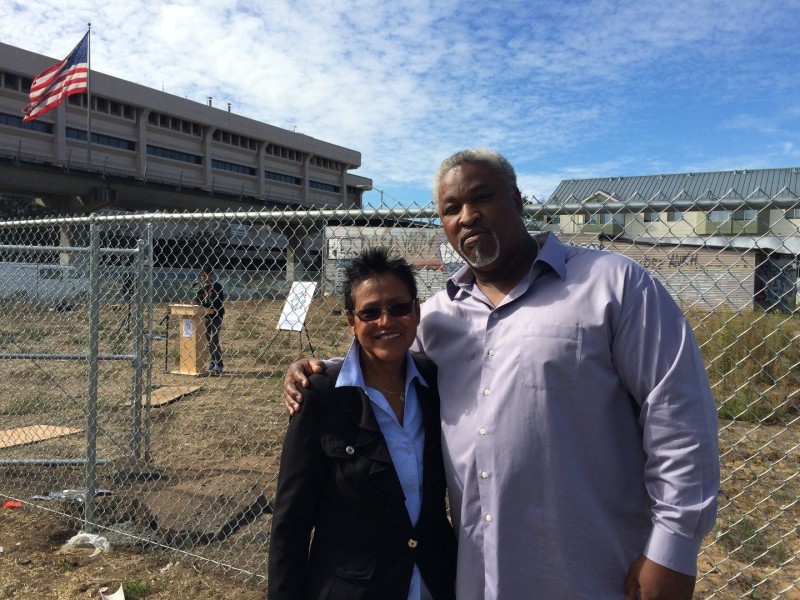
"caption": "Elaine Brown and Jerry Elster stand at the future site of an urban farm in West Oakland. (Mina Kim/KQED)",
"description": "Elaine Brown and Jerry Elster stand at the future site of an urban farm in West Oakland. (Mina Kim/KQED)",
"title": "RS12789_IMG_5629-qut",
"credit": null,
"status": "inherit",
"isLoading": false,
"fetchFailed": false
},
"news_144827": {
"type": "attachments",
"id": "news_144827",
"meta": {
"index": "attachments_1716263798",
"site": "news",
"id": "144827",
"found": true
},
"parent": 144826,
"imgSizes": {
"kqedFullSize": {
"file": "https://ww2.kqed.org/app/uploads/sites/10/2014/08/17964466_2f899cc88d_z.jpg",
"width": 640,
"height": 480
}
},
"publishDate": 1408062409,
"modified": 1408062409,
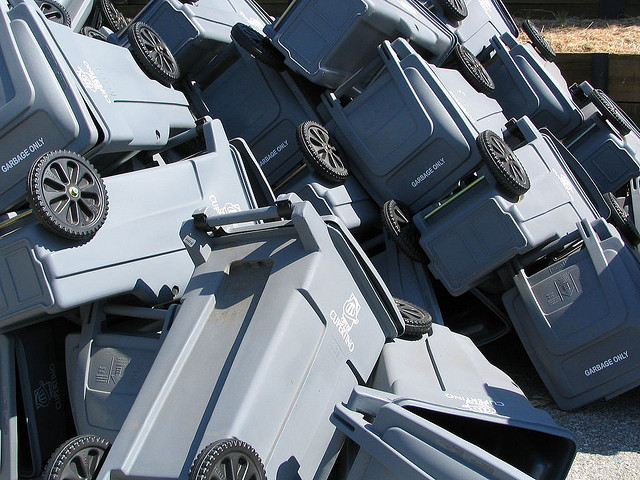
"caption": "Oakland residents can expect increases in their garbage rates, beginning next July. (Peter Kaminski/Flickr)",
"description": null,
"title": "17964466_2f899cc88d_z",
"credit": null,
"status": "inherit",
"isLoading": false,
"fetchFailed": false
},
"news_144600": {
"type": "attachments",
"id": "news_144600",
"meta": {
"index": "attachments_1716263798",
"site": "news",
"id": "144600",
"found": true
},
"parent": 144577,
"imgSizes": {
"kqedFullSize": {
"file": "https://ww2.kqed.org/app/uploads/sites/10/2014/08/129291830_1a5238edd7_o.jpg",
"width": 2048,
"height": 1536
}
},
"publishDate": 1407855579,
"modified": 1407855579,
"caption": "(Matt McGee/Flickr)",
"description": "Generic baseball image. (\u003ca href=\"https://www.flickr.com/photos/pleeker/\" target=\"_blank\">Matt McGee\u003c/a>/Flickr)",
"title": "Baseball",
"credit": null,
"status": "inherit",
"isLoading": false,
"fetchFailed": false
},
"news_142506": {
"type": "attachments",
"id": "news_142506",
"meta": {
"index": "attachments_1716263798",
"site": "news",
"id": "142506",
"found": true
},
"parent": 142505,
"imgSizes": {
"kqedFullSize": {
"file": "https://ww2.kqed.org/app/uploads/sites/10/2014/07/off-the-grid-oakland-640.jpg",
"width": 640,
"height": 360
}
},
"publishDate": 1406052297,
"modified": 1406052297,
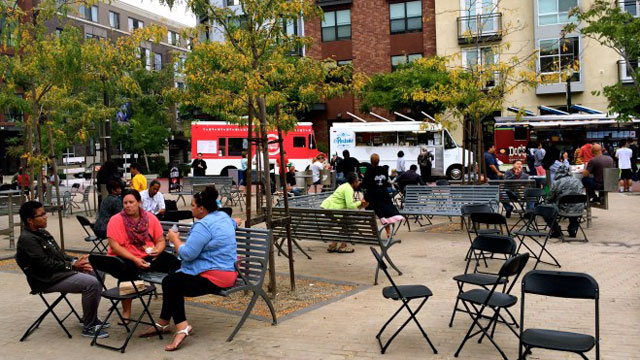
"caption": "Off the Grid organizers estimate that their first Uptown Oakland event on Monday evening brought out around 1,000 people. (Joanna Huang/Off the Grid)",
"description": null,
"title": "off-the-grid-oakland-640",
"credit": null,
"status": "inherit",
"isLoading": false,
"fetchFailed": false
},
"news_142052": {
"type": "attachments",
"id": "news_142052",
"meta": {
"index": "attachments_1716263798",
"site": "news",
"id": "142052",
"found": true
},
"parent": 142044,
"imgSizes": {
"kqedFullSize": {
"file": "https://ww2.kqed.org/app/uploads/sites/10/2014/07/sanleandrotech-1-of-1.jpg",
"width": 2131,
"height": 1650
}
},
"publishDate": 1405623474,
"modified": 1405623474,
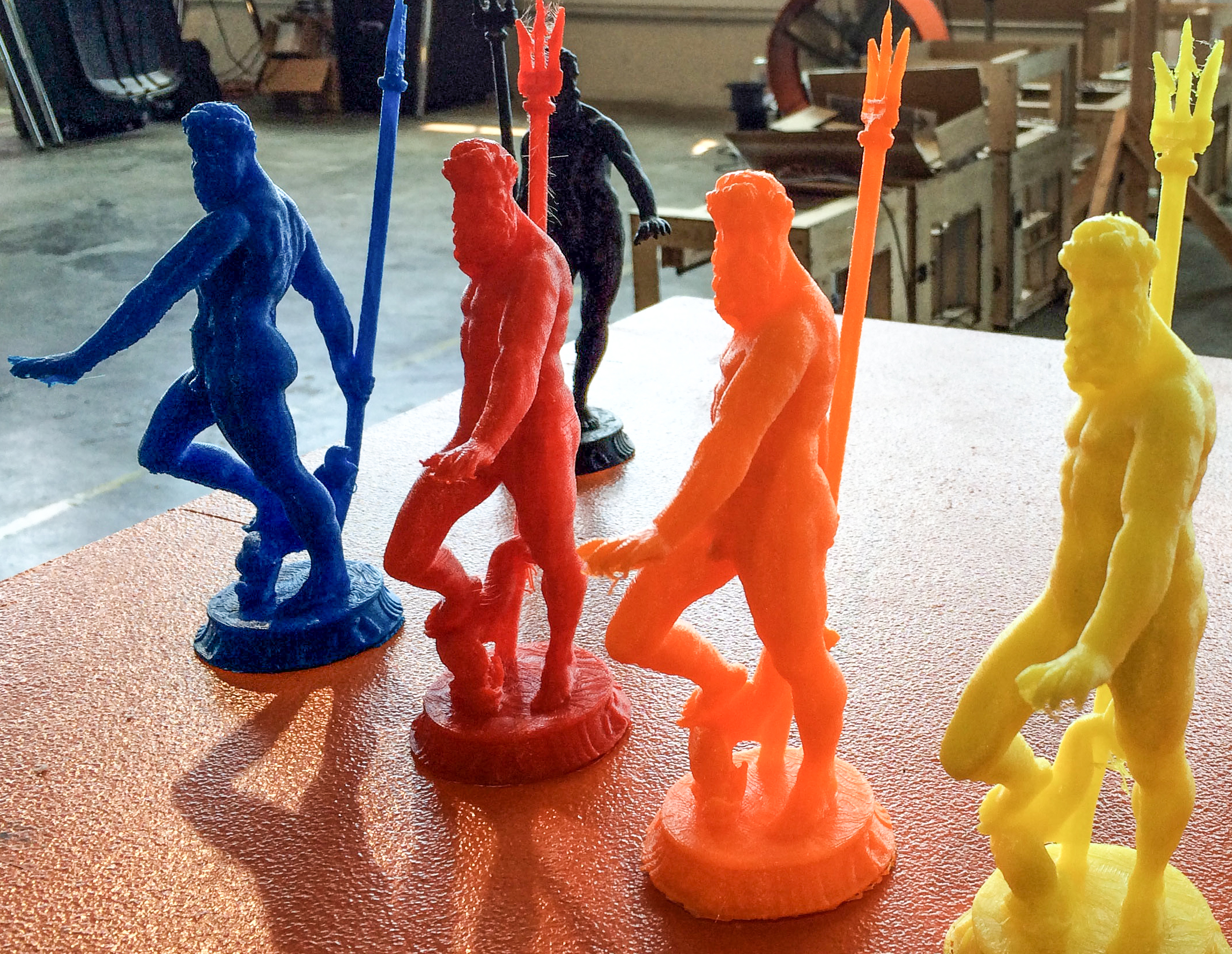
"caption": "Figurines of the god Neptune made in Type A Machines' production space in San Leandro. (Aaron Mendelson/KQED)",
"description": "Figurines of the god Neptune made in Type A Machines' production space in San Leandro. (Aaron Mendelson/KQED)",
"title": "San Leandro Tech-3D Printers",
"credit": null,
"status": "inherit",
"isLoading": false,
"fetchFailed": false
},
"news_141905": {
"type": "attachments",
"id": "news_141905",
"meta": {
"index": "attachments_1716263798",
"site": "news",
"id": "141905",
"found": true
},
"parent": 141894,
"imgSizes": {
"kqedFullSize": {
"file": "https://ww2.kqed.org/app/uploads/sites/10/2015/07/Impact-Hub-e1405463126937.jpg",
"width": 640,
"height": 480
}
},
"publishDate": 1405463105,
"modified": 1405463105,
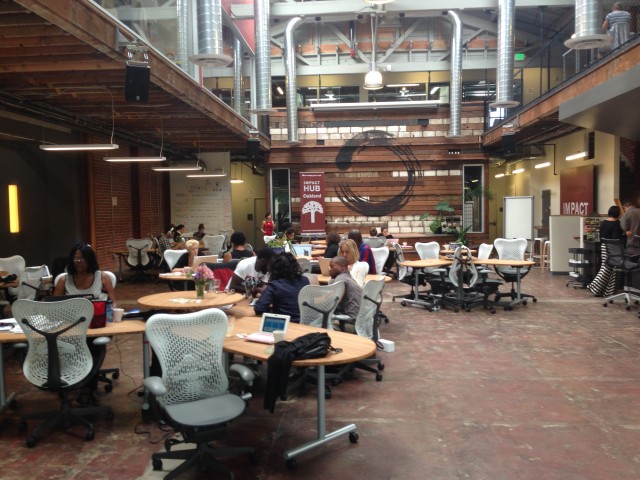
"caption": "Impact Hub Oakland, a new downtown tech-centric co-working and event space. (Sam Harnett/KQED)",
"description": "Impact Hub Oakland, a new downtown tech-centric co-working and event space. (Sam Harnett/KQED)",
"title": "Impact Hub",
"credit": null,
"status": "inherit",
"isLoading": false,
"fetchFailed": false
},
"news_141852": {
"type": "attachments",
"id": "news_141852",
"meta": {
"index": "attachments_1716263798",
"site": "news",
"id": "141852",
"found": true
},
"parent": 141740,
"imgSizes": {
"kqedFullSize": {
"file": "https://ww2.kqed.org/app/uploads/sites/10/2015/07/OaklandGentrification-e1405452226686.jpg",
"width": 640,
"height": 480
}
},
"publishDate": 1405452057,
"modified": 1405452057,
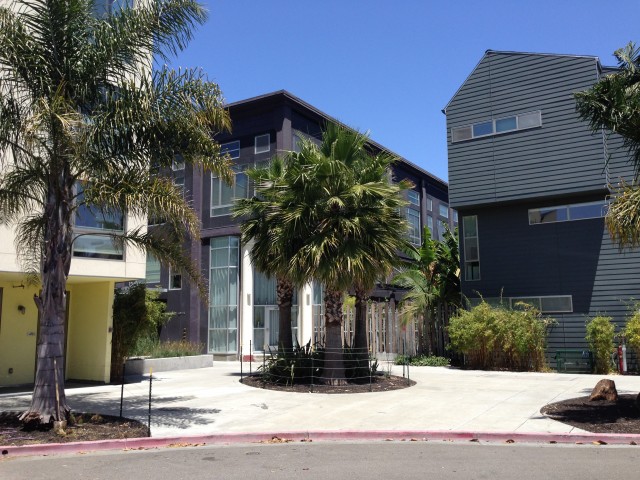
"caption": "Zephyr Gate, a new condo complex several blocks from the West Oakland BART station. (Sam Harnett/KQED)",
"description": null,
"title": "OaklandGentrification",
"credit": null,
"status": "inherit",
"isLoading": false,
"fetchFailed": false
},
"news_10341021": {
"type": "attachments",
"id": "news_10341021",
"meta": {
"index": "attachments_1716263798",
"site": "news",
"id": "10341021",
"found": true
},
"parent": 10141020,
"imgSizes": {
"thumbnail": {
"file": "https://ww2.kqed.org/app/uploads/sites/10/2014/09/TeacherTenureYR-400x225.jpg",
"width": 400,
"mimeType": "image/jpeg",
"height": 225
},
"kqedFullSize": {
"file": "https://ww2.kqed.org/app/uploads/sites/10/2014/09/TeacherTenureYR.jpg",
"width": 640,
"height": 360
},
"guest-author-96": {
"file": "https://ww2.kqed.org/app/uploads/sites/10/2014/09/TeacherTenureYR-96x96.jpg",
"width": 96,
"mimeType": "image/jpeg",
"height": 96
},
"guest-author-64": {
"file": "https://ww2.kqed.org/app/uploads/sites/10/2014/09/TeacherTenureYR-64x64.jpg",
"width": 64,
"mimeType": "image/jpeg",
"height": 64
},
"detail": {
"file": "https://ww2.kqed.org/app/uploads/sites/10/2014/09/TeacherTenureYR-75x75.jpg",
"width": 75,
"mimeType": "image/jpeg",
"height": 75
},
"guest-author-32": {
"file": "https://ww2.kqed.org/app/uploads/sites/10/2014/09/TeacherTenureYR-32x32.jpg",
"width": 32,
"mimeType": "image/jpeg",
"height": 32
},
"guest-author-128": {
"file": "https://ww2.kqed.org/app/uploads/sites/10/2014/09/TeacherTenureYR-128x128.jpg",
"width": 128,
"mimeType": "image/jpeg",
"height": 128
}
},
"publishDate": 1410536277,
"modified": 1410536277,
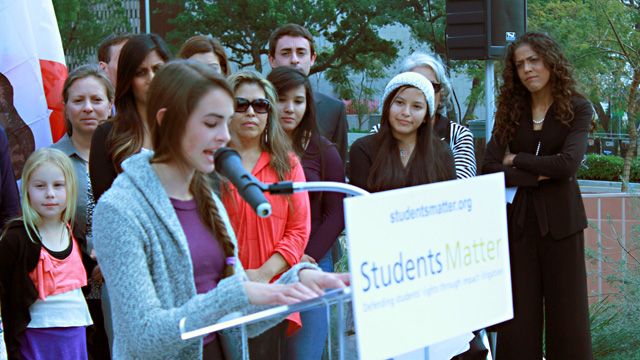
"caption": "High school senior Kate Elliot speaks on behalf of her fellow plaintiffs about how poor teachers hurt students. (Noah Nelson/Youth Radio)",
"description": null,
"title": "TeacherTenureYR",
"credit": null,
"status": "inherit",
"isLoading": false,
"fetchFailed": false
},
"news_109121": {
"type": "attachments",
"id": "news_109121",
"meta": {
"index": "attachments_1716263798",
"site": "news",
"id": "109121",
"found": true
},
"parent": 109110,
"imgSizes": {
"kqedFullSize": {
"file": "https://ww2.kqed.org/app/uploads/sites/10/2013/08/bike-share-1.jpg",
"width": 640,
"height": 449
}
},
"publishDate": 1377805480,
"modified": 1377805480,
"caption": null,
"description": null,
"title": "bike share (1)",
"credit": null,
"status": "inherit",
"isLoading": false,
"fetchFailed": false
},
"news_130746": {
"type": "attachments",
"id": "news_130746",
"meta": {
"index": "attachments_1716263798",
"site": "news",
"id": "130746",
"found": true
},
"parent": 130742,
"imgSizes": {
"kqedFullSize": {
"file": "https://ww2.kqed.org/app/uploads/sites/10/2014/03/salmon.jpg",
"width": 1280,
"height": 900
}
},
"publishDate": 1395965894,
"modified": 1395965894,
"caption": null,
"description": null,
"title": "salmon",
"credit": null,
"status": "inherit",
"isLoading": false,
"fetchFailed": false
},
"news_130082": {
"type": "attachments",
"id": "news_130082",
"meta": {
"index": "attachments_1716263798",
"site": "news",
"id": "130082",
"found": true
},
"parent": 130079,
"imgSizes": {
"kqedFullSize": {
"file": "https://ww2.kqed.org/app/uploads/sites/10/2014/03/Olsen.png",
"width": 845,
"height": 468
}
},
"publishDate": 1395429917,
"modified": 1395429917,
"caption": "Frame from video showing Occupy Oakland protester Scott Olsen immediately after a police projectile struck him in the head. ",
"description": "Frame from video showing Occupy Oakland protester Scott Olsen immediately after a police projectile struck him in the head. ",
"title": "Olsen-Occupy Oakland",
"credit": null,
"status": "inherit",
"isLoading": false,
"fetchFailed": false
},
"news_129833": {
"type": "attachments",
"id": "news_129833",
"meta": {
"index": "attachments_1716263798",
"site": "news",
"id": "129833",
"found": true
},
"parent": 129760,
"imgSizes": {
"kqedFullSize": {
"file": "https://ww2.kqed.org/app/uploads/sites/10/2014/03/JeanQuan.jpg",
"width": 640,
"height": 360
}
},
"publishDate": 1395184958,
"modified": 1395184958,
"caption": "Oakland mayor Jean Quan (Justin Sullivan/Getty Images)",
"description": "Oakland mayor Jean Quan (Justin Sullivan/Getty Images)",
"title": "JeanQuan",
"credit": null,
"status": "inherit",
"isLoading": false,
"fetchFailed": false
}
},
"audioPlayerReducer": {
"postId": "stream_live",
"isPaused": true,
"isPlaying": false,
"pfsActive": false,
"pledgeModalIsOpen": true,
"playerDrawerIsOpen": false,
"liveAudioPlayStartedAt": 0,
"liveAudioPlayContext": ""
},
"authorsReducer": {
"byline_news_10341020": {
"type": "authors",
"id": "byline_news_10341020",
"meta": {
"override": true
},
"slug": "byline_news_10341020",
"name": "Ike Sriskandarajah",
"isLoading": false
},
"astupi": {
"type": "authors",
"id": "70",
"meta": {
"index": "authors_1716337520",
"id": "70",
"found": true
},
"name": "Amanda Stupi",
"firstName": "Amanda",
"lastName": "Stupi",
"slug": "astupi",
"email": "astupi@kqed.org",
"display_author_email": false,
"staff_mastheads": [],
"title": "Senior Engagement Producer",
"bio": "Amanda joined KQED Science’s engagement team as a Senior Audience Engagement Strategist in the spring of 2019. She has helped craft messaging around wildfires, the coronavirus pandemic, climate change and many other stories. She has also brought KQED Science to new platforms such as Reddit’s Ask Me Anything series. Prior to joining KQED Science, Amanda spent seven years as an engagement producer with Forum, KQED’s daily live call-in show. She got her start in radio at KALW's weekly call in show, City Visions, before going on to an internship and stint at NPR's Talk of the Nation.\r\n\r\nPrior to journalism, Amanda taught English at Lowell High School. She's a native of Petaluma and currently lives under the \"South San Francisco the Industrial City\" sign in South City. She believes that engagement is vital to news’s future and that good journalism listens as much as it asks questions.",
"avatar": "https://secure.gravatar.com/avatar/e981c503e5c162da701dcaccfbf87e35?s=600&d=blank&r=g",
"twitter": null,
"facebook": null,
"instagram": null,
"linkedin": null,
"sites": [
{
"site": "arts",
"roles": [
"Contributor"
]
},
{
"site": "news",
"roles": [
"editor"
]
},
{
"site": "pop",
"roles": [
"contributor"
]
},
{
"site": "stateofhealth",
"roles": [
"editor"
]
},
{
"site": "science",
"roles": []
},
{
"site": "perspectives",
"roles": [
"editor"
]
}
],
"headData": {
"title": "Amanda Stupi | KQED",
"description": "Senior Engagement Producer",
"ogImgSrc": "https://secure.gravatar.com/avatar/e981c503e5c162da701dcaccfbf87e35?s=600&d=blank&r=g",
"twImgSrc": "https://secure.gravatar.com/avatar/e981c503e5c162da701dcaccfbf87e35?s=600&d=blank&r=g"
},
"isLoading": false,
"link": "/author/astupi"
},
"lisapickoffwhite-2": {
"type": "authors",
"id": "199",
"meta": {
"index": "authors_1716337520",
"id": "199",
"found": true
},
"name": "Lisa Pickoff-White",
"firstName": "Lisa",
"lastName": "Pickoff-White",
"slug": "lisapickoffwhite-2",
"email": "lpickoffwhite@kqed.org",
"display_author_email": false,
"staff_mastheads": [
"news"
],
"title": "Data Journalist, Senior Producer",
"bio": "Lisa Pickoff-White is KQED's data reporter. Lisa specializes in simplifying complex topics and bringing them to life through compelling visuals, including photography and data visualizations. She previously has worked at the Center for Investigative Reporting and other national outlets. Her work has been honored with awards from the Online News Association, Investigative Reporters and Editors, the Society of Professional Journalists and SXSW Interactive. \u003cstrong> \u003c/strong>",
"avatar": "https://secure.gravatar.com/avatar/5513c5f3967df792aa65bee2501e84d6?s=600&d=blank&r=g",
"twitter": "pickoffwhite",
"facebook": null,
"instagram": null,
"linkedin": null,
"sites": [
{
"site": "",
"roles": [
"editor"
]
},
{
"site": "arts",
"roles": []
},
{
"site": "news",
"roles": [
"administrator"
]
},
{
"site": "about",
"roles": [
"editor"
]
},
{
"site": "stateofhealth",
"roles": [
"administrator"
]
},
{
"site": "science",
"roles": [
"editor"
]
},
{
"site": "quest",
"roles": [
"editor"
]
},
{
"site": "forum",
"roles": [
"editor"
]
}
],
"headData": {
"title": "Lisa Pickoff-White | KQED",
"description": "Data Journalist, Senior Producer",
"ogImgSrc": "https://secure.gravatar.com/avatar/5513c5f3967df792aa65bee2501e84d6?s=600&d=blank&r=g",
"twImgSrc": "https://secure.gravatar.com/avatar/5513c5f3967df792aa65bee2501e84d6?s=600&d=blank&r=g"
},
"isLoading": false,
"link": "/author/lisapickoffwhite-2"
},
"bgoebel": {
"type": "authors",
"id": "214",
"meta": {
"index": "authors_1716337520",
"id": "214",
"found": true
},
"name": "Bryan Goebel",
"firstName": "Bryan",
"lastName": "Goebel",
"slug": "bgoebel",
"email": "bgoebel@kqed.org",
"display_author_email": false,
"staff_mastheads": [],
"title": null,
"bio": "Bryan Goebel is a reporter focused on transportation and housing issues. He was previously the editor of Streetsblog San Francisco, and an anchor/editor at KCBS Radio. He's a lifelong Californian and has also worked at radio stations in Barstow, Redding and Sacramento.",
"avatar": "https://secure.gravatar.com/avatar/7fdd6b065bfe9a23a71bcfa80848df88?s=600&d=blank&r=g",
"twitter": "velobry",
"facebook": null,
"instagram": null,
"linkedin": null,
"sites": [
{
"site": "news",
"roles": [
"subscriber"
]
},
{
"site": "stateofhealth",
"roles": [
"subscriber"
]
}
],
"headData": {
"title": "Bryan Goebel | KQED",
"description": null,
"ogImgSrc": "https://secure.gravatar.com/avatar/7fdd6b065bfe9a23a71bcfa80848df88?s=600&d=blank&r=g",
"twImgSrc": "https://secure.gravatar.com/avatar/7fdd6b065bfe9a23a71bcfa80848df88?s=600&d=blank&r=g"
},
"isLoading": false,
"link": "/author/bgoebel"
},
"danbrekke": {
"type": "authors",
"id": "222",
"meta": {
"index": "authors_1716337520",
"id": "222",
"found": true
},
"name": "Dan Brekke",
"firstName": "Dan",
"lastName": "Brekke",
"slug": "danbrekke",
"email": "dbrekke@kqed.org",
"display_author_email": true,
"staff_mastheads": [
"news",
"science"
],
"title": "KQED Editor and Reporter",
"bio": "Dan Brekke is a reporter and editor for KQED News, responsible for coverage of topics ranging from California water issues to the Bay Area's transportation challenges. In a newsroom career that began in Chicago in 1972, Dan has worked for \u003cem>The San Francisco Examiner,\u003c/em> Wired and TechTV and has been published in The New York Times, The New York Times Magazine, Business 2.0, Salon and elsewhere.\r\n\r\nSince joining KQED in 2007, Dan has reported, edited and produced both radio and online features and breaking news pieces. He has shared as both editor and reporter in four Society of Professional Journalists Norcal Excellence in Journalism awards and one Edward R. Murrow regional award. He was chosen for a spring 2017 residency at the Mesa Refuge to advance his research on California salmon.\r\n\r\nEmail Dan at: \u003ca href=\"mailto:dbrekke@kqed.org\">dbrekke@kqed.org\u003c/a>\r\n\r\n\u003cstrong>Twitter:\u003c/strong> \u003ca href=\"https://twitter.com/danbrekke\" rel=\"noopener noreferrer\">twitter.com/danbrekke\u003c/a>\r\n\u003cstrong>Facebook:\u003c/strong> \u003ca href=\"https://www.facebook.com/danbrekke\" rel=\"noopener noreferrer\">www.facebook.com/danbrekke\u003c/a>\r\n\u003cstrong>LinkedIn:\u003c/strong> \u003ca href=\"https://www.linkedin.com/in/danbrekke\" rel=\"noopener noreferrer\">www.linkedin.com/in/danbrekke\u003c/a>",
"avatar": "https://secure.gravatar.com/avatar/8f1f0d2a978fb3b23426c922c7e2af558fa36905b49c4ce76a97dc3c72d27226?s=600&d=mm&r=g",
"twitter": "danbrekke",
"bluesky": null,
"facebook": null,
"instagram": "https://www.instagram.com/dan.brekke/",
"linkedin": "https://www.linkedin.com/in/danbrekke/",
"sites": [
{
"site": "news",
"roles": [
"administrator",
"create_posts"
]
},
{
"site": "stateofhealth",
"roles": [
"editor"
]
},
{
"site": "science",
"roles": [
"editor"
]
},
{
"site": "quest",
"roles": [
"contributor"
]
},
{
"site": "food",
"roles": [
"contributor"
]
},
{
"site": "forum",
"roles": [
"contributor"
]
},
{
"site": "elections",
"roles": [
"editor"
]
},
{
"site": "liveblog",
"roles": [
"editor"
]
}
],
"headData": {
"title": "Dan Brekke | KQED",
"description": "KQED Editor and Reporter",
"ogImgSrc": "https://secure.gravatar.com/avatar/8f1f0d2a978fb3b23426c922c7e2af558fa36905b49c4ce76a97dc3c72d27226?s=600&d=mm&r=g",
"twImgSrc": "https://secure.gravatar.com/avatar/8f1f0d2a978fb3b23426c922c7e2af558fa36905b49c4ce76a97dc3c72d27226?s=600&d=mm&r=g"
},
"isLoading": false,
"link": "/author/danbrekke"
},
"katrinaschwartz": {
"type": "authors",
"id": "234",
"meta": {
"index": "authors_1716337520",
"id": "234",
"found": true
},
"name": "Katrina Schwartz",
"firstName": "Katrina",
"lastName": "Schwartz",
"slug": "katrinaschwartz",
"email": "kschwartz@kqed.org",
"display_author_email": false,
"staff_mastheads": [
"news"
],
"title": "Producer",
"bio": "Katrina Schwartz is a journalist based in San Francisco. She's worked at KPCC public radio in LA and has reported on air and online for KQED since 2010. She covered how teaching and learning is changing for MindShift between 2012 and 2020. She is the co-host of the MindShift podcast and now produces KQED's Bay Curious podcast.",
"avatar": "https://secure.gravatar.com/avatar/edb4ee79070447a018538c9aae6eeecf28786515b8a0c30e43b6b7dce5aa44c8?s=600&d=blank&r=g",
"twitter": "kschwart",
"bluesky": null,
"facebook": null,
"instagram": null,
"linkedin": null,
"sites": [
{
"site": "",
"roles": [
"editor"
]
},
{
"site": "news",
"roles": [
"editor"
]
},
{
"site": "mindshift",
"roles": [
"administrator"
]
},
{
"site": "stateofhealth",
"roles": [
"author"
]
},
{
"site": "science",
"roles": [
"editor"
]
}
],
"headData": {
"title": "Katrina Schwartz | KQED",
"description": "Producer",
"ogImgSrc": "https://secure.gravatar.com/avatar/edb4ee79070447a018538c9aae6eeecf28786515b8a0c30e43b6b7dce5aa44c8?s=600&d=blank&r=g",
"twImgSrc": "https://secure.gravatar.com/avatar/edb4ee79070447a018538c9aae6eeecf28786515b8a0c30e43b6b7dce5aa44c8?s=600&d=blank&r=g"
},
"isLoading": false,
"link": "/author/katrinaschwartz"
},
"kqed": {
"type": "authors",
"id": "236",
"meta": {
"index": "authors_1716337520",
"id": "236",
"found": true
},
"name": "KQED News Staff",
"firstName": "KQED News Staff",
"lastName": null,
"slug": "kqed",
"email": "faq@kqed.org",
"display_author_email": false,
"staff_mastheads": [],
"title": null,
"bio": null,
"avatar": "https://secure.gravatar.com/avatar/ef0e801a68c4c54afa9180db14084167?s=600&d=blank&r=g",
"twitter": null,
"facebook": null,
"instagram": null,
"linkedin": null,
"sites": [
{
"site": "arts",
"roles": [
"contributor"
]
},
{
"site": "news",
"roles": [
"editor"
]
},
{
"site": "futureofyou",
"roles": [
"author"
]
}
],
"headData": {
"title": "KQED News Staff | KQED",
"description": null,
"ogImgSrc": "https://secure.gravatar.com/avatar/ef0e801a68c4c54afa9180db14084167?s=600&d=blank&r=g",
"twImgSrc": "https://secure.gravatar.com/avatar/ef0e801a68c4c54afa9180db14084167?s=600&d=blank&r=g"
},
"isLoading": false,
"link": "/author/kqed"
},
"kqednewsstaffandwires": {
"type": "authors",
"id": "237",
"meta": {
"index": "authors_1716337520",
"id": "237",
"found": true
},
"name": "KQED News Staff and Wires",
"firstName": "KQED News Staff and Wires",
"lastName": null,
"slug": "kqednewsstaffandwires",
"email": "onlinenewsstaff@kqed.org",
"display_author_email": false,
"staff_mastheads": [],
"title": null,
"bio": null,
"avatar": "https://secure.gravatar.com/avatar/72295af8ebbfbd19a4948f5271285664?s=600&d=blank&r=g",
"twitter": null,
"facebook": null,
"instagram": null,
"linkedin": null,
"sites": [
{
"site": "arts",
"roles": [
"contributor"
]
},
{
"site": "news",
"roles": [
"contributor"
]
},
{
"site": "lowdown",
"roles": [
"author"
]
},
{
"site": "stateofhealth",
"roles": [
"contributor"
]
},
{
"site": "food",
"roles": [
"author"
]
}
],
"headData": {
"title": "KQED News Staff and Wires | KQED",
"description": null,
"ogImgSrc": "https://secure.gravatar.com/avatar/72295af8ebbfbd19a4948f5271285664?s=600&d=blank&r=g",
"twImgSrc": "https://secure.gravatar.com/avatar/72295af8ebbfbd19a4948f5271285664?s=600&d=blank&r=g"
},
"isLoading": false,
"link": "/author/kqednewsstaffandwires"
},
"minakim": {
"type": "authors",
"id": "243",
"meta": {
"index": "authors_1716337520",
"id": "243",
"found": true
},
"name": "Mina Kim",
"firstName": "Mina",
"lastName": "Kim",
"slug": "minakim",
"email": "mkim@kqed.org",
"display_author_email": false,
"staff_mastheads": [
"news"
],
"title": "Host, Forum",
"bio": "Mina Kim is host of the 10 a.m. statewide hour of Forum; a live daily talk show for curious Californians on issues that matter to the state and nation, with a particular emphasis on race and equity.\r\n\r\nBefore joining the Forum team, Mina was KQED’s evening news anchor, and health reporter for The California Report. Her award-winning work has included natural disasters in Napa and gun violence in Oakland. Mina grew up in St. John’s, Newfoundland.",
"avatar": "https://secure.gravatar.com/avatar/145ce657a2d08cb86d93686beb958982?s=600&d=blank&r=g",
"twitter": "mkimreporter",
"facebook": null,
"instagram": null,
"linkedin": null,
"sites": [
{
"site": "news",
"roles": [
"contributor"
]
},
{
"site": "stateofhealth",
"roles": [
"author"
]
},
{
"site": "forum",
"roles": [
"editor"
]
}
],
"headData": {
"title": "Mina Kim | KQED",
"description": "Host, Forum",
"ogImgSrc": "https://secure.gravatar.com/avatar/145ce657a2d08cb86d93686beb958982?s=600&d=blank&r=g",
"twImgSrc": "https://secure.gravatar.com/avatar/145ce657a2d08cb86d93686beb958982?s=600&d=blank&r=g"
},
"isLoading": false,
"link": "/author/minakim"
},
"ninathorsen": {
"type": "authors",
"id": "246",
"meta": {
"index": "authors_1716337520",
"id": "246",
"found": true
},
"name": "Nina Thorsen",
"firstName": "Nina",
"lastName": "Thorsen",
"slug": "ninathorsen",
"email": "nthorsen@kqed.org",
"display_author_email": false,
"staff_mastheads": [
"news"
],
"title": "Producer, Radio",
"bio": "\u003cspan style=\"color: #000000;\">Nina Thorsen is a KQED radio producer, and frequently reports on sports and culture. \u003c/span>\u003cspan style=\"color: #000000;\">She co-created and produced KQED's \u003cem>Pacific Time, \u003c/em> a weekly radio program on Asian and Asian American issues that aired from 2000 to 2007. Before coming to KQED, Thorsen was the deputy foreign editor for \u003cem>Marketplace, \u003c/em>and in her home state of Minnesota, worked for \u003cem>A Prairie Home Companion\u003c/em> and for Public Radio International. \u003c/span>",
"avatar": "https://secure.gravatar.com/avatar/e13dc7282cec33c15d973ebb56d57ead?s=600&d=blank&r=g",
"twitter": "NinaKQED",
"facebook": null,
"instagram": null,
"linkedin": null,
"sites": [
{
"site": "news",
"roles": [
"editor"
]
},
{
"site": "podcasts",
"roles": [
"editor"
]
}
],
"headData": {
"title": "Nina Thorsen | KQED",
"description": "Producer, Radio",
"ogImgSrc": "https://secure.gravatar.com/avatar/e13dc7282cec33c15d973ebb56d57ead?s=600&d=blank&r=g",
"twImgSrc": "https://secure.gravatar.com/avatar/e13dc7282cec33c15d973ebb56d57ead?s=600&d=blank&r=g"
},
"isLoading": false,
"link": "/author/ninathorsen"
},
"samharnett": {
"type": "authors",
"id": "253",
"meta": {
"index": "authors_1716337520",
"id": "253",
"found": true
},
"name": "Sam Harnett",
"firstName": "Sam",
"lastName": "Harnett",
"slug": "samharnett",
"email": "samharnett@gmail.com",
"display_author_email": false,
"staff_mastheads": [],
"title": "KQED Contributor",
"bio": "Sam Harnett covered tech and work at KQED. He is the co-creator of \u003cem>\u003ca href=\"http://www.theworldaccordingtosound.org\">The World According to Sound\u003c/a>,\u003c/em> a 90-second podcast that features different sounds and the stories behind them.\r\n\r\nBefore coming to KQED, Sam worked as an independent reporter who contributed regularly to \u003cem>The California Report, Marketplace,\u003c/em> \u003cem>The World \u003c/em>and NPR.",
"avatar": "https://secure.gravatar.com/avatar/2538b972ac02f2b9546c7a6c59a0f3d0?s=600&d=blank&r=g",
"twitter": "Samwharnett",
"facebook": null,
"instagram": null,
"linkedin": null,
"sites": [
{
"site": "news",
"roles": [
"edit_others_posts",
"subscriber"
]
},
{
"site": "stateofhealth",
"roles": [
"author"
]
},
{
"site": "science",
"roles": [
"editor"
]
},
{
"site": "quest",
"roles": [
"subscriber"
]
}
],
"headData": {
"title": "Sam Harnett | KQED",
"description": "KQED Contributor",
"ogImgSrc": "https://secure.gravatar.com/avatar/2538b972ac02f2b9546c7a6c59a0f3d0?s=600&d=blank&r=g",
"twImgSrc": "https://secure.gravatar.com/avatar/2538b972ac02f2b9546c7a6c59a0f3d0?s=600&d=blank&r=g"
},
"isLoading": false,
"link": "/author/samharnett"
}
},
"pagesReducer": {
"news_tag_education": {
"type": "terms",
"id": "news_20013",
"meta": {
"index": "terms_1716263798",
"site": "news",
"id": "20013",
"score": 6.970053
},
"featImg": null,
"name": "education",
"description": null,
"taxonomy": "tag",
"headData": {
"twImgId": null,
"twTitle": null,
"ogTitle": null,
"ogImgId": null,
"twDescription": null,
"description": null,
"title": "education Archives | KQED News",
"ogDescription": null
},
"ttid": 20030,
"slug": "education",
"isLoading": false,
"title": "education",
"pageMeta": {
"site": "news",
"WpPageTemplate": "page-topic-editorial",
"currentPage": 118
},
"blocks": [
{
"blockName": "kqed/post-list",
"attrs": {
"layout": "cardArticle2",
"query": "posts/news?tag=education",
"seeMore": false,
"paginated": true,
"page": 118
}
},
{
"blockName": "kqed/ad"
}
]
}
},
"pfsSessionReducer": {},
"postsReducer": {
"stream_live": {
"type": "live",
"id": "stream_live",
"audioUrl": "https://streams.kqed.org/kqedradio",
"title": "Live Stream",
"excerpt": "Live Stream information currently unavailable.",
"link": "/radio",
"featImg": "",
"label": {
"name": "KQED Live",
"link": "/"
}
},
"stream_kqedNewscast": {
"type": "posts",
"id": "stream_kqedNewscast",
"audioUrl": "https://www.kqed.org/.stream/anon/radio/RDnews/newscast.mp3?_=1",
"title": "KQED Newscast",
"featImg": "",
"label": {
"name": "88.5 FM",
"link": "/"
}
},
"news_10345664": {
"type": "posts",
"id": "news_10345664",
"meta": {
"index": "posts_1716263798",
"site": "news",
"id": "10345664",
"score": null,
"sort": [
1414599088000
]
},
"guestAuthors": [],
"slug": "an-activists-plan-for-developing-lives-as-well-as-property-in-oakland",
"title": "An Activist's Vision for Developing Lives, as Well as Property, in Oakland",
"publishDate": 1414599088,
"format": "standard",
"headTitle": "An Activist’s Vision for Developing Lives, as Well as Property, in Oakland | KQED",
"labelTerm": {
"term": 6944,
"site": "news"
},
"content": "\u003cp>[soundcloud url=”https://api.soundcloud.com/tracks/174155921″ params=”color=ff5500&inverse=false&auto_play=false&show_user=true” width=”100%” height=”20″ iframe=”true” /]\u003c/p>\n\u003cp>Pull up to the corner of Seventh and Campbell streets in West Oakland and you’ll find a vacant lot, overgrown with weeds and strewn with trash, broken glass, empty spray-paint cans, a tire. Graffiti covers the fences and walls that border the lot, and every few minutes, a BART train rumbles overhead.\u003c/p>\n\u003cp>But Elaine Brown sees something else, including an urban farm and a high-rise housing development employing the formerly incarcerated.\u003c/p>\n\u003cp>Brown, head of the nonprofit organization \u003ca href=\"http://www.oaklandandtheworld.com/\" target=\"_blank\">Oakland & The World Enterprises\u003c/a>, and Alameda County Supervisor Keith Carson have entered into a license agreement with the city of Oakland to develop the lot into an urban farm, owned and operated by by the former inmates. Oakland Mayor Jean Quan helped them acquire the vacant lot. To realize their full vision for its development, they still need millions of dollars.\u003c/p>\n\u003caside class=\"pullquote alignleft\">‘It is creating a model so that people can say: Maybe I should hire these people.’\u003c/aside>\n\u003cp>But first, they’re going to clean up the lot and start on the farm, which will be owned and operated by former prisoners and other people who have trouble finding jobs. The group is still raising the funds to build affordable housing on the lot, but Brown is optimistic.\u003c/p>\n\u003cp>[ad fullwidth]\u003c/p>\n\u003cp>“We’re giving ourselves a year, the building will cost, you know, it will cost a lot of money. But we believe we can find the commitment,” Brown said.\u003c/p>\n\u003cp>Quan says that the group will be eligible to apply for affordable housing funds and possibly cap-and-trade funding.\u003c/p>\n\u003cp>This isn’t the first time that Brown, 71, has led young people and former inmates toward self-sufficiency. She led the Black Panther Party from 1974 to 1977.\u003c/p>\n\u003cp>She says that many current training and re-entry programs don’t work because so few people will hire the formerly incarcerated.\u003c/p>\n\u003cp>“This is not a panacea, we know that, it isn’t even approaching one. But it is creating a model so that people can say: Maybe I should hire these people,” she said. “People are going to come out and have nothing to do. Some people are getting ready to go in because they have nothing to do and have no money, and they will try to hit somebody in the head for $20. And if you get $200 coming out of the joint and you hit the street running and you don’t have any family, you’re going to do desperate things to keep alive. So, it’s in the interest of all of us, it makes sense, to create opportunity.”\u003c/p>\n\u003cp>Project board member Jerry Elster, a program coordinator for the American Friends Service Committee, says he faced housing and employment barriers after serving nearly 26 years for a gang-related murder. He’s been waiting for a project like this.\u003c/p>\n\u003cp>\u003c/p>\n\u003cp>“The possibility of actually becoming a vested interest in your community, to own property, to be a taxpayer citizen and to have those same doors that was closed to you opened up—people are excited,” Elster says.\u003c/p>\n\n",
"blocks": [],
"excerpt": "Project aims to create urban farm and housing -- owned and operated by former prison inmates.",
"status": "publish",
"parent": 0,
"modified": 1738782820,
"stats": {
"hasAudio": false,
"hasVideo": false,
"hasChartOrMap": false,
"iframeSrcs": [],
"hasGoogleForm": false,
"hasGallery": false,
"hasHearkenModule": false,
"hasPolis": false,
"paragraphCount": 14,
"wordCount": 567
},
"headData": {
"title": "An Activist's Vision for Developing Lives, as Well as Property, in Oakland | KQED",
"description": "Project aims to create urban farm and housing -- owned and operated by former prison inmates.",
"ogTitle": "",
"ogDescription": "",
"ogImgId": "",
"twTitle": "",
"twDescription": "",
"twImgId": "",
"schema": {
"@context": "https://schema.org",
"@type": "NewsArticle",
"headline": "An Activist's Vision for Developing Lives, as Well as Property, in Oakland",
"datePublished": "2014-10-29T09:11:28-07:00",
"dateModified": "2025-02-05T11:13:40-08:00",
"image": "https://cdn.kqed.org/wp-content/uploads/2020/02/KQED-OG-Image@1x.png",
"isAccessibleForFree": "True",
"publisher": {
"@type": "NewsMediaOrganization",
"@id": "https://www.kqed.org/#organization",
"name": "KQED",
"logo": "https://cdn.kqed.org/wp-content/uploads/2020/02/KQED-OG-Image@1x.png",
"url": "https://www.kqed.org",
"sameAs": [
"https://www.facebook.com/KQED",
"https://twitter.com/KQED",
"https://www.instagram.com/kqed/",
"https://www.tiktok.com/@kqedofficial",
"https://www.linkedin.com/company/kqed",
"https://www.youtube.com/channel/UCeC0IOo7i1P_61zVUWbJ4nw"
]
}
}
},
"sticky": false,
"path": "/news/10345664/an-activists-plan-for-developing-lives-as-well-as-property-in-oakland",
"audioTrackLength": null,
"parsedContent": [
{
"type": "contentString",
"content": "\u003cdiv class=\"post-body\">\u003cp>\u003cp>\u003c/p>\u003cp>\u003cdiv class='utils-parseShortcode-shortcodes-__shortcodes__shortcodeWrapper'>\n \u003ciframe width='”100%”' height='”20″'\n scrolling='no' frameborder='no'\n src='https://w.soundcloud.com/player/?url=”https://api.soundcloud.com/tracks/174155921″&visual=true&”color=ff5500&inverse=false&auto_play=false&show_user=true”'\n title='”https://api.soundcloud.com/tracks/174155921″'>\n \u003c/iframe>\n \u003c/div>\u003c/p>\u003cp>\u003c/p>\n\u003cp>Pull up to the corner of Seventh and Campbell streets in West Oakland and you’ll find a vacant lot, overgrown with weeds and strewn with trash, broken glass, empty spray-paint cans, a tire. Graffiti covers the fences and walls that border the lot, and every few minutes, a BART train rumbles overhead.\u003c/p>\n\u003cp>But Elaine Brown sees something else, including an urban farm and a high-rise housing development employing the formerly incarcerated.\u003c/p>\n\u003cp>Brown, head of the nonprofit organization \u003ca href=\"http://www.oaklandandtheworld.com/\" target=\"_blank\">Oakland & The World Enterprises\u003c/a>, and Alameda County Supervisor Keith Carson have entered into a license agreement with the city of Oakland to develop the lot into an urban farm, owned and operated by by the former inmates. Oakland Mayor Jean Quan helped them acquire the vacant lot. To realize their full vision for its development, they still need millions of dollars.\u003c/p>\n\u003caside class=\"pullquote alignleft\">‘It is creating a model so that people can say: Maybe I should hire these people.’\u003c/aside>\n\u003cp>But first, they’re going to clean up the lot and start on the farm, which will be owned and operated by former prisoners and other people who have trouble finding jobs. The group is still raising the funds to build affordable housing on the lot, but Brown is optimistic.\u003c/p>\n\u003cp>\u003c/p>\u003c/div>",
"attributes": {
"named": {},
"numeric": []
}
},
{
"type": "component",
"content": "",
"name": "ad",
"attributes": {
"named": {
"label": "fullwidth"
},
"numeric": [
"fullwidth"
]
}
},
{
"type": "contentString",
"content": "\u003cdiv class=\"post-body\">\u003cp>\u003c/p>\n\u003cp>“We’re giving ourselves a year, the building will cost, you know, it will cost a lot of money. But we believe we can find the commitment,” Brown said.\u003c/p>\n\u003cp>Quan says that the group will be eligible to apply for affordable housing funds and possibly cap-and-trade funding.\u003c/p>\n\u003cp>This isn’t the first time that Brown, 71, has led young people and former inmates toward self-sufficiency. She led the Black Panther Party from 1974 to 1977.\u003c/p>\n\u003cp>She says that many current training and re-entry programs don’t work because so few people will hire the formerly incarcerated.\u003c/p>\n\u003cp>“This is not a panacea, we know that, it isn’t even approaching one. But it is creating a model so that people can say: Maybe I should hire these people,” she said. “People are going to come out and have nothing to do. Some people are getting ready to go in because they have nothing to do and have no money, and they will try to hit somebody in the head for $20. And if you get $200 coming out of the joint and you hit the street running and you don’t have any family, you’re going to do desperate things to keep alive. So, it’s in the interest of all of us, it makes sense, to create opportunity.”\u003c/p>\n\u003cp>Project board member Jerry Elster, a program coordinator for the American Friends Service Committee, says he faced housing and employment barriers after serving nearly 26 years for a gang-related murder. He’s been waiting for a project like this.\u003c/p>\n\u003cp>\u003c/p>\n\u003cp>“The possibility of actually becoming a vested interest in your community, to own property, to be a taxpayer citizen and to have those same doors that was closed to you opened up—people are excited,” Elster says.\u003c/p>\n\n\u003c/div>\u003c/p>",
"attributes": {
"named": {},
"numeric": []
}
}
],
"link": "/news/10345664/an-activists-plan-for-developing-lives-as-well-as-property-in-oakland",
"authors": [
"243",
"199"
],
"programs": [
"news_6944"
],
"categories": [
"news_18540",
"news_6266",
"news_6188"
],
"tags": [
"news_20013",
"news_1471"
],
"featImg": "news_10345671",
"label": "news_6944"
},
"news_144826": {
"type": "posts",
"id": "news_144826",
"meta": {
"index": "posts_1716263798",
"site": "news",
"id": "144826",
"score": null,
"sort": [
1408114828000
]
},
"guestAuthors": [],
"slug": "10-things-you-need-to-know-about-oaklands-garbage-rate-increase",
"title": "10 Things You Need to Know About Oakland’s Garbage Rate Increase",
"publishDate": 1408114828,
"format": "aside",
"headTitle": "10 Things You Need to Know About Oakland’s Garbage Rate Increase | KQED",
"labelTerm": {
"term": 6944,
"site": "news"
},
"content": "\u003cp>By \u003ca href=\"http://oaklandlocal.com/author/jeanhlee/\">Jean Lee\u003c/a>\u003cbr>\n\u003ca href=\"http://oaklandlocal.com/\">Oakland Local\u003c/a>\u003c/p>\n\u003cfigure id=\"attachment_144827\" class=\"wp-caption alignnone\" style=\"max-width: 640px\">\u003ca href=\"http://ww2.kqed.org/news/wp-content/uploads/sites/10/2014/08/17964466_2f899cc88d_z.jpg\">\u003cimg loading=\"lazy\" decoding=\"async\" class=\"size-full wp-image-144827\" src=\"http://ww2.kqed.org/news/wp-content/uploads/sites/10/2014/08/17964466_2f899cc88d_z.jpg\" alt=\"Oakland residents can expect increases in their garbage rates, beginning next July. (Peter Kaminski/Flickr)\" width=\"640\" height=\"480\">\u003c/a>\u003cfigcaption class=\"wp-caption-text\">Oakland residents can expect increases in their garbage rates when a new contract takes effect next July. (Peter Kaminski/Flickr)\u003c/figcaption>\u003c/figure>\n\u003cp style=\"color: #444444\">Currently, Oakland residents pay their garbage bills through \u003ca href=\"https://www.wm.com/facility.jsp?zip=94611\">Waste Management\u003c/a> of Alameda County: $29.80 a month for single-family homes and $474.20 for 20-unit buildings. The City Council voted Wednesday night to award a new garbage contract to \u003ca href=\"http://www.calwaste.com/\">California Waste Solutions\u003c/a>, and Oakland residents can expect their garbage bills to increase by next year. Here are 10 things you should know about the situation.\u003c/p>\n\u003col style=\"color: #444444\">\n\u003cli style=\"font-weight: inherit;font-style: inherit\"> The City Council has spent three years and $1 million in consulting fees to decide on a new garbage contract. Despite the city’s efforts to attract competitive bids, only two bidders went for the contract: California Waste Solutions and Waste Management.\u003c/li>\n\u003cli style=\"font-weight: inherit;font-style: inherit\">Both CWS and Waste Management currently serve Oakland. Waste Management collects the city’s trash and residential compost, along with handling residential recycling in East Oakland. They also run a transfer station for waste processing and an East Bay landfill. CWS is currently in charge of residential recycling for around half of the city, but does not have a facility to sort trash yet.\u003c/li>\n\u003cli style=\"font-weight: inherit;font-style: inherit\">CWS proposed a 10-year plan in which single-family rates would increase 24 percent to $36.82 per month, and the rates on 20-unit buildings would increase 15 percent to $546.97 per month. Waste Management proposed four rate tables, and city staff initially urged the council to go through with a Waste Management proposal that would have increased rates by 50 percent. However, the company reduced its price, and Waste Management staff recommended their rate option C, which is only $1.89 more than the CWS proposal.\u003c/li>\n\u003cli style=\"font-weight: inherit;font-style: inherit\">Although the CWS proposal is cheaper, the 10-year contract does allow rate increases that may be higher than anticipated from 2016 through 2019. Also, some critics say that since the company doesn’t have as much experience as Waste Management, it may not be able to get the resources in time to do the job when the contract begins, in addition to the potential for the company to request expenses and rate hikes in the future.\u003c/li>\n\u003cli style=\"font-weight: inherit;font-style: inherit\">CWS is based in West Oakland, whereas Waste Management is based in Houston.\u003c/li>\n\u003cli style=\"font-weight: inherit;font-style: inherit\">The rate increases include services like curbside bulky pickup, which gives tenants in multi-family homes a way to get rid of bulky pieces like furniture and mattresses instead of illegally dumping them.\u003c/li>\n\u003cli style=\"font-weight: inherit;font-style: inherit\">Waste Management has held a garbage contract with the city for over a century. CWS started collecting a share of the city’s recycling more than 10 years ago, and has never had a residential garbage contract before.\u003c/li>\n\u003cli style=\"font-weight: inherit;font-style: inherit\">California Waste Solutions has agreed to partner with \u003ca href=\"http://www.cvcorps.org/\">Civicorps\u003c/a> a nonprofit that runs organics collection services and trains and employs Oakland high school dropouts.\u003c/li>\n\u003cli style=\"font-weight: inherit;font-style: inherit\">Many think it’s time for a rate increase. It has been 15 years since the last garbage rate hike in Oakland.\u003c/li>\n\u003cli style=\"font-weight: inherit;font-style: inherit\">The city’s current garbage contract expires June 2015. The new contract will go into effect July 2015.\u003c/li>\n\u003c/ol>\n\u003cp>[ad fullwidth]\u003c/p>\u003cp>\u003c/p>\n",
"blocks": [],
"excerpt": "When new contract takes effect next July, residents will see increases of up to 24 percent. ",
"status": "publish",
"parent": 0,
"modified": 1721150190,
"stats": {
"hasAudio": false,
"hasVideo": false,
"hasChartOrMap": false,
"iframeSrcs": [],
"hasGoogleForm": false,
"hasGallery": false,
"hasHearkenModule": false,
"hasPolis": false,
"paragraphCount": 3,
"wordCount": 525
},
"headData": {
"title": "10 Things You Need to Know About Oakland’s Garbage Rate Increase | KQED",
"description": "When new contract takes effect next July, residents will see increases of up to 24 percent. ",
"ogTitle": "",
"ogDescription": "",
"ogImgId": "",
"twTitle": "",
"twDescription": "",
"twImgId": "",
"schema": {
"@context": "https://schema.org",
"@type": "NewsArticle",
"headline": "10 Things You Need to Know About Oakland’s Garbage Rate Increase",
"datePublished": "2014-08-15T08:00:28-07:00",
"dateModified": "2024-07-16T10:16:30-07:00",
"image": "https://cdn.kqed.org/wp-content/uploads/2020/02/KQED-OG-Image@1x.png",
"isAccessibleForFree": "True",
"publisher": {
"@type": "NewsMediaOrganization",
"@id": "https://www.kqed.org/#organization",
"name": "KQED",
"logo": "https://cdn.kqed.org/wp-content/uploads/2020/02/KQED-OG-Image@1x.png",
"url": "https://www.kqed.org",
"sameAs": [
"https://www.facebook.com/KQED",
"https://twitter.com/KQED",
"https://www.instagram.com/kqed/",
"https://www.tiktok.com/@kqedofficial",
"https://www.linkedin.com/company/kqed",
"https://www.youtube.com/channel/UCeC0IOo7i1P_61zVUWbJ4nw"
]
}
}
},
"sticky": false,
"customPermalink": "2014/08/15/oakland-garbage-rate-increase/",
"path": "/news/144826/10-things-you-need-to-know-about-oaklands-garbage-rate-increase",
"audioTrackLength": null,
"parsedContent": [
{
"type": "contentString",
"content": "\u003cdiv class=\"post-body\">\u003cp>\u003cp>By \u003ca href=\"http://oaklandlocal.com/author/jeanhlee/\">Jean Lee\u003c/a>\u003cbr>\n\u003ca href=\"http://oaklandlocal.com/\">Oakland Local\u003c/a>\u003c/p>\n\u003cfigure id=\"attachment_144827\" class=\"wp-caption alignnone\" style=\"max-width: 640px\">\u003ca href=\"http://ww2.kqed.org/news/wp-content/uploads/sites/10/2014/08/17964466_2f899cc88d_z.jpg\">\u003cimg loading=\"lazy\" decoding=\"async\" class=\"size-full wp-image-144827\" src=\"http://ww2.kqed.org/news/wp-content/uploads/sites/10/2014/08/17964466_2f899cc88d_z.jpg\" alt=\"Oakland residents can expect increases in their garbage rates, beginning next July. (Peter Kaminski/Flickr)\" width=\"640\" height=\"480\">\u003c/a>\u003cfigcaption class=\"wp-caption-text\">Oakland residents can expect increases in their garbage rates when a new contract takes effect next July. (Peter Kaminski/Flickr)\u003c/figcaption>\u003c/figure>\n\u003cp style=\"color: #444444\">Currently, Oakland residents pay their garbage bills through \u003ca href=\"https://www.wm.com/facility.jsp?zip=94611\">Waste Management\u003c/a> of Alameda County: $29.80 a month for single-family homes and $474.20 for 20-unit buildings. The City Council voted Wednesday night to award a new garbage contract to \u003ca href=\"http://www.calwaste.com/\">California Waste Solutions\u003c/a>, and Oakland residents can expect their garbage bills to increase by next year. Here are 10 things you should know about the situation.\u003c/p>\n\u003col style=\"color: #444444\">\n\u003cli style=\"font-weight: inherit;font-style: inherit\"> The City Council has spent three years and $1 million in consulting fees to decide on a new garbage contract. Despite the city’s efforts to attract competitive bids, only two bidders went for the contract: California Waste Solutions and Waste Management.\u003c/li>\n\u003cli style=\"font-weight: inherit;font-style: inherit\">Both CWS and Waste Management currently serve Oakland. Waste Management collects the city’s trash and residential compost, along with handling residential recycling in East Oakland. They also run a transfer station for waste processing and an East Bay landfill. CWS is currently in charge of residential recycling for around half of the city, but does not have a facility to sort trash yet.\u003c/li>\n\u003cli style=\"font-weight: inherit;font-style: inherit\">CWS proposed a 10-year plan in which single-family rates would increase 24 percent to $36.82 per month, and the rates on 20-unit buildings would increase 15 percent to $546.97 per month. Waste Management proposed four rate tables, and city staff initially urged the council to go through with a Waste Management proposal that would have increased rates by 50 percent. However, the company reduced its price, and Waste Management staff recommended their rate option C, which is only $1.89 more than the CWS proposal.\u003c/li>\n\u003cli style=\"font-weight: inherit;font-style: inherit\">Although the CWS proposal is cheaper, the 10-year contract does allow rate increases that may be higher than anticipated from 2016 through 2019. Also, some critics say that since the company doesn’t have as much experience as Waste Management, it may not be able to get the resources in time to do the job when the contract begins, in addition to the potential for the company to request expenses and rate hikes in the future.\u003c/li>\n\u003cli style=\"font-weight: inherit;font-style: inherit\">CWS is based in West Oakland, whereas Waste Management is based in Houston.\u003c/li>\n\u003cli style=\"font-weight: inherit;font-style: inherit\">The rate increases include services like curbside bulky pickup, which gives tenants in multi-family homes a way to get rid of bulky pieces like furniture and mattresses instead of illegally dumping them.\u003c/li>\n\u003cli style=\"font-weight: inherit;font-style: inherit\">Waste Management has held a garbage contract with the city for over a century. CWS started collecting a share of the city’s recycling more than 10 years ago, and has never had a residential garbage contract before.\u003c/li>\n\u003cli style=\"font-weight: inherit;font-style: inherit\">California Waste Solutions has agreed to partner with \u003ca href=\"http://www.cvcorps.org/\">Civicorps\u003c/a> a nonprofit that runs organics collection services and trains and employs Oakland high school dropouts.\u003c/li>\n\u003cli style=\"font-weight: inherit;font-style: inherit\">Many think it’s time for a rate increase. It has been 15 years since the last garbage rate hike in Oakland.\u003c/li>\n\u003cli style=\"font-weight: inherit;font-style: inherit\">The city’s current garbage contract expires June 2015. The new contract will go into effect July 2015.\u003c/li>\n\u003c/ol>\n\u003cp>\u003c/p>\u003c/div>",
"attributes": {
"named": {},
"numeric": []
}
},
{
"type": "component",
"content": "",
"name": "ad",
"attributes": {
"named": {
"label": "fullwidth"
},
"numeric": [
"fullwidth"
]
}
},
{
"type": "contentString",
"content": "\u003cdiv class=\"post-body\">\u003cp>\u003c/p>\u003cp>\u003c/p>\n\u003c/div>\u003c/p>",
"attributes": {
"named": {},
"numeric": []
}
}
],
"link": "/news/144826/10-things-you-need-to-know-about-oaklands-garbage-rate-increase",
"authors": [
"237"
],
"programs": [
"news_6944"
],
"categories": [
"news_8"
],
"tags": [
"news_20013",
"news_20023",
"news_4265"
],
"affiliates": [
"news_1983"
],
"featImg": "news_144827",
"label": "news_6944"
},
"news_144577": {
"type": "posts",
"id": "news_144577",
"meta": {
"index": "posts_1716263798",
"site": "news",
"id": "144577",
"score": null,
"sort": [
1407856195000
]
},
"guestAuthors": [],
"slug": "san-joses-case-against-major-league-baseball-gets-another-day-in-court",
"title": "San Jose's Case Against Major League Baseball Gets Another Day in Court",
"publishDate": 1407856195,
"format": "aside",
"headTitle": "San Jose’s Case Against Major League Baseball Gets Another Day in Court | KQED",
"labelTerm": {
"term": 6944,
"site": "news"
},
"content": "\u003cfigure id=\"attachment_144600\" class=\"wp-caption alignright\" style=\"max-width: 320px\">\u003ca href=\"http://ww2.kqed.org/news/wp-content/uploads/sites/10/2014/08/129291830_1a5238edd7_o.jpg\">\u003cimg loading=\"lazy\" decoding=\"async\" class=\"size-medium wp-image-144600\" src=\"http://ww2.kqed.org/news/wp-content/uploads/sites/10/2014/08/129291830_1a5238edd7_o-640x480.jpg\" alt=\"(Matt McGee/Flickr)\" width=\"320\" height=\"240\">\u003c/a>\u003cfigcaption class=\"wp-caption-text\">(Matt McGee/Flickr)\u003c/figcaption>\u003c/figure>\n\u003cp>The 9th U.S. Circuit Court of Appeals is hearing arguments Tuesday on \u003ca href=\"http://www.ca9.uscourts.gov/content/view.php?pk_id=0000000720\" target=\"_blank\" rel=\"noopener\">City of San Jose v. Commissioner of Baseball\u003c/a> — or rather, on a key part of the city’s case that focuses on Major League Baseball’s exemption from federal antitrust law.\u003c/p>\n\u003cp>San Jose officials filed the suit last year in an attempt to force major league owners to let the Oakland A’s relocate to the South Bay. That move has been blocked for five years by the San Francisco Giants, the franchise that holds baseball’s territorial rights to San Jose and the rest of Santa Clara County.\u003c/p>\n\u003cp>Today’s action is an appeal of a lower court’s \u003ca href=\"http://www.mercurynews.com/ci_24290747/judge-dismisses-san-jose-antitrust-claims-against-mlb\" target=\"_blank\" rel=\"noopener\">dismissal of most of San Jose’s case\u003c/a>. A three-judge panel will hear about 20 minutes of oral argument from each side. The judges aren’t expected to issue a ruling until sometime this fall, and either side might appeal their decision to the U.S. Supreme Court. Tuesday’s proceedings will be streamed live \u003ca href=\"http://www.ca9.uscourts.gov/media/view_video.php?pk_vid=0000006503\" target=\"_blank\" rel=\"noopener\">here\u003c/a>.\u003c/p>\n\u003cp>In advance of the hearing, I spoke with Nathaniel Grow, a law professor at the University of Georgia who specializes in sports law and has written \u003ca href=\"http://www.press.uillinois.edu/books/catalog/56snn7zy9780252038198.html\" target=\"_blank\" rel=\"noopener\">a book\u003c/a> on the \u003ca href=\"http://supreme.justia.com/cases/federal/us/259/200/case.html\" target=\"_blank\" rel=\"noopener\">1922 Supreme Court ruling\u003c/a> that has protected the major leagues from antitrust actions in the past. Grow says the law is not on San Jose’s side.\u003c/p>\n\u003cp>“You’ve got not only three Supreme Court decisions that are binding precedents, but the 9th Circuit has their own binding precedent from the 1970s, saying that this very same issue, relocation of franchises, is covered by baseball’s antitrust exemption. San Jose has to get out of that and come up with some way to convince the judges on the 9th Circuit to ignore all that and rule in their favor. Whereas Major League Baseball’s case is much cleaner. All they have to do is say, ‘Look, this is what the law is, this is how it applies’ — there really isn’t a lot of discretion for the appellate court to exercise its judgment here.”\u003c/p>\n\u003cp>[ad fullwidth]\u003c/p>\n\u003cp>Grow says the last time that Major League Baseball’s antitrust exemption came before the Supreme Court was in the 1970s.\u003c/p>\n\u003cp>“And there the Supreme Court said, ‘You know, Congress has known about this for 50 years at this point. They’ve thought about acting, they’ve never acted, so it’s not our place to touch it now. That would be unfair to Major League Baseball to reverse this protection that they’ve been relying on for five decades.’ And I think if this case were to get to the Supreme Court level, that’d be the argument — 40 years later, is it even less fair to MLB to act, or is Congress being so negligent that it’s time for the court to step in?”\u003c/p>\n\u003cp>Grow rates San Jose’s chances of succeeding at the 9th Circuit at less than 10 percent, and he thinks the high court would probably decline to hear an appeal:\u003c/p>\n\u003cp>“But if the Supreme Court does take the case, then I think that’s a really bad sign for Major League Baseball. I don’t see the court wading into this highly contentious, controversial issue for a fourth time only to issue what is sure to be a highly criticized opinion affirming baseball’s antitrust exemption. So, if the Supreme Court agrees to take the case, San Jose would likely win one way or another, either through a settlement or a judicial decision.”\u003c/p>\n\u003cp>I asked Grow if San Jose’s argument — that the A’s want to move, and only MLB’s intransigence is stopping them — was damaged when the A’s owners \u003ca href=\"http://ww2.kqed.org/news/2014/08/06/Coliseum-board-approves-10-year-deal-with-oakland-athletics/\" target=\"_blank\" rel=\"noopener\">signed a 10-year lease extension at the Oakland Coliseum last week\u003c/a> and said they’re talking with architects and \u003ca href=\"http://www.mercurynews.com/ci_26287681/approach-architect-oakland-ballpark\" target=\"_blank\" rel=\"noopener\">looking at sites for a new ballpark in Oakland\u003c/a>.\u003c/p>\n\u003cp>He says it certainly doesn’t help, in part because it casts doubt on San Jose’s standing to bring a suit — since they can’t claim damages for losing a baseball team that they might have never had:\u003c/p>\n\u003cp>“In the past, courts have often said unless a team is 100 percent contractually committed to moving, there is no case yet. And that would be the worst possible outcome for San Jose — for the 9th Circuit to rule that there’s no standing here. If the 9th Circuit affirms the dismissal on ‘no standing’ grounds, there’s very, very, very little chance the Supreme Court would review that.”\u003c/p>\n\u003cp>Given that the court won’t be ruling for a few months, I asked Grow what clues might we get from the oral arguments? He cautioned against trying to read too much into questions from the bench:\u003c/p>\n\u003cp>\u003c/p>\n\u003cp>“Especially here, where the city faces such a strong uphill climb to get over those Supreme Court precedents. The judges will undoubtedly ask some pointed questions of Major League Baseball, because they have to treat both sides a little critically in order to be fair. But if you started to get the sense that at least two of the three judges are willing to disregard precedent — or if they start to suggest the precedents are so outdated that it isn’t binding any more — that’s the type of language that might get San Jose a victory here. It’s much more likely, though, that the judges are critical of San Jose’s case, and that indicates they’re likely to rule for Major League Baseball.”\u003c/p>\n\n",
"blocks": [],
"excerpt": "City must persuade appellate panel to overturn precedents that exempt baseball from antitrust law. ",
"status": "publish",
"parent": 0,
"modified": 1721107729,
"stats": {
"hasAudio": false,
"hasVideo": false,
"hasChartOrMap": false,
"iframeSrcs": [],
"hasGoogleForm": false,
"hasGallery": false,
"hasHearkenModule": false,
"hasPolis": false,
"paragraphCount": 16,
"wordCount": 993
},
"headData": {
"title": "San Jose's Case Against Major League Baseball Gets Another Day in Court | KQED",
"description": "City must persuade appellate panel to overturn precedents that exempt baseball from antitrust law. ",
"ogTitle": "",
"ogDescription": "",
"ogImgId": "",
"twTitle": "",
"twDescription": "",
"twImgId": "",
"schema": {
"@context": "https://schema.org",
"@type": "NewsArticle",
"headline": "San Jose's Case Against Major League Baseball Gets Another Day in Court",
"datePublished": "2014-08-12T08:09:55-07:00",
"dateModified": "2024-07-15T22:28:49-07:00",
"image": "https://cdn.kqed.org/wp-content/uploads/2020/02/KQED-OG-Image@1x.png",
"isAccessibleForFree": "True",
"publisher": {
"@type": "NewsMediaOrganization",
"@id": "https://www.kqed.org/#organization",
"name": "KQED",
"logo": "https://cdn.kqed.org/wp-content/uploads/2020/02/KQED-OG-Image@1x.png",
"url": "https://www.kqed.org",
"sameAs": [
"https://www.facebook.com/KQED",
"https://twitter.com/KQED",
"https://www.instagram.com/kqed/",
"https://www.tiktok.com/@kqedofficial",
"https://www.linkedin.com/company/kqed",
"https://www.youtube.com/channel/UCeC0IOo7i1P_61zVUWbJ4nw"
]
}
}
},
"sticky": false,
"customPermalink": "2014/08/12/san-jose-major-league-baseball-oakland-athletics-lawsuit/",
"path": "/news/144577/san-joses-case-against-major-league-baseball-gets-another-day-in-court",
"audioTrackLength": null,
"parsedContent": [
{
"type": "contentString",
"content": "\u003cdiv class=\"post-body\">\u003cp>\u003cfigure id=\"attachment_144600\" class=\"wp-caption alignright\" style=\"max-width: 320px\">\u003ca href=\"http://ww2.kqed.org/news/wp-content/uploads/sites/10/2014/08/129291830_1a5238edd7_o.jpg\">\u003cimg loading=\"lazy\" decoding=\"async\" class=\"size-medium wp-image-144600\" src=\"http://ww2.kqed.org/news/wp-content/uploads/sites/10/2014/08/129291830_1a5238edd7_o-640x480.jpg\" alt=\"(Matt McGee/Flickr)\" width=\"320\" height=\"240\">\u003c/a>\u003cfigcaption class=\"wp-caption-text\">(Matt McGee/Flickr)\u003c/figcaption>\u003c/figure>\n\u003cp>The 9th U.S. Circuit Court of Appeals is hearing arguments Tuesday on \u003ca href=\"http://www.ca9.uscourts.gov/content/view.php?pk_id=0000000720\" target=\"_blank\" rel=\"noopener\">City of San Jose v. Commissioner of Baseball\u003c/a> — or rather, on a key part of the city’s case that focuses on Major League Baseball’s exemption from federal antitrust law.\u003c/p>\n\u003cp>San Jose officials filed the suit last year in an attempt to force major league owners to let the Oakland A’s relocate to the South Bay. That move has been blocked for five years by the San Francisco Giants, the franchise that holds baseball’s territorial rights to San Jose and the rest of Santa Clara County.\u003c/p>\n\u003cp>Today’s action is an appeal of a lower court’s \u003ca href=\"http://www.mercurynews.com/ci_24290747/judge-dismisses-san-jose-antitrust-claims-against-mlb\" target=\"_blank\" rel=\"noopener\">dismissal of most of San Jose’s case\u003c/a>. A three-judge panel will hear about 20 minutes of oral argument from each side. The judges aren’t expected to issue a ruling until sometime this fall, and either side might appeal their decision to the U.S. Supreme Court. Tuesday’s proceedings will be streamed live \u003ca href=\"http://www.ca9.uscourts.gov/media/view_video.php?pk_vid=0000006503\" target=\"_blank\" rel=\"noopener\">here\u003c/a>.\u003c/p>\n\u003cp>In advance of the hearing, I spoke with Nathaniel Grow, a law professor at the University of Georgia who specializes in sports law and has written \u003ca href=\"http://www.press.uillinois.edu/books/catalog/56snn7zy9780252038198.html\" target=\"_blank\" rel=\"noopener\">a book\u003c/a> on the \u003ca href=\"http://supreme.justia.com/cases/federal/us/259/200/case.html\" target=\"_blank\" rel=\"noopener\">1922 Supreme Court ruling\u003c/a> that has protected the major leagues from antitrust actions in the past. Grow says the law is not on San Jose’s side.\u003c/p>\n\u003cp>“You’ve got not only three Supreme Court decisions that are binding precedents, but the 9th Circuit has their own binding precedent from the 1970s, saying that this very same issue, relocation of franchises, is covered by baseball’s antitrust exemption. San Jose has to get out of that and come up with some way to convince the judges on the 9th Circuit to ignore all that and rule in their favor. Whereas Major League Baseball’s case is much cleaner. All they have to do is say, ‘Look, this is what the law is, this is how it applies’ — there really isn’t a lot of discretion for the appellate court to exercise its judgment here.”\u003c/p>\n\u003cp>\u003c/p>\u003c/div>",
"attributes": {
"named": {},
"numeric": []
}
},
{
"type": "component",
"content": "",
"name": "ad",
"attributes": {
"named": {
"label": "fullwidth"
},
"numeric": [
"fullwidth"
]
}
},
{
"type": "contentString",
"content": "\u003cdiv class=\"post-body\">\u003cp>\u003c/p>\n\u003cp>Grow says the last time that Major League Baseball’s antitrust exemption came before the Supreme Court was in the 1970s.\u003c/p>\n\u003cp>“And there the Supreme Court said, ‘You know, Congress has known about this for 50 years at this point. They’ve thought about acting, they’ve never acted, so it’s not our place to touch it now. That would be unfair to Major League Baseball to reverse this protection that they’ve been relying on for five decades.’ And I think if this case were to get to the Supreme Court level, that’d be the argument — 40 years later, is it even less fair to MLB to act, or is Congress being so negligent that it’s time for the court to step in?”\u003c/p>\n\u003cp>Grow rates San Jose’s chances of succeeding at the 9th Circuit at less than 10 percent, and he thinks the high court would probably decline to hear an appeal:\u003c/p>\n\u003cp>“But if the Supreme Court does take the case, then I think that’s a really bad sign for Major League Baseball. I don’t see the court wading into this highly contentious, controversial issue for a fourth time only to issue what is sure to be a highly criticized opinion affirming baseball’s antitrust exemption. So, if the Supreme Court agrees to take the case, San Jose would likely win one way or another, either through a settlement or a judicial decision.”\u003c/p>\n\u003cp>I asked Grow if San Jose’s argument — that the A’s want to move, and only MLB’s intransigence is stopping them — was damaged when the A’s owners \u003ca href=\"http://ww2.kqed.org/news/2014/08/06/Coliseum-board-approves-10-year-deal-with-oakland-athletics/\" target=\"_blank\" rel=\"noopener\">signed a 10-year lease extension at the Oakland Coliseum last week\u003c/a> and said they’re talking with architects and \u003ca href=\"http://www.mercurynews.com/ci_26287681/approach-architect-oakland-ballpark\" target=\"_blank\" rel=\"noopener\">looking at sites for a new ballpark in Oakland\u003c/a>.\u003c/p>\n\u003cp>He says it certainly doesn’t help, in part because it casts doubt on San Jose’s standing to bring a suit — since they can’t claim damages for losing a baseball team that they might have never had:\u003c/p>\n\u003cp>“In the past, courts have often said unless a team is 100 percent contractually committed to moving, there is no case yet. And that would be the worst possible outcome for San Jose — for the 9th Circuit to rule that there’s no standing here. If the 9th Circuit affirms the dismissal on ‘no standing’ grounds, there’s very, very, very little chance the Supreme Court would review that.”\u003c/p>\n\u003cp>Given that the court won’t be ruling for a few months, I asked Grow what clues might we get from the oral arguments? He cautioned against trying to read too much into questions from the bench:\u003c/p>\n\u003cp>\u003c/p>\n\u003cp>“Especially here, where the city faces such a strong uphill climb to get over those Supreme Court precedents. The judges will undoubtedly ask some pointed questions of Major League Baseball, because they have to treat both sides a little critically in order to be fair. But if you started to get the sense that at least two of the three judges are willing to disregard precedent — or if they start to suggest the precedents are so outdated that it isn’t binding any more — that’s the type of language that might get San Jose a victory here. It’s much more likely, though, that the judges are critical of San Jose’s case, and that indicates they’re likely to rule for Major League Baseball.”\u003c/p>\n\n\u003c/div>\u003c/p>",
"attributes": {
"named": {},
"numeric": []
}
}
],
"link": "/news/144577/san-joses-case-against-major-league-baseball-gets-another-day-in-court",
"authors": [
"246"
],
"programs": [
"news_6944"
],
"categories": [
"news_6188",
"news_10"
],
"tags": [
"news_20013",
"news_2286",
"news_4694",
"news_161",
"news_17596",
"news_18541"
],
"featImg": "news_144600",
"label": "news_6944"
},
"news_142505": {
"type": "posts",
"id": "news_142505",
"meta": {
"index": "posts_1716263798",
"site": "news",
"id": "142505",
"score": null,
"sort": [
1406057173000
]
},
"guestAuthors": [],
"slug": "off-the-grid-food-trucks-come-to-uptown-oakland",
"title": "Off the Grid Food Trucks Come to Uptown Oakland",
"publishDate": 1406057173,
"format": "aside",
"headTitle": "Off the Grid Food Trucks Come to Uptown Oakland | KQED",
"labelTerm": {
"term": 6944,
"site": "news"
},
"content": "\u003cp>\u003cstrong>By Jean Lee\u003cbr>\n\u003ca href=\"http://oaklandlocal.com/\" target=\"_blank\" rel=\"noopener\">Oakland Local\u003c/a>\u003c/strong>\u003c/p>\n\u003cfigure id=\"attachment_142506\" class=\"wp-caption aligncenter\" style=\"max-width: 640px\">\u003ca href=\"http://ww2.kqed.org/news/wp-content/uploads/sites/10/2014/07/off-the-grid-oakland-640.jpg\">\u003cimg loading=\"lazy\" decoding=\"async\" class=\"size-full wp-image-142506\" src=\"http://ww2.kqed.org/news/wp-content/uploads/sites/10/2014/07/off-the-grid-oakland-640.jpg\" alt=\"Off the Grid organizers estimate that their first Uptown Oakland event on Monday evening brought out around 1,000 people. (Joanna Huang/Off the Grid)\" width=\"640\" height=\"360\">\u003c/a>\u003cfigcaption class=\"wp-caption-text\">Off the Grid organizers estimate that their first Uptown Oakland event on Monday evening brought out around 1,000 people. (Joanna Huang/Off the Grid)\u003c/figcaption>\u003c/figure>\n\u003cp>San Francisco-based food truck organizer \u003ca href=\"http://offthegridsf.com/\" target=\"_blank\" rel=\"noopener\">Off the Grid\u003c/a> launched a new dinner market Monday in Uptown this week, expanding its presence in Oakland.\u003c/p>\n\u003cp>Off the Grid has gained significant popularity in the Bay Area with its concept of public lunch and dinner markets and diversity of food vendors. The opening night for Off the Grid: Uptown Oakland featured local Bay Area food trucks like El Porteño, Roderick’s BBQ and J-Shack. Other trucks that will participate on a rotating basis are Doc’s of the Bay, Garden Creamery, Out of the Cave, Whip Out, Frozen Kuhsterd, Ebbett’s Good to Go and SAJJ.\u003c/p>\n\u003cp>Through a partnership with the developer Forest City, the trucks can be found outside The Uptown apartments on Williams Street and Telegraph Avenue every Friday night.\u003c/p>\n\u003cp>Monday’s event brought in around 1,000 guests, according to Off the Grid spokeswoman Marla McLaughlin.\u003c/p>\n\u003cp>[ad fullwidth]\u003c/p>\n\u003cp>“We’re really happy about that,” McLaughlin said. “For the course of four hours, that feels really comfortable.”\u003c/p>\n\u003cp>According to a company press release, Off the Grid embraces Uptown’s “rich musical history” and will work to bring more Oakland music to the area, which already has a strong musical presence through venues such as the the Fox Theater, Paramount Theatre, The New Parish and The Uptown Nightclub. Through partnerships with local organizations, Off the Grid strives to emphasize youth music in particular. Local partners for Off the Grid include Oakland Museum of California, Oakland Asian Cultural Center, The Museum of Art and Digital Entertainment and Funky Soul Stop Records.\u003c/p>\n\u003cp>Off the Grid’s introduction to Oakland began last January through a partnership with the Oakland Museum of California. \u003ca href=\"http://oaklandlocal.com/2013/07/friday-night-dates-with-the-kids-at-off-the-grid-lake-merritt-at-omca/\" target=\"_blank\" rel=\"noopener\">Off the Grid: Lake Merritt @ OMCA\u003c/a> is part of the \u003ca href=\"http://www.museumca.org/friday-nights-omca\" target=\"_blank\" rel=\"noopener\">OMCA’s Friday Nights\u003c/a> program, where visitors can choose from a variety of gourmet food vendors, get drinks at the Blue Oak beer garden, participate in family-friendly workshops and dance lessons, listen to live music and get half off museum admission for adults.\u003c/p>\n\u003cp>Off the Grid’s Uptown location marked its 35th space since its inception in 2010. Other East Bay locations include Alameda, North Berkeley, Hayward and El Cerrito.\u003c/p>\n\u003cp>Off the Grid: Uptown Oakland will be held every Friday night, 5 p.m. to 9 p.m. All ages are welcome.\u003c/p>\n\u003cp>\u003c/p>\n\u003cp>\u003cem>This post originally appeared on KQED’s News Associate site Oakland Local.\u003c/em>\u003c/p>\n\n",
"blocks": [],
"excerpt": "New location marks company's 35th venue since it began operating in 2010.",
"status": "publish",
"parent": 0,
"modified": 1721102998,
"stats": {
"hasAudio": false,
"hasVideo": false,
"hasChartOrMap": false,
"iframeSrcs": [],
"hasGoogleForm": false,
"hasGallery": false,
"hasHearkenModule": false,
"hasPolis": false,
"paragraphCount": 13,
"wordCount": 442
},
"headData": {
"title": "Off the Grid Food Trucks Come to Uptown Oakland | KQED",
"description": "New location marks company's 35th venue since it began operating in 2010.",
"ogTitle": "",
"ogDescription": "",
"ogImgId": "",
"twTitle": "",
"twDescription": "",
"twImgId": "",
"schema": {
"@context": "https://schema.org",
"@type": "NewsArticle",
"headline": "Off the Grid Food Trucks Come to Uptown Oakland",
"datePublished": "2014-07-22T12:26:13-07:00",
"dateModified": "2024-07-15T21:09:58-07:00",
"image": "https://cdn.kqed.org/wp-content/uploads/2020/02/KQED-OG-Image@1x.png",
"isAccessibleForFree": "True",
"publisher": {
"@type": "NewsMediaOrganization",
"@id": "https://www.kqed.org/#organization",
"name": "KQED",
"logo": "https://cdn.kqed.org/wp-content/uploads/2020/02/KQED-OG-Image@1x.png",
"url": "https://www.kqed.org",
"sameAs": [
"https://www.facebook.com/KQED",
"https://twitter.com/KQED",
"https://www.instagram.com/kqed/",
"https://www.tiktok.com/@kqedofficial",
"https://www.linkedin.com/company/kqed",
"https://www.youtube.com/channel/UCeC0IOo7i1P_61zVUWbJ4nw"
]
}
}
},
"sticky": false,
"customPermalink": "2014/07/22/Oakland-Uptown-Off-the-Grid-food-trucks/",
"path": "/news/142505/off-the-grid-food-trucks-come-to-uptown-oakland",
"audioTrackLength": null,
"parsedContent": [
{
"type": "contentString",
"content": "\u003cdiv class=\"post-body\">\u003cp>\u003cp>\u003cstrong>By Jean Lee\u003cbr>\n\u003ca href=\"http://oaklandlocal.com/\" target=\"_blank\" rel=\"noopener\">Oakland Local\u003c/a>\u003c/strong>\u003c/p>\n\u003cfigure id=\"attachment_142506\" class=\"wp-caption aligncenter\" style=\"max-width: 640px\">\u003ca href=\"http://ww2.kqed.org/news/wp-content/uploads/sites/10/2014/07/off-the-grid-oakland-640.jpg\">\u003cimg loading=\"lazy\" decoding=\"async\" class=\"size-full wp-image-142506\" src=\"http://ww2.kqed.org/news/wp-content/uploads/sites/10/2014/07/off-the-grid-oakland-640.jpg\" alt=\"Off the Grid organizers estimate that their first Uptown Oakland event on Monday evening brought out around 1,000 people. (Joanna Huang/Off the Grid)\" width=\"640\" height=\"360\">\u003c/a>\u003cfigcaption class=\"wp-caption-text\">Off the Grid organizers estimate that their first Uptown Oakland event on Monday evening brought out around 1,000 people. (Joanna Huang/Off the Grid)\u003c/figcaption>\u003c/figure>\n\u003cp>San Francisco-based food truck organizer \u003ca href=\"http://offthegridsf.com/\" target=\"_blank\" rel=\"noopener\">Off the Grid\u003c/a> launched a new dinner market Monday in Uptown this week, expanding its presence in Oakland.\u003c/p>\n\u003cp>Off the Grid has gained significant popularity in the Bay Area with its concept of public lunch and dinner markets and diversity of food vendors. The opening night for Off the Grid: Uptown Oakland featured local Bay Area food trucks like El Porteño, Roderick’s BBQ and J-Shack. Other trucks that will participate on a rotating basis are Doc’s of the Bay, Garden Creamery, Out of the Cave, Whip Out, Frozen Kuhsterd, Ebbett’s Good to Go and SAJJ.\u003c/p>\n\u003cp>Through a partnership with the developer Forest City, the trucks can be found outside The Uptown apartments on Williams Street and Telegraph Avenue every Friday night.\u003c/p>\n\u003cp>Monday’s event brought in around 1,000 guests, according to Off the Grid spokeswoman Marla McLaughlin.\u003c/p>\n\u003cp>\u003c/p>\u003c/div>",
"attributes": {
"named": {},
"numeric": []
}
},
{
"type": "component",
"content": "",
"name": "ad",
"attributes": {
"named": {
"label": "fullwidth"
},
"numeric": [
"fullwidth"
]
}
},
{
"type": "contentString",
"content": "\u003cdiv class=\"post-body\">\u003cp>\u003c/p>\n\u003cp>“We’re really happy about that,” McLaughlin said. “For the course of four hours, that feels really comfortable.”\u003c/p>\n\u003cp>According to a company press release, Off the Grid embraces Uptown’s “rich musical history” and will work to bring more Oakland music to the area, which already has a strong musical presence through venues such as the the Fox Theater, Paramount Theatre, The New Parish and The Uptown Nightclub. Through partnerships with local organizations, Off the Grid strives to emphasize youth music in particular. Local partners for Off the Grid include Oakland Museum of California, Oakland Asian Cultural Center, The Museum of Art and Digital Entertainment and Funky Soul Stop Records.\u003c/p>\n\u003cp>Off the Grid’s introduction to Oakland began last January through a partnership with the Oakland Museum of California. \u003ca href=\"http://oaklandlocal.com/2013/07/friday-night-dates-with-the-kids-at-off-the-grid-lake-merritt-at-omca/\" target=\"_blank\" rel=\"noopener\">Off the Grid: Lake Merritt @ OMCA\u003c/a> is part of the \u003ca href=\"http://www.museumca.org/friday-nights-omca\" target=\"_blank\" rel=\"noopener\">OMCA’s Friday Nights\u003c/a> program, where visitors can choose from a variety of gourmet food vendors, get drinks at the Blue Oak beer garden, participate in family-friendly workshops and dance lessons, listen to live music and get half off museum admission for adults.\u003c/p>\n\u003cp>Off the Grid’s Uptown location marked its 35th space since its inception in 2010. Other East Bay locations include Alameda, North Berkeley, Hayward and El Cerrito.\u003c/p>\n\u003cp>Off the Grid: Uptown Oakland will be held every Friday night, 5 p.m. to 9 p.m. All ages are welcome.\u003c/p>\n\u003cp>\u003c/p>\n\u003cp>\u003cem>This post originally appeared on KQED’s News Associate site Oakland Local.\u003c/em>\u003c/p>\n\n\u003c/div>\u003c/p>",
"attributes": {
"named": {},
"numeric": []
}
}
],
"link": "/news/142505/off-the-grid-food-trucks-come-to-uptown-oakland",
"authors": [
"236"
],
"programs": [
"news_6944"
],
"categories": [
"news_223"
],
"tags": [
"news_20013",
"news_333"
],
"affiliates": [
"news_1983"
],
"featImg": "news_142506",
"label": "news_6944"
},
"news_142044": {
"type": "posts",
"id": "news_142044",
"meta": {
"index": "posts_1716263798",
"site": "news",
"id": "142044",
"score": null,
"sort": [
1405627824000
]
},
"guestAuthors": [],
"slug": "san-leandro-makes-bid-to-become-east-bay-tech-hub",
"title": "San Leandro Makes Bid to Become East Bay Tech Hub",
"publishDate": 1405627824,
"format": "aside",
"headTitle": "San Leandro Makes Bid to Become East Bay Tech Hub | KQED",
"labelTerm": {
"term": 6944,
"site": "news"
},
"content": "\u003cp>\u003cstrong>By Aaron Mendelson\u003c/strong>\u003c/p>\n\u003cfigure id=\"attachment_142052\" class=\"wp-caption alignright\" style=\"max-width: 640px\">\u003ca href=\"http://ww2.kqed.org/news/wp-content/uploads/sites/10/2014/07/sanleandrotech-1-of-1.jpg\">\u003cimg loading=\"lazy\" decoding=\"async\" class=\"size-medium wp-image-142052\" src=\"http://ww2.kqed.org/news/wp-content/uploads/sites/10/2014/07/sanleandrotech-1-of-1-640x495.jpg\" alt=\"Figurines of the Roman god Neptune made in Type A Machines' production space in San Leandro. (Aaron Mendelson/KQED)\" width=\"640\" height=\"495\">\u003c/a>\u003cfigcaption class=\"wp-caption-text\">Figurines of the Roman god Neptune made in Type A Machines’ production space in San Leandro. (Aaron Mendelson/KQED)\u003c/figcaption>\u003c/figure>\n\u003cp>\u003ciframe loading=\"lazy\" src=\"https://w.soundcloud.com/player/?url=https%3A//api.soundcloud.com/tracks/159168386&color=ff5500&inverse=false&auto_play=false\" width=\"100%\" height=\"20\" frameborder=\"no\" scrolling=\"no\">\u003c/iframe>\u003c/p>\n\u003cp>\u003cspan style=\"font-size: 4.6875em;float: left;line-height: 0.733em;padding: 0.05em 0.1em 0 0;font-family: times, serif, georgia\">L\u003c/span>ike many towns on the periphery of the tech boom, San Leandro wants a piece of the action. But this former industrial city has a unique asset: a loop of fiber optic cable running below the ground. The city touts broadband connections to the loop as 2,000 times faster than typical Internet hookups.\u003c/p>\n\u003cp>The loop, called \u003ca href=\"http://litsanleandro.com/\" target=\"_blank\" rel=\"noopener\">Lit San Leandro\u003c/a>, grew out of a 2011 meeting when Pat Kennedy, who founded the San Leandro-based software firm \u003ca href=\"http://www.osisoft.com/\" target=\"_blank\" rel=\"noopener\">OSIsoft\u003c/a>, \u003cspan style=\"color: #000000\">approached the city and offered to \u003c/span>put\u003cspan style=\"color: #000000\"> $3 million of his own money toward ultrafast broadband. \u003c/span>The city has contributed its own resources, and received a US Ignite grant to expand the loop in 2013. Broadband kept OSIsoft and its more than 320 employees in San Leandro, which both parties wanted. Kennedy figured his contribution was a way to give back to his city.\u003c/p>\n\u003cp>\u003ca href=\"http://litsanleandro.com/\" target=\"_blank\" rel=\"noopener\">[contextly_sidebar id=”YqOCLvbClRgenP1yUjWpv2IXnV7svZzb”]\u003c/a>\u003c/p>\n\u003cp>“I’ve actually been a 35, 40-year resident of San Leandro,” Kennedy says. “And it became clear that these industrial cities — that are really not going to be (the first) on the list, of course, for the broadband, the fiber — we’re really going to suffer as a result.”\u003c/p>\n\u003cp>[ad fullwidth]\u003c/p>\n\u003cp>Today, about 140 businesses connect to that fiber. They range from tech startups sharing rooms to solar and video companies.\u003c/p>\n\u003cp>Many of the businesses were already based in San Leandro. But Kennedy, as well as the city, hope that broadband draws new companies. “If your ideas revolve at all around manufacturing,” Kennedy says, “then San Leandro is a good place to look.”\u003c/p>\n\u003cp>He pitches the East Bay suburb as centrally located and accessible, with two BART stations and Interstate 580 and 880 running through it.\u003c/p>\n\u003cp>And San Leandro has something that’s at a premium in the Bay Area: space. When many of San Leandro’s factories shut down in the ’70s and ’80s, they left behind underused space. Places like \u003ca href=\"http://www.westgatesanleandro.com/\" target=\"_blank\" rel=\"noopener\">West Gate\u003c/a>, a former Dodge auto plant that’s now a shopping mall.\u003c/p>\n\u003cp>\u003cspan style=\"color: #4d4d4d\">Now, where cars were once built, the second story of the former plant houses more than 100 offices that can be connected to the fiber loop. This part of the building is known as The Gate\u003c/span>.\u003c/p>\n\u003caside class=\"pullquote alignleft\">‘If your ideas revolve at all around manufacturing, then San Leandro is a good place to look.’\u003ccite>— Pat Kennedy,\u003cbr>\nCreator of Lit San Leandro\u003c/cite>\u003c/aside>\n\u003cp>\u003ca href=\"http://www.typeamachines.com/\" target=\"_blank\" rel=\"noopener\">Type A Machines\u003c/a> moved into The Gate in January. The San Francisco-based company designs its 3-D printers in the city but builds them in San Leandro. Company officials say they were enticed by the broadband connection and the opportunity to grow in The Gate, and the company began renting three offices.\u003c/p>\n\u003cp>“As we expand, we’ll actually add additional lines in this space,” says Type A founder Andrew Rutter as he stands on the company’s production floor. “And so the idea is that we’ll be able to expand and fill this and really turn it into a really high-volume production space.”\u003c/p>\n\u003cp>If all goes well, Type A could more than double its workforce in San Leandro, to around 60. And they’ll be looking for more space. “It’s really hard to find a space where you can expand that rapidly and by such a big margin,” says Rutter. “Because most places, they just don’t have the additional space lying around.”\u003c/p>\n\u003cp>San Leandro has that space. At one time, there were more than 20,000 manufacturing jobs here. In 2013, only about 6,800 of those jobs remained. Industrial-zoned land makes up nearly a quarter of the city, much of that space now used for storage, which doesn’t provide much employment. \u003ca href=\"http://www.sanleandro2035.org/wp-content/uploads/2014/05/2013-10-02_NextGenerationWorkplacDistrict_Complete-Report.pdf\" target=\"_blank\" rel=\"noopener\">A 2013 report\u003c/a> calls these areas “neither memorable nor particularly pleasant to get around.”\u003c/p>\n\u003cp>On the other hand, \u003ca href=\"http://www.sanleandro.org/civicax/filebank/blobdload.aspx?blobid=13963\" target=\"_blank\" rel=\"noopener\">a presentation by City Manager Chris Zapata\u003c/a> calls broadband “a laser cheetah with explosive power accelerating economic growth.” San Leandro’s new chief innovation officer, Deborah Acosta, frames the issue another way: “how do we reenergize this industrial space to actually become alive again?”\u003c/p>\n\u003cp>Acosta tries to convince businesses like Type A to set up shop here. She’s probably the only city employee with bright red streaks running through in her hair, and she says that touch puts people on notice.\u003c/p>\n\u003cp>“When they see my red hair, they’re going, ‘Holy smokes, something’s different here. I think I need to pay attention,’” Acosta says.\u003c/p>\n\u003cp>She notes that San Leandro’s economic development plan has included language about becoming a tech hub since the late ’90s. But that dream “sat there as words on the page until Lit San Leandro came along. Suddenly they realized, ‘Wait a minute, we don’t have to talk about this anymore. We’re actually there, we’re actually part of it. I mean, we have to do something with it now. But we can’t complain that we don’t have the infrastructure,’” Acosta says.\u003c/p>\n\u003cp>And that infrastructure, San Leandro hopes, can bring back jobs and reorient the city’s economy. The city, Pat Kennedy and the federal government have invested more than $13 million trying to create a tech hub in San Leandro. And Acosta says about 90 jobs have been created by Lit San Leandro since it launched in March 2012.\u003c/p>\n\u003cp>\u003c/p>\n\u003cp>That might seem like a modest return. But Acosta and Kennedy think they’re on to something. Next up in San Leandro are three brand new office buildings next to BART — more than half a million square feet — with those ultrafast connections. Kennedy’s company, OSIsoft, will move in as the anchor tenant, and Acosta says that investment in the project will exceed $200 million and create 2,000 new jobs. The city is convinced it will fill up with tech startups priced out of San Francisco and Silicon Valley.\u003c/p>\n\n",
"blocks": [],
"excerpt": "City boasts fast fiber network and a resource in short supply elsewhere: room for companies to grow.",
"status": "publish",
"parent": 0,
"modified": 1721150107,
"stats": {
"hasAudio": true,
"hasVideo": false,
"hasChartOrMap": false,
"iframeSrcs": [],
"hasGoogleForm": false,
"hasGallery": false,
"hasHearkenModule": false,
"hasPolis": false,
"paragraphCount": 23,
"wordCount": 1068
},
"headData": {
"title": "San Leandro Makes Bid to Become East Bay Tech Hub | KQED",
"description": "City boasts fast fiber network and a resource in short supply elsewhere: room for companies to grow.",
"ogTitle": "",
"ogDescription": "",
"ogImgId": "",
"twTitle": "",
"twDescription": "",
"twImgId": "",
"schema": {
"@context": "https://schema.org",
"@type": "NewsArticle",
"headline": "San Leandro Makes Bid to Become East Bay Tech Hub",
"datePublished": "2014-07-17T13:10:24-07:00",
"dateModified": "2024-07-16T10:15:07-07:00",
"image": "https://cdn.kqed.org/wp-content/uploads/2020/02/KQED-OG-Image@1x.png",
"isAccessibleForFree": "True",
"publisher": {
"@type": "NewsMediaOrganization",
"@id": "https://www.kqed.org/#organization",
"name": "KQED",
"logo": "https://cdn.kqed.org/wp-content/uploads/2020/02/KQED-OG-Image@1x.png",
"url": "https://www.kqed.org",
"sameAs": [
"https://www.facebook.com/KQED",
"https://twitter.com/KQED",
"https://www.instagram.com/kqed/",
"https://www.tiktok.com/@kqedofficial",
"https://www.linkedin.com/company/kqed",
"https://www.youtube.com/channel/UCeC0IOo7i1P_61zVUWbJ4nw"
]
}
}
},
"sticky": false,
"path": "/news/142044/san-leandro-makes-bid-to-become-east-bay-tech-hub",
"audioTrackLength": null,
"parsedContent": [
{
"type": "contentString",
"content": "\u003cdiv class=\"post-body\">\u003cp>\u003cp>\u003cstrong>By Aaron Mendelson\u003c/strong>\u003c/p>\n\u003cfigure id=\"attachment_142052\" class=\"wp-caption alignright\" style=\"max-width: 640px\">\u003ca href=\"http://ww2.kqed.org/news/wp-content/uploads/sites/10/2014/07/sanleandrotech-1-of-1.jpg\">\u003cimg loading=\"lazy\" decoding=\"async\" class=\"size-medium wp-image-142052\" src=\"http://ww2.kqed.org/news/wp-content/uploads/sites/10/2014/07/sanleandrotech-1-of-1-640x495.jpg\" alt=\"Figurines of the Roman god Neptune made in Type A Machines' production space in San Leandro. (Aaron Mendelson/KQED)\" width=\"640\" height=\"495\">\u003c/a>\u003cfigcaption class=\"wp-caption-text\">Figurines of the Roman god Neptune made in Type A Machines’ production space in San Leandro. (Aaron Mendelson/KQED)\u003c/figcaption>\u003c/figure>\n\u003cp>\u003ciframe loading=\"lazy\" src=\"https://w.soundcloud.com/player/?url=https%3A//api.soundcloud.com/tracks/159168386&color=ff5500&inverse=false&auto_play=false\" width=\"100%\" height=\"20\" frameborder=\"no\" scrolling=\"no\">\u003c/iframe>\u003c/p>\n\u003cp>\u003cspan style=\"font-size: 4.6875em;float: left;line-height: 0.733em;padding: 0.05em 0.1em 0 0;font-family: times, serif, georgia\">L\u003c/span>ike many towns on the periphery of the tech boom, San Leandro wants a piece of the action. But this former industrial city has a unique asset: a loop of fiber optic cable running below the ground. The city touts broadband connections to the loop as 2,000 times faster than typical Internet hookups.\u003c/p>\n\u003cp>The loop, called \u003ca href=\"http://litsanleandro.com/\" target=\"_blank\" rel=\"noopener\">Lit San Leandro\u003c/a>, grew out of a 2011 meeting when Pat Kennedy, who founded the San Leandro-based software firm \u003ca href=\"http://www.osisoft.com/\" target=\"_blank\" rel=\"noopener\">OSIsoft\u003c/a>, \u003cspan style=\"color: #000000\">approached the city and offered to \u003c/span>put\u003cspan style=\"color: #000000\"> $3 million of his own money toward ultrafast broadband. \u003c/span>The city has contributed its own resources, and received a US Ignite grant to expand the loop in 2013. Broadband kept OSIsoft and its more than 320 employees in San Leandro, which both parties wanted. Kennedy figured his contribution was a way to give back to his city.\u003c/p>\n\u003cp>\u003ca href=\"http://litsanleandro.com/\" target=\"_blank\" rel=\"noopener\">\u003c/p>\u003cp>\u003c/p>\u003cp>\u003c/a>\u003c/p>\n\u003cp>“I’ve actually been a 35, 40-year resident of San Leandro,” Kennedy says. “And it became clear that these industrial cities — that are really not going to be (the first) on the list, of course, for the broadband, the fiber — we’re really going to suffer as a result.”\u003c/p>\n\u003cp>\u003c/p>\u003c/div>",
"attributes": {
"named": {},
"numeric": []
}
},
{
"type": "component",
"content": "",
"name": "ad",
"attributes": {
"named": {
"label": "fullwidth"
},
"numeric": [
"fullwidth"
]
}
},
{
"type": "contentString",
"content": "\u003cdiv class=\"post-body\">\u003cp>\u003c/p>\n\u003cp>Today, about 140 businesses connect to that fiber. They range from tech startups sharing rooms to solar and video companies.\u003c/p>\n\u003cp>Many of the businesses were already based in San Leandro. But Kennedy, as well as the city, hope that broadband draws new companies. “If your ideas revolve at all around manufacturing,” Kennedy says, “then San Leandro is a good place to look.”\u003c/p>\n\u003cp>He pitches the East Bay suburb as centrally located and accessible, with two BART stations and Interstate 580 and 880 running through it.\u003c/p>\n\u003cp>And San Leandro has something that’s at a premium in the Bay Area: space. When many of San Leandro’s factories shut down in the ’70s and ’80s, they left behind underused space. Places like \u003ca href=\"http://www.westgatesanleandro.com/\" target=\"_blank\" rel=\"noopener\">West Gate\u003c/a>, a former Dodge auto plant that’s now a shopping mall.\u003c/p>\n\u003cp>\u003cspan style=\"color: #4d4d4d\">Now, where cars were once built, the second story of the former plant houses more than 100 offices that can be connected to the fiber loop. This part of the building is known as The Gate\u003c/span>.\u003c/p>\n\u003caside class=\"pullquote alignleft\">‘If your ideas revolve at all around manufacturing, then San Leandro is a good place to look.’\u003ccite>— Pat Kennedy,\u003cbr>\nCreator of Lit San Leandro\u003c/cite>\u003c/aside>\n\u003cp>\u003ca href=\"http://www.typeamachines.com/\" target=\"_blank\" rel=\"noopener\">Type A Machines\u003c/a> moved into The Gate in January. The San Francisco-based company designs its 3-D printers in the city but builds them in San Leandro. Company officials say they were enticed by the broadband connection and the opportunity to grow in The Gate, and the company began renting three offices.\u003c/p>\n\u003cp>“As we expand, we’ll actually add additional lines in this space,” says Type A founder Andrew Rutter as he stands on the company’s production floor. “And so the idea is that we’ll be able to expand and fill this and really turn it into a really high-volume production space.”\u003c/p>\n\u003cp>If all goes well, Type A could more than double its workforce in San Leandro, to around 60. And they’ll be looking for more space. “It’s really hard to find a space where you can expand that rapidly and by such a big margin,” says Rutter. “Because most places, they just don’t have the additional space lying around.”\u003c/p>\n\u003cp>San Leandro has that space. At one time, there were more than 20,000 manufacturing jobs here. In 2013, only about 6,800 of those jobs remained. Industrial-zoned land makes up nearly a quarter of the city, much of that space now used for storage, which doesn’t provide much employment. \u003ca href=\"http://www.sanleandro2035.org/wp-content/uploads/2014/05/2013-10-02_NextGenerationWorkplacDistrict_Complete-Report.pdf\" target=\"_blank\" rel=\"noopener\">A 2013 report\u003c/a> calls these areas “neither memorable nor particularly pleasant to get around.”\u003c/p>\n\u003cp>On the other hand, \u003ca href=\"http://www.sanleandro.org/civicax/filebank/blobdload.aspx?blobid=13963\" target=\"_blank\" rel=\"noopener\">a presentation by City Manager Chris Zapata\u003c/a> calls broadband “a laser cheetah with explosive power accelerating economic growth.” San Leandro’s new chief innovation officer, Deborah Acosta, frames the issue another way: “how do we reenergize this industrial space to actually become alive again?”\u003c/p>\n\u003cp>Acosta tries to convince businesses like Type A to set up shop here. She’s probably the only city employee with bright red streaks running through in her hair, and she says that touch puts people on notice.\u003c/p>\n\u003cp>“When they see my red hair, they’re going, ‘Holy smokes, something’s different here. I think I need to pay attention,’” Acosta says.\u003c/p>\n\u003cp>She notes that San Leandro’s economic development plan has included language about becoming a tech hub since the late ’90s. But that dream “sat there as words on the page until Lit San Leandro came along. Suddenly they realized, ‘Wait a minute, we don’t have to talk about this anymore. We’re actually there, we’re actually part of it. I mean, we have to do something with it now. But we can’t complain that we don’t have the infrastructure,’” Acosta says.\u003c/p>\n\u003cp>And that infrastructure, San Leandro hopes, can bring back jobs and reorient the city’s economy. The city, Pat Kennedy and the federal government have invested more than $13 million trying to create a tech hub in San Leandro. And Acosta says about 90 jobs have been created by Lit San Leandro since it launched in March 2012.\u003c/p>\n\u003cp>\u003c/p>\n\u003cp>That might seem like a modest return. But Acosta and Kennedy think they’re on to something. Next up in San Leandro are three brand new office buildings next to BART — more than half a million square feet — with those ultrafast connections. Kennedy’s company, OSIsoft, will move in as the anchor tenant, and Acosta says that investment in the project will exceed $200 million and create 2,000 new jobs. The city is convinced it will fill up with tech startups priced out of San Francisco and Silicon Valley.\u003c/p>\n\n\u003c/div>\u003c/p>",
"attributes": {
"named": {},
"numeric": []
}
}
],
"link": "/news/142044/san-leandro-makes-bid-to-become-east-bay-tech-hub",
"authors": [
"236"
],
"programs": [
"news_6944"
],
"series": [
"news_18549"
],
"categories": [
"news_1758",
"news_248"
],
"tags": [
"news_20013",
"news_6619"
],
"featImg": "news_142052",
"label": "news_6944"
},
"news_141894": {
"type": "posts",
"id": "news_141894",
"meta": {
"index": "posts_1716263798",
"site": "news",
"id": "141894",
"score": null,
"sort": [
1405528227000
]
},
"guestAuthors": [],
"slug": "can-oakland-avoid-tech-conflicts-as-startups-move-in",
"title": "Can Oakland Avoid Tech Conflicts as Startups Move In?",
"publishDate": 1405528227,
"format": "aside",
"headTitle": "Can Oakland Avoid Tech Conflicts as Startups Move In? | KQED",
"labelTerm": {
"term": 6944,
"site": "news"
},
"content": "\u003cfigure id=\"attachment_141905\" class=\"wp-caption aligncenter\" style=\"max-width: 640px\">\u003ca href=\"http://ww2.kqed.org/news/wp-content/uploads/sites/10/2015/07/Impact-Hub-e1405463126937.jpg\">\u003cimg loading=\"lazy\" decoding=\"async\" class=\"size-medium wp-image-141905\" src=\"http://ww2.kqed.org/news/wp-content/uploads/sites/10/2015/07/Impact-Hub-640x480.jpg\" alt=\"Impact Hub Oakland, a new downtown tech-centric co-working and event space. (Sam Harnett/KQED)\" width=\"640\" height=\"480\">\u003c/a>\u003cfigcaption class=\"wp-caption-text\">Impact Hub Oakland, a new downtown tech-centric co-working and event space. (Sam Harnett/KQED)\u003c/figcaption>\u003c/figure>\n\u003cp>\u003cspan style=\"font-size: 4.6875em;float: left;line-height: 0.733em;padding: 0.05em 0.1em 0 0;font-family: times, serif, georgia\">T\u003c/span>he start-up scene has spilled over from San Francisco into Oakland. The blog \u003ca href=\"http://liveworkoakland.com/\" target=\"_blank\" rel=\"noopener\">Live Work Oakland\u003c/a> has created a map showing where all these new tech companies are popping up in the city. The city’s emerging tech industry is trying to cultivate a new brand — one that’s more diverse and has a better relationship with the community. Entrepreneurs, investors and activists are hoping to avoid the “pricing out” of locals and cultural displacement happening in parts of San Francisco.\u003c/p>\n\u003cp>Like most of the new start-up founders in Oakland, Daniel Rodriguez and his business partner aren’t originally from the city. They came to the Bay Area from Colombia, and they expected to end up in San Francisco.\u003c/p>\n\u003caside class=\"pullquote alignleft\">‘We are already off to a different start here in Oakland, and that bodes well.’\u003ccite>Mitchell Kapor,\u003cbr>\nVenture capitalist\u003c/cite>\u003c/aside>\n\u003cp>“When we thought about the U.S., we thought about San Francisco, like the mecca of the Silicon Valley,” he says. “But when we got there, the price of the rent was so high. Even sharing a room was high.”\u003c/p>\n\u003cp>So instead, the pair moved into West Oakland, a place they had heard about from others in the tech world. Now, they run their start-up out of Impact Hub Oakland. It’s a new shared co-working and event space at Grand and Broadway that’s buzzing with people trying to create the next big thing.\u003c/p>\n\u003cp>Mitchell Kapor, a venture capitalist also based in Oakland, thinks some of them will succeed.\u003c/p>\n\u003cp>[ad fullwidth]\u003c/p>\n\u003cp>Kapor, whose \u003ca href=\"http://kaporcenter.org/\" target=\"_blank\" rel=\"noopener\">Kapor Center for Social Impact\u003c/a> is just down the street from Impact Hub, says tech can have a different culture here than it does in San Francisco. He thinks it can be more diverse, socially aware and connected to the community.\u003c/p>\n\u003cp>“I do not want to be a Pollyanna. I think change is always a challenging process,” Kapor says, then adds: “We are already off to a different start here in Oakland, and that bodes well.”\u003c/p>\n\u003cp>[contextly_sidebar id=”5tqal8nysLGHFvvZWZptXWpSCNlQZUcE”]\u003c/p>\n\u003cp>Entrepreneurs and investors like Kapor are trying to grow local talent. The Hidden Genius Project and \u003ca href=\"http://www.blackgirlscode.com/\" target=\"_blank\" rel=\"noopener\">Black Girls Code\u003c/a> are initiatives in Oakland that help African American youth get involved in tech. Google just gave $500,000 to a charity that teaches low-income kids coding and business skills.\u003c/p>\n\u003cp>Community organizer Olis Simmons says it’s nice if a few local kids get to learn coding, but that’s not nearly enough if Oakland wants to head off the kind of displacement happening in San Francisco.\u003c/p>\n\u003cp>“It’s tokenism,” she says. “It’s marketing. It’s public relations.”\u003c/p>\n\u003cp>Simmons heads \u003ca href=\"http://www.youthuprising.org/\" target=\"_blank\" rel=\"noopener\">Youth Uprising\u003c/a>, a neighborhood center in East Oakland, far from downtown. Unemployment there hovers around 20 percent, and the school next door doesn’t have reliable high-speed internet. In order for real change to happen, she says, Oakland needs money for social programs and improving public schools—real investments that would help stabilize her neighborhood. She points out that Google and other big tech companies send billions of dollars in profits overseas to avoid taxes that fund services and education.\u003c/p>\n\u003cp>“The truth is, if you don’t invest, then over the long haul what you do is you transfer ownership of the city to someone new,” Simmons says.\u003c/p>\n\u003cp>And she says if that happens in Oakland, there will be conflict, and it will be more severe than the clash over tech in San Francisco.\u003c/p>\n\u003cp>“I hate to say this. It breaks my heart to say this,” Simmons says. “San Francisco had a very long ramp of displacement and gentrification, that by the time things exploded, the vast majority of the poor people and the people of color were long gone. That’s not true in Oakland. It will happen much more rapidly and it will be a much grittier experience.”\u003c/p>\n\u003caside class=\"pullquote alignleft\">‘If you don’t invest, then over the long haul what you do is you transfer ownership of the city to someone new.’\u003ccite>Ollis Simmons,\u003cbr>\nYouth Uprisings\u003c/cite>\u003c/aside>\n\u003cp>Economist Carol Zabin thinks that distributing the wealth generated by tech could ease the tensions. Zabin is the research director at the \u003ca href=\"http://laborcenter.berkeley.edu/index.shtml\" target=\"_blank\" rel=\"noopener\">UC Berkeley Labor Center\u003c/a>. One of the quickest ways to do that, she says, would be raising minimum wage. Higher pay would ensure that when the cost of living increases, regular folks could afford to stay.\u003c/p>\n\u003cp>“It’s not just about getting into the tech jobs.” Zabin says. “It’s also about improving the jobs that tech creates.”\u003c/p>\n\u003cp>Zabin’s colleague Enrico Moretti calculates that each tech job eventually creates five additional jobs outside of the innovation sector. The wealth that tech generates leads to the employment of more people in areas like food service and construction. That’s why Zabin says other tech hubs should follow Seattle’s lead.\u003c/p>\n\u003cp>Seattle is increasing minimum wage to $15 an hour. San Francisco has a similar measure on this November’s ballot.\u003c/p>\n\u003cp>“What are the economic costs of that?” Zabin asks. “It means those wealthy tech workers have to pay more for their restaurant meals and their retail expenditures, and their services, and not very much more — 1 or 2 or 3 percentage points more when we get a wage jump of 50 or 60 percent.”\u003c/p>\n\u003cp>The start-up scene is relatively new in Oakland, but the city is already grappling with wage inequality.\u003c/p>\n\u003cp>\u003c/p>\n\u003cp>In November, Oakland will ask voters to decide whether to increase minimum wage to $12.25 an hour, and in West Oakland, there are protests against two new redevelopment zones that community members fear will speed up gentrification. As more start-ups move in, locals are wondering what roll tech companies will play in these issues.\u003c/p>\n\n",
"blocks": [],
"excerpt": "Entrepreneurs, investors and activists look to avoid tensions that have beset San Francisco's boom.",
"status": "publish",
"parent": 0,
"modified": 1729029852,
"stats": {
"hasAudio": false,
"hasVideo": false,
"hasChartOrMap": false,
"iframeSrcs": [],
"hasGoogleForm": false,
"hasGallery": false,
"hasHearkenModule": false,
"hasPolis": false,
"paragraphCount": 24,
"wordCount": 1016
},
"headData": {
"title": "Can Oakland Avoid Tech Conflicts as Startups Move In? | KQED",
"description": "Entrepreneurs, investors and activists look to avoid tensions that have beset San Francisco's boom.",
"ogTitle": "",
"ogDescription": "",
"ogImgId": "",
"twTitle": "",
"twDescription": "",
"twImgId": "",
"schema": {
"@context": "https://schema.org",
"@type": "NewsArticle",
"headline": "Can Oakland Avoid Tech Conflicts as Startups Move In?",
"datePublished": "2014-07-16T09:30:27-07:00",
"dateModified": "2024-10-15T15:04:12-07:00",
"image": "https://cdn.kqed.org/wp-content/uploads/2020/02/KQED-OG-Image@1x.png",
"isAccessibleForFree": "True",
"publisher": {
"@type": "NewsMediaOrganization",
"@id": "https://www.kqed.org/#organization",
"name": "KQED",
"logo": "https://cdn.kqed.org/wp-content/uploads/2020/02/KQED-OG-Image@1x.png",
"url": "https://www.kqed.org",
"sameAs": [
"https://www.facebook.com/KQED",
"https://twitter.com/KQED",
"https://www.instagram.com/kqed/",
"https://www.tiktok.com/@kqedofficial",
"https://www.linkedin.com/company/kqed",
"https://www.youtube.com/channel/UCeC0IOo7i1P_61zVUWbJ4nw"
]
}
}
},
"sticky": false,
"customPermalink": "2014/07/16/oakland-tech-startups-innovation-gentrification/",
"path": "/news/141894/can-oakland-avoid-tech-conflicts-as-startups-move-in",
"audioTrackLength": null,
"parsedContent": [
{
"type": "contentString",
"content": "\u003cdiv class=\"post-body\">\u003cp>\u003cfigure id=\"attachment_141905\" class=\"wp-caption aligncenter\" style=\"max-width: 640px\">\u003ca href=\"http://ww2.kqed.org/news/wp-content/uploads/sites/10/2015/07/Impact-Hub-e1405463126937.jpg\">\u003cimg loading=\"lazy\" decoding=\"async\" class=\"size-medium wp-image-141905\" src=\"http://ww2.kqed.org/news/wp-content/uploads/sites/10/2015/07/Impact-Hub-640x480.jpg\" alt=\"Impact Hub Oakland, a new downtown tech-centric co-working and event space. (Sam Harnett/KQED)\" width=\"640\" height=\"480\">\u003c/a>\u003cfigcaption class=\"wp-caption-text\">Impact Hub Oakland, a new downtown tech-centric co-working and event space. (Sam Harnett/KQED)\u003c/figcaption>\u003c/figure>\n\u003cp>\u003cspan style=\"font-size: 4.6875em;float: left;line-height: 0.733em;padding: 0.05em 0.1em 0 0;font-family: times, serif, georgia\">T\u003c/span>he start-up scene has spilled over from San Francisco into Oakland. The blog \u003ca href=\"http://liveworkoakland.com/\" target=\"_blank\" rel=\"noopener\">Live Work Oakland\u003c/a> has created a map showing where all these new tech companies are popping up in the city. The city’s emerging tech industry is trying to cultivate a new brand — one that’s more diverse and has a better relationship with the community. Entrepreneurs, investors and activists are hoping to avoid the “pricing out” of locals and cultural displacement happening in parts of San Francisco.\u003c/p>\n\u003cp>Like most of the new start-up founders in Oakland, Daniel Rodriguez and his business partner aren’t originally from the city. They came to the Bay Area from Colombia, and they expected to end up in San Francisco.\u003c/p>\n\u003caside class=\"pullquote alignleft\">‘We are already off to a different start here in Oakland, and that bodes well.’\u003ccite>Mitchell Kapor,\u003cbr>\nVenture capitalist\u003c/cite>\u003c/aside>\n\u003cp>“When we thought about the U.S., we thought about San Francisco, like the mecca of the Silicon Valley,” he says. “But when we got there, the price of the rent was so high. Even sharing a room was high.”\u003c/p>\n\u003cp>So instead, the pair moved into West Oakland, a place they had heard about from others in the tech world. Now, they run their start-up out of Impact Hub Oakland. It’s a new shared co-working and event space at Grand and Broadway that’s buzzing with people trying to create the next big thing.\u003c/p>\n\u003cp>Mitchell Kapor, a venture capitalist also based in Oakland, thinks some of them will succeed.\u003c/p>\n\u003cp>\u003c/p>\u003c/div>",
"attributes": {
"named": {},
"numeric": []
}
},
{
"type": "component",
"content": "",
"name": "ad",
"attributes": {
"named": {
"label": "fullwidth"
},
"numeric": [
"fullwidth"
]
}
},
{
"type": "contentString",
"content": "\u003cdiv class=\"post-body\">\u003cp>\u003c/p>\n\u003cp>Kapor, whose \u003ca href=\"http://kaporcenter.org/\" target=\"_blank\" rel=\"noopener\">Kapor Center for Social Impact\u003c/a> is just down the street from Impact Hub, says tech can have a different culture here than it does in San Francisco. He thinks it can be more diverse, socially aware and connected to the community.\u003c/p>\n\u003cp>“I do not want to be a Pollyanna. I think change is always a challenging process,” Kapor says, then adds: “We are already off to a different start here in Oakland, and that bodes well.”\u003c/p>\n\u003cp>\u003c/p>\u003cp>\u003c/p>\u003cp>\u003c/p>\n\u003cp>Entrepreneurs and investors like Kapor are trying to grow local talent. The Hidden Genius Project and \u003ca href=\"http://www.blackgirlscode.com/\" target=\"_blank\" rel=\"noopener\">Black Girls Code\u003c/a> are initiatives in Oakland that help African American youth get involved in tech. Google just gave $500,000 to a charity that teaches low-income kids coding and business skills.\u003c/p>\n\u003cp>Community organizer Olis Simmons says it’s nice if a few local kids get to learn coding, but that’s not nearly enough if Oakland wants to head off the kind of displacement happening in San Francisco.\u003c/p>\n\u003cp>“It’s tokenism,” she says. “It’s marketing. It’s public relations.”\u003c/p>\n\u003cp>Simmons heads \u003ca href=\"http://www.youthuprising.org/\" target=\"_blank\" rel=\"noopener\">Youth Uprising\u003c/a>, a neighborhood center in East Oakland, far from downtown. Unemployment there hovers around 20 percent, and the school next door doesn’t have reliable high-speed internet. In order for real change to happen, she says, Oakland needs money for social programs and improving public schools—real investments that would help stabilize her neighborhood. She points out that Google and other big tech companies send billions of dollars in profits overseas to avoid taxes that fund services and education.\u003c/p>\n\u003cp>“The truth is, if you don’t invest, then over the long haul what you do is you transfer ownership of the city to someone new,” Simmons says.\u003c/p>\n\u003cp>And she says if that happens in Oakland, there will be conflict, and it will be more severe than the clash over tech in San Francisco.\u003c/p>\n\u003cp>“I hate to say this. It breaks my heart to say this,” Simmons says. “San Francisco had a very long ramp of displacement and gentrification, that by the time things exploded, the vast majority of the poor people and the people of color were long gone. That’s not true in Oakland. It will happen much more rapidly and it will be a much grittier experience.”\u003c/p>\n\u003caside class=\"pullquote alignleft\">‘If you don’t invest, then over the long haul what you do is you transfer ownership of the city to someone new.’\u003ccite>Ollis Simmons,\u003cbr>\nYouth Uprisings\u003c/cite>\u003c/aside>\n\u003cp>Economist Carol Zabin thinks that distributing the wealth generated by tech could ease the tensions. Zabin is the research director at the \u003ca href=\"http://laborcenter.berkeley.edu/index.shtml\" target=\"_blank\" rel=\"noopener\">UC Berkeley Labor Center\u003c/a>. One of the quickest ways to do that, she says, would be raising minimum wage. Higher pay would ensure that when the cost of living increases, regular folks could afford to stay.\u003c/p>\n\u003cp>“It’s not just about getting into the tech jobs.” Zabin says. “It’s also about improving the jobs that tech creates.”\u003c/p>\n\u003cp>Zabin’s colleague Enrico Moretti calculates that each tech job eventually creates five additional jobs outside of the innovation sector. The wealth that tech generates leads to the employment of more people in areas like food service and construction. That’s why Zabin says other tech hubs should follow Seattle’s lead.\u003c/p>\n\u003cp>Seattle is increasing minimum wage to $15 an hour. San Francisco has a similar measure on this November’s ballot.\u003c/p>\n\u003cp>“What are the economic costs of that?” Zabin asks. “It means those wealthy tech workers have to pay more for their restaurant meals and their retail expenditures, and their services, and not very much more — 1 or 2 or 3 percentage points more when we get a wage jump of 50 or 60 percent.”\u003c/p>\n\u003cp>The start-up scene is relatively new in Oakland, but the city is already grappling with wage inequality.\u003c/p>\n\u003cp>\u003c/p>\n\u003cp>In November, Oakland will ask voters to decide whether to increase minimum wage to $12.25 an hour, and in West Oakland, there are protests against two new redevelopment zones that community members fear will speed up gentrification. As more start-ups move in, locals are wondering what roll tech companies will play in these issues.\u003c/p>\n\n\u003c/div>\u003c/p>",
"attributes": {
"named": {},
"numeric": []
}
}
],
"link": "/news/141894/can-oakland-avoid-tech-conflicts-as-startups-move-in",
"authors": [
"253"
],
"programs": [
"news_6944"
],
"series": [
"news_18549"
],
"categories": [
"news_18540",
"news_248"
],
"tags": [
"news_20013",
"news_4613",
"news_2141",
"news_23370",
"news_1631"
],
"featImg": "news_141905",
"label": "news_6944"
},
"news_141740": {
"type": "posts",
"id": "news_141740",
"meta": {
"index": "posts_1716263798",
"site": "news",
"id": "141740",
"score": null,
"sort": [
1405461653000
]
},
"guestAuthors": [],
"slug": "tech-boom-spurs-changes-in-west-oakland",
"title": "Tech Boom Spurs Changes in West Oakland",
"publishDate": 1405461653,
"format": "aside",
"headTitle": "Tech Boom Spurs Changes in West Oakland | KQED",
"labelTerm": {
"term": 6944,
"site": "news"
},
"content": "\u003cfigure id=\"attachment_141852\" class=\"wp-caption aligncenter\" style=\"max-width: 640px\">\u003cimg loading=\"lazy\" decoding=\"async\" class=\"size-medium wp-image-141852\" src=\"http://ww2.kqed.org/news/wp-content/uploads/sites/10/2015/07/OaklandGentrification-640x480.jpg\" alt=\"Zephyr Gate, a new condo complex several blocks from the West Oakland BART station. (Sam Harnett/KQED)\" width=\"640\" height=\"480\">\u003cfigcaption class=\"wp-caption-text\">A new condo complex several blocks from the West Oakland BART station. (Sam Harnett/KQED)\u003c/figcaption>\u003c/figure>\n\u003cp>[soundcloud url=”https://api.soundcloud.com/tracks/158872548″ params=”color=ff5500&inverse=false&auto_play=false” width=”100%” height=”20″ iframe=”true” /]\u003c/p>\n\u003cp>Once, you may have gone to West Oakland to hear James Brown or Aretha Franklin play the clubs on Seventh Street. The street was the center of a neighborhood rich in African-American history. NBA legend Bill Russell lived in West Oakland, and the Black Panthers had an office on Peralta Street.\u003c/p>\n\u003cp>But the clubs closed decades ago and Bill Russell is long gone. In their wake, a new wave of residents are sweeping into the neighborhood — many of them white, and many of them coming from San Francisco because of the tech boom.\u003c/p>\n\u003cp>According to the 2010 census, Oakland has more white inhabitants than black residents for the first time since the 1970s. Neighborhoods have been changing for decades, but the expanding tech industry is speeding up the process.\u003c/p>\n\u003cp>Meanwhile, sky-high rents are pushing people out of San Francisco, with many ending up in West Oakland, the first BART stop on the east side of the bay.\u003c/p>\n\u003cp>[ad fullwidth]\u003c/p>\n\u003cp>Over the last few decades, West Oakland has seen an increase of abandoned factories and shuttered businesses. Danita Robinson, a member of the Center Street Baptist Church on Tenth Street, says for a long time nobody would invest in West Oakland. But she says there is now more development in the neighborhood.\u003c/p>\n\u003cfigure id=\"attachment_141920\" class=\"wp-caption alignright\" style=\"max-width: 378px\">\u003cimg loading=\"lazy\" decoding=\"async\" class=\"wp-image-141920\" src=\"http://ww2.kqed.org/news/wp-content/uploads/sites/10/2014/07/EsthersOrbitRoom-640x593.jpg\" alt=\"Esther's Orbit Room\" width=\"378\" height=\"351\">\u003cfigcaption class=\"wp-caption-text\">The now-defunct Esther’s Orbit Room on Seventh Street in West Oakland. The unassuming club played host to many greats of jazz, blues and R&B, including Etta James, Al Green, B.B. King and Tina Turner. (Photo: RadioNicole/Flickr)\u003c/figcaption>\u003c/figure>\n\u003cp>For instance, developers recently built a high-end condo complex in West Oakland called Zephyr Gate. It’s a couple of blocks long and within walking distance from the West Oakland BART stop.\u003c/p>\n\u003cp>“That was so abandoned for such a long time,” Robinson says. “Now it is all nice over there and Mr. Google and Mr. Doctor are living there.”\u003c/p>\n\u003cp>Referring to to an old nickname for one section of the neighborhood, she asks, “What could we have put back there outside of these condos that would have been beneficial to the West Oakland area, especially what we call the lower bottoms down here?”\u003c/p>\n\u003cp>Kenna Stormwell-Gougis lives in a Victorian across from the Center Street Baptist Church. She bought the house a decade ago.\u003c/p>\n\u003cp>“I was the only white person on this block 10 years ago,” she says, “and now, I would say the block is 40 percent white.” She says lots of new people are riding by on bikes and popping in and out of old Victorian houses.\u003c/p>\n\u003cp>Danita Robinson doesn’t think of the newcomers as West Oaklanders.\u003c/p>\n\u003cp>“I call them San Franciscans,” she says. “Why else would you be moving to this area and not another area of Oakland? Because it’s three blocks from the BART station.”\u003c/p>\n\u003cp>[contextly_sidebar id=”jYESxOMr9ASis6f6knorcmBnwUnzx4Ye”]\u003c/p>\n\u003cp>Dawn Phillips is the program co-director at Causa Justa::Just Cause. His organization published a report that shows some market-rate rents in West Oakland to be higher than in Rockridge and the Oakland Hills — two of the most affluent areas in the city.\u003c/p>\n\u003cp>“When we looked at that data it blew us away,” Phillips says. “We did not know that.”\u003c/p>\n\u003cp>Rent is rising throughout Oakland. The real estate company Trulia says rents increased 10.8 percent in May from the year before. That is the third highest rent hike in the country behind San Diego and San Francisco. The median price for a two-bedroom is now $2,450 a month.\u003c/p>\n\u003cp>“This is a regional pressure that is being created,” Phillips says. “It is rippling out from San Francisco.” Soon he says, it will hit neighborhoods farther out in the Bay Area.\u003c/p>\n\u003cp>In gathering data for their report, Causa Justa::Just Cause found an increase in the eviction and displacement of Africans-Americans from Oakland. Phillips says the current demographic change is just the final stage after decades of disinvestment in the area: “We understand gentrification to be pretty long-term, long-evolving historic process that is actually very systematic in nature.”\u003c/p>\n\u003cfigure id=\"attachment_141922\" class=\"wp-caption alignright\" style=\"max-width: 340px\">\u003cimg loading=\"lazy\" decoding=\"async\" class=\"wp-image-141922\" src=\"http://ww2.kqed.org/news/wp-content/uploads/sites/10/2014/07/10thWood-640x570.jpg\" alt=\"10th and Wood\" width=\"340\" height=\"302\">\u003cfigcaption class=\"wp-caption-text\">10th and Wood, a new sandwich shop near the Zephyr Gate condo complex. (Photo: Sam Harnett/KQED)\u003c/figcaption>\u003c/figure>\n\u003cp>Ron Lindsey can tell you first-hand how the long-term process played out in West Oakland, where he grew up. His father and uncle worked at the Navy shipyard. He saw that get shut down and the factory jobs shipped overseas. Then the businesses on Seventh Street started closing. He can still point out where they all were — a clothing store, a shoe shine parlor, barber shops, candy shops and night clubs. “All of these were black businesses,” Lindsey says.\u003c/p>\n\u003cp>After companies outsourced the neighborhood’s factory jobs, the tax base eroded and social services were cut. Unemployment and violence spiked. Lindsey watched as highways and train lines carved up the neighborhood. The elevated BART rails got built right over Seventh Street. Now where there was once music, there is the screech of trains, drowning out everything below. People left. Eventually, so did Lindsey.\u003c/p>\n\u003cp>Phillips says gentrification is this whole progression, from job loss to neighborhood decay to redevelopment.\u003c/p>\n\u003cp>Danita Robinson says even though things are changing, there is no way for her to move up.\u003c/p>\n\u003cp>“I don’t want to be low-rent,” Robinson says. “I don’t want to be low-income. I would like to move up. I can’t afford that condo. It looks nice. I want to be in that condo. But you killed all my jobs, so how am I gonna get in that condo?”\u003c/p>\n\u003cp>Robinson cleans houses for a living, and her husband works two jobs. The couple is expecting a baby, so she hopes they can find better employment soon.\u003c/p>\n\u003cp>[ad floatright]\u003c/p>\n\u003cp>\u003cem>Note: The caption for the top photo in this post has been updated. The original caption identified the condo displayed as part of Zephyr Gate, which KQED has not been able to confirm.\u003c/em>\u003c/p>\n\n",
"blocks": [],
"excerpt": "Sky-high rents are pushing people out of San Francisco, with many ending up in West Oakland.",
"status": "publish",
"parent": 0,
"modified": 1729029855,
"stats": {
"hasAudio": false,
"hasVideo": false,
"hasChartOrMap": false,
"iframeSrcs": [],
"hasGoogleForm": false,
"hasGallery": false,
"hasHearkenModule": false,
"hasPolis": false,
"paragraphCount": 28,
"wordCount": 1077
},
"headData": {
"title": "Tech Boom Spurs Changes in West Oakland | KQED",
"description": "Sky-high rents are pushing people out of San Francisco, with many ending up in West Oakland.",
"ogTitle": "",
"ogDescription": "",
"ogImgId": "",
"twTitle": "",
"twDescription": "",
"twImgId": "",
"schema": {
"@context": "https://schema.org",
"@type": "NewsArticle",
"headline": "Tech Boom Spurs Changes in West Oakland",
"datePublished": "2014-07-15T15:00:53-07:00",
"dateModified": "2024-10-15T15:04:15-07:00",
"image": "https://cdn.kqed.org/wp-content/uploads/2020/02/KQED-OG-Image@1x.png",
"isAccessibleForFree": "True",
"publisher": {
"@type": "NewsMediaOrganization",
"@id": "https://www.kqed.org/#organization",
"name": "KQED",
"logo": "https://cdn.kqed.org/wp-content/uploads/2020/02/KQED-OG-Image@1x.png",
"url": "https://www.kqed.org",
"sameAs": [
"https://www.facebook.com/KQED",
"https://twitter.com/KQED",
"https://www.instagram.com/kqed/",
"https://www.tiktok.com/@kqedofficial",
"https://www.linkedin.com/company/kqed",
"https://www.youtube.com/channel/UCeC0IOo7i1P_61zVUWbJ4nw"
]
}
}
},
"sticky": false,
"customPermalink": "2014/07/15/tech-boom-west-oakland/",
"path": "/news/141740/tech-boom-spurs-changes-in-west-oakland",
"audioTrackLength": null,
"parsedContent": [
{
"type": "contentString",
"content": "\u003cdiv class=\"post-body\">\u003cp>\u003cfigure id=\"attachment_141852\" class=\"wp-caption aligncenter\" style=\"max-width: 640px\">\u003cimg loading=\"lazy\" decoding=\"async\" class=\"size-medium wp-image-141852\" src=\"http://ww2.kqed.org/news/wp-content/uploads/sites/10/2015/07/OaklandGentrification-640x480.jpg\" alt=\"Zephyr Gate, a new condo complex several blocks from the West Oakland BART station. (Sam Harnett/KQED)\" width=\"640\" height=\"480\">\u003cfigcaption class=\"wp-caption-text\">A new condo complex several blocks from the West Oakland BART station. (Sam Harnett/KQED)\u003c/figcaption>\u003c/figure>\n\u003cp>\u003c/p>\u003cp>\u003cdiv class='utils-parseShortcode-shortcodes-__shortcodes__shortcodeWrapper'>\n \u003ciframe width='”100%”' height='”20″'\n scrolling='no' frameborder='no'\n src='https://w.soundcloud.com/player/?url=”https://api.soundcloud.com/tracks/158872548″&visual=true&”color=ff5500&inverse=false&auto_play=false”'\n title='”https://api.soundcloud.com/tracks/158872548″'>\n \u003c/iframe>\n \u003c/div>\u003c/p>\u003cp>\u003c/p>\n\u003cp>Once, you may have gone to West Oakland to hear James Brown or Aretha Franklin play the clubs on Seventh Street. The street was the center of a neighborhood rich in African-American history. NBA legend Bill Russell lived in West Oakland, and the Black Panthers had an office on Peralta Street.\u003c/p>\n\u003cp>But the clubs closed decades ago and Bill Russell is long gone. In their wake, a new wave of residents are sweeping into the neighborhood — many of them white, and many of them coming from San Francisco because of the tech boom.\u003c/p>\n\u003cp>According to the 2010 census, Oakland has more white inhabitants than black residents for the first time since the 1970s. Neighborhoods have been changing for decades, but the expanding tech industry is speeding up the process.\u003c/p>\n\u003cp>Meanwhile, sky-high rents are pushing people out of San Francisco, with many ending up in West Oakland, the first BART stop on the east side of the bay.\u003c/p>\n\u003cp>\u003c/p>\u003c/div>",
"attributes": {
"named": {},
"numeric": []
}
},
{
"type": "component",
"content": "",
"name": "ad",
"attributes": {
"named": {
"label": "fullwidth"
},
"numeric": [
"fullwidth"
]
}
},
{
"type": "contentString",
"content": "\u003cdiv class=\"post-body\">\u003cp>\u003c/p>\n\u003cp>Over the last few decades, West Oakland has seen an increase of abandoned factories and shuttered businesses. Danita Robinson, a member of the Center Street Baptist Church on Tenth Street, says for a long time nobody would invest in West Oakland. But she says there is now more development in the neighborhood.\u003c/p>\n\u003cfigure id=\"attachment_141920\" class=\"wp-caption alignright\" style=\"max-width: 378px\">\u003cimg loading=\"lazy\" decoding=\"async\" class=\"wp-image-141920\" src=\"http://ww2.kqed.org/news/wp-content/uploads/sites/10/2014/07/EsthersOrbitRoom-640x593.jpg\" alt=\"Esther's Orbit Room\" width=\"378\" height=\"351\">\u003cfigcaption class=\"wp-caption-text\">The now-defunct Esther’s Orbit Room on Seventh Street in West Oakland. The unassuming club played host to many greats of jazz, blues and R&B, including Etta James, Al Green, B.B. King and Tina Turner. (Photo: RadioNicole/Flickr)\u003c/figcaption>\u003c/figure>\n\u003cp>For instance, developers recently built a high-end condo complex in West Oakland called Zephyr Gate. It’s a couple of blocks long and within walking distance from the West Oakland BART stop.\u003c/p>\n\u003cp>“That was so abandoned for such a long time,” Robinson says. “Now it is all nice over there and Mr. Google and Mr. Doctor are living there.”\u003c/p>\n\u003cp>Referring to to an old nickname for one section of the neighborhood, she asks, “What could we have put back there outside of these condos that would have been beneficial to the West Oakland area, especially what we call the lower bottoms down here?”\u003c/p>\n\u003cp>Kenna Stormwell-Gougis lives in a Victorian across from the Center Street Baptist Church. She bought the house a decade ago.\u003c/p>\n\u003cp>“I was the only white person on this block 10 years ago,” she says, “and now, I would say the block is 40 percent white.” She says lots of new people are riding by on bikes and popping in and out of old Victorian houses.\u003c/p>\n\u003cp>Danita Robinson doesn’t think of the newcomers as West Oaklanders.\u003c/p>\n\u003cp>“I call them San Franciscans,” she says. “Why else would you be moving to this area and not another area of Oakland? Because it’s three blocks from the BART station.”\u003c/p>\n\u003cp>\u003c/p>\u003cp>\u003c/p>\u003cp>\u003c/p>\n\u003cp>Dawn Phillips is the program co-director at Causa Justa::Just Cause. His organization published a report that shows some market-rate rents in West Oakland to be higher than in Rockridge and the Oakland Hills — two of the most affluent areas in the city.\u003c/p>\n\u003cp>“When we looked at that data it blew us away,” Phillips says. “We did not know that.”\u003c/p>\n\u003cp>Rent is rising throughout Oakland. The real estate company Trulia says rents increased 10.8 percent in May from the year before. That is the third highest rent hike in the country behind San Diego and San Francisco. The median price for a two-bedroom is now $2,450 a month.\u003c/p>\n\u003cp>“This is a regional pressure that is being created,” Phillips says. “It is rippling out from San Francisco.” Soon he says, it will hit neighborhoods farther out in the Bay Area.\u003c/p>\n\u003cp>In gathering data for their report, Causa Justa::Just Cause found an increase in the eviction and displacement of Africans-Americans from Oakland. Phillips says the current demographic change is just the final stage after decades of disinvestment in the area: “We understand gentrification to be pretty long-term, long-evolving historic process that is actually very systematic in nature.”\u003c/p>\n\u003cfigure id=\"attachment_141922\" class=\"wp-caption alignright\" style=\"max-width: 340px\">\u003cimg loading=\"lazy\" decoding=\"async\" class=\"wp-image-141922\" src=\"http://ww2.kqed.org/news/wp-content/uploads/sites/10/2014/07/10thWood-640x570.jpg\" alt=\"10th and Wood\" width=\"340\" height=\"302\">\u003cfigcaption class=\"wp-caption-text\">10th and Wood, a new sandwich shop near the Zephyr Gate condo complex. (Photo: Sam Harnett/KQED)\u003c/figcaption>\u003c/figure>\n\u003cp>Ron Lindsey can tell you first-hand how the long-term process played out in West Oakland, where he grew up. His father and uncle worked at the Navy shipyard. He saw that get shut down and the factory jobs shipped overseas. Then the businesses on Seventh Street started closing. He can still point out where they all were — a clothing store, a shoe shine parlor, barber shops, candy shops and night clubs. “All of these were black businesses,” Lindsey says.\u003c/p>\n\u003cp>After companies outsourced the neighborhood’s factory jobs, the tax base eroded and social services were cut. Unemployment and violence spiked. Lindsey watched as highways and train lines carved up the neighborhood. The elevated BART rails got built right over Seventh Street. Now where there was once music, there is the screech of trains, drowning out everything below. People left. Eventually, so did Lindsey.\u003c/p>\n\u003cp>Phillips says gentrification is this whole progression, from job loss to neighborhood decay to redevelopment.\u003c/p>\n\u003cp>Danita Robinson says even though things are changing, there is no way for her to move up.\u003c/p>\n\u003cp>“I don’t want to be low-rent,” Robinson says. “I don’t want to be low-income. I would like to move up. I can’t afford that condo. It looks nice. I want to be in that condo. But you killed all my jobs, so how am I gonna get in that condo?”\u003c/p>\n\u003cp>Robinson cleans houses for a living, and her husband works two jobs. The couple is expecting a baby, so she hopes they can find better employment soon.\u003c/p>\n\u003cp>\u003c/p>\u003c/div>",
"attributes": {
"named": {},
"numeric": []
}
},
{
"type": "component",
"content": "",
"name": "ad",
"attributes": {
"named": {
"label": "floatright"
},
"numeric": [
"floatright"
]
}
},
{
"type": "contentString",
"content": "\u003cdiv class=\"post-body\">\u003cp>\u003c/p>\n\u003cp>\u003cem>Note: The caption for the top photo in this post has been updated. The original caption identified the condo displayed as part of Zephyr Gate, which KQED has not been able to confirm.\u003c/em>\u003c/p>\n\n\u003c/div>\u003c/p>",
"attributes": {
"named": {},
"numeric": []
}
}
],
"link": "/news/141740/tech-boom-spurs-changes-in-west-oakland",
"authors": [
"253"
],
"programs": [
"news_6944"
],
"categories": [
"news_18540",
"news_6266",
"news_248"
],
"tags": [
"news_20013",
"news_5008",
"news_23370",
"news_1631",
"news_2318"
],
"featImg": "news_141852",
"label": "news_6944"
},
"news_10341020": {
"type": "posts",
"id": "news_10341020",
"meta": {
"index": "posts_1716263798",
"site": "news",
"id": "10341020",
"score": null,
"sort": [
1399017641000
]
},
"guestAuthors": [],
"slug": "students-testify-in-landmark-teacher-tenure-case",
"title": "Students Testify in Landmark Teacher Tenure Case",
"publishDate": 1399017641,
"format": "standard",
"headTitle": "Students Testify in Landmark Teacher Tenure Case | KQED",
"labelTerm": {
"term": 72,
"site": "news"
},
"content": "\u003cp>http://www.kqed.org/.stream/anon/radio/tcrmag/2014/05/2014-05-02c-tcrmag.mp3\u003c/p>\n\u003cp>The next few months will be anxious ones for advocates and opponents of tenure for public school teachers in California. A landmark lawsuit over the issue, Vergara v. California, came down to one final day of arguments in March. Nine student plaintiffs from around the state testified that tenure hurts students, while teachers testified that it’s an important job protection.\u003c/p>\n\u003cp>Many of the student plaintiffs traveled to Los Angeles for closing remarks, from fourth-grader Clara Campbell, whose head barely cleared the back of the courtroom bench, to Brandon DeBose Jr., a high school senior.\u003c/p>\n\u003cp>During recess, Brandon and some of his fellow plaintiffs gathered around the court’s cafeteria lunch tables. They all agreed on one thing that could improve their schools. “I think the No.1 thing that I would want to change is (to have) teachers who genuinely care about your education,” said Raylene Monterroza. \u003c/p>\n\u003cp>Elizabeth Vergara nodded. “I’d do the same: have better teachers.”\u003c/p>\n\u003cp>[ad fullwidth]\u003c/p>\n\u003cp>Both students have horror stories about bad teachers, like one that let kids smoke pot and another who called Latino students “housecleaners” and “cholos.” The case zeroes in on the ease with which teachers get tenure and how hard it is to get rid of the worst ones. But after more than a year of coaching from a high-powered legal team, these students echo their lawyers’ talking points.\u003c/p>\n\u003cp>Brandon attends Skyline High School in the hills overlooking Oakland, where his classmates are also critical of some of their teachers but are more willing to share the blame. \u003c/p>\n\u003cp>Julian Hamilton, another student at Skyline, said, “You’ve got to realize we’re in high school. We should be grown enough to control ourselves. Sometimes it’s on the teachers, sometimes it’s on the students.”\u003c/p>\n\u003cp>Students also say sometimes it’s on the administration to provide support to struggling teachers, and conduct more comprehensive assessments of teachers that include student input. Because, as Skyline student Dacobi Anderson explained, administrators aren’t getting the whole story.\u003c/p>\n\u003cp>“For instance, like a teacher could put up on a different attitude, like they’re frontin’ when an administrator or someone of authority over them is in the classroom, but as soon as that administrator leaves they go back to the same old habit,” he said.\u003c/p>\n\u003cp>Kids see things administrators don’t. That’s the idea that drives the research of Harvard economist Ronald Ferguson, who’s been studying students’ ability to assess their own teachers. According to Ferguson, “The student surveys are perhaps the most reliable measure of what goes on in a classroom.”\u003c/p>\n\u003cp>Ferguson said student input should be included when measuring teachers’ ability. This doesn’t happen in California public schools, but kids like Julian are eager for the chance to grade their teachers.\u003c/p>\n\u003cp>“A good teacher keeps a student up, keeps him positive and makes sure they’re on their game,” he said. He contrasted this with a “bad” teacher, who “puts you on an island and hopes that you survive.”\u003c/p>\n\u003cp>Dave Orphal, a former teachers union rep who is tenured at Skyline, said we already have a way of dealing with bad teachers. “The reality is that there’s a process by which I can be released for unprofessional conduct that takes a couple of years.”\u003c/p>\n\u003cfigure id=\"attachment_10141022\" class=\"wp-caption alignright\" style=\"max-width: 370px\">\u003ca href=\"http://ww2.kqed.org/news/wp-content/uploads/sites/10/2014/09/CATeachers.jpg\">\u003cimg loading=\"lazy\" decoding=\"async\" src=\"http://ww2.kqed.org/news/wp-content/uploads/sites/10/2014/09/CATeachers-370x225.jpg\" alt=\"Teachers and their supporters defend their job security in front of the L.A. Superior Courthouse. (Ike Sriskandarajah/KQED)\" width=\"370\" height=\"225\" class=\"size-thumbnail wp-image-10141022\">\u003c/a>\u003cfigcaption class=\"wp-caption-text\">Teachers and their supporters defend their job security in front of the L.A. Superior Courthouse. (Ike Sriskandarajah/KQED)\u003c/figcaption>\u003c/figure>\n\u003cp>For him, the Vergara lawsuit misses the real issue. “We’re losing so many great teachers, before they become as great as they could be, because of the lack of support,” he said. “Somehow the solution to that is making it easier to fire more teachers?”\u003c/p>\n\u003cp>According to industry analysis, nearly half of all new teachers nationwide will leave the profession in their first five years of teaching. A second-year social studies teacher at Skyline, Amanda Doamaral, is in that crucial period. “This year is a lot better than last year,” she said. “Last year was really rough. You know, first-year teachers are just trying to figure it out.”\u003c/p>\n\u003cp>In addition to the steep learning curve, teachers in California can lose their jobs without warning or cause for their first two years. This coming fall, at the start of Doamaral’s third year, she will have earned the benefit of tenure. “You can take more risks with students if you know your principal is not just going to walk in and fire you,” she said. “I’m sure I would think about going on field trips.” \u003c/p>\n\u003cp>But to the main backer of this case, wealthy Silicon Valley businessman and charter school proponent Dave Welch, too many grossly ineffective teachers hide behind tenure laws.\u003c/p>\n\u003cp>“I would say it’s clear that these laws seriously do hurt children,” Welch said, “and they hurt a large number of children. Hundreds of thousands of children a year are impacted by teachers in this system that are ineffective at their job.”\u003c/p>\n\u003cp>The issue of teacher tenure in California public schools is now up to a judge — a decision is expected this summer.\u003c/p>\n\u003cp>\u003cem>This story was produced by Youth Radio.\u003c/em>\u003c/p>\n\u003cp>\u003c/p>\n\u003cp>More: \u003ca href=\"http://www.californiareport.org/archive/R201404290850/c\" target=\"_blank\" rel=\"noopener\">Silicon Valley Entrepreneur Takes on Teacher Tenure With Massive Lawsuit\u003c/a>\u003c/p>\n\n",
"blocks": [],
"excerpt": "A closely watched trial in Los Angeles is challenging the system of teacher tenure.",
"status": "publish",
"parent": 0,
"modified": 1721106204,
"stats": {
"hasAudio": true,
"hasVideo": false,
"hasChartOrMap": false,
"iframeSrcs": [],
"hasGoogleForm": false,
"hasGallery": false,
"hasHearkenModule": false,
"hasPolis": false,
"paragraphCount": 23,
"wordCount": 942
},
"headData": {
"title": "Students Testify in Landmark Teacher Tenure Case | KQED",
"description": "A closely watched trial in Los Angeles is challenging the system of teacher tenure.",
"ogTitle": "",
"ogDescription": "",
"ogImgId": "",
"twTitle": "",
"twDescription": "",
"twImgId": "",
"schema": {
"@context": "https://schema.org",
"@type": "NewsArticle",
"headline": "Students Testify in Landmark Teacher Tenure Case",
"datePublished": "2014-05-02T01:00:41-07:00",
"dateModified": "2024-07-15T22:03:24-07:00",
"image": "https://cdn.kqed.org/wp-content/uploads/2020/02/KQED-OG-Image@1x.png",
"isAccessibleForFree": "True",
"publisher": {
"@type": "NewsMediaOrganization",
"@id": "https://www.kqed.org/#organization",
"name": "KQED",
"logo": "https://cdn.kqed.org/wp-content/uploads/2020/02/KQED-OG-Image@1x.png",
"url": "https://www.kqed.org",
"sameAs": [
"https://www.facebook.com/KQED",
"https://twitter.com/KQED",
"https://www.instagram.com/kqed/",
"https://www.tiktok.com/@kqedofficial",
"https://www.linkedin.com/company/kqed",
"https://www.youtube.com/channel/UCeC0IOo7i1P_61zVUWbJ4nw"
]
}
}
},
"sticky": false,
"nprByline": "Ike Sriskandarajah",
"path": "/news/10341020/students-testify-in-landmark-teacher-tenure-case",
"audioUrl": "http://www.kqed.org/.stream/anon/radio/tcrmag/2014/05/2014-05-02c-tcrmag.mp3",
"audioDuration": null,
"audioTrackLength": null,
"parsedContent": [
{
"type": "contentString",
"content": "\u003cdiv class=\"post-body\">\u003cp>\u003cp>http://www.kqed.org/.stream/anon/radio/tcrmag/2014/05/2014-05-02c-tcrmag.mp3\u003c/p>\n\u003cp>The next few months will be anxious ones for advocates and opponents of tenure for public school teachers in California. A landmark lawsuit over the issue, Vergara v. California, came down to one final day of arguments in March. Nine student plaintiffs from around the state testified that tenure hurts students, while teachers testified that it’s an important job protection.\u003c/p>\n\u003cp>Many of the student plaintiffs traveled to Los Angeles for closing remarks, from fourth-grader Clara Campbell, whose head barely cleared the back of the courtroom bench, to Brandon DeBose Jr., a high school senior.\u003c/p>\n\u003cp>During recess, Brandon and some of his fellow plaintiffs gathered around the court’s cafeteria lunch tables. They all agreed on one thing that could improve their schools. “I think the No.1 thing that I would want to change is (to have) teachers who genuinely care about your education,” said Raylene Monterroza. \u003c/p>\n\u003cp>Elizabeth Vergara nodded. “I’d do the same: have better teachers.”\u003c/p>\n\u003cp>\u003c/p>\u003c/div>",
"attributes": {
"named": {},
"numeric": []
}
},
{
"type": "component",
"content": "",
"name": "ad",
"attributes": {
"named": {
"label": "fullwidth"
},
"numeric": [
"fullwidth"
]
}
},
{
"type": "contentString",
"content": "\u003cdiv class=\"post-body\">\u003cp>\u003c/p>\n\u003cp>Both students have horror stories about bad teachers, like one that let kids smoke pot and another who called Latino students “housecleaners” and “cholos.” The case zeroes in on the ease with which teachers get tenure and how hard it is to get rid of the worst ones. But after more than a year of coaching from a high-powered legal team, these students echo their lawyers’ talking points.\u003c/p>\n\u003cp>Brandon attends Skyline High School in the hills overlooking Oakland, where his classmates are also critical of some of their teachers but are more willing to share the blame. \u003c/p>\n\u003cp>Julian Hamilton, another student at Skyline, said, “You’ve got to realize we’re in high school. We should be grown enough to control ourselves. Sometimes it’s on the teachers, sometimes it’s on the students.”\u003c/p>\n\u003cp>Students also say sometimes it’s on the administration to provide support to struggling teachers, and conduct more comprehensive assessments of teachers that include student input. Because, as Skyline student Dacobi Anderson explained, administrators aren’t getting the whole story.\u003c/p>\n\u003cp>“For instance, like a teacher could put up on a different attitude, like they’re frontin’ when an administrator or someone of authority over them is in the classroom, but as soon as that administrator leaves they go back to the same old habit,” he said.\u003c/p>\n\u003cp>Kids see things administrators don’t. That’s the idea that drives the research of Harvard economist Ronald Ferguson, who’s been studying students’ ability to assess their own teachers. According to Ferguson, “The student surveys are perhaps the most reliable measure of what goes on in a classroom.”\u003c/p>\n\u003cp>Ferguson said student input should be included when measuring teachers’ ability. This doesn’t happen in California public schools, but kids like Julian are eager for the chance to grade their teachers.\u003c/p>\n\u003cp>“A good teacher keeps a student up, keeps him positive and makes sure they’re on their game,” he said. He contrasted this with a “bad” teacher, who “puts you on an island and hopes that you survive.”\u003c/p>\n\u003cp>Dave Orphal, a former teachers union rep who is tenured at Skyline, said we already have a way of dealing with bad teachers. “The reality is that there’s a process by which I can be released for unprofessional conduct that takes a couple of years.”\u003c/p>\n\u003cfigure id=\"attachment_10141022\" class=\"wp-caption alignright\" style=\"max-width: 370px\">\u003ca href=\"http://ww2.kqed.org/news/wp-content/uploads/sites/10/2014/09/CATeachers.jpg\">\u003cimg loading=\"lazy\" decoding=\"async\" src=\"http://ww2.kqed.org/news/wp-content/uploads/sites/10/2014/09/CATeachers-370x225.jpg\" alt=\"Teachers and their supporters defend their job security in front of the L.A. Superior Courthouse. (Ike Sriskandarajah/KQED)\" width=\"370\" height=\"225\" class=\"size-thumbnail wp-image-10141022\">\u003c/a>\u003cfigcaption class=\"wp-caption-text\">Teachers and their supporters defend their job security in front of the L.A. Superior Courthouse. (Ike Sriskandarajah/KQED)\u003c/figcaption>\u003c/figure>\n\u003cp>For him, the Vergara lawsuit misses the real issue. “We’re losing so many great teachers, before they become as great as they could be, because of the lack of support,” he said. “Somehow the solution to that is making it easier to fire more teachers?”\u003c/p>\n\u003cp>According to industry analysis, nearly half of all new teachers nationwide will leave the profession in their first five years of teaching. A second-year social studies teacher at Skyline, Amanda Doamaral, is in that crucial period. “This year is a lot better than last year,” she said. “Last year was really rough. You know, first-year teachers are just trying to figure it out.”\u003c/p>\n\u003cp>In addition to the steep learning curve, teachers in California can lose their jobs without warning or cause for their first two years. This coming fall, at the start of Doamaral’s third year, she will have earned the benefit of tenure. “You can take more risks with students if you know your principal is not just going to walk in and fire you,” she said. “I’m sure I would think about going on field trips.” \u003c/p>\n\u003cp>But to the main backer of this case, wealthy Silicon Valley businessman and charter school proponent Dave Welch, too many grossly ineffective teachers hide behind tenure laws.\u003c/p>\n\u003cp>“I would say it’s clear that these laws seriously do hurt children,” Welch said, “and they hurt a large number of children. Hundreds of thousands of children a year are impacted by teachers in this system that are ineffective at their job.”\u003c/p>\n\u003cp>The issue of teacher tenure in California public schools is now up to a judge — a decision is expected this summer.\u003c/p>\n\u003cp>\u003cem>This story was produced by Youth Radio.\u003c/em>\u003c/p>\n\u003cp>\u003c/p>\n\u003cp>More: \u003ca href=\"http://www.californiareport.org/archive/R201404290850/c\" target=\"_blank\" rel=\"noopener\">Silicon Valley Entrepreneur Takes on Teacher Tenure With Massive Lawsuit\u003c/a>\u003c/p>\n\n\u003c/div>\u003c/p>",
"attributes": {
"named": {},
"numeric": []
}
}
],
"link": "/news/10341020/students-testify-in-landmark-teacher-tenure-case",
"authors": [
"byline_news_10341020"
],
"programs": [
"news_72"
],
"categories": [
"news_18540",
"news_8"
],
"tags": [
"news_20013",
"news_6989"
],
"featImg": "news_10341021",
"label": "news_72"
},
"news_131510": {
"type": "posts",
"id": "news_131510",
"meta": {
"index": "posts_1716263798",
"site": "news",
"id": "131510",
"score": null,
"sort": [
1396561247000
]
},
"guestAuthors": [],
"slug": "bay-area-bike-share-may-expand-to-oakland-berkeley-emeryville",
"title": "Bay Area Bike Share May Expand to Oakland, Berkeley, Emeryville",
"publishDate": 1396561247,
"format": "aside",
"headTitle": "Bay Area Bike Share May Expand to Oakland, Berkeley, Emeryville | KQED",
"labelTerm": {
"term": 6944,
"site": "news"
},
"content": "\u003cfigure id=\"attachment_109082\" class=\"wp-caption aligncenter\" style=\"max-width: 640px\">\u003cimg loading=\"lazy\" decoding=\"async\" class=\"size-full wp-image-109082\" src=\"http://ww2.kqed.org/news/wp-content/uploads/sites/10/2013/08/RS6338_photo.jpg\" alt=\"Bay Area Bike Share\" width=\"640\" height=\"480\">\u003cfigcaption class=\"wp-caption-text\">Bay Area Bike Share bikes docked outside SFMTA headquarters. (Bryan Goebel/KQED)\u003c/figcaption>\u003c/figure>\n\u003cp>The Metropolitan Transportation Commission is considering expansion of the \u003ca href=\"https://bayareabikeshare.com/\" target=\"_blank\" rel=\"noopener\">Bay Area Bike Share\u003c/a> program to Oakland, Berkeley and Emeryville. An MTC committee will vote on funding for the additional locations at its meeting next Wednesday. MTC staff have also recommended that additional locations be analyzed for further expansion.\u003c/p>\n\u003cp>The East Bay was not included in the bike share pilot that launched with 700 bikes last August in San Francisco and the Peninsula.\u003c/p>\n\u003cp>Despite that, Alameda County has the second-highest number of Bay Area Bike Share memberships.\u003c/p>\n\u003cp>“We’ve got a built-in demand,” said Renee Rivera of Bike East Bay. She’s pushing to bring 350 to 500 bikes to a corridor near BART.\u003c/p>\n\u003cp>[contextly_sidebar id=”3861ecfe867f88b3a1b89ca09c98d278″]\u003c/p>\n\u003cp>“I think everyone is in agreement right now that an East Bay pilot makes a lot of sense, and we know we’re going to see good usage over here,” Rivera said.\u003c/p>\n\u003cp>[ad fullwidth]\u003c/p>\n\u003cp>Rivera says she would love to see those light-blue bikes in the East Bay by Bike to Work Day in 2015.\u003c/p>\n\u003cp>As of last week, 160,000 bike trips total have been taken in the five Bay Area cities participating in the program.\u003c/p>\n\u003cp>\u003c/p>\n\u003cp>\u003cem>Jon Brooks contributed to this report.\u003c/em>\u003c/p>\n\n",
"blocks": [],
"excerpt": "The MTC will vote next week on funding for the expansion to East Bay of popular program.",
"status": "publish",
"parent": 0,
"modified": 1721105318,
"stats": {
"hasAudio": false,
"hasVideo": false,
"hasChartOrMap": false,
"iframeSrcs": [],
"hasGoogleForm": false,
"hasGallery": false,
"hasHearkenModule": false,
"hasPolis": false,
"paragraphCount": 11,
"wordCount": 223
},
"headData": {
"title": "Bay Area Bike Share May Expand to Oakland, Berkeley, Emeryville | KQED",
"description": "The MTC will vote next week on funding for the expansion to East Bay of popular program.",
"ogTitle": "",
"ogDescription": "",
"ogImgId": "",
"twTitle": "",
"twDescription": "",
"twImgId": "",
"schema": {
"@context": "https://schema.org",
"@type": "NewsArticle",
"headline": "Bay Area Bike Share May Expand to Oakland, Berkeley, Emeryville",
"datePublished": "2014-04-03T14:40:47-07:00",
"dateModified": "2024-07-15T21:48:38-07:00",
"image": "https://cdn.kqed.org/wp-content/uploads/2020/02/KQED-OG-Image@1x.png",
"isAccessibleForFree": "True",
"publisher": {
"@type": "NewsMediaOrganization",
"@id": "https://www.kqed.org/#organization",
"name": "KQED",
"logo": "https://cdn.kqed.org/wp-content/uploads/2020/02/KQED-OG-Image@1x.png",
"url": "https://www.kqed.org",
"sameAs": [
"https://www.facebook.com/KQED",
"https://twitter.com/KQED",
"https://www.instagram.com/kqed/",
"https://www.tiktok.com/@kqedofficial",
"https://www.linkedin.com/company/kqed",
"https://www.youtube.com/channel/UCeC0IOo7i1P_61zVUWbJ4nw"
]
}
}
},
"sticky": false,
"customPermalink": "2014/04/03/oakland-berkeley-bike-share/",
"path": "/news/131510/bay-area-bike-share-may-expand-to-oakland-berkeley-emeryville",
"audioTrackLength": null,
"parsedContent": [
{
"type": "contentString",
"content": "\u003cdiv class=\"post-body\">\u003cp>\u003cfigure id=\"attachment_109082\" class=\"wp-caption aligncenter\" style=\"max-width: 640px\">\u003cimg loading=\"lazy\" decoding=\"async\" class=\"size-full wp-image-109082\" src=\"http://ww2.kqed.org/news/wp-content/uploads/sites/10/2013/08/RS6338_photo.jpg\" alt=\"Bay Area Bike Share\" width=\"640\" height=\"480\">\u003cfigcaption class=\"wp-caption-text\">Bay Area Bike Share bikes docked outside SFMTA headquarters. (Bryan Goebel/KQED)\u003c/figcaption>\u003c/figure>\n\u003cp>The Metropolitan Transportation Commission is considering expansion of the \u003ca href=\"https://bayareabikeshare.com/\" target=\"_blank\" rel=\"noopener\">Bay Area Bike Share\u003c/a> program to Oakland, Berkeley and Emeryville. An MTC committee will vote on funding for the additional locations at its meeting next Wednesday. MTC staff have also recommended that additional locations be analyzed for further expansion.\u003c/p>\n\u003cp>The East Bay was not included in the bike share pilot that launched with 700 bikes last August in San Francisco and the Peninsula.\u003c/p>\n\u003cp>Despite that, Alameda County has the second-highest number of Bay Area Bike Share memberships.\u003c/p>\n\u003cp>“We’ve got a built-in demand,” said Renee Rivera of Bike East Bay. She’s pushing to bring 350 to 500 bikes to a corridor near BART.\u003c/p>\n\u003cp>\u003c/p>\u003cp>\u003c/p>\u003cp>\u003c/p>\n\u003cp>“I think everyone is in agreement right now that an East Bay pilot makes a lot of sense, and we know we’re going to see good usage over here,” Rivera said.\u003c/p>\n\u003cp>\u003c/p>\u003c/div>",
"attributes": {
"named": {},
"numeric": []
}
},
{
"type": "component",
"content": "",
"name": "ad",
"attributes": {
"named": {
"label": "fullwidth"
},
"numeric": [
"fullwidth"
]
}
},
{
"type": "contentString",
"content": "\u003cdiv class=\"post-body\">\u003cp>\u003c/p>\n\u003cp>Rivera says she would love to see those light-blue bikes in the East Bay by Bike to Work Day in 2015.\u003c/p>\n\u003cp>As of last week, 160,000 bike trips total have been taken in the five Bay Area cities participating in the program.\u003c/p>\n\u003cp>\u003c/p>\n\u003cp>\u003cem>Jon Brooks contributed to this report.\u003c/em>\u003c/p>\n\n\u003c/div>\u003c/p>",
"attributes": {
"named": {},
"numeric": []
}
}
],
"link": "/news/131510/bay-area-bike-share-may-expand-to-oakland-berkeley-emeryville",
"authors": [
"214"
],
"programs": [
"news_6944"
],
"categories": [
"news_8",
"news_1397"
],
"tags": [
"news_578",
"news_18555",
"news_20013"
],
"featImg": "news_109121",
"label": "news_6944"
},
"news_130742": {
"type": "posts",
"id": "news_130742",
"meta": {
"index": "posts_1716263798",
"site": "news",
"id": "130742",
"score": null,
"sort": [
1396024242000
]
},
"guestAuthors": [],
"slug": "news-pix-leland-yee-bioblitz-salmon-and-a-magical-misfit-marriage",
"title": "News Pix: Leland Yee, BioBlitz, Salmon and a 'Magical Misfit Marriage'",
"publishDate": 1396024242,
"format": "aside",
"headTitle": "News Pix: Leland Yee, BioBlitz, Salmon and a ‘Magical Misfit Marriage’ | KQED",
"labelTerm": {
"term": 6944,
"site": "news"
},
"content": "\u003cp>\u003ca href=\"http://ww2.kqed.org/news/wp-content/uploads/sites/10/2014/03/LeelandYee.jpg\">\u003cimg loading=\"lazy\" decoding=\"async\" class=\"aligncenter size-medium wp-image-130744\" src=\"http://ww2.kqed.org/news/wp-content/uploads/sites/10/2014/03/LeelandYee-640x450.jpg\" alt=\"State Senator Leland Yee. NYTCREDIT: Adithya Sambamurthy/The Bay Citizen\" width=\"640\" height=\"450\">\u003c/a>\u003cbr>\nOn Wednesday, the \u003ca href=\"http://ww2.kqed.org/news/2014/03/26/a-reporters-guide-to-affidavit-on-leland-yee/\" target=\"_blank\" rel=\"noopener\">FBI arrested San Francisco state Sen. Leland Yee\u003c/a> on charges he accepted payment for granting favors and was involved in an arms-trafficking scheme. On Thursday, Yee quit the race for secretary of state. (Adithya Sambamurthy/The Center for Investigative Reporting)\u003c/p>\n\u003cp> \u003c/p>\n\u003cp>\u003ca href=\"http://ww2.kqed.org/news/wp-content/uploads/sites/10/2014/03/9457_transform.jpg\">\u003cimg loading=\"lazy\" decoding=\"async\" class=\"aligncenter size-medium wp-image-130745\" src=\"http://ww2.kqed.org/news/wp-content/uploads/sites/10/2014/03/9457_transform-640x449.jpg\" alt=\"9457_transform\" width=\"640\" height=\"449\">\u003c/a>\u003cbr>\nScientists, students and volunteers are descending on the Golden Gate National Recreation Area on Friday and Saturday to record as many plant and animal species as possible in 24 hours. It’s part of an \u003ca href=\"http://blogs.kqed.org/science/2014/03/27/bioblitz-a-24-hour-quest-to-count-plants-and-animals-in-the-golden-gate-national-parks/\" target=\"_blank\" rel=\"noopener\">event called a BioBlitz\u003c/a>. The goal is to transform park visitors into citizen scientists, as they help document the park’s biodiversity. (Andy H./Flickr)\u003c/p>\n\u003cp> \u003c/p>\n\u003cp>\u003ca href=\"http://ww2.kqed.org/news/wp-content/uploads/sites/10/2014/03/salmon.jpg\">\u003cimg loading=\"lazy\" decoding=\"async\" class=\"aligncenter size-medium wp-image-130746\" src=\"http://ww2.kqed.org/news/wp-content/uploads/sites/10/2014/03/salmon-640x450.jpg\" alt=\"salmon\" width=\"640\" height=\"450\">\u003c/a>\u003cbr>\nThe drought has forced federal wildlife officials to truck juvenile chinook salmon from the Coleman National Fish Hatchery, near Red Bluff, to the Delta. The salmon lift began \u003ca href=\"http://ww2.kqed.org/news/2014/03/27/video-baby-salmon-trucked-to-delta\" target=\"_blank\" rel=\"noopener\">earlier this week\u003c/a>, with tankers carrying the fish down the Sacramento Valley to the Delta town of Rio Vista. Hatchery officials say they’re likely to truck all 12 million of Coleman’s fall-run chinook, and about 18 million more from state facilities, by the time the operation is over in June. (Dan Brekke/KQED)\u003c/p>\n\u003cp>[ad fullwidth]\u003c/p>\n\u003cp> \u003c/p>\n\u003cp>\u003ca href=\"http://ww2.kqed.org/news/wp-content/uploads/sites/10/2014/03/telegraphcleanup.jpg\">\u003cimg loading=\"lazy\" decoding=\"async\" class=\"aligncenter size-medium wp-image-130747\" src=\"http://ww2.kqed.org/news/wp-content/uploads/sites/10/2014/03/telegraphcleanup-640x450.jpg\" alt=\"telegraphcleanup\" width=\"640\" height=\"450\">\u003c/a>\u003cbr>\nNeon-clad “ambassadors” are working to paint over graffiti, power-wash streets and sweep sidewalks along Telegraph Avenue in the latest attempt to \u003ca href=\"http://www.berkeleyside.com/2014/03/25/telegraph-clean-up/\" target=\"_blank\" rel=\"noopener\">revitalize a business district that has seen better days\u003c/a>. Telegraph — cherished by some for its political history and quirky institutions and avoided by others for its large transient population and public drug use — has faced steep declines in sales tax revenue over the past several years. (Ted Friedman/\u003ca href=\"http://www.berkeleyside.com/\" target=\"_blank\" rel=\"noopener\">Berkeleyside\u003c/a>)\u003c/p>\n\u003cp> \u003c/p>\n\u003cp>\u003c/p>\n\u003cp>\u003ca href=\"http://ww2.kqed.org/news/wp-content/uploads/sites/10/2014/03/Ira.jpg\">\u003cimg loading=\"lazy\" decoding=\"async\" class=\"aligncenter size-medium wp-image-130748\" src=\"http://ww2.kqed.org/news/wp-content/uploads/sites/10/2014/03/Ira-640x450.jpg\" alt=\"Ira\" width=\"640\" height=\"450\">\u003c/a>\u003cbr>\nRadio meets dance at Zellerbach Hall in Berkeley on Saturday. The talky talent of Ira Glass, creator of public radio’s “This American Life,” merges with the performance of dancers Monica Bill Barnes and Anna Bass to create what Berkeleyside describes as \u003ca href=\"http://www.berkeleyside.com/2014/03/25/magical-misfit-marriage-of-ira-glass-and-dance/\" target=\"_blank\" rel=\"noopener\">a magical, misfit marriage\u003c/a>. (David Bazemore/\u003ca href=\"http://www.berkeleyside.com/\" target=\"_blank\" rel=\"noopener\">Berkeleyside\u003c/a>)\u003c/p>\n\n",
"blocks": [],
"excerpt": "The week's news in photos from around the Bay.",
"status": "publish",
"parent": 0,
"modified": 1721149944,
"stats": {
"hasAudio": false,
"hasVideo": false,
"hasChartOrMap": false,
"iframeSrcs": [],
"hasGoogleForm": false,
"hasGallery": false,
"hasHearkenModule": false,
"hasPolis": false,
"paragraphCount": 7,
"wordCount": 326
},
"headData": {
"title": "News Pix: Leland Yee, BioBlitz, Salmon and a 'Magical Misfit Marriage' | KQED",
"description": "The week's news in photos from around the Bay.",
"ogTitle": "",
"ogDescription": "",
"ogImgId": "",
"twTitle": "",
"twDescription": "",
"twImgId": "",
"schema": {
"@context": "https://schema.org",
"@type": "NewsArticle",
"headline": "News Pix: Leland Yee, BioBlitz, Salmon and a 'Magical Misfit Marriage'",
"datePublished": "2014-03-28T09:30:42-07:00",
"dateModified": "2024-07-16T10:12:24-07:00",
"image": "https://cdn.kqed.org/wp-content/uploads/2020/02/KQED-OG-Image@1x.png",
"isAccessibleForFree": "True",
"publisher": {
"@type": "NewsMediaOrganization",
"@id": "https://www.kqed.org/#organization",
"name": "KQED",
"logo": "https://cdn.kqed.org/wp-content/uploads/2020/02/KQED-OG-Image@1x.png",
"url": "https://www.kqed.org",
"sameAs": [
"https://www.facebook.com/KQED",
"https://twitter.com/KQED",
"https://www.instagram.com/kqed/",
"https://www.tiktok.com/@kqedofficial",
"https://www.linkedin.com/company/kqed",
"https://www.youtube.com/channel/UCeC0IOo7i1P_61zVUWbJ4nw"
]
}
}
},
"sticky": false,
"customPermalink": "2014/03/27/news-pix-state-senator-leland-yee-arrested-bioblitz-in-ggnra-and/",
"path": "/news/130742/news-pix-leland-yee-bioblitz-salmon-and-a-magical-misfit-marriage",
"audioTrackLength": null,
"parsedContent": [
{
"type": "contentString",
"content": "\u003cdiv class=\"post-body\">\u003cp>\u003cp>\u003ca href=\"http://ww2.kqed.org/news/wp-content/uploads/sites/10/2014/03/LeelandYee.jpg\">\u003cimg loading=\"lazy\" decoding=\"async\" class=\"aligncenter size-medium wp-image-130744\" src=\"http://ww2.kqed.org/news/wp-content/uploads/sites/10/2014/03/LeelandYee-640x450.jpg\" alt=\"State Senator Leland Yee. NYTCREDIT: Adithya Sambamurthy/The Bay Citizen\" width=\"640\" height=\"450\">\u003c/a>\u003cbr>\nOn Wednesday, the \u003ca href=\"http://ww2.kqed.org/news/2014/03/26/a-reporters-guide-to-affidavit-on-leland-yee/\" target=\"_blank\" rel=\"noopener\">FBI arrested San Francisco state Sen. Leland Yee\u003c/a> on charges he accepted payment for granting favors and was involved in an arms-trafficking scheme. On Thursday, Yee quit the race for secretary of state. (Adithya Sambamurthy/The Center for Investigative Reporting)\u003c/p>\n\u003cp> \u003c/p>\n\u003cp>\u003ca href=\"http://ww2.kqed.org/news/wp-content/uploads/sites/10/2014/03/9457_transform.jpg\">\u003cimg loading=\"lazy\" decoding=\"async\" class=\"aligncenter size-medium wp-image-130745\" src=\"http://ww2.kqed.org/news/wp-content/uploads/sites/10/2014/03/9457_transform-640x449.jpg\" alt=\"9457_transform\" width=\"640\" height=\"449\">\u003c/a>\u003cbr>\nScientists, students and volunteers are descending on the Golden Gate National Recreation Area on Friday and Saturday to record as many plant and animal species as possible in 24 hours. It’s part of an \u003ca href=\"http://blogs.kqed.org/science/2014/03/27/bioblitz-a-24-hour-quest-to-count-plants-and-animals-in-the-golden-gate-national-parks/\" target=\"_blank\" rel=\"noopener\">event called a BioBlitz\u003c/a>. The goal is to transform park visitors into citizen scientists, as they help document the park’s biodiversity. (Andy H./Flickr)\u003c/p>\n\u003cp> \u003c/p>\n\u003cp>\u003ca href=\"http://ww2.kqed.org/news/wp-content/uploads/sites/10/2014/03/salmon.jpg\">\u003cimg loading=\"lazy\" decoding=\"async\" class=\"aligncenter size-medium wp-image-130746\" src=\"http://ww2.kqed.org/news/wp-content/uploads/sites/10/2014/03/salmon-640x450.jpg\" alt=\"salmon\" width=\"640\" height=\"450\">\u003c/a>\u003cbr>\nThe drought has forced federal wildlife officials to truck juvenile chinook salmon from the Coleman National Fish Hatchery, near Red Bluff, to the Delta. The salmon lift began \u003ca href=\"http://ww2.kqed.org/news/2014/03/27/video-baby-salmon-trucked-to-delta\" target=\"_blank\" rel=\"noopener\">earlier this week\u003c/a>, with tankers carrying the fish down the Sacramento Valley to the Delta town of Rio Vista. Hatchery officials say they’re likely to truck all 12 million of Coleman’s fall-run chinook, and about 18 million more from state facilities, by the time the operation is over in June. (Dan Brekke/KQED)\u003c/p>\n\u003cp>\u003c/p>\u003c/div>",
"attributes": {
"named": {},
"numeric": []
}
},
{
"type": "component",
"content": "",
"name": "ad",
"attributes": {
"named": {
"label": "fullwidth"
},
"numeric": [
"fullwidth"
]
}
},
{
"type": "contentString",
"content": "\u003cdiv class=\"post-body\">\u003cp>\u003c/p>\n\u003cp> \u003c/p>\n\u003cp>\u003ca href=\"http://ww2.kqed.org/news/wp-content/uploads/sites/10/2014/03/telegraphcleanup.jpg\">\u003cimg loading=\"lazy\" decoding=\"async\" class=\"aligncenter size-medium wp-image-130747\" src=\"http://ww2.kqed.org/news/wp-content/uploads/sites/10/2014/03/telegraphcleanup-640x450.jpg\" alt=\"telegraphcleanup\" width=\"640\" height=\"450\">\u003c/a>\u003cbr>\nNeon-clad “ambassadors” are working to paint over graffiti, power-wash streets and sweep sidewalks along Telegraph Avenue in the latest attempt to \u003ca href=\"http://www.berkeleyside.com/2014/03/25/telegraph-clean-up/\" target=\"_blank\" rel=\"noopener\">revitalize a business district that has seen better days\u003c/a>. Telegraph — cherished by some for its political history and quirky institutions and avoided by others for its large transient population and public drug use — has faced steep declines in sales tax revenue over the past several years. (Ted Friedman/\u003ca href=\"http://www.berkeleyside.com/\" target=\"_blank\" rel=\"noopener\">Berkeleyside\u003c/a>)\u003c/p>\n\u003cp> \u003c/p>\n\u003cp>\u003c/p>\n\u003cp>\u003ca href=\"http://ww2.kqed.org/news/wp-content/uploads/sites/10/2014/03/Ira.jpg\">\u003cimg loading=\"lazy\" decoding=\"async\" class=\"aligncenter size-medium wp-image-130748\" src=\"http://ww2.kqed.org/news/wp-content/uploads/sites/10/2014/03/Ira-640x450.jpg\" alt=\"Ira\" width=\"640\" height=\"450\">\u003c/a>\u003cbr>\nRadio meets dance at Zellerbach Hall in Berkeley on Saturday. The talky talent of Ira Glass, creator of public radio’s “This American Life,” merges with the performance of dancers Monica Bill Barnes and Anna Bass to create what Berkeleyside describes as \u003ca href=\"http://www.berkeleyside.com/2014/03/25/magical-misfit-marriage-of-ira-glass-and-dance/\" target=\"_blank\" rel=\"noopener\">a magical, misfit marriage\u003c/a>. (David Bazemore/\u003ca href=\"http://www.berkeleyside.com/\" target=\"_blank\" rel=\"noopener\">Berkeleyside\u003c/a>)\u003c/p>\n\n\u003c/div>\u003c/p>",
"attributes": {
"named": {},
"numeric": []
}
}
],
"link": "/news/130742/news-pix-leland-yee-bioblitz-salmon-and-a-magical-misfit-marriage",
"authors": [
"234"
],
"programs": [
"news_6944"
],
"categories": [
"news_223",
"news_19906",
"news_13"
],
"tags": [
"news_129",
"news_17601",
"news_20013",
"news_2398",
"news_139",
"news_3531"
],
"featImg": "news_130746",
"label": "news_6944"
},
"news_130079": {
"type": "posts",
"id": "news_130079",
"meta": {
"index": "posts_1716263798",
"site": "news",
"id": "130079",
"score": null,
"sort": [
1395430406000
]
},
"guestAuthors": [],
"slug": "iraq-vet-scott-olsen-settles-occupy-suit-against-oakland",
"title": "Iraq Vet Scott Olsen Settles 'Occupy' Suit Against Oakland",
"publishDate": 1395430406,
"format": "aside",
"headTitle": "Iraq Vet Scott Olsen Settles ‘Occupy’ Suit Against Oakland | KQED",
"labelTerm": {
"term": 6944,
"site": "news"
},
"content": "\u003cdiv class=\"single-video\">\u003ciframe loading=\"lazy\" src=\"//www.youtube.com/embed/gPAqvzSogzA\" frameborder=\"0\" width=\"640\" height=\"360\">\u003c/iframe>\u003c/div>\n\u003cp>Scott Olsen, the former Marine and Iraq War veteran who was struck in the head with a police projectile during an Occupy Oakland protest in October 2011, has settled his federal lawsuit against the city for $4.5 million.\u003c/p>\n\u003cp>Olsen suffered permanent brain injuries when he was hit with a “flexible baton round” fired by an Oakland police officer on the night of Oct. 25, 2014. A flexible baton round, the city explains, is “a cloth-enclosed, lead-filled round fired from a shotgun.”\u003c/p>\n\u003caside class=\"pullquote alignleft\">‘They could give me a billion dollars and it wouldn’t give me my brain back.’\u003ccite>— Scott Olsen,\u003cbr>\nFormer Marine and injured protester\u003c/cite>\u003c/aside>\n\u003cp>Appearing with his attorneys today, Olsen said the settlement “should be enough to allow me to get by for the rest of my life. But they could give me a billion dollars, right, and it wouldn’t give me my brain back.”\u003c/p>\n\u003cp>In a statement, City Attorney Barbara Parker called the settlement “fair”: “Mr. Olsen suffered a tragic injury that will affect him for the rest of his life. This settlement will save the City the far greater costs of a trial and potentially much higher judgment. This is a fair settlement given the facts of the case and the significant injuries Mr. Olsen sustained.”\u003c/p>\n\u003cp>Breaking away from the tone of straight reportage for a second: Take a look at the video embedded above. It’s remarkable: a 10-minute documentary that recounts the events of the night Olsen was shot, including footage from the Oakland Police Department. What the video can’t explain is the cruelty and sadism — I can’t think of other words that fit, honestly — exhibited by the Oakland officer who tossed a flash-bang grenade into the small and entirely non-threatening group of people who had gathered to help the grievously injured Olsen.\u003c/p>\n\u003cp>[ad fullwidth]\u003c/p>\n\u003cp>\u003c/p>\n\u003cp>The agreement between Olsen and the city is the latest in a string of large settlements arising from the Occupy Oakland protests and earlier demonstrations in the wake of a BART officer’s killing of passenger Oscar Grant early New Year’s Day 2009. Those settlements include:\u003c/p>\n\u003cul>\n\u003cli>\u003ca href=\"http://www.mercurynews.com/breaking-news/ci_23589592/oakland-approves-1-million-occupy-settlement\" target=\"_blank\" rel=\"noopener\">$1.17 million\u003c/a> paid to 12 people injured in the 2011 protests.\u003c/li>\n\u003cli>\u003ca href=\"http://ww2.kqed.org/news/2013/12/12/oakland-settles-occupy-lawsuit-with-veteran-kayvan-sabeghi\" target=\"_blank\" rel=\"noopener\">$645,000 paid to Kayvan Sabeghi\u003c/a>, an Army veteran beaten and seriously injured by police following the Occupy Oakland general strike in November 2011.\u003c/li>\n\u003cli>\u003ca href=\"http://www.eastbayexpress.com/oakland/oakland-and-alameda-county-agree-to-pay-oscar-grant-protesters-1-million/Content?oid=3619442\" target=\"_blank\" rel=\"noopener\">$1.025 million\u003c/a> in a case involving the arrest of 150 people during one of the Grant protests.\u003c/li>\n\u003c/ul>\n\n",
"blocks": [],
"excerpt": "City calls $4.5 million settlement 'fair.' Victim says no amount of money can heal his injuries. ",
"status": "publish",
"parent": 0,
"modified": 1721147884,
"stats": {
"hasAudio": false,
"hasVideo": true,
"hasChartOrMap": false,
"iframeSrcs": [],
"hasGoogleForm": false,
"hasGallery": false,
"hasHearkenModule": false,
"hasPolis": false,
"paragraphCount": 8,
"wordCount": 431
},
"headData": {
"title": "Iraq Vet Scott Olsen Settles 'Occupy' Suit Against Oakland | KQED",
"description": "City calls $4.5 million settlement 'fair.' Victim says no amount of money can heal his injuries. ",
"ogTitle": "",
"ogDescription": "",
"ogImgId": "",
"twTitle": "",
"twDescription": "",
"twImgId": "",
"schema": {
"@context": "https://schema.org",
"@type": "NewsArticle",
"headline": "Iraq Vet Scott Olsen Settles 'Occupy' Suit Against Oakland",
"datePublished": "2014-03-21T12:33:26-07:00",
"dateModified": "2024-07-16T09:38:04-07:00",
"image": "https://cdn.kqed.org/wp-content/uploads/2020/02/KQED-OG-Image@1x.png",
"isAccessibleForFree": "True",
"publisher": {
"@type": "NewsMediaOrganization",
"@id": "https://www.kqed.org/#organization",
"name": "KQED",
"logo": "https://cdn.kqed.org/wp-content/uploads/2020/02/KQED-OG-Image@1x.png",
"url": "https://www.kqed.org",
"sameAs": [
"https://www.facebook.com/KQED",
"https://twitter.com/KQED",
"https://www.instagram.com/kqed/",
"https://www.tiktok.com/@kqedofficial",
"https://www.linkedin.com/company/kqed",
"https://www.youtube.com/channel/UCeC0IOo7i1P_61zVUWbJ4nw"
]
}
}
},
"sticky": false,
"customPermalink": "2014/03/21/iraq-vet-settles-suit-against-oakland-for/",
"path": "/news/130079/iraq-vet-scott-olsen-settles-occupy-suit-against-oakland",
"audioTrackLength": null,
"parsedContent": [
{
"type": "contentString",
"content": "\u003cdiv class=\"post-body\">\u003cp>\u003cdiv class=\"single-video\">\u003ciframe loading=\"lazy\" src=\"//www.youtube.com/embed/gPAqvzSogzA\" frameborder=\"0\" width=\"640\" height=\"360\">\u003c/iframe>\u003c/div>\n\u003cp>Scott Olsen, the former Marine and Iraq War veteran who was struck in the head with a police projectile during an Occupy Oakland protest in October 2011, has settled his federal lawsuit against the city for $4.5 million.\u003c/p>\n\u003cp>Olsen suffered permanent brain injuries when he was hit with a “flexible baton round” fired by an Oakland police officer on the night of Oct. 25, 2014. A flexible baton round, the city explains, is “a cloth-enclosed, lead-filled round fired from a shotgun.”\u003c/p>\n\u003caside class=\"pullquote alignleft\">‘They could give me a billion dollars and it wouldn’t give me my brain back.’\u003ccite>— Scott Olsen,\u003cbr>\nFormer Marine and injured protester\u003c/cite>\u003c/aside>\n\u003cp>Appearing with his attorneys today, Olsen said the settlement “should be enough to allow me to get by for the rest of my life. But they could give me a billion dollars, right, and it wouldn’t give me my brain back.”\u003c/p>\n\u003cp>In a statement, City Attorney Barbara Parker called the settlement “fair”: “Mr. Olsen suffered a tragic injury that will affect him for the rest of his life. This settlement will save the City the far greater costs of a trial and potentially much higher judgment. This is a fair settlement given the facts of the case and the significant injuries Mr. Olsen sustained.”\u003c/p>\n\u003cp>Breaking away from the tone of straight reportage for a second: Take a look at the video embedded above. It’s remarkable: a 10-minute documentary that recounts the events of the night Olsen was shot, including footage from the Oakland Police Department. What the video can’t explain is the cruelty and sadism — I can’t think of other words that fit, honestly — exhibited by the Oakland officer who tossed a flash-bang grenade into the small and entirely non-threatening group of people who had gathered to help the grievously injured Olsen.\u003c/p>\n\u003cp>\u003c/p>\u003c/div>",
"attributes": {
"named": {},
"numeric": []
}
},
{
"type": "component",
"content": "",
"name": "ad",
"attributes": {
"named": {
"label": "fullwidth"
},
"numeric": [
"fullwidth"
]
}
},
{
"type": "contentString",
"content": "\u003cdiv class=\"post-body\">\u003cp>\u003c/p>\n\u003cp>\u003c/p>\n\u003cp>The agreement between Olsen and the city is the latest in a string of large settlements arising from the Occupy Oakland protests and earlier demonstrations in the wake of a BART officer’s killing of passenger Oscar Grant early New Year’s Day 2009. Those settlements include:\u003c/p>\n\u003cul>\n\u003cli>\u003ca href=\"http://www.mercurynews.com/breaking-news/ci_23589592/oakland-approves-1-million-occupy-settlement\" target=\"_blank\" rel=\"noopener\">$1.17 million\u003c/a> paid to 12 people injured in the 2011 protests.\u003c/li>\n\u003cli>\u003ca href=\"http://ww2.kqed.org/news/2013/12/12/oakland-settles-occupy-lawsuit-with-veteran-kayvan-sabeghi\" target=\"_blank\" rel=\"noopener\">$645,000 paid to Kayvan Sabeghi\u003c/a>, an Army veteran beaten and seriously injured by police following the Occupy Oakland general strike in November 2011.\u003c/li>\n\u003cli>\u003ca href=\"http://www.eastbayexpress.com/oakland/oakland-and-alameda-county-agree-to-pay-oscar-grant-protesters-1-million/Content?oid=3619442\" target=\"_blank\" rel=\"noopener\">$1.025 million\u003c/a> in a case involving the arrest of 150 people during one of the Grant protests.\u003c/li>\n\u003c/ul>\n\n\u003c/div>\u003c/p>",
"attributes": {
"named": {},
"numeric": []
}
}
],
"link": "/news/130079/iraq-vet-scott-olsen-settles-occupy-suit-against-oakland",
"authors": [
"222"
],
"programs": [
"news_6944"
],
"categories": [
"news_6188"
],
"tags": [
"news_20013",
"news_686",
"news_416",
"news_1963"
],
"featImg": "news_130082",
"label": "news_6944"
},
"news_129760": {
"type": "posts",
"id": "news_129760",
"meta": {
"index": "posts_1716263798",
"site": "news",
"id": "129760",
"score": null,
"sort": [
1395185953000
]
},
"guestAuthors": [],
"slug": "oakland-mayor-jean-quan-on-crime-occupy-an-as-stadium-and-more-crime",
"title": "Oakland Mayor Jean Quan on Crime, Occupy, an A's Stadium ... and More Crime",
"publishDate": 1395185953,
"format": "aside",
"headTitle": "Oakland Mayor Jean Quan on Crime, Occupy, an A’s Stadium … and More Crime | KQED",
"labelTerm": {
"term": 6944,
"site": "news"
},
"content": "\u003cfigure id=\"attachment_129833\" class=\"wp-caption aligncenter\" style=\"max-width: 640px\">\u003cimg loading=\"lazy\" decoding=\"async\" class=\"size-full wp-image-129833 \" src=\"http://ww2.kqed.org/news/wp-content/uploads/sites/10/2014/03/JeanQuan.jpg\" alt=\"Oakland mayor Jean Quan\" width=\"640\" height=\"360\">\u003cfigcaption class=\"wp-caption-text\">Jean Quan (Justin Sullivan/Getty Images)\u003c/figcaption>\u003c/figure>\n\u003cp>Oakland Mayor Jean Quan and newly appointment City Administrator Fred Blackwell joined \u003ca href=\"http://www.kqed.org/a/forum/R201403180900\">KQED’s “Forum” \u003c/a>on Tuesday morning to speak about all the good things taking place in the city: increased revenue, a growing nightlife, \u003ca href=\"http://www.contracostatimes.com/news/ci_25338515/mega-development-getting-underway-oakland\">new developments like the Brooklyn Basin project\u003c/a> and, according to Quan, a reduction in crime.\u003c/p>\n\u003cp>But where crime is concerned, listeners had a very different view.\u003c/p>\n\u003cp>Quan credited reorganization in the police department and the city’s cease-fire program with major gains in fighting crime. Of the last seven months, Quan said:\u003c/p>\n\u003cp>“Shootings are down 41 percent, robberies are down 29 percent, residential burglaries are down 33 percent. Even car thefts, which is sort of the problem statewide, are down 14 percent.”\u003c/p>\n\u003cp>“Forum” listeners pushed back. One listener with the Twitter handle @GonzOakland sent this tweet: “Mayor Quan just told you Oakland is getting safer. It isn’t. The murder rate dipped last year, but it is way up this year.”\u003c/p>\n\u003cp>[ad fullwidth]\u003c/p>\n\u003cp>Quan acknowledged that murders are up by two so far this year, but hopes that the city can improve on last year, which saw a 31 percent reduction in murder.\u003c/p>\n\u003cp>“We are going to go for at least another 10 or 20 percent drop this year,” said Quan. She attributed the uptick so far this year to domestic violence, as opposed to gang-related violence.\u003c/p>\n\u003cp>\u003ciframe loading=\"lazy\" src=\"https://w.soundcloud.com/player/?url=https%3A//api.soundcloud.com/tracks/140239891&color=ff5500&auto_play=false&hide_related=false&show_artwork=true\" frameborder=\"no\" scrolling=\"no\" width=\"100%\" height=\"166\">\u003c/iframe>\u003c/p>\n\u003cp>Another caller asked the city representatives to speak to the continued loitering along Oakland’s 14th Street corridor.\u003c/p>\n\u003cp>Quan said that “the 14th and Broadway corridor is something we’ve been working on for a long time,” and seemed to suggest that a certain amount of crime is inevitable. “When you have major corridors in big cities, you are going to have a lot more crime.” Quan said that she has seen a lot less loitering, and cited plans ” to try to get a coffee shop that opens late right near that BART station, so that there is more eyes on the street.”\u003c/p>\n\u003cp>Other issues touched on during the hour included stadium plans for the Oakland A’s and Raiders.\u003c/p>\n\u003cp>“When I arrived at the city about 2½ years ago, things did not look very good,” said Blackwell. “I mean it looked like all three of the teams had exit strategies that they were trying to execute.”\u003c/p>\n\u003cp>But Blackwell said the situation has improved. Oakland has “two viable sites” to offer the A’s, he said, and the city is in discussion with the Raiders.\u003c/p>\n\u003cp>“We are not operating from the assumption that we have the money or the political will to provide significant public subsidy for these private facilities,” said Blackwell. “The way we are approaching all these deals is that the city and potentially the county would be looking at investing in the infrastructure around these areas, but really it would be the teams and private developers that would have to come up with the resources.”\u003c/p>\n\u003cp>No interview with Quan can be complete without discussing her reaction to the \u003ca href=\"http://ww2.kqed.org/news/2011/11/03/occupy-oakland-update/\">city’s 2011 Occupy protests\u003c/a>. Host Michael Krasny asked her what she had learned from those events.\u003c/p>\n\u003cp>“What I tried to do was to get as much consensus (as possible) so that we could make movement as a city,” Quan said. “That was not an easy thing to do. It’s probably one of the toughest things I’ve had to do in my life.”\u003c/p>\n\u003cp>\u003c/p>\n\u003cp>And likely something that will resurface in \u003ca href=\"http://www.contracostatimes.com/news/ci_25230764/auditor-enter-oakland-mayors-race\">the upcoming election\u003c/a>.\u003c/p>\n\n",
"blocks": [],
"excerpt": "According to Mayor Jean Quan, crime is down in Oakland. But KQED \"Forum\" listeners had a different view.",
"status": "publish",
"parent": 0,
"modified": 1721102797,
"stats": {
"hasAudio": true,
"hasVideo": false,
"hasChartOrMap": false,
"iframeSrcs": [],
"hasGoogleForm": false,
"hasGallery": false,
"hasHearkenModule": false,
"hasPolis": false,
"paragraphCount": 19,
"wordCount": 626
},
"headData": {
"title": "Oakland Mayor Jean Quan on Crime, Occupy, an A's Stadium ... and More Crime | KQED",
"description": "According to Mayor Jean Quan, crime is down in Oakland. But KQED "Forum" listeners had a different view.",
"ogTitle": "",
"ogDescription": "",
"ogImgId": "",
"twTitle": "",
"twDescription": "",
"twImgId": "",
"schema": {
"@context": "https://schema.org",
"@type": "NewsArticle",
"headline": "Oakland Mayor Jean Quan on Crime, Occupy, an A's Stadium ... and More Crime",
"datePublished": "2014-03-18T16:39:13-07:00",
"dateModified": "2024-07-15T21:06:37-07:00",
"image": "https://cdn.kqed.org/wp-content/uploads/2020/02/KQED-OG-Image@1x.png",
"isAccessibleForFree": "True",
"publisher": {
"@type": "NewsMediaOrganization",
"@id": "https://www.kqed.org/#organization",
"name": "KQED",
"logo": "https://cdn.kqed.org/wp-content/uploads/2020/02/KQED-OG-Image@1x.png",
"url": "https://www.kqed.org",
"sameAs": [
"https://www.facebook.com/KQED",
"https://twitter.com/KQED",
"https://www.instagram.com/kqed/",
"https://www.tiktok.com/@kqedofficial",
"https://www.linkedin.com/company/kqed",
"https://www.youtube.com/channel/UCeC0IOo7i1P_61zVUWbJ4nw"
]
}
}
},
"sticky": false,
"path": "/news/129760/oakland-mayor-jean-quan-on-crime-occupy-an-as-stadium-and-more-crime",
"audioTrackLength": null,
"parsedContent": [
{
"type": "contentString",
"content": "\u003cdiv class=\"post-body\">\u003cp>\u003cfigure id=\"attachment_129833\" class=\"wp-caption aligncenter\" style=\"max-width: 640px\">\u003cimg loading=\"lazy\" decoding=\"async\" class=\"size-full wp-image-129833 \" src=\"http://ww2.kqed.org/news/wp-content/uploads/sites/10/2014/03/JeanQuan.jpg\" alt=\"Oakland mayor Jean Quan\" width=\"640\" height=\"360\">\u003cfigcaption class=\"wp-caption-text\">Jean Quan (Justin Sullivan/Getty Images)\u003c/figcaption>\u003c/figure>\n\u003cp>Oakland Mayor Jean Quan and newly appointment City Administrator Fred Blackwell joined \u003ca href=\"http://www.kqed.org/a/forum/R201403180900\">KQED’s “Forum” \u003c/a>on Tuesday morning to speak about all the good things taking place in the city: increased revenue, a growing nightlife, \u003ca href=\"http://www.contracostatimes.com/news/ci_25338515/mega-development-getting-underway-oakland\">new developments like the Brooklyn Basin project\u003c/a> and, according to Quan, a reduction in crime.\u003c/p>\n\u003cp>But where crime is concerned, listeners had a very different view.\u003c/p>\n\u003cp>Quan credited reorganization in the police department and the city’s cease-fire program with major gains in fighting crime. Of the last seven months, Quan said:\u003c/p>\n\u003cp>“Shootings are down 41 percent, robberies are down 29 percent, residential burglaries are down 33 percent. Even car thefts, which is sort of the problem statewide, are down 14 percent.”\u003c/p>\n\u003cp>“Forum” listeners pushed back. One listener with the Twitter handle @GonzOakland sent this tweet: “Mayor Quan just told you Oakland is getting safer. It isn’t. The murder rate dipped last year, but it is way up this year.”\u003c/p>\n\u003cp>\u003c/p>\u003c/div>",
"attributes": {
"named": {},
"numeric": []
}
},
{
"type": "component",
"content": "",
"name": "ad",
"attributes": {
"named": {
"label": "fullwidth"
},
"numeric": [
"fullwidth"
]
}
},
{
"type": "contentString",
"content": "\u003cdiv class=\"post-body\">\u003cp>\u003c/p>\n\u003cp>Quan acknowledged that murders are up by two so far this year, but hopes that the city can improve on last year, which saw a 31 percent reduction in murder.\u003c/p>\n\u003cp>“We are going to go for at least another 10 or 20 percent drop this year,” said Quan. She attributed the uptick so far this year to domestic violence, as opposed to gang-related violence.\u003c/p>\n\u003cp>\u003ciframe loading=\"lazy\" src=\"https://w.soundcloud.com/player/?url=https%3A//api.soundcloud.com/tracks/140239891&color=ff5500&auto_play=false&hide_related=false&show_artwork=true\" frameborder=\"no\" scrolling=\"no\" width=\"100%\" height=\"166\">\u003c/iframe>\u003c/p>\n\u003cp>Another caller asked the city representatives to speak to the continued loitering along Oakland’s 14th Street corridor.\u003c/p>\n\u003cp>Quan said that “the 14th and Broadway corridor is something we’ve been working on for a long time,” and seemed to suggest that a certain amount of crime is inevitable. “When you have major corridors in big cities, you are going to have a lot more crime.” Quan said that she has seen a lot less loitering, and cited plans ” to try to get a coffee shop that opens late right near that BART station, so that there is more eyes on the street.”\u003c/p>\n\u003cp>Other issues touched on during the hour included stadium plans for the Oakland A’s and Raiders.\u003c/p>\n\u003cp>“When I arrived at the city about 2½ years ago, things did not look very good,” said Blackwell. “I mean it looked like all three of the teams had exit strategies that they were trying to execute.”\u003c/p>\n\u003cp>But Blackwell said the situation has improved. Oakland has “two viable sites” to offer the A’s, he said, and the city is in discussion with the Raiders.\u003c/p>\n\u003cp>“We are not operating from the assumption that we have the money or the political will to provide significant public subsidy for these private facilities,” said Blackwell. “The way we are approaching all these deals is that the city and potentially the county would be looking at investing in the infrastructure around these areas, but really it would be the teams and private developers that would have to come up with the resources.”\u003c/p>\n\u003cp>No interview with Quan can be complete without discussing her reaction to the \u003ca href=\"http://ww2.kqed.org/news/2011/11/03/occupy-oakland-update/\">city’s 2011 Occupy protests\u003c/a>. Host Michael Krasny asked her what she had learned from those events.\u003c/p>\n\u003cp>“What I tried to do was to get as much consensus (as possible) so that we could make movement as a city,” Quan said. “That was not an easy thing to do. It’s probably one of the toughest things I’ve had to do in my life.”\u003c/p>\n\u003cp>\u003c/p>\n\u003cp>And likely something that will resurface in \u003ca href=\"http://www.contracostatimes.com/news/ci_25230764/auditor-enter-oakland-mayors-race\">the upcoming election\u003c/a>.\u003c/p>\n\n\u003c/div>\u003c/p>",
"attributes": {
"named": {},
"numeric": []
}
}
],
"link": "/news/129760/oakland-mayor-jean-quan-on-crime-occupy-an-as-stadium-and-more-crime",
"authors": [
"70"
],
"programs": [
"news_6944"
],
"categories": [
"news_6188",
"news_10"
],
"tags": [
"news_20013",
"news_5992",
"news_152",
"news_204",
"news_161",
"news_17596",
"news_12"
],
"featImg": "news_129833",
"label": "news_6944"
}
},
"podcastsReducer": {
"isFetching": false,
"fetchFailed": false,
"hasFetched": false,
"podcasts": {}
},
"radioProgramsReducer": {
"isFetching": false,
"fetchFailed": false,
"hasFetched": false,
"radioPrograms": {}
},
"radioSearchSegmentsReducer": {},
"programsReducer": {
"all-things-considered": {
"id": "all-things-considered",
"title": "All Things Considered",
"info": "Every weekday, \u003cem>All Things Considered\u003c/em> hosts Robert Siegel, Audie Cornish, Ari Shapiro, and Kelly McEvers present the program's trademark mix of news, interviews, commentaries, reviews, and offbeat features. Michel Martin hosts on the weekends.",
"airtime": "MON-FRI 1pm-2pm, 4:30pm-6:30pm\u003cbr />SAT-SUN 5pm-6pm",
"imageSrc": "https://cdn.kqed.org/wp-content/uploads/2024/04/All-Things-Considered-Podcast-Tile-360x360-1.jpg",
"officialWebsiteLink": "https://www.npr.org/programs/all-things-considered/",
"meta": {
"site": "news",
"source": "npr"
},
"link": "/radio/program/all-things-considered"
},
"american-suburb-podcast": {
"id": "american-suburb-podcast",
"title": "American Suburb: The Podcast",
"tagline": "The flip side of gentrification, told through one town",
"info": "Gentrification is changing cities across America, forcing people from neighborhoods they have long called home. Call them the displaced. Now those priced out of the Bay Area are looking for a better life in an unlikely place. American Suburb follows this migration to one California town along the Delta, 45 miles from San Francisco. But is this once sleepy suburb ready for them?",
"imageSrc": "https://cdn.kqed.org/wp-content/uploads/2024/04/American-Suburb-Podcast-Tile-703x703-1.jpg",
"officialWebsiteLink": "/news/series/american-suburb-podcast",
"meta": {
"site": "news",
"source": "kqed",
"order": 19
},
"link": "/news/series/american-suburb-podcast/",
"subscribe": {
"npr": "https://rpb3r.app.goo.gl/RBrW",
"apple": "https://itunes.apple.com/WebObjects/MZStore.woa/wa/viewPodcast?mt=2&id=1287748328",
"tuneIn": "https://tunein.com/radio/American-Suburb-p1086805/",
"rss": "https://ww2.kqed.org/news/series/american-suburb-podcast/feed/podcast",
"google": "https://podcasts.google.com/feed/aHR0cHM6Ly9mZWVkcy5tZWdhcGhvbmUuZm0vS1FJTkMzMDExODgxNjA5"
}
},
"baycurious": {
"id": "baycurious",
"title": "Bay Curious",
"tagline": "Exploring the Bay Area, one question at a time",
"info": "KQED’s new podcast, Bay Curious, gets to the bottom of the mysteries — both profound and peculiar — that give the Bay Area its unique identity. And we’ll do it with your help! You ask the questions. You decide what Bay Curious investigates. And you join us on the journey to find the answers.",
"imageSrc": "https://cdn.kqed.org/wp-content/uploads/2024/04/Bay-Curious-Podcast-Tile-703x703-1.jpg",
"imageAlt": "KQED Bay Curious",
"officialWebsiteLink": "/news/series/baycurious",
"meta": {
"site": "news",
"source": "kqed",
"order": 3
},
"link": "/podcasts/baycurious",
"subscribe": {
"apple": "https://podcasts.apple.com/us/podcast/bay-curious/id1172473406",
"npr": "https://www.npr.org/podcasts/500557090/bay-curious",
"rss": "https://ww2.kqed.org/news/category/bay-curious-podcast/feed/podcast",
"amazon": "https://music.amazon.com/podcasts/9a90d476-aa04-455d-9a4c-0871ed6216d4/bay-curious",
"stitcher": "https://www.stitcher.com/podcast/kqed/bay-curious",
"spotify": "https://open.spotify.com/show/6O76IdmhixfijmhTZLIJ8k"
}
},
"bbc-world-service": {
"id": "bbc-world-service",
"title": "BBC World Service",
"info": "The day's top stories from BBC News compiled twice daily in the week, once at weekends.",
"airtime": "MON-FRI 9pm-10pm, TUE-FRI 1am-2am",
"imageSrc": "https://cdn.kqed.org/wp-content/uploads/2024/04/BBC-World-Service-Podcast-Tile-360x360-1.jpg",
"officialWebsiteLink": "https://www.bbc.co.uk/sounds/play/live:bbc_world_service",
"meta": {
"site": "news",
"source": "BBC World Service"
},
"link": "/radio/program/bbc-world-service",
"subscribe": {
"apple": "https://itunes.apple.com/us/podcast/global-news-podcast/id135067274?mt=2",
"tuneIn": "https://tunein.com/radio/BBC-World-Service-p455581/",
"rss": "https://podcasts.files.bbci.co.uk/p02nq0gn.rss"
}
},
"californiareport": {
"id": "californiareport",
"title": "The California Report",
"tagline": "California, day by day",
"info": "KQED’s statewide radio news program providing daily coverage of issues, trends and public policy decisions.",
"imageSrc": "https://cdn.kqed.org/wp-content/uploads/2024/04/The-California-Report-Podcast-Tile-703x703-1.jpg",
"imageAlt": "KQED The California Report",
"officialWebsiteLink": "/californiareport",
"meta": {
"site": "news",
"source": "kqed",
"order": 8
},
"link": "/californiareport",
"subscribe": {
"apple": "https://podcasts.apple.com/us/podcast/kqeds-the-california-report/id79681292",
"amazon": "https://music.amazon.com/podcasts/26099305-72af-4542-9dde-ac1807fe36d5/kqed-s-the-california-report",
"npr": "https://www.npr.org/podcasts/432285393/the-california-report",
"stitcher": "https://www.stitcher.com/podcast/kqedfm-kqeds-the-california-report-podcast-8838",
"rss": "https://ww2.kqed.org/news/tag/tcram/feed/podcast"
}
},
"californiareportmagazine": {
"id": "californiareportmagazine",
"title": "The California Report Magazine",
"tagline": "Your state, your stories",
"info": "Every week, The California Report Magazine takes you on a road trip for the ears: to visit the places and meet the people who make California unique. The in-depth storytelling podcast from the California Report.",
"airtime": "FRI 4:30pm-5pm, 6:30pm-7pm, 11pm-11:30pm",
"imageSrc": "https://cdn.kqed.org/wp-content/uploads/2024/04/The-California-Report-Magazine-Podcast-Tile-703x703-1.jpg",
"imageAlt": "KQED The California Report Magazine",
"officialWebsiteLink": "/californiareportmagazine",
"meta": {
"site": "news",
"source": "kqed",
"order": 10
},
"link": "/californiareportmagazine",
"subscribe": {
"apple": "https://podcasts.apple.com/us/podcast/the-california-report-magazine/id1314750545",
"google": "https://podcasts.google.com/feed/aHR0cHM6Ly9mZWVkcy5tZWdhcGhvbmUuZm0vS1FJTkM3NjkwNjk1OTAz",
"npr": "https://www.npr.org/podcasts/564733126/the-california-report-magazine",
"stitcher": "https://www.stitcher.com/podcast/kqed/the-california-report-magazine",
"rss": "https://ww2.kqed.org/news/tag/tcrmag/feed/podcast"
}
},
"city-arts": {
"id": "city-arts",
"title": "City Arts & Lectures",
"info": "A one-hour radio program to hear celebrated writers, artists and thinkers address contemporary ideas and values, often discussing the creative process. Please note: tapes or transcripts are not available",
"imageSrc": "https://ww2.kqed.org/radio/wp-content/uploads/sites/50/2018/05/cityartsandlecture-300x300.jpg",
"officialWebsiteLink": "https://www.cityarts.net/",
"airtime": "SUN 1pm-2pm, TUE 10pm, WED 1am",
"meta": {
"site": "news",
"source": "City Arts & Lectures"
},
"link": "https://www.cityarts.net",
"subscribe": {
"tuneIn": "https://tunein.com/radio/City-Arts-and-Lectures-p692/",
"rss": "https://www.cityarts.net/feed/"
}
},
"closealltabs": {
"id": "closealltabs",
"title": "Close All Tabs",
"tagline": "Your irreverent guide to the trends redefining our world",
"info": "Close All Tabs breaks down how digital culture shapes our world through thoughtful insights and irreverent humor.",
"imageSrc": "https://cdn.kqed.org/wp-content/uploads/2025/02/CAT_2_Tile-scaled.jpg",
"imageAlt": "KQED Close All Tabs",
"officialWebsiteLink": "/podcasts/closealltabs",
"meta": {
"site": "news",
"source": "kqed",
"order": 1
},
"link": "/podcasts/closealltabs",
"subscribe": {
"apple": "https://podcasts.apple.com/us/podcast/close-all-tabs/id214663465",
"rss": "https://feeds.megaphone.fm/KQINC6993880386",
"amazon": "https://music.amazon.com/podcasts/92d9d4ac-67a3-4eed-b10a-fb45d45b1ef2/close-all-tabs",
"spotify": "https://open.spotify.com/show/6LAJFHnGK1pYXYzv6SIol6?si=deb0cae19813417c"
}
},
"code-switch-life-kit": {
"id": "code-switch-life-kit",
"title": "Code Switch / Life Kit",
"info": "\u003cem>Code Switch\u003c/em>, which listeners will hear in the first part of the hour, has fearless and much-needed conversations about race. Hosted by journalists of color, the show tackles the subject of race head-on, exploring how it impacts every part of society — from politics and pop culture to history, sports and more.\u003cbr />\u003cbr />\u003cem>Life Kit\u003c/em>, which will be in the second part of the hour, guides you through spaces and feelings no one prepares you for — from finances to mental health, from workplace microaggressions to imposter syndrome, from relationships to parenting. The show features experts with real world experience and shares their knowledge. Because everyone needs a little help being human.\u003cbr />\u003cbr />\u003ca href=\"https://www.npr.org/podcasts/510312/codeswitch\">\u003cem>Code Switch\u003c/em> offical site and podcast\u003c/a>\u003cbr />\u003ca href=\"https://www.npr.org/lifekit\">\u003cem>Life Kit\u003c/em> offical site and podcast\u003c/a>\u003cbr />",
"airtime": "SUN 9pm-10pm",
"imageSrc": "https://cdn.kqed.org/wp-content/uploads/2024/04/Code-Switch-Life-Kit-Podcast-Tile-360x360-1.jpg",
"meta": {
"site": "radio",
"source": "npr"
},
"link": "/radio/program/code-switch-life-kit",
"subscribe": {
"apple": "https://podcasts.apple.com/podcast/1112190608?mt=2&at=11l79Y&ct=nprdirectory",
"google": "https://podcasts.google.com/feed/aHR0cHM6Ly93d3cubnByLm9yZy9yc3MvcG9kY2FzdC5waHA_aWQ9NTEwMzEy",
"spotify": "https://open.spotify.com/show/3bExJ9JQpkwNhoHvaIIuyV",
"rss": "https://feeds.npr.org/510312/podcast.xml"
}
},
"commonwealth-club": {
"id": "commonwealth-club",
"title": "Commonwealth Club of California Podcast",
"info": "The Commonwealth Club of California is the nation's oldest and largest public affairs forum. As a non-partisan forum, The Club brings to the public airwaves diverse viewpoints on important topics. The Club's weekly radio broadcast - the oldest in the U.S., dating back to 1924 - is carried across the nation on public radio stations and is now podcasting. Our website archive features audio of our recent programs, as well as selected speeches from our long and distinguished history. This podcast feed is usually updated twice a week and is always un-edited.",
"airtime": "THU 10pm, FRI 1am",
"imageSrc": "https://cdn.kqed.org/wp-content/uploads/2024/04/Commonwealth-Club-Podcast-Tile-360x360-1.jpg",
"officialWebsiteLink": "https://www.commonwealthclub.org/podcasts",
"meta": {
"site": "news",
"source": "Commonwealth Club of California"
},
"link": "/radio/program/commonwealth-club",
"subscribe": {
"apple": "https://itunes.apple.com/us/podcast/commonwealth-club-of-california-podcast/id976334034?mt=2",
"google": "https://podcasts.google.com/feed/aHR0cDovL3d3dy5jb21tb253ZWFsdGhjbHViLm9yZy9hdWRpby9wb2RjYXN0L3dlZWtseS54bWw",
"tuneIn": "https://tunein.com/radio/Commonwealth-Club-of-California-p1060/"
}
},
"forum": {
"id": "forum",
"title": "Forum",
"tagline": "The conversation starts here",
"info": "KQED’s live call-in program discussing local, state, national and international issues, as well as in-depth interviews.",
"airtime": "MON-FRI 9am-11am, 10pm-11pm",
"imageSrc": "https://cdn.kqed.org/wp-content/uploads/2024/04/Forum-Podcast-Tile-703x703-1.jpg",
"imageAlt": "KQED Forum with Mina Kim and Alexis Madrigal",
"officialWebsiteLink": "/forum",
"meta": {
"site": "news",
"source": "kqed",
"order": 9
},
"link": "/forum",
"subscribe": {
"apple": "https://podcasts.apple.com/us/podcast/kqeds-forum/id73329719",
"google": "https://podcasts.google.com/feed/aHR0cHM6Ly9mZWVkcy5tZWdhcGhvbmUuZm0vS1FJTkM5NTU3MzgxNjMz",
"npr": "https://www.npr.org/podcasts/432307980/forum",
"stitcher": "https://www.stitcher.com/podcast/kqedfm-kqeds-forum-podcast",
"rss": "https://feeds.megaphone.fm/KQINC9557381633"
}
},
"freakonomics-radio": {
"id": "freakonomics-radio",
"title": "Freakonomics Radio",
"info": "Freakonomics Radio is a one-hour award-winning podcast and public-radio project hosted by Stephen Dubner, with co-author Steve Levitt as a regular guest. It is produced in partnership with WNYC.",
"imageSrc": "https://ww2.kqed.org/news/wp-content/uploads/sites/10/2018/05/freakonomicsRadio.png",
"officialWebsiteLink": "http://freakonomics.com/",
"airtime": "SUN 1am-2am, SAT 3pm-4pm",
"meta": {
"site": "radio",
"source": "WNYC"
},
"link": "/radio/program/freakonomics-radio",
"subscribe": {
"npr": "https://rpb3r.app.goo.gl/4s8b",
"apple": "https://itunes.apple.com/us/podcast/freakonomics-radio/id354668519",
"tuneIn": "https://tunein.com/podcasts/WNYC-Podcasts/Freakonomics-Radio-p272293/",
"rss": "https://feeds.feedburner.com/freakonomicsradio"
}
},
"fresh-air": {
"id": "fresh-air",
"title": "Fresh Air",
"info": "Hosted by Terry Gross, \u003cem>Fresh Air from WHYY\u003c/em> is the Peabody Award-winning weekday magazine of contemporary arts and issues. One of public radio's most popular programs, Fresh Air features intimate conversations with today's biggest luminaries.",
"airtime": "MON-FRI 7pm-8pm",
"imageSrc": "https://cdn.kqed.org/wp-content/uploads/2024/04/Fresh-Air-Podcast-Tile-360x360-1.jpg",
"officialWebsiteLink": "https://www.npr.org/programs/fresh-air/",
"meta": {
"site": "radio",
"source": "npr"
},
"link": "/radio/program/fresh-air",
"subscribe": {
"npr": "https://rpb3r.app.goo.gl/4s8b",
"apple": "https://itunes.apple.com/WebObjects/MZStore.woa/wa/viewPodcast?s=143441&mt=2&id=214089682&at=11l79Y&ct=nprdirectory",
"tuneIn": "https://tunein.com/radio/Fresh-Air-p17/",
"rss": "https://feeds.npr.org/381444908/podcast.xml"
}
},
"here-and-now": {
"id": "here-and-now",
"title": "Here & Now",
"info": "A live production of NPR and WBUR Boston, in collaboration with stations across the country, Here & Now reflects the fluid world of news as it's happening in the middle of the day, with timely, in-depth news, interviews and conversation. Hosted by Robin Young, Jeremy Hobson and Tonya Mosley.",
"airtime": "MON-THU 11am-12pm",
"imageSrc": "https://cdn.kqed.org/wp-content/uploads/2024/04/Here-And-Now-Podcast-Tile-360x360-1.jpg",
"officialWebsiteLink": "http://www.wbur.org/hereandnow",
"meta": {
"site": "news",
"source": "npr"
},
"link": "/radio/program/here-and-now",
"subsdcribe": {
"apple": "https://itunes.apple.com/WebObjects/MZStore.woa/wa/viewPodcast?mt=2&id=426698661",
"tuneIn": "https://tunein.com/radio/Here--Now-p211/",
"rss": "https://feeds.npr.org/510051/podcast.xml"
}
},
"hidden-brain": {
"id": "hidden-brain",
"title": "Hidden Brain",
"info": "Shankar Vedantam uses science and storytelling to reveal the unconscious patterns that drive human behavior, shape our choices and direct our relationships.",
"imageSrc": "https://ww2.kqed.org/radio/wp-content/uploads/sites/50/2018/05/hiddenbrain.jpg",
"officialWebsiteLink": "https://www.npr.org/series/423302056/hidden-brain",
"airtime": "SUN 7pm-8pm",
"meta": {
"site": "news",
"source": "NPR"
},
"link": "/radio/program/hidden-brain",
"subscribe": {
"apple": "https://itunes.apple.com/us/podcast/hidden-brain/id1028908750?mt=2",
"tuneIn": "https://tunein.com/podcasts/Science-Podcasts/Hidden-Brain-p787503/",
"rss": "https://feeds.npr.org/510308/podcast.xml"
}
},
"how-i-built-this": {
"id": "how-i-built-this",
"title": "How I Built This with Guy Raz",
"info": "Guy Raz dives into the stories behind some of the world's best known companies. How I Built This weaves a narrative journey about innovators, entrepreneurs and idealists—and the movements they built.",
"imageSrc": "https://ww2.kqed.org/news/wp-content/uploads/sites/10/2018/05/howIBuiltThis.png",
"officialWebsiteLink": "https://www.npr.org/podcasts/510313/how-i-built-this",
"airtime": "SUN 7:30pm-8pm",
"meta": {
"site": "news",
"source": "npr"
},
"link": "/radio/program/how-i-built-this",
"subscribe": {
"npr": "https://rpb3r.app.goo.gl/3zxy",
"apple": "https://itunes.apple.com/us/podcast/how-i-built-this-with-guy-raz/id1150510297?mt=2",
"tuneIn": "https://tunein.com/podcasts/Arts--Culture-Podcasts/How-I-Built-This-p910896/",
"rss": "https://feeds.npr.org/510313/podcast.xml"
}
},
"hyphenacion": {
"id": "hyphenacion",
"title": "Hyphenación",
"tagline": "Where conversation and cultura meet",
"info": "What kind of no sabo word is Hyphenación? For us, it’s about living within a hyphenation. Like being a third-gen Mexican-American from the Texas border now living that Bay Area Chicano life. Like Xorje! Each week we bring together a couple of hyphenated Latinos to talk all about personal life choices: family, careers, relationships, belonging … everything is on the table. ",
"imageSrc": "https://cdn.kqed.org/wp-content/uploads/2025/03/Hyphenacion_FinalAssets_PodcastTile.png",
"imageAlt": "KQED Hyphenación",
"officialWebsiteLink": "/podcasts/hyphenacion",
"meta": {
"site": "news",
"source": "kqed",
"order": 15
},
"link": "/podcasts/hyphenacion",
"subscribe": {
"apple": "https://podcasts.apple.com/us/podcast/hyphenaci%C3%B3n/id1191591838",
"spotify": "https://open.spotify.com/show/2p3Fifq96nw9BPcmFdIq0o?si=39209f7b25774f38",
"youtube": "https://www.youtube.com/c/kqedarts",
"amazon": "https://music.amazon.com/podcasts/6c3dd23c-93fb-4aab-97ba-1725fa6315f1/hyphenaci%C3%B3n",
"rss": "https://feeds.megaphone.fm/KQINC2275451163"
}
},
"jerrybrown": {
"id": "jerrybrown",
"title": "The Political Mind of Jerry Brown",
"tagline": "Lessons from a lifetime in politics",
"info": "The Political Mind of Jerry Brown brings listeners the wisdom of the former Governor, Mayor, and presidential candidate. Scott Shafer interviewed Brown for more than 40 hours, covering the former governor's life and half-century in the political game – and Brown has some lessons he'd like to share. ",
"imageSrc": "https://cdn.kqed.org/wp-content/uploads/2024/04/The-Political-Mind-of-Jerry-Brown-Podcast-Tile-703x703-1.jpg",
"imageAlt": "KQED The Political Mind of Jerry Brown",
"officialWebsiteLink": "/podcasts/jerrybrown",
"meta": {
"site": "news",
"source": "kqed",
"order": 18
},
"link": "/podcasts/jerrybrown",
"subscribe": {
"npr": "https://www.npr.org/podcasts/790253322/the-political-mind-of-jerry-brown",
"apple": "https://itunes.apple.com/us/podcast/id1492194549",
"rss": "https://ww2.kqed.org/news/series/jerrybrown/feed/podcast/",
"tuneIn": "http://tun.in/pjGcK",
"stitcher": "https://www.stitcher.com/podcast/kqed/the-political-mind-of-jerry-brown",
"spotify": "https://open.spotify.com/show/54C1dmuyFyKMFttY6X2j6r?si=K8SgRCoISNK6ZbjpXrX5-w",
"amazon": "https://music.amazon.com/podcasts/44420f75-3b0e-4301-ab3b-16da6b09e543/the-political-mind-of-jerry-brown"
}
},
"latino-usa": {
"id": "latino-usa",
"title": "Latino USA",
"airtime": "MON 1am-2am, SUN 6pm-7pm",
"info": "Latino USA, the radio journal of news and culture, is the only national, English-language radio program produced from a Latino perspective.",
"imageSrc": "https://ww2.kqed.org/radio/wp-content/uploads/sites/50/2018/04/latinoUsa.jpg",
"officialWebsiteLink": "http://latinousa.org/",
"meta": {
"site": "news",
"source": "npr"
},
"link": "/radio/program/latino-usa",
"subscribe": {
"npr": "https://rpb3r.app.goo.gl/xtTd",
"apple": "https://itunes.apple.com/WebObjects/MZStore.woa/wa/viewPodcast?s=143441&mt=2&id=79681317&at=11l79Y&ct=nprdirectory",
"tuneIn": "https://tunein.com/radio/Latino-USA-p621/",
"rss": "https://feeds.npr.org/510016/podcast.xml"
}
},
"marketplace": {
"id": "marketplace",
"title": "Marketplace",
"info": "Our flagship program, helmed by Kai Ryssdal, examines what the day in money delivered, through stories, conversations, newsworthy numbers and more. Updated Monday through Friday at about 3:30 p.m. PT.",
"airtime": "MON-FRI 4pm-4:30pm, MON-WED 6:30pm-7pm",
"imageSrc": "https://cdn.kqed.org/wp-content/uploads/2024/04/Marketplace-Podcast-Tile-360x360-1.jpg",
"officialWebsiteLink": "https://www.marketplace.org/",
"meta": {
"site": "news",
"source": "American Public Media"
},
"link": "/radio/program/marketplace",
"subscribe": {
"apple": "https://itunes.apple.com/WebObjects/MZStore.woa/wa/viewPodcast?s=143441&mt=2&id=201853034&at=11l79Y&ct=nprdirectory",
"tuneIn": "https://tunein.com/radio/APM-Marketplace-p88/",
"rss": "https://feeds.publicradio.org/public_feeds/marketplace-pm/rss/rss"
}
},
"masters-of-scale": {
"id": "masters-of-scale",
"title": "Masters of Scale",
"info": "Masters of Scale is an original podcast in which LinkedIn co-founder and Greylock Partner Reid Hoffman sets out to describe and prove theories that explain how great entrepreneurs take their companies from zero to a gazillion in ingenious fashion.",
"airtime": "Every other Wednesday June 12 through October 16 at 8pm (repeats Thursdays at 2am)",
"imageSrc": "https://cdn.kqed.org/wp-content/uploads/2024/04/Masters-of-Scale-Podcast-Tile-360x360-1.jpg",
"officialWebsiteLink": "https://mastersofscale.com/",
"meta": {
"site": "radio",
"source": "WaitWhat"
},
"link": "/radio/program/masters-of-scale",
"subscribe": {
"apple": "http://mastersofscale.app.link/",
"rss": "https://rss.art19.com/masters-of-scale"
}
},
"mindshift": {
"id": "mindshift",
"title": "MindShift",
"tagline": "A podcast about the future of learning and how we raise our kids",
"info": "The MindShift podcast explores the innovations in education that are shaping how kids learn. Hosts Ki Sung and Katrina Schwartz introduce listeners to educators, researchers, parents and students who are developing effective ways to improve how kids learn. We cover topics like how fed-up administrators are developing surprising tactics to deal with classroom disruptions; how listening to podcasts are helping kids develop reading skills; the consequences of overparenting; and why interdisciplinary learning can engage students on all ends of the traditional achievement spectrum. This podcast is part of the MindShift education site, a division of KQED News. KQED is an NPR/PBS member station based in San Francisco. You can also visit the MindShift website for episodes and supplemental blog posts or tweet us \u003ca href=\"https://twitter.com/MindShiftKQED\">@MindShiftKQED\u003c/a> or visit us at \u003ca href=\"/mindshift\">MindShift.KQED.org\u003c/a>",
"imageSrc": "https://cdn.kqed.org/wp-content/uploads/2024/04/Mindshift-Podcast-Tile-703x703-1.jpg",
"imageAlt": "KQED MindShift: How We Will Learn",
"officialWebsiteLink": "/mindshift/",
"meta": {
"site": "news",
"source": "kqed",
"order": 12
},
"link": "/podcasts/mindshift",
"subscribe": {
"apple": "https://podcasts.apple.com/us/podcast/mindshift-podcast/id1078765985",
"google": "https://podcasts.google.com/feed/aHR0cHM6Ly9mZWVkcy5tZWdhcGhvbmUuZm0vS1FJTkM1NzY0NjAwNDI5",
"npr": "https://www.npr.org/podcasts/464615685/mind-shift-podcast",
"stitcher": "https://www.stitcher.com/podcast/kqed/stories-teachers-share",
"spotify": "https://open.spotify.com/show/0MxSpNYZKNprFLCl7eEtyx"
}
},
"morning-edition": {
"id": "morning-edition",
"title": "Morning Edition",
"info": "\u003cem>Morning Edition\u003c/em> takes listeners around the country and the world with multi-faceted stories and commentaries every weekday. Hosts Steve Inskeep, David Greene and Rachel Martin bring you the latest breaking news and features to prepare you for the day.",
"airtime": "MON-FRI 3am-9am",
"imageSrc": "https://cdn.kqed.org/wp-content/uploads/2024/04/Morning-Edition-Podcast-Tile-360x360-1.jpg",
"officialWebsiteLink": "https://www.npr.org/programs/morning-edition/",
"meta": {
"site": "news",
"source": "npr"
},
"link": "/radio/program/morning-edition"
},
"onourwatch": {
"id": "onourwatch",
"title": "On Our Watch",
"tagline": "Deeply-reported investigative journalism",
"info": "For decades, the process for how police police themselves has been inconsistent – if not opaque. In some states, like California, these proceedings were completely hidden. After a new police transparency law unsealed scores of internal affairs files, our reporters set out to examine these cases and the shadow world of police discipline. On Our Watch brings listeners into the rooms where officers are questioned and witnesses are interrogated to find out who this system is really protecting. Is it the officers, or the public they've sworn to serve?",
"imageSrc": "https://cdn.kqed.org/wp-content/uploads/2024/04/On-Our-Watch-Podcast-Tile-703x703-1.jpg",
"imageAlt": "On Our Watch from NPR and KQED",
"officialWebsiteLink": "/podcasts/onourwatch",
"meta": {
"site": "news",
"source": "kqed",
"order": 11
},
"link": "/podcasts/onourwatch",
"subscribe": {
"apple": "https://podcasts.apple.com/podcast/id1567098962",
"google": "https://podcasts.google.com/feed/aHR0cHM6Ly9mZWVkcy5ucHIub3JnLzUxMDM2MC9wb2RjYXN0LnhtbD9zYz1nb29nbGVwb2RjYXN0cw",
"npr": "https://rpb3r.app.goo.gl/onourwatch",
"spotify": "https://open.spotify.com/show/0OLWoyizopu6tY1XiuX70x",
"tuneIn": "https://tunein.com/radio/On-Our-Watch-p1436229/",
"stitcher": "https://www.stitcher.com/show/on-our-watch",
"rss": "https://feeds.npr.org/510360/podcast.xml"
}
},
"on-the-media": {
"id": "on-the-media",
"title": "On The Media",
"info": "Our weekly podcast explores how the media 'sausage' is made, casts an incisive eye on fluctuations in the marketplace of ideas, and examines threats to the freedom of information and expression in America and abroad. For one hour a week, the show tries to lift the veil from the process of \"making media,\" especially news media, because it's through that lens that we see the world and the world sees us",
"airtime": "SUN 2pm-3pm, MON 12am-1am",
"imageSrc": "https://ww2.kqed.org/radio/wp-content/uploads/sites/50/2018/04/onTheMedia.png",
"officialWebsiteLink": "https://www.wnycstudios.org/shows/otm",
"meta": {
"site": "news",
"source": "wnyc"
},
"link": "/radio/program/on-the-media",
"subscribe": {
"apple": "https://itunes.apple.com/us/podcast/on-the-media/id73330715?mt=2",
"tuneIn": "https://tunein.com/radio/On-the-Media-p69/",
"rss": "http://feeds.wnyc.org/onthemedia"
}
},
"pbs-newshour": {
"id": "pbs-newshour",
"title": "PBS NewsHour",
"info": "Analysis, background reports and updates from the PBS NewsHour putting today's news in context.",
"airtime": "MON-FRI 3pm-4pm",
"imageSrc": "https://cdn.kqed.org/wp-content/uploads/2024/04/PBS-News-Hour-Podcast-Tile-360x360-1.jpg",
"officialWebsiteLink": "https://www.pbs.org/newshour/",
"meta": {
"site": "news",
"source": "pbs"
},
"link": "/radio/program/pbs-newshour",
"subscribe": {
"apple": "https://itunes.apple.com/us/podcast/pbs-newshour-full-show/id394432287?mt=2",
"tuneIn": "https://tunein.com/radio/PBS-NewsHour---Full-Show-p425698/",
"rss": "https://www.pbs.org/newshour/feeds/rss/podcasts/show"
}
},
"perspectives": {
"id": "perspectives",
"title": "Perspectives",
"tagline": "KQED's series of daily listener commentaries since 1991",
"info": "KQED's series of daily listener commentaries since 1991.",
"imageSrc": "https://cdn.kqed.org/wp-content/uploads/2025/01/Perspectives_Tile_Final.jpg",
"imageAlt": "KQED Perspectives",
"officialWebsiteLink": "/perspectives/",
"meta": {
"site": "radio",
"source": "kqed",
"order": 14
},
"link": "/perspectives",
"subscribe": {
"apple": "https://podcasts.apple.com/us/podcast/id73801135",
"npr": "https://www.npr.org/podcasts/432309616/perspectives",
"rss": "https://ww2.kqed.org/perspectives/category/perspectives/feed/",
"google": "https://podcasts.google.com/feed/aHR0cHM6Ly93dzIua3FlZC5vcmcvcGVyc3BlY3RpdmVzL2NhdGVnb3J5L3BlcnNwZWN0aXZlcy9mZWVkLw"
}
},
"planet-money": {
"id": "planet-money",
"title": "Planet Money",
"info": "The economy explained. Imagine you could call up a friend and say, Meet me at the bar and tell me what's going on with the economy. Now imagine that's actually a fun evening.",
"airtime": "SUN 3pm-4pm",
"imageSrc": "https://ww2.kqed.org/radio/wp-content/uploads/sites/50/2018/04/planetmoney.jpg",
"officialWebsiteLink": "https://www.npr.org/sections/money/",
"meta": {
"site": "news",
"source": "npr"
},
"link": "/radio/program/planet-money",
"subscribe": {
"npr": "https://rpb3r.app.goo.gl/M4f5",
"apple": "https://itunes.apple.com/us/podcast/planet-money/id290783428?mt=2",
"tuneIn": "https://tunein.com/podcasts/Business--Economics-Podcasts/Planet-Money-p164680/",
"rss": "https://feeds.npr.org/510289/podcast.xml"
}
},
"politicalbreakdown": {
"id": "politicalbreakdown",
"title": "Political Breakdown",
"tagline": "Politics from a personal perspective",
"info": "Political Breakdown is a new series that explores the political intersection of California and the nation. Each week hosts Scott Shafer and Marisa Lagos are joined with a new special guest to unpack politics -- with personality — and offer an insider’s glimpse at how politics happens.",
"airtime": "THU 6:30pm-7pm",
"imageSrc": "https://cdn.kqed.org/wp-content/uploads/2024/04/Political-Breakdown-2024-Podcast-Tile-703x703-1.jpg",
"imageAlt": "KQED Political Breakdown",
"officialWebsiteLink": "/podcasts/politicalbreakdown",
"meta": {
"site": "radio",
"source": "kqed",
"order": 5
},
"link": "/podcasts/politicalbreakdown",
"subscribe": {
"apple": "https://podcasts.apple.com/us/podcast/political-breakdown/id1327641087",
"amazon": "https://music.amazon.com/podcasts/e0c2d153-ad36-4c8d-901d-f1da6a724824/political-breakdown",
"npr": "https://www.npr.org/podcasts/572155894/political-breakdown",
"stitcher": "https://www.stitcher.com/podcast/kqed/political-breakdown",
"spotify": "https://open.spotify.com/show/07RVyIjIdk2WDuVehvBMoN",
"rss": "https://ww2.kqed.org/news/tag/political-breakdown/feed/podcast"
}
},
"possible": {
"id": "possible",
"title": "Possible",
"info": "Possible is hosted by entrepreneur Reid Hoffman and writer Aria Finger. Together in Possible, Hoffman and Finger lead enlightening discussions about building a brighter collective future. The show features interviews with visionary guests like Trevor Noah, Sam Altman and Janette Sadik-Khan. Possible paints an optimistic portrait of the world we can create through science, policy, business, art and our shared humanity. It asks: What if everything goes right for once? How can we get there? Each episode also includes a short fiction story generated by advanced AI GPT-4, serving as a thought-provoking springboard to speculate how humanity could leverage technology for good.",
"airtime": "SUN 2pm",
"imageSrc": "https://cdn.kqed.org/wp-content/uploads/2024/04/Possible-Podcast-Tile-360x360-1.jpg",
"officialWebsiteLink": "https://www.possible.fm/",
"meta": {
"site": "news",
"source": "Possible"
},
"link": "/radio/program/possible",
"subscribe": {
"apple": "https://podcasts.apple.com/us/podcast/possible/id1677184070",
"spotify": "https://open.spotify.com/show/730YpdUSNlMyPQwNnyjp4k"
}
},
"pri-the-world": {
"id": "pri-the-world",
"title": "PRI's The World: Latest Edition",
"info": "Each weekday, host Marco Werman and his team of producers bring you the world's most interesting stories in an hour of radio that reminds us just how small our planet really is.",
"airtime": "MON-FRI 2pm-3pm",
"imageSrc": "https://cdn.kqed.org/wp-content/uploads/2024/04/The-World-Podcast-Tile-360x360-1.jpg",
"officialWebsiteLink": "https://www.pri.org/programs/the-world",
"meta": {
"site": "news",
"source": "PRI"
},
"link": "/radio/program/pri-the-world",
"subscribe": {
"apple": "https://itunes.apple.com/us/podcast/pris-the-world-latest-edition/id278196007?mt=2",
"tuneIn": "https://tunein.com/podcasts/News--Politics-Podcasts/PRIs-The-World-p24/",
"rss": "http://feeds.feedburner.com/pri/theworld"
}
},
"radiolab": {
"id": "radiolab",
"title": "Radiolab",
"info": "A two-time Peabody Award-winner, Radiolab is an investigation told through sounds and stories, and centered around one big idea. In the Radiolab world, information sounds like music and science and culture collide. Hosted by Jad Abumrad and Robert Krulwich, the show is designed for listeners who demand skepticism, but appreciate wonder. WNYC Studios is the producer of other leading podcasts including Freakonomics Radio, Death, Sex & Money, On the Media and many more.",
"airtime": "SUN 12am-1am, SAT 2pm-3pm",
"imageSrc": "https://ww2.kqed.org/radio/wp-content/uploads/sites/50/2018/04/radiolab1400.png",
"officialWebsiteLink": "https://www.wnycstudios.org/shows/radiolab/",
"meta": {
"site": "science",
"source": "WNYC"
},
"link": "/radio/program/radiolab",
"subscribe": {
"apple": "https://itunes.apple.com/us/podcast/radiolab/id152249110?mt=2",
"tuneIn": "https://tunein.com/radio/RadioLab-p68032/",
"rss": "https://feeds.wnyc.org/radiolab"
}
},
"reveal": {
"id": "reveal",
"title": "Reveal",
"info": "Created by The Center for Investigative Reporting and PRX, Reveal is public radios first one-hour weekly radio show and podcast dedicated to investigative reporting. Credible, fact based and without a partisan agenda, Reveal combines the power and artistry of driveway moment storytelling with data-rich reporting on critically important issues. The result is stories that inform and inspire, arming our listeners with information to right injustices, hold the powerful accountable and improve lives.Reveal is hosted by Al Letson and showcases the award-winning work of CIR and newsrooms large and small across the nation. In a radio and podcast market crowded with choices, Reveal focuses on important and often surprising stories that illuminate the world for our listeners.",
"airtime": "SAT 4pm-5pm",
"imageSrc": "https://ww2.kqed.org/radio/wp-content/uploads/sites/50/2018/04/reveal300px.png",
"officialWebsiteLink": "https://www.revealnews.org/episodes/",
"meta": {
"site": "news",
"source": "npr"
},
"link": "/radio/program/reveal",
"subscribe": {
"apple": "https://itunes.apple.com/us/podcast/reveal/id886009669",
"tuneIn": "https://tunein.com/radio/Reveal-p679597/",
"rss": "http://feeds.revealradio.org/revealpodcast"
}
},
"rightnowish": {
"id": "rightnowish",
"title": "Rightnowish",
"tagline": "Art is where you find it",
"info": "Rightnowish digs into life in the Bay Area right now… ish. Journalist Pendarvis Harshaw takes us to galleries painted on the sides of liquor stores in West Oakland. We'll dance in warehouses in the Bayview, make smoothies with kids in South Berkeley, and listen to classical music in a 1984 Cutlass Supreme in Richmond. Every week, Pen talks to movers and shakers about how the Bay Area shapes what they create, and how they shape the place we call home.",
"imageSrc": "https://cdn.kqed.org/wp-content/uploads/2024/04/Rightnowish-Podcast-Tile-500x500-1.jpg",
"imageAlt": "KQED Rightnowish with Pendarvis Harshaw",
"officialWebsiteLink": "/podcasts/rightnowish",
"meta": {
"site": "arts",
"source": "kqed",
"order": 16
},
"link": "/podcasts/rightnowish",
"subscribe": {
"npr": "https://www.npr.org/podcasts/721590300/rightnowish",
"rss": "https://ww2.kqed.org/arts/programs/rightnowish/feed/podcast",
"apple": "https://podcasts.apple.com/us/podcast/rightnowish/id1482187648",
"stitcher": "https://www.stitcher.com/podcast/kqed/rightnowish",
"google": "https://podcasts.google.com/feed/aHR0cHM6Ly9mZWVkcy5tZWdhcGhvbmUuZm0vS1FJTkMxMjU5MTY3NDc4",
"spotify": "https://open.spotify.com/show/7kEJuafTzTVan7B78ttz1I"
}
},
"science-friday": {
"id": "science-friday",
"title": "Science Friday",
"info": "Science Friday is a weekly science talk show, broadcast live over public radio stations nationwide. Each week, the show focuses on science topics that are in the news and tries to bring an educated, balanced discussion to bear on the scientific issues at hand. Panels of expert guests join host Ira Flatow, a veteran science journalist, to discuss science and to take questions from listeners during the call-in portion of the program.",
"airtime": "FRI 11am-1pm",
"imageSrc": "https://cdn.kqed.org/wp-content/uploads/2024/04/Science-Friday-Podcast-Tile-360x360-1.jpg",
"officialWebsiteLink": "https://www.wnycstudios.org/shows/science-friday",
"meta": {
"site": "news",
"source": "npr"
},
"link": "/radio/program/science-friday",
"subscribe": {
"apple": "https://itunes.apple.com/WebObjects/MZStore.woa/wa/viewPodcast?s=143441&mt=2&id=73329284&at=11l79Y&ct=nprdirectory",
"tuneIn": "https://tunein.com/radio/Science-Friday-p394/",
"rss": "http://feeds.wnyc.org/science-friday"
}
},
"snap-judgment": {
"id": "snap-judgment",
"title": "Snap Judgment",
"tagline": "Real stories with killer beats",
"info": "The Snap Judgment radio show and podcast mixes real stories with killer beats to produce cinematic, dramatic radio. Snap's musical brand of storytelling dares listeners to see the world through the eyes of another. This is storytelling... with a BEAT!! Snap first aired on public radio stations nationwide in July 2010. Today, Snap Judgment airs on over 450 public radio stations and is brought to the airwaves by KQED & PRX.",
"airtime": "SAT 1pm-2pm, 9pm-10pm",
"imageSrc": "https://cdn.kqed.org/wp-content/uploads/2024/05/Snap-Judgment-Podcast-Tile-703x703-1.jpg",
"imageAlt": "KQED Snap Judgment",
"officialWebsiteLink": "https://snapjudgment.org",
"meta": {
"site": "arts",
"source": "kqed",
"order": 4
},
"link": "https://snapjudgment.org",
"subscribe": {
"apple": "https://podcasts.apple.com/us/podcast/snap-judgment/id283657561",
"npr": "https://www.npr.org/podcasts/449018144/snap-judgment",
"stitcher": "https://www.pandora.com/podcast/snap-judgment/PC:241?source=stitcher-sunset",
"spotify": "https://open.spotify.com/show/3Cct7ZWmxHNAtLgBTqjC5v",
"rss": "https://snap.feed.snapjudgment.org/"
}
},
"soldout": {
"id": "soldout",
"title": "SOLD OUT: Rethinking Housing in America",
"tagline": "A new future for housing",
"info": "Sold Out: Rethinking Housing in America",
"imageSrc": "https://cdn.kqed.org/wp-content/uploads/2024/04/Sold-Out-Podcast-Tile-703x703-1.jpg",
"imageAlt": "KQED Sold Out: Rethinking Housing in America",
"officialWebsiteLink": "/podcasts/soldout",
"meta": {
"site": "news",
"source": "kqed",
"order": 13
},
"link": "/podcasts/soldout",
"subscribe": {
"npr": "https://www.npr.org/podcasts/911586047/s-o-l-d-o-u-t-a-new-future-for-housing",
"apple": "https://podcasts.apple.com/us/podcast/introducing-sold-out-rethinking-housing-in-america/id1531354937",
"rss": "https://feeds.megaphone.fm/soldout",
"spotify": "https://open.spotify.com/show/38dTBSk2ISFoPiyYNoKn1X",
"stitcher": "https://www.stitcher.com/podcast/kqed/sold-out-rethinking-housing-in-america",
"tunein": "https://tunein.com/radio/SOLD-OUT-Rethinking-Housing-in-America-p1365871/"
}
},
"spooked": {
"id": "spooked",
"title": "Spooked",
"tagline": "True-life supernatural stories",
"info": "",
"imageSrc": "https://cdn.kqed.org/wp-content/uploads/2024/10/Spooked-Podcast-Tile-703x703-1.jpg",
"imageAlt": "KQED Spooked",
"officialWebsiteLink": "https://spookedpodcast.org/",
"meta": {
"site": "news",
"source": "kqed",
"order": 7
},
"link": "https://spookedpodcast.org/",
"subscribe": {
"apple": "https://podcasts.apple.com/us/podcast/spooked/id1279361017",
"npr": "https://www.npr.org/podcasts/549547848/snap-judgment-presents-spooked",
"spotify": "https://open.spotify.com/show/76571Rfl3m7PLJQZKQIGCT",
"rss": "https://feeds.simplecast.com/TBotaapn"
}
},
"tech-nation": {
"id": "tech-nation",
"title": "Tech Nation Radio Podcast",
"info": "Tech Nation is a weekly public radio program, hosted by Dr. Moira Gunn. Founded in 1993, it has grown from a simple interview show to a multi-faceted production, featuring conversations with noted technology and science leaders, and a weekly science and technology-related commentary.",
"airtime": "FRI 10pm",
"imageSrc": "https://cdn.kqed.org/wp-content/uploads/2024/04/Tech-Nation-Radio-Podcast-Tile-360x360-1.jpg",
"officialWebsiteLink": "http://technation.podomatic.com/",
"meta": {
"site": "science",
"source": "Tech Nation Media"
},
"link": "/radio/program/tech-nation",
"subscribe": {
"rss": "https://technation.podomatic.com/rss2.xml"
}
},
"ted-radio-hour": {
"id": "ted-radio-hour",
"title": "TED Radio Hour",
"info": "The TED Radio Hour is a journey through fascinating ideas, astonishing inventions, fresh approaches to old problems, and new ways to think and create.",
"airtime": "SUN 3pm-4pm, SAT 10pm-11pm",
"imageSrc": "https://ww2.kqed.org/radio/wp-content/uploads/sites/50/2018/04/tedRadioHour.jpg",
"officialWebsiteLink": "https://www.npr.org/programs/ted-radio-hour/?showDate=2018-06-22",
"meta": {
"site": "news",
"source": "npr"
},
"link": "/radio/program/ted-radio-hour",
"subscribe": {
"npr": "https://rpb3r.app.goo.gl/8vsS",
"apple": "https://itunes.apple.com/WebObjects/MZStore.woa/wa/viewPodcast?s=143441&mt=2&id=523121474&at=11l79Y&ct=nprdirectory",
"tuneIn": "https://tunein.com/radio/TED-Radio-Hour-p418021/",
"rss": "https://feeds.npr.org/510298/podcast.xml"
}
},
"thebay": {
"id": "thebay",
"title": "The Bay",
"tagline": "Local news to keep you rooted",
"info": "Host Devin Katayama walks you through the biggest story of the day with reporters and newsmakers.",
"imageSrc": "https://cdn.kqed.org/wp-content/uploads/2024/04/The-Bay-Podcast-Tile-703x703-1.jpg",
"imageAlt": "KQED The Bay",
"officialWebsiteLink": "/podcasts/thebay",
"meta": {
"site": "radio",
"source": "kqed",
"order": 2
},
"link": "/podcasts/thebay",
"subscribe": {
"apple": "https://podcasts.apple.com/us/podcast/the-bay/id1350043452",
"amazon": "https://music.amazon.com/podcasts/d800ea4c-7a2c-42f2-b861-edaf78a5db0b/the-bay",
"npr": "https://www.npr.org/podcasts/586725995/the-bay",
"stitcher": "https://www.stitcher.com/podcast/kqed/the-bay",
"spotify": "https://open.spotify.com/show/4BIKBKIujizLHlIlBNaAqQ",
"rss": "https://feeds.megaphone.fm/KQINC8259786327"
}
},
"thelatest": {
"id": "thelatest",
"title": "The Latest",
"tagline": "Trusted local news in real time",
"info": "",
"imageSrc": "https://cdn.kqed.org/wp-content/uploads/2025/05/The-Latest-2025-Podcast-Tile-703x703-1.jpg",
"imageAlt": "KQED The Latest",
"officialWebsiteLink": "/thelatest",
"meta": {
"site": "news",
"source": "kqed",
"order": 6
},
"link": "/thelatest",
"subscribe": {
"apple": "https://podcasts.apple.com/us/podcast/the-latest-from-kqed/id1197721799",
"npr": "https://www.npr.org/podcasts/1257949365/the-latest-from-k-q-e-d",
"spotify": "https://open.spotify.com/show/5KIIXMgM9GTi5AepwOYvIZ?si=bd3053fec7244dba",
"rss": "https://feeds.megaphone.fm/KQINC9137121918"
}
},
"theleap": {
"id": "theleap",
"title": "The Leap",
"tagline": "What if you closed your eyes, and jumped?",
"info": "Stories about people making dramatic, risky changes, told by award-winning public radio reporter Judy Campbell.",
"imageSrc": "https://cdn.kqed.org/wp-content/uploads/2024/04/The-Leap-Podcast-Tile-703x703-1.jpg",
"imageAlt": "KQED The Leap",
"officialWebsiteLink": "/podcasts/theleap",
"meta": {
"site": "news",
"source": "kqed",
"order": 17
},
"link": "/podcasts/theleap",
"subscribe": {
"apple": "https://podcasts.apple.com/us/podcast/the-leap/id1046668171",
"npr": "https://www.npr.org/podcasts/447248267/the-leap",
"stitcher": "https://www.stitcher.com/podcast/kqed/the-leap",
"spotify": "https://open.spotify.com/show/3sSlVHHzU0ytLwuGs1SD1U",
"rss": "https://ww2.kqed.org/news/programs/the-leap/feed/podcast"
}
},
"the-moth-radio-hour": {
"id": "the-moth-radio-hour",
"title": "The Moth Radio Hour",
"info": "Since its launch in 1997, The Moth has presented thousands of true stories, told live and without notes, to standing-room-only crowds worldwide. Moth storytellers stand alone, under a spotlight, with only a microphone and a roomful of strangers. The storyteller and the audience embark on a high-wire act of shared experience which is both terrifying and exhilarating. Since 2008, The Moth podcast has featured many of our favorite stories told live on Moth stages around the country. For information on all of our programs and live events, visit themoth.org.",
"airtime": "SAT 8pm-9pm and SUN 11am-12pm",
"imageSrc": "https://ww2.kqed.org/radio/wp-content/uploads/sites/50/2018/04/theMoth.jpg",
"officialWebsiteLink": "https://themoth.org/",
"meta": {
"site": "arts",
"source": "prx"
},
"link": "/radio/program/the-moth-radio-hour",
"subscribe": {
"apple": "https://itunes.apple.com/us/podcast/the-moth-podcast/id275699983?mt=2",
"tuneIn": "https://tunein.com/radio/The-Moth-p273888/",
"rss": "http://feeds.themoth.org/themothpodcast"
}
},
"the-new-yorker-radio-hour": {
"id": "the-new-yorker-radio-hour",
"title": "The New Yorker Radio Hour",
"info": "The New Yorker Radio Hour is a weekly program presented by the magazine's editor, David Remnick, and produced by WNYC Studios and The New Yorker. Each episode features a diverse mix of interviews, profiles, storytelling, and an occasional burst of humor inspired by the magazine, and shaped by its writers, artists, and editors. This isn't a radio version of a magazine, but something all its own, reflecting the rich possibilities of audio storytelling and conversation. Theme music for the show was composed and performed by Merrill Garbus of tUnE-YArDs.",
"airtime": "SAT 10am-11am",
"imageSrc": "https://cdn.kqed.org/wp-content/uploads/2024/04/The-New-Yorker-Podcast-Tile-360x360-1.jpg",
"officialWebsiteLink": "https://www.wnycstudios.org/shows/tnyradiohour",
"meta": {
"site": "arts",
"source": "WNYC"
},
"link": "/radio/program/the-new-yorker-radio-hour",
"subscribe": {
"apple": "https://itunes.apple.com/us/podcast/id1050430296",
"tuneIn": "https://tunein.com/podcasts/WNYC-Podcasts/New-Yorker-Radio-Hour-p803804/",
"rss": "https://feeds.feedburner.com/newyorkerradiohour"
}
},
"the-sam-sanders-show": {
"id": "the-sam-sanders-show",
"title": "The Sam Sanders Show",
"info": "One of public radio's most dynamic voices, Sam Sanders helped launch The NPR Politics Podcast and hosted NPR's hit show It's Been A Minute. Now, the award-winning host returns with something brand new, The Sam Sanders Show. Every week, Sam Sanders and friends dig into the culture that shapes our lives: what's driving the biggest trends, how artists really think, and even the memes you can't stop scrolling past. Sam is beloved for his way of unpacking the world and bringing you up close to fresh currents and engaging conversations. The Sam Sanders Show is smart, funny and always a good time.",
"airtime": "FRI 12-1pm AND SAT 11am-12pm",
"imageSrc": "https://cdn.kqed.org/wp-content/uploads/2025/11/The-Sam-Sanders-Show-Podcast-Tile-400x400-1.jpg",
"officialWebsiteLink": "https://www.kcrw.com/shows/the-sam-sanders-show/latest",
"meta": {
"site": "arts",
"source": "KCRW"
},
"link": "https://www.kcrw.com/shows/the-sam-sanders-show/latest",
"subscribe": {
"rss": "https://feed.cdnstream1.com/zjb/feed/download/ac/28/59/ac28594c-e1d0-4231-8728-61865cdc80e8.xml"
}
},
"the-splendid-table": {
"id": "the-splendid-table",
"title": "The Splendid Table",
"info": "\u003cem>The Splendid Table\u003c/em> hosts our nation's conversations about cooking, sustainability and food culture.",
"imageSrc": "https://cdn.kqed.org/wp-content/uploads/2024/04/The-Splendid-Table-Podcast-Tile-360x360-1.jpg",
"officialWebsiteLink": "https://www.splendidtable.org/",
"airtime": "SUN 10-11 pm",
"meta": {
"site": "radio",
"source": "npr"
},
"link": "/radio/program/the-splendid-table"
},
"this-american-life": {
"id": "this-american-life",
"title": "This American Life",
"info": "This American Life is a weekly public radio show, heard by 2.2 million people on more than 500 stations. Another 2.5 million people download the weekly podcast. It is hosted by Ira Glass, produced in collaboration with Chicago Public Media, delivered to stations by PRX The Public Radio Exchange, and has won all of the major broadcasting awards.",
"airtime": "SAT 12pm-1pm, 7pm-8pm",
"imageSrc": "https://ww2.kqed.org/radio/wp-content/uploads/sites/50/2018/04/thisAmericanLife.png",
"officialWebsiteLink": "https://www.thisamericanlife.org/",
"meta": {
"site": "news",
"source": "wbez"
},
"link": "/radio/program/this-american-life",
"subscribe": {
"apple": "https://itunes.apple.com/WebObjects/MZStore.woa/wa/viewPodcast?s=143441&mt=2&id=201671138&at=11l79Y&ct=nprdirectory",
"rss": "https://www.thisamericanlife.org/podcast/rss.xml"
}
},
"tinydeskradio": {
"id": "tinydeskradio",
"title": "Tiny Desk Radio",
"info": "We're bringing the best of Tiny Desk to the airwaves, only on public radio.",
"airtime": "SUN 8pm and SAT 9pm",
"imageSrc": "https://cdn.kqed.org/wp-content/uploads/2025/04/300x300-For-Member-Station-Logo-Tiny-Desk-Radio-@2x.png",
"officialWebsiteLink": "https://www.npr.org/series/g-s1-52030/tiny-desk-radio",
"meta": {
"site": "news",
"source": "npr"
},
"link": "/radio/program/tinydeskradio",
"subscribe": {
"rss": "https://feeds.npr.org/g-s1-52030/rss.xml"
}
},
"wait-wait-dont-tell-me": {
"id": "wait-wait-dont-tell-me",
"title": "Wait Wait... Don't Tell Me!",
"info": "Peter Sagal and Bill Kurtis host the weekly NPR News quiz show alongside some of the best and brightest news and entertainment personalities.",
"airtime": "SUN 10am-11am, SAT 11am-12pm, SAT 6pm-7pm",
"imageSrc": "https://cdn.kqed.org/wp-content/uploads/2024/04/Wait-Wait-Podcast-Tile-300x300-1.jpg",
"officialWebsiteLink": "https://www.npr.org/programs/wait-wait-dont-tell-me/",
"meta": {
"site": "news",
"source": "npr"
},
"link": "/radio/program/wait-wait-dont-tell-me",
"subscribe": {
"npr": "https://rpb3r.app.goo.gl/Xogv",
"apple": "https://itunes.apple.com/WebObjects/MZStore.woa/wa/viewPodcast?s=143441&mt=2&id=121493804&at=11l79Y&ct=nprdirectory",
"tuneIn": "https://tunein.com/radio/Wait-Wait-Dont-Tell-Me-p46/",
"rss": "https://feeds.npr.org/344098539/podcast.xml"
}
},
"weekend-edition-saturday": {
"id": "weekend-edition-saturday",
"title": "Weekend Edition Saturday",
"info": "Weekend Edition Saturday wraps up the week's news and offers a mix of analysis and features on a wide range of topics, including arts, sports, entertainment, and human interest stories. The two-hour program is hosted by NPR's Peabody Award-winning Scott Simon.",
"airtime": "SAT 5am-10am",
"imageSrc": "https://cdn.kqed.org/wp-content/uploads/2024/04/Weekend-Edition-Podcast-Tile-360x360-1.jpg",
"officialWebsiteLink": "https://www.npr.org/programs/weekend-edition-saturday/",
"meta": {
"site": "news",
"source": "npr"
},
"link": "/radio/program/weekend-edition-saturday"
},
"weekend-edition-sunday": {
"id": "weekend-edition-sunday",
"title": "Weekend Edition Sunday",
"info": "Weekend Edition Sunday features interviews with newsmakers, artists, scientists, politicians, musicians, writers, theologians and historians. The program has covered news events from Nelson Mandela's 1990 release from a South African prison to the capture of Saddam Hussein.",
"airtime": "SUN 5am-10am",
"imageSrc": "https://cdn.kqed.org/wp-content/uploads/2024/04/Weekend-Edition-Podcast-Tile-360x360-1.jpg",
"officialWebsiteLink": "https://www.npr.org/programs/weekend-edition-sunday/",
"meta": {
"site": "news",
"source": "npr"
},
"link": "/radio/program/weekend-edition-sunday"
}
},
"racesReducer": {},
"racesGenElectionReducer": {},
"racesGenElection2026Reducer": {},
"radioSchedulesReducer": {},
"listsReducer": {
"posts/news?tag=education": {
"isFetching": false,
"latestQuery": {
"from": 1404,
"size": 12
},
"vitalsOnly": false,
"totalRequested": 12,
"isLoading": false,
"isLoadingMore": true,
"total": {
"value": 1523,
"relation": "eq"
},
"items": [
"news_10345664",
"news_144826",
"news_144577",
"news_142505",
"news_142044",
"news_141894",
"news_141740",
"news_10341020",
"news_131510",
"news_130742",
"news_130079",
"news_129760"
],
"complete": true
}
},
"recallGuideReducer": {
"intros": {},
"policy": {},
"candidates": {}
},
"savedArticleReducer": {
"articles": [],
"status": {}
},
"newslettersReducer": {
"isFetching": false,
"fetchFailed": false,
"hasFetched": false,
"newsletters": {},
"isSubscribing": false,
"isUnsubscribing": false,
"subscribedNewsletters": {}
},
"termsReducer": {
"about": {
"name": "About",
"type": "terms",
"id": "about",
"slug": "about",
"link": "/about",
"taxonomy": "site"
},
"arts": {
"name": "Arts & Culture",
"grouping": [
"arts",
"pop",
"trulyca"
],
"description": "KQED Arts provides daily in-depth coverage of the Bay Area's music, art, film, performing arts, literature and arts news, as well as cultural commentary and criticism.",
"type": "terms",
"id": "arts",
"slug": "arts",
"link": "/arts",
"taxonomy": "site"
},
"artschool": {
"name": "Art School",
"parent": "arts",
"type": "terms",
"id": "artschool",
"slug": "artschool",
"link": "/artschool",
"taxonomy": "site"
},
"bayareabites": {
"name": "KQED food",
"grouping": [
"food",
"bayareabites",
"checkplease"
],
"parent": "food",
"type": "terms",
"id": "bayareabites",
"slug": "bayareabites",
"link": "/food",
"taxonomy": "site"
},
"bayareahiphop": {
"name": "Bay Area Hiphop",
"type": "terms",
"id": "bayareahiphop",
"slug": "bayareahiphop",
"link": "/bayareahiphop",
"taxonomy": "site"
},
"campaign21": {
"name": "Campaign 21",
"type": "terms",
"id": "campaign21",
"slug": "campaign21",
"link": "/campaign21",
"taxonomy": "site"
},
"careers": {
"name": "Careers",
"type": "terms",
"id": "careers",
"slug": "careers",
"link": "/careers",
"taxonomy": "site"
},
"checkplease": {
"name": "KQED food",
"grouping": [
"food",
"bayareabites",
"checkplease"
],
"parent": "food",
"type": "terms",
"id": "checkplease",
"slug": "checkplease",
"link": "/food",
"taxonomy": "site"
},
"education": {
"name": "Education",
"grouping": [
"education"
],
"type": "terms",
"id": "education",
"slug": "education",
"link": "/education",
"taxonomy": "site"
},
"elections": {
"name": "Elections",
"type": "terms",
"id": "elections",
"slug": "elections",
"link": "/elections",
"taxonomy": "site"
},
"events": {
"name": "Events",
"type": "terms",
"id": "events",
"slug": "events",
"link": "/events",
"taxonomy": "site"
},
"event": {
"name": "Event",
"alias": "events",
"type": "terms",
"id": "event",
"slug": "event",
"link": "/event",
"taxonomy": "site"
},
"filmschoolshorts": {
"name": "Film School Shorts",
"type": "terms",
"id": "filmschoolshorts",
"slug": "filmschoolshorts",
"link": "/filmschoolshorts",
"taxonomy": "site"
},
"food": {
"name": "KQED food",
"grouping": [
"food",
"bayareabites",
"checkplease"
],
"type": "terms",
"id": "food",
"slug": "food",
"link": "/food",
"taxonomy": "site"
},
"forum": {
"name": "Forum",
"relatedContentQuery": "posts/forum?",
"parent": "news",
"type": "terms",
"id": "forum",
"slug": "forum",
"link": "/forum",
"taxonomy": "site"
},
"futureofyou": {
"name": "Future of You",
"grouping": [
"science",
"futureofyou"
],
"parent": "science",
"type": "terms",
"id": "futureofyou",
"slug": "futureofyou",
"link": "/futureofyou",
"taxonomy": "site"
},
"jpepinheart": {
"name": "KQED food",
"relatedContentQuery": "posts/food,bayareabites,checkplease",
"parent": "food",
"type": "terms",
"id": "jpepinheart",
"slug": "jpepinheart",
"link": "/food",
"taxonomy": "site"
},
"liveblog": {
"name": "Live Blog",
"type": "terms",
"id": "liveblog",
"slug": "liveblog",
"link": "/liveblog",
"taxonomy": "site"
},
"livetv": {
"name": "Live TV",
"parent": "tv",
"type": "terms",
"id": "livetv",
"slug": "livetv",
"link": "/livetv",
"taxonomy": "site"
},
"lowdown": {
"name": "The Lowdown",
"relatedContentQuery": "posts/lowdown?",
"parent": "news",
"type": "terms",
"id": "lowdown",
"slug": "lowdown",
"link": "/lowdown",
"taxonomy": "site"
},
"mindshift": {
"name": "Mindshift",
"parent": "news",
"description": "MindShift explores the future of education by highlighting the innovative – and sometimes counterintuitive – ways educators and parents are helping all children succeed.",
"type": "terms",
"id": "mindshift",
"slug": "mindshift",
"link": "/mindshift",
"taxonomy": "site"
},
"news": {
"name": "News",
"grouping": [
"news",
"forum"
],
"type": "terms",
"id": "news",
"slug": "news",
"link": "/news",
"taxonomy": "site"
},
"newsletters": {
"name": "newsletters",
"type": "terms",
"id": "newsletters",
"slug": "newsletters",
"link": "/newsletters",
"taxonomy": "site"
},
"perspectives": {
"name": "Perspectives",
"parent": "radio",
"type": "terms",
"id": "perspectives",
"slug": "perspectives",
"link": "/perspectives",
"taxonomy": "site"
},
"podcasts": {
"name": "Podcasts",
"type": "terms",
"id": "podcasts",
"slug": "podcasts",
"link": "/podcasts",
"taxonomy": "site"
},
"pop": {
"name": "Pop",
"parent": "arts",
"type": "terms",
"id": "pop",
"slug": "pop",
"link": "/pop",
"taxonomy": "site"
},
"pressroom": {
"name": "Pressroom",
"type": "terms",
"id": "pressroom",
"slug": "pressroom",
"link": "/pressroom",
"taxonomy": "site"
},
"quest": {
"name": "Quest",
"parent": "science",
"type": "terms",
"id": "quest",
"slug": "quest",
"link": "/quest",
"taxonomy": "site"
},
"radio": {
"name": "Radio",
"grouping": [
"forum",
"perspectives"
],
"description": "Listen to KQED Public Radio – home of Forum and The California Report – on 88.5 FM in San Francisco, 89.3 FM in Sacramento, 88.3 FM in Santa Rosa and 88.1 FM in Martinez.",
"type": "terms",
"id": "radio",
"slug": "radio",
"link": "/radio",
"taxonomy": "site"
},
"root": {
"name": "KQED",
"image": "https://ww2.kqed.org/app/uploads/2020/02/KQED-OG-Image@1x.png",
"imageWidth": 1200,
"imageHeight": 630,
"headData": {
"title": "KQED | News, Radio, Podcasts, TV | Public Media for Northern California",
"description": "KQED provides public radio, television, and independent reporting on issues that matter to the Bay Area. We’re the NPR and PBS member station for Northern California."
},
"type": "terms",
"id": "root",
"slug": "root",
"link": "/root",
"taxonomy": "site"
},
"science": {
"name": "Science",
"grouping": [
"science",
"futureofyou"
],
"description": "KQED Science brings you award-winning science and environment coverage from the Bay Area and beyond.",
"type": "terms",
"id": "science",
"slug": "science",
"link": "/science",
"taxonomy": "site"
},
"stateofhealth": {
"name": "State of Health",
"parent": "science",
"type": "terms",
"id": "stateofhealth",
"slug": "stateofhealth",
"link": "/stateofhealth",
"taxonomy": "site"
},
"support": {
"name": "Support",
"type": "terms",
"id": "support",
"slug": "support",
"link": "/support",
"taxonomy": "site"
},
"thedolist": {
"name": "The Do List",
"parent": "arts",
"type": "terms",
"id": "thedolist",
"slug": "thedolist",
"link": "/thedolist",
"taxonomy": "site"
},
"trulyca": {
"name": "Truly CA",
"grouping": [
"arts",
"pop",
"trulyca"
],
"parent": "arts",
"type": "terms",
"id": "trulyca",
"slug": "trulyca",
"link": "/trulyca",
"taxonomy": "site"
},
"tv": {
"name": "TV",
"type": "terms",
"id": "tv",
"slug": "tv",
"link": "/tv",
"taxonomy": "site"
},
"voterguide": {
"name": "Voter Guide",
"parent": "elections",
"alias": "elections",
"type": "terms",
"id": "voterguide",
"slug": "voterguide",
"link": "/voterguide",
"taxonomy": "site"
},
"guiaelectoral": {
"name": "Guia Electoral",
"parent": "elections",
"alias": "elections",
"type": "terms",
"id": "guiaelectoral",
"slug": "guiaelectoral",
"link": "/guiaelectoral",
"taxonomy": "site"
},
"news_tag_education": {
"isLoading": true
},
"news_20013": {
"type": "terms",
"id": "news_20013",
"meta": {
"index": "terms_1716263798",
"site": "news",
"id": "20013",
"found": true
},
"relationships": {},
"featImg": null,
"name": "education",
"description": null,
"taxonomy": "tag",
"headData": {
"twImgId": null,
"twTitle": null,
"ogTitle": null,
"ogImgId": null,
"twDescription": null,
"description": null,
"title": "education Archives | KQED News",
"ogDescription": null
},
"ttid": 20030,
"slug": "education",
"isLoading": false,
"link": "/news/tag/education"
},
"news_6944": {
"type": "terms",
"id": "news_6944",
"meta": {
"index": "terms_1716263798",
"site": "news",
"id": "6944",
"found": true
},
"relationships": {},
"featImg": "https://ww2.kqed.org/app/uploads/sites/10/2014/10/News-Fix-Logo-Web-Banners-04.png",
"name": "News Fix",
"description": null,
"taxonomy": "program",
"headData": {
"twImgId": null,
"twTitle": null,
"ogTitle": null,
"ogImgId": null,
"twDescription": null,
"description": "The News Fix is a daily news podcast from KQED that breaks down the latest headlines and provides in-depth analysis of the stories that matter to the Bay Area.",
"title": "News Fix - Daily Dose of Bay Area News | KQED",
"ogDescription": null
},
"ttid": 6968,
"slug": "news-fix",
"isLoading": false,
"link": "/news/program/news-fix"
},
"news_18540": {
"type": "terms",
"id": "news_18540",
"meta": {
"index": "terms_1716263798",
"site": "news",
"id": "18540",
"found": true
},
"relationships": {},
"featImg": null,
"name": "Education",
"description": null,
"taxonomy": "category",
"headData": {
"twImgId": null,
"twTitle": null,
"ogTitle": null,
"ogImgId": null,
"twDescription": null,
"description": null,
"title": "Education Archives | KQED News",
"ogDescription": null
},
"ttid": 2595,
"slug": "education",
"isLoading": false,
"link": "/news/category/education"
},
"news_6266": {
"type": "terms",
"id": "news_6266",
"meta": {
"index": "terms_1716263798",
"site": "news",
"id": "6266",
"found": true
},
"relationships": {},
"featImg": null,
"name": "Housing",
"description": null,
"taxonomy": "category",
"headData": {
"twImgId": null,
"twTitle": null,
"ogTitle": null,
"ogImgId": null,
"twDescription": null,
"description": null,
"title": "Housing Archives | KQED News",
"ogDescription": null
},
"ttid": 6290,
"slug": "housing",
"isLoading": false,
"link": "/news/category/housing"
},
"news_6188": {
"type": "terms",
"id": "news_6188",
"meta": {
"index": "terms_1716263798",
"site": "news",
"id": "6188",
"found": true
},
"relationships": {},
"featImg": null,
"name": "Law and Justice",
"description": null,
"taxonomy": "category",
"headData": {
"twImgId": null,
"twTitle": null,
"ogTitle": null,
"ogImgId": null,
"twDescription": null,
"description": null,
"title": "Law and Justice Archives | KQED News",
"ogDescription": null
},
"ttid": 6212,
"slug": "law-and-justice",
"isLoading": false,
"link": "/news/category/law-and-justice"
},
"news_1471": {
"type": "terms",
"id": "news_1471",
"meta": {
"index": "terms_1716263798",
"site": "news",
"id": "1471",
"found": true
},
"relationships": {},
"featImg": null,
"name": "prisons",
"description": null,
"taxonomy": "tag",
"headData": {
"twImgId": null,
"twTitle": null,
"ogTitle": null,
"ogImgId": null,
"twDescription": null,
"description": null,
"title": "prisons Archives | KQED News",
"ogDescription": null
},
"ttid": 1483,
"slug": "prisons",
"isLoading": false,
"link": "/news/tag/prisons"
},
"news_8": {
"type": "terms",
"id": "news_8",
"meta": {
"index": "terms_1716263798",
"site": "news",
"id": "8",
"found": true
},
"relationships": {},
"featImg": null,
"name": "News",
"description": null,
"taxonomy": "category",
"headData": {
"twImgId": null,
"twTitle": null,
"ogTitle": null,
"ogImgId": null,
"twDescription": null,
"description": null,
"title": "News Archives | KQED News",
"ogDescription": null
},
"ttid": 8,
"slug": "news",
"isLoading": false,
"link": "/news/category/news"
},
"news_20023": {
"type": "terms",
"id": "news_20023",
"meta": {
"index": "terms_1716263798",
"site": "news",
"id": "20023",
"found": true
},
"relationships": {},
"featImg": null,
"name": "environment",
"description": null,
"taxonomy": "tag",
"headData": {
"twImgId": null,
"twTitle": null,
"ogTitle": null,
"ogImgId": null,
"twDescription": null,
"description": null,
"title": "environment Archives | KQED News",
"ogDescription": null
},
"ttid": 20040,
"slug": "environment",
"isLoading": false,
"link": "/news/tag/environment"
},
"news_4265": {
"type": "terms",
"id": "news_4265",
"meta": {
"index": "terms_1716263798",
"site": "news",
"id": "4265",
"found": true
},
"relationships": {},
"featImg": null,
"name": "garbage",
"description": null,
"taxonomy": "tag",
"headData": {
"twImgId": null,
"twTitle": null,
"ogTitle": null,
"ogImgId": null,
"twDescription": null,
"description": null,
"title": "garbage Archives | KQED News",
"ogDescription": null
},
"ttid": 4284,
"slug": "garbage",
"isLoading": false,
"link": "/news/tag/garbage"
},
"news_1983": {
"type": "terms",
"id": "news_1983",
"meta": {
"index": "terms_1716263798",
"site": "news",
"id": "1983",
"found": true
},
"relationships": {},
"featImg": null,
"name": "Oakland Local",
"description": null,
"taxonomy": "affiliate",
"headData": {
"twImgId": null,
"twTitle": null,
"ogTitle": null,
"ogImgId": null,
"twDescription": null,
"description": null,
"title": "Oakland Local Archives | KQED Arts",
"ogDescription": null
},
"ttid": 5255,
"slug": "oakland-local",
"isLoading": false,
"link": "/news/affiliate/oakland-local"
},
"news_10": {
"type": "terms",
"id": "news_10",
"meta": {
"index": "terms_1716263798",
"site": "news",
"id": "10",
"found": true
},
"relationships": {},
"featImg": null,
"name": "Sports",
"description": null,
"taxonomy": "category",
"headData": {
"twImgId": null,
"twTitle": null,
"ogTitle": null,
"ogImgId": null,
"twDescription": null,
"description": null,
"title": "Sports Archives | KQED News",
"ogDescription": null
},
"ttid": 10,
"slug": "sports",
"isLoading": false,
"link": "/news/category/sports"
},
"news_2286": {
"type": "terms",
"id": "news_2286",
"meta": {
"index": "terms_1716263798",
"site": "news",
"id": "2286",
"found": true
},
"relationships": {},
"featImg": null,
"name": "Lew Wolff",
"description": null,
"taxonomy": "tag",
"headData": {
"twImgId": null,
"twTitle": null,
"ogTitle": null,
"ogImgId": null,
"twDescription": null,
"description": null,
"title": "Lew Wolff Archives | KQED News",
"ogDescription": null
},
"ttid": 2301,
"slug": "lew-wolff",
"isLoading": false,
"link": "/news/tag/lew-wolff"
},
"news_4694": {
"type": "terms",
"id": "news_4694",
"meta": {
"index": "terms_1716263798",
"site": "news",
"id": "4694",
"found": true
},
"relationships": {},
"featImg": null,
"name": "Major League Baseball",
"description": null,
"taxonomy": "tag",
"headData": {
"twImgId": null,
"twTitle": null,
"ogTitle": null,
"ogImgId": null,
"twDescription": null,
"description": null,
"title": "Major League Baseball Archives | KQED News",
"ogDescription": null
},
"ttid": 4713,
"slug": "major-league-baseball",
"isLoading": false,
"link": "/news/tag/major-league-baseball"
},
"news_161": {
"type": "terms",
"id": "news_161",
"meta": {
"index": "terms_1716263798",
"site": "news",
"id": "161",
"found": true
},
"relationships": {},
"name": "Oakland As",
"slug": "oakland-as",
"taxonomy": "tag",
"description": null,
"featImg": null,
"headData": {
"title": "Oakland As | KQED News",
"description": null,
"ogTitle": null,
"ogDescription": null,
"ogImgId": null,
"twTitle": null,
"twDescription": null,
"twImgId": null
},
"ttid": 168,
"isLoading": false,
"link": "/news/tag/oakland-as"
},
"news_17596": {
"type": "terms",
"id": "news_17596",
"meta": {
"index": "terms_1716263798",
"site": "news",
"id": "17596",
"found": true
},
"relationships": {},
"featImg": null,
"name": "Oakland Coliseum",
"description": null,
"taxonomy": "tag",
"headData": {
"twImgId": null,
"twTitle": null,
"ogTitle": null,
"ogImgId": null,
"twDescription": null,
"description": null,
"title": "Oakland Coliseum Archives | KQED News",
"ogDescription": null
},
"ttid": 17630,
"slug": "oakland-coliseum",
"isLoading": false,
"link": "/news/tag/oakland-coliseum"
},
"news_18541": {
"type": "terms",
"id": "news_18541",
"meta": {
"index": "terms_1716263798",
"site": "news",
"id": "18541",
"found": true
},
"relationships": {},
"featImg": null,
"name": "San Jose",
"description": null,
"taxonomy": "tag",
"headData": {
"twImgId": null,
"twTitle": null,
"ogTitle": null,
"ogImgId": null,
"twDescription": null,
"description": null,
"title": "San Jose Archives | KQED News",
"ogDescription": null
},
"ttid": 91,
"slug": "san-jose",
"isLoading": false,
"link": "/news/tag/san-jose"
},
"news_223": {
"type": "terms",
"id": "news_223",
"meta": {
"index": "terms_1716263798",
"site": "news",
"id": "223",
"found": true
},
"relationships": {},
"featImg": null,
"name": "Arts and Culture",
"description": null,
"taxonomy": "category",
"headData": {
"twImgId": null,
"twTitle": null,
"ogTitle": null,
"ogImgId": null,
"twDescription": null,
"description": null,
"title": "Arts and Culture Archives | KQED News",
"ogDescription": null
},
"ttid": 231,
"slug": "arts-and-culture",
"isLoading": false,
"link": "/news/category/arts-and-culture"
},
"news_333": {
"type": "terms",
"id": "news_333",
"meta": {
"index": "terms_1716263798",
"site": "news",
"id": "333",
"found": true
},
"relationships": {},
"featImg": null,
"name": "Food",
"description": null,
"taxonomy": "tag",
"headData": {
"twImgId": null,
"twTitle": null,
"ogTitle": null,
"ogImgId": null,
"twDescription": null,
"description": null,
"title": "Food Archives | KQED News",
"ogDescription": null
},
"ttid": 341,
"slug": "food",
"isLoading": false,
"link": "/news/tag/food"
},
"news_18549": {
"type": "terms",
"id": "news_18549",
"meta": {
"index": "terms_1716263798",
"site": "news",
"id": "18549",
"found": true
},
"relationships": {},
"featImg": null,
"name": "Priced Out",
"description": "It seems that almost everyone in the Bay Area has a housing horror story to tell. Anecdotes abound of renters spending months looking for a new place, and the pound of flesh extracted when they do find one. Equally scary are the stories from aspiring, seemingly qualified homeowners who are turned away by banks. \r\n \r\nThroughout 2014, KQED brought out the facts and stories behind the Bay Area housing crisis as part of our series called ‘Priced Out.’ We told the stories of people struggling and surviving amidst the increasing cost of living. We examined the changing neighborhoods and cities in the Bay Area, looked at who is getting evicted and why, as well as the potential solutions that have emerged.",
"taxonomy": "series",
"headData": {
"twImgId": null,
"twTitle": null,
"ogTitle": null,
"ogImgId": null,
"twDescription": null,
"description": "It seems that almost everyone in the Bay Area has a housing horror story to tell. Anecdotes abound of renters spending months looking for a new place, and the pound of flesh extracted when they do find one. Equally scary are the stories from aspiring, seemingly qualified homeowners who are turned away by banks. Throughout 2014, KQED brought out the facts and stories behind the Bay Area housing crisis as part of our series called ‘Priced Out.’ We told the stories of people struggling and surviving amidst the increasing cost of living. We examined the changing neighborhoods and cities in the Bay Area, looked at who is getting evicted and why, as well as the potential solutions that have emerged.",
"title": "Priced Out Archives | KQED News",
"ogDescription": null
},
"ttid": 5066,
"slug": "priced-out",
"isLoading": false,
"link": "/news/series/priced-out"
},
"news_1758": {
"type": "terms",
"id": "news_1758",
"meta": {
"index": "terms_1716263798",
"site": "news",
"id": "1758",
"found": true
},
"relationships": {},
"featImg": null,
"name": "Economy",
"description": null,
"taxonomy": "category",
"headData": {
"twImgId": null,
"twTitle": null,
"ogTitle": null,
"ogImgId": null,
"twDescription": null,
"description": "Full coverage of the economy",
"title": "Economy Archives | KQED News",
"ogDescription": null
},
"ttid": 2648,
"slug": "economy",
"isLoading": false,
"link": "/news/category/economy"
},
"news_248": {
"type": "terms",
"id": "news_248",
"meta": {
"index": "terms_1716263798",
"site": "news",
"id": "248",
"found": true
},
"relationships": {},
"featImg": null,
"name": "Technology",
"description": null,
"taxonomy": "category",
"headData": {
"twImgId": null,
"twTitle": null,
"ogTitle": null,
"ogImgId": null,
"twDescription": null,
"description": null,
"title": "Technology Archives | KQED News",
"ogDescription": null
},
"ttid": 256,
"slug": "technology",
"isLoading": false,
"link": "/news/category/technology"
},
"news_6619": {
"type": "terms",
"id": "news_6619",
"meta": {
"index": "terms_1716263798",
"site": "news",
"id": "6619",
"found": true
},
"relationships": {},
"name": "Pat Kennedy",
"slug": "pat-kennedy",
"taxonomy": "tag",
"description": null,
"featImg": null,
"headData": {
"title": "Pat Kennedy | KQED News",
"description": null,
"ogTitle": null,
"ogDescription": null,
"ogImgId": null,
"twTitle": null,
"twDescription": null,
"twImgId": null,
"metaRobotsNoIndex": "noindex"
},
"ttid": 6643,
"isLoading": false,
"link": "/news/tag/pat-kennedy"
},
"news_4613": {
"type": "terms",
"id": "news_4613",
"meta": {
"index": "terms_1716263798",
"site": "news",
"id": "4613",
"found": true
},
"relationships": {},
"featImg": null,
"name": "gentrification",
"description": null,
"taxonomy": "tag",
"headData": {
"twImgId": null,
"twTitle": null,
"ogTitle": null,
"ogImgId": null,
"twDescription": null,
"description": null,
"title": "gentrification Archives | KQED News",
"ogDescription": null
},
"ttid": 4632,
"slug": "gentrification",
"isLoading": false,
"link": "/news/tag/gentrification"
},
"news_2141": {
"type": "terms",
"id": "news_2141",
"meta": {
"index": "terms_1716263798",
"site": "news",
"id": "2141",
"found": true
},
"relationships": {},
"featImg": null,
"name": "minimum wage",
"description": null,
"taxonomy": "tag",
"headData": {
"twImgId": null,
"twTitle": null,
"ogTitle": null,
"ogImgId": null,
"twDescription": null,
"description": null,
"title": "minimum wage Archives | KQED News",
"ogDescription": null
},
"ttid": 2156,
"slug": "minimum-wage",
"isLoading": false,
"link": "/news/tag/minimum-wage"
},
"news_23370": {
"type": "terms",
"id": "news_23370",
"meta": {
"index": "terms_1716263798",
"site": "news",
"id": "23370",
"found": true
},
"relationships": {},
"featImg": null,
"name": "SVidentity",
"description": null,
"taxonomy": "tag",
"headData": {
"twImgId": null,
"twTitle": null,
"ogTitle": null,
"ogImgId": null,
"twDescription": null,
"description": null,
"title": "SVidentity Archives | KQED News",
"ogDescription": null
},
"ttid": 23387,
"slug": "svidentity",
"isLoading": false,
"link": "/news/tag/svidentity"
},
"news_1631": {
"type": "terms",
"id": "news_1631",
"meta": {
"index": "terms_1716263798",
"site": "news",
"id": "1631",
"found": true
},
"relationships": {},
"name": "Technology",
"slug": "technology",
"taxonomy": "tag",
"description": null,
"featImg": null,
"headData": {
"title": "Technology | KQED News",
"description": null,
"ogTitle": null,
"ogDescription": null,
"ogImgId": null,
"twTitle": null,
"twDescription": null,
"twImgId": null
},
"ttid": 1643,
"isLoading": false,
"link": "/news/tag/technology"
},
"news_5008": {
"type": "terms",
"id": "news_5008",
"meta": {
"index": "terms_1716263798",
"site": "news",
"id": "5008",
"found": true
},
"relationships": {},
"featImg": null,
"name": "Priced Out",
"description": "\u003cimg src=\"http://u.s.kqed.net/2013/10/30/pricedoutlogo.jpg\" width=\"640\" height=\"200\" alt=\" Priced Out logo\" border=\"0\">\r\n\r\n\u003cp>It seems that almost everyone in the Bay Area has a housing horror story to tell. Anecdotes abound of renters spending months looking for a new place, and the pound of flesh extracted when they do find one. Equally scary are the stories from aspiring, seemingly qualified homeowners who are turned away by banks.\u003c/p>\r\n\r\n\u003cp>Over the coming months KQED will bring you the facts and stories of the Bay Area housing crisis. We'll tell the stories of people struggling and surviving amidst the increasing cost of living. We'll take you into changing neighborhoods and cities, look at who is getting evicted and why, as well as show you what possible solutions look like.\u003c/p>",
"taxonomy": "tag",
"headData": {
"twImgId": null,
"twTitle": null,
"ogTitle": null,
"ogImgId": null,
"twDescription": null,
"description": "It seems that almost everyone in the Bay Area has a housing horror story to tell. Anecdotes abound of renters spending months looking for a new place, and the pound of flesh extracted when they do find one. Equally scary are the stories from aspiring, seemingly qualified homeowners who are turned away by banks. Over the coming months KQED will bring you the facts and stories of the Bay Area housing crisis. We'll tell the stories of people struggling and surviving amidst the increasing cost of living. We'll take you into changing neighborhoods and cities, look at who is getting evicted and why, as well as show you what possible solutions look like.",
"title": "Priced Out Archives | KQED News",
"ogDescription": null
},
"ttid": 5027,
"slug": "priced-out",
"isLoading": false,
"link": "/news/tag/priced-out"
},
"news_2318": {
"type": "terms",
"id": "news_2318",
"meta": {
"index": "terms_1716263798",
"site": "news",
"id": "2318",
"found": true
},
"relationships": {},
"featImg": null,
"name": "West Oakland",
"description": null,
"taxonomy": "tag",
"headData": {
"twImgId": null,
"twTitle": null,
"ogTitle": null,
"ogImgId": null,
"twDescription": null,
"description": null,
"title": "West Oakland Archives | KQED News",
"ogDescription": null
},
"ttid": 2333,
"slug": "west-oakland",
"isLoading": false,
"link": "/news/tag/west-oakland"
},
"news_72": {
"type": "terms",
"id": "news_72",
"meta": {
"index": "terms_1716263798",
"site": "news",
"id": "72",
"found": true
},
"relationships": {},
"featImg": "https://ww2.kqed.org/app/uploads/sites/10/2014/10/TCR-2-Logo-Web-Banners-03.png",
"name": "The California Report",
"description": null,
"taxonomy": "program",
"headData": {
"twImgId": null,
"twTitle": null,
"ogTitle": null,
"ogImgId": null,
"twDescription": null,
"description": null,
"title": "The California Report Archives | KQED News",
"ogDescription": null
},
"ttid": 6969,
"slug": "the-california-report",
"isLoading": false,
"link": "/news/program/the-california-report"
},
"news_6989": {
"type": "terms",
"id": "news_6989",
"meta": {
"index": "terms_1716263798",
"site": "news",
"id": "6989",
"found": true
},
"relationships": {},
"featImg": null,
"name": "Vergara v. California",
"description": null,
"taxonomy": "tag",
"headData": {
"twImgId": null,
"twTitle": null,
"ogTitle": null,
"ogImgId": null,
"twDescription": null,
"description": null,
"title": "Vergara v. California Archives | KQED News",
"ogDescription": null
},
"ttid": 7014,
"slug": "vergara-v-california",
"isLoading": false,
"link": "/news/tag/vergara-v-california"
},
"news_1397": {
"type": "terms",
"id": "news_1397",
"meta": {
"index": "terms_1716263798",
"site": "news",
"id": "1397",
"found": true
},
"relationships": {},
"featImg": null,
"name": "Transportation",
"description": null,
"taxonomy": "category",
"headData": {
"twImgId": null,
"twTitle": null,
"ogTitle": null,
"ogImgId": null,
"twDescription": null,
"description": null,
"title": "Transportation Archives | KQED News",
"ogDescription": null
},
"ttid": 1409,
"slug": "transportation",
"isLoading": false,
"link": "/news/category/transportation"
},
"news_578": {
"type": "terms",
"id": "news_578",
"meta": {
"index": "terms_1716263798",
"site": "news",
"id": "578",
"found": true
},
"relationships": {},
"featImg": null,
"name": "bicycles",
"description": null,
"taxonomy": "tag",
"headData": {
"twImgId": null,
"twTitle": null,
"ogTitle": null,
"ogImgId": null,
"twDescription": null,
"description": null,
"title": "bicycles Archives | KQED News",
"ogDescription": null
},
"ttid": 587,
"slug": "bicycles",
"isLoading": false,
"link": "/news/tag/bicycles"
},
"news_18555": {
"type": "terms",
"id": "news_18555",
"meta": {
"index": "terms_1716263798",
"site": "news",
"id": "18555",
"found": true
},
"relationships": {},
"featImg": null,
"name": "cycling",
"description": null,
"taxonomy": "tag",
"headData": {
"twImgId": null,
"twTitle": null,
"ogTitle": null,
"ogImgId": null,
"twDescription": null,
"description": null,
"title": "cycling Archives | KQED News",
"ogDescription": null
},
"ttid": 18572,
"slug": "cycling",
"isLoading": false,
"link": "/news/tag/cycling"
},
"news_19906": {
"type": "terms",
"id": "news_19906",
"meta": {
"index": "terms_1716263798",
"site": "news",
"id": "19906",
"found": true
},
"relationships": {},
"featImg": null,
"name": "Environment",
"description": null,
"taxonomy": "category",
"headData": {
"twImgId": null,
"twTitle": null,
"ogTitle": null,
"ogImgId": null,
"twDescription": null,
"description": null,
"title": "Environment Archives | KQED News",
"ogDescription": null
},
"ttid": 19923,
"slug": "environment",
"isLoading": false,
"link": "/news/category/environment"
},
"news_13": {
"type": "terms",
"id": "news_13",
"meta": {
"index": "terms_1716263798",
"site": "news",
"id": "13",
"found": true
},
"relationships": {},
"name": "Politics",
"slug": "politics",
"taxonomy": "category",
"description": null,
"featImg": null,
"headData": {
"title": "Politics | KQED News",
"description": null,
"ogTitle": null,
"ogDescription": null,
"ogImgId": null,
"twTitle": null,
"twDescription": null,
"twImgId": null
},
"ttid": 13,
"isLoading": false,
"link": "/news/category/politics"
},
"news_129": {
"type": "terms",
"id": "news_129",
"meta": {
"index": "terms_1716263798",
"site": "news",
"id": "129",
"found": true
},
"relationships": {},
"featImg": null,
"name": "Berkeley",
"description": null,
"taxonomy": "tag",
"headData": {
"twImgId": null,
"twTitle": null,
"ogTitle": null,
"ogImgId": null,
"twDescription": null,
"description": null,
"title": "Berkeley Archives | KQED News",
"ogDescription": null
},
"ttid": 133,
"slug": "berkeley",
"isLoading": false,
"link": "/news/tag/berkeley"
},
"news_17601": {
"type": "terms",
"id": "news_17601",
"meta": {
"index": "terms_1716263798",
"site": "news",
"id": "17601",
"found": true
},
"relationships": {},
"featImg": null,
"name": "Drought",
"description": null,
"taxonomy": "tag",
"headData": {
"twImgId": null,
"twTitle": null,
"ogTitle": null,
"ogImgId": null,
"twDescription": null,
"description": null,
"title": "Drought Archives | KQED News",
"ogDescription": null
},
"ttid": 17635,
"slug": "drought",
"isLoading": false,
"link": "/news/tag/drought"
},
"news_2398": {
"type": "terms",
"id": "news_2398",
"meta": {
"index": "terms_1716263798",
"site": "news",
"id": "2398",
"found": true
},
"relationships": {},
"name": "Ira Glass",
"slug": "ira-glass",
"taxonomy": "tag",
"description": null,
"featImg": null,
"headData": {
"title": "Ira Glass | KQED News",
"description": null,
"ogTitle": null,
"ogDescription": null,
"ogImgId": null,
"twTitle": null,
"twDescription": null,
"twImgId": null,
"metaRobotsNoIndex": "noindex"
},
"ttid": 2413,
"isLoading": false,
"link": "/news/tag/ira-glass"
},
"news_139": {
"type": "terms",
"id": "news_139",
"meta": {
"index": "terms_1716263798",
"site": "news",
"id": "139",
"found": true
},
"relationships": {},
"featImg": null,
"name": "Leland Yee",
"description": null,
"taxonomy": "tag",
"headData": {
"twImgId": null,
"twTitle": null,
"ogTitle": null,
"ogImgId": null,
"twDescription": null,
"description": null,
"title": "Leland Yee Archives | KQED News",
"ogDescription": null
},
"ttid": 143,
"slug": "leland-yee",
"isLoading": false,
"link": "/news/tag/leland-yee"
},
"news_3531": {
"type": "terms",
"id": "news_3531",
"meta": {
"index": "terms_1716263798",
"site": "news",
"id": "3531",
"found": true
},
"relationships": {},
"featImg": null,
"name": "salmon",
"description": null,
"taxonomy": "tag",
"headData": {
"twImgId": null,
"twTitle": null,
"ogTitle": null,
"ogImgId": null,
"twDescription": null,
"description": null,
"title": "salmon Archives | KQED News",
"ogDescription": null
},
"ttid": 3549,
"slug": "salmon",
"isLoading": false,
"link": "/news/tag/salmon"
},
"news_686": {
"type": "terms",
"id": "news_686",
"meta": {
"index": "terms_1716263798",
"site": "news",
"id": "686",
"found": true
},
"relationships": {},
"featImg": null,
"name": "Human Rights",
"description": null,
"taxonomy": "tag",
"headData": {
"twImgId": null,
"twTitle": null,
"ogTitle": null,
"ogImgId": null,
"twDescription": null,
"description": null,
"title": "Human Rights Archives | KQED News",
"ogDescription": null
},
"ttid": 695,
"slug": "human-rights",
"isLoading": false,
"link": "/news/tag/human-rights"
},
"news_416": {
"type": "terms",
"id": "news_416",
"meta": {
"index": "terms_1716263798",
"site": "news",
"id": "416",
"found": true
},
"relationships": {},
"featImg": null,
"name": "Oakland Police Department",
"description": null,
"taxonomy": "tag",
"headData": {
"twImgId": null,
"twTitle": null,
"ogTitle": null,
"ogImgId": null,
"twDescription": null,
"description": null,
"title": "Oakland Police Department Archives | KQED News",
"ogDescription": null
},
"ttid": 425,
"slug": "oakland-police-department",
"isLoading": false,
"link": "/news/tag/oakland-police-department"
},
"news_1963": {
"type": "terms",
"id": "news_1963",
"meta": {
"index": "terms_1716263798",
"site": "news",
"id": "1963",
"found": true
},
"relationships": {},
"featImg": null,
"name": "Occupy Oakland",
"description": null,
"taxonomy": "tag",
"headData": {
"twImgId": null,
"twTitle": null,
"ogTitle": null,
"ogImgId": null,
"twDescription": null,
"description": null,
"title": "Occupy Oakland Archives | KQED News",
"ogDescription": null
},
"ttid": 1978,
"slug": "occupy-oakland",
"isLoading": false,
"link": "/news/tag/occupy-oakland"
},
"news_5992": {
"type": "terms",
"id": "news_5992",
"meta": {
"index": "terms_1716263798",
"site": "news",
"id": "5992",
"found": true
},
"relationships": {},
"name": "Fred Blackwell",
"slug": "fred-blackwell",
"taxonomy": "tag",
"description": null,
"featImg": null,
"headData": {
"title": "Fred Blackwell | KQED News",
"description": null,
"ogTitle": null,
"ogDescription": null,
"ogImgId": null,
"twTitle": null,
"twDescription": null,
"twImgId": null,
"metaRobotsNoIndex": "noindex"
},
"ttid": 6016,
"isLoading": false,
"link": "/news/tag/fred-blackwell"
},
"news_152": {
"type": "terms",
"id": "news_152",
"meta": {
"index": "terms_1716263798",
"site": "news",
"id": "152",
"found": true
},
"relationships": {},
"featImg": null,
"name": "Government",
"description": null,
"taxonomy": "tag",
"headData": {
"twImgId": null,
"twTitle": null,
"ogTitle": null,
"ogImgId": null,
"twDescription": null,
"description": null,
"title": "Government Archives | KQED News",
"ogDescription": null
},
"ttid": 159,
"slug": "government",
"isLoading": false,
"link": "/news/tag/government"
},
"news_204": {
"type": "terms",
"id": "news_204",
"meta": {
"index": "terms_1716263798",
"site": "news",
"id": "204",
"found": true
},
"relationships": {},
"featImg": null,
"name": "Jean Quan",
"description": null,
"taxonomy": "tag",
"headData": {
"twImgId": null,
"twTitle": null,
"ogTitle": null,
"ogImgId": null,
"twDescription": null,
"description": null,
"title": "Jean Quan Archives | KQED News",
"ogDescription": null
},
"ttid": 212,
"slug": "jean-quan",
"isLoading": false,
"link": "/news/tag/jean-quan"
},
"news_12": {
"type": "terms",
"id": "news_12",
"meta": {
"index": "terms_1716263798",
"site": "news",
"id": "12",
"found": true
},
"relationships": {},
"featImg": null,
"name": "Raiders",
"description": null,
"taxonomy": "tag",
"headData": {
"twImgId": null,
"twTitle": null,
"ogTitle": null,
"ogImgId": null,
"twDescription": null,
"description": null,
"title": "Raiders Archives | KQED News",
"ogDescription": null
},
"ttid": 12,
"slug": "raiders",
"isLoading": false,
"link": "/news/tag/raiders"
}
},
"userPermissionsReducer": {
"wpLoggedIn": false
},
"eventsReducer": {},
"fssReducer": {},
"tvDailyScheduleReducer": {},
"tvWeeklyScheduleReducer": {},
"tvPrimetimeScheduleReducer": {},
"tvMonthlyScheduleReducer": {},
"userAccountReducer": {
"user": {
"email": null,
"emailStatus": "EMAIL_UNVALIDATED",
"loggedStatus": "LOGGED_OUT",
"loggingChecked": false,
"articles": [],
"firstName": null,
"lastName": null,
"phoneNumber": null,
"fetchingMembership": false,
"membershipError": false,
"memberships": [
{
"id": null,
"startDate": null,
"firstName": null,
"lastName": null,
"familyNumber": null,
"memberNumber": null,
"memberSince": null,
"expirationDate": null,
"pfsEligible": false,
"isSustaining": false,
"membershipLevel": "Prospect",
"membershipStatus": "Non Member",
"lastGiftDate": null,
"renewalDate": null,
"lastDonationAmount": null
}
]
},
"authModal": {
"isOpen": false,
"view": "LANDING_VIEW"
},
"error": null
},
"youthMediaReducer": {},
"checkPleaseReducer": {
"filterData": {
"region": {
"key": "Restaurant Region",
"filters": [
"Any Region"
]
},
"cuisine": {
"key": "Restaurant Cuisine",
"filters": [
"Any Cuisine"
]
}
},
"restaurantDataById": {},
"restaurantIdsSorted": [],
"error": null
},
"userAgentReducer": {
"userAgent": "Mozilla/5.0 AppleWebKit/537.36 (KHTML, like Gecko; compatible; ClaudeBot/1.0; +claudebot@anthropic.com)",
"isBot": true
},
"requestOutcomesReducer": {
"notFound": []
}
}