window.__IS_SSR__=true
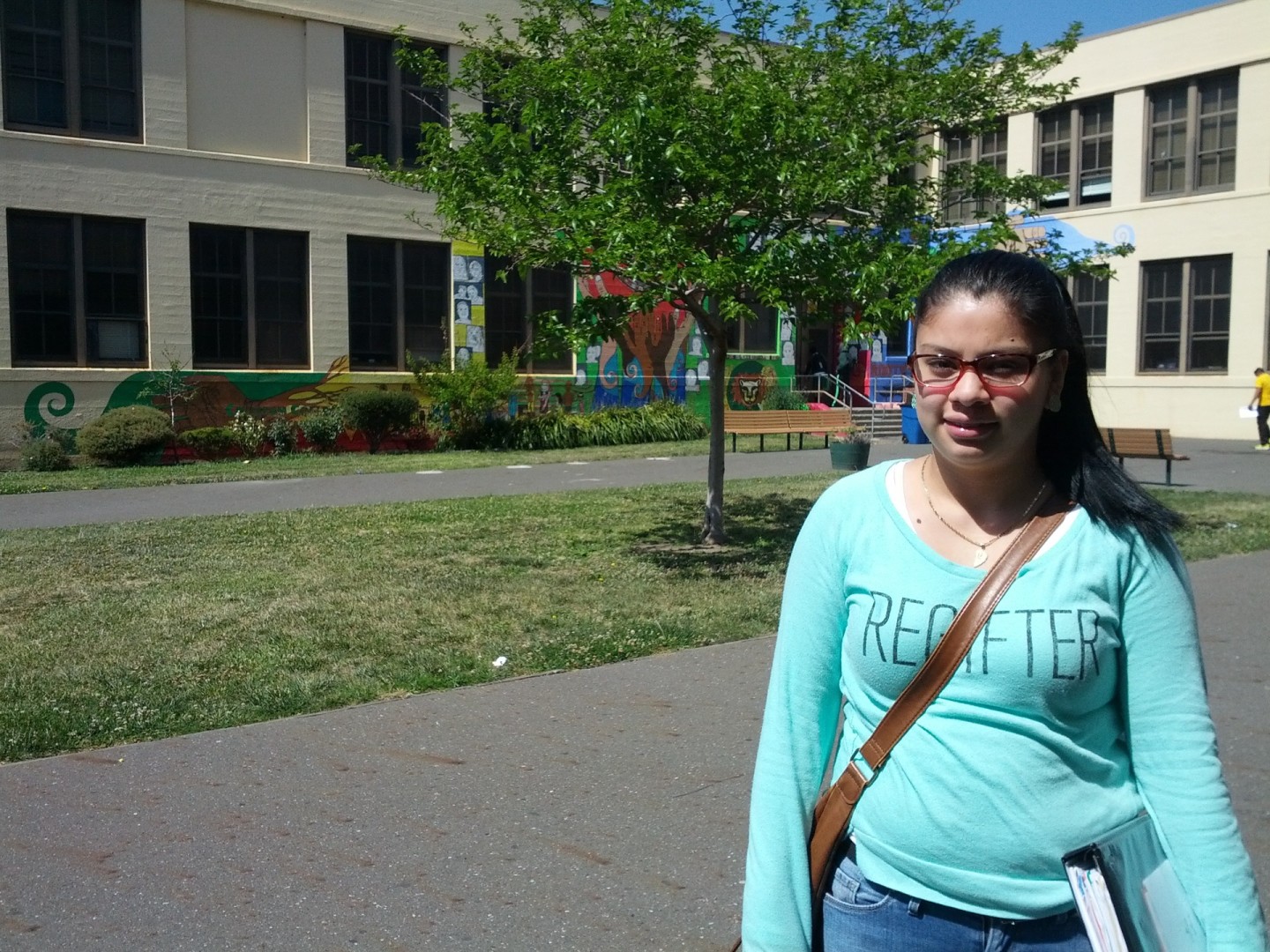
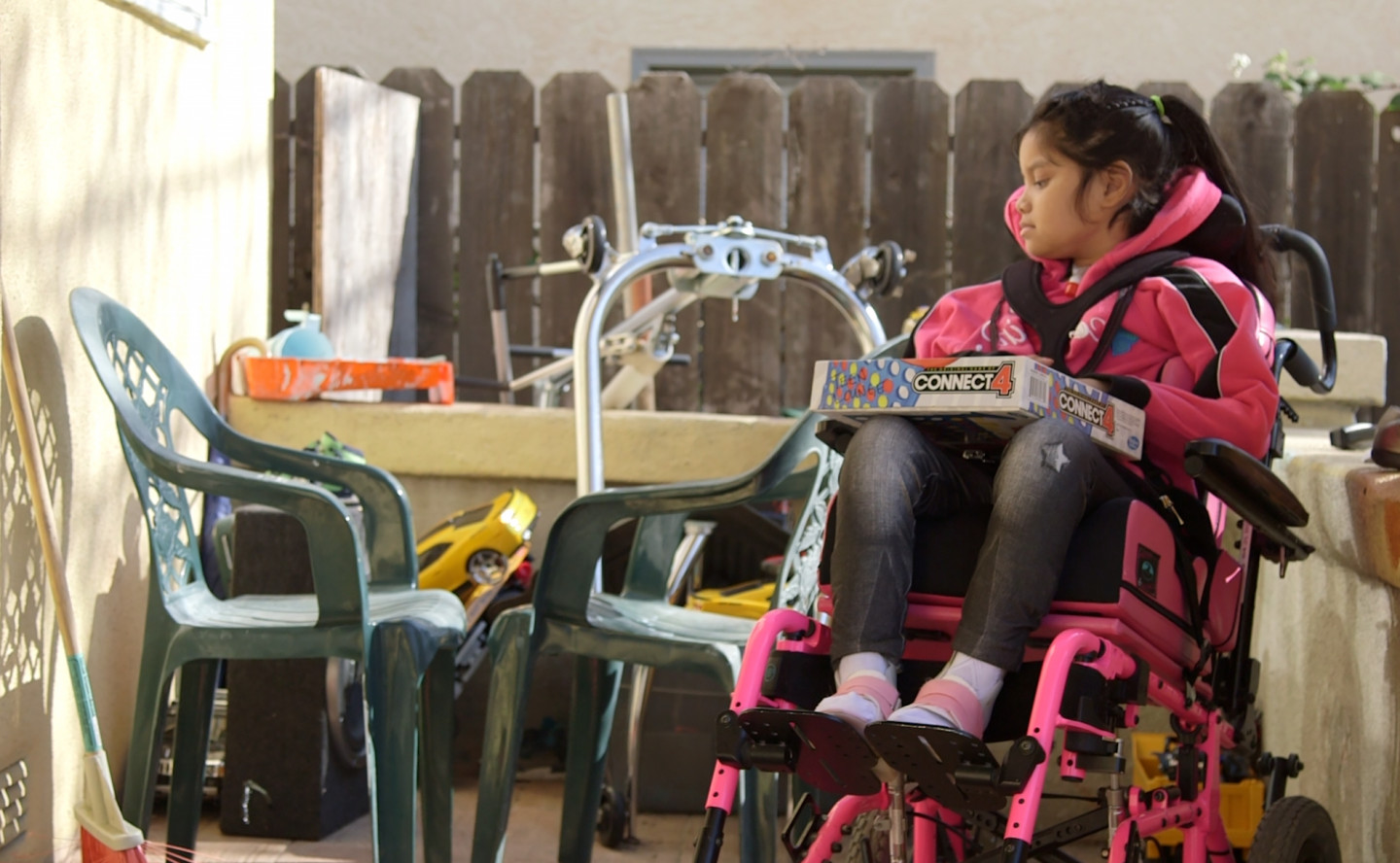
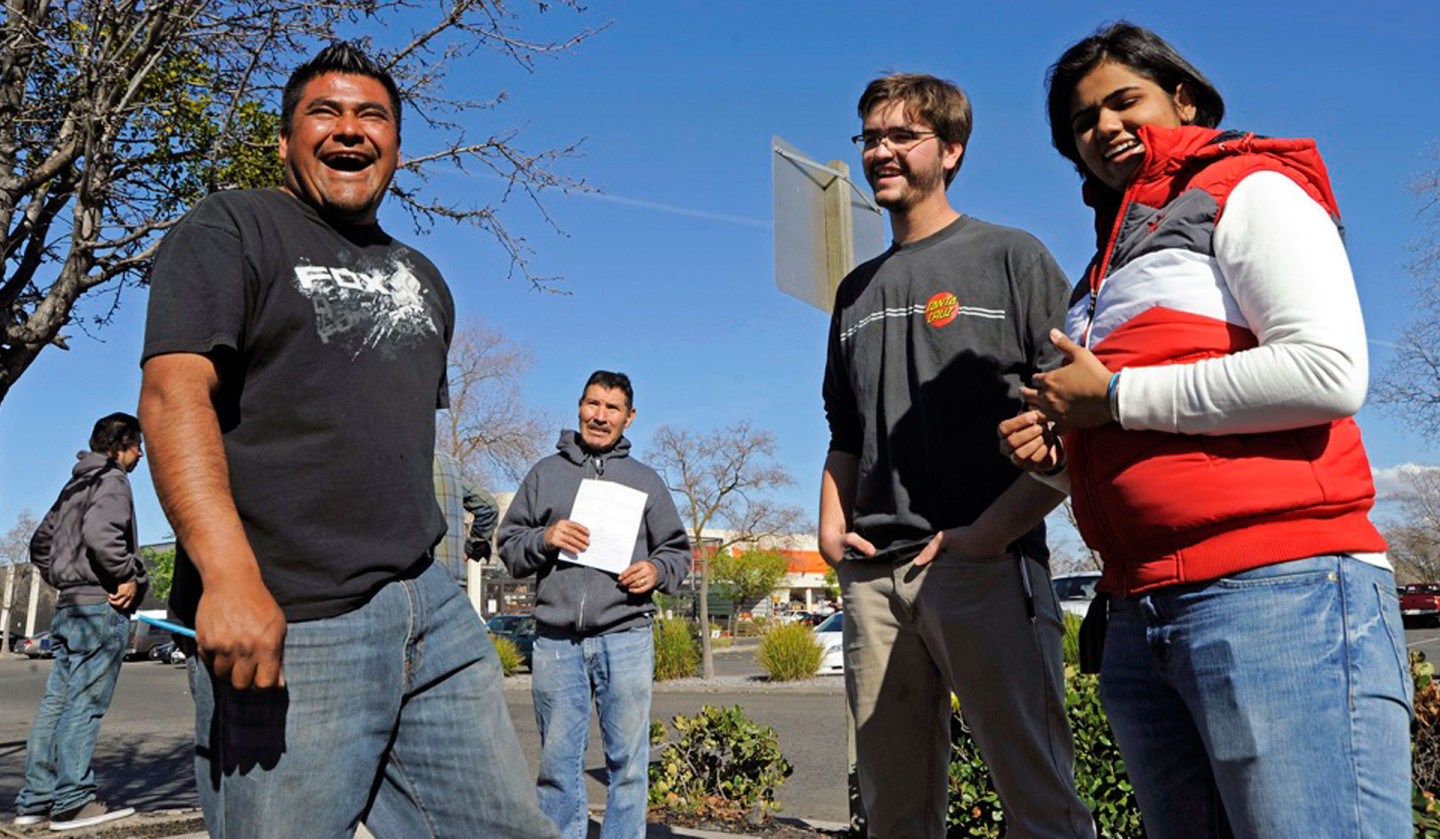
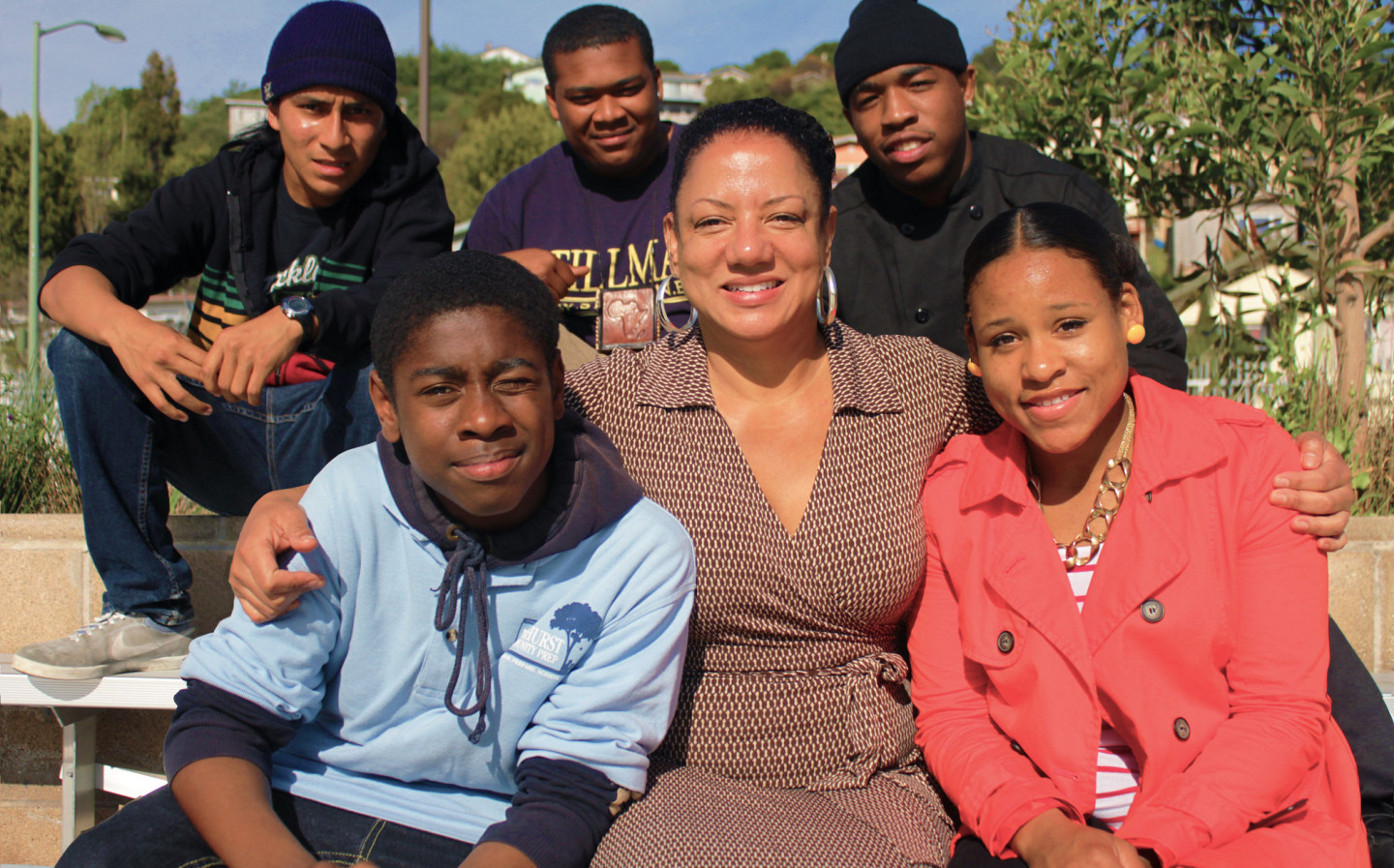
window.__INITIAL_STATE__={
"attachmentsReducer": {
"audio_0": {
"type": "attachments",
"id": "audio_0",
"imgSizes": {
"kqedFullSize": {
"file": "https://ww2.kqed.org/news/wp-content/themes/KQED-unified/img/audio_bgs/background0.jpg"
}
}
},
"audio_1": {
"type": "attachments",
"id": "audio_1",
"imgSizes": {
"kqedFullSize": {
"file": "https://ww2.kqed.org/news/wp-content/themes/KQED-unified/img/audio_bgs/background1.jpg"
}
}
},
"audio_2": {
"type": "attachments",
"id": "audio_2",
"imgSizes": {
"kqedFullSize": {
"file": "https://ww2.kqed.org/news/wp-content/themes/KQED-unified/img/audio_bgs/background2.jpg"
}
}
},
"audio_3": {
"type": "attachments",
"id": "audio_3",
"imgSizes": {
"kqedFullSize": {
"file": "https://ww2.kqed.org/news/wp-content/themes/KQED-unified/img/audio_bgs/background3.jpg"
}
}
},
"audio_4": {
"type": "attachments",
"id": "audio_4",
"imgSizes": {
"kqedFullSize": {
"file": "https://ww2.kqed.org/news/wp-content/themes/KQED-unified/img/audio_bgs/background4.jpg"
}
}
},
"placeholder": {
"type": "attachments",
"id": "placeholder",
"imgSizes": {
"thumbnail": {
"file": "https://cdn.kqed.org/wp-content/uploads/2024/12/KQED-Default-Image-816638274-2000x1333-1-160x107.jpg",
"width": 160,
"height": 107,
"mimeType": "image/jpeg"
},
"medium": {
"file": "https://cdn.kqed.org/wp-content/uploads/2024/12/KQED-Default-Image-816638274-2000x1333-1-800x533.jpg",
"width": 800,
"height": 533,
"mimeType": "image/jpeg"
},
"medium_large": {
"file": "https://cdn.kqed.org/wp-content/uploads/2024/12/KQED-Default-Image-816638274-2000x1333-1-768x512.jpg",
"width": 768,
"height": 512,
"mimeType": "image/jpeg"
},
"large": {
"file": "https://cdn.kqed.org/wp-content/uploads/2024/12/KQED-Default-Image-816638274-2000x1333-1-1020x680.jpg",
"width": 1020,
"height": 680,
"mimeType": "image/jpeg"
},
"1536x1536": {
"file": "https://cdn.kqed.org/wp-content/uploads/2024/12/KQED-Default-Image-816638274-2000x1333-1-1536x1024.jpg",
"width": 1536,
"height": 1024,
"mimeType": "image/jpeg"
},
"fd-lrg": {
"file": "https://cdn.kqed.org/wp-content/uploads/2024/12/KQED-Default-Image-816638274-2000x1333-1-1536x1024.jpg",
"width": 1536,
"height": 1024,
"mimeType": "image/jpeg"
},
"fd-med": {
"file": "https://cdn.kqed.org/wp-content/uploads/2024/12/KQED-Default-Image-816638274-2000x1333-1-1020x680.jpg",
"width": 1020,
"height": 680,
"mimeType": "image/jpeg"
},
"fd-sm": {
"file": "https://cdn.kqed.org/wp-content/uploads/2024/12/KQED-Default-Image-816638274-2000x1333-1-800x533.jpg",
"width": 800,
"height": 533,
"mimeType": "image/jpeg"
},
"post-thumbnail": {
"file": "https://cdn.kqed.org/wp-content/uploads/2024/12/KQED-Default-Image-816638274-2000x1333-1-672x372.jpg",
"width": 672,
"height": 372,
"mimeType": "image/jpeg"
},
"twentyfourteen-full-width": {
"file": "https://cdn.kqed.org/wp-content/uploads/2024/12/KQED-Default-Image-816638274-2000x1333-1-1038x576.jpg",
"width": 1038,
"height": 576,
"mimeType": "image/jpeg"
},
"xxsmall": {
"file": "https://cdn.kqed.org/wp-content/uploads/2024/12/KQED-Default-Image-816638274-2000x1333-1-160x107.jpg",
"width": 160,
"height": 107,
"mimeType": "image/jpeg"
},
"xsmall": {
"file": "https://cdn.kqed.org/wp-content/uploads/2024/12/KQED-Default-Image-816638274-2000x1333-1-672x372.jpg",
"width": 672,
"height": 372,
"mimeType": "image/jpeg"
},
"small": {
"file": "https://cdn.kqed.org/wp-content/uploads/2024/12/KQED-Default-Image-816638274-2000x1333-1-672x372.jpg",
"width": 672,
"height": 372,
"mimeType": "image/jpeg"
},
"xlarge": {
"file": "https://cdn.kqed.org/wp-content/uploads/2024/12/KQED-Default-Image-816638274-2000x1333-1-1020x680.jpg",
"width": 1020,
"height": 680,
"mimeType": "image/jpeg"
},
"full-width": {
"file": "https://cdn.kqed.org/wp-content/uploads/2024/12/KQED-Default-Image-816638274-2000x1333-1-1920x1280.jpg",
"width": 1920,
"height": 1280,
"mimeType": "image/jpeg"
},
"guest-author-32": {
"file": "https://cdn.kqed.org/wp-content/uploads/2025/01/KQED-Default-Image-816638274-1333x1333-1-160x160.jpg",
"width": 32,
"height": 32,
"mimeType": "image/jpeg"
},
"guest-author-50": {
"file": "https://cdn.kqed.org/wp-content/uploads/2025/01/KQED-Default-Image-816638274-1333x1333-1-160x160.jpg",
"width": 50,
"height": 50,
"mimeType": "image/jpeg"
},
"guest-author-64": {
"file": "https://cdn.kqed.org/wp-content/uploads/2025/01/KQED-Default-Image-816638274-1333x1333-1-160x160.jpg",
"width": 64,
"height": 64,
"mimeType": "image/jpeg"
},
"guest-author-96": {
"file": "https://cdn.kqed.org/wp-content/uploads/2025/01/KQED-Default-Image-816638274-1333x1333-1-160x160.jpg",
"width": 96,
"height": 96,
"mimeType": "image/jpeg"
},
"guest-author-128": {
"file": "https://cdn.kqed.org/wp-content/uploads/2025/01/KQED-Default-Image-816638274-1333x1333-1-160x160.jpg",
"width": 128,
"height": 128,
"mimeType": "image/jpeg"
},
"detail": {
"file": "https://cdn.kqed.org/wp-content/uploads/2025/01/KQED-Default-Image-816638274-1333x1333-1-160x160.jpg",
"width": 160,
"height": 160,
"mimeType": "image/jpeg"
},
"kqedFullSize": {
"file": "https://cdn.kqed.org/wp-content/uploads/2024/12/KQED-Default-Image-816638274-2000x1333-1.jpg",
"width": 2000,
"height": 1333
}
}
},
"news_10555497": {
"type": "attachments",
"id": "news_10555497",
"meta": {
"index": "attachments_1716263798",
"site": "news",
"id": "10555497",
"found": true
},
"parent": 10555201,
"imgSizes": {
"twentyfourteen-full-width": {
"file": "https://ww2.kqed.org/app/uploads/sites/10/2015/06/RS15402_JV0A5211-qut-1038x576.jpg",
"width": 1038,
"mimeType": "image/jpeg",
"height": 576
},
"thumbnail": {
"file": "https://ww2.kqed.org/app/uploads/sites/10/2015/06/RS15402_JV0A5211-qut-400x267.jpg",
"width": 400,
"mimeType": "image/jpeg",
"height": 267
},
"fd-sm": {
"file": "https://ww2.kqed.org/app/uploads/sites/10/2015/06/RS15402_JV0A5211-qut-960x640.jpg",
"width": 960,
"mimeType": "image/jpeg",
"height": 640
},
"post-thumbnail": {
"file": "https://ww2.kqed.org/app/uploads/sites/10/2015/06/RS15402_JV0A5211-qut-672x372.jpg",
"width": 672,
"mimeType": "image/jpeg",
"height": 372
},
"kqedFullSize": {
"file": "https://ww2.kqed.org/app/uploads/sites/10/2015/06/RS15402_JV0A5211-qut.jpg",
"width": 1920,
"height": 1280
},
"large": {
"file": "https://ww2.kqed.org/app/uploads/sites/10/2015/06/RS15402_JV0A5211-qut-1440x960.jpg",
"width": 1440,
"mimeType": "image/jpeg",
"height": 960
},
"guest-author-96": {
"file": "https://ww2.kqed.org/app/uploads/sites/10/2015/06/RS15402_JV0A5211-qut-96x96.jpg",
"width": 96,
"mimeType": "image/jpeg",
"height": 96
},
"medium": {
"file": "https://ww2.kqed.org/app/uploads/sites/10/2015/06/RS15402_JV0A5211-qut-800x533.jpg",
"width": 800,
"mimeType": "image/jpeg",
"height": 533
},
"guest-author-64": {
"file": "https://ww2.kqed.org/app/uploads/sites/10/2015/06/RS15402_JV0A5211-qut-64x64.jpg",
"width": 64,
"mimeType": "image/jpeg",
"height": 64
},
"guest-author-32": {
"file": "https://ww2.kqed.org/app/uploads/sites/10/2015/06/RS15402_JV0A5211-qut-32x32.jpg",
"width": 32,
"mimeType": "image/jpeg",
"height": 32
},
"fd-med": {
"file": "https://ww2.kqed.org/app/uploads/sites/10/2015/06/RS15402_JV0A5211-qut-1180x787.jpg",
"width": 1180,
"mimeType": "image/jpeg",
"height": 787
},
"detail": {
"file": "https://ww2.kqed.org/app/uploads/sites/10/2015/06/RS15402_JV0A5211-qut-75x75.jpg",
"width": 75,
"mimeType": "image/jpeg",
"height": 75
},
"guest-author-128": {
"file": "https://ww2.kqed.org/app/uploads/sites/10/2015/06/RS15402_JV0A5211-qut-128x128.jpg",
"width": 128,
"mimeType": "image/jpeg",
"height": 128
}
},
"publishDate": 1433794743,
"modified": 1433794781,
"caption": "From left to right, Valentin, Lidia, Bryan, Angel, and Jose Daniel Luque.",
"description": null,
"title": "RS15402_JV0A5211-qut",
"credit": "Jeremy Raff/KQED",
"status": "inherit",
"isLoading": false,
"fetchFailed": false
},
"news_10552299": {
"type": "attachments",
"id": "news_10552299",
"meta": {
"index": "attachments_1716263798",
"site": "news",
"id": "10552299",
"found": true
},
"parent": 10552284,
"imgSizes": {
"twentyfourteen-full-width": {
"file": "https://ww2.kqed.org/app/uploads/sites/10/2015/06/Luques-1038x576.jpg",
"width": 1038,
"mimeType": "image/jpeg",
"height": 576
},
"thumbnail": {
"file": "https://ww2.kqed.org/app/uploads/sites/10/2015/06/Luques-400x267.jpg",
"width": 400,
"mimeType": "image/jpeg",
"height": 267
},
"fd-sm": {
"file": "https://ww2.kqed.org/app/uploads/sites/10/2015/06/Luques-960x640.jpg",
"width": 960,
"mimeType": "image/jpeg",
"height": 640
},
"post-thumbnail": {
"file": "https://ww2.kqed.org/app/uploads/sites/10/2015/06/Luques-672x372.jpg",
"width": 672,
"mimeType": "image/jpeg",
"height": 372
},
"kqedFullSize": {
"file": "https://ww2.kqed.org/app/uploads/sites/10/2015/06/Luques.jpg",
"width": 1920,
"height": 1280
},
"large": {
"file": "https://ww2.kqed.org/app/uploads/sites/10/2015/06/Luques-1440x960.jpg",
"width": 1440,
"mimeType": "image/jpeg",
"height": 960
},
"guest-author-96": {
"file": "https://ww2.kqed.org/app/uploads/sites/10/2015/06/Luques-96x96.jpg",
"width": 96,
"mimeType": "image/jpeg",
"height": 96
},
"medium": {
"file": "https://ww2.kqed.org/app/uploads/sites/10/2015/06/Luques-800x533.jpg",
"width": 800,
"mimeType": "image/jpeg",
"height": 533
},
"guest-author-64": {
"file": "https://ww2.kqed.org/app/uploads/sites/10/2015/06/Luques-64x64.jpg",
"width": 64,
"mimeType": "image/jpeg",
"height": 64
},
"guest-author-32": {
"file": "https://ww2.kqed.org/app/uploads/sites/10/2015/06/Luques-32x32.jpg",
"width": 32,
"mimeType": "image/jpeg",
"height": 32
},
"fd-med": {
"file": "https://ww2.kqed.org/app/uploads/sites/10/2015/06/Luques-1180x787.jpg",
"width": 1180,
"mimeType": "image/jpeg",
"height": 787
},
"detail": {
"file": "https://ww2.kqed.org/app/uploads/sites/10/2015/06/Luques-75x75.jpg",
"width": 75,
"mimeType": "image/jpeg",
"height": 75
},
"guest-author-128": {
"file": "https://ww2.kqed.org/app/uploads/sites/10/2015/06/Luques-128x128.jpg",
"width": 128,
"mimeType": "image/jpeg",
"height": 128
}
},
"publishDate": 1433546268,
"modified": 1433796562,
"caption": "The Luque siblings all started school as English-language learners.",
"description": null,
"title": "Luques",
"credit": "Jeremy Raff/KQED",
"status": "inherit",
"isLoading": false,
"fetchFailed": false
},
"news_10543905": {
"type": "attachments",
"id": "news_10543905",
"meta": {
"index": "attachments_1716263798",
"site": "news",
"id": "10543905",
"found": true
},
"parent": 10543897,
"imgSizes": {
"thumbnail": {
"file": "https://ww2.kqed.org/app/uploads/sites/10/2015/05/BerkeleyStockphotos5-18_7-720x480-400x267.jpg",
"width": 400,
"mimeType": "image/jpeg",
"height": 267
},
"post-thumbnail": {
"file": "https://ww2.kqed.org/app/uploads/sites/10/2015/05/BerkeleyStockphotos5-18_7-720x480-672x372.jpg",
"width": 672,
"mimeType": "image/jpeg",
"height": 372
},
"kqedFullSize": {
"file": "https://ww2.kqed.org/app/uploads/sites/10/2015/05/BerkeleyStockphotos5-18_7-720x480.jpg",
"width": 720,
"height": 480
},
"guest-author-96": {
"file": "https://ww2.kqed.org/app/uploads/sites/10/2015/05/BerkeleyStockphotos5-18_7-720x480-96x96.jpg",
"width": 96,
"mimeType": "image/jpeg",
"height": 96
},
"guest-author-64": {
"file": "https://ww2.kqed.org/app/uploads/sites/10/2015/05/BerkeleyStockphotos5-18_7-720x480-64x64.jpg",
"width": 64,
"mimeType": "image/jpeg",
"height": 64
},
"detail": {
"file": "https://ww2.kqed.org/app/uploads/sites/10/2015/05/BerkeleyStockphotos5-18_7-720x480-75x75.jpg",
"width": 75,
"mimeType": "image/jpeg",
"height": 75
},
"guest-author-32": {
"file": "https://ww2.kqed.org/app/uploads/sites/10/2015/05/BerkeleyStockphotos5-18_7-720x480-32x32.jpg",
"width": 32,
"mimeType": "image/jpeg",
"height": 32
},
"guest-author-128": {
"file": "https://ww2.kqed.org/app/uploads/sites/10/2015/05/BerkeleyStockphotos5-18_7-720x480-128x128.jpg",
"width": 128,
"mimeType": "image/jpeg",
"height": 128
}
},
"publishDate": 1432939662,
"modified": 1432939689,
"caption": "BUSD rejected 11% of applicants from private middle schools to Berkeley High School for 2015-2016 after stricter enforcement requirements were implemented. Now the board is considering an even tougher policy. ",
"description": null,
"title": "BerkeleyStockphotos5-18_7-720x480",
"credit": "Melati Citrawireja",
"status": "inherit",
"isLoading": false,
"fetchFailed": false
},
"news_10506820": {
"type": "attachments",
"id": "news_10506820",
"meta": {
"index": "attachments_1716263798",
"site": "news",
"id": "10506820",
"found": true
},
"parent": 10491237,
"imgSizes": {
"twentyfourteen-full-width": {
"file": "https://ww2.kqed.org/app/uploads/sites/10/2015/04/lanyards-1038x576.jpg",
"width": 1038,
"mimeType": "image/jpeg",
"height": 576
},
"thumbnail": {
"file": "https://ww2.kqed.org/app/uploads/sites/10/2015/04/lanyards-400x225.jpg",
"width": 400,
"mimeType": "image/jpeg",
"height": 225
},
"fd-sm": {
"file": "https://ww2.kqed.org/app/uploads/sites/10/2015/04/lanyards-960x540.jpg",
"width": 960,
"mimeType": "image/jpeg",
"height": 540
},
"post-thumbnail": {
"file": "https://ww2.kqed.org/app/uploads/sites/10/2015/04/lanyards-672x372.jpg",
"width": 672,
"mimeType": "image/jpeg",
"height": 372
},
"kqedFullSize": {
"file": "https://ww2.kqed.org/app/uploads/sites/10/2015/04/lanyards.jpg",
"width": 2200,
"height": 1237
},
"large": {
"file": "https://ww2.kqed.org/app/uploads/sites/10/2015/04/lanyards-1440x810.jpg",
"width": 1440,
"mimeType": "image/jpeg",
"height": 810
},
"guest-author-96": {
"file": "https://ww2.kqed.org/app/uploads/sites/10/2015/04/lanyards-96x96.jpg",
"width": 96,
"mimeType": "image/jpeg",
"height": 96
},
"medium": {
"file": "https://ww2.kqed.org/app/uploads/sites/10/2015/04/lanyards-800x450.jpg",
"width": 800,
"mimeType": "image/jpeg",
"height": 450
},
"guest-author-64": {
"file": "https://ww2.kqed.org/app/uploads/sites/10/2015/04/lanyards-64x64.jpg",
"width": 64,
"mimeType": "image/jpeg",
"height": 64
},
"guest-author-32": {
"file": "https://ww2.kqed.org/app/uploads/sites/10/2015/04/lanyards-32x32.jpg",
"width": 32,
"mimeType": "image/jpeg",
"height": 32
},
"fd-med": {
"file": "https://ww2.kqed.org/app/uploads/sites/10/2015/04/lanyards-1180x663.jpg",
"width": 1180,
"mimeType": "image/jpeg",
"height": 663
},
"detail": {
"file": "https://ww2.kqed.org/app/uploads/sites/10/2015/04/lanyards-75x75.jpg",
"width": 75,
"mimeType": "image/jpeg",
"height": 75
},
"guest-author-128": {
"file": "https://ww2.kqed.org/app/uploads/sites/10/2015/04/lanyards-128x128.jpg",
"width": 128,
"mimeType": "image/jpeg",
"height": 128
}
},
"publishDate": 1430328864,
"modified": 1430329142,
"caption": "Asim Smith, Jr. keeps a collection of placards to remember those in his life who have passed away. (Adam Grossberg/KQED)",
"description": null,
"title": "lanyards",
"credit": null,
"status": "inherit",
"isLoading": false,
"fetchFailed": false
},
"news_10505724": {
"type": "attachments",
"id": "news_10505724",
"meta": {
"index": "attachments_1716263798",
"site": "news",
"id": "10505724",
"found": true
},
"parent": 10491230,
"imgSizes": {
"twentyfourteen-full-width": {
"file": "https://ww2.kqed.org/app/uploads/sites/10/2015/04/diamond-lee-photos-cu-1038x576.jpg",
"width": 1038,
"mimeType": "image/jpeg",
"height": 576
},
"thumbnail": {
"file": "https://ww2.kqed.org/app/uploads/sites/10/2015/04/diamond-lee-photos-cu-400x208.jpg",
"width": 400,
"mimeType": "image/jpeg",
"height": 208
},
"fd-sm": {
"file": "https://ww2.kqed.org/app/uploads/sites/10/2015/04/diamond-lee-photos-cu-960x500.jpg",
"width": 960,
"mimeType": "image/jpeg",
"height": 500
},
"post-thumbnail": {
"file": "https://ww2.kqed.org/app/uploads/sites/10/2015/04/diamond-lee-photos-cu-672x372.jpg",
"width": 672,
"mimeType": "image/jpeg",
"height": 372
},
"kqedFullSize": {
"file": "https://ww2.kqed.org/app/uploads/sites/10/2015/04/diamond-lee-photos-cu.jpg",
"width": 3500,
"height": 1824
},
"large": {
"file": "https://ww2.kqed.org/app/uploads/sites/10/2015/04/diamond-lee-photos-cu-1440x750.jpg",
"width": 1440,
"mimeType": "image/jpeg",
"height": 750
},
"guest-author-96": {
"file": "https://ww2.kqed.org/app/uploads/sites/10/2015/04/diamond-lee-photos-cu-96x96.jpg",
"width": 96,
"mimeType": "image/jpeg",
"height": 96
},
"medium": {
"file": "https://ww2.kqed.org/app/uploads/sites/10/2015/04/diamond-lee-photos-cu-800x417.jpg",
"width": 800,
"mimeType": "image/jpeg",
"height": 417
},
"guest-author-64": {
"file": "https://ww2.kqed.org/app/uploads/sites/10/2015/04/diamond-lee-photos-cu-64x64.jpg",
"width": 64,
"mimeType": "image/jpeg",
"height": 64
},
"guest-author-32": {
"file": "https://ww2.kqed.org/app/uploads/sites/10/2015/04/diamond-lee-photos-cu-32x32.jpg",
"width": 32,
"mimeType": "image/jpeg",
"height": 32
},
"fd-med": {
"file": "https://ww2.kqed.org/app/uploads/sites/10/2015/04/diamond-lee-photos-cu-1180x615.jpg",
"width": 1180,
"mimeType": "image/jpeg",
"height": 615
},
"detail": {
"file": "https://ww2.kqed.org/app/uploads/sites/10/2015/04/diamond-lee-photos-cu-75x75.jpg",
"width": 75,
"mimeType": "image/jpeg",
"height": 75
},
"guest-author-128": {
"file": "https://ww2.kqed.org/app/uploads/sites/10/2015/04/diamond-lee-photos-cu-128x128.jpg",
"width": 128,
"mimeType": "image/jpeg",
"height": 128
}
},
"publishDate": 1430243748,
"modified": 1430243758,
"caption": "Diamond Allen shows off pictures of his friend Lee Weathersby III, who was shot and killed in Oakland. (Jeremy Raff/KQED)",
"description": null,
"title": "diamond-lee-photos-cu",
"credit": null,
"status": "inherit",
"isLoading": false,
"fetchFailed": false
},
"news_10533742": {
"type": "attachments",
"id": "news_10533742",
"meta": {
"index": "attachments_1716263798",
"site": "news",
"id": "10533742",
"found": true
},
"parent": 10533353,
"imgSizes": {
"twentyfourteen-full-width": {
"file": "https://ww2.kqed.org/app/uploads/sites/10/2015/05/RS15233_IMG_20150420_144547-qut-1038x576.jpg",
"width": 1038,
"mimeType": "image/jpeg",
"height": 576
},
"thumbnail": {
"file": "https://ww2.kqed.org/app/uploads/sites/10/2015/05/RS15233_IMG_20150420_144547-qut-400x300.jpg",
"width": 400,
"mimeType": "image/jpeg",
"height": 300
},
"fd-sm": {
"file": "https://ww2.kqed.org/app/uploads/sites/10/2015/05/RS15233_IMG_20150420_144547-qut-960x720.jpg",
"width": 960,
"mimeType": "image/jpeg",
"height": 720
},
"post-thumbnail": {
"file": "https://ww2.kqed.org/app/uploads/sites/10/2015/05/RS15233_IMG_20150420_144547-qut-672x372.jpg",
"width": 672,
"mimeType": "image/jpeg",
"height": 372
},
"kqedFullSize": {
"file": "https://ww2.kqed.org/app/uploads/sites/10/2015/05/RS15233_IMG_20150420_144547-qut.jpg",
"width": 1920,
"height": 1440
},
"large": {
"file": "https://ww2.kqed.org/app/uploads/sites/10/2015/05/RS15233_IMG_20150420_144547-qut-1440x1080.jpg",
"width": 1440,
"mimeType": "image/jpeg",
"height": 1080
},
"guest-author-96": {
"file": "https://ww2.kqed.org/app/uploads/sites/10/2015/05/RS15233_IMG_20150420_144547-qut-96x96.jpg",
"width": 96,
"mimeType": "image/jpeg",
"height": 96
},
"medium": {
"file": "https://ww2.kqed.org/app/uploads/sites/10/2015/05/RS15233_IMG_20150420_144547-qut-800x600.jpg",
"width": 800,
"mimeType": "image/jpeg",
"height": 600
},
"guest-author-64": {
"file": "https://ww2.kqed.org/app/uploads/sites/10/2015/05/RS15233_IMG_20150420_144547-qut-64x64.jpg",
"width": 64,
"mimeType": "image/jpeg",
"height": 64
},
"guest-author-32": {
"file": "https://ww2.kqed.org/app/uploads/sites/10/2015/05/RS15233_IMG_20150420_144547-qut-32x32.jpg",
"width": 32,
"mimeType": "image/jpeg",
"height": 32
},
"fd-med": {
"file": "https://ww2.kqed.org/app/uploads/sites/10/2015/05/RS15233_IMG_20150420_144547-qut-1180x885.jpg",
"width": 1180,
"mimeType": "image/jpeg",
"height": 885
},
"detail": {
"file": "https://ww2.kqed.org/app/uploads/sites/10/2015/05/RS15233_IMG_20150420_144547-qut-75x75.jpg",
"width": 75,
"mimeType": "image/jpeg",
"height": 75
},
"guest-author-128": {
"file": "https://ww2.kqed.org/app/uploads/sites/10/2015/05/RS15233_IMG_20150420_144547-qut-128x128.jpg",
"width": 128,
"mimeType": "image/jpeg",
"height": 128
}
},
"publishDate": 1432220833,
"modified": 1432316419,
"caption": "Senior Deyri Rabadan has been in Oakland public schools since kindergarten, but has struggled to become proficient in English and to graduate.",
"description": "Senior Deyri Rabadan has been in Oakland public schools since kindergarten, but has struggled to become proficient in English and to graduate.",
"title": "RS15233_IMG_20150420_144547-qut",
"credit": "Zaidee Stavely/KQED",
"status": "inherit",
"isLoading": false,
"fetchFailed": false
},
"news_10504569": {
"type": "attachments",
"id": "news_10504569",
"meta": {
"index": "attachments_1716263798",
"site": "news",
"id": "10504569",
"found": true
},
"parent": 10491173,
"imgSizes": {
"twentyfourteen-full-width": {
"file": "https://ww2.kqed.org/app/uploads/sites/10/2015/04/jacqueline-on-porch-1038x576.jpg",
"width": 1038,
"mimeType": "image/jpeg",
"height": 576
},
"thumbnail": {
"file": "https://ww2.kqed.org/app/uploads/sites/10/2015/04/jacqueline-on-porch-400x247.jpg",
"width": 400,
"mimeType": "image/jpeg",
"height": 247
},
"fd-sm": {
"file": "https://ww2.kqed.org/app/uploads/sites/10/2015/04/jacqueline-on-porch-960x592.jpg",
"width": 960,
"mimeType": "image/jpeg",
"height": 592
},
"post-thumbnail": {
"file": "https://ww2.kqed.org/app/uploads/sites/10/2015/04/jacqueline-on-porch-672x372.jpg",
"width": 672,
"mimeType": "image/jpeg",
"height": 372
},
"kqedFullSize": {
"file": "https://ww2.kqed.org/app/uploads/sites/10/2015/04/jacqueline-on-porch.jpg",
"width": 1966,
"height": 1212
},
"large": {
"file": "https://ww2.kqed.org/app/uploads/sites/10/2015/04/jacqueline-on-porch-1440x888.jpg",
"width": 1440,
"mimeType": "image/jpeg",
"height": 888
},
"guest-author-96": {
"file": "https://ww2.kqed.org/app/uploads/sites/10/2015/04/jacqueline-on-porch-96x96.jpg",
"width": 96,
"mimeType": "image/jpeg",
"height": 96
},
"medium": {
"file": "https://ww2.kqed.org/app/uploads/sites/10/2015/04/jacqueline-on-porch-800x493.jpg",
"width": 800,
"mimeType": "image/jpeg",
"height": 493
},
"guest-author-64": {
"file": "https://ww2.kqed.org/app/uploads/sites/10/2015/04/jacqueline-on-porch-64x64.jpg",
"width": 64,
"mimeType": "image/jpeg",
"height": 64
},
"guest-author-32": {
"file": "https://ww2.kqed.org/app/uploads/sites/10/2015/04/jacqueline-on-porch-32x32.jpg",
"width": 32,
"mimeType": "image/jpeg",
"height": 32
},
"fd-med": {
"file": "https://ww2.kqed.org/app/uploads/sites/10/2015/04/jacqueline-on-porch-1180x727.jpg",
"width": 1180,
"mimeType": "image/jpeg",
"height": 727
},
"detail": {
"file": "https://ww2.kqed.org/app/uploads/sites/10/2015/04/jacqueline-on-porch-75x75.jpg",
"width": 75,
"mimeType": "image/jpeg",
"height": 75
},
"guest-author-128": {
"file": "https://ww2.kqed.org/app/uploads/sites/10/2015/04/jacqueline-on-porch-128x128.jpg",
"width": 128,
"mimeType": "image/jpeg",
"height": 128
}
},
"publishDate": 1430159717,
"modified": 1430322979,
"caption": "9-year-old Jacqueline Funes was paralyzed from the neck down after being shot in the neck while playing in front of her house. (Adam Grossberg/KQED)",
"description": null,
"title": "jacqueline-on-porch",
"credit": null,
"status": "inherit",
"isLoading": false,
"fetchFailed": false
},
"news_10488936": {
"type": "attachments",
"id": "news_10488936",
"meta": {
"index": "attachments_1716263798",
"site": "news",
"id": "10488936",
"found": true
},
"parent": 10488680,
"imgSizes": {
"twentyfourteen-full-width": {
"file": "https://ww2.kqed.org/app/uploads/sites/10/2015/04/RS10838_76754172-1-e1428958500455-1038x576.jpg",
"width": 1038,
"mimeType": "image/jpeg",
"height": 576
},
"thumbnail": {
"file": "https://ww2.kqed.org/app/uploads/sites/10/2015/04/RS10838_76754172-1-e1428958500455-400x252.jpg",
"width": 400,
"mimeType": "image/jpeg",
"height": 252
},
"fd-sm": {
"file": "https://ww2.kqed.org/app/uploads/sites/10/2015/04/RS10838_76754172-1-e1428958500455-320x202.jpg",
"width": 320,
"mimeType": "image/jpeg",
"height": 202
},
"post-thumbnail": {
"file": "https://ww2.kqed.org/app/uploads/sites/10/2015/04/RS10838_76754172-1-e1428958500455-672x372.jpg",
"width": 672,
"mimeType": "image/jpeg",
"height": 372
},
"kqedFullSize": {
"file": "https://ww2.kqed.org/app/uploads/sites/10/2015/04/RS10838_76754172-1-e1428958500455.jpg",
"width": 1718,
"height": 1084
},
"large": {
"file": "https://ww2.kqed.org/app/uploads/sites/10/2015/04/RS10838_76754172-1-e1428958500455-1440x909.jpg",
"width": 1440,
"mimeType": "image/jpeg",
"height": 909
},
"guest-author-96": {
"file": "https://ww2.kqed.org/app/uploads/sites/10/2015/04/RS10838_76754172-1-e1428958500455-96x96.jpg",
"width": 96,
"mimeType": "image/jpeg",
"height": 96
},
"medium": {
"file": "https://ww2.kqed.org/app/uploads/sites/10/2015/04/RS10838_76754172-1-e1428958500455-800x505.jpg",
"width": 800,
"mimeType": "image/jpeg",
"height": 505
},
"guest-author-64": {
"file": "https://ww2.kqed.org/app/uploads/sites/10/2015/04/RS10838_76754172-1-e1428958500455-64x64.jpg",
"width": 64,
"mimeType": "image/jpeg",
"height": 64
},
"guest-author-32": {
"file": "https://ww2.kqed.org/app/uploads/sites/10/2015/04/RS10838_76754172-1-e1428958500455-32x32.jpg",
"width": 32,
"mimeType": "image/jpeg",
"height": 32
},
"fd-lrg": {
"file": "https://ww2.kqed.org/app/uploads/sites/10/2015/04/RS10838_76754172-1-e1428958500455-1180x745.jpg",
"width": 1180,
"mimeType": "image/jpeg",
"height": 745
},
"fd-med": {
"file": "https://ww2.kqed.org/app/uploads/sites/10/2015/04/RS10838_76754172-1-e1428958500455-768x485.jpg",
"width": 768,
"mimeType": "image/jpeg",
"height": 485
},
"detail": {
"file": "https://ww2.kqed.org/app/uploads/sites/10/2015/04/RS10838_76754172-1-e1428958500455-75x75.jpg",
"width": 75,
"mimeType": "image/jpeg",
"height": 75
},
"guest-author-128": {
"file": "https://ww2.kqed.org/app/uploads/sites/10/2015/04/RS10838_76754172-1-e1428958500455-128x128.jpg",
"width": 128,
"mimeType": "image/jpeg",
"height": 128
}
},
"publishDate": 1428958456,
"modified": 1428964407,
"caption": "A new statewide poll finds few Californians support existing teacher tenure rules.",
"description": "Teacher instructing class",
"title": "RS10838_76754172 (1)",
"credit": "Getty Images",
"status": "inherit",
"isLoading": false,
"fetchFailed": false
},
"news_10454904": {
"type": "attachments",
"id": "news_10454904",
"meta": {
"index": "attachments_1716263798",
"site": "news",
"id": "10454904",
"found": true
},
"parent": 10452775,
"imgSizes": {
"twentyfourteen-full-width": {
"file": "https://ww2.kqed.org/app/uploads/sites/10/2015/03/IntercambiosFeat-1038x576.jpg",
"width": 1038,
"mimeType": "image/jpeg",
"height": 576
},
"thumbnail": {
"file": "https://ww2.kqed.org/app/uploads/sites/10/2015/03/IntercambiosFeat-400x233.jpg",
"width": 400,
"mimeType": "image/jpeg",
"height": 233
},
"fd-sm": {
"file": "https://ww2.kqed.org/app/uploads/sites/10/2015/03/IntercambiosFeat-320x186.jpg",
"width": 320,
"mimeType": "image/jpeg",
"height": 186
},
"post-thumbnail": {
"file": "https://ww2.kqed.org/app/uploads/sites/10/2015/03/IntercambiosFeat-672x372.jpg",
"width": 672,
"mimeType": "image/jpeg",
"height": 372
},
"kqedFullSize": {
"file": "https://ww2.kqed.org/app/uploads/sites/10/2015/03/IntercambiosFeat.jpg",
"width": 1920,
"height": 1118
},
"large": {
"file": "https://ww2.kqed.org/app/uploads/sites/10/2015/03/IntercambiosFeat-1440x839.jpg",
"width": 1440,
"mimeType": "image/jpeg",
"height": 839
},
"guest-author-96": {
"file": "https://ww2.kqed.org/app/uploads/sites/10/2015/03/IntercambiosFeat-96x96.jpg",
"width": 96,
"mimeType": "image/jpeg",
"height": 96
},
"medium": {
"file": "https://ww2.kqed.org/app/uploads/sites/10/2015/03/IntercambiosFeat-800x466.jpg",
"width": 800,
"mimeType": "image/jpeg",
"height": 466
},
"guest-author-64": {
"file": "https://ww2.kqed.org/app/uploads/sites/10/2015/03/IntercambiosFeat-64x64.jpg",
"width": 64,
"mimeType": "image/jpeg",
"height": 64
},
"guest-author-32": {
"file": "https://ww2.kqed.org/app/uploads/sites/10/2015/03/IntercambiosFeat-32x32.jpg",
"width": 32,
"mimeType": "image/jpeg",
"height": 32
},
"fd-lrg": {
"file": "https://ww2.kqed.org/app/uploads/sites/10/2015/03/IntercambiosFeat-1180x687.jpg",
"width": 1180,
"mimeType": "image/jpeg",
"height": 687
},
"fd-med": {
"file": "https://ww2.kqed.org/app/uploads/sites/10/2015/03/IntercambiosFeat-768x447.jpg",
"width": 768,
"mimeType": "image/jpeg",
"height": 447
},
"detail": {
"file": "https://ww2.kqed.org/app/uploads/sites/10/2015/03/IntercambiosFeat-75x75.jpg",
"width": 75,
"mimeType": "image/jpeg",
"height": 75
},
"guest-author-128": {
"file": "https://ww2.kqed.org/app/uploads/sites/10/2015/03/IntercambiosFeat-128x128.jpg",
"width": 128,
"mimeType": "image/jpeg",
"height": 128
}
},
"publishDate": 1426288486,
"modified": 1426288565,
"caption": "Day laborer Pedro Flores (L) and students Wyatt Irmen and Nimra Syed take part in the intercambio.",
"description": "Day laborer Pedro Flores (L) and students Wyatt Irmen and Nimra Syed take part in the intercambio.",
"title": "IntercambiosFeat",
"credit": "Blair Wells/KQED",
"status": "inherit",
"isLoading": false,
"fetchFailed": false
},
"news_10449198": {
"type": "attachments",
"id": "news_10449198",
"meta": {
"index": "attachments_1716263798",
"site": "news",
"id": "10449198",
"found": true
},
"parent": 10449172,
"imgSizes": {
"twentyfourteen-full-width": {
"file": "https://ww2.kqed.org/app/uploads/sites/10/2015/03/elephants-1038x576.jpg",
"width": 1038,
"mimeType": "image/jpeg",
"height": 576
},
"thumbnail": {
"file": "https://ww2.kqed.org/app/uploads/sites/10/2015/03/elephants-400x225.jpg",
"width": 400,
"mimeType": "image/jpeg",
"height": 225
},
"fd-sm": {
"file": "https://ww2.kqed.org/app/uploads/sites/10/2015/03/elephants-320x180.jpg",
"width": 320,
"mimeType": "image/jpeg",
"height": 180
},
"post-thumbnail": {
"file": "https://ww2.kqed.org/app/uploads/sites/10/2015/03/elephants-672x372.jpg",
"width": 672,
"mimeType": "image/jpeg",
"height": 372
},
"kqedFullSize": {
"file": "https://ww2.kqed.org/app/uploads/sites/10/2015/03/elephants.jpg",
"width": 3724,
"height": 2095
},
"large": {
"file": "https://ww2.kqed.org/app/uploads/sites/10/2015/03/elephants-1440x810.jpg",
"width": 1440,
"mimeType": "image/jpeg",
"height": 810
},
"guest-author-96": {
"file": "https://ww2.kqed.org/app/uploads/sites/10/2015/03/elephants-96x96.jpg",
"width": 96,
"mimeType": "image/jpeg",
"height": 96
},
"medium": {
"file": "https://ww2.kqed.org/app/uploads/sites/10/2015/03/elephants-800x450.jpg",
"width": 800,
"mimeType": "image/jpeg",
"height": 450
},
"guest-author-64": {
"file": "https://ww2.kqed.org/app/uploads/sites/10/2015/03/elephants-64x64.jpg",
"width": 64,
"mimeType": "image/jpeg",
"height": 64
},
"guest-author-32": {
"file": "https://ww2.kqed.org/app/uploads/sites/10/2015/03/elephants-32x32.jpg",
"width": 32,
"mimeType": "image/jpeg",
"height": 32
},
"fd-lrg": {
"file": "https://ww2.kqed.org/app/uploads/sites/10/2015/03/elephants-1180x664.jpg",
"width": 1180,
"mimeType": "image/jpeg",
"height": 664
},
"fd-med": {
"file": "https://ww2.kqed.org/app/uploads/sites/10/2015/03/elephants-768x432.jpg",
"width": 768,
"mimeType": "image/jpeg",
"height": 432
},
"detail": {
"file": "https://ww2.kqed.org/app/uploads/sites/10/2015/03/elephants-75x75.jpg",
"width": 75,
"mimeType": "image/jpeg",
"height": 75
},
"guest-author-128": {
"file": "https://ww2.kqed.org/app/uploads/sites/10/2015/03/elephants-128x128.jpg",
"width": 128,
"mimeType": "image/jpeg",
"height": 128
}
},
"publishDate": 1425584904,
"modified": 1425584953,
"caption": "Ringling Bros. Circus elephants perform.",
"description": null,
"title": "elephants",
"credit": "hbp_pix/Flickr",
"status": "inherit",
"isLoading": false,
"fetchFailed": false
},
"news_10420317": {
"type": "attachments",
"id": "news_10420317",
"meta": {
"index": "attachments_1716263798",
"site": "news",
"id": "10420317",
"found": true
},
"parent": 10374030,
"imgSizes": {
"twentyfourteen-full-width": {
"file": "https://ww2.kqed.org/app/uploads/sites/10/2015/01/RS8295_IMG_8679-1038x576.jpg",
"width": 1038,
"mimeType": "image/jpeg",
"height": 576
},
"thumbnail": {
"file": "https://ww2.kqed.org/app/uploads/sites/10/2015/01/RS8295_IMG_8679-400x267.jpg",
"width": 400,
"mimeType": "image/jpeg",
"height": 267
},
"post-thumbnail": {
"file": "https://ww2.kqed.org/app/uploads/sites/10/2015/01/RS8295_IMG_8679-672x372.jpg",
"width": 672,
"mimeType": "image/jpeg",
"height": 372
},
"kqedFullSize": {
"file": "https://ww2.kqed.org/app/uploads/sites/10/2015/01/RS8295_IMG_8679.jpg",
"width": 3888,
"height": 2592
},
"large": {
"file": "https://ww2.kqed.org/app/uploads/sites/10/2015/01/RS8295_IMG_8679-1440x960.jpg",
"width": 1440,
"mimeType": "image/jpeg",
"height": 960
},
"guest-author-96": {
"file": "https://ww2.kqed.org/app/uploads/sites/10/2015/01/RS8295_IMG_8679-96x96.jpg",
"width": 96,
"mimeType": "image/jpeg",
"height": 96
},
"medium": {
"file": "https://ww2.kqed.org/app/uploads/sites/10/2015/01/RS8295_IMG_8679-800x533.jpg",
"width": 800,
"mimeType": "image/jpeg",
"height": 533
},
"guest-author-64": {
"file": "https://ww2.kqed.org/app/uploads/sites/10/2015/01/RS8295_IMG_8679-64x64.jpg",
"width": 64,
"mimeType": "image/jpeg",
"height": 64
},
"detail": {
"file": "https://ww2.kqed.org/app/uploads/sites/10/2015/01/RS8295_IMG_8679-75x75.jpg",
"width": 75,
"mimeType": "image/jpeg",
"height": 75
},
"guest-author-32": {
"file": "https://ww2.kqed.org/app/uploads/sites/10/2015/01/RS8295_IMG_8679-32x32.jpg",
"width": 32,
"mimeType": "image/jpeg",
"height": 32
},
"guest-author-128": {
"file": "https://ww2.kqed.org/app/uploads/sites/10/2015/01/RS8295_IMG_8679-128x128.jpg",
"width": 128,
"mimeType": "image/jpeg",
"height": 128
}
},
"publishDate": 1422665707,
"modified": 1422666854,
"caption": "Drug crime was up and robberies were down in 2014. (Alex Emslie/KQED)",
"description": "Drug crime was up and robberies were down in 2014. (Alex Emslie/KQED)",
"title": "OPD Stock Crimescene",
"credit": null,
"status": "inherit",
"isLoading": false,
"fetchFailed": false
},
"news_10402501": {
"type": "attachments",
"id": "news_10402501",
"meta": {
"index": "attachments_1716263798",
"site": "news",
"id": "10402501",
"found": true
},
"parent": 10401334,
"imgSizes": {
"twentyfourteen-full-width": {
"file": "https://ww2.kqed.org/app/uploads/sites/10/2015/01/RS13963_OlisRoc-lpr-1038x576.jpg",
"width": 1038,
"mimeType": "image/jpeg",
"height": 576
},
"thumbnail": {
"file": "https://ww2.kqed.org/app/uploads/sites/10/2015/01/RS13963_OlisRoc-lpr-400x249.jpg",
"width": 400,
"mimeType": "image/jpeg",
"height": 249
},
"post-thumbnail": {
"file": "https://ww2.kqed.org/app/uploads/sites/10/2015/01/RS13963_OlisRoc-lpr-672x372.jpg",
"width": 672,
"mimeType": "image/jpeg",
"height": 372
},
"kqedFullSize": {
"file": "https://ww2.kqed.org/app/uploads/sites/10/2015/01/RS13963_OlisRoc-lpr-e1518456005735.jpg",
"width": 1920,
"height": 1197
},
"large": {
"file": "https://ww2.kqed.org/app/uploads/sites/10/2015/01/RS13963_OlisRoc-lpr-1440x897.jpg",
"width": 1440,
"mimeType": "image/jpeg",
"height": 897
},
"guest-author-96": {
"file": "https://ww2.kqed.org/app/uploads/sites/10/2015/01/RS13963_OlisRoc-lpr-96x96.jpg",
"width": 96,
"mimeType": "image/jpeg",
"height": 96
},
"medium": {
"file": "https://ww2.kqed.org/app/uploads/sites/10/2015/01/RS13963_OlisRoc-lpr-800x498.jpg",
"width": 800,
"mimeType": "image/jpeg",
"height": 498
},
"guest-author-64": {
"file": "https://ww2.kqed.org/app/uploads/sites/10/2015/01/RS13963_OlisRoc-lpr-64x64.jpg",
"width": 64,
"mimeType": "image/jpeg",
"height": 64
},
"detail": {
"file": "https://ww2.kqed.org/app/uploads/sites/10/2015/01/RS13963_OlisRoc-lpr-75x75.jpg",
"width": 75,
"mimeType": "image/jpeg",
"height": 75
},
"guest-author-32": {
"file": "https://ww2.kqed.org/app/uploads/sites/10/2015/01/RS13963_OlisRoc-lpr-32x32.jpg",
"width": 32,
"mimeType": "image/jpeg",
"height": 32
},
"guest-author-128": {
"file": "https://ww2.kqed.org/app/uploads/sites/10/2015/01/RS13963_OlisRoc-lpr-128x128.jpg",
"width": 128,
"mimeType": "image/jpeg",
"height": 128
}
},
"publishDate": 1420849011,
"modified": 1518455994,
"caption": "Olis Simmons with members of Youth Uprising.",
"description": "Olis Simmons with members of YouthUprising",
"title": "RS13963_OlisRoc-lpr",
"credit": "Courtesy Olis Simmons",
"status": "inherit",
"isLoading": false,
"fetchFailed": false
}
},
"audioPlayerReducer": {
"postId": "stream_live",
"isPaused": true,
"isPlaying": false,
"pfsActive": false,
"pledgeModalIsOpen": true,
"playerDrawerIsOpen": false,
"liveAudioPlayStartedAt": 0,
"liveAudioPlayContext": ""
},
"authorsReducer": {
"byline_news_10543897": {
"type": "authors",
"id": "byline_news_10543897",
"meta": {
"override": true
},
"slug": "byline_news_10543897",
"name": " Seung Y. Lee\u003cbr> \u003ca href=\"http://www.berkeleyside.com/\">Berkeleyside\u003c/a>",
"isLoading": false
},
"byline_news_10452775": {
"type": "authors",
"id": "byline_news_10452775",
"meta": {
"override": true
},
"slug": "byline_news_10452775",
"name": "Tena Rubio",
"isLoading": false
},
"charlabear": {
"type": "authors",
"id": "218",
"meta": {
"index": "authors_1716337520",
"id": "218",
"found": true
},
"name": "Charla Bear",
"firstName": "Charla",
"lastName": "Bear",
"slug": "charlabear",
"email": "cbear@kqed.org",
"display_author_email": false,
"staff_mastheads": [],
"title": null,
"bio": null,
"avatar": "https://secure.gravatar.com/avatar/1c0f304ac2fbc2593f452eb65bbb562c?s=600&d=blank&r=g",
"twitter": null,
"facebook": null,
"instagram": null,
"linkedin": null,
"sites": [
{
"site": "news",
"roles": [
"subscriber"
]
},
{
"site": "stateofhealth",
"roles": [
"author"
]
}
],
"headData": {
"title": "Charla Bear | KQED",
"description": null,
"ogImgSrc": "https://secure.gravatar.com/avatar/1c0f304ac2fbc2593f452eb65bbb562c?s=600&d=blank&r=g",
"twImgSrc": "https://secure.gravatar.com/avatar/1c0f304ac2fbc2593f452eb65bbb562c?s=600&d=blank&r=g"
},
"isLoading": false,
"link": "/author/charlabear"
},
"jmcevoy": {
"type": "authors",
"id": "231",
"meta": {
"index": "authors_1716337520",
"id": "231",
"found": true
},
"name": "Julia McEvoy",
"firstName": "Julia",
"lastName": "McEvoy",
"slug": "jmcevoy",
"email": "jmcevoy@KQED.org",
"display_author_email": true,
"staff_mastheads": [
"news"
],
"title": "KQED Senior Editor",
"bio": "Julia McEvoy is KQED's Senior Editor, Education Equity.\r\n\r\nJulia heads KQED’s education coverage examining inequities students face in Bay Area and California schools, and reports on what it will take to educate the next generation.\r\n\r\nJulia's editorial work has received a Peabody Award, a Casey Medal for Coverage of Children and Families, several Edward R. Murrow awards, as well as awards from the Public Radio News Directors Inc. and the Society for Professional Journalists.",
"avatar": "https://secure.gravatar.com/avatar/aec3ce21abe02b302fd33638abd56a22?s=600&d=blank&r=g",
"twitter": "juliamcevoy1",
"facebook": null,
"instagram": null,
"linkedin": null,
"sites": [
{
"site": "news",
"roles": []
},
{
"site": "stateofhealth",
"roles": [
"author"
]
}
],
"headData": {
"title": "Julia McEvoy | KQED",
"description": "KQED Senior Editor",
"ogImgSrc": "https://secure.gravatar.com/avatar/aec3ce21abe02b302fd33638abd56a22?s=600&d=blank&r=g",
"twImgSrc": "https://secure.gravatar.com/avatar/aec3ce21abe02b302fd33638abd56a22?s=600&d=blank&r=g"
},
"isLoading": false,
"link": "/author/jmcevoy"
},
"jmyers": {
"type": "authors",
"id": "232",
"meta": {
"index": "authors_1716337520",
"id": "232",
"found": true
},
"name": "John Myers",
"firstName": "John",
"lastName": "Myers",
"slug": "jmyers",
"email": "jmyers@kqed.org",
"display_author_email": false,
"staff_mastheads": [],
"title": null,
"bio": "John Myers is Senior Editor of KQED's new California Politics and Government Desk. A veteran of almost two decades of political coverage, he was KQED's longest serving statehouse bureau chief and recently was political editor for Sacramento's ABC affiliate, News10 (KXTV). John was moderator of the only 2014 gubernatorial debate, and was named by \u003cem>The Washington Post\u003c/em> to two \"Best Of\" lists: the 2015 list of top state politics reporters and 2014's list of America's most influential statehouse reporters.",
"avatar": "https://secure.gravatar.com/avatar/c0ac98482caf0b8229a792662b38722a?s=600&d=blank&r=g",
"twitter": "johnmyers",
"facebook": null,
"instagram": null,
"linkedin": null,
"sites": [
{
"site": "news",
"roles": [
"subscriber"
]
}
],
"headData": {
"title": "John Myers | KQED",
"description": null,
"ogImgSrc": "https://secure.gravatar.com/avatar/c0ac98482caf0b8229a792662b38722a?s=600&d=blank&r=g",
"twImgSrc": "https://secure.gravatar.com/avatar/c0ac98482caf0b8229a792662b38722a?s=600&d=blank&r=g"
},
"isLoading": false,
"link": "/author/jmyers"
},
"joshuajohnson": {
"type": "authors",
"id": "233",
"meta": {
"index": "authors_1716337520",
"id": "233",
"found": true
},
"name": "Joshua Johnson",
"firstName": "Joshua",
"lastName": "Johnson",
"slug": "joshuajohnson",
"email": "jejohnson@kqed.org",
"display_author_email": false,
"staff_mastheads": [],
"title": null,
"bio": "Joshua Johnson is the creator and host of \u003cem>\u003ca href=\"http://www.truthbetoldshow.org\">Truth Be Told\u003c/a>,\u003c/em> a special series on race from KQED and PRI. Prior to creating the show, he served as the station's morning news anchor for five-and-half years.\r\n\r\nPrior to joining KQED, Joshua spent six years as an anchor/reporter for WLRN Miami Herald News. He's a native of South Florida, with degrees from the University of Miami. His reporting and newscasting have won awards from the Radio Television Digital News Association and from the National Association of Black Journalists. Joshua is also active in his union, SAG-AFTRA. He lives in San Francisco.",
"avatar": "https://secure.gravatar.com/avatar/2abea375594cdd54e4837846e3561fa4?s=600&d=blank&r=g",
"twitter": "@JEJohnson322",
"facebook": null,
"instagram": null,
"linkedin": null,
"sites": [
{
"site": "news",
"roles": [
"subscriber"
]
}
],
"headData": {
"title": "Joshua Johnson | KQED",
"description": null,
"ogImgSrc": "https://secure.gravatar.com/avatar/2abea375594cdd54e4837846e3561fa4?s=600&d=blank&r=g",
"twImgSrc": "https://secure.gravatar.com/avatar/2abea375594cdd54e4837846e3561fa4?s=600&d=blank&r=g"
},
"isLoading": false,
"link": "/author/joshuajohnson"
},
"katrinaschwartz": {
"type": "authors",
"id": "234",
"meta": {
"index": "authors_1716337520",
"id": "234",
"found": true
},
"name": "Katrina Schwartz",
"firstName": "Katrina",
"lastName": "Schwartz",
"slug": "katrinaschwartz",
"email": "kschwartz@kqed.org",
"display_author_email": false,
"staff_mastheads": [
"news"
],
"title": "Producer",
"bio": "Katrina Schwartz is a journalist based in San Francisco. She's worked at KPCC public radio in LA and has reported on air and online for KQED since 2010. She covered how teaching and learning is changing for MindShift between 2012 and 2020. She is the co-host of the MindShift podcast and now produces KQED's Bay Curious podcast.",
"avatar": "https://secure.gravatar.com/avatar/edb4ee79070447a018538c9aae6eeecf28786515b8a0c30e43b6b7dce5aa44c8?s=600&d=blank&r=g",
"twitter": "kschwart",
"bluesky": null,
"facebook": null,
"instagram": null,
"linkedin": null,
"sites": [
{
"site": "",
"roles": [
"editor"
]
},
{
"site": "news",
"roles": [
"editor"
]
},
{
"site": "mindshift",
"roles": [
"administrator"
]
},
{
"site": "stateofhealth",
"roles": [
"author"
]
},
{
"site": "science",
"roles": [
"editor"
]
}
],
"headData": {
"title": "Katrina Schwartz | KQED",
"description": "Producer",
"ogImgSrc": "https://secure.gravatar.com/avatar/edb4ee79070447a018538c9aae6eeecf28786515b8a0c30e43b6b7dce5aa44c8?s=600&d=blank&r=g",
"twImgSrc": "https://secure.gravatar.com/avatar/edb4ee79070447a018538c9aae6eeecf28786515b8a0c30e43b6b7dce5aa44c8?s=600&d=blank&r=g"
},
"isLoading": false,
"link": "/author/katrinaschwartz"
},
"shossaini": {
"type": "authors",
"id": "3214",
"meta": {
"index": "authors_1716337520",
"id": "3214",
"found": true
},
"name": "Sara Hossaini",
"firstName": "Sara",
"lastName": "Hossaini",
"slug": "shossaini",
"email": "shossaini@kqed.org",
"display_author_email": true,
"staff_mastheads": [
"news"
],
"title": "KQED Reporter",
"bio": "Sara Hossaini came to general assignment reporting at KQED in 2013 after two winters reporting at Wyoming Public Radio. She holds a bachelor's degree in broadcast journalism from the University of Nebraska-Lincoln. Her radio romance began after a bitter breakup with documentary film (Ok, maybe it's still complicated). Her first simultaneous jobs in San Francisco were as Associate Producer on a PBS film series through the Center for Asian American Media and as a butler. She likes to trot, plot and make things with her hands.",
"avatar": "https://secure.gravatar.com/avatar/060e9f56b9554e17942e89f413242774?s=600&d=blank&r=g",
"twitter": "mshossaini",
"facebook": null,
"instagram": null,
"linkedin": null,
"sites": [
{
"site": "news",
"roles": [
"author"
]
},
{
"site": "stateofhealth",
"roles": [
"author"
]
}
],
"headData": {
"title": "Sara Hossaini | KQED",
"description": "KQED Reporter",
"ogImgSrc": "https://secure.gravatar.com/avatar/060e9f56b9554e17942e89f413242774?s=600&d=blank&r=g",
"twImgSrc": "https://secure.gravatar.com/avatar/060e9f56b9554e17942e89f413242774?s=600&d=blank&r=g"
},
"isLoading": false,
"link": "/author/shossaini"
},
"zstavely": {
"type": "authors",
"id": "3225",
"meta": {
"index": "authors_1716337520",
"id": "3225",
"found": true
},
"name": "Zaidee Stavely",
"firstName": "Zaidee",
"lastName": "Stavely",
"slug": "zstavely",
"email": "zstavely@gmail.com",
"display_author_email": false,
"staff_mastheads": [],
"title": "KQED Contributor",
"bio": "Zaidee Stavely is an award-winning reporter who writes about race, equity, immigration, and education.",
"avatar": "https://secure.gravatar.com/avatar/5154b3ee56a721c916ca429372ae629c?s=600&d=blank&r=g",
"twitter": null,
"facebook": null,
"instagram": null,
"linkedin": null,
"sites": [
{
"site": "news",
"roles": [
"subscriber"
]
},
{
"site": "mindshift",
"roles": [
"contributor"
]
}
],
"headData": {
"title": "Zaidee Stavely | KQED",
"description": "KQED Contributor",
"ogImgSrc": "https://secure.gravatar.com/avatar/5154b3ee56a721c916ca429372ae629c?s=600&d=blank&r=g",
"twImgSrc": "https://secure.gravatar.com/avatar/5154b3ee56a721c916ca429372ae629c?s=600&d=blank&r=g"
},
"isLoading": false,
"link": "/author/zstavely"
}
},
"pagesReducer": {
"news_tag_education": {
"type": "terms",
"id": "news_20013",
"meta": {
"index": "terms_1716263798",
"site": "news",
"id": "20013",
"score": 6.970073
},
"featImg": null,
"name": "education",
"description": null,
"taxonomy": "tag",
"headData": {
"twImgId": null,
"twTitle": null,
"ogTitle": null,
"ogImgId": null,
"twDescription": null,
"description": null,
"title": "education Archives | KQED News",
"ogDescription": null
},
"ttid": 20030,
"slug": "education",
"isLoading": false,
"title": "education",
"pageMeta": {
"site": "news",
"WpPageTemplate": "page-topic-editorial",
"currentPage": 117
},
"blocks": [
{
"blockName": "kqed/post-list",
"attrs": {
"layout": "cardArticle2",
"query": "posts/news?tag=education",
"seeMore": false,
"paginated": true,
"page": 117
}
},
{
"blockName": "kqed/ad"
}
]
}
},
"pfsSessionReducer": {},
"postsReducer": {
"stream_live": {
"type": "live",
"id": "stream_live",
"audioUrl": "https://streams.kqed.org/kqedradio",
"title": "Live Stream",
"excerpt": "Live Stream information currently unavailable.",
"link": "/radio",
"featImg": "",
"label": {
"name": "KQED Live",
"link": "/"
}
},
"stream_kqedNewscast": {
"type": "posts",
"id": "stream_kqedNewscast",
"audioUrl": "https://www.kqed.org/.stream/anon/radio/RDnews/newscast.mp3?_=1",
"title": "KQED Newscast",
"featImg": "",
"label": {
"name": "88.5 FM",
"link": "/"
}
},
"news_10555201": {
"type": "posts",
"id": "news_10555201",
"meta": {
"index": "posts_1716263798",
"site": "news",
"id": "10555201",
"score": null,
"sort": [
1433941248000
]
},
"guestAuthors": [],
"slug": "avoiding-the-dead-end-of-never-learning-english",
"title": "Avoiding the Dead End of Never Learning English",
"publishDate": 1433941248,
"format": "standard",
"headTitle": "Avoiding the Dead End of Never Learning English | KQED",
"labelTerm": {
"term": 6944,
"site": "news"
},
"content": "\u003cp class=\"x_MsoNormal\">Jose Daniel Luque likes to play the wise guy in his family.\u003c/p>\n\u003cp class=\"x_MsoNormal\">“I’m the cool one in this house,” says the eighth-grader. “I’m like my sister, we follow the trends. But I’m not a hippie. And my little brothers are very annoying.”\u003c/p>\n\u003cp class=\"x_MsoNormal\">Jose Daniel was born in San Jose. He learned Spanish from his parents, who are Mexican immigrants. He says he speaks the best English in the house.\u003c/p>\n\u003cp class=\"x_MsoNormal\">“Because English is where my homeland is!” he says. “If I speak Spanish right now, I speak in a totally different tone. Watch, I’ll demonstrate. Hola, hello. See?”\u003c/p>\n\u003cp class=\"x_MsoNormal\">So how did his English get so good?\u003c/p>\n\u003cp>[ad fullwidth]\u003c/p>\n\u003cp class=\"x_MsoNormal\">“Like any kid learns how to speak English — TV! … I would sit like some monk and like watch for an hour-and-a-half while my parents did all their stuff.”\u003c/p>\n\u003cfigure id=\"attachment_10555498\" class=\"wp-caption alignright\" style=\"max-width: 800px\">\u003ca href=\"http://ww2.kqed.org/news/wp-content/uploads/sites/10/2015/06/Jose-Daniel.jpg\">\u003cimg loading=\"lazy\" decoding=\"async\" class=\"size-medium wp-image-10555498\" src=\"http://ww2.kqed.org/news/wp-content/uploads/sites/10/2015/06/Jose-Daniel-800x533.jpg\" alt=\"Jose Daniel Luque plays video games after school.\" width=\"800\" height=\"533\" srcset=\"https://cdn.kqed.org/wp-content/uploads/sites/10/2015/06/Jose-Daniel-800x533.jpg 800w, https://cdn.kqed.org/wp-content/uploads/sites/10/2015/06/Jose-Daniel-400x267.jpg 400w, https://cdn.kqed.org/wp-content/uploads/sites/10/2015/06/Jose-Daniel-1440x960.jpg 1440w, https://cdn.kqed.org/wp-content/uploads/sites/10/2015/06/Jose-Daniel-1180x787.jpg 1180w, https://cdn.kqed.org/wp-content/uploads/sites/10/2015/06/Jose-Daniel-960x640.jpg 960w, https://cdn.kqed.org/wp-content/uploads/sites/10/2015/06/Jose-Daniel.jpg 1920w\" sizes=\"(max-width: 800px) 100vw, 800px\">\u003c/a>\u003cfigcaption class=\"wp-caption-text\">Jose Daniel Luque plays video games after school. \u003ccite>(Jeremy Raff/KQED)\u003c/cite>\u003c/figcaption>\u003c/figure>\n\u003cp class=\"x_MsoNormal\">As anyone can tell, Jose Daniel speaks a lot of English. But at the end of seventh grade, his K-8 school, Luther Burbank in San Jose, still considered him an English learner.\u003c/p>\n\u003cp class=\"x_MsoNormal\">It’s been more than four decades since the U.S. Supreme Court, in a \u003ca href=\"http://www.languagepolicy.net/archives/lau.htm\" target=\"_blank\" rel=\"noopener\">landmark case\u003c/a> involving San Francisco Unified School District, ruled that students whose first language is not English must receive extra help to learn it, otherwise their education would be meaningless. Yet today, California schools are still under scrutiny by the federal government for failing to \u003ca href=\"http://www2.ed.gov/about/offices/list/ocr/ellresources.html\" target=\"_blank\" rel=\"noopener\">educate English learners.\u003c/a>\u003c/p>\n\u003cp class=\"x_MsoNormal\">[soundcloud url=”https://api.soundcloud.com/tracks/209710996″ params=”color=ff5500&auto_play=false&hide_related=false&show_comments=true&show_user=true&show_reposts=false” width=”100%” height=”166″ iframe=”true” /]\u003c/p>\n\u003cp class=\"x_MsoNormal\">Experts say Jose Daniel should have been able to ditch that learner label by now, after spending his whole life in U.S. schools. But more than 339,000 kids in the state’s middle and high schools still haven’t acquired the English skills to fully participate in class, even after years of being taught only in English.\u003c/p>\n\u003cp class=\"x_MsoNormal\">The consequences are dire. More than 20 percent of those who are still English learners in high school drop out. That’s a higher rate than African-Americans, Latinos and special education students.\u003c/p>\n\u003cp class=\"x_MsoNormal\">That’s not what Jose sees happening to him.\u003c/p>\n\u003cp class=\"x_MsoNormal\">“I want to go to college, Santa Clara University. Marine biology. That’s my favorite thing in the whole world,” he says.\u003c/p>\n\u003cfigure id=\"attachment_10555499\" class=\"wp-caption alignright\" style=\"max-width: 800px\">\u003ca href=\"http://ww2.kqed.org/news/wp-content/uploads/sites/10/2015/06/RS15401_JV0A5201-qut.jpg\">\u003cimg loading=\"lazy\" decoding=\"async\" class=\"size-medium wp-image-10555499\" src=\"http://ww2.kqed.org/news/wp-content/uploads/sites/10/2015/06/RS15401_JV0A5201-qut-800x533.jpg\" alt=\"Jose Daniel hugs his little brother Valentin as sister Lidia looks on.\" width=\"800\" height=\"533\" srcset=\"https://cdn.kqed.org/wp-content/uploads/sites/10/2015/06/RS15401_JV0A5201-qut-800x533.jpg 800w, https://cdn.kqed.org/wp-content/uploads/sites/10/2015/06/RS15401_JV0A5201-qut-400x267.jpg 400w, https://cdn.kqed.org/wp-content/uploads/sites/10/2015/06/RS15401_JV0A5201-qut-1440x960.jpg 1440w, https://cdn.kqed.org/wp-content/uploads/sites/10/2015/06/RS15401_JV0A5201-qut-1180x787.jpg 1180w, https://cdn.kqed.org/wp-content/uploads/sites/10/2015/06/RS15401_JV0A5201-qut-960x640.jpg 960w, https://cdn.kqed.org/wp-content/uploads/sites/10/2015/06/RS15401_JV0A5201-qut.jpg 1920w\" sizes=\"(max-width: 800px) 100vw, 800px\">\u003c/a>\u003cfigcaption class=\"wp-caption-text\">Jose Daniel hugs his little brother Valentin as sister Lidia looks on. \u003ccite>(Jeremy Raff/KQED)\u003c/cite>\u003c/figcaption>\u003c/figure>\n\u003cp class=\"x_MsoNormal\">But Jose has struggled to pass the English proficiency exam and English-Language Arts test each year since kindergarten. He must pass both to show he can read, write and speak English with enough sophistication to prove he knows the language thoroughly.\u003c/p>\n\u003cp class=\"x_MsoNormal\">There is \u003ca href=\"http://www.cde.ca.gov/ta/tg/el/documents/celdtrtqs9-2012.pdf\" target=\"_blank\" rel=\"noopener\">one proficiency test for kids in each group of grades\u003c/a>. In other words, kids take the same test from third to fifth, sixth to eighth, and ninth to 12th grades. One of Jose’s eighth-grade teachers, Mike Sbarbaro, says he understands why the proficiency test is necessary but thinks it determines who has English skills “in a very undermining and insulting way.”\u003c/p>\n\u003cp class=\"x_MsoNormal\">“And these eighth-graders, they realize this,” he says. “I can tell in their faces. When I ask them, ‘What is this?’ and I point to a picture of a carrot, they look at me as if I’m an idiot. ‘Are you serious?’ And I think, wait, is this the best approach? Don’t we want these kids to feel confident? If they’re already struggling, why would we treat them as if they’re incompetent?”\u003c/p>\n\u003cp>Though the test’s listening and speaking sections are often easy for many students, the writing and reading sections can frequently pose challenges, especially in the higher grades.\u003c/p>\n\u003cp>Jose Daniel doesn’t really know why he has to take the test. After all, he thinks he’s a wiz at English. Many kids think they are fluent because they get along socially. But academically, they struggle.\u003c/p>\n\u003cp class=\"x_MsoNormal\">“The fact that there are so many students who’ve been in our schools for six, seven, eight, nine, 10 years and are stuck at this level without getting to the English proficiency they need is an indication that something’s really wrong with the way we’re going about educating English learners,” says \u003ca href=\"http://laurieolsen.com/\" target=\"_blank\" rel=\"noopener\">Laurie Olsen\u003c/a>.\u003c/p>\n\u003cp class=\"x_MsoNormal\">\u003cb>\u003c/b>Olsen is a researcher who’s spent most of her career trying to help English learners. She’s pushed the state to start tracking kids who have gotten stuck; California began doing that last year. Now, one question that’s started to attract attention is \u003ca href=\"http://www.ppic.org/content/pubs/report/R_114LHR.pdf\" target=\"_blank\" rel=\"noopener\">exactly how long it should take to make students English proficient\u003c/a>.\u003c/p>\n\u003cp class=\"x_MsoNormal\">\u003cstrong>Getting Reclassified\u003c/strong>\u003c/p>\n\u003cp>The moment Jose can prove he is academically proficient in English, he will be reclassified and move out of the English learners category into that of a mainstream student.\u003c/p>\n\u003cp>Exactly when kids should be reclassified is something of a controversial topic. The state has a minimum standard, but each school district has its own criteria for deciding when a student is fluent.\u003c/p>\n\u003cp>“Why a student does or does not progress is very individual to the local education agency,” says Elena Fajardo, administrator of the California Department of Education’s Language, Policy and Leadership Office. Local education agency, or LEA, is a term used for school district.\u003c/p>\n\u003cp>“How many of their teachers are authorized to teach? How many have the expertise? How many ELs do they have? The expectation has always been, you will provide language development to your students. What that is differs from LEA to LEA.”\u003c/p>\n\u003cp class=\"x_MsoNormal\">Jose’s K-8 school, Luther Burbank, is the only one in its district. The school has set the bar higher than in most other districts and higher than the state standard — kids at Luther Burbank have to receive an advanced score on the English proficiency test to move up and out. They also have to get proficient scores on other standardized tests. Students often spend nine years learning English before getting reclassified. It’s supposed to take five to seven years.\u003c/p>\n\u003cp>“We are a K-8 school and we really want to make sure that before students are reclassified that they really are proficient, especially before they move on to high school,” says Principal Marvelyn Maldonado.\u003c/p>\n\u003cp>Luther Burbank may be right to be this strict: There is some evidence to show students who prove they are advanced at all levels of comprehension go on to do really well in high school — better than many regular students, in fact.\u003c/p>\n\u003cp>But the\u003ca href=\"http://www.ppic.org/content/pubs/report/R_114LHR.pdf\" target=\"_blank\" rel=\"noopener\"> flip side of this argument is that schools are hanging onto kids too long.\u003c/a> The cynical view is that schools do this because they receive more money from the state for each English learner they have. But some say it’s because the schools aren’t doing a good enough job of teaching English from the very beginning.\u003c/p>\n\u003cp>“It’s not about when you get reclassified,” says researcher Laurie Olsen. “It’s about when we get kids to the level they need.”\u003c/p>\n\u003cp>Olsen says that now that schools know how many of these students are in their classrooms, schools can do something simple to make a difference.\u003c/p>\n\u003cp class=\"x_MsoNormal\">“Sitting down with them and saying, ‘Look, you want to go to college, this is what you need. Because your English is here and here’s where your gap is, it’s going to keep you from doing this. This is what you need to do now. That goal-setting unlocks tremendous energy in Long-Term English Learners. Someone has shown them a pathway.”\u003c/p>\n\u003cfigure id=\"attachment_10555500\" class=\"wp-caption alignright\" style=\"max-width: 800px\">\u003ca href=\"http://ww2.kqed.org/news/wp-content/uploads/sites/10/2015/06/Walking-home.jpg\">\u003cimg loading=\"lazy\" decoding=\"async\" class=\"size-medium wp-image-10555500\" src=\"http://ww2.kqed.org/news/wp-content/uploads/sites/10/2015/06/Walking-home-800x533.jpg\" alt=\"Jose Daniel walks home from school with brothers Valentin and Bryan and sister Lidia.\" width=\"800\" height=\"533\" srcset=\"https://cdn.kqed.org/wp-content/uploads/sites/10/2015/06/Walking-home-800x533.jpg 800w, https://cdn.kqed.org/wp-content/uploads/sites/10/2015/06/Walking-home-400x267.jpg 400w, https://cdn.kqed.org/wp-content/uploads/sites/10/2015/06/Walking-home-1440x960.jpg 1440w, https://cdn.kqed.org/wp-content/uploads/sites/10/2015/06/Walking-home-1180x787.jpg 1180w, https://cdn.kqed.org/wp-content/uploads/sites/10/2015/06/Walking-home-960x640.jpg 960w, https://cdn.kqed.org/wp-content/uploads/sites/10/2015/06/Walking-home.jpg 1920w\" sizes=\"(max-width: 800px) 100vw, 800px\">\u003c/a>\u003cfigcaption class=\"wp-caption-text\">Jose Daniel walks home from school with brothers Valentin and Bryan and sister Lidia. \u003ccite>(Jeremy Raff/KQED)\u003c/cite>\u003c/figcaption>\u003c/figure>\n\u003cp class=\"x_MsoNormal\">Jose is now about to enter high school. This is where kids can falter, even those who speak English. When schools take this long to teach kids the language, students are losing out on core content material — the math, science, and language arts — that they need to make it in high school.\u003c/p>\n\u003cp class=\"x_MsoNormal\">Right now, Jose can’t wait to follow his older sister to high school. He thinks he’ll do just fine.\u003c/p>\n\u003cp class=\"x_MsoNormal\">At the Luques’ dinner table, the kids speak English to each other, even as their dad talks to them in Spanish. There’s a terribly irony here: Jose’s parents have asked him and his older sister to speak to the younger kids in English. They were convinced this would help them do better in school.\u003c/p>\n\u003cp class=\"x_MsoNormal\">Now, the parents are realizing, the little boys have lost their Spanish. Their dad, Daniel, knows it distances him from his children.\u003c/p>\n\u003cp class=\"x_MsoNormal\">“I even feel mad, because I can’t understand them,” says Mr. Luque, in Spanish. “Since they learned more English in school and with cartoons, they sometimes want to speak in English all day with each other. But I say to them that they should try to speak a little more Spanish at home with us so we can understand them when we all sit down to eat dinner.”\u003c/p>\n\u003cp class=\"x_MsoNormal\">There are entire generations of California students now like the Luque kids, who are not fluent in their native language and are still not proficient enough in English to make it through high school.\u003c/p>\n\u003cp class=\"x_MsoNormal\">And this is the real loss, says researcher Laurie Olsen: Our schools are depriving kids of a chance to be truly bilingual, which is a skill that’s in demand.\u003c/p>\n\u003cp class=\"x_MsoNormal\">\u003cem>This is the second in a series \u003cem>about what it will take for California to succeed with the nearly one and a half million students in public schools who are learning English as a second language.\u003c/em>\u003c/em>\u003c/p>\n\u003cp class=\"x_MsoNormal\">\u003cem>To read about the Luque family and Jose’s older sister Lidia who came to California as a baby and is now considered proficient, \u003ca href=\"http://ww2.kqed.org/news/2015/06/09/in-california-schools-thousands-of-english-language-learners-getting-stuck\" target=\"_blank\" rel=\"noopener\">go here\u003c/a>.\u003c/em>\u003c/p>\n\u003cp class=\"x_MsoNormal\">\u003cem>Tomorrow, we’ll meet Jose’s fifth grade brother Angel to find out more about what teachers can do to help kids get ahead.\u003c/em>\u003c/p>\n\u003cp>\u003cem>This story was reported in collaboration with \u003ca href=\"http://renjournalism.org/equity-reporting-project-restoring-promise-education/\">Renaissance Journalism’s Equity Reporting Project\u003c/a>: Restoring the Promise of Education, with funding from the Ford Foundation\u003c/em>.\u003c/p>\n\u003cp>[ad floatright]\u003c/p>\n\u003cp class=\"x_MsoNormal\">\u003cem>Zaidee Stavely contributed to this story.\u003c/em>\u003c/p>\n\n",
"blocks": [],
"excerpt": "Over 339,000 California kids in middle and high school have been learning English for more than six years.",
"status": "publish",
"parent": 0,
"modified": 1721108188,
"stats": {
"hasAudio": false,
"hasVideo": false,
"hasChartOrMap": false,
"iframeSrcs": [],
"hasGoogleForm": false,
"hasGallery": false,
"hasHearkenModule": false,
"hasPolis": false,
"paragraphCount": 14,
"wordCount": 1828
},
"headData": {
"title": "Avoiding the Dead End of Never Learning English | KQED",
"description": "Over 339,000 California kids in middle and high school have been learning English for more than six years.",
"ogTitle": "",
"ogDescription": "",
"ogImgId": "",
"twTitle": "",
"twDescription": "",
"twImgId": "",
"schema": {
"@context": "https://schema.org",
"@type": "NewsArticle",
"headline": "Avoiding the Dead End of Never Learning English",
"datePublished": "2015-06-10T06:00:48-07:00",
"dateModified": "2024-07-15T22:36:28-07:00",
"image": "https://cdn.kqed.org/wp-content/uploads/2020/02/KQED-OG-Image@1x.png",
"isAccessibleForFree": "True",
"publisher": {
"@type": "NewsMediaOrganization",
"@id": "https://www.kqed.org/#organization",
"name": "KQED",
"logo": "https://cdn.kqed.org/wp-content/uploads/2020/02/KQED-OG-Image@1x.png",
"url": "https://www.kqed.org",
"sameAs": [
"https://www.facebook.com/KQED",
"https://twitter.com/KQED",
"https://www.instagram.com/kqed/",
"https://www.tiktok.com/@kqedofficial",
"https://www.linkedin.com/company/kqed",
"https://www.youtube.com/channel/UCeC0IOo7i1P_61zVUWbJ4nw"
]
}
}
},
"sticky": false,
"path": "/news/10555201/avoiding-the-dead-end-of-never-learning-english",
"audioTrackLength": null,
"parsedContent": [
{
"type": "contentString",
"content": "\u003cdiv class=\"post-body\">\u003cp>\u003cp class=\"x_MsoNormal\">Jose Daniel Luque likes to play the wise guy in his family.\u003c/p>\n\u003cp class=\"x_MsoNormal\">“I’m the cool one in this house,” says the eighth-grader. “I’m like my sister, we follow the trends. But I’m not a hippie. And my little brothers are very annoying.”\u003c/p>\n\u003cp class=\"x_MsoNormal\">Jose Daniel was born in San Jose. He learned Spanish from his parents, who are Mexican immigrants. He says he speaks the best English in the house.\u003c/p>\n\u003cp class=\"x_MsoNormal\">“Because English is where my homeland is!” he says. “If I speak Spanish right now, I speak in a totally different tone. Watch, I’ll demonstrate. Hola, hello. See?”\u003c/p>\n\u003cp class=\"x_MsoNormal\">So how did his English get so good?\u003c/p>\n\u003cp>\u003c/p>\u003c/div>",
"attributes": {
"named": {},
"numeric": []
}
},
{
"type": "component",
"content": "",
"name": "ad",
"attributes": {
"named": {
"label": "fullwidth"
},
"numeric": [
"fullwidth"
]
}
},
{
"type": "contentString",
"content": "\u003cdiv class=\"post-body\">\u003cp>\u003c/p>\n\u003cp class=\"x_MsoNormal\">“Like any kid learns how to speak English — TV! … I would sit like some monk and like watch for an hour-and-a-half while my parents did all their stuff.”\u003c/p>\n\u003cfigure id=\"attachment_10555498\" class=\"wp-caption alignright\" style=\"max-width: 800px\">\u003ca href=\"http://ww2.kqed.org/news/wp-content/uploads/sites/10/2015/06/Jose-Daniel.jpg\">\u003cimg loading=\"lazy\" decoding=\"async\" class=\"size-medium wp-image-10555498\" src=\"http://ww2.kqed.org/news/wp-content/uploads/sites/10/2015/06/Jose-Daniel-800x533.jpg\" alt=\"Jose Daniel Luque plays video games after school.\" width=\"800\" height=\"533\" srcset=\"https://cdn.kqed.org/wp-content/uploads/sites/10/2015/06/Jose-Daniel-800x533.jpg 800w, https://cdn.kqed.org/wp-content/uploads/sites/10/2015/06/Jose-Daniel-400x267.jpg 400w, https://cdn.kqed.org/wp-content/uploads/sites/10/2015/06/Jose-Daniel-1440x960.jpg 1440w, https://cdn.kqed.org/wp-content/uploads/sites/10/2015/06/Jose-Daniel-1180x787.jpg 1180w, https://cdn.kqed.org/wp-content/uploads/sites/10/2015/06/Jose-Daniel-960x640.jpg 960w, https://cdn.kqed.org/wp-content/uploads/sites/10/2015/06/Jose-Daniel.jpg 1920w\" sizes=\"(max-width: 800px) 100vw, 800px\">\u003c/a>\u003cfigcaption class=\"wp-caption-text\">Jose Daniel Luque plays video games after school. \u003ccite>(Jeremy Raff/KQED)\u003c/cite>\u003c/figcaption>\u003c/figure>\n\u003cp class=\"x_MsoNormal\">As anyone can tell, Jose Daniel speaks a lot of English. But at the end of seventh grade, his K-8 school, Luther Burbank in San Jose, still considered him an English learner.\u003c/p>\n\u003cp class=\"x_MsoNormal\">It’s been more than four decades since the U.S. Supreme Court, in a \u003ca href=\"http://www.languagepolicy.net/archives/lau.htm\" target=\"_blank\" rel=\"noopener\">landmark case\u003c/a> involving San Francisco Unified School District, ruled that students whose first language is not English must receive extra help to learn it, otherwise their education would be meaningless. Yet today, California schools are still under scrutiny by the federal government for failing to \u003ca href=\"http://www2.ed.gov/about/offices/list/ocr/ellresources.html\" target=\"_blank\" rel=\"noopener\">educate English learners.\u003c/a>\u003c/p>\n\u003cp class=\"x_MsoNormal\">\u003c/p>\u003cp>\u003cdiv class='utils-parseShortcode-shortcodes-__shortcodes__shortcodeWrapper'>\n \u003ciframe width='”100%”' height='”166″'\n scrolling='no' frameborder='no'\n src='https://w.soundcloud.com/player/?url=”https://api.soundcloud.com/tracks/209710996″&visual=true&”color=ff5500&auto_play=false&hide_related=false&show_comments=true&show_user=true&show_reposts=false”'\n title='”https://api.soundcloud.com/tracks/209710996″'>\n \u003c/iframe>\n \u003c/div>\u003c/p>\u003cp>\u003c/p>\n\u003cp class=\"x_MsoNormal\">Experts say Jose Daniel should have been able to ditch that learner label by now, after spending his whole life in U.S. schools. But more than 339,000 kids in the state’s middle and high schools still haven’t acquired the English skills to fully participate in class, even after years of being taught only in English.\u003c/p>\n\u003cp class=\"x_MsoNormal\">The consequences are dire. More than 20 percent of those who are still English learners in high school drop out. That’s a higher rate than African-Americans, Latinos and special education students.\u003c/p>\n\u003cp class=\"x_MsoNormal\">That’s not what Jose sees happening to him.\u003c/p>\n\u003cp class=\"x_MsoNormal\">“I want to go to college, Santa Clara University. Marine biology. That’s my favorite thing in the whole world,” he says.\u003c/p>\n\u003cfigure id=\"attachment_10555499\" class=\"wp-caption alignright\" style=\"max-width: 800px\">\u003ca href=\"http://ww2.kqed.org/news/wp-content/uploads/sites/10/2015/06/RS15401_JV0A5201-qut.jpg\">\u003cimg loading=\"lazy\" decoding=\"async\" class=\"size-medium wp-image-10555499\" src=\"http://ww2.kqed.org/news/wp-content/uploads/sites/10/2015/06/RS15401_JV0A5201-qut-800x533.jpg\" alt=\"Jose Daniel hugs his little brother Valentin as sister Lidia looks on.\" width=\"800\" height=\"533\" srcset=\"https://cdn.kqed.org/wp-content/uploads/sites/10/2015/06/RS15401_JV0A5201-qut-800x533.jpg 800w, https://cdn.kqed.org/wp-content/uploads/sites/10/2015/06/RS15401_JV0A5201-qut-400x267.jpg 400w, https://cdn.kqed.org/wp-content/uploads/sites/10/2015/06/RS15401_JV0A5201-qut-1440x960.jpg 1440w, https://cdn.kqed.org/wp-content/uploads/sites/10/2015/06/RS15401_JV0A5201-qut-1180x787.jpg 1180w, https://cdn.kqed.org/wp-content/uploads/sites/10/2015/06/RS15401_JV0A5201-qut-960x640.jpg 960w, https://cdn.kqed.org/wp-content/uploads/sites/10/2015/06/RS15401_JV0A5201-qut.jpg 1920w\" sizes=\"(max-width: 800px) 100vw, 800px\">\u003c/a>\u003cfigcaption class=\"wp-caption-text\">Jose Daniel hugs his little brother Valentin as sister Lidia looks on. \u003ccite>(Jeremy Raff/KQED)\u003c/cite>\u003c/figcaption>\u003c/figure>\n\u003cp class=\"x_MsoNormal\">But Jose has struggled to pass the English proficiency exam and English-Language Arts test each year since kindergarten. He must pass both to show he can read, write and speak English with enough sophistication to prove he knows the language thoroughly.\u003c/p>\n\u003cp class=\"x_MsoNormal\">There is \u003ca href=\"http://www.cde.ca.gov/ta/tg/el/documents/celdtrtqs9-2012.pdf\" target=\"_blank\" rel=\"noopener\">one proficiency test for kids in each group of grades\u003c/a>. In other words, kids take the same test from third to fifth, sixth to eighth, and ninth to 12th grades. One of Jose’s eighth-grade teachers, Mike Sbarbaro, says he understands why the proficiency test is necessary but thinks it determines who has English skills “in a very undermining and insulting way.”\u003c/p>\n\u003cp class=\"x_MsoNormal\">“And these eighth-graders, they realize this,” he says. “I can tell in their faces. When I ask them, ‘What is this?’ and I point to a picture of a carrot, they look at me as if I’m an idiot. ‘Are you serious?’ And I think, wait, is this the best approach? Don’t we want these kids to feel confident? If they’re already struggling, why would we treat them as if they’re incompetent?”\u003c/p>\n\u003cp>Though the test’s listening and speaking sections are often easy for many students, the writing and reading sections can frequently pose challenges, especially in the higher grades.\u003c/p>\n\u003cp>Jose Daniel doesn’t really know why he has to take the test. After all, he thinks he’s a wiz at English. Many kids think they are fluent because they get along socially. But academically, they struggle.\u003c/p>\n\u003cp class=\"x_MsoNormal\">“The fact that there are so many students who’ve been in our schools for six, seven, eight, nine, 10 years and are stuck at this level without getting to the English proficiency they need is an indication that something’s really wrong with the way we’re going about educating English learners,” says \u003ca href=\"http://laurieolsen.com/\" target=\"_blank\" rel=\"noopener\">Laurie Olsen\u003c/a>.\u003c/p>\n\u003cp class=\"x_MsoNormal\">\u003cb>\u003c/b>Olsen is a researcher who’s spent most of her career trying to help English learners. She’s pushed the state to start tracking kids who have gotten stuck; California began doing that last year. Now, one question that’s started to attract attention is \u003ca href=\"http://www.ppic.org/content/pubs/report/R_114LHR.pdf\" target=\"_blank\" rel=\"noopener\">exactly how long it should take to make students English proficient\u003c/a>.\u003c/p>\n\u003cp class=\"x_MsoNormal\">\u003cstrong>Getting Reclassified\u003c/strong>\u003c/p>\n\u003cp>The moment Jose can prove he is academically proficient in English, he will be reclassified and move out of the English learners category into that of a mainstream student.\u003c/p>\n\u003cp>Exactly when kids should be reclassified is something of a controversial topic. The state has a minimum standard, but each school district has its own criteria for deciding when a student is fluent.\u003c/p>\n\u003cp>“Why a student does or does not progress is very individual to the local education agency,” says Elena Fajardo, administrator of the California Department of Education’s Language, Policy and Leadership Office. Local education agency, or LEA, is a term used for school district.\u003c/p>\n\u003cp>“How many of their teachers are authorized to teach? How many have the expertise? How many ELs do they have? The expectation has always been, you will provide language development to your students. What that is differs from LEA to LEA.”\u003c/p>\n\u003cp class=\"x_MsoNormal\">Jose’s K-8 school, Luther Burbank, is the only one in its district. The school has set the bar higher than in most other districts and higher than the state standard — kids at Luther Burbank have to receive an advanced score on the English proficiency test to move up and out. They also have to get proficient scores on other standardized tests. Students often spend nine years learning English before getting reclassified. It’s supposed to take five to seven years.\u003c/p>\n\u003cp>“We are a K-8 school and we really want to make sure that before students are reclassified that they really are proficient, especially before they move on to high school,” says Principal Marvelyn Maldonado.\u003c/p>\n\u003cp>Luther Burbank may be right to be this strict: There is some evidence to show students who prove they are advanced at all levels of comprehension go on to do really well in high school — better than many regular students, in fact.\u003c/p>\n\u003cp>But the\u003ca href=\"http://www.ppic.org/content/pubs/report/R_114LHR.pdf\" target=\"_blank\" rel=\"noopener\"> flip side of this argument is that schools are hanging onto kids too long.\u003c/a> The cynical view is that schools do this because they receive more money from the state for each English learner they have. But some say it’s because the schools aren’t doing a good enough job of teaching English from the very beginning.\u003c/p>\n\u003cp>“It’s not about when you get reclassified,” says researcher Laurie Olsen. “It’s about when we get kids to the level they need.”\u003c/p>\n\u003cp>Olsen says that now that schools know how many of these students are in their classrooms, schools can do something simple to make a difference.\u003c/p>\n\u003cp class=\"x_MsoNormal\">“Sitting down with them and saying, ‘Look, you want to go to college, this is what you need. Because your English is here and here’s where your gap is, it’s going to keep you from doing this. This is what you need to do now. That goal-setting unlocks tremendous energy in Long-Term English Learners. Someone has shown them a pathway.”\u003c/p>\n\u003cfigure id=\"attachment_10555500\" class=\"wp-caption alignright\" style=\"max-width: 800px\">\u003ca href=\"http://ww2.kqed.org/news/wp-content/uploads/sites/10/2015/06/Walking-home.jpg\">\u003cimg loading=\"lazy\" decoding=\"async\" class=\"size-medium wp-image-10555500\" src=\"http://ww2.kqed.org/news/wp-content/uploads/sites/10/2015/06/Walking-home-800x533.jpg\" alt=\"Jose Daniel walks home from school with brothers Valentin and Bryan and sister Lidia.\" width=\"800\" height=\"533\" srcset=\"https://cdn.kqed.org/wp-content/uploads/sites/10/2015/06/Walking-home-800x533.jpg 800w, https://cdn.kqed.org/wp-content/uploads/sites/10/2015/06/Walking-home-400x267.jpg 400w, https://cdn.kqed.org/wp-content/uploads/sites/10/2015/06/Walking-home-1440x960.jpg 1440w, https://cdn.kqed.org/wp-content/uploads/sites/10/2015/06/Walking-home-1180x787.jpg 1180w, https://cdn.kqed.org/wp-content/uploads/sites/10/2015/06/Walking-home-960x640.jpg 960w, https://cdn.kqed.org/wp-content/uploads/sites/10/2015/06/Walking-home.jpg 1920w\" sizes=\"(max-width: 800px) 100vw, 800px\">\u003c/a>\u003cfigcaption class=\"wp-caption-text\">Jose Daniel walks home from school with brothers Valentin and Bryan and sister Lidia. \u003ccite>(Jeremy Raff/KQED)\u003c/cite>\u003c/figcaption>\u003c/figure>\n\u003cp class=\"x_MsoNormal\">Jose is now about to enter high school. This is where kids can falter, even those who speak English. When schools take this long to teach kids the language, students are losing out on core content material — the math, science, and language arts — that they need to make it in high school.\u003c/p>\n\u003cp class=\"x_MsoNormal\">Right now, Jose can’t wait to follow his older sister to high school. He thinks he’ll do just fine.\u003c/p>\n\u003cp class=\"x_MsoNormal\">At the Luques’ dinner table, the kids speak English to each other, even as their dad talks to them in Spanish. There’s a terribly irony here: Jose’s parents have asked him and his older sister to speak to the younger kids in English. They were convinced this would help them do better in school.\u003c/p>\n\u003cp class=\"x_MsoNormal\">Now, the parents are realizing, the little boys have lost their Spanish. Their dad, Daniel, knows it distances him from his children.\u003c/p>\n\u003cp class=\"x_MsoNormal\">“I even feel mad, because I can’t understand them,” says Mr. Luque, in Spanish. “Since they learned more English in school and with cartoons, they sometimes want to speak in English all day with each other. But I say to them that they should try to speak a little more Spanish at home with us so we can understand them when we all sit down to eat dinner.”\u003c/p>\n\u003cp class=\"x_MsoNormal\">There are entire generations of California students now like the Luque kids, who are not fluent in their native language and are still not proficient enough in English to make it through high school.\u003c/p>\n\u003cp class=\"x_MsoNormal\">And this is the real loss, says researcher Laurie Olsen: Our schools are depriving kids of a chance to be truly bilingual, which is a skill that’s in demand.\u003c/p>\n\u003cp class=\"x_MsoNormal\">\u003cem>This is the second in a series \u003cem>about what it will take for California to succeed with the nearly one and a half million students in public schools who are learning English as a second language.\u003c/em>\u003c/em>\u003c/p>\n\u003cp class=\"x_MsoNormal\">\u003cem>To read about the Luque family and Jose’s older sister Lidia who came to California as a baby and is now considered proficient, \u003ca href=\"http://ww2.kqed.org/news/2015/06/09/in-california-schools-thousands-of-english-language-learners-getting-stuck\" target=\"_blank\" rel=\"noopener\">go here\u003c/a>.\u003c/em>\u003c/p>\n\u003cp class=\"x_MsoNormal\">\u003cem>Tomorrow, we’ll meet Jose’s fifth grade brother Angel to find out more about what teachers can do to help kids get ahead.\u003c/em>\u003c/p>\n\u003cp>\u003cem>This story was reported in collaboration with \u003ca href=\"http://renjournalism.org/equity-reporting-project-restoring-promise-education/\">Renaissance Journalism’s Equity Reporting Project\u003c/a>: Restoring the Promise of Education, with funding from the Ford Foundation\u003c/em>.\u003c/p>\n\u003cp>\u003c/p>\u003c/div>",
"attributes": {
"named": {},
"numeric": []
}
},
{
"type": "component",
"content": "",
"name": "ad",
"attributes": {
"named": {
"label": "floatright"
},
"numeric": [
"floatright"
]
}
},
{
"type": "contentString",
"content": "\u003cdiv class=\"post-body\">\u003cp>\u003c/p>\n\u003cp class=\"x_MsoNormal\">\u003cem>Zaidee Stavely contributed to this story.\u003c/em>\u003c/p>\n\n\u003c/div>\u003c/p>",
"attributes": {
"named": {},
"numeric": []
}
}
],
"link": "/news/10555201/avoiding-the-dead-end-of-never-learning-english",
"authors": [
"218",
"231"
],
"programs": [
"news_6944"
],
"categories": [
"news_18540",
"news_8"
],
"tags": [
"news_20013",
"news_17766"
],
"featImg": "news_10555497",
"label": "news_6944"
},
"news_10552284": {
"type": "posts",
"id": "news_10552284",
"meta": {
"index": "posts_1716263798",
"site": "news",
"id": "10552284",
"score": null,
"sort": [
1433854846000
]
},
"guestAuthors": [],
"slug": "in-california-schools-thousands-of-english-language-learners-getting-stuck",
"title": "In California Schools, Thousands of English Language Learners Getting Stuck",
"publishDate": 1433854846,
"format": "image",
"headTitle": "In California Schools, Thousands of English Language Learners Getting Stuck | KQED",
"labelTerm": {
"term": 6944,
"site": "news"
},
"content": "\u003cp>Veronica and Daniel Luque began their romance in the fields of Sinaloa, Mexico. Veronica spotted this good-looking guy who was working with her at a produce processing center.\u003c/p>\n\u003cp>“He seemed like he had big dreams and a lot of goals for himself. I really liked that,” says Mrs. Luque in Spanish.\u003c/p>\n\u003cp>After marrying, the couple had a baby girl named Lidia, whose arrival got them thinking about the future. They knew their home state in Mexico was known for two things: agriculture and drugs. Neither parent had made it through high school. So it really didn’t take long to decide to try and bring Lidia to the United States.\u003c/p>\n\u003cp>“I think my kids will have a better future here, because education here is at the forefront,” says Mrs. Luque. “The government wants all our kids to be educated. No matter the color of your skin, everybody gets the same education.”\u003c/p>\n\u003cp>[soundcloud url=”https://api.soundcloud.com/tracks/209697969″ params=”color=ff5500&auto_play=false&hide_related=false&show_comments=true&show_user=true&show_reposts=false” width=”100%” height=”166″ iframe=”true” /]\u003c/p>\n\u003cp>Fast forward 15 years and the Luques now have five children and live in San Jose. The house is boisterous, full of the sounds of little boys playing and laughing, and older boys playing video games.\u003c/p>\n\u003cp>[ad fullwidth]\u003c/p>\n\u003cp>Lidia is the only girl. She’s now 16 and a junior in high school. She’s a model student and an avid singer, with plans to go to college.\u003c/p>\n\u003cfigure id=\"attachment_10552343\" class=\"wp-caption alignright\" style=\"max-width: 800px\">\u003ca href=\"http://ww2.kqed.org/news/wp-content/uploads/sites/10/2015/06/Lidia-and-Bryan.jpg\">\u003cimg loading=\"lazy\" decoding=\"async\" class=\"size-medium wp-image-10552343\" src=\"http://ww2.kqed.org/news/wp-content/uploads/sites/10/2015/06/Lidia-and-Bryan-800x533.jpg\" alt=\"Lidia Luque playing with seven-year-old brother Bryan.\" width=\"800\" height=\"533\" srcset=\"https://cdn.kqed.org/wp-content/uploads/sites/10/2015/06/Lidia-and-Bryan-800x533.jpg 800w, https://cdn.kqed.org/wp-content/uploads/sites/10/2015/06/Lidia-and-Bryan-400x267.jpg 400w, https://cdn.kqed.org/wp-content/uploads/sites/10/2015/06/Lidia-and-Bryan-1440x960.jpg 1440w, https://cdn.kqed.org/wp-content/uploads/sites/10/2015/06/Lidia-and-Bryan-1180x787.jpg 1180w, https://cdn.kqed.org/wp-content/uploads/sites/10/2015/06/Lidia-and-Bryan-960x640.jpg 960w, https://cdn.kqed.org/wp-content/uploads/sites/10/2015/06/Lidia-and-Bryan.jpg 1920w\" sizes=\"(max-width: 800px) 100vw, 800px\">\u003c/a>\u003cfigcaption class=\"wp-caption-text\">Lidia Luque playing with seven-year-old brother Bryan. \u003ccite>(Jeremy Raff/KQED)\u003c/cite>\u003c/figcaption>\u003c/figure>\n\u003cp>“I’m thinking of going into therapy, musical therapy, or keep going with my music studies to have a music major,” she says.\u003c/p>\n\u003cp>It’s taken years, but Lidia’s finally confident in her English. Her parents still don’t speak it well, but they’ve made it a priority for their kids, who all attend San Jose public schools. But only Lidia knows English well enough to be considered academically fluent.\u003c/p>\n\u003cp>It wasn’t always that way. Lidia started kindergarten terrified to speak English.\u003c/p>\n\u003cp>“I always had my doubts,” says Lidia. “Like what if they hear my accent? When I was younger I wouldn’t say yellow, I would say jello. And it would always scare me that they would make fun of me for the way I was talking.”\u003c/p>\n\u003cp>Lidia’s also truly bilingual; her Spanish is fluent, too.\u003c/p>\n\u003cp>“There’s moments where I feel like I know more Spanish than English, or more English than Spanish. It’s like back and forth. A ping pong match,” she says.\u003c/p>\n\u003cp>Ever since Lidia started school in California, she’s had to take the \u003ca href=\"http://www.cde.ca.gov/ta/tg/el/\">state’s English proficiency tests\u003c/a>, even in kindergarten.\u003c/p>\n\u003cfigure id=\"attachment_10552358\" class=\"wp-caption alignleft\" style=\"max-width: 800px\">\u003ca href=\"http://ww2.kqed.org/news/wp-content/uploads/sites/10/2015/06/Diplomas.jpg\">\u003cimg loading=\"lazy\" decoding=\"async\" class=\"size-medium wp-image-10552358\" src=\"http://ww2.kqed.org/news/wp-content/uploads/sites/10/2015/06/Diplomas-800x1200.jpg\" alt=\"Now that she's mastered English, Lidia Luque is doing well in school.\" width=\"800\" height=\"1200\" srcset=\"https://cdn.kqed.org/wp-content/uploads/sites/10/2015/06/Diplomas-800x1200.jpg 800w, https://cdn.kqed.org/wp-content/uploads/sites/10/2015/06/Diplomas-400x600.jpg 400w, https://cdn.kqed.org/wp-content/uploads/sites/10/2015/06/Diplomas-1440x2160.jpg 1440w, https://cdn.kqed.org/wp-content/uploads/sites/10/2015/06/Diplomas-1180x1770.jpg 1180w, https://cdn.kqed.org/wp-content/uploads/sites/10/2015/06/Diplomas-960x1440.jpg 960w, https://cdn.kqed.org/wp-content/uploads/sites/10/2015/06/Diplomas.jpg 1920w\" sizes=\"(max-width: 800px) 100vw, 800px\">\u003c/a>\u003cfigcaption class=\"wp-caption-text\">Now that she’s mastered English, Lidia Luque is doing well in school. \u003ccite>(Jeremy Raff/KQED)\u003c/cite>\u003c/figcaption>\u003c/figure>\n\u003cp>Now that she’s fluent, she is more likely to graduate and go to college. Lidia herself actually thinks it’s partly luck. When she was in third and fourth grade, she finally got a teacher who really focused on her language acquisition.\u003c/p>\n\u003cp>“And it was the most sentimental day of my life, the day I was leaving, because she was the best teacher I could ask for,” remembers Lidia. “She helped me understand everything more. She would always ask me if I could stay after class so she could help me more with my English.”\u003c/p>\n\u003cp>\u003cstrong>Struggling With English\u003c/strong>\u003c/p>\n\u003cp>The help she got is one reason why Lidia’s really motivated to try and help her little brothers do their English homework. They were all born here — Jose Daniel in eighth grade, Angel in fifth, Bryan in first, and Valentin in kindergarten.\u003c/p>\n\u003cp>Jose Daniel and Angel have been in public schools in San Jose since kindergarten, but like hundreds of thousands of students in California, they still struggle with academic English.\u003c/p>\n\u003cp>What’s going wrong?\u003c/p>\n\u003cp>“It’s been very hard to get the state to take this on as a priority, says researcher Laurie Olsen, who holds a Ph.D. in Social and Cultural Studies in Education from U.C. Berkeley. “There’s no plan in the state and there needs to be.”\u003c/p>\n\u003cp>If anyone has the answer, it might be Olsen. For more than a decade, she’s\u003ca href=\"https://www.google.com/url?sa=t&rct=j&q=&esrc=s&source=web&cd=1&cad=rja&uact=8&ved=0CB8QFjAA&url=http%3A%2F%2Fwww.californianstogether.org%2Fdocs%2Fdownload.aspx%3FfileId%3D227&ei=91x2VeyKIdDdoATj8YGABg&usg=AFQjCNFU0tZuzZZMCTTjPiFRnKUwBqGlYg&sig2=IFMbzdsAbnwjPy3W2B4N9A&bvm=bv.95277229,d.cGU\"> really zeroed in on this population of kids\u003c/a>. She’s on the board of \u003ca href=\"http://www.californianstogether.org/\">Californians Together\u003c/a>, a coalition focused on protecting the rights of English Learners.\u003c/p>\n\u003cp>“Teachers would start telling me about this group of kids they didn’t know what to do with, that weren’t the immigrant kids, the newcomer kids. Many of the kids had been in the states their whole lives, but clearly they didn’t have the language they really needed to participate meaningfully in school,” says Olsen.\u003c/p>\n\u003cp>Remember the English-Only movement of the late 1990s, when voters passed \u003ca href=\"http://primary98.sos.ca.gov/VoterGuide/Propositions/227text.htm\">Proposition 227, banning bilingual education\u003c/a>? By the time Lidia started kindergarten in San Jose, all teaching had to be in English, with little to no help in Spanish. That affected her performance in other subjects.\u003c/p>\n\u003cp>“I struggled with math because of how the teachers would explain it in English and they’d use all these words I didn’t understand. And I would be like ‘I don’t know what you’re saying. And this is hard,'” she says.\u003c/p>\n\u003cp>It wasn’t until eighth grade that Lidia tested out of English Language Learner status. That’s so late, she was in danger of getting stuck. Thousands of kids like her never become proficient in English, and many eventually drop out. One reason they stall is they often go unnoticed: They are typically quiet and sit in the back of the classroom. They often don’t cause trouble. There’s even a label for them now: Long-Term English Learners, or LTELs.\u003c/p>\n\u003cfigure id=\"attachment_10552345\" class=\"wp-caption alignright\" style=\"max-width: 800px\">\u003ca href=\"http://ww2.kqed.org/news/wp-content/uploads/sites/10/2015/06/Luque-kids.jpg\">\u003cimg loading=\"lazy\" decoding=\"async\" class=\"size-medium wp-image-10552345\" src=\"http://ww2.kqed.org/news/wp-content/uploads/sites/10/2015/06/Luque-kids-800x533.jpg\" alt=\"Bryan Luque, seven, works on his English homework, with siblings Angel, Valentin and Lidia behind.\" width=\"800\" height=\"533\" srcset=\"https://cdn.kqed.org/wp-content/uploads/sites/10/2015/06/Luque-kids-800x533.jpg 800w, https://cdn.kqed.org/wp-content/uploads/sites/10/2015/06/Luque-kids-400x267.jpg 400w, https://cdn.kqed.org/wp-content/uploads/sites/10/2015/06/Luque-kids-1440x960.jpg 1440w, https://cdn.kqed.org/wp-content/uploads/sites/10/2015/06/Luque-kids-1180x787.jpg 1180w, https://cdn.kqed.org/wp-content/uploads/sites/10/2015/06/Luque-kids-960x640.jpg 960w, https://cdn.kqed.org/wp-content/uploads/sites/10/2015/06/Luque-kids.jpg 1920w\" sizes=\"(max-width: 800px) 100vw, 800px\">\u003c/a>\u003cfigcaption class=\"wp-caption-text\">Bryan Luque, seven, works on his English homework, with siblings Angel, Valentin and Lidia behind. \u003ccite>(Jeremy Raff/KQED)\u003c/cite>\u003c/figcaption>\u003c/figure>\n\u003cp>“By the time the students get to me, they don’t know what a noun and a verb is, so what’s going on?” asks eighth-grade teacher Mike Sbarbaro.\u003c/p>\n\u003cp>He teaches at \u003ca href=\"http://www.lbsd.k12.ca.us/\">Luther Burbank School\u003c/a>, where the Luque boys attend. Three-quarters of the students are English learners. And that lack of exposure to native English speakers makes it more difficult for kids to learn the language from one another. That’s unfortunate, because experts say peer language learning can be powerful.\u003c/p>\n\u003cp>Sbarbaro, for his part, thinks the reason kids get stuck is hard to pinpoint.\u003c/p>\n\u003cp>“This is not on the teachers,” says Sbarbaro. “This is on the system. This is something intangible that we don’t know yet.”\u003c/p>\n\u003cp>Luther Burbank Principal Marvelyn Maldonado has been trying to figure it out. She knows what kids are going through: She was an English-language learner herself. She’s started after-school programs and English classes for parents. She’s installed high-tech white boards that link images and text — visuals that reinforce language.\u003c/p>\n\u003cp>The result is that far more Luther Burbank English learners in eighth grade ace the English test than kids in the state overall. Still, a third of students in eighth grade at Luther Burbank are stuck.\u003c/p>\n\u003cp>“We’re certainly not satisfied with where we’re at,” says Maldonado. “We recognize that we have a long way to go. A long, long way to go.”\u003c/p>\n\u003cp>It’s not just Luther Burbank. Schools across California have a long way to go, says researcher Laurie Olsen.\u003c/p>\n\u003cp>“What’s been applied to this group of struggling students are all the wrong kinds of interventions, all the wrong things, as if they’re just like struggling native-speaking students.”\u003c/p>\n\u003cp>The state is now legally obligated to track the progress of these students. And California is focusing on English learners with new intensity: For two years now, Governor Brown has been sending more money to schools specifically to help English learners.\u003c/p>\n\u003cp>If the money is used effectively, it just might help Lidia’s little brothers learn English faster.\u003c/p>\n\u003cp>\u003cem>This is the first in a three-part series about what it will take for California to succeed with the nearly 1.5 million students in public schools who are learning English as a second language.\u003c/em>\u003c/p>\n\u003cp>\u003cem>Tomorrow, we’ll meet Lidia’s younger brother Jose Daniel and learn about his struggle to avoid the dead end of never learning English.\u003c/em>\u003c/p>\n\u003cp>\u003cem>On Thursday, we’ll meet their fifth-grade brother Angel, who’s at an age where the right teaching could make a big difference.\u003c/em>\u003c/p>\n\u003cp>\u003cem>This story was reported in collaboration with \u003ca href=\"http://renjournalism.org/equity-reporting-project-restoring-promise-education/\">Renaissance Journalism’s Equity Reporting Project\u003c/a>: Restoring the Promise of Education, with funding from the Ford Foundation\u003c/em>.\u003c/p>\n\u003cp>[ad floatright]\u003c/p>\n\u003cp>Zaidee Stavely contributed to this piece.\u003c/p>\n\n",
"blocks": [],
"excerpt": "Almost one in four California public school students are learning English as a second language. ",
"status": "publish",
"parent": 0,
"modified": 1721108194,
"stats": {
"hasAudio": false,
"hasVideo": false,
"hasChartOrMap": false,
"iframeSrcs": [],
"hasGoogleForm": false,
"hasGallery": false,
"hasHearkenModule": false,
"hasPolis": false,
"paragraphCount": 44,
"wordCount": 1596
},
"headData": {
"title": "In California Schools, Thousands of English Language Learners Getting Stuck | KQED",
"description": "Almost one in four California public school students are learning English as a second language. ",
"ogTitle": "",
"ogDescription": "",
"ogImgId": "",
"twTitle": "",
"twDescription": "",
"twImgId": "",
"schema": {
"@context": "https://schema.org",
"@type": "NewsArticle",
"headline": "In California Schools, Thousands of English Language Learners Getting Stuck",
"datePublished": "2015-06-09T06:00:46-07:00",
"dateModified": "2024-07-15T22:36:34-07:00",
"image": "https://cdn.kqed.org/wp-content/uploads/2020/02/KQED-OG-Image@1x.png",
"isAccessibleForFree": "True",
"publisher": {
"@type": "NewsMediaOrganization",
"@id": "https://www.kqed.org/#organization",
"name": "KQED",
"logo": "https://cdn.kqed.org/wp-content/uploads/2020/02/KQED-OG-Image@1x.png",
"url": "https://www.kqed.org",
"sameAs": [
"https://www.facebook.com/KQED",
"https://twitter.com/KQED",
"https://www.instagram.com/kqed/",
"https://www.tiktok.com/@kqedofficial",
"https://www.linkedin.com/company/kqed",
"https://www.youtube.com/channel/UCeC0IOo7i1P_61zVUWbJ4nw"
]
}
}
},
"sticky": false,
"path": "/news/10552284/in-california-schools-thousands-of-english-language-learners-getting-stuck",
"audioTrackLength": null,
"parsedContent": [
{
"type": "contentString",
"content": "\u003cdiv class=\"post-body\">\u003cp>\u003cp>Veronica and Daniel Luque began their romance in the fields of Sinaloa, Mexico. Veronica spotted this good-looking guy who was working with her at a produce processing center.\u003c/p>\n\u003cp>“He seemed like he had big dreams and a lot of goals for himself. I really liked that,” says Mrs. Luque in Spanish.\u003c/p>\n\u003cp>After marrying, the couple had a baby girl named Lidia, whose arrival got them thinking about the future. They knew their home state in Mexico was known for two things: agriculture and drugs. Neither parent had made it through high school. So it really didn’t take long to decide to try and bring Lidia to the United States.\u003c/p>\n\u003cp>“I think my kids will have a better future here, because education here is at the forefront,” says Mrs. Luque. “The government wants all our kids to be educated. No matter the color of your skin, everybody gets the same education.”\u003c/p>\n\u003cp>\u003c/p>\u003cp>\u003cdiv class='utils-parseShortcode-shortcodes-__shortcodes__shortcodeWrapper'>\n \u003ciframe width='”100%”' height='”166″'\n scrolling='no' frameborder='no'\n src='https://w.soundcloud.com/player/?url=”https://api.soundcloud.com/tracks/209697969″&visual=true&”color=ff5500&auto_play=false&hide_related=false&show_comments=true&show_user=true&show_reposts=false”'\n title='”https://api.soundcloud.com/tracks/209697969″'>\n \u003c/iframe>\n \u003c/div>\u003c/p>\u003cp>\u003c/p>\n\u003cp>Fast forward 15 years and the Luques now have five children and live in San Jose. The house is boisterous, full of the sounds of little boys playing and laughing, and older boys playing video games.\u003c/p>\n\u003cp>\u003c/p>\u003c/div>",
"attributes": {
"named": {},
"numeric": []
}
},
{
"type": "component",
"content": "",
"name": "ad",
"attributes": {
"named": {
"label": "fullwidth"
},
"numeric": [
"fullwidth"
]
}
},
{
"type": "contentString",
"content": "\u003cdiv class=\"post-body\">\u003cp>\u003c/p>\n\u003cp>Lidia is the only girl. She’s now 16 and a junior in high school. She’s a model student and an avid singer, with plans to go to college.\u003c/p>\n\u003cfigure id=\"attachment_10552343\" class=\"wp-caption alignright\" style=\"max-width: 800px\">\u003ca href=\"http://ww2.kqed.org/news/wp-content/uploads/sites/10/2015/06/Lidia-and-Bryan.jpg\">\u003cimg loading=\"lazy\" decoding=\"async\" class=\"size-medium wp-image-10552343\" src=\"http://ww2.kqed.org/news/wp-content/uploads/sites/10/2015/06/Lidia-and-Bryan-800x533.jpg\" alt=\"Lidia Luque playing with seven-year-old brother Bryan.\" width=\"800\" height=\"533\" srcset=\"https://cdn.kqed.org/wp-content/uploads/sites/10/2015/06/Lidia-and-Bryan-800x533.jpg 800w, https://cdn.kqed.org/wp-content/uploads/sites/10/2015/06/Lidia-and-Bryan-400x267.jpg 400w, https://cdn.kqed.org/wp-content/uploads/sites/10/2015/06/Lidia-and-Bryan-1440x960.jpg 1440w, https://cdn.kqed.org/wp-content/uploads/sites/10/2015/06/Lidia-and-Bryan-1180x787.jpg 1180w, https://cdn.kqed.org/wp-content/uploads/sites/10/2015/06/Lidia-and-Bryan-960x640.jpg 960w, https://cdn.kqed.org/wp-content/uploads/sites/10/2015/06/Lidia-and-Bryan.jpg 1920w\" sizes=\"(max-width: 800px) 100vw, 800px\">\u003c/a>\u003cfigcaption class=\"wp-caption-text\">Lidia Luque playing with seven-year-old brother Bryan. \u003ccite>(Jeremy Raff/KQED)\u003c/cite>\u003c/figcaption>\u003c/figure>\n\u003cp>“I’m thinking of going into therapy, musical therapy, or keep going with my music studies to have a music major,” she says.\u003c/p>\n\u003cp>It’s taken years, but Lidia’s finally confident in her English. Her parents still don’t speak it well, but they’ve made it a priority for their kids, who all attend San Jose public schools. But only Lidia knows English well enough to be considered academically fluent.\u003c/p>\n\u003cp>It wasn’t always that way. Lidia started kindergarten terrified to speak English.\u003c/p>\n\u003cp>“I always had my doubts,” says Lidia. “Like what if they hear my accent? When I was younger I wouldn’t say yellow, I would say jello. And it would always scare me that they would make fun of me for the way I was talking.”\u003c/p>\n\u003cp>Lidia’s also truly bilingual; her Spanish is fluent, too.\u003c/p>\n\u003cp>“There’s moments where I feel like I know more Spanish than English, or more English than Spanish. It’s like back and forth. A ping pong match,” she says.\u003c/p>\n\u003cp>Ever since Lidia started school in California, she’s had to take the \u003ca href=\"http://www.cde.ca.gov/ta/tg/el/\">state’s English proficiency tests\u003c/a>, even in kindergarten.\u003c/p>\n\u003cfigure id=\"attachment_10552358\" class=\"wp-caption alignleft\" style=\"max-width: 800px\">\u003ca href=\"http://ww2.kqed.org/news/wp-content/uploads/sites/10/2015/06/Diplomas.jpg\">\u003cimg loading=\"lazy\" decoding=\"async\" class=\"size-medium wp-image-10552358\" src=\"http://ww2.kqed.org/news/wp-content/uploads/sites/10/2015/06/Diplomas-800x1200.jpg\" alt=\"Now that she's mastered English, Lidia Luque is doing well in school.\" width=\"800\" height=\"1200\" srcset=\"https://cdn.kqed.org/wp-content/uploads/sites/10/2015/06/Diplomas-800x1200.jpg 800w, https://cdn.kqed.org/wp-content/uploads/sites/10/2015/06/Diplomas-400x600.jpg 400w, https://cdn.kqed.org/wp-content/uploads/sites/10/2015/06/Diplomas-1440x2160.jpg 1440w, https://cdn.kqed.org/wp-content/uploads/sites/10/2015/06/Diplomas-1180x1770.jpg 1180w, https://cdn.kqed.org/wp-content/uploads/sites/10/2015/06/Diplomas-960x1440.jpg 960w, https://cdn.kqed.org/wp-content/uploads/sites/10/2015/06/Diplomas.jpg 1920w\" sizes=\"(max-width: 800px) 100vw, 800px\">\u003c/a>\u003cfigcaption class=\"wp-caption-text\">Now that she’s mastered English, Lidia Luque is doing well in school. \u003ccite>(Jeremy Raff/KQED)\u003c/cite>\u003c/figcaption>\u003c/figure>\n\u003cp>Now that she’s fluent, she is more likely to graduate and go to college. Lidia herself actually thinks it’s partly luck. When she was in third and fourth grade, she finally got a teacher who really focused on her language acquisition.\u003c/p>\n\u003cp>“And it was the most sentimental day of my life, the day I was leaving, because she was the best teacher I could ask for,” remembers Lidia. “She helped me understand everything more. She would always ask me if I could stay after class so she could help me more with my English.”\u003c/p>\n\u003cp>\u003cstrong>Struggling With English\u003c/strong>\u003c/p>\n\u003cp>The help she got is one reason why Lidia’s really motivated to try and help her little brothers do their English homework. They were all born here — Jose Daniel in eighth grade, Angel in fifth, Bryan in first, and Valentin in kindergarten.\u003c/p>\n\u003cp>Jose Daniel and Angel have been in public schools in San Jose since kindergarten, but like hundreds of thousands of students in California, they still struggle with academic English.\u003c/p>\n\u003cp>What’s going wrong?\u003c/p>\n\u003cp>“It’s been very hard to get the state to take this on as a priority, says researcher Laurie Olsen, who holds a Ph.D. in Social and Cultural Studies in Education from U.C. Berkeley. “There’s no plan in the state and there needs to be.”\u003c/p>\n\u003cp>If anyone has the answer, it might be Olsen. For more than a decade, she’s\u003ca href=\"https://www.google.com/url?sa=t&rct=j&q=&esrc=s&source=web&cd=1&cad=rja&uact=8&ved=0CB8QFjAA&url=http%3A%2F%2Fwww.californianstogether.org%2Fdocs%2Fdownload.aspx%3FfileId%3D227&ei=91x2VeyKIdDdoATj8YGABg&usg=AFQjCNFU0tZuzZZMCTTjPiFRnKUwBqGlYg&sig2=IFMbzdsAbnwjPy3W2B4N9A&bvm=bv.95277229,d.cGU\"> really zeroed in on this population of kids\u003c/a>. She’s on the board of \u003ca href=\"http://www.californianstogether.org/\">Californians Together\u003c/a>, a coalition focused on protecting the rights of English Learners.\u003c/p>\n\u003cp>“Teachers would start telling me about this group of kids they didn’t know what to do with, that weren’t the immigrant kids, the newcomer kids. Many of the kids had been in the states their whole lives, but clearly they didn’t have the language they really needed to participate meaningfully in school,” says Olsen.\u003c/p>\n\u003cp>Remember the English-Only movement of the late 1990s, when voters passed \u003ca href=\"http://primary98.sos.ca.gov/VoterGuide/Propositions/227text.htm\">Proposition 227, banning bilingual education\u003c/a>? By the time Lidia started kindergarten in San Jose, all teaching had to be in English, with little to no help in Spanish. That affected her performance in other subjects.\u003c/p>\n\u003cp>“I struggled with math because of how the teachers would explain it in English and they’d use all these words I didn’t understand. And I would be like ‘I don’t know what you’re saying. And this is hard,'” she says.\u003c/p>\n\u003cp>It wasn’t until eighth grade that Lidia tested out of English Language Learner status. That’s so late, she was in danger of getting stuck. Thousands of kids like her never become proficient in English, and many eventually drop out. One reason they stall is they often go unnoticed: They are typically quiet and sit in the back of the classroom. They often don’t cause trouble. There’s even a label for them now: Long-Term English Learners, or LTELs.\u003c/p>\n\u003cfigure id=\"attachment_10552345\" class=\"wp-caption alignright\" style=\"max-width: 800px\">\u003ca href=\"http://ww2.kqed.org/news/wp-content/uploads/sites/10/2015/06/Luque-kids.jpg\">\u003cimg loading=\"lazy\" decoding=\"async\" class=\"size-medium wp-image-10552345\" src=\"http://ww2.kqed.org/news/wp-content/uploads/sites/10/2015/06/Luque-kids-800x533.jpg\" alt=\"Bryan Luque, seven, works on his English homework, with siblings Angel, Valentin and Lidia behind.\" width=\"800\" height=\"533\" srcset=\"https://cdn.kqed.org/wp-content/uploads/sites/10/2015/06/Luque-kids-800x533.jpg 800w, https://cdn.kqed.org/wp-content/uploads/sites/10/2015/06/Luque-kids-400x267.jpg 400w, https://cdn.kqed.org/wp-content/uploads/sites/10/2015/06/Luque-kids-1440x960.jpg 1440w, https://cdn.kqed.org/wp-content/uploads/sites/10/2015/06/Luque-kids-1180x787.jpg 1180w, https://cdn.kqed.org/wp-content/uploads/sites/10/2015/06/Luque-kids-960x640.jpg 960w, https://cdn.kqed.org/wp-content/uploads/sites/10/2015/06/Luque-kids.jpg 1920w\" sizes=\"(max-width: 800px) 100vw, 800px\">\u003c/a>\u003cfigcaption class=\"wp-caption-text\">Bryan Luque, seven, works on his English homework, with siblings Angel, Valentin and Lidia behind. \u003ccite>(Jeremy Raff/KQED)\u003c/cite>\u003c/figcaption>\u003c/figure>\n\u003cp>“By the time the students get to me, they don’t know what a noun and a verb is, so what’s going on?” asks eighth-grade teacher Mike Sbarbaro.\u003c/p>\n\u003cp>He teaches at \u003ca href=\"http://www.lbsd.k12.ca.us/\">Luther Burbank School\u003c/a>, where the Luque boys attend. Three-quarters of the students are English learners. And that lack of exposure to native English speakers makes it more difficult for kids to learn the language from one another. That’s unfortunate, because experts say peer language learning can be powerful.\u003c/p>\n\u003cp>Sbarbaro, for his part, thinks the reason kids get stuck is hard to pinpoint.\u003c/p>\n\u003cp>“This is not on the teachers,” says Sbarbaro. “This is on the system. This is something intangible that we don’t know yet.”\u003c/p>\n\u003cp>Luther Burbank Principal Marvelyn Maldonado has been trying to figure it out. She knows what kids are going through: She was an English-language learner herself. She’s started after-school programs and English classes for parents. She’s installed high-tech white boards that link images and text — visuals that reinforce language.\u003c/p>\n\u003cp>The result is that far more Luther Burbank English learners in eighth grade ace the English test than kids in the state overall. Still, a third of students in eighth grade at Luther Burbank are stuck.\u003c/p>\n\u003cp>“We’re certainly not satisfied with where we’re at,” says Maldonado. “We recognize that we have a long way to go. A long, long way to go.”\u003c/p>\n\u003cp>It’s not just Luther Burbank. Schools across California have a long way to go, says researcher Laurie Olsen.\u003c/p>\n\u003cp>“What’s been applied to this group of struggling students are all the wrong kinds of interventions, all the wrong things, as if they’re just like struggling native-speaking students.”\u003c/p>\n\u003cp>The state is now legally obligated to track the progress of these students. And California is focusing on English learners with new intensity: For two years now, Governor Brown has been sending more money to schools specifically to help English learners.\u003c/p>\n\u003cp>If the money is used effectively, it just might help Lidia’s little brothers learn English faster.\u003c/p>\n\u003cp>\u003cem>This is the first in a three-part series about what it will take for California to succeed with the nearly 1.5 million students in public schools who are learning English as a second language.\u003c/em>\u003c/p>\n\u003cp>\u003cem>Tomorrow, we’ll meet Lidia’s younger brother Jose Daniel and learn about his struggle to avoid the dead end of never learning English.\u003c/em>\u003c/p>\n\u003cp>\u003cem>On Thursday, we’ll meet their fifth-grade brother Angel, who’s at an age where the right teaching could make a big difference.\u003c/em>\u003c/p>\n\u003cp>\u003cem>This story was reported in collaboration with \u003ca href=\"http://renjournalism.org/equity-reporting-project-restoring-promise-education/\">Renaissance Journalism’s Equity Reporting Project\u003c/a>: Restoring the Promise of Education, with funding from the Ford Foundation\u003c/em>.\u003c/p>\n\u003cp>\u003c/p>\u003c/div>",
"attributes": {
"named": {},
"numeric": []
}
},
{
"type": "component",
"content": "",
"name": "ad",
"attributes": {
"named": {
"label": "floatright"
},
"numeric": [
"floatright"
]
}
},
{
"type": "contentString",
"content": "\u003cdiv class=\"post-body\">\u003cp>\u003c/p>\n\u003cp>Zaidee Stavely contributed to this piece.\u003c/p>\n\n\u003c/div>\u003c/p>",
"attributes": {
"named": {},
"numeric": []
}
}
],
"link": "/news/10552284/in-california-schools-thousands-of-english-language-learners-getting-stuck",
"authors": [
"218",
"231"
],
"programs": [
"news_6944"
],
"categories": [
"news_18540",
"news_8"
],
"tags": [
"news_20013",
"news_17766"
],
"featImg": "news_10552299",
"label": "news_6944"
},
"news_10543897": {
"type": "posts",
"id": "news_10543897",
"meta": {
"index": "posts_1716263798",
"site": "news",
"id": "10543897",
"score": null,
"sort": [
1433080829000
]
},
"guestAuthors": [],
"slug": "berkeley-poised-to-adopt-tougher-school-enrollment-policy",
"title": "Berkeley Poised to Adopt Tougher School Enrollment Policy",
"publishDate": 1433080829,
"format": "standard",
"headTitle": "Berkeley Poised to Adopt Tougher School Enrollment Policy | KQED",
"labelTerm": {
"term": 6944,
"site": "news"
},
"content": "\u003cp>Berkeley school board officials are considering tougher enrollment requirements to curb illegal enrollment in the district, following the initial success of new registration requirements.\u003c/p>\n\u003cp>Stricter enforcement implemented this year led the BUSD admissions office to reject 11% of applicants from private middle schools to Berkeley High School for 2015-2016 after it was determined they did not actually reside in Berkeley, according to Francisco Martinez, the BUSD admissions manager. About 150 students applied. Thirty-seven students were flagged for follow-up and officials found that 17 of them did not reside in Berkeley, he said.\u003c/p>\n\u003cp>BUSD, for the first time, also required all currently enrolled fifth graders to prove their Berkeley residency before being accepted into sixth grade. About 8% of the 684 students did not reapply for admission, despite an aggressive campaign to inform families of new requirements, said Martinez.\u003c/p>\n\u003cp>[contextly_sidebar id=”DzXhFW5QTAm6wRjWuQSZBwrL6o6V7W9Y”]The new board policy, titled BP 5111, asks students seeking admission to BUSD to provide three sets of proof of residency and a declaration form — two more forms than are currently required. Its accompanying administrative regulations drew myriad of questions from the board at its May 20 meeting, ranging from the legality of the policy, to its impact on homeless students.\u003c/p>\n\u003cp>Currently, families enrolling their children in Berkeley schools have to prove residency by submitting \u003ca href=\"http://www.berkeleyschools.net/departments/berkeley-school-admissions/required-enrollment-documentation/\">three documents from two categories \u003c/a>— a utility bill (PG&E, water, garbage, phone, cable, internet) and a driver’s license, bank statement, or paycheck stub.\u003c/p>\n\u003cp>[ad fullwidth]\u003c/p>\n\u003cp>If the school board adopts the new policy, families in the 2016-17 school year will also have to provide a rental contract or a lease, home insurance statement, property tax statement, or property deeds.\u003c/p>\n\u003cp>In addition, parents will have to sign an affidavit declaring they live in Berkeley.\u003c/p>\n\u003cp>“We are asking parents to affirm and declare they are Berkeley residents,” said Martinez. “They need to understand there would be consequences if we determined they were not living in Berkeley We wanted them to be aware of what the consequences would be.”\u003c/p>\n\u003cp>Families will have to resubmit proof of residency three times: when they enroll their children in kindergarten, when they transition to middle school, and when they enter high school. Until this year, families only had to do that once.\u003c/p>\n\u003cp>If families move to a different home in Berkeley, the policy asks for parents to alert the district of the move within five days and verify the new address within 30 days.\u003c/p>\n\u003cp>The question of illegal enrollment of students in Berkeley schools has long plagued BUSD and other strong school districts in close proximity to under-performing districts. A \u003ca href=\"http://www.berkeleyside.com/wp-content/uploads/2014/04/Attending-to-the-Bottomline-Final.pdf\">study done ten years ago\u003c/a> by a UC Berkeley graduate student interning at BUSD estimated that from\u003ca href=\"http://www.berkeleyside.com/wp-content/uploads/2014/04/Attending-to-the-Bottomline-Final.pdf\"> 10 to 12% of the students enrolled did not live in Berkeley.\u003c/a> The study, which was never formally embraced by the school administration or school board, also concluded that the illegally enrolled students were a net financial boon for the district. The students brought in more money from the state in Average Daily Attendance funds then cost the district in BSEP funds, according to the report.\u003c/p>\n\u003cp>Berkeleyside \u003ca href=\"http://www.berkeleyside.com/2014/04/08/illegal-enrollment-is-boon-and-burden-to-berkeley-schools/\">reported in depth on the issue of illegal enrollment in 2014\u003c/a>, and the article drew 375 comments — one indication of how strongly families feel about the question. The district was checking records and doing home visits at the time, but has since stepped up its enforcement efforts, said Martinez.\u003c/p>\n\u003cp>In 2014-15, the district allotted more resources to home visits. There are now three people doing them part-time, including Martinez himself, who said he takes on the more troublesome cases.\u003c/p>\n\u003cp>BUSD did 477 home visits this school year, both in the summer and spring of 2015. As a result, 80 students were asked to leave the district as they were not living in Berkeley. Some left immediately and some will leave at the end of the school year, Martinez said.\u003c/p>\n\u003cp>The home visits also resulted in denying admission to 17 of the 150 private-school applicants for Berkeley High School, he said.\u003c/p>\n\u003cp>“We’re being a little bit more proactive,” said Martinez. “The superintendent (\u003ca href=\"http://www.berkeleyside.com/tag/donald-evans/\">Donald Evans\u003c/a>, who came on board in 2013) has been very supportive of being proactive.”\u003c/p>\n\u003cp>\u003cstrong>Berkeley School Board has questions about equity\u003c/strong>\u003c/p>\n\u003cp>During the first reading of BP 5111 on May 20, school board members asked Martinez about various special circumstances that may make families unable to verify their home address. Board Vice President Beatriz Leyva-Cutler asked, for instance, about how families who share a house with other families, or who are undocumented, can provide rental contracts.\u003c/p>\n\u003cp>Board member Karen Hemphill expressed the greatest concern in the meeting, saying she feared the new policy would target lower-income and homeless families more than others. Hemphill also mentioned concerns voiced by the Berkeley NAACP about the district’s authority to conduct home visits, and recommended random house checks for equity’s sake.\u003c/p>\n\u003cp>“I really struggled with this [policy],” Hemphill said. “While I understand why some of the verification was chosen, it does seem the burden of having to prove your residency through a home visit is disproportionately being placed on lower-income families.”\u003c/p>\n\u003cp>Martinez said after the meeting that his office paid home visits to families of all income levels.\u003c/p>\n\u003cp>“We have families who live in Kensington, we have families who live in the Oakland Hills,” said Martinez. “We also found families who live in Richmond, the poor areas of Richmond and Oakland. It’s a cross-section.”\u003c/p>\n\u003cp>In the interests of greater transparency, and to demonstrate that home visits are not targeting any specific group, Martinez proposed publishing a map on where the home visits happens in the future.\u003c/p>\n\u003cp>Hemphill also questioned the necessity of language involving custody provisions in the criteria for residency. She said the district should not need to get involved in family matters and that low-income families regularly go through divorces without proper custody provisions, as the necessary documentation costs money.\u003c/p>\n\u003cp>While picking at the trickier legal consequences of the policy — such as what would happen if a family owned a rental property in Berkeley but chose not to live in it — the board expressed enough confidence in the policy and in Martinez to send it back to the Policy Subcommittee.\u003c/p>\n\u003cp>After the board meeting, Martinez said he believed there would not be major revisions coming to the policy.\u003c/p>\n\u003cp>“Changes will be very minor,” he said. “There is nothing new in any way, but we are always trying to address concerns for families.”\u003c/p>\n\u003cp>[ad floatright]\u003c/p>\n\u003cp>\u003cb>Support independent local journalism by \u003c/b>\u003ca href=\"http://www.berkeleyside.com/support-berkeleyside/\">\u003cb>becoming a Berkeleyside member\u003c/b>\u003c/a>\u003cb>. Members enjoy lots of perks, like invitations to member-only events, and an annual party.\u003c/b>\u003c/p>\n\n",
"blocks": [],
"excerpt": "The school board wants to curb illegal enrollment in the district.",
"status": "publish",
"parent": 0,
"modified": 1721108211,
"stats": {
"hasAudio": false,
"hasVideo": false,
"hasChartOrMap": false,
"iframeSrcs": [],
"hasGoogleForm": false,
"hasGallery": false,
"hasHearkenModule": false,
"hasPolis": false,
"paragraphCount": 30,
"wordCount": 1148
},
"headData": {
"title": "Berkeley Poised to Adopt Tougher School Enrollment Policy | KQED",
"description": "The school board wants to curb illegal enrollment in the district.",
"ogTitle": "",
"ogDescription": "",
"ogImgId": "",
"twTitle": "",
"twDescription": "",
"twImgId": "",
"schema": {
"@context": "https://schema.org",
"@type": "NewsArticle",
"headline": "Berkeley Poised to Adopt Tougher School Enrollment Policy",
"datePublished": "2015-05-31T07:00:29-07:00",
"dateModified": "2024-07-15T22:36:51-07:00",
"image": "https://cdn.kqed.org/wp-content/uploads/2020/02/KQED-OG-Image@1x.png",
"isAccessibleForFree": "True",
"publisher": {
"@type": "NewsMediaOrganization",
"@id": "https://www.kqed.org/#organization",
"name": "KQED",
"logo": "https://cdn.kqed.org/wp-content/uploads/2020/02/KQED-OG-Image@1x.png",
"url": "https://www.kqed.org",
"sameAs": [
"https://www.facebook.com/KQED",
"https://twitter.com/KQED",
"https://www.instagram.com/kqed/",
"https://www.tiktok.com/@kqedofficial",
"https://www.linkedin.com/company/kqed",
"https://www.youtube.com/channel/UCeC0IOo7i1P_61zVUWbJ4nw"
]
}
}
},
"sticky": false,
"nprByline": " Seung Y. Lee\u003cbr> \u003ca href=\"http://www.berkeleyside.com/\">Berkeleyside\u003c/a>",
"path": "/news/10543897/berkeley-poised-to-adopt-tougher-school-enrollment-policy",
"audioTrackLength": null,
"parsedContent": [
{
"type": "contentString",
"content": "\u003cdiv class=\"post-body\">\u003cp>\u003cp>Berkeley school board officials are considering tougher enrollment requirements to curb illegal enrollment in the district, following the initial success of new registration requirements.\u003c/p>\n\u003cp>Stricter enforcement implemented this year led the BUSD admissions office to reject 11% of applicants from private middle schools to Berkeley High School for 2015-2016 after it was determined they did not actually reside in Berkeley, according to Francisco Martinez, the BUSD admissions manager. About 150 students applied. Thirty-seven students were flagged for follow-up and officials found that 17 of them did not reside in Berkeley, he said.\u003c/p>\n\u003cp>BUSD, for the first time, also required all currently enrolled fifth graders to prove their Berkeley residency before being accepted into sixth grade. About 8% of the 684 students did not reapply for admission, despite an aggressive campaign to inform families of new requirements, said Martinez.\u003c/p>\n\u003cp>\u003c/p>\u003cp>\u003c/p>\u003cp>The new board policy, titled BP 5111, asks students seeking admission to BUSD to provide three sets of proof of residency and a declaration form — two more forms than are currently required. Its accompanying administrative regulations drew myriad of questions from the board at its May 20 meeting, ranging from the legality of the policy, to its impact on homeless students.\u003c/p>\n\u003cp>Currently, families enrolling their children in Berkeley schools have to prove residency by submitting \u003ca href=\"http://www.berkeleyschools.net/departments/berkeley-school-admissions/required-enrollment-documentation/\">three documents from two categories \u003c/a>— a utility bill (PG&E, water, garbage, phone, cable, internet) and a driver’s license, bank statement, or paycheck stub.\u003c/p>\n\u003cp>\u003c/p>\u003c/div>",
"attributes": {
"named": {},
"numeric": []
}
},
{
"type": "component",
"content": "",
"name": "ad",
"attributes": {
"named": {
"label": "fullwidth"
},
"numeric": [
"fullwidth"
]
}
},
{
"type": "contentString",
"content": "\u003cdiv class=\"post-body\">\u003cp>\u003c/p>\n\u003cp>If the school board adopts the new policy, families in the 2016-17 school year will also have to provide a rental contract or a lease, home insurance statement, property tax statement, or property deeds.\u003c/p>\n\u003cp>In addition, parents will have to sign an affidavit declaring they live in Berkeley.\u003c/p>\n\u003cp>“We are asking parents to affirm and declare they are Berkeley residents,” said Martinez. “They need to understand there would be consequences if we determined they were not living in Berkeley We wanted them to be aware of what the consequences would be.”\u003c/p>\n\u003cp>Families will have to resubmit proof of residency three times: when they enroll their children in kindergarten, when they transition to middle school, and when they enter high school. Until this year, families only had to do that once.\u003c/p>\n\u003cp>If families move to a different home in Berkeley, the policy asks for parents to alert the district of the move within five days and verify the new address within 30 days.\u003c/p>\n\u003cp>The question of illegal enrollment of students in Berkeley schools has long plagued BUSD and other strong school districts in close proximity to under-performing districts. A \u003ca href=\"http://www.berkeleyside.com/wp-content/uploads/2014/04/Attending-to-the-Bottomline-Final.pdf\">study done ten years ago\u003c/a> by a UC Berkeley graduate student interning at BUSD estimated that from\u003ca href=\"http://www.berkeleyside.com/wp-content/uploads/2014/04/Attending-to-the-Bottomline-Final.pdf\"> 10 to 12% of the students enrolled did not live in Berkeley.\u003c/a> The study, which was never formally embraced by the school administration or school board, also concluded that the illegally enrolled students were a net financial boon for the district. The students brought in more money from the state in Average Daily Attendance funds then cost the district in BSEP funds, according to the report.\u003c/p>\n\u003cp>Berkeleyside \u003ca href=\"http://www.berkeleyside.com/2014/04/08/illegal-enrollment-is-boon-and-burden-to-berkeley-schools/\">reported in depth on the issue of illegal enrollment in 2014\u003c/a>, and the article drew 375 comments — one indication of how strongly families feel about the question. The district was checking records and doing home visits at the time, but has since stepped up its enforcement efforts, said Martinez.\u003c/p>\n\u003cp>In 2014-15, the district allotted more resources to home visits. There are now three people doing them part-time, including Martinez himself, who said he takes on the more troublesome cases.\u003c/p>\n\u003cp>BUSD did 477 home visits this school year, both in the summer and spring of 2015. As a result, 80 students were asked to leave the district as they were not living in Berkeley. Some left immediately and some will leave at the end of the school year, Martinez said.\u003c/p>\n\u003cp>The home visits also resulted in denying admission to 17 of the 150 private-school applicants for Berkeley High School, he said.\u003c/p>\n\u003cp>“We’re being a little bit more proactive,” said Martinez. “The superintendent (\u003ca href=\"http://www.berkeleyside.com/tag/donald-evans/\">Donald Evans\u003c/a>, who came on board in 2013) has been very supportive of being proactive.”\u003c/p>\n\u003cp>\u003cstrong>Berkeley School Board has questions about equity\u003c/strong>\u003c/p>\n\u003cp>During the first reading of BP 5111 on May 20, school board members asked Martinez about various special circumstances that may make families unable to verify their home address. Board Vice President Beatriz Leyva-Cutler asked, for instance, about how families who share a house with other families, or who are undocumented, can provide rental contracts.\u003c/p>\n\u003cp>Board member Karen Hemphill expressed the greatest concern in the meeting, saying she feared the new policy would target lower-income and homeless families more than others. Hemphill also mentioned concerns voiced by the Berkeley NAACP about the district’s authority to conduct home visits, and recommended random house checks for equity’s sake.\u003c/p>\n\u003cp>“I really struggled with this [policy],” Hemphill said. “While I understand why some of the verification was chosen, it does seem the burden of having to prove your residency through a home visit is disproportionately being placed on lower-income families.”\u003c/p>\n\u003cp>Martinez said after the meeting that his office paid home visits to families of all income levels.\u003c/p>\n\u003cp>“We have families who live in Kensington, we have families who live in the Oakland Hills,” said Martinez. “We also found families who live in Richmond, the poor areas of Richmond and Oakland. It’s a cross-section.”\u003c/p>\n\u003cp>In the interests of greater transparency, and to demonstrate that home visits are not targeting any specific group, Martinez proposed publishing a map on where the home visits happens in the future.\u003c/p>\n\u003cp>Hemphill also questioned the necessity of language involving custody provisions in the criteria for residency. She said the district should not need to get involved in family matters and that low-income families regularly go through divorces without proper custody provisions, as the necessary documentation costs money.\u003c/p>\n\u003cp>While picking at the trickier legal consequences of the policy — such as what would happen if a family owned a rental property in Berkeley but chose not to live in it — the board expressed enough confidence in the policy and in Martinez to send it back to the Policy Subcommittee.\u003c/p>\n\u003cp>After the board meeting, Martinez said he believed there would not be major revisions coming to the policy.\u003c/p>\n\u003cp>“Changes will be very minor,” he said. “There is nothing new in any way, but we are always trying to address concerns for families.”\u003c/p>\n\u003cp>\u003c/p>\u003c/div>",
"attributes": {
"named": {},
"numeric": []
}
},
{
"type": "component",
"content": "",
"name": "ad",
"attributes": {
"named": {
"label": "floatright"
},
"numeric": [
"floatright"
]
}
},
{
"type": "contentString",
"content": "\u003cdiv class=\"post-body\">\u003cp>\u003c/p>\n\u003cp>\u003cb>Support independent local journalism by \u003c/b>\u003ca href=\"http://www.berkeleyside.com/support-berkeleyside/\">\u003cb>becoming a Berkeleyside member\u003c/b>\u003c/a>\u003cb>. Members enjoy lots of perks, like invitations to member-only events, and an annual party.\u003c/b>\u003c/p>\n\n\u003c/div>\u003c/p>",
"attributes": {
"named": {},
"numeric": []
}
}
],
"link": "/news/10543897/berkeley-poised-to-adopt-tougher-school-enrollment-policy",
"authors": [
"byline_news_10543897"
],
"programs": [
"news_6944"
],
"categories": [
"news_18540",
"news_8"
],
"tags": [
"news_20013"
],
"affiliates": [
"news_5078"
],
"featImg": "news_10543905",
"label": "news_6944"
},
"news_10491237": {
"type": "posts",
"id": "news_10491237",
"meta": {
"index": "posts_1716263798",
"site": "news",
"id": "10491237",
"score": null,
"sort": [
1432954818000
]
},
"guestAuthors": [],
"slug": "mom-seeks-to-make-schools-better-for-kids-traumatized-by-violence",
"title": "Oakland Mom Seeks to Make Schools Better for Kids Traumatized by Violence",
"publishDate": 1432954818,
"format": "video",
"headTitle": "Oakland Mom Seeks to Make Schools Better for Kids Traumatized by Violence | KQED",
"labelTerm": {
"term": 72,
"site": "news"
},
"content": "\u003cp>\u003cspan style=\"font-size: 4.6875em;float: left;line-height: 0.733em;padding: 0.05em 0.1em 0 0;font-family: times, serif, georgia\">N\u003c/span>icole Wiggins knows violence firsthand. When she was pregnant with her son, someone opened fire on a car she was riding in with her baby’s father. He was shot and killed.\u003c/p>\n\u003cp>“I got shot as well, twice,” Wiggins says. “So I feel like I’m here for a reason. That’s why I think this journey I’m taking is something I’m supposed to be doing.”\u003c/p>\n\u003cfigure id=\"attachment_10506823\" class=\"wp-caption alignright\" style=\"max-width: 450px\">\u003ca href=\"http://ww2.kqed.org/news/wp-content/uploads/sites/10/2015/04/kids-on-couch.jpg\">\u003cimg loading=\"lazy\" decoding=\"async\" class=\"wp-image-10506823 \" src=\"http://ww2.kqed.org/news/wp-content/uploads/sites/10/2015/04/kids-on-couch-1440x837.jpg\" alt=\"Nicole Wiggins' children, Margaret Cooksey (left) and Asim Smith, Jr. (right) at home on the couch. (Adam Grossberg/KQED)\" width=\"450\" height=\"262\" srcset=\"https://cdn.kqed.org/wp-content/uploads/sites/10/2015/04/kids-on-couch-1440x837.jpg 1440w, https://cdn.kqed.org/wp-content/uploads/sites/10/2015/04/kids-on-couch-400x233.jpg 400w, https://cdn.kqed.org/wp-content/uploads/sites/10/2015/04/kids-on-couch-800x465.jpg 800w, https://cdn.kqed.org/wp-content/uploads/sites/10/2015/04/kids-on-couch-1180x686.jpg 1180w, https://cdn.kqed.org/wp-content/uploads/sites/10/2015/04/kids-on-couch-960x558.jpg 960w\" sizes=\"(max-width: 450px) 100vw, 450px\">\u003c/a>\u003cfigcaption class=\"wp-caption-text\">Nicole Wiggins’ children, Margaret Cooksey (left) and Asim Smith Jr. (right), at home on the couch. (Adam Grossberg/KQED)\u003c/figcaption>\u003c/figure>\n\u003cp>Wiggins is now an active parent leader in Oakland schools, trying hard to make sure both her kids go to college. In their East Oakland apartment, Wiggins sits in the living room with her teenagers, Asim Smith Jr. and Margaret Cooksey.\u003c/p>\n\u003cp>Asim, 16, is an avid turf dancer. “I’m looking forward to being either a construction worker or a fashion designer,” he says.\u003c/p>\n\u003cp>“What I want to be when I grow up is I want to be an OB-GYN,” says Margaret, 15. “I love babies, for one. Second of all, I would like to bring a new living being into the world.”\u003c/p>\n\u003caside class=\"pullquote alignleft\">‘I feel like I’m here for a reason … this journey I’m taking is something I’m supposed to be doing.’\u003ccite>Nicole Wiggins\u003c/cite>\u003c/aside>\n\u003cp>Wiggins knows achieving those dreams might be hard for her kids. Ever since they were very small, she says, Asim and Margaret have faced a very different reality than kids from wealthy areas of Oakland.\u003c/p>\n\u003cp>[ad fullwidth]\u003c/p>\n\u003cp>“My kids have actually seen a dead body,” says Wiggins. “One day we were coming home from school, and our street was blocked off. The kids were like, ‘Oh my God, look!’ Can you imagine being 8 years old and seeing a dead body on the street?”\u003c/p>\n\u003cp>As they’ve gotten older, Wiggins has worried her kids are becoming numb to death. Both teenagers have had friends or schoolmates who have suffered violent deaths.\u003c/p>\n\u003caside class=\"alignright\">\n\u003ch2>\u003ca href=\"http://www.kqed.org/booksandbullets\" target=\"_blank\" rel=\"noopener\">Books and Bullets\u003c/a>\u003c/h2>\n\u003cp>This story is Part 3 in a three-part series.\u003c/p>\n\u003cul>\n\u003cli>\u003ca href=\"http://ww2.kqed.org/news/2015/04/28/an-oakland-9-year-old-shot-and-paralyzed-struggles-to-return-to-school\">An Oakland 9-Year-Old, Shot and Paralyzed, Struggles to Return to School\u003c/a>\u003c/li>\n\u003cli>\u003ca href=\"http://ww2.kqed.org/news/2015/04/29/violence-causes-ripple-effects-for-thousands-of-oakland-students\" target=\"_blank\" rel=\"noopener\">Violence Causes Ripple Effect for Thousands of Oakland Students\u003c/a>\u003c/li>\n\u003cli>\u003ca href=\"http://ww2.kqed.org/news/2015/04/30/mom-seeks-to-make-schools-better-for-kids-traumatized-by-violence\" target=\"_blank\" rel=\"noopener\">Mom Seeks to Make Schools Better for Kids Traumatized by Violence\u003c/a>\u003c/li>\n\u003c/ul>\n\u003c/aside>\n\u003cp>Asim heads into his bedroom and returns with a handful of laminated photos, each dangling from a lanyard. It’s his collection: All people he has known who are now dead, most of them shot.\u003c/p>\n\u003cp>“One of my best friends got killed,” he says. “His name was Olajuwon. When I heard he got killed, it made me sad, and it made me think about it like, ‘That would have been me.’ ”\u003c/p>\n\u003cp>The year Asim’s friend was shot and killed, their high school, Castlemont, was in the news because of all the shootings nearby. Bullets reportedly flew into the school at one point. Wiggins decided to move her son to Oakland High School.\u003c/p>\n\u003cfigure id=\"attachment_10506820\" class=\"wp-caption alignleft\" style=\"max-width: 470px\">\u003ca href=\"http://ww2.kqed.org/news/wp-content/uploads/sites/10/2015/04/lanyards.jpg\">\u003cimg loading=\"lazy\" decoding=\"async\" class=\"wp-image-10506820\" src=\"http://ww2.kqed.org/news/wp-content/uploads/sites/10/2015/04/lanyards-1440x810.jpg\" alt=\"Asim Smith Jr. keeps a collection of placards to remember those in his life who have passed away. (Adam Grossberg/KQED)\" width=\"470\" height=\"265\" srcset=\"https://cdn.kqed.org/wp-content/uploads/sites/10/2015/04/lanyards-1440x810.jpg 1440w, https://cdn.kqed.org/wp-content/uploads/sites/10/2015/04/lanyards-400x225.jpg 400w, https://cdn.kqed.org/wp-content/uploads/sites/10/2015/04/lanyards-800x450.jpg 800w, https://cdn.kqed.org/wp-content/uploads/sites/10/2015/04/lanyards-1180x663.jpg 1180w, https://cdn.kqed.org/wp-content/uploads/sites/10/2015/04/lanyards-960x540.jpg 960w\" sizes=\"(max-width: 470px) 100vw, 470px\">\u003c/a>\u003cfigcaption class=\"wp-caption-text\">Asim Smith Jr. keeps a collection of placards to remember those in his life who have passed away. (Adam Grossberg/KQED)\u003c/figcaption>\u003c/figure>\n\u003cp>“My concern was safety, just for things that I experienced or seen when I came on campus,” says Wiggins. “When I gotta leave work early just to pick my son up, and don’t even trust for him to walk literally a block away to get on the bus, that’s an issue.”\u003c/p>\n\u003cp>Wiggins picked Oakland High partly because she had heard the district’s \u003ca href=\"http://www.ousd.k12.ca.us/aama\">African-American Male Achievement Program\u003c/a> was strong there. Now she volunteers with the program, giving workshops to other parents on advocating for their kids, and helping them get better grades, graduate and go to college.\u003c/p>\n\u003cp>Wiggins believes tackling the problem of violence in the city and its impact in the schools is going to take parents like her working together. But she also wants the district to invest in more school counselors instead of more security officers.\u003c/p>\n\u003caside class=\"alignright\">\u003cstrong>Resources: Responding to Community Violence\u003c/strong>\u003cbr>\n\u003cem>Some organizations working to prevent violence and help children and youth exposed to chronic violence succeed in school: \u003c/em>\n\u003cp>\u003ca href=\"http://www.nctsn.org/resources/audiences/school-personnel\">National Child Traumatic Stress Network Resources for School Personnel:\u003c/a> Includes a Child Trauma Toolkit for Educators\u003c/p>\n\u003cp>\u003ca href=\"http://traumaawareschools.org/\">Treatment and Services Adaptation Center:\u003c/a> Promoting trauma-informed school systems that provide prevention and early intervention strategies to create supportive and nurturing school environments\u003c/p>\n\u003cp>\u003ca href=\"http://traumasensitiveschools.org/\">Trauma and Learning Policy Initiative\u003c/a>: Helping traumatized children learn\u003c/p>\n\u003cp>\u003ca href=\"http://www.centerforyouthwellness.org/\">Center for Youth Wellness: \u003c/a>Preventing, screening and healing toxic stress\u003c/p>\n\u003cp>\u003ca href=\"http://acestoohigh.com/\">ACES Too High\u003c/a>: Research about adverse childhood experiences\u003c/p>\n\u003cp>\u003ca href=\"http://www.youthalive.org/\">Youth ALIVE!:\u003c/a> Preventing violence and developing youth leaders\u003c/p>\n\u003cp>\u003ca href=\"http://www.preventioninstitute.org/\">Urban Networks to Increase Thriving Youth (UNITY)\u003c/a>: Preventing violence using a public health approach\u003c/p>\n\u003c/aside>\n\u003cp>California overall has the \u003ca href=\"www.schoolcounselor.org/asca/media/asca/home/Ratios10-11.pdf\">worst K-12 student-to-counselor ratio\u003c/a> in the country. The most recent data from 2010-11 shows that ratio to be 1,016-to-1. Oakland has 24 school counselors, placed in about half of its middle and high schools. The district calculates a 679-to-1 student-to-counselor ratio based only on middle-and-high school enrollment. It recently agreed during labor negotiations to bring that ratio down to 600-to-1. The American School Counselor Association recommends a ratio of 250-to-1.\u003c/p>\n\u003cp>In addition, Oakland has partnered with Alameda County and social service agencies to add dozens of mental health professionals on-site in the schools. But Wiggins says there still aren’t enough.\u003c/p>\n\u003cp>“Schools need counselors, they need more case management, things of that sort, to deal with kids that are going through trauma,” says Wiggins. “You gotta realize that there are a lot of kids that go to school, that either they know a friend or family member that has been killed or shot or murdered.”\u003c/p>\n\u003cp>Oakland Unified has actually \u003ca href=\"http://ousd.maps.arcgis.com/home/webmap/viewer.html?webmap=03b0cdee25104d329e8170a42596ddb2\">mapped out\u003c/a> which schools have more violence and other stress factors in the neighborhood. You can see it: Red dots are the schools in areas with more violence or unemployment, or where it’s tough to find a supermarket selling fresh fruits and vegetables. The green and blue dots are schools with the least stress.\u003cbr>\n\u003c!-- iframe plugin v.4.3 wordpress.org/plugins/iframe/ -->\u003cbr>\n\u003ciframe loading=\"lazy\" width=\"700\" height=\"400\" frameborder=\"0\" scrolling=\"no\" marginheight=\"0\" marginwidth=\"0\" src=\"http://ousd.maps.arcgis.com/apps/Embed/index.html?webmap=03b0cdee25104d329e8170a42596ddb2&extent=-122.3192,37.7234,-122.1315,37.8569&zoom=true&scale=true&legend=true&theme=light\" class=\"iframe-class\">\u003c/iframe>\u003c/p>\n\u003cp>Not all children in Oakland go to their neighborhood schools. \u003ca href=\"http://www.ousd.k12.ca.us/Page/11486\">But living in the neighborhood gives a child priority.\u003c/a> If you look at the maps that show \u003ca href=\"http://www.gistools.org/oakland2014\">where students at each school live\u003c/a>, you can see there is not a lot of mobility between poor and rich neighborhoods. On the stress map, the blue schools are in the hills, and they have much higher proportions of white students than the red and orange schools.\u003c/p>\n\u003cp>“We have [close to] 100 percent students of color and 99 percent free or reduced lunch — that’s ridiculous,” says Marisa Morales, a third-grade teacher at Community United Elementary School. That statistic on the percentage of students getting subsidized meals is a measure that’s widely used to gauge the number of students living in poverty.\u003c/p>\n\u003cp>[soundcloud url=”https://api.soundcloud.com/tracks/203299859″ params=”color=ff5500&auto_play=false&hide_related=false&show_comments=true&show_user=true&show_reposts=false” width=”100%” height=”166″ iframe=”true” /]\u003c/p>\n\u003cp>“You can’t tell me it’s not segregated,” Morales continues. “You go up to a hills school and you have demographics that don’t come close to what our school looks like.”\u003c/p>\n\u003cp>The district is using its stress map to give the most afflicted schools more money from the state’s new \u003ca href=\"http://edsource.org/publications/local-control-funding-formula-guide\">Local Control Funding Formula\u003c/a>. Red schools on the stress map got an additional $95,000 last year. Orange schools like \u003ca href=\"http://www.ousd.k12.ca.us/communityunited\">Community United Elementary\u003c/a> got an extra $50,000.\u003c/p>\n\u003cp>Community United is hiring two additional interns to provide mental health services next year. Morales says there’s a huge need. Like a lot of schools in Oakland, Community United has gotten by until now with one mental health counselor, paid for by Medi-Cal funds coming through the county.\u003c/p>\n\u003cp>\u003cspan style=\"font-size: 4.6875em;float: left;line-height: 0.733em;padding: 0.05em 0.1em 0 0;font-family: times, serif, georgia\">N\u003c/span>ine-year-old Jacqueline Funes was in Morales’ class last year, before being shot in her front yard and left paralyzed. Jacqueline’s shooting brought a lot of other trauma to the surface.\u003c/p>\n\u003caside class=\"alignright\">\n\u003ch3>More videos from the \u003ca href=\"http://www.kqed.org/booksandbullets\">Series\u003c/a>\u003c/h3>\n\u003cp>\u003c!-- iframe plugin v.4.3 wordpress.org/plugins/iframe/ -->\u003cbr>\n\u003ciframe loading=\"lazy\" src=\"https://player.vimeo.com/video/126156795\" width=\"369\" height=\"211\" frameborder=\"0\" scrolling=\"yes\" class=\"iframe-class\">\u003c/iframe>\u003c/p>\n\u003ch4>Jacqueline Funes’ story\u003c/h4>\n\u003cp>\u003c!-- iframe plugin v.4.3 wordpress.org/plugins/iframe/ -->\u003cbr>\n\u003ciframe loading=\"lazy\" src=\"https://player.vimeo.com/video/126209798\" width=\"369\" height=\"211\" frameborder=\"0\" scrolling=\"yes\" class=\"iframe-class\">\u003c/iframe>\u003c/p>\n\u003ch4>Marisa Morales and Community United Elementary\u003c/h4>\n\u003c/aside>\n\u003cp>“During our community meetings, it would come up. One of my students said, ‘I’ve had three family members pass this year, I’ve gone to three funerals this year.’ Another would say, ‘I had this family member shot and died,’ ” says Morales.\u003c/p>\n\u003cp>The district sent crisis counselors after Jacqueline was shot, and Morales made sure each of her students was able to talk about what happened, either one-on-one or in a group. But after that week, the school was back to one counselor.\u003c/p>\n\u003cp>“That counselor only sees students that are on Medi-Cal already,” says Morales. “She was not able to open any new cases. Which means, after Jacqueline was shot, none of my students received any further counseling beyond that week.”\u003c/p>\n\u003cp>Morales knows that even with more counselors, there still won’t be enough therapy for all the kids who need it. Researchers and advocates point to creating \u003ca href=\"https://traumaawareschools.org/\">“trauma-sensitive schools,”\u003c/a> where all the teachers and staff understand the effects of trauma and how to teach children who live with it. Morales says more training for teachers would be ideal.\u003c/p>\n\u003cp>“When one of my students comes to school crying, because his mom was arrested over the weekend, and he’s afraid he won’t have anybody to go home to, I have nobody else to send that child to,” says Morales. “That therapist? With the current structure? She can’t just pop in, and grab him and support him. She can’t give him emergency services. She would have to completely open a new case, which would involve contacting his parent or guardian, who is imprisoned, so it’s sort of a Catch-22.”\u003c/p>\n\u003cp>Alex Briscoe, Alameda County’s health services director, says the county is working to put more counselors in the schools and train teachers and other providers but, he says, even if the district provided top-quality therapy for every Oakland student who needed it, schools alone can’t deal with the roots of trauma.\u003c/p>\n\u003cp>“You don’t treat away the things that are causing trauma in poor communities. Access to a therapist doesn’t in and of itself reduce homicide rates,” Briscoe says. “It doesn’t shorten or mitigate the fact that communities of color are living in multigenerational poverty in ways that are new in our culture.”\u003c/p>\n\u003cfigure id=\"attachment_10506821\" class=\"wp-caption alignleft\" style=\"max-width: 640px\">\u003ca href=\"http://ww2.kqed.org/news/wp-content/uploads/sites/10/2015/04/nicole-wiggins.jpg\">\u003cimg loading=\"lazy\" decoding=\"async\" class=\"wp-image-10506821 size-large\" src=\"http://ww2.kqed.org/news/wp-content/uploads/sites/10/2015/04/nicole-wiggins-1440x810.jpg\" alt=\"Nicole Wiggins at an OUSD planning meeting. (Adam Grossberg/KQED)\" width=\"640\" height=\"360\" srcset=\"https://cdn.kqed.org/wp-content/uploads/sites/10/2015/04/nicole-wiggins-1440x810.jpg 1440w, https://cdn.kqed.org/wp-content/uploads/sites/10/2015/04/nicole-wiggins-400x225.jpg 400w, https://cdn.kqed.org/wp-content/uploads/sites/10/2015/04/nicole-wiggins-800x450.jpg 800w, https://cdn.kqed.org/wp-content/uploads/sites/10/2015/04/nicole-wiggins-1180x663.jpg 1180w, https://cdn.kqed.org/wp-content/uploads/sites/10/2015/04/nicole-wiggins-960x540.jpg 960w\" sizes=\"(max-width: 640px) 100vw, 640px\">\u003c/a>\u003cfigcaption class=\"wp-caption-text\">Nicole Wiggins at an OUSD planning meeting. (Adam Grossberg/KQED)\u003c/figcaption>\u003c/figure>\n\u003cp>How do you change the equation of violence in neighborhoods with high unemployment and low graduation rates?\u003c/p>\n\u003cp>A lot of parents and teachers talk about “\u003ca href=\"http://www.abcdinstitute.org/docs/kelloggabcd.pdf\">asset-based community development\u003c/a>” — investing in a neighborhood’s assets. The idea is to focus on things that tie a community together: for example, family businesses, community gardens and youth organizers.\u003c/p>\n\u003cp>Briscoe believes change can come in unexpected ways. He points to a \u003ca href=\"http://www.acphd.org/ems-corps.aspx\">county program that’s training youth\u003c/a> from foster care and juvenile detention to become emergency medical technicians.\u003c/p>\n\u003cp>\u003cspan style=\"font-size: 4.6875em;float: left;line-height: 0.733em;padding: 0.05em 0.1em 0 0;font-family: times, serif, georgia\">N\u003c/span>icole Wiggins agrees that people who live in the community should be agents for change. She says she moved to Oakland when she was young because the African-American community here has strong roots and a history of organizing.\u003c/p>\n\u003cp>“Like I tell my son, when you graduate and you out there, you doing better, you come back to your community and you help. ’Cause that’s how we help other kids get out of what they call the ‘hood, the ghetto, whatever you want to call it,” she says. “That’s how we get them kids up out of here.”\u003c/p>\n\u003cp>Wiggins knows the best way to do this is to lead by example. It’s why she says she will continue organizing other parents to raise their voices and come up with solutions to make their children’s schools places where all kids can heal and learn.\u003c/p>\n\u003cp>“There might be a child out there like I was when I was young,” says Wiggins. The kind of child, she says, who needs a caring adult to stand up for them.\u003c/p>\n\u003cp>\u003cem>This is the last in our three-part \u003ca href=\"http://ww2.kqed.org/news/tag/booksandbullets\" target=\"_blank\" rel=\"noopener\">“Books and Bullets”\u003c/a> series about how chronic violence in some neighborhoods puts kids at a disadvantage in school, even before they walk in the door.\u003c/em>\u003c/p>\n\u003cp>[ad floatright]\u003c/p>\n\u003cp>\u003cem>This report was produced in collaboration with Renaissance Journalism’s \u003ca href=\"http://renjournalism.org/educational-opportunity-reporting-project/\">Equity Reporting Project: Restoring the Promise of Education\u003c/a>, with funding from the Ford Foundation. With additional help from the \u003ca href=\"http://www.mesarefuge.org/\">Mesa Refuge\u003c/a>.\u003c/em>\u003c/p>\n\n",
"blocks": [],
"excerpt": "\"My kids have actually seen a dead body... Can you imagine being 8 years old and seeing a dead body?\"",
"status": "publish",
"parent": 0,
"modified": 1721150532,
"stats": {
"hasAudio": false,
"hasVideo": true,
"hasChartOrMap": true,
"iframeSrcs": [
"http://ousd.maps.arcgis.com/apps/Embed/index.html"
],
"hasGoogleForm": false,
"hasGallery": false,
"hasHearkenModule": false,
"hasPolis": false,
"paragraphCount": 53,
"wordCount": 2222
},
"headData": {
"title": "Oakland Mom Seeks to Make Schools Better for Kids Traumatized by Violence | KQED",
"description": ""My kids have actually seen a dead body... Can you imagine being 8 years old and seeing a dead body?"",
"ogTitle": "",
"ogDescription": "",
"ogImgId": "",
"twTitle": "",
"twDescription": "",
"twImgId": "",
"schema": {
"@context": "https://schema.org",
"@type": "NewsArticle",
"headline": "Oakland Mom Seeks to Make Schools Better for Kids Traumatized by Violence",
"datePublished": "2015-05-29T20:00:18-07:00",
"dateModified": "2024-07-16T10:22:12-07:00",
"image": "https://cdn.kqed.org/wp-content/uploads/2020/02/KQED-OG-Image@1x.png",
"isAccessibleForFree": "True",
"publisher": {
"@type": "NewsMediaOrganization",
"@id": "https://www.kqed.org/#organization",
"name": "KQED",
"logo": "https://cdn.kqed.org/wp-content/uploads/2020/02/KQED-OG-Image@1x.png",
"url": "https://www.kqed.org",
"sameAs": [
"https://www.facebook.com/KQED",
"https://twitter.com/KQED",
"https://www.instagram.com/kqed/",
"https://www.tiktok.com/@kqedofficial",
"https://www.linkedin.com/company/kqed",
"https://www.youtube.com/channel/UCeC0IOo7i1P_61zVUWbJ4nw"
]
}
}
},
"videoEmbed": "http://vimeo.com/126327233",
"sticky": false,
"customPermalink": "2015/04/30/mom-seeks-to-make-schools-better-for-kids-traumatized-by-violence/",
"path": "/news/10491237/mom-seeks-to-make-schools-better-for-kids-traumatized-by-violence",
"audioTrackLength": null,
"parsedContent": [
{
"type": "contentString",
"content": "\u003cdiv class=\"post-body\">\u003cp>\u003cp>\u003cspan style=\"font-size: 4.6875em;float: left;line-height: 0.733em;padding: 0.05em 0.1em 0 0;font-family: times, serif, georgia\">N\u003c/span>icole Wiggins knows violence firsthand. When she was pregnant with her son, someone opened fire on a car she was riding in with her baby’s father. He was shot and killed.\u003c/p>\n\u003cp>“I got shot as well, twice,” Wiggins says. “So I feel like I’m here for a reason. That’s why I think this journey I’m taking is something I’m supposed to be doing.”\u003c/p>\n\u003cfigure id=\"attachment_10506823\" class=\"wp-caption alignright\" style=\"max-width: 450px\">\u003ca href=\"http://ww2.kqed.org/news/wp-content/uploads/sites/10/2015/04/kids-on-couch.jpg\">\u003cimg loading=\"lazy\" decoding=\"async\" class=\"wp-image-10506823 \" src=\"http://ww2.kqed.org/news/wp-content/uploads/sites/10/2015/04/kids-on-couch-1440x837.jpg\" alt=\"Nicole Wiggins' children, Margaret Cooksey (left) and Asim Smith, Jr. (right) at home on the couch. (Adam Grossberg/KQED)\" width=\"450\" height=\"262\" srcset=\"https://cdn.kqed.org/wp-content/uploads/sites/10/2015/04/kids-on-couch-1440x837.jpg 1440w, https://cdn.kqed.org/wp-content/uploads/sites/10/2015/04/kids-on-couch-400x233.jpg 400w, https://cdn.kqed.org/wp-content/uploads/sites/10/2015/04/kids-on-couch-800x465.jpg 800w, https://cdn.kqed.org/wp-content/uploads/sites/10/2015/04/kids-on-couch-1180x686.jpg 1180w, https://cdn.kqed.org/wp-content/uploads/sites/10/2015/04/kids-on-couch-960x558.jpg 960w\" sizes=\"(max-width: 450px) 100vw, 450px\">\u003c/a>\u003cfigcaption class=\"wp-caption-text\">Nicole Wiggins’ children, Margaret Cooksey (left) and Asim Smith Jr. (right), at home on the couch. (Adam Grossberg/KQED)\u003c/figcaption>\u003c/figure>\n\u003cp>Wiggins is now an active parent leader in Oakland schools, trying hard to make sure both her kids go to college. In their East Oakland apartment, Wiggins sits in the living room with her teenagers, Asim Smith Jr. and Margaret Cooksey.\u003c/p>\n\u003cp>Asim, 16, is an avid turf dancer. “I’m looking forward to being either a construction worker or a fashion designer,” he says.\u003c/p>\n\u003cp>“What I want to be when I grow up is I want to be an OB-GYN,” says Margaret, 15. “I love babies, for one. Second of all, I would like to bring a new living being into the world.”\u003c/p>\n\u003caside class=\"pullquote alignleft\">‘I feel like I’m here for a reason … this journey I’m taking is something I’m supposed to be doing.’\u003ccite>Nicole Wiggins\u003c/cite>\u003c/aside>\n\u003cp>Wiggins knows achieving those dreams might be hard for her kids. Ever since they were very small, she says, Asim and Margaret have faced a very different reality than kids from wealthy areas of Oakland.\u003c/p>\n\u003cp>\u003c/p>\u003c/div>",
"attributes": {
"named": {},
"numeric": []
}
},
{
"type": "component",
"content": "",
"name": "ad",
"attributes": {
"named": {
"label": "fullwidth"
},
"numeric": [
"fullwidth"
]
}
},
{
"type": "contentString",
"content": "\u003cdiv class=\"post-body\">\u003cp>\u003c/p>\n\u003cp>“My kids have actually seen a dead body,” says Wiggins. “One day we were coming home from school, and our street was blocked off. The kids were like, ‘Oh my God, look!’ Can you imagine being 8 years old and seeing a dead body on the street?”\u003c/p>\n\u003cp>As they’ve gotten older, Wiggins has worried her kids are becoming numb to death. Both teenagers have had friends or schoolmates who have suffered violent deaths.\u003c/p>\n\u003caside class=\"alignright\">\n\u003ch2>\u003ca href=\"http://www.kqed.org/booksandbullets\" target=\"_blank\" rel=\"noopener\">Books and Bullets\u003c/a>\u003c/h2>\n\u003cp>This story is Part 3 in a three-part series.\u003c/p>\n\u003cul>\n\u003cli>\u003ca href=\"http://ww2.kqed.org/news/2015/04/28/an-oakland-9-year-old-shot-and-paralyzed-struggles-to-return-to-school\">An Oakland 9-Year-Old, Shot and Paralyzed, Struggles to Return to School\u003c/a>\u003c/li>\n\u003cli>\u003ca href=\"http://ww2.kqed.org/news/2015/04/29/violence-causes-ripple-effects-for-thousands-of-oakland-students\" target=\"_blank\" rel=\"noopener\">Violence Causes Ripple Effect for Thousands of Oakland Students\u003c/a>\u003c/li>\n\u003cli>\u003ca href=\"http://ww2.kqed.org/news/2015/04/30/mom-seeks-to-make-schools-better-for-kids-traumatized-by-violence\" target=\"_blank\" rel=\"noopener\">Mom Seeks to Make Schools Better for Kids Traumatized by Violence\u003c/a>\u003c/li>\n\u003c/ul>\n\u003c/aside>\n\u003cp>Asim heads into his bedroom and returns with a handful of laminated photos, each dangling from a lanyard. It’s his collection: All people he has known who are now dead, most of them shot.\u003c/p>\n\u003cp>“One of my best friends got killed,” he says. “His name was Olajuwon. When I heard he got killed, it made me sad, and it made me think about it like, ‘That would have been me.’ ”\u003c/p>\n\u003cp>The year Asim’s friend was shot and killed, their high school, Castlemont, was in the news because of all the shootings nearby. Bullets reportedly flew into the school at one point. Wiggins decided to move her son to Oakland High School.\u003c/p>\n\u003cfigure id=\"attachment_10506820\" class=\"wp-caption alignleft\" style=\"max-width: 470px\">\u003ca href=\"http://ww2.kqed.org/news/wp-content/uploads/sites/10/2015/04/lanyards.jpg\">\u003cimg loading=\"lazy\" decoding=\"async\" class=\"wp-image-10506820\" src=\"http://ww2.kqed.org/news/wp-content/uploads/sites/10/2015/04/lanyards-1440x810.jpg\" alt=\"Asim Smith Jr. keeps a collection of placards to remember those in his life who have passed away. (Adam Grossberg/KQED)\" width=\"470\" height=\"265\" srcset=\"https://cdn.kqed.org/wp-content/uploads/sites/10/2015/04/lanyards-1440x810.jpg 1440w, https://cdn.kqed.org/wp-content/uploads/sites/10/2015/04/lanyards-400x225.jpg 400w, https://cdn.kqed.org/wp-content/uploads/sites/10/2015/04/lanyards-800x450.jpg 800w, https://cdn.kqed.org/wp-content/uploads/sites/10/2015/04/lanyards-1180x663.jpg 1180w, https://cdn.kqed.org/wp-content/uploads/sites/10/2015/04/lanyards-960x540.jpg 960w\" sizes=\"(max-width: 470px) 100vw, 470px\">\u003c/a>\u003cfigcaption class=\"wp-caption-text\">Asim Smith Jr. keeps a collection of placards to remember those in his life who have passed away. (Adam Grossberg/KQED)\u003c/figcaption>\u003c/figure>\n\u003cp>“My concern was safety, just for things that I experienced or seen when I came on campus,” says Wiggins. “When I gotta leave work early just to pick my son up, and don’t even trust for him to walk literally a block away to get on the bus, that’s an issue.”\u003c/p>\n\u003cp>Wiggins picked Oakland High partly because she had heard the district’s \u003ca href=\"http://www.ousd.k12.ca.us/aama\">African-American Male Achievement Program\u003c/a> was strong there. Now she volunteers with the program, giving workshops to other parents on advocating for their kids, and helping them get better grades, graduate and go to college.\u003c/p>\n\u003cp>Wiggins believes tackling the problem of violence in the city and its impact in the schools is going to take parents like her working together. But she also wants the district to invest in more school counselors instead of more security officers.\u003c/p>\n\u003caside class=\"alignright\">\u003cstrong>Resources: Responding to Community Violence\u003c/strong>\u003cbr>\n\u003cem>Some organizations working to prevent violence and help children and youth exposed to chronic violence succeed in school: \u003c/em>\n\u003cp>\u003ca href=\"http://www.nctsn.org/resources/audiences/school-personnel\">National Child Traumatic Stress Network Resources for School Personnel:\u003c/a> Includes a Child Trauma Toolkit for Educators\u003c/p>\n\u003cp>\u003ca href=\"http://traumaawareschools.org/\">Treatment and Services Adaptation Center:\u003c/a> Promoting trauma-informed school systems that provide prevention and early intervention strategies to create supportive and nurturing school environments\u003c/p>\n\u003cp>\u003ca href=\"http://traumasensitiveschools.org/\">Trauma and Learning Policy Initiative\u003c/a>: Helping traumatized children learn\u003c/p>\n\u003cp>\u003ca href=\"http://www.centerforyouthwellness.org/\">Center for Youth Wellness: \u003c/a>Preventing, screening and healing toxic stress\u003c/p>\n\u003cp>\u003ca href=\"http://acestoohigh.com/\">ACES Too High\u003c/a>: Research about adverse childhood experiences\u003c/p>\n\u003cp>\u003ca href=\"http://www.youthalive.org/\">Youth ALIVE!:\u003c/a> Preventing violence and developing youth leaders\u003c/p>\n\u003cp>\u003ca href=\"http://www.preventioninstitute.org/\">Urban Networks to Increase Thriving Youth (UNITY)\u003c/a>: Preventing violence using a public health approach\u003c/p>\n\u003c/aside>\n\u003cp>California overall has the \u003ca href=\"www.schoolcounselor.org/asca/media/asca/home/Ratios10-11.pdf\">worst K-12 student-to-counselor ratio\u003c/a> in the country. The most recent data from 2010-11 shows that ratio to be 1,016-to-1. Oakland has 24 school counselors, placed in about half of its middle and high schools. The district calculates a 679-to-1 student-to-counselor ratio based only on middle-and-high school enrollment. It recently agreed during labor negotiations to bring that ratio down to 600-to-1. The American School Counselor Association recommends a ratio of 250-to-1.\u003c/p>\n\u003cp>In addition, Oakland has partnered with Alameda County and social service agencies to add dozens of mental health professionals on-site in the schools. But Wiggins says there still aren’t enough.\u003c/p>\n\u003cp>“Schools need counselors, they need more case management, things of that sort, to deal with kids that are going through trauma,” says Wiggins. “You gotta realize that there are a lot of kids that go to school, that either they know a friend or family member that has been killed or shot or murdered.”\u003c/p>\n\u003cp>Oakland Unified has actually \u003ca href=\"http://ousd.maps.arcgis.com/home/webmap/viewer.html?webmap=03b0cdee25104d329e8170a42596ddb2\">mapped out\u003c/a> which schools have more violence and other stress factors in the neighborhood. You can see it: Red dots are the schools in areas with more violence or unemployment, or where it’s tough to find a supermarket selling fresh fruits and vegetables. The green and blue dots are schools with the least stress.\u003cbr>\n\u003c!-- iframe plugin v.4.3 wordpress.org/plugins/iframe/ -->\u003cbr>\n\u003ciframe loading=\"lazy\" width=\"700\" height=\"400\" frameborder=\"0\" scrolling=\"no\" marginheight=\"0\" marginwidth=\"0\" src=\"http://ousd.maps.arcgis.com/apps/Embed/index.html?webmap=03b0cdee25104d329e8170a42596ddb2&extent=-122.3192,37.7234,-122.1315,37.8569&zoom=true&scale=true&legend=true&theme=light\" class=\"iframe-class\">\u003c/iframe>\u003c/p>\n\u003cp>Not all children in Oakland go to their neighborhood schools. \u003ca href=\"http://www.ousd.k12.ca.us/Page/11486\">But living in the neighborhood gives a child priority.\u003c/a> If you look at the maps that show \u003ca href=\"http://www.gistools.org/oakland2014\">where students at each school live\u003c/a>, you can see there is not a lot of mobility between poor and rich neighborhoods. On the stress map, the blue schools are in the hills, and they have much higher proportions of white students than the red and orange schools.\u003c/p>\n\u003cp>“We have [close to] 100 percent students of color and 99 percent free or reduced lunch — that’s ridiculous,” says Marisa Morales, a third-grade teacher at Community United Elementary School. That statistic on the percentage of students getting subsidized meals is a measure that’s widely used to gauge the number of students living in poverty.\u003c/p>\n\u003cp>\u003c/p>\u003cp>\u003cdiv class='utils-parseShortcode-shortcodes-__shortcodes__shortcodeWrapper'>\n \u003ciframe width='”100%”' height='”166″'\n scrolling='no' frameborder='no'\n src='https://w.soundcloud.com/player/?url=”https://api.soundcloud.com/tracks/203299859″&visual=true&”color=ff5500&auto_play=false&hide_related=false&show_comments=true&show_user=true&show_reposts=false”'\n title='”https://api.soundcloud.com/tracks/203299859″'>\n \u003c/iframe>\n \u003c/div>\u003c/p>\u003cp>\u003c/p>\n\u003cp>“You can’t tell me it’s not segregated,” Morales continues. “You go up to a hills school and you have demographics that don’t come close to what our school looks like.”\u003c/p>\n\u003cp>The district is using its stress map to give the most afflicted schools more money from the state’s new \u003ca href=\"http://edsource.org/publications/local-control-funding-formula-guide\">Local Control Funding Formula\u003c/a>. Red schools on the stress map got an additional $95,000 last year. Orange schools like \u003ca href=\"http://www.ousd.k12.ca.us/communityunited\">Community United Elementary\u003c/a> got an extra $50,000.\u003c/p>\n\u003cp>Community United is hiring two additional interns to provide mental health services next year. Morales says there’s a huge need. Like a lot of schools in Oakland, Community United has gotten by until now with one mental health counselor, paid for by Medi-Cal funds coming through the county.\u003c/p>\n\u003cp>\u003cspan style=\"font-size: 4.6875em;float: left;line-height: 0.733em;padding: 0.05em 0.1em 0 0;font-family: times, serif, georgia\">N\u003c/span>ine-year-old Jacqueline Funes was in Morales’ class last year, before being shot in her front yard and left paralyzed. Jacqueline’s shooting brought a lot of other trauma to the surface.\u003c/p>\n\u003caside class=\"alignright\">\n\u003ch3>More videos from the \u003ca href=\"http://www.kqed.org/booksandbullets\">Series\u003c/a>\u003c/h3>\n\u003cp>\u003c!-- iframe plugin v.4.3 wordpress.org/plugins/iframe/ -->\u003cbr>\n\u003ciframe loading=\"lazy\" src=\"https://player.vimeo.com/video/126156795\" width=\"369\" height=\"211\" frameborder=\"0\" scrolling=\"yes\" class=\"iframe-class\">\u003c/iframe>\u003c/p>\n\u003ch4>Jacqueline Funes’ story\u003c/h4>\n\u003cp>\u003c!-- iframe plugin v.4.3 wordpress.org/plugins/iframe/ -->\u003cbr>\n\u003ciframe loading=\"lazy\" src=\"https://player.vimeo.com/video/126209798\" width=\"369\" height=\"211\" frameborder=\"0\" scrolling=\"yes\" class=\"iframe-class\">\u003c/iframe>\u003c/p>\n\u003ch4>Marisa Morales and Community United Elementary\u003c/h4>\n\u003c/aside>\n\u003cp>“During our community meetings, it would come up. One of my students said, ‘I’ve had three family members pass this year, I’ve gone to three funerals this year.’ Another would say, ‘I had this family member shot and died,’ ” says Morales.\u003c/p>\n\u003cp>The district sent crisis counselors after Jacqueline was shot, and Morales made sure each of her students was able to talk about what happened, either one-on-one or in a group. But after that week, the school was back to one counselor.\u003c/p>\n\u003cp>“That counselor only sees students that are on Medi-Cal already,” says Morales. “She was not able to open any new cases. Which means, after Jacqueline was shot, none of my students received any further counseling beyond that week.”\u003c/p>\n\u003cp>Morales knows that even with more counselors, there still won’t be enough therapy for all the kids who need it. Researchers and advocates point to creating \u003ca href=\"https://traumaawareschools.org/\">“trauma-sensitive schools,”\u003c/a> where all the teachers and staff understand the effects of trauma and how to teach children who live with it. Morales says more training for teachers would be ideal.\u003c/p>\n\u003cp>“When one of my students comes to school crying, because his mom was arrested over the weekend, and he’s afraid he won’t have anybody to go home to, I have nobody else to send that child to,” says Morales. “That therapist? With the current structure? She can’t just pop in, and grab him and support him. She can’t give him emergency services. She would have to completely open a new case, which would involve contacting his parent or guardian, who is imprisoned, so it’s sort of a Catch-22.”\u003c/p>\n\u003cp>Alex Briscoe, Alameda County’s health services director, says the county is working to put more counselors in the schools and train teachers and other providers but, he says, even if the district provided top-quality therapy for every Oakland student who needed it, schools alone can’t deal with the roots of trauma.\u003c/p>\n\u003cp>“You don’t treat away the things that are causing trauma in poor communities. Access to a therapist doesn’t in and of itself reduce homicide rates,” Briscoe says. “It doesn’t shorten or mitigate the fact that communities of color are living in multigenerational poverty in ways that are new in our culture.”\u003c/p>\n\u003cfigure id=\"attachment_10506821\" class=\"wp-caption alignleft\" style=\"max-width: 640px\">\u003ca href=\"http://ww2.kqed.org/news/wp-content/uploads/sites/10/2015/04/nicole-wiggins.jpg\">\u003cimg loading=\"lazy\" decoding=\"async\" class=\"wp-image-10506821 size-large\" src=\"http://ww2.kqed.org/news/wp-content/uploads/sites/10/2015/04/nicole-wiggins-1440x810.jpg\" alt=\"Nicole Wiggins at an OUSD planning meeting. (Adam Grossberg/KQED)\" width=\"640\" height=\"360\" srcset=\"https://cdn.kqed.org/wp-content/uploads/sites/10/2015/04/nicole-wiggins-1440x810.jpg 1440w, https://cdn.kqed.org/wp-content/uploads/sites/10/2015/04/nicole-wiggins-400x225.jpg 400w, https://cdn.kqed.org/wp-content/uploads/sites/10/2015/04/nicole-wiggins-800x450.jpg 800w, https://cdn.kqed.org/wp-content/uploads/sites/10/2015/04/nicole-wiggins-1180x663.jpg 1180w, https://cdn.kqed.org/wp-content/uploads/sites/10/2015/04/nicole-wiggins-960x540.jpg 960w\" sizes=\"(max-width: 640px) 100vw, 640px\">\u003c/a>\u003cfigcaption class=\"wp-caption-text\">Nicole Wiggins at an OUSD planning meeting. (Adam Grossberg/KQED)\u003c/figcaption>\u003c/figure>\n\u003cp>How do you change the equation of violence in neighborhoods with high unemployment and low graduation rates?\u003c/p>\n\u003cp>A lot of parents and teachers talk about “\u003ca href=\"http://www.abcdinstitute.org/docs/kelloggabcd.pdf\">asset-based community development\u003c/a>” — investing in a neighborhood’s assets. The idea is to focus on things that tie a community together: for example, family businesses, community gardens and youth organizers.\u003c/p>\n\u003cp>Briscoe believes change can come in unexpected ways. He points to a \u003ca href=\"http://www.acphd.org/ems-corps.aspx\">county program that’s training youth\u003c/a> from foster care and juvenile detention to become emergency medical technicians.\u003c/p>\n\u003cp>\u003cspan style=\"font-size: 4.6875em;float: left;line-height: 0.733em;padding: 0.05em 0.1em 0 0;font-family: times, serif, georgia\">N\u003c/span>icole Wiggins agrees that people who live in the community should be agents for change. She says she moved to Oakland when she was young because the African-American community here has strong roots and a history of organizing.\u003c/p>\n\u003cp>“Like I tell my son, when you graduate and you out there, you doing better, you come back to your community and you help. ’Cause that’s how we help other kids get out of what they call the ‘hood, the ghetto, whatever you want to call it,” she says. “That’s how we get them kids up out of here.”\u003c/p>\n\u003cp>Wiggins knows the best way to do this is to lead by example. It’s why she says she will continue organizing other parents to raise their voices and come up with solutions to make their children’s schools places where all kids can heal and learn.\u003c/p>\n\u003cp>“There might be a child out there like I was when I was young,” says Wiggins. The kind of child, she says, who needs a caring adult to stand up for them.\u003c/p>\n\u003cp>\u003cem>This is the last in our three-part \u003ca href=\"http://ww2.kqed.org/news/tag/booksandbullets\" target=\"_blank\" rel=\"noopener\">“Books and Bullets”\u003c/a> series about how chronic violence in some neighborhoods puts kids at a disadvantage in school, even before they walk in the door.\u003c/em>\u003c/p>\n\u003cp>\u003c/p>\u003c/div>",
"attributes": {
"named": {},
"numeric": []
}
},
{
"type": "component",
"content": "",
"name": "ad",
"attributes": {
"named": {
"label": "floatright"
},
"numeric": [
"floatright"
]
}
},
{
"type": "contentString",
"content": "\u003cdiv class=\"post-body\">\u003cp>\u003c/p>\n\u003cp>\u003cem>This report was produced in collaboration with Renaissance Journalism’s \u003ca href=\"http://renjournalism.org/educational-opportunity-reporting-project/\">Equity Reporting Project: Restoring the Promise of Education\u003c/a>, with funding from the Ford Foundation. With additional help from the \u003ca href=\"http://www.mesarefuge.org/\">Mesa Refuge\u003c/a>.\u003c/em>\u003c/p>\n\n\u003c/div>\u003c/p>",
"attributes": {
"named": {},
"numeric": []
}
}
],
"link": "/news/10491237/mom-seeks-to-make-schools-better-for-kids-traumatized-by-violence",
"authors": [
"3225"
],
"programs": [
"news_6944",
"news_72"
],
"categories": [
"news_18540",
"news_8"
],
"tags": [
"news_20013",
"news_2998",
"news_17286",
"news_150",
"news_18029"
],
"featImg": "news_10506820",
"label": "news_72"
},
"news_10491230": {
"type": "posts",
"id": "news_10491230",
"meta": {
"index": "posts_1716263798",
"site": "news",
"id": "10491230",
"score": null,
"sort": [
1432386014000
]
},
"guestAuthors": [],
"slug": "violence-causes-ripple-effects-for-thousands-of-oakland-students",
"title": "Violence Causes Ripple Effects for Thousands of Oakland Students",
"publishDate": 1432386014,
"format": "image",
"headTitle": "Violence Causes Ripple Effects for Thousands of Oakland Students | KQED",
"labelTerm": {
"term": 6944,
"site": "news"
},
"content": "\u003cp>\u003cspan style=\"font-size: 4.6875em;float: left;line-height: 0.733em;padding: 0.05em 0.1em 0 0;font-family: times, serif, georgia\">O\u003c/span>akland’s first homicide victim of 2014 was a boy named Lee Weathersby III. He was shot on New Year’s Eve and died early the next morning. Police say it appears he was not the intended target of the shooting.\u003c/p>\n\u003cp>Lee would have turned 14 that year. His death hit his middle school, \u003ca href=\"http://www.ousd.k12.ca.us/alliance\">Alliance Academy\u003c/a>, hard.\u003c/p>\n\u003cp>Two months later, on his birthday, 400 fellow students gathered in a circle on the school blacktop with his family and sang “Happy Birthday,” Stevie Wonder-style, to remember him.\u003c/p>\n\u003cp>Then the middle-schoolers marched around the school and lined up on 98th Avenue. They held up their index fingers and thumbs to make an L, for “Lee” and “love.” They shouted “L’s up!” Then they pointed their fingers down, shouting, “Guns down!”\u003c/p>\n\u003cfigure id=\"attachment_10505717\" class=\"wp-caption alignleft\" style=\"max-width: 640px\">\u003ca href=\"http://ww2.kqed.org/news/wp-content/uploads/sites/10/2015/04/peaceday.jpg\">\u003cimg loading=\"lazy\" decoding=\"async\" class=\"wp-image-10505717 size-large\" src=\"http://ww2.kqed.org/news/wp-content/uploads/sites/10/2015/04/peaceday-1440x934.jpg\" alt=\"February 2014-- Students of Alliance Academy, including Diamond Allen (far left), marched to remember classmate Lee Weathersby III, who was shot and killed in Oakland. (Zaidee Stavely/KQED)\" width=\"640\" height=\"415\" srcset=\"https://cdn.kqed.org/wp-content/uploads/sites/10/2015/04/peaceday-1440x934.jpg 1440w, https://cdn.kqed.org/wp-content/uploads/sites/10/2015/04/peaceday-400x259.jpg 400w, https://cdn.kqed.org/wp-content/uploads/sites/10/2015/04/peaceday-800x519.jpg 800w, https://cdn.kqed.org/wp-content/uploads/sites/10/2015/04/peaceday-1180x765.jpg 1180w, https://cdn.kqed.org/wp-content/uploads/sites/10/2015/04/peaceday-960x623.jpg 960w\" sizes=\"(max-width: 640px) 100vw, 640px\">\u003c/a>\u003cfigcaption class=\"wp-caption-text\">February 2014– Students of Alliance Academy, including Diamond Allen (far left), marched to remember classmate Lee Weathersby III, who was shot and killed in Oakland. (Zaidee Stavely/KQED)\u003c/figcaption>\u003c/figure>\n\u003cp>Diamond Allen, an eighth-grader at the time, helped organize the event. He and Lee had been friends since the first day of sixth grade.\u003c/p>\n\u003cp>[ad fullwidth]\u003c/p>\n\u003cp>“It used to be Lee, myself, Demond, Romelo and Keishun, always hanging out with each other after school, going to each other’s houses, going to play basketball, going to Sunnyside Park, just to hang out and have laughs, going to his house to play video games,” Diamond says. “We were like brothers.”\u003c/p>\n\u003cp>When there is a crisis like this one — when a student is killed or wounded, or a shooting happens near a campus, or children sidestep dead bodies on the way to school — often a school district grief counseling team arrives. The week after Lee’s death, almost 200 kids had to get therapy. Diamond was one of them.\u003c/p>\n\u003cp>“It was hard focusing in class, just knowing that Lee was not sitting by me, Lee was not there, it was an empty seat,” says Diamond. “I was hurt inside, I was angry, I was sad. So many mixed emotions going on. Just, like, confused, like, why it happened?”\u003c/p>\n\u003cfigure id=\"attachment_10505715\" class=\"wp-caption alignright\" style=\"max-width: 640px\">\u003ca href=\"http://ww2.kqed.org/news/wp-content/uploads/sites/10/2015/04/IMG_6388.jpg\">\u003cimg loading=\"lazy\" decoding=\"async\" class=\"wp-image-10505715 size-large\" src=\"http://ww2.kqed.org/news/wp-content/uploads/sites/10/2015/04/IMG_6388-1440x960.jpg\" alt=\"Diamond Allen shows off pictures of his friend, Lee Weathersby III, who was shot and killed in Oakland. (Jeremy Raff/KQED)\" width=\"640\" height=\"427\" srcset=\"https://cdn.kqed.org/wp-content/uploads/sites/10/2015/04/IMG_6388-1440x960.jpg 1440w, https://cdn.kqed.org/wp-content/uploads/sites/10/2015/04/IMG_6388-400x267.jpg 400w, https://cdn.kqed.org/wp-content/uploads/sites/10/2015/04/IMG_6388-800x533.jpg 800w, https://cdn.kqed.org/wp-content/uploads/sites/10/2015/04/IMG_6388-1180x787.jpg 1180w, https://cdn.kqed.org/wp-content/uploads/sites/10/2015/04/IMG_6388-960x640.jpg 960w\" sizes=\"(max-width: 640px) 100vw, 640px\">\u003c/a>\u003cfigcaption class=\"wp-caption-text\">Diamond Allen shows off pictures of his friend, Lee Weathersby III, who was shot and killed in Oakland. (Jeremy Raff/KQED)\u003c/figcaption>\u003c/figure>\n\u003cp>It’s \u003ca href=\"http://www.ncbi.nlm.nih.gov/pubmed/11732955\">well documented\u003c/a> that experiencing ongoing violence can make it harder for kids to succeed in school. One study on \u003ca href=\"http://www.cdc.gov/violenceprevention/acestudy/\">adverse childhood experiences\u003c/a> showed that traumatic incidents in childhood can have long-lasting effects on health and development.\u003c/p>\n\u003cp>The coordinator of \u003ca href=\"http://ousd.k12.ca.us/domain/85\">behavioral health\u003c/a> at the Oakland Unified School District is Barbara McClung. She says the effects of violence on kids like Diamond spill into the classroom and make it hard for kids to learn.”Difficulty concentrating, hypervigilance, feeling hopeless or helpless, being fearful or afraid. … All those things require a lot of skill at self-regulation in order to sort of suppress that and focus on academic content. And for so many of our students, that is really impossible,” says McClung.\u003c/p>\n\u003cp>Diamond got his first “C” grade after Lee died.\u003c/p>\n\u003cp>\u003cspan style=\"font-size: 4.6875em;float: left;line-height: 0.733em;padding: 0.05em 0.1em 0 0;font-family: times, serif, georgia\">F\u003c/span>rom 2002 to 2014 — the time it has taken for a kid in Oakland to go from kindergarten to senior year in high school — 111 children under 18 have been shot and killed in the city, according to the city’s Police Department. The department also reports that 1,280 children were wounded by gunfire from 2004 through 2014.\u003c/p>\n\u003caside class=\"alignright\">\n\u003ch2>\u003c/h2>\n\u003ch2>\u003ca href=\"http://www.kqed.org/booksandbullets\" target=\"_blank\" rel=\"noopener\">Books and Bullets\u003c/a>\u003c/h2>\n\u003cp>This story is Part 2 in a three-part series.\u003c/p>\n\u003cul>\n\u003cli>\u003ca href=\"http://ww2.kqed.org/news/2015/04/28/an-oakland-9-year-old-shot-and-paralyzed-struggles-to-return-to-school\">An Oakland 9-Year-Old, Shot and Paralyzed, Struggles to Return to School\u003c/a>\u003c/li>\n\u003cli>\u003ca href=\"http://ww2.kqed.org/news/2015/04/29/violence-causes-ripple-effects-for-thousands-of-oakland-students\" target=\"_blank\" rel=\"noopener\">Violence Causes Ripple Effect for Thousands of Oakland Students\u003c/a>\u003c/li>\n\u003cli>\u003ca href=\"http://ww2.kqed.org/news/2015/04/30/mom-seeks-to-make-schools-better-for-kids-traumatized-by-violence\" target=\"_blank\" rel=\"noopener\">Mom Seeks to Make Schools Better for Kids Traumatized by Violence\u003c/a>\u003c/li>\n\u003c/ul>\n\u003c/aside>\n\u003cp>Those statistics don’t capture the number of students who have seen others in their lives — siblings, parents, grandparents, aunts and uncles, cousins — shot, stabbed or beaten. McClung estimates that half the district’s 37,000 or so students will need some form of mental health services. That’s more than double the estimated \u003ca href=\"http://www.nasponline.org/resources/handouts/revisedPDFs/childrenmh.pdf\">national rate\u003c/a>.\u003c/p>\n\u003cp>Because violence is concentrated in certain Oakland neighborhoods, certain schools have more kids traumatized by violence.\u003c/p>\n\u003cp>“When we convene kids at school sites and we sit in circle together and we ask, ‘Besides this event, have you ever lost anyone due to violence?’ three-quarters of the kids, no matter what grade they’re in — you know, elementary school kids, middle, high school — raise their hand. And then they share out how they’ve lost their father, they’ve lost their uncle, they’ve lost their brother, they’ve lost their cousin, they’ve lost their sister,” says McClung.\u003c/p>\n\u003cfigure id=\"attachment_10505718\" class=\"wp-caption alignleft\" style=\"max-width: 491px\">\u003ca href=\"http://ww2.kqed.org/news/wp-content/uploads/sites/10/2015/04/mental-health-graphic_web.jpg\">\u003cimg loading=\"lazy\" decoding=\"async\" class=\"wp-image-10505718\" src=\"http://ww2.kqed.org/news/wp-content/uploads/sites/10/2015/04/mental-health-graphic_web-400x225.jpg\" alt=\"OUSD estimates that half of all Oakland students will need mental health treatment at some point during their school years. (KQED News)\" width=\"491\" height=\"276\" srcset=\"https://cdn.kqed.org/wp-content/uploads/sites/10/2015/04/mental-health-graphic_web-400x225.jpg 400w, https://cdn.kqed.org/wp-content/uploads/sites/10/2015/04/mental-health-graphic_web-800x450.jpg 800w, https://cdn.kqed.org/wp-content/uploads/sites/10/2015/04/mental-health-graphic_web-1440x810.jpg 1440w, https://cdn.kqed.org/wp-content/uploads/sites/10/2015/04/mental-health-graphic_web-1180x664.jpg 1180w, https://cdn.kqed.org/wp-content/uploads/sites/10/2015/04/mental-health-graphic_web-960x540.jpg 960w\" sizes=\"(max-width: 491px) 100vw, 491px\">\u003c/a>\u003cfigcaption class=\"wp-caption-text\">OUSD estimates that half of all Oakland students will need mental health treatment at some point during their school years. (KQED News)\u003c/figcaption>\u003c/figure>\n\u003cp>“The sad truth is that the violence of having someone murdered wasn’t a new experience,” says Ashlee George, restorative justice coordinator at Alliance Academy. “A lot of students, and adults, we’ve all gone through it. So when it happens, you almost get numb.”\u003c/p>\n\u003cp>Teachers and counselors have the heartbreaking job of trying to heal the unseen wounds of children who are affected by violence against loved ones and to teach them, despite it all.\u003c/p>\n\u003cp>\u003cspan style=\"font-size: 4.6875em;float: left;line-height: 0.733em;padding: 0.05em 0.1em 0 0;font-family: times, serif, georgia\">M\u003c/span>arisa Morales teaches third grade at Community United Elementary School, in one of the neighborhoods with \u003ca href=\"http://www2.oaklandnet.com/oakca1/groups/police/documents/webcontent/oak050934.pdf\">the highest incidence of gunfire in the city\u003c/a>. She says you can see the effects in her 8-year-old students.\u003c/p>\n\u003cp>“Sometimes the tears want to come out, and they feel like … they don’t even know why,” Morales says. “So that will lead to one of my students, just completely unprovoked, just punching another girl in the face. It leads to students trying to read, but not being able to focus on the words, so they just sit there and they stare at a book, and they’re trying so hard, but they can’t.”\u003cbr>\n\u003c!-- iframe plugin v.4.3 wordpress.org/plugins/iframe/ -->\u003cbr>\n\u003ciframe loading=\"lazy\" src=\"https://player.vimeo.com/video/126209798\" width=\"768\" height=\"432\" frameborder=\"0\" scrolling=\"yes\" class=\"iframe-class\">\u003c/iframe>\u003c/p>\n\u003cp>Oakland has tried to put more mental health professionals in schools that need them the most. These are not the school counselors, nor are they the school psychologists, who tend to focus more on special-ed assessments. These therapists are there specifically for kids’ mental health issues. Jasmine Gonzalez leads the team at Diamond’s middle school.\u003c/p>\n\u003cp>“They’re already coping — they’re so resilient — they’re able to come here to school, though they might not always be able to get through class,” says Gonzalez. “I really try to focus on their strengths and then find other ways that they can cope: journaling, taking deep breaths, different coping skills, that they might already be using, but highlighting those things and giving them new skills.”\u003c/p>\n\u003caside class=\"pullquote align left\">‘Sometimes the tears want to come out …\u003cbr>\nthey don’t even know why.’\u003cbr>\n\u003ccite>Marisa Morales, Third-grade teacher\u003c/cite>\u003c/aside>\n\u003cp>There is some progress in terms of responding to students’ problems. McClung says that in 2000, only a handful of schools in Oakland had a mental health professional on-site. Beginning last year, she says all schools have at least one, though not all are full time. The improvement is due to the district’s partnership with \u003ca href=\"http://www.acgov.org/health/\">Alameda County’s Health Services Agency\u003c/a>, under Alex Briscoe.\u003c/p>\n\u003cp>“We took a lemon, the increasing concentration of poverty in public education, which is the harsh truth, and we turned it into lemonade,” says Briscoe.\u003c/p>\n\u003cp>Alameda County took Medi-Cal money and redirected it to put therapists on-site in the public schools. That’s pretty unusual. Other counties have visited Briscoe to figure out the formula for their own students. Briscoe says in six years, the county doubled the number of children from low-income families it’s helping with mental health care.\u003c/p>\n\u003cfigure id=\"attachment_10505714\" class=\"wp-caption alignright\" style=\"max-width: 509px\">\u003ca href=\"http://ww2.kqed.org/news/wp-content/uploads/sites/10/2015/04/IMG_6357.jpg\">\u003cimg loading=\"lazy\" decoding=\"async\" class=\" wp-image-10505714\" src=\"http://ww2.kqed.org/news/wp-content/uploads/sites/10/2015/04/IMG_6357-400x267.jpg\" alt=\"Diamond Allen (right) eats lunch in the cafeteria of his new school, Eastside College Preparatory School in East Palo Alto. (Jeremy Raff/KQED)\" width=\"509\" height=\"339\" srcset=\"https://cdn.kqed.org/wp-content/uploads/sites/10/2015/04/IMG_6357-400x267.jpg 400w, https://cdn.kqed.org/wp-content/uploads/sites/10/2015/04/IMG_6357-800x533.jpg 800w, https://cdn.kqed.org/wp-content/uploads/sites/10/2015/04/IMG_6357-1440x960.jpg 1440w, https://cdn.kqed.org/wp-content/uploads/sites/10/2015/04/IMG_6357-1180x787.jpg 1180w, https://cdn.kqed.org/wp-content/uploads/sites/10/2015/04/IMG_6357-960x640.jpg 960w\" sizes=\"(max-width: 509px) 100vw, 509px\">\u003c/a>\u003cfigcaption class=\"wp-caption-text\">Diamond Allen (right) eats lunch in the cafeteria of his new school, Eastside College Preparatory School in East Palo Alto. (Jeremy Raff/KQED)\u003c/figcaption>\u003c/figure>\n\u003cp>“They stay in school longer, they do better in school, they go to emergency room less. They self-report better self-regulation and capacity,” says Briscoe. “[It’s] healthy development of children. We know what healthy development is, we know how to support it. It happens in rich communities every day.”\u003c/p>\n\u003cp>The problem is there are long waitlists for therapists in Oakland public schools.\u003c/p>\n\u003cp>Lee Weathersby’s school, Alliance Academy, shares a campus with another middle school. In the 2013-14 school year, there were three therapists there, for about 700 students. Clinical case manager Jasmine Gonzalez says each of them saw about 10 to 15 students on a weekly basis, in addition to family outreach and crisis calls. After the first week of grief counseling after Lee died, his friend Diamond Allen never started regular therapy at school. He relied on talks with the school’s restorative justice coordinator and his parents.\u003c/p>\n\u003cp>[soundcloud url=”https://api.soundcloud.com/tracks/203149186″ params=”color=ff5500&auto_play=false&hide_related=false&show_comments=true&show_user=true&show_reposts=false” width=”100%” height=”166″ iframe=”true” /]\u003c/p>\n\u003cp>Diamond’s father and mother, Jesus and Nicole Rodriguez, have known their own share of violence and trauma. They’re doing their best to make life better for their own kids and other kids in Oakland. Not long before Lee’s death, Diamond’s parents had already decided to move to a different neighborhood. They found one with fewer homicides, one they hope will be safer for his little brothers and sisters. They sent Diamond away to a boarding school for high school, \u003ca href=\"http://www.eastside.org/\">Eastside College Preparatory Academy\u003c/a> in East Palo Alto. The school is focused on getting first-generation students into college.\u003c/p>\n\u003cp>But Diamond’s old friends still live over near 98th Avenue. One of them was recently robbed at gunpoint. Diamond’s parents still feel connected to those kids. So does Diamond. The family is trying hard to stay in touch with them all.\u003c/p>\n\u003cfigure id=\"attachment_10505792\" class=\"wp-caption alignright\" style=\"max-width: 477px\">\u003ca href=\"http://ww2.kqed.org/news/wp-content/uploads/sites/10/2015/04/IMG_6412.jpg\">\u003cimg loading=\"lazy\" decoding=\"async\" class=\"wp-image-10505792\" src=\"http://ww2.kqed.org/news/wp-content/uploads/sites/10/2015/04/IMG_6412-400x267.jpg\" alt=\"Diamond Allen, pictured in his dorm room at his new school, Eastside College Preparatory College. (Jeremy Raff/KQED)\" width=\"477\" height=\"319\" srcset=\"https://cdn.kqed.org/wp-content/uploads/sites/10/2015/04/IMG_6412-400x267.jpg 400w, https://cdn.kqed.org/wp-content/uploads/sites/10/2015/04/IMG_6412-800x533.jpg 800w, https://cdn.kqed.org/wp-content/uploads/sites/10/2015/04/IMG_6412-1440x960.jpg 1440w, https://cdn.kqed.org/wp-content/uploads/sites/10/2015/04/IMG_6412-1180x787.jpg 1180w, https://cdn.kqed.org/wp-content/uploads/sites/10/2015/04/IMG_6412-960x640.jpg 960w\" sizes=\"(max-width: 477px) 100vw, 477px\">\u003c/a>\u003cfigcaption class=\"wp-caption-text\">Diamond Allen, pictured in his dorm room at his new school, Eastside College Preparatory Academy. (Jeremy Raff/KQED)\u003c/figcaption>\u003c/figure>\n\u003cp>After Lee’s death, Diamond’s parents raised money to buy a van to be able to pick all of Diamond’s friends up and take them to church or to come spend weekends at their house. They have dreams to one day open a restaurant that can double as a community center where young people can feel safe and build relationships with mentors.\u003c/p>\n\u003cp>“I want them to live,” says Diamond’s dad, Jesus Rodriguez. “I want them to be successful. I want them to reach 18, and further on. I don’t want them to slip through the cracks in society. There’s so many cracks to slip in, it’s almost like they’re walking around on eggshells, just waiting to crack something, you know? I just want them to make it.”\u003c/p>\n\u003cp>In their kitchen, Diamond’s mom, Nicole Rodriguez, pulls up a video on the family’s computer. It shows Lee and Diamond and a bunch of their friends, girls and boys, playing leapfrog in a park.\u003c/p>\n\u003cp>“They don’t even look like this anymore,” says Rodriguez. “That’s Lee with the red shirt.”\u003c/p>\n\u003cp>In the video, the kids are laughing and clapping. Diamond turns away from the screen. He puts his head down on the kitchen table.\u003c/p>\n\u003cp>Later, in his bedroom, he reaches into the closet and pulls out a white T-shirt, covered with scribbles, the kind middle-schoolers give to their friends to write on at the end of the year.\u003c/p>\n\u003cp>“He wrote, ‘Lee Weathersby. Diamond, I will miss you, brother,'” he reads.\u003c/p>\n\u003cp>The pain is still there. Diamond’s just learning to live with it.\u003c/p>\n\u003cp>\u003cem>This is the second story in our \u003ca href=\"http://ww2.kqed.org/news/tag/booksandbullets\" target=\"_blank\" rel=\"noopener\">“Books and Bullets” \u003c/a>series about how chronic violence in some neighborhoods puts some kids at a disadvantage in school, even before they walk in the door.\u003c/em>\u003c/p>\n\u003cp>[ad floatright]\u003c/p>\n\u003cp>\u003cem>This report was produced in collaboration with \u003ca href=\"http://renjournalism.org/educational-opportunity-reporting-project/\">Renaissance Journalism’s Equity Reporting Project: Restoring the Promise of Education\u003c/a>, with funding from the Ford Foundation. With additional help from the \u003ca href=\"http://www.mesarefuge.org/\">Mesa Refuge\u003c/a>.\u003c/em>\u003c/p>\n\n",
"blocks": [],
"excerpt": "'Difficulty concentrating, hypervigilance, feeling hopeless or helpless, being fearful or afraid.'",
"status": "publish",
"parent": 0,
"modified": 1721150537,
"stats": {
"hasAudio": false,
"hasVideo": true,
"hasChartOrMap": false,
"iframeSrcs": [],
"hasGoogleForm": false,
"hasGallery": false,
"hasHearkenModule": false,
"hasPolis": false,
"paragraphCount": 43,
"wordCount": 2141
},
"headData": {
"title": "Violence Causes Ripple Effects for Thousands of Oakland Students | KQED",
"description": "'Difficulty concentrating, hypervigilance, feeling hopeless or helpless, being fearful or afraid.'",
"ogTitle": "",
"ogDescription": "",
"ogImgId": "",
"twTitle": "",
"twDescription": "",
"twImgId": "",
"schema": {
"@context": "https://schema.org",
"@type": "NewsArticle",
"headline": "Violence Causes Ripple Effects for Thousands of Oakland Students",
"datePublished": "2015-05-23T06:00:14-07:00",
"dateModified": "2024-07-16T10:22:17-07:00",
"image": "https://cdn.kqed.org/wp-content/uploads/2020/02/KQED-OG-Image@1x.png",
"isAccessibleForFree": "True",
"publisher": {
"@type": "NewsMediaOrganization",
"@id": "https://www.kqed.org/#organization",
"name": "KQED",
"logo": "https://cdn.kqed.org/wp-content/uploads/2020/02/KQED-OG-Image@1x.png",
"url": "https://www.kqed.org",
"sameAs": [
"https://www.facebook.com/KQED",
"https://twitter.com/KQED",
"https://www.instagram.com/kqed/",
"https://www.tiktok.com/@kqedofficial",
"https://www.linkedin.com/company/kqed",
"https://www.youtube.com/channel/UCeC0IOo7i1P_61zVUWbJ4nw"
]
}
}
},
"sticky": false,
"customPermalink": "2015/04/29/violence-causes-ripple-effects-for-thousands-of-oakland-students/",
"path": "/news/10491230/violence-causes-ripple-effects-for-thousands-of-oakland-students",
"audioTrackLength": null,
"parsedContent": [
{
"type": "contentString",
"content": "\u003cdiv class=\"post-body\">\u003cp>\u003cp>\u003cspan style=\"font-size: 4.6875em;float: left;line-height: 0.733em;padding: 0.05em 0.1em 0 0;font-family: times, serif, georgia\">O\u003c/span>akland’s first homicide victim of 2014 was a boy named Lee Weathersby III. He was shot on New Year’s Eve and died early the next morning. Police say it appears he was not the intended target of the shooting.\u003c/p>\n\u003cp>Lee would have turned 14 that year. His death hit his middle school, \u003ca href=\"http://www.ousd.k12.ca.us/alliance\">Alliance Academy\u003c/a>, hard.\u003c/p>\n\u003cp>Two months later, on his birthday, 400 fellow students gathered in a circle on the school blacktop with his family and sang “Happy Birthday,” Stevie Wonder-style, to remember him.\u003c/p>\n\u003cp>Then the middle-schoolers marched around the school and lined up on 98th Avenue. They held up their index fingers and thumbs to make an L, for “Lee” and “love.” They shouted “L’s up!” Then they pointed their fingers down, shouting, “Guns down!”\u003c/p>\n\u003cfigure id=\"attachment_10505717\" class=\"wp-caption alignleft\" style=\"max-width: 640px\">\u003ca href=\"http://ww2.kqed.org/news/wp-content/uploads/sites/10/2015/04/peaceday.jpg\">\u003cimg loading=\"lazy\" decoding=\"async\" class=\"wp-image-10505717 size-large\" src=\"http://ww2.kqed.org/news/wp-content/uploads/sites/10/2015/04/peaceday-1440x934.jpg\" alt=\"February 2014-- Students of Alliance Academy, including Diamond Allen (far left), marched to remember classmate Lee Weathersby III, who was shot and killed in Oakland. (Zaidee Stavely/KQED)\" width=\"640\" height=\"415\" srcset=\"https://cdn.kqed.org/wp-content/uploads/sites/10/2015/04/peaceday-1440x934.jpg 1440w, https://cdn.kqed.org/wp-content/uploads/sites/10/2015/04/peaceday-400x259.jpg 400w, https://cdn.kqed.org/wp-content/uploads/sites/10/2015/04/peaceday-800x519.jpg 800w, https://cdn.kqed.org/wp-content/uploads/sites/10/2015/04/peaceday-1180x765.jpg 1180w, https://cdn.kqed.org/wp-content/uploads/sites/10/2015/04/peaceday-960x623.jpg 960w\" sizes=\"(max-width: 640px) 100vw, 640px\">\u003c/a>\u003cfigcaption class=\"wp-caption-text\">February 2014– Students of Alliance Academy, including Diamond Allen (far left), marched to remember classmate Lee Weathersby III, who was shot and killed in Oakland. (Zaidee Stavely/KQED)\u003c/figcaption>\u003c/figure>\n\u003cp>Diamond Allen, an eighth-grader at the time, helped organize the event. He and Lee had been friends since the first day of sixth grade.\u003c/p>\n\u003cp>\u003c/p>\u003c/div>",
"attributes": {
"named": {},
"numeric": []
}
},
{
"type": "component",
"content": "",
"name": "ad",
"attributes": {
"named": {
"label": "fullwidth"
},
"numeric": [
"fullwidth"
]
}
},
{
"type": "contentString",
"content": "\u003cdiv class=\"post-body\">\u003cp>\u003c/p>\n\u003cp>“It used to be Lee, myself, Demond, Romelo and Keishun, always hanging out with each other after school, going to each other’s houses, going to play basketball, going to Sunnyside Park, just to hang out and have laughs, going to his house to play video games,” Diamond says. “We were like brothers.”\u003c/p>\n\u003cp>When there is a crisis like this one — when a student is killed or wounded, or a shooting happens near a campus, or children sidestep dead bodies on the way to school — often a school district grief counseling team arrives. The week after Lee’s death, almost 200 kids had to get therapy. Diamond was one of them.\u003c/p>\n\u003cp>“It was hard focusing in class, just knowing that Lee was not sitting by me, Lee was not there, it was an empty seat,” says Diamond. “I was hurt inside, I was angry, I was sad. So many mixed emotions going on. Just, like, confused, like, why it happened?”\u003c/p>\n\u003cfigure id=\"attachment_10505715\" class=\"wp-caption alignright\" style=\"max-width: 640px\">\u003ca href=\"http://ww2.kqed.org/news/wp-content/uploads/sites/10/2015/04/IMG_6388.jpg\">\u003cimg loading=\"lazy\" decoding=\"async\" class=\"wp-image-10505715 size-large\" src=\"http://ww2.kqed.org/news/wp-content/uploads/sites/10/2015/04/IMG_6388-1440x960.jpg\" alt=\"Diamond Allen shows off pictures of his friend, Lee Weathersby III, who was shot and killed in Oakland. (Jeremy Raff/KQED)\" width=\"640\" height=\"427\" srcset=\"https://cdn.kqed.org/wp-content/uploads/sites/10/2015/04/IMG_6388-1440x960.jpg 1440w, https://cdn.kqed.org/wp-content/uploads/sites/10/2015/04/IMG_6388-400x267.jpg 400w, https://cdn.kqed.org/wp-content/uploads/sites/10/2015/04/IMG_6388-800x533.jpg 800w, https://cdn.kqed.org/wp-content/uploads/sites/10/2015/04/IMG_6388-1180x787.jpg 1180w, https://cdn.kqed.org/wp-content/uploads/sites/10/2015/04/IMG_6388-960x640.jpg 960w\" sizes=\"(max-width: 640px) 100vw, 640px\">\u003c/a>\u003cfigcaption class=\"wp-caption-text\">Diamond Allen shows off pictures of his friend, Lee Weathersby III, who was shot and killed in Oakland. (Jeremy Raff/KQED)\u003c/figcaption>\u003c/figure>\n\u003cp>It’s \u003ca href=\"http://www.ncbi.nlm.nih.gov/pubmed/11732955\">well documented\u003c/a> that experiencing ongoing violence can make it harder for kids to succeed in school. One study on \u003ca href=\"http://www.cdc.gov/violenceprevention/acestudy/\">adverse childhood experiences\u003c/a> showed that traumatic incidents in childhood can have long-lasting effects on health and development.\u003c/p>\n\u003cp>The coordinator of \u003ca href=\"http://ousd.k12.ca.us/domain/85\">behavioral health\u003c/a> at the Oakland Unified School District is Barbara McClung. She says the effects of violence on kids like Diamond spill into the classroom and make it hard for kids to learn.”Difficulty concentrating, hypervigilance, feeling hopeless or helpless, being fearful or afraid. … All those things require a lot of skill at self-regulation in order to sort of suppress that and focus on academic content. And for so many of our students, that is really impossible,” says McClung.\u003c/p>\n\u003cp>Diamond got his first “C” grade after Lee died.\u003c/p>\n\u003cp>\u003cspan style=\"font-size: 4.6875em;float: left;line-height: 0.733em;padding: 0.05em 0.1em 0 0;font-family: times, serif, georgia\">F\u003c/span>rom 2002 to 2014 — the time it has taken for a kid in Oakland to go from kindergarten to senior year in high school — 111 children under 18 have been shot and killed in the city, according to the city’s Police Department. The department also reports that 1,280 children were wounded by gunfire from 2004 through 2014.\u003c/p>\n\u003caside class=\"alignright\">\n\u003ch2>\u003c/h2>\n\u003ch2>\u003ca href=\"http://www.kqed.org/booksandbullets\" target=\"_blank\" rel=\"noopener\">Books and Bullets\u003c/a>\u003c/h2>\n\u003cp>This story is Part 2 in a three-part series.\u003c/p>\n\u003cul>\n\u003cli>\u003ca href=\"http://ww2.kqed.org/news/2015/04/28/an-oakland-9-year-old-shot-and-paralyzed-struggles-to-return-to-school\">An Oakland 9-Year-Old, Shot and Paralyzed, Struggles to Return to School\u003c/a>\u003c/li>\n\u003cli>\u003ca href=\"http://ww2.kqed.org/news/2015/04/29/violence-causes-ripple-effects-for-thousands-of-oakland-students\" target=\"_blank\" rel=\"noopener\">Violence Causes Ripple Effect for Thousands of Oakland Students\u003c/a>\u003c/li>\n\u003cli>\u003ca href=\"http://ww2.kqed.org/news/2015/04/30/mom-seeks-to-make-schools-better-for-kids-traumatized-by-violence\" target=\"_blank\" rel=\"noopener\">Mom Seeks to Make Schools Better for Kids Traumatized by Violence\u003c/a>\u003c/li>\n\u003c/ul>\n\u003c/aside>\n\u003cp>Those statistics don’t capture the number of students who have seen others in their lives — siblings, parents, grandparents, aunts and uncles, cousins — shot, stabbed or beaten. McClung estimates that half the district’s 37,000 or so students will need some form of mental health services. That’s more than double the estimated \u003ca href=\"http://www.nasponline.org/resources/handouts/revisedPDFs/childrenmh.pdf\">national rate\u003c/a>.\u003c/p>\n\u003cp>Because violence is concentrated in certain Oakland neighborhoods, certain schools have more kids traumatized by violence.\u003c/p>\n\u003cp>“When we convene kids at school sites and we sit in circle together and we ask, ‘Besides this event, have you ever lost anyone due to violence?’ three-quarters of the kids, no matter what grade they’re in — you know, elementary school kids, middle, high school — raise their hand. And then they share out how they’ve lost their father, they’ve lost their uncle, they’ve lost their brother, they’ve lost their cousin, they’ve lost their sister,” says McClung.\u003c/p>\n\u003cfigure id=\"attachment_10505718\" class=\"wp-caption alignleft\" style=\"max-width: 491px\">\u003ca href=\"http://ww2.kqed.org/news/wp-content/uploads/sites/10/2015/04/mental-health-graphic_web.jpg\">\u003cimg loading=\"lazy\" decoding=\"async\" class=\"wp-image-10505718\" src=\"http://ww2.kqed.org/news/wp-content/uploads/sites/10/2015/04/mental-health-graphic_web-400x225.jpg\" alt=\"OUSD estimates that half of all Oakland students will need mental health treatment at some point during their school years. (KQED News)\" width=\"491\" height=\"276\" srcset=\"https://cdn.kqed.org/wp-content/uploads/sites/10/2015/04/mental-health-graphic_web-400x225.jpg 400w, https://cdn.kqed.org/wp-content/uploads/sites/10/2015/04/mental-health-graphic_web-800x450.jpg 800w, https://cdn.kqed.org/wp-content/uploads/sites/10/2015/04/mental-health-graphic_web-1440x810.jpg 1440w, https://cdn.kqed.org/wp-content/uploads/sites/10/2015/04/mental-health-graphic_web-1180x664.jpg 1180w, https://cdn.kqed.org/wp-content/uploads/sites/10/2015/04/mental-health-graphic_web-960x540.jpg 960w\" sizes=\"(max-width: 491px) 100vw, 491px\">\u003c/a>\u003cfigcaption class=\"wp-caption-text\">OUSD estimates that half of all Oakland students will need mental health treatment at some point during their school years. (KQED News)\u003c/figcaption>\u003c/figure>\n\u003cp>“The sad truth is that the violence of having someone murdered wasn’t a new experience,” says Ashlee George, restorative justice coordinator at Alliance Academy. “A lot of students, and adults, we’ve all gone through it. So when it happens, you almost get numb.”\u003c/p>\n\u003cp>Teachers and counselors have the heartbreaking job of trying to heal the unseen wounds of children who are affected by violence against loved ones and to teach them, despite it all.\u003c/p>\n\u003cp>\u003cspan style=\"font-size: 4.6875em;float: left;line-height: 0.733em;padding: 0.05em 0.1em 0 0;font-family: times, serif, georgia\">M\u003c/span>arisa Morales teaches third grade at Community United Elementary School, in one of the neighborhoods with \u003ca href=\"http://www2.oaklandnet.com/oakca1/groups/police/documents/webcontent/oak050934.pdf\">the highest incidence of gunfire in the city\u003c/a>. She says you can see the effects in her 8-year-old students.\u003c/p>\n\u003cp>“Sometimes the tears want to come out, and they feel like … they don’t even know why,” Morales says. “So that will lead to one of my students, just completely unprovoked, just punching another girl in the face. It leads to students trying to read, but not being able to focus on the words, so they just sit there and they stare at a book, and they’re trying so hard, but they can’t.”\u003cbr>\n\u003c!-- iframe plugin v.4.3 wordpress.org/plugins/iframe/ -->\u003cbr>\n\u003ciframe loading=\"lazy\" src=\"https://player.vimeo.com/video/126209798\" width=\"768\" height=\"432\" frameborder=\"0\" scrolling=\"yes\" class=\"iframe-class\">\u003c/iframe>\u003c/p>\n\u003cp>Oakland has tried to put more mental health professionals in schools that need them the most. These are not the school counselors, nor are they the school psychologists, who tend to focus more on special-ed assessments. These therapists are there specifically for kids’ mental health issues. Jasmine Gonzalez leads the team at Diamond’s middle school.\u003c/p>\n\u003cp>“They’re already coping — they’re so resilient — they’re able to come here to school, though they might not always be able to get through class,” says Gonzalez. “I really try to focus on their strengths and then find other ways that they can cope: journaling, taking deep breaths, different coping skills, that they might already be using, but highlighting those things and giving them new skills.”\u003c/p>\n\u003caside class=\"pullquote align left\">‘Sometimes the tears want to come out …\u003cbr>\nthey don’t even know why.’\u003cbr>\n\u003ccite>Marisa Morales, Third-grade teacher\u003c/cite>\u003c/aside>\n\u003cp>There is some progress in terms of responding to students’ problems. McClung says that in 2000, only a handful of schools in Oakland had a mental health professional on-site. Beginning last year, she says all schools have at least one, though not all are full time. The improvement is due to the district’s partnership with \u003ca href=\"http://www.acgov.org/health/\">Alameda County’s Health Services Agency\u003c/a>, under Alex Briscoe.\u003c/p>\n\u003cp>“We took a lemon, the increasing concentration of poverty in public education, which is the harsh truth, and we turned it into lemonade,” says Briscoe.\u003c/p>\n\u003cp>Alameda County took Medi-Cal money and redirected it to put therapists on-site in the public schools. That’s pretty unusual. Other counties have visited Briscoe to figure out the formula for their own students. Briscoe says in six years, the county doubled the number of children from low-income families it’s helping with mental health care.\u003c/p>\n\u003cfigure id=\"attachment_10505714\" class=\"wp-caption alignright\" style=\"max-width: 509px\">\u003ca href=\"http://ww2.kqed.org/news/wp-content/uploads/sites/10/2015/04/IMG_6357.jpg\">\u003cimg loading=\"lazy\" decoding=\"async\" class=\" wp-image-10505714\" src=\"http://ww2.kqed.org/news/wp-content/uploads/sites/10/2015/04/IMG_6357-400x267.jpg\" alt=\"Diamond Allen (right) eats lunch in the cafeteria of his new school, Eastside College Preparatory School in East Palo Alto. (Jeremy Raff/KQED)\" width=\"509\" height=\"339\" srcset=\"https://cdn.kqed.org/wp-content/uploads/sites/10/2015/04/IMG_6357-400x267.jpg 400w, https://cdn.kqed.org/wp-content/uploads/sites/10/2015/04/IMG_6357-800x533.jpg 800w, https://cdn.kqed.org/wp-content/uploads/sites/10/2015/04/IMG_6357-1440x960.jpg 1440w, https://cdn.kqed.org/wp-content/uploads/sites/10/2015/04/IMG_6357-1180x787.jpg 1180w, https://cdn.kqed.org/wp-content/uploads/sites/10/2015/04/IMG_6357-960x640.jpg 960w\" sizes=\"(max-width: 509px) 100vw, 509px\">\u003c/a>\u003cfigcaption class=\"wp-caption-text\">Diamond Allen (right) eats lunch in the cafeteria of his new school, Eastside College Preparatory School in East Palo Alto. (Jeremy Raff/KQED)\u003c/figcaption>\u003c/figure>\n\u003cp>“They stay in school longer, they do better in school, they go to emergency room less. They self-report better self-regulation and capacity,” says Briscoe. “[It’s] healthy development of children. We know what healthy development is, we know how to support it. It happens in rich communities every day.”\u003c/p>\n\u003cp>The problem is there are long waitlists for therapists in Oakland public schools.\u003c/p>\n\u003cp>Lee Weathersby’s school, Alliance Academy, shares a campus with another middle school. In the 2013-14 school year, there were three therapists there, for about 700 students. Clinical case manager Jasmine Gonzalez says each of them saw about 10 to 15 students on a weekly basis, in addition to family outreach and crisis calls. After the first week of grief counseling after Lee died, his friend Diamond Allen never started regular therapy at school. He relied on talks with the school’s restorative justice coordinator and his parents.\u003c/p>\n\u003cp>\u003c/p>\u003cp>\u003cdiv class='utils-parseShortcode-shortcodes-__shortcodes__shortcodeWrapper'>\n \u003ciframe width='”100%”' height='”166″'\n scrolling='no' frameborder='no'\n src='https://w.soundcloud.com/player/?url=”https://api.soundcloud.com/tracks/203149186″&visual=true&”color=ff5500&auto_play=false&hide_related=false&show_comments=true&show_user=true&show_reposts=false”'\n title='”https://api.soundcloud.com/tracks/203149186″'>\n \u003c/iframe>\n \u003c/div>\u003c/p>\u003cp>\u003c/p>\n\u003cp>Diamond’s father and mother, Jesus and Nicole Rodriguez, have known their own share of violence and trauma. They’re doing their best to make life better for their own kids and other kids in Oakland. Not long before Lee’s death, Diamond’s parents had already decided to move to a different neighborhood. They found one with fewer homicides, one they hope will be safer for his little brothers and sisters. They sent Diamond away to a boarding school for high school, \u003ca href=\"http://www.eastside.org/\">Eastside College Preparatory Academy\u003c/a> in East Palo Alto. The school is focused on getting first-generation students into college.\u003c/p>\n\u003cp>But Diamond’s old friends still live over near 98th Avenue. One of them was recently robbed at gunpoint. Diamond’s parents still feel connected to those kids. So does Diamond. The family is trying hard to stay in touch with them all.\u003c/p>\n\u003cfigure id=\"attachment_10505792\" class=\"wp-caption alignright\" style=\"max-width: 477px\">\u003ca href=\"http://ww2.kqed.org/news/wp-content/uploads/sites/10/2015/04/IMG_6412.jpg\">\u003cimg loading=\"lazy\" decoding=\"async\" class=\"wp-image-10505792\" src=\"http://ww2.kqed.org/news/wp-content/uploads/sites/10/2015/04/IMG_6412-400x267.jpg\" alt=\"Diamond Allen, pictured in his dorm room at his new school, Eastside College Preparatory College. (Jeremy Raff/KQED)\" width=\"477\" height=\"319\" srcset=\"https://cdn.kqed.org/wp-content/uploads/sites/10/2015/04/IMG_6412-400x267.jpg 400w, https://cdn.kqed.org/wp-content/uploads/sites/10/2015/04/IMG_6412-800x533.jpg 800w, https://cdn.kqed.org/wp-content/uploads/sites/10/2015/04/IMG_6412-1440x960.jpg 1440w, https://cdn.kqed.org/wp-content/uploads/sites/10/2015/04/IMG_6412-1180x787.jpg 1180w, https://cdn.kqed.org/wp-content/uploads/sites/10/2015/04/IMG_6412-960x640.jpg 960w\" sizes=\"(max-width: 477px) 100vw, 477px\">\u003c/a>\u003cfigcaption class=\"wp-caption-text\">Diamond Allen, pictured in his dorm room at his new school, Eastside College Preparatory Academy. (Jeremy Raff/KQED)\u003c/figcaption>\u003c/figure>\n\u003cp>After Lee’s death, Diamond’s parents raised money to buy a van to be able to pick all of Diamond’s friends up and take them to church or to come spend weekends at their house. They have dreams to one day open a restaurant that can double as a community center where young people can feel safe and build relationships with mentors.\u003c/p>\n\u003cp>“I want them to live,” says Diamond’s dad, Jesus Rodriguez. “I want them to be successful. I want them to reach 18, and further on. I don’t want them to slip through the cracks in society. There’s so many cracks to slip in, it’s almost like they’re walking around on eggshells, just waiting to crack something, you know? I just want them to make it.”\u003c/p>\n\u003cp>In their kitchen, Diamond’s mom, Nicole Rodriguez, pulls up a video on the family’s computer. It shows Lee and Diamond and a bunch of their friends, girls and boys, playing leapfrog in a park.\u003c/p>\n\u003cp>“They don’t even look like this anymore,” says Rodriguez. “That’s Lee with the red shirt.”\u003c/p>\n\u003cp>In the video, the kids are laughing and clapping. Diamond turns away from the screen. He puts his head down on the kitchen table.\u003c/p>\n\u003cp>Later, in his bedroom, he reaches into the closet and pulls out a white T-shirt, covered with scribbles, the kind middle-schoolers give to their friends to write on at the end of the year.\u003c/p>\n\u003cp>“He wrote, ‘Lee Weathersby. Diamond, I will miss you, brother,'” he reads.\u003c/p>\n\u003cp>The pain is still there. Diamond’s just learning to live with it.\u003c/p>\n\u003cp>\u003cem>This is the second story in our \u003ca href=\"http://ww2.kqed.org/news/tag/booksandbullets\" target=\"_blank\" rel=\"noopener\">“Books and Bullets” \u003c/a>series about how chronic violence in some neighborhoods puts some kids at a disadvantage in school, even before they walk in the door.\u003c/em>\u003c/p>\n\u003cp>\u003c/p>\u003c/div>",
"attributes": {
"named": {},
"numeric": []
}
},
{
"type": "component",
"content": "",
"name": "ad",
"attributes": {
"named": {
"label": "floatright"
},
"numeric": [
"floatright"
]
}
},
{
"type": "contentString",
"content": "\u003cdiv class=\"post-body\">\u003cp>\u003c/p>\n\u003cp>\u003cem>This report was produced in collaboration with \u003ca href=\"http://renjournalism.org/educational-opportunity-reporting-project/\">Renaissance Journalism’s Equity Reporting Project: Restoring the Promise of Education\u003c/a>, with funding from the Ford Foundation. With additional help from the \u003ca href=\"http://www.mesarefuge.org/\">Mesa Refuge\u003c/a>.\u003c/em>\u003c/p>\n\n\u003c/div>\u003c/p>",
"attributes": {
"named": {},
"numeric": []
}
}
],
"link": "/news/10491230/violence-causes-ripple-effects-for-thousands-of-oakland-students",
"authors": [
"3225"
],
"programs": [
"news_72",
"news_6944"
],
"categories": [
"news_18540",
"news_8"
],
"tags": [
"news_20013",
"news_17286",
"news_17041",
"news_150",
"news_18029"
],
"featImg": "news_10505724",
"label": "news_6944"
},
"news_10533353": {
"type": "posts",
"id": "news_10533353",
"meta": {
"index": "posts_1716263798",
"site": "news",
"id": "10533353",
"score": null,
"sort": [
1432322408000
]
},
"guestAuthors": [],
"slug": "struggling-with-english-from-kindergarten-to-high-school-graduation",
"title": "Struggling With English, From Kindergarten to High School Graduation",
"publishDate": 1432322408,
"format": "standard",
"headTitle": "Struggling With English, From Kindergarten to High School Graduation | KQED",
"labelTerm": {
"term": 72,
"site": "news"
},
"content": "\u003cp>A few weeks before high school graduation, Oakland senior Deyri Rabadan still isn’t sure if she’ll get her diploma.\u003c/p>\n\u003cp>“Honestly, I have thought of dropping out before,” says 17-year-old Deyri, a student at \u003ca href=\"http://www.ousd.k12.ca.us/ccpa\">Coliseum College Prep Academy\u003c/a>. “And that is because, I mean, I don’t really know my English really well.”\u003c/p>\n\u003cp>Deyri is waiting on the results of her last California High School Exit Exam. She’s taken it seven times. Each time before, she’s failed the English-language arts portion. And every year since kindergarten, she’s had to retake the English proficiency test, too, because she still doesn’t meet the standards to be considered fluent.\u003c/p>\n\u003cp>[soundcloud url=”https://api.soundcloud.com/tracks/206733869″ params=”color=ff5500&auto_play=false&hide_related=false&show_comments=true&show_user=true&show_reposts=false” width=”100%” height=”166″ iframe=”true” /]\u003c/p>\n\u003cp>“It makes me feel really mad, angry, sad,” says Deyri. “To be honest, I feel stupid, because I’m taking the same test over and over and over. It’s simple questions, but it’s just that my reading comprehension, it’s not really good. And my essay portion, also. I know the format of writing an essay, but it’s just that I don’t use a strong vocabulary.”\u003c/p>\n\u003cp>[ad fullwidth]\u003c/p>\n\u003cp>Deyri isn’t a newcomer. She moved to the United States from Mexico when she was 2½ years old. And she’s been in public school here since kindergarten. In fact, almost three out of four English learners in California middle and high schools have been here for most of their school years. Yet English-language learners are \u003ca href=\"http://dq.cde.ca.gov/dataquest/cohortrates/CRByProgram.aspx?cds=00000000000000&TheYear=2013-14&Agg=T&Topic=Graduates&RC=State&SubGroup=Ethnic/Racial\">less likely to graduate than almost any other group\u003c/a>: less than two-thirds of them make it.\u003c/p>\n\u003cp>So what’s going on? Well, for one, kids like Deyri are missing out on opportunities to practice English in an academic setting.\u003c/p>\n\u003cp>“I feel like if I speak up in class or I try to participate in class, other students are going to be like, ‘What is she talking about?’ ” says Deyri. She’s felt like that for years.\u003c/p>\n\u003cfigure id=\"attachment_10533743\" class=\"wp-caption alignright\" style=\"max-width: 800px\">\u003ca href=\"http://ww2.kqed.org/news/wp-content/uploads/sites/10/2015/05/RS15235_IMG_20150420_144604-qut.jpg\">\u003cimg loading=\"lazy\" decoding=\"async\" class=\"size-medium wp-image-10533743\" src=\"http://ww2.kqed.org/news/wp-content/uploads/sites/10/2015/05/RS15235_IMG_20150420_144604-qut-800x600.jpg\" alt=\"Deyri Rabadan has been in school in Oakland since kindergarten, but has struggled to pass the English proficiency exam and the high school exit exam.\" width=\"800\" height=\"600\" srcset=\"https://cdn.kqed.org/wp-content/uploads/sites/10/2015/05/RS15235_IMG_20150420_144604-qut-800x600.jpg 800w, https://cdn.kqed.org/wp-content/uploads/sites/10/2015/05/RS15235_IMG_20150420_144604-qut-400x300.jpg 400w, https://cdn.kqed.org/wp-content/uploads/sites/10/2015/05/RS15235_IMG_20150420_144604-qut-1440x1080.jpg 1440w, https://cdn.kqed.org/wp-content/uploads/sites/10/2015/05/RS15235_IMG_20150420_144604-qut-1180x885.jpg 1180w, https://cdn.kqed.org/wp-content/uploads/sites/10/2015/05/RS15235_IMG_20150420_144604-qut-960x720.jpg 960w, https://cdn.kqed.org/wp-content/uploads/sites/10/2015/05/RS15235_IMG_20150420_144604-qut.jpg 1920w\" sizes=\"(max-width: 800px) 100vw, 800px\">\u003c/a>\u003cfigcaption class=\"wp-caption-text\">Deyri Rabadan has been in school in Oakland since kindergarten, but has struggled to pass the English proficiency exam and the high school exit exam. \u003ccite>(Zaidee Stavely/KQED)\u003c/cite>\u003c/figcaption>\u003c/figure>\n\u003cp>Not only do kids like Deyri often lack the confidence to speak up; they’re also frequently in schools with few fluent speakers of English, so they pick up mistakes from each other that are hard to shake off years down the road.\u003c/p>\n\u003cp>English learners are supposed to get 30 minutes of help in English-language development every day, but many don’t.\u003c/p>\n\u003cp>Not knowing English well makes it harder to learn things like science and history. Some kids get frustrated and drop out. Others, like Deyri, keep trying but have big gaps in their learning. Meanwhile, they often think they’re fluent in English, because they get along socially.\u003c/p>\n\u003cp>“You have students who for years haven’t been successful in school and don’t really know why. And no one else really knows why,” explains Nina Portugal. She teaches a class designed especially for these “long-term English learners” at Castlemont High School in Oakland.\u003c/p>\n\u003cp>“It frustrated me a lot when I first came to Oakland,” says Portugal.\u003c/p>\n\u003cfigure id=\"attachment_10533740\" class=\"wp-caption alignright\" style=\"max-width: 800px\">\u003ca href=\"http://ww2.kqed.org/news/wp-content/uploads/sites/10/2015/05/RS15234_IMG_20150420_124016-qut.jpg\">\u003cimg loading=\"lazy\" decoding=\"async\" class=\"size-medium wp-image-10533740\" src=\"http://ww2.kqed.org/news/wp-content/uploads/sites/10/2015/05/RS15234_IMG_20150420_124016-qut-800x600.jpg\" alt=\"Long-term English Learners in sixth through eighth grade at Coliseum College Prep Academy set goals to become proficient in the language. Teachers say it's empowering.\" width=\"800\" height=\"600\" srcset=\"https://cdn.kqed.org/wp-content/uploads/sites/10/2015/05/RS15234_IMG_20150420_124016-qut-800x600.jpg 800w, https://cdn.kqed.org/wp-content/uploads/sites/10/2015/05/RS15234_IMG_20150420_124016-qut-400x300.jpg 400w, https://cdn.kqed.org/wp-content/uploads/sites/10/2015/05/RS15234_IMG_20150420_124016-qut-1440x1080.jpg 1440w, https://cdn.kqed.org/wp-content/uploads/sites/10/2015/05/RS15234_IMG_20150420_124016-qut-1180x885.jpg 1180w, https://cdn.kqed.org/wp-content/uploads/sites/10/2015/05/RS15234_IMG_20150420_124016-qut-960x720.jpg 960w, https://cdn.kqed.org/wp-content/uploads/sites/10/2015/05/RS15234_IMG_20150420_124016-qut.jpg 1920w\" sizes=\"(max-width: 800px) 100vw, 800px\">\u003c/a>\u003cfigcaption class=\"wp-caption-text\">Long-term English learners in sixth through eighth grade at Coliseum College Prep Academy set goals to become proficient in the language. Teachers say it’s empowering. \u003ccite>(Zaidee Stavely/KQED)\u003c/cite>\u003c/figcaption>\u003c/figure>\n\u003cp>“People would say, ‘Oh, they’re not an English learner.’ And I would say, ‘But they are! They’re reading five, six grade levels below, they think in Spanish, and when you talk to them, they don’t know what was going on in your class.’ And the teachers would be like, ‘Oh! I guess I never realized.'”\u003c/p>\n\u003cp>Only recently did the state start realizing. Last school year, it started tracking kids in every school who have been English learners for more than six years.\u003c/p>\n\u003cp>In part that was because of momentum sparked by\u003ca href=\"https://www.google.com/url?sa=t&rct=j&q=&esrc=s&source=web&cd=1&cad=rja&uact=8&ved=0CB8QFjAA&url=http%3A%2F%2Fwww.californianstogether.org%2Fdocs%2Fdownload.aspx%3FfileId%3D227&ei=ofJdVf-aNdKpogSZx4HoBg&usg=AFQjCNFU0tZuzZZMCTTjPiFRnKUwBqGlYg&sig2=gDH3_JeBtLA0-lTq37BpBA&bvm=bv.93990622,d.cGU\"> research published by Laurie Olsen\u003c/a> of Californians Together. It was called “Reparable Harm” because Olsen believes strongly this is a problem that can be prevented.\u003c/p>\n\u003cp>“If a student has been in our schools for five, six, 10, 11 years, we certainly should have been able to get them to English proficiency and mastering the academic content,” says Olsen. “It really starts right from the first day they enter school. Right from the start we should have them actively involved, engaged in rich language, falling in love with language. We should be developing their home language along with English! That’s where they have a knowledge base.”\u003c/p>\n\u003cp>Teachers and districts around the state have come up with new approaches to turn things around for the kids who have already been in school for longer than six years and still aren’t English-proficient.\u003c/p>\n\u003cp>A big part of Oakland Unified’s strategy is to explain to students why they’re struggling and what they need to work on. Teachers say it’s empowering students to improve. Olsen agrees.\u003c/p>\n\u003cp>“That is just wonderfully powerful to students who have been confused year after year of, ‘Why am I struggling?’ Putting power in their hands, engaging them in charting their path, is one of the aspects that is making a difference in some districts,” says Olsen.\u003c/p>\n\u003cfigure id=\"attachment_10533741\" class=\"wp-caption alignright\" style=\"max-width: 800px\">\u003ca href=\"http://ww2.kqed.org/news/wp-content/uploads/sites/10/2015/05/RS15232_IMG_20150420_124132-qut.jpg\">\u003cimg loading=\"lazy\" decoding=\"async\" class=\"size-medium wp-image-10533741\" src=\"http://ww2.kqed.org/news/wp-content/uploads/sites/10/2015/05/RS15232_IMG_20150420_124132-qut-800x600.jpg\" alt=\"Mariko White teaches long-term English learners at Coliseum College Prep Academy.\" width=\"800\" height=\"600\" srcset=\"https://cdn.kqed.org/wp-content/uploads/sites/10/2015/05/RS15232_IMG_20150420_124132-qut-800x600.jpg 800w, https://cdn.kqed.org/wp-content/uploads/sites/10/2015/05/RS15232_IMG_20150420_124132-qut-400x300.jpg 400w, https://cdn.kqed.org/wp-content/uploads/sites/10/2015/05/RS15232_IMG_20150420_124132-qut-1440x1080.jpg 1440w, https://cdn.kqed.org/wp-content/uploads/sites/10/2015/05/RS15232_IMG_20150420_124132-qut-1180x885.jpg 1180w, https://cdn.kqed.org/wp-content/uploads/sites/10/2015/05/RS15232_IMG_20150420_124132-qut-960x720.jpg 960w, https://cdn.kqed.org/wp-content/uploads/sites/10/2015/05/RS15232_IMG_20150420_124132-qut.jpg 1920w\" sizes=\"(max-width: 800px) 100vw, 800px\">\u003c/a>\u003cfigcaption class=\"wp-caption-text\">Mariko White teaches long-term English learners at Coliseum College Prep Academy. \u003ccite>(Zaidee Stavely/KQED)\u003c/cite>\u003c/figcaption>\u003c/figure>\n\u003cp>There’s a class just for these students at Deyri Rabadan’s sixth-through-12th grade school, Coliseum College Prep Academy, but it’s only for middle schoolers.\u003c/p>\n\u003cp>One morning, two sixth-graders are timing each other to see how many words they can read in one minute. Another group is taking vocabulary quizzes on computers. And a group of three is digging deep into a passage from Anne Frank’s “Diary of a Young Girl” to help them stay up to speed as they study the book in their regular English class. Teacher Mariko White is going over a metaphor with them.\u003c/p>\n\u003cp>“So what is happening, is she literally seeing these clouds coming?” asks teacher Mariko White.\u003c/p>\n\u003cp>“No, they see the Nazis getting closer and closer,” says one boy.\u003c/p>\n\u003cp>“In her mind she sees it,” adds another.\u003c/p>\n\u003cp>“So how can we say that, in your mind?”\u003c/p>\n\u003caside class=\"alignright\">California school districts now receive more money based on how many English learners are enrolled. But how are they using that money? It’s apparently anyone’s guess, according to \u003ca href=\"http://www.ciclt.net/ul/calto/AReportonYearOneLCAPs_2015-04-22.pdf\">a new report from Californians Together and Loyola Marymount University\u003c/a>.The study looked at Local Control Accountability Plans for 29 districts in the state, including those with the highest numbers and highest concentrations of English-language learners.\u003c/aside>\n\u003cp>“She imagines … ”\u003c/p>\n\u003cp>White says using the text from their regular English class has made a big difference for kids to be able to understand concepts and participate in academic discussions.\u003c/p>\n\u003cp>“I’ve been in their classes and a kid will look at me and go, ‘Ah! Oh yeah, we did this!’ And they’ve been able to participate,” says White.\u003c/p>\n\u003cp>The approach seems to be paying off: More than three times as many high school English learners in Oakland met the requirements this year to be reclassified as English-proficient as in previous years.\u003c/p>\n\u003cp>This kind of class was never available for Deyri Rabadan.\u003c/p>\n\u003cp>[ad floatright]\u003c/p>\n\u003cp>But she just got some good news. On her seventh try, Deyri finally passed the high school exit exam. She’s planning to go to college in the fall. The reading will be a challenge, she says, but it’s one she wants to take on, because she wants to forge a path for her two younger sisters to follow.\u003c/p>\n\n",
"blocks": [],
"excerpt": "California only recently started tracking kids who have been English learners for more than six years.",
"status": "publish",
"parent": 0,
"modified": 1721108199,
"stats": {
"hasAudio": false,
"hasVideo": false,
"hasChartOrMap": false,
"iframeSrcs": [],
"hasGoogleForm": false,
"hasGallery": false,
"hasHearkenModule": false,
"hasPolis": false,
"paragraphCount": 34,
"wordCount": 1416
},
"headData": {
"title": "Struggling With English, From Kindergarten to High School Graduation | KQED",
"description": "California only recently started tracking kids who have been English learners for more than six years.",
"ogTitle": "",
"ogDescription": "",
"ogImgId": "",
"twTitle": "",
"twDescription": "",
"twImgId": "",
"schema": {
"@context": "https://schema.org",
"@type": "NewsArticle",
"headline": "Struggling With English, From Kindergarten to High School Graduation",
"datePublished": "2015-05-22T12:20:08-07:00",
"dateModified": "2024-07-15T22:36:39-07:00",
"image": "https://cdn.kqed.org/wp-content/uploads/2020/02/KQED-OG-Image@1x.png",
"isAccessibleForFree": "True",
"publisher": {
"@type": "NewsMediaOrganization",
"@id": "https://www.kqed.org/#organization",
"name": "KQED",
"logo": "https://cdn.kqed.org/wp-content/uploads/2020/02/KQED-OG-Image@1x.png",
"url": "https://www.kqed.org",
"sameAs": [
"https://www.facebook.com/KQED",
"https://twitter.com/KQED",
"https://www.instagram.com/kqed/",
"https://www.tiktok.com/@kqedofficial",
"https://www.linkedin.com/company/kqed",
"https://www.youtube.com/channel/UCeC0IOo7i1P_61zVUWbJ4nw"
]
}
}
},
"sticky": false,
"path": "/news/10533353/struggling-with-english-from-kindergarten-to-high-school-graduation",
"audioTrackLength": null,
"parsedContent": [
{
"type": "contentString",
"content": "\u003cdiv class=\"post-body\">\u003cp>\u003cp>A few weeks before high school graduation, Oakland senior Deyri Rabadan still isn’t sure if she’ll get her diploma.\u003c/p>\n\u003cp>“Honestly, I have thought of dropping out before,” says 17-year-old Deyri, a student at \u003ca href=\"http://www.ousd.k12.ca.us/ccpa\">Coliseum College Prep Academy\u003c/a>. “And that is because, I mean, I don’t really know my English really well.”\u003c/p>\n\u003cp>Deyri is waiting on the results of her last California High School Exit Exam. She’s taken it seven times. Each time before, she’s failed the English-language arts portion. And every year since kindergarten, she’s had to retake the English proficiency test, too, because she still doesn’t meet the standards to be considered fluent.\u003c/p>\n\u003cp>\u003c/p>\u003cp>\u003cdiv class='utils-parseShortcode-shortcodes-__shortcodes__shortcodeWrapper'>\n \u003ciframe width='”100%”' height='”166″'\n scrolling='no' frameborder='no'\n src='https://w.soundcloud.com/player/?url=”https://api.soundcloud.com/tracks/206733869″&visual=true&”color=ff5500&auto_play=false&hide_related=false&show_comments=true&show_user=true&show_reposts=false”'\n title='”https://api.soundcloud.com/tracks/206733869″'>\n \u003c/iframe>\n \u003c/div>\u003c/p>\u003cp>\u003c/p>\n\u003cp>“It makes me feel really mad, angry, sad,” says Deyri. “To be honest, I feel stupid, because I’m taking the same test over and over and over. It’s simple questions, but it’s just that my reading comprehension, it’s not really good. And my essay portion, also. I know the format of writing an essay, but it’s just that I don’t use a strong vocabulary.”\u003c/p>\n\u003cp>\u003c/p>\u003c/div>",
"attributes": {
"named": {},
"numeric": []
}
},
{
"type": "component",
"content": "",
"name": "ad",
"attributes": {
"named": {
"label": "fullwidth"
},
"numeric": [
"fullwidth"
]
}
},
{
"type": "contentString",
"content": "\u003cdiv class=\"post-body\">\u003cp>\u003c/p>\n\u003cp>Deyri isn’t a newcomer. She moved to the United States from Mexico when she was 2½ years old. And she’s been in public school here since kindergarten. In fact, almost three out of four English learners in California middle and high schools have been here for most of their school years. Yet English-language learners are \u003ca href=\"http://dq.cde.ca.gov/dataquest/cohortrates/CRByProgram.aspx?cds=00000000000000&TheYear=2013-14&Agg=T&Topic=Graduates&RC=State&SubGroup=Ethnic/Racial\">less likely to graduate than almost any other group\u003c/a>: less than two-thirds of them make it.\u003c/p>\n\u003cp>So what’s going on? Well, for one, kids like Deyri are missing out on opportunities to practice English in an academic setting.\u003c/p>\n\u003cp>“I feel like if I speak up in class or I try to participate in class, other students are going to be like, ‘What is she talking about?’ ” says Deyri. She’s felt like that for years.\u003c/p>\n\u003cfigure id=\"attachment_10533743\" class=\"wp-caption alignright\" style=\"max-width: 800px\">\u003ca href=\"http://ww2.kqed.org/news/wp-content/uploads/sites/10/2015/05/RS15235_IMG_20150420_144604-qut.jpg\">\u003cimg loading=\"lazy\" decoding=\"async\" class=\"size-medium wp-image-10533743\" src=\"http://ww2.kqed.org/news/wp-content/uploads/sites/10/2015/05/RS15235_IMG_20150420_144604-qut-800x600.jpg\" alt=\"Deyri Rabadan has been in school in Oakland since kindergarten, but has struggled to pass the English proficiency exam and the high school exit exam.\" width=\"800\" height=\"600\" srcset=\"https://cdn.kqed.org/wp-content/uploads/sites/10/2015/05/RS15235_IMG_20150420_144604-qut-800x600.jpg 800w, https://cdn.kqed.org/wp-content/uploads/sites/10/2015/05/RS15235_IMG_20150420_144604-qut-400x300.jpg 400w, https://cdn.kqed.org/wp-content/uploads/sites/10/2015/05/RS15235_IMG_20150420_144604-qut-1440x1080.jpg 1440w, https://cdn.kqed.org/wp-content/uploads/sites/10/2015/05/RS15235_IMG_20150420_144604-qut-1180x885.jpg 1180w, https://cdn.kqed.org/wp-content/uploads/sites/10/2015/05/RS15235_IMG_20150420_144604-qut-960x720.jpg 960w, https://cdn.kqed.org/wp-content/uploads/sites/10/2015/05/RS15235_IMG_20150420_144604-qut.jpg 1920w\" sizes=\"(max-width: 800px) 100vw, 800px\">\u003c/a>\u003cfigcaption class=\"wp-caption-text\">Deyri Rabadan has been in school in Oakland since kindergarten, but has struggled to pass the English proficiency exam and the high school exit exam. \u003ccite>(Zaidee Stavely/KQED)\u003c/cite>\u003c/figcaption>\u003c/figure>\n\u003cp>Not only do kids like Deyri often lack the confidence to speak up; they’re also frequently in schools with few fluent speakers of English, so they pick up mistakes from each other that are hard to shake off years down the road.\u003c/p>\n\u003cp>English learners are supposed to get 30 minutes of help in English-language development every day, but many don’t.\u003c/p>\n\u003cp>Not knowing English well makes it harder to learn things like science and history. Some kids get frustrated and drop out. Others, like Deyri, keep trying but have big gaps in their learning. Meanwhile, they often think they’re fluent in English, because they get along socially.\u003c/p>\n\u003cp>“You have students who for years haven’t been successful in school and don’t really know why. And no one else really knows why,” explains Nina Portugal. She teaches a class designed especially for these “long-term English learners” at Castlemont High School in Oakland.\u003c/p>\n\u003cp>“It frustrated me a lot when I first came to Oakland,” says Portugal.\u003c/p>\n\u003cfigure id=\"attachment_10533740\" class=\"wp-caption alignright\" style=\"max-width: 800px\">\u003ca href=\"http://ww2.kqed.org/news/wp-content/uploads/sites/10/2015/05/RS15234_IMG_20150420_124016-qut.jpg\">\u003cimg loading=\"lazy\" decoding=\"async\" class=\"size-medium wp-image-10533740\" src=\"http://ww2.kqed.org/news/wp-content/uploads/sites/10/2015/05/RS15234_IMG_20150420_124016-qut-800x600.jpg\" alt=\"Long-term English Learners in sixth through eighth grade at Coliseum College Prep Academy set goals to become proficient in the language. Teachers say it's empowering.\" width=\"800\" height=\"600\" srcset=\"https://cdn.kqed.org/wp-content/uploads/sites/10/2015/05/RS15234_IMG_20150420_124016-qut-800x600.jpg 800w, https://cdn.kqed.org/wp-content/uploads/sites/10/2015/05/RS15234_IMG_20150420_124016-qut-400x300.jpg 400w, https://cdn.kqed.org/wp-content/uploads/sites/10/2015/05/RS15234_IMG_20150420_124016-qut-1440x1080.jpg 1440w, https://cdn.kqed.org/wp-content/uploads/sites/10/2015/05/RS15234_IMG_20150420_124016-qut-1180x885.jpg 1180w, https://cdn.kqed.org/wp-content/uploads/sites/10/2015/05/RS15234_IMG_20150420_124016-qut-960x720.jpg 960w, https://cdn.kqed.org/wp-content/uploads/sites/10/2015/05/RS15234_IMG_20150420_124016-qut.jpg 1920w\" sizes=\"(max-width: 800px) 100vw, 800px\">\u003c/a>\u003cfigcaption class=\"wp-caption-text\">Long-term English learners in sixth through eighth grade at Coliseum College Prep Academy set goals to become proficient in the language. Teachers say it’s empowering. \u003ccite>(Zaidee Stavely/KQED)\u003c/cite>\u003c/figcaption>\u003c/figure>\n\u003cp>“People would say, ‘Oh, they’re not an English learner.’ And I would say, ‘But they are! They’re reading five, six grade levels below, they think in Spanish, and when you talk to them, they don’t know what was going on in your class.’ And the teachers would be like, ‘Oh! I guess I never realized.'”\u003c/p>\n\u003cp>Only recently did the state start realizing. Last school year, it started tracking kids in every school who have been English learners for more than six years.\u003c/p>\n\u003cp>In part that was because of momentum sparked by\u003ca href=\"https://www.google.com/url?sa=t&rct=j&q=&esrc=s&source=web&cd=1&cad=rja&uact=8&ved=0CB8QFjAA&url=http%3A%2F%2Fwww.californianstogether.org%2Fdocs%2Fdownload.aspx%3FfileId%3D227&ei=ofJdVf-aNdKpogSZx4HoBg&usg=AFQjCNFU0tZuzZZMCTTjPiFRnKUwBqGlYg&sig2=gDH3_JeBtLA0-lTq37BpBA&bvm=bv.93990622,d.cGU\"> research published by Laurie Olsen\u003c/a> of Californians Together. It was called “Reparable Harm” because Olsen believes strongly this is a problem that can be prevented.\u003c/p>\n\u003cp>“If a student has been in our schools for five, six, 10, 11 years, we certainly should have been able to get them to English proficiency and mastering the academic content,” says Olsen. “It really starts right from the first day they enter school. Right from the start we should have them actively involved, engaged in rich language, falling in love with language. We should be developing their home language along with English! That’s where they have a knowledge base.”\u003c/p>\n\u003cp>Teachers and districts around the state have come up with new approaches to turn things around for the kids who have already been in school for longer than six years and still aren’t English-proficient.\u003c/p>\n\u003cp>A big part of Oakland Unified’s strategy is to explain to students why they’re struggling and what they need to work on. Teachers say it’s empowering students to improve. Olsen agrees.\u003c/p>\n\u003cp>“That is just wonderfully powerful to students who have been confused year after year of, ‘Why am I struggling?’ Putting power in their hands, engaging them in charting their path, is one of the aspects that is making a difference in some districts,” says Olsen.\u003c/p>\n\u003cfigure id=\"attachment_10533741\" class=\"wp-caption alignright\" style=\"max-width: 800px\">\u003ca href=\"http://ww2.kqed.org/news/wp-content/uploads/sites/10/2015/05/RS15232_IMG_20150420_124132-qut.jpg\">\u003cimg loading=\"lazy\" decoding=\"async\" class=\"size-medium wp-image-10533741\" src=\"http://ww2.kqed.org/news/wp-content/uploads/sites/10/2015/05/RS15232_IMG_20150420_124132-qut-800x600.jpg\" alt=\"Mariko White teaches long-term English learners at Coliseum College Prep Academy.\" width=\"800\" height=\"600\" srcset=\"https://cdn.kqed.org/wp-content/uploads/sites/10/2015/05/RS15232_IMG_20150420_124132-qut-800x600.jpg 800w, https://cdn.kqed.org/wp-content/uploads/sites/10/2015/05/RS15232_IMG_20150420_124132-qut-400x300.jpg 400w, https://cdn.kqed.org/wp-content/uploads/sites/10/2015/05/RS15232_IMG_20150420_124132-qut-1440x1080.jpg 1440w, https://cdn.kqed.org/wp-content/uploads/sites/10/2015/05/RS15232_IMG_20150420_124132-qut-1180x885.jpg 1180w, https://cdn.kqed.org/wp-content/uploads/sites/10/2015/05/RS15232_IMG_20150420_124132-qut-960x720.jpg 960w, https://cdn.kqed.org/wp-content/uploads/sites/10/2015/05/RS15232_IMG_20150420_124132-qut.jpg 1920w\" sizes=\"(max-width: 800px) 100vw, 800px\">\u003c/a>\u003cfigcaption class=\"wp-caption-text\">Mariko White teaches long-term English learners at Coliseum College Prep Academy. \u003ccite>(Zaidee Stavely/KQED)\u003c/cite>\u003c/figcaption>\u003c/figure>\n\u003cp>There’s a class just for these students at Deyri Rabadan’s sixth-through-12th grade school, Coliseum College Prep Academy, but it’s only for middle schoolers.\u003c/p>\n\u003cp>One morning, two sixth-graders are timing each other to see how many words they can read in one minute. Another group is taking vocabulary quizzes on computers. And a group of three is digging deep into a passage from Anne Frank’s “Diary of a Young Girl” to help them stay up to speed as they study the book in their regular English class. Teacher Mariko White is going over a metaphor with them.\u003c/p>\n\u003cp>“So what is happening, is she literally seeing these clouds coming?” asks teacher Mariko White.\u003c/p>\n\u003cp>“No, they see the Nazis getting closer and closer,” says one boy.\u003c/p>\n\u003cp>“In her mind she sees it,” adds another.\u003c/p>\n\u003cp>“So how can we say that, in your mind?”\u003c/p>\n\u003caside class=\"alignright\">California school districts now receive more money based on how many English learners are enrolled. But how are they using that money? It’s apparently anyone’s guess, according to \u003ca href=\"http://www.ciclt.net/ul/calto/AReportonYearOneLCAPs_2015-04-22.pdf\">a new report from Californians Together and Loyola Marymount University\u003c/a>.The study looked at Local Control Accountability Plans for 29 districts in the state, including those with the highest numbers and highest concentrations of English-language learners.\u003c/aside>\n\u003cp>“She imagines … ”\u003c/p>\n\u003cp>White says using the text from their regular English class has made a big difference for kids to be able to understand concepts and participate in academic discussions.\u003c/p>\n\u003cp>“I’ve been in their classes and a kid will look at me and go, ‘Ah! Oh yeah, we did this!’ And they’ve been able to participate,” says White.\u003c/p>\n\u003cp>The approach seems to be paying off: More than three times as many high school English learners in Oakland met the requirements this year to be reclassified as English-proficient as in previous years.\u003c/p>\n\u003cp>This kind of class was never available for Deyri Rabadan.\u003c/p>\n\u003cp>\u003c/p>\u003c/div>",
"attributes": {
"named": {},
"numeric": []
}
},
{
"type": "component",
"content": "",
"name": "ad",
"attributes": {
"named": {
"label": "floatright"
},
"numeric": [
"floatright"
]
}
},
{
"type": "contentString",
"content": "\u003cdiv class=\"post-body\">\u003cp>\u003c/p>\n\u003cp>But she just got some good news. On her seventh try, Deyri finally passed the high school exit exam. She’s planning to go to college in the fall. The reading will be a challenge, she says, but it’s one she wants to take on, because she wants to forge a path for her two younger sisters to follow.\u003c/p>\n\n\u003c/div>\u003c/p>",
"attributes": {
"named": {},
"numeric": []
}
}
],
"link": "/news/10533353/struggling-with-english-from-kindergarten-to-high-school-graduation",
"authors": [
"3225"
],
"programs": [
"news_72"
],
"categories": [
"news_18540",
"news_1169",
"news_8"
],
"tags": [
"news_20013",
"news_17766",
"news_17286",
"news_17041"
],
"featImg": "news_10533742",
"label": "news_72"
},
"news_10491173": {
"type": "posts",
"id": "news_10491173",
"meta": {
"index": "posts_1716263798",
"site": "news",
"id": "10491173",
"score": null,
"sort": [
1431129611000
]
},
"guestAuthors": [],
"slug": "an-oakland-9-year-old-shot-and-paralyzed-struggles-to-return-to-school",
"title": "An Oakland 9-Year-Old, Shot and Paralyzed, Struggles to Return to School",
"publishDate": 1431129611,
"format": "image",
"headTitle": "An Oakland 9-Year-Old, Shot and Paralyzed, Struggles to Return to School | KQED",
"labelTerm": {
"term": 72,
"site": "news"
},
"content": "\u003cp>\u003cspan style=\"font-size: 4.6875em;float: left;line-height: 0.733em;padding: 0.05em 0.1em 0 0;font-family: times, serif, georgia\">T\u003c/span>wo days before her ninth birthday last May, Jacqueline Funes was in her front yard, on 66th Avenue in East Oakland, playing with her little brother, Jonathan. A van stopped just down the street.\u003c/p>\n\u003cp>Inside their home, Jacqueline’s mom, Silvia Funes, heard gunfire. Jonathan went racing inside to his mom.\u003c/p>\n\u003cp>“Where’s Jackie?” she asked.\u003c/p>\n\u003cp>Outside, Jacqueline lay on the ground. She had been shot in the neck as two assailants from the van opened fire on a man walking nearby.\u003c/p>\n\u003cp>The shooting not only transformed the lives of Jacqueline and her family, but also those of her friends, her classmates and her teachers.\u003c/p>\n\u003cp>[ad fullwidth]\u003c/p>\n\u003cp>“She’ll probably never walk again,” says Liz Torres, who was Jacqueline’s second-grade teacher two years ago at Cox Academy, a charter school in East Oakland. “She’ll probably never use her hands, be able to take care of herself, hold a book again.”\u003c/p>\n\u003cp>Torres gets teary when she says this. There’s something about this shooting she can’t get over. For months after the Jacqueline was wounded, Torres found herself stopping by to visit, first in an Oakland hospital and later at her home.\u003cbr>\n\u003c!-- iframe plugin v.4.3 wordpress.org/plugins/iframe/ -->\u003cbr>\n\u003ciframe loading=\"lazy\" src=\"https://player.vimeo.com/video/126156795\" width=\"768\" height=\"432\" frameborder=\"0\" scrolling=\"yes\" class=\"iframe-class\">\u003c/iframe>\u003c/p>\n\u003cp>\u003cspan style=\"font-size: 4.6875em;float: left;line-height: 0.733em;padding: 0.05em 0.1em 0 0;font-family: times, serif, georgia\">O\u003c/span>ne afternoon in December, Jacqueline is lying in bed at home, a colorful blanket pulled up to her chest, when Torres arrives.\u003c/p>\n\u003cp>So far, almost two months after getting out of the hospital, no one from the Oakland Unified School District has come to Jacqueline’s house to help her with her schooling. Torres has been stopping by to bring her books.\u003c/p>\n\u003cp>“Have you been reading?” Torres asks her. She wants to make sure that Jacqueline, who’s a bookworm, keeps up that habit.\u003c/p>\n\u003cp>Timidly, Jacqueline answers, “Yes.”\u003c/p>\n\u003cp>“What?” Torres teases. “What have you been reading?”\u003c/p>\n\u003caside class=\"alignleft\">\n\u003ch2>\u003ca href=\"http://www.kqed.org/booksandbullets\" target=\"_blank\" rel=\"noopener\">Books and Bullets\u003c/a>\u003c/h2>\n\u003cp>This story is Part 1 in a three-part series.\u003c/p>\n\u003cul>\n\u003cli>\u003ca href=\"http://ww2.kqed.org/news/2015/04/28/an-oakland-9-year-old-shot-and-paralyzed-struggles-to-return-to-school\">An Oakland 9-Year-Old, Shot and Paralyzed, Struggles to Return to School\u003c/a>\u003c/li>\n\u003cli>\u003ca href=\"http://ww2.kqed.org/news/2015/04/29/violence-causes-ripple-effects-for-thousands-of-oakland-students\" target=\"_blank\" rel=\"noopener\">Violence Causes Ripple Effect for Thousands of Oakland Students\u003c/a>\u003c/li>\n\u003cli>\u003ca href=\"http://ww2.kqed.org/news/2015/04/30/mom-seeks-to-make-schools-better-for-kids-traumatized-by-violence\" target=\"_blank\" rel=\"noopener\">Mom Seeks to Make Schools Better for Kids Traumatized by Violence\u003c/a>\u003c/li>\n\u003c/ul>\n\u003c/aside>\n\u003cp>Jacqueline smiles and banters right back. “How old are you, Ms. Torres?”\u003c/p>\n\u003cp>Then, Jacqueline speaks softly to Torres.\u003c/p>\n\u003cp>“I dreamed something sad,” Jacqueline says. “That I can’t stand up, and then when I wake up, I start crying.”\u003c/p>\n\u003cp>Torres leans in closer to hear her.\u003c/p>\n\u003cp>“Why did they have to stop at my house?” Jacqueline asks. “Who were those guys, anyway?”\u003c/p>\n\u003cp>“I don’t know,” Torres answers. “It wasn’t fair, Jackie.”\u003c/p>\n\u003cp>Since the shooting, Jacqueline has been able to move only her head and one arm, but not her fingers. Now, she looks toward the windowsill, where six Disney princess figurines are lined up next to a music box. She asks her teacher to wind it up and open it. They sit still together for a few minutes, listening to a passage from “The Nutcracker.”\u003c/p>\n\u003cp>“Good I’m alive,” says Jacqueline.\u003c/p>\n\u003cp>“Yes, it’s really good you’re alive,” Torres answers.\u003c/p>\n\u003cp>Jacqueline has lost months of schooling. After she was shot, she went through five and a half months of rehabilitation at UCSF Benioff Children’s Hospital in Oakland.\u003c/p>\n\u003cfigure id=\"attachment_10504566\" class=\"wp-caption alignleft\" style=\"max-width: 400px\">\u003ca href=\"http://ww2.kqed.org/news/wp-content/uploads/sites/10/2015/04/silvia_-jackies-mom.jpg\">\u003cimg loading=\"lazy\" decoding=\"async\" class=\"size-thumbnail wp-image-10504566\" src=\"http://ww2.kqed.org/news/wp-content/uploads/sites/10/2015/04/silvia_-jackies-mom-400x241.jpg\" alt=\"Sylvia Funes was frustrated by how long it took the school district to send a teacher for in-home instruction. \" width=\"400\" height=\"241\" srcset=\"https://cdn.kqed.org/wp-content/uploads/sites/10/2015/04/silvia_-jackies-mom-400x241.jpg 400w, https://cdn.kqed.org/wp-content/uploads/sites/10/2015/04/silvia_-jackies-mom-800x482.jpg 800w, https://cdn.kqed.org/wp-content/uploads/sites/10/2015/04/silvia_-jackies-mom-1440x868.jpg 1440w, https://cdn.kqed.org/wp-content/uploads/sites/10/2015/04/silvia_-jackies-mom-1180x711.jpg 1180w, https://cdn.kqed.org/wp-content/uploads/sites/10/2015/04/silvia_-jackies-mom-960x579.jpg 960w\" sizes=\"(max-width: 400px) 100vw, 400px\">\u003c/a>\u003cfigcaption class=\"wp-caption-text\">Silvia Funes was frustrated by how long it took the school district to send a teacher for in-home instruction. \u003ccite>(Adam Grossberg/KQED)\u003c/cite>\u003c/figcaption>\u003c/figure>\n\u003cp>When she was released in October, the hospital sent an assessment to the school district. \u003ca href=\"http://www.cde.ca.gov/sp/eo/hh/hhprogramsummary.asp\">By law, the district had 10 working days to send a teacher\u003c/a> to her home, and \u003ca href=\"http://www.cde.ca.gov/sp/se/lr/\">15 days to begin assessments\u003c/a> to figure out what she would need to go back to school.\u003c/p>\n\u003cp>The family waited for two months. During that time, her mom, Silvia Funes, kept asking for help.\u003c/p>\n\u003cp>“The district hadn’t moved at all,” says Silvia Funes, in her native language, Spanish. “I think maybe they thought that she was just in recuperation, because they didn’t tell me anything. I went to the school, and they asked if a teacher had come. I said no, no one has come.”\u003c/p>\n\u003cp>Oakland district spokesman Troy Flint admits the district took too long and cites several reasons for the delay. He says the hospital did not give the district much advance notice that Jacqueline would be released. Then, he says there was some confusion within the district over whether to send a special education teacher. And on top of that, the district teachers assigned to deliver instruction to students at home had full caseloads in the fall.\u003c/p>\n\u003cp>Silvia Funes was frustrated because, without a teacher, Jacqueline was desperately bored at a time when schoolwork could have boosted her spirits.\u003c/p>\n\u003cp>“She can’t move her body,” Funes says. “But her mind is fine. She can read, she can yell, she can speak.”\u003c/p>\n\u003cfigure id=\"attachment_10504565\" class=\"wp-caption alignright\" style=\"max-width: 400px\">\u003ca href=\"http://ww2.kqed.org/news/wp-content/uploads/sites/10/2015/04/jackie-and-bullet.jpg\">\u003cimg loading=\"lazy\" decoding=\"async\" class=\"size-thumbnail wp-image-10504565\" src=\"http://ww2.kqed.org/news/wp-content/uploads/sites/10/2015/04/jackie-and-bullet-400x241.jpg\" alt=\"Jacquelyn Funes, 9, on her front porch. A bullet hole can be seen in the wall behind her. \" width=\"400\" height=\"241\" srcset=\"https://cdn.kqed.org/wp-content/uploads/sites/10/2015/04/jackie-and-bullet-400x241.jpg 400w, https://cdn.kqed.org/wp-content/uploads/sites/10/2015/04/jackie-and-bullet-800x481.jpg 800w, https://cdn.kqed.org/wp-content/uploads/sites/10/2015/04/jackie-and-bullet-1440x866.jpg 1440w, https://cdn.kqed.org/wp-content/uploads/sites/10/2015/04/jackie-and-bullet-1180x709.jpg 1180w, https://cdn.kqed.org/wp-content/uploads/sites/10/2015/04/jackie-and-bullet-960x577.jpg 960w\" sizes=\"(max-width: 400px) 100vw, 400px\">\u003c/a>\u003cfigcaption class=\"wp-caption-text\">Jacqueline Funes, 9, on her front porch. A bullet hole can be seen in the wall behind her. \u003ccite>(Adam Grossberg/KQED)\u003c/cite>\u003c/figcaption>\u003c/figure>\n\u003cp>\u003cspan style=\"font-size: 4.6875em;float: left;line-height: 0.733em;padding: 0.05em 0.1em 0 0;font-family: times, serif, georgia\">J\u003c/span>acqueline Funes is just one of hundreds of Oakland children whose lives have been drastically altered by violence.\u003c/p>\n\u003cp>Last year, 7 children under 18 were killed, and 88 children were wounded in shootings in the city, the Police Department says. In the previous nine years, 980 kids in Oakland visited emergency rooms for gunshot wounds, according to data from the California Office of Statewide Health Planning and Development.\u003c/p>\n\u003cp>Of course, this kind of trauma inflicts a wide range of psychic wounds on family and friends of those who have been shot. But it also exacts a heavy price on the educational lives of the victims and their schoolmates.\u003c/p>\n\u003cp>We know how many months Jacqueline is behind. But what about the impact on her little brother in second grade? On her neighbors and classmates? How does the fallout from this cumulative violence manifest itself in schools?\u003c/p>\n\u003cp>Jacqueline’s former teacher, Liz Torres, says she’s haunted by the hidden costs.\u003c/p>\n\u003cp>“How do you provide mental health services to hundreds and hundreds of kids? It’s the undetected ones that I’m worried about,” Torres says. “It’s the cousins of Jacqueline, it’s the best friend of Jacqueline, who is now just totally traumatized. It’s the kids that just heard about it, and now are susceptible, because they have all this anger.”\u003c/p>\n\u003cp>Most shootings in Oakland occur in the flatlands of East and West Oakland.\u003c/p>\n\u003cp>Jacqueline attended third grade at \u003ca href=\"http://www.ousd.k12.ca.us/communityunited\">Community United Elementary\u003c/a>. The school is in a neighborhood where shootings are so commonplace that it was locked down several times last year. One of the lockdowns this year was particularly bad, says Marisa Morales, Jacqueline’s third-grade teacher.\u003c/p>\n\u003cp>“There was a drive-by. It was a semiautomatic or something. There were multiple shots,” Morales says. “At 3 o’clock, we had just dismissed our students. We had students everywhere, and families, and kids, little kids. And everybody was just running, trying to get inside the building, trying to shut all the doors. That was a bad one. Most of the time, the lockdowns are so routine, the kids don’t even blink.”\u003c/p>\n\u003cp>\u003c!-- iframe plugin v.4.3 wordpress.org/plugins/iframe/ -->\u003cbr>\n\u003ciframe loading=\"lazy\" width=\"100%\" height=\"166\" scrolling=\"no\" frameborder=\"no\" src=\"https://w.soundcloud.com/player/?url=https%3A//api.soundcloud.com/tracks/202953712&color=ff5500&auto_play=false&hide_related=false&show_comments=true&show_user=true&show_reposts=false\" class=\"iframe-class\">\u003c/iframe>\u003c/p>\n\u003cp>Morales says there was a lot of fear and confusion in her classroom after Jacqueline was shot.\u003c/p>\n\u003cp>“Students were not really sure what had happened,” Morales says. “There were a lot of questions. They thought she might be dead. They didn’t really understand what it would mean that she was paralyzed. That was probably the hardest, explaining to them what that meant, that she was alive, but she couldn’t move.”\u003c/p>\n\u003cp>Students in safer neighorhoods just don’t have this burden.\u003c/p>\n\u003caside class=\"pullquote alignright\">‘Most of the time, the lockdowns are so routine, the kids don’t even blink.’\u003ccite>Marisa Morales, third-grade teacher in Oakland\u003c/cite>\u003c/aside>\n\u003cp>Nobody knows this better than Jacqueline’s second-grade teacher, Liz Torres. She now teaches at \u003ca href=\"http://www.montclairschool.com/\">Montclair Elementary\u003c/a>. It’s a school in the more affluent Oakland hills. The neighborhood doesn’t even register on the Police Department’s \u003ca href=\"http://ec2-54-235-79-104.compute-1.amazonaws.com/oak/groups/police/documents/webcontent/oak050934.pdf\">map of shootings\u003c/a> in the city.\u003c/p>\n\u003cp>Torres says students like Jacqueline and her classmates are at a major disadvantage.\u003c/p>\n\u003cp>“They’ve got so much more work to do than most of my students that walk through my door today at Montclair Elementary, ready to learn, full belly,” Torres says. “They didn’t just walk through a place where their mom was scared they might get shot. They didn’t have that experience.”\u003c/p>\n\u003cp>Torres is acutely aware her students at Montclair are getting an entirely different education from those on 66th Avenue.\u003c/p>\n\u003cp>“We’re in the same city. It’s the same tax dollars. It’s so inequitable,” Torres says. “It’s just, the distribution of support and resources is set up for this to happen.”\u003c/p>\n\u003cp>\u003cspan style=\"font-size: 4.6875em;float: left;line-height: 0.733em;padding: 0.05em 0.1em 0 0;font-family: times, serif, georgia\">B\u003c/span>y this spring, Torres had stopped visiting Jacqueline as often as she had last year. It was an emotional strain for her. And she knew that in January, the school district had finally sent a teacher to Jacqueline’s home to teach her two hours a day.\u003c/p>\n\u003cp>Jacqueline’s mom, Silvia Funes, wanted a full day of instruction.\u003c/p>\n\u003cfigure id=\"attachment_10504571\" class=\"wp-caption alignleft\" style=\"max-width: 400px\">\u003ca href=\"http://ww2.kqed.org/news/wp-content/uploads/sites/10/2015/04/jacqueline-school-bubbles.jpg\">\u003cimg loading=\"lazy\" decoding=\"async\" class=\"size-thumbnail wp-image-10504571\" src=\"http://ww2.kqed.org/news/wp-content/uploads/sites/10/2015/04/jacqueline-school-bubbles-400x305.jpg\" alt=\"Jacquelyn Funes was eager to return to her old school, even if it meant she was the only student in a wheelchair.\" width=\"400\" height=\"305\" srcset=\"https://cdn.kqed.org/wp-content/uploads/sites/10/2015/04/jacqueline-school-bubbles-400x305.jpg 400w, https://cdn.kqed.org/wp-content/uploads/sites/10/2015/04/jacqueline-school-bubbles-800x609.jpg 800w, https://cdn.kqed.org/wp-content/uploads/sites/10/2015/04/jacqueline-school-bubbles-1440x1097.jpg 1440w, https://cdn.kqed.org/wp-content/uploads/sites/10/2015/04/jacqueline-school-bubbles-1180x899.jpg 1180w, https://cdn.kqed.org/wp-content/uploads/sites/10/2015/04/jacqueline-school-bubbles-960x731.jpg 960w, https://cdn.kqed.org/wp-content/uploads/sites/10/2015/04/jacqueline-school-bubbles.jpg 1791w\" sizes=\"(max-width: 400px) 100vw, 400px\">\u003c/a>\u003cfigcaption class=\"wp-caption-text\">Jacqueline Funes was eager to return to her old school, even if it meant she was the only student in a wheelchair. \u003ccite>(Zaidee Stavely/KQED)\u003c/cite>\u003c/figcaption>\u003c/figure>\n\u003cp>“She doesn’t have schoolwork to do here,” says Funes. “That’s what I don’t understand. Why do they give her two hours of class, and count it for a whole day? I know that’s not enough, and it’s not right.”\u003c/p>\n\u003cp>Oakland schools spokesman Troy Flint said the two hours of instruction each day allowed the district to compensate for its earlier delays providing a teacher.\u003c/p>\n\u003cp>“Normally one hour a day of home instruction is the standard,” Flint says. “… In total now, she’s actually received more instruction in terms of total number of hours than if she’d just been receiving the normal complement all along. We have made up the missed time in terms of instruction.”\u003c/p>\n\u003cp>Those two hours a day motivated Jacqueline to get out of bed. She also had nurses coming every day of the week. She was learning how to operate a wheelchair with her head and play games on an iPad with a pointer she held in her mouth.\u003c/p>\n\u003cp>Silvia Funes says that, more than anything, Jacqueline wanted to return to school.\u003c/p>\n\u003cp>“She says she wants to go to the same school, because that’s where all her classmates are, and she loves her teacher, and her teacher loves her,” says Funes.\u003c/p>\n\u003cp>The district initially recommended Jacqueline go to a special school with other kids in wheelchairs and staff to help her. Jacqueline didn’t care for that idea.\u003c/p>\n\u003cp>“She said, ‘If I am in a wheelchair and there are no other kids in wheelchairs at my school, I don’t care,’ ” says Silvia Funes. “She doesn’t let anything stop her.”\u003c/p>\n\u003cp>Funes asked for another meeting to negotiate. And this time, the district agreed to have her return to Community United.\u003c/p>\n\u003cp>\u003cspan style=\"font-size: 4.6875em;float: left;line-height: 0.733em;padding: 0.05em 0.1em 0 0;font-family: times, serif, georgia\">E\u003c/span>arlier this month, almost a full year after she was shot, Jacqueline was back at school, in the fourth grade. She started by going a few hours a day.\u003c/p>\n\u003cfigure id=\"attachment_10504572\" class=\"wp-caption aligncenter\" style=\"max-width: 800px\">\u003ca href=\"http://ww2.kqed.org/news/wp-content/uploads/sites/10/2015/04/jacqueline-school.jpg\">\u003cimg loading=\"lazy\" decoding=\"async\" class=\"size-medium wp-image-10504572\" src=\"http://ww2.kqed.org/news/wp-content/uploads/sites/10/2015/04/jacqueline-school-800x549.jpg\" alt=\"Chris Beatty, assistive technology professional for Oakland's schools, shows Jacquelyn Funes how to operate a laptop with a sensor mounted on her forehead.\" width=\"800\" height=\"549\" srcset=\"https://cdn.kqed.org/wp-content/uploads/sites/10/2015/04/jacqueline-school-800x549.jpg 800w, https://cdn.kqed.org/wp-content/uploads/sites/10/2015/04/jacqueline-school-400x274.jpg 400w, https://cdn.kqed.org/wp-content/uploads/sites/10/2015/04/jacqueline-school-1440x988.jpg 1440w, https://cdn.kqed.org/wp-content/uploads/sites/10/2015/04/jacqueline-school-1180x810.jpg 1180w, https://cdn.kqed.org/wp-content/uploads/sites/10/2015/04/jacqueline-school-960x659.jpg 960w\" sizes=\"(max-width: 800px) 100vw, 800px\">\u003c/a>\u003cfigcaption class=\"wp-caption-text\">Chris Beatty, assistive technology professional for Oakland’s schools, shows Jacqueline Funes how to operate a laptop with a sensor mounted on her forehead. \u003ccite>(Zaidee Stavely/KQED)\u003c/cite>\u003c/figcaption>\u003c/figure>\n\u003cp>The other kids and teacher are glad to see her, greeting her joyfully on the playground.\u003c/p>\n\u003cp>It won’t be easy for Jacqueline. She has months of schooling to make up. In class, she sits at a table in the back, her nurse by her side at all times. To do math, the nurse straps a pencil onto the one hand Jacqueline can move, and guides it over the paper to finish equations.\u003c/p>\n\u003cp>Later, in the library, a technology professional sticks a tiny silver circle to her forehead that allows her to turn pages with a cursor on the computer.\u003c/p>\n\u003cp>One thing is certain: Jacqueline is determined to learn.\u003c/p>\n\u003cp>She tells her mom, “Once I can move my fingers, I’m going to do whatever it takes to grab a pencil.”\u003c/p>\n\u003caside class=\"aligncenter\">\n\u003cp>If you would like to give to the Funes family, you can send a check to:\u003cbr>\n Silvia Funes, c/o Veronica Carrillo, Community United Elementary School, 6701 International Blvd, Oakland, CA 94621.\u003c/p>\n\u003cp>If you would like to donate to an Oakland school like the one Jacqueline Funes attends, you can do so through the fiscal sponsor \u003ca href=\"https://osf.secure.nonprofitsoapbox.com/school-donation\" target=\"_blank\" rel=\"noopener\">Oakland Public Education Fund\u003c/a>.\u003c/p>\n\u003cp>You can find \u003ca href=\"http://www.donorschoose.org/donors/search.html?state=CA&community=1751:3\" target=\"_blank\" rel=\"noopener\">Donors Choose\u003c/a> projects started by teachers at Oakland schools for supplies they need for their classrooms here.\u003c/p>\n\u003cp>You can also give to \u003ca href=\"http://www.childrenshospitaloakland.org/main/giving.aspx\" target=\"_blank\" rel=\"noopener\">Children’s Hospital\u003c/a>.\u003c/p>\u003c/aside>\n\u003cp>\u003cem>This is the first part in our series about how chronic violence in some neighborhoods puts some kids at a disadvantage in school, even before they walk in the door.\u003c/em>\u003cbr>\n\u003cem>\u003cbr>\nThis report was produced in collaboration with \u003ca href=\"http://renjournalism.org/educational-opportunity-reporting-project/\">Renaissance Journalism’s Equity Reporting Project: Restoring the Promise of Education\u003c/a>, with funding from the Ford Foundation. Additional help from the \u003ca href=\"http://www.mesarefuge.org/\">Mesa Refuge\u003c/a>.\u003c/em>\u003c/p>\n\u003cp>[ad floatright]\u003c/p>\n\u003cp>\u003cem>Zaidee Stavely produjo un reportaje en español sobre Jacqueline Funes para Radio Bilingüe. Lo puedes leer y escuchar \u003ca href=\"http://radiobilingue.org/ultimas-noticias/nina-de-nueve-anos-paralizada-por-una-bala-perdida-lucha-para-seguir-estudiando/\" target=\"_blank\" rel=\"noopener\">aquí\u003c/a>.\u003c/em>\u003c/p>\n\n",
"blocks": [],
"excerpt": "Beyond medical challenges, Oakland girl has faced obstacles, including a slow response from the school district. ",
"status": "publish",
"parent": 0,
"modified": 1721150542,
"stats": {
"hasAudio": true,
"hasVideo": true,
"hasChartOrMap": false,
"iframeSrcs": [],
"hasGoogleForm": false,
"hasGallery": false,
"hasHearkenModule": false,
"hasPolis": false,
"paragraphCount": 72,
"wordCount": 2335
},
"headData": {
"title": "An Oakland 9-Year-Old, Shot and Paralyzed, Struggles to Return to School | KQED",
"description": "Beyond medical challenges, Oakland girl has faced obstacles, including a slow response from the school district. ",
"ogTitle": "",
"ogDescription": "",
"ogImgId": "",
"twTitle": "",
"twDescription": "",
"twImgId": "",
"schema": {
"@context": "https://schema.org",
"@type": "NewsArticle",
"headline": "An Oakland 9-Year-Old, Shot and Paralyzed, Struggles to Return to School",
"datePublished": "2015-05-08T17:00:11-07:00",
"dateModified": "2024-07-16T10:22:22-07:00",
"image": "https://cdn.kqed.org/wp-content/uploads/2020/02/KQED-OG-Image@1x.png",
"isAccessibleForFree": "True",
"publisher": {
"@type": "NewsMediaOrganization",
"@id": "https://www.kqed.org/#organization",
"name": "KQED",
"logo": "https://cdn.kqed.org/wp-content/uploads/2020/02/KQED-OG-Image@1x.png",
"url": "https://www.kqed.org",
"sameAs": [
"https://www.facebook.com/KQED",
"https://twitter.com/KQED",
"https://www.instagram.com/kqed/",
"https://www.tiktok.com/@kqedofficial",
"https://www.linkedin.com/company/kqed",
"https://www.youtube.com/channel/UCeC0IOo7i1P_61zVUWbJ4nw"
]
}
}
},
"sticky": false,
"customPermalink": "2015/04/28/an-oakland-9-year-old-shot-and-paralyzed-struggles-to-return-to-school/",
"path": "/news/10491173/an-oakland-9-year-old-shot-and-paralyzed-struggles-to-return-to-school",
"audioTrackLength": null,
"parsedContent": [
{
"type": "contentString",
"content": "\u003cdiv class=\"post-body\">\u003cp>\u003cp>\u003cspan style=\"font-size: 4.6875em;float: left;line-height: 0.733em;padding: 0.05em 0.1em 0 0;font-family: times, serif, georgia\">T\u003c/span>wo days before her ninth birthday last May, Jacqueline Funes was in her front yard, on 66th Avenue in East Oakland, playing with her little brother, Jonathan. A van stopped just down the street.\u003c/p>\n\u003cp>Inside their home, Jacqueline’s mom, Silvia Funes, heard gunfire. Jonathan went racing inside to his mom.\u003c/p>\n\u003cp>“Where’s Jackie?” she asked.\u003c/p>\n\u003cp>Outside, Jacqueline lay on the ground. She had been shot in the neck as two assailants from the van opened fire on a man walking nearby.\u003c/p>\n\u003cp>The shooting not only transformed the lives of Jacqueline and her family, but also those of her friends, her classmates and her teachers.\u003c/p>\n\u003cp>\u003c/p>\u003c/div>",
"attributes": {
"named": {},
"numeric": []
}
},
{
"type": "component",
"content": "",
"name": "ad",
"attributes": {
"named": {
"label": "fullwidth"
},
"numeric": [
"fullwidth"
]
}
},
{
"type": "contentString",
"content": "\u003cdiv class=\"post-body\">\u003cp>\u003c/p>\n\u003cp>“She’ll probably never walk again,” says Liz Torres, who was Jacqueline’s second-grade teacher two years ago at Cox Academy, a charter school in East Oakland. “She’ll probably never use her hands, be able to take care of herself, hold a book again.”\u003c/p>\n\u003cp>Torres gets teary when she says this. There’s something about this shooting she can’t get over. For months after the Jacqueline was wounded, Torres found herself stopping by to visit, first in an Oakland hospital and later at her home.\u003cbr>\n\u003c!-- iframe plugin v.4.3 wordpress.org/plugins/iframe/ -->\u003cbr>\n\u003ciframe loading=\"lazy\" src=\"https://player.vimeo.com/video/126156795\" width=\"768\" height=\"432\" frameborder=\"0\" scrolling=\"yes\" class=\"iframe-class\">\u003c/iframe>\u003c/p>\n\u003cp>\u003cspan style=\"font-size: 4.6875em;float: left;line-height: 0.733em;padding: 0.05em 0.1em 0 0;font-family: times, serif, georgia\">O\u003c/span>ne afternoon in December, Jacqueline is lying in bed at home, a colorful blanket pulled up to her chest, when Torres arrives.\u003c/p>\n\u003cp>So far, almost two months after getting out of the hospital, no one from the Oakland Unified School District has come to Jacqueline’s house to help her with her schooling. Torres has been stopping by to bring her books.\u003c/p>\n\u003cp>“Have you been reading?” Torres asks her. She wants to make sure that Jacqueline, who’s a bookworm, keeps up that habit.\u003c/p>\n\u003cp>Timidly, Jacqueline answers, “Yes.”\u003c/p>\n\u003cp>“What?” Torres teases. “What have you been reading?”\u003c/p>\n\u003caside class=\"alignleft\">\n\u003ch2>\u003ca href=\"http://www.kqed.org/booksandbullets\" target=\"_blank\" rel=\"noopener\">Books and Bullets\u003c/a>\u003c/h2>\n\u003cp>This story is Part 1 in a three-part series.\u003c/p>\n\u003cul>\n\u003cli>\u003ca href=\"http://ww2.kqed.org/news/2015/04/28/an-oakland-9-year-old-shot-and-paralyzed-struggles-to-return-to-school\">An Oakland 9-Year-Old, Shot and Paralyzed, Struggles to Return to School\u003c/a>\u003c/li>\n\u003cli>\u003ca href=\"http://ww2.kqed.org/news/2015/04/29/violence-causes-ripple-effects-for-thousands-of-oakland-students\" target=\"_blank\" rel=\"noopener\">Violence Causes Ripple Effect for Thousands of Oakland Students\u003c/a>\u003c/li>\n\u003cli>\u003ca href=\"http://ww2.kqed.org/news/2015/04/30/mom-seeks-to-make-schools-better-for-kids-traumatized-by-violence\" target=\"_blank\" rel=\"noopener\">Mom Seeks to Make Schools Better for Kids Traumatized by Violence\u003c/a>\u003c/li>\n\u003c/ul>\n\u003c/aside>\n\u003cp>Jacqueline smiles and banters right back. “How old are you, Ms. Torres?”\u003c/p>\n\u003cp>Then, Jacqueline speaks softly to Torres.\u003c/p>\n\u003cp>“I dreamed something sad,” Jacqueline says. “That I can’t stand up, and then when I wake up, I start crying.”\u003c/p>\n\u003cp>Torres leans in closer to hear her.\u003c/p>\n\u003cp>“Why did they have to stop at my house?” Jacqueline asks. “Who were those guys, anyway?”\u003c/p>\n\u003cp>“I don’t know,” Torres answers. “It wasn’t fair, Jackie.”\u003c/p>\n\u003cp>Since the shooting, Jacqueline has been able to move only her head and one arm, but not her fingers. Now, she looks toward the windowsill, where six Disney princess figurines are lined up next to a music box. She asks her teacher to wind it up and open it. They sit still together for a few minutes, listening to a passage from “The Nutcracker.”\u003c/p>\n\u003cp>“Good I’m alive,” says Jacqueline.\u003c/p>\n\u003cp>“Yes, it’s really good you’re alive,” Torres answers.\u003c/p>\n\u003cp>Jacqueline has lost months of schooling. After she was shot, she went through five and a half months of rehabilitation at UCSF Benioff Children’s Hospital in Oakland.\u003c/p>\n\u003cfigure id=\"attachment_10504566\" class=\"wp-caption alignleft\" style=\"max-width: 400px\">\u003ca href=\"http://ww2.kqed.org/news/wp-content/uploads/sites/10/2015/04/silvia_-jackies-mom.jpg\">\u003cimg loading=\"lazy\" decoding=\"async\" class=\"size-thumbnail wp-image-10504566\" src=\"http://ww2.kqed.org/news/wp-content/uploads/sites/10/2015/04/silvia_-jackies-mom-400x241.jpg\" alt=\"Sylvia Funes was frustrated by how long it took the school district to send a teacher for in-home instruction. \" width=\"400\" height=\"241\" srcset=\"https://cdn.kqed.org/wp-content/uploads/sites/10/2015/04/silvia_-jackies-mom-400x241.jpg 400w, https://cdn.kqed.org/wp-content/uploads/sites/10/2015/04/silvia_-jackies-mom-800x482.jpg 800w, https://cdn.kqed.org/wp-content/uploads/sites/10/2015/04/silvia_-jackies-mom-1440x868.jpg 1440w, https://cdn.kqed.org/wp-content/uploads/sites/10/2015/04/silvia_-jackies-mom-1180x711.jpg 1180w, https://cdn.kqed.org/wp-content/uploads/sites/10/2015/04/silvia_-jackies-mom-960x579.jpg 960w\" sizes=\"(max-width: 400px) 100vw, 400px\">\u003c/a>\u003cfigcaption class=\"wp-caption-text\">Silvia Funes was frustrated by how long it took the school district to send a teacher for in-home instruction. \u003ccite>(Adam Grossberg/KQED)\u003c/cite>\u003c/figcaption>\u003c/figure>\n\u003cp>When she was released in October, the hospital sent an assessment to the school district. \u003ca href=\"http://www.cde.ca.gov/sp/eo/hh/hhprogramsummary.asp\">By law, the district had 10 working days to send a teacher\u003c/a> to her home, and \u003ca href=\"http://www.cde.ca.gov/sp/se/lr/\">15 days to begin assessments\u003c/a> to figure out what she would need to go back to school.\u003c/p>\n\u003cp>The family waited for two months. During that time, her mom, Silvia Funes, kept asking for help.\u003c/p>\n\u003cp>“The district hadn’t moved at all,” says Silvia Funes, in her native language, Spanish. “I think maybe they thought that she was just in recuperation, because they didn’t tell me anything. I went to the school, and they asked if a teacher had come. I said no, no one has come.”\u003c/p>\n\u003cp>Oakland district spokesman Troy Flint admits the district took too long and cites several reasons for the delay. He says the hospital did not give the district much advance notice that Jacqueline would be released. Then, he says there was some confusion within the district over whether to send a special education teacher. And on top of that, the district teachers assigned to deliver instruction to students at home had full caseloads in the fall.\u003c/p>\n\u003cp>Silvia Funes was frustrated because, without a teacher, Jacqueline was desperately bored at a time when schoolwork could have boosted her spirits.\u003c/p>\n\u003cp>“She can’t move her body,” Funes says. “But her mind is fine. She can read, she can yell, she can speak.”\u003c/p>\n\u003cfigure id=\"attachment_10504565\" class=\"wp-caption alignright\" style=\"max-width: 400px\">\u003ca href=\"http://ww2.kqed.org/news/wp-content/uploads/sites/10/2015/04/jackie-and-bullet.jpg\">\u003cimg loading=\"lazy\" decoding=\"async\" class=\"size-thumbnail wp-image-10504565\" src=\"http://ww2.kqed.org/news/wp-content/uploads/sites/10/2015/04/jackie-and-bullet-400x241.jpg\" alt=\"Jacquelyn Funes, 9, on her front porch. A bullet hole can be seen in the wall behind her. \" width=\"400\" height=\"241\" srcset=\"https://cdn.kqed.org/wp-content/uploads/sites/10/2015/04/jackie-and-bullet-400x241.jpg 400w, https://cdn.kqed.org/wp-content/uploads/sites/10/2015/04/jackie-and-bullet-800x481.jpg 800w, https://cdn.kqed.org/wp-content/uploads/sites/10/2015/04/jackie-and-bullet-1440x866.jpg 1440w, https://cdn.kqed.org/wp-content/uploads/sites/10/2015/04/jackie-and-bullet-1180x709.jpg 1180w, https://cdn.kqed.org/wp-content/uploads/sites/10/2015/04/jackie-and-bullet-960x577.jpg 960w\" sizes=\"(max-width: 400px) 100vw, 400px\">\u003c/a>\u003cfigcaption class=\"wp-caption-text\">Jacqueline Funes, 9, on her front porch. A bullet hole can be seen in the wall behind her. \u003ccite>(Adam Grossberg/KQED)\u003c/cite>\u003c/figcaption>\u003c/figure>\n\u003cp>\u003cspan style=\"font-size: 4.6875em;float: left;line-height: 0.733em;padding: 0.05em 0.1em 0 0;font-family: times, serif, georgia\">J\u003c/span>acqueline Funes is just one of hundreds of Oakland children whose lives have been drastically altered by violence.\u003c/p>\n\u003cp>Last year, 7 children under 18 were killed, and 88 children were wounded in shootings in the city, the Police Department says. In the previous nine years, 980 kids in Oakland visited emergency rooms for gunshot wounds, according to data from the California Office of Statewide Health Planning and Development.\u003c/p>\n\u003cp>Of course, this kind of trauma inflicts a wide range of psychic wounds on family and friends of those who have been shot. But it also exacts a heavy price on the educational lives of the victims and their schoolmates.\u003c/p>\n\u003cp>We know how many months Jacqueline is behind. But what about the impact on her little brother in second grade? On her neighbors and classmates? How does the fallout from this cumulative violence manifest itself in schools?\u003c/p>\n\u003cp>Jacqueline’s former teacher, Liz Torres, says she’s haunted by the hidden costs.\u003c/p>\n\u003cp>“How do you provide mental health services to hundreds and hundreds of kids? It’s the undetected ones that I’m worried about,” Torres says. “It’s the cousins of Jacqueline, it’s the best friend of Jacqueline, who is now just totally traumatized. It’s the kids that just heard about it, and now are susceptible, because they have all this anger.”\u003c/p>\n\u003cp>Most shootings in Oakland occur in the flatlands of East and West Oakland.\u003c/p>\n\u003cp>Jacqueline attended third grade at \u003ca href=\"http://www.ousd.k12.ca.us/communityunited\">Community United Elementary\u003c/a>. The school is in a neighborhood where shootings are so commonplace that it was locked down several times last year. One of the lockdowns this year was particularly bad, says Marisa Morales, Jacqueline’s third-grade teacher.\u003c/p>\n\u003cp>“There was a drive-by. It was a semiautomatic or something. There were multiple shots,” Morales says. “At 3 o’clock, we had just dismissed our students. We had students everywhere, and families, and kids, little kids. And everybody was just running, trying to get inside the building, trying to shut all the doors. That was a bad one. Most of the time, the lockdowns are so routine, the kids don’t even blink.”\u003c/p>\n\u003cp>\u003c!-- iframe plugin v.4.3 wordpress.org/plugins/iframe/ -->\u003cbr>\n\u003ciframe loading=\"lazy\" width=\"100%\" height=\"166\" scrolling=\"no\" frameborder=\"no\" src=\"https://w.soundcloud.com/player/?url=https%3A//api.soundcloud.com/tracks/202953712&color=ff5500&auto_play=false&hide_related=false&show_comments=true&show_user=true&show_reposts=false\" class=\"iframe-class\">\u003c/iframe>\u003c/p>\n\u003cp>Morales says there was a lot of fear and confusion in her classroom after Jacqueline was shot.\u003c/p>\n\u003cp>“Students were not really sure what had happened,” Morales says. “There were a lot of questions. They thought she might be dead. They didn’t really understand what it would mean that she was paralyzed. That was probably the hardest, explaining to them what that meant, that she was alive, but she couldn’t move.”\u003c/p>\n\u003cp>Students in safer neighorhoods just don’t have this burden.\u003c/p>\n\u003caside class=\"pullquote alignright\">‘Most of the time, the lockdowns are so routine, the kids don’t even blink.’\u003ccite>Marisa Morales, third-grade teacher in Oakland\u003c/cite>\u003c/aside>\n\u003cp>Nobody knows this better than Jacqueline’s second-grade teacher, Liz Torres. She now teaches at \u003ca href=\"http://www.montclairschool.com/\">Montclair Elementary\u003c/a>. It’s a school in the more affluent Oakland hills. The neighborhood doesn’t even register on the Police Department’s \u003ca href=\"http://ec2-54-235-79-104.compute-1.amazonaws.com/oak/groups/police/documents/webcontent/oak050934.pdf\">map of shootings\u003c/a> in the city.\u003c/p>\n\u003cp>Torres says students like Jacqueline and her classmates are at a major disadvantage.\u003c/p>\n\u003cp>“They’ve got so much more work to do than most of my students that walk through my door today at Montclair Elementary, ready to learn, full belly,” Torres says. “They didn’t just walk through a place where their mom was scared they might get shot. They didn’t have that experience.”\u003c/p>\n\u003cp>Torres is acutely aware her students at Montclair are getting an entirely different education from those on 66th Avenue.\u003c/p>\n\u003cp>“We’re in the same city. It’s the same tax dollars. It’s so inequitable,” Torres says. “It’s just, the distribution of support and resources is set up for this to happen.”\u003c/p>\n\u003cp>\u003cspan style=\"font-size: 4.6875em;float: left;line-height: 0.733em;padding: 0.05em 0.1em 0 0;font-family: times, serif, georgia\">B\u003c/span>y this spring, Torres had stopped visiting Jacqueline as often as she had last year. It was an emotional strain for her. And she knew that in January, the school district had finally sent a teacher to Jacqueline’s home to teach her two hours a day.\u003c/p>\n\u003cp>Jacqueline’s mom, Silvia Funes, wanted a full day of instruction.\u003c/p>\n\u003cfigure id=\"attachment_10504571\" class=\"wp-caption alignleft\" style=\"max-width: 400px\">\u003ca href=\"http://ww2.kqed.org/news/wp-content/uploads/sites/10/2015/04/jacqueline-school-bubbles.jpg\">\u003cimg loading=\"lazy\" decoding=\"async\" class=\"size-thumbnail wp-image-10504571\" src=\"http://ww2.kqed.org/news/wp-content/uploads/sites/10/2015/04/jacqueline-school-bubbles-400x305.jpg\" alt=\"Jacquelyn Funes was eager to return to her old school, even if it meant she was the only student in a wheelchair.\" width=\"400\" height=\"305\" srcset=\"https://cdn.kqed.org/wp-content/uploads/sites/10/2015/04/jacqueline-school-bubbles-400x305.jpg 400w, https://cdn.kqed.org/wp-content/uploads/sites/10/2015/04/jacqueline-school-bubbles-800x609.jpg 800w, https://cdn.kqed.org/wp-content/uploads/sites/10/2015/04/jacqueline-school-bubbles-1440x1097.jpg 1440w, https://cdn.kqed.org/wp-content/uploads/sites/10/2015/04/jacqueline-school-bubbles-1180x899.jpg 1180w, https://cdn.kqed.org/wp-content/uploads/sites/10/2015/04/jacqueline-school-bubbles-960x731.jpg 960w, https://cdn.kqed.org/wp-content/uploads/sites/10/2015/04/jacqueline-school-bubbles.jpg 1791w\" sizes=\"(max-width: 400px) 100vw, 400px\">\u003c/a>\u003cfigcaption class=\"wp-caption-text\">Jacqueline Funes was eager to return to her old school, even if it meant she was the only student in a wheelchair. \u003ccite>(Zaidee Stavely/KQED)\u003c/cite>\u003c/figcaption>\u003c/figure>\n\u003cp>“She doesn’t have schoolwork to do here,” says Funes. “That’s what I don’t understand. Why do they give her two hours of class, and count it for a whole day? I know that’s not enough, and it’s not right.”\u003c/p>\n\u003cp>Oakland schools spokesman Troy Flint said the two hours of instruction each day allowed the district to compensate for its earlier delays providing a teacher.\u003c/p>\n\u003cp>“Normally one hour a day of home instruction is the standard,” Flint says. “… In total now, she’s actually received more instruction in terms of total number of hours than if she’d just been receiving the normal complement all along. We have made up the missed time in terms of instruction.”\u003c/p>\n\u003cp>Those two hours a day motivated Jacqueline to get out of bed. She also had nurses coming every day of the week. She was learning how to operate a wheelchair with her head and play games on an iPad with a pointer she held in her mouth.\u003c/p>\n\u003cp>Silvia Funes says that, more than anything, Jacqueline wanted to return to school.\u003c/p>\n\u003cp>“She says she wants to go to the same school, because that’s where all her classmates are, and she loves her teacher, and her teacher loves her,” says Funes.\u003c/p>\n\u003cp>The district initially recommended Jacqueline go to a special school with other kids in wheelchairs and staff to help her. Jacqueline didn’t care for that idea.\u003c/p>\n\u003cp>“She said, ‘If I am in a wheelchair and there are no other kids in wheelchairs at my school, I don’t care,’ ” says Silvia Funes. “She doesn’t let anything stop her.”\u003c/p>\n\u003cp>Funes asked for another meeting to negotiate. And this time, the district agreed to have her return to Community United.\u003c/p>\n\u003cp>\u003cspan style=\"font-size: 4.6875em;float: left;line-height: 0.733em;padding: 0.05em 0.1em 0 0;font-family: times, serif, georgia\">E\u003c/span>arlier this month, almost a full year after she was shot, Jacqueline was back at school, in the fourth grade. She started by going a few hours a day.\u003c/p>\n\u003cfigure id=\"attachment_10504572\" class=\"wp-caption aligncenter\" style=\"max-width: 800px\">\u003ca href=\"http://ww2.kqed.org/news/wp-content/uploads/sites/10/2015/04/jacqueline-school.jpg\">\u003cimg loading=\"lazy\" decoding=\"async\" class=\"size-medium wp-image-10504572\" src=\"http://ww2.kqed.org/news/wp-content/uploads/sites/10/2015/04/jacqueline-school-800x549.jpg\" alt=\"Chris Beatty, assistive technology professional for Oakland's schools, shows Jacquelyn Funes how to operate a laptop with a sensor mounted on her forehead.\" width=\"800\" height=\"549\" srcset=\"https://cdn.kqed.org/wp-content/uploads/sites/10/2015/04/jacqueline-school-800x549.jpg 800w, https://cdn.kqed.org/wp-content/uploads/sites/10/2015/04/jacqueline-school-400x274.jpg 400w, https://cdn.kqed.org/wp-content/uploads/sites/10/2015/04/jacqueline-school-1440x988.jpg 1440w, https://cdn.kqed.org/wp-content/uploads/sites/10/2015/04/jacqueline-school-1180x810.jpg 1180w, https://cdn.kqed.org/wp-content/uploads/sites/10/2015/04/jacqueline-school-960x659.jpg 960w\" sizes=\"(max-width: 800px) 100vw, 800px\">\u003c/a>\u003cfigcaption class=\"wp-caption-text\">Chris Beatty, assistive technology professional for Oakland’s schools, shows Jacqueline Funes how to operate a laptop with a sensor mounted on her forehead. \u003ccite>(Zaidee Stavely/KQED)\u003c/cite>\u003c/figcaption>\u003c/figure>\n\u003cp>The other kids and teacher are glad to see her, greeting her joyfully on the playground.\u003c/p>\n\u003cp>It won’t be easy for Jacqueline. She has months of schooling to make up. In class, she sits at a table in the back, her nurse by her side at all times. To do math, the nurse straps a pencil onto the one hand Jacqueline can move, and guides it over the paper to finish equations.\u003c/p>\n\u003cp>Later, in the library, a technology professional sticks a tiny silver circle to her forehead that allows her to turn pages with a cursor on the computer.\u003c/p>\n\u003cp>One thing is certain: Jacqueline is determined to learn.\u003c/p>\n\u003cp>She tells her mom, “Once I can move my fingers, I’m going to do whatever it takes to grab a pencil.”\u003c/p>\n\u003caside class=\"aligncenter\">\n\u003cp>If you would like to give to the Funes family, you can send a check to:\u003cbr>\n Silvia Funes, c/o Veronica Carrillo, Community United Elementary School, 6701 International Blvd, Oakland, CA 94621.\u003c/p>\n\u003cp>If you would like to donate to an Oakland school like the one Jacqueline Funes attends, you can do so through the fiscal sponsor \u003ca href=\"https://osf.secure.nonprofitsoapbox.com/school-donation\" target=\"_blank\" rel=\"noopener\">Oakland Public Education Fund\u003c/a>.\u003c/p>\n\u003cp>You can find \u003ca href=\"http://www.donorschoose.org/donors/search.html?state=CA&community=1751:3\" target=\"_blank\" rel=\"noopener\">Donors Choose\u003c/a> projects started by teachers at Oakland schools for supplies they need for their classrooms here.\u003c/p>\n\u003cp>You can also give to \u003ca href=\"http://www.childrenshospitaloakland.org/main/giving.aspx\" target=\"_blank\" rel=\"noopener\">Children’s Hospital\u003c/a>.\u003c/p>\u003c/aside>\n\u003cp>\u003cem>This is the first part in our series about how chronic violence in some neighborhoods puts some kids at a disadvantage in school, even before they walk in the door.\u003c/em>\u003cbr>\n\u003cem>\u003cbr>\nThis report was produced in collaboration with \u003ca href=\"http://renjournalism.org/educational-opportunity-reporting-project/\">Renaissance Journalism’s Equity Reporting Project: Restoring the Promise of Education\u003c/a>, with funding from the Ford Foundation. Additional help from the \u003ca href=\"http://www.mesarefuge.org/\">Mesa Refuge\u003c/a>.\u003c/em>\u003c/p>\n\u003cp>\u003c/p>\u003c/div>",
"attributes": {
"named": {},
"numeric": []
}
},
{
"type": "component",
"content": "",
"name": "ad",
"attributes": {
"named": {
"label": "floatright"
},
"numeric": [
"floatright"
]
}
},
{
"type": "contentString",
"content": "\u003cdiv class=\"post-body\">\u003cp>\u003c/p>\n\u003cp>\u003cem>Zaidee Stavely produjo un reportaje en español sobre Jacqueline Funes para Radio Bilingüe. Lo puedes leer y escuchar \u003ca href=\"http://radiobilingue.org/ultimas-noticias/nina-de-nueve-anos-paralizada-por-una-bala-perdida-lucha-para-seguir-estudiando/\" target=\"_blank\" rel=\"noopener\">aquí\u003c/a>.\u003c/em>\u003c/p>\n\n\u003c/div>\u003c/p>",
"attributes": {
"named": {},
"numeric": []
}
}
],
"link": "/news/10491173/an-oakland-9-year-old-shot-and-paralyzed-struggles-to-return-to-school",
"authors": [
"3225"
],
"programs": [
"news_6944",
"news_72"
],
"categories": [
"news_18540",
"news_8"
],
"tags": [
"news_20013",
"news_1826",
"news_150",
"news_18029"
],
"featImg": "news_10504569",
"label": "news_72"
},
"news_10488680": {
"type": "posts",
"id": "news_10488680",
"meta": {
"index": "posts_1716263798",
"site": "news",
"id": "10488680",
"score": null,
"sort": [
1428962337000
]
},
"guestAuthors": [],
"slug": "clear-poll-murky-politics-on-californias-teacher-tenure-laws",
"title": "Clear Poll, Murky Politics on California's Teacher Tenure Laws",
"publishDate": 1428962337,
"format": "standard",
"headTitle": "Clear Poll, Murky Politics on California’s Teacher Tenure Laws | KQED",
"labelTerm": {
"term": 7051,
"site": "news"
},
"content": "\u003cp>It’s a risky proposition for politicians to sit on the sidelines when public frustration or anger mounts over something, especially in a state like California, where voters wield immense power through the ballot box.\u003c/p>\n\u003cp>And yet a new public poll suggests all the ingredients are there for a political explosion on the value, even the existence, of tenure protection for the state’s public school teachers.\u003c/p>\n\u003cp>“They have a more nuanced view,” said pollster Drew Lieberman about Californians, citing a new survey that shows the public likes teachers but isn’t as enamored of their job protections — the same ones that a Los Angeles judge declared unconstitutional last year.\u003c/p>\n\u003cp>The poll \u003ca href=\"http://www.gqrr.com/articles/2015/4/12/new-university-of-southern-california-dornsife-college-of-letters-arts-and-scienceslos-angeles-times-poll\" target=\"_blank\" rel=\"noopener\">released this past weekend by the University of Southern California and the Los Angeles Times\u003c/a> finds 73 percent of those surveyed would pick some kind of tenure system other than the one that now exists for the state’s teachers. And the single largest bloc of Californians — 38 percent — said that teachers should have no tenure system at all.\u003c/p>\n\u003cp>It was last summer when the current tenure system, which generally provides strong job protections for teachers after two years on the job, was on the losing end of a \u003ca href=\"http://apps.washingtonpost.com/g/documents/local/court-decision-in-vergara-v-california/1031/\" target=\"_blank\" rel=\"noopener\">nationally watched case\u003c/a>, \u003cem>Vergara v. California\u003c/em>. \u003ca href=\"http://www.latimes.com/local/lanow/la-me-ln-governor-appeals-vergara-20140829-story.html\" target=\"_blank\" rel=\"noopener\">Gov. Jerry Brown and education leaders, as well as teachers unions, have appealed the ruling\u003c/a>.\u003c/p>\n\u003cp>[ad fullwidth]\u003c/p>\n\u003cp>The case has produced a lot of headlines but very little movement inside the state Capitol. And yet the new poll suggests real skepticism among the public. Just 7 percent of those surveyed believe the current two-year tenure threshold is the right level. And a whopping 82 percent believe that performance should play more of a role in deciding which teachers to keep and which ones to fire.\u003c/p>\n\u003cp>“Voters overwhelmingly like teachers,” said pollster Lieberman in a Monday conference call with reporters. “But at the same time, they do want this level of accountability.”\u003c/p>\n\u003cp>The poll asks which kinds of teachers should be let go first in the event layoffs are needed at a California public school. Of those surveyed, 53 percent say it should be a teacher who “received poor marks” in classroom observations. Only 8 percent said it should be “a teacher who has less seniority,” even though that is the foundation of California’s “last in, first out” system of teacher job protection.\u003c/p>\n\u003cp>That’s not to say Californians don’t value experienced teachers; the poll finds support for seniority privileges in general.\u003c/p>\n\u003cp>“You still have a majority that say seniority should count for something,” said Lieberman. “It just shouldn’t count for everything.”\u003c/p>\n\u003cp>Still, it’s fascinating that the issue hasn’t gained any traction in Sacramento, where the Vergara ruling hasn’t seemed to produce any noticeable ripples. Only one bill was introduced this winter to address the system that is now in legal limbo. And politically speaking, tenure has withstood almost every challenge. The \u003ca href=\"http://www.nytimes.com/2005/10/20/national/20tenure.html?_r=0\" target=\"_blank\" rel=\"noopener\">last, and most prominent, fight over the system came in 2005\u003c/a>, when organized labor helped defeat Gov. Arnold Schwarzenegger’s \u003ca href=\"http://ballotpedia.org/California_Proposition_74,_Waiting_Period_for_Permanent_Employment_as_a_Teacher_%282005%29\" target=\"_blank\" rel=\"noopener\">Proposition 74\u003c/a>.\u003c/p>\n\u003cp>But the pollsters who conducted the USC/LAT survey believe there are signs of new — and important — divisions on how to reward or punish teachers. In particular, the poll found a racial and ethnic gap when it comes to the value of standardized testing in holding educators accountable. Whites were more leery of the value of testing (40 percent) than were black (55 percent), Latino (52 percent) or Asian Californians (56 percent).\u003c/p>\n\u003cp>Pollster Dave Kanevsky called it a “cultural gap” on how to reward educators.\u003c/p>\n\u003cp>“The question is not whether performance matters” for nonwhites, he said, “but in how to measure performance.”\u003c/p>\n\u003cp>At this juncture, no one seems to be clamoring for a 2016 battle over new teacher tenure rules or performance-based measurements. But the poll numbers suggest an appetite for the debate among many Californians — one that, absent a more thorough and measured discussion in the legislative arena, could become a noisy hunger should tenure critics decide to champion changes on their own.\u003c/p>\n\u003cp>\u003c/p>\n\u003cp>\u003cem>NOTE: An original version of this story said that no bills had been introduced to change the tenure system. That was incorrect; Assembly Bill 1248, to lengthen the tenure process to three years, was introduced in February by Asm. Rocky Chavez (R-Oceanside).\u003c/em>\u003c/p>\n\n",
"blocks": [],
"excerpt": "New poll shows Californians would nix current tenure rules, but no one's proposing to do so ... for now.",
"status": "publish",
"parent": 0,
"modified": 1721106200,
"stats": {
"hasAudio": false,
"hasVideo": false,
"hasChartOrMap": false,
"iframeSrcs": [],
"hasGoogleForm": false,
"hasGallery": false,
"hasHearkenModule": false,
"hasPolis": false,
"paragraphCount": 18,
"wordCount": 762
},
"headData": {
"title": "Clear Poll, Murky Politics on California's Teacher Tenure Laws | KQED",
"description": "New poll shows Californians would nix current tenure rules, but no one's proposing to do so ... for now.",
"ogTitle": "",
"ogDescription": "",
"ogImgId": "",
"twTitle": "",
"twDescription": "",
"twImgId": "",
"schema": {
"@context": "https://schema.org",
"@type": "NewsArticle",
"headline": "Clear Poll, Murky Politics on California's Teacher Tenure Laws",
"datePublished": "2015-04-13T14:58:57-07:00",
"dateModified": "2024-07-15T22:03:20-07:00",
"image": "https://cdn.kqed.org/wp-content/uploads/2020/02/KQED-OG-Image@1x.png",
"isAccessibleForFree": "True",
"publisher": {
"@type": "NewsMediaOrganization",
"@id": "https://www.kqed.org/#organization",
"name": "KQED",
"logo": "https://cdn.kqed.org/wp-content/uploads/2020/02/KQED-OG-Image@1x.png",
"url": "https://www.kqed.org",
"sameAs": [
"https://www.facebook.com/KQED",
"https://twitter.com/KQED",
"https://www.instagram.com/kqed/",
"https://www.tiktok.com/@kqedofficial",
"https://www.linkedin.com/company/kqed",
"https://www.youtube.com/channel/UCeC0IOo7i1P_61zVUWbJ4nw"
]
}
}
},
"sticky": false,
"customPermalink": "2015/04/13/clear-poll-but-murky-politics-on-california-teacher-tenure-laws/",
"path": "/news/10488680/clear-poll-murky-politics-on-californias-teacher-tenure-laws",
"audioTrackLength": null,
"parsedContent": [
{
"type": "contentString",
"content": "\u003cdiv class=\"post-body\">\u003cp>\u003cp>It’s a risky proposition for politicians to sit on the sidelines when public frustration or anger mounts over something, especially in a state like California, where voters wield immense power through the ballot box.\u003c/p>\n\u003cp>And yet a new public poll suggests all the ingredients are there for a political explosion on the value, even the existence, of tenure protection for the state’s public school teachers.\u003c/p>\n\u003cp>“They have a more nuanced view,” said pollster Drew Lieberman about Californians, citing a new survey that shows the public likes teachers but isn’t as enamored of their job protections — the same ones that a Los Angeles judge declared unconstitutional last year.\u003c/p>\n\u003cp>The poll \u003ca href=\"http://www.gqrr.com/articles/2015/4/12/new-university-of-southern-california-dornsife-college-of-letters-arts-and-scienceslos-angeles-times-poll\" target=\"_blank\" rel=\"noopener\">released this past weekend by the University of Southern California and the Los Angeles Times\u003c/a> finds 73 percent of those surveyed would pick some kind of tenure system other than the one that now exists for the state’s teachers. And the single largest bloc of Californians — 38 percent — said that teachers should have no tenure system at all.\u003c/p>\n\u003cp>It was last summer when the current tenure system, which generally provides strong job protections for teachers after two years on the job, was on the losing end of a \u003ca href=\"http://apps.washingtonpost.com/g/documents/local/court-decision-in-vergara-v-california/1031/\" target=\"_blank\" rel=\"noopener\">nationally watched case\u003c/a>, \u003cem>Vergara v. California\u003c/em>. \u003ca href=\"http://www.latimes.com/local/lanow/la-me-ln-governor-appeals-vergara-20140829-story.html\" target=\"_blank\" rel=\"noopener\">Gov. Jerry Brown and education leaders, as well as teachers unions, have appealed the ruling\u003c/a>.\u003c/p>\n\u003cp>\u003c/p>\u003c/div>",
"attributes": {
"named": {},
"numeric": []
}
},
{
"type": "component",
"content": "",
"name": "ad",
"attributes": {
"named": {
"label": "fullwidth"
},
"numeric": [
"fullwidth"
]
}
},
{
"type": "contentString",
"content": "\u003cdiv class=\"post-body\">\u003cp>\u003c/p>\n\u003cp>The case has produced a lot of headlines but very little movement inside the state Capitol. And yet the new poll suggests real skepticism among the public. Just 7 percent of those surveyed believe the current two-year tenure threshold is the right level. And a whopping 82 percent believe that performance should play more of a role in deciding which teachers to keep and which ones to fire.\u003c/p>\n\u003cp>“Voters overwhelmingly like teachers,” said pollster Lieberman in a Monday conference call with reporters. “But at the same time, they do want this level of accountability.”\u003c/p>\n\u003cp>The poll asks which kinds of teachers should be let go first in the event layoffs are needed at a California public school. Of those surveyed, 53 percent say it should be a teacher who “received poor marks” in classroom observations. Only 8 percent said it should be “a teacher who has less seniority,” even though that is the foundation of California’s “last in, first out” system of teacher job protection.\u003c/p>\n\u003cp>That’s not to say Californians don’t value experienced teachers; the poll finds support for seniority privileges in general.\u003c/p>\n\u003cp>“You still have a majority that say seniority should count for something,” said Lieberman. “It just shouldn’t count for everything.”\u003c/p>\n\u003cp>Still, it’s fascinating that the issue hasn’t gained any traction in Sacramento, where the Vergara ruling hasn’t seemed to produce any noticeable ripples. Only one bill was introduced this winter to address the system that is now in legal limbo. And politically speaking, tenure has withstood almost every challenge. The \u003ca href=\"http://www.nytimes.com/2005/10/20/national/20tenure.html?_r=0\" target=\"_blank\" rel=\"noopener\">last, and most prominent, fight over the system came in 2005\u003c/a>, when organized labor helped defeat Gov. Arnold Schwarzenegger’s \u003ca href=\"http://ballotpedia.org/California_Proposition_74,_Waiting_Period_for_Permanent_Employment_as_a_Teacher_%282005%29\" target=\"_blank\" rel=\"noopener\">Proposition 74\u003c/a>.\u003c/p>\n\u003cp>But the pollsters who conducted the USC/LAT survey believe there are signs of new — and important — divisions on how to reward or punish teachers. In particular, the poll found a racial and ethnic gap when it comes to the value of standardized testing in holding educators accountable. Whites were more leery of the value of testing (40 percent) than were black (55 percent), Latino (52 percent) or Asian Californians (56 percent).\u003c/p>\n\u003cp>Pollster Dave Kanevsky called it a “cultural gap” on how to reward educators.\u003c/p>\n\u003cp>“The question is not whether performance matters” for nonwhites, he said, “but in how to measure performance.”\u003c/p>\n\u003cp>At this juncture, no one seems to be clamoring for a 2016 battle over new teacher tenure rules or performance-based measurements. But the poll numbers suggest an appetite for the debate among many Californians — one that, absent a more thorough and measured discussion in the legislative arena, could become a noisy hunger should tenure critics decide to champion changes on their own.\u003c/p>\n\u003cp>\u003c/p>\n\u003cp>\u003cem>NOTE: An original version of this story said that no bills had been introduced to change the tenure system. That was incorrect; Assembly Bill 1248, to lengthen the tenure process to three years, was introduced in February by Asm. Rocky Chavez (R-Oceanside).\u003c/em>\u003c/p>\n\n\u003c/div>\u003c/p>",
"attributes": {
"named": {},
"numeric": []
}
}
],
"link": "/news/10488680/clear-poll-murky-politics-on-californias-teacher-tenure-laws",
"authors": [
"232"
],
"programs": [
"news_7051"
],
"categories": [
"news_18540",
"news_13"
],
"tags": [
"news_20013",
"news_17599",
"news_17041",
"news_6989"
],
"featImg": "news_10488936",
"label": "news_7051"
},
"news_10452775": {
"type": "posts",
"id": "news_10452775",
"meta": {
"index": "posts_1716263798",
"site": "news",
"id": "10452775",
"score": null,
"sort": [
1426345209000
]
},
"guestAuthors": [],
"slug": "breaking-down-language-barriers-in-a-sacramento-parking-lot",
"title": "Breaking Down Language Barriers in a Sacramento Parking Lot",
"publishDate": 1426345209,
"format": "audio",
"headTitle": "Breaking Down Language Barriers in a Sacramento Parking Lot | KQED",
"labelTerm": {
"term": 72,
"site": "news"
},
"content": "\u003cp>It’s an ordinary Wednesday afternoon at a bustling Home Depot on Sacramento’s south side. Every possible kind of construction material flows in and out of a very busy parking lot. Paint, plumbing parts, windows, wallboard and lumber are loaded into work trucks and the back of pickups. All are destined for a building project somewhere around California’s state capital. But at one corner of the lot, in the shade of young oak trees, another kind of building project is just getting underway.\u003c/p>\n\u003cp>Surrounded by a loose collection of men in jeans and T-shirts \u003cspan style=\"font-weight: 400\">—\u003c/span> one wearing a straw cowboy hat, and another wearing a gray hoodie \u003cspan style=\"font-weight: 400\">—\u003c/span> stands Heather Hutcheson, an English professor at Cosumnes River College. Most days of the week, she teaches courses in advanced composition and creative writing to a full classroom of college-bound hopefuls. But Wednesdays are different. On these days, she stands on the hot asphalt of this Home Depot parking lot leading what are called intercambios.\u003c/p>\n\u003cp>“They’re English and Spanish exchanges between the guys waiting for work out here on a regular basis and my community college students,” explains Hutcheson.\u003c/p>\n\u003cp>Out here she is called \u003cem>la maestra\u003c/em> or the teacher. Her new \u003cem>estudiantes\u003c/em> are the day laborers who stand side by side in a loose half-circle, listening and writing down the English words and phrases they’re learning in new, brightly colored, lined notepads. Hutcheson pays for the notepads herself.\u003c/p>\n\u003cp>[youtube http://www.youtube.com/watch?v=8grbmaRIECU&w=640&h=360]\u003c/p>\n\u003cp>According to Hutcheson, the idea for these parking lot intercambios was inspired by an unforgettable trip to Mexico.\u003c/p>\n\u003cp>[ad fullwidth]\u003c/p>\n\u003cp>“I had the fantastic, amazing opportunity to be on sabbatical from my teaching position in Oaxaca, Mexico. It was fantastic,” continues Hutcheson. “Every Saturday I would have this intercambio at a local library, where I would speak with strangers one hour in English and one hour in Spanish.”\u003c/p>\n\u003cp>The experience was life-changing. And when she came home, she didn’t want the exchanges to end. That desire drove her straight to this parking lot.\u003c/p>\n\u003cfigure id=\"attachment_10454943\" class=\"wp-caption alignright\" style=\"max-width: 800px\">\u003ca href=\"http://ww2.kqed.org/news/wp-content/uploads/sites/10/2015/03/Intercambio2.jpg\">\u003cimg loading=\"lazy\" decoding=\"async\" class=\"size-medium wp-image-10454943\" src=\"http://ww2.kqed.org/news/wp-content/uploads/sites/10/2015/03/Intercambio2-800x610.jpg\" alt=\"Student Eunice Edigin helps a worker with some English phrases.\" width=\"800\" height=\"610\" srcset=\"https://cdn.kqed.org/wp-content/uploads/sites/10/2015/03/Intercambio2-800x610.jpg 800w, https://cdn.kqed.org/wp-content/uploads/sites/10/2015/03/Intercambio2-400x305.jpg 400w, https://cdn.kqed.org/wp-content/uploads/sites/10/2015/03/Intercambio2-1440x1097.jpg 1440w, https://cdn.kqed.org/wp-content/uploads/sites/10/2015/03/Intercambio2-1180x899.jpg 1180w, https://cdn.kqed.org/wp-content/uploads/sites/10/2015/03/Intercambio2-768x585.jpg 768w, https://cdn.kqed.org/wp-content/uploads/sites/10/2015/03/Intercambio2-320x244.jpg 320w, https://cdn.kqed.org/wp-content/uploads/sites/10/2015/03/Intercambio2.jpg 1920w\" sizes=\"(max-width: 800px) 100vw, 800px\">\u003c/a>\u003cfigcaption class=\"wp-caption-text\">Student Eunice Edigin helps a worker with some English phrases. \u003ccite>(Blair Wells/KQED)\u003c/cite>\u003c/figcaption>\u003c/figure>\n\u003cp>“I pulled up here and said, ‘I’m recently returning from Mexico, and I want to continue to learn Spanish. I’m an English teacher and I can help you learn English. What do you guys think?’ They really thought I was insane, and said, ‘Where’s the classroom?’ I said, ‘This is the classroom.’ They’re like, ‘But no, where are we gonna have classes?’ I was like, ‘No. We’ll stand out here.’ ”\u003c/p>\n\u003cp>And why not? Hutcheson says these men are out here almost every day and there’s a lot of down time while they wait for work.\u003c/p>\n\u003cp>“They’re waiting for day labor jobs, which aren’t coming a lot right now, and they usually stand around under this tree and talk in a circle, exchanging lessons in English and Spanish as the rest of the traffic is passing us by.”\u003c/p>\n\u003cp>One of her students is Iberto, a robust 77-year-old who, like the others in this group, is hoping to become better at speaking and understanding English. It’s important for his work, and he’s looking to Hutcheson for help. At the moment he can’t remember the English word for “store”:\u003c/p>\n\u003cp>Hutcheson: ¿Que es mercado en Ingles?\u003cbr>\nIberto: Ingles, no se.\u003cbr>\nHutcheson: Mercado is store.\u003cbr>\nIberto: Ah, eh store. Store.\u003c/p>\n\u003cp>Some of Hutcheson’s students from the community college join the group. One of the students, Juelle Baker, and a day laborer named Oscar jump right in:\u003c/p>\n\u003cp>Hutcheson: ¿Cuantos años estas aqui?\u003cbr>\nJuelle: How many years have you been here?\u003cbr>\nOscar: Seis años.\u003cbr>\nHutcheson: So, six years ago.\u003c/p>\n\u003cfigure id=\"attachment_10454947\" class=\"wp-caption alignleft\" style=\"max-width: 800px\">\u003ca href=\"http://ww2.kqed.org/news/wp-content/uploads/sites/10/2015/03/Intercambio3.jpg\">\u003cimg loading=\"lazy\" decoding=\"async\" class=\"size-medium wp-image-10454947\" src=\"http://ww2.kqed.org/news/wp-content/uploads/sites/10/2015/03/Intercambio3-800x782.jpg\" alt=\"Heather Hutcheson laughs with one of her estudiantes, Daniel Herrera.\" width=\"800\" height=\"782\" srcset=\"https://cdn.kqed.org/wp-content/uploads/sites/10/2015/03/Intercambio3-800x782.jpg 800w, https://cdn.kqed.org/wp-content/uploads/sites/10/2015/03/Intercambio3-400x391.jpg 400w, https://cdn.kqed.org/wp-content/uploads/sites/10/2015/03/Intercambio3-1440x1407.jpg 1440w, https://cdn.kqed.org/wp-content/uploads/sites/10/2015/03/Intercambio3-1180x1153.jpg 1180w, https://cdn.kqed.org/wp-content/uploads/sites/10/2015/03/Intercambio3-768x750.jpg 768w, https://cdn.kqed.org/wp-content/uploads/sites/10/2015/03/Intercambio3-320x313.jpg 320w, https://cdn.kqed.org/wp-content/uploads/sites/10/2015/03/Intercambio3-32x32.jpg 32w, https://cdn.kqed.org/wp-content/uploads/sites/10/2015/03/Intercambio3-64x64.jpg 64w, https://cdn.kqed.org/wp-content/uploads/sites/10/2015/03/Intercambio3.jpg 1920w\" sizes=\"(max-width: 800px) 100vw, 800px\">\u003c/a>\u003cfigcaption class=\"wp-caption-text\">Heather Hutcheson laughs with one of her estudiantes, Daniel Herrera. \u003ccite>(Blair Wells/KQED)\u003c/cite>\u003c/figcaption>\u003c/figure>\n\u003cp>Juelle says she was nervous about coming, but is glad she did. Hutcheson understands that basic fear, knowing that the conversation is not always easy.\u003c/p>\n\u003cp>“I think a lot of what happens in the language exchange is that we feel stupid or uncomfortable or even ugly in a language that isn’t our native language,” says Hutcheson. “And it’s an uncomfortable feeling, but we all experience it.”\u003c/p>\n\u003cp>Along the way, the students \u003cspan style=\"font-weight: 400\">—\u003c/span> both English and Spanish-speaking \u003cspan style=\"font-weight: 400\">—\u003c/span> stumble over pronunciations and trip on conjugations. But it’s a shared experience in a group that supports each other as they learn. And the best part is they’re having fun trying. Juelle included.\u003c/p>\n\u003cp>“I think it’s pretty cool because it’s like you can learn something \u003cspan style=\"font-weight: 400\">—\u003c/span> you can only learn it firsthand,” she says. “It’s like as much as I sit in a classroom, until you immerse yourself in a different type of environment or language, you’re not really going to learn.”\u003c/p>\n\u003cp>Her sister, Noelle Baker, agrees.\u003c/p>\n\u003cp>“I like the idea because I like the cultural bridge. You get to step over that bridge. You break down those boundaries that separate everybody from one another, because there’s already so much separation based on cultural differences, countries, languages and so on.”\u003c/p>\n\u003cp>One of the day laborers, Pedro Flores, is breaking down boundaries, too. He says it’s thanks to Hutcheson.\u003c/p>\n\u003cfigure id=\"attachment_10455009\" class=\"wp-caption alignright\" style=\"max-width: 800px\">\u003ca href=\"http://ww2.kqed.org/news/wp-content/uploads/sites/10/2015/03/Intercambio4.jpg\">\u003cimg loading=\"lazy\" decoding=\"async\" class=\"size-medium wp-image-10455009\" src=\"http://ww2.kqed.org/news/wp-content/uploads/sites/10/2015/03/Intercambio4-800x508.jpg\" alt=\"Heather Hutcheson brings notepads each week for the estudiantes, so they can write down the English words and phrases they’re learning.\" width=\"800\" height=\"508\" srcset=\"https://cdn.kqed.org/wp-content/uploads/sites/10/2015/03/Intercambio4-800x508.jpg 800w, https://cdn.kqed.org/wp-content/uploads/sites/10/2015/03/Intercambio4-400x254.jpg 400w, https://cdn.kqed.org/wp-content/uploads/sites/10/2015/03/Intercambio4-1440x914.jpg 1440w, https://cdn.kqed.org/wp-content/uploads/sites/10/2015/03/Intercambio4-1180x749.jpg 1180w, https://cdn.kqed.org/wp-content/uploads/sites/10/2015/03/Intercambio4-768x488.jpg 768w, https://cdn.kqed.org/wp-content/uploads/sites/10/2015/03/Intercambio4-320x203.jpg 320w, https://cdn.kqed.org/wp-content/uploads/sites/10/2015/03/Intercambio4.jpg 1920w\" sizes=\"(max-width: 800px) 100vw, 800px\">\u003c/a>\u003cfigcaption class=\"wp-caption-text\">Heather Hutcheson brings notepads each week for the estudiantes, so they can write down the English words and phrases they’re learning. \u003ccite>(Blair Wells/KQED)\u003c/cite>\u003c/figcaption>\u003c/figure>\n\u003cp>“She’s friendly and she helps other people to speak better English. Because sometimes when we speak, any new word like English or in Spanish, it’s nice to write it and remember it another day, to put it in your mind, using it for your life. She give that to me.”\u003c/p>\n\u003cp>A happy Hutcheson says she can see that language is no longer a barrier, but a link to others.\u003c/p>\n\u003cp>“There are no strangers, just people we haven’t met yet. And we need to meet those people because they have a whole lot to offer, whether it’s a little bit of Spanish or polite exchanges or news about the world.”\u003c/p>\n\u003cp>Lately, on occasion, she takes her intercambios out of the parking lot and into nearby restaurants. The group lunches together as they continue their unique Spanish and English exchange and sharing.\u003c/p>\n\u003cp>[ad floatright]\u003c/p>\n\u003cp>A parking lot of strangers has become a table of friends.\u003c/p>\n\n",
"blocks": [],
"excerpt": "Community college professor and her students learn Spanish as they teach English to day laborers.",
"status": "publish",
"parent": 0,
"modified": 1721108069,
"stats": {
"hasAudio": false,
"hasVideo": true,
"hasChartOrMap": false,
"iframeSrcs": [],
"hasGoogleForm": false,
"hasGallery": false,
"hasHearkenModule": false,
"hasPolis": false,
"paragraphCount": 29,
"wordCount": 1176
},
"headData": {
"title": "Breaking Down Language Barriers in a Sacramento Parking Lot | KQED",
"description": "Community college professor and her students learn Spanish as they teach English to day laborers.",
"ogTitle": "",
"ogDescription": "",
"ogImgId": "",
"twTitle": "",
"twDescription": "",
"twImgId": "",
"schema": {
"@context": "https://schema.org",
"@type": "NewsArticle",
"headline": "Breaking Down Language Barriers in a Sacramento Parking Lot",
"datePublished": "2015-03-14T08:00:09-07:00",
"dateModified": "2024-07-15T22:34:29-07:00",
"image": "https://cdn.kqed.org/wp-content/uploads/2020/02/KQED-OG-Image@1x.png",
"isAccessibleForFree": "True",
"publisher": {
"@type": "NewsMediaOrganization",
"@id": "https://www.kqed.org/#organization",
"name": "KQED",
"logo": "https://cdn.kqed.org/wp-content/uploads/2020/02/KQED-OG-Image@1x.png",
"url": "https://www.kqed.org",
"sameAs": [
"https://www.facebook.com/KQED",
"https://twitter.com/KQED",
"https://www.instagram.com/kqed/",
"https://www.tiktok.com/@kqedofficial",
"https://www.linkedin.com/company/kqed",
"https://www.youtube.com/channel/UCeC0IOo7i1P_61zVUWbJ4nw"
]
}
}
},
"audioUrl": "https://www.kqed.org/.stream/anon/radio/tcr/2020/01/RubioHomeDepot.mp3",
"sticky": false,
"nprByline": "Tena Rubio",
"path": "/news/10452775/breaking-down-language-barriers-in-a-sacramento-parking-lot",
"audioTrackLength": null,
"parsedContent": [
{
"type": "contentString",
"content": "\u003cdiv class=\"post-body\">\u003cp>\u003cp>It’s an ordinary Wednesday afternoon at a bustling Home Depot on Sacramento’s south side. Every possible kind of construction material flows in and out of a very busy parking lot. Paint, plumbing parts, windows, wallboard and lumber are loaded into work trucks and the back of pickups. All are destined for a building project somewhere around California’s state capital. But at one corner of the lot, in the shade of young oak trees, another kind of building project is just getting underway.\u003c/p>\n\u003cp>Surrounded by a loose collection of men in jeans and T-shirts \u003cspan style=\"font-weight: 400\">—\u003c/span> one wearing a straw cowboy hat, and another wearing a gray hoodie \u003cspan style=\"font-weight: 400\">—\u003c/span> stands Heather Hutcheson, an English professor at Cosumnes River College. Most days of the week, she teaches courses in advanced composition and creative writing to a full classroom of college-bound hopefuls. But Wednesdays are different. On these days, she stands on the hot asphalt of this Home Depot parking lot leading what are called intercambios.\u003c/p>\n\u003cp>“They’re English and Spanish exchanges between the guys waiting for work out here on a regular basis and my community college students,” explains Hutcheson.\u003c/p>\n\u003cp>Out here she is called \u003cem>la maestra\u003c/em> or the teacher. Her new \u003cem>estudiantes\u003c/em> are the day laborers who stand side by side in a loose half-circle, listening and writing down the English words and phrases they’re learning in new, brightly colored, lined notepads. Hutcheson pays for the notepads herself.\u003c/p>\n\u003cp>\u003c/p>\u003cp>\u003cspan class='utils-parseShortcode-shortcodes-__youtubeShortcode__embedYoutube'>\n \u003cspan class='utils-parseShortcode-shortcodes-__youtubeShortcode__embedYoutubeInside'>\n \u003ciframe\n loading='lazy'\n class='utils-parseShortcode-shortcodes-__youtubeShortcode__youtubePlayer'\n type='text/html'\n src='//www.youtube.com/embed/8grbmaRIECU'\n title='//www.youtube.com/embed/8grbmaRIECU'\n allowfullscreen='true'\n style='border:0;'>\u003c/iframe>\n \u003c/span>\n \u003c/span>\u003c/p>\u003cp>\u003c/p>\n\u003cp>According to Hutcheson, the idea for these parking lot intercambios was inspired by an unforgettable trip to Mexico.\u003c/p>\n\u003cp>\u003c/p>\u003c/div>",
"attributes": {
"named": {},
"numeric": []
}
},
{
"type": "component",
"content": "",
"name": "ad",
"attributes": {
"named": {
"label": "fullwidth"
},
"numeric": [
"fullwidth"
]
}
},
{
"type": "contentString",
"content": "\u003cdiv class=\"post-body\">\u003cp>\u003c/p>\n\u003cp>“I had the fantastic, amazing opportunity to be on sabbatical from my teaching position in Oaxaca, Mexico. It was fantastic,” continues Hutcheson. “Every Saturday I would have this intercambio at a local library, where I would speak with strangers one hour in English and one hour in Spanish.”\u003c/p>\n\u003cp>The experience was life-changing. And when she came home, she didn’t want the exchanges to end. That desire drove her straight to this parking lot.\u003c/p>\n\u003cfigure id=\"attachment_10454943\" class=\"wp-caption alignright\" style=\"max-width: 800px\">\u003ca href=\"http://ww2.kqed.org/news/wp-content/uploads/sites/10/2015/03/Intercambio2.jpg\">\u003cimg loading=\"lazy\" decoding=\"async\" class=\"size-medium wp-image-10454943\" src=\"http://ww2.kqed.org/news/wp-content/uploads/sites/10/2015/03/Intercambio2-800x610.jpg\" alt=\"Student Eunice Edigin helps a worker with some English phrases.\" width=\"800\" height=\"610\" srcset=\"https://cdn.kqed.org/wp-content/uploads/sites/10/2015/03/Intercambio2-800x610.jpg 800w, https://cdn.kqed.org/wp-content/uploads/sites/10/2015/03/Intercambio2-400x305.jpg 400w, https://cdn.kqed.org/wp-content/uploads/sites/10/2015/03/Intercambio2-1440x1097.jpg 1440w, https://cdn.kqed.org/wp-content/uploads/sites/10/2015/03/Intercambio2-1180x899.jpg 1180w, https://cdn.kqed.org/wp-content/uploads/sites/10/2015/03/Intercambio2-768x585.jpg 768w, https://cdn.kqed.org/wp-content/uploads/sites/10/2015/03/Intercambio2-320x244.jpg 320w, https://cdn.kqed.org/wp-content/uploads/sites/10/2015/03/Intercambio2.jpg 1920w\" sizes=\"(max-width: 800px) 100vw, 800px\">\u003c/a>\u003cfigcaption class=\"wp-caption-text\">Student Eunice Edigin helps a worker with some English phrases. \u003ccite>(Blair Wells/KQED)\u003c/cite>\u003c/figcaption>\u003c/figure>\n\u003cp>“I pulled up here and said, ‘I’m recently returning from Mexico, and I want to continue to learn Spanish. I’m an English teacher and I can help you learn English. What do you guys think?’ They really thought I was insane, and said, ‘Where’s the classroom?’ I said, ‘This is the classroom.’ They’re like, ‘But no, where are we gonna have classes?’ I was like, ‘No. We’ll stand out here.’ ”\u003c/p>\n\u003cp>And why not? Hutcheson says these men are out here almost every day and there’s a lot of down time while they wait for work.\u003c/p>\n\u003cp>“They’re waiting for day labor jobs, which aren’t coming a lot right now, and they usually stand around under this tree and talk in a circle, exchanging lessons in English and Spanish as the rest of the traffic is passing us by.”\u003c/p>\n\u003cp>One of her students is Iberto, a robust 77-year-old who, like the others in this group, is hoping to become better at speaking and understanding English. It’s important for his work, and he’s looking to Hutcheson for help. At the moment he can’t remember the English word for “store”:\u003c/p>\n\u003cp>Hutcheson: ¿Que es mercado en Ingles?\u003cbr>\nIberto: Ingles, no se.\u003cbr>\nHutcheson: Mercado is store.\u003cbr>\nIberto: Ah, eh store. Store.\u003c/p>\n\u003cp>Some of Hutcheson’s students from the community college join the group. One of the students, Juelle Baker, and a day laborer named Oscar jump right in:\u003c/p>\n\u003cp>Hutcheson: ¿Cuantos años estas aqui?\u003cbr>\nJuelle: How many years have you been here?\u003cbr>\nOscar: Seis años.\u003cbr>\nHutcheson: So, six years ago.\u003c/p>\n\u003cfigure id=\"attachment_10454947\" class=\"wp-caption alignleft\" style=\"max-width: 800px\">\u003ca href=\"http://ww2.kqed.org/news/wp-content/uploads/sites/10/2015/03/Intercambio3.jpg\">\u003cimg loading=\"lazy\" decoding=\"async\" class=\"size-medium wp-image-10454947\" src=\"http://ww2.kqed.org/news/wp-content/uploads/sites/10/2015/03/Intercambio3-800x782.jpg\" alt=\"Heather Hutcheson laughs with one of her estudiantes, Daniel Herrera.\" width=\"800\" height=\"782\" srcset=\"https://cdn.kqed.org/wp-content/uploads/sites/10/2015/03/Intercambio3-800x782.jpg 800w, https://cdn.kqed.org/wp-content/uploads/sites/10/2015/03/Intercambio3-400x391.jpg 400w, https://cdn.kqed.org/wp-content/uploads/sites/10/2015/03/Intercambio3-1440x1407.jpg 1440w, https://cdn.kqed.org/wp-content/uploads/sites/10/2015/03/Intercambio3-1180x1153.jpg 1180w, https://cdn.kqed.org/wp-content/uploads/sites/10/2015/03/Intercambio3-768x750.jpg 768w, https://cdn.kqed.org/wp-content/uploads/sites/10/2015/03/Intercambio3-320x313.jpg 320w, https://cdn.kqed.org/wp-content/uploads/sites/10/2015/03/Intercambio3-32x32.jpg 32w, https://cdn.kqed.org/wp-content/uploads/sites/10/2015/03/Intercambio3-64x64.jpg 64w, https://cdn.kqed.org/wp-content/uploads/sites/10/2015/03/Intercambio3.jpg 1920w\" sizes=\"(max-width: 800px) 100vw, 800px\">\u003c/a>\u003cfigcaption class=\"wp-caption-text\">Heather Hutcheson laughs with one of her estudiantes, Daniel Herrera. \u003ccite>(Blair Wells/KQED)\u003c/cite>\u003c/figcaption>\u003c/figure>\n\u003cp>Juelle says she was nervous about coming, but is glad she did. Hutcheson understands that basic fear, knowing that the conversation is not always easy.\u003c/p>\n\u003cp>“I think a lot of what happens in the language exchange is that we feel stupid or uncomfortable or even ugly in a language that isn’t our native language,” says Hutcheson. “And it’s an uncomfortable feeling, but we all experience it.”\u003c/p>\n\u003cp>Along the way, the students \u003cspan style=\"font-weight: 400\">—\u003c/span> both English and Spanish-speaking \u003cspan style=\"font-weight: 400\">—\u003c/span> stumble over pronunciations and trip on conjugations. But it’s a shared experience in a group that supports each other as they learn. And the best part is they’re having fun trying. Juelle included.\u003c/p>\n\u003cp>“I think it’s pretty cool because it’s like you can learn something \u003cspan style=\"font-weight: 400\">—\u003c/span> you can only learn it firsthand,” she says. “It’s like as much as I sit in a classroom, until you immerse yourself in a different type of environment or language, you’re not really going to learn.”\u003c/p>\n\u003cp>Her sister, Noelle Baker, agrees.\u003c/p>\n\u003cp>“I like the idea because I like the cultural bridge. You get to step over that bridge. You break down those boundaries that separate everybody from one another, because there’s already so much separation based on cultural differences, countries, languages and so on.”\u003c/p>\n\u003cp>One of the day laborers, Pedro Flores, is breaking down boundaries, too. He says it’s thanks to Hutcheson.\u003c/p>\n\u003cfigure id=\"attachment_10455009\" class=\"wp-caption alignright\" style=\"max-width: 800px\">\u003ca href=\"http://ww2.kqed.org/news/wp-content/uploads/sites/10/2015/03/Intercambio4.jpg\">\u003cimg loading=\"lazy\" decoding=\"async\" class=\"size-medium wp-image-10455009\" src=\"http://ww2.kqed.org/news/wp-content/uploads/sites/10/2015/03/Intercambio4-800x508.jpg\" alt=\"Heather Hutcheson brings notepads each week for the estudiantes, so they can write down the English words and phrases they’re learning.\" width=\"800\" height=\"508\" srcset=\"https://cdn.kqed.org/wp-content/uploads/sites/10/2015/03/Intercambio4-800x508.jpg 800w, https://cdn.kqed.org/wp-content/uploads/sites/10/2015/03/Intercambio4-400x254.jpg 400w, https://cdn.kqed.org/wp-content/uploads/sites/10/2015/03/Intercambio4-1440x914.jpg 1440w, https://cdn.kqed.org/wp-content/uploads/sites/10/2015/03/Intercambio4-1180x749.jpg 1180w, https://cdn.kqed.org/wp-content/uploads/sites/10/2015/03/Intercambio4-768x488.jpg 768w, https://cdn.kqed.org/wp-content/uploads/sites/10/2015/03/Intercambio4-320x203.jpg 320w, https://cdn.kqed.org/wp-content/uploads/sites/10/2015/03/Intercambio4.jpg 1920w\" sizes=\"(max-width: 800px) 100vw, 800px\">\u003c/a>\u003cfigcaption class=\"wp-caption-text\">Heather Hutcheson brings notepads each week for the estudiantes, so they can write down the English words and phrases they’re learning. \u003ccite>(Blair Wells/KQED)\u003c/cite>\u003c/figcaption>\u003c/figure>\n\u003cp>“She’s friendly and she helps other people to speak better English. Because sometimes when we speak, any new word like English or in Spanish, it’s nice to write it and remember it another day, to put it in your mind, using it for your life. She give that to me.”\u003c/p>\n\u003cp>A happy Hutcheson says she can see that language is no longer a barrier, but a link to others.\u003c/p>\n\u003cp>“There are no strangers, just people we haven’t met yet. And we need to meet those people because they have a whole lot to offer, whether it’s a little bit of Spanish or polite exchanges or news about the world.”\u003c/p>\n\u003cp>Lately, on occasion, she takes her intercambios out of the parking lot and into nearby restaurants. The group lunches together as they continue their unique Spanish and English exchange and sharing.\u003c/p>\n\u003cp>\u003c/p>\u003c/div>",
"attributes": {
"named": {},
"numeric": []
}
},
{
"type": "component",
"content": "",
"name": "ad",
"attributes": {
"named": {
"label": "floatright"
},
"numeric": [
"floatright"
]
}
},
{
"type": "contentString",
"content": "\u003cdiv class=\"post-body\">\u003cp>\u003c/p>\n\u003cp>A parking lot of strangers has become a table of friends.\u003c/p>\n\n\u003c/div>\u003c/p>",
"attributes": {
"named": {},
"numeric": []
}
}
],
"link": "/news/10452775/breaking-down-language-barriers-in-a-sacramento-parking-lot",
"authors": [
"byline_news_10452775"
],
"programs": [
"news_6944",
"news_72"
],
"categories": [
"news_18540",
"news_8"
],
"tags": [
"news_20013",
"news_17766",
"news_95",
"news_17286",
"news_17041"
],
"featImg": "news_10454904",
"label": "news_72"
},
"news_10449172": {
"type": "posts",
"id": "news_10449172",
"meta": {
"index": "posts_1716263798",
"site": "news",
"id": "10449172",
"score": null,
"sort": [
1425588762000
]
},
"guestAuthors": [],
"slug": "ringling-bros-circus-to-end-elephant-acts-oakland-takes-credit",
"title": "Ringling Bros. Circus to End Elephant Acts; Oakland Takes Credit",
"publishDate": 1425588762,
"format": "standard",
"headTitle": "Ringling Bros. Circus to End Elephant Acts; Oakland Takes Credit | KQED",
"labelTerm": {
"term": 6944,
"site": "news"
},
"content": "\u003cp>The Ringling Bros. and Barnum & Bailey Circus \u003ca href=\"http://www.wfsb.com/story/28268847/ap-exclusive-ringling-bros-eliminating-elephant-acts\" target=\"_blank\" rel=\"noopener\">has announced\u003c/a> it will phase out elephant acts from its show over the next three years. Public concerns over cruel treatment of performing elephants led to the move.\u003c/p>\n\u003cp>Those concerns prompted the Oakland City Council \u003ca href=\"http://www.eastbayexpress.com/SevenDays/archives/2014/12/11/oakland-bans-the-bullhook-starting-in-2017\" target=\"_blank\" rel=\"noopener\">to ban\u003c/a> the use of bullhooks late last year. Animal rights activists say that the use of the sharp, metal-pointed instrument to train and direct elephants is inhumane. \u003ca href=\"http://www.reuters.com/article/2014/05/01/us-usa-california-elephants-idUSKBN0DH2F820140501\" target=\"_blank\" rel=\"noopener\">Los Angeles passed a similar ban\u003c/a> in May 2014.\u003c/p>\n\u003cp>“I’m thrilled, but not surprised,” said Oakland Councilman Dan Kalb, who co-sponsored Oakland’s ban. “We know that when local communities make decisions, it can have a national impact. The only surprise I’ve had is that it happened this quickly. I thought it would take a few more local laws for Ringling Brothers to finally do what they say they are going to do.”\u003c/p>\n\u003cp>In December, when Oakland’s bullhook ban was being discussed, Feld Entertainment, which owns Ringling Bros. Circus, \u003ca href=\"http://www.eastbayexpress.com/SevenDays/archives/2014/12/04/proposed-bullhook-law-in-oakland-stirs-debate-over-jobs-versus-animal-cruelty\" target=\"_blank\" rel=\"noopener\">threatened to end shows\u003c/a> at the Oakland Coliseum if the ban took effect. The City Council ignored that threat and went through with the ban anyway.\u003c/p>\n\u003cp>Kalb said that under December’s legislation, Feld Entertainment cannot pull its business for at least three years.\u003c/p>\n\u003cp>[ad fullwidth]\u003c/p>\n\u003cp>Animal rights activists who pushed for Oakland’s ban are pleased that Ringling has taken steps to protect its elephants, but would like to see all animal acts eliminated from the circus.\u003c/p>\n\u003cp>“There’s no way to get these animals to perform without intimidation, fear and violence,” said Deniz Bolbol, a volunteer with the local grass-roots group Humanity Through Education. “Elephants are the animal people most relate to the circus, and I think once we see the elephants get out of the circus, we’re going to see other animals as well.”\u003c/p>\n\u003cp>Ringling Bros. has said that when elephants stop performing, they will be taken to live at the circus’s Center for Elephant Conservation in Florida. Bolbol said she’d prefer to see the elephants sent to an accredited sanctuary like \u003ca href=\"http://audio.californiareport.org/archive/R201401101630/d\" target=\"_blank\" rel=\"noopener\">the one run by PAWS\u003c/a> in San Andreas (Calaveras County), a place where the elephants have the freedom to roam and act naturally.\u003c/p>\n\u003cp>“What Ringling has is a breeding center where they train the elephants,” Bolbol said. “In fact, the majority of the very violent training took place at their breeding facility in Polk County, Florida.”\u003c/p>\n\u003cp>Bolbol said Ringling Bros. employees took photos of brutal training tactics, including chaining pregnant elephants and prodding them while they gave birth.\u003c/p>\n\u003cp>“That is an inappropriate place for the elephants to stay,” Bolbol said. “We really hope Ringling works collaboratively with accredited sanctuaries to get these elephants to sanctuaries where they will have access to hundreds of acres of land.”\u003c/p>\n\u003cp>\u003c/p>\n\u003cp>The Ringling Bros. Circus has had elephants in its shows for over a century.\u003c/p>\n\n",
"blocks": [],
"excerpt": "Last year, Oakland banned 'bullhooks,' an instrument used to train and control performing pachyderms.",
"status": "publish",
"parent": 0,
"modified": 1721107069,
"stats": {
"hasAudio": false,
"hasVideo": false,
"hasChartOrMap": false,
"iframeSrcs": [],
"hasGoogleForm": false,
"hasGallery": false,
"hasHearkenModule": false,
"hasPolis": false,
"paragraphCount": 14,
"wordCount": 500
},
"headData": {
"title": "Ringling Bros. Circus to End Elephant Acts; Oakland Takes Credit | KQED",
"description": "Last year, Oakland banned 'bullhooks,' an instrument used to train and control performing pachyderms.",
"ogTitle": "",
"ogDescription": "",
"ogImgId": "",
"twTitle": "",
"twDescription": "",
"twImgId": "",
"schema": {
"@context": "https://schema.org",
"@type": "NewsArticle",
"headline": "Ringling Bros. Circus to End Elephant Acts; Oakland Takes Credit",
"datePublished": "2015-03-05T12:52:42-08:00",
"dateModified": "2024-07-15T22:17:49-07:00",
"image": "https://cdn.kqed.org/wp-content/uploads/2020/02/KQED-OG-Image@1x.png",
"isAccessibleForFree": "True",
"publisher": {
"@type": "NewsMediaOrganization",
"@id": "https://www.kqed.org/#organization",
"name": "KQED",
"logo": "https://cdn.kqed.org/wp-content/uploads/2020/02/KQED-OG-Image@1x.png",
"url": "https://www.kqed.org",
"sameAs": [
"https://www.facebook.com/KQED",
"https://twitter.com/KQED",
"https://www.instagram.com/kqed/",
"https://www.tiktok.com/@kqedofficial",
"https://www.linkedin.com/company/kqed",
"https://www.youtube.com/channel/UCeC0IOo7i1P_61zVUWbJ4nw"
]
}
}
},
"sticky": false,
"path": "/news/10449172/ringling-bros-circus-to-end-elephant-acts-oakland-takes-credit",
"audioTrackLength": null,
"parsedContent": [
{
"type": "contentString",
"content": "\u003cdiv class=\"post-body\">\u003cp>\u003cp>The Ringling Bros. and Barnum & Bailey Circus \u003ca href=\"http://www.wfsb.com/story/28268847/ap-exclusive-ringling-bros-eliminating-elephant-acts\" target=\"_blank\" rel=\"noopener\">has announced\u003c/a> it will phase out elephant acts from its show over the next three years. Public concerns over cruel treatment of performing elephants led to the move.\u003c/p>\n\u003cp>Those concerns prompted the Oakland City Council \u003ca href=\"http://www.eastbayexpress.com/SevenDays/archives/2014/12/11/oakland-bans-the-bullhook-starting-in-2017\" target=\"_blank\" rel=\"noopener\">to ban\u003c/a> the use of bullhooks late last year. Animal rights activists say that the use of the sharp, metal-pointed instrument to train and direct elephants is inhumane. \u003ca href=\"http://www.reuters.com/article/2014/05/01/us-usa-california-elephants-idUSKBN0DH2F820140501\" target=\"_blank\" rel=\"noopener\">Los Angeles passed a similar ban\u003c/a> in May 2014.\u003c/p>\n\u003cp>“I’m thrilled, but not surprised,” said Oakland Councilman Dan Kalb, who co-sponsored Oakland’s ban. “We know that when local communities make decisions, it can have a national impact. The only surprise I’ve had is that it happened this quickly. I thought it would take a few more local laws for Ringling Brothers to finally do what they say they are going to do.”\u003c/p>\n\u003cp>In December, when Oakland’s bullhook ban was being discussed, Feld Entertainment, which owns Ringling Bros. Circus, \u003ca href=\"http://www.eastbayexpress.com/SevenDays/archives/2014/12/04/proposed-bullhook-law-in-oakland-stirs-debate-over-jobs-versus-animal-cruelty\" target=\"_blank\" rel=\"noopener\">threatened to end shows\u003c/a> at the Oakland Coliseum if the ban took effect. The City Council ignored that threat and went through with the ban anyway.\u003c/p>\n\u003cp>Kalb said that under December’s legislation, Feld Entertainment cannot pull its business for at least three years.\u003c/p>\n\u003cp>\u003c/p>\u003c/div>",
"attributes": {
"named": {},
"numeric": []
}
},
{
"type": "component",
"content": "",
"name": "ad",
"attributes": {
"named": {
"label": "fullwidth"
},
"numeric": [
"fullwidth"
]
}
},
{
"type": "contentString",
"content": "\u003cdiv class=\"post-body\">\u003cp>\u003c/p>\n\u003cp>Animal rights activists who pushed for Oakland’s ban are pleased that Ringling has taken steps to protect its elephants, but would like to see all animal acts eliminated from the circus.\u003c/p>\n\u003cp>“There’s no way to get these animals to perform without intimidation, fear and violence,” said Deniz Bolbol, a volunteer with the local grass-roots group Humanity Through Education. “Elephants are the animal people most relate to the circus, and I think once we see the elephants get out of the circus, we’re going to see other animals as well.”\u003c/p>\n\u003cp>Ringling Bros. has said that when elephants stop performing, they will be taken to live at the circus’s Center for Elephant Conservation in Florida. Bolbol said she’d prefer to see the elephants sent to an accredited sanctuary like \u003ca href=\"http://audio.californiareport.org/archive/R201401101630/d\" target=\"_blank\" rel=\"noopener\">the one run by PAWS\u003c/a> in San Andreas (Calaveras County), a place where the elephants have the freedom to roam and act naturally.\u003c/p>\n\u003cp>“What Ringling has is a breeding center where they train the elephants,” Bolbol said. “In fact, the majority of the very violent training took place at their breeding facility in Polk County, Florida.”\u003c/p>\n\u003cp>Bolbol said Ringling Bros. employees took photos of brutal training tactics, including chaining pregnant elephants and prodding them while they gave birth.\u003c/p>\n\u003cp>“That is an inappropriate place for the elephants to stay,” Bolbol said. “We really hope Ringling works collaboratively with accredited sanctuaries to get these elephants to sanctuaries where they will have access to hundreds of acres of land.”\u003c/p>\n\u003cp>\u003c/p>\n\u003cp>The Ringling Bros. Circus has had elephants in its shows for over a century.\u003c/p>\n\n\u003c/div>\u003c/p>",
"attributes": {
"named": {},
"numeric": []
}
}
],
"link": "/news/10449172/ringling-bros-circus-to-end-elephant-acts-oakland-takes-credit",
"authors": [
"234"
],
"programs": [
"news_6944"
],
"categories": [
"news_223",
"news_8"
],
"tags": [
"news_18132",
"news_20013"
],
"featImg": "news_10449198",
"label": "news_6944"
},
"news_10374030": {
"type": "posts",
"id": "news_10374030",
"meta": {
"index": "posts_1716263798",
"site": "news",
"id": "10374030",
"score": null,
"sort": [
1422723653000
]
},
"guestAuthors": [],
"slug": "leaders-differ-over-whats-driving-oaklands-fluctuating-crime-rates",
"title": "Leaders Differ Over What's Driving Oakland's Fluctuating Crime Rates",
"publishDate": 1422723653,
"format": "standard",
"headTitle": "Leaders Differ Over What’s Driving Oakland’s Fluctuating Crime Rates | KQED",
"labelTerm": {
"term": 6944,
"site": "news"
},
"content": "\u003cp>“Morris” is a stocky, friendly young man who works in the cafeteria of the Youth Uprising community center. I meet him there in East Oakland, a neighborhood that police say bears the brunt of the city’s robberies. Morris was recently robbed at gunpoint outside a check-cashing place. He didn’t want to use his real name for fear that speaking out would make him more of a target.\u003c/p>\n\u003cp>“Somebody asked me, like, they see my watch, they was like, ‘What kind of watch is that?’ And then another guy came from around the corner, there they both just … ‘Give me everything’. Took my wallet, my watch, all the little stuff I had on me,” says Morris.\u003c/p>\n\u003cp>He says it wasn’t the first time.\u003c/p>\n\u003cp>“You know you feel like a sucker,” he shrugs, “stripped you for all [your] dignity, like, you don’t feel like a man no more.”\u003c/p>\n\u003cp>Robbery — it’s one of the quintessential crimes that we fear when we think of strangers. Overall, robberies in Oakland were down substantially over the past year — by almost a \u003ca href=\"http://www2.oaklandnet.com/oakca1/groups/police/documents/webcontent/oak050910.pdf\">third\u003c/a>. That’s after they peaked at 4,838 in 2013, or more than 13 a day.\u003c/p>\n\u003cp>[ad fullwidth]\u003c/p>\n\u003cp>That year also registered as the city’s worst for the crime since at least \u003ca href=\"http://www2.oaklandnet.com/oakca1/groups/police/documents/webcontent/oak050833.pdf\" target=\"_blank\" rel=\"noopener\">1969\u003c/a>. Cops, criminologists and community leaders disagree about what is driving the ups and downs in the city’s crime rates.\u003c/p>\n\u003cp>\u003cstrong>Gangs or Gentrification?\u003c/strong>\u003c/p>\n\u003cp>Oakland Police Chief Sean Whent says Oakland’s 50 or so gangs shifted the way they make money — from drugs to, in part, robberies.\u003c/p>\n\u003cp>“We used to get significantly more drug hotline calls than we do now,” says Whent, “many more calls about street drug dealing. And that’s really reduced. And so what have those groups and gangs done? Well, we have seen the increase obviously in the street robberies and fraud crimes.”\u003c/p>\n\u003cp>Whent says police had some success curbing those robberies in 2014. He points to Ceasefire, the city’s chief anti-violence strategy. Its purpose is to reduce homicides, which fell 10 percent last year. But Whent says the heavy focus on certain gang members is turning the robbery rate around, too.\u003c/p>\n\u003cp>Youth Uprising Director Olis Simmons is skeptical of Whent’s view that gangs were responsible for the increase in robbery.\u003c/p>\n\u003cp>“Big-time crime syndicates \u003ca href=\"http://www.sfgate.com/bayarea/article/Drug-Kingpin-s-Sentencing-Ends-Bloody-Era-in-2946651.php\" target=\"_blank\" rel=\"noopener\">went away\u003c/a> 20 years ago,” says Simmons, “What we see is acts of desperation. People are robbing their neighbors, their community members, out of hunger.”\u003c/p>\n\u003cp>She and other Oakland community leaders say the surge in robberies was more like a canary in the coal mine. A sign that as Oakland enters its so-called renaissance, the economic gap is widening.\u003c/p>\n\u003cp>“While Oakland is realizing the dream of economic vitality — a renaissance right? — sadly, there is a concentration of people who are locked out,” says Simmons.\u003c/p>\n\u003cp>She says she thinks for many years those people, largely in East and West Oakland, felt that as the city did better, their neighborhoods would also turn around; they’d get a job, maybe a store would open.\u003c/p>\n\u003cp>“The realization that it’s never going to happen for (them) is what’s new,” she says.\u003c/p>\n\u003cp>Simmons says the best way for Oakland to fight crime is by helping the community. That means helping kids like Morris, who says he empathizes with the people who stole from him.\u003c/p>\n\u003cp>“It just be the lack of having, like, because if a kid got everything he needs, he don’t need to be in no gang, he don’t need to be out here stealing. Why?” asks Morris, “‘Cause he got his own. But somebody else that ain’t got nothing to take. … ‘Hey, What I’m gonna lose? Go to jail? I ain’t got nothing out here anyway.’ ”\u003c/p>\n\u003cp>\u003cstrong>A power relationship\u003c/strong>\u003c/p>\n\u003cp>But none of that reasoning convinces UC Berkeley crime expert Franklin Zimring. The first thing to know about robbery, he says, is that it’s usually not about money.\u003c/p>\n\u003cp>“You go into a 7-Eleven store and you come out with $93. And for this you’re risking 10 years of your life in Pelican Bay,” says Zimring, a law professor at Cal.\u003c/p>\n\u003cp>He says robbery as a criminal career nets vastly less than minimum wage.\u003c/p>\n\u003cp>“Robbery is on a risk/reward basis literally the worst way of making a criminal living you can imagine,” he says. “So you have to think that there’s a mix of recreation and power and a playing out of envy.”\u003c/p>\n\u003cp>Many cities face the pressures of gentrification and displacement, but not all of them can claim Oakland’s distinction of robbery capital of the U.S. for three consecutive years, according to the latest FBI \u003ca href=\"http://www.fbi.gov/about-us/cjis/ucr/crime-in-the-u.s/2013/crime-in-the-u.s.-2013\" target=\"_blank\" rel=\"noopener\">data\u003c/a>.\u003c/p>\n\u003cp>So how does Zimring explain the uptick? High-status recreation, he says, or put more simply, a fad.\u003c/p>\n\u003cp>And when it comes to the drop, he says crediting Ceasefire might be wishful thinking. Zimring says catching even a few robbers could account for last year’s dip. Others who study crime, such as UCLA’s Mark Kleiman, agree, saying that nearly 5,000 robberies could easily be accomplished by just 100 people over the course of a year.\u003c/p>\n\u003cp>\u003c/p>\n\u003cp>Meanwhile, the statistics reveal just how hard it may be for Oakland to reduce crime overall. As robberies dropped last year, drug crimes rose once again, by about the same percentage.\u003c/p>\n\n",
"blocks": [],
"excerpt": "Police, criminologists and community leaders disagree on reasons for dip in robberies after high in 2013.",
"status": "publish",
"parent": 0,
"modified": 1730492374,
"stats": {
"hasAudio": false,
"hasVideo": false,
"hasChartOrMap": false,
"iframeSrcs": [],
"hasGoogleForm": false,
"hasGallery": false,
"hasHearkenModule": false,
"hasPolis": false,
"paragraphCount": 29,
"wordCount": 975
},
"headData": {
"title": "Leaders Differ Over What's Driving Oakland's Fluctuating Crime Rates | KQED",
"description": "Police, criminologists and community leaders disagree on reasons for dip in robberies after high in 2013.",
"ogTitle": "",
"ogDescription": "",
"ogImgId": "",
"twTitle": "",
"twDescription": "",
"twImgId": "",
"schema": {
"@context": "https://schema.org",
"@type": "NewsArticle",
"headline": "Leaders Differ Over What's Driving Oakland's Fluctuating Crime Rates",
"datePublished": "2015-01-31T09:00:53-08:00",
"dateModified": "2024-11-01T13:19:34-07:00",
"image": "https://cdn.kqed.org/wp-content/uploads/2020/02/KQED-OG-Image@1x.png",
"isAccessibleForFree": "True",
"publisher": {
"@type": "NewsMediaOrganization",
"@id": "https://www.kqed.org/#organization",
"name": "KQED",
"logo": "https://cdn.kqed.org/wp-content/uploads/2020/02/KQED-OG-Image@1x.png",
"url": "https://www.kqed.org",
"sameAs": [
"https://www.facebook.com/KQED",
"https://twitter.com/KQED",
"https://www.instagram.com/kqed/",
"https://www.tiktok.com/@kqedofficial",
"https://www.linkedin.com/company/kqed",
"https://www.youtube.com/channel/UCeC0IOo7i1P_61zVUWbJ4nw"
]
}
}
},
"sticky": false,
"customPermalink": "2015/01/30/leaders-disagree-over-whats-driving-oakland-fluctuating-robbery-rate/",
"path": "/news/10374030/leaders-differ-over-whats-driving-oaklands-fluctuating-crime-rates",
"audioTrackLength": null,
"parsedContent": [
{
"type": "contentString",
"content": "\u003cdiv class=\"post-body\">\u003cp>\u003cp>“Morris” is a stocky, friendly young man who works in the cafeteria of the Youth Uprising community center. I meet him there in East Oakland, a neighborhood that police say bears the brunt of the city’s robberies. Morris was recently robbed at gunpoint outside a check-cashing place. He didn’t want to use his real name for fear that speaking out would make him more of a target.\u003c/p>\n\u003cp>“Somebody asked me, like, they see my watch, they was like, ‘What kind of watch is that?’ And then another guy came from around the corner, there they both just … ‘Give me everything’. Took my wallet, my watch, all the little stuff I had on me,” says Morris.\u003c/p>\n\u003cp>He says it wasn’t the first time.\u003c/p>\n\u003cp>“You know you feel like a sucker,” he shrugs, “stripped you for all [your] dignity, like, you don’t feel like a man no more.”\u003c/p>\n\u003cp>Robbery — it’s one of the quintessential crimes that we fear when we think of strangers. Overall, robberies in Oakland were down substantially over the past year — by almost a \u003ca href=\"http://www2.oaklandnet.com/oakca1/groups/police/documents/webcontent/oak050910.pdf\">third\u003c/a>. That’s after they peaked at 4,838 in 2013, or more than 13 a day.\u003c/p>\n\u003cp>\u003c/p>\u003c/div>",
"attributes": {
"named": {},
"numeric": []
}
},
{
"type": "component",
"content": "",
"name": "ad",
"attributes": {
"named": {
"label": "fullwidth"
},
"numeric": [
"fullwidth"
]
}
},
{
"type": "contentString",
"content": "\u003cdiv class=\"post-body\">\u003cp>\u003c/p>\n\u003cp>That year also registered as the city’s worst for the crime since at least \u003ca href=\"http://www2.oaklandnet.com/oakca1/groups/police/documents/webcontent/oak050833.pdf\" target=\"_blank\" rel=\"noopener\">1969\u003c/a>. Cops, criminologists and community leaders disagree about what is driving the ups and downs in the city’s crime rates.\u003c/p>\n\u003cp>\u003cstrong>Gangs or Gentrification?\u003c/strong>\u003c/p>\n\u003cp>Oakland Police Chief Sean Whent says Oakland’s 50 or so gangs shifted the way they make money — from drugs to, in part, robberies.\u003c/p>\n\u003cp>“We used to get significantly more drug hotline calls than we do now,” says Whent, “many more calls about street drug dealing. And that’s really reduced. And so what have those groups and gangs done? Well, we have seen the increase obviously in the street robberies and fraud crimes.”\u003c/p>\n\u003cp>Whent says police had some success curbing those robberies in 2014. He points to Ceasefire, the city’s chief anti-violence strategy. Its purpose is to reduce homicides, which fell 10 percent last year. But Whent says the heavy focus on certain gang members is turning the robbery rate around, too.\u003c/p>\n\u003cp>Youth Uprising Director Olis Simmons is skeptical of Whent’s view that gangs were responsible for the increase in robbery.\u003c/p>\n\u003cp>“Big-time crime syndicates \u003ca href=\"http://www.sfgate.com/bayarea/article/Drug-Kingpin-s-Sentencing-Ends-Bloody-Era-in-2946651.php\" target=\"_blank\" rel=\"noopener\">went away\u003c/a> 20 years ago,” says Simmons, “What we see is acts of desperation. People are robbing their neighbors, their community members, out of hunger.”\u003c/p>\n\u003cp>She and other Oakland community leaders say the surge in robberies was more like a canary in the coal mine. A sign that as Oakland enters its so-called renaissance, the economic gap is widening.\u003c/p>\n\u003cp>“While Oakland is realizing the dream of economic vitality — a renaissance right? — sadly, there is a concentration of people who are locked out,” says Simmons.\u003c/p>\n\u003cp>She says she thinks for many years those people, largely in East and West Oakland, felt that as the city did better, their neighborhoods would also turn around; they’d get a job, maybe a store would open.\u003c/p>\n\u003cp>“The realization that it’s never going to happen for (them) is what’s new,” she says.\u003c/p>\n\u003cp>Simmons says the best way for Oakland to fight crime is by helping the community. That means helping kids like Morris, who says he empathizes with the people who stole from him.\u003c/p>\n\u003cp>“It just be the lack of having, like, because if a kid got everything he needs, he don’t need to be in no gang, he don’t need to be out here stealing. Why?” asks Morris, “‘Cause he got his own. But somebody else that ain’t got nothing to take. … ‘Hey, What I’m gonna lose? Go to jail? I ain’t got nothing out here anyway.’ ”\u003c/p>\n\u003cp>\u003cstrong>A power relationship\u003c/strong>\u003c/p>\n\u003cp>But none of that reasoning convinces UC Berkeley crime expert Franklin Zimring. The first thing to know about robbery, he says, is that it’s usually not about money.\u003c/p>\n\u003cp>“You go into a 7-Eleven store and you come out with $93. And for this you’re risking 10 years of your life in Pelican Bay,” says Zimring, a law professor at Cal.\u003c/p>\n\u003cp>He says robbery as a criminal career nets vastly less than minimum wage.\u003c/p>\n\u003cp>“Robbery is on a risk/reward basis literally the worst way of making a criminal living you can imagine,” he says. “So you have to think that there’s a mix of recreation and power and a playing out of envy.”\u003c/p>\n\u003cp>Many cities face the pressures of gentrification and displacement, but not all of them can claim Oakland’s distinction of robbery capital of the U.S. for three consecutive years, according to the latest FBI \u003ca href=\"http://www.fbi.gov/about-us/cjis/ucr/crime-in-the-u.s/2013/crime-in-the-u.s.-2013\" target=\"_blank\" rel=\"noopener\">data\u003c/a>.\u003c/p>\n\u003cp>So how does Zimring explain the uptick? High-status recreation, he says, or put more simply, a fad.\u003c/p>\n\u003cp>And when it comes to the drop, he says crediting Ceasefire might be wishful thinking. Zimring says catching even a few robbers could account for last year’s dip. Others who study crime, such as UCLA’s Mark Kleiman, agree, saying that nearly 5,000 robberies could easily be accomplished by just 100 people over the course of a year.\u003c/p>\n\u003cp>\u003c/p>\n\u003cp>Meanwhile, the statistics reveal just how hard it may be for Oakland to reduce crime overall. As robberies dropped last year, drug crimes rose once again, by about the same percentage.\u003c/p>\n\n\u003c/div>\u003c/p>",
"attributes": {
"named": {},
"numeric": []
}
}
],
"link": "/news/10374030/leaders-differ-over-whats-driving-oaklands-fluctuating-crime-rates",
"authors": [
"3214"
],
"programs": [
"news_6944"
],
"categories": [
"news_1758",
"news_18540",
"news_6188",
"news_8"
],
"tags": [
"news_17725",
"news_20013",
"news_425",
"news_4613"
],
"featImg": "news_10420317",
"label": "news_6944"
},
"news_10401334": {
"type": "posts",
"id": "news_10401334",
"meta": {
"index": "posts_1716263798",
"site": "news",
"id": "10401334",
"score": null,
"sort": [
1420992023000
]
},
"guestAuthors": [],
"slug": "olis-simmons-bay-areas-boom-not-benefiting-oakland-youth",
"title": "Olis Simmons: Bay Area's Boom Not Benefiting Oakland Youth",
"publishDate": 1420992023,
"format": "aside",
"headTitle": "Olis Simmons: Bay Area’s Boom Not Benefiting Oakland Youth | KQED",
"labelTerm": {
"term": 6944,
"site": "news"
},
"content": "\u003cp>[soundcloud url=”https://api.soundcloud.com/tracks/185106330?secret_token=s-56fi1″ params=”auto_play=false&hide_related=false&show_comments=true&show_user=true&show_reposts=false&visual=true” width=”100%” height=”450″ iframe=”true” /]\u003cbr>\n\u003cstrong>Olis Simmons, 54, President/CEO of Youth UpRising\u003c/strong>\u003cbr>\n\u003cstrong>Has lived in Oakland for 30 years\u003c/strong>\u003c/p>\n\u003cp>\u003cstrong>How did you come to the Bay Area?\u003c/strong>\u003c/p>\n\u003cp>I came from Manhattan straight to Oakland. When you are from Manhattan, it is the megacity of all cities in the world. And I wasn’t looking for another city, and San Francisco in comparison is quite a small place. I was looking for a feel, a tone, a texture, and Oakland offered that. It feels like home to me. Often I get on a flight, and people say, “Where do you live?” And when I say Oakland you can feel them pull away from you, ever so slightly lean away.\u003c/p>\n\u003cp>\u003cstrong>What do you make of this latest boom?\u003c/strong>\u003c/p>\n\u003cp>I think that it highlights both the division in America that has come up most perceptibly around race and some of the #BlackLivesMatter issues, but it also represents a tremendous opportunity for us to be much more thoughtful and to get it right this time. To really think differently about what does it mean as a nation to be “indivisible” and what does it mean for us to really make sure that there’s a place for everybody at the table. “Right” would look like a mixed-income opportunity: that you have neighborhoods that are not all affluent or all poor, but in fact we begin to really deliver on the American Dream and create an opportunity for people across a much broader range … to live in a neighborhood where all the benefits of a healthy community are available to everyone in our nation.\u003c/p>\n\u003cp>[ad fullwidth]\u003c/p>\n\u003cp>\u003cstrong>Is this boom having any benefit for the young people you serve at Youth UpRising?\u003c/strong>\u003c/p>\n\u003cp>[contextly_sidebar id=”z9UQlyDMpe4adprPJp1jaG6hKfGeamjA”]\u003c/p>\n\u003cp>No. And that’s not just the truth in East Oakland. We work in a neighborhood that we call the \u003ca href=\"http://www.youthuprising.org/media/14552/copy%20of%20castlemont_advantage_privatepartners%20%287%29.pdf\" target=\"_blank\">Castlemont Community\u003c/a>, at Census Tract 4097. That neighborhood really has been untouched by the boom. We have seven times the national crime rate in our neighborhood. And so the interface between crime and gentrification — or “boom,” as some people will call it more politely — isn’t often explored. But the truth is people are not running into a neighborhood where homicide is the leading cause of death. We also, though, have the cover of that to allow us an opportunity to really advance an agenda that’s a mixed-income housing, as opposed to a displacement, strategy.\u003c/p>\n\u003cp>\u003cstrong>A young staff member at Youth UpRising was recently shot dead, years after turning his life around. Tell us about him and how you view his passing in light of this boom.\u003c/strong>\u003c/p>\n\u003cp>(He was) Born and raised in Sobrante Park, mother strung out on drugs, father completely absent. At 9 years old, really started fending for himself on the streets. And came to us six years ago, I promise you, the kind of kid you see and you cross the street. I \u003cem>promise\u003c/em> you. Very dark, very large, and looked menacing, because life had not been good to him. But as you began to love him, because love changes everything, he unfolded and became by far the best worker on our janitorial crew. …. The problem is that as you become softer, but you’re still living in a hard place, you become much more at risk. He was shot in the head in a dispute with someone else that was ultimately about $8.\u003c/p>\n\u003cp>And we should be ashamed of ourselves. As we drink our lattes and we commute back and forth with our heated seats and the comfort of what we’ve been fortunate enough to have, what is our responsibility to other Americans? And how dare we pathologize them for a failure that they were born into? That they didn’t create, but they suffer?\u003c/p>\n\u003cp>\u003cstrong>But simply bringing more tech jobs to East Oakland wouldn’t solve the problem, because it would displace these struggling young people, too, right?\u003c/strong>\u003c/p>\n\u003cp>The beauty of our economy and capitalism is that we can specialize. I just need (tech firms) to be an economic engine. Young people are dying in your backyard for a job. They’re \u003cem>dying!\u003c/em> And you have an obligation to that as a corporate citizen, as an economic member of this region. If you don’t want to hire people, let’s have a job creation strategy that’s based on procurement. Let’s onshore Oakland. Let’s bring dollars back in these communities. Because the real test of a country is not how the affluent are doing, but how the affluent treat the people who are lesser among them.\u003c/p>\n\u003cp>\u003c/p>\n\u003cp class=\"p1\">\u003cem>Curious about the boom/bust cycle that is reshaping the Bay Area? Check out our \u003ca href=\"http://kqed.org/boomtown\" target=\"_blank\">Boomtown series.\u003c/a>\u003c/em>\u003c/p>\n\n",
"blocks": [],
"excerpt": "Youth UpRising president and CEO says tackling inequality requires thinking differently",
"status": "publish",
"parent": 0,
"modified": 1740180280,
"stats": {
"hasAudio": false,
"hasVideo": false,
"hasChartOrMap": false,
"iframeSrcs": [],
"hasGoogleForm": false,
"hasGallery": false,
"hasHearkenModule": false,
"hasPolis": false,
"paragraphCount": 15,
"wordCount": 859
},
"headData": {
"title": "Olis Simmons: Bay Area's Boom Not Benefiting Oakland Youth | KQED",
"description": "Youth UpRising president and CEO says tackling inequality requires thinking differently",
"ogTitle": "",
"ogDescription": "",
"ogImgId": "",
"twTitle": "",
"twDescription": "",
"twImgId": "",
"schema": {
"@context": "https://schema.org",
"@type": "NewsArticle",
"headline": "Olis Simmons: Bay Area's Boom Not Benefiting Oakland Youth",
"datePublished": "2015-01-11T08:00:23-08:00",
"dateModified": "2025-02-21T15:24:40-08:00",
"image": "https://cdn.kqed.org/wp-content/uploads/2020/02/KQED-OG-Image@1x.png",
"isAccessibleForFree": "True",
"publisher": {
"@type": "NewsMediaOrganization",
"@id": "https://www.kqed.org/#organization",
"name": "KQED",
"logo": "https://cdn.kqed.org/wp-content/uploads/2020/02/KQED-OG-Image@1x.png",
"url": "https://www.kqed.org",
"sameAs": [
"https://www.facebook.com/KQED",
"https://twitter.com/KQED",
"https://www.instagram.com/kqed/",
"https://www.tiktok.com/@kqedofficial",
"https://www.linkedin.com/company/kqed",
"https://www.youtube.com/channel/UCeC0IOo7i1P_61zVUWbJ4nw"
]
}
}
},
"sticky": false,
"path": "/news/10401334/olis-simmons-bay-areas-boom-not-benefiting-oakland-youth",
"audioTrackLength": null,
"parsedContent": [
{
"type": "contentString",
"content": "\u003cdiv class=\"post-body\">\u003cp>\u003cp>\u003c/p>\u003cp>\u003cdiv class='utils-parseShortcode-shortcodes-__shortcodes__shortcodeWrapper'>\n \u003ciframe width='”100%”' height='”450″'\n scrolling='no' frameborder='no'\n src='https://w.soundcloud.com/player/?url=”https://api.soundcloud.com/tracks/185106330?secret_token=s-56fi1″&visual=true&”auto_play=false&hide_related=false&show_comments=true&show_user=true&show_reposts=false&visual=true”'\n title='”https://api.soundcloud.com/tracks/185106330?secret_token=s-56fi1″'>\n \u003c/iframe>\n \u003c/div>\u003c/p>\u003cp>\u003cbr>\n\u003cstrong>Olis Simmons, 54, President/CEO of Youth UpRising\u003c/strong>\u003cbr>\n\u003cstrong>Has lived in Oakland for 30 years\u003c/strong>\u003c/p>\n\u003cp>\u003cstrong>How did you come to the Bay Area?\u003c/strong>\u003c/p>\n\u003cp>I came from Manhattan straight to Oakland. When you are from Manhattan, it is the megacity of all cities in the world. And I wasn’t looking for another city, and San Francisco in comparison is quite a small place. I was looking for a feel, a tone, a texture, and Oakland offered that. It feels like home to me. Often I get on a flight, and people say, “Where do you live?” And when I say Oakland you can feel them pull away from you, ever so slightly lean away.\u003c/p>\n\u003cp>\u003cstrong>What do you make of this latest boom?\u003c/strong>\u003c/p>\n\u003cp>I think that it highlights both the division in America that has come up most perceptibly around race and some of the #BlackLivesMatter issues, but it also represents a tremendous opportunity for us to be much more thoughtful and to get it right this time. To really think differently about what does it mean as a nation to be “indivisible” and what does it mean for us to really make sure that there’s a place for everybody at the table. “Right” would look like a mixed-income opportunity: that you have neighborhoods that are not all affluent or all poor, but in fact we begin to really deliver on the American Dream and create an opportunity for people across a much broader range … to live in a neighborhood where all the benefits of a healthy community are available to everyone in our nation.\u003c/p>\n\u003cp>\u003c/p>\u003c/div>",
"attributes": {
"named": {},
"numeric": []
}
},
{
"type": "component",
"content": "",
"name": "ad",
"attributes": {
"named": {
"label": "fullwidth"
},
"numeric": [
"fullwidth"
]
}
},
{
"type": "contentString",
"content": "\u003cdiv class=\"post-body\">\u003cp>\u003c/p>\n\u003cp>\u003cstrong>Is this boom having any benefit for the young people you serve at Youth UpRising?\u003c/strong>\u003c/p>\n\u003cp>\u003c/p>\u003cp>\u003c/p>\u003cp>\u003c/p>\n\u003cp>No. And that’s not just the truth in East Oakland. We work in a neighborhood that we call the \u003ca href=\"http://www.youthuprising.org/media/14552/copy%20of%20castlemont_advantage_privatepartners%20%287%29.pdf\" target=\"_blank\">Castlemont Community\u003c/a>, at Census Tract 4097. That neighborhood really has been untouched by the boom. We have seven times the national crime rate in our neighborhood. And so the interface between crime and gentrification — or “boom,” as some people will call it more politely — isn’t often explored. But the truth is people are not running into a neighborhood where homicide is the leading cause of death. We also, though, have the cover of that to allow us an opportunity to really advance an agenda that’s a mixed-income housing, as opposed to a displacement, strategy.\u003c/p>\n\u003cp>\u003cstrong>A young staff member at Youth UpRising was recently shot dead, years after turning his life around. Tell us about him and how you view his passing in light of this boom.\u003c/strong>\u003c/p>\n\u003cp>(He was) Born and raised in Sobrante Park, mother strung out on drugs, father completely absent. At 9 years old, really started fending for himself on the streets. And came to us six years ago, I promise you, the kind of kid you see and you cross the street. I \u003cem>promise\u003c/em> you. Very dark, very large, and looked menacing, because life had not been good to him. But as you began to love him, because love changes everything, he unfolded and became by far the best worker on our janitorial crew. …. The problem is that as you become softer, but you’re still living in a hard place, you become much more at risk. He was shot in the head in a dispute with someone else that was ultimately about $8.\u003c/p>\n\u003cp>And we should be ashamed of ourselves. As we drink our lattes and we commute back and forth with our heated seats and the comfort of what we’ve been fortunate enough to have, what is our responsibility to other Americans? And how dare we pathologize them for a failure that they were born into? That they didn’t create, but they suffer?\u003c/p>\n\u003cp>\u003cstrong>But simply bringing more tech jobs to East Oakland wouldn’t solve the problem, because it would displace these struggling young people, too, right?\u003c/strong>\u003c/p>\n\u003cp>The beauty of our economy and capitalism is that we can specialize. I just need (tech firms) to be an economic engine. Young people are dying in your backyard for a job. They’re \u003cem>dying!\u003c/em> And you have an obligation to that as a corporate citizen, as an economic member of this region. If you don’t want to hire people, let’s have a job creation strategy that’s based on procurement. Let’s onshore Oakland. Let’s bring dollars back in these communities. Because the real test of a country is not how the affluent are doing, but how the affluent treat the people who are lesser among them.\u003c/p>\n\u003cp>\u003c/p>\n\u003cp class=\"p1\">\u003cem>Curious about the boom/bust cycle that is reshaping the Bay Area? Check out our \u003ca href=\"http://kqed.org/boomtown\" target=\"_blank\">Boomtown series.\u003c/a>\u003c/em>\u003c/p>\n\n\u003c/div>\u003c/p>",
"attributes": {
"named": {},
"numeric": []
}
}
],
"link": "/news/10401334/olis-simmons-bay-areas-boom-not-benefiting-oakland-youth",
"authors": [
"233"
],
"programs": [
"news_6944"
],
"series": [
"news_17411"
],
"categories": [
"news_1758",
"news_18540",
"news_8",
"news_248"
],
"tags": [
"news_20013",
"news_1631"
],
"featImg": "news_10402501",
"label": "news_6944"
}
},
"podcastsReducer": {
"isFetching": false,
"fetchFailed": false,
"hasFetched": false,
"podcasts": {}
},
"radioProgramsReducer": {
"isFetching": false,
"fetchFailed": false,
"hasFetched": false,
"radioPrograms": {}
},
"radioSearchSegmentsReducer": {},
"programsReducer": {
"all-things-considered": {
"id": "all-things-considered",
"title": "All Things Considered",
"info": "Every weekday, \u003cem>All Things Considered\u003c/em> hosts Robert Siegel, Audie Cornish, Ari Shapiro, and Kelly McEvers present the program's trademark mix of news, interviews, commentaries, reviews, and offbeat features. Michel Martin hosts on the weekends.",
"airtime": "MON-FRI 1pm-2pm, 4:30pm-6:30pm\u003cbr />SAT-SUN 5pm-6pm",
"imageSrc": "https://cdn.kqed.org/wp-content/uploads/2024/04/All-Things-Considered-Podcast-Tile-360x360-1.jpg",
"officialWebsiteLink": "https://www.npr.org/programs/all-things-considered/",
"meta": {
"site": "news",
"source": "npr"
},
"link": "/radio/program/all-things-considered"
},
"american-suburb-podcast": {
"id": "american-suburb-podcast",
"title": "American Suburb: The Podcast",
"tagline": "The flip side of gentrification, told through one town",
"info": "Gentrification is changing cities across America, forcing people from neighborhoods they have long called home. Call them the displaced. Now those priced out of the Bay Area are looking for a better life in an unlikely place. American Suburb follows this migration to one California town along the Delta, 45 miles from San Francisco. But is this once sleepy suburb ready for them?",
"imageSrc": "https://cdn.kqed.org/wp-content/uploads/2024/04/American-Suburb-Podcast-Tile-703x703-1.jpg",
"officialWebsiteLink": "/news/series/american-suburb-podcast",
"meta": {
"site": "news",
"source": "kqed",
"order": 19
},
"link": "/news/series/american-suburb-podcast/",
"subscribe": {
"npr": "https://rpb3r.app.goo.gl/RBrW",
"apple": "https://itunes.apple.com/WebObjects/MZStore.woa/wa/viewPodcast?mt=2&id=1287748328",
"tuneIn": "https://tunein.com/radio/American-Suburb-p1086805/",
"rss": "https://ww2.kqed.org/news/series/american-suburb-podcast/feed/podcast",
"google": "https://podcasts.google.com/feed/aHR0cHM6Ly9mZWVkcy5tZWdhcGhvbmUuZm0vS1FJTkMzMDExODgxNjA5"
}
},
"baycurious": {
"id": "baycurious",
"title": "Bay Curious",
"tagline": "Exploring the Bay Area, one question at a time",
"info": "KQED’s new podcast, Bay Curious, gets to the bottom of the mysteries — both profound and peculiar — that give the Bay Area its unique identity. And we’ll do it with your help! You ask the questions. You decide what Bay Curious investigates. And you join us on the journey to find the answers.",
"imageSrc": "https://cdn.kqed.org/wp-content/uploads/2024/04/Bay-Curious-Podcast-Tile-703x703-1.jpg",
"imageAlt": "KQED Bay Curious",
"officialWebsiteLink": "/news/series/baycurious",
"meta": {
"site": "news",
"source": "kqed",
"order": 3
},
"link": "/podcasts/baycurious",
"subscribe": {
"apple": "https://podcasts.apple.com/us/podcast/bay-curious/id1172473406",
"npr": "https://www.npr.org/podcasts/500557090/bay-curious",
"rss": "https://ww2.kqed.org/news/category/bay-curious-podcast/feed/podcast",
"amazon": "https://music.amazon.com/podcasts/9a90d476-aa04-455d-9a4c-0871ed6216d4/bay-curious",
"stitcher": "https://www.stitcher.com/podcast/kqed/bay-curious",
"spotify": "https://open.spotify.com/show/6O76IdmhixfijmhTZLIJ8k"
}
},
"bbc-world-service": {
"id": "bbc-world-service",
"title": "BBC World Service",
"info": "The day's top stories from BBC News compiled twice daily in the week, once at weekends.",
"airtime": "MON-FRI 9pm-10pm, TUE-FRI 1am-2am",
"imageSrc": "https://cdn.kqed.org/wp-content/uploads/2024/04/BBC-World-Service-Podcast-Tile-360x360-1.jpg",
"officialWebsiteLink": "https://www.bbc.co.uk/sounds/play/live:bbc_world_service",
"meta": {
"site": "news",
"source": "BBC World Service"
},
"link": "/radio/program/bbc-world-service",
"subscribe": {
"apple": "https://itunes.apple.com/us/podcast/global-news-podcast/id135067274?mt=2",
"tuneIn": "https://tunein.com/radio/BBC-World-Service-p455581/",
"rss": "https://podcasts.files.bbci.co.uk/p02nq0gn.rss"
}
},
"californiareport": {
"id": "californiareport",
"title": "The California Report",
"tagline": "California, day by day",
"info": "KQED’s statewide radio news program providing daily coverage of issues, trends and public policy decisions.",
"imageSrc": "https://cdn.kqed.org/wp-content/uploads/2024/04/The-California-Report-Podcast-Tile-703x703-1.jpg",
"imageAlt": "KQED The California Report",
"officialWebsiteLink": "/californiareport",
"meta": {
"site": "news",
"source": "kqed",
"order": 8
},
"link": "/californiareport",
"subscribe": {
"apple": "https://podcasts.apple.com/us/podcast/kqeds-the-california-report/id79681292",
"amazon": "https://music.amazon.com/podcasts/26099305-72af-4542-9dde-ac1807fe36d5/kqed-s-the-california-report",
"npr": "https://www.npr.org/podcasts/432285393/the-california-report",
"stitcher": "https://www.stitcher.com/podcast/kqedfm-kqeds-the-california-report-podcast-8838",
"rss": "https://ww2.kqed.org/news/tag/tcram/feed/podcast"
}
},
"californiareportmagazine": {
"id": "californiareportmagazine",
"title": "The California Report Magazine",
"tagline": "Your state, your stories",
"info": "Every week, The California Report Magazine takes you on a road trip for the ears: to visit the places and meet the people who make California unique. The in-depth storytelling podcast from the California Report.",
"airtime": "FRI 4:30pm-5pm, 6:30pm-7pm, 11pm-11:30pm",
"imageSrc": "https://cdn.kqed.org/wp-content/uploads/2024/04/The-California-Report-Magazine-Podcast-Tile-703x703-1.jpg",
"imageAlt": "KQED The California Report Magazine",
"officialWebsiteLink": "/californiareportmagazine",
"meta": {
"site": "news",
"source": "kqed",
"order": 10
},
"link": "/californiareportmagazine",
"subscribe": {
"apple": "https://podcasts.apple.com/us/podcast/the-california-report-magazine/id1314750545",
"google": "https://podcasts.google.com/feed/aHR0cHM6Ly9mZWVkcy5tZWdhcGhvbmUuZm0vS1FJTkM3NjkwNjk1OTAz",
"npr": "https://www.npr.org/podcasts/564733126/the-california-report-magazine",
"stitcher": "https://www.stitcher.com/podcast/kqed/the-california-report-magazine",
"rss": "https://ww2.kqed.org/news/tag/tcrmag/feed/podcast"
}
},
"city-arts": {
"id": "city-arts",
"title": "City Arts & Lectures",
"info": "A one-hour radio program to hear celebrated writers, artists and thinkers address contemporary ideas and values, often discussing the creative process. Please note: tapes or transcripts are not available",
"imageSrc": "https://ww2.kqed.org/radio/wp-content/uploads/sites/50/2018/05/cityartsandlecture-300x300.jpg",
"officialWebsiteLink": "https://www.cityarts.net/",
"airtime": "SUN 1pm-2pm, TUE 10pm, WED 1am",
"meta": {
"site": "news",
"source": "City Arts & Lectures"
},
"link": "https://www.cityarts.net",
"subscribe": {
"tuneIn": "https://tunein.com/radio/City-Arts-and-Lectures-p692/",
"rss": "https://www.cityarts.net/feed/"
}
},
"closealltabs": {
"id": "closealltabs",
"title": "Close All Tabs",
"tagline": "Your irreverent guide to the trends redefining our world",
"info": "Close All Tabs breaks down how digital culture shapes our world through thoughtful insights and irreverent humor.",
"imageSrc": "https://cdn.kqed.org/wp-content/uploads/2025/02/CAT_2_Tile-scaled.jpg",
"imageAlt": "KQED Close All Tabs",
"officialWebsiteLink": "/podcasts/closealltabs",
"meta": {
"site": "news",
"source": "kqed",
"order": 1
},
"link": "/podcasts/closealltabs",
"subscribe": {
"apple": "https://podcasts.apple.com/us/podcast/close-all-tabs/id214663465",
"rss": "https://feeds.megaphone.fm/KQINC6993880386",
"amazon": "https://music.amazon.com/podcasts/92d9d4ac-67a3-4eed-b10a-fb45d45b1ef2/close-all-tabs",
"spotify": "https://open.spotify.com/show/6LAJFHnGK1pYXYzv6SIol6?si=deb0cae19813417c"
}
},
"code-switch-life-kit": {
"id": "code-switch-life-kit",
"title": "Code Switch / Life Kit",
"info": "\u003cem>Code Switch\u003c/em>, which listeners will hear in the first part of the hour, has fearless and much-needed conversations about race. Hosted by journalists of color, the show tackles the subject of race head-on, exploring how it impacts every part of society — from politics and pop culture to history, sports and more.\u003cbr />\u003cbr />\u003cem>Life Kit\u003c/em>, which will be in the second part of the hour, guides you through spaces and feelings no one prepares you for — from finances to mental health, from workplace microaggressions to imposter syndrome, from relationships to parenting. The show features experts with real world experience and shares their knowledge. Because everyone needs a little help being human.\u003cbr />\u003cbr />\u003ca href=\"https://www.npr.org/podcasts/510312/codeswitch\">\u003cem>Code Switch\u003c/em> offical site and podcast\u003c/a>\u003cbr />\u003ca href=\"https://www.npr.org/lifekit\">\u003cem>Life Kit\u003c/em> offical site and podcast\u003c/a>\u003cbr />",
"airtime": "SUN 9pm-10pm",
"imageSrc": "https://cdn.kqed.org/wp-content/uploads/2024/04/Code-Switch-Life-Kit-Podcast-Tile-360x360-1.jpg",
"meta": {
"site": "radio",
"source": "npr"
},
"link": "/radio/program/code-switch-life-kit",
"subscribe": {
"apple": "https://podcasts.apple.com/podcast/1112190608?mt=2&at=11l79Y&ct=nprdirectory",
"google": "https://podcasts.google.com/feed/aHR0cHM6Ly93d3cubnByLm9yZy9yc3MvcG9kY2FzdC5waHA_aWQ9NTEwMzEy",
"spotify": "https://open.spotify.com/show/3bExJ9JQpkwNhoHvaIIuyV",
"rss": "https://feeds.npr.org/510312/podcast.xml"
}
},
"commonwealth-club": {
"id": "commonwealth-club",
"title": "Commonwealth Club of California Podcast",
"info": "The Commonwealth Club of California is the nation's oldest and largest public affairs forum. As a non-partisan forum, The Club brings to the public airwaves diverse viewpoints on important topics. The Club's weekly radio broadcast - the oldest in the U.S., dating back to 1924 - is carried across the nation on public radio stations and is now podcasting. Our website archive features audio of our recent programs, as well as selected speeches from our long and distinguished history. This podcast feed is usually updated twice a week and is always un-edited.",
"airtime": "THU 10pm, FRI 1am",
"imageSrc": "https://cdn.kqed.org/wp-content/uploads/2024/04/Commonwealth-Club-Podcast-Tile-360x360-1.jpg",
"officialWebsiteLink": "https://www.commonwealthclub.org/podcasts",
"meta": {
"site": "news",
"source": "Commonwealth Club of California"
},
"link": "/radio/program/commonwealth-club",
"subscribe": {
"apple": "https://itunes.apple.com/us/podcast/commonwealth-club-of-california-podcast/id976334034?mt=2",
"google": "https://podcasts.google.com/feed/aHR0cDovL3d3dy5jb21tb253ZWFsdGhjbHViLm9yZy9hdWRpby9wb2RjYXN0L3dlZWtseS54bWw",
"tuneIn": "https://tunein.com/radio/Commonwealth-Club-of-California-p1060/"
}
},
"forum": {
"id": "forum",
"title": "Forum",
"tagline": "The conversation starts here",
"info": "KQED’s live call-in program discussing local, state, national and international issues, as well as in-depth interviews.",
"airtime": "MON-FRI 9am-11am, 10pm-11pm",
"imageSrc": "https://cdn.kqed.org/wp-content/uploads/2024/04/Forum-Podcast-Tile-703x703-1.jpg",
"imageAlt": "KQED Forum with Mina Kim and Alexis Madrigal",
"officialWebsiteLink": "/forum",
"meta": {
"site": "news",
"source": "kqed",
"order": 9
},
"link": "/forum",
"subscribe": {
"apple": "https://podcasts.apple.com/us/podcast/kqeds-forum/id73329719",
"google": "https://podcasts.google.com/feed/aHR0cHM6Ly9mZWVkcy5tZWdhcGhvbmUuZm0vS1FJTkM5NTU3MzgxNjMz",
"npr": "https://www.npr.org/podcasts/432307980/forum",
"stitcher": "https://www.stitcher.com/podcast/kqedfm-kqeds-forum-podcast",
"rss": "https://feeds.megaphone.fm/KQINC9557381633"
}
},
"freakonomics-radio": {
"id": "freakonomics-radio",
"title": "Freakonomics Radio",
"info": "Freakonomics Radio is a one-hour award-winning podcast and public-radio project hosted by Stephen Dubner, with co-author Steve Levitt as a regular guest. It is produced in partnership with WNYC.",
"imageSrc": "https://ww2.kqed.org/news/wp-content/uploads/sites/10/2018/05/freakonomicsRadio.png",
"officialWebsiteLink": "http://freakonomics.com/",
"airtime": "SUN 1am-2am, SAT 3pm-4pm",
"meta": {
"site": "radio",
"source": "WNYC"
},
"link": "/radio/program/freakonomics-radio",
"subscribe": {
"npr": "https://rpb3r.app.goo.gl/4s8b",
"apple": "https://itunes.apple.com/us/podcast/freakonomics-radio/id354668519",
"tuneIn": "https://tunein.com/podcasts/WNYC-Podcasts/Freakonomics-Radio-p272293/",
"rss": "https://feeds.feedburner.com/freakonomicsradio"
}
},
"fresh-air": {
"id": "fresh-air",
"title": "Fresh Air",
"info": "Hosted by Terry Gross, \u003cem>Fresh Air from WHYY\u003c/em> is the Peabody Award-winning weekday magazine of contemporary arts and issues. One of public radio's most popular programs, Fresh Air features intimate conversations with today's biggest luminaries.",
"airtime": "MON-FRI 7pm-8pm",
"imageSrc": "https://cdn.kqed.org/wp-content/uploads/2024/04/Fresh-Air-Podcast-Tile-360x360-1.jpg",
"officialWebsiteLink": "https://www.npr.org/programs/fresh-air/",
"meta": {
"site": "radio",
"source": "npr"
},
"link": "/radio/program/fresh-air",
"subscribe": {
"npr": "https://rpb3r.app.goo.gl/4s8b",
"apple": "https://itunes.apple.com/WebObjects/MZStore.woa/wa/viewPodcast?s=143441&mt=2&id=214089682&at=11l79Y&ct=nprdirectory",
"tuneIn": "https://tunein.com/radio/Fresh-Air-p17/",
"rss": "https://feeds.npr.org/381444908/podcast.xml"
}
},
"here-and-now": {
"id": "here-and-now",
"title": "Here & Now",
"info": "A live production of NPR and WBUR Boston, in collaboration with stations across the country, Here & Now reflects the fluid world of news as it's happening in the middle of the day, with timely, in-depth news, interviews and conversation. Hosted by Robin Young, Jeremy Hobson and Tonya Mosley.",
"airtime": "MON-THU 11am-12pm",
"imageSrc": "https://cdn.kqed.org/wp-content/uploads/2024/04/Here-And-Now-Podcast-Tile-360x360-1.jpg",
"officialWebsiteLink": "http://www.wbur.org/hereandnow",
"meta": {
"site": "news",
"source": "npr"
},
"link": "/radio/program/here-and-now",
"subsdcribe": {
"apple": "https://itunes.apple.com/WebObjects/MZStore.woa/wa/viewPodcast?mt=2&id=426698661",
"tuneIn": "https://tunein.com/radio/Here--Now-p211/",
"rss": "https://feeds.npr.org/510051/podcast.xml"
}
},
"hidden-brain": {
"id": "hidden-brain",
"title": "Hidden Brain",
"info": "Shankar Vedantam uses science and storytelling to reveal the unconscious patterns that drive human behavior, shape our choices and direct our relationships.",
"imageSrc": "https://ww2.kqed.org/radio/wp-content/uploads/sites/50/2018/05/hiddenbrain.jpg",
"officialWebsiteLink": "https://www.npr.org/series/423302056/hidden-brain",
"airtime": "SUN 7pm-8pm",
"meta": {
"site": "news",
"source": "NPR"
},
"link": "/radio/program/hidden-brain",
"subscribe": {
"apple": "https://itunes.apple.com/us/podcast/hidden-brain/id1028908750?mt=2",
"tuneIn": "https://tunein.com/podcasts/Science-Podcasts/Hidden-Brain-p787503/",
"rss": "https://feeds.npr.org/510308/podcast.xml"
}
},
"how-i-built-this": {
"id": "how-i-built-this",
"title": "How I Built This with Guy Raz",
"info": "Guy Raz dives into the stories behind some of the world's best known companies. How I Built This weaves a narrative journey about innovators, entrepreneurs and idealists—and the movements they built.",
"imageSrc": "https://ww2.kqed.org/news/wp-content/uploads/sites/10/2018/05/howIBuiltThis.png",
"officialWebsiteLink": "https://www.npr.org/podcasts/510313/how-i-built-this",
"airtime": "SUN 7:30pm-8pm",
"meta": {
"site": "news",
"source": "npr"
},
"link": "/radio/program/how-i-built-this",
"subscribe": {
"npr": "https://rpb3r.app.goo.gl/3zxy",
"apple": "https://itunes.apple.com/us/podcast/how-i-built-this-with-guy-raz/id1150510297?mt=2",
"tuneIn": "https://tunein.com/podcasts/Arts--Culture-Podcasts/How-I-Built-This-p910896/",
"rss": "https://feeds.npr.org/510313/podcast.xml"
}
},
"hyphenacion": {
"id": "hyphenacion",
"title": "Hyphenación",
"tagline": "Where conversation and cultura meet",
"info": "What kind of no sabo word is Hyphenación? For us, it’s about living within a hyphenation. Like being a third-gen Mexican-American from the Texas border now living that Bay Area Chicano life. Like Xorje! Each week we bring together a couple of hyphenated Latinos to talk all about personal life choices: family, careers, relationships, belonging … everything is on the table. ",
"imageSrc": "https://cdn.kqed.org/wp-content/uploads/2025/03/Hyphenacion_FinalAssets_PodcastTile.png",
"imageAlt": "KQED Hyphenación",
"officialWebsiteLink": "/podcasts/hyphenacion",
"meta": {
"site": "news",
"source": "kqed",
"order": 15
},
"link": "/podcasts/hyphenacion",
"subscribe": {
"apple": "https://podcasts.apple.com/us/podcast/hyphenaci%C3%B3n/id1191591838",
"spotify": "https://open.spotify.com/show/2p3Fifq96nw9BPcmFdIq0o?si=39209f7b25774f38",
"youtube": "https://www.youtube.com/c/kqedarts",
"amazon": "https://music.amazon.com/podcasts/6c3dd23c-93fb-4aab-97ba-1725fa6315f1/hyphenaci%C3%B3n",
"rss": "https://feeds.megaphone.fm/KQINC2275451163"
}
},
"jerrybrown": {
"id": "jerrybrown",
"title": "The Political Mind of Jerry Brown",
"tagline": "Lessons from a lifetime in politics",
"info": "The Political Mind of Jerry Brown brings listeners the wisdom of the former Governor, Mayor, and presidential candidate. Scott Shafer interviewed Brown for more than 40 hours, covering the former governor's life and half-century in the political game – and Brown has some lessons he'd like to share. ",
"imageSrc": "https://cdn.kqed.org/wp-content/uploads/2024/04/The-Political-Mind-of-Jerry-Brown-Podcast-Tile-703x703-1.jpg",
"imageAlt": "KQED The Political Mind of Jerry Brown",
"officialWebsiteLink": "/podcasts/jerrybrown",
"meta": {
"site": "news",
"source": "kqed",
"order": 18
},
"link": "/podcasts/jerrybrown",
"subscribe": {
"npr": "https://www.npr.org/podcasts/790253322/the-political-mind-of-jerry-brown",
"apple": "https://itunes.apple.com/us/podcast/id1492194549",
"rss": "https://ww2.kqed.org/news/series/jerrybrown/feed/podcast/",
"tuneIn": "http://tun.in/pjGcK",
"stitcher": "https://www.stitcher.com/podcast/kqed/the-political-mind-of-jerry-brown",
"spotify": "https://open.spotify.com/show/54C1dmuyFyKMFttY6X2j6r?si=K8SgRCoISNK6ZbjpXrX5-w",
"amazon": "https://music.amazon.com/podcasts/44420f75-3b0e-4301-ab3b-16da6b09e543/the-political-mind-of-jerry-brown"
}
},
"latino-usa": {
"id": "latino-usa",
"title": "Latino USA",
"airtime": "MON 1am-2am, SUN 6pm-7pm",
"info": "Latino USA, the radio journal of news and culture, is the only national, English-language radio program produced from a Latino perspective.",
"imageSrc": "https://ww2.kqed.org/radio/wp-content/uploads/sites/50/2018/04/latinoUsa.jpg",
"officialWebsiteLink": "http://latinousa.org/",
"meta": {
"site": "news",
"source": "npr"
},
"link": "/radio/program/latino-usa",
"subscribe": {
"npr": "https://rpb3r.app.goo.gl/xtTd",
"apple": "https://itunes.apple.com/WebObjects/MZStore.woa/wa/viewPodcast?s=143441&mt=2&id=79681317&at=11l79Y&ct=nprdirectory",
"tuneIn": "https://tunein.com/radio/Latino-USA-p621/",
"rss": "https://feeds.npr.org/510016/podcast.xml"
}
},
"marketplace": {
"id": "marketplace",
"title": "Marketplace",
"info": "Our flagship program, helmed by Kai Ryssdal, examines what the day in money delivered, through stories, conversations, newsworthy numbers and more. Updated Monday through Friday at about 3:30 p.m. PT.",
"airtime": "MON-FRI 4pm-4:30pm, MON-WED 6:30pm-7pm",
"imageSrc": "https://cdn.kqed.org/wp-content/uploads/2024/04/Marketplace-Podcast-Tile-360x360-1.jpg",
"officialWebsiteLink": "https://www.marketplace.org/",
"meta": {
"site": "news",
"source": "American Public Media"
},
"link": "/radio/program/marketplace",
"subscribe": {
"apple": "https://itunes.apple.com/WebObjects/MZStore.woa/wa/viewPodcast?s=143441&mt=2&id=201853034&at=11l79Y&ct=nprdirectory",
"tuneIn": "https://tunein.com/radio/APM-Marketplace-p88/",
"rss": "https://feeds.publicradio.org/public_feeds/marketplace-pm/rss/rss"
}
},
"masters-of-scale": {
"id": "masters-of-scale",
"title": "Masters of Scale",
"info": "Masters of Scale is an original podcast in which LinkedIn co-founder and Greylock Partner Reid Hoffman sets out to describe and prove theories that explain how great entrepreneurs take their companies from zero to a gazillion in ingenious fashion.",
"airtime": "Every other Wednesday June 12 through October 16 at 8pm (repeats Thursdays at 2am)",
"imageSrc": "https://cdn.kqed.org/wp-content/uploads/2024/04/Masters-of-Scale-Podcast-Tile-360x360-1.jpg",
"officialWebsiteLink": "https://mastersofscale.com/",
"meta": {
"site": "radio",
"source": "WaitWhat"
},
"link": "/radio/program/masters-of-scale",
"subscribe": {
"apple": "http://mastersofscale.app.link/",
"rss": "https://rss.art19.com/masters-of-scale"
}
},
"mindshift": {
"id": "mindshift",
"title": "MindShift",
"tagline": "A podcast about the future of learning and how we raise our kids",
"info": "The MindShift podcast explores the innovations in education that are shaping how kids learn. Hosts Ki Sung and Katrina Schwartz introduce listeners to educators, researchers, parents and students who are developing effective ways to improve how kids learn. We cover topics like how fed-up administrators are developing surprising tactics to deal with classroom disruptions; how listening to podcasts are helping kids develop reading skills; the consequences of overparenting; and why interdisciplinary learning can engage students on all ends of the traditional achievement spectrum. This podcast is part of the MindShift education site, a division of KQED News. KQED is an NPR/PBS member station based in San Francisco. You can also visit the MindShift website for episodes and supplemental blog posts or tweet us \u003ca href=\"https://twitter.com/MindShiftKQED\">@MindShiftKQED\u003c/a> or visit us at \u003ca href=\"/mindshift\">MindShift.KQED.org\u003c/a>",
"imageSrc": "https://cdn.kqed.org/wp-content/uploads/2024/04/Mindshift-Podcast-Tile-703x703-1.jpg",
"imageAlt": "KQED MindShift: How We Will Learn",
"officialWebsiteLink": "/mindshift/",
"meta": {
"site": "news",
"source": "kqed",
"order": 12
},
"link": "/podcasts/mindshift",
"subscribe": {
"apple": "https://podcasts.apple.com/us/podcast/mindshift-podcast/id1078765985",
"google": "https://podcasts.google.com/feed/aHR0cHM6Ly9mZWVkcy5tZWdhcGhvbmUuZm0vS1FJTkM1NzY0NjAwNDI5",
"npr": "https://www.npr.org/podcasts/464615685/mind-shift-podcast",
"stitcher": "https://www.stitcher.com/podcast/kqed/stories-teachers-share",
"spotify": "https://open.spotify.com/show/0MxSpNYZKNprFLCl7eEtyx"
}
},
"morning-edition": {
"id": "morning-edition",
"title": "Morning Edition",
"info": "\u003cem>Morning Edition\u003c/em> takes listeners around the country and the world with multi-faceted stories and commentaries every weekday. Hosts Steve Inskeep, David Greene and Rachel Martin bring you the latest breaking news and features to prepare you for the day.",
"airtime": "MON-FRI 3am-9am",
"imageSrc": "https://cdn.kqed.org/wp-content/uploads/2024/04/Morning-Edition-Podcast-Tile-360x360-1.jpg",
"officialWebsiteLink": "https://www.npr.org/programs/morning-edition/",
"meta": {
"site": "news",
"source": "npr"
},
"link": "/radio/program/morning-edition"
},
"onourwatch": {
"id": "onourwatch",
"title": "On Our Watch",
"tagline": "Deeply-reported investigative journalism",
"info": "For decades, the process for how police police themselves has been inconsistent – if not opaque. In some states, like California, these proceedings were completely hidden. After a new police transparency law unsealed scores of internal affairs files, our reporters set out to examine these cases and the shadow world of police discipline. On Our Watch brings listeners into the rooms where officers are questioned and witnesses are interrogated to find out who this system is really protecting. Is it the officers, or the public they've sworn to serve?",
"imageSrc": "https://cdn.kqed.org/wp-content/uploads/2024/04/On-Our-Watch-Podcast-Tile-703x703-1.jpg",
"imageAlt": "On Our Watch from NPR and KQED",
"officialWebsiteLink": "/podcasts/onourwatch",
"meta": {
"site": "news",
"source": "kqed",
"order": 11
},
"link": "/podcasts/onourwatch",
"subscribe": {
"apple": "https://podcasts.apple.com/podcast/id1567098962",
"google": "https://podcasts.google.com/feed/aHR0cHM6Ly9mZWVkcy5ucHIub3JnLzUxMDM2MC9wb2RjYXN0LnhtbD9zYz1nb29nbGVwb2RjYXN0cw",
"npr": "https://rpb3r.app.goo.gl/onourwatch",
"spotify": "https://open.spotify.com/show/0OLWoyizopu6tY1XiuX70x",
"tuneIn": "https://tunein.com/radio/On-Our-Watch-p1436229/",
"stitcher": "https://www.stitcher.com/show/on-our-watch",
"rss": "https://feeds.npr.org/510360/podcast.xml"
}
},
"on-the-media": {
"id": "on-the-media",
"title": "On The Media",
"info": "Our weekly podcast explores how the media 'sausage' is made, casts an incisive eye on fluctuations in the marketplace of ideas, and examines threats to the freedom of information and expression in America and abroad. For one hour a week, the show tries to lift the veil from the process of \"making media,\" especially news media, because it's through that lens that we see the world and the world sees us",
"airtime": "SUN 2pm-3pm, MON 12am-1am",
"imageSrc": "https://ww2.kqed.org/radio/wp-content/uploads/sites/50/2018/04/onTheMedia.png",
"officialWebsiteLink": "https://www.wnycstudios.org/shows/otm",
"meta": {
"site": "news",
"source": "wnyc"
},
"link": "/radio/program/on-the-media",
"subscribe": {
"apple": "https://itunes.apple.com/us/podcast/on-the-media/id73330715?mt=2",
"tuneIn": "https://tunein.com/radio/On-the-Media-p69/",
"rss": "http://feeds.wnyc.org/onthemedia"
}
},
"pbs-newshour": {
"id": "pbs-newshour",
"title": "PBS NewsHour",
"info": "Analysis, background reports and updates from the PBS NewsHour putting today's news in context.",
"airtime": "MON-FRI 3pm-4pm",
"imageSrc": "https://cdn.kqed.org/wp-content/uploads/2024/04/PBS-News-Hour-Podcast-Tile-360x360-1.jpg",
"officialWebsiteLink": "https://www.pbs.org/newshour/",
"meta": {
"site": "news",
"source": "pbs"
},
"link": "/radio/program/pbs-newshour",
"subscribe": {
"apple": "https://itunes.apple.com/us/podcast/pbs-newshour-full-show/id394432287?mt=2",
"tuneIn": "https://tunein.com/radio/PBS-NewsHour---Full-Show-p425698/",
"rss": "https://www.pbs.org/newshour/feeds/rss/podcasts/show"
}
},
"perspectives": {
"id": "perspectives",
"title": "Perspectives",
"tagline": "KQED's series of daily listener commentaries since 1991",
"info": "KQED's series of daily listener commentaries since 1991.",
"imageSrc": "https://cdn.kqed.org/wp-content/uploads/2025/01/Perspectives_Tile_Final.jpg",
"imageAlt": "KQED Perspectives",
"officialWebsiteLink": "/perspectives/",
"meta": {
"site": "radio",
"source": "kqed",
"order": 14
},
"link": "/perspectives",
"subscribe": {
"apple": "https://podcasts.apple.com/us/podcast/id73801135",
"npr": "https://www.npr.org/podcasts/432309616/perspectives",
"rss": "https://ww2.kqed.org/perspectives/category/perspectives/feed/",
"google": "https://podcasts.google.com/feed/aHR0cHM6Ly93dzIua3FlZC5vcmcvcGVyc3BlY3RpdmVzL2NhdGVnb3J5L3BlcnNwZWN0aXZlcy9mZWVkLw"
}
},
"planet-money": {
"id": "planet-money",
"title": "Planet Money",
"info": "The economy explained. Imagine you could call up a friend and say, Meet me at the bar and tell me what's going on with the economy. Now imagine that's actually a fun evening.",
"airtime": "SUN 3pm-4pm",
"imageSrc": "https://ww2.kqed.org/radio/wp-content/uploads/sites/50/2018/04/planetmoney.jpg",
"officialWebsiteLink": "https://www.npr.org/sections/money/",
"meta": {
"site": "news",
"source": "npr"
},
"link": "/radio/program/planet-money",
"subscribe": {
"npr": "https://rpb3r.app.goo.gl/M4f5",
"apple": "https://itunes.apple.com/us/podcast/planet-money/id290783428?mt=2",
"tuneIn": "https://tunein.com/podcasts/Business--Economics-Podcasts/Planet-Money-p164680/",
"rss": "https://feeds.npr.org/510289/podcast.xml"
}
},
"politicalbreakdown": {
"id": "politicalbreakdown",
"title": "Political Breakdown",
"tagline": "Politics from a personal perspective",
"info": "Political Breakdown is a new series that explores the political intersection of California and the nation. Each week hosts Scott Shafer and Marisa Lagos are joined with a new special guest to unpack politics -- with personality — and offer an insider’s glimpse at how politics happens.",
"airtime": "THU 6:30pm-7pm",
"imageSrc": "https://cdn.kqed.org/wp-content/uploads/2024/04/Political-Breakdown-2024-Podcast-Tile-703x703-1.jpg",
"imageAlt": "KQED Political Breakdown",
"officialWebsiteLink": "/podcasts/politicalbreakdown",
"meta": {
"site": "radio",
"source": "kqed",
"order": 5
},
"link": "/podcasts/politicalbreakdown",
"subscribe": {
"apple": "https://podcasts.apple.com/us/podcast/political-breakdown/id1327641087",
"amazon": "https://music.amazon.com/podcasts/e0c2d153-ad36-4c8d-901d-f1da6a724824/political-breakdown",
"npr": "https://www.npr.org/podcasts/572155894/political-breakdown",
"stitcher": "https://www.stitcher.com/podcast/kqed/political-breakdown",
"spotify": "https://open.spotify.com/show/07RVyIjIdk2WDuVehvBMoN",
"rss": "https://ww2.kqed.org/news/tag/political-breakdown/feed/podcast"
}
},
"possible": {
"id": "possible",
"title": "Possible",
"info": "Possible is hosted by entrepreneur Reid Hoffman and writer Aria Finger. Together in Possible, Hoffman and Finger lead enlightening discussions about building a brighter collective future. The show features interviews with visionary guests like Trevor Noah, Sam Altman and Janette Sadik-Khan. Possible paints an optimistic portrait of the world we can create through science, policy, business, art and our shared humanity. It asks: What if everything goes right for once? How can we get there? Each episode also includes a short fiction story generated by advanced AI GPT-4, serving as a thought-provoking springboard to speculate how humanity could leverage technology for good.",
"airtime": "SUN 2pm",
"imageSrc": "https://cdn.kqed.org/wp-content/uploads/2024/04/Possible-Podcast-Tile-360x360-1.jpg",
"officialWebsiteLink": "https://www.possible.fm/",
"meta": {
"site": "news",
"source": "Possible"
},
"link": "/radio/program/possible",
"subscribe": {
"apple": "https://podcasts.apple.com/us/podcast/possible/id1677184070",
"spotify": "https://open.spotify.com/show/730YpdUSNlMyPQwNnyjp4k"
}
},
"pri-the-world": {
"id": "pri-the-world",
"title": "PRI's The World: Latest Edition",
"info": "Each weekday, host Marco Werman and his team of producers bring you the world's most interesting stories in an hour of radio that reminds us just how small our planet really is.",
"airtime": "MON-FRI 2pm-3pm",
"imageSrc": "https://cdn.kqed.org/wp-content/uploads/2024/04/The-World-Podcast-Tile-360x360-1.jpg",
"officialWebsiteLink": "https://www.pri.org/programs/the-world",
"meta": {
"site": "news",
"source": "PRI"
},
"link": "/radio/program/pri-the-world",
"subscribe": {
"apple": "https://itunes.apple.com/us/podcast/pris-the-world-latest-edition/id278196007?mt=2",
"tuneIn": "https://tunein.com/podcasts/News--Politics-Podcasts/PRIs-The-World-p24/",
"rss": "http://feeds.feedburner.com/pri/theworld"
}
},
"radiolab": {
"id": "radiolab",
"title": "Radiolab",
"info": "A two-time Peabody Award-winner, Radiolab is an investigation told through sounds and stories, and centered around one big idea. In the Radiolab world, information sounds like music and science and culture collide. Hosted by Jad Abumrad and Robert Krulwich, the show is designed for listeners who demand skepticism, but appreciate wonder. WNYC Studios is the producer of other leading podcasts including Freakonomics Radio, Death, Sex & Money, On the Media and many more.",
"airtime": "SUN 12am-1am, SAT 2pm-3pm",
"imageSrc": "https://ww2.kqed.org/radio/wp-content/uploads/sites/50/2018/04/radiolab1400.png",
"officialWebsiteLink": "https://www.wnycstudios.org/shows/radiolab/",
"meta": {
"site": "science",
"source": "WNYC"
},
"link": "/radio/program/radiolab",
"subscribe": {
"apple": "https://itunes.apple.com/us/podcast/radiolab/id152249110?mt=2",
"tuneIn": "https://tunein.com/radio/RadioLab-p68032/",
"rss": "https://feeds.wnyc.org/radiolab"
}
},
"reveal": {
"id": "reveal",
"title": "Reveal",
"info": "Created by The Center for Investigative Reporting and PRX, Reveal is public radios first one-hour weekly radio show and podcast dedicated to investigative reporting. Credible, fact based and without a partisan agenda, Reveal combines the power and artistry of driveway moment storytelling with data-rich reporting on critically important issues. The result is stories that inform and inspire, arming our listeners with information to right injustices, hold the powerful accountable and improve lives.Reveal is hosted by Al Letson and showcases the award-winning work of CIR and newsrooms large and small across the nation. In a radio and podcast market crowded with choices, Reveal focuses on important and often surprising stories that illuminate the world for our listeners.",
"airtime": "SAT 4pm-5pm",
"imageSrc": "https://ww2.kqed.org/radio/wp-content/uploads/sites/50/2018/04/reveal300px.png",
"officialWebsiteLink": "https://www.revealnews.org/episodes/",
"meta": {
"site": "news",
"source": "npr"
},
"link": "/radio/program/reveal",
"subscribe": {
"apple": "https://itunes.apple.com/us/podcast/reveal/id886009669",
"tuneIn": "https://tunein.com/radio/Reveal-p679597/",
"rss": "http://feeds.revealradio.org/revealpodcast"
}
},
"rightnowish": {
"id": "rightnowish",
"title": "Rightnowish",
"tagline": "Art is where you find it",
"info": "Rightnowish digs into life in the Bay Area right now… ish. Journalist Pendarvis Harshaw takes us to galleries painted on the sides of liquor stores in West Oakland. We'll dance in warehouses in the Bayview, make smoothies with kids in South Berkeley, and listen to classical music in a 1984 Cutlass Supreme in Richmond. Every week, Pen talks to movers and shakers about how the Bay Area shapes what they create, and how they shape the place we call home.",
"imageSrc": "https://cdn.kqed.org/wp-content/uploads/2024/04/Rightnowish-Podcast-Tile-500x500-1.jpg",
"imageAlt": "KQED Rightnowish with Pendarvis Harshaw",
"officialWebsiteLink": "/podcasts/rightnowish",
"meta": {
"site": "arts",
"source": "kqed",
"order": 16
},
"link": "/podcasts/rightnowish",
"subscribe": {
"npr": "https://www.npr.org/podcasts/721590300/rightnowish",
"rss": "https://ww2.kqed.org/arts/programs/rightnowish/feed/podcast",
"apple": "https://podcasts.apple.com/us/podcast/rightnowish/id1482187648",
"stitcher": "https://www.stitcher.com/podcast/kqed/rightnowish",
"google": "https://podcasts.google.com/feed/aHR0cHM6Ly9mZWVkcy5tZWdhcGhvbmUuZm0vS1FJTkMxMjU5MTY3NDc4",
"spotify": "https://open.spotify.com/show/7kEJuafTzTVan7B78ttz1I"
}
},
"science-friday": {
"id": "science-friday",
"title": "Science Friday",
"info": "Science Friday is a weekly science talk show, broadcast live over public radio stations nationwide. Each week, the show focuses on science topics that are in the news and tries to bring an educated, balanced discussion to bear on the scientific issues at hand. Panels of expert guests join host Ira Flatow, a veteran science journalist, to discuss science and to take questions from listeners during the call-in portion of the program.",
"airtime": "FRI 11am-1pm",
"imageSrc": "https://cdn.kqed.org/wp-content/uploads/2024/04/Science-Friday-Podcast-Tile-360x360-1.jpg",
"officialWebsiteLink": "https://www.wnycstudios.org/shows/science-friday",
"meta": {
"site": "news",
"source": "npr"
},
"link": "/radio/program/science-friday",
"subscribe": {
"apple": "https://itunes.apple.com/WebObjects/MZStore.woa/wa/viewPodcast?s=143441&mt=2&id=73329284&at=11l79Y&ct=nprdirectory",
"tuneIn": "https://tunein.com/radio/Science-Friday-p394/",
"rss": "http://feeds.wnyc.org/science-friday"
}
},
"snap-judgment": {
"id": "snap-judgment",
"title": "Snap Judgment",
"tagline": "Real stories with killer beats",
"info": "The Snap Judgment radio show and podcast mixes real stories with killer beats to produce cinematic, dramatic radio. Snap's musical brand of storytelling dares listeners to see the world through the eyes of another. This is storytelling... with a BEAT!! Snap first aired on public radio stations nationwide in July 2010. Today, Snap Judgment airs on over 450 public radio stations and is brought to the airwaves by KQED & PRX.",
"airtime": "SAT 1pm-2pm, 9pm-10pm",
"imageSrc": "https://cdn.kqed.org/wp-content/uploads/2024/05/Snap-Judgment-Podcast-Tile-703x703-1.jpg",
"imageAlt": "KQED Snap Judgment",
"officialWebsiteLink": "https://snapjudgment.org",
"meta": {
"site": "arts",
"source": "kqed",
"order": 4
},
"link": "https://snapjudgment.org",
"subscribe": {
"apple": "https://podcasts.apple.com/us/podcast/snap-judgment/id283657561",
"npr": "https://www.npr.org/podcasts/449018144/snap-judgment",
"stitcher": "https://www.pandora.com/podcast/snap-judgment/PC:241?source=stitcher-sunset",
"spotify": "https://open.spotify.com/show/3Cct7ZWmxHNAtLgBTqjC5v",
"rss": "https://snap.feed.snapjudgment.org/"
}
},
"soldout": {
"id": "soldout",
"title": "SOLD OUT: Rethinking Housing in America",
"tagline": "A new future for housing",
"info": "Sold Out: Rethinking Housing in America",
"imageSrc": "https://cdn.kqed.org/wp-content/uploads/2024/04/Sold-Out-Podcast-Tile-703x703-1.jpg",
"imageAlt": "KQED Sold Out: Rethinking Housing in America",
"officialWebsiteLink": "/podcasts/soldout",
"meta": {
"site": "news",
"source": "kqed",
"order": 13
},
"link": "/podcasts/soldout",
"subscribe": {
"npr": "https://www.npr.org/podcasts/911586047/s-o-l-d-o-u-t-a-new-future-for-housing",
"apple": "https://podcasts.apple.com/us/podcast/introducing-sold-out-rethinking-housing-in-america/id1531354937",
"rss": "https://feeds.megaphone.fm/soldout",
"spotify": "https://open.spotify.com/show/38dTBSk2ISFoPiyYNoKn1X",
"stitcher": "https://www.stitcher.com/podcast/kqed/sold-out-rethinking-housing-in-america",
"tunein": "https://tunein.com/radio/SOLD-OUT-Rethinking-Housing-in-America-p1365871/"
}
},
"spooked": {
"id": "spooked",
"title": "Spooked",
"tagline": "True-life supernatural stories",
"info": "",
"imageSrc": "https://cdn.kqed.org/wp-content/uploads/2024/10/Spooked-Podcast-Tile-703x703-1.jpg",
"imageAlt": "KQED Spooked",
"officialWebsiteLink": "https://spookedpodcast.org/",
"meta": {
"site": "news",
"source": "kqed",
"order": 7
},
"link": "https://spookedpodcast.org/",
"subscribe": {
"apple": "https://podcasts.apple.com/us/podcast/spooked/id1279361017",
"npr": "https://www.npr.org/podcasts/549547848/snap-judgment-presents-spooked",
"spotify": "https://open.spotify.com/show/76571Rfl3m7PLJQZKQIGCT",
"rss": "https://feeds.simplecast.com/TBotaapn"
}
},
"tech-nation": {
"id": "tech-nation",
"title": "Tech Nation Radio Podcast",
"info": "Tech Nation is a weekly public radio program, hosted by Dr. Moira Gunn. Founded in 1993, it has grown from a simple interview show to a multi-faceted production, featuring conversations with noted technology and science leaders, and a weekly science and technology-related commentary.",
"airtime": "FRI 10pm",
"imageSrc": "https://cdn.kqed.org/wp-content/uploads/2024/04/Tech-Nation-Radio-Podcast-Tile-360x360-1.jpg",
"officialWebsiteLink": "http://technation.podomatic.com/",
"meta": {
"site": "science",
"source": "Tech Nation Media"
},
"link": "/radio/program/tech-nation",
"subscribe": {
"rss": "https://technation.podomatic.com/rss2.xml"
}
},
"ted-radio-hour": {
"id": "ted-radio-hour",
"title": "TED Radio Hour",
"info": "The TED Radio Hour is a journey through fascinating ideas, astonishing inventions, fresh approaches to old problems, and new ways to think and create.",
"airtime": "SUN 3pm-4pm, SAT 10pm-11pm",
"imageSrc": "https://ww2.kqed.org/radio/wp-content/uploads/sites/50/2018/04/tedRadioHour.jpg",
"officialWebsiteLink": "https://www.npr.org/programs/ted-radio-hour/?showDate=2018-06-22",
"meta": {
"site": "news",
"source": "npr"
},
"link": "/radio/program/ted-radio-hour",
"subscribe": {
"npr": "https://rpb3r.app.goo.gl/8vsS",
"apple": "https://itunes.apple.com/WebObjects/MZStore.woa/wa/viewPodcast?s=143441&mt=2&id=523121474&at=11l79Y&ct=nprdirectory",
"tuneIn": "https://tunein.com/radio/TED-Radio-Hour-p418021/",
"rss": "https://feeds.npr.org/510298/podcast.xml"
}
},
"thebay": {
"id": "thebay",
"title": "The Bay",
"tagline": "Local news to keep you rooted",
"info": "Host Devin Katayama walks you through the biggest story of the day with reporters and newsmakers.",
"imageSrc": "https://cdn.kqed.org/wp-content/uploads/2024/04/The-Bay-Podcast-Tile-703x703-1.jpg",
"imageAlt": "KQED The Bay",
"officialWebsiteLink": "/podcasts/thebay",
"meta": {
"site": "radio",
"source": "kqed",
"order": 2
},
"link": "/podcasts/thebay",
"subscribe": {
"apple": "https://podcasts.apple.com/us/podcast/the-bay/id1350043452",
"amazon": "https://music.amazon.com/podcasts/d800ea4c-7a2c-42f2-b861-edaf78a5db0b/the-bay",
"npr": "https://www.npr.org/podcasts/586725995/the-bay",
"stitcher": "https://www.stitcher.com/podcast/kqed/the-bay",
"spotify": "https://open.spotify.com/show/4BIKBKIujizLHlIlBNaAqQ",
"rss": "https://feeds.megaphone.fm/KQINC8259786327"
}
},
"thelatest": {
"id": "thelatest",
"title": "The Latest",
"tagline": "Trusted local news in real time",
"info": "",
"imageSrc": "https://cdn.kqed.org/wp-content/uploads/2025/05/The-Latest-2025-Podcast-Tile-703x703-1.jpg",
"imageAlt": "KQED The Latest",
"officialWebsiteLink": "/thelatest",
"meta": {
"site": "news",
"source": "kqed",
"order": 6
},
"link": "/thelatest",
"subscribe": {
"apple": "https://podcasts.apple.com/us/podcast/the-latest-from-kqed/id1197721799",
"npr": "https://www.npr.org/podcasts/1257949365/the-latest-from-k-q-e-d",
"spotify": "https://open.spotify.com/show/5KIIXMgM9GTi5AepwOYvIZ?si=bd3053fec7244dba",
"rss": "https://feeds.megaphone.fm/KQINC9137121918"
}
},
"theleap": {
"id": "theleap",
"title": "The Leap",
"tagline": "What if you closed your eyes, and jumped?",
"info": "Stories about people making dramatic, risky changes, told by award-winning public radio reporter Judy Campbell.",
"imageSrc": "https://cdn.kqed.org/wp-content/uploads/2024/04/The-Leap-Podcast-Tile-703x703-1.jpg",
"imageAlt": "KQED The Leap",
"officialWebsiteLink": "/podcasts/theleap",
"meta": {
"site": "news",
"source": "kqed",
"order": 17
},
"link": "/podcasts/theleap",
"subscribe": {
"apple": "https://podcasts.apple.com/us/podcast/the-leap/id1046668171",
"npr": "https://www.npr.org/podcasts/447248267/the-leap",
"stitcher": "https://www.stitcher.com/podcast/kqed/the-leap",
"spotify": "https://open.spotify.com/show/3sSlVHHzU0ytLwuGs1SD1U",
"rss": "https://ww2.kqed.org/news/programs/the-leap/feed/podcast"
}
},
"the-moth-radio-hour": {
"id": "the-moth-radio-hour",
"title": "The Moth Radio Hour",
"info": "Since its launch in 1997, The Moth has presented thousands of true stories, told live and without notes, to standing-room-only crowds worldwide. Moth storytellers stand alone, under a spotlight, with only a microphone and a roomful of strangers. The storyteller and the audience embark on a high-wire act of shared experience which is both terrifying and exhilarating. Since 2008, The Moth podcast has featured many of our favorite stories told live on Moth stages around the country. For information on all of our programs and live events, visit themoth.org.",
"airtime": "SAT 8pm-9pm and SUN 11am-12pm",
"imageSrc": "https://ww2.kqed.org/radio/wp-content/uploads/sites/50/2018/04/theMoth.jpg",
"officialWebsiteLink": "https://themoth.org/",
"meta": {
"site": "arts",
"source": "prx"
},
"link": "/radio/program/the-moth-radio-hour",
"subscribe": {
"apple": "https://itunes.apple.com/us/podcast/the-moth-podcast/id275699983?mt=2",
"tuneIn": "https://tunein.com/radio/The-Moth-p273888/",
"rss": "http://feeds.themoth.org/themothpodcast"
}
},
"the-new-yorker-radio-hour": {
"id": "the-new-yorker-radio-hour",
"title": "The New Yorker Radio Hour",
"info": "The New Yorker Radio Hour is a weekly program presented by the magazine's editor, David Remnick, and produced by WNYC Studios and The New Yorker. Each episode features a diverse mix of interviews, profiles, storytelling, and an occasional burst of humor inspired by the magazine, and shaped by its writers, artists, and editors. This isn't a radio version of a magazine, but something all its own, reflecting the rich possibilities of audio storytelling and conversation. Theme music for the show was composed and performed by Merrill Garbus of tUnE-YArDs.",
"airtime": "SAT 10am-11am",
"imageSrc": "https://cdn.kqed.org/wp-content/uploads/2024/04/The-New-Yorker-Podcast-Tile-360x360-1.jpg",
"officialWebsiteLink": "https://www.wnycstudios.org/shows/tnyradiohour",
"meta": {
"site": "arts",
"source": "WNYC"
},
"link": "/radio/program/the-new-yorker-radio-hour",
"subscribe": {
"apple": "https://itunes.apple.com/us/podcast/id1050430296",
"tuneIn": "https://tunein.com/podcasts/WNYC-Podcasts/New-Yorker-Radio-Hour-p803804/",
"rss": "https://feeds.feedburner.com/newyorkerradiohour"
}
},
"the-sam-sanders-show": {
"id": "the-sam-sanders-show",
"title": "The Sam Sanders Show",
"info": "One of public radio's most dynamic voices, Sam Sanders helped launch The NPR Politics Podcast and hosted NPR's hit show It's Been A Minute. Now, the award-winning host returns with something brand new, The Sam Sanders Show. Every week, Sam Sanders and friends dig into the culture that shapes our lives: what's driving the biggest trends, how artists really think, and even the memes you can't stop scrolling past. Sam is beloved for his way of unpacking the world and bringing you up close to fresh currents and engaging conversations. The Sam Sanders Show is smart, funny and always a good time.",
"airtime": "FRI 12-1pm AND SAT 11am-12pm",
"imageSrc": "https://cdn.kqed.org/wp-content/uploads/2025/11/The-Sam-Sanders-Show-Podcast-Tile-400x400-1.jpg",
"officialWebsiteLink": "https://www.kcrw.com/shows/the-sam-sanders-show/latest",
"meta": {
"site": "arts",
"source": "KCRW"
},
"link": "https://www.kcrw.com/shows/the-sam-sanders-show/latest",
"subscribe": {
"rss": "https://feed.cdnstream1.com/zjb/feed/download/ac/28/59/ac28594c-e1d0-4231-8728-61865cdc80e8.xml"
}
},
"the-splendid-table": {
"id": "the-splendid-table",
"title": "The Splendid Table",
"info": "\u003cem>The Splendid Table\u003c/em> hosts our nation's conversations about cooking, sustainability and food culture.",
"imageSrc": "https://cdn.kqed.org/wp-content/uploads/2024/04/The-Splendid-Table-Podcast-Tile-360x360-1.jpg",
"officialWebsiteLink": "https://www.splendidtable.org/",
"airtime": "SUN 10-11 pm",
"meta": {
"site": "radio",
"source": "npr"
},
"link": "/radio/program/the-splendid-table"
},
"this-american-life": {
"id": "this-american-life",
"title": "This American Life",
"info": "This American Life is a weekly public radio show, heard by 2.2 million people on more than 500 stations. Another 2.5 million people download the weekly podcast. It is hosted by Ira Glass, produced in collaboration with Chicago Public Media, delivered to stations by PRX The Public Radio Exchange, and has won all of the major broadcasting awards.",
"airtime": "SAT 12pm-1pm, 7pm-8pm",
"imageSrc": "https://ww2.kqed.org/radio/wp-content/uploads/sites/50/2018/04/thisAmericanLife.png",
"officialWebsiteLink": "https://www.thisamericanlife.org/",
"meta": {
"site": "news",
"source": "wbez"
},
"link": "/radio/program/this-american-life",
"subscribe": {
"apple": "https://itunes.apple.com/WebObjects/MZStore.woa/wa/viewPodcast?s=143441&mt=2&id=201671138&at=11l79Y&ct=nprdirectory",
"rss": "https://www.thisamericanlife.org/podcast/rss.xml"
}
},
"tinydeskradio": {
"id": "tinydeskradio",
"title": "Tiny Desk Radio",
"info": "We're bringing the best of Tiny Desk to the airwaves, only on public radio.",
"airtime": "SUN 8pm and SAT 9pm",
"imageSrc": "https://cdn.kqed.org/wp-content/uploads/2025/04/300x300-For-Member-Station-Logo-Tiny-Desk-Radio-@2x.png",
"officialWebsiteLink": "https://www.npr.org/series/g-s1-52030/tiny-desk-radio",
"meta": {
"site": "news",
"source": "npr"
},
"link": "/radio/program/tinydeskradio",
"subscribe": {
"rss": "https://feeds.npr.org/g-s1-52030/rss.xml"
}
},
"wait-wait-dont-tell-me": {
"id": "wait-wait-dont-tell-me",
"title": "Wait Wait... Don't Tell Me!",
"info": "Peter Sagal and Bill Kurtis host the weekly NPR News quiz show alongside some of the best and brightest news and entertainment personalities.",
"airtime": "SUN 10am-11am, SAT 11am-12pm, SAT 6pm-7pm",
"imageSrc": "https://cdn.kqed.org/wp-content/uploads/2024/04/Wait-Wait-Podcast-Tile-300x300-1.jpg",
"officialWebsiteLink": "https://www.npr.org/programs/wait-wait-dont-tell-me/",
"meta": {
"site": "news",
"source": "npr"
},
"link": "/radio/program/wait-wait-dont-tell-me",
"subscribe": {
"npr": "https://rpb3r.app.goo.gl/Xogv",
"apple": "https://itunes.apple.com/WebObjects/MZStore.woa/wa/viewPodcast?s=143441&mt=2&id=121493804&at=11l79Y&ct=nprdirectory",
"tuneIn": "https://tunein.com/radio/Wait-Wait-Dont-Tell-Me-p46/",
"rss": "https://feeds.npr.org/344098539/podcast.xml"
}
},
"weekend-edition-saturday": {
"id": "weekend-edition-saturday",
"title": "Weekend Edition Saturday",
"info": "Weekend Edition Saturday wraps up the week's news and offers a mix of analysis and features on a wide range of topics, including arts, sports, entertainment, and human interest stories. The two-hour program is hosted by NPR's Peabody Award-winning Scott Simon.",
"airtime": "SAT 5am-10am",
"imageSrc": "https://cdn.kqed.org/wp-content/uploads/2024/04/Weekend-Edition-Podcast-Tile-360x360-1.jpg",
"officialWebsiteLink": "https://www.npr.org/programs/weekend-edition-saturday/",
"meta": {
"site": "news",
"source": "npr"
},
"link": "/radio/program/weekend-edition-saturday"
},
"weekend-edition-sunday": {
"id": "weekend-edition-sunday",
"title": "Weekend Edition Sunday",
"info": "Weekend Edition Sunday features interviews with newsmakers, artists, scientists, politicians, musicians, writers, theologians and historians. The program has covered news events from Nelson Mandela's 1990 release from a South African prison to the capture of Saddam Hussein.",
"airtime": "SUN 5am-10am",
"imageSrc": "https://cdn.kqed.org/wp-content/uploads/2024/04/Weekend-Edition-Podcast-Tile-360x360-1.jpg",
"officialWebsiteLink": "https://www.npr.org/programs/weekend-edition-sunday/",
"meta": {
"site": "news",
"source": "npr"
},
"link": "/radio/program/weekend-edition-sunday"
}
},
"racesReducer": {},
"racesGenElectionReducer": {},
"racesGenElection2026Reducer": {},
"radioSchedulesReducer": {},
"listsReducer": {
"posts/news?tag=education": {
"isFetching": false,
"latestQuery": {
"from": 1392,
"size": 12
},
"vitalsOnly": false,
"totalRequested": 12,
"isLoading": false,
"isLoadingMore": true,
"total": {
"value": 1523,
"relation": "eq"
},
"items": [
"news_10555201",
"news_10552284",
"news_10543897",
"news_10491237",
"news_10491230",
"news_10533353",
"news_10491173",
"news_10488680",
"news_10452775",
"news_10449172",
"news_10374030",
"news_10401334"
],
"complete": true
}
},
"recallGuideReducer": {
"intros": {},
"policy": {},
"candidates": {}
},
"savedArticleReducer": {
"articles": [],
"status": {}
},
"newslettersReducer": {
"isFetching": false,
"fetchFailed": false,
"hasFetched": false,
"newsletters": {},
"isSubscribing": false,
"isUnsubscribing": false,
"subscribedNewsletters": {}
},
"termsReducer": {
"about": {
"name": "About",
"type": "terms",
"id": "about",
"slug": "about",
"link": "/about",
"taxonomy": "site"
},
"arts": {
"name": "Arts & Culture",
"grouping": [
"arts",
"pop",
"trulyca"
],
"description": "KQED Arts provides daily in-depth coverage of the Bay Area's music, art, film, performing arts, literature and arts news, as well as cultural commentary and criticism.",
"type": "terms",
"id": "arts",
"slug": "arts",
"link": "/arts",
"taxonomy": "site"
},
"artschool": {
"name": "Art School",
"parent": "arts",
"type": "terms",
"id": "artschool",
"slug": "artschool",
"link": "/artschool",
"taxonomy": "site"
},
"bayareabites": {
"name": "KQED food",
"grouping": [
"food",
"bayareabites",
"checkplease"
],
"parent": "food",
"type": "terms",
"id": "bayareabites",
"slug": "bayareabites",
"link": "/food",
"taxonomy": "site"
},
"bayareahiphop": {
"name": "Bay Area Hiphop",
"type": "terms",
"id": "bayareahiphop",
"slug": "bayareahiphop",
"link": "/bayareahiphop",
"taxonomy": "site"
},
"campaign21": {
"name": "Campaign 21",
"type": "terms",
"id": "campaign21",
"slug": "campaign21",
"link": "/campaign21",
"taxonomy": "site"
},
"careers": {
"name": "Careers",
"type": "terms",
"id": "careers",
"slug": "careers",
"link": "/careers",
"taxonomy": "site"
},
"checkplease": {
"name": "KQED food",
"grouping": [
"food",
"bayareabites",
"checkplease"
],
"parent": "food",
"type": "terms",
"id": "checkplease",
"slug": "checkplease",
"link": "/food",
"taxonomy": "site"
},
"education": {
"name": "Education",
"grouping": [
"education"
],
"type": "terms",
"id": "education",
"slug": "education",
"link": "/education",
"taxonomy": "site"
},
"elections": {
"name": "Elections",
"type": "terms",
"id": "elections",
"slug": "elections",
"link": "/elections",
"taxonomy": "site"
},
"events": {
"name": "Events",
"type": "terms",
"id": "events",
"slug": "events",
"link": "/events",
"taxonomy": "site"
},
"event": {
"name": "Event",
"alias": "events",
"type": "terms",
"id": "event",
"slug": "event",
"link": "/event",
"taxonomy": "site"
},
"filmschoolshorts": {
"name": "Film School Shorts",
"type": "terms",
"id": "filmschoolshorts",
"slug": "filmschoolshorts",
"link": "/filmschoolshorts",
"taxonomy": "site"
},
"food": {
"name": "KQED food",
"grouping": [
"food",
"bayareabites",
"checkplease"
],
"type": "terms",
"id": "food",
"slug": "food",
"link": "/food",
"taxonomy": "site"
},
"forum": {
"name": "Forum",
"relatedContentQuery": "posts/forum?",
"parent": "news",
"type": "terms",
"id": "forum",
"slug": "forum",
"link": "/forum",
"taxonomy": "site"
},
"futureofyou": {
"name": "Future of You",
"grouping": [
"science",
"futureofyou"
],
"parent": "science",
"type": "terms",
"id": "futureofyou",
"slug": "futureofyou",
"link": "/futureofyou",
"taxonomy": "site"
},
"jpepinheart": {
"name": "KQED food",
"relatedContentQuery": "posts/food,bayareabites,checkplease",
"parent": "food",
"type": "terms",
"id": "jpepinheart",
"slug": "jpepinheart",
"link": "/food",
"taxonomy": "site"
},
"liveblog": {
"name": "Live Blog",
"type": "terms",
"id": "liveblog",
"slug": "liveblog",
"link": "/liveblog",
"taxonomy": "site"
},
"livetv": {
"name": "Live TV",
"parent": "tv",
"type": "terms",
"id": "livetv",
"slug": "livetv",
"link": "/livetv",
"taxonomy": "site"
},
"lowdown": {
"name": "The Lowdown",
"relatedContentQuery": "posts/lowdown?",
"parent": "news",
"type": "terms",
"id": "lowdown",
"slug": "lowdown",
"link": "/lowdown",
"taxonomy": "site"
},
"mindshift": {
"name": "Mindshift",
"parent": "news",
"description": "MindShift explores the future of education by highlighting the innovative – and sometimes counterintuitive – ways educators and parents are helping all children succeed.",
"type": "terms",
"id": "mindshift",
"slug": "mindshift",
"link": "/mindshift",
"taxonomy": "site"
},
"news": {
"name": "News",
"grouping": [
"news",
"forum"
],
"type": "terms",
"id": "news",
"slug": "news",
"link": "/news",
"taxonomy": "site"
},
"newsletters": {
"name": "newsletters",
"type": "terms",
"id": "newsletters",
"slug": "newsletters",
"link": "/newsletters",
"taxonomy": "site"
},
"perspectives": {
"name": "Perspectives",
"parent": "radio",
"type": "terms",
"id": "perspectives",
"slug": "perspectives",
"link": "/perspectives",
"taxonomy": "site"
},
"podcasts": {
"name": "Podcasts",
"type": "terms",
"id": "podcasts",
"slug": "podcasts",
"link": "/podcasts",
"taxonomy": "site"
},
"pop": {
"name": "Pop",
"parent": "arts",
"type": "terms",
"id": "pop",
"slug": "pop",
"link": "/pop",
"taxonomy": "site"
},
"pressroom": {
"name": "Pressroom",
"type": "terms",
"id": "pressroom",
"slug": "pressroom",
"link": "/pressroom",
"taxonomy": "site"
},
"quest": {
"name": "Quest",
"parent": "science",
"type": "terms",
"id": "quest",
"slug": "quest",
"link": "/quest",
"taxonomy": "site"
},
"radio": {
"name": "Radio",
"grouping": [
"forum",
"perspectives"
],
"description": "Listen to KQED Public Radio – home of Forum and The California Report – on 88.5 FM in San Francisco, 89.3 FM in Sacramento, 88.3 FM in Santa Rosa and 88.1 FM in Martinez.",
"type": "terms",
"id": "radio",
"slug": "radio",
"link": "/radio",
"taxonomy": "site"
},
"root": {
"name": "KQED",
"image": "https://ww2.kqed.org/app/uploads/2020/02/KQED-OG-Image@1x.png",
"imageWidth": 1200,
"imageHeight": 630,
"headData": {
"title": "KQED | News, Radio, Podcasts, TV | Public Media for Northern California",
"description": "KQED provides public radio, television, and independent reporting on issues that matter to the Bay Area. We’re the NPR and PBS member station for Northern California."
},
"type": "terms",
"id": "root",
"slug": "root",
"link": "/root",
"taxonomy": "site"
},
"science": {
"name": "Science",
"grouping": [
"science",
"futureofyou"
],
"description": "KQED Science brings you award-winning science and environment coverage from the Bay Area and beyond.",
"type": "terms",
"id": "science",
"slug": "science",
"link": "/science",
"taxonomy": "site"
},
"stateofhealth": {
"name": "State of Health",
"parent": "science",
"type": "terms",
"id": "stateofhealth",
"slug": "stateofhealth",
"link": "/stateofhealth",
"taxonomy": "site"
},
"support": {
"name": "Support",
"type": "terms",
"id": "support",
"slug": "support",
"link": "/support",
"taxonomy": "site"
},
"thedolist": {
"name": "The Do List",
"parent": "arts",
"type": "terms",
"id": "thedolist",
"slug": "thedolist",
"link": "/thedolist",
"taxonomy": "site"
},
"trulyca": {
"name": "Truly CA",
"grouping": [
"arts",
"pop",
"trulyca"
],
"parent": "arts",
"type": "terms",
"id": "trulyca",
"slug": "trulyca",
"link": "/trulyca",
"taxonomy": "site"
},
"tv": {
"name": "TV",
"type": "terms",
"id": "tv",
"slug": "tv",
"link": "/tv",
"taxonomy": "site"
},
"voterguide": {
"name": "Voter Guide",
"parent": "elections",
"alias": "elections",
"type": "terms",
"id": "voterguide",
"slug": "voterguide",
"link": "/voterguide",
"taxonomy": "site"
},
"guiaelectoral": {
"name": "Guia Electoral",
"parent": "elections",
"alias": "elections",
"type": "terms",
"id": "guiaelectoral",
"slug": "guiaelectoral",
"link": "/guiaelectoral",
"taxonomy": "site"
},
"news_tag_education": {
"isLoading": true
},
"news_20013": {
"type": "terms",
"id": "news_20013",
"meta": {
"index": "terms_1716263798",
"site": "news",
"id": "20013",
"found": true
},
"relationships": {},
"featImg": null,
"name": "education",
"description": null,
"taxonomy": "tag",
"headData": {
"twImgId": null,
"twTitle": null,
"ogTitle": null,
"ogImgId": null,
"twDescription": null,
"description": null,
"title": "education Archives | KQED News",
"ogDescription": null
},
"ttid": 20030,
"slug": "education",
"isLoading": false,
"link": "/news/tag/education"
},
"news_6944": {
"type": "terms",
"id": "news_6944",
"meta": {
"index": "terms_1716263798",
"site": "news",
"id": "6944",
"found": true
},
"relationships": {},
"featImg": "https://ww2.kqed.org/app/uploads/sites/10/2014/10/News-Fix-Logo-Web-Banners-04.png",
"name": "News Fix",
"description": null,
"taxonomy": "program",
"headData": {
"twImgId": null,
"twTitle": null,
"ogTitle": null,
"ogImgId": null,
"twDescription": null,
"description": "The News Fix is a daily news podcast from KQED that breaks down the latest headlines and provides in-depth analysis of the stories that matter to the Bay Area.",
"title": "News Fix - Daily Dose of Bay Area News | KQED",
"ogDescription": null
},
"ttid": 6968,
"slug": "news-fix",
"isLoading": false,
"link": "/news/program/news-fix"
},
"news_18540": {
"type": "terms",
"id": "news_18540",
"meta": {
"index": "terms_1716263798",
"site": "news",
"id": "18540",
"found": true
},
"relationships": {},
"featImg": null,
"name": "Education",
"description": null,
"taxonomy": "category",
"headData": {
"twImgId": null,
"twTitle": null,
"ogTitle": null,
"ogImgId": null,
"twDescription": null,
"description": null,
"title": "Education Archives | KQED News",
"ogDescription": null
},
"ttid": 2595,
"slug": "education",
"isLoading": false,
"link": "/news/category/education"
},
"news_8": {
"type": "terms",
"id": "news_8",
"meta": {
"index": "terms_1716263798",
"site": "news",
"id": "8",
"found": true
},
"relationships": {},
"featImg": null,
"name": "News",
"description": null,
"taxonomy": "category",
"headData": {
"twImgId": null,
"twTitle": null,
"ogTitle": null,
"ogImgId": null,
"twDescription": null,
"description": null,
"title": "News Archives | KQED News",
"ogDescription": null
},
"ttid": 8,
"slug": "news",
"isLoading": false,
"link": "/news/category/news"
},
"news_17766": {
"type": "terms",
"id": "news_17766",
"meta": {
"index": "terms_1716263798",
"site": "news",
"id": "17766",
"found": true
},
"relationships": {},
"featImg": null,
"name": "English learners",
"description": null,
"taxonomy": "tag",
"headData": {
"twImgId": null,
"twTitle": null,
"ogTitle": null,
"ogImgId": null,
"twDescription": null,
"description": null,
"title": "English learners Archives | KQED News",
"ogDescription": null
},
"ttid": 17800,
"slug": "english-learners",
"isLoading": false,
"link": "/news/tag/english-learners"
},
"news_5078": {
"type": "terms",
"id": "news_5078",
"meta": {
"index": "terms_1716263798",
"site": "news",
"id": "5078",
"found": true
},
"relationships": {},
"featImg": null,
"name": "Berkeleyside",
"description": "Berkeleyside is Berkeley, California’s independently owned local news site. We report on the extraordinary diversity of people, issues, events, food and environment in our city on the Bay.",
"taxonomy": "affiliate",
"headData": {
"twImgId": null,
"twTitle": null,
"ogTitle": null,
"ogImgId": null,
"twDescription": null,
"description": "Berkeleyside is Berkeley, California’s independently owned local news site. We report on the extraordinary diversity of people, issues, events, food and environment in our city on the Bay.",
"title": "Berkeleyside Archives | KQED Arts",
"ogDescription": null
},
"ttid": 5099,
"slug": "berkeleyside-2",
"isLoading": false,
"link": "/news/affiliate/berkeleyside-2"
},
"news_72": {
"type": "terms",
"id": "news_72",
"meta": {
"index": "terms_1716263798",
"site": "news",
"id": "72",
"found": true
},
"relationships": {},
"featImg": "https://ww2.kqed.org/app/uploads/sites/10/2014/10/TCR-2-Logo-Web-Banners-03.png",
"name": "The California Report",
"description": null,
"taxonomy": "program",
"headData": {
"twImgId": null,
"twTitle": null,
"ogTitle": null,
"ogImgId": null,
"twDescription": null,
"description": null,
"title": "The California Report Archives | KQED News",
"ogDescription": null
},
"ttid": 6969,
"slug": "the-california-report",
"isLoading": false,
"link": "/news/program/the-california-report"
},
"news_2998": {
"type": "terms",
"id": "news_2998",
"meta": {
"index": "terms_1716263798",
"site": "news",
"id": "2998",
"found": true
},
"relationships": {},
"featImg": null,
"name": "schools",
"description": null,
"taxonomy": "tag",
"headData": {
"twImgId": null,
"twTitle": null,
"ogTitle": null,
"ogImgId": null,
"twDescription": null,
"description": null,
"title": "schools Archives | KQED News",
"ogDescription": null
},
"ttid": 3016,
"slug": "schools",
"isLoading": false,
"link": "/news/tag/schools"
},
"news_17286": {
"type": "terms",
"id": "news_17286",
"meta": {
"index": "terms_1716263798",
"site": "news",
"id": "17286",
"found": true
},
"relationships": {},
"featImg": null,
"name": "tcr",
"description": null,
"taxonomy": "tag",
"headData": {
"twImgId": null,
"twTitle": null,
"ogTitle": null,
"ogImgId": null,
"twDescription": null,
"description": null,
"title": "tcr Archives | KQED News",
"ogDescription": null
},
"ttid": 17318,
"slug": "tcr",
"isLoading": false,
"link": "/news/tag/tcr"
},
"news_150": {
"type": "terms",
"id": "news_150",
"meta": {
"index": "terms_1716263798",
"site": "news",
"id": "150",
"found": true
},
"relationships": {},
"featImg": null,
"name": "video",
"description": null,
"taxonomy": "tag",
"headData": {
"twImgId": null,
"twTitle": null,
"ogTitle": null,
"ogImgId": null,
"twDescription": null,
"description": null,
"title": "video Archives | KQED News",
"ogDescription": null
},
"ttid": 157,
"slug": "video",
"isLoading": false,
"link": "/news/tag/video"
},
"news_18029": {
"type": "terms",
"id": "news_18029",
"meta": {
"index": "terms_1716263798",
"site": "news",
"id": "18029",
"found": true
},
"relationships": {},
"featImg": null,
"name": "violence",
"description": null,
"taxonomy": "tag",
"headData": {
"twImgId": null,
"twTitle": null,
"ogTitle": null,
"ogImgId": null,
"twDescription": null,
"description": null,
"title": "violence Archives | KQED News",
"ogDescription": null
},
"ttid": 18063,
"slug": "violence",
"isLoading": false,
"link": "/news/tag/violence"
},
"news_17041": {
"type": "terms",
"id": "news_17041",
"meta": {
"index": "terms_1716263798",
"site": "news",
"id": "17041",
"found": true
},
"relationships": {},
"featImg": null,
"name": "the-california-report-featured",
"description": null,
"taxonomy": "tag",
"headData": {
"twImgId": null,
"twTitle": null,
"ogTitle": null,
"ogImgId": null,
"twDescription": null,
"description": null,
"title": "the-california-report-featured Archives | KQED News",
"ogDescription": null
},
"ttid": 17067,
"slug": "the-california-report-featured",
"isLoading": false,
"link": "/news/tag/the-california-report-featured"
},
"news_1169": {
"type": "terms",
"id": "news_1169",
"meta": {
"index": "terms_1716263798",
"site": "news",
"id": "1169",
"found": true
},
"relationships": {},
"featImg": null,
"name": "Immigration",
"description": null,
"taxonomy": "category",
"headData": {
"twImgId": null,
"twTitle": null,
"ogTitle": null,
"ogImgId": null,
"twDescription": null,
"description": null,
"title": "Immigration Archives | KQED News",
"ogDescription": null
},
"ttid": 1180,
"slug": "immigration",
"isLoading": false,
"link": "/news/category/immigration"
},
"news_1826": {
"type": "terms",
"id": "news_1826",
"meta": {
"index": "terms_1716263798",
"site": "news",
"id": "1826",
"found": true
},
"relationships": {},
"featImg": null,
"name": "Oakland Unified School District",
"description": null,
"taxonomy": "tag",
"headData": {
"twImgId": null,
"twTitle": null,
"ogTitle": null,
"ogImgId": null,
"twDescription": null,
"description": null,
"title": "Oakland Unified School District Archives | KQED News",
"ogDescription": null
},
"ttid": 1841,
"slug": "oakland-unified-school-district",
"isLoading": false,
"link": "/news/tag/oakland-unified-school-district"
},
"news_7051": {
"type": "terms",
"id": "news_7051",
"meta": {
"index": "terms_1716263798",
"site": "news",
"id": "7051",
"found": true
},
"relationships": {},
"featImg": "https://ww2.kqed.org/app/uploads/sites/10/2014/10/Faultlines-2.png",
"name": "FaultLines",
"description": null,
"taxonomy": "program",
"headData": {
"twImgId": null,
"twTitle": null,
"ogTitle": null,
"ogImgId": null,
"twDescription": null,
"description": null,
"title": "FaultLines Archives | KQED News",
"ogDescription": null
},
"ttid": 7077,
"slug": "faultlines",
"isLoading": false,
"link": "/news/program/faultlines"
},
"news_13": {
"type": "terms",
"id": "news_13",
"meta": {
"index": "terms_1716263798",
"site": "news",
"id": "13",
"found": true
},
"relationships": {},
"name": "Politics",
"slug": "politics",
"taxonomy": "category",
"description": null,
"featImg": null,
"headData": {
"title": "Politics | KQED News",
"description": null,
"ogTitle": null,
"ogDescription": null,
"ogImgId": null,
"twTitle": null,
"twDescription": null,
"twImgId": null
},
"ttid": 13,
"isLoading": false,
"link": "/news/category/politics"
},
"news_17599": {
"type": "terms",
"id": "news_17599",
"meta": {
"index": "terms_1716263798",
"site": "news",
"id": "17599",
"found": true
},
"relationships": {},
"featImg": null,
"name": "faultlines-featured",
"description": null,
"taxonomy": "tag",
"headData": {
"twImgId": null,
"twTitle": null,
"ogTitle": null,
"ogImgId": null,
"twDescription": null,
"description": null,
"title": "faultlines-featured Archives | KQED News",
"ogDescription": null
},
"ttid": 17633,
"slug": "faultlines-featured",
"isLoading": false,
"link": "/news/tag/faultlines-featured"
},
"news_6989": {
"type": "terms",
"id": "news_6989",
"meta": {
"index": "terms_1716263798",
"site": "news",
"id": "6989",
"found": true
},
"relationships": {},
"featImg": null,
"name": "Vergara v. California",
"description": null,
"taxonomy": "tag",
"headData": {
"twImgId": null,
"twTitle": null,
"ogTitle": null,
"ogImgId": null,
"twDescription": null,
"description": null,
"title": "Vergara v. California Archives | KQED News",
"ogDescription": null
},
"ttid": 7014,
"slug": "vergara-v-california",
"isLoading": false,
"link": "/news/tag/vergara-v-california"
},
"news_95": {
"type": "terms",
"id": "news_95",
"meta": {
"index": "terms_1716263798",
"site": "news",
"id": "95",
"found": true
},
"relationships": {},
"featImg": null,
"name": "Sacramento",
"description": null,
"taxonomy": "tag",
"headData": {
"twImgId": null,
"twTitle": null,
"ogTitle": null,
"ogImgId": null,
"twDescription": null,
"description": null,
"title": "Sacramento Archives | KQED News",
"ogDescription": null
},
"ttid": 411,
"slug": "sacramento",
"isLoading": false,
"link": "/news/tag/sacramento"
},
"news_223": {
"type": "terms",
"id": "news_223",
"meta": {
"index": "terms_1716263798",
"site": "news",
"id": "223",
"found": true
},
"relationships": {},
"featImg": null,
"name": "Arts and Culture",
"description": null,
"taxonomy": "category",
"headData": {
"twImgId": null,
"twTitle": null,
"ogTitle": null,
"ogImgId": null,
"twDescription": null,
"description": null,
"title": "Arts and Culture Archives | KQED News",
"ogDescription": null
},
"ttid": 231,
"slug": "arts-and-culture",
"isLoading": false,
"link": "/news/category/arts-and-culture"
},
"news_18132": {
"type": "terms",
"id": "news_18132",
"meta": {
"index": "terms_1716263798",
"site": "news",
"id": "18132",
"found": true
},
"relationships": {},
"featImg": null,
"name": "animals",
"description": null,
"taxonomy": "tag",
"headData": {
"twImgId": null,
"twTitle": null,
"ogTitle": null,
"ogImgId": null,
"twDescription": null,
"description": null,
"title": "animals Archives | KQED News",
"ogDescription": null
},
"ttid": 18166,
"slug": "animals",
"isLoading": false,
"link": "/news/tag/animals"
},
"news_1758": {
"type": "terms",
"id": "news_1758",
"meta": {
"index": "terms_1716263798",
"site": "news",
"id": "1758",
"found": true
},
"relationships": {},
"featImg": null,
"name": "Economy",
"description": null,
"taxonomy": "category",
"headData": {
"twImgId": null,
"twTitle": null,
"ogTitle": null,
"ogImgId": null,
"twDescription": null,
"description": "Full coverage of the economy",
"title": "Economy Archives | KQED News",
"ogDescription": null
},
"ttid": 2648,
"slug": "economy",
"isLoading": false,
"link": "/news/category/economy"
},
"news_6188": {
"type": "terms",
"id": "news_6188",
"meta": {
"index": "terms_1716263798",
"site": "news",
"id": "6188",
"found": true
},
"relationships": {},
"featImg": null,
"name": "Law and Justice",
"description": null,
"taxonomy": "category",
"headData": {
"twImgId": null,
"twTitle": null,
"ogTitle": null,
"ogImgId": null,
"twDescription": null,
"description": null,
"title": "Law and Justice Archives | KQED News",
"ogDescription": null
},
"ttid": 6212,
"slug": "law-and-justice",
"isLoading": false,
"link": "/news/category/law-and-justice"
},
"news_17725": {
"type": "terms",
"id": "news_17725",
"meta": {
"index": "terms_1716263798",
"site": "news",
"id": "17725",
"found": true
},
"relationships": {},
"featImg": null,
"name": "criminal justice",
"description": null,
"taxonomy": "tag",
"headData": {
"twImgId": null,
"twTitle": null,
"ogTitle": null,
"ogImgId": null,
"twDescription": null,
"description": null,
"title": "criminal justice Archives | KQED News",
"ogDescription": null
},
"ttid": 17759,
"slug": "criminal-justice",
"isLoading": false,
"link": "/news/tag/criminal-justice"
},
"news_425": {
"type": "terms",
"id": "news_425",
"meta": {
"index": "terms_1716263798",
"site": "news",
"id": "425",
"found": true
},
"relationships": {},
"featImg": null,
"name": "FBI",
"description": null,
"taxonomy": "tag",
"headData": {
"twImgId": null,
"twTitle": null,
"ogTitle": null,
"ogImgId": null,
"twDescription": null,
"description": null,
"title": "FBI Archives | KQED News",
"ogDescription": null
},
"ttid": 434,
"slug": "fbi",
"isLoading": false,
"link": "/news/tag/fbi"
},
"news_4613": {
"type": "terms",
"id": "news_4613",
"meta": {
"index": "terms_1716263798",
"site": "news",
"id": "4613",
"found": true
},
"relationships": {},
"featImg": null,
"name": "gentrification",
"description": null,
"taxonomy": "tag",
"headData": {
"twImgId": null,
"twTitle": null,
"ogTitle": null,
"ogImgId": null,
"twDescription": null,
"description": null,
"title": "gentrification Archives | KQED News",
"ogDescription": null
},
"ttid": 4632,
"slug": "gentrification",
"isLoading": false,
"link": "/news/tag/gentrification"
},
"news_17411": {
"type": "terms",
"id": "news_17411",
"meta": {
"index": "terms_1716263798",
"site": "news",
"id": "17411",
"found": true
},
"relationships": {},
"featImg": "https://ww2.kqed.org/app/uploads/sites/10/2014/12/boomtown-logo-series.jpg",
"name": "Boomtown",
"description": "Boom-bust. Starting with the Gold Rush in 1849, the Bay Area has experienced dramatic up-and-down cycles that generate tremendous new wealth for some and trouble for others. Exhibit A is the current tech boom.\r\n\r\nKQED’s “Boomtown” series seeks to identify not only what is happening in real time in this boom but drawing out the causes and possible solutions to the conflicts and pressures between the old and the new.",
"taxonomy": "series",
"headData": {
"twImgId": null,
"twTitle": null,
"ogTitle": null,
"ogImgId": null,
"twDescription": null,
"description": "Boom-bust. Starting with the Gold Rush in 1849, the Bay Area has experienced dramatic up-and-down cycles that generate tremendous new wealth for some and trouble for others. Exhibit A is the current tech boom. KQED’s “Boomtown” series seeks to identify not only what is happening in real time in this boom but drawing out the causes and possible solutions to the conflicts and pressures between the old and the new.",
"title": "Boomtown Archives | KQED News",
"ogDescription": null
},
"ttid": 17444,
"slug": "boomtown",
"isLoading": false,
"link": "/news/series/boomtown"
},
"news_248": {
"type": "terms",
"id": "news_248",
"meta": {
"index": "terms_1716263798",
"site": "news",
"id": "248",
"found": true
},
"relationships": {},
"featImg": null,
"name": "Technology",
"description": null,
"taxonomy": "category",
"headData": {
"twImgId": null,
"twTitle": null,
"ogTitle": null,
"ogImgId": null,
"twDescription": null,
"description": null,
"title": "Technology Archives | KQED News",
"ogDescription": null
},
"ttid": 256,
"slug": "technology",
"isLoading": false,
"link": "/news/category/technology"
},
"news_1631": {
"type": "terms",
"id": "news_1631",
"meta": {
"index": "terms_1716263798",
"site": "news",
"id": "1631",
"found": true
},
"relationships": {},
"name": "Technology",
"slug": "technology",
"taxonomy": "tag",
"description": null,
"featImg": null,
"headData": {
"title": "Technology | KQED News",
"description": null,
"ogTitle": null,
"ogDescription": null,
"ogImgId": null,
"twTitle": null,
"twDescription": null,
"twImgId": null
},
"ttid": 1643,
"isLoading": false,
"link": "/news/tag/technology"
}
},
"userPermissionsReducer": {
"wpLoggedIn": false
},
"eventsReducer": {},
"fssReducer": {},
"tvDailyScheduleReducer": {},
"tvWeeklyScheduleReducer": {},
"tvPrimetimeScheduleReducer": {},
"tvMonthlyScheduleReducer": {},
"userAccountReducer": {
"user": {
"email": null,
"emailStatus": "EMAIL_UNVALIDATED",
"loggedStatus": "LOGGED_OUT",
"loggingChecked": false,
"articles": [],
"firstName": null,
"lastName": null,
"phoneNumber": null,
"fetchingMembership": false,
"membershipError": false,
"memberships": [
{
"id": null,
"startDate": null,
"firstName": null,
"lastName": null,
"familyNumber": null,
"memberNumber": null,
"memberSince": null,
"expirationDate": null,
"pfsEligible": false,
"isSustaining": false,
"membershipLevel": "Prospect",
"membershipStatus": "Non Member",
"lastGiftDate": null,
"renewalDate": null,
"lastDonationAmount": null
}
]
},
"authModal": {
"isOpen": false,
"view": "LANDING_VIEW"
},
"error": null
},
"youthMediaReducer": {},
"checkPleaseReducer": {
"filterData": {
"region": {
"key": "Restaurant Region",
"filters": [
"Any Region"
]
},
"cuisine": {
"key": "Restaurant Cuisine",
"filters": [
"Any Cuisine"
]
}
},
"restaurantDataById": {},
"restaurantIdsSorted": [],
"error": null
},
"userAgentReducer": {
"userAgent": "Mozilla/5.0 AppleWebKit/537.36 (KHTML, like Gecko; compatible; ClaudeBot/1.0; +claudebot@anthropic.com)",
"isBot": true
},
"requestOutcomesReducer": {
"notFound": []
}
}