window.__IS_SSR__=true
window.__INITIAL_STATE__={
"attachmentsReducer": {
"audio_0": {
"type": "attachments",
"id": "audio_0",
"imgSizes": {
"kqedFullSize": {
"file": "https://ww2.kqed.org/news/wp-content/themes/KQED-unified/img/audio_bgs/background0.jpg"
}
}
},
"audio_1": {
"type": "attachments",
"id": "audio_1",
"imgSizes": {
"kqedFullSize": {
"file": "https://ww2.kqed.org/news/wp-content/themes/KQED-unified/img/audio_bgs/background1.jpg"
}
}
},
"audio_2": {
"type": "attachments",
"id": "audio_2",
"imgSizes": {
"kqedFullSize": {
"file": "https://ww2.kqed.org/news/wp-content/themes/KQED-unified/img/audio_bgs/background2.jpg"
}
}
},
"audio_3": {
"type": "attachments",
"id": "audio_3",
"imgSizes": {
"kqedFullSize": {
"file": "https://ww2.kqed.org/news/wp-content/themes/KQED-unified/img/audio_bgs/background3.jpg"
}
}
},
"audio_4": {
"type": "attachments",
"id": "audio_4",
"imgSizes": {
"kqedFullSize": {
"file": "https://ww2.kqed.org/news/wp-content/themes/KQED-unified/img/audio_bgs/background4.jpg"
}
}
},
"placeholder": {
"type": "attachments",
"id": "placeholder",
"imgSizes": {
"thumbnail": {
"file": "https://cdn.kqed.org/wp-content/uploads/2024/12/KQED-Default-Image-816638274-2000x1333-1-160x107.jpg",
"width": 160,
"height": 107,
"mimeType": "image/jpeg"
},
"medium": {
"file": "https://cdn.kqed.org/wp-content/uploads/2024/12/KQED-Default-Image-816638274-2000x1333-1-800x533.jpg",
"width": 800,
"height": 533,
"mimeType": "image/jpeg"
},
"medium_large": {
"file": "https://cdn.kqed.org/wp-content/uploads/2024/12/KQED-Default-Image-816638274-2000x1333-1-768x512.jpg",
"width": 768,
"height": 512,
"mimeType": "image/jpeg"
},
"large": {
"file": "https://cdn.kqed.org/wp-content/uploads/2024/12/KQED-Default-Image-816638274-2000x1333-1-1020x680.jpg",
"width": 1020,
"height": 680,
"mimeType": "image/jpeg"
},
"1536x1536": {
"file": "https://cdn.kqed.org/wp-content/uploads/2024/12/KQED-Default-Image-816638274-2000x1333-1-1536x1024.jpg",
"width": 1536,
"height": 1024,
"mimeType": "image/jpeg"
},
"fd-lrg": {
"file": "https://cdn.kqed.org/wp-content/uploads/2024/12/KQED-Default-Image-816638274-2000x1333-1-1536x1024.jpg",
"width": 1536,
"height": 1024,
"mimeType": "image/jpeg"
},
"fd-med": {
"file": "https://cdn.kqed.org/wp-content/uploads/2024/12/KQED-Default-Image-816638274-2000x1333-1-1020x680.jpg",
"width": 1020,
"height": 680,
"mimeType": "image/jpeg"
},
"fd-sm": {
"file": "https://cdn.kqed.org/wp-content/uploads/2024/12/KQED-Default-Image-816638274-2000x1333-1-800x533.jpg",
"width": 800,
"height": 533,
"mimeType": "image/jpeg"
},
"post-thumbnail": {
"file": "https://cdn.kqed.org/wp-content/uploads/2024/12/KQED-Default-Image-816638274-2000x1333-1-672x372.jpg",
"width": 672,
"height": 372,
"mimeType": "image/jpeg"
},
"twentyfourteen-full-width": {
"file": "https://cdn.kqed.org/wp-content/uploads/2024/12/KQED-Default-Image-816638274-2000x1333-1-1038x576.jpg",
"width": 1038,
"height": 576,
"mimeType": "image/jpeg"
},
"xxsmall": {
"file": "https://cdn.kqed.org/wp-content/uploads/2024/12/KQED-Default-Image-816638274-2000x1333-1-160x107.jpg",
"width": 160,
"height": 107,
"mimeType": "image/jpeg"
},
"xsmall": {
"file": "https://cdn.kqed.org/wp-content/uploads/2024/12/KQED-Default-Image-816638274-2000x1333-1-672x372.jpg",
"width": 672,
"height": 372,
"mimeType": "image/jpeg"
},
"small": {
"file": "https://cdn.kqed.org/wp-content/uploads/2024/12/KQED-Default-Image-816638274-2000x1333-1-672x372.jpg",
"width": 672,
"height": 372,
"mimeType": "image/jpeg"
},
"xlarge": {
"file": "https://cdn.kqed.org/wp-content/uploads/2024/12/KQED-Default-Image-816638274-2000x1333-1-1020x680.jpg",
"width": 1020,
"height": 680,
"mimeType": "image/jpeg"
},
"full-width": {
"file": "https://cdn.kqed.org/wp-content/uploads/2024/12/KQED-Default-Image-816638274-2000x1333-1-1920x1280.jpg",
"width": 1920,
"height": 1280,
"mimeType": "image/jpeg"
},
"guest-author-32": {
"file": "https://cdn.kqed.org/wp-content/uploads/2025/01/KQED-Default-Image-816638274-1333x1333-1-160x160.jpg",
"width": 32,
"height": 32,
"mimeType": "image/jpeg"
},
"guest-author-50": {
"file": "https://cdn.kqed.org/wp-content/uploads/2025/01/KQED-Default-Image-816638274-1333x1333-1-160x160.jpg",
"width": 50,
"height": 50,
"mimeType": "image/jpeg"
},
"guest-author-64": {
"file": "https://cdn.kqed.org/wp-content/uploads/2025/01/KQED-Default-Image-816638274-1333x1333-1-160x160.jpg",
"width": 64,
"height": 64,
"mimeType": "image/jpeg"
},
"guest-author-96": {
"file": "https://cdn.kqed.org/wp-content/uploads/2025/01/KQED-Default-Image-816638274-1333x1333-1-160x160.jpg",
"width": 96,
"height": 96,
"mimeType": "image/jpeg"
},
"guest-author-128": {
"file": "https://cdn.kqed.org/wp-content/uploads/2025/01/KQED-Default-Image-816638274-1333x1333-1-160x160.jpg",
"width": 128,
"height": 128,
"mimeType": "image/jpeg"
},
"detail": {
"file": "https://cdn.kqed.org/wp-content/uploads/2025/01/KQED-Default-Image-816638274-1333x1333-1-160x160.jpg",
"width": 160,
"height": 160,
"mimeType": "image/jpeg"
},
"kqedFullSize": {
"file": "https://cdn.kqed.org/wp-content/uploads/2024/12/KQED-Default-Image-816638274-2000x1333-1.jpg",
"width": 2000,
"height": 1333
}
}
},
"news_11713247": {
"type": "attachments",
"id": "news_11713247",
"meta": {
"index": "attachments_1716263798",
"site": "news",
"id": "11713247",
"found": true
},
"parent": 11713245,
"imgSizes": {
"twentyfourteen-full-width": {
"file": "https://ww2.kqed.org/app/uploads/sites/10/2018/12/RS34497_alt_813-1038x576.jpg",
"width": 1038,
"mimeType": "image/jpeg",
"height": 576
},
"thumbnail": {
"file": "https://ww2.kqed.org/app/uploads/sites/10/2018/12/RS34497_alt_813-160x111.jpg",
"width": 160,
"mimeType": "image/jpeg",
"height": 111
},
"post-thumbnail": {
"file": "https://ww2.kqed.org/app/uploads/sites/10/2018/12/RS34497_alt_813-672x372.jpg",
"width": 672,
"mimeType": "image/jpeg",
"height": 372
},
"kqedFullSize": {
"file": "https://ww2.kqed.org/app/uploads/sites/10/2018/12/RS34497_alt_813.jpg",
"width": 1920,
"height": 1327
},
"large": {
"file": "https://ww2.kqed.org/app/uploads/sites/10/2018/12/RS34497_alt_813-1020x705.jpg",
"width": 1020,
"mimeType": "image/jpeg",
"height": 705
},
"complete_open_graph": {
"file": "https://ww2.kqed.org/app/uploads/sites/10/2018/12/RS34497_alt_813-1200x829.jpg",
"width": 1200,
"mimeType": "image/jpeg",
"height": 829
},
"guest-author-50": {
"file": "https://ww2.kqed.org/app/uploads/sites/10/2018/12/RS34497_alt_813-50x50.jpg",
"width": 50,
"mimeType": "image/jpeg",
"height": 50
},
"guest-author-96": {
"file": "https://ww2.kqed.org/app/uploads/sites/10/2018/12/RS34497_alt_813-96x96.jpg",
"width": 96,
"mimeType": "image/jpeg",
"height": 96
},
"medium": {
"file": "https://ww2.kqed.org/app/uploads/sites/10/2018/12/RS34497_alt_813-800x553.jpg",
"width": 800,
"mimeType": "image/jpeg",
"height": 553
},
"guest-author-64": {
"file": "https://ww2.kqed.org/app/uploads/sites/10/2018/12/RS34497_alt_813-64x64.jpg",
"width": 64,
"mimeType": "image/jpeg",
"height": 64
},
"guest-author-32": {
"file": "https://ww2.kqed.org/app/uploads/sites/10/2018/12/RS34497_alt_813-32x32.jpg",
"width": 32,
"mimeType": "image/jpeg",
"height": 32
},
"full-width": {
"file": "https://ww2.kqed.org/app/uploads/sites/10/2018/12/RS34497_alt_813-1920x1327.jpg",
"width": 1920,
"mimeType": "image/jpeg",
"height": 1327
},
"detail": {
"file": "https://ww2.kqed.org/app/uploads/sites/10/2018/12/RS34497_alt_813-150x150.jpg",
"width": 150,
"mimeType": "image/jpeg",
"height": 150
},
"guest-author-128": {
"file": "https://ww2.kqed.org/app/uploads/sites/10/2018/12/RS34497_alt_813-128x128.jpg",
"width": 128,
"mimeType": "image/jpeg",
"height": 128
}
},
"publishDate": 1545137287,
"modified": 1545180867,
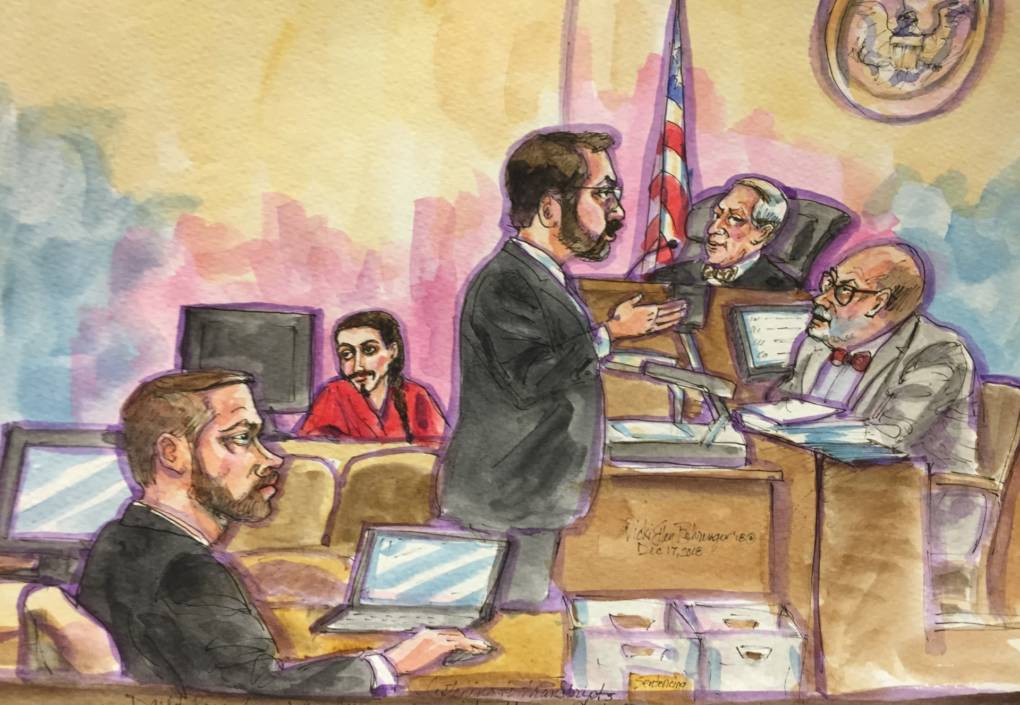
"caption": "Assistant U.S. Attorney Waqar Hasib is depicted in a courtroom sketch during his cross-examination of Dr. Marc Sageman at the Dec. 17 sentencing hearing of Amer Sinan Alhaggagi.",
"description": "Assistant U.S. Attorney Waqar Hasib is depicted in a courtroom sketch during his cross examination of Dr. Marc Sageman at the Dec. 17 sentencing hearing of Amer Sinan Alhaggagi.",
"title": "RS34497_alt_813",
"credit": "Vicki Behringer/Courtroom Artist",
"status": "inherit",
"isLoading": false,
"fetchFailed": false
},
"news_11712713": {
"type": "attachments",
"id": "news_11712713",
"meta": {
"index": "attachments_1716263798",
"site": "news",
"id": "11712713",
"found": true
},
"parent": 11711689,
"imgSizes": {
"twentyfourteen-full-width": {
"file": "https://ww2.kqed.org/app/uploads/sites/10/2018/12/RS9650_9303339141_3f3db8e6d2_o-e1544831315188-1038x576.jpg",
"width": 1038,
"mimeType": "image/jpeg",
"height": 576
},
"thumbnail": {
"file": "https://ww2.kqed.org/app/uploads/sites/10/2018/12/RS9650_9303339141_3f3db8e6d2_o-e1544831315188-160x107.jpg",
"width": 160,
"mimeType": "image/jpeg",
"height": 107
},
"post-thumbnail": {
"file": "https://ww2.kqed.org/app/uploads/sites/10/2018/12/RS9650_9303339141_3f3db8e6d2_o-e1544831315188-672x372.jpg",
"width": 672,
"mimeType": "image/jpeg",
"height": 372
},
"kqedFullSize": {
"file": "https://ww2.kqed.org/app/uploads/sites/10/2018/12/RS9650_9303339141_3f3db8e6d2_o-e1544831315188.jpg",
"width": 1920,
"height": 1280
},
"large": {
"file": "https://ww2.kqed.org/app/uploads/sites/10/2018/12/RS9650_9303339141_3f3db8e6d2_o-e1544831315188-1020x680.jpg",
"width": 1020,
"mimeType": "image/jpeg",
"height": 680
},
"complete_open_graph": {
"file": "https://ww2.kqed.org/app/uploads/sites/10/2018/12/RS9650_9303339141_3f3db8e6d2_o-e1544831315188-1200x800.jpg",
"width": 1200,
"mimeType": "image/jpeg",
"height": 800
},
"guest-author-50": {
"file": "https://ww2.kqed.org/app/uploads/sites/10/2018/12/RS9650_9303339141_3f3db8e6d2_o-e1544831315188-50x50.jpg",
"width": 50,
"mimeType": "image/jpeg",
"height": 50
},
"guest-author-96": {
"file": "https://ww2.kqed.org/app/uploads/sites/10/2018/12/RS9650_9303339141_3f3db8e6d2_o-e1544831315188-96x96.jpg",
"width": 96,
"mimeType": "image/jpeg",
"height": 96
},
"medium": {
"file": "https://ww2.kqed.org/app/uploads/sites/10/2018/12/RS9650_9303339141_3f3db8e6d2_o-e1544831315188-800x533.jpg",
"width": 800,
"mimeType": "image/jpeg",
"height": 533
},
"guest-author-64": {
"file": "https://ww2.kqed.org/app/uploads/sites/10/2018/12/RS9650_9303339141_3f3db8e6d2_o-e1544831315188-64x64.jpg",
"width": 64,
"mimeType": "image/jpeg",
"height": 64
},
"guest-author-32": {
"file": "https://ww2.kqed.org/app/uploads/sites/10/2018/12/RS9650_9303339141_3f3db8e6d2_o-e1544831315188-32x32.jpg",
"width": 32,
"mimeType": "image/jpeg",
"height": 32
},
"full-width": {
"file": "https://ww2.kqed.org/app/uploads/sites/10/2018/12/RS9650_9303339141_3f3db8e6d2_o-e1544831315188-1920x1280.jpg",
"width": 1920,
"mimeType": "image/jpeg",
"height": 1280
},
"detail": {
"file": "https://ww2.kqed.org/app/uploads/sites/10/2018/12/RS9650_9303339141_3f3db8e6d2_o-e1544831315188-150x150.jpg",
"width": 150,
"mimeType": "image/jpeg",
"height": 150
},
"guest-author-128": {
"file": "https://ww2.kqed.org/app/uploads/sites/10/2018/12/RS9650_9303339141_3f3db8e6d2_o-e1544831315188-128x128.jpg",
"width": 128,
"mimeType": "image/jpeg",
"height": 128
}
},
"publishDate": 1544827034,
"modified": 1544831306,
"caption": "Oakland, and the Bay Area in general, is one of the areas hit hardest by California's housing shortage.",
"description": "Oakland, and the Bay Area in general, is one of the areas hit hardest by California's housing shortage.",
"title": "RS9650_9303339141_3f3db8e6d2_o",
"credit": "Justin Sullivan/Getty Images",
"status": "inherit",
"isLoading": false,
"fetchFailed": false
},
"news_11710708": {
"type": "attachments",
"id": "news_11710708",
"meta": {
"index": "attachments_1716263798",
"site": "news",
"id": "11710708",
"found": true
},
"parent": 11710285,
"imgSizes": {
"twentyfourteen-full-width": {
"file": "https://ww2.kqed.org/app/uploads/sites/10/2018/12/Dtxh8UaV4AAQnN2-1038x576.jpg",
"width": 1038,
"mimeType": "image/jpeg",
"height": 576
},
"thumbnail": {
"file": "https://ww2.kqed.org/app/uploads/sites/10/2018/12/Dtxh8UaV4AAQnN2-160x120.jpg",
"width": 160,
"mimeType": "image/jpeg",
"height": 120
},
"post-thumbnail": {
"file": "https://ww2.kqed.org/app/uploads/sites/10/2018/12/Dtxh8UaV4AAQnN2-672x372.jpg",
"width": 672,
"mimeType": "image/jpeg",
"height": 372
},
"kqedFullSize": {
"file": "https://ww2.kqed.org/app/uploads/sites/10/2018/12/Dtxh8UaV4AAQnN2.jpg",
"width": 1200,
"height": 900
},
"large": {
"file": "https://ww2.kqed.org/app/uploads/sites/10/2018/12/Dtxh8UaV4AAQnN2-1020x765.jpg",
"width": 1020,
"mimeType": "image/jpeg",
"height": 765
},
"complete_open_graph": {
"file": "https://ww2.kqed.org/app/uploads/sites/10/2018/12/Dtxh8UaV4AAQnN2-1200x900.jpg",
"width": 1200,
"mimeType": "image/jpeg",
"height": 900
},
"guest-author-50": {
"file": "https://ww2.kqed.org/app/uploads/sites/10/2018/12/Dtxh8UaV4AAQnN2-50x50.jpg",
"width": 50,
"mimeType": "image/jpeg",
"height": 50
},
"guest-author-96": {
"file": "https://ww2.kqed.org/app/uploads/sites/10/2018/12/Dtxh8UaV4AAQnN2-96x96.jpg",
"width": 96,
"mimeType": "image/jpeg",
"height": 96
},
"medium": {
"file": "https://ww2.kqed.org/app/uploads/sites/10/2018/12/Dtxh8UaV4AAQnN2-800x600.jpg",
"width": 800,
"mimeType": "image/jpeg",
"height": 600
},
"guest-author-64": {
"file": "https://ww2.kqed.org/app/uploads/sites/10/2018/12/Dtxh8UaV4AAQnN2-64x64.jpg",
"width": 64,
"mimeType": "image/jpeg",
"height": 64
},
"guest-author-32": {
"file": "https://ww2.kqed.org/app/uploads/sites/10/2018/12/Dtxh8UaV4AAQnN2-32x32.jpg",
"width": 32,
"mimeType": "image/jpeg",
"height": 32
},
"detail": {
"file": "https://ww2.kqed.org/app/uploads/sites/10/2018/12/Dtxh8UaV4AAQnN2-150x150.jpg",
"width": 150,
"mimeType": "image/jpeg",
"height": 150
},
"guest-author-128": {
"file": "https://ww2.kqed.org/app/uploads/sites/10/2018/12/Dtxh8UaV4AAQnN2-128x128.jpg",
"width": 128,
"mimeType": "image/jpeg",
"height": 128
}
},
"publishDate": 1544148713,
"modified": 1544151901,
"caption": "Protesters sit outside a female-led homeless encampment in the Brookfield Village neighborhood of East Oakland on Dec. 6, 2018.",
"description": "Protesters sit outside a female-led homeless encampment in the Brookfield Village neighborhood of East Oakland on Dec. 6, 2018.",
"title": "Dtxh8UaV4AAQnN2",
"credit": "Sandhya Dirks/KQED",
"status": "inherit",
"isLoading": false,
"fetchFailed": false
},
"news_11710122": {
"type": "attachments",
"id": "news_11710122",
"meta": {
"index": "attachments_1716263798",
"site": "news",
"id": "11710122",
"found": true
},
"parent": 11709972,
"imgSizes": {
"twentyfourteen-full-width": {
"file": "https://ww2.kqed.org/app/uploads/sites/10/2018/12/01run_revise_featured001-1038x576.jpg",
"width": 1038,
"mimeType": "image/jpeg",
"height": 576
},
"thumbnail": {
"file": "https://ww2.kqed.org/app/uploads/sites/10/2018/12/01run_revise_featured001-160x75.jpg",
"width": 160,
"mimeType": "image/jpeg",
"height": 75
},
"post-thumbnail": {
"file": "https://ww2.kqed.org/app/uploads/sites/10/2018/12/01run_revise_featured001-672x372.jpg",
"width": 672,
"mimeType": "image/jpeg",
"height": 372
},
"kqedFullSize": {
"file": "https://ww2.kqed.org/app/uploads/sites/10/2018/12/01run_revise_featured001.jpg",
"width": 1920,
"height": 901
},
"large": {
"file": "https://ww2.kqed.org/app/uploads/sites/10/2018/12/01run_revise_featured001-1020x479.jpg",
"width": 1020,
"mimeType": "image/jpeg",
"height": 479
},
"complete_open_graph": {
"file": "https://ww2.kqed.org/app/uploads/sites/10/2018/12/01run_revise_featured001-1200x563.jpg",
"width": 1200,
"mimeType": "image/jpeg",
"height": 563
},
"guest-author-50": {
"file": "https://ww2.kqed.org/app/uploads/sites/10/2018/12/01run_revise_featured001-50x50.jpg",
"width": 50,
"mimeType": "image/jpeg",
"height": 50
},
"guest-author-96": {
"file": "https://ww2.kqed.org/app/uploads/sites/10/2018/12/01run_revise_featured001-96x96.jpg",
"width": 96,
"mimeType": "image/jpeg",
"height": 96
},
"medium": {
"file": "https://ww2.kqed.org/app/uploads/sites/10/2018/12/01run_revise_featured001-800x375.jpg",
"width": 800,
"mimeType": "image/jpeg",
"height": 375
},
"guest-author-64": {
"file": "https://ww2.kqed.org/app/uploads/sites/10/2018/12/01run_revise_featured001-64x64.jpg",
"width": 64,
"mimeType": "image/jpeg",
"height": 64
},
"guest-author-32": {
"file": "https://ww2.kqed.org/app/uploads/sites/10/2018/12/01run_revise_featured001-32x32.jpg",
"width": 32,
"mimeType": "image/jpeg",
"height": 32
},
"full-width": {
"file": "https://ww2.kqed.org/app/uploads/sites/10/2018/12/01run_revise_featured001-1920x901.jpg",
"width": 1920,
"mimeType": "image/jpeg",
"height": 901
},
"detail": {
"file": "https://ww2.kqed.org/app/uploads/sites/10/2018/12/01run_revise_featured001-150x150.jpg",
"width": 150,
"mimeType": "image/jpeg",
"height": 150
},
"guest-author-128": {
"file": "https://ww2.kqed.org/app/uploads/sites/10/2018/12/01run_revise_featured001-128x128.jpg",
"width": 128,
"mimeType": "image/jpeg",
"height": 128
}
},
"publishDate": 1544027970,
"modified": 1544027992,
"caption": null,
"description": null,
"title": "01run_revise_featured001",
"credit": null,
"status": "inherit",
"isLoading": false,
"fetchFailed": false
},
"news_11709852": {
"type": "attachments",
"id": "news_11709852",
"meta": {
"index": "attachments_1716263798",
"site": "news",
"id": "11709852",
"found": true
},
"parent": 11709831,
"imgSizes": {
"twentyfourteen-full-width": {
"file": "https://ww2.kqed.org/app/uploads/sites/10/2018/12/IMG_5622-e1543888569288-1038x576.jpg",
"width": 1038,
"mimeType": "image/jpeg",
"height": 576
},
"thumbnail": {
"file": "https://ww2.kqed.org/app/uploads/sites/10/2018/12/IMG_5622-e1543888569288-160x120.jpg",
"width": 160,
"mimeType": "image/jpeg",
"height": 120
},
"post-thumbnail": {
"file": "https://ww2.kqed.org/app/uploads/sites/10/2018/12/IMG_5622-e1543888569288-672x372.jpg",
"width": 672,
"mimeType": "image/jpeg",
"height": 372
},
"kqedFullSize": {
"file": "https://ww2.kqed.org/app/uploads/sites/10/2018/12/IMG_5622-e1543888569288.jpg",
"width": 1920,
"height": 1440
},
"large": {
"file": "https://ww2.kqed.org/app/uploads/sites/10/2018/12/IMG_5622-e1543888569288-1020x765.jpg",
"width": 1020,
"mimeType": "image/jpeg",
"height": 765
},
"complete_open_graph": {
"file": "https://ww2.kqed.org/app/uploads/sites/10/2018/12/IMG_5622-e1543888569288-1200x900.jpg",
"width": 1200,
"mimeType": "image/jpeg",
"height": 900
},
"guest-author-50": {
"file": "https://ww2.kqed.org/app/uploads/sites/10/2018/12/IMG_5622-e1543888569288-50x50.jpg",
"width": 50,
"mimeType": "image/jpeg",
"height": 50
},
"guest-author-96": {
"file": "https://ww2.kqed.org/app/uploads/sites/10/2018/12/IMG_5622-e1543888569288-96x96.jpg",
"width": 96,
"mimeType": "image/jpeg",
"height": 96
},
"medium": {
"file": "https://ww2.kqed.org/app/uploads/sites/10/2018/12/IMG_5622-e1543888569288-800x600.jpg",
"width": 800,
"mimeType": "image/jpeg",
"height": 600
},
"guest-author-64": {
"file": "https://ww2.kqed.org/app/uploads/sites/10/2018/12/IMG_5622-e1543888569288-64x64.jpg",
"width": 64,
"mimeType": "image/jpeg",
"height": 64
},
"guest-author-32": {
"file": "https://ww2.kqed.org/app/uploads/sites/10/2018/12/IMG_5622-e1543888569288-32x32.jpg",
"width": 32,
"mimeType": "image/jpeg",
"height": 32
},
"full-width": {
"file": "https://ww2.kqed.org/app/uploads/sites/10/2018/12/IMG_5622-e1543888569288-1920x1440.jpg",
"width": 1920,
"mimeType": "image/jpeg",
"height": 1440
},
"detail": {
"file": "https://ww2.kqed.org/app/uploads/sites/10/2018/12/IMG_5622-e1543888569288-150x150.jpg",
"width": 150,
"mimeType": "image/jpeg",
"height": 150
},
"guest-author-128": {
"file": "https://ww2.kqed.org/app/uploads/sites/10/2018/12/IMG_5622-e1543888569288-128x128.jpg",
"width": 128,
"mimeType": "image/jpeg",
"height": 128
}
},
"publishDate": 1543888516,
"modified": 1543888544,
"caption": "Kids at Paradise Elementary were bused from across the county so they could stay with their fellow students and teachers on Dec. 3, 2018.",
"description": null,
"title": "IMG_5622",
"credit": "Michelle Wiley/KQED",
"status": "inherit",
"isLoading": false,
"fetchFailed": false
},
"news_11709008": {
"type": "attachments",
"id": "news_11709008",
"meta": {
"index": "attachments_1716263798",
"site": "news",
"id": "11709008",
"found": true
},
"parent": 11708964,
"imgSizes": {
"thumbnail": {
"file": "https://ww2.kqed.org/app/uploads/sites/10/2018/11/Screen-Shot-2018-11-29-at-9.09.36-AM-160x90.png",
"width": 160,
"mimeType": "image/png",
"height": 90
},
"post-thumbnail": {
"file": "https://ww2.kqed.org/app/uploads/sites/10/2018/11/Screen-Shot-2018-11-29-at-9.09.36-AM-672x372.png",
"width": 672,
"mimeType": "image/png",
"height": 372
},
"kqedFullSize": {
"file": "https://ww2.kqed.org/app/uploads/sites/10/2018/11/Screen-Shot-2018-11-29-at-9.09.36-AM.png",
"width": 987,
"height": 555
},
"guest-author-50": {
"file": "https://ww2.kqed.org/app/uploads/sites/10/2018/11/Screen-Shot-2018-11-29-at-9.09.36-AM-50x50.png",
"width": 50,
"mimeType": "image/png",
"height": 50
},
"guest-author-96": {
"file": "https://ww2.kqed.org/app/uploads/sites/10/2018/11/Screen-Shot-2018-11-29-at-9.09.36-AM-96x96.png",
"width": 96,
"mimeType": "image/png",
"height": 96
},
"medium": {
"file": "https://ww2.kqed.org/app/uploads/sites/10/2018/11/Screen-Shot-2018-11-29-at-9.09.36-AM-800x450.png",
"width": 800,
"mimeType": "image/png",
"height": 450
},
"guest-author-64": {
"file": "https://ww2.kqed.org/app/uploads/sites/10/2018/11/Screen-Shot-2018-11-29-at-9.09.36-AM-64x64.png",
"width": 64,
"mimeType": "image/png",
"height": 64
},
"detail": {
"file": "https://ww2.kqed.org/app/uploads/sites/10/2018/11/Screen-Shot-2018-11-29-at-9.09.36-AM-150x150.png",
"width": 150,
"mimeType": "image/png",
"height": 150
},
"guest-author-32": {
"file": "https://ww2.kqed.org/app/uploads/sites/10/2018/11/Screen-Shot-2018-11-29-at-9.09.36-AM-32x32.png",
"width": 32,
"mimeType": "image/png",
"height": 32
},
"guest-author-128": {
"file": "https://ww2.kqed.org/app/uploads/sites/10/2018/11/Screen-Shot-2018-11-29-at-9.09.36-AM-128x128.png",
"width": 128,
"mimeType": "image/png",
"height": 128
}
},
"publishDate": 1543511391,
"modified": 1543512676,
"caption": "A rendering of the proposed ballbark north of Jack London Square in Oakland.",
"description": null,
"title": "Screen Shot 2018-11-29 at 9.09.36 AM",
"credit": "Courtesy of Bjarke Ingels Group",
"status": "inherit",
"isLoading": false,
"fetchFailed": false
},
"news_11677112": {
"type": "attachments",
"id": "news_11677112",
"meta": {
"index": "attachments_1716263798",
"site": "news",
"id": "11677112",
"found": true
},
"parent": 11677080,
"imgSizes": {
"small": {
"file": "https://ww2.kqed.org/app/uploads/sites/10/2018/06/IMG_3961-520x390.jpg",
"width": 520,
"mimeType": "image/jpeg",
"height": 390
},
"twentyfourteen-full-width": {
"file": "https://ww2.kqed.org/app/uploads/sites/10/2018/06/IMG_3961-1038x576.jpg",
"width": 1038,
"mimeType": "image/jpeg",
"height": 576
},
"thumbnail": {
"file": "https://ww2.kqed.org/app/uploads/sites/10/2018/06/IMG_3961-160x120.jpg",
"width": 160,
"mimeType": "image/jpeg",
"height": 120
},
"fd-sm": {
"file": "https://ww2.kqed.org/app/uploads/sites/10/2018/06/IMG_3961-960x720.jpg",
"width": 960,
"mimeType": "image/jpeg",
"height": 720
},
"post-thumbnail": {
"file": "https://ww2.kqed.org/app/uploads/sites/10/2018/06/IMG_3961-672x372.jpg",
"width": 672,
"mimeType": "image/jpeg",
"height": 372
},
"xsmall": {
"file": "https://ww2.kqed.org/app/uploads/sites/10/2018/06/IMG_3961-375x281.jpg",
"width": 375,
"mimeType": "image/jpeg",
"height": 281
},
"kqedFullSize": {
"file": "https://ww2.kqed.org/app/uploads/sites/10/2018/06/IMG_3961-e1543441021476.jpg",
"width": 1920,
"height": 1440
},
"large": {
"file": "https://ww2.kqed.org/app/uploads/sites/10/2018/06/IMG_3961-1020x765.jpg",
"width": 1020,
"mimeType": "image/jpeg",
"height": 765
},
"xlarge": {
"file": "https://ww2.kqed.org/app/uploads/sites/10/2018/06/IMG_3961-1180x885.jpg",
"width": 1180,
"mimeType": "image/jpeg",
"height": 885
},
"complete_open_graph": {
"file": "https://ww2.kqed.org/app/uploads/sites/10/2018/06/IMG_3961-1200x900.jpg",
"width": 1200,
"mimeType": "image/jpeg",
"height": 900
},
"guest-author-50": {
"file": "https://ww2.kqed.org/app/uploads/sites/10/2018/06/IMG_3961-50x50.jpg",
"width": 50,
"mimeType": "image/jpeg",
"height": 50
},
"guest-author-96": {
"file": "https://ww2.kqed.org/app/uploads/sites/10/2018/06/IMG_3961-96x96.jpg",
"width": 96,
"mimeType": "image/jpeg",
"height": 96
},
"medium": {
"file": "https://ww2.kqed.org/app/uploads/sites/10/2018/06/IMG_3961-800x600.jpg",
"width": 800,
"mimeType": "image/jpeg",
"height": 600
},
"guest-author-64": {
"file": "https://ww2.kqed.org/app/uploads/sites/10/2018/06/IMG_3961-64x64.jpg",
"width": 64,
"mimeType": "image/jpeg",
"height": 64
},
"guest-author-32": {
"file": "https://ww2.kqed.org/app/uploads/sites/10/2018/06/IMG_3961-32x32.jpg",
"width": 32,
"mimeType": "image/jpeg",
"height": 32
},
"fd-lrg": {
"file": "https://ww2.kqed.org/app/uploads/sites/10/2018/06/IMG_3961-1920x1440.jpg",
"width": 1920,
"mimeType": "image/jpeg",
"height": 1440
},
"fd-med": {
"file": "https://ww2.kqed.org/app/uploads/sites/10/2018/06/IMG_3961-1180x885.jpg",
"width": 1180,
"mimeType": "image/jpeg",
"height": 885
},
"full-width": {
"file": "https://ww2.kqed.org/app/uploads/sites/10/2018/06/IMG_3961-1920x1440.jpg",
"width": 1920,
"mimeType": "image/jpeg",
"height": 1440
},
"detail": {
"file": "https://ww2.kqed.org/app/uploads/sites/10/2018/06/IMG_3961-150x150.jpg",
"width": 150,
"mimeType": "image/jpeg",
"height": 150
},
"guest-author-128": {
"file": "https://ww2.kqed.org/app/uploads/sites/10/2018/06/IMG_3961-128x128.jpg",
"width": 128,
"mimeType": "image/jpeg",
"height": 128
},
"xxsmall": {
"file": "https://ww2.kqed.org/app/uploads/sites/10/2018/06/IMG_3961-240x180.jpg",
"width": 240,
"mimeType": "image/jpeg",
"height": 180
}
},
"publishDate": 1529957048,
"modified": 1543449719,
"caption": "Needa Bee, lead organizer for The Village, at an East Oakland encampment this past summer. ",
"description": "Needa Bee, lead organizer for The Village, at an East Oakland encampment this summer. ",
"title": "IMG_3961",
"credit": "Tara Siler/KQED",
"status": "inherit",
"isLoading": false,
"fetchFailed": false
},
"news_11708553": {
"type": "attachments",
"id": "news_11708553",
"meta": {
"index": "attachments_1716263798",
"site": "news",
"id": "11708553",
"found": true
},
"parent": 11708539,
"imgSizes": {
"twentyfourteen-full-width": {
"file": "https://ww2.kqed.org/app/uploads/sites/10/2018/11/snapseed_18-800x576.jpg",
"width": 800,
"mimeType": "image/jpeg",
"height": 576
},
"thumbnail": {
"file": "https://ww2.kqed.org/app/uploads/sites/10/2018/11/snapseed_18-160x120.jpg",
"width": 160,
"mimeType": "image/jpeg",
"height": 120
},
"post-thumbnail": {
"file": "https://ww2.kqed.org/app/uploads/sites/10/2018/11/snapseed_18-672x372.jpg",
"width": 672,
"mimeType": "image/jpeg",
"height": 372
},
"kqedFullSize": {
"file": "https://ww2.kqed.org/app/uploads/sites/10/2018/11/snapseed_18.jpg",
"width": 800,
"height": 600
},
"guest-author-50": {
"file": "https://ww2.kqed.org/app/uploads/sites/10/2018/11/snapseed_18-50x50.jpg",
"width": 50,
"mimeType": "image/jpeg",
"height": 50
},
"guest-author-96": {
"file": "https://ww2.kqed.org/app/uploads/sites/10/2018/11/snapseed_18-96x96.jpg",
"width": 96,
"mimeType": "image/jpeg",
"height": 96
},
"medium": {
"file": "https://ww2.kqed.org/app/uploads/sites/10/2018/11/snapseed_18-800x600.jpg",
"width": 800,
"mimeType": "image/jpeg",
"height": 600
},
"guest-author-64": {
"file": "https://ww2.kqed.org/app/uploads/sites/10/2018/11/snapseed_18-64x64.jpg",
"width": 64,
"mimeType": "image/jpeg",
"height": 64
},
"detail": {
"file": "https://ww2.kqed.org/app/uploads/sites/10/2018/11/snapseed_18-150x150.jpg",
"width": 150,
"mimeType": "image/jpeg",
"height": 150
},
"guest-author-32": {
"file": "https://ww2.kqed.org/app/uploads/sites/10/2018/11/snapseed_18-32x32.jpg",
"width": 32,
"mimeType": "image/jpeg",
"height": 32
},
"guest-author-128": {
"file": "https://ww2.kqed.org/app/uploads/sites/10/2018/11/snapseed_18-128x128.jpg",
"width": 128,
"mimeType": "image/jpeg",
"height": 128
}
},
"publishDate": 1543360785,
"modified": 1543361684,
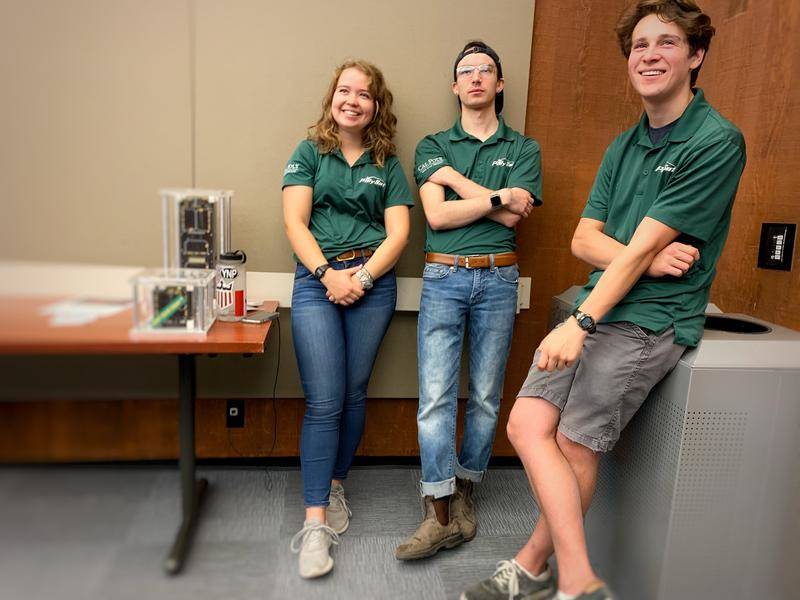
"caption": "From left, Cal Poly PolySat students Kate Parkinson, Aaron Fielden and Ryan Statz watch as the InSight spacecraft lands successfully on the Red Planet.",
"description": "From left, Cal Poly PolySat students Kate Parkinson, Aaron Fielden and Ryan Statz watch as the InSight spacecraft lands successfully on the Red Planet.",
"title": "snapseed_18",
"credit": "Tyler Pratt/KCBX News",
"status": "inherit",
"isLoading": false,
"fetchFailed": false
},
"news_11706898": {
"type": "attachments",
"id": "news_11706898",
"meta": {
"index": "attachments_1716263798",
"site": "news",
"id": "11706898",
"found": true
},
"parent": 11706836,
"imgSizes": {
"twentyfourteen-full-width": {
"file": "https://ww2.kqed.org/app/uploads/sites/10/2018/11/smokeday_111618_final-1038x576.jpg",
"width": 1038,
"mimeType": "image/jpeg",
"height": 576
},
"thumbnail": {
"file": "https://ww2.kqed.org/app/uploads/sites/10/2018/11/smokeday_111618_final-160x103.jpg",
"width": 160,
"mimeType": "image/jpeg",
"height": 103
},
"post-thumbnail": {
"file": "https://ww2.kqed.org/app/uploads/sites/10/2018/11/smokeday_111618_final-672x372.jpg",
"width": 672,
"mimeType": "image/jpeg",
"height": 372
},
"kqedFullSize": {
"file": "https://ww2.kqed.org/app/uploads/sites/10/2018/11/smokeday_111618_final.jpg",
"width": 1920,
"height": 1232
},
"large": {
"file": "https://ww2.kqed.org/app/uploads/sites/10/2018/11/smokeday_111618_final-1020x655.jpg",
"width": 1020,
"mimeType": "image/jpeg",
"height": 655
},
"complete_open_graph": {
"file": "https://ww2.kqed.org/app/uploads/sites/10/2018/11/smokeday_111618_final-1200x770.jpg",
"width": 1200,
"mimeType": "image/jpeg",
"height": 770
},
"guest-author-50": {
"file": "https://ww2.kqed.org/app/uploads/sites/10/2018/11/smokeday_111618_final-50x50.jpg",
"width": 50,
"mimeType": "image/jpeg",
"height": 50
},
"guest-author-96": {
"file": "https://ww2.kqed.org/app/uploads/sites/10/2018/11/smokeday_111618_final-96x96.jpg",
"width": 96,
"mimeType": "image/jpeg",
"height": 96
},
"medium": {
"file": "https://ww2.kqed.org/app/uploads/sites/10/2018/11/smokeday_111618_final-800x513.jpg",
"width": 800,
"mimeType": "image/jpeg",
"height": 513
},
"guest-author-64": {
"file": "https://ww2.kqed.org/app/uploads/sites/10/2018/11/smokeday_111618_final-64x64.jpg",
"width": 64,
"mimeType": "image/jpeg",
"height": 64
},
"guest-author-32": {
"file": "https://ww2.kqed.org/app/uploads/sites/10/2018/11/smokeday_111618_final-32x32.jpg",
"width": 32,
"mimeType": "image/jpeg",
"height": 32
},
"full-width": {
"file": "https://ww2.kqed.org/app/uploads/sites/10/2018/11/smokeday_111618_final-1920x1232.jpg",
"width": 1920,
"mimeType": "image/jpeg",
"height": 1232
},
"detail": {
"file": "https://ww2.kqed.org/app/uploads/sites/10/2018/11/smokeday_111618_final-150x150.jpg",
"width": 150,
"mimeType": "image/jpeg",
"height": 150
},
"guest-author-128": {
"file": "https://ww2.kqed.org/app/uploads/sites/10/2018/11/smokeday_111618_final-128x128.jpg",
"width": 128,
"mimeType": "image/jpeg",
"height": 128
}
},
"publishDate": 1542403330,
"modified": 1542403343,
"caption": null,
"description": null,
"title": "smokeday_111618_final",
"credit": null,
"status": "inherit",
"isLoading": false,
"fetchFailed": false
},
"news_11704302": {
"type": "attachments",
"id": "news_11704302",
"meta": {
"index": "attachments_1716263798",
"site": "news",
"id": "11704302",
"found": true
},
"parent": 11703960,
"imgSizes": {
"small": {
"file": "https://ww2.kqed.org/app/uploads/sites/10/2018/11/RS33682_110618_AW_Election_11-qut-520x347.jpg",
"width": 520,
"mimeType": "image/jpeg",
"height": 347
},
"twentyfourteen-full-width": {
"file": "https://ww2.kqed.org/app/uploads/sites/10/2018/11/RS33682_110618_AW_Election_11-qut-1038x576.jpg",
"width": 1038,
"mimeType": "image/jpeg",
"height": 576
},
"thumbnail": {
"file": "https://ww2.kqed.org/app/uploads/sites/10/2018/11/RS33682_110618_AW_Election_11-qut-160x107.jpg",
"width": 160,
"mimeType": "image/jpeg",
"height": 107
},
"fd-sm": {
"file": "https://ww2.kqed.org/app/uploads/sites/10/2018/11/RS33682_110618_AW_Election_11-qut-960x640.jpg",
"width": 960,
"mimeType": "image/jpeg",
"height": 640
},
"post-thumbnail": {
"file": "https://ww2.kqed.org/app/uploads/sites/10/2018/11/RS33682_110618_AW_Election_11-qut-672x372.jpg",
"width": 672,
"mimeType": "image/jpeg",
"height": 372
},
"xsmall": {
"file": "https://ww2.kqed.org/app/uploads/sites/10/2018/11/RS33682_110618_AW_Election_11-qut-375x250.jpg",
"width": 375,
"mimeType": "image/jpeg",
"height": 250
},
"kqedFullSize": {
"file": "https://ww2.kqed.org/app/uploads/sites/10/2018/11/RS33682_110618_AW_Election_11-qut.jpg",
"width": 1920,
"height": 1280
},
"large": {
"file": "https://ww2.kqed.org/app/uploads/sites/10/2018/11/RS33682_110618_AW_Election_11-qut-1020x680.jpg",
"width": 1020,
"mimeType": "image/jpeg",
"height": 680
},
"xlarge": {
"file": "https://ww2.kqed.org/app/uploads/sites/10/2018/11/RS33682_110618_AW_Election_11-qut-1180x787.jpg",
"width": 1180,
"mimeType": "image/jpeg",
"height": 787
},
"complete_open_graph": {
"file": "https://ww2.kqed.org/app/uploads/sites/10/2018/11/RS33682_110618_AW_Election_11-qut-1200x800.jpg",
"width": 1200,
"mimeType": "image/jpeg",
"height": 800
},
"guest-author-50": {
"file": "https://ww2.kqed.org/app/uploads/sites/10/2018/11/RS33682_110618_AW_Election_11-qut-50x50.jpg",
"width": 50,
"mimeType": "image/jpeg",
"height": 50
},
"guest-author-96": {
"file": "https://ww2.kqed.org/app/uploads/sites/10/2018/11/RS33682_110618_AW_Election_11-qut-96x96.jpg",
"width": 96,
"mimeType": "image/jpeg",
"height": 96
},
"medium": {
"file": "https://ww2.kqed.org/app/uploads/sites/10/2018/11/RS33682_110618_AW_Election_11-qut-800x533.jpg",
"width": 800,
"mimeType": "image/jpeg",
"height": 533
},
"guest-author-64": {
"file": "https://ww2.kqed.org/app/uploads/sites/10/2018/11/RS33682_110618_AW_Election_11-qut-64x64.jpg",
"width": 64,
"mimeType": "image/jpeg",
"height": 64
},
"guest-author-32": {
"file": "https://ww2.kqed.org/app/uploads/sites/10/2018/11/RS33682_110618_AW_Election_11-qut-32x32.jpg",
"width": 32,
"mimeType": "image/jpeg",
"height": 32
},
"fd-lrg": {
"file": "https://ww2.kqed.org/app/uploads/sites/10/2018/11/RS33682_110618_AW_Election_11-qut-1920x1280.jpg",
"width": 1920,
"mimeType": "image/jpeg",
"height": 1280
},
"fd-med": {
"file": "https://ww2.kqed.org/app/uploads/sites/10/2018/11/RS33682_110618_AW_Election_11-qut-1180x787.jpg",
"width": 1180,
"mimeType": "image/jpeg",
"height": 787
},
"full-width": {
"file": "https://ww2.kqed.org/app/uploads/sites/10/2018/11/RS33682_110618_AW_Election_11-qut-1920x1280.jpg",
"width": 1920,
"mimeType": "image/jpeg",
"height": 1280
},
"detail": {
"file": "https://ww2.kqed.org/app/uploads/sites/10/2018/11/RS33682_110618_AW_Election_11-qut-150x150.jpg",
"width": 150,
"mimeType": "image/jpeg",
"height": 150
},
"guest-author-128": {
"file": "https://ww2.kqed.org/app/uploads/sites/10/2018/11/RS33682_110618_AW_Election_11-qut-128x128.jpg",
"width": 128,
"mimeType": "image/jpeg",
"height": 128
},
"xxsmall": {
"file": "https://ww2.kqed.org/app/uploads/sites/10/2018/11/RS33682_110618_AW_Election_11-qut-240x160.jpg",
"width": 240,
"mimeType": "image/jpeg",
"height": 160
}
},
"publishDate": 1541566825,
"modified": 1541579736,
"caption": "Oakland Mayor Libby Schaaf on Nov. 6, 2018.",
"description": "Oakland Mayor Libby Schaaf on Nov. 6, 2018.",
"title": "RS33682_110618_AW_Election_11-qut",
"credit": "Anne Wernikoff/KQED",
"status": "inherit",
"isLoading": false,
"fetchFailed": false
},
"news_11703808": {
"type": "attachments",
"id": "news_11703808",
"meta": {
"index": "attachments_1716263798",
"site": "news",
"id": "11703808",
"found": true
},
"parent": 11702612,
"imgSizes": {
"small": {
"file": "https://ww2.kqed.org/app/uploads/sites/10/2018/11/cityhall-520x390.jpg",
"width": 520,
"mimeType": "image/jpeg",
"height": 390
},
"twentyfourteen-full-width": {
"file": "https://ww2.kqed.org/app/uploads/sites/10/2018/11/cityhall-1038x576.jpg",
"width": 1038,
"mimeType": "image/jpeg",
"height": 576
},
"thumbnail": {
"file": "https://ww2.kqed.org/app/uploads/sites/10/2018/11/cityhall-160x120.jpg",
"width": 160,
"mimeType": "image/jpeg",
"height": 120
},
"fd-sm": {
"file": "https://ww2.kqed.org/app/uploads/sites/10/2018/11/cityhall-960x720.jpg",
"width": 960,
"mimeType": "image/jpeg",
"height": 720
},
"post-thumbnail": {
"file": "https://ww2.kqed.org/app/uploads/sites/10/2018/11/cityhall-672x372.jpg",
"width": 672,
"mimeType": "image/jpeg",
"height": 372
},
"xsmall": {
"file": "https://ww2.kqed.org/app/uploads/sites/10/2018/11/cityhall-375x281.jpg",
"width": 375,
"mimeType": "image/jpeg",
"height": 281
},
"kqedFullSize": {
"file": "https://ww2.kqed.org/app/uploads/sites/10/2018/11/cityhall.jpg",
"width": 2048,
"height": 1536
},
"large": {
"file": "https://ww2.kqed.org/app/uploads/sites/10/2018/11/cityhall-1020x765.jpg",
"width": 1020,
"mimeType": "image/jpeg",
"height": 765
},
"xlarge": {
"file": "https://ww2.kqed.org/app/uploads/sites/10/2018/11/cityhall-1180x885.jpg",
"width": 1180,
"mimeType": "image/jpeg",
"height": 885
},
"complete_open_graph": {
"file": "https://ww2.kqed.org/app/uploads/sites/10/2018/11/cityhall-1200x900.jpg",
"width": 1200,
"mimeType": "image/jpeg",
"height": 900
},
"guest-author-50": {
"file": "https://ww2.kqed.org/app/uploads/sites/10/2018/11/cityhall-50x50.jpg",
"width": 50,
"mimeType": "image/jpeg",
"height": 50
},
"guest-author-96": {
"file": "https://ww2.kqed.org/app/uploads/sites/10/2018/11/cityhall-96x96.jpg",
"width": 96,
"mimeType": "image/jpeg",
"height": 96
},
"medium": {
"file": "https://ww2.kqed.org/app/uploads/sites/10/2018/11/cityhall-800x600.jpg",
"width": 800,
"mimeType": "image/jpeg",
"height": 600
},
"guest-author-64": {
"file": "https://ww2.kqed.org/app/uploads/sites/10/2018/11/cityhall-64x64.jpg",
"width": 64,
"mimeType": "image/jpeg",
"height": 64
},
"guest-author-32": {
"file": "https://ww2.kqed.org/app/uploads/sites/10/2018/11/cityhall-32x32.jpg",
"width": 32,
"mimeType": "image/jpeg",
"height": 32
},
"fd-lrg": {
"file": "https://ww2.kqed.org/app/uploads/sites/10/2018/11/cityhall-1920x1440.jpg",
"width": 1920,
"mimeType": "image/jpeg",
"height": 1440
},
"fd-med": {
"file": "https://ww2.kqed.org/app/uploads/sites/10/2018/11/cityhall-1180x885.jpg",
"width": 1180,
"mimeType": "image/jpeg",
"height": 885
},
"full-width": {
"file": "https://ww2.kqed.org/app/uploads/sites/10/2018/11/cityhall-1920x1440.jpg",
"width": 1920,
"mimeType": "image/jpeg",
"height": 1440
},
"detail": {
"file": "https://ww2.kqed.org/app/uploads/sites/10/2018/11/cityhall-150x150.jpg",
"width": 150,
"mimeType": "image/jpeg",
"height": 150
},
"guest-author-128": {
"file": "https://ww2.kqed.org/app/uploads/sites/10/2018/11/cityhall-128x128.jpg",
"width": 128,
"mimeType": "image/jpeg",
"height": 128
},
"xxsmall": {
"file": "https://ww2.kqed.org/app/uploads/sites/10/2018/11/cityhall-240x180.jpg",
"width": 240,
"mimeType": "image/jpeg",
"height": 180
}
},
"publishDate": 1541454234,
"modified": 1541465100,
"caption": "Oakland City Hall. ",
"description": null,
"title": "cityhall",
"credit": "Mike Linksvayer via Flickr",
"status": "inherit",
"isLoading": false,
"fetchFailed": false
},
"news_11703017": {
"type": "attachments",
"id": "news_11703017",
"meta": {
"index": "attachments_1716263798",
"site": "news",
"id": "11703017",
"found": true
},
"parent": 11702912,
"imgSizes": {
"small": {
"file": "https://ww2.kqed.org/app/uploads/sites/10/2018/11/RS33535_PANICBUTTON.BlancaPhoto2-qut-520x390.jpg",
"width": 520,
"mimeType": "image/jpeg",
"height": 390
},
"twentyfourteen-full-width": {
"file": "https://ww2.kqed.org/app/uploads/sites/10/2018/11/RS33535_PANICBUTTON.BlancaPhoto2-qut-1038x576.jpg",
"width": 1038,
"mimeType": "image/jpeg",
"height": 576
},
"thumbnail": {
"file": "https://ww2.kqed.org/app/uploads/sites/10/2018/11/RS33535_PANICBUTTON.BlancaPhoto2-qut-160x120.jpg",
"width": 160,
"mimeType": "image/jpeg",
"height": 120
},
"fd-sm": {
"file": "https://ww2.kqed.org/app/uploads/sites/10/2018/11/RS33535_PANICBUTTON.BlancaPhoto2-qut-960x720.jpg",
"width": 960,
"mimeType": "image/jpeg",
"height": 720
},
"post-thumbnail": {
"file": "https://ww2.kqed.org/app/uploads/sites/10/2018/11/RS33535_PANICBUTTON.BlancaPhoto2-qut-672x372.jpg",
"width": 672,
"mimeType": "image/jpeg",
"height": 372
},
"xsmall": {
"file": "https://ww2.kqed.org/app/uploads/sites/10/2018/11/RS33535_PANICBUTTON.BlancaPhoto2-qut-375x281.jpg",
"width": 375,
"mimeType": "image/jpeg",
"height": 281
},
"kqedFullSize": {
"file": "https://ww2.kqed.org/app/uploads/sites/10/2018/11/RS33535_PANICBUTTON.BlancaPhoto2-qut.jpg",
"width": 1920,
"height": 1440
},
"large": {
"file": "https://ww2.kqed.org/app/uploads/sites/10/2018/11/RS33535_PANICBUTTON.BlancaPhoto2-qut-1020x765.jpg",
"width": 1020,
"mimeType": "image/jpeg",
"height": 765
},
"xlarge": {
"file": "https://ww2.kqed.org/app/uploads/sites/10/2018/11/RS33535_PANICBUTTON.BlancaPhoto2-qut-1180x885.jpg",
"width": 1180,
"mimeType": "image/jpeg",
"height": 885
},
"complete_open_graph": {
"file": "https://ww2.kqed.org/app/uploads/sites/10/2018/11/RS33535_PANICBUTTON.BlancaPhoto2-qut-1200x900.jpg",
"width": 1200,
"mimeType": "image/jpeg",
"height": 900
},
"guest-author-50": {
"file": "https://ww2.kqed.org/app/uploads/sites/10/2018/11/RS33535_PANICBUTTON.BlancaPhoto2-qut-50x50.jpg",
"width": 50,
"mimeType": "image/jpeg",
"height": 50
},
"guest-author-96": {
"file": "https://ww2.kqed.org/app/uploads/sites/10/2018/11/RS33535_PANICBUTTON.BlancaPhoto2-qut-96x96.jpg",
"width": 96,
"mimeType": "image/jpeg",
"height": 96
},
"medium": {
"file": "https://ww2.kqed.org/app/uploads/sites/10/2018/11/RS33535_PANICBUTTON.BlancaPhoto2-qut-800x600.jpg",
"width": 800,
"mimeType": "image/jpeg",
"height": 600
},
"guest-author-64": {
"file": "https://ww2.kqed.org/app/uploads/sites/10/2018/11/RS33535_PANICBUTTON.BlancaPhoto2-qut-64x64.jpg",
"width": 64,
"mimeType": "image/jpeg",
"height": 64
},
"guest-author-32": {
"file": "https://ww2.kqed.org/app/uploads/sites/10/2018/11/RS33535_PANICBUTTON.BlancaPhoto2-qut-32x32.jpg",
"width": 32,
"mimeType": "image/jpeg",
"height": 32
},
"fd-lrg": {
"file": "https://ww2.kqed.org/app/uploads/sites/10/2018/11/RS33535_PANICBUTTON.BlancaPhoto2-qut-1920x1440.jpg",
"width": 1920,
"mimeType": "image/jpeg",
"height": 1440
},
"fd-med": {
"file": "https://ww2.kqed.org/app/uploads/sites/10/2018/11/RS33535_PANICBUTTON.BlancaPhoto2-qut-1180x885.jpg",
"width": 1180,
"mimeType": "image/jpeg",
"height": 885
},
"full-width": {
"file": "https://ww2.kqed.org/app/uploads/sites/10/2018/11/RS33535_PANICBUTTON.BlancaPhoto2-qut-1920x1440.jpg",
"width": 1920,
"mimeType": "image/jpeg",
"height": 1440
},
"detail": {
"file": "https://ww2.kqed.org/app/uploads/sites/10/2018/11/RS33535_PANICBUTTON.BlancaPhoto2-qut-150x150.jpg",
"width": 150,
"mimeType": "image/jpeg",
"height": 150
},
"guest-author-128": {
"file": "https://ww2.kqed.org/app/uploads/sites/10/2018/11/RS33535_PANICBUTTON.BlancaPhoto2-qut-128x128.jpg",
"width": 128,
"mimeType": "image/jpeg",
"height": 128
},
"xxsmall": {
"file": "https://ww2.kqed.org/app/uploads/sites/10/2018/11/RS33535_PANICBUTTON.BlancaPhoto2-qut-240x180.jpg",
"width": 240,
"mimeType": "image/jpeg",
"height": 180
}
},
"publishDate": 1541109872,
"modified": 1541191433,
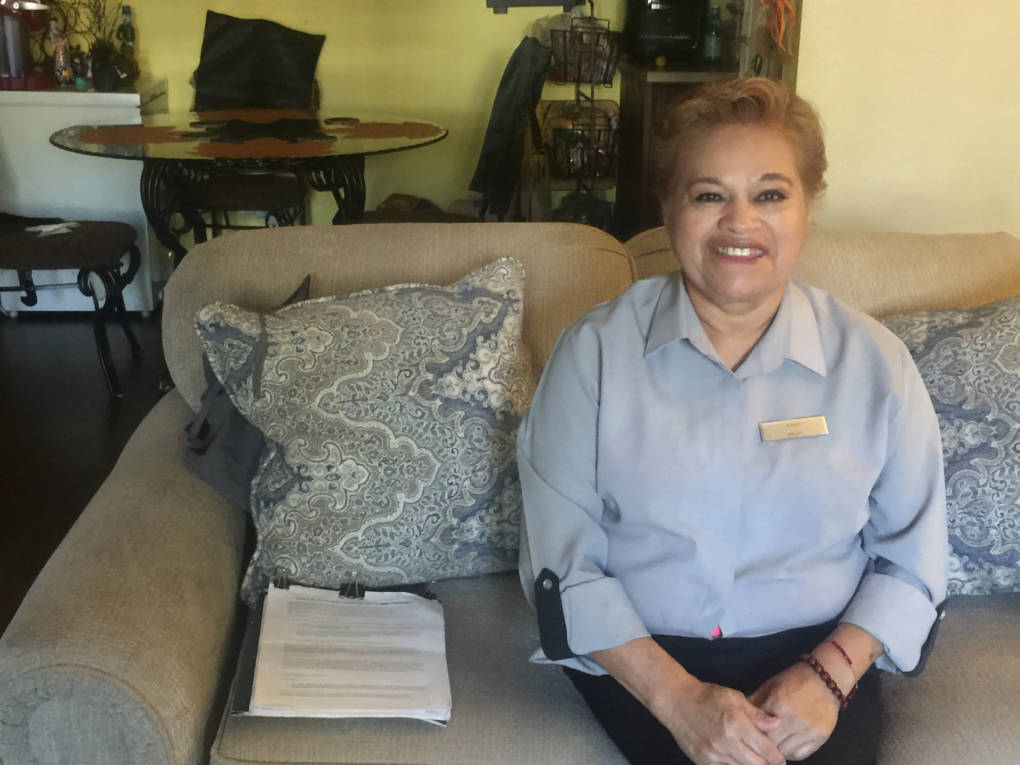
"caption": "Hotel employee Blanca Smith at her home in San Leandro after working the night shift at the Hilton.",
"description": null,
"title": "RS33535_PANICBUTTON.BlancaPhoto2-qut",
"credit": "Holly McDede",
"status": "inherit",
"isLoading": false,
"fetchFailed": false
}
},
"audioPlayerReducer": {
"postId": "stream_live",
"isPaused": true,
"isPlaying": false,
"pfsActive": false,
"pledgeModalIsOpen": true,
"playerDrawerIsOpen": false,
"liveAudioPlayStartedAt": 0,
"liveAudioPlayContext": ""
},
"authorsReducer": {
"byline_news_11708539": {
"type": "authors",
"id": "byline_news_11708539",
"meta": {
"override": true
},
"slug": "byline_news_11708539",
"name": "Tyler Pratt, KCBX",
"isLoading": false
},
"byline_news_11702912": {
"type": "authors",
"id": "byline_news_11702912",
"meta": {
"override": true
},
"slug": "byline_news_11702912",
"name": "Holly McDede and Kristin McCandless",
"isLoading": false
},
"ninathorsen": {
"type": "authors",
"id": "246",
"meta": {
"index": "authors_1716337520",
"id": "246",
"found": true
},
"name": "Nina Thorsen",
"firstName": "Nina",
"lastName": "Thorsen",
"slug": "ninathorsen",
"email": "nthorsen@kqed.org",
"display_author_email": false,
"staff_mastheads": [
"news"
],
"title": "Producer, Radio",
"bio": "\u003cspan style=\"color: #000000;\">Nina Thorsen is a KQED radio producer, and frequently reports on sports and culture. \u003c/span>\u003cspan style=\"color: #000000;\">She co-created and produced KQED's \u003cem>Pacific Time, \u003c/em> a weekly radio program on Asian and Asian American issues that aired from 2000 to 2007. Before coming to KQED, Thorsen was the deputy foreign editor for \u003cem>Marketplace, \u003c/em>and in her home state of Minnesota, worked for \u003cem>A Prairie Home Companion\u003c/em> and for Public Radio International. \u003c/span>",
"avatar": "https://secure.gravatar.com/avatar/e13dc7282cec33c15d973ebb56d57ead?s=600&d=blank&r=g",
"twitter": "NinaKQED",
"facebook": null,
"instagram": null,
"linkedin": null,
"sites": [
{
"site": "news",
"roles": [
"editor"
]
},
{
"site": "podcasts",
"roles": [
"editor"
]
}
],
"headData": {
"title": "Nina Thorsen | KQED",
"description": "Producer, Radio",
"ogImgSrc": "https://secure.gravatar.com/avatar/e13dc7282cec33c15d973ebb56d57ead?s=600&d=blank&r=g",
"twImgSrc": "https://secure.gravatar.com/avatar/e13dc7282cec33c15d973ebb56d57ead?s=600&d=blank&r=g"
},
"isLoading": false,
"link": "/author/ninathorsen"
},
"aemslie": {
"type": "authors",
"id": "3206",
"meta": {
"index": "authors_1716337520",
"id": "3206",
"found": true
},
"name": "Alex Emslie",
"firstName": "Alex",
"lastName": "Emslie",
"slug": "aemslie",
"email": "aemslie@kqed.org",
"display_author_email": true,
"staff_mastheads": [
"news"
],
"title": "KQED Senior Editor",
"bio": "Alex Emslie is senior editor of talent and development at KQED, where he manages dozens of early career journalists and oversees news department internships.\r\n\r\nHe is a former carpenter and proud graduate of City College of San Francisco and San Francisco State University, where he studied journalism and criminal justice before joining KQED in 2013.\r\n\r\nAlex produced investigative journalism focused on \u003ca href=\"https://www.kqed.org/news/11667594/the-trials-of-marvin-mutch-video\">criminal justice\u003c/a> and policing for most of a decade. He has broken major stories about \u003ca href=\"https://www.kqed.org/news/135682/amid-a-series-of-vallejo-police-shootings-one-officers-name-stands-out\">police use of deadly force\u003c/a>, \u003ca href=\"https://www.kqed.org/news/10454955/racist-texts-prompt-sfpd-internal-investigation\">officer misconduct\u003c/a> and \u003ca href=\"https://www.kqed.org/news/11712239/terrorist-or-troll-judge-to-weigh-whether-oakland-man-really-intended-to-attack-bay-area\">other\u003c/a> \u003ca href=\"https://www.kqed.org/news/11221414/hayward-paid-159000-to-husband-of-retired-police-chief-documents-show\">high\u003c/a>-\u003ca href=\"https://www.kqed.org/news/10622762/the-forgotten-tracking-two-homicides-in-san-francisco-public-housing\">profile\u003c/a> \u003ca href=\"https://www.kqed.org/news/11624516/federal-agency-promoted-ranger-just-months-after-his-gun-was-stolen-and-used-in-steinle-killing\">cases\u003c/a>. He co-founded the \u003ca href=\"https://projects.scpr.org/california-reporting-project/\">California Reporting Project\u003c/a> in 2019 to obtain and report on previously confidential police internal investigations. The effort produced well over 100 original stories and changed the course of multiple criminal cases.\r\n\r\nHis work has been recognized with numerous journalism awards, including a national Edward R. Murrow award for several years of \u003ca href=\"https://www.kqed.org/news/11688481/sfpd-officers-in-mario-woods-case-recount-shooting-in-newly-filed-depositions\">reporting\u003c/a> on the San Francisco Police shooting of Mario Woods. His \u003ca href=\"https://www.kqed.org/news/147854/half-of-those-killed-by-san-francisco-police-are-mentally-ill\">reporting\u003c/a> on police killings of people in psychiatric crisis was cited in amicus briefs before the U.S. Supreme Court.\r\n\r\nAlex now enjoys mentoring the next generation of journalists at KQED.",
"avatar": "https://secure.gravatar.com/avatar/e691e65209f20e9da202bd730ead5663?s=600&d=blank&r=g",
"twitter": "SFNewsReporter",
"facebook": null,
"instagram": null,
"linkedin": null,
"sites": [
{
"site": "arts",
"roles": [
"editor"
]
},
{
"site": "news",
"roles": [
"editor"
]
},
{
"site": "mindshift",
"roles": [
"editor"
]
},
{
"site": "stateofhealth",
"roles": [
"editor"
]
},
{
"site": "science",
"roles": [
"administrator"
]
}
],
"headData": {
"title": "Alex Emslie | KQED",
"description": "KQED Senior Editor",
"ogImgSrc": "https://secure.gravatar.com/avatar/e691e65209f20e9da202bd730ead5663?s=600&d=blank&r=g",
"twImgSrc": "https://secure.gravatar.com/avatar/e691e65209f20e9da202bd730ead5663?s=600&d=blank&r=g"
},
"isLoading": false,
"link": "/author/aemslie"
},
"markfiore": {
"type": "authors",
"id": "3236",
"meta": {
"index": "authors_1716337520",
"id": "3236",
"found": true
},
"name": "Mark Fiore",
"firstName": "Mark",
"lastName": "Fiore",
"slug": "markfiore",
"email": "mark@markfiore.com",
"display_author_email": false,
"staff_mastheads": [
"news"
],
"title": "KQED News Cartoonist",
"bio": "\u003ca href=\"http://www.MarkFiore.com\">MarkFiore.com\u003c/a> | \u003ca href=\"https://twitter.com/markfiore\">Follow on Twitter\u003c/a> | \u003ca href=\"https://www.facebook.com/pages/Mark-Fiore-Animated-Political-Cartoons/94451707396?ref=bookmarks\">Facebook\u003c/a> | \u003ca href=\"mailto:mark@markfiore.com\">email\u003c/a>\r\n\r\nPulitzer Prize-winner, Mark Fiore, who the Wall Street Journal has called “the undisputed guru of the form,” creates animated political cartoons in San Francisco, where his work has been featured regularly on the San Francisco Chronicle’s web site, SFGate.com. His work has appeared on Newsweek.com, Slate.com, CBSNews.com, MotherJones.com, DailyKos.com and NPR’s web site. Fiore’s political animation has appeared on CNN, Frontline, Bill Moyers Journal, Salon.com and cable and broadcast outlets across the globe.\r\n\r\nBeginning his professional life by drawing traditional political cartoons for newspapers, Fiore’s work appeared in publications ranging from the Washington Post to the Los Angeles Times. In the late 1990s, he began to experiment with animating political cartoons and, after a short stint at the San Jose Mercury News as their staff cartoonist, Fiore devoted all his energies to animation.\r\nGrowing up in California, Fiore also spent a good portion of his life in the backwoods of Idaho. It was this combination that shaped him politically. Mark majored in political science at Colorado College, where, in a perfect send-off for a cartoonist, he received his diploma in 1991 as commencement speaker Dick Cheney smiled approvingly.\r\nMark Fiore was awarded the Pulitzer Prize for political cartooning in 2010, a Robert F. Kennedy Journalism Award in 2004 and has twice received an Online Journalism Award for commentary from the Online News Association (2002, 2008). Fiore has received two awards for his work in new media from the National Cartoonists Society (2001, 2002), and in 2006 received The James Madison Freedom of Information Award from The Society of Professional Journalists.",
"avatar": "https://secure.gravatar.com/avatar/fc4e2a612b15b67bad0c6f0e1db4ca9b?s=600&d=blank&r=g",
"twitter": "MarkFiore",
"facebook": null,
"instagram": "https://www.instagram.com/markfiore/?hl=en",
"linkedin": null,
"sites": [
{
"site": "arts",
"roles": [
"contributor"
]
},
{
"site": "news",
"roles": [
"editor"
]
},
{
"site": "futureofyou",
"roles": [
"editor"
]
},
{
"site": "science",
"roles": [
"editor"
]
}
],
"headData": {
"title": "Mark Fiore | KQED",
"description": "KQED News Cartoonist",
"ogImgSrc": "https://secure.gravatar.com/avatar/fc4e2a612b15b67bad0c6f0e1db4ca9b?s=600&d=blank&r=g",
"twImgSrc": "https://secure.gravatar.com/avatar/fc4e2a612b15b67bad0c6f0e1db4ca9b?s=600&d=blank&r=g"
},
"isLoading": false,
"link": "/author/markfiore"
},
"sdirks": {
"type": "authors",
"id": "7239",
"meta": {
"index": "authors_1716337520",
"id": "7239",
"found": true
},
"name": "Sandhya Dirks",
"firstName": "Sandhya",
"lastName": "Dirks",
"slug": "sdirks",
"email": "sdirks@kqed.org",
"display_author_email": true,
"staff_mastheads": [],
"title": null,
"bio": "Sandhya Dirks was the race and equity reporter at KQED. She approaches race and equity not as a beat, but as a fundamental lens for all investigative and explanatory reporting.\r\n\r\nSandhya covered policing, housing, social justice movements, and the shifting demographics of cities and suburbs.\r\n\r\nShe was the creator and co-host of the podcast American Suburb, about the transformation of suburbia into the most diverse space in American life. She was the editor for Truth Be Told, an advice show for and by people of color. \r\n\r\nHer stories about race, space, and belonging were part of KQED's So Well Spoken project, which won RNDTA's Kaleidoscope award, honoring outstanding achievements in the coverage of diversity.\r\n\r\nPrior to joining KQED in 2015, Sandhya covered the 2012 presidential election from the swing state of Iowa for Iowa Public Radio. At KPBS in San Diego, she broke the story of a sexual harassment scandal that led to the mayor's resignation.\r\n\r\nShe got her start in radio working on documentaries about Oakland that investigated the high drop-out rate in public schools and mistrust between the police and the community.\r\n\r\nSandhya lives in Oakland and believes all stories are stories about power.",
"avatar": "https://secure.gravatar.com/avatar/c0247cb15929cd4c197672fd73d45300?s=600&d=blank&r=g",
"twitter": "audiosand",
"facebook": null,
"instagram": null,
"linkedin": null,
"sites": [
{
"site": "news",
"roles": [
"subscriber"
]
},
{
"site": "stateofhealth",
"roles": [
"author"
]
}
],
"headData": {
"title": "Sandhya Dirks | KQED",
"description": null,
"ogImgSrc": "https://secure.gravatar.com/avatar/c0247cb15929cd4c197672fd73d45300?s=600&d=blank&r=g",
"twImgSrc": "https://secure.gravatar.com/avatar/c0247cb15929cd4c197672fd73d45300?s=600&d=blank&r=g"
},
"isLoading": false,
"link": "/author/sdirks"
},
"btaylor": {
"type": "authors",
"id": "11365",
"meta": {
"index": "authors_1716337520",
"id": "11365",
"found": true
},
"name": "Bianca Taylor",
"firstName": "Bianca",
"lastName": "Taylor",
"slug": "btaylor",
"email": "btaylor@KQED.org",
"display_author_email": false,
"staff_mastheads": [
"news"
],
"title": "Host and Producer ",
"bio": "Bianca Taylor is a news producer and host of KQED's The Latest podcast.\r\n\r\nHer work with KQED has been honored by the Society of Professional Journalists NorCal, the Webby's, the Regional Murrow Awards, and ONA. She has also worked with NPR, the BBC World Service, and the Washington Post Creative Group.\r\n\r\nBianca is represented by SAG-AFTRA.",
"avatar": "https://secure.gravatar.com/avatar/6b9d3f6552dd10470c5d1c2e58cfe717?s=600&d=blank&r=g",
"twitter": "SoundsLkeBianca",
"facebook": null,
"instagram": null,
"linkedin": null,
"sites": [
{
"site": "arts",
"roles": [
"editor"
]
},
{
"site": "news",
"roles": [
"edit_others_posts",
"editor"
]
},
{
"site": "pop",
"roles": [
"editor"
]
},
{
"site": "bayareabites",
"roles": [
"author"
]
},
{
"site": "science",
"roles": [
"editor"
]
},
{
"site": "forum",
"roles": [
"editor"
]
},
{
"site": "radio",
"roles": [
"editor"
]
},
{
"site": "podcasts",
"roles": [
"editor"
]
}
],
"headData": {
"title": "Bianca Taylor | KQED",
"description": "Host and Producer ",
"ogImgSrc": "https://secure.gravatar.com/avatar/6b9d3f6552dd10470c5d1c2e58cfe717?s=600&d=blank&r=g",
"twImgSrc": "https://secure.gravatar.com/avatar/6b9d3f6552dd10470c5d1c2e58cfe717?s=600&d=blank&r=g"
},
"isLoading": false,
"link": "/author/btaylor"
},
"mwiley": {
"type": "authors",
"id": "11526",
"meta": {
"index": "authors_1716337520",
"id": "11526",
"found": true
},
"name": "Michelle Wiley",
"firstName": "Michelle",
"lastName": "Wiley",
"slug": "mwiley",
"email": "mwiley@KQED.org",
"display_author_email": true,
"staff_mastheads": [],
"title": null,
"bio": "Michelle Wiley was the senior editor of weekends.",
"avatar": "https://secure.gravatar.com/avatar/3b897d82a09e8587e8e73fa69fbcc635?s=600&d=blank&r=g",
"twitter": "michelleewiley",
"facebook": null,
"instagram": null,
"linkedin": null,
"sites": [
{
"site": "",
"roles": [
"editor"
]
},
{
"site": "arts",
"roles": [
"editor"
]
},
{
"site": "news",
"roles": [
"subscriber"
]
},
{
"site": "lowdown",
"roles": [
"editor"
]
},
{
"site": "science",
"roles": [
"editor"
]
},
{
"site": "podcasts",
"roles": [
"editor"
]
}
],
"headData": {
"title": "Michelle Wiley | KQED",
"description": null,
"ogImgSrc": "https://secure.gravatar.com/avatar/3b897d82a09e8587e8e73fa69fbcc635?s=600&d=blank&r=g",
"twImgSrc": "https://secure.gravatar.com/avatar/3b897d82a09e8587e8e73fa69fbcc635?s=600&d=blank&r=g"
},
"isLoading": false,
"link": "/author/mwiley"
}
},
"pagesReducer": {
"news_tag_education": {
"type": "terms",
"id": "news_20013",
"meta": {
"index": "terms_1716263798",
"site": "news",
"id": "20013",
"score": 6.970053
},
"featImg": null,
"name": "education",
"description": null,
"taxonomy": "tag",
"headData": {
"twImgId": null,
"twTitle": null,
"ogTitle": null,
"ogImgId": null,
"twDescription": null,
"description": null,
"title": "education Archives | KQED News",
"ogDescription": null
},
"ttid": 20030,
"slug": "education",
"isLoading": false,
"title": "education",
"pageMeta": {
"site": "news",
"WpPageTemplate": "page-topic-editorial",
"currentPage": 105
},
"blocks": [
{
"blockName": "kqed/post-list",
"attrs": {
"layout": "cardArticle2",
"query": "posts/news?tag=education",
"seeMore": false,
"paginated": true,
"page": 105
}
},
{
"blockName": "kqed/ad"
}
]
}
},
"pfsSessionReducer": {},
"postsReducer": {
"stream_live": {
"type": "live",
"id": "stream_live",
"audioUrl": "https://streams.kqed.org/kqedradio",
"title": "Live Stream",
"excerpt": "Live Stream information currently unavailable.",
"link": "/radio",
"featImg": "",
"label": {
"name": "KQED Live",
"link": "/"
}
},
"stream_kqedNewscast": {
"type": "posts",
"id": "stream_kqedNewscast",
"audioUrl": "https://www.kqed.org/.stream/anon/radio/RDnews/newscast.mp3?_=1",
"title": "KQED Newscast",
"featImg": "",
"label": {
"name": "88.5 FM",
"link": "/"
}
},
"news_11713245": {
"type": "posts",
"id": "news_11713245",
"meta": {
"index": "posts_1716263798",
"site": "news",
"id": "11713245",
"score": null,
"sort": [
1545163293000
]
},
"guestAuthors": [],
"slug": "terror-debated-at-dramatic-sentencing-of-oakland-man-who-opened-twitter-accounts-for-islamic-state",
"title": "Terror Debated at 'Dramatic' Sentencing of Oakland Man Who Opened Twitter Accounts for Islamic State",
"publishDate": 1545163293,
"format": "audio",
"headTitle": "Terror Debated at ‘Dramatic’ Sentencing of Oakland Man Who Opened Twitter Accounts for Islamic State | KQED",
"labelTerm": {
"term": 72,
"site": "news"
},
"content": "\u003cp>The sentencing of a 23-year-old Oakland man who pleaded guilty to a terrorism charge last summer will continue into next year as a federal judge grapples with what the defense says is an overly broad law that allows severe punishment for providing any kind of aid to a terrorist group.\u003c/p>\n\u003cp>Judge Charles Breyer continued the sentencing of Amer Sinan Alhaggagi after a full day of testimony Monday in order to hear next month from two jailhouse informants who told federal prosecutors that the defendant continued to plan attacks even after he was arrested in late 2016.\u003c/p>\n\u003caside class=\"alignright\">\n\u003ch4 style=\"text-align: center;\">\u003ca href=\"https://www.kqed.org/news/11712239/terrorist-or-troll-judge-to-weigh-whether-oakland-man-really-intended-to-attack-bay-area\" target=\"_blank\" rel=\"noopener\">\u003cspan style=\"color: #000000;\">Terrorist or Troll? Judge to Weigh Whether Oakland Man Really Intended to Attack Bay Area\u003c/span>\u003c/a>\u003c/h4>\n\u003cfigure>\u003ca href=\"https://www.kqed.org/news/11712239/terrorist-or-troll-judge-to-weigh-whether-oakland-man-really-intended-to-attack-bay-area\" target=\"_blank\" rel=\"noopener\">\u003cimg decoding=\"async\" src=\"https://ww2.kqed.org/news/wp-content/uploads/sites/10/2018/12/screen-shot-2-1180x605.jpg\" alt=\"\">\u003c/a>\u003c/figure>\n\u003c/aside>\n\u003cp>“I really want to get this right,” Breyer said from the bench. “I don’t think I’ve had a sentencing as dramatic in the sense of what was done, what was said, and what a potential sentence should be.”\u003c/p>\n\u003cp>What was said includes voluminous statements from Alhaggagi, online and in person to an undercover FBI agent, describing plans for a series of bomb attacks in San Francisco and the East Bay, a plot to distribute strychnine-laced cocaine and a scheme to light a wildfire in the Berkeley Hills.\u003c/p>\n\u003cp>But what was done falls far short of any action to carry out those attacks, Alhaggagi’s defense argues. His attorneys are quick to point out that the charge — attempting to provide material support to a foreign terrorist organization — stems not from Alhaggagi’s idea to “\u003ca href=\"https://www.kqed.org/news/11712239/terrorist-or-troll-judge-to-weigh-whether-oakland-man-really-intended-to-attack-bay-area\" target=\"_blank\" rel=\"noopener\">redefine terror in the Bay Area\u003c/a>,” but rather from his opening of a handful of social media accounts for Islamic State sympathizers. The defense argues that it was part of an immature chat room fight — and Alhaggagi’s attempt to enlist online jihadis to retaliate for him in a “\u003ca href=\"https://www.urbandictionary.com/define.php?term=flame%20war\" target=\"_blank\" rel=\"noopener\">flame war\u003c/a>.”\u003c/p>\n\u003cp>[ad fullwidth]\u003c/p>\n\u003cp>The FBI and federal prosecutors took Alhaggagi’s talk seriously, conducting round-the-clock surveillance and sending an undercover agent posing as an al-Qaida bomb maker to probe the defendant’s intentions. The prosecution argues that Alhaggagi’s repeated willingness to meet with the agent, his online history including downloading a bomb-making manual and researching strychnine, and his application for a job with the Oakland Police Department are all real actions Alhaggagi took to further his plans.\u003c/p>\n\u003cp>They’re seeking a 33-year prison sentence. The defense, bolstered by the agreement of the federal probation department and a former CIA operative who evaluated Alhaggagi’s extremism, is asking for a four-year sentence.\u003c/p>\n\u003ch3>‘Manager of Spies’\u003c/h3>\n\u003cp>Former CIA case officer Dr. Marc Sageman was hired by Alhaggagi’s defense to apply his decades of experience interviewing jihadi extremists and measure the defendant’s intentions.\u003c/p>\n\u003cp>Sageman testified that he was a “manager of spies” and “ran a war” against the Soviets in Afghanistan during his time with the CIA in the 1980s. He resigned in 1991 and pursued a specialty in forensic psychology, he testified, also applying social science principles to the study of political violence.\u003c/p>\n\u003cp>He said he studied the 11,000 pages of discovery in the case against Alhaggagi in preparation for an interview that would test two hypotheses.\u003c/p>\n\u003caside class=\"alignright\">\n\u003ch4 style=\"text-align: center;\">\u003ca href=\"https://www.kqed.org/news/11681319/oakland-man-pleads-guilty-to-terrorism-charge-plans-to-litigate-case-at-sentencing\" target=\"_blank\" rel=\"noopener\">\u003cspan style=\"color: #000000;\">Oakland Man Pleads Guilty to Terrorism Charge, Plans to Litigate Case at Sentencing\u003c/span>\u003c/a>\u003c/h4>\n\u003cfigure>\u003ca href=\"https://www.kqed.org/news/11681319/oakland-man-pleads-guilty-to-terrorism-charge-plans-to-litigate-case-at-sentencing\" target=\"_blank\" rel=\"noopener\">\u003cimg decoding=\"async\" src=\"https://ww2.kqed.org/news/wp-content/uploads/sites/10/2018/07/RS29855_COURTHOUSE_007-qut-1180x788.jpg\" alt=\"\">\u003c/a>\u003c/figure>\n\u003c/aside>\n\u003cp>“He’s either trolling people or he’s a real jihadi,” Sageman testified. “Talk is cheap. There are so many people on the internet claiming all kinds of things.”\u003c/p>\n\u003cp>Sageman said he first tested Alhaggagi by dropping a reference to Abdullah Azzam — a mentor of Osama bin Laden known as the “father of global jihad.” Azzam was killed in 1989, several years before Alhaggagi was born, and the defendant didn’t know who he was, Sageman testified.\u003c/p>\n\u003cp>“Every jihadi who I have ever met knew who Abdullah Azzam was,” Sageman said.\u003c/p>\n\u003cp>He said Alhaggagi habitually invented stories.\u003c/p>\n\u003cp>“He’s really a coward,” Sageman testified as Alhaggagi grinned. “He doesn’t really do anything.”\u003c/p>\n\u003ch3>‘Slaughter Them With Knives’\u003c/h3>\n\u003cp>Federal prosecutor Waqar Hasib criticized the way Sageman summarized some of Alhaggagi’s statements in his report, which was filed under seal.\u003c/p>\n\u003cp>Hasib seized on Sageman’s conclusion that because Alhaggagi has no history of violent crime, he is actually less likely to be dangerous than a randomly selected U.S. citizen.\u003c/p>\n\u003cp>“Is a randomly picked individual from the United States likely to talk about planting a bomb in a gay nightclub with someone they just met?” Hasib asked.\u003c/p>\n\u003cp>“No,” Sageman said.\u003c/p>\n\u003cp>“I know how to build bombs,” Sageman added. “Mr. Alhaggagi does not know how to build bombs.”\u003c/p>\n\u003cp>https://www.youtube.com/watch?v=U9z1FBzHNOE&feature=youtu.be\u003c/p>\n\u003cp>Hasib played an audio recording in court of a November 2016 meeting between the undercover agent and Alhaggagi, in which the agent discusses, and agrees with, the defendant’s wide-ranging plans for murder and mayhem.\u003c/p>\n\u003cp>“I want to do several different types of killing,” Alhaggagi said on the recording. “I wanna like, do the explosives, kill ‘em with guns, probably like slaughter them with knives.”\u003c/p>\n\u003cp>Sageman said Alhaggagi was continuing his online trolling behavior in real life, seeing how far he could push before someone disagreed.\u003c/p>\n\u003cp>“The more absurd ideas he had, the more they agreed with it and encouraged him,” Sageman testified.\u003c/p>\n\u003ch3>‘Detonator’\u003c/h3>\n\u003cp>The dispute over whether Alhaggagi is a sincere terrorist or incredibly zealous troll is the central argument in the case.\u003c/p>\n\u003cp>Sageman said the government mistranslated parts of Alhaggagi’s chats in Arabic and took them out of context. He cited gruesome passages punctuated by smiling emojis, and a conversation that on its face appeared to be a discussion about bombs and detonators. Sageman said the chat was really a running joke between teenage boys.\u003c/p>\n\u003cp>“By detonator, I think he was talking about his phallus,” Sageman said.\u003c/p>\n\u003ch3>Informants\u003c/h3>\n\u003cp>But the U.S. government argues Alhaggagi followed a course of conduct that began with him contacting Islamic State sympathizers to inquire about making bombs, continued in meetings with the undercover agent and culminated in creating social media accounts to help the Islamic State.\u003c/p>\n\u003cp>The prosecution says it didn’t stop after Alhaggagi’s November 2016 arrest. They plan to call two jailhouse informants when the sentencing hearing resumes on Jan. 8 who say Alhaggagi discussed blowing up the federal court building in San Francisco and was seen drawing a schematic of the building.\u003c/p>\n\u003cp>The defense says the main informant is known to be untrustworthy, and both men are receiving benefits in exchange for their testimony.\u003c/p>\n\u003cp>[ad floatright]\u003c/p>\n\u003cp>“Our client was notorious in the jail,” defense attorney Mary McNamara told the judge. “He went by the moniker, according to the other inmates, ‘The Terrorist,’ even though he never called himself that.”\u003c/p>\n\n",
"blocks": [],
"excerpt": "Amer Sinan Alhaggagi's sentencing was continued Monday until Jan. 8, when the judge will hear testimony from two jailhouse informants who told federal prosecutors that the defendant continued to plan attacks even after he was arrested in late 2016.",
"status": "publish",
"parent": 0,
"modified": 1721103111,
"stats": {
"hasAudio": false,
"hasVideo": true,
"hasChartOrMap": false,
"iframeSrcs": [],
"hasGoogleForm": false,
"hasGallery": false,
"hasHearkenModule": false,
"hasPolis": false,
"paragraphCount": 33,
"wordCount": 1187
},
"headData": {
"title": "Terror Debated at 'Dramatic' Sentencing of Oakland Man Who Opened Twitter Accounts for Islamic State | KQED",
"description": "Amer Sinan Alhaggagi's sentencing was continued Monday until Jan. 8, when the judge will hear testimony from two jailhouse informants who told federal prosecutors that the defendant continued to plan attacks even after he was arrested in late 2016.",
"ogTitle": "",
"ogDescription": "",
"ogImgId": "",
"twTitle": "",
"twDescription": "",
"twImgId": "",
"schema": {
"@context": "https://schema.org",
"@type": "NewsArticle",
"headline": "Terror Debated at 'Dramatic' Sentencing of Oakland Man Who Opened Twitter Accounts for Islamic State",
"datePublished": "2018-12-18T12:01:33-08:00",
"dateModified": "2024-07-15T21:11:51-07:00",
"image": "https://cdn.kqed.org/wp-content/uploads/2020/02/KQED-OG-Image@1x.png",
"isAccessibleForFree": "True",
"publisher": {
"@type": "NewsMediaOrganization",
"@id": "https://www.kqed.org/#organization",
"name": "KQED",
"logo": "https://cdn.kqed.org/wp-content/uploads/2020/02/KQED-OG-Image@1x.png",
"url": "https://www.kqed.org",
"sameAs": [
"https://www.facebook.com/KQED",
"https://twitter.com/KQED",
"https://www.instagram.com/kqed/",
"https://www.tiktok.com/@kqedofficial",
"https://www.linkedin.com/company/kqed",
"https://www.youtube.com/channel/UCeC0IOo7i1P_61zVUWbJ4nw"
]
}
}
},
"audioUrl": "https://www.kqed.org/.stream/anon/radio/RDnews/2018/12/EmslieTerrorSentencing.mp3",
"sticky": false,
"audioTrackLength": 148,
"path": "/news/11713245/terror-debated-at-dramatic-sentencing-of-oakland-man-who-opened-twitter-accounts-for-islamic-state",
"audioDuration": 134000,
"parsedContent": [
{
"type": "contentString",
"content": "\u003cdiv class=\"post-body\">\u003cp>\u003cp>The sentencing of a 23-year-old Oakland man who pleaded guilty to a terrorism charge last summer will continue into next year as a federal judge grapples with what the defense says is an overly broad law that allows severe punishment for providing any kind of aid to a terrorist group.\u003c/p>\n\u003cp>Judge Charles Breyer continued the sentencing of Amer Sinan Alhaggagi after a full day of testimony Monday in order to hear next month from two jailhouse informants who told federal prosecutors that the defendant continued to plan attacks even after he was arrested in late 2016.\u003c/p>\n\u003caside class=\"alignright\">\n\u003ch4 style=\"text-align: center;\">\u003ca href=\"https://www.kqed.org/news/11712239/terrorist-or-troll-judge-to-weigh-whether-oakland-man-really-intended-to-attack-bay-area\" target=\"_blank\" rel=\"noopener\">\u003cspan style=\"color: #000000;\">Terrorist or Troll? Judge to Weigh Whether Oakland Man Really Intended to Attack Bay Area\u003c/span>\u003c/a>\u003c/h4>\n\u003cfigure>\u003ca href=\"https://www.kqed.org/news/11712239/terrorist-or-troll-judge-to-weigh-whether-oakland-man-really-intended-to-attack-bay-area\" target=\"_blank\" rel=\"noopener\">\u003cimg decoding=\"async\" src=\"https://ww2.kqed.org/news/wp-content/uploads/sites/10/2018/12/screen-shot-2-1180x605.jpg\" alt=\"\">\u003c/a>\u003c/figure>\n\u003c/aside>\n\u003cp>“I really want to get this right,” Breyer said from the bench. “I don’t think I’ve had a sentencing as dramatic in the sense of what was done, what was said, and what a potential sentence should be.”\u003c/p>\n\u003cp>What was said includes voluminous statements from Alhaggagi, online and in person to an undercover FBI agent, describing plans for a series of bomb attacks in San Francisco and the East Bay, a plot to distribute strychnine-laced cocaine and a scheme to light a wildfire in the Berkeley Hills.\u003c/p>\n\u003cp>But what was done falls far short of any action to carry out those attacks, Alhaggagi’s defense argues. His attorneys are quick to point out that the charge — attempting to provide material support to a foreign terrorist organization — stems not from Alhaggagi’s idea to “\u003ca href=\"https://www.kqed.org/news/11712239/terrorist-or-troll-judge-to-weigh-whether-oakland-man-really-intended-to-attack-bay-area\" target=\"_blank\" rel=\"noopener\">redefine terror in the Bay Area\u003c/a>,” but rather from his opening of a handful of social media accounts for Islamic State sympathizers. The defense argues that it was part of an immature chat room fight — and Alhaggagi’s attempt to enlist online jihadis to retaliate for him in a “\u003ca href=\"https://www.urbandictionary.com/define.php?term=flame%20war\" target=\"_blank\" rel=\"noopener\">flame war\u003c/a>.”\u003c/p>\n\u003cp>\u003c/p>\u003c/div>",
"attributes": {
"named": {},
"numeric": []
}
},
{
"type": "component",
"content": "",
"name": "ad",
"attributes": {
"named": {
"label": "fullwidth"
},
"numeric": [
"fullwidth"
]
}
},
{
"type": "contentString",
"content": "\u003cdiv class=\"post-body\">\u003cp>\u003c/p>\n\u003cp>The FBI and federal prosecutors took Alhaggagi’s talk seriously, conducting round-the-clock surveillance and sending an undercover agent posing as an al-Qaida bomb maker to probe the defendant’s intentions. The prosecution argues that Alhaggagi’s repeated willingness to meet with the agent, his online history including downloading a bomb-making manual and researching strychnine, and his application for a job with the Oakland Police Department are all real actions Alhaggagi took to further his plans.\u003c/p>\n\u003cp>They’re seeking a 33-year prison sentence. The defense, bolstered by the agreement of the federal probation department and a former CIA operative who evaluated Alhaggagi’s extremism, is asking for a four-year sentence.\u003c/p>\n\u003ch3>‘Manager of Spies’\u003c/h3>\n\u003cp>Former CIA case officer Dr. Marc Sageman was hired by Alhaggagi’s defense to apply his decades of experience interviewing jihadi extremists and measure the defendant’s intentions.\u003c/p>\n\u003cp>Sageman testified that he was a “manager of spies” and “ran a war” against the Soviets in Afghanistan during his time with the CIA in the 1980s. He resigned in 1991 and pursued a specialty in forensic psychology, he testified, also applying social science principles to the study of political violence.\u003c/p>\n\u003cp>He said he studied the 11,000 pages of discovery in the case against Alhaggagi in preparation for an interview that would test two hypotheses.\u003c/p>\n\u003caside class=\"alignright\">\n\u003ch4 style=\"text-align: center;\">\u003ca href=\"https://www.kqed.org/news/11681319/oakland-man-pleads-guilty-to-terrorism-charge-plans-to-litigate-case-at-sentencing\" target=\"_blank\" rel=\"noopener\">\u003cspan style=\"color: #000000;\">Oakland Man Pleads Guilty to Terrorism Charge, Plans to Litigate Case at Sentencing\u003c/span>\u003c/a>\u003c/h4>\n\u003cfigure>\u003ca href=\"https://www.kqed.org/news/11681319/oakland-man-pleads-guilty-to-terrorism-charge-plans-to-litigate-case-at-sentencing\" target=\"_blank\" rel=\"noopener\">\u003cimg decoding=\"async\" src=\"https://ww2.kqed.org/news/wp-content/uploads/sites/10/2018/07/RS29855_COURTHOUSE_007-qut-1180x788.jpg\" alt=\"\">\u003c/a>\u003c/figure>\n\u003c/aside>\n\u003cp>“He’s either trolling people or he’s a real jihadi,” Sageman testified. “Talk is cheap. There are so many people on the internet claiming all kinds of things.”\u003c/p>\n\u003cp>Sageman said he first tested Alhaggagi by dropping a reference to Abdullah Azzam — a mentor of Osama bin Laden known as the “father of global jihad.” Azzam was killed in 1989, several years before Alhaggagi was born, and the defendant didn’t know who he was, Sageman testified.\u003c/p>\n\u003cp>“Every jihadi who I have ever met knew who Abdullah Azzam was,” Sageman said.\u003c/p>\n\u003cp>He said Alhaggagi habitually invented stories.\u003c/p>\n\u003cp>“He’s really a coward,” Sageman testified as Alhaggagi grinned. “He doesn’t really do anything.”\u003c/p>\n\u003ch3>‘Slaughter Them With Knives’\u003c/h3>\n\u003cp>Federal prosecutor Waqar Hasib criticized the way Sageman summarized some of Alhaggagi’s statements in his report, which was filed under seal.\u003c/p>\n\u003cp>Hasib seized on Sageman’s conclusion that because Alhaggagi has no history of violent crime, he is actually less likely to be dangerous than a randomly selected U.S. citizen.\u003c/p>\n\u003cp>“Is a randomly picked individual from the United States likely to talk about planting a bomb in a gay nightclub with someone they just met?” Hasib asked.\u003c/p>\n\u003cp>“No,” Sageman said.\u003c/p>\n\u003cp>“I know how to build bombs,” Sageman added. “Mr. Alhaggagi does not know how to build bombs.”\u003c/p>\u003c/p>\u003cp>\u003cspan class='utils-parseShortcode-shortcodes-__youtubeShortcode__embedYoutube'>\n \u003cspan class='utils-parseShortcode-shortcodes-__youtubeShortcode__embedYoutubeInside'>\n \u003ciframe\n loading='lazy'\n class='utils-parseShortcode-shortcodes-__youtubeShortcode__youtubePlayer'\n type='text/html'\n src='//www.youtube.com/embed/U9z1FBzHNOE'\n title='//www.youtube.com/embed/U9z1FBzHNOE'\n allowfullscreen='true'\n style='border:0;'>\u003c/iframe>\n \u003c/span>\n \u003c/span>\u003c/p>\u003cp>\u003cp>Hasib played an audio recording in court of a November 2016 meeting between the undercover agent and Alhaggagi, in which the agent discusses, and agrees with, the defendant’s wide-ranging plans for murder and mayhem.\u003c/p>\n\u003cp>“I want to do several different types of killing,” Alhaggagi said on the recording. “I wanna like, do the explosives, kill ‘em with guns, probably like slaughter them with knives.”\u003c/p>\n\u003cp>Sageman said Alhaggagi was continuing his online trolling behavior in real life, seeing how far he could push before someone disagreed.\u003c/p>\n\u003cp>“The more absurd ideas he had, the more they agreed with it and encouraged him,” Sageman testified.\u003c/p>\n\u003ch3>‘Detonator’\u003c/h3>\n\u003cp>The dispute over whether Alhaggagi is a sincere terrorist or incredibly zealous troll is the central argument in the case.\u003c/p>\n\u003cp>Sageman said the government mistranslated parts of Alhaggagi’s chats in Arabic and took them out of context. He cited gruesome passages punctuated by smiling emojis, and a conversation that on its face appeared to be a discussion about bombs and detonators. Sageman said the chat was really a running joke between teenage boys.\u003c/p>\n\u003cp>“By detonator, I think he was talking about his phallus,” Sageman said.\u003c/p>\n\u003ch3>Informants\u003c/h3>\n\u003cp>But the U.S. government argues Alhaggagi followed a course of conduct that began with him contacting Islamic State sympathizers to inquire about making bombs, continued in meetings with the undercover agent and culminated in creating social media accounts to help the Islamic State.\u003c/p>\n\u003cp>The prosecution says it didn’t stop after Alhaggagi’s November 2016 arrest. They plan to call two jailhouse informants when the sentencing hearing resumes on Jan. 8 who say Alhaggagi discussed blowing up the federal court building in San Francisco and was seen drawing a schematic of the building.\u003c/p>\n\u003cp>The defense says the main informant is known to be untrustworthy, and both men are receiving benefits in exchange for their testimony.\u003c/p>\n\u003cp>\u003c/p>\u003c/div>",
"attributes": {
"named": {},
"numeric": []
}
},
{
"type": "component",
"content": "",
"name": "ad",
"attributes": {
"named": {
"label": "floatright"
},
"numeric": [
"floatright"
]
}
},
{
"type": "contentString",
"content": "\u003cdiv class=\"post-body\">\u003cp>\u003c/p>\n\u003cp>“Our client was notorious in the jail,” defense attorney Mary McNamara told the judge. “He went by the moniker, according to the other inmates, ‘The Terrorist,’ even though he never called himself that.”\u003c/p>\n\n\u003c/div>\u003c/p>",
"attributes": {
"named": {},
"numeric": []
}
}
],
"link": "/news/11713245/terror-debated-at-dramatic-sentencing-of-oakland-man-who-opened-twitter-accounts-for-islamic-state",
"authors": [
"3206"
],
"programs": [
"news_72"
],
"categories": [
"news_6188",
"news_8"
],
"tags": [
"news_24652",
"news_17725",
"news_20013",
"news_18878"
],
"featImg": "news_11713247",
"label": "news_72"
},
"news_11711689": {
"type": "posts",
"id": "news_11711689",
"meta": {
"index": "posts_1716263798",
"site": "news",
"id": "11711689",
"score": null,
"sort": [
1544833801000
]
},
"guestAuthors": [],
"slug": "40-years-on-how-does-proposition-13-impact-the-california-dream",
"title": "40 Years on, How Does Proposition 13 Impact the California Dream?",
"publishDate": 1544833801,
"format": "image",
"headTitle": "40 Years on, How Does Proposition 13 Impact the California Dream? | KQED",
"labelTerm": {},
"content": "\u003cp>[dropcap]D[/dropcap]o you know how much your neighbor’s house cost? How about how much they pay in property taxes? We usually don’t pry into our neighbors’ lives and ask these questions, but as part of our special on California’s Proposition 13, that’s exactly what we did.\u003c/p>\n\u003cp>This year marks the 40th anniversary of Proposition 13, which essentially locks in a homeowner’s property tax to the year they bought their home — no matter how much their home increases in value.\u003c/p>\n\u003cp>To get a sense of Proposition 13’s impact on Californians, KQED Education Reporter Vanessa Rancaño looked at her own neighborhood in North Oakland, where she rents a home.\u003c/p>\n\u003cfigure id=\"attachment_11711712\" class=\"wp-caption aligncenter\" style=\"max-width: 800px\">\u003cimg loading=\"lazy\" decoding=\"async\" class=\"size-medium wp-image-11711712\" src=\"https://ww2.kqed.org/news/wp-content/uploads/sites/10/2018/12/RS34431_TCR-120118_PROP13-_101-qut-800x533.jpg\" alt=\"\" width=\"800\" height=\"533\" srcset=\"https://cdn.kqed.org/wp-content/uploads/sites/10/2018/12/RS34431_TCR-120118_PROP13-_101-qut-800x533.jpg 800w, https://cdn.kqed.org/wp-content/uploads/sites/10/2018/12/RS34431_TCR-120118_PROP13-_101-qut-160x107.jpg 160w, https://cdn.kqed.org/wp-content/uploads/sites/10/2018/12/RS34431_TCR-120118_PROP13-_101-qut-1020x680.jpg 1020w, https://cdn.kqed.org/wp-content/uploads/sites/10/2018/12/RS34431_TCR-120118_PROP13-_101-qut-1200x800.jpg 1200w, https://cdn.kqed.org/wp-content/uploads/sites/10/2018/12/RS34431_TCR-120118_PROP13-_101-qut.jpg 1920w\" sizes=\"auto, (max-width: 800px) 100vw, 800px\">\u003cfigcaption class=\"wp-caption-text\">KQED Education Reporter Vanessa Rancaño invited her North Oakland neighbors over to talk about the impact Proposition 13 has had on their lives. \u003ccite>(Sean Havey/KQED)\u003c/cite>\u003c/figcaption>\u003c/figure>\n\u003cp>On a rainy day in late November, three of her neighbors and a fellow Oakland resident met in Rancaño’s living room for brunch and a conversation about how Proposition 13 affects each of them differently — even though they live just doors away from each other.\u003c/p>\n\u003cp>\u003ca href=\"https://www.kqed.org/news/11700683/too-few-homes-is-proposition-13-to-blame-for-californias-housing-shortage\" target=\"_blank\" rel=\"noopener noreferrer\">\u003cstrong>Michelle Krasowski\u003c/strong>\u003c/a>\u003c/p>\n\u003cfigure id=\"attachment_11711718\" class=\"wp-caption aligncenter\" style=\"max-width: 800px\">\u003cimg loading=\"lazy\" decoding=\"async\" class=\"size-medium wp-image-11711718\" src=\"https://ww2.kqed.org/news/wp-content/uploads/sites/10/2018/12/RS34435_TCR-120118_PROP13-_205-qut-800x533.jpg\" alt=\"Michelle Krasowski is a librarian who rents an apartment in North Oakland.\" width=\"800\" height=\"533\" srcset=\"https://cdn.kqed.org/wp-content/uploads/sites/10/2018/12/RS34435_TCR-120118_PROP13-_205-qut-800x533.jpg 800w, https://cdn.kqed.org/wp-content/uploads/sites/10/2018/12/RS34435_TCR-120118_PROP13-_205-qut-160x107.jpg 160w, https://cdn.kqed.org/wp-content/uploads/sites/10/2018/12/RS34435_TCR-120118_PROP13-_205-qut-1020x680.jpg 1020w, https://cdn.kqed.org/wp-content/uploads/sites/10/2018/12/RS34435_TCR-120118_PROP13-_205-qut-1200x800.jpg 1200w, https://cdn.kqed.org/wp-content/uploads/sites/10/2018/12/RS34435_TCR-120118_PROP13-_205-qut.jpg 1920w\" sizes=\"auto, (max-width: 800px) 100vw, 800px\">\u003cfigcaption class=\"wp-caption-text\">Michelle Krasowski is a librarian who rents an apartment in North Oakland. \u003ccite>(Sean Havey/KQED)\u003c/cite>\u003c/figcaption>\u003c/figure>\n\u003caside class=\"alignright\">\n\u003ch3>\u003ca href=\"http://projects.scpr.org/prop-13/\">The California Dream: The Oakland Block That Proposition 13 Built\u003c/a>\u003c/h3>\n\u003cfigure>\u003ca href=\"http://projects.scpr.org/prop-13/\">\u003cimg decoding=\"async\" src=\"https://u.s.kqed.net/2018/10/23/Prop13600.jpg\" alt=\"\">\u003c/a>\u003c/figure>\n\u003cp>Since 1978, Proposition 13 has played an outsized role in who can afford to live in California. Did it save the California Dream, or spoil it? To answer that question, we focused on a single block in a middle-class neighborhood in North Oakland.\u003c/p>\n\u003c/aside>\n\u003cp>Michelle Krasowski works as the Librarian Specialist in support of Adult Services for the Contra Costa County Library System. She has rented an apartment on the block for two years, and says she spends most of her paycheck on rent. She says she was shocked when she found out how her rent compares to what her landlord is paying in property taxes.\u003c/p>\n\u003cp>\u003cem>“I feel like he’s he’s getting a lot out of this and I’m getting a lot sucked out of me and my life. I’m here to serve the public and my community, I’m invested in improving people’s quality of life — especially for people like me who are government workers. I can’t negotiate a higher salary. I have a salary cap. There is no rent cap, there is no home sales cap. So in this particular climate I’ll never be able to own a home. And that’s really sad to me as somebody who really cares about the people around me.”\u003c/em>\u003c/p>\n\u003cp>\u003cstrong>Ken Wilkins\u003c/strong>\u003c/p>\n\u003cfigure id=\"attachment_11711749\" class=\"wp-caption aligncenter\" style=\"max-width: 800px\">\u003cimg loading=\"lazy\" decoding=\"async\" class=\"size-medium wp-image-11711749\" src=\"https://ww2.kqed.org/news/wp-content/uploads/sites/10/2018/12/RS34430_TCR-120118_PROP13-_147-qut-800x533.jpg\" alt=\"Ken Wilkens is retired. He bought his house in Oakland in 1976.\" width=\"800\" height=\"533\" srcset=\"https://cdn.kqed.org/wp-content/uploads/sites/10/2018/12/RS34430_TCR-120118_PROP13-_147-qut-800x533.jpg 800w, https://cdn.kqed.org/wp-content/uploads/sites/10/2018/12/RS34430_TCR-120118_PROP13-_147-qut-160x107.jpg 160w, https://cdn.kqed.org/wp-content/uploads/sites/10/2018/12/RS34430_TCR-120118_PROP13-_147-qut-1020x680.jpg 1020w, https://cdn.kqed.org/wp-content/uploads/sites/10/2018/12/RS34430_TCR-120118_PROP13-_147-qut-1200x800.jpg 1200w, https://cdn.kqed.org/wp-content/uploads/sites/10/2018/12/RS34430_TCR-120118_PROP13-_147-qut.jpg 1920w\" sizes=\"auto, (max-width: 800px) 100vw, 800px\">\u003cfigcaption class=\"wp-caption-text\">Ken Wilkins is retired. He bought his house in Oakland in 1976. \u003ccite>(Sean Havey/KQED)\u003c/cite>\u003c/figcaption>\u003c/figure>\n\u003cp>In 1976 (two years before Proposition 13 passed), Ken Wilkins bought his home for $18,500. That was $2,000 less than he paid for the car he drives now. Now, he pays only $1,800 in property taxes, which helps him stay in the neighborhood as a retired senior.\u003c/p>\n\u003cp>\u003cem>“I think I [voted for Proposition 13], but I really didn’t think it out really well. I think there should have been some other compromise like businesses should not have had that break at all. But I actually am happy to be under Proposition 13. [If Proposition 13 were theoretically repealed], I think I would move to Nebraska!”\u003c/em>\u003c/p>\n\u003cp>[ad fullwidth]\u003c/p>\n\u003cp>\u003ca href=\"https://www.kqed.org/news/11700810/similar-homes-different-taxes-is-proposition-13-fair-to-new-homeowners\" target=\"_blank\" rel=\"noopener noreferrer\">\u003cstrong>Jas Johl\u003c/strong>\u003c/a>\u003c/p>\n\u003cfigure id=\"attachment_11711756\" class=\"wp-caption aligncenter\" style=\"max-width: 800px\">\u003cimg loading=\"lazy\" decoding=\"async\" class=\"size-medium wp-image-11711756\" src=\"https://ww2.kqed.org/news/wp-content/uploads/sites/10/2018/12/RS34432_TCR-120118_PROP13-_292-qut-800x533.jpg\" alt=\"Jas Johl got a job in the tech industry so she could buy her house.\" width=\"800\" height=\"533\" srcset=\"https://cdn.kqed.org/wp-content/uploads/sites/10/2018/12/RS34432_TCR-120118_PROP13-_292-qut-800x533.jpg 800w, https://cdn.kqed.org/wp-content/uploads/sites/10/2018/12/RS34432_TCR-120118_PROP13-_292-qut-160x107.jpg 160w, https://cdn.kqed.org/wp-content/uploads/sites/10/2018/12/RS34432_TCR-120118_PROP13-_292-qut-1020x680.jpg 1020w, https://cdn.kqed.org/wp-content/uploads/sites/10/2018/12/RS34432_TCR-120118_PROP13-_292-qut-1200x800.jpg 1200w, https://cdn.kqed.org/wp-content/uploads/sites/10/2018/12/RS34432_TCR-120118_PROP13-_292-qut.jpg 1920w\" sizes=\"auto, (max-width: 800px) 100vw, 800px\">\u003cfigcaption class=\"wp-caption-text\">Jas Johl got a job in the tech industry so she could buy her house. \u003ccite>(Sean Havey/KQED)\u003c/cite>\u003c/figcaption>\u003c/figure>\n\u003cp>Jas Johl grew up in Sacramento and got a needs-based scholarship to attend UC Berkeley for college. She chose to work in the tech industry because she wanted to own a home in Oakland. She says she is more willing to pay her hefty property taxes ($13,000), because they go toward funding public education. Still, she says, it doesn’t seem right that so few people have the chance to be homeowners.\u003c/p>\n\u003cp>\u003cem>“My parents were immigrants, I grew up in a family of seven on a $35,000 income. And now I am a family of one with…I don’t know how many times that income. I do think I’m very lucky but I also feel like it shouldn’t be this hard. I like the job I have now. But I mean, would I be a teacher if being a teacher paid the same amount?”\u003c/em>\u003c/p>\n\u003cp>\u003cstrong>Henry Gardner\u003c/strong>\u003c/p>\n\u003cfigure id=\"attachment_11711766\" class=\"wp-caption aligncenter\" style=\"max-width: 800px\">\u003cimg loading=\"lazy\" decoding=\"async\" class=\"size-medium wp-image-11711766\" src=\"https://ww2.kqed.org/news/wp-content/uploads/sites/10/2018/12/RS34433_TCR-120118_PROP13-_257-qut-1-800x533.jpg\" alt=\"Henry Gardner was Oakland's Assistant City Manager in 1978 when Prop 13 passed.\" width=\"800\" height=\"533\" srcset=\"https://cdn.kqed.org/wp-content/uploads/sites/10/2018/12/RS34433_TCR-120118_PROP13-_257-qut-1-800x533.jpg 800w, https://cdn.kqed.org/wp-content/uploads/sites/10/2018/12/RS34433_TCR-120118_PROP13-_257-qut-1-160x107.jpg 160w, https://cdn.kqed.org/wp-content/uploads/sites/10/2018/12/RS34433_TCR-120118_PROP13-_257-qut-1-1020x680.jpg 1020w, https://cdn.kqed.org/wp-content/uploads/sites/10/2018/12/RS34433_TCR-120118_PROP13-_257-qut-1-1200x800.jpg 1200w, https://cdn.kqed.org/wp-content/uploads/sites/10/2018/12/RS34433_TCR-120118_PROP13-_257-qut-1.jpg 1920w\" sizes=\"auto, (max-width: 800px) 100vw, 800px\">\u003cfigcaption class=\"wp-caption-text\">Henry Gardner was Oakland’s Assistant City Manager in 1978 when Prop 13 passed. \u003ccite>(Sean Havey/KQED)\u003c/cite>\u003c/figcaption>\u003c/figure>\n\u003cp>Henry Gardner has lived in Oakland since 1971. He was Assistant City Manager when Proposition 13 passed and became City Manager three years later. He says as a homeowner, he benefits from Proposition 13 — even though he says it has hurt the city “tremendously.” Gardner is a strong advocate of a split roll tax, which would adjust property taxes more frequently. It will be on the ballot in 2020.\u003c/p>\n\u003cp>\u003cem>“[The] California dream is to expose our children to arts, to culture, to music, to have high-quality libraries, to have communities that are safe. Those are all California dreams. It’s not just ownership. It’s an opportunity to advance, and we have lost a lot of that. Not all of it’s due to Proposition 13, but a lot of it is.”\u003c/em>\u003c/p>\n\u003cp>\u003c/p>\n",
"blocks": [],
"excerpt": "How has the controversial law - which essentially locks in a homeowner's property tax to the year they bought their home - affected four different Oakland residents? Reporter Vanessa Rancaño invited them over to find out.",
"status": "publish",
"parent": 0,
"modified": 1740179080,
"stats": {
"hasAudio": false,
"hasVideo": false,
"hasChartOrMap": false,
"iframeSrcs": [],
"hasGoogleForm": false,
"hasGallery": false,
"hasHearkenModule": false,
"hasPolis": false,
"paragraphCount": 19,
"wordCount": 929
},
"headData": {
"title": "40 Years on, How Does Proposition 13 Impact the California Dream? | KQED",
"description": "How has the controversial law - which essentially locks in a homeowner's property tax to the year they bought their home - affected four different Oakland residents? Reporter Vanessa Rancaño invited them over to find out.",
"ogTitle": "",
"ogDescription": "",
"ogImgId": "",
"twTitle": "",
"twDescription": "",
"twImgId": "",
"schema": {
"@context": "https://schema.org",
"@type": "NewsArticle",
"headline": "40 Years on, How Does Proposition 13 Impact the California Dream?",
"datePublished": "2018-12-14T16:30:01-08:00",
"dateModified": "2025-02-21T15:04:40-08:00",
"image": "https://cdn.kqed.org/wp-content/uploads/2020/02/KQED-OG-Image@1x.png",
"isAccessibleForFree": "True",
"publisher": {
"@type": "NewsMediaOrganization",
"@id": "https://www.kqed.org/#organization",
"name": "KQED",
"logo": "https://cdn.kqed.org/wp-content/uploads/2020/02/KQED-OG-Image@1x.png",
"url": "https://www.kqed.org",
"sameAs": [
"https://www.facebook.com/KQED",
"https://twitter.com/KQED",
"https://www.instagram.com/kqed/",
"https://www.tiktok.com/@kqedofficial",
"https://www.linkedin.com/company/kqed",
"https://www.youtube.com/channel/UCeC0IOo7i1P_61zVUWbJ4nw"
]
}
}
},
"source": "The California Report Magazine",
"sourceUrl": "https://www.kqed.org/news/tag/tcrarchive/",
"audioUrl": "https://www.kqed.org/.stream/anon/radio/tcrmag/2018/12/TCRMAG20181214.mp3",
"sticky": false,
"audioTrackLength": 1730,
"path": "/news/11711689/40-years-on-how-does-proposition-13-impact-the-california-dream",
"parsedContent": [
{
"type": "contentString",
"content": "\u003cdiv class=\"post-body\">\u003cp>\u003cp>\u003c/p>\u003cp>\u003cspan class=\"utils-parseShortcode-shortcodes-__dropcapShortcode__dropcap\">D\u003c/span>\u003c/p>\u003cp>o you know how much your neighbor’s house cost? How about how much they pay in property taxes? We usually don’t pry into our neighbors’ lives and ask these questions, but as part of our special on California’s Proposition 13, that’s exactly what we did.\u003c/p>\n\u003cp>This year marks the 40th anniversary of Proposition 13, which essentially locks in a homeowner’s property tax to the year they bought their home — no matter how much their home increases in value.\u003c/p>\n\u003cp>To get a sense of Proposition 13’s impact on Californians, KQED Education Reporter Vanessa Rancaño looked at her own neighborhood in North Oakland, where she rents a home.\u003c/p>\n\u003cfigure id=\"attachment_11711712\" class=\"wp-caption aligncenter\" style=\"max-width: 800px\">\u003cimg loading=\"lazy\" decoding=\"async\" class=\"size-medium wp-image-11711712\" src=\"https://ww2.kqed.org/news/wp-content/uploads/sites/10/2018/12/RS34431_TCR-120118_PROP13-_101-qut-800x533.jpg\" alt=\"\" width=\"800\" height=\"533\" srcset=\"https://cdn.kqed.org/wp-content/uploads/sites/10/2018/12/RS34431_TCR-120118_PROP13-_101-qut-800x533.jpg 800w, https://cdn.kqed.org/wp-content/uploads/sites/10/2018/12/RS34431_TCR-120118_PROP13-_101-qut-160x107.jpg 160w, https://cdn.kqed.org/wp-content/uploads/sites/10/2018/12/RS34431_TCR-120118_PROP13-_101-qut-1020x680.jpg 1020w, https://cdn.kqed.org/wp-content/uploads/sites/10/2018/12/RS34431_TCR-120118_PROP13-_101-qut-1200x800.jpg 1200w, https://cdn.kqed.org/wp-content/uploads/sites/10/2018/12/RS34431_TCR-120118_PROP13-_101-qut.jpg 1920w\" sizes=\"auto, (max-width: 800px) 100vw, 800px\">\u003cfigcaption class=\"wp-caption-text\">KQED Education Reporter Vanessa Rancaño invited her North Oakland neighbors over to talk about the impact Proposition 13 has had on their lives. \u003ccite>(Sean Havey/KQED)\u003c/cite>\u003c/figcaption>\u003c/figure>\n\u003cp>On a rainy day in late November, three of her neighbors and a fellow Oakland resident met in Rancaño’s living room for brunch and a conversation about how Proposition 13 affects each of them differently — even though they live just doors away from each other.\u003c/p>\n\u003cp>\u003ca href=\"https://www.kqed.org/news/11700683/too-few-homes-is-proposition-13-to-blame-for-californias-housing-shortage\" target=\"_blank\" rel=\"noopener noreferrer\">\u003cstrong>Michelle Krasowski\u003c/strong>\u003c/a>\u003c/p>\n\u003cfigure id=\"attachment_11711718\" class=\"wp-caption aligncenter\" style=\"max-width: 800px\">\u003cimg loading=\"lazy\" decoding=\"async\" class=\"size-medium wp-image-11711718\" src=\"https://ww2.kqed.org/news/wp-content/uploads/sites/10/2018/12/RS34435_TCR-120118_PROP13-_205-qut-800x533.jpg\" alt=\"Michelle Krasowski is a librarian who rents an apartment in North Oakland.\" width=\"800\" height=\"533\" srcset=\"https://cdn.kqed.org/wp-content/uploads/sites/10/2018/12/RS34435_TCR-120118_PROP13-_205-qut-800x533.jpg 800w, https://cdn.kqed.org/wp-content/uploads/sites/10/2018/12/RS34435_TCR-120118_PROP13-_205-qut-160x107.jpg 160w, https://cdn.kqed.org/wp-content/uploads/sites/10/2018/12/RS34435_TCR-120118_PROP13-_205-qut-1020x680.jpg 1020w, https://cdn.kqed.org/wp-content/uploads/sites/10/2018/12/RS34435_TCR-120118_PROP13-_205-qut-1200x800.jpg 1200w, https://cdn.kqed.org/wp-content/uploads/sites/10/2018/12/RS34435_TCR-120118_PROP13-_205-qut.jpg 1920w\" sizes=\"auto, (max-width: 800px) 100vw, 800px\">\u003cfigcaption class=\"wp-caption-text\">Michelle Krasowski is a librarian who rents an apartment in North Oakland. \u003ccite>(Sean Havey/KQED)\u003c/cite>\u003c/figcaption>\u003c/figure>\n\u003caside class=\"alignright\">\n\u003ch3>\u003ca href=\"http://projects.scpr.org/prop-13/\">The California Dream: The Oakland Block That Proposition 13 Built\u003c/a>\u003c/h3>\n\u003cfigure>\u003ca href=\"http://projects.scpr.org/prop-13/\">\u003cimg decoding=\"async\" src=\"https://u.s.kqed.net/2018/10/23/Prop13600.jpg\" alt=\"\">\u003c/a>\u003c/figure>\n\u003cp>Since 1978, Proposition 13 has played an outsized role in who can afford to live in California. Did it save the California Dream, or spoil it? To answer that question, we focused on a single block in a middle-class neighborhood in North Oakland.\u003c/p>\n\u003c/aside>\n\u003cp>Michelle Krasowski works as the Librarian Specialist in support of Adult Services for the Contra Costa County Library System. She has rented an apartment on the block for two years, and says she spends most of her paycheck on rent. She says she was shocked when she found out how her rent compares to what her landlord is paying in property taxes.\u003c/p>\n\u003cp>\u003cem>“I feel like he’s he’s getting a lot out of this and I’m getting a lot sucked out of me and my life. I’m here to serve the public and my community, I’m invested in improving people’s quality of life — especially for people like me who are government workers. I can’t negotiate a higher salary. I have a salary cap. There is no rent cap, there is no home sales cap. So in this particular climate I’ll never be able to own a home. And that’s really sad to me as somebody who really cares about the people around me.”\u003c/em>\u003c/p>\n\u003cp>\u003cstrong>Ken Wilkins\u003c/strong>\u003c/p>\n\u003cfigure id=\"attachment_11711749\" class=\"wp-caption aligncenter\" style=\"max-width: 800px\">\u003cimg loading=\"lazy\" decoding=\"async\" class=\"size-medium wp-image-11711749\" src=\"https://ww2.kqed.org/news/wp-content/uploads/sites/10/2018/12/RS34430_TCR-120118_PROP13-_147-qut-800x533.jpg\" alt=\"Ken Wilkens is retired. He bought his house in Oakland in 1976.\" width=\"800\" height=\"533\" srcset=\"https://cdn.kqed.org/wp-content/uploads/sites/10/2018/12/RS34430_TCR-120118_PROP13-_147-qut-800x533.jpg 800w, https://cdn.kqed.org/wp-content/uploads/sites/10/2018/12/RS34430_TCR-120118_PROP13-_147-qut-160x107.jpg 160w, https://cdn.kqed.org/wp-content/uploads/sites/10/2018/12/RS34430_TCR-120118_PROP13-_147-qut-1020x680.jpg 1020w, https://cdn.kqed.org/wp-content/uploads/sites/10/2018/12/RS34430_TCR-120118_PROP13-_147-qut-1200x800.jpg 1200w, https://cdn.kqed.org/wp-content/uploads/sites/10/2018/12/RS34430_TCR-120118_PROP13-_147-qut.jpg 1920w\" sizes=\"auto, (max-width: 800px) 100vw, 800px\">\u003cfigcaption class=\"wp-caption-text\">Ken Wilkins is retired. He bought his house in Oakland in 1976. \u003ccite>(Sean Havey/KQED)\u003c/cite>\u003c/figcaption>\u003c/figure>\n\u003cp>In 1976 (two years before Proposition 13 passed), Ken Wilkins bought his home for $18,500. That was $2,000 less than he paid for the car he drives now. Now, he pays only $1,800 in property taxes, which helps him stay in the neighborhood as a retired senior.\u003c/p>\n\u003cp>\u003cem>“I think I [voted for Proposition 13], but I really didn’t think it out really well. I think there should have been some other compromise like businesses should not have had that break at all. But I actually am happy to be under Proposition 13. [If Proposition 13 were theoretically repealed], I think I would move to Nebraska!”\u003c/em>\u003c/p>\n\u003cp>\u003c/p>\u003c/div>",
"attributes": {
"named": {},
"numeric": []
}
},
{
"type": "component",
"content": "",
"name": "ad",
"attributes": {
"named": {
"label": "fullwidth"
},
"numeric": [
"fullwidth"
]
}
},
{
"type": "contentString",
"content": "\u003cdiv class=\"post-body\">\u003cp>\u003c/p>\n\u003cp>\u003ca href=\"https://www.kqed.org/news/11700810/similar-homes-different-taxes-is-proposition-13-fair-to-new-homeowners\" target=\"_blank\" rel=\"noopener noreferrer\">\u003cstrong>Jas Johl\u003c/strong>\u003c/a>\u003c/p>\n\u003cfigure id=\"attachment_11711756\" class=\"wp-caption aligncenter\" style=\"max-width: 800px\">\u003cimg loading=\"lazy\" decoding=\"async\" class=\"size-medium wp-image-11711756\" src=\"https://ww2.kqed.org/news/wp-content/uploads/sites/10/2018/12/RS34432_TCR-120118_PROP13-_292-qut-800x533.jpg\" alt=\"Jas Johl got a job in the tech industry so she could buy her house.\" width=\"800\" height=\"533\" srcset=\"https://cdn.kqed.org/wp-content/uploads/sites/10/2018/12/RS34432_TCR-120118_PROP13-_292-qut-800x533.jpg 800w, https://cdn.kqed.org/wp-content/uploads/sites/10/2018/12/RS34432_TCR-120118_PROP13-_292-qut-160x107.jpg 160w, https://cdn.kqed.org/wp-content/uploads/sites/10/2018/12/RS34432_TCR-120118_PROP13-_292-qut-1020x680.jpg 1020w, https://cdn.kqed.org/wp-content/uploads/sites/10/2018/12/RS34432_TCR-120118_PROP13-_292-qut-1200x800.jpg 1200w, https://cdn.kqed.org/wp-content/uploads/sites/10/2018/12/RS34432_TCR-120118_PROP13-_292-qut.jpg 1920w\" sizes=\"auto, (max-width: 800px) 100vw, 800px\">\u003cfigcaption class=\"wp-caption-text\">Jas Johl got a job in the tech industry so she could buy her house. \u003ccite>(Sean Havey/KQED)\u003c/cite>\u003c/figcaption>\u003c/figure>\n\u003cp>Jas Johl grew up in Sacramento and got a needs-based scholarship to attend UC Berkeley for college. She chose to work in the tech industry because she wanted to own a home in Oakland. She says she is more willing to pay her hefty property taxes ($13,000), because they go toward funding public education. Still, she says, it doesn’t seem right that so few people have the chance to be homeowners.\u003c/p>\n\u003cp>\u003cem>“My parents were immigrants, I grew up in a family of seven on a $35,000 income. And now I am a family of one with…I don’t know how many times that income. I do think I’m very lucky but I also feel like it shouldn’t be this hard. I like the job I have now. But I mean, would I be a teacher if being a teacher paid the same amount?”\u003c/em>\u003c/p>\n\u003cp>\u003cstrong>Henry Gardner\u003c/strong>\u003c/p>\n\u003cfigure id=\"attachment_11711766\" class=\"wp-caption aligncenter\" style=\"max-width: 800px\">\u003cimg loading=\"lazy\" decoding=\"async\" class=\"size-medium wp-image-11711766\" src=\"https://ww2.kqed.org/news/wp-content/uploads/sites/10/2018/12/RS34433_TCR-120118_PROP13-_257-qut-1-800x533.jpg\" alt=\"Henry Gardner was Oakland's Assistant City Manager in 1978 when Prop 13 passed.\" width=\"800\" height=\"533\" srcset=\"https://cdn.kqed.org/wp-content/uploads/sites/10/2018/12/RS34433_TCR-120118_PROP13-_257-qut-1-800x533.jpg 800w, https://cdn.kqed.org/wp-content/uploads/sites/10/2018/12/RS34433_TCR-120118_PROP13-_257-qut-1-160x107.jpg 160w, https://cdn.kqed.org/wp-content/uploads/sites/10/2018/12/RS34433_TCR-120118_PROP13-_257-qut-1-1020x680.jpg 1020w, https://cdn.kqed.org/wp-content/uploads/sites/10/2018/12/RS34433_TCR-120118_PROP13-_257-qut-1-1200x800.jpg 1200w, https://cdn.kqed.org/wp-content/uploads/sites/10/2018/12/RS34433_TCR-120118_PROP13-_257-qut-1.jpg 1920w\" sizes=\"auto, (max-width: 800px) 100vw, 800px\">\u003cfigcaption class=\"wp-caption-text\">Henry Gardner was Oakland’s Assistant City Manager in 1978 when Prop 13 passed. \u003ccite>(Sean Havey/KQED)\u003c/cite>\u003c/figcaption>\u003c/figure>\n\u003cp>Henry Gardner has lived in Oakland since 1971. He was Assistant City Manager when Proposition 13 passed and became City Manager three years later. He says as a homeowner, he benefits from Proposition 13 — even though he says it has hurt the city “tremendously.” Gardner is a strong advocate of a split roll tax, which would adjust property taxes more frequently. It will be on the ballot in 2020.\u003c/p>\n\u003cp>\u003cem>“[The] California dream is to expose our children to arts, to culture, to music, to have high-quality libraries, to have communities that are safe. Those are all California dreams. It’s not just ownership. It’s an opportunity to advance, and we have lost a lot of that. Not all of it’s due to Proposition 13, but a lot of it is.”\u003c/em>\u003c/p>\n\u003cp>\u003c/p>\n\u003c/div>\u003c/p>",
"attributes": {
"named": {},
"numeric": []
}
}
],
"link": "/news/11711689/40-years-on-how-does-proposition-13-impact-the-california-dream",
"authors": [
"11365"
],
"programs": [
"news_72"
],
"series": [
"news_21879"
],
"categories": [
"news_1758",
"news_18540",
"news_6266",
"news_8",
"news_33520",
"news_13"
],
"tags": [
"news_21840",
"news_20472",
"news_20013",
"news_1775",
"news_725",
"news_20967",
"news_21268",
"news_22018",
"news_28234",
"news_1631",
"news_17041"
],
"featImg": "news_11712713",
"label": "source_news_11711689"
},
"news_11710285": {
"type": "posts",
"id": "news_11710285",
"meta": {
"index": "posts_1716263798",
"site": "news",
"id": "11710285",
"score": null,
"sort": [
1544147440000
]
},
"guestAuthors": [],
"slug": "oakland-gives-female-led-homeless-encampment-last-minute-reprieve-from-eviction",
"title": "After 11th-Hour Reprieve, Crews Return and Evict Oakland Homeless Encampment",
"publishDate": 1544147440,
"format": "audio",
"headTitle": "After 11th-Hour Reprieve, Crews Return and Evict Oakland Homeless Encampment | KQED",
"labelTerm": {
"site": "news"
},
"content": "\u003cp>\u003cem>Updated at 5:50 p.m. on Thursday:\u003c/em>\u003c/p>\n\u003cp>Oakland city crews evicted a female-led homeless encampment in the Brookfield Village neighborhood of East Oakland Thursday, after residents said they had negotiated with the city to allow them to stay the day prior.\u003c/p>\n\u003cp>Police broke chains that locked the encampment’s fences together, and the city Department of Public Works began clearing out the residents’ belongings in trucks Thursday afternoon. Twenty to 30 protesters gathered to defend the encampment Thursday, in comparison to a larger crowd of about 50 on Wednesday. Residents like encampment leader Anita de Asis, who goes by the name Needa Bee, questioned the timing of the eviction. “Why did they come after the protesters and the media were gone,” Bee asked.\u003c/p>\n\u003cp>“While the children were at school, while half of the residents were at their job, they came in and swarmed us. They did not allow us to pack,” Bee said. And when supporters did show up “they didn’t allow supporters in to help us pack.”\u003c/p>\n\u003cp>The residents’ personal belongings will be stored for 90 days, according to a statement from the city. The statement says residents have been informed on how to retrieve their possessions, and that it will post signs with directions on how to do so once the clean-up is complete.\u003c/p>\n\u003cfigure id=\"attachment_11710711\" class=\"wp-caption alignright\" style=\"max-width: 1200px\">\u003ca href=\"https://ww2.kqed.org/news/wp-content/uploads/sites/10/2018/12/Dtxrlw0VAAA20u-.jpg\">\u003cimg loading=\"lazy\" decoding=\"async\" class=\"size-full wp-image-11710711\" src=\"https://ww2.kqed.org/news/wp-content/uploads/sites/10/2018/12/Dtxrlw0VAAA20u-.jpg\" alt=\"\" width=\"1200\" height=\"900\" srcset=\"https://cdn.kqed.org/wp-content/uploads/sites/10/2018/12/Dtxrlw0VAAA20u-.jpg 1200w, https://cdn.kqed.org/wp-content/uploads/sites/10/2018/12/Dtxrlw0VAAA20u--160x120.jpg 160w, https://cdn.kqed.org/wp-content/uploads/sites/10/2018/12/Dtxrlw0VAAA20u--800x600.jpg 800w, https://cdn.kqed.org/wp-content/uploads/sites/10/2018/12/Dtxrlw0VAAA20u--1020x765.jpg 1020w\" sizes=\"(max-width: 1200px) 100vw, 1200px\">\u003c/a>\u003cfigcaption class=\"wp-caption-text\">Protestors and police standoff on the driveway of an East Oakland homeless encampment on Dec. 6, 2018. \u003ccite>(Sandhya Dirks/KQED)\u003c/cite>\u003c/figcaption>\u003c/figure>\n\u003cp>“The city promised that they would negotiate with us,” said Bee. “We believed they would, but I’m not surprised that they came to evict us today.”\u003c/p>\n\u003cp>In a statement on Wednesday, the city administrator’s spokesperson Karen Boyd did not confirm a promise to negotiate. She wrote, “the advocates have asked for a meeting with city officials. City officials were working on setting the meeting up, according to Boyd.\u003c/p>\n\u003cp>That meeting, Bee said, never happened.\u003c/p>\n\u003cp>Bee planned to take her camper and find somewhere else for her and her daughters to sleep tonight. She won’t be going to a shelter because they do not meet her needs.\u003c/p>\n\u003cp>Candice Elder, a community activist with The East Oakland Collective who supports the residents, said that specific rules make it impossible for some to use the shelter beds. “Half of the residents here can not even go into the shelter because of their unique circumstances. They have pets, the have minors, they work at night.”\u003c/p>\n\u003cp>But Elder said it is about more than shelter restrictions, “a shelter is not a home, this was home. This was the only, only, safe curbside community for single women,” she said.\u003c/p>\n\u003cp>“The city fulfilled its obligation to offer residents shelter and took a compassionate, careful approach to match residents with their specific shelter needs,” the city’s statement said.\u003c/p>\n\u003cp>But residents like Needa Bee said they don’t understand why the city would not let them stay on the parcel, which has sat empty for decades. As police stood off against protesters, they chanted “homelessness is not a crime.”\u003c/p>\n\u003cp>“Look at these garbage trucks, these are the moving trucks for the homeless people that the city uses. Garbage trucks,” said Andrea Henson, a homeless advocate who left work to stand with the residents.\u003c/p>\n\u003cp>One protester was briefly detained and released on-site, police said.\u003c/p>\n\u003cblockquote class=\"twitter-tweet\">\n\u003cp dir=\"ltr\" lang=\"en\">A tense stand off between police and two protestors who are refusing to move the driveway… the crowd closes in and starts chanting “homelessness is not a crime” the police move back. Eviction \u003ca href=\"https://twitter.com/VillageOakland?ref_src=twsrc%5Etfw\">@VillageOakland\u003c/a> in deep east oakland \u003ca href=\"https://t.co/uUzXOUld8Y\">pic.twitter.com/uUzXOUld8Y\u003c/a>\u003c/p>\n\u003cp>— Sandhya Dirks (@sandhyadirks) \u003ca href=\"https://twitter.com/sandhyadirks/status/1070847942431363072?ref_src=twsrc%5Etfw\">December 7, 2018\u003c/a>\u003c/p>\u003c/blockquote>\n\u003cp>[ad fullwidth]\u003c/p>\n\u003cp>\u003cem>Original post:\u003c/em>\u003c/p>\n\u003cp>Armed with coffee and pastries, a small group of homeless advocates gathered early Wednesday morning in front of a female-led homeless encampment in the Brookfield Village neighborhood of deep East Oakland.\u003c/p>\n\u003cp>They’d come to protest the city’s scheduled eviction of the encampment’s 13 inhabitants, a female-led group living on this city-owned empty lot for more than a month, a site they named the \u003ca href=\"https://housingandignityvillage.org/\" target=\"_blank\" rel=\"noopener\">Housing and Dignity Village\u003c/a>.\u003c/p>\n\u003cp>By late midmorning, as rain came in fits and starts, the group had grown to about 50 people, while the residents they’d come to support stood watch behind the site’s locked gate.\u003c/p>\n\u003cp>The makeshift site, which residents describe as a safe, drug-fee community, is a collection of trailers and orderly tents set up alongside a composting toilet and larger communal tent. Residents have access to food and some medical services and are protected by a large iron fence.\u003c/p>\n\u003cp>But Oakland officials argue that inhabitants broke into the fenced-off area and have been illegally occupying a site for which the city is ultimately liable.\u003c/p>\n\u003cp>The city’s first attempt to evict residents of the encampment was blocked in early November when a federal judge granted a temporary restraining order. But last week, \u003ca href=\"https://www.kqed.org/news/11708438/federal-judge-says-oakland-can-evict-residents-of-women-led-homeless-encampment\" target=\"_blank\" rel=\"noopener\">the same judge ruled\u003c/a> that as long as the city could provide residents with alternate shelter options, it could legally evict them.\u003c/p>\n\u003cp>“It’s a little disappointing that we are here the morning of the eviction, and shelter hasn’t been set up or sorted out for the residents,” said Joshua Piovia-Scott, an attorney representing the homeless group. “Because that is exactly what the judge had ordered to happen.”\u003c/p>\n\u003cp>But Karen Boyd, a spokeswoman for the city administrator’s office, denied this claim. In a statement, she said that city staff have been on-site, engaging with residents to determine their specific shelter needs, and providing compassionate options.\u003c/p>\n\u003cp>The city “has offered the residents every opportunity for shelter,” Boyd said.\u003c/p>\n\u003cp>But residents said that shelter options offered by the city are insufficient. Some shelters, they said, don’t allow children or pets — a claim the city denies — or don’t accommodate people who work at night. Residents also worried that a promise of a shelter bed might last only for a day, even as city staff have “reassured them that they are able to stay for more than one night,” Boyd said.\u003c/p>\n\u003cp>But a few hours after the scheduled eviction, police and city officials left and Candice Elder, a homeless advocate, addressed the remaining crowd of supporters.\u003c/p>\n\u003cp>“We negotiated with the city to not evict today,” Elder said, to a round of cheers and applause. The city had promised to “sit down with the 13 residents and hear their stories, and negotiate a better process,” she said, emphasizing that should have been the plan from the start.\u003c/p>\n\u003cp>“You don’t do case management three days before you evict someone,” she said. “You don’t do case management after you serve an eviction notice. You’re supposed to sit down with these folks and treat them with respect and dignity way before this. So we got them to do this now.”\u003c/p>\n\u003cp>The leader of the encampment, Anita de Asis, who goes by the name Needa Bee, said staying on the land is her goal, no matter the unlikelihood of the city agreeing to that.\u003c/p>\n\u003cp>“Why move us if we’re actually improving the situation not just for ourselves, but for the surrounding community,” she said, adding that the community fed 500 people on Thanksgiving. “There’s hundreds of people in this neighborhood who are homeless that use our services.”\u003c/p>\n\u003cp>Before they took over and cleaned up the lot, Bee said, it was full of trash, drug paraphernalia and human feces. She pointed out the compostable toilet and community garden, noting that residents have taken pride in this encampment.\u003c/p>\n\u003cp>Village resident Ayana Johnson took a moment to thank the supporters who had stayed.\u003c/p>\n\u003cp>“I really appreciate it from the bottom of my heart,” she said. “If the whole city did this, we wouldn’t be fighting about some little land. We’d all have something.”\u003c/p>\n\u003cp>[ad floatright]\u003c/p>\n",
"blocks": [],
"excerpt": "Crews evicted a female-led homeless encampment in the Brookfield Village neighborhood Thursday, after residents had negotiated with the city to allow them to stay the day prior.",
"status": "publish",
"parent": 0,
"modified": 1721152066,
"stats": {
"hasAudio": false,
"hasVideo": false,
"hasChartOrMap": false,
"iframeSrcs": [],
"hasGoogleForm": false,
"hasGallery": false,
"hasHearkenModule": false,
"hasPolis": false,
"paragraphCount": 37,
"wordCount": 1378
},
"headData": {
"title": "After 11th-Hour Reprieve, Crews Return and Evict Oakland Homeless Encampment | KQED",
"description": "Crews evicted a female-led homeless encampment in the Brookfield Village neighborhood Thursday, after residents had negotiated with the city to allow them to stay the day prior.",
"ogTitle": "",
"ogDescription": "",
"ogImgId": "",
"twTitle": "",
"twDescription": "",
"twImgId": "",
"schema": {
"@context": "https://schema.org",
"@type": "NewsArticle",
"headline": "After 11th-Hour Reprieve, Crews Return and Evict Oakland Homeless Encampment",
"datePublished": "2018-12-06T17:50:40-08:00",
"dateModified": "2024-07-16T10:47:46-07:00",
"image": "https://cdn.kqed.org/wp-content/uploads/2020/02/KQED-OG-Image@1x.png",
"isAccessibleForFree": "True",
"publisher": {
"@type": "NewsMediaOrganization",
"@id": "https://www.kqed.org/#organization",
"name": "KQED",
"logo": "https://cdn.kqed.org/wp-content/uploads/2020/02/KQED-OG-Image@1x.png",
"url": "https://www.kqed.org",
"sameAs": [
"https://www.facebook.com/KQED",
"https://twitter.com/KQED",
"https://www.instagram.com/kqed/",
"https://www.tiktok.com/@kqedofficial",
"https://www.linkedin.com/company/kqed",
"https://www.youtube.com/channel/UCeC0IOo7i1P_61zVUWbJ4nw"
]
}
}
},
"audioUrl": "https://www.kqed.org/.stream/anon/radio/RDnews/2018/12/DirksOakHomelessEvictionDebrief.mp3",
"sticky": false,
"audioTrackLength": 102,
"path": "/news/11710285/oakland-gives-female-led-homeless-encampment-last-minute-reprieve-from-eviction",
"audioDuration": 89000,
"parsedContent": [
{
"type": "contentString",
"content": "\u003cdiv class=\"post-body\">\u003cp>\u003cp>\u003cem>Updated at 5:50 p.m. on Thursday:\u003c/em>\u003c/p>\n\u003cp>Oakland city crews evicted a female-led homeless encampment in the Brookfield Village neighborhood of East Oakland Thursday, after residents said they had negotiated with the city to allow them to stay the day prior.\u003c/p>\n\u003cp>Police broke chains that locked the encampment’s fences together, and the city Department of Public Works began clearing out the residents’ belongings in trucks Thursday afternoon. Twenty to 30 protesters gathered to defend the encampment Thursday, in comparison to a larger crowd of about 50 on Wednesday. Residents like encampment leader Anita de Asis, who goes by the name Needa Bee, questioned the timing of the eviction. “Why did they come after the protesters and the media were gone,” Bee asked.\u003c/p>\n\u003cp>“While the children were at school, while half of the residents were at their job, they came in and swarmed us. They did not allow us to pack,” Bee said. And when supporters did show up “they didn’t allow supporters in to help us pack.”\u003c/p>\n\u003cp>The residents’ personal belongings will be stored for 90 days, according to a statement from the city. The statement says residents have been informed on how to retrieve their possessions, and that it will post signs with directions on how to do so once the clean-up is complete.\u003c/p>\n\u003cfigure id=\"attachment_11710711\" class=\"wp-caption alignright\" style=\"max-width: 1200px\">\u003ca href=\"https://ww2.kqed.org/news/wp-content/uploads/sites/10/2018/12/Dtxrlw0VAAA20u-.jpg\">\u003cimg loading=\"lazy\" decoding=\"async\" class=\"size-full wp-image-11710711\" src=\"https://ww2.kqed.org/news/wp-content/uploads/sites/10/2018/12/Dtxrlw0VAAA20u-.jpg\" alt=\"\" width=\"1200\" height=\"900\" srcset=\"https://cdn.kqed.org/wp-content/uploads/sites/10/2018/12/Dtxrlw0VAAA20u-.jpg 1200w, https://cdn.kqed.org/wp-content/uploads/sites/10/2018/12/Dtxrlw0VAAA20u--160x120.jpg 160w, https://cdn.kqed.org/wp-content/uploads/sites/10/2018/12/Dtxrlw0VAAA20u--800x600.jpg 800w, https://cdn.kqed.org/wp-content/uploads/sites/10/2018/12/Dtxrlw0VAAA20u--1020x765.jpg 1020w\" sizes=\"(max-width: 1200px) 100vw, 1200px\">\u003c/a>\u003cfigcaption class=\"wp-caption-text\">Protestors and police standoff on the driveway of an East Oakland homeless encampment on Dec. 6, 2018. \u003ccite>(Sandhya Dirks/KQED)\u003c/cite>\u003c/figcaption>\u003c/figure>\n\u003cp>“The city promised that they would negotiate with us,” said Bee. “We believed they would, but I’m not surprised that they came to evict us today.”\u003c/p>\n\u003cp>In a statement on Wednesday, the city administrator’s spokesperson Karen Boyd did not confirm a promise to negotiate. She wrote, “the advocates have asked for a meeting with city officials. City officials were working on setting the meeting up, according to Boyd.\u003c/p>\n\u003cp>That meeting, Bee said, never happened.\u003c/p>\n\u003cp>Bee planned to take her camper and find somewhere else for her and her daughters to sleep tonight. She won’t be going to a shelter because they do not meet her needs.\u003c/p>\n\u003cp>Candice Elder, a community activist with The East Oakland Collective who supports the residents, said that specific rules make it impossible for some to use the shelter beds. “Half of the residents here can not even go into the shelter because of their unique circumstances. They have pets, the have minors, they work at night.”\u003c/p>\n\u003cp>But Elder said it is about more than shelter restrictions, “a shelter is not a home, this was home. This was the only, only, safe curbside community for single women,” she said.\u003c/p>\n\u003cp>“The city fulfilled its obligation to offer residents shelter and took a compassionate, careful approach to match residents with their specific shelter needs,” the city’s statement said.\u003c/p>\n\u003cp>But residents like Needa Bee said they don’t understand why the city would not let them stay on the parcel, which has sat empty for decades. As police stood off against protesters, they chanted “homelessness is not a crime.”\u003c/p>\n\u003cp>“Look at these garbage trucks, these are the moving trucks for the homeless people that the city uses. Garbage trucks,” said Andrea Henson, a homeless advocate who left work to stand with the residents.\u003c/p>\n\u003cp>One protester was briefly detained and released on-site, police said.\u003c/p>\n\u003cblockquote class=\"twitter-tweet\">\n\u003cp dir=\"ltr\" lang=\"en\">A tense stand off between police and two protestors who are refusing to move the driveway… the crowd closes in and starts chanting “homelessness is not a crime” the police move back. Eviction \u003ca href=\"https://twitter.com/VillageOakland?ref_src=twsrc%5Etfw\">@VillageOakland\u003c/a> in deep east oakland \u003ca href=\"https://t.co/uUzXOUld8Y\">pic.twitter.com/uUzXOUld8Y\u003c/a>\u003c/p>\n\u003cp>— Sandhya Dirks (@sandhyadirks) \u003ca href=\"https://twitter.com/sandhyadirks/status/1070847942431363072?ref_src=twsrc%5Etfw\">December 7, 2018\u003c/a>\u003c/p>\u003c/blockquote>\n\u003cp>\u003c/p>\u003c/div>",
"attributes": {
"named": {},
"numeric": []
}
},
{
"type": "component",
"content": "",
"name": "ad",
"attributes": {
"named": {
"label": "fullwidth"
},
"numeric": [
"fullwidth"
]
}
},
{
"type": "contentString",
"content": "\u003cdiv class=\"post-body\">\u003cp>\u003c/p>\n\u003cp>\u003cem>Original post:\u003c/em>\u003c/p>\n\u003cp>Armed with coffee and pastries, a small group of homeless advocates gathered early Wednesday morning in front of a female-led homeless encampment in the Brookfield Village neighborhood of deep East Oakland.\u003c/p>\n\u003cp>They’d come to protest the city’s scheduled eviction of the encampment’s 13 inhabitants, a female-led group living on this city-owned empty lot for more than a month, a site they named the \u003ca href=\"https://housingandignityvillage.org/\" target=\"_blank\" rel=\"noopener\">Housing and Dignity Village\u003c/a>.\u003c/p>\n\u003cp>By late midmorning, as rain came in fits and starts, the group had grown to about 50 people, while the residents they’d come to support stood watch behind the site’s locked gate.\u003c/p>\n\u003cp>The makeshift site, which residents describe as a safe, drug-fee community, is a collection of trailers and orderly tents set up alongside a composting toilet and larger communal tent. Residents have access to food and some medical services and are protected by a large iron fence.\u003c/p>\n\u003cp>But Oakland officials argue that inhabitants broke into the fenced-off area and have been illegally occupying a site for which the city is ultimately liable.\u003c/p>\n\u003cp>The city’s first attempt to evict residents of the encampment was blocked in early November when a federal judge granted a temporary restraining order. But last week, \u003ca href=\"https://www.kqed.org/news/11708438/federal-judge-says-oakland-can-evict-residents-of-women-led-homeless-encampment\" target=\"_blank\" rel=\"noopener\">the same judge ruled\u003c/a> that as long as the city could provide residents with alternate shelter options, it could legally evict them.\u003c/p>\n\u003cp>“It’s a little disappointing that we are here the morning of the eviction, and shelter hasn’t been set up or sorted out for the residents,” said Joshua Piovia-Scott, an attorney representing the homeless group. “Because that is exactly what the judge had ordered to happen.”\u003c/p>\n\u003cp>But Karen Boyd, a spokeswoman for the city administrator’s office, denied this claim. In a statement, she said that city staff have been on-site, engaging with residents to determine their specific shelter needs, and providing compassionate options.\u003c/p>\n\u003cp>The city “has offered the residents every opportunity for shelter,” Boyd said.\u003c/p>\n\u003cp>But residents said that shelter options offered by the city are insufficient. Some shelters, they said, don’t allow children or pets — a claim the city denies — or don’t accommodate people who work at night. Residents also worried that a promise of a shelter bed might last only for a day, even as city staff have “reassured them that they are able to stay for more than one night,” Boyd said.\u003c/p>\n\u003cp>But a few hours after the scheduled eviction, police and city officials left and Candice Elder, a homeless advocate, addressed the remaining crowd of supporters.\u003c/p>\n\u003cp>“We negotiated with the city to not evict today,” Elder said, to a round of cheers and applause. The city had promised to “sit down with the 13 residents and hear their stories, and negotiate a better process,” she said, emphasizing that should have been the plan from the start.\u003c/p>\n\u003cp>“You don’t do case management three days before you evict someone,” she said. “You don’t do case management after you serve an eviction notice. You’re supposed to sit down with these folks and treat them with respect and dignity way before this. So we got them to do this now.”\u003c/p>\n\u003cp>The leader of the encampment, Anita de Asis, who goes by the name Needa Bee, said staying on the land is her goal, no matter the unlikelihood of the city agreeing to that.\u003c/p>\n\u003cp>“Why move us if we’re actually improving the situation not just for ourselves, but for the surrounding community,” she said, adding that the community fed 500 people on Thanksgiving. “There’s hundreds of people in this neighborhood who are homeless that use our services.”\u003c/p>\n\u003cp>Before they took over and cleaned up the lot, Bee said, it was full of trash, drug paraphernalia and human feces. She pointed out the compostable toilet and community garden, noting that residents have taken pride in this encampment.\u003c/p>\n\u003cp>Village resident Ayana Johnson took a moment to thank the supporters who had stayed.\u003c/p>\n\u003cp>“I really appreciate it from the bottom of my heart,” she said. “If the whole city did this, we wouldn’t be fighting about some little land. We’d all have something.”\u003c/p>\n\u003cp>\u003c/p>\u003c/div>",
"attributes": {
"named": {},
"numeric": []
}
},
{
"type": "component",
"content": "",
"name": "ad",
"attributes": {
"named": {
"label": "floatright"
},
"numeric": [
"floatright"
]
}
},
{
"type": "contentString",
"content": "\u003cdiv class=\"post-body\">\u003cp>\u003c/p>\n\u003c/div>\u003c/p>",
"attributes": {
"named": {},
"numeric": []
}
}
],
"link": "/news/11710285/oakland-gives-female-led-homeless-encampment-last-minute-reprieve-from-eviction",
"authors": [
"7239"
],
"categories": [
"news_6266",
"news_8"
],
"tags": [
"news_20013",
"news_21214"
],
"featImg": "news_11710708",
"label": "news"
},
"news_11709972": {
"type": "posts",
"id": "news_11709972",
"meta": {
"index": "posts_1716263798",
"site": "news",
"id": "11709972",
"score": null,
"sort": [
1543967460000
]
},
"guestAuthors": [],
"slug": "the-second-first-day-a-cartoon-sketchbook",
"title": "The Second First Day: A Cartoon Sketchbook",
"publishDate": 1543967460,
"format": "aside",
"headTitle": "The Second First Day: A Cartoon Sketchbook | KQED",
"labelTerm": {
"term": 72,
"site": "news"
},
"content": "\u003cp>\u003cimg loading=\"lazy\" decoding=\"async\" class=\"alignnone size-medium wp-image-11710115\" src=\"https://ww2.kqed.org/news/wp-content/uploads/sites/10/2018/12/paradise_title_color_revise001-800x514.jpg\" alt=\"Paradise Elementary by Mark Fiore\" width=\"800\" height=\"514\" srcset=\"https://cdn.kqed.org/wp-content/uploads/sites/10/2018/12/paradise_title_color_revise001-800x514.jpg 800w, https://cdn.kqed.org/wp-content/uploads/sites/10/2018/12/paradise_title_color_revise001-160x103.jpg 160w, https://cdn.kqed.org/wp-content/uploads/sites/10/2018/12/paradise_title_color_revise001-1020x655.jpg 1020w, https://cdn.kqed.org/wp-content/uploads/sites/10/2018/12/paradise_title_color_revise001-1200x771.jpg 1200w, https://cdn.kqed.org/wp-content/uploads/sites/10/2018/12/paradise_title_color_revise001.jpg 1920w\" sizes=\"(max-width: 800px) 100vw, 800px\" />\u003c/p>\n\u003cp>About three months after students attended their first day of school for the 2018-2019 school year, Paradise Elementary School and most of the surrounding town burned down in the \u003ca href=\"https://www.kqed.org/news/tag/wildfires/\" target=\"_blank\" rel=\"noopener\">deadly Camp Fire\u003c/a>.\u003c/p>\n\u003cp>On Monday, after being out of school for nearly a month following the wildfire, students attended their first day at the new Paradise Elementary School in Oroville.\u003c/p>\n\u003cp>I was there, sketching and listening while KQED’s Michelle Wiley was \u003ca href=\"https://www.kqed.org/news/11709831/thousands-of-butte-county-students-return-to-school\" target=\"_blank\" rel=\"noopener\">reporting\u003c/a>.\u003c/p>\n\u003cp>Students ran into the arms of their waiting teachers.\u003c/p>\n\u003cp>\u003cimg loading=\"lazy\" decoding=\"async\" class=\"alignnone size-medium wp-image-11710117\" src=\"https://ww2.kqed.org/news/wp-content/uploads/sites/10/2018/12/01run_revise001-800x375.jpg\" alt=\"Running by Mark Fiore\" width=\"800\" height=\"375\" srcset=\"https://cdn.kqed.org/wp-content/uploads/sites/10/2018/12/01run_revise001.jpg 800w, https://cdn.kqed.org/wp-content/uploads/sites/10/2018/12/01run_revise001-160x75.jpg 160w\" sizes=\"(max-width: 800px) 100vw, 800px\" />\u003c/p>\n\u003cp>Some students were driven to school by their parents, but most arrived on two school buses.\u003c/p>\n\u003cp>\u003cimg loading=\"lazy\" decoding=\"async\" class=\"alignnone size-medium wp-image-11710119\" src=\"https://ww2.kqed.org/news/wp-content/uploads/sites/10/2018/12/02bus_revise001-800x606.jpg\" alt=\"Arriving by Mark Fiore\" width=\"800\" height=\"606\" srcset=\"https://cdn.kqed.org/wp-content/uploads/sites/10/2018/12/02bus_revise001.jpg 800w, https://cdn.kqed.org/wp-content/uploads/sites/10/2018/12/02bus_revise001-160x121.jpg 160w, https://cdn.kqed.org/wp-content/uploads/sites/10/2018/12/02bus_revise001-240x182.jpg 240w, https://cdn.kqed.org/wp-content/uploads/sites/10/2018/12/02bus_revise001-375x284.jpg 375w, https://cdn.kqed.org/wp-content/uploads/sites/10/2018/12/02bus_revise001-520x394.jpg 520w\" sizes=\"(max-width: 800px) 100vw, 800px\" />\u003c/p>\n\u003cp>The school entrance was decorated with signs of support for the displaced students.\u003c/p>\n\u003cp>\u003cimg loading=\"lazy\" decoding=\"async\" class=\"alignnone size-medium wp-image-11710014\" src=\"https://ww2.kqed.org/news/wp-content/uploads/sites/10/2018/12/03rocks_fin02-800x435.jpg\" alt=\"Rocks by Mark Fiore\" width=\"800\" height=\"435\" srcset=\"https://cdn.kqed.org/wp-content/uploads/sites/10/2018/12/03rocks_fin02.jpg 800w, https://cdn.kqed.org/wp-content/uploads/sites/10/2018/12/03rocks_fin02-160x87.jpg 160w, https://cdn.kqed.org/wp-content/uploads/sites/10/2018/12/03rocks_fin02-240x131.jpg 240w, https://cdn.kqed.org/wp-content/uploads/sites/10/2018/12/03rocks_fin02-375x204.jpg 375w, https://cdn.kqed.org/wp-content/uploads/sites/10/2018/12/03rocks_fin02-520x283.jpg 520w\" sizes=\"(max-width: 800px) 100vw, 800px\" />\u003c/p>\n\u003cp>There were smiles, tears and hugs.\u003c/p>\n\u003cp>\u003cimg loading=\"lazy\" decoding=\"async\" class=\"alignnone size-medium wp-image-11709990\" src=\"https://ww2.kqed.org/news/wp-content/uploads/sites/10/2018/12/04doorway_fin01-800x526.jpg\" alt=\"Doorway by Mark Fiore\" width=\"800\" height=\"526\" srcset=\"https://cdn.kqed.org/wp-content/uploads/sites/10/2018/12/04doorway_fin01.jpg 800w, https://cdn.kqed.org/wp-content/uploads/sites/10/2018/12/04doorway_fin01-160x105.jpg 160w\" sizes=\"(max-width: 800px) 100vw, 800px\" />\u003c/p>\n\u003cp>\u003cimg loading=\"lazy\" decoding=\"async\" class=\"alignnone size-medium wp-image-11709991\" src=\"https://ww2.kqed.org/news/wp-content/uploads/sites/10/2018/12/10hugs_fin01-800x718.jpg\" alt=\"Hugs by Mark Fiore\" width=\"800\" height=\"718\" srcset=\"https://cdn.kqed.org/wp-content/uploads/sites/10/2018/12/10hugs_fin01.jpg 800w, https://cdn.kqed.org/wp-content/uploads/sites/10/2018/12/10hugs_fin01-160x144.jpg 160w\" sizes=\"(max-width: 800px) 100vw, 800px\" />\u003c/p>\n\u003cp>Of the 500 elementary students enrolled in the Paradise Unified School District, only about half are returning to school.\u003c/p>\n\u003cp>Many families have moved out of town, looking for jobs and places to stay.\u003c/p>\n\u003cp>The remaining students have now been reunited with their teachers at what used to be Bird Street Elementary School in Oroville.\u003c/p>\n\u003cp>\u003cimg loading=\"lazy\" decoding=\"async\" class=\"alignnone size-medium wp-image-11710010\" src=\"https://ww2.kqed.org/news/wp-content/uploads/sites/10/2018/12/05birdstreet_fin02-800x342.jpg\" alt=\"Bird Street by Mark Fiore\" width=\"800\" height=\"342\" srcset=\"https://cdn.kqed.org/wp-content/uploads/sites/10/2018/12/05birdstreet_fin02.jpg 800w, https://cdn.kqed.org/wp-content/uploads/sites/10/2018/12/05birdstreet_fin02-160x68.jpg 160w\" sizes=\"(max-width: 800px) 100vw, 800px\" />\u003c/p>\n\u003cp>Children seemed to make the most of their new situation.\u003c/p>\n\u003cp>\u003cimg loading=\"lazy\" decoding=\"async\" class=\"alignnone size-medium wp-image-11710007\" src=\"https://ww2.kqed.org/news/wp-content/uploads/sites/10/2018/12/06flash_fin02-800x417.jpg\" alt=\"Flash by Mark Fiore\" width=\"800\" height=\"417\" srcset=\"https://cdn.kqed.org/wp-content/uploads/sites/10/2018/12/06flash_fin02.jpg 800w, https://cdn.kqed.org/wp-content/uploads/sites/10/2018/12/06flash_fin02-160x83.jpg 160w\" sizes=\"(max-width: 800px) 100vw, 800px\" />\u003c/p>\n\u003cp>Teachers and staff welcomed students, while some parents had hushed conversations about the recent events.\u003c/p>\n\u003cp>\u003cimg loading=\"lazy\" decoding=\"async\" class=\"alignnone size-medium wp-image-11710018\" src=\"https://ww2.kqed.org/news/wp-content/uploads/sites/10/2018/12/07welcome_fin01-800x807.jpg\" alt=\"Welcome Back by Mark Fiore\" width=\"800\" height=\"807\" srcset=\"https://cdn.kqed.org/wp-content/uploads/sites/10/2018/12/07welcome_fin01-800x807.jpg 800w, https://cdn.kqed.org/wp-content/uploads/sites/10/2018/12/07welcome_fin01-160x161.jpg 160w, https://cdn.kqed.org/wp-content/uploads/sites/10/2018/12/07welcome_fin01-1020x1029.jpg 1020w, https://cdn.kqed.org/wp-content/uploads/sites/10/2018/12/07welcome_fin01-1190x1200.jpg 1190w, https://cdn.kqed.org/wp-content/uploads/sites/10/2018/12/07welcome_fin01-1920x1936.jpg 1920w, https://cdn.kqed.org/wp-content/uploads/sites/10/2018/12/07welcome_fin01-32x32.jpg 32w, https://cdn.kqed.org/wp-content/uploads/sites/10/2018/12/07welcome_fin01-50x50.jpg 50w, https://cdn.kqed.org/wp-content/uploads/sites/10/2018/12/07welcome_fin01-64x64.jpg 64w, https://cdn.kqed.org/wp-content/uploads/sites/10/2018/12/07welcome_fin01-96x96.jpg 96w, https://cdn.kqed.org/wp-content/uploads/sites/10/2018/12/07welcome_fin01-128x128.jpg 128w, https://cdn.kqed.org/wp-content/uploads/sites/10/2018/12/07welcome_fin01-150x150.jpg 150w\" sizes=\"(max-width: 800px) 100vw, 800px\" />\u003c/p>\n\u003cp>\u003cimg loading=\"lazy\" decoding=\"async\" class=\"alignnone size-medium wp-image-11710019\" src=\"https://ww2.kqed.org/news/wp-content/uploads/sites/10/2018/12/08cmonin_fin01-800x790.jpg\" alt=\"Cmon In by Mark Fiore\" width=\"800\" height=\"790\" srcset=\"https://cdn.kqed.org/wp-content/uploads/sites/10/2018/12/08cmonin_fin01.jpg 800w, https://cdn.kqed.org/wp-content/uploads/sites/10/2018/12/08cmonin_fin01-160x158.jpg 160w, https://cdn.kqed.org/wp-content/uploads/sites/10/2018/12/08cmonin_fin01-32x32.jpg 32w, https://cdn.kqed.org/wp-content/uploads/sites/10/2018/12/08cmonin_fin01-50x50.jpg 50w, https://cdn.kqed.org/wp-content/uploads/sites/10/2018/12/08cmonin_fin01-64x64.jpg 64w, https://cdn.kqed.org/wp-content/uploads/sites/10/2018/12/08cmonin_fin01-96x96.jpg 96w\" sizes=\"(max-width: 800px) 100vw, 800px\" />\u003c/p>\n\u003cp>Experts have told district officials that March and April will probably be the months that the true effects of the recent trauma will likely emerge in children and adults.\u003c/p>\n\u003cp>Parents were understandably reluctant to part with their children.\u003c/p>\n\u003cp>\u003cimg loading=\"lazy\" decoding=\"async\" class=\"alignnone size-medium wp-image-11710021\" src=\"https://ww2.kqed.org/news/wp-content/uploads/sites/10/2018/12/09staying_fin01-800x582.jpg\" alt=\"Staying by Mark Fiore\" width=\"800\" height=\"582\" srcset=\"https://cdn.kqed.org/wp-content/uploads/sites/10/2018/12/09staying_fin01.jpg 800w, https://cdn.kqed.org/wp-content/uploads/sites/10/2018/12/09staying_fin01-160x116.jpg 160w\" sizes=\"(max-width: 800px) 100vw, 800px\" />\u003c/p>\n\u003cp>When they weren’t welcoming students, the pain of Paradise Elementary School teachers and staff was evident.\u003c/p>\n\u003cp>\u003cimg loading=\"lazy\" decoding=\"async\" class=\"alignnone size-medium wp-image-11710023\" src=\"https://ww2.kqed.org/news/wp-content/uploads/sites/10/2018/12/11hitme_fim01-800x840.jpg\" alt=\"Hit Me by mark Fiore\" width=\"800\" height=\"840\" srcset=\"https://cdn.kqed.org/wp-content/uploads/sites/10/2018/12/11hitme_fim01.jpg 800w, https://cdn.kqed.org/wp-content/uploads/sites/10/2018/12/11hitme_fim01-160x168.jpg 160w, https://cdn.kqed.org/wp-content/uploads/sites/10/2018/12/11hitme_fim01-240x252.jpg 240w, https://cdn.kqed.org/wp-content/uploads/sites/10/2018/12/11hitme_fim01-375x394.jpg 375w, https://cdn.kqed.org/wp-content/uploads/sites/10/2018/12/11hitme_fim01-520x546.jpg 520w\" sizes=\"(max-width: 800px) 100vw, 800px\" />\u003c/p>\n\u003cp>Meanwhile, about 20 miles away at the Chico Mall, students from Paradise High School enrolled in their new virtual school.\u003c/p>\n\u003cp>\u003cimg loading=\"lazy\" decoding=\"async\" class=\"alignnone size-medium wp-image-11710123\" src=\"https://ww2.kqed.org/news/wp-content/uploads/sites/10/2018/12/12dawn_revise001-800x615.jpg\" alt=\"Dawn and Bryce by Mark Fiore\" width=\"800\" height=\"615\" srcset=\"https://cdn.kqed.org/wp-content/uploads/sites/10/2018/12/12dawn_revise001.jpg 800w, https://cdn.kqed.org/wp-content/uploads/sites/10/2018/12/12dawn_revise001-160x123.jpg 160w\" sizes=\"(max-width: 800px) 100vw, 800px\" />\u003c/p>\n\u003cp> \u003c/p>\n\u003cp> \u003c/p>\n",
"blocks": [],
"excerpt": "KQED cartoonist Mark Fiore was there when Paradise Elementary students were reunited with their teachers after the deadly Camp Fire. ",
"status": "publish",
"parent": 0,
"modified": 1726001328,
"stats": {
"hasAudio": false,
"hasVideo": false,
"hasChartOrMap": false,
"iframeSrcs": [],
"hasGoogleForm": false,
"hasGallery": false,
"hasHearkenModule": false,
"hasPolis": false,
"paragraphCount": 29,
"wordCount": 275
},
"headData": {
"title": "The Second First Day: A Cartoon Sketchbook | KQED",
"description": "KQED cartoonist Mark Fiore was there when Paradise Elementary students were reunited with their teachers after the deadly Camp Fire. ",
"ogTitle": "",
"ogDescription": "",
"ogImgId": "",
"twTitle": "",
"twDescription": "",
"twImgId": "",
"schema": {
"@context": "https://schema.org",
"@type": "NewsArticle",
"headline": "The Second First Day: A Cartoon Sketchbook",
"datePublished": "2018-12-04T15:51:00-08:00",
"dateModified": "2024-09-10T13:48:48-07:00",
"image": "https://cdn.kqed.org/wp-content/uploads/2020/02/KQED-OG-Image@1x.png",
"isAccessibleForFree": "True",
"publisher": {
"@type": "NewsMediaOrganization",
"@id": "https://www.kqed.org/#organization",
"name": "KQED",
"logo": "https://cdn.kqed.org/wp-content/uploads/2020/02/KQED-OG-Image@1x.png",
"url": "https://www.kqed.org",
"sameAs": [
"https://www.facebook.com/KQED",
"https://twitter.com/KQED",
"https://www.instagram.com/kqed/",
"https://www.tiktok.com/@kqedofficial",
"https://www.linkedin.com/company/kqed",
"https://www.youtube.com/channel/UCeC0IOo7i1P_61zVUWbJ4nw"
]
}
}
},
"sticky": false,
"path": "/news/11709972/the-second-first-day-a-cartoon-sketchbook",
"audioTrackLength": null,
"parsedContent": [
{
"type": "contentString",
"content": "\u003cdiv class=\"post-body\">\u003cp>\u003cp>\u003cimg loading=\"lazy\" decoding=\"async\" class=\"alignnone size-medium wp-image-11710115\" src=\"https://ww2.kqed.org/news/wp-content/uploads/sites/10/2018/12/paradise_title_color_revise001-800x514.jpg\" alt=\"Paradise Elementary by Mark Fiore\" width=\"800\" height=\"514\" srcset=\"https://cdn.kqed.org/wp-content/uploads/sites/10/2018/12/paradise_title_color_revise001-800x514.jpg 800w, https://cdn.kqed.org/wp-content/uploads/sites/10/2018/12/paradise_title_color_revise001-160x103.jpg 160w, https://cdn.kqed.org/wp-content/uploads/sites/10/2018/12/paradise_title_color_revise001-1020x655.jpg 1020w, https://cdn.kqed.org/wp-content/uploads/sites/10/2018/12/paradise_title_color_revise001-1200x771.jpg 1200w, https://cdn.kqed.org/wp-content/uploads/sites/10/2018/12/paradise_title_color_revise001.jpg 1920w\" sizes=\"(max-width: 800px) 100vw, 800px\" />\u003c/p>\n\u003cp>About three months after students attended their first day of school for the 2018-2019 school year, Paradise Elementary School and most of the surrounding town burned down in the \u003ca href=\"https://www.kqed.org/news/tag/wildfires/\" target=\"_blank\" rel=\"noopener\">deadly Camp Fire\u003c/a>.\u003c/p>\n\u003cp>On Monday, after being out of school for nearly a month following the wildfire, students attended their first day at the new Paradise Elementary School in Oroville.\u003c/p>\n\u003cp>I was there, sketching and listening while KQED’s Michelle Wiley was \u003ca href=\"https://www.kqed.org/news/11709831/thousands-of-butte-county-students-return-to-school\" target=\"_blank\" rel=\"noopener\">reporting\u003c/a>.\u003c/p>\n\u003cp>Students ran into the arms of their waiting teachers.\u003c/p>\n\u003cp>\u003cimg loading=\"lazy\" decoding=\"async\" class=\"alignnone size-medium wp-image-11710117\" src=\"https://ww2.kqed.org/news/wp-content/uploads/sites/10/2018/12/01run_revise001-800x375.jpg\" alt=\"Running by Mark Fiore\" width=\"800\" height=\"375\" srcset=\"https://cdn.kqed.org/wp-content/uploads/sites/10/2018/12/01run_revise001.jpg 800w, https://cdn.kqed.org/wp-content/uploads/sites/10/2018/12/01run_revise001-160x75.jpg 160w\" sizes=\"(max-width: 800px) 100vw, 800px\" />\u003c/p>\n\u003cp>Some students were driven to school by their parents, but most arrived on two school buses.\u003c/p>\n\u003cp>\u003cimg loading=\"lazy\" decoding=\"async\" class=\"alignnone size-medium wp-image-11710119\" src=\"https://ww2.kqed.org/news/wp-content/uploads/sites/10/2018/12/02bus_revise001-800x606.jpg\" alt=\"Arriving by Mark Fiore\" width=\"800\" height=\"606\" srcset=\"https://cdn.kqed.org/wp-content/uploads/sites/10/2018/12/02bus_revise001.jpg 800w, https://cdn.kqed.org/wp-content/uploads/sites/10/2018/12/02bus_revise001-160x121.jpg 160w, https://cdn.kqed.org/wp-content/uploads/sites/10/2018/12/02bus_revise001-240x182.jpg 240w, https://cdn.kqed.org/wp-content/uploads/sites/10/2018/12/02bus_revise001-375x284.jpg 375w, https://cdn.kqed.org/wp-content/uploads/sites/10/2018/12/02bus_revise001-520x394.jpg 520w\" sizes=\"(max-width: 800px) 100vw, 800px\" />\u003c/p>\n\u003cp>The school entrance was decorated with signs of support for the displaced students.\u003c/p>\n\u003cp>\u003cimg loading=\"lazy\" decoding=\"async\" class=\"alignnone size-medium wp-image-11710014\" src=\"https://ww2.kqed.org/news/wp-content/uploads/sites/10/2018/12/03rocks_fin02-800x435.jpg\" alt=\"Rocks by Mark Fiore\" width=\"800\" height=\"435\" srcset=\"https://cdn.kqed.org/wp-content/uploads/sites/10/2018/12/03rocks_fin02.jpg 800w, https://cdn.kqed.org/wp-content/uploads/sites/10/2018/12/03rocks_fin02-160x87.jpg 160w, https://cdn.kqed.org/wp-content/uploads/sites/10/2018/12/03rocks_fin02-240x131.jpg 240w, https://cdn.kqed.org/wp-content/uploads/sites/10/2018/12/03rocks_fin02-375x204.jpg 375w, https://cdn.kqed.org/wp-content/uploads/sites/10/2018/12/03rocks_fin02-520x283.jpg 520w\" sizes=\"(max-width: 800px) 100vw, 800px\" />\u003c/p>\n\u003cp>There were smiles, tears and hugs.\u003c/p>\n\u003cp>\u003cimg loading=\"lazy\" decoding=\"async\" class=\"alignnone size-medium wp-image-11709990\" src=\"https://ww2.kqed.org/news/wp-content/uploads/sites/10/2018/12/04doorway_fin01-800x526.jpg\" alt=\"Doorway by Mark Fiore\" width=\"800\" height=\"526\" srcset=\"https://cdn.kqed.org/wp-content/uploads/sites/10/2018/12/04doorway_fin01.jpg 800w, https://cdn.kqed.org/wp-content/uploads/sites/10/2018/12/04doorway_fin01-160x105.jpg 160w\" sizes=\"(max-width: 800px) 100vw, 800px\" />\u003c/p>\n\u003cp>\u003cimg loading=\"lazy\" decoding=\"async\" class=\"alignnone size-medium wp-image-11709991\" src=\"https://ww2.kqed.org/news/wp-content/uploads/sites/10/2018/12/10hugs_fin01-800x718.jpg\" alt=\"Hugs by Mark Fiore\" width=\"800\" height=\"718\" srcset=\"https://cdn.kqed.org/wp-content/uploads/sites/10/2018/12/10hugs_fin01.jpg 800w, https://cdn.kqed.org/wp-content/uploads/sites/10/2018/12/10hugs_fin01-160x144.jpg 160w\" sizes=\"(max-width: 800px) 100vw, 800px\" />\u003c/p>\n\u003cp>Of the 500 elementary students enrolled in the Paradise Unified School District, only about half are returning to school.\u003c/p>\n\u003cp>Many families have moved out of town, looking for jobs and places to stay.\u003c/p>\n\u003cp>The remaining students have now been reunited with their teachers at what used to be Bird Street Elementary School in Oroville.\u003c/p>\n\u003cp>\u003cimg loading=\"lazy\" decoding=\"async\" class=\"alignnone size-medium wp-image-11710010\" src=\"https://ww2.kqed.org/news/wp-content/uploads/sites/10/2018/12/05birdstreet_fin02-800x342.jpg\" alt=\"Bird Street by Mark Fiore\" width=\"800\" height=\"342\" srcset=\"https://cdn.kqed.org/wp-content/uploads/sites/10/2018/12/05birdstreet_fin02.jpg 800w, https://cdn.kqed.org/wp-content/uploads/sites/10/2018/12/05birdstreet_fin02-160x68.jpg 160w\" sizes=\"(max-width: 800px) 100vw, 800px\" />\u003c/p>\n\u003cp>Children seemed to make the most of their new situation.\u003c/p>\n\u003cp>\u003cimg loading=\"lazy\" decoding=\"async\" class=\"alignnone size-medium wp-image-11710007\" src=\"https://ww2.kqed.org/news/wp-content/uploads/sites/10/2018/12/06flash_fin02-800x417.jpg\" alt=\"Flash by Mark Fiore\" width=\"800\" height=\"417\" srcset=\"https://cdn.kqed.org/wp-content/uploads/sites/10/2018/12/06flash_fin02.jpg 800w, https://cdn.kqed.org/wp-content/uploads/sites/10/2018/12/06flash_fin02-160x83.jpg 160w\" sizes=\"(max-width: 800px) 100vw, 800px\" />\u003c/p>\n\u003cp>Teachers and staff welcomed students, while some parents had hushed conversations about the recent events.\u003c/p>\n\u003cp>\u003cimg loading=\"lazy\" decoding=\"async\" class=\"alignnone size-medium wp-image-11710018\" src=\"https://ww2.kqed.org/news/wp-content/uploads/sites/10/2018/12/07welcome_fin01-800x807.jpg\" alt=\"Welcome Back by Mark Fiore\" width=\"800\" height=\"807\" srcset=\"https://cdn.kqed.org/wp-content/uploads/sites/10/2018/12/07welcome_fin01-800x807.jpg 800w, https://cdn.kqed.org/wp-content/uploads/sites/10/2018/12/07welcome_fin01-160x161.jpg 160w, https://cdn.kqed.org/wp-content/uploads/sites/10/2018/12/07welcome_fin01-1020x1029.jpg 1020w, https://cdn.kqed.org/wp-content/uploads/sites/10/2018/12/07welcome_fin01-1190x1200.jpg 1190w, https://cdn.kqed.org/wp-content/uploads/sites/10/2018/12/07welcome_fin01-1920x1936.jpg 1920w, https://cdn.kqed.org/wp-content/uploads/sites/10/2018/12/07welcome_fin01-32x32.jpg 32w, https://cdn.kqed.org/wp-content/uploads/sites/10/2018/12/07welcome_fin01-50x50.jpg 50w, https://cdn.kqed.org/wp-content/uploads/sites/10/2018/12/07welcome_fin01-64x64.jpg 64w, https://cdn.kqed.org/wp-content/uploads/sites/10/2018/12/07welcome_fin01-96x96.jpg 96w, https://cdn.kqed.org/wp-content/uploads/sites/10/2018/12/07welcome_fin01-128x128.jpg 128w, https://cdn.kqed.org/wp-content/uploads/sites/10/2018/12/07welcome_fin01-150x150.jpg 150w\" sizes=\"(max-width: 800px) 100vw, 800px\" />\u003c/p>\n\u003cp>\u003cimg loading=\"lazy\" decoding=\"async\" class=\"alignnone size-medium wp-image-11710019\" src=\"https://ww2.kqed.org/news/wp-content/uploads/sites/10/2018/12/08cmonin_fin01-800x790.jpg\" alt=\"Cmon In by Mark Fiore\" width=\"800\" height=\"790\" srcset=\"https://cdn.kqed.org/wp-content/uploads/sites/10/2018/12/08cmonin_fin01.jpg 800w, https://cdn.kqed.org/wp-content/uploads/sites/10/2018/12/08cmonin_fin01-160x158.jpg 160w, https://cdn.kqed.org/wp-content/uploads/sites/10/2018/12/08cmonin_fin01-32x32.jpg 32w, https://cdn.kqed.org/wp-content/uploads/sites/10/2018/12/08cmonin_fin01-50x50.jpg 50w, https://cdn.kqed.org/wp-content/uploads/sites/10/2018/12/08cmonin_fin01-64x64.jpg 64w, https://cdn.kqed.org/wp-content/uploads/sites/10/2018/12/08cmonin_fin01-96x96.jpg 96w\" sizes=\"(max-width: 800px) 100vw, 800px\" />\u003c/p>\n\u003cp>Experts have told district officials that March and April will probably be the months that the true effects of the recent trauma will likely emerge in children and adults.\u003c/p>\n\u003cp>Parents were understandably reluctant to part with their children.\u003c/p>\n\u003cp>\u003cimg loading=\"lazy\" decoding=\"async\" class=\"alignnone size-medium wp-image-11710021\" src=\"https://ww2.kqed.org/news/wp-content/uploads/sites/10/2018/12/09staying_fin01-800x582.jpg\" alt=\"Staying by Mark Fiore\" width=\"800\" height=\"582\" srcset=\"https://cdn.kqed.org/wp-content/uploads/sites/10/2018/12/09staying_fin01.jpg 800w, https://cdn.kqed.org/wp-content/uploads/sites/10/2018/12/09staying_fin01-160x116.jpg 160w\" sizes=\"(max-width: 800px) 100vw, 800px\" />\u003c/p>\n\u003cp>When they weren’t welcoming students, the pain of Paradise Elementary School teachers and staff was evident.\u003c/p>\n\u003cp>\u003cimg loading=\"lazy\" decoding=\"async\" class=\"alignnone size-medium wp-image-11710023\" src=\"https://ww2.kqed.org/news/wp-content/uploads/sites/10/2018/12/11hitme_fim01-800x840.jpg\" alt=\"Hit Me by mark Fiore\" width=\"800\" height=\"840\" srcset=\"https://cdn.kqed.org/wp-content/uploads/sites/10/2018/12/11hitme_fim01.jpg 800w, https://cdn.kqed.org/wp-content/uploads/sites/10/2018/12/11hitme_fim01-160x168.jpg 160w, https://cdn.kqed.org/wp-content/uploads/sites/10/2018/12/11hitme_fim01-240x252.jpg 240w, https://cdn.kqed.org/wp-content/uploads/sites/10/2018/12/11hitme_fim01-375x394.jpg 375w, https://cdn.kqed.org/wp-content/uploads/sites/10/2018/12/11hitme_fim01-520x546.jpg 520w\" sizes=\"(max-width: 800px) 100vw, 800px\" />\u003c/p>\n\u003cp>Meanwhile, about 20 miles away at the Chico Mall, students from Paradise High School enrolled in their new virtual school.\u003c/p>\n\u003cp>\u003cimg loading=\"lazy\" decoding=\"async\" class=\"alignnone size-medium wp-image-11710123\" src=\"https://ww2.kqed.org/news/wp-content/uploads/sites/10/2018/12/12dawn_revise001-800x615.jpg\" alt=\"Dawn and Bryce by Mark Fiore\" width=\"800\" height=\"615\" srcset=\"https://cdn.kqed.org/wp-content/uploads/sites/10/2018/12/12dawn_revise001.jpg 800w, https://cdn.kqed.org/wp-content/uploads/sites/10/2018/12/12dawn_revise001-160x123.jpg 160w\" sizes=\"(max-width: 800px) 100vw, 800px\" />\u003c/p>\n\u003cp> \u003c/p>\n\u003cp> \u003c/p>\n\u003c/div>\u003c/p>",
"attributes": {
"named": {},
"numeric": []
}
}
],
"link": "/news/11709972/the-second-first-day-a-cartoon-sketchbook",
"authors": [
"3236"
],
"programs": [
"news_72"
],
"series": [
"news_18515"
],
"categories": [
"news_223",
"news_34165",
"news_18540",
"news_457",
"news_6266",
"news_8"
],
"tags": [
"news_24483",
"news_255",
"news_20013",
"news_20949",
"news_20536",
"news_22753",
"news_140",
"news_4463"
],
"featImg": "news_11710122",
"label": "news_72"
},
"news_11709831": {
"type": "posts",
"id": "news_11709831",
"meta": {
"index": "posts_1716263798",
"site": "news",
"id": "11709831",
"score": null,
"sort": [
1543890332000
]
},
"guestAuthors": [],
"slug": "thousands-of-butte-county-students-return-to-school",
"title": "Thousands of Butte County Students Return to School",
"publishDate": 1543890332,
"format": "standard",
"headTitle": "Thousands of Butte County Students Return to School | KQED",
"labelTerm": {
"term": 72,
"site": "news"
},
"content": "\u003cp>Outside the new Paradise Elementary School in Oroville, kids bolted from their cars to greet the teachers and staff waiting for them Monday morning. Formerly know as Bird Elementary, the new school is decorated outside with Bird of Paradise flowers and colorfully painted rocks that say “Paradise Strong.”\u003cspan class=\"Apple-converted-space\"> \u003c/span>\u003c/p>\n\u003cp>Students in Butte County have been out of school for almost a month — ever since the \u003ca href=\"https://www.kqed.org/news/11705243/california-wildfires-what-you-need-to-know\">deadly Camp Fire\u003c/a> started in early November and left many of their school buildings seriously damaged or completely destroyed.\u003c/p>\n\u003cfigure id=\"attachment_11709847\" class=\"wp-caption alignnone\" style=\"max-width: 1920px\">\u003ca href=\"https://ww2.kqed.org/news/wp-content/uploads/sites/10/2018/12/RS34272_playground-qut.jpg\">\u003cimg loading=\"lazy\" decoding=\"async\" class=\"size-full wp-image-11709847\" src=\"https://ww2.kqed.org/news/wp-content/uploads/sites/10/2018/12/RS34272_playground-qut.jpg\" alt=\"\" width=\"1920\" height=\"1280\" srcset=\"https://cdn.kqed.org/wp-content/uploads/sites/10/2018/12/RS34272_playground-qut.jpg 1920w, https://cdn.kqed.org/wp-content/uploads/sites/10/2018/12/RS34272_playground-qut-160x107.jpg 160w, https://cdn.kqed.org/wp-content/uploads/sites/10/2018/12/RS34272_playground-qut-800x533.jpg 800w, https://cdn.kqed.org/wp-content/uploads/sites/10/2018/12/RS34272_playground-qut-1020x680.jpg 1020w, https://cdn.kqed.org/wp-content/uploads/sites/10/2018/12/RS34272_playground-qut-1200x800.jpg 1200w, https://cdn.kqed.org/wp-content/uploads/sites/10/2018/12/RS34272_playground-qut-1180x787.jpg 1180w, https://cdn.kqed.org/wp-content/uploads/sites/10/2018/12/RS34272_playground-qut-960x640.jpg 960w, https://cdn.kqed.org/wp-content/uploads/sites/10/2018/12/RS34272_playground-qut-240x160.jpg 240w, https://cdn.kqed.org/wp-content/uploads/sites/10/2018/12/RS34272_playground-qut-375x250.jpg 375w, https://cdn.kqed.org/wp-content/uploads/sites/10/2018/12/RS34272_playground-qut-520x347.jpg 520w\" sizes=\"(max-width: 1920px) 100vw, 1920px\">\u003c/a>\u003cfigcaption class=\"wp-caption-text\">The Camp Fire reduced Paradise Elementary School to a pile of charred metal and melted plastic on Nov. 28, 2018. On Monday, displaced elementary school students began classes at other area schools, while sections of the burn site remained closed to residents. \u003ccite>(Alexandra Hall/KQED)\u003c/cite>\u003c/figcaption>\u003c/figure>\n\u003cp>“I’m a little bit nervous,” says student Nevaeh Nichols, who was waiting outside with her mom, Megan. “I might not see any of my friends. I saw some of my friends, but I didn’t see all of my friends.”\u003c/p>\n\u003cp>That’s because, according to officials from the Paradise Unified School District, only 250 of the 500 students enrolled in Paradise Elementary are expected to return. Others are staying with relatives or have moved out of state.\u003c/p>\n\u003cfigure id=\"attachment_11709850\" class=\"wp-caption alignright\" style=\"max-width: 1920px\">\u003ca href=\"https://ww2.kqed.org/news/wp-content/uploads/sites/10/2018/12/qsYhd-e1543889233314.jpg\">\u003cimg loading=\"lazy\" decoding=\"async\" class=\"size-full wp-image-11709850\" src=\"https://ww2.kqed.org/news/wp-content/uploads/sites/10/2018/12/qsYhd-e1543889233314.jpg\" alt=\"\" width=\"1920\" height=\"1440\" srcset=\"https://cdn.kqed.org/wp-content/uploads/sites/10/2018/12/qsYhd-e1543889233314.jpg 1920w, https://cdn.kqed.org/wp-content/uploads/sites/10/2018/12/qsYhd-e1543889233314-160x120.jpg 160w, https://cdn.kqed.org/wp-content/uploads/sites/10/2018/12/qsYhd-e1543889233314-800x600.jpg 800w, https://cdn.kqed.org/wp-content/uploads/sites/10/2018/12/qsYhd-e1543889233314-1020x765.jpg 1020w, https://cdn.kqed.org/wp-content/uploads/sites/10/2018/12/qsYhd-e1543889233314-1200x900.jpg 1200w\" sizes=\"(max-width: 1920px) 100vw, 1920px\">\u003c/a>\u003cfigcaption class=\"wp-caption-text\">Paradise Elementary School reopens in Oroville. To greet kids, they had Birds of Paradise flowers set up outside on Dec. 3, 2018. \u003ccite>(Michelle Wiley/KQED)\u003c/cite>\u003c/figcaption>\u003c/figure>\n\u003cp>District officials have made it a priority to ensure students are placed back in classrooms with their same teachers. That’s why they’re busing students from all over the county to this school.\u003c/p>\n\u003cp>Paradise Unified Superintendent Michelle John says Paradise families brought their kids from as far as Redding and Sacramento, just to keep them with their teachers.\u003c/p>\n\u003cp>But while some students are physically relocating across the county, students at Paradise High School will instead be attending classes virtually.\u003cspan class=\"Apple-converted-space\"> \u003c/span>District officials have turned the Chico Mall into a kind of hub, where students can meet to work with teachers and counselors on their virtual assignments.\u003c/p>\n\u003cp>[ad fullwidth]\u003c/p>\n\u003cfigure id=\"attachment_11709846\" class=\"wp-caption alignnone\" style=\"max-width: 1920px\">\u003ca href=\"https://ww2.kqed.org/news/wp-content/uploads/sites/10/2018/12/IMG_9480-e1543888621707.jpg\">\u003cimg loading=\"lazy\" decoding=\"async\" class=\"size-full wp-image-11709846\" src=\"https://ww2.kqed.org/news/wp-content/uploads/sites/10/2018/12/IMG_9480-e1543888621707.jpg\" alt=\"\" width=\"1920\" height=\"1440\" srcset=\"https://cdn.kqed.org/wp-content/uploads/sites/10/2018/12/IMG_9480-e1543888621707.jpg 1920w, https://cdn.kqed.org/wp-content/uploads/sites/10/2018/12/IMG_9480-e1543888621707-160x120.jpg 160w, https://cdn.kqed.org/wp-content/uploads/sites/10/2018/12/IMG_9480-e1543888621707-800x600.jpg 800w, https://cdn.kqed.org/wp-content/uploads/sites/10/2018/12/IMG_9480-e1543888621707-1020x765.jpg 1020w, https://cdn.kqed.org/wp-content/uploads/sites/10/2018/12/IMG_9480-e1543888621707-1200x900.jpg 1200w\" sizes=\"(max-width: 1920px) 100vw, 1920px\">\u003c/a>\u003cfigcaption class=\"wp-caption-text\">Dawn Russell with her son, Bryce, on Dec. 3, 2018/ \u003ccite>(Michelle Wiley/KQED)\u003c/cite>\u003c/figcaption>\u003c/figure>\n\u003cp>But according to 17-year-old Bryce Russell, the best part is that he has reconnected with his friends.\u003c/p>\n\u003cp>” ‘Cause now I live so far away — I live in Biggs. So, um, I don’t really get to see anybody,” says Russell. “So now I’m here and I get to see everybody and it’s really cool.”\u003c/p>\n\u003cfigure id=\"attachment_11709855\" class=\"wp-caption alignright\" style=\"max-width: 1920px\">\u003ca href=\"https://ww2.kqed.org/news/wp-content/uploads/sites/10/2018/12/IMG_0597-e1543888966592.jpg\">\u003cimg loading=\"lazy\" decoding=\"async\" class=\"size-full wp-image-11709855\" src=\"https://ww2.kqed.org/news/wp-content/uploads/sites/10/2018/12/IMG_0597-e1543888966592.jpg\" alt=\"\" width=\"1920\" height=\"1440\">\u003c/a>\u003cfigcaption class=\"wp-caption-text\">Paradise High School students wait in line in the Chico Mall to meet their teachers and receive new laptops and school supplies on Dec. 3, 2018. \u003ccite>(Michelle Wiley/KQED)\u003c/cite>\u003c/figcaption>\u003c/figure>\n\u003cp>Russell’s mom, Dawn, was there with him. She says that while she’s glad to see him back to school, she didn’t realize how hard it was going to be.\u003c/p>\n\u003cp>“I didn’t think it’d be this emotional to be here today, to do this. But this is his new normal. And it hurts for me that this is his new normal.”\u003c/p>\n\u003cp>At a press conference with local officials, state schools Superintendent Tom Torlakson and Superintendent-elect Tony Thurmond said they would work to secure bond funding and federal grants for the impacted school districts to help them rebuild.\u003c/p>\n\u003cp>\u003c/p>\n",
"blocks": [],
"excerpt": "They have been out for almost a month — ever since the deadly Camp Fire started in early November and left many of their school buildings seriously damaged or completely destroyed.",
"status": "publish",
"parent": 0,
"modified": 1721119024,
"stats": {
"hasAudio": false,
"hasVideo": false,
"hasChartOrMap": false,
"iframeSrcs": [],
"hasGoogleForm": false,
"hasGallery": false,
"hasHearkenModule": false,
"hasPolis": false,
"paragraphCount": 14,
"wordCount": 572
},
"headData": {
"title": "Thousands of Butte County Students Return to School | KQED",
"description": "They have been out for almost a month — ever since the deadly Camp Fire started in early November and left many of their school buildings seriously damaged or completely destroyed.",
"ogTitle": "",
"ogDescription": "",
"ogImgId": "",
"twTitle": "",
"twDescription": "",
"twImgId": "",
"schema": {
"@context": "https://schema.org",
"@type": "NewsArticle",
"headline": "Thousands of Butte County Students Return to School",
"datePublished": "2018-12-03T18:25:32-08:00",
"dateModified": "2024-07-16T01:37:04-07:00",
"image": "https://cdn.kqed.org/wp-content/uploads/2020/02/KQED-OG-Image@1x.png",
"isAccessibleForFree": "True",
"publisher": {
"@type": "NewsMediaOrganization",
"@id": "https://www.kqed.org/#organization",
"name": "KQED",
"logo": "https://cdn.kqed.org/wp-content/uploads/2020/02/KQED-OG-Image@1x.png",
"url": "https://www.kqed.org",
"sameAs": [
"https://www.facebook.com/KQED",
"https://twitter.com/KQED",
"https://www.instagram.com/kqed/",
"https://www.tiktok.com/@kqedofficial",
"https://www.linkedin.com/company/kqed",
"https://www.youtube.com/channel/UCeC0IOo7i1P_61zVUWbJ4nw"
]
}
}
},
"sticky": false,
"path": "/news/11709831/thousands-of-butte-county-students-return-to-school",
"audioTrackLength": null,
"parsedContent": [
{
"type": "contentString",
"content": "\u003cdiv class=\"post-body\">\u003cp>\u003cp>Outside the new Paradise Elementary School in Oroville, kids bolted from their cars to greet the teachers and staff waiting for them Monday morning. Formerly know as Bird Elementary, the new school is decorated outside with Bird of Paradise flowers and colorfully painted rocks that say “Paradise Strong.”\u003cspan class=\"Apple-converted-space\"> \u003c/span>\u003c/p>\n\u003cp>Students in Butte County have been out of school for almost a month — ever since the \u003ca href=\"https://www.kqed.org/news/11705243/california-wildfires-what-you-need-to-know\">deadly Camp Fire\u003c/a> started in early November and left many of their school buildings seriously damaged or completely destroyed.\u003c/p>\n\u003cfigure id=\"attachment_11709847\" class=\"wp-caption alignnone\" style=\"max-width: 1920px\">\u003ca href=\"https://ww2.kqed.org/news/wp-content/uploads/sites/10/2018/12/RS34272_playground-qut.jpg\">\u003cimg loading=\"lazy\" decoding=\"async\" class=\"size-full wp-image-11709847\" src=\"https://ww2.kqed.org/news/wp-content/uploads/sites/10/2018/12/RS34272_playground-qut.jpg\" alt=\"\" width=\"1920\" height=\"1280\" srcset=\"https://cdn.kqed.org/wp-content/uploads/sites/10/2018/12/RS34272_playground-qut.jpg 1920w, https://cdn.kqed.org/wp-content/uploads/sites/10/2018/12/RS34272_playground-qut-160x107.jpg 160w, https://cdn.kqed.org/wp-content/uploads/sites/10/2018/12/RS34272_playground-qut-800x533.jpg 800w, https://cdn.kqed.org/wp-content/uploads/sites/10/2018/12/RS34272_playground-qut-1020x680.jpg 1020w, https://cdn.kqed.org/wp-content/uploads/sites/10/2018/12/RS34272_playground-qut-1200x800.jpg 1200w, https://cdn.kqed.org/wp-content/uploads/sites/10/2018/12/RS34272_playground-qut-1180x787.jpg 1180w, https://cdn.kqed.org/wp-content/uploads/sites/10/2018/12/RS34272_playground-qut-960x640.jpg 960w, https://cdn.kqed.org/wp-content/uploads/sites/10/2018/12/RS34272_playground-qut-240x160.jpg 240w, https://cdn.kqed.org/wp-content/uploads/sites/10/2018/12/RS34272_playground-qut-375x250.jpg 375w, https://cdn.kqed.org/wp-content/uploads/sites/10/2018/12/RS34272_playground-qut-520x347.jpg 520w\" sizes=\"(max-width: 1920px) 100vw, 1920px\">\u003c/a>\u003cfigcaption class=\"wp-caption-text\">The Camp Fire reduced Paradise Elementary School to a pile of charred metal and melted plastic on Nov. 28, 2018. On Monday, displaced elementary school students began classes at other area schools, while sections of the burn site remained closed to residents. \u003ccite>(Alexandra Hall/KQED)\u003c/cite>\u003c/figcaption>\u003c/figure>\n\u003cp>“I’m a little bit nervous,” says student Nevaeh Nichols, who was waiting outside with her mom, Megan. “I might not see any of my friends. I saw some of my friends, but I didn’t see all of my friends.”\u003c/p>\n\u003cp>That’s because, according to officials from the Paradise Unified School District, only 250 of the 500 students enrolled in Paradise Elementary are expected to return. Others are staying with relatives or have moved out of state.\u003c/p>\n\u003cfigure id=\"attachment_11709850\" class=\"wp-caption alignright\" style=\"max-width: 1920px\">\u003ca href=\"https://ww2.kqed.org/news/wp-content/uploads/sites/10/2018/12/qsYhd-e1543889233314.jpg\">\u003cimg loading=\"lazy\" decoding=\"async\" class=\"size-full wp-image-11709850\" src=\"https://ww2.kqed.org/news/wp-content/uploads/sites/10/2018/12/qsYhd-e1543889233314.jpg\" alt=\"\" width=\"1920\" height=\"1440\" srcset=\"https://cdn.kqed.org/wp-content/uploads/sites/10/2018/12/qsYhd-e1543889233314.jpg 1920w, https://cdn.kqed.org/wp-content/uploads/sites/10/2018/12/qsYhd-e1543889233314-160x120.jpg 160w, https://cdn.kqed.org/wp-content/uploads/sites/10/2018/12/qsYhd-e1543889233314-800x600.jpg 800w, https://cdn.kqed.org/wp-content/uploads/sites/10/2018/12/qsYhd-e1543889233314-1020x765.jpg 1020w, https://cdn.kqed.org/wp-content/uploads/sites/10/2018/12/qsYhd-e1543889233314-1200x900.jpg 1200w\" sizes=\"(max-width: 1920px) 100vw, 1920px\">\u003c/a>\u003cfigcaption class=\"wp-caption-text\">Paradise Elementary School reopens in Oroville. To greet kids, they had Birds of Paradise flowers set up outside on Dec. 3, 2018. \u003ccite>(Michelle Wiley/KQED)\u003c/cite>\u003c/figcaption>\u003c/figure>\n\u003cp>District officials have made it a priority to ensure students are placed back in classrooms with their same teachers. That’s why they’re busing students from all over the county to this school.\u003c/p>\n\u003cp>Paradise Unified Superintendent Michelle John says Paradise families brought their kids from as far as Redding and Sacramento, just to keep them with their teachers.\u003c/p>\n\u003cp>But while some students are physically relocating across the county, students at Paradise High School will instead be attending classes virtually.\u003cspan class=\"Apple-converted-space\"> \u003c/span>District officials have turned the Chico Mall into a kind of hub, where students can meet to work with teachers and counselors on their virtual assignments.\u003c/p>\n\u003cp>\u003c/p>\u003c/div>",
"attributes": {
"named": {},
"numeric": []
}
},
{
"type": "component",
"content": "",
"name": "ad",
"attributes": {
"named": {
"label": "fullwidth"
},
"numeric": [
"fullwidth"
]
}
},
{
"type": "contentString",
"content": "\u003cdiv class=\"post-body\">\u003cp>\u003c/p>\n\u003cfigure id=\"attachment_11709846\" class=\"wp-caption alignnone\" style=\"max-width: 1920px\">\u003ca href=\"https://ww2.kqed.org/news/wp-content/uploads/sites/10/2018/12/IMG_9480-e1543888621707.jpg\">\u003cimg loading=\"lazy\" decoding=\"async\" class=\"size-full wp-image-11709846\" src=\"https://ww2.kqed.org/news/wp-content/uploads/sites/10/2018/12/IMG_9480-e1543888621707.jpg\" alt=\"\" width=\"1920\" height=\"1440\" srcset=\"https://cdn.kqed.org/wp-content/uploads/sites/10/2018/12/IMG_9480-e1543888621707.jpg 1920w, https://cdn.kqed.org/wp-content/uploads/sites/10/2018/12/IMG_9480-e1543888621707-160x120.jpg 160w, https://cdn.kqed.org/wp-content/uploads/sites/10/2018/12/IMG_9480-e1543888621707-800x600.jpg 800w, https://cdn.kqed.org/wp-content/uploads/sites/10/2018/12/IMG_9480-e1543888621707-1020x765.jpg 1020w, https://cdn.kqed.org/wp-content/uploads/sites/10/2018/12/IMG_9480-e1543888621707-1200x900.jpg 1200w\" sizes=\"(max-width: 1920px) 100vw, 1920px\">\u003c/a>\u003cfigcaption class=\"wp-caption-text\">Dawn Russell with her son, Bryce, on Dec. 3, 2018/ \u003ccite>(Michelle Wiley/KQED)\u003c/cite>\u003c/figcaption>\u003c/figure>\n\u003cp>But according to 17-year-old Bryce Russell, the best part is that he has reconnected with his friends.\u003c/p>\n\u003cp>” ‘Cause now I live so far away — I live in Biggs. So, um, I don’t really get to see anybody,” says Russell. “So now I’m here and I get to see everybody and it’s really cool.”\u003c/p>\n\u003cfigure id=\"attachment_11709855\" class=\"wp-caption alignright\" style=\"max-width: 1920px\">\u003ca href=\"https://ww2.kqed.org/news/wp-content/uploads/sites/10/2018/12/IMG_0597-e1543888966592.jpg\">\u003cimg loading=\"lazy\" decoding=\"async\" class=\"size-full wp-image-11709855\" src=\"https://ww2.kqed.org/news/wp-content/uploads/sites/10/2018/12/IMG_0597-e1543888966592.jpg\" alt=\"\" width=\"1920\" height=\"1440\">\u003c/a>\u003cfigcaption class=\"wp-caption-text\">Paradise High School students wait in line in the Chico Mall to meet their teachers and receive new laptops and school supplies on Dec. 3, 2018. \u003ccite>(Michelle Wiley/KQED)\u003c/cite>\u003c/figcaption>\u003c/figure>\n\u003cp>Russell’s mom, Dawn, was there with him. She says that while she’s glad to see him back to school, she didn’t realize how hard it was going to be.\u003c/p>\n\u003cp>“I didn’t think it’d be this emotional to be here today, to do this. But this is his new normal. And it hurts for me that this is his new normal.”\u003c/p>\n\u003cp>At a press conference with local officials, state schools Superintendent Tom Torlakson and Superintendent-elect Tony Thurmond said they would work to secure bond funding and federal grants for the impacted school districts to help them rebuild.\u003c/p>\n\u003cp>\u003c/p>\n\u003c/div>\u003c/p>",
"attributes": {
"named": {},
"numeric": []
}
}
],
"link": "/news/11709831/thousands-of-butte-county-students-return-to-school",
"authors": [
"11526"
],
"programs": [
"news_72"
],
"categories": [
"news_18540",
"news_8"
],
"tags": [
"news_22754",
"news_24483",
"news_20013",
"news_19542",
"news_22753",
"news_4463"
],
"featImg": "news_11709852",
"label": "news_72"
},
"news_11708964": {
"type": "posts",
"id": "news_11708964",
"meta": {
"index": "posts_1716263798",
"site": "news",
"id": "11708964",
"score": null,
"sort": [
1543516637000
]
},
"guestAuthors": [],
"slug": "oakland-as-plan-a-jewel-box-of-a-waterfront-ballpark",
"title": "Oakland A's Plan a 'Jewel Box' of a Waterfront Ballpark",
"publishDate": 1543516637,
"format": "audio",
"headTitle": "Oakland A’s Plan a ‘Jewel Box’ of a Waterfront Ballpark | KQED",
"labelTerm": {
"term": 72,
"site": "news"
},
"content": "\u003cp>The Oakland A’s are proposing an ambitious plan for a new waterfront ballpark just north of Jack London Square. It would include an intimate stadium surrounded by high-rise buildings, and a gondola from the downtown Oakland BART station that would shuttle fans over the I-880 freeway. The team is also proposing to re-develop the Coliseum site in East Oakland. KQED’s Tara Siler and Nina Thorsen discussed the announcement, which was made Wednesday at the A’s headquarters and at \u003ca href=\"http://www.oaklandballpark.com\">www.oaklandballpark.com\u003c/a>.\u003c/p>\n\u003cp>\u003cstrong>Tara Siler:\u003c/strong> Describe what this stadium would look like — they’re calling it a “jewel box” — what does that mean?\u003c/p>\n\u003cp>\u003cstrong>Nina Thorsen:\u003c/strong> Well, it’s small — 34,000 seats. That’s much smaller than the Coliseum, smaller than the Giants’ AT&T Park, in fact it would be one of the smallest in Major League Baseball. It’s intimate, as you said — all the seats are close to the field, it doesn’t have the big foul territory or the high upper deck of the Coliseum. It’s a very contemporary design. It’s nothing like the retro brick ballparks such as AT&T that have been fashionable for the last 20 years, although there is a subtle homage to the Athletics’ original home in Philadelphia, Shibe Park. There are some neat features like a “harbor bath” — a swimming pool just outside the ballpark — and a green roof perimeter, so you’d be able to walk in a park-like area all the way around the roof level of the stadium. Some of the iconic Port of Oakland cranes that are on the site now would be incorporated into the design. And there’d be some terraced areas where fans without tickets would still be able to look into the ballpark from outside, sort of like the rooftops that overlook Wrigley Field in Chicago. The idea is it would be a destination and a public space, even when there isn’t a game happening.\u003c/p>\n\u003cp>\u003cstrong>Siler:\u003c/strong> What are the A’s saying about this idea for a gondola — how is that going to work?\u003c/p>\n\u003cp>\u003cstrong>Thorsen:\u003c/strong> The gondola is one solution to the problem of how to get people from BART down to Jack London Square and the ballpark, because there’s a freeway and railroad tracks in the way. So this would be an aerial tram that would go from downtown, over the freeway and the tracks, and possibly terminate at one of the port cranes that are being incorporated into the stadium design. But my sense is the gondola isn’t a make-or-break aspect of the design. If it doesn’t work out, or even if it does, there will be other transit alternatives. But this is definitely going to be a transit-first ballpark, not like the Coliseum surrounded by surface parking lots. The A’s say there are more than 10,000 parking spaces within walking distance of the stadium already, but relatively few will be built as part of the ballpark development.\u003c/p>\n\u003cp>[ad fullwidth]\u003c/p>\n\u003cp>\u003cstrong>Siler:\u003c/strong> How real is this proposal? The A’s have floated several stadium ideas over the years, and the last one, near Laney College, was shot down almost immediately.\u003c/p>\n\u003cp>\u003cstrong>Thorsen:\u003c/strong> It seems very real — time will tell, and of course there are a lot of things that could crop up in the course of the environmental impact report and the design process. But what’s different this time is that the major players were all at the table for this press conference. Literally at the table — team President Dave Kaval, Oakland Mayor Libby Schaaf, president of the Alameda County Board of Supervisors, Nate Miley, president of the Oakland City Council, Larry Reid, and president of the Board of Commissioners for the Port of Oakland, Ces Butner. So they’ve all signed on to the concept.\u003c/p>\n\u003cp>A lot of details remain to be fleshed out — for example, would the A’s buy out Alameda County’s share of the Coliseum property, or would the city buy the county out and lease the property back to the A’s? But Mayor Schaaf said the relationship between the city and the team is closer than it has ever been. “It’s like we’re dating exclusively,” she said. “We’re not looking anywhere else. We’re in a courtship right now.”\u003c/p>\n\u003cp>\u003cstrong>Siler:\u003c/strong> So if this relationship works out — how much is this project going to cost?\u003c/p>\n\u003cp>\u003cstrong>Thorsen:\u003c/strong> The A’s are not saying yet. There are too many variables for them to have a firm figure. But they have committed repeatedly to the position that all of the ballpark and the Coliseum redesign will be privately funded by the A’s and their development partners. Taxpayers would not be contributing anything to the project directly.\u003c/p>\n\u003cp>\u003cstrong>Siler:\u003c/strong> And what would be the vision for the Coliseum property — because there was also talk about rebuilding a stadium on that site?\u003c/p>\n\u003cp>\u003cstrong>Thorsen:\u003c/strong> The idea is adaptive reuse, keeping the footprint of the current Coliseum baseball diamond itself, taking down the ballpark around it, so it would become a place for youth and community baseball. The rendering shows an area of outdoor amphitheater seating around it, so it could be used for different community events and gatherings. They envision keeping Oracle Arena where it is and revamping it for concerts and public gatherings. The A’s Kaval said that in the neighborhood meetings that the team has hosted along with councilmember Larry Reid, who represents East Oakland, people repeatedly said they didn’t want a Wal-Mart or something like that to stand on the ground where the Raiders and A’s and Warriors have celebrated so many championships. “We heard from so many people in East Oakland,” Kaval said, “that people want to have pride in what’s at the Coliseum site — ballpark or no ballpark.”\u003c/p>\n\u003cp>That said, there would be commercial development on the greater part of the Coliseum site beyond the current ballpark — it’s part of how the team would expect to finance the ballpark operations. The plan shows housing, both affordable and market-rate, office, retail and a tech campus. But there would also be a lot of green space that, in part, is intended to help insulate other parts of East Oakland from the effects of rising sea levels.\u003c/p>\n\u003cp>\u003cstrong>Siler:\u003c/strong> What’s the next step in the process to getting this stadium built?\u003c/p>\n\u003cp>[ad floatright]\u003c/p>\n\u003cp>\u003cstrong>Thorsen:\u003c/strong> On Friday, the A’s will start the CEQA [California Environmental Quality Act] process, which will take a year even in its expedited form — it was fast-tracked by a bill passed by the Legislature a few months ago. And while that environmental impact process goes on, they will work out the details of financing and ownership with the city, the county and the port, and work on the details of the design. If all goes well, they hope to have the new stadium ready to move in for Opening Day 2023. The A’s will continue to play at the Coliseum until then, so the major components of that reuse plan would have to wait, but Kaval said they might start some parts earlier if it doesn’t impact stadium operations or parking.\u003c/p>\n\n",
"blocks": [],
"excerpt": "If all goes well, the new stadium could be ready to move in for Opening Day 2023.",
"status": "publish",
"parent": 0,
"modified": 1723061983,
"stats": {
"hasAudio": false,
"hasVideo": false,
"hasChartOrMap": false,
"iframeSrcs": [],
"hasGoogleForm": false,
"hasGallery": false,
"hasHearkenModule": false,
"hasPolis": false,
"paragraphCount": 17,
"wordCount": 1293
},
"headData": {
"title": "Oakland A's Plan a 'Jewel Box' of a Waterfront Ballpark | KQED",
"description": "If all goes well, the new stadium could be ready to move in for Opening Day 2023.",
"ogTitle": "",
"ogDescription": "",
"ogImgId": "",
"twTitle": "",
"twDescription": "",
"twImgId": "",
"schema": {
"@context": "https://schema.org",
"@type": "NewsArticle",
"headline": "Oakland A's Plan a 'Jewel Box' of a Waterfront Ballpark",
"datePublished": "2018-11-29T10:37:17-08:00",
"dateModified": "2024-08-07T13:19:43-07:00",
"image": "https://cdn.kqed.org/wp-content/uploads/2020/02/KQED-OG-Image@1x.png",
"isAccessibleForFree": "True",
"publisher": {
"@type": "NewsMediaOrganization",
"@id": "https://www.kqed.org/#organization",
"name": "KQED",
"logo": "https://cdn.kqed.org/wp-content/uploads/2020/02/KQED-OG-Image@1x.png",
"url": "https://www.kqed.org",
"sameAs": [
"https://www.facebook.com/KQED",
"https://twitter.com/KQED",
"https://www.instagram.com/kqed/",
"https://www.tiktok.com/@kqedofficial",
"https://www.linkedin.com/company/kqed",
"https://www.youtube.com/channel/UCeC0IOo7i1P_61zVUWbJ4nw"
]
}
}
},
"audioUrl": "https://www.kqed.org/.stream/anon/radio/RDnews/2018/11/Thorsen2wayAsStadium.mp3",
"sticky": false,
"audioTrackLength": 245,
"path": "/news/11708964/oakland-as-plan-a-jewel-box-of-a-waterfront-ballpark",
"audioDuration": 232000,
"parsedContent": [
{
"type": "contentString",
"content": "\u003cdiv class=\"post-body\">\u003cp>\u003cp>The Oakland A’s are proposing an ambitious plan for a new waterfront ballpark just north of Jack London Square. It would include an intimate stadium surrounded by high-rise buildings, and a gondola from the downtown Oakland BART station that would shuttle fans over the I-880 freeway. The team is also proposing to re-develop the Coliseum site in East Oakland. KQED’s Tara Siler and Nina Thorsen discussed the announcement, which was made Wednesday at the A’s headquarters and at \u003ca href=\"http://www.oaklandballpark.com\">www.oaklandballpark.com\u003c/a>.\u003c/p>\n\u003cp>\u003cstrong>Tara Siler:\u003c/strong> Describe what this stadium would look like — they’re calling it a “jewel box” — what does that mean?\u003c/p>\n\u003cp>\u003cstrong>Nina Thorsen:\u003c/strong> Well, it’s small — 34,000 seats. That’s much smaller than the Coliseum, smaller than the Giants’ AT&T Park, in fact it would be one of the smallest in Major League Baseball. It’s intimate, as you said — all the seats are close to the field, it doesn’t have the big foul territory or the high upper deck of the Coliseum. It’s a very contemporary design. It’s nothing like the retro brick ballparks such as AT&T that have been fashionable for the last 20 years, although there is a subtle homage to the Athletics’ original home in Philadelphia, Shibe Park. There are some neat features like a “harbor bath” — a swimming pool just outside the ballpark — and a green roof perimeter, so you’d be able to walk in a park-like area all the way around the roof level of the stadium. Some of the iconic Port of Oakland cranes that are on the site now would be incorporated into the design. And there’d be some terraced areas where fans without tickets would still be able to look into the ballpark from outside, sort of like the rooftops that overlook Wrigley Field in Chicago. The idea is it would be a destination and a public space, even when there isn’t a game happening.\u003c/p>\n\u003cp>\u003cstrong>Siler:\u003c/strong> What are the A’s saying about this idea for a gondola — how is that going to work?\u003c/p>\n\u003cp>\u003cstrong>Thorsen:\u003c/strong> The gondola is one solution to the problem of how to get people from BART down to Jack London Square and the ballpark, because there’s a freeway and railroad tracks in the way. So this would be an aerial tram that would go from downtown, over the freeway and the tracks, and possibly terminate at one of the port cranes that are being incorporated into the stadium design. But my sense is the gondola isn’t a make-or-break aspect of the design. If it doesn’t work out, or even if it does, there will be other transit alternatives. But this is definitely going to be a transit-first ballpark, not like the Coliseum surrounded by surface parking lots. The A’s say there are more than 10,000 parking spaces within walking distance of the stadium already, but relatively few will be built as part of the ballpark development.\u003c/p>\n\u003cp>\u003c/p>\u003c/div>",
"attributes": {
"named": {},
"numeric": []
}
},
{
"type": "component",
"content": "",
"name": "ad",
"attributes": {
"named": {
"label": "fullwidth"
},
"numeric": [
"fullwidth"
]
}
},
{
"type": "contentString",
"content": "\u003cdiv class=\"post-body\">\u003cp>\u003c/p>\n\u003cp>\u003cstrong>Siler:\u003c/strong> How real is this proposal? The A’s have floated several stadium ideas over the years, and the last one, near Laney College, was shot down almost immediately.\u003c/p>\n\u003cp>\u003cstrong>Thorsen:\u003c/strong> It seems very real — time will tell, and of course there are a lot of things that could crop up in the course of the environmental impact report and the design process. But what’s different this time is that the major players were all at the table for this press conference. Literally at the table — team President Dave Kaval, Oakland Mayor Libby Schaaf, president of the Alameda County Board of Supervisors, Nate Miley, president of the Oakland City Council, Larry Reid, and president of the Board of Commissioners for the Port of Oakland, Ces Butner. So they’ve all signed on to the concept.\u003c/p>\n\u003cp>A lot of details remain to be fleshed out — for example, would the A’s buy out Alameda County’s share of the Coliseum property, or would the city buy the county out and lease the property back to the A’s? But Mayor Schaaf said the relationship between the city and the team is closer than it has ever been. “It’s like we’re dating exclusively,” she said. “We’re not looking anywhere else. We’re in a courtship right now.”\u003c/p>\n\u003cp>\u003cstrong>Siler:\u003c/strong> So if this relationship works out — how much is this project going to cost?\u003c/p>\n\u003cp>\u003cstrong>Thorsen:\u003c/strong> The A’s are not saying yet. There are too many variables for them to have a firm figure. But they have committed repeatedly to the position that all of the ballpark and the Coliseum redesign will be privately funded by the A’s and their development partners. Taxpayers would not be contributing anything to the project directly.\u003c/p>\n\u003cp>\u003cstrong>Siler:\u003c/strong> And what would be the vision for the Coliseum property — because there was also talk about rebuilding a stadium on that site?\u003c/p>\n\u003cp>\u003cstrong>Thorsen:\u003c/strong> The idea is adaptive reuse, keeping the footprint of the current Coliseum baseball diamond itself, taking down the ballpark around it, so it would become a place for youth and community baseball. The rendering shows an area of outdoor amphitheater seating around it, so it could be used for different community events and gatherings. They envision keeping Oracle Arena where it is and revamping it for concerts and public gatherings. The A’s Kaval said that in the neighborhood meetings that the team has hosted along with councilmember Larry Reid, who represents East Oakland, people repeatedly said they didn’t want a Wal-Mart or something like that to stand on the ground where the Raiders and A’s and Warriors have celebrated so many championships. “We heard from so many people in East Oakland,” Kaval said, “that people want to have pride in what’s at the Coliseum site — ballpark or no ballpark.”\u003c/p>\n\u003cp>That said, there would be commercial development on the greater part of the Coliseum site beyond the current ballpark — it’s part of how the team would expect to finance the ballpark operations. The plan shows housing, both affordable and market-rate, office, retail and a tech campus. But there would also be a lot of green space that, in part, is intended to help insulate other parts of East Oakland from the effects of rising sea levels.\u003c/p>\n\u003cp>\u003cstrong>Siler:\u003c/strong> What’s the next step in the process to getting this stadium built?\u003c/p>\n\u003cp>\u003c/p>\u003c/div>",
"attributes": {
"named": {},
"numeric": []
}
},
{
"type": "component",
"content": "",
"name": "ad",
"attributes": {
"named": {
"label": "floatright"
},
"numeric": [
"floatright"
]
}
},
{
"type": "contentString",
"content": "\u003cdiv class=\"post-body\">\u003cp>\u003c/p>\n\u003cp>\u003cstrong>Thorsen:\u003c/strong> On Friday, the A’s will start the CEQA [California Environmental Quality Act] process, which will take a year even in its expedited form — it was fast-tracked by a bill passed by the Legislature a few months ago. And while that environmental impact process goes on, they will work out the details of financing and ownership with the city, the county and the port, and work on the details of the design. If all goes well, they hope to have the new stadium ready to move in for Opening Day 2023. The A’s will continue to play at the Coliseum until then, so the major components of that reuse plan would have to wait, but Kaval said they might start some parts earlier if it doesn’t impact stadium operations or parking.\u003c/p>\n\n\u003c/div>\u003c/p>",
"attributes": {
"named": {},
"numeric": []
}
}
],
"link": "/news/11708964/oakland-as-plan-a-jewel-box-of-a-waterfront-ballpark",
"authors": [
"246"
],
"programs": [
"news_72"
],
"categories": [
"news_8",
"news_10"
],
"tags": [
"news_20013",
"news_161"
],
"featImg": "news_11709008",
"label": "news_72"
},
"news_11708438": {
"type": "posts",
"id": "news_11708438",
"meta": {
"index": "posts_1716263798",
"site": "news",
"id": "11708438",
"score": null,
"sort": [
1543439669000
]
},
"guestAuthors": [],
"slug": "federal-judge-says-oakland-can-evict-residents-of-women-led-homeless-encampment",
"title": "Federal Judge Says Oakland Can Evict Residents of Female-Led Homeless Encampment",
"publishDate": 1543439669,
"format": "image",
"headTitle": "Federal Judge Says Oakland Can Evict Residents of Female-Led Homeless Encampment | KQED",
"labelTerm": {
"term": 72,
"site": "news"
},
"content": "\u003cp>Oakland can evict the residents of a small, mostly female homeless encampment on the city’s east side, a federal judge ruled Wednesday.\u003c/p>\n\u003cp>Residents of the camp, located on a plot of city-owned land near the Oakland Coliseum, say it’s a “clean and sober” area created as a safe space for homeless women and families.\u003c/p>\n\u003cp>The city, though, insists that inhabitants broke into the fenced-off area and are illegally occupying public property for which the city is liable. The city’s first eviction attempt earlier this month was blocked when the same judge, Haywood Gilliam Jr., granted residents a temporary restraining order.\u003c/p>\n\u003cp>About a dozen people, mostly women, are currently living in tents and trailers at the site on Edes Avenue, which they’ve named the \u003ca href=\"https://housingandignityvillage.org/\">Housing and Dignity Village\u003c/a>. It’s an offshoot of a larger coalition of unhoused activists and advocates known as The Village, which has\u003ca href=\"https://www.kqed.org/news/11677080/oakland-searches-to-find-new-home-for-homeless-village\"> set up encampments across Oakland.\u003c/a> The city has shut down most of those locations.\u003c/p>\n\u003cfigure id=\"attachment_11442422\" class=\"wp-caption alignnone\" style=\"max-width: 800px\">\u003cimg loading=\"lazy\" decoding=\"async\" class=\"size-medium wp-image-11442422\" src=\"https://ww2.kqed.org/news/wp-content/uploads/sites/10/2017/05/IMG_1634-800x600.jpg\" alt=\"\" width=\"800\" height=\"600\" srcset=\"https://cdn.kqed.org/wp-content/uploads/sites/10/2017/05/IMG_1634-800x600.jpg 800w, https://cdn.kqed.org/wp-content/uploads/sites/10/2017/05/IMG_1634-160x120.jpg 160w, https://cdn.kqed.org/wp-content/uploads/sites/10/2017/05/IMG_1634-1020x765.jpg 1020w, https://cdn.kqed.org/wp-content/uploads/sites/10/2017/05/IMG_1634-1920x1440.jpg 1920w, https://cdn.kqed.org/wp-content/uploads/sites/10/2017/05/IMG_1634-1180x885.jpg 1180w, https://cdn.kqed.org/wp-content/uploads/sites/10/2017/05/IMG_1634-960x720.jpg 960w, https://cdn.kqed.org/wp-content/uploads/sites/10/2017/05/IMG_1634-240x180.jpg 240w, https://cdn.kqed.org/wp-content/uploads/sites/10/2017/05/IMG_1634-375x281.jpg 375w, https://cdn.kqed.org/wp-content/uploads/sites/10/2017/05/IMG_1634-520x390.jpg 520w, https://cdn.kqed.org/wp-content/uploads/sites/10/2017/05/IMG_1634.jpg 2048w\" sizes=\"(max-width: 800px) 100vw, 800px\">\u003cfigcaption class=\"wp-caption-text\">A formerly sanctioned homeless encampment at 35th and Peralta streets was cleared by the city in 2017 after a fire broke out. \u003ccite>(Devin Katayama/KQED)\u003c/cite>\u003c/figcaption>\u003c/figure>\n\u003cp>Anita de Asis, who goes by the name Needa Bee, has been involved in spearheading other locations of the Village. She helped establish the female-led encampment in late October. Bee said she and her daughter have been without shelter for nine months.\u003c/p>\n\u003cp>[ad fullwidth]\u003c/p>\n\u003cp>“We had to go all the way to Hayward to find a shelter that would take us, and I work in Oakland, my daughter goes to school in Oakland,” she said. “That was not sustainable for our lives.”\u003c/p>\n\u003cp>Women living on the streets face heightened risks and vulnerabilities, said Bee, who has squatted in abandoned houses and lived in a parked camper since losing her Oakland apartment last year.\u003c/p>\n\u003cp class=\"p1\">“Every night men would find out that we’d be in a camper by ourselves, and they’d try to break into the camper,” she said. “Being at this village, we’ve not been broken into. No one’s trying to rape us.”\u003c/p>\n\u003cp>In court, the homeless group pointed to another federal case decided earlier this year — \u003ca href=\"https://www.reuters.com/article/us-idaho-homeless/prosecuting-homeless-for-sleeping-outside-may-violate-us-constitution-ruling-idUSKCN1LK26U\">Martin v. Boise\u003c/a> — in which the 9th U.S. Circuit Court of Appeals ruled it unconstitutional for cities to prosecute the homeless for sleeping outside when not enough shelter space had been provided. Doing so, the court ruled, is a violation of the Eighth Amendment, which prohibits cruel and unusual punishment.\u003c/p>\n\u003cp>“As long as there is no option of sleeping indoors, the government cannot criminalize indigent, homeless people for sleeping outdoors, on public property, on the false premise they had a choice in the matter,” Judge Marsha Berzon wrote for the majority.\u003c/p>\n\u003cp>But in court this week in Oakland, Deputy City Attorney Jamilah Jefferson told the judge that the city now has enough shelter beds for residents, and so would not be violating their rights in evicting them. Moving them to a shelter is legal, she argued, because it does not criminalize the residents.\u003c/p>\n\u003cp>In his ruling, Gilliam agreed with the city, writing that the Martin case “does not establish a constitutional right to occupy public property indefinitely at the Plaintiff’s option.”\u003c/p>\n\u003cp>But Joshua Piovia-Scott, an attorney representing the homeless group, countered that there is a notable gap between stated policy and actual implementation.\u003c/p>\n\u003cp>“What happens in reality on the street is very different than what the city of Oakland says in its policies,” he said.\u003c/p>\n\u003cp>“We submitted dozens of sworn declarations from people who are unhoused, who have been subject to arrest, harassment, citation, have had their belongings and their personal property destroyed, when this same type of notice to vacate has been served on them.”\u003c/p>\n\u003cp>The homeless group also argues that the shelter beds the city is offering don’t provide any kind of a realistic solution. Occupancy time limits, and rules against staying with minors or pets, they say, are some of the restrictions that make the shelters an unrealistic option for many homeless people.\u003c/p>\n\u003cp>Gilliam, however, told the courtroom that his job was not to judge the city’s policies, but rather to rule on their legality. In his ruling, he said the city must find shelter beds for all 13 residents currently located at the site in order to proceed with a legal eviction.\u003c/p>\n\u003cp>And, as Oakland pointed out in its case, there is no constitutional right to shelter.\u003c/p>\n\u003cp>\u003c/p>\n\u003cp>The city must give residents 72 hours to remove their belongings from the encampment before being evicted.\u003c/p>\n\n",
"blocks": [],
"excerpt": "The city says it has adequate shelter space for residents to stay in temporarily. ",
"status": "publish",
"parent": 0,
"modified": 1721152071,
"stats": {
"hasAudio": false,
"hasVideo": false,
"hasChartOrMap": false,
"iframeSrcs": [],
"hasGoogleForm": false,
"hasGallery": false,
"hasHearkenModule": false,
"hasPolis": false,
"paragraphCount": 20,
"wordCount": 796
},
"headData": {
"title": "Federal Judge Says Oakland Can Evict Residents of Female-Led Homeless Encampment | KQED",
"description": "The city says it has adequate shelter space for residents to stay in temporarily. ",
"ogTitle": "",
"ogDescription": "",
"ogImgId": "",
"twTitle": "",
"twDescription": "",
"twImgId": "",
"schema": {
"@context": "https://schema.org",
"@type": "NewsArticle",
"headline": "Federal Judge Says Oakland Can Evict Residents of Female-Led Homeless Encampment",
"datePublished": "2018-11-28T13:14:29-08:00",
"dateModified": "2024-07-16T10:47:51-07:00",
"image": "https://cdn.kqed.org/wp-content/uploads/2020/02/KQED-OG-Image@1x.png",
"isAccessibleForFree": "True",
"publisher": {
"@type": "NewsMediaOrganization",
"@id": "https://www.kqed.org/#organization",
"name": "KQED",
"logo": "https://cdn.kqed.org/wp-content/uploads/2020/02/KQED-OG-Image@1x.png",
"url": "https://www.kqed.org",
"sameAs": [
"https://www.facebook.com/KQED",
"https://twitter.com/KQED",
"https://www.instagram.com/kqed/",
"https://www.tiktok.com/@kqedofficial",
"https://www.linkedin.com/company/kqed",
"https://www.youtube.com/channel/UCeC0IOo7i1P_61zVUWbJ4nw"
]
}
}
},
"sticky": false,
"audioTrackLength": 166,
"path": "/news/11708438/federal-judge-says-oakland-can-evict-residents-of-women-led-homeless-encampment",
"audioUrl": "https://www.kqed.org/.stream/anon/radio/RDnews/2018/11/Dirks2wayOakHomelessRuling.mp3",
"audioDuration": 153000,
"parsedContent": [
{
"type": "contentString",
"content": "\u003cdiv class=\"post-body\">\u003cp>\u003cp>Oakland can evict the residents of a small, mostly female homeless encampment on the city’s east side, a federal judge ruled Wednesday.\u003c/p>\n\u003cp>Residents of the camp, located on a plot of city-owned land near the Oakland Coliseum, say it’s a “clean and sober” area created as a safe space for homeless women and families.\u003c/p>\n\u003cp>The city, though, insists that inhabitants broke into the fenced-off area and are illegally occupying public property for which the city is liable. The city’s first eviction attempt earlier this month was blocked when the same judge, Haywood Gilliam Jr., granted residents a temporary restraining order.\u003c/p>\n\u003cp>About a dozen people, mostly women, are currently living in tents and trailers at the site on Edes Avenue, which they’ve named the \u003ca href=\"https://housingandignityvillage.org/\">Housing and Dignity Village\u003c/a>. It’s an offshoot of a larger coalition of unhoused activists and advocates known as The Village, which has\u003ca href=\"https://www.kqed.org/news/11677080/oakland-searches-to-find-new-home-for-homeless-village\"> set up encampments across Oakland.\u003c/a> The city has shut down most of those locations.\u003c/p>\n\u003cfigure id=\"attachment_11442422\" class=\"wp-caption alignnone\" style=\"max-width: 800px\">\u003cimg loading=\"lazy\" decoding=\"async\" class=\"size-medium wp-image-11442422\" src=\"https://ww2.kqed.org/news/wp-content/uploads/sites/10/2017/05/IMG_1634-800x600.jpg\" alt=\"\" width=\"800\" height=\"600\" srcset=\"https://cdn.kqed.org/wp-content/uploads/sites/10/2017/05/IMG_1634-800x600.jpg 800w, https://cdn.kqed.org/wp-content/uploads/sites/10/2017/05/IMG_1634-160x120.jpg 160w, https://cdn.kqed.org/wp-content/uploads/sites/10/2017/05/IMG_1634-1020x765.jpg 1020w, https://cdn.kqed.org/wp-content/uploads/sites/10/2017/05/IMG_1634-1920x1440.jpg 1920w, https://cdn.kqed.org/wp-content/uploads/sites/10/2017/05/IMG_1634-1180x885.jpg 1180w, https://cdn.kqed.org/wp-content/uploads/sites/10/2017/05/IMG_1634-960x720.jpg 960w, https://cdn.kqed.org/wp-content/uploads/sites/10/2017/05/IMG_1634-240x180.jpg 240w, https://cdn.kqed.org/wp-content/uploads/sites/10/2017/05/IMG_1634-375x281.jpg 375w, https://cdn.kqed.org/wp-content/uploads/sites/10/2017/05/IMG_1634-520x390.jpg 520w, https://cdn.kqed.org/wp-content/uploads/sites/10/2017/05/IMG_1634.jpg 2048w\" sizes=\"(max-width: 800px) 100vw, 800px\">\u003cfigcaption class=\"wp-caption-text\">A formerly sanctioned homeless encampment at 35th and Peralta streets was cleared by the city in 2017 after a fire broke out. \u003ccite>(Devin Katayama/KQED)\u003c/cite>\u003c/figcaption>\u003c/figure>\n\u003cp>Anita de Asis, who goes by the name Needa Bee, has been involved in spearheading other locations of the Village. She helped establish the female-led encampment in late October. Bee said she and her daughter have been without shelter for nine months.\u003c/p>\n\u003cp>\u003c/p>\u003c/div>",
"attributes": {
"named": {},
"numeric": []
}
},
{
"type": "component",
"content": "",
"name": "ad",
"attributes": {
"named": {
"label": "fullwidth"
},
"numeric": [
"fullwidth"
]
}
},
{
"type": "contentString",
"content": "\u003cdiv class=\"post-body\">\u003cp>\u003c/p>\n\u003cp>“We had to go all the way to Hayward to find a shelter that would take us, and I work in Oakland, my daughter goes to school in Oakland,” she said. “That was not sustainable for our lives.”\u003c/p>\n\u003cp>Women living on the streets face heightened risks and vulnerabilities, said Bee, who has squatted in abandoned houses and lived in a parked camper since losing her Oakland apartment last year.\u003c/p>\n\u003cp class=\"p1\">“Every night men would find out that we’d be in a camper by ourselves, and they’d try to break into the camper,” she said. “Being at this village, we’ve not been broken into. No one’s trying to rape us.”\u003c/p>\n\u003cp>In court, the homeless group pointed to another federal case decided earlier this year — \u003ca href=\"https://www.reuters.com/article/us-idaho-homeless/prosecuting-homeless-for-sleeping-outside-may-violate-us-constitution-ruling-idUSKCN1LK26U\">Martin v. Boise\u003c/a> — in which the 9th U.S. Circuit Court of Appeals ruled it unconstitutional for cities to prosecute the homeless for sleeping outside when not enough shelter space had been provided. Doing so, the court ruled, is a violation of the Eighth Amendment, which prohibits cruel and unusual punishment.\u003c/p>\n\u003cp>“As long as there is no option of sleeping indoors, the government cannot criminalize indigent, homeless people for sleeping outdoors, on public property, on the false premise they had a choice in the matter,” Judge Marsha Berzon wrote for the majority.\u003c/p>\n\u003cp>But in court this week in Oakland, Deputy City Attorney Jamilah Jefferson told the judge that the city now has enough shelter beds for residents, and so would not be violating their rights in evicting them. Moving them to a shelter is legal, she argued, because it does not criminalize the residents.\u003c/p>\n\u003cp>In his ruling, Gilliam agreed with the city, writing that the Martin case “does not establish a constitutional right to occupy public property indefinitely at the Plaintiff’s option.”\u003c/p>\n\u003cp>But Joshua Piovia-Scott, an attorney representing the homeless group, countered that there is a notable gap between stated policy and actual implementation.\u003c/p>\n\u003cp>“What happens in reality on the street is very different than what the city of Oakland says in its policies,” he said.\u003c/p>\n\u003cp>“We submitted dozens of sworn declarations from people who are unhoused, who have been subject to arrest, harassment, citation, have had their belongings and their personal property destroyed, when this same type of notice to vacate has been served on them.”\u003c/p>\n\u003cp>The homeless group also argues that the shelter beds the city is offering don’t provide any kind of a realistic solution. Occupancy time limits, and rules against staying with minors or pets, they say, are some of the restrictions that make the shelters an unrealistic option for many homeless people.\u003c/p>\n\u003cp>Gilliam, however, told the courtroom that his job was not to judge the city’s policies, but rather to rule on their legality. In his ruling, he said the city must find shelter beds for all 13 residents currently located at the site in order to proceed with a legal eviction.\u003c/p>\n\u003cp>And, as Oakland pointed out in its case, there is no constitutional right to shelter.\u003c/p>\n\u003cp>\u003c/p>\n\u003cp>The city must give residents 72 hours to remove their belongings from the encampment before being evicted.\u003c/p>\n\n\u003c/div>\u003c/p>",
"attributes": {
"named": {},
"numeric": []
}
}
],
"link": "/news/11708438/federal-judge-says-oakland-can-evict-residents-of-women-led-homeless-encampment",
"authors": [
"7239"
],
"programs": [
"news_72"
],
"categories": [
"news_1758",
"news_457",
"news_6266",
"news_8",
"news_13"
],
"tags": [
"news_18066",
"news_20013",
"news_19542",
"news_4020"
],
"featImg": "news_11677112",
"label": "news_72"
},
"news_11708539": {
"type": "posts",
"id": "news_11708539",
"meta": {
"index": "posts_1716263798",
"site": "news",
"id": "11708539",
"score": null,
"sort": [
1543363558000
]
},
"guestAuthors": [],
"slug": "cal-poly-students-tag-along-on-mission-to-mars",
"title": "Cal Poly Students 'Tag Along' on Mission to Mars",
"publishDate": 1543363558,
"format": "audio",
"headTitle": "Cal Poly Students ‘Tag Along’ on Mission to Mars | KQED",
"labelTerm": {
"term": 72,
"site": "news"
},
"content": "\u003cp>When NASA’s InSight mission to Mars took off \u003ca href=\"http://www.kcbx.org/post/historic-central-coast-mars-mission-could-teach-us-more-about-earths-past\" target=\"_blank\" rel=\"noopener\">from the Central Coast’s Vandenberg Air Force Base six months ago\u003c/a>, two little satellites piggybacked along for the ride. They’re called CubeSats, and they’re about the size of briefcases. Cal Poly students in San Luis Obispo had a hand in their departure from Earth and the data the devices are sending back from Mars.\u003c/p>\n\u003cp>Kate Parkinson and few other students stood in the back of a conference room in Cal Poly’s Student Union and watched the final minutes of \u003ca href=\"https://www.nbcnews.com/mach/tech/watch-live-insight-set-mars-landing-nasa-braces-seven-minutes-ncna940061\" target=\"_blank\" rel=\"noopener\">InSight’s decent to Mars Monday afternoon\u003c/a>. Parkinson held her hands over her mouth as a NASA operator counted down the approaching distance to the Red Planet. Everyone clapped when NASA engineers announced InSight had successfully landed.\u003c/p>\n\u003cp>“My class starts right now, but this is a little bit more important than missing 10 minutes of class,” Parkinson said.\u003c/p>\n\u003cp>Parkinson is a member of \u003ca href=\"http://www.polysat.org/\" target=\"_blank\" rel=\"noopener\">PolySat\u003c/a>, a student-run, a multi-discipline research lab on the Cal Poly campus. The 20-year-old aerospace major said there are about 80 students in the program.\u003c/p>\n\u003cp>“[We’re] one of the bigger CubeSat university programs in the nation,” Parkinson said. “Which is helped by the fact that [CalPoly is] where the CubeSat standard started.”\u003c/p>\n\u003cp>[ad fullwidth]\u003c/p>\n\u003cp>In 1999, CubeSats were developed at Cal Poly to test out new, smaller space technologies. Since then, more than 800 have been launched into space. The little, blocky satellites aren’t too expensive to build and send up — only a few million dollars, rather than a price tag in the hundreds of millions. Most CubeSats are used for small space data experiments that aren’t worth the cost of major satellite launches.\u003c/p>\n\u003cp>\u003ca href=\"https://www.jpl.nasa.gov/\" target=\"_blank\" rel=\"noopener\">NASA’s Jet Propulsion Laboratory\u003c/a> built the CubeSats for this Mars mission. \u003ca href=\"https://www.jpl.nasa.gov/cubesat/missions/marco.php\" target=\"_blank\" rel=\"noopener\">Their names are \u003c/a>\u003ca href=\"https://www.jpl.nasa.gov/cubesat/missions/marco.php\" target=\"_blank\" rel=\"noopener\">MarCO\u003c/a>\u003ca href=\"https://www.jpl.nasa.gov/cubesat/missions/marco.php\" target=\"_blank\" rel=\"noopener\">-A and \u003c/a>\u003ca href=\"https://www.jpl.nasa.gov/cubesat/missions/marco.php\" target=\"_blank\" rel=\"noopener\">MarCO\u003c/a>\u003ca href=\"https://www.jpl.nasa.gov/cubesat/missions/marco.php\" target=\"_blank\" rel=\"noopener\">-B, for Mars Cube One\u003c/a>. \u003c/p>\n\u003cp>Earlier this year, Cal Poly students got the chance to work on the device that deployed them into space during the launch. And for the past six months, PolySat lab students have been tracking and interpreting the data from the CubeSats as InSight traveled to Mars.\u003c/p>\n\u003cp>Nineteen-year-old computer engineering major Ryan Statz said he got to interpret the raw data, or telemetry, relayed from the CubeSats back to earth.\u003c/p>\n\u003cp>“I wrote some software that goes through and looks at the data and puts it in a readable format and aids in their operations,” Staz said. “Looking at the CubeSats: are they healthy? Basically, daily checkups.”\u003c/p>\n\u003cp>“I worked on correlations between the satellite clocks and earth time because there are different delays,” said Kate Parkinson. “It was an awesome experience, to be able to say I worked on and helped with data from satellites going to Mars.”\u003c/p>\n\u003cp>A pretty big deal for a Parkinson’s and Statz’ resumes. And for science. CubeSats have never been outside earth’s orbit.\u003c/p>\n\u003cp>“It’s the first time CubeSats have been launched interplanetary,” Parkinson said. “It was honestly a question if they would make it to Mars alive.”\u003c/p>\n\u003cp>The CubeSats did survive and \u003ca href=\"https://spacenews.com/marco-success-vindicates-use-of-cubesats-on-deep-space-missions/\" target=\"_blank\" rel=\"noopener\">successfully relayed InSight landing information back to Earth Monday. \u003c/a>\u003c/p>\n\u003cp>\u003c/p>\n\u003cp>With their mission complete, the CubeSats will soar past Mars, deeper into space, relaying any data they gather back to Earth, for long as they can.\u003c/p>\n\n",
"blocks": [],
"excerpt": "The students helped deploy two small satellites that joined NASA's mission to Mars this week.",
"status": "publish",
"parent": 0,
"modified": 1721115667,
"stats": {
"hasAudio": false,
"hasVideo": false,
"hasChartOrMap": false,
"iframeSrcs": [],
"hasGoogleForm": false,
"hasGallery": false,
"hasHearkenModule": false,
"hasPolis": false,
"paragraphCount": 17,
"wordCount": 586
},
"headData": {
"title": "Cal Poly Students 'Tag Along' on Mission to Mars | KQED",
"description": "The students helped deploy two small satellites that joined NASA's mission to Mars this week.",
"ogTitle": "",
"ogDescription": "",
"ogImgId": "",
"twTitle": "",
"twDescription": "",
"twImgId": "",
"schema": {
"@context": "https://schema.org",
"@type": "NewsArticle",
"headline": "Cal Poly Students 'Tag Along' on Mission to Mars",
"datePublished": "2018-11-27T16:05:58-08:00",
"dateModified": "2024-07-16T00:41:07-07:00",
"image": "https://cdn.kqed.org/wp-content/uploads/2020/02/KQED-OG-Image@1x.png",
"isAccessibleForFree": "True",
"publisher": {
"@type": "NewsMediaOrganization",
"@id": "https://www.kqed.org/#organization",
"name": "KQED",
"logo": "https://cdn.kqed.org/wp-content/uploads/2020/02/KQED-OG-Image@1x.png",
"url": "https://www.kqed.org",
"sameAs": [
"https://www.facebook.com/KQED",
"https://twitter.com/KQED",
"https://www.instagram.com/kqed/",
"https://www.tiktok.com/@kqedofficial",
"https://www.linkedin.com/company/kqed",
"https://www.youtube.com/channel/UCeC0IOo7i1P_61zVUWbJ4nw"
]
}
}
},
"audioUrl": "https://www.kqed.org/.stream/anon/radio/tcr/2018/11/PrattCalPolyMars.mp3",
"sticky": false,
"nprByline": "Tyler Pratt, KCBX",
"audioTrackLength": 140,
"path": "/news/11708539/cal-poly-students-tag-along-on-mission-to-mars",
"audioDuration": 142000,
"parsedContent": [
{
"type": "contentString",
"content": "\u003cdiv class=\"post-body\">\u003cp>\u003cp>When NASA’s InSight mission to Mars took off \u003ca href=\"http://www.kcbx.org/post/historic-central-coast-mars-mission-could-teach-us-more-about-earths-past\" target=\"_blank\" rel=\"noopener\">from the Central Coast’s Vandenberg Air Force Base six months ago\u003c/a>, two little satellites piggybacked along for the ride. They’re called CubeSats, and they’re about the size of briefcases. Cal Poly students in San Luis Obispo had a hand in their departure from Earth and the data the devices are sending back from Mars.\u003c/p>\n\u003cp>Kate Parkinson and few other students stood in the back of a conference room in Cal Poly’s Student Union and watched the final minutes of \u003ca href=\"https://www.nbcnews.com/mach/tech/watch-live-insight-set-mars-landing-nasa-braces-seven-minutes-ncna940061\" target=\"_blank\" rel=\"noopener\">InSight’s decent to Mars Monday afternoon\u003c/a>. Parkinson held her hands over her mouth as a NASA operator counted down the approaching distance to the Red Planet. Everyone clapped when NASA engineers announced InSight had successfully landed.\u003c/p>\n\u003cp>“My class starts right now, but this is a little bit more important than missing 10 minutes of class,” Parkinson said.\u003c/p>\n\u003cp>Parkinson is a member of \u003ca href=\"http://www.polysat.org/\" target=\"_blank\" rel=\"noopener\">PolySat\u003c/a>, a student-run, a multi-discipline research lab on the Cal Poly campus. The 20-year-old aerospace major said there are about 80 students in the program.\u003c/p>\n\u003cp>“[We’re] one of the bigger CubeSat university programs in the nation,” Parkinson said. “Which is helped by the fact that [CalPoly is] where the CubeSat standard started.”\u003c/p>\n\u003cp>\u003c/p>\u003c/div>",
"attributes": {
"named": {},
"numeric": []
}
},
{
"type": "component",
"content": "",
"name": "ad",
"attributes": {
"named": {
"label": "fullwidth"
},
"numeric": [
"fullwidth"
]
}
},
{
"type": "contentString",
"content": "\u003cdiv class=\"post-body\">\u003cp>\u003c/p>\n\u003cp>In 1999, CubeSats were developed at Cal Poly to test out new, smaller space technologies. Since then, more than 800 have been launched into space. The little, blocky satellites aren’t too expensive to build and send up — only a few million dollars, rather than a price tag in the hundreds of millions. Most CubeSats are used for small space data experiments that aren’t worth the cost of major satellite launches.\u003c/p>\n\u003cp>\u003ca href=\"https://www.jpl.nasa.gov/\" target=\"_blank\" rel=\"noopener\">NASA’s Jet Propulsion Laboratory\u003c/a> built the CubeSats for this Mars mission. \u003ca href=\"https://www.jpl.nasa.gov/cubesat/missions/marco.php\" target=\"_blank\" rel=\"noopener\">Their names are \u003c/a>\u003ca href=\"https://www.jpl.nasa.gov/cubesat/missions/marco.php\" target=\"_blank\" rel=\"noopener\">MarCO\u003c/a>\u003ca href=\"https://www.jpl.nasa.gov/cubesat/missions/marco.php\" target=\"_blank\" rel=\"noopener\">-A and \u003c/a>\u003ca href=\"https://www.jpl.nasa.gov/cubesat/missions/marco.php\" target=\"_blank\" rel=\"noopener\">MarCO\u003c/a>\u003ca href=\"https://www.jpl.nasa.gov/cubesat/missions/marco.php\" target=\"_blank\" rel=\"noopener\">-B, for Mars Cube One\u003c/a>. \u003c/p>\n\u003cp>Earlier this year, Cal Poly students got the chance to work on the device that deployed them into space during the launch. And for the past six months, PolySat lab students have been tracking and interpreting the data from the CubeSats as InSight traveled to Mars.\u003c/p>\n\u003cp>Nineteen-year-old computer engineering major Ryan Statz said he got to interpret the raw data, or telemetry, relayed from the CubeSats back to earth.\u003c/p>\n\u003cp>“I wrote some software that goes through and looks at the data and puts it in a readable format and aids in their operations,” Staz said. “Looking at the CubeSats: are they healthy? Basically, daily checkups.”\u003c/p>\n\u003cp>“I worked on correlations between the satellite clocks and earth time because there are different delays,” said Kate Parkinson. “It was an awesome experience, to be able to say I worked on and helped with data from satellites going to Mars.”\u003c/p>\n\u003cp>A pretty big deal for a Parkinson’s and Statz’ resumes. And for science. CubeSats have never been outside earth’s orbit.\u003c/p>\n\u003cp>“It’s the first time CubeSats have been launched interplanetary,” Parkinson said. “It was honestly a question if they would make it to Mars alive.”\u003c/p>\n\u003cp>The CubeSats did survive and \u003ca href=\"https://spacenews.com/marco-success-vindicates-use-of-cubesats-on-deep-space-missions/\" target=\"_blank\" rel=\"noopener\">successfully relayed InSight landing information back to Earth Monday. \u003c/a>\u003c/p>\n\u003cp>\u003c/p>\n\u003cp>With their mission complete, the CubeSats will soar past Mars, deeper into space, relaying any data they gather back to Earth, for long as they can.\u003c/p>\n\n\u003c/div>\u003c/p>",
"attributes": {
"named": {},
"numeric": []
}
}
],
"link": "/news/11708539/cal-poly-students-tag-along-on-mission-to-mars",
"authors": [
"byline_news_11708539"
],
"programs": [
"news_72"
],
"categories": [
"news_8",
"news_356"
],
"tags": [
"news_20013",
"news_2762",
"news_355"
],
"featImg": "news_11708553",
"label": "news_72"
},
"news_11706836": {
"type": "posts",
"id": "news_11706836",
"meta": {
"index": "posts_1716263798",
"site": "news",
"id": "11706836",
"score": null,
"sort": [
1542404830000
]
},
"guestAuthors": [],
"slug": "a-sad-smoke-day",
"title": "A Sad Smoke Day",
"publishDate": 1542404830,
"format": "standard",
"headTitle": "A Sad Smoke Day | KQED",
"labelTerm": {
"term": 18515,
"site": "news"
},
"content": "\u003cp>Scores of Bay Area school districts \u003ca href=\"http://bit.ly/kqedairschools\" target=\"_blank\" rel=\"noopener\">closed schools on Friday\u003c/a> due to unhealthy air quality from the \u003ca href=\"https://www.kqed.org/news/11705243/california-wildfires-what-you-need-to-know\" rel=\"noopener\" target=\"_blank\">Camp Fire\u003c/a>.\u003c/p>\n\u003cp>Smoke from the tragic Butte County fire has spread a hazardous pall over much of California, leading health officials to urge people to stay indoors or wear a respirator mask when outside.\u003c/p>\n\u003cp>The deadliest wildfire in modern California history, it was \u003ca href=\"https://www.kqed.org/news/11705243/california-wildfires-what-you-need-to-know\" target=\"_blank\" rel=\"noopener\">45 percent contained\u003c/a> by Friday afternoon.\u003c/p>\n\u003cp>On Thursday evening, the Butte County Sheriff’s Office revised the list of missing persons up to 631 people from the previous list that totaled 300.\u003c/p>\n\u003cp>\u003cem>\u003ca href=\"https://www.kqed.org/news/tag/wildfires/\" target=\"_blank\" rel=\"noopener\">Follow KQED’s ongoing wildfire coverage.\u003c/a>\u003c/em>\u003c/p>\n\u003cp>[ad fullwidth]\u003c/p>\u003cp>\u003c/p>\n",
"blocks": [],
"excerpt": "Scores of Bay Area school districts closed schools on Friday due to unhealthy air quality from the Camp Fire.",
"status": "publish",
"parent": 0,
"modified": 1722638553,
"stats": {
"hasAudio": false,
"hasVideo": false,
"hasChartOrMap": false,
"iframeSrcs": [],
"hasGoogleForm": false,
"hasGallery": false,
"hasHearkenModule": false,
"hasPolis": false,
"paragraphCount": 7,
"wordCount": 103
},
"headData": {
"title": "A Sad Smoke Day | KQED",
"description": "Scores of Bay Area school districts closed schools on Friday due to unhealthy air quality from the Camp Fire.",
"ogTitle": "",
"ogDescription": "",
"ogImgId": "",
"twTitle": "",
"twDescription": "",
"twImgId": "",
"schema": {
"@context": "https://schema.org",
"@type": "NewsArticle",
"headline": "A Sad Smoke Day",
"datePublished": "2018-11-16T13:47:10-08:00",
"dateModified": "2024-08-02T15:42:33-07:00",
"image": "https://cdn.kqed.org/wp-content/uploads/2020/02/KQED-OG-Image@1x.png",
"isAccessibleForFree": "True",
"publisher": {
"@type": "NewsMediaOrganization",
"@id": "https://www.kqed.org/#organization",
"name": "KQED",
"logo": "https://cdn.kqed.org/wp-content/uploads/2020/02/KQED-OG-Image@1x.png",
"url": "https://www.kqed.org",
"sameAs": [
"https://www.facebook.com/KQED",
"https://twitter.com/KQED",
"https://www.instagram.com/kqed/",
"https://www.tiktok.com/@kqedofficial",
"https://www.linkedin.com/company/kqed",
"https://www.youtube.com/channel/UCeC0IOo7i1P_61zVUWbJ4nw"
]
}
}
},
"sticky": false,
"path": "/news/11706836/a-sad-smoke-day",
"audioTrackLength": null,
"parsedContent": [
{
"type": "contentString",
"content": "\u003cdiv class=\"post-body\">\u003cp>\u003cp>Scores of Bay Area school districts \u003ca href=\"http://bit.ly/kqedairschools\" target=\"_blank\" rel=\"noopener\">closed schools on Friday\u003c/a> due to unhealthy air quality from the \u003ca href=\"https://www.kqed.org/news/11705243/california-wildfires-what-you-need-to-know\" rel=\"noopener\" target=\"_blank\">Camp Fire\u003c/a>.\u003c/p>\n\u003cp>Smoke from the tragic Butte County fire has spread a hazardous pall over much of California, leading health officials to urge people to stay indoors or wear a respirator mask when outside.\u003c/p>\n\u003cp>The deadliest wildfire in modern California history, it was \u003ca href=\"https://www.kqed.org/news/11705243/california-wildfires-what-you-need-to-know\" target=\"_blank\" rel=\"noopener\">45 percent contained\u003c/a> by Friday afternoon.\u003c/p>\n\u003cp>On Thursday evening, the Butte County Sheriff’s Office revised the list of missing persons up to 631 people from the previous list that totaled 300.\u003c/p>\n\u003cp>\u003cem>\u003ca href=\"https://www.kqed.org/news/tag/wildfires/\" target=\"_blank\" rel=\"noopener\">Follow KQED’s ongoing wildfire coverage.\u003c/a>\u003c/em>\u003c/p>\n\u003cp>\u003c/p>\u003c/div>",
"attributes": {
"named": {},
"numeric": []
}
},
{
"type": "component",
"content": "",
"name": "ad",
"attributes": {
"named": {
"label": "fullwidth"
},
"numeric": [
"fullwidth"
]
}
},
{
"type": "contentString",
"content": "\u003cdiv class=\"post-body\">\u003cp>\u003c/p>\u003cp>\u003c/p>\n\u003c/div>\u003c/p>",
"attributes": {
"named": {},
"numeric": []
}
}
],
"link": "/news/11706836/a-sad-smoke-day",
"authors": [
"3236"
],
"series": [
"news_18515"
],
"categories": [
"news_18540",
"news_19906",
"news_457",
"news_6266",
"news_8"
],
"tags": [
"news_2928",
"news_20628",
"news_24483",
"news_20013",
"news_20949",
"news_2936",
"news_4463"
],
"featImg": "news_11706898",
"label": "news_18515"
},
"news_11703960": {
"type": "posts",
"id": "news_11703960",
"meta": {
"index": "posts_1716263798",
"site": "news",
"id": "11703960",
"score": null,
"sort": [
1541603121000
]
},
"guestAuthors": [],
"slug": "libby-schaaf-holds-big-lead-in-race-for-second-term-as-oakland-mayor",
"title": "Libby Schaaf Wins Second Term as Oakland Mayor",
"publishDate": 1541603121,
"format": "standard",
"headTitle": "Libby Schaaf Wins Second Term as Oakland Mayor | KQED",
"labelTerm": {
"site": "news"
},
"content": "\u003cp>Oakland Mayor Libby Schaaf has won her bid for a second term, easily outdistancing a field of nine challengers vying to govern a city that’s in the throes of fierce debates over gentrification, homelessness, racial equity and police practices. \u003c/p>\n\u003cp>With 100 percent of precincts reporting early Wednesday morning, Schaaf received nearly 56 percent of first-place votes in the city’s ranked-choice election — well over the 50 percent she needed to win outright.\u003c/p>\n\u003cp>Schaaf faced a series of hurdles in her first term, but attracted favorable national attention among progressives for challenging the Trump administration by \u003ca href=\"https://www.washingtonpost.com/news/morning-mix/wp/2018/02/28/oakland-mayor-libby-schaaf-tipped-off-immigrants-about-ice-raid-and-isnt-sorry-she-did/?utm_term=.204f32b36d87\" rel=\"noopener\" target=\"_blank\">announcing planned immigration raids\u003c/a> in the East Bay before they happened.\u003c/p>\n\u003cp>The incumbent mayor said her experience puts her in place to tackle the issues facing the city, including gentrification and the displacement of Oakland’s historic African-American population.\u003c/p>\n\u003cp>Schaaf’s main challenge came from two black women, civil rights attorney Pamela Price and activist/organizer Cat Brooks. \u003c/p>\n\u003cp>[ad fullwidth]\u003c/p>\n\u003cp>Both trailed her in the polls, but with ranked-choice voting they could have presented a threat. A \u003ca href=\"https://www.eastbayexpress.com/SevenDays/archives/2018/10/19/schaaf-has-20-point-lead-in-new-poll-but-is-still-well-short-of-a-majority\" rel=\"noopener\" target=\"_blank\">poll by the Oakland Chamber of Commerce\u003c/a> a few weeks before the election showed a high number of undecided voters, and Schaaf falling bellow the majority of votes needed to win outright.\u003c/p>\n\u003caside class=\"pullquote alignright\">‘We are a feisty city. We don’t like authority or power. We challenge status quo thinking.’\u003ccite>Libby Schaaf,\u003cbr>Mayor of Oakland\u003c/cite>\u003c/aside>\n\u003cp>As she campaigned, Schaaf pointed to a program she launched called \u003ca href=\"https://www.eastbaytimes.com/2018/03/27/oakland-initiative-has-hundreds-of-students-college-bound/\" rel=\"noopener\" target=\"_blank\">Oakland Promise\u003c/a> — which helps Oakland students pay for college — as one of her successes. That program, like many of the youth it promises to serve, is still in its infancy.\u003c/p>\n\u003cp>This fall, Schaaf announced another program, \u003ca href=\"https://www.sfchronicle.com/bayarea/article/Oakland-to-pay-rent-for-low-income-residents-at-13309308.php\" rel=\"noopener\" target=\"_blank\">Keep Oakland Housed\u003c/a>, which put $9 million toward keeping those on the verge of homelessness from falling off the cliff.\u003c/p>\n\u003cp>Her first term featured some high-profile scandals and tragedies, as well as the \u003ca href=\"https://www.kqed.org/news/11700750/after-scathing-un-report-on-homelessness-advocates-demand-oakland-stop-sidewalk-sweeps\" rel=\"noopener\" target=\"_blank\">rapid growth of homelessness\u003c/a> in the city.\u003c/p>\n\u003cp>The Ghost Ship fire, which killed 36 people on Dec. 2, 2016, exposed serious deficiencies in the city’s follow-up on \u003ca href=\"https://www.mercurynews.com/2017/07/16/huge-failure-80-percent-of-oakland-firefighter-warnings-of-unsafe-buildings-go-unchecked/\" rel=\"noopener\" target=\"_blank\">safety concerns at problem properties\u003c/a>.\u003c/p>\n\u003cp>\u003ca href=\"https://www.kqed.org/news/11000284/oakland-mayor-libby-schaaf-defends-handling-of-police-scandals\" rel=\"noopener\" target=\"_blank\">A sexual assault scandal\u003c/a> within the ranks of Oakland police and other local law enforcement agencies saw the Police Department cycle through three police chiefs in just a little over a week.\u003c/p>\n\u003cp>Price, who at one point represented the teenage victim in the police sex cases, was on the ballot earlier this year in her \u003ca href=\"https://www.eastbayexpress.com/oakland/a-bare-knuckle-fight-for-top-cop/Content?oid=16110603\" rel=\"noopener\" target=\"_blank\">unsuccessful attempt to unseat\u003c/a> Alameda County District Attorney Nancy O’Malley.\u003c/p>\n\u003caside class=\"pullquote alignright\">‘Whoever is sitting in that seat is going to have thousands of people who are organized into a progressive bloc of accountability.’\u003ccite>Cat Brooks \u003cbr>Oakland mayoral candidate\u003c/cite>\u003c/aside>\n\u003cp>Challenger Brooks has made a name for herself as a prominent voice against gentrification and police violence. She was active in Occupy Oakland, is a part of the Black Lives Matter movement and leads the Anti Police-Terror Project — a group that calls attention to officer-involved deaths in the city.\u003c/p>\n\u003cp>Brooks said that in the end, running for mayor wasn’t just about winning and that the progressive pushback against Schaaf has created a movement.\u003c/p>\n\u003cp>“Whoever is sitting in that seat is going to have thousands of people who are organized into a progressive bloc of accountability,” she said.\u003c/p>\n\u003cp>Schaaf said she welcomes Oakland’s activist edge.\u003c/p>\n\u003cp>“We are a feisty city,” she said. “We don’t like authority or power. We challenge status quo thinking.”\u003c/p>\n\u003cp>\u003c/p>\n\u003cp>That, Schaaf said, “keeps leaders like me on our toes.”\u003c/p>\n\n",
"blocks": [],
"excerpt": "Schaaf received well over the 50 percent support she needed to win the ranked-choice election outright.",
"status": "publish",
"parent": 0,
"modified": 1728427627,
"stats": {
"hasAudio": false,
"hasVideo": false,
"hasChartOrMap": false,
"iframeSrcs": [],
"hasGoogleForm": false,
"hasGallery": false,
"hasHearkenModule": false,
"hasPolis": false,
"paragraphCount": 20,
"wordCount": 607
},
"headData": {
"title": "Libby Schaaf Wins Second Term as Oakland Mayor | KQED",
"description": "Schaaf received well over the 50 percent support she needed to win the ranked-choice election outright.",
"ogTitle": "",
"ogDescription": "",
"ogImgId": "",
"twTitle": "",
"twDescription": "",
"twImgId": "",
"schema": {
"@context": "https://schema.org",
"@type": "NewsArticle",
"headline": "Libby Schaaf Wins Second Term as Oakland Mayor",
"datePublished": "2018-11-07T07:05:21-08:00",
"dateModified": "2024-10-08T15:47:07-07:00",
"image": "https://cdn.kqed.org/wp-content/uploads/2020/02/KQED-OG-Image@1x.png",
"isAccessibleForFree": "True",
"publisher": {
"@type": "NewsMediaOrganization",
"@id": "https://www.kqed.org/#organization",
"name": "KQED",
"logo": "https://cdn.kqed.org/wp-content/uploads/2020/02/KQED-OG-Image@1x.png",
"url": "https://www.kqed.org",
"sameAs": [
"https://www.facebook.com/KQED",
"https://twitter.com/KQED",
"https://www.instagram.com/kqed/",
"https://www.tiktok.com/@kqedofficial",
"https://www.linkedin.com/company/kqed",
"https://www.youtube.com/channel/UCeC0IOo7i1P_61zVUWbJ4nw"
]
}
}
},
"sticky": false,
"path": "/news/11703960/libby-schaaf-holds-big-lead-in-race-for-second-term-as-oakland-mayor",
"audioTrackLength": null,
"parsedContent": [
{
"type": "contentString",
"content": "\u003cdiv class=\"post-body\">\u003cp>\u003cp>Oakland Mayor Libby Schaaf has won her bid for a second term, easily outdistancing a field of nine challengers vying to govern a city that’s in the throes of fierce debates over gentrification, homelessness, racial equity and police practices. \u003c/p>\n\u003cp>With 100 percent of precincts reporting early Wednesday morning, Schaaf received nearly 56 percent of first-place votes in the city’s ranked-choice election — well over the 50 percent she needed to win outright.\u003c/p>\n\u003cp>Schaaf faced a series of hurdles in her first term, but attracted favorable national attention among progressives for challenging the Trump administration by \u003ca href=\"https://www.washingtonpost.com/news/morning-mix/wp/2018/02/28/oakland-mayor-libby-schaaf-tipped-off-immigrants-about-ice-raid-and-isnt-sorry-she-did/?utm_term=.204f32b36d87\" rel=\"noopener\" target=\"_blank\">announcing planned immigration raids\u003c/a> in the East Bay before they happened.\u003c/p>\n\u003cp>The incumbent mayor said her experience puts her in place to tackle the issues facing the city, including gentrification and the displacement of Oakland’s historic African-American population.\u003c/p>\n\u003cp>Schaaf’s main challenge came from two black women, civil rights attorney Pamela Price and activist/organizer Cat Brooks. \u003c/p>\n\u003cp>\u003c/p>\u003c/div>",
"attributes": {
"named": {},
"numeric": []
}
},
{
"type": "component",
"content": "",
"name": "ad",
"attributes": {
"named": {
"label": "fullwidth"
},
"numeric": [
"fullwidth"
]
}
},
{
"type": "contentString",
"content": "\u003cdiv class=\"post-body\">\u003cp>\u003c/p>\n\u003cp>Both trailed her in the polls, but with ranked-choice voting they could have presented a threat. A \u003ca href=\"https://www.eastbayexpress.com/SevenDays/archives/2018/10/19/schaaf-has-20-point-lead-in-new-poll-but-is-still-well-short-of-a-majority\" rel=\"noopener\" target=\"_blank\">poll by the Oakland Chamber of Commerce\u003c/a> a few weeks before the election showed a high number of undecided voters, and Schaaf falling bellow the majority of votes needed to win outright.\u003c/p>\n\u003caside class=\"pullquote alignright\">‘We are a feisty city. We don’t like authority or power. We challenge status quo thinking.’\u003ccite>Libby Schaaf,\u003cbr>Mayor of Oakland\u003c/cite>\u003c/aside>\n\u003cp>As she campaigned, Schaaf pointed to a program she launched called \u003ca href=\"https://www.eastbaytimes.com/2018/03/27/oakland-initiative-has-hundreds-of-students-college-bound/\" rel=\"noopener\" target=\"_blank\">Oakland Promise\u003c/a> — which helps Oakland students pay for college — as one of her successes. That program, like many of the youth it promises to serve, is still in its infancy.\u003c/p>\n\u003cp>This fall, Schaaf announced another program, \u003ca href=\"https://www.sfchronicle.com/bayarea/article/Oakland-to-pay-rent-for-low-income-residents-at-13309308.php\" rel=\"noopener\" target=\"_blank\">Keep Oakland Housed\u003c/a>, which put $9 million toward keeping those on the verge of homelessness from falling off the cliff.\u003c/p>\n\u003cp>Her first term featured some high-profile scandals and tragedies, as well as the \u003ca href=\"https://www.kqed.org/news/11700750/after-scathing-un-report-on-homelessness-advocates-demand-oakland-stop-sidewalk-sweeps\" rel=\"noopener\" target=\"_blank\">rapid growth of homelessness\u003c/a> in the city.\u003c/p>\n\u003cp>The Ghost Ship fire, which killed 36 people on Dec. 2, 2016, exposed serious deficiencies in the city’s follow-up on \u003ca href=\"https://www.mercurynews.com/2017/07/16/huge-failure-80-percent-of-oakland-firefighter-warnings-of-unsafe-buildings-go-unchecked/\" rel=\"noopener\" target=\"_blank\">safety concerns at problem properties\u003c/a>.\u003c/p>\n\u003cp>\u003ca href=\"https://www.kqed.org/news/11000284/oakland-mayor-libby-schaaf-defends-handling-of-police-scandals\" rel=\"noopener\" target=\"_blank\">A sexual assault scandal\u003c/a> within the ranks of Oakland police and other local law enforcement agencies saw the Police Department cycle through three police chiefs in just a little over a week.\u003c/p>\n\u003cp>Price, who at one point represented the teenage victim in the police sex cases, was on the ballot earlier this year in her \u003ca href=\"https://www.eastbayexpress.com/oakland/a-bare-knuckle-fight-for-top-cop/Content?oid=16110603\" rel=\"noopener\" target=\"_blank\">unsuccessful attempt to unseat\u003c/a> Alameda County District Attorney Nancy O’Malley.\u003c/p>\n\u003caside class=\"pullquote alignright\">‘Whoever is sitting in that seat is going to have thousands of people who are organized into a progressive bloc of accountability.’\u003ccite>Cat Brooks \u003cbr>Oakland mayoral candidate\u003c/cite>\u003c/aside>\n\u003cp>Challenger Brooks has made a name for herself as a prominent voice against gentrification and police violence. She was active in Occupy Oakland, is a part of the Black Lives Matter movement and leads the Anti Police-Terror Project — a group that calls attention to officer-involved deaths in the city.\u003c/p>\n\u003cp>Brooks said that in the end, running for mayor wasn’t just about winning and that the progressive pushback against Schaaf has created a movement.\u003c/p>\n\u003cp>“Whoever is sitting in that seat is going to have thousands of people who are organized into a progressive bloc of accountability,” she said.\u003c/p>\n\u003cp>Schaaf said she welcomes Oakland’s activist edge.\u003c/p>\n\u003cp>“We are a feisty city,” she said. “We don’t like authority or power. We challenge status quo thinking.”\u003c/p>\n\u003cp>\u003c/p>\n\u003cp>That, Schaaf said, “keeps leaders like me on our toes.”\u003c/p>\n\n\u003c/div>\u003c/p>",
"attributes": {
"named": {},
"numeric": []
}
}
],
"link": "/news/11703960/libby-schaaf-holds-big-lead-in-race-for-second-term-as-oakland-mayor",
"authors": [
"7239"
],
"categories": [
"news_18540",
"news_8",
"news_13"
],
"tags": [
"news_24460",
"news_20013",
"news_20191",
"news_19542",
"news_24476",
"news_6905",
"news_24461"
],
"featImg": "news_11704302",
"label": "news"
},
"news_11702612": {
"type": "posts",
"id": "news_11702612",
"meta": {
"index": "posts_1716263798",
"site": "news",
"id": "11702612",
"score": null,
"sort": [
1541446405000
]
},
"guestAuthors": [],
"slug": "oakland-mayoral-contenders-fight-for-title-of-most-progressive-leader",
"title": "Oakland Mayoral Contenders Fight for Title of Most Progressive Leader",
"publishDate": 1541446405,
"format": "aside",
"headTitle": "Oakland Mayoral Contenders Fight for Title of Most Progressive Leader | KQED",
"labelTerm": {
"term": 72,
"site": "news"
},
"content": "\u003cfigure id=\"attachment_11703805\" class=\"wp-caption alignnone\" style=\"max-width: 800px\">\u003cimg loading=\"lazy\" decoding=\"async\" class=\"size-medium wp-image-11703805\" src=\"https://ww2.kqed.org/news/wp-content/uploads/sites/10/2018/11/Screen-Shot-2018-11-05-at-1.29.06-PM-800x374.png\" alt=\"\" width=\"800\" height=\"374\">\u003cfigcaption class=\"wp-caption-text\">Pamela Price (L), Libby Schaaf (C) and Cat Brooks (R) vie for mayor.\u003c/figcaption>\u003c/figure>\n\u003cp>[dropcap]I[/dropcap]f you want a lesson in the history of Oakland’s progressive politics, Bobby Seale is a pretty good place to start. The 82-year-old Seale is best known for co-founding the Black Panther Party for Self-Defense in 1966.\u003c/p>\n\u003cp>In the early ’70s, as the party shook and shrunk under the weight of internal strife, increasing drug use by co-founder Huey Newton and a deliberate sabotage campaign waged by the FBI’s \u003ca href=\"https://www.pbs.org/hueypnewton/actions/actions_cointelpro.html\">COINTELPRO\u003c/a>, Seale returned to Oakland. He had just faced a murder charge for the killing of a Black Panther informant in Connecticut, but the jury hung. He was thinking about running for political office.\u003c/p>\n\u003cfigure id=\"attachment_11703382\" class=\"wp-caption aligncenter\" style=\"max-width: 800px\">\u003cimg loading=\"lazy\" decoding=\"async\" class=\"wp-image-11703382\" src=\"https://ww2.kqed.org/news/wp-content/uploads/sites/10/2018/11/Bobby_Seale.jpg\" alt=\"\" width=\"800\" height=\"694\" srcset=\"https://cdn.kqed.org/wp-content/uploads/sites/10/2018/11/Bobby_Seale.jpg 640w, https://cdn.kqed.org/wp-content/uploads/sites/10/2018/11/Bobby_Seale-160x139.jpg 160w, https://cdn.kqed.org/wp-content/uploads/sites/10/2018/11/Bobby_Seale-240x208.jpg 240w, https://cdn.kqed.org/wp-content/uploads/sites/10/2018/11/Bobby_Seale-375x325.jpg 375w, https://cdn.kqed.org/wp-content/uploads/sites/10/2018/11/Bobby_Seale-520x451.jpg 520w\" sizes=\"(max-width: 800px) 100vw, 800px\">\u003cfigcaption class=\"wp-caption-text\">Bobby Seale, co-founder of the Black Panther Party, at Binghamton University in 2006. (Peizes/flickr)\u003c/figcaption>\u003c/figure>\n\u003cp>“My goal and objective is we got to take over more political seats, and you got to take over a lot of them,” he said. “Oakland became the point.”\u003c/p>\n\u003cp>In 1973, Seale ran for Oakland mayor against Republican incumbent John Reading. Seale \u003ca href=\"https://www.nytimes.com/1973/05/17/archives/reading-defeats-seale-easily-for-oakland-mayor.html\">ended up losing\u003c/a> by a significant margin, but he forced Mayor Reading into a runoff, making it a real race by bringing about 20,000 black Oaklanders into the electoral process. In a single day he handed out more than \u003ca href=\"https://diva.sfsu.edu/collections/sfbatv/bundles/190199\">6,000 bags of groceries\u003c/a> to residents in exchange for their registering to vote.\u003c/p>\n\u003cp>It was a moment in history that echoes the tensions of the present: racial strife and deep political divisions. Back then the idea of a radical anti-police activist winning the mayor’s seat in a major California city seemed unfathomable. Maybe it still seems unlikely.\u003c/p>\n\u003cp>[ad fullwidth]\u003c/p>\n\u003cp>But that was also half a century before President Trump, and the so-called \u003ca href=\"https://www.politico.com/story/2018/02/11/democratic-primaries-2018-progressives-402096\">deep-blue wave\u003c/a>.\u003c/p>\n\u003cp>This year young, progressive, first-time candidates, many of them women of color like Alexandria Ocasio-Cortez in New York and Ayanna Pressley in Boston, won races against incumbent Democrats.\u003c/p>\n\u003ch3>\u003cstrong>Brooks Has Backing of Bobby Seale\u003c/strong>\u003c/h3>\n\u003cp>Could something like that happen in the mayoral race in Oakland, one of the most progressive places in the country? A popular Democratic incumbent mayor, Libby Schaaf, known nationally as part of the resistance for taking on President Trump by announcing immigration raids before they happened, is being challenged by activists who have protested against her for being too conservative, too friendly to developers, too lenient on the police.\u003c/p>\n\u003cfigure id=\"attachment_11703387\" class=\"wp-caption alignnone\" style=\"max-width: 800px\">\u003cimg loading=\"lazy\" decoding=\"async\" class=\"wp-image-11703387\" src=\"https://ww2.kqed.org/news/wp-content/uploads/sites/10/2018/11/catbrooks-800x533.jpg\" alt=\"\" width=\"800\" height=\"533\" srcset=\"https://cdn.kqed.org/wp-content/uploads/sites/10/2018/11/catbrooks-800x533.jpg 800w, https://cdn.kqed.org/wp-content/uploads/sites/10/2018/11/catbrooks-160x107.jpg 160w, https://cdn.kqed.org/wp-content/uploads/sites/10/2018/11/catbrooks-1020x680.jpg 1020w, https://cdn.kqed.org/wp-content/uploads/sites/10/2018/11/catbrooks-1200x800.jpg 1200w, https://cdn.kqed.org/wp-content/uploads/sites/10/2018/11/catbrooks.jpg 1920w, https://cdn.kqed.org/wp-content/uploads/sites/10/2018/11/catbrooks-1180x787.jpg 1180w, https://cdn.kqed.org/wp-content/uploads/sites/10/2018/11/catbrooks-960x640.jpg 960w, https://cdn.kqed.org/wp-content/uploads/sites/10/2018/11/catbrooks-240x160.jpg 240w, https://cdn.kqed.org/wp-content/uploads/sites/10/2018/11/catbrooks-375x250.jpg 375w, https://cdn.kqed.org/wp-content/uploads/sites/10/2018/11/catbrooks-520x347.jpg 520w\" sizes=\"(max-width: 800px) 100vw, 800px\">\u003cfigcaption class=\"wp-caption-text\">Oakland mayoral candidate Cat Brooks speaks at a town hall event at Castlemont High School on Oct. 20, 2018. (Anne Wernikoff/KQED)\u003c/figcaption>\u003c/figure>\n\u003cp>As Seale sits on a park bench outside Oakland City Hall, he spots one of the most omnipresent of those activists, Cat Brooks, striding across Frank Ogawa Plaza.\u003c/p>\n\u003cp>Brooks, like Bobby Seale, knows something about self-reinvention and a lot about battling Oakland police. Now, almost half a century after Seale, she is running for mayor of Oakland.\u003c/p>\n\u003cp>Just about whenever there is a protest in Oakland, Brooks is there, leading the charge, criticizing the people in power. She was a vocal part of Occupy Oakland, is a part of Black Lives Matter, and with her group, the Anti Police-Terror Project, she is at the forefront almost every time someone is killed by Oakland police.\u003c/p>\n\u003cfigure id=\"attachment_11703718\" class=\"wp-caption alignnone\" style=\"max-width: 800px\">\u003cimg loading=\"lazy\" decoding=\"async\" class=\"wp-image-11703718 size-medium\" src=\"https://ww2.kqed.org/news/wp-content/uploads/sites/10/2018/11/pamelareplace-800x600.jpg\" alt=\"\" width=\"800\" height=\"600\">\u003cfigcaption class=\"wp-caption-text\">Attorneys Pamela Price and Charles Bonner held a press conference on Sept. 15, 2016, to discuss the return of Jasmine Abuslin, the teen at the center of a law enforcement sexual exploitation scandal in Oakland. (Nicole Reinert/KQED)\u003c/figcaption>\u003c/figure>\n\u003cp>Brooks is not Oakland Mayor Libby Schaaf’s only competition in the race. Brooks and civil rights attorney Pamela Price, who recently challenged Alameda District Attorney Nancy O’Malley, are both polling at 17 percent. (All the other candidates received 1 percent or less).\u003c/p>\n\u003cp>According to \u003ca href=\"https://www.eastbayexpress.com/SevenDays/archives/2018/10/19/schaaf-has-20-point-lead-in-new-poll-but-is-still-well-short-of-a-majority\">a poll from the Chamber of Commerce\u003c/a>, Schaaf is leading the pack of 10 candidates with 37 percent of the vote. That is below the majority she needs to win outright in ranked-choice voting.\u003c/p>\n\u003caside class=\"pullquote alignleft\">“Folks like me, who may have been too left for people before, are just left enough now.” \u003ccite>Cat Brooks, Oakland mayoral candidate \u003c/cite>\u003c/aside>\n\u003cp>Brooks and Price could constitute a challenge to the mayor, if those who vote for Price write down Brooks as their second choice, or vice versa.\u003c/p>\n\u003cp>Recently, articles in \u003ca href=\"https://www.motherjones.com/politics/2018/10/cat-brooks-oakland-mayor-black-activist/\">Mother Jones\u003c/a> and \u003ca href=\"https://www.teenvogue.com/story/meet-cat-brooks-the-anti-police-brutality-activist-running-for-oakland-mayor/amp?fbclid=IwAR0KxdUpzUQU0GAWDbuk8Dlsmyxx5zOJUhRgRObaSusACrHl7CPWHhr89fo\">Teen Vogue\u003c/a> have spotlighted Brooks, painting her as a progressive activist and Black Lives Matter candidate, taking on Schaaf, an established Democrat with substantially more money and party-line endorsements from traditional California Democrats such as outgoing Gov. Jerry Brown and his heir apparent, Gavin Newsom.\u003c/p>\n\u003cp>“Folks like me, who may have been too left for people before, are just left enough now,” Brooks said, nodding to progressives wins. “When I looked at the conditions, I was like, we could actually win this.”\u003c/p>\n\u003cp>Brooks was raised on the front lines of protests in Las Vegas by her activist mother. She got involved in grass-roots organizing for education reform across California. But it was in Oakland that she said she found her calling as an activist against police brutality.\u003c/p>\n\u003cp>It was Oscar Grant’s killing on New Year’s Day 2009 that did it. “Something shifted in me, in a way that I can’t put words to,” Brooks said.\u003c/p>\n\u003cp>As Seale and Brooks talk, it’s hard not to feel as if he is passing on his torch. “You are the activist of activists now, running for mayor. And I support all of that. Every bit of it,” he tells her.\u003c/p>\n\u003ch3>\u003cstrong>Schaaf Touts Her Experience\u003c/strong>\u003c/h3>\n\u003cp>Schaaf’s first term was roiled by scandals beyond her administration’s control. The Ghost Ship fire, which took the lives of 36 people on Dec. 2, 2016, was seen, in part, as \u003ca href=\"https://www.mercurynews.com/2017/07/16/huge-failure-80-percent-of-oakland-firefighter-warnings-of-unsafe-buildings-go-unchecked/\">a failure to follow up on safety concerns at problem properties. \u003c/a>A \u003ca href=\"https://www.npr.org/2016/06/22/483046581/mired-in-scandals-oakland-mayor-calls-for-police-department-oversight\">sexual assault scandal within the ranks of Oakland police\u003c/a> and other local law enforcement agencies saw the Police Department cycle through three police chiefs in just a little over a week. The chaos was in part, critics suggest, a product of a department desperate to get out of federal court oversight weighing on it since 2003.\u003c/p>\n\u003cfigure id=\"attachment_11703394\" class=\"wp-caption alignnone\" style=\"max-width: 800px\">\u003cimg loading=\"lazy\" decoding=\"async\" class=\"wp-image-11703394\" src=\"https://ww2.kqed.org/news/wp-content/uploads/sites/10/2018/11/shaaf_ghostship-800x533.jpg\" alt=\"\" width=\"800\" height=\"533\" srcset=\"https://cdn.kqed.org/wp-content/uploads/sites/10/2018/11/shaaf_ghostship-800x533.jpg 800w, https://cdn.kqed.org/wp-content/uploads/sites/10/2018/11/shaaf_ghostship-160x107.jpg 160w, https://cdn.kqed.org/wp-content/uploads/sites/10/2018/11/shaaf_ghostship-1020x680.jpg 1020w, https://cdn.kqed.org/wp-content/uploads/sites/10/2018/11/shaaf_ghostship-1200x800.jpg 1200w, https://cdn.kqed.org/wp-content/uploads/sites/10/2018/11/shaaf_ghostship.jpg 1920w, https://cdn.kqed.org/wp-content/uploads/sites/10/2018/11/shaaf_ghostship-1180x787.jpg 1180w, https://cdn.kqed.org/wp-content/uploads/sites/10/2018/11/shaaf_ghostship-960x640.jpg 960w, https://cdn.kqed.org/wp-content/uploads/sites/10/2018/11/shaaf_ghostship-240x160.jpg 240w, https://cdn.kqed.org/wp-content/uploads/sites/10/2018/11/shaaf_ghostship-375x250.jpg 375w, https://cdn.kqed.org/wp-content/uploads/sites/10/2018/11/shaaf_ghostship-520x347.jpg 520w\" sizes=\"(max-width: 800px) 100vw, 800px\">\u003cfigcaption class=\"wp-caption-text\">Oakland Mayor Libby Schaaf at a Ghost Ship vigil at Lake Merritt Pergola in Oakland on Dec. 16, 2016. (Sheraz Sadiq /KQED)\u003c/figcaption>\u003c/figure>\n\u003cp>As a first-term mayor, Schaaf inherited both the fire and police departments. She also inherited, by dint of geography, a city on the verge of a great financial boom, a ripple from the tech takeover of the Bay Area. But this financial renaissance has also led to increasing inequity.\u003c/p>\n\u003cp>“My big passion is access to opportunity,” Schaaf said. “Even in a beautiful progressive city like Oakland, institutionalized racism is alive and well.”\u003c/p>\n\u003cp>“And,” she added, “it is blocking people, most of the people in this city, from taking advantage of all of the opportunities that are around us.”\u003c/p>\n\u003cp>Schaff touts \u003ca href=\"https://www.eastbaytimes.com/2018/03/27/oakland-initiative-has-hundreds-of-students-college-bound/\">Oakland Promise\u003c/a>, a program that helps Oakland students go to, and pay for, college, as one of her success stories. That program, like many of the youth it promises to serve, is still in its infancy.\u003c/p>\n\u003cp>This fall Schaaf announced another program, \u003ca href=\"https://www.sfchronicle.com/bayarea/article/Oakland-to-pay-rent-for-low-income-residents-at-13309308.php\">Keep Oakland Housed,\u003c/a> which puts $9 million toward keeping those on the verge of homelessness from falling off the cliff.\u003c/p>\n\u003caside class=\"pullquote alignright\">“Even in a beautiful progressive city like Oakland, institutionalized racism is alive and well.” \u003ccite>Libby Schaaf, Oakland Mayor\u003c/cite>\u003c/aside>\n\u003cp>Schaaf said the forces fueling gentrification and surging displacement are not coming from within the city.\u003c/p>\n\u003cp>“I have spent four years,” Schaaf said, “building relationships, building a knowledge base, so now that I can make an impact outside of Oakland for Oakland.”\u003c/p>\n\u003cp>Schaaf said her experience in government is her strength, along with her passion for her hometown.\u003c/p>\n\u003cp>“I was born here, I was raised here,” said Schaaf. “I have been passionately in love with this city and I am fighting every day. What’s different about a second term is now I’ve got the tools and the relationships to get things done at the state level, at the regional level, even possibly at the national level.”\u003c/p>\n\u003cp>Schaaf knows that the changes in Oakland have created anxiety and trauma, but she sees the city’s unique personality as the glue. “You can belong, whether you’re an old-school native like me or, as we say, OG, or whether you are a newcomer,” she said. “It has to do with whether you connect with our values.”\u003c/p>\n\u003ch3>\u003cstrong>What Does ‘Progressive’ Really Mean?\u003c/strong>\u003c/h3>\n\u003cp>To win elections in Oakland these days, you probably have to be a Democrat, and it helps to call yourself progressive. But the question is: What does it really mean to be a \u003ca href=\"https://www.npr.org/2018/10/29/659665970/as-more-democrats-embrace-progressive-label-it-may-not-mean-what-it-used-to\">“progressive” politician? \u003c/a>\u003c/p>\n\u003cp>Nationally, Schaaf has been branded by the far right as a resistance mayor for \u003ca href=\"https://www.npr.org/sections/thetwo-way/2018/03/01/589948064/oakland-mayor-stands-by-fair-warning-of-impending-ice-operation\">her public warnings\u003c/a> about an imminent immigration raid in February, letting people know that ICE was coming to the East Bay.\u003c/p>\n\u003cp>When asked about the narrative of progressive candidates running against Schaaf as an establishment Democrat, she was quick to answer. “If you watch Fox News, you’d think that I am the most dangerous radical in America,” she said.\u003c/p>\n\u003cp>But Oakland is far from the Fox News base. Schaaf’s most prominent opponents, Cat Brooks and Pamela Price, are running against Schaaf from the left.\u003c/p>\n\u003cp>Brooks criticizes the \u003ca href=\"https://www.eastbayexpress.com/oakland/oakland-police-chief-made-false-statements-about-ice-raid/Content?oid=9793923\">Oakland Police Department’s collaboration with ICE\u003c/a> in a 2017 operation in West Oakland, and she accuses Schaaf of playing politics when she warned the public about immigration raids earlier this year.\u003c/p>\n\u003cp>Brooks said Schaaf’s programs, by depending so heavily on philanthropic dollars, are no better than a neo-liberal Band-Aid on inequity.\u003c/p>\n\u003cp>But Schaaf points to her \u003ca href=\"https://www.eastbayexpress.com/oakland/our-november-2018-endorsement-guide/Content?oid=21443046\">endorsement by the alt-weekly East Bay Express\u003c/a> as “the progressive candidate.” (The paper’s endorsement did not actually use the term “progressive.”) Her campaign slogan is “Oakland Tough” and her campaign flyers laud the fact that she has taken on the president directly. In the Chamber of Commerce poll, Schaaf is leading among all ethnic and racial groups.\u003c/p>\n\u003ch3>\u003cstrong>A Promise of Police Reform\u003c/strong>\u003c/h3>\n\u003cp>At a recent house party for Cat Brooks’ campaign, the young, mostly white, prospective voters sat on pillows and couches to hear Brooks speak.\u003c/p>\n\u003cp>As an activist, Brooks has been a police abolitionist, arguing that the system of policing is fundamentally broken. Someone asked her, “So, what does Cat Brooks as the boss of the Oakland PD look like?”\u003c/p>\n\u003cp>Brooks laughed a little. “I’ve seen people that I love dearly put on Facebook, ‘I can’t wait ’til Cat Brooks is mayor, and she abolishes the police.’ That’s not going to happen,” she said.\u003c/p>\n\u003cp>Critics have disavowed what they say is Brooks’ militant activism. “Look at my track record,” she said, inviting people to Google her. “You may not like everything you find,” she acknowledged. “You may not like the fact that I’ve chained myself to things. You may not like the fact that I’ve used harsh language when I’ve been engaging with law enforcement. But what you will see is me being consistent and true and fighting like hell for our most marginalized, vulnerable, oppressed population and being absolutely unapologetic about that.”\u003c/p>\n\u003cp>But Brooks said she is also pragmatic, and she understands the role of an activist and the role of a mayor are not the same thing.\u003c/p>\n\u003cp>So if — and it is a big if — Brooks wins, how would she deal with police? Oakland spends more money \u003ca href=\"https://www.forbes.com/sites/niallmccarthy/2017/08/07/how-much-do-u-s-cities-spend-every-year-on-policing-infographic/#c725b9fe7b7d\">per capita on police\u003c/a> than any other city in in the country, and Brooks said 41 percent of the city’s budget is too much. She said if she’s elected mayor, she’ll institute other policing reforms as well. “You actually will not ask every brown or black person you pull over whether they are on probation or parole, effective immediately,” Brooks said. “There will actually be a zero tolerance policy for excessive uses of force and of sexual misconduct.”\u003c/p>\n\u003cp>\u003cspan style=\"font-weight: 400;\">Policing and crime, once the most hot-button topics in Oakland, are no longer the number one concern of residents. Now it is homelessness, housing and displacement.\u003c/span>\u003c/p>\n\u003cp>“What you will see is me being consistent and true and fighting like hell for our most marginalized, vulnerable, oppressed population.” \u003ccite>Cat Brooks\u003c/cite>\u003c/p>\n\u003cp>\u003cspan style=\"font-weight: 400;\">That’s what matters to William Lowe. He came to the house party for Brooks’ campaign to meet her for the first time. Just down the street, clusters of tents make up homeless encampments that stretch on for blocks. West Oakland has been ground zero for displacement. In a recent survey, over \u003ca href=\"https://www.eastbaytimes.com/2017/06/02/survey-confirms-oakland-homeless-crisis-growing-worse/\">80 percent of the unhoused population\u003c/a> had been formerly living in a home in Alameda County. \u003c/span>\u003c/p>\n\u003cp>\u003cspan style=\"font-weight: 400;\">“\u003c/span>Watching people who work harder than anyone I know, not being able to stay in a neighborhood that they’ve called home for 20-plus years,” is heartbreaking, Lowe said. “I’m barely holding on, and I have so much more privilege.”\u003c/p>\n\u003ch3>\u003cstrong>Different Visions for Oakland\u003c/strong>\u003c/h3>\n\u003cp>Brooks, Price and Schaaf all agree that what happens in the next four years is pivotal to the future of Oakland. Because in that time Oakland could be irreversibly gentrified.\u003c/p>\n\u003cp>But they vastly differ on what — and who — is needed to stop that from happening.\u003c/p>\n\u003cp>Schaaf makes the case that she has the political experience to tackle the complex issues facing the city. Her two main opponents are relative political newcomers who’ve never been elected to a local government office. Price was elected to the Alameda County Democratic Party, representing the 18th Assembly District, in 2016.\u003c/p>\n\u003cp>\u003cspan style=\"font-weight: 400;\">And Schaaf said she welcomes and loves Oakland’s activist edge. “\u003c/span>We are a feisty city. We don’t like authority or power. We challenge status quo thinking.”\u003c/p>\n\u003cp>But Brooks accuses Schaaf of being that status quo, and she said\u003cspan style=\"font-weight: 400;\"> the last four years of displacement and the homeless crisis happened under Schaaf’s watch.\u003c/span>\u003c/p>\n\u003cp>“We are either going to keep on the road that we are already on, to increase gentrification and homelessness,” Brooks said. “Or we are going to take a hard turn to the left.”\u003c/p>\n\u003cp>Brooks is banking on her argument that a political left turn is the only thing that can save what she calls “the soul of Oakland.”\u003c/p>\n\u003cp>\u003cspan style=\"font-weight: 400;\">“\u003c/span>Losing the soul of Oakland isn’t just bad for Oakland, it’s bad for the country, particularly right now. We’re supposed to be the most progressive city in the nation,” she said.\u003c/p>\n\u003cp>It is up to voters to define what kind of progressive city they want, and which leader they think is best equipped to get them there.\u003c/p>\n\u003cp>[ad floatright]\u003c/p>\n\u003cp>\u003cem>This article was amended to add that Pamela Price was elected to the Alameda County Democratic Central Committee. A previous version of this article said Price has never held an elected office. While Price has never been elected to a seat in local government, she was elected to her position by Democratic Party members.\u003c/em>\u003c/p>\n\n",
"blocks": [],
"excerpt": "The three leading candidates differ greatly on how to keep their city from being irreversibly gentrified.",
"status": "publish",
"parent": 0,
"modified": 1728427727,
"stats": {
"hasAudio": false,
"hasVideo": false,
"hasChartOrMap": false,
"iframeSrcs": [],
"hasGoogleForm": false,
"hasGallery": false,
"hasHearkenModule": false,
"hasPolis": false,
"paragraphCount": 59,
"wordCount": 2622
},
"headData": {
"title": "Oakland Mayoral Contenders Fight for Title of Most Progressive Leader | KQED",
"description": "The three leading candidates differ greatly on how to keep their city from being irreversibly gentrified.",
"ogTitle": "",
"ogDescription": "",
"ogImgId": "",
"twTitle": "",
"twDescription": "",
"twImgId": "",
"schema": {
"@context": "https://schema.org",
"@type": "NewsArticle",
"headline": "Oakland Mayoral Contenders Fight for Title of Most Progressive Leader",
"datePublished": "2018-11-05T11:33:25-08:00",
"dateModified": "2024-10-08T15:48:47-07:00",
"image": "https://cdn.kqed.org/wp-content/uploads/2020/02/KQED-OG-Image@1x.png",
"isAccessibleForFree": "True",
"publisher": {
"@type": "NewsMediaOrganization",
"@id": "https://www.kqed.org/#organization",
"name": "KQED",
"logo": "https://cdn.kqed.org/wp-content/uploads/2020/02/KQED-OG-Image@1x.png",
"url": "https://www.kqed.org",
"sameAs": [
"https://www.facebook.com/KQED",
"https://twitter.com/KQED",
"https://www.instagram.com/kqed/",
"https://www.tiktok.com/@kqedofficial",
"https://www.linkedin.com/company/kqed",
"https://www.youtube.com/channel/UCeC0IOo7i1P_61zVUWbJ4nw"
]
}
}
},
"audioUrl": "https://www.kqed.org/.stream/anon/radio/RDnews/2018/10/DirksOaklandMayoralRace.mp3",
"sticky": false,
"audioTrackLength": 412,
"path": "/news/11702612/oakland-mayoral-contenders-fight-for-title-of-most-progressive-leader",
"audioDuration": 399000,
"parsedContent": [
{
"type": "contentString",
"content": "\u003cdiv class=\"post-body\">\u003cp>\u003cfigure id=\"attachment_11703805\" class=\"wp-caption alignnone\" style=\"max-width: 800px\">\u003cimg loading=\"lazy\" decoding=\"async\" class=\"size-medium wp-image-11703805\" src=\"https://ww2.kqed.org/news/wp-content/uploads/sites/10/2018/11/Screen-Shot-2018-11-05-at-1.29.06-PM-800x374.png\" alt=\"\" width=\"800\" height=\"374\">\u003cfigcaption class=\"wp-caption-text\">Pamela Price (L), Libby Schaaf (C) and Cat Brooks (R) vie for mayor.\u003c/figcaption>\u003c/figure>\n\u003cp>\u003c/p>\u003cp>\u003cspan class=\"utils-parseShortcode-shortcodes-__dropcapShortcode__dropcap\">I\u003c/span>\u003c/p>\u003cp>f you want a lesson in the history of Oakland’s progressive politics, Bobby Seale is a pretty good place to start. The 82-year-old Seale is best known for co-founding the Black Panther Party for Self-Defense in 1966.\u003c/p>\n\u003cp>In the early ’70s, as the party shook and shrunk under the weight of internal strife, increasing drug use by co-founder Huey Newton and a deliberate sabotage campaign waged by the FBI’s \u003ca href=\"https://www.pbs.org/hueypnewton/actions/actions_cointelpro.html\">COINTELPRO\u003c/a>, Seale returned to Oakland. He had just faced a murder charge for the killing of a Black Panther informant in Connecticut, but the jury hung. He was thinking about running for political office.\u003c/p>\n\u003cfigure id=\"attachment_11703382\" class=\"wp-caption aligncenter\" style=\"max-width: 800px\">\u003cimg loading=\"lazy\" decoding=\"async\" class=\"wp-image-11703382\" src=\"https://ww2.kqed.org/news/wp-content/uploads/sites/10/2018/11/Bobby_Seale.jpg\" alt=\"\" width=\"800\" height=\"694\" srcset=\"https://cdn.kqed.org/wp-content/uploads/sites/10/2018/11/Bobby_Seale.jpg 640w, https://cdn.kqed.org/wp-content/uploads/sites/10/2018/11/Bobby_Seale-160x139.jpg 160w, https://cdn.kqed.org/wp-content/uploads/sites/10/2018/11/Bobby_Seale-240x208.jpg 240w, https://cdn.kqed.org/wp-content/uploads/sites/10/2018/11/Bobby_Seale-375x325.jpg 375w, https://cdn.kqed.org/wp-content/uploads/sites/10/2018/11/Bobby_Seale-520x451.jpg 520w\" sizes=\"(max-width: 800px) 100vw, 800px\">\u003cfigcaption class=\"wp-caption-text\">Bobby Seale, co-founder of the Black Panther Party, at Binghamton University in 2006. (Peizes/flickr)\u003c/figcaption>\u003c/figure>\n\u003cp>“My goal and objective is we got to take over more political seats, and you got to take over a lot of them,” he said. “Oakland became the point.”\u003c/p>\n\u003cp>In 1973, Seale ran for Oakland mayor against Republican incumbent John Reading. Seale \u003ca href=\"https://www.nytimes.com/1973/05/17/archives/reading-defeats-seale-easily-for-oakland-mayor.html\">ended up losing\u003c/a> by a significant margin, but he forced Mayor Reading into a runoff, making it a real race by bringing about 20,000 black Oaklanders into the electoral process. In a single day he handed out more than \u003ca href=\"https://diva.sfsu.edu/collections/sfbatv/bundles/190199\">6,000 bags of groceries\u003c/a> to residents in exchange for their registering to vote.\u003c/p>\n\u003cp>It was a moment in history that echoes the tensions of the present: racial strife and deep political divisions. Back then the idea of a radical anti-police activist winning the mayor’s seat in a major California city seemed unfathomable. Maybe it still seems unlikely.\u003c/p>\n\u003cp>\u003c/p>\u003c/div>",
"attributes": {
"named": {},
"numeric": []
}
},
{
"type": "component",
"content": "",
"name": "ad",
"attributes": {
"named": {
"label": "fullwidth"
},
"numeric": [
"fullwidth"
]
}
},
{
"type": "contentString",
"content": "\u003cdiv class=\"post-body\">\u003cp>\u003c/p>\n\u003cp>But that was also half a century before President Trump, and the so-called \u003ca href=\"https://www.politico.com/story/2018/02/11/democratic-primaries-2018-progressives-402096\">deep-blue wave\u003c/a>.\u003c/p>\n\u003cp>This year young, progressive, first-time candidates, many of them women of color like Alexandria Ocasio-Cortez in New York and Ayanna Pressley in Boston, won races against incumbent Democrats.\u003c/p>\n\u003ch3>\u003cstrong>Brooks Has Backing of Bobby Seale\u003c/strong>\u003c/h3>\n\u003cp>Could something like that happen in the mayoral race in Oakland, one of the most progressive places in the country? A popular Democratic incumbent mayor, Libby Schaaf, known nationally as part of the resistance for taking on President Trump by announcing immigration raids before they happened, is being challenged by activists who have protested against her for being too conservative, too friendly to developers, too lenient on the police.\u003c/p>\n\u003cfigure id=\"attachment_11703387\" class=\"wp-caption alignnone\" style=\"max-width: 800px\">\u003cimg loading=\"lazy\" decoding=\"async\" class=\"wp-image-11703387\" src=\"https://ww2.kqed.org/news/wp-content/uploads/sites/10/2018/11/catbrooks-800x533.jpg\" alt=\"\" width=\"800\" height=\"533\" srcset=\"https://cdn.kqed.org/wp-content/uploads/sites/10/2018/11/catbrooks-800x533.jpg 800w, https://cdn.kqed.org/wp-content/uploads/sites/10/2018/11/catbrooks-160x107.jpg 160w, https://cdn.kqed.org/wp-content/uploads/sites/10/2018/11/catbrooks-1020x680.jpg 1020w, https://cdn.kqed.org/wp-content/uploads/sites/10/2018/11/catbrooks-1200x800.jpg 1200w, https://cdn.kqed.org/wp-content/uploads/sites/10/2018/11/catbrooks.jpg 1920w, https://cdn.kqed.org/wp-content/uploads/sites/10/2018/11/catbrooks-1180x787.jpg 1180w, https://cdn.kqed.org/wp-content/uploads/sites/10/2018/11/catbrooks-960x640.jpg 960w, https://cdn.kqed.org/wp-content/uploads/sites/10/2018/11/catbrooks-240x160.jpg 240w, https://cdn.kqed.org/wp-content/uploads/sites/10/2018/11/catbrooks-375x250.jpg 375w, https://cdn.kqed.org/wp-content/uploads/sites/10/2018/11/catbrooks-520x347.jpg 520w\" sizes=\"(max-width: 800px) 100vw, 800px\">\u003cfigcaption class=\"wp-caption-text\">Oakland mayoral candidate Cat Brooks speaks at a town hall event at Castlemont High School on Oct. 20, 2018. (Anne Wernikoff/KQED)\u003c/figcaption>\u003c/figure>\n\u003cp>As Seale sits on a park bench outside Oakland City Hall, he spots one of the most omnipresent of those activists, Cat Brooks, striding across Frank Ogawa Plaza.\u003c/p>\n\u003cp>Brooks, like Bobby Seale, knows something about self-reinvention and a lot about battling Oakland police. Now, almost half a century after Seale, she is running for mayor of Oakland.\u003c/p>\n\u003cp>Just about whenever there is a protest in Oakland, Brooks is there, leading the charge, criticizing the people in power. She was a vocal part of Occupy Oakland, is a part of Black Lives Matter, and with her group, the Anti Police-Terror Project, she is at the forefront almost every time someone is killed by Oakland police.\u003c/p>\n\u003cfigure id=\"attachment_11703718\" class=\"wp-caption alignnone\" style=\"max-width: 800px\">\u003cimg loading=\"lazy\" decoding=\"async\" class=\"wp-image-11703718 size-medium\" src=\"https://ww2.kqed.org/news/wp-content/uploads/sites/10/2018/11/pamelareplace-800x600.jpg\" alt=\"\" width=\"800\" height=\"600\">\u003cfigcaption class=\"wp-caption-text\">Attorneys Pamela Price and Charles Bonner held a press conference on Sept. 15, 2016, to discuss the return of Jasmine Abuslin, the teen at the center of a law enforcement sexual exploitation scandal in Oakland. (Nicole Reinert/KQED)\u003c/figcaption>\u003c/figure>\n\u003cp>Brooks is not Oakland Mayor Libby Schaaf’s only competition in the race. Brooks and civil rights attorney Pamela Price, who recently challenged Alameda District Attorney Nancy O’Malley, are both polling at 17 percent. (All the other candidates received 1 percent or less).\u003c/p>\n\u003cp>According to \u003ca href=\"https://www.eastbayexpress.com/SevenDays/archives/2018/10/19/schaaf-has-20-point-lead-in-new-poll-but-is-still-well-short-of-a-majority\">a poll from the Chamber of Commerce\u003c/a>, Schaaf is leading the pack of 10 candidates with 37 percent of the vote. That is below the majority she needs to win outright in ranked-choice voting.\u003c/p>\n\u003caside class=\"pullquote alignleft\">“Folks like me, who may have been too left for people before, are just left enough now.” \u003ccite>Cat Brooks, Oakland mayoral candidate \u003c/cite>\u003c/aside>\n\u003cp>Brooks and Price could constitute a challenge to the mayor, if those who vote for Price write down Brooks as their second choice, or vice versa.\u003c/p>\n\u003cp>Recently, articles in \u003ca href=\"https://www.motherjones.com/politics/2018/10/cat-brooks-oakland-mayor-black-activist/\">Mother Jones\u003c/a> and \u003ca href=\"https://www.teenvogue.com/story/meet-cat-brooks-the-anti-police-brutality-activist-running-for-oakland-mayor/amp?fbclid=IwAR0KxdUpzUQU0GAWDbuk8Dlsmyxx5zOJUhRgRObaSusACrHl7CPWHhr89fo\">Teen Vogue\u003c/a> have spotlighted Brooks, painting her as a progressive activist and Black Lives Matter candidate, taking on Schaaf, an established Democrat with substantially more money and party-line endorsements from traditional California Democrats such as outgoing Gov. Jerry Brown and his heir apparent, Gavin Newsom.\u003c/p>\n\u003cp>“Folks like me, who may have been too left for people before, are just left enough now,” Brooks said, nodding to progressives wins. “When I looked at the conditions, I was like, we could actually win this.”\u003c/p>\n\u003cp>Brooks was raised on the front lines of protests in Las Vegas by her activist mother. She got involved in grass-roots organizing for education reform across California. But it was in Oakland that she said she found her calling as an activist against police brutality.\u003c/p>\n\u003cp>It was Oscar Grant’s killing on New Year’s Day 2009 that did it. “Something shifted in me, in a way that I can’t put words to,” Brooks said.\u003c/p>\n\u003cp>As Seale and Brooks talk, it’s hard not to feel as if he is passing on his torch. “You are the activist of activists now, running for mayor. And I support all of that. Every bit of it,” he tells her.\u003c/p>\n\u003ch3>\u003cstrong>Schaaf Touts Her Experience\u003c/strong>\u003c/h3>\n\u003cp>Schaaf’s first term was roiled by scandals beyond her administration’s control. The Ghost Ship fire, which took the lives of 36 people on Dec. 2, 2016, was seen, in part, as \u003ca href=\"https://www.mercurynews.com/2017/07/16/huge-failure-80-percent-of-oakland-firefighter-warnings-of-unsafe-buildings-go-unchecked/\">a failure to follow up on safety concerns at problem properties. \u003c/a>A \u003ca href=\"https://www.npr.org/2016/06/22/483046581/mired-in-scandals-oakland-mayor-calls-for-police-department-oversight\">sexual assault scandal within the ranks of Oakland police\u003c/a> and other local law enforcement agencies saw the Police Department cycle through three police chiefs in just a little over a week. The chaos was in part, critics suggest, a product of a department desperate to get out of federal court oversight weighing on it since 2003.\u003c/p>\n\u003cfigure id=\"attachment_11703394\" class=\"wp-caption alignnone\" style=\"max-width: 800px\">\u003cimg loading=\"lazy\" decoding=\"async\" class=\"wp-image-11703394\" src=\"https://ww2.kqed.org/news/wp-content/uploads/sites/10/2018/11/shaaf_ghostship-800x533.jpg\" alt=\"\" width=\"800\" height=\"533\" srcset=\"https://cdn.kqed.org/wp-content/uploads/sites/10/2018/11/shaaf_ghostship-800x533.jpg 800w, https://cdn.kqed.org/wp-content/uploads/sites/10/2018/11/shaaf_ghostship-160x107.jpg 160w, https://cdn.kqed.org/wp-content/uploads/sites/10/2018/11/shaaf_ghostship-1020x680.jpg 1020w, https://cdn.kqed.org/wp-content/uploads/sites/10/2018/11/shaaf_ghostship-1200x800.jpg 1200w, https://cdn.kqed.org/wp-content/uploads/sites/10/2018/11/shaaf_ghostship.jpg 1920w, https://cdn.kqed.org/wp-content/uploads/sites/10/2018/11/shaaf_ghostship-1180x787.jpg 1180w, https://cdn.kqed.org/wp-content/uploads/sites/10/2018/11/shaaf_ghostship-960x640.jpg 960w, https://cdn.kqed.org/wp-content/uploads/sites/10/2018/11/shaaf_ghostship-240x160.jpg 240w, https://cdn.kqed.org/wp-content/uploads/sites/10/2018/11/shaaf_ghostship-375x250.jpg 375w, https://cdn.kqed.org/wp-content/uploads/sites/10/2018/11/shaaf_ghostship-520x347.jpg 520w\" sizes=\"(max-width: 800px) 100vw, 800px\">\u003cfigcaption class=\"wp-caption-text\">Oakland Mayor Libby Schaaf at a Ghost Ship vigil at Lake Merritt Pergola in Oakland on Dec. 16, 2016. (Sheraz Sadiq /KQED)\u003c/figcaption>\u003c/figure>\n\u003cp>As a first-term mayor, Schaaf inherited both the fire and police departments. She also inherited, by dint of geography, a city on the verge of a great financial boom, a ripple from the tech takeover of the Bay Area. But this financial renaissance has also led to increasing inequity.\u003c/p>\n\u003cp>“My big passion is access to opportunity,” Schaaf said. “Even in a beautiful progressive city like Oakland, institutionalized racism is alive and well.”\u003c/p>\n\u003cp>“And,” she added, “it is blocking people, most of the people in this city, from taking advantage of all of the opportunities that are around us.”\u003c/p>\n\u003cp>Schaff touts \u003ca href=\"https://www.eastbaytimes.com/2018/03/27/oakland-initiative-has-hundreds-of-students-college-bound/\">Oakland Promise\u003c/a>, a program that helps Oakland students go to, and pay for, college, as one of her success stories. That program, like many of the youth it promises to serve, is still in its infancy.\u003c/p>\n\u003cp>This fall Schaaf announced another program, \u003ca href=\"https://www.sfchronicle.com/bayarea/article/Oakland-to-pay-rent-for-low-income-residents-at-13309308.php\">Keep Oakland Housed,\u003c/a> which puts $9 million toward keeping those on the verge of homelessness from falling off the cliff.\u003c/p>\n\u003caside class=\"pullquote alignright\">“Even in a beautiful progressive city like Oakland, institutionalized racism is alive and well.” \u003ccite>Libby Schaaf, Oakland Mayor\u003c/cite>\u003c/aside>\n\u003cp>Schaaf said the forces fueling gentrification and surging displacement are not coming from within the city.\u003c/p>\n\u003cp>“I have spent four years,” Schaaf said, “building relationships, building a knowledge base, so now that I can make an impact outside of Oakland for Oakland.”\u003c/p>\n\u003cp>Schaaf said her experience in government is her strength, along with her passion for her hometown.\u003c/p>\n\u003cp>“I was born here, I was raised here,” said Schaaf. “I have been passionately in love with this city and I am fighting every day. What’s different about a second term is now I’ve got the tools and the relationships to get things done at the state level, at the regional level, even possibly at the national level.”\u003c/p>\n\u003cp>Schaaf knows that the changes in Oakland have created anxiety and trauma, but she sees the city’s unique personality as the glue. “You can belong, whether you’re an old-school native like me or, as we say, OG, or whether you are a newcomer,” she said. “It has to do with whether you connect with our values.”\u003c/p>\n\u003ch3>\u003cstrong>What Does ‘Progressive’ Really Mean?\u003c/strong>\u003c/h3>\n\u003cp>To win elections in Oakland these days, you probably have to be a Democrat, and it helps to call yourself progressive. But the question is: What does it really mean to be a \u003ca href=\"https://www.npr.org/2018/10/29/659665970/as-more-democrats-embrace-progressive-label-it-may-not-mean-what-it-used-to\">“progressive” politician? \u003c/a>\u003c/p>\n\u003cp>Nationally, Schaaf has been branded by the far right as a resistance mayor for \u003ca href=\"https://www.npr.org/sections/thetwo-way/2018/03/01/589948064/oakland-mayor-stands-by-fair-warning-of-impending-ice-operation\">her public warnings\u003c/a> about an imminent immigration raid in February, letting people know that ICE was coming to the East Bay.\u003c/p>\n\u003cp>When asked about the narrative of progressive candidates running against Schaaf as an establishment Democrat, she was quick to answer. “If you watch Fox News, you’d think that I am the most dangerous radical in America,” she said.\u003c/p>\n\u003cp>But Oakland is far from the Fox News base. Schaaf’s most prominent opponents, Cat Brooks and Pamela Price, are running against Schaaf from the left.\u003c/p>\n\u003cp>Brooks criticizes the \u003ca href=\"https://www.eastbayexpress.com/oakland/oakland-police-chief-made-false-statements-about-ice-raid/Content?oid=9793923\">Oakland Police Department’s collaboration with ICE\u003c/a> in a 2017 operation in West Oakland, and she accuses Schaaf of playing politics when she warned the public about immigration raids earlier this year.\u003c/p>\n\u003cp>Brooks said Schaaf’s programs, by depending so heavily on philanthropic dollars, are no better than a neo-liberal Band-Aid on inequity.\u003c/p>\n\u003cp>But Schaaf points to her \u003ca href=\"https://www.eastbayexpress.com/oakland/our-november-2018-endorsement-guide/Content?oid=21443046\">endorsement by the alt-weekly East Bay Express\u003c/a> as “the progressive candidate.” (The paper’s endorsement did not actually use the term “progressive.”) Her campaign slogan is “Oakland Tough” and her campaign flyers laud the fact that she has taken on the president directly. In the Chamber of Commerce poll, Schaaf is leading among all ethnic and racial groups.\u003c/p>\n\u003ch3>\u003cstrong>A Promise of Police Reform\u003c/strong>\u003c/h3>\n\u003cp>At a recent house party for Cat Brooks’ campaign, the young, mostly white, prospective voters sat on pillows and couches to hear Brooks speak.\u003c/p>\n\u003cp>As an activist, Brooks has been a police abolitionist, arguing that the system of policing is fundamentally broken. Someone asked her, “So, what does Cat Brooks as the boss of the Oakland PD look like?”\u003c/p>\n\u003cp>Brooks laughed a little. “I’ve seen people that I love dearly put on Facebook, ‘I can’t wait ’til Cat Brooks is mayor, and she abolishes the police.’ That’s not going to happen,” she said.\u003c/p>\n\u003cp>Critics have disavowed what they say is Brooks’ militant activism. “Look at my track record,” she said, inviting people to Google her. “You may not like everything you find,” she acknowledged. “You may not like the fact that I’ve chained myself to things. You may not like the fact that I’ve used harsh language when I’ve been engaging with law enforcement. But what you will see is me being consistent and true and fighting like hell for our most marginalized, vulnerable, oppressed population and being absolutely unapologetic about that.”\u003c/p>\n\u003cp>But Brooks said she is also pragmatic, and she understands the role of an activist and the role of a mayor are not the same thing.\u003c/p>\n\u003cp>So if — and it is a big if — Brooks wins, how would she deal with police? Oakland spends more money \u003ca href=\"https://www.forbes.com/sites/niallmccarthy/2017/08/07/how-much-do-u-s-cities-spend-every-year-on-policing-infographic/#c725b9fe7b7d\">per capita on police\u003c/a> than any other city in in the country, and Brooks said 41 percent of the city’s budget is too much. She said if she’s elected mayor, she’ll institute other policing reforms as well. “You actually will not ask every brown or black person you pull over whether they are on probation or parole, effective immediately,” Brooks said. “There will actually be a zero tolerance policy for excessive uses of force and of sexual misconduct.”\u003c/p>\n\u003cp>\u003cspan style=\"font-weight: 400;\">Policing and crime, once the most hot-button topics in Oakland, are no longer the number one concern of residents. Now it is homelessness, housing and displacement.\u003c/span>\u003c/p>\n\u003cp>“What you will see is me being consistent and true and fighting like hell for our most marginalized, vulnerable, oppressed population.” \u003ccite>Cat Brooks\u003c/cite>\u003c/p>\n\u003cp>\u003cspan style=\"font-weight: 400;\">That’s what matters to William Lowe. He came to the house party for Brooks’ campaign to meet her for the first time. Just down the street, clusters of tents make up homeless encampments that stretch on for blocks. West Oakland has been ground zero for displacement. In a recent survey, over \u003ca href=\"https://www.eastbaytimes.com/2017/06/02/survey-confirms-oakland-homeless-crisis-growing-worse/\">80 percent of the unhoused population\u003c/a> had been formerly living in a home in Alameda County. \u003c/span>\u003c/p>\n\u003cp>\u003cspan style=\"font-weight: 400;\">“\u003c/span>Watching people who work harder than anyone I know, not being able to stay in a neighborhood that they’ve called home for 20-plus years,” is heartbreaking, Lowe said. “I’m barely holding on, and I have so much more privilege.”\u003c/p>\n\u003ch3>\u003cstrong>Different Visions for Oakland\u003c/strong>\u003c/h3>\n\u003cp>Brooks, Price and Schaaf all agree that what happens in the next four years is pivotal to the future of Oakland. Because in that time Oakland could be irreversibly gentrified.\u003c/p>\n\u003cp>But they vastly differ on what — and who — is needed to stop that from happening.\u003c/p>\n\u003cp>Schaaf makes the case that she has the political experience to tackle the complex issues facing the city. Her two main opponents are relative political newcomers who’ve never been elected to a local government office. Price was elected to the Alameda County Democratic Party, representing the 18th Assembly District, in 2016.\u003c/p>\n\u003cp>\u003cspan style=\"font-weight: 400;\">And Schaaf said she welcomes and loves Oakland’s activist edge. “\u003c/span>We are a feisty city. We don’t like authority or power. We challenge status quo thinking.”\u003c/p>\n\u003cp>But Brooks accuses Schaaf of being that status quo, and she said\u003cspan style=\"font-weight: 400;\"> the last four years of displacement and the homeless crisis happened under Schaaf’s watch.\u003c/span>\u003c/p>\n\u003cp>“We are either going to keep on the road that we are already on, to increase gentrification and homelessness,” Brooks said. “Or we are going to take a hard turn to the left.”\u003c/p>\n\u003cp>Brooks is banking on her argument that a political left turn is the only thing that can save what she calls “the soul of Oakland.”\u003c/p>\n\u003cp>\u003cspan style=\"font-weight: 400;\">“\u003c/span>Losing the soul of Oakland isn’t just bad for Oakland, it’s bad for the country, particularly right now. We’re supposed to be the most progressive city in the nation,” she said.\u003c/p>\n\u003cp>It is up to voters to define what kind of progressive city they want, and which leader they think is best equipped to get them there.\u003c/p>\n\u003cp>\u003c/p>\u003c/div>",
"attributes": {
"named": {},
"numeric": []
}
},
{
"type": "component",
"content": "",
"name": "ad",
"attributes": {
"named": {
"label": "floatright"
},
"numeric": [
"floatright"
]
}
},
{
"type": "contentString",
"content": "\u003cdiv class=\"post-body\">\u003cp>\u003c/p>\n\u003cp>\u003cem>This article was amended to add that Pamela Price was elected to the Alameda County Democratic Central Committee. A previous version of this article said Price has never held an elected office. While Price has never been elected to a seat in local government, she was elected to her position by Democratic Party members.\u003c/em>\u003c/p>\n\n\u003c/div>\u003c/p>",
"attributes": {
"named": {},
"numeric": []
}
}
],
"link": "/news/11702612/oakland-mayoral-contenders-fight-for-title-of-most-progressive-leader",
"authors": [
"7239"
],
"programs": [
"news_72"
],
"categories": [
"news_18540",
"news_8",
"news_33520",
"news_13"
],
"tags": [
"news_24460",
"news_20013",
"news_20191",
"news_19542",
"news_6905",
"news_24446",
"news_24461"
],
"featImg": "news_11703808",
"label": "news_72"
},
"news_11702912": {
"type": "posts",
"id": "news_11702912",
"meta": {
"index": "posts_1716263798",
"site": "news",
"id": "11702912",
"score": null,
"sort": [
1541204494000
]
},
"guestAuthors": [],
"slug": "hotel-workers-facing-sexual-harassment-push-for-panic-buttons",
"title": "Hotel Workers Facing Sexual Harassment Push for 'Panic Buttons'",
"publishDate": 1541204494,
"format": "audio",
"headTitle": "Hotel Workers Facing Sexual Harassment Push for ‘Panic Buttons’ | KQED",
"labelTerm": {
"term": 72,
"site": "news"
},
"content": "\u003cp>\u003cem>\u003ca href=\"http://itunes.apple.com/us/podcast/the-california-report-magazine/id1314750545?mt=2\" rel=\"noopener\" target=\"_blank\">Listen to this and more in-depth storytelling by subscribing to The California Report Magazine podcast.\u003c/a>\u003c/em>\u003c/p>\n\u003cp>Blanca Smith works at the Hilton Hotel next to the Oakland Airport. She works in room service — delivering meals to guests — and she says some of those guests have harassed her. She says she’s been traumatized by the things they’ve done, like flashing her or opening the door naked.\u003c/p>\n\u003cp>“It’s so painful,” Blanca says. “It’s to the point where I don’t know if I want to keep working, but I do it.” But now she’s pushing for Measure Z, which would require panic buttons for hotel staff in Oakland.\u003c/p>\n\u003cp>Blanca is 63-years-old. She came to California from Mexico 22 years ago and has been working at the Hilton for the last 20 years.\u003c/p>\n\u003cp>A few weeks ago, Blanca says she walked in on a man massaging a woman’s back in a hotel room. The man turned to Blanca, and asked her to join him.\u003c/p>\n\u003cp>[ad fullwidth]\u003c/p>\n\u003cp>She says he told her, “‘Don’t you want to do it too? From top to bottom. Start with your tongue. Come on, give her a massage,’” recalls Blanca. Another man in the room kept trying to touch her. She pushed him away and ran off.\u003c/p>\n\u003cp>“If I had a panic button in that moment,” Blanca says, “I would have pressed it.”\u003c/p>\n\u003cp>If Oakland’s Measure Z passes, hotel workers like her will have these emergency devices. But the measure doesn’t just provide panic buttons.\u003c/p>\n\u003cp>Measure Z would also raise the minimum wage for workers at hotels with 50 or more rooms. Those employees would see a wage increase of $15 dollars an hour with benefits, or $20 dollars without.\u003c/p>\n\u003cp>But those wage hikes have some in the tourism industry worried.\u003c/p>\n\u003cp>“You’re really kind of cutting off your nose to spite your face,” says Mark Everton, the CEO of Visit Oakland, a marketing and tourism arm for the city.\u003c/p>\n\u003cp>Everton says it’s already difficult for hotels to set up shop in Oakland, and new requirements would make it even harder. “You’re generating some benefits on one side, but you’re losing a great opportunity on the other side, which is the additional tax revenue,” Everton says.\u003c/p>\n\u003cp>He says less hotel development means fewer taxes for the city to collect from tourism, and fewer jobs. In fact, the hotel industry and the California Chamber of Commerce defeated a statewide measure requiring panic buttons in August. But for advocates of the measure in Oakland, the wage increase is necessary to shift the power imbalance tied to harassment.\u003c/p>\n\u003cp>“It’s often women of color who are in a position of being more marginalized than the wealthy guests who come and stay in the hotels,” says Rachel Gumpert, a spokeswoman for \u003ca href=\"https://unitehere.org/\">Unite Here\u003c/a>, a hotel and hospitality workers’ union. “And you also have a training culture in place where the hotel workers are taught to be extremely deferential to these men.”\u003c/p>\n\u003cp>Blanca says managers care more about guests than the workers. She says she used to report misbehaving guests to management. “In the past, when I’ve said something to them, they tell me to act like I haven’t seen it,” she says. “They say, ‘Oh, you again? It doesn’t matter. Close your eyes.’”\u003c/p>\n\u003cp>But Blanca says she’s done closing her eyes. That’s why she’s joined the nationwide push for panic buttons. Cities like Seattle, Chicago, and Sacramento already require the devices. Long Beach voters are also weighing a measure that could require panic buttons in hotels. They look like panic alarms for cars, the kinds people carry on keychains. They can alert security without making a sound.\u003c/p>\n\u003cfigure id=\"attachment_11703016\" class=\"wp-caption aligncenter\" style=\"max-width: 1920px\">\u003cimg loading=\"lazy\" decoding=\"async\" class=\"size-full wp-image-11703016\" src=\"https://ww2.kqed.org/news/wp-content/uploads/sites/10/2018/11/RS33533_PANICBUTTON.BlancaPhoto-qut.jpg\" alt=\"\" width=\"1920\" height=\"1440\" srcset=\"https://cdn.kqed.org/wp-content/uploads/sites/10/2018/11/RS33533_PANICBUTTON.BlancaPhoto-qut.jpg 1920w, https://cdn.kqed.org/wp-content/uploads/sites/10/2018/11/RS33533_PANICBUTTON.BlancaPhoto-qut-160x120.jpg 160w, https://cdn.kqed.org/wp-content/uploads/sites/10/2018/11/RS33533_PANICBUTTON.BlancaPhoto-qut-800x600.jpg 800w, https://cdn.kqed.org/wp-content/uploads/sites/10/2018/11/RS33533_PANICBUTTON.BlancaPhoto-qut-1020x765.jpg 1020w, https://cdn.kqed.org/wp-content/uploads/sites/10/2018/11/RS33533_PANICBUTTON.BlancaPhoto-qut-1200x900.jpg 1200w, https://cdn.kqed.org/wp-content/uploads/sites/10/2018/11/RS33533_PANICBUTTON.BlancaPhoto-qut-1180x885.jpg 1180w, https://cdn.kqed.org/wp-content/uploads/sites/10/2018/11/RS33533_PANICBUTTON.BlancaPhoto-qut-960x720.jpg 960w, https://cdn.kqed.org/wp-content/uploads/sites/10/2018/11/RS33533_PANICBUTTON.BlancaPhoto-qut-240x180.jpg 240w, https://cdn.kqed.org/wp-content/uploads/sites/10/2018/11/RS33533_PANICBUTTON.BlancaPhoto-qut-375x281.jpg 375w, https://cdn.kqed.org/wp-content/uploads/sites/10/2018/11/RS33533_PANICBUTTON.BlancaPhoto-qut-520x390.jpg 520w\" sizes=\"(max-width: 1920px) 100vw, 1920px\">\u003cfigcaption class=\"wp-caption-text\">Hotel employee Blanca Smith joins the picket line outside the Oakland Marriott. \u003ccite>(JoAnn DeLuna)\u003c/cite>\u003c/figcaption>\u003c/figure>\n\u003cp>On a recent afternoon, Blanca Smith joined a national hotel strike in solidarity with other workers outside the Marriott in Downtown Oakland. This strike is for higher wages, not Oakland’s Measure Z. But Blanca was there to show support. She’s a union rep at the Hilton, even though her granddaughter is afraid her newfound activism will get her in trouble. But Blanca says what she really wants now is to be heard.\u003c/p>\n\u003cp>She says she speaks out for the people who won’t. She jokes that she wants to retire young, but she keeps going “for everyone else.” She says she wants to leave the hotel industry knowing others feel safe.\u003c/p>\n\u003cp>\u003c/p>\n\u003cp>\u003cem>This story originally aired on \u003ca href=\"http://www.kalw.org/post/oakland-measure-z-could-raise-minimum-wage-bring-harassment-protections-hotel-workers#stream/0\">KALW\u003c/a>. JoAnn DeLuna translated Blanca Smith during interviews for this piece. Cynthia Morfin also assisted with translation.\u003c/em>\u003c/p>\n\n",
"blocks": [],
"excerpt": "Blanca Smith, who works at a Hilton in Oakland, says she's been traumatized by guests doing things like flashing her or opening the door naked. She’s pushing for Oakland's Measure Z, which would require 'panic buttons' for hotel staff.",
"status": "publish",
"parent": 0,
"modified": 1721150087,
"stats": {
"hasAudio": false,
"hasVideo": false,
"hasChartOrMap": false,
"iframeSrcs": [],
"hasGoogleForm": false,
"hasGallery": false,
"hasHearkenModule": false,
"hasPolis": false,
"paragraphCount": 21,
"wordCount": 828
},
"headData": {
"title": "Hotel Workers Facing Sexual Harassment Push for 'Panic Buttons' | KQED",
"description": "Blanca Smith, who works at a Hilton in Oakland, says she's been traumatized by guests doing things like flashing her or opening the door naked. She’s pushing for Oakland's Measure Z, which would require 'panic buttons' for hotel staff.",
"ogTitle": "",
"ogDescription": "",
"ogImgId": "",
"twTitle": "",
"twDescription": "",
"twImgId": "",
"schema": {
"@context": "https://schema.org",
"@type": "NewsArticle",
"headline": "Hotel Workers Facing Sexual Harassment Push for 'Panic Buttons'",
"datePublished": "2018-11-02T17:21:34-07:00",
"dateModified": "2024-07-16T10:14:47-07:00",
"image": "https://cdn.kqed.org/wp-content/uploads/2020/02/KQED-OG-Image@1x.png",
"isAccessibleForFree": "True",
"publisher": {
"@type": "NewsMediaOrganization",
"@id": "https://www.kqed.org/#organization",
"name": "KQED",
"logo": "https://cdn.kqed.org/wp-content/uploads/2020/02/KQED-OG-Image@1x.png",
"url": "https://www.kqed.org",
"sameAs": [
"https://www.facebook.com/KQED",
"https://twitter.com/KQED",
"https://www.instagram.com/kqed/",
"https://www.tiktok.com/@kqedofficial",
"https://www.linkedin.com/company/kqed",
"https://www.youtube.com/channel/UCeC0IOo7i1P_61zVUWbJ4nw"
]
}
}
},
"audioUrl": "https://www.kqed.org/.stream/anon/radio/tcrmag/2018/11/hotelworkerharass.mp3",
"sticky": false,
"nprByline": "Holly McDede and Kristin McCandless",
"audioTrackLength": 335,
"path": "/news/11702912/hotel-workers-facing-sexual-harassment-push-for-panic-buttons",
"audioDuration": 350000,
"parsedContent": [
{
"type": "contentString",
"content": "\u003cdiv class=\"post-body\">\u003cp>\u003cp>\u003cem>\u003ca href=\"http://itunes.apple.com/us/podcast/the-california-report-magazine/id1314750545?mt=2\" rel=\"noopener\" target=\"_blank\">Listen to this and more in-depth storytelling by subscribing to The California Report Magazine podcast.\u003c/a>\u003c/em>\u003c/p>\n\u003cp>Blanca Smith works at the Hilton Hotel next to the Oakland Airport. She works in room service — delivering meals to guests — and she says some of those guests have harassed her. She says she’s been traumatized by the things they’ve done, like flashing her or opening the door naked.\u003c/p>\n\u003cp>“It’s so painful,” Blanca says. “It’s to the point where I don’t know if I want to keep working, but I do it.” But now she’s pushing for Measure Z, which would require panic buttons for hotel staff in Oakland.\u003c/p>\n\u003cp>Blanca is 63-years-old. She came to California from Mexico 22 years ago and has been working at the Hilton for the last 20 years.\u003c/p>\n\u003cp>A few weeks ago, Blanca says she walked in on a man massaging a woman’s back in a hotel room. The man turned to Blanca, and asked her to join him.\u003c/p>\n\u003cp>\u003c/p>\u003c/div>",
"attributes": {
"named": {},
"numeric": []
}
},
{
"type": "component",
"content": "",
"name": "ad",
"attributes": {
"named": {
"label": "fullwidth"
},
"numeric": [
"fullwidth"
]
}
},
{
"type": "contentString",
"content": "\u003cdiv class=\"post-body\">\u003cp>\u003c/p>\n\u003cp>She says he told her, “‘Don’t you want to do it too? From top to bottom. Start with your tongue. Come on, give her a massage,’” recalls Blanca. Another man in the room kept trying to touch her. She pushed him away and ran off.\u003c/p>\n\u003cp>“If I had a panic button in that moment,” Blanca says, “I would have pressed it.”\u003c/p>\n\u003cp>If Oakland’s Measure Z passes, hotel workers like her will have these emergency devices. But the measure doesn’t just provide panic buttons.\u003c/p>\n\u003cp>Measure Z would also raise the minimum wage for workers at hotels with 50 or more rooms. Those employees would see a wage increase of $15 dollars an hour with benefits, or $20 dollars without.\u003c/p>\n\u003cp>But those wage hikes have some in the tourism industry worried.\u003c/p>\n\u003cp>“You’re really kind of cutting off your nose to spite your face,” says Mark Everton, the CEO of Visit Oakland, a marketing and tourism arm for the city.\u003c/p>\n\u003cp>Everton says it’s already difficult for hotels to set up shop in Oakland, and new requirements would make it even harder. “You’re generating some benefits on one side, but you’re losing a great opportunity on the other side, which is the additional tax revenue,” Everton says.\u003c/p>\n\u003cp>He says less hotel development means fewer taxes for the city to collect from tourism, and fewer jobs. In fact, the hotel industry and the California Chamber of Commerce defeated a statewide measure requiring panic buttons in August. But for advocates of the measure in Oakland, the wage increase is necessary to shift the power imbalance tied to harassment.\u003c/p>\n\u003cp>“It’s often women of color who are in a position of being more marginalized than the wealthy guests who come and stay in the hotels,” says Rachel Gumpert, a spokeswoman for \u003ca href=\"https://unitehere.org/\">Unite Here\u003c/a>, a hotel and hospitality workers’ union. “And you also have a training culture in place where the hotel workers are taught to be extremely deferential to these men.”\u003c/p>\n\u003cp>Blanca says managers care more about guests than the workers. She says she used to report misbehaving guests to management. “In the past, when I’ve said something to them, they tell me to act like I haven’t seen it,” she says. “They say, ‘Oh, you again? It doesn’t matter. Close your eyes.’”\u003c/p>\n\u003cp>But Blanca says she’s done closing her eyes. That’s why she’s joined the nationwide push for panic buttons. Cities like Seattle, Chicago, and Sacramento already require the devices. Long Beach voters are also weighing a measure that could require panic buttons in hotels. They look like panic alarms for cars, the kinds people carry on keychains. They can alert security without making a sound.\u003c/p>\n\u003cfigure id=\"attachment_11703016\" class=\"wp-caption aligncenter\" style=\"max-width: 1920px\">\u003cimg loading=\"lazy\" decoding=\"async\" class=\"size-full wp-image-11703016\" src=\"https://ww2.kqed.org/news/wp-content/uploads/sites/10/2018/11/RS33533_PANICBUTTON.BlancaPhoto-qut.jpg\" alt=\"\" width=\"1920\" height=\"1440\" srcset=\"https://cdn.kqed.org/wp-content/uploads/sites/10/2018/11/RS33533_PANICBUTTON.BlancaPhoto-qut.jpg 1920w, https://cdn.kqed.org/wp-content/uploads/sites/10/2018/11/RS33533_PANICBUTTON.BlancaPhoto-qut-160x120.jpg 160w, https://cdn.kqed.org/wp-content/uploads/sites/10/2018/11/RS33533_PANICBUTTON.BlancaPhoto-qut-800x600.jpg 800w, https://cdn.kqed.org/wp-content/uploads/sites/10/2018/11/RS33533_PANICBUTTON.BlancaPhoto-qut-1020x765.jpg 1020w, https://cdn.kqed.org/wp-content/uploads/sites/10/2018/11/RS33533_PANICBUTTON.BlancaPhoto-qut-1200x900.jpg 1200w, https://cdn.kqed.org/wp-content/uploads/sites/10/2018/11/RS33533_PANICBUTTON.BlancaPhoto-qut-1180x885.jpg 1180w, https://cdn.kqed.org/wp-content/uploads/sites/10/2018/11/RS33533_PANICBUTTON.BlancaPhoto-qut-960x720.jpg 960w, https://cdn.kqed.org/wp-content/uploads/sites/10/2018/11/RS33533_PANICBUTTON.BlancaPhoto-qut-240x180.jpg 240w, https://cdn.kqed.org/wp-content/uploads/sites/10/2018/11/RS33533_PANICBUTTON.BlancaPhoto-qut-375x281.jpg 375w, https://cdn.kqed.org/wp-content/uploads/sites/10/2018/11/RS33533_PANICBUTTON.BlancaPhoto-qut-520x390.jpg 520w\" sizes=\"(max-width: 1920px) 100vw, 1920px\">\u003cfigcaption class=\"wp-caption-text\">Hotel employee Blanca Smith joins the picket line outside the Oakland Marriott. \u003ccite>(JoAnn DeLuna)\u003c/cite>\u003c/figcaption>\u003c/figure>\n\u003cp>On a recent afternoon, Blanca Smith joined a national hotel strike in solidarity with other workers outside the Marriott in Downtown Oakland. This strike is for higher wages, not Oakland’s Measure Z. But Blanca was there to show support. She’s a union rep at the Hilton, even though her granddaughter is afraid her newfound activism will get her in trouble. But Blanca says what she really wants now is to be heard.\u003c/p>\n\u003cp>She says she speaks out for the people who won’t. She jokes that she wants to retire young, but she keeps going “for everyone else.” She says she wants to leave the hotel industry knowing others feel safe.\u003c/p>\n\u003cp>\u003c/p>\n\u003cp>\u003cem>This story originally aired on \u003ca href=\"http://www.kalw.org/post/oakland-measure-z-could-raise-minimum-wage-bring-harassment-protections-hotel-workers#stream/0\">KALW\u003c/a>. JoAnn DeLuna translated Blanca Smith during interviews for this piece. Cynthia Morfin also assisted with translation.\u003c/em>\u003c/p>\n\n\u003c/div>\u003c/p>",
"attributes": {
"named": {},
"numeric": []
}
}
],
"link": "/news/11702912/hotel-workers-facing-sexual-harassment-push-for-panic-buttons",
"authors": [
"byline_news_11702912"
],
"programs": [
"news_72"
],
"categories": [
"news_8"
],
"tags": [
"news_20013",
"news_2141",
"news_20614"
],
"featImg": "news_11703017",
"label": "news_72"
}
},
"podcastsReducer": {
"isFetching": false,
"fetchFailed": false,
"hasFetched": false,
"podcasts": {}
},
"radioProgramsReducer": {
"isFetching": false,
"fetchFailed": false,
"hasFetched": false,
"radioPrograms": {}
},
"radioSearchSegmentsReducer": {},
"programsReducer": {
"all-things-considered": {
"id": "all-things-considered",
"title": "All Things Considered",
"info": "Every weekday, \u003cem>All Things Considered\u003c/em> hosts Robert Siegel, Audie Cornish, Ari Shapiro, and Kelly McEvers present the program's trademark mix of news, interviews, commentaries, reviews, and offbeat features. Michel Martin hosts on the weekends.",
"airtime": "MON-FRI 1pm-2pm, 4:30pm-6:30pm\u003cbr />SAT-SUN 5pm-6pm",
"imageSrc": "https://cdn.kqed.org/wp-content/uploads/2024/04/All-Things-Considered-Podcast-Tile-360x360-1.jpg",
"officialWebsiteLink": "https://www.npr.org/programs/all-things-considered/",
"meta": {
"site": "news",
"source": "npr"
},
"link": "/radio/program/all-things-considered"
},
"american-suburb-podcast": {
"id": "american-suburb-podcast",
"title": "American Suburb: The Podcast",
"tagline": "The flip side of gentrification, told through one town",
"info": "Gentrification is changing cities across America, forcing people from neighborhoods they have long called home. Call them the displaced. Now those priced out of the Bay Area are looking for a better life in an unlikely place. American Suburb follows this migration to one California town along the Delta, 45 miles from San Francisco. But is this once sleepy suburb ready for them?",
"imageSrc": "https://cdn.kqed.org/wp-content/uploads/2024/04/American-Suburb-Podcast-Tile-703x703-1.jpg",
"officialWebsiteLink": "/news/series/american-suburb-podcast",
"meta": {
"site": "news",
"source": "kqed",
"order": 19
},
"link": "/news/series/american-suburb-podcast/",
"subscribe": {
"npr": "https://rpb3r.app.goo.gl/RBrW",
"apple": "https://itunes.apple.com/WebObjects/MZStore.woa/wa/viewPodcast?mt=2&id=1287748328",
"tuneIn": "https://tunein.com/radio/American-Suburb-p1086805/",
"rss": "https://ww2.kqed.org/news/series/american-suburb-podcast/feed/podcast",
"google": "https://podcasts.google.com/feed/aHR0cHM6Ly9mZWVkcy5tZWdhcGhvbmUuZm0vS1FJTkMzMDExODgxNjA5"
}
},
"baycurious": {
"id": "baycurious",
"title": "Bay Curious",
"tagline": "Exploring the Bay Area, one question at a time",
"info": "KQED’s new podcast, Bay Curious, gets to the bottom of the mysteries — both profound and peculiar — that give the Bay Area its unique identity. And we’ll do it with your help! You ask the questions. You decide what Bay Curious investigates. And you join us on the journey to find the answers.",
"imageSrc": "https://cdn.kqed.org/wp-content/uploads/2024/04/Bay-Curious-Podcast-Tile-703x703-1.jpg",
"imageAlt": "KQED Bay Curious",
"officialWebsiteLink": "/news/series/baycurious",
"meta": {
"site": "news",
"source": "kqed",
"order": 3
},
"link": "/podcasts/baycurious",
"subscribe": {
"apple": "https://podcasts.apple.com/us/podcast/bay-curious/id1172473406",
"npr": "https://www.npr.org/podcasts/500557090/bay-curious",
"rss": "https://ww2.kqed.org/news/category/bay-curious-podcast/feed/podcast",
"amazon": "https://music.amazon.com/podcasts/9a90d476-aa04-455d-9a4c-0871ed6216d4/bay-curious",
"stitcher": "https://www.stitcher.com/podcast/kqed/bay-curious",
"spotify": "https://open.spotify.com/show/6O76IdmhixfijmhTZLIJ8k"
}
},
"bbc-world-service": {
"id": "bbc-world-service",
"title": "BBC World Service",
"info": "The day's top stories from BBC News compiled twice daily in the week, once at weekends.",
"airtime": "MON-FRI 9pm-10pm, TUE-FRI 1am-2am",
"imageSrc": "https://cdn.kqed.org/wp-content/uploads/2024/04/BBC-World-Service-Podcast-Tile-360x360-1.jpg",
"officialWebsiteLink": "https://www.bbc.co.uk/sounds/play/live:bbc_world_service",
"meta": {
"site": "news",
"source": "BBC World Service"
},
"link": "/radio/program/bbc-world-service",
"subscribe": {
"apple": "https://itunes.apple.com/us/podcast/global-news-podcast/id135067274?mt=2",
"tuneIn": "https://tunein.com/radio/BBC-World-Service-p455581/",
"rss": "https://podcasts.files.bbci.co.uk/p02nq0gn.rss"
}
},
"californiareport": {
"id": "californiareport",
"title": "The California Report",
"tagline": "California, day by day",
"info": "KQED’s statewide radio news program providing daily coverage of issues, trends and public policy decisions.",
"imageSrc": "https://cdn.kqed.org/wp-content/uploads/2024/04/The-California-Report-Podcast-Tile-703x703-1.jpg",
"imageAlt": "KQED The California Report",
"officialWebsiteLink": "/californiareport",
"meta": {
"site": "news",
"source": "kqed",
"order": 8
},
"link": "/californiareport",
"subscribe": {
"apple": "https://podcasts.apple.com/us/podcast/kqeds-the-california-report/id79681292",
"amazon": "https://music.amazon.com/podcasts/26099305-72af-4542-9dde-ac1807fe36d5/kqed-s-the-california-report",
"npr": "https://www.npr.org/podcasts/432285393/the-california-report",
"stitcher": "https://www.stitcher.com/podcast/kqedfm-kqeds-the-california-report-podcast-8838",
"rss": "https://ww2.kqed.org/news/tag/tcram/feed/podcast"
}
},
"californiareportmagazine": {
"id": "californiareportmagazine",
"title": "The California Report Magazine",
"tagline": "Your state, your stories",
"info": "Every week, The California Report Magazine takes you on a road trip for the ears: to visit the places and meet the people who make California unique. The in-depth storytelling podcast from the California Report.",
"airtime": "FRI 4:30pm-5pm, 6:30pm-7pm, 11pm-11:30pm",
"imageSrc": "https://cdn.kqed.org/wp-content/uploads/2024/04/The-California-Report-Magazine-Podcast-Tile-703x703-1.jpg",
"imageAlt": "KQED The California Report Magazine",
"officialWebsiteLink": "/californiareportmagazine",
"meta": {
"site": "news",
"source": "kqed",
"order": 10
},
"link": "/californiareportmagazine",
"subscribe": {
"apple": "https://podcasts.apple.com/us/podcast/the-california-report-magazine/id1314750545",
"google": "https://podcasts.google.com/feed/aHR0cHM6Ly9mZWVkcy5tZWdhcGhvbmUuZm0vS1FJTkM3NjkwNjk1OTAz",
"npr": "https://www.npr.org/podcasts/564733126/the-california-report-magazine",
"stitcher": "https://www.stitcher.com/podcast/kqed/the-california-report-magazine",
"rss": "https://ww2.kqed.org/news/tag/tcrmag/feed/podcast"
}
},
"city-arts": {
"id": "city-arts",
"title": "City Arts & Lectures",
"info": "A one-hour radio program to hear celebrated writers, artists and thinkers address contemporary ideas and values, often discussing the creative process. Please note: tapes or transcripts are not available",
"imageSrc": "https://ww2.kqed.org/radio/wp-content/uploads/sites/50/2018/05/cityartsandlecture-300x300.jpg",
"officialWebsiteLink": "https://www.cityarts.net/",
"airtime": "SUN 1pm-2pm, TUE 10pm, WED 1am",
"meta": {
"site": "news",
"source": "City Arts & Lectures"
},
"link": "https://www.cityarts.net",
"subscribe": {
"tuneIn": "https://tunein.com/radio/City-Arts-and-Lectures-p692/",
"rss": "https://www.cityarts.net/feed/"
}
},
"closealltabs": {
"id": "closealltabs",
"title": "Close All Tabs",
"tagline": "Your irreverent guide to the trends redefining our world",
"info": "Close All Tabs breaks down how digital culture shapes our world through thoughtful insights and irreverent humor.",
"imageSrc": "https://cdn.kqed.org/wp-content/uploads/2025/02/CAT_2_Tile-scaled.jpg",
"imageAlt": "KQED Close All Tabs",
"officialWebsiteLink": "/podcasts/closealltabs",
"meta": {
"site": "news",
"source": "kqed",
"order": 1
},
"link": "/podcasts/closealltabs",
"subscribe": {
"apple": "https://podcasts.apple.com/us/podcast/close-all-tabs/id214663465",
"rss": "https://feeds.megaphone.fm/KQINC6993880386",
"amazon": "https://music.amazon.com/podcasts/92d9d4ac-67a3-4eed-b10a-fb45d45b1ef2/close-all-tabs",
"spotify": "https://open.spotify.com/show/6LAJFHnGK1pYXYzv6SIol6?si=deb0cae19813417c"
}
},
"code-switch-life-kit": {
"id": "code-switch-life-kit",
"title": "Code Switch / Life Kit",
"info": "\u003cem>Code Switch\u003c/em>, which listeners will hear in the first part of the hour, has fearless and much-needed conversations about race. Hosted by journalists of color, the show tackles the subject of race head-on, exploring how it impacts every part of society — from politics and pop culture to history, sports and more.\u003cbr />\u003cbr />\u003cem>Life Kit\u003c/em>, which will be in the second part of the hour, guides you through spaces and feelings no one prepares you for — from finances to mental health, from workplace microaggressions to imposter syndrome, from relationships to parenting. The show features experts with real world experience and shares their knowledge. Because everyone needs a little help being human.\u003cbr />\u003cbr />\u003ca href=\"https://www.npr.org/podcasts/510312/codeswitch\">\u003cem>Code Switch\u003c/em> offical site and podcast\u003c/a>\u003cbr />\u003ca href=\"https://www.npr.org/lifekit\">\u003cem>Life Kit\u003c/em> offical site and podcast\u003c/a>\u003cbr />",
"airtime": "SUN 9pm-10pm",
"imageSrc": "https://cdn.kqed.org/wp-content/uploads/2024/04/Code-Switch-Life-Kit-Podcast-Tile-360x360-1.jpg",
"meta": {
"site": "radio",
"source": "npr"
},
"link": "/radio/program/code-switch-life-kit",
"subscribe": {
"apple": "https://podcasts.apple.com/podcast/1112190608?mt=2&at=11l79Y&ct=nprdirectory",
"google": "https://podcasts.google.com/feed/aHR0cHM6Ly93d3cubnByLm9yZy9yc3MvcG9kY2FzdC5waHA_aWQ9NTEwMzEy",
"spotify": "https://open.spotify.com/show/3bExJ9JQpkwNhoHvaIIuyV",
"rss": "https://feeds.npr.org/510312/podcast.xml"
}
},
"commonwealth-club": {
"id": "commonwealth-club",
"title": "Commonwealth Club of California Podcast",
"info": "The Commonwealth Club of California is the nation's oldest and largest public affairs forum. As a non-partisan forum, The Club brings to the public airwaves diverse viewpoints on important topics. The Club's weekly radio broadcast - the oldest in the U.S., dating back to 1924 - is carried across the nation on public radio stations and is now podcasting. Our website archive features audio of our recent programs, as well as selected speeches from our long and distinguished history. This podcast feed is usually updated twice a week and is always un-edited.",
"airtime": "THU 10pm, FRI 1am",
"imageSrc": "https://cdn.kqed.org/wp-content/uploads/2024/04/Commonwealth-Club-Podcast-Tile-360x360-1.jpg",
"officialWebsiteLink": "https://www.commonwealthclub.org/podcasts",
"meta": {
"site": "news",
"source": "Commonwealth Club of California"
},
"link": "/radio/program/commonwealth-club",
"subscribe": {
"apple": "https://itunes.apple.com/us/podcast/commonwealth-club-of-california-podcast/id976334034?mt=2",
"google": "https://podcasts.google.com/feed/aHR0cDovL3d3dy5jb21tb253ZWFsdGhjbHViLm9yZy9hdWRpby9wb2RjYXN0L3dlZWtseS54bWw",
"tuneIn": "https://tunein.com/radio/Commonwealth-Club-of-California-p1060/"
}
},
"forum": {
"id": "forum",
"title": "Forum",
"tagline": "The conversation starts here",
"info": "KQED’s live call-in program discussing local, state, national and international issues, as well as in-depth interviews.",
"airtime": "MON-FRI 9am-11am, 10pm-11pm",
"imageSrc": "https://cdn.kqed.org/wp-content/uploads/2024/04/Forum-Podcast-Tile-703x703-1.jpg",
"imageAlt": "KQED Forum with Mina Kim and Alexis Madrigal",
"officialWebsiteLink": "/forum",
"meta": {
"site": "news",
"source": "kqed",
"order": 9
},
"link": "/forum",
"subscribe": {
"apple": "https://podcasts.apple.com/us/podcast/kqeds-forum/id73329719",
"google": "https://podcasts.google.com/feed/aHR0cHM6Ly9mZWVkcy5tZWdhcGhvbmUuZm0vS1FJTkM5NTU3MzgxNjMz",
"npr": "https://www.npr.org/podcasts/432307980/forum",
"stitcher": "https://www.stitcher.com/podcast/kqedfm-kqeds-forum-podcast",
"rss": "https://feeds.megaphone.fm/KQINC9557381633"
}
},
"freakonomics-radio": {
"id": "freakonomics-radio",
"title": "Freakonomics Radio",
"info": "Freakonomics Radio is a one-hour award-winning podcast and public-radio project hosted by Stephen Dubner, with co-author Steve Levitt as a regular guest. It is produced in partnership with WNYC.",
"imageSrc": "https://ww2.kqed.org/news/wp-content/uploads/sites/10/2018/05/freakonomicsRadio.png",
"officialWebsiteLink": "http://freakonomics.com/",
"airtime": "SUN 1am-2am, SAT 3pm-4pm",
"meta": {
"site": "radio",
"source": "WNYC"
},
"link": "/radio/program/freakonomics-radio",
"subscribe": {
"npr": "https://rpb3r.app.goo.gl/4s8b",
"apple": "https://itunes.apple.com/us/podcast/freakonomics-radio/id354668519",
"tuneIn": "https://tunein.com/podcasts/WNYC-Podcasts/Freakonomics-Radio-p272293/",
"rss": "https://feeds.feedburner.com/freakonomicsradio"
}
},
"fresh-air": {
"id": "fresh-air",
"title": "Fresh Air",
"info": "Hosted by Terry Gross, \u003cem>Fresh Air from WHYY\u003c/em> is the Peabody Award-winning weekday magazine of contemporary arts and issues. One of public radio's most popular programs, Fresh Air features intimate conversations with today's biggest luminaries.",
"airtime": "MON-FRI 7pm-8pm",
"imageSrc": "https://cdn.kqed.org/wp-content/uploads/2024/04/Fresh-Air-Podcast-Tile-360x360-1.jpg",
"officialWebsiteLink": "https://www.npr.org/programs/fresh-air/",
"meta": {
"site": "radio",
"source": "npr"
},
"link": "/radio/program/fresh-air",
"subscribe": {
"npr": "https://rpb3r.app.goo.gl/4s8b",
"apple": "https://itunes.apple.com/WebObjects/MZStore.woa/wa/viewPodcast?s=143441&mt=2&id=214089682&at=11l79Y&ct=nprdirectory",
"tuneIn": "https://tunein.com/radio/Fresh-Air-p17/",
"rss": "https://feeds.npr.org/381444908/podcast.xml"
}
},
"here-and-now": {
"id": "here-and-now",
"title": "Here & Now",
"info": "A live production of NPR and WBUR Boston, in collaboration with stations across the country, Here & Now reflects the fluid world of news as it's happening in the middle of the day, with timely, in-depth news, interviews and conversation. Hosted by Robin Young, Jeremy Hobson and Tonya Mosley.",
"airtime": "MON-THU 11am-12pm",
"imageSrc": "https://cdn.kqed.org/wp-content/uploads/2024/04/Here-And-Now-Podcast-Tile-360x360-1.jpg",
"officialWebsiteLink": "http://www.wbur.org/hereandnow",
"meta": {
"site": "news",
"source": "npr"
},
"link": "/radio/program/here-and-now",
"subsdcribe": {
"apple": "https://itunes.apple.com/WebObjects/MZStore.woa/wa/viewPodcast?mt=2&id=426698661",
"tuneIn": "https://tunein.com/radio/Here--Now-p211/",
"rss": "https://feeds.npr.org/510051/podcast.xml"
}
},
"hidden-brain": {
"id": "hidden-brain",
"title": "Hidden Brain",
"info": "Shankar Vedantam uses science and storytelling to reveal the unconscious patterns that drive human behavior, shape our choices and direct our relationships.",
"imageSrc": "https://ww2.kqed.org/radio/wp-content/uploads/sites/50/2018/05/hiddenbrain.jpg",
"officialWebsiteLink": "https://www.npr.org/series/423302056/hidden-brain",
"airtime": "SUN 7pm-8pm",
"meta": {
"site": "news",
"source": "NPR"
},
"link": "/radio/program/hidden-brain",
"subscribe": {
"apple": "https://itunes.apple.com/us/podcast/hidden-brain/id1028908750?mt=2",
"tuneIn": "https://tunein.com/podcasts/Science-Podcasts/Hidden-Brain-p787503/",
"rss": "https://feeds.npr.org/510308/podcast.xml"
}
},
"how-i-built-this": {
"id": "how-i-built-this",
"title": "How I Built This with Guy Raz",
"info": "Guy Raz dives into the stories behind some of the world's best known companies. How I Built This weaves a narrative journey about innovators, entrepreneurs and idealists—and the movements they built.",
"imageSrc": "https://ww2.kqed.org/news/wp-content/uploads/sites/10/2018/05/howIBuiltThis.png",
"officialWebsiteLink": "https://www.npr.org/podcasts/510313/how-i-built-this",
"airtime": "SUN 7:30pm-8pm",
"meta": {
"site": "news",
"source": "npr"
},
"link": "/radio/program/how-i-built-this",
"subscribe": {
"npr": "https://rpb3r.app.goo.gl/3zxy",
"apple": "https://itunes.apple.com/us/podcast/how-i-built-this-with-guy-raz/id1150510297?mt=2",
"tuneIn": "https://tunein.com/podcasts/Arts--Culture-Podcasts/How-I-Built-This-p910896/",
"rss": "https://feeds.npr.org/510313/podcast.xml"
}
},
"hyphenacion": {
"id": "hyphenacion",
"title": "Hyphenación",
"tagline": "Where conversation and cultura meet",
"info": "What kind of no sabo word is Hyphenación? For us, it’s about living within a hyphenation. Like being a third-gen Mexican-American from the Texas border now living that Bay Area Chicano life. Like Xorje! Each week we bring together a couple of hyphenated Latinos to talk all about personal life choices: family, careers, relationships, belonging … everything is on the table. ",
"imageSrc": "https://cdn.kqed.org/wp-content/uploads/2025/03/Hyphenacion_FinalAssets_PodcastTile.png",
"imageAlt": "KQED Hyphenación",
"officialWebsiteLink": "/podcasts/hyphenacion",
"meta": {
"site": "news",
"source": "kqed",
"order": 15
},
"link": "/podcasts/hyphenacion",
"subscribe": {
"apple": "https://podcasts.apple.com/us/podcast/hyphenaci%C3%B3n/id1191591838",
"spotify": "https://open.spotify.com/show/2p3Fifq96nw9BPcmFdIq0o?si=39209f7b25774f38",
"youtube": "https://www.youtube.com/c/kqedarts",
"amazon": "https://music.amazon.com/podcasts/6c3dd23c-93fb-4aab-97ba-1725fa6315f1/hyphenaci%C3%B3n",
"rss": "https://feeds.megaphone.fm/KQINC2275451163"
}
},
"jerrybrown": {
"id": "jerrybrown",
"title": "The Political Mind of Jerry Brown",
"tagline": "Lessons from a lifetime in politics",
"info": "The Political Mind of Jerry Brown brings listeners the wisdom of the former Governor, Mayor, and presidential candidate. Scott Shafer interviewed Brown for more than 40 hours, covering the former governor's life and half-century in the political game – and Brown has some lessons he'd like to share. ",
"imageSrc": "https://cdn.kqed.org/wp-content/uploads/2024/04/The-Political-Mind-of-Jerry-Brown-Podcast-Tile-703x703-1.jpg",
"imageAlt": "KQED The Political Mind of Jerry Brown",
"officialWebsiteLink": "/podcasts/jerrybrown",
"meta": {
"site": "news",
"source": "kqed",
"order": 18
},
"link": "/podcasts/jerrybrown",
"subscribe": {
"npr": "https://www.npr.org/podcasts/790253322/the-political-mind-of-jerry-brown",
"apple": "https://itunes.apple.com/us/podcast/id1492194549",
"rss": "https://ww2.kqed.org/news/series/jerrybrown/feed/podcast/",
"tuneIn": "http://tun.in/pjGcK",
"stitcher": "https://www.stitcher.com/podcast/kqed/the-political-mind-of-jerry-brown",
"spotify": "https://open.spotify.com/show/54C1dmuyFyKMFttY6X2j6r?si=K8SgRCoISNK6ZbjpXrX5-w",
"amazon": "https://music.amazon.com/podcasts/44420f75-3b0e-4301-ab3b-16da6b09e543/the-political-mind-of-jerry-brown"
}
},
"latino-usa": {
"id": "latino-usa",
"title": "Latino USA",
"airtime": "MON 1am-2am, SUN 6pm-7pm",
"info": "Latino USA, the radio journal of news and culture, is the only national, English-language radio program produced from a Latino perspective.",
"imageSrc": "https://ww2.kqed.org/radio/wp-content/uploads/sites/50/2018/04/latinoUsa.jpg",
"officialWebsiteLink": "http://latinousa.org/",
"meta": {
"site": "news",
"source": "npr"
},
"link": "/radio/program/latino-usa",
"subscribe": {
"npr": "https://rpb3r.app.goo.gl/xtTd",
"apple": "https://itunes.apple.com/WebObjects/MZStore.woa/wa/viewPodcast?s=143441&mt=2&id=79681317&at=11l79Y&ct=nprdirectory",
"tuneIn": "https://tunein.com/radio/Latino-USA-p621/",
"rss": "https://feeds.npr.org/510016/podcast.xml"
}
},
"marketplace": {
"id": "marketplace",
"title": "Marketplace",
"info": "Our flagship program, helmed by Kai Ryssdal, examines what the day in money delivered, through stories, conversations, newsworthy numbers and more. Updated Monday through Friday at about 3:30 p.m. PT.",
"airtime": "MON-FRI 4pm-4:30pm, MON-WED 6:30pm-7pm",
"imageSrc": "https://cdn.kqed.org/wp-content/uploads/2024/04/Marketplace-Podcast-Tile-360x360-1.jpg",
"officialWebsiteLink": "https://www.marketplace.org/",
"meta": {
"site": "news",
"source": "American Public Media"
},
"link": "/radio/program/marketplace",
"subscribe": {
"apple": "https://itunes.apple.com/WebObjects/MZStore.woa/wa/viewPodcast?s=143441&mt=2&id=201853034&at=11l79Y&ct=nprdirectory",
"tuneIn": "https://tunein.com/radio/APM-Marketplace-p88/",
"rss": "https://feeds.publicradio.org/public_feeds/marketplace-pm/rss/rss"
}
},
"masters-of-scale": {
"id": "masters-of-scale",
"title": "Masters of Scale",
"info": "Masters of Scale is an original podcast in which LinkedIn co-founder and Greylock Partner Reid Hoffman sets out to describe and prove theories that explain how great entrepreneurs take their companies from zero to a gazillion in ingenious fashion.",
"airtime": "Every other Wednesday June 12 through October 16 at 8pm (repeats Thursdays at 2am)",
"imageSrc": "https://cdn.kqed.org/wp-content/uploads/2024/04/Masters-of-Scale-Podcast-Tile-360x360-1.jpg",
"officialWebsiteLink": "https://mastersofscale.com/",
"meta": {
"site": "radio",
"source": "WaitWhat"
},
"link": "/radio/program/masters-of-scale",
"subscribe": {
"apple": "http://mastersofscale.app.link/",
"rss": "https://rss.art19.com/masters-of-scale"
}
},
"mindshift": {
"id": "mindshift",
"title": "MindShift",
"tagline": "A podcast about the future of learning and how we raise our kids",
"info": "The MindShift podcast explores the innovations in education that are shaping how kids learn. Hosts Ki Sung and Katrina Schwartz introduce listeners to educators, researchers, parents and students who are developing effective ways to improve how kids learn. We cover topics like how fed-up administrators are developing surprising tactics to deal with classroom disruptions; how listening to podcasts are helping kids develop reading skills; the consequences of overparenting; and why interdisciplinary learning can engage students on all ends of the traditional achievement spectrum. This podcast is part of the MindShift education site, a division of KQED News. KQED is an NPR/PBS member station based in San Francisco. You can also visit the MindShift website for episodes and supplemental blog posts or tweet us \u003ca href=\"https://twitter.com/MindShiftKQED\">@MindShiftKQED\u003c/a> or visit us at \u003ca href=\"/mindshift\">MindShift.KQED.org\u003c/a>",
"imageSrc": "https://cdn.kqed.org/wp-content/uploads/2024/04/Mindshift-Podcast-Tile-703x703-1.jpg",
"imageAlt": "KQED MindShift: How We Will Learn",
"officialWebsiteLink": "/mindshift/",
"meta": {
"site": "news",
"source": "kqed",
"order": 12
},
"link": "/podcasts/mindshift",
"subscribe": {
"apple": "https://podcasts.apple.com/us/podcast/mindshift-podcast/id1078765985",
"google": "https://podcasts.google.com/feed/aHR0cHM6Ly9mZWVkcy5tZWdhcGhvbmUuZm0vS1FJTkM1NzY0NjAwNDI5",
"npr": "https://www.npr.org/podcasts/464615685/mind-shift-podcast",
"stitcher": "https://www.stitcher.com/podcast/kqed/stories-teachers-share",
"spotify": "https://open.spotify.com/show/0MxSpNYZKNprFLCl7eEtyx"
}
},
"morning-edition": {
"id": "morning-edition",
"title": "Morning Edition",
"info": "\u003cem>Morning Edition\u003c/em> takes listeners around the country and the world with multi-faceted stories and commentaries every weekday. Hosts Steve Inskeep, David Greene and Rachel Martin bring you the latest breaking news and features to prepare you for the day.",
"airtime": "MON-FRI 3am-9am",
"imageSrc": "https://cdn.kqed.org/wp-content/uploads/2024/04/Morning-Edition-Podcast-Tile-360x360-1.jpg",
"officialWebsiteLink": "https://www.npr.org/programs/morning-edition/",
"meta": {
"site": "news",
"source": "npr"
},
"link": "/radio/program/morning-edition"
},
"onourwatch": {
"id": "onourwatch",
"title": "On Our Watch",
"tagline": "Deeply-reported investigative journalism",
"info": "For decades, the process for how police police themselves has been inconsistent – if not opaque. In some states, like California, these proceedings were completely hidden. After a new police transparency law unsealed scores of internal affairs files, our reporters set out to examine these cases and the shadow world of police discipline. On Our Watch brings listeners into the rooms where officers are questioned and witnesses are interrogated to find out who this system is really protecting. Is it the officers, or the public they've sworn to serve?",
"imageSrc": "https://cdn.kqed.org/wp-content/uploads/2024/04/On-Our-Watch-Podcast-Tile-703x703-1.jpg",
"imageAlt": "On Our Watch from NPR and KQED",
"officialWebsiteLink": "/podcasts/onourwatch",
"meta": {
"site": "news",
"source": "kqed",
"order": 11
},
"link": "/podcasts/onourwatch",
"subscribe": {
"apple": "https://podcasts.apple.com/podcast/id1567098962",
"google": "https://podcasts.google.com/feed/aHR0cHM6Ly9mZWVkcy5ucHIub3JnLzUxMDM2MC9wb2RjYXN0LnhtbD9zYz1nb29nbGVwb2RjYXN0cw",
"npr": "https://rpb3r.app.goo.gl/onourwatch",
"spotify": "https://open.spotify.com/show/0OLWoyizopu6tY1XiuX70x",
"tuneIn": "https://tunein.com/radio/On-Our-Watch-p1436229/",
"stitcher": "https://www.stitcher.com/show/on-our-watch",
"rss": "https://feeds.npr.org/510360/podcast.xml"
}
},
"on-the-media": {
"id": "on-the-media",
"title": "On The Media",
"info": "Our weekly podcast explores how the media 'sausage' is made, casts an incisive eye on fluctuations in the marketplace of ideas, and examines threats to the freedom of information and expression in America and abroad. For one hour a week, the show tries to lift the veil from the process of \"making media,\" especially news media, because it's through that lens that we see the world and the world sees us",
"airtime": "SUN 2pm-3pm, MON 12am-1am",
"imageSrc": "https://ww2.kqed.org/radio/wp-content/uploads/sites/50/2018/04/onTheMedia.png",
"officialWebsiteLink": "https://www.wnycstudios.org/shows/otm",
"meta": {
"site": "news",
"source": "wnyc"
},
"link": "/radio/program/on-the-media",
"subscribe": {
"apple": "https://itunes.apple.com/us/podcast/on-the-media/id73330715?mt=2",
"tuneIn": "https://tunein.com/radio/On-the-Media-p69/",
"rss": "http://feeds.wnyc.org/onthemedia"
}
},
"pbs-newshour": {
"id": "pbs-newshour",
"title": "PBS NewsHour",
"info": "Analysis, background reports and updates from the PBS NewsHour putting today's news in context.",
"airtime": "MON-FRI 3pm-4pm",
"imageSrc": "https://cdn.kqed.org/wp-content/uploads/2024/04/PBS-News-Hour-Podcast-Tile-360x360-1.jpg",
"officialWebsiteLink": "https://www.pbs.org/newshour/",
"meta": {
"site": "news",
"source": "pbs"
},
"link": "/radio/program/pbs-newshour",
"subscribe": {
"apple": "https://itunes.apple.com/us/podcast/pbs-newshour-full-show/id394432287?mt=2",
"tuneIn": "https://tunein.com/radio/PBS-NewsHour---Full-Show-p425698/",
"rss": "https://www.pbs.org/newshour/feeds/rss/podcasts/show"
}
},
"perspectives": {
"id": "perspectives",
"title": "Perspectives",
"tagline": "KQED's series of daily listener commentaries since 1991",
"info": "KQED's series of daily listener commentaries since 1991.",
"imageSrc": "https://cdn.kqed.org/wp-content/uploads/2025/01/Perspectives_Tile_Final.jpg",
"imageAlt": "KQED Perspectives",
"officialWebsiteLink": "/perspectives/",
"meta": {
"site": "radio",
"source": "kqed",
"order": 14
},
"link": "/perspectives",
"subscribe": {
"apple": "https://podcasts.apple.com/us/podcast/id73801135",
"npr": "https://www.npr.org/podcasts/432309616/perspectives",
"rss": "https://ww2.kqed.org/perspectives/category/perspectives/feed/",
"google": "https://podcasts.google.com/feed/aHR0cHM6Ly93dzIua3FlZC5vcmcvcGVyc3BlY3RpdmVzL2NhdGVnb3J5L3BlcnNwZWN0aXZlcy9mZWVkLw"
}
},
"planet-money": {
"id": "planet-money",
"title": "Planet Money",
"info": "The economy explained. Imagine you could call up a friend and say, Meet me at the bar and tell me what's going on with the economy. Now imagine that's actually a fun evening.",
"airtime": "SUN 3pm-4pm",
"imageSrc": "https://ww2.kqed.org/radio/wp-content/uploads/sites/50/2018/04/planetmoney.jpg",
"officialWebsiteLink": "https://www.npr.org/sections/money/",
"meta": {
"site": "news",
"source": "npr"
},
"link": "/radio/program/planet-money",
"subscribe": {
"npr": "https://rpb3r.app.goo.gl/M4f5",
"apple": "https://itunes.apple.com/us/podcast/planet-money/id290783428?mt=2",
"tuneIn": "https://tunein.com/podcasts/Business--Economics-Podcasts/Planet-Money-p164680/",
"rss": "https://feeds.npr.org/510289/podcast.xml"
}
},
"politicalbreakdown": {
"id": "politicalbreakdown",
"title": "Political Breakdown",
"tagline": "Politics from a personal perspective",
"info": "Political Breakdown is a new series that explores the political intersection of California and the nation. Each week hosts Scott Shafer and Marisa Lagos are joined with a new special guest to unpack politics -- with personality — and offer an insider’s glimpse at how politics happens.",
"airtime": "THU 6:30pm-7pm",
"imageSrc": "https://cdn.kqed.org/wp-content/uploads/2024/04/Political-Breakdown-2024-Podcast-Tile-703x703-1.jpg",
"imageAlt": "KQED Political Breakdown",
"officialWebsiteLink": "/podcasts/politicalbreakdown",
"meta": {
"site": "radio",
"source": "kqed",
"order": 5
},
"link": "/podcasts/politicalbreakdown",
"subscribe": {
"apple": "https://podcasts.apple.com/us/podcast/political-breakdown/id1327641087",
"amazon": "https://music.amazon.com/podcasts/e0c2d153-ad36-4c8d-901d-f1da6a724824/political-breakdown",
"npr": "https://www.npr.org/podcasts/572155894/political-breakdown",
"stitcher": "https://www.stitcher.com/podcast/kqed/political-breakdown",
"spotify": "https://open.spotify.com/show/07RVyIjIdk2WDuVehvBMoN",
"rss": "https://ww2.kqed.org/news/tag/political-breakdown/feed/podcast"
}
},
"possible": {
"id": "possible",
"title": "Possible",
"info": "Possible is hosted by entrepreneur Reid Hoffman and writer Aria Finger. Together in Possible, Hoffman and Finger lead enlightening discussions about building a brighter collective future. The show features interviews with visionary guests like Trevor Noah, Sam Altman and Janette Sadik-Khan. Possible paints an optimistic portrait of the world we can create through science, policy, business, art and our shared humanity. It asks: What if everything goes right for once? How can we get there? Each episode also includes a short fiction story generated by advanced AI GPT-4, serving as a thought-provoking springboard to speculate how humanity could leverage technology for good.",
"airtime": "SUN 2pm",
"imageSrc": "https://cdn.kqed.org/wp-content/uploads/2024/04/Possible-Podcast-Tile-360x360-1.jpg",
"officialWebsiteLink": "https://www.possible.fm/",
"meta": {
"site": "news",
"source": "Possible"
},
"link": "/radio/program/possible",
"subscribe": {
"apple": "https://podcasts.apple.com/us/podcast/possible/id1677184070",
"spotify": "https://open.spotify.com/show/730YpdUSNlMyPQwNnyjp4k"
}
},
"pri-the-world": {
"id": "pri-the-world",
"title": "PRI's The World: Latest Edition",
"info": "Each weekday, host Marco Werman and his team of producers bring you the world's most interesting stories in an hour of radio that reminds us just how small our planet really is.",
"airtime": "MON-FRI 2pm-3pm",
"imageSrc": "https://cdn.kqed.org/wp-content/uploads/2024/04/The-World-Podcast-Tile-360x360-1.jpg",
"officialWebsiteLink": "https://www.pri.org/programs/the-world",
"meta": {
"site": "news",
"source": "PRI"
},
"link": "/radio/program/pri-the-world",
"subscribe": {
"apple": "https://itunes.apple.com/us/podcast/pris-the-world-latest-edition/id278196007?mt=2",
"tuneIn": "https://tunein.com/podcasts/News--Politics-Podcasts/PRIs-The-World-p24/",
"rss": "http://feeds.feedburner.com/pri/theworld"
}
},
"radiolab": {
"id": "radiolab",
"title": "Radiolab",
"info": "A two-time Peabody Award-winner, Radiolab is an investigation told through sounds and stories, and centered around one big idea. In the Radiolab world, information sounds like music and science and culture collide. Hosted by Jad Abumrad and Robert Krulwich, the show is designed for listeners who demand skepticism, but appreciate wonder. WNYC Studios is the producer of other leading podcasts including Freakonomics Radio, Death, Sex & Money, On the Media and many more.",
"airtime": "SUN 12am-1am, SAT 2pm-3pm",
"imageSrc": "https://ww2.kqed.org/radio/wp-content/uploads/sites/50/2018/04/radiolab1400.png",
"officialWebsiteLink": "https://www.wnycstudios.org/shows/radiolab/",
"meta": {
"site": "science",
"source": "WNYC"
},
"link": "/radio/program/radiolab",
"subscribe": {
"apple": "https://itunes.apple.com/us/podcast/radiolab/id152249110?mt=2",
"tuneIn": "https://tunein.com/radio/RadioLab-p68032/",
"rss": "https://feeds.wnyc.org/radiolab"
}
},
"reveal": {
"id": "reveal",
"title": "Reveal",
"info": "Created by The Center for Investigative Reporting and PRX, Reveal is public radios first one-hour weekly radio show and podcast dedicated to investigative reporting. Credible, fact based and without a partisan agenda, Reveal combines the power and artistry of driveway moment storytelling with data-rich reporting on critically important issues. The result is stories that inform and inspire, arming our listeners with information to right injustices, hold the powerful accountable and improve lives.Reveal is hosted by Al Letson and showcases the award-winning work of CIR and newsrooms large and small across the nation. In a radio and podcast market crowded with choices, Reveal focuses on important and often surprising stories that illuminate the world for our listeners.",
"airtime": "SAT 4pm-5pm",
"imageSrc": "https://ww2.kqed.org/radio/wp-content/uploads/sites/50/2018/04/reveal300px.png",
"officialWebsiteLink": "https://www.revealnews.org/episodes/",
"meta": {
"site": "news",
"source": "npr"
},
"link": "/radio/program/reveal",
"subscribe": {
"apple": "https://itunes.apple.com/us/podcast/reveal/id886009669",
"tuneIn": "https://tunein.com/radio/Reveal-p679597/",
"rss": "http://feeds.revealradio.org/revealpodcast"
}
},
"rightnowish": {
"id": "rightnowish",
"title": "Rightnowish",
"tagline": "Art is where you find it",
"info": "Rightnowish digs into life in the Bay Area right now… ish. Journalist Pendarvis Harshaw takes us to galleries painted on the sides of liquor stores in West Oakland. We'll dance in warehouses in the Bayview, make smoothies with kids in South Berkeley, and listen to classical music in a 1984 Cutlass Supreme in Richmond. Every week, Pen talks to movers and shakers about how the Bay Area shapes what they create, and how they shape the place we call home.",
"imageSrc": "https://cdn.kqed.org/wp-content/uploads/2024/04/Rightnowish-Podcast-Tile-500x500-1.jpg",
"imageAlt": "KQED Rightnowish with Pendarvis Harshaw",
"officialWebsiteLink": "/podcasts/rightnowish",
"meta": {
"site": "arts",
"source": "kqed",
"order": 16
},
"link": "/podcasts/rightnowish",
"subscribe": {
"npr": "https://www.npr.org/podcasts/721590300/rightnowish",
"rss": "https://ww2.kqed.org/arts/programs/rightnowish/feed/podcast",
"apple": "https://podcasts.apple.com/us/podcast/rightnowish/id1482187648",
"stitcher": "https://www.stitcher.com/podcast/kqed/rightnowish",
"google": "https://podcasts.google.com/feed/aHR0cHM6Ly9mZWVkcy5tZWdhcGhvbmUuZm0vS1FJTkMxMjU5MTY3NDc4",
"spotify": "https://open.spotify.com/show/7kEJuafTzTVan7B78ttz1I"
}
},
"science-friday": {
"id": "science-friday",
"title": "Science Friday",
"info": "Science Friday is a weekly science talk show, broadcast live over public radio stations nationwide. Each week, the show focuses on science topics that are in the news and tries to bring an educated, balanced discussion to bear on the scientific issues at hand. Panels of expert guests join host Ira Flatow, a veteran science journalist, to discuss science and to take questions from listeners during the call-in portion of the program.",
"airtime": "FRI 11am-1pm",
"imageSrc": "https://cdn.kqed.org/wp-content/uploads/2024/04/Science-Friday-Podcast-Tile-360x360-1.jpg",
"officialWebsiteLink": "https://www.wnycstudios.org/shows/science-friday",
"meta": {
"site": "news",
"source": "npr"
},
"link": "/radio/program/science-friday",
"subscribe": {
"apple": "https://itunes.apple.com/WebObjects/MZStore.woa/wa/viewPodcast?s=143441&mt=2&id=73329284&at=11l79Y&ct=nprdirectory",
"tuneIn": "https://tunein.com/radio/Science-Friday-p394/",
"rss": "http://feeds.wnyc.org/science-friday"
}
},
"snap-judgment": {
"id": "snap-judgment",
"title": "Snap Judgment",
"tagline": "Real stories with killer beats",
"info": "The Snap Judgment radio show and podcast mixes real stories with killer beats to produce cinematic, dramatic radio. Snap's musical brand of storytelling dares listeners to see the world through the eyes of another. This is storytelling... with a BEAT!! Snap first aired on public radio stations nationwide in July 2010. Today, Snap Judgment airs on over 450 public radio stations and is brought to the airwaves by KQED & PRX.",
"airtime": "SAT 1pm-2pm, 9pm-10pm",
"imageSrc": "https://cdn.kqed.org/wp-content/uploads/2024/05/Snap-Judgment-Podcast-Tile-703x703-1.jpg",
"imageAlt": "KQED Snap Judgment",
"officialWebsiteLink": "https://snapjudgment.org",
"meta": {
"site": "arts",
"source": "kqed",
"order": 4
},
"link": "https://snapjudgment.org",
"subscribe": {
"apple": "https://podcasts.apple.com/us/podcast/snap-judgment/id283657561",
"npr": "https://www.npr.org/podcasts/449018144/snap-judgment",
"stitcher": "https://www.pandora.com/podcast/snap-judgment/PC:241?source=stitcher-sunset",
"spotify": "https://open.spotify.com/show/3Cct7ZWmxHNAtLgBTqjC5v",
"rss": "https://snap.feed.snapjudgment.org/"
}
},
"soldout": {
"id": "soldout",
"title": "SOLD OUT: Rethinking Housing in America",
"tagline": "A new future for housing",
"info": "Sold Out: Rethinking Housing in America",
"imageSrc": "https://cdn.kqed.org/wp-content/uploads/2024/04/Sold-Out-Podcast-Tile-703x703-1.jpg",
"imageAlt": "KQED Sold Out: Rethinking Housing in America",
"officialWebsiteLink": "/podcasts/soldout",
"meta": {
"site": "news",
"source": "kqed",
"order": 13
},
"link": "/podcasts/soldout",
"subscribe": {
"npr": "https://www.npr.org/podcasts/911586047/s-o-l-d-o-u-t-a-new-future-for-housing",
"apple": "https://podcasts.apple.com/us/podcast/introducing-sold-out-rethinking-housing-in-america/id1531354937",
"rss": "https://feeds.megaphone.fm/soldout",
"spotify": "https://open.spotify.com/show/38dTBSk2ISFoPiyYNoKn1X",
"stitcher": "https://www.stitcher.com/podcast/kqed/sold-out-rethinking-housing-in-america",
"tunein": "https://tunein.com/radio/SOLD-OUT-Rethinking-Housing-in-America-p1365871/"
}
},
"spooked": {
"id": "spooked",
"title": "Spooked",
"tagline": "True-life supernatural stories",
"info": "",
"imageSrc": "https://cdn.kqed.org/wp-content/uploads/2024/10/Spooked-Podcast-Tile-703x703-1.jpg",
"imageAlt": "KQED Spooked",
"officialWebsiteLink": "https://spookedpodcast.org/",
"meta": {
"site": "news",
"source": "kqed",
"order": 7
},
"link": "https://spookedpodcast.org/",
"subscribe": {
"apple": "https://podcasts.apple.com/us/podcast/spooked/id1279361017",
"npr": "https://www.npr.org/podcasts/549547848/snap-judgment-presents-spooked",
"spotify": "https://open.spotify.com/show/76571Rfl3m7PLJQZKQIGCT",
"rss": "https://feeds.simplecast.com/TBotaapn"
}
},
"tech-nation": {
"id": "tech-nation",
"title": "Tech Nation Radio Podcast",
"info": "Tech Nation is a weekly public radio program, hosted by Dr. Moira Gunn. Founded in 1993, it has grown from a simple interview show to a multi-faceted production, featuring conversations with noted technology and science leaders, and a weekly science and technology-related commentary.",
"airtime": "FRI 10pm",
"imageSrc": "https://cdn.kqed.org/wp-content/uploads/2024/04/Tech-Nation-Radio-Podcast-Tile-360x360-1.jpg",
"officialWebsiteLink": "http://technation.podomatic.com/",
"meta": {
"site": "science",
"source": "Tech Nation Media"
},
"link": "/radio/program/tech-nation",
"subscribe": {
"rss": "https://technation.podomatic.com/rss2.xml"
}
},
"ted-radio-hour": {
"id": "ted-radio-hour",
"title": "TED Radio Hour",
"info": "The TED Radio Hour is a journey through fascinating ideas, astonishing inventions, fresh approaches to old problems, and new ways to think and create.",
"airtime": "SUN 3pm-4pm, SAT 10pm-11pm",
"imageSrc": "https://ww2.kqed.org/radio/wp-content/uploads/sites/50/2018/04/tedRadioHour.jpg",
"officialWebsiteLink": "https://www.npr.org/programs/ted-radio-hour/?showDate=2018-06-22",
"meta": {
"site": "news",
"source": "npr"
},
"link": "/radio/program/ted-radio-hour",
"subscribe": {
"npr": "https://rpb3r.app.goo.gl/8vsS",
"apple": "https://itunes.apple.com/WebObjects/MZStore.woa/wa/viewPodcast?s=143441&mt=2&id=523121474&at=11l79Y&ct=nprdirectory",
"tuneIn": "https://tunein.com/radio/TED-Radio-Hour-p418021/",
"rss": "https://feeds.npr.org/510298/podcast.xml"
}
},
"thebay": {
"id": "thebay",
"title": "The Bay",
"tagline": "Local news to keep you rooted",
"info": "Host Devin Katayama walks you through the biggest story of the day with reporters and newsmakers.",
"imageSrc": "https://cdn.kqed.org/wp-content/uploads/2024/04/The-Bay-Podcast-Tile-703x703-1.jpg",
"imageAlt": "KQED The Bay",
"officialWebsiteLink": "/podcasts/thebay",
"meta": {
"site": "radio",
"source": "kqed",
"order": 2
},
"link": "/podcasts/thebay",
"subscribe": {
"apple": "https://podcasts.apple.com/us/podcast/the-bay/id1350043452",
"amazon": "https://music.amazon.com/podcasts/d800ea4c-7a2c-42f2-b861-edaf78a5db0b/the-bay",
"npr": "https://www.npr.org/podcasts/586725995/the-bay",
"stitcher": "https://www.stitcher.com/podcast/kqed/the-bay",
"spotify": "https://open.spotify.com/show/4BIKBKIujizLHlIlBNaAqQ",
"rss": "https://feeds.megaphone.fm/KQINC8259786327"
}
},
"thelatest": {
"id": "thelatest",
"title": "The Latest",
"tagline": "Trusted local news in real time",
"info": "",
"imageSrc": "https://cdn.kqed.org/wp-content/uploads/2025/05/The-Latest-2025-Podcast-Tile-703x703-1.jpg",
"imageAlt": "KQED The Latest",
"officialWebsiteLink": "/thelatest",
"meta": {
"site": "news",
"source": "kqed",
"order": 6
},
"link": "/thelatest",
"subscribe": {
"apple": "https://podcasts.apple.com/us/podcast/the-latest-from-kqed/id1197721799",
"npr": "https://www.npr.org/podcasts/1257949365/the-latest-from-k-q-e-d",
"spotify": "https://open.spotify.com/show/5KIIXMgM9GTi5AepwOYvIZ?si=bd3053fec7244dba",
"rss": "https://feeds.megaphone.fm/KQINC9137121918"
}
},
"theleap": {
"id": "theleap",
"title": "The Leap",
"tagline": "What if you closed your eyes, and jumped?",
"info": "Stories about people making dramatic, risky changes, told by award-winning public radio reporter Judy Campbell.",
"imageSrc": "https://cdn.kqed.org/wp-content/uploads/2024/04/The-Leap-Podcast-Tile-703x703-1.jpg",
"imageAlt": "KQED The Leap",
"officialWebsiteLink": "/podcasts/theleap",
"meta": {
"site": "news",
"source": "kqed",
"order": 17
},
"link": "/podcasts/theleap",
"subscribe": {
"apple": "https://podcasts.apple.com/us/podcast/the-leap/id1046668171",
"npr": "https://www.npr.org/podcasts/447248267/the-leap",
"stitcher": "https://www.stitcher.com/podcast/kqed/the-leap",
"spotify": "https://open.spotify.com/show/3sSlVHHzU0ytLwuGs1SD1U",
"rss": "https://ww2.kqed.org/news/programs/the-leap/feed/podcast"
}
},
"the-moth-radio-hour": {
"id": "the-moth-radio-hour",
"title": "The Moth Radio Hour",
"info": "Since its launch in 1997, The Moth has presented thousands of true stories, told live and without notes, to standing-room-only crowds worldwide. Moth storytellers stand alone, under a spotlight, with only a microphone and a roomful of strangers. The storyteller and the audience embark on a high-wire act of shared experience which is both terrifying and exhilarating. Since 2008, The Moth podcast has featured many of our favorite stories told live on Moth stages around the country. For information on all of our programs and live events, visit themoth.org.",
"airtime": "SAT 8pm-9pm and SUN 11am-12pm",
"imageSrc": "https://ww2.kqed.org/radio/wp-content/uploads/sites/50/2018/04/theMoth.jpg",
"officialWebsiteLink": "https://themoth.org/",
"meta": {
"site": "arts",
"source": "prx"
},
"link": "/radio/program/the-moth-radio-hour",
"subscribe": {
"apple": "https://itunes.apple.com/us/podcast/the-moth-podcast/id275699983?mt=2",
"tuneIn": "https://tunein.com/radio/The-Moth-p273888/",
"rss": "http://feeds.themoth.org/themothpodcast"
}
},
"the-new-yorker-radio-hour": {
"id": "the-new-yorker-radio-hour",
"title": "The New Yorker Radio Hour",
"info": "The New Yorker Radio Hour is a weekly program presented by the magazine's editor, David Remnick, and produced by WNYC Studios and The New Yorker. Each episode features a diverse mix of interviews, profiles, storytelling, and an occasional burst of humor inspired by the magazine, and shaped by its writers, artists, and editors. This isn't a radio version of a magazine, but something all its own, reflecting the rich possibilities of audio storytelling and conversation. Theme music for the show was composed and performed by Merrill Garbus of tUnE-YArDs.",
"airtime": "SAT 10am-11am",
"imageSrc": "https://cdn.kqed.org/wp-content/uploads/2024/04/The-New-Yorker-Podcast-Tile-360x360-1.jpg",
"officialWebsiteLink": "https://www.wnycstudios.org/shows/tnyradiohour",
"meta": {
"site": "arts",
"source": "WNYC"
},
"link": "/radio/program/the-new-yorker-radio-hour",
"subscribe": {
"apple": "https://itunes.apple.com/us/podcast/id1050430296",
"tuneIn": "https://tunein.com/podcasts/WNYC-Podcasts/New-Yorker-Radio-Hour-p803804/",
"rss": "https://feeds.feedburner.com/newyorkerradiohour"
}
},
"the-sam-sanders-show": {
"id": "the-sam-sanders-show",
"title": "The Sam Sanders Show",
"info": "One of public radio's most dynamic voices, Sam Sanders helped launch The NPR Politics Podcast and hosted NPR's hit show It's Been A Minute. Now, the award-winning host returns with something brand new, The Sam Sanders Show. Every week, Sam Sanders and friends dig into the culture that shapes our lives: what's driving the biggest trends, how artists really think, and even the memes you can't stop scrolling past. Sam is beloved for his way of unpacking the world and bringing you up close to fresh currents and engaging conversations. The Sam Sanders Show is smart, funny and always a good time.",
"airtime": "FRI 12-1pm AND SAT 11am-12pm",
"imageSrc": "https://cdn.kqed.org/wp-content/uploads/2025/11/The-Sam-Sanders-Show-Podcast-Tile-400x400-1.jpg",
"officialWebsiteLink": "https://www.kcrw.com/shows/the-sam-sanders-show/latest",
"meta": {
"site": "arts",
"source": "KCRW"
},
"link": "https://www.kcrw.com/shows/the-sam-sanders-show/latest",
"subscribe": {
"rss": "https://feed.cdnstream1.com/zjb/feed/download/ac/28/59/ac28594c-e1d0-4231-8728-61865cdc80e8.xml"
}
},
"the-splendid-table": {
"id": "the-splendid-table",
"title": "The Splendid Table",
"info": "\u003cem>The Splendid Table\u003c/em> hosts our nation's conversations about cooking, sustainability and food culture.",
"imageSrc": "https://cdn.kqed.org/wp-content/uploads/2024/04/The-Splendid-Table-Podcast-Tile-360x360-1.jpg",
"officialWebsiteLink": "https://www.splendidtable.org/",
"airtime": "SUN 10-11 pm",
"meta": {
"site": "radio",
"source": "npr"
},
"link": "/radio/program/the-splendid-table"
},
"this-american-life": {
"id": "this-american-life",
"title": "This American Life",
"info": "This American Life is a weekly public radio show, heard by 2.2 million people on more than 500 stations. Another 2.5 million people download the weekly podcast. It is hosted by Ira Glass, produced in collaboration with Chicago Public Media, delivered to stations by PRX The Public Radio Exchange, and has won all of the major broadcasting awards.",
"airtime": "SAT 12pm-1pm, 7pm-8pm",
"imageSrc": "https://ww2.kqed.org/radio/wp-content/uploads/sites/50/2018/04/thisAmericanLife.png",
"officialWebsiteLink": "https://www.thisamericanlife.org/",
"meta": {
"site": "news",
"source": "wbez"
},
"link": "/radio/program/this-american-life",
"subscribe": {
"apple": "https://itunes.apple.com/WebObjects/MZStore.woa/wa/viewPodcast?s=143441&mt=2&id=201671138&at=11l79Y&ct=nprdirectory",
"rss": "https://www.thisamericanlife.org/podcast/rss.xml"
}
},
"tinydeskradio": {
"id": "tinydeskradio",
"title": "Tiny Desk Radio",
"info": "We're bringing the best of Tiny Desk to the airwaves, only on public radio.",
"airtime": "SUN 8pm and SAT 9pm",
"imageSrc": "https://cdn.kqed.org/wp-content/uploads/2025/04/300x300-For-Member-Station-Logo-Tiny-Desk-Radio-@2x.png",
"officialWebsiteLink": "https://www.npr.org/series/g-s1-52030/tiny-desk-radio",
"meta": {
"site": "news",
"source": "npr"
},
"link": "/radio/program/tinydeskradio",
"subscribe": {
"rss": "https://feeds.npr.org/g-s1-52030/rss.xml"
}
},
"wait-wait-dont-tell-me": {
"id": "wait-wait-dont-tell-me",
"title": "Wait Wait... Don't Tell Me!",
"info": "Peter Sagal and Bill Kurtis host the weekly NPR News quiz show alongside some of the best and brightest news and entertainment personalities.",
"airtime": "SUN 10am-11am, SAT 11am-12pm, SAT 6pm-7pm",
"imageSrc": "https://cdn.kqed.org/wp-content/uploads/2024/04/Wait-Wait-Podcast-Tile-300x300-1.jpg",
"officialWebsiteLink": "https://www.npr.org/programs/wait-wait-dont-tell-me/",
"meta": {
"site": "news",
"source": "npr"
},
"link": "/radio/program/wait-wait-dont-tell-me",
"subscribe": {
"npr": "https://rpb3r.app.goo.gl/Xogv",
"apple": "https://itunes.apple.com/WebObjects/MZStore.woa/wa/viewPodcast?s=143441&mt=2&id=121493804&at=11l79Y&ct=nprdirectory",
"tuneIn": "https://tunein.com/radio/Wait-Wait-Dont-Tell-Me-p46/",
"rss": "https://feeds.npr.org/344098539/podcast.xml"
}
},
"weekend-edition-saturday": {
"id": "weekend-edition-saturday",
"title": "Weekend Edition Saturday",
"info": "Weekend Edition Saturday wraps up the week's news and offers a mix of analysis and features on a wide range of topics, including arts, sports, entertainment, and human interest stories. The two-hour program is hosted by NPR's Peabody Award-winning Scott Simon.",
"airtime": "SAT 5am-10am",
"imageSrc": "https://cdn.kqed.org/wp-content/uploads/2024/04/Weekend-Edition-Podcast-Tile-360x360-1.jpg",
"officialWebsiteLink": "https://www.npr.org/programs/weekend-edition-saturday/",
"meta": {
"site": "news",
"source": "npr"
},
"link": "/radio/program/weekend-edition-saturday"
},
"weekend-edition-sunday": {
"id": "weekend-edition-sunday",
"title": "Weekend Edition Sunday",
"info": "Weekend Edition Sunday features interviews with newsmakers, artists, scientists, politicians, musicians, writers, theologians and historians. The program has covered news events from Nelson Mandela's 1990 release from a South African prison to the capture of Saddam Hussein.",
"airtime": "SUN 5am-10am",
"imageSrc": "https://cdn.kqed.org/wp-content/uploads/2024/04/Weekend-Edition-Podcast-Tile-360x360-1.jpg",
"officialWebsiteLink": "https://www.npr.org/programs/weekend-edition-sunday/",
"meta": {
"site": "news",
"source": "npr"
},
"link": "/radio/program/weekend-edition-sunday"
}
},
"racesReducer": {},
"racesGenElectionReducer": {},
"racesGenElection2026Reducer": {},
"radioSchedulesReducer": {},
"listsReducer": {
"posts/news?tag=education": {
"isFetching": false,
"latestQuery": {
"from": 1248,
"size": 12
},
"vitalsOnly": false,
"totalRequested": 12,
"isLoading": false,
"isLoadingMore": true,
"total": {
"value": 1523,
"relation": "eq"
},
"items": [
"news_11713245",
"news_11711689",
"news_11710285",
"news_11709972",
"news_11709831",
"news_11708964",
"news_11708438",
"news_11708539",
"news_11706836",
"news_11703960",
"news_11702612",
"news_11702912"
],
"complete": true
}
},
"recallGuideReducer": {
"intros": {},
"policy": {},
"candidates": {}
},
"savedArticleReducer": {
"articles": [],
"status": {}
},
"newslettersReducer": {
"isFetching": false,
"fetchFailed": false,
"hasFetched": false,
"newsletters": {},
"isSubscribing": false,
"isUnsubscribing": false,
"subscribedNewsletters": {}
},
"termsReducer": {
"about": {
"name": "About",
"type": "terms",
"id": "about",
"slug": "about",
"link": "/about",
"taxonomy": "site"
},
"arts": {
"name": "Arts & Culture",
"grouping": [
"arts",
"pop",
"trulyca"
],
"description": "KQED Arts provides daily in-depth coverage of the Bay Area's music, art, film, performing arts, literature and arts news, as well as cultural commentary and criticism.",
"type": "terms",
"id": "arts",
"slug": "arts",
"link": "/arts",
"taxonomy": "site"
},
"artschool": {
"name": "Art School",
"parent": "arts",
"type": "terms",
"id": "artschool",
"slug": "artschool",
"link": "/artschool",
"taxonomy": "site"
},
"bayareabites": {
"name": "KQED food",
"grouping": [
"food",
"bayareabites",
"checkplease"
],
"parent": "food",
"type": "terms",
"id": "bayareabites",
"slug": "bayareabites",
"link": "/food",
"taxonomy": "site"
},
"bayareahiphop": {
"name": "Bay Area Hiphop",
"type": "terms",
"id": "bayareahiphop",
"slug": "bayareahiphop",
"link": "/bayareahiphop",
"taxonomy": "site"
},
"campaign21": {
"name": "Campaign 21",
"type": "terms",
"id": "campaign21",
"slug": "campaign21",
"link": "/campaign21",
"taxonomy": "site"
},
"careers": {
"name": "Careers",
"type": "terms",
"id": "careers",
"slug": "careers",
"link": "/careers",
"taxonomy": "site"
},
"checkplease": {
"name": "KQED food",
"grouping": [
"food",
"bayareabites",
"checkplease"
],
"parent": "food",
"type": "terms",
"id": "checkplease",
"slug": "checkplease",
"link": "/food",
"taxonomy": "site"
},
"education": {
"name": "Education",
"grouping": [
"education"
],
"type": "terms",
"id": "education",
"slug": "education",
"link": "/education",
"taxonomy": "site"
},
"elections": {
"name": "Elections",
"type": "terms",
"id": "elections",
"slug": "elections",
"link": "/elections",
"taxonomy": "site"
},
"events": {
"name": "Events",
"type": "terms",
"id": "events",
"slug": "events",
"link": "/events",
"taxonomy": "site"
},
"event": {
"name": "Event",
"alias": "events",
"type": "terms",
"id": "event",
"slug": "event",
"link": "/event",
"taxonomy": "site"
},
"filmschoolshorts": {
"name": "Film School Shorts",
"type": "terms",
"id": "filmschoolshorts",
"slug": "filmschoolshorts",
"link": "/filmschoolshorts",
"taxonomy": "site"
},
"food": {
"name": "KQED food",
"grouping": [
"food",
"bayareabites",
"checkplease"
],
"type": "terms",
"id": "food",
"slug": "food",
"link": "/food",
"taxonomy": "site"
},
"forum": {
"name": "Forum",
"relatedContentQuery": "posts/forum?",
"parent": "news",
"type": "terms",
"id": "forum",
"slug": "forum",
"link": "/forum",
"taxonomy": "site"
},
"futureofyou": {
"name": "Future of You",
"grouping": [
"science",
"futureofyou"
],
"parent": "science",
"type": "terms",
"id": "futureofyou",
"slug": "futureofyou",
"link": "/futureofyou",
"taxonomy": "site"
},
"jpepinheart": {
"name": "KQED food",
"relatedContentQuery": "posts/food,bayareabites,checkplease",
"parent": "food",
"type": "terms",
"id": "jpepinheart",
"slug": "jpepinheart",
"link": "/food",
"taxonomy": "site"
},
"liveblog": {
"name": "Live Blog",
"type": "terms",
"id": "liveblog",
"slug": "liveblog",
"link": "/liveblog",
"taxonomy": "site"
},
"livetv": {
"name": "Live TV",
"parent": "tv",
"type": "terms",
"id": "livetv",
"slug": "livetv",
"link": "/livetv",
"taxonomy": "site"
},
"lowdown": {
"name": "The Lowdown",
"relatedContentQuery": "posts/lowdown?",
"parent": "news",
"type": "terms",
"id": "lowdown",
"slug": "lowdown",
"link": "/lowdown",
"taxonomy": "site"
},
"mindshift": {
"name": "Mindshift",
"parent": "news",
"description": "MindShift explores the future of education by highlighting the innovative – and sometimes counterintuitive – ways educators and parents are helping all children succeed.",
"type": "terms",
"id": "mindshift",
"slug": "mindshift",
"link": "/mindshift",
"taxonomy": "site"
},
"news": {
"name": "News",
"grouping": [
"news",
"forum"
],
"type": "terms",
"id": "news",
"slug": "news",
"link": "/news",
"taxonomy": "site"
},
"newsletters": {
"name": "newsletters",
"type": "terms",
"id": "newsletters",
"slug": "newsletters",
"link": "/newsletters",
"taxonomy": "site"
},
"perspectives": {
"name": "Perspectives",
"parent": "radio",
"type": "terms",
"id": "perspectives",
"slug": "perspectives",
"link": "/perspectives",
"taxonomy": "site"
},
"podcasts": {
"name": "Podcasts",
"type": "terms",
"id": "podcasts",
"slug": "podcasts",
"link": "/podcasts",
"taxonomy": "site"
},
"pop": {
"name": "Pop",
"parent": "arts",
"type": "terms",
"id": "pop",
"slug": "pop",
"link": "/pop",
"taxonomy": "site"
},
"pressroom": {
"name": "Pressroom",
"type": "terms",
"id": "pressroom",
"slug": "pressroom",
"link": "/pressroom",
"taxonomy": "site"
},
"quest": {
"name": "Quest",
"parent": "science",
"type": "terms",
"id": "quest",
"slug": "quest",
"link": "/quest",
"taxonomy": "site"
},
"radio": {
"name": "Radio",
"grouping": [
"forum",
"perspectives"
],
"description": "Listen to KQED Public Radio – home of Forum and The California Report – on 88.5 FM in San Francisco, 89.3 FM in Sacramento, 88.3 FM in Santa Rosa and 88.1 FM in Martinez.",
"type": "terms",
"id": "radio",
"slug": "radio",
"link": "/radio",
"taxonomy": "site"
},
"root": {
"name": "KQED",
"image": "https://ww2.kqed.org/app/uploads/2020/02/KQED-OG-Image@1x.png",
"imageWidth": 1200,
"imageHeight": 630,
"headData": {
"title": "KQED | News, Radio, Podcasts, TV | Public Media for Northern California",
"description": "KQED provides public radio, television, and independent reporting on issues that matter to the Bay Area. We’re the NPR and PBS member station for Northern California."
},
"type": "terms",
"id": "root",
"slug": "root",
"link": "/root",
"taxonomy": "site"
},
"science": {
"name": "Science",
"grouping": [
"science",
"futureofyou"
],
"description": "KQED Science brings you award-winning science and environment coverage from the Bay Area and beyond.",
"type": "terms",
"id": "science",
"slug": "science",
"link": "/science",
"taxonomy": "site"
},
"stateofhealth": {
"name": "State of Health",
"parent": "science",
"type": "terms",
"id": "stateofhealth",
"slug": "stateofhealth",
"link": "/stateofhealth",
"taxonomy": "site"
},
"support": {
"name": "Support",
"type": "terms",
"id": "support",
"slug": "support",
"link": "/support",
"taxonomy": "site"
},
"thedolist": {
"name": "The Do List",
"parent": "arts",
"type": "terms",
"id": "thedolist",
"slug": "thedolist",
"link": "/thedolist",
"taxonomy": "site"
},
"trulyca": {
"name": "Truly CA",
"grouping": [
"arts",
"pop",
"trulyca"
],
"parent": "arts",
"type": "terms",
"id": "trulyca",
"slug": "trulyca",
"link": "/trulyca",
"taxonomy": "site"
},
"tv": {
"name": "TV",
"type": "terms",
"id": "tv",
"slug": "tv",
"link": "/tv",
"taxonomy": "site"
},
"voterguide": {
"name": "Voter Guide",
"parent": "elections",
"alias": "elections",
"type": "terms",
"id": "voterguide",
"slug": "voterguide",
"link": "/voterguide",
"taxonomy": "site"
},
"guiaelectoral": {
"name": "Guia Electoral",
"parent": "elections",
"alias": "elections",
"type": "terms",
"id": "guiaelectoral",
"slug": "guiaelectoral",
"link": "/guiaelectoral",
"taxonomy": "site"
},
"news_tag_education": {
"isLoading": true
},
"news_20013": {
"type": "terms",
"id": "news_20013",
"meta": {
"index": "terms_1716263798",
"site": "news",
"id": "20013",
"found": true
},
"relationships": {},
"featImg": null,
"name": "education",
"description": null,
"taxonomy": "tag",
"headData": {
"twImgId": null,
"twTitle": null,
"ogTitle": null,
"ogImgId": null,
"twDescription": null,
"description": null,
"title": "education Archives | KQED News",
"ogDescription": null
},
"ttid": 20030,
"slug": "education",
"isLoading": false,
"link": "/news/tag/education"
},
"source_news_11711689": {
"type": "terms",
"id": "source_news_11711689",
"meta": {
"override": true
},
"name": "The California Report Magazine",
"link": "https://www.kqed.org/news/tag/tcrarchive/",
"isLoading": false
},
"news_72": {
"type": "terms",
"id": "news_72",
"meta": {
"index": "terms_1716263798",
"site": "news",
"id": "72",
"found": true
},
"relationships": {},
"featImg": "https://ww2.kqed.org/app/uploads/sites/10/2014/10/TCR-2-Logo-Web-Banners-03.png",
"name": "The California Report",
"description": null,
"taxonomy": "program",
"headData": {
"twImgId": null,
"twTitle": null,
"ogTitle": null,
"ogImgId": null,
"twDescription": null,
"description": null,
"title": "The California Report Archives | KQED News",
"ogDescription": null
},
"ttid": 6969,
"slug": "the-california-report",
"isLoading": false,
"link": "/news/program/the-california-report"
},
"news_6188": {
"type": "terms",
"id": "news_6188",
"meta": {
"index": "terms_1716263798",
"site": "news",
"id": "6188",
"found": true
},
"relationships": {},
"featImg": null,
"name": "Law and Justice",
"description": null,
"taxonomy": "category",
"headData": {
"twImgId": null,
"twTitle": null,
"ogTitle": null,
"ogImgId": null,
"twDescription": null,
"description": null,
"title": "Law and Justice Archives | KQED News",
"ogDescription": null
},
"ttid": 6212,
"slug": "law-and-justice",
"isLoading": false,
"link": "/news/category/law-and-justice"
},
"news_8": {
"type": "terms",
"id": "news_8",
"meta": {
"index": "terms_1716263798",
"site": "news",
"id": "8",
"found": true
},
"relationships": {},
"featImg": null,
"name": "News",
"description": null,
"taxonomy": "category",
"headData": {
"twImgId": null,
"twTitle": null,
"ogTitle": null,
"ogImgId": null,
"twDescription": null,
"description": null,
"title": "News Archives | KQED News",
"ogDescription": null
},
"ttid": 8,
"slug": "news",
"isLoading": false,
"link": "/news/category/news"
},
"news_24652": {
"type": "terms",
"id": "news_24652",
"meta": {
"index": "terms_1716263798",
"site": "news",
"id": "24652",
"found": true
},
"relationships": {},
"name": "Amer Sinan Alhaggagi",
"slug": "amer-sinan-alhaggagi",
"taxonomy": "tag",
"description": null,
"featImg": null,
"headData": {
"title": "Amer Sinan Alhaggagi | KQED News",
"description": null,
"ogTitle": null,
"ogDescription": null,
"ogImgId": null,
"twTitle": null,
"twDescription": null,
"twImgId": null,
"metaRobotsNoIndex": "noindex"
},
"ttid": 24669,
"isLoading": false,
"link": "/news/tag/amer-sinan-alhaggagi"
},
"news_17725": {
"type": "terms",
"id": "news_17725",
"meta": {
"index": "terms_1716263798",
"site": "news",
"id": "17725",
"found": true
},
"relationships": {},
"featImg": null,
"name": "criminal justice",
"description": null,
"taxonomy": "tag",
"headData": {
"twImgId": null,
"twTitle": null,
"ogTitle": null,
"ogImgId": null,
"twDescription": null,
"description": null,
"title": "criminal justice Archives | KQED News",
"ogDescription": null
},
"ttid": 17759,
"slug": "criminal-justice",
"isLoading": false,
"link": "/news/tag/criminal-justice"
},
"news_18878": {
"type": "terms",
"id": "news_18878",
"meta": {
"index": "terms_1716263798",
"site": "news",
"id": "18878",
"found": true
},
"relationships": {},
"featImg": null,
"name": "terrorism",
"description": null,
"taxonomy": "tag",
"headData": {
"twImgId": null,
"twTitle": null,
"ogTitle": null,
"ogImgId": null,
"twDescription": null,
"description": null,
"title": "terrorism Archives | KQED News",
"ogDescription": null
},
"ttid": 18895,
"slug": "terrorism",
"isLoading": false,
"link": "/news/tag/terrorism"
},
"news_21879": {
"type": "terms",
"id": "news_21879",
"meta": {
"index": "terms_1716263798",
"site": "news",
"id": "21879",
"found": true
},
"relationships": {},
"featImg": "https://ww2.kqed.org/app/uploads/sites/10/2017/10/interstate-1920x1080-tight-crop.jpg",
"name": "The California Dream",
"description": "\u003ch1>The California Dream\u003c/h1>\r\nYou became a Californian because someone in your family believed in a dream. A strong public education. The promise of a job. The weather. (Ahhh, the weather.) In its long history, the California Dream has meant different things to different people. Today, the state’s identity is in marked contrast to the rest of the country. The dream may still be alive, but it’s challenged at every corner.\r\n\r\nWhat does it mean today?\r\n\r\nKQED and mission-driven media organizations around the state will explore the California Dream starting this year. Reporters and producers will tell the personal stories and discuss the ideas that make up the history, future and current state of the California Dream.\r\n\r\nIs the dream still attainable for most people who live here? \u003ca href=\"https://www.kqed.org/news/11671006/what-was-your-familys-california-dream\">\u003cstrong>Tell us your California Dream story\u003c/strong>\u003c/a>.\r\n\r\n\u003ca href=\"https://www.kqed.org/news/11671006/what-was-your-familys-california-dream\">\u003cimg class=\"aligncenter size-medium wp-image-11660152\" src=\"https://ww2.kqed.org/news/wp-content/uploads/sites/10/2018/04/CADreamBanner-1-800x219.jpg\" alt=\"\" width=\"800\" height=\"219\" />\u003c/a>",
"taxonomy": "series",
"headData": {
"twImgId": null,
"twTitle": null,
"ogTitle": null,
"ogImgId": null,
"twDescription": null,
"description": "The California Dream You became a Californian because someone in your family believed in a dream. A strong public education. The promise of a job. The weather. (Ahhh, the weather.) In its long history, the California Dream has meant different things to different people. Today, the state’s identity is in marked contrast to the rest of the country. The dream may still be alive, but it’s challenged at every corner. What does it mean today? KQED and mission-driven media organizations around the state will explore the California Dream starting this year. Reporters and producers will tell the personal stories and discuss the ideas that make up the history, future and current state of the California Dream. Is the dream still attainable for most people who live here? Tell us your California Dream story.",
"title": "The California Dream Archives | KQED News",
"ogDescription": null
},
"ttid": 21896,
"slug": "californiadream",
"isLoading": false,
"link": "/news/series/californiadream"
},
"news_1758": {
"type": "terms",
"id": "news_1758",
"meta": {
"index": "terms_1716263798",
"site": "news",
"id": "1758",
"found": true
},
"relationships": {},
"featImg": null,
"name": "Economy",
"description": null,
"taxonomy": "category",
"headData": {
"twImgId": null,
"twTitle": null,
"ogTitle": null,
"ogImgId": null,
"twDescription": null,
"description": "Full coverage of the economy",
"title": "Economy Archives | KQED News",
"ogDescription": null
},
"ttid": 2648,
"slug": "economy",
"isLoading": false,
"link": "/news/category/economy"
},
"news_18540": {
"type": "terms",
"id": "news_18540",
"meta": {
"index": "terms_1716263798",
"site": "news",
"id": "18540",
"found": true
},
"relationships": {},
"featImg": null,
"name": "Education",
"description": null,
"taxonomy": "category",
"headData": {
"twImgId": null,
"twTitle": null,
"ogTitle": null,
"ogImgId": null,
"twDescription": null,
"description": null,
"title": "Education Archives | KQED News",
"ogDescription": null
},
"ttid": 2595,
"slug": "education",
"isLoading": false,
"link": "/news/category/education"
},
"news_6266": {
"type": "terms",
"id": "news_6266",
"meta": {
"index": "terms_1716263798",
"site": "news",
"id": "6266",
"found": true
},
"relationships": {},
"featImg": null,
"name": "Housing",
"description": null,
"taxonomy": "category",
"headData": {
"twImgId": null,
"twTitle": null,
"ogTitle": null,
"ogImgId": null,
"twDescription": null,
"description": null,
"title": "Housing Archives | KQED News",
"ogDescription": null
},
"ttid": 6290,
"slug": "housing",
"isLoading": false,
"link": "/news/category/housing"
},
"news_33520": {
"type": "terms",
"id": "news_33520",
"meta": {
"index": "terms_1716263798",
"site": "news",
"id": "33520",
"found": true
},
"relationships": {},
"featImg": null,
"name": "Podcast",
"description": null,
"taxonomy": "category",
"headData": {
"twImgId": null,
"twTitle": null,
"ogTitle": null,
"ogImgId": null,
"twDescription": null,
"description": null,
"title": "Podcast Archives | KQED News",
"ogDescription": null
},
"ttid": 33537,
"slug": "podcast",
"isLoading": false,
"link": "/news/category/podcast"
},
"news_13": {
"type": "terms",
"id": "news_13",
"meta": {
"index": "terms_1716263798",
"site": "news",
"id": "13",
"found": true
},
"relationships": {},
"name": "Politics",
"slug": "politics",
"taxonomy": "category",
"description": null,
"featImg": null,
"headData": {
"title": "Politics | KQED News",
"description": null,
"ogTitle": null,
"ogDescription": null,
"ogImgId": null,
"twTitle": null,
"twDescription": null,
"twImgId": null
},
"ttid": 13,
"isLoading": false,
"link": "/news/category/politics"
},
"news_21840": {
"type": "terms",
"id": "news_21840",
"meta": {
"index": "terms_1716263798",
"site": "news",
"id": "21840",
"found": true
},
"relationships": {},
"featImg": null,
"name": "California Dream",
"description": null,
"taxonomy": "tag",
"headData": {
"twImgId": null,
"twTitle": null,
"ogTitle": null,
"ogImgId": null,
"twDescription": null,
"description": null,
"title": "California Dream Archives | KQED News",
"ogDescription": null
},
"ttid": 21857,
"slug": "california-dream",
"isLoading": false,
"link": "/news/tag/california-dream"
},
"news_20472": {
"type": "terms",
"id": "news_20472",
"meta": {
"index": "terms_1716263798",
"site": "news",
"id": "20472",
"found": true
},
"relationships": {},
"featImg": null,
"name": "california housing",
"description": null,
"taxonomy": "tag",
"headData": {
"twImgId": null,
"twTitle": null,
"ogTitle": null,
"ogImgId": null,
"twDescription": null,
"description": null,
"title": "california housing Archives | KQED News",
"ogDescription": null
},
"ttid": 20489,
"slug": "california-housing",
"isLoading": false,
"link": "/news/tag/california-housing"
},
"news_1775": {
"type": "terms",
"id": "news_1775",
"meta": {
"index": "terms_1716263798",
"site": "news",
"id": "1775",
"found": true
},
"relationships": {},
"featImg": null,
"name": "housing",
"description": null,
"taxonomy": "tag",
"headData": {
"twImgId": null,
"twTitle": null,
"ogTitle": null,
"ogImgId": null,
"twDescription": null,
"description": null,
"title": "housing Archives | KQED News",
"ogDescription": null
},
"ttid": 1790,
"slug": "housing",
"isLoading": false,
"link": "/news/tag/housing"
},
"news_725": {
"type": "terms",
"id": "news_725",
"meta": {
"index": "terms_1716263798",
"site": "news",
"id": "725",
"found": true
},
"relationships": {},
"featImg": null,
"name": "Proposition 13",
"description": null,
"taxonomy": "tag",
"headData": {
"twImgId": null,
"twTitle": null,
"ogTitle": null,
"ogImgId": null,
"twDescription": null,
"description": null,
"title": "Proposition 13 Archives | KQED News",
"ogDescription": null
},
"ttid": 734,
"slug": "proposition-13",
"isLoading": false,
"link": "/news/tag/proposition-13"
},
"news_20967": {
"type": "terms",
"id": "news_20967",
"meta": {
"index": "terms_1716263798",
"site": "news",
"id": "20967",
"found": true
},
"relationships": {},
"featImg": null,
"name": "Rent",
"description": null,
"taxonomy": "tag",
"headData": {
"twImgId": null,
"twTitle": null,
"ogTitle": null,
"ogImgId": null,
"twDescription": null,
"description": null,
"title": "Rent Archives | KQED News",
"ogDescription": null
},
"ttid": 20984,
"slug": "rent",
"isLoading": false,
"link": "/news/tag/rent"
},
"news_21268": {
"type": "terms",
"id": "news_21268",
"meta": {
"index": "terms_1716263798",
"site": "news",
"id": "21268",
"found": true
},
"relationships": {},
"featImg": null,
"name": "tcrarchive",
"description": null,
"taxonomy": "tag",
"headData": {
"twImgId": null,
"twTitle": null,
"ogTitle": null,
"ogImgId": null,
"twDescription": null,
"description": null,
"title": "tcrarchive Archives | KQED News",
"ogDescription": null
},
"ttid": 21285,
"slug": "tcrarchive",
"isLoading": false,
"link": "/news/tag/tcrarchive"
},
"news_22018": {
"type": "terms",
"id": "news_22018",
"meta": {
"index": "terms_1716263798",
"site": "news",
"id": "22018",
"found": true
},
"relationships": {},
"featImg": null,
"name": "TCRMag",
"description": null,
"taxonomy": "tag",
"headData": {
"twImgId": null,
"twTitle": null,
"ogTitle": null,
"ogImgId": null,
"twDescription": null,
"description": null,
"title": "TCRMag Archives | KQED News",
"ogDescription": null
},
"ttid": 22035,
"slug": "tcrmag",
"isLoading": false,
"link": "/news/tag/tcrmag"
},
"news_28234": {
"type": "terms",
"id": "news_28234",
"meta": {
"index": "terms_1716263798",
"site": "news",
"id": "28234",
"found": true
},
"relationships": {},
"featImg": null,
"name": "tcrmag3",
"description": null,
"taxonomy": "tag",
"headData": {
"twImgId": null,
"twTitle": null,
"ogTitle": null,
"ogImgId": null,
"twDescription": null,
"description": null,
"title": "tcrmag3 Archives | KQED News",
"ogDescription": null
},
"ttid": 28251,
"slug": "tcrmag3",
"isLoading": false,
"link": "/news/tag/tcrmag3"
},
"news_1631": {
"type": "terms",
"id": "news_1631",
"meta": {
"index": "terms_1716263798",
"site": "news",
"id": "1631",
"found": true
},
"relationships": {},
"name": "Technology",
"slug": "technology",
"taxonomy": "tag",
"description": null,
"featImg": null,
"headData": {
"title": "Technology | KQED News",
"description": null,
"ogTitle": null,
"ogDescription": null,
"ogImgId": null,
"twTitle": null,
"twDescription": null,
"twImgId": null
},
"ttid": 1643,
"isLoading": false,
"link": "/news/tag/technology"
},
"news_17041": {
"type": "terms",
"id": "news_17041",
"meta": {
"index": "terms_1716263798",
"site": "news",
"id": "17041",
"found": true
},
"relationships": {},
"featImg": null,
"name": "the-california-report-featured",
"description": null,
"taxonomy": "tag",
"headData": {
"twImgId": null,
"twTitle": null,
"ogTitle": null,
"ogImgId": null,
"twDescription": null,
"description": null,
"title": "the-california-report-featured Archives | KQED News",
"ogDescription": null
},
"ttid": 17067,
"slug": "the-california-report-featured",
"isLoading": false,
"link": "/news/tag/the-california-report-featured"
},
"news_21214": {
"type": "terms",
"id": "news_21214",
"meta": {
"index": "terms_1716263798",
"site": "news",
"id": "21214",
"found": true
},
"relationships": {},
"featImg": null,
"name": "homeless encampments",
"description": null,
"taxonomy": "tag",
"headData": {
"twImgId": null,
"twTitle": null,
"ogTitle": null,
"ogImgId": null,
"twDescription": null,
"description": null,
"title": "homeless encampments Archives | KQED News",
"ogDescription": null
},
"ttid": 21231,
"slug": "homeless-encampments",
"isLoading": false,
"link": "/news/tag/homeless-encampments"
},
"news_18515": {
"type": "terms",
"id": "news_18515",
"meta": {
"index": "terms_1716263798",
"site": "news",
"id": "18515",
"found": true
},
"relationships": {},
"featImg": "https://ww2.kqed.org/app/uploads/sites/10/2015/09/DrawnBayHeader.jpg",
"name": "Mark Fiore: Drawn to the Bay",
"description": "\"Mark Fiore: Drawn to the Bay\" is a look at the Bay Area through the eyes of a longtime local cartoonist. Sometimes current, sometimes quirky, always interesting and engaging, you can find Drawn to the Bay here and on KQED’s Facebook, Twitter and Instagram feeds Monday through Friday. Mark Fiore is a Pulitzer Prize-winning political animator and cartoonist who hatched in California before the Intertubes were even invented.\r\n",
"taxonomy": "series",
"headData": {
"twImgId": null,
"twTitle": null,
"ogTitle": null,
"ogImgId": null,
"twDescription": null,
"description": "\"Mark Fiore: Drawn to the Bay\" is a look at the Bay Area through the eyes of a longtime local cartoonist. Sometimes current, sometimes quirky, always interesting and engaging, you can find Drawn to the Bay here and on KQED’s Facebook, Twitter and Instagram feeds Monday through Friday. Mark Fiore is a Pulitzer Prize-winning political animator and cartoonist who hatched in California before the Intertubes were even invented.",
"title": "Mark Fiore: Drawn to the Bay Archives | KQED News",
"ogDescription": null
},
"ttid": 18549,
"slug": "mark-fiore-drawn-to-the-bay",
"isLoading": false,
"link": "/news/series/mark-fiore-drawn-to-the-bay"
},
"news_223": {
"type": "terms",
"id": "news_223",
"meta": {
"index": "terms_1716263798",
"site": "news",
"id": "223",
"found": true
},
"relationships": {},
"featImg": null,
"name": "Arts and Culture",
"description": null,
"taxonomy": "category",
"headData": {
"twImgId": null,
"twTitle": null,
"ogTitle": null,
"ogImgId": null,
"twDescription": null,
"description": null,
"title": "Arts and Culture Archives | KQED News",
"ogDescription": null
},
"ttid": 231,
"slug": "arts-and-culture",
"isLoading": false,
"link": "/news/category/arts-and-culture"
},
"news_34165": {
"type": "terms",
"id": "news_34165",
"meta": {
"index": "terms_1716263798",
"site": "news",
"id": "34165",
"found": true
},
"relationships": {},
"name": "Climate",
"slug": "climate",
"taxonomy": "category",
"description": null,
"featImg": null,
"headData": {
"title": "Climate Archives | KQED News",
"description": null,
"ogTitle": null,
"ogDescription": null,
"ogImgId": null,
"twTitle": null,
"twDescription": null,
"twImgId": null
},
"ttid": 34182,
"isLoading": false,
"link": "/news/category/climate"
},
"news_457": {
"type": "terms",
"id": "news_457",
"meta": {
"index": "terms_1716263798",
"site": "news",
"id": "457",
"found": true
},
"relationships": {},
"featImg": null,
"name": "Health",
"description": null,
"taxonomy": "category",
"headData": {
"twImgId": null,
"twTitle": null,
"ogTitle": null,
"ogImgId": null,
"twDescription": null,
"description": null,
"title": "Health Archives | KQED News",
"ogDescription": null
},
"ttid": 16998,
"slug": "health",
"isLoading": false,
"link": "/news/category/health"
},
"news_24483": {
"type": "terms",
"id": "news_24483",
"meta": {
"index": "terms_1716263798",
"site": "news",
"id": "24483",
"found": true
},
"relationships": {},
"featImg": null,
"name": "Camp Fire",
"description": null,
"taxonomy": "tag",
"headData": {
"twImgId": null,
"twTitle": null,
"ogTitle": null,
"ogImgId": null,
"twDescription": null,
"description": null,
"title": "Camp Fire Archives | KQED News",
"ogDescription": null
},
"ttid": 24500,
"slug": "camp-fire",
"isLoading": false,
"link": "/news/tag/camp-fire"
},
"news_255": {
"type": "terms",
"id": "news_255",
"meta": {
"index": "terms_1716263798",
"site": "news",
"id": "255",
"found": true
},
"relationships": {},
"featImg": null,
"name": "climate change",
"description": null,
"taxonomy": "tag",
"headData": {
"twImgId": null,
"twTitle": null,
"ogTitle": null,
"ogImgId": null,
"twDescription": null,
"description": null,
"title": "climate change Archives | KQED News",
"ogDescription": null
},
"ttid": 263,
"slug": "climate-change",
"isLoading": false,
"link": "/news/tag/climate-change"
},
"news_20949": {
"type": "terms",
"id": "news_20949",
"meta": {
"index": "terms_1716263798",
"site": "news",
"id": "20949",
"found": true
},
"relationships": {},
"featImg": null,
"name": "mark-fiore-drawn-to-the-bay-featured",
"description": null,
"taxonomy": "tag",
"headData": {
"twImgId": null,
"twTitle": null,
"ogTitle": null,
"ogImgId": null,
"twDescription": null,
"description": null,
"title": "mark-fiore-drawn-to-the-bay-featured Archives | KQED News",
"ogDescription": null
},
"ttid": 20966,
"slug": "mark-fiore-drawn-to-the-bay-featured",
"isLoading": false,
"link": "/news/tag/mark-fiore-drawn-to-the-bay-featured"
},
"news_20536": {
"type": "terms",
"id": "news_20536",
"meta": {
"index": "terms_1716263798",
"site": "news",
"id": "20536",
"found": true
},
"relationships": {},
"featImg": null,
"name": "oroville",
"description": null,
"taxonomy": "tag",
"headData": {
"twImgId": null,
"twTitle": null,
"ogTitle": null,
"ogImgId": null,
"twDescription": null,
"description": null,
"title": "oroville Archives | KQED News",
"ogDescription": null
},
"ttid": 20553,
"slug": "oroville",
"isLoading": false,
"link": "/news/tag/oroville"
},
"news_22753": {
"type": "terms",
"id": "news_22753",
"meta": {
"index": "terms_1716263798",
"site": "news",
"id": "22753",
"found": true
},
"relationships": {},
"featImg": null,
"name": "Paradise",
"description": null,
"taxonomy": "tag",
"headData": {
"twImgId": null,
"twTitle": null,
"ogTitle": null,
"ogImgId": null,
"twDescription": null,
"description": null,
"title": "Paradise Archives | KQED News",
"ogDescription": null
},
"ttid": 22770,
"slug": "paradise",
"isLoading": false,
"link": "/news/tag/paradise"
},
"news_140": {
"type": "terms",
"id": "news_140",
"meta": {
"index": "terms_1716263798",
"site": "news",
"id": "140",
"found": true
},
"relationships": {},
"featImg": null,
"name": "PG&E",
"description": null,
"taxonomy": "tag",
"headData": {
"twImgId": null,
"twTitle": null,
"ogTitle": null,
"ogImgId": null,
"twDescription": null,
"description": null,
"title": "PG&E Archives | KQED News",
"ogDescription": null
},
"ttid": 144,
"slug": "pge",
"isLoading": false,
"link": "/news/tag/pge"
},
"news_4463": {
"type": "terms",
"id": "news_4463",
"meta": {
"index": "terms_1716263798",
"site": "news",
"id": "4463",
"found": true
},
"relationships": {},
"featImg": null,
"name": "wildfires",
"description": null,
"taxonomy": "tag",
"headData": {
"twImgId": null,
"twTitle": null,
"ogTitle": null,
"ogImgId": null,
"twDescription": null,
"description": null,
"title": "wildfires Archives | KQED News",
"ogDescription": null
},
"ttid": 4482,
"slug": "wildfires",
"isLoading": false,
"link": "/news/tag/wildfires"
},
"news_22754": {
"type": "terms",
"id": "news_22754",
"meta": {
"index": "terms_1716263798",
"site": "news",
"id": "22754",
"found": true
},
"relationships": {},
"featImg": null,
"name": "Butte County",
"description": null,
"taxonomy": "tag",
"headData": {
"twImgId": null,
"twTitle": null,
"ogTitle": null,
"ogImgId": null,
"twDescription": null,
"description": null,
"title": "Butte County Archives | KQED News",
"ogDescription": null
},
"ttid": 22771,
"slug": "butte-county",
"isLoading": false,
"link": "/news/tag/butte-county"
},
"news_19542": {
"type": "terms",
"id": "news_19542",
"meta": {
"index": "terms_1716263798",
"site": "news",
"id": "19542",
"found": true
},
"relationships": {},
"featImg": null,
"name": "featured",
"description": null,
"taxonomy": "tag",
"headData": {
"twImgId": null,
"twTitle": null,
"ogTitle": null,
"ogImgId": null,
"twDescription": null,
"description": null,
"title": "featured Archives | KQED News",
"ogDescription": null
},
"ttid": 19559,
"slug": "featured",
"isLoading": false,
"link": "/news/tag/featured"
},
"news_10": {
"type": "terms",
"id": "news_10",
"meta": {
"index": "terms_1716263798",
"site": "news",
"id": "10",
"found": true
},
"relationships": {},
"featImg": null,
"name": "Sports",
"description": null,
"taxonomy": "category",
"headData": {
"twImgId": null,
"twTitle": null,
"ogTitle": null,
"ogImgId": null,
"twDescription": null,
"description": null,
"title": "Sports Archives | KQED News",
"ogDescription": null
},
"ttid": 10,
"slug": "sports",
"isLoading": false,
"link": "/news/category/sports"
},
"news_161": {
"type": "terms",
"id": "news_161",
"meta": {
"index": "terms_1716263798",
"site": "news",
"id": "161",
"found": true
},
"relationships": {},
"name": "Oakland As",
"slug": "oakland-as",
"taxonomy": "tag",
"description": null,
"featImg": null,
"headData": {
"title": "Oakland As | KQED News",
"description": null,
"ogTitle": null,
"ogDescription": null,
"ogImgId": null,
"twTitle": null,
"twDescription": null,
"twImgId": null
},
"ttid": 168,
"isLoading": false,
"link": "/news/tag/oakland-as"
},
"news_18066": {
"type": "terms",
"id": "news_18066",
"meta": {
"index": "terms_1716263798",
"site": "news",
"id": "18066",
"found": true
},
"relationships": {},
"featImg": null,
"name": "east oakland",
"description": null,
"taxonomy": "tag",
"headData": {
"twImgId": null,
"twTitle": null,
"ogTitle": null,
"ogImgId": null,
"twDescription": null,
"description": null,
"title": "east oakland Archives | KQED News",
"ogDescription": null
},
"ttid": 18100,
"slug": "east-oakland",
"isLoading": false,
"link": "/news/tag/east-oakland"
},
"news_4020": {
"type": "terms",
"id": "news_4020",
"meta": {
"index": "terms_1716263798",
"site": "news",
"id": "4020",
"found": true
},
"relationships": {},
"name": "Homelessness",
"slug": "homelessness",
"taxonomy": "tag",
"description": null,
"featImg": null,
"headData": {
"title": "Homelessness | KQED News",
"description": null,
"ogTitle": null,
"ogDescription": null,
"ogImgId": null,
"twTitle": null,
"twDescription": null,
"twImgId": null,
"metaRobotsNoIndex": "index"
},
"ttid": 4039,
"isLoading": false,
"link": "/news/tag/homelessness"
},
"news_356": {
"type": "terms",
"id": "news_356",
"meta": {
"index": "terms_1716263798",
"site": "news",
"id": "356",
"found": true
},
"relationships": {},
"featImg": null,
"name": "Science",
"description": null,
"taxonomy": "category",
"headData": {
"twImgId": null,
"twTitle": null,
"ogTitle": null,
"ogImgId": null,
"twDescription": null,
"description": null,
"title": "Science Archives | KQED News",
"ogDescription": null
},
"ttid": 364,
"slug": "science",
"isLoading": false,
"link": "/news/category/science"
},
"news_2762": {
"type": "terms",
"id": "news_2762",
"meta": {
"index": "terms_1716263798",
"site": "news",
"id": "2762",
"found": true
},
"relationships": {},
"featImg": null,
"name": "Mars",
"description": null,
"taxonomy": "tag",
"headData": {
"twImgId": null,
"twTitle": null,
"ogTitle": null,
"ogImgId": null,
"twDescription": null,
"description": null,
"title": "Mars Archives | KQED News",
"ogDescription": null
},
"ttid": 2780,
"slug": "mars",
"isLoading": false,
"link": "/news/tag/mars"
},
"news_355": {
"type": "terms",
"id": "news_355",
"meta": {
"index": "terms_1716263798",
"site": "news",
"id": "355",
"found": true
},
"relationships": {},
"featImg": null,
"name": "NASA",
"description": null,
"taxonomy": "tag",
"headData": {
"twImgId": null,
"twTitle": null,
"ogTitle": null,
"ogImgId": null,
"twDescription": null,
"description": null,
"title": "NASA Archives | KQED News",
"ogDescription": null
},
"ttid": 363,
"slug": "nasa",
"isLoading": false,
"link": "/news/tag/nasa"
},
"news_19906": {
"type": "terms",
"id": "news_19906",
"meta": {
"index": "terms_1716263798",
"site": "news",
"id": "19906",
"found": true
},
"relationships": {},
"featImg": null,
"name": "Environment",
"description": null,
"taxonomy": "category",
"headData": {
"twImgId": null,
"twTitle": null,
"ogTitle": null,
"ogImgId": null,
"twDescription": null,
"description": null,
"title": "Environment Archives | KQED News",
"ogDescription": null
},
"ttid": 19923,
"slug": "environment",
"isLoading": false,
"link": "/news/category/environment"
},
"news_2928": {
"type": "terms",
"id": "news_2928",
"meta": {
"index": "terms_1716263798",
"site": "news",
"id": "2928",
"found": true
},
"relationships": {},
"featImg": null,
"name": "air quality",
"description": null,
"taxonomy": "tag",
"headData": {
"twImgId": null,
"twTitle": null,
"ogTitle": null,
"ogImgId": null,
"twDescription": null,
"description": null,
"title": "air quality Archives | KQED News",
"ogDescription": null
},
"ttid": 2946,
"slug": "air-quality",
"isLoading": false,
"link": "/news/tag/air-quality"
},
"news_20628": {
"type": "terms",
"id": "news_20628",
"meta": {
"index": "terms_1716263798",
"site": "news",
"id": "20628",
"found": true
},
"relationships": {},
"featImg": null,
"name": "Bay Area Air Quality Management District",
"description": null,
"taxonomy": "tag",
"headData": {
"twImgId": null,
"twTitle": null,
"ogTitle": null,
"ogImgId": null,
"twDescription": null,
"description": null,
"title": "Bay Area Air Quality Management District Archives | KQED News",
"ogDescription": null
},
"ttid": 20645,
"slug": "bay-area-air-quality-management-district",
"isLoading": false,
"link": "/news/tag/bay-area-air-quality-management-district"
},
"news_2936": {
"type": "terms",
"id": "news_2936",
"meta": {
"index": "terms_1716263798",
"site": "news",
"id": "2936",
"found": true
},
"relationships": {},
"featImg": null,
"name": "smoke",
"description": null,
"taxonomy": "tag",
"headData": {
"twImgId": null,
"twTitle": null,
"ogTitle": null,
"ogImgId": null,
"twDescription": null,
"description": null,
"title": "smoke Archives | KQED News",
"ogDescription": null
},
"ttid": 2954,
"slug": "smoke",
"isLoading": false,
"link": "/news/tag/smoke"
},
"news_24460": {
"type": "terms",
"id": "news_24460",
"meta": {
"index": "terms_1716263798",
"site": "news",
"id": "24460",
"found": true
},
"relationships": {},
"featImg": null,
"name": "cat brooks",
"description": null,
"taxonomy": "tag",
"headData": {
"twImgId": null,
"twTitle": null,
"ogTitle": null,
"ogImgId": null,
"twDescription": null,
"description": null,
"title": "cat brooks Archives | KQED News",
"ogDescription": null
},
"ttid": 24477,
"slug": "cat-brooks",
"isLoading": false,
"link": "/news/tag/cat-brooks"
},
"news_20191": {
"type": "terms",
"id": "news_20191",
"meta": {
"index": "terms_1716263798",
"site": "news",
"id": "20191",
"found": true
},
"relationships": {},
"featImg": null,
"name": "election 2018",
"description": null,
"taxonomy": "tag",
"headData": {
"twImgId": null,
"twTitle": null,
"ogTitle": null,
"ogImgId": null,
"twDescription": null,
"description": null,
"title": "election 2018 Archives | KQED News",
"ogDescription": null
},
"ttid": 20208,
"slug": "election-2018",
"isLoading": false,
"link": "/news/tag/election-2018"
},
"news_24476": {
"type": "terms",
"id": "news_24476",
"meta": {
"index": "terms_1716263798",
"site": "news",
"id": "24476",
"found": true
},
"relationships": {},
"featImg": null,
"name": "hot-races-2018",
"description": null,
"taxonomy": "tag",
"headData": {
"twImgId": null,
"twTitle": null,
"ogTitle": null,
"ogImgId": null,
"twDescription": null,
"description": null,
"title": "hot-races-2018 Archives | KQED News",
"ogDescription": null
},
"ttid": 24493,
"slug": "hot-races-2018",
"isLoading": false,
"link": "/news/tag/hot-races-2018"
},
"news_6905": {
"type": "terms",
"id": "news_6905",
"meta": {
"index": "terms_1716263798",
"site": "news",
"id": "6905",
"found": true
},
"relationships": {},
"featImg": null,
"name": "Libby Schaaf",
"description": null,
"taxonomy": "tag",
"headData": {
"twImgId": null,
"twTitle": null,
"ogTitle": null,
"ogImgId": null,
"twDescription": null,
"description": null,
"title": "Libby Schaaf Archives | KQED News",
"ogDescription": null
},
"ttid": 6929,
"slug": "libby-schaaf",
"isLoading": false,
"link": "/news/tag/libby-schaaf"
},
"news_24461": {
"type": "terms",
"id": "news_24461",
"meta": {
"index": "terms_1716263798",
"site": "news",
"id": "24461",
"found": true
},
"relationships": {},
"name": "Pamela Price",
"slug": "pamela-price",
"taxonomy": "tag",
"description": null,
"featImg": null,
"headData": {
"title": "Pamela Price | KQED News",
"description": null,
"ogTitle": null,
"ogDescription": null,
"ogImgId": null,
"twTitle": null,
"twDescription": null,
"twImgId": null
},
"ttid": 24478,
"isLoading": false,
"link": "/news/tag/pamela-price"
},
"news_24446": {
"type": "terms",
"id": "news_24446",
"meta": {
"index": "terms_1716263798",
"site": "news",
"id": "24446",
"found": true
},
"relationships": {},
"featImg": null,
"name": "local 2018",
"description": null,
"taxonomy": "tag",
"headData": {
"twImgId": null,
"twTitle": null,
"ogTitle": null,
"ogImgId": null,
"twDescription": null,
"description": null,
"title": "local 2018 Archives | KQED News",
"ogDescription": null
},
"ttid": 24463,
"slug": "local-2018",
"isLoading": false,
"link": "/news/tag/local-2018"
},
"news_2141": {
"type": "terms",
"id": "news_2141",
"meta": {
"index": "terms_1716263798",
"site": "news",
"id": "2141",
"found": true
},
"relationships": {},
"featImg": null,
"name": "minimum wage",
"description": null,
"taxonomy": "tag",
"headData": {
"twImgId": null,
"twTitle": null,
"ogTitle": null,
"ogImgId": null,
"twDescription": null,
"description": null,
"title": "minimum wage Archives | KQED News",
"ogDescription": null
},
"ttid": 2156,
"slug": "minimum-wage",
"isLoading": false,
"link": "/news/tag/minimum-wage"
},
"news_20614": {
"type": "terms",
"id": "news_20614",
"meta": {
"index": "terms_1716263798",
"site": "news",
"id": "20614",
"found": true
},
"relationships": {},
"featImg": null,
"name": "sexual harrassment",
"description": null,
"taxonomy": "tag",
"headData": {
"twImgId": null,
"twTitle": null,
"ogTitle": null,
"ogImgId": null,
"twDescription": null,
"description": null,
"title": "sexual harrassment Archives | KQED News",
"ogDescription": null
},
"ttid": 20631,
"slug": "sexual-harrassment",
"isLoading": false,
"link": "/news/tag/sexual-harrassment"
}
},
"userPermissionsReducer": {
"wpLoggedIn": false
},
"eventsReducer": {},
"fssReducer": {},
"tvDailyScheduleReducer": {},
"tvWeeklyScheduleReducer": {},
"tvPrimetimeScheduleReducer": {},
"tvMonthlyScheduleReducer": {},
"userAccountReducer": {
"user": {
"email": null,
"emailStatus": "EMAIL_UNVALIDATED",
"loggedStatus": "LOGGED_OUT",
"loggingChecked": false,
"articles": [],
"firstName": null,
"lastName": null,
"phoneNumber": null,
"fetchingMembership": false,
"membershipError": false,
"memberships": [
{
"id": null,
"startDate": null,
"firstName": null,
"lastName": null,
"familyNumber": null,
"memberNumber": null,
"memberSince": null,
"expirationDate": null,
"pfsEligible": false,
"isSustaining": false,
"membershipLevel": "Prospect",
"membershipStatus": "Non Member",
"lastGiftDate": null,
"renewalDate": null,
"lastDonationAmount": null
}
]
},
"authModal": {
"isOpen": false,
"view": "LANDING_VIEW"
},
"error": null
},
"youthMediaReducer": {},
"checkPleaseReducer": {
"filterData": {
"region": {
"key": "Restaurant Region",
"filters": [
"Any Region"
]
},
"cuisine": {
"key": "Restaurant Cuisine",
"filters": [
"Any Cuisine"
]
}
},
"restaurantDataById": {},
"restaurantIdsSorted": [],
"error": null
},
"userAgentReducer": {
"userAgent": "Mozilla/5.0 AppleWebKit/537.36 (KHTML, like Gecko; compatible; ClaudeBot/1.0; +claudebot@anthropic.com)",
"isBot": true
},
"requestOutcomesReducer": {
"notFound": []
}
}