window.__IS_SSR__=true
window.__INITIAL_STATE__={
"attachmentsReducer": {
"audio_0": {
"type": "attachments",
"id": "audio_0",
"imgSizes": {
"kqedFullSize": {
"file": "https://ww2.kqed.org/news/wp-content/themes/KQED-unified/img/audio_bgs/background0.jpg"
}
}
},
"audio_1": {
"type": "attachments",
"id": "audio_1",
"imgSizes": {
"kqedFullSize": {
"file": "https://ww2.kqed.org/news/wp-content/themes/KQED-unified/img/audio_bgs/background1.jpg"
}
}
},
"audio_2": {
"type": "attachments",
"id": "audio_2",
"imgSizes": {
"kqedFullSize": {
"file": "https://ww2.kqed.org/news/wp-content/themes/KQED-unified/img/audio_bgs/background2.jpg"
}
}
},
"audio_3": {
"type": "attachments",
"id": "audio_3",
"imgSizes": {
"kqedFullSize": {
"file": "https://ww2.kqed.org/news/wp-content/themes/KQED-unified/img/audio_bgs/background3.jpg"
}
}
},
"audio_4": {
"type": "attachments",
"id": "audio_4",
"imgSizes": {
"kqedFullSize": {
"file": "https://ww2.kqed.org/news/wp-content/themes/KQED-unified/img/audio_bgs/background4.jpg"
}
}
},
"placeholder": {
"type": "attachments",
"id": "placeholder",
"imgSizes": {
"thumbnail": {
"file": "https://cdn.kqed.org/wp-content/uploads/2024/12/KQED-Default-Image-816638274-2000x1333-1-160x107.jpg",
"width": 160,
"height": 107,
"mimeType": "image/jpeg"
},
"medium": {
"file": "https://cdn.kqed.org/wp-content/uploads/2024/12/KQED-Default-Image-816638274-2000x1333-1-800x533.jpg",
"width": 800,
"height": 533,
"mimeType": "image/jpeg"
},
"medium_large": {
"file": "https://cdn.kqed.org/wp-content/uploads/2024/12/KQED-Default-Image-816638274-2000x1333-1-768x512.jpg",
"width": 768,
"height": 512,
"mimeType": "image/jpeg"
},
"large": {
"file": "https://cdn.kqed.org/wp-content/uploads/2024/12/KQED-Default-Image-816638274-2000x1333-1-1020x680.jpg",
"width": 1020,
"height": 680,
"mimeType": "image/jpeg"
},
"1536x1536": {
"file": "https://cdn.kqed.org/wp-content/uploads/2024/12/KQED-Default-Image-816638274-2000x1333-1-1536x1024.jpg",
"width": 1536,
"height": 1024,
"mimeType": "image/jpeg"
},
"fd-lrg": {
"file": "https://cdn.kqed.org/wp-content/uploads/2024/12/KQED-Default-Image-816638274-2000x1333-1-1536x1024.jpg",
"width": 1536,
"height": 1024,
"mimeType": "image/jpeg"
},
"fd-med": {
"file": "https://cdn.kqed.org/wp-content/uploads/2024/12/KQED-Default-Image-816638274-2000x1333-1-1020x680.jpg",
"width": 1020,
"height": 680,
"mimeType": "image/jpeg"
},
"fd-sm": {
"file": "https://cdn.kqed.org/wp-content/uploads/2024/12/KQED-Default-Image-816638274-2000x1333-1-800x533.jpg",
"width": 800,
"height": 533,
"mimeType": "image/jpeg"
},
"post-thumbnail": {
"file": "https://cdn.kqed.org/wp-content/uploads/2024/12/KQED-Default-Image-816638274-2000x1333-1-672x372.jpg",
"width": 672,
"height": 372,
"mimeType": "image/jpeg"
},
"twentyfourteen-full-width": {
"file": "https://cdn.kqed.org/wp-content/uploads/2024/12/KQED-Default-Image-816638274-2000x1333-1-1038x576.jpg",
"width": 1038,
"height": 576,
"mimeType": "image/jpeg"
},
"xxsmall": {
"file": "https://cdn.kqed.org/wp-content/uploads/2024/12/KQED-Default-Image-816638274-2000x1333-1-160x107.jpg",
"width": 160,
"height": 107,
"mimeType": "image/jpeg"
},
"xsmall": {
"file": "https://cdn.kqed.org/wp-content/uploads/2024/12/KQED-Default-Image-816638274-2000x1333-1-672x372.jpg",
"width": 672,
"height": 372,
"mimeType": "image/jpeg"
},
"small": {
"file": "https://cdn.kqed.org/wp-content/uploads/2024/12/KQED-Default-Image-816638274-2000x1333-1-672x372.jpg",
"width": 672,
"height": 372,
"mimeType": "image/jpeg"
},
"xlarge": {
"file": "https://cdn.kqed.org/wp-content/uploads/2024/12/KQED-Default-Image-816638274-2000x1333-1-1020x680.jpg",
"width": 1020,
"height": 680,
"mimeType": "image/jpeg"
},
"full-width": {
"file": "https://cdn.kqed.org/wp-content/uploads/2024/12/KQED-Default-Image-816638274-2000x1333-1-1920x1280.jpg",
"width": 1920,
"height": 1280,
"mimeType": "image/jpeg"
},
"guest-author-32": {
"file": "https://cdn.kqed.org/wp-content/uploads/2025/01/KQED-Default-Image-816638274-1333x1333-1-160x160.jpg",
"width": 32,
"height": 32,
"mimeType": "image/jpeg"
},
"guest-author-50": {
"file": "https://cdn.kqed.org/wp-content/uploads/2025/01/KQED-Default-Image-816638274-1333x1333-1-160x160.jpg",
"width": 50,
"height": 50,
"mimeType": "image/jpeg"
},
"guest-author-64": {
"file": "https://cdn.kqed.org/wp-content/uploads/2025/01/KQED-Default-Image-816638274-1333x1333-1-160x160.jpg",
"width": 64,
"height": 64,
"mimeType": "image/jpeg"
},
"guest-author-96": {
"file": "https://cdn.kqed.org/wp-content/uploads/2025/01/KQED-Default-Image-816638274-1333x1333-1-160x160.jpg",
"width": 96,
"height": 96,
"mimeType": "image/jpeg"
},
"guest-author-128": {
"file": "https://cdn.kqed.org/wp-content/uploads/2025/01/KQED-Default-Image-816638274-1333x1333-1-160x160.jpg",
"width": 128,
"height": 128,
"mimeType": "image/jpeg"
},
"detail": {
"file": "https://cdn.kqed.org/wp-content/uploads/2025/01/KQED-Default-Image-816638274-1333x1333-1-160x160.jpg",
"width": 160,
"height": 160,
"mimeType": "image/jpeg"
},
"kqedFullSize": {
"file": "https://cdn.kqed.org/wp-content/uploads/2024/12/KQED-Default-Image-816638274-2000x1333-1.jpg",
"width": 2000,
"height": 1333
}
}
},
"news_11461632": {
"type": "attachments",
"id": "news_11461632",
"meta": {
"index": "attachments_1716263798",
"site": "news",
"id": "11461632",
"found": true
},
"parent": 11461330,
"imgSizes": {
"small": {
"file": "https://ww2.kqed.org/app/uploads/sites/10/2017/05/RS25385_Stokes-4-qut-520x347.jpg",
"width": 520,
"mimeType": "image/jpeg",
"height": 347
},
"twentyfourteen-full-width": {
"file": "https://ww2.kqed.org/app/uploads/sites/10/2017/05/RS25385_Stokes-4-qut-1038x576.jpg",
"width": 1038,
"mimeType": "image/jpeg",
"height": 576
},
"thumbnail": {
"file": "https://ww2.kqed.org/app/uploads/sites/10/2017/05/RS25385_Stokes-4-qut-160x107.jpg",
"width": 160,
"mimeType": "image/jpeg",
"height": 107
},
"fd-sm": {
"file": "https://ww2.kqed.org/app/uploads/sites/10/2017/05/RS25385_Stokes-4-qut-960x640.jpg",
"width": 960,
"mimeType": "image/jpeg",
"height": 640
},
"post-thumbnail": {
"file": "https://ww2.kqed.org/app/uploads/sites/10/2017/05/RS25385_Stokes-4-qut-672x372.jpg",
"width": 672,
"mimeType": "image/jpeg",
"height": 372
},
"xsmall": {
"file": "https://ww2.kqed.org/app/uploads/sites/10/2017/05/RS25385_Stokes-4-qut-375x250.jpg",
"width": 375,
"mimeType": "image/jpeg",
"height": 250
},
"kqedFullSize": {
"file": "https://ww2.kqed.org/app/uploads/sites/10/2017/05/RS25385_Stokes-4-qut.jpg",
"width": 1920,
"height": 1280
},
"large": {
"file": "https://ww2.kqed.org/app/uploads/sites/10/2017/05/RS25385_Stokes-4-qut-1020x680.jpg",
"width": 1020,
"mimeType": "image/jpeg",
"height": 680
},
"xlarge": {
"file": "https://ww2.kqed.org/app/uploads/sites/10/2017/05/RS25385_Stokes-4-qut-1180x787.jpg",
"width": 1180,
"mimeType": "image/jpeg",
"height": 787
},
"guest-author-50": {
"file": "https://ww2.kqed.org/app/uploads/sites/10/2017/05/RS25385_Stokes-4-qut-50x50.jpg",
"width": 50,
"mimeType": "image/jpeg",
"height": 50
},
"guest-author-96": {
"file": "https://ww2.kqed.org/app/uploads/sites/10/2017/05/RS25385_Stokes-4-qut-96x96.jpg",
"width": 96,
"mimeType": "image/jpeg",
"height": 96
},
"medium": {
"file": "https://ww2.kqed.org/app/uploads/sites/10/2017/05/RS25385_Stokes-4-qut-800x533.jpg",
"width": 800,
"mimeType": "image/jpeg",
"height": 533
},
"guest-author-64": {
"file": "https://ww2.kqed.org/app/uploads/sites/10/2017/05/RS25385_Stokes-4-qut-64x64.jpg",
"width": 64,
"mimeType": "image/jpeg",
"height": 64
},
"guest-author-32": {
"file": "https://ww2.kqed.org/app/uploads/sites/10/2017/05/RS25385_Stokes-4-qut-32x32.jpg",
"width": 32,
"mimeType": "image/jpeg",
"height": 32
},
"fd-lrg": {
"file": "https://ww2.kqed.org/app/uploads/sites/10/2017/05/RS25385_Stokes-4-qut-1920x1280.jpg",
"width": 1920,
"mimeType": "image/jpeg",
"height": 1280
},
"fd-med": {
"file": "https://ww2.kqed.org/app/uploads/sites/10/2017/05/RS25385_Stokes-4-qut-1180x787.jpg",
"width": 1180,
"mimeType": "image/jpeg",
"height": 787
},
"full-width": {
"file": "https://ww2.kqed.org/app/uploads/sites/10/2017/05/RS25385_Stokes-4-qut-1920x1280.jpg",
"width": 1920,
"mimeType": "image/jpeg",
"height": 1280
},
"detail": {
"file": "https://ww2.kqed.org/app/uploads/sites/10/2017/05/RS25385_Stokes-4-qut-150x150.jpg",
"width": 150,
"mimeType": "image/jpeg",
"height": 150
},
"guest-author-128": {
"file": "https://ww2.kqed.org/app/uploads/sites/10/2017/05/RS25385_Stokes-4-qut-128x128.jpg",
"width": 128,
"mimeType": "image/jpeg",
"height": 128
},
"xxsmall": {
"file": "https://ww2.kqed.org/app/uploads/sites/10/2017/05/RS25385_Stokes-4-qut-240x160.jpg",
"width": 240,
"mimeType": "image/jpeg",
"height": 160
}
},
"publishDate": 1494978485,
"modified": 1562690617,
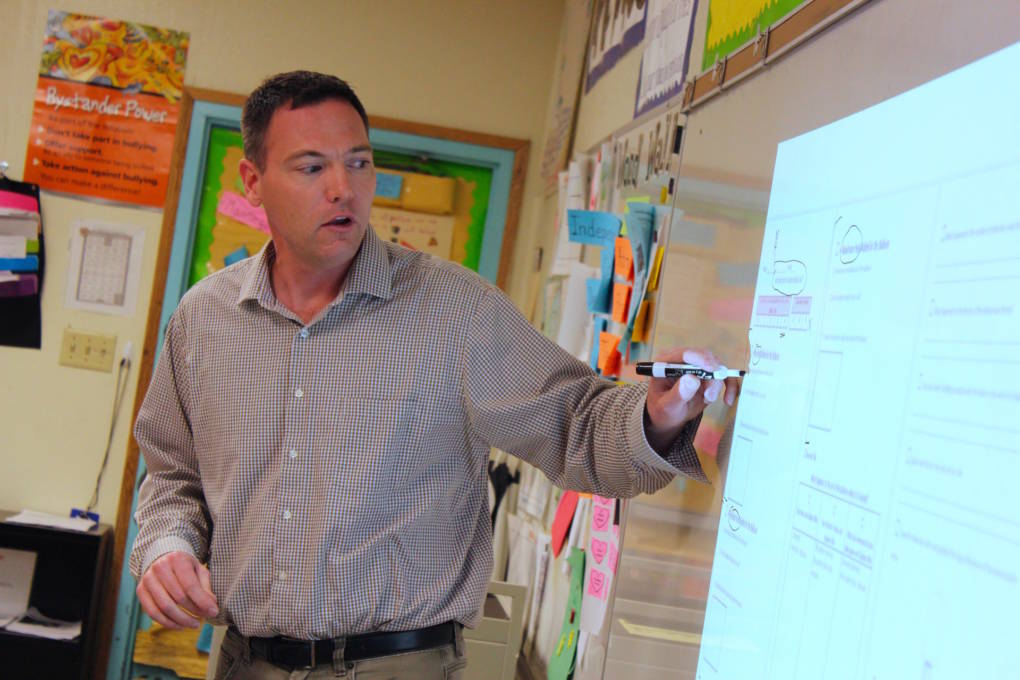
"caption": "Andrew Osterhaus, a teacher at Ánimo Florence-Firestone Middle School in South Los Angeles, introduces a lesson in his science class. The campus is operated by Green Dot Public Schools, the leading charter school operator in L.A. ",
"description": "Andrew Osterhaus, a science teacher at Ánimo Florence-Firestone Middle School in South Los Angeles, a charter school.",
"title": "RS25385_Stokes-4-qut",
"credit": "Kyle Stokes/KPCC",
"status": "inherit",
"isLoading": false,
"fetchFailed": false
},
"news_11759563": {
"type": "attachments",
"id": "news_11759563",
"meta": {
"index": "attachments_1716263798",
"site": "news",
"id": "11759563",
"found": true
},
"parent": 11759548,
"imgSizes": {
"apple_news_ca_landscape_5_5": {
"file": "https://ww2.kqed.org/app/uploads/sites/10/2019/07/IMG_6612-1044x783.jpg",
"width": 1044,
"mimeType": "image/jpeg",
"height": 783
},
"apple_news_ca_square_4_0": {
"file": "https://ww2.kqed.org/app/uploads/sites/10/2019/07/IMG_6612-470x470.jpg",
"width": 470,
"mimeType": "image/jpeg",
"height": 470
},
"twentyfourteen-full-width": {
"file": "https://ww2.kqed.org/app/uploads/sites/10/2019/07/IMG_6612-1038x576.jpg",
"width": 1038,
"mimeType": "image/jpeg",
"height": 576
},
"thumbnail": {
"file": "https://ww2.kqed.org/app/uploads/sites/10/2019/07/IMG_6612-160x120.jpg",
"width": 160,
"mimeType": "image/jpeg",
"height": 120
},
"post-thumbnail": {
"file": "https://ww2.kqed.org/app/uploads/sites/10/2019/07/IMG_6612-672x372.jpg",
"width": 672,
"mimeType": "image/jpeg",
"height": 372
},
"kqedFullSize": {
"file": "https://ww2.kqed.org/app/uploads/sites/10/2019/07/IMG_6612.jpg",
"width": 2048,
"height": 1536
},
"apple_news_ca_landscape_4_7": {
"file": "https://ww2.kqed.org/app/uploads/sites/10/2019/07/IMG_6612-632x474.jpg",
"width": 632,
"mimeType": "image/jpeg",
"height": 474
},
"large": {
"file": "https://ww2.kqed.org/app/uploads/sites/10/2019/07/IMG_6612-1020x765.jpg",
"width": 1020,
"mimeType": "image/jpeg",
"height": 765
},
"complete_open_graph": {
"file": "https://ww2.kqed.org/app/uploads/sites/10/2019/07/IMG_6612-1200x900.jpg",
"width": 1200,
"mimeType": "image/jpeg",
"height": 900
},
"apple_news_ca_landscape_4_0": {
"file": "https://ww2.kqed.org/app/uploads/sites/10/2019/07/IMG_6612-536x402.jpg",
"width": 536,
"mimeType": "image/jpeg",
"height": 402
},
"apple_news_ca_portrait_12_9": {
"file": "https://ww2.kqed.org/app/uploads/sites/10/2019/07/IMG_6612-1122x1496.jpg",
"width": 1122,
"mimeType": "image/jpeg",
"height": 1496
},
"medium": {
"file": "https://ww2.kqed.org/app/uploads/sites/10/2019/07/IMG_6612-800x600.jpg",
"width": 800,
"mimeType": "image/jpeg",
"height": 600
},
"apple_news_ca_portrait_4_0": {
"file": "https://ww2.kqed.org/app/uploads/sites/10/2019/07/IMG_6612-354x472.jpg",
"width": 354,
"mimeType": "image/jpeg",
"height": 472
},
"apple_news_ca_portrait_9_7": {
"file": "https://ww2.kqed.org/app/uploads/sites/10/2019/07/IMG_6612-840x1120.jpg",
"width": 840,
"mimeType": "image/jpeg",
"height": 1120
},
"apple_news_ca_landscape_12_9": {
"file": "https://ww2.kqed.org/app/uploads/sites/10/2019/07/IMG_6612-1832x1374.jpg",
"width": 1832,
"mimeType": "image/jpeg",
"height": 1374
},
"apple_news_ca_square_9_7": {
"file": "https://ww2.kqed.org/app/uploads/sites/10/2019/07/IMG_6612-1104x1104.jpg",
"width": 1104,
"mimeType": "image/jpeg",
"height": 1104
},
"apple_news_ca_portrait_4_7": {
"file": "https://ww2.kqed.org/app/uploads/sites/10/2019/07/IMG_6612-414x552.jpg",
"width": 414,
"mimeType": "image/jpeg",
"height": 552
},
"apple_news_ca_square_12_9": {
"file": "https://ww2.kqed.org/app/uploads/sites/10/2019/07/IMG_6612-1472x1472.jpg",
"width": 1472,
"mimeType": "image/jpeg",
"height": 1472
},
"apple_news_ca_portrait_5_5": {
"file": "https://ww2.kqed.org/app/uploads/sites/10/2019/07/IMG_6612-687x916.jpg",
"width": 687,
"mimeType": "image/jpeg",
"height": 916
},
"full-width": {
"file": "https://ww2.kqed.org/app/uploads/sites/10/2019/07/IMG_6612-1920x1440.jpg",
"width": 1920,
"mimeType": "image/jpeg",
"height": 1440
},
"apple_news_ca_square_4_7": {
"file": "https://ww2.kqed.org/app/uploads/sites/10/2019/07/IMG_6612-550x550.jpg",
"width": 550,
"mimeType": "image/jpeg",
"height": 550
},
"apple_news_ca_landscape_9_7": {
"file": "https://ww2.kqed.org/app/uploads/sites/10/2019/07/IMG_6612-1376x1032.jpg",
"width": 1376,
"mimeType": "image/jpeg",
"height": 1032
},
"apple_news_ca_square_5_5": {
"file": "https://ww2.kqed.org/app/uploads/sites/10/2019/07/IMG_6612-912x912.jpg",
"width": 912,
"mimeType": "image/jpeg",
"height": 912
}
},
"publishDate": 1562535134,
"modified": 1562536752,
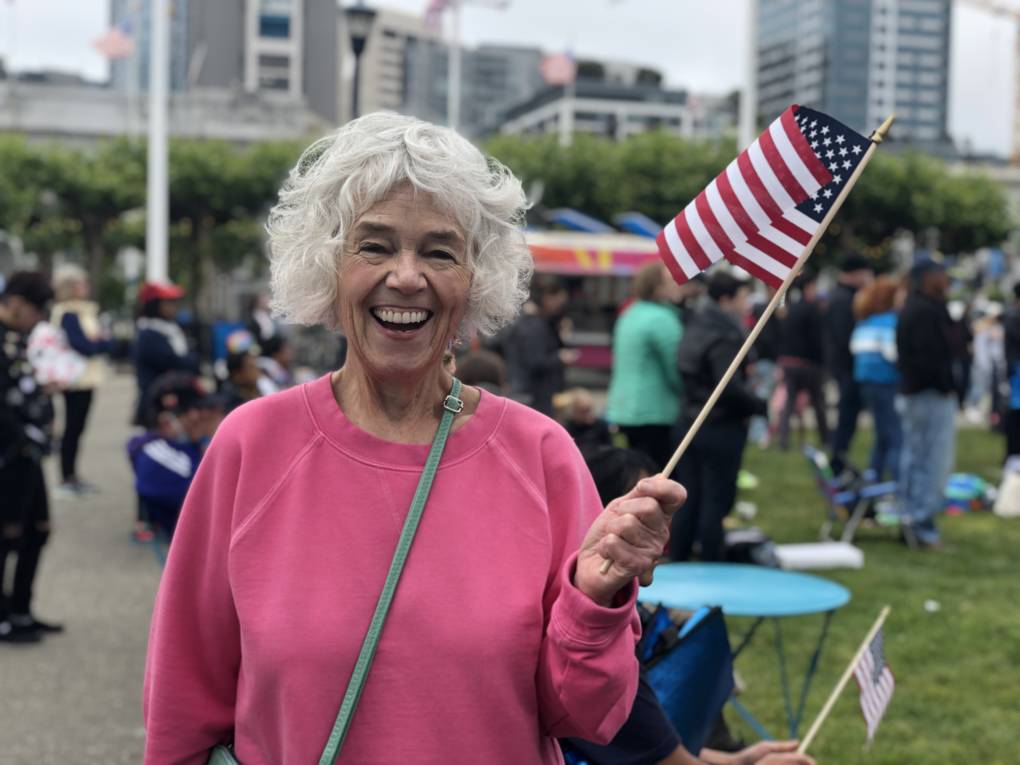
"caption": "Mary Lou Christie baked player-shaped cookies with American flags for her kid neighbors in preparation for Sunday's World Cup final.",
"description": "Mary Lou Christie baked player-shaped cookies with American flags for her kid neighbors in preparation for Sunday's World Cup final.",
"title": "IMG_6612",
"credit": "Liliana Michelena/KQED",
"status": "inherit",
"isLoading": false,
"fetchFailed": false
},
"news_11757479": {
"type": "attachments",
"id": "news_11757479",
"meta": {
"index": "attachments_1716263798",
"site": "news",
"id": "11757479",
"found": true
},
"parent": 11754602,
"imgSizes": {
"apple_news_ca_landscape_5_5": {
"file": "https://ww2.kqed.org/app/uploads/sites/10/2019/06/RS37772_31714968_1785244784851880_1618181722506002432_o-qut-1044x783.jpg",
"width": 1044,
"mimeType": "image/jpeg",
"height": 783
},
"apple_news_ca_square_4_0": {
"file": "https://ww2.kqed.org/app/uploads/sites/10/2019/06/RS37772_31714968_1785244784851880_1618181722506002432_o-qut-470x470.jpg",
"width": 470,
"mimeType": "image/jpeg",
"height": 470
},
"twentyfourteen-full-width": {
"file": "https://ww2.kqed.org/app/uploads/sites/10/2019/06/RS37772_31714968_1785244784851880_1618181722506002432_o-qut-1038x576.jpg",
"width": 1038,
"mimeType": "image/jpeg",
"height": 576
},
"thumbnail": {
"file": "https://ww2.kqed.org/app/uploads/sites/10/2019/06/RS37772_31714968_1785244784851880_1618181722506002432_o-qut-160x109.jpg",
"width": 160,
"mimeType": "image/jpeg",
"height": 109
},
"post-thumbnail": {
"file": "https://ww2.kqed.org/app/uploads/sites/10/2019/06/RS37772_31714968_1785244784851880_1618181722506002432_o-qut-672x372.jpg",
"width": 672,
"mimeType": "image/jpeg",
"height": 372
},
"kqedFullSize": {
"file": "https://ww2.kqed.org/app/uploads/sites/10/2019/06/RS37772_31714968_1785244784851880_1618181722506002432_o-qut.jpg",
"width": 1510,
"height": 1033
},
"apple_news_ca_landscape_4_7": {
"file": "https://ww2.kqed.org/app/uploads/sites/10/2019/06/RS37772_31714968_1785244784851880_1618181722506002432_o-qut-632x474.jpg",
"width": 632,
"mimeType": "image/jpeg",
"height": 474
},
"large": {
"file": "https://ww2.kqed.org/app/uploads/sites/10/2019/06/RS37772_31714968_1785244784851880_1618181722506002432_o-qut-1020x698.jpg",
"width": 1020,
"mimeType": "image/jpeg",
"height": 698
},
"complete_open_graph": {
"file": "https://ww2.kqed.org/app/uploads/sites/10/2019/06/RS37772_31714968_1785244784851880_1618181722506002432_o-qut-1200x821.jpg",
"width": 1200,
"mimeType": "image/jpeg",
"height": 821
},
"apple_news_ca_landscape_4_0": {
"file": "https://ww2.kqed.org/app/uploads/sites/10/2019/06/RS37772_31714968_1785244784851880_1618181722506002432_o-qut-536x402.jpg",
"width": 536,
"mimeType": "image/jpeg",
"height": 402
},
"apple_news_ca_portrait_12_9": {
"file": "https://ww2.kqed.org/app/uploads/sites/10/2019/06/RS37772_31714968_1785244784851880_1618181722506002432_o-qut-1122x1033.jpg",
"width": 1122,
"mimeType": "image/jpeg",
"height": 1033
},
"medium": {
"file": "https://ww2.kqed.org/app/uploads/sites/10/2019/06/RS37772_31714968_1785244784851880_1618181722506002432_o-qut-800x547.jpg",
"width": 800,
"mimeType": "image/jpeg",
"height": 547
},
"apple_news_ca_portrait_4_0": {
"file": "https://ww2.kqed.org/app/uploads/sites/10/2019/06/RS37772_31714968_1785244784851880_1618181722506002432_o-qut-354x472.jpg",
"width": 354,
"mimeType": "image/jpeg",
"height": 472
},
"apple_news_ca_portrait_9_7": {
"file": "https://ww2.kqed.org/app/uploads/sites/10/2019/06/RS37772_31714968_1785244784851880_1618181722506002432_o-qut-840x1033.jpg",
"width": 840,
"mimeType": "image/jpeg",
"height": 1033
},
"apple_news_ca_square_9_7": {
"file": "https://ww2.kqed.org/app/uploads/sites/10/2019/06/RS37772_31714968_1785244784851880_1618181722506002432_o-qut-1104x1033.jpg",
"width": 1104,
"mimeType": "image/jpeg",
"height": 1033
},
"apple_news_ca_portrait_4_7": {
"file": "https://ww2.kqed.org/app/uploads/sites/10/2019/06/RS37772_31714968_1785244784851880_1618181722506002432_o-qut-414x552.jpg",
"width": 414,
"mimeType": "image/jpeg",
"height": 552
},
"apple_news_ca_square_12_9": {
"file": "https://ww2.kqed.org/app/uploads/sites/10/2019/06/RS37772_31714968_1785244784851880_1618181722506002432_o-qut-1472x1033.jpg",
"width": 1472,
"mimeType": "image/jpeg",
"height": 1033
},
"apple_news_ca_portrait_5_5": {
"file": "https://ww2.kqed.org/app/uploads/sites/10/2019/06/RS37772_31714968_1785244784851880_1618181722506002432_o-qut-687x916.jpg",
"width": 687,
"mimeType": "image/jpeg",
"height": 916
},
"apple_news_ca_square_4_7": {
"file": "https://ww2.kqed.org/app/uploads/sites/10/2019/06/RS37772_31714968_1785244784851880_1618181722506002432_o-qut-550x550.jpg",
"width": 550,
"mimeType": "image/jpeg",
"height": 550
},
"apple_news_ca_landscape_9_7": {
"file": "https://ww2.kqed.org/app/uploads/sites/10/2019/06/RS37772_31714968_1785244784851880_1618181722506002432_o-qut-1376x1032.jpg",
"width": 1376,
"mimeType": "image/jpeg",
"height": 1032
},
"apple_news_ca_square_5_5": {
"file": "https://ww2.kqed.org/app/uploads/sites/10/2019/06/RS37772_31714968_1785244784851880_1618181722506002432_o-qut-912x912.jpg",
"width": 912,
"mimeType": "image/jpeg",
"height": 912
}
},
"publishDate": 1561583698,
"modified": 1561584889,
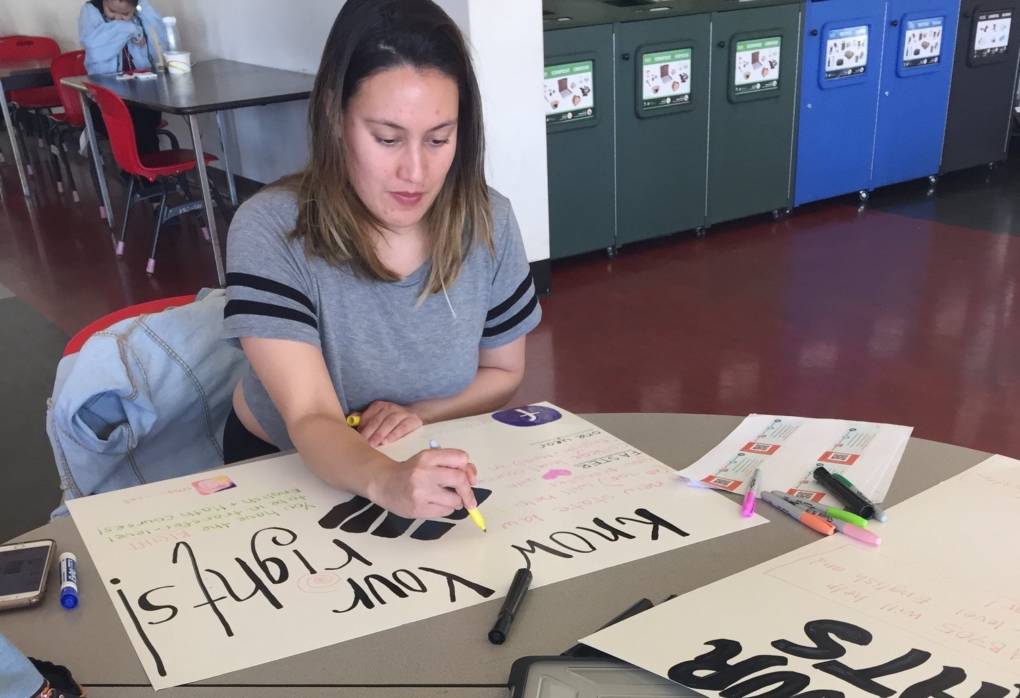
"caption": "Helen Yasko, a student at San Francisco City College, is part of Students Making a Change, a group that helps students learn about options for enrolling in transfer-level classes.",
"description": null,
"title": "RS37772_31714968_1785244784851880_1618181722506002432_o-qut",
"credit": "Raquel Maria Dillon/KQED",
"status": "inherit",
"isLoading": false,
"fetchFailed": false
},
"news_11755257": {
"type": "attachments",
"id": "news_11755257",
"meta": {
"index": "attachments_1716263798",
"site": "news",
"id": "11755257",
"found": true
},
"parent": 11754857,
"imgSizes": {
"apple_news_ca_landscape_5_5": {
"file": "https://ww2.kqed.org/app/uploads/sites/10/2019/06/Kids-sitting-1044x783.jpg",
"width": 1044,
"mimeType": "image/jpeg",
"height": 783
},
"apple_news_ca_square_4_0": {
"file": "https://ww2.kqed.org/app/uploads/sites/10/2019/06/Kids-sitting-470x470.jpg",
"width": 470,
"mimeType": "image/jpeg",
"height": 470
},
"twentyfourteen-full-width": {
"file": "https://ww2.kqed.org/app/uploads/sites/10/2019/06/Kids-sitting-1038x576.jpg",
"width": 1038,
"mimeType": "image/jpeg",
"height": 576
},
"thumbnail": {
"file": "https://ww2.kqed.org/app/uploads/sites/10/2019/06/Kids-sitting-160x120.jpg",
"width": 160,
"mimeType": "image/jpeg",
"height": 120
},
"post-thumbnail": {
"file": "https://ww2.kqed.org/app/uploads/sites/10/2019/06/Kids-sitting-672x372.jpg",
"width": 672,
"mimeType": "image/jpeg",
"height": 372
},
"kqedFullSize": {
"file": "https://ww2.kqed.org/app/uploads/sites/10/2019/06/Kids-sitting.jpg",
"width": 1920,
"height": 1440
},
"apple_news_ca_landscape_4_7": {
"file": "https://ww2.kqed.org/app/uploads/sites/10/2019/06/Kids-sitting-632x474.jpg",
"width": 632,
"mimeType": "image/jpeg",
"height": 474
},
"large": {
"file": "https://ww2.kqed.org/app/uploads/sites/10/2019/06/Kids-sitting-1020x765.jpg",
"width": 1020,
"mimeType": "image/jpeg",
"height": 765
},
"complete_open_graph": {
"file": "https://ww2.kqed.org/app/uploads/sites/10/2019/06/Kids-sitting-1200x900.jpg",
"width": 1200,
"mimeType": "image/jpeg",
"height": 900
},
"apple_news_ca_landscape_4_0": {
"file": "https://ww2.kqed.org/app/uploads/sites/10/2019/06/Kids-sitting-536x402.jpg",
"width": 536,
"mimeType": "image/jpeg",
"height": 402
},
"apple_news_ca_portrait_12_9": {
"file": "https://ww2.kqed.org/app/uploads/sites/10/2019/06/Kids-sitting-1122x1440.jpg",
"width": 1122,
"mimeType": "image/jpeg",
"height": 1440
},
"medium": {
"file": "https://ww2.kqed.org/app/uploads/sites/10/2019/06/Kids-sitting-800x600.jpg",
"width": 800,
"mimeType": "image/jpeg",
"height": 600
},
"apple_news_ca_portrait_4_0": {
"file": "https://ww2.kqed.org/app/uploads/sites/10/2019/06/Kids-sitting-354x472.jpg",
"width": 354,
"mimeType": "image/jpeg",
"height": 472
},
"apple_news_ca_portrait_9_7": {
"file": "https://ww2.kqed.org/app/uploads/sites/10/2019/06/Kids-sitting-840x1120.jpg",
"width": 840,
"mimeType": "image/jpeg",
"height": 1120
},
"apple_news_ca_landscape_12_9": {
"file": "https://ww2.kqed.org/app/uploads/sites/10/2019/06/Kids-sitting-1832x1374.jpg",
"width": 1832,
"mimeType": "image/jpeg",
"height": 1374
},
"apple_news_ca_square_9_7": {
"file": "https://ww2.kqed.org/app/uploads/sites/10/2019/06/Kids-sitting-1104x1104.jpg",
"width": 1104,
"mimeType": "image/jpeg",
"height": 1104
},
"apple_news_ca_portrait_4_7": {
"file": "https://ww2.kqed.org/app/uploads/sites/10/2019/06/Kids-sitting-414x552.jpg",
"width": 414,
"mimeType": "image/jpeg",
"height": 552
},
"apple_news_ca_square_12_9": {
"file": "https://ww2.kqed.org/app/uploads/sites/10/2019/06/Kids-sitting-1472x1440.jpg",
"width": 1472,
"mimeType": "image/jpeg",
"height": 1440
},
"apple_news_ca_portrait_5_5": {
"file": "https://ww2.kqed.org/app/uploads/sites/10/2019/06/Kids-sitting-687x916.jpg",
"width": 687,
"mimeType": "image/jpeg",
"height": 916
},
"full-width": {
"file": "https://ww2.kqed.org/app/uploads/sites/10/2019/06/Kids-sitting-1920x1440.jpg",
"width": 1920,
"mimeType": "image/jpeg",
"height": 1440
},
"apple_news_ca_square_4_7": {
"file": "https://ww2.kqed.org/app/uploads/sites/10/2019/06/Kids-sitting-550x550.jpg",
"width": 550,
"mimeType": "image/jpeg",
"height": 550
},
"apple_news_ca_landscape_9_7": {
"file": "https://ww2.kqed.org/app/uploads/sites/10/2019/06/Kids-sitting-1376x1032.jpg",
"width": 1376,
"mimeType": "image/jpeg",
"height": 1032
},
"apple_news_ca_square_5_5": {
"file": "https://ww2.kqed.org/app/uploads/sites/10/2019/06/Kids-sitting-912x912.jpg",
"width": 912,
"mimeType": "image/jpeg",
"height": 912
}
},
"publishDate": 1560811700,
"modified": 1561148155,
"caption": "Kids at Alexander Preschool and Child Care in Elk Grove prepare to start their day.",
"description": "Kids at Alexander Preschool and Child Care in Elk Grove, CA prepare to start their day.",
"title": "Kids sitting",
"credit": "Katie Orr/KQED",
"status": "inherit",
"isLoading": false,
"fetchFailed": false
},
"news_11756259": {
"type": "attachments",
"id": "news_11756259",
"meta": {
"index": "attachments_1716263798",
"site": "news",
"id": "11756259",
"found": true
},
"parent": 11755932,
"imgSizes": {
"apple_news_ca_landscape_5_5": {
"file": "https://ww2.kqed.org/app/uploads/sites/10/2019/06/RS37844_VIC_OAK_BAR-qut-1044x783.jpg",
"width": 1044,
"mimeType": "image/jpeg",
"height": 783
},
"apple_news_ca_square_4_0": {
"file": "https://ww2.kqed.org/app/uploads/sites/10/2019/06/RS37844_VIC_OAK_BAR-qut-470x470.jpg",
"width": 470,
"mimeType": "image/jpeg",
"height": 470
},
"twentyfourteen-full-width": {
"file": "https://ww2.kqed.org/app/uploads/sites/10/2019/06/RS37844_VIC_OAK_BAR-qut-1038x576.jpg",
"width": 1038,
"mimeType": "image/jpeg",
"height": 576
},
"thumbnail": {
"file": "https://ww2.kqed.org/app/uploads/sites/10/2019/06/RS37844_VIC_OAK_BAR-qut-160x120.jpg",
"width": 160,
"mimeType": "image/jpeg",
"height": 120
},
"post-thumbnail": {
"file": "https://ww2.kqed.org/app/uploads/sites/10/2019/06/RS37844_VIC_OAK_BAR-qut-672x372.jpg",
"width": 672,
"mimeType": "image/jpeg",
"height": 372
},
"kqedFullSize": {
"file": "https://ww2.kqed.org/app/uploads/sites/10/2019/06/RS37844_VIC_OAK_BAR-qut.jpg",
"width": 1920,
"height": 1438
},
"apple_news_ca_landscape_4_7": {
"file": "https://ww2.kqed.org/app/uploads/sites/10/2019/06/RS37844_VIC_OAK_BAR-qut-632x474.jpg",
"width": 632,
"mimeType": "image/jpeg",
"height": 474
},
"large": {
"file": "https://ww2.kqed.org/app/uploads/sites/10/2019/06/RS37844_VIC_OAK_BAR-qut-1020x764.jpg",
"width": 1020,
"mimeType": "image/jpeg",
"height": 764
},
"complete_open_graph": {
"file": "https://ww2.kqed.org/app/uploads/sites/10/2019/06/RS37844_VIC_OAK_BAR-qut-1200x899.jpg",
"width": 1200,
"mimeType": "image/jpeg",
"height": 899
},
"apple_news_ca_landscape_4_0": {
"file": "https://ww2.kqed.org/app/uploads/sites/10/2019/06/RS37844_VIC_OAK_BAR-qut-536x402.jpg",
"width": 536,
"mimeType": "image/jpeg",
"height": 402
},
"apple_news_ca_portrait_12_9": {
"file": "https://ww2.kqed.org/app/uploads/sites/10/2019/06/RS37844_VIC_OAK_BAR-qut-1122x1438.jpg",
"width": 1122,
"mimeType": "image/jpeg",
"height": 1438
},
"medium": {
"file": "https://ww2.kqed.org/app/uploads/sites/10/2019/06/RS37844_VIC_OAK_BAR-qut-800x599.jpg",
"width": 800,
"mimeType": "image/jpeg",
"height": 599
},
"apple_news_ca_portrait_4_0": {
"file": "https://ww2.kqed.org/app/uploads/sites/10/2019/06/RS37844_VIC_OAK_BAR-qut-354x472.jpg",
"width": 354,
"mimeType": "image/jpeg",
"height": 472
},
"apple_news_ca_portrait_9_7": {
"file": "https://ww2.kqed.org/app/uploads/sites/10/2019/06/RS37844_VIC_OAK_BAR-qut-840x1120.jpg",
"width": 840,
"mimeType": "image/jpeg",
"height": 1120
},
"apple_news_ca_landscape_12_9": {
"file": "https://ww2.kqed.org/app/uploads/sites/10/2019/06/RS37844_VIC_OAK_BAR-qut-1832x1374.jpg",
"width": 1832,
"mimeType": "image/jpeg",
"height": 1374
},
"apple_news_ca_square_9_7": {
"file": "https://ww2.kqed.org/app/uploads/sites/10/2019/06/RS37844_VIC_OAK_BAR-qut-1104x1104.jpg",
"width": 1104,
"mimeType": "image/jpeg",
"height": 1104
},
"apple_news_ca_portrait_4_7": {
"file": "https://ww2.kqed.org/app/uploads/sites/10/2019/06/RS37844_VIC_OAK_BAR-qut-414x552.jpg",
"width": 414,
"mimeType": "image/jpeg",
"height": 552
},
"apple_news_ca_square_12_9": {
"file": "https://ww2.kqed.org/app/uploads/sites/10/2019/06/RS37844_VIC_OAK_BAR-qut-1472x1438.jpg",
"width": 1472,
"mimeType": "image/jpeg",
"height": 1438
},
"apple_news_ca_portrait_5_5": {
"file": "https://ww2.kqed.org/app/uploads/sites/10/2019/06/RS37844_VIC_OAK_BAR-qut-687x916.jpg",
"width": 687,
"mimeType": "image/jpeg",
"height": 916
},
"full-width": {
"file": "https://ww2.kqed.org/app/uploads/sites/10/2019/06/RS37844_VIC_OAK_BAR-qut-1920x1438.jpg",
"width": 1920,
"mimeType": "image/jpeg",
"height": 1438
},
"apple_news_ca_square_4_7": {
"file": "https://ww2.kqed.org/app/uploads/sites/10/2019/06/RS37844_VIC_OAK_BAR-qut-550x550.jpg",
"width": 550,
"mimeType": "image/jpeg",
"height": 550
},
"apple_news_ca_landscape_9_7": {
"file": "https://ww2.kqed.org/app/uploads/sites/10/2019/06/RS37844_VIC_OAK_BAR-qut-1376x1032.jpg",
"width": 1376,
"mimeType": "image/jpeg",
"height": 1032
},
"apple_news_ca_square_5_5": {
"file": "https://ww2.kqed.org/app/uploads/sites/10/2019/06/RS37844_VIC_OAK_BAR-qut-912x912.jpg",
"width": 912,
"mimeType": "image/jpeg",
"height": 912
}
},
"publishDate": 1561077585,
"modified": 1561158328,
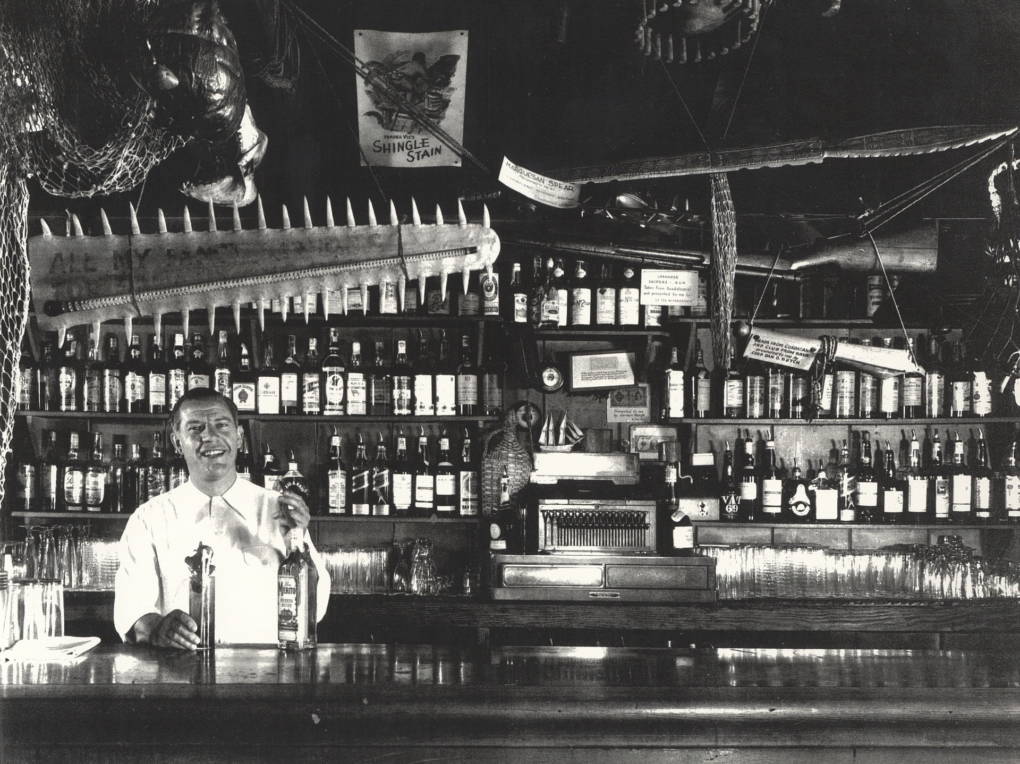
"caption": "Victor Bergeron behind the bar at Trader Vic's. ",
"description": "Victor Bergeron behind the bar at Trader Vic's. ",
"title": "Trader Vics Victor Bergeron",
"credit": "Courtesy of Eve Bergeron",
"status": "inherit",
"isLoading": false,
"fetchFailed": false
},
"news_11755318": {
"type": "attachments",
"id": "news_11755318",
"meta": {
"index": "attachments_1716263798",
"site": "news",
"id": "11755318",
"found": true
},
"parent": 11755274,
"imgSizes": {
"apple_news_ca_landscape_5_5": {
"file": "https://ww2.kqed.org/app/uploads/sites/10/2019/06/IMG_7233-1044x783.jpg",
"width": 1044,
"mimeType": "image/jpeg",
"height": 783
},
"apple_news_ca_square_4_0": {
"file": "https://ww2.kqed.org/app/uploads/sites/10/2019/06/IMG_7233-470x470.jpg",
"width": 470,
"mimeType": "image/jpeg",
"height": 470
},
"twentyfourteen-full-width": {
"file": "https://ww2.kqed.org/app/uploads/sites/10/2019/06/IMG_7233-1038x576.jpg",
"width": 1038,
"mimeType": "image/jpeg",
"height": 576
},
"thumbnail": {
"file": "https://ww2.kqed.org/app/uploads/sites/10/2019/06/IMG_7233-160x90.jpg",
"width": 160,
"mimeType": "image/jpeg",
"height": 90
},
"post-thumbnail": {
"file": "https://ww2.kqed.org/app/uploads/sites/10/2019/06/IMG_7233-672x372.jpg",
"width": 672,
"mimeType": "image/jpeg",
"height": 372
},
"kqedFullSize": {
"file": "https://ww2.kqed.org/app/uploads/sites/10/2019/06/IMG_7233-e1560819268707.jpg",
"width": 1920,
"height": 1079
},
"apple_news_ca_landscape_4_7": {
"file": "https://ww2.kqed.org/app/uploads/sites/10/2019/06/IMG_7233-632x474.jpg",
"width": 632,
"mimeType": "image/jpeg",
"height": 474
},
"large": {
"file": "https://ww2.kqed.org/app/uploads/sites/10/2019/06/IMG_7233-1020x573.jpg",
"width": 1020,
"mimeType": "image/jpeg",
"height": 573
},
"complete_open_graph": {
"file": "https://ww2.kqed.org/app/uploads/sites/10/2019/06/IMG_7233-1200x675.jpg",
"width": 1200,
"mimeType": "image/jpeg",
"height": 675
},
"apple_news_ca_landscape_4_0": {
"file": "https://ww2.kqed.org/app/uploads/sites/10/2019/06/IMG_7233-536x402.jpg",
"width": 536,
"mimeType": "image/jpeg",
"height": 402
},
"apple_news_ca_portrait_12_9": {
"file": "https://ww2.kqed.org/app/uploads/sites/10/2019/06/IMG_7233-1122x1496.jpg",
"width": 1122,
"mimeType": "image/jpeg",
"height": 1496
},
"medium": {
"file": "https://ww2.kqed.org/app/uploads/sites/10/2019/06/IMG_7233-800x450.jpg",
"width": 800,
"mimeType": "image/jpeg",
"height": 450
},
"apple_news_ca_portrait_4_0": {
"file": "https://ww2.kqed.org/app/uploads/sites/10/2019/06/IMG_7233-354x472.jpg",
"width": 354,
"mimeType": "image/jpeg",
"height": 472
},
"apple_news_ca_portrait_9_7": {
"file": "https://ww2.kqed.org/app/uploads/sites/10/2019/06/IMG_7233-840x1120.jpg",
"width": 840,
"mimeType": "image/jpeg",
"height": 1120
},
"apple_news_ca_landscape_12_9": {
"file": "https://ww2.kqed.org/app/uploads/sites/10/2019/06/IMG_7233-1832x1374.jpg",
"width": 1832,
"mimeType": "image/jpeg",
"height": 1374
},
"apple_news_ca_square_9_7": {
"file": "https://ww2.kqed.org/app/uploads/sites/10/2019/06/IMG_7233-1104x1104.jpg",
"width": 1104,
"mimeType": "image/jpeg",
"height": 1104
},
"apple_news_ca_portrait_4_7": {
"file": "https://ww2.kqed.org/app/uploads/sites/10/2019/06/IMG_7233-414x552.jpg",
"width": 414,
"mimeType": "image/jpeg",
"height": 552
},
"apple_news_ca_square_12_9": {
"file": "https://ww2.kqed.org/app/uploads/sites/10/2019/06/IMG_7233-1472x1472.jpg",
"width": 1472,
"mimeType": "image/jpeg",
"height": 1472
},
"apple_news_ca_portrait_5_5": {
"file": "https://ww2.kqed.org/app/uploads/sites/10/2019/06/IMG_7233-687x916.jpg",
"width": 687,
"mimeType": "image/jpeg",
"height": 916
},
"full-width": {
"file": "https://ww2.kqed.org/app/uploads/sites/10/2019/06/IMG_7233-1920x1079.jpg",
"width": 1920,
"mimeType": "image/jpeg",
"height": 1079
},
"apple_news_ca_square_4_7": {
"file": "https://ww2.kqed.org/app/uploads/sites/10/2019/06/IMG_7233-550x550.jpg",
"width": 550,
"mimeType": "image/jpeg",
"height": 550
},
"apple_news_ca_landscape_9_7": {
"file": "https://ww2.kqed.org/app/uploads/sites/10/2019/06/IMG_7233-1376x1032.jpg",
"width": 1376,
"mimeType": "image/jpeg",
"height": 1032
},
"apple_news_ca_square_5_5": {
"file": "https://ww2.kqed.org/app/uploads/sites/10/2019/06/IMG_7233-912x912.jpg",
"width": 912,
"mimeType": "image/jpeg",
"height": 912
}
},
"publishDate": 1560819241,
"modified": 1560819328,
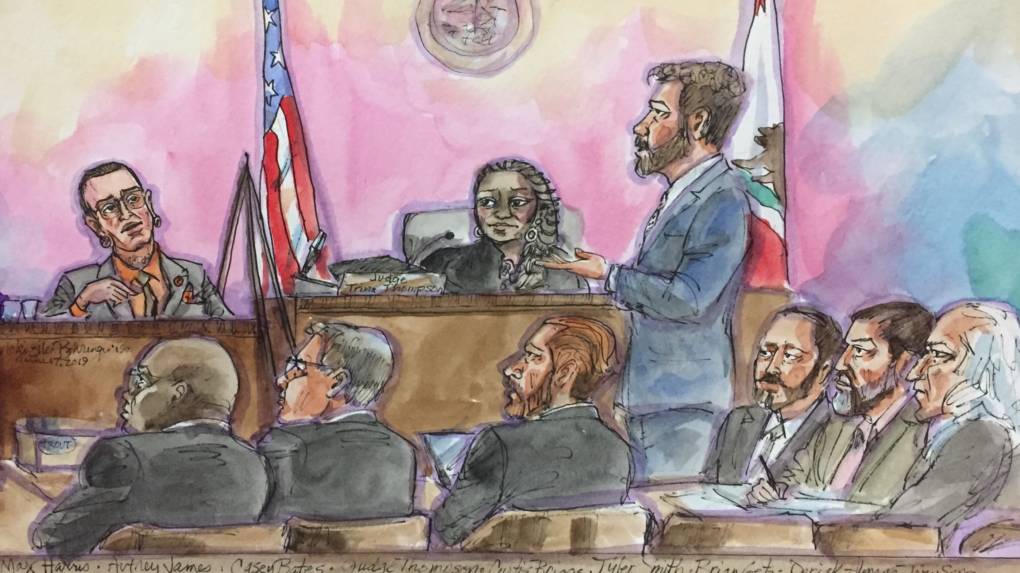
"caption": "Max Harris, One of two men facing 36 counts of involuntary manslaughter stemming from the Dec. 2, 2016 Ghost Ship warehouse fire took the stand Monday, June 17, 2019.",
"description": null,
"title": "IMG_7233",
"credit": "Vicki Behringer/KQED",
"status": "inherit",
"isLoading": false,
"fetchFailed": false
},
"news_11753132": {
"type": "attachments",
"id": "news_11753132",
"meta": {
"index": "attachments_1716263798",
"site": "news",
"id": "11753132",
"found": true
},
"parent": 11752851,
"imgSizes": {
"apple_news_ca_landscape_5_5": {
"file": "https://ww2.kqed.org/app/uploads/sites/10/2019/06/RS37580__M6A1277-qut-1044x783.jpg",
"width": 1044,
"mimeType": "image/jpeg",
"height": 783
},
"apple_news_ca_square_4_0": {
"file": "https://ww2.kqed.org/app/uploads/sites/10/2019/06/RS37580__M6A1277-qut-470x470.jpg",
"width": 470,
"mimeType": "image/jpeg",
"height": 470
},
"twentyfourteen-full-width": {
"file": "https://ww2.kqed.org/app/uploads/sites/10/2019/06/RS37580__M6A1277-qut-1038x576.jpg",
"width": 1038,
"mimeType": "image/jpeg",
"height": 576
},
"thumbnail": {
"file": "https://ww2.kqed.org/app/uploads/sites/10/2019/06/RS37580__M6A1277-qut-160x107.jpg",
"width": 160,
"mimeType": "image/jpeg",
"height": 107
},
"post-thumbnail": {
"file": "https://ww2.kqed.org/app/uploads/sites/10/2019/06/RS37580__M6A1277-qut-672x372.jpg",
"width": 672,
"mimeType": "image/jpeg",
"height": 372
},
"kqedFullSize": {
"file": "https://ww2.kqed.org/app/uploads/sites/10/2019/06/RS37580__M6A1277-qut.jpg",
"width": 1920,
"height": 1280
},
"apple_news_ca_landscape_4_7": {
"file": "https://ww2.kqed.org/app/uploads/sites/10/2019/06/RS37580__M6A1277-qut-632x474.jpg",
"width": 632,
"mimeType": "image/jpeg",
"height": 474
},
"large": {
"file": "https://ww2.kqed.org/app/uploads/sites/10/2019/06/RS37580__M6A1277-qut-1020x680.jpg",
"width": 1020,
"mimeType": "image/jpeg",
"height": 680
},
"complete_open_graph": {
"file": "https://ww2.kqed.org/app/uploads/sites/10/2019/06/RS37580__M6A1277-qut-1200x800.jpg",
"width": 1200,
"mimeType": "image/jpeg",
"height": 800
},
"apple_news_ca_landscape_4_0": {
"file": "https://ww2.kqed.org/app/uploads/sites/10/2019/06/RS37580__M6A1277-qut-536x402.jpg",
"width": 536,
"mimeType": "image/jpeg",
"height": 402
},
"apple_news_ca_portrait_12_9": {
"file": "https://ww2.kqed.org/app/uploads/sites/10/2019/06/RS37580__M6A1277-qut-1122x1280.jpg",
"width": 1122,
"mimeType": "image/jpeg",
"height": 1280
},
"medium": {
"file": "https://ww2.kqed.org/app/uploads/sites/10/2019/06/RS37580__M6A1277-qut-800x533.jpg",
"width": 800,
"mimeType": "image/jpeg",
"height": 533
},
"apple_news_ca_portrait_4_0": {
"file": "https://ww2.kqed.org/app/uploads/sites/10/2019/06/RS37580__M6A1277-qut-354x472.jpg",
"width": 354,
"mimeType": "image/jpeg",
"height": 472
},
"apple_news_ca_portrait_9_7": {
"file": "https://ww2.kqed.org/app/uploads/sites/10/2019/06/RS37580__M6A1277-qut-840x1120.jpg",
"width": 840,
"mimeType": "image/jpeg",
"height": 1120
},
"apple_news_ca_landscape_12_9": {
"file": "https://ww2.kqed.org/app/uploads/sites/10/2019/06/RS37580__M6A1277-qut-1832x1280.jpg",
"width": 1832,
"mimeType": "image/jpeg",
"height": 1280
},
"apple_news_ca_square_9_7": {
"file": "https://ww2.kqed.org/app/uploads/sites/10/2019/06/RS37580__M6A1277-qut-1104x1104.jpg",
"width": 1104,
"mimeType": "image/jpeg",
"height": 1104
},
"apple_news_ca_portrait_4_7": {
"file": "https://ww2.kqed.org/app/uploads/sites/10/2019/06/RS37580__M6A1277-qut-414x552.jpg",
"width": 414,
"mimeType": "image/jpeg",
"height": 552
},
"apple_news_ca_square_12_9": {
"file": "https://ww2.kqed.org/app/uploads/sites/10/2019/06/RS37580__M6A1277-qut-1472x1280.jpg",
"width": 1472,
"mimeType": "image/jpeg",
"height": 1280
},
"apple_news_ca_portrait_5_5": {
"file": "https://ww2.kqed.org/app/uploads/sites/10/2019/06/RS37580__M6A1277-qut-687x916.jpg",
"width": 687,
"mimeType": "image/jpeg",
"height": 916
},
"full-width": {
"file": "https://ww2.kqed.org/app/uploads/sites/10/2019/06/RS37580__M6A1277-qut-1920x1280.jpg",
"width": 1920,
"mimeType": "image/jpeg",
"height": 1280
},
"apple_news_ca_square_4_7": {
"file": "https://ww2.kqed.org/app/uploads/sites/10/2019/06/RS37580__M6A1277-qut-550x550.jpg",
"width": 550,
"mimeType": "image/jpeg",
"height": 550
},
"apple_news_ca_landscape_9_7": {
"file": "https://ww2.kqed.org/app/uploads/sites/10/2019/06/RS37580__M6A1277-qut-1376x1032.jpg",
"width": 1376,
"mimeType": "image/jpeg",
"height": 1032
},
"apple_news_ca_square_5_5": {
"file": "https://ww2.kqed.org/app/uploads/sites/10/2019/06/RS37580__M6A1277-qut-912x912.jpg",
"width": 912,
"mimeType": "image/jpeg",
"height": 912
}
},
"publishDate": 1559934919,
"modified": 1559934992,
"caption": "Seniors personalized their caps with message of hope and inspiration.\n",
"description": "Seniors personalized their caps with message of hope and inspiration.\n",
"title": "Paradise High Graduation caps and gown",
"credit": "Stephanie Lister/KQED",
"status": "inherit",
"isLoading": false,
"fetchFailed": false
},
"news_11753602": {
"type": "attachments",
"id": "news_11753602",
"meta": {
"index": "attachments_1716263798",
"site": "news",
"id": "11753602",
"found": true
},
"parent": 11753600,
"imgSizes": {
"apple_news_ca_landscape_5_5": {
"file": "https://ww2.kqed.org/app/uploads/sites/10/2019/06/RS37432_IMG_8309-qut-1044x783.jpg",
"width": 1044,
"mimeType": "image/jpeg",
"height": 783
},
"apple_news_ca_square_4_0": {
"file": "https://ww2.kqed.org/app/uploads/sites/10/2019/06/RS37432_IMG_8309-qut-470x470.jpg",
"width": 470,
"mimeType": "image/jpeg",
"height": 470
},
"twentyfourteen-full-width": {
"file": "https://ww2.kqed.org/app/uploads/sites/10/2019/06/RS37432_IMG_8309-qut-1038x576.jpg",
"width": 1038,
"mimeType": "image/jpeg",
"height": 576
},
"thumbnail": {
"file": "https://ww2.kqed.org/app/uploads/sites/10/2019/06/RS37432_IMG_8309-qut-160x104.jpg",
"width": 160,
"mimeType": "image/jpeg",
"height": 104
},
"post-thumbnail": {
"file": "https://ww2.kqed.org/app/uploads/sites/10/2019/06/RS37432_IMG_8309-qut-672x372.jpg",
"width": 672,
"mimeType": "image/jpeg",
"height": 372
},
"kqedFullSize": {
"file": "https://ww2.kqed.org/app/uploads/sites/10/2019/06/RS37432_IMG_8309-qut.jpg",
"width": 1920,
"height": 1253
},
"apple_news_ca_landscape_4_7": {
"file": "https://ww2.kqed.org/app/uploads/sites/10/2019/06/RS37432_IMG_8309-qut-632x474.jpg",
"width": 632,
"mimeType": "image/jpeg",
"height": 474
},
"large": {
"file": "https://ww2.kqed.org/app/uploads/sites/10/2019/06/RS37432_IMG_8309-qut-1020x666.jpg",
"width": 1020,
"mimeType": "image/jpeg",
"height": 666
},
"complete_open_graph": {
"file": "https://ww2.kqed.org/app/uploads/sites/10/2019/06/RS37432_IMG_8309-qut-1200x783.jpg",
"width": 1200,
"mimeType": "image/jpeg",
"height": 783
},
"apple_news_ca_landscape_4_0": {
"file": "https://ww2.kqed.org/app/uploads/sites/10/2019/06/RS37432_IMG_8309-qut-536x402.jpg",
"width": 536,
"mimeType": "image/jpeg",
"height": 402
},
"apple_news_ca_portrait_12_9": {
"file": "https://ww2.kqed.org/app/uploads/sites/10/2019/06/RS37432_IMG_8309-qut-1122x1253.jpg",
"width": 1122,
"mimeType": "image/jpeg",
"height": 1253
},
"medium": {
"file": "https://ww2.kqed.org/app/uploads/sites/10/2019/06/RS37432_IMG_8309-qut-800x522.jpg",
"width": 800,
"mimeType": "image/jpeg",
"height": 522
},
"apple_news_ca_portrait_4_0": {
"file": "https://ww2.kqed.org/app/uploads/sites/10/2019/06/RS37432_IMG_8309-qut-354x472.jpg",
"width": 354,
"mimeType": "image/jpeg",
"height": 472
},
"apple_news_ca_portrait_9_7": {
"file": "https://ww2.kqed.org/app/uploads/sites/10/2019/06/RS37432_IMG_8309-qut-840x1120.jpg",
"width": 840,
"mimeType": "image/jpeg",
"height": 1120
},
"apple_news_ca_landscape_12_9": {
"file": "https://ww2.kqed.org/app/uploads/sites/10/2019/06/RS37432_IMG_8309-qut-1832x1253.jpg",
"width": 1832,
"mimeType": "image/jpeg",
"height": 1253
},
"apple_news_ca_square_9_7": {
"file": "https://ww2.kqed.org/app/uploads/sites/10/2019/06/RS37432_IMG_8309-qut-1104x1104.jpg",
"width": 1104,
"mimeType": "image/jpeg",
"height": 1104
},
"apple_news_ca_portrait_4_7": {
"file": "https://ww2.kqed.org/app/uploads/sites/10/2019/06/RS37432_IMG_8309-qut-414x552.jpg",
"width": 414,
"mimeType": "image/jpeg",
"height": 552
},
"apple_news_ca_square_12_9": {
"file": "https://ww2.kqed.org/app/uploads/sites/10/2019/06/RS37432_IMG_8309-qut-1472x1253.jpg",
"width": 1472,
"mimeType": "image/jpeg",
"height": 1253
},
"apple_news_ca_portrait_5_5": {
"file": "https://ww2.kqed.org/app/uploads/sites/10/2019/06/RS37432_IMG_8309-qut-687x916.jpg",
"width": 687,
"mimeType": "image/jpeg",
"height": 916
},
"full-width": {
"file": "https://ww2.kqed.org/app/uploads/sites/10/2019/06/RS37432_IMG_8309-qut-1920x1253.jpg",
"width": 1920,
"mimeType": "image/jpeg",
"height": 1253
},
"apple_news_ca_square_4_7": {
"file": "https://ww2.kqed.org/app/uploads/sites/10/2019/06/RS37432_IMG_8309-qut-550x550.jpg",
"width": 550,
"mimeType": "image/jpeg",
"height": 550
},
"apple_news_ca_landscape_9_7": {
"file": "https://ww2.kqed.org/app/uploads/sites/10/2019/06/RS37432_IMG_8309-qut-1376x1032.jpg",
"width": 1376,
"mimeType": "image/jpeg",
"height": 1032
},
"apple_news_ca_square_5_5": {
"file": "https://ww2.kqed.org/app/uploads/sites/10/2019/06/RS37432_IMG_8309-qut-912x912.jpg",
"width": 912,
"mimeType": "image/jpeg",
"height": 912
}
},
"publishDate": 1560136278,
"modified": 1560136338,
"caption": "Students stand alongside teachers at the picket line during the ninth day of the strike on May 31, 2019.",
"description": "Students stand alongside teachers at the picket line during the ninth day of the strike on May 31, 2019.",
"title": "RS37432_IMG_8309-qut",
"credit": "Sruti Mamidanna/KQED",
"status": "inherit",
"isLoading": false,
"fetchFailed": false
},
"news_11752933": {
"type": "attachments",
"id": "news_11752933",
"meta": {
"index": "attachments_1716263798",
"site": "news",
"id": "11752933",
"found": true
},
"parent": 11752930,
"imgSizes": {
"apple_news_ca_landscape_5_5": {
"file": "https://ww2.kqed.org/app/uploads/sites/10/2019/06/Image-from-iOS-3-1044x783.jpg",
"width": 1044,
"mimeType": "image/jpeg",
"height": 783
},
"apple_news_ca_square_4_0": {
"file": "https://ww2.kqed.org/app/uploads/sites/10/2019/06/Image-from-iOS-3-470x470.jpg",
"width": 470,
"mimeType": "image/jpeg",
"height": 470
},
"twentyfourteen-full-width": {
"file": "https://ww2.kqed.org/app/uploads/sites/10/2019/06/Image-from-iOS-3-1038x576.jpg",
"width": 1038,
"mimeType": "image/jpeg",
"height": 576
},
"thumbnail": {
"file": "https://ww2.kqed.org/app/uploads/sites/10/2019/06/Image-from-iOS-3-160x120.jpg",
"width": 160,
"mimeType": "image/jpeg",
"height": 120
},
"post-thumbnail": {
"file": "https://ww2.kqed.org/app/uploads/sites/10/2019/06/Image-from-iOS-3-672x372.jpg",
"width": 672,
"mimeType": "image/jpeg",
"height": 372
},
"kqedFullSize": {
"file": "https://ww2.kqed.org/app/uploads/sites/10/2019/06/Image-from-iOS-3-e1559955286259.jpg",
"width": 1920,
"height": 1440
},
"apple_news_ca_landscape_4_7": {
"file": "https://ww2.kqed.org/app/uploads/sites/10/2019/06/Image-from-iOS-3-632x474.jpg",
"width": 632,
"mimeType": "image/jpeg",
"height": 474
},
"large": {
"file": "https://ww2.kqed.org/app/uploads/sites/10/2019/06/Image-from-iOS-3-1020x765.jpg",
"width": 1020,
"mimeType": "image/jpeg",
"height": 765
},
"complete_open_graph": {
"file": "https://ww2.kqed.org/app/uploads/sites/10/2019/06/Image-from-iOS-3-1200x900.jpg",
"width": 1200,
"mimeType": "image/jpeg",
"height": 900
},
"apple_news_ca_landscape_4_0": {
"file": "https://ww2.kqed.org/app/uploads/sites/10/2019/06/Image-from-iOS-3-536x402.jpg",
"width": 536,
"mimeType": "image/jpeg",
"height": 402
},
"apple_news_ca_portrait_12_9": {
"file": "https://ww2.kqed.org/app/uploads/sites/10/2019/06/Image-from-iOS-3-1122x1496.jpg",
"width": 1122,
"mimeType": "image/jpeg",
"height": 1496
},
"medium": {
"file": "https://ww2.kqed.org/app/uploads/sites/10/2019/06/Image-from-iOS-3-800x600.jpg",
"width": 800,
"mimeType": "image/jpeg",
"height": 600
},
"apple_news_ca_portrait_4_0": {
"file": "https://ww2.kqed.org/app/uploads/sites/10/2019/06/Image-from-iOS-3-354x472.jpg",
"width": 354,
"mimeType": "image/jpeg",
"height": 472
},
"apple_news_ca_portrait_9_7": {
"file": "https://ww2.kqed.org/app/uploads/sites/10/2019/06/Image-from-iOS-3-840x1120.jpg",
"width": 840,
"mimeType": "image/jpeg",
"height": 1120
},
"apple_news_ca_landscape_12_9": {
"file": "https://ww2.kqed.org/app/uploads/sites/10/2019/06/Image-from-iOS-3-1832x1374.jpg",
"width": 1832,
"mimeType": "image/jpeg",
"height": 1374
},
"apple_news_ca_square_9_7": {
"file": "https://ww2.kqed.org/app/uploads/sites/10/2019/06/Image-from-iOS-3-1104x1104.jpg",
"width": 1104,
"mimeType": "image/jpeg",
"height": 1104
},
"apple_news_ca_portrait_4_7": {
"file": "https://ww2.kqed.org/app/uploads/sites/10/2019/06/Image-from-iOS-3-414x552.jpg",
"width": 414,
"mimeType": "image/jpeg",
"height": 552
},
"apple_news_ca_square_12_9": {
"file": "https://ww2.kqed.org/app/uploads/sites/10/2019/06/Image-from-iOS-3-1472x1472.jpg",
"width": 1472,
"mimeType": "image/jpeg",
"height": 1472
},
"apple_news_ca_portrait_5_5": {
"file": "https://ww2.kqed.org/app/uploads/sites/10/2019/06/Image-from-iOS-3-687x916.jpg",
"width": 687,
"mimeType": "image/jpeg",
"height": 916
},
"full-width": {
"file": "https://ww2.kqed.org/app/uploads/sites/10/2019/06/Image-from-iOS-3-1920x1440.jpg",
"width": 1920,
"mimeType": "image/jpeg",
"height": 1440
},
"apple_news_ca_square_4_7": {
"file": "https://ww2.kqed.org/app/uploads/sites/10/2019/06/Image-from-iOS-3-550x550.jpg",
"width": 550,
"mimeType": "image/jpeg",
"height": 550
},
"apple_news_ca_landscape_9_7": {
"file": "https://ww2.kqed.org/app/uploads/sites/10/2019/06/Image-from-iOS-3-1376x1032.jpg",
"width": 1376,
"mimeType": "image/jpeg",
"height": 1032
},
"apple_news_ca_square_5_5": {
"file": "https://ww2.kqed.org/app/uploads/sites/10/2019/06/Image-from-iOS-3-912x912.jpg",
"width": 912,
"mimeType": "image/jpeg",
"height": 912
}
},
"publishDate": 1559863379,
"modified": 1559955276,
"caption": "New Haven teachers on the picket line on Thursday, June 6, well into the third week of a districtwide strike.",
"description": null,
"title": "Image from iOS (3)",
"credit": "Ericka Cruz Guevarra/KQED",
"status": "inherit",
"isLoading": false,
"fetchFailed": false
},
"news_11753085": {
"type": "attachments",
"id": "news_11753085",
"meta": {
"index": "attachments_1716263798",
"site": "news",
"id": "11753085",
"found": true
},
"parent": 11753080,
"imgSizes": {
"apple_news_ca_landscape_5_5": {
"file": "https://ww2.kqed.org/app/uploads/sites/10/2019/06/Bakers-for-web-190606-1044x783.jpg",
"width": 1044,
"mimeType": "image/jpeg",
"height": 783
},
"apple_news_ca_square_4_0": {
"file": "https://ww2.kqed.org/app/uploads/sites/10/2019/06/Bakers-for-web-190606-470x470.jpg",
"width": 470,
"mimeType": "image/jpeg",
"height": 470
},
"twentyfourteen-full-width": {
"file": "https://ww2.kqed.org/app/uploads/sites/10/2019/06/Bakers-for-web-190606-1038x576.jpg",
"width": 1038,
"mimeType": "image/jpeg",
"height": 576
},
"thumbnail": {
"file": "https://ww2.kqed.org/app/uploads/sites/10/2019/06/Bakers-for-web-190606-160x107.jpg",
"width": 160,
"mimeType": "image/jpeg",
"height": 107
},
"post-thumbnail": {
"file": "https://ww2.kqed.org/app/uploads/sites/10/2019/06/Bakers-for-web-190606-672x372.jpg",
"width": 672,
"mimeType": "image/jpeg",
"height": 372
},
"kqedFullSize": {
"file": "https://ww2.kqed.org/app/uploads/sites/10/2019/06/Bakers-for-web-190606.jpg",
"width": 1920,
"height": 1282
},
"apple_news_ca_landscape_4_7": {
"file": "https://ww2.kqed.org/app/uploads/sites/10/2019/06/Bakers-for-web-190606-632x474.jpg",
"width": 632,
"mimeType": "image/jpeg",
"height": 474
},
"large": {
"file": "https://ww2.kqed.org/app/uploads/sites/10/2019/06/Bakers-for-web-190606-1020x681.jpg",
"width": 1020,
"mimeType": "image/jpeg",
"height": 681
},
"complete_open_graph": {
"file": "https://ww2.kqed.org/app/uploads/sites/10/2019/06/Bakers-for-web-190606-1200x801.jpg",
"width": 1200,
"mimeType": "image/jpeg",
"height": 801
},
"apple_news_ca_landscape_4_0": {
"file": "https://ww2.kqed.org/app/uploads/sites/10/2019/06/Bakers-for-web-190606-536x402.jpg",
"width": 536,
"mimeType": "image/jpeg",
"height": 402
},
"apple_news_ca_portrait_12_9": {
"file": "https://ww2.kqed.org/app/uploads/sites/10/2019/06/Bakers-for-web-190606-1122x1282.jpg",
"width": 1122,
"mimeType": "image/jpeg",
"height": 1282
},
"medium": {
"file": "https://ww2.kqed.org/app/uploads/sites/10/2019/06/Bakers-for-web-190606-800x534.jpg",
"width": 800,
"mimeType": "image/jpeg",
"height": 534
},
"apple_news_ca_portrait_4_0": {
"file": "https://ww2.kqed.org/app/uploads/sites/10/2019/06/Bakers-for-web-190606-354x472.jpg",
"width": 354,
"mimeType": "image/jpeg",
"height": 472
},
"apple_news_ca_portrait_9_7": {
"file": "https://ww2.kqed.org/app/uploads/sites/10/2019/06/Bakers-for-web-190606-840x1120.jpg",
"width": 840,
"mimeType": "image/jpeg",
"height": 1120
},
"apple_news_ca_landscape_12_9": {
"file": "https://ww2.kqed.org/app/uploads/sites/10/2019/06/Bakers-for-web-190606-1832x1282.jpg",
"width": 1832,
"mimeType": "image/jpeg",
"height": 1282
},
"apple_news_ca_square_9_7": {
"file": "https://ww2.kqed.org/app/uploads/sites/10/2019/06/Bakers-for-web-190606-1104x1104.jpg",
"width": 1104,
"mimeType": "image/jpeg",
"height": 1104
},
"apple_news_ca_portrait_4_7": {
"file": "https://ww2.kqed.org/app/uploads/sites/10/2019/06/Bakers-for-web-190606-414x552.jpg",
"width": 414,
"mimeType": "image/jpeg",
"height": 552
},
"apple_news_ca_square_12_9": {
"file": "https://ww2.kqed.org/app/uploads/sites/10/2019/06/Bakers-for-web-190606-1472x1282.jpg",
"width": 1472,
"mimeType": "image/jpeg",
"height": 1282
},
"apple_news_ca_portrait_5_5": {
"file": "https://ww2.kqed.org/app/uploads/sites/10/2019/06/Bakers-for-web-190606-687x916.jpg",
"width": 687,
"mimeType": "image/jpeg",
"height": 916
},
"full-width": {
"file": "https://ww2.kqed.org/app/uploads/sites/10/2019/06/Bakers-for-web-190606-1920x1282.jpg",
"width": 1920,
"mimeType": "image/jpeg",
"height": 1282
},
"apple_news_ca_square_4_7": {
"file": "https://ww2.kqed.org/app/uploads/sites/10/2019/06/Bakers-for-web-190606-550x550.jpg",
"width": 550,
"mimeType": "image/jpeg",
"height": 550
},
"apple_news_ca_landscape_9_7": {
"file": "https://ww2.kqed.org/app/uploads/sites/10/2019/06/Bakers-for-web-190606-1376x1032.jpg",
"width": 1376,
"mimeType": "image/jpeg",
"height": 1032
},
"apple_news_ca_square_5_5": {
"file": "https://ww2.kqed.org/app/uploads/sites/10/2019/06/Bakers-for-web-190606-912x912.jpg",
"width": 912,
"mimeType": "image/jpeg",
"height": 912
}
},
"publishDate": 1559930657,
"modified": 1559930734,
"caption": "Kirsten-Grace and Nicholas Baker after graduating from Paradise High School on Jun. 6, 2019.",
"description": null,
"title": "Bakers for web 190606",
"credit": "Stephanie Lister/KQED",
"status": "inherit",
"isLoading": false,
"fetchFailed": false
},
"news_11753088": {
"type": "attachments",
"id": "news_11753088",
"meta": {
"index": "attachments_1716263798",
"site": "news",
"id": "11753088",
"found": true
},
"parent": 11752851,
"imgSizes": {
"apple_news_ca_landscape_5_5": {
"file": "https://ww2.kqed.org/app/uploads/sites/10/2019/06/RS37574__M6A1133.jpg-1044x783.jpg",
"width": 1044,
"mimeType": "image/jpeg",
"height": 783
},
"apple_news_ca_square_4_0": {
"file": "https://ww2.kqed.org/app/uploads/sites/10/2019/06/RS37574__M6A1133.jpg-470x470.jpg",
"width": 470,
"mimeType": "image/jpeg",
"height": 470
},
"twentyfourteen-full-width": {
"file": "https://ww2.kqed.org/app/uploads/sites/10/2019/06/RS37574__M6A1133.jpg-1038x576.jpg",
"width": 1038,
"mimeType": "image/jpeg",
"height": 576
},
"thumbnail": {
"file": "https://ww2.kqed.org/app/uploads/sites/10/2019/06/RS37574__M6A1133.jpg-160x107.jpg",
"width": 160,
"mimeType": "image/jpeg",
"height": 107
},
"post-thumbnail": {
"file": "https://ww2.kqed.org/app/uploads/sites/10/2019/06/RS37574__M6A1133.jpg-672x372.jpg",
"width": 672,
"mimeType": "image/jpeg",
"height": 372
},
"kqedFullSize": {
"file": "https://ww2.kqed.org/app/uploads/sites/10/2019/06/RS37574__M6A1133.jpg.jpg",
"width": 1920,
"height": 1280
},
"apple_news_ca_landscape_4_7": {
"file": "https://ww2.kqed.org/app/uploads/sites/10/2019/06/RS37574__M6A1133.jpg-632x474.jpg",
"width": 632,
"mimeType": "image/jpeg",
"height": 474
},
"large": {
"file": "https://ww2.kqed.org/app/uploads/sites/10/2019/06/RS37574__M6A1133.jpg-1020x680.jpg",
"width": 1020,
"mimeType": "image/jpeg",
"height": 680
},
"complete_open_graph": {
"file": "https://ww2.kqed.org/app/uploads/sites/10/2019/06/RS37574__M6A1133.jpg-1200x800.jpg",
"width": 1200,
"mimeType": "image/jpeg",
"height": 800
},
"apple_news_ca_landscape_4_0": {
"file": "https://ww2.kqed.org/app/uploads/sites/10/2019/06/RS37574__M6A1133.jpg-536x402.jpg",
"width": 536,
"mimeType": "image/jpeg",
"height": 402
},
"apple_news_ca_portrait_12_9": {
"file": "https://ww2.kqed.org/app/uploads/sites/10/2019/06/RS37574__M6A1133.jpg-1122x1280.jpg",
"width": 1122,
"mimeType": "image/jpeg",
"height": 1280
},
"medium": {
"file": "https://ww2.kqed.org/app/uploads/sites/10/2019/06/RS37574__M6A1133.jpg-800x533.jpg",
"width": 800,
"mimeType": "image/jpeg",
"height": 533
},
"apple_news_ca_portrait_4_0": {
"file": "https://ww2.kqed.org/app/uploads/sites/10/2019/06/RS37574__M6A1133.jpg-354x472.jpg",
"width": 354,
"mimeType": "image/jpeg",
"height": 472
},
"apple_news_ca_portrait_9_7": {
"file": "https://ww2.kqed.org/app/uploads/sites/10/2019/06/RS37574__M6A1133.jpg-840x1120.jpg",
"width": 840,
"mimeType": "image/jpeg",
"height": 1120
},
"apple_news_ca_landscape_12_9": {
"file": "https://ww2.kqed.org/app/uploads/sites/10/2019/06/RS37574__M6A1133.jpg-1832x1280.jpg",
"width": 1832,
"mimeType": "image/jpeg",
"height": 1280
},
"apple_news_ca_square_9_7": {
"file": "https://ww2.kqed.org/app/uploads/sites/10/2019/06/RS37574__M6A1133.jpg-1104x1104.jpg",
"width": 1104,
"mimeType": "image/jpeg",
"height": 1104
},
"apple_news_ca_portrait_4_7": {
"file": "https://ww2.kqed.org/app/uploads/sites/10/2019/06/RS37574__M6A1133.jpg-414x552.jpg",
"width": 414,
"mimeType": "image/jpeg",
"height": 552
},
"apple_news_ca_square_12_9": {
"file": "https://ww2.kqed.org/app/uploads/sites/10/2019/06/RS37574__M6A1133.jpg-1472x1280.jpg",
"width": 1472,
"mimeType": "image/jpeg",
"height": 1280
},
"apple_news_ca_portrait_5_5": {
"file": "https://ww2.kqed.org/app/uploads/sites/10/2019/06/RS37574__M6A1133.jpg-687x916.jpg",
"width": 687,
"mimeType": "image/jpeg",
"height": 916
},
"full-width": {
"file": "https://ww2.kqed.org/app/uploads/sites/10/2019/06/RS37574__M6A1133.jpg-1920x1280.jpg",
"width": 1920,
"mimeType": "image/jpeg",
"height": 1280
},
"apple_news_ca_square_4_7": {
"file": "https://ww2.kqed.org/app/uploads/sites/10/2019/06/RS37574__M6A1133.jpg-550x550.jpg",
"width": 550,
"mimeType": "image/jpeg",
"height": 550
},
"apple_news_ca_landscape_9_7": {
"file": "https://ww2.kqed.org/app/uploads/sites/10/2019/06/RS37574__M6A1133.jpg-1376x1032.jpg",
"width": 1376,
"mimeType": "image/jpeg",
"height": 1032
},
"apple_news_ca_square_5_5": {
"file": "https://ww2.kqed.org/app/uploads/sites/10/2019/06/RS37574__M6A1133.jpg-912x912.jpg",
"width": 912,
"mimeType": "image/jpeg",
"height": 912
}
},
"publishDate": 1559931365,
"modified": 1559934339,
"caption": "Paradise High School seniors celebrate graduation Thursday evening on the football field of their school, which had been shut down since November.",
"description": "Paradise High School seniors celebrate graduation Thursday evening on the football field of their school, which had been shut down since November.",
"title": "Paradise-High-Graduation-1",
"credit": "Stephanie Lister/KQED",
"status": "inherit",
"isLoading": false,
"fetchFailed": false
},
"news_11752587": {
"type": "attachments",
"id": "news_11752587",
"meta": {
"index": "attachments_1716263798",
"site": "news",
"id": "11752587",
"found": true
},
"parent": 11752566,
"imgSizes": {
"apple_news_ca_landscape_5_5": {
"file": "https://ww2.kqed.org/app/uploads/sites/10/2019/06/shrooms_060519_final-1044x783.jpg",
"width": 1044,
"mimeType": "image/jpeg",
"height": 783
},
"apple_news_ca_square_4_0": {
"file": "https://ww2.kqed.org/app/uploads/sites/10/2019/06/shrooms_060519_final-470x470.jpg",
"width": 470,
"mimeType": "image/jpeg",
"height": 470
},
"twentyfourteen-full-width": {
"file": "https://ww2.kqed.org/app/uploads/sites/10/2019/06/shrooms_060519_final-1038x576.jpg",
"width": 1038,
"mimeType": "image/jpeg",
"height": 576
},
"thumbnail": {
"file": "https://ww2.kqed.org/app/uploads/sites/10/2019/06/shrooms_060519_final-160x139.jpg",
"width": 160,
"mimeType": "image/jpeg",
"height": 139
},
"post-thumbnail": {
"file": "https://ww2.kqed.org/app/uploads/sites/10/2019/06/shrooms_060519_final-672x372.jpg",
"width": 672,
"mimeType": "image/jpeg",
"height": 372
},
"kqedFullSize": {
"file": "https://ww2.kqed.org/app/uploads/sites/10/2019/06/shrooms_060519_final.jpg",
"width": 1920,
"height": 1664
},
"apple_news_ca_landscape_4_7": {
"file": "https://ww2.kqed.org/app/uploads/sites/10/2019/06/shrooms_060519_final-632x474.jpg",
"width": 632,
"mimeType": "image/jpeg",
"height": 474
},
"large": {
"file": "https://ww2.kqed.org/app/uploads/sites/10/2019/06/shrooms_060519_final-1020x884.jpg",
"width": 1020,
"mimeType": "image/jpeg",
"height": 884
},
"complete_open_graph": {
"file": "https://ww2.kqed.org/app/uploads/sites/10/2019/06/shrooms_060519_final-1200x1040.jpg",
"width": 1200,
"mimeType": "image/jpeg",
"height": 1040
},
"apple_news_ca_landscape_4_0": {
"file": "https://ww2.kqed.org/app/uploads/sites/10/2019/06/shrooms_060519_final-536x402.jpg",
"width": 536,
"mimeType": "image/jpeg",
"height": 402
},
"apple_news_ca_portrait_12_9": {
"file": "https://ww2.kqed.org/app/uploads/sites/10/2019/06/shrooms_060519_final-1122x1496.jpg",
"width": 1122,
"mimeType": "image/jpeg",
"height": 1496
},
"medium": {
"file": "https://ww2.kqed.org/app/uploads/sites/10/2019/06/shrooms_060519_final-800x693.jpg",
"width": 800,
"mimeType": "image/jpeg",
"height": 693
},
"apple_news_ca_portrait_4_0": {
"file": "https://ww2.kqed.org/app/uploads/sites/10/2019/06/shrooms_060519_final-354x472.jpg",
"width": 354,
"mimeType": "image/jpeg",
"height": 472
},
"apple_news_ca_portrait_9_7": {
"file": "https://ww2.kqed.org/app/uploads/sites/10/2019/06/shrooms_060519_final-840x1120.jpg",
"width": 840,
"mimeType": "image/jpeg",
"height": 1120
},
"apple_news_ca_landscape_12_9": {
"file": "https://ww2.kqed.org/app/uploads/sites/10/2019/06/shrooms_060519_final-1832x1374.jpg",
"width": 1832,
"mimeType": "image/jpeg",
"height": 1374
},
"apple_news_ca_square_9_7": {
"file": "https://ww2.kqed.org/app/uploads/sites/10/2019/06/shrooms_060519_final-1104x1104.jpg",
"width": 1104,
"mimeType": "image/jpeg",
"height": 1104
},
"apple_news_ca_portrait_4_7": {
"file": "https://ww2.kqed.org/app/uploads/sites/10/2019/06/shrooms_060519_final-414x552.jpg",
"width": 414,
"mimeType": "image/jpeg",
"height": 552
},
"apple_news_ca_square_12_9": {
"file": "https://ww2.kqed.org/app/uploads/sites/10/2019/06/shrooms_060519_final-1472x1472.jpg",
"width": 1472,
"mimeType": "image/jpeg",
"height": 1472
},
"apple_news_ca_portrait_5_5": {
"file": "https://ww2.kqed.org/app/uploads/sites/10/2019/06/shrooms_060519_final-687x916.jpg",
"width": 687,
"mimeType": "image/jpeg",
"height": 916
},
"full-width": {
"file": "https://ww2.kqed.org/app/uploads/sites/10/2019/06/shrooms_060519_final-1920x1664.jpg",
"width": 1920,
"mimeType": "image/jpeg",
"height": 1664
},
"apple_news_ca_square_4_7": {
"file": "https://ww2.kqed.org/app/uploads/sites/10/2019/06/shrooms_060519_final-550x550.jpg",
"width": 550,
"mimeType": "image/jpeg",
"height": 550
},
"apple_news_ca_landscape_9_7": {
"file": "https://ww2.kqed.org/app/uploads/sites/10/2019/06/shrooms_060519_final-1376x1032.jpg",
"width": 1376,
"mimeType": "image/jpeg",
"height": 1032
},
"apple_news_ca_square_5_5": {
"file": "https://ww2.kqed.org/app/uploads/sites/10/2019/06/shrooms_060519_final-912x912.jpg",
"width": 912,
"mimeType": "image/jpeg",
"height": 912
}
},
"publishDate": 1559770478,
"modified": 1559770505,
"caption": null,
"description": null,
"title": "shrooms_060519_final",
"credit": null,
"status": "inherit",
"isLoading": false,
"fetchFailed": false
}
},
"audioPlayerReducer": {
"postId": "stream_live",
"isPaused": true,
"isPlaying": false,
"pfsActive": false,
"pledgeModalIsOpen": true,
"playerDrawerIsOpen": false,
"liveAudioPlayStartedAt": 0,
"liveAudioPlayContext": ""
},
"authorsReducer": {
"byline_news_11759850": {
"type": "authors",
"id": "byline_news_11759850",
"meta": {
"override": true
},
"slug": "byline_news_11759850",
"name": "\u003ca href=\"https://calmatters.org/articles/author/ricardo-cano/\">Ricardo Cano\u003c/a>",
"isLoading": false
},
"sracho": {
"type": "authors",
"id": "107",
"meta": {
"index": "authors_1716337520",
"id": "107",
"found": true
},
"name": "Suzie Racho",
"firstName": "Suzie",
"lastName": "Racho",
"slug": "sracho",
"email": "SRacho@KQED.org",
"display_author_email": false,
"staff_mastheads": [
"news"
],
"title": "KQED Contributor",
"bio": "Suzie Racho is a correspondent-producer with \u003cem>The California Report Magazine\u003c/em>\u003cem>. S\u003c/em>he has also worked with several other KQED productions, including Bay Curious, Truth Be Told, The Do List and KQED News.\r\n\r\nSuzie came to KQED in 1996 after receiving a BA in journalism from San Francisco State University and spending several years working in the music industry. As part of \u003cem>The California Report\u003c/em> team, her work has been recognized by the Society for Professional Journalists, National Federation of Community Broadcasters and Public Radio News Directors Incorporated, among others. She was recognized with a national Gracie Award in 2019. She spends her free time baking, listening to K-pop and rooting for the Giants and Valkyries.",
"avatar": "https://secure.gravatar.com/avatar/842e457a9830b0f3c1ce3ab70ed3518d616d1e25e315c6292eab8cd611d98601?s=600&d=blank&r=g",
"twitter": null,
"bluesky": null,
"facebook": null,
"instagram": null,
"linkedin": null,
"sites": [
{
"site": "arts",
"roles": [
"editor"
]
},
{
"site": "news",
"roles": [
"editor"
]
}
],
"headData": {
"title": "Suzie Racho | KQED",
"description": "KQED Contributor",
"ogImgSrc": "https://secure.gravatar.com/avatar/842e457a9830b0f3c1ce3ab70ed3518d616d1e25e315c6292eab8cd611d98601?s=600&d=blank&r=g",
"twImgSrc": "https://secure.gravatar.com/avatar/842e457a9830b0f3c1ce3ab70ed3518d616d1e25e315c6292eab8cd611d98601?s=600&d=blank&r=g"
},
"isLoading": false,
"link": "/author/sracho"
},
"matthewgreen": {
"type": "authors",
"id": "1263",
"meta": {
"index": "authors_1716337520",
"id": "1263",
"found": true
},
"name": "Matthew Green",
"firstName": "Matthew",
"lastName": "Green",
"slug": "matthewgreen",
"email": "mgreen@kqed.org",
"display_author_email": false,
"staff_mastheads": [],
"title": "KQED Editor/Reporter",
"bio": "Matthew Green is a digital media producer for KQED News. He previously produced \u003ca href=\"http://www.kqed.org/lowdown\">The Lowdown\u003c/a>, KQED’s multimedia news education blog. Matthew's written for numerous Bay Area publications, including the Oakland Tribune and San Francisco Chronicle. He also taught journalism classes at Fremont High School in East Oakland.\r\n\r\nEmail: mgreen@kqed.org; Twitter: @MGreenKQED",
"avatar": "https://secure.gravatar.com/avatar/3bf498d1267ca02c8494f33d8cfc575e?s=600&d=blank&r=g",
"twitter": "MGreenKQED",
"facebook": null,
"instagram": null,
"linkedin": null,
"sites": [
{
"site": "news",
"roles": []
},
{
"site": "lowdown",
"roles": []
},
{
"site": "science",
"roles": []
},
{
"site": "education",
"roles": []
},
{
"site": "quest",
"roles": []
},
{
"site": "liveblog",
"roles": []
}
],
"headData": {
"title": "Matthew Green | KQED",
"description": "KQED Editor/Reporter",
"ogImgSrc": "https://secure.gravatar.com/avatar/3bf498d1267ca02c8494f33d8cfc575e?s=600&d=blank&r=g",
"twImgSrc": "https://secure.gravatar.com/avatar/3bf498d1267ca02c8494f33d8cfc575e?s=600&d=blank&r=g"
},
"isLoading": false,
"link": "/author/matthewgreen"
},
"markfiore": {
"type": "authors",
"id": "3236",
"meta": {
"index": "authors_1716337520",
"id": "3236",
"found": true
},
"name": "Mark Fiore",
"firstName": "Mark",
"lastName": "Fiore",
"slug": "markfiore",
"email": "mark@markfiore.com",
"display_author_email": false,
"staff_mastheads": [
"news"
],
"title": "KQED News Cartoonist",
"bio": "\u003ca href=\"http://www.MarkFiore.com\">MarkFiore.com\u003c/a> | \u003ca href=\"https://twitter.com/markfiore\">Follow on Twitter\u003c/a> | \u003ca href=\"https://www.facebook.com/pages/Mark-Fiore-Animated-Political-Cartoons/94451707396?ref=bookmarks\">Facebook\u003c/a> | \u003ca href=\"mailto:mark@markfiore.com\">email\u003c/a>\r\n\r\nPulitzer Prize-winner, Mark Fiore, who the Wall Street Journal has called “the undisputed guru of the form,” creates animated political cartoons in San Francisco, where his work has been featured regularly on the San Francisco Chronicle’s web site, SFGate.com. His work has appeared on Newsweek.com, Slate.com, CBSNews.com, MotherJones.com, DailyKos.com and NPR’s web site. Fiore’s political animation has appeared on CNN, Frontline, Bill Moyers Journal, Salon.com and cable and broadcast outlets across the globe.\r\n\r\nBeginning his professional life by drawing traditional political cartoons for newspapers, Fiore’s work appeared in publications ranging from the Washington Post to the Los Angeles Times. In the late 1990s, he began to experiment with animating political cartoons and, after a short stint at the San Jose Mercury News as their staff cartoonist, Fiore devoted all his energies to animation.\r\nGrowing up in California, Fiore also spent a good portion of his life in the backwoods of Idaho. It was this combination that shaped him politically. Mark majored in political science at Colorado College, where, in a perfect send-off for a cartoonist, he received his diploma in 1991 as commencement speaker Dick Cheney smiled approvingly.\r\nMark Fiore was awarded the Pulitzer Prize for political cartooning in 2010, a Robert F. Kennedy Journalism Award in 2004 and has twice received an Online Journalism Award for commentary from the Online News Association (2002, 2008). Fiore has received two awards for his work in new media from the National Cartoonists Society (2001, 2002), and in 2006 received The James Madison Freedom of Information Award from The Society of Professional Journalists.",
"avatar": "https://secure.gravatar.com/avatar/fc4e2a612b15b67bad0c6f0e1db4ca9b?s=600&d=blank&r=g",
"twitter": "MarkFiore",
"facebook": null,
"instagram": "https://www.instagram.com/markfiore/?hl=en",
"linkedin": null,
"sites": [
{
"site": "arts",
"roles": [
"contributor"
]
},
{
"site": "news",
"roles": [
"editor"
]
},
{
"site": "futureofyou",
"roles": [
"editor"
]
},
{
"site": "science",
"roles": [
"editor"
]
}
],
"headData": {
"title": "Mark Fiore | KQED",
"description": "KQED News Cartoonist",
"ogImgSrc": "https://secure.gravatar.com/avatar/fc4e2a612b15b67bad0c6f0e1db4ca9b?s=600&d=blank&r=g",
"twImgSrc": "https://secure.gravatar.com/avatar/fc4e2a612b15b67bad0c6f0e1db4ca9b?s=600&d=blank&r=g"
},
"isLoading": false,
"link": "/author/markfiore"
},
"ecruzguevarra": {
"type": "authors",
"id": "8654",
"meta": {
"index": "authors_1716337520",
"id": "8654",
"found": true
},
"name": "Ericka Cruz Guevarra",
"firstName": "Ericka",
"lastName": "Cruz Guevarra",
"slug": "ecruzguevarra",
"email": "ecruzguevarra@kqed.org",
"display_author_email": true,
"staff_mastheads": [
"news"
],
"title": "Producer, The Bay Podcast",
"bio": "Ericka Cruz Guevarra is host of \u003ca href=\"https://www.kqed.org/podcasts/thebay\">\u003cem>The Bay\u003c/em>\u003c/a> podcast at KQED. Before host, she was the show’s producer. Her work in that capacity includes a three-part reported series on policing in Vallejo, which won a 2020 excellence in journalism award from the Society of Professional Journalists. Ericka has worked as a breaking news reporter at Oregon Public Broadcasting, helped produce the Code Switch podcast, and was KQED’s inaugural Raul Ramirez Diversity Fund intern. She’s also an alumna of NPR’s Next Generation Radio program. Send her an email if you have strong feelings about whether Fairfield and Suisun City are the Bay. Ericka is represented by SAG-AFTRA.",
"avatar": "https://secure.gravatar.com/avatar/accefc1de4bafc7e234b69bcb9b6f6536c130fd84709bc3069ef11a78787e1bb?s=600&d=blank&r=g",
"twitter": "NotoriousECG",
"bluesky": null,
"facebook": null,
"instagram": null,
"linkedin": null,
"sites": [
{
"site": "arts",
"roles": [
"subscriber"
]
},
{
"site": "news",
"roles": [
"editor",
"manage_categories"
]
},
{
"site": "futureofyou",
"roles": [
"subscriber"
]
},
{
"site": "stateofhealth",
"roles": [
"subscriber"
]
},
{
"site": "science",
"roles": [
"editor"
]
},
{
"site": "forum",
"roles": [
"subscriber"
]
}
],
"headData": {
"title": "Ericka Cruz Guevarra | KQED",
"description": "Producer, The Bay Podcast",
"ogImgSrc": "https://secure.gravatar.com/avatar/accefc1de4bafc7e234b69bcb9b6f6536c130fd84709bc3069ef11a78787e1bb?s=600&d=blank&r=g",
"twImgSrc": "https://secure.gravatar.com/avatar/accefc1de4bafc7e234b69bcb9b6f6536c130fd84709bc3069ef11a78787e1bb?s=600&d=blank&r=g"
},
"isLoading": false,
"link": "/author/ecruzguevarra"
},
"slefebvre": {
"type": "authors",
"id": "11091",
"meta": {
"index": "authors_1716337520",
"id": "11091",
"found": true
},
"name": "Sam Lefebvre",
"firstName": "Sam",
"lastName": "Lefebvre",
"slug": "slefebvre",
"email": "sdlefebvre@gmail.com",
"display_author_email": false,
"staff_mastheads": [],
"title": "KQED Contributor",
"bio": "Sam Lefebvre is an award-winning reporter at KQED Arts. He has worked as an editor and columnist at the \u003cem>East Bay Express\u003c/em>, \u003cem>SF Weekly \u003c/em>and Impose Magazine, and his journalism and criticism has appeared in \u003cem>The New York Times\u003c/em>, the Guardian and Pitchfork.",
"avatar": "https://secure.gravatar.com/avatar/49d39b42930b77fb13784ddd9fa63fe780666b71bf289368509dba576b64e69b?s=600&d=blank&r=g",
"twitter": "Lefebvre_Sam",
"bluesky": null,
"facebook": null,
"instagram": null,
"linkedin": null,
"sites": [
{
"site": "arts",
"roles": [
"subscriber"
]
},
{
"site": "news",
"roles": [
"author"
]
}
],
"headData": {
"title": "Sam Lefebvre | KQED",
"description": "KQED Contributor",
"ogImgSrc": "https://secure.gravatar.com/avatar/49d39b42930b77fb13784ddd9fa63fe780666b71bf289368509dba576b64e69b?s=600&d=blank&r=g",
"twImgSrc": "https://secure.gravatar.com/avatar/49d39b42930b77fb13784ddd9fa63fe780666b71bf289368509dba576b64e69b?s=600&d=blank&r=g"
},
"isLoading": false,
"link": "/author/slefebvre"
},
"korr": {
"type": "authors",
"id": "11200",
"meta": {
"index": "authors_1716337520",
"id": "11200",
"found": true
},
"name": "Katie Orr",
"firstName": "Katie",
"lastName": "Orr",
"slug": "korr",
"email": "korr@kqed.org",
"display_author_email": false,
"staff_mastheads": [],
"title": "KQED Contributor",
"bio": "Katie Orr was a Sacramento-based reporter for KQED's Politics and Government Desk, covering the state Capitol and a variety of issues including women in politics, voting and elections and legislation. Prior to joining KQED in 2016, Katie was state government reporter for Capital Public Radio in Sacramento. She's also worked for KPBS in San Diego, where she covered City Hall.\r\n\r\nKatie received her masters degree in political science from San Diego State University and holds a Bachelors degree in broadcast journalism from Arizona State University.\r\n\r\nIn 2015 Katie won a national Clarion Award for a series of stories she did on women in California politics. She's been honored by the Society for Professional Journalists and, in 2013, was named by \u003cem>The Washington Post\u003c/em> as one of the country's top state Capitol reporters. She's also reported for the award-winning documentary series \u003cem>The View from Here \u003c/em>and was part of the team that won national PRNDI and Gabriel Awards in 2015. She lives in Sacramento with her husband. Twitter: @1KatieOrr",
"avatar": "https://secure.gravatar.com/avatar/41a40b25845adc78f50808670860449e?s=600&d=blank&r=g",
"twitter": "1katieorr",
"facebook": null,
"instagram": null,
"linkedin": null,
"sites": [
{
"site": "news",
"roles": [
"subscriber"
]
},
{
"site": "stateofhealth",
"roles": [
"author"
]
},
{
"site": "forum",
"roles": [
"author"
]
}
],
"headData": {
"title": "Katie Orr | KQED",
"description": "KQED Contributor",
"ogImgSrc": "https://secure.gravatar.com/avatar/41a40b25845adc78f50808670860449e?s=600&d=blank&r=g",
"twImgSrc": "https://secure.gravatar.com/avatar/41a40b25845adc78f50808670860449e?s=600&d=blank&r=g"
},
"isLoading": false,
"link": "/author/korr"
},
"jeremysiegel": {
"type": "authors",
"id": "11258",
"meta": {
"index": "authors_1716337520",
"id": "11258",
"found": true
},
"name": "Jeremy Siegel",
"firstName": "Jeremy",
"lastName": "Siegel",
"slug": "jeremysiegel",
"email": "jsiegel@kqed.org",
"display_author_email": false,
"staff_mastheads": [],
"title": "KQED Contributor",
"bio": "Jeremy Siegel is is the weekend afternoon news anchor for KQED. His reporting can be heard on KQED News, Morning Edition, All Things Considered and The California Report. Jeremy's coverage of the Camp Fire in Butte County won the 2019 Society of Professional Journalists, Northern California Chapter, Excellence in Journalism Award for Breaking News. Jeremy grew up in Cincinnati, Ohio, and graduated from UC Berkeley.",
"avatar": "https://secure.gravatar.com/avatar/3921a64ceb9ed5d0ba47d9ae9782f1ab?s=600&d=blank&r=g",
"twitter": "jersiegel",
"facebook": null,
"instagram": null,
"linkedin": null,
"sites": [
{
"site": "arts",
"roles": []
},
{
"site": "news",
"roles": [
"subscriber"
]
},
{
"site": "science",
"roles": []
}
],
"headData": {
"title": "Jeremy Siegel | KQED",
"description": "KQED Contributor",
"ogImgSrc": "https://secure.gravatar.com/avatar/3921a64ceb9ed5d0ba47d9ae9782f1ab?s=600&d=blank&r=g",
"twImgSrc": "https://secure.gravatar.com/avatar/3921a64ceb9ed5d0ba47d9ae9782f1ab?s=600&d=blank&r=g"
},
"isLoading": false,
"link": "/author/jeremysiegel"
},
"rlevi": {
"type": "authors",
"id": "11260",
"meta": {
"index": "authors_1716337520",
"id": "11260",
"found": true
},
"name": "Ryan Levi",
"firstName": "Ryan",
"lastName": "Levi",
"slug": "rlevi",
"email": "rlevi@KQED.org",
"display_author_email": false,
"staff_mastheads": [],
"title": "KQED Contributor",
"bio": "Ryan Levi was a reporter and podcast producer at KQED News from 2016-2019. He worked on \u003ca href=\"https://www.kqed.org/news/series/baycurious\">Bay Curious\u003c/a>, \u003ca href=\"https://www.kqed.org/news/tag/the-bay/\">The Bay, \u003c/a>and \u003ca href=\"https://podcasts.apple.com/us/podcast/the-california-report-magazine/id1314750545\">The California Report Magazine\u003c/a>, as well as hosting and producing the weekly \u003ca href=\"https://www.kqed.org/news/program/qedup/\">Q'ed Up podcast. \u003c/a>He also helped inaugurate KQED's weekend news coverage in 2017 as one of two original digital producers. Ryan holds degrees in multimedia journalism and Spanish from the University of Missouri.",
"avatar": "https://secure.gravatar.com/avatar/4cb2ddd028ac8807d1adf09609c5555d?s=600&d=blank&r=g",
"twitter": "ryan_levi",
"facebook": null,
"instagram": null,
"linkedin": null,
"sites": [
{
"site": "arts",
"roles": [
"editor"
]
},
{
"site": "news",
"roles": [
"subscriber"
]
},
{
"site": "stateofhealth",
"roles": [
"editor"
]
},
{
"site": "science",
"roles": [
"editor"
]
},
{
"site": "forum",
"roles": [
"administrator"
]
},
{
"site": "perspectives",
"roles": [
"administrator"
]
}
],
"headData": {
"title": "Ryan Levi | KQED",
"description": "KQED Contributor",
"ogImgSrc": "https://secure.gravatar.com/avatar/4cb2ddd028ac8807d1adf09609c5555d?s=600&d=blank&r=g",
"twImgSrc": "https://secure.gravatar.com/avatar/4cb2ddd028ac8807d1adf09609c5555d?s=600&d=blank&r=g"
},
"isLoading": false,
"link": "/author/rlevi"
},
"rdillon": {
"type": "authors",
"id": "11495",
"meta": {
"index": "authors_1716337520",
"id": "11495",
"found": true
},
"name": "Raquel Maria Dillon",
"firstName": "Raquel Maria",
"lastName": "Dillon",
"slug": "rdillon",
"email": "rdillon@kqed.org",
"display_author_email": false,
"staff_mastheads": [],
"title": null,
"bio": "Raquel Maria Dillon was a reporter and host for KQED News. Previously, she produced the daily statewide California Report, edited newscasts, and covered health and education stories. Before returning to the Bay Area in 2016, she worked in Los Angeles as a wire reporter and one-woman-band video journalist for the Associated Press, where she shot, edited and reported breaking news and features across the West. Her work has appeared online and in print around the globe, and also on NPR’s Morning Edition, All Things Considered, Here and Now, Marketplace, On The Media, and Studio 360. She previously edited and mentored up-and-coming reporters at KALW, produced social videos for Timeline.com, and was a local TV news videographer for KTVU and digital producer for KNTV. She got her start as a Radio News Trainee at KQED, produced a weekly public affairs roundtable show for OPB, and covered health and politics at New Hampshire Public Radio. She has a BA in political science from Barnard College and a MA in video journalism from UC Berkeley, where she was awarded the Faith Fancher Scholarship and a Student Emmy. She has received numerous local awards from the Associated Press and the Society of Professional Journalists.",
"avatar": "https://secure.gravatar.com/avatar/b8e02ae982913d0950df605910267c1b?s=600&d=blank&r=g",
"twitter": "RaquelMDillon",
"facebook": null,
"instagram": null,
"linkedin": null,
"sites": [
{
"site": "news",
"roles": [
"subscriber"
]
},
{
"site": "stateofhealth",
"roles": [
"editor"
]
},
{
"site": "science",
"roles": [
"editor"
]
},
{
"site": "forum",
"roles": [
"editor"
]
}
],
"headData": {
"title": "Raquel Maria Dillon | KQED",
"description": null,
"ogImgSrc": "https://secure.gravatar.com/avatar/b8e02ae982913d0950df605910267c1b?s=600&d=blank&r=g",
"twImgSrc": "https://secure.gravatar.com/avatar/b8e02ae982913d0950df605910267c1b?s=600&d=blank&r=g"
},
"isLoading": false,
"link": "/author/rdillon"
},
"slister": {
"type": "authors",
"id": "11582",
"meta": {
"index": "authors_1716337520",
"id": "11582",
"found": true
},
"name": "Stephanie Lister",
"firstName": "Stephanie",
"lastName": "Lister",
"slug": "slister",
"email": "slister@kqed.org",
"display_author_email": false,
"staff_mastheads": [],
"title": "KQED Contributor",
"bio": null,
"avatar": "https://secure.gravatar.com/avatar/5393644d68259d7bd1c83bcfc9725ca5?s=600&d=blank&r=g",
"twitter": null,
"facebook": null,
"instagram": null,
"linkedin": null,
"sites": [
{
"site": "news",
"roles": [
"subscriber"
]
}
],
"headData": {
"title": "Stephanie Lister | KQED",
"description": "KQED Contributor",
"ogImgSrc": "https://secure.gravatar.com/avatar/5393644d68259d7bd1c83bcfc9725ca5?s=600&d=blank&r=g",
"twImgSrc": "https://secure.gravatar.com/avatar/5393644d68259d7bd1c83bcfc9725ca5?s=600&d=blank&r=g"
},
"isLoading": false,
"link": "/author/slister"
},
"lmichelena": {
"type": "authors",
"id": "11605",
"meta": {
"index": "authors_1716337520",
"id": "11605",
"found": true
},
"name": "Liliana Michelena",
"firstName": "Liliana",
"lastName": "Michelena",
"slug": "lmichelena",
"email": "lmichelena@kqed.org",
"display_author_email": false,
"staff_mastheads": [],
"title": "KQED Contributor",
"bio": null,
"avatar": "https://secure.gravatar.com/avatar/71c36efdf4f703ea9f10fdf7cb06c7c5?s=600&d=blank&r=g",
"twitter": null,
"facebook": null,
"instagram": null,
"linkedin": null,
"sites": [
{
"site": "news",
"roles": [
"subscriber"
]
}
],
"headData": {
"title": "Liliana Michelena | KQED",
"description": "KQED Contributor",
"ogImgSrc": "https://secure.gravatar.com/avatar/71c36efdf4f703ea9f10fdf7cb06c7c5?s=600&d=blank&r=g",
"twImgSrc": "https://secure.gravatar.com/avatar/71c36efdf4f703ea9f10fdf7cb06c7c5?s=600&d=blank&r=g"
},
"isLoading": false,
"link": "/author/lmichelena"
}
},
"pagesReducer": {
"news_tag_education": {
"type": "terms",
"id": "news_20013",
"meta": {
"index": "terms_1716263798",
"site": "news",
"id": "20013",
"score": 6.970053
},
"featImg": null,
"name": "education",
"description": null,
"taxonomy": "tag",
"headData": {
"twImgId": null,
"twTitle": null,
"ogTitle": null,
"ogImgId": null,
"twDescription": null,
"description": null,
"title": "education Archives | KQED News",
"ogDescription": null
},
"ttid": 20030,
"slug": "education",
"isLoading": false,
"title": "education",
"pageMeta": {
"site": "news",
"WpPageTemplate": "page-topic-editorial",
"currentPage": 100
},
"blocks": [
{
"blockName": "kqed/post-list",
"attrs": {
"layout": "cardArticle2",
"query": "posts/news?tag=education",
"seeMore": false,
"paginated": true,
"page": 100
}
},
{
"blockName": "kqed/ad"
}
]
}
},
"pfsSessionReducer": {},
"postsReducer": {
"stream_live": {
"type": "live",
"id": "stream_live",
"audioUrl": "https://streams.kqed.org/kqedradio",
"title": "Live Stream",
"excerpt": "Live Stream information currently unavailable.",
"link": "/radio",
"featImg": "",
"label": {
"name": "KQED Live",
"link": "/"
}
},
"stream_kqedNewscast": {
"type": "posts",
"id": "stream_kqedNewscast",
"audioUrl": "https://www.kqed.org/.stream/anon/radio/RDnews/newscast.mp3?_=1",
"title": "KQED Newscast",
"featImg": "",
"label": {
"name": "88.5 FM",
"link": "/"
}
},
"news_11759850": {
"type": "posts",
"id": "news_11759850",
"meta": {
"index": "posts_1716263798",
"site": "news",
"id": "11759850",
"score": null,
"sort": [
1562692261000
]
},
"guestAuthors": [],
"slug": "lawmakers-consider-tougher-teacher-credentialing-requirements-for-ca-charter-schools",
"title": "Lawmakers Consider Stricter Teacher Credentialing Requirements for CA Charter Schools",
"publishDate": 1562692261,
"format": "standard",
"headTitle": "Lawmakers Consider Stricter Teacher Credentialing Requirements for CA Charter Schools | KQED",
"labelTerm": {},
"content": "\u003cp>Heather Williams knew as a kid that she wanted to be a piano teacher. She earned her music degree with a piano emphasis from Brigham Young University and spent decades honing her craft.\u003c/p>\n\u003cp>Today, she not only runs her own academy near Sacramento, offering private lessons with a special certification in the Suzuki Method of instruction, but also teaches in public schools, even though she does not have a state teaching credential.\u003c/p>\n\u003cp>How? Via a loophole that lets charter schools skip some of the credentialing requirements of teachers in traditional public school classrooms. The exception has allowed Williams to offer music instruction to homeschool charter students and to group classes in brick-and-mortar charters such as the Sacramento-based California Montessori Project network.\u003c/p>\n\u003cp>Proponents say it encourages enrichment in the state’s privately run sector of the public school system. In recent months, however, that loophole, like many other state rules that apply to charters, has drawn legislative attention. And influential lawmakers say it could be on its way out.\u003c/p>\n\u003cp>[aside label=\"Related Stories\" tag=\"charter-schools\"]\u003c/p>\n\u003cp>Although most teachers in traditional public schools in California are required to obtain a teaching credential, state law grants charter schools “flexibility” in credentialing requirements for teachers of classes outside of the “core” subjects of math, reading, science and social studies, as well as “college prep” courses such as Advanced Placement.\u003c/p>\n\u003cp>Charter advocates and local school officials say the ability to expand limited applicant pools to include, say, professional artists, helps ensure a breadth of course offerings in areas such as dance, theater and music.\u003c/p>\n\u003cp>But charter school critics say the exception has been abused, and that standards need to be clarified to ensure that every student attending California public schools has a fully prepared and trained teacher. They point to new data showing some charters have high proportions of teachers who don’t meet state credentialing standards, even for some required core courses.\u003c/p>\n\u003cp>“When I entered the chair of the Assembly Education Committee, I assumed all school districts and charter schools believed that it was imperative that they have a credentialed teacher in their classrooms. And unfortunately, that’s not the case,” said Democratic Assemblyman Patrick O’Donnell of Long Beach, who heads the Assembly’s education panel.\u003c/p>\n\u003cp>“It’s about kids,” O’Donnell said. “The goal here is to ensure that every student attending a California school funded with public money has a qualified teacher in the classroom.”\u003c/p>\n\u003cp>To do that, O’Donnell introduced legislation toughening credentialing standards, part of a high-profile push to more closely regulate California’s 1,300 charter schools. The effort has focused most publicly on sweeping governance changes that could curb the growth of charters. But a key piece of legislation also includes a proposal to change who is allowed to teach in charters, which are mostly staffed by non-union employees.\u003c/p>\n\u003cp>\u003ca href=\"https://leginfo.legislature.ca.gov/faces/billNavClient.xhtml?bill_id=201920200AB1505\" target=\"_blank\" rel=\"noopener\">Assembly Bill 1505,\u003c/a> which \u003ca href=\"https://calmatters.org/articles/blog/charter-school-bills-california-assembly-ab1505-odonnell/\" target=\"_blank\" rel=\"noopener\">narrowly passed the Assembly in May\u003c/a>, would require that all California public school teachers hired after Jan. 1, 2020, whether district or charter, hold the proper credentials for the classes that they are teaching. If passed, the proposal would also affect how the state tracks teachers whose credentials don’t match the specific classes they’re assigned to.\u003c/p>\n\u003cp>Though the proposed language essentially grandfathers in teachers currently leading non-core classes in charters, some charter advocates and local school officials oppose the effort, saying it goes against the state’s intent that charter schools be innovative in their curriculum and instruction. They note that charter teachers already comply with many aspects of the credentialing process, such as fingerprinting and background checks.\u003c/p>\n\u003cp>Charter arts teachers, meanwhile, say that in their fields, credentialing mandates can rule out good teachers.\u003c/p>\n\u003cp>Williams, the piano teacher, says she is as qualified to teach music as someone who is credentialed through the state, “if not more, because my experience compounds on top of my training and education.”\u003c/p>\n\u003cp>“I would love to continue teaching music in the charter schools because I’m good at it and I love it, and I’d be very sad if I was limited because I don’t have those credentials,” she said. “But what I do have is 30 years of teaching experience. What I do have is a long life of experience, and with my [academy] already up and running, I wouldn’t have time to go and get my credentials at this point.”\u003c/p>\n\u003cp>In California, appropriately credentialed teachers have obtained a college degree, completed a formal training program, proved mastery over the subject matter they’re teaching and have finished or are in the process of completing professional development specifically aimed at rookie teachers.\u003c/p>\n\u003cp>Carlos Marquez, the chief lobbyist for the California Charter Schools Association, said it’s “not unusual” for charters to hire teachers who are not credentialed but have specific professional expertise, such as artists, professional dancers or actors with Broadway experience.\u003c/p>\n\u003cp>Fernando Aguilar, principal of Creative Arts K-8, a San Francisco charter school, said the flexibility in current law has allowed his school to staff teachers in arts, theater, dance, music and visual arts — subjects he said don’t always fully align with the state’s credentialing structure. For example, he said, a person with professional experience as a dancer would be required to hold a credential in physical education under the traditional requirements.\u003c/p>\n\u003cp>Aguilar said he tries to hire teachers who have the appropriate credentials, and provides rigorous professional development for teachers who do not. Creative Arts K-8, he noted, has been recognized by the state for its arts programs as well as its efforts to narrow the achievement gap with the help of the credentialing flexibility.\u003c/p>\n\u003cp>“If you are able to prove that this is working for students, that they are being able to thrive in a situation like this, then I wonder why you want to stop that or hinder that at this point,” he said.\u003c/p>\n\u003cp>\u003c!-- iframe plugin v.4.3 wordpress.org/plugins/iframe/ -->\u003cbr>\n\u003ciframe loading=\"lazy\" id=\"datawrapper-chart-bPbYB\" style=\"width: 0; min-width: 100% !important;\" title=\"Map: Map: Where Are Students Attending Charter Schools?\" src=\"//datawrapper.dwcdn.net/bPbYB/7/\" height=\"400\" frameborder=\"0\" scrolling=\"no\" aria-describedby=\"The majority of California's charter school student population is concentrated in Los Angeles, San Diego and Bay Area counties. Hover through the counties on each map for more information on their charter school growth.\" width=\"100%\" class=\"iframe-class\">\u003c/iframe>\u003c/p>\n\u003cp>If the state were to remove the credentialing flexibility for non-core charter teachers, Aguilar added, “my concern would be, are we going to be able to run the same innovative programs at this high level moving forward?”\u003c/p>\n\u003cp>But Kathy Warren, a high school English teacher in the Novato School District, said professional expertise alone, even for teachers of non-core subjects, is not enough to successfully navigate “a very complex and oftentimes brutal profession.”\u003c/p>\n\u003cp>“Just because someone can wake up in the middle of the night and get an artistic inspiration and create a Van Gogh, doesn’t mean that he or she can then turn around into a classroom and successfully get kids to create the same level of mastery,” Warren said.\u003c/p>\n\u003cp>Whether California continues to allow flexibility in teacher credentialing requirements at charters will impact how the state counts misassignments — say, an English-credentialed high school teacher who is teaching math, or a teacher leading a special education classroom without the proper training.\u003c/p>\n\u003cp>Currently, the state annually examines such mismatches for only the lowest-performing schools, while monitoring the majority of district schools’ misassignments on four-year cycles — and not monitoring charter schools for this at all.\u003c/p>\n\u003cp>O’Donnell points to data from this monitoring program in arguing for stronger credentialing requirements at charters. \u003ca href=\"https://leginfo.legislature.ca.gov/faces/billAnalysisClient.xhtml?bill_id=201920200AB1219\" target=\"_blank\" rel=\"noopener\">An analysis \u003c/a>of the misassignment bill, \u003ca href=\"https://leginfo.legislature.ca.gov/faces/billTextClient.xhtml?bill_id=201920200AB1219\" target=\"_blank\" rel=\"noopener\">AB 1219\u003c/a>, included data showing that in one unnamed district, 53% of charter teachers leading “core” classes were misassigned.\u003c/p>\n\u003cp>Of those misassigned charter teachers, about half held an Adult Education Teaching Credential, which only requires a high school diploma.\u003c/p>\n\u003cp>Collected by the state’s Commission on Teacher Credentialing, the data represented only that one district’s charters. But O’Donnell believes charter schools have altogether misinterpreted the state’s credentialing exception.\u003c/p>\n\u003cp>Too many charters, he said, are “trying to get around something that might take some time and might take up some resources, but ultimately is in the best interest of child safety and student learning.”\u003c/p>\n\u003cp>A \u003ca href=\"https://www.ctc.ca.gov/docs/default-source/commission/reports/am-2015-2017.pdf?sfvrsn=2\">report\u003c/a> by the commission, which regulates teacher certification statewide, last year found a 16% increase in teacher misassignments in 2016-17 over the previous school year — with special education making up the largest share. Even so, misassignments accounted for less than 3% of the pool of nearly 70,000 teachers checked.\u003c/p>\n\u003cp>Michele Perrault, the commission’s director for the division of administrative services, said wherever the debate lands, these numbers matter.\u003c/p>\n\u003cp>“The idea is that every student in California classrooms should have a teacher who’s properly assigned, that is fully ready to meet their child’s needs the day they walk into that classroom,” Perrault said.\u003c/p>\n\u003cp>“Does that mean somebody who is not fully credentialed properly can’t do that? No. But the chances are if they are fully credentialed versus walking in without anything, they’re obviously going to have more tools in their belt.”\u003c/p>\n\u003cp>\u003cem>CALmatters.org is a nonprofit, nonpartisan media venture explaining California policies and politics.\u003c/em>\u003c/p>\n\u003cp>[ad fullwidth]\u003c/p>\n\u003cp>[ad floatright]\u003c/p>\n",
"blocks": [],
"excerpt": "State lawmakers are considering whether to hold California charter school teachers to the same credentialing standards as teachers in traditional public schools.",
"status": "publish",
"parent": 0,
"modified": 1721120750,
"stats": {
"hasAudio": false,
"hasVideo": false,
"hasChartOrMap": true,
"iframeSrcs": [
"//datawrapper.dwcdn.net/bPbYB/7/"
],
"hasGoogleForm": false,
"hasGallery": false,
"hasHearkenModule": false,
"hasPolis": false,
"paragraphCount": 38,
"wordCount": 1560
},
"headData": {
"title": "Lawmakers Consider Stricter Teacher Credentialing Requirements for CA Charter Schools | KQED",
"description": "State lawmakers are considering whether to hold California charter school teachers to the same credentialing standards as teachers in traditional public schools.",
"ogTitle": "",
"ogDescription": "",
"ogImgId": "",
"twTitle": "",
"twDescription": "",
"twImgId": "",
"schema": {
"@context": "https://schema.org",
"@type": "NewsArticle",
"headline": "Lawmakers Consider Stricter Teacher Credentialing Requirements for CA Charter Schools",
"datePublished": "2019-07-09T10:11:01-07:00",
"dateModified": "2024-07-16T02:05:50-07:00",
"image": "https://cdn.kqed.org/wp-content/uploads/2020/02/KQED-OG-Image@1x.png",
"isAccessibleForFree": "True",
"publisher": {
"@type": "NewsMediaOrganization",
"@id": "https://www.kqed.org/#organization",
"name": "KQED",
"logo": "https://cdn.kqed.org/wp-content/uploads/2020/02/KQED-OG-Image@1x.png",
"url": "https://www.kqed.org",
"sameAs": [
"https://www.facebook.com/KQED",
"https://twitter.com/KQED",
"https://www.instagram.com/kqed/",
"https://www.tiktok.com/@kqedofficial",
"https://www.linkedin.com/company/kqed",
"https://www.youtube.com/channel/UCeC0IOo7i1P_61zVUWbJ4nw"
]
}
}
},
"source": "CALmatters",
"sourceUrl": "https://calmatters.org/",
"sticky": false,
"nprByline": "\u003ca href=\"https://calmatters.org/articles/author/ricardo-cano/\">Ricardo Cano\u003c/a>",
"path": "/news/11759850/lawmakers-consider-tougher-teacher-credentialing-requirements-for-ca-charter-schools",
"audioTrackLength": null,
"parsedContent": [
{
"type": "contentString",
"content": "\u003cdiv class=\"post-body\">\u003cp>\u003cp>Heather Williams knew as a kid that she wanted to be a piano teacher. She earned her music degree with a piano emphasis from Brigham Young University and spent decades honing her craft.\u003c/p>\n\u003cp>Today, she not only runs her own academy near Sacramento, offering private lessons with a special certification in the Suzuki Method of instruction, but also teaches in public schools, even though she does not have a state teaching credential.\u003c/p>\n\u003cp>How? Via a loophole that lets charter schools skip some of the credentialing requirements of teachers in traditional public school classrooms. The exception has allowed Williams to offer music instruction to homeschool charter students and to group classes in brick-and-mortar charters such as the Sacramento-based California Montessori Project network.\u003c/p>\n\u003cp>Proponents say it encourages enrichment in the state’s privately run sector of the public school system. In recent months, however, that loophole, like many other state rules that apply to charters, has drawn legislative attention. And influential lawmakers say it could be on its way out.\u003c/p>\n\u003cp>\u003c/p>\u003c/div>",
"attributes": {
"named": {},
"numeric": []
}
},
{
"type": "component",
"content": "",
"name": "aside",
"attributes": {
"named": {
"label": "Related Stories ",
"tag": "charter-schools"
},
"numeric": []
}
},
{
"type": "contentString",
"content": "\u003cdiv class=\"post-body\">\u003cp>\u003c/p>\n\u003cp>Although most teachers in traditional public schools in California are required to obtain a teaching credential, state law grants charter schools “flexibility” in credentialing requirements for teachers of classes outside of the “core” subjects of math, reading, science and social studies, as well as “college prep” courses such as Advanced Placement.\u003c/p>\n\u003cp>Charter advocates and local school officials say the ability to expand limited applicant pools to include, say, professional artists, helps ensure a breadth of course offerings in areas such as dance, theater and music.\u003c/p>\n\u003cp>But charter school critics say the exception has been abused, and that standards need to be clarified to ensure that every student attending California public schools has a fully prepared and trained teacher. They point to new data showing some charters have high proportions of teachers who don’t meet state credentialing standards, even for some required core courses.\u003c/p>\n\u003cp>“When I entered the chair of the Assembly Education Committee, I assumed all school districts and charter schools believed that it was imperative that they have a credentialed teacher in their classrooms. And unfortunately, that’s not the case,” said Democratic Assemblyman Patrick O’Donnell of Long Beach, who heads the Assembly’s education panel.\u003c/p>\n\u003cp>“It’s about kids,” O’Donnell said. “The goal here is to ensure that every student attending a California school funded with public money has a qualified teacher in the classroom.”\u003c/p>\n\u003cp>To do that, O’Donnell introduced legislation toughening credentialing standards, part of a high-profile push to more closely regulate California’s 1,300 charter schools. The effort has focused most publicly on sweeping governance changes that could curb the growth of charters. But a key piece of legislation also includes a proposal to change who is allowed to teach in charters, which are mostly staffed by non-union employees.\u003c/p>\n\u003cp>\u003ca href=\"https://leginfo.legislature.ca.gov/faces/billNavClient.xhtml?bill_id=201920200AB1505\" target=\"_blank\" rel=\"noopener\">Assembly Bill 1505,\u003c/a> which \u003ca href=\"https://calmatters.org/articles/blog/charter-school-bills-california-assembly-ab1505-odonnell/\" target=\"_blank\" rel=\"noopener\">narrowly passed the Assembly in May\u003c/a>, would require that all California public school teachers hired after Jan. 1, 2020, whether district or charter, hold the proper credentials for the classes that they are teaching. If passed, the proposal would also affect how the state tracks teachers whose credentials don’t match the specific classes they’re assigned to.\u003c/p>\n\u003cp>Though the proposed language essentially grandfathers in teachers currently leading non-core classes in charters, some charter advocates and local school officials oppose the effort, saying it goes against the state’s intent that charter schools be innovative in their curriculum and instruction. They note that charter teachers already comply with many aspects of the credentialing process, such as fingerprinting and background checks.\u003c/p>\n\u003cp>Charter arts teachers, meanwhile, say that in their fields, credentialing mandates can rule out good teachers.\u003c/p>\n\u003cp>Williams, the piano teacher, says she is as qualified to teach music as someone who is credentialed through the state, “if not more, because my experience compounds on top of my training and education.”\u003c/p>\n\u003cp>“I would love to continue teaching music in the charter schools because I’m good at it and I love it, and I’d be very sad if I was limited because I don’t have those credentials,” she said. “But what I do have is 30 years of teaching experience. What I do have is a long life of experience, and with my [academy] already up and running, I wouldn’t have time to go and get my credentials at this point.”\u003c/p>\n\u003cp>In California, appropriately credentialed teachers have obtained a college degree, completed a formal training program, proved mastery over the subject matter they’re teaching and have finished or are in the process of completing professional development specifically aimed at rookie teachers.\u003c/p>\n\u003cp>Carlos Marquez, the chief lobbyist for the California Charter Schools Association, said it’s “not unusual” for charters to hire teachers who are not credentialed but have specific professional expertise, such as artists, professional dancers or actors with Broadway experience.\u003c/p>\n\u003cp>Fernando Aguilar, principal of Creative Arts K-8, a San Francisco charter school, said the flexibility in current law has allowed his school to staff teachers in arts, theater, dance, music and visual arts — subjects he said don’t always fully align with the state’s credentialing structure. For example, he said, a person with professional experience as a dancer would be required to hold a credential in physical education under the traditional requirements.\u003c/p>\n\u003cp>Aguilar said he tries to hire teachers who have the appropriate credentials, and provides rigorous professional development for teachers who do not. Creative Arts K-8, he noted, has been recognized by the state for its arts programs as well as its efforts to narrow the achievement gap with the help of the credentialing flexibility.\u003c/p>\n\u003cp>“If you are able to prove that this is working for students, that they are being able to thrive in a situation like this, then I wonder why you want to stop that or hinder that at this point,” he said.\u003c/p>\n\u003cp>\u003c!-- iframe plugin v.4.3 wordpress.org/plugins/iframe/ -->\u003cbr>\n\u003ciframe loading=\"lazy\" id=\"datawrapper-chart-bPbYB\" style=\"width: 0; min-width: 100% !important;\" title=\"Map: Map: Where Are Students Attending Charter Schools?\" src=\"//datawrapper.dwcdn.net/bPbYB/7/\" height=\"400\" frameborder=\"0\" scrolling=\"no\" aria-describedby=\"The majority of California's charter school student population is concentrated in Los Angeles, San Diego and Bay Area counties. Hover through the counties on each map for more information on their charter school growth.\" width=\"100%\" class=\"iframe-class\">\u003c/iframe>\u003c/p>\n\u003cp>If the state were to remove the credentialing flexibility for non-core charter teachers, Aguilar added, “my concern would be, are we going to be able to run the same innovative programs at this high level moving forward?”\u003c/p>\n\u003cp>But Kathy Warren, a high school English teacher in the Novato School District, said professional expertise alone, even for teachers of non-core subjects, is not enough to successfully navigate “a very complex and oftentimes brutal profession.”\u003c/p>\n\u003cp>“Just because someone can wake up in the middle of the night and get an artistic inspiration and create a Van Gogh, doesn’t mean that he or she can then turn around into a classroom and successfully get kids to create the same level of mastery,” Warren said.\u003c/p>\n\u003cp>Whether California continues to allow flexibility in teacher credentialing requirements at charters will impact how the state counts misassignments — say, an English-credentialed high school teacher who is teaching math, or a teacher leading a special education classroom without the proper training.\u003c/p>\n\u003cp>Currently, the state annually examines such mismatches for only the lowest-performing schools, while monitoring the majority of district schools’ misassignments on four-year cycles — and not monitoring charter schools for this at all.\u003c/p>\n\u003cp>O’Donnell points to data from this monitoring program in arguing for stronger credentialing requirements at charters. \u003ca href=\"https://leginfo.legislature.ca.gov/faces/billAnalysisClient.xhtml?bill_id=201920200AB1219\" target=\"_blank\" rel=\"noopener\">An analysis \u003c/a>of the misassignment bill, \u003ca href=\"https://leginfo.legislature.ca.gov/faces/billTextClient.xhtml?bill_id=201920200AB1219\" target=\"_blank\" rel=\"noopener\">AB 1219\u003c/a>, included data showing that in one unnamed district, 53% of charter teachers leading “core” classes were misassigned.\u003c/p>\n\u003cp>Of those misassigned charter teachers, about half held an Adult Education Teaching Credential, which only requires a high school diploma.\u003c/p>\n\u003cp>Collected by the state’s Commission on Teacher Credentialing, the data represented only that one district’s charters. But O’Donnell believes charter schools have altogether misinterpreted the state’s credentialing exception.\u003c/p>\n\u003cp>Too many charters, he said, are “trying to get around something that might take some time and might take up some resources, but ultimately is in the best interest of child safety and student learning.”\u003c/p>\n\u003cp>A \u003ca href=\"https://www.ctc.ca.gov/docs/default-source/commission/reports/am-2015-2017.pdf?sfvrsn=2\">report\u003c/a> by the commission, which regulates teacher certification statewide, last year found a 16% increase in teacher misassignments in 2016-17 over the previous school year — with special education making up the largest share. Even so, misassignments accounted for less than 3% of the pool of nearly 70,000 teachers checked.\u003c/p>\n\u003cp>Michele Perrault, the commission’s director for the division of administrative services, said wherever the debate lands, these numbers matter.\u003c/p>\n\u003cp>“The idea is that every student in California classrooms should have a teacher who’s properly assigned, that is fully ready to meet their child’s needs the day they walk into that classroom,” Perrault said.\u003c/p>\n\u003cp>“Does that mean somebody who is not fully credentialed properly can’t do that? No. But the chances are if they are fully credentialed versus walking in without anything, they’re obviously going to have more tools in their belt.”\u003c/p>\n\u003cp>\u003cem>CALmatters.org is a nonprofit, nonpartisan media venture explaining California policies and politics.\u003c/em>\u003c/p>\n\u003cp>\u003c/p>\u003c/div>",
"attributes": {
"named": {},
"numeric": []
}
},
{
"type": "component",
"content": "",
"name": "ad",
"attributes": {
"named": {
"label": "fullwidth"
},
"numeric": [
"fullwidth"
]
}
},
{
"type": "contentString",
"content": "\u003cdiv class=\"post-body\">\u003cp>\u003c/p>\n\u003cp>\u003c/p>\u003c/div>",
"attributes": {
"named": {},
"numeric": []
}
},
{
"type": "component",
"content": "",
"name": "ad",
"attributes": {
"named": {
"label": "floatright"
},
"numeric": [
"floatright"
]
}
},
{
"type": "contentString",
"content": "\u003cdiv class=\"post-body\">\u003cp>\u003c/p>\n\u003c/div>\u003c/p>",
"attributes": {
"named": {},
"numeric": []
}
}
],
"link": "/news/11759850/lawmakers-consider-tougher-teacher-credentialing-requirements-for-ca-charter-schools",
"authors": [
"byline_news_11759850"
],
"categories": [
"news_18540",
"news_8",
"news_13"
],
"tags": [
"news_25439",
"news_19655",
"news_20013"
],
"featImg": "news_11461632",
"label": "source_news_11759850"
},
"news_11759548": {
"type": "posts",
"id": "news_11759548",
"meta": {
"index": "posts_1716263798",
"site": "news",
"id": "11759548",
"score": null,
"sort": [
1562537454000
]
},
"guestAuthors": [],
"slug": "bay-area-joins-the-celebration-for-the-u-s-womens-soccer-teams-world-cup-win",
"title": "Bay Area Joins the Celebration for the U.S. Women's Soccer Team's World Cup Win",
"publishDate": 1562537454,
"format": "standard",
"headTitle": "Bay Area Joins the Celebration for the U.S. Women’s Soccer Team’s World Cup Win | KQED",
"labelTerm": {
"term": 72,
"site": "news"
},
"content": "\u003cp>From Oakland to San Francisco and all the way down to San Jose, Bay Area residents gathered early Sunday morning to support the U.S. women’s soccer team in the FIFA World Cup final against the Netherlands. The U.S. \u003ca href=\"https://www.kqed.org/news/11759524/u-s-womens-soccer-team-wins-fourth-world-cup-title\" target=\"_blank\" rel=\"noopener\">defeated\u003c/a> the Dutch team 2-0.\u003c/p>\n\u003cp>Despite the 8 a.m. start time and chilly weather, groups of friends and families landed at multiple public spots to share the nerves and the excitement of a game that remained scoreless well into the second half.\u003c/p>\n\u003cp>The Oakland Roots, a men’s soccer team set to play in the inaugural season of the National Independent Soccer Association later this year, hosted a screening at Oakland’s Grand Lake Theater, where hundreds showed their pride for the continued dominance of the U.S. women, who have now won five of the last eight World Cup and Olympic tournaments.\u003c/p>\n\u003cp>https://twitter.com/katewolffe/status/1147891447691001856\u003c/p>\n\u003cp>Grand Lake’s crowd, just like about a thousand gathered at San Francisco’s Civic Center Plaza, had special appreciation for players with Northern California ties like Redding’s Megan Rapinoe, who scored the game’s first goal, and UC Berkeley alum Alex Morgan.\u003c/p>\n\u003cp>[ad fullwidth]\u003c/p>\n\u003cp>At Civic Center, the low temperatures kept the crowd tight and fairly quiet, preserving energy for the goal screams to come. The multinational, multigenerational crowd included expats waving U.S. flags for their adopted home and a strong Dutch contingent rooting for “The Oranje” to finally win a world soccer tournament.\u003c/p>\n\u003cfigure id=\"attachment_11759554\" class=\"wp-caption alignnone\" style=\"max-width: 800px\">\u003cimg loading=\"lazy\" decoding=\"async\" class=\"size-medium wp-image-11759554\" src=\"https://ww2.kqed.org/news/wp-content/uploads/sites/10/2019/07/IMG_6616-800x600.jpg\" alt=\"U.S. fans celebrate the women's soccer team fourth World Cup at Civic Center Plaza in San Francisco on July 7, 2019.\" width=\"800\" height=\"600\" srcset=\"https://cdn.kqed.org/wp-content/uploads/sites/10/2019/07/IMG_6616-800x600.jpg 800w, https://cdn.kqed.org/wp-content/uploads/sites/10/2019/07/IMG_6616-160x120.jpg 160w, https://cdn.kqed.org/wp-content/uploads/sites/10/2019/07/IMG_6616-1020x765.jpg 1020w, https://cdn.kqed.org/wp-content/uploads/sites/10/2019/07/IMG_6616-1200x900.jpg 1200w, https://cdn.kqed.org/wp-content/uploads/sites/10/2019/07/IMG_6616-1920x1440.jpg 1920w, https://cdn.kqed.org/wp-content/uploads/sites/10/2019/07/IMG_6616-1832x1374.jpg 1832w, https://cdn.kqed.org/wp-content/uploads/sites/10/2019/07/IMG_6616-1376x1032.jpg 1376w, https://cdn.kqed.org/wp-content/uploads/sites/10/2019/07/IMG_6616-1044x783.jpg 1044w, https://cdn.kqed.org/wp-content/uploads/sites/10/2019/07/IMG_6616-632x474.jpg 632w, https://cdn.kqed.org/wp-content/uploads/sites/10/2019/07/IMG_6616-536x402.jpg 536w, https://cdn.kqed.org/wp-content/uploads/sites/10/2019/07/IMG_6616.jpg 2048w\" sizes=\"(max-width: 800px) 100vw, 800px\">\u003cfigcaption class=\"wp-caption-text\">U.S. fans celebrate the women’s soccer team fourth World Cup at Civic Center Plaza in San Francisco on July 7, 2019. \u003ccite>(Liliana Michelena/KQED)\u003c/cite>\u003c/figcaption>\u003c/figure>\n\u003cp>[aside tag='womens-world-cup' label='World Cup Champions']Cradle of modern soccer, the Netherlands has a long tradition of beloved but underachieving teams. This one, still young and rising, should have another, arguably better chance in four years.\u003c/p>\n\u003cp>Wim-Kees Van Hout, a Dutch national who watched the game at Civic Center, said the fact that his country’s team even made it to the final was impressive.\u003c/p>\n\u003cp>“The U.S. has 50 states. California has 58 counties. San Bernardino, where the earthquake was, is one county, and it’s bigger than all of the Netherlands. That’s how tiny the Netherlands is,” he said. “This is only the second time that the Dutch women even participated in the World Cup. We’re pretty proud they made it to the final.”\u003c/p>\n\u003cp>Mary Lou Christie, a retired attorney from San Francisco, confessed she still finds soccer hard to watch, but that she will always support women’s sports.\u003c/p>\n\u003cfigure id=\"attachment_11759562\" class=\"wp-caption alignnone\" style=\"max-width: 800px\">\u003cimg loading=\"lazy\" decoding=\"async\" class=\"size-medium wp-image-11759562\" src=\"https://ww2.kqed.org/news/wp-content/uploads/sites/10/2019/07/IMG_6581-1-800x600.jpg\" alt=\"\" width=\"800\" height=\"600\" srcset=\"https://cdn.kqed.org/wp-content/uploads/sites/10/2019/07/IMG_6581-1-800x600.jpg 800w, https://cdn.kqed.org/wp-content/uploads/sites/10/2019/07/IMG_6581-1-160x120.jpg 160w, https://cdn.kqed.org/wp-content/uploads/sites/10/2019/07/IMG_6581-1-1020x765.jpg 1020w, https://cdn.kqed.org/wp-content/uploads/sites/10/2019/07/IMG_6581-1-1200x900.jpg 1200w, https://cdn.kqed.org/wp-content/uploads/sites/10/2019/07/IMG_6581-1-1920x1440.jpg 1920w, https://cdn.kqed.org/wp-content/uploads/sites/10/2019/07/IMG_6581-1-1832x1374.jpg 1832w, https://cdn.kqed.org/wp-content/uploads/sites/10/2019/07/IMG_6581-1-1376x1032.jpg 1376w, https://cdn.kqed.org/wp-content/uploads/sites/10/2019/07/IMG_6581-1-1044x783.jpg 1044w, https://cdn.kqed.org/wp-content/uploads/sites/10/2019/07/IMG_6581-1-632x474.jpg 632w, https://cdn.kqed.org/wp-content/uploads/sites/10/2019/07/IMG_6581-1-536x402.jpg 536w, https://cdn.kqed.org/wp-content/uploads/sites/10/2019/07/IMG_6581-1.jpg 2048w\" sizes=\"(max-width: 800px) 100vw, 800px\">\u003cfigcaption class=\"wp-caption-text\">In a sea of U.S. flag and paraphernalia at Civic Center Plaza, the Van Houts found an orange corner to root for the Netherlands. Or, as they call it, Holland. \u003ccite>(Liliana Michelena/KQED)\u003c/cite>\u003c/figcaption>\u003c/figure>\n\u003cp>“I feel very strongly about the issue of \u003ca href=\"https://www.kqed.org/news/11758924/lawmakers-to-u-s-soccer-pay-national-womens-team-what-you-pay-men\" target=\"_blank\" rel=\"noopener\">the way they are paid\u003c/a>, which is absurd and disgusting, and needs to be ended,” she said.\u003c/p>\n\u003cp>Even foreign nationals, many of whom live the sport as a religious experience, found their way to the U.S. celebrations. Sirch Chanthyasack, from Laos, and his wife Mimi, from Ethiopia, brought their American-born children to watch at Civic Center.\u003c/p>\n\u003cp>\u003c/p>\n\u003cp>“It is good to build community, and it is exciting for the kids to see the passion for the sport,” Chanthyasack said.\u003c/p>\n\u003cfigure id=\"attachment_11759564\" class=\"wp-caption alignnone\" style=\"max-width: 800px\">\u003cimg loading=\"lazy\" decoding=\"async\" class=\"size-medium wp-image-11759564\" src=\"https://ww2.kqed.org/news/wp-content/uploads/sites/10/2019/07/IMG_6621-800x600.jpg\" alt=\"\" width=\"800\" height=\"600\" srcset=\"https://cdn.kqed.org/wp-content/uploads/sites/10/2019/07/IMG_6621-800x600.jpg 800w, https://cdn.kqed.org/wp-content/uploads/sites/10/2019/07/IMG_6621-160x120.jpg 160w, https://cdn.kqed.org/wp-content/uploads/sites/10/2019/07/IMG_6621-1020x765.jpg 1020w, https://cdn.kqed.org/wp-content/uploads/sites/10/2019/07/IMG_6621-1200x900.jpg 1200w, https://cdn.kqed.org/wp-content/uploads/sites/10/2019/07/IMG_6621-1920x1440.jpg 1920w, https://cdn.kqed.org/wp-content/uploads/sites/10/2019/07/IMG_6621-1832x1374.jpg 1832w, https://cdn.kqed.org/wp-content/uploads/sites/10/2019/07/IMG_6621-1376x1032.jpg 1376w, https://cdn.kqed.org/wp-content/uploads/sites/10/2019/07/IMG_6621-1044x783.jpg 1044w, https://cdn.kqed.org/wp-content/uploads/sites/10/2019/07/IMG_6621-632x474.jpg 632w, https://cdn.kqed.org/wp-content/uploads/sites/10/2019/07/IMG_6621-536x402.jpg 536w, https://cdn.kqed.org/wp-content/uploads/sites/10/2019/07/IMG_6621.jpg 2048w\" sizes=\"(max-width: 800px) 100vw, 800px\">\u003cfigcaption class=\"wp-caption-text\">Sirch and Mimi Chanthyasack with 7-year-old Ava and 12-year-old Aaron, both of whom play soccer at the youth levels. \u003ccite>(Liliana Michelena/KQED)\u003c/cite>\u003c/figcaption>\u003c/figure>\n\n",
"blocks": [],
"excerpt": "Despite the early start time and chilly weather, thousands of Bay Area residents gathered to cheer for the U.S. women's soccer team.",
"status": "publish",
"parent": 0,
"modified": 1721154976,
"stats": {
"hasAudio": false,
"hasVideo": false,
"hasChartOrMap": false,
"iframeSrcs": [],
"hasGoogleForm": false,
"hasGallery": false,
"hasHearkenModule": false,
"hasPolis": false,
"paragraphCount": 14,
"wordCount": 603
},
"headData": {
"title": "Bay Area Joins the Celebration for the U.S. Women's Soccer Team's World Cup Win | KQED",
"description": "Despite the early start time and chilly weather, thousands of Bay Area residents gathered to cheer for the U.S. women's soccer team.",
"ogTitle": "",
"ogDescription": "",
"ogImgId": "",
"twTitle": "",
"twDescription": "",
"twImgId": "",
"schema": {
"@context": "https://schema.org",
"@type": "NewsArticle",
"headline": "Bay Area Joins the Celebration for the U.S. Women's Soccer Team's World Cup Win",
"datePublished": "2019-07-07T15:10:54-07:00",
"dateModified": "2024-07-16T11:36:16-07:00",
"image": "https://cdn.kqed.org/wp-content/uploads/2020/02/KQED-OG-Image@1x.png",
"isAccessibleForFree": "True",
"publisher": {
"@type": "NewsMediaOrganization",
"@id": "https://www.kqed.org/#organization",
"name": "KQED",
"logo": "https://cdn.kqed.org/wp-content/uploads/2020/02/KQED-OG-Image@1x.png",
"url": "https://www.kqed.org",
"sameAs": [
"https://www.facebook.com/KQED",
"https://twitter.com/KQED",
"https://www.instagram.com/kqed/",
"https://www.tiktok.com/@kqedofficial",
"https://www.linkedin.com/company/kqed",
"https://www.youtube.com/channel/UCeC0IOo7i1P_61zVUWbJ4nw"
]
}
}
},
"sticky": false,
"path": "/news/11759548/bay-area-joins-the-celebration-for-the-u-s-womens-soccer-teams-world-cup-win",
"audioTrackLength": null,
"parsedContent": [
{
"type": "contentString",
"content": "\u003cdiv class=\"post-body\">\u003cp>\u003cp>From Oakland to San Francisco and all the way down to San Jose, Bay Area residents gathered early Sunday morning to support the U.S. women’s soccer team in the FIFA World Cup final against the Netherlands. The U.S. \u003ca href=\"https://www.kqed.org/news/11759524/u-s-womens-soccer-team-wins-fourth-world-cup-title\" target=\"_blank\" rel=\"noopener\">defeated\u003c/a> the Dutch team 2-0.\u003c/p>\n\u003cp>Despite the 8 a.m. start time and chilly weather, groups of friends and families landed at multiple public spots to share the nerves and the excitement of a game that remained scoreless well into the second half.\u003c/p>\n\u003cp>The Oakland Roots, a men’s soccer team set to play in the inaugural season of the National Independent Soccer Association later this year, hosted a screening at Oakland’s Grand Lake Theater, where hundreds showed their pride for the continued dominance of the U.S. women, who have now won five of the last eight World Cup and Olympic tournaments.\u003c/p>\u003c/p>\u003c/div>",
"attributes": {
"named": {},
"numeric": []
}
},
{
"type": "component",
"content": "",
"name": "singleTwitterStatus",
"attributes": {
"named": {
"id": "1147891447691001856"
},
"numeric": []
}
},
{
"type": "contentString",
"content": "\u003cdiv class=\"post-body\">\u003cp>\n\u003cp>Grand Lake’s crowd, just like about a thousand gathered at San Francisco’s Civic Center Plaza, had special appreciation for players with Northern California ties like Redding’s Megan Rapinoe, who scored the game’s first goal, and UC Berkeley alum Alex Morgan.\u003c/p>\n\u003cp>\u003c/p>\u003c/div>",
"attributes": {
"named": {},
"numeric": []
}
},
{
"type": "component",
"content": "",
"name": "ad",
"attributes": {
"named": {
"label": "fullwidth"
},
"numeric": [
"fullwidth"
]
}
},
{
"type": "contentString",
"content": "\u003cdiv class=\"post-body\">\u003cp>\u003c/p>\n\u003cp>At Civic Center, the low temperatures kept the crowd tight and fairly quiet, preserving energy for the goal screams to come. The multinational, multigenerational crowd included expats waving U.S. flags for their adopted home and a strong Dutch contingent rooting for “The Oranje” to finally win a world soccer tournament.\u003c/p>\n\u003cfigure id=\"attachment_11759554\" class=\"wp-caption alignnone\" style=\"max-width: 800px\">\u003cimg loading=\"lazy\" decoding=\"async\" class=\"size-medium wp-image-11759554\" src=\"https://ww2.kqed.org/news/wp-content/uploads/sites/10/2019/07/IMG_6616-800x600.jpg\" alt=\"U.S. fans celebrate the women's soccer team fourth World Cup at Civic Center Plaza in San Francisco on July 7, 2019.\" width=\"800\" height=\"600\" srcset=\"https://cdn.kqed.org/wp-content/uploads/sites/10/2019/07/IMG_6616-800x600.jpg 800w, https://cdn.kqed.org/wp-content/uploads/sites/10/2019/07/IMG_6616-160x120.jpg 160w, https://cdn.kqed.org/wp-content/uploads/sites/10/2019/07/IMG_6616-1020x765.jpg 1020w, https://cdn.kqed.org/wp-content/uploads/sites/10/2019/07/IMG_6616-1200x900.jpg 1200w, https://cdn.kqed.org/wp-content/uploads/sites/10/2019/07/IMG_6616-1920x1440.jpg 1920w, https://cdn.kqed.org/wp-content/uploads/sites/10/2019/07/IMG_6616-1832x1374.jpg 1832w, https://cdn.kqed.org/wp-content/uploads/sites/10/2019/07/IMG_6616-1376x1032.jpg 1376w, https://cdn.kqed.org/wp-content/uploads/sites/10/2019/07/IMG_6616-1044x783.jpg 1044w, https://cdn.kqed.org/wp-content/uploads/sites/10/2019/07/IMG_6616-632x474.jpg 632w, https://cdn.kqed.org/wp-content/uploads/sites/10/2019/07/IMG_6616-536x402.jpg 536w, https://cdn.kqed.org/wp-content/uploads/sites/10/2019/07/IMG_6616.jpg 2048w\" sizes=\"(max-width: 800px) 100vw, 800px\">\u003cfigcaption class=\"wp-caption-text\">U.S. fans celebrate the women’s soccer team fourth World Cup at Civic Center Plaza in San Francisco on July 7, 2019. \u003ccite>(Liliana Michelena/KQED)\u003c/cite>\u003c/figcaption>\u003c/figure>\n\u003cp>\u003c/p>\u003c/div>",
"attributes": {
"named": {},
"numeric": []
}
},
{
"type": "component",
"content": "",
"name": "aside",
"attributes": {
"named": {
"tag": "womens-world-cup",
"label": "World Cup Champions "
},
"numeric": []
}
},
{
"type": "contentString",
"content": "\u003cdiv class=\"post-body\">\u003cp>Cradle of modern soccer, the Netherlands has a long tradition of beloved but underachieving teams. This one, still young and rising, should have another, arguably better chance in four years.\u003c/p>\n\u003cp>Wim-Kees Van Hout, a Dutch national who watched the game at Civic Center, said the fact that his country’s team even made it to the final was impressive.\u003c/p>\n\u003cp>“The U.S. has 50 states. California has 58 counties. San Bernardino, where the earthquake was, is one county, and it’s bigger than all of the Netherlands. That’s how tiny the Netherlands is,” he said. “This is only the second time that the Dutch women even participated in the World Cup. We’re pretty proud they made it to the final.”\u003c/p>\n\u003cp>Mary Lou Christie, a retired attorney from San Francisco, confessed she still finds soccer hard to watch, but that she will always support women’s sports.\u003c/p>\n\u003cfigure id=\"attachment_11759562\" class=\"wp-caption alignnone\" style=\"max-width: 800px\">\u003cimg loading=\"lazy\" decoding=\"async\" class=\"size-medium wp-image-11759562\" src=\"https://ww2.kqed.org/news/wp-content/uploads/sites/10/2019/07/IMG_6581-1-800x600.jpg\" alt=\"\" width=\"800\" height=\"600\" srcset=\"https://cdn.kqed.org/wp-content/uploads/sites/10/2019/07/IMG_6581-1-800x600.jpg 800w, https://cdn.kqed.org/wp-content/uploads/sites/10/2019/07/IMG_6581-1-160x120.jpg 160w, https://cdn.kqed.org/wp-content/uploads/sites/10/2019/07/IMG_6581-1-1020x765.jpg 1020w, https://cdn.kqed.org/wp-content/uploads/sites/10/2019/07/IMG_6581-1-1200x900.jpg 1200w, https://cdn.kqed.org/wp-content/uploads/sites/10/2019/07/IMG_6581-1-1920x1440.jpg 1920w, https://cdn.kqed.org/wp-content/uploads/sites/10/2019/07/IMG_6581-1-1832x1374.jpg 1832w, https://cdn.kqed.org/wp-content/uploads/sites/10/2019/07/IMG_6581-1-1376x1032.jpg 1376w, https://cdn.kqed.org/wp-content/uploads/sites/10/2019/07/IMG_6581-1-1044x783.jpg 1044w, https://cdn.kqed.org/wp-content/uploads/sites/10/2019/07/IMG_6581-1-632x474.jpg 632w, https://cdn.kqed.org/wp-content/uploads/sites/10/2019/07/IMG_6581-1-536x402.jpg 536w, https://cdn.kqed.org/wp-content/uploads/sites/10/2019/07/IMG_6581-1.jpg 2048w\" sizes=\"(max-width: 800px) 100vw, 800px\">\u003cfigcaption class=\"wp-caption-text\">In a sea of U.S. flag and paraphernalia at Civic Center Plaza, the Van Houts found an orange corner to root for the Netherlands. Or, as they call it, Holland. \u003ccite>(Liliana Michelena/KQED)\u003c/cite>\u003c/figcaption>\u003c/figure>\n\u003cp>“I feel very strongly about the issue of \u003ca href=\"https://www.kqed.org/news/11758924/lawmakers-to-u-s-soccer-pay-national-womens-team-what-you-pay-men\" target=\"_blank\" rel=\"noopener\">the way they are paid\u003c/a>, which is absurd and disgusting, and needs to be ended,” she said.\u003c/p>\n\u003cp>Even foreign nationals, many of whom live the sport as a religious experience, found their way to the U.S. celebrations. Sirch Chanthyasack, from Laos, and his wife Mimi, from Ethiopia, brought their American-born children to watch at Civic Center.\u003c/p>\n\u003cp>\u003c/p>\n\u003cp>“It is good to build community, and it is exciting for the kids to see the passion for the sport,” Chanthyasack said.\u003c/p>\n\u003cfigure id=\"attachment_11759564\" class=\"wp-caption alignnone\" style=\"max-width: 800px\">\u003cimg loading=\"lazy\" decoding=\"async\" class=\"size-medium wp-image-11759564\" src=\"https://ww2.kqed.org/news/wp-content/uploads/sites/10/2019/07/IMG_6621-800x600.jpg\" alt=\"\" width=\"800\" height=\"600\" srcset=\"https://cdn.kqed.org/wp-content/uploads/sites/10/2019/07/IMG_6621-800x600.jpg 800w, https://cdn.kqed.org/wp-content/uploads/sites/10/2019/07/IMG_6621-160x120.jpg 160w, https://cdn.kqed.org/wp-content/uploads/sites/10/2019/07/IMG_6621-1020x765.jpg 1020w, https://cdn.kqed.org/wp-content/uploads/sites/10/2019/07/IMG_6621-1200x900.jpg 1200w, https://cdn.kqed.org/wp-content/uploads/sites/10/2019/07/IMG_6621-1920x1440.jpg 1920w, https://cdn.kqed.org/wp-content/uploads/sites/10/2019/07/IMG_6621-1832x1374.jpg 1832w, https://cdn.kqed.org/wp-content/uploads/sites/10/2019/07/IMG_6621-1376x1032.jpg 1376w, https://cdn.kqed.org/wp-content/uploads/sites/10/2019/07/IMG_6621-1044x783.jpg 1044w, https://cdn.kqed.org/wp-content/uploads/sites/10/2019/07/IMG_6621-632x474.jpg 632w, https://cdn.kqed.org/wp-content/uploads/sites/10/2019/07/IMG_6621-536x402.jpg 536w, https://cdn.kqed.org/wp-content/uploads/sites/10/2019/07/IMG_6621.jpg 2048w\" sizes=\"(max-width: 800px) 100vw, 800px\">\u003cfigcaption class=\"wp-caption-text\">Sirch and Mimi Chanthyasack with 7-year-old Ava and 12-year-old Aaron, both of whom play soccer at the youth levels. \u003ccite>(Liliana Michelena/KQED)\u003c/cite>\u003c/figcaption>\u003c/figure>\n\n\u003c/div>\u003c/p>",
"attributes": {
"named": {},
"numeric": []
}
}
],
"link": "/news/11759548/bay-area-joins-the-celebration-for-the-u-s-womens-soccer-teams-world-cup-win",
"authors": [
"11605"
],
"programs": [
"news_72"
],
"categories": [
"news_8",
"news_10"
],
"tags": [
"news_21536",
"news_20013",
"news_19542",
"news_26094",
"news_26093"
],
"featImg": "news_11759563",
"label": "news_72"
},
"news_11754602": {
"type": "posts",
"id": "news_11754602",
"meta": {
"index": "posts_1716263798",
"site": "news",
"id": "11754602",
"score": null,
"sort": [
1561588776000
]
},
"guestAuthors": [],
"slug": "in-move-away-from-remedial-classes-california-community-colleges-roll-out-more-transfer-level-alternatives",
"title": "In Move Away From Remedial Classes, California Community Colleges Roll Out More Transfer-Level Alternatives",
"publishDate": 1561588776,
"format": "standard",
"headTitle": "In Move Away From Remedial Classes, California Community Colleges Roll Out More Transfer-Level Alternatives | KQED",
"labelTerm": {
"term": 72,
"site": "news"
},
"content": "\u003cp>After finishing high school, Marjorie Blen enrolled in community college with the hopes of transferring to a four-year school to earn her education degree and become an elementary school teacher.\u003c/p>\n\u003cp>The first in her family to attend college, Blen said her plans were derailed when she was placed in a remedial algebra class at Contra Contra Community College, an experience she found discouraging and belittling, and one that led her to eventually drop out of school altogether. After working for several years at an accounting firm and in child care facilities, Blen enrolled in a different community college, only to go through the same disillusioning process.\u003c/p>\n\u003cp>“I only needed this class to get to the transfer level,” said Blen, now 28, and a mother of two. “I didn’t need it for anything else in my life.”\u003c/p>\n\u003cp>In the process of repeatedly enrolling and dropping out school, Blen said, she ended up wasting thousands of dollars and a few years.\u003c/p>\n\u003cp>“I lost three years of my life,” she said. “That would be what? Six semesters. Moneywise, I probably lost close to $10,000, at least, with books, transportation, money and everything it takes to go to college.”\u003c/p>\n\u003caside class=\"pullquote alignright\">‘Even though these remedial courses were intended to help students, they actually make them less likely to complete college’\u003ccite>Katie Hern, Chabot College English instructor\u003c/cite>\u003c/aside>\n\u003cp>Nearly a decade later, Blen is giving college yet another try, this time split between San Francisco City College and Skyline College in San Bruno, where she’s majoring in sociology and has since discovered that she can fulfill her math requirement with a statistics course.\u003c/p>\n\u003cp>New research shows that Blen’s experience is not unique, said Katie Hern, an English instructor at Chabot College in Hayward who studies graduation rates at the community-college level. Students, she said, grow easily discouraged because remedial courses don’t count toward University of California transfer credit or graduation requirements.\u003c/p>\n\u003cp>She added that black and Latino students are disproportionately placed in remedial classes.\u003c/p>\n\u003cp>“There were vast inequities in our traditional approaches to placing students in English and math and requiring remediation,” Hern said. “Even though these remedial courses were intended to help students, they actually make them less likely to complete college.”\u003c/p>\n\u003cp>Under a new \u003ca href=\"https://assessment.cccco.edu/ab-705-implementation\" target=\"_blank\" rel=\"noopener\">state law enacted in 2018\u003c/a>, community colleges can no longer require most students to take remedial classes; schools must instead offer college-level math and English course alternatives.\u003c/p>\n\u003cp>As part of the rollout, many schools are now starting to provide for-credit options to help students catch up academically while also meeting graduation requirements.\u003c/p>\n\u003cp>[aside label=\"Related Stories\" tag=\"community-colleges\"]\u003c/p>\n\u003cp>The move away from remedial classes, though, has raised concerns among some that college-level courses could end up being taught at a more basic level to accommodate underprepared students, and that some students won’t receive the basic academic support they need.\u003c/p>\n\u003cp>“If it wasn’t for those remedial classes, I wouldn’t be able to form a good paper,” said Montel Floyd, 23, who recently graduated from Merritt College in Oakland. “I didn’t learn how to write a research paper until I got here. And that was in English 1A.”\u003c/p>\n\u003cp>Some students, he said, simply don’t arrive at college ready for college-level work, and they need all the basic help they can get.\u003c/p>\n\u003cp>“Students are dropping out of the remedial class because they are hard,” Floyd said. “They don’t know how to do the math. So why put them into a college-level math or English class and think they’re going to stay in that class? No, they’re going to drop out of that class, too.”\u003c/p>\n\u003cp>At Skyline College, Lucia Lachmayr, an English professor, is part of a team piloting what’s called a “co-requisite” class designed to support at-risk students in college-level courses.\u003c/p>\n\u003cp>Lachmayr teaches an intro English class that counts toward graduation or transfer requirements, but also offers struggling students more class time, a dedicated student teaching assistant and close coordination with the school’s writing lab.\u003c/p>\n\u003cp>She said these classes have helped faculty stop acting like gatekeepers, and start serving students better.\u003c/p>\n\u003cp>[ad fullwidth]\u003c/p>\n\u003cp>“The challenge is that we have some students that are really incredibly high-performing students and we have some students that struggle either with language or different learning styles,” she said. “Let’s not put all these barriers in the way of students. We’re learning to be more student-ready versus expecting them to be ready for college.”\u003c/p>\n\u003cp>At San Francisco City College, Marjorie Blen is now working with a group called \u003ca href=\"https://capitolweekly.net/college-remedial-classes-hindrance-not-help/\" target=\"_blank\" rel=\"noopener\">Students Making a Change\u003c/a> to help her peers enroll in new transfer-level classes.\u003c/p>\n\u003cp>“The sentiment that I get from students that already went through the process is like ‘We want our money back, we want the time back,’ ” she said.\u003c/p>\n\u003cp>\u003cem>This story is part of our series The College Try, about what it takes for students who don’t come from means to get a higher ed degree in California today.\u003c/em>\u003c/p>\n\u003cp>\u003c/p>\n",
"blocks": [],
"excerpt": "Under a new state law, community colleges can no longer require most students to take remedial classes. Schools must instead offer suitable college-level math and English course alternatives.",
"status": "publish",
"parent": 0,
"modified": 1721109552,
"stats": {
"hasAudio": false,
"hasVideo": false,
"hasChartOrMap": false,
"iframeSrcs": [],
"hasGoogleForm": false,
"hasGallery": false,
"hasHearkenModule": false,
"hasPolis": false,
"paragraphCount": 25,
"wordCount": 891
},
"headData": {
"title": "In Move Away From Remedial Classes, California Community Colleges Roll Out More Transfer-Level Alternatives | KQED",
"description": "Under a new state law, community colleges can no longer require most students to take remedial classes. Schools must instead offer suitable college-level math and English course alternatives.",
"ogTitle": "",
"ogDescription": "",
"ogImgId": "",
"twTitle": "",
"twDescription": "",
"twImgId": "",
"schema": {
"@context": "https://schema.org",
"@type": "NewsArticle",
"headline": "In Move Away From Remedial Classes, California Community Colleges Roll Out More Transfer-Level Alternatives",
"datePublished": "2019-06-26T15:39:36-07:00",
"dateModified": "2024-07-15T22:59:12-07:00",
"image": "https://cdn.kqed.org/wp-content/uploads/2020/02/KQED-OG-Image@1x.png",
"isAccessibleForFree": "True",
"publisher": {
"@type": "NewsMediaOrganization",
"@id": "https://www.kqed.org/#organization",
"name": "KQED",
"logo": "https://cdn.kqed.org/wp-content/uploads/2020/02/KQED-OG-Image@1x.png",
"url": "https://www.kqed.org",
"sameAs": [
"https://www.facebook.com/KQED",
"https://twitter.com/KQED",
"https://www.instagram.com/kqed/",
"https://www.tiktok.com/@kqedofficial",
"https://www.linkedin.com/company/kqed",
"https://www.youtube.com/channel/UCeC0IOo7i1P_61zVUWbJ4nw"
]
}
}
},
"audioUrl": "https://www.kqed.org/.stream/anon/radio/RDnews/2019/06/DillonCommunityCollegeBseg190626.mp3",
"sticky": false,
"audioTrackLength": 271,
"path": "/news/11754602/in-move-away-from-remedial-classes-california-community-colleges-roll-out-more-transfer-level-alternatives",
"audioDuration": 271000,
"parsedContent": [
{
"type": "contentString",
"content": "\u003cdiv class=\"post-body\">\u003cp>\u003cp>After finishing high school, Marjorie Blen enrolled in community college with the hopes of transferring to a four-year school to earn her education degree and become an elementary school teacher.\u003c/p>\n\u003cp>The first in her family to attend college, Blen said her plans were derailed when she was placed in a remedial algebra class at Contra Contra Community College, an experience she found discouraging and belittling, and one that led her to eventually drop out of school altogether. After working for several years at an accounting firm and in child care facilities, Blen enrolled in a different community college, only to go through the same disillusioning process.\u003c/p>\n\u003cp>“I only needed this class to get to the transfer level,” said Blen, now 28, and a mother of two. “I didn’t need it for anything else in my life.”\u003c/p>\n\u003cp>In the process of repeatedly enrolling and dropping out school, Blen said, she ended up wasting thousands of dollars and a few years.\u003c/p>\n\u003cp>“I lost three years of my life,” she said. “That would be what? Six semesters. Moneywise, I probably lost close to $10,000, at least, with books, transportation, money and everything it takes to go to college.”\u003c/p>\n\u003caside class=\"pullquote alignright\">‘Even though these remedial courses were intended to help students, they actually make them less likely to complete college’\u003ccite>Katie Hern, Chabot College English instructor\u003c/cite>\u003c/aside>\n\u003cp>Nearly a decade later, Blen is giving college yet another try, this time split between San Francisco City College and Skyline College in San Bruno, where she’s majoring in sociology and has since discovered that she can fulfill her math requirement with a statistics course.\u003c/p>\n\u003cp>New research shows that Blen’s experience is not unique, said Katie Hern, an English instructor at Chabot College in Hayward who studies graduation rates at the community-college level. Students, she said, grow easily discouraged because remedial courses don’t count toward University of California transfer credit or graduation requirements.\u003c/p>\n\u003cp>She added that black and Latino students are disproportionately placed in remedial classes.\u003c/p>\n\u003cp>“There were vast inequities in our traditional approaches to placing students in English and math and requiring remediation,” Hern said. “Even though these remedial courses were intended to help students, they actually make them less likely to complete college.”\u003c/p>\n\u003cp>Under a new \u003ca href=\"https://assessment.cccco.edu/ab-705-implementation\" target=\"_blank\" rel=\"noopener\">state law enacted in 2018\u003c/a>, community colleges can no longer require most students to take remedial classes; schools must instead offer college-level math and English course alternatives.\u003c/p>\n\u003cp>As part of the rollout, many schools are now starting to provide for-credit options to help students catch up academically while also meeting graduation requirements.\u003c/p>\n\u003cp>\u003c/p>\u003c/div>",
"attributes": {
"named": {},
"numeric": []
}
},
{
"type": "component",
"content": "",
"name": "aside",
"attributes": {
"named": {
"label": "Related Stories ",
"tag": "community-colleges"
},
"numeric": []
}
},
{
"type": "contentString",
"content": "\u003cdiv class=\"post-body\">\u003cp>\u003c/p>\n\u003cp>The move away from remedial classes, though, has raised concerns among some that college-level courses could end up being taught at a more basic level to accommodate underprepared students, and that some students won’t receive the basic academic support they need.\u003c/p>\n\u003cp>“If it wasn’t for those remedial classes, I wouldn’t be able to form a good paper,” said Montel Floyd, 23, who recently graduated from Merritt College in Oakland. “I didn’t learn how to write a research paper until I got here. And that was in English 1A.”\u003c/p>\n\u003cp>Some students, he said, simply don’t arrive at college ready for college-level work, and they need all the basic help they can get.\u003c/p>\n\u003cp>“Students are dropping out of the remedial class because they are hard,” Floyd said. “They don’t know how to do the math. So why put them into a college-level math or English class and think they’re going to stay in that class? No, they’re going to drop out of that class, too.”\u003c/p>\n\u003cp>At Skyline College, Lucia Lachmayr, an English professor, is part of a team piloting what’s called a “co-requisite” class designed to support at-risk students in college-level courses.\u003c/p>\n\u003cp>Lachmayr teaches an intro English class that counts toward graduation or transfer requirements, but also offers struggling students more class time, a dedicated student teaching assistant and close coordination with the school’s writing lab.\u003c/p>\n\u003cp>She said these classes have helped faculty stop acting like gatekeepers, and start serving students better.\u003c/p>\n\u003cp>\u003c/p>\u003c/div>",
"attributes": {
"named": {},
"numeric": []
}
},
{
"type": "component",
"content": "",
"name": "ad",
"attributes": {
"named": {
"label": "fullwidth"
},
"numeric": [
"fullwidth"
]
}
},
{
"type": "contentString",
"content": "\u003cdiv class=\"post-body\">\u003cp>\u003c/p>\n\u003cp>“The challenge is that we have some students that are really incredibly high-performing students and we have some students that struggle either with language or different learning styles,” she said. “Let’s not put all these barriers in the way of students. We’re learning to be more student-ready versus expecting them to be ready for college.”\u003c/p>\n\u003cp>At San Francisco City College, Marjorie Blen is now working with a group called \u003ca href=\"https://capitolweekly.net/college-remedial-classes-hindrance-not-help/\" target=\"_blank\" rel=\"noopener\">Students Making a Change\u003c/a> to help her peers enroll in new transfer-level classes.\u003c/p>\n\u003cp>“The sentiment that I get from students that already went through the process is like ‘We want our money back, we want the time back,’ ” she said.\u003c/p>\n\u003cp>\u003cem>This story is part of our series The College Try, about what it takes for students who don’t come from means to get a higher ed degree in California today.\u003c/em>\u003c/p>\n\u003cp>\u003c/p>\n\u003c/div>\u003c/p>",
"attributes": {
"named": {},
"numeric": []
}
}
],
"link": "/news/11754602/in-move-away-from-remedial-classes-california-community-colleges-roll-out-more-transfer-level-alternatives",
"authors": [
"11495"
],
"programs": [
"news_72"
],
"categories": [
"news_18540",
"news_8"
],
"tags": [
"news_25519",
"news_20652",
"news_20013",
"news_26060"
],
"featImg": "news_11757479",
"label": "news_72"
},
"news_11754857": {
"type": "posts",
"id": "news_11754857",
"meta": {
"index": "posts_1716263798",
"site": "news",
"id": "11754857",
"score": null,
"sort": [
1561451409000
]
},
"guestAuthors": [],
"slug": "they-may-be-in-demand-but-child-care-workers-still-struggle-to-make-ends-meet",
"title": "They May Be in Demand, But Child Care Workers Still Struggle to Make Ends Meet",
"publishDate": 1561451409,
"format": "audio",
"headTitle": "They May Be in Demand, But Child Care Workers Still Struggle to Make Ends Meet | KQED",
"labelTerm": {
"term": 72,
"site": "news"
},
"content": "\u003cp>There’s an overwhelming demand for child care in California but not enough people who provide it. The industry is notorious for offering low pay and long hours. Several bills pending in the Legislature seek to address these problems, including one that would let in-home providers unionize.\u003c/p>\n\u003cp>It’s a measure that longtime in-home provider Pat Alexander is passionate about.\u003c/p>\n\u003cp>Alexander runs \u003ca href=\"https://alexanderchildcare.webs.com/\" target=\"_blank\" rel=\"noopener noreferrer\">Alexander Preschool and Child Care\u003c/a> out of her home in Elk Grove (Sacramento County). On a recent morning, a group of 2-, 3- and 4-year-olds work on getting their wiggles out before breakfast. The kids alternate between dancing around and falling to the ground in time with “The Lion Sleeps Tonight.”\u003c/p>\n\u003cp>As the kids dance, Alexander, better known as Miss Pat, gets the food together in her small kitchen. When it’s time to eat, her husband, known as Mr. Ed, gets everyone settled at miniature tables and begins doling out waffles and sausages.\u003c/p>\n\u003cfigure id=\"attachment_11755259\" class=\"wp-caption alignnone\" style=\"max-width: 800px\">\u003cimg loading=\"lazy\" decoding=\"async\" class=\"size-medium wp-image-11755259\" src=\"https://ww2.kqed.org/news/wp-content/uploads/sites/10/2019/06/kids-breakfast-800x600.jpg\" alt=\"Kids at Alexander Preschool and Child Care in Elk Grove eat breakfast.\" width=\"800\" height=\"600\">\u003cfigcaption class=\"wp-caption-text\">Kids at Alexander Preschool and Child Care in Elk Grove eat breakfast. \u003ccite>(Katie Orr/KQED)\u003c/cite>\u003c/figcaption>\u003c/figure>\n\u003cp>It’s controlled chaos, but Alexander is used to it. She’s been in the child care business for a long time.\u003c/p>\n\u003cp>“It’ll be 49 years next month,” she said.\u003c/p>\n\u003cp>It has not always been easy, but Alexander enjoys the work. \u003ca href=\"https://www.kidsdata.org/topic/102/childcare-facilities-type/table#fmt=260&loc=2,127,347,1763,331,348,336,171,321,345,357,332,324,369,358,362,360,337,327,364,356,217,353,328,354,323,352,320,339,334,365,343,330,367,344,355,366,368,265,349,361,4,273,59,370,326,333,322,341,338,350,342,329,325,359,351,363,340,335&tf=95&ch=222,223,224\" target=\"_blank\" rel=\"noopener noreferrer\">She is one of more than 27,000 in-home child care providers in the state\u003c/a>. It’s far from a lucrative career. She and her husband watch a dozen kids. And, like all businesses, Alexander has to keep her rates competitive. Right now she charges about $600 a month per child. That means she and her husband make about $24,000 a year combined. She estimates they each work 55 hours a week, which comes out to $4.20 per hour.\u003c/p>\n\u003cp>“And that doesn’t count my before-hours or my after-hours,” she said. “This morning I was up at 6 o’clock getting ready for the kids to be here at 7. And then at night we’re putting things away and cleaning up, and the weekends grocery shopping.”\u003c/p>\n\u003cp>Alexander, who will be 69 in August, was planning to retire next year.\u003c/p>\n\u003cp>“Now I’m looking at 2025. Another extra five years,” she said. “The only thing I might change is, I might go down to a small group, so I can handle it alone. So my husband can kind of take it easy because his health is getting really bad. It’s harder for him all the time.”\u003c/p>\n\u003cp>Hiring an assistant is out of the question because Alexander can’t afford to pay the state’s minimum wage.\u003c/p>\n\u003cfigure id=\"attachment_11755260\" class=\"wp-caption alignnone\" style=\"max-width: 800px\">\u003cimg loading=\"lazy\" decoding=\"async\" class=\"size-medium wp-image-11755260\" src=\"https://ww2.kqed.org/news/wp-content/uploads/sites/10/2019/06/Miss.-Pat-and-Mr.-Ed-800x600.jpg\" alt=\"Pat Alexander, owner of Alexander Preschool and Child Care in Elk Grove and her husband Ed.\" width=\"800\" height=\"600\" srcset=\"https://cdn.kqed.org/wp-content/uploads/sites/10/2019/06/Miss.-Pat-and-Mr.-Ed-800x600.jpg 800w, https://cdn.kqed.org/wp-content/uploads/sites/10/2019/06/Miss.-Pat-and-Mr.-Ed-160x120.jpg 160w, https://cdn.kqed.org/wp-content/uploads/sites/10/2019/06/Miss.-Pat-and-Mr.-Ed-1020x765.jpg 1020w, https://cdn.kqed.org/wp-content/uploads/sites/10/2019/06/Miss.-Pat-and-Mr.-Ed-1200x900.jpg 1200w, https://cdn.kqed.org/wp-content/uploads/sites/10/2019/06/Miss.-Pat-and-Mr.-Ed.jpg 1920w, https://cdn.kqed.org/wp-content/uploads/sites/10/2019/06/Miss.-Pat-and-Mr.-Ed-1832x1374.jpg 1832w, https://cdn.kqed.org/wp-content/uploads/sites/10/2019/06/Miss.-Pat-and-Mr.-Ed-1376x1032.jpg 1376w, https://cdn.kqed.org/wp-content/uploads/sites/10/2019/06/Miss.-Pat-and-Mr.-Ed-1044x783.jpg 1044w, https://cdn.kqed.org/wp-content/uploads/sites/10/2019/06/Miss.-Pat-and-Mr.-Ed-632x474.jpg 632w, https://cdn.kqed.org/wp-content/uploads/sites/10/2019/06/Miss.-Pat-and-Mr.-Ed-536x402.jpg 536w\" sizes=\"(max-width: 800px) 100vw, 800px\">\u003cfigcaption class=\"wp-caption-text\">Pat Alexander, owner of Alexander Preschool and Child Care in Elk Grove, and her husband, Ed. \u003ccite>(Katie Orr/KQED)\u003c/cite>\u003c/figcaption>\u003c/figure>\n\u003cp>After breakfast the children head outside to play in the backyard. Pat and Ed have transformed it into a mini-playground, complete with slides, water table and playhouse the kids are constantly repairing with their plastic tools. It was a big investment.\u003c/p>\n\u003cp>Alexander does get some income from the state by taking care of kids who qualify for child care subsidies. But she says it can be frustrating dealing with the bureaucracy.\u003c/p>\n\u003cp>“I have to limit myself on how many subsidy families I can take because it takes so long to get paid,” she said. “So I would work all of July, say, and it wouldn’t be till mid-August before I got paid for July. So I’m looking at six weeks of no pay there.”\u003c/p>\n\u003cp>On top of that delay, the reimbursement rates offered by the state are often less than what Alexander charges for her service. That leaves her with the tough decision — absorb the cost difference or ask her already financially strapped families to pay more.\u003c/p>\n\u003cp>[ad fullwidth]\u003c/p>\n\u003cp>Alexander would like to have more say over the state rules that affect her business. That’s why she’s such a strong supporter of \u003ca href=\"http://leginfo.legislature.ca.gov/faces/billNavClient.xhtml?bill_id=201920200AB378\" target=\"_blank\" rel=\"noopener noreferrer\">Assembly Bill 378\u003c/a>. The bill would allow in-home day care providers to unionize. Assemblyman Kevin McCarty, D-Sacramento, supports the bill. He said unionizing could give child care workers a voice and help incentivize them to stay in the industry.\u003c/p>\n\u003cp>“Many times they can go get a job at a fast food restaurant or Costco and make more money,” he said. “And that leaves a lot of uncertainty for the workforce. And that impacts, not only themselves, but also the kids in these programs.”\u003c/p>\n\u003cp>AB 378 is currently making its way through the state Senate. Several similar bills have either died or been vetoed by governors in the past. But supporters are hoping Gov. Gavin Newsom will sign the measure if it gets to his desk.\u003c/p>\n\u003cp>Gina Adams, a senior fellow at the \u003ca href=\"https://www.urban.org/\" target=\"_blank\" rel=\"noopener noreferrer\">Urban Institute\u003c/a> think tank, said supporting in-home providers is especially important.\u003c/p>\n\u003cp>“In California, more than half of low-income kids younger than 6 who have working parents fall into groups (that) are less likely to be able to use child care centers,” she said. “That includes families who work nontraditional hours, who have infants and toddlers, live in rural areas, have kids with special needs. All those groups are likely to need in-home providers.”\u003c/p>\n\u003cp>Alexander is actively working to help the industry evolve, to make it more supportive and sustainable for people like her.\u003c/p>\n\u003cp>“Making sure people understand I’m not a babysitter,” she said. “Just changing our whole image has been a hard change, but it’s gradually coming about.”\u003c/p>\n\u003cp>She hopes some day soon more people will recognize those in her field as experienced professionals.\u003c/p>\n\u003cp>\u003c/p>\n",
"blocks": [],
"excerpt": "The industry is notorious for offering low pay and long hours, resulting in high turnover. ",
"status": "publish",
"parent": 0,
"modified": 1721121790,
"stats": {
"hasAudio": false,
"hasVideo": false,
"hasChartOrMap": false,
"iframeSrcs": [],
"hasGoogleForm": false,
"hasGallery": false,
"hasHearkenModule": false,
"hasPolis": false,
"paragraphCount": 25,
"wordCount": 981
},
"headData": {
"title": "They May Be in Demand, But Child Care Workers Still Struggle to Make Ends Meet | KQED",
"description": "The industry is notorious for offering low pay and long hours, resulting in high turnover. ",
"ogTitle": "",
"ogDescription": "",
"ogImgId": "",
"twTitle": "",
"twDescription": "",
"twImgId": "",
"schema": {
"@context": "https://schema.org",
"@type": "NewsArticle",
"headline": "They May Be in Demand, But Child Care Workers Still Struggle to Make Ends Meet",
"datePublished": "2019-06-25T01:30:09-07:00",
"dateModified": "2024-07-16T02:23:10-07:00",
"image": "https://cdn.kqed.org/wp-content/uploads/2020/02/KQED-OG-Image@1x.png",
"isAccessibleForFree": "True",
"publisher": {
"@type": "NewsMediaOrganization",
"@id": "https://www.kqed.org/#organization",
"name": "KQED",
"logo": "https://cdn.kqed.org/wp-content/uploads/2020/02/KQED-OG-Image@1x.png",
"url": "https://www.kqed.org",
"sameAs": [
"https://www.facebook.com/KQED",
"https://twitter.com/KQED",
"https://www.instagram.com/kqed/",
"https://www.tiktok.com/@kqedofficial",
"https://www.linkedin.com/company/kqed",
"https://www.youtube.com/channel/UCeC0IOo7i1P_61zVUWbJ4nw"
]
}
}
},
"audioUrl": "https://www.kqed.org/.stream/anon/radio/RDnews/2019/06/OrrChildCareWorker.mp3",
"sticky": false,
"audioTrackLength": 276,
"path": "/news/11754857/they-may-be-in-demand-but-child-care-workers-still-struggle-to-make-ends-meet",
"parsedContent": [
{
"type": "contentString",
"content": "\u003cdiv class=\"post-body\">\u003cp>\u003cp>There’s an overwhelming demand for child care in California but not enough people who provide it. The industry is notorious for offering low pay and long hours. Several bills pending in the Legislature seek to address these problems, including one that would let in-home providers unionize.\u003c/p>\n\u003cp>It’s a measure that longtime in-home provider Pat Alexander is passionate about.\u003c/p>\n\u003cp>Alexander runs \u003ca href=\"https://alexanderchildcare.webs.com/\" target=\"_blank\" rel=\"noopener noreferrer\">Alexander Preschool and Child Care\u003c/a> out of her home in Elk Grove (Sacramento County). On a recent morning, a group of 2-, 3- and 4-year-olds work on getting their wiggles out before breakfast. The kids alternate between dancing around and falling to the ground in time with “The Lion Sleeps Tonight.”\u003c/p>\n\u003cp>As the kids dance, Alexander, better known as Miss Pat, gets the food together in her small kitchen. When it’s time to eat, her husband, known as Mr. Ed, gets everyone settled at miniature tables and begins doling out waffles and sausages.\u003c/p>\n\u003cfigure id=\"attachment_11755259\" class=\"wp-caption alignnone\" style=\"max-width: 800px\">\u003cimg loading=\"lazy\" decoding=\"async\" class=\"size-medium wp-image-11755259\" src=\"https://ww2.kqed.org/news/wp-content/uploads/sites/10/2019/06/kids-breakfast-800x600.jpg\" alt=\"Kids at Alexander Preschool and Child Care in Elk Grove eat breakfast.\" width=\"800\" height=\"600\">\u003cfigcaption class=\"wp-caption-text\">Kids at Alexander Preschool and Child Care in Elk Grove eat breakfast. \u003ccite>(Katie Orr/KQED)\u003c/cite>\u003c/figcaption>\u003c/figure>\n\u003cp>It’s controlled chaos, but Alexander is used to it. She’s been in the child care business for a long time.\u003c/p>\n\u003cp>“It’ll be 49 years next month,” she said.\u003c/p>\n\u003cp>It has not always been easy, but Alexander enjoys the work. \u003ca href=\"https://www.kidsdata.org/topic/102/childcare-facilities-type/table#fmt=260&loc=2,127,347,1763,331,348,336,171,321,345,357,332,324,369,358,362,360,337,327,364,356,217,353,328,354,323,352,320,339,334,365,343,330,367,344,355,366,368,265,349,361,4,273,59,370,326,333,322,341,338,350,342,329,325,359,351,363,340,335&tf=95&ch=222,223,224\" target=\"_blank\" rel=\"noopener noreferrer\">She is one of more than 27,000 in-home child care providers in the state\u003c/a>. It’s far from a lucrative career. She and her husband watch a dozen kids. And, like all businesses, Alexander has to keep her rates competitive. Right now she charges about $600 a month per child. That means she and her husband make about $24,000 a year combined. She estimates they each work 55 hours a week, which comes out to $4.20 per hour.\u003c/p>\n\u003cp>“And that doesn’t count my before-hours or my after-hours,” she said. “This morning I was up at 6 o’clock getting ready for the kids to be here at 7. And then at night we’re putting things away and cleaning up, and the weekends grocery shopping.”\u003c/p>\n\u003cp>Alexander, who will be 69 in August, was planning to retire next year.\u003c/p>\n\u003cp>“Now I’m looking at 2025. Another extra five years,” she said. “The only thing I might change is, I might go down to a small group, so I can handle it alone. So my husband can kind of take it easy because his health is getting really bad. It’s harder for him all the time.”\u003c/p>\n\u003cp>Hiring an assistant is out of the question because Alexander can’t afford to pay the state’s minimum wage.\u003c/p>\n\u003cfigure id=\"attachment_11755260\" class=\"wp-caption alignnone\" style=\"max-width: 800px\">\u003cimg loading=\"lazy\" decoding=\"async\" class=\"size-medium wp-image-11755260\" src=\"https://ww2.kqed.org/news/wp-content/uploads/sites/10/2019/06/Miss.-Pat-and-Mr.-Ed-800x600.jpg\" alt=\"Pat Alexander, owner of Alexander Preschool and Child Care in Elk Grove and her husband Ed.\" width=\"800\" height=\"600\" srcset=\"https://cdn.kqed.org/wp-content/uploads/sites/10/2019/06/Miss.-Pat-and-Mr.-Ed-800x600.jpg 800w, https://cdn.kqed.org/wp-content/uploads/sites/10/2019/06/Miss.-Pat-and-Mr.-Ed-160x120.jpg 160w, https://cdn.kqed.org/wp-content/uploads/sites/10/2019/06/Miss.-Pat-and-Mr.-Ed-1020x765.jpg 1020w, https://cdn.kqed.org/wp-content/uploads/sites/10/2019/06/Miss.-Pat-and-Mr.-Ed-1200x900.jpg 1200w, https://cdn.kqed.org/wp-content/uploads/sites/10/2019/06/Miss.-Pat-and-Mr.-Ed.jpg 1920w, https://cdn.kqed.org/wp-content/uploads/sites/10/2019/06/Miss.-Pat-and-Mr.-Ed-1832x1374.jpg 1832w, https://cdn.kqed.org/wp-content/uploads/sites/10/2019/06/Miss.-Pat-and-Mr.-Ed-1376x1032.jpg 1376w, https://cdn.kqed.org/wp-content/uploads/sites/10/2019/06/Miss.-Pat-and-Mr.-Ed-1044x783.jpg 1044w, https://cdn.kqed.org/wp-content/uploads/sites/10/2019/06/Miss.-Pat-and-Mr.-Ed-632x474.jpg 632w, https://cdn.kqed.org/wp-content/uploads/sites/10/2019/06/Miss.-Pat-and-Mr.-Ed-536x402.jpg 536w\" sizes=\"(max-width: 800px) 100vw, 800px\">\u003cfigcaption class=\"wp-caption-text\">Pat Alexander, owner of Alexander Preschool and Child Care in Elk Grove, and her husband, Ed. \u003ccite>(Katie Orr/KQED)\u003c/cite>\u003c/figcaption>\u003c/figure>\n\u003cp>After breakfast the children head outside to play in the backyard. Pat and Ed have transformed it into a mini-playground, complete with slides, water table and playhouse the kids are constantly repairing with their plastic tools. It was a big investment.\u003c/p>\n\u003cp>Alexander does get some income from the state by taking care of kids who qualify for child care subsidies. But she says it can be frustrating dealing with the bureaucracy.\u003c/p>\n\u003cp>“I have to limit myself on how many subsidy families I can take because it takes so long to get paid,” she said. “So I would work all of July, say, and it wouldn’t be till mid-August before I got paid for July. So I’m looking at six weeks of no pay there.”\u003c/p>\n\u003cp>On top of that delay, the reimbursement rates offered by the state are often less than what Alexander charges for her service. That leaves her with the tough decision — absorb the cost difference or ask her already financially strapped families to pay more.\u003c/p>\n\u003cp>\u003c/p>\u003c/div>",
"attributes": {
"named": {},
"numeric": []
}
},
{
"type": "component",
"content": "",
"name": "ad",
"attributes": {
"named": {
"label": "fullwidth"
},
"numeric": [
"fullwidth"
]
}
},
{
"type": "contentString",
"content": "\u003cdiv class=\"post-body\">\u003cp>\u003c/p>\n\u003cp>Alexander would like to have more say over the state rules that affect her business. That’s why she’s such a strong supporter of \u003ca href=\"http://leginfo.legislature.ca.gov/faces/billNavClient.xhtml?bill_id=201920200AB378\" target=\"_blank\" rel=\"noopener noreferrer\">Assembly Bill 378\u003c/a>. The bill would allow in-home day care providers to unionize. Assemblyman Kevin McCarty, D-Sacramento, supports the bill. He said unionizing could give child care workers a voice and help incentivize them to stay in the industry.\u003c/p>\n\u003cp>“Many times they can go get a job at a fast food restaurant or Costco and make more money,” he said. “And that leaves a lot of uncertainty for the workforce. And that impacts, not only themselves, but also the kids in these programs.”\u003c/p>\n\u003cp>AB 378 is currently making its way through the state Senate. Several similar bills have either died or been vetoed by governors in the past. But supporters are hoping Gov. Gavin Newsom will sign the measure if it gets to his desk.\u003c/p>\n\u003cp>Gina Adams, a senior fellow at the \u003ca href=\"https://www.urban.org/\" target=\"_blank\" rel=\"noopener noreferrer\">Urban Institute\u003c/a> think tank, said supporting in-home providers is especially important.\u003c/p>\n\u003cp>“In California, more than half of low-income kids younger than 6 who have working parents fall into groups (that) are less likely to be able to use child care centers,” she said. “That includes families who work nontraditional hours, who have infants and toddlers, live in rural areas, have kids with special needs. All those groups are likely to need in-home providers.”\u003c/p>\n\u003cp>Alexander is actively working to help the industry evolve, to make it more supportive and sustainable for people like her.\u003c/p>\n\u003cp>“Making sure people understand I’m not a babysitter,” she said. “Just changing our whole image has been a hard change, but it’s gradually coming about.”\u003c/p>\n\u003cp>She hopes some day soon more people will recognize those in her field as experienced professionals.\u003c/p>\n\u003cp>\u003c/p>\n\u003c/div>\u003c/p>",
"attributes": {
"named": {},
"numeric": []
}
}
],
"link": "/news/11754857/they-may-be-in-demand-but-child-care-workers-still-struggle-to-make-ends-meet",
"authors": [
"11200"
],
"programs": [
"news_72"
],
"series": [
"news_25328"
],
"categories": [
"news_18540",
"news_6188",
"news_8",
"news_13"
],
"tags": [
"news_25647",
"news_2704",
"news_20754",
"news_25966",
"news_20013",
"news_19542"
],
"featImg": "news_11755257",
"label": "news_72"
},
"news_11755932": {
"type": "posts",
"id": "news_11755932",
"meta": {
"index": "posts_1716263798",
"site": "news",
"id": "11755932",
"score": null,
"sort": [
1561159643000
]
},
"guestAuthors": [],
"slug": "an-island-drink-with-california-roots-the-mai-tai-turns-75",
"title": "An Island Drink With California Roots: The Mai Tai Turns 75",
"publishDate": 1561159643,
"format": "standard",
"headTitle": "An Island Drink With California Roots: The Mai Tai Turns 75 | KQED",
"labelTerm": {},
"content": "\u003cp>\u003cspan style=\"font-weight: 400;\">You’re sitting on the beach, sand between your toes, sunglasses on. What else could make this picture complete? How about a Mai Tai? \u003c/span>\u003c/p>\n\u003cp>\u003cspan style=\"font-weight: 400;\">This rum cocktail probably makes you think Hawaii, though a lot of people and places have claimed the drink as their own. But where did it really come from? I set off on a mission to find out. \u003c/span>\u003c/p>\n\u003cp>\u003cspan style=\"font-weight: 400;\">First, I headed to a place that bills itself as the “Home of the Original Mai Tai.” \u003c/span>\u003cspan style=\"font-weight: 400;\">\u003ca href=\"https://tradervics.com/\">Trader Vic’s\u003c/a> is tucked away on the shores of San Francisco Bay, in Emeryville. On one side of the restaurant chain’s flagship is the marina, on the other, the Bay Bridge. \u003c/span>\u003c/p>\n\u003cp>\u003cspan style=\"font-weight: 400;\">According to Daniel Veliz, Trader Vic’s corporate beverage director\u003c/span>\u003cspan style=\"font-weight: 400;\">, they served 40,000 Mai Tais last year in this location alone. \u003c/span>\u003c/p>\n\u003cp>\u003cspan style=\"font-weight: 400;\">But what’s in an Original Trader Vic’s Mai Tai? As Veliz began mixing one for me, he said that it has just five ingredients. “Fresh lime, orgeat (almond) syrup, a touch of rock candy syrup, orange curacao, and 2 ounces of amber rum,” he said.\u003c/span>\u003c/p>\n\u003cfigure id=\"attachment_11756296\" class=\"wp-caption aligncenter\" style=\"max-width: 355px\">\u003cimg loading=\"lazy\" decoding=\"async\" class=\" wp-image-11756296\" src=\"https://ww2.kqed.org/news/wp-content/uploads/sites/10/2019/06/RS37825_IMG_0271-qut-800x1067.jpg\" alt=\"The Original Trader Vic's Mai Tai.\" width=\"355\" height=\"473\" srcset=\"https://cdn.kqed.org/wp-content/uploads/sites/10/2019/06/RS37825_IMG_0271-qut-800x1067.jpg 800w, https://cdn.kqed.org/wp-content/uploads/sites/10/2019/06/RS37825_IMG_0271-qut-160x213.jpg 160w, https://cdn.kqed.org/wp-content/uploads/sites/10/2019/06/RS37825_IMG_0271-qut-1020x1360.jpg 1020w, https://cdn.kqed.org/wp-content/uploads/sites/10/2019/06/RS37825_IMG_0271-qut-900x1200.jpg 900w, https://cdn.kqed.org/wp-content/uploads/sites/10/2019/06/RS37825_IMG_0271-qut-1920x2560.jpg 1920w, https://cdn.kqed.org/wp-content/uploads/sites/10/2019/06/RS37825_IMG_0271-qut-1122x1496.jpg 1122w, https://cdn.kqed.org/wp-content/uploads/sites/10/2019/06/RS37825_IMG_0271-qut-840x1120.jpg 840w, https://cdn.kqed.org/wp-content/uploads/sites/10/2019/06/RS37825_IMG_0271-qut-687x916.jpg 687w, https://cdn.kqed.org/wp-content/uploads/sites/10/2019/06/RS37825_IMG_0271-qut-414x552.jpg 414w, https://cdn.kqed.org/wp-content/uploads/sites/10/2019/06/RS37825_IMG_0271-qut-354x472.jpg 354w, https://cdn.kqed.org/wp-content/uploads/sites/10/2019/06/RS37825_IMG_0271-qut.jpg 1536w\" sizes=\"(max-width: 355px) 100vw, 355px\">\u003cfigcaption class=\"wp-caption-text\">The Original Trader Vic’s Mai Tai. \u003ccite>(Suzie Racho/KQED)\u003c/cite>\u003c/figcaption>\u003c/figure>\n\u003cp>\u003cspan style=\"font-weight: 400;\">He gave it all a shake and poured it into a glass, then added a spent lime wedge and a touch of mint for garnish. And unlike some of the Mai Tais I’ve seen, there was no rum float, no pineapple or orange juice. And it wasn’t red. He presented a drink that was a lovely golden brown. \u003c/span>\u003c/p>\n\u003cp>[ad fullwidth]\u003c/p>\n\u003cp>\u003cspan style=\"font-weight: 400;\">The Vic behind Trader Vic’s was Victor Bergeron, who claimed he invented the drink in 1944. His granddaughter, Eve Bergeron, told me he created the cocktail and asked some visiting friends from Tahiti — Ham and Carrie Guild — to try it. After Carrie tasted it, she exclaimed “Mai Tai roa ae!” which means ” ‘awesome’ in Tahiti,” Veliz explained. And thus the drink was named.\u003c/span>\u003c/p>\n\u003cp>\u003cspan style=\"font-weight: 400;\">Tiki historian and author \u003ca href=\"http://beachbumberry.com/about.html\">Jeff “Beachbum” Berry\u003c/a> said the story of the Mai Tai started at 65th Street and San Pablo Avenue in Oakland. That’s where Bergeron opened a little saloon in 1934 called Hinky Dinks, named after a \u003ca href=\"https://www.youtube.com/watch?v=QlTKKNRkYKs\">risque ditty that was popular\u003c/a> at the time.\u003c/span>\u003c/p>\n\u003cfigure id=\"attachment_11756258\" class=\"wp-caption aligncenter\" style=\"max-width: 800px\">\u003cimg loading=\"lazy\" decoding=\"async\" class=\"size-medium wp-image-11756258\" src=\"https://ww2.kqed.org/news/wp-content/uploads/sites/10/2019/06/RS37843_Hinky-Dinks-qut-800x604.jpg\" alt=\"Victor Bergeron opened Hinky Dinks at 65th and San Pablo in Oakland in 1934. \" width=\"800\" height=\"604\" srcset=\"https://cdn.kqed.org/wp-content/uploads/sites/10/2019/06/RS37843_Hinky-Dinks-qut-800x604.jpg 800w, https://cdn.kqed.org/wp-content/uploads/sites/10/2019/06/RS37843_Hinky-Dinks-qut-160x121.jpg 160w, https://cdn.kqed.org/wp-content/uploads/sites/10/2019/06/RS37843_Hinky-Dinks-qut-1020x770.jpg 1020w, https://cdn.kqed.org/wp-content/uploads/sites/10/2019/06/RS37843_Hinky-Dinks-qut-1200x906.jpg 1200w, https://cdn.kqed.org/wp-content/uploads/sites/10/2019/06/RS37843_Hinky-Dinks-qut.jpg 1920w\" sizes=\"(max-width: 800px) 100vw, 800px\">\u003cfigcaption class=\"wp-caption-text\">Victor Bergeron opened Hinky Dinks at 65th and San Pablo in Oakland in 1934. \u003ccite>(Courtesy of Eve Bergeron)\u003c/cite>\u003c/figcaption>\u003c/figure>\n\u003cp>\u003cspan style=\"font-weight: 400;\">The business was successful, but Vic was interested in the tropical-themed drinks he started to see in a few spots in his native San Francisco. He set off to learn from the masters, stopping in New Orleans and the Caribbean. \u003c/span>\u003c/p>\n\u003cp>\u003cspan style=\"font-weight: 400;\">In 1938, he spent a week at the legendary Havana bar, La Floridita, trying to learn all he could from the man known as the “\u003ca href=\"https://www.npr.org/sections/thesalt/2017/04/25/525063025/the-cocktail-king-of-cuba-the-man-who-invented-hemingways-favorite-daiquiri\">Cocktail King,”\u003c/a> \u003c/span>\u003cspan style=\"font-weight: 400;\">Constantino\u003c/span>\u003cspan style=\"font-weight: 400;\"> Ribalaigua Vert\u003c/span>\u003cspan style=\"font-weight: 400;\">. \u003c/span>\u003c/p>\n\u003cp>\u003cspan style=\"font-weight: 400;\">“One of Constantino’s famous drinks was called the Golden Gloves and (it) calls for gold Jamaican rum, orange juice, orange curacao, lime juice and sugar,” explained Berry. “Now if you add orgeat syrup to that you have a Mai Tai more or less. And that could also have been Vic’s inspiration.”\u003c/span>\u003c/p>\n\u003cfigure id=\"attachment_11756294\" class=\"wp-caption aligncenter\" style=\"max-width: 546px\">\u003cimg loading=\"lazy\" decoding=\"async\" class=\" wp-image-11756294\" src=\"https://ww2.kqed.org/news/wp-content/uploads/sites/10/2019/06/RS37857_Menu-800x379.jpg\" alt=\"One of Trader Vic's early menus features nods to his influences, including Don the Beachcomber in Los Angeles and La Floridita in Havana. \" width=\"546\" height=\"259\" srcset=\"https://cdn.kqed.org/wp-content/uploads/sites/10/2019/06/RS37857_Menu-800x379.jpg 800w, https://cdn.kqed.org/wp-content/uploads/sites/10/2019/06/RS37857_Menu-160x76.jpg 160w, https://cdn.kqed.org/wp-content/uploads/sites/10/2019/06/RS37857_Menu-1020x484.jpg 1020w, https://cdn.kqed.org/wp-content/uploads/sites/10/2019/06/RS37857_Menu-1200x569.jpg 1200w, https://cdn.kqed.org/wp-content/uploads/sites/10/2019/06/RS37857_Menu-1920x911.jpg 1920w, https://cdn.kqed.org/wp-content/uploads/sites/10/2019/06/RS37857_Menu.jpg 2048w\" sizes=\"(max-width: 546px) 100vw, 546px\">\u003cfigcaption class=\"wp-caption-text\">One of Trader Vic’s early menus features a nod to his influences, including Don the Beachcomber in Los Angeles and La Floridita in Havana. \u003ccite>(Suzie Racho/KQED)\u003c/cite>\u003c/figcaption>\u003c/figure>\n\u003cp>\u003cspan style=\"font-weight: 400;\">When Bergeron returned to Oakland, he added the drinks he learned to make during his travels to the Hinky Dinks’ menu. “We went to work and made up a lot of new ones, ones that would sell in America,” he wrote in his 1973 autobiography, “\u003c/span>\u003cspan style=\"font-weight: 400;\">Frankly Speaking\u003c/span>\u003cspan style=\"font-weight: 400;\">.”\u003c/span>\u003c/p>\n\u003cp>\u003cspan style=\"font-weight: 400;\">But Bergeron also found inspiration closer to home at a Los Angeles bar called Don the Beachcomber, according to \u003ca href=\"http://www.martincate.com/\">Martin Cate, \u003c/a>owner of San Francisco’s \u003ca href=\"http://www.smugglerscovesf.com/\">Smuggler’s Cove\u003c/a> and a former Trader Vic’s bartender. \u003c/span>\u003c/p>\n\u003cfigure id=\"attachment_11756252\" class=\"wp-caption alignleft\" style=\"max-width: 800px\">\u003cimg loading=\"lazy\" decoding=\"async\" class=\"size-medium wp-image-11756252\" src=\"https://ww2.kqed.org/news/wp-content/uploads/sites/10/2019/06/RS37815_IMG_0260-qut-800x600.jpg\" alt=\"Martin Cate at his bar, Smuggler's Cove, in San Francisco. \" width=\"800\" height=\"600\" srcset=\"https://cdn.kqed.org/wp-content/uploads/sites/10/2019/06/RS37815_IMG_0260-qut-800x600.jpg 800w, https://cdn.kqed.org/wp-content/uploads/sites/10/2019/06/RS37815_IMG_0260-qut-160x120.jpg 160w, https://cdn.kqed.org/wp-content/uploads/sites/10/2019/06/RS37815_IMG_0260-qut-1020x765.jpg 1020w, https://cdn.kqed.org/wp-content/uploads/sites/10/2019/06/RS37815_IMG_0260-qut-632x474.jpg 632w, https://cdn.kqed.org/wp-content/uploads/sites/10/2019/06/RS37815_IMG_0260-qut-536x402.jpg 536w, https://cdn.kqed.org/wp-content/uploads/sites/10/2019/06/RS37815_IMG_0260-qut.jpg 1024w\" sizes=\"(max-width: 800px) 100vw, 800px\">\u003cfigcaption class=\"wp-caption-text\">Martin Cate at his bar, Smuggler’s Cove, in San Francisco. \u003ccite>(Suzie Racho/KQED)\u003c/cite>\u003c/figcaption>\u003c/figure>\n\u003cp>\u003cspan style=\"font-weight: 400;\">“[It was] \u003c/span>\u003cspan style=\"font-weight: 400;\">a\u003c/span>\u003cspan style=\"font-weight: 400;\">bsolutely all the rage from almost day one when it opened in Hollywood,” said Cate. “[Vic] traveled down and he not only fell in love with the place, he would try to grill bartenders all day long about what was there.” \u003c/span>\u003c/p>\n\u003cp>\u003cspan style=\"font-weight: 400;\">Opened in 1933,\u003ca href=\"https://www.lamag.com/digestblog/don-the-beachcomber-closing/\"> Don the Beachcomber\u003c/a> was essentially the first tiki bar, according to cocktail historians. And it served a couple of drinks that may have been of interest to Vic Bergeron, including the Q.B. Cooler, which Berry said tasted like a Mai Tai. \u003c/span>\u003cspan style=\"font-weight: 400;\">There was even a drink called the Mai Tai Swizzle in the early ’30s, but it was off the menu by the time Bergeron visited. \u003c/span>\u003c/p>\n\u003cp>\u003cspan style=\"font-weight: 400;\">But owner Donn Beach was notoriously protective and had his bartenders mix drinks from bottles labeled with numbers. Even though Bergeron didn’t walk away with any of Donn Beach’s secret recipes, he bought some decor from him, according to Cate. The visit was a catalyst.\u003c/span>\u003c/p>\n\u003cp>\u003cspan style=\"font-weight: 400;\">“When I got back to Oakland and told my wife what I had seen, we agreed to change the name of our restaurant and change the decor,” Bergeron wrote in his autobiography\u003c/span>\u003cspan style=\"font-weight: 400;\">. “We decided Hinky Dinks was a junky name and that the place should be named after someone we could tell a story about. My wife suggested ‘Trader Vic’s’ because I was always making a trade with someone. Fine, I became Trader Vic.”\u003c/span>\u003c/p>\n\u003cfigure id=\"attachment_11756306\" class=\"wp-caption aligncenter\" style=\"max-width: 369px\">\u003cimg loading=\"lazy\" decoding=\"async\" class=\" wp-image-11756306\" src=\"https://ww2.kqed.org/news/wp-content/uploads/sites/10/2019/06/IMG_0268-1-e1561081363941-800x1067.jpg\" alt=\"An early Trader Vic menu. \" width=\"369\" height=\"492\" srcset=\"https://cdn.kqed.org/wp-content/uploads/sites/10/2019/06/IMG_0268-1-e1561081363941-800x1067.jpg 800w, https://cdn.kqed.org/wp-content/uploads/sites/10/2019/06/IMG_0268-1-e1561081363941-160x213.jpg 160w, https://cdn.kqed.org/wp-content/uploads/sites/10/2019/06/IMG_0268-1-e1561081363941-1020x1360.jpg 1020w, https://cdn.kqed.org/wp-content/uploads/sites/10/2019/06/IMG_0268-1-e1561081363941-900x1200.jpg 900w, https://cdn.kqed.org/wp-content/uploads/sites/10/2019/06/IMG_0268-1-e1561081363941-1122x1496.jpg 1122w, https://cdn.kqed.org/wp-content/uploads/sites/10/2019/06/IMG_0268-1-e1561081363941-840x1120.jpg 840w, https://cdn.kqed.org/wp-content/uploads/sites/10/2019/06/IMG_0268-1-e1561081363941-687x916.jpg 687w, https://cdn.kqed.org/wp-content/uploads/sites/10/2019/06/IMG_0268-1-e1561081363941-414x552.jpg 414w, https://cdn.kqed.org/wp-content/uploads/sites/10/2019/06/IMG_0268-1-e1561081363941-354x472.jpg 354w, https://cdn.kqed.org/wp-content/uploads/sites/10/2019/06/IMG_0268-1-e1561081363941.jpg 1536w\" sizes=\"(max-width: 369px) 100vw, 369px\">\u003cfigcaption class=\"wp-caption-text\">An early Trader Vic menu. \u003ccite>(Suzie Racho/KQED)\u003c/cite>\u003c/figcaption>\u003c/figure>\n\u003cp>\u003cspan style=\"font-weight: 400;\">So Hinky Dinks became Trader Vic’s, and business boomed. Bergeron’s pal, San Francisco Chronicle columnist Herb Caen, helped drive its popularity, exclaiming “the best restaurant in San Francisco is in Oakland.” But the Mai Tai itself wasn’t the draw — it was just one of many drinks on Vic’s expansive menu. \u003c/span>\u003c/p>\n\u003cp>\u003cspan style=\"font-weight: 400;\">Martin Cate said that it wasn’t until 1953, nearly 10 years after it was first introduced, that the cocktail took a cruise to Hawaii, where the Mai Tai \u003c/span>\u003ci>\u003cspan style=\"font-weight: 400;\">really\u003c/span>\u003c/i>\u003cspan style=\"font-weight: 400;\"> became the Mai Tai.\u003c/span>\u003c/p>\n\u003cp>\u003cspan style=\"font-weight: 400;\">“He sent the recipe on board the Matson steamship lines, which were sailing out of San Francisco to Hawaii starting in the early 1950s,” Cate said. “The Mai Tai was on the menu because they asked Vic to not only do the menu for the ships, but also for their hotel, the Royal Hawaiian in Waikiki. And when the Mai Tai got to Hawaii, it mutated basically into something Hawaiian, meaning, namely, pineapple juice.”\u003c/span>\u003c/p>\n\u003cfigure id=\"attachment_11756257\" class=\"wp-caption alignleft\" style=\"max-width: 276px\">\u003cimg loading=\"lazy\" decoding=\"async\" class=\" wp-image-11756257\" src=\"https://ww2.kqed.org/news/wp-content/uploads/sites/10/2019/06/RS37842_Vic-mixing-a-drink-at-his-bar-qut-800x992.jpg\" alt=\"Victor Bergeron aka Trader Vic.\" width=\"276\" height=\"342\" srcset=\"https://cdn.kqed.org/wp-content/uploads/sites/10/2019/06/RS37842_Vic-mixing-a-drink-at-his-bar-qut-800x992.jpg 800w, https://cdn.kqed.org/wp-content/uploads/sites/10/2019/06/RS37842_Vic-mixing-a-drink-at-his-bar-qut-160x198.jpg 160w, https://cdn.kqed.org/wp-content/uploads/sites/10/2019/06/RS37842_Vic-mixing-a-drink-at-his-bar-qut-1020x1265.jpg 1020w, https://cdn.kqed.org/wp-content/uploads/sites/10/2019/06/RS37842_Vic-mixing-a-drink-at-his-bar-qut-968x1200.jpg 968w, https://cdn.kqed.org/wp-content/uploads/sites/10/2019/06/RS37842_Vic-mixing-a-drink-at-his-bar-qut-1920x2381.jpg 1920w, https://cdn.kqed.org/wp-content/uploads/sites/10/2019/06/RS37842_Vic-mixing-a-drink-at-his-bar-qut.jpg 1651w\" sizes=\"(max-width: 276px) 100vw, 276px\">\u003cfigcaption class=\"wp-caption-text\">Victor Bergeron aka Trader Vic. \u003ccite>(Courtesy of Eve Bergeron)\u003c/cite>\u003c/figcaption>\u003c/figure>\n\u003cp>\u003cspan style=\"font-weight: 400;\">Jeff Berry said travel writers picked up on it and the Mai Tai basically went viral. And because the recipe wouldn’t be published until two decades later, restaurants and bars put their own spin on the drink. \u003c/span>\u003c/p>\n\u003cp>\u003cspan style=\"font-weight: 400;\">“A Mai Tai became sort of like the symbol of your Hawaiian vacation,” said Berry. “It was like paradise in a glass. I think that name more than anything else is the reason why that happened.”\u003c/span>\u003c/p>\n\u003cp>\u003cspan style=\"font-weight: 400;\">So who’s the true originator of the Mai Tai? Was it \u003c/span>\u003cspan style=\"font-weight: 400;\">Constantino\u003c/span>\u003cspan style=\"font-weight: 400;\"> Ribalaigua Vert in\u003c/span>\u003cspan style=\"font-weight: 400;\"> Cuba? Donn Beach in L.A.? Or Victor Bergeron in Oakland? \u003c/span>\u003c/p>\n\u003cp>\u003cspan style=\"font-weight: 400;\">Well, for most cocktail historians, including Martin Cate and Jeff Berry, the original Mai Tai has just five ingredients and was created in Oakland by Victor Bergeron. \u003c/span>\u003c/p>\n\u003cp>\u003cspan style=\"font-weight: 400;\">As for Vic? As he wrote in his autobiography: \u003c/span>\u003cspan style=\"font-weight: 400;\">“Anybody who says I didn’t create this drink is a dirty stinker.”\u003c/span>\u003c/p>\n\u003cp>[ad floatright]\u003c/p>\n\u003cp>So raise a glass to the Mai Tai, which turns \u003ca href=\"http://tradervics.com/news/lets-get-the-record-straightthe-real-mai-tai-day-is-august-30th/\">75 in August\u003c/a>.\u003c/p>\n\n",
"blocks": [],
"excerpt": "You might think the iconic rum cocktail was born in Hawaii. We set off to discover its true roots.",
"status": "publish",
"parent": 0,
"modified": 1721121890,
"stats": {
"hasAudio": false,
"hasVideo": false,
"hasChartOrMap": false,
"iframeSrcs": [],
"hasGoogleForm": false,
"hasGallery": false,
"hasHearkenModule": false,
"hasPolis": false,
"paragraphCount": 28,
"wordCount": 1308
},
"headData": {
"title": "An Island Drink With California Roots: The Mai Tai Turns 75 | KQED",
"description": "You might think the iconic rum cocktail was born in Hawaii. We set off to discover its true roots.",
"ogTitle": "",
"ogDescription": "",
"ogImgId": "",
"twTitle": "",
"twDescription": "",
"twImgId": "",
"schema": {
"@context": "https://schema.org",
"@type": "NewsArticle",
"headline": "An Island Drink With California Roots: The Mai Tai Turns 75",
"datePublished": "2019-06-21T16:27:23-07:00",
"dateModified": "2024-07-16T02:24:50-07:00",
"image": "https://cdn.kqed.org/wp-content/uploads/2020/02/KQED-OG-Image@1x.png",
"isAccessibleForFree": "True",
"publisher": {
"@type": "NewsMediaOrganization",
"@id": "https://www.kqed.org/#organization",
"name": "KQED",
"logo": "https://cdn.kqed.org/wp-content/uploads/2020/02/KQED-OG-Image@1x.png",
"url": "https://www.kqed.org",
"sameAs": [
"https://www.facebook.com/KQED",
"https://twitter.com/KQED",
"https://www.instagram.com/kqed/",
"https://www.tiktok.com/@kqedofficial",
"https://www.linkedin.com/company/kqed",
"https://www.youtube.com/channel/UCeC0IOo7i1P_61zVUWbJ4nw"
]
}
}
},
"source": "Food",
"sourceUrl": "https://www.kqed.org/food",
"audioUrl": "https://www.kqed.org/.stream/anon/radio/tcrmag/2019/06/20190621atcrmag.mp3",
"sticky": false,
"audioTrackLength": 437,
"templateType": "standard",
"featuredImageType": "standard",
"excludeFromSiteSearch": "Include",
"articleAge": "0",
"path": "/news/11755932/an-island-drink-with-california-roots-the-mai-tai-turns-75",
"parsedContent": [
{
"type": "contentString",
"content": "\u003cdiv class=\"post-body\">\u003cp>\u003cp>\u003cspan style=\"font-weight: 400;\">You’re sitting on the beach, sand between your toes, sunglasses on. What else could make this picture complete? How about a Mai Tai? \u003c/span>\u003c/p>\n\u003cp>\u003cspan style=\"font-weight: 400;\">This rum cocktail probably makes you think Hawaii, though a lot of people and places have claimed the drink as their own. But where did it really come from? I set off on a mission to find out. \u003c/span>\u003c/p>\n\u003cp>\u003cspan style=\"font-weight: 400;\">First, I headed to a place that bills itself as the “Home of the Original Mai Tai.” \u003c/span>\u003cspan style=\"font-weight: 400;\">\u003ca href=\"https://tradervics.com/\">Trader Vic’s\u003c/a> is tucked away on the shores of San Francisco Bay, in Emeryville. On one side of the restaurant chain’s flagship is the marina, on the other, the Bay Bridge. \u003c/span>\u003c/p>\n\u003cp>\u003cspan style=\"font-weight: 400;\">According to Daniel Veliz, Trader Vic’s corporate beverage director\u003c/span>\u003cspan style=\"font-weight: 400;\">, they served 40,000 Mai Tais last year in this location alone. \u003c/span>\u003c/p>\n\u003cp>\u003cspan style=\"font-weight: 400;\">But what’s in an Original Trader Vic’s Mai Tai? As Veliz began mixing one for me, he said that it has just five ingredients. “Fresh lime, orgeat (almond) syrup, a touch of rock candy syrup, orange curacao, and 2 ounces of amber rum,” he said.\u003c/span>\u003c/p>\n\u003cfigure id=\"attachment_11756296\" class=\"wp-caption aligncenter\" style=\"max-width: 355px\">\u003cimg loading=\"lazy\" decoding=\"async\" class=\" wp-image-11756296\" src=\"https://ww2.kqed.org/news/wp-content/uploads/sites/10/2019/06/RS37825_IMG_0271-qut-800x1067.jpg\" alt=\"The Original Trader Vic's Mai Tai.\" width=\"355\" height=\"473\" srcset=\"https://cdn.kqed.org/wp-content/uploads/sites/10/2019/06/RS37825_IMG_0271-qut-800x1067.jpg 800w, https://cdn.kqed.org/wp-content/uploads/sites/10/2019/06/RS37825_IMG_0271-qut-160x213.jpg 160w, https://cdn.kqed.org/wp-content/uploads/sites/10/2019/06/RS37825_IMG_0271-qut-1020x1360.jpg 1020w, https://cdn.kqed.org/wp-content/uploads/sites/10/2019/06/RS37825_IMG_0271-qut-900x1200.jpg 900w, https://cdn.kqed.org/wp-content/uploads/sites/10/2019/06/RS37825_IMG_0271-qut-1920x2560.jpg 1920w, https://cdn.kqed.org/wp-content/uploads/sites/10/2019/06/RS37825_IMG_0271-qut-1122x1496.jpg 1122w, https://cdn.kqed.org/wp-content/uploads/sites/10/2019/06/RS37825_IMG_0271-qut-840x1120.jpg 840w, https://cdn.kqed.org/wp-content/uploads/sites/10/2019/06/RS37825_IMG_0271-qut-687x916.jpg 687w, https://cdn.kqed.org/wp-content/uploads/sites/10/2019/06/RS37825_IMG_0271-qut-414x552.jpg 414w, https://cdn.kqed.org/wp-content/uploads/sites/10/2019/06/RS37825_IMG_0271-qut-354x472.jpg 354w, https://cdn.kqed.org/wp-content/uploads/sites/10/2019/06/RS37825_IMG_0271-qut.jpg 1536w\" sizes=\"(max-width: 355px) 100vw, 355px\">\u003cfigcaption class=\"wp-caption-text\">The Original Trader Vic’s Mai Tai. \u003ccite>(Suzie Racho/KQED)\u003c/cite>\u003c/figcaption>\u003c/figure>\n\u003cp>\u003cspan style=\"font-weight: 400;\">He gave it all a shake and poured it into a glass, then added a spent lime wedge and a touch of mint for garnish. And unlike some of the Mai Tais I’ve seen, there was no rum float, no pineapple or orange juice. And it wasn’t red. He presented a drink that was a lovely golden brown. \u003c/span>\u003c/p>\n\u003cp>\u003c/p>\u003c/div>",
"attributes": {
"named": {},
"numeric": []
}
},
{
"type": "component",
"content": "",
"name": "ad",
"attributes": {
"named": {
"label": "fullwidth"
},
"numeric": [
"fullwidth"
]
}
},
{
"type": "contentString",
"content": "\u003cdiv class=\"post-body\">\u003cp>\u003c/p>\n\u003cp>\u003cspan style=\"font-weight: 400;\">The Vic behind Trader Vic’s was Victor Bergeron, who claimed he invented the drink in 1944. His granddaughter, Eve Bergeron, told me he created the cocktail and asked some visiting friends from Tahiti — Ham and Carrie Guild — to try it. After Carrie tasted it, she exclaimed “Mai Tai roa ae!” which means ” ‘awesome’ in Tahiti,” Veliz explained. And thus the drink was named.\u003c/span>\u003c/p>\n\u003cp>\u003cspan style=\"font-weight: 400;\">Tiki historian and author \u003ca href=\"http://beachbumberry.com/about.html\">Jeff “Beachbum” Berry\u003c/a> said the story of the Mai Tai started at 65th Street and San Pablo Avenue in Oakland. That’s where Bergeron opened a little saloon in 1934 called Hinky Dinks, named after a \u003ca href=\"https://www.youtube.com/watch?v=QlTKKNRkYKs\">risque ditty that was popular\u003c/a> at the time.\u003c/span>\u003c/p>\n\u003cfigure id=\"attachment_11756258\" class=\"wp-caption aligncenter\" style=\"max-width: 800px\">\u003cimg loading=\"lazy\" decoding=\"async\" class=\"size-medium wp-image-11756258\" src=\"https://ww2.kqed.org/news/wp-content/uploads/sites/10/2019/06/RS37843_Hinky-Dinks-qut-800x604.jpg\" alt=\"Victor Bergeron opened Hinky Dinks at 65th and San Pablo in Oakland in 1934. \" width=\"800\" height=\"604\" srcset=\"https://cdn.kqed.org/wp-content/uploads/sites/10/2019/06/RS37843_Hinky-Dinks-qut-800x604.jpg 800w, https://cdn.kqed.org/wp-content/uploads/sites/10/2019/06/RS37843_Hinky-Dinks-qut-160x121.jpg 160w, https://cdn.kqed.org/wp-content/uploads/sites/10/2019/06/RS37843_Hinky-Dinks-qut-1020x770.jpg 1020w, https://cdn.kqed.org/wp-content/uploads/sites/10/2019/06/RS37843_Hinky-Dinks-qut-1200x906.jpg 1200w, https://cdn.kqed.org/wp-content/uploads/sites/10/2019/06/RS37843_Hinky-Dinks-qut.jpg 1920w\" sizes=\"(max-width: 800px) 100vw, 800px\">\u003cfigcaption class=\"wp-caption-text\">Victor Bergeron opened Hinky Dinks at 65th and San Pablo in Oakland in 1934. \u003ccite>(Courtesy of Eve Bergeron)\u003c/cite>\u003c/figcaption>\u003c/figure>\n\u003cp>\u003cspan style=\"font-weight: 400;\">The business was successful, but Vic was interested in the tropical-themed drinks he started to see in a few spots in his native San Francisco. He set off to learn from the masters, stopping in New Orleans and the Caribbean. \u003c/span>\u003c/p>\n\u003cp>\u003cspan style=\"font-weight: 400;\">In 1938, he spent a week at the legendary Havana bar, La Floridita, trying to learn all he could from the man known as the “\u003ca href=\"https://www.npr.org/sections/thesalt/2017/04/25/525063025/the-cocktail-king-of-cuba-the-man-who-invented-hemingways-favorite-daiquiri\">Cocktail King,”\u003c/a> \u003c/span>\u003cspan style=\"font-weight: 400;\">Constantino\u003c/span>\u003cspan style=\"font-weight: 400;\"> Ribalaigua Vert\u003c/span>\u003cspan style=\"font-weight: 400;\">. \u003c/span>\u003c/p>\n\u003cp>\u003cspan style=\"font-weight: 400;\">“One of Constantino’s famous drinks was called the Golden Gloves and (it) calls for gold Jamaican rum, orange juice, orange curacao, lime juice and sugar,” explained Berry. “Now if you add orgeat syrup to that you have a Mai Tai more or less. And that could also have been Vic’s inspiration.”\u003c/span>\u003c/p>\n\u003cfigure id=\"attachment_11756294\" class=\"wp-caption aligncenter\" style=\"max-width: 546px\">\u003cimg loading=\"lazy\" decoding=\"async\" class=\" wp-image-11756294\" src=\"https://ww2.kqed.org/news/wp-content/uploads/sites/10/2019/06/RS37857_Menu-800x379.jpg\" alt=\"One of Trader Vic's early menus features nods to his influences, including Don the Beachcomber in Los Angeles and La Floridita in Havana. \" width=\"546\" height=\"259\" srcset=\"https://cdn.kqed.org/wp-content/uploads/sites/10/2019/06/RS37857_Menu-800x379.jpg 800w, https://cdn.kqed.org/wp-content/uploads/sites/10/2019/06/RS37857_Menu-160x76.jpg 160w, https://cdn.kqed.org/wp-content/uploads/sites/10/2019/06/RS37857_Menu-1020x484.jpg 1020w, https://cdn.kqed.org/wp-content/uploads/sites/10/2019/06/RS37857_Menu-1200x569.jpg 1200w, https://cdn.kqed.org/wp-content/uploads/sites/10/2019/06/RS37857_Menu-1920x911.jpg 1920w, https://cdn.kqed.org/wp-content/uploads/sites/10/2019/06/RS37857_Menu.jpg 2048w\" sizes=\"(max-width: 546px) 100vw, 546px\">\u003cfigcaption class=\"wp-caption-text\">One of Trader Vic’s early menus features a nod to his influences, including Don the Beachcomber in Los Angeles and La Floridita in Havana. \u003ccite>(Suzie Racho/KQED)\u003c/cite>\u003c/figcaption>\u003c/figure>\n\u003cp>\u003cspan style=\"font-weight: 400;\">When Bergeron returned to Oakland, he added the drinks he learned to make during his travels to the Hinky Dinks’ menu. “We went to work and made up a lot of new ones, ones that would sell in America,” he wrote in his 1973 autobiography, “\u003c/span>\u003cspan style=\"font-weight: 400;\">Frankly Speaking\u003c/span>\u003cspan style=\"font-weight: 400;\">.”\u003c/span>\u003c/p>\n\u003cp>\u003cspan style=\"font-weight: 400;\">But Bergeron also found inspiration closer to home at a Los Angeles bar called Don the Beachcomber, according to \u003ca href=\"http://www.martincate.com/\">Martin Cate, \u003c/a>owner of San Francisco’s \u003ca href=\"http://www.smugglerscovesf.com/\">Smuggler’s Cove\u003c/a> and a former Trader Vic’s bartender. \u003c/span>\u003c/p>\n\u003cfigure id=\"attachment_11756252\" class=\"wp-caption alignleft\" style=\"max-width: 800px\">\u003cimg loading=\"lazy\" decoding=\"async\" class=\"size-medium wp-image-11756252\" src=\"https://ww2.kqed.org/news/wp-content/uploads/sites/10/2019/06/RS37815_IMG_0260-qut-800x600.jpg\" alt=\"Martin Cate at his bar, Smuggler's Cove, in San Francisco. \" width=\"800\" height=\"600\" srcset=\"https://cdn.kqed.org/wp-content/uploads/sites/10/2019/06/RS37815_IMG_0260-qut-800x600.jpg 800w, https://cdn.kqed.org/wp-content/uploads/sites/10/2019/06/RS37815_IMG_0260-qut-160x120.jpg 160w, https://cdn.kqed.org/wp-content/uploads/sites/10/2019/06/RS37815_IMG_0260-qut-1020x765.jpg 1020w, https://cdn.kqed.org/wp-content/uploads/sites/10/2019/06/RS37815_IMG_0260-qut-632x474.jpg 632w, https://cdn.kqed.org/wp-content/uploads/sites/10/2019/06/RS37815_IMG_0260-qut-536x402.jpg 536w, https://cdn.kqed.org/wp-content/uploads/sites/10/2019/06/RS37815_IMG_0260-qut.jpg 1024w\" sizes=\"(max-width: 800px) 100vw, 800px\">\u003cfigcaption class=\"wp-caption-text\">Martin Cate at his bar, Smuggler’s Cove, in San Francisco. \u003ccite>(Suzie Racho/KQED)\u003c/cite>\u003c/figcaption>\u003c/figure>\n\u003cp>\u003cspan style=\"font-weight: 400;\">“[It was] \u003c/span>\u003cspan style=\"font-weight: 400;\">a\u003c/span>\u003cspan style=\"font-weight: 400;\">bsolutely all the rage from almost day one when it opened in Hollywood,” said Cate. “[Vic] traveled down and he not only fell in love with the place, he would try to grill bartenders all day long about what was there.” \u003c/span>\u003c/p>\n\u003cp>\u003cspan style=\"font-weight: 400;\">Opened in 1933,\u003ca href=\"https://www.lamag.com/digestblog/don-the-beachcomber-closing/\"> Don the Beachcomber\u003c/a> was essentially the first tiki bar, according to cocktail historians. And it served a couple of drinks that may have been of interest to Vic Bergeron, including the Q.B. Cooler, which Berry said tasted like a Mai Tai. \u003c/span>\u003cspan style=\"font-weight: 400;\">There was even a drink called the Mai Tai Swizzle in the early ’30s, but it was off the menu by the time Bergeron visited. \u003c/span>\u003c/p>\n\u003cp>\u003cspan style=\"font-weight: 400;\">But owner Donn Beach was notoriously protective and had his bartenders mix drinks from bottles labeled with numbers. Even though Bergeron didn’t walk away with any of Donn Beach’s secret recipes, he bought some decor from him, according to Cate. The visit was a catalyst.\u003c/span>\u003c/p>\n\u003cp>\u003cspan style=\"font-weight: 400;\">“When I got back to Oakland and told my wife what I had seen, we agreed to change the name of our restaurant and change the decor,” Bergeron wrote in his autobiography\u003c/span>\u003cspan style=\"font-weight: 400;\">. “We decided Hinky Dinks was a junky name and that the place should be named after someone we could tell a story about. My wife suggested ‘Trader Vic’s’ because I was always making a trade with someone. Fine, I became Trader Vic.”\u003c/span>\u003c/p>\n\u003cfigure id=\"attachment_11756306\" class=\"wp-caption aligncenter\" style=\"max-width: 369px\">\u003cimg loading=\"lazy\" decoding=\"async\" class=\" wp-image-11756306\" src=\"https://ww2.kqed.org/news/wp-content/uploads/sites/10/2019/06/IMG_0268-1-e1561081363941-800x1067.jpg\" alt=\"An early Trader Vic menu. \" width=\"369\" height=\"492\" srcset=\"https://cdn.kqed.org/wp-content/uploads/sites/10/2019/06/IMG_0268-1-e1561081363941-800x1067.jpg 800w, https://cdn.kqed.org/wp-content/uploads/sites/10/2019/06/IMG_0268-1-e1561081363941-160x213.jpg 160w, https://cdn.kqed.org/wp-content/uploads/sites/10/2019/06/IMG_0268-1-e1561081363941-1020x1360.jpg 1020w, https://cdn.kqed.org/wp-content/uploads/sites/10/2019/06/IMG_0268-1-e1561081363941-900x1200.jpg 900w, https://cdn.kqed.org/wp-content/uploads/sites/10/2019/06/IMG_0268-1-e1561081363941-1122x1496.jpg 1122w, https://cdn.kqed.org/wp-content/uploads/sites/10/2019/06/IMG_0268-1-e1561081363941-840x1120.jpg 840w, https://cdn.kqed.org/wp-content/uploads/sites/10/2019/06/IMG_0268-1-e1561081363941-687x916.jpg 687w, https://cdn.kqed.org/wp-content/uploads/sites/10/2019/06/IMG_0268-1-e1561081363941-414x552.jpg 414w, https://cdn.kqed.org/wp-content/uploads/sites/10/2019/06/IMG_0268-1-e1561081363941-354x472.jpg 354w, https://cdn.kqed.org/wp-content/uploads/sites/10/2019/06/IMG_0268-1-e1561081363941.jpg 1536w\" sizes=\"(max-width: 369px) 100vw, 369px\">\u003cfigcaption class=\"wp-caption-text\">An early Trader Vic menu. \u003ccite>(Suzie Racho/KQED)\u003c/cite>\u003c/figcaption>\u003c/figure>\n\u003cp>\u003cspan style=\"font-weight: 400;\">So Hinky Dinks became Trader Vic’s, and business boomed. Bergeron’s pal, San Francisco Chronicle columnist Herb Caen, helped drive its popularity, exclaiming “the best restaurant in San Francisco is in Oakland.” But the Mai Tai itself wasn’t the draw — it was just one of many drinks on Vic’s expansive menu. \u003c/span>\u003c/p>\n\u003cp>\u003cspan style=\"font-weight: 400;\">Martin Cate said that it wasn’t until 1953, nearly 10 years after it was first introduced, that the cocktail took a cruise to Hawaii, where the Mai Tai \u003c/span>\u003ci>\u003cspan style=\"font-weight: 400;\">really\u003c/span>\u003c/i>\u003cspan style=\"font-weight: 400;\"> became the Mai Tai.\u003c/span>\u003c/p>\n\u003cp>\u003cspan style=\"font-weight: 400;\">“He sent the recipe on board the Matson steamship lines, which were sailing out of San Francisco to Hawaii starting in the early 1950s,” Cate said. “The Mai Tai was on the menu because they asked Vic to not only do the menu for the ships, but also for their hotel, the Royal Hawaiian in Waikiki. And when the Mai Tai got to Hawaii, it mutated basically into something Hawaiian, meaning, namely, pineapple juice.”\u003c/span>\u003c/p>\n\u003cfigure id=\"attachment_11756257\" class=\"wp-caption alignleft\" style=\"max-width: 276px\">\u003cimg loading=\"lazy\" decoding=\"async\" class=\" wp-image-11756257\" src=\"https://ww2.kqed.org/news/wp-content/uploads/sites/10/2019/06/RS37842_Vic-mixing-a-drink-at-his-bar-qut-800x992.jpg\" alt=\"Victor Bergeron aka Trader Vic.\" width=\"276\" height=\"342\" srcset=\"https://cdn.kqed.org/wp-content/uploads/sites/10/2019/06/RS37842_Vic-mixing-a-drink-at-his-bar-qut-800x992.jpg 800w, https://cdn.kqed.org/wp-content/uploads/sites/10/2019/06/RS37842_Vic-mixing-a-drink-at-his-bar-qut-160x198.jpg 160w, https://cdn.kqed.org/wp-content/uploads/sites/10/2019/06/RS37842_Vic-mixing-a-drink-at-his-bar-qut-1020x1265.jpg 1020w, https://cdn.kqed.org/wp-content/uploads/sites/10/2019/06/RS37842_Vic-mixing-a-drink-at-his-bar-qut-968x1200.jpg 968w, https://cdn.kqed.org/wp-content/uploads/sites/10/2019/06/RS37842_Vic-mixing-a-drink-at-his-bar-qut-1920x2381.jpg 1920w, https://cdn.kqed.org/wp-content/uploads/sites/10/2019/06/RS37842_Vic-mixing-a-drink-at-his-bar-qut.jpg 1651w\" sizes=\"(max-width: 276px) 100vw, 276px\">\u003cfigcaption class=\"wp-caption-text\">Victor Bergeron aka Trader Vic. \u003ccite>(Courtesy of Eve Bergeron)\u003c/cite>\u003c/figcaption>\u003c/figure>\n\u003cp>\u003cspan style=\"font-weight: 400;\">Jeff Berry said travel writers picked up on it and the Mai Tai basically went viral. And because the recipe wouldn’t be published until two decades later, restaurants and bars put their own spin on the drink. \u003c/span>\u003c/p>\n\u003cp>\u003cspan style=\"font-weight: 400;\">“A Mai Tai became sort of like the symbol of your Hawaiian vacation,” said Berry. “It was like paradise in a glass. I think that name more than anything else is the reason why that happened.”\u003c/span>\u003c/p>\n\u003cp>\u003cspan style=\"font-weight: 400;\">So who’s the true originator of the Mai Tai? Was it \u003c/span>\u003cspan style=\"font-weight: 400;\">Constantino\u003c/span>\u003cspan style=\"font-weight: 400;\"> Ribalaigua Vert in\u003c/span>\u003cspan style=\"font-weight: 400;\"> Cuba? Donn Beach in L.A.? Or Victor Bergeron in Oakland? \u003c/span>\u003c/p>\n\u003cp>\u003cspan style=\"font-weight: 400;\">Well, for most cocktail historians, including Martin Cate and Jeff Berry, the original Mai Tai has just five ingredients and was created in Oakland by Victor Bergeron. \u003c/span>\u003c/p>\n\u003cp>\u003cspan style=\"font-weight: 400;\">As for Vic? As he wrote in his autobiography: \u003c/span>\u003cspan style=\"font-weight: 400;\">“Anybody who says I didn’t create this drink is a dirty stinker.”\u003c/span>\u003c/p>\n\u003cp>\u003c/p>\u003c/div>",
"attributes": {
"named": {},
"numeric": []
}
},
{
"type": "component",
"content": "",
"name": "ad",
"attributes": {
"named": {
"label": "floatright"
},
"numeric": [
"floatright"
]
}
},
{
"type": "contentString",
"content": "\u003cdiv class=\"post-body\">\u003cp>\u003c/p>\n\u003cp>So raise a glass to the Mai Tai, which turns \u003ca href=\"http://tradervics.com/news/lets-get-the-record-straightthe-real-mai-tai-day-is-august-30th/\">75 in August\u003c/a>.\u003c/p>\n\n\u003c/div>\u003c/p>",
"attributes": {
"named": {},
"numeric": []
}
}
],
"link": "/news/11755932/an-island-drink-with-california-roots-the-mai-tai-turns-75",
"authors": [
"107"
],
"programs": [
"news_72"
],
"series": [
"news_24115"
],
"categories": [
"news_24114",
"news_8"
],
"tags": [
"news_19133",
"news_20013",
"news_333",
"news_24116"
],
"featImg": "news_11756259",
"label": "source_news_11755932"
},
"news_11755274": {
"type": "posts",
"id": "news_11755274",
"meta": {
"index": "posts_1716263798",
"site": "news",
"id": "11755274",
"score": null,
"sort": [
1560822444000
]
},
"guestAuthors": [],
"slug": "co-defendant-max-harris-tells-jury-there-was-no-sort-of-authority-figure-at-ghost-ship",
"title": "Defendant Max Harris Tells Jury, 'There Was No Sort of Authority Figure' at Ghost Ship",
"publishDate": 1560822444,
"format": "standard",
"headTitle": "Defendant Max Harris Tells Jury, ‘There Was No Sort of Authority Figure’ at Ghost Ship | KQED",
"labelTerm": {
"term": 72,
"site": "news"
},
"content": "\u003cp>One of two men facing 36 counts of involuntary manslaughter stemming from the Dec. 2, 2016, Ghost Ship warehouse fire took the stand Monday and testified for more than three hours about his role at the unpermitted residence and venue.\u003c/p>\n\u003cp>Max Harris, wearing an orange shirt and a checkered pocket square, described himself as a powerless, janitor-like figure at the Oakland warehouse who only referred to himself as creative or executive director ironically, to make light of the fact that Ghost Ship was run as a freewheeling, nonhierarchical collective.\u003c/p>\n\u003cp>[aside label=\"More on the Ghost Ship Trial\" tag=\"ghost-ship-trial\"]\u003c/p>\n\u003cp>“There was no sort of authority figure,” he said. “It was a co-dreaming situation.”\u003c/p>\n\u003cp>Prosecutors allege Harris and codefendant Derick Almena, the warehouse’s lease-holder, built and operated Ghost Ship with a willful disregard for safety, making them criminally responsible for the deaths the night of an electronic music event. But the defense says Harris and Almena are scapegoats for the landlord and police and fire officials who visited the warehouse without flagging unsafe conditions.\u003c/p>\n\u003cp>Harris’ testimony showed “the way it really functioned at the warehouse,” defense attorney Curtis Briggs told reporters outside the courthouse.\u003c/p>\n\u003cp>“It was organic, he wasn’t somebody who was actually in charge,” Briggs said.\u003c/p>\n\u003cp>Harris acknowledged that he collected other tenants’ rent, and once served a resident with a three-day eviction notice that he sourced from the internet. But he said he only received free rent in exchange for cleaning and lending his skills as an artist, not for performing the duties of a property manager.\u003c/p>\n\u003cp>Harris said other tenants similarly received free or discounted rent for what he called a “work trade” arrangement.\u003c/p>\n\u003cp>He said Oakland fire officials and police officers entering the warehouse “dozens of times” before the fire, including an Oct. 30, 2016, incident in which officials went upstairs to access the roof. At no point, Harris said, did anyone tell him they considered the warehouse a “firetrap.”\u003c/p>\n\u003caside class=\"pullquote alignleft\">‘It was organic, he wasn’t somebody who was actually in charge’\u003ccite>Curtis Briggs, defense attorney\u003c/cite>\u003c/aside>\n\u003cp>He also sought to clarify recorded statements to fire investigators, which jurors heard earlier in the trial, regarding his role in tending to the improvised electrical system. The warehouse’s electricity was routed in through automobile repair shop next door, and it went out approximately once a month.\u003c/p>\n\u003cp>In the recording played for jurors, Harris described fuses “literally” exploding, resulting in the power outages. But on Monday, he said it was the responsibility of the neighboring business to replace them. Harris also said he complained about the power to the landlord, who then hired an unlicensed electrician. Harris said the electrician, Ben Cannon, worked on outlet boxes in the adjoining buildings.\u003c/p>\n\u003cp>Briggs, outside the courthouse, said that since the prosecution has suggested the fire resulted from the electrical setup, the unlicensed contractor and the landlord should be the ones on trial.\u003c/p>\n\u003cp>Investigators previously testified they could only determine where and not how the fire started.\u003c/p>\n\u003cp>Harris called the workers at the neighboring automobile repair shop “intimidating,” saying he would wave, but didn’t feel comfortable talking to them and that he suspected that it was “like a chop-shop or something.”\u003c/p>\n\u003cfigure id=\"attachment_11755323\" class=\"wp-caption aligncenter\" style=\"max-width: 1920px\">\u003cimg loading=\"lazy\" decoding=\"async\" class=\"size-full wp-image-11755323\" src=\"https://ww2.kqed.org/news/wp-content/uploads/sites/10/2019/06/IMG_7236-e1560820517826.jpg\" alt=\"\" width=\"1920\" height=\"1080\">\u003cfigcaption class=\"wp-caption-text\">Max Harris, one of the two men facing 36 counts of involuntary manslaughter stemming from the Dec. 2, 2016, Ghost Ship warehouse fire, downplayed his role at the unpermitted residence and venue during his testimony on Monday, June 17, 2019. Codefendant Derick Almena sits at the defense table. \u003ccite>(Vicki Behringer/KQED)\u003c/cite>\u003c/figcaption>\u003c/figure>\n\u003cp>Harris also described his role in arranging the ill-fated electronic music event. He said any tenant could authorize an event at the warehouse, and that he connected with Ryan O’Keefe and Jon Hrabko, whom he called the gig’s “organizers,” through a mutual friend, Micah Danemayer, who ultimately died in the fire.\u003c/p>\n\u003cp>That night, Harris said, he agreed to stamp hands at the door, but he wasn’t the one who collected money. He said the event was “NOTAFLOF,” an acronym standing for “no one turned away for lack of funds.” After greeting some 80 to 90 people, Harris said he went to the bathroom, when he saw a faint glow in the warehouse.\u003c/p>\n\u003cp>“It didn’t look right,” he said. As he walked towards the glow, he heard someone shout, “Fire!” At that point, Harris said he recovered a fire extinguisher from his studio and then aimed it at the flames crawling across the ceiling, but that he realized the stream of retardant was completely ineffectual on the blaze.\u003c/p>\n\u003cp>“I was in panic mode,” he said. “A voice in my head or my chest said, ‘Get out.'”\u003c/p>\n\u003caside class=\"pullquote alignright\">‘I was in panic mode. A voice in my head or my chest said, ‘Get out”\u003ccite>Max Harris, codefendant in Ghost Ship fire trial\u003c/cite>\u003c/aside>\n\u003cp>Harris opened his testimony by describing his multidisciplinary practice as an artist. He called himself a student of the “common thread” between the world’s religions and said he is a practicing Buddhist.\u003c/p>\n\u003cp>“I’m a child of God,” he said, noting that his many tattoos reference “nature and spiritual or religious traditions.”\u003c/p>\n\u003cp>He said he moved in to Ghost Ship in 2014.\u003c/p>\n\u003cp>“My options were very limited,” he said.\u003c/p>\n\u003cp>Prosecutors are expected to cross-examine Harris on Tuesday.\u003c/p>\n\u003cp>[ad fullwidth]\u003c/p>\n\u003cp>\u003c/p>\n",
"blocks": [],
"excerpt": "Max Harris described the unpermitted venue and residence as a leaderless collective.",
"status": "publish",
"parent": 0,
"modified": 1721121546,
"stats": {
"hasAudio": false,
"hasVideo": false,
"hasChartOrMap": false,
"iframeSrcs": [],
"hasGoogleForm": false,
"hasGallery": false,
"hasHearkenModule": false,
"hasPolis": false,
"paragraphCount": 26,
"wordCount": 945
},
"headData": {
"title": "Defendant Max Harris Tells Jury, 'There Was No Sort of Authority Figure' at Ghost Ship | KQED",
"description": "Max Harris described the unpermitted venue and residence as a leaderless collective.",
"ogTitle": "",
"ogDescription": "",
"ogImgId": "",
"twTitle": "",
"twDescription": "",
"twImgId": "",
"schema": {
"@context": "https://schema.org",
"@type": "NewsArticle",
"headline": "Defendant Max Harris Tells Jury, 'There Was No Sort of Authority Figure' at Ghost Ship",
"datePublished": "2019-06-17T18:47:24-07:00",
"dateModified": "2024-07-16T02:19:06-07:00",
"image": "https://cdn.kqed.org/wp-content/uploads/2020/02/KQED-OG-Image@1x.png",
"isAccessibleForFree": "True",
"publisher": {
"@type": "NewsMediaOrganization",
"@id": "https://www.kqed.org/#organization",
"name": "KQED",
"logo": "https://cdn.kqed.org/wp-content/uploads/2020/02/KQED-OG-Image@1x.png",
"url": "https://www.kqed.org",
"sameAs": [
"https://www.facebook.com/KQED",
"https://twitter.com/KQED",
"https://www.instagram.com/kqed/",
"https://www.tiktok.com/@kqedofficial",
"https://www.linkedin.com/company/kqed",
"https://www.youtube.com/channel/UCeC0IOo7i1P_61zVUWbJ4nw"
]
}
}
},
"audioUrl": "https://www.kqed.org/.stream/anon/radio/tcr/2019/06/LeFebvreGhostshipdebrief.mp3",
"sticky": false,
"audioTrackLength": 65,
"path": "/news/11755274/co-defendant-max-harris-tells-jury-there-was-no-sort-of-authority-figure-at-ghost-ship",
"audioDuration": 65000,
"parsedContent": [
{
"type": "contentString",
"content": "\u003cdiv class=\"post-body\">\u003cp>\u003cp>One of two men facing 36 counts of involuntary manslaughter stemming from the Dec. 2, 2016, Ghost Ship warehouse fire took the stand Monday and testified for more than three hours about his role at the unpermitted residence and venue.\u003c/p>\n\u003cp>Max Harris, wearing an orange shirt and a checkered pocket square, described himself as a powerless, janitor-like figure at the Oakland warehouse who only referred to himself as creative or executive director ironically, to make light of the fact that Ghost Ship was run as a freewheeling, nonhierarchical collective.\u003c/p>\n\u003cp>\u003c/p>\u003c/div>",
"attributes": {
"named": {},
"numeric": []
}
},
{
"type": "component",
"content": "",
"name": "aside",
"attributes": {
"named": {
"label": "More on the Ghost Ship Trial ",
"tag": "ghost-ship-trial"
},
"numeric": []
}
},
{
"type": "contentString",
"content": "\u003cdiv class=\"post-body\">\u003cp>\u003c/p>\n\u003cp>“There was no sort of authority figure,” he said. “It was a co-dreaming situation.”\u003c/p>\n\u003cp>Prosecutors allege Harris and codefendant Derick Almena, the warehouse’s lease-holder, built and operated Ghost Ship with a willful disregard for safety, making them criminally responsible for the deaths the night of an electronic music event. But the defense says Harris and Almena are scapegoats for the landlord and police and fire officials who visited the warehouse without flagging unsafe conditions.\u003c/p>\n\u003cp>Harris’ testimony showed “the way it really functioned at the warehouse,” defense attorney Curtis Briggs told reporters outside the courthouse.\u003c/p>\n\u003cp>“It was organic, he wasn’t somebody who was actually in charge,” Briggs said.\u003c/p>\n\u003cp>Harris acknowledged that he collected other tenants’ rent, and once served a resident with a three-day eviction notice that he sourced from the internet. But he said he only received free rent in exchange for cleaning and lending his skills as an artist, not for performing the duties of a property manager.\u003c/p>\n\u003cp>Harris said other tenants similarly received free or discounted rent for what he called a “work trade” arrangement.\u003c/p>\n\u003cp>He said Oakland fire officials and police officers entering the warehouse “dozens of times” before the fire, including an Oct. 30, 2016, incident in which officials went upstairs to access the roof. At no point, Harris said, did anyone tell him they considered the warehouse a “firetrap.”\u003c/p>\n\u003caside class=\"pullquote alignleft\">‘It was organic, he wasn’t somebody who was actually in charge’\u003ccite>Curtis Briggs, defense attorney\u003c/cite>\u003c/aside>\n\u003cp>He also sought to clarify recorded statements to fire investigators, which jurors heard earlier in the trial, regarding his role in tending to the improvised electrical system. The warehouse’s electricity was routed in through automobile repair shop next door, and it went out approximately once a month.\u003c/p>\n\u003cp>In the recording played for jurors, Harris described fuses “literally” exploding, resulting in the power outages. But on Monday, he said it was the responsibility of the neighboring business to replace them. Harris also said he complained about the power to the landlord, who then hired an unlicensed electrician. Harris said the electrician, Ben Cannon, worked on outlet boxes in the adjoining buildings.\u003c/p>\n\u003cp>Briggs, outside the courthouse, said that since the prosecution has suggested the fire resulted from the electrical setup, the unlicensed contractor and the landlord should be the ones on trial.\u003c/p>\n\u003cp>Investigators previously testified they could only determine where and not how the fire started.\u003c/p>\n\u003cp>Harris called the workers at the neighboring automobile repair shop “intimidating,” saying he would wave, but didn’t feel comfortable talking to them and that he suspected that it was “like a chop-shop or something.”\u003c/p>\n\u003cfigure id=\"attachment_11755323\" class=\"wp-caption aligncenter\" style=\"max-width: 1920px\">\u003cimg loading=\"lazy\" decoding=\"async\" class=\"size-full wp-image-11755323\" src=\"https://ww2.kqed.org/news/wp-content/uploads/sites/10/2019/06/IMG_7236-e1560820517826.jpg\" alt=\"\" width=\"1920\" height=\"1080\">\u003cfigcaption class=\"wp-caption-text\">Max Harris, one of the two men facing 36 counts of involuntary manslaughter stemming from the Dec. 2, 2016, Ghost Ship warehouse fire, downplayed his role at the unpermitted residence and venue during his testimony on Monday, June 17, 2019. Codefendant Derick Almena sits at the defense table. \u003ccite>(Vicki Behringer/KQED)\u003c/cite>\u003c/figcaption>\u003c/figure>\n\u003cp>Harris also described his role in arranging the ill-fated electronic music event. He said any tenant could authorize an event at the warehouse, and that he connected with Ryan O’Keefe and Jon Hrabko, whom he called the gig’s “organizers,” through a mutual friend, Micah Danemayer, who ultimately died in the fire.\u003c/p>\n\u003cp>That night, Harris said, he agreed to stamp hands at the door, but he wasn’t the one who collected money. He said the event was “NOTAFLOF,” an acronym standing for “no one turned away for lack of funds.” After greeting some 80 to 90 people, Harris said he went to the bathroom, when he saw a faint glow in the warehouse.\u003c/p>\n\u003cp>“It didn’t look right,” he said. As he walked towards the glow, he heard someone shout, “Fire!” At that point, Harris said he recovered a fire extinguisher from his studio and then aimed it at the flames crawling across the ceiling, but that he realized the stream of retardant was completely ineffectual on the blaze.\u003c/p>\n\u003cp>“I was in panic mode,” he said. “A voice in my head or my chest said, ‘Get out.'”\u003c/p>\n\u003caside class=\"pullquote alignright\">‘I was in panic mode. A voice in my head or my chest said, ‘Get out”\u003ccite>Max Harris, codefendant in Ghost Ship fire trial\u003c/cite>\u003c/aside>\n\u003cp>Harris opened his testimony by describing his multidisciplinary practice as an artist. He called himself a student of the “common thread” between the world’s religions and said he is a practicing Buddhist.\u003c/p>\n\u003cp>“I’m a child of God,” he said, noting that his many tattoos reference “nature and spiritual or religious traditions.”\u003c/p>\n\u003cp>He said he moved in to Ghost Ship in 2014.\u003c/p>\n\u003cp>“My options were very limited,” he said.\u003c/p>\n\u003cp>Prosecutors are expected to cross-examine Harris on Tuesday.\u003c/p>\n\u003cp>\u003c/p>\u003c/div>",
"attributes": {
"named": {},
"numeric": []
}
},
{
"type": "component",
"content": "",
"name": "ad",
"attributes": {
"named": {
"label": "fullwidth"
},
"numeric": [
"fullwidth"
]
}
},
{
"type": "contentString",
"content": "\u003cdiv class=\"post-body\">\u003cp>\u003c/p>\n\u003cp>\u003c/p>\n\u003c/div>\u003c/p>",
"attributes": {
"named": {},
"numeric": []
}
}
],
"link": "/news/11755274/co-defendant-max-harris-tells-jury-there-was-no-sort-of-authority-figure-at-ghost-ship",
"authors": [
"11091"
],
"programs": [
"news_72"
],
"categories": [
"news_223",
"news_6188",
"news_8"
],
"tags": [
"news_21915",
"news_20013",
"news_19542",
"news_20259",
"news_20258",
"news_25388",
"news_21354",
"news_17996"
],
"featImg": "news_11755318",
"label": "news_72"
},
"news_11753366": {
"type": "posts",
"id": "news_11753366",
"meta": {
"index": "posts_1716263798",
"site": "news",
"id": "11753366",
"score": null,
"sort": [
1560160833000
]
},
"guestAuthors": [],
"slug": "pomp-and-circumstance-in-paradise",
"title": "A 'Surreal' and Emotional Graduation for Paradise High",
"publishDate": 1560160833,
"format": "audio",
"headTitle": "A ‘Surreal’ and Emotional Graduation for Paradise High | KQED",
"labelTerm": {},
"content": "\u003cp>“Surreal” is the word Paradise High School seniors used over and over again to describe their graduation months after the deadly Camp Fire that leveled most of the town. Most of the students lost homes in the fire, the most deadly and destructive fire in recorded California history. Last week’s ceremony was the first time most students had set foot on campus since they were forced to evacuate. We hear from students whose sense of normalcy was restored, at least for an evening.\u003c/p>\n\u003cp>Guest: \u003ca href=\"https://www.kqed.org/author/jeremysiegel\" target=\"_blank\" rel=\"noopener noreferrer\">Jeremy Siegel\u003c/a>, KQED reporter\u003c/p>\n\u003cp>Click the “listen” button above to hear the interview. Or find the episode on your favorite podcast app.\u003c/p>\n\u003cp>Read Jeremy’s \u003ca href=\"https://www.kqed.org/news/11753080/nothing-short-of-a-miracle-graduating-from-paradise-high-after-the-camp-fire\" target=\"_blank\" rel=\"noopener noreferrer\">story\u003c/a> about twins Kirsten-Grace and Nicholas Baker graduating together from Paradise High, and \u003ca href=\"https://www.kqed.org/news/11752851/photo-essay-hats-off-to-paradise-highs-class-of-2019\" target=\"_blank\" rel=\"noopener noreferrer\">see photos\u003c/a> of the moving graduation ceremony.\u003c/p>\n\u003cp>\u003cem>Subscribe to \u003ca href=\"https://www.kqed.org/news/tag/the-bay\">The Bay\u003c/a> on any of your favorite podcast apps to hear more local, Bay Area stories like this one. New episodes are released Monday, Wednesday and Friday at 3 a.m. Find The Bay on \u003ca href=\"https://podcasts.apple.com/us/podcast/the-bay/id1350043452?mt=2\">Apple Podcasts\u003c/a>, \u003ca href=\"https://open.spotify.com/show/4BIKBKIujizLHlIlBNaAqQ\">Spotify\u003c/a>, \u003ca href=\"https://www.stitcher.com/podcast/kqed/the-bay\">Stitcher\u003c/a>, NPR One, or via \u003ca href=\"https://www.amazon.com/KQED-The-Bay-Flash-Briefing/dp/B07H6YYV23\">Alexa\u003c/a>. \u003c/em>\u003c/p>\n\u003cp>[ad fullwidth]\u003c/p>\u003cp>\u003c/p>\n",
"blocks": [],
"excerpt": null,
"status": "publish",
"parent": 0,
"modified": 1721119029,
"stats": {
"hasAudio": false,
"hasVideo": false,
"hasChartOrMap": false,
"iframeSrcs": [],
"hasGoogleForm": false,
"hasGallery": false,
"hasHearkenModule": false,
"hasPolis": false,
"paragraphCount": 7,
"wordCount": 187
},
"headData": {
"title": "A 'Surreal' and Emotional Graduation for Paradise High | KQED",
"description": "“Surreal” is the word Paradise High School seniors used over and over again to describe their graduation months after the deadly Camp Fire that leveled most of the town. Most of the students lost homes in the fire, the most deadly and destructive fire in recorded California history. Last week’s ceremony was the first time",
"ogTitle": "",
"ogDescription": "",
"ogImgId": "",
"twTitle": "",
"twDescription": "",
"twImgId": "",
"schema": {
"@context": "https://schema.org",
"@type": "NewsArticle",
"headline": "A 'Surreal' and Emotional Graduation for Paradise High",
"datePublished": "2019-06-10T03:00:33-07:00",
"dateModified": "2024-07-16T01:37:09-07:00",
"image": "https://cdn.kqed.org/wp-content/uploads/2020/02/KQED-OG-Image@1x.png",
"isAccessibleForFree": "True",
"publisher": {
"@type": "NewsMediaOrganization",
"@id": "https://www.kqed.org/#organization",
"name": "KQED",
"logo": "https://cdn.kqed.org/wp-content/uploads/2020/02/KQED-OG-Image@1x.png",
"url": "https://www.kqed.org",
"sameAs": [
"https://www.facebook.com/KQED",
"https://twitter.com/KQED",
"https://www.instagram.com/kqed/",
"https://www.tiktok.com/@kqedofficial",
"https://www.linkedin.com/company/kqed",
"https://www.youtube.com/channel/UCeC0IOo7i1P_61zVUWbJ4nw"
]
}
}
},
"source": "The Bay",
"sourceUrl": "https://www.kqed.org/news/tag/the-bay/",
"audioUrl": "https://www.kqed.org/.stream/anon/radio/thebay/2019/06/ParadiseGraduation.mp3",
"sticky": false,
"audioTrackLength": 1073,
"path": "/news/11753366/pomp-and-circumstance-in-paradise",
"audioDuration": 1073000,
"parsedContent": [
{
"type": "contentString",
"content": "\u003cdiv class=\"post-body\">\u003cp>\u003cp>“Surreal” is the word Paradise High School seniors used over and over again to describe their graduation months after the deadly Camp Fire that leveled most of the town. Most of the students lost homes in the fire, the most deadly and destructive fire in recorded California history. Last week’s ceremony was the first time most students had set foot on campus since they were forced to evacuate. We hear from students whose sense of normalcy was restored, at least for an evening.\u003c/p>\n\u003cp>Guest: \u003ca href=\"https://www.kqed.org/author/jeremysiegel\" target=\"_blank\" rel=\"noopener noreferrer\">Jeremy Siegel\u003c/a>, KQED reporter\u003c/p>\n\u003cp>Click the “listen” button above to hear the interview. Or find the episode on your favorite podcast app.\u003c/p>\n\u003cp>Read Jeremy’s \u003ca href=\"https://www.kqed.org/news/11753080/nothing-short-of-a-miracle-graduating-from-paradise-high-after-the-camp-fire\" target=\"_blank\" rel=\"noopener noreferrer\">story\u003c/a> about twins Kirsten-Grace and Nicholas Baker graduating together from Paradise High, and \u003ca href=\"https://www.kqed.org/news/11752851/photo-essay-hats-off-to-paradise-highs-class-of-2019\" target=\"_blank\" rel=\"noopener noreferrer\">see photos\u003c/a> of the moving graduation ceremony.\u003c/p>\n\u003cp>\u003cem>Subscribe to \u003ca href=\"https://www.kqed.org/news/tag/the-bay\">The Bay\u003c/a> on any of your favorite podcast apps to hear more local, Bay Area stories like this one. New episodes are released Monday, Wednesday and Friday at 3 a.m. Find The Bay on \u003ca href=\"https://podcasts.apple.com/us/podcast/the-bay/id1350043452?mt=2\">Apple Podcasts\u003c/a>, \u003ca href=\"https://open.spotify.com/show/4BIKBKIujizLHlIlBNaAqQ\">Spotify\u003c/a>, \u003ca href=\"https://www.stitcher.com/podcast/kqed/the-bay\">Stitcher\u003c/a>, NPR One, or via \u003ca href=\"https://www.amazon.com/KQED-The-Bay-Flash-Briefing/dp/B07H6YYV23\">Alexa\u003c/a>. \u003c/em>\u003c/p>\n\u003cp>\u003c/p>\u003c/div>",
"attributes": {
"named": {},
"numeric": []
}
},
{
"type": "component",
"content": "",
"name": "ad",
"attributes": {
"named": {
"label": "fullwidth"
},
"numeric": [
"fullwidth"
]
}
},
{
"type": "contentString",
"content": "\u003cdiv class=\"post-body\">\u003cp>\u003c/p>\u003cp>\u003c/p>\n\u003c/div>\u003c/p>",
"attributes": {
"named": {},
"numeric": []
}
}
],
"link": "/news/11753366/pomp-and-circumstance-in-paradise",
"authors": [
"8654",
"11258",
"11260"
],
"programs": [
"news_28779"
],
"categories": [
"news_18540",
"news_8",
"news_33520"
],
"tags": [
"news_24483",
"news_20013",
"news_22753",
"news_22598",
"news_27852"
],
"featImg": "news_11753132",
"label": "source_news_11753366"
},
"news_11753600": {
"type": "posts",
"id": "news_11753600",
"meta": {
"index": "posts_1716263798",
"site": "news",
"id": "11753600",
"score": null,
"sort": [
1560159002000
]
},
"guestAuthors": [],
"slug": "new-haven-teachers-ok-deal-ending-3-week-strike",
"title": "New Haven Teachers OK Deal Ending 3-Week Strike",
"publishDate": 1560159002,
"format": "standard",
"headTitle": "New Haven Teachers OK Deal Ending 3-Week Strike | KQED",
"labelTerm": {
"site": "news"
},
"content": "\u003cp>Teachers in the New Haven Unified School District on Sunday voted to ratify an agreement with the district, officially putting an end to an unprecedented 14-day strike.\u003c/p>\n\u003cp>Teachers will be back in their classrooms on Monday for the final four days of school.\u003c/p>\n\u003cp>Out of the 502 members of the New Haven Teachers Association who participated in Sunday’s vote, 302, or 60%, voted in favor of the deal. A simple majority was required.\u003c/p>\n\u003cp>The deal, which negotiating teams \u003ca href=\"https://www.kqed.org/news/11753247/new-haven-teachers-strike-on-verge-of-stretching-into-fourth-week\" target=\"_blank\" rel=\"noopener\">reached late Friday\u003c/a> after nearly 200 hours of near-daily negotiations, gives the district’s nearly 600 teachers, nurses and counselors a 4% on-the-schedule pay increase over two years, as well as a one-time, off-the-schedule 2.5% bonus for the 2018-19 school year.\u003c/p>\n\u003cp>Union members also have the possibility of receiving up to a 1% on-the-schedule increase if more state funding becomes available.\u003c/p>\n\u003cp>[ad fullwidth]\u003c/p>\n\u003cp>Additionally, teachers set to retire this year will be able to do extra work over the summer in order to earn a full year of service credit toward their retirement.\u003c/p>\n\u003cp>At the onset of the strike, teachers had demanded a 10% salary increase. The district countered with a 1% increase and a one-time 3% payment. Throughout the bargaining process, the district repeatedly said it could not afford the union’s demands. Negotiations often became contentious, with both sides accusing the other of acting in bad faith.\u003c/p>\n\u003cp>The district said it had already started calculating end-of-year grades for seniors, whose final exams were cancelled because of the strike. Their grades are being calculated based on the best of three previous quarterly marks, the district said.\u003c/p>\n\u003cp>\u003c/p>\n\u003cp>With school back in session, teachers for all other grade levels will be able to calculate final grades for their students, according to the district.\u003c/p>\n\n",
"blocks": [],
"excerpt": "Out of the 502 members of the New Haven Teachers Association who participated in Sunday's vote, 302, or 60%, voted in favor of the deal. A simple majority was needed to ratify.",
"status": "publish",
"parent": 0,
"modified": 1721154826,
"stats": {
"hasAudio": false,
"hasVideo": false,
"hasChartOrMap": false,
"iframeSrcs": [],
"hasGoogleForm": false,
"hasGallery": false,
"hasHearkenModule": false,
"hasPolis": false,
"paragraphCount": 11,
"wordCount": 310
},
"headData": {
"title": "New Haven Teachers OK Deal Ending 3-Week Strike | KQED",
"description": "Out of the 502 members of the New Haven Teachers Association who participated in Sunday's vote, 302, or 60%, voted in favor of the deal. A simple majority was needed to ratify.",
"ogTitle": "",
"ogDescription": "",
"ogImgId": "",
"twTitle": "",
"twDescription": "",
"twImgId": "",
"schema": {
"@context": "https://schema.org",
"@type": "NewsArticle",
"headline": "New Haven Teachers OK Deal Ending 3-Week Strike",
"datePublished": "2019-06-10T02:30:02-07:00",
"dateModified": "2024-07-16T11:33:46-07:00",
"image": "https://cdn.kqed.org/wp-content/uploads/2020/02/KQED-OG-Image@1x.png",
"isAccessibleForFree": "True",
"publisher": {
"@type": "NewsMediaOrganization",
"@id": "https://www.kqed.org/#organization",
"name": "KQED",
"logo": "https://cdn.kqed.org/wp-content/uploads/2020/02/KQED-OG-Image@1x.png",
"url": "https://www.kqed.org",
"sameAs": [
"https://www.facebook.com/KQED",
"https://twitter.com/KQED",
"https://www.instagram.com/kqed/",
"https://www.tiktok.com/@kqedofficial",
"https://www.linkedin.com/company/kqed",
"https://www.youtube.com/channel/UCeC0IOo7i1P_61zVUWbJ4nw"
]
}
}
},
"audioUrl": "https://www.kqed.org/.stream/anon/radio/tcr/2019/06/GreenNewHavenFolo.mp3",
"sticky": false,
"audioTrackLength": 73,
"path": "/news/11753600/new-haven-teachers-ok-deal-ending-3-week-strike",
"parsedContent": [
{
"type": "contentString",
"content": "\u003cdiv class=\"post-body\">\u003cp>\u003cp>Teachers in the New Haven Unified School District on Sunday voted to ratify an agreement with the district, officially putting an end to an unprecedented 14-day strike.\u003c/p>\n\u003cp>Teachers will be back in their classrooms on Monday for the final four days of school.\u003c/p>\n\u003cp>Out of the 502 members of the New Haven Teachers Association who participated in Sunday’s vote, 302, or 60%, voted in favor of the deal. A simple majority was required.\u003c/p>\n\u003cp>The deal, which negotiating teams \u003ca href=\"https://www.kqed.org/news/11753247/new-haven-teachers-strike-on-verge-of-stretching-into-fourth-week\" target=\"_blank\" rel=\"noopener\">reached late Friday\u003c/a> after nearly 200 hours of near-daily negotiations, gives the district’s nearly 600 teachers, nurses and counselors a 4% on-the-schedule pay increase over two years, as well as a one-time, off-the-schedule 2.5% bonus for the 2018-19 school year.\u003c/p>\n\u003cp>Union members also have the possibility of receiving up to a 1% on-the-schedule increase if more state funding becomes available.\u003c/p>\n\u003cp>\u003c/p>\u003c/div>",
"attributes": {
"named": {},
"numeric": []
}
},
{
"type": "component",
"content": "",
"name": "ad",
"attributes": {
"named": {
"label": "fullwidth"
},
"numeric": [
"fullwidth"
]
}
},
{
"type": "contentString",
"content": "\u003cdiv class=\"post-body\">\u003cp>\u003c/p>\n\u003cp>Additionally, teachers set to retire this year will be able to do extra work over the summer in order to earn a full year of service credit toward their retirement.\u003c/p>\n\u003cp>At the onset of the strike, teachers had demanded a 10% salary increase. The district countered with a 1% increase and a one-time 3% payment. Throughout the bargaining process, the district repeatedly said it could not afford the union’s demands. Negotiations often became contentious, with both sides accusing the other of acting in bad faith.\u003c/p>\n\u003cp>The district said it had already started calculating end-of-year grades for seniors, whose final exams were cancelled because of the strike. Their grades are being calculated based on the best of three previous quarterly marks, the district said.\u003c/p>\n\u003cp>\u003c/p>\n\u003cp>With school back in session, teachers for all other grade levels will be able to calculate final grades for their students, according to the district.\u003c/p>\n\n\u003c/div>\u003c/p>",
"attributes": {
"named": {},
"numeric": []
}
}
],
"link": "/news/11753600/new-haven-teachers-ok-deal-ending-3-week-strike",
"authors": [
"11260"
],
"categories": [
"news_18540",
"news_8"
],
"tags": [
"news_20013",
"news_19904",
"news_2044"
],
"featImg": "news_11753602",
"label": "news"
},
"news_11753247": {
"type": "posts",
"id": "news_11753247",
"meta": {
"index": "posts_1716263798",
"site": "news",
"id": "11753247",
"score": null,
"sort": [
1559955315000
]
},
"guestAuthors": [],
"slug": "new-haven-teachers-strike-on-verge-of-stretching-into-fourth-week",
"title": "New Haven Teachers, District Reach Deal to End 3-Week Strike",
"publishDate": 1559955315,
"format": "standard",
"headTitle": "New Haven Teachers, District Reach Deal to End 3-Week Strike | KQED",
"labelTerm": {
"term": 72,
"site": "news"
},
"content": "\u003cp>\u003cem>Updated Friday, 9 p.m.\u003c/em>\u003c/p>\n\u003cp>Officials from the New Haven Unified School District and its teachers union reached a tentative contract agreement Friday night, potentially ending a 14-day strike that began on May 20.\u003c/p>\n\u003cp>The deal, reached after nearly 200 hours of negotiations, gives the district’s nearly 600 teachers, nurses and counselors a 3% on-the-schedule pay increase retroactive Jan. 1, 2019, as well as a one-time, off-the-schedule 2.5% bonus for the 2018-19 school year. Members of the union will also receive an additional 1% on-the-schedule increase beginning July 1, 2019, with an additional 1% on-the-schedule increase if more state funding becomes available.\u003c/p>\n\u003cp>Additionally, teachers set to retire this year will be able to do extra work over the summer in order to earn a full year of service credit towards their retirement.\u003c/p>\n\u003cp>A union membership meeting and ratification vote is scheduled for Sunday with a simple majority necessary to ratify the deal. If approved, classes will resume on Monday, in time for the final four days of the school year.\u003c/p>\n\u003cp>\u003cstrong>Original post, 6 p.m., Friday\u003c/strong>\u003c/p>\n\u003cp>Fourteen days.\u003c/p>\n\u003cp>That’s how long teachers in the New Haven School District have been on strike.\u003c/p>\n\u003cp>The ongoing fight for higher wages follows a string of teacher walkouts that have broken out in school districts across the country since 2018. But this strike, the first in the district’s history, now far outpaces any of its predecessors.\u003c/p>\n\u003cp>[aside label=\"More Strike Coverage\" tag=\"new-haven-unified-school-district\"]\u003c/p>\n\u003cp>It also comes at the very end of the academic year. With less than a week before the last school day, the strike has all but shut down district schools across Union City and South Hayward, putting final grades and graduation proceedings in limbo, and upending most end-of-year activities.\u003c/p>\n\u003cp>“I’m an eternal optimist,” said Lisa Duncanson, a science teacher at Delaine Eastin Elementary School, when asked if she thought a deal could be reached before the end of the year. “But I’m finding it hard to get my hopes up.”\u003c/p>\n\u003cp>For weeks now, district and New Haven Teachers Association officials have been mired in a marathon of near-daily negotiations, often lasting into the early hours of the morning. Negotiations continued Friday.\u003c/p>\n\u003cp>The district’s “last, best and final offer,” made on Thursday, was quickly rejected by union officials, although unlike previous offers, teachers were asked to review it and give feedback.\u003c/p>\n\u003cp>The district’s proposal gave teachers two somewhat confusing options, a choice between more cash upfront or more modest but ongoing salary hikes. The first included a 3% on-schedule salary increase for the 2018-19 school year, retroactive to Jan. 1, 2019, as well as a 3% off-schedule onetime pay increase for the upcoming school year. The second option included a 4.5% off-schedule, one-time increase for the 2018-19 year and a 3% ongoing increase beginning in July. Both also included the possibility of up to a 1% additional increase if more state funding became available.\u003c/p>\n\u003cp>“The thought is that some folks don’t actually like off-schedule increases, especially folks getting close to retirement,” said district spokesman John Mattos. “Do you want some immediate cash now for your folks and get 3% next year, or do you want to give something to your retirees, which everyone would get?”\u003c/p>\n\u003cp>Although a significantly better offer than what the district had put forward at the onset of the strike — a 1% increase for next year and a onetime 3% payment — union leaders said it still fell far short of the union’s current demand of a 6% ongoing increase covering the 2018-19 and 2019-20 school years.\u003c/p>\n\u003cp>The union, which initially sought a 10% percent ongoing bump, is now also insisting that striking teachers be fully compensated for every day they’ve been on the picket line, a demand the district has adamantly refused and called “regressive.” The union argues that the district can easily afford the “return-to-work bonus” because of the huge amount of money it has saved over the last three weeks and the fact that it’s not losing any state funding because of low attendance figures this late in the year.\u003c/p>\n\u003cp>The union is also demanding that the district give striking teachers nearing retirement a full year of credit toward their retirement plans.\u003c/p>\n\u003cp>“I think we are sort of at the point where everything we worried about at the beginning of the strike has given way to just anger. Seething anger,” said Duncanson. “The district has pulled the rug out from under us so often. … The things that they’re doing, it feels like they’re trying to punish the teachers, but in fact they’re taking it out on the kids.”\u003c/p>\n\u003cp>But the district says it has stretched itself as thin as it can go.\u003c/p>\n\u003cp>The district estimates the union’s proposal would result in roughly $18 million in cuts and is simply not feasible, given its declining enrollment and deficit spending.\u003c/p>\n\u003cp>“We just can’t swing that. It would devastate programs and possibly compromise student safety,” Mattos said, noting that a number of support services would likely land on the chopping block. “It would be a gigantic hit.”\u003c/p>\n\u003cp>Although schools have remained open since the strike began on May 20 — staffed largely by district personnel — virtually no teachers have crossed the picket line, and only about 10% of students have come to class, according to the district. District-run after-school programs have also been canceled, including one geared toward low-income students that provides meals.\u003c/p>\n\u003cp>And unlike the Oakland teachers strike earlier this year, during which scores of community centers, churches and libraries offered varying degrees of programming for children not attending school, there appear to be many fewer options available in this community. Most kids are simply staying home, according to teachers and district officials.\u003c/p>\n\u003cp>The district said it has already started calculating end-of-year grades for seniors — who were scheduled to take their final exams this week and need to know if they’re graduating — by taking the highest of three quarterly grades from the past year. It plans to make similar calculations for other grades starting next week, if there’s still no resolution.\u003c/p>\n\u003cp>District teachers make an average of $96,544 a year, the highest in the county, a point the district has underscored repeatedly. But unlike their counterparts in most neighboring districts, teachers here also pay full health care premiums, which union members say can add up to at least $20,000. The union said it is simply seeking a cost-of-living increase.\u003c/p>\n\u003cp>Ku’e Angeles defended the union’s latest offer, arguing that the district has saved a considerable amount of money over the last two weeks and can afford to compensate teachers for time lost without cutting into the future budget.\u003c/p>\n\u003cp>“I don’t think we’re asking for something that would come close to bankrupting the district,” he said. “I’m hoping that we can come to terms.”\u003c/p>\n\u003cp>After a deal is eventually reached, the proposed contract must then be approved by a majority of union members.\u003c/p>\n\u003cp>For teachers and students, though, frustration has continued to mount as the strike drags on.\u003c/p>\n\u003cp>“I think it’s ridiculous we’re still out here,” Mike Isenberg, a history teacher at James Logan High School in Union City, said. “This isn’t about money, this is about equity.”\u003c/p>\n\u003cp>There’s a feeling of disbelief among teachers and students that this is still going on, he added.\u003c/p>\n\u003cp>“We all hope that is it going to end, every day,” he said. “Even graduation is in question right now.”\u003c/p>\n\u003cp>[ad fullwidth]\u003c/p>\n\u003cp>[ad floatright]\u003c/p>\n",
"blocks": [],
"excerpt": "A union membership meeting and ratification vote is scheduled for Sunday with a simple majority necessary to ratify the deal.",
"status": "publish",
"parent": 0,
"modified": 1721154831,
"stats": {
"hasAudio": false,
"hasVideo": false,
"hasChartOrMap": false,
"iframeSrcs": [],
"hasGoogleForm": false,
"hasGallery": false,
"hasHearkenModule": false,
"hasPolis": false,
"paragraphCount": 36,
"wordCount": 1372
},
"headData": {
"title": "New Haven Teachers, District Reach Deal to End 3-Week Strike | KQED",
"description": "A union membership meeting and ratification vote is scheduled for Sunday with a simple majority necessary to ratify the deal.",
"ogTitle": "",
"ogDescription": "",
"ogImgId": "",
"twTitle": "",
"twDescription": "",
"twImgId": "",
"schema": {
"@context": "https://schema.org",
"@type": "NewsArticle",
"headline": "New Haven Teachers, District Reach Deal to End 3-Week Strike",
"datePublished": "2019-06-07T17:55:15-07:00",
"dateModified": "2024-07-16T11:33:51-07:00",
"image": "https://cdn.kqed.org/wp-content/uploads/2020/02/KQED-OG-Image@1x.png",
"isAccessibleForFree": "True",
"publisher": {
"@type": "NewsMediaOrganization",
"@id": "https://www.kqed.org/#organization",
"name": "KQED",
"logo": "https://cdn.kqed.org/wp-content/uploads/2020/02/KQED-OG-Image@1x.png",
"url": "https://www.kqed.org",
"sameAs": [
"https://www.facebook.com/KQED",
"https://twitter.com/KQED",
"https://www.instagram.com/kqed/",
"https://www.tiktok.com/@kqedofficial",
"https://www.linkedin.com/company/kqed",
"https://www.youtube.com/channel/UCeC0IOo7i1P_61zVUWbJ4nw"
]
}
}
},
"sticky": false,
"path": "/news/11753247/new-haven-teachers-strike-on-verge-of-stretching-into-fourth-week",
"audioTrackLength": null,
"parsedContent": [
{
"type": "contentString",
"content": "\u003cdiv class=\"post-body\">\u003cp>\u003cp>\u003cem>Updated Friday, 9 p.m.\u003c/em>\u003c/p>\n\u003cp>Officials from the New Haven Unified School District and its teachers union reached a tentative contract agreement Friday night, potentially ending a 14-day strike that began on May 20.\u003c/p>\n\u003cp>The deal, reached after nearly 200 hours of negotiations, gives the district’s nearly 600 teachers, nurses and counselors a 3% on-the-schedule pay increase retroactive Jan. 1, 2019, as well as a one-time, off-the-schedule 2.5% bonus for the 2018-19 school year. Members of the union will also receive an additional 1% on-the-schedule increase beginning July 1, 2019, with an additional 1% on-the-schedule increase if more state funding becomes available.\u003c/p>\n\u003cp>Additionally, teachers set to retire this year will be able to do extra work over the summer in order to earn a full year of service credit towards their retirement.\u003c/p>\n\u003cp>A union membership meeting and ratification vote is scheduled for Sunday with a simple majority necessary to ratify the deal. If approved, classes will resume on Monday, in time for the final four days of the school year.\u003c/p>\n\u003cp>\u003cstrong>Original post, 6 p.m., Friday\u003c/strong>\u003c/p>\n\u003cp>Fourteen days.\u003c/p>\n\u003cp>That’s how long teachers in the New Haven School District have been on strike.\u003c/p>\n\u003cp>The ongoing fight for higher wages follows a string of teacher walkouts that have broken out in school districts across the country since 2018. But this strike, the first in the district’s history, now far outpaces any of its predecessors.\u003c/p>\n\u003cp>\u003c/p>\u003c/div>",
"attributes": {
"named": {},
"numeric": []
}
},
{
"type": "component",
"content": "",
"name": "aside",
"attributes": {
"named": {
"label": "More Strike Coverage ",
"tag": "new-haven-unified-school-district"
},
"numeric": []
}
},
{
"type": "contentString",
"content": "\u003cdiv class=\"post-body\">\u003cp>\u003c/p>\n\u003cp>It also comes at the very end of the academic year. With less than a week before the last school day, the strike has all but shut down district schools across Union City and South Hayward, putting final grades and graduation proceedings in limbo, and upending most end-of-year activities.\u003c/p>\n\u003cp>“I’m an eternal optimist,” said Lisa Duncanson, a science teacher at Delaine Eastin Elementary School, when asked if she thought a deal could be reached before the end of the year. “But I’m finding it hard to get my hopes up.”\u003c/p>\n\u003cp>For weeks now, district and New Haven Teachers Association officials have been mired in a marathon of near-daily negotiations, often lasting into the early hours of the morning. Negotiations continued Friday.\u003c/p>\n\u003cp>The district’s “last, best and final offer,” made on Thursday, was quickly rejected by union officials, although unlike previous offers, teachers were asked to review it and give feedback.\u003c/p>\n\u003cp>The district’s proposal gave teachers two somewhat confusing options, a choice between more cash upfront or more modest but ongoing salary hikes. The first included a 3% on-schedule salary increase for the 2018-19 school year, retroactive to Jan. 1, 2019, as well as a 3% off-schedule onetime pay increase for the upcoming school year. The second option included a 4.5% off-schedule, one-time increase for the 2018-19 year and a 3% ongoing increase beginning in July. Both also included the possibility of up to a 1% additional increase if more state funding became available.\u003c/p>\n\u003cp>“The thought is that some folks don’t actually like off-schedule increases, especially folks getting close to retirement,” said district spokesman John Mattos. “Do you want some immediate cash now for your folks and get 3% next year, or do you want to give something to your retirees, which everyone would get?”\u003c/p>\n\u003cp>Although a significantly better offer than what the district had put forward at the onset of the strike — a 1% increase for next year and a onetime 3% payment — union leaders said it still fell far short of the union’s current demand of a 6% ongoing increase covering the 2018-19 and 2019-20 school years.\u003c/p>\n\u003cp>The union, which initially sought a 10% percent ongoing bump, is now also insisting that striking teachers be fully compensated for every day they’ve been on the picket line, a demand the district has adamantly refused and called “regressive.” The union argues that the district can easily afford the “return-to-work bonus” because of the huge amount of money it has saved over the last three weeks and the fact that it’s not losing any state funding because of low attendance figures this late in the year.\u003c/p>\n\u003cp>The union is also demanding that the district give striking teachers nearing retirement a full year of credit toward their retirement plans.\u003c/p>\n\u003cp>“I think we are sort of at the point where everything we worried about at the beginning of the strike has given way to just anger. Seething anger,” said Duncanson. “The district has pulled the rug out from under us so often. … The things that they’re doing, it feels like they’re trying to punish the teachers, but in fact they’re taking it out on the kids.”\u003c/p>\n\u003cp>But the district says it has stretched itself as thin as it can go.\u003c/p>\n\u003cp>The district estimates the union’s proposal would result in roughly $18 million in cuts and is simply not feasible, given its declining enrollment and deficit spending.\u003c/p>\n\u003cp>“We just can’t swing that. It would devastate programs and possibly compromise student safety,” Mattos said, noting that a number of support services would likely land on the chopping block. “It would be a gigantic hit.”\u003c/p>\n\u003cp>Although schools have remained open since the strike began on May 20 — staffed largely by district personnel — virtually no teachers have crossed the picket line, and only about 10% of students have come to class, according to the district. District-run after-school programs have also been canceled, including one geared toward low-income students that provides meals.\u003c/p>\n\u003cp>And unlike the Oakland teachers strike earlier this year, during which scores of community centers, churches and libraries offered varying degrees of programming for children not attending school, there appear to be many fewer options available in this community. Most kids are simply staying home, according to teachers and district officials.\u003c/p>\n\u003cp>The district said it has already started calculating end-of-year grades for seniors — who were scheduled to take their final exams this week and need to know if they’re graduating — by taking the highest of three quarterly grades from the past year. It plans to make similar calculations for other grades starting next week, if there’s still no resolution.\u003c/p>\n\u003cp>District teachers make an average of $96,544 a year, the highest in the county, a point the district has underscored repeatedly. But unlike their counterparts in most neighboring districts, teachers here also pay full health care premiums, which union members say can add up to at least $20,000. The union said it is simply seeking a cost-of-living increase.\u003c/p>\n\u003cp>Ku’e Angeles defended the union’s latest offer, arguing that the district has saved a considerable amount of money over the last two weeks and can afford to compensate teachers for time lost without cutting into the future budget.\u003c/p>\n\u003cp>“I don’t think we’re asking for something that would come close to bankrupting the district,” he said. “I’m hoping that we can come to terms.”\u003c/p>\n\u003cp>After a deal is eventually reached, the proposed contract must then be approved by a majority of union members.\u003c/p>\n\u003cp>For teachers and students, though, frustration has continued to mount as the strike drags on.\u003c/p>\n\u003cp>“I think it’s ridiculous we’re still out here,” Mike Isenberg, a history teacher at James Logan High School in Union City, said. “This isn’t about money, this is about equity.”\u003c/p>\n\u003cp>There’s a feeling of disbelief among teachers and students that this is still going on, he added.\u003c/p>\n\u003cp>“We all hope that is it going to end, every day,” he said. “Even graduation is in question right now.”\u003c/p>\n\u003cp>\u003c/p>\u003c/div>",
"attributes": {
"named": {},
"numeric": []
}
},
{
"type": "component",
"content": "",
"name": "ad",
"attributes": {
"named": {
"label": "fullwidth"
},
"numeric": [
"fullwidth"
]
}
},
{
"type": "contentString",
"content": "\u003cdiv class=\"post-body\">\u003cp>\u003c/p>\n\u003cp>\u003c/p>\u003c/div>",
"attributes": {
"named": {},
"numeric": []
}
},
{
"type": "component",
"content": "",
"name": "ad",
"attributes": {
"named": {
"label": "floatright"
},
"numeric": [
"floatright"
]
}
},
{
"type": "contentString",
"content": "\u003cdiv class=\"post-body\">\u003cp>\u003c/p>\n\u003c/div>\u003c/p>",
"attributes": {
"named": {},
"numeric": []
}
}
],
"link": "/news/11753247/new-haven-teachers-strike-on-verge-of-stretching-into-fourth-week",
"authors": [
"1263"
],
"programs": [
"news_72"
],
"categories": [
"news_18540",
"news_8"
],
"tags": [
"news_20013",
"news_19904",
"news_24807"
],
"featImg": "news_11752933",
"label": "news_72"
},
"news_11753080": {
"type": "posts",
"id": "news_11753080",
"meta": {
"index": "posts_1716263798",
"site": "news",
"id": "11753080",
"score": null,
"sort": [
1559947429000
]
},
"guestAuthors": [],
"slug": "nothing-short-of-a-miracle-graduating-from-paradise-high-after-the-camp-fire",
"title": "'Nothing Short of a Miracle': Graduating From Paradise High After the Camp Fire",
"publishDate": 1559947429,
"format": "audio",
"headTitle": "‘Nothing Short of a Miracle’: Graduating From Paradise High After the Camp Fire | KQED",
"labelTerm": {
"term": 72,
"site": "news"
},
"content": "\u003cp>The 220 students who graduated from Paradise High School on Thursday night have been through a lot together in the aftermath of the Camp Fire.\u003c/p>\n\u003cp>But for Kirsten-Grace Baker and her twin brother, Nicholas Baker, there’s something more.\u003c/p>\n\u003cp>[aside label=\"More Paradise Coverage\" tag=\"paradise\"]\u003c/p>\n\u003cp>“To spend it together means more than people can understand, and to have someone to share it [with] is just indescribable,” Nicholas said after graduating alongside his twin sister.\u003c/p>\n\u003cp>“Graduating together is the absolute perfect conclusion to our 13 years of school together and our 18 years of life together,” added Kirsten-Grace, valedictorian for the Class of 2019.\u003c/p>\n\u003cp>The Bakers, like countless other students at Paradise High, lost their home to the Camp Fire, which erupted Nov. 8 and was the deadliest and most destructive wildfire in recorded state history. Since then, Kirsten-Grace, Nicholas and their mom, Karla, have been living in a small apartment in nearby Chico.\u003c/p>\n\u003cp>For Nicholas, losing their home hasn’t just meant losing a place to eat and sleep. It’s meant losing memories, losing their childhood.\u003c/p>\n\u003cp>“I can never describe the gaping hole that’s in me. I can never describe what it’s like to have your entire childhood ripped away from you,” he said.\u003c/p>\n\u003cp>What’s helped them get through it, Kirsten-Grace said, is their community — specifically the support of fellow classmates.\u003c/p>\n\u003cp>“We all have come together so much,” she said. “We love each other to death and I think that most of us would die together. We’ve got that Paradise pride in us that just can’t be replicated.”\u003c/p>\n\u003cfigure id=\"attachment_11753120\" class=\"wp-caption aligncenter\" style=\"max-width: 800px\">\u003cimg loading=\"lazy\" decoding=\"async\" class=\"size-medium wp-image-11753120\" src=\"https://ww2.kqed.org/news/wp-content/uploads/sites/10/2019/06/RS37570__M6A1064-qut-800x533.jpg\" alt=\"Valedictorian Kirsten-Grace Baker walks to her seat at Paradise High School graduation, June 6, 2019\" width=\"800\" height=\"533\" srcset=\"https://cdn.kqed.org/wp-content/uploads/sites/10/2019/06/RS37570__M6A1064-qut-800x533.jpg 800w, https://cdn.kqed.org/wp-content/uploads/sites/10/2019/06/RS37570__M6A1064-qut-160x107.jpg 160w, https://cdn.kqed.org/wp-content/uploads/sites/10/2019/06/RS37570__M6A1064-qut-1020x680.jpg 1020w, https://cdn.kqed.org/wp-content/uploads/sites/10/2019/06/RS37570__M6A1064-qut-1200x800.jpg 1200w, https://cdn.kqed.org/wp-content/uploads/sites/10/2019/06/RS37570__M6A1064-qut.jpg 1920w\" sizes=\"(max-width: 800px) 100vw, 800px\">\u003cfigcaption class=\"wp-caption-text\">Valedictorian Kirsten-Grace Baker walks to her seat at Paradise High School graduation on June 6, 2019. (Stephanie Lister/KQED) \u003ccite>(Stephanie Lister/KQED)\u003c/cite>\u003c/figcaption>\u003c/figure>\n\u003cp>In the immediate aftermath of the Camp Fire, students finished the semester by taking virtual classes. The school eventually moved to a temporary facility near the Chico Municipal Airport, which students have jokingly dubbed “the fortress.”\u003c/p>\n\u003cp>Many graduating seniors, the Bakers included, never thought they’d be back at their high school in Paradise. But on Thursday night, they and 218 of their peers walked across Paradise High School’s football field to graduate together.\u003c/p>\n\u003cp>“It’s a dream come true. None of us thought we were going to graduate here, let alone be here with everyone else, so just this here, right now, is a blessing,” Nicholas said. “It’s nothing short of a miracle, and I can’t ask for more.”\u003c/p>\n\u003cp>[ad fullwidth]\u003c/p>\n\u003cp>Kirsten-Grace will be attending UC Berkeley in the fall, where she plans to study molecular biology. Nicholas will be going to Vanguard University in Orange County, where he hopes to walk onto the basketball team.\u003c/p>\n\u003cp>Going to school at opposite ends of the state, Kirsten-Grace said, will be “really bittersweet.” But the two are glad they had the chance to spend one last night at Paradise High alongside their classmates and with their family.\u003c/p>\n\u003cp>“Just to have everyone there, it meant more than graduating,” Nicholas said. “It’s probably going to be one of the greatest memories that I have.”\u003c/p>\n\u003cp>\u003c/p>\n",
"blocks": [],
"excerpt": "For twins Kirsten-Grace Baker and Nicholas Baker, graduating surrounded by friends and family 'is a blessing.'",
"status": "publish",
"parent": 0,
"modified": 1721119034,
"stats": {
"hasAudio": false,
"hasVideo": false,
"hasChartOrMap": false,
"iframeSrcs": [],
"hasGoogleForm": false,
"hasGallery": false,
"hasHearkenModule": false,
"hasPolis": false,
"paragraphCount": 18,
"wordCount": 556
},
"headData": {
"title": "'Nothing Short of a Miracle': Graduating From Paradise High After the Camp Fire | KQED",
"description": "For twins Kirsten-Grace Baker and Nicholas Baker, graduating surrounded by friends and family 'is a blessing.'",
"ogTitle": "",
"ogDescription": "",
"ogImgId": "",
"twTitle": "",
"twDescription": "",
"twImgId": "",
"schema": {
"@context": "https://schema.org",
"@type": "NewsArticle",
"headline": "'Nothing Short of a Miracle': Graduating From Paradise High After the Camp Fire",
"datePublished": "2019-06-07T15:43:49-07:00",
"dateModified": "2024-07-16T01:37:14-07:00",
"image": "https://cdn.kqed.org/wp-content/uploads/2020/02/KQED-OG-Image@1x.png",
"isAccessibleForFree": "True",
"publisher": {
"@type": "NewsMediaOrganization",
"@id": "https://www.kqed.org/#organization",
"name": "KQED",
"logo": "https://cdn.kqed.org/wp-content/uploads/2020/02/KQED-OG-Image@1x.png",
"url": "https://www.kqed.org",
"sameAs": [
"https://www.facebook.com/KQED",
"https://twitter.com/KQED",
"https://www.instagram.com/kqed/",
"https://www.tiktok.com/@kqedofficial",
"https://www.linkedin.com/company/kqed",
"https://www.youtube.com/channel/UCeC0IOo7i1P_61zVUWbJ4nw"
]
}
}
},
"audioUrl": "https://www.kqed.org/.stream/anon/radio/RDnews/2019/06/ParadiseGraduationSiegelfeature190607.mp3",
"sticky": false,
"audioTrackLength": 232,
"path": "/news/11753080/nothing-short-of-a-miracle-graduating-from-paradise-high-after-the-camp-fire",
"audioDuration": 232000,
"parsedContent": [
{
"type": "contentString",
"content": "\u003cdiv class=\"post-body\">\u003cp>\u003cp>The 220 students who graduated from Paradise High School on Thursday night have been through a lot together in the aftermath of the Camp Fire.\u003c/p>\n\u003cp>But for Kirsten-Grace Baker and her twin brother, Nicholas Baker, there’s something more.\u003c/p>\n\u003cp>\u003c/p>\u003c/div>",
"attributes": {
"named": {},
"numeric": []
}
},
{
"type": "component",
"content": "",
"name": "aside",
"attributes": {
"named": {
"label": "More Paradise Coverage ",
"tag": "paradise"
},
"numeric": []
}
},
{
"type": "contentString",
"content": "\u003cdiv class=\"post-body\">\u003cp>\u003c/p>\n\u003cp>“To spend it together means more than people can understand, and to have someone to share it [with] is just indescribable,” Nicholas said after graduating alongside his twin sister.\u003c/p>\n\u003cp>“Graduating together is the absolute perfect conclusion to our 13 years of school together and our 18 years of life together,” added Kirsten-Grace, valedictorian for the Class of 2019.\u003c/p>\n\u003cp>The Bakers, like countless other students at Paradise High, lost their home to the Camp Fire, which erupted Nov. 8 and was the deadliest and most destructive wildfire in recorded state history. Since then, Kirsten-Grace, Nicholas and their mom, Karla, have been living in a small apartment in nearby Chico.\u003c/p>\n\u003cp>For Nicholas, losing their home hasn’t just meant losing a place to eat and sleep. It’s meant losing memories, losing their childhood.\u003c/p>\n\u003cp>“I can never describe the gaping hole that’s in me. I can never describe what it’s like to have your entire childhood ripped away from you,” he said.\u003c/p>\n\u003cp>What’s helped them get through it, Kirsten-Grace said, is their community — specifically the support of fellow classmates.\u003c/p>\n\u003cp>“We all have come together so much,” she said. “We love each other to death and I think that most of us would die together. We’ve got that Paradise pride in us that just can’t be replicated.”\u003c/p>\n\u003cfigure id=\"attachment_11753120\" class=\"wp-caption aligncenter\" style=\"max-width: 800px\">\u003cimg loading=\"lazy\" decoding=\"async\" class=\"size-medium wp-image-11753120\" src=\"https://ww2.kqed.org/news/wp-content/uploads/sites/10/2019/06/RS37570__M6A1064-qut-800x533.jpg\" alt=\"Valedictorian Kirsten-Grace Baker walks to her seat at Paradise High School graduation, June 6, 2019\" width=\"800\" height=\"533\" srcset=\"https://cdn.kqed.org/wp-content/uploads/sites/10/2019/06/RS37570__M6A1064-qut-800x533.jpg 800w, https://cdn.kqed.org/wp-content/uploads/sites/10/2019/06/RS37570__M6A1064-qut-160x107.jpg 160w, https://cdn.kqed.org/wp-content/uploads/sites/10/2019/06/RS37570__M6A1064-qut-1020x680.jpg 1020w, https://cdn.kqed.org/wp-content/uploads/sites/10/2019/06/RS37570__M6A1064-qut-1200x800.jpg 1200w, https://cdn.kqed.org/wp-content/uploads/sites/10/2019/06/RS37570__M6A1064-qut.jpg 1920w\" sizes=\"(max-width: 800px) 100vw, 800px\">\u003cfigcaption class=\"wp-caption-text\">Valedictorian Kirsten-Grace Baker walks to her seat at Paradise High School graduation on June 6, 2019. (Stephanie Lister/KQED) \u003ccite>(Stephanie Lister/KQED)\u003c/cite>\u003c/figcaption>\u003c/figure>\n\u003cp>In the immediate aftermath of the Camp Fire, students finished the semester by taking virtual classes. The school eventually moved to a temporary facility near the Chico Municipal Airport, which students have jokingly dubbed “the fortress.”\u003c/p>\n\u003cp>Many graduating seniors, the Bakers included, never thought they’d be back at their high school in Paradise. But on Thursday night, they and 218 of their peers walked across Paradise High School’s football field to graduate together.\u003c/p>\n\u003cp>“It’s a dream come true. None of us thought we were going to graduate here, let alone be here with everyone else, so just this here, right now, is a blessing,” Nicholas said. “It’s nothing short of a miracle, and I can’t ask for more.”\u003c/p>\n\u003cp>\u003c/p>\u003c/div>",
"attributes": {
"named": {},
"numeric": []
}
},
{
"type": "component",
"content": "",
"name": "ad",
"attributes": {
"named": {
"label": "fullwidth"
},
"numeric": [
"fullwidth"
]
}
},
{
"type": "contentString",
"content": "\u003cdiv class=\"post-body\">\u003cp>\u003c/p>\n\u003cp>Kirsten-Grace will be attending UC Berkeley in the fall, where she plans to study molecular biology. Nicholas will be going to Vanguard University in Orange County, where he hopes to walk onto the basketball team.\u003c/p>\n\u003cp>Going to school at opposite ends of the state, Kirsten-Grace said, will be “really bittersweet.” But the two are glad they had the chance to spend one last night at Paradise High alongside their classmates and with their family.\u003c/p>\n\u003cp>“Just to have everyone there, it meant more than graduating,” Nicholas said. “It’s probably going to be one of the greatest memories that I have.”\u003c/p>\n\u003cp>\u003c/p>\n\u003c/div>\u003c/p>",
"attributes": {
"named": {},
"numeric": []
}
}
],
"link": "/news/11753080/nothing-short-of-a-miracle-graduating-from-paradise-high-after-the-camp-fire",
"authors": [
"11258"
],
"programs": [
"news_72"
],
"categories": [
"news_18540",
"news_19906",
"news_8"
],
"tags": [
"news_24483",
"news_20013",
"news_22753",
"news_4463"
],
"featImg": "news_11753085",
"label": "news_72"
},
"news_11752851": {
"type": "posts",
"id": "news_11752851",
"meta": {
"index": "posts_1716263798",
"site": "news",
"id": "11752851",
"score": null,
"sort": [
1559938129000
]
},
"guestAuthors": [],
"slug": "photo-essay-hats-off-to-paradise-highs-class-of-2019",
"title": "PHOTOS: Hats Off to Paradise High's Class of 2019",
"publishDate": 1559938129,
"format": "standard",
"headTitle": "PHOTOS: Hats Off to Paradise High’s Class of 2019 | KQED",
"labelTerm": {
"site": "news"
},
"content": "\u003cp>Seven months after a devastating wildfire leveled their town and shut down the high school, more than 200 high school seniors returned to the campus of Paradise High to hold graduation ceremonies Thursday night.\u003c/p>\n\u003cp>As the sun set over the football field, Paradise’s Class of 2019 observed a moment of silence for those who had died in the devastating Camp Fire, then turned to celebrating their accomplishments and their future hopes and plans.\u003c/p>\n\u003cfigure id=\"attachment_11753120\" class=\"wp-caption alignnone\" style=\"max-width: 800px\">\u003cimg loading=\"lazy\" decoding=\"async\" class=\"wp-image-11753120 size-medium\" src=\"https://ww2.kqed.org/news/wp-content/uploads/sites/10/2019/06/RS37570__M6A1064-qut-800x533.jpg\" alt=\"Valedictorian Kirsten-Grace Baker walks to her seat at Paradise High School graduation, June 6, 2019\" width=\"800\" height=\"533\" srcset=\"https://cdn.kqed.org/wp-content/uploads/sites/10/2019/06/RS37570__M6A1064-qut-800x533.jpg 800w, https://cdn.kqed.org/wp-content/uploads/sites/10/2019/06/RS37570__M6A1064-qut-160x107.jpg 160w, https://cdn.kqed.org/wp-content/uploads/sites/10/2019/06/RS37570__M6A1064-qut-1020x680.jpg 1020w, https://cdn.kqed.org/wp-content/uploads/sites/10/2019/06/RS37570__M6A1064-qut-1200x800.jpg 1200w, https://cdn.kqed.org/wp-content/uploads/sites/10/2019/06/RS37570__M6A1064-qut.jpg 1920w\" sizes=\"(max-width: 800px) 100vw, 800px\">\u003cfigcaption class=\"wp-caption-text\">Paradise High School valedictorian Kirsten-Grace Baker, June 6, 2019 \u003ccite>(Stephanie Lister/KQED)\u003c/cite>\u003c/figcaption>\u003c/figure>\n\u003cp>Valedictorian Kirsten-Grace Baker walked to her seat at Paradise High School graduation.\u003c/p>\n\u003cfigure id=\"attachment_11753122\" class=\"wp-caption alignnone\" style=\"max-width: 800px\">\u003cimg loading=\"lazy\" decoding=\"async\" class=\"wp-image-11753122 size-medium\" src=\"https://ww2.kqed.org/news/wp-content/uploads/sites/10/2019/06/RS37569__M6A1052-qut-800x533.jpg\" alt=\"The daisy chain leads seniors at Paradise High School graduation, June 6, 2019\" width=\"800\" height=\"533\" srcset=\"https://cdn.kqed.org/wp-content/uploads/sites/10/2019/06/RS37569__M6A1052-qut-800x533.jpg 800w, https://cdn.kqed.org/wp-content/uploads/sites/10/2019/06/RS37569__M6A1052-qut-160x107.jpg 160w, https://cdn.kqed.org/wp-content/uploads/sites/10/2019/06/RS37569__M6A1052-qut-1020x680.jpg 1020w, https://cdn.kqed.org/wp-content/uploads/sites/10/2019/06/RS37569__M6A1052-qut-1200x800.jpg 1200w, https://cdn.kqed.org/wp-content/uploads/sites/10/2019/06/RS37569__M6A1052-qut.jpg 1920w\" sizes=\"(max-width: 800px) 100vw, 800px\">\u003cfigcaption class=\"wp-caption-text\">Paradise High School graduation, June 6, 2019 \u003ccite>(Stephanie Lister/KQED)\u003c/cite>\u003c/figcaption>\u003c/figure>\n\u003cp>The daisy chain led seniors onto the field.\u003c/p>\n\u003cfigure id=\"attachment_11753124\" class=\"wp-caption alignnone\" style=\"max-width: 800px\">\u003cimg loading=\"lazy\" decoding=\"async\" class=\"wp-image-11753124 size-medium\" src=\"https://ww2.kqed.org/news/wp-content/uploads/sites/10/2019/06/RS37577__M6A1236.jpg-800x533.jpg\" alt=\"Family, friends and community members attended Paradise High graduation ceremonies, June 6, 2019\" width=\"800\" height=\"533\" srcset=\"https://cdn.kqed.org/wp-content/uploads/sites/10/2019/06/RS37577__M6A1236.jpg-800x533.jpg 800w, https://cdn.kqed.org/wp-content/uploads/sites/10/2019/06/RS37577__M6A1236.jpg-160x107.jpg 160w, https://cdn.kqed.org/wp-content/uploads/sites/10/2019/06/RS37577__M6A1236.jpg-1020x680.jpg 1020w, https://cdn.kqed.org/wp-content/uploads/sites/10/2019/06/RS37577__M6A1236.jpg-1200x800.jpg 1200w, https://cdn.kqed.org/wp-content/uploads/sites/10/2019/06/RS37577__M6A1236.jpg.jpg 1920w\" sizes=\"(max-width: 800px) 100vw, 800px\">\u003cfigcaption class=\"wp-caption-text\">Paradise High School graduation, June 6, 2019 \u003ccite>(Stephanie Lister/KQED)\u003c/cite>\u003c/figcaption>\u003c/figure>\n\u003cp>Paradise High has remained closed since the fire. Coming back to the school grounds to celebrate graduation was bittersweet for many. “It’s very hard but also a very good experience. I feel very at home here,” said graduating senior Bailey Grover.\u003c/p>\n\u003cfigure id=\"attachment_11753132\" class=\"wp-caption alignnone\" style=\"max-width: 800px\">\u003cimg loading=\"lazy\" decoding=\"async\" class=\"wp-image-11753132 size-medium\" src=\"https://ww2.kqed.org/news/wp-content/uploads/sites/10/2019/06/RS37580__M6A1277-qut-800x533.jpg\" alt=\"Seniors personalized their caps with messages of hope and inspiration.\" width=\"800\" height=\"533\" srcset=\"https://cdn.kqed.org/wp-content/uploads/sites/10/2019/06/RS37580__M6A1277-qut-800x533.jpg 800w, https://cdn.kqed.org/wp-content/uploads/sites/10/2019/06/RS37580__M6A1277-qut-160x107.jpg 160w, https://cdn.kqed.org/wp-content/uploads/sites/10/2019/06/RS37580__M6A1277-qut-1020x680.jpg 1020w, https://cdn.kqed.org/wp-content/uploads/sites/10/2019/06/RS37580__M6A1277-qut-1200x800.jpg 1200w, https://cdn.kqed.org/wp-content/uploads/sites/10/2019/06/RS37580__M6A1277-qut.jpg 1920w\" sizes=\"(max-width: 800px) 100vw, 800px\">\u003cfigcaption class=\"wp-caption-text\">Paradise High School graduation, June 6, 2019 \u003ccite>(Stephanie Lister/KQED)\u003c/cite>\u003c/figcaption>\u003c/figure>\n\u003cp>Seniors personalized their caps with messages of hope and inspiration.\u003c/p>\n\u003cfigure id=\"attachment_11753136\" class=\"wp-caption alignnone\" style=\"max-width: 800px\">\u003cimg loading=\"lazy\" decoding=\"async\" class=\"wp-image-11753136 size-medium\" src=\"https://ww2.kqed.org/news/wp-content/uploads/sites/10/2019/06/RS37585__M6A1364-qut-800x533.jpg\" alt=\"Valedictorian Kirsten-Grace Baker plans to attend UC Berkeley in the fall.\" width=\"800\" height=\"533\" srcset=\"https://cdn.kqed.org/wp-content/uploads/sites/10/2019/06/RS37585__M6A1364-qut-800x533.jpg 800w, https://cdn.kqed.org/wp-content/uploads/sites/10/2019/06/RS37585__M6A1364-qut-160x107.jpg 160w, https://cdn.kqed.org/wp-content/uploads/sites/10/2019/06/RS37585__M6A1364-qut-1020x680.jpg 1020w, https://cdn.kqed.org/wp-content/uploads/sites/10/2019/06/RS37585__M6A1364-qut-1200x800.jpg 1200w, https://cdn.kqed.org/wp-content/uploads/sites/10/2019/06/RS37585__M6A1364-qut.jpg 1920w\" sizes=\"(max-width: 800px) 100vw, 800px\">\u003cfigcaption class=\"wp-caption-text\">Paradise High School graduation, June 6, 2019 \u003ccite>(Stephanie Lister/KQED)\u003c/cite>\u003c/figcaption>\u003c/figure>\n\u003cp>Valedictorian Kirsten-Grace Baker plans to attend UC Berkeley in the fall.\u003c/p>\n\u003cfigure id=\"attachment_11753134\" class=\"wp-caption alignnone\" style=\"max-width: 800px\">\u003cimg loading=\"lazy\" decoding=\"async\" class=\"wp-image-11753134 size-medium\" src=\"https://ww2.kqed.org/news/wp-content/uploads/sites/10/2019/06/RS37564__M6A0888-qut-800x533.jpg\" alt=\"Sofia DiBenedetto’s father decorated her cap with LED lights. She plans to attend Butte College for two years before transferring to another school later.\" width=\"800\" height=\"533\" srcset=\"https://cdn.kqed.org/wp-content/uploads/sites/10/2019/06/RS37564__M6A0888-qut-800x533.jpg 800w, https://cdn.kqed.org/wp-content/uploads/sites/10/2019/06/RS37564__M6A0888-qut-160x107.jpg 160w, https://cdn.kqed.org/wp-content/uploads/sites/10/2019/06/RS37564__M6A0888-qut-1020x680.jpg 1020w, https://cdn.kqed.org/wp-content/uploads/sites/10/2019/06/RS37564__M6A0888-qut-1200x800.jpg 1200w, https://cdn.kqed.org/wp-content/uploads/sites/10/2019/06/RS37564__M6A0888-qut.jpg 1920w\" sizes=\"(max-width: 800px) 100vw, 800px\">\u003cfigcaption class=\"wp-caption-text\">Paradise High School graduation, June 6, 2019 \u003ccite>(Stephanie Lister/KQED)\u003c/cite>\u003c/figcaption>\u003c/figure>\n\u003cp>Sofia DiBenedetto’s father decorated her cap with LED lights. She said she plans to attend Butte College for two years and then transferring to another school.\u003c/p>\n\u003cfigure id=\"attachment_11753133\" class=\"wp-caption alignnone\" style=\"max-width: 800px\">\u003cimg loading=\"lazy\" decoding=\"async\" class=\"wp-image-11753133 size-medium\" src=\"https://ww2.kqed.org/news/wp-content/uploads/sites/10/2019/06/RS37582__M6A1301-qut-800x533.jpg\" alt=\"Butte County Sheriff Kory L. Honea speaking at Paradise High School graduation, June 6, 2019\" width=\"800\" height=\"533\" srcset=\"https://cdn.kqed.org/wp-content/uploads/sites/10/2019/06/RS37582__M6A1301-qut-800x533.jpg 800w, https://cdn.kqed.org/wp-content/uploads/sites/10/2019/06/RS37582__M6A1301-qut-160x107.jpg 160w, https://cdn.kqed.org/wp-content/uploads/sites/10/2019/06/RS37582__M6A1301-qut-1020x680.jpg 1020w, https://cdn.kqed.org/wp-content/uploads/sites/10/2019/06/RS37582__M6A1301-qut-1200x800.jpg 1200w, https://cdn.kqed.org/wp-content/uploads/sites/10/2019/06/RS37582__M6A1301-qut.jpg 1920w\" sizes=\"(max-width: 800px) 100vw, 800px\">\u003cfigcaption class=\"wp-caption-text\">Butte County Sheriff Kory L. Honea speaking at Paradise High School graduation, June 6, 2019 \u003ccite>(Stephanie Lister/KQED)\u003c/cite>\u003c/figcaption>\u003c/figure>\n\u003cp>“You as a group, perhaps more than any other, can give real meaning to the phrase ‘Paradise strong,’” said Butte County Sheriff Kory L. Honea, who spoke at the graduation. His remarks were received with a standing ovation.\u003c/p>\n\u003cfigure id=\"attachment_11753139\" class=\"wp-caption alignnone\" style=\"max-width: 800px\">\u003cimg loading=\"lazy\" decoding=\"async\" class=\"wp-image-11753139 size-medium\" src=\"https://ww2.kqed.org/news/wp-content/uploads/sites/10/2019/06/RS37579__M6A1248-qut-800x533.jpg\" alt=\"Nathan Dailey, a valedictorian, Prom King and yo-yo champion at Paradise High School, recalled the Camp fire as "an absolute tragedy beyond anything anyone could have imagined." He praised the hard work and efforts of Paradise High teachers in the fire's aftermath.\" width=\"800\" height=\"533\" srcset=\"https://cdn.kqed.org/wp-content/uploads/sites/10/2019/06/RS37579__M6A1248-qut-800x533.jpg 800w, https://cdn.kqed.org/wp-content/uploads/sites/10/2019/06/RS37579__M6A1248-qut-160x107.jpg 160w, https://cdn.kqed.org/wp-content/uploads/sites/10/2019/06/RS37579__M6A1248-qut-1020x680.jpg 1020w, https://cdn.kqed.org/wp-content/uploads/sites/10/2019/06/RS37579__M6A1248-qut-1200x800.jpg 1200w, https://cdn.kqed.org/wp-content/uploads/sites/10/2019/06/RS37579__M6A1248-qut.jpg 1920w\" sizes=\"(max-width: 800px) 100vw, 800px\">\u003cfigcaption class=\"wp-caption-text\">Nathan Dailey speaking at Paradise High School graduation, June 6, 2019 \u003ccite>(Stephanie Lister/KQED)\u003c/cite>\u003c/figcaption>\u003c/figure>\n\u003cp>Nathan Dailey, a valedictorian, prom king and yo-yo champion at Paradise High School, recalled the Camp Fire as “an absolute tragedy beyond anything anyone could have imagined.” He praised the hard work and efforts of Paradise High teachers in the fire’s aftermath.\u003c/p>\n\u003cfigure id=\"attachment_11753135\" class=\"wp-caption alignnone\" style=\"max-width: 800px\">\u003cimg loading=\"lazy\" decoding=\"async\" class=\"wp-image-11753135 size-medium\" src=\"https://ww2.kqed.org/news/wp-content/uploads/sites/10/2019/06/RS37583__M6A1324-qut-800x533.jpg\" alt=\"Paradise High School graduation, June 6, 2019\" width=\"800\" height=\"533\" srcset=\"https://cdn.kqed.org/wp-content/uploads/sites/10/2019/06/RS37583__M6A1324-qut-800x533.jpg 800w, https://cdn.kqed.org/wp-content/uploads/sites/10/2019/06/RS37583__M6A1324-qut-160x107.jpg 160w, https://cdn.kqed.org/wp-content/uploads/sites/10/2019/06/RS37583__M6A1324-qut-1020x680.jpg 1020w, https://cdn.kqed.org/wp-content/uploads/sites/10/2019/06/RS37583__M6A1324-qut-1200x800.jpg 1200w, https://cdn.kqed.org/wp-content/uploads/sites/10/2019/06/RS37583__M6A1324-qut.jpg 1920w\" sizes=\"(max-width: 800px) 100vw, 800px\">\u003cfigcaption class=\"wp-caption-text\">Paradise High School graduation, June 6, 2019 \u003ccite>(Stephanie Lister/KQED)\u003c/cite>\u003c/figcaption>\u003c/figure>\n\u003cp>And it’s hats off to Paradise High School’s Class of 2019!\u003c/p>\n\u003cp>https://twitter.com/jersiegel/status/1136833752686981121\u003c/p>\n\u003cp>\u003cem>Additional reporting contributed by KQED’s Jeremy Siegel and Monica Lam.\u003c/em>\u003c/p>\n\u003cp>[ad fullwidth]\u003c/p>\n\u003cp>\u003c/p>\n",
"blocks": [],
"excerpt": "Paradise High School seniors celebrated recovering from the Camp Fire that devastated their town, receiving their diplomas, and their future plans.",
"status": "publish",
"parent": 0,
"modified": 1721119039,
"stats": {
"hasAudio": false,
"hasVideo": false,
"hasChartOrMap": false,
"iframeSrcs": [],
"hasGoogleForm": false,
"hasGallery": false,
"hasHearkenModule": false,
"hasPolis": false,
"paragraphCount": 14,
"wordCount": 422
},
"headData": {
"title": "PHOTOS: Hats Off to Paradise High's Class of 2019 | KQED",
"description": "Paradise High School seniors celebrated recovering from the Camp Fire that devastated their town, receiving their diplomas, and their future plans.",
"ogTitle": "",
"ogDescription": "",
"ogImgId": "",
"twTitle": "",
"twDescription": "",
"twImgId": "",
"schema": {
"@context": "https://schema.org",
"@type": "NewsArticle",
"headline": "PHOTOS: Hats Off to Paradise High's Class of 2019",
"datePublished": "2019-06-07T13:08:49-07:00",
"dateModified": "2024-07-16T01:37:19-07:00",
"image": "https://cdn.kqed.org/wp-content/uploads/2020/02/KQED-OG-Image@1x.png",
"isAccessibleForFree": "True",
"publisher": {
"@type": "NewsMediaOrganization",
"@id": "https://www.kqed.org/#organization",
"name": "KQED",
"logo": "https://cdn.kqed.org/wp-content/uploads/2020/02/KQED-OG-Image@1x.png",
"url": "https://www.kqed.org",
"sameAs": [
"https://www.facebook.com/KQED",
"https://twitter.com/KQED",
"https://www.instagram.com/kqed/",
"https://www.tiktok.com/@kqedofficial",
"https://www.linkedin.com/company/kqed",
"https://www.youtube.com/channel/UCeC0IOo7i1P_61zVUWbJ4nw"
]
}
}
},
"sticky": false,
"path": "/news/11752851/photo-essay-hats-off-to-paradise-highs-class-of-2019",
"audioTrackLength": null,
"parsedContent": [
{
"type": "contentString",
"content": "\u003cdiv class=\"post-body\">\u003cp>\u003cp>Seven months after a devastating wildfire leveled their town and shut down the high school, more than 200 high school seniors returned to the campus of Paradise High to hold graduation ceremonies Thursday night.\u003c/p>\n\u003cp>As the sun set over the football field, Paradise’s Class of 2019 observed a moment of silence for those who had died in the devastating Camp Fire, then turned to celebrating their accomplishments and their future hopes and plans.\u003c/p>\n\u003cfigure id=\"attachment_11753120\" class=\"wp-caption alignnone\" style=\"max-width: 800px\">\u003cimg loading=\"lazy\" decoding=\"async\" class=\"wp-image-11753120 size-medium\" src=\"https://ww2.kqed.org/news/wp-content/uploads/sites/10/2019/06/RS37570__M6A1064-qut-800x533.jpg\" alt=\"Valedictorian Kirsten-Grace Baker walks to her seat at Paradise High School graduation, June 6, 2019\" width=\"800\" height=\"533\" srcset=\"https://cdn.kqed.org/wp-content/uploads/sites/10/2019/06/RS37570__M6A1064-qut-800x533.jpg 800w, https://cdn.kqed.org/wp-content/uploads/sites/10/2019/06/RS37570__M6A1064-qut-160x107.jpg 160w, https://cdn.kqed.org/wp-content/uploads/sites/10/2019/06/RS37570__M6A1064-qut-1020x680.jpg 1020w, https://cdn.kqed.org/wp-content/uploads/sites/10/2019/06/RS37570__M6A1064-qut-1200x800.jpg 1200w, https://cdn.kqed.org/wp-content/uploads/sites/10/2019/06/RS37570__M6A1064-qut.jpg 1920w\" sizes=\"(max-width: 800px) 100vw, 800px\">\u003cfigcaption class=\"wp-caption-text\">Paradise High School valedictorian Kirsten-Grace Baker, June 6, 2019 \u003ccite>(Stephanie Lister/KQED)\u003c/cite>\u003c/figcaption>\u003c/figure>\n\u003cp>Valedictorian Kirsten-Grace Baker walked to her seat at Paradise High School graduation.\u003c/p>\n\u003cfigure id=\"attachment_11753122\" class=\"wp-caption alignnone\" style=\"max-width: 800px\">\u003cimg loading=\"lazy\" decoding=\"async\" class=\"wp-image-11753122 size-medium\" src=\"https://ww2.kqed.org/news/wp-content/uploads/sites/10/2019/06/RS37569__M6A1052-qut-800x533.jpg\" alt=\"The daisy chain leads seniors at Paradise High School graduation, June 6, 2019\" width=\"800\" height=\"533\" srcset=\"https://cdn.kqed.org/wp-content/uploads/sites/10/2019/06/RS37569__M6A1052-qut-800x533.jpg 800w, https://cdn.kqed.org/wp-content/uploads/sites/10/2019/06/RS37569__M6A1052-qut-160x107.jpg 160w, https://cdn.kqed.org/wp-content/uploads/sites/10/2019/06/RS37569__M6A1052-qut-1020x680.jpg 1020w, https://cdn.kqed.org/wp-content/uploads/sites/10/2019/06/RS37569__M6A1052-qut-1200x800.jpg 1200w, https://cdn.kqed.org/wp-content/uploads/sites/10/2019/06/RS37569__M6A1052-qut.jpg 1920w\" sizes=\"(max-width: 800px) 100vw, 800px\">\u003cfigcaption class=\"wp-caption-text\">Paradise High School graduation, June 6, 2019 \u003ccite>(Stephanie Lister/KQED)\u003c/cite>\u003c/figcaption>\u003c/figure>\n\u003cp>The daisy chain led seniors onto the field.\u003c/p>\n\u003cfigure id=\"attachment_11753124\" class=\"wp-caption alignnone\" style=\"max-width: 800px\">\u003cimg loading=\"lazy\" decoding=\"async\" class=\"wp-image-11753124 size-medium\" src=\"https://ww2.kqed.org/news/wp-content/uploads/sites/10/2019/06/RS37577__M6A1236.jpg-800x533.jpg\" alt=\"Family, friends and community members attended Paradise High graduation ceremonies, June 6, 2019\" width=\"800\" height=\"533\" srcset=\"https://cdn.kqed.org/wp-content/uploads/sites/10/2019/06/RS37577__M6A1236.jpg-800x533.jpg 800w, https://cdn.kqed.org/wp-content/uploads/sites/10/2019/06/RS37577__M6A1236.jpg-160x107.jpg 160w, https://cdn.kqed.org/wp-content/uploads/sites/10/2019/06/RS37577__M6A1236.jpg-1020x680.jpg 1020w, https://cdn.kqed.org/wp-content/uploads/sites/10/2019/06/RS37577__M6A1236.jpg-1200x800.jpg 1200w, https://cdn.kqed.org/wp-content/uploads/sites/10/2019/06/RS37577__M6A1236.jpg.jpg 1920w\" sizes=\"(max-width: 800px) 100vw, 800px\">\u003cfigcaption class=\"wp-caption-text\">Paradise High School graduation, June 6, 2019 \u003ccite>(Stephanie Lister/KQED)\u003c/cite>\u003c/figcaption>\u003c/figure>\n\u003cp>Paradise High has remained closed since the fire. Coming back to the school grounds to celebrate graduation was bittersweet for many. “It’s very hard but also a very good experience. I feel very at home here,” said graduating senior Bailey Grover.\u003c/p>\n\u003cfigure id=\"attachment_11753132\" class=\"wp-caption alignnone\" style=\"max-width: 800px\">\u003cimg loading=\"lazy\" decoding=\"async\" class=\"wp-image-11753132 size-medium\" src=\"https://ww2.kqed.org/news/wp-content/uploads/sites/10/2019/06/RS37580__M6A1277-qut-800x533.jpg\" alt=\"Seniors personalized their caps with messages of hope and inspiration.\" width=\"800\" height=\"533\" srcset=\"https://cdn.kqed.org/wp-content/uploads/sites/10/2019/06/RS37580__M6A1277-qut-800x533.jpg 800w, https://cdn.kqed.org/wp-content/uploads/sites/10/2019/06/RS37580__M6A1277-qut-160x107.jpg 160w, https://cdn.kqed.org/wp-content/uploads/sites/10/2019/06/RS37580__M6A1277-qut-1020x680.jpg 1020w, https://cdn.kqed.org/wp-content/uploads/sites/10/2019/06/RS37580__M6A1277-qut-1200x800.jpg 1200w, https://cdn.kqed.org/wp-content/uploads/sites/10/2019/06/RS37580__M6A1277-qut.jpg 1920w\" sizes=\"(max-width: 800px) 100vw, 800px\">\u003cfigcaption class=\"wp-caption-text\">Paradise High School graduation, June 6, 2019 \u003ccite>(Stephanie Lister/KQED)\u003c/cite>\u003c/figcaption>\u003c/figure>\n\u003cp>Seniors personalized their caps with messages of hope and inspiration.\u003c/p>\n\u003cfigure id=\"attachment_11753136\" class=\"wp-caption alignnone\" style=\"max-width: 800px\">\u003cimg loading=\"lazy\" decoding=\"async\" class=\"wp-image-11753136 size-medium\" src=\"https://ww2.kqed.org/news/wp-content/uploads/sites/10/2019/06/RS37585__M6A1364-qut-800x533.jpg\" alt=\"Valedictorian Kirsten-Grace Baker plans to attend UC Berkeley in the fall.\" width=\"800\" height=\"533\" srcset=\"https://cdn.kqed.org/wp-content/uploads/sites/10/2019/06/RS37585__M6A1364-qut-800x533.jpg 800w, https://cdn.kqed.org/wp-content/uploads/sites/10/2019/06/RS37585__M6A1364-qut-160x107.jpg 160w, https://cdn.kqed.org/wp-content/uploads/sites/10/2019/06/RS37585__M6A1364-qut-1020x680.jpg 1020w, https://cdn.kqed.org/wp-content/uploads/sites/10/2019/06/RS37585__M6A1364-qut-1200x800.jpg 1200w, https://cdn.kqed.org/wp-content/uploads/sites/10/2019/06/RS37585__M6A1364-qut.jpg 1920w\" sizes=\"(max-width: 800px) 100vw, 800px\">\u003cfigcaption class=\"wp-caption-text\">Paradise High School graduation, June 6, 2019 \u003ccite>(Stephanie Lister/KQED)\u003c/cite>\u003c/figcaption>\u003c/figure>\n\u003cp>Valedictorian Kirsten-Grace Baker plans to attend UC Berkeley in the fall.\u003c/p>\n\u003cfigure id=\"attachment_11753134\" class=\"wp-caption alignnone\" style=\"max-width: 800px\">\u003cimg loading=\"lazy\" decoding=\"async\" class=\"wp-image-11753134 size-medium\" src=\"https://ww2.kqed.org/news/wp-content/uploads/sites/10/2019/06/RS37564__M6A0888-qut-800x533.jpg\" alt=\"Sofia DiBenedetto’s father decorated her cap with LED lights. She plans to attend Butte College for two years before transferring to another school later.\" width=\"800\" height=\"533\" srcset=\"https://cdn.kqed.org/wp-content/uploads/sites/10/2019/06/RS37564__M6A0888-qut-800x533.jpg 800w, https://cdn.kqed.org/wp-content/uploads/sites/10/2019/06/RS37564__M6A0888-qut-160x107.jpg 160w, https://cdn.kqed.org/wp-content/uploads/sites/10/2019/06/RS37564__M6A0888-qut-1020x680.jpg 1020w, https://cdn.kqed.org/wp-content/uploads/sites/10/2019/06/RS37564__M6A0888-qut-1200x800.jpg 1200w, https://cdn.kqed.org/wp-content/uploads/sites/10/2019/06/RS37564__M6A0888-qut.jpg 1920w\" sizes=\"(max-width: 800px) 100vw, 800px\">\u003cfigcaption class=\"wp-caption-text\">Paradise High School graduation, June 6, 2019 \u003ccite>(Stephanie Lister/KQED)\u003c/cite>\u003c/figcaption>\u003c/figure>\n\u003cp>Sofia DiBenedetto’s father decorated her cap with LED lights. She said she plans to attend Butte College for two years and then transferring to another school.\u003c/p>\n\u003cfigure id=\"attachment_11753133\" class=\"wp-caption alignnone\" style=\"max-width: 800px\">\u003cimg loading=\"lazy\" decoding=\"async\" class=\"wp-image-11753133 size-medium\" src=\"https://ww2.kqed.org/news/wp-content/uploads/sites/10/2019/06/RS37582__M6A1301-qut-800x533.jpg\" alt=\"Butte County Sheriff Kory L. Honea speaking at Paradise High School graduation, June 6, 2019\" width=\"800\" height=\"533\" srcset=\"https://cdn.kqed.org/wp-content/uploads/sites/10/2019/06/RS37582__M6A1301-qut-800x533.jpg 800w, https://cdn.kqed.org/wp-content/uploads/sites/10/2019/06/RS37582__M6A1301-qut-160x107.jpg 160w, https://cdn.kqed.org/wp-content/uploads/sites/10/2019/06/RS37582__M6A1301-qut-1020x680.jpg 1020w, https://cdn.kqed.org/wp-content/uploads/sites/10/2019/06/RS37582__M6A1301-qut-1200x800.jpg 1200w, https://cdn.kqed.org/wp-content/uploads/sites/10/2019/06/RS37582__M6A1301-qut.jpg 1920w\" sizes=\"(max-width: 800px) 100vw, 800px\">\u003cfigcaption class=\"wp-caption-text\">Butte County Sheriff Kory L. Honea speaking at Paradise High School graduation, June 6, 2019 \u003ccite>(Stephanie Lister/KQED)\u003c/cite>\u003c/figcaption>\u003c/figure>\n\u003cp>“You as a group, perhaps more than any other, can give real meaning to the phrase ‘Paradise strong,’” said Butte County Sheriff Kory L. Honea, who spoke at the graduation. His remarks were received with a standing ovation.\u003c/p>\n\u003cfigure id=\"attachment_11753139\" class=\"wp-caption alignnone\" style=\"max-width: 800px\">\u003cimg loading=\"lazy\" decoding=\"async\" class=\"wp-image-11753139 size-medium\" src=\"https://ww2.kqed.org/news/wp-content/uploads/sites/10/2019/06/RS37579__M6A1248-qut-800x533.jpg\" alt=\"Nathan Dailey, a valedictorian, Prom King and yo-yo champion at Paradise High School, recalled the Camp fire as "an absolute tragedy beyond anything anyone could have imagined." He praised the hard work and efforts of Paradise High teachers in the fire's aftermath.\" width=\"800\" height=\"533\" srcset=\"https://cdn.kqed.org/wp-content/uploads/sites/10/2019/06/RS37579__M6A1248-qut-800x533.jpg 800w, https://cdn.kqed.org/wp-content/uploads/sites/10/2019/06/RS37579__M6A1248-qut-160x107.jpg 160w, https://cdn.kqed.org/wp-content/uploads/sites/10/2019/06/RS37579__M6A1248-qut-1020x680.jpg 1020w, https://cdn.kqed.org/wp-content/uploads/sites/10/2019/06/RS37579__M6A1248-qut-1200x800.jpg 1200w, https://cdn.kqed.org/wp-content/uploads/sites/10/2019/06/RS37579__M6A1248-qut.jpg 1920w\" sizes=\"(max-width: 800px) 100vw, 800px\">\u003cfigcaption class=\"wp-caption-text\">Nathan Dailey speaking at Paradise High School graduation, June 6, 2019 \u003ccite>(Stephanie Lister/KQED)\u003c/cite>\u003c/figcaption>\u003c/figure>\n\u003cp>Nathan Dailey, a valedictorian, prom king and yo-yo champion at Paradise High School, recalled the Camp Fire as “an absolute tragedy beyond anything anyone could have imagined.” He praised the hard work and efforts of Paradise High teachers in the fire’s aftermath.\u003c/p>\n\u003cfigure id=\"attachment_11753135\" class=\"wp-caption alignnone\" style=\"max-width: 800px\">\u003cimg loading=\"lazy\" decoding=\"async\" class=\"wp-image-11753135 size-medium\" src=\"https://ww2.kqed.org/news/wp-content/uploads/sites/10/2019/06/RS37583__M6A1324-qut-800x533.jpg\" alt=\"Paradise High School graduation, June 6, 2019\" width=\"800\" height=\"533\" srcset=\"https://cdn.kqed.org/wp-content/uploads/sites/10/2019/06/RS37583__M6A1324-qut-800x533.jpg 800w, https://cdn.kqed.org/wp-content/uploads/sites/10/2019/06/RS37583__M6A1324-qut-160x107.jpg 160w, https://cdn.kqed.org/wp-content/uploads/sites/10/2019/06/RS37583__M6A1324-qut-1020x680.jpg 1020w, https://cdn.kqed.org/wp-content/uploads/sites/10/2019/06/RS37583__M6A1324-qut-1200x800.jpg 1200w, https://cdn.kqed.org/wp-content/uploads/sites/10/2019/06/RS37583__M6A1324-qut.jpg 1920w\" sizes=\"(max-width: 800px) 100vw, 800px\">\u003cfigcaption class=\"wp-caption-text\">Paradise High School graduation, June 6, 2019 \u003ccite>(Stephanie Lister/KQED)\u003c/cite>\u003c/figcaption>\u003c/figure>\n\u003cp>And it’s hats off to Paradise High School’s Class of 2019!\u003c/p>\u003c/p>\u003c/div>",
"attributes": {
"named": {},
"numeric": []
}
},
{
"type": "component",
"content": "",
"name": "singleTwitterStatus",
"attributes": {
"named": {
"id": "1136833752686981121"
},
"numeric": []
}
},
{
"type": "contentString",
"content": "\u003cdiv class=\"post-body\">\u003cp>\n\u003cp>\u003cem>Additional reporting contributed by KQED’s Jeremy Siegel and Monica Lam.\u003c/em>\u003c/p>\n\u003cp>\u003c/p>\u003c/div>",
"attributes": {
"named": {},
"numeric": []
}
},
{
"type": "component",
"content": "",
"name": "ad",
"attributes": {
"named": {
"label": "fullwidth"
},
"numeric": [
"fullwidth"
]
}
},
{
"type": "contentString",
"content": "\u003cdiv class=\"post-body\">\u003cp>\u003c/p>\n\u003cp>\u003c/p>\n\u003c/div>\u003c/p>",
"attributes": {
"named": {},
"numeric": []
}
}
],
"link": "/news/11752851/photo-essay-hats-off-to-paradise-highs-class-of-2019",
"authors": [
"11582"
],
"categories": [
"news_18540",
"news_8"
],
"tags": [
"news_24483",
"news_20013",
"news_19542",
"news_22753"
],
"featImg": "news_11753088",
"label": "news"
},
"news_11752566": {
"type": "posts",
"id": "news_11752566",
"meta": {
"index": "posts_1716263798",
"site": "news",
"id": "11752566",
"score": null,
"sort": [
1559773382000
]
},
"guestAuthors": [],
"slug": "psychedelic-shrooms-get-oakland-city-councils-tacit-approval",
"title": "Psychedelic 'Shrooms Get Oakland City Council's Tacit Approval",
"publishDate": 1559773382,
"format": "standard",
"headTitle": "Psychedelic ‘Shrooms Get Oakland City Council’s Tacit Approval | KQED",
"labelTerm": {
"term": 18515,
"site": "news"
},
"content": "\u003cp>The Oakland City Council voted unanimously on Tuesday night to \u003ca href=\"http://bit.ly/fioreoakshrooms\" target=\"_blank\" rel=\"noopener\">decriminalize the use of magic mushrooms\u003c/a>.\u003c/p>\n\u003cp>Oakland is now the second city in the United States to OK the use of psychoactive plants and fungi after Denver kicked things off.\u003c/p>\n\u003cp>Before you accuse the City Council of trying to relive the era of Grateful Dead \u003ca href=\"https://www.dead.net/tags/oakland-coliseum-stadium\" target=\"_blank\" rel=\"noopener\">Oakland Coliseum appearances\u003c/a>, understand that nowadays people are touting “etheogenic plant practices” as a way to overcome depression, addiction and post-traumatic stress.\u003c/p>\n\u003cp>[ad fullwidth]\u003c/p>\u003cp>\u003c/p>\n",
"blocks": [],
"excerpt": "The Oakland City Council voted unanimously on Tuesday to decriminalize the use of 'magic' mushrooms.",
"status": "publish",
"parent": 0,
"modified": 1726008598,
"stats": {
"hasAudio": false,
"hasVideo": false,
"hasChartOrMap": false,
"iframeSrcs": [],
"hasGoogleForm": false,
"hasGallery": false,
"hasHearkenModule": false,
"hasPolis": false,
"paragraphCount": 5,
"wordCount": 83
},
"headData": {
"title": "Psychedelic 'Shrooms Get Oakland City Council's Tacit Approval | KQED",
"description": "The Oakland City Council voted unanimously on Tuesday to decriminalize the use of 'magic' mushrooms.",
"ogTitle": "",
"ogDescription": "",
"ogImgId": "",
"twTitle": "",
"twDescription": "",
"twImgId": "",
"schema": {
"@context": "https://schema.org",
"@type": "NewsArticle",
"headline": "Psychedelic 'Shrooms Get Oakland City Council's Tacit Approval",
"datePublished": "2019-06-05T15:23:02-07:00",
"dateModified": "2024-09-10T15:49:58-07:00",
"image": "https://cdn.kqed.org/wp-content/uploads/2020/02/KQED-OG-Image@1x.png",
"isAccessibleForFree": "True",
"publisher": {
"@type": "NewsMediaOrganization",
"@id": "https://www.kqed.org/#organization",
"name": "KQED",
"logo": "https://cdn.kqed.org/wp-content/uploads/2020/02/KQED-OG-Image@1x.png",
"url": "https://www.kqed.org",
"sameAs": [
"https://www.facebook.com/KQED",
"https://twitter.com/KQED",
"https://www.instagram.com/kqed/",
"https://www.tiktok.com/@kqedofficial",
"https://www.linkedin.com/company/kqed",
"https://www.youtube.com/channel/UCeC0IOo7i1P_61zVUWbJ4nw"
]
}
}
},
"sticky": false,
"path": "/news/11752566/psychedelic-shrooms-get-oakland-city-councils-tacit-approval",
"audioTrackLength": null,
"parsedContent": [
{
"type": "contentString",
"content": "\u003cdiv class=\"post-body\">\u003cp>\u003cp>The Oakland City Council voted unanimously on Tuesday night to \u003ca href=\"http://bit.ly/fioreoakshrooms\" target=\"_blank\" rel=\"noopener\">decriminalize the use of magic mushrooms\u003c/a>.\u003c/p>\n\u003cp>Oakland is now the second city in the United States to OK the use of psychoactive plants and fungi after Denver kicked things off.\u003c/p>\n\u003cp>Before you accuse the City Council of trying to relive the era of Grateful Dead \u003ca href=\"https://www.dead.net/tags/oakland-coliseum-stadium\" target=\"_blank\" rel=\"noopener\">Oakland Coliseum appearances\u003c/a>, understand that nowadays people are touting “etheogenic plant practices” as a way to overcome depression, addiction and post-traumatic stress.\u003c/p>\n\u003cp>\u003c/p>\u003c/div>",
"attributes": {
"named": {},
"numeric": []
}
},
{
"type": "component",
"content": "",
"name": "ad",
"attributes": {
"named": {
"label": "fullwidth"
},
"numeric": [
"fullwidth"
]
}
},
{
"type": "contentString",
"content": "\u003cdiv class=\"post-body\">\u003cp>\u003c/p>\u003cp>\u003c/p>\n\u003c/div>\u003c/p>",
"attributes": {
"named": {},
"numeric": []
}
}
],
"link": "/news/11752566/psychedelic-shrooms-get-oakland-city-councils-tacit-approval",
"authors": [
"3236"
],
"series": [
"news_18515"
],
"categories": [
"news_457",
"news_6188",
"news_8",
"news_13"
],
"tags": [
"news_20013",
"news_18543",
"news_643",
"news_24012"
],
"featImg": "news_11752587",
"label": "news_18515"
}
},
"podcastsReducer": {
"isFetching": false,
"fetchFailed": false,
"hasFetched": false,
"podcasts": {}
},
"radioProgramsReducer": {
"isFetching": false,
"fetchFailed": false,
"hasFetched": false,
"radioPrograms": {}
},
"radioSearchSegmentsReducer": {},
"programsReducer": {
"all-things-considered": {
"id": "all-things-considered",
"title": "All Things Considered",
"info": "Every weekday, \u003cem>All Things Considered\u003c/em> hosts Robert Siegel, Audie Cornish, Ari Shapiro, and Kelly McEvers present the program's trademark mix of news, interviews, commentaries, reviews, and offbeat features. Michel Martin hosts on the weekends.",
"airtime": "MON-FRI 1pm-2pm, 4:30pm-6:30pm\u003cbr />SAT-SUN 5pm-6pm",
"imageSrc": "https://cdn.kqed.org/wp-content/uploads/2024/04/All-Things-Considered-Podcast-Tile-360x360-1.jpg",
"officialWebsiteLink": "https://www.npr.org/programs/all-things-considered/",
"meta": {
"site": "news",
"source": "npr"
},
"link": "/radio/program/all-things-considered"
},
"american-suburb-podcast": {
"id": "american-suburb-podcast",
"title": "American Suburb: The Podcast",
"tagline": "The flip side of gentrification, told through one town",
"info": "Gentrification is changing cities across America, forcing people from neighborhoods they have long called home. Call them the displaced. Now those priced out of the Bay Area are looking for a better life in an unlikely place. American Suburb follows this migration to one California town along the Delta, 45 miles from San Francisco. But is this once sleepy suburb ready for them?",
"imageSrc": "https://cdn.kqed.org/wp-content/uploads/2024/04/American-Suburb-Podcast-Tile-703x703-1.jpg",
"officialWebsiteLink": "/news/series/american-suburb-podcast",
"meta": {
"site": "news",
"source": "kqed",
"order": 19
},
"link": "/news/series/american-suburb-podcast/",
"subscribe": {
"npr": "https://rpb3r.app.goo.gl/RBrW",
"apple": "https://itunes.apple.com/WebObjects/MZStore.woa/wa/viewPodcast?mt=2&id=1287748328",
"tuneIn": "https://tunein.com/radio/American-Suburb-p1086805/",
"rss": "https://ww2.kqed.org/news/series/american-suburb-podcast/feed/podcast",
"google": "https://podcasts.google.com/feed/aHR0cHM6Ly9mZWVkcy5tZWdhcGhvbmUuZm0vS1FJTkMzMDExODgxNjA5"
}
},
"baycurious": {
"id": "baycurious",
"title": "Bay Curious",
"tagline": "Exploring the Bay Area, one question at a time",
"info": "KQED’s new podcast, Bay Curious, gets to the bottom of the mysteries — both profound and peculiar — that give the Bay Area its unique identity. And we’ll do it with your help! You ask the questions. You decide what Bay Curious investigates. And you join us on the journey to find the answers.",
"imageSrc": "https://cdn.kqed.org/wp-content/uploads/2024/04/Bay-Curious-Podcast-Tile-703x703-1.jpg",
"imageAlt": "KQED Bay Curious",
"officialWebsiteLink": "/news/series/baycurious",
"meta": {
"site": "news",
"source": "kqed",
"order": 3
},
"link": "/podcasts/baycurious",
"subscribe": {
"apple": "https://podcasts.apple.com/us/podcast/bay-curious/id1172473406",
"npr": "https://www.npr.org/podcasts/500557090/bay-curious",
"rss": "https://ww2.kqed.org/news/category/bay-curious-podcast/feed/podcast",
"amazon": "https://music.amazon.com/podcasts/9a90d476-aa04-455d-9a4c-0871ed6216d4/bay-curious",
"stitcher": "https://www.stitcher.com/podcast/kqed/bay-curious",
"spotify": "https://open.spotify.com/show/6O76IdmhixfijmhTZLIJ8k"
}
},
"bbc-world-service": {
"id": "bbc-world-service",
"title": "BBC World Service",
"info": "The day's top stories from BBC News compiled twice daily in the week, once at weekends.",
"airtime": "MON-FRI 9pm-10pm, TUE-FRI 1am-2am",
"imageSrc": "https://cdn.kqed.org/wp-content/uploads/2024/04/BBC-World-Service-Podcast-Tile-360x360-1.jpg",
"officialWebsiteLink": "https://www.bbc.co.uk/sounds/play/live:bbc_world_service",
"meta": {
"site": "news",
"source": "BBC World Service"
},
"link": "/radio/program/bbc-world-service",
"subscribe": {
"apple": "https://itunes.apple.com/us/podcast/global-news-podcast/id135067274?mt=2",
"tuneIn": "https://tunein.com/radio/BBC-World-Service-p455581/",
"rss": "https://podcasts.files.bbci.co.uk/p02nq0gn.rss"
}
},
"californiareport": {
"id": "californiareport",
"title": "The California Report",
"tagline": "California, day by day",
"info": "KQED’s statewide radio news program providing daily coverage of issues, trends and public policy decisions.",
"imageSrc": "https://cdn.kqed.org/wp-content/uploads/2024/04/The-California-Report-Podcast-Tile-703x703-1.jpg",
"imageAlt": "KQED The California Report",
"officialWebsiteLink": "/californiareport",
"meta": {
"site": "news",
"source": "kqed",
"order": 8
},
"link": "/californiareport",
"subscribe": {
"apple": "https://podcasts.apple.com/us/podcast/kqeds-the-california-report/id79681292",
"amazon": "https://music.amazon.com/podcasts/26099305-72af-4542-9dde-ac1807fe36d5/kqed-s-the-california-report",
"npr": "https://www.npr.org/podcasts/432285393/the-california-report",
"stitcher": "https://www.stitcher.com/podcast/kqedfm-kqeds-the-california-report-podcast-8838",
"rss": "https://ww2.kqed.org/news/tag/tcram/feed/podcast"
}
},
"californiareportmagazine": {
"id": "californiareportmagazine",
"title": "The California Report Magazine",
"tagline": "Your state, your stories",
"info": "Every week, The California Report Magazine takes you on a road trip for the ears: to visit the places and meet the people who make California unique. The in-depth storytelling podcast from the California Report.",
"airtime": "FRI 4:30pm-5pm, 6:30pm-7pm, 11pm-11:30pm",
"imageSrc": "https://cdn.kqed.org/wp-content/uploads/2024/04/The-California-Report-Magazine-Podcast-Tile-703x703-1.jpg",
"imageAlt": "KQED The California Report Magazine",
"officialWebsiteLink": "/californiareportmagazine",
"meta": {
"site": "news",
"source": "kqed",
"order": 10
},
"link": "/californiareportmagazine",
"subscribe": {
"apple": "https://podcasts.apple.com/us/podcast/the-california-report-magazine/id1314750545",
"google": "https://podcasts.google.com/feed/aHR0cHM6Ly9mZWVkcy5tZWdhcGhvbmUuZm0vS1FJTkM3NjkwNjk1OTAz",
"npr": "https://www.npr.org/podcasts/564733126/the-california-report-magazine",
"stitcher": "https://www.stitcher.com/podcast/kqed/the-california-report-magazine",
"rss": "https://ww2.kqed.org/news/tag/tcrmag/feed/podcast"
}
},
"city-arts": {
"id": "city-arts",
"title": "City Arts & Lectures",
"info": "A one-hour radio program to hear celebrated writers, artists and thinkers address contemporary ideas and values, often discussing the creative process. Please note: tapes or transcripts are not available",
"imageSrc": "https://ww2.kqed.org/radio/wp-content/uploads/sites/50/2018/05/cityartsandlecture-300x300.jpg",
"officialWebsiteLink": "https://www.cityarts.net/",
"airtime": "SUN 1pm-2pm, TUE 10pm, WED 1am",
"meta": {
"site": "news",
"source": "City Arts & Lectures"
},
"link": "https://www.cityarts.net",
"subscribe": {
"tuneIn": "https://tunein.com/radio/City-Arts-and-Lectures-p692/",
"rss": "https://www.cityarts.net/feed/"
}
},
"closealltabs": {
"id": "closealltabs",
"title": "Close All Tabs",
"tagline": "Your irreverent guide to the trends redefining our world",
"info": "Close All Tabs breaks down how digital culture shapes our world through thoughtful insights and irreverent humor.",
"imageSrc": "https://cdn.kqed.org/wp-content/uploads/2025/02/CAT_2_Tile-scaled.jpg",
"imageAlt": "KQED Close All Tabs",
"officialWebsiteLink": "/podcasts/closealltabs",
"meta": {
"site": "news",
"source": "kqed",
"order": 1
},
"link": "/podcasts/closealltabs",
"subscribe": {
"apple": "https://podcasts.apple.com/us/podcast/close-all-tabs/id214663465",
"rss": "https://feeds.megaphone.fm/KQINC6993880386",
"amazon": "https://music.amazon.com/podcasts/92d9d4ac-67a3-4eed-b10a-fb45d45b1ef2/close-all-tabs",
"spotify": "https://open.spotify.com/show/6LAJFHnGK1pYXYzv6SIol6?si=deb0cae19813417c"
}
},
"code-switch-life-kit": {
"id": "code-switch-life-kit",
"title": "Code Switch / Life Kit",
"info": "\u003cem>Code Switch\u003c/em>, which listeners will hear in the first part of the hour, has fearless and much-needed conversations about race. Hosted by journalists of color, the show tackles the subject of race head-on, exploring how it impacts every part of society — from politics and pop culture to history, sports and more.\u003cbr />\u003cbr />\u003cem>Life Kit\u003c/em>, which will be in the second part of the hour, guides you through spaces and feelings no one prepares you for — from finances to mental health, from workplace microaggressions to imposter syndrome, from relationships to parenting. The show features experts with real world experience and shares their knowledge. Because everyone needs a little help being human.\u003cbr />\u003cbr />\u003ca href=\"https://www.npr.org/podcasts/510312/codeswitch\">\u003cem>Code Switch\u003c/em> offical site and podcast\u003c/a>\u003cbr />\u003ca href=\"https://www.npr.org/lifekit\">\u003cem>Life Kit\u003c/em> offical site and podcast\u003c/a>\u003cbr />",
"airtime": "SUN 9pm-10pm",
"imageSrc": "https://cdn.kqed.org/wp-content/uploads/2024/04/Code-Switch-Life-Kit-Podcast-Tile-360x360-1.jpg",
"meta": {
"site": "radio",
"source": "npr"
},
"link": "/radio/program/code-switch-life-kit",
"subscribe": {
"apple": "https://podcasts.apple.com/podcast/1112190608?mt=2&at=11l79Y&ct=nprdirectory",
"google": "https://podcasts.google.com/feed/aHR0cHM6Ly93d3cubnByLm9yZy9yc3MvcG9kY2FzdC5waHA_aWQ9NTEwMzEy",
"spotify": "https://open.spotify.com/show/3bExJ9JQpkwNhoHvaIIuyV",
"rss": "https://feeds.npr.org/510312/podcast.xml"
}
},
"commonwealth-club": {
"id": "commonwealth-club",
"title": "Commonwealth Club of California Podcast",
"info": "The Commonwealth Club of California is the nation's oldest and largest public affairs forum. As a non-partisan forum, The Club brings to the public airwaves diverse viewpoints on important topics. The Club's weekly radio broadcast - the oldest in the U.S., dating back to 1924 - is carried across the nation on public radio stations and is now podcasting. Our website archive features audio of our recent programs, as well as selected speeches from our long and distinguished history. This podcast feed is usually updated twice a week and is always un-edited.",
"airtime": "THU 10pm, FRI 1am",
"imageSrc": "https://cdn.kqed.org/wp-content/uploads/2024/04/Commonwealth-Club-Podcast-Tile-360x360-1.jpg",
"officialWebsiteLink": "https://www.commonwealthclub.org/podcasts",
"meta": {
"site": "news",
"source": "Commonwealth Club of California"
},
"link": "/radio/program/commonwealth-club",
"subscribe": {
"apple": "https://itunes.apple.com/us/podcast/commonwealth-club-of-california-podcast/id976334034?mt=2",
"google": "https://podcasts.google.com/feed/aHR0cDovL3d3dy5jb21tb253ZWFsdGhjbHViLm9yZy9hdWRpby9wb2RjYXN0L3dlZWtseS54bWw",
"tuneIn": "https://tunein.com/radio/Commonwealth-Club-of-California-p1060/"
}
},
"forum": {
"id": "forum",
"title": "Forum",
"tagline": "The conversation starts here",
"info": "KQED’s live call-in program discussing local, state, national and international issues, as well as in-depth interviews.",
"airtime": "MON-FRI 9am-11am, 10pm-11pm",
"imageSrc": "https://cdn.kqed.org/wp-content/uploads/2024/04/Forum-Podcast-Tile-703x703-1.jpg",
"imageAlt": "KQED Forum with Mina Kim and Alexis Madrigal",
"officialWebsiteLink": "/forum",
"meta": {
"site": "news",
"source": "kqed",
"order": 9
},
"link": "/forum",
"subscribe": {
"apple": "https://podcasts.apple.com/us/podcast/kqeds-forum/id73329719",
"google": "https://podcasts.google.com/feed/aHR0cHM6Ly9mZWVkcy5tZWdhcGhvbmUuZm0vS1FJTkM5NTU3MzgxNjMz",
"npr": "https://www.npr.org/podcasts/432307980/forum",
"stitcher": "https://www.stitcher.com/podcast/kqedfm-kqeds-forum-podcast",
"rss": "https://feeds.megaphone.fm/KQINC9557381633"
}
},
"freakonomics-radio": {
"id": "freakonomics-radio",
"title": "Freakonomics Radio",
"info": "Freakonomics Radio is a one-hour award-winning podcast and public-radio project hosted by Stephen Dubner, with co-author Steve Levitt as a regular guest. It is produced in partnership with WNYC.",
"imageSrc": "https://ww2.kqed.org/news/wp-content/uploads/sites/10/2018/05/freakonomicsRadio.png",
"officialWebsiteLink": "http://freakonomics.com/",
"airtime": "SUN 1am-2am, SAT 3pm-4pm",
"meta": {
"site": "radio",
"source": "WNYC"
},
"link": "/radio/program/freakonomics-radio",
"subscribe": {
"npr": "https://rpb3r.app.goo.gl/4s8b",
"apple": "https://itunes.apple.com/us/podcast/freakonomics-radio/id354668519",
"tuneIn": "https://tunein.com/podcasts/WNYC-Podcasts/Freakonomics-Radio-p272293/",
"rss": "https://feeds.feedburner.com/freakonomicsradio"
}
},
"fresh-air": {
"id": "fresh-air",
"title": "Fresh Air",
"info": "Hosted by Terry Gross, \u003cem>Fresh Air from WHYY\u003c/em> is the Peabody Award-winning weekday magazine of contemporary arts and issues. One of public radio's most popular programs, Fresh Air features intimate conversations with today's biggest luminaries.",
"airtime": "MON-FRI 7pm-8pm",
"imageSrc": "https://cdn.kqed.org/wp-content/uploads/2024/04/Fresh-Air-Podcast-Tile-360x360-1.jpg",
"officialWebsiteLink": "https://www.npr.org/programs/fresh-air/",
"meta": {
"site": "radio",
"source": "npr"
},
"link": "/radio/program/fresh-air",
"subscribe": {
"npr": "https://rpb3r.app.goo.gl/4s8b",
"apple": "https://itunes.apple.com/WebObjects/MZStore.woa/wa/viewPodcast?s=143441&mt=2&id=214089682&at=11l79Y&ct=nprdirectory",
"tuneIn": "https://tunein.com/radio/Fresh-Air-p17/",
"rss": "https://feeds.npr.org/381444908/podcast.xml"
}
},
"here-and-now": {
"id": "here-and-now",
"title": "Here & Now",
"info": "A live production of NPR and WBUR Boston, in collaboration with stations across the country, Here & Now reflects the fluid world of news as it's happening in the middle of the day, with timely, in-depth news, interviews and conversation. Hosted by Robin Young, Jeremy Hobson and Tonya Mosley.",
"airtime": "MON-THU 11am-12pm",
"imageSrc": "https://cdn.kqed.org/wp-content/uploads/2024/04/Here-And-Now-Podcast-Tile-360x360-1.jpg",
"officialWebsiteLink": "http://www.wbur.org/hereandnow",
"meta": {
"site": "news",
"source": "npr"
},
"link": "/radio/program/here-and-now",
"subsdcribe": {
"apple": "https://itunes.apple.com/WebObjects/MZStore.woa/wa/viewPodcast?mt=2&id=426698661",
"tuneIn": "https://tunein.com/radio/Here--Now-p211/",
"rss": "https://feeds.npr.org/510051/podcast.xml"
}
},
"hidden-brain": {
"id": "hidden-brain",
"title": "Hidden Brain",
"info": "Shankar Vedantam uses science and storytelling to reveal the unconscious patterns that drive human behavior, shape our choices and direct our relationships.",
"imageSrc": "https://ww2.kqed.org/radio/wp-content/uploads/sites/50/2018/05/hiddenbrain.jpg",
"officialWebsiteLink": "https://www.npr.org/series/423302056/hidden-brain",
"airtime": "SUN 7pm-8pm",
"meta": {
"site": "news",
"source": "NPR"
},
"link": "/radio/program/hidden-brain",
"subscribe": {
"apple": "https://itunes.apple.com/us/podcast/hidden-brain/id1028908750?mt=2",
"tuneIn": "https://tunein.com/podcasts/Science-Podcasts/Hidden-Brain-p787503/",
"rss": "https://feeds.npr.org/510308/podcast.xml"
}
},
"how-i-built-this": {
"id": "how-i-built-this",
"title": "How I Built This with Guy Raz",
"info": "Guy Raz dives into the stories behind some of the world's best known companies. How I Built This weaves a narrative journey about innovators, entrepreneurs and idealists—and the movements they built.",
"imageSrc": "https://ww2.kqed.org/news/wp-content/uploads/sites/10/2018/05/howIBuiltThis.png",
"officialWebsiteLink": "https://www.npr.org/podcasts/510313/how-i-built-this",
"airtime": "SUN 7:30pm-8pm",
"meta": {
"site": "news",
"source": "npr"
},
"link": "/radio/program/how-i-built-this",
"subscribe": {
"npr": "https://rpb3r.app.goo.gl/3zxy",
"apple": "https://itunes.apple.com/us/podcast/how-i-built-this-with-guy-raz/id1150510297?mt=2",
"tuneIn": "https://tunein.com/podcasts/Arts--Culture-Podcasts/How-I-Built-This-p910896/",
"rss": "https://feeds.npr.org/510313/podcast.xml"
}
},
"hyphenacion": {
"id": "hyphenacion",
"title": "Hyphenación",
"tagline": "Where conversation and cultura meet",
"info": "What kind of no sabo word is Hyphenación? For us, it’s about living within a hyphenation. Like being a third-gen Mexican-American from the Texas border now living that Bay Area Chicano life. Like Xorje! Each week we bring together a couple of hyphenated Latinos to talk all about personal life choices: family, careers, relationships, belonging … everything is on the table. ",
"imageSrc": "https://cdn.kqed.org/wp-content/uploads/2025/03/Hyphenacion_FinalAssets_PodcastTile.png",
"imageAlt": "KQED Hyphenación",
"officialWebsiteLink": "/podcasts/hyphenacion",
"meta": {
"site": "news",
"source": "kqed",
"order": 15
},
"link": "/podcasts/hyphenacion",
"subscribe": {
"apple": "https://podcasts.apple.com/us/podcast/hyphenaci%C3%B3n/id1191591838",
"spotify": "https://open.spotify.com/show/2p3Fifq96nw9BPcmFdIq0o?si=39209f7b25774f38",
"youtube": "https://www.youtube.com/c/kqedarts",
"amazon": "https://music.amazon.com/podcasts/6c3dd23c-93fb-4aab-97ba-1725fa6315f1/hyphenaci%C3%B3n",
"rss": "https://feeds.megaphone.fm/KQINC2275451163"
}
},
"jerrybrown": {
"id": "jerrybrown",
"title": "The Political Mind of Jerry Brown",
"tagline": "Lessons from a lifetime in politics",
"info": "The Political Mind of Jerry Brown brings listeners the wisdom of the former Governor, Mayor, and presidential candidate. Scott Shafer interviewed Brown for more than 40 hours, covering the former governor's life and half-century in the political game – and Brown has some lessons he'd like to share. ",
"imageSrc": "https://cdn.kqed.org/wp-content/uploads/2024/04/The-Political-Mind-of-Jerry-Brown-Podcast-Tile-703x703-1.jpg",
"imageAlt": "KQED The Political Mind of Jerry Brown",
"officialWebsiteLink": "/podcasts/jerrybrown",
"meta": {
"site": "news",
"source": "kqed",
"order": 18
},
"link": "/podcasts/jerrybrown",
"subscribe": {
"npr": "https://www.npr.org/podcasts/790253322/the-political-mind-of-jerry-brown",
"apple": "https://itunes.apple.com/us/podcast/id1492194549",
"rss": "https://ww2.kqed.org/news/series/jerrybrown/feed/podcast/",
"tuneIn": "http://tun.in/pjGcK",
"stitcher": "https://www.stitcher.com/podcast/kqed/the-political-mind-of-jerry-brown",
"spotify": "https://open.spotify.com/show/54C1dmuyFyKMFttY6X2j6r?si=K8SgRCoISNK6ZbjpXrX5-w",
"amazon": "https://music.amazon.com/podcasts/44420f75-3b0e-4301-ab3b-16da6b09e543/the-political-mind-of-jerry-brown"
}
},
"latino-usa": {
"id": "latino-usa",
"title": "Latino USA",
"airtime": "MON 1am-2am, SUN 6pm-7pm",
"info": "Latino USA, the radio journal of news and culture, is the only national, English-language radio program produced from a Latino perspective.",
"imageSrc": "https://ww2.kqed.org/radio/wp-content/uploads/sites/50/2018/04/latinoUsa.jpg",
"officialWebsiteLink": "http://latinousa.org/",
"meta": {
"site": "news",
"source": "npr"
},
"link": "/radio/program/latino-usa",
"subscribe": {
"npr": "https://rpb3r.app.goo.gl/xtTd",
"apple": "https://itunes.apple.com/WebObjects/MZStore.woa/wa/viewPodcast?s=143441&mt=2&id=79681317&at=11l79Y&ct=nprdirectory",
"tuneIn": "https://tunein.com/radio/Latino-USA-p621/",
"rss": "https://feeds.npr.org/510016/podcast.xml"
}
},
"marketplace": {
"id": "marketplace",
"title": "Marketplace",
"info": "Our flagship program, helmed by Kai Ryssdal, examines what the day in money delivered, through stories, conversations, newsworthy numbers and more. Updated Monday through Friday at about 3:30 p.m. PT.",
"airtime": "MON-FRI 4pm-4:30pm, MON-WED 6:30pm-7pm",
"imageSrc": "https://cdn.kqed.org/wp-content/uploads/2024/04/Marketplace-Podcast-Tile-360x360-1.jpg",
"officialWebsiteLink": "https://www.marketplace.org/",
"meta": {
"site": "news",
"source": "American Public Media"
},
"link": "/radio/program/marketplace",
"subscribe": {
"apple": "https://itunes.apple.com/WebObjects/MZStore.woa/wa/viewPodcast?s=143441&mt=2&id=201853034&at=11l79Y&ct=nprdirectory",
"tuneIn": "https://tunein.com/radio/APM-Marketplace-p88/",
"rss": "https://feeds.publicradio.org/public_feeds/marketplace-pm/rss/rss"
}
},
"masters-of-scale": {
"id": "masters-of-scale",
"title": "Masters of Scale",
"info": "Masters of Scale is an original podcast in which LinkedIn co-founder and Greylock Partner Reid Hoffman sets out to describe and prove theories that explain how great entrepreneurs take their companies from zero to a gazillion in ingenious fashion.",
"airtime": "Every other Wednesday June 12 through October 16 at 8pm (repeats Thursdays at 2am)",
"imageSrc": "https://cdn.kqed.org/wp-content/uploads/2024/04/Masters-of-Scale-Podcast-Tile-360x360-1.jpg",
"officialWebsiteLink": "https://mastersofscale.com/",
"meta": {
"site": "radio",
"source": "WaitWhat"
},
"link": "/radio/program/masters-of-scale",
"subscribe": {
"apple": "http://mastersofscale.app.link/",
"rss": "https://rss.art19.com/masters-of-scale"
}
},
"mindshift": {
"id": "mindshift",
"title": "MindShift",
"tagline": "A podcast about the future of learning and how we raise our kids",
"info": "The MindShift podcast explores the innovations in education that are shaping how kids learn. Hosts Ki Sung and Katrina Schwartz introduce listeners to educators, researchers, parents and students who are developing effective ways to improve how kids learn. We cover topics like how fed-up administrators are developing surprising tactics to deal with classroom disruptions; how listening to podcasts are helping kids develop reading skills; the consequences of overparenting; and why interdisciplinary learning can engage students on all ends of the traditional achievement spectrum. This podcast is part of the MindShift education site, a division of KQED News. KQED is an NPR/PBS member station based in San Francisco. You can also visit the MindShift website for episodes and supplemental blog posts or tweet us \u003ca href=\"https://twitter.com/MindShiftKQED\">@MindShiftKQED\u003c/a> or visit us at \u003ca href=\"/mindshift\">MindShift.KQED.org\u003c/a>",
"imageSrc": "https://cdn.kqed.org/wp-content/uploads/2024/04/Mindshift-Podcast-Tile-703x703-1.jpg",
"imageAlt": "KQED MindShift: How We Will Learn",
"officialWebsiteLink": "/mindshift/",
"meta": {
"site": "news",
"source": "kqed",
"order": 12
},
"link": "/podcasts/mindshift",
"subscribe": {
"apple": "https://podcasts.apple.com/us/podcast/mindshift-podcast/id1078765985",
"google": "https://podcasts.google.com/feed/aHR0cHM6Ly9mZWVkcy5tZWdhcGhvbmUuZm0vS1FJTkM1NzY0NjAwNDI5",
"npr": "https://www.npr.org/podcasts/464615685/mind-shift-podcast",
"stitcher": "https://www.stitcher.com/podcast/kqed/stories-teachers-share",
"spotify": "https://open.spotify.com/show/0MxSpNYZKNprFLCl7eEtyx"
}
},
"morning-edition": {
"id": "morning-edition",
"title": "Morning Edition",
"info": "\u003cem>Morning Edition\u003c/em> takes listeners around the country and the world with multi-faceted stories and commentaries every weekday. Hosts Steve Inskeep, David Greene and Rachel Martin bring you the latest breaking news and features to prepare you for the day.",
"airtime": "MON-FRI 3am-9am",
"imageSrc": "https://cdn.kqed.org/wp-content/uploads/2024/04/Morning-Edition-Podcast-Tile-360x360-1.jpg",
"officialWebsiteLink": "https://www.npr.org/programs/morning-edition/",
"meta": {
"site": "news",
"source": "npr"
},
"link": "/radio/program/morning-edition"
},
"onourwatch": {
"id": "onourwatch",
"title": "On Our Watch",
"tagline": "Deeply-reported investigative journalism",
"info": "For decades, the process for how police police themselves has been inconsistent – if not opaque. In some states, like California, these proceedings were completely hidden. After a new police transparency law unsealed scores of internal affairs files, our reporters set out to examine these cases and the shadow world of police discipline. On Our Watch brings listeners into the rooms where officers are questioned and witnesses are interrogated to find out who this system is really protecting. Is it the officers, or the public they've sworn to serve?",
"imageSrc": "https://cdn.kqed.org/wp-content/uploads/2024/04/On-Our-Watch-Podcast-Tile-703x703-1.jpg",
"imageAlt": "On Our Watch from NPR and KQED",
"officialWebsiteLink": "/podcasts/onourwatch",
"meta": {
"site": "news",
"source": "kqed",
"order": 11
},
"link": "/podcasts/onourwatch",
"subscribe": {
"apple": "https://podcasts.apple.com/podcast/id1567098962",
"google": "https://podcasts.google.com/feed/aHR0cHM6Ly9mZWVkcy5ucHIub3JnLzUxMDM2MC9wb2RjYXN0LnhtbD9zYz1nb29nbGVwb2RjYXN0cw",
"npr": "https://rpb3r.app.goo.gl/onourwatch",
"spotify": "https://open.spotify.com/show/0OLWoyizopu6tY1XiuX70x",
"tuneIn": "https://tunein.com/radio/On-Our-Watch-p1436229/",
"stitcher": "https://www.stitcher.com/show/on-our-watch",
"rss": "https://feeds.npr.org/510360/podcast.xml"
}
},
"on-the-media": {
"id": "on-the-media",
"title": "On The Media",
"info": "Our weekly podcast explores how the media 'sausage' is made, casts an incisive eye on fluctuations in the marketplace of ideas, and examines threats to the freedom of information and expression in America and abroad. For one hour a week, the show tries to lift the veil from the process of \"making media,\" especially news media, because it's through that lens that we see the world and the world sees us",
"airtime": "SUN 2pm-3pm, MON 12am-1am",
"imageSrc": "https://ww2.kqed.org/radio/wp-content/uploads/sites/50/2018/04/onTheMedia.png",
"officialWebsiteLink": "https://www.wnycstudios.org/shows/otm",
"meta": {
"site": "news",
"source": "wnyc"
},
"link": "/radio/program/on-the-media",
"subscribe": {
"apple": "https://itunes.apple.com/us/podcast/on-the-media/id73330715?mt=2",
"tuneIn": "https://tunein.com/radio/On-the-Media-p69/",
"rss": "http://feeds.wnyc.org/onthemedia"
}
},
"pbs-newshour": {
"id": "pbs-newshour",
"title": "PBS NewsHour",
"info": "Analysis, background reports and updates from the PBS NewsHour putting today's news in context.",
"airtime": "MON-FRI 3pm-4pm",
"imageSrc": "https://cdn.kqed.org/wp-content/uploads/2024/04/PBS-News-Hour-Podcast-Tile-360x360-1.jpg",
"officialWebsiteLink": "https://www.pbs.org/newshour/",
"meta": {
"site": "news",
"source": "pbs"
},
"link": "/radio/program/pbs-newshour",
"subscribe": {
"apple": "https://itunes.apple.com/us/podcast/pbs-newshour-full-show/id394432287?mt=2",
"tuneIn": "https://tunein.com/radio/PBS-NewsHour---Full-Show-p425698/",
"rss": "https://www.pbs.org/newshour/feeds/rss/podcasts/show"
}
},
"perspectives": {
"id": "perspectives",
"title": "Perspectives",
"tagline": "KQED's series of daily listener commentaries since 1991",
"info": "KQED's series of daily listener commentaries since 1991.",
"imageSrc": "https://cdn.kqed.org/wp-content/uploads/2025/01/Perspectives_Tile_Final.jpg",
"imageAlt": "KQED Perspectives",
"officialWebsiteLink": "/perspectives/",
"meta": {
"site": "radio",
"source": "kqed",
"order": 14
},
"link": "/perspectives",
"subscribe": {
"apple": "https://podcasts.apple.com/us/podcast/id73801135",
"npr": "https://www.npr.org/podcasts/432309616/perspectives",
"rss": "https://ww2.kqed.org/perspectives/category/perspectives/feed/",
"google": "https://podcasts.google.com/feed/aHR0cHM6Ly93dzIua3FlZC5vcmcvcGVyc3BlY3RpdmVzL2NhdGVnb3J5L3BlcnNwZWN0aXZlcy9mZWVkLw"
}
},
"planet-money": {
"id": "planet-money",
"title": "Planet Money",
"info": "The economy explained. Imagine you could call up a friend and say, Meet me at the bar and tell me what's going on with the economy. Now imagine that's actually a fun evening.",
"airtime": "SUN 3pm-4pm",
"imageSrc": "https://ww2.kqed.org/radio/wp-content/uploads/sites/50/2018/04/planetmoney.jpg",
"officialWebsiteLink": "https://www.npr.org/sections/money/",
"meta": {
"site": "news",
"source": "npr"
},
"link": "/radio/program/planet-money",
"subscribe": {
"npr": "https://rpb3r.app.goo.gl/M4f5",
"apple": "https://itunes.apple.com/us/podcast/planet-money/id290783428?mt=2",
"tuneIn": "https://tunein.com/podcasts/Business--Economics-Podcasts/Planet-Money-p164680/",
"rss": "https://feeds.npr.org/510289/podcast.xml"
}
},
"politicalbreakdown": {
"id": "politicalbreakdown",
"title": "Political Breakdown",
"tagline": "Politics from a personal perspective",
"info": "Political Breakdown is a new series that explores the political intersection of California and the nation. Each week hosts Scott Shafer and Marisa Lagos are joined with a new special guest to unpack politics -- with personality — and offer an insider’s glimpse at how politics happens.",
"airtime": "THU 6:30pm-7pm",
"imageSrc": "https://cdn.kqed.org/wp-content/uploads/2024/04/Political-Breakdown-2024-Podcast-Tile-703x703-1.jpg",
"imageAlt": "KQED Political Breakdown",
"officialWebsiteLink": "/podcasts/politicalbreakdown",
"meta": {
"site": "radio",
"source": "kqed",
"order": 5
},
"link": "/podcasts/politicalbreakdown",
"subscribe": {
"apple": "https://podcasts.apple.com/us/podcast/political-breakdown/id1327641087",
"amazon": "https://music.amazon.com/podcasts/e0c2d153-ad36-4c8d-901d-f1da6a724824/political-breakdown",
"npr": "https://www.npr.org/podcasts/572155894/political-breakdown",
"stitcher": "https://www.stitcher.com/podcast/kqed/political-breakdown",
"spotify": "https://open.spotify.com/show/07RVyIjIdk2WDuVehvBMoN",
"rss": "https://ww2.kqed.org/news/tag/political-breakdown/feed/podcast"
}
},
"possible": {
"id": "possible",
"title": "Possible",
"info": "Possible is hosted by entrepreneur Reid Hoffman and writer Aria Finger. Together in Possible, Hoffman and Finger lead enlightening discussions about building a brighter collective future. The show features interviews with visionary guests like Trevor Noah, Sam Altman and Janette Sadik-Khan. Possible paints an optimistic portrait of the world we can create through science, policy, business, art and our shared humanity. It asks: What if everything goes right for once? How can we get there? Each episode also includes a short fiction story generated by advanced AI GPT-4, serving as a thought-provoking springboard to speculate how humanity could leverage technology for good.",
"airtime": "SUN 2pm",
"imageSrc": "https://cdn.kqed.org/wp-content/uploads/2024/04/Possible-Podcast-Tile-360x360-1.jpg",
"officialWebsiteLink": "https://www.possible.fm/",
"meta": {
"site": "news",
"source": "Possible"
},
"link": "/radio/program/possible",
"subscribe": {
"apple": "https://podcasts.apple.com/us/podcast/possible/id1677184070",
"spotify": "https://open.spotify.com/show/730YpdUSNlMyPQwNnyjp4k"
}
},
"pri-the-world": {
"id": "pri-the-world",
"title": "PRI's The World: Latest Edition",
"info": "Each weekday, host Marco Werman and his team of producers bring you the world's most interesting stories in an hour of radio that reminds us just how small our planet really is.",
"airtime": "MON-FRI 2pm-3pm",
"imageSrc": "https://cdn.kqed.org/wp-content/uploads/2024/04/The-World-Podcast-Tile-360x360-1.jpg",
"officialWebsiteLink": "https://www.pri.org/programs/the-world",
"meta": {
"site": "news",
"source": "PRI"
},
"link": "/radio/program/pri-the-world",
"subscribe": {
"apple": "https://itunes.apple.com/us/podcast/pris-the-world-latest-edition/id278196007?mt=2",
"tuneIn": "https://tunein.com/podcasts/News--Politics-Podcasts/PRIs-The-World-p24/",
"rss": "http://feeds.feedburner.com/pri/theworld"
}
},
"radiolab": {
"id": "radiolab",
"title": "Radiolab",
"info": "A two-time Peabody Award-winner, Radiolab is an investigation told through sounds and stories, and centered around one big idea. In the Radiolab world, information sounds like music and science and culture collide. Hosted by Jad Abumrad and Robert Krulwich, the show is designed for listeners who demand skepticism, but appreciate wonder. WNYC Studios is the producer of other leading podcasts including Freakonomics Radio, Death, Sex & Money, On the Media and many more.",
"airtime": "SUN 12am-1am, SAT 2pm-3pm",
"imageSrc": "https://ww2.kqed.org/radio/wp-content/uploads/sites/50/2018/04/radiolab1400.png",
"officialWebsiteLink": "https://www.wnycstudios.org/shows/radiolab/",
"meta": {
"site": "science",
"source": "WNYC"
},
"link": "/radio/program/radiolab",
"subscribe": {
"apple": "https://itunes.apple.com/us/podcast/radiolab/id152249110?mt=2",
"tuneIn": "https://tunein.com/radio/RadioLab-p68032/",
"rss": "https://feeds.wnyc.org/radiolab"
}
},
"reveal": {
"id": "reveal",
"title": "Reveal",
"info": "Created by The Center for Investigative Reporting and PRX, Reveal is public radios first one-hour weekly radio show and podcast dedicated to investigative reporting. Credible, fact based and without a partisan agenda, Reveal combines the power and artistry of driveway moment storytelling with data-rich reporting on critically important issues. The result is stories that inform and inspire, arming our listeners with information to right injustices, hold the powerful accountable and improve lives.Reveal is hosted by Al Letson and showcases the award-winning work of CIR and newsrooms large and small across the nation. In a radio and podcast market crowded with choices, Reveal focuses on important and often surprising stories that illuminate the world for our listeners.",
"airtime": "SAT 4pm-5pm",
"imageSrc": "https://ww2.kqed.org/radio/wp-content/uploads/sites/50/2018/04/reveal300px.png",
"officialWebsiteLink": "https://www.revealnews.org/episodes/",
"meta": {
"site": "news",
"source": "npr"
},
"link": "/radio/program/reveal",
"subscribe": {
"apple": "https://itunes.apple.com/us/podcast/reveal/id886009669",
"tuneIn": "https://tunein.com/radio/Reveal-p679597/",
"rss": "http://feeds.revealradio.org/revealpodcast"
}
},
"rightnowish": {
"id": "rightnowish",
"title": "Rightnowish",
"tagline": "Art is where you find it",
"info": "Rightnowish digs into life in the Bay Area right now… ish. Journalist Pendarvis Harshaw takes us to galleries painted on the sides of liquor stores in West Oakland. We'll dance in warehouses in the Bayview, make smoothies with kids in South Berkeley, and listen to classical music in a 1984 Cutlass Supreme in Richmond. Every week, Pen talks to movers and shakers about how the Bay Area shapes what they create, and how they shape the place we call home.",
"imageSrc": "https://cdn.kqed.org/wp-content/uploads/2024/04/Rightnowish-Podcast-Tile-500x500-1.jpg",
"imageAlt": "KQED Rightnowish with Pendarvis Harshaw",
"officialWebsiteLink": "/podcasts/rightnowish",
"meta": {
"site": "arts",
"source": "kqed",
"order": 16
},
"link": "/podcasts/rightnowish",
"subscribe": {
"npr": "https://www.npr.org/podcasts/721590300/rightnowish",
"rss": "https://ww2.kqed.org/arts/programs/rightnowish/feed/podcast",
"apple": "https://podcasts.apple.com/us/podcast/rightnowish/id1482187648",
"stitcher": "https://www.stitcher.com/podcast/kqed/rightnowish",
"google": "https://podcasts.google.com/feed/aHR0cHM6Ly9mZWVkcy5tZWdhcGhvbmUuZm0vS1FJTkMxMjU5MTY3NDc4",
"spotify": "https://open.spotify.com/show/7kEJuafTzTVan7B78ttz1I"
}
},
"science-friday": {
"id": "science-friday",
"title": "Science Friday",
"info": "Science Friday is a weekly science talk show, broadcast live over public radio stations nationwide. Each week, the show focuses on science topics that are in the news and tries to bring an educated, balanced discussion to bear on the scientific issues at hand. Panels of expert guests join host Ira Flatow, a veteran science journalist, to discuss science and to take questions from listeners during the call-in portion of the program.",
"airtime": "FRI 11am-1pm",
"imageSrc": "https://cdn.kqed.org/wp-content/uploads/2024/04/Science-Friday-Podcast-Tile-360x360-1.jpg",
"officialWebsiteLink": "https://www.wnycstudios.org/shows/science-friday",
"meta": {
"site": "news",
"source": "npr"
},
"link": "/radio/program/science-friday",
"subscribe": {
"apple": "https://itunes.apple.com/WebObjects/MZStore.woa/wa/viewPodcast?s=143441&mt=2&id=73329284&at=11l79Y&ct=nprdirectory",
"tuneIn": "https://tunein.com/radio/Science-Friday-p394/",
"rss": "http://feeds.wnyc.org/science-friday"
}
},
"snap-judgment": {
"id": "snap-judgment",
"title": "Snap Judgment",
"tagline": "Real stories with killer beats",
"info": "The Snap Judgment radio show and podcast mixes real stories with killer beats to produce cinematic, dramatic radio. Snap's musical brand of storytelling dares listeners to see the world through the eyes of another. This is storytelling... with a BEAT!! Snap first aired on public radio stations nationwide in July 2010. Today, Snap Judgment airs on over 450 public radio stations and is brought to the airwaves by KQED & PRX.",
"airtime": "SAT 1pm-2pm, 9pm-10pm",
"imageSrc": "https://cdn.kqed.org/wp-content/uploads/2024/05/Snap-Judgment-Podcast-Tile-703x703-1.jpg",
"imageAlt": "KQED Snap Judgment",
"officialWebsiteLink": "https://snapjudgment.org",
"meta": {
"site": "arts",
"source": "kqed",
"order": 4
},
"link": "https://snapjudgment.org",
"subscribe": {
"apple": "https://podcasts.apple.com/us/podcast/snap-judgment/id283657561",
"npr": "https://www.npr.org/podcasts/449018144/snap-judgment",
"stitcher": "https://www.pandora.com/podcast/snap-judgment/PC:241?source=stitcher-sunset",
"spotify": "https://open.spotify.com/show/3Cct7ZWmxHNAtLgBTqjC5v",
"rss": "https://snap.feed.snapjudgment.org/"
}
},
"soldout": {
"id": "soldout",
"title": "SOLD OUT: Rethinking Housing in America",
"tagline": "A new future for housing",
"info": "Sold Out: Rethinking Housing in America",
"imageSrc": "https://cdn.kqed.org/wp-content/uploads/2024/04/Sold-Out-Podcast-Tile-703x703-1.jpg",
"imageAlt": "KQED Sold Out: Rethinking Housing in America",
"officialWebsiteLink": "/podcasts/soldout",
"meta": {
"site": "news",
"source": "kqed",
"order": 13
},
"link": "/podcasts/soldout",
"subscribe": {
"npr": "https://www.npr.org/podcasts/911586047/s-o-l-d-o-u-t-a-new-future-for-housing",
"apple": "https://podcasts.apple.com/us/podcast/introducing-sold-out-rethinking-housing-in-america/id1531354937",
"rss": "https://feeds.megaphone.fm/soldout",
"spotify": "https://open.spotify.com/show/38dTBSk2ISFoPiyYNoKn1X",
"stitcher": "https://www.stitcher.com/podcast/kqed/sold-out-rethinking-housing-in-america",
"tunein": "https://tunein.com/radio/SOLD-OUT-Rethinking-Housing-in-America-p1365871/"
}
},
"spooked": {
"id": "spooked",
"title": "Spooked",
"tagline": "True-life supernatural stories",
"info": "",
"imageSrc": "https://cdn.kqed.org/wp-content/uploads/2024/10/Spooked-Podcast-Tile-703x703-1.jpg",
"imageAlt": "KQED Spooked",
"officialWebsiteLink": "https://spookedpodcast.org/",
"meta": {
"site": "news",
"source": "kqed",
"order": 7
},
"link": "https://spookedpodcast.org/",
"subscribe": {
"apple": "https://podcasts.apple.com/us/podcast/spooked/id1279361017",
"npr": "https://www.npr.org/podcasts/549547848/snap-judgment-presents-spooked",
"spotify": "https://open.spotify.com/show/76571Rfl3m7PLJQZKQIGCT",
"rss": "https://feeds.simplecast.com/TBotaapn"
}
},
"tech-nation": {
"id": "tech-nation",
"title": "Tech Nation Radio Podcast",
"info": "Tech Nation is a weekly public radio program, hosted by Dr. Moira Gunn. Founded in 1993, it has grown from a simple interview show to a multi-faceted production, featuring conversations with noted technology and science leaders, and a weekly science and technology-related commentary.",
"airtime": "FRI 10pm",
"imageSrc": "https://cdn.kqed.org/wp-content/uploads/2024/04/Tech-Nation-Radio-Podcast-Tile-360x360-1.jpg",
"officialWebsiteLink": "http://technation.podomatic.com/",
"meta": {
"site": "science",
"source": "Tech Nation Media"
},
"link": "/radio/program/tech-nation",
"subscribe": {
"rss": "https://technation.podomatic.com/rss2.xml"
}
},
"ted-radio-hour": {
"id": "ted-radio-hour",
"title": "TED Radio Hour",
"info": "The TED Radio Hour is a journey through fascinating ideas, astonishing inventions, fresh approaches to old problems, and new ways to think and create.",
"airtime": "SUN 3pm-4pm, SAT 10pm-11pm",
"imageSrc": "https://ww2.kqed.org/radio/wp-content/uploads/sites/50/2018/04/tedRadioHour.jpg",
"officialWebsiteLink": "https://www.npr.org/programs/ted-radio-hour/?showDate=2018-06-22",
"meta": {
"site": "news",
"source": "npr"
},
"link": "/radio/program/ted-radio-hour",
"subscribe": {
"npr": "https://rpb3r.app.goo.gl/8vsS",
"apple": "https://itunes.apple.com/WebObjects/MZStore.woa/wa/viewPodcast?s=143441&mt=2&id=523121474&at=11l79Y&ct=nprdirectory",
"tuneIn": "https://tunein.com/radio/TED-Radio-Hour-p418021/",
"rss": "https://feeds.npr.org/510298/podcast.xml"
}
},
"thebay": {
"id": "thebay",
"title": "The Bay",
"tagline": "Local news to keep you rooted",
"info": "Host Devin Katayama walks you through the biggest story of the day with reporters and newsmakers.",
"imageSrc": "https://cdn.kqed.org/wp-content/uploads/2024/04/The-Bay-Podcast-Tile-703x703-1.jpg",
"imageAlt": "KQED The Bay",
"officialWebsiteLink": "/podcasts/thebay",
"meta": {
"site": "radio",
"source": "kqed",
"order": 2
},
"link": "/podcasts/thebay",
"subscribe": {
"apple": "https://podcasts.apple.com/us/podcast/the-bay/id1350043452",
"amazon": "https://music.amazon.com/podcasts/d800ea4c-7a2c-42f2-b861-edaf78a5db0b/the-bay",
"npr": "https://www.npr.org/podcasts/586725995/the-bay",
"stitcher": "https://www.stitcher.com/podcast/kqed/the-bay",
"spotify": "https://open.spotify.com/show/4BIKBKIujizLHlIlBNaAqQ",
"rss": "https://feeds.megaphone.fm/KQINC8259786327"
}
},
"thelatest": {
"id": "thelatest",
"title": "The Latest",
"tagline": "Trusted local news in real time",
"info": "",
"imageSrc": "https://cdn.kqed.org/wp-content/uploads/2025/05/The-Latest-2025-Podcast-Tile-703x703-1.jpg",
"imageAlt": "KQED The Latest",
"officialWebsiteLink": "/thelatest",
"meta": {
"site": "news",
"source": "kqed",
"order": 6
},
"link": "/thelatest",
"subscribe": {
"apple": "https://podcasts.apple.com/us/podcast/the-latest-from-kqed/id1197721799",
"npr": "https://www.npr.org/podcasts/1257949365/the-latest-from-k-q-e-d",
"spotify": "https://open.spotify.com/show/5KIIXMgM9GTi5AepwOYvIZ?si=bd3053fec7244dba",
"rss": "https://feeds.megaphone.fm/KQINC9137121918"
}
},
"theleap": {
"id": "theleap",
"title": "The Leap",
"tagline": "What if you closed your eyes, and jumped?",
"info": "Stories about people making dramatic, risky changes, told by award-winning public radio reporter Judy Campbell.",
"imageSrc": "https://cdn.kqed.org/wp-content/uploads/2024/04/The-Leap-Podcast-Tile-703x703-1.jpg",
"imageAlt": "KQED The Leap",
"officialWebsiteLink": "/podcasts/theleap",
"meta": {
"site": "news",
"source": "kqed",
"order": 17
},
"link": "/podcasts/theleap",
"subscribe": {
"apple": "https://podcasts.apple.com/us/podcast/the-leap/id1046668171",
"npr": "https://www.npr.org/podcasts/447248267/the-leap",
"stitcher": "https://www.stitcher.com/podcast/kqed/the-leap",
"spotify": "https://open.spotify.com/show/3sSlVHHzU0ytLwuGs1SD1U",
"rss": "https://ww2.kqed.org/news/programs/the-leap/feed/podcast"
}
},
"the-moth-radio-hour": {
"id": "the-moth-radio-hour",
"title": "The Moth Radio Hour",
"info": "Since its launch in 1997, The Moth has presented thousands of true stories, told live and without notes, to standing-room-only crowds worldwide. Moth storytellers stand alone, under a spotlight, with only a microphone and a roomful of strangers. The storyteller and the audience embark on a high-wire act of shared experience which is both terrifying and exhilarating. Since 2008, The Moth podcast has featured many of our favorite stories told live on Moth stages around the country. For information on all of our programs and live events, visit themoth.org.",
"airtime": "SAT 8pm-9pm and SUN 11am-12pm",
"imageSrc": "https://ww2.kqed.org/radio/wp-content/uploads/sites/50/2018/04/theMoth.jpg",
"officialWebsiteLink": "https://themoth.org/",
"meta": {
"site": "arts",
"source": "prx"
},
"link": "/radio/program/the-moth-radio-hour",
"subscribe": {
"apple": "https://itunes.apple.com/us/podcast/the-moth-podcast/id275699983?mt=2",
"tuneIn": "https://tunein.com/radio/The-Moth-p273888/",
"rss": "http://feeds.themoth.org/themothpodcast"
}
},
"the-new-yorker-radio-hour": {
"id": "the-new-yorker-radio-hour",
"title": "The New Yorker Radio Hour",
"info": "The New Yorker Radio Hour is a weekly program presented by the magazine's editor, David Remnick, and produced by WNYC Studios and The New Yorker. Each episode features a diverse mix of interviews, profiles, storytelling, and an occasional burst of humor inspired by the magazine, and shaped by its writers, artists, and editors. This isn't a radio version of a magazine, but something all its own, reflecting the rich possibilities of audio storytelling and conversation. Theme music for the show was composed and performed by Merrill Garbus of tUnE-YArDs.",
"airtime": "SAT 10am-11am",
"imageSrc": "https://cdn.kqed.org/wp-content/uploads/2024/04/The-New-Yorker-Podcast-Tile-360x360-1.jpg",
"officialWebsiteLink": "https://www.wnycstudios.org/shows/tnyradiohour",
"meta": {
"site": "arts",
"source": "WNYC"
},
"link": "/radio/program/the-new-yorker-radio-hour",
"subscribe": {
"apple": "https://itunes.apple.com/us/podcast/id1050430296",
"tuneIn": "https://tunein.com/podcasts/WNYC-Podcasts/New-Yorker-Radio-Hour-p803804/",
"rss": "https://feeds.feedburner.com/newyorkerradiohour"
}
},
"the-sam-sanders-show": {
"id": "the-sam-sanders-show",
"title": "The Sam Sanders Show",
"info": "One of public radio's most dynamic voices, Sam Sanders helped launch The NPR Politics Podcast and hosted NPR's hit show It's Been A Minute. Now, the award-winning host returns with something brand new, The Sam Sanders Show. Every week, Sam Sanders and friends dig into the culture that shapes our lives: what's driving the biggest trends, how artists really think, and even the memes you can't stop scrolling past. Sam is beloved for his way of unpacking the world and bringing you up close to fresh currents and engaging conversations. The Sam Sanders Show is smart, funny and always a good time.",
"airtime": "FRI 12-1pm AND SAT 11am-12pm",
"imageSrc": "https://cdn.kqed.org/wp-content/uploads/2025/11/The-Sam-Sanders-Show-Podcast-Tile-400x400-1.jpg",
"officialWebsiteLink": "https://www.kcrw.com/shows/the-sam-sanders-show/latest",
"meta": {
"site": "arts",
"source": "KCRW"
},
"link": "https://www.kcrw.com/shows/the-sam-sanders-show/latest",
"subscribe": {
"rss": "https://feed.cdnstream1.com/zjb/feed/download/ac/28/59/ac28594c-e1d0-4231-8728-61865cdc80e8.xml"
}
},
"the-splendid-table": {
"id": "the-splendid-table",
"title": "The Splendid Table",
"info": "\u003cem>The Splendid Table\u003c/em> hosts our nation's conversations about cooking, sustainability and food culture.",
"imageSrc": "https://cdn.kqed.org/wp-content/uploads/2024/04/The-Splendid-Table-Podcast-Tile-360x360-1.jpg",
"officialWebsiteLink": "https://www.splendidtable.org/",
"airtime": "SUN 10-11 pm",
"meta": {
"site": "radio",
"source": "npr"
},
"link": "/radio/program/the-splendid-table"
},
"this-american-life": {
"id": "this-american-life",
"title": "This American Life",
"info": "This American Life is a weekly public radio show, heard by 2.2 million people on more than 500 stations. Another 2.5 million people download the weekly podcast. It is hosted by Ira Glass, produced in collaboration with Chicago Public Media, delivered to stations by PRX The Public Radio Exchange, and has won all of the major broadcasting awards.",
"airtime": "SAT 12pm-1pm, 7pm-8pm",
"imageSrc": "https://ww2.kqed.org/radio/wp-content/uploads/sites/50/2018/04/thisAmericanLife.png",
"officialWebsiteLink": "https://www.thisamericanlife.org/",
"meta": {
"site": "news",
"source": "wbez"
},
"link": "/radio/program/this-american-life",
"subscribe": {
"apple": "https://itunes.apple.com/WebObjects/MZStore.woa/wa/viewPodcast?s=143441&mt=2&id=201671138&at=11l79Y&ct=nprdirectory",
"rss": "https://www.thisamericanlife.org/podcast/rss.xml"
}
},
"tinydeskradio": {
"id": "tinydeskradio",
"title": "Tiny Desk Radio",
"info": "We're bringing the best of Tiny Desk to the airwaves, only on public radio.",
"airtime": "SUN 8pm and SAT 9pm",
"imageSrc": "https://cdn.kqed.org/wp-content/uploads/2025/04/300x300-For-Member-Station-Logo-Tiny-Desk-Radio-@2x.png",
"officialWebsiteLink": "https://www.npr.org/series/g-s1-52030/tiny-desk-radio",
"meta": {
"site": "news",
"source": "npr"
},
"link": "/radio/program/tinydeskradio",
"subscribe": {
"rss": "https://feeds.npr.org/g-s1-52030/rss.xml"
}
},
"wait-wait-dont-tell-me": {
"id": "wait-wait-dont-tell-me",
"title": "Wait Wait... Don't Tell Me!",
"info": "Peter Sagal and Bill Kurtis host the weekly NPR News quiz show alongside some of the best and brightest news and entertainment personalities.",
"airtime": "SUN 10am-11am, SAT 11am-12pm, SAT 6pm-7pm",
"imageSrc": "https://cdn.kqed.org/wp-content/uploads/2024/04/Wait-Wait-Podcast-Tile-300x300-1.jpg",
"officialWebsiteLink": "https://www.npr.org/programs/wait-wait-dont-tell-me/",
"meta": {
"site": "news",
"source": "npr"
},
"link": "/radio/program/wait-wait-dont-tell-me",
"subscribe": {
"npr": "https://rpb3r.app.goo.gl/Xogv",
"apple": "https://itunes.apple.com/WebObjects/MZStore.woa/wa/viewPodcast?s=143441&mt=2&id=121493804&at=11l79Y&ct=nprdirectory",
"tuneIn": "https://tunein.com/radio/Wait-Wait-Dont-Tell-Me-p46/",
"rss": "https://feeds.npr.org/344098539/podcast.xml"
}
},
"weekend-edition-saturday": {
"id": "weekend-edition-saturday",
"title": "Weekend Edition Saturday",
"info": "Weekend Edition Saturday wraps up the week's news and offers a mix of analysis and features on a wide range of topics, including arts, sports, entertainment, and human interest stories. The two-hour program is hosted by NPR's Peabody Award-winning Scott Simon.",
"airtime": "SAT 5am-10am",
"imageSrc": "https://cdn.kqed.org/wp-content/uploads/2024/04/Weekend-Edition-Podcast-Tile-360x360-1.jpg",
"officialWebsiteLink": "https://www.npr.org/programs/weekend-edition-saturday/",
"meta": {
"site": "news",
"source": "npr"
},
"link": "/radio/program/weekend-edition-saturday"
},
"weekend-edition-sunday": {
"id": "weekend-edition-sunday",
"title": "Weekend Edition Sunday",
"info": "Weekend Edition Sunday features interviews with newsmakers, artists, scientists, politicians, musicians, writers, theologians and historians. The program has covered news events from Nelson Mandela's 1990 release from a South African prison to the capture of Saddam Hussein.",
"airtime": "SUN 5am-10am",
"imageSrc": "https://cdn.kqed.org/wp-content/uploads/2024/04/Weekend-Edition-Podcast-Tile-360x360-1.jpg",
"officialWebsiteLink": "https://www.npr.org/programs/weekend-edition-sunday/",
"meta": {
"site": "news",
"source": "npr"
},
"link": "/radio/program/weekend-edition-sunday"
}
},
"racesReducer": {},
"racesGenElectionReducer": {},
"racesGenElection2026Reducer": {},
"radioSchedulesReducer": {},
"listsReducer": {
"posts/news?tag=education": {
"isFetching": false,
"latestQuery": {
"from": 1188,
"size": 12
},
"vitalsOnly": false,
"totalRequested": 12,
"isLoading": false,
"isLoadingMore": true,
"total": {
"value": 1523,
"relation": "eq"
},
"items": [
"news_11759850",
"news_11759548",
"news_11754602",
"news_11754857",
"news_11755932",
"news_11755274",
"news_11753366",
"news_11753600",
"news_11753247",
"news_11753080",
"news_11752851",
"news_11752566"
],
"complete": true
}
},
"recallGuideReducer": {
"intros": {},
"policy": {},
"candidates": {}
},
"savedArticleReducer": {
"articles": [],
"status": {}
},
"newslettersReducer": {
"isFetching": false,
"fetchFailed": false,
"hasFetched": false,
"newsletters": {},
"isSubscribing": false,
"isUnsubscribing": false,
"subscribedNewsletters": {}
},
"termsReducer": {
"about": {
"name": "About",
"type": "terms",
"id": "about",
"slug": "about",
"link": "/about",
"taxonomy": "site"
},
"arts": {
"name": "Arts & Culture",
"grouping": [
"arts",
"pop",
"trulyca"
],
"description": "KQED Arts provides daily in-depth coverage of the Bay Area's music, art, film, performing arts, literature and arts news, as well as cultural commentary and criticism.",
"type": "terms",
"id": "arts",
"slug": "arts",
"link": "/arts",
"taxonomy": "site"
},
"artschool": {
"name": "Art School",
"parent": "arts",
"type": "terms",
"id": "artschool",
"slug": "artschool",
"link": "/artschool",
"taxonomy": "site"
},
"bayareabites": {
"name": "KQED food",
"grouping": [
"food",
"bayareabites",
"checkplease"
],
"parent": "food",
"type": "terms",
"id": "bayareabites",
"slug": "bayareabites",
"link": "/food",
"taxonomy": "site"
},
"bayareahiphop": {
"name": "Bay Area Hiphop",
"type": "terms",
"id": "bayareahiphop",
"slug": "bayareahiphop",
"link": "/bayareahiphop",
"taxonomy": "site"
},
"campaign21": {
"name": "Campaign 21",
"type": "terms",
"id": "campaign21",
"slug": "campaign21",
"link": "/campaign21",
"taxonomy": "site"
},
"careers": {
"name": "Careers",
"type": "terms",
"id": "careers",
"slug": "careers",
"link": "/careers",
"taxonomy": "site"
},
"checkplease": {
"name": "KQED food",
"grouping": [
"food",
"bayareabites",
"checkplease"
],
"parent": "food",
"type": "terms",
"id": "checkplease",
"slug": "checkplease",
"link": "/food",
"taxonomy": "site"
},
"education": {
"name": "Education",
"grouping": [
"education"
],
"type": "terms",
"id": "education",
"slug": "education",
"link": "/education",
"taxonomy": "site"
},
"elections": {
"name": "Elections",
"type": "terms",
"id": "elections",
"slug": "elections",
"link": "/elections",
"taxonomy": "site"
},
"events": {
"name": "Events",
"type": "terms",
"id": "events",
"slug": "events",
"link": "/events",
"taxonomy": "site"
},
"event": {
"name": "Event",
"alias": "events",
"type": "terms",
"id": "event",
"slug": "event",
"link": "/event",
"taxonomy": "site"
},
"filmschoolshorts": {
"name": "Film School Shorts",
"type": "terms",
"id": "filmschoolshorts",
"slug": "filmschoolshorts",
"link": "/filmschoolshorts",
"taxonomy": "site"
},
"food": {
"name": "KQED food",
"grouping": [
"food",
"bayareabites",
"checkplease"
],
"type": "terms",
"id": "food",
"slug": "food",
"link": "/food",
"taxonomy": "site"
},
"forum": {
"name": "Forum",
"relatedContentQuery": "posts/forum?",
"parent": "news",
"type": "terms",
"id": "forum",
"slug": "forum",
"link": "/forum",
"taxonomy": "site"
},
"futureofyou": {
"name": "Future of You",
"grouping": [
"science",
"futureofyou"
],
"parent": "science",
"type": "terms",
"id": "futureofyou",
"slug": "futureofyou",
"link": "/futureofyou",
"taxonomy": "site"
},
"jpepinheart": {
"name": "KQED food",
"relatedContentQuery": "posts/food,bayareabites,checkplease",
"parent": "food",
"type": "terms",
"id": "jpepinheart",
"slug": "jpepinheart",
"link": "/food",
"taxonomy": "site"
},
"liveblog": {
"name": "Live Blog",
"type": "terms",
"id": "liveblog",
"slug": "liveblog",
"link": "/liveblog",
"taxonomy": "site"
},
"livetv": {
"name": "Live TV",
"parent": "tv",
"type": "terms",
"id": "livetv",
"slug": "livetv",
"link": "/livetv",
"taxonomy": "site"
},
"lowdown": {
"name": "The Lowdown",
"relatedContentQuery": "posts/lowdown?",
"parent": "news",
"type": "terms",
"id": "lowdown",
"slug": "lowdown",
"link": "/lowdown",
"taxonomy": "site"
},
"mindshift": {
"name": "Mindshift",
"parent": "news",
"description": "MindShift explores the future of education by highlighting the innovative – and sometimes counterintuitive – ways educators and parents are helping all children succeed.",
"type": "terms",
"id": "mindshift",
"slug": "mindshift",
"link": "/mindshift",
"taxonomy": "site"
},
"news": {
"name": "News",
"grouping": [
"news",
"forum"
],
"type": "terms",
"id": "news",
"slug": "news",
"link": "/news",
"taxonomy": "site"
},
"newsletters": {
"name": "newsletters",
"type": "terms",
"id": "newsletters",
"slug": "newsletters",
"link": "/newsletters",
"taxonomy": "site"
},
"perspectives": {
"name": "Perspectives",
"parent": "radio",
"type": "terms",
"id": "perspectives",
"slug": "perspectives",
"link": "/perspectives",
"taxonomy": "site"
},
"podcasts": {
"name": "Podcasts",
"type": "terms",
"id": "podcasts",
"slug": "podcasts",
"link": "/podcasts",
"taxonomy": "site"
},
"pop": {
"name": "Pop",
"parent": "arts",
"type": "terms",
"id": "pop",
"slug": "pop",
"link": "/pop",
"taxonomy": "site"
},
"pressroom": {
"name": "Pressroom",
"type": "terms",
"id": "pressroom",
"slug": "pressroom",
"link": "/pressroom",
"taxonomy": "site"
},
"quest": {
"name": "Quest",
"parent": "science",
"type": "terms",
"id": "quest",
"slug": "quest",
"link": "/quest",
"taxonomy": "site"
},
"radio": {
"name": "Radio",
"grouping": [
"forum",
"perspectives"
],
"description": "Listen to KQED Public Radio – home of Forum and The California Report – on 88.5 FM in San Francisco, 89.3 FM in Sacramento, 88.3 FM in Santa Rosa and 88.1 FM in Martinez.",
"type": "terms",
"id": "radio",
"slug": "radio",
"link": "/radio",
"taxonomy": "site"
},
"root": {
"name": "KQED",
"image": "https://ww2.kqed.org/app/uploads/2020/02/KQED-OG-Image@1x.png",
"imageWidth": 1200,
"imageHeight": 630,
"headData": {
"title": "KQED | News, Radio, Podcasts, TV | Public Media for Northern California",
"description": "KQED provides public radio, television, and independent reporting on issues that matter to the Bay Area. We’re the NPR and PBS member station for Northern California."
},
"type": "terms",
"id": "root",
"slug": "root",
"link": "/root",
"taxonomy": "site"
},
"science": {
"name": "Science",
"grouping": [
"science",
"futureofyou"
],
"description": "KQED Science brings you award-winning science and environment coverage from the Bay Area and beyond.",
"type": "terms",
"id": "science",
"slug": "science",
"link": "/science",
"taxonomy": "site"
},
"stateofhealth": {
"name": "State of Health",
"parent": "science",
"type": "terms",
"id": "stateofhealth",
"slug": "stateofhealth",
"link": "/stateofhealth",
"taxonomy": "site"
},
"support": {
"name": "Support",
"type": "terms",
"id": "support",
"slug": "support",
"link": "/support",
"taxonomy": "site"
},
"thedolist": {
"name": "The Do List",
"parent": "arts",
"type": "terms",
"id": "thedolist",
"slug": "thedolist",
"link": "/thedolist",
"taxonomy": "site"
},
"trulyca": {
"name": "Truly CA",
"grouping": [
"arts",
"pop",
"trulyca"
],
"parent": "arts",
"type": "terms",
"id": "trulyca",
"slug": "trulyca",
"link": "/trulyca",
"taxonomy": "site"
},
"tv": {
"name": "TV",
"type": "terms",
"id": "tv",
"slug": "tv",
"link": "/tv",
"taxonomy": "site"
},
"voterguide": {
"name": "Voter Guide",
"parent": "elections",
"alias": "elections",
"type": "terms",
"id": "voterguide",
"slug": "voterguide",
"link": "/voterguide",
"taxonomy": "site"
},
"guiaelectoral": {
"name": "Guia Electoral",
"parent": "elections",
"alias": "elections",
"type": "terms",
"id": "guiaelectoral",
"slug": "guiaelectoral",
"link": "/guiaelectoral",
"taxonomy": "site"
},
"news_tag_education": {
"isLoading": true
},
"news_20013": {
"type": "terms",
"id": "news_20013",
"meta": {
"index": "terms_1716263798",
"site": "news",
"id": "20013",
"found": true
},
"relationships": {},
"featImg": null,
"name": "education",
"description": null,
"taxonomy": "tag",
"headData": {
"twImgId": null,
"twTitle": null,
"ogTitle": null,
"ogImgId": null,
"twDescription": null,
"description": null,
"title": "education Archives | KQED News",
"ogDescription": null
},
"ttid": 20030,
"slug": "education",
"isLoading": false,
"link": "/news/tag/education"
},
"source_news_11759850": {
"type": "terms",
"id": "source_news_11759850",
"meta": {
"override": true
},
"name": "CALmatters",
"link": "https://calmatters.org/",
"isLoading": false
},
"source_news_11755932": {
"type": "terms",
"id": "source_news_11755932",
"meta": {
"override": true
},
"name": "Food",
"link": "https://www.kqed.org/food",
"isLoading": false
},
"source_news_11753366": {
"type": "terms",
"id": "source_news_11753366",
"meta": {
"override": true
},
"name": "The Bay",
"link": "https://www.kqed.org/news/tag/the-bay/",
"isLoading": false
},
"news_18540": {
"type": "terms",
"id": "news_18540",
"meta": {
"index": "terms_1716263798",
"site": "news",
"id": "18540",
"found": true
},
"relationships": {},
"featImg": null,
"name": "Education",
"description": null,
"taxonomy": "category",
"headData": {
"twImgId": null,
"twTitle": null,
"ogTitle": null,
"ogImgId": null,
"twDescription": null,
"description": null,
"title": "Education Archives | KQED News",
"ogDescription": null
},
"ttid": 2595,
"slug": "education",
"isLoading": false,
"link": "/news/category/education"
},
"news_8": {
"type": "terms",
"id": "news_8",
"meta": {
"index": "terms_1716263798",
"site": "news",
"id": "8",
"found": true
},
"relationships": {},
"featImg": null,
"name": "News",
"description": null,
"taxonomy": "category",
"headData": {
"twImgId": null,
"twTitle": null,
"ogTitle": null,
"ogImgId": null,
"twDescription": null,
"description": null,
"title": "News Archives | KQED News",
"ogDescription": null
},
"ttid": 8,
"slug": "news",
"isLoading": false,
"link": "/news/category/news"
},
"news_13": {
"type": "terms",
"id": "news_13",
"meta": {
"index": "terms_1716263798",
"site": "news",
"id": "13",
"found": true
},
"relationships": {},
"name": "Politics",
"slug": "politics",
"taxonomy": "category",
"description": null,
"featImg": null,
"headData": {
"title": "Politics | KQED News",
"description": null,
"ogTitle": null,
"ogDescription": null,
"ogImgId": null,
"twTitle": null,
"twDescription": null,
"twImgId": null
},
"ttid": 13,
"isLoading": false,
"link": "/news/category/politics"
},
"news_25439": {
"type": "terms",
"id": "news_25439",
"meta": {
"index": "terms_1716263798",
"site": "news",
"id": "25439",
"found": true
},
"relationships": {},
"name": "Assemblyman Patrick O'Donnell",
"slug": "assemblyman-patrick-odonnell",
"taxonomy": "tag",
"description": null,
"featImg": null,
"headData": {
"title": "Assemblyman Patrick O'Donnell | KQED News",
"description": null,
"ogTitle": null,
"ogDescription": null,
"ogImgId": null,
"twTitle": null,
"twDescription": null,
"twImgId": null,
"metaRobotsNoIndex": "noindex"
},
"ttid": 25456,
"isLoading": false,
"link": "/news/tag/assemblyman-patrick-odonnell"
},
"news_19655": {
"type": "terms",
"id": "news_19655",
"meta": {
"index": "terms_1716263798",
"site": "news",
"id": "19655",
"found": true
},
"relationships": {},
"featImg": null,
"name": "charter schools",
"description": null,
"taxonomy": "tag",
"headData": {
"twImgId": null,
"twTitle": null,
"ogTitle": null,
"ogImgId": null,
"twDescription": null,
"description": null,
"title": "charter schools Archives | KQED News",
"ogDescription": null
},
"ttid": 19672,
"slug": "charter-schools",
"isLoading": false,
"link": "/news/tag/charter-schools"
},
"news_72": {
"type": "terms",
"id": "news_72",
"meta": {
"index": "terms_1716263798",
"site": "news",
"id": "72",
"found": true
},
"relationships": {},
"featImg": "https://ww2.kqed.org/app/uploads/sites/10/2014/10/TCR-2-Logo-Web-Banners-03.png",
"name": "The California Report",
"description": null,
"taxonomy": "program",
"headData": {
"twImgId": null,
"twTitle": null,
"ogTitle": null,
"ogImgId": null,
"twDescription": null,
"description": null,
"title": "The California Report Archives | KQED News",
"ogDescription": null
},
"ttid": 6969,
"slug": "the-california-report",
"isLoading": false,
"link": "/news/program/the-california-report"
},
"news_10": {
"type": "terms",
"id": "news_10",
"meta": {
"index": "terms_1716263798",
"site": "news",
"id": "10",
"found": true
},
"relationships": {},
"featImg": null,
"name": "Sports",
"description": null,
"taxonomy": "category",
"headData": {
"twImgId": null,
"twTitle": null,
"ogTitle": null,
"ogImgId": null,
"twDescription": null,
"description": null,
"title": "Sports Archives | KQED News",
"ogDescription": null
},
"ttid": 10,
"slug": "sports",
"isLoading": false,
"link": "/news/category/sports"
},
"news_21536": {
"type": "terms",
"id": "news_21536",
"meta": {
"index": "terms_1716263798",
"site": "news",
"id": "21536",
"found": true
},
"relationships": {},
"featImg": null,
"name": "Civic Center",
"description": null,
"taxonomy": "tag",
"headData": {
"twImgId": null,
"twTitle": null,
"ogTitle": null,
"ogImgId": null,
"twDescription": null,
"description": null,
"title": "Civic Center Archives | KQED News",
"ogDescription": null
},
"ttid": 21553,
"slug": "civic-center",
"isLoading": false,
"link": "/news/tag/civic-center"
},
"news_19542": {
"type": "terms",
"id": "news_19542",
"meta": {
"index": "terms_1716263798",
"site": "news",
"id": "19542",
"found": true
},
"relationships": {},
"featImg": null,
"name": "featured",
"description": null,
"taxonomy": "tag",
"headData": {
"twImgId": null,
"twTitle": null,
"ogTitle": null,
"ogImgId": null,
"twDescription": null,
"description": null,
"title": "featured Archives | KQED News",
"ogDescription": null
},
"ttid": 19559,
"slug": "featured",
"isLoading": false,
"link": "/news/tag/featured"
},
"news_26094": {
"type": "terms",
"id": "news_26094",
"meta": {
"index": "terms_1716263798",
"site": "news",
"id": "26094",
"found": true
},
"relationships": {},
"name": "united states women's national soccer team",
"slug": "united-states-womens-national-soccer-team",
"taxonomy": "tag",
"description": null,
"featImg": null,
"headData": {
"title": "united states women's national soccer team | KQED News",
"description": null,
"ogTitle": null,
"ogDescription": null,
"ogImgId": null,
"twTitle": null,
"twDescription": null,
"twImgId": null,
"metaRobotsNoIndex": "noindex"
},
"ttid": 26111,
"isLoading": false,
"link": "/news/tag/united-states-womens-national-soccer-team"
},
"news_26093": {
"type": "terms",
"id": "news_26093",
"meta": {
"index": "terms_1716263798",
"site": "news",
"id": "26093",
"found": true
},
"relationships": {},
"name": "women's world cup",
"slug": "womens-world-cup",
"taxonomy": "tag",
"description": null,
"featImg": null,
"headData": {
"title": "women's world cup | KQED News",
"description": null,
"ogTitle": null,
"ogDescription": null,
"ogImgId": null,
"twTitle": null,
"twDescription": null,
"twImgId": null,
"metaRobotsNoIndex": "noindex"
},
"ttid": 26110,
"isLoading": false,
"link": "/news/tag/womens-world-cup"
},
"news_25519": {
"type": "terms",
"id": "news_25519",
"meta": {
"index": "terms_1716263798",
"site": "news",
"id": "25519",
"found": true
},
"relationships": {},
"featImg": null,
"name": "college try",
"description": null,
"taxonomy": "tag",
"headData": {
"twImgId": null,
"twTitle": null,
"ogTitle": null,
"ogImgId": null,
"twDescription": null,
"description": null,
"title": "college try Archives | KQED News",
"ogDescription": null
},
"ttid": 25536,
"slug": "college-try",
"isLoading": false,
"link": "/news/tag/college-try"
},
"news_20652": {
"type": "terms",
"id": "news_20652",
"meta": {
"index": "terms_1716263798",
"site": "news",
"id": "20652",
"found": true
},
"relationships": {},
"featImg": null,
"name": "community college",
"description": null,
"taxonomy": "tag",
"headData": {
"twImgId": null,
"twTitle": null,
"ogTitle": null,
"ogImgId": null,
"twDescription": null,
"description": null,
"title": "community college Archives | KQED News",
"ogDescription": null
},
"ttid": 20669,
"slug": "community-college",
"isLoading": false,
"link": "/news/tag/community-college"
},
"news_26060": {
"type": "terms",
"id": "news_26060",
"meta": {
"index": "terms_1716263798",
"site": "news",
"id": "26060",
"found": true
},
"relationships": {},
"featImg": null,
"name": "education policy",
"description": null,
"taxonomy": "tag",
"headData": {
"twImgId": null,
"twTitle": null,
"ogTitle": null,
"ogImgId": null,
"twDescription": null,
"description": null,
"title": "education policy Archives | KQED News",
"ogDescription": null
},
"ttid": 26077,
"slug": "education-policy",
"isLoading": false,
"link": "/news/tag/education-policy"
},
"news_25328": {
"type": "terms",
"id": "news_25328",
"meta": {
"index": "terms_1716263798",
"site": "news",
"id": "25328",
"found": true
},
"relationships": {},
"featImg": null,
"name": "Starting Blocks",
"description": "<img src=\"https://ww2.kqed.org/news/wp-content/uploads/sites/10/2019/03/startingblocks_v1-800x450.jpg\" alt=\"\" width=\"800\" height=\"450\" class=\"alignnone size-medium wp-image-11736117\" />",
"taxonomy": "series",
"headData": {
"twImgId": null,
"twTitle": null,
"ogTitle": null,
"ogImgId": null,
"twDescription": null,
"description": "<img src=\"https://ww2.kqed.org/news/wp-content/uploads/sites/10/2019/03/startingblocks_v1-800x450.jpg\" alt=\"\" width=\"800\" height=\"450\" class=\"alignnone size-medium wp-image-11736117\" />",
"title": "Starting Blocks Archives | KQED News",
"ogDescription": null
},
"ttid": 25345,
"slug": "starting-blocks",
"isLoading": false,
"link": "/news/series/starting-blocks"
},
"news_6188": {
"type": "terms",
"id": "news_6188",
"meta": {
"index": "terms_1716263798",
"site": "news",
"id": "6188",
"found": true
},
"relationships": {},
"featImg": null,
"name": "Law and Justice",
"description": null,
"taxonomy": "category",
"headData": {
"twImgId": null,
"twTitle": null,
"ogTitle": null,
"ogImgId": null,
"twDescription": null,
"description": null,
"title": "Law and Justice Archives | KQED News",
"ogDescription": null
},
"ttid": 6212,
"slug": "law-and-justice",
"isLoading": false,
"link": "/news/category/law-and-justice"
},
"news_25647": {
"type": "terms",
"id": "news_25647",
"meta": {
"index": "terms_1716263798",
"site": "news",
"id": "25647",
"found": true
},
"relationships": {},
"name": "affordable child care",
"slug": "affordable-child-care",
"taxonomy": "tag",
"description": null,
"featImg": null,
"headData": {
"title": "affordable child care | KQED News",
"description": null,
"ogTitle": null,
"ogDescription": null,
"ogImgId": null,
"twTitle": null,
"twDescription": null,
"twImgId": null,
"metaRobotsNoIndex": "noindex"
},
"ttid": 25664,
"isLoading": false,
"link": "/news/tag/affordable-child-care"
},
"news_2704": {
"type": "terms",
"id": "news_2704",
"meta": {
"index": "terms_1716263798",
"site": "news",
"id": "2704",
"found": true
},
"relationships": {},
"featImg": null,
"name": "California Legislature",
"description": null,
"taxonomy": "tag",
"headData": {
"twImgId": null,
"twTitle": null,
"ogTitle": null,
"ogImgId": null,
"twDescription": null,
"description": null,
"title": "California Legislature Archives | KQED News",
"ogDescription": null
},
"ttid": 2722,
"slug": "california-legislature",
"isLoading": false,
"link": "/news/tag/california-legislature"
},
"news_20754": {
"type": "terms",
"id": "news_20754",
"meta": {
"index": "terms_1716263798",
"site": "news",
"id": "20754",
"found": true
},
"relationships": {},
"featImg": null,
"name": "child care",
"description": null,
"taxonomy": "tag",
"headData": {
"twImgId": null,
"twTitle": null,
"ogTitle": null,
"ogImgId": null,
"twDescription": null,
"description": null,
"title": "child care Archives | KQED News",
"ogDescription": null
},
"ttid": 20771,
"slug": "child-care",
"isLoading": false,
"link": "/news/tag/child-care"
},
"news_25966": {
"type": "terms",
"id": "news_25966",
"meta": {
"index": "terms_1716263798",
"site": "news",
"id": "25966",
"found": true
},
"relationships": {},
"featImg": null,
"name": "child care providers",
"description": null,
"taxonomy": "tag",
"headData": {
"twImgId": null,
"twTitle": null,
"ogTitle": null,
"ogImgId": null,
"twDescription": null,
"description": null,
"title": "child care providers Archives | KQED News",
"ogDescription": null
},
"ttid": 25983,
"slug": "child-care-providers",
"isLoading": false,
"link": "/news/tag/child-care-providers"
},
"news_24115": {
"type": "terms",
"id": "news_24115",
"meta": {
"index": "terms_1716263798",
"site": "news",
"id": "24115",
"found": true
},
"relationships": {},
"featImg": null,
"name": "Golden State Plate",
"description": null,
"taxonomy": "series",
"headData": {
"twImgId": null,
"twTitle": null,
"ogTitle": null,
"ogImgId": null,
"twDescription": null,
"description": null,
"title": "Golden State Plate Archives | KQED News",
"ogDescription": null
},
"ttid": 24132,
"slug": "golden-state-plate",
"isLoading": false,
"link": "/news/series/golden-state-plate"
},
"news_24114": {
"type": "terms",
"id": "news_24114",
"meta": {
"index": "terms_1716263798",
"site": "news",
"id": "24114",
"found": true
},
"relationships": {},
"featImg": null,
"name": "Food",
"description": null,
"taxonomy": "category",
"headData": {
"twImgId": null,
"twTitle": null,
"ogTitle": null,
"ogImgId": null,
"twDescription": null,
"description": null,
"title": "Food Archives | KQED News",
"ogDescription": null
},
"ttid": 24131,
"slug": "food",
"isLoading": false,
"link": "/news/category/food"
},
"news_19133": {
"type": "terms",
"id": "news_19133",
"meta": {
"index": "terms_1716263798",
"site": "news",
"id": "19133",
"found": true
},
"relationships": {},
"featImg": null,
"name": "Arts",
"description": null,
"taxonomy": "tag",
"headData": {
"twImgId": null,
"twTitle": null,
"ogTitle": null,
"ogImgId": null,
"twDescription": null,
"description": null,
"title": "Arts Archives | KQED News",
"ogDescription": null
},
"ttid": 19150,
"slug": "arts",
"isLoading": false,
"link": "/news/tag/arts"
},
"news_333": {
"type": "terms",
"id": "news_333",
"meta": {
"index": "terms_1716263798",
"site": "news",
"id": "333",
"found": true
},
"relationships": {},
"featImg": null,
"name": "Food",
"description": null,
"taxonomy": "tag",
"headData": {
"twImgId": null,
"twTitle": null,
"ogTitle": null,
"ogImgId": null,
"twDescription": null,
"description": null,
"title": "Food Archives | KQED News",
"ogDescription": null
},
"ttid": 341,
"slug": "food",
"isLoading": false,
"link": "/news/tag/food"
},
"news_24116": {
"type": "terms",
"id": "news_24116",
"meta": {
"index": "terms_1716263798",
"site": "news",
"id": "24116",
"found": true
},
"relationships": {},
"featImg": null,
"name": "Golden State Plate",
"description": null,
"taxonomy": "tag",
"headData": {
"twImgId": null,
"twTitle": null,
"ogTitle": null,
"ogImgId": null,
"twDescription": null,
"description": null,
"title": "Golden State Plate Archives | KQED News",
"ogDescription": null
},
"ttid": 24133,
"slug": "golden-state-plate",
"isLoading": false,
"link": "/news/tag/golden-state-plate"
},
"news_223": {
"type": "terms",
"id": "news_223",
"meta": {
"index": "terms_1716263798",
"site": "news",
"id": "223",
"found": true
},
"relationships": {},
"featImg": null,
"name": "Arts and Culture",
"description": null,
"taxonomy": "category",
"headData": {
"twImgId": null,
"twTitle": null,
"ogTitle": null,
"ogImgId": null,
"twDescription": null,
"description": null,
"title": "Arts and Culture Archives | KQED News",
"ogDescription": null
},
"ttid": 231,
"slug": "arts-and-culture",
"isLoading": false,
"link": "/news/category/arts-and-culture"
},
"news_21915": {
"type": "terms",
"id": "news_21915",
"meta": {
"index": "terms_1716263798",
"site": "news",
"id": "21915",
"found": true
},
"relationships": {},
"featImg": null,
"name": "Derick Almena",
"description": null,
"taxonomy": "tag",
"headData": {
"twImgId": null,
"twTitle": null,
"ogTitle": null,
"ogImgId": null,
"twDescription": null,
"description": null,
"title": "Derick Almena Archives | KQED News",
"ogDescription": null
},
"ttid": 21932,
"slug": "derick-almena",
"isLoading": false,
"link": "/news/tag/derick-almena"
},
"news_20259": {
"type": "terms",
"id": "news_20259",
"meta": {
"index": "terms_1716263798",
"site": "news",
"id": "20259",
"found": true
},
"relationships": {},
"featImg": null,
"name": "Ghost Ship",
"description": null,
"taxonomy": "tag",
"headData": {
"twImgId": null,
"twTitle": null,
"ogTitle": null,
"ogImgId": null,
"twDescription": null,
"description": null,
"title": "Ghost Ship Archives | KQED News",
"ogDescription": null
},
"ttid": 20276,
"slug": "ghost-ship",
"isLoading": false,
"link": "/news/tag/ghost-ship"
},
"news_20258": {
"type": "terms",
"id": "news_20258",
"meta": {
"index": "terms_1716263798",
"site": "news",
"id": "20258",
"found": true
},
"relationships": {},
"featImg": null,
"name": "Ghost Ship Fire",
"description": null,
"taxonomy": "tag",
"headData": {
"twImgId": null,
"twTitle": null,
"ogTitle": null,
"ogImgId": null,
"twDescription": null,
"description": null,
"title": "Ghost Ship Fire Archives | KQED News",
"ogDescription": null
},
"ttid": 20275,
"slug": "ghost-ship-fire",
"isLoading": false,
"link": "/news/tag/ghost-ship-fire"
},
"news_25388": {
"type": "terms",
"id": "news_25388",
"meta": {
"index": "terms_1716263798",
"site": "news",
"id": "25388",
"found": true
},
"relationships": {},
"featImg": null,
"name": "Ghost Ship Trial",
"description": null,
"taxonomy": "tag",
"headData": {
"twImgId": null,
"twTitle": null,
"ogTitle": null,
"ogImgId": null,
"twDescription": null,
"description": null,
"title": "Ghost Ship Trial Archives | KQED News",
"ogDescription": null
},
"ttid": 25405,
"slug": "ghost-ship-trial",
"isLoading": false,
"link": "/news/tag/ghost-ship-trial"
},
"news_21354": {
"type": "terms",
"id": "news_21354",
"meta": {
"index": "terms_1716263798",
"site": "news",
"id": "21354",
"found": true
},
"relationships": {},
"featImg": null,
"name": "Max Harris",
"description": null,
"taxonomy": "tag",
"headData": {
"twImgId": null,
"twTitle": null,
"ogTitle": null,
"ogImgId": null,
"twDescription": null,
"description": null,
"title": "Max Harris Archives | KQED News",
"ogDescription": null
},
"ttid": 21371,
"slug": "max-harris",
"isLoading": false,
"link": "/news/tag/max-harris"
},
"news_17996": {
"type": "terms",
"id": "news_17996",
"meta": {
"index": "terms_1716263798",
"site": "news",
"id": "17996",
"found": true
},
"relationships": {},
"featImg": null,
"name": "News",
"description": null,
"taxonomy": "tag",
"headData": {
"twImgId": null,
"twTitle": null,
"ogTitle": null,
"ogImgId": null,
"twDescription": null,
"description": null,
"title": "News Archives | KQED News",
"ogDescription": null
},
"ttid": 18030,
"slug": "news",
"isLoading": false,
"link": "/news/tag/news"
},
"news_28779": {
"type": "terms",
"id": "news_28779",
"meta": {
"index": "terms_1716263798",
"site": "news",
"id": "28779",
"found": true
},
"relationships": {},
"featImg": null,
"name": "The Bay",
"description": null,
"taxonomy": "program",
"headData": {
"twImgId": null,
"twTitle": null,
"ogTitle": null,
"ogImgId": null,
"twDescription": null,
"description": "The Bay is a daily news and culture program from KQED that covers the latest headlines, trends, and stories that matter to the Bay Area.",
"title": "The Bay Area Archives | KQED",
"ogDescription": null
},
"ttid": 28796,
"slug": "the-bay",
"isLoading": false,
"link": "/news/program/the-bay"
},
"news_33520": {
"type": "terms",
"id": "news_33520",
"meta": {
"index": "terms_1716263798",
"site": "news",
"id": "33520",
"found": true
},
"relationships": {},
"featImg": null,
"name": "Podcast",
"description": null,
"taxonomy": "category",
"headData": {
"twImgId": null,
"twTitle": null,
"ogTitle": null,
"ogImgId": null,
"twDescription": null,
"description": null,
"title": "Podcast Archives | KQED News",
"ogDescription": null
},
"ttid": 33537,
"slug": "podcast",
"isLoading": false,
"link": "/news/category/podcast"
},
"news_24483": {
"type": "terms",
"id": "news_24483",
"meta": {
"index": "terms_1716263798",
"site": "news",
"id": "24483",
"found": true
},
"relationships": {},
"featImg": null,
"name": "Camp Fire",
"description": null,
"taxonomy": "tag",
"headData": {
"twImgId": null,
"twTitle": null,
"ogTitle": null,
"ogImgId": null,
"twDescription": null,
"description": null,
"title": "Camp Fire Archives | KQED News",
"ogDescription": null
},
"ttid": 24500,
"slug": "camp-fire",
"isLoading": false,
"link": "/news/tag/camp-fire"
},
"news_22753": {
"type": "terms",
"id": "news_22753",
"meta": {
"index": "terms_1716263798",
"site": "news",
"id": "22753",
"found": true
},
"relationships": {},
"featImg": null,
"name": "Paradise",
"description": null,
"taxonomy": "tag",
"headData": {
"twImgId": null,
"twTitle": null,
"ogTitle": null,
"ogImgId": null,
"twDescription": null,
"description": null,
"title": "Paradise Archives | KQED News",
"ogDescription": null
},
"ttid": 22770,
"slug": "paradise",
"isLoading": false,
"link": "/news/tag/paradise"
},
"news_22598": {
"type": "terms",
"id": "news_22598",
"meta": {
"index": "terms_1716263798",
"site": "news",
"id": "22598",
"found": true
},
"relationships": {},
"featImg": null,
"name": "The Bay",
"description": "\u003cimg class=\"alignnone size-medium wp-image-11638190\" src=\"https://ww2.kqed.org/news/wp-content/uploads/sites/10/2018/02/TheBay_1200x6301.png\" alt=\"\" />\r\n\u003cbr/>\r\n\r\nEvery good story starts local. So that’s where we start. \u003ci>The Bay\u003c/i> is storytelling for daily news. KQED host Devin Katayama talks with reporters to help us make sense of what’s happening in the Bay Area. One story. One conversation. One idea.\r\n\r\n\u003cstrong>Subscribe to The Bay:\u003c/strong>\r\n\r\n\u003ca href=\"https://itunes.apple.com/us/podcast/the-bay/id1350043452?mt=2\">\u003cimg src=\"https://ww2.kqed.org/news/wp-content/uploads/sites/10/2018/01/Listen_on_Apple_Podcasts_sRGB_US-e1515635079510.png\" />\u003c/a>",
"taxonomy": "tag",
"headData": {
"twImgId": null,
"twTitle": null,
"ogTitle": null,
"ogImgId": null,
"twDescription": null,
"description": "Every good story starts local. So that’s where we start. The Bay is storytelling for daily news. KQED host Devin Katayama talks with reporters to help us make sense of what’s happening in the Bay Area. One story. One conversation. One idea. Subscribe to The Bay:",
"title": "The Bay Archives | KQED News",
"ogDescription": null
},
"ttid": 22615,
"slug": "the-bay",
"isLoading": false,
"link": "/news/tag/the-bay"
},
"news_27852": {
"type": "terms",
"id": "news_27852",
"meta": {
"index": "terms_1716263798",
"site": "news",
"id": "27852",
"found": true
},
"relationships": {},
"featImg": null,
"name": "thebay1b",
"description": null,
"taxonomy": "tag",
"headData": {
"twImgId": null,
"twTitle": null,
"ogTitle": null,
"ogImgId": null,
"twDescription": null,
"description": null,
"title": "thebay1b Archives | KQED News",
"ogDescription": null
},
"ttid": 27869,
"slug": "thebay1b",
"isLoading": false,
"link": "/news/tag/thebay1b"
},
"news_19904": {
"type": "terms",
"id": "news_19904",
"meta": {
"index": "terms_1716263798",
"site": "news",
"id": "19904",
"found": true
},
"relationships": {},
"name": "Labor",
"slug": "labor",
"taxonomy": "tag",
"description": null,
"featImg": null,
"headData": {
"title": "Labor | KQED News",
"description": null,
"ogTitle": null,
"ogDescription": null,
"ogImgId": null,
"twTitle": null,
"twDescription": null,
"twImgId": null
},
"ttid": 19921,
"isLoading": false,
"link": "/news/tag/labor"
},
"news_2044": {
"type": "terms",
"id": "news_2044",
"meta": {
"index": "terms_1716263798",
"site": "news",
"id": "2044",
"found": true
},
"relationships": {},
"featImg": null,
"name": "teachers",
"description": null,
"taxonomy": "tag",
"headData": {
"twImgId": null,
"twTitle": null,
"ogTitle": null,
"ogImgId": null,
"twDescription": null,
"description": null,
"title": "teachers Archives | KQED News",
"ogDescription": null
},
"ttid": 2059,
"slug": "teachers",
"isLoading": false,
"link": "/news/tag/teachers"
},
"news_24807": {
"type": "terms",
"id": "news_24807",
"meta": {
"index": "terms_1716263798",
"site": "news",
"id": "24807",
"found": true
},
"relationships": {},
"featImg": null,
"name": "teachers strike",
"description": null,
"taxonomy": "tag",
"headData": {
"twImgId": null,
"twTitle": null,
"ogTitle": null,
"ogImgId": null,
"twDescription": null,
"description": null,
"title": "teachers strike Archives | KQED News",
"ogDescription": null
},
"ttid": 24824,
"slug": "teachers-strike",
"isLoading": false,
"link": "/news/tag/teachers-strike"
},
"news_19906": {
"type": "terms",
"id": "news_19906",
"meta": {
"index": "terms_1716263798",
"site": "news",
"id": "19906",
"found": true
},
"relationships": {},
"featImg": null,
"name": "Environment",
"description": null,
"taxonomy": "category",
"headData": {
"twImgId": null,
"twTitle": null,
"ogTitle": null,
"ogImgId": null,
"twDescription": null,
"description": null,
"title": "Environment Archives | KQED News",
"ogDescription": null
},
"ttid": 19923,
"slug": "environment",
"isLoading": false,
"link": "/news/category/environment"
},
"news_4463": {
"type": "terms",
"id": "news_4463",
"meta": {
"index": "terms_1716263798",
"site": "news",
"id": "4463",
"found": true
},
"relationships": {},
"featImg": null,
"name": "wildfires",
"description": null,
"taxonomy": "tag",
"headData": {
"twImgId": null,
"twTitle": null,
"ogTitle": null,
"ogImgId": null,
"twDescription": null,
"description": null,
"title": "wildfires Archives | KQED News",
"ogDescription": null
},
"ttid": 4482,
"slug": "wildfires",
"isLoading": false,
"link": "/news/tag/wildfires"
},
"news_18515": {
"type": "terms",
"id": "news_18515",
"meta": {
"index": "terms_1716263798",
"site": "news",
"id": "18515",
"found": true
},
"relationships": {},
"featImg": "https://ww2.kqed.org/app/uploads/sites/10/2015/09/DrawnBayHeader.jpg",
"name": "Mark Fiore: Drawn to the Bay",
"description": "\"Mark Fiore: Drawn to the Bay\" is a look at the Bay Area through the eyes of a longtime local cartoonist. Sometimes current, sometimes quirky, always interesting and engaging, you can find Drawn to the Bay here and on KQED’s Facebook, Twitter and Instagram feeds Monday through Friday. Mark Fiore is a Pulitzer Prize-winning political animator and cartoonist who hatched in California before the Intertubes were even invented.\r\n",
"taxonomy": "series",
"headData": {
"twImgId": null,
"twTitle": null,
"ogTitle": null,
"ogImgId": null,
"twDescription": null,
"description": "\"Mark Fiore: Drawn to the Bay\" is a look at the Bay Area through the eyes of a longtime local cartoonist. Sometimes current, sometimes quirky, always interesting and engaging, you can find Drawn to the Bay here and on KQED’s Facebook, Twitter and Instagram feeds Monday through Friday. Mark Fiore is a Pulitzer Prize-winning political animator and cartoonist who hatched in California before the Intertubes were even invented.",
"title": "Mark Fiore: Drawn to the Bay Archives | KQED News",
"ogDescription": null
},
"ttid": 18549,
"slug": "mark-fiore-drawn-to-the-bay",
"isLoading": false,
"link": "/news/series/mark-fiore-drawn-to-the-bay"
},
"news_457": {
"type": "terms",
"id": "news_457",
"meta": {
"index": "terms_1716263798",
"site": "news",
"id": "457",
"found": true
},
"relationships": {},
"featImg": null,
"name": "Health",
"description": null,
"taxonomy": "category",
"headData": {
"twImgId": null,
"twTitle": null,
"ogTitle": null,
"ogImgId": null,
"twDescription": null,
"description": null,
"title": "Health Archives | KQED News",
"ogDescription": null
},
"ttid": 16998,
"slug": "health",
"isLoading": false,
"link": "/news/category/health"
},
"news_18543": {
"type": "terms",
"id": "news_18543",
"meta": {
"index": "terms_1716263798",
"site": "news",
"id": "18543",
"found": true
},
"relationships": {},
"featImg": null,
"name": "Health",
"description": null,
"taxonomy": "tag",
"headData": {
"twImgId": null,
"twTitle": null,
"ogTitle": null,
"ogImgId": null,
"twDescription": null,
"description": null,
"title": "Health Archives | KQED News",
"ogDescription": null
},
"ttid": 466,
"slug": "health",
"isLoading": false,
"link": "/news/tag/health"
},
"news_643": {
"type": "terms",
"id": "news_643",
"meta": {
"index": "terms_1716263798",
"site": "news",
"id": "643",
"found": true
},
"relationships": {},
"featImg": null,
"name": "Oakland City Council",
"description": null,
"taxonomy": "tag",
"headData": {
"twImgId": null,
"twTitle": null,
"ogTitle": null,
"ogImgId": null,
"twDescription": null,
"description": null,
"title": "Oakland City Council Archives | KQED News",
"ogDescription": null
},
"ttid": 652,
"slug": "oakland-city-council",
"isLoading": false,
"link": "/news/tag/oakland-city-council"
},
"news_24012": {
"type": "terms",
"id": "news_24012",
"meta": {
"index": "terms_1716263798",
"site": "news",
"id": "24012",
"found": true
},
"relationships": {},
"name": "psilocybin",
"slug": "psilocybin",
"taxonomy": "tag",
"description": null,
"featImg": null,
"headData": {
"title": "psilocybin | KQED News",
"description": null,
"ogTitle": null,
"ogDescription": null,
"ogImgId": null,
"twTitle": null,
"twDescription": null,
"twImgId": null,
"metaRobotsNoIndex": "noindex"
},
"ttid": 24029,
"isLoading": false,
"link": "/news/tag/psilocybin"
}
},
"userPermissionsReducer": {
"wpLoggedIn": false
},
"eventsReducer": {},
"fssReducer": {},
"tvDailyScheduleReducer": {},
"tvWeeklyScheduleReducer": {},
"tvPrimetimeScheduleReducer": {},
"tvMonthlyScheduleReducer": {},
"userAccountReducer": {
"user": {
"email": null,
"emailStatus": "EMAIL_UNVALIDATED",
"loggedStatus": "LOGGED_OUT",
"loggingChecked": false,
"articles": [],
"firstName": null,
"lastName": null,
"phoneNumber": null,
"fetchingMembership": false,
"membershipError": false,
"memberships": [
{
"id": null,
"startDate": null,
"firstName": null,
"lastName": null,
"familyNumber": null,
"memberNumber": null,
"memberSince": null,
"expirationDate": null,
"pfsEligible": false,
"isSustaining": false,
"membershipLevel": "Prospect",
"membershipStatus": "Non Member",
"lastGiftDate": null,
"renewalDate": null,
"lastDonationAmount": null
}
]
},
"authModal": {
"isOpen": false,
"view": "LANDING_VIEW"
},
"error": null
},
"youthMediaReducer": {},
"checkPleaseReducer": {
"filterData": {
"region": {
"key": "Restaurant Region",
"filters": [
"Any Region"
]
},
"cuisine": {
"key": "Restaurant Cuisine",
"filters": [
"Any Cuisine"
]
}
},
"restaurantDataById": {},
"restaurantIdsSorted": [],
"error": null
},
"userAgentReducer": {
"userAgent": "Mozilla/5.0 AppleWebKit/537.36 (KHTML, like Gecko; compatible; ClaudeBot/1.0; +claudebot@anthropic.com)",
"isBot": true
},
"requestOutcomesReducer": {
"notFound": []
}
}