window.__IS_SSR__=true
window.__INITIAL_STATE__={
"attachmentsReducer": {
"audio_0": {
"type": "attachments",
"id": "audio_0",
"imgSizes": {
"kqedFullSize": {
"file": "https://ww2.kqed.org/news/wp-content/themes/KQED-unified/img/audio_bgs/background0.jpg"
}
}
},
"audio_1": {
"type": "attachments",
"id": "audio_1",
"imgSizes": {
"kqedFullSize": {
"file": "https://ww2.kqed.org/news/wp-content/themes/KQED-unified/img/audio_bgs/background1.jpg"
}
}
},
"audio_2": {
"type": "attachments",
"id": "audio_2",
"imgSizes": {
"kqedFullSize": {
"file": "https://ww2.kqed.org/news/wp-content/themes/KQED-unified/img/audio_bgs/background2.jpg"
}
}
},
"audio_3": {
"type": "attachments",
"id": "audio_3",
"imgSizes": {
"kqedFullSize": {
"file": "https://ww2.kqed.org/news/wp-content/themes/KQED-unified/img/audio_bgs/background3.jpg"
}
}
},
"audio_4": {
"type": "attachments",
"id": "audio_4",
"imgSizes": {
"kqedFullSize": {
"file": "https://ww2.kqed.org/news/wp-content/themes/KQED-unified/img/audio_bgs/background4.jpg"
}
}
},
"placeholder": {
"type": "attachments",
"id": "placeholder",
"imgSizes": {
"thumbnail": {
"file": "https://cdn.kqed.org/wp-content/uploads/2024/12/KQED-Default-Image-816638274-2000x1333-1-160x107.jpg",
"width": 160,
"height": 107,
"mimeType": "image/jpeg"
},
"medium": {
"file": "https://cdn.kqed.org/wp-content/uploads/2024/12/KQED-Default-Image-816638274-2000x1333-1-800x533.jpg",
"width": 800,
"height": 533,
"mimeType": "image/jpeg"
},
"medium_large": {
"file": "https://cdn.kqed.org/wp-content/uploads/2024/12/KQED-Default-Image-816638274-2000x1333-1-768x512.jpg",
"width": 768,
"height": 512,
"mimeType": "image/jpeg"
},
"large": {
"file": "https://cdn.kqed.org/wp-content/uploads/2024/12/KQED-Default-Image-816638274-2000x1333-1-1020x680.jpg",
"width": 1020,
"height": 680,
"mimeType": "image/jpeg"
},
"1536x1536": {
"file": "https://cdn.kqed.org/wp-content/uploads/2024/12/KQED-Default-Image-816638274-2000x1333-1-1536x1024.jpg",
"width": 1536,
"height": 1024,
"mimeType": "image/jpeg"
},
"fd-lrg": {
"file": "https://cdn.kqed.org/wp-content/uploads/2024/12/KQED-Default-Image-816638274-2000x1333-1-1536x1024.jpg",
"width": 1536,
"height": 1024,
"mimeType": "image/jpeg"
},
"fd-med": {
"file": "https://cdn.kqed.org/wp-content/uploads/2024/12/KQED-Default-Image-816638274-2000x1333-1-1020x680.jpg",
"width": 1020,
"height": 680,
"mimeType": "image/jpeg"
},
"fd-sm": {
"file": "https://cdn.kqed.org/wp-content/uploads/2024/12/KQED-Default-Image-816638274-2000x1333-1-800x533.jpg",
"width": 800,
"height": 533,
"mimeType": "image/jpeg"
},
"post-thumbnail": {
"file": "https://cdn.kqed.org/wp-content/uploads/2024/12/KQED-Default-Image-816638274-2000x1333-1-672x372.jpg",
"width": 672,
"height": 372,
"mimeType": "image/jpeg"
},
"twentyfourteen-full-width": {
"file": "https://cdn.kqed.org/wp-content/uploads/2024/12/KQED-Default-Image-816638274-2000x1333-1-1038x576.jpg",
"width": 1038,
"height": 576,
"mimeType": "image/jpeg"
},
"xxsmall": {
"file": "https://cdn.kqed.org/wp-content/uploads/2024/12/KQED-Default-Image-816638274-2000x1333-1-160x107.jpg",
"width": 160,
"height": 107,
"mimeType": "image/jpeg"
},
"xsmall": {
"file": "https://cdn.kqed.org/wp-content/uploads/2024/12/KQED-Default-Image-816638274-2000x1333-1-672x372.jpg",
"width": 672,
"height": 372,
"mimeType": "image/jpeg"
},
"small": {
"file": "https://cdn.kqed.org/wp-content/uploads/2024/12/KQED-Default-Image-816638274-2000x1333-1-672x372.jpg",
"width": 672,
"height": 372,
"mimeType": "image/jpeg"
},
"xlarge": {
"file": "https://cdn.kqed.org/wp-content/uploads/2024/12/KQED-Default-Image-816638274-2000x1333-1-1020x680.jpg",
"width": 1020,
"height": 680,
"mimeType": "image/jpeg"
},
"full-width": {
"file": "https://cdn.kqed.org/wp-content/uploads/2024/12/KQED-Default-Image-816638274-2000x1333-1-1920x1280.jpg",
"width": 1920,
"height": 1280,
"mimeType": "image/jpeg"
},
"guest-author-32": {
"file": "https://cdn.kqed.org/wp-content/uploads/2025/01/KQED-Default-Image-816638274-1333x1333-1-160x160.jpg",
"width": 32,
"height": 32,
"mimeType": "image/jpeg"
},
"guest-author-50": {
"file": "https://cdn.kqed.org/wp-content/uploads/2025/01/KQED-Default-Image-816638274-1333x1333-1-160x160.jpg",
"width": 50,
"height": 50,
"mimeType": "image/jpeg"
},
"guest-author-64": {
"file": "https://cdn.kqed.org/wp-content/uploads/2025/01/KQED-Default-Image-816638274-1333x1333-1-160x160.jpg",
"width": 64,
"height": 64,
"mimeType": "image/jpeg"
},
"guest-author-96": {
"file": "https://cdn.kqed.org/wp-content/uploads/2025/01/KQED-Default-Image-816638274-1333x1333-1-160x160.jpg",
"width": 96,
"height": 96,
"mimeType": "image/jpeg"
},
"guest-author-128": {
"file": "https://cdn.kqed.org/wp-content/uploads/2025/01/KQED-Default-Image-816638274-1333x1333-1-160x160.jpg",
"width": 128,
"height": 128,
"mimeType": "image/jpeg"
},
"detail": {
"file": "https://cdn.kqed.org/wp-content/uploads/2025/01/KQED-Default-Image-816638274-1333x1333-1-160x160.jpg",
"width": 160,
"height": 160,
"mimeType": "image/jpeg"
},
"kqedFullSize": {
"file": "https://cdn.kqed.org/wp-content/uploads/2024/12/KQED-Default-Image-816638274-2000x1333-1.jpg",
"width": 2000,
"height": 1333
}
}
},
"news_12076653": {
"type": "attachments",
"id": "news_12076653",
"meta": {
"index": "attachments_1716263798",
"site": "news",
"id": "12076653",
"found": true
},
"title": "260130-sfchildcareaccess00137_TV_qed",
"publishDate": 1773702595,
"status": "inherit",
"parent": 12076592,
"modified": 1786725662,
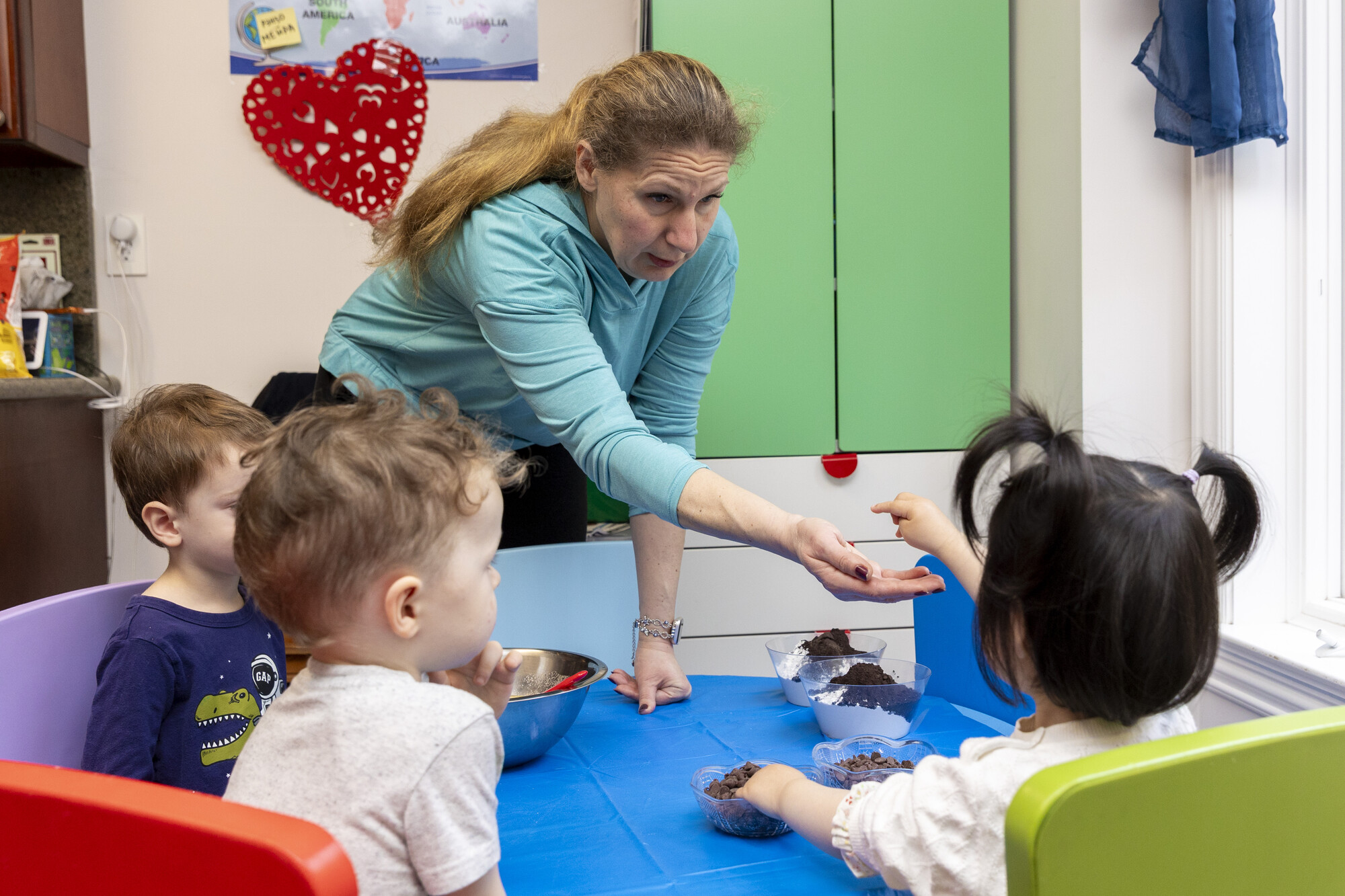
"caption": "Lyuba Shkolnik teaches children how to bake muffins at her in-home child care business called Daycare Bumblebee in San Francisco on Jan. 30, 2026. A new report recommends increased funding and better coordination between child care providers, the school district and health agencies.",
"credit": "Tâm Vũ/KQED",
"altTag": null,
"description": null,
"imgSizes": {
"thumbnail": {
"file": "https://cdn.kqed.org/wp-content/uploads/sites/10/2026/03/260130-sfchildcareaccess00137_TV_qed-160x107.jpg",
"width": 160,
"height": 107,
"mimeType": "image/jpeg"
},
"1536x1536": {
"file": "https://cdn.kqed.org/wp-content/uploads/sites/10/2026/03/260130-sfchildcareaccess00137_TV_qed-1536x1024.jpg",
"width": 1536,
"height": 1024,
"mimeType": "image/jpeg"
},
"post-thumbnail": {
"file": "https://cdn.kqed.org/wp-content/uploads/sites/10/2026/03/260130-sfchildcareaccess00137_TV_qed-672x372.jpg",
"width": 672,
"height": 372,
"mimeType": "image/jpeg"
},
"twentyfourteen-full-width": {
"file": "https://cdn.kqed.org/wp-content/uploads/sites/10/2026/03/260130-sfchildcareaccess00137_TV_qed-1038x576.jpg",
"width": 1038,
"height": 576,
"mimeType": "image/jpeg"
},
"npr-cds-wide": {
"file": "https://cdn.kqed.org/wp-content/uploads/sites/10/2026/03/260130-sfchildcareaccess00137_TV_qed-1200x675.jpg",
"width": 1200,
"height": 675,
"mimeType": "image/jpeg"
},
"kqedFullSize": {
"file": "https://cdn.kqed.org/wp-content/uploads/sites/10/2026/03/260130-sfchildcareaccess00137_TV_qed.jpg",
"width": 2000,
"height": 1333
}
},
"isLoading": false,
"fetchFailed": false
},
"news_12076153": {
"type": "attachments",
"id": "news_12076153",
"meta": {
"index": "attachments_1716263798",
"site": "news",
"id": "12076153",
"found": true
},
"title": "260106-PREVENTINGPRESCHOOLFADEOUT-14-BL-KQED",
"publishDate": 1773264551,
"status": "inherit",
"parent": 0,
"modified": 1773264564,
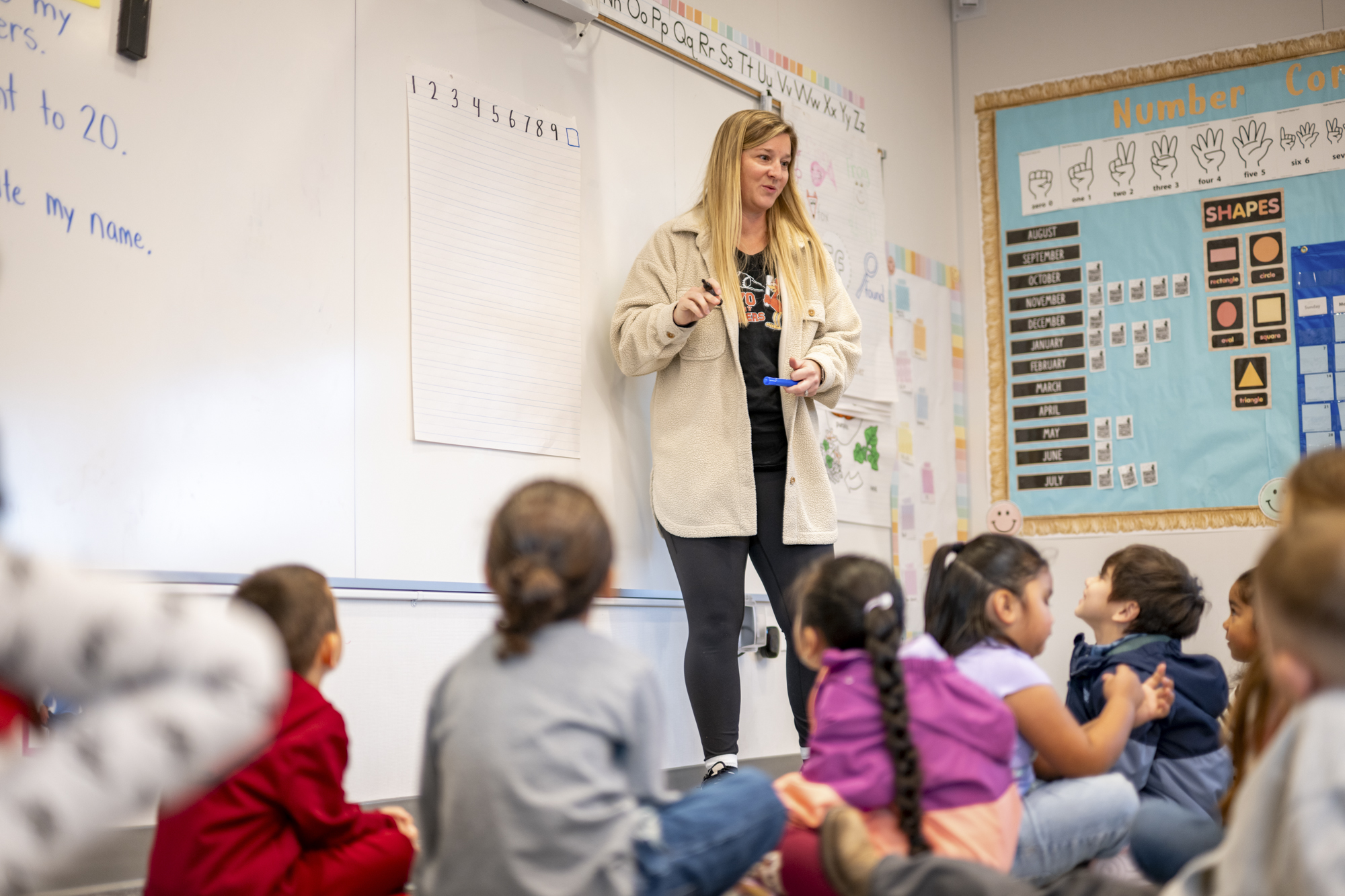
"caption": "Transitional kindergarten teacher Kristi Fowler teaches class at Yokayo Elementary School in Ukiah on Jan. 6, 2026.",
"credit": "Beth LaBerge/KQED",
"altTag": null,
"description": null,
"imgSizes": {
"thumbnail": {
"file": "https://cdn.kqed.org/wp-content/uploads/sites/10/2026/03/260106-PREVENTINGPRESCHOOLFADEOUT-14-BL-KQED-160x107.jpg",
"width": 160,
"height": 107,
"mimeType": "image/jpeg"
},
"1536x1536": {
"file": "https://cdn.kqed.org/wp-content/uploads/sites/10/2026/03/260106-PREVENTINGPRESCHOOLFADEOUT-14-BL-KQED-1536x1024.jpg",
"width": 1536,
"height": 1024,
"mimeType": "image/jpeg"
},
"post-thumbnail": {
"file": "https://cdn.kqed.org/wp-content/uploads/sites/10/2026/03/260106-PREVENTINGPRESCHOOLFADEOUT-14-BL-KQED-672x372.jpg",
"width": 672,
"height": 372,
"mimeType": "image/jpeg"
},
"twentyfourteen-full-width": {
"file": "https://cdn.kqed.org/wp-content/uploads/sites/10/2026/03/260106-PREVENTINGPRESCHOOLFADEOUT-14-BL-KQED-1038x576.jpg",
"width": 1038,
"height": 576,
"mimeType": "image/jpeg"
},
"npr-cds-wide": {
"file": "https://cdn.kqed.org/wp-content/uploads/sites/10/2026/03/260106-PREVENTINGPRESCHOOLFADEOUT-14-BL-KQED-1200x675.jpg",
"width": 1200,
"height": 675,
"mimeType": "image/jpeg"
},
"kqedFullSize": {
"file": "https://cdn.kqed.org/wp-content/uploads/sites/10/2026/03/260106-PREVENTINGPRESCHOOLFADEOUT-14-BL-KQED.jpg",
"width": 2000,
"height": 1333
}
},
"isLoading": false,
"fetchFailed": false
},
"news_12076082": {
"type": "attachments",
"id": "news_12076082",
"meta": {
"index": "attachments_1716263798",
"site": "news",
"id": "12076082",
"found": true
},
"title": "120324_CivicsClass_FM_CM_11",
"publishDate": 1773252657,
"status": "inherit",
"parent": 12076079,
"modified": 1773252690,
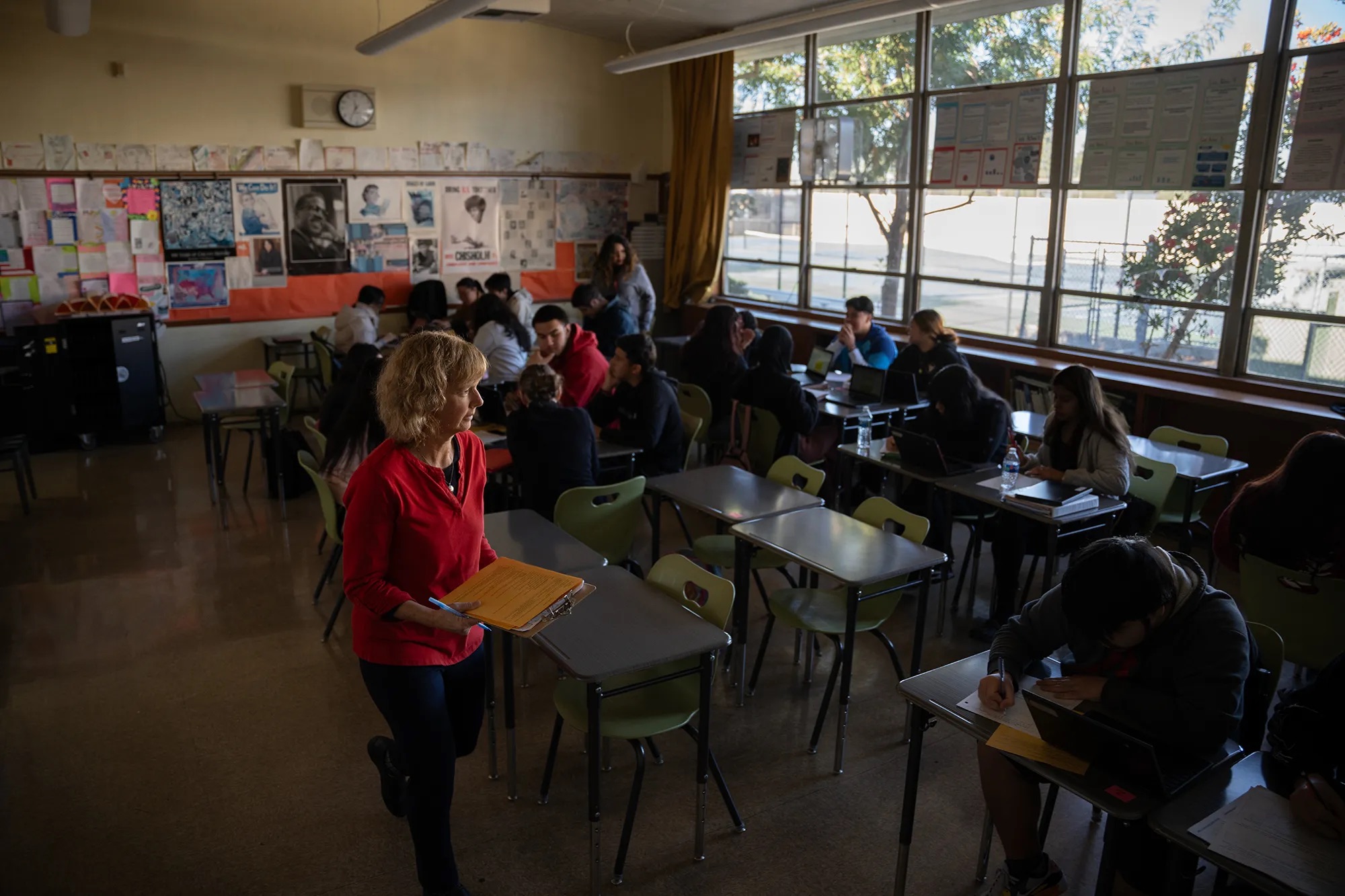
"caption": "San Lorenzo High School teacher Judy Smith teaches her third period government class in San Lorenzo on Dec. 3, 2024, as they develop civic action infographics on topics ranging from gun violence to vaping. Smith’s students will submit their final projects to the KQED Youth Media Challenge which will publish the infographics online to share how students see themselves, their world and their future. ",
"credit": "Florence Middleton, CalMatters",
"altTag": null,
"description": null,
"imgSizes": {
"thumbnail": {
"file": "https://cdn.kqed.org/wp-content/uploads/sites/10/2026/03/120324_CivicsClass_FM_CM_11-160x107.jpeg",
"width": 160,
"height": 107,
"mimeType": "image/jpeg"
},
"1536x1536": {
"file": "https://cdn.kqed.org/wp-content/uploads/sites/10/2026/03/120324_CivicsClass_FM_CM_11-1536x1024.jpeg",
"width": 1536,
"height": 1024,
"mimeType": "image/jpeg"
},
"post-thumbnail": {
"file": "https://cdn.kqed.org/wp-content/uploads/sites/10/2026/03/120324_CivicsClass_FM_CM_11-672x372.jpeg",
"width": 672,
"height": 372,
"mimeType": "image/jpeg"
},
"twentyfourteen-full-width": {
"file": "https://cdn.kqed.org/wp-content/uploads/sites/10/2026/03/120324_CivicsClass_FM_CM_11-1038x576.jpeg",
"width": 1038,
"height": 576,
"mimeType": "image/jpeg"
},
"npr-cds-wide": {
"file": "https://cdn.kqed.org/wp-content/uploads/sites/10/2026/03/120324_CivicsClass_FM_CM_11-1200x675.jpeg",
"width": 1200,
"height": 675,
"mimeType": "image/jpeg"
},
"kqedFullSize": {
"file": "https://cdn.kqed.org/wp-content/uploads/sites/10/2026/03/120324_CivicsClass_FM_CM_11.jpeg",
"width": 2000,
"height": 1333
}
},
"isLoading": false,
"fetchFailed": false
},
"news_12075831": {
"type": "attachments",
"id": "news_12075831",
"meta": {
"index": "attachments_1716263798",
"site": "news",
"id": "12075831",
"found": true
},
"title": "260309-DUBLIN TEACHER STRIKE-MD-02-KQED",
"publishDate": 1773087562,
"status": "inherit",
"parent": 12075767,
"modified": 1773091559,
"caption": "Teachers walk a picket line in front of the Dublin Unified School District offices in Dublin on March 9, 2026.",
"credit": "Martin do Nascimento/KQED",
"altTag": null,
"description": null,
"imgSizes": {
"thumbnail": {
"file": "https://cdn.kqed.org/wp-content/uploads/sites/10/2026/03/260309-DUBLIN-TEACHER-STRIKE-MD-02-KQED-160x107.jpg",
"width": 160,
"height": 107,
"mimeType": "image/jpeg"
},
"1536x1536": {
"file": "https://cdn.kqed.org/wp-content/uploads/sites/10/2026/03/260309-DUBLIN-TEACHER-STRIKE-MD-02-KQED-1536x1024.jpg",
"width": 1536,
"height": 1024,
"mimeType": "image/jpeg"
},
"post-thumbnail": {
"file": "https://cdn.kqed.org/wp-content/uploads/sites/10/2026/03/260309-DUBLIN-TEACHER-STRIKE-MD-02-KQED-672x372.jpg",
"width": 672,
"height": 372,
"mimeType": "image/jpeg"
},
"twentyfourteen-full-width": {
"file": "https://cdn.kqed.org/wp-content/uploads/sites/10/2026/03/260309-DUBLIN-TEACHER-STRIKE-MD-02-KQED-1038x576.jpg",
"width": 1038,
"height": 576,
"mimeType": "image/jpeg"
},
"npr-cds-wide": {
"file": "https://cdn.kqed.org/wp-content/uploads/sites/10/2026/03/260309-DUBLIN-TEACHER-STRIKE-MD-02-KQED-1200x675.jpg",
"width": 1200,
"height": 675,
"mimeType": "image/jpeg"
},
"kqedFullSize": {
"file": "https://cdn.kqed.org/wp-content/uploads/sites/10/2026/03/260309-DUBLIN-TEACHER-STRIKE-MD-02-KQED.jpg",
"width": 2000,
"height": 1333
}
},
"isLoading": false,
"fetchFailed": false
},
"news_12071397": {
"type": "attachments",
"id": "news_12071397",
"meta": {
"index": "attachments_1716263798",
"site": "news",
"id": "12071397",
"found": true
},
"title": "SJSU v Air Force",
"publishDate": 1769632742,
"status": "inherit",
"parent": 0,
"modified": 1769632809,
"caption": "Blaire Fleming and the San Jose State Spartans volleyball team play the Air Force Falcons in Colorado Springs, Colorado, on October 19, 2024.",
"credit": "Andrew Wevers/Getty Images",
"altTag": null,
"description": null,
"imgSizes": {
"thumbnail": {
"file": "https://cdn.kqed.org/wp-content/uploads/sites/10/2026/01/GETTYIMAGES-2179630055-KQED-160x107.jpg",
"width": 160,
"height": 107,
"mimeType": "image/jpeg"
},
"1536x1536": {
"file": "https://cdn.kqed.org/wp-content/uploads/sites/10/2026/01/GETTYIMAGES-2179630055-KQED-1536x1024.jpg",
"width": 1536,
"height": 1024,
"mimeType": "image/jpeg"
},
"post-thumbnail": {
"file": "https://cdn.kqed.org/wp-content/uploads/sites/10/2026/01/GETTYIMAGES-2179630055-KQED-672x372.jpg",
"width": 672,
"height": 372,
"mimeType": "image/jpeg"
},
"twentyfourteen-full-width": {
"file": "https://cdn.kqed.org/wp-content/uploads/sites/10/2026/01/GETTYIMAGES-2179630055-KQED-1038x576.jpg",
"width": 1038,
"height": 576,
"mimeType": "image/jpeg"
},
"npr-cds-wide": {
"file": "https://cdn.kqed.org/wp-content/uploads/sites/10/2026/01/GETTYIMAGES-2179630055-KQED-1200x675.jpg",
"width": 1200,
"height": 675,
"mimeType": "image/jpeg"
},
"kqedFullSize": {
"file": "https://cdn.kqed.org/wp-content/uploads/sites/10/2026/01/GETTYIMAGES-2179630055-KQED.jpg",
"width": 2000,
"height": 1333
}
},
"isLoading": false,
"fetchFailed": false
},
"news_12075829": {
"type": "attachments",
"id": "news_12075829",
"meta": {
"index": "attachments_1716263798",
"site": "news",
"id": "12075829",
"found": true
},
"title": "260309-DUBLIN TEACHER STRIKE-MD-03-KQED",
"publishDate": 1773087508,
"status": "inherit",
"parent": 12076394,
"modified": 1773422845,
"caption": "Thomas Lee (center) and other teachers walk a picket line in front of the Dublin Unified School District offices in Dublin on March 9, 2026.",
"credit": "Martin do Nascimento/KQED",
"altTag": null,
"description": null,
"imgSizes": {
"thumbnail": {
"file": "https://cdn.kqed.org/wp-content/uploads/sites/10/2026/03/260309-DUBLIN-TEACHER-STRIKE-MD-03-KQED-160x107.jpg",
"width": 160,
"height": 107,
"mimeType": "image/jpeg"
},
"1536x1536": {
"file": "https://cdn.kqed.org/wp-content/uploads/sites/10/2026/03/260309-DUBLIN-TEACHER-STRIKE-MD-03-KQED-1536x1024.jpg",
"width": 1536,
"height": 1024,
"mimeType": "image/jpeg"
},
"post-thumbnail": {
"file": "https://cdn.kqed.org/wp-content/uploads/sites/10/2026/03/260309-DUBLIN-TEACHER-STRIKE-MD-03-KQED-672x372.jpg",
"width": 672,
"height": 372,
"mimeType": "image/jpeg"
},
"twentyfourteen-full-width": {
"file": "https://cdn.kqed.org/wp-content/uploads/sites/10/2026/03/260309-DUBLIN-TEACHER-STRIKE-MD-03-KQED-1038x576.jpg",
"width": 1038,
"height": 576,
"mimeType": "image/jpeg"
},
"npr-cds-wide": {
"file": "https://cdn.kqed.org/wp-content/uploads/sites/10/2026/03/260309-DUBLIN-TEACHER-STRIKE-MD-03-KQED-1200x675.jpg",
"width": 1200,
"height": 675,
"mimeType": "image/jpeg"
},
"kqedFullSize": {
"file": "https://cdn.kqed.org/wp-content/uploads/sites/10/2026/03/260309-DUBLIN-TEACHER-STRIKE-MD-03-KQED.jpg",
"width": 2000,
"height": 1333
}
},
"isLoading": false,
"fetchFailed": false
},
"news_12075642": {
"type": "attachments",
"id": "news_12075642",
"meta": {
"index": "attachments_1716263798",
"site": "news",
"id": "12075642",
"found": true
},
"title": "Dublin High School in Dublin on March 6, 2026.",
"publishDate": 1772828281,
"status": "inherit",
"parent": 12075595,
"modified": 1772828289,
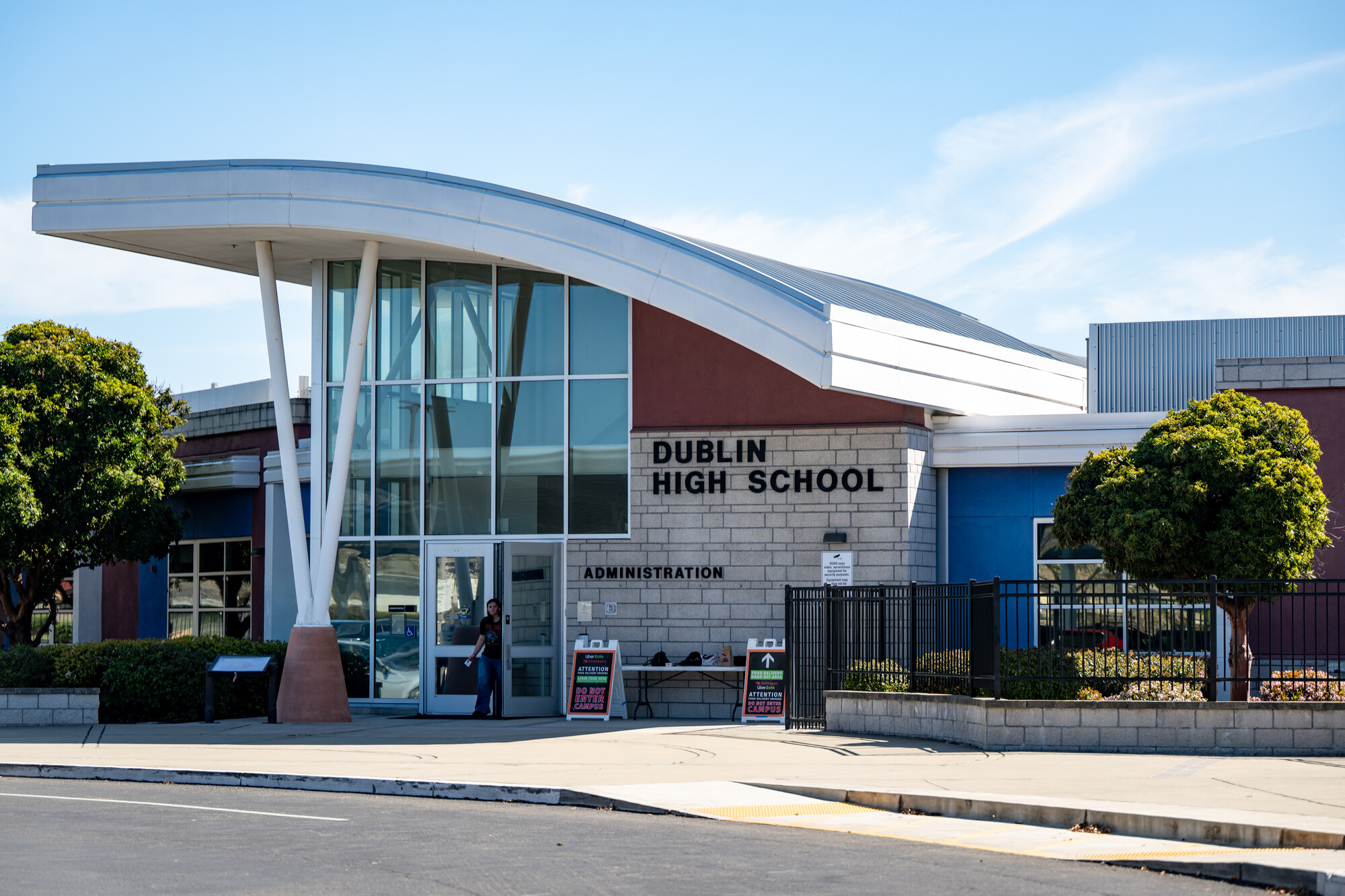
"caption": "Dublin High School in Dublin on March 6, 2026.",
"credit": "Beth LaBerge/KQED",
"altTag": null,
"description": null,
"imgSizes": {
"thumbnail": {
"file": "https://cdn.kqed.org/wp-content/uploads/sites/10/2026/03/260306-DublinTeachersStrike-02-BL_qed-160x107.jpg",
"width": 160,
"height": 107,
"mimeType": "image/jpeg"
},
"1536x1536": {
"file": "https://cdn.kqed.org/wp-content/uploads/sites/10/2026/03/260306-DublinTeachersStrike-02-BL_qed-1536x1024.jpg",
"width": 1536,
"height": 1024,
"mimeType": "image/jpeg"
},
"post-thumbnail": {
"file": "https://cdn.kqed.org/wp-content/uploads/sites/10/2026/03/260306-DublinTeachersStrike-02-BL_qed-672x372.jpg",
"width": 672,
"height": 372,
"mimeType": "image/jpeg"
},
"twentyfourteen-full-width": {
"file": "https://cdn.kqed.org/wp-content/uploads/sites/10/2026/03/260306-DublinTeachersStrike-02-BL_qed-1038x576.jpg",
"width": 1038,
"height": 576,
"mimeType": "image/jpeg"
},
"npr-cds-wide": {
"file": "https://cdn.kqed.org/wp-content/uploads/sites/10/2026/03/260306-DublinTeachersStrike-02-BL_qed-1200x675.jpg",
"width": 1200,
"height": 675,
"mimeType": "image/jpeg"
},
"kqedFullSize": {
"file": "https://cdn.kqed.org/wp-content/uploads/sites/10/2026/03/260306-DublinTeachersStrike-02-BL_qed.jpg",
"width": 2000,
"height": 1333
}
},
"isLoading": false,
"fetchFailed": false
},
"news_12046267": {
"type": "attachments",
"id": "news_12046267",
"meta": {
"index": "attachments_1716263798",
"site": "news",
"id": "12046267",
"found": true
},
"title": "Trump Administration Asks Supreme Court To Block Order To Return Mistakenly Deported Man",
"publishDate": 1751036305,
"status": "inherit",
"parent": 12046266,
"modified": 1772572584,
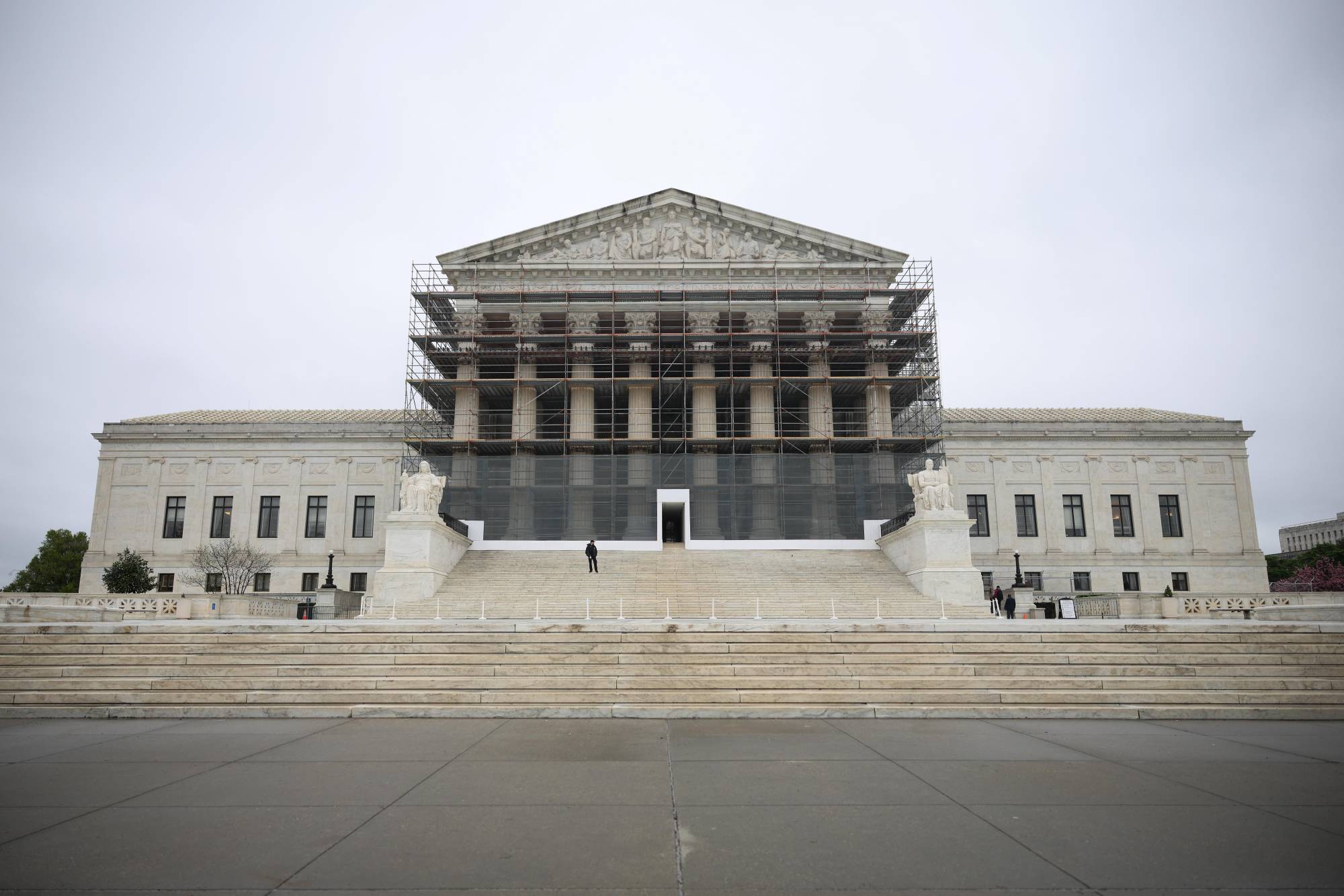
"caption": "The U.S. Supreme Court on April 7, 2025, in Washington, D.C.",
"credit": "Kayla Bartkowski/Getty Images",
"altTag": "The U.S. Supreme Court",
"description": "The U.S. Supreme Court is seen on April 07, 2025 in Washington, D.C.",
"imgSizes": {
"medium": {
"file": "https://cdn.kqed.org/wp-content/uploads/sites/10/2025/06/gettyimages-2209056030-4-2000x1334.jpeg",
"width": 2000,
"height": 1334,
"mimeType": "image/jpeg"
},
"large": {
"file": "https://cdn.kqed.org/wp-content/uploads/sites/10/2025/06/gettyimages-2209056030-4-2000x1334.jpeg",
"width": 2000,
"height": 1334,
"mimeType": "image/jpeg"
},
"thumbnail": {
"file": "https://cdn.kqed.org/wp-content/uploads/sites/10/2025/06/gettyimages-2209056030-4-160x107.jpeg",
"width": 160,
"height": 107,
"mimeType": "image/jpeg"
},
"1536x1536": {
"file": "https://cdn.kqed.org/wp-content/uploads/sites/10/2025/06/gettyimages-2209056030-4-1536x1025.jpeg",
"width": 1536,
"height": 1025,
"mimeType": "image/jpeg"
},
"2048x2048": {
"file": "https://cdn.kqed.org/wp-content/uploads/sites/10/2025/06/gettyimages-2209056030-4-2048x1366.jpeg",
"width": 2048,
"height": 1366,
"mimeType": "image/jpeg"
},
"post-thumbnail": {
"file": "https://cdn.kqed.org/wp-content/uploads/sites/10/2025/06/gettyimages-2209056030-4-672x372.jpeg",
"width": 672,
"height": 372,
"mimeType": "image/jpeg"
},
"twentyfourteen-full-width": {
"file": "https://cdn.kqed.org/wp-content/uploads/sites/10/2025/06/gettyimages-2209056030-4-1038x576.jpeg",
"width": 1038,
"height": 576,
"mimeType": "image/jpeg"
},
"full-width": {
"file": "https://cdn.kqed.org/wp-content/uploads/sites/10/2025/06/gettyimages-2209056030-4-2000x1334.jpeg",
"width": 2000,
"height": 1334,
"mimeType": "image/jpeg"
},
"kqedFullSize": {
"file": "https://cdn.kqed.org/wp-content/uploads/sites/10/2025/06/gettyimages-2209056030-4-scaled-e1772572598710.jpeg",
"width": 2000,
"height": 1334
}
},
"isLoading": false,
"fetchFailed": false
},
"news_12064167": {
"type": "attachments",
"id": "news_12064167",
"meta": {
"index": "attachments_1716263798",
"site": "news",
"id": "12064167",
"found": true
},
"title": "Laney College Oakland Shooting",
"publishDate": 1763153607,
"status": "inherit",
"parent": 12064112,
"modified": 1763153788,
"caption": "Crime scene tape at Laney College in Oakland, California, on Thursday, Nov. 13, 2025. The school was placed on lockdown after an individual was shot on campus, according to police. ",
"credit": "Santiago Mejia/San Francisco Chronicle via Getty Images",
"altTag": null,
"description": null,
"imgSizes": {
"thumbnail": {
"file": "https://cdn.kqed.org/wp-content/uploads/sites/10/2025/11/LaneyCollegeGetty3-160x107.jpg",
"width": 160,
"height": 107,
"mimeType": "image/jpeg"
},
"1536x1536": {
"file": "https://cdn.kqed.org/wp-content/uploads/sites/10/2025/11/LaneyCollegeGetty3-1536x1025.jpg",
"width": 1536,
"height": 1025,
"mimeType": "image/jpeg"
},
"post-thumbnail": {
"file": "https://cdn.kqed.org/wp-content/uploads/sites/10/2025/11/LaneyCollegeGetty3-672x372.jpg",
"width": 672,
"height": 372,
"mimeType": "image/jpeg"
},
"twentyfourteen-full-width": {
"file": "https://cdn.kqed.org/wp-content/uploads/sites/10/2025/11/LaneyCollegeGetty3-1038x576.jpg",
"width": 1038,
"height": 576,
"mimeType": "image/jpeg"
},
"npr-cds-wide": {
"file": "https://cdn.kqed.org/wp-content/uploads/sites/10/2025/11/LaneyCollegeGetty3-1200x675.jpg",
"width": 1200,
"height": 675,
"mimeType": "image/jpeg"
},
"kqedFullSize": {
"file": "https://cdn.kqed.org/wp-content/uploads/sites/10/2025/11/LaneyCollegeGetty3.jpg",
"width": 2000,
"height": 1334
}
},
"isLoading": false,
"fetchFailed": false
},
"news_12074205": {
"type": "attachments",
"id": "news_12074205",
"meta": {
"index": "attachments_1716263798",
"site": "news",
"id": "12074205",
"found": true
},
"title": "260210-SFUSDStrikeDay2-46-BL_qed",
"publishDate": 1771866705,
"status": "inherit",
"parent": 12074197,
"modified": 1772236716,
"caption": "Teachers, faculty and supporters march from Dolores Park to City Hall during the second day of an SFUSD teachers strike in San Francisco on Feb. 10, 2026.",
"credit": "Beth LaBerge/KQED",
"altTag": null,
"description": null,
"imgSizes": {
"thumbnail": {
"file": "https://cdn.kqed.org/wp-content/uploads/sites/10/2026/02/260210-SFUSDStrikeDay2-46-BL_qed-160x107.jpg",
"width": 160,
"height": 107,
"mimeType": "image/jpeg"
},
"1536x1536": {
"file": "https://cdn.kqed.org/wp-content/uploads/sites/10/2026/02/260210-SFUSDStrikeDay2-46-BL_qed-1536x1024.jpg",
"width": 1536,
"height": 1024,
"mimeType": "image/jpeg"
},
"post-thumbnail": {
"file": "https://cdn.kqed.org/wp-content/uploads/sites/10/2026/02/260210-SFUSDStrikeDay2-46-BL_qed-672x372.jpg",
"width": 672,
"height": 372,
"mimeType": "image/jpeg"
},
"twentyfourteen-full-width": {
"file": "https://cdn.kqed.org/wp-content/uploads/sites/10/2026/02/260210-SFUSDStrikeDay2-46-BL_qed-1038x576.jpg",
"width": 1038,
"height": 576,
"mimeType": "image/jpeg"
},
"npr-cds-wide": {
"file": "https://cdn.kqed.org/wp-content/uploads/sites/10/2026/02/260210-SFUSDStrikeDay2-46-BL_qed-1200x675.jpg",
"width": 1200,
"height": 675,
"mimeType": "image/jpeg"
},
"kqedFullSize": {
"file": "https://cdn.kqed.org/wp-content/uploads/sites/10/2026/02/260210-SFUSDStrikeDay2-46-BL_qed.jpg",
"width": 1999,
"height": 1333
}
},
"isLoading": false,
"fetchFailed": false
},
"news_11948331": {
"type": "attachments",
"id": "news_11948331",
"meta": {
"index": "attachments_1716263798",
"site": "news",
"id": "11948331",
"found": true
},
"title": "RS55916_058_KQED_OaklandTeacherStrike_04292022-qut",
"publishDate": 1683062568,
"status": "inherit",
"parent": 11948320,
"modified": 1772216225,
"caption": "Oakland teachers and students listen to speakers during a rally as part of a one-day walkout on April 29, 2022, to protest the Oakland Unified School District's planned closures. Teachers represented by the Oakland Education Association may go on strike once again on Thursday.",
"credit": "Beth LaBerge/KQED",
"altTag": "An older Black man stands outside at a rally, with a sign hanging from his neck that says: 'Fund Public Schools.'",
"description": null,
"imgSizes": {
"medium": {
"file": "https://cdn.kqed.org/wp-content/uploads/sites/10/2023/05/RS55916_058_KQED_OaklandTeacherStrike_04292022-qut-800x533.jpg",
"width": 800,
"height": 533,
"mimeType": "image/jpeg"
},
"large": {
"file": "https://cdn.kqed.org/wp-content/uploads/sites/10/2023/05/RS55916_058_KQED_OaklandTeacherStrike_04292022-qut-1020x680.jpg",
"width": 1020,
"height": 680,
"mimeType": "image/jpeg"
},
"thumbnail": {
"file": "https://cdn.kqed.org/wp-content/uploads/sites/10/2023/05/RS55916_058_KQED_OaklandTeacherStrike_04292022-qut-160x107.jpg",
"width": 160,
"height": 107,
"mimeType": "image/jpeg"
},
"1536x1536": {
"file": "https://cdn.kqed.org/wp-content/uploads/sites/10/2023/05/RS55916_058_KQED_OaklandTeacherStrike_04292022-qut-1536x1024.jpg",
"width": 1536,
"height": 1024,
"mimeType": "image/jpeg"
},
"post-thumbnail": {
"file": "https://cdn.kqed.org/wp-content/uploads/sites/10/2023/05/RS55916_058_KQED_OaklandTeacherStrike_04292022-qut-672x372.jpg",
"width": 672,
"height": 372,
"mimeType": "image/jpeg"
},
"twentyfourteen-full-width": {
"file": "https://cdn.kqed.org/wp-content/uploads/sites/10/2023/05/RS55916_058_KQED_OaklandTeacherStrike_04292022-qut-1038x576.jpg",
"width": 1038,
"height": 576,
"mimeType": "image/jpeg"
},
"kqedFullSize": {
"file": "https://cdn.kqed.org/wp-content/uploads/sites/10/2023/05/RS55916_058_KQED_OaklandTeacherStrike_04292022-qut.jpg",
"width": 1920,
"height": 1280
}
},
"isLoading": false,
"fetchFailed": false
},
"news_12037666": {
"type": "attachments",
"id": "news_12037666",
"meta": {
"index": "attachments_1716263798",
"site": "news",
"id": "12037666",
"found": true
},
"title": "_DSC7276_qed",
"publishDate": 1745604009,
"status": "inherit",
"parent": 12037661,
"modified": 1745604051,
"caption": "Hundreds of Oakland teachers and their supporters converged on Frank H. Ogawa Plaza in front of City Hall on May 4, 2023, for a festive rally to close out the first day of an open-ended strike.",
"credit": "Aryk Copley for KQED",
"altTag": null,
"description": null,
"imgSizes": {
"medium": {
"file": "https://cdn.kqed.org/wp-content/uploads/sites/10/2025/04/DSC7276_qed-800x533.jpg",
"width": 800,
"height": 533,
"mimeType": "image/jpeg"
},
"large": {
"file": "https://cdn.kqed.org/wp-content/uploads/sites/10/2025/04/DSC7276_qed-1020x680.jpg",
"width": 1020,
"height": 680,
"mimeType": "image/jpeg"
},
"thumbnail": {
"file": "https://cdn.kqed.org/wp-content/uploads/sites/10/2025/04/DSC7276_qed-160x107.jpg",
"width": 160,
"height": 107,
"mimeType": "image/jpeg"
},
"1536x1536": {
"file": "https://cdn.kqed.org/wp-content/uploads/sites/10/2025/04/DSC7276_qed-1536x1024.jpg",
"width": 1536,
"height": 1024,
"mimeType": "image/jpeg"
},
"post-thumbnail": {
"file": "https://cdn.kqed.org/wp-content/uploads/sites/10/2025/04/DSC7276_qed-672x372.jpg",
"width": 672,
"height": 372,
"mimeType": "image/jpeg"
},
"twentyfourteen-full-width": {
"file": "https://cdn.kqed.org/wp-content/uploads/sites/10/2025/04/DSC7276_qed-1038x576.jpg",
"width": 1038,
"height": 576,
"mimeType": "image/jpeg"
},
"full-width": {
"file": "https://cdn.kqed.org/wp-content/uploads/sites/10/2025/04/DSC7276_qed-1920x1280.jpg",
"width": 1920,
"height": 1280,
"mimeType": "image/jpeg"
},
"kqedFullSize": {
"file": "https://cdn.kqed.org/wp-content/uploads/sites/10/2025/04/DSC7276_qed.jpg",
"width": 2000,
"height": 1333
}
},
"isLoading": false,
"fetchFailed": false
}
},
"audioPlayerReducer": {
"postId": "stream_live",
"isPaused": true,
"isPlaying": false,
"pfsActive": false,
"pledgeModalIsOpen": true,
"playerDrawerIsOpen": false,
"liveAudioPlayStartedAt": 0,
"liveAudioPlayContext": ""
},
"authorsReducer": {
"byline_news_12076079": {
"type": "authors",
"id": "byline_news_12076079",
"meta": {
"override": true
},
"slug": "byline_news_12076079",
"name": "Carolyn Jones, CalMatters",
"isLoading": false
},
"daisynguyen": {
"type": "authors",
"id": "11829",
"meta": {
"index": "authors_1716337520",
"id": "11829",
"found": true
},
"name": "Daisy Nguyen",
"firstName": "Daisy",
"lastName": "Nguyen",
"slug": "daisynguyen",
"email": "daisynguyen@kqed.org",
"display_author_email": true,
"staff_mastheads": [
"news"
],
"title": "KQED Contributor",
"bio": "I have covered early childhood education and child care for KQED since 2022. I focus on policies aimed at increasing access to early care and education and how they shape individual lives. I've been a journalist for more than two decades, with most of that time devoted to covering breaking news throughout California for The Associated Press. I grew up in San Francisco and studied at UC Davis and Columbia University's Graduate School of Journalism. I live in Oakland with my husband and two kids.",
"avatar": "https://secure.gravatar.com/avatar/2da2127c27f7143b53ebd419800fd55f?s=600&d=blank&r=g",
"twitter": null,
"facebook": null,
"instagram": null,
"linkedin": "https://www.linkedin.com/in/daisynguyen/",
"sites": [
{
"site": "news",
"roles": [
"author"
]
},
{
"site": "liveblog",
"roles": [
"author"
]
}
],
"headData": {
"title": "Daisy Nguyen | KQED",
"description": "KQED Contributor",
"ogImgSrc": "https://secure.gravatar.com/avatar/2da2127c27f7143b53ebd419800fd55f?s=600&d=blank&r=g",
"twImgSrc": "https://secure.gravatar.com/avatar/2da2127c27f7143b53ebd419800fd55f?s=600&d=blank&r=g"
},
"isLoading": false,
"link": "/author/daisynguyen"
},
"nkhan": {
"type": "authors",
"id": "11867",
"meta": {
"index": "authors_1716337520",
"id": "11867",
"found": true
},
"name": "Nisa Khan",
"firstName": "Nisa",
"lastName": "Khan",
"slug": "nkhan",
"email": "nkhan@kqed.org",
"display_author_email": false,
"staff_mastheads": [],
"title": "KQED Contributor",
"bio": "Nisa Khan is a reporter for KQED's Audience News Desk. She was formerly a data reporter at Michigan Radio. She earned a Bachelor of Science in Information from the University of Michigan and a Master of Arts in Communication from Stanford University.",
"avatar": "https://secure.gravatar.com/avatar/8720459eef081ff64582b3506b124d58523e80e120704a0cbd9892533c914991?s=600&d=blank&r=g",
"twitter": "mnisakhan",
"bluesky": null,
"facebook": null,
"instagram": null,
"linkedin": null,
"sites": [
{
"site": "arts",
"roles": [
"editor"
]
},
{
"site": "news",
"roles": [
"editor"
]
},
{
"site": "science",
"roles": [
"editor",
"author"
]
},
{
"site": "forum",
"roles": [
"editor"
]
},
{
"site": "liveblog",
"roles": [
"contributor"
]
}
],
"headData": {
"title": "Nisa Khan | KQED",
"description": "KQED Contributor",
"ogImgSrc": "https://secure.gravatar.com/avatar/8720459eef081ff64582b3506b124d58523e80e120704a0cbd9892533c914991?s=600&d=blank&r=g",
"twImgSrc": "https://secure.gravatar.com/avatar/8720459eef081ff64582b3506b124d58523e80e120704a0cbd9892533c914991?s=600&d=blank&r=g"
},
"isLoading": false,
"link": "/author/nkhan"
},
"kdebenedetti": {
"type": "authors",
"id": "11913",
"meta": {
"index": "authors_1716337520",
"id": "11913",
"found": true
},
"name": "Katie DeBenedetti",
"firstName": "Katie",
"lastName": "DeBenedetti",
"slug": "kdebenedetti",
"email": "kdebenedetti@kqed.org",
"display_author_email": false,
"staff_mastheads": [
"news",
"science"
],
"title": "KQED Contributor",
"bio": "Katie DeBenedetti is a digital reporter covering daily news for the Express Desk. Prior to joining KQED as a culture reporting intern in January 2024, she covered education and city government for the Napa Valley Register.",
"avatar": "https://secure.gravatar.com/avatar/6e31073cb8f7e4214ab03f42771d0f45?s=600&d=blank&r=g",
"twitter": null,
"facebook": null,
"instagram": null,
"linkedin": null,
"sites": [
{
"site": "news",
"roles": [
"author"
]
},
{
"site": "science",
"roles": [
"author"
]
},
{
"site": "liveblog",
"roles": [
"author"
]
}
],
"headData": {
"title": "Katie DeBenedetti | KQED",
"description": "KQED Contributor",
"ogImgSrc": "https://secure.gravatar.com/avatar/6e31073cb8f7e4214ab03f42771d0f45?s=600&d=blank&r=g",
"twImgSrc": "https://secure.gravatar.com/avatar/6e31073cb8f7e4214ab03f42771d0f45?s=600&d=blank&r=g"
},
"isLoading": false,
"link": "/author/kdebenedetti"
},
"dmeagley": {
"type": "authors",
"id": "12002",
"meta": {
"index": "authors_1716337520",
"id": "12002",
"found": true
},
"name": "Desmond Meagley",
"firstName": "Desmond",
"lastName": "Meagley",
"slug": "dmeagley",
"email": "dmeagley@kqed.org",
"display_author_email": false,
"staff_mastheads": [],
"title": "KQED Contributor",
"bio": null,
"avatar": "https://secure.gravatar.com/avatar/16f71d550a6f42fe4d2195a89ee3ac21649feb17ca382d5cd0ad019d930a00ae?s=600&d=blank&r=g",
"twitter": null,
"bluesky": null,
"facebook": null,
"instagram": null,
"linkedin": null,
"sites": [
{
"site": "news",
"roles": [
"author"
]
}
],
"headData": {
"title": "Desmond Meagley | KQED",
"description": "KQED Contributor",
"ogImgSrc": "https://secure.gravatar.com/avatar/16f71d550a6f42fe4d2195a89ee3ac21649feb17ca382d5cd0ad019d930a00ae?s=600&d=blank&r=g",
"twImgSrc": "https://secure.gravatar.com/avatar/16f71d550a6f42fe4d2195a89ee3ac21649feb17ca382d5cd0ad019d930a00ae?s=600&d=blank&r=g"
},
"isLoading": false,
"link": "/author/dmeagley"
}
},
"pagesReducer": {
"news_tag_education": {
"type": "terms",
"id": "news_20013",
"meta": {
"index": "terms_1716263798",
"site": "news",
"id": "20013",
"score": 6.970053
},
"featImg": null,
"name": "education",
"description": null,
"taxonomy": "tag",
"headData": {
"twImgId": null,
"twTitle": null,
"ogTitle": null,
"ogImgId": null,
"twDescription": null,
"description": null,
"title": "education Archives | KQED News",
"ogDescription": null
},
"ttid": 20030,
"slug": "education",
"isLoading": false,
"title": "education",
"pageMeta": {
"site": "news",
"WpPageTemplate": "page-topic-editorial",
"currentPage": 10
},
"blocks": [
{
"blockName": "kqed/post-list",
"attrs": {
"layout": "cardArticle2",
"query": "posts/news?tag=education",
"seeMore": false,
"paginated": true,
"page": 10
}
},
{
"blockName": "kqed/ad"
}
]
}
},
"pfsSessionReducer": {},
"postsReducer": {
"stream_live": {
"type": "live",
"id": "stream_live",
"audioUrl": "https://streams.kqed.org/kqedradio",
"title": "Live Stream",
"excerpt": "Live Stream information currently unavailable.",
"link": "/radio",
"featImg": "",
"label": {
"name": "KQED Live",
"link": "/"
}
},
"stream_kqedNewscast": {
"type": "posts",
"id": "stream_kqedNewscast",
"audioUrl": "https://www.kqed.org/.stream/anon/radio/RDnews/newscast.mp3?_=1",
"title": "KQED Newscast",
"featImg": "",
"label": {
"name": "88.5 FM",
"link": "/"
}
},
"news_12076592": {
"type": "posts",
"id": "news_12076592",
"meta": {
"index": "posts_1716263798",
"site": "news",
"id": "12076592",
"score": null,
"sort": [
1773703532000
]
},
"guestAuthors": [],
"slug": "san-francisco-kids-with-special-needs-get-delayed-and-unequal-access-to-services",
"title": "San Francisco Kids With Special Needs Get Delayed and Unequal Access to Services",
"publishDate": 1773703532,
"format": "standard",
"headTitle": "San Francisco Kids With Special Needs Get Delayed and Unequal Access to Services | KQED",
"labelTerm": {
"site": "news"
},
"content": "\u003cp>Babies and toddlers with special needs are not getting the therapies they’re entitled to receive in \u003ca href=\"https://www.kqed.org/news/tag/san-francisco\">San Francisco\u003c/a> in a timely way, if at all, according to a survey released Monday of more than 400 early child educators and providers.\u003c/p>\n\u003cp>The \u003ca href=\"https://felton.org/wp-content/uploads/2026/03/WHITE-PAPER_EII-Equity-Taskforce_11-2025.pdf\">report, from a task force made up of early childhood education advocates\u003c/a>, found the agencies responsible for delivering them are disconnected from one another. These challenges make it \u003ca href=\"https://www.kqed.org/news/11979071/californias-low-income-families-face-barriers-to-in-home-therapy-for-infants-with-developmental-delays\">especially hard for immigrant and low-income families\u003c/a> to access services aimed at supporting children’s language, physical and social-emotional development.\u003c/p>\n\u003cp>The report calls for building a system that better coordinates services — something the San Francisco Department of Early Childhood is looking into.\u003c/p>\n\u003cp>[ad fullwidth]\u003c/p>\n\u003cp>“A lot of programs are fragmented, and it’s up to us to start putting those pieces together,” said Ingrid Mezquita, director of the department.\u003c/p>\n\u003cp>\u003ca href=\"https://www.congress.gov/crs-product/R43631\">Federal law guarantees\u003c/a> services like speech therapy, occupational therapy and physical therapy for children under the age of 3 who may have a disability. Experts say getting these services during the early years, when children’s brains are the most adaptable, can head off the need for special education services when they’re older. Any delay can have long-term consequences for their development.\u003c/p>\n\u003cfigure id=\"attachment_12076657\" class=\"wp-caption aligncenter\" style=\"max-width: 2000px\">\u003cimg loading=\"lazy\" decoding=\"async\" class=\"wp-image-12076657 size-full\" src=\"https://cdn.kqed.org/wp-content/uploads/sites/10/2026/03/Yolanda-WIlson-2-kids_qed-1.jpg\" alt=\"\" width=\"2000\" height=\"1126\" srcset=\"https://cdn.kqed.org/wp-content/uploads/sites/10/2026/03/Yolanda-WIlson-2-kids_qed-1.jpg 2000w, https://cdn.kqed.org/wp-content/uploads/sites/10/2026/03/Yolanda-WIlson-2-kids_qed-1-160x90.jpg 160w, https://cdn.kqed.org/wp-content/uploads/sites/10/2026/03/Yolanda-WIlson-2-kids_qed-1-1536x865.jpg 1536w, https://cdn.kqed.org/wp-content/uploads/sites/10/2026/03/Yolanda-WIlson-2-kids_qed-1-1200x675.jpg 1200w\" sizes=\"auto, (max-width: 2000px) 100vw, 2000px\">\u003cfigcaption class=\"wp-caption-text\">Babies and toddlers with special needs in San Francisco are not receiving therapies they’re entitled to in a timely way — if at all — according to a new survey of more than 400 early childhood educators and providers. \u003ccite>(Andrew Stelzer for KQED)\u003c/cite>\u003c/figcaption>\u003c/figure>\n\u003cp>“And yet we see time and time again, particularly for children in certain zip codes, children of certain races, children who speak certain languages, that they are waiting long periods of time or never being connected to the services,” said Heidi Lamar, program director for Compass Family Services’ Children Center, and coleader of the task force.\u003c/p>\n\u003cp>Usually, caregivers or pediatricians who observe a developmental concern refer families to the Golden Gate Regional Center, a nonprofit responsible for getting children assessed, determining their eligibility and arranging early intervention services. The services are funded by a blend of state and federal grants.\u003c/p>\n\u003cp>If a child needs therapies after turning 3, their families must go to the San Francisco Unified School District to request continuing services.[aside postID=news_11979071 hero='https://cdn.kqed.org/wp-content/uploads/sites/10/2024/03/240309-EARLY-START-DEVELOPMENTAL-DELAYS-MD-02-KQED-1-1020x680.jpg']But early childhood educators and providers reported in the survey that limited coordination and communications between these systems and underfunding of the services often result in delayed and unequal access to the therapies.\u003c/p>\n\u003cp>The report noted that Black and Latinx students, and children with special needs, scored the lowest in SFUSD’s kindergarten readiness evaluations.\u003c/p>\n\u003cp>Karla Ramos said her daughter, who has Down syndrome, lost access to therapies after turning three last Fall and had to wait months to restart them through the school district.\u003c/p>\n\u003cp>“Imagine a child who’s already struggling — she’s still in diapers, and she just learned to walk in October — still maneuvering and learning a lot of things,” Ramos said. “I felt that it’s a great disservice for children with needs.”\u003c/p>\n\u003cp>Some child care programs have taken it upon themselves to hire in-house early intervention specialists, but have a hard time recruiting and retaining them.\u003c/p>\n\u003cp>Mezquita said the city is also looking into “building the capacity” at early learning programs to provide the services to children.\u003c/p>\n\u003cfigure id=\"attachment_12076655\" class=\"wp-caption aligncenter\" style=\"max-width: 2000px\">\u003cimg loading=\"lazy\" decoding=\"async\" class=\"size-full wp-image-12076655\" src=\"https://cdn.kqed.org/wp-content/uploads/sites/10/2026/03/260130-sfchildcareaccess00146_TV_qed.jpg\" alt=\"\" width=\"2000\" height=\"1333\" srcset=\"https://cdn.kqed.org/wp-content/uploads/sites/10/2026/03/260130-sfchildcareaccess00146_TV_qed.jpg 2000w, https://cdn.kqed.org/wp-content/uploads/sites/10/2026/03/260130-sfchildcareaccess00146_TV_qed-160x107.jpg 160w, https://cdn.kqed.org/wp-content/uploads/sites/10/2026/03/260130-sfchildcareaccess00146_TV_qed-1536x1024.jpg 1536w\" sizes=\"auto, (max-width: 2000px) 100vw, 2000px\">\u003cfigcaption class=\"wp-caption-text\">Victoria Golobordko walks a child at Daycare Bumblebee in San Francisco on Jan. 30, 2026. San Francisco is expanding access to child care by offering 50% discounts to middle- and upper-middle-income earners in an effort to tackle affordability issues in one of the most expensive cities in the country. Daycare Bumblebee is trying to get approval to enter the city’s Early Learning For All system. \u003ccite>(Tâm Vũ/KQED)\u003c/cite>\u003c/figcaption>\u003c/figure>\n\u003cp>Besides calling for better coordination between child care providers, the school district, regional centers and health care providers, the task force also urged the city to fund the “true cost” of supporting children with disabilities, including smaller class sizes staffed with specialists.\u003c/p>\n\u003cp>Lamar said most of the people involved in caring for or providing early intervention services want to make improvements.\u003c/p>\n\u003cp>“There’s interest, there’s motivation, there is care,” she said. “There are also some feelings of being daunted by the huge workload it’s going to take to really make sure that no child is falling through the cracks.”\u003c/p>\n\u003cp>\u003c/p>\n",
"blocks": [],
"excerpt": "The report recommends increased funding and better coordination between child care providers, the school district and health agencies.",
"status": "publish",
"parent": 0,
"modified": 1773705840,
"stats": {
"hasAudio": false,
"hasVideo": false,
"hasChartOrMap": false,
"iframeSrcs": [],
"hasGoogleForm": false,
"hasGallery": false,
"hasHearkenModule": false,
"hasPolis": false,
"paragraphCount": 18,
"wordCount": 780
},
"headData": {
"title": "San Francisco Kids With Special Needs Get Delayed and Unequal Access to Services | KQED",
"description": "The report recommends increased funding and better coordination between child care providers, the school district and health agencies.",
"ogTitle": "",
"ogDescription": "",
"ogImgId": "",
"twTitle": "",
"twDescription": "",
"twImgId": "",
"schema": {
"@context": "https://schema.org",
"@type": "NewsArticle",
"headline": "San Francisco Kids With Special Needs Get Delayed and Unequal Access to Services",
"datePublished": "2026-03-16T16:25:32-07:00",
"dateModified": "2026-03-16T17:04:00-07:00",
"image": "https://cdn.kqed.org/wp-content/uploads/2020/02/KQED-OG-Image@1x.png",
"isAccessibleForFree": "True",
"publisher": {
"@type": "NewsMediaOrganization",
"@id": "https://www.kqed.org/#organization",
"name": "KQED",
"logo": "https://cdn.kqed.org/wp-content/uploads/2020/02/KQED-OG-Image@1x.png",
"url": "https://www.kqed.org",
"sameAs": [
"https://www.facebook.com/KQED",
"https://twitter.com/KQED",
"https://www.instagram.com/kqed/",
"https://www.tiktok.com/@kqedofficial",
"https://www.linkedin.com/company/kqed",
"https://www.youtube.com/channel/UCeC0IOo7i1P_61zVUWbJ4nw"
]
}
}
},
"primaryCategory": {
"termId": 18540,
"slug": "education",
"name": "Education"
},
"sticky": false,
"nprStoryId": "kqed-12076592",
"templateType": "standard",
"featuredImageType": "standard",
"excludeFromSiteSearch": "Include",
"articleAge": "0",
"path": "/news/12076592/san-francisco-kids-with-special-needs-get-delayed-and-unequal-access-to-services",
"audioTrackLength": null,
"parsedContent": [
{
"type": "contentString",
"content": "\u003cdiv class=\"post-body\">\u003cp>\u003cp>Babies and toddlers with special needs are not getting the therapies they’re entitled to receive in \u003ca href=\"https://www.kqed.org/news/tag/san-francisco\">San Francisco\u003c/a> in a timely way, if at all, according to a survey released Monday of more than 400 early child educators and providers.\u003c/p>\n\u003cp>The \u003ca href=\"https://felton.org/wp-content/uploads/2026/03/WHITE-PAPER_EII-Equity-Taskforce_11-2025.pdf\">report, from a task force made up of early childhood education advocates\u003c/a>, found the agencies responsible for delivering them are disconnected from one another. These challenges make it \u003ca href=\"https://www.kqed.org/news/11979071/californias-low-income-families-face-barriers-to-in-home-therapy-for-infants-with-developmental-delays\">especially hard for immigrant and low-income families\u003c/a> to access services aimed at supporting children’s language, physical and social-emotional development.\u003c/p>\n\u003cp>The report calls for building a system that better coordinates services — something the San Francisco Department of Early Childhood is looking into.\u003c/p>\n\u003cp>\u003c/p>\u003c/div>",
"attributes": {
"named": {},
"numeric": []
}
},
{
"type": "component",
"content": "",
"name": "ad",
"attributes": {
"named": {
"label": "fullwidth"
},
"numeric": [
"fullwidth"
]
}
},
{
"type": "contentString",
"content": "\u003cdiv class=\"post-body\">\u003cp>\u003c/p>\n\u003cp>“A lot of programs are fragmented, and it’s up to us to start putting those pieces together,” said Ingrid Mezquita, director of the department.\u003c/p>\n\u003cp>\u003ca href=\"https://www.congress.gov/crs-product/R43631\">Federal law guarantees\u003c/a> services like speech therapy, occupational therapy and physical therapy for children under the age of 3 who may have a disability. Experts say getting these services during the early years, when children’s brains are the most adaptable, can head off the need for special education services when they’re older. Any delay can have long-term consequences for their development.\u003c/p>\n\u003cfigure id=\"attachment_12076657\" class=\"wp-caption aligncenter\" style=\"max-width: 2000px\">\u003cimg loading=\"lazy\" decoding=\"async\" class=\"wp-image-12076657 size-full\" src=\"https://cdn.kqed.org/wp-content/uploads/sites/10/2026/03/Yolanda-WIlson-2-kids_qed-1.jpg\" alt=\"\" width=\"2000\" height=\"1126\" srcset=\"https://cdn.kqed.org/wp-content/uploads/sites/10/2026/03/Yolanda-WIlson-2-kids_qed-1.jpg 2000w, https://cdn.kqed.org/wp-content/uploads/sites/10/2026/03/Yolanda-WIlson-2-kids_qed-1-160x90.jpg 160w, https://cdn.kqed.org/wp-content/uploads/sites/10/2026/03/Yolanda-WIlson-2-kids_qed-1-1536x865.jpg 1536w, https://cdn.kqed.org/wp-content/uploads/sites/10/2026/03/Yolanda-WIlson-2-kids_qed-1-1200x675.jpg 1200w\" sizes=\"auto, (max-width: 2000px) 100vw, 2000px\">\u003cfigcaption class=\"wp-caption-text\">Babies and toddlers with special needs in San Francisco are not receiving therapies they’re entitled to in a timely way — if at all — according to a new survey of more than 400 early childhood educators and providers. \u003ccite>(Andrew Stelzer for KQED)\u003c/cite>\u003c/figcaption>\u003c/figure>\n\u003cp>“And yet we see time and time again, particularly for children in certain zip codes, children of certain races, children who speak certain languages, that they are waiting long periods of time or never being connected to the services,” said Heidi Lamar, program director for Compass Family Services’ Children Center, and coleader of the task force.\u003c/p>\n\u003cp>Usually, caregivers or pediatricians who observe a developmental concern refer families to the Golden Gate Regional Center, a nonprofit responsible for getting children assessed, determining their eligibility and arranging early intervention services. The services are funded by a blend of state and federal grants.\u003c/p>\n\u003cp>If a child needs therapies after turning 3, their families must go to the San Francisco Unified School District to request continuing services.\u003c/p>\u003c/div>",
"attributes": {
"named": {},
"numeric": []
}
},
{
"type": "component",
"content": "",
"name": "aside",
"attributes": {
"named": {
"postid": "news_11979071",
"hero": "https://cdn.kqed.org/wp-content/uploads/sites/10/2024/03/240309-EARLY-START-DEVELOPMENTAL-DELAYS-MD-02-KQED-1-1020x680.jpg",
"label": ""
},
"numeric": []
}
},
{
"type": "contentString",
"content": "\u003cdiv class=\"post-body\">\u003cp>But early childhood educators and providers reported in the survey that limited coordination and communications between these systems and underfunding of the services often result in delayed and unequal access to the therapies.\u003c/p>\n\u003cp>The report noted that Black and Latinx students, and children with special needs, scored the lowest in SFUSD’s kindergarten readiness evaluations.\u003c/p>\n\u003cp>Karla Ramos said her daughter, who has Down syndrome, lost access to therapies after turning three last Fall and had to wait months to restart them through the school district.\u003c/p>\n\u003cp>“Imagine a child who’s already struggling — she’s still in diapers, and she just learned to walk in October — still maneuvering and learning a lot of things,” Ramos said. “I felt that it’s a great disservice for children with needs.”\u003c/p>\n\u003cp>Some child care programs have taken it upon themselves to hire in-house early intervention specialists, but have a hard time recruiting and retaining them.\u003c/p>\n\u003cp>Mezquita said the city is also looking into “building the capacity” at early learning programs to provide the services to children.\u003c/p>\n\u003cfigure id=\"attachment_12076655\" class=\"wp-caption aligncenter\" style=\"max-width: 2000px\">\u003cimg loading=\"lazy\" decoding=\"async\" class=\"size-full wp-image-12076655\" src=\"https://cdn.kqed.org/wp-content/uploads/sites/10/2026/03/260130-sfchildcareaccess00146_TV_qed.jpg\" alt=\"\" width=\"2000\" height=\"1333\" srcset=\"https://cdn.kqed.org/wp-content/uploads/sites/10/2026/03/260130-sfchildcareaccess00146_TV_qed.jpg 2000w, https://cdn.kqed.org/wp-content/uploads/sites/10/2026/03/260130-sfchildcareaccess00146_TV_qed-160x107.jpg 160w, https://cdn.kqed.org/wp-content/uploads/sites/10/2026/03/260130-sfchildcareaccess00146_TV_qed-1536x1024.jpg 1536w\" sizes=\"auto, (max-width: 2000px) 100vw, 2000px\">\u003cfigcaption class=\"wp-caption-text\">Victoria Golobordko walks a child at Daycare Bumblebee in San Francisco on Jan. 30, 2026. San Francisco is expanding access to child care by offering 50% discounts to middle- and upper-middle-income earners in an effort to tackle affordability issues in one of the most expensive cities in the country. Daycare Bumblebee is trying to get approval to enter the city’s Early Learning For All system. \u003ccite>(Tâm Vũ/KQED)\u003c/cite>\u003c/figcaption>\u003c/figure>\n\u003cp>Besides calling for better coordination between child care providers, the school district, regional centers and health care providers, the task force also urged the city to fund the “true cost” of supporting children with disabilities, including smaller class sizes staffed with specialists.\u003c/p>\n\u003cp>Lamar said most of the people involved in caring for or providing early intervention services want to make improvements.\u003c/p>\n\u003cp>“There’s interest, there’s motivation, there is care,” she said. “There are also some feelings of being daunted by the huge workload it’s going to take to really make sure that no child is falling through the cracks.”\u003c/p>\n\u003cp>\u003c/p>\n\u003c/div>\u003c/p>",
"attributes": {
"named": {},
"numeric": []
}
}
],
"link": "/news/12076592/san-francisco-kids-with-special-needs-get-delayed-and-unequal-access-to-services",
"authors": [
"11829"
],
"categories": [
"news_18540",
"news_28250",
"news_8"
],
"tags": [
"news_34055",
"news_32102",
"news_32928",
"news_29460",
"news_20013",
"news_27626",
"news_38"
],
"featImg": "news_12076653",
"label": "news"
},
"news_12076468": {
"type": "posts",
"id": "news_12076468",
"meta": {
"index": "posts_1716263798",
"site": "news",
"id": "12076468",
"score": null,
"sort": [
1773669635000
]
},
"guestAuthors": [],
"slug": "california-invested-big-in-transitional-kindergarten-how-one-school-is-making-the-most-of-it",
"title": "California Invested Big in Transitional Kindergarten. How 1 School Is Making the Most of It",
"publishDate": 1773669635,
"format": "standard",
"headTitle": "California Invested Big in Transitional Kindergarten. How 1 School Is Making the Most of It | KQED",
"labelTerm": {
"site": "news"
},
"content": "\u003cp>In Kristi Fowler’s \u003ca href=\"https://www.kqed.org/news/tag/transitional-kindergarten\">transitional kindergarten\u003c/a> classroom, 4-year-olds learn math by counting steps as they jump and by sorting objects by shape or color.\u003c/p>\n\u003cp>They can skip-count by 10s to get up to 100 and recognize patterns in a numerical sequence.\u003c/p>\n\u003cp>\u003cem>“\u003c/em>I used to think that TK [students] were just babies, and they can’t do that kind of stuff,” Fowler said. “They can, and they love it, and they’re excited to do it, and they’re really good at it.”\u003c/p>\n\u003cp>Getting these students to learn through play is one goal at Yokayo Elementary School, where Fowler works, in the North Coast city of Ukiah. Another is to ensure the skills they gain in TK will last throughout elementary school.\u003c/p>\n\u003cp>[ad fullwidth]\u003c/p>\n\u003cp>The district is one of dozens in California hoping to maximize the benefits of transitional kindergarten, which this year became \u003ca href=\"https://www.kqed.org/news/11989955/what-to-expect-when-enrolling-your-child-in-transitional-kindergarten\">free and available for all 4-year-olds across the state\u003c/a>. Gov. Gavin Newsom called the \u003ca href=\"https://calbudgetcenter.org/resources/how-california-is-expanding-transitional-kindergarten/\">$15 billion rollout\u003c/a> “a huge opportunity to invest in our kids and their future” and narrow the \u003ca href=\"https://www.ap.org/news-highlights/spotlights/2026/kindergarten-readiness-varies-widely-by-income-new-data-shows-cities-are-stepping-in-to-help/\">gap in kindergarten readiness\u003c/a> — such as the ability to socialize, pay attention and regulate emotions — between kids from lower-income and higher-income families.\u003c/p>\n\u003cp>But the enthusiasm for TK is tempered by concerns that the investment won’t pay off if the program’s benefits fade over time. Studies have shown that children who attend preschool start kindergarten with a measurable advantage over classmates who didn’t participate, but those gains seem to disappear by roughly the third grade. In Tennessee, a multi-year study found that 4-year-olds who attended a public pre-kindergarten program fared worse academically by the time they reached sixth grade than those who didn’t participate.\u003c/p>\n\u003cfigure id=\"attachment_12076149\" class=\"wp-caption aligncenter\" style=\"max-width: 2000px\">\u003cimg loading=\"lazy\" decoding=\"async\" class=\"size-full wp-image-12076149\" src=\"https://cdn.kqed.org/wp-content/uploads/sites/10/2026/03/260106-PREVENTINGPRESCHOOLFADEOUT-04-BL-KQED.jpg\" alt=\"\" width=\"2000\" height=\"1333\" srcset=\"https://cdn.kqed.org/wp-content/uploads/sites/10/2026/03/260106-PREVENTINGPRESCHOOLFADEOUT-04-BL-KQED.jpg 2000w, https://cdn.kqed.org/wp-content/uploads/sites/10/2026/03/260106-PREVENTINGPRESCHOOLFADEOUT-04-BL-KQED-160x107.jpg 160w, https://cdn.kqed.org/wp-content/uploads/sites/10/2026/03/260106-PREVENTINGPRESCHOOLFADEOUT-04-BL-KQED-1536x1024.jpg 1536w\" sizes=\"auto, (max-width: 2000px) 100vw, 2000px\">\u003cfigcaption class=\"wp-caption-text\">Students work on a math question in their second grade class with teacher Yadira DeLuna at Yokayo Elementary School in Ukiah on Jan. 6, 2026. \u003ccite>(Beth LaBerge/KQED)\u003c/cite>\u003c/figcaption>\u003c/figure>\n\u003cp>California \u003ca href=\"https://laist.com/news/education/early-childhood-education-pre-k/california-legislature-newsom-transitional-kindergarten-budget-research\">doesn’t have a plan to evaluate\u003c/a> the effectiveness of universal TK. And while the California Department of Education has guidelines on \u003ca href=\"https://www.cde.ca.gov/sp/cd/re/psfoundations.asp\">what students should learn, \u003c/a>there is no mandated curriculum — leaving TK programs potentially vulnerable to repeating the pitfalls in Tennessee’s program.\u003c/p>\n\u003cp>Some districts are seeking out best practices to avoid the same fate.\u003c/p>\n\u003cp>At Ukiah Unified, a high-poverty school district where a large percentage of its 5,800 students are in foster care or are English learners from Spanish-speaking households, administrators are determined to ensure the TK students are set up for success later on. They’re supporting an initiative at Yokayo Elementary, where teachers emphasize learning math skills in TK and building on what students know as they move to the next grade.\u003c/p>\n\u003cp>The school is focusing on math because more than 60% of California students \u003ca href=\"https://edsource.org/2025/california-students-struggle-math-english/742613#:~:text=%E2%80%9CProficient%20is%20a%20pretty%20high,and%20transparency%20from%20the%20state.\">are not proficient in the subject\u003c/a>, and studies show that students’ early math skills predict their academic achievement in middle and even high school.[aside postID=news_12052609 hero='https://cdn.kqed.org/wp-content/uploads/sites/10/2025/08/240520-TKParentsDilemma-32-BL_qed.jpg']“If they don’t get that foundation, then it’s a house of cards,” said Deborah Stipek, an expert on early childhood and elementary education at Stanford’s Graduate School of Education. “And as they make an effort to learn more advanced math, it falls apart because they don’t really have that basic understanding.”\u003c/p>\n\u003cp>When students are forced to reach too high when they start a new grade, they can feel lost and frustrated. If they repeat something they already know, they can lose interest in learning, Stipek said.\u003c/p>\n\u003cp>At Yokayo, teachers from TK to third grade get together to align their curriculum and standards to ensure students make academic progress from one grade to the next.\u003c/p>\n\u003cp>It’s a type of collaboration that might seem intuitive, but that runs counter to the way schools are typically organized. Teachers usually talk to their colleagues from the same grade level and follow pre-designed lesson plans.\u003c/p>\n\u003cp>Steven Kellner, director of district leadership and state policy for the nonprofit California Education Partners, said that creates a “herky-jerky” learning experience for students.\u003c/p>\n\u003cp>“‘Kindergarten’s this way and first grade’s that way,’ and they have nothing to do with each other,” he said of districts’ typical approach. “Transitional kindergarten is great, but if it’s not connected to the other grades, it’s not super helpful.”\u003c/p>\n\u003cp>Ed Partners, which is dedicated to improving student outcomes in under-resourced districts, is helping dozens of school districts across the state develop what it calls “preschool through third grade coherence.”\u003c/p>\n\u003cfigure id=\"attachment_12076152\" class=\"wp-caption aligncenter\" style=\"max-width: 2000px\">\u003cimg loading=\"lazy\" decoding=\"async\" class=\"size-full wp-image-12076152\" src=\"https://cdn.kqed.org/wp-content/uploads/sites/10/2026/03/260106-PREVENTINGPRESCHOOLFADEOUT-13-BL-KQED.jpg\" alt=\"\" width=\"2000\" height=\"1333\" srcset=\"https://cdn.kqed.org/wp-content/uploads/sites/10/2026/03/260106-PREVENTINGPRESCHOOLFADEOUT-13-BL-KQED.jpg 2000w, https://cdn.kqed.org/wp-content/uploads/sites/10/2026/03/260106-PREVENTINGPRESCHOOLFADEOUT-13-BL-KQED-160x107.jpg 160w, https://cdn.kqed.org/wp-content/uploads/sites/10/2026/03/260106-PREVENTINGPRESCHOOLFADEOUT-13-BL-KQED-1536x1024.jpg 1536w\" sizes=\"auto, (max-width: 2000px) 100vw, 2000px\">\u003cfigcaption class=\"wp-caption-text\">Students run during gym class at Yokayo Elementary School in Ukiah on Jan. 6, 2026. \u003ccite>(Beth LaBerge/KQED)\u003c/cite>\u003c/figcaption>\u003c/figure>\n\u003cp>The nonprofit pairs \u003ca href=\"https://centerx.gseis.ucla.edu/math-project/\">university experts\u003c/a> with teams of teachers, principals and school district leaders to share math teaching strategies that work across the early elementary school years. The teams receive ongoing coaching to improve the way they teach math, based on how much progress students make between the beginning and end of each school year. Stipek is an advisor to the nonprofit.\u003c/p>\n\u003cp>Yokayo Elementary is in the third year of implementing this strategy. In Fowler’s classroom, for example, students play a game called “How many ways?” where they’re asked to represent the number 4 and share their reasoning with classmates. Some students drew four dots or four hearts, while others wrote their names four times on the whiteboard.\u003c/p>\n\u003cp>By the time they get to second grade, in teacher Yadira De Luna’s classroom, they’ll perform the same task but with increasing difficulty. One recent morning, she asked her students to show multiple ways to represent the number 175. Some drew 175 circles or bars, while others filled their sheet of paper with as many addition or subtraction formulas they could think of that end in 175.\u003c/p>\n\u003cp>This exercise lets students see that there is more than one way to get to the right answer. It also encourages them to articulate their reasoning in front of their peers.\u003c/p>\n\u003cfigure id=\"attachment_12076151\" class=\"wp-caption aligncenter\" style=\"max-width: 2000px\">\u003cimg loading=\"lazy\" decoding=\"async\" class=\"size-full wp-image-12076151\" src=\"https://cdn.kqed.org/wp-content/uploads/sites/10/2026/03/260106-PREVENTINGPRESCHOOLFADEOUT-10-BL-KQED.jpg\" alt=\"\" width=\"2000\" height=\"1333\" srcset=\"https://cdn.kqed.org/wp-content/uploads/sites/10/2026/03/260106-PREVENTINGPRESCHOOLFADEOUT-10-BL-KQED.jpg 2000w, https://cdn.kqed.org/wp-content/uploads/sites/10/2026/03/260106-PREVENTINGPRESCHOOLFADEOUT-10-BL-KQED-160x107.jpg 160w, https://cdn.kqed.org/wp-content/uploads/sites/10/2026/03/260106-PREVENTINGPRESCHOOLFADEOUT-10-BL-KQED-1536x1024.jpg 1536w\" sizes=\"auto, (max-width: 2000px) 100vw, 2000px\">\u003cfigcaption class=\"wp-caption-text\">Principal Dana Milani speaks with second grade students about a math question in their class at Yokayo Elementary School in Ukiah on Jan. 6, 2026. \u003ccite>(Beth LaBerge/KQED)\u003c/cite>\u003c/figcaption>\u003c/figure>\n\u003cp>“By allowing them to play with numbers and to look at patterns and to see what they look like in the real world, that’s where you’re going to get that love of math,” said Dana Milani, the school’s principal.\u003c/p>\n\u003cp>Milani spent 15 years teaching fifth grade at Yokayo Elementary before switching to administration. She said having transitional kindergarten at her school has made her appreciate the opportunity to nurture young children’s love of learning, while being careful not to stifle it.\u003c/p>\n\u003cp>“We’re not making [math lessons] too long, we’re not having them get to where they’re like, ‘Ugh, do we have to do math again?’” she said. “It’s this really fun time where they get to use problem-solving skills. When you’re 4, problem-solving is a big deal, and if they can figure out how to problem-solve socially, they can do it academically.”\u003c/p>\n\u003cp>Researchers say engaging in math activities early on teaches young kids cognitive skills (like memorizing and organizing) that can be applied to other areas of life.\u003c/p>\n\u003cfigure id=\"attachment_12076150\" class=\"wp-caption aligncenter\" style=\"max-width: 2000px\">\u003cimg loading=\"lazy\" decoding=\"async\" class=\"size-full wp-image-12076150\" src=\"https://cdn.kqed.org/wp-content/uploads/sites/10/2026/03/260106-PREVENTINGPRESCHOOLFADEOUT-05-BL-KQED.jpg\" alt=\"\" width=\"2000\" height=\"1333\" srcset=\"https://cdn.kqed.org/wp-content/uploads/sites/10/2026/03/260106-PREVENTINGPRESCHOOLFADEOUT-05-BL-KQED.jpg 2000w, https://cdn.kqed.org/wp-content/uploads/sites/10/2026/03/260106-PREVENTINGPRESCHOOLFADEOUT-05-BL-KQED-160x107.jpg 160w, https://cdn.kqed.org/wp-content/uploads/sites/10/2026/03/260106-PREVENTINGPRESCHOOLFADEOUT-05-BL-KQED-1536x1024.jpg 1536w\" sizes=\"auto, (max-width: 2000px) 100vw, 2000px\">\u003cfigcaption class=\"wp-caption-text\">Students work on a math question in their second grade class with teacher Yadira DeLuna at Yokayo Elementary School in Ukiah on Jan. 6, 2026. \u003ccite>(Beth LaBerge/KQED)\u003c/cite>\u003c/figcaption>\u003c/figure>\n\u003cp>Recently, \u003ca href=\"https://edsource.org/2026/clarifying-transitional-kindergartens-curriculum-keeps-kids-playing/751419\">the state proposed redefining transitional kindergarten\u003c/a> in official documents to clarify that, instead of using a “modified kindergarten curriculum,” TK instruction should prioritize play as a form of learning. The California Department of Education also encourages school districts to align \u003ca href=\"https://www.cde.ca.gov/ci/gs/p3/#:~:text=Successful%20P%2D3%20alignment%20requires%20cross%2Dsector,families%2C%20and%20continuity%20of%20pathways.\">preschool to third grade\u003c/a> teachings.\u003c/p>\n\u003cp>But with no standard statewide curriculum, Stipek said she’s heard a variety of stories about what goes on in TK classrooms — from a “drill and kill” approach, where “all the kids do is sit and do worksheets” to the “incredibly wonderful, playful learning that’s going on.”\u003c/p>\n\u003cp>She said one reason Tennessee’s Pre-K program failed kids was that it rigidly focused on knowing letters and numbers, instead of exploring learning through interaction and play.\u003c/p>\n\u003cp>An evaluation of the fully expanded program would help California state leaders and educators figure out how to fine-tune TK, Stipek said. So far, the Legislature has not committed funding for a study.[aside postID=news_11989955 hero='https://cdn.kqed.org/wp-content/uploads/sites/10/2024/06/240520-TKPARENTSDILEMMA-07-BL-KQED-1020x680.jpg']In the meantime, the Ukiah Unified School District plans to track its students’ progress from this first year of universal TK, and Ed Partners will evaluate the districts that implemented preschool through third grade alignment.\u003c/p>\n\u003cp>The district’s superintendent, Deborah Kubin, said so far, TK seems to be working. Ukiah Unified used its state funding to add a new building and playground just for 4-year-olds on Yokayo’s sprawling campus. Each of the two spacious classrooms has a teacher and a teacher’s aide, and classes are capped at no more than 20 students to ensure the kids get the attention that they need.\u003c/p>\n\u003cp>Students who attended the program when the district began offering it scored 7% higher on their third grade assessments last year than students who didn’t go to TK.\u003c/p>\n\u003cp>Launching the program “definitely has been a challenge, but as we’re seeing in our results, the students are doing better,” Kubin said.\u003c/p>\n\u003cp>Parent Katie Sims said at the beginning of the school year, her son, Sawyer, had a hard time transitioning from a small day care to Fowler’s classroom.\u003c/p>\n\u003cp>“But once he settled in, he did have a great experience with the teachers,” Sims said. “He absolutely loves going to school now.”\u003c/p>\n\u003cp>TK wasn’t an option when her older son, who’s in seventh grade, began his educational journey.\u003c/p>\n\u003cp>“My youngest son is going to have an easier transition into kindergarten and actual academics, versus my older son, who just got kind of thrown in and didn’t know what to expect,” Sims said.\u003c/p>\n\u003cp>[ad floatright]\u003c/p>\n",
"blocks": [],
"excerpt": "The enthusiasm for California’s free preschool program for 4-year-olds is tempered by concerns that its benefits may fade over time, and that the state doesn’t have a plan to evaluate it. ",
"status": "publish",
"parent": 0,
"modified": 1773692013,
"stats": {
"hasAudio": false,
"hasVideo": false,
"hasChartOrMap": false,
"iframeSrcs": [],
"hasGoogleForm": false,
"hasGallery": false,
"hasHearkenModule": false,
"hasPolis": false,
"paragraphCount": 37,
"wordCount": 1778
},
"headData": {
"title": "California Invested Big in Transitional Kindergarten. How 1 School Is Making the Most of It | KQED",
"description": "The enthusiasm for California’s free preschool program for 4-year-olds is tempered by concerns that its benefits may fade over time, and that the state doesn’t have a plan to evaluate it. ",
"ogTitle": "",
"ogDescription": "",
"ogImgId": "",
"twTitle": "",
"twDescription": "",
"twImgId": "",
"schema": {
"@context": "https://schema.org",
"@type": "NewsArticle",
"headline": "California Invested Big in Transitional Kindergarten. How 1 School Is Making the Most of It",
"datePublished": "2026-03-16T07:00:35-07:00",
"dateModified": "2026-03-16T13:13:33-07:00",
"image": "https://cdn.kqed.org/wp-content/uploads/2020/02/KQED-OG-Image@1x.png",
"isAccessibleForFree": "True",
"publisher": {
"@type": "NewsMediaOrganization",
"@id": "https://www.kqed.org/#organization",
"name": "KQED",
"logo": "https://cdn.kqed.org/wp-content/uploads/2020/02/KQED-OG-Image@1x.png",
"url": "https://www.kqed.org",
"sameAs": [
"https://www.facebook.com/KQED",
"https://twitter.com/KQED",
"https://www.instagram.com/kqed/",
"https://www.tiktok.com/@kqedofficial",
"https://www.linkedin.com/company/kqed",
"https://www.youtube.com/channel/UCeC0IOo7i1P_61zVUWbJ4nw"
]
}
}
},
"primaryCategory": {
"termId": 18540,
"slug": "education",
"name": "Education"
},
"audioUrl": "https://traffic.omny.fm/d/clips/0af137ef-751e-4b19-a055-aaef00d2d578/ffca7e9f-6831-41c5-bcaf-aaef00f5a073/5c47d84e-4864-4a22-b8b7-b40f01133626/audio.mp3",
"sticky": false,
"nprStoryId": "kqed-12076468",
"templateType": "standard",
"featuredImageType": "standard",
"excludeFromSiteSearch": "Include",
"articleAge": "0",
"path": "/news/12076468/california-invested-big-in-transitional-kindergarten-how-one-school-is-making-the-most-of-it",
"audioTrackLength": null,
"parsedContent": [
{
"type": "contentString",
"content": "\u003cdiv class=\"post-body\">\u003cp>\u003cp>In Kristi Fowler’s \u003ca href=\"https://www.kqed.org/news/tag/transitional-kindergarten\">transitional kindergarten\u003c/a> classroom, 4-year-olds learn math by counting steps as they jump and by sorting objects by shape or color.\u003c/p>\n\u003cp>They can skip-count by 10s to get up to 100 and recognize patterns in a numerical sequence.\u003c/p>\n\u003cp>\u003cem>“\u003c/em>I used to think that TK [students] were just babies, and they can’t do that kind of stuff,” Fowler said. “They can, and they love it, and they’re excited to do it, and they’re really good at it.”\u003c/p>\n\u003cp>Getting these students to learn through play is one goal at Yokayo Elementary School, where Fowler works, in the North Coast city of Ukiah. Another is to ensure the skills they gain in TK will last throughout elementary school.\u003c/p>\n\u003cp>\u003c/p>\u003c/div>",
"attributes": {
"named": {},
"numeric": []
}
},
{
"type": "component",
"content": "",
"name": "ad",
"attributes": {
"named": {
"label": "fullwidth"
},
"numeric": [
"fullwidth"
]
}
},
{
"type": "contentString",
"content": "\u003cdiv class=\"post-body\">\u003cp>\u003c/p>\n\u003cp>The district is one of dozens in California hoping to maximize the benefits of transitional kindergarten, which this year became \u003ca href=\"https://www.kqed.org/news/11989955/what-to-expect-when-enrolling-your-child-in-transitional-kindergarten\">free and available for all 4-year-olds across the state\u003c/a>. Gov. Gavin Newsom called the \u003ca href=\"https://calbudgetcenter.org/resources/how-california-is-expanding-transitional-kindergarten/\">$15 billion rollout\u003c/a> “a huge opportunity to invest in our kids and their future” and narrow the \u003ca href=\"https://www.ap.org/news-highlights/spotlights/2026/kindergarten-readiness-varies-widely-by-income-new-data-shows-cities-are-stepping-in-to-help/\">gap in kindergarten readiness\u003c/a> — such as the ability to socialize, pay attention and regulate emotions — between kids from lower-income and higher-income families.\u003c/p>\n\u003cp>But the enthusiasm for TK is tempered by concerns that the investment won’t pay off if the program’s benefits fade over time. Studies have shown that children who attend preschool start kindergarten with a measurable advantage over classmates who didn’t participate, but those gains seem to disappear by roughly the third grade. In Tennessee, a multi-year study found that 4-year-olds who attended a public pre-kindergarten program fared worse academically by the time they reached sixth grade than those who didn’t participate.\u003c/p>\n\u003cfigure id=\"attachment_12076149\" class=\"wp-caption aligncenter\" style=\"max-width: 2000px\">\u003cimg loading=\"lazy\" decoding=\"async\" class=\"size-full wp-image-12076149\" src=\"https://cdn.kqed.org/wp-content/uploads/sites/10/2026/03/260106-PREVENTINGPRESCHOOLFADEOUT-04-BL-KQED.jpg\" alt=\"\" width=\"2000\" height=\"1333\" srcset=\"https://cdn.kqed.org/wp-content/uploads/sites/10/2026/03/260106-PREVENTINGPRESCHOOLFADEOUT-04-BL-KQED.jpg 2000w, https://cdn.kqed.org/wp-content/uploads/sites/10/2026/03/260106-PREVENTINGPRESCHOOLFADEOUT-04-BL-KQED-160x107.jpg 160w, https://cdn.kqed.org/wp-content/uploads/sites/10/2026/03/260106-PREVENTINGPRESCHOOLFADEOUT-04-BL-KQED-1536x1024.jpg 1536w\" sizes=\"auto, (max-width: 2000px) 100vw, 2000px\">\u003cfigcaption class=\"wp-caption-text\">Students work on a math question in their second grade class with teacher Yadira DeLuna at Yokayo Elementary School in Ukiah on Jan. 6, 2026. \u003ccite>(Beth LaBerge/KQED)\u003c/cite>\u003c/figcaption>\u003c/figure>\n\u003cp>California \u003ca href=\"https://laist.com/news/education/early-childhood-education-pre-k/california-legislature-newsom-transitional-kindergarten-budget-research\">doesn’t have a plan to evaluate\u003c/a> the effectiveness of universal TK. And while the California Department of Education has guidelines on \u003ca href=\"https://www.cde.ca.gov/sp/cd/re/psfoundations.asp\">what students should learn, \u003c/a>there is no mandated curriculum — leaving TK programs potentially vulnerable to repeating the pitfalls in Tennessee’s program.\u003c/p>\n\u003cp>Some districts are seeking out best practices to avoid the same fate.\u003c/p>\n\u003cp>At Ukiah Unified, a high-poverty school district where a large percentage of its 5,800 students are in foster care or are English learners from Spanish-speaking households, administrators are determined to ensure the TK students are set up for success later on. They’re supporting an initiative at Yokayo Elementary, where teachers emphasize learning math skills in TK and building on what students know as they move to the next grade.\u003c/p>\n\u003cp>The school is focusing on math because more than 60% of California students \u003ca href=\"https://edsource.org/2025/california-students-struggle-math-english/742613#:~:text=%E2%80%9CProficient%20is%20a%20pretty%20high,and%20transparency%20from%20the%20state.\">are not proficient in the subject\u003c/a>, and studies show that students’ early math skills predict their academic achievement in middle and even high school.\u003c/p>\u003c/div>",
"attributes": {
"named": {},
"numeric": []
}
},
{
"type": "component",
"content": "",
"name": "aside",
"attributes": {
"named": {
"postid": "news_12052609",
"hero": "https://cdn.kqed.org/wp-content/uploads/sites/10/2025/08/240520-TKParentsDilemma-32-BL_qed.jpg",
"label": ""
},
"numeric": []
}
},
{
"type": "contentString",
"content": "\u003cdiv class=\"post-body\">\u003cp>“If they don’t get that foundation, then it’s a house of cards,” said Deborah Stipek, an expert on early childhood and elementary education at Stanford’s Graduate School of Education. “And as they make an effort to learn more advanced math, it falls apart because they don’t really have that basic understanding.”\u003c/p>\n\u003cp>When students are forced to reach too high when they start a new grade, they can feel lost and frustrated. If they repeat something they already know, they can lose interest in learning, Stipek said.\u003c/p>\n\u003cp>At Yokayo, teachers from TK to third grade get together to align their curriculum and standards to ensure students make academic progress from one grade to the next.\u003c/p>\n\u003cp>It’s a type of collaboration that might seem intuitive, but that runs counter to the way schools are typically organized. Teachers usually talk to their colleagues from the same grade level and follow pre-designed lesson plans.\u003c/p>\n\u003cp>Steven Kellner, director of district leadership and state policy for the nonprofit California Education Partners, said that creates a “herky-jerky” learning experience for students.\u003c/p>\n\u003cp>“‘Kindergarten’s this way and first grade’s that way,’ and they have nothing to do with each other,” he said of districts’ typical approach. “Transitional kindergarten is great, but if it’s not connected to the other grades, it’s not super helpful.”\u003c/p>\n\u003cp>Ed Partners, which is dedicated to improving student outcomes in under-resourced districts, is helping dozens of school districts across the state develop what it calls “preschool through third grade coherence.”\u003c/p>\n\u003cfigure id=\"attachment_12076152\" class=\"wp-caption aligncenter\" style=\"max-width: 2000px\">\u003cimg loading=\"lazy\" decoding=\"async\" class=\"size-full wp-image-12076152\" src=\"https://cdn.kqed.org/wp-content/uploads/sites/10/2026/03/260106-PREVENTINGPRESCHOOLFADEOUT-13-BL-KQED.jpg\" alt=\"\" width=\"2000\" height=\"1333\" srcset=\"https://cdn.kqed.org/wp-content/uploads/sites/10/2026/03/260106-PREVENTINGPRESCHOOLFADEOUT-13-BL-KQED.jpg 2000w, https://cdn.kqed.org/wp-content/uploads/sites/10/2026/03/260106-PREVENTINGPRESCHOOLFADEOUT-13-BL-KQED-160x107.jpg 160w, https://cdn.kqed.org/wp-content/uploads/sites/10/2026/03/260106-PREVENTINGPRESCHOOLFADEOUT-13-BL-KQED-1536x1024.jpg 1536w\" sizes=\"auto, (max-width: 2000px) 100vw, 2000px\">\u003cfigcaption class=\"wp-caption-text\">Students run during gym class at Yokayo Elementary School in Ukiah on Jan. 6, 2026. \u003ccite>(Beth LaBerge/KQED)\u003c/cite>\u003c/figcaption>\u003c/figure>\n\u003cp>The nonprofit pairs \u003ca href=\"https://centerx.gseis.ucla.edu/math-project/\">university experts\u003c/a> with teams of teachers, principals and school district leaders to share math teaching strategies that work across the early elementary school years. The teams receive ongoing coaching to improve the way they teach math, based on how much progress students make between the beginning and end of each school year. Stipek is an advisor to the nonprofit.\u003c/p>\n\u003cp>Yokayo Elementary is in the third year of implementing this strategy. In Fowler’s classroom, for example, students play a game called “How many ways?” where they’re asked to represent the number 4 and share their reasoning with classmates. Some students drew four dots or four hearts, while others wrote their names four times on the whiteboard.\u003c/p>\n\u003cp>By the time they get to second grade, in teacher Yadira De Luna’s classroom, they’ll perform the same task but with increasing difficulty. One recent morning, she asked her students to show multiple ways to represent the number 175. Some drew 175 circles or bars, while others filled their sheet of paper with as many addition or subtraction formulas they could think of that end in 175.\u003c/p>\n\u003cp>This exercise lets students see that there is more than one way to get to the right answer. It also encourages them to articulate their reasoning in front of their peers.\u003c/p>\n\u003cfigure id=\"attachment_12076151\" class=\"wp-caption aligncenter\" style=\"max-width: 2000px\">\u003cimg loading=\"lazy\" decoding=\"async\" class=\"size-full wp-image-12076151\" src=\"https://cdn.kqed.org/wp-content/uploads/sites/10/2026/03/260106-PREVENTINGPRESCHOOLFADEOUT-10-BL-KQED.jpg\" alt=\"\" width=\"2000\" height=\"1333\" srcset=\"https://cdn.kqed.org/wp-content/uploads/sites/10/2026/03/260106-PREVENTINGPRESCHOOLFADEOUT-10-BL-KQED.jpg 2000w, https://cdn.kqed.org/wp-content/uploads/sites/10/2026/03/260106-PREVENTINGPRESCHOOLFADEOUT-10-BL-KQED-160x107.jpg 160w, https://cdn.kqed.org/wp-content/uploads/sites/10/2026/03/260106-PREVENTINGPRESCHOOLFADEOUT-10-BL-KQED-1536x1024.jpg 1536w\" sizes=\"auto, (max-width: 2000px) 100vw, 2000px\">\u003cfigcaption class=\"wp-caption-text\">Principal Dana Milani speaks with second grade students about a math question in their class at Yokayo Elementary School in Ukiah on Jan. 6, 2026. \u003ccite>(Beth LaBerge/KQED)\u003c/cite>\u003c/figcaption>\u003c/figure>\n\u003cp>“By allowing them to play with numbers and to look at patterns and to see what they look like in the real world, that’s where you’re going to get that love of math,” said Dana Milani, the school’s principal.\u003c/p>\n\u003cp>Milani spent 15 years teaching fifth grade at Yokayo Elementary before switching to administration. She said having transitional kindergarten at her school has made her appreciate the opportunity to nurture young children’s love of learning, while being careful not to stifle it.\u003c/p>\n\u003cp>“We’re not making [math lessons] too long, we’re not having them get to where they’re like, ‘Ugh, do we have to do math again?’” she said. “It’s this really fun time where they get to use problem-solving skills. When you’re 4, problem-solving is a big deal, and if they can figure out how to problem-solve socially, they can do it academically.”\u003c/p>\n\u003cp>Researchers say engaging in math activities early on teaches young kids cognitive skills (like memorizing and organizing) that can be applied to other areas of life.\u003c/p>\n\u003cfigure id=\"attachment_12076150\" class=\"wp-caption aligncenter\" style=\"max-width: 2000px\">\u003cimg loading=\"lazy\" decoding=\"async\" class=\"size-full wp-image-12076150\" src=\"https://cdn.kqed.org/wp-content/uploads/sites/10/2026/03/260106-PREVENTINGPRESCHOOLFADEOUT-05-BL-KQED.jpg\" alt=\"\" width=\"2000\" height=\"1333\" srcset=\"https://cdn.kqed.org/wp-content/uploads/sites/10/2026/03/260106-PREVENTINGPRESCHOOLFADEOUT-05-BL-KQED.jpg 2000w, https://cdn.kqed.org/wp-content/uploads/sites/10/2026/03/260106-PREVENTINGPRESCHOOLFADEOUT-05-BL-KQED-160x107.jpg 160w, https://cdn.kqed.org/wp-content/uploads/sites/10/2026/03/260106-PREVENTINGPRESCHOOLFADEOUT-05-BL-KQED-1536x1024.jpg 1536w\" sizes=\"auto, (max-width: 2000px) 100vw, 2000px\">\u003cfigcaption class=\"wp-caption-text\">Students work on a math question in their second grade class with teacher Yadira DeLuna at Yokayo Elementary School in Ukiah on Jan. 6, 2026. \u003ccite>(Beth LaBerge/KQED)\u003c/cite>\u003c/figcaption>\u003c/figure>\n\u003cp>Recently, \u003ca href=\"https://edsource.org/2026/clarifying-transitional-kindergartens-curriculum-keeps-kids-playing/751419\">the state proposed redefining transitional kindergarten\u003c/a> in official documents to clarify that, instead of using a “modified kindergarten curriculum,” TK instruction should prioritize play as a form of learning. The California Department of Education also encourages school districts to align \u003ca href=\"https://www.cde.ca.gov/ci/gs/p3/#:~:text=Successful%20P%2D3%20alignment%20requires%20cross%2Dsector,families%2C%20and%20continuity%20of%20pathways.\">preschool to third grade\u003c/a> teachings.\u003c/p>\n\u003cp>But with no standard statewide curriculum, Stipek said she’s heard a variety of stories about what goes on in TK classrooms — from a “drill and kill” approach, where “all the kids do is sit and do worksheets” to the “incredibly wonderful, playful learning that’s going on.”\u003c/p>\n\u003cp>She said one reason Tennessee’s Pre-K program failed kids was that it rigidly focused on knowing letters and numbers, instead of exploring learning through interaction and play.\u003c/p>\n\u003cp>An evaluation of the fully expanded program would help California state leaders and educators figure out how to fine-tune TK, Stipek said. So far, the Legislature has not committed funding for a study.\u003c/p>\u003c/div>",
"attributes": {
"named": {},
"numeric": []
}
},
{
"type": "component",
"content": "",
"name": "aside",
"attributes": {
"named": {
"postid": "news_11989955",
"hero": "https://cdn.kqed.org/wp-content/uploads/sites/10/2024/06/240520-TKPARENTSDILEMMA-07-BL-KQED-1020x680.jpg",
"label": ""
},
"numeric": []
}
},
{
"type": "contentString",
"content": "\u003cdiv class=\"post-body\">\u003cp>In the meantime, the Ukiah Unified School District plans to track its students’ progress from this first year of universal TK, and Ed Partners will evaluate the districts that implemented preschool through third grade alignment.\u003c/p>\n\u003cp>The district’s superintendent, Deborah Kubin, said so far, TK seems to be working. Ukiah Unified used its state funding to add a new building and playground just for 4-year-olds on Yokayo’s sprawling campus. Each of the two spacious classrooms has a teacher and a teacher’s aide, and classes are capped at no more than 20 students to ensure the kids get the attention that they need.\u003c/p>\n\u003cp>Students who attended the program when the district began offering it scored 7% higher on their third grade assessments last year than students who didn’t go to TK.\u003c/p>\n\u003cp>Launching the program “definitely has been a challenge, but as we’re seeing in our results, the students are doing better,” Kubin said.\u003c/p>\n\u003cp>Parent Katie Sims said at the beginning of the school year, her son, Sawyer, had a hard time transitioning from a small day care to Fowler’s classroom.\u003c/p>\n\u003cp>“But once he settled in, he did have a great experience with the teachers,” Sims said. “He absolutely loves going to school now.”\u003c/p>\n\u003cp>TK wasn’t an option when her older son, who’s in seventh grade, began his educational journey.\u003c/p>\n\u003cp>“My youngest son is going to have an easier transition into kindergarten and actual academics, versus my older son, who just got kind of thrown in and didn’t know what to expect,” Sims said.\u003c/p>\n\u003cp>\u003c/p>\u003c/div>",
"attributes": {
"named": {},
"numeric": []
}
},
{
"type": "component",
"content": "",
"name": "ad",
"attributes": {
"named": {
"label": "floatright"
},
"numeric": [
"floatright"
]
}
},
{
"type": "contentString",
"content": "\u003cdiv class=\"post-body\">\u003cp>\u003c/p>\n\u003c/div>\u003c/p>",
"attributes": {
"named": {},
"numeric": []
}
}
],
"link": "/news/12076468/california-invested-big-in-transitional-kindergarten-how-one-school-is-making-the-most-of-it",
"authors": [
"11829"
],
"categories": [
"news_31795",
"news_18540",
"news_28250",
"news_8"
],
"tags": [
"news_1386",
"news_18538",
"news_2043",
"news_32102",
"news_32928",
"news_29460",
"news_20013",
"news_27626",
"news_17763",
"news_2252"
],
"featImg": "news_12076153",
"label": "news"
},
"news_12076079": {
"type": "posts",
"id": "news_12076079",
"meta": {
"index": "posts_1716263798",
"site": "news",
"id": "12076079",
"score": null,
"sort": [
1773597638000
]
},
"guestAuthors": [],
"slug": "california-teachers-tread-lightly-for-americas-250th-as-they-navigate-competing-narratives",
"title": "California Teachers ‘Tread Lightly’ for America’s 250th as They Navigate Competing Narratives",
"publishDate": 1773597638,
"format": "standard",
"headTitle": "California Teachers ‘Tread Lightly’ for America’s 250th as They Navigate Competing Narratives | KQED",
"labelTerm": {},
"content": "\u003cp>\u003c!-- Creative Commons Attribution-NonCommercial-NoDerivatives https://creativecommons.org/licenses/by-nc-nd/4.0/ -->\u003c/p>\n\u003cp>\u003cem>This story was originally published by \u003ca href=\"https://calmatters.org/\">CalMatters\u003c/a>. \u003ca href=\"https://calmatters.org/subscribe-to-calmatters/\">Sign up\u003c/a> for their newsletters.\u003c/em>\u003c/p>\n\u003cp>The \u003ca href=\"https://www.kqed.org/politics\">national political climate\u003c/a> may be polarized and combative, but California is taking steps to ensure K-12 students learn to have respectful debates, get involved in their communities and understand their rights.\u003c/p>\n\u003cp>[ad fullwidth]\u003c/p>\n\u003cp>The State Board of Education is poised on March 11 to add civics to the \u003ca href=\"https://www.caschooldashboard.org\">California School Dashboard\u003c/a>, the primary accountability tool for the state’s public K-12 schools.\u003c/p>\n\u003cp>The aim is to encourage more students to excel in their government classes, show a strong understanding of the Constitution and the foundations of democracy, and get involved in civics-related extracurricular or community activities.\u003c/p>\n\u003cfigure id=\"attachment_12047499\" class=\"wp-caption aligncenter\" style=\"max-width: 2000px\">\u003cimg loading=\"lazy\" decoding=\"async\" class=\"size-full wp-image-12047499\" src=\"https://cdn.kqed.org/wp-content/uploads/sites/10/2025/07/DepartofEducation.jpg\" alt=\"\" width=\"2000\" height=\"1333\" srcset=\"https://cdn.kqed.org/wp-content/uploads/sites/10/2025/07/DepartofEducation.jpg 2000w, https://cdn.kqed.org/wp-content/uploads/sites/10/2025/07/DepartofEducation-160x107.jpg 160w, https://cdn.kqed.org/wp-content/uploads/sites/10/2025/07/DepartofEducation-1536x1024.jpg 1536w\" sizes=\"auto, (max-width: 2000px) 100vw, 2000px\">\u003cfigcaption class=\"wp-caption-text\">The U.S. Department of Education on April 29, 2025 in Washington, D.C. \u003ccite>(Pete Kiehart for The Washington Post via Getty Images)\u003c/cite>\u003c/figcaption>\u003c/figure>\n\u003cp>In addition, the state is \u003ca href=\"https://www.celebrate.ca.gov\">promoting a wide range of civics\u003c/a> activities commemorating the 250th anniversary of the United States and the 175th anniversary of California becoming a state.\u003c/p>\n\u003cp>Gov. Gavin Newsom’s office has convened a group of experts to come up with lessons, events, field trips and other activities for students and communities. The idea is to inspire students to get involved, become regular voters or even run for public office.\u003c/p>\n\u003ch2>‘Something that has to be taught’\u003c/h2>\n\u003cp>The moves couldn’t come at a better time, advocates said.\u003c/p>\n\u003cp>“The issue is urgent. There’s a lot of concern right now about the state of democracy and the role of schools,” said Michael Matsuda, former superintendent of Anaheim Union High School District. He’s long been a champion of civics education. “Who’s responsible for making sure the next generation upholds democracy? It’s not in the air — it’s something that has to be taught, and schools have to teach it.”\u003c/p>\n\u003cfigure id=\"attachment_11982448\" class=\"wp-caption aligncenter\" style=\"max-width: 1920px\">\u003cimg loading=\"lazy\" decoding=\"async\" class=\"size-full wp-image-11982448\" src=\"https://cdn.kqed.org/wp-content/uploads/sites/10/2024/04/240409-SJEncampmentBan-020-BL_qut.jpg\" alt=\"A yellow school bus on the road near an RV.\" width=\"1920\" height=\"1280\" srcset=\"https://cdn.kqed.org/wp-content/uploads/sites/10/2024/04/240409-SJEncampmentBan-020-BL_qut.jpg 1920w, https://cdn.kqed.org/wp-content/uploads/sites/10/2024/04/240409-SJEncampmentBan-020-BL_qut-800x533.jpg 800w, https://cdn.kqed.org/wp-content/uploads/sites/10/2024/04/240409-SJEncampmentBan-020-BL_qut-1020x680.jpg 1020w, https://cdn.kqed.org/wp-content/uploads/sites/10/2024/04/240409-SJEncampmentBan-020-BL_qut-160x107.jpg 160w, https://cdn.kqed.org/wp-content/uploads/sites/10/2024/04/240409-SJEncampmentBan-020-BL_qut-1536x1024.jpg 1536w\" sizes=\"auto, (max-width: 1920px) 100vw, 1920px\">\u003cfigcaption class=\"wp-caption-text\">A school bus passes an RV on Educational Park Drive near Independence High School in San José on April 9, 2024. \u003ccite>(Beth LaBerge/KQED)\u003c/cite>\u003c/figcaption>\u003c/figure>\n\u003cp>For decades, civics education has been sidelined in California schools, largely due to the intense focus on reading and math brought forth by the No Child Left Behind initiative in the early 2000s.\u003c/p>\n\u003cp>Even though it’s \u003ca href=\"https://www.cde.ca.gov/ci/hs/cf/documents/hssframeworkwhole.pdf\">woven throughout\u003c/a> the state’s History-Social Science Framework, civics is not included on standardized tests and only required for one semester senior year. Some schools and individual teachers have strong, vibrant programs, but many don’t.\u003c/p>\n\u003cp>To boost civics education, Gov. Jerry Brown \u003ca href=\"https://leginfo.legislature.ca.gov/faces/billNavClient.xhtml?bill_id=201720180AB24\">signed a bill\u003c/a> in 2017 creating the Seal of Civic Engagement, similar to the state’s Seal of Biliteracy, recognizing students who excel in the subject. Students who earn the seal receive a gold seal on their diploma or transcript.\u003c/p>\n\u003cdiv class=\"mceTemp\">\u003c/div>\n\u003cfigure id=\"attachment_11795070\" class=\"wp-caption aligncenter\" style=\"max-width: 2000px\">\u003cimg loading=\"lazy\" decoding=\"async\" class=\"size-full wp-image-11795070\" src=\"https://cdn.kqed.org/wp-content/uploads/sites/10/2020/01/THE-EYE-e1772668642917.jpg\" alt=\"\" width=\"2000\" height=\"1500\">\u003cfigcaption class=\"wp-caption-text\">Jerry Brown as governor of California in the 1970’s. \u003ccite>(Courtesy of the Office of Governor Edmund G. Brown Jr.)\u003c/cite>\u003c/figcaption>\u003c/figure>\n\u003cp>The program got off to \u003ca href=\"https://calmatters.org/education/k-12-education/2024/12/civics-education/\">a slow start\u003c/a>, as researchers found that lower-income students and those in politically “purple” areas typically had fewer options for a robust civics education.\u003c/p>\n\u003cp>In politically mixed communities, teachers were reluctant to discuss current events or bring up controversial topics for fear of parent pushback. And low-income schools were less likely to have student governments, student newspapers, field trips to the Capitol or other activities that enhance civic learning.\u003c/p>\n\u003cp>In the first year of the program, just 1% of high school graduates earned a seal and only 103 high schools — out of 1,200 — offered it. But the numbers have been climbing. Last year, more than 23,000 students earned a seal, representing just under half of all high schools.\u003c/p>\n\u003ch2>Boosting accountability\u003c/h2>\n\u003cp>Under the proposed dashboard changes, civics will be part of schools’ accountability measurement for the first time. Schools will receive credit under the “college and career” metric depending on the success of their Seal of Civic Engagement program.\u003c/p>\n\u003cp>But it won’t be obvious to the public: civics will be part of a larger stew of metrics that include the number of students who complete a career pathway or finish the courses required for admission to California’s public universities.\u003c/p>\n\u003cfigure id=\"attachment_12058103\" class=\"wp-caption aligncenter\" style=\"max-width: 2000px\">\u003cimg loading=\"lazy\" decoding=\"async\" class=\"size-full wp-image-12058103\" src=\"https://cdn.kqed.org/wp-content/uploads/sites/10/2025/09/20250929_UCBERKELEY_GC-11-KQED.jpg\" alt=\"\" width=\"2000\" height=\"1333\" srcset=\"https://cdn.kqed.org/wp-content/uploads/sites/10/2025/09/20250929_UCBERKELEY_GC-11-KQED.jpg 2000w, https://cdn.kqed.org/wp-content/uploads/sites/10/2025/09/20250929_UCBERKELEY_GC-11-KQED-160x107.jpg 160w, https://cdn.kqed.org/wp-content/uploads/sites/10/2025/09/20250929_UCBERKELEY_GC-11-KQED-1536x1024.jpg 1536w\" sizes=\"auto, (max-width: 2000px) 100vw, 2000px\">\u003cfigcaption class=\"wp-caption-text\">Sather Tower at UC Berkeley in Berkeley on Sept. 29, 2025. \u003ccite>(Gina Castro/KQED)\u003c/cite>\u003c/figcaption>\u003c/figure>\n\u003cp>Still, it’s a step forward for a subject that some say rarely gets the attention it deserves.\u003c/p>\n\u003cp>“Civic engagement is an important skill for any adult in a democracy,” said Elizabeth Sanders, spokesperson for the state Department of Education. “(By boosting the Seal of Civic Engagement) we can engage in an important conversation about what it means to prepare our young adults for full, empowered participation in our communities and society.”\u003c/p>\n\u003ch2>Competing curricula\u003c/h2>\n\u003cp>Meanwhile, at the federal level, policy shifts have led to some confusion as to what constitutes civics, what patriotism is, and what the foundational principles of the country are.\u003c/p>\n\u003cp>Civics education has traditionally been nonpartisan, but the Trump administration has steered funding and curriculum-creation to right-leaning advocacy groups while \u003ca href=\"https://www.ed.gov/about/news/press-release/us-department-of-education-cuts-over-600-million-divisive-teacher-training-grants\">eliminating funding\u003c/a> for long-established organizations it deemed “divisive.”\u003c/p>\n\u003cfigure id=\"attachment_12048527\" class=\"wp-caption aligncenter\" style=\"max-width: 2000px\">\u003cimg loading=\"lazy\" decoding=\"async\" class=\"size-full wp-image-12048527\" src=\"https://cdn.kqed.org/wp-content/uploads/sites/10/2025/07/GettyImages-2206133236-scaled-e1773253186922.jpg\" alt=\"\" width=\"2000\" height=\"1382\">\u003cfigcaption class=\"wp-caption-text\">President Donald Trump holding up a signed executive order poses with U.S. Education Secretary Linda McMahon at the White House on March 20, 2025 in Washington, DC. Trump on March 20 signed an executive order to formally begin the process of dismantling the Education Department, saying that his administration is returning education back to the states. \u003ccite>(Chen Mengtong via Getty Images)\u003c/cite>\u003c/figcaption>\u003c/figure>\n\u003cp>Along the same lines, the U.S. Department of Education in September convened a coalition of about 50 conservative groups to come up with patriotic ways for schools to commemorate the country’s 250th anniversary.\u003c/p>\n\u003cp>The group is led by the America First Policy Institute, which pushes schools to \u003ca href=\"https://agenda.americafirstpolicy.com/education/advocate-for-teaching-the-truth-about-americas-history\">minimize the role of slavery and racism\u003c/a> when teaching U.S. history. Other groups in the coalition promote religion in public schools and want restrictions on the rights of transgender students.\u003c/p>\n\u003cp>The effort draws largely from the \u003ca href=\"https://freedom250.org\">Freedom 250\u003c/a>, one of two federally created organizations to commemorate the country’s semiquincentennial. Freedom 250, backed by the White House, offers a conservative take on American history, with a focus on God and the values set forth in the Declaration of Independence.[aside postID=news_12075913 hero='https://cdn.kqed.org/wp-content/uploads/sites/10/2026/01/GETTYIMAGES-2179630055-KQED.jpg']The other federal organization, \u003ca href=\"https://america250.org\">America250\u003c/a>, is a nonpartisan group created by Congress. Less political than Freedom 250, America 250 encourages students and others to visit American landmarks, volunteer in their communities and contribute videos documenting their own “American story.”\u003c/p>\n\u003cp>California is weighing in with its own website and lesson ideas. Newsom invited a group of experts to create a California version, wrapping in the state’s 175th anniversary.\u003c/p>\n\u003cp>So far, the \u003ca href=\"https://www.celebrate.ca.gov\">175 Years of California Dreaming\u003c/a> website includes a summary of the state’s history, videos focusing on different regions of the state, ways to volunteer, and text about what California has meant to the country and world.\u003c/p>\n\u003cp>Eventually it will include lessons and activities for classrooms and community resources, Marissa Saldivar, assistant deputy director for communications in the governor’s office, said.\u003c/p>\n\u003cp>The multiple America at 250 curricula only make life harder for civics teachers, who are already “treading lightly” in the current era of hyper-polarization, said Michelle Herczog, former history and social science coordinator for the Los Angeles County Office of Education and former president of the National Council for Social Studies.\u003c/p>\n\u003cfigure id=\"attachment_12032461\" class=\"wp-caption aligncenter\" style=\"max-width: 1800px\">\u003cimg loading=\"lazy\" decoding=\"async\" class=\"size-full wp-image-12032461\" src=\"https://cdn.kqed.org/wp-content/uploads/sites/10/2025/03/npr.brightspotcdn-copy-8.jpg\" alt=\"\" width=\"1800\" height=\"1173\" srcset=\"https://cdn.kqed.org/wp-content/uploads/sites/10/2025/03/npr.brightspotcdn-copy-8.jpg 1800w, https://cdn.kqed.org/wp-content/uploads/sites/10/2025/03/npr.brightspotcdn-copy-8-800x521.jpg 800w, https://cdn.kqed.org/wp-content/uploads/sites/10/2025/03/npr.brightspotcdn-copy-8-1020x665.jpg 1020w, https://cdn.kqed.org/wp-content/uploads/sites/10/2025/03/npr.brightspotcdn-copy-8-160x104.jpg 160w, https://cdn.kqed.org/wp-content/uploads/sites/10/2025/03/npr.brightspotcdn-copy-8-1536x1001.jpg 1536w\" sizes=\"auto, (max-width: 1800px) 100vw, 1800px\">\u003cfigcaption class=\"wp-caption-text\">The federal student loan portfolio — which manages about $1.6 trillion in loans for roughly 43 million borrowers — is currently overseen by the Education Department’s office of Federal Student Aid. \u003ccite>(Mario Tama/Getty Images)\u003c/cite>\u003c/figcaption>\u003c/figure>\n\u003cp>“How do you talk about the elephant in the room without mentioning the elephant?” said Herczog, referring to the Trump administration. “It requires a very special skill set for teachers to stay out of the political fray.”\u003c/p>\n\u003cp>Ideally, she said, students can learn about the promise of the Constitution and then ask themselves if the founders’ goals have actually been realized, and where should the country go from here.\u003c/p>\n\u003cp>“Do we really have liberty and justice for all? Do all Americans really have the right to life, liberty and the pursuit of happiness?” she said. “How can we keep the fight going? I want them to commit to that.”\u003c/p>\n\u003ch2>Giving students a voice\u003c/h2>\n\u003cp>Civics teachers interviewed by CalMatters said they were sidestepping the America 250 hoopla and focusing instead on the ideas they’ve always taught: why the Constitution matters, how to think critically about policies and ideas, why it’s important to vote and how to get involved in their communities. There simply isn’t enough time in a one-semester class to delve deeply into new curriculum, some said.\u003c/p>\n\u003cp>At Cypress High School in Anaheim, government teacher Teresa Shimogawa has her students examine a problem in their community and explore solutions. Students also participate in \u003ca href=\"https://www.instagram.com/p/DVM21s2j4ND/\">Social Justice Day\u003c/a>, a science-fair type of event where they give speeches, do art projects and create exhibits inspired by policies they’re interested in.\u003c/p>\n\u003cfigure id=\"attachment_12019077\" class=\"wp-caption aligncenter\" style=\"max-width: 2000px\">\u003cimg loading=\"lazy\" decoding=\"async\" class=\"size-full wp-image-12019077\" src=\"https://cdn.kqed.org/wp-content/uploads/sites/10/2024/12/120324_CivicsClass_FM_CM_1.jpg\" alt=\"\" width=\"2000\" height=\"1333\" srcset=\"https://cdn.kqed.org/wp-content/uploads/sites/10/2024/12/120324_CivicsClass_FM_CM_1.jpg 2000w, https://cdn.kqed.org/wp-content/uploads/sites/10/2024/12/120324_CivicsClass_FM_CM_1-800x533.jpg 800w, https://cdn.kqed.org/wp-content/uploads/sites/10/2024/12/120324_CivicsClass_FM_CM_1-1020x680.jpg 1020w, https://cdn.kqed.org/wp-content/uploads/sites/10/2024/12/120324_CivicsClass_FM_CM_1-160x107.jpg 160w, https://cdn.kqed.org/wp-content/uploads/sites/10/2024/12/120324_CivicsClass_FM_CM_1-1536x1024.jpg 1536w, https://cdn.kqed.org/wp-content/uploads/sites/10/2024/12/120324_CivicsClass_FM_CM_1-1920x1280.jpg 1920w\" sizes=\"auto, (max-width: 2000px) 100vw, 2000px\">\u003cfigcaption class=\"wp-caption-text\">Posters on the wall in the classroom of government and economics teacher, Judy Smith, at San Lorenzo High School in San Lorenzo on Dec. 3, 2024. All California high school students are required to take civics, but how it is taught varies widely throughout the state. \u003ccite>(Florence Middleton for CalMatters)\u003c/cite>\u003c/figcaption>\u003c/figure>\n\u003cp>“I don’t focus too much on what Congress did this week, or what the president said. It’s too depressing, and kids feel hopeless,” Shimogawa said. “Instead, I try to make them feel like they have a voice, and give them the tools to advocate for good.”\u003c/p>\n\u003cp>Amber Bradley, who teaches government at River City High School in West Sacramento, said that regardless of the dueling America-at-250 curricula, it’s a stressful time to be a civics teacher.\u003c/p>\n\u003cp>“Being a civics teacher right now is complicated,” Bradley said. “We teach kids about their rights, but then they see the federal government ignore those rights. It’s discouraging for everyone.”\u003c/p>\n\u003cp>Like Shimogawa, Bradley gives her students plenty of hands-on projects that allow them to feel empowered. And she tries to keep her classroom nonpartisan, so students feel comfortable expressing their opinions and ideas — no matter what they are.\u003c/p>\n\u003cp>“It’s an overwhelming time for them and me,” Bradley said. “But I know my kids will make a difference. They’re going to change things for the better.”\u003c/p>\n\u003ch2>Free speech and open inquiry\u003c/h2>\n\u003cp>At Futures High School in Rio Linda, a charter high school north of Sacramento, students said they want civics class to be a place where they can ask questions about current events and express their opinions freely, without feeling attacked or embarrassed. They also want to learn what their rights are, how the legal system works and how they can protect them.\u003c/p>\n\u003cp>More than half the students at Futures are immigrants, with most coming from Russia and Ukraine. Nikita Artemov, a senior who immigrated from Russia, said that he highly values free speech and wants to hear other students’ viewpoints, not just in civics but in all classes.\u003c/p>\n\u003cfigure id=\"attachment_10901015\" class=\"wp-caption aligncenter\" style=\"max-width: 1920px\">\u003cimg loading=\"lazy\" decoding=\"async\" class=\"size-full wp-image-10901015\" src=\"https://cdn.kqed.org/wp-content/uploads/sites/10/2016/03/HandballWall.jpg\" alt='A handball court is decorated with school pride at Oak Ridge Elementary, one of seven \"priority schools\" in the Sacramento Unified School District.' width=\"1920\" height=\"1134\" srcset=\"https://cdn.kqed.org/wp-content/uploads/sites/10/2016/03/HandballWall.jpg 1920w, https://cdn.kqed.org/wp-content/uploads/sites/10/2016/03/HandballWall-400x236.jpg 400w, https://cdn.kqed.org/wp-content/uploads/sites/10/2016/03/HandballWall-800x473.jpg 800w, https://cdn.kqed.org/wp-content/uploads/sites/10/2016/03/HandballWall-1180x697.jpg 1180w, https://cdn.kqed.org/wp-content/uploads/sites/10/2016/03/HandballWall-960x567.jpg 960w\" sizes=\"auto, (max-width: 1920px) 100vw, 1920px\">\u003cfigcaption class=\"wp-caption-text\">A handball court is decorated with school pride at Oak Ridge Elementary, one of seven “priority schools” in the Sacramento Unified School District. \u003ccite>(Gabriel Salcedo/KQED)\u003c/cite>\u003c/figcaption>\u003c/figure>\n\u003cp>“I want teachers to encourage discussion between students, promote an open environment,” said Artemov, who along with his classmates attended a civics education conference in Sacramento recently. “I want to hear students from different countries with different perspectives.”\u003c/p>\n\u003cp>His classmate Zinat Nabizada, an immigrant from Afghanistan, agreed.\u003c/p>\n\u003cp>“Just hearing someone else’s opinion is a really big thing,” she said. “If people want to ask a question or say what they think, they should be able to.”\u003c/p>\n\u003ch2>A personal quest\u003c/h2>\n\u003cp>Matsuda, the former Anaheim superintendent, now devotes himself full time to promoting civics education. For him, it’s a personal passion: his parents, U.S. citizens of Japanese ancestry, were interned during World War II.\u003c/p>\n\u003cp>He sees similar threats to civil liberties happening now in the U.S., making civics education all the more important at this point in history.\u003c/p>\n\u003cfigure id=\"attachment_12053670\" class=\"wp-caption aligncenter\" style=\"max-width: 2000px\">\u003cimg loading=\"lazy\" decoding=\"async\" class=\"size-full wp-image-12053670\" src=\"https://cdn.kqed.org/wp-content/uploads/sites/10/2025/08/250825_ROSIE-THE-RIVETER-PROTEST-_-0008_GH-KQED.jpg\" alt=\"\" width=\"2000\" height=\"1333\" srcset=\"https://cdn.kqed.org/wp-content/uploads/sites/10/2025/08/250825_ROSIE-THE-RIVETER-PROTEST-_-0008_GH-KQED.jpg 2000w, https://cdn.kqed.org/wp-content/uploads/sites/10/2025/08/250825_ROSIE-THE-RIVETER-PROTEST-_-0008_GH-KQED-160x107.jpg 160w, https://cdn.kqed.org/wp-content/uploads/sites/10/2025/08/250825_ROSIE-THE-RIVETER-PROTEST-_-0008_GH-KQED-1536x1024.jpg 1536w\" sizes=\"auto, (max-width: 2000px) 100vw, 2000px\">\u003cfigcaption class=\"wp-caption-text\">Event attendees march toward Rosie the Riveter/WWII Home Front National Historical Park carrying an upside-down American flag and protest signs on Aug. 25, 2025. \u003ccite>(Gustavo Hernandez/KQED)\u003c/cite>\u003c/figcaption>\u003c/figure>\n\u003cp>Students need to learn about real-world problems, who is responsible, and how to use democratic systems to address those problems, he said.\u003c/p>\n\u003cp>“The Constitution is being challenged almost every day. It’s easy to talk about democracy, but what does it mean on the ground?” Matsuda said. “We need to teach civics in a way that is non-partisan and not imposing adult opinions. If that doesn’t happen, our country will become more divisive than ever. This is absolutely vital for the next 250 years.”\u003c/p>\n\u003cp>\u003cem>This article was \u003ca href=\"https://calmatters.org/education/k-12-education/2026/03/high-school-civics-california/\">originally published on CalMatters\u003c/a> and was republished under the \u003ca href=\"https://creativecommons.org/licenses/by-nc-nd/4.0/\">Creative Commons Attribution-NonCommercial-NoDerivatives\u003c/a> license.\u003c/em>\u003c/p>\n\u003cp>[ad floatright]\u003c/p>\n",
"blocks": [],
"excerpt": "California is strengthening civics education as America marks it 250th birthday. Teachers have to navigate a polarized political environment as they guide lessons on the Constitution.",
"status": "publish",
"parent": 0,
"modified": 1773255475,
"stats": {
"hasAudio": false,
"hasVideo": false,
"hasChartOrMap": false,
"iframeSrcs": [],
"hasGoogleForm": false,
"hasGallery": false,
"hasHearkenModule": false,
"hasPolis": false,
"paragraphCount": 50,
"wordCount": 2228
},
"headData": {
"title": "California Teachers ‘Tread Lightly’ for America’s 250th as They Navigate Competing Narratives | KQED",
"description": "California is strengthening civics education as America marks it 250th birthday. Teachers have to navigate a polarized political environment as they guide lessons on the Constitution.",
"ogTitle": "",
"ogDescription": "",
"ogImgId": "",
"twTitle": "",
"twDescription": "",
"twImgId": "",
"schema": {
"@context": "https://schema.org",
"@type": "NewsArticle",
"headline": "California Teachers ‘Tread Lightly’ for America’s 250th as They Navigate Competing Narratives",
"datePublished": "2026-03-15T11:00:38-07:00",
"dateModified": "2026-03-11T11:57:55-07:00",
"image": "https://cdn.kqed.org/wp-content/uploads/2020/02/KQED-OG-Image@1x.png",
"isAccessibleForFree": "True",
"publisher": {
"@type": "NewsMediaOrganization",
"@id": "https://www.kqed.org/#organization",
"name": "KQED",
"logo": "https://cdn.kqed.org/wp-content/uploads/2020/02/KQED-OG-Image@1x.png",
"url": "https://www.kqed.org",
"sameAs": [
"https://www.facebook.com/KQED",
"https://twitter.com/KQED",
"https://www.instagram.com/kqed/",
"https://www.tiktok.com/@kqedofficial",
"https://www.linkedin.com/company/kqed",
"https://www.youtube.com/channel/UCeC0IOo7i1P_61zVUWbJ4nw"
]
}
}
},
"primaryCategory": {
"termId": 18540,
"slug": "education",
"name": "Education"
},
"source": "CalMatters",
"sourceUrl": "https://calmatters.org/",
"sticky": false,
"nprByline": "Carolyn Jones, CalMatters",
"templateType": "standard",
"featuredImageType": "standard",
"excludeFromSiteSearch": "Include",
"showOnAuthorArchivePages": "No",
"articleAge": "0",
"path": "/news/12076079/california-teachers-tread-lightly-for-americas-250th-as-they-navigate-competing-narratives",
"audioTrackLength": null,
"parsedContent": [
{
"type": "contentString",
"content": "\u003cdiv class=\"post-body\">\u003cp>\u003cp>\u003c!-- Creative Commons Attribution-NonCommercial-NoDerivatives https://creativecommons.org/licenses/by-nc-nd/4.0/ -->\u003c/p>\n\u003cp>\u003cem>This story was originally published by \u003ca href=\"https://calmatters.org/\">CalMatters\u003c/a>. \u003ca href=\"https://calmatters.org/subscribe-to-calmatters/\">Sign up\u003c/a> for their newsletters.\u003c/em>\u003c/p>\n\u003cp>The \u003ca href=\"https://www.kqed.org/politics\">national political climate\u003c/a> may be polarized and combative, but California is taking steps to ensure K-12 students learn to have respectful debates, get involved in their communities and understand their rights.\u003c/p>\n\u003cp>\u003c/p>\u003c/div>",
"attributes": {
"named": {},
"numeric": []
}
},
{
"type": "component",
"content": "",
"name": "ad",
"attributes": {
"named": {
"label": "fullwidth"
},
"numeric": [
"fullwidth"
]
}
},
{
"type": "contentString",
"content": "\u003cdiv class=\"post-body\">\u003cp>\u003c/p>\n\u003cp>The State Board of Education is poised on March 11 to add civics to the \u003ca href=\"https://www.caschooldashboard.org\">California School Dashboard\u003c/a>, the primary accountability tool for the state’s public K-12 schools.\u003c/p>\n\u003cp>The aim is to encourage more students to excel in their government classes, show a strong understanding of the Constitution and the foundations of democracy, and get involved in civics-related extracurricular or community activities.\u003c/p>\n\u003cfigure id=\"attachment_12047499\" class=\"wp-caption aligncenter\" style=\"max-width: 2000px\">\u003cimg loading=\"lazy\" decoding=\"async\" class=\"size-full wp-image-12047499\" src=\"https://cdn.kqed.org/wp-content/uploads/sites/10/2025/07/DepartofEducation.jpg\" alt=\"\" width=\"2000\" height=\"1333\" srcset=\"https://cdn.kqed.org/wp-content/uploads/sites/10/2025/07/DepartofEducation.jpg 2000w, https://cdn.kqed.org/wp-content/uploads/sites/10/2025/07/DepartofEducation-160x107.jpg 160w, https://cdn.kqed.org/wp-content/uploads/sites/10/2025/07/DepartofEducation-1536x1024.jpg 1536w\" sizes=\"auto, (max-width: 2000px) 100vw, 2000px\">\u003cfigcaption class=\"wp-caption-text\">The U.S. Department of Education on April 29, 2025 in Washington, D.C. \u003ccite>(Pete Kiehart for The Washington Post via Getty Images)\u003c/cite>\u003c/figcaption>\u003c/figure>\n\u003cp>In addition, the state is \u003ca href=\"https://www.celebrate.ca.gov\">promoting a wide range of civics\u003c/a> activities commemorating the 250th anniversary of the United States and the 175th anniversary of California becoming a state.\u003c/p>\n\u003cp>Gov. Gavin Newsom’s office has convened a group of experts to come up with lessons, events, field trips and other activities for students and communities. The idea is to inspire students to get involved, become regular voters or even run for public office.\u003c/p>\n\u003ch2>‘Something that has to be taught’\u003c/h2>\n\u003cp>The moves couldn’t come at a better time, advocates said.\u003c/p>\n\u003cp>“The issue is urgent. There’s a lot of concern right now about the state of democracy and the role of schools,” said Michael Matsuda, former superintendent of Anaheim Union High School District. He’s long been a champion of civics education. “Who’s responsible for making sure the next generation upholds democracy? It’s not in the air — it’s something that has to be taught, and schools have to teach it.”\u003c/p>\n\u003cfigure id=\"attachment_11982448\" class=\"wp-caption aligncenter\" style=\"max-width: 1920px\">\u003cimg loading=\"lazy\" decoding=\"async\" class=\"size-full wp-image-11982448\" src=\"https://cdn.kqed.org/wp-content/uploads/sites/10/2024/04/240409-SJEncampmentBan-020-BL_qut.jpg\" alt=\"A yellow school bus on the road near an RV.\" width=\"1920\" height=\"1280\" srcset=\"https://cdn.kqed.org/wp-content/uploads/sites/10/2024/04/240409-SJEncampmentBan-020-BL_qut.jpg 1920w, https://cdn.kqed.org/wp-content/uploads/sites/10/2024/04/240409-SJEncampmentBan-020-BL_qut-800x533.jpg 800w, https://cdn.kqed.org/wp-content/uploads/sites/10/2024/04/240409-SJEncampmentBan-020-BL_qut-1020x680.jpg 1020w, https://cdn.kqed.org/wp-content/uploads/sites/10/2024/04/240409-SJEncampmentBan-020-BL_qut-160x107.jpg 160w, https://cdn.kqed.org/wp-content/uploads/sites/10/2024/04/240409-SJEncampmentBan-020-BL_qut-1536x1024.jpg 1536w\" sizes=\"auto, (max-width: 1920px) 100vw, 1920px\">\u003cfigcaption class=\"wp-caption-text\">A school bus passes an RV on Educational Park Drive near Independence High School in San José on April 9, 2024. \u003ccite>(Beth LaBerge/KQED)\u003c/cite>\u003c/figcaption>\u003c/figure>\n\u003cp>For decades, civics education has been sidelined in California schools, largely due to the intense focus on reading and math brought forth by the No Child Left Behind initiative in the early 2000s.\u003c/p>\n\u003cp>Even though it’s \u003ca href=\"https://www.cde.ca.gov/ci/hs/cf/documents/hssframeworkwhole.pdf\">woven throughout\u003c/a> the state’s History-Social Science Framework, civics is not included on standardized tests and only required for one semester senior year. Some schools and individual teachers have strong, vibrant programs, but many don’t.\u003c/p>\n\u003cp>To boost civics education, Gov. Jerry Brown \u003ca href=\"https://leginfo.legislature.ca.gov/faces/billNavClient.xhtml?bill_id=201720180AB24\">signed a bill\u003c/a> in 2017 creating the Seal of Civic Engagement, similar to the state’s Seal of Biliteracy, recognizing students who excel in the subject. Students who earn the seal receive a gold seal on their diploma or transcript.\u003c/p>\n\u003cdiv class=\"mceTemp\">\u003c/div>\n\u003cfigure id=\"attachment_11795070\" class=\"wp-caption aligncenter\" style=\"max-width: 2000px\">\u003cimg loading=\"lazy\" decoding=\"async\" class=\"size-full wp-image-11795070\" src=\"https://cdn.kqed.org/wp-content/uploads/sites/10/2020/01/THE-EYE-e1772668642917.jpg\" alt=\"\" width=\"2000\" height=\"1500\">\u003cfigcaption class=\"wp-caption-text\">Jerry Brown as governor of California in the 1970’s. \u003ccite>(Courtesy of the Office of Governor Edmund G. Brown Jr.)\u003c/cite>\u003c/figcaption>\u003c/figure>\n\u003cp>The program got off to \u003ca href=\"https://calmatters.org/education/k-12-education/2024/12/civics-education/\">a slow start\u003c/a>, as researchers found that lower-income students and those in politically “purple” areas typically had fewer options for a robust civics education.\u003c/p>\n\u003cp>In politically mixed communities, teachers were reluctant to discuss current events or bring up controversial topics for fear of parent pushback. And low-income schools were less likely to have student governments, student newspapers, field trips to the Capitol or other activities that enhance civic learning.\u003c/p>\n\u003cp>In the first year of the program, just 1% of high school graduates earned a seal and only 103 high schools — out of 1,200 — offered it. But the numbers have been climbing. Last year, more than 23,000 students earned a seal, representing just under half of all high schools.\u003c/p>\n\u003ch2>Boosting accountability\u003c/h2>\n\u003cp>Under the proposed dashboard changes, civics will be part of schools’ accountability measurement for the first time. Schools will receive credit under the “college and career” metric depending on the success of their Seal of Civic Engagement program.\u003c/p>\n\u003cp>But it won’t be obvious to the public: civics will be part of a larger stew of metrics that include the number of students who complete a career pathway or finish the courses required for admission to California’s public universities.\u003c/p>\n\u003cfigure id=\"attachment_12058103\" class=\"wp-caption aligncenter\" style=\"max-width: 2000px\">\u003cimg loading=\"lazy\" decoding=\"async\" class=\"size-full wp-image-12058103\" src=\"https://cdn.kqed.org/wp-content/uploads/sites/10/2025/09/20250929_UCBERKELEY_GC-11-KQED.jpg\" alt=\"\" width=\"2000\" height=\"1333\" srcset=\"https://cdn.kqed.org/wp-content/uploads/sites/10/2025/09/20250929_UCBERKELEY_GC-11-KQED.jpg 2000w, https://cdn.kqed.org/wp-content/uploads/sites/10/2025/09/20250929_UCBERKELEY_GC-11-KQED-160x107.jpg 160w, https://cdn.kqed.org/wp-content/uploads/sites/10/2025/09/20250929_UCBERKELEY_GC-11-KQED-1536x1024.jpg 1536w\" sizes=\"auto, (max-width: 2000px) 100vw, 2000px\">\u003cfigcaption class=\"wp-caption-text\">Sather Tower at UC Berkeley in Berkeley on Sept. 29, 2025. \u003ccite>(Gina Castro/KQED)\u003c/cite>\u003c/figcaption>\u003c/figure>\n\u003cp>Still, it’s a step forward for a subject that some say rarely gets the attention it deserves.\u003c/p>\n\u003cp>“Civic engagement is an important skill for any adult in a democracy,” said Elizabeth Sanders, spokesperson for the state Department of Education. “(By boosting the Seal of Civic Engagement) we can engage in an important conversation about what it means to prepare our young adults for full, empowered participation in our communities and society.”\u003c/p>\n\u003ch2>Competing curricula\u003c/h2>\n\u003cp>Meanwhile, at the federal level, policy shifts have led to some confusion as to what constitutes civics, what patriotism is, and what the foundational principles of the country are.\u003c/p>\n\u003cp>Civics education has traditionally been nonpartisan, but the Trump administration has steered funding and curriculum-creation to right-leaning advocacy groups while \u003ca href=\"https://www.ed.gov/about/news/press-release/us-department-of-education-cuts-over-600-million-divisive-teacher-training-grants\">eliminating funding\u003c/a> for long-established organizations it deemed “divisive.”\u003c/p>\n\u003cfigure id=\"attachment_12048527\" class=\"wp-caption aligncenter\" style=\"max-width: 2000px\">\u003cimg loading=\"lazy\" decoding=\"async\" class=\"size-full wp-image-12048527\" src=\"https://cdn.kqed.org/wp-content/uploads/sites/10/2025/07/GettyImages-2206133236-scaled-e1773253186922.jpg\" alt=\"\" width=\"2000\" height=\"1382\">\u003cfigcaption class=\"wp-caption-text\">President Donald Trump holding up a signed executive order poses with U.S. Education Secretary Linda McMahon at the White House on March 20, 2025 in Washington, DC. Trump on March 20 signed an executive order to formally begin the process of dismantling the Education Department, saying that his administration is returning education back to the states. \u003ccite>(Chen Mengtong via Getty Images)\u003c/cite>\u003c/figcaption>\u003c/figure>\n\u003cp>Along the same lines, the U.S. Department of Education in September convened a coalition of about 50 conservative groups to come up with patriotic ways for schools to commemorate the country’s 250th anniversary.\u003c/p>\n\u003cp>The group is led by the America First Policy Institute, which pushes schools to \u003ca href=\"https://agenda.americafirstpolicy.com/education/advocate-for-teaching-the-truth-about-americas-history\">minimize the role of slavery and racism\u003c/a> when teaching U.S. history. Other groups in the coalition promote religion in public schools and want restrictions on the rights of transgender students.\u003c/p>\n\u003cp>The effort draws largely from the \u003ca href=\"https://freedom250.org\">Freedom 250\u003c/a>, one of two federally created organizations to commemorate the country’s semiquincentennial. Freedom 250, backed by the White House, offers a conservative take on American history, with a focus on God and the values set forth in the Declaration of Independence.\u003c/p>\u003c/div>",
"attributes": {
"named": {},
"numeric": []
}
},
{
"type": "component",
"content": "",
"name": "aside",
"attributes": {
"named": {
"postid": "news_12075913",
"hero": "https://cdn.kqed.org/wp-content/uploads/sites/10/2026/01/GETTYIMAGES-2179630055-KQED.jpg",
"label": ""
},
"numeric": []
}
},
{
"type": "contentString",
"content": "\u003cdiv class=\"post-body\">\u003cp>The other federal organization, \u003ca href=\"https://america250.org\">America250\u003c/a>, is a nonpartisan group created by Congress. Less political than Freedom 250, America 250 encourages students and others to visit American landmarks, volunteer in their communities and contribute videos documenting their own “American story.”\u003c/p>\n\u003cp>California is weighing in with its own website and lesson ideas. Newsom invited a group of experts to create a California version, wrapping in the state’s 175th anniversary.\u003c/p>\n\u003cp>So far, the \u003ca href=\"https://www.celebrate.ca.gov\">175 Years of California Dreaming\u003c/a> website includes a summary of the state’s history, videos focusing on different regions of the state, ways to volunteer, and text about what California has meant to the country and world.\u003c/p>\n\u003cp>Eventually it will include lessons and activities for classrooms and community resources, Marissa Saldivar, assistant deputy director for communications in the governor’s office, said.\u003c/p>\n\u003cp>The multiple America at 250 curricula only make life harder for civics teachers, who are already “treading lightly” in the current era of hyper-polarization, said Michelle Herczog, former history and social science coordinator for the Los Angeles County Office of Education and former president of the National Council for Social Studies.\u003c/p>\n\u003cfigure id=\"attachment_12032461\" class=\"wp-caption aligncenter\" style=\"max-width: 1800px\">\u003cimg loading=\"lazy\" decoding=\"async\" class=\"size-full wp-image-12032461\" src=\"https://cdn.kqed.org/wp-content/uploads/sites/10/2025/03/npr.brightspotcdn-copy-8.jpg\" alt=\"\" width=\"1800\" height=\"1173\" srcset=\"https://cdn.kqed.org/wp-content/uploads/sites/10/2025/03/npr.brightspotcdn-copy-8.jpg 1800w, https://cdn.kqed.org/wp-content/uploads/sites/10/2025/03/npr.brightspotcdn-copy-8-800x521.jpg 800w, https://cdn.kqed.org/wp-content/uploads/sites/10/2025/03/npr.brightspotcdn-copy-8-1020x665.jpg 1020w, https://cdn.kqed.org/wp-content/uploads/sites/10/2025/03/npr.brightspotcdn-copy-8-160x104.jpg 160w, https://cdn.kqed.org/wp-content/uploads/sites/10/2025/03/npr.brightspotcdn-copy-8-1536x1001.jpg 1536w\" sizes=\"auto, (max-width: 1800px) 100vw, 1800px\">\u003cfigcaption class=\"wp-caption-text\">The federal student loan portfolio — which manages about $1.6 trillion in loans for roughly 43 million borrowers — is currently overseen by the Education Department’s office of Federal Student Aid. \u003ccite>(Mario Tama/Getty Images)\u003c/cite>\u003c/figcaption>\u003c/figure>\n\u003cp>“How do you talk about the elephant in the room without mentioning the elephant?” said Herczog, referring to the Trump administration. “It requires a very special skill set for teachers to stay out of the political fray.”\u003c/p>\n\u003cp>Ideally, she said, students can learn about the promise of the Constitution and then ask themselves if the founders’ goals have actually been realized, and where should the country go from here.\u003c/p>\n\u003cp>“Do we really have liberty and justice for all? Do all Americans really have the right to life, liberty and the pursuit of happiness?” she said. “How can we keep the fight going? I want them to commit to that.”\u003c/p>\n\u003ch2>Giving students a voice\u003c/h2>\n\u003cp>Civics teachers interviewed by CalMatters said they were sidestepping the America 250 hoopla and focusing instead on the ideas they’ve always taught: why the Constitution matters, how to think critically about policies and ideas, why it’s important to vote and how to get involved in their communities. There simply isn’t enough time in a one-semester class to delve deeply into new curriculum, some said.\u003c/p>\n\u003cp>At Cypress High School in Anaheim, government teacher Teresa Shimogawa has her students examine a problem in their community and explore solutions. Students also participate in \u003ca href=\"https://www.instagram.com/p/DVM21s2j4ND/\">Social Justice Day\u003c/a>, a science-fair type of event where they give speeches, do art projects and create exhibits inspired by policies they’re interested in.\u003c/p>\n\u003cfigure id=\"attachment_12019077\" class=\"wp-caption aligncenter\" style=\"max-width: 2000px\">\u003cimg loading=\"lazy\" decoding=\"async\" class=\"size-full wp-image-12019077\" src=\"https://cdn.kqed.org/wp-content/uploads/sites/10/2024/12/120324_CivicsClass_FM_CM_1.jpg\" alt=\"\" width=\"2000\" height=\"1333\" srcset=\"https://cdn.kqed.org/wp-content/uploads/sites/10/2024/12/120324_CivicsClass_FM_CM_1.jpg 2000w, https://cdn.kqed.org/wp-content/uploads/sites/10/2024/12/120324_CivicsClass_FM_CM_1-800x533.jpg 800w, https://cdn.kqed.org/wp-content/uploads/sites/10/2024/12/120324_CivicsClass_FM_CM_1-1020x680.jpg 1020w, https://cdn.kqed.org/wp-content/uploads/sites/10/2024/12/120324_CivicsClass_FM_CM_1-160x107.jpg 160w, https://cdn.kqed.org/wp-content/uploads/sites/10/2024/12/120324_CivicsClass_FM_CM_1-1536x1024.jpg 1536w, https://cdn.kqed.org/wp-content/uploads/sites/10/2024/12/120324_CivicsClass_FM_CM_1-1920x1280.jpg 1920w\" sizes=\"auto, (max-width: 2000px) 100vw, 2000px\">\u003cfigcaption class=\"wp-caption-text\">Posters on the wall in the classroom of government and economics teacher, Judy Smith, at San Lorenzo High School in San Lorenzo on Dec. 3, 2024. All California high school students are required to take civics, but how it is taught varies widely throughout the state. \u003ccite>(Florence Middleton for CalMatters)\u003c/cite>\u003c/figcaption>\u003c/figure>\n\u003cp>“I don’t focus too much on what Congress did this week, or what the president said. It’s too depressing, and kids feel hopeless,” Shimogawa said. “Instead, I try to make them feel like they have a voice, and give them the tools to advocate for good.”\u003c/p>\n\u003cp>Amber Bradley, who teaches government at River City High School in West Sacramento, said that regardless of the dueling America-at-250 curricula, it’s a stressful time to be a civics teacher.\u003c/p>\n\u003cp>“Being a civics teacher right now is complicated,” Bradley said. “We teach kids about their rights, but then they see the federal government ignore those rights. It’s discouraging for everyone.”\u003c/p>\n\u003cp>Like Shimogawa, Bradley gives her students plenty of hands-on projects that allow them to feel empowered. And she tries to keep her classroom nonpartisan, so students feel comfortable expressing their opinions and ideas — no matter what they are.\u003c/p>\n\u003cp>“It’s an overwhelming time for them and me,” Bradley said. “But I know my kids will make a difference. They’re going to change things for the better.”\u003c/p>\n\u003ch2>Free speech and open inquiry\u003c/h2>\n\u003cp>At Futures High School in Rio Linda, a charter high school north of Sacramento, students said they want civics class to be a place where they can ask questions about current events and express their opinions freely, without feeling attacked or embarrassed. They also want to learn what their rights are, how the legal system works and how they can protect them.\u003c/p>\n\u003cp>More than half the students at Futures are immigrants, with most coming from Russia and Ukraine. Nikita Artemov, a senior who immigrated from Russia, said that he highly values free speech and wants to hear other students’ viewpoints, not just in civics but in all classes.\u003c/p>\n\u003cfigure id=\"attachment_10901015\" class=\"wp-caption aligncenter\" style=\"max-width: 1920px\">\u003cimg loading=\"lazy\" decoding=\"async\" class=\"size-full wp-image-10901015\" src=\"https://cdn.kqed.org/wp-content/uploads/sites/10/2016/03/HandballWall.jpg\" alt='A handball court is decorated with school pride at Oak Ridge Elementary, one of seven \"priority schools\" in the Sacramento Unified School District.' width=\"1920\" height=\"1134\" srcset=\"https://cdn.kqed.org/wp-content/uploads/sites/10/2016/03/HandballWall.jpg 1920w, https://cdn.kqed.org/wp-content/uploads/sites/10/2016/03/HandballWall-400x236.jpg 400w, https://cdn.kqed.org/wp-content/uploads/sites/10/2016/03/HandballWall-800x473.jpg 800w, https://cdn.kqed.org/wp-content/uploads/sites/10/2016/03/HandballWall-1180x697.jpg 1180w, https://cdn.kqed.org/wp-content/uploads/sites/10/2016/03/HandballWall-960x567.jpg 960w\" sizes=\"auto, (max-width: 1920px) 100vw, 1920px\">\u003cfigcaption class=\"wp-caption-text\">A handball court is decorated with school pride at Oak Ridge Elementary, one of seven “priority schools” in the Sacramento Unified School District. \u003ccite>(Gabriel Salcedo/KQED)\u003c/cite>\u003c/figcaption>\u003c/figure>\n\u003cp>“I want teachers to encourage discussion between students, promote an open environment,” said Artemov, who along with his classmates attended a civics education conference in Sacramento recently. “I want to hear students from different countries with different perspectives.”\u003c/p>\n\u003cp>His classmate Zinat Nabizada, an immigrant from Afghanistan, agreed.\u003c/p>\n\u003cp>“Just hearing someone else’s opinion is a really big thing,” she said. “If people want to ask a question or say what they think, they should be able to.”\u003c/p>\n\u003ch2>A personal quest\u003c/h2>\n\u003cp>Matsuda, the former Anaheim superintendent, now devotes himself full time to promoting civics education. For him, it’s a personal passion: his parents, U.S. citizens of Japanese ancestry, were interned during World War II.\u003c/p>\n\u003cp>He sees similar threats to civil liberties happening now in the U.S., making civics education all the more important at this point in history.\u003c/p>\n\u003cfigure id=\"attachment_12053670\" class=\"wp-caption aligncenter\" style=\"max-width: 2000px\">\u003cimg loading=\"lazy\" decoding=\"async\" class=\"size-full wp-image-12053670\" src=\"https://cdn.kqed.org/wp-content/uploads/sites/10/2025/08/250825_ROSIE-THE-RIVETER-PROTEST-_-0008_GH-KQED.jpg\" alt=\"\" width=\"2000\" height=\"1333\" srcset=\"https://cdn.kqed.org/wp-content/uploads/sites/10/2025/08/250825_ROSIE-THE-RIVETER-PROTEST-_-0008_GH-KQED.jpg 2000w, https://cdn.kqed.org/wp-content/uploads/sites/10/2025/08/250825_ROSIE-THE-RIVETER-PROTEST-_-0008_GH-KQED-160x107.jpg 160w, https://cdn.kqed.org/wp-content/uploads/sites/10/2025/08/250825_ROSIE-THE-RIVETER-PROTEST-_-0008_GH-KQED-1536x1024.jpg 1536w\" sizes=\"auto, (max-width: 2000px) 100vw, 2000px\">\u003cfigcaption class=\"wp-caption-text\">Event attendees march toward Rosie the Riveter/WWII Home Front National Historical Park carrying an upside-down American flag and protest signs on Aug. 25, 2025. \u003ccite>(Gustavo Hernandez/KQED)\u003c/cite>\u003c/figcaption>\u003c/figure>\n\u003cp>Students need to learn about real-world problems, who is responsible, and how to use democratic systems to address those problems, he said.\u003c/p>\n\u003cp>“The Constitution is being challenged almost every day. It’s easy to talk about democracy, but what does it mean on the ground?” Matsuda said. “We need to teach civics in a way that is non-partisan and not imposing adult opinions. If that doesn’t happen, our country will become more divisive than ever. This is absolutely vital for the next 250 years.”\u003c/p>\n\u003cp>\u003cem>This article was \u003ca href=\"https://calmatters.org/education/k-12-education/2026/03/high-school-civics-california/\">originally published on CalMatters\u003c/a> and was republished under the \u003ca href=\"https://creativecommons.org/licenses/by-nc-nd/4.0/\">Creative Commons Attribution-NonCommercial-NoDerivatives\u003c/a> license.\u003c/em>\u003c/p>\n\u003cp>\u003c/p>\u003c/div>",
"attributes": {
"named": {},
"numeric": []
}
},
{
"type": "component",
"content": "",
"name": "ad",
"attributes": {
"named": {
"label": "floatright"
},
"numeric": [
"floatright"
]
}
},
{
"type": "contentString",
"content": "\u003cdiv class=\"post-body\">\u003cp>\u003c/p>\n\u003c/div>\u003c/p>",
"attributes": {
"named": {},
"numeric": []
}
}
],
"link": "/news/12076079/california-teachers-tread-lightly-for-americas-250th-as-they-navigate-competing-narratives",
"authors": [
"byline_news_12076079"
],
"categories": [
"news_18540",
"news_8",
"news_13"
],
"tags": [
"news_18538",
"news_20149",
"news_1323",
"news_20013",
"news_27626",
"news_160",
"news_17996",
"news_95"
],
"affiliates": [
"news_18481"
],
"featImg": "news_12076082",
"label": "source_news_12076079"
},
"news_12076394": {
"type": "posts",
"id": "news_12076394",
"meta": {
"index": "posts_1716263798",
"site": "news",
"id": "12076394",
"score": null,
"sort": [
1773423005000
]
},
"guestAuthors": [],
"slug": "dublin-teachers-district-reach-tentative-deal-ending-four-day-east-bay-strike",
"title": "Dublin Teachers, District Reach Tentative Deal Ending 4-Day East Bay Strike",
"publishDate": 1773423005,
"format": "standard",
"headTitle": "Dublin Teachers, District Reach Tentative Deal Ending 4-Day East Bay Strike | KQED",
"labelTerm": {
"site": "news"
},
"content": "\u003cp>Dublin’s school district and teachers reached a tentative agreement late Thursday, ending the latest in a \u003ca href=\"https://www.kqed.org/news/12074650/2026-oakland-teachers-strike-ousd-when-oea-union-alameda-county\">wave of school strikes\u003c/a> across the Bay Area after four days.\u003c/p>\n\u003cp>More than 700 teachers across the East Bay district \u003ca href=\"https://www.kqed.org/news/12075595/dublin-teachers-set-to-strike-as-district-negotiations-stall\">took to picket lines\u003c/a> on Monday, demanding smaller class sizes and increased compensation. The union said the new three-year deal will help retain educators and improve students’ classroom experiences.\u003c/p>\n\u003cp>“By forcing [Dublin Unified School District] to invest in our students by decreasing class sizes and increasing compensation and health care to retain and recruit the best educators for our students, we’ve made important steps towards the schools our students deserve,” Dublin Teachers Association president Brad Dobrzenski said in a statement.\u003c/p>\n\u003cp>[ad fullwidth]\u003c/p>\n\u003cp>DTA and DUSD began negotiating a new labor agreement in September, while educators worked under a contract that expired last June. The parties reached an impasse in November and concluded mediation earlier this month without a deal.\u003c/p>\n\u003cp>DTA had requested a 2% raise and fully funded health care coverage for educators. The union also asked for commitments to cap class sizes at 20 students in elementary school classrooms, bring high school classes in line with middle school class sizes and make changes to special educators’ workloads.\u003c/p>\n\u003cfigure id=\"attachment_12075644\" class=\"wp-caption aligncenter\" style=\"max-width: 1999px\">\u003cimg loading=\"lazy\" decoding=\"async\" class=\"size-full wp-image-12075644\" src=\"https://cdn.kqed.org/wp-content/uploads/sites/10/2026/03/260306-DublinTeachersStrike-03-BL_qed.jpg\" alt=\"\" width=\"1999\" height=\"1333\" srcset=\"https://cdn.kqed.org/wp-content/uploads/sites/10/2026/03/260306-DublinTeachersStrike-03-BL_qed.jpg 1999w, https://cdn.kqed.org/wp-content/uploads/sites/10/2026/03/260306-DublinTeachersStrike-03-BL_qed-160x107.jpg 160w, https://cdn.kqed.org/wp-content/uploads/sites/10/2026/03/260306-DublinTeachersStrike-03-BL_qed-1536x1024.jpg 1536w\" sizes=\"auto, (max-width: 1999px) 100vw, 1999px\">\u003cfigcaption class=\"wp-caption-text\">Dublin High School in Dublin on March 6, 2026. \u003ccite>(Beth LaBerge/KQED)\u003c/cite>\u003c/figcaption>\u003c/figure>\n\u003cp>For months, the district maintained that it couldn’t afford to meet the union’s proposals, which it estimated would cost a combined $32 million.\u003c/p>\n\u003cp>DUSD said in a statement on its website that it has run budget deficits over the last three years, depleting its reserve fund, and requiring millions more in budget cuts this year to pay its bills.\u003c/p>\n\u003cp>“Reaching this agreement required the District and the DTA to make difficult choices and move from our original positions to find common ground,” Assistant Superintendent of Business Services Matt Campbell said. “The agreement reflects a balanced path forward that supports our educators while protecting the long-term stability of our schools and the students we serve.”\u003c/p>\n\u003cp>The new contract includes a 2.3% raise, retroactive to July 2025, and a promise to cover the full cost of health care for teachers by 2028. Dobrzenski said the union will also have an opportunity to reopen negotiations on raises ahead of the 2026-2027 academic year.[aside postID=news_12075767 hero='https://cdn.kqed.org/wp-content/uploads/sites/10/2026/03/260309-DUBLIN-TEACHER-STRIKE-MD-03-KQED.jpg']The deal also reduces class sizes by one to two students in each elementary school grade, and lowers caseloads for speech and language pathologists and educational specialists.\u003c/p>\n\u003cp>“We are very excited that our students are going to have a little bit more of that individual attention now,” Dobrzenski told KQED. With smaller class sizes, “struggling students can get that ‘Aha’ moment with their teacher, the students who are already excelling are given an opportunity to do even more, and the students that might be in between get seen and supported.”\u003c/p>\n\u003cp>It’s not yet clear how much the agreement will cost the district.\u003c/p>\n\u003cp>In neighboring San Francisco and West Contra Costa County, where educators went on strike earlier this school year, district leaders have proposed additional budget cuts to pay for newly won contract agreements. DUSD previously said it needs to make $8.6 million in ongoing cuts this spring.\u003c/p>\n\u003cp>Still, Dobrzenski said that he’s hopeful that the tentative agreement can help the district turn a corner after a turbulent few years. While DUSD is one of the few districts in the state where enrollment is growing, generating increased revenue, it’s also facing budget challenges and major leadership changes.\u003c/p>\n\u003cp>Outgoing Sup. Chris Funk announced he would retire at the end of the school year in December, a week after taking credit for a budgeting error that cost the district $3.6 million. The union passed a vote of no confidence in Funk in January.\u003c/p>\n\u003cfigure id=\"attachment_12075830\" class=\"wp-caption aligncenter\" style=\"max-width: 2000px\">\u003cimg loading=\"lazy\" decoding=\"async\" class=\"size-full wp-image-12075830\" src=\"https://cdn.kqed.org/wp-content/uploads/sites/10/2026/03/260309-DUBLIN-TEACHER-STRIKE-MD-01-KQED.jpg\" alt=\"\" width=\"2000\" height=\"1333\" srcset=\"https://cdn.kqed.org/wp-content/uploads/sites/10/2026/03/260309-DUBLIN-TEACHER-STRIKE-MD-01-KQED.jpg 2000w, https://cdn.kqed.org/wp-content/uploads/sites/10/2026/03/260309-DUBLIN-TEACHER-STRIKE-MD-01-KQED-160x107.jpg 160w, https://cdn.kqed.org/wp-content/uploads/sites/10/2026/03/260309-DUBLIN-TEACHER-STRIKE-MD-01-KQED-1536x1024.jpg 1536w\" sizes=\"auto, (max-width: 2000px) 100vw, 2000px\">\u003cfigcaption class=\"wp-caption-text\">Teachers walk a picket line in front of the Dublin Unified School District offices in Dublin on March 9, 2026. \u003ccite>(Martin do Nascimento/KQED)\u003c/cite>\u003c/figcaption>\u003c/figure>\n\u003cdiv class=\"mceTemp\">\u003c/div>\n\u003cp>Dobrzenski said Friday that he was grateful for Campbell, the assistant superintendent of business services, who stepped into a leadership role during negotiations.\u003c/p>\n\u003cp>“He demonstrated a commitment to being involved,” Dobrzenski said. “He was present at all the sessions, and that’s a very different experience for us. We’re hopeful that he will provide us with more opportunities to collaborate.\u003c/p>\n\u003cp>“That’s really what it’s going to take to get the best for our students,” he continued.\u003c/p>\n\u003cp>The contract still needs to be ratified by union members and approved by Dublin’s school board. Normal school operations are set to resume on Monday.\u003c/p>\n\u003cp>\u003c/p>\n",
"blocks": [],
"excerpt": "Dublin teachers and the Dublin Unified School District reached a tentative agreement, including raises, smaller class sizes, and full health care coverage, ending a four-day East Bay strike.",
"status": "publish",
"parent": 0,
"modified": 1773444468,
"stats": {
"hasAudio": false,
"hasVideo": false,
"hasChartOrMap": false,
"iframeSrcs": [],
"hasGoogleForm": false,
"hasGallery": false,
"hasHearkenModule": false,
"hasPolis": false,
"paragraphCount": 20,
"wordCount": 813
},
"headData": {
"title": "Dublin Teachers, District Reach Tentative Deal Ending 4-Day East Bay Strike | KQED",
"description": "Dublin teachers and the Dublin Unified School District reached a tentative agreement, including raises, smaller class sizes, and full health care coverage, ending a four-day East Bay strike.",
"ogTitle": "",
"ogDescription": "",
"ogImgId": "",
"twTitle": "",
"twDescription": "",
"twImgId": "",
"schema": {
"@context": "https://schema.org",
"@type": "NewsArticle",
"headline": "Dublin Teachers, District Reach Tentative Deal Ending 4-Day East Bay Strike",
"datePublished": "2026-03-13T10:30:05-07:00",
"dateModified": "2026-03-13T16:27:48-07:00",
"image": "https://cdn.kqed.org/wp-content/uploads/2020/02/KQED-OG-Image@1x.png",
"isAccessibleForFree": "True",
"publisher": {
"@type": "NewsMediaOrganization",
"@id": "https://www.kqed.org/#organization",
"name": "KQED",
"logo": "https://cdn.kqed.org/wp-content/uploads/2020/02/KQED-OG-Image@1x.png",
"url": "https://www.kqed.org",
"sameAs": [
"https://www.facebook.com/KQED",
"https://twitter.com/KQED",
"https://www.instagram.com/kqed/",
"https://www.tiktok.com/@kqedofficial",
"https://www.linkedin.com/company/kqed",
"https://www.youtube.com/channel/UCeC0IOo7i1P_61zVUWbJ4nw"
]
}
}
},
"primaryCategory": {
"termId": 18540,
"slug": "education",
"name": "Education"
},
"sticky": false,
"nprStoryId": "kqed-12076394",
"templateType": "standard",
"featuredImageType": "standard",
"excludeFromSiteSearch": "Include",
"articleAge": "0",
"path": "/news/12076394/dublin-teachers-district-reach-tentative-deal-ending-four-day-east-bay-strike",
"audioTrackLength": null,
"parsedContent": [
{
"type": "contentString",
"content": "\u003cdiv class=\"post-body\">\u003cp>\u003cp>Dublin’s school district and teachers reached a tentative agreement late Thursday, ending the latest in a \u003ca href=\"https://www.kqed.org/news/12074650/2026-oakland-teachers-strike-ousd-when-oea-union-alameda-county\">wave of school strikes\u003c/a> across the Bay Area after four days.\u003c/p>\n\u003cp>More than 700 teachers across the East Bay district \u003ca href=\"https://www.kqed.org/news/12075595/dublin-teachers-set-to-strike-as-district-negotiations-stall\">took to picket lines\u003c/a> on Monday, demanding smaller class sizes and increased compensation. The union said the new three-year deal will help retain educators and improve students’ classroom experiences.\u003c/p>\n\u003cp>“By forcing [Dublin Unified School District] to invest in our students by decreasing class sizes and increasing compensation and health care to retain and recruit the best educators for our students, we’ve made important steps towards the schools our students deserve,” Dublin Teachers Association president Brad Dobrzenski said in a statement.\u003c/p>\n\u003cp>\u003c/p>\u003c/div>",
"attributes": {
"named": {},
"numeric": []
}
},
{
"type": "component",
"content": "",
"name": "ad",
"attributes": {
"named": {
"label": "fullwidth"
},
"numeric": [
"fullwidth"
]
}
},
{
"type": "contentString",
"content": "\u003cdiv class=\"post-body\">\u003cp>\u003c/p>\n\u003cp>DTA and DUSD began negotiating a new labor agreement in September, while educators worked under a contract that expired last June. The parties reached an impasse in November and concluded mediation earlier this month without a deal.\u003c/p>\n\u003cp>DTA had requested a 2% raise and fully funded health care coverage for educators. The union also asked for commitments to cap class sizes at 20 students in elementary school classrooms, bring high school classes in line with middle school class sizes and make changes to special educators’ workloads.\u003c/p>\n\u003cfigure id=\"attachment_12075644\" class=\"wp-caption aligncenter\" style=\"max-width: 1999px\">\u003cimg loading=\"lazy\" decoding=\"async\" class=\"size-full wp-image-12075644\" src=\"https://cdn.kqed.org/wp-content/uploads/sites/10/2026/03/260306-DublinTeachersStrike-03-BL_qed.jpg\" alt=\"\" width=\"1999\" height=\"1333\" srcset=\"https://cdn.kqed.org/wp-content/uploads/sites/10/2026/03/260306-DublinTeachersStrike-03-BL_qed.jpg 1999w, https://cdn.kqed.org/wp-content/uploads/sites/10/2026/03/260306-DublinTeachersStrike-03-BL_qed-160x107.jpg 160w, https://cdn.kqed.org/wp-content/uploads/sites/10/2026/03/260306-DublinTeachersStrike-03-BL_qed-1536x1024.jpg 1536w\" sizes=\"auto, (max-width: 1999px) 100vw, 1999px\">\u003cfigcaption class=\"wp-caption-text\">Dublin High School in Dublin on March 6, 2026. \u003ccite>(Beth LaBerge/KQED)\u003c/cite>\u003c/figcaption>\u003c/figure>\n\u003cp>For months, the district maintained that it couldn’t afford to meet the union’s proposals, which it estimated would cost a combined $32 million.\u003c/p>\n\u003cp>DUSD said in a statement on its website that it has run budget deficits over the last three years, depleting its reserve fund, and requiring millions more in budget cuts this year to pay its bills.\u003c/p>\n\u003cp>“Reaching this agreement required the District and the DTA to make difficult choices and move from our original positions to find common ground,” Assistant Superintendent of Business Services Matt Campbell said. “The agreement reflects a balanced path forward that supports our educators while protecting the long-term stability of our schools and the students we serve.”\u003c/p>\n\u003cp>The new contract includes a 2.3% raise, retroactive to July 2025, and a promise to cover the full cost of health care for teachers by 2028. Dobrzenski said the union will also have an opportunity to reopen negotiations on raises ahead of the 2026-2027 academic year.\u003c/p>\u003c/div>",
"attributes": {
"named": {},
"numeric": []
}
},
{
"type": "component",
"content": "",
"name": "aside",
"attributes": {
"named": {
"postid": "news_12075767",
"hero": "https://cdn.kqed.org/wp-content/uploads/sites/10/2026/03/260309-DUBLIN-TEACHER-STRIKE-MD-03-KQED.jpg",
"label": ""
},
"numeric": []
}
},
{
"type": "contentString",
"content": "\u003cdiv class=\"post-body\">\u003cp>The deal also reduces class sizes by one to two students in each elementary school grade, and lowers caseloads for speech and language pathologists and educational specialists.\u003c/p>\n\u003cp>“We are very excited that our students are going to have a little bit more of that individual attention now,” Dobrzenski told KQED. With smaller class sizes, “struggling students can get that ‘Aha’ moment with their teacher, the students who are already excelling are given an opportunity to do even more, and the students that might be in between get seen and supported.”\u003c/p>\n\u003cp>It’s not yet clear how much the agreement will cost the district.\u003c/p>\n\u003cp>In neighboring San Francisco and West Contra Costa County, where educators went on strike earlier this school year, district leaders have proposed additional budget cuts to pay for newly won contract agreements. DUSD previously said it needs to make $8.6 million in ongoing cuts this spring.\u003c/p>\n\u003cp>Still, Dobrzenski said that he’s hopeful that the tentative agreement can help the district turn a corner after a turbulent few years. While DUSD is one of the few districts in the state where enrollment is growing, generating increased revenue, it’s also facing budget challenges and major leadership changes.\u003c/p>\n\u003cp>Outgoing Sup. Chris Funk announced he would retire at the end of the school year in December, a week after taking credit for a budgeting error that cost the district $3.6 million. The union passed a vote of no confidence in Funk in January.\u003c/p>\n\u003cfigure id=\"attachment_12075830\" class=\"wp-caption aligncenter\" style=\"max-width: 2000px\">\u003cimg loading=\"lazy\" decoding=\"async\" class=\"size-full wp-image-12075830\" src=\"https://cdn.kqed.org/wp-content/uploads/sites/10/2026/03/260309-DUBLIN-TEACHER-STRIKE-MD-01-KQED.jpg\" alt=\"\" width=\"2000\" height=\"1333\" srcset=\"https://cdn.kqed.org/wp-content/uploads/sites/10/2026/03/260309-DUBLIN-TEACHER-STRIKE-MD-01-KQED.jpg 2000w, https://cdn.kqed.org/wp-content/uploads/sites/10/2026/03/260309-DUBLIN-TEACHER-STRIKE-MD-01-KQED-160x107.jpg 160w, https://cdn.kqed.org/wp-content/uploads/sites/10/2026/03/260309-DUBLIN-TEACHER-STRIKE-MD-01-KQED-1536x1024.jpg 1536w\" sizes=\"auto, (max-width: 2000px) 100vw, 2000px\">\u003cfigcaption class=\"wp-caption-text\">Teachers walk a picket line in front of the Dublin Unified School District offices in Dublin on March 9, 2026. \u003ccite>(Martin do Nascimento/KQED)\u003c/cite>\u003c/figcaption>\u003c/figure>\n\u003cdiv class=\"mceTemp\">\u003c/div>\n\u003cp>Dobrzenski said Friday that he was grateful for Campbell, the assistant superintendent of business services, who stepped into a leadership role during negotiations.\u003c/p>\n\u003cp>“He demonstrated a commitment to being involved,” Dobrzenski said. “He was present at all the sessions, and that’s a very different experience for us. We’re hopeful that he will provide us with more opportunities to collaborate.\u003c/p>\n\u003cp>“That’s really what it’s going to take to get the best for our students,” he continued.\u003c/p>\n\u003cp>The contract still needs to be ratified by union members and approved by Dublin’s school board. Normal school operations are set to resume on Monday.\u003c/p>\n\u003cp>\u003c/p>\n\u003c/div>\u003c/p>",
"attributes": {
"named": {},
"numeric": []
}
}
],
"link": "/news/12076394/dublin-teachers-district-reach-tentative-deal-ending-four-day-east-bay-strike",
"authors": [
"11913"
],
"categories": [
"news_18540",
"news_34551",
"news_8"
],
"tags": [
"news_18538",
"news_3543",
"news_20013",
"news_27626",
"news_24949",
"news_31988"
],
"featImg": "news_12075831",
"label": "news"
},
"news_12075913": {
"type": "posts",
"id": "news_12075913",
"meta": {
"index": "posts_1716263798",
"site": "news",
"id": "12075913",
"score": null,
"sort": [
1773182778000
]
},
"guestAuthors": [],
"slug": "san-jose-state-claps-back-at-trump-threats-to-withhold-student-funding",
"title": "San José State Claps Back at Trump Threats to Withhold Student Funding",
"publishDate": 1773182778,
"format": "standard",
"headTitle": "San José State Claps Back at Trump Threats to Withhold Student Funding | KQED",
"labelTerm": {
"site": "news"
},
"content": "\u003cp>San José State University is challenging the Trump administration’s \u003ca href=\"https://www.kqed.org/news/12071407/trump-officials-say-san-jose-state-broke-civil-rights-law-by-letting-trans-athlete-play\">threats to withhold funding\u003c/a> over policies supporting transgender student-athletes.\u003c/p>\n\u003cp>The lawsuit filed in federal court last week by the California State University system comes after the U.S. Department of Education presented San José State with an ultimatum in January, saying that if the school does not make a set of sweeping policy changes and public statements barring transgender students from athletic programs, it could risk losing hundreds of millions of dollars in federal financial aid and research funding.\u003c/p>\n\u003cp>“That is no choice at all,” the lawsuit reads. “SJSU has filed this action to defend the rule of law and protect itself and its community against such lawless acts by the federal government.”\u003c/p>\n\u003cp>[ad fullwidth]\u003c/p>\n\u003cp>The school made national headlines when a series of opponents forfeited games against its women’s volleyball team, which had a transgender player, in 2024. Shortly after, the department’s Office for Civil Rights opened an investigation into San José State University in February 2025, alleging the school violated federal Title IX law.\u003c/p>\n\u003cp>The same month, President Donald Trump issued an executive order barring transgender athletes from participating in women’s sports, and the NCAA said it would change its policies in line with the directive.\u003c/p>\n\u003cfigure id=\"attachment_12074482\" class=\"wp-caption aligncenter\" style=\"max-width: 2000px\">\u003cimg loading=\"lazy\" decoding=\"async\" class=\"size-full wp-image-12074482\" src=\"https://cdn.kqed.org/wp-content/uploads/sites/10/2026/02/GettyImages-2262729717-scaled-e1773182284895.jpg\" alt=\"\" width=\"2000\" height=\"1413\">\u003cfigcaption class=\"wp-caption-text\">President Donald Trump speaks during a press briefing at the White House on Feb. 20, 2026, in Washington, D.C. \u003ccite>(Chen Mengtong/China News Service/VCG via Getty Images)\u003c/cite>\u003c/figcaption>\u003c/figure>\n\u003cp>The moves followed a \u003ca href=\"https://www.kqed.org/news/12015114/anti-trans-lawsuit-seeks-ban-san-jose-state-volleyball-player-tournament\">lawsuit filed during the 2024 season\u003c/a> by San José State’s co-captain, Brooke Slusser and a slew of players on teams that had forfeited attempting to bar the transgender athlete from playing on San José State’s team, alleging that the school and the Big Mountain West athletic conference violated the rights of women by allowing transgender players to compete. At the time, the university had not acknowledged publicly whether a transgender athlete played on the team, and the player had not yet publicly \u003ca href=\"https://www.nytimes.com/2025/04/20/magazine/trans-athletes-women-college-sports.html\">come out\u003c/a> as trans.\u003c/p>\n\u003cp>In January, the federal government threatened to withhold federal funding if it didn’t make changes to school policies that state that there are only two sexes and that “the sex of a human — female or male — is unchangeable,” issue public and personal apologies to women who forfeited games against the volleyball team and bar transgender women from women’s sports teams and gendered facilities.\u003c/p>\n\u003cp>The school receives nearly $200 million in research funding from the federal government. About two-thirds of its students also rely on a total of about $130 million in federal financial aid, according to the lawsuit. Without the funding, the lawsuit states, those students, many of whom are the first in their families to go to college, could lose necessary financial support and may not be able to afford tuition.[aside postID=news_12071407 hero='https://cdn.kqed.org/wp-content/uploads/sites/10/2024/11/241120-TransgenderAthletes-01-1020x680.jpg']Still, the CSU rejected the proposed resolution agreement from the Department of Education last week.\u003c/p>\n\u003cp>Attorneys for the school said that its policies allowing transgender players to participate on the team between 2022 and 2024 were in line with federal law, and the DOE’s own interpretation of Title IX at the time. The 9th U.S. Circuit Court of Appeals also issued rulings in 2023 and 2024 upholding the rights of transgender athletes.\u003c/p>\n\u003cp>“Our position is simple: We have followed the law and cannot be punished for doing so,” SJSU President Cynthia Teniente-Matson said in a statement.\u003c/p>\n\u003cp>Attorneys for the CSU added that any future change cannot be applied retroactively.\u003c/p>\n\u003cp>“The President does not have the authority to override judicial decisions interpreting the Constitution or federal statutes — much less to go back in time and change the rules that applied before he took office,” the suit reads.\u003c/p>\n\u003cp>In a statement on its website, the CSU said its policies supporting transgender students and prohibiting gender identity discrimination remain in place, and “remains unwavering in its commitment to fostering an inclusive, respectful, and safe environment for all students, faculty, and staff — including LGBTQ+ community members.”\u003c/p>\n\u003cp>Still, the question of whether transgender athletes could be barred from competing in women’s sports more broadly in the future remains unclear.\u003c/p>\n\u003cfigure id=\"attachment_12016237\" class=\"wp-caption aligncenter\" style=\"max-width: 1999px\">\u003cimg loading=\"lazy\" decoding=\"async\" class=\"size-full wp-image-12016237\" src=\"https://cdn.kqed.org/wp-content/uploads/sites/10/2024/11/AP24306173842056_qed.jpg\" alt=\"Inside a gym with players in yellow uniforms.\" width=\"1999\" height=\"1333\" srcset=\"https://cdn.kqed.org/wp-content/uploads/sites/10/2024/11/AP24306173842056_qed.jpg 1999w, https://cdn.kqed.org/wp-content/uploads/sites/10/2024/11/AP24306173842056_qed-800x533.jpg 800w, https://cdn.kqed.org/wp-content/uploads/sites/10/2024/11/AP24306173842056_qed-1020x680.jpg 1020w, https://cdn.kqed.org/wp-content/uploads/sites/10/2024/11/AP24306173842056_qed-160x107.jpg 160w, https://cdn.kqed.org/wp-content/uploads/sites/10/2024/11/AP24306173842056_qed-1536x1024.jpg 1536w, https://cdn.kqed.org/wp-content/uploads/sites/10/2024/11/AP24306173842056_qed-1920x1280.jpg 1920w\" sizes=\"auto, (max-width: 1999px) 100vw, 1999px\">\u003cfigcaption class=\"wp-caption-text\">The San José State Spartans play the Air Force Falcons during the first set of an NCAA college volleyball match on Thursday, Oct. 31, 2024, in San José, California. \u003ccite>(Eakin Howard/AP Photo)\u003c/cite>\u003c/figcaption>\u003c/figure>\n\u003cp>Trump’s executive order restricting transgender athletes’ participation is currently being challenged in multiple lawsuits — both alleging that its enforcement violates Title IX precedent, like the CSU case, and that the administration’s process for rescinding federal funding is unlawful.\u003c/p>\n\u003cp>Shiwali Patel, a senior director of education justice at the National Women’s Law Center and a Title IX attorney, said that federal law limits the government from rescinding funds from an entire institution, as opposed to the program that’s been found in noncompliance with Title IX.\u003c/p>\n\u003cp>The \u003ca href=\"https://www.kqed.org/news/12075180/advocates-worry-supreme-court-is-going-after-the-transgender-community-deliberately\">Supreme Court\u003c/a> is also expected to rule on a pair of state laws banning transgender athletes from women’s teams this summer.\u003c/p>\n\u003cfigure id=\"attachment_12015199\" class=\"wp-caption aligncenter\" style=\"max-width: 2000px\">\u003cimg loading=\"lazy\" decoding=\"async\" class=\"size-full wp-image-12015199\" src=\"https://cdn.kqed.org/wp-content/uploads/sites/10/2024/11/241120-TransgenderAthletes-03.jpg\" alt=\"People wearing volleyball uniforms shake hands near the volleyball net.\" width=\"2000\" height=\"1333\" srcset=\"https://cdn.kqed.org/wp-content/uploads/sites/10/2024/11/241120-TransgenderAthletes-03.jpg 2000w, https://cdn.kqed.org/wp-content/uploads/sites/10/2024/11/241120-TransgenderAthletes-03-800x533.jpg 800w, https://cdn.kqed.org/wp-content/uploads/sites/10/2024/11/241120-TransgenderAthletes-03-1020x680.jpg 1020w, https://cdn.kqed.org/wp-content/uploads/sites/10/2024/11/241120-TransgenderAthletes-03-160x107.jpg 160w, https://cdn.kqed.org/wp-content/uploads/sites/10/2024/11/241120-TransgenderAthletes-03-1536x1024.jpg 1536w, https://cdn.kqed.org/wp-content/uploads/sites/10/2024/11/241120-TransgenderAthletes-03-1920x1280.jpg 1920w\" sizes=\"auto, (max-width: 2000px) 100vw, 2000px\">\u003cfigcaption class=\"wp-caption-text\">The San José State Spartans volleyball team greets their opponents, the University of New Mexico Lobos, before playing their home game on Nov. 2, 2024. \u003ccite>(Natalia Navarro/KQED)\u003c/cite>\u003c/figcaption>\u003c/figure>\n\u003cp>During oral arguments in January, the court appeared poised to uphold the bans, though depending on how narrowly the court chooses to rule, that decision might not directly impact schools in California, which has state laws protecting transgender students’ rights to participate in sports.\u003c/p>\n\u003cp>“Assuming that the court does that, and does not hold that Title IX mandates an anti-trans sports ban, then there is even stronger grounds for CSU to fight back against the Trump administration,” Patel said.\u003c/p>\n\u003cp>Still, some schools that have faced federal funding threats have \u003ca href=\"https://www.nytimes.com/article/trump-university-college.html\">made concessions \u003c/a>or come to agreements with the Trump administration, and the suit said that if the Supreme Court or Ninth Circuit changes the law and imposes new or different requirements, “SJSU will comply going forward.”\u003c/p>\n\u003cp>\u003c/p>\n",
"blocks": [],
"excerpt": "The lawsuit filed in federal court last week by the California State University system says the school is protecting itself from “lawless acts” by the U.S. government.",
"status": "publish",
"parent": 0,
"modified": 1773245707,
"stats": {
"hasAudio": false,
"hasVideo": false,
"hasChartOrMap": false,
"iframeSrcs": [],
"hasGoogleForm": false,
"hasGallery": false,
"hasHearkenModule": false,
"hasPolis": false,
"paragraphCount": 22,
"wordCount": 1051
},
"headData": {
"title": "San José State Claps Back at Trump Threats to Withhold Student Funding | KQED",
"description": "The lawsuit filed in federal court last week by the California State University system says the school is protecting itself from “lawless acts” by the U.S. government.",
"ogTitle": "",
"ogDescription": "",
"ogImgId": "",
"twTitle": "",
"twDescription": "",
"twImgId": "",
"schema": {
"@context": "https://schema.org",
"@type": "NewsArticle",
"headline": "San José State Claps Back at Trump Threats to Withhold Student Funding",
"datePublished": "2026-03-10T15:46:18-07:00",
"dateModified": "2026-03-11T09:15:07-07:00",
"image": "https://cdn.kqed.org/wp-content/uploads/2020/02/KQED-OG-Image@1x.png",
"isAccessibleForFree": "True",
"publisher": {
"@type": "NewsMediaOrganization",
"@id": "https://www.kqed.org/#organization",
"name": "KQED",
"logo": "https://cdn.kqed.org/wp-content/uploads/2020/02/KQED-OG-Image@1x.png",
"url": "https://www.kqed.org",
"sameAs": [
"https://www.facebook.com/KQED",
"https://twitter.com/KQED",
"https://www.instagram.com/kqed/",
"https://www.tiktok.com/@kqedofficial",
"https://www.linkedin.com/company/kqed",
"https://www.youtube.com/channel/UCeC0IOo7i1P_61zVUWbJ4nw"
]
}
}
},
"primaryCategory": {
"termId": 13,
"slug": "politics",
"name": "Politics"
},
"sticky": false,
"nprStoryId": "kqed-12075913",
"templateType": "standard",
"featuredImageType": "standard",
"excludeFromSiteSearch": "Include",
"articleAge": "0",
"path": "/news/12075913/san-jose-state-claps-back-at-trump-threats-to-withhold-student-funding",
"audioTrackLength": null,
"parsedContent": [
{
"type": "contentString",
"content": "\u003cdiv class=\"post-body\">\u003cp>\u003cp>San José State University is challenging the Trump administration’s \u003ca href=\"https://www.kqed.org/news/12071407/trump-officials-say-san-jose-state-broke-civil-rights-law-by-letting-trans-athlete-play\">threats to withhold funding\u003c/a> over policies supporting transgender student-athletes.\u003c/p>\n\u003cp>The lawsuit filed in federal court last week by the California State University system comes after the U.S. Department of Education presented San José State with an ultimatum in January, saying that if the school does not make a set of sweeping policy changes and public statements barring transgender students from athletic programs, it could risk losing hundreds of millions of dollars in federal financial aid and research funding.\u003c/p>\n\u003cp>“That is no choice at all,” the lawsuit reads. “SJSU has filed this action to defend the rule of law and protect itself and its community against such lawless acts by the federal government.”\u003c/p>\n\u003cp>\u003c/p>\u003c/div>",
"attributes": {
"named": {},
"numeric": []
}
},
{
"type": "component",
"content": "",
"name": "ad",
"attributes": {
"named": {
"label": "fullwidth"
},
"numeric": [
"fullwidth"
]
}
},
{
"type": "contentString",
"content": "\u003cdiv class=\"post-body\">\u003cp>\u003c/p>\n\u003cp>The school made national headlines when a series of opponents forfeited games against its women’s volleyball team, which had a transgender player, in 2024. Shortly after, the department’s Office for Civil Rights opened an investigation into San José State University in February 2025, alleging the school violated federal Title IX law.\u003c/p>\n\u003cp>The same month, President Donald Trump issued an executive order barring transgender athletes from participating in women’s sports, and the NCAA said it would change its policies in line with the directive.\u003c/p>\n\u003cfigure id=\"attachment_12074482\" class=\"wp-caption aligncenter\" style=\"max-width: 2000px\">\u003cimg loading=\"lazy\" decoding=\"async\" class=\"size-full wp-image-12074482\" src=\"https://cdn.kqed.org/wp-content/uploads/sites/10/2026/02/GettyImages-2262729717-scaled-e1773182284895.jpg\" alt=\"\" width=\"2000\" height=\"1413\">\u003cfigcaption class=\"wp-caption-text\">President Donald Trump speaks during a press briefing at the White House on Feb. 20, 2026, in Washington, D.C. \u003ccite>(Chen Mengtong/China News Service/VCG via Getty Images)\u003c/cite>\u003c/figcaption>\u003c/figure>\n\u003cp>The moves followed a \u003ca href=\"https://www.kqed.org/news/12015114/anti-trans-lawsuit-seeks-ban-san-jose-state-volleyball-player-tournament\">lawsuit filed during the 2024 season\u003c/a> by San José State’s co-captain, Brooke Slusser and a slew of players on teams that had forfeited attempting to bar the transgender athlete from playing on San José State’s team, alleging that the school and the Big Mountain West athletic conference violated the rights of women by allowing transgender players to compete. At the time, the university had not acknowledged publicly whether a transgender athlete played on the team, and the player had not yet publicly \u003ca href=\"https://www.nytimes.com/2025/04/20/magazine/trans-athletes-women-college-sports.html\">come out\u003c/a> as trans.\u003c/p>\n\u003cp>In January, the federal government threatened to withhold federal funding if it didn’t make changes to school policies that state that there are only two sexes and that “the sex of a human — female or male — is unchangeable,” issue public and personal apologies to women who forfeited games against the volleyball team and bar transgender women from women’s sports teams and gendered facilities.\u003c/p>\n\u003cp>The school receives nearly $200 million in research funding from the federal government. About two-thirds of its students also rely on a total of about $130 million in federal financial aid, according to the lawsuit. Without the funding, the lawsuit states, those students, many of whom are the first in their families to go to college, could lose necessary financial support and may not be able to afford tuition.\u003c/p>\u003c/div>",
"attributes": {
"named": {},
"numeric": []
}
},
{
"type": "component",
"content": "",
"name": "aside",
"attributes": {
"named": {
"postid": "news_12071407",
"hero": "https://cdn.kqed.org/wp-content/uploads/sites/10/2024/11/241120-TransgenderAthletes-01-1020x680.jpg",
"label": ""
},
"numeric": []
}
},
{
"type": "contentString",
"content": "\u003cdiv class=\"post-body\">\u003cp>Still, the CSU rejected the proposed resolution agreement from the Department of Education last week.\u003c/p>\n\u003cp>Attorneys for the school said that its policies allowing transgender players to participate on the team between 2022 and 2024 were in line with federal law, and the DOE’s own interpretation of Title IX at the time. The 9th U.S. Circuit Court of Appeals also issued rulings in 2023 and 2024 upholding the rights of transgender athletes.\u003c/p>\n\u003cp>“Our position is simple: We have followed the law and cannot be punished for doing so,” SJSU President Cynthia Teniente-Matson said in a statement.\u003c/p>\n\u003cp>Attorneys for the CSU added that any future change cannot be applied retroactively.\u003c/p>\n\u003cp>“The President does not have the authority to override judicial decisions interpreting the Constitution or federal statutes — much less to go back in time and change the rules that applied before he took office,” the suit reads.\u003c/p>\n\u003cp>In a statement on its website, the CSU said its policies supporting transgender students and prohibiting gender identity discrimination remain in place, and “remains unwavering in its commitment to fostering an inclusive, respectful, and safe environment for all students, faculty, and staff — including LGBTQ+ community members.”\u003c/p>\n\u003cp>Still, the question of whether transgender athletes could be barred from competing in women’s sports more broadly in the future remains unclear.\u003c/p>\n\u003cfigure id=\"attachment_12016237\" class=\"wp-caption aligncenter\" style=\"max-width: 1999px\">\u003cimg loading=\"lazy\" decoding=\"async\" class=\"size-full wp-image-12016237\" src=\"https://cdn.kqed.org/wp-content/uploads/sites/10/2024/11/AP24306173842056_qed.jpg\" alt=\"Inside a gym with players in yellow uniforms.\" width=\"1999\" height=\"1333\" srcset=\"https://cdn.kqed.org/wp-content/uploads/sites/10/2024/11/AP24306173842056_qed.jpg 1999w, https://cdn.kqed.org/wp-content/uploads/sites/10/2024/11/AP24306173842056_qed-800x533.jpg 800w, https://cdn.kqed.org/wp-content/uploads/sites/10/2024/11/AP24306173842056_qed-1020x680.jpg 1020w, https://cdn.kqed.org/wp-content/uploads/sites/10/2024/11/AP24306173842056_qed-160x107.jpg 160w, https://cdn.kqed.org/wp-content/uploads/sites/10/2024/11/AP24306173842056_qed-1536x1024.jpg 1536w, https://cdn.kqed.org/wp-content/uploads/sites/10/2024/11/AP24306173842056_qed-1920x1280.jpg 1920w\" sizes=\"auto, (max-width: 1999px) 100vw, 1999px\">\u003cfigcaption class=\"wp-caption-text\">The San José State Spartans play the Air Force Falcons during the first set of an NCAA college volleyball match on Thursday, Oct. 31, 2024, in San José, California. \u003ccite>(Eakin Howard/AP Photo)\u003c/cite>\u003c/figcaption>\u003c/figure>\n\u003cp>Trump’s executive order restricting transgender athletes’ participation is currently being challenged in multiple lawsuits — both alleging that its enforcement violates Title IX precedent, like the CSU case, and that the administration’s process for rescinding federal funding is unlawful.\u003c/p>\n\u003cp>Shiwali Patel, a senior director of education justice at the National Women’s Law Center and a Title IX attorney, said that federal law limits the government from rescinding funds from an entire institution, as opposed to the program that’s been found in noncompliance with Title IX.\u003c/p>\n\u003cp>The \u003ca href=\"https://www.kqed.org/news/12075180/advocates-worry-supreme-court-is-going-after-the-transgender-community-deliberately\">Supreme Court\u003c/a> is also expected to rule on a pair of state laws banning transgender athletes from women’s teams this summer.\u003c/p>\n\u003cfigure id=\"attachment_12015199\" class=\"wp-caption aligncenter\" style=\"max-width: 2000px\">\u003cimg loading=\"lazy\" decoding=\"async\" class=\"size-full wp-image-12015199\" src=\"https://cdn.kqed.org/wp-content/uploads/sites/10/2024/11/241120-TransgenderAthletes-03.jpg\" alt=\"People wearing volleyball uniforms shake hands near the volleyball net.\" width=\"2000\" height=\"1333\" srcset=\"https://cdn.kqed.org/wp-content/uploads/sites/10/2024/11/241120-TransgenderAthletes-03.jpg 2000w, https://cdn.kqed.org/wp-content/uploads/sites/10/2024/11/241120-TransgenderAthletes-03-800x533.jpg 800w, https://cdn.kqed.org/wp-content/uploads/sites/10/2024/11/241120-TransgenderAthletes-03-1020x680.jpg 1020w, https://cdn.kqed.org/wp-content/uploads/sites/10/2024/11/241120-TransgenderAthletes-03-160x107.jpg 160w, https://cdn.kqed.org/wp-content/uploads/sites/10/2024/11/241120-TransgenderAthletes-03-1536x1024.jpg 1536w, https://cdn.kqed.org/wp-content/uploads/sites/10/2024/11/241120-TransgenderAthletes-03-1920x1280.jpg 1920w\" sizes=\"auto, (max-width: 2000px) 100vw, 2000px\">\u003cfigcaption class=\"wp-caption-text\">The San José State Spartans volleyball team greets their opponents, the University of New Mexico Lobos, before playing their home game on Nov. 2, 2024. \u003ccite>(Natalia Navarro/KQED)\u003c/cite>\u003c/figcaption>\u003c/figure>\n\u003cp>During oral arguments in January, the court appeared poised to uphold the bans, though depending on how narrowly the court chooses to rule, that decision might not directly impact schools in California, which has state laws protecting transgender students’ rights to participate in sports.\u003c/p>\n\u003cp>“Assuming that the court does that, and does not hold that Title IX mandates an anti-trans sports ban, then there is even stronger grounds for CSU to fight back against the Trump administration,” Patel said.\u003c/p>\n\u003cp>Still, some schools that have faced federal funding threats have \u003ca href=\"https://www.nytimes.com/article/trump-university-college.html\">made concessions \u003c/a>or come to agreements with the Trump administration, and the suit said that if the Supreme Court or Ninth Circuit changes the law and imposes new or different requirements, “SJSU will comply going forward.”\u003c/p>\n\u003cp>\u003c/p>\n\u003c/div>\u003c/p>",
"attributes": {
"named": {},
"numeric": []
}
}
],
"link": "/news/12075913/san-jose-state-claps-back-at-trump-threats-to-withhold-student-funding",
"authors": [
"11913"
],
"categories": [
"news_18540",
"news_8",
"news_13",
"news_10"
],
"tags": [
"news_33130",
"news_20013",
"news_20004",
"news_17968",
"news_18541",
"news_1405",
"news_5711",
"news_21285",
"news_34078",
"news_2486",
"news_35628",
"news_36591",
"news_25293"
],
"featImg": "news_12071397",
"label": "news"
},
"news_12075767": {
"type": "posts",
"id": "news_12075767",
"meta": {
"index": "posts_1716263798",
"site": "news",
"id": "12075767",
"score": null,
"sort": [
1773081834000
]
},
"guestAuthors": [],
"slug": "dublin-unified-teachers-walk-out-over-pay-raises-and-class-sizes",
"title": "Dublin Unified Teachers Walk Out Over Pay Raises and Class Sizes",
"publishDate": 1773081834,
"format": "standard",
"headTitle": "Dublin Unified Teachers Walk Out Over Pay Raises and Class Sizes | KQED",
"labelTerm": {
"site": "news"
},
"content": "\u003cp>After months of bargaining over wages, health care coverage and class sizes, \u003ca href=\"https://www.kqed.org/news/12075595/dublin-teachers-set-to-strike-as-district-negotiations-stall\">Dublin teachers took to picket lines\u003c/a> on Monday morning, joining a growing wave of California educators \u003ca href=\"https://www.kqed.org/news/12074650/2026-oakland-teachers-strike-ousd-when-oea-union-alameda-county\">going on strike in recent months\u003c/a>.\u003c/p>\n\u003cp>The East Bay school district’s teachers union launched the open-ended strike after it failed to reach a deal with Dublin Unified School District during last-minute bargaining over the weekend.\u003c/p>\n\u003cp>“Obviously, I’d rather be in the classroom,” said Greg Rodriguez, an advanced placement world history teacher at Dublin’s Emerald High School, from a picket line outside the district’s offices Monday. “But at the same point, we’re fighting for them, fighting for us. Until we can figure out the stuff outside the classroom, then the stuff inside the classroom is going to have to take a back seat for now, which is a shame.”\u003c/p>\n\u003cp>[ad fullwidth]\u003c/p>\n\u003cp>Schools remained open on Monday morning, but without teachers, many will have modified half-day schedules, and operations “will not look exactly like a typical school day,” according to the district.\u003c/p>\n\u003cp>Breakfast and lunch will be served at all sites, but only Dublin and Emerald High Schools will be open in the afternoons.\u003c/p>\n\u003cp>“Our focus remains on supporting students, families, and staff as we continue to work toward a resolution,” the district said in a \u003ca href=\"https://drive.google.com/file/d/1Tv2drDSReSLl6YZ96zVOLx2vd3EbdtHv/view\">statement on \u003c/a>Sunday.\u003c/p>\n\u003cfigure id=\"attachment_12075831\" class=\"wp-caption aligncenter\" style=\"max-width: 2000px\">\u003cimg loading=\"lazy\" decoding=\"async\" class=\"size-full wp-image-12075831\" src=\"https://cdn.kqed.org/wp-content/uploads/sites/10/2026/03/260309-DUBLIN-TEACHER-STRIKE-MD-02-KQED.jpg\" alt=\"\" width=\"2000\" height=\"1333\" srcset=\"https://cdn.kqed.org/wp-content/uploads/sites/10/2026/03/260309-DUBLIN-TEACHER-STRIKE-MD-02-KQED.jpg 2000w, https://cdn.kqed.org/wp-content/uploads/sites/10/2026/03/260309-DUBLIN-TEACHER-STRIKE-MD-02-KQED-160x107.jpg 160w, https://cdn.kqed.org/wp-content/uploads/sites/10/2026/03/260309-DUBLIN-TEACHER-STRIKE-MD-02-KQED-1536x1024.jpg 1536w\" sizes=\"auto, (max-width: 2000px) 100vw, 2000px\">\u003cfigcaption class=\"wp-caption-text\">Teachers walk a picket line in front of the Dublin Unified School District offices in Dublin on March 9, 2026. \u003ccite>(Martin do Nascimento/KQED)\u003c/cite>\u003c/figcaption>\u003c/figure>\n\u003cp>DTA’s more than 700 members are currently working under a contract that expired in June.\u003c/p>\n\u003cp>Like other school districts across the Bay Area, Dublin Unified has maintained that it doesn’t have the money to fund the union’s proposals, which it estimated over the weekend would cost $32 million.\u003c/p>\n\u003cp>The district said in a statement on its website that it has operated in budget deficits over the last three years, depleting its reserve fund, and requiring millions more in budget cuts this year to pay its bills.\u003c/p>\n\u003cp>In November, the union declared an impasse and entered mediation. In January, it moved into the final step of the process, known as fact-finding, when a panel with representatives for the district, union and a neutral chair hears arguments from both parties and issues a non-binding settlement recommendation.[aside postID=news_12075595 hero='https://cdn.kqed.org/wp-content/uploads/sites/10/2026/03/260306-DublinTeachersStrike-02-BL_qed.jpg']The district said it has offered teachers a contract in line with the proposal, including a 2% wage increase and a one-time payment equivalent to 1% of salaries this year, and the opportunity to reopen negotiations on raises ahead of the 2026-2027 academic year.\u003c/p>\n\u003cp>The panel also recommended that the district begin to cover the full price of employees’ health care premiums by 2028, and increase its contributions for those with spouses or dependents on their benefit plans.\u003c/p>\n\u003cp>In a message to families on Sunday, Assistant Superintendent for Educational Services Matt Campbell said the offer would cost the district about $11.6 million, and require it to make “difficult financial decisions” next year, plus $6.3 million in budget cuts in 2027.\u003c/p>\n\u003cp>“Negotiations are meant to produce compromise,” the district said in a statement, adding that DTA’s “overall request remains far beyond what the District’s budget can sustain.”\u003c/p>\n\u003cp>The union has rejected the settlement’s terms and said that the district “seemed uninterested in bargaining in good faith” during weekend negotiations.\u003c/p>\n\u003cp>While Dublin teachers are among the highest paid in the Bay Area, according to the report’s findings, Dobrzenski said educators haven’t gotten pay raises for the last two years, and wages are falling behind the state’s cost-of-living allowance increases. The union has asked for a 3.5% for the current school year, and a raise equal to the cost-of-living allowance next year.\u003c/p>\n\u003cfigure id=\"attachment_12075830\" class=\"wp-caption aligncenter\" style=\"max-width: 2000px\">\u003cimg loading=\"lazy\" decoding=\"async\" class=\"size-full wp-image-12075830\" src=\"https://cdn.kqed.org/wp-content/uploads/sites/10/2026/03/260309-DUBLIN-TEACHER-STRIKE-MD-01-KQED.jpg\" alt=\"\" width=\"2000\" height=\"1333\" srcset=\"https://cdn.kqed.org/wp-content/uploads/sites/10/2026/03/260309-DUBLIN-TEACHER-STRIKE-MD-01-KQED.jpg 2000w, https://cdn.kqed.org/wp-content/uploads/sites/10/2026/03/260309-DUBLIN-TEACHER-STRIKE-MD-01-KQED-160x107.jpg 160w, https://cdn.kqed.org/wp-content/uploads/sites/10/2026/03/260309-DUBLIN-TEACHER-STRIKE-MD-01-KQED-1536x1024.jpg 1536w\" sizes=\"auto, (max-width: 2000px) 100vw, 2000px\">\u003cfigcaption class=\"wp-caption-text\">Teachers walk a picket line in front of the Dublin Unified School District offices in Dublin on March 9, 2026. \u003ccite>(Martin do Nascimento/KQED)\u003c/cite>\u003c/figcaption>\u003c/figure>\n\u003cp>DUSD also contributes less to educators’ health care costs than many similar neighboring districts. In the San Francisco and West Contra Costa school districts, educators who recently went on strike have won paid coverage for their full families. Oakland’s school district also pays for educators’ and their families’ health plans.\u003c/p>\n\u003cp>DTA bargaining team member Catie Tombs, who teaches English at Dublin High School, said Monday the union was willing to settle on wages last week. The remaining sticking points, she said, are proposals from the union that would decrease class sizes, retain counselor positions in elementary schools and make changes to special education teachers’ caseloads.\u003c/p>\n\u003cp>DTA is asking for classrooms to be capped at 20 students across elementary schools, and to reduce high schools’ class sizes to match middle school levels.\u003c/p>\n\u003cp>Tombs said that her average class size is 36 students, and she has about 100 in advanced writing.\u003c/p>\n\u003cp>“At even 2 minutes [on] each, that’s 200 minutes of feedback on essays,” she told KQED. “That is an entire week of prep [periods], plus the next prep period.”\u003c/p>\n\u003cp>[aside postID=news_12074913 hero='https://cdn.kqed.org/wp-content/uploads/sites/10/2026/02/260210-SFUSDStrikeDay2-46-BL_qed.jpg']\u003c/p>\n\u003cp>Tombs said giving each student feedback and grading their work in a timely manner is impossible.\u003c/p>\n\u003cp>“I can’t get grades back fast enough,” she said.\u003c/p>\n\u003cp>High school teachers generally have about 165 students spread over five classes, and the union is asking to decrease their total to 150 students over five classes. So far, the district has proposed to create a committee to look at funding options to meet the union’s class size goals.\u003c/p>\n\u003cp>The union is also asking the district to retain counselor positions at elementary schools, which teachers said are at risk of being cut, and adjust the caseloads of special education counselors to factor in the extent of each student’s needs.\u003c/p>\n\u003cp>Tombs said on those issues, their response was to “stay at zero. They are refusing to budge.”\u003c/p>\n\u003cp>Campbell said in his message Sunday that the district was open to reallocating money to meet some of the union’s class size and compensation demands, but that a final deal can’t exceed the $11.6 million it estimates its current offer will cost.\u003c/p>\n\u003cp>It’s unclear how long the work stoppage could last. Dobrzenski said Monday that the union’s negotiating team was on call and ready to meet with the district, but neither side seems prepared to make a new offer.\u003c/p>\n\u003cp>Dublin’s strike came less than a month after \u003ca href=\"https://www.kqed.org/news/12073306/sfusd-teachers-strike-no-end-in-sight-health-care-battle\">teachers in San Francisco \u003c/a>reached an agreement with the district after a four-day strike, disrupting a week of school operations. In Oakland, \u003ca href=\"https://www.kqed.org/news/12074794/oakland-schools-teachers-union-reach-deal-avert-strike\">teachers and the district\u003c/a> recently averted a strike with a last-minute deal.\u003c/p>\n\u003cp>\u003cem>KQED’s \u003c/em>\u003ca href=\"https://www.kqed.org/author/lsarah\">\u003cem>Lakshmi Sarah\u003c/em>\u003c/a>\u003cem> and \u003c/em>\u003ca href=\"https://www.kqed.org/author/shossaini\">\u003cem>Sara Hossaini\u003c/em>\u003c/a>\u003cem> contributed to this report.\u003c/em>\u003c/p>\n\u003cp>[ad floatright]\u003c/p>\n",
"blocks": [],
"excerpt": "The East Bay school district’s teachers union launched an open-ended strike after failing to reach a deal with Dublin Unified School District over the weekend. ",
"status": "publish",
"parent": 0,
"modified": 1773092656,
"stats": {
"hasAudio": false,
"hasVideo": false,
"hasChartOrMap": false,
"iframeSrcs": [],
"hasGoogleForm": false,
"hasGallery": false,
"hasHearkenModule": false,
"hasPolis": false,
"paragraphCount": 32,
"wordCount": 1205
},
"headData": {
"title": "Dublin Unified Teachers Walk Out Over Pay Raises and Class Sizes | KQED",
"description": "The East Bay school district’s teachers union launched an open-ended strike after failing to reach a deal with Dublin Unified School District over the weekend. ",
"ogTitle": "",
"ogDescription": "",
"ogImgId": "",
"twTitle": "",
"twDescription": "",
"twImgId": "",
"schema": {
"@context": "https://schema.org",
"@type": "NewsArticle",
"headline": "Dublin Unified Teachers Walk Out Over Pay Raises and Class Sizes",
"datePublished": "2026-03-09T11:43:54-07:00",
"dateModified": "2026-03-09T14:44:16-07:00",
"image": "https://cdn.kqed.org/wp-content/uploads/2020/02/KQED-OG-Image@1x.png",
"isAccessibleForFree": "True",
"publisher": {
"@type": "NewsMediaOrganization",
"@id": "https://www.kqed.org/#organization",
"name": "KQED",
"logo": "https://cdn.kqed.org/wp-content/uploads/2020/02/KQED-OG-Image@1x.png",
"url": "https://www.kqed.org",
"sameAs": [
"https://www.facebook.com/KQED",
"https://twitter.com/KQED",
"https://www.instagram.com/kqed/",
"https://www.tiktok.com/@kqedofficial",
"https://www.linkedin.com/company/kqed",
"https://www.youtube.com/channel/UCeC0IOo7i1P_61zVUWbJ4nw"
]
}
}
},
"primaryCategory": {
"termId": 18540,
"slug": "education",
"name": "Education"
},
"sticky": false,
"nprStoryId": "kqed-12075767",
"templateType": "standard",
"featuredImageType": "standard",
"excludeFromSiteSearch": "Include",
"articleAge": "0",
"path": "/news/12075767/dublin-unified-teachers-walk-out-over-pay-raises-and-class-sizes",
"audioTrackLength": null,
"parsedContent": [
{
"type": "contentString",
"content": "\u003cdiv class=\"post-body\">\u003cp>\u003cp>After months of bargaining over wages, health care coverage and class sizes, \u003ca href=\"https://www.kqed.org/news/12075595/dublin-teachers-set-to-strike-as-district-negotiations-stall\">Dublin teachers took to picket lines\u003c/a> on Monday morning, joining a growing wave of California educators \u003ca href=\"https://www.kqed.org/news/12074650/2026-oakland-teachers-strike-ousd-when-oea-union-alameda-county\">going on strike in recent months\u003c/a>.\u003c/p>\n\u003cp>The East Bay school district’s teachers union launched the open-ended strike after it failed to reach a deal with Dublin Unified School District during last-minute bargaining over the weekend.\u003c/p>\n\u003cp>“Obviously, I’d rather be in the classroom,” said Greg Rodriguez, an advanced placement world history teacher at Dublin’s Emerald High School, from a picket line outside the district’s offices Monday. “But at the same point, we’re fighting for them, fighting for us. Until we can figure out the stuff outside the classroom, then the stuff inside the classroom is going to have to take a back seat for now, which is a shame.”\u003c/p>\n\u003cp>\u003c/p>\u003c/div>",
"attributes": {
"named": {},
"numeric": []
}
},
{
"type": "component",
"content": "",
"name": "ad",
"attributes": {
"named": {
"label": "fullwidth"
},
"numeric": [
"fullwidth"
]
}
},
{
"type": "contentString",
"content": "\u003cdiv class=\"post-body\">\u003cp>\u003c/p>\n\u003cp>Schools remained open on Monday morning, but without teachers, many will have modified half-day schedules, and operations “will not look exactly like a typical school day,” according to the district.\u003c/p>\n\u003cp>Breakfast and lunch will be served at all sites, but only Dublin and Emerald High Schools will be open in the afternoons.\u003c/p>\n\u003cp>“Our focus remains on supporting students, families, and staff as we continue to work toward a resolution,” the district said in a \u003ca href=\"https://drive.google.com/file/d/1Tv2drDSReSLl6YZ96zVOLx2vd3EbdtHv/view\">statement on \u003c/a>Sunday.\u003c/p>\n\u003cfigure id=\"attachment_12075831\" class=\"wp-caption aligncenter\" style=\"max-width: 2000px\">\u003cimg loading=\"lazy\" decoding=\"async\" class=\"size-full wp-image-12075831\" src=\"https://cdn.kqed.org/wp-content/uploads/sites/10/2026/03/260309-DUBLIN-TEACHER-STRIKE-MD-02-KQED.jpg\" alt=\"\" width=\"2000\" height=\"1333\" srcset=\"https://cdn.kqed.org/wp-content/uploads/sites/10/2026/03/260309-DUBLIN-TEACHER-STRIKE-MD-02-KQED.jpg 2000w, https://cdn.kqed.org/wp-content/uploads/sites/10/2026/03/260309-DUBLIN-TEACHER-STRIKE-MD-02-KQED-160x107.jpg 160w, https://cdn.kqed.org/wp-content/uploads/sites/10/2026/03/260309-DUBLIN-TEACHER-STRIKE-MD-02-KQED-1536x1024.jpg 1536w\" sizes=\"auto, (max-width: 2000px) 100vw, 2000px\">\u003cfigcaption class=\"wp-caption-text\">Teachers walk a picket line in front of the Dublin Unified School District offices in Dublin on March 9, 2026. \u003ccite>(Martin do Nascimento/KQED)\u003c/cite>\u003c/figcaption>\u003c/figure>\n\u003cp>DTA’s more than 700 members are currently working under a contract that expired in June.\u003c/p>\n\u003cp>Like other school districts across the Bay Area, Dublin Unified has maintained that it doesn’t have the money to fund the union’s proposals, which it estimated over the weekend would cost $32 million.\u003c/p>\n\u003cp>The district said in a statement on its website that it has operated in budget deficits over the last three years, depleting its reserve fund, and requiring millions more in budget cuts this year to pay its bills.\u003c/p>\n\u003cp>In November, the union declared an impasse and entered mediation. In January, it moved into the final step of the process, known as fact-finding, when a panel with representatives for the district, union and a neutral chair hears arguments from both parties and issues a non-binding settlement recommendation.\u003c/p>\u003c/div>",
"attributes": {
"named": {},
"numeric": []
}
},
{
"type": "component",
"content": "",
"name": "aside",
"attributes": {
"named": {
"postid": "news_12075595",
"hero": "https://cdn.kqed.org/wp-content/uploads/sites/10/2026/03/260306-DublinTeachersStrike-02-BL_qed.jpg",
"label": ""
},
"numeric": []
}
},
{
"type": "contentString",
"content": "\u003cdiv class=\"post-body\">\u003cp>The district said it has offered teachers a contract in line with the proposal, including a 2% wage increase and a one-time payment equivalent to 1% of salaries this year, and the opportunity to reopen negotiations on raises ahead of the 2026-2027 academic year.\u003c/p>\n\u003cp>The panel also recommended that the district begin to cover the full price of employees’ health care premiums by 2028, and increase its contributions for those with spouses or dependents on their benefit plans.\u003c/p>\n\u003cp>In a message to families on Sunday, Assistant Superintendent for Educational Services Matt Campbell said the offer would cost the district about $11.6 million, and require it to make “difficult financial decisions” next year, plus $6.3 million in budget cuts in 2027.\u003c/p>\n\u003cp>“Negotiations are meant to produce compromise,” the district said in a statement, adding that DTA’s “overall request remains far beyond what the District’s budget can sustain.”\u003c/p>\n\u003cp>The union has rejected the settlement’s terms and said that the district “seemed uninterested in bargaining in good faith” during weekend negotiations.\u003c/p>\n\u003cp>While Dublin teachers are among the highest paid in the Bay Area, according to the report’s findings, Dobrzenski said educators haven’t gotten pay raises for the last two years, and wages are falling behind the state’s cost-of-living allowance increases. The union has asked for a 3.5% for the current school year, and a raise equal to the cost-of-living allowance next year.\u003c/p>\n\u003cfigure id=\"attachment_12075830\" class=\"wp-caption aligncenter\" style=\"max-width: 2000px\">\u003cimg loading=\"lazy\" decoding=\"async\" class=\"size-full wp-image-12075830\" src=\"https://cdn.kqed.org/wp-content/uploads/sites/10/2026/03/260309-DUBLIN-TEACHER-STRIKE-MD-01-KQED.jpg\" alt=\"\" width=\"2000\" height=\"1333\" srcset=\"https://cdn.kqed.org/wp-content/uploads/sites/10/2026/03/260309-DUBLIN-TEACHER-STRIKE-MD-01-KQED.jpg 2000w, https://cdn.kqed.org/wp-content/uploads/sites/10/2026/03/260309-DUBLIN-TEACHER-STRIKE-MD-01-KQED-160x107.jpg 160w, https://cdn.kqed.org/wp-content/uploads/sites/10/2026/03/260309-DUBLIN-TEACHER-STRIKE-MD-01-KQED-1536x1024.jpg 1536w\" sizes=\"auto, (max-width: 2000px) 100vw, 2000px\">\u003cfigcaption class=\"wp-caption-text\">Teachers walk a picket line in front of the Dublin Unified School District offices in Dublin on March 9, 2026. \u003ccite>(Martin do Nascimento/KQED)\u003c/cite>\u003c/figcaption>\u003c/figure>\n\u003cp>DUSD also contributes less to educators’ health care costs than many similar neighboring districts. In the San Francisco and West Contra Costa school districts, educators who recently went on strike have won paid coverage for their full families. Oakland’s school district also pays for educators’ and their families’ health plans.\u003c/p>\n\u003cp>DTA bargaining team member Catie Tombs, who teaches English at Dublin High School, said Monday the union was willing to settle on wages last week. The remaining sticking points, she said, are proposals from the union that would decrease class sizes, retain counselor positions in elementary schools and make changes to special education teachers’ caseloads.\u003c/p>\n\u003cp>DTA is asking for classrooms to be capped at 20 students across elementary schools, and to reduce high schools’ class sizes to match middle school levels.\u003c/p>\n\u003cp>Tombs said that her average class size is 36 students, and she has about 100 in advanced writing.\u003c/p>\n\u003cp>“At even 2 minutes [on] each, that’s 200 minutes of feedback on essays,” she told KQED. “That is an entire week of prep [periods], plus the next prep period.”\u003c/p>\n\u003cp>\u003c/p>\u003c/div>",
"attributes": {
"named": {},
"numeric": []
}
},
{
"type": "component",
"content": "",
"name": "aside",
"attributes": {
"named": {
"postid": "news_12074913",
"hero": "https://cdn.kqed.org/wp-content/uploads/sites/10/2026/02/260210-SFUSDStrikeDay2-46-BL_qed.jpg",
"label": ""
},
"numeric": []
}
},
{
"type": "contentString",
"content": "\u003cdiv class=\"post-body\">\u003cp>\u003c/p>\n\u003cp>Tombs said giving each student feedback and grading their work in a timely manner is impossible.\u003c/p>\n\u003cp>“I can’t get grades back fast enough,” she said.\u003c/p>\n\u003cp>High school teachers generally have about 165 students spread over five classes, and the union is asking to decrease their total to 150 students over five classes. So far, the district has proposed to create a committee to look at funding options to meet the union’s class size goals.\u003c/p>\n\u003cp>The union is also asking the district to retain counselor positions at elementary schools, which teachers said are at risk of being cut, and adjust the caseloads of special education counselors to factor in the extent of each student’s needs.\u003c/p>\n\u003cp>Tombs said on those issues, their response was to “stay at zero. They are refusing to budge.”\u003c/p>\n\u003cp>Campbell said in his message Sunday that the district was open to reallocating money to meet some of the union’s class size and compensation demands, but that a final deal can’t exceed the $11.6 million it estimates its current offer will cost.\u003c/p>\n\u003cp>It’s unclear how long the work stoppage could last. Dobrzenski said Monday that the union’s negotiating team was on call and ready to meet with the district, but neither side seems prepared to make a new offer.\u003c/p>\n\u003cp>Dublin’s strike came less than a month after \u003ca href=\"https://www.kqed.org/news/12073306/sfusd-teachers-strike-no-end-in-sight-health-care-battle\">teachers in San Francisco \u003c/a>reached an agreement with the district after a four-day strike, disrupting a week of school operations. In Oakland, \u003ca href=\"https://www.kqed.org/news/12074794/oakland-schools-teachers-union-reach-deal-avert-strike\">teachers and the district\u003c/a> recently averted a strike with a last-minute deal.\u003c/p>\n\u003cp>\u003cem>KQED’s \u003c/em>\u003ca href=\"https://www.kqed.org/author/lsarah\">\u003cem>Lakshmi Sarah\u003c/em>\u003c/a>\u003cem> and \u003c/em>\u003ca href=\"https://www.kqed.org/author/shossaini\">\u003cem>Sara Hossaini\u003c/em>\u003c/a>\u003cem> contributed to this report.\u003c/em>\u003c/p>\n\u003cp>\u003c/p>\u003c/div>",
"attributes": {
"named": {},
"numeric": []
}
},
{
"type": "component",
"content": "",
"name": "ad",
"attributes": {
"named": {
"label": "floatright"
},
"numeric": [
"floatright"
]
}
},
{
"type": "contentString",
"content": "\u003cdiv class=\"post-body\">\u003cp>\u003c/p>\n\u003c/div>\u003c/p>",
"attributes": {
"named": {},
"numeric": []
}
}
],
"link": "/news/12075767/dublin-unified-teachers-walk-out-over-pay-raises-and-class-sizes",
"authors": [
"11913"
],
"categories": [
"news_18540",
"news_34551",
"news_8"
],
"tags": [
"news_3543",
"news_18352",
"news_20013",
"news_24590",
"news_24807",
"news_31988"
],
"featImg": "news_12075829",
"label": "news"
},
"news_12075595": {
"type": "posts",
"id": "news_12075595",
"meta": {
"index": "posts_1716263798",
"site": "news",
"id": "12075595",
"score": null,
"sort": [
1772837658000
]
},
"guestAuthors": [],
"slug": "dublin-teachers-set-to-strike-as-district-negotiations-stall",
"title": "Dublin Teachers Set to Strike as District Negotiations Stall",
"publishDate": 1772837658,
"format": "standard",
"headTitle": "Dublin Teachers Set to Strike as District Negotiations Stall | KQED",
"labelTerm": {
"site": "news"
},
"content": "\u003cp>Dublin teachers are set to strike next week, joining a growing wave of California educators\u003ca href=\"https://www.kqed.org/news/12074650/2026-oakland-teachers-strike-ousd-when-oea-union-alameda-county\"> taking to picket lines in recent months.\u003c/a>\u003c/p>\n\u003cp>The East Bay school district’s teacher union announced Thursday that its 700 members would strike beginning Monday morning if they aren’t able to reach a labor agreement with Dublin Unified School District before then.\u003c/p>\n\u003cp>“It’s time for Dublin Unified to reprioritize the budget, support Dublin kids and start putting our students at the center of every financial decision they make,” Dublin Teachers Association President Brad Dobrzenski said in a statement announcing the strike.\u003c/p>\n\u003cp>Dobrzenski said that if Superintendent Chris Funk and the school board “won’t commit to the best for Dublin students,” the union is prepared to strike until Dublin Unified provides the resources all Dublin students deserve.”\u003c/p>\n\u003cp>[ad fullwidth]\u003c/p>\n\u003cp>The union and school district have been locked in contract negotiations for months after their previous deal expired last summer. So far, they’ve been unable to agree on proposed wage hikes, increased health care benefit coverage and class size reductions.\u003c/p>\n\u003cp>Like other school districts across the Bay Area, Dublin Unified has maintained that it doesn’t have the money to fund the union’s proposals, which would cost an estimated $14.2 million. The district said in a statement on its website that it has operated in budget deficits over the last three years, depleting its reserve fund, and will have to make millions more in budget cuts this year to pay its bills.\u003c/p>\n\u003cp>In November, the union declared an impasse and entered mediation. In January, it moved into the final step of the process, known as fact-finding, when a panel with representatives for the district, union and a neutral chair hears arguments from both parties and issues a non-binding settlement recommendation.\u003c/p>\n\u003cfigure id=\"attachment_12075645\" class=\"wp-caption aligncenter\" style=\"max-width: 1999px\">\u003cimg loading=\"lazy\" decoding=\"async\" class=\"size-full wp-image-12075645\" src=\"https://cdn.kqed.org/wp-content/uploads/sites/10/2026/03/260306-DublinTeachersStrike-08-BL_qed.jpg\" alt=\"\" width=\"1999\" height=\"1333\" srcset=\"https://cdn.kqed.org/wp-content/uploads/sites/10/2026/03/260306-DublinTeachersStrike-08-BL_qed.jpg 1999w, https://cdn.kqed.org/wp-content/uploads/sites/10/2026/03/260306-DublinTeachersStrike-08-BL_qed-160x107.jpg 160w, https://cdn.kqed.org/wp-content/uploads/sites/10/2026/03/260306-DublinTeachersStrike-08-BL_qed-1536x1024.jpg 1536w\" sizes=\"auto, (max-width: 1999px) 100vw, 1999px\">\u003cfigcaption class=\"wp-caption-text\">Dublin High School in Dublin on March 6, 2026. \u003ccite>(Beth LaBerge/KQED)\u003c/cite>\u003c/figcaption>\u003c/figure>\n\u003cp>Hours after that settlement proposal was released on Thursday, the union announced its plan to strike.\u003c/p>\n\u003cp>The district said it would support the panel’s recommendation, which proposed a 2% wage increase and one-time payment equivalent to 1% of salaries this year, and the opportunity to reopen negotiations on raises ahead of the 2026-27 academic year. It also recommended that the district begin to cover the full price of employees’ healthcare premiums by 2028, and up its contributions for those with spouses or dependents on their benefit plans.\u003c/p>\n\u003cp>“The district remains committed to reaching a fair and responsible agreement that supports educators while maintaining the fiscal stability necessary to sustain strong programs for Dublin Unified students,” it said.\u003c/p>\n\u003cp>But the union has not agreed to the settlement’s terms, calling its proposed wage hike “meager.”\u003c/p>\n\u003cp>Dublin teachers are among the highest paid in the Bay Area, according to the report’s findings, but the union said the district’s raises have fallen behind California’s cost-of-living allowance in recent years.\u003c/p>\n\u003cp>Dobrzenski said educators haven’t gotten pay raises for the last two years. The union is demanding a 3.5% increase, along with one-time payments equivalent to 3% of educators’ current salaries.[aside postID=news_12074794 hero='https://cdn.kqed.org/wp-content/uploads/sites/10/2023/05/RS55916_058_KQED_OaklandTeacherStrike_04292022-qut-1020x680.jpg']“We want to make sure that we’re retaining the best educators,” he told KQED. We don’t want our teachers to be priced out of being able to teach, and we want to recruit some new amazing educators.”\u003c/p>\n\u003cp>And, though its wages are significantly above average compared to similar neighboring districts, according to the report, DUSD doesn’t match many of their healthcare contributions. Three of the four districts where the majority of Dublin employees live already fully cover the cost of their educators’ benefits.\u003c/p>\n\u003cp>In other surrounding districts where teachers have recently gone on strike, including \u003ca href=\"https://www.kqed.org/news/12074913/sfusd-teachers-union-overwhelmingly-approves-contract-deal\">San Francisco\u003c/a> and\u003ca href=\"https://www.kqed.org/news/12066588/west-contra-costa-teachers-agree-to-end-strike-and-return-to-class-after-a-week\"> West Contra Costa\u003c/a>, educators have won paid coverage for their full families. \u003ca href=\"https://www.kqed.org/news/12074794/oakland-schools-teachers-union-reach-deal-avert-strike\">Oakland’s\u003c/a> school district also pays for educators’ and their families’ health plans.\u003c/p>\n\u003cp>The union agreed to the fact-finding report’s proposed benefits agreement, which would increase contributions for health plans, including spouses and dependents, but not fully cover those costs.\u003c/p>\n\u003cp>Class sizes are another major sticking point. The union is asking for classrooms to be capped at 20 students across elementary school classrooms, with high schools’ class sizes reduced to match middle school levels.\u003c/p>\n\u003cp>The proposal the district has agreed to would create a committee to look at funding options to meet that goal.\u003c/p>\n\u003cp>The strike threat comes at a turbulent time in Dublin’s school system. While it’s one of few districts across the state seeing rising enrollment and, in recent years, \u003ca href=\"https://www.dublinusd.org/apps/pages/index.jsp?uREC_ID=443607&type=d&termREC_ID=&pREC_ID=1002191#:~:text=Overview,on%20the%20revised%20school%20boundaries.\">opening new schools\u003c/a> to accommodate more students, it’s also facing budget challenges and major leadership changes.\u003c/p>\n\u003cp>In a December message to the district community, Funk announced a $3.6 million budgeting error — adding to an existing budget shortfall. The district now needs to cut $8.6 million in ongoing expenses, Funk said.\u003c/p>\n\u003cfigure id=\"attachment_12075644\" class=\"wp-caption aligncenter\" style=\"max-width: 1999px\">\u003cimg loading=\"lazy\" decoding=\"async\" class=\"size-full wp-image-12075644\" src=\"https://cdn.kqed.org/wp-content/uploads/sites/10/2026/03/260306-DublinTeachersStrike-03-BL_qed.jpg\" alt=\"\" width=\"1999\" height=\"1333\" srcset=\"https://cdn.kqed.org/wp-content/uploads/sites/10/2026/03/260306-DublinTeachersStrike-03-BL_qed.jpg 1999w, https://cdn.kqed.org/wp-content/uploads/sites/10/2026/03/260306-DublinTeachersStrike-03-BL_qed-160x107.jpg 160w, https://cdn.kqed.org/wp-content/uploads/sites/10/2026/03/260306-DublinTeachersStrike-03-BL_qed-1536x1024.jpg 1536w\" sizes=\"auto, (max-width: 1999px) 100vw, 1999px\">\u003cfigcaption class=\"wp-caption-text\">Dublin High School in Dublin on March 6, 2026. \u003ccite>(Beth LaBerge/KQED)\u003c/cite>\u003c/figcaption>\u003c/figure>\n\u003cp>The following week, the superintendent announced that he would retire at the end of the year. In January, the teachers union overwhelmingly passed a vote of no confidence in Funk.\u003c/p>\n\u003cp>Dobrzenski said the union has tried to work with the district to “reprioritize” its budget, including considering early retirement incentives — similar to those employed by Oakland and San Francisco — and implementing independent study for absent students to recoup funding based on attendance.\u003c/p>\n\u003cp>“We’re trying to offer solutions,” he told KQED. “We’re ready to work for our kids, and our management team just doesn’t seem to have that same alignment in values.”\u003c/p>\n\u003cp>The parties are set to resume bargaining Friday afternoon, and Dobrzenski said the union’s negotiators are willing to continue through the weekend to avert a strike.\u003c/p>\n\u003cp>If the work stoppage does go forward, the district said campuses will be open Monday, though many will have modified half-day schedules. Operations would be uncertain“as we settle into a temporary, dynamic routine,” DUSD said on its website.\u003c/p>\n\u003cp>Breakfast and lunch will be served, and students will be supervised, the district added.\u003c/p>\n\u003cp>“We don’t want to strike, we want to be with our students,” Dobrzenski said.\u003c/p>\n\u003cp>But, he said, if they can’t reach an agreement before Monday morning, “our educators will be out picketing to demand that our district invests in our students.”\u003c/p>\n\u003cp>\u003cem>KQED’s \u003c/em>\u003ca href=\"https://www.kqed.org/author/lsarah\">\u003cem>Lakshmi Sarah\u003c/em>\u003c/a>\u003cem> contributed to this report.\u003c/em>\u003c/p>\n\u003cp>[ad floatright]\u003c/p>\n",
"blocks": [],
"excerpt": "More than 700 East Bay teachers union members could walk out of classrooms on Monday, making it the latest Bay Area school district to hit the picket lines in recent months. ",
"status": "publish",
"parent": 0,
"modified": 1772841933,
"stats": {
"hasAudio": false,
"hasVideo": false,
"hasChartOrMap": false,
"iframeSrcs": [],
"hasGoogleForm": false,
"hasGallery": false,
"hasHearkenModule": false,
"hasPolis": false,
"paragraphCount": 31,
"wordCount": 1142
},
"headData": {
"title": "Dublin Teachers Set to Strike as District Negotiations Stall | KQED",
"description": "More than 700 East Bay teachers union members could walk out of classrooms on Monday, making it the latest Bay Area school district to hit the picket lines in recent months. ",
"ogTitle": "",
"ogDescription": "",
"ogImgId": "",
"twTitle": "",
"twDescription": "",
"twImgId": "",
"schema": {
"@context": "https://schema.org",
"@type": "NewsArticle",
"headline": "Dublin Teachers Set to Strike as District Negotiations Stall",
"datePublished": "2026-03-06T14:54:18-08:00",
"dateModified": "2026-03-06T16:05:33-08:00",
"image": "https://cdn.kqed.org/wp-content/uploads/2020/02/KQED-OG-Image@1x.png",
"isAccessibleForFree": "True",
"publisher": {
"@type": "NewsMediaOrganization",
"@id": "https://www.kqed.org/#organization",
"name": "KQED",
"logo": "https://cdn.kqed.org/wp-content/uploads/2020/02/KQED-OG-Image@1x.png",
"url": "https://www.kqed.org",
"sameAs": [
"https://www.facebook.com/KQED",
"https://twitter.com/KQED",
"https://www.instagram.com/kqed/",
"https://www.tiktok.com/@kqedofficial",
"https://www.linkedin.com/company/kqed",
"https://www.youtube.com/channel/UCeC0IOo7i1P_61zVUWbJ4nw"
]
}
}
},
"primaryCategory": {
"termId": 18540,
"slug": "education",
"name": "Education"
},
"sticky": false,
"nprStoryId": "kqed-12075595",
"templateType": "standard",
"featuredImageType": "standard",
"excludeFromSiteSearch": "Include",
"articleAge": "0",
"path": "/news/12075595/dublin-teachers-set-to-strike-as-district-negotiations-stall",
"audioTrackLength": null,
"parsedContent": [
{
"type": "contentString",
"content": "\u003cdiv class=\"post-body\">\u003cp>\u003cp>Dublin teachers are set to strike next week, joining a growing wave of California educators\u003ca href=\"https://www.kqed.org/news/12074650/2026-oakland-teachers-strike-ousd-when-oea-union-alameda-county\"> taking to picket lines in recent months.\u003c/a>\u003c/p>\n\u003cp>The East Bay school district’s teacher union announced Thursday that its 700 members would strike beginning Monday morning if they aren’t able to reach a labor agreement with Dublin Unified School District before then.\u003c/p>\n\u003cp>“It’s time for Dublin Unified to reprioritize the budget, support Dublin kids and start putting our students at the center of every financial decision they make,” Dublin Teachers Association President Brad Dobrzenski said in a statement announcing the strike.\u003c/p>\n\u003cp>Dobrzenski said that if Superintendent Chris Funk and the school board “won’t commit to the best for Dublin students,” the union is prepared to strike until Dublin Unified provides the resources all Dublin students deserve.”\u003c/p>\n\u003cp>\u003c/p>\u003c/div>",
"attributes": {
"named": {},
"numeric": []
}
},
{
"type": "component",
"content": "",
"name": "ad",
"attributes": {
"named": {
"label": "fullwidth"
},
"numeric": [
"fullwidth"
]
}
},
{
"type": "contentString",
"content": "\u003cdiv class=\"post-body\">\u003cp>\u003c/p>\n\u003cp>The union and school district have been locked in contract negotiations for months after their previous deal expired last summer. So far, they’ve been unable to agree on proposed wage hikes, increased health care benefit coverage and class size reductions.\u003c/p>\n\u003cp>Like other school districts across the Bay Area, Dublin Unified has maintained that it doesn’t have the money to fund the union’s proposals, which would cost an estimated $14.2 million. The district said in a statement on its website that it has operated in budget deficits over the last three years, depleting its reserve fund, and will have to make millions more in budget cuts this year to pay its bills.\u003c/p>\n\u003cp>In November, the union declared an impasse and entered mediation. In January, it moved into the final step of the process, known as fact-finding, when a panel with representatives for the district, union and a neutral chair hears arguments from both parties and issues a non-binding settlement recommendation.\u003c/p>\n\u003cfigure id=\"attachment_12075645\" class=\"wp-caption aligncenter\" style=\"max-width: 1999px\">\u003cimg loading=\"lazy\" decoding=\"async\" class=\"size-full wp-image-12075645\" src=\"https://cdn.kqed.org/wp-content/uploads/sites/10/2026/03/260306-DublinTeachersStrike-08-BL_qed.jpg\" alt=\"\" width=\"1999\" height=\"1333\" srcset=\"https://cdn.kqed.org/wp-content/uploads/sites/10/2026/03/260306-DublinTeachersStrike-08-BL_qed.jpg 1999w, https://cdn.kqed.org/wp-content/uploads/sites/10/2026/03/260306-DublinTeachersStrike-08-BL_qed-160x107.jpg 160w, https://cdn.kqed.org/wp-content/uploads/sites/10/2026/03/260306-DublinTeachersStrike-08-BL_qed-1536x1024.jpg 1536w\" sizes=\"auto, (max-width: 1999px) 100vw, 1999px\">\u003cfigcaption class=\"wp-caption-text\">Dublin High School in Dublin on March 6, 2026. \u003ccite>(Beth LaBerge/KQED)\u003c/cite>\u003c/figcaption>\u003c/figure>\n\u003cp>Hours after that settlement proposal was released on Thursday, the union announced its plan to strike.\u003c/p>\n\u003cp>The district said it would support the panel’s recommendation, which proposed a 2% wage increase and one-time payment equivalent to 1% of salaries this year, and the opportunity to reopen negotiations on raises ahead of the 2026-27 academic year. It also recommended that the district begin to cover the full price of employees’ healthcare premiums by 2028, and up its contributions for those with spouses or dependents on their benefit plans.\u003c/p>\n\u003cp>“The district remains committed to reaching a fair and responsible agreement that supports educators while maintaining the fiscal stability necessary to sustain strong programs for Dublin Unified students,” it said.\u003c/p>\n\u003cp>But the union has not agreed to the settlement’s terms, calling its proposed wage hike “meager.”\u003c/p>\n\u003cp>Dublin teachers are among the highest paid in the Bay Area, according to the report’s findings, but the union said the district’s raises have fallen behind California’s cost-of-living allowance in recent years.\u003c/p>\n\u003cp>Dobrzenski said educators haven’t gotten pay raises for the last two years. The union is demanding a 3.5% increase, along with one-time payments equivalent to 3% of educators’ current salaries.\u003c/p>\u003c/div>",
"attributes": {
"named": {},
"numeric": []
}
},
{
"type": "component",
"content": "",
"name": "aside",
"attributes": {
"named": {
"postid": "news_12074794",
"hero": "https://cdn.kqed.org/wp-content/uploads/sites/10/2023/05/RS55916_058_KQED_OaklandTeacherStrike_04292022-qut-1020x680.jpg",
"label": ""
},
"numeric": []
}
},
{
"type": "contentString",
"content": "\u003cdiv class=\"post-body\">\u003cp>“We want to make sure that we’re retaining the best educators,” he told KQED. We don’t want our teachers to be priced out of being able to teach, and we want to recruit some new amazing educators.”\u003c/p>\n\u003cp>And, though its wages are significantly above average compared to similar neighboring districts, according to the report, DUSD doesn’t match many of their healthcare contributions. Three of the four districts where the majority of Dublin employees live already fully cover the cost of their educators’ benefits.\u003c/p>\n\u003cp>In other surrounding districts where teachers have recently gone on strike, including \u003ca href=\"https://www.kqed.org/news/12074913/sfusd-teachers-union-overwhelmingly-approves-contract-deal\">San Francisco\u003c/a> and\u003ca href=\"https://www.kqed.org/news/12066588/west-contra-costa-teachers-agree-to-end-strike-and-return-to-class-after-a-week\"> West Contra Costa\u003c/a>, educators have won paid coverage for their full families. \u003ca href=\"https://www.kqed.org/news/12074794/oakland-schools-teachers-union-reach-deal-avert-strike\">Oakland’s\u003c/a> school district also pays for educators’ and their families’ health plans.\u003c/p>\n\u003cp>The union agreed to the fact-finding report’s proposed benefits agreement, which would increase contributions for health plans, including spouses and dependents, but not fully cover those costs.\u003c/p>\n\u003cp>Class sizes are another major sticking point. The union is asking for classrooms to be capped at 20 students across elementary school classrooms, with high schools’ class sizes reduced to match middle school levels.\u003c/p>\n\u003cp>The proposal the district has agreed to would create a committee to look at funding options to meet that goal.\u003c/p>\n\u003cp>The strike threat comes at a turbulent time in Dublin’s school system. While it’s one of few districts across the state seeing rising enrollment and, in recent years, \u003ca href=\"https://www.dublinusd.org/apps/pages/index.jsp?uREC_ID=443607&type=d&termREC_ID=&pREC_ID=1002191#:~:text=Overview,on%20the%20revised%20school%20boundaries.\">opening new schools\u003c/a> to accommodate more students, it’s also facing budget challenges and major leadership changes.\u003c/p>\n\u003cp>In a December message to the district community, Funk announced a $3.6 million budgeting error — adding to an existing budget shortfall. The district now needs to cut $8.6 million in ongoing expenses, Funk said.\u003c/p>\n\u003cfigure id=\"attachment_12075644\" class=\"wp-caption aligncenter\" style=\"max-width: 1999px\">\u003cimg loading=\"lazy\" decoding=\"async\" class=\"size-full wp-image-12075644\" src=\"https://cdn.kqed.org/wp-content/uploads/sites/10/2026/03/260306-DublinTeachersStrike-03-BL_qed.jpg\" alt=\"\" width=\"1999\" height=\"1333\" srcset=\"https://cdn.kqed.org/wp-content/uploads/sites/10/2026/03/260306-DublinTeachersStrike-03-BL_qed.jpg 1999w, https://cdn.kqed.org/wp-content/uploads/sites/10/2026/03/260306-DublinTeachersStrike-03-BL_qed-160x107.jpg 160w, https://cdn.kqed.org/wp-content/uploads/sites/10/2026/03/260306-DublinTeachersStrike-03-BL_qed-1536x1024.jpg 1536w\" sizes=\"auto, (max-width: 1999px) 100vw, 1999px\">\u003cfigcaption class=\"wp-caption-text\">Dublin High School in Dublin on March 6, 2026. \u003ccite>(Beth LaBerge/KQED)\u003c/cite>\u003c/figcaption>\u003c/figure>\n\u003cp>The following week, the superintendent announced that he would retire at the end of the year. In January, the teachers union overwhelmingly passed a vote of no confidence in Funk.\u003c/p>\n\u003cp>Dobrzenski said the union has tried to work with the district to “reprioritize” its budget, including considering early retirement incentives — similar to those employed by Oakland and San Francisco — and implementing independent study for absent students to recoup funding based on attendance.\u003c/p>\n\u003cp>“We’re trying to offer solutions,” he told KQED. “We’re ready to work for our kids, and our management team just doesn’t seem to have that same alignment in values.”\u003c/p>\n\u003cp>The parties are set to resume bargaining Friday afternoon, and Dobrzenski said the union’s negotiators are willing to continue through the weekend to avert a strike.\u003c/p>\n\u003cp>If the work stoppage does go forward, the district said campuses will be open Monday, though many will have modified half-day schedules. Operations would be uncertain“as we settle into a temporary, dynamic routine,” DUSD said on its website.\u003c/p>\n\u003cp>Breakfast and lunch will be served, and students will be supervised, the district added.\u003c/p>\n\u003cp>“We don’t want to strike, we want to be with our students,” Dobrzenski said.\u003c/p>\n\u003cp>But, he said, if they can’t reach an agreement before Monday morning, “our educators will be out picketing to demand that our district invests in our students.”\u003c/p>\n\u003cp>\u003cem>KQED’s \u003c/em>\u003ca href=\"https://www.kqed.org/author/lsarah\">\u003cem>Lakshmi Sarah\u003c/em>\u003c/a>\u003cem> contributed to this report.\u003c/em>\u003c/p>\n\u003cp>\u003c/p>\u003c/div>",
"attributes": {
"named": {},
"numeric": []
}
},
{
"type": "component",
"content": "",
"name": "ad",
"attributes": {
"named": {
"label": "floatright"
},
"numeric": [
"floatright"
]
}
},
{
"type": "contentString",
"content": "\u003cdiv class=\"post-body\">\u003cp>\u003c/p>\n\u003c/div>\u003c/p>",
"attributes": {
"named": {},
"numeric": []
}
}
],
"link": "/news/12075595/dublin-teachers-set-to-strike-as-district-negotiations-stall",
"authors": [
"11913"
],
"categories": [
"news_18540",
"news_34551",
"news_8"
],
"tags": [
"news_3543",
"news_18352",
"news_20013",
"news_27626",
"news_19904",
"news_24807",
"news_31988"
],
"featImg": "news_12075642",
"label": "news"
},
"news_12075180": {
"type": "posts",
"id": "news_12075180",
"meta": {
"index": "posts_1716263798",
"site": "news",
"id": "12075180",
"score": null,
"sort": [
1772579437000
]
},
"guestAuthors": [],
"slug": "advocates-worry-supreme-court-is-going-after-the-transgender-community-deliberately",
"title": "Advocates Fear Supreme Court Is ‘Going After the Transgender Community Deliberately’",
"publishDate": 1772579437,
"format": "standard",
"headTitle": "Advocates Fear Supreme Court Is ‘Going After the Transgender Community Deliberately’ | KQED",
"labelTerm": {
"site": "news"
},
"content": "\u003cp>An emergency Supreme Court ruling to temporarily bar California from enforcing a state law that \u003ca href=\"https://www.kqed.org/news/12021521/new-year-new-law-know-more-about-your-rights-as-a-trans-student-in-california-schools\">prevents public schools from outing transgender students\u003c/a> has advocates raising concerns about its potential to further roll back protections for transgender youth.\u003c/p>\n\u003cp>The court’s conservative majority on Monday sided with a group of Christian parents who alleged that the law violates their religious and due process rights.\u003c/p>\n\u003cp>The decision comes as the court also considers this spring \u003ca href=\"https://www.kqed.org/news/12069570/california-advocates-fearful-as-supreme-court-weighs-bans-of-trans-student-athletes\">whether to bar transgender girls\u003c/a> from participating in public school sports and strike down a law \u003ca href=\"https://www.supremecourt.gov/oral_arguments/argument_transcripts/2025/24-539_3f14.pdf\">banning conversion therapy\u003c/a> for minors in Colorado. Last year, the court upheld a law barring some gender-affirming care for minors.\u003c/p>\n\u003cp>[ad fullwidth]\u003c/p>\n\u003cp>“This is the fifth anti-trans decision that the Supreme Court has done,” said Jorge Reyes Salinas, the communications director for Equality California. “It is disappointing, and it is alarming that the Supreme Court has chosen to do this and once again disregard the safety and well-being and privacy of transgender people, specifically transgender youth.\u003c/p>\n\u003cp>“It is very clear to the American people that the Supreme Court is going after the transgender community deliberately,” he continued.\u003c/p>\n\u003cfigure id=\"attachment_11960230\" class=\"wp-caption aligncenter\" style=\"max-width: 2000px\">\u003ca href=\"https://cdn.kqed.org/wp-content/uploads/sites/10/2023/09/230806-Kids-Pronouns-Protest-Getty-WL-KQED.jpg\">\u003cimg loading=\"lazy\" decoding=\"async\" class=\"size-full wp-image-11960230\" src=\"https://cdn.kqed.org/wp-content/uploads/sites/10/2023/09/230806-Kids-Pronouns-Protest-Getty-WL-KQED.jpg\" alt='A crowd of people in an indoor setting including some holding signs, one of which reads \"Let Queer & Trans Kids Be Kids Too!\"' width=\"2000\" height=\"1333\" srcset=\"https://cdn.kqed.org/wp-content/uploads/sites/10/2023/09/230806-Kids-Pronouns-Protest-Getty-WL-KQED.jpg 2000w, https://cdn.kqed.org/wp-content/uploads/sites/10/2023/09/230806-Kids-Pronouns-Protest-Getty-WL-KQED-800x533.jpg 800w, https://cdn.kqed.org/wp-content/uploads/sites/10/2023/09/230806-Kids-Pronouns-Protest-Getty-WL-KQED-1020x680.jpg 1020w, https://cdn.kqed.org/wp-content/uploads/sites/10/2023/09/230806-Kids-Pronouns-Protest-Getty-WL-KQED-160x107.jpg 160w, https://cdn.kqed.org/wp-content/uploads/sites/10/2023/09/230806-Kids-Pronouns-Protest-Getty-WL-KQED-1536x1024.jpg 1536w, https://cdn.kqed.org/wp-content/uploads/sites/10/2023/09/230806-Kids-Pronouns-Protest-Getty-WL-KQED-1920x1280.jpg 1920w\" sizes=\"auto, (max-width: 2000px) 100vw, 2000px\">\u003c/a>\u003cfigcaption class=\"wp-caption-text\">People hold up signs in support of gay and transgender student rights during the Chino Valley Unified School District board meeting at Don Lugo High School in Chino on Thursday night, July 20, 2023. \u003ccite>(Will Lester/MediaNews Group/Inland Valley Daily Bulletin via Getty Images)\u003c/cite>\u003c/figcaption>\u003c/figure>\n\u003cp>The California law in question, enacted in 2024, \u003ca href=\"https://www.kqed.org/news/12019618/california-bans-schools-from-forcing-teachers-to-out-lgbtq-students\">prevents schools\u003c/a> from automatically fulfilling parents’ requests for information if their child changes their pronouns or gender expression at school. This week’s ruling blocks the state from enforcing the law as it is challenged in lower courts.\u003c/p>\n\u003cp>In 2024, a group of parents and teachers opposed the policy in District Court, and in December, a federal judge ruled that school officials cannot withhold such information about students if parents request it.\u003c/p>\n\u003cp>Last month, a three-judge panel of appellate judges temporarily blocked that District Court order pending a challenge by California Attorney General Rob Bonta, who said the lower court misunderstood state law. He said it is “far from categorically forbidding disclosure of information about students’ gender identities to parents,” and that it allows, and in some cases requires, disclosure when there is a risk of serious harm to a student.\u003c/p>\n\u003cp>Bonta has also argued that violating students’ “reasonable expectation of privacy” by disclosing information without their consent is a form of sex discrimination violating the state Equal Protection Clause.\u003c/p>\n\u003cp>The appellate panel sided with Bonta in a preliminary ruling, temporarily blocking the lower court’s decision.\u003c/p>\n\u003cp>Heron Greenesmith, the deputy director of policy for the Transgender Law Center, said the Supreme Court’s decision to halt enforcement of the law prevents schools from ensuring that students are safe.[aside postID=news_12065312 hero='https://cdn.kqed.org/wp-content/uploads/sites/10/2025/11/LYFY_WEB_Ep3_A.png']“School districts can go ahead and enact policies saying that students must be outed to people in their life, regardless of safety, moving forward,” they told KQED. “Trans youth deserve autonomy, trans youth deserve safety. And if the people who are physically in control of them do not have their best interests or safety in mind, it is up to other adults in that youth’s life to help that youth access better safety. That’s what the California law is doing.”\u003c/p>\n\u003cp>In a statement, State Sen. Scott Wiener called the decision “dangerous.”\u003c/p>\n\u003cp>“The issue of forced outing has life or death consequences for far too many LGBTQ kids,” he said via email. “Some will die. Some will get kicked out and become homeless. Some will be sent to conversion therapy.”\u003c/p>\n\u003cp>Some parents challenging the law have suggested the opposite.\u003c/p>\n\u003cp>Two parents who signed onto the suit allege that they were not informed that their middle-school-aged child had started to use male pronouns and changed his name at school until he attempted suicide and was hospitalized. Another set of parents said that they confronted school leaders about using their child’s preferred pronouns and name, and were told that state law prevented the school from informing parents without their child’s permission.\u003c/p>\n\u003cp>“California’s policy of hiding a child’s gender transition from mom and dad was not only unconstitutional, but it was also dangerous. No school should ever place ideology above a child’s well-being or a parent’s God-given authority,” Greg Burt, the vice president of the California Family Council, said in a statement.\u003c/p>\n\u003cp>In their decision, the Supreme Court majority said parents are likely to succeed in the case, based on arguments that California’s law violates free exercise and due process rights.\u003c/p>\n\u003cfigure id=\"attachment_12049926\" class=\"wp-caption aligncenter\" style=\"max-width: 2000px\">\u003ca href=\"https://cdn.kqed.org/wp-content/uploads/sites/10/2025/07/20250725_KaiserTransProtest_GC-31_qed.jpg\">\u003cimg loading=\"lazy\" decoding=\"async\" class=\"size-full wp-image-12049926\" src=\"https://cdn.kqed.org/wp-content/uploads/sites/10/2025/07/20250725_KaiserTransProtest_GC-31_qed.jpg\" alt=\"\" width=\"2000\" height=\"1333\" srcset=\"https://cdn.kqed.org/wp-content/uploads/sites/10/2025/07/20250725_KaiserTransProtest_GC-31_qed.jpg 2000w, https://cdn.kqed.org/wp-content/uploads/sites/10/2025/07/20250725_KaiserTransProtest_GC-31_qed-160x107.jpg 160w, https://cdn.kqed.org/wp-content/uploads/sites/10/2025/07/20250725_KaiserTransProtest_GC-31_qed-1536x1024.jpg 1536w\" sizes=\"auto, (max-width: 2000px) 100vw, 2000px\">\u003c/a>\u003cfigcaption class=\"wp-caption-text\">Calder Storm waves a transgender flag at a rally and vigil, honoring transgender patients affected by Kaiser’s decision to halt gender-affirming care to minors, outside of Kaiser Permanente on July 25, 2025. \u003ccite>(Gina Castro/KQED)\u003c/cite>\u003c/figcaption>\u003c/figure>\n\u003cp>Parents with religious objections have argued that they have “sincere religious beliefs about sex and gender” and “feel a religious obligation to raise their children in accordance with those beliefs,” according to the court. Other parents say it violates their 14th Amendment right to “have primary authority with respect to ‘the upbringing and education of children.’”\u003c/p>\n\u003cp>“California’s nondisclosure policy thus quite obviously excludes parents from highly important decisions about their child’s mental health … and is unlikely to satisfy heightened scrutiny. Our resolution of the parents’ likelihood of success on this claim is dictated by existing law,” the decision reads.\u003c/p>\n\u003cp>Justice Elena Kagan dissented, along with Justice Ketanji Brown Jackson. Kagan cautioned that the court’s decision, before hearing any oral arguments in the case or a full decision by the appellate court, is hasty.\u003c/p>\n\u003cp>“The Court is impatient: It already knows what it thinks, and insists on getting everything over quickly,” she wrote.\u003c/p>\n\u003cp>She also criticized the court’s decision to use “shortcut procedures” to vacate the appeals court decision more quickly — pointing to a similar case out of Massachusetts that the Supreme Court is considering hearing.[aside postID=news_12069570 hero='https://ww2.kqed.org/app/uploads/sites/10/2023/07/230705-SUPREME-COURT-SCOTUS-AP-JM-KQED-1020x680.jpg']Instead of adding that case to its docket to decide on the merits, the court elected to intervene on the California matter under an emergency basis.\u003c/p>\n\u003cp>“Today’s decision by the U.S. Supreme Court to intervene in this case is deeply disturbing,” Equality California’s Executive Director Tony Hoang said in a statement after the ruling. “By stepping in on an emergency basis, the Court has effectively upended California’s student privacy protections without hearing full arguments and before the judicial process has run its course.\u003c/p>\n\u003cp>“While not surprising, this move reflects a dangerous willingness to short-circuit the established judicial process to dismantle protections for transgender youth,” Hoang continued.\u003c/p>\n\u003cp>While many have expressed outrage with the way the court went about its ruling, Greenesmith said that the Transgender Law Center, which is involved with multiple cases arguing to expand protections for trans people in state courts across the country, isn’t exactly hoping that the high court takes up more cases regarding transgender rights.\u003c/p>\n\u003cp>“I couldn’t say with full certainty that we are looking for any of these cases to go to the Supreme Court under circumstances in which they have shown a reluctance to understand basic constitutional principles like substantive due process, for example, from which our understanding of protections and sexual orientation and gender identity bases have sprung,” they said.\u003c/p>\n\u003cp>The Supreme Court’s other rulings affecting transgender youth are expected this spring.\u003c/p>\n\u003cp>“I don’t think I’m alone in saying that I am not expecting the court to support the rights of trans students to be able to access sports and teams and fun with their friends in the spring,” Greenesmith told KQED.\u003c/p>\n\u003cp>In the meantime, the court’s decision blocking California’s law will be applicable until the appellate court reaches a final decision. The timeline of that case is not yet known.\u003c/p>\n\u003cp>“It’s heartbreaking for us to hear stories from transgender youth and their families who really just want to have a day where they’re able to breathe and they’re to enjoy their lives and their privacy,” said Reyes Salinas, with Equality California. “And it’s unfortunate that their own government is doing everything in their power to not let that happen for them.”\u003c/p>\n\u003cp>[ad floatright]\u003c/p>\n",
"blocks": [],
"excerpt": "An emergency Supreme Court ruling temporarily bars California from enforcing a state law that prevents public schools from outing transgender students without their consent.",
"status": "publish",
"parent": 0,
"modified": 1772588026,
"stats": {
"hasAudio": false,
"hasVideo": false,
"hasChartOrMap": false,
"iframeSrcs": [],
"hasGoogleForm": false,
"hasGallery": false,
"hasHearkenModule": false,
"hasPolis": false,
"paragraphCount": 32,
"wordCount": 1492
},
"headData": {
"title": "Advocates Fear Supreme Court Is ‘Going After the Transgender Community Deliberately’ | KQED",
"description": "An emergency Supreme Court ruling temporarily bars California from enforcing a state law that prevents public schools from outing transgender students without their consent.",
"ogTitle": "",
"ogDescription": "",
"ogImgId": "",
"twTitle": "",
"twDescription": "",
"twImgId": "",
"schema": {
"@context": "https://schema.org",
"@type": "NewsArticle",
"headline": "Advocates Fear Supreme Court Is ‘Going After the Transgender Community Deliberately’",
"datePublished": "2026-03-03T15:10:37-08:00",
"dateModified": "2026-03-03T17:33:46-08:00",
"image": "https://cdn.kqed.org/wp-content/uploads/2020/02/KQED-OG-Image@1x.png",
"isAccessibleForFree": "True",
"publisher": {
"@type": "NewsMediaOrganization",
"@id": "https://www.kqed.org/#organization",
"name": "KQED",
"logo": "https://cdn.kqed.org/wp-content/uploads/2020/02/KQED-OG-Image@1x.png",
"url": "https://www.kqed.org",
"sameAs": [
"https://www.facebook.com/KQED",
"https://twitter.com/KQED",
"https://www.instagram.com/kqed/",
"https://www.tiktok.com/@kqedofficial",
"https://www.linkedin.com/company/kqed",
"https://www.youtube.com/channel/UCeC0IOo7i1P_61zVUWbJ4nw"
]
}
}
},
"primaryCategory": {
"termId": 13,
"slug": "politics",
"name": "Politics"
},
"sticky": false,
"nprStoryId": "kqed-12075180",
"templateType": "standard",
"featuredImageType": "standard",
"excludeFromSiteSearch": "Include",
"articleAge": "0",
"path": "/news/12075180/advocates-worry-supreme-court-is-going-after-the-transgender-community-deliberately",
"audioTrackLength": null,
"parsedContent": [
{
"type": "contentString",
"content": "\u003cdiv class=\"post-body\">\u003cp>\u003cp>An emergency Supreme Court ruling to temporarily bar California from enforcing a state law that \u003ca href=\"https://www.kqed.org/news/12021521/new-year-new-law-know-more-about-your-rights-as-a-trans-student-in-california-schools\">prevents public schools from outing transgender students\u003c/a> has advocates raising concerns about its potential to further roll back protections for transgender youth.\u003c/p>\n\u003cp>The court’s conservative majority on Monday sided with a group of Christian parents who alleged that the law violates their religious and due process rights.\u003c/p>\n\u003cp>The decision comes as the court also considers this spring \u003ca href=\"https://www.kqed.org/news/12069570/california-advocates-fearful-as-supreme-court-weighs-bans-of-trans-student-athletes\">whether to bar transgender girls\u003c/a> from participating in public school sports and strike down a law \u003ca href=\"https://www.supremecourt.gov/oral_arguments/argument_transcripts/2025/24-539_3f14.pdf\">banning conversion therapy\u003c/a> for minors in Colorado. Last year, the court upheld a law barring some gender-affirming care for minors.\u003c/p>\n\u003cp>\u003c/p>\u003c/div>",
"attributes": {
"named": {},
"numeric": []
}
},
{
"type": "component",
"content": "",
"name": "ad",
"attributes": {
"named": {
"label": "fullwidth"
},
"numeric": [
"fullwidth"
]
}
},
{
"type": "contentString",
"content": "\u003cdiv class=\"post-body\">\u003cp>\u003c/p>\n\u003cp>“This is the fifth anti-trans decision that the Supreme Court has done,” said Jorge Reyes Salinas, the communications director for Equality California. “It is disappointing, and it is alarming that the Supreme Court has chosen to do this and once again disregard the safety and well-being and privacy of transgender people, specifically transgender youth.\u003c/p>\n\u003cp>“It is very clear to the American people that the Supreme Court is going after the transgender community deliberately,” he continued.\u003c/p>\n\u003cfigure id=\"attachment_11960230\" class=\"wp-caption aligncenter\" style=\"max-width: 2000px\">\u003ca href=\"https://cdn.kqed.org/wp-content/uploads/sites/10/2023/09/230806-Kids-Pronouns-Protest-Getty-WL-KQED.jpg\">\u003cimg loading=\"lazy\" decoding=\"async\" class=\"size-full wp-image-11960230\" src=\"https://cdn.kqed.org/wp-content/uploads/sites/10/2023/09/230806-Kids-Pronouns-Protest-Getty-WL-KQED.jpg\" alt='A crowd of people in an indoor setting including some holding signs, one of which reads \"Let Queer & Trans Kids Be Kids Too!\"' width=\"2000\" height=\"1333\" srcset=\"https://cdn.kqed.org/wp-content/uploads/sites/10/2023/09/230806-Kids-Pronouns-Protest-Getty-WL-KQED.jpg 2000w, https://cdn.kqed.org/wp-content/uploads/sites/10/2023/09/230806-Kids-Pronouns-Protest-Getty-WL-KQED-800x533.jpg 800w, https://cdn.kqed.org/wp-content/uploads/sites/10/2023/09/230806-Kids-Pronouns-Protest-Getty-WL-KQED-1020x680.jpg 1020w, https://cdn.kqed.org/wp-content/uploads/sites/10/2023/09/230806-Kids-Pronouns-Protest-Getty-WL-KQED-160x107.jpg 160w, https://cdn.kqed.org/wp-content/uploads/sites/10/2023/09/230806-Kids-Pronouns-Protest-Getty-WL-KQED-1536x1024.jpg 1536w, https://cdn.kqed.org/wp-content/uploads/sites/10/2023/09/230806-Kids-Pronouns-Protest-Getty-WL-KQED-1920x1280.jpg 1920w\" sizes=\"auto, (max-width: 2000px) 100vw, 2000px\">\u003c/a>\u003cfigcaption class=\"wp-caption-text\">People hold up signs in support of gay and transgender student rights during the Chino Valley Unified School District board meeting at Don Lugo High School in Chino on Thursday night, July 20, 2023. \u003ccite>(Will Lester/MediaNews Group/Inland Valley Daily Bulletin via Getty Images)\u003c/cite>\u003c/figcaption>\u003c/figure>\n\u003cp>The California law in question, enacted in 2024, \u003ca href=\"https://www.kqed.org/news/12019618/california-bans-schools-from-forcing-teachers-to-out-lgbtq-students\">prevents schools\u003c/a> from automatically fulfilling parents’ requests for information if their child changes their pronouns or gender expression at school. This week’s ruling blocks the state from enforcing the law as it is challenged in lower courts.\u003c/p>\n\u003cp>In 2024, a group of parents and teachers opposed the policy in District Court, and in December, a federal judge ruled that school officials cannot withhold such information about students if parents request it.\u003c/p>\n\u003cp>Last month, a three-judge panel of appellate judges temporarily blocked that District Court order pending a challenge by California Attorney General Rob Bonta, who said the lower court misunderstood state law. He said it is “far from categorically forbidding disclosure of information about students’ gender identities to parents,” and that it allows, and in some cases requires, disclosure when there is a risk of serious harm to a student.\u003c/p>\n\u003cp>Bonta has also argued that violating students’ “reasonable expectation of privacy” by disclosing information without their consent is a form of sex discrimination violating the state Equal Protection Clause.\u003c/p>\n\u003cp>The appellate panel sided with Bonta in a preliminary ruling, temporarily blocking the lower court’s decision.\u003c/p>\n\u003cp>Heron Greenesmith, the deputy director of policy for the Transgender Law Center, said the Supreme Court’s decision to halt enforcement of the law prevents schools from ensuring that students are safe.\u003c/p>\u003c/div>",
"attributes": {
"named": {},
"numeric": []
}
},
{
"type": "component",
"content": "",
"name": "aside",
"attributes": {
"named": {
"postid": "news_12065312",
"hero": "https://cdn.kqed.org/wp-content/uploads/sites/10/2025/11/LYFY_WEB_Ep3_A.png",
"label": ""
},
"numeric": []
}
},
{
"type": "contentString",
"content": "\u003cdiv class=\"post-body\">\u003cp>“School districts can go ahead and enact policies saying that students must be outed to people in their life, regardless of safety, moving forward,” they told KQED. “Trans youth deserve autonomy, trans youth deserve safety. And if the people who are physically in control of them do not have their best interests or safety in mind, it is up to other adults in that youth’s life to help that youth access better safety. That’s what the California law is doing.”\u003c/p>\n\u003cp>In a statement, State Sen. Scott Wiener called the decision “dangerous.”\u003c/p>\n\u003cp>“The issue of forced outing has life or death consequences for far too many LGBTQ kids,” he said via email. “Some will die. Some will get kicked out and become homeless. Some will be sent to conversion therapy.”\u003c/p>\n\u003cp>Some parents challenging the law have suggested the opposite.\u003c/p>\n\u003cp>Two parents who signed onto the suit allege that they were not informed that their middle-school-aged child had started to use male pronouns and changed his name at school until he attempted suicide and was hospitalized. Another set of parents said that they confronted school leaders about using their child’s preferred pronouns and name, and were told that state law prevented the school from informing parents without their child’s permission.\u003c/p>\n\u003cp>“California’s policy of hiding a child’s gender transition from mom and dad was not only unconstitutional, but it was also dangerous. No school should ever place ideology above a child’s well-being or a parent’s God-given authority,” Greg Burt, the vice president of the California Family Council, said in a statement.\u003c/p>\n\u003cp>In their decision, the Supreme Court majority said parents are likely to succeed in the case, based on arguments that California’s law violates free exercise and due process rights.\u003c/p>\n\u003cfigure id=\"attachment_12049926\" class=\"wp-caption aligncenter\" style=\"max-width: 2000px\">\u003ca href=\"https://cdn.kqed.org/wp-content/uploads/sites/10/2025/07/20250725_KaiserTransProtest_GC-31_qed.jpg\">\u003cimg loading=\"lazy\" decoding=\"async\" class=\"size-full wp-image-12049926\" src=\"https://cdn.kqed.org/wp-content/uploads/sites/10/2025/07/20250725_KaiserTransProtest_GC-31_qed.jpg\" alt=\"\" width=\"2000\" height=\"1333\" srcset=\"https://cdn.kqed.org/wp-content/uploads/sites/10/2025/07/20250725_KaiserTransProtest_GC-31_qed.jpg 2000w, https://cdn.kqed.org/wp-content/uploads/sites/10/2025/07/20250725_KaiserTransProtest_GC-31_qed-160x107.jpg 160w, https://cdn.kqed.org/wp-content/uploads/sites/10/2025/07/20250725_KaiserTransProtest_GC-31_qed-1536x1024.jpg 1536w\" sizes=\"auto, (max-width: 2000px) 100vw, 2000px\">\u003c/a>\u003cfigcaption class=\"wp-caption-text\">Calder Storm waves a transgender flag at a rally and vigil, honoring transgender patients affected by Kaiser’s decision to halt gender-affirming care to minors, outside of Kaiser Permanente on July 25, 2025. \u003ccite>(Gina Castro/KQED)\u003c/cite>\u003c/figcaption>\u003c/figure>\n\u003cp>Parents with religious objections have argued that they have “sincere religious beliefs about sex and gender” and “feel a religious obligation to raise their children in accordance with those beliefs,” according to the court. Other parents say it violates their 14th Amendment right to “have primary authority with respect to ‘the upbringing and education of children.’”\u003c/p>\n\u003cp>“California’s nondisclosure policy thus quite obviously excludes parents from highly important decisions about their child’s mental health … and is unlikely to satisfy heightened scrutiny. Our resolution of the parents’ likelihood of success on this claim is dictated by existing law,” the decision reads.\u003c/p>\n\u003cp>Justice Elena Kagan dissented, along with Justice Ketanji Brown Jackson. Kagan cautioned that the court’s decision, before hearing any oral arguments in the case or a full decision by the appellate court, is hasty.\u003c/p>\n\u003cp>“The Court is impatient: It already knows what it thinks, and insists on getting everything over quickly,” she wrote.\u003c/p>\n\u003cp>She also criticized the court’s decision to use “shortcut procedures” to vacate the appeals court decision more quickly — pointing to a similar case out of Massachusetts that the Supreme Court is considering hearing.\u003c/p>\u003c/div>",
"attributes": {
"named": {},
"numeric": []
}
},
{
"type": "component",
"content": "",
"name": "aside",
"attributes": {
"named": {
"postid": "news_12069570",
"hero": "https://ww2.kqed.org/app/uploads/sites/10/2023/07/230705-SUPREME-COURT-SCOTUS-AP-JM-KQED-1020x680.jpg",
"label": ""
},
"numeric": []
}
},
{
"type": "contentString",
"content": "\u003cdiv class=\"post-body\">\u003cp>Instead of adding that case to its docket to decide on the merits, the court elected to intervene on the California matter under an emergency basis.\u003c/p>\n\u003cp>“Today’s decision by the U.S. Supreme Court to intervene in this case is deeply disturbing,” Equality California’s Executive Director Tony Hoang said in a statement after the ruling. “By stepping in on an emergency basis, the Court has effectively upended California’s student privacy protections without hearing full arguments and before the judicial process has run its course.\u003c/p>\n\u003cp>“While not surprising, this move reflects a dangerous willingness to short-circuit the established judicial process to dismantle protections for transgender youth,” Hoang continued.\u003c/p>\n\u003cp>While many have expressed outrage with the way the court went about its ruling, Greenesmith said that the Transgender Law Center, which is involved with multiple cases arguing to expand protections for trans people in state courts across the country, isn’t exactly hoping that the high court takes up more cases regarding transgender rights.\u003c/p>\n\u003cp>“I couldn’t say with full certainty that we are looking for any of these cases to go to the Supreme Court under circumstances in which they have shown a reluctance to understand basic constitutional principles like substantive due process, for example, from which our understanding of protections and sexual orientation and gender identity bases have sprung,” they said.\u003c/p>\n\u003cp>The Supreme Court’s other rulings affecting transgender youth are expected this spring.\u003c/p>\n\u003cp>“I don’t think I’m alone in saying that I am not expecting the court to support the rights of trans students to be able to access sports and teams and fun with their friends in the spring,” Greenesmith told KQED.\u003c/p>\n\u003cp>In the meantime, the court’s decision blocking California’s law will be applicable until the appellate court reaches a final decision. The timeline of that case is not yet known.\u003c/p>\n\u003cp>“It’s heartbreaking for us to hear stories from transgender youth and their families who really just want to have a day where they’re able to breathe and they’re to enjoy their lives and their privacy,” said Reyes Salinas, with Equality California. “And it’s unfortunate that their own government is doing everything in their power to not let that happen for them.”\u003c/p>\n\u003cp>\u003c/p>\u003c/div>",
"attributes": {
"named": {},
"numeric": []
}
},
{
"type": "component",
"content": "",
"name": "ad",
"attributes": {
"named": {
"label": "floatright"
},
"numeric": [
"floatright"
]
}
},
{
"type": "contentString",
"content": "\u003cdiv class=\"post-body\">\u003cp>\u003c/p>\n\u003c/div>\u003c/p>",
"attributes": {
"named": {},
"numeric": []
}
}
],
"link": "/news/12075180/advocates-worry-supreme-court-is-going-after-the-transgender-community-deliberately",
"authors": [
"11913"
],
"categories": [
"news_31795",
"news_18540",
"news_13"
],
"tags": [
"news_18538",
"news_20013",
"news_34905",
"news_20004",
"news_19345",
"news_17968",
"news_3457",
"news_2486",
"news_35628",
"news_1172"
],
"featImg": "news_12046267",
"label": "news"
},
"news_12074943": {
"type": "posts",
"id": "news_12074943",
"meta": {
"index": "posts_1716263798",
"site": "news",
"id": "12074943",
"score": null,
"sort": [
1772240564000
]
},
"guestAuthors": [],
"slug": "john-beams-alleged-killer-may-be-unfit-to-stand-trial-mental-health-professionals-say",
"title": "John Beam’s Alleged Killer May Be Unfit to Stand Trial, Mental Health Professionals Say",
"publishDate": 1772240564,
"format": "standard",
"headTitle": "John Beam’s Alleged Killer May Be Unfit to Stand Trial, Mental Health Professionals Say | KQED",
"labelTerm": {
"site": "news"
},
"content": "\u003cp>Three mental health professionals said the man charged with the murder of Laney College’s late Athletic Director John Beam may be mentally unfit to stand trial, according to a hearing on Friday.\u003c/p>\n\u003cp>At the Alameda Superior Courthouse in Oakland, an attorney representing Cedric Irving Jr., 27, confirmed Friday that three different psychiatric clinicians have evaluated the defendant’s mental health. That includes one hired by his public defender, Sydney Levin, and two hired by the court.\u003c/p>\n\u003cp>All three independently found Irving to be incompetent to participate in his own defense.\u003c/p>\n\u003cp>[ad fullwidth]\u003c/p>\n\u003cp>Alameda County Superior Court Judge Jason Chin did not make a decision based on Irving’s competency this morning, but instead allowed legal counsel from both sides a period of two weeks to confer on the details of a fourth mental health assessment.\u003c/p>\n\u003cp>Irving, a former Laney student, faces felony murder and gun charges after allegedly shooting college faculty member John Beam on the college’s campus on Nov. 13, 2025.\u003c/p>\n\u003cfigure id=\"attachment_12064469\" class=\"wp-caption aligncenter\" style=\"max-width: 2000px\">\u003ca href=\"https://cdn.kqed.org/wp-content/uploads/sites/10/2025/11/LaneyCollegeGetty4.jpg\">\u003cimg loading=\"lazy\" decoding=\"async\" class=\"size-full wp-image-12064469\" src=\"https://cdn.kqed.org/wp-content/uploads/sites/10/2025/11/LaneyCollegeGetty4.jpg\" alt=\"\" width=\"2000\" height=\"1334\" srcset=\"https://cdn.kqed.org/wp-content/uploads/sites/10/2025/11/LaneyCollegeGetty4.jpg 2000w, https://cdn.kqed.org/wp-content/uploads/sites/10/2025/11/LaneyCollegeGetty4-160x107.jpg 160w, https://cdn.kqed.org/wp-content/uploads/sites/10/2025/11/LaneyCollegeGetty4-1536x1025.jpg 1536w\" sizes=\"auto, (max-width: 2000px) 100vw, 2000px\">\u003c/a>\u003cfigcaption class=\"wp-caption-text\">A memorial bouquet and sign sit outside of the Laney College Fieldhouse in Oakland, California, on Friday, Nov. 14, 2025, one day after longtime Laney College athletic director John Beam was shot. \u003ccite>(Jessica Christian/San Francisco Chronicle via Getty Images)\u003c/cite>\u003c/figcaption>\u003c/figure>\n\u003cp>Beam mentored scores of junior football players at Oakland’s Laney College and Skyline High School, many from underprivileged backgrounds, during his 44-year-long coaching career. The fifth season of the Netflix series \u003cem>Last Chance U\u003c/em> focused on Beam and his students on the Laney Eagles football team during their 2019 season of play.\u003c/p>\n\u003cp>While Beam retired from coaching football in 2024, he continued to serve as the director of the Laney College’s athletic programs until his death at age 66.\u003c/p>\n\u003cp>The shooting took place at the Laney College Fieldhouse, just south of Lake Merritt. Initial reports of the shooter described a man in a black hoodie who entered the building alone and fled the scene without being stopped. Beam was transported to Oakland’s Highland Hospital, where he died.\u003c/p>\n\u003cp>The Peralta Community College District’s board of trustees has since approved “\u003ca href=\"https://peraltacitizen.com/2025/11/24/peralta-board-of-trustees-to-vote-on-emergency-security-work-at-special-meeting/\">emergency\u003c/a>” upgrades to secure and modernize the Fieldhouse building, as well as a plan to \u003ca href=\"https://peraltacitizen.com/2025/12/06/laney-college-fieldhouse-may-be-renamed-for-late-athletic-director-john-beam/\">rename\u003c/a> it after Beam.\u003c/p>\n\u003cp>Irving has been in custody without bail at Santa Rita Jail since he was detained on Nov. 14, less than a day after Beam was shot.[aside postID=news_12064370 hero='https://cdn.kqed.org/wp-content/uploads/sites/10/2025/11/LaneyCollegeGetty4.jpg']Police records state that Irving initially confessed to killing Beam with a .22 caliber handgun that officers found in his possession during the arrest. Irving \u003ca href=\"https://www.ktvu.com/news/source-gun-john-beam-killing-laney-college-revealed\">reportedly\u003c/a> passed a background check when he purchased the gun legally, a month prior to the shooting, according to \u003cem>KTVU\u003c/em>. He had no prior criminal record before his arrest.\u003c/p>\n\u003cp>Irving has not yet entered a plea of any kind, including not guilty by reason of insanity. If Irving is found mentally unfit to participate in a trial, he will be transferred to a state hospital for treatment. Court proceedings will pause until his mental competency is restored.\u003c/p>\n\u003cp>Danielle London, an assistant district attorney for Alameda County, told Chin during the hearing that she had requested a fourth mental health examination for Irving, to be conducted by a clinician selected through the DA’s office.\u003c/p>\n\u003cp>Mental competency assessments conducted by a court may take up to six weeks to complete. London did not give a reason for another examination during the hearing. The district attorney declined KQED’s request for clarification, writing in an email that the office would not comment on “an ongoing, charged case.”\u003c/p>\n\u003cp>County prosecutors and Irving’s defense will meet to decide on the terms of the fourth examination before his next hearing, which is scheduled for March 13.\u003c/p>\n\u003cp>\u003c/p>\n",
"blocks": [],
"excerpt": "Three mental health professionals evaluated the man suspected of shooting the beloved athletic director of Oakland’s Laney College and cast doubt on his mental competency. ",
"status": "publish",
"parent": 0,
"modified": 1783375107,
"stats": {
"hasAudio": false,
"hasVideo": false,
"hasChartOrMap": false,
"iframeSrcs": [],
"hasGoogleForm": false,
"hasGallery": false,
"hasHearkenModule": false,
"hasPolis": false,
"paragraphCount": 16,
"wordCount": 642
},
"headData": {
"title": "John Beam’s Alleged Killer May Be Unfit to Stand Trial, Mental Health Professionals Say | KQED",
"description": "Three mental health professionals evaluated the man suspected of shooting the beloved athletic director of Oakland’s Laney College and cast doubt on his mental competency. ",
"ogTitle": "",
"ogDescription": "",
"ogImgId": "",
"twTitle": "",
"twDescription": "",
"twImgId": "",
"schema": {
"@context": "https://schema.org",
"@type": "NewsArticle",
"headline": "John Beam’s Alleged Killer May Be Unfit to Stand Trial, Mental Health Professionals Say",
"datePublished": "2026-02-27T17:02:44-08:00",
"dateModified": "2026-07-06T14:58:27-07:00",
"image": "https://cdn.kqed.org/wp-content/uploads/2020/02/KQED-OG-Image@1x.png",
"isAccessibleForFree": "True",
"publisher": {
"@type": "NewsMediaOrganization",
"@id": "https://www.kqed.org/#organization",
"name": "KQED",
"logo": "https://cdn.kqed.org/wp-content/uploads/2020/02/KQED-OG-Image@1x.png",
"url": "https://www.kqed.org",
"sameAs": [
"https://www.facebook.com/KQED",
"https://twitter.com/KQED",
"https://www.instagram.com/kqed/",
"https://www.tiktok.com/@kqedofficial",
"https://www.linkedin.com/company/kqed",
"https://www.youtube.com/channel/UCeC0IOo7i1P_61zVUWbJ4nw"
]
}
}
},
"primaryCategory": {
"termId": 34167,
"slug": "criminal-justice",
"name": "Criminal Justice"
},
"sticky": false,
"nprStoryId": "kqed-12074943",
"templateType": "standard",
"featuredImageType": "standard",
"excludeFromSiteSearch": "Include",
"showOnAuthorArchivePages": "No",
"articleAge": "0",
"path": "/news/12074943/john-beams-alleged-killer-may-be-unfit-to-stand-trial-mental-health-professionals-say",
"audioTrackLength": null,
"parsedContent": [
{
"type": "contentString",
"content": "\u003cdiv class=\"post-body\">\u003cp>\u003cp>Three mental health professionals said the man charged with the murder of Laney College’s late Athletic Director John Beam may be mentally unfit to stand trial, according to a hearing on Friday.\u003c/p>\n\u003cp>At the Alameda Superior Courthouse in Oakland, an attorney representing Cedric Irving Jr., 27, confirmed Friday that three different psychiatric clinicians have evaluated the defendant’s mental health. That includes one hired by his public defender, Sydney Levin, and two hired by the court.\u003c/p>\n\u003cp>All three independently found Irving to be incompetent to participate in his own defense.\u003c/p>\n\u003cp>\u003c/p>\u003c/div>",
"attributes": {
"named": {},
"numeric": []
}
},
{
"type": "component",
"content": "",
"name": "ad",
"attributes": {
"named": {
"label": "fullwidth"
},
"numeric": [
"fullwidth"
]
}
},
{
"type": "contentString",
"content": "\u003cdiv class=\"post-body\">\u003cp>\u003c/p>\n\u003cp>Alameda County Superior Court Judge Jason Chin did not make a decision based on Irving’s competency this morning, but instead allowed legal counsel from both sides a period of two weeks to confer on the details of a fourth mental health assessment.\u003c/p>\n\u003cp>Irving, a former Laney student, faces felony murder and gun charges after allegedly shooting college faculty member John Beam on the college’s campus on Nov. 13, 2025.\u003c/p>\n\u003cfigure id=\"attachment_12064469\" class=\"wp-caption aligncenter\" style=\"max-width: 2000px\">\u003ca href=\"https://cdn.kqed.org/wp-content/uploads/sites/10/2025/11/LaneyCollegeGetty4.jpg\">\u003cimg loading=\"lazy\" decoding=\"async\" class=\"size-full wp-image-12064469\" src=\"https://cdn.kqed.org/wp-content/uploads/sites/10/2025/11/LaneyCollegeGetty4.jpg\" alt=\"\" width=\"2000\" height=\"1334\" srcset=\"https://cdn.kqed.org/wp-content/uploads/sites/10/2025/11/LaneyCollegeGetty4.jpg 2000w, https://cdn.kqed.org/wp-content/uploads/sites/10/2025/11/LaneyCollegeGetty4-160x107.jpg 160w, https://cdn.kqed.org/wp-content/uploads/sites/10/2025/11/LaneyCollegeGetty4-1536x1025.jpg 1536w\" sizes=\"auto, (max-width: 2000px) 100vw, 2000px\">\u003c/a>\u003cfigcaption class=\"wp-caption-text\">A memorial bouquet and sign sit outside of the Laney College Fieldhouse in Oakland, California, on Friday, Nov. 14, 2025, one day after longtime Laney College athletic director John Beam was shot. \u003ccite>(Jessica Christian/San Francisco Chronicle via Getty Images)\u003c/cite>\u003c/figcaption>\u003c/figure>\n\u003cp>Beam mentored scores of junior football players at Oakland’s Laney College and Skyline High School, many from underprivileged backgrounds, during his 44-year-long coaching career. The fifth season of the Netflix series \u003cem>Last Chance U\u003c/em> focused on Beam and his students on the Laney Eagles football team during their 2019 season of play.\u003c/p>\n\u003cp>While Beam retired from coaching football in 2024, he continued to serve as the director of the Laney College’s athletic programs until his death at age 66.\u003c/p>\n\u003cp>The shooting took place at the Laney College Fieldhouse, just south of Lake Merritt. Initial reports of the shooter described a man in a black hoodie who entered the building alone and fled the scene without being stopped. Beam was transported to Oakland’s Highland Hospital, where he died.\u003c/p>\n\u003cp>The Peralta Community College District’s board of trustees has since approved “\u003ca href=\"https://peraltacitizen.com/2025/11/24/peralta-board-of-trustees-to-vote-on-emergency-security-work-at-special-meeting/\">emergency\u003c/a>” upgrades to secure and modernize the Fieldhouse building, as well as a plan to \u003ca href=\"https://peraltacitizen.com/2025/12/06/laney-college-fieldhouse-may-be-renamed-for-late-athletic-director-john-beam/\">rename\u003c/a> it after Beam.\u003c/p>\n\u003cp>Irving has been in custody without bail at Santa Rita Jail since he was detained on Nov. 14, less than a day after Beam was shot.\u003c/p>\u003c/div>",
"attributes": {
"named": {},
"numeric": []
}
},
{
"type": "component",
"content": "",
"name": "aside",
"attributes": {
"named": {
"postid": "news_12064370",
"hero": "https://cdn.kqed.org/wp-content/uploads/sites/10/2025/11/LaneyCollegeGetty4.jpg",
"label": ""
},
"numeric": []
}
},
{
"type": "contentString",
"content": "\u003cdiv class=\"post-body\">\u003cp>Police records state that Irving initially confessed to killing Beam with a .22 caliber handgun that officers found in his possession during the arrest. Irving \u003ca href=\"https://www.ktvu.com/news/source-gun-john-beam-killing-laney-college-revealed\">reportedly\u003c/a> passed a background check when he purchased the gun legally, a month prior to the shooting, according to \u003cem>KTVU\u003c/em>. He had no prior criminal record before his arrest.\u003c/p>\n\u003cp>Irving has not yet entered a plea of any kind, including not guilty by reason of insanity. If Irving is found mentally unfit to participate in a trial, he will be transferred to a state hospital for treatment. Court proceedings will pause until his mental competency is restored.\u003c/p>\n\u003cp>Danielle London, an assistant district attorney for Alameda County, told Chin during the hearing that she had requested a fourth mental health examination for Irving, to be conducted by a clinician selected through the DA’s office.\u003c/p>\n\u003cp>Mental competency assessments conducted by a court may take up to six weeks to complete. London did not give a reason for another examination during the hearing. The district attorney declined KQED’s request for clarification, writing in an email that the office would not comment on “an ongoing, charged case.”\u003c/p>\n\u003cp>County prosecutors and Irving’s defense will meet to decide on the terms of the fourth examination before his next hearing, which is scheduled for March 13.\u003c/p>\n\u003cp>\u003c/p>\n\u003c/div>\u003c/p>",
"attributes": {
"named": {},
"numeric": []
}
}
],
"link": "/news/12074943/john-beams-alleged-killer-may-be-unfit-to-stand-trial-mental-health-professionals-say",
"authors": [
"12002"
],
"categories": [
"news_34167",
"news_28250",
"news_8"
],
"tags": [
"news_17725",
"news_22434",
"news_18352",
"news_20013",
"news_20264",
"news_3265",
"news_34054"
],
"featImg": "news_12064167",
"label": "news"
},
"news_12074913": {
"type": "posts",
"id": "news_12074913",
"meta": {
"index": "posts_1716263798",
"site": "news",
"id": "12074913",
"score": null,
"sort": [
1772232963000
]
},
"guestAuthors": [],
"slug": "sfusd-teachers-union-overwhelmingly-approves-contract-deal",
"title": "SFUSD Teachers Union Overwhelmingly Approves Contract Deal",
"publishDate": 1772232963,
"format": "standard",
"headTitle": "SFUSD Teachers Union Overwhelmingly Approves Contract Deal | KQED",
"labelTerm": {
"site": "news"
},
"content": "\u003cp>San Francisco’s teachers union overwhelmingly voted to ratify its \u003ca href=\"https://www.kqed.org/news/12073441/san-franciscos-teachers-strike-has-ended-what-comes-next\">new two-year contract\u003c/a> on Friday, two weeks after the \u003ca href=\"https://www.kqed.org/news/12073306/sfusd-teachers-strike-no-end-in-sight-health-care-battle\">tentative deal ended a four-day strike\u003c/a>.\u003c/p>\n\u003cp>United Educators of San Francisco, which represents 6,000 teachers, classroom aides, counselors, social workers and other staff, voted 92% in favor of the $183 million deal.\u003c/p>\n\u003cp>The contract includes a commitment from the district to fully fund family health care beginning next year and boosts wages for some of the district’s lowest-paid workers.\u003c/p>\n\u003cp>[ad fullwidth]\u003c/p>\n\u003cp>“San Francisco educators have overwhelmingly approved the contract that we know will help stabilize our schools and our communities,” union President Cassondra Curiel said.\u003c/p>\n\u003cp>“This is a historic win. It’s a win for our members … it’s a win for our school district and broadly for public educators throughout the Bay Area and California.”\u003c/p>\n\u003cfigure id=\"attachment_12073227\" class=\"wp-caption aligncenter\" style=\"max-width: 2000px\">\u003cimg loading=\"lazy\" decoding=\"async\" class=\"size-full wp-image-12073227\" src=\"https://cdn.kqed.org/wp-content/uploads/sites/10/2026/02/260211-SFUSDSTRIKEOCEANBEACH-05-BL-KQED.jpg\" alt=\"\" width=\"2000\" height=\"1334\" srcset=\"https://cdn.kqed.org/wp-content/uploads/sites/10/2026/02/260211-SFUSDSTRIKEOCEANBEACH-05-BL-KQED.jpg 2000w, https://cdn.kqed.org/wp-content/uploads/sites/10/2026/02/260211-SFUSDSTRIKEOCEANBEACH-05-BL-KQED-160x107.jpg 160w, https://cdn.kqed.org/wp-content/uploads/sites/10/2026/02/260211-SFUSDSTRIKEOCEANBEACH-05-BL-KQED-1536x1025.jpg 1536w\" sizes=\"auto, (max-width: 2000px) 100vw, 2000px\">\u003cfigcaption class=\"wp-caption-text\">Striking San Francisco Unified School District employees form the words “For Our Students Strike” at Ocean Beach in San Francisco on Feb. 11, 2026. \u003ccite>(Beth LaBerge/KQED)\u003c/cite>\u003c/figcaption>\u003c/figure>\n\u003cp>The vote comes as some other Bay Area districts narrowly avoid their own work stoppages. Early Friday, the Oakland Unified School District \u003ca href=\"https://www.kqed.org/news/12074794/oakland-schools-teachers-union-reach-deal-avert-strike\">reached a tentative agreement\u003c/a> with its teachers union to avert a looming strike, and Berkeley also secured a deal earlier this week.\u003c/p>\n\u003cp>“We’re really happy, proud of them and looking forward to hearing about many more districts doing the right thing and making sure that our schools are fully funded,” Curiel said.\u003c/p>\n\u003cp>Under the new deal, SFUSD will begin to cover the full cost of health care premiums for educators with dependents. Union leaders have said that previously cost members up to $1,500 per month.[aside postID=news_12074197 hero='https://cdn.kqed.org/wp-content/uploads/sites/10/2026/02/260210-SFUSDStrikeDay2-47-BL_qed.jpg']The contract also grants an 8.5% wage increase over two years to security guards and paraeducators, who work as classroom aides. Teachers and other credentialed staff, including social workers and counselors, will see 5% raises in that time.\u003c/p>\n\u003cp>It \u003ca href=\"https://www.kqed.org/news/12074197/sfusd-teachers-got-a-big-contract-deal-not-all-are-happy-with-it\">isn’t without pushback\u003c/a> from some members, including a group of Independence High School teachers, who urged fellow educators to \u003ca href=\"https://www.kalw.org/bay-area-news/2026-02-19/why-these-san-francisco-educators-are-voting-no-on-the-tentative-agreement\">vote against ratification\u003c/a>, citing a lack of concrete special education reforms and lower raises for credentialed staff than the union had proposed.\u003c/p>\n\u003cp>The 5% increase they’ll get over the next two years fails to keep up with the federal cost-of-living adjustment for 2026.\u003c/p>\n\u003cp>After the deal, the district has also warned that it will add another burden onto its already thin budget. SFUSD is looking to \u003ca href=\"https://www.kqed.org/news/12067247/as-teacher-strike-looms-san-franciscos-school-board-set-to-review-proposed-funding-cuts\">cut $100 million in ongoing expenses\u003c/a> this spring, not considering the additional costs of the labor deal.\u003c/p>\n\u003cp>This week, the school board approved dozens of layoffs, and \u003ca href=\"https://www.kqed.org/news/12073441/san-franciscos-teachers-strike-has-ended-what-comes-next\">more reductions are expected\u003c/a> in the coming months. Superintendent Maria Su has said workforce reductions and possible school closures are “on the table.”\u003c/p>\n\u003cfigure id=\"attachment_12037008\" class=\"wp-caption aligncenter\" style=\"max-width: 2000px\">\u003cimg loading=\"lazy\" decoding=\"async\" class=\"size-full wp-image-12037008\" src=\"https://cdn.kqed.org/wp-content/uploads/sites/10/2025/04/250421-SFUSDCentralCuts-11-BL_qed.jpg\" alt=\"\" width=\"2000\" height=\"1333\" srcset=\"https://cdn.kqed.org/wp-content/uploads/sites/10/2025/04/250421-SFUSDCentralCuts-11-BL_qed.jpg 2000w, https://cdn.kqed.org/wp-content/uploads/sites/10/2025/04/250421-SFUSDCentralCuts-11-BL_qed-800x533.jpg 800w, https://cdn.kqed.org/wp-content/uploads/sites/10/2025/04/250421-SFUSDCentralCuts-11-BL_qed-1020x680.jpg 1020w, https://cdn.kqed.org/wp-content/uploads/sites/10/2025/04/250421-SFUSDCentralCuts-11-BL_qed-160x107.jpg 160w, https://cdn.kqed.org/wp-content/uploads/sites/10/2025/04/250421-SFUSDCentralCuts-11-BL_qed-1536x1024.jpg 1536w, https://cdn.kqed.org/wp-content/uploads/sites/10/2025/04/250421-SFUSDCentralCuts-11-BL_qed-1920x1280.jpg 1920w\" sizes=\"auto, (max-width: 2000px) 100vw, 2000px\">\u003cfigcaption class=\"wp-caption-text\">San Francisco Unified School District Superintendent Dr. Maria Su speaks during a press conference at the school district offices in San Francisco on April 21, 2025. \u003ccite>(Beth LaBerge/KQED)\u003c/cite>\u003c/figcaption>\u003c/figure>\n\u003cp>“We stretched our resources to the limit to get this agreement done,” she said after signing the tentative agreement. “We still have a long way ahead of us where difficult choices remain. So while we have a deal today, we still need more support in the future.”\u003c/p>\n\u003cp>But the union has said the \u003ca href=\"https://www.kqed.org/news/12073219/san-francisco-teachers-strike-day-3-citys-schools-stay-closed-as-negotiations-drag-on\">district’s narrative about its budget is untrue\u003c/a>, accusing officials of manufacturing a crisis while building up a significant reserve fund.\u003c/p>\n\u003cp>Curiel said Friday that the city’s strong support for striking teachers shows that “our community members support our public schools being as best as they can be.”\u003c/p>\n\u003cp>“That puts us in stark conflict with any initiatives that attempt from any direction to cut positions, to cut programs from schools, to eliminate schools,” she said. “We and our many, many supporters … are ready to step up to the plate and to fight for the schools our students deserve.”\u003c/p>\n\u003cp>The contract still needs to be approved by SFUSD’s school board before it becomes final.\u003c/p>\n\u003cp>\u003c/p>\n",
"blocks": [],
"excerpt": "United Educators of San Francisco, which represents 6,000 teachers, classroom aides, counselors, social workers and other staff, voted 92% in favor of the $183 million deal.",
"status": "publish",
"parent": 0,
"modified": 1772237719,
"stats": {
"hasAudio": false,
"hasVideo": false,
"hasChartOrMap": false,
"iframeSrcs": [],
"hasGoogleForm": false,
"hasGallery": false,
"hasHearkenModule": false,
"hasPolis": false,
"paragraphCount": 19,
"wordCount": 704
},
"headData": {
"title": "SFUSD Teachers Union Overwhelmingly Approves Contract Deal | KQED",
"description": "United Educators of San Francisco, which represents 6,000 teachers, classroom aides, counselors, social workers and other staff, voted 92% in favor of the $183 million deal.",
"ogTitle": "",
"ogDescription": "",
"ogImgId": "",
"twTitle": "",
"twDescription": "",
"twImgId": "",
"schema": {
"@context": "https://schema.org",
"@type": "NewsArticle",
"headline": "SFUSD Teachers Union Overwhelmingly Approves Contract Deal",
"datePublished": "2026-02-27T14:56:03-08:00",
"dateModified": "2026-02-27T16:15:19-08:00",
"image": "https://cdn.kqed.org/wp-content/uploads/2020/02/KQED-OG-Image@1x.png",
"isAccessibleForFree": "True",
"publisher": {
"@type": "NewsMediaOrganization",
"@id": "https://www.kqed.org/#organization",
"name": "KQED",
"logo": "https://cdn.kqed.org/wp-content/uploads/2020/02/KQED-OG-Image@1x.png",
"url": "https://www.kqed.org",
"sameAs": [
"https://www.facebook.com/KQED",
"https://twitter.com/KQED",
"https://www.instagram.com/kqed/",
"https://www.tiktok.com/@kqedofficial",
"https://www.linkedin.com/company/kqed",
"https://www.youtube.com/channel/UCeC0IOo7i1P_61zVUWbJ4nw"
]
}
}
},
"primaryCategory": {
"termId": 18540,
"slug": "education",
"name": "Education"
},
"sticky": false,
"nprStoryId": "kqed-12074913",
"templateType": "standard",
"featuredImageType": "standard",
"excludeFromSiteSearch": "Include",
"articleAge": "0",
"path": "/news/12074913/sfusd-teachers-union-overwhelmingly-approves-contract-deal",
"audioTrackLength": null,
"parsedContent": [
{
"type": "contentString",
"content": "\u003cdiv class=\"post-body\">\u003cp>\u003cp>San Francisco’s teachers union overwhelmingly voted to ratify its \u003ca href=\"https://www.kqed.org/news/12073441/san-franciscos-teachers-strike-has-ended-what-comes-next\">new two-year contract\u003c/a> on Friday, two weeks after the \u003ca href=\"https://www.kqed.org/news/12073306/sfusd-teachers-strike-no-end-in-sight-health-care-battle\">tentative deal ended a four-day strike\u003c/a>.\u003c/p>\n\u003cp>United Educators of San Francisco, which represents 6,000 teachers, classroom aides, counselors, social workers and other staff, voted 92% in favor of the $183 million deal.\u003c/p>\n\u003cp>The contract includes a commitment from the district to fully fund family health care beginning next year and boosts wages for some of the district’s lowest-paid workers.\u003c/p>\n\u003cp>\u003c/p>\u003c/div>",
"attributes": {
"named": {},
"numeric": []
}
},
{
"type": "component",
"content": "",
"name": "ad",
"attributes": {
"named": {
"label": "fullwidth"
},
"numeric": [
"fullwidth"
]
}
},
{
"type": "contentString",
"content": "\u003cdiv class=\"post-body\">\u003cp>\u003c/p>\n\u003cp>“San Francisco educators have overwhelmingly approved the contract that we know will help stabilize our schools and our communities,” union President Cassondra Curiel said.\u003c/p>\n\u003cp>“This is a historic win. It’s a win for our members … it’s a win for our school district and broadly for public educators throughout the Bay Area and California.”\u003c/p>\n\u003cfigure id=\"attachment_12073227\" class=\"wp-caption aligncenter\" style=\"max-width: 2000px\">\u003cimg loading=\"lazy\" decoding=\"async\" class=\"size-full wp-image-12073227\" src=\"https://cdn.kqed.org/wp-content/uploads/sites/10/2026/02/260211-SFUSDSTRIKEOCEANBEACH-05-BL-KQED.jpg\" alt=\"\" width=\"2000\" height=\"1334\" srcset=\"https://cdn.kqed.org/wp-content/uploads/sites/10/2026/02/260211-SFUSDSTRIKEOCEANBEACH-05-BL-KQED.jpg 2000w, https://cdn.kqed.org/wp-content/uploads/sites/10/2026/02/260211-SFUSDSTRIKEOCEANBEACH-05-BL-KQED-160x107.jpg 160w, https://cdn.kqed.org/wp-content/uploads/sites/10/2026/02/260211-SFUSDSTRIKEOCEANBEACH-05-BL-KQED-1536x1025.jpg 1536w\" sizes=\"auto, (max-width: 2000px) 100vw, 2000px\">\u003cfigcaption class=\"wp-caption-text\">Striking San Francisco Unified School District employees form the words “For Our Students Strike” at Ocean Beach in San Francisco on Feb. 11, 2026. \u003ccite>(Beth LaBerge/KQED)\u003c/cite>\u003c/figcaption>\u003c/figure>\n\u003cp>The vote comes as some other Bay Area districts narrowly avoid their own work stoppages. Early Friday, the Oakland Unified School District \u003ca href=\"https://www.kqed.org/news/12074794/oakland-schools-teachers-union-reach-deal-avert-strike\">reached a tentative agreement\u003c/a> with its teachers union to avert a looming strike, and Berkeley also secured a deal earlier this week.\u003c/p>\n\u003cp>“We’re really happy, proud of them and looking forward to hearing about many more districts doing the right thing and making sure that our schools are fully funded,” Curiel said.\u003c/p>\n\u003cp>Under the new deal, SFUSD will begin to cover the full cost of health care premiums for educators with dependents. Union leaders have said that previously cost members up to $1,500 per month.\u003c/p>\u003c/div>",
"attributes": {
"named": {},
"numeric": []
}
},
{
"type": "component",
"content": "",
"name": "aside",
"attributes": {
"named": {
"postid": "news_12074197",
"hero": "https://cdn.kqed.org/wp-content/uploads/sites/10/2026/02/260210-SFUSDStrikeDay2-47-BL_qed.jpg",
"label": ""
},
"numeric": []
}
},
{
"type": "contentString",
"content": "\u003cdiv class=\"post-body\">\u003cp>The contract also grants an 8.5% wage increase over two years to security guards and paraeducators, who work as classroom aides. Teachers and other credentialed staff, including social workers and counselors, will see 5% raises in that time.\u003c/p>\n\u003cp>It \u003ca href=\"https://www.kqed.org/news/12074197/sfusd-teachers-got-a-big-contract-deal-not-all-are-happy-with-it\">isn’t without pushback\u003c/a> from some members, including a group of Independence High School teachers, who urged fellow educators to \u003ca href=\"https://www.kalw.org/bay-area-news/2026-02-19/why-these-san-francisco-educators-are-voting-no-on-the-tentative-agreement\">vote against ratification\u003c/a>, citing a lack of concrete special education reforms and lower raises for credentialed staff than the union had proposed.\u003c/p>\n\u003cp>The 5% increase they’ll get over the next two years fails to keep up with the federal cost-of-living adjustment for 2026.\u003c/p>\n\u003cp>After the deal, the district has also warned that it will add another burden onto its already thin budget. SFUSD is looking to \u003ca href=\"https://www.kqed.org/news/12067247/as-teacher-strike-looms-san-franciscos-school-board-set-to-review-proposed-funding-cuts\">cut $100 million in ongoing expenses\u003c/a> this spring, not considering the additional costs of the labor deal.\u003c/p>\n\u003cp>This week, the school board approved dozens of layoffs, and \u003ca href=\"https://www.kqed.org/news/12073441/san-franciscos-teachers-strike-has-ended-what-comes-next\">more reductions are expected\u003c/a> in the coming months. Superintendent Maria Su has said workforce reductions and possible school closures are “on the table.”\u003c/p>\n\u003cfigure id=\"attachment_12037008\" class=\"wp-caption aligncenter\" style=\"max-width: 2000px\">\u003cimg loading=\"lazy\" decoding=\"async\" class=\"size-full wp-image-12037008\" src=\"https://cdn.kqed.org/wp-content/uploads/sites/10/2025/04/250421-SFUSDCentralCuts-11-BL_qed.jpg\" alt=\"\" width=\"2000\" height=\"1333\" srcset=\"https://cdn.kqed.org/wp-content/uploads/sites/10/2025/04/250421-SFUSDCentralCuts-11-BL_qed.jpg 2000w, https://cdn.kqed.org/wp-content/uploads/sites/10/2025/04/250421-SFUSDCentralCuts-11-BL_qed-800x533.jpg 800w, https://cdn.kqed.org/wp-content/uploads/sites/10/2025/04/250421-SFUSDCentralCuts-11-BL_qed-1020x680.jpg 1020w, https://cdn.kqed.org/wp-content/uploads/sites/10/2025/04/250421-SFUSDCentralCuts-11-BL_qed-160x107.jpg 160w, https://cdn.kqed.org/wp-content/uploads/sites/10/2025/04/250421-SFUSDCentralCuts-11-BL_qed-1536x1024.jpg 1536w, https://cdn.kqed.org/wp-content/uploads/sites/10/2025/04/250421-SFUSDCentralCuts-11-BL_qed-1920x1280.jpg 1920w\" sizes=\"auto, (max-width: 2000px) 100vw, 2000px\">\u003cfigcaption class=\"wp-caption-text\">San Francisco Unified School District Superintendent Dr. Maria Su speaks during a press conference at the school district offices in San Francisco on April 21, 2025. \u003ccite>(Beth LaBerge/KQED)\u003c/cite>\u003c/figcaption>\u003c/figure>\n\u003cp>“We stretched our resources to the limit to get this agreement done,” she said after signing the tentative agreement. “We still have a long way ahead of us where difficult choices remain. So while we have a deal today, we still need more support in the future.”\u003c/p>\n\u003cp>But the union has said the \u003ca href=\"https://www.kqed.org/news/12073219/san-francisco-teachers-strike-day-3-citys-schools-stay-closed-as-negotiations-drag-on\">district’s narrative about its budget is untrue\u003c/a>, accusing officials of manufacturing a crisis while building up a significant reserve fund.\u003c/p>\n\u003cp>Curiel said Friday that the city’s strong support for striking teachers shows that “our community members support our public schools being as best as they can be.”\u003c/p>\n\u003cp>“That puts us in stark conflict with any initiatives that attempt from any direction to cut positions, to cut programs from schools, to eliminate schools,” she said. “We and our many, many supporters … are ready to step up to the plate and to fight for the schools our students deserve.”\u003c/p>\n\u003cp>The contract still needs to be approved by SFUSD’s school board before it becomes final.\u003c/p>\n\u003cp>\u003c/p>\n\u003c/div>\u003c/p>",
"attributes": {
"named": {},
"numeric": []
}
}
],
"link": "/news/12074913/sfusd-teachers-union-overwhelmingly-approves-contract-deal",
"authors": [
"11913"
],
"categories": [
"news_18540",
"news_34551",
"news_28250",
"news_8"
],
"tags": [
"news_20013",
"news_19904",
"news_38",
"news_30812",
"news_33375",
"news_3946",
"news_1290",
"news_30789"
],
"featImg": "news_12074205",
"label": "news"
},
"news_12074794": {
"type": "posts",
"id": "news_12074794",
"meta": {
"index": "posts_1716263798",
"site": "news",
"id": "12074794",
"score": null,
"sort": [
1772206234000
]
},
"guestAuthors": [],
"slug": "oakland-schools-teachers-union-reach-deal-avert-strike",
"title": "Oakland Schools, Teachers Union Reach Deal, Avert Strike",
"publishDate": 1772206234,
"format": "standard",
"headTitle": "Oakland Schools, Teachers Union Reach Deal, Avert Strike | KQED",
"labelTerm": {
"site": "news"
},
"content": "\u003cp>Oakland’s public school district and teachers union reached an early morning deal Friday, \u003ca href=\"https://www.kqed.org/news/12074272/oakland-teachers-approve-a-strike-as-report-calls-districts-pay-not-competitive\">averting a strike\u003c/a>.\u003c/p>\n\u003cp>The new two-year deal includes significant raises for teachers that the union says will attract educators and address high turnover rates in \u003ca href=\"https://www.kqed.org/news/tag/oakland-unified-school-district\">Oakland schools\u003c/a>.\u003c/p>\n\u003cp>“By forcing OUSD to invest in creating stability in our classrooms and schools we are making a historic investment in the future of Oakland” said union President, Kampala Taiz-Rancifer. “This contract reflects a newfound commitment by the [Oakland Unified School District] Superintendent and School Board to prioritize resources toward classrooms.”\u003c/p>\n\u003cp>[ad fullwidth]\u003c/p>\n\u003cp>The deal, reached after an 18 hour bargaining session extended into the early morning Friday, marks the first time in three contract cycles that the parties have agreed to a contract without a strike.\u003c/p>\n\u003cp>It comes after nearly a year of contract negotiations and months in mediation without a new contract. Last week, the Oakland Education Association, which represents about 3,000 teachers, nurses, social workers and other credentialed staff, voted overwhelmingly to authorize a strike, following neighboring districts like \u003ca href=\"https://www.kqed.org/news/12073306/sfusd-teachers-strike-no-end-in-sight-health-care-battle\">San Francisco\u003c/a> and \u003ca href=\"https://www.kqed.org/news/12066588/west-contra-costa-teachers-agree-to-end-strike-and-return-to-class-after-a-week\">West Contra Costa\u003c/a>, where teachers took to the picket lines in February and December before securing new contracts.\u003c/p>\n\u003cfigure id=\"attachment_12056738\" class=\"wp-caption aligncenter\" style=\"max-width: 2000px\">\u003cimg loading=\"lazy\" decoding=\"async\" class=\"size-full wp-image-12056738\" src=\"https://cdn.kqed.org/wp-content/uploads/sites/10/2025/09/007_KQED_OUSDSolidaritySchool_05112023_qed.jpg\" alt=\"\" width=\"2000\" height=\"1333\" srcset=\"https://cdn.kqed.org/wp-content/uploads/sites/10/2025/09/007_KQED_OUSDSolidaritySchool_05112023_qed.jpg 2000w, https://cdn.kqed.org/wp-content/uploads/sites/10/2025/09/007_KQED_OUSDSolidaritySchool_05112023_qed-160x107.jpg 160w, https://cdn.kqed.org/wp-content/uploads/sites/10/2025/09/007_KQED_OUSDSolidaritySchool_05112023_qed-1536x1024.jpg 1536w\" sizes=\"auto, (max-width: 2000px) 100vw, 2000px\">\u003cfigcaption class=\"wp-caption-text\">Oakland Unified students and parents make signs to support teachers at a ‘solidarity school’ in Diamond Park, Oakland, on May 11, 2023. \u003ccite>(Beth LaBerge/KQED)\u003c/cite>\u003c/figcaption>\u003c/figure>\n\u003cp>“By averting a strike and reaching this agreement, OUSD and the Oakland Education Association have forged a new path forward — one built on cooperation and a shared commitment to our children,” Mayor Barbara Lee said in a statement.\u003c/p>\n\u003cp>“While there is still work ahead, I am proud of what was achieved today. Our students deserve teachers who are supported, valued, and have everything they need to teach — and this agreement moves us closer to that promise,” she continued.[aside postID=news_12074650 hero='https://cdn.kqed.org/wp-content/uploads/sites/10/2025/04/DSC7276_qed-1020x680.jpg']The union was demanding higher wages, saying its educators are among the lowest paid in the Bay Area, leading to high turnover rates and understaffing in schools.\u003c/p>\n\u003cp>But the school district has maintained it is unable to meet those demands as it grapples with a more than \u003ca href=\"https://www.kqed.org/news/12064579/oaklands-school-district-must-cut-100-million-its-proposed-plan-doesnt-get-close\">$100 million budget deficit\u003c/a>.\u003c/p>\n\u003cp>Initially, the union proposed 14% raises over two years, while the district offered no pay bump. As the threat of a strike escalated, the district raised its offer to an 8% salary increase by 2027 earlier this month.\u003c/p>\n\u003cp>The new contract includes 11% to 13% raises for teachers by 2027, with additional salary enhancements for special education and early education teachers, as well as social workers.\u003c/p>\n\u003cp>It also includes changes to improve working conditions for special education employees and nurses, and smaller student-to-counselor ratios for counselors, among other things.\u003c/p>\n\u003cp>Wages have also been the major sticking point in recent OUSD contract disputes, as teachers say their pay fails to keep up with neighboring districts. In 2023, OEA held a weeklong strike that ended after teachers won a 15.5% raise over two and a half years.\u003c/p>\n\u003cfigure id=\"attachment_12041367\" class=\"wp-caption aligncenter\" style=\"max-width: 2000px\">\u003cimg loading=\"lazy\" decoding=\"async\" class=\"size-full wp-image-12041367\" src=\"https://cdn.kqed.org/wp-content/uploads/sites/10/2025/05/20250423_OUSDSupe_GC-18_qed.jpg\" alt=\"\" width=\"2000\" height=\"1316\" srcset=\"https://cdn.kqed.org/wp-content/uploads/sites/10/2025/05/20250423_OUSDSupe_GC-18_qed.jpg 2000w, https://cdn.kqed.org/wp-content/uploads/sites/10/2025/05/20250423_OUSDSupe_GC-18_qed-800x526.jpg 800w, https://cdn.kqed.org/wp-content/uploads/sites/10/2025/05/20250423_OUSDSupe_GC-18_qed-1020x671.jpg 1020w, https://cdn.kqed.org/wp-content/uploads/sites/10/2025/05/20250423_OUSDSupe_GC-18_qed-160x105.jpg 160w, https://cdn.kqed.org/wp-content/uploads/sites/10/2025/05/20250423_OUSDSupe_GC-18_qed-1536x1011.jpg 1536w, https://cdn.kqed.org/wp-content/uploads/sites/10/2025/05/20250423_OUSDSupe_GC-18_qed-1920x1263.jpg 1920w\" sizes=\"auto, (max-width: 2000px) 100vw, 2000px\">\u003cfigcaption class=\"wp-caption-text\">Oakland Unified School District board president, Jennifer Brouhard, speaks during a meeting at Metwest High School in Oakland on April 23, 2025. \u003ccite>(Gina Castro/KQED)\u003c/cite>\u003c/figcaption>\u003c/figure>\n\u003cp>According to the union’s analysis, OUSD teachers are the lowest paid among 10 Bay Area districts, and OEA president Kampala Taiz-Rancifer told KQED that about 60% of district teachers can’t afford to live in Oakland. That analysis was affirmed by a neutral mediator earlier this month.\u003c/p>\n\u003cp>“Retaining teachers has been a major goal of the board for a number of years,” school board President Jennifer Brouhard told KQED.[aside postID=news_12071551 hero='https://cdn.kqed.org/wp-content/uploads/sites/10/2025/04/250428-OUSD-OFFICE-FILE-MD-01-KQED-1020x680.jpg']“The board has given that direction to do that, and we’re beginning to see that work happen. I think from the district standpoint, they also realized that we have to retain our educators. It’s very expensive, both in terms of student outcome and in terms of cost, to have the turnover that we have had.”\u003c/p>\n\u003cp>Implementing the new deal will also be expensive. OUSD has estimated that 11% raises will cost more than $55 million alone.\u003c/p>\n\u003cp>Brouhard said it will be up to district leaders to do so in a way that doesn’t harm students or jeopardize the district’s fiscal status. Last summer, it just regained local control after 20 years in state receivership. Without factoring in the price of the new deal, OUSD is eyeing $102 million in cuts by June.\u003c/p>\n\u003cp>Interim Superintendent Denise Saddler told the school board this week that without those reductions, “we won’t be able to pay all the people on our payroll in the fall. We don’t have the money in the budget for next year.”\u003c/p>\n\u003cp>On Wednesday, OUSD approved cutting nearly 400 staff positions, including 180 filled by OEA members, through early retirement buyouts, elimination of vacant positions, and layoffs. Altogether, that is estimated to save about $11 million annually.\u003c/p>\n\u003cfigure id=\"attachment_12056737\" class=\"wp-caption aligncenter\" style=\"max-width: 2000px\">\u003cimg loading=\"lazy\" decoding=\"async\" class=\"size-full wp-image-12056737\" src=\"https://cdn.kqed.org/wp-content/uploads/sites/10/2025/09/20250423_OUSDSupe_GC-2_qed-1.jpg\" alt=\"\" width=\"2000\" height=\"1333\" srcset=\"https://cdn.kqed.org/wp-content/uploads/sites/10/2025/09/20250423_OUSDSupe_GC-2_qed-1.jpg 2000w, https://cdn.kqed.org/wp-content/uploads/sites/10/2025/09/20250423_OUSDSupe_GC-2_qed-1-160x107.jpg 160w, https://cdn.kqed.org/wp-content/uploads/sites/10/2025/09/20250423_OUSDSupe_GC-2_qed-1-1536x1024.jpg 1536w\" sizes=\"auto, (max-width: 2000px) 100vw, 2000px\">\u003cfigcaption class=\"wp-caption-text\">Oakland Unified School District parents, students and community leaders, rally in support of improved schools, ahead of an OUSD board meeting at Metwest High School in Oakland on April 23, 2025. \u003ccite>(Gina Castro/KQED)\u003c/cite>\u003c/figcaption>\u003c/figure>\n\u003cp>Saddler said that the district’s finance team has identified about $65 million in cuts so far in total.\u003c/p>\n\u003cp>It’s not yet clear if all of those proposals, which include increasing enrollment to recoup some funds and major changes to special education services, are feasible, though. And the union is also expected to fight this week’s preliminarily layoff notices.\u003c/p>\n\u003cdiv class=\"mceTemp\">\u003c/div>\n\u003cp>“We know our collective power brought us here, and we know our collective power will continue to move OUSD to ensure all our schools are fully staffed by rescinding preliminary layoffs as well,” Taiz-Rancifer said in a statement.\u003c/p>\n\u003cp>The deal still needs to be ratified by OEA’s membership, and approved by the school board, before it is finalized.\u003c/p>\n\u003cp>\u003c/p>\n",
"blocks": [],
"excerpt": "Oakland Unified School District and the Oakland Education Association reached a late-night contract agreement that averts a teacher strike and includes 11% to 13% raises over two years amid a $100 million budget deficit.",
"status": "publish",
"parent": 0,
"modified": 1772231367,
"stats": {
"hasAudio": false,
"hasVideo": false,
"hasChartOrMap": false,
"iframeSrcs": [],
"hasGoogleForm": false,
"hasGallery": false,
"hasHearkenModule": false,
"hasPolis": false,
"paragraphCount": 24,
"wordCount": 1028
},
"headData": {
"title": "Oakland Schools, Teachers Union Reach Deal, Avert Strike | KQED",
"description": "Oakland Unified School District and the Oakland Education Association reached a late-night contract agreement that averts a teacher strike and includes 11% to 13% raises over two years amid a $100 million budget deficit.",
"ogTitle": "",
"ogDescription": "",
"ogImgId": "",
"twTitle": "",
"twDescription": "",
"twImgId": "",
"schema": {
"@context": "https://schema.org",
"@type": "NewsArticle",
"headline": "Oakland Schools, Teachers Union Reach Deal, Avert Strike",
"datePublished": "2026-02-27T07:30:34-08:00",
"dateModified": "2026-02-27T14:29:27-08:00",
"image": "https://cdn.kqed.org/wp-content/uploads/2020/02/KQED-OG-Image@1x.png",
"isAccessibleForFree": "True",
"publisher": {
"@type": "NewsMediaOrganization",
"@id": "https://www.kqed.org/#organization",
"name": "KQED",
"logo": "https://cdn.kqed.org/wp-content/uploads/2020/02/KQED-OG-Image@1x.png",
"url": "https://www.kqed.org",
"sameAs": [
"https://www.facebook.com/KQED",
"https://twitter.com/KQED",
"https://www.instagram.com/kqed/",
"https://www.tiktok.com/@kqedofficial",
"https://www.linkedin.com/company/kqed",
"https://www.youtube.com/channel/UCeC0IOo7i1P_61zVUWbJ4nw"
]
}
}
},
"primaryCategory": {
"termId": 18540,
"slug": "education",
"name": "Education"
},
"sticky": false,
"nprStoryId": "kqed-12074794",
"templateType": "standard",
"featuredImageType": "standard",
"excludeFromSiteSearch": "Include",
"articleAge": "0",
"path": "/news/12074794/oakland-schools-teachers-union-reach-deal-avert-strike",
"audioTrackLength": null,
"parsedContent": [
{
"type": "contentString",
"content": "\u003cdiv class=\"post-body\">\u003cp>\u003cp>Oakland’s public school district and teachers union reached an early morning deal Friday, \u003ca href=\"https://www.kqed.org/news/12074272/oakland-teachers-approve-a-strike-as-report-calls-districts-pay-not-competitive\">averting a strike\u003c/a>.\u003c/p>\n\u003cp>The new two-year deal includes significant raises for teachers that the union says will attract educators and address high turnover rates in \u003ca href=\"https://www.kqed.org/news/tag/oakland-unified-school-district\">Oakland schools\u003c/a>.\u003c/p>\n\u003cp>“By forcing OUSD to invest in creating stability in our classrooms and schools we are making a historic investment in the future of Oakland” said union President, Kampala Taiz-Rancifer. “This contract reflects a newfound commitment by the [Oakland Unified School District] Superintendent and School Board to prioritize resources toward classrooms.”\u003c/p>\n\u003cp>\u003c/p>\u003c/div>",
"attributes": {
"named": {},
"numeric": []
}
},
{
"type": "component",
"content": "",
"name": "ad",
"attributes": {
"named": {
"label": "fullwidth"
},
"numeric": [
"fullwidth"
]
}
},
{
"type": "contentString",
"content": "\u003cdiv class=\"post-body\">\u003cp>\u003c/p>\n\u003cp>The deal, reached after an 18 hour bargaining session extended into the early morning Friday, marks the first time in three contract cycles that the parties have agreed to a contract without a strike.\u003c/p>\n\u003cp>It comes after nearly a year of contract negotiations and months in mediation without a new contract. Last week, the Oakland Education Association, which represents about 3,000 teachers, nurses, social workers and other credentialed staff, voted overwhelmingly to authorize a strike, following neighboring districts like \u003ca href=\"https://www.kqed.org/news/12073306/sfusd-teachers-strike-no-end-in-sight-health-care-battle\">San Francisco\u003c/a> and \u003ca href=\"https://www.kqed.org/news/12066588/west-contra-costa-teachers-agree-to-end-strike-and-return-to-class-after-a-week\">West Contra Costa\u003c/a>, where teachers took to the picket lines in February and December before securing new contracts.\u003c/p>\n\u003cfigure id=\"attachment_12056738\" class=\"wp-caption aligncenter\" style=\"max-width: 2000px\">\u003cimg loading=\"lazy\" decoding=\"async\" class=\"size-full wp-image-12056738\" src=\"https://cdn.kqed.org/wp-content/uploads/sites/10/2025/09/007_KQED_OUSDSolidaritySchool_05112023_qed.jpg\" alt=\"\" width=\"2000\" height=\"1333\" srcset=\"https://cdn.kqed.org/wp-content/uploads/sites/10/2025/09/007_KQED_OUSDSolidaritySchool_05112023_qed.jpg 2000w, https://cdn.kqed.org/wp-content/uploads/sites/10/2025/09/007_KQED_OUSDSolidaritySchool_05112023_qed-160x107.jpg 160w, https://cdn.kqed.org/wp-content/uploads/sites/10/2025/09/007_KQED_OUSDSolidaritySchool_05112023_qed-1536x1024.jpg 1536w\" sizes=\"auto, (max-width: 2000px) 100vw, 2000px\">\u003cfigcaption class=\"wp-caption-text\">Oakland Unified students and parents make signs to support teachers at a ‘solidarity school’ in Diamond Park, Oakland, on May 11, 2023. \u003ccite>(Beth LaBerge/KQED)\u003c/cite>\u003c/figcaption>\u003c/figure>\n\u003cp>“By averting a strike and reaching this agreement, OUSD and the Oakland Education Association have forged a new path forward — one built on cooperation and a shared commitment to our children,” Mayor Barbara Lee said in a statement.\u003c/p>\n\u003cp>“While there is still work ahead, I am proud of what was achieved today. Our students deserve teachers who are supported, valued, and have everything they need to teach — and this agreement moves us closer to that promise,” she continued.\u003c/p>\u003c/div>",
"attributes": {
"named": {},
"numeric": []
}
},
{
"type": "component",
"content": "",
"name": "aside",
"attributes": {
"named": {
"postid": "news_12074650",
"hero": "https://cdn.kqed.org/wp-content/uploads/sites/10/2025/04/DSC7276_qed-1020x680.jpg",
"label": ""
},
"numeric": []
}
},
{
"type": "contentString",
"content": "\u003cdiv class=\"post-body\">\u003cp>The union was demanding higher wages, saying its educators are among the lowest paid in the Bay Area, leading to high turnover rates and understaffing in schools.\u003c/p>\n\u003cp>But the school district has maintained it is unable to meet those demands as it grapples with a more than \u003ca href=\"https://www.kqed.org/news/12064579/oaklands-school-district-must-cut-100-million-its-proposed-plan-doesnt-get-close\">$100 million budget deficit\u003c/a>.\u003c/p>\n\u003cp>Initially, the union proposed 14% raises over two years, while the district offered no pay bump. As the threat of a strike escalated, the district raised its offer to an 8% salary increase by 2027 earlier this month.\u003c/p>\n\u003cp>The new contract includes 11% to 13% raises for teachers by 2027, with additional salary enhancements for special education and early education teachers, as well as social workers.\u003c/p>\n\u003cp>It also includes changes to improve working conditions for special education employees and nurses, and smaller student-to-counselor ratios for counselors, among other things.\u003c/p>\n\u003cp>Wages have also been the major sticking point in recent OUSD contract disputes, as teachers say their pay fails to keep up with neighboring districts. In 2023, OEA held a weeklong strike that ended after teachers won a 15.5% raise over two and a half years.\u003c/p>\n\u003cfigure id=\"attachment_12041367\" class=\"wp-caption aligncenter\" style=\"max-width: 2000px\">\u003cimg loading=\"lazy\" decoding=\"async\" class=\"size-full wp-image-12041367\" src=\"https://cdn.kqed.org/wp-content/uploads/sites/10/2025/05/20250423_OUSDSupe_GC-18_qed.jpg\" alt=\"\" width=\"2000\" height=\"1316\" srcset=\"https://cdn.kqed.org/wp-content/uploads/sites/10/2025/05/20250423_OUSDSupe_GC-18_qed.jpg 2000w, https://cdn.kqed.org/wp-content/uploads/sites/10/2025/05/20250423_OUSDSupe_GC-18_qed-800x526.jpg 800w, https://cdn.kqed.org/wp-content/uploads/sites/10/2025/05/20250423_OUSDSupe_GC-18_qed-1020x671.jpg 1020w, https://cdn.kqed.org/wp-content/uploads/sites/10/2025/05/20250423_OUSDSupe_GC-18_qed-160x105.jpg 160w, https://cdn.kqed.org/wp-content/uploads/sites/10/2025/05/20250423_OUSDSupe_GC-18_qed-1536x1011.jpg 1536w, https://cdn.kqed.org/wp-content/uploads/sites/10/2025/05/20250423_OUSDSupe_GC-18_qed-1920x1263.jpg 1920w\" sizes=\"auto, (max-width: 2000px) 100vw, 2000px\">\u003cfigcaption class=\"wp-caption-text\">Oakland Unified School District board president, Jennifer Brouhard, speaks during a meeting at Metwest High School in Oakland on April 23, 2025. \u003ccite>(Gina Castro/KQED)\u003c/cite>\u003c/figcaption>\u003c/figure>\n\u003cp>According to the union’s analysis, OUSD teachers are the lowest paid among 10 Bay Area districts, and OEA president Kampala Taiz-Rancifer told KQED that about 60% of district teachers can’t afford to live in Oakland. That analysis was affirmed by a neutral mediator earlier this month.\u003c/p>\n\u003cp>“Retaining teachers has been a major goal of the board for a number of years,” school board President Jennifer Brouhard told KQED.\u003c/p>\u003c/div>",
"attributes": {
"named": {},
"numeric": []
}
},
{
"type": "component",
"content": "",
"name": "aside",
"attributes": {
"named": {
"postid": "news_12071551",
"hero": "https://cdn.kqed.org/wp-content/uploads/sites/10/2025/04/250428-OUSD-OFFICE-FILE-MD-01-KQED-1020x680.jpg",
"label": ""
},
"numeric": []
}
},
{
"type": "contentString",
"content": "\u003cdiv class=\"post-body\">\u003cp>“The board has given that direction to do that, and we’re beginning to see that work happen. I think from the district standpoint, they also realized that we have to retain our educators. It’s very expensive, both in terms of student outcome and in terms of cost, to have the turnover that we have had.”\u003c/p>\n\u003cp>Implementing the new deal will also be expensive. OUSD has estimated that 11% raises will cost more than $55 million alone.\u003c/p>\n\u003cp>Brouhard said it will be up to district leaders to do so in a way that doesn’t harm students or jeopardize the district’s fiscal status. Last summer, it just regained local control after 20 years in state receivership. Without factoring in the price of the new deal, OUSD is eyeing $102 million in cuts by June.\u003c/p>\n\u003cp>Interim Superintendent Denise Saddler told the school board this week that without those reductions, “we won’t be able to pay all the people on our payroll in the fall. We don’t have the money in the budget for next year.”\u003c/p>\n\u003cp>On Wednesday, OUSD approved cutting nearly 400 staff positions, including 180 filled by OEA members, through early retirement buyouts, elimination of vacant positions, and layoffs. Altogether, that is estimated to save about $11 million annually.\u003c/p>\n\u003cfigure id=\"attachment_12056737\" class=\"wp-caption aligncenter\" style=\"max-width: 2000px\">\u003cimg loading=\"lazy\" decoding=\"async\" class=\"size-full wp-image-12056737\" src=\"https://cdn.kqed.org/wp-content/uploads/sites/10/2025/09/20250423_OUSDSupe_GC-2_qed-1.jpg\" alt=\"\" width=\"2000\" height=\"1333\" srcset=\"https://cdn.kqed.org/wp-content/uploads/sites/10/2025/09/20250423_OUSDSupe_GC-2_qed-1.jpg 2000w, https://cdn.kqed.org/wp-content/uploads/sites/10/2025/09/20250423_OUSDSupe_GC-2_qed-1-160x107.jpg 160w, https://cdn.kqed.org/wp-content/uploads/sites/10/2025/09/20250423_OUSDSupe_GC-2_qed-1-1536x1024.jpg 1536w\" sizes=\"auto, (max-width: 2000px) 100vw, 2000px\">\u003cfigcaption class=\"wp-caption-text\">Oakland Unified School District parents, students and community leaders, rally in support of improved schools, ahead of an OUSD board meeting at Metwest High School in Oakland on April 23, 2025. \u003ccite>(Gina Castro/KQED)\u003c/cite>\u003c/figcaption>\u003c/figure>\n\u003cp>Saddler said that the district’s finance team has identified about $65 million in cuts so far in total.\u003c/p>\n\u003cp>It’s not yet clear if all of those proposals, which include increasing enrollment to recoup some funds and major changes to special education services, are feasible, though. And the union is also expected to fight this week’s preliminarily layoff notices.\u003c/p>\n\u003cdiv class=\"mceTemp\">\u003c/div>\n\u003cp>“We know our collective power brought us here, and we know our collective power will continue to move OUSD to ensure all our schools are fully staffed by rescinding preliminary layoffs as well,” Taiz-Rancifer said in a statement.\u003c/p>\n\u003cp>The deal still needs to be ratified by OEA’s membership, and approved by the school board, before it is finalized.\u003c/p>\n\u003cp>\u003c/p>\n\u003c/div>\u003c/p>",
"attributes": {
"named": {},
"numeric": []
}
}
],
"link": "/news/12074794/oakland-schools-teachers-union-reach-deal-avert-strike",
"authors": [
"11913"
],
"categories": [
"news_18540",
"news_34551",
"news_28250",
"news_8"
],
"tags": [
"news_18352",
"news_20013",
"news_19904",
"news_24590",
"news_34054",
"news_2432",
"news_1826",
"news_3366",
"news_24807"
],
"featImg": "news_11948331",
"label": "news"
},
"news_12074650": {
"type": "posts",
"id": "news_12074650",
"meta": {
"index": "posts_1716263798",
"site": "news",
"id": "12074650",
"score": null,
"sort": [
1772148794000
]
},
"guestAuthors": [],
"slug": "2026-oakland-teachers-strike-ousd-when-oea-union-alameda-county",
"title": "Potential Oakland Teachers Strike: What Should Families Know?",
"publishDate": 1772148794,
"format": "standard",
"headTitle": "Potential Oakland Teachers Strike: What Should Families Know? | KQED",
"labelTerm": {
"site": "news"
},
"content": "\u003cp>Weeks after \u003ca href=\"https://www.kqed.org/news/12074197/sfusd-teachers-got-a-big-contract-deal-not-all-are-happy-with-it\">San Francisco educators \u003c/a>wrapped up a four-day strike that shuttered schools and left many families across the city scrambling for child care, Oakland teachers are gearing up for a possible labor battle of their own.\u003c/p>\n\u003cp>Late last week, the Oakland Education Association — the union representing nearly 3,000 teachers, social workers, counselors and other staff across the Oakland Unified School District — voted to authorize a strike. The threat comes after nearly \u003ca href=\"https://www.kqed.org/news/12074272/oakland-teachers-approve-a-strike-as-report-calls-districts-pay-not-competitive\">a year of labor negotiations\u003c/a> between the union and the school district without a contract deal.\u003c/p>\n\u003cp>Unlike San Francisco’s teachers strike, which was \u003ca href=\"https://www.kqed.org/news/12071181/san-francisco-teachers-union-moves-closer-to-a-historic-strike-first-in-more-than-50-years\">the city’s first in almost half a century\u003c/a>, Oakland teachers \u003cem>have \u003c/em>taken to the picket lines in recent years. During contract negotiations in 2019 and 2023, OUSD educators held strikes that each lasted about a week and ended after the district offered wage increases to staff.\u003c/p>\n\u003cp>[ad fullwidth]\u003c/p>\n\u003cp>Despite those raises, the parties’ major sticking point again revolves around pay. OUSD’s teachers are among the \u003ca href=\"https://www.kqed.org/news/12071181/san-francisco-teachers-union-moves-closer-to-a-historic-strike-first-in-more-than-50-years\">lowest paid in the Bay Area\u003c/a>.\u003c/p>\n\u003cul>\n\u003cli>\u003cstrong>Jump straight to: \u003ca href=\"#WhensthesoonestanOaklandteachersstrikecouldtakeplace\">When’s the soonest an Oakland teachers strike could take place?\u003c/a>\u003c/strong>\u003c/li>\n\u003c/ul>\n\u003cp>While Oakland families might have gained more familiarity in navigating teacher strikes in the last few years, the challenges of keeping up with rapid back-and-forth negotiations between the union and district — and to find access to food, child care and instructional resources for kids whose schools could be impacted — are the same.\u003c/p>\n\u003cp>Keep reading for what we know about a possible Oakland teachers strike.\u003c/p>\n\u003ch2>Is an OUSD strike definitely happening?\u003c/h2>\n\u003cp>Not yet. But while no OUSD strike has been called, it could be announced at any time.\u003c/p>\n\u003cp>Last Friday, teachers gave their OEA union permission to call a work stoppage, and they have completed the legally mandated mediation process.\u003c/p>\n\u003cfigure id=\"attachment_12043210\" class=\"wp-caption aligncenter\" style=\"max-width: 2000px\">\u003cimg loading=\"lazy\" decoding=\"async\" class=\"size-full wp-image-12043210\" src=\"https://cdn.kqed.org/wp-content/uploads/sites/10/2025/06/250428-OUSD-OFFICE-FILE-MD-04_qed.jpg\" alt=\"\" width=\"2000\" height=\"1333\" srcset=\"https://cdn.kqed.org/wp-content/uploads/sites/10/2025/06/250428-OUSD-OFFICE-FILE-MD-04_qed.jpg 2000w, https://cdn.kqed.org/wp-content/uploads/sites/10/2025/06/250428-OUSD-OFFICE-FILE-MD-04_qed-160x107.jpg 160w, https://cdn.kqed.org/wp-content/uploads/sites/10/2025/06/250428-OUSD-OFFICE-FILE-MD-04_qed-1536x1024.jpg 1536w\" sizes=\"auto, (max-width: 2000px) 100vw, 2000px\">\u003cfigcaption class=\"wp-caption-text\">The Oakland Unified School District Offices in Oakland on April 28, 2025. \u003ccite>(Martin do Nascimento/KQED)\u003c/cite>\u003c/figcaption>\u003c/figure>\n\u003cp>The union has said it’s still open to negotiating with the school district to avoid a strike, though, and the two sides have another bargaining session on the books for Thursday evening.\u003c/p>\n\u003cp>But OEA representatives have said the union will need real movement from the district on wages to come to any agreement.\u003c/p>\n\u003ch2>What does the Oakland teachers union want, and what’s the latest?\u003c/h2>\n\u003cp>OUSD and OEA have been negotiating a new contract since last March.\u003c/p>\n\u003cp>While the two sides have reached some tentative agreements on smaller proposals, they’ve made little progress on wage increases. Like districts across the state, OUSD is facing enrollment decline, and said its spending is outpacing its revenue.\u003c/p>\n\u003cp>But the union said its teachers are paid too little to live in Oakland, and that low wages are contributing to high teacher turnover rates in the district.[aside postID=news_12074272 hero='https://cdn.kqed.org/wp-content/uploads/sites/10/2026/02/012_KQED_OaklandTeacherStrike_04292022_qed-1536x1024.jpg']The union has demanded a raise between 12% and 14% over two years. In reply, OUSD has proposed raises that would equal 8% by 2027.\u003c/p>\n\u003cp>Last week, a neutral mediator, who was appointed to collect financial information and hear arguments of both sides, issued a recommendation that falls somewhere in the middle: a 6% raise over two years, plus an additional 3% to 4% raise in 2027. The mediator also suggested an extra 2% bump for special education teachers.\u003c/p>\n\u003cp>The mediator’s full report, known as a “fact-finding report,” was released last week and marked the final step in mediation.\u003c/p>\n\u003cp>Since then, the parties met to bargain on Monday and are expected to return to the table on Thursday afternoon.\u003c/p>\n\u003cp>On Tuesday night, the district’s school board held a closed-door meeting to discuss the negotiations, but didn’t take any new actions.\u003c/p>\n\u003ch2>What’s going on with Oakland’s budget? And what does it have to do with a strike?\u003c/h2>\n\u003cp>Oakland’s school district is in the midst of making major budget cuts, which have become \u003ca href=\"https://www.kqed.org/news/12023461/ousd-on-track-run-out-of-cash-after-avoiding-hard-decisions-scathing-letter-says\">routine\u003c/a> in recent years.\u003c/p>\n\u003cp>\u003ca href=\"https://www.kqed.org/news/12043062/as-ousd-gets-closer-to-controlling-its-finances-new-budget-challenges-loom\">Last summer\u003c/a>, the district regained full local financial control 20 years after it declared bankruptcy in 2003. But without cuts, interim Superintendent Denise Saddler told the school board this week, OUSD won’t be able to right a $102 million budget deficit projected next year and could risk again needing state assistance.\u003c/p>\n\u003cp>On Wednesday, the district approved a plan to eliminate almost 400 staff positions through a combination of layoffs, early retirement buyouts and eliminations of roles that are currently vacant. Those cuts will save about $11 million, according to district fiscal advisors. The district is also eyeing plans to reduce schools’ individual budgets, and a lofty proposal to significantly increase the special education services it offers in district schools.\u003c/p>\n\u003cfigure id=\"attachment_12019083\" class=\"wp-caption aligncenter\" style=\"max-width: 2000px\">\u003cimg loading=\"lazy\" decoding=\"async\" class=\"size-full wp-image-12019083\" src=\"https://cdn.kqed.org/wp-content/uploads/sites/10/2024/12/21_240517-TKBilingualLearners-80-BL-scaled-e1772135571879.jpg\" alt=\"\" width=\"2000\" height=\"1334\">\u003cfigcaption class=\"wp-caption-text\">Transitional kindergarten students play outside during recess at the International Community School in Oakland on May 17, 2024. \u003ccite>(Beth LaBerge/KQED)\u003c/cite>\u003c/figcaption>\u003c/figure>\n\u003cp>So far, it’s \u003ca href=\"https://www.kqed.org/news/12064579/oaklands-school-district-must-cut-100-million-its-proposed-plan-doesnt-get-close\">identified about $65\u003c/a> million in cuts it could make, and is still aiming to identify another $35 million before its budget is due in June. That total dollar amount doesn’t factor in any additional costs associated with a new contract with OEA.\u003c/p>\n\u003cp>Across \u003ca href=\"https://www.kqed.org/news/12073310/if-sfusd-teachers-get-their-way-district-suggests-more-cuts-could-be-on-the-table\">other Bay Area school districts\u003c/a>, rocked by strikes in recent weeks, officials have indicated that spending more on teachers’ contracts could force districts to make deeper cuts during budget planning.\u003c/p>\n\u003cp>In San Francisco, the deal that educators and the district struck earlier this month increased the district’s expenditures by more than $180 million for two years, and could lead to \u003ca href=\"https://www.kqed.org/news/12073441/san-franciscos-teachers-strike-has-ended-what-comes-next\">additional cuts or layoffs\u003c/a>, according to school leaders there. West Contra Costa County, which also just approved a new labor contract after a four-day strike in December, passed a plan that will \u003ca href=\"https://www.kqed.org/news/12073310/if-sfusd-teachers-get-their-way-district-suggests-more-cuts-could-be-on-the-table\">slash 10% of its workforce\u003c/a> at the end of the school year.\u003c/p>\n\u003ch2>\u003ca id=\"WhensthesoonestanOaklandteachersstrikecouldtakeplace\">\u003c/a>When’s the soonest an Oakland teachers strike could take place?\u003c/h2>\n\u003cp>Since mediation has wrapped up, and the union has authorized a walkout, the call for an Oakland teachers strike could come at any time.\u003c/p>\n\u003cp>OEA has to give the district 48 hours’ notice before taking to picket lines, so the earliest a strike would likely interrupt schools is Monday.\u003c/p>\n\u003ch2>Has this kind of strike ever happened before in Oakland?\u003c/h2>\n\u003cp>Yes. Oakland’s OEA union held similar strikes in both 2019 and 2023.\u003c/p>\n\u003cp>\u003ca href=\"https://edsource.org/2019/tentative-agreement-reached-in-oakland-unified-teachers-strike/609342\">In 2019\u003c/a>, the walkout came after Oakland teachers had been working under an expired deal for nearly two years. Lasting a week, the strike ended with a four-year contract that included raises, along with commitments to decrease class sizes and put a monthslong moratorium on school closures.\u003c/p>\n\u003cfigure id=\"attachment_12042892\" class=\"wp-caption aligncenter\" style=\"max-width: 2000px\">\u003cimg loading=\"lazy\" decoding=\"async\" class=\"wp-image-12042892 size-full\" src=\"https://cdn.kqed.org/wp-content/uploads/sites/10/2025/06/20241211-OUSDMergerVote-JY-026_qed-1.jpg\" alt=\"\" width=\"2000\" height=\"1333\" srcset=\"https://cdn.kqed.org/wp-content/uploads/sites/10/2025/06/20241211-OUSDMergerVote-JY-026_qed-1.jpg 2000w, https://cdn.kqed.org/wp-content/uploads/sites/10/2025/06/20241211-OUSDMergerVote-JY-026_qed-1-800x533.jpg 800w, https://cdn.kqed.org/wp-content/uploads/sites/10/2025/06/20241211-OUSDMergerVote-JY-026_qed-1-1020x680.jpg 1020w, https://cdn.kqed.org/wp-content/uploads/sites/10/2025/06/20241211-OUSDMergerVote-JY-026_qed-1-160x107.jpg 160w, https://cdn.kqed.org/wp-content/uploads/sites/10/2025/06/20241211-OUSDMergerVote-JY-026_qed-1-1536x1024.jpg 1536w, https://cdn.kqed.org/wp-content/uploads/sites/10/2025/06/20241211-OUSDMergerVote-JY-026_qed-1-1920x1280.jpg 1920w\" sizes=\"auto, (max-width: 2000px) 100vw, 2000px\">\u003cfigcaption class=\"wp-caption-text\">The Oakland Unified School District Board listens to public comment during a meeting at La Escuelita Elementary School in Oakland, California, on Dec. 11, 2024. \u003ccite>(Juliana Yamada/KQED)\u003c/cite>\u003c/figcaption>\u003c/figure>\n\u003cp>OUSD operates more small campuses compared to similarly sized districts, and for years has gone back and forth on plans to shutter some schools, often \u003ca href=\"https://www.kqed.org/news/12017719/oaklands-school-merger-plan-stalled-districts-huge-deficit-remains\">reneging on plans\u003c/a> after community pushback.\u003c/p>\n\u003cp>Oakland educators again \u003ca href=\"https://www.kqed.org/news/11949458/oakland-teachers-strike-ends-as-union-reaches-agreement-with-school-district\">walked out for about a week in 2023\u003c/a>, after another monthslong negotiation cycle.\u003c/p>\n\u003ch2>What happens during a teachers strike? Will Oakland schools close?\u003c/h2>\n\u003cp>While San Francisco schools closed earlier this month, Oakland’s could remain open during a walkout.\u003c/p>\n\u003cp>During the 2023 strike, students who attended school were supervised by principals and central office staff. But little instruction actually occurred, and attendance dropped as low as 4%, according to \u003ca href=\"https://oaklandside.org/2023/05/25/ousds-annual-attendance-fell-4-as-a-result-of-the-teachers-strike/\">\u003cem>The Oaklandside\u003c/em>\u003c/a>.\u003c/p>\n\u003ch2>Where can I take my kids if Oakland schools are closed?\u003c/h2>\n\u003cp>Some institutions are preparing to extend their services if the strike is on. The City of Oakland’s Office of Parks, Recreation & Youth Development opened five centers “in the event of an Oakland Unified School District teacher strike.”\u003c/p>\n\u003cp>The following spots in Oakland will be open from 8 a.m. to 3 p.m.:\u003c/p>\n\u003cul>\n\u003cli>\u003ca href=\"https://www.oaklandca.gov/Community/Parks-Facilities/Recreation-Centers/Allendale-Recreation-Center\">Allendale Recreation Center\u003c/a>: 3711 Suter St.\u003c/li>\n\u003cli>\u003ca href=\"https://www.oaklandca.gov/Community/Parks-Facilities/Recreation-Centers/Bushrod-Recreation-Center\">Bushrod Recreation Center\u003c/a>: 560 59th St.\u003c/li>\n\u003cli>\u003ca href=\"https://www.oaklandca.gov/Community/Parks-Facilities/Recreation-Centers/Carmen-Flores-Recreation-Center\">Carmen Flores Recreation Center\u003c/a>: 1637 Fruitvale Ave.\u003c/li>\n\u003cli>\u003ca href=\"https://www.oaklandca.gov/Community/Parks-Facilities/Recreation-Centers/Ira-Jinkins-Recreation-Center\">Ira Jinkins Recreation Center\u003c/a>: 9175 Edes Ave.\u003c/li>\n\u003cli>\u003ca href=\"https://www.oaklandca.gov/Community/Parks-Facilities/Recreation-Centers/Lincoln-Square-Park-and-Recreation-Center\">Lincoln Square Park and Recreation Center\u003c/a>: 261 11th St.\u003c/li>\n\u003c/ul>\n\u003cp>In an email, the representative from the city said “services will be free,” and there will be snacks and meals provided.\u003c/p>\n\u003cp>Some museums and cultural institutions may also respond to the strike by providing deals for impacted families, but some \u003ca href=\"https://www.kqed.org/news/12073183/sfusd-san-francisco-teachers-strike-museums-free-tickets-discounts-sf-library\">local museums already have discounts\u003c/a> for young people. For example, the Oakland Museum of California has \u003ca href=\"https://tickets.museumca.org/orders/492/calendar?eventId=63c714fc8e3603283bf30b0e&cart&_gl=1*4ss7il*_gcl_au*MjI5OTA4Nzc1LjE3NzIxNDc4Njg.*_ga*MTY1NTg5NDE1MS4xNzcyMTQ3ODY3*_ga_VHQH9B37EL*czE3NzIxNDc4NjQkbzEkZzEkdDE3NzIxNDc5NzUkajQ5JGwwJGgw*_ga_GVDBGVJYSC*czE3NzIxNDc4NjQkbzEkZzEkdDE3NzIxNDc5NzYkajQ4JGwwJGgw\">free admission for young people 12 and under\u003c/a>.\u003c/p>\n\u003ch2>What does ‘crossing a picket line’ actually mean?\u003c/h2>\n\u003cp>\u003cstrong>Families sending students to school during a strike\u003c/strong>\u003c/p>\n\u003cp>During the SFUSD strike earlier this month, \u003ca href=\"https://wecantwait.info/parents/uesf\">the California Teachers Union \u003c/a>said that as a parent or guardian, “you’ll have to decide if you want your child in this environment” of a school that’s in the middle of a strike.\u003c/p>\n\u003cp>“A strike is most powerful when students do not attend school, because this puts financial pressure on the district to negotiate with educators or lose more money from the state,” the statewide union’s \u003ca href=\"https://wecantwait.info/parents/uesf\">guidance\u003c/a> for SFUSD families read. CTA has not yet issued specific guidance for OUSD families.\u003c/p>\n\u003cfigure id=\"attachment_11949102\" class=\"wp-caption aligncenter\" style=\"max-width: 1920px\">\u003cimg loading=\"lazy\" decoding=\"async\" class=\"size-full wp-image-11949102\" src=\"https://cdn.kqed.org/wp-content/uploads/sites/10/2023/05/RS65200_05092023_oaklandstrikepresser-214-qut.jpg\" alt=\"Teachers march in front of a school, holding protest signs.\" width=\"1920\" height=\"1277\" srcset=\"https://cdn.kqed.org/wp-content/uploads/sites/10/2023/05/RS65200_05092023_oaklandstrikepresser-214-qut.jpg 1920w, https://cdn.kqed.org/wp-content/uploads/sites/10/2023/05/RS65200_05092023_oaklandstrikepresser-214-qut-800x532.jpg 800w, https://cdn.kqed.org/wp-content/uploads/sites/10/2023/05/RS65200_05092023_oaklandstrikepresser-214-qut-1020x678.jpg 1020w, https://cdn.kqed.org/wp-content/uploads/sites/10/2023/05/RS65200_05092023_oaklandstrikepresser-214-qut-160x106.jpg 160w, https://cdn.kqed.org/wp-content/uploads/sites/10/2023/05/RS65200_05092023_oaklandstrikepresser-214-qut-1536x1022.jpg 1536w\" sizes=\"auto, (max-width: 1920px) 100vw, 1920px\">\u003cfigcaption class=\"wp-caption-text\">Oakland teachers, students and supporters march on a picket line in front of Melrose Leadership Academy on May 9, 2023. \u003ccite>(Kori Suzuki/KQED)\u003c/cite>\u003c/figcaption>\u003c/figure>\n\u003cp>\u003cstrong>Volunteers teaching in schools during a strike in the absence of teachers\u003c/strong>\u003c/p>\n\u003cp>The National PTA’s \u003ca href=\"https://www.pta.org/home/advocacy/ptas-positions/Individual-Position-Statements/Position-Statement-Teacher-Negotiations-Sanctions-and-Strikes\">guidance\u003c/a> to local branches also states that “PTA should not man the classrooms” unless “possibly for a day in the absence of advance notice of a strike.”\u003c/p>\n\u003cp>“Not only is manning of classrooms inconsistent with PTA efforts to obtain a qualified teacher in every classroom, but personal liability may be incurred,” the notice reads. “If the school administration intends to keep the schools open during a teacher walkout, it should develop a corps of volunteers outside the PTA structure.”\u003c/p>\n\u003ch2>What about families who rely on free meals at school?\u003c/h2>\n\u003cp>Many families may rely on schools to provide no-cost meals during weekdays.\u003c/p>\n\u003cp>During the SFUSD strike, the district and the mayor’s office organized several pick-up locations throughout for breakfasts and lunches — and OUSD may do the same. KQED has asked the district for details of any resources it plans to offer families in the event of a strike.\u003c/p>\n\u003cfigure id=\"attachment_12035840\" class=\"wp-caption aligncenter\" style=\"max-width: 2000px\">\u003cimg loading=\"lazy\" decoding=\"async\" class=\"size-full wp-image-12035840\" src=\"https://cdn.kqed.org/wp-content/uploads/sites/10/2025/04/061121_SummerSchool_AW_CM_06.jpg\" alt=\"The bottom half of several children on a concrete playground with yellow chalk outlining numbers and letters is shown.\" width=\"2000\" height=\"1333\" srcset=\"https://cdn.kqed.org/wp-content/uploads/sites/10/2025/04/061121_SummerSchool_AW_CM_06.jpg 2000w, https://cdn.kqed.org/wp-content/uploads/sites/10/2025/04/061121_SummerSchool_AW_CM_06-800x533.jpg 800w, https://cdn.kqed.org/wp-content/uploads/sites/10/2025/04/061121_SummerSchool_AW_CM_06-1020x680.jpg 1020w, https://cdn.kqed.org/wp-content/uploads/sites/10/2025/04/061121_SummerSchool_AW_CM_06-160x107.jpg 160w, https://cdn.kqed.org/wp-content/uploads/sites/10/2025/04/061121_SummerSchool_AW_CM_06-1536x1024.jpg 1536w, https://cdn.kqed.org/wp-content/uploads/sites/10/2025/04/061121_SummerSchool_AW_CM_06-1920x1280.jpg 1920w\" sizes=\"auto, (max-width: 2000px) 100vw, 2000px\">\u003cfigcaption class=\"wp-caption-text\">Rising first graders walk to their classroom at the start of the day during summer session at Laurel Elementary in Oakland on June 11, 2021. \u003ccite>(Anne Wernikoff/CalMatters)\u003c/cite>\u003c/figcaption>\u003c/figure>\n\u003cp>KQED has a thorough guide on how to find \u003ca href=\"https://www.kqed.org/news/12061440/calfresh-snap-ebt-shutdown-find-food-banks-near-me-san-francisco-bay-area-alameda-oakland-contra-costa-newsom-national-guard\">food pantries\u003c/a> in the Bay Area, including Alameda County resources like:\u003c/p>\n\u003cul>\n\u003cli>The California Association of Food Banks\u003ca href=\"https://www.cafoodbanks.org/our-members/\">’ online tool\u003c/a>, which lists all the major food banks in the state\u003c/li>\n\u003cli>The \u003ca href=\"https://211ca.org/\">state’s 211 \u003c/a>hotline\u003c/li>\n\u003cli>The \u003ca href=\"https://www.foodnow.net/find-a-food-pantry/\">Alameda County Community Food Bank\u003c/a> tool can locate \u003ca href=\"https://www.foodnow.net/find-a-food-pantry/\">food resources\u003c/a> in the area. You can also call 510-635-3663 for any emergencies\u003c/li>\n\u003cli>\u003ca href=\"https://www.alamedafoodbank.org/get-food/\">Alameda Food Bank\u003c/a> at 677 W. Ranger Ave. in Alameda\u003c/li>\n\u003cli>A map of \u003ca href=\"https://www.acgov.org/maps/food-services.htm\">food services and distribution\u003c/a> locations in Alameda County\u003c/li>\n\u003c/ul>\n\u003cp>[ad floatright]\u003c/p>\n",
"blocks": [],
"excerpt": "Oakland Unified School District educators voted to authorize a strike last week, following a year of labor negotiations with no deal.",
"status": "publish",
"parent": 0,
"modified": 1772219737,
"stats": {
"hasAudio": false,
"hasVideo": false,
"hasChartOrMap": false,
"iframeSrcs": [],
"hasGoogleForm": false,
"hasGallery": false,
"hasHearkenModule": false,
"hasPolis": false,
"paragraphCount": 46,
"wordCount": 1852
},
"headData": {
"title": "Potential Oakland Teachers Strike: What Should Families Know? | KQED",
"description": "Oakland Unified School District educators voted to authorize a strike last week, following a year of labor negotiations with no deal.",
"ogTitle": "",
"ogDescription": "",
"ogImgId": "",
"twTitle": "",
"twDescription": "",
"twImgId": "",
"schema": {
"@context": "https://schema.org",
"@type": "NewsArticle",
"headline": "Potential Oakland Teachers Strike: What Should Families Know?",
"datePublished": "2026-02-26T15:33:14-08:00",
"dateModified": "2026-02-27T11:15:37-08:00",
"image": "https://cdn.kqed.org/wp-content/uploads/2020/02/KQED-OG-Image@1x.png",
"isAccessibleForFree": "True",
"publisher": {
"@type": "NewsMediaOrganization",
"@id": "https://www.kqed.org/#organization",
"name": "KQED",
"logo": "https://cdn.kqed.org/wp-content/uploads/2020/02/KQED-OG-Image@1x.png",
"url": "https://www.kqed.org",
"sameAs": [
"https://www.facebook.com/KQED",
"https://twitter.com/KQED",
"https://www.instagram.com/kqed/",
"https://www.tiktok.com/@kqedofficial",
"https://www.linkedin.com/company/kqed",
"https://www.youtube.com/channel/UCeC0IOo7i1P_61zVUWbJ4nw"
]
}
}
},
"primaryCategory": {
"termId": 34168,
"slug": "guides-and-explainers",
"name": "Guides and Explainers"
},
"sticky": false,
"nprStoryId": "kqed-12074650",
"templateType": "standard",
"featuredImageType": "standard",
"excludeFromSiteSearch": "Include",
"articleAge": "0",
"path": "/news/12074650/2026-oakland-teachers-strike-ousd-when-oea-union-alameda-county",
"audioTrackLength": null,
"parsedContent": [
{
"type": "contentString",
"content": "\u003cdiv class=\"post-body\">\u003cp>\u003cp>Weeks after \u003ca href=\"https://www.kqed.org/news/12074197/sfusd-teachers-got-a-big-contract-deal-not-all-are-happy-with-it\">San Francisco educators \u003c/a>wrapped up a four-day strike that shuttered schools and left many families across the city scrambling for child care, Oakland teachers are gearing up for a possible labor battle of their own.\u003c/p>\n\u003cp>Late last week, the Oakland Education Association — the union representing nearly 3,000 teachers, social workers, counselors and other staff across the Oakland Unified School District — voted to authorize a strike. The threat comes after nearly \u003ca href=\"https://www.kqed.org/news/12074272/oakland-teachers-approve-a-strike-as-report-calls-districts-pay-not-competitive\">a year of labor negotiations\u003c/a> between the union and the school district without a contract deal.\u003c/p>\n\u003cp>Unlike San Francisco’s teachers strike, which was \u003ca href=\"https://www.kqed.org/news/12071181/san-francisco-teachers-union-moves-closer-to-a-historic-strike-first-in-more-than-50-years\">the city’s first in almost half a century\u003c/a>, Oakland teachers \u003cem>have \u003c/em>taken to the picket lines in recent years. During contract negotiations in 2019 and 2023, OUSD educators held strikes that each lasted about a week and ended after the district offered wage increases to staff.\u003c/p>\n\u003cp>\u003c/p>\u003c/div>",
"attributes": {
"named": {},
"numeric": []
}
},
{
"type": "component",
"content": "",
"name": "ad",
"attributes": {
"named": {
"label": "fullwidth"
},
"numeric": [
"fullwidth"
]
}
},
{
"type": "contentString",
"content": "\u003cdiv class=\"post-body\">\u003cp>\u003c/p>\n\u003cp>Despite those raises, the parties’ major sticking point again revolves around pay. OUSD’s teachers are among the \u003ca href=\"https://www.kqed.org/news/12071181/san-francisco-teachers-union-moves-closer-to-a-historic-strike-first-in-more-than-50-years\">lowest paid in the Bay Area\u003c/a>.\u003c/p>\n\u003cul>\n\u003cli>\u003cstrong>Jump straight to: \u003ca href=\"#WhensthesoonestanOaklandteachersstrikecouldtakeplace\">When’s the soonest an Oakland teachers strike could take place?\u003c/a>\u003c/strong>\u003c/li>\n\u003c/ul>\n\u003cp>While Oakland families might have gained more familiarity in navigating teacher strikes in the last few years, the challenges of keeping up with rapid back-and-forth negotiations between the union and district — and to find access to food, child care and instructional resources for kids whose schools could be impacted — are the same.\u003c/p>\n\u003cp>Keep reading for what we know about a possible Oakland teachers strike.\u003c/p>\n\u003ch2>Is an OUSD strike definitely happening?\u003c/h2>\n\u003cp>Not yet. But while no OUSD strike has been called, it could be announced at any time.\u003c/p>\n\u003cp>Last Friday, teachers gave their OEA union permission to call a work stoppage, and they have completed the legally mandated mediation process.\u003c/p>\n\u003cfigure id=\"attachment_12043210\" class=\"wp-caption aligncenter\" style=\"max-width: 2000px\">\u003cimg loading=\"lazy\" decoding=\"async\" class=\"size-full wp-image-12043210\" src=\"https://cdn.kqed.org/wp-content/uploads/sites/10/2025/06/250428-OUSD-OFFICE-FILE-MD-04_qed.jpg\" alt=\"\" width=\"2000\" height=\"1333\" srcset=\"https://cdn.kqed.org/wp-content/uploads/sites/10/2025/06/250428-OUSD-OFFICE-FILE-MD-04_qed.jpg 2000w, https://cdn.kqed.org/wp-content/uploads/sites/10/2025/06/250428-OUSD-OFFICE-FILE-MD-04_qed-160x107.jpg 160w, https://cdn.kqed.org/wp-content/uploads/sites/10/2025/06/250428-OUSD-OFFICE-FILE-MD-04_qed-1536x1024.jpg 1536w\" sizes=\"auto, (max-width: 2000px) 100vw, 2000px\">\u003cfigcaption class=\"wp-caption-text\">The Oakland Unified School District Offices in Oakland on April 28, 2025. \u003ccite>(Martin do Nascimento/KQED)\u003c/cite>\u003c/figcaption>\u003c/figure>\n\u003cp>The union has said it’s still open to negotiating with the school district to avoid a strike, though, and the two sides have another bargaining session on the books for Thursday evening.\u003c/p>\n\u003cp>But OEA representatives have said the union will need real movement from the district on wages to come to any agreement.\u003c/p>\n\u003ch2>What does the Oakland teachers union want, and what’s the latest?\u003c/h2>\n\u003cp>OUSD and OEA have been negotiating a new contract since last March.\u003c/p>\n\u003cp>While the two sides have reached some tentative agreements on smaller proposals, they’ve made little progress on wage increases. Like districts across the state, OUSD is facing enrollment decline, and said its spending is outpacing its revenue.\u003c/p>\n\u003cp>But the union said its teachers are paid too little to live in Oakland, and that low wages are contributing to high teacher turnover rates in the district.\u003c/p>\u003c/div>",
"attributes": {
"named": {},
"numeric": []
}
},
{
"type": "component",
"content": "",
"name": "aside",
"attributes": {
"named": {
"postid": "news_12074272",
"hero": "https://cdn.kqed.org/wp-content/uploads/sites/10/2026/02/012_KQED_OaklandTeacherStrike_04292022_qed-1536x1024.jpg",
"label": ""
},
"numeric": []
}
},
{
"type": "contentString",
"content": "\u003cdiv class=\"post-body\">\u003cp>The union has demanded a raise between 12% and 14% over two years. In reply, OUSD has proposed raises that would equal 8% by 2027.\u003c/p>\n\u003cp>Last week, a neutral mediator, who was appointed to collect financial information and hear arguments of both sides, issued a recommendation that falls somewhere in the middle: a 6% raise over two years, plus an additional 3% to 4% raise in 2027. The mediator also suggested an extra 2% bump for special education teachers.\u003c/p>\n\u003cp>The mediator’s full report, known as a “fact-finding report,” was released last week and marked the final step in mediation.\u003c/p>\n\u003cp>Since then, the parties met to bargain on Monday and are expected to return to the table on Thursday afternoon.\u003c/p>\n\u003cp>On Tuesday night, the district’s school board held a closed-door meeting to discuss the negotiations, but didn’t take any new actions.\u003c/p>\n\u003ch2>What’s going on with Oakland’s budget? And what does it have to do with a strike?\u003c/h2>\n\u003cp>Oakland’s school district is in the midst of making major budget cuts, which have become \u003ca href=\"https://www.kqed.org/news/12023461/ousd-on-track-run-out-of-cash-after-avoiding-hard-decisions-scathing-letter-says\">routine\u003c/a> in recent years.\u003c/p>\n\u003cp>\u003ca href=\"https://www.kqed.org/news/12043062/as-ousd-gets-closer-to-controlling-its-finances-new-budget-challenges-loom\">Last summer\u003c/a>, the district regained full local financial control 20 years after it declared bankruptcy in 2003. But without cuts, interim Superintendent Denise Saddler told the school board this week, OUSD won’t be able to right a $102 million budget deficit projected next year and could risk again needing state assistance.\u003c/p>\n\u003cp>On Wednesday, the district approved a plan to eliminate almost 400 staff positions through a combination of layoffs, early retirement buyouts and eliminations of roles that are currently vacant. Those cuts will save about $11 million, according to district fiscal advisors. The district is also eyeing plans to reduce schools’ individual budgets, and a lofty proposal to significantly increase the special education services it offers in district schools.\u003c/p>\n\u003cfigure id=\"attachment_12019083\" class=\"wp-caption aligncenter\" style=\"max-width: 2000px\">\u003cimg loading=\"lazy\" decoding=\"async\" class=\"size-full wp-image-12019083\" src=\"https://cdn.kqed.org/wp-content/uploads/sites/10/2024/12/21_240517-TKBilingualLearners-80-BL-scaled-e1772135571879.jpg\" alt=\"\" width=\"2000\" height=\"1334\">\u003cfigcaption class=\"wp-caption-text\">Transitional kindergarten students play outside during recess at the International Community School in Oakland on May 17, 2024. \u003ccite>(Beth LaBerge/KQED)\u003c/cite>\u003c/figcaption>\u003c/figure>\n\u003cp>So far, it’s \u003ca href=\"https://www.kqed.org/news/12064579/oaklands-school-district-must-cut-100-million-its-proposed-plan-doesnt-get-close\">identified about $65\u003c/a> million in cuts it could make, and is still aiming to identify another $35 million before its budget is due in June. That total dollar amount doesn’t factor in any additional costs associated with a new contract with OEA.\u003c/p>\n\u003cp>Across \u003ca href=\"https://www.kqed.org/news/12073310/if-sfusd-teachers-get-their-way-district-suggests-more-cuts-could-be-on-the-table\">other Bay Area school districts\u003c/a>, rocked by strikes in recent weeks, officials have indicated that spending more on teachers’ contracts could force districts to make deeper cuts during budget planning.\u003c/p>\n\u003cp>In San Francisco, the deal that educators and the district struck earlier this month increased the district’s expenditures by more than $180 million for two years, and could lead to \u003ca href=\"https://www.kqed.org/news/12073441/san-franciscos-teachers-strike-has-ended-what-comes-next\">additional cuts or layoffs\u003c/a>, according to school leaders there. West Contra Costa County, which also just approved a new labor contract after a four-day strike in December, passed a plan that will \u003ca href=\"https://www.kqed.org/news/12073310/if-sfusd-teachers-get-their-way-district-suggests-more-cuts-could-be-on-the-table\">slash 10% of its workforce\u003c/a> at the end of the school year.\u003c/p>\n\u003ch2>\u003ca id=\"WhensthesoonestanOaklandteachersstrikecouldtakeplace\">\u003c/a>When’s the soonest an Oakland teachers strike could take place?\u003c/h2>\n\u003cp>Since mediation has wrapped up, and the union has authorized a walkout, the call for an Oakland teachers strike could come at any time.\u003c/p>\n\u003cp>OEA has to give the district 48 hours’ notice before taking to picket lines, so the earliest a strike would likely interrupt schools is Monday.\u003c/p>\n\u003ch2>Has this kind of strike ever happened before in Oakland?\u003c/h2>\n\u003cp>Yes. Oakland’s OEA union held similar strikes in both 2019 and 2023.\u003c/p>\n\u003cp>\u003ca href=\"https://edsource.org/2019/tentative-agreement-reached-in-oakland-unified-teachers-strike/609342\">In 2019\u003c/a>, the walkout came after Oakland teachers had been working under an expired deal for nearly two years. Lasting a week, the strike ended with a four-year contract that included raises, along with commitments to decrease class sizes and put a monthslong moratorium on school closures.\u003c/p>\n\u003cfigure id=\"attachment_12042892\" class=\"wp-caption aligncenter\" style=\"max-width: 2000px\">\u003cimg loading=\"lazy\" decoding=\"async\" class=\"wp-image-12042892 size-full\" src=\"https://cdn.kqed.org/wp-content/uploads/sites/10/2025/06/20241211-OUSDMergerVote-JY-026_qed-1.jpg\" alt=\"\" width=\"2000\" height=\"1333\" srcset=\"https://cdn.kqed.org/wp-content/uploads/sites/10/2025/06/20241211-OUSDMergerVote-JY-026_qed-1.jpg 2000w, https://cdn.kqed.org/wp-content/uploads/sites/10/2025/06/20241211-OUSDMergerVote-JY-026_qed-1-800x533.jpg 800w, https://cdn.kqed.org/wp-content/uploads/sites/10/2025/06/20241211-OUSDMergerVote-JY-026_qed-1-1020x680.jpg 1020w, https://cdn.kqed.org/wp-content/uploads/sites/10/2025/06/20241211-OUSDMergerVote-JY-026_qed-1-160x107.jpg 160w, https://cdn.kqed.org/wp-content/uploads/sites/10/2025/06/20241211-OUSDMergerVote-JY-026_qed-1-1536x1024.jpg 1536w, https://cdn.kqed.org/wp-content/uploads/sites/10/2025/06/20241211-OUSDMergerVote-JY-026_qed-1-1920x1280.jpg 1920w\" sizes=\"auto, (max-width: 2000px) 100vw, 2000px\">\u003cfigcaption class=\"wp-caption-text\">The Oakland Unified School District Board listens to public comment during a meeting at La Escuelita Elementary School in Oakland, California, on Dec. 11, 2024. \u003ccite>(Juliana Yamada/KQED)\u003c/cite>\u003c/figcaption>\u003c/figure>\n\u003cp>OUSD operates more small campuses compared to similarly sized districts, and for years has gone back and forth on plans to shutter some schools, often \u003ca href=\"https://www.kqed.org/news/12017719/oaklands-school-merger-plan-stalled-districts-huge-deficit-remains\">reneging on plans\u003c/a> after community pushback.\u003c/p>\n\u003cp>Oakland educators again \u003ca href=\"https://www.kqed.org/news/11949458/oakland-teachers-strike-ends-as-union-reaches-agreement-with-school-district\">walked out for about a week in 2023\u003c/a>, after another monthslong negotiation cycle.\u003c/p>\n\u003ch2>What happens during a teachers strike? Will Oakland schools close?\u003c/h2>\n\u003cp>While San Francisco schools closed earlier this month, Oakland’s could remain open during a walkout.\u003c/p>\n\u003cp>During the 2023 strike, students who attended school were supervised by principals and central office staff. But little instruction actually occurred, and attendance dropped as low as 4%, according to \u003ca href=\"https://oaklandside.org/2023/05/25/ousds-annual-attendance-fell-4-as-a-result-of-the-teachers-strike/\">\u003cem>The Oaklandside\u003c/em>\u003c/a>.\u003c/p>\n\u003ch2>Where can I take my kids if Oakland schools are closed?\u003c/h2>\n\u003cp>Some institutions are preparing to extend their services if the strike is on. The City of Oakland’s Office of Parks, Recreation & Youth Development opened five centers “in the event of an Oakland Unified School District teacher strike.”\u003c/p>\n\u003cp>The following spots in Oakland will be open from 8 a.m. to 3 p.m.:\u003c/p>\n\u003cul>\n\u003cli>\u003ca href=\"https://www.oaklandca.gov/Community/Parks-Facilities/Recreation-Centers/Allendale-Recreation-Center\">Allendale Recreation Center\u003c/a>: 3711 Suter St.\u003c/li>\n\u003cli>\u003ca href=\"https://www.oaklandca.gov/Community/Parks-Facilities/Recreation-Centers/Bushrod-Recreation-Center\">Bushrod Recreation Center\u003c/a>: 560 59th St.\u003c/li>\n\u003cli>\u003ca href=\"https://www.oaklandca.gov/Community/Parks-Facilities/Recreation-Centers/Carmen-Flores-Recreation-Center\">Carmen Flores Recreation Center\u003c/a>: 1637 Fruitvale Ave.\u003c/li>\n\u003cli>\u003ca href=\"https://www.oaklandca.gov/Community/Parks-Facilities/Recreation-Centers/Ira-Jinkins-Recreation-Center\">Ira Jinkins Recreation Center\u003c/a>: 9175 Edes Ave.\u003c/li>\n\u003cli>\u003ca href=\"https://www.oaklandca.gov/Community/Parks-Facilities/Recreation-Centers/Lincoln-Square-Park-and-Recreation-Center\">Lincoln Square Park and Recreation Center\u003c/a>: 261 11th St.\u003c/li>\n\u003c/ul>\n\u003cp>In an email, the representative from the city said “services will be free,” and there will be snacks and meals provided.\u003c/p>\n\u003cp>Some museums and cultural institutions may also respond to the strike by providing deals for impacted families, but some \u003ca href=\"https://www.kqed.org/news/12073183/sfusd-san-francisco-teachers-strike-museums-free-tickets-discounts-sf-library\">local museums already have discounts\u003c/a> for young people. For example, the Oakland Museum of California has \u003ca href=\"https://tickets.museumca.org/orders/492/calendar?eventId=63c714fc8e3603283bf30b0e&cart&_gl=1*4ss7il*_gcl_au*MjI5OTA4Nzc1LjE3NzIxNDc4Njg.*_ga*MTY1NTg5NDE1MS4xNzcyMTQ3ODY3*_ga_VHQH9B37EL*czE3NzIxNDc4NjQkbzEkZzEkdDE3NzIxNDc5NzUkajQ5JGwwJGgw*_ga_GVDBGVJYSC*czE3NzIxNDc4NjQkbzEkZzEkdDE3NzIxNDc5NzYkajQ4JGwwJGgw\">free admission for young people 12 and under\u003c/a>.\u003c/p>\n\u003ch2>What does ‘crossing a picket line’ actually mean?\u003c/h2>\n\u003cp>\u003cstrong>Families sending students to school during a strike\u003c/strong>\u003c/p>\n\u003cp>During the SFUSD strike earlier this month, \u003ca href=\"https://wecantwait.info/parents/uesf\">the California Teachers Union \u003c/a>said that as a parent or guardian, “you’ll have to decide if you want your child in this environment” of a school that’s in the middle of a strike.\u003c/p>\n\u003cp>“A strike is most powerful when students do not attend school, because this puts financial pressure on the district to negotiate with educators or lose more money from the state,” the statewide union’s \u003ca href=\"https://wecantwait.info/parents/uesf\">guidance\u003c/a> for SFUSD families read. CTA has not yet issued specific guidance for OUSD families.\u003c/p>\n\u003cfigure id=\"attachment_11949102\" class=\"wp-caption aligncenter\" style=\"max-width: 1920px\">\u003cimg loading=\"lazy\" decoding=\"async\" class=\"size-full wp-image-11949102\" src=\"https://cdn.kqed.org/wp-content/uploads/sites/10/2023/05/RS65200_05092023_oaklandstrikepresser-214-qut.jpg\" alt=\"Teachers march in front of a school, holding protest signs.\" width=\"1920\" height=\"1277\" srcset=\"https://cdn.kqed.org/wp-content/uploads/sites/10/2023/05/RS65200_05092023_oaklandstrikepresser-214-qut.jpg 1920w, https://cdn.kqed.org/wp-content/uploads/sites/10/2023/05/RS65200_05092023_oaklandstrikepresser-214-qut-800x532.jpg 800w, https://cdn.kqed.org/wp-content/uploads/sites/10/2023/05/RS65200_05092023_oaklandstrikepresser-214-qut-1020x678.jpg 1020w, https://cdn.kqed.org/wp-content/uploads/sites/10/2023/05/RS65200_05092023_oaklandstrikepresser-214-qut-160x106.jpg 160w, https://cdn.kqed.org/wp-content/uploads/sites/10/2023/05/RS65200_05092023_oaklandstrikepresser-214-qut-1536x1022.jpg 1536w\" sizes=\"auto, (max-width: 1920px) 100vw, 1920px\">\u003cfigcaption class=\"wp-caption-text\">Oakland teachers, students and supporters march on a picket line in front of Melrose Leadership Academy on May 9, 2023. \u003ccite>(Kori Suzuki/KQED)\u003c/cite>\u003c/figcaption>\u003c/figure>\n\u003cp>\u003cstrong>Volunteers teaching in schools during a strike in the absence of teachers\u003c/strong>\u003c/p>\n\u003cp>The National PTA’s \u003ca href=\"https://www.pta.org/home/advocacy/ptas-positions/Individual-Position-Statements/Position-Statement-Teacher-Negotiations-Sanctions-and-Strikes\">guidance\u003c/a> to local branches also states that “PTA should not man the classrooms” unless “possibly for a day in the absence of advance notice of a strike.”\u003c/p>\n\u003cp>“Not only is manning of classrooms inconsistent with PTA efforts to obtain a qualified teacher in every classroom, but personal liability may be incurred,” the notice reads. “If the school administration intends to keep the schools open during a teacher walkout, it should develop a corps of volunteers outside the PTA structure.”\u003c/p>\n\u003ch2>What about families who rely on free meals at school?\u003c/h2>\n\u003cp>Many families may rely on schools to provide no-cost meals during weekdays.\u003c/p>\n\u003cp>During the SFUSD strike, the district and the mayor’s office organized several pick-up locations throughout for breakfasts and lunches — and OUSD may do the same. KQED has asked the district for details of any resources it plans to offer families in the event of a strike.\u003c/p>\n\u003cfigure id=\"attachment_12035840\" class=\"wp-caption aligncenter\" style=\"max-width: 2000px\">\u003cimg loading=\"lazy\" decoding=\"async\" class=\"size-full wp-image-12035840\" src=\"https://cdn.kqed.org/wp-content/uploads/sites/10/2025/04/061121_SummerSchool_AW_CM_06.jpg\" alt=\"The bottom half of several children on a concrete playground with yellow chalk outlining numbers and letters is shown.\" width=\"2000\" height=\"1333\" srcset=\"https://cdn.kqed.org/wp-content/uploads/sites/10/2025/04/061121_SummerSchool_AW_CM_06.jpg 2000w, https://cdn.kqed.org/wp-content/uploads/sites/10/2025/04/061121_SummerSchool_AW_CM_06-800x533.jpg 800w, https://cdn.kqed.org/wp-content/uploads/sites/10/2025/04/061121_SummerSchool_AW_CM_06-1020x680.jpg 1020w, https://cdn.kqed.org/wp-content/uploads/sites/10/2025/04/061121_SummerSchool_AW_CM_06-160x107.jpg 160w, https://cdn.kqed.org/wp-content/uploads/sites/10/2025/04/061121_SummerSchool_AW_CM_06-1536x1024.jpg 1536w, https://cdn.kqed.org/wp-content/uploads/sites/10/2025/04/061121_SummerSchool_AW_CM_06-1920x1280.jpg 1920w\" sizes=\"auto, (max-width: 2000px) 100vw, 2000px\">\u003cfigcaption class=\"wp-caption-text\">Rising first graders walk to their classroom at the start of the day during summer session at Laurel Elementary in Oakland on June 11, 2021. \u003ccite>(Anne Wernikoff/CalMatters)\u003c/cite>\u003c/figcaption>\u003c/figure>\n\u003cp>KQED has a thorough guide on how to find \u003ca href=\"https://www.kqed.org/news/12061440/calfresh-snap-ebt-shutdown-find-food-banks-near-me-san-francisco-bay-area-alameda-oakland-contra-costa-newsom-national-guard\">food pantries\u003c/a> in the Bay Area, including Alameda County resources like:\u003c/p>\n\u003cul>\n\u003cli>The California Association of Food Banks\u003ca href=\"https://www.cafoodbanks.org/our-members/\">’ online tool\u003c/a>, which lists all the major food banks in the state\u003c/li>\n\u003cli>The \u003ca href=\"https://211ca.org/\">state’s 211 \u003c/a>hotline\u003c/li>\n\u003cli>The \u003ca href=\"https://www.foodnow.net/find-a-food-pantry/\">Alameda County Community Food Bank\u003c/a> tool can locate \u003ca href=\"https://www.foodnow.net/find-a-food-pantry/\">food resources\u003c/a> in the area. You can also call 510-635-3663 for any emergencies\u003c/li>\n\u003cli>\u003ca href=\"https://www.alamedafoodbank.org/get-food/\">Alameda Food Bank\u003c/a> at 677 W. Ranger Ave. in Alameda\u003c/li>\n\u003cli>A map of \u003ca href=\"https://www.acgov.org/maps/food-services.htm\">food services and distribution\u003c/a> locations in Alameda County\u003c/li>\n\u003c/ul>\n\u003cp>\u003c/p>\u003c/div>",
"attributes": {
"named": {},
"numeric": []
}
},
{
"type": "component",
"content": "",
"name": "ad",
"attributes": {
"named": {
"label": "floatright"
},
"numeric": [
"floatright"
]
}
},
{
"type": "contentString",
"content": "\u003cdiv class=\"post-body\">\u003cp>\u003c/p>\n\u003c/div>\u003c/p>",
"attributes": {
"named": {},
"numeric": []
}
}
],
"link": "/news/12074650/2026-oakland-teachers-strike-ousd-when-oea-union-alameda-county",
"authors": [
"11913",
"11867"
],
"categories": [
"news_18540",
"news_34168",
"news_28250"
],
"tags": [
"news_32707",
"news_18352",
"news_20013",
"news_35888",
"news_27626",
"news_19904",
"news_34054",
"news_24851",
"news_31016",
"news_1826",
"news_3366",
"news_31988"
],
"featImg": "news_12037666",
"label": "news"
}
},
"podcastsReducer": {
"isFetching": false,
"fetchFailed": false,
"hasFetched": false,
"podcasts": {}
},
"radioProgramsReducer": {
"isFetching": false,
"fetchFailed": false,
"hasFetched": false,
"radioPrograms": {}
},
"radioSearchSegmentsReducer": {},
"programsReducer": {
"all-things-considered": {
"id": "all-things-considered",
"title": "All Things Considered",
"info": "Every weekday, \u003cem>All Things Considered\u003c/em> hosts Robert Siegel, Audie Cornish, Ari Shapiro, and Kelly McEvers present the program's trademark mix of news, interviews, commentaries, reviews, and offbeat features. Michel Martin hosts on the weekends.",
"airtime": "MON-FRI 1pm-2pm, 4:30pm-6:30pm\u003cbr />SAT-SUN 5pm-6pm",
"imageSrc": "https://cdn.kqed.org/wp-content/uploads/2024/04/All-Things-Considered-Podcast-Tile-360x360-1.jpg",
"officialWebsiteLink": "https://www.npr.org/programs/all-things-considered/",
"meta": {
"site": "news",
"source": "npr"
},
"link": "/radio/program/all-things-considered"
},
"american-suburb-podcast": {
"id": "american-suburb-podcast",
"title": "American Suburb: The Podcast",
"tagline": "The flip side of gentrification, told through one town",
"info": "Gentrification is changing cities across America, forcing people from neighborhoods they have long called home. Call them the displaced. Now those priced out of the Bay Area are looking for a better life in an unlikely place. American Suburb follows this migration to one California town along the Delta, 45 miles from San Francisco. But is this once sleepy suburb ready for them?",
"imageSrc": "https://cdn.kqed.org/wp-content/uploads/2024/04/American-Suburb-Podcast-Tile-703x703-1.jpg",
"officialWebsiteLink": "/news/series/american-suburb-podcast",
"meta": {
"site": "news",
"source": "kqed",
"order": 19
},
"link": "/news/series/american-suburb-podcast/",
"subscribe": {
"npr": "https://rpb3r.app.goo.gl/RBrW",
"apple": "https://itunes.apple.com/WebObjects/MZStore.woa/wa/viewPodcast?mt=2&id=1287748328",
"tuneIn": "https://tunein.com/radio/American-Suburb-p1086805/",
"rss": "https://ww2.kqed.org/news/series/american-suburb-podcast/feed/podcast",
"google": "https://podcasts.google.com/feed/aHR0cHM6Ly9mZWVkcy5tZWdhcGhvbmUuZm0vS1FJTkMzMDExODgxNjA5"
}
},
"baycurious": {
"id": "baycurious",
"title": "Bay Curious",
"tagline": "Exploring the Bay Area, one question at a time",
"info": "KQED’s new podcast, Bay Curious, gets to the bottom of the mysteries — both profound and peculiar — that give the Bay Area its unique identity. And we’ll do it with your help! You ask the questions. You decide what Bay Curious investigates. And you join us on the journey to find the answers.",
"imageSrc": "https://cdn.kqed.org/wp-content/uploads/2024/04/Bay-Curious-Podcast-Tile-703x703-1.jpg",
"imageAlt": "KQED Bay Curious",
"officialWebsiteLink": "/news/series/baycurious",
"meta": {
"site": "news",
"source": "kqed",
"order": 3
},
"link": "/podcasts/baycurious",
"subscribe": {
"apple": "https://podcasts.apple.com/us/podcast/bay-curious/id1172473406",
"npr": "https://www.npr.org/podcasts/500557090/bay-curious",
"rss": "https://ww2.kqed.org/news/category/bay-curious-podcast/feed/podcast",
"amazon": "https://music.amazon.com/podcasts/9a90d476-aa04-455d-9a4c-0871ed6216d4/bay-curious",
"stitcher": "https://www.stitcher.com/podcast/kqed/bay-curious",
"spotify": "https://open.spotify.com/show/6O76IdmhixfijmhTZLIJ8k"
}
},
"bbc-world-service": {
"id": "bbc-world-service",
"title": "BBC World Service",
"info": "The day's top stories from BBC News compiled twice daily in the week, once at weekends.",
"airtime": "MON-FRI 9pm-10pm, TUE-FRI 1am-2am",
"imageSrc": "https://cdn.kqed.org/wp-content/uploads/2024/04/BBC-World-Service-Podcast-Tile-360x360-1.jpg",
"officialWebsiteLink": "https://www.bbc.co.uk/sounds/play/live:bbc_world_service",
"meta": {
"site": "news",
"source": "BBC World Service"
},
"link": "/radio/program/bbc-world-service",
"subscribe": {
"apple": "https://itunes.apple.com/us/podcast/global-news-podcast/id135067274?mt=2",
"tuneIn": "https://tunein.com/radio/BBC-World-Service-p455581/",
"rss": "https://podcasts.files.bbci.co.uk/p02nq0gn.rss"
}
},
"californiareport": {
"id": "californiareport",
"title": "The California Report",
"tagline": "California, day by day",
"info": "KQED’s statewide radio news program providing daily coverage of issues, trends and public policy decisions.",
"imageSrc": "https://cdn.kqed.org/wp-content/uploads/2024/04/The-California-Report-Podcast-Tile-703x703-1.jpg",
"imageAlt": "KQED The California Report",
"officialWebsiteLink": "/californiareport",
"meta": {
"site": "news",
"source": "kqed",
"order": 8
},
"link": "/californiareport",
"subscribe": {
"apple": "https://podcasts.apple.com/us/podcast/kqeds-the-california-report/id79681292",
"amazon": "https://music.amazon.com/podcasts/26099305-72af-4542-9dde-ac1807fe36d5/kqed-s-the-california-report",
"npr": "https://www.npr.org/podcasts/432285393/the-california-report",
"stitcher": "https://www.stitcher.com/podcast/kqedfm-kqeds-the-california-report-podcast-8838",
"rss": "https://ww2.kqed.org/news/tag/tcram/feed/podcast"
}
},
"californiareportmagazine": {
"id": "californiareportmagazine",
"title": "The California Report Magazine",
"tagline": "Your state, your stories",
"info": "Every week, The California Report Magazine takes you on a road trip for the ears: to visit the places and meet the people who make California unique. The in-depth storytelling podcast from the California Report.",
"airtime": "FRI 4:30pm-5pm, 6:30pm-7pm, 11pm-11:30pm",
"imageSrc": "https://cdn.kqed.org/wp-content/uploads/2024/04/The-California-Report-Magazine-Podcast-Tile-703x703-1.jpg",
"imageAlt": "KQED The California Report Magazine",
"officialWebsiteLink": "/californiareportmagazine",
"meta": {
"site": "news",
"source": "kqed",
"order": 10
},
"link": "/californiareportmagazine",
"subscribe": {
"apple": "https://podcasts.apple.com/us/podcast/the-california-report-magazine/id1314750545",
"google": "https://podcasts.google.com/feed/aHR0cHM6Ly9mZWVkcy5tZWdhcGhvbmUuZm0vS1FJTkM3NjkwNjk1OTAz",
"npr": "https://www.npr.org/podcasts/564733126/the-california-report-magazine",
"stitcher": "https://www.stitcher.com/podcast/kqed/the-california-report-magazine",
"rss": "https://ww2.kqed.org/news/tag/tcrmag/feed/podcast"
}
},
"city-arts": {
"id": "city-arts",
"title": "City Arts & Lectures",
"info": "A one-hour radio program to hear celebrated writers, artists and thinkers address contemporary ideas and values, often discussing the creative process. Please note: tapes or transcripts are not available",
"imageSrc": "https://ww2.kqed.org/radio/wp-content/uploads/sites/50/2018/05/cityartsandlecture-300x300.jpg",
"officialWebsiteLink": "https://www.cityarts.net/",
"airtime": "SUN 1pm-2pm, TUE 10pm, WED 1am",
"meta": {
"site": "news",
"source": "City Arts & Lectures"
},
"link": "https://www.cityarts.net",
"subscribe": {
"tuneIn": "https://tunein.com/radio/City-Arts-and-Lectures-p692/",
"rss": "https://www.cityarts.net/feed/"
}
},
"closealltabs": {
"id": "closealltabs",
"title": "Close All Tabs",
"tagline": "Your irreverent guide to the trends redefining our world",
"info": "Close All Tabs breaks down how digital culture shapes our world through thoughtful insights and irreverent humor.",
"imageSrc": "https://cdn.kqed.org/wp-content/uploads/2025/02/CAT_2_Tile-scaled.jpg",
"imageAlt": "KQED Close All Tabs",
"officialWebsiteLink": "/podcasts/closealltabs",
"meta": {
"site": "news",
"source": "kqed",
"order": 1
},
"link": "/podcasts/closealltabs",
"subscribe": {
"apple": "https://podcasts.apple.com/us/podcast/close-all-tabs/id214663465",
"rss": "https://feeds.megaphone.fm/KQINC6993880386",
"amazon": "https://music.amazon.com/podcasts/92d9d4ac-67a3-4eed-b10a-fb45d45b1ef2/close-all-tabs",
"spotify": "https://open.spotify.com/show/6LAJFHnGK1pYXYzv6SIol6?si=deb0cae19813417c"
}
},
"code-switch-life-kit": {
"id": "code-switch-life-kit",
"title": "Code Switch / Life Kit",
"info": "\u003cem>Code Switch\u003c/em>, which listeners will hear in the first part of the hour, has fearless and much-needed conversations about race. Hosted by journalists of color, the show tackles the subject of race head-on, exploring how it impacts every part of society — from politics and pop culture to history, sports and more.\u003cbr />\u003cbr />\u003cem>Life Kit\u003c/em>, which will be in the second part of the hour, guides you through spaces and feelings no one prepares you for — from finances to mental health, from workplace microaggressions to imposter syndrome, from relationships to parenting. The show features experts with real world experience and shares their knowledge. Because everyone needs a little help being human.\u003cbr />\u003cbr />\u003ca href=\"https://www.npr.org/podcasts/510312/codeswitch\">\u003cem>Code Switch\u003c/em> offical site and podcast\u003c/a>\u003cbr />\u003ca href=\"https://www.npr.org/lifekit\">\u003cem>Life Kit\u003c/em> offical site and podcast\u003c/a>\u003cbr />",
"airtime": "SUN 9pm-10pm",
"imageSrc": "https://cdn.kqed.org/wp-content/uploads/2024/04/Code-Switch-Life-Kit-Podcast-Tile-360x360-1.jpg",
"meta": {
"site": "radio",
"source": "npr"
},
"link": "/radio/program/code-switch-life-kit",
"subscribe": {
"apple": "https://podcasts.apple.com/podcast/1112190608?mt=2&at=11l79Y&ct=nprdirectory",
"google": "https://podcasts.google.com/feed/aHR0cHM6Ly93d3cubnByLm9yZy9yc3MvcG9kY2FzdC5waHA_aWQ9NTEwMzEy",
"spotify": "https://open.spotify.com/show/3bExJ9JQpkwNhoHvaIIuyV",
"rss": "https://feeds.npr.org/510312/podcast.xml"
}
},
"commonwealth-club": {
"id": "commonwealth-club",
"title": "Commonwealth Club of California Podcast",
"info": "The Commonwealth Club of California is the nation's oldest and largest public affairs forum. As a non-partisan forum, The Club brings to the public airwaves diverse viewpoints on important topics. The Club's weekly radio broadcast - the oldest in the U.S., dating back to 1924 - is carried across the nation on public radio stations and is now podcasting. Our website archive features audio of our recent programs, as well as selected speeches from our long and distinguished history. This podcast feed is usually updated twice a week and is always un-edited.",
"airtime": "THU 10pm, FRI 1am",
"imageSrc": "https://cdn.kqed.org/wp-content/uploads/2024/04/Commonwealth-Club-Podcast-Tile-360x360-1.jpg",
"officialWebsiteLink": "https://www.commonwealthclub.org/podcasts",
"meta": {
"site": "news",
"source": "Commonwealth Club of California"
},
"link": "/radio/program/commonwealth-club",
"subscribe": {
"apple": "https://itunes.apple.com/us/podcast/commonwealth-club-of-california-podcast/id976334034?mt=2",
"google": "https://podcasts.google.com/feed/aHR0cDovL3d3dy5jb21tb253ZWFsdGhjbHViLm9yZy9hdWRpby9wb2RjYXN0L3dlZWtseS54bWw",
"tuneIn": "https://tunein.com/radio/Commonwealth-Club-of-California-p1060/"
}
},
"forum": {
"id": "forum",
"title": "Forum",
"tagline": "The conversation starts here",
"info": "KQED’s live call-in program discussing local, state, national and international issues, as well as in-depth interviews.",
"airtime": "MON-FRI 9am-11am, 10pm-11pm",
"imageSrc": "https://cdn.kqed.org/wp-content/uploads/2024/04/Forum-Podcast-Tile-703x703-1.jpg",
"imageAlt": "KQED Forum with Mina Kim and Alexis Madrigal",
"officialWebsiteLink": "/forum",
"meta": {
"site": "news",
"source": "kqed",
"order": 9
},
"link": "/forum",
"subscribe": {
"apple": "https://podcasts.apple.com/us/podcast/kqeds-forum/id73329719",
"google": "https://podcasts.google.com/feed/aHR0cHM6Ly9mZWVkcy5tZWdhcGhvbmUuZm0vS1FJTkM5NTU3MzgxNjMz",
"npr": "https://www.npr.org/podcasts/432307980/forum",
"stitcher": "https://www.stitcher.com/podcast/kqedfm-kqeds-forum-podcast",
"rss": "https://feeds.megaphone.fm/KQINC9557381633"
}
},
"freakonomics-radio": {
"id": "freakonomics-radio",
"title": "Freakonomics Radio",
"info": "Freakonomics Radio is a one-hour award-winning podcast and public-radio project hosted by Stephen Dubner, with co-author Steve Levitt as a regular guest. It is produced in partnership with WNYC.",
"imageSrc": "https://ww2.kqed.org/news/wp-content/uploads/sites/10/2018/05/freakonomicsRadio.png",
"officialWebsiteLink": "http://freakonomics.com/",
"airtime": "SUN 1am-2am, SAT 3pm-4pm",
"meta": {
"site": "radio",
"source": "WNYC"
},
"link": "/radio/program/freakonomics-radio",
"subscribe": {
"npr": "https://rpb3r.app.goo.gl/4s8b",
"apple": "https://itunes.apple.com/us/podcast/freakonomics-radio/id354668519",
"tuneIn": "https://tunein.com/podcasts/WNYC-Podcasts/Freakonomics-Radio-p272293/",
"rss": "https://feeds.feedburner.com/freakonomicsradio"
}
},
"fresh-air": {
"id": "fresh-air",
"title": "Fresh Air",
"info": "Hosted by Terry Gross, \u003cem>Fresh Air from WHYY\u003c/em> is the Peabody Award-winning weekday magazine of contemporary arts and issues. One of public radio's most popular programs, Fresh Air features intimate conversations with today's biggest luminaries.",
"airtime": "MON-FRI 7pm-8pm",
"imageSrc": "https://cdn.kqed.org/wp-content/uploads/2024/04/Fresh-Air-Podcast-Tile-360x360-1.jpg",
"officialWebsiteLink": "https://www.npr.org/programs/fresh-air/",
"meta": {
"site": "radio",
"source": "npr"
},
"link": "/radio/program/fresh-air",
"subscribe": {
"npr": "https://rpb3r.app.goo.gl/4s8b",
"apple": "https://itunes.apple.com/WebObjects/MZStore.woa/wa/viewPodcast?s=143441&mt=2&id=214089682&at=11l79Y&ct=nprdirectory",
"tuneIn": "https://tunein.com/radio/Fresh-Air-p17/",
"rss": "https://feeds.npr.org/381444908/podcast.xml"
}
},
"here-and-now": {
"id": "here-and-now",
"title": "Here & Now",
"info": "A live production of NPR and WBUR Boston, in collaboration with stations across the country, Here & Now reflects the fluid world of news as it's happening in the middle of the day, with timely, in-depth news, interviews and conversation. Hosted by Robin Young, Jeremy Hobson and Tonya Mosley.",
"airtime": "MON-THU 11am-12pm",
"imageSrc": "https://cdn.kqed.org/wp-content/uploads/2024/04/Here-And-Now-Podcast-Tile-360x360-1.jpg",
"officialWebsiteLink": "http://www.wbur.org/hereandnow",
"meta": {
"site": "news",
"source": "npr"
},
"link": "/radio/program/here-and-now",
"subsdcribe": {
"apple": "https://itunes.apple.com/WebObjects/MZStore.woa/wa/viewPodcast?mt=2&id=426698661",
"tuneIn": "https://tunein.com/radio/Here--Now-p211/",
"rss": "https://feeds.npr.org/510051/podcast.xml"
}
},
"hidden-brain": {
"id": "hidden-brain",
"title": "Hidden Brain",
"info": "Shankar Vedantam uses science and storytelling to reveal the unconscious patterns that drive human behavior, shape our choices and direct our relationships.",
"imageSrc": "https://ww2.kqed.org/radio/wp-content/uploads/sites/50/2018/05/hiddenbrain.jpg",
"officialWebsiteLink": "https://www.npr.org/series/423302056/hidden-brain",
"airtime": "SUN 7pm-8pm",
"meta": {
"site": "news",
"source": "NPR"
},
"link": "/radio/program/hidden-brain",
"subscribe": {
"apple": "https://itunes.apple.com/us/podcast/hidden-brain/id1028908750?mt=2",
"tuneIn": "https://tunein.com/podcasts/Science-Podcasts/Hidden-Brain-p787503/",
"rss": "https://feeds.npr.org/510308/podcast.xml"
}
},
"how-i-built-this": {
"id": "how-i-built-this",
"title": "How I Built This with Guy Raz",
"info": "Guy Raz dives into the stories behind some of the world's best known companies. How I Built This weaves a narrative journey about innovators, entrepreneurs and idealists—and the movements they built.",
"imageSrc": "https://ww2.kqed.org/news/wp-content/uploads/sites/10/2018/05/howIBuiltThis.png",
"officialWebsiteLink": "https://www.npr.org/podcasts/510313/how-i-built-this",
"airtime": "SUN 7:30pm-8pm",
"meta": {
"site": "news",
"source": "npr"
},
"link": "/radio/program/how-i-built-this",
"subscribe": {
"npr": "https://rpb3r.app.goo.gl/3zxy",
"apple": "https://itunes.apple.com/us/podcast/how-i-built-this-with-guy-raz/id1150510297?mt=2",
"tuneIn": "https://tunein.com/podcasts/Arts--Culture-Podcasts/How-I-Built-This-p910896/",
"rss": "https://feeds.npr.org/510313/podcast.xml"
}
},
"hyphenacion": {
"id": "hyphenacion",
"title": "Hyphenación",
"tagline": "Where conversation and cultura meet",
"info": "What kind of no sabo word is Hyphenación? For us, it’s about living within a hyphenation. Like being a third-gen Mexican-American from the Texas border now living that Bay Area Chicano life. Like Xorje! Each week we bring together a couple of hyphenated Latinos to talk all about personal life choices: family, careers, relationships, belonging … everything is on the table. ",
"imageSrc": "https://cdn.kqed.org/wp-content/uploads/2025/03/Hyphenacion_FinalAssets_PodcastTile.png",
"imageAlt": "KQED Hyphenación",
"officialWebsiteLink": "/podcasts/hyphenacion",
"meta": {
"site": "news",
"source": "kqed",
"order": 15
},
"link": "/podcasts/hyphenacion",
"subscribe": {
"apple": "https://podcasts.apple.com/us/podcast/hyphenaci%C3%B3n/id1191591838",
"spotify": "https://open.spotify.com/show/2p3Fifq96nw9BPcmFdIq0o?si=39209f7b25774f38",
"youtube": "https://www.youtube.com/c/kqedarts",
"amazon": "https://music.amazon.com/podcasts/6c3dd23c-93fb-4aab-97ba-1725fa6315f1/hyphenaci%C3%B3n",
"rss": "https://feeds.megaphone.fm/KQINC2275451163"
}
},
"jerrybrown": {
"id": "jerrybrown",
"title": "The Political Mind of Jerry Brown",
"tagline": "Lessons from a lifetime in politics",
"info": "The Political Mind of Jerry Brown brings listeners the wisdom of the former Governor, Mayor, and presidential candidate. Scott Shafer interviewed Brown for more than 40 hours, covering the former governor's life and half-century in the political game – and Brown has some lessons he'd like to share. ",
"imageSrc": "https://cdn.kqed.org/wp-content/uploads/2024/04/The-Political-Mind-of-Jerry-Brown-Podcast-Tile-703x703-1.jpg",
"imageAlt": "KQED The Political Mind of Jerry Brown",
"officialWebsiteLink": "/podcasts/jerrybrown",
"meta": {
"site": "news",
"source": "kqed",
"order": 18
},
"link": "/podcasts/jerrybrown",
"subscribe": {
"npr": "https://www.npr.org/podcasts/790253322/the-political-mind-of-jerry-brown",
"apple": "https://itunes.apple.com/us/podcast/id1492194549",
"rss": "https://ww2.kqed.org/news/series/jerrybrown/feed/podcast/",
"tuneIn": "http://tun.in/pjGcK",
"stitcher": "https://www.stitcher.com/podcast/kqed/the-political-mind-of-jerry-brown",
"spotify": "https://open.spotify.com/show/54C1dmuyFyKMFttY6X2j6r?si=K8SgRCoISNK6ZbjpXrX5-w",
"amazon": "https://music.amazon.com/podcasts/44420f75-3b0e-4301-ab3b-16da6b09e543/the-political-mind-of-jerry-brown"
}
},
"latino-usa": {
"id": "latino-usa",
"title": "Latino USA",
"airtime": "MON 1am-2am, SUN 6pm-7pm",
"info": "Latino USA, the radio journal of news and culture, is the only national, English-language radio program produced from a Latino perspective.",
"imageSrc": "https://ww2.kqed.org/radio/wp-content/uploads/sites/50/2018/04/latinoUsa.jpg",
"officialWebsiteLink": "http://latinousa.org/",
"meta": {
"site": "news",
"source": "npr"
},
"link": "/radio/program/latino-usa",
"subscribe": {
"npr": "https://rpb3r.app.goo.gl/xtTd",
"apple": "https://itunes.apple.com/WebObjects/MZStore.woa/wa/viewPodcast?s=143441&mt=2&id=79681317&at=11l79Y&ct=nprdirectory",
"tuneIn": "https://tunein.com/radio/Latino-USA-p621/",
"rss": "https://feeds.npr.org/510016/podcast.xml"
}
},
"marketplace": {
"id": "marketplace",
"title": "Marketplace",
"info": "Our flagship program, helmed by Kai Ryssdal, examines what the day in money delivered, through stories, conversations, newsworthy numbers and more. Updated Monday through Friday at about 3:30 p.m. PT.",
"airtime": "MON-FRI 4pm-4:30pm, MON-WED 6:30pm-7pm",
"imageSrc": "https://cdn.kqed.org/wp-content/uploads/2024/04/Marketplace-Podcast-Tile-360x360-1.jpg",
"officialWebsiteLink": "https://www.marketplace.org/",
"meta": {
"site": "news",
"source": "American Public Media"
},
"link": "/radio/program/marketplace",
"subscribe": {
"apple": "https://itunes.apple.com/WebObjects/MZStore.woa/wa/viewPodcast?s=143441&mt=2&id=201853034&at=11l79Y&ct=nprdirectory",
"tuneIn": "https://tunein.com/radio/APM-Marketplace-p88/",
"rss": "https://feeds.publicradio.org/public_feeds/marketplace-pm/rss/rss"
}
},
"masters-of-scale": {
"id": "masters-of-scale",
"title": "Masters of Scale",
"info": "Masters of Scale is an original podcast in which LinkedIn co-founder and Greylock Partner Reid Hoffman sets out to describe and prove theories that explain how great entrepreneurs take their companies from zero to a gazillion in ingenious fashion.",
"airtime": "Every other Wednesday June 12 through October 16 at 8pm (repeats Thursdays at 2am)",
"imageSrc": "https://cdn.kqed.org/wp-content/uploads/2024/04/Masters-of-Scale-Podcast-Tile-360x360-1.jpg",
"officialWebsiteLink": "https://mastersofscale.com/",
"meta": {
"site": "radio",
"source": "WaitWhat"
},
"link": "/radio/program/masters-of-scale",
"subscribe": {
"apple": "http://mastersofscale.app.link/",
"rss": "https://rss.art19.com/masters-of-scale"
}
},
"mindshift": {
"id": "mindshift",
"title": "MindShift",
"tagline": "A podcast about the future of learning and how we raise our kids",
"info": "The MindShift podcast explores the innovations in education that are shaping how kids learn. Hosts Ki Sung and Katrina Schwartz introduce listeners to educators, researchers, parents and students who are developing effective ways to improve how kids learn. We cover topics like how fed-up administrators are developing surprising tactics to deal with classroom disruptions; how listening to podcasts are helping kids develop reading skills; the consequences of overparenting; and why interdisciplinary learning can engage students on all ends of the traditional achievement spectrum. This podcast is part of the MindShift education site, a division of KQED News. KQED is an NPR/PBS member station based in San Francisco. You can also visit the MindShift website for episodes and supplemental blog posts or tweet us \u003ca href=\"https://twitter.com/MindShiftKQED\">@MindShiftKQED\u003c/a> or visit us at \u003ca href=\"/mindshift\">MindShift.KQED.org\u003c/a>",
"imageSrc": "https://cdn.kqed.org/wp-content/uploads/2024/04/Mindshift-Podcast-Tile-703x703-1.jpg",
"imageAlt": "KQED MindShift: How We Will Learn",
"officialWebsiteLink": "/mindshift/",
"meta": {
"site": "news",
"source": "kqed",
"order": 12
},
"link": "/podcasts/mindshift",
"subscribe": {
"apple": "https://podcasts.apple.com/us/podcast/mindshift-podcast/id1078765985",
"google": "https://podcasts.google.com/feed/aHR0cHM6Ly9mZWVkcy5tZWdhcGhvbmUuZm0vS1FJTkM1NzY0NjAwNDI5",
"npr": "https://www.npr.org/podcasts/464615685/mind-shift-podcast",
"stitcher": "https://www.stitcher.com/podcast/kqed/stories-teachers-share",
"spotify": "https://open.spotify.com/show/0MxSpNYZKNprFLCl7eEtyx"
}
},
"morning-edition": {
"id": "morning-edition",
"title": "Morning Edition",
"info": "\u003cem>Morning Edition\u003c/em> takes listeners around the country and the world with multi-faceted stories and commentaries every weekday. Hosts Steve Inskeep, David Greene and Rachel Martin bring you the latest breaking news and features to prepare you for the day.",
"airtime": "MON-FRI 3am-9am",
"imageSrc": "https://cdn.kqed.org/wp-content/uploads/2024/04/Morning-Edition-Podcast-Tile-360x360-1.jpg",
"officialWebsiteLink": "https://www.npr.org/programs/morning-edition/",
"meta": {
"site": "news",
"source": "npr"
},
"link": "/radio/program/morning-edition"
},
"onourwatch": {
"id": "onourwatch",
"title": "On Our Watch",
"tagline": "Deeply-reported investigative journalism",
"info": "For decades, the process for how police police themselves has been inconsistent – if not opaque. In some states, like California, these proceedings were completely hidden. After a new police transparency law unsealed scores of internal affairs files, our reporters set out to examine these cases and the shadow world of police discipline. On Our Watch brings listeners into the rooms where officers are questioned and witnesses are interrogated to find out who this system is really protecting. Is it the officers, or the public they've sworn to serve?",
"imageSrc": "https://cdn.kqed.org/wp-content/uploads/2024/04/On-Our-Watch-Podcast-Tile-703x703-1.jpg",
"imageAlt": "On Our Watch from NPR and KQED",
"officialWebsiteLink": "/podcasts/onourwatch",
"meta": {
"site": "news",
"source": "kqed",
"order": 11
},
"link": "/podcasts/onourwatch",
"subscribe": {
"apple": "https://podcasts.apple.com/podcast/id1567098962",
"google": "https://podcasts.google.com/feed/aHR0cHM6Ly9mZWVkcy5ucHIub3JnLzUxMDM2MC9wb2RjYXN0LnhtbD9zYz1nb29nbGVwb2RjYXN0cw",
"npr": "https://rpb3r.app.goo.gl/onourwatch",
"spotify": "https://open.spotify.com/show/0OLWoyizopu6tY1XiuX70x",
"tuneIn": "https://tunein.com/radio/On-Our-Watch-p1436229/",
"stitcher": "https://www.stitcher.com/show/on-our-watch",
"rss": "https://feeds.npr.org/510360/podcast.xml"
}
},
"on-the-media": {
"id": "on-the-media",
"title": "On The Media",
"info": "Our weekly podcast explores how the media 'sausage' is made, casts an incisive eye on fluctuations in the marketplace of ideas, and examines threats to the freedom of information and expression in America and abroad. For one hour a week, the show tries to lift the veil from the process of \"making media,\" especially news media, because it's through that lens that we see the world and the world sees us",
"airtime": "SUN 2pm-3pm, MON 12am-1am",
"imageSrc": "https://ww2.kqed.org/radio/wp-content/uploads/sites/50/2018/04/onTheMedia.png",
"officialWebsiteLink": "https://www.wnycstudios.org/shows/otm",
"meta": {
"site": "news",
"source": "wnyc"
},
"link": "/radio/program/on-the-media",
"subscribe": {
"apple": "https://itunes.apple.com/us/podcast/on-the-media/id73330715?mt=2",
"tuneIn": "https://tunein.com/radio/On-the-Media-p69/",
"rss": "http://feeds.wnyc.org/onthemedia"
}
},
"pbs-newshour": {
"id": "pbs-newshour",
"title": "PBS NewsHour",
"info": "Analysis, background reports and updates from the PBS NewsHour putting today's news in context.",
"airtime": "MON-FRI 3pm-4pm",
"imageSrc": "https://cdn.kqed.org/wp-content/uploads/2024/04/PBS-News-Hour-Podcast-Tile-360x360-1.jpg",
"officialWebsiteLink": "https://www.pbs.org/newshour/",
"meta": {
"site": "news",
"source": "pbs"
},
"link": "/radio/program/pbs-newshour",
"subscribe": {
"apple": "https://itunes.apple.com/us/podcast/pbs-newshour-full-show/id394432287?mt=2",
"tuneIn": "https://tunein.com/radio/PBS-NewsHour---Full-Show-p425698/",
"rss": "https://www.pbs.org/newshour/feeds/rss/podcasts/show"
}
},
"perspectives": {
"id": "perspectives",
"title": "Perspectives",
"tagline": "KQED's series of daily listener commentaries since 1991",
"info": "KQED's series of daily listener commentaries since 1991.",
"imageSrc": "https://cdn.kqed.org/wp-content/uploads/2025/01/Perspectives_Tile_Final.jpg",
"imageAlt": "KQED Perspectives",
"officialWebsiteLink": "/perspectives/",
"meta": {
"site": "radio",
"source": "kqed",
"order": 14
},
"link": "/perspectives",
"subscribe": {
"apple": "https://podcasts.apple.com/us/podcast/id73801135",
"npr": "https://www.npr.org/podcasts/432309616/perspectives",
"rss": "https://ww2.kqed.org/perspectives/category/perspectives/feed/",
"google": "https://podcasts.google.com/feed/aHR0cHM6Ly93dzIua3FlZC5vcmcvcGVyc3BlY3RpdmVzL2NhdGVnb3J5L3BlcnNwZWN0aXZlcy9mZWVkLw"
}
},
"planet-money": {
"id": "planet-money",
"title": "Planet Money",
"info": "The economy explained. Imagine you could call up a friend and say, Meet me at the bar and tell me what's going on with the economy. Now imagine that's actually a fun evening.",
"airtime": "SUN 3pm-4pm",
"imageSrc": "https://ww2.kqed.org/radio/wp-content/uploads/sites/50/2018/04/planetmoney.jpg",
"officialWebsiteLink": "https://www.npr.org/sections/money/",
"meta": {
"site": "news",
"source": "npr"
},
"link": "/radio/program/planet-money",
"subscribe": {
"npr": "https://rpb3r.app.goo.gl/M4f5",
"apple": "https://itunes.apple.com/us/podcast/planet-money/id290783428?mt=2",
"tuneIn": "https://tunein.com/podcasts/Business--Economics-Podcasts/Planet-Money-p164680/",
"rss": "https://feeds.npr.org/510289/podcast.xml"
}
},
"politicalbreakdown": {
"id": "politicalbreakdown",
"title": "Political Breakdown",
"tagline": "Politics from a personal perspective",
"info": "Political Breakdown is a new series that explores the political intersection of California and the nation. Each week hosts Scott Shafer and Marisa Lagos are joined with a new special guest to unpack politics -- with personality — and offer an insider’s glimpse at how politics happens.",
"airtime": "THU 6:30pm-7pm",
"imageSrc": "https://cdn.kqed.org/wp-content/uploads/2024/04/Political-Breakdown-2024-Podcast-Tile-703x703-1.jpg",
"imageAlt": "KQED Political Breakdown",
"officialWebsiteLink": "/podcasts/politicalbreakdown",
"meta": {
"site": "radio",
"source": "kqed",
"order": 5
},
"link": "/podcasts/politicalbreakdown",
"subscribe": {
"apple": "https://podcasts.apple.com/us/podcast/political-breakdown/id1327641087",
"amazon": "https://music.amazon.com/podcasts/e0c2d153-ad36-4c8d-901d-f1da6a724824/political-breakdown",
"npr": "https://www.npr.org/podcasts/572155894/political-breakdown",
"stitcher": "https://www.stitcher.com/podcast/kqed/political-breakdown",
"spotify": "https://open.spotify.com/show/07RVyIjIdk2WDuVehvBMoN",
"rss": "https://ww2.kqed.org/news/tag/political-breakdown/feed/podcast"
}
},
"possible": {
"id": "possible",
"title": "Possible",
"info": "Possible is hosted by entrepreneur Reid Hoffman and writer Aria Finger. Together in Possible, Hoffman and Finger lead enlightening discussions about building a brighter collective future. The show features interviews with visionary guests like Trevor Noah, Sam Altman and Janette Sadik-Khan. Possible paints an optimistic portrait of the world we can create through science, policy, business, art and our shared humanity. It asks: What if everything goes right for once? How can we get there? Each episode also includes a short fiction story generated by advanced AI GPT-4, serving as a thought-provoking springboard to speculate how humanity could leverage technology for good.",
"airtime": "SUN 2pm",
"imageSrc": "https://cdn.kqed.org/wp-content/uploads/2024/04/Possible-Podcast-Tile-360x360-1.jpg",
"officialWebsiteLink": "https://www.possible.fm/",
"meta": {
"site": "news",
"source": "Possible"
},
"link": "/radio/program/possible",
"subscribe": {
"apple": "https://podcasts.apple.com/us/podcast/possible/id1677184070",
"spotify": "https://open.spotify.com/show/730YpdUSNlMyPQwNnyjp4k"
}
},
"pri-the-world": {
"id": "pri-the-world",
"title": "PRI's The World: Latest Edition",
"info": "Each weekday, host Marco Werman and his team of producers bring you the world's most interesting stories in an hour of radio that reminds us just how small our planet really is.",
"airtime": "MON-FRI 2pm-3pm",
"imageSrc": "https://cdn.kqed.org/wp-content/uploads/2024/04/The-World-Podcast-Tile-360x360-1.jpg",
"officialWebsiteLink": "https://www.pri.org/programs/the-world",
"meta": {
"site": "news",
"source": "PRI"
},
"link": "/radio/program/pri-the-world",
"subscribe": {
"apple": "https://itunes.apple.com/us/podcast/pris-the-world-latest-edition/id278196007?mt=2",
"tuneIn": "https://tunein.com/podcasts/News--Politics-Podcasts/PRIs-The-World-p24/",
"rss": "http://feeds.feedburner.com/pri/theworld"
}
},
"radiolab": {
"id": "radiolab",
"title": "Radiolab",
"info": "A two-time Peabody Award-winner, Radiolab is an investigation told through sounds and stories, and centered around one big idea. In the Radiolab world, information sounds like music and science and culture collide. Hosted by Jad Abumrad and Robert Krulwich, the show is designed for listeners who demand skepticism, but appreciate wonder. WNYC Studios is the producer of other leading podcasts including Freakonomics Radio, Death, Sex & Money, On the Media and many more.",
"airtime": "SUN 12am-1am, SAT 2pm-3pm",
"imageSrc": "https://ww2.kqed.org/radio/wp-content/uploads/sites/50/2018/04/radiolab1400.png",
"officialWebsiteLink": "https://www.wnycstudios.org/shows/radiolab/",
"meta": {
"site": "science",
"source": "WNYC"
},
"link": "/radio/program/radiolab",
"subscribe": {
"apple": "https://itunes.apple.com/us/podcast/radiolab/id152249110?mt=2",
"tuneIn": "https://tunein.com/radio/RadioLab-p68032/",
"rss": "https://feeds.wnyc.org/radiolab"
}
},
"reveal": {
"id": "reveal",
"title": "Reveal",
"info": "Created by The Center for Investigative Reporting and PRX, Reveal is public radios first one-hour weekly radio show and podcast dedicated to investigative reporting. Credible, fact based and without a partisan agenda, Reveal combines the power and artistry of driveway moment storytelling with data-rich reporting on critically important issues. The result is stories that inform and inspire, arming our listeners with information to right injustices, hold the powerful accountable and improve lives.Reveal is hosted by Al Letson and showcases the award-winning work of CIR and newsrooms large and small across the nation. In a radio and podcast market crowded with choices, Reveal focuses on important and often surprising stories that illuminate the world for our listeners.",
"airtime": "SAT 4pm-5pm",
"imageSrc": "https://ww2.kqed.org/radio/wp-content/uploads/sites/50/2018/04/reveal300px.png",
"officialWebsiteLink": "https://www.revealnews.org/episodes/",
"meta": {
"site": "news",
"source": "npr"
},
"link": "/radio/program/reveal",
"subscribe": {
"apple": "https://itunes.apple.com/us/podcast/reveal/id886009669",
"tuneIn": "https://tunein.com/radio/Reveal-p679597/",
"rss": "http://feeds.revealradio.org/revealpodcast"
}
},
"rightnowish": {
"id": "rightnowish",
"title": "Rightnowish",
"tagline": "Art is where you find it",
"info": "Rightnowish digs into life in the Bay Area right now… ish. Journalist Pendarvis Harshaw takes us to galleries painted on the sides of liquor stores in West Oakland. We'll dance in warehouses in the Bayview, make smoothies with kids in South Berkeley, and listen to classical music in a 1984 Cutlass Supreme in Richmond. Every week, Pen talks to movers and shakers about how the Bay Area shapes what they create, and how they shape the place we call home.",
"imageSrc": "https://cdn.kqed.org/wp-content/uploads/2024/04/Rightnowish-Podcast-Tile-500x500-1.jpg",
"imageAlt": "KQED Rightnowish with Pendarvis Harshaw",
"officialWebsiteLink": "/podcasts/rightnowish",
"meta": {
"site": "arts",
"source": "kqed",
"order": 16
},
"link": "/podcasts/rightnowish",
"subscribe": {
"npr": "https://www.npr.org/podcasts/721590300/rightnowish",
"rss": "https://ww2.kqed.org/arts/programs/rightnowish/feed/podcast",
"apple": "https://podcasts.apple.com/us/podcast/rightnowish/id1482187648",
"stitcher": "https://www.stitcher.com/podcast/kqed/rightnowish",
"google": "https://podcasts.google.com/feed/aHR0cHM6Ly9mZWVkcy5tZWdhcGhvbmUuZm0vS1FJTkMxMjU5MTY3NDc4",
"spotify": "https://open.spotify.com/show/7kEJuafTzTVan7B78ttz1I"
}
},
"science-friday": {
"id": "science-friday",
"title": "Science Friday",
"info": "Science Friday is a weekly science talk show, broadcast live over public radio stations nationwide. Each week, the show focuses on science topics that are in the news and tries to bring an educated, balanced discussion to bear on the scientific issues at hand. Panels of expert guests join host Ira Flatow, a veteran science journalist, to discuss science and to take questions from listeners during the call-in portion of the program.",
"airtime": "FRI 11am-1pm",
"imageSrc": "https://cdn.kqed.org/wp-content/uploads/2024/04/Science-Friday-Podcast-Tile-360x360-1.jpg",
"officialWebsiteLink": "https://www.wnycstudios.org/shows/science-friday",
"meta": {
"site": "news",
"source": "npr"
},
"link": "/radio/program/science-friday",
"subscribe": {
"apple": "https://itunes.apple.com/WebObjects/MZStore.woa/wa/viewPodcast?s=143441&mt=2&id=73329284&at=11l79Y&ct=nprdirectory",
"tuneIn": "https://tunein.com/radio/Science-Friday-p394/",
"rss": "http://feeds.wnyc.org/science-friday"
}
},
"snap-judgment": {
"id": "snap-judgment",
"title": "Snap Judgment",
"tagline": "Real stories with killer beats",
"info": "The Snap Judgment radio show and podcast mixes real stories with killer beats to produce cinematic, dramatic radio. Snap's musical brand of storytelling dares listeners to see the world through the eyes of another. This is storytelling... with a BEAT!! Snap first aired on public radio stations nationwide in July 2010. Today, Snap Judgment airs on over 450 public radio stations and is brought to the airwaves by KQED & PRX.",
"airtime": "SAT 1pm-2pm, 9pm-10pm",
"imageSrc": "https://cdn.kqed.org/wp-content/uploads/2024/05/Snap-Judgment-Podcast-Tile-703x703-1.jpg",
"imageAlt": "KQED Snap Judgment",
"officialWebsiteLink": "https://snapjudgment.org",
"meta": {
"site": "arts",
"source": "kqed",
"order": 4
},
"link": "https://snapjudgment.org",
"subscribe": {
"apple": "https://podcasts.apple.com/us/podcast/snap-judgment/id283657561",
"npr": "https://www.npr.org/podcasts/449018144/snap-judgment",
"stitcher": "https://www.pandora.com/podcast/snap-judgment/PC:241?source=stitcher-sunset",
"spotify": "https://open.spotify.com/show/3Cct7ZWmxHNAtLgBTqjC5v",
"rss": "https://snap.feed.snapjudgment.org/"
}
},
"soldout": {
"id": "soldout",
"title": "SOLD OUT: Rethinking Housing in America",
"tagline": "A new future for housing",
"info": "Sold Out: Rethinking Housing in America",
"imageSrc": "https://cdn.kqed.org/wp-content/uploads/2024/04/Sold-Out-Podcast-Tile-703x703-1.jpg",
"imageAlt": "KQED Sold Out: Rethinking Housing in America",
"officialWebsiteLink": "/podcasts/soldout",
"meta": {
"site": "news",
"source": "kqed",
"order": 13
},
"link": "/podcasts/soldout",
"subscribe": {
"npr": "https://www.npr.org/podcasts/911586047/s-o-l-d-o-u-t-a-new-future-for-housing",
"apple": "https://podcasts.apple.com/us/podcast/introducing-sold-out-rethinking-housing-in-america/id1531354937",
"rss": "https://feeds.megaphone.fm/soldout",
"spotify": "https://open.spotify.com/show/38dTBSk2ISFoPiyYNoKn1X",
"stitcher": "https://www.stitcher.com/podcast/kqed/sold-out-rethinking-housing-in-america",
"tunein": "https://tunein.com/radio/SOLD-OUT-Rethinking-Housing-in-America-p1365871/"
}
},
"spooked": {
"id": "spooked",
"title": "Spooked",
"tagline": "True-life supernatural stories",
"info": "",
"imageSrc": "https://cdn.kqed.org/wp-content/uploads/2024/10/Spooked-Podcast-Tile-703x703-1.jpg",
"imageAlt": "KQED Spooked",
"officialWebsiteLink": "https://spookedpodcast.org/",
"meta": {
"site": "news",
"source": "kqed",
"order": 7
},
"link": "https://spookedpodcast.org/",
"subscribe": {
"apple": "https://podcasts.apple.com/us/podcast/spooked/id1279361017",
"npr": "https://www.npr.org/podcasts/549547848/snap-judgment-presents-spooked",
"spotify": "https://open.spotify.com/show/76571Rfl3m7PLJQZKQIGCT",
"rss": "https://feeds.simplecast.com/TBotaapn"
}
},
"tech-nation": {
"id": "tech-nation",
"title": "Tech Nation Radio Podcast",
"info": "Tech Nation is a weekly public radio program, hosted by Dr. Moira Gunn. Founded in 1993, it has grown from a simple interview show to a multi-faceted production, featuring conversations with noted technology and science leaders, and a weekly science and technology-related commentary.",
"airtime": "FRI 10pm",
"imageSrc": "https://cdn.kqed.org/wp-content/uploads/2024/04/Tech-Nation-Radio-Podcast-Tile-360x360-1.jpg",
"officialWebsiteLink": "http://technation.podomatic.com/",
"meta": {
"site": "science",
"source": "Tech Nation Media"
},
"link": "/radio/program/tech-nation",
"subscribe": {
"rss": "https://technation.podomatic.com/rss2.xml"
}
},
"ted-radio-hour": {
"id": "ted-radio-hour",
"title": "TED Radio Hour",
"info": "The TED Radio Hour is a journey through fascinating ideas, astonishing inventions, fresh approaches to old problems, and new ways to think and create.",
"airtime": "SUN 3pm-4pm, SAT 10pm-11pm",
"imageSrc": "https://ww2.kqed.org/radio/wp-content/uploads/sites/50/2018/04/tedRadioHour.jpg",
"officialWebsiteLink": "https://www.npr.org/programs/ted-radio-hour/?showDate=2018-06-22",
"meta": {
"site": "news",
"source": "npr"
},
"link": "/radio/program/ted-radio-hour",
"subscribe": {
"npr": "https://rpb3r.app.goo.gl/8vsS",
"apple": "https://itunes.apple.com/WebObjects/MZStore.woa/wa/viewPodcast?s=143441&mt=2&id=523121474&at=11l79Y&ct=nprdirectory",
"tuneIn": "https://tunein.com/radio/TED-Radio-Hour-p418021/",
"rss": "https://feeds.npr.org/510298/podcast.xml"
}
},
"thebay": {
"id": "thebay",
"title": "The Bay",
"tagline": "Local news to keep you rooted",
"info": "Host Devin Katayama walks you through the biggest story of the day with reporters and newsmakers.",
"imageSrc": "https://cdn.kqed.org/wp-content/uploads/2024/04/The-Bay-Podcast-Tile-703x703-1.jpg",
"imageAlt": "KQED The Bay",
"officialWebsiteLink": "/podcasts/thebay",
"meta": {
"site": "radio",
"source": "kqed",
"order": 2
},
"link": "/podcasts/thebay",
"subscribe": {
"apple": "https://podcasts.apple.com/us/podcast/the-bay/id1350043452",
"amazon": "https://music.amazon.com/podcasts/d800ea4c-7a2c-42f2-b861-edaf78a5db0b/the-bay",
"npr": "https://www.npr.org/podcasts/586725995/the-bay",
"stitcher": "https://www.stitcher.com/podcast/kqed/the-bay",
"spotify": "https://open.spotify.com/show/4BIKBKIujizLHlIlBNaAqQ",
"rss": "https://feeds.megaphone.fm/KQINC8259786327"
}
},
"thelatest": {
"id": "thelatest",
"title": "The Latest",
"tagline": "Trusted local news in real time",
"info": "",
"imageSrc": "https://cdn.kqed.org/wp-content/uploads/2025/05/The-Latest-2025-Podcast-Tile-703x703-1.jpg",
"imageAlt": "KQED The Latest",
"officialWebsiteLink": "/thelatest",
"meta": {
"site": "news",
"source": "kqed",
"order": 6
},
"link": "/thelatest",
"subscribe": {
"apple": "https://podcasts.apple.com/us/podcast/the-latest-from-kqed/id1197721799",
"npr": "https://www.npr.org/podcasts/1257949365/the-latest-from-k-q-e-d",
"spotify": "https://open.spotify.com/show/5KIIXMgM9GTi5AepwOYvIZ?si=bd3053fec7244dba",
"rss": "https://feeds.megaphone.fm/KQINC9137121918"
}
},
"theleap": {
"id": "theleap",
"title": "The Leap",
"tagline": "What if you closed your eyes, and jumped?",
"info": "Stories about people making dramatic, risky changes, told by award-winning public radio reporter Judy Campbell.",
"imageSrc": "https://cdn.kqed.org/wp-content/uploads/2024/04/The-Leap-Podcast-Tile-703x703-1.jpg",
"imageAlt": "KQED The Leap",
"officialWebsiteLink": "/podcasts/theleap",
"meta": {
"site": "news",
"source": "kqed",
"order": 17
},
"link": "/podcasts/theleap",
"subscribe": {
"apple": "https://podcasts.apple.com/us/podcast/the-leap/id1046668171",
"npr": "https://www.npr.org/podcasts/447248267/the-leap",
"stitcher": "https://www.stitcher.com/podcast/kqed/the-leap",
"spotify": "https://open.spotify.com/show/3sSlVHHzU0ytLwuGs1SD1U",
"rss": "https://ww2.kqed.org/news/programs/the-leap/feed/podcast"
}
},
"the-moth-radio-hour": {
"id": "the-moth-radio-hour",
"title": "The Moth Radio Hour",
"info": "Since its launch in 1997, The Moth has presented thousands of true stories, told live and without notes, to standing-room-only crowds worldwide. Moth storytellers stand alone, under a spotlight, with only a microphone and a roomful of strangers. The storyteller and the audience embark on a high-wire act of shared experience which is both terrifying and exhilarating. Since 2008, The Moth podcast has featured many of our favorite stories told live on Moth stages around the country. For information on all of our programs and live events, visit themoth.org.",
"airtime": "SAT 8pm-9pm and SUN 11am-12pm",
"imageSrc": "https://ww2.kqed.org/radio/wp-content/uploads/sites/50/2018/04/theMoth.jpg",
"officialWebsiteLink": "https://themoth.org/",
"meta": {
"site": "arts",
"source": "prx"
},
"link": "/radio/program/the-moth-radio-hour",
"subscribe": {
"apple": "https://itunes.apple.com/us/podcast/the-moth-podcast/id275699983?mt=2",
"tuneIn": "https://tunein.com/radio/The-Moth-p273888/",
"rss": "http://feeds.themoth.org/themothpodcast"
}
},
"the-new-yorker-radio-hour": {
"id": "the-new-yorker-radio-hour",
"title": "The New Yorker Radio Hour",
"info": "The New Yorker Radio Hour is a weekly program presented by the magazine's editor, David Remnick, and produced by WNYC Studios and The New Yorker. Each episode features a diverse mix of interviews, profiles, storytelling, and an occasional burst of humor inspired by the magazine, and shaped by its writers, artists, and editors. This isn't a radio version of a magazine, but something all its own, reflecting the rich possibilities of audio storytelling and conversation. Theme music for the show was composed and performed by Merrill Garbus of tUnE-YArDs.",
"airtime": "SAT 10am-11am",
"imageSrc": "https://cdn.kqed.org/wp-content/uploads/2024/04/The-New-Yorker-Podcast-Tile-360x360-1.jpg",
"officialWebsiteLink": "https://www.wnycstudios.org/shows/tnyradiohour",
"meta": {
"site": "arts",
"source": "WNYC"
},
"link": "/radio/program/the-new-yorker-radio-hour",
"subscribe": {
"apple": "https://itunes.apple.com/us/podcast/id1050430296",
"tuneIn": "https://tunein.com/podcasts/WNYC-Podcasts/New-Yorker-Radio-Hour-p803804/",
"rss": "https://feeds.feedburner.com/newyorkerradiohour"
}
},
"the-sam-sanders-show": {
"id": "the-sam-sanders-show",
"title": "The Sam Sanders Show",
"info": "One of public radio's most dynamic voices, Sam Sanders helped launch The NPR Politics Podcast and hosted NPR's hit show It's Been A Minute. Now, the award-winning host returns with something brand new, The Sam Sanders Show. Every week, Sam Sanders and friends dig into the culture that shapes our lives: what's driving the biggest trends, how artists really think, and even the memes you can't stop scrolling past. Sam is beloved for his way of unpacking the world and bringing you up close to fresh currents and engaging conversations. The Sam Sanders Show is smart, funny and always a good time.",
"airtime": "FRI 12-1pm AND SAT 11am-12pm",
"imageSrc": "https://cdn.kqed.org/wp-content/uploads/2025/11/The-Sam-Sanders-Show-Podcast-Tile-400x400-1.jpg",
"officialWebsiteLink": "https://www.kcrw.com/shows/the-sam-sanders-show/latest",
"meta": {
"site": "arts",
"source": "KCRW"
},
"link": "https://www.kcrw.com/shows/the-sam-sanders-show/latest",
"subscribe": {
"rss": "https://feed.cdnstream1.com/zjb/feed/download/ac/28/59/ac28594c-e1d0-4231-8728-61865cdc80e8.xml"
}
},
"the-splendid-table": {
"id": "the-splendid-table",
"title": "The Splendid Table",
"info": "\u003cem>The Splendid Table\u003c/em> hosts our nation's conversations about cooking, sustainability and food culture.",
"imageSrc": "https://cdn.kqed.org/wp-content/uploads/2024/04/The-Splendid-Table-Podcast-Tile-360x360-1.jpg",
"officialWebsiteLink": "https://www.splendidtable.org/",
"airtime": "SUN 10-11 pm",
"meta": {
"site": "radio",
"source": "npr"
},
"link": "/radio/program/the-splendid-table"
},
"this-american-life": {
"id": "this-american-life",
"title": "This American Life",
"info": "This American Life is a weekly public radio show, heard by 2.2 million people on more than 500 stations. Another 2.5 million people download the weekly podcast. It is hosted by Ira Glass, produced in collaboration with Chicago Public Media, delivered to stations by PRX The Public Radio Exchange, and has won all of the major broadcasting awards.",
"airtime": "SAT 12pm-1pm, 7pm-8pm",
"imageSrc": "https://ww2.kqed.org/radio/wp-content/uploads/sites/50/2018/04/thisAmericanLife.png",
"officialWebsiteLink": "https://www.thisamericanlife.org/",
"meta": {
"site": "news",
"source": "wbez"
},
"link": "/radio/program/this-american-life",
"subscribe": {
"apple": "https://itunes.apple.com/WebObjects/MZStore.woa/wa/viewPodcast?s=143441&mt=2&id=201671138&at=11l79Y&ct=nprdirectory",
"rss": "https://www.thisamericanlife.org/podcast/rss.xml"
}
},
"tinydeskradio": {
"id": "tinydeskradio",
"title": "Tiny Desk Radio",
"info": "We're bringing the best of Tiny Desk to the airwaves, only on public radio.",
"airtime": "SUN 8pm and SAT 9pm",
"imageSrc": "https://cdn.kqed.org/wp-content/uploads/2025/04/300x300-For-Member-Station-Logo-Tiny-Desk-Radio-@2x.png",
"officialWebsiteLink": "https://www.npr.org/series/g-s1-52030/tiny-desk-radio",
"meta": {
"site": "news",
"source": "npr"
},
"link": "/radio/program/tinydeskradio",
"subscribe": {
"rss": "https://feeds.npr.org/g-s1-52030/rss.xml"
}
},
"wait-wait-dont-tell-me": {
"id": "wait-wait-dont-tell-me",
"title": "Wait Wait... Don't Tell Me!",
"info": "Peter Sagal and Bill Kurtis host the weekly NPR News quiz show alongside some of the best and brightest news and entertainment personalities.",
"airtime": "SUN 10am-11am, SAT 11am-12pm, SAT 6pm-7pm",
"imageSrc": "https://cdn.kqed.org/wp-content/uploads/2024/04/Wait-Wait-Podcast-Tile-300x300-1.jpg",
"officialWebsiteLink": "https://www.npr.org/programs/wait-wait-dont-tell-me/",
"meta": {
"site": "news",
"source": "npr"
},
"link": "/radio/program/wait-wait-dont-tell-me",
"subscribe": {
"npr": "https://rpb3r.app.goo.gl/Xogv",
"apple": "https://itunes.apple.com/WebObjects/MZStore.woa/wa/viewPodcast?s=143441&mt=2&id=121493804&at=11l79Y&ct=nprdirectory",
"tuneIn": "https://tunein.com/radio/Wait-Wait-Dont-Tell-Me-p46/",
"rss": "https://feeds.npr.org/344098539/podcast.xml"
}
},
"weekend-edition-saturday": {
"id": "weekend-edition-saturday",
"title": "Weekend Edition Saturday",
"info": "Weekend Edition Saturday wraps up the week's news and offers a mix of analysis and features on a wide range of topics, including arts, sports, entertainment, and human interest stories. The two-hour program is hosted by NPR's Peabody Award-winning Scott Simon.",
"airtime": "SAT 5am-10am",
"imageSrc": "https://cdn.kqed.org/wp-content/uploads/2024/04/Weekend-Edition-Podcast-Tile-360x360-1.jpg",
"officialWebsiteLink": "https://www.npr.org/programs/weekend-edition-saturday/",
"meta": {
"site": "news",
"source": "npr"
},
"link": "/radio/program/weekend-edition-saturday"
},
"weekend-edition-sunday": {
"id": "weekend-edition-sunday",
"title": "Weekend Edition Sunday",
"info": "Weekend Edition Sunday features interviews with newsmakers, artists, scientists, politicians, musicians, writers, theologians and historians. The program has covered news events from Nelson Mandela's 1990 release from a South African prison to the capture of Saddam Hussein.",
"airtime": "SUN 5am-10am",
"imageSrc": "https://cdn.kqed.org/wp-content/uploads/2024/04/Weekend-Edition-Podcast-Tile-360x360-1.jpg",
"officialWebsiteLink": "https://www.npr.org/programs/weekend-edition-sunday/",
"meta": {
"site": "news",
"source": "npr"
},
"link": "/radio/program/weekend-edition-sunday"
}
},
"racesReducer": {},
"racesGenElectionReducer": {},
"racesGenElection2026Reducer": {},
"radioSchedulesReducer": {},
"listsReducer": {
"posts/news?tag=education": {
"isFetching": false,
"latestQuery": {
"from": 108,
"size": 12
},
"vitalsOnly": false,
"totalRequested": 12,
"isLoading": false,
"isLoadingMore": true,
"total": {
"value": 1523,
"relation": "eq"
},
"items": [
"news_12076592",
"news_12076468",
"news_12076079",
"news_12076394",
"news_12075913",
"news_12075767",
"news_12075595",
"news_12075180",
"news_12074943",
"news_12074913",
"news_12074794",
"news_12074650"
],
"complete": true
}
},
"recallGuideReducer": {
"intros": {},
"policy": {},
"candidates": {}
},
"savedArticleReducer": {
"articles": [],
"status": {}
},
"newslettersReducer": {
"isFetching": false,
"fetchFailed": false,
"hasFetched": false,
"newsletters": {},
"isSubscribing": false,
"isUnsubscribing": false,
"subscribedNewsletters": {}
},
"termsReducer": {
"about": {
"name": "About",
"type": "terms",
"id": "about",
"slug": "about",
"link": "/about",
"taxonomy": "site"
},
"arts": {
"name": "Arts & Culture",
"grouping": [
"arts",
"pop",
"trulyca"
],
"description": "KQED Arts provides daily in-depth coverage of the Bay Area's music, art, film, performing arts, literature and arts news, as well as cultural commentary and criticism.",
"type": "terms",
"id": "arts",
"slug": "arts",
"link": "/arts",
"taxonomy": "site"
},
"artschool": {
"name": "Art School",
"parent": "arts",
"type": "terms",
"id": "artschool",
"slug": "artschool",
"link": "/artschool",
"taxonomy": "site"
},
"bayareabites": {
"name": "KQED food",
"grouping": [
"food",
"bayareabites",
"checkplease"
],
"parent": "food",
"type": "terms",
"id": "bayareabites",
"slug": "bayareabites",
"link": "/food",
"taxonomy": "site"
},
"bayareahiphop": {
"name": "Bay Area Hiphop",
"type": "terms",
"id": "bayareahiphop",
"slug": "bayareahiphop",
"link": "/bayareahiphop",
"taxonomy": "site"
},
"campaign21": {
"name": "Campaign 21",
"type": "terms",
"id": "campaign21",
"slug": "campaign21",
"link": "/campaign21",
"taxonomy": "site"
},
"careers": {
"name": "Careers",
"type": "terms",
"id": "careers",
"slug": "careers",
"link": "/careers",
"taxonomy": "site"
},
"checkplease": {
"name": "KQED food",
"grouping": [
"food",
"bayareabites",
"checkplease"
],
"parent": "food",
"type": "terms",
"id": "checkplease",
"slug": "checkplease",
"link": "/food",
"taxonomy": "site"
},
"education": {
"name": "Education",
"grouping": [
"education"
],
"type": "terms",
"id": "education",
"slug": "education",
"link": "/education",
"taxonomy": "site"
},
"elections": {
"name": "Elections",
"type": "terms",
"id": "elections",
"slug": "elections",
"link": "/elections",
"taxonomy": "site"
},
"events": {
"name": "Events",
"type": "terms",
"id": "events",
"slug": "events",
"link": "/events",
"taxonomy": "site"
},
"event": {
"name": "Event",
"alias": "events",
"type": "terms",
"id": "event",
"slug": "event",
"link": "/event",
"taxonomy": "site"
},
"filmschoolshorts": {
"name": "Film School Shorts",
"type": "terms",
"id": "filmschoolshorts",
"slug": "filmschoolshorts",
"link": "/filmschoolshorts",
"taxonomy": "site"
},
"food": {
"name": "KQED food",
"grouping": [
"food",
"bayareabites",
"checkplease"
],
"type": "terms",
"id": "food",
"slug": "food",
"link": "/food",
"taxonomy": "site"
},
"forum": {
"name": "Forum",
"relatedContentQuery": "posts/forum?",
"parent": "news",
"type": "terms",
"id": "forum",
"slug": "forum",
"link": "/forum",
"taxonomy": "site"
},
"futureofyou": {
"name": "Future of You",
"grouping": [
"science",
"futureofyou"
],
"parent": "science",
"type": "terms",
"id": "futureofyou",
"slug": "futureofyou",
"link": "/futureofyou",
"taxonomy": "site"
},
"jpepinheart": {
"name": "KQED food",
"relatedContentQuery": "posts/food,bayareabites,checkplease",
"parent": "food",
"type": "terms",
"id": "jpepinheart",
"slug": "jpepinheart",
"link": "/food",
"taxonomy": "site"
},
"liveblog": {
"name": "Live Blog",
"type": "terms",
"id": "liveblog",
"slug": "liveblog",
"link": "/liveblog",
"taxonomy": "site"
},
"livetv": {
"name": "Live TV",
"parent": "tv",
"type": "terms",
"id": "livetv",
"slug": "livetv",
"link": "/livetv",
"taxonomy": "site"
},
"lowdown": {
"name": "The Lowdown",
"relatedContentQuery": "posts/lowdown?",
"parent": "news",
"type": "terms",
"id": "lowdown",
"slug": "lowdown",
"link": "/lowdown",
"taxonomy": "site"
},
"mindshift": {
"name": "Mindshift",
"parent": "news",
"description": "MindShift explores the future of education by highlighting the innovative – and sometimes counterintuitive – ways educators and parents are helping all children succeed.",
"type": "terms",
"id": "mindshift",
"slug": "mindshift",
"link": "/mindshift",
"taxonomy": "site"
},
"news": {
"name": "News",
"grouping": [
"news",
"forum"
],
"type": "terms",
"id": "news",
"slug": "news",
"link": "/news",
"taxonomy": "site"
},
"newsletters": {
"name": "newsletters",
"type": "terms",
"id": "newsletters",
"slug": "newsletters",
"link": "/newsletters",
"taxonomy": "site"
},
"perspectives": {
"name": "Perspectives",
"parent": "radio",
"type": "terms",
"id": "perspectives",
"slug": "perspectives",
"link": "/perspectives",
"taxonomy": "site"
},
"podcasts": {
"name": "Podcasts",
"type": "terms",
"id": "podcasts",
"slug": "podcasts",
"link": "/podcasts",
"taxonomy": "site"
},
"pop": {
"name": "Pop",
"parent": "arts",
"type": "terms",
"id": "pop",
"slug": "pop",
"link": "/pop",
"taxonomy": "site"
},
"pressroom": {
"name": "Pressroom",
"type": "terms",
"id": "pressroom",
"slug": "pressroom",
"link": "/pressroom",
"taxonomy": "site"
},
"quest": {
"name": "Quest",
"parent": "science",
"type": "terms",
"id": "quest",
"slug": "quest",
"link": "/quest",
"taxonomy": "site"
},
"radio": {
"name": "Radio",
"grouping": [
"forum",
"perspectives"
],
"description": "Listen to KQED Public Radio – home of Forum and The California Report – on 88.5 FM in San Francisco, 89.3 FM in Sacramento, 88.3 FM in Santa Rosa and 88.1 FM in Martinez.",
"type": "terms",
"id": "radio",
"slug": "radio",
"link": "/radio",
"taxonomy": "site"
},
"root": {
"name": "KQED",
"image": "https://ww2.kqed.org/app/uploads/2020/02/KQED-OG-Image@1x.png",
"imageWidth": 1200,
"imageHeight": 630,
"headData": {
"title": "KQED | News, Radio, Podcasts, TV | Public Media for Northern California",
"description": "KQED provides public radio, television, and independent reporting on issues that matter to the Bay Area. We’re the NPR and PBS member station for Northern California."
},
"type": "terms",
"id": "root",
"slug": "root",
"link": "/root",
"taxonomy": "site"
},
"science": {
"name": "Science",
"grouping": [
"science",
"futureofyou"
],
"description": "KQED Science brings you award-winning science and environment coverage from the Bay Area and beyond.",
"type": "terms",
"id": "science",
"slug": "science",
"link": "/science",
"taxonomy": "site"
},
"stateofhealth": {
"name": "State of Health",
"parent": "science",
"type": "terms",
"id": "stateofhealth",
"slug": "stateofhealth",
"link": "/stateofhealth",
"taxonomy": "site"
},
"support": {
"name": "Support",
"type": "terms",
"id": "support",
"slug": "support",
"link": "/support",
"taxonomy": "site"
},
"thedolist": {
"name": "The Do List",
"parent": "arts",
"type": "terms",
"id": "thedolist",
"slug": "thedolist",
"link": "/thedolist",
"taxonomy": "site"
},
"trulyca": {
"name": "Truly CA",
"grouping": [
"arts",
"pop",
"trulyca"
],
"parent": "arts",
"type": "terms",
"id": "trulyca",
"slug": "trulyca",
"link": "/trulyca",
"taxonomy": "site"
},
"tv": {
"name": "TV",
"type": "terms",
"id": "tv",
"slug": "tv",
"link": "/tv",
"taxonomy": "site"
},
"voterguide": {
"name": "Voter Guide",
"parent": "elections",
"alias": "elections",
"type": "terms",
"id": "voterguide",
"slug": "voterguide",
"link": "/voterguide",
"taxonomy": "site"
},
"guiaelectoral": {
"name": "Guia Electoral",
"parent": "elections",
"alias": "elections",
"type": "terms",
"id": "guiaelectoral",
"slug": "guiaelectoral",
"link": "/guiaelectoral",
"taxonomy": "site"
},
"news_tag_education": {
"isLoading": true
},
"news_20013": {
"type": "terms",
"id": "news_20013",
"meta": {
"index": "terms_1716263798",
"site": "news",
"id": "20013",
"found": true
},
"relationships": {},
"featImg": null,
"name": "education",
"description": null,
"taxonomy": "tag",
"headData": {
"twImgId": null,
"twTitle": null,
"ogTitle": null,
"ogImgId": null,
"twDescription": null,
"description": null,
"title": "education Archives | KQED News",
"ogDescription": null
},
"ttid": 20030,
"slug": "education",
"isLoading": false,
"link": "/news/tag/education"
},
"source_news_12076079": {
"type": "terms",
"id": "source_news_12076079",
"meta": {
"override": true
},
"name": "CalMatters",
"link": "https://calmatters.org/",
"isLoading": false
},
"news_18540": {
"type": "terms",
"id": "news_18540",
"meta": {
"index": "terms_1716263798",
"site": "news",
"id": "18540",
"found": true
},
"relationships": {},
"featImg": null,
"name": "Education",
"description": null,
"taxonomy": "category",
"headData": {
"twImgId": null,
"twTitle": null,
"ogTitle": null,
"ogImgId": null,
"twDescription": null,
"description": null,
"title": "Education Archives | KQED News",
"ogDescription": null
},
"ttid": 2595,
"slug": "education",
"isLoading": false,
"link": "/news/category/education"
},
"news_28250": {
"type": "terms",
"id": "news_28250",
"meta": {
"index": "terms_1716263798",
"site": "news",
"id": "28250",
"found": true
},
"relationships": {},
"featImg": null,
"name": "Local",
"description": null,
"taxonomy": "category",
"headData": {
"twImgId": null,
"twTitle": null,
"ogTitle": null,
"ogImgId": null,
"twDescription": null,
"description": null,
"title": "Local Archives | KQED News",
"ogDescription": null
},
"ttid": 28267,
"slug": "local",
"isLoading": false,
"link": "/news/category/local"
},
"news_8": {
"type": "terms",
"id": "news_8",
"meta": {
"index": "terms_1716263798",
"site": "news",
"id": "8",
"found": true
},
"relationships": {},
"featImg": null,
"name": "News",
"description": null,
"taxonomy": "category",
"headData": {
"twImgId": null,
"twTitle": null,
"ogTitle": null,
"ogImgId": null,
"twDescription": null,
"description": null,
"title": "News Archives | KQED News",
"ogDescription": null
},
"ttid": 8,
"slug": "news",
"isLoading": false,
"link": "/news/category/news"
},
"news_34055": {
"type": "terms",
"id": "news_34055",
"meta": {
"index": "terms_1716263798",
"site": "news",
"id": "34055",
"found": true
},
"relationships": {},
"name": "Daniel Lurie",
"slug": "daniel-lurie",
"taxonomy": "tag",
"description": null,
"featImg": null,
"headData": {
"title": "Daniel Lurie | KQED News",
"description": null,
"ogTitle": null,
"ogDescription": null,
"ogImgId": null,
"twTitle": null,
"twDescription": null,
"twImgId": null
},
"ttid": 34072,
"isLoading": false,
"link": "/news/tag/daniel-lurie"
},
"news_32102": {
"type": "terms",
"id": "news_32102",
"meta": {
"index": "terms_1716263798",
"site": "news",
"id": "32102",
"found": true
},
"relationships": {},
"featImg": null,
"name": "early childhood education and care",
"description": null,
"taxonomy": "tag",
"headData": {
"twImgId": null,
"twTitle": null,
"ogTitle": null,
"ogImgId": null,
"twDescription": null,
"description": null,
"title": "early childhood education and care Archives | KQED News",
"ogDescription": null
},
"ttid": 32119,
"slug": "early-childhood-education-and-care",
"isLoading": false,
"link": "/news/tag/early-childhood-education-and-care"
},
"news_32928": {
"type": "terms",
"id": "news_32928",
"meta": {
"index": "terms_1716263798",
"site": "news",
"id": "32928",
"found": true
},
"relationships": {},
"featImg": null,
"name": "early childhood services",
"description": null,
"taxonomy": "tag",
"headData": {
"twImgId": null,
"twTitle": null,
"ogTitle": null,
"ogImgId": null,
"twDescription": null,
"description": null,
"title": "early childhood services Archives | KQED News",
"ogDescription": null
},
"ttid": 32945,
"slug": "early-childhood-services",
"isLoading": false,
"link": "/news/tag/early-childhood-services"
},
"news_29460": {
"type": "terms",
"id": "news_29460",
"meta": {
"index": "terms_1716263798",
"site": "news",
"id": "29460",
"found": true
},
"relationships": {},
"featImg": null,
"name": "early education",
"description": null,
"taxonomy": "tag",
"headData": {
"twImgId": null,
"twTitle": null,
"ogTitle": null,
"ogImgId": null,
"twDescription": null,
"description": null,
"title": "early education Archives | KQED News",
"ogDescription": null
},
"ttid": 29477,
"slug": "early-education",
"isLoading": false,
"link": "/news/tag/early-education"
},
"news_27626": {
"type": "terms",
"id": "news_27626",
"meta": {
"index": "terms_1716263798",
"site": "news",
"id": "27626",
"found": true
},
"relationships": {},
"featImg": null,
"name": "featured-news",
"description": null,
"taxonomy": "tag",
"headData": {
"twImgId": null,
"twTitle": null,
"ogTitle": null,
"ogImgId": null,
"twDescription": null,
"description": null,
"title": "featured-news Archives | KQED News",
"ogDescription": null
},
"ttid": 27643,
"slug": "featured-news",
"isLoading": false,
"link": "/news/tag/featured-news"
},
"news_38": {
"type": "terms",
"id": "news_38",
"meta": {
"index": "terms_1716263798",
"site": "news",
"id": "38",
"found": true
},
"relationships": {},
"featImg": null,
"name": "San Francisco",
"description": null,
"taxonomy": "tag",
"headData": {
"twImgId": null,
"twTitle": null,
"ogTitle": null,
"ogImgId": null,
"twDescription": null,
"description": null,
"title": "San Francisco Archives | KQED News",
"ogDescription": null
},
"ttid": 58,
"slug": "san-francisco",
"isLoading": false,
"link": "/news/tag/san-francisco"
},
"news_33746": {
"type": "terms",
"id": "news_33746",
"meta": {
"index": "terms_1716263798",
"site": "news",
"id": "33746",
"found": true
},
"relationships": {},
"featImg": null,
"name": "Education",
"description": null,
"taxonomy": "interest",
"headData": {
"twImgId": null,
"twTitle": null,
"ogTitle": null,
"ogImgId": null,
"twDescription": null,
"description": null,
"title": "Education Archives | KQED News",
"ogDescription": null
},
"ttid": 33763,
"slug": "education",
"isLoading": false,
"link": "/news/interest/education"
},
"news_33733": {
"type": "terms",
"id": "news_33733",
"meta": {
"index": "terms_1716263798",
"site": "news",
"id": "33733",
"found": true
},
"relationships": {},
"featImg": null,
"name": "News",
"description": null,
"taxonomy": "interest",
"headData": {
"twImgId": null,
"twTitle": null,
"ogTitle": null,
"ogImgId": null,
"twDescription": null,
"description": null,
"title": "News Archives | KQED News",
"ogDescription": null
},
"ttid": 33750,
"slug": "news",
"isLoading": false,
"link": "/news/interest/news"
},
"news_33729": {
"type": "terms",
"id": "news_33729",
"meta": {
"index": "terms_1716263798",
"site": "news",
"id": "33729",
"found": true
},
"relationships": {},
"featImg": null,
"name": "San Francisco",
"description": null,
"taxonomy": "interest",
"headData": {
"twImgId": null,
"twTitle": null,
"ogTitle": null,
"ogImgId": null,
"twDescription": null,
"description": null,
"title": "San Francisco Archives | KQED News",
"ogDescription": null
},
"ttid": 33746,
"slug": "san-francisco",
"isLoading": false,
"link": "/news/interest/san-francisco"
},
"news_31795": {
"type": "terms",
"id": "news_31795",
"meta": {
"index": "terms_1716263798",
"site": "news",
"id": "31795",
"found": true
},
"relationships": {},
"featImg": null,
"name": "California",
"description": null,
"taxonomy": "category",
"headData": {
"twImgId": null,
"twTitle": null,
"ogTitle": null,
"ogImgId": null,
"twDescription": null,
"description": null,
"title": "California Archives | KQED News",
"ogDescription": null
},
"ttid": 31812,
"slug": "california",
"isLoading": false,
"link": "/news/category/california"
},
"news_1386": {
"type": "terms",
"id": "news_1386",
"meta": {
"index": "terms_1716263798",
"site": "news",
"id": "1386",
"found": true
},
"relationships": {},
"featImg": null,
"name": "Bay Area",
"description": null,
"taxonomy": "tag",
"headData": {
"twImgId": null,
"twTitle": null,
"ogTitle": null,
"ogImgId": null,
"twDescription": null,
"description": null,
"title": "Bay Area Archives | KQED News",
"ogDescription": null
},
"ttid": 1398,
"slug": "bay-area",
"isLoading": false,
"link": "/news/tag/bay-area"
},
"news_18538": {
"type": "terms",
"id": "news_18538",
"meta": {
"index": "terms_1716263798",
"site": "news",
"id": "18538",
"found": true
},
"relationships": {},
"featImg": null,
"name": "California",
"description": null,
"taxonomy": "tag",
"headData": {
"twImgId": null,
"twTitle": null,
"ogTitle": null,
"ogImgId": null,
"twDescription": null,
"description": null,
"title": "California Archives | KQED News",
"ogDescription": null
},
"ttid": 31,
"slug": "california",
"isLoading": false,
"link": "/news/tag/california"
},
"news_2043": {
"type": "terms",
"id": "news_2043",
"meta": {
"index": "terms_1716263798",
"site": "news",
"id": "2043",
"found": true
},
"relationships": {},
"featImg": null,
"name": "children",
"description": null,
"taxonomy": "tag",
"headData": {
"twImgId": null,
"twTitle": null,
"ogTitle": null,
"ogImgId": null,
"twDescription": null,
"description": null,
"title": "children Archives | KQED News",
"ogDescription": null
},
"ttid": 2058,
"slug": "children",
"isLoading": false,
"link": "/news/tag/children"
},
"news_17763": {
"type": "terms",
"id": "news_17763",
"meta": {
"index": "terms_1716263798",
"site": "news",
"id": "17763",
"found": true
},
"relationships": {},
"featImg": null,
"name": "preschool",
"description": null,
"taxonomy": "tag",
"headData": {
"twImgId": null,
"twTitle": null,
"ogTitle": null,
"ogImgId": null,
"twDescription": null,
"description": null,
"title": "preschool Archives | KQED News",
"ogDescription": null
},
"ttid": 17797,
"slug": "preschool",
"isLoading": false,
"link": "/news/tag/preschool"
},
"news_2252": {
"type": "terms",
"id": "news_2252",
"meta": {
"index": "terms_1716263798",
"site": "news",
"id": "2252",
"found": true
},
"relationships": {},
"featImg": null,
"name": "transitional kindergarten",
"description": null,
"taxonomy": "tag",
"headData": {
"twImgId": null,
"twTitle": null,
"ogTitle": null,
"ogImgId": null,
"twDescription": null,
"description": null,
"title": "transitional kindergarten Archives | KQED News",
"ogDescription": null
},
"ttid": 2267,
"slug": "transitional-kindergarten",
"isLoading": false,
"link": "/news/tag/transitional-kindergarten"
},
"news_33738": {
"type": "terms",
"id": "news_33738",
"meta": {
"index": "terms_1716263798",
"site": "news",
"id": "33738",
"found": true
},
"relationships": {},
"featImg": null,
"name": "California",
"description": null,
"taxonomy": "interest",
"headData": {
"twImgId": null,
"twTitle": null,
"ogTitle": null,
"ogImgId": null,
"twDescription": null,
"description": null,
"title": "California Archives | KQED News",
"ogDescription": null
},
"ttid": 33755,
"slug": "california",
"isLoading": false,
"link": "/news/interest/california"
},
"news_13": {
"type": "terms",
"id": "news_13",
"meta": {
"index": "terms_1716263798",
"site": "news",
"id": "13",
"found": true
},
"relationships": {},
"name": "Politics",
"slug": "politics",
"taxonomy": "category",
"description": null,
"featImg": null,
"headData": {
"title": "Politics | KQED News",
"description": null,
"ogTitle": null,
"ogDescription": null,
"ogImgId": null,
"twTitle": null,
"twDescription": null,
"twImgId": null
},
"ttid": 13,
"isLoading": false,
"link": "/news/category/politics"
},
"news_20149": {
"type": "terms",
"id": "news_20149",
"meta": {
"index": "terms_1716263798",
"site": "news",
"id": "20149",
"found": true
},
"relationships": {},
"featImg": null,
"name": "Congress",
"description": null,
"taxonomy": "tag",
"headData": {
"twImgId": null,
"twTitle": null,
"ogTitle": null,
"ogImgId": null,
"twDescription": null,
"description": null,
"title": "Congress Archives | KQED News",
"ogDescription": null
},
"ttid": 20166,
"slug": "congress",
"isLoading": false,
"link": "/news/tag/congress"
},
"news_1323": {
"type": "terms",
"id": "news_1323",
"meta": {
"index": "terms_1716263798",
"site": "news",
"id": "1323",
"found": true
},
"relationships": {},
"featImg": null,
"name": "Donald Trump",
"description": null,
"taxonomy": "tag",
"headData": {
"twImgId": null,
"twTitle": null,
"ogTitle": null,
"ogImgId": null,
"twDescription": null,
"description": null,
"title": "Donald Trump Archives | KQED News",
"ogDescription": null
},
"ttid": 1335,
"slug": "donald-trump",
"isLoading": false,
"link": "/news/tag/donald-trump"
},
"news_160": {
"type": "terms",
"id": "news_160",
"meta": {
"index": "terms_1716263798",
"site": "news",
"id": "160",
"found": true
},
"relationships": {},
"featImg": null,
"name": "history",
"description": null,
"taxonomy": "tag",
"headData": {
"twImgId": null,
"twTitle": null,
"ogTitle": null,
"ogImgId": null,
"twDescription": null,
"description": null,
"title": "history Archives | KQED News",
"ogDescription": null
},
"ttid": 167,
"slug": "history",
"isLoading": false,
"link": "/news/tag/history"
},
"news_17996": {
"type": "terms",
"id": "news_17996",
"meta": {
"index": "terms_1716263798",
"site": "news",
"id": "17996",
"found": true
},
"relationships": {},
"featImg": null,
"name": "News",
"description": null,
"taxonomy": "tag",
"headData": {
"twImgId": null,
"twTitle": null,
"ogTitle": null,
"ogImgId": null,
"twDescription": null,
"description": null,
"title": "News Archives | KQED News",
"ogDescription": null
},
"ttid": 18030,
"slug": "news",
"isLoading": false,
"link": "/news/tag/news"
},
"news_95": {
"type": "terms",
"id": "news_95",
"meta": {
"index": "terms_1716263798",
"site": "news",
"id": "95",
"found": true
},
"relationships": {},
"featImg": null,
"name": "Sacramento",
"description": null,
"taxonomy": "tag",
"headData": {
"twImgId": null,
"twTitle": null,
"ogTitle": null,
"ogImgId": null,
"twDescription": null,
"description": null,
"title": "Sacramento Archives | KQED News",
"ogDescription": null
},
"ttid": 411,
"slug": "sacramento",
"isLoading": false,
"link": "/news/tag/sacramento"
},
"news_18481": {
"type": "terms",
"id": "news_18481",
"meta": {
"index": "terms_1716263798",
"site": "news",
"id": "18481",
"found": true
},
"relationships": {},
"featImg": null,
"name": "CALmatters",
"description": null,
"taxonomy": "affiliate",
"headData": {
"twImgId": null,
"twTitle": null,
"ogTitle": null,
"ogImgId": null,
"twDescription": null,
"description": null,
"title": "CALmatters Archives | KQED Arts",
"ogDescription": null
},
"ttid": 18515,
"slug": "calmatters",
"isLoading": false,
"link": "/news/affiliate/calmatters"
},
"news_33734": {
"type": "terms",
"id": "news_33734",
"meta": {
"index": "terms_1716263798",
"site": "news",
"id": "33734",
"found": true
},
"relationships": {},
"featImg": null,
"name": "Local Politics",
"description": null,
"taxonomy": "interest",
"headData": {
"twImgId": null,
"twTitle": null,
"ogTitle": null,
"ogImgId": null,
"twDescription": null,
"description": null,
"title": "Local Politics Archives | KQED News",
"ogDescription": null
},
"ttid": 33751,
"slug": "local-politics",
"isLoading": false,
"link": "/news/interest/local-politics"
},
"news_34551": {
"type": "terms",
"id": "news_34551",
"meta": {
"index": "terms_1716263798",
"site": "news",
"id": "34551",
"found": true
},
"relationships": {},
"name": "Labor",
"slug": "labor",
"taxonomy": "category",
"description": "We examine worker safety, workplace regulation, employment trends and union organizing.",
"featImg": null,
"headData": {
"title": "Labor | KQED News",
"description": "We examine worker safety, workplace regulation, employment trends and union organizing.",
"ogTitle": null,
"ogDescription": null,
"ogImgId": null,
"twTitle": null,
"twDescription": null,
"twImgId": null
},
"ttid": 34568,
"isLoading": false,
"link": "/news/category/labor"
},
"news_3543": {
"type": "terms",
"id": "news_3543",
"meta": {
"index": "terms_1716263798",
"site": "news",
"id": "3543",
"found": true
},
"relationships": {},
"featImg": null,
"name": "Dublin",
"description": null,
"taxonomy": "tag",
"headData": {
"twImgId": null,
"twTitle": null,
"ogTitle": null,
"ogImgId": null,
"twDescription": null,
"description": null,
"title": "Dublin Archives | KQED News",
"ogDescription": null
},
"ttid": 3561,
"slug": "dublin",
"isLoading": false,
"link": "/news/tag/dublin"
},
"news_24949": {
"type": "terms",
"id": "news_24949",
"meta": {
"index": "terms_1716263798",
"site": "news",
"id": "24949",
"found": true
},
"relationships": {},
"featImg": null,
"name": "teacher strike",
"description": null,
"taxonomy": "tag",
"headData": {
"twImgId": null,
"twTitle": null,
"ogTitle": null,
"ogImgId": null,
"twDescription": null,
"description": null,
"title": "teacher strike Archives | KQED News",
"ogDescription": null
},
"ttid": 24966,
"slug": "teacher-strike",
"isLoading": false,
"link": "/news/tag/teacher-strike"
},
"news_31988": {
"type": "terms",
"id": "news_31988",
"meta": {
"index": "terms_1716263798",
"site": "news",
"id": "31988",
"found": true
},
"relationships": {},
"featImg": null,
"name": "teachers union",
"description": null,
"taxonomy": "tag",
"headData": {
"twImgId": null,
"twTitle": null,
"ogTitle": null,
"ogImgId": null,
"twDescription": null,
"description": null,
"title": "teachers union Archives | KQED News",
"ogDescription": null
},
"ttid": 32005,
"slug": "teachers-union",
"isLoading": false,
"link": "/news/tag/teachers-union"
},
"news_33741": {
"type": "terms",
"id": "news_33741",
"meta": {
"index": "terms_1716263798",
"site": "news",
"id": "33741",
"found": true
},
"relationships": {},
"featImg": null,
"name": "East Bay",
"description": null,
"taxonomy": "interest",
"headData": {
"twImgId": null,
"twTitle": null,
"ogTitle": null,
"ogImgId": null,
"twDescription": null,
"description": null,
"title": "East Bay Archives | KQED News",
"ogDescription": null
},
"ttid": 33758,
"slug": "east-bay",
"isLoading": false,
"link": "/news/interest/east-bay"
},
"news_10": {
"type": "terms",
"id": "news_10",
"meta": {
"index": "terms_1716263798",
"site": "news",
"id": "10",
"found": true
},
"relationships": {},
"featImg": null,
"name": "Sports",
"description": null,
"taxonomy": "category",
"headData": {
"twImgId": null,
"twTitle": null,
"ogTitle": null,
"ogImgId": null,
"twDescription": null,
"description": null,
"title": "Sports Archives | KQED News",
"ogDescription": null
},
"ttid": 10,
"slug": "sports",
"isLoading": false,
"link": "/news/category/sports"
},
"news_33130": {
"type": "terms",
"id": "news_33130",
"meta": {
"index": "terms_1716263798",
"site": "news",
"id": "33130",
"found": true
},
"relationships": {},
"featImg": null,
"name": "Bay Area sports",
"description": null,
"taxonomy": "tag",
"headData": {
"twImgId": null,
"twTitle": null,
"ogTitle": null,
"ogImgId": null,
"twDescription": null,
"description": null,
"title": "Bay Area sports Archives | KQED News",
"ogDescription": null
},
"ttid": 33147,
"slug": "bay-area-sports",
"isLoading": false,
"link": "/news/tag/bay-area-sports"
},
"news_20004": {
"type": "terms",
"id": "news_20004",
"meta": {
"index": "terms_1716263798",
"site": "news",
"id": "20004",
"found": true
},
"relationships": {},
"featImg": null,
"name": "LGBTQ",
"description": null,
"taxonomy": "tag",
"headData": {
"twImgId": null,
"twTitle": null,
"ogTitle": null,
"ogImgId": null,
"twDescription": null,
"description": null,
"title": "LGBTQ Archives | KQED News",
"ogDescription": null
},
"ttid": 20021,
"slug": "lgbtq",
"isLoading": false,
"link": "/news/tag/lgbtq"
},
"news_17968": {
"type": "terms",
"id": "news_17968",
"meta": {
"index": "terms_1716263798",
"site": "news",
"id": "17968",
"found": true
},
"relationships": {},
"name": "Politics",
"slug": "politics",
"taxonomy": "tag",
"description": null,
"featImg": null,
"headData": {
"title": "Politics | KQED News",
"description": null,
"ogTitle": null,
"ogDescription": null,
"ogImgId": null,
"twTitle": null,
"twDescription": null,
"twImgId": null
},
"ttid": 18002,
"isLoading": false,
"link": "/news/tag/politics"
},
"news_18541": {
"type": "terms",
"id": "news_18541",
"meta": {
"index": "terms_1716263798",
"site": "news",
"id": "18541",
"found": true
},
"relationships": {},
"featImg": null,
"name": "San Jose",
"description": null,
"taxonomy": "tag",
"headData": {
"twImgId": null,
"twTitle": null,
"ogTitle": null,
"ogImgId": null,
"twDescription": null,
"description": null,
"title": "San Jose Archives | KQED News",
"ogDescription": null
},
"ttid": 91,
"slug": "san-jose",
"isLoading": false,
"link": "/news/tag/san-jose"
},
"news_1405": {
"type": "terms",
"id": "news_1405",
"meta": {
"index": "terms_1716263798",
"site": "news",
"id": "1405",
"found": true
},
"relationships": {},
"featImg": null,
"name": "San Jose State",
"description": null,
"taxonomy": "tag",
"headData": {
"twImgId": null,
"twTitle": null,
"ogTitle": null,
"ogImgId": null,
"twDescription": null,
"description": null,
"title": "San Jose State Archives | KQED News",
"ogDescription": null
},
"ttid": 1417,
"slug": "san-jose-state",
"isLoading": false,
"link": "/news/tag/san-jose-state"
},
"news_5711": {
"type": "terms",
"id": "news_5711",
"meta": {
"index": "terms_1716263798",
"site": "news",
"id": "5711",
"found": true
},
"relationships": {},
"featImg": null,
"name": "San Jose State University",
"description": null,
"taxonomy": "tag",
"headData": {
"twImgId": null,
"twTitle": null,
"ogTitle": null,
"ogImgId": null,
"twDescription": null,
"description": null,
"title": "San Jose State University Archives | KQED News",
"ogDescription": null
},
"ttid": 5735,
"slug": "san-jose-state-university",
"isLoading": false,
"link": "/news/tag/san-jose-state-university"
},
"news_21285": {
"type": "terms",
"id": "news_21285",
"meta": {
"index": "terms_1716263798",
"site": "news",
"id": "21285",
"found": true
},
"relationships": {},
"featImg": null,
"name": "South Bay",
"description": null,
"taxonomy": "tag",
"headData": {
"twImgId": null,
"twTitle": null,
"ogTitle": null,
"ogImgId": null,
"twDescription": null,
"description": null,
"title": "South Bay Archives | KQED News",
"ogDescription": null
},
"ttid": 21302,
"slug": "south-bay",
"isLoading": false,
"link": "/news/tag/south-bay"
},
"news_34078": {
"type": "terms",
"id": "news_34078",
"meta": {
"index": "terms_1716263798",
"site": "news",
"id": "34078",
"found": true
},
"relationships": {},
"featImg": null,
"name": "sports",
"description": null,
"taxonomy": "tag",
"headData": {
"twImgId": null,
"twTitle": null,
"ogTitle": null,
"ogImgId": null,
"twDescription": null,
"description": null,
"title": "sports Archives | KQED News",
"ogDescription": null
},
"ttid": 34095,
"slug": "sports",
"isLoading": false,
"link": "/news/tag/sports"
},
"news_2486": {
"type": "terms",
"id": "news_2486",
"meta": {
"index": "terms_1716263798",
"site": "news",
"id": "2486",
"found": true
},
"relationships": {},
"featImg": null,
"name": "transgender",
"description": null,
"taxonomy": "tag",
"headData": {
"twImgId": null,
"twTitle": null,
"ogTitle": null,
"ogImgId": null,
"twDescription": null,
"description": null,
"title": "transgender Archives | KQED News",
"ogDescription": null
},
"ttid": 2501,
"slug": "transgender",
"isLoading": false,
"link": "/news/tag/transgender"
},
"news_35628": {
"type": "terms",
"id": "news_35628",
"meta": {
"index": "terms_1716263798",
"site": "news",
"id": "35628",
"found": true
},
"relationships": {},
"name": "transgender rights",
"slug": "transgender-rights",
"taxonomy": "tag",
"description": null,
"featImg": null,
"headData": {
"title": "transgender rights | KQED News",
"description": null,
"ogTitle": null,
"ogDescription": null,
"ogImgId": null,
"twTitle": null,
"twDescription": null,
"twImgId": null
},
"ttid": 35645,
"isLoading": false,
"link": "/news/tag/transgender-rights"
},
"news_36591": {
"type": "terms",
"id": "news_36591",
"meta": {
"index": "terms_1716263798",
"site": "news",
"id": "36591",
"found": true
},
"relationships": {},
"name": "transgender students",
"slug": "transgender-students",
"taxonomy": "tag",
"description": null,
"featImg": null,
"headData": {
"title": "transgender students | KQED News",
"description": null,
"ogTitle": null,
"ogDescription": null,
"ogImgId": null,
"twTitle": null,
"twDescription": null,
"twImgId": null
},
"ttid": 36608,
"isLoading": false,
"link": "/news/tag/transgender-students"
},
"news_25293": {
"type": "terms",
"id": "news_25293",
"meta": {
"index": "terms_1716263798",
"site": "news",
"id": "25293",
"found": true
},
"relationships": {},
"featImg": null,
"name": "women's sports",
"description": null,
"taxonomy": "tag",
"headData": {
"twImgId": null,
"twTitle": null,
"ogTitle": null,
"ogImgId": null,
"twDescription": null,
"description": null,
"title": "women's sports Archives | KQED News",
"ogDescription": null
},
"ttid": 25310,
"slug": "womens-sports",
"isLoading": false,
"link": "/news/tag/womens-sports"
},
"news_33731": {
"type": "terms",
"id": "news_33731",
"meta": {
"index": "terms_1716263798",
"site": "news",
"id": "33731",
"found": true
},
"relationships": {},
"featImg": null,
"name": "South Bay",
"description": null,
"taxonomy": "interest",
"headData": {
"twImgId": null,
"twTitle": null,
"ogTitle": null,
"ogImgId": null,
"twDescription": null,
"description": null,
"title": "South Bay Archives | KQED News",
"ogDescription": null
},
"ttid": 33748,
"slug": "south-bay",
"isLoading": false,
"link": "/news/interest/south-bay"
},
"news_18352": {
"type": "terms",
"id": "news_18352",
"meta": {
"index": "terms_1716263798",
"site": "news",
"id": "18352",
"found": true
},
"relationships": {},
"featImg": null,
"name": "East Bay",
"description": null,
"taxonomy": "tag",
"headData": {
"twImgId": null,
"twTitle": null,
"ogTitle": null,
"ogImgId": null,
"twDescription": null,
"description": null,
"title": "East Bay Archives | KQED News",
"ogDescription": null
},
"ttid": 18386,
"slug": "east-bay",
"isLoading": false,
"link": "/news/tag/east-bay"
},
"news_24590": {
"type": "terms",
"id": "news_24590",
"meta": {
"index": "terms_1716263798",
"site": "news",
"id": "24590",
"found": true
},
"relationships": {},
"featImg": null,
"name": "labor strikes",
"description": null,
"taxonomy": "tag",
"headData": {
"twImgId": null,
"twTitle": null,
"ogTitle": null,
"ogImgId": null,
"twDescription": null,
"description": null,
"title": "labor strikes Archives | KQED News",
"ogDescription": null
},
"ttid": 24607,
"slug": "labor-strikes",
"isLoading": false,
"link": "/news/tag/labor-strikes"
},
"news_24807": {
"type": "terms",
"id": "news_24807",
"meta": {
"index": "terms_1716263798",
"site": "news",
"id": "24807",
"found": true
},
"relationships": {},
"featImg": null,
"name": "teachers strike",
"description": null,
"taxonomy": "tag",
"headData": {
"twImgId": null,
"twTitle": null,
"ogTitle": null,
"ogImgId": null,
"twDescription": null,
"description": null,
"title": "teachers strike Archives | KQED News",
"ogDescription": null
},
"ttid": 24824,
"slug": "teachers-strike",
"isLoading": false,
"link": "/news/tag/teachers-strike"
},
"news_19904": {
"type": "terms",
"id": "news_19904",
"meta": {
"index": "terms_1716263798",
"site": "news",
"id": "19904",
"found": true
},
"relationships": {},
"name": "Labor",
"slug": "labor",
"taxonomy": "tag",
"description": null,
"featImg": null,
"headData": {
"title": "Labor | KQED News",
"description": null,
"ogTitle": null,
"ogDescription": null,
"ogImgId": null,
"twTitle": null,
"twDescription": null,
"twImgId": null
},
"ttid": 19921,
"isLoading": false,
"link": "/news/tag/labor"
},
"news_34905": {
"type": "terms",
"id": "news_34905",
"meta": {
"index": "terms_1716263798",
"site": "news",
"id": "34905",
"found": true
},
"relationships": {},
"name": "gender identity",
"slug": "gender-identity",
"taxonomy": "tag",
"description": null,
"featImg": null,
"headData": {
"title": "gender identity | KQED News",
"description": null,
"ogTitle": null,
"ogDescription": null,
"ogImgId": null,
"twTitle": null,
"twDescription": null,
"twImgId": null
},
"ttid": 34922,
"isLoading": false,
"link": "/news/tag/gender-identity"
},
"news_19345": {
"type": "terms",
"id": "news_19345",
"meta": {
"index": "terms_1716263798",
"site": "news",
"id": "19345",
"found": true
},
"relationships": {},
"featImg": null,
"name": "LGBTQ rights",
"description": null,
"taxonomy": "tag",
"headData": {
"twImgId": null,
"twTitle": null,
"ogTitle": null,
"ogImgId": null,
"twDescription": null,
"description": null,
"title": "LGBTQ rights Archives | KQED News",
"ogDescription": null
},
"ttid": 19362,
"slug": "lgbtq-rights",
"isLoading": false,
"link": "/news/tag/lgbtq-rights"
},
"news_3457": {
"type": "terms",
"id": "news_3457",
"meta": {
"index": "terms_1716263798",
"site": "news",
"id": "3457",
"found": true
},
"relationships": {},
"name": "Students",
"slug": "students",
"taxonomy": "tag",
"description": null,
"featImg": null,
"headData": {
"title": "Students | KQED News",
"description": null,
"ogTitle": null,
"ogDescription": null,
"ogImgId": null,
"twTitle": null,
"twDescription": null,
"twImgId": null
},
"ttid": 3475,
"isLoading": false,
"link": "/news/tag/students"
},
"news_1172": {
"type": "terms",
"id": "news_1172",
"meta": {
"index": "terms_1716263798",
"site": "news",
"id": "1172",
"found": true
},
"relationships": {},
"featImg": null,
"name": "U.S. Supreme Court",
"description": null,
"taxonomy": "tag",
"headData": {
"twImgId": null,
"twTitle": null,
"ogTitle": null,
"ogImgId": null,
"twDescription": null,
"description": null,
"title": "U.S. Supreme Court Archives | KQED News",
"ogDescription": null
},
"ttid": 1183,
"slug": "u-s-supreme-court",
"isLoading": false,
"link": "/news/tag/u-s-supreme-court"
},
"news_34167": {
"type": "terms",
"id": "news_34167",
"meta": {
"index": "terms_1716263798",
"site": "news",
"id": "34167",
"found": true
},
"relationships": {},
"name": "Criminal Justice",
"slug": "criminal-justice",
"taxonomy": "category",
"description": null,
"featImg": null,
"headData": {
"title": "Criminal Justice Archives | KQED News",
"description": null,
"ogTitle": null,
"ogDescription": null,
"ogImgId": null,
"twTitle": null,
"twDescription": null,
"twImgId": null
},
"ttid": 34184,
"isLoading": false,
"link": "/news/category/criminal-justice"
},
"news_17725": {
"type": "terms",
"id": "news_17725",
"meta": {
"index": "terms_1716263798",
"site": "news",
"id": "17725",
"found": true
},
"relationships": {},
"featImg": null,
"name": "criminal justice",
"description": null,
"taxonomy": "tag",
"headData": {
"twImgId": null,
"twTitle": null,
"ogTitle": null,
"ogImgId": null,
"twDescription": null,
"description": null,
"title": "criminal justice Archives | KQED News",
"ogDescription": null
},
"ttid": 17759,
"slug": "criminal-justice",
"isLoading": false,
"link": "/news/tag/criminal-justice"
},
"news_22434": {
"type": "terms",
"id": "news_22434",
"meta": {
"index": "terms_1716263798",
"site": "news",
"id": "22434",
"found": true
},
"relationships": {},
"featImg": null,
"name": "death",
"description": null,
"taxonomy": "tag",
"headData": {
"twImgId": null,
"twTitle": null,
"ogTitle": null,
"ogImgId": null,
"twDescription": null,
"description": null,
"title": "death Archives | KQED News",
"ogDescription": null
},
"ttid": 22451,
"slug": "death",
"isLoading": false,
"link": "/news/tag/death"
},
"news_20264": {
"type": "terms",
"id": "news_20264",
"meta": {
"index": "terms_1716263798",
"site": "news",
"id": "20264",
"found": true
},
"relationships": {},
"name": "Laney College",
"slug": "laney-college",
"taxonomy": "tag",
"description": null,
"featImg": null,
"headData": {
"title": "Laney College | KQED News",
"description": null,
"ogTitle": null,
"ogDescription": null,
"ogImgId": null,
"twTitle": null,
"twDescription": null,
"twImgId": null,
"metaRobotsNoIndex": "noindex"
},
"ttid": 20281,
"isLoading": false,
"link": "/news/tag/laney-college"
},
"news_3265": {
"type": "terms",
"id": "news_3265",
"meta": {
"index": "terms_1716263798",
"site": "news",
"id": "3265",
"found": true
},
"relationships": {},
"name": "murders",
"slug": "murders",
"taxonomy": "tag",
"description": null,
"featImg": null,
"headData": {
"title": "murders | KQED News",
"description": null,
"ogTitle": null,
"ogDescription": null,
"ogImgId": null,
"twTitle": null,
"twDescription": null,
"twImgId": null,
"metaRobotsNoIndex": "noindex"
},
"ttid": 3283,
"isLoading": false,
"link": "/news/tag/murders"
},
"news_34054": {
"type": "terms",
"id": "news_34054",
"meta": {
"index": "terms_1716263798",
"site": "news",
"id": "34054",
"found": true
},
"relationships": {},
"featImg": null,
"name": "oakland",
"description": null,
"taxonomy": "tag",
"headData": {
"twImgId": null,
"twTitle": null,
"ogTitle": null,
"ogImgId": null,
"twDescription": null,
"description": null,
"title": "oakland Archives | KQED News",
"ogDescription": null
},
"ttid": 34071,
"slug": "oakland",
"isLoading": false,
"link": "/news/tag/oakland"
},
"news_33745": {
"type": "terms",
"id": "news_33745",
"meta": {
"index": "terms_1716263798",
"site": "news",
"id": "33745",
"found": true
},
"relationships": {},
"featImg": null,
"name": "Criminal Justice",
"description": null,
"taxonomy": "interest",
"headData": {
"twImgId": null,
"twTitle": null,
"ogTitle": null,
"ogImgId": null,
"twDescription": null,
"description": null,
"title": "Criminal Justice Archives | KQED News",
"ogDescription": null
},
"ttid": 33762,
"slug": "criminal-justice",
"isLoading": false,
"link": "/news/interest/criminal-justice"
},
"news_33730": {
"type": "terms",
"id": "news_33730",
"meta": {
"index": "terms_1716263798",
"site": "news",
"id": "33730",
"found": true
},
"relationships": {},
"featImg": null,
"name": "Oakland",
"description": null,
"taxonomy": "interest",
"headData": {
"twImgId": null,
"twTitle": null,
"ogTitle": null,
"ogImgId": null,
"twDescription": null,
"description": null,
"title": "Oakland Archives | KQED News",
"ogDescription": null
},
"ttid": 33747,
"slug": "oakland",
"isLoading": false,
"link": "/news/interest/oakland"
},
"news_30812": {
"type": "terms",
"id": "news_30812",
"meta": {
"index": "terms_1716263798",
"site": "news",
"id": "30812",
"found": true
},
"relationships": {},
"featImg": null,
"name": "san francisco teachers",
"description": null,
"taxonomy": "tag",
"headData": {
"twImgId": null,
"twTitle": null,
"ogTitle": null,
"ogImgId": null,
"twDescription": null,
"description": null,
"title": "san francisco teachers Archives | KQED News",
"ogDescription": null
},
"ttid": 30829,
"slug": "san-francisco-teachers",
"isLoading": false,
"link": "/news/tag/san-francisco-teachers"
},
"news_33375": {
"type": "terms",
"id": "news_33375",
"meta": {
"index": "terms_1716263798",
"site": "news",
"id": "33375",
"found": true
},
"relationships": {},
"featImg": null,
"name": "san francisco teachers' union",
"description": null,
"taxonomy": "tag",
"headData": {
"twImgId": null,
"twTitle": null,
"ogTitle": null,
"ogImgId": null,
"twDescription": null,
"description": null,
"title": "san francisco teachers' union Archives | KQED News",
"ogDescription": null
},
"ttid": 33392,
"slug": "san-francisco-teachers-union",
"isLoading": false,
"link": "/news/tag/san-francisco-teachers-union"
},
"news_3946": {
"type": "terms",
"id": "news_3946",
"meta": {
"index": "terms_1716263798",
"site": "news",
"id": "3946",
"found": true
},
"relationships": {},
"featImg": null,
"name": "San Francisco Unified School District",
"description": null,
"taxonomy": "tag",
"headData": {
"twImgId": null,
"twTitle": null,
"ogTitle": null,
"ogImgId": null,
"twDescription": null,
"description": null,
"title": "San Francisco Unified School District Archives | KQED News",
"ogDescription": null
},
"ttid": 3965,
"slug": "san-francisco-unified-school-district",
"isLoading": false,
"link": "/news/tag/san-francisco-unified-school-district"
},
"news_1290": {
"type": "terms",
"id": "news_1290",
"meta": {
"index": "terms_1716263798",
"site": "news",
"id": "1290",
"found": true
},
"relationships": {},
"featImg": null,
"name": "SFUSD",
"description": null,
"taxonomy": "tag",
"headData": {
"twImgId": null,
"twTitle": null,
"ogTitle": null,
"ogImgId": null,
"twDescription": null,
"description": null,
"title": "SFUSD Archives | KQED News",
"ogDescription": null
},
"ttid": 1302,
"slug": "sfusd",
"isLoading": false,
"link": "/news/tag/sfusd"
},
"news_30789": {
"type": "terms",
"id": "news_30789",
"meta": {
"index": "terms_1716263798",
"site": "news",
"id": "30789",
"found": true
},
"relationships": {},
"featImg": null,
"name": "United Educators of San Francisco",
"description": null,
"taxonomy": "tag",
"headData": {
"twImgId": null,
"twTitle": null,
"ogTitle": null,
"ogImgId": null,
"twDescription": null,
"description": null,
"title": "United Educators of San Francisco Archives | KQED News",
"ogDescription": null
},
"ttid": 30806,
"slug": "united-educators-of-san-francisco",
"isLoading": false,
"link": "/news/tag/united-educators-of-san-francisco"
},
"news_2432": {
"type": "terms",
"id": "news_2432",
"meta": {
"index": "terms_1716263798",
"site": "news",
"id": "2432",
"found": true
},
"relationships": {},
"featImg": null,
"name": "Oakland Education Association",
"description": null,
"taxonomy": "tag",
"headData": {
"twImgId": null,
"twTitle": null,
"ogTitle": null,
"ogImgId": null,
"twDescription": null,
"description": null,
"title": "Oakland Education Association Archives | KQED News",
"ogDescription": null
},
"ttid": 2447,
"slug": "oakland-education-association",
"isLoading": false,
"link": "/news/tag/oakland-education-association"
},
"news_1826": {
"type": "terms",
"id": "news_1826",
"meta": {
"index": "terms_1716263798",
"site": "news",
"id": "1826",
"found": true
},
"relationships": {},
"featImg": null,
"name": "Oakland Unified School District",
"description": null,
"taxonomy": "tag",
"headData": {
"twImgId": null,
"twTitle": null,
"ogTitle": null,
"ogImgId": null,
"twDescription": null,
"description": null,
"title": "Oakland Unified School District Archives | KQED News",
"ogDescription": null
},
"ttid": 1841,
"slug": "oakland-unified-school-district",
"isLoading": false,
"link": "/news/tag/oakland-unified-school-district"
},
"news_3366": {
"type": "terms",
"id": "news_3366",
"meta": {
"index": "terms_1716263798",
"site": "news",
"id": "3366",
"found": true
},
"relationships": {},
"featImg": null,
"name": "OUSD",
"description": null,
"taxonomy": "tag",
"headData": {
"twImgId": null,
"twTitle": null,
"ogTitle": null,
"ogImgId": null,
"twDescription": null,
"description": null,
"title": "OUSD Archives | KQED News",
"ogDescription": null
},
"ttid": 3384,
"slug": "ousd",
"isLoading": false,
"link": "/news/tag/ousd"
},
"news_34168": {
"type": "terms",
"id": "news_34168",
"meta": {
"index": "terms_1716263798",
"site": "news",
"id": "34168",
"found": true
},
"relationships": {},
"name": "Guides and Explainers",
"slug": "guides-and-explainers",
"taxonomy": "category",
"description": null,
"featImg": null,
"headData": {
"title": "Guides and Explainers Archives | KQED News",
"description": null,
"ogTitle": null,
"ogDescription": null,
"ogImgId": null,
"twTitle": null,
"twDescription": null,
"twImgId": null
},
"ttid": 34185,
"isLoading": false,
"link": "/news/category/guides-and-explainers"
},
"news_32707": {
"type": "terms",
"id": "news_32707",
"meta": {
"index": "terms_1716263798",
"site": "news",
"id": "32707",
"found": true
},
"relationships": {},
"featImg": null,
"name": "audience-news",
"description": null,
"taxonomy": "tag",
"headData": {
"twImgId": null,
"twTitle": null,
"ogTitle": null,
"ogImgId": null,
"twDescription": null,
"description": null,
"title": "audience-news Archives | KQED News",
"ogDescription": null
},
"ttid": 32724,
"slug": "audience-news",
"isLoading": false,
"link": "/news/tag/audience-news"
},
"news_35888": {
"type": "terms",
"id": "news_35888",
"meta": {
"index": "terms_1716263798",
"site": "news",
"id": "35888",
"found": true
},
"relationships": {},
"name": "featured-audience-news",
"slug": "featured-audience-news",
"taxonomy": "tag",
"description": null,
"featImg": null,
"headData": {
"title": "featured-audience-news | KQED News",
"description": null,
"ogTitle": null,
"ogDescription": null,
"ogImgId": null,
"twTitle": null,
"twDescription": null,
"twImgId": null
},
"ttid": 35905,
"isLoading": false,
"link": "/news/tag/featured-audience-news"
},
"news_24851": {
"type": "terms",
"id": "news_24851",
"meta": {
"index": "terms_1716263798",
"site": "news",
"id": "24851",
"found": true
},
"relationships": {},
"featImg": null,
"name": "Oakland teachers",
"description": null,
"taxonomy": "tag",
"headData": {
"twImgId": null,
"twTitle": null,
"ogTitle": null,
"ogImgId": null,
"twDescription": null,
"description": null,
"title": "Oakland teachers Archives | KQED News",
"ogDescription": null
},
"ttid": 24868,
"slug": "oakland-teachers",
"isLoading": false,
"link": "/news/tag/oakland-teachers"
},
"news_31016": {
"type": "terms",
"id": "news_31016",
"meta": {
"index": "terms_1716263798",
"site": "news",
"id": "31016",
"found": true
},
"relationships": {},
"featImg": null,
"name": "oakland teachers strike",
"description": null,
"taxonomy": "tag",
"headData": {
"twImgId": null,
"twTitle": null,
"ogTitle": null,
"ogImgId": null,
"twDescription": null,
"description": null,
"title": "oakland teachers strike Archives | KQED News",
"ogDescription": null
},
"ttid": 31033,
"slug": "oakland-teachers-strike",
"isLoading": false,
"link": "/news/tag/oakland-teachers-strike"
}
},
"userPermissionsReducer": {
"wpLoggedIn": false
},
"eventsReducer": {},
"fssReducer": {},
"tvDailyScheduleReducer": {},
"tvWeeklyScheduleReducer": {},
"tvPrimetimeScheduleReducer": {},
"tvMonthlyScheduleReducer": {},
"userAccountReducer": {
"user": {
"email": null,
"emailStatus": "EMAIL_UNVALIDATED",
"loggedStatus": "LOGGED_OUT",
"loggingChecked": false,
"articles": [],
"firstName": null,
"lastName": null,
"phoneNumber": null,
"fetchingMembership": false,
"membershipError": false,
"memberships": [
{
"id": null,
"startDate": null,
"firstName": null,
"lastName": null,
"familyNumber": null,
"memberNumber": null,
"memberSince": null,
"expirationDate": null,
"pfsEligible": false,
"isSustaining": false,
"membershipLevel": "Prospect",
"membershipStatus": "Non Member",
"lastGiftDate": null,
"renewalDate": null,
"lastDonationAmount": null
}
]
},
"authModal": {
"isOpen": false,
"view": "LANDING_VIEW"
},
"error": null
},
"youthMediaReducer": {},
"checkPleaseReducer": {
"filterData": {
"region": {
"key": "Restaurant Region",
"filters": [
"Any Region"
]
},
"cuisine": {
"key": "Restaurant Cuisine",
"filters": [
"Any Cuisine"
]
}
},
"restaurantDataById": {},
"restaurantIdsSorted": [],
"error": null
},
"userAgentReducer": {
"userAgent": "Mozilla/5.0 AppleWebKit/537.36 (KHTML, like Gecko; compatible; ClaudeBot/1.0; +claudebot@anthropic.com)",
"isBot": true
},
"requestOutcomesReducer": {
"notFound": []
}
}