window.__IS_SSR__=true
window.__INITIAL_STATE__={
"attachmentsReducer": {
"audio_0": {
"type": "attachments",
"id": "audio_0",
"imgSizes": {
"kqedFullSize": {
"file": "https://ww2.kqed.org/news/wp-content/themes/KQED-unified/img/audio_bgs/background0.jpg"
}
}
},
"audio_1": {
"type": "attachments",
"id": "audio_1",
"imgSizes": {
"kqedFullSize": {
"file": "https://ww2.kqed.org/news/wp-content/themes/KQED-unified/img/audio_bgs/background1.jpg"
}
}
},
"audio_2": {
"type": "attachments",
"id": "audio_2",
"imgSizes": {
"kqedFullSize": {
"file": "https://ww2.kqed.org/news/wp-content/themes/KQED-unified/img/audio_bgs/background2.jpg"
}
}
},
"audio_3": {
"type": "attachments",
"id": "audio_3",
"imgSizes": {
"kqedFullSize": {
"file": "https://ww2.kqed.org/news/wp-content/themes/KQED-unified/img/audio_bgs/background3.jpg"
}
}
},
"audio_4": {
"type": "attachments",
"id": "audio_4",
"imgSizes": {
"kqedFullSize": {
"file": "https://ww2.kqed.org/news/wp-content/themes/KQED-unified/img/audio_bgs/background4.jpg"
}
}
},
"placeholder": {
"type": "attachments",
"id": "placeholder",
"imgSizes": {
"thumbnail": {
"file": "https://cdn.kqed.org/wp-content/uploads/2024/12/KQED-Default-Image-816638274-2000x1333-1-160x107.jpg",
"width": 160,
"height": 107,
"mimeType": "image/jpeg"
},
"medium": {
"file": "https://cdn.kqed.org/wp-content/uploads/2024/12/KQED-Default-Image-816638274-2000x1333-1-800x533.jpg",
"width": 800,
"height": 533,
"mimeType": "image/jpeg"
},
"medium_large": {
"file": "https://cdn.kqed.org/wp-content/uploads/2024/12/KQED-Default-Image-816638274-2000x1333-1-768x512.jpg",
"width": 768,
"height": 512,
"mimeType": "image/jpeg"
},
"large": {
"file": "https://cdn.kqed.org/wp-content/uploads/2024/12/KQED-Default-Image-816638274-2000x1333-1-1020x680.jpg",
"width": 1020,
"height": 680,
"mimeType": "image/jpeg"
},
"1536x1536": {
"file": "https://cdn.kqed.org/wp-content/uploads/2024/12/KQED-Default-Image-816638274-2000x1333-1-1536x1024.jpg",
"width": 1536,
"height": 1024,
"mimeType": "image/jpeg"
},
"fd-lrg": {
"file": "https://cdn.kqed.org/wp-content/uploads/2024/12/KQED-Default-Image-816638274-2000x1333-1-1536x1024.jpg",
"width": 1536,
"height": 1024,
"mimeType": "image/jpeg"
},
"fd-med": {
"file": "https://cdn.kqed.org/wp-content/uploads/2024/12/KQED-Default-Image-816638274-2000x1333-1-1020x680.jpg",
"width": 1020,
"height": 680,
"mimeType": "image/jpeg"
},
"fd-sm": {
"file": "https://cdn.kqed.org/wp-content/uploads/2024/12/KQED-Default-Image-816638274-2000x1333-1-800x533.jpg",
"width": 800,
"height": 533,
"mimeType": "image/jpeg"
},
"post-thumbnail": {
"file": "https://cdn.kqed.org/wp-content/uploads/2024/12/KQED-Default-Image-816638274-2000x1333-1-672x372.jpg",
"width": 672,
"height": 372,
"mimeType": "image/jpeg"
},
"twentyfourteen-full-width": {
"file": "https://cdn.kqed.org/wp-content/uploads/2024/12/KQED-Default-Image-816638274-2000x1333-1-1038x576.jpg",
"width": 1038,
"height": 576,
"mimeType": "image/jpeg"
},
"xxsmall": {
"file": "https://cdn.kqed.org/wp-content/uploads/2024/12/KQED-Default-Image-816638274-2000x1333-1-160x107.jpg",
"width": 160,
"height": 107,
"mimeType": "image/jpeg"
},
"xsmall": {
"file": "https://cdn.kqed.org/wp-content/uploads/2024/12/KQED-Default-Image-816638274-2000x1333-1-672x372.jpg",
"width": 672,
"height": 372,
"mimeType": "image/jpeg"
},
"small": {
"file": "https://cdn.kqed.org/wp-content/uploads/2024/12/KQED-Default-Image-816638274-2000x1333-1-672x372.jpg",
"width": 672,
"height": 372,
"mimeType": "image/jpeg"
},
"xlarge": {
"file": "https://cdn.kqed.org/wp-content/uploads/2024/12/KQED-Default-Image-816638274-2000x1333-1-1020x680.jpg",
"width": 1020,
"height": 680,
"mimeType": "image/jpeg"
},
"full-width": {
"file": "https://cdn.kqed.org/wp-content/uploads/2024/12/KQED-Default-Image-816638274-2000x1333-1-1920x1280.jpg",
"width": 1920,
"height": 1280,
"mimeType": "image/jpeg"
},
"guest-author-32": {
"file": "https://cdn.kqed.org/wp-content/uploads/2025/01/KQED-Default-Image-816638274-1333x1333-1-160x160.jpg",
"width": 32,
"height": 32,
"mimeType": "image/jpeg"
},
"guest-author-50": {
"file": "https://cdn.kqed.org/wp-content/uploads/2025/01/KQED-Default-Image-816638274-1333x1333-1-160x160.jpg",
"width": 50,
"height": 50,
"mimeType": "image/jpeg"
},
"guest-author-64": {
"file": "https://cdn.kqed.org/wp-content/uploads/2025/01/KQED-Default-Image-816638274-1333x1333-1-160x160.jpg",
"width": 64,
"height": 64,
"mimeType": "image/jpeg"
},
"guest-author-96": {
"file": "https://cdn.kqed.org/wp-content/uploads/2025/01/KQED-Default-Image-816638274-1333x1333-1-160x160.jpg",
"width": 96,
"height": 96,
"mimeType": "image/jpeg"
},
"guest-author-128": {
"file": "https://cdn.kqed.org/wp-content/uploads/2025/01/KQED-Default-Image-816638274-1333x1333-1-160x160.jpg",
"width": 128,
"height": 128,
"mimeType": "image/jpeg"
},
"detail": {
"file": "https://cdn.kqed.org/wp-content/uploads/2025/01/KQED-Default-Image-816638274-1333x1333-1-160x160.jpg",
"width": 160,
"height": 160,
"mimeType": "image/jpeg"
},
"kqedFullSize": {
"file": "https://cdn.kqed.org/wp-content/uploads/2024/12/KQED-Default-Image-816638274-2000x1333-1.jpg",
"width": 2000,
"height": 1333
}
}
},
"news_12062567": {
"type": "attachments",
"id": "news_12062567",
"meta": {
"index": "attachments_1716263798",
"site": "news",
"id": "12062567",
"found": true
},
"title": "251031-SFMARINFOODBANK-24-BL-KQED",
"publishDate": 1761943592,
"status": "inherit",
"parent": 12062743,
"modified": 1762277859,
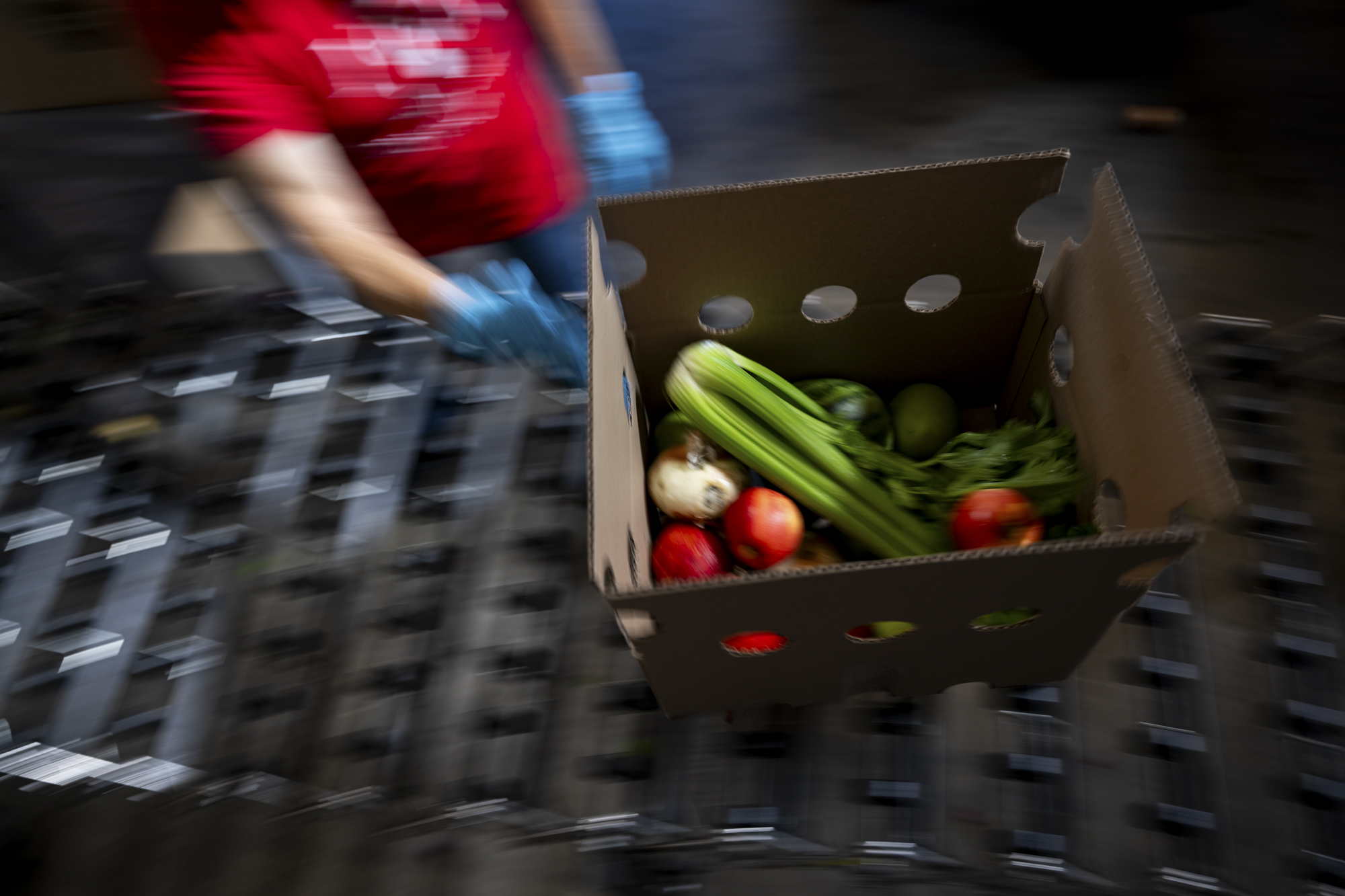
"caption": "Workers sort fresh produce into boxes at the San Francisco‑Marin Food Bank warehouse in San Francisco on Oct. 31, 2025. Contra Costa County will allocate up to $21 million for over 65,000 households that rely on federal food assistance, and Marin County allocated $800,000 for payments to 15,000 recipients.",
"credit": "Beth LaBerge/KQED",
"altTag": null,
"description": null,
"imgSizes": {
"thumbnail": {
"file": "https://cdn.kqed.org/wp-content/uploads/sites/10/2025/10/251031-SFMARINFOODBANK-24-BL-KQED-160x107.jpg",
"width": 160,
"height": 107,
"mimeType": "image/jpeg"
},
"1536x1536": {
"file": "https://cdn.kqed.org/wp-content/uploads/sites/10/2025/10/251031-SFMARINFOODBANK-24-BL-KQED-1536x1024.jpg",
"width": 1536,
"height": 1024,
"mimeType": "image/jpeg"
},
"post-thumbnail": {
"file": "https://cdn.kqed.org/wp-content/uploads/sites/10/2025/10/251031-SFMARINFOODBANK-24-BL-KQED-672x372.jpg",
"width": 672,
"height": 372,
"mimeType": "image/jpeg"
},
"twentyfourteen-full-width": {
"file": "https://cdn.kqed.org/wp-content/uploads/sites/10/2025/10/251031-SFMARINFOODBANK-24-BL-KQED-1038x576.jpg",
"width": 1038,
"height": 576,
"mimeType": "image/jpeg"
},
"npr-cds-wide": {
"file": "https://cdn.kqed.org/wp-content/uploads/sites/10/2025/10/251031-SFMARINFOODBANK-24-BL-KQED-1200x675.jpg",
"width": 1200,
"height": 675,
"mimeType": "image/jpeg"
},
"kqedFullSize": {
"file": "https://cdn.kqed.org/wp-content/uploads/sites/10/2025/10/251031-SFMARINFOODBANK-24-BL-KQED.jpg",
"width": 2000,
"height": 1333
}
},
"isLoading": false,
"fetchFailed": false
},
"news_12062832": {
"type": "attachments",
"id": "news_12062832",
"meta": {
"index": "attachments_1716263798",
"site": "news",
"id": "12062832",
"found": true
},
"title": "23_Middleton20240211_KQEDSuperBowl_00461_qed",
"publishDate": 1762287356,
"status": "inherit",
"parent": 0,
"modified": 1762287386,
"caption": "A crowd cheers during the San Francisco 49ers vs. the Kansas City Chiefs NFL Super Bowl LVIII game inside Connecticut Yankee in San Francisco, California, on Sunday, Feb. 11, 2024.",
"credit": "Florence Middleton for KQED",
"altTag": null,
"description": null,
"imgSizes": {
"thumbnail": {
"file": "https://cdn.kqed.org/wp-content/uploads/sites/10/2025/11/23_Middleton20240211_KQEDSuperBowl_00461_qed-160x107.jpg",
"width": 160,
"height": 107,
"mimeType": "image/jpeg"
},
"1536x1536": {
"file": "https://cdn.kqed.org/wp-content/uploads/sites/10/2025/11/23_Middleton20240211_KQEDSuperBowl_00461_qed-1536x1025.jpg",
"width": 1536,
"height": 1025,
"mimeType": "image/jpeg"
},
"post-thumbnail": {
"file": "https://cdn.kqed.org/wp-content/uploads/sites/10/2025/11/23_Middleton20240211_KQEDSuperBowl_00461_qed-672x372.jpg",
"width": 672,
"height": 372,
"mimeType": "image/jpeg"
},
"twentyfourteen-full-width": {
"file": "https://cdn.kqed.org/wp-content/uploads/sites/10/2025/11/23_Middleton20240211_KQEDSuperBowl_00461_qed-1038x576.jpg",
"width": 1038,
"height": 576,
"mimeType": "image/jpeg"
},
"npr-cds-wide": {
"file": "https://cdn.kqed.org/wp-content/uploads/sites/10/2025/11/23_Middleton20240211_KQEDSuperBowl_00461_qed-1200x675.jpg",
"width": 1200,
"height": 675,
"mimeType": "image/jpeg"
},
"kqedFullSize": {
"file": "https://cdn.kqed.org/wp-content/uploads/sites/10/2025/11/23_Middleton20240211_KQEDSuperBowl_00461_qed.jpg",
"width": 1998,
"height": 1333
}
},
"isLoading": false,
"fetchFailed": false
},
"news_12058754": {
"type": "attachments",
"id": "news_12058754",
"meta": {
"index": "attachments_1716263798",
"site": "news",
"id": "12058754",
"found": true
},
"title": "251003_ORBIT_ROOM-_-19-KQED",
"publishDate": 1759765403,
"status": "inherit",
"parent": 0,
"modified": 1759765584,
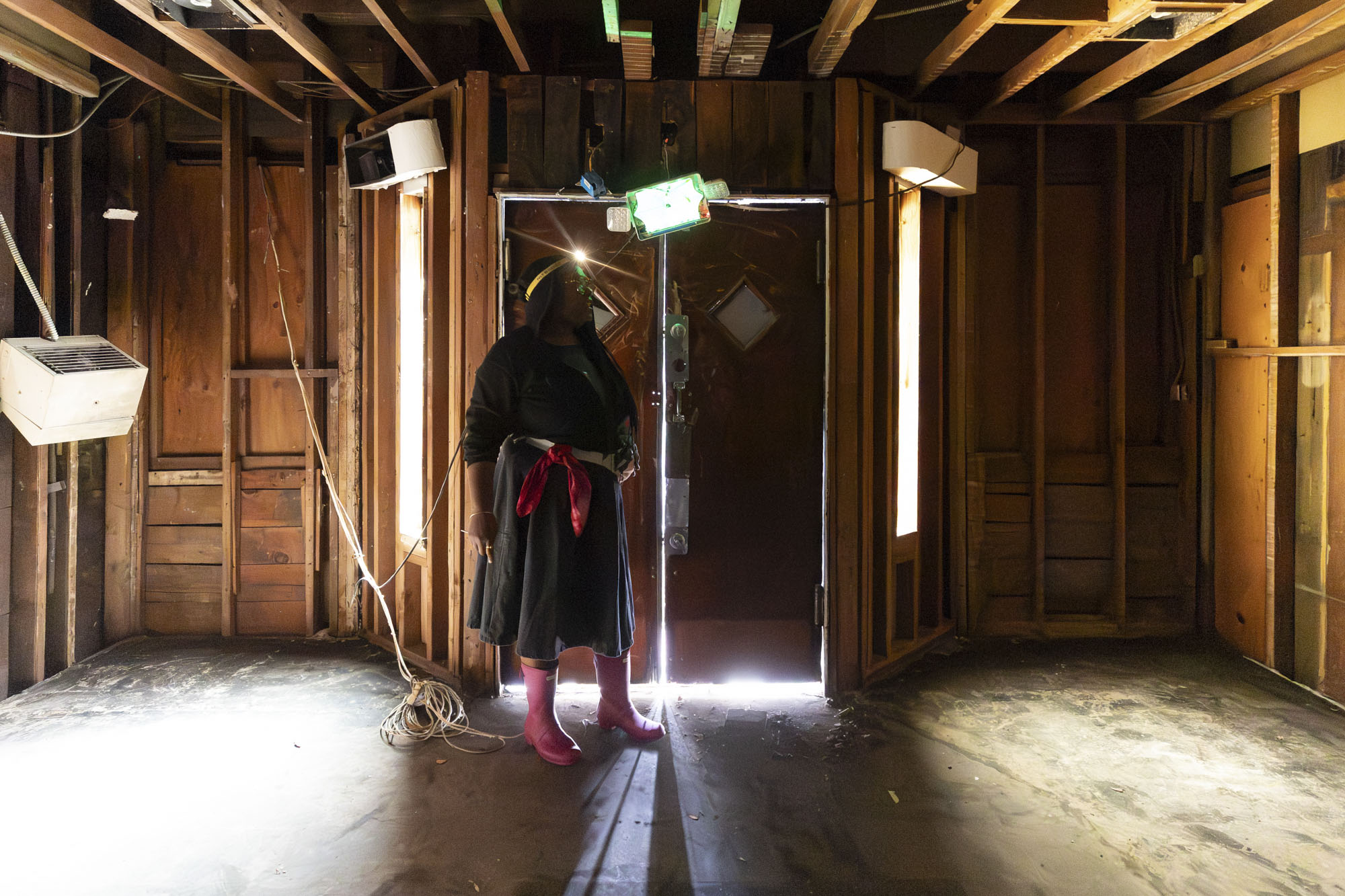
"caption": "Noni Session stands near the front doors of Esther’s Orbit Room as daylight streams into the building under renovation in Oakland on Oct. 2, 2025.",
"credit": "Gustavo Hernandez/KQED",
"altTag": null,
"description": null,
"imgSizes": {
"thumbnail": {
"file": "https://cdn.kqed.org/wp-content/uploads/sites/10/2025/10/251003_ORBIT_ROOM-_-19-KQED-160x107.jpg",
"width": 160,
"height": 107,
"mimeType": "image/jpeg"
},
"1536x1536": {
"file": "https://cdn.kqed.org/wp-content/uploads/sites/10/2025/10/251003_ORBIT_ROOM-_-19-KQED-1536x1024.jpg",
"width": 1536,
"height": 1024,
"mimeType": "image/jpeg"
},
"post-thumbnail": {
"file": "https://cdn.kqed.org/wp-content/uploads/sites/10/2025/10/251003_ORBIT_ROOM-_-19-KQED-672x372.jpg",
"width": 672,
"height": 372,
"mimeType": "image/jpeg"
},
"twentyfourteen-full-width": {
"file": "https://cdn.kqed.org/wp-content/uploads/sites/10/2025/10/251003_ORBIT_ROOM-_-19-KQED-1038x576.jpg",
"width": 1038,
"height": 576,
"mimeType": "image/jpeg"
},
"kqedFullSize": {
"file": "https://cdn.kqed.org/wp-content/uploads/sites/10/2025/10/251003_ORBIT_ROOM-_-19-KQED.jpg",
"width": 2000,
"height": 1333
}
},
"isLoading": false,
"fetchFailed": false
},
"news_12054533": {
"type": "attachments",
"id": "news_12054533",
"meta": {
"index": "attachments_1716263798",
"site": "news",
"id": "12054533",
"found": true
},
"title": "250902_SANLEANDROCITYHALL_GH-2-KQED",
"publishDate": 1756932385,
"status": "inherit",
"parent": 12073176,
"modified": 1770850604,
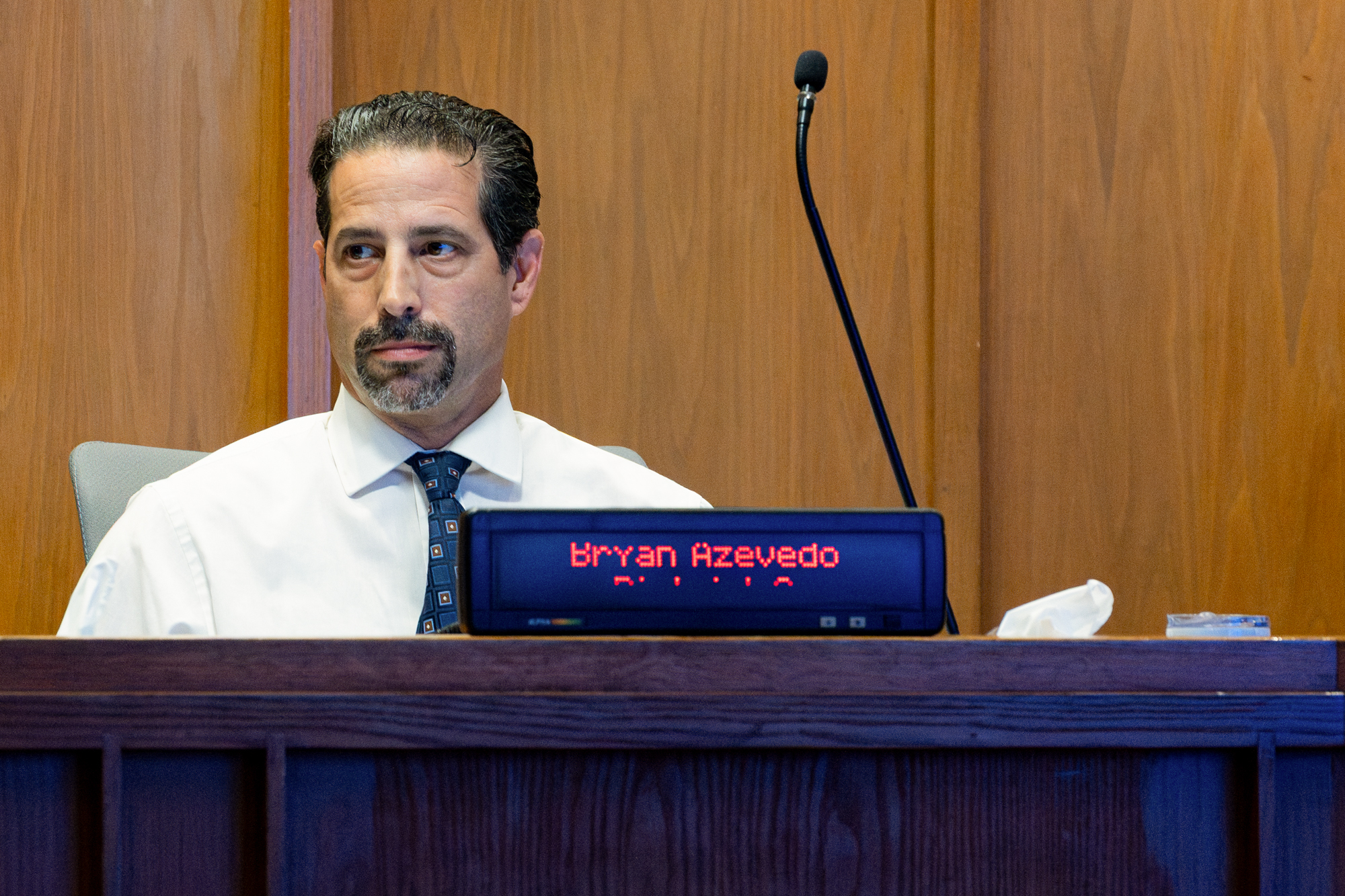
"caption": "Bryan Azevedo, San Leandro City Council member for District 2, attends a City Council meeting on Sept. 2, 2025.",
"credit": "Gustavo Hernandez/KQED",
"altTag": null,
"description": null,
"imgSizes": {
"thumbnail": {
"file": "https://cdn.kqed.org/wp-content/uploads/sites/10/2025/09/250902_SANLEANDROCITYHALL_GH-2-KQED-160x107.jpg",
"width": 160,
"height": 107,
"mimeType": "image/jpeg"
},
"1536x1536": {
"file": "https://cdn.kqed.org/wp-content/uploads/sites/10/2025/09/250902_SANLEANDROCITYHALL_GH-2-KQED-1536x1024.jpg",
"width": 1536,
"height": 1024,
"mimeType": "image/jpeg"
},
"post-thumbnail": {
"file": "https://cdn.kqed.org/wp-content/uploads/sites/10/2025/09/250902_SANLEANDROCITYHALL_GH-2-KQED-672x372.jpg",
"width": 672,
"height": 372,
"mimeType": "image/jpeg"
},
"twentyfourteen-full-width": {
"file": "https://cdn.kqed.org/wp-content/uploads/sites/10/2025/09/250902_SANLEANDROCITYHALL_GH-2-KQED-1038x576.jpg",
"width": 1038,
"height": 576,
"mimeType": "image/jpeg"
},
"kqedFullSize": {
"file": "https://cdn.kqed.org/wp-content/uploads/sites/10/2025/09/250902_SANLEANDROCITYHALL_GH-2-KQED.jpg",
"width": 2000,
"height": 1333
}
},
"isLoading": false,
"fetchFailed": false
},
"news_12061257": {
"type": "attachments",
"id": "news_12061257",
"meta": {
"index": "attachments_1716263798",
"site": "news",
"id": "12061257",
"found": true
},
"title": "251023-MAYOR LEE PRESSER-MD-11-KQED",
"publishDate": 1761245645,
"status": "inherit",
"parent": 12061224,
"modified": 1761258885,
"caption": "Oakland Mayor Barbara Lee holds a press conference at Oakland City Hall flanked by prominent public figures on Oct. 23, 2025.",
"credit": "Martin do Nascimento/KQED",
"altTag": null,
"description": null,
"imgSizes": {
"thumbnail": {
"file": "https://cdn.kqed.org/wp-content/uploads/sites/10/2025/10/251023-MAYOR-LEE-PRESSER-MD-11-KQED-160x107.jpg",
"width": 160,
"height": 107,
"mimeType": "image/jpeg"
},
"1536x1536": {
"file": "https://cdn.kqed.org/wp-content/uploads/sites/10/2025/10/251023-MAYOR-LEE-PRESSER-MD-11-KQED-1536x1025.jpg",
"width": 1536,
"height": 1025,
"mimeType": "image/jpeg"
},
"post-thumbnail": {
"file": "https://cdn.kqed.org/wp-content/uploads/sites/10/2025/10/251023-MAYOR-LEE-PRESSER-MD-11-KQED-672x372.jpg",
"width": 672,
"height": 372,
"mimeType": "image/jpeg"
},
"twentyfourteen-full-width": {
"file": "https://cdn.kqed.org/wp-content/uploads/sites/10/2025/10/251023-MAYOR-LEE-PRESSER-MD-11-KQED-1038x576.jpg",
"width": 1038,
"height": 576,
"mimeType": "image/jpeg"
},
"npr-cds-wide": {
"file": "https://cdn.kqed.org/wp-content/uploads/sites/10/2025/10/251023-MAYOR-LEE-PRESSER-MD-11-KQED-1600x900.jpg",
"width": 1600,
"height": 900,
"mimeType": "image/jpeg"
},
"kqedFullSize": {
"file": "https://cdn.kqed.org/wp-content/uploads/sites/10/2025/10/251023-MAYOR-LEE-PRESSER-MD-11-KQED.jpg",
"width": 2000,
"height": 1334
}
},
"isLoading": false,
"fetchFailed": false
},
"news_12061092": {
"type": "attachments",
"id": "news_12061092",
"meta": {
"index": "attachments_1716263798",
"site": "news",
"id": "12061092",
"found": true
},
"title": "California Scenics",
"publishDate": 1761167608,
"status": "inherit",
"parent": 12061054,
"modified": 1761167688,
"caption": "The California and Hawaiian Sugar Company (C&H Sugar) refinery on May 18, 2013, in Crockett, California, refines, packages and markets cane sugar from Hawaii. ",
"credit": "Robert Alexander/Archive Photos/Getty Images",
"altTag": null,
"description": null,
"imgSizes": {
"thumbnail": {
"file": "https://cdn.kqed.org/wp-content/uploads/sites/10/2025/10/CHSugarCrockettGetty-160x97.jpg",
"width": 160,
"height": 97,
"mimeType": "image/jpeg"
},
"1536x1536": {
"file": "https://cdn.kqed.org/wp-content/uploads/sites/10/2025/10/CHSugarCrockettGetty-1536x932.jpg",
"width": 1536,
"height": 932,
"mimeType": "image/jpeg"
},
"post-thumbnail": {
"file": "https://cdn.kqed.org/wp-content/uploads/sites/10/2025/10/CHSugarCrockettGetty-672x372.jpg",
"width": 672,
"height": 372,
"mimeType": "image/jpeg"
},
"twentyfourteen-full-width": {
"file": "https://cdn.kqed.org/wp-content/uploads/sites/10/2025/10/CHSugarCrockettGetty-1038x576.jpg",
"width": 1038,
"height": 576,
"mimeType": "image/jpeg"
},
"npr-cds-wide": {
"file": "https://cdn.kqed.org/wp-content/uploads/sites/10/2025/10/CHSugarCrockettGetty-1600x900.jpg",
"width": 1600,
"height": 900,
"mimeType": "image/jpeg"
},
"kqedFullSize": {
"file": "https://cdn.kqed.org/wp-content/uploads/sites/10/2025/10/CHSugarCrockettGetty.jpg",
"width": 2000,
"height": 1214
}
},
"isLoading": false,
"fetchFailed": false
},
"news_12060711": {
"type": "attachments",
"id": "news_12060711",
"meta": {
"index": "attachments_1716263798",
"site": "news",
"id": "12060711",
"found": true
},
"title": "Oakland Raiders v San Francisco 49ers",
"publishDate": 1760983422,
"status": "inherit",
"parent": 12060707,
"modified": 1760983455,
"caption": "Doug Martin #28 of the Oakland Raiders rushes with the ball against the San Francisco 49ers during their NFL game at Levi's Stadium on Nov. 1, 2018 in Santa Clara, California. ",
"credit": "Daniel Shirey/Getty Images",
"altTag": null,
"description": null,
"imgSizes": {
"thumbnail": {
"file": "https://cdn.kqed.org/wp-content/uploads/sites/10/2025/10/Doug-Martin-NFL-Getty-160x107.jpg",
"width": 160,
"height": 107,
"mimeType": "image/jpeg"
},
"1536x1536": {
"file": "https://cdn.kqed.org/wp-content/uploads/sites/10/2025/10/Doug-Martin-NFL-Getty-1536x1024.jpg",
"width": 1536,
"height": 1024,
"mimeType": "image/jpeg"
},
"post-thumbnail": {
"file": "https://cdn.kqed.org/wp-content/uploads/sites/10/2025/10/Doug-Martin-NFL-Getty-672x372.jpg",
"width": 672,
"height": 372,
"mimeType": "image/jpeg"
},
"twentyfourteen-full-width": {
"file": "https://cdn.kqed.org/wp-content/uploads/sites/10/2025/10/Doug-Martin-NFL-Getty-1038x576.jpg",
"width": 1038,
"height": 576,
"mimeType": "image/jpeg"
},
"kqedFullSize": {
"file": "https://cdn.kqed.org/wp-content/uploads/sites/10/2025/10/Doug-Martin-NFL-Getty.jpg",
"width": 2000,
"height": 1333
}
},
"isLoading": false,
"fetchFailed": false
},
"news_12060273": {
"type": "attachments",
"id": "news_12060273",
"meta": {
"index": "attachments_1716263798",
"site": "news",
"id": "12060273",
"found": true
},
"title": "251003_Redistrict Antioch-_-10_qed",
"publishDate": 1760720223,
"status": "inherit",
"parent": 12060266,
"modified": 1760720320,
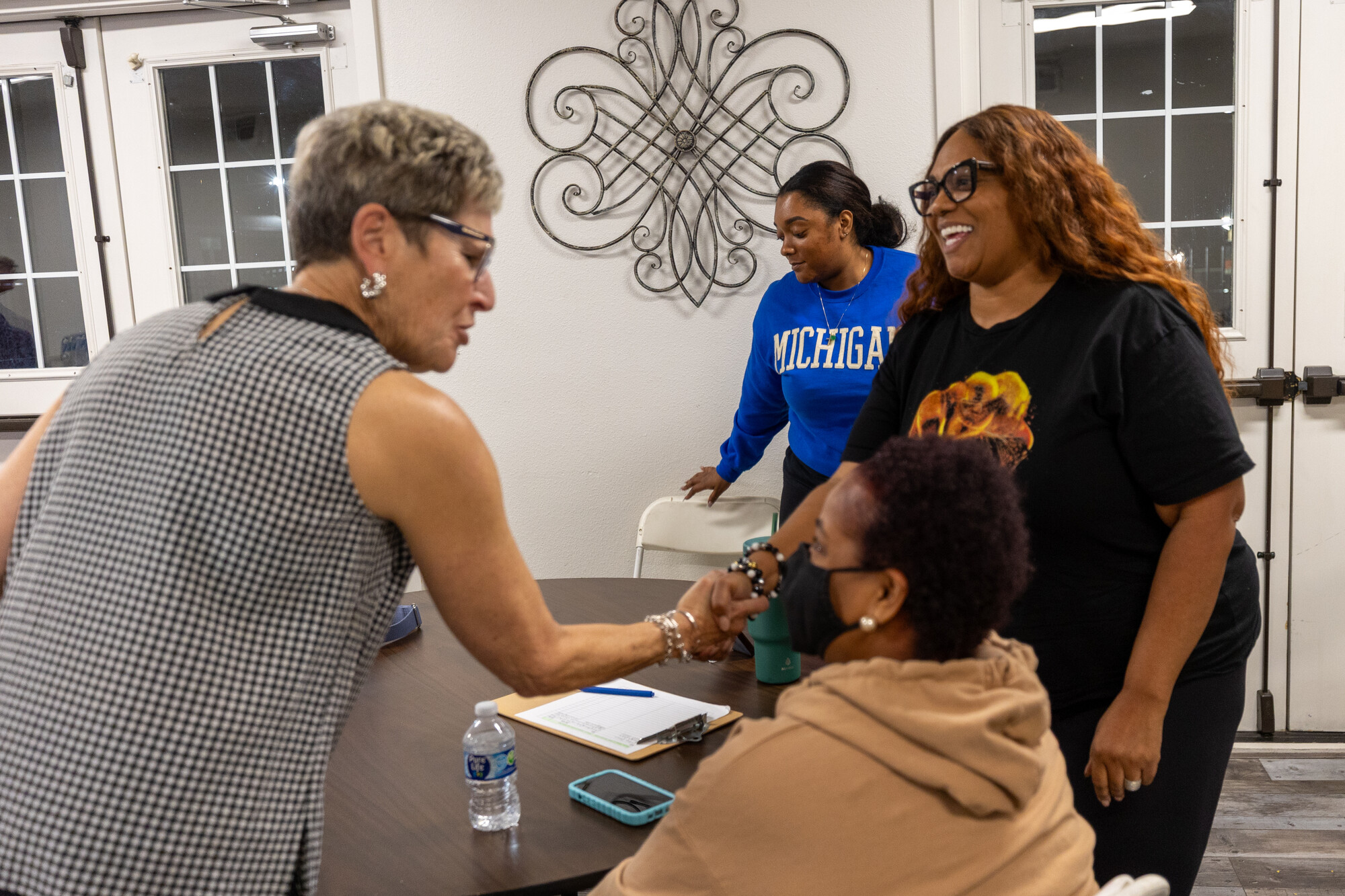
"caption": "Janet Hoy thanks Pastor Shantell Owens, co-founder of Genesis Church, following the presentation on the pros and cons of Proposition 50 at Genesis Church in Antioch, California, on Oct. 2, 2025.",
"credit": "Gustavo Hernandez/KQED",
"altTag": null,
"description": null,
"imgSizes": {
"thumbnail": {
"file": "https://cdn.kqed.org/wp-content/uploads/sites/10/2025/10/251003_Redistrict-Antioch-_-10_qed-160x107.jpg",
"width": 160,
"height": 107,
"mimeType": "image/jpeg"
},
"1536x1536": {
"file": "https://cdn.kqed.org/wp-content/uploads/sites/10/2025/10/251003_Redistrict-Antioch-_-10_qed-1536x1024.jpg",
"width": 1536,
"height": 1024,
"mimeType": "image/jpeg"
},
"post-thumbnail": {
"file": "https://cdn.kqed.org/wp-content/uploads/sites/10/2025/10/251003_Redistrict-Antioch-_-10_qed-672x372.jpg",
"width": 672,
"height": 372,
"mimeType": "image/jpeg"
},
"twentyfourteen-full-width": {
"file": "https://cdn.kqed.org/wp-content/uploads/sites/10/2025/10/251003_Redistrict-Antioch-_-10_qed-1038x576.jpg",
"width": 1038,
"height": 576,
"mimeType": "image/jpeg"
},
"kqedFullSize": {
"file": "https://cdn.kqed.org/wp-content/uploads/sites/10/2025/10/251003_Redistrict-Antioch-_-10_qed.jpg",
"width": 2000,
"height": 1333
}
},
"isLoading": false,
"fetchFailed": false
},
"news_12044676": {
"type": "attachments",
"id": "news_12044676",
"meta": {
"index": "attachments_1716263798",
"site": "news",
"id": "12044676",
"found": true
},
"title": "20250616_UNHOUSEDCREEKRESTORATION_GC-37-KQED",
"publishDate": 1750184018,
"status": "inherit",
"parent": 12058952,
"modified": 1760397367,
"caption": "Eric Adams, a participant of the Pinole Creek Unhoused Stewards Pilot Program, listens during a classroom session outside of Pinole Library in Pinole on June 16, 2025.",
"credit": "Gina Castro/KQED",
"altTag": null,
"description": null,
"imgSizes": {
"thumbnail": {
"file": "https://cdn.kqed.org/wp-content/uploads/sites/10/2025/06/20250616_UNHOUSEDCREEKRESTORATION_GC-37-KQED-160x107.jpg",
"width": 160,
"height": 107,
"mimeType": "image/jpeg"
},
"1536x1536": {
"file": "https://cdn.kqed.org/wp-content/uploads/sites/10/2025/06/20250616_UNHOUSEDCREEKRESTORATION_GC-37-KQED-1536x1024.jpg",
"width": 1536,
"height": 1024,
"mimeType": "image/jpeg"
},
"post-thumbnail": {
"file": "https://cdn.kqed.org/wp-content/uploads/sites/10/2025/06/20250616_UNHOUSEDCREEKRESTORATION_GC-37-KQED-672x372.jpg",
"width": 672,
"height": 372,
"mimeType": "image/jpeg"
},
"twentyfourteen-full-width": {
"file": "https://cdn.kqed.org/wp-content/uploads/sites/10/2025/06/20250616_UNHOUSEDCREEKRESTORATION_GC-37-KQED-1038x576.jpg",
"width": 1038,
"height": 576,
"mimeType": "image/jpeg"
},
"kqedFullSize": {
"file": "https://cdn.kqed.org/wp-content/uploads/sites/10/2025/06/20250616_UNHOUSEDCREEKRESTORATION_GC-37-KQED.jpg",
"width": 2000,
"height": 1333
}
},
"isLoading": false,
"fetchFailed": false
},
"news_12059671": {
"type": "attachments",
"id": "news_12059671",
"meta": {
"index": "attachments_1716263798",
"site": "news",
"id": "12059671",
"found": true
},
"title": "Glastonbury Festival 2025 - Day Three",
"publishDate": 1760376720,
"status": "inherit",
"parent": 12059653,
"modified": 1760380535,
"caption": "Lorde performs during day three of Glastonbury Festival 2025 at Worthy Farm, Pilton, on June 27, 2025, in Glastonbury, England. ",
"credit": "Joseph Okpako/WireImage via Getty Images",
"altTag": null,
"description": null,
"imgSizes": {
"thumbnail": {
"file": "https://cdn.kqed.org/wp-content/uploads/sites/10/2025/10/LordeGetty-160x106.jpg",
"width": 160,
"height": 106,
"mimeType": "image/jpeg"
},
"1536x1536": {
"file": "https://cdn.kqed.org/wp-content/uploads/sites/10/2025/10/LordeGetty-1536x1022.jpg",
"width": 1536,
"height": 1022,
"mimeType": "image/jpeg"
},
"post-thumbnail": {
"file": "https://cdn.kqed.org/wp-content/uploads/sites/10/2025/10/LordeGetty-672x372.jpg",
"width": 672,
"height": 372,
"mimeType": "image/jpeg"
},
"twentyfourteen-full-width": {
"file": "https://cdn.kqed.org/wp-content/uploads/sites/10/2025/10/LordeGetty-1038x576.jpg",
"width": 1038,
"height": 576,
"mimeType": "image/jpeg"
},
"kqedFullSize": {
"file": "https://cdn.kqed.org/wp-content/uploads/sites/10/2025/10/LordeGetty.jpg",
"width": 2000,
"height": 1331
}
},
"isLoading": false,
"fetchFailed": false
},
"news_12042516": {
"type": "attachments",
"id": "news_12042516",
"meta": {
"index": "attachments_1716263798",
"site": "news",
"id": "12042516",
"found": true
},
"title": "The Oakland Unified School District in Oakland on June 3, 2025.",
"publishDate": 1748972655,
"status": "inherit",
"parent": 0,
"modified": 1748973041,
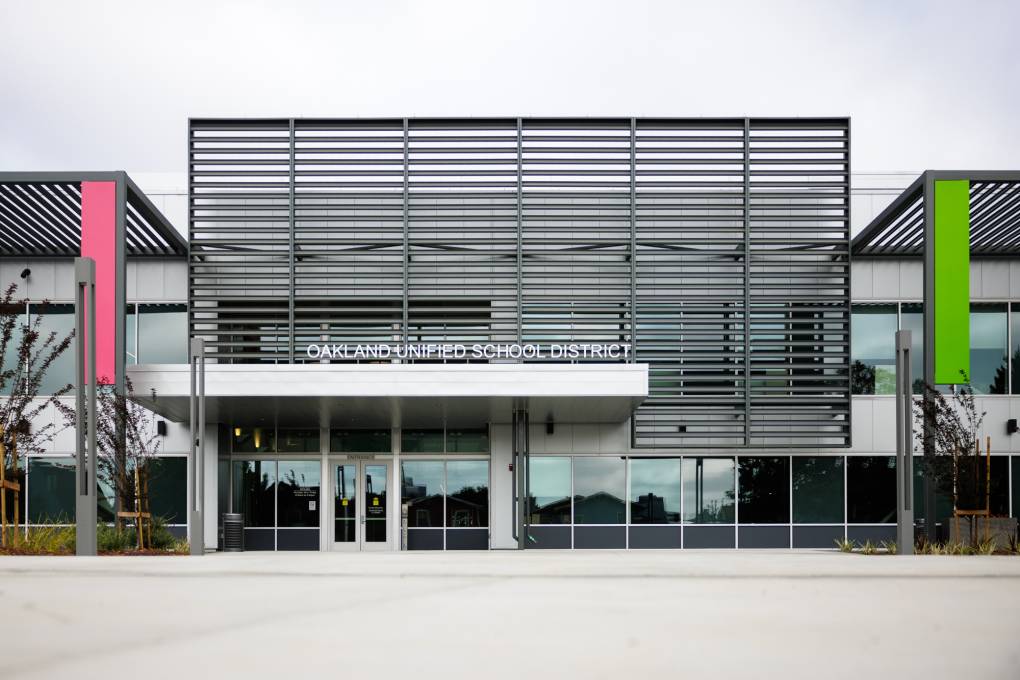
"caption": "The Oakland Unified School District offices in Oakland on June 3, 2025.",
"credit": "Martin do Nascimento/KQED",
"altTag": null,
"description": null,
"imgSizes": {
"medium": {
"file": "https://cdn.kqed.org/wp-content/uploads/sites/10/2025/06/250603-OUSD-MD-01-KQED-800x534.jpg",
"width": 800,
"height": 534,
"mimeType": "image/jpeg"
},
"large": {
"file": "https://cdn.kqed.org/wp-content/uploads/sites/10/2025/06/250603-OUSD-MD-01-KQED-1020x680.jpg",
"width": 1020,
"height": 680,
"mimeType": "image/jpeg"
},
"thumbnail": {
"file": "https://cdn.kqed.org/wp-content/uploads/sites/10/2025/06/250603-OUSD-MD-01-KQED-160x107.jpg",
"width": 160,
"height": 107,
"mimeType": "image/jpeg"
},
"1536x1536": {
"file": "https://cdn.kqed.org/wp-content/uploads/sites/10/2025/06/250603-OUSD-MD-01-KQED-1536x1025.jpg",
"width": 1536,
"height": 1025,
"mimeType": "image/jpeg"
},
"post-thumbnail": {
"file": "https://cdn.kqed.org/wp-content/uploads/sites/10/2025/06/250603-OUSD-MD-01-KQED-672x372.jpg",
"width": 672,
"height": 372,
"mimeType": "image/jpeg"
},
"twentyfourteen-full-width": {
"file": "https://cdn.kqed.org/wp-content/uploads/sites/10/2025/06/250603-OUSD-MD-01-KQED-1038x576.jpg",
"width": 1038,
"height": 576,
"mimeType": "image/jpeg"
},
"full-width": {
"file": "https://cdn.kqed.org/wp-content/uploads/sites/10/2025/06/250603-OUSD-MD-01-KQED-1920x1281.jpg",
"width": 1920,
"height": 1281,
"mimeType": "image/jpeg"
},
"kqedFullSize": {
"file": "https://cdn.kqed.org/wp-content/uploads/sites/10/2025/06/250603-OUSD-MD-01-KQED.jpg",
"width": 2000,
"height": 1334
}
},
"isLoading": false,
"fetchFailed": false
},
"news_12059135": {
"type": "attachments",
"id": "news_12059135",
"meta": {
"index": "attachments_1716263798",
"site": "news",
"id": "12059135",
"found": true
},
"title": "Record High Inflation Forces Many To Depend On Food Banks For Basic Needs",
"publishDate": 1759947400,
"status": "inherit",
"parent": 12058985,
"modified": 1759947455,
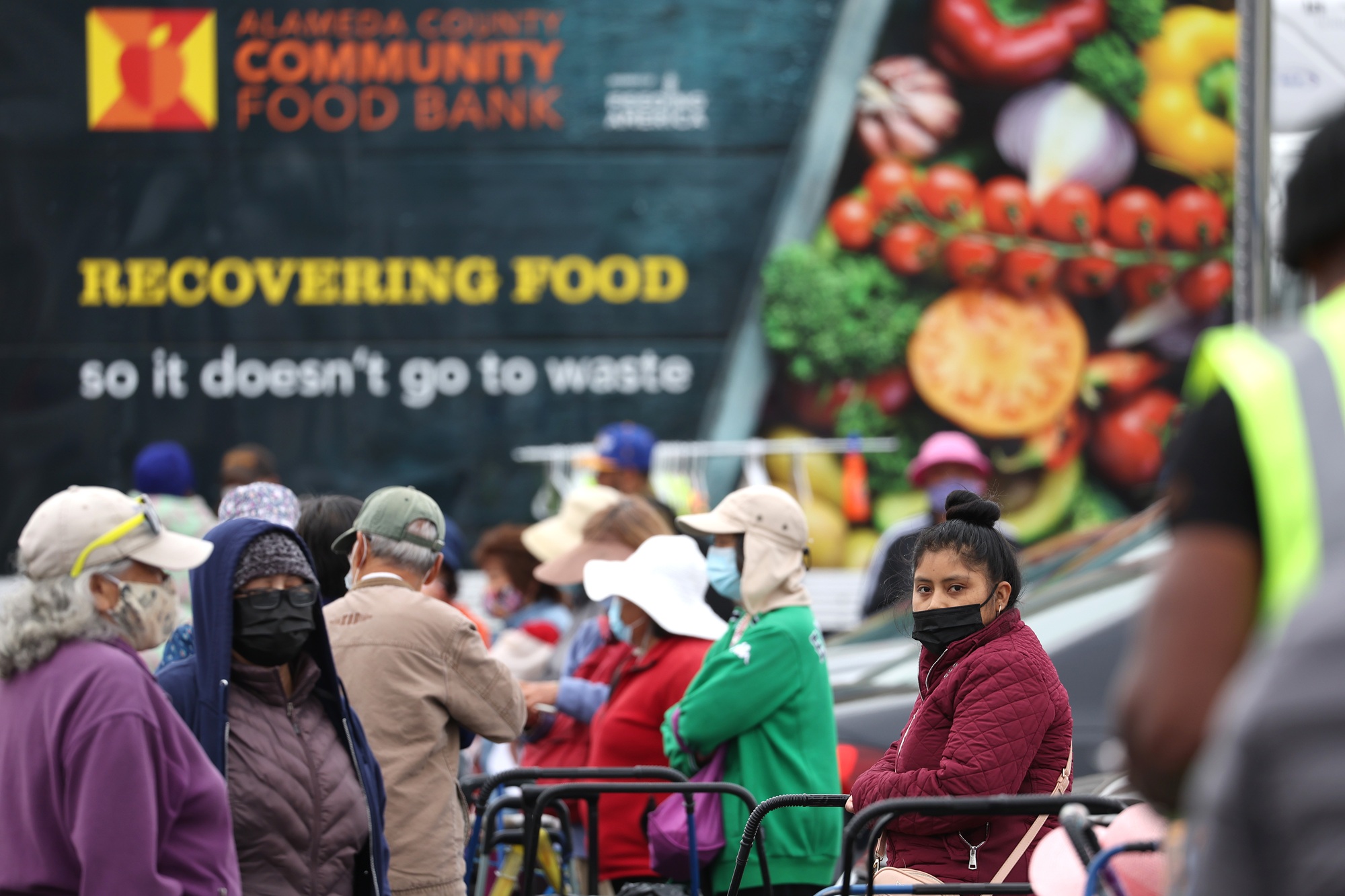
"caption": "People wait in line to receive packages of food during an Alameda County Community Food Bank food giveaway at Acts Full Gospel Church on July 15, 2022, in Oakland, California. ",
"credit": "Justin Sullivan/Getty Images",
"altTag": null,
"description": null,
"imgSizes": {
"thumbnail": {
"file": "https://cdn.kqed.org/wp-content/uploads/sites/10/2025/10/EastBayFoodBankGetty1-160x107.jpg",
"width": 160,
"height": 107,
"mimeType": "image/jpeg"
},
"1536x1536": {
"file": "https://cdn.kqed.org/wp-content/uploads/sites/10/2025/10/EastBayFoodBankGetty1-1536x1024.jpg",
"width": 1536,
"height": 1024,
"mimeType": "image/jpeg"
},
"post-thumbnail": {
"file": "https://cdn.kqed.org/wp-content/uploads/sites/10/2025/10/EastBayFoodBankGetty1-672x372.jpg",
"width": 672,
"height": 372,
"mimeType": "image/jpeg"
},
"twentyfourteen-full-width": {
"file": "https://cdn.kqed.org/wp-content/uploads/sites/10/2025/10/EastBayFoodBankGetty1-1038x576.jpg",
"width": 1038,
"height": 576,
"mimeType": "image/jpeg"
},
"kqedFullSize": {
"file": "https://cdn.kqed.org/wp-content/uploads/sites/10/2025/10/EastBayFoodBankGetty1.jpg",
"width": 2000,
"height": 1333
}
},
"isLoading": false,
"fetchFailed": false
}
},
"audioPlayerReducer": {
"postId": "stream_live",
"isPaused": true,
"isPlaying": false,
"pfsActive": false,
"pledgeModalIsOpen": true,
"playerDrawerIsOpen": false,
"liveAudioPlayStartedAt": 0,
"liveAudioPlayContext": ""
},
"authorsReducer": {
"gmarzorati": {
"type": "authors",
"id": "227",
"meta": {
"index": "authors_1716337520",
"id": "227",
"found": true
},
"name": "Guy Marzorati",
"firstName": "Guy",
"lastName": "Marzorati",
"slug": "gmarzorati",
"email": "gmarzorati@KQED.org",
"display_author_email": true,
"staff_mastheads": [
"news"
],
"title": "Correspondent",
"bio": "Guy Marzorati is a correspondent on KQED's California Politics and Government Desk, based in San Jose. A graduate of Santa Clara University, Guy joined KQED in 2013. He reports on state and local politics and produces KQED's digital voter guide.",
"avatar": "https://secure.gravatar.com/avatar/e7038b8dbfd55b104369b76b1cd0b9de?s=600&d=blank&r=g",
"twitter": "guymarzorati",
"facebook": null,
"instagram": null,
"linkedin": null,
"sites": [
{
"site": "",
"roles": [
"editor"
]
},
{
"site": "news",
"roles": [
"editor"
]
},
{
"site": "science",
"roles": [
"editor"
]
},
{
"site": "forum",
"roles": [
"editor"
]
},
{
"site": "elections",
"roles": [
"editor"
]
},
{
"site": "liveblog",
"roles": [
"editor"
]
}
],
"headData": {
"title": "Guy Marzorati | KQED",
"description": "Correspondent",
"ogImgSrc": "https://secure.gravatar.com/avatar/e7038b8dbfd55b104369b76b1cd0b9de?s=600&d=blank&r=g",
"twImgSrc": "https://secure.gravatar.com/avatar/e7038b8dbfd55b104369b76b1cd0b9de?s=600&d=blank&r=g"
},
"isLoading": false,
"link": "/author/gmarzorati"
},
"fjhabvala": {
"type": "authors",
"id": "8659",
"meta": {
"index": "authors_1716337520",
"id": "8659",
"found": true
},
"name": "Farida Jhabvala Romero",
"firstName": "Farida",
"lastName": "Jhabvala Romero",
"slug": "fjhabvala",
"email": "fjhabvala@kqed.org",
"display_author_email": true,
"staff_mastheads": [
"news"
],
"title": "KQED Contributor",
"bio": "\u003cspan style=\"font-weight: 400;\">Farida Jhabvala Romero is a Labor Correspondent for KQED. She previously covered immigration. Farida was \u003ca href=\"https://www.ccnma.org/2022-most-influential-latina-journalists\">named\u003c/a> one of the 10 Most Influential Latina Journalists in California in 2022 by the California Chicano News Media Association. Her work has won awards from the Society of Professional Journalists (Northern California), as well as a national and regional Edward M. Murrow Award for the collaborative reporting projects “Dangerous Air” and “Graying California.” \u003c/span>\u003cspan style=\"font-weight: 400;\">Before joining KQED, Farida worked as a producer at Radio Bilingüe, a national public radio network. Farida earned her master’s degree in journalism from Stanford University.\u003c/span>",
"avatar": "https://secure.gravatar.com/avatar/c3ab27c5554b67b478f80971e515aa02?s=600&d=blank&r=g",
"twitter": "FaridaJhabvala",
"facebook": null,
"instagram": null,
"linkedin": "https://www.linkedin.com/in/faridajhabvala/",
"sites": [
{
"site": "news",
"roles": [
"editor"
]
},
{
"site": "stateofhealth",
"roles": [
"author"
]
}
],
"headData": {
"title": "Farida Jhabvala Romero | KQED",
"description": "KQED Contributor",
"ogImgSrc": "https://secure.gravatar.com/avatar/c3ab27c5554b67b478f80971e515aa02?s=600&d=blank&r=g",
"twImgSrc": "https://secure.gravatar.com/avatar/c3ab27c5554b67b478f80971e515aa02?s=600&d=blank&r=g"
},
"isLoading": false,
"link": "/author/fjhabvala"
},
"vrancano": {
"type": "authors",
"id": "11276",
"meta": {
"index": "authors_1716337520",
"id": "11276",
"found": true
},
"name": "Vanessa Rancaño",
"firstName": "Vanessa",
"lastName": "Rancaño",
"slug": "vrancano",
"email": "vrancano@kqed.org",
"display_author_email": false,
"staff_mastheads": [
"news"
],
"title": "Reporter",
"bio": "Vanessa Rancaño is a features reporter for KQED. She’s also covered homelessness and education for the station and reported from the Central Valley. Her work has aired across public radio, from flagship national news shows to longform narrative podcasts. Before taking up a mic, she worked as a freelance print journalist. She’s been recognized with a number of national and regional awards. Vanessa grew up in California's Central Valley. She's a former NPR Kroc Fellow, and a graduate of the UC Berkeley Graduate School of Journalism.",
"avatar": "https://secure.gravatar.com/avatar/b3a383dfb0e7ee1c17568f2cf067904ab654d6e3de9743fc661f3c788ade1bed?s=600&d=blank&r=g",
"twitter": "vanessarancano",
"bluesky": null,
"facebook": null,
"instagram": null,
"linkedin": null,
"sites": [
{
"site": "arts",
"roles": [
"editor"
]
},
{
"site": "news",
"roles": [
"editor"
]
},
{
"site": "liveblog",
"roles": [
"contributor"
]
}
],
"headData": {
"title": "Vanessa Rancaño | KQED",
"description": "Reporter",
"ogImgSrc": "https://secure.gravatar.com/avatar/b3a383dfb0e7ee1c17568f2cf067904ab654d6e3de9743fc661f3c788ade1bed?s=600&d=blank&r=g",
"twImgSrc": "https://secure.gravatar.com/avatar/b3a383dfb0e7ee1c17568f2cf067904ab654d6e3de9743fc661f3c788ade1bed?s=600&d=blank&r=g"
},
"isLoading": false,
"link": "/author/vrancano"
},
"ahall": {
"type": "authors",
"id": "11490",
"meta": {
"index": "authors_1716337520",
"id": "11490",
"found": true
},
"name": "Alex Hall",
"firstName": "Alex",
"lastName": "Hall",
"slug": "ahall",
"email": "ahall@kqed.org",
"display_author_email": false,
"staff_mastheads": [
"news"
],
"title": "KQED Enterprise & Accountability Reporter",
"bio": "Alex Hall is KQED's Enterprise and Accountability Reporter. She previously covered the Central Valley for five years from KQED's bureau in Fresno. Before joining KQED, Alex was an investigative reporting fellow at Wisconsin Public Radio and the Wisconsin Center for Investigative Journalism. She has also worked as a bilingual producer for NPR's investigative unit and freelance video producer for Reuters TV on the Latin America desk. She got her start in journalism in South America, where she worked as a radio producer and Spanish-English translator for CNN Chile. Her documentary and investigation into the series of deadly COVID-19 outbreaks at Foster Farms won a national Edward R. Murrow award and was named an Investigative Reporters & Editors award finalist. Alex's reporting for Reveal on the Wisconsin dairy industry's reliance on undocumented immigrant labor was made into a film, Los Lecheros, which won a regional Edward R. Murrow award for best news documentary.",
"avatar": "https://secure.gravatar.com/avatar/defcbeb88b0bf591ff9af41f22644051?s=600&d=blank&r=g",
"twitter": "@chalexhall",
"facebook": null,
"instagram": null,
"linkedin": null,
"sites": [
{
"site": "news",
"roles": [
"editor"
]
},
{
"site": "liveblog",
"roles": [
"author"
]
}
],
"headData": {
"title": "Alex Hall | KQED",
"description": "KQED Enterprise & Accountability Reporter",
"ogImgSrc": "https://secure.gravatar.com/avatar/defcbeb88b0bf591ff9af41f22644051?s=600&d=blank&r=g",
"twImgSrc": "https://secure.gravatar.com/avatar/defcbeb88b0bf591ff9af41f22644051?s=600&d=blank&r=g"
},
"isLoading": false,
"link": "/author/ahall"
},
"ebaldassari": {
"type": "authors",
"id": "11652",
"meta": {
"index": "authors_1716337520",
"id": "11652",
"found": true
},
"name": "Erin Baldassari",
"firstName": "Erin",
"lastName": "Baldassari",
"slug": "ebaldassari",
"email": "ebaldassari@KQED.org",
"display_author_email": true,
"staff_mastheads": [
"news"
],
"title": "Staff Writer",
"bio": "Erin Baldassari covers housing for KQED. She's a former print journalist and most recently worked as the transportation reporter for the \u003cem>Mercury News\u003c/em> and \u003cem>East Bay Times. \u003c/em>There, she focused on how the Bay Area’s housing shortage has changed the way people move around the region. She also served on the \u003cem>East Bay Times\u003c/em>’ 2017 Pulitzer Prize-winning team for coverage of the Ghost Ship Fire in Oakland. Prior to that, Erin worked as a breaking news and general assignment reporter for a variety of outlets in the Bay Area and the greater Boston area. A Tufts University alumna, Erin grew up in the foothills of the Sierra Nevada mountains and in Sonoma County. She is a life-long KQED listener.",
"avatar": "https://secure.gravatar.com/avatar/660ce35d088ca54ad606d7e941abc652?s=600&d=mm&r=g",
"twitter": "e_baldi",
"facebook": null,
"instagram": null,
"linkedin": null,
"sites": [
{
"site": "news",
"roles": [
"edit_others_posts",
"editor"
]
},
{
"site": "science",
"roles": [
"editor"
]
},
{
"site": "liveblog",
"roles": [
"editor"
]
}
],
"headData": {
"title": "Erin Baldassari | KQED",
"description": "Staff Writer",
"ogImgSrc": "https://secure.gravatar.com/avatar/660ce35d088ca54ad606d7e941abc652?s=600&d=mm&r=g",
"twImgSrc": "https://secure.gravatar.com/avatar/660ce35d088ca54ad606d7e941abc652?s=600&d=mm&r=g"
},
"isLoading": false,
"link": "/author/ebaldassari"
},
"nkhan": {
"type": "authors",
"id": "11867",
"meta": {
"index": "authors_1716337520",
"id": "11867",
"found": true
},
"name": "Nisa Khan",
"firstName": "Nisa",
"lastName": "Khan",
"slug": "nkhan",
"email": "nkhan@kqed.org",
"display_author_email": false,
"staff_mastheads": [],
"title": "KQED Contributor",
"bio": "Nisa Khan is a reporter for KQED's Audience News Desk. She was formerly a data reporter at Michigan Radio. She earned a Bachelor of Science in Information from the University of Michigan and a Master of Arts in Communication from Stanford University.",
"avatar": "https://secure.gravatar.com/avatar/a3bf1efcfbe7658d13a434cc54d0b2e3?s=600&d=blank&r=g",
"twitter": "mnisakhan",
"bluesky": null,
"facebook": null,
"instagram": null,
"linkedin": null,
"sites": [
{
"site": "arts",
"roles": [
"editor"
]
},
{
"site": "news",
"roles": [
"editor"
]
},
{
"site": "science",
"roles": [
"editor",
"author"
]
},
{
"site": "forum",
"roles": [
"editor"
]
},
{
"site": "liveblog",
"roles": [
"contributor"
]
}
],
"headData": {
"title": "Nisa Khan | KQED",
"description": "KQED Contributor",
"ogImgSrc": "https://secure.gravatar.com/avatar/a3bf1efcfbe7658d13a434cc54d0b2e3?s=600&d=blank&r=g",
"twImgSrc": "https://secure.gravatar.com/avatar/a3bf1efcfbe7658d13a434cc54d0b2e3?s=600&d=blank&r=g"
},
"isLoading": false,
"link": "/author/nkhan"
},
"kdebenedetti": {
"type": "authors",
"id": "11913",
"meta": {
"index": "authors_1716337520",
"id": "11913",
"found": true
},
"name": "Katie DeBenedetti",
"firstName": "Katie",
"lastName": "DeBenedetti",
"slug": "kdebenedetti",
"email": "kdebenedetti@kqed.org",
"display_author_email": false,
"staff_mastheads": [
"news",
"science"
],
"title": "KQED Contributor",
"bio": "Katie DeBenedetti is a digital reporter covering daily news for the Express Desk. Prior to joining KQED as a culture reporting intern in January 2024, she covered education and city government for the Napa Valley Register.",
"avatar": "https://secure.gravatar.com/avatar/6e31073cb8f7e4214ab03f42771d0f45?s=600&d=blank&r=g",
"twitter": null,
"facebook": null,
"instagram": null,
"linkedin": null,
"sites": [
{
"site": "news",
"roles": [
"author"
]
},
{
"site": "science",
"roles": [
"author"
]
},
{
"site": "liveblog",
"roles": [
"author"
]
}
],
"headData": {
"title": "Katie DeBenedetti | KQED",
"description": "KQED Contributor",
"ogImgSrc": "https://secure.gravatar.com/avatar/6e31073cb8f7e4214ab03f42771d0f45?s=600&d=blank&r=g",
"twImgSrc": "https://secure.gravatar.com/avatar/6e31073cb8f7e4214ab03f42771d0f45?s=600&d=blank&r=g"
},
"isLoading": false,
"link": "/author/kdebenedetti"
},
"nsuliman": {
"type": "authors",
"id": "11985",
"meta": {
"index": "authors_1716337520",
"id": "11985",
"found": true
},
"name": "Nibras Suliman",
"firstName": "Nibras",
"lastName": "Suliman",
"slug": "nsuliman",
"email": "nsuliman@kqed.org",
"display_author_email": false,
"staff_mastheads": [],
"title": "KQED Contributor",
"bio": null,
"avatar": "https://secure.gravatar.com/avatar/581946774e0249b1fcdfb01d4f143d12?s=600&d=blank&r=g",
"twitter": null,
"facebook": null,
"instagram": null,
"linkedin": null,
"sites": [
{
"site": "news",
"roles": []
}
],
"headData": {
"title": "Nibras Suliman | KQED",
"description": "KQED Contributor",
"ogImgSrc": "https://secure.gravatar.com/avatar/581946774e0249b1fcdfb01d4f143d12?s=600&d=blank&r=g",
"twImgSrc": "https://secure.gravatar.com/avatar/581946774e0249b1fcdfb01d4f143d12?s=600&d=blank&r=g"
},
"isLoading": false,
"link": "/author/nsuliman"
},
"aaliahmad": {
"type": "authors",
"id": "11986",
"meta": {
"index": "authors_1716337520",
"id": "11986",
"found": true
},
"name": "Ayah Ali-Ahmad",
"firstName": "Ayah",
"lastName": "Ali-Ahmad",
"slug": "aaliahmad",
"email": "aaliahmad@KQED.org",
"display_author_email": false,
"staff_mastheads": [],
"title": "KQED Contributor",
"bio": null,
"avatar": "https://secure.gravatar.com/avatar/7f340465c69a2c816f6c07000137a3ee?s=600&d=blank&r=g",
"twitter": "ayahaliahmad",
"bluesky": null,
"facebook": null,
"instagram": null,
"linkedin": null,
"sites": [
{
"site": "news",
"roles": [
"author"
]
}
],
"headData": {
"title": "Ayah Ali-Ahmad | KQED",
"description": "KQED Contributor",
"ogImgSrc": "https://secure.gravatar.com/avatar/7f340465c69a2c816f6c07000137a3ee?s=600&d=blank&r=g",
"twImgSrc": "https://secure.gravatar.com/avatar/7f340465c69a2c816f6c07000137a3ee?s=600&d=blank&r=g"
},
"isLoading": false,
"link": "/author/aaliahmad"
}
},
"pagesReducer": {
"news_tag_east-bay": {
"type": "terms",
"id": "news_18352",
"meta": {
"index": "terms_1716263798",
"site": "news",
"id": "18352",
"score": 7.0109935
},
"featImg": null,
"name": "East Bay",
"description": null,
"taxonomy": "tag",
"headData": {
"twImgId": null,
"twTitle": null,
"ogTitle": null,
"ogImgId": null,
"twDescription": null,
"description": null,
"title": "East Bay Archives | KQED News",
"ogDescription": null
},
"ttid": 18386,
"slug": "east-bay",
"isLoading": false,
"title": "East Bay",
"pageMeta": {
"site": "news",
"WpPageTemplate": "page-topic-editorial",
"currentPage": 9
},
"blocks": [
{
"blockName": "kqed/post-list",
"attrs": {
"layout": "cardArticle2",
"query": "posts/news?tag=east-bay",
"seeMore": false,
"paginated": true,
"page": 9
}
},
{
"blockName": "kqed/ad"
}
]
}
},
"pfsSessionReducer": {},
"postsReducer": {
"stream_live": {
"type": "live",
"id": "stream_live",
"audioUrl": "https://streams.kqed.org/kqedradio",
"title": "Live Stream",
"excerpt": "Live Stream information currently unavailable.",
"link": "/radio",
"featImg": "",
"label": {
"name": "KQED Live",
"link": "/"
}
},
"stream_kqedNewscast": {
"type": "posts",
"id": "stream_kqedNewscast",
"audioUrl": "https://www.kqed.org/.stream/anon/radio/RDnews/newscast.mp3?_=1",
"title": "KQED Newscast",
"featImg": "",
"label": {
"name": "88.5 FM",
"link": "/"
}
},
"news_12062817": {
"type": "posts",
"id": "news_12062817",
"meta": {
"index": "posts_1716263798",
"site": "news",
"id": "12062817",
"score": null,
"sort": [
1762370704000
]
},
"guestAuthors": [],
"slug": "more-bay-area-counties-join-push-to-send-prepaid-grocery-cards-amid-federal-snap-lapse",
"title": "More Bay Area Counties Join Push to Send Prepaid Grocery Cards Amid Federal SNAP Lapse",
"publishDate": 1762370704,
"format": "standard",
"headTitle": "More Bay Area Counties Join Push to Send Prepaid Grocery Cards Amid Federal SNAP Lapse | KQED",
"labelTerm": {
"site": "news"
},
"content": "\u003cp>Contra Costa County supervisors voted unanimously Tuesday to provide millions of dollars in direct funding to more than 65,000 households that rely on federal food assistance, joining \u003ca href=\"https://www.kqed.org/news/12062577/bay-area-counties-pour-millions-into-food-aid-assistance-as-clock-runs-out-on-snap\">similar efforts across the Bay Area\u003c/a> as benefits remain in limbo.\u003c/p>\n\u003cp>Although \u003ca href=\"https://www.kqed.org/news/12062530/judges-order-the-trump-administration-to-use-contingency-funds-for-snap-payments-during-the-shutdown\">multiple federal judges\u003c/a> ordered the Trump administration on Friday to continue operating the Supplemental Nutrition Assistance Program despite the lapse in appropriations since Oct. 1, when the federal government shut down, President Trump is still threatening to \u003ca href=\"https://truthsocial.com/@realDonaldTrump/posts/115492285081397189\">withhold any funds\u003c/a> until the shutdown ends.\u003c/p>\n\u003cp>Even if payments do go out this month, recipients across the country are expected to receive delayed and incomplete benefit transfers.\u003c/p>\n\u003cp>[ad fullwidth]\u003c/p>\n\u003cp>Amid the uncertainty, Contra Costa County will allocate up to $21 million to provide debit cards to households on CalFresh, California’s iteration of SNAP, beginning next week.\u003c/p>\n\u003cp>“The loss of CalFresh benefits threatens the food security of over 110,000 county residents,” said Marla Stuart, the director of East Bay County’s Employment & Human Services Department.\u003c/p>\n\u003cp>Even if the U.S. Department of Agriculture issues partial SNAP benefits for November, she said, those are not likely to hit recipients’ accounts during the usual window during the first 10 days of the month.\u003c/p>\n\u003cfigure id=\"attachment_12060772\" class=\"wp-caption aligncenter\" style=\"max-width: 2000px\">\u003cimg loading=\"lazy\" decoding=\"async\" class=\"size-full wp-image-12060772\" src=\"https://cdn.kqed.org/wp-content/uploads/sites/10/2025/10/SNAPGetty.jpg\" alt=\"\" width=\"2000\" height=\"1333\" srcset=\"https://cdn.kqed.org/wp-content/uploads/sites/10/2025/10/SNAPGetty.jpg 2000w, https://cdn.kqed.org/wp-content/uploads/sites/10/2025/10/SNAPGetty-160x107.jpg 160w, https://cdn.kqed.org/wp-content/uploads/sites/10/2025/10/SNAPGetty-1536x1024.jpg 1536w\" sizes=\"auto, (max-width: 2000px) 100vw, 2000px\">\u003cfigcaption class=\"wp-caption-text\">SNAP and EBT Accepted here sign. SNAP and Food Stamps provide nutrition benefits to supplement the budgets of disadvantaged families. \u003ccite>(Jet City Image/iStock Editorial via Getty Images Plus)\u003c/cite>\u003c/figcaption>\u003c/figure>\n\u003cp>“We do anticipate the best-case scenario at this point, and everything is changing, that we are several weeks away from any kind of distribution, if there is a distribution,” she said.\u003c/p>\n\u003cp>The cards will initially be loaded with 50% of the total funds, then reloaded with each half of the remaining funding weekly for the following two weeks. It wasn’t clear whether recipients would receive the full dollar amount they usually do through CalFresh, but Contra Costa County households received just over $21 million in electronic benefit transfers in September.\u003c/p>\n\u003cp>Recipients will be able to pick up the cards at the county’s Employment & Human Services Department (EHSD) buildings in Richmond, Hercules, Pleasant Hill and Antioch every weekday next week between 7 a.m. and 7 p.m. The supervisors asked EHSD staff to consider adding weekend hours to the pick-up schedule, though whether they will be able to do so wasn’t determined before the vote.[aside postID=news_12062685 hero='https://cdn.kqed.org/wp-content/uploads/sites/10/2025/11/251103-SNAP-RECIPIENTS-MD-03-KQED.jpg']To help households get through this week, Stuart said the county has already purchased the equivalent of 10,000 food boxes from the Food Bank of Contra Costa and Solano and begun distributing their contents. She said the food should be enough to serve about 40,000 people for two weeks, and estimated it would likely last through the middle of next week.\u003c/p>\n\u003cp>The county will load the debit cards using millions of dollars from COVID-19 reimbursement from the Federal Emergency Management Agency and other unallocated money in its general fund set aside for contingencies to pay for the cards.\u003c/p>\n\u003cp>While all of the supervisors agreed the lapse in CalFresh funding \u003ca href=\"https://www.kqed.org/news/12062685/eating-for-survival-with-november-snap-delays-how-will-bay-area-families-cope\">constituted a crisis\u003c/a> worth spending this funding on, multiple raised questions about the sustainability of spending such large sums to cover federal shortfalls.\u003c/p>\n\u003cp>“It’s clear that there’s an urgent need, and we are in a crisis in so many ways,” Supervisor Ken Carlson said. “I also want to be thinking that we’re 10 months into this crisis. We do not know what court order, what action [is coming]; what Congress, what this president will do. I want to be very thoughtful of how we proceed, because we might be here three months from now for a totally different issue.”\u003c/p>\n\u003cp>Elsewhere across the Bay Area, \u003ca href=\"https://www.kqed.org/news/12062577/bay-area-counties-pour-millions-into-food-aid-assistance-as-clock-runs-out-on-snap\">counties have taken similar steps\u003c/a> to support households whose usual electronic benefit transfers aren’t arriving this week.\u003c/p>\n\u003cfigure id=\"attachment_12062564\" class=\"wp-caption aligncenter\" style=\"max-width: 2000px\">\u003cimg loading=\"lazy\" decoding=\"async\" class=\"size-full wp-image-12062564\" src=\"https://cdn.kqed.org/wp-content/uploads/sites/10/2025/10/251031-SFMARINFOODBANK-11-BL-KQED.jpg\" alt=\"\" width=\"2000\" height=\"1333\" srcset=\"https://cdn.kqed.org/wp-content/uploads/sites/10/2025/10/251031-SFMARINFOODBANK-11-BL-KQED.jpg 2000w, https://cdn.kqed.org/wp-content/uploads/sites/10/2025/10/251031-SFMARINFOODBANK-11-BL-KQED-160x107.jpg 160w, https://cdn.kqed.org/wp-content/uploads/sites/10/2025/10/251031-SFMARINFOODBANK-11-BL-KQED-1536x1024.jpg 1536w\" sizes=\"auto, (max-width: 2000px) 100vw, 2000px\">\u003cfigcaption class=\"wp-caption-text\">Filmark Bernante (left) and Megan Feria sort fresh produce into boxes at the San Francisco‑Marin Food Bank warehouse in San Francisco on Oct. 31, 2025. \u003ccite>(Beth LaBerge/KQED)\u003c/cite>\u003c/figcaption>\u003c/figure>\n\u003cp>San Francisco is also providing direct aid, sending $18 million in \u003ca href=\"https://www.kqed.org/news/12062743/shutdown-san-francisco-sf-cal-fresh-snap-november-grocery-card-ebt-meals-prepaid-debit-contra-costa\">electronic gift cards\u003c/a> to CalFresh recipients. Alameda County, meanwhile, is sending $10 million in emergency funding to local food banks and food assistance programs, and it has raised an additional $1.5 million, partly through philanthropic support, for an emergency food program to support food banks and smaller, community-based organizations.\u003c/p>\n\u003cp>On Tuesday, Marin County supervisors allocated $800,000 to send prepaid cards to the county’s 15,000 CalFresh recipients. The program will be facilitated through the San Francisco-Marin Food Bank, and funding will be issued in $200,000 increments for four weeks.\u003c/p>\n\u003cp>While local jurisdictions and the state have quickly mobilized to help people continue to put food on the table, how long they’ll be able to do so is unclear.\u003c/p>\n\u003cp>“This is a Band-Aid,” Contra Costa Supervisor Diane Burgis said. “Are we also working on if this is to continue for another month or two, what we would do? This is four weeks. So what is the next plan after that?”\u003c/p>\n\u003cp>\u003c/p>\n",
"blocks": [],
"excerpt": "Contra Costa County will allocate up to $21 million for over 65,000 households that rely on federal food assistance, and Marin County allocated $800,000 for payments to 15,000 recipients.",
"status": "publish",
"parent": 0,
"modified": 1762374280,
"stats": {
"hasAudio": false,
"hasVideo": false,
"hasChartOrMap": false,
"iframeSrcs": [],
"hasGoogleForm": false,
"hasGallery": false,
"hasHearkenModule": false,
"hasPolis": false,
"paragraphCount": 19,
"wordCount": 882
},
"headData": {
"title": "More Bay Area Counties Join Push to Send Prepaid Grocery Cards Amid Federal SNAP Lapse | KQED",
"description": "Contra Costa County will allocate up to $21 million for over 65,000 households that rely on federal food assistance, and Marin County allocated $800,000 for payments to 15,000 recipients.",
"ogTitle": "",
"ogDescription": "",
"ogImgId": "",
"twTitle": "",
"twDescription": "",
"twImgId": "",
"schema": {
"@context": "https://schema.org",
"@type": "NewsArticle",
"headline": "More Bay Area Counties Join Push to Send Prepaid Grocery Cards Amid Federal SNAP Lapse",
"datePublished": "2025-11-05T11:25:04-08:00",
"dateModified": "2025-11-05T12:24:40-08:00",
"image": "https://cdn.kqed.org/wp-content/uploads/2020/02/KQED-OG-Image@1x.png",
"isAccessibleForFree": "True",
"publisher": {
"@type": "NewsMediaOrganization",
"@id": "https://www.kqed.org/#organization",
"name": "KQED",
"logo": "https://cdn.kqed.org/wp-content/uploads/2020/02/KQED-OG-Image@1x.png",
"url": "https://www.kqed.org",
"sameAs": [
"https://www.facebook.com/KQED",
"https://twitter.com/KQED",
"https://www.instagram.com/kqed/",
"https://www.tiktok.com/@kqedofficial",
"https://www.linkedin.com/company/kqed",
"https://www.youtube.com/channel/UCeC0IOo7i1P_61zVUWbJ4nw"
]
}
}
},
"primaryCategory": {
"termId": 457,
"slug": "health",
"name": "Health"
},
"sticky": false,
"nprStoryId": "kqed-12062817",
"templateType": "standard",
"featuredImageType": "standard",
"excludeFromSiteSearch": "Include",
"articleAge": "0",
"path": "/news/12062817/more-bay-area-counties-join-push-to-send-prepaid-grocery-cards-amid-federal-snap-lapse",
"audioTrackLength": null,
"parsedContent": [
{
"type": "contentString",
"content": "\u003cdiv class=\"post-body\">\u003cp>\u003cp>Contra Costa County supervisors voted unanimously Tuesday to provide millions of dollars in direct funding to more than 65,000 households that rely on federal food assistance, joining \u003ca href=\"https://www.kqed.org/news/12062577/bay-area-counties-pour-millions-into-food-aid-assistance-as-clock-runs-out-on-snap\">similar efforts across the Bay Area\u003c/a> as benefits remain in limbo.\u003c/p>\n\u003cp>Although \u003ca href=\"https://www.kqed.org/news/12062530/judges-order-the-trump-administration-to-use-contingency-funds-for-snap-payments-during-the-shutdown\">multiple federal judges\u003c/a> ordered the Trump administration on Friday to continue operating the Supplemental Nutrition Assistance Program despite the lapse in appropriations since Oct. 1, when the federal government shut down, President Trump is still threatening to \u003ca href=\"https://truthsocial.com/@realDonaldTrump/posts/115492285081397189\">withhold any funds\u003c/a> until the shutdown ends.\u003c/p>\n\u003cp>Even if payments do go out this month, recipients across the country are expected to receive delayed and incomplete benefit transfers.\u003c/p>\n\u003cp>\u003c/p>\u003c/div>",
"attributes": {
"named": {},
"numeric": []
}
},
{
"type": "component",
"content": "",
"name": "ad",
"attributes": {
"named": {
"label": "fullwidth"
},
"numeric": [
"fullwidth"
]
}
},
{
"type": "contentString",
"content": "\u003cdiv class=\"post-body\">\u003cp>\u003c/p>\n\u003cp>Amid the uncertainty, Contra Costa County will allocate up to $21 million to provide debit cards to households on CalFresh, California’s iteration of SNAP, beginning next week.\u003c/p>\n\u003cp>“The loss of CalFresh benefits threatens the food security of over 110,000 county residents,” said Marla Stuart, the director of East Bay County’s Employment & Human Services Department.\u003c/p>\n\u003cp>Even if the U.S. Department of Agriculture issues partial SNAP benefits for November, she said, those are not likely to hit recipients’ accounts during the usual window during the first 10 days of the month.\u003c/p>\n\u003cfigure id=\"attachment_12060772\" class=\"wp-caption aligncenter\" style=\"max-width: 2000px\">\u003cimg loading=\"lazy\" decoding=\"async\" class=\"size-full wp-image-12060772\" src=\"https://cdn.kqed.org/wp-content/uploads/sites/10/2025/10/SNAPGetty.jpg\" alt=\"\" width=\"2000\" height=\"1333\" srcset=\"https://cdn.kqed.org/wp-content/uploads/sites/10/2025/10/SNAPGetty.jpg 2000w, https://cdn.kqed.org/wp-content/uploads/sites/10/2025/10/SNAPGetty-160x107.jpg 160w, https://cdn.kqed.org/wp-content/uploads/sites/10/2025/10/SNAPGetty-1536x1024.jpg 1536w\" sizes=\"auto, (max-width: 2000px) 100vw, 2000px\">\u003cfigcaption class=\"wp-caption-text\">SNAP and EBT Accepted here sign. SNAP and Food Stamps provide nutrition benefits to supplement the budgets of disadvantaged families. \u003ccite>(Jet City Image/iStock Editorial via Getty Images Plus)\u003c/cite>\u003c/figcaption>\u003c/figure>\n\u003cp>“We do anticipate the best-case scenario at this point, and everything is changing, that we are several weeks away from any kind of distribution, if there is a distribution,” she said.\u003c/p>\n\u003cp>The cards will initially be loaded with 50% of the total funds, then reloaded with each half of the remaining funding weekly for the following two weeks. It wasn’t clear whether recipients would receive the full dollar amount they usually do through CalFresh, but Contra Costa County households received just over $21 million in electronic benefit transfers in September.\u003c/p>\n\u003cp>Recipients will be able to pick up the cards at the county’s Employment & Human Services Department (EHSD) buildings in Richmond, Hercules, Pleasant Hill and Antioch every weekday next week between 7 a.m. and 7 p.m. The supervisors asked EHSD staff to consider adding weekend hours to the pick-up schedule, though whether they will be able to do so wasn’t determined before the vote.\u003c/p>\u003c/div>",
"attributes": {
"named": {},
"numeric": []
}
},
{
"type": "component",
"content": "",
"name": "aside",
"attributes": {
"named": {
"postid": "news_12062685",
"hero": "https://cdn.kqed.org/wp-content/uploads/sites/10/2025/11/251103-SNAP-RECIPIENTS-MD-03-KQED.jpg",
"label": ""
},
"numeric": []
}
},
{
"type": "contentString",
"content": "\u003cdiv class=\"post-body\">\u003cp>To help households get through this week, Stuart said the county has already purchased the equivalent of 10,000 food boxes from the Food Bank of Contra Costa and Solano and begun distributing their contents. She said the food should be enough to serve about 40,000 people for two weeks, and estimated it would likely last through the middle of next week.\u003c/p>\n\u003cp>The county will load the debit cards using millions of dollars from COVID-19 reimbursement from the Federal Emergency Management Agency and other unallocated money in its general fund set aside for contingencies to pay for the cards.\u003c/p>\n\u003cp>While all of the supervisors agreed the lapse in CalFresh funding \u003ca href=\"https://www.kqed.org/news/12062685/eating-for-survival-with-november-snap-delays-how-will-bay-area-families-cope\">constituted a crisis\u003c/a> worth spending this funding on, multiple raised questions about the sustainability of spending such large sums to cover federal shortfalls.\u003c/p>\n\u003cp>“It’s clear that there’s an urgent need, and we are in a crisis in so many ways,” Supervisor Ken Carlson said. “I also want to be thinking that we’re 10 months into this crisis. We do not know what court order, what action [is coming]; what Congress, what this president will do. I want to be very thoughtful of how we proceed, because we might be here three months from now for a totally different issue.”\u003c/p>\n\u003cp>Elsewhere across the Bay Area, \u003ca href=\"https://www.kqed.org/news/12062577/bay-area-counties-pour-millions-into-food-aid-assistance-as-clock-runs-out-on-snap\">counties have taken similar steps\u003c/a> to support households whose usual electronic benefit transfers aren’t arriving this week.\u003c/p>\n\u003cfigure id=\"attachment_12062564\" class=\"wp-caption aligncenter\" style=\"max-width: 2000px\">\u003cimg loading=\"lazy\" decoding=\"async\" class=\"size-full wp-image-12062564\" src=\"https://cdn.kqed.org/wp-content/uploads/sites/10/2025/10/251031-SFMARINFOODBANK-11-BL-KQED.jpg\" alt=\"\" width=\"2000\" height=\"1333\" srcset=\"https://cdn.kqed.org/wp-content/uploads/sites/10/2025/10/251031-SFMARINFOODBANK-11-BL-KQED.jpg 2000w, https://cdn.kqed.org/wp-content/uploads/sites/10/2025/10/251031-SFMARINFOODBANK-11-BL-KQED-160x107.jpg 160w, https://cdn.kqed.org/wp-content/uploads/sites/10/2025/10/251031-SFMARINFOODBANK-11-BL-KQED-1536x1024.jpg 1536w\" sizes=\"auto, (max-width: 2000px) 100vw, 2000px\">\u003cfigcaption class=\"wp-caption-text\">Filmark Bernante (left) and Megan Feria sort fresh produce into boxes at the San Francisco‑Marin Food Bank warehouse in San Francisco on Oct. 31, 2025. \u003ccite>(Beth LaBerge/KQED)\u003c/cite>\u003c/figcaption>\u003c/figure>\n\u003cp>San Francisco is also providing direct aid, sending $18 million in \u003ca href=\"https://www.kqed.org/news/12062743/shutdown-san-francisco-sf-cal-fresh-snap-november-grocery-card-ebt-meals-prepaid-debit-contra-costa\">electronic gift cards\u003c/a> to CalFresh recipients. Alameda County, meanwhile, is sending $10 million in emergency funding to local food banks and food assistance programs, and it has raised an additional $1.5 million, partly through philanthropic support, for an emergency food program to support food banks and smaller, community-based organizations.\u003c/p>\n\u003cp>On Tuesday, Marin County supervisors allocated $800,000 to send prepaid cards to the county’s 15,000 CalFresh recipients. The program will be facilitated through the San Francisco-Marin Food Bank, and funding will be issued in $200,000 increments for four weeks.\u003c/p>\n\u003cp>While local jurisdictions and the state have quickly mobilized to help people continue to put food on the table, how long they’ll be able to do so is unclear.\u003c/p>\n\u003cp>“This is a Band-Aid,” Contra Costa Supervisor Diane Burgis said. “Are we also working on if this is to continue for another month or two, what we would do? This is four weeks. So what is the next plan after that?”\u003c/p>\n\u003cp>\u003c/p>\n\u003c/div>\u003c/p>",
"attributes": {
"named": {},
"numeric": []
}
}
],
"link": "/news/12062817/more-bay-area-counties-join-push-to-send-prepaid-grocery-cards-amid-federal-snap-lapse",
"authors": [
"11913"
],
"categories": [
"news_31795",
"news_24114",
"news_457",
"news_8",
"news_13"
],
"tags": [
"news_32707",
"news_1386",
"news_22578",
"news_18538",
"news_1467",
"news_1323",
"news_18352",
"news_29806",
"news_23122",
"news_21602",
"news_1204",
"news_22992"
],
"featImg": "news_12062567",
"label": "news"
},
"news_12062767": {
"type": "posts",
"id": "news_12062767",
"meta": {
"index": "posts_1716263798",
"site": "news",
"id": "12062767",
"score": null,
"sort": [
1762290993000
]
},
"guestAuthors": [],
"slug": "nfl-unveils-super-bowl-lx-events-spanning-san-francisco-san-jose-and-east-bay",
"title": "NFL Unveils Super Bowl LX Events Spanning San Francisco, San José and East Bay",
"publishDate": 1762290993,
"format": "standard",
"headTitle": "NFL Unveils Super Bowl LX Events Spanning San Francisco, San José and East Bay | KQED",
"labelTerm": {
"site": "news"
},
"content": "\u003cp>The NFL and the Bay Area Host Committee, or BAHC, announced the official \u003ca href=\"https://bayareahostcommittee.com/newsroom/official-lineup-of-super-bowl-lx-events-and-venues-revealed\">lineup of events \u003c/a>for Super Bowl LX on Monday, detailing a weeklong celebration centered in both San Francisco and San José, with partnerships extending into the East Bay.\u003c/p>\n\u003cp>The week, which kicks off Feb. 2, will feature several new activations. For the first time, the 2026 Pro Bowl Games will be relocated to Super Bowl week, taking place at San Francisco’s Moscone Center. A new Super Bowl LX Innovation Summit focused on technology will also be held at SFMOMA during the week.\u003c/p>\n\u003cp>“As we return to the Bay Area for Super Bowl LX, a decade after Super Bowl 50, we’re fully embracing the region’s unique energy and building something that feels true to the Bay,” said Peter O’Reilly, the NFL’s executive vice president of club business, major events and international, in a statement.\u003c/p>\n\u003cp>[ad fullwidth]\u003c/p>\n\u003cp>That energy, according to BAHC President and CEO Zaileen Janmohamed, comes from the region’s distinct character.\u003c/p>\n\u003cp>“The Bay Area is made up of nine counties … All counties have their own vibe, culture, and way that they behave every single day,” Janmohamed said at a virtual press conference on Monday. “And our job is to showcase that out to the world and then to bring the Super Bowl in to unite the region through that event.”\u003c/p>\n\u003cfigure id=\"attachment_12062834\" class=\"wp-caption aligncenter\" style=\"max-width: 1999px\">\u003cimg loading=\"lazy\" decoding=\"async\" class=\"size-full wp-image-12062834\" src=\"https://cdn.kqed.org/wp-content/uploads/sites/10/2025/11/006_KQED_SuperBowl_AlabamaSt_02022020_1255_qed.jpg\" alt=\"\" width=\"1999\" height=\"1333\" srcset=\"https://cdn.kqed.org/wp-content/uploads/sites/10/2025/11/006_KQED_SuperBowl_AlabamaSt_02022020_1255_qed.jpg 1999w, https://cdn.kqed.org/wp-content/uploads/sites/10/2025/11/006_KQED_SuperBowl_AlabamaSt_02022020_1255_qed-160x107.jpg 160w, https://cdn.kqed.org/wp-content/uploads/sites/10/2025/11/006_KQED_SuperBowl_AlabamaSt_02022020_1255_qed-1536x1024.jpg 1536w\" sizes=\"auto, (max-width: 1999px) 100vw, 1999px\">\u003cfigcaption class=\"wp-caption-text\">49ers fans at Pops Bar during the Super Bowl on Sunday in San Francisco’s Mission District. \u003ccite>(Beth LaBerge/KQED)\u003c/cite>\u003c/figcaption>\u003c/figure>\n\u003cp>O’Reilly called the Pro Bowl Games at Moscone a “significant deal” that serves as a major community engagement opportunity. The event will bring 88 of the NFL’s top players to the region to participate in a multi-day skills competition and a 7-on-7 flag football game, rather than a traditional tackle game.\u003c/p>\n\u003cp>O’Reilly emphasized the value of having that level of “star power” concentrated in the Bay, actively engaging in both fan activities and community events.\u003c/p>\n\u003cp>“At the heart of that Pro Bowl Games decision is all the momentum that exists around flag football,” he said.\u003c/p>\n\u003cp>That focus on broad fan access extends to the week’s other main events. The Super Bowl Experience at the Moscone Center from Feb. 3–7, which O’Reilly called an “NFL theme park,” will be free for kids 12 and under. The week will also feature multiple music events, including the BAHC Live! Concert Series at the Bill Graham Civic Auditorium and On Location’s Studio 60 Concert Series at the Palace of Fine Arts.[aside postID=news_11975357 hero='https://cdn.kqed.org/wp-content/uploads/sites/10/2024/02/240210-NANCY-PELOSI-SEATMATE-MD-01-KQED-1020x680.jpg']While San Francisco will host the main fan festival, the week’s festivities will officially begin in the South Bay. Super Bowl Opening Night is set for the San José Convention Center on Feb. 2. Janmohamed called this a deliberate “decision of inclusivity across the region.”\u003c/p>\n\u003cp>The decision was also logistical. John Poch, executive director of the San José Sports Authority, confirmed that both participating teams will be practicing in the South Bay.\u003c/p>\n\u003cp>“By having it here in San José makes it very accessible for both teams,” Poch said, adding it’s a “five-minute walk” for one team. He said the goal is to “create a Super Bowl experience for those that can’t go to the game.”\u003c/p>\n\u003cp>Beyond fan events, Janmohamed said the committee is leaning into the region’s identity as the “innovation capital of the world.” She noted that the Innovation Summit at SFMOMA was a foundational idea for the bid. “You can’t come into the Bay Area and not talk about technology innovation,” she said.\u003c/p>\n\u003cp>Though primary events are concentrated in San José and San Francisco, the BAHC has partnered with Visit Oakland and an East Bay Coalition representing Berkeley, Pleasant Hill, the Tri-Valley and Walnut Creek. Organizers confirmed that specific East Bay events are still being finalized and will be announced later.\u003c/p>\n\u003cfigure id=\"attachment_12015107\" class=\"wp-caption aligncenter\" style=\"max-width: 2000px\">\u003cimg loading=\"lazy\" decoding=\"async\" class=\"wp-image-12015107 size-full\" src=\"https://cdn.kqed.org/wp-content/uploads/sites/10/2024/11/OaklandGetty.jpg\" alt=\"\" width=\"2000\" height=\"1123\" srcset=\"https://cdn.kqed.org/wp-content/uploads/sites/10/2024/11/OaklandGetty.jpg 2000w, https://cdn.kqed.org/wp-content/uploads/sites/10/2024/11/OaklandGetty-800x449.jpg 800w, https://cdn.kqed.org/wp-content/uploads/sites/10/2024/11/OaklandGetty-1020x573.jpg 1020w, https://cdn.kqed.org/wp-content/uploads/sites/10/2024/11/OaklandGetty-160x90.jpg 160w, https://cdn.kqed.org/wp-content/uploads/sites/10/2024/11/OaklandGetty-1536x862.jpg 1536w, https://cdn.kqed.org/wp-content/uploads/sites/10/2024/11/OaklandGetty-1920x1078.jpg 1920w\" sizes=\"auto, (max-width: 2000px) 100vw, 2000px\">\u003cfigcaption class=\"wp-caption-text\">While most primary events will take place in San José and San Francisco, the BAHC is also collaborating with Visit Oakland and an East Bay coalition representing Berkeley, Pleasant Hill, the Tri-Valley and Walnut Creek. Details on East Bay events will be announced soon. \u003ccite>(Joe Sohm/Visions of America/Universal Images Group via Getty Images)\u003c/cite>\u003c/figcaption>\u003c/figure>\n\u003cp>Peter Gamez, president and CEO of Visit Oakland, said he anticipates a 20% increase in hotel occupancy for the city.\u003c/p>\n\u003cp>“Our city knows that when one section of the Bay Area is host to these major sporting events — we all rise because of it,” Gamez said in a statement.\u003c/p>\n\u003cp>The host committee also highlighted its community legacy projects, including the Bridge to Work workforce equity program and the Sports for All initiative. The latter is currently refurbishing a field in East Palo Alto, which Janmohamed described as “very much outdated” and in an area that “desperately needs support.”\u003c/p>\n\u003cp>The full schedule, including the NFL Culture Club and Taste of the NFL, will be available on the NFL OnePass app.\u003c/p>\n\u003cp>“When you touch down at San Jose Mineta International Airport, you’ll be just ten minutes from Levi’s Stadium and the NFL’s Opening Night,” San José Mayor Matt Mahan said in a statement. “We’re also organizing world-class concerts, drone shows and culinary experiences walking distance from Downtown so residents and visitors alike have an unforgettable Super Bowl experience right here in San Jose.”\u003c/p>\n\u003cp>\u003c/p>\n",
"blocks": [],
"excerpt": "Super Bowl LX organizers revealed new events for 2026, from Pro Bowl Games in San Francisco to concerts and community programs throughout the Bay Area. ",
"status": "publish",
"parent": 0,
"modified": 1763421630,
"stats": {
"hasAudio": false,
"hasVideo": false,
"hasChartOrMap": false,
"iframeSrcs": [],
"hasGoogleForm": false,
"hasGallery": false,
"hasHearkenModule": false,
"hasPolis": false,
"paragraphCount": 20,
"wordCount": 980
},
"headData": {
"title": "NFL Unveils Super Bowl LX Events Spanning San Francisco, San José and East Bay | KQED",
"description": "Super Bowl LX organizers revealed new events for 2026, from Pro Bowl Games in San Francisco to concerts and community programs throughout the Bay Area. ",
"ogTitle": "",
"ogDescription": "",
"ogImgId": "",
"twTitle": "",
"twDescription": "",
"twImgId": "",
"schema": {
"@context": "https://schema.org",
"@type": "NewsArticle",
"headline": "NFL Unveils Super Bowl LX Events Spanning San Francisco, San José and East Bay",
"datePublished": "2025-11-04T13:16:33-08:00",
"dateModified": "2025-11-17T15:20:30-08:00",
"image": "https://cdn.kqed.org/wp-content/uploads/2020/02/KQED-OG-Image@1x.png",
"isAccessibleForFree": "True",
"publisher": {
"@type": "NewsMediaOrganization",
"@id": "https://www.kqed.org/#organization",
"name": "KQED",
"logo": "https://cdn.kqed.org/wp-content/uploads/2020/02/KQED-OG-Image@1x.png",
"url": "https://www.kqed.org",
"sameAs": [
"https://www.facebook.com/KQED",
"https://twitter.com/KQED",
"https://www.instagram.com/kqed/",
"https://www.tiktok.com/@kqedofficial",
"https://www.linkedin.com/company/kqed",
"https://www.youtube.com/channel/UCeC0IOo7i1P_61zVUWbJ4nw"
]
}
}
},
"primaryCategory": {
"termId": 10,
"slug": "sports",
"name": "Sports"
},
"sticky": false,
"nprStoryId": "kqed-12062767",
"templateType": "standard",
"featuredImageType": "standard",
"excludeFromSiteSearch": "Include",
"showOnAuthorArchivePages": "No",
"articleAge": "0",
"path": "/news/12062767/nfl-unveils-super-bowl-lx-events-spanning-san-francisco-san-jose-and-east-bay",
"audioTrackLength": null,
"parsedContent": [
{
"type": "contentString",
"content": "\u003cdiv class=\"post-body\">\u003cp>\u003cp>The NFL and the Bay Area Host Committee, or BAHC, announced the official \u003ca href=\"https://bayareahostcommittee.com/newsroom/official-lineup-of-super-bowl-lx-events-and-venues-revealed\">lineup of events \u003c/a>for Super Bowl LX on Monday, detailing a weeklong celebration centered in both San Francisco and San José, with partnerships extending into the East Bay.\u003c/p>\n\u003cp>The week, which kicks off Feb. 2, will feature several new activations. For the first time, the 2026 Pro Bowl Games will be relocated to Super Bowl week, taking place at San Francisco’s Moscone Center. A new Super Bowl LX Innovation Summit focused on technology will also be held at SFMOMA during the week.\u003c/p>\n\u003cp>“As we return to the Bay Area for Super Bowl LX, a decade after Super Bowl 50, we’re fully embracing the region’s unique energy and building something that feels true to the Bay,” said Peter O’Reilly, the NFL’s executive vice president of club business, major events and international, in a statement.\u003c/p>\n\u003cp>\u003c/p>\u003c/div>",
"attributes": {
"named": {},
"numeric": []
}
},
{
"type": "component",
"content": "",
"name": "ad",
"attributes": {
"named": {
"label": "fullwidth"
},
"numeric": [
"fullwidth"
]
}
},
{
"type": "contentString",
"content": "\u003cdiv class=\"post-body\">\u003cp>\u003c/p>\n\u003cp>That energy, according to BAHC President and CEO Zaileen Janmohamed, comes from the region’s distinct character.\u003c/p>\n\u003cp>“The Bay Area is made up of nine counties … All counties have their own vibe, culture, and way that they behave every single day,” Janmohamed said at a virtual press conference on Monday. “And our job is to showcase that out to the world and then to bring the Super Bowl in to unite the region through that event.”\u003c/p>\n\u003cfigure id=\"attachment_12062834\" class=\"wp-caption aligncenter\" style=\"max-width: 1999px\">\u003cimg loading=\"lazy\" decoding=\"async\" class=\"size-full wp-image-12062834\" src=\"https://cdn.kqed.org/wp-content/uploads/sites/10/2025/11/006_KQED_SuperBowl_AlabamaSt_02022020_1255_qed.jpg\" alt=\"\" width=\"1999\" height=\"1333\" srcset=\"https://cdn.kqed.org/wp-content/uploads/sites/10/2025/11/006_KQED_SuperBowl_AlabamaSt_02022020_1255_qed.jpg 1999w, https://cdn.kqed.org/wp-content/uploads/sites/10/2025/11/006_KQED_SuperBowl_AlabamaSt_02022020_1255_qed-160x107.jpg 160w, https://cdn.kqed.org/wp-content/uploads/sites/10/2025/11/006_KQED_SuperBowl_AlabamaSt_02022020_1255_qed-1536x1024.jpg 1536w\" sizes=\"auto, (max-width: 1999px) 100vw, 1999px\">\u003cfigcaption class=\"wp-caption-text\">49ers fans at Pops Bar during the Super Bowl on Sunday in San Francisco’s Mission District. \u003ccite>(Beth LaBerge/KQED)\u003c/cite>\u003c/figcaption>\u003c/figure>\n\u003cp>O’Reilly called the Pro Bowl Games at Moscone a “significant deal” that serves as a major community engagement opportunity. The event will bring 88 of the NFL’s top players to the region to participate in a multi-day skills competition and a 7-on-7 flag football game, rather than a traditional tackle game.\u003c/p>\n\u003cp>O’Reilly emphasized the value of having that level of “star power” concentrated in the Bay, actively engaging in both fan activities and community events.\u003c/p>\n\u003cp>“At the heart of that Pro Bowl Games decision is all the momentum that exists around flag football,” he said.\u003c/p>\n\u003cp>That focus on broad fan access extends to the week’s other main events. The Super Bowl Experience at the Moscone Center from Feb. 3–7, which O’Reilly called an “NFL theme park,” will be free for kids 12 and under. The week will also feature multiple music events, including the BAHC Live! Concert Series at the Bill Graham Civic Auditorium and On Location’s Studio 60 Concert Series at the Palace of Fine Arts.\u003c/p>\u003c/div>",
"attributes": {
"named": {},
"numeric": []
}
},
{
"type": "component",
"content": "",
"name": "aside",
"attributes": {
"named": {
"postid": "news_11975357",
"hero": "https://cdn.kqed.org/wp-content/uploads/sites/10/2024/02/240210-NANCY-PELOSI-SEATMATE-MD-01-KQED-1020x680.jpg",
"label": ""
},
"numeric": []
}
},
{
"type": "contentString",
"content": "\u003cdiv class=\"post-body\">\u003cp>While San Francisco will host the main fan festival, the week’s festivities will officially begin in the South Bay. Super Bowl Opening Night is set for the San José Convention Center on Feb. 2. Janmohamed called this a deliberate “decision of inclusivity across the region.”\u003c/p>\n\u003cp>The decision was also logistical. John Poch, executive director of the San José Sports Authority, confirmed that both participating teams will be practicing in the South Bay.\u003c/p>\n\u003cp>“By having it here in San José makes it very accessible for both teams,” Poch said, adding it’s a “five-minute walk” for one team. He said the goal is to “create a Super Bowl experience for those that can’t go to the game.”\u003c/p>\n\u003cp>Beyond fan events, Janmohamed said the committee is leaning into the region’s identity as the “innovation capital of the world.” She noted that the Innovation Summit at SFMOMA was a foundational idea for the bid. “You can’t come into the Bay Area and not talk about technology innovation,” she said.\u003c/p>\n\u003cp>Though primary events are concentrated in San José and San Francisco, the BAHC has partnered with Visit Oakland and an East Bay Coalition representing Berkeley, Pleasant Hill, the Tri-Valley and Walnut Creek. Organizers confirmed that specific East Bay events are still being finalized and will be announced later.\u003c/p>\n\u003cfigure id=\"attachment_12015107\" class=\"wp-caption aligncenter\" style=\"max-width: 2000px\">\u003cimg loading=\"lazy\" decoding=\"async\" class=\"wp-image-12015107 size-full\" src=\"https://cdn.kqed.org/wp-content/uploads/sites/10/2024/11/OaklandGetty.jpg\" alt=\"\" width=\"2000\" height=\"1123\" srcset=\"https://cdn.kqed.org/wp-content/uploads/sites/10/2024/11/OaklandGetty.jpg 2000w, https://cdn.kqed.org/wp-content/uploads/sites/10/2024/11/OaklandGetty-800x449.jpg 800w, https://cdn.kqed.org/wp-content/uploads/sites/10/2024/11/OaklandGetty-1020x573.jpg 1020w, https://cdn.kqed.org/wp-content/uploads/sites/10/2024/11/OaklandGetty-160x90.jpg 160w, https://cdn.kqed.org/wp-content/uploads/sites/10/2024/11/OaklandGetty-1536x862.jpg 1536w, https://cdn.kqed.org/wp-content/uploads/sites/10/2024/11/OaklandGetty-1920x1078.jpg 1920w\" sizes=\"auto, (max-width: 2000px) 100vw, 2000px\">\u003cfigcaption class=\"wp-caption-text\">While most primary events will take place in San José and San Francisco, the BAHC is also collaborating with Visit Oakland and an East Bay coalition representing Berkeley, Pleasant Hill, the Tri-Valley and Walnut Creek. Details on East Bay events will be announced soon. \u003ccite>(Joe Sohm/Visions of America/Universal Images Group via Getty Images)\u003c/cite>\u003c/figcaption>\u003c/figure>\n\u003cp>Peter Gamez, president and CEO of Visit Oakland, said he anticipates a 20% increase in hotel occupancy for the city.\u003c/p>\n\u003cp>“Our city knows that when one section of the Bay Area is host to these major sporting events — we all rise because of it,” Gamez said in a statement.\u003c/p>\n\u003cp>The host committee also highlighted its community legacy projects, including the Bridge to Work workforce equity program and the Sports for All initiative. The latter is currently refurbishing a field in East Palo Alto, which Janmohamed described as “very much outdated” and in an area that “desperately needs support.”\u003c/p>\n\u003cp>The full schedule, including the NFL Culture Club and Taste of the NFL, will be available on the NFL OnePass app.\u003c/p>\n\u003cp>“When you touch down at San Jose Mineta International Airport, you’ll be just ten minutes from Levi’s Stadium and the NFL’s Opening Night,” San José Mayor Matt Mahan said in a statement. “We’re also organizing world-class concerts, drone shows and culinary experiences walking distance from Downtown so residents and visitors alike have an unforgettable Super Bowl experience right here in San Jose.”\u003c/p>\n\u003cp>\u003c/p>\n\u003c/div>\u003c/p>",
"attributes": {
"named": {},
"numeric": []
}
}
],
"link": "/news/12062767/nfl-unveils-super-bowl-lx-events-spanning-san-francisco-san-jose-and-east-bay",
"authors": [
"11986"
],
"categories": [
"news_29992",
"news_223",
"news_28250",
"news_8",
"news_10"
],
"tags": [
"news_1386",
"news_18538",
"news_18352",
"news_2231",
"news_499",
"news_1749",
"news_21285",
"news_783"
],
"featImg": "news_12062832",
"label": "news"
},
"news_12062057": {
"type": "posts",
"id": "news_12062057",
"meta": {
"index": "posts_1716263798",
"site": "news",
"id": "12062057",
"score": null,
"sort": [
1761832838000
]
},
"guestAuthors": [],
"slug": "historic-west-oakland-blues-clubs-restoration-reveals-layers-of-hidden-history",
"title": "Historic West Oakland Blues Club’s Restoration Reveals Layers of Hidden History",
"publishDate": 1761832838,
"format": "standard",
"headTitle": "Historic West Oakland Blues Club’s Restoration Reveals Layers of Hidden History | KQED",
"labelTerm": {
"site": "news"
},
"content": "\u003cp>When Noni Session first imagined reopening Esther’s Orbit Room, she saw a gleaming new building that would serve as an anchor for a reinvigorated cultural and commercial corridor.\u003c/p>\n\u003cp>For Session, who was born and raised in \u003ca href=\"https://www.kqed.org/news/tag/west-oakland\">West Oakland\u003c/a> and is the executive director of the \u003ca href=\"https://ebprec.org/\">East Bay Permanent Real Estate Cooperative\u003c/a>, or EBPREC, renovating Esther’s was a chance at a fresh start.\u003c/p>\n\u003cp>The former blues club had been a staple of the historic Seventh Street district, called the “Harlem of the West,” serving as the center of Black life in West Oakland for roughly half a century. While a series of policy decisions decimated the strip, with dozens of businesses and thousands of homes razed, Esther’s had remained the lone holdout, keeping its \u003ca href=\"https://www.kqed.org/arts/13809453/evolutionary-blues-resurrects-west-oaklands-musical-legacy\">doors open until 2011\u003c/a>.\u003c/p>\n\u003cp>[ad fullwidth]\u003c/p>\n\u003cp>The building had sat vacant for around a decade by the time it came to EBPREC’s attention. But the decision to reopen it as a performance venue, bar and eatery seemed self-evident, Session said. She and her team at the developer co-op purchased the building and planned contemporary additions, including a wellness studio, working and living spaces for artists and an outdoor patio.\u003c/p>\n\u003cp>They released renderings of the proposed upgrades: new balconies, murals, and a bold new sign replacing the rough faux-stone facade in favor of a fresh, modern aesthetic.\u003c/p>\n\u003cp>“We thought we were doing West Oakland a favor by getting rid of the sniff of the trauma and the lack of resources, right? You know, new facade, new bar, new vibe, new day,” Session said.\u003c/p>\n\u003cfigure id=\"attachment_12062061\" class=\"wp-caption aligncenter\" style=\"max-width: 2000px\">\u003cimg loading=\"lazy\" decoding=\"async\" class=\"wp-image-12062061 size-full\" src=\"https://cdn.kqed.org/wp-content/uploads/sites/10/2025/10/Esthers-Orbit-Room-1.jpg\" alt=\"\" width=\"2000\" height=\"1514\" srcset=\"https://cdn.kqed.org/wp-content/uploads/sites/10/2025/10/Esthers-Orbit-Room-1.jpg 2000w, https://cdn.kqed.org/wp-content/uploads/sites/10/2025/10/Esthers-Orbit-Room-1-160x121.jpg 160w, https://cdn.kqed.org/wp-content/uploads/sites/10/2025/10/Esthers-Orbit-Room-1-1536x1163.jpg 1536w\" sizes=\"auto, (max-width: 2000px) 100vw, 2000px\">\u003cfigcaption class=\"wp-caption-text\">Esther’s Orbit Room photographed in 1987. \u003ccite>(Courtesy of the African American Museum & Library at Oakland)\u003c/cite>\u003c/figcaption>\u003c/figure>\n\u003cp>And then came the outcry.\u003c/p>\n\u003cp>“Some of the old men in the neighborhood — on public record — were like, ‘That’s cultural genocide,’” Session recalled.\u003c/p>\n\u003cp>She and her colleagues at EBPREC were already having some misgivings about the proposed design and had resolved to change it. But the criticism still threw Session for a loop.\u003c/p>\n\u003cp>“And then after some time sitting with it, looking at it, we realized you couldn’t really see West Oakland in that rendering,” she said. “It was only really then that I understood what they meant by cultural genocide, that they could not see their story on the surfaces of these buildings that we were calling assets, but not treating like assets.”[aside postID=forum_2010101895065 hero='https://ww2.kqed.org/app/uploads/sites/43/2023/11/010_KQED_AlamedaAffordableHousing_01122023-qut-1020x680.jpg']Now, instead of a ground-breaking ceremony, planned for later this year, there will be a rock-breaking ceremony. With help from professional masons, volunteers will painstakingly remove the building’s original fabricated stones from the exterior so \u003ca href=\"https://www.instagram.com/p/DLa2PyfBllH/?utm_source=ig_web_copy_link&igsh=MzRlODBiNWFlZA==\">they can be reconstructed\u003c/a> when the restoration is complete.\u003c/p>\n\u003cp>For some of West Oakland’s older generation, who experienced Seventh Street in its heyday, the decision to restore — rather than remodel — is one step toward repairing what was lost.\u003c/p>\n\u003cp>“It is sort of a love letter to a legacy,” said Cheryl Fabio, whose documentary film, \u003cem>Evolutionary Blues: West Oakland’s Music Legacy\u003c/em>, recounts the area’s musical history. “It is some repair — not enough repair — but some repair for what was stolen in places like Seventh Street.”\u003c/p>\n\u003cp>Inside, Session said EBPREC plans to repurpose the building’s original wooden walls, painted yellow and orange and long hidden beneath a layer of sheetrock, to use as a decorative backing for the bar and stage. The bar’s antique safe, rolltop desks and other furniture will feature prominently. “So that everywhere you turn, you see the authentic textures of this historical space.”\u003c/p>\n\u003cp>In a true act of serendipity, Session said, they uncovered Esther’s original stage lights, hidden behind an artificial wall and perfectly positioned where a new stage had already been planned. Standing inside the blackened room with only a headlamp to see by, Session pointed to the conical spotlight covers, their bulbs removed, nestled into the ceiling.\u003c/p>\n\u003cp>“We were just dumbfounded,” she said. “What we’ve realized we need to do is, in some ways — this is a made-up word — but that we need to museumize the whole space.”\u003c/p>\n\u003ch2>‘The place to be’\u003c/h2>\n\u003cp>At its height in the middle of the 20th Century, Seventh Street was not only a prime entertainment district drawing national acts — such as B.B. King, Al Green, Aretha Franklin, Big Mama Thornton and other blues greats — but the locus of civic and community life. There were banks and lawyers’ offices, barber shops and grocery stores, a record store and recording studio, pharmacies, clothing stores, a bowling alley, theaters, and plenty of eateries.\u003c/p>\n\u003cp>Esther Mabry, the Orbit Room’s namesake, founder and operator for more than a half-century, first came to Seventh Street during WWII, drawn from her hometown of Palestine, Texas, by the promise of good pay, she said in a \u003ca href=\"https://californiarevealed.org/do/97295ae0-188e-425d-96ca-264375d3b633\">2002 interview\u003c/a> with the African American Museum and Library at Oakland, or AAMLO.\u003c/p>\n\u003cfigure id=\"attachment_12062065\" class=\"wp-caption aligncenter\" style=\"max-width: 2000px\">\u003cimg loading=\"lazy\" decoding=\"async\" class=\"size-full wp-image-12062065\" src=\"https://cdn.kqed.org/wp-content/uploads/sites/10/2025/10/Esthers-Orbit-Room-3.jpg\" alt=\"\" width=\"2000\" height=\"2471\" srcset=\"https://cdn.kqed.org/wp-content/uploads/sites/10/2025/10/Esthers-Orbit-Room-3.jpg 2000w, https://cdn.kqed.org/wp-content/uploads/sites/10/2025/10/Esthers-Orbit-Room-3-160x198.jpg 160w, https://cdn.kqed.org/wp-content/uploads/sites/10/2025/10/Esthers-Orbit-Room-3-1243x1536.jpg 1243w, https://cdn.kqed.org/wp-content/uploads/sites/10/2025/10/Esthers-Orbit-Room-3-1658x2048.jpg 1658w\" sizes=\"auto, (max-width: 2000px) 100vw, 2000px\">\u003cfigcaption class=\"wp-caption-text\">Two men stand shaking hands on the sidewalk underneath Elsie’s neon sign on Seventh Street, circa the 1950s. \u003ccite>(Courtesy of the African American Museum & Library at Oakland)\u003c/cite>\u003c/figcaption>\u003c/figure>\n\u003cp>“Everybody was making good money, and they were talking about how much money they were making,” she said.\u003c/p>\n\u003cp>By that time, West Oakland, the terminus of the transcontinental railroad, had already become a magnet for working-class people of all ethnicities, said Mitchell Schwarzer, an architectural historian and author of the book, \u003ca href=\"https://www.ucpress.edu/books/hella-town/paper\">\u003cem>Hella Town: Oakland’s History of Development and Disruption\u003c/em>\u003c/a>. But, he said, it had a particular pull for Black transplants as the West Coast headquarters of the \u003ca href=\"https://oaklandlibrary.org/content/oaklands-pullman-porters/\">Brotherhood of Sleeping Car Porters\u003c/a>, a large and influential union representing Black workers.\u003c/p>\n\u003cp>“The Porters became the genesis of a larger black community. They were kind of the foundation because they had decent-paying jobs at the time,” Schwarzer said. “And for Black people, this was probably one of the best jobs you could get until the war industries.”\u003c/p>\n\u003cp>Mabry herself worked for the Southern Pacific Railroad when she first arrived in West Oakland, she told AAMLO.\u003c/p>\n\u003cp>“I sold tickets and made sandwiches — they had boxed lunches — and just did it all,” she said. “It was the place to be.”\u003c/p>\n\u003cfigure id=\"attachment_12058750\" class=\"wp-caption aligncenter\" style=\"max-width: 2000px\">\u003cimg loading=\"lazy\" decoding=\"async\" class=\"size-full wp-image-12058750\" src=\"https://cdn.kqed.org/wp-content/uploads/sites/10/2025/10/251003_ORBIT_ROOM-_-3-KQED.jpg\" alt=\"\" width=\"2000\" height=\"1333\" srcset=\"https://cdn.kqed.org/wp-content/uploads/sites/10/2025/10/251003_ORBIT_ROOM-_-3-KQED.jpg 2000w, https://cdn.kqed.org/wp-content/uploads/sites/10/2025/10/251003_ORBIT_ROOM-_-3-KQED-160x107.jpg 160w, https://cdn.kqed.org/wp-content/uploads/sites/10/2025/10/251003_ORBIT_ROOM-_-3-KQED-1536x1024.jpg 1536w\" sizes=\"auto, (max-width: 2000px) 100vw, 2000px\">\u003cfigcaption class=\"wp-caption-text\">The exterior of Esther’s Orbit Room, a historic former jazz club on Seventh Street in Oakland, on Oct. 2, 2025. Once a hub for music legends such as BB King and Etta James, the building is being renovated by the East Bay Permanent Real Estate Cooperative. \u003ccite>(Gustavo Hernandez/KQED)\u003c/cite>\u003c/figcaption>\u003c/figure>\n\u003cp>And Mabry was at the center of it. She told AAMLO she first opened Esther’s Breakfast Club, located across the street from the Orbit Room’s current location, in 1950.\u003c/p>\n\u003cp>By then, Schwarzer said West Oakland was well on its way to becoming a majority Black neighborhood, in part because racial covenants prevented Black residents from owning property in other parts of the city, and the \u003ca href=\"https://dsl.richmond.edu/panorama/redlining/map/CA/Oakland/context#loc=11/37.8099/-122.2263\">federal government’s policy\u003c/a> of redlining made buying and improving properties in most Black neighborhoods very difficult. So, working-class residents mingled with their wealthier neighbors in West Oakland, providing a diverse economic base that allowed businesses to thrive.\u003c/p>\n\u003cp>And they all frequented Esther’s. “The pimps and prostitutes, they’d be up all night, and they would be ready to come in and eat and drink,” Mabry told AAMLO, adding that Sunday dinners were a different crowd, “All the attorneys and the judges and doctors, they all came.”\u003c/p>\n\u003cp>“All walks of life,” she said.\u003c/p>\n\u003cp>She and her husband, William Mabry, bought the building in 1959 and expanded it to include cocktails and live music in 1961, according to the \u003ca href=\"https://www.eastbaytimes.com/2010/06/01/esther-mabry-owner-of-esthers-orbit-room-in-west-oakland-dies-at-90/\">East Bay Times.\u003c/a> In 1963, the couple opened Esther’s Orbit Room, at 1753 Seventh St., with a dance hall that could \u003ca href=\"https://cdnc.ucr.edu/?a=d&d=OT19850729.1.7&srpos=8&e=-------en--20--1-byDA-txt-txIN-%22Esther+Mabry%22-------\">host some 300 guests\u003c/a> and Harry “Daddy O” Gibson and Jay Payton headlining, according to a \u003ca href=\"https://cdnc.ucr.edu/?a=d&d=OT19631105.1.40&srpos=6&e=-------en--20--1--txt-txIN-%22Esther%27s+Orbit+Room%22-------\">notice\u003c/a> in the Oakland Tribune.\u003c/p>\n\u003cfigure id=\"attachment_12058753\" class=\"wp-caption aligncenter\" style=\"max-width: 2000px\">\u003cimg loading=\"lazy\" decoding=\"async\" class=\"wp-image-12058753 size-full\" src=\"https://cdn.kqed.org/wp-content/uploads/sites/10/2025/10/251003_ORBIT_ROOM-_-17-KQED.jpg\" alt=\"\" width=\"2000\" height=\"1333\" srcset=\"https://cdn.kqed.org/wp-content/uploads/sites/10/2025/10/251003_ORBIT_ROOM-_-17-KQED.jpg 2000w, https://cdn.kqed.org/wp-content/uploads/sites/10/2025/10/251003_ORBIT_ROOM-_-17-KQED-160x107.jpg 160w, https://cdn.kqed.org/wp-content/uploads/sites/10/2025/10/251003_ORBIT_ROOM-_-17-KQED-1536x1024.jpg 1536w\" sizes=\"auto, (max-width: 2000px) 100vw, 2000px\">\u003cfigcaption class=\"wp-caption-text\">An old safe was discovered inside Esther’s Orbit Room with plans to be made into a liquor cabinet during renovations in Oakland on Oct. 2, 2025. \u003ccite>(Gustavo Hernandez/KQED)\u003c/cite>\u003c/figcaption>\u003c/figure>\n\u003cp>Patrons came as much for the performers as for her down-home Southern food.\u003c/p>\n\u003cp>“Chitlins,” Mabry told AAMLO. “That was my thing that kept me in business was chitlins. Nobody had chitlins but me; I started everybody having chitlins.”\u003c/p>\n\u003cp>But Mabry did more than serve food. She often connected her patrons in need of work with available jobs or served as the conduit between employers and their employees.\u003c/p>\n\u003cp>She told AAMLO, “They’d come there to look for somebody, and I’d find them for them. I knew just about where to get in contact with somebody, where they’d be playing cards or something, and go and tell them that they’ve got a job for them this evening. That would work out real good.”\u003c/p>\n\u003cp>And Esther’s served a civic function, hosting meetings for the East Bay Democratic Club, \u003ca href=\"https://cdnc.ucr.edu/?a=d&d=OT19660603.1.5&srpos=4&e=-------en--20--1--txt-txIN-%22Esther%27s+Orbit+Room%22-------\">political forums\u003c/a> and city council \u003ca href=\"https://cdnc.ucr.edu/?a=d&d=OT19670405.1.31&srpos=5&e=-------en--20--1--txt-txIN-%22Esther%27s+Orbit+Room%22-------\">candidates’ fundraisers\u003c/a>; it was even visited \u003ca href=\"https://cdnc.ucr.edu/?a=d&d=OT19701208.1.19&srpos=1&e=-------en--20--1--txt-txIN-%22Esther%27s+Breakfast+Club%22-------\">by Ethel Kennedy\u003c/a>, the widow of Robert F. Kennedy, on a tour of West Oakland in 1970.\u003c/p>\n\u003ch2>‘We always come back’\u003c/h2>\n\u003cp>By then, massive developments were well underway, Schwarzer said. And a series of governmental policy decisions had, over several decades, hastened the hollowing out of Seventh Street.\u003c/p>\n\u003cp>The first was the construction, during the mid-1950s, of the Cypress Street Viaduct, a freeway that tore through the middle of West Oakland, along with the city’s Chinatown, Japantown and Mexican communities, \u003ca href=\"https://archive.ph/20250111235351/https:/www.fhwa.dot.gov/environment/environmental_justice/case_studies/case5.cfm\">uprooting some 600 families\u003c/a> and dozens of businesses.\u003c/p>\n\u003cp>“So you have a freeway that takes its route through the primary minority communities in Oakland, and disrupts them dramatically,” he said. “That’s the first big change. This was called the Cypress Viaduct, and it went right through the middle of West Oakland — a two-level concrete structure.”\u003c/p>\n\u003cfigure id=\"attachment_12062064\" class=\"wp-caption aligncenter\" style=\"max-width: 2000px\">\u003cimg loading=\"lazy\" decoding=\"async\" class=\"size-full wp-image-12062064\" src=\"https://cdn.kqed.org/wp-content/uploads/sites/10/2025/10/Esthers-Orbit-Room-2.jpg\" alt=\"\" width=\"2000\" height=\"1416\" srcset=\"https://cdn.kqed.org/wp-content/uploads/sites/10/2025/10/Esthers-Orbit-Room-2.jpg 2000w, https://cdn.kqed.org/wp-content/uploads/sites/10/2025/10/Esthers-Orbit-Room-2-160x113.jpg 160w, https://cdn.kqed.org/wp-content/uploads/sites/10/2025/10/Esthers-Orbit-Room-2-1536x1087.jpg 1536w\" sizes=\"auto, (max-width: 2000px) 100vw, 2000px\">\u003cfigcaption class=\"wp-caption-text\">In an Oakland Post story from Sept. 25, 1963, the newspaper reports on the status of the new Oakland Main Post Office development: “Weeds are over nine feet high. This is an insult to the Negro community. In the background are businesses on Seventh St. This area was sold to the federal government for an alleged Post Office. Over 500 homes were destroyed, to create this blight.” \u003ccite>(Courtesy of the African American Museum & Library at Oakland)\u003c/cite>\u003c/figcaption>\u003c/figure>\n\u003cp>Then came what politicians called “slum clearing” for the \u003ca href=\"https://www.oaklandca.gov/files/assets/city/v/1/city-administrator/documents/archive-oakland-redevelopment-agency/redevelopment-plan.pdf\">Acorn Urban Renewal Plan\u003c/a>, Schwarzer said, and a new Oakland Main Post Office and distribution center. Demolition for that began in 1960, when a contractor used a \u003ca href=\"https://cdnc.ucr.edu/?a=d&d=OT19600816.1.13&srpos=4&e=------196-en--20-OT-1--txt-txIN-%22sherman+tank%22-------\">surplus WWII Sherman Tank\u003c/a> to plow through hundreds of homes. “The elapsed time from the first resounding snap to the last dusty roar was 10 minutes,” an Oakland Tribune article from the time stated. But despite the expediency of demolition, construction was slow, and the new post office didn’t open \u003ca href=\"https://cdnc.ucr.edu/?a=d&d=OT19691017.1.17&srpos=1&e=01-01-1969-01-12-1970--en--20-OT-1--txt-txIN-Oakland+post+office-------\">until 1969\u003c/a>.\u003c/p>\n\u003cp>Esther’s Orbit Room, which was located next to the new post office, eventually had to move to make way for its parking lot, and Mabry relocated across the street to its current location.[aside postID=news_11823182 hero='https://cdn.kqed.org/wp-content/uploads/sites/10/2020/06/002_KQED_Oakland_GeorgeFloydProtest_06032020-672x372.jpg']But the real death knell for Seventh Street, said Ronnie Stewart, executive director of the Bay Area Blues Society, was the construction of the West Oakland BART Station, with its elevated tracks running down the middle of the street. To accommodate them, businesses along one side of the street were leveled. For those that remained, there were years of construction to contend with, Stewart said.\u003c/p>\n\u003cp>“During the process … they parked bulldozers and tractors and earth-moving equipment. They put that in front of all the different clubs. Cars couldn’t park. You couldn’t even hardly go down Seventh Street,” Stewart said. “And so consequently, that destroyed it.”\u003c/p>\n\u003cp>Esther’s and a neighboring restaurant, The Barn, which also served Southern cuisine, continued operating in large part because they received patrons from the post office, Stewart said. But many of the other businesses “just died on the vine.” And while Esther’s still had live music, the rumble of passing BART trains would interrupt it, shaking the walls, rattling glassware and setting lights to flicker, he said.\u003c/p>\n\u003cp>Residents displaced by the redevelopment or who left voluntarily moved to North Oakland and West Berkeley, to the Oakland hills if they could afford it, and to East Oakland, Schwarzer said.\u003c/p>\n\u003cfigure id=\"attachment_12058749\" class=\"wp-caption aligncenter\" style=\"max-width: 2000px\">\u003cimg loading=\"lazy\" decoding=\"async\" class=\"size-full wp-image-12058749\" src=\"https://cdn.kqed.org/wp-content/uploads/sites/10/2025/10/251003_ORBIT_ROOM-_-2-KQED.jpg\" alt=\"\" width=\"2000\" height=\"1333\" srcset=\"https://cdn.kqed.org/wp-content/uploads/sites/10/2025/10/251003_ORBIT_ROOM-_-2-KQED.jpg 2000w, https://cdn.kqed.org/wp-content/uploads/sites/10/2025/10/251003_ORBIT_ROOM-_-2-KQED-160x107.jpg 160w, https://cdn.kqed.org/wp-content/uploads/sites/10/2025/10/251003_ORBIT_ROOM-_-2-KQED-1536x1024.jpg 1536w\" sizes=\"auto, (max-width: 2000px) 100vw, 2000px\">\u003cfigcaption class=\"wp-caption-text\">Noni Session, executive director of the East Bay Permanent Real Estate Cooperative, stands in front of the Barn next to Esther’s Orbit Room on Seventh Street in Oakland, part of plans to revive the corridor with a community café, meeting, and maker space, on Oct. 2, 2025. \u003ccite>(Gustavo Hernandez/KQED)\u003c/cite>\u003c/figcaption>\u003c/figure>\n\u003cp>“So there’s a segmentation which hadn’t been present as much before 1960 because the community was so jammed into West Oakland,” he said. “Dispersal of the Black community into segmental class groups starts to weaken the older commercial districts.”\u003c/p>\n\u003cp>But Fabio said that mass displacement had a deeper, psychological impact on the people who lived it.\u003c/p>\n\u003cp>“So all of those homes they took out also removed all of those voices, right?” she said. “The impact is devastating.”\u003c/p>\n\u003cp>By 1985, when the Oakland Tribune \u003ca href=\"https://cdnc.ucr.edu/?a=d&d=OT19850729.1.7&srpos=8&e=-------en--20--1-byDA-txt-txIN-%22Esther+Mabry%22-------\">profiled Esther and her Orbit Room\u003c/a>, West Oakland featured “mostly boarded-up shops, liquor stores, vacant lots and a fried chicken outlet.” Still, Mabry remained, serving as “a sort of neighborhood update service, a place where people who used to live around Seventh Street go to look up old pals who are still there.”\u003c/p>\n\u003cp>Customer Betty Johnson commented to the Tribune, “It seems like, regardless of where we go, we always come back to Esther’s.”\u003c/p>\n\u003ch2>‘Back like it was before’\u003c/h2>\n\u003cp>Mabry’s business persisted past the turn of the century as the “Grand Lady of Seventh Street” and the last remaining testament to the storied strip. When Mabry’s health began to fail, her nephew took over operations. Mabry \u003ca href=\"https://www.eastbaytimes.com/2010/06/01/esther-mabry-owner-of-esthers-orbit-room-in-west-oakland-dies-at-90/\">died in 2010\u003c/a>, and the bar closed the following year.\u003c/p>\n\u003cp>To Stewart, it’s vital the building — and Mabry’s legacy — is preserved, and he’s grateful EBPREC listened to his and other community members’ feedback, urging them to keep that history alive.\u003c/p>\n\u003cfigure id=\"attachment_12058748\" class=\"wp-caption aligncenter\" style=\"max-width: 2000px\">\u003cimg loading=\"lazy\" decoding=\"async\" class=\"wp-image-12058748 size-full\" src=\"https://cdn.kqed.org/wp-content/uploads/sites/10/2025/10/251003_ORBIT_ROOM-_-1-KQED.jpg\" alt=\"\" width=\"2000\" height=\"1333\" srcset=\"https://cdn.kqed.org/wp-content/uploads/sites/10/2025/10/251003_ORBIT_ROOM-_-1-KQED.jpg 2000w, https://cdn.kqed.org/wp-content/uploads/sites/10/2025/10/251003_ORBIT_ROOM-_-1-KQED-160x107.jpg 160w, https://cdn.kqed.org/wp-content/uploads/sites/10/2025/10/251003_ORBIT_ROOM-_-1-KQED-1536x1024.jpg 1536w\" sizes=\"auto, (max-width: 2000px) 100vw, 2000px\">\u003cfigcaption class=\"wp-caption-text\">The Barn, next to Esther’s Orbit Room on Seventh Street in West Oakland, is part of efforts to revive the corridor as a community café, meeting and maker space in Oakland on Oct. 2, 2025. \u003ccite>(Gustavo Hernandez/KQED)\u003c/cite>\u003c/figcaption>\u003c/figure>\n\u003cp>“[Seventh Street] was the center of Black life. And we think it’s very important to have that remembrance,” Stewart said, “And we feel that the community should have some sort of an iconic symbol of where it used to be.”\u003c/p>\n\u003cp>The building next to Esther’s, which held The Barn and where EBPREC now has its headquarters, will house a new museum to recount the story of Seventh Street, complete with oral histories, archival photos and other memorabilia, Session said. Some of Esther’s original furniture, gambling gear, signage, a clock — even one of Mabry’s hats — will be housed inside the Orbit Room.\u003c/p>\n\u003cp>EBPREC hopes the roughly $9 million restoration will become the cornerstone of a plan to revitalize the entire 13 blocks of the historic stretch in an initiative called \u003ca href=\"https://www.7thstreetoakland.com/\">7th Street Thrives\u003c/a>, which includes a coalition of other area residents, business and property owners and city officials.\u003c/p>\n\u003cp>The vision is to have “every commercial space leased up, the lights turned back on, the trash picked up regularly, and foot traffic and business at increasing levels,” Session said.\u003c/p>\n\u003cfigure id=\"attachment_12058751\" class=\"wp-caption aligncenter\" style=\"max-width: 2000px\">\u003cimg loading=\"lazy\" decoding=\"async\" class=\"size-full wp-image-12058751\" src=\"https://cdn.kqed.org/wp-content/uploads/sites/10/2025/10/251003_ORBIT_ROOM-_-5-KQED.jpg\" alt=\"\" width=\"2000\" height=\"1333\" srcset=\"https://cdn.kqed.org/wp-content/uploads/sites/10/2025/10/251003_ORBIT_ROOM-_-5-KQED.jpg 2000w, https://cdn.kqed.org/wp-content/uploads/sites/10/2025/10/251003_ORBIT_ROOM-_-5-KQED-160x107.jpg 160w, https://cdn.kqed.org/wp-content/uploads/sites/10/2025/10/251003_ORBIT_ROOM-_-5-KQED-1536x1024.jpg 1536w\" sizes=\"auto, (max-width: 2000px) 100vw, 2000px\">\u003cfigcaption class=\"wp-caption-text\">Noni Session points to the spot where the first brick was removed from Esther’s Orbit Room during renovations on Seventh Street in Oakland on Oct. 2, 2025. The cooperative is seeking skilled masons to help preserve its original stone facade. \u003ccite>(Gustavo Hernandez/KQED)\u003c/cite>\u003c/figcaption>\u003c/figure>\n\u003cp>But more than that, she said it’s also about retaining community control of the corridor’s future and ensuring existing and returning residents can benefit from it.\u003c/p>\n\u003cp>“People don’t want something new,” Session said. “They want to recover what was lost.”\u003c/p>\n\u003cp>To her dying day, that’s what Mabry wanted, too, Stewart said. In her 2002 conversation with AAMLO, Mabry told her interviewers it was her “greatest ambition” to see Seventh Street, and all of West Oakland, revitalized.\u003c/p>\n\u003cp>After all, she told the Tribune in 1985, “This is where people’s roots are. We just try to take care of ‘em.”\u003c/p>\n\u003cp>[ad floatright]\u003c/p>\n",
"blocks": [],
"excerpt": "The restoration of Esther’s Orbit Room, a historic blues club in West Oakland, will include a performance venue and bar, artist spaces, food and more.",
"status": "publish",
"parent": 0,
"modified": 1763754059,
"stats": {
"hasAudio": false,
"hasVideo": false,
"hasChartOrMap": false,
"iframeSrcs": [],
"hasGoogleForm": false,
"hasGallery": false,
"hasHearkenModule": false,
"hasPolis": false,
"paragraphCount": 57,
"wordCount": 2905
},
"headData": {
"title": "Historic West Oakland Blues Club’s Restoration Reveals Layers of Hidden History | KQED",
"description": "The restoration of Esther’s Orbit Room, a historic blues club in West Oakland, will include a performance venue and bar, artist spaces, food and more.",
"ogTitle": "",
"ogDescription": "",
"ogImgId": "",
"twTitle": "",
"twDescription": "",
"twImgId": "",
"schema": {
"@context": "https://schema.org",
"@type": "NewsArticle",
"headline": "Historic West Oakland Blues Club’s Restoration Reveals Layers of Hidden History",
"datePublished": "2025-10-30T07:00:38-07:00",
"dateModified": "2025-11-21T11:40:59-08:00",
"image": "https://cdn.kqed.org/wp-content/uploads/2020/02/KQED-OG-Image@1x.png",
"isAccessibleForFree": "True",
"publisher": {
"@type": "NewsMediaOrganization",
"@id": "https://www.kqed.org/#organization",
"name": "KQED",
"logo": "https://cdn.kqed.org/wp-content/uploads/2020/02/KQED-OG-Image@1x.png",
"url": "https://www.kqed.org",
"sameAs": [
"https://www.facebook.com/KQED",
"https://twitter.com/KQED",
"https://www.instagram.com/kqed/",
"https://www.tiktok.com/@kqedofficial",
"https://www.linkedin.com/company/kqed",
"https://www.youtube.com/channel/UCeC0IOo7i1P_61zVUWbJ4nw"
]
}
}
},
"primaryCategory": {
"termId": 28250,
"slug": "local",
"name": "Local"
},
"audioUrl": "https://traffic.omny.fm/d/clips/0af137ef-751e-4b19-a055-aaef00d2d578/ffca7e9f-6831-41c5-bcaf-aaef00f5a073/45f49640-59fd-4083-ba66-b39c01260b74/audio.mp3",
"sticky": false,
"nprStoryId": "kqed-12062057",
"templateType": "standard",
"featuredImageType": "standard",
"excludeFromSiteSearch": "Include",
"articleAge": "0",
"path": "/news/12062057/historic-west-oakland-blues-clubs-restoration-reveals-layers-of-hidden-history",
"audioTrackLength": null,
"parsedContent": [
{
"type": "contentString",
"content": "\u003cdiv class=\"post-body\">\u003cp>\u003cp>When Noni Session first imagined reopening Esther’s Orbit Room, she saw a gleaming new building that would serve as an anchor for a reinvigorated cultural and commercial corridor.\u003c/p>\n\u003cp>For Session, who was born and raised in \u003ca href=\"https://www.kqed.org/news/tag/west-oakland\">West Oakland\u003c/a> and is the executive director of the \u003ca href=\"https://ebprec.org/\">East Bay Permanent Real Estate Cooperative\u003c/a>, or EBPREC, renovating Esther’s was a chance at a fresh start.\u003c/p>\n\u003cp>The former blues club had been a staple of the historic Seventh Street district, called the “Harlem of the West,” serving as the center of Black life in West Oakland for roughly half a century. While a series of policy decisions decimated the strip, with dozens of businesses and thousands of homes razed, Esther’s had remained the lone holdout, keeping its \u003ca href=\"https://www.kqed.org/arts/13809453/evolutionary-blues-resurrects-west-oaklands-musical-legacy\">doors open until 2011\u003c/a>.\u003c/p>\n\u003cp>\u003c/p>\u003c/div>",
"attributes": {
"named": {},
"numeric": []
}
},
{
"type": "component",
"content": "",
"name": "ad",
"attributes": {
"named": {
"label": "fullwidth"
},
"numeric": [
"fullwidth"
]
}
},
{
"type": "contentString",
"content": "\u003cdiv class=\"post-body\">\u003cp>\u003c/p>\n\u003cp>The building had sat vacant for around a decade by the time it came to EBPREC’s attention. But the decision to reopen it as a performance venue, bar and eatery seemed self-evident, Session said. She and her team at the developer co-op purchased the building and planned contemporary additions, including a wellness studio, working and living spaces for artists and an outdoor patio.\u003c/p>\n\u003cp>They released renderings of the proposed upgrades: new balconies, murals, and a bold new sign replacing the rough faux-stone facade in favor of a fresh, modern aesthetic.\u003c/p>\n\u003cp>“We thought we were doing West Oakland a favor by getting rid of the sniff of the trauma and the lack of resources, right? You know, new facade, new bar, new vibe, new day,” Session said.\u003c/p>\n\u003cfigure id=\"attachment_12062061\" class=\"wp-caption aligncenter\" style=\"max-width: 2000px\">\u003cimg loading=\"lazy\" decoding=\"async\" class=\"wp-image-12062061 size-full\" src=\"https://cdn.kqed.org/wp-content/uploads/sites/10/2025/10/Esthers-Orbit-Room-1.jpg\" alt=\"\" width=\"2000\" height=\"1514\" srcset=\"https://cdn.kqed.org/wp-content/uploads/sites/10/2025/10/Esthers-Orbit-Room-1.jpg 2000w, https://cdn.kqed.org/wp-content/uploads/sites/10/2025/10/Esthers-Orbit-Room-1-160x121.jpg 160w, https://cdn.kqed.org/wp-content/uploads/sites/10/2025/10/Esthers-Orbit-Room-1-1536x1163.jpg 1536w\" sizes=\"auto, (max-width: 2000px) 100vw, 2000px\">\u003cfigcaption class=\"wp-caption-text\">Esther’s Orbit Room photographed in 1987. \u003ccite>(Courtesy of the African American Museum & Library at Oakland)\u003c/cite>\u003c/figcaption>\u003c/figure>\n\u003cp>And then came the outcry.\u003c/p>\n\u003cp>“Some of the old men in the neighborhood — on public record — were like, ‘That’s cultural genocide,’” Session recalled.\u003c/p>\n\u003cp>She and her colleagues at EBPREC were already having some misgivings about the proposed design and had resolved to change it. But the criticism still threw Session for a loop.\u003c/p>\n\u003cp>“And then after some time sitting with it, looking at it, we realized you couldn’t really see West Oakland in that rendering,” she said. “It was only really then that I understood what they meant by cultural genocide, that they could not see their story on the surfaces of these buildings that we were calling assets, but not treating like assets.”\u003c/p>\u003c/div>",
"attributes": {
"named": {},
"numeric": []
}
},
{
"type": "component",
"content": "",
"name": "aside",
"attributes": {
"named": {
"postid": "forum_2010101895065",
"hero": "https://ww2.kqed.org/app/uploads/sites/43/2023/11/010_KQED_AlamedaAffordableHousing_01122023-qut-1020x680.jpg",
"label": ""
},
"numeric": []
}
},
{
"type": "contentString",
"content": "\u003cdiv class=\"post-body\">\u003cp>Now, instead of a ground-breaking ceremony, planned for later this year, there will be a rock-breaking ceremony. With help from professional masons, volunteers will painstakingly remove the building’s original fabricated stones from the exterior so \u003ca href=\"https://www.instagram.com/p/DLa2PyfBllH/?utm_source=ig_web_copy_link&igsh=MzRlODBiNWFlZA==\">they can be reconstructed\u003c/a> when the restoration is complete.\u003c/p>\n\u003cp>For some of West Oakland’s older generation, who experienced Seventh Street in its heyday, the decision to restore — rather than remodel — is one step toward repairing what was lost.\u003c/p>\n\u003cp>“It is sort of a love letter to a legacy,” said Cheryl Fabio, whose documentary film, \u003cem>Evolutionary Blues: West Oakland’s Music Legacy\u003c/em>, recounts the area’s musical history. “It is some repair — not enough repair — but some repair for what was stolen in places like Seventh Street.”\u003c/p>\n\u003cp>Inside, Session said EBPREC plans to repurpose the building’s original wooden walls, painted yellow and orange and long hidden beneath a layer of sheetrock, to use as a decorative backing for the bar and stage. The bar’s antique safe, rolltop desks and other furniture will feature prominently. “So that everywhere you turn, you see the authentic textures of this historical space.”\u003c/p>\n\u003cp>In a true act of serendipity, Session said, they uncovered Esther’s original stage lights, hidden behind an artificial wall and perfectly positioned where a new stage had already been planned. Standing inside the blackened room with only a headlamp to see by, Session pointed to the conical spotlight covers, their bulbs removed, nestled into the ceiling.\u003c/p>\n\u003cp>“We were just dumbfounded,” she said. “What we’ve realized we need to do is, in some ways — this is a made-up word — but that we need to museumize the whole space.”\u003c/p>\n\u003ch2>‘The place to be’\u003c/h2>\n\u003cp>At its height in the middle of the 20th Century, Seventh Street was not only a prime entertainment district drawing national acts — such as B.B. King, Al Green, Aretha Franklin, Big Mama Thornton and other blues greats — but the locus of civic and community life. There were banks and lawyers’ offices, barber shops and grocery stores, a record store and recording studio, pharmacies, clothing stores, a bowling alley, theaters, and plenty of eateries.\u003c/p>\n\u003cp>Esther Mabry, the Orbit Room’s namesake, founder and operator for more than a half-century, first came to Seventh Street during WWII, drawn from her hometown of Palestine, Texas, by the promise of good pay, she said in a \u003ca href=\"https://californiarevealed.org/do/97295ae0-188e-425d-96ca-264375d3b633\">2002 interview\u003c/a> with the African American Museum and Library at Oakland, or AAMLO.\u003c/p>\n\u003cfigure id=\"attachment_12062065\" class=\"wp-caption aligncenter\" style=\"max-width: 2000px\">\u003cimg loading=\"lazy\" decoding=\"async\" class=\"size-full wp-image-12062065\" src=\"https://cdn.kqed.org/wp-content/uploads/sites/10/2025/10/Esthers-Orbit-Room-3.jpg\" alt=\"\" width=\"2000\" height=\"2471\" srcset=\"https://cdn.kqed.org/wp-content/uploads/sites/10/2025/10/Esthers-Orbit-Room-3.jpg 2000w, https://cdn.kqed.org/wp-content/uploads/sites/10/2025/10/Esthers-Orbit-Room-3-160x198.jpg 160w, https://cdn.kqed.org/wp-content/uploads/sites/10/2025/10/Esthers-Orbit-Room-3-1243x1536.jpg 1243w, https://cdn.kqed.org/wp-content/uploads/sites/10/2025/10/Esthers-Orbit-Room-3-1658x2048.jpg 1658w\" sizes=\"auto, (max-width: 2000px) 100vw, 2000px\">\u003cfigcaption class=\"wp-caption-text\">Two men stand shaking hands on the sidewalk underneath Elsie’s neon sign on Seventh Street, circa the 1950s. \u003ccite>(Courtesy of the African American Museum & Library at Oakland)\u003c/cite>\u003c/figcaption>\u003c/figure>\n\u003cp>“Everybody was making good money, and they were talking about how much money they were making,” she said.\u003c/p>\n\u003cp>By that time, West Oakland, the terminus of the transcontinental railroad, had already become a magnet for working-class people of all ethnicities, said Mitchell Schwarzer, an architectural historian and author of the book, \u003ca href=\"https://www.ucpress.edu/books/hella-town/paper\">\u003cem>Hella Town: Oakland’s History of Development and Disruption\u003c/em>\u003c/a>. But, he said, it had a particular pull for Black transplants as the West Coast headquarters of the \u003ca href=\"https://oaklandlibrary.org/content/oaklands-pullman-porters/\">Brotherhood of Sleeping Car Porters\u003c/a>, a large and influential union representing Black workers.\u003c/p>\n\u003cp>“The Porters became the genesis of a larger black community. They were kind of the foundation because they had decent-paying jobs at the time,” Schwarzer said. “And for Black people, this was probably one of the best jobs you could get until the war industries.”\u003c/p>\n\u003cp>Mabry herself worked for the Southern Pacific Railroad when she first arrived in West Oakland, she told AAMLO.\u003c/p>\n\u003cp>“I sold tickets and made sandwiches — they had boxed lunches — and just did it all,” she said. “It was the place to be.”\u003c/p>\n\u003cfigure id=\"attachment_12058750\" class=\"wp-caption aligncenter\" style=\"max-width: 2000px\">\u003cimg loading=\"lazy\" decoding=\"async\" class=\"size-full wp-image-12058750\" src=\"https://cdn.kqed.org/wp-content/uploads/sites/10/2025/10/251003_ORBIT_ROOM-_-3-KQED.jpg\" alt=\"\" width=\"2000\" height=\"1333\" srcset=\"https://cdn.kqed.org/wp-content/uploads/sites/10/2025/10/251003_ORBIT_ROOM-_-3-KQED.jpg 2000w, https://cdn.kqed.org/wp-content/uploads/sites/10/2025/10/251003_ORBIT_ROOM-_-3-KQED-160x107.jpg 160w, https://cdn.kqed.org/wp-content/uploads/sites/10/2025/10/251003_ORBIT_ROOM-_-3-KQED-1536x1024.jpg 1536w\" sizes=\"auto, (max-width: 2000px) 100vw, 2000px\">\u003cfigcaption class=\"wp-caption-text\">The exterior of Esther’s Orbit Room, a historic former jazz club on Seventh Street in Oakland, on Oct. 2, 2025. Once a hub for music legends such as BB King and Etta James, the building is being renovated by the East Bay Permanent Real Estate Cooperative. \u003ccite>(Gustavo Hernandez/KQED)\u003c/cite>\u003c/figcaption>\u003c/figure>\n\u003cp>And Mabry was at the center of it. She told AAMLO she first opened Esther’s Breakfast Club, located across the street from the Orbit Room’s current location, in 1950.\u003c/p>\n\u003cp>By then, Schwarzer said West Oakland was well on its way to becoming a majority Black neighborhood, in part because racial covenants prevented Black residents from owning property in other parts of the city, and the \u003ca href=\"https://dsl.richmond.edu/panorama/redlining/map/CA/Oakland/context#loc=11/37.8099/-122.2263\">federal government’s policy\u003c/a> of redlining made buying and improving properties in most Black neighborhoods very difficult. So, working-class residents mingled with their wealthier neighbors in West Oakland, providing a diverse economic base that allowed businesses to thrive.\u003c/p>\n\u003cp>And they all frequented Esther’s. “The pimps and prostitutes, they’d be up all night, and they would be ready to come in and eat and drink,” Mabry told AAMLO, adding that Sunday dinners were a different crowd, “All the attorneys and the judges and doctors, they all came.”\u003c/p>\n\u003cp>“All walks of life,” she said.\u003c/p>\n\u003cp>She and her husband, William Mabry, bought the building in 1959 and expanded it to include cocktails and live music in 1961, according to the \u003ca href=\"https://www.eastbaytimes.com/2010/06/01/esther-mabry-owner-of-esthers-orbit-room-in-west-oakland-dies-at-90/\">East Bay Times.\u003c/a> In 1963, the couple opened Esther’s Orbit Room, at 1753 Seventh St., with a dance hall that could \u003ca href=\"https://cdnc.ucr.edu/?a=d&d=OT19850729.1.7&srpos=8&e=-------en--20--1-byDA-txt-txIN-%22Esther+Mabry%22-------\">host some 300 guests\u003c/a> and Harry “Daddy O” Gibson and Jay Payton headlining, according to a \u003ca href=\"https://cdnc.ucr.edu/?a=d&d=OT19631105.1.40&srpos=6&e=-------en--20--1--txt-txIN-%22Esther%27s+Orbit+Room%22-------\">notice\u003c/a> in the Oakland Tribune.\u003c/p>\n\u003cfigure id=\"attachment_12058753\" class=\"wp-caption aligncenter\" style=\"max-width: 2000px\">\u003cimg loading=\"lazy\" decoding=\"async\" class=\"wp-image-12058753 size-full\" src=\"https://cdn.kqed.org/wp-content/uploads/sites/10/2025/10/251003_ORBIT_ROOM-_-17-KQED.jpg\" alt=\"\" width=\"2000\" height=\"1333\" srcset=\"https://cdn.kqed.org/wp-content/uploads/sites/10/2025/10/251003_ORBIT_ROOM-_-17-KQED.jpg 2000w, https://cdn.kqed.org/wp-content/uploads/sites/10/2025/10/251003_ORBIT_ROOM-_-17-KQED-160x107.jpg 160w, https://cdn.kqed.org/wp-content/uploads/sites/10/2025/10/251003_ORBIT_ROOM-_-17-KQED-1536x1024.jpg 1536w\" sizes=\"auto, (max-width: 2000px) 100vw, 2000px\">\u003cfigcaption class=\"wp-caption-text\">An old safe was discovered inside Esther’s Orbit Room with plans to be made into a liquor cabinet during renovations in Oakland on Oct. 2, 2025. \u003ccite>(Gustavo Hernandez/KQED)\u003c/cite>\u003c/figcaption>\u003c/figure>\n\u003cp>Patrons came as much for the performers as for her down-home Southern food.\u003c/p>\n\u003cp>“Chitlins,” Mabry told AAMLO. “That was my thing that kept me in business was chitlins. Nobody had chitlins but me; I started everybody having chitlins.”\u003c/p>\n\u003cp>But Mabry did more than serve food. She often connected her patrons in need of work with available jobs or served as the conduit between employers and their employees.\u003c/p>\n\u003cp>She told AAMLO, “They’d come there to look for somebody, and I’d find them for them. I knew just about where to get in contact with somebody, where they’d be playing cards or something, and go and tell them that they’ve got a job for them this evening. That would work out real good.”\u003c/p>\n\u003cp>And Esther’s served a civic function, hosting meetings for the East Bay Democratic Club, \u003ca href=\"https://cdnc.ucr.edu/?a=d&d=OT19660603.1.5&srpos=4&e=-------en--20--1--txt-txIN-%22Esther%27s+Orbit+Room%22-------\">political forums\u003c/a> and city council \u003ca href=\"https://cdnc.ucr.edu/?a=d&d=OT19670405.1.31&srpos=5&e=-------en--20--1--txt-txIN-%22Esther%27s+Orbit+Room%22-------\">candidates’ fundraisers\u003c/a>; it was even visited \u003ca href=\"https://cdnc.ucr.edu/?a=d&d=OT19701208.1.19&srpos=1&e=-------en--20--1--txt-txIN-%22Esther%27s+Breakfast+Club%22-------\">by Ethel Kennedy\u003c/a>, the widow of Robert F. Kennedy, on a tour of West Oakland in 1970.\u003c/p>\n\u003ch2>‘We always come back’\u003c/h2>\n\u003cp>By then, massive developments were well underway, Schwarzer said. And a series of governmental policy decisions had, over several decades, hastened the hollowing out of Seventh Street.\u003c/p>\n\u003cp>The first was the construction, during the mid-1950s, of the Cypress Street Viaduct, a freeway that tore through the middle of West Oakland, along with the city’s Chinatown, Japantown and Mexican communities, \u003ca href=\"https://archive.ph/20250111235351/https:/www.fhwa.dot.gov/environment/environmental_justice/case_studies/case5.cfm\">uprooting some 600 families\u003c/a> and dozens of businesses.\u003c/p>\n\u003cp>“So you have a freeway that takes its route through the primary minority communities in Oakland, and disrupts them dramatically,” he said. “That’s the first big change. This was called the Cypress Viaduct, and it went right through the middle of West Oakland — a two-level concrete structure.”\u003c/p>\n\u003cfigure id=\"attachment_12062064\" class=\"wp-caption aligncenter\" style=\"max-width: 2000px\">\u003cimg loading=\"lazy\" decoding=\"async\" class=\"size-full wp-image-12062064\" src=\"https://cdn.kqed.org/wp-content/uploads/sites/10/2025/10/Esthers-Orbit-Room-2.jpg\" alt=\"\" width=\"2000\" height=\"1416\" srcset=\"https://cdn.kqed.org/wp-content/uploads/sites/10/2025/10/Esthers-Orbit-Room-2.jpg 2000w, https://cdn.kqed.org/wp-content/uploads/sites/10/2025/10/Esthers-Orbit-Room-2-160x113.jpg 160w, https://cdn.kqed.org/wp-content/uploads/sites/10/2025/10/Esthers-Orbit-Room-2-1536x1087.jpg 1536w\" sizes=\"auto, (max-width: 2000px) 100vw, 2000px\">\u003cfigcaption class=\"wp-caption-text\">In an Oakland Post story from Sept. 25, 1963, the newspaper reports on the status of the new Oakland Main Post Office development: “Weeds are over nine feet high. This is an insult to the Negro community. In the background are businesses on Seventh St. This area was sold to the federal government for an alleged Post Office. Over 500 homes were destroyed, to create this blight.” \u003ccite>(Courtesy of the African American Museum & Library at Oakland)\u003c/cite>\u003c/figcaption>\u003c/figure>\n\u003cp>Then came what politicians called “slum clearing” for the \u003ca href=\"https://www.oaklandca.gov/files/assets/city/v/1/city-administrator/documents/archive-oakland-redevelopment-agency/redevelopment-plan.pdf\">Acorn Urban Renewal Plan\u003c/a>, Schwarzer said, and a new Oakland Main Post Office and distribution center. Demolition for that began in 1960, when a contractor used a \u003ca href=\"https://cdnc.ucr.edu/?a=d&d=OT19600816.1.13&srpos=4&e=------196-en--20-OT-1--txt-txIN-%22sherman+tank%22-------\">surplus WWII Sherman Tank\u003c/a> to plow through hundreds of homes. “The elapsed time from the first resounding snap to the last dusty roar was 10 minutes,” an Oakland Tribune article from the time stated. But despite the expediency of demolition, construction was slow, and the new post office didn’t open \u003ca href=\"https://cdnc.ucr.edu/?a=d&d=OT19691017.1.17&srpos=1&e=01-01-1969-01-12-1970--en--20-OT-1--txt-txIN-Oakland+post+office-------\">until 1969\u003c/a>.\u003c/p>\n\u003cp>Esther’s Orbit Room, which was located next to the new post office, eventually had to move to make way for its parking lot, and Mabry relocated across the street to its current location.\u003c/p>\u003c/div>",
"attributes": {
"named": {},
"numeric": []
}
},
{
"type": "component",
"content": "",
"name": "aside",
"attributes": {
"named": {
"postid": "news_11823182",
"hero": "https://cdn.kqed.org/wp-content/uploads/sites/10/2020/06/002_KQED_Oakland_GeorgeFloydProtest_06032020-672x372.jpg",
"label": ""
},
"numeric": []
}
},
{
"type": "contentString",
"content": "\u003cdiv class=\"post-body\">\u003cp>But the real death knell for Seventh Street, said Ronnie Stewart, executive director of the Bay Area Blues Society, was the construction of the West Oakland BART Station, with its elevated tracks running down the middle of the street. To accommodate them, businesses along one side of the street were leveled. For those that remained, there were years of construction to contend with, Stewart said.\u003c/p>\n\u003cp>“During the process … they parked bulldozers and tractors and earth-moving equipment. They put that in front of all the different clubs. Cars couldn’t park. You couldn’t even hardly go down Seventh Street,” Stewart said. “And so consequently, that destroyed it.”\u003c/p>\n\u003cp>Esther’s and a neighboring restaurant, The Barn, which also served Southern cuisine, continued operating in large part because they received patrons from the post office, Stewart said. But many of the other businesses “just died on the vine.” And while Esther’s still had live music, the rumble of passing BART trains would interrupt it, shaking the walls, rattling glassware and setting lights to flicker, he said.\u003c/p>\n\u003cp>Residents displaced by the redevelopment or who left voluntarily moved to North Oakland and West Berkeley, to the Oakland hills if they could afford it, and to East Oakland, Schwarzer said.\u003c/p>\n\u003cfigure id=\"attachment_12058749\" class=\"wp-caption aligncenter\" style=\"max-width: 2000px\">\u003cimg loading=\"lazy\" decoding=\"async\" class=\"size-full wp-image-12058749\" src=\"https://cdn.kqed.org/wp-content/uploads/sites/10/2025/10/251003_ORBIT_ROOM-_-2-KQED.jpg\" alt=\"\" width=\"2000\" height=\"1333\" srcset=\"https://cdn.kqed.org/wp-content/uploads/sites/10/2025/10/251003_ORBIT_ROOM-_-2-KQED.jpg 2000w, https://cdn.kqed.org/wp-content/uploads/sites/10/2025/10/251003_ORBIT_ROOM-_-2-KQED-160x107.jpg 160w, https://cdn.kqed.org/wp-content/uploads/sites/10/2025/10/251003_ORBIT_ROOM-_-2-KQED-1536x1024.jpg 1536w\" sizes=\"auto, (max-width: 2000px) 100vw, 2000px\">\u003cfigcaption class=\"wp-caption-text\">Noni Session, executive director of the East Bay Permanent Real Estate Cooperative, stands in front of the Barn next to Esther’s Orbit Room on Seventh Street in Oakland, part of plans to revive the corridor with a community café, meeting, and maker space, on Oct. 2, 2025. \u003ccite>(Gustavo Hernandez/KQED)\u003c/cite>\u003c/figcaption>\u003c/figure>\n\u003cp>“So there’s a segmentation which hadn’t been present as much before 1960 because the community was so jammed into West Oakland,” he said. “Dispersal of the Black community into segmental class groups starts to weaken the older commercial districts.”\u003c/p>\n\u003cp>But Fabio said that mass displacement had a deeper, psychological impact on the people who lived it.\u003c/p>\n\u003cp>“So all of those homes they took out also removed all of those voices, right?” she said. “The impact is devastating.”\u003c/p>\n\u003cp>By 1985, when the Oakland Tribune \u003ca href=\"https://cdnc.ucr.edu/?a=d&d=OT19850729.1.7&srpos=8&e=-------en--20--1-byDA-txt-txIN-%22Esther+Mabry%22-------\">profiled Esther and her Orbit Room\u003c/a>, West Oakland featured “mostly boarded-up shops, liquor stores, vacant lots and a fried chicken outlet.” Still, Mabry remained, serving as “a sort of neighborhood update service, a place where people who used to live around Seventh Street go to look up old pals who are still there.”\u003c/p>\n\u003cp>Customer Betty Johnson commented to the Tribune, “It seems like, regardless of where we go, we always come back to Esther’s.”\u003c/p>\n\u003ch2>‘Back like it was before’\u003c/h2>\n\u003cp>Mabry’s business persisted past the turn of the century as the “Grand Lady of Seventh Street” and the last remaining testament to the storied strip. When Mabry’s health began to fail, her nephew took over operations. Mabry \u003ca href=\"https://www.eastbaytimes.com/2010/06/01/esther-mabry-owner-of-esthers-orbit-room-in-west-oakland-dies-at-90/\">died in 2010\u003c/a>, and the bar closed the following year.\u003c/p>\n\u003cp>To Stewart, it’s vital the building — and Mabry’s legacy — is preserved, and he’s grateful EBPREC listened to his and other community members’ feedback, urging them to keep that history alive.\u003c/p>\n\u003cfigure id=\"attachment_12058748\" class=\"wp-caption aligncenter\" style=\"max-width: 2000px\">\u003cimg loading=\"lazy\" decoding=\"async\" class=\"wp-image-12058748 size-full\" src=\"https://cdn.kqed.org/wp-content/uploads/sites/10/2025/10/251003_ORBIT_ROOM-_-1-KQED.jpg\" alt=\"\" width=\"2000\" height=\"1333\" srcset=\"https://cdn.kqed.org/wp-content/uploads/sites/10/2025/10/251003_ORBIT_ROOM-_-1-KQED.jpg 2000w, https://cdn.kqed.org/wp-content/uploads/sites/10/2025/10/251003_ORBIT_ROOM-_-1-KQED-160x107.jpg 160w, https://cdn.kqed.org/wp-content/uploads/sites/10/2025/10/251003_ORBIT_ROOM-_-1-KQED-1536x1024.jpg 1536w\" sizes=\"auto, (max-width: 2000px) 100vw, 2000px\">\u003cfigcaption class=\"wp-caption-text\">The Barn, next to Esther’s Orbit Room on Seventh Street in West Oakland, is part of efforts to revive the corridor as a community café, meeting and maker space in Oakland on Oct. 2, 2025. \u003ccite>(Gustavo Hernandez/KQED)\u003c/cite>\u003c/figcaption>\u003c/figure>\n\u003cp>“[Seventh Street] was the center of Black life. And we think it’s very important to have that remembrance,” Stewart said, “And we feel that the community should have some sort of an iconic symbol of where it used to be.”\u003c/p>\n\u003cp>The building next to Esther’s, which held The Barn and where EBPREC now has its headquarters, will house a new museum to recount the story of Seventh Street, complete with oral histories, archival photos and other memorabilia, Session said. Some of Esther’s original furniture, gambling gear, signage, a clock — even one of Mabry’s hats — will be housed inside the Orbit Room.\u003c/p>\n\u003cp>EBPREC hopes the roughly $9 million restoration will become the cornerstone of a plan to revitalize the entire 13 blocks of the historic stretch in an initiative called \u003ca href=\"https://www.7thstreetoakland.com/\">7th Street Thrives\u003c/a>, which includes a coalition of other area residents, business and property owners and city officials.\u003c/p>\n\u003cp>The vision is to have “every commercial space leased up, the lights turned back on, the trash picked up regularly, and foot traffic and business at increasing levels,” Session said.\u003c/p>\n\u003cfigure id=\"attachment_12058751\" class=\"wp-caption aligncenter\" style=\"max-width: 2000px\">\u003cimg loading=\"lazy\" decoding=\"async\" class=\"size-full wp-image-12058751\" src=\"https://cdn.kqed.org/wp-content/uploads/sites/10/2025/10/251003_ORBIT_ROOM-_-5-KQED.jpg\" alt=\"\" width=\"2000\" height=\"1333\" srcset=\"https://cdn.kqed.org/wp-content/uploads/sites/10/2025/10/251003_ORBIT_ROOM-_-5-KQED.jpg 2000w, https://cdn.kqed.org/wp-content/uploads/sites/10/2025/10/251003_ORBIT_ROOM-_-5-KQED-160x107.jpg 160w, https://cdn.kqed.org/wp-content/uploads/sites/10/2025/10/251003_ORBIT_ROOM-_-5-KQED-1536x1024.jpg 1536w\" sizes=\"auto, (max-width: 2000px) 100vw, 2000px\">\u003cfigcaption class=\"wp-caption-text\">Noni Session points to the spot where the first brick was removed from Esther’s Orbit Room during renovations on Seventh Street in Oakland on Oct. 2, 2025. The cooperative is seeking skilled masons to help preserve its original stone facade. \u003ccite>(Gustavo Hernandez/KQED)\u003c/cite>\u003c/figcaption>\u003c/figure>\n\u003cp>But more than that, she said it’s also about retaining community control of the corridor’s future and ensuring existing and returning residents can benefit from it.\u003c/p>\n\u003cp>“People don’t want something new,” Session said. “They want to recover what was lost.”\u003c/p>\n\u003cp>To her dying day, that’s what Mabry wanted, too, Stewart said. In her 2002 conversation with AAMLO, Mabry told her interviewers it was her “greatest ambition” to see Seventh Street, and all of West Oakland, revitalized.\u003c/p>\n\u003cp>After all, she told the Tribune in 1985, “This is where people’s roots are. We just try to take care of ‘em.”\u003c/p>\n\u003cp>\u003c/p>\u003c/div>",
"attributes": {
"named": {},
"numeric": []
}
},
{
"type": "component",
"content": "",
"name": "ad",
"attributes": {
"named": {
"label": "floatright"
},
"numeric": [
"floatright"
]
}
},
{
"type": "contentString",
"content": "\u003cdiv class=\"post-body\">\u003cp>\u003c/p>\n\u003c/div>\u003c/p>",
"attributes": {
"named": {},
"numeric": []
}
}
],
"link": "/news/12062057/historic-west-oakland-blues-clubs-restoration-reveals-layers-of-hidden-history",
"authors": [
"11652"
],
"categories": [
"news_29992",
"news_223",
"news_6266",
"news_28250",
"news_8"
],
"tags": [
"news_3921",
"news_5241",
"news_19133",
"news_29600",
"news_22960",
"news_22973",
"news_18352",
"news_27626",
"news_1775",
"news_1425",
"news_34054",
"news_2266",
"news_2318"
],
"featImg": "news_12058754",
"label": "news"
},
"news_12061916": {
"type": "posts",
"id": "news_12061916",
"meta": {
"index": "posts_1716263798",
"site": "news",
"id": "12061916",
"score": null,
"sort": [
1761775391000
]
},
"guestAuthors": [],
"slug": "federal-prosecutors-charge-san-leandro-city-councilmember-with-fraud-lying-to-investigators",
"title": "East Bay City Council Member Caught Up in Federal Investigation That Targeted Sheng Thao",
"publishDate": 1761775391,
"format": "standard",
"headTitle": "East Bay City Council Member Caught Up in Federal Investigation That Targeted Sheng Thao | KQED",
"labelTerm": {
"site": "news"
},
"content": "\u003cp>Federal prosecutors have charged \u003ca href=\"https://www.kqed.org/news/tag/san-leandro\">San Leandro\u003c/a> City Councilmember Bryan Azevedo, alleging he agreed to use his power as an elected official to benefit a company in exchange for his own personal financial gain.\u003c/p>\n\u003cp>In a document filed in federal court on Tuesday, Azevedo is charged with one count of conspiracy to commit honest services wire fraud and one count of making false statements to a government agency.\u003c/p>\n\u003cp>The charges come after months of speculation about the extent of Azevedo’s connection to an ongoing FBI corruption investigation that saw the \u003ca href=\"https://www.kqed.org/news/12022612/ex-oakland-mayor-sheng-thao-3-others-charged-with-bribery-sprawling-corruption-probe\">indictment of former Oakland Mayor Sheng Thao\u003c/a>, her partner Andre Jones, and David and Andy Duong in January.\u003c/p>\n\u003cp>[ad fullwidth]\u003c/p>\n\u003cp>U.S. attorneys allege in the filing that Azevedo and two unnamed individuals conspired to obtain a contract from the city of San Leandro for a housing company in exchange for cash and kickback payments to Azevedo.\u003c/p>\n\u003cp>They also accuse Azevedo of creating an LLC in his wife’s name and opening a bank account for the purpose of receiving illegal payments.\u003c/p>\n\u003cp>In a meeting with reporters Tuesday afternoon, San Leandro Mayor Juan Gonzalez said he had not yet spoken with Azevedo and that, as of now, he is not requesting that the council member step down.\u003c/p>\n\u003cp>“If he pleads guilty to a felony, the (San Leandro City) Charter makes clear how we proceed. Namely, he may not be a felon and be a member of the city council,” Gonzalez said. “But if he were to plead to something else that did not rise to the level of felony, then we will cross that bridge when we get there. And of course he might be exonerated by a jury of his peers.”\u003c/p>\n\u003cp>Gonzalez declined to comment on whether he had been interviewed by the FBI, saying only that the city of San Leandro cooperates with all investigations. He also referred to the situation as a “private matter” between Azevedo and the U.S. Department of Justice.\u003c/p>\n\u003cfigure id=\"attachment_12054535\" class=\"wp-caption aligncenter\" style=\"max-width: 2000px\">\u003cimg loading=\"lazy\" decoding=\"async\" class=\"size-full wp-image-12054535\" src=\"https://cdn.kqed.org/wp-content/uploads/sites/10/2025/09/250902_SANLEANDROCITYHALL_GH-8-KQED.jpg\" alt=\"\" width=\"2000\" height=\"1333\" srcset=\"https://cdn.kqed.org/wp-content/uploads/sites/10/2025/09/250902_SANLEANDROCITYHALL_GH-8-KQED.jpg 2000w, https://cdn.kqed.org/wp-content/uploads/sites/10/2025/09/250902_SANLEANDROCITYHALL_GH-8-KQED-160x107.jpg 160w, https://cdn.kqed.org/wp-content/uploads/sites/10/2025/09/250902_SANLEANDROCITYHALL_GH-8-KQED-1536x1024.jpg 1536w\" sizes=\"auto, (max-width: 2000px) 100vw, 2000px\">\u003cfigcaption class=\"wp-caption-text\">From left, San Leandro City Council members Fred Simon (District 4), Victor Aguilar (District 3) and Bryan Azevedo (District 2) listen as residents voice concerns during public comment about a federal investigation into Azevedo and recent lawsuits involving city leadership, at a council meeting on Aug. 2, 2025. \u003ccite>(Gustavo Hernandez/KQED)\u003c/cite>\u003c/figcaption>\u003c/figure>\n\u003cp>According to the filing, Azevedo attended a 2023 trip to Vietnam sponsored by a business association. Upon returning from the trip, prosecutors allege, Azevedo agreed to use his power as a San Leandro city council member to help obtain a contract for an Oakland-based housing company that aimed to manufacture modular homes made from shipping containers. In exchange, Azevedo would receive a percentage of the sales from units the city purchased, the filing alleges.\u003c/p>\n\u003cp>Azevedo has acknowledged his participation in a 2023 Vietnam trip that Thao and other East Bay officials also attended. The trip was sponsored by the Vietnamese American Business Association, led by David Duong.\u003c/p>\n\u003cp>The housing company described in the court filing is not explicitly named.[aside postID=news_12022612 hero='https://cdn.kqed.org/wp-content/uploads/sites/10/2025/01/20250117_Thao-Recall_BL_00005-1020x680.jpg'] A \u003ca href=\"https://www.kqed.org/news/12052003/san-leandro-lawsuit-documents-shed-light-on-company-at-center-of-oakland-fbi-probe\">lawsuit filed by former San Leandro City Manager\u003c/a> Francis Robustelli in June alleges Azevedo and fellow San Leandro City Councilmember Victor Aguilar invited her to the Oakland showroom of Evolutionary Homes in 2023. The visit was part of an effort by members of the Duong family, which owned the company, to lobby San Francisco Bay Area politicians to promote the establishment of tiny home developments in the area, Robustelli alleges.\u003c/p>\n\u003cp>Robustelli’s lawsuit claims a representative of Evolutionary Homes pitched an emergency homelessness ordinance to San Leandro officials that would allow the city to more quickly purchase homes like the ones the company aimed to sell. It was never enacted.\u003c/p>\n\u003cp>According to the document filed Tuesday, during the fall of 2023 and spring of 2024, Azevedo advocated for an emergency shelter ordinance that would benefit the unnamed housing company, advocated for the city to purchase units from the company and took San Leandro city officials to tour the company’s model units.\u003c/p>\n\u003cp>In November, prosecutors allege, one of the unnamed co-conspirators gave Azevedo $2,000 in cash at a dinner in Alameda in exchange for using his position as an elected official to benefit the housing company. Several days later, he allegedly deposited the money into the recently opened bank account.\u003c/p>\n\u003cfigure id=\"attachment_12054537\" class=\"wp-caption aligncenter\" style=\"max-width: 2000px\">\u003cimg loading=\"lazy\" decoding=\"async\" class=\"size-full wp-image-12054537\" src=\"https://cdn.kqed.org/wp-content/uploads/sites/10/2025/09/250902_SANLEANDROCITYHALL_GH-13-KQED.jpg\" alt=\"\" width=\"2000\" height=\"1333\" srcset=\"https://cdn.kqed.org/wp-content/uploads/sites/10/2025/09/250902_SANLEANDROCITYHALL_GH-13-KQED.jpg 2000w, https://cdn.kqed.org/wp-content/uploads/sites/10/2025/09/250902_SANLEANDROCITYHALL_GH-13-KQED-160x107.jpg 160w, https://cdn.kqed.org/wp-content/uploads/sites/10/2025/09/250902_SANLEANDROCITYHALL_GH-13-KQED-1536x1024.jpg 1536w\" sizes=\"auto, (max-width: 2000px) 100vw, 2000px\">\u003cfigcaption class=\"wp-caption-text\">San Leandro City Hall, pictured on Aug. 2, 2025. \u003ccite>(Gustavo Hernandez/KQED)\u003c/cite>\u003c/figcaption>\u003c/figure>\n\u003cp>San Leandro City Councilmember Victor Aguilar, reached by phone on Tuesday, declined to comment on the charges against Azevedo.\u003c/p>\n\u003cp>In January, FBI agents raided Azevedo’s San Leandro home, two days before Thao, Jones, and Andy and David Duong were charged with conspiracy, bribery and fraud.\u003c/p>\n\u003cp>In May, officials with the U.S. Attorney’s Office notified Azevedo via a target letter that he, too, was the subject of a federal investigation.\u003c/p>\n\u003cp>The document filed Tuesday alleges federal investigators in January asked Azevedo whether he had received cash payments from one of the co-conspirators in November 2023 and that Azevedo responded that he had not. Agents also allegedly asked Azevedo whether the co-conspirator’s family had business interests before the city of San Leandro, and he responded that it did not.\u003c/p>\n\u003cp>“These statements AZEVEDO made to the agents were false and AZEVEDO knew they were false,” the document reads.\u003c/p>\n\u003cp>\u003c/p>\n",
"blocks": [],
"excerpt": "Bryan Azevedo was charged after months of speculation about whether he was connected to an ongoing corruption investigation involving former Oakland Mayor Sheng Thao. ",
"status": "publish",
"parent": 0,
"modified": 1761781478,
"stats": {
"hasAudio": false,
"hasVideo": false,
"hasChartOrMap": false,
"iframeSrcs": [],
"hasGoogleForm": false,
"hasGallery": false,
"hasHearkenModule": false,
"hasPolis": false,
"paragraphCount": 21,
"wordCount": 907
},
"headData": {
"title": "East Bay City Council Member Caught Up in Federal Investigation That Targeted Sheng Thao | KQED",
"description": "Bryan Azevedo was charged after months of speculation about whether he was connected to an ongoing corruption investigation involving former Oakland Mayor Sheng Thao. ",
"ogTitle": "",
"ogDescription": "",
"ogImgId": "",
"twTitle": "",
"twDescription": "",
"twImgId": "",
"schema": {
"@context": "https://schema.org",
"@type": "NewsArticle",
"headline": "East Bay City Council Member Caught Up in Federal Investigation That Targeted Sheng Thao",
"datePublished": "2025-10-29T15:03:11-07:00",
"dateModified": "2025-10-29T16:44:38-07:00",
"image": "https://cdn.kqed.org/wp-content/uploads/2020/02/KQED-OG-Image@1x.png",
"isAccessibleForFree": "True",
"publisher": {
"@type": "NewsMediaOrganization",
"@id": "https://www.kqed.org/#organization",
"name": "KQED",
"logo": "https://cdn.kqed.org/wp-content/uploads/2020/02/KQED-OG-Image@1x.png",
"url": "https://www.kqed.org",
"sameAs": [
"https://www.facebook.com/KQED",
"https://twitter.com/KQED",
"https://www.instagram.com/kqed/",
"https://www.tiktok.com/@kqedofficial",
"https://www.linkedin.com/company/kqed",
"https://www.youtube.com/channel/UCeC0IOo7i1P_61zVUWbJ4nw"
]
}
}
},
"primaryCategory": {
"termId": 34167,
"slug": "criminal-justice",
"name": "Criminal Justice"
},
"sticky": false,
"nprStoryId": "kqed-12061916",
"templateType": "standard",
"featuredImageType": "standard",
"excludeFromSiteSearch": "Include",
"articleAge": "0",
"path": "/news/12061916/federal-prosecutors-charge-san-leandro-city-councilmember-with-fraud-lying-to-investigators",
"audioTrackLength": null,
"parsedContent": [
{
"type": "contentString",
"content": "\u003cdiv class=\"post-body\">\u003cp>\u003cp>Federal prosecutors have charged \u003ca href=\"https://www.kqed.org/news/tag/san-leandro\">San Leandro\u003c/a> City Councilmember Bryan Azevedo, alleging he agreed to use his power as an elected official to benefit a company in exchange for his own personal financial gain.\u003c/p>\n\u003cp>In a document filed in federal court on Tuesday, Azevedo is charged with one count of conspiracy to commit honest services wire fraud and one count of making false statements to a government agency.\u003c/p>\n\u003cp>The charges come after months of speculation about the extent of Azevedo’s connection to an ongoing FBI corruption investigation that saw the \u003ca href=\"https://www.kqed.org/news/12022612/ex-oakland-mayor-sheng-thao-3-others-charged-with-bribery-sprawling-corruption-probe\">indictment of former Oakland Mayor Sheng Thao\u003c/a>, her partner Andre Jones, and David and Andy Duong in January.\u003c/p>\n\u003cp>\u003c/p>\u003c/div>",
"attributes": {
"named": {},
"numeric": []
}
},
{
"type": "component",
"content": "",
"name": "ad",
"attributes": {
"named": {
"label": "fullwidth"
},
"numeric": [
"fullwidth"
]
}
},
{
"type": "contentString",
"content": "\u003cdiv class=\"post-body\">\u003cp>\u003c/p>\n\u003cp>U.S. attorneys allege in the filing that Azevedo and two unnamed individuals conspired to obtain a contract from the city of San Leandro for a housing company in exchange for cash and kickback payments to Azevedo.\u003c/p>\n\u003cp>They also accuse Azevedo of creating an LLC in his wife’s name and opening a bank account for the purpose of receiving illegal payments.\u003c/p>\n\u003cp>In a meeting with reporters Tuesday afternoon, San Leandro Mayor Juan Gonzalez said he had not yet spoken with Azevedo and that, as of now, he is not requesting that the council member step down.\u003c/p>\n\u003cp>“If he pleads guilty to a felony, the (San Leandro City) Charter makes clear how we proceed. Namely, he may not be a felon and be a member of the city council,” Gonzalez said. “But if he were to plead to something else that did not rise to the level of felony, then we will cross that bridge when we get there. And of course he might be exonerated by a jury of his peers.”\u003c/p>\n\u003cp>Gonzalez declined to comment on whether he had been interviewed by the FBI, saying only that the city of San Leandro cooperates with all investigations. He also referred to the situation as a “private matter” between Azevedo and the U.S. Department of Justice.\u003c/p>\n\u003cfigure id=\"attachment_12054535\" class=\"wp-caption aligncenter\" style=\"max-width: 2000px\">\u003cimg loading=\"lazy\" decoding=\"async\" class=\"size-full wp-image-12054535\" src=\"https://cdn.kqed.org/wp-content/uploads/sites/10/2025/09/250902_SANLEANDROCITYHALL_GH-8-KQED.jpg\" alt=\"\" width=\"2000\" height=\"1333\" srcset=\"https://cdn.kqed.org/wp-content/uploads/sites/10/2025/09/250902_SANLEANDROCITYHALL_GH-8-KQED.jpg 2000w, https://cdn.kqed.org/wp-content/uploads/sites/10/2025/09/250902_SANLEANDROCITYHALL_GH-8-KQED-160x107.jpg 160w, https://cdn.kqed.org/wp-content/uploads/sites/10/2025/09/250902_SANLEANDROCITYHALL_GH-8-KQED-1536x1024.jpg 1536w\" sizes=\"auto, (max-width: 2000px) 100vw, 2000px\">\u003cfigcaption class=\"wp-caption-text\">From left, San Leandro City Council members Fred Simon (District 4), Victor Aguilar (District 3) and Bryan Azevedo (District 2) listen as residents voice concerns during public comment about a federal investigation into Azevedo and recent lawsuits involving city leadership, at a council meeting on Aug. 2, 2025. \u003ccite>(Gustavo Hernandez/KQED)\u003c/cite>\u003c/figcaption>\u003c/figure>\n\u003cp>According to the filing, Azevedo attended a 2023 trip to Vietnam sponsored by a business association. Upon returning from the trip, prosecutors allege, Azevedo agreed to use his power as a San Leandro city council member to help obtain a contract for an Oakland-based housing company that aimed to manufacture modular homes made from shipping containers. In exchange, Azevedo would receive a percentage of the sales from units the city purchased, the filing alleges.\u003c/p>\n\u003cp>Azevedo has acknowledged his participation in a 2023 Vietnam trip that Thao and other East Bay officials also attended. The trip was sponsored by the Vietnamese American Business Association, led by David Duong.\u003c/p>\n\u003cp>The housing company described in the court filing is not explicitly named.\u003c/p>\u003c/div>",
"attributes": {
"named": {},
"numeric": []
}
},
{
"type": "component",
"content": "",
"name": "aside",
"attributes": {
"named": {
"postid": "news_12022612",
"hero": "https://cdn.kqed.org/wp-content/uploads/sites/10/2025/01/20250117_Thao-Recall_BL_00005-1020x680.jpg",
"label": ""
},
"numeric": []
}
},
{
"type": "contentString",
"content": "\u003cdiv class=\"post-body\">\u003cp> A \u003ca href=\"https://www.kqed.org/news/12052003/san-leandro-lawsuit-documents-shed-light-on-company-at-center-of-oakland-fbi-probe\">lawsuit filed by former San Leandro City Manager\u003c/a> Francis Robustelli in June alleges Azevedo and fellow San Leandro City Councilmember Victor Aguilar invited her to the Oakland showroom of Evolutionary Homes in 2023. The visit was part of an effort by members of the Duong family, which owned the company, to lobby San Francisco Bay Area politicians to promote the establishment of tiny home developments in the area, Robustelli alleges.\u003c/p>\n\u003cp>Robustelli’s lawsuit claims a representative of Evolutionary Homes pitched an emergency homelessness ordinance to San Leandro officials that would allow the city to more quickly purchase homes like the ones the company aimed to sell. It was never enacted.\u003c/p>\n\u003cp>According to the document filed Tuesday, during the fall of 2023 and spring of 2024, Azevedo advocated for an emergency shelter ordinance that would benefit the unnamed housing company, advocated for the city to purchase units from the company and took San Leandro city officials to tour the company’s model units.\u003c/p>\n\u003cp>In November, prosecutors allege, one of the unnamed co-conspirators gave Azevedo $2,000 in cash at a dinner in Alameda in exchange for using his position as an elected official to benefit the housing company. Several days later, he allegedly deposited the money into the recently opened bank account.\u003c/p>\n\u003cfigure id=\"attachment_12054537\" class=\"wp-caption aligncenter\" style=\"max-width: 2000px\">\u003cimg loading=\"lazy\" decoding=\"async\" class=\"size-full wp-image-12054537\" src=\"https://cdn.kqed.org/wp-content/uploads/sites/10/2025/09/250902_SANLEANDROCITYHALL_GH-13-KQED.jpg\" alt=\"\" width=\"2000\" height=\"1333\" srcset=\"https://cdn.kqed.org/wp-content/uploads/sites/10/2025/09/250902_SANLEANDROCITYHALL_GH-13-KQED.jpg 2000w, https://cdn.kqed.org/wp-content/uploads/sites/10/2025/09/250902_SANLEANDROCITYHALL_GH-13-KQED-160x107.jpg 160w, https://cdn.kqed.org/wp-content/uploads/sites/10/2025/09/250902_SANLEANDROCITYHALL_GH-13-KQED-1536x1024.jpg 1536w\" sizes=\"auto, (max-width: 2000px) 100vw, 2000px\">\u003cfigcaption class=\"wp-caption-text\">San Leandro City Hall, pictured on Aug. 2, 2025. \u003ccite>(Gustavo Hernandez/KQED)\u003c/cite>\u003c/figcaption>\u003c/figure>\n\u003cp>San Leandro City Councilmember Victor Aguilar, reached by phone on Tuesday, declined to comment on the charges against Azevedo.\u003c/p>\n\u003cp>In January, FBI agents raided Azevedo’s San Leandro home, two days before Thao, Jones, and Andy and David Duong were charged with conspiracy, bribery and fraud.\u003c/p>\n\u003cp>In May, officials with the U.S. Attorney’s Office notified Azevedo via a target letter that he, too, was the subject of a federal investigation.\u003c/p>\n\u003cp>The document filed Tuesday alleges federal investigators in January asked Azevedo whether he had received cash payments from one of the co-conspirators in November 2023 and that Azevedo responded that he had not. Agents also allegedly asked Azevedo whether the co-conspirator’s family had business interests before the city of San Leandro, and he responded that it did not.\u003c/p>\n\u003cp>“These statements AZEVEDO made to the agents were false and AZEVEDO knew they were false,” the document reads.\u003c/p>\n\u003cp>\u003c/p>\n\u003c/div>\u003c/p>",
"attributes": {
"named": {},
"numeric": []
}
}
],
"link": "/news/12061916/federal-prosecutors-charge-san-leandro-city-councilmember-with-fraud-lying-to-investigators",
"authors": [
"11490"
],
"categories": [
"news_34167",
"news_28250",
"news_8",
"news_13"
],
"tags": [
"news_1386",
"news_19522",
"news_17725",
"news_18352",
"news_425",
"news_34054",
"news_5690",
"news_17968",
"news_23276",
"news_31962"
],
"featImg": "news_12054533",
"label": "news"
},
"news_12061224": {
"type": "posts",
"id": "news_12061224",
"meta": {
"index": "posts_1716263798",
"site": "news",
"id": "12061224",
"score": null,
"sort": [
1761259607000
]
},
"guestAuthors": [],
"slug": "oakland-braces-for-possible-federal-action-after-san-francisco-dodges-trumps-attention",
"title": "Oakland Braces for Possible Federal Action After San Francisco Dodges Trump’s Attention",
"publishDate": 1761259607,
"format": "standard",
"headTitle": "Oakland Braces for Possible Federal Action After San Francisco Dodges Trump’s Attention | KQED",
"labelTerm": {
"site": "news"
},
"content": "\u003cp>East Bay officials say they are still prepared for a possible increase in federal immigration enforcement in the absence of clear information about what \u003ca href=\"https://www.kqed.org/news/12061209/lurie-trump-is-calling-off-plans-to-send-federal-troops-to-san-francisco\">President Trump’s decision to call off a federal “surge” in San Francisco\u003c/a> means for Oakland.\u003c/p>\n\u003cp>Speaking at a press conference at Oakland City Hall Thursday morning, Oakland Mayor Barbara Lee said the city was monitoring the situation and would keep residents informed of any developments.\u003c/p>\n\u003cp>“This is very fluid,” Lee said, flanked by East Bay officials at the local, state and federal levels. “There’s no information we can bring to you today to bring you up to date on what plans they have in place, but we are moving forward with our plans and we are prepared.”\u003c/p>\n\u003cp>[ad fullwidth]\u003c/p>\n\u003cp>The mayor’s press conference was called Wednesday afternoon after the \u003ca href=\"https://www.sfchronicle.com/bayarea/article/sf-immigration-operation-21114328.php\">\u003cem>San Francisco Chronicle\u003c/em> reported\u003c/a> that the Trump administration would dispatch more than 100 federal agents, including from U.S. Customs and Border Protection, to the U.S. Coast Guard base in Alameda.\u003c/p>\n\u003cp>What the federal agents would do was called into question Thursday morning after San Francisco Mayor Daniel Lurie announced he had spoken to Trump via phone late Wednesday and that the president had said he was calling off plans for a federal deployment in San Francisco. Trump, in a \u003ca href=\"https://truthsocial.com/@realDonaldTrump/posts/115424560133045127\">Truth Social post\u003c/a>, said he was cancelling a “surge” in the city planned for Saturday.\u003c/p>\n\u003cfigure id=\"attachment_12061254\" class=\"wp-caption aligncenter\" style=\"max-width: 2000px\">\u003cimg loading=\"lazy\" decoding=\"async\" class=\"size-full wp-image-12061254\" src=\"https://cdn.kqed.org/wp-content/uploads/sites/10/2025/10/251023-MAYOR-LEE-PRESSER-MD-07-KQED.jpg\" alt=\"\" width=\"2000\" height=\"1333\" srcset=\"https://cdn.kqed.org/wp-content/uploads/sites/10/2025/10/251023-MAYOR-LEE-PRESSER-MD-07-KQED.jpg 2000w, https://cdn.kqed.org/wp-content/uploads/sites/10/2025/10/251023-MAYOR-LEE-PRESSER-MD-07-KQED-160x107.jpg 160w, https://cdn.kqed.org/wp-content/uploads/sites/10/2025/10/251023-MAYOR-LEE-PRESSER-MD-07-KQED-1536x1024.jpg 1536w\" sizes=\"auto, (max-width: 2000px) 100vw, 2000px\">\u003cfigcaption class=\"wp-caption-text\">A person attending Oakland Mayor Barbara Lee’s press conference holds a sign that reads ‘Immigrants Are Essential’ at Oakland City Hall on Oct. 23, 2025. \u003ccite>(Martin do Nascimento/KQED)\u003c/cite>\u003c/figcaption>\u003c/figure>\n\u003cp>Protesters gathered at the road leading to Coast Guard Base Alameda Thursday where \u003ca href=\"https://www.kqed.org/news/12061191/activists-federal-agents-clash-at-coast-guard-base-during-immigration-crackdown\">they told KQED\u003c/a> that vans of CPB officials had entered early in the morning.\u003c/p>\n\u003cp>At the press conference in Oakland, Lee told reporters she had spoken with Lurie about his conversation with the president, and had been in touch with the governor’s office, but had not spoken with anyone in the federal government.\u003c/p>\n\u003cp>“The federal administration, of course, has escalated its rhetoric and its enforcement posture in the Bay Area,” Lee said. “We know that Border Patrol agents are being stationed on Coast Guard Island. But let me be clear, [in] our city, as I said, we are fully prepared. We’re monitoring developments closely and will keep our residents informed if there are any confirmed changes.”\u003c/p>\n\u003cp>As of Thursday afternoon, Lee’s office said that she still had not received any communication from the White House or the Department of Homeland Security.\u003c/p>\n\u003cp>“I will engage with anyone, at any level of government, to protect Oakland residents, as long as it respects our community’s values and constitutional rights,” Lee said. \u003c/p>\n\u003cp>At the press conference, law enforcement officials from Oakland and Alameda County reassured residents that local police would not assist federal immigration officers should they ramp up enforcement in the area.\u003c/p>\n\u003cfigure id=\"attachment_12061258\" class=\"wp-caption aligncenter\" style=\"max-width: 2000px\">\u003cimg loading=\"lazy\" decoding=\"async\" class=\"size-full wp-image-12061258\" src=\"https://cdn.kqed.org/wp-content/uploads/sites/10/2025/10/251023-MAYOR-LEE-PRESSER-MD-12-KQED.jpg\" alt=\"\" width=\"2000\" height=\"1334\" srcset=\"https://cdn.kqed.org/wp-content/uploads/sites/10/2025/10/251023-MAYOR-LEE-PRESSER-MD-12-KQED.jpg 2000w, https://cdn.kqed.org/wp-content/uploads/sites/10/2025/10/251023-MAYOR-LEE-PRESSER-MD-12-KQED-160x107.jpg 160w, https://cdn.kqed.org/wp-content/uploads/sites/10/2025/10/251023-MAYOR-LEE-PRESSER-MD-12-KQED-1536x1025.jpg 1536w\" sizes=\"auto, (max-width: 2000px) 100vw, 2000px\">\u003cfigcaption class=\"wp-caption-text\">Alameda County District Attorney Ursula Jones Dickson speaks at a press conference at Oakland City Hall on Oct. 23, 2025. \u003ccite>(Martin do Nascimento/KQED)\u003c/cite>\u003c/figcaption>\u003c/figure>\n\u003cp>They also urged protestors not to give the administration an excuse to escalate any possible response.\u003c/p>\n\u003cp>“We know that they’re baiting Oakland and that’s why San Francisco all of a sudden is off the table,” said Alameda County District Attorney Ursula Jones Dickson. “I’m not going to be quiet about what we know is coming. We know that their expectation is that Oakland is going to do something to cause them to make us the example. That’s not what we’re doing.”\u003c/p>\n\u003cp>Jones Dickson said local law enforcement cannot stop federal officials from coming into Alameda County or exercising a legal warrant, but the DA’s office will protect the rights of victims of crime, regardless of their immigration status.\u003c/p>\n\u003cp>OPD Assistant Chief James Beere reminded residents that local police should be identifiable by their uniforms or their credentials.\u003c/p>\n\u003cfigure id=\"attachment_12061256\" class=\"wp-caption aligncenter\" style=\"max-width: 2000px\">\u003cimg loading=\"lazy\" decoding=\"async\" class=\"size-full wp-image-12061256\" src=\"https://cdn.kqed.org/wp-content/uploads/sites/10/2025/10/251023-MAYOR-LEE-PRESSER-MD-09-KQED.jpg\" alt=\"\" width=\"2000\" height=\"1333\" srcset=\"https://cdn.kqed.org/wp-content/uploads/sites/10/2025/10/251023-MAYOR-LEE-PRESSER-MD-09-KQED.jpg 2000w, https://cdn.kqed.org/wp-content/uploads/sites/10/2025/10/251023-MAYOR-LEE-PRESSER-MD-09-KQED-160x107.jpg 160w, https://cdn.kqed.org/wp-content/uploads/sites/10/2025/10/251023-MAYOR-LEE-PRESSER-MD-09-KQED-1536x1024.jpg 1536w\" sizes=\"auto, (max-width: 2000px) 100vw, 2000px\">\u003cfigcaption class=\"wp-caption-text\">James Beere, assistant chief of police with the Oakland Police Department, speaks at a press conference at Oakland City Hall on Oct. 23, 2025. \u003ccite>(Martin do Nascimento/KQED)\u003c/cite>\u003c/figcaption>\u003c/figure>\n\u003cp>“I want to make it clear, if anyone attempts to enter your house and detain you and they are not in uniform, or they do not show official credentials, please call 911 immediately,” Beere said.\u003c/p>\n\u003cp>Other officials from the region, including State Senators Jesse Arreguin and Aisha Wahab, State Assemblymembers Mia Bonta and Liz Ortega and Alameda County Supervisors Nikki Fortunato Bas and Elisa Marquez were also in attendance, along with Oakland Fire Chief Damon Covington, OUSD Superintendent Denise Sadler and members of the Oakland City Council.\u003c/p>\n\u003cp>Oakland Police Chief Floyd Mitchell, who recently announced he will leave the department in December, was absent.[aside postID=news_12061209 hero='https://cdn.kqed.org/wp-content/uploads/sites/10/2025/06/20250428_WarrantlessSearches_GC-29_qed.jpg']Immigrant rights advocates disseminated a hotline phone number and urged people to call if they witnessed immigration officers.\u003c/p>\n\u003cp>“We are anticipating an escalation,” Lourdes Martinez with Centro Legal de la Raza said at the press conference. “What has happened in other cities, such as Washington, D.C., Chicago, Portland, is that if there has been deployment of additional federal law enforcement, it has really strengthened ICE and their ability to execute more detentions. So that is what we are bracing for.”\u003c/p>\n\u003cp>In his post on Truth Social just minutes before the press conference, Trump wrote that he had decided to call off the San Francisco operation after receiving calls from NVIDIA CEO Jensen Huang and Salesforce CEO Marc Benioff.\u003c/p>\n\u003cp>Asked about the post, East Bay Congresswoman Lateefah Simon, said she was more concerned about Trump’s decision-making processes than the influence tech has on his administration.\u003c/p>\n\u003cp>“What’s really concerning to me,” Simon said, “[is] not just Silicon Valley, but the fact that the president of the United States would move our men and women, our military, based on hunches and then get a phone call, not based on data, and then call it back.”\u003c/p>\n\u003cp>“That tells you all you need to know about an administration not focused on fact, not focused on public safety, not focused on coordination, not focused on ensuring that the people of this district and beyond are doing well,” she added. “I think that we’re in trouble as a nation.”\u003c/p>\n\u003cp>[ad floatright]\u003c/p>\n",
"blocks": [],
"excerpt": "Oakland Mayor Barbara Lee and other East Bay officials say they continue to stay prepared, as Trump’s plans for Oakland remain unclear.",
"status": "publish",
"parent": 0,
"modified": 1761263432,
"stats": {
"hasAudio": false,
"hasVideo": false,
"hasChartOrMap": false,
"iframeSrcs": [],
"hasGoogleForm": false,
"hasGallery": false,
"hasHearkenModule": false,
"hasPolis": false,
"paragraphCount": 25,
"wordCount": 1095
},
"headData": {
"title": "Oakland Braces for Possible Federal Action After San Francisco Dodges Trump’s Attention | KQED",
"description": "Oakland Mayor Barbara Lee and other East Bay officials say they continue to stay prepared, as Trump’s plans for Oakland remain unclear.",
"ogTitle": "",
"ogDescription": "",
"ogImgId": "",
"twTitle": "",
"twDescription": "",
"twImgId": "",
"schema": {
"@context": "https://schema.org",
"@type": "NewsArticle",
"headline": "Oakland Braces for Possible Federal Action After San Francisco Dodges Trump’s Attention",
"datePublished": "2025-10-23T15:46:47-07:00",
"dateModified": "2025-10-23T16:50:32-07:00",
"image": "https://cdn.kqed.org/wp-content/uploads/2020/02/KQED-OG-Image@1x.png",
"isAccessibleForFree": "True",
"publisher": {
"@type": "NewsMediaOrganization",
"@id": "https://www.kqed.org/#organization",
"name": "KQED",
"logo": "https://cdn.kqed.org/wp-content/uploads/2020/02/KQED-OG-Image@1x.png",
"url": "https://www.kqed.org",
"sameAs": [
"https://www.facebook.com/KQED",
"https://twitter.com/KQED",
"https://www.instagram.com/kqed/",
"https://www.tiktok.com/@kqedofficial",
"https://www.linkedin.com/company/kqed",
"https://www.youtube.com/channel/UCeC0IOo7i1P_61zVUWbJ4nw"
]
}
}
},
"primaryCategory": {
"termId": 1169,
"slug": "immigration",
"name": "Immigration"
},
"sticky": false,
"nprStoryId": "kqed-12061224",
"templateType": "standard",
"featuredImageType": "standard",
"excludeFromSiteSearch": "Include",
"articleAge": "0",
"path": "/news/12061224/oakland-braces-for-possible-federal-action-after-san-francisco-dodges-trumps-attention",
"audioTrackLength": null,
"parsedContent": [
{
"type": "contentString",
"content": "\u003cdiv class=\"post-body\">\u003cp>\u003cp>East Bay officials say they are still prepared for a possible increase in federal immigration enforcement in the absence of clear information about what \u003ca href=\"https://www.kqed.org/news/12061209/lurie-trump-is-calling-off-plans-to-send-federal-troops-to-san-francisco\">President Trump’s decision to call off a federal “surge” in San Francisco\u003c/a> means for Oakland.\u003c/p>\n\u003cp>Speaking at a press conference at Oakland City Hall Thursday morning, Oakland Mayor Barbara Lee said the city was monitoring the situation and would keep residents informed of any developments.\u003c/p>\n\u003cp>“This is very fluid,” Lee said, flanked by East Bay officials at the local, state and federal levels. “There’s no information we can bring to you today to bring you up to date on what plans they have in place, but we are moving forward with our plans and we are prepared.”\u003c/p>\n\u003cp>\u003c/p>\u003c/div>",
"attributes": {
"named": {},
"numeric": []
}
},
{
"type": "component",
"content": "",
"name": "ad",
"attributes": {
"named": {
"label": "fullwidth"
},
"numeric": [
"fullwidth"
]
}
},
{
"type": "contentString",
"content": "\u003cdiv class=\"post-body\">\u003cp>\u003c/p>\n\u003cp>The mayor’s press conference was called Wednesday afternoon after the \u003ca href=\"https://www.sfchronicle.com/bayarea/article/sf-immigration-operation-21114328.php\">\u003cem>San Francisco Chronicle\u003c/em> reported\u003c/a> that the Trump administration would dispatch more than 100 federal agents, including from U.S. Customs and Border Protection, to the U.S. Coast Guard base in Alameda.\u003c/p>\n\u003cp>What the federal agents would do was called into question Thursday morning after San Francisco Mayor Daniel Lurie announced he had spoken to Trump via phone late Wednesday and that the president had said he was calling off plans for a federal deployment in San Francisco. Trump, in a \u003ca href=\"https://truthsocial.com/@realDonaldTrump/posts/115424560133045127\">Truth Social post\u003c/a>, said he was cancelling a “surge” in the city planned for Saturday.\u003c/p>\n\u003cfigure id=\"attachment_12061254\" class=\"wp-caption aligncenter\" style=\"max-width: 2000px\">\u003cimg loading=\"lazy\" decoding=\"async\" class=\"size-full wp-image-12061254\" src=\"https://cdn.kqed.org/wp-content/uploads/sites/10/2025/10/251023-MAYOR-LEE-PRESSER-MD-07-KQED.jpg\" alt=\"\" width=\"2000\" height=\"1333\" srcset=\"https://cdn.kqed.org/wp-content/uploads/sites/10/2025/10/251023-MAYOR-LEE-PRESSER-MD-07-KQED.jpg 2000w, https://cdn.kqed.org/wp-content/uploads/sites/10/2025/10/251023-MAYOR-LEE-PRESSER-MD-07-KQED-160x107.jpg 160w, https://cdn.kqed.org/wp-content/uploads/sites/10/2025/10/251023-MAYOR-LEE-PRESSER-MD-07-KQED-1536x1024.jpg 1536w\" sizes=\"auto, (max-width: 2000px) 100vw, 2000px\">\u003cfigcaption class=\"wp-caption-text\">A person attending Oakland Mayor Barbara Lee’s press conference holds a sign that reads ‘Immigrants Are Essential’ at Oakland City Hall on Oct. 23, 2025. \u003ccite>(Martin do Nascimento/KQED)\u003c/cite>\u003c/figcaption>\u003c/figure>\n\u003cp>Protesters gathered at the road leading to Coast Guard Base Alameda Thursday where \u003ca href=\"https://www.kqed.org/news/12061191/activists-federal-agents-clash-at-coast-guard-base-during-immigration-crackdown\">they told KQED\u003c/a> that vans of CPB officials had entered early in the morning.\u003c/p>\n\u003cp>At the press conference in Oakland, Lee told reporters she had spoken with Lurie about his conversation with the president, and had been in touch with the governor’s office, but had not spoken with anyone in the federal government.\u003c/p>\n\u003cp>“The federal administration, of course, has escalated its rhetoric and its enforcement posture in the Bay Area,” Lee said. “We know that Border Patrol agents are being stationed on Coast Guard Island. But let me be clear, [in] our city, as I said, we are fully prepared. We’re monitoring developments closely and will keep our residents informed if there are any confirmed changes.”\u003c/p>\n\u003cp>As of Thursday afternoon, Lee’s office said that she still had not received any communication from the White House or the Department of Homeland Security.\u003c/p>\n\u003cp>“I will engage with anyone, at any level of government, to protect Oakland residents, as long as it respects our community’s values and constitutional rights,” Lee said. \u003c/p>\n\u003cp>At the press conference, law enforcement officials from Oakland and Alameda County reassured residents that local police would not assist federal immigration officers should they ramp up enforcement in the area.\u003c/p>\n\u003cfigure id=\"attachment_12061258\" class=\"wp-caption aligncenter\" style=\"max-width: 2000px\">\u003cimg loading=\"lazy\" decoding=\"async\" class=\"size-full wp-image-12061258\" src=\"https://cdn.kqed.org/wp-content/uploads/sites/10/2025/10/251023-MAYOR-LEE-PRESSER-MD-12-KQED.jpg\" alt=\"\" width=\"2000\" height=\"1334\" srcset=\"https://cdn.kqed.org/wp-content/uploads/sites/10/2025/10/251023-MAYOR-LEE-PRESSER-MD-12-KQED.jpg 2000w, https://cdn.kqed.org/wp-content/uploads/sites/10/2025/10/251023-MAYOR-LEE-PRESSER-MD-12-KQED-160x107.jpg 160w, https://cdn.kqed.org/wp-content/uploads/sites/10/2025/10/251023-MAYOR-LEE-PRESSER-MD-12-KQED-1536x1025.jpg 1536w\" sizes=\"auto, (max-width: 2000px) 100vw, 2000px\">\u003cfigcaption class=\"wp-caption-text\">Alameda County District Attorney Ursula Jones Dickson speaks at a press conference at Oakland City Hall on Oct. 23, 2025. \u003ccite>(Martin do Nascimento/KQED)\u003c/cite>\u003c/figcaption>\u003c/figure>\n\u003cp>They also urged protestors not to give the administration an excuse to escalate any possible response.\u003c/p>\n\u003cp>“We know that they’re baiting Oakland and that’s why San Francisco all of a sudden is off the table,” said Alameda County District Attorney Ursula Jones Dickson. “I’m not going to be quiet about what we know is coming. We know that their expectation is that Oakland is going to do something to cause them to make us the example. That’s not what we’re doing.”\u003c/p>\n\u003cp>Jones Dickson said local law enforcement cannot stop federal officials from coming into Alameda County or exercising a legal warrant, but the DA’s office will protect the rights of victims of crime, regardless of their immigration status.\u003c/p>\n\u003cp>OPD Assistant Chief James Beere reminded residents that local police should be identifiable by their uniforms or their credentials.\u003c/p>\n\u003cfigure id=\"attachment_12061256\" class=\"wp-caption aligncenter\" style=\"max-width: 2000px\">\u003cimg loading=\"lazy\" decoding=\"async\" class=\"size-full wp-image-12061256\" src=\"https://cdn.kqed.org/wp-content/uploads/sites/10/2025/10/251023-MAYOR-LEE-PRESSER-MD-09-KQED.jpg\" alt=\"\" width=\"2000\" height=\"1333\" srcset=\"https://cdn.kqed.org/wp-content/uploads/sites/10/2025/10/251023-MAYOR-LEE-PRESSER-MD-09-KQED.jpg 2000w, https://cdn.kqed.org/wp-content/uploads/sites/10/2025/10/251023-MAYOR-LEE-PRESSER-MD-09-KQED-160x107.jpg 160w, https://cdn.kqed.org/wp-content/uploads/sites/10/2025/10/251023-MAYOR-LEE-PRESSER-MD-09-KQED-1536x1024.jpg 1536w\" sizes=\"auto, (max-width: 2000px) 100vw, 2000px\">\u003cfigcaption class=\"wp-caption-text\">James Beere, assistant chief of police with the Oakland Police Department, speaks at a press conference at Oakland City Hall on Oct. 23, 2025. \u003ccite>(Martin do Nascimento/KQED)\u003c/cite>\u003c/figcaption>\u003c/figure>\n\u003cp>“I want to make it clear, if anyone attempts to enter your house and detain you and they are not in uniform, or they do not show official credentials, please call 911 immediately,” Beere said.\u003c/p>\n\u003cp>Other officials from the region, including State Senators Jesse Arreguin and Aisha Wahab, State Assemblymembers Mia Bonta and Liz Ortega and Alameda County Supervisors Nikki Fortunato Bas and Elisa Marquez were also in attendance, along with Oakland Fire Chief Damon Covington, OUSD Superintendent Denise Sadler and members of the Oakland City Council.\u003c/p>\n\u003cp>Oakland Police Chief Floyd Mitchell, who recently announced he will leave the department in December, was absent.\u003c/p>\u003c/div>",
"attributes": {
"named": {},
"numeric": []
}
},
{
"type": "component",
"content": "",
"name": "aside",
"attributes": {
"named": {
"postid": "news_12061209",
"hero": "https://cdn.kqed.org/wp-content/uploads/sites/10/2025/06/20250428_WarrantlessSearches_GC-29_qed.jpg",
"label": ""
},
"numeric": []
}
},
{
"type": "contentString",
"content": "\u003cdiv class=\"post-body\">\u003cp>Immigrant rights advocates disseminated a hotline phone number and urged people to call if they witnessed immigration officers.\u003c/p>\n\u003cp>“We are anticipating an escalation,” Lourdes Martinez with Centro Legal de la Raza said at the press conference. “What has happened in other cities, such as Washington, D.C., Chicago, Portland, is that if there has been deployment of additional federal law enforcement, it has really strengthened ICE and their ability to execute more detentions. So that is what we are bracing for.”\u003c/p>\n\u003cp>In his post on Truth Social just minutes before the press conference, Trump wrote that he had decided to call off the San Francisco operation after receiving calls from NVIDIA CEO Jensen Huang and Salesforce CEO Marc Benioff.\u003c/p>\n\u003cp>Asked about the post, East Bay Congresswoman Lateefah Simon, said she was more concerned about Trump’s decision-making processes than the influence tech has on his administration.\u003c/p>\n\u003cp>“What’s really concerning to me,” Simon said, “[is] not just Silicon Valley, but the fact that the president of the United States would move our men and women, our military, based on hunches and then get a phone call, not based on data, and then call it back.”\u003c/p>\n\u003cp>“That tells you all you need to know about an administration not focused on fact, not focused on public safety, not focused on coordination, not focused on ensuring that the people of this district and beyond are doing well,” she added. “I think that we’re in trouble as a nation.”\u003c/p>\n\u003cp>\u003c/p>\u003c/div>",
"attributes": {
"named": {},
"numeric": []
}
},
{
"type": "component",
"content": "",
"name": "ad",
"attributes": {
"named": {
"label": "floatright"
},
"numeric": [
"floatright"
]
}
},
{
"type": "contentString",
"content": "\u003cdiv class=\"post-body\">\u003cp>\u003c/p>\n\u003c/div>\u003c/p>",
"attributes": {
"named": {},
"numeric": []
}
}
],
"link": "/news/12061224/oakland-braces-for-possible-federal-action-after-san-francisco-dodges-trumps-attention",
"authors": [
"11490"
],
"categories": [
"news_31795",
"news_1169",
"news_28250",
"news_8",
"news_13"
],
"tags": [
"news_22185",
"news_18538",
"news_21200",
"news_1323",
"news_18352",
"news_35606",
"news_20202",
"news_34054",
"news_17968",
"news_20529"
],
"featImg": "news_12061257",
"label": "news"
},
"news_12061054": {
"type": "posts",
"id": "news_12061054",
"meta": {
"index": "posts_1716263798",
"site": "news",
"id": "12061054",
"score": null,
"sort": [
1761171018000
]
},
"guestAuthors": [],
"slug": "bay-area-regulators-settle-with-wastewater-plant-for-734000-over-foul-odor",
"title": "Bay Area Regulators Settle With Wastewater Plant for $734,000 Over Foul Odor",
"publishDate": 1761171018,
"format": "standard",
"headTitle": "Bay Area Regulators Settle With Wastewater Plant for $734,000 Over Foul Odor | KQED",
"labelTerm": {
"site": "news"
},
"content": "\u003cp>San Francisco Bay water quality regulators announced Wednesday a $734,000 settlement with C&H Sugar, three years after the company’s Crockett wastewater plant sent out an extreme smell for more than a month \u003ca href=\"http://www.kqed.org/news/11928995/contra-costa-health-officials-dont-plan-to-investigate-whether-toxic-releases-from-crockett-wastewater-plant-made-people-sick\">following an equipment failure\u003c/a>.\u003c/p>\n\u003cp>This comes a month after the same company settled with Contra Costa County prosecutors for approximately $500,000 over the same incident.\u003c/p>\n\u003cp>The equipment failure occurred due to excessive heat in September 2022. Residents living near the plant complained that it made them sick and “reported smelling rotten eggs and suffered subsequent nausea, burning eyes, headaches, and respiratory problems during this entire period. Some residents reported avoiding walking and recreating outside,” Crockett Community Services District said in a statement on Wednesday.\u003c/p>\n\u003cp>[ad fullwidth]\u003c/p>\n\u003cp>“C&H, which was operating the plant, did not have a sufficient contingency plan in place to deal with kinds of exceedingly warm weather that they got that day and that we see more and more of with climate change,” said Bill Johnson, a San Francisco Bay Regional Water Quality Control board member.\u003c/p>\n\u003cp>The company also discharged wastewater that failed to meet the agency’s water quality standards.\u003c/p>\n\u003cp>The Water Board said that it required C&H to share information about the reliability of its treatment system, specifically about the causes of the equipment failures that resulted in the odor.[aside postID=news_12059271 hero='https://cdn.kqed.org/wp-content/uploads/sites/10/2025/09/250509-BeniciaRefinery-32-BL_qed-1.jpg']They said that C&H responded 209 days past the deadline and failed to include significant elements in their report, like what would be done to properly maintain the equipment and prevent power outages.\u003c/p>\n\u003cp>C&H owns and operates the majority of the Crockett plant, but shares part of it with the Crockett Community Services District.\u003c/p>\n\u003cp>“C&H is committed to responsible operations and has invested in significant upgrades to the jointly-owned water treatment facility that processes wastewater from the local community and the sugar factory,” they said in a statement.\u003c/p>\n\u003cp>The Water Board asked that $360,000 of the settlement money go to its \u003ca href=\"https://www.waterboards.ca.gov/water_issues/programs/grants_loans/cleanup_and_abatement.html\">Cleanup and Abatement Account\u003c/a>, which awards grants for pollution cleanup projects in California. It plans to spend the remaining $374,000 on projects to improve the Carquinez Waterfront.\u003c/p>\n\u003cp>On Oct. 3, the board published the \u003ca href=\"https://www.waterboards.ca.gov/press_room/press_releases/2025/pr20251021-ch-sugar-enforcemen-release.html\">settlement\u003c/a> for a 30-day public comment period.\u003c/p>\n\u003cp>“If none of the comments suggest that we need to change the settlement in some important way, we’ll send the settlement to our executive officer to approve or disapprove on behalf of the board,” Johnson said.\u003c/p>\n\u003cp>\u003c/p>\n",
"blocks": [],
"excerpt": "The San Francisco Bay Regional Water Quality Control announced the settlement with C&H Sugar, three years after the company’s Crockett plant emitted the putrid smell for more than a month. ",
"status": "publish",
"parent": 0,
"modified": 1767641639,
"stats": {
"hasAudio": false,
"hasVideo": false,
"hasChartOrMap": false,
"iframeSrcs": [],
"hasGoogleForm": false,
"hasGallery": false,
"hasHearkenModule": false,
"hasPolis": false,
"paragraphCount": 13,
"wordCount": 446
},
"headData": {
"title": "Bay Area Regulators Settle With Wastewater Plant for $734,000 Over Foul Odor | KQED",
"description": "The San Francisco Bay Regional Water Quality Control announced the settlement with C&H Sugar, three years after the company’s Crockett plant emitted the putrid smell for more than a month. ",
"ogTitle": "",
"ogDescription": "",
"ogImgId": "",
"twTitle": "",
"twDescription": "",
"twImgId": "",
"schema": {
"@context": "https://schema.org",
"@type": "NewsArticle",
"headline": "Bay Area Regulators Settle With Wastewater Plant for $734,000 Over Foul Odor",
"datePublished": "2025-10-22T15:10:18-07:00",
"dateModified": "2026-01-05T11:33:59-08:00",
"image": "https://cdn.kqed.org/wp-content/uploads/2020/02/KQED-OG-Image@1x.png",
"isAccessibleForFree": "True",
"publisher": {
"@type": "NewsMediaOrganization",
"@id": "https://www.kqed.org/#organization",
"name": "KQED",
"logo": "https://cdn.kqed.org/wp-content/uploads/2020/02/KQED-OG-Image@1x.png",
"url": "https://www.kqed.org",
"sameAs": [
"https://www.facebook.com/KQED",
"https://twitter.com/KQED",
"https://www.instagram.com/kqed/",
"https://www.tiktok.com/@kqedofficial",
"https://www.linkedin.com/company/kqed",
"https://www.youtube.com/channel/UCeC0IOo7i1P_61zVUWbJ4nw"
]
}
}
},
"primaryCategory": {
"termId": 457,
"slug": "health",
"name": "Health"
},
"sticky": false,
"nprStoryId": "kqed-12061054",
"templateType": "standard",
"featuredImageType": "standard",
"excludeFromSiteSearch": "Include",
"showOnAuthorArchivePages": "No",
"articleAge": "0",
"path": "/news/12061054/bay-area-regulators-settle-with-wastewater-plant-for-734000-over-foul-odor",
"audioTrackLength": null,
"parsedContent": [
{
"type": "contentString",
"content": "\u003cdiv class=\"post-body\">\u003cp>\u003cp>San Francisco Bay water quality regulators announced Wednesday a $734,000 settlement with C&H Sugar, three years after the company’s Crockett wastewater plant sent out an extreme smell for more than a month \u003ca href=\"http://www.kqed.org/news/11928995/contra-costa-health-officials-dont-plan-to-investigate-whether-toxic-releases-from-crockett-wastewater-plant-made-people-sick\">following an equipment failure\u003c/a>.\u003c/p>\n\u003cp>This comes a month after the same company settled with Contra Costa County prosecutors for approximately $500,000 over the same incident.\u003c/p>\n\u003cp>The equipment failure occurred due to excessive heat in September 2022. Residents living near the plant complained that it made them sick and “reported smelling rotten eggs and suffered subsequent nausea, burning eyes, headaches, and respiratory problems during this entire period. Some residents reported avoiding walking and recreating outside,” Crockett Community Services District said in a statement on Wednesday.\u003c/p>\n\u003cp>\u003c/p>\u003c/div>",
"attributes": {
"named": {},
"numeric": []
}
},
{
"type": "component",
"content": "",
"name": "ad",
"attributes": {
"named": {
"label": "fullwidth"
},
"numeric": [
"fullwidth"
]
}
},
{
"type": "contentString",
"content": "\u003cdiv class=\"post-body\">\u003cp>\u003c/p>\n\u003cp>“C&H, which was operating the plant, did not have a sufficient contingency plan in place to deal with kinds of exceedingly warm weather that they got that day and that we see more and more of with climate change,” said Bill Johnson, a San Francisco Bay Regional Water Quality Control board member.\u003c/p>\n\u003cp>The company also discharged wastewater that failed to meet the agency’s water quality standards.\u003c/p>\n\u003cp>The Water Board said that it required C&H to share information about the reliability of its treatment system, specifically about the causes of the equipment failures that resulted in the odor.\u003c/p>\u003c/div>",
"attributes": {
"named": {},
"numeric": []
}
},
{
"type": "component",
"content": "",
"name": "aside",
"attributes": {
"named": {
"postid": "news_12059271",
"hero": "https://cdn.kqed.org/wp-content/uploads/sites/10/2025/09/250509-BeniciaRefinery-32-BL_qed-1.jpg",
"label": ""
},
"numeric": []
}
},
{
"type": "contentString",
"content": "\u003cdiv class=\"post-body\">\u003cp>They said that C&H responded 209 days past the deadline and failed to include significant elements in their report, like what would be done to properly maintain the equipment and prevent power outages.\u003c/p>\n\u003cp>C&H owns and operates the majority of the Crockett plant, but shares part of it with the Crockett Community Services District.\u003c/p>\n\u003cp>“C&H is committed to responsible operations and has invested in significant upgrades to the jointly-owned water treatment facility that processes wastewater from the local community and the sugar factory,” they said in a statement.\u003c/p>\n\u003cp>The Water Board asked that $360,000 of the settlement money go to its \u003ca href=\"https://www.waterboards.ca.gov/water_issues/programs/grants_loans/cleanup_and_abatement.html\">Cleanup and Abatement Account\u003c/a>, which awards grants for pollution cleanup projects in California. It plans to spend the remaining $374,000 on projects to improve the Carquinez Waterfront.\u003c/p>\n\u003cp>On Oct. 3, the board published the \u003ca href=\"https://www.waterboards.ca.gov/press_room/press_releases/2025/pr20251021-ch-sugar-enforcemen-release.html\">settlement\u003c/a> for a 30-day public comment period.\u003c/p>\n\u003cp>“If none of the comments suggest that we need to change the settlement in some important way, we’ll send the settlement to our executive officer to approve or disapprove on behalf of the board,” Johnson said.\u003c/p>\n\u003cp>\u003c/p>\n\u003c/div>\u003c/p>",
"attributes": {
"named": {},
"numeric": []
}
}
],
"link": "/news/12061054/bay-area-regulators-settle-with-wastewater-plant-for-734000-over-foul-odor",
"authors": [
"11985"
],
"categories": [
"news_19906",
"news_457",
"news_28250",
"news_8"
],
"tags": [
"news_26838",
"news_18352",
"news_20023",
"news_31830",
"news_20287"
],
"featImg": "news_12061092",
"label": "news"
},
"news_12060707": {
"type": "posts",
"id": "news_12060707",
"meta": {
"index": "posts_1716263798",
"site": "news",
"id": "12060707",
"score": null,
"sort": [
1760991677000
]
},
"guestAuthors": [],
"slug": "reported-death-of-ex-raider-doug-martin-in-oakland-police-custody-raises-questions",
"title": "Death of Ex-Raider Doug Martin in Oakland Police Custody Raises Questions",
"publishDate": 1760991677,
"format": "standard",
"headTitle": "Death of Ex-Raider Doug Martin in Oakland Police Custody Raises Questions | KQED",
"labelTerm": {
"site": "news"
},
"content": "\u003cp>Questions still surround the death of former Raiders running back Doug Martin, who died after a struggle with \u003ca href=\"https://www.kqed.org/news/tag/oakland-police-department\">Oakland police\u003c/a> on Saturday, according to the department.\u003c/p>\n\u003cp>Officers responded just after 4 a.m. Saturday to reports of a residential break-in in the Chabot Park neighborhood near the Oakland Zoo, the Oakland Police Department said in a statement. Around the same time, the department said officers were notified that a person nearby — who they believed to be the same individual — was experiencing a medical emergency.\u003c/p>\n\u003cp>“Upon arrival, officers located the individual inside the residence,” the department said in a statement. “While attempting to detain the individual, a brief struggle ensued. After being taken into custody, the individual became unresponsive.”\u003c/p>\n\u003cp>[ad fullwidth]\u003c/p>\n\u003cp>According to OPD, paramedics provided medical aid to the person suspected of the break-in and took them to the hospital for further treatment, where they died. Police on Monday identified the person as Martin.\u003c/p>\n\u003cp>The \u003ca href=\"https://www.eastbaytimes.com/2025/10/19/ex-nfl-running-back-doug-martin-dies-in-oakland-police-custody-sources-say/\">\u003cem>East Bay Times\u003c/em>\u003c/a> first reported Sunday that the person who died was Martin, who grew up in Stockton and played seven seasons in the NFL, including with the then-Oakland Raiders, before retiring in 2018.\u003c/p>\n\u003cp>Per department policy, the officers involved have been placed on administrative leave while OPD, the Oakland Police Commission and the Alameda County district attorney’s office investigate the incident.\u003c/p>\n\u003cfigure id=\"attachment_12048969\" class=\"wp-caption aligncenter\" style=\"max-width: 1900px\">\u003cimg loading=\"lazy\" decoding=\"async\" class=\"size-full wp-image-12048969\" src=\"https://cdn.kqed.org/wp-content/uploads/sites/10/2025/07/OaklandPoliceCar_qed.jpg\" alt=\"\" width=\"1900\" height=\"1333\" srcset=\"https://cdn.kqed.org/wp-content/uploads/sites/10/2025/07/OaklandPoliceCar_qed.jpg 1900w, https://cdn.kqed.org/wp-content/uploads/sites/10/2025/07/OaklandPoliceCar_qed-160x112.jpg 160w, https://cdn.kqed.org/wp-content/uploads/sites/10/2025/07/OaklandPoliceCar_qed-1536x1078.jpg 1536w\" sizes=\"auto, (max-width: 1900px) 100vw, 1900px\">\u003cfigcaption class=\"wp-caption-text\">An Oakland Police officer walks by patrol cars at the Oakland Police headquarters on Dec. 6, 2012, in Oakland, California. \u003ccite>(Justin Sullivan/Getty Images)\u003c/cite>\u003c/figcaption>\u003c/figure>\n\u003cp>“The Oakland Police Department remains committed to transparency,” a spokesperson wrote in a statement. “However, to ensure the integrity of the investigation, the release of information must be limited at this time. Additional details will be shared as soon as the investigative process allows and in compliance with the law.”\u003c/p>\n\u003cp>Civil rights attorney John Burris, who has overseen OPD reforms over the last two decades, said investigators should be assessing whether Martin was experiencing a mental health crisis and whether that contributed to his losing consciousness, as well as any drug or alcohol use, or the nature of the tussle he had with officers and the method they used to restrain him.\u003c/p>\n\u003cp>“It’s not usual for a person to be taken into custody for a burglary and dies shortly thereafter,” Burris said. “Doesn’t have to be the police officer’s fault … but these are the kinds of things they need to find out.”\u003c/p>\n\u003cp>In a \u003ca href=\"https://x.com/gregauman/status/1980011309883113696?ref_src=twsrc%5Etfw%7Ctwcamp%5Etweetembed%7Ctwterm%5E1980011309883113696%7Ctwgr%5E33afe68db54f26edf7be44feca68bb879598e55c%7Ctwcon%5Es1_&ref_url=https%3A%2F%2Fwww.mensjournal.com%2Fsports%2Ffamily-of-doug-martin-issues-statement-on-sudden-death\">statement to Fox Sports reporter Greg Auman\u003c/a>, Martin’s family on Sunday confirmed his death and asked for privacy. The statement said Martin’s cause of death was unconfirmed.[aside postID=news_12060018 hero='https://cdn.kqed.org/wp-content/uploads/sites/10/2025/10/20250218_Oak-Mayoral_DMB_00557-2_qed.jpg']“The Raider family was saddened to learn of the recent passing of Doug Martin,” the team, which relocated to Las Vegas after the 2019 season, said on social media. “Martin joined the Silver and Black in 2018 … and he led the Raiders with 723 rushing yards that season. The condolences of the entire Raider Nation are with Doug’s family at this time.”\u003c/p>\n\u003cp>Martin was born in Oakland and raised in Stockton, where he became a surprising star of the St. Mary’s High School football program.\u003c/p>\n\u003cp>Tony Franks, who coached him throughout his high school career, said the news of Martin’s death was “shocking.”\u003c/p>\n\u003cp>“This is really a difficult situation and a tragic loss,” he told KQED. “We need to look after one another. Sometimes people might be going through some challenges and we have to be aware of that and reach out and take care of folks.”\u003c/p>\n\u003cp>Franks described Martin, who arrived at St. Mary’s hoping to be a basketball player, as grateful, humble and hardworking.\u003c/p>\n\u003cp>“[He was] just a terrific young man to be around, had a smile that would light up a room,” Franks said.\u003c/p>\n\u003cp>He told KQED that future football players at the school were inspired by Martin, who came to St. Mary’s without any football experience and was convinced by then-Athletic Director Jim Brusa to try out for the team.\u003c/p>\n\u003cp>“It’s a story of arriving thinking you’re one thing and then discovering maybe you’re something else, and that’s kind of what high school is all about,” he said. “It was inspiring … and it was just all very exciting for our community.”\u003c/p>\n\u003cp>After graduating from St. Mary’s in 2007, Martin played four seasons at Boise State University as \u003ca href=\"https://broncosports.com/news/2025/10/19/football-doug-martin-passes-away-at-36\">one of the school’s best running backs to date\u003c/a>. He was drafted by the Tampa Bay Buccaneers in 2012 and spent six seasons with the team before returning to the Bay Area for a one-year contract with the Raiders in 2018.\u003c/p>\n\u003cp>“We are deeply saddened to learn of the sudden and unexpected passing of Doug Martin,” the Bucs \u003ca href=\"https://x.com/Buccaneers/status/1980025290140381673\">wrote on social media on Sunday\u003c/a>. “From his record-setting rookie season in 2012 to his multiple Pro Bowl selections during his six seasons as a Buccaneer, Doug made a lasting impact on our franchise.”\u003c/p>\n\u003cp>On the Buccaneers, Martin was a finalist for offensive rookie of the year during his first season and played in two Pro Bowl games. But he also weathered some rocky seasons throughout his career.\u003c/p>\n\u003cp>He spent most of the 2013 season on injured reserve, and was suspended for four games in 2016 after testing positive for Adderall in violation of the NFL’s performance-enhancing drug policy. He was released by the Bucs in 2018 after struggling to come back from the suspension, which extended into the start of the 2017 season.\u003c/p>\n\u003cp>That year, he was signed by the Raiders and ran for his third-highest total rushing yards after stepping into the starting lineup following an injury to Marshawn Lynch.\u003c/p>\n\u003cp>He resigned with the Raiders for the 2019 season but was placed on injured reserve and released with an injury settlement prior to the start of the regular season.\u003c/p>\n\u003cp>\u003cem>KQED’s \u003c/em>\u003ca href=\"https://www.kqed.org/author/shossaini\">\u003cem>Sara Hossaini\u003c/em>\u003c/a>\u003cem> contributed to this report.\u003c/em>\u003c/p>\n\u003cp>\u003c/p>\n",
"blocks": [],
"excerpt": "Martin, who died over the weekend, was reportedly involved in a struggle with police after experiencing a medical emergency as officers were responding to reports of a break-in.",
"status": "publish",
"parent": 0,
"modified": 1760994413,
"stats": {
"hasAudio": false,
"hasVideo": false,
"hasChartOrMap": false,
"iframeSrcs": [],
"hasGoogleForm": false,
"hasGallery": false,
"hasHearkenModule": false,
"hasPolis": false,
"paragraphCount": 26,
"wordCount": 1051
},
"headData": {
"title": "Death of Ex-Raider Doug Martin in Oakland Police Custody Raises Questions | KQED",
"description": "Martin, who died over the weekend, was reportedly involved in a struggle with police after experiencing a medical emergency as officers were responding to reports of a break-in.",
"ogTitle": "",
"ogDescription": "",
"ogImgId": "",
"twTitle": "",
"twDescription": "",
"twImgId": "",
"schema": {
"@context": "https://schema.org",
"@type": "NewsArticle",
"headline": "Death of Ex-Raider Doug Martin in Oakland Police Custody Raises Questions",
"datePublished": "2025-10-20T13:21:17-07:00",
"dateModified": "2025-10-20T14:06:53-07:00",
"image": "https://cdn.kqed.org/wp-content/uploads/2020/02/KQED-OG-Image@1x.png",
"isAccessibleForFree": "True",
"publisher": {
"@type": "NewsMediaOrganization",
"@id": "https://www.kqed.org/#organization",
"name": "KQED",
"logo": "https://cdn.kqed.org/wp-content/uploads/2020/02/KQED-OG-Image@1x.png",
"url": "https://www.kqed.org",
"sameAs": [
"https://www.facebook.com/KQED",
"https://twitter.com/KQED",
"https://www.instagram.com/kqed/",
"https://www.tiktok.com/@kqedofficial",
"https://www.linkedin.com/company/kqed",
"https://www.youtube.com/channel/UCeC0IOo7i1P_61zVUWbJ4nw"
]
}
}
},
"primaryCategory": {
"termId": 34167,
"slug": "criminal-justice",
"name": "Criminal Justice"
},
"sticky": false,
"nprStoryId": "kqed-12060707",
"templateType": "standard",
"featuredImageType": "standard",
"excludeFromSiteSearch": "Include",
"articleAge": "0",
"path": "/news/12060707/reported-death-of-ex-raider-doug-martin-in-oakland-police-custody-raises-questions",
"audioTrackLength": null,
"parsedContent": [
{
"type": "contentString",
"content": "\u003cdiv class=\"post-body\">\u003cp>\u003cp>Questions still surround the death of former Raiders running back Doug Martin, who died after a struggle with \u003ca href=\"https://www.kqed.org/news/tag/oakland-police-department\">Oakland police\u003c/a> on Saturday, according to the department.\u003c/p>\n\u003cp>Officers responded just after 4 a.m. Saturday to reports of a residential break-in in the Chabot Park neighborhood near the Oakland Zoo, the Oakland Police Department said in a statement. Around the same time, the department said officers were notified that a person nearby — who they believed to be the same individual — was experiencing a medical emergency.\u003c/p>\n\u003cp>“Upon arrival, officers located the individual inside the residence,” the department said in a statement. “While attempting to detain the individual, a brief struggle ensued. After being taken into custody, the individual became unresponsive.”\u003c/p>\n\u003cp>\u003c/p>\u003c/div>",
"attributes": {
"named": {},
"numeric": []
}
},
{
"type": "component",
"content": "",
"name": "ad",
"attributes": {
"named": {
"label": "fullwidth"
},
"numeric": [
"fullwidth"
]
}
},
{
"type": "contentString",
"content": "\u003cdiv class=\"post-body\">\u003cp>\u003c/p>\n\u003cp>According to OPD, paramedics provided medical aid to the person suspected of the break-in and took them to the hospital for further treatment, where they died. Police on Monday identified the person as Martin.\u003c/p>\n\u003cp>The \u003ca href=\"https://www.eastbaytimes.com/2025/10/19/ex-nfl-running-back-doug-martin-dies-in-oakland-police-custody-sources-say/\">\u003cem>East Bay Times\u003c/em>\u003c/a> first reported Sunday that the person who died was Martin, who grew up in Stockton and played seven seasons in the NFL, including with the then-Oakland Raiders, before retiring in 2018.\u003c/p>\n\u003cp>Per department policy, the officers involved have been placed on administrative leave while OPD, the Oakland Police Commission and the Alameda County district attorney’s office investigate the incident.\u003c/p>\n\u003cfigure id=\"attachment_12048969\" class=\"wp-caption aligncenter\" style=\"max-width: 1900px\">\u003cimg loading=\"lazy\" decoding=\"async\" class=\"size-full wp-image-12048969\" src=\"https://cdn.kqed.org/wp-content/uploads/sites/10/2025/07/OaklandPoliceCar_qed.jpg\" alt=\"\" width=\"1900\" height=\"1333\" srcset=\"https://cdn.kqed.org/wp-content/uploads/sites/10/2025/07/OaklandPoliceCar_qed.jpg 1900w, https://cdn.kqed.org/wp-content/uploads/sites/10/2025/07/OaklandPoliceCar_qed-160x112.jpg 160w, https://cdn.kqed.org/wp-content/uploads/sites/10/2025/07/OaklandPoliceCar_qed-1536x1078.jpg 1536w\" sizes=\"auto, (max-width: 1900px) 100vw, 1900px\">\u003cfigcaption class=\"wp-caption-text\">An Oakland Police officer walks by patrol cars at the Oakland Police headquarters on Dec. 6, 2012, in Oakland, California. \u003ccite>(Justin Sullivan/Getty Images)\u003c/cite>\u003c/figcaption>\u003c/figure>\n\u003cp>“The Oakland Police Department remains committed to transparency,” a spokesperson wrote in a statement. “However, to ensure the integrity of the investigation, the release of information must be limited at this time. Additional details will be shared as soon as the investigative process allows and in compliance with the law.”\u003c/p>\n\u003cp>Civil rights attorney John Burris, who has overseen OPD reforms over the last two decades, said investigators should be assessing whether Martin was experiencing a mental health crisis and whether that contributed to his losing consciousness, as well as any drug or alcohol use, or the nature of the tussle he had with officers and the method they used to restrain him.\u003c/p>\n\u003cp>“It’s not usual for a person to be taken into custody for a burglary and dies shortly thereafter,” Burris said. “Doesn’t have to be the police officer’s fault … but these are the kinds of things they need to find out.”\u003c/p>\n\u003cp>In a \u003ca href=\"https://x.com/gregauman/status/1980011309883113696?ref_src=twsrc%5Etfw%7Ctwcamp%5Etweetembed%7Ctwterm%5E1980011309883113696%7Ctwgr%5E33afe68db54f26edf7be44feca68bb879598e55c%7Ctwcon%5Es1_&ref_url=https%3A%2F%2Fwww.mensjournal.com%2Fsports%2Ffamily-of-doug-martin-issues-statement-on-sudden-death\">statement to Fox Sports reporter Greg Auman\u003c/a>, Martin’s family on Sunday confirmed his death and asked for privacy. The statement said Martin’s cause of death was unconfirmed.\u003c/p>\u003c/div>",
"attributes": {
"named": {},
"numeric": []
}
},
{
"type": "component",
"content": "",
"name": "aside",
"attributes": {
"named": {
"postid": "news_12060018",
"hero": "https://cdn.kqed.org/wp-content/uploads/sites/10/2025/10/20250218_Oak-Mayoral_DMB_00557-2_qed.jpg",
"label": ""
},
"numeric": []
}
},
{
"type": "contentString",
"content": "\u003cdiv class=\"post-body\">\u003cp>“The Raider family was saddened to learn of the recent passing of Doug Martin,” the team, which relocated to Las Vegas after the 2019 season, said on social media. “Martin joined the Silver and Black in 2018 … and he led the Raiders with 723 rushing yards that season. The condolences of the entire Raider Nation are with Doug’s family at this time.”\u003c/p>\n\u003cp>Martin was born in Oakland and raised in Stockton, where he became a surprising star of the St. Mary’s High School football program.\u003c/p>\n\u003cp>Tony Franks, who coached him throughout his high school career, said the news of Martin’s death was “shocking.”\u003c/p>\n\u003cp>“This is really a difficult situation and a tragic loss,” he told KQED. “We need to look after one another. Sometimes people might be going through some challenges and we have to be aware of that and reach out and take care of folks.”\u003c/p>\n\u003cp>Franks described Martin, who arrived at St. Mary’s hoping to be a basketball player, as grateful, humble and hardworking.\u003c/p>\n\u003cp>“[He was] just a terrific young man to be around, had a smile that would light up a room,” Franks said.\u003c/p>\n\u003cp>He told KQED that future football players at the school were inspired by Martin, who came to St. Mary’s without any football experience and was convinced by then-Athletic Director Jim Brusa to try out for the team.\u003c/p>\n\u003cp>“It’s a story of arriving thinking you’re one thing and then discovering maybe you’re something else, and that’s kind of what high school is all about,” he said. “It was inspiring … and it was just all very exciting for our community.”\u003c/p>\n\u003cp>After graduating from St. Mary’s in 2007, Martin played four seasons at Boise State University as \u003ca href=\"https://broncosports.com/news/2025/10/19/football-doug-martin-passes-away-at-36\">one of the school’s best running backs to date\u003c/a>. He was drafted by the Tampa Bay Buccaneers in 2012 and spent six seasons with the team before returning to the Bay Area for a one-year contract with the Raiders in 2018.\u003c/p>\n\u003cp>“We are deeply saddened to learn of the sudden and unexpected passing of Doug Martin,” the Bucs \u003ca href=\"https://x.com/Buccaneers/status/1980025290140381673\">wrote on social media on Sunday\u003c/a>. “From his record-setting rookie season in 2012 to his multiple Pro Bowl selections during his six seasons as a Buccaneer, Doug made a lasting impact on our franchise.”\u003c/p>\n\u003cp>On the Buccaneers, Martin was a finalist for offensive rookie of the year during his first season and played in two Pro Bowl games. But he also weathered some rocky seasons throughout his career.\u003c/p>\n\u003cp>He spent most of the 2013 season on injured reserve, and was suspended for four games in 2016 after testing positive for Adderall in violation of the NFL’s performance-enhancing drug policy. He was released by the Bucs in 2018 after struggling to come back from the suspension, which extended into the start of the 2017 season.\u003c/p>\n\u003cp>That year, he was signed by the Raiders and ran for his third-highest total rushing yards after stepping into the starting lineup following an injury to Marshawn Lynch.\u003c/p>\n\u003cp>He resigned with the Raiders for the 2019 season but was placed on injured reserve and released with an injury settlement prior to the start of the regular season.\u003c/p>\n\u003cp>\u003cem>KQED’s \u003c/em>\u003ca href=\"https://www.kqed.org/author/shossaini\">\u003cem>Sara Hossaini\u003c/em>\u003c/a>\u003cem> contributed to this report.\u003c/em>\u003c/p>\n\u003cp>\u003c/p>\n\u003c/div>\u003c/p>",
"attributes": {
"named": {},
"numeric": []
}
}
],
"link": "/news/12060707/reported-death-of-ex-raider-doug-martin-in-oakland-police-custody-raises-questions",
"authors": [
"11913"
],
"categories": [
"news_34167",
"news_28250",
"news_8"
],
"tags": [
"news_17725",
"news_18352",
"news_19954",
"news_499",
"news_34054",
"news_416",
"news_366",
"news_1526",
"news_12",
"news_34078"
],
"featImg": "news_12060711",
"label": "news"
},
"news_12060266": {
"type": "posts",
"id": "news_12060266",
"meta": {
"index": "posts_1716263798",
"site": "news",
"id": "12060266",
"score": null,
"sort": [
1760965215000
]
},
"guestAuthors": [],
"slug": "proposition-50-would-shift-antioch-pittsburg-to-aid-democrats-in-congress",
"title": "Proposition 50 Would Shift Antioch, Pittsburg to Aid Democrats in Congress",
"publishDate": 1760965215,
"format": "standard",
"headTitle": "Proposition 50 Would Shift Antioch, Pittsburg to Aid Democrats in Congress | KQED",
"labelTerm": {
"site": "news"
},
"content": "\u003cp>On a recent Thursday evening, pastor Shantell Owens opened the doors of her Genesis Church in \u003ca href=\"https://www.kqed.org/news/tag/antioch\">Antioch\u003c/a>, an eastern Contra Costa County suburb, to two League of Women Voters volunteers.\u003c/p>\n\u003cp>Their mission: explain \u003ca href=\"https://www.kqed.org/proposition-50\">Proposition 50\u003c/a>, the measure on California’s November ballot that would redraw the state’s congressional lines to help Democrats win more U.S. House seats.\u003c/p>\n\u003cp>Owens beamed as she described the church’s services in a neighborhood rocked by shootings last year. Genesis distributes free groceries every Saturday morning, hosts financial empowerment workshops — and on this evening offered a crash course on California’s \u003ca href=\"https://www.kqed.org/electionsnews\">Nov. 4 special election\u003c/a>.\u003c/p>\n\u003cp>[ad fullwidth]\u003c/p>\n\u003cp>“My biggest fear is that when people don’t know, they don’t vote,” Owens said.\u003c/p>\n\u003cp>League volunteer Janet Hoy explained the basics of Proposition 50, which \u003ca href=\"https://www.kqed.org/news/12053249/california-approves-redistricting-plan-now-its-up-to-voters\">asks voters\u003c/a> to replace California’s current congressional district lines, drawn by a nonpartisan citizens commission, with a new pro-Democratic map through 2030. Gov. Gavin Newsom proposed it in response to a congressional redistricting in Texas designed to help Republicans.\u003c/p>\n\u003cp>Antioch and neighboring Pittsburg are key pieces in the shuffle, showing the inherent tension between maximizing national political outcomes and representing local interests.\u003c/p>\n\u003cfigure id=\"attachment_12058747\" class=\"wp-caption aligncenter\" style=\"max-width: 2000px\">\u003cimg loading=\"lazy\" decoding=\"async\" class=\"size-full wp-image-12058747\" src=\"https://cdn.kqed.org/wp-content/uploads/sites/10/2025/10/251003_REDISTRICT-ANTIOCH-_-8-KQED.jpg\" alt=\"\" width=\"2000\" height=\"1333\" srcset=\"https://cdn.kqed.org/wp-content/uploads/sites/10/2025/10/251003_REDISTRICT-ANTIOCH-_-8-KQED.jpg 2000w, https://cdn.kqed.org/wp-content/uploads/sites/10/2025/10/251003_REDISTRICT-ANTIOCH-_-8-KQED-160x107.jpg 160w, https://cdn.kqed.org/wp-content/uploads/sites/10/2025/10/251003_REDISTRICT-ANTIOCH-_-8-KQED-1536x1024.jpg 1536w\" sizes=\"auto, (max-width: 2000px) 100vw, 2000px\">\u003cfigcaption class=\"wp-caption-text\">Janet Hoy, Civil Engagement Chair for the League of Women Voters, addresses a small group on the pros and cons of Proposition 50, a temporary redistricting measure on the statewide ballot for Nov. 4, at Genesis Church in Antioch, California, on Oct. 2, 2025. \u003ccite>(Gustavo Hernandez/KQED)\u003c/cite>\u003c/figcaption>\u003c/figure>\n\u003cp>“You can see how Antioch changes, right?” Hoy said, pointing to a PowerPoint slide comparing the current and proposed maps. “You can see it’s really moving around.”\u003c/p>\n\u003cp>If Proposition 50 is approved, heavily Democratic Antioch and Pittsburg would move to a Central Valley district, boosting the reelection chances of vulnerable Democratic Rep. Josh Harder.\u003c/p>\n\u003cp>The new map would break up the current 8th Congressional District, which pairs parts of Antioch and Pittsburg with Richmond, Vallejo and other cities along the Carquinez Strait, creating a racially diverse, working-class district where concerns about long commutes and oil refinery operations could be addressed.\u003c/p>\n\u003cp>When the lines were finalized in 2021, \u003ca href=\"https://www.kqed.org/news/11912468/activists-helped-create-the-bay-areas-most-diverse-congressional-district-now-theyre-probably-getting-john-garamendi\">the new 8th District was championed\u003c/a> by Bay Area activists as an example of a redistricting process that prioritized local needs over partisan goals. But even supporters now back a map aimed at helping Democrats gain House seats.[aside label=\"2025 California Special Election\" link1='https://www.kqed.org/proposition-50,Learn about Proposition 50' hero=https://cdn.kqed.org/wp-content/uploads/2025/09/Aside-2025-Special-Election-Voter-Guide-Proposition-50-1200x675-1.png]“I think if there’s any way that we’re able to get more seats [in Congress] so that we can level the playing field to help the people here on the ground, we got to do it,” said Contra Costa County Supervisor Shanelle Scales-Preston, whose district overlaps much of the 8th District. “Hopefully, when [the commission] goes back in 2030, they can be intentional again about making sure they create a district for communities of color and working-class people.”\u003c/p>\n\u003cp>During 2021 public hearings, groups such as Black Women Organized for Political Action and Lift Up Contra Costa warned that Black, Latino and Asian voices were diluted in the prior map. Richmond was paired with the wealthy Lamorinda and Tri-Valley suburbs, while Vallejo and Martinez were in a district with Napa.\u003c/p>\n\u003cp>Organizers presented testimony on local bonds, or “communities of interest,” arguing that by combining these communities into one district would make their shared needs visible to elected officials.\u003c/p>\n\u003cp>“There were communities of interest around the refineries and environmental issues,” said Pedro Toledo, the chair of the Citizens Redistricting Commission. “There were also certainly quite a few communities of interest for low-income populations that wanted to be together and advocate together.”\u003c/p>\n\u003cp>The commission’s final report said the 8th was drawn “considering communities of interest to create a working-class focused district.” At the time, it was the only district in California where white, Latino, Black and Asian residents each accounted for at least 15% of the citizen voting-age population.\u003c/p>\n\u003cfigure id=\"attachment_12058746\" class=\"wp-caption aligncenter\" style=\"max-width: 2000px\">\u003cimg loading=\"lazy\" decoding=\"async\" class=\"size-full wp-image-12058746\" src=\"https://cdn.kqed.org/wp-content/uploads/sites/10/2025/10/251003_REDISTRICT-ANTIOCH-_-7-KQED.jpg\" alt=\"\" width=\"2000\" height=\"1333\" srcset=\"https://cdn.kqed.org/wp-content/uploads/sites/10/2025/10/251003_REDISTRICT-ANTIOCH-_-7-KQED.jpg 2000w, https://cdn.kqed.org/wp-content/uploads/sites/10/2025/10/251003_REDISTRICT-ANTIOCH-_-7-KQED-160x107.jpg 160w, https://cdn.kqed.org/wp-content/uploads/sites/10/2025/10/251003_REDISTRICT-ANTIOCH-_-7-KQED-1536x1024.jpg 1536w\" sizes=\"auto, (max-width: 2000px) 100vw, 2000px\">\u003cfigcaption class=\"wp-caption-text\">Sue Brandy, co-vice president of the League of Women Voters, presents slides outlining the pros and cons of Proposition 50 to a small group at Genesis Church in Antioch, California, on Oct. 2, 2025. \u003ccite>(Gustavo Hernandez/KQED)\u003c/cite>\u003c/figcaption>\u003c/figure>\n\u003cp>But the district lines did not produce \u003ca href=\"https://www.kqed.org/news/11914055/in-the-bays-most-diverse-district-an-old-white-guy-is-the-frontrunner\">local representation\u003c/a>. Since 2022, the seat has been held by 80-year-old Democratic Rep. John Garamendi, a white man with rancher roots who lives in the Sacramento County town of Walnut Grove.\u003c/p>\n\u003cp>Toledo said using the concept of communities of interest to draw political maps can strengthen representation, regardless of who is elected to the seat.\u003c/p>\n\u003cp>“The issues that a community in the Central Valley might care about — maybe water or health care — might be very different in a more urban setting,” he said. “That matters because one would hope that the official that a community elects would represent those issues in Congress.”\u003c/p>\n\u003cp>Proposition 50 would move more than 106,000 Antioch and Pittsburg voters to the 9th Congressional District. Registered Democrats outnumber Republicans in those cities by more than 40 percentage points, according to an analysis by the nonpartisan election guide California Target Book.\u003c/p>\n\u003cp>The shift would help Harder, who narrowly won the 9th District last year by just four points, while Donald Trump carried the district over Kamala Harris.\u003c/p>\n\u003cfigure id=\"attachment_12058744\" class=\"wp-caption aligncenter\" style=\"max-width: 2000px\">\u003cimg loading=\"lazy\" decoding=\"async\" class=\"size-full wp-image-12058744\" src=\"https://cdn.kqed.org/wp-content/uploads/sites/10/2025/10/251003_REDISTRICT-ANTIOCH-_-2-KQED.jpg\" alt=\"\" width=\"2000\" height=\"1333\" srcset=\"https://cdn.kqed.org/wp-content/uploads/sites/10/2025/10/251003_REDISTRICT-ANTIOCH-_-2-KQED.jpg 2000w, https://cdn.kqed.org/wp-content/uploads/sites/10/2025/10/251003_REDISTRICT-ANTIOCH-_-2-KQED-160x107.jpg 160w, https://cdn.kqed.org/wp-content/uploads/sites/10/2025/10/251003_REDISTRICT-ANTIOCH-_-2-KQED-1536x1024.jpg 1536w\" sizes=\"auto, (max-width: 2000px) 100vw, 2000px\">\u003cfigcaption class=\"wp-caption-text\">Mary Schreiber (left) and Jan Warren (right), a Walnut Creek resident of 40 years, discuss and take notes during the League of Women Voters’ presentation at Genesis Church in Antioch, California, on Oct. 2, 2025. \u003ccite>(Gustavo Hernandez/KQED)\u003c/cite>\u003c/figcaption>\u003c/figure>\n\u003cp>“Part of what this map is doing is shoring up those narrowly won seats,” said Eric McGhee, senior fellow at the Public Policy Institute of California.\u003c/p>\n\u003cp>Each congressional seat has to have roughly the same population, so in exchange for removing Antioch and Pittsburg, the Proposition 50 map adds the Solano County cities of Vacaville and Dixon to the 8th District, slightly increasing the share of white voters in the district.\u003c/p>\n\u003cp>Overall, McGhee said Proposition 50 maintains the current levels of racial representation across California. He found that the map on the ballot \u003ca href=\"https://www.ppic.org/blog/how-would-the-prop-50-redistricting-plan-affect-racial-and-geographic-representation/\">matches\u003c/a> the number of districts (16) where eligible Latino voters currently constitute a majority. Proposition 50 also keeps the same number of districts where Asian and Black voters make up at least 30% of voters (6 and 2, respectively).\u003c/p>\n\u003cp>It is harder to assess changes to the map that split up communities of interest, McGhee said. These pairings often encompass racial or ethnic enclaves, but also can include neighborhoods that share socioeconomic status, places of worship, employers or means of transportation.[aside label=\"2025 California Special Election\" link1='https://www.kqed.org/electionsnews,Read the latest coverage of the Nov. 4 special election and learn about key measures on the ballot.' hero=https://cdn.kqed.org/wp-content/uploads/2025/10/Aside-California-Voter-Guide-2025-Special-Election-1200x1200@2x.png]“The bottom line is that there’s no single definition that everybody agrees on,” McGhee said. “Probably the best way to know if you’ve violated a community of interest is if some people complain loudly and assertively after the map is adopted.”\u003c/p>\n\u003cp>So far, none of the advocacy groups that championed the current 8th District lines have organized against Proposition 50.\u003c/p>\n\u003cp>Scales-Preston, the county supervisor, has concerns about communities along the north shore of Contra Costa County having to share a district with parts of the Central Valley.\u003c/p>\n\u003cp>“Here in Pittsburg, you know, we touch the Delta, but it’s not like one of the Delta communities and the farming communities,” she said. “It’s totally different.”\u003c/p>\n\u003cp>But Scales-Preston is supporting Proposition 50 because she views the need to break Republican control of Congress as paramount.\u003c/p>\n\u003cp>She has seen longer lines at food banks in Pittsburg and more residents bringing fishing poles to Bay Point Regional Shoreline in hopes of catching a free meal. She knows painful shortfalls will soon be coming to the health care and food safety nets as a result of the GOP-backed budget bill.\u003c/p>\n\u003cp>“Prop. 50 for me is protecting health care for community members here, protecting our immigrant community…and protecting CalFresh,” Scales-Preston said.\u003c/p>\n\u003cp>Back at Genesis Church, just a handful of people have trickled in to hear the presentation about Proposition 50. Shantell Owens doesn’t recognize any local parishioners, but she vows to take the information she’s learned about the special election back to her congregation on Sunday.\u003c/p>\n\u003cp>“They don’t understand it because it’s not time for an election — but it’s happening, right?’ Owens said. “So it’s about really shaking people up to understand that this is happening and we need to be a part of it.”\u003c/p>\n\u003cp>[ad floatright]\u003c/p>\n",
"blocks": [],
"excerpt": "Proposition 50 would move Antioch and Pittsburg out of California’s 8th Congressional District, reshaping local representation and the balance of power in Congress.",
"status": "publish",
"parent": 0,
"modified": 1761247500,
"stats": {
"hasAudio": false,
"hasVideo": false,
"hasChartOrMap": false,
"iframeSrcs": [],
"hasGoogleForm": false,
"hasGallery": false,
"hasHearkenModule": false,
"hasPolis": false,
"paragraphCount": 33,
"wordCount": 1532
},
"headData": {
"title": "Proposition 50 Would Shift Antioch, Pittsburg to Aid Democrats in Congress | KQED",
"description": "Proposition 50 would move Antioch and Pittsburg out of California’s 8th Congressional District, reshaping local representation and the balance of power in Congress.",
"ogTitle": "",
"ogDescription": "",
"ogImgId": "",
"twTitle": "",
"twDescription": "",
"twImgId": "",
"schema": {
"@context": "https://schema.org",
"@type": "NewsArticle",
"headline": "Proposition 50 Would Shift Antioch, Pittsburg to Aid Democrats in Congress",
"datePublished": "2025-10-20T06:00:15-07:00",
"dateModified": "2025-10-23T12:25:00-07:00",
"image": "https://cdn.kqed.org/wp-content/uploads/2020/02/KQED-OG-Image@1x.png",
"isAccessibleForFree": "True",
"publisher": {
"@type": "NewsMediaOrganization",
"@id": "https://www.kqed.org/#organization",
"name": "KQED",
"logo": "https://cdn.kqed.org/wp-content/uploads/2020/02/KQED-OG-Image@1x.png",
"url": "https://www.kqed.org",
"sameAs": [
"https://www.facebook.com/KQED",
"https://twitter.com/KQED",
"https://www.instagram.com/kqed/",
"https://www.tiktok.com/@kqedofficial",
"https://www.linkedin.com/company/kqed",
"https://www.youtube.com/channel/UCeC0IOo7i1P_61zVUWbJ4nw"
]
}
}
},
"primaryCategory": {
"termId": 13,
"slug": "politics",
"name": "Politics"
},
"audioUrl": "https://traffic.omny.fm/d/clips/0af137ef-751e-4b19-a055-aaef00d2d578/ffca7e9f-6831-41c5-bcaf-aaef00f5a073/45015726-0b5a-42c3-9c9f-b37f010addd7/audio.mp3",
"sticky": false,
"nprStoryId": "kqed-12060266",
"templateType": "standard",
"featuredImageType": "standard",
"excludeFromSiteSearch": "Include",
"articleAge": "0",
"path": "/news/12060266/proposition-50-would-shift-antioch-pittsburg-to-aid-democrats-in-congress",
"audioTrackLength": null,
"parsedContent": [
{
"type": "contentString",
"content": "\u003cdiv class=\"post-body\">\u003cp>\u003cp>On a recent Thursday evening, pastor Shantell Owens opened the doors of her Genesis Church in \u003ca href=\"https://www.kqed.org/news/tag/antioch\">Antioch\u003c/a>, an eastern Contra Costa County suburb, to two League of Women Voters volunteers.\u003c/p>\n\u003cp>Their mission: explain \u003ca href=\"https://www.kqed.org/proposition-50\">Proposition 50\u003c/a>, the measure on California’s November ballot that would redraw the state’s congressional lines to help Democrats win more U.S. House seats.\u003c/p>\n\u003cp>Owens beamed as she described the church’s services in a neighborhood rocked by shootings last year. Genesis distributes free groceries every Saturday morning, hosts financial empowerment workshops — and on this evening offered a crash course on California’s \u003ca href=\"https://www.kqed.org/electionsnews\">Nov. 4 special election\u003c/a>.\u003c/p>\n\u003cp>\u003c/p>\u003c/div>",
"attributes": {
"named": {},
"numeric": []
}
},
{
"type": "component",
"content": "",
"name": "ad",
"attributes": {
"named": {
"label": "fullwidth"
},
"numeric": [
"fullwidth"
]
}
},
{
"type": "contentString",
"content": "\u003cdiv class=\"post-body\">\u003cp>\u003c/p>\n\u003cp>“My biggest fear is that when people don’t know, they don’t vote,” Owens said.\u003c/p>\n\u003cp>League volunteer Janet Hoy explained the basics of Proposition 50, which \u003ca href=\"https://www.kqed.org/news/12053249/california-approves-redistricting-plan-now-its-up-to-voters\">asks voters\u003c/a> to replace California’s current congressional district lines, drawn by a nonpartisan citizens commission, with a new pro-Democratic map through 2030. Gov. Gavin Newsom proposed it in response to a congressional redistricting in Texas designed to help Republicans.\u003c/p>\n\u003cp>Antioch and neighboring Pittsburg are key pieces in the shuffle, showing the inherent tension between maximizing national political outcomes and representing local interests.\u003c/p>\n\u003cfigure id=\"attachment_12058747\" class=\"wp-caption aligncenter\" style=\"max-width: 2000px\">\u003cimg loading=\"lazy\" decoding=\"async\" class=\"size-full wp-image-12058747\" src=\"https://cdn.kqed.org/wp-content/uploads/sites/10/2025/10/251003_REDISTRICT-ANTIOCH-_-8-KQED.jpg\" alt=\"\" width=\"2000\" height=\"1333\" srcset=\"https://cdn.kqed.org/wp-content/uploads/sites/10/2025/10/251003_REDISTRICT-ANTIOCH-_-8-KQED.jpg 2000w, https://cdn.kqed.org/wp-content/uploads/sites/10/2025/10/251003_REDISTRICT-ANTIOCH-_-8-KQED-160x107.jpg 160w, https://cdn.kqed.org/wp-content/uploads/sites/10/2025/10/251003_REDISTRICT-ANTIOCH-_-8-KQED-1536x1024.jpg 1536w\" sizes=\"auto, (max-width: 2000px) 100vw, 2000px\">\u003cfigcaption class=\"wp-caption-text\">Janet Hoy, Civil Engagement Chair for the League of Women Voters, addresses a small group on the pros and cons of Proposition 50, a temporary redistricting measure on the statewide ballot for Nov. 4, at Genesis Church in Antioch, California, on Oct. 2, 2025. \u003ccite>(Gustavo Hernandez/KQED)\u003c/cite>\u003c/figcaption>\u003c/figure>\n\u003cp>“You can see how Antioch changes, right?” Hoy said, pointing to a PowerPoint slide comparing the current and proposed maps. “You can see it’s really moving around.”\u003c/p>\n\u003cp>If Proposition 50 is approved, heavily Democratic Antioch and Pittsburg would move to a Central Valley district, boosting the reelection chances of vulnerable Democratic Rep. Josh Harder.\u003c/p>\n\u003cp>The new map would break up the current 8th Congressional District, which pairs parts of Antioch and Pittsburg with Richmond, Vallejo and other cities along the Carquinez Strait, creating a racially diverse, working-class district where concerns about long commutes and oil refinery operations could be addressed.\u003c/p>\n\u003cp>When the lines were finalized in 2021, \u003ca href=\"https://www.kqed.org/news/11912468/activists-helped-create-the-bay-areas-most-diverse-congressional-district-now-theyre-probably-getting-john-garamendi\">the new 8th District was championed\u003c/a> by Bay Area activists as an example of a redistricting process that prioritized local needs over partisan goals. But even supporters now back a map aimed at helping Democrats gain House seats.\u003c/p>\u003c/div>",
"attributes": {
"named": {},
"numeric": []
}
},
{
"type": "component",
"content": "",
"name": "aside",
"attributes": {
"named": {
"label": "2025 California Special Election ",
"link1": "https://www.kqed.org/proposition-50,Learn about Proposition 50",
"hero": "https://cdn.kqed.org/wp-content/uploads/2025/09/Aside-2025-Special-Election-Voter-Guide-Proposition-50-1200x675-1.png"
},
"numeric": []
}
},
{
"type": "contentString",
"content": "\u003cdiv class=\"post-body\">\u003cp>“I think if there’s any way that we’re able to get more seats [in Congress] so that we can level the playing field to help the people here on the ground, we got to do it,” said Contra Costa County Supervisor Shanelle Scales-Preston, whose district overlaps much of the 8th District. “Hopefully, when [the commission] goes back in 2030, they can be intentional again about making sure they create a district for communities of color and working-class people.”\u003c/p>\n\u003cp>During 2021 public hearings, groups such as Black Women Organized for Political Action and Lift Up Contra Costa warned that Black, Latino and Asian voices were diluted in the prior map. Richmond was paired with the wealthy Lamorinda and Tri-Valley suburbs, while Vallejo and Martinez were in a district with Napa.\u003c/p>\n\u003cp>Organizers presented testimony on local bonds, or “communities of interest,” arguing that by combining these communities into one district would make their shared needs visible to elected officials.\u003c/p>\n\u003cp>“There were communities of interest around the refineries and environmental issues,” said Pedro Toledo, the chair of the Citizens Redistricting Commission. “There were also certainly quite a few communities of interest for low-income populations that wanted to be together and advocate together.”\u003c/p>\n\u003cp>The commission’s final report said the 8th was drawn “considering communities of interest to create a working-class focused district.” At the time, it was the only district in California where white, Latino, Black and Asian residents each accounted for at least 15% of the citizen voting-age population.\u003c/p>\n\u003cfigure id=\"attachment_12058746\" class=\"wp-caption aligncenter\" style=\"max-width: 2000px\">\u003cimg loading=\"lazy\" decoding=\"async\" class=\"size-full wp-image-12058746\" src=\"https://cdn.kqed.org/wp-content/uploads/sites/10/2025/10/251003_REDISTRICT-ANTIOCH-_-7-KQED.jpg\" alt=\"\" width=\"2000\" height=\"1333\" srcset=\"https://cdn.kqed.org/wp-content/uploads/sites/10/2025/10/251003_REDISTRICT-ANTIOCH-_-7-KQED.jpg 2000w, https://cdn.kqed.org/wp-content/uploads/sites/10/2025/10/251003_REDISTRICT-ANTIOCH-_-7-KQED-160x107.jpg 160w, https://cdn.kqed.org/wp-content/uploads/sites/10/2025/10/251003_REDISTRICT-ANTIOCH-_-7-KQED-1536x1024.jpg 1536w\" sizes=\"auto, (max-width: 2000px) 100vw, 2000px\">\u003cfigcaption class=\"wp-caption-text\">Sue Brandy, co-vice president of the League of Women Voters, presents slides outlining the pros and cons of Proposition 50 to a small group at Genesis Church in Antioch, California, on Oct. 2, 2025. \u003ccite>(Gustavo Hernandez/KQED)\u003c/cite>\u003c/figcaption>\u003c/figure>\n\u003cp>But the district lines did not produce \u003ca href=\"https://www.kqed.org/news/11914055/in-the-bays-most-diverse-district-an-old-white-guy-is-the-frontrunner\">local representation\u003c/a>. Since 2022, the seat has been held by 80-year-old Democratic Rep. John Garamendi, a white man with rancher roots who lives in the Sacramento County town of Walnut Grove.\u003c/p>\n\u003cp>Toledo said using the concept of communities of interest to draw political maps can strengthen representation, regardless of who is elected to the seat.\u003c/p>\n\u003cp>“The issues that a community in the Central Valley might care about — maybe water or health care — might be very different in a more urban setting,” he said. “That matters because one would hope that the official that a community elects would represent those issues in Congress.”\u003c/p>\n\u003cp>Proposition 50 would move more than 106,000 Antioch and Pittsburg voters to the 9th Congressional District. Registered Democrats outnumber Republicans in those cities by more than 40 percentage points, according to an analysis by the nonpartisan election guide California Target Book.\u003c/p>\n\u003cp>The shift would help Harder, who narrowly won the 9th District last year by just four points, while Donald Trump carried the district over Kamala Harris.\u003c/p>\n\u003cfigure id=\"attachment_12058744\" class=\"wp-caption aligncenter\" style=\"max-width: 2000px\">\u003cimg loading=\"lazy\" decoding=\"async\" class=\"size-full wp-image-12058744\" src=\"https://cdn.kqed.org/wp-content/uploads/sites/10/2025/10/251003_REDISTRICT-ANTIOCH-_-2-KQED.jpg\" alt=\"\" width=\"2000\" height=\"1333\" srcset=\"https://cdn.kqed.org/wp-content/uploads/sites/10/2025/10/251003_REDISTRICT-ANTIOCH-_-2-KQED.jpg 2000w, https://cdn.kqed.org/wp-content/uploads/sites/10/2025/10/251003_REDISTRICT-ANTIOCH-_-2-KQED-160x107.jpg 160w, https://cdn.kqed.org/wp-content/uploads/sites/10/2025/10/251003_REDISTRICT-ANTIOCH-_-2-KQED-1536x1024.jpg 1536w\" sizes=\"auto, (max-width: 2000px) 100vw, 2000px\">\u003cfigcaption class=\"wp-caption-text\">Mary Schreiber (left) and Jan Warren (right), a Walnut Creek resident of 40 years, discuss and take notes during the League of Women Voters’ presentation at Genesis Church in Antioch, California, on Oct. 2, 2025. \u003ccite>(Gustavo Hernandez/KQED)\u003c/cite>\u003c/figcaption>\u003c/figure>\n\u003cp>“Part of what this map is doing is shoring up those narrowly won seats,” said Eric McGhee, senior fellow at the Public Policy Institute of California.\u003c/p>\n\u003cp>Each congressional seat has to have roughly the same population, so in exchange for removing Antioch and Pittsburg, the Proposition 50 map adds the Solano County cities of Vacaville and Dixon to the 8th District, slightly increasing the share of white voters in the district.\u003c/p>\n\u003cp>Overall, McGhee said Proposition 50 maintains the current levels of racial representation across California. He found that the map on the ballot \u003ca href=\"https://www.ppic.org/blog/how-would-the-prop-50-redistricting-plan-affect-racial-and-geographic-representation/\">matches\u003c/a> the number of districts (16) where eligible Latino voters currently constitute a majority. Proposition 50 also keeps the same number of districts where Asian and Black voters make up at least 30% of voters (6 and 2, respectively).\u003c/p>\n\u003cp>It is harder to assess changes to the map that split up communities of interest, McGhee said. These pairings often encompass racial or ethnic enclaves, but also can include neighborhoods that share socioeconomic status, places of worship, employers or means of transportation.\u003c/p>\u003c/div>",
"attributes": {
"named": {},
"numeric": []
}
},
{
"type": "component",
"content": "",
"name": "aside",
"attributes": {
"named": {
"label": "2025 California Special Election ",
"link1": "https://www.kqed.org/electionsnews,Read the latest coverage of the Nov. 4 special election and learn about key measures on the ballot.",
"hero": "https://cdn.kqed.org/wp-content/uploads/2025/10/Aside-California-Voter-Guide-2025-Special-Election-1200x1200@2x.png"
},
"numeric": []
}
},
{
"type": "contentString",
"content": "\u003cdiv class=\"post-body\">\u003cp>“The bottom line is that there’s no single definition that everybody agrees on,” McGhee said. “Probably the best way to know if you’ve violated a community of interest is if some people complain loudly and assertively after the map is adopted.”\u003c/p>\n\u003cp>So far, none of the advocacy groups that championed the current 8th District lines have organized against Proposition 50.\u003c/p>\n\u003cp>Scales-Preston, the county supervisor, has concerns about communities along the north shore of Contra Costa County having to share a district with parts of the Central Valley.\u003c/p>\n\u003cp>“Here in Pittsburg, you know, we touch the Delta, but it’s not like one of the Delta communities and the farming communities,” she said. “It’s totally different.”\u003c/p>\n\u003cp>But Scales-Preston is supporting Proposition 50 because she views the need to break Republican control of Congress as paramount.\u003c/p>\n\u003cp>She has seen longer lines at food banks in Pittsburg and more residents bringing fishing poles to Bay Point Regional Shoreline in hopes of catching a free meal. She knows painful shortfalls will soon be coming to the health care and food safety nets as a result of the GOP-backed budget bill.\u003c/p>\n\u003cp>“Prop. 50 for me is protecting health care for community members here, protecting our immigrant community…and protecting CalFresh,” Scales-Preston said.\u003c/p>\n\u003cp>Back at Genesis Church, just a handful of people have trickled in to hear the presentation about Proposition 50. Shantell Owens doesn’t recognize any local parishioners, but she vows to take the information she’s learned about the special election back to her congregation on Sunday.\u003c/p>\n\u003cp>“They don’t understand it because it’s not time for an election — but it’s happening, right?’ Owens said. “So it’s about really shaking people up to understand that this is happening and we need to be a part of it.”\u003c/p>\n\u003cp>\u003c/p>\u003c/div>",
"attributes": {
"named": {},
"numeric": []
}
},
{
"type": "component",
"content": "",
"name": "ad",
"attributes": {
"named": {
"label": "floatright"
},
"numeric": [
"floatright"
]
}
},
{
"type": "contentString",
"content": "\u003cdiv class=\"post-body\">\u003cp>\u003c/p>\n\u003c/div>\u003c/p>",
"attributes": {
"named": {},
"numeric": []
}
}
],
"link": "/news/12060266/proposition-50-would-shift-antioch-pittsburg-to-aid-democrats-in-congress",
"authors": [
"227"
],
"categories": [
"news_31795",
"news_28250",
"news_8",
"news_13"
],
"tags": [
"news_19122",
"news_18538",
"news_18352",
"news_35929",
"news_27626",
"news_34377",
"news_16",
"news_23449",
"news_17968",
"news_35928",
"news_282"
],
"featImg": "news_12060273",
"label": "news"
},
"news_12058952": {
"type": "posts",
"id": "news_12058952",
"meta": {
"index": "posts_1716263798",
"site": "news",
"id": "12058952",
"score": null,
"sort": [
1760716847000
]
},
"guestAuthors": [],
"slug": "encampments-are-polluting-bay-area-creeks-can-those-who-live-there-help-restore-them",
"title": "How a Bay Area Program Helps Unhoused Residents Become Protectors of Their Environment",
"publishDate": 1760716847,
"format": "standard",
"headTitle": "How a Bay Area Program Helps Unhoused Residents Become Protectors of Their Environment | KQED",
"labelTerm": {
"site": "news"
},
"content": "\u003cp>Outside his tent, among the dead leaves and saplings, Eric Adams keeps a neat stack of bags stuffed with garbage.\u003c/p>\n\u003cp>“I just try to pick it up and try to do the best that I can,” he said.\u003c/p>\n\u003cp>Adams is one of twenty-some people who live on a wooded strip of land tucked between a freeway and a busy street in \u003ca href=\"https://www.kqed.org/news/tag/el-sobrante\">El Sobrante\u003c/a>.\u003c/p>\n\u003cp>The 48-year-old keeps his patch tidy, but all around him the ground is strewn with plastic bags, food wrappers, even a mattress and a tire. He’s so fed up that he’s started confronting his neighbors.\u003c/p>\n\u003cp>[ad fullwidth]\u003c/p>\n\u003cp>“I’m like, ‘This is nasty,’” he said. “‘I don’t want to pick up this mess for you to throw it all back.’”\u003c/p>\n\u003cp>Adams doesn’t just pick up garbage. He pulls debris from the creek nearby and yanks out invasive ivy, “because I enjoy it,” he said.\u003c/p>\n\u003cp>He wasn’t always like this.\u003c/p>\n\u003cp>“I never thought I would give a damn,” he said. “I’m aware now.”\u003c/p>\n\u003cfigure id=\"attachment_12044675\" class=\"wp-caption aligncenter\" style=\"max-width: 2000px\">\u003cimg loading=\"lazy\" decoding=\"async\" class=\"size-full wp-image-12044675\" src=\"https://cdn.kqed.org/wp-content/uploads/sites/10/2025/06/20250616_UNHOUSEDCREEKRESTORATION_GC-34-KQED.jpg\" alt=\"\" width=\"2000\" height=\"1333\" srcset=\"https://cdn.kqed.org/wp-content/uploads/sites/10/2025/06/20250616_UNHOUSEDCREEKRESTORATION_GC-34-KQED.jpg 2000w, https://cdn.kqed.org/wp-content/uploads/sites/10/2025/06/20250616_UNHOUSEDCREEKRESTORATION_GC-34-KQED-160x107.jpg 160w, https://cdn.kqed.org/wp-content/uploads/sites/10/2025/06/20250616_UNHOUSEDCREEKRESTORATION_GC-34-KQED-1536x1024.jpg 1536w\" sizes=\"auto, (max-width: 2000px) 100vw, 2000px\">\u003cfigcaption class=\"wp-caption-text\">Participants of the Pinole Creek Unhoused Stewards Pilot Program remove English Ivy, an invasive species, along Pinole Creek, in Pinole on June 16, 2025. \u003ccite>(Gina Castro/KQED)\u003c/cite>\u003c/figcaption>\u003c/figure>\n\u003cp>That changed after Adams joined a pilot program teaching unhoused residents ecological literacy and creek restoration. It’s a novel approach to addressing the environmental harms brought on by the growing number of people setting up camp along creeks and canals as homelessness surges in California.\u003c/p>\n\u003cp>The eight-week program was put on this summer by the Contra Costa Resource Conservation District, the nonprofit \u003ca href=\"https://www.motherjones.com/politics/2025/05/sos-richmond-housing-crisis-california-homelessness/\">Safe Organized Spaces Richmond\u003c/a> and a pair of researchers. It’s part of \u003ca href=\"https://pasternack.ucdavis.edu/research/projects/stream-side-encampments\">a larger study\u003c/a> examining the intersection of homelessness, climate change, and urban streams across the Bay Area’s nine counties.\u003c/p>\n\u003cp>The researchers estimate 10% of California’s unhoused population — about 18,700 people — lives along waterways. In the absence of enough affordable housing and shelter, it feels like the best of bad options for many.\u003c/p>\n\u003cfigure id=\"attachment_12044669\" class=\"wp-caption aligncenter\" style=\"max-width: 2000px\">\u003cimg loading=\"lazy\" decoding=\"async\" class=\"wp-image-12044669 size-full\" src=\"https://cdn.kqed.org/wp-content/uploads/sites/10/2025/06/20250616_UNHOUSEDCREEKRESTORATION_GC-13-KQED.jpg\" alt=\"\" width=\"2000\" height=\"1333\" srcset=\"https://cdn.kqed.org/wp-content/uploads/sites/10/2025/06/20250616_UNHOUSEDCREEKRESTORATION_GC-13-KQED.jpg 2000w, https://cdn.kqed.org/wp-content/uploads/sites/10/2025/06/20250616_UNHOUSEDCREEKRESTORATION_GC-13-KQED-160x107.jpg 160w, https://cdn.kqed.org/wp-content/uploads/sites/10/2025/06/20250616_UNHOUSEDCREEKRESTORATION_GC-13-KQED-1536x1024.jpg 1536w\" sizes=\"auto, (max-width: 2000px) 100vw, 2000px\">\u003cfigcaption class=\"wp-caption-text\">A sign reading “Pinole Creek don’t trash it” is posted by Pinole Creek in Pinole on June 16, 2025. \u003ccite>(Gina Castro/KQED)\u003c/cite>\u003c/figcaption>\u003c/figure>\n\u003cp>“People like to be along streams because they’re out of sight, out of mind,” said Costanza Rampini, an environmental studies professor at San José State University and one of the study leads. She and her students interviewed more than 300 people living along waterways. “They’re not on our sidewalks where they’re going to be confronted more with local residents, with local law enforcement.”\u003c/p>\n\u003cp>That’s even more true since cities started cracking down on encampments last year. But people are also seeking out water for drinking, bathing and washing clothes, and for shade and softer ground to sleep on.\u003c/p>\n\u003cp>“The problem is it’s polluting the water,” said Eileen White, executive officer of the San Francisco Bay Regional Water Quality Control Board. “We want to protect our waterways, for the beauty, for the environment, for the wildlife.”\u003c/p>\n\u003ch2>Stewards of their streams\u003c/h2>\n\u003cp>The pilot program Adams joined was designed to test whether encampment residents could become partners in protecting streams.\u003c/p>\n\u003cp>Rampini’s hope is that the program can benefit the environment while improving people’s well-being and helping them stabilize their lives. “Can we provide opportunities for them to maybe make some income and feel a sense of usefulness and agency?” she said.\u003c/p>\n\u003cfigure id=\"attachment_12044672\" class=\"wp-caption aligncenter\" style=\"max-width: 2000px\">\u003cimg loading=\"lazy\" decoding=\"async\" class=\"size-full wp-image-12044672\" src=\"https://cdn.kqed.org/wp-content/uploads/sites/10/2025/06/20250616_UNHOUSEDCREEKRESTORATION_GC-20-KQED.jpg\" alt=\"\" width=\"2000\" height=\"1333\" srcset=\"https://cdn.kqed.org/wp-content/uploads/sites/10/2025/06/20250616_UNHOUSEDCREEKRESTORATION_GC-20-KQED.jpg 2000w, https://cdn.kqed.org/wp-content/uploads/sites/10/2025/06/20250616_UNHOUSEDCREEKRESTORATION_GC-20-KQED-160x107.jpg 160w, https://cdn.kqed.org/wp-content/uploads/sites/10/2025/06/20250616_UNHOUSEDCREEKRESTORATION_GC-20-KQED-1536x1024.jpg 1536w\" sizes=\"auto, (max-width: 2000px) 100vw, 2000px\">\u003cfigcaption class=\"wp-caption-text\">Ronnie Walker, a participant of the Pinole Creek Unhoused Stewards Pilot Program, pulls out English Ivy, an invasive species, along Pinole Creek in Pinole on June 16, 2025. \u003ccite>(Gina Castro/KQED)\u003c/cite>\u003c/figcaption>\u003c/figure>\n\u003cp>On a Friday afternoon this summer, Adams and a group of unhoused and formerly homeless men and women gathered along a stream behind the Pinole Library. They had just finished a class on erosion control and were putting it into practice.\u003c/p>\n\u003cp>Standing in the shade of tall trees, they trimmed willow branches into stakes and hammered them into the soil to stabilize the banks.\u003c/p>\n\u003cp>“Ooh! This is the kid in me now,” Adams said, scrambling down to the water.\u003c/p>\n\u003cp>Knee-deep in the creek, he and classmates Brianni Peters and Ronnie Walker scouted spots to drive the stakes.\u003c/p>\n\u003cp>“Hey, Eric! Look where I put mine,” Peters shouted. “I did it!”\u003c/p>\n\u003cfigure id=\"attachment_12044674\" class=\"wp-caption aligncenter\" style=\"max-width: 2000px\">\u003cimg loading=\"lazy\" decoding=\"async\" class=\"size-full wp-image-12044674\" src=\"https://cdn.kqed.org/wp-content/uploads/sites/10/2025/06/20250616_UNHOUSEDCREEKRESTORATION_GC-31-KQED.jpg\" alt=\"\" width=\"2000\" height=\"1333\" srcset=\"https://cdn.kqed.org/wp-content/uploads/sites/10/2025/06/20250616_UNHOUSEDCREEKRESTORATION_GC-31-KQED.jpg 2000w, https://cdn.kqed.org/wp-content/uploads/sites/10/2025/06/20250616_UNHOUSEDCREEKRESTORATION_GC-31-KQED-160x107.jpg 160w, https://cdn.kqed.org/wp-content/uploads/sites/10/2025/06/20250616_UNHOUSEDCREEKRESTORATION_GC-31-KQED-1536x1024.jpg 1536w\" sizes=\"auto, (max-width: 2000px) 100vw, 2000px\">\u003cfigcaption class=\"wp-caption-text\">Brianni Peters, a participant of the Pinole Creek Unhoused Stewards Pilot Program, right, speaks during a classroom session, outside of the Pinole Library, in Pinole on June 16, 2025. \u003ccite>(Gina Castro/KQED)\u003c/cite>\u003c/figcaption>\u003c/figure>\n\u003cp>They laughed as water splashed into Walker’s boots.\u003c/p>\n\u003cp>“My bad!” Adams said with a mischievous grin.\u003c/p>\n\u003cp>“I’m having fun, man,” Walker said. “I’m here for the journey.”\u003c/p>\n\u003cp>The group has also learned about steelhead trout and their habitat, studied invasive and native plants, and practiced other restoration techniques.\u003c/p>\n\u003cp>“I feel like I’m halfway a botanist right now,” said Walker, who’s 36 and has been homeless for three years. “I love the environment. I love being outside.”\u003c/p>\n\u003ch2>A dire need for cleanups\u003c/h2>\n\u003cp>As more encampments spring up along streams and canals, trash, human waste and chemicals are taking a toll on water quality, drawing pressure from regulators.\u003c/p>\n\u003cp>Nowhere in the Bay Area is this challenge more evident than in San José, where \u003ca href=\"https://sanjose.legistar.com/View.ashx?M=F&ID=14775079&GUID=75AEB53E-EE69-472A-AF32-C23354EC09CA\">at least 1,200 people\u003c/a> were living along streams earlier this year.\u003c/p>\n\u003cfigure id=\"attachment_12044671\" class=\"wp-caption aligncenter\" style=\"max-width: 2000px\">\u003cimg loading=\"lazy\" decoding=\"async\" class=\"size-full wp-image-12044671\" src=\"https://cdn.kqed.org/wp-content/uploads/sites/10/2025/06/20250616_UNHOUSEDCREEKRESTORATION_GC-18-KQED.jpg\" alt=\"\" width=\"2000\" height=\"1333\" srcset=\"https://cdn.kqed.org/wp-content/uploads/sites/10/2025/06/20250616_UNHOUSEDCREEKRESTORATION_GC-18-KQED.jpg 2000w, https://cdn.kqed.org/wp-content/uploads/sites/10/2025/06/20250616_UNHOUSEDCREEKRESTORATION_GC-18-KQED-160x107.jpg 160w, https://cdn.kqed.org/wp-content/uploads/sites/10/2025/06/20250616_UNHOUSEDCREEKRESTORATION_GC-18-KQED-1536x1024.jpg 1536w\" sizes=\"auto, (max-width: 2000px) 100vw, 2000px\">\u003cfigcaption class=\"wp-caption-text\">Participants of the Pinole Creek Unhoused Stewards Pilot Program remove English Ivy, an invasive species, along Pinole Creek, in Pinole on June 16, 2025. \u003ccite>(Gina Castro/KQED)\u003c/cite>\u003c/figcaption>\u003c/figure>\n\u003cp>“It was just unmanageable,” said Rajani Nair, deputy director of the Watershed Protection Division of the city’s Environmental Services Department. “The best solution was really to ensure these encampments are not living in the waterways.”\u003c/p>\n\u003cp>Under pressure from regulators, the \u003ca href=\"https://sanjose.legistar.com/LegislationDetail.aspx?ID=7652910&GUID=D042E67C-69C8-4595-9BD6-00019551F223&Options=&Search=\">city cleared encampments\u003c/a> from 16 miles of waterways last fiscal year. Workers hauled away almost 2,000 tons of trash and set up no-encampment zones.\u003c/p>\n\u003cp>It cost the city nearly $64 million, including the cost of building new shelters.\u003c/p>\n\u003cp>Officials say their efforts have led to healthier streams. But despite new shelter investments, there are still \u003ca href=\"https://news.santaclaracounty.gov/county-santa-clara-releases-preliminary-results-2025-point-time-homeless-count\">far more unsheltered people\u003c/a> than \u003ca href=\"https://sanjosespotlight.com/santa-clara-county-has-1-shelter-bed-for-every-3-homeless-people/\">beds in San José\u003c/a> and across the state. And, advocates say, what is available doesn’t work for everyone.\u003c/p>\n\u003cp>For some, the city’s tiny homes, motel shelters and sanctioned campgrounds offer a welcome alternative to creekside life. For others, giving up their belongings for a short-term placement is a losing bet, said Tristia Bauman, directing attorney of housing at the Law Foundation of Silicon Valley. “There are also many people who are in far worse situations, who will be far less able to be self-sufficient, who lost a lot of money and lost a lot of trust in the system,” Bauman said.\u003c/p>\n\u003cfigure id=\"attachment_12044668\" class=\"wp-caption aligncenter\" style=\"max-width: 2000px\">\u003cimg loading=\"lazy\" decoding=\"async\" class=\"size-full wp-image-12044668\" src=\"https://cdn.kqed.org/wp-content/uploads/sites/10/2025/06/20250616_UNHOUSEDCREEKRESTORATION_GC-10-KQED.jpg\" alt=\"\" width=\"2000\" height=\"1333\" srcset=\"https://cdn.kqed.org/wp-content/uploads/sites/10/2025/06/20250616_UNHOUSEDCREEKRESTORATION_GC-10-KQED.jpg 2000w, https://cdn.kqed.org/wp-content/uploads/sites/10/2025/06/20250616_UNHOUSEDCREEKRESTORATION_GC-10-KQED-160x107.jpg 160w, https://cdn.kqed.org/wp-content/uploads/sites/10/2025/06/20250616_UNHOUSEDCREEKRESTORATION_GC-10-KQED-1536x1024.jpg 1536w\" sizes=\"auto, (max-width: 2000px) 100vw, 2000px\">\u003cfigcaption class=\"wp-caption-text\">Adam Gelfand, Habitat Restoration Manager at Contra Costa Resource Conservation District, center, leads a classroom session for Pinole Creek Unhoused Stewards Pilot Program participants, outside of the Pinole Library, in Pinole on June 16, 2025. \u003ccite>(Gina Castro/KQED)\u003c/cite>\u003c/figcaption>\u003c/figure>\n\u003cp>As long as that’s the case, the researchers say people will find their way back to waterways.\u003c/p>\n\u003cp>“People are voting with their feet where they want to be,” UC Davis hydrology professor and study co-lead Greg Pasternack said. That’s why he and Rampini are looking for a way to work with encampment residents where they are.\u003c/p>\n\u003cp>“We have to find a way that the environmental goals of our society and the social goals of our society can coexist,” he said.\u003c/p>\n\u003cp>As a scientist who’s spent nearly three decades working in environmental restoration, Pasternack admits he didn’t always see things this way.\u003c/p>\n\u003cp>“I’ve dedicated my life — made major sacrifices — to try to help support the environment,” he said.\u003c/p>\n\u003cp>The time he’s spent studying encampments and talking with the people who live in them, shifted his perspective.\u003c/p>\n\u003cp>“I can’t look at the suffering of people and say that we should just ignore that, that the stream in and of itself is more important,” he said.\u003c/p>\n\u003ch2>Restoration as recovery\u003c/h2>\n\u003cp>There’s plenty of evidence that spending time in nature improves mental and physical health.\u003c/p>\n\u003cp>But, Rampini pointed out, “We haven’t really extended that idea to people experiencing homelessness, who may actually be dealing with … more mental and physical health issues than a majority of housed folks.”\u003c/p>\n\u003cp>She said the goal isn’t to turn restoration into a career track out of homelessness, but to test whether it can be beneficial for those living along waterways and at the fringes of society.\u003c/p>\n\u003cfigure id=\"attachment_12044670\" class=\"wp-caption aligncenter\" style=\"max-width: 2000px\">\u003cimg loading=\"lazy\" decoding=\"async\" class=\"size-full wp-image-12044670\" src=\"https://cdn.kqed.org/wp-content/uploads/sites/10/2025/06/20250616_UNHOUSEDCREEKRESTORATION_GC-14-KQED.jpg\" alt=\"\" width=\"2000\" height=\"1333\" srcset=\"https://cdn.kqed.org/wp-content/uploads/sites/10/2025/06/20250616_UNHOUSEDCREEKRESTORATION_GC-14-KQED.jpg 2000w, https://cdn.kqed.org/wp-content/uploads/sites/10/2025/06/20250616_UNHOUSEDCREEKRESTORATION_GC-14-KQED-160x107.jpg 160w, https://cdn.kqed.org/wp-content/uploads/sites/10/2025/06/20250616_UNHOUSEDCREEKRESTORATION_GC-14-KQED-1536x1024.jpg 1536w\" sizes=\"auto, (max-width: 2000px) 100vw, 2000px\">\u003cfigcaption class=\"wp-caption-text\">Participants of the Pinole Creek Unhoused Stewards Pilot Program do a group activity during a classroom session, outside of the Pinole Library, in Pinole on June 16, 2025. \u003ccite>(Gina Castro/KQED)\u003c/cite>\u003c/figcaption>\u003c/figure>\n\u003cp>Walker and Adams say it has.\u003c/p>\n\u003cp>“I never thought in a million years I’d be out here doing what I’m doing now. It’s so surreal. And it’s so relaxing,” Adams said. “There are a lot of things that went on in my lifetime, and I just get to sit here and just think about it and realize everything’s not all that bad.”\u003c/p>\n\u003cp>A few years ago, Adams said he was working as a substitute teacher. He has a college degree, a teenage son and he had a partner. Then his life unraveled. He said he got shot, his relationship fell apart, and he lost his closest family members.\u003c/p>\n\u003cp>“I lost my crutch, my grandmother, and I lost my dad, who was my best friend,” he said. His father had himself been homeless for much of Adams’ life.[aside postID=news_12054270 hero='https://cdn.kqed.org/wp-content/uploads/sites/10/2025/08/250820-HOUSINGFIRST_02100_TV-KQED.jpg']After his father’s death, Adams began spending more time on the streets with people who’d known him. He went from couch surfing to sleeping in his car to pitching a tent. He stopped working, and his drug problem got worse.\u003c/p>\n\u003cp>“I literally just gave up. I sat down,” he said.\u003c/p>\n\u003cp>After five years of homelessness and often-debilitating depression, he said the creek restoration program has given him motivation again. He was one of three participants kept on after the initial training and now earns $19 an hour doing part-time restoration work.\u003c/p>\n\u003cp>“They saw something inside of us, regardless of our living situation,” he said.\u003c/p>\n\u003cp>So far, the part-time work isn’t enough to get Adams out of his tent. But it’s given him something else.\u003c/p>\n\u003cp>“I feel like I got a purpose now in life,” he said.\u003c/p>\n\u003cp>Adams said he wants to keep learning ecology. He knows jobs in the field aren’t easy to come by, but if he could, he’d work full-time for the county conservation district — restoring the same creek he lives beside.\u003c/p>\n\u003cp>“I want this to be my creek,” he said. “I want to take pride in cleaning up this creek.”\u003c/p>\n\u003cp>[ad floatright]\u003c/p>\n",
"blocks": [],
"excerpt": "Thousands of unhoused Californians live along streams, creeks and canals, often in conflict with environmental goals. A Bay Area program is betting it can be part of the solution.",
"status": "publish",
"parent": 0,
"modified": 1760717039,
"stats": {
"hasAudio": false,
"hasVideo": false,
"hasChartOrMap": false,
"iframeSrcs": [],
"hasGoogleForm": false,
"hasGallery": false,
"hasHearkenModule": false,
"hasPolis": false,
"paragraphCount": 56,
"wordCount": 1934
},
"headData": {
"title": "How a Bay Area Program Helps Unhoused Residents Become Protectors of Their Environment | KQED",
"description": "Thousands of unhoused Californians live along streams, creeks and canals, often in conflict with environmental goals. A Bay Area program is betting it can be part of the solution.",
"ogTitle": "",
"ogDescription": "",
"ogImgId": "",
"twTitle": "",
"twDescription": "",
"twImgId": "",
"schema": {
"@context": "https://schema.org",
"@type": "NewsArticle",
"headline": "How a Bay Area Program Helps Unhoused Residents Become Protectors of Their Environment",
"datePublished": "2025-10-17T09:00:47-07:00",
"dateModified": "2025-10-17T09:03:59-07:00",
"image": "https://cdn.kqed.org/wp-content/uploads/2020/02/KQED-OG-Image@1x.png",
"isAccessibleForFree": "True",
"publisher": {
"@type": "NewsMediaOrganization",
"@id": "https://www.kqed.org/#organization",
"name": "KQED",
"logo": "https://cdn.kqed.org/wp-content/uploads/2020/02/KQED-OG-Image@1x.png",
"url": "https://www.kqed.org",
"sameAs": [
"https://www.facebook.com/KQED",
"https://twitter.com/KQED",
"https://www.instagram.com/kqed/",
"https://www.tiktok.com/@kqedofficial",
"https://www.linkedin.com/company/kqed",
"https://www.youtube.com/channel/UCeC0IOo7i1P_61zVUWbJ4nw"
]
}
}
},
"primaryCategory": {
"termId": 6266,
"slug": "housing",
"name": "Housing"
},
"audioUrl": "https://traffic.omny.fm/d/clips/0af137ef-751e-4b19-a055-aaef00d2d578/ffca7e9f-6831-41c5-bcaf-aaef00f5a073/4bab00d8-e94f-45c9-9602-b376011051e0/audio.mp3",
"sticky": false,
"nprStoryId": "kqed-12058952",
"templateType": "standard",
"featuredImageType": "standard",
"excludeFromSiteSearch": "Include",
"articleAge": "0",
"path": "/news/12058952/encampments-are-polluting-bay-area-creeks-can-those-who-live-there-help-restore-them",
"audioTrackLength": null,
"parsedContent": [
{
"type": "contentString",
"content": "\u003cdiv class=\"post-body\">\u003cp>\u003cp>Outside his tent, among the dead leaves and saplings, Eric Adams keeps a neat stack of bags stuffed with garbage.\u003c/p>\n\u003cp>“I just try to pick it up and try to do the best that I can,” he said.\u003c/p>\n\u003cp>Adams is one of twenty-some people who live on a wooded strip of land tucked between a freeway and a busy street in \u003ca href=\"https://www.kqed.org/news/tag/el-sobrante\">El Sobrante\u003c/a>.\u003c/p>\n\u003cp>The 48-year-old keeps his patch tidy, but all around him the ground is strewn with plastic bags, food wrappers, even a mattress and a tire. He’s so fed up that he’s started confronting his neighbors.\u003c/p>\n\u003cp>\u003c/p>\u003c/div>",
"attributes": {
"named": {},
"numeric": []
}
},
{
"type": "component",
"content": "",
"name": "ad",
"attributes": {
"named": {
"label": "fullwidth"
},
"numeric": [
"fullwidth"
]
}
},
{
"type": "contentString",
"content": "\u003cdiv class=\"post-body\">\u003cp>\u003c/p>\n\u003cp>“I’m like, ‘This is nasty,’” he said. “‘I don’t want to pick up this mess for you to throw it all back.’”\u003c/p>\n\u003cp>Adams doesn’t just pick up garbage. He pulls debris from the creek nearby and yanks out invasive ivy, “because I enjoy it,” he said.\u003c/p>\n\u003cp>He wasn’t always like this.\u003c/p>\n\u003cp>“I never thought I would give a damn,” he said. “I’m aware now.”\u003c/p>\n\u003cfigure id=\"attachment_12044675\" class=\"wp-caption aligncenter\" style=\"max-width: 2000px\">\u003cimg loading=\"lazy\" decoding=\"async\" class=\"size-full wp-image-12044675\" src=\"https://cdn.kqed.org/wp-content/uploads/sites/10/2025/06/20250616_UNHOUSEDCREEKRESTORATION_GC-34-KQED.jpg\" alt=\"\" width=\"2000\" height=\"1333\" srcset=\"https://cdn.kqed.org/wp-content/uploads/sites/10/2025/06/20250616_UNHOUSEDCREEKRESTORATION_GC-34-KQED.jpg 2000w, https://cdn.kqed.org/wp-content/uploads/sites/10/2025/06/20250616_UNHOUSEDCREEKRESTORATION_GC-34-KQED-160x107.jpg 160w, https://cdn.kqed.org/wp-content/uploads/sites/10/2025/06/20250616_UNHOUSEDCREEKRESTORATION_GC-34-KQED-1536x1024.jpg 1536w\" sizes=\"auto, (max-width: 2000px) 100vw, 2000px\">\u003cfigcaption class=\"wp-caption-text\">Participants of the Pinole Creek Unhoused Stewards Pilot Program remove English Ivy, an invasive species, along Pinole Creek, in Pinole on June 16, 2025. \u003ccite>(Gina Castro/KQED)\u003c/cite>\u003c/figcaption>\u003c/figure>\n\u003cp>That changed after Adams joined a pilot program teaching unhoused residents ecological literacy and creek restoration. It’s a novel approach to addressing the environmental harms brought on by the growing number of people setting up camp along creeks and canals as homelessness surges in California.\u003c/p>\n\u003cp>The eight-week program was put on this summer by the Contra Costa Resource Conservation District, the nonprofit \u003ca href=\"https://www.motherjones.com/politics/2025/05/sos-richmond-housing-crisis-california-homelessness/\">Safe Organized Spaces Richmond\u003c/a> and a pair of researchers. It’s part of \u003ca href=\"https://pasternack.ucdavis.edu/research/projects/stream-side-encampments\">a larger study\u003c/a> examining the intersection of homelessness, climate change, and urban streams across the Bay Area’s nine counties.\u003c/p>\n\u003cp>The researchers estimate 10% of California’s unhoused population — about 18,700 people — lives along waterways. In the absence of enough affordable housing and shelter, it feels like the best of bad options for many.\u003c/p>\n\u003cfigure id=\"attachment_12044669\" class=\"wp-caption aligncenter\" style=\"max-width: 2000px\">\u003cimg loading=\"lazy\" decoding=\"async\" class=\"wp-image-12044669 size-full\" src=\"https://cdn.kqed.org/wp-content/uploads/sites/10/2025/06/20250616_UNHOUSEDCREEKRESTORATION_GC-13-KQED.jpg\" alt=\"\" width=\"2000\" height=\"1333\" srcset=\"https://cdn.kqed.org/wp-content/uploads/sites/10/2025/06/20250616_UNHOUSEDCREEKRESTORATION_GC-13-KQED.jpg 2000w, https://cdn.kqed.org/wp-content/uploads/sites/10/2025/06/20250616_UNHOUSEDCREEKRESTORATION_GC-13-KQED-160x107.jpg 160w, https://cdn.kqed.org/wp-content/uploads/sites/10/2025/06/20250616_UNHOUSEDCREEKRESTORATION_GC-13-KQED-1536x1024.jpg 1536w\" sizes=\"auto, (max-width: 2000px) 100vw, 2000px\">\u003cfigcaption class=\"wp-caption-text\">A sign reading “Pinole Creek don’t trash it” is posted by Pinole Creek in Pinole on June 16, 2025. \u003ccite>(Gina Castro/KQED)\u003c/cite>\u003c/figcaption>\u003c/figure>\n\u003cp>“People like to be along streams because they’re out of sight, out of mind,” said Costanza Rampini, an environmental studies professor at San José State University and one of the study leads. She and her students interviewed more than 300 people living along waterways. “They’re not on our sidewalks where they’re going to be confronted more with local residents, with local law enforcement.”\u003c/p>\n\u003cp>That’s even more true since cities started cracking down on encampments last year. But people are also seeking out water for drinking, bathing and washing clothes, and for shade and softer ground to sleep on.\u003c/p>\n\u003cp>“The problem is it’s polluting the water,” said Eileen White, executive officer of the San Francisco Bay Regional Water Quality Control Board. “We want to protect our waterways, for the beauty, for the environment, for the wildlife.”\u003c/p>\n\u003ch2>Stewards of their streams\u003c/h2>\n\u003cp>The pilot program Adams joined was designed to test whether encampment residents could become partners in protecting streams.\u003c/p>\n\u003cp>Rampini’s hope is that the program can benefit the environment while improving people’s well-being and helping them stabilize their lives. “Can we provide opportunities for them to maybe make some income and feel a sense of usefulness and agency?” she said.\u003c/p>\n\u003cfigure id=\"attachment_12044672\" class=\"wp-caption aligncenter\" style=\"max-width: 2000px\">\u003cimg loading=\"lazy\" decoding=\"async\" class=\"size-full wp-image-12044672\" src=\"https://cdn.kqed.org/wp-content/uploads/sites/10/2025/06/20250616_UNHOUSEDCREEKRESTORATION_GC-20-KQED.jpg\" alt=\"\" width=\"2000\" height=\"1333\" srcset=\"https://cdn.kqed.org/wp-content/uploads/sites/10/2025/06/20250616_UNHOUSEDCREEKRESTORATION_GC-20-KQED.jpg 2000w, https://cdn.kqed.org/wp-content/uploads/sites/10/2025/06/20250616_UNHOUSEDCREEKRESTORATION_GC-20-KQED-160x107.jpg 160w, https://cdn.kqed.org/wp-content/uploads/sites/10/2025/06/20250616_UNHOUSEDCREEKRESTORATION_GC-20-KQED-1536x1024.jpg 1536w\" sizes=\"auto, (max-width: 2000px) 100vw, 2000px\">\u003cfigcaption class=\"wp-caption-text\">Ronnie Walker, a participant of the Pinole Creek Unhoused Stewards Pilot Program, pulls out English Ivy, an invasive species, along Pinole Creek in Pinole on June 16, 2025. \u003ccite>(Gina Castro/KQED)\u003c/cite>\u003c/figcaption>\u003c/figure>\n\u003cp>On a Friday afternoon this summer, Adams and a group of unhoused and formerly homeless men and women gathered along a stream behind the Pinole Library. They had just finished a class on erosion control and were putting it into practice.\u003c/p>\n\u003cp>Standing in the shade of tall trees, they trimmed willow branches into stakes and hammered them into the soil to stabilize the banks.\u003c/p>\n\u003cp>“Ooh! This is the kid in me now,” Adams said, scrambling down to the water.\u003c/p>\n\u003cp>Knee-deep in the creek, he and classmates Brianni Peters and Ronnie Walker scouted spots to drive the stakes.\u003c/p>\n\u003cp>“Hey, Eric! Look where I put mine,” Peters shouted. “I did it!”\u003c/p>\n\u003cfigure id=\"attachment_12044674\" class=\"wp-caption aligncenter\" style=\"max-width: 2000px\">\u003cimg loading=\"lazy\" decoding=\"async\" class=\"size-full wp-image-12044674\" src=\"https://cdn.kqed.org/wp-content/uploads/sites/10/2025/06/20250616_UNHOUSEDCREEKRESTORATION_GC-31-KQED.jpg\" alt=\"\" width=\"2000\" height=\"1333\" srcset=\"https://cdn.kqed.org/wp-content/uploads/sites/10/2025/06/20250616_UNHOUSEDCREEKRESTORATION_GC-31-KQED.jpg 2000w, https://cdn.kqed.org/wp-content/uploads/sites/10/2025/06/20250616_UNHOUSEDCREEKRESTORATION_GC-31-KQED-160x107.jpg 160w, https://cdn.kqed.org/wp-content/uploads/sites/10/2025/06/20250616_UNHOUSEDCREEKRESTORATION_GC-31-KQED-1536x1024.jpg 1536w\" sizes=\"auto, (max-width: 2000px) 100vw, 2000px\">\u003cfigcaption class=\"wp-caption-text\">Brianni Peters, a participant of the Pinole Creek Unhoused Stewards Pilot Program, right, speaks during a classroom session, outside of the Pinole Library, in Pinole on June 16, 2025. \u003ccite>(Gina Castro/KQED)\u003c/cite>\u003c/figcaption>\u003c/figure>\n\u003cp>They laughed as water splashed into Walker’s boots.\u003c/p>\n\u003cp>“My bad!” Adams said with a mischievous grin.\u003c/p>\n\u003cp>“I’m having fun, man,” Walker said. “I’m here for the journey.”\u003c/p>\n\u003cp>The group has also learned about steelhead trout and their habitat, studied invasive and native plants, and practiced other restoration techniques.\u003c/p>\n\u003cp>“I feel like I’m halfway a botanist right now,” said Walker, who’s 36 and has been homeless for three years. “I love the environment. I love being outside.”\u003c/p>\n\u003ch2>A dire need for cleanups\u003c/h2>\n\u003cp>As more encampments spring up along streams and canals, trash, human waste and chemicals are taking a toll on water quality, drawing pressure from regulators.\u003c/p>\n\u003cp>Nowhere in the Bay Area is this challenge more evident than in San José, where \u003ca href=\"https://sanjose.legistar.com/View.ashx?M=F&ID=14775079&GUID=75AEB53E-EE69-472A-AF32-C23354EC09CA\">at least 1,200 people\u003c/a> were living along streams earlier this year.\u003c/p>\n\u003cfigure id=\"attachment_12044671\" class=\"wp-caption aligncenter\" style=\"max-width: 2000px\">\u003cimg loading=\"lazy\" decoding=\"async\" class=\"size-full wp-image-12044671\" src=\"https://cdn.kqed.org/wp-content/uploads/sites/10/2025/06/20250616_UNHOUSEDCREEKRESTORATION_GC-18-KQED.jpg\" alt=\"\" width=\"2000\" height=\"1333\" srcset=\"https://cdn.kqed.org/wp-content/uploads/sites/10/2025/06/20250616_UNHOUSEDCREEKRESTORATION_GC-18-KQED.jpg 2000w, https://cdn.kqed.org/wp-content/uploads/sites/10/2025/06/20250616_UNHOUSEDCREEKRESTORATION_GC-18-KQED-160x107.jpg 160w, https://cdn.kqed.org/wp-content/uploads/sites/10/2025/06/20250616_UNHOUSEDCREEKRESTORATION_GC-18-KQED-1536x1024.jpg 1536w\" sizes=\"auto, (max-width: 2000px) 100vw, 2000px\">\u003cfigcaption class=\"wp-caption-text\">Participants of the Pinole Creek Unhoused Stewards Pilot Program remove English Ivy, an invasive species, along Pinole Creek, in Pinole on June 16, 2025. \u003ccite>(Gina Castro/KQED)\u003c/cite>\u003c/figcaption>\u003c/figure>\n\u003cp>“It was just unmanageable,” said Rajani Nair, deputy director of the Watershed Protection Division of the city’s Environmental Services Department. “The best solution was really to ensure these encampments are not living in the waterways.”\u003c/p>\n\u003cp>Under pressure from regulators, the \u003ca href=\"https://sanjose.legistar.com/LegislationDetail.aspx?ID=7652910&GUID=D042E67C-69C8-4595-9BD6-00019551F223&Options=&Search=\">city cleared encampments\u003c/a> from 16 miles of waterways last fiscal year. Workers hauled away almost 2,000 tons of trash and set up no-encampment zones.\u003c/p>\n\u003cp>It cost the city nearly $64 million, including the cost of building new shelters.\u003c/p>\n\u003cp>Officials say their efforts have led to healthier streams. But despite new shelter investments, there are still \u003ca href=\"https://news.santaclaracounty.gov/county-santa-clara-releases-preliminary-results-2025-point-time-homeless-count\">far more unsheltered people\u003c/a> than \u003ca href=\"https://sanjosespotlight.com/santa-clara-county-has-1-shelter-bed-for-every-3-homeless-people/\">beds in San José\u003c/a> and across the state. And, advocates say, what is available doesn’t work for everyone.\u003c/p>\n\u003cp>For some, the city’s tiny homes, motel shelters and sanctioned campgrounds offer a welcome alternative to creekside life. For others, giving up their belongings for a short-term placement is a losing bet, said Tristia Bauman, directing attorney of housing at the Law Foundation of Silicon Valley. “There are also many people who are in far worse situations, who will be far less able to be self-sufficient, who lost a lot of money and lost a lot of trust in the system,” Bauman said.\u003c/p>\n\u003cfigure id=\"attachment_12044668\" class=\"wp-caption aligncenter\" style=\"max-width: 2000px\">\u003cimg loading=\"lazy\" decoding=\"async\" class=\"size-full wp-image-12044668\" src=\"https://cdn.kqed.org/wp-content/uploads/sites/10/2025/06/20250616_UNHOUSEDCREEKRESTORATION_GC-10-KQED.jpg\" alt=\"\" width=\"2000\" height=\"1333\" srcset=\"https://cdn.kqed.org/wp-content/uploads/sites/10/2025/06/20250616_UNHOUSEDCREEKRESTORATION_GC-10-KQED.jpg 2000w, https://cdn.kqed.org/wp-content/uploads/sites/10/2025/06/20250616_UNHOUSEDCREEKRESTORATION_GC-10-KQED-160x107.jpg 160w, https://cdn.kqed.org/wp-content/uploads/sites/10/2025/06/20250616_UNHOUSEDCREEKRESTORATION_GC-10-KQED-1536x1024.jpg 1536w\" sizes=\"auto, (max-width: 2000px) 100vw, 2000px\">\u003cfigcaption class=\"wp-caption-text\">Adam Gelfand, Habitat Restoration Manager at Contra Costa Resource Conservation District, center, leads a classroom session for Pinole Creek Unhoused Stewards Pilot Program participants, outside of the Pinole Library, in Pinole on June 16, 2025. \u003ccite>(Gina Castro/KQED)\u003c/cite>\u003c/figcaption>\u003c/figure>\n\u003cp>As long as that’s the case, the researchers say people will find their way back to waterways.\u003c/p>\n\u003cp>“People are voting with their feet where they want to be,” UC Davis hydrology professor and study co-lead Greg Pasternack said. That’s why he and Rampini are looking for a way to work with encampment residents where they are.\u003c/p>\n\u003cp>“We have to find a way that the environmental goals of our society and the social goals of our society can coexist,” he said.\u003c/p>\n\u003cp>As a scientist who’s spent nearly three decades working in environmental restoration, Pasternack admits he didn’t always see things this way.\u003c/p>\n\u003cp>“I’ve dedicated my life — made major sacrifices — to try to help support the environment,” he said.\u003c/p>\n\u003cp>The time he’s spent studying encampments and talking with the people who live in them, shifted his perspective.\u003c/p>\n\u003cp>“I can’t look at the suffering of people and say that we should just ignore that, that the stream in and of itself is more important,” he said.\u003c/p>\n\u003ch2>Restoration as recovery\u003c/h2>\n\u003cp>There’s plenty of evidence that spending time in nature improves mental and physical health.\u003c/p>\n\u003cp>But, Rampini pointed out, “We haven’t really extended that idea to people experiencing homelessness, who may actually be dealing with … more mental and physical health issues than a majority of housed folks.”\u003c/p>\n\u003cp>She said the goal isn’t to turn restoration into a career track out of homelessness, but to test whether it can be beneficial for those living along waterways and at the fringes of society.\u003c/p>\n\u003cfigure id=\"attachment_12044670\" class=\"wp-caption aligncenter\" style=\"max-width: 2000px\">\u003cimg loading=\"lazy\" decoding=\"async\" class=\"size-full wp-image-12044670\" src=\"https://cdn.kqed.org/wp-content/uploads/sites/10/2025/06/20250616_UNHOUSEDCREEKRESTORATION_GC-14-KQED.jpg\" alt=\"\" width=\"2000\" height=\"1333\" srcset=\"https://cdn.kqed.org/wp-content/uploads/sites/10/2025/06/20250616_UNHOUSEDCREEKRESTORATION_GC-14-KQED.jpg 2000w, https://cdn.kqed.org/wp-content/uploads/sites/10/2025/06/20250616_UNHOUSEDCREEKRESTORATION_GC-14-KQED-160x107.jpg 160w, https://cdn.kqed.org/wp-content/uploads/sites/10/2025/06/20250616_UNHOUSEDCREEKRESTORATION_GC-14-KQED-1536x1024.jpg 1536w\" sizes=\"auto, (max-width: 2000px) 100vw, 2000px\">\u003cfigcaption class=\"wp-caption-text\">Participants of the Pinole Creek Unhoused Stewards Pilot Program do a group activity during a classroom session, outside of the Pinole Library, in Pinole on June 16, 2025. \u003ccite>(Gina Castro/KQED)\u003c/cite>\u003c/figcaption>\u003c/figure>\n\u003cp>Walker and Adams say it has.\u003c/p>\n\u003cp>“I never thought in a million years I’d be out here doing what I’m doing now. It’s so surreal. And it’s so relaxing,” Adams said. “There are a lot of things that went on in my lifetime, and I just get to sit here and just think about it and realize everything’s not all that bad.”\u003c/p>\n\u003cp>A few years ago, Adams said he was working as a substitute teacher. He has a college degree, a teenage son and he had a partner. Then his life unraveled. He said he got shot, his relationship fell apart, and he lost his closest family members.\u003c/p>\n\u003cp>“I lost my crutch, my grandmother, and I lost my dad, who was my best friend,” he said. His father had himself been homeless for much of Adams’ life.\u003c/p>\u003c/div>",
"attributes": {
"named": {},
"numeric": []
}
},
{
"type": "component",
"content": "",
"name": "aside",
"attributes": {
"named": {
"postid": "news_12054270",
"hero": "https://cdn.kqed.org/wp-content/uploads/sites/10/2025/08/250820-HOUSINGFIRST_02100_TV-KQED.jpg",
"label": ""
},
"numeric": []
}
},
{
"type": "contentString",
"content": "\u003cdiv class=\"post-body\">\u003cp>After his father’s death, Adams began spending more time on the streets with people who’d known him. He went from couch surfing to sleeping in his car to pitching a tent. He stopped working, and his drug problem got worse.\u003c/p>\n\u003cp>“I literally just gave up. I sat down,” he said.\u003c/p>\n\u003cp>After five years of homelessness and often-debilitating depression, he said the creek restoration program has given him motivation again. He was one of three participants kept on after the initial training and now earns $19 an hour doing part-time restoration work.\u003c/p>\n\u003cp>“They saw something inside of us, regardless of our living situation,” he said.\u003c/p>\n\u003cp>So far, the part-time work isn’t enough to get Adams out of his tent. But it’s given him something else.\u003c/p>\n\u003cp>“I feel like I got a purpose now in life,” he said.\u003c/p>\n\u003cp>Adams said he wants to keep learning ecology. He knows jobs in the field aren’t easy to come by, but if he could, he’d work full-time for the county conservation district — restoring the same creek he lives beside.\u003c/p>\n\u003cp>“I want this to be my creek,” he said. “I want to take pride in cleaning up this creek.”\u003c/p>\n\u003cp>\u003c/p>\u003c/div>",
"attributes": {
"named": {},
"numeric": []
}
},
{
"type": "component",
"content": "",
"name": "ad",
"attributes": {
"named": {
"label": "floatright"
},
"numeric": [
"floatright"
]
}
},
{
"type": "contentString",
"content": "\u003cdiv class=\"post-body\">\u003cp>\u003c/p>\n\u003c/div>\u003c/p>",
"attributes": {
"named": {},
"numeric": []
}
}
],
"link": "/news/12058952/encampments-are-polluting-bay-area-creeks-can-those-who-live-there-help-restore-them",
"authors": [
"11276"
],
"categories": [
"news_31795",
"news_6266",
"news_8"
],
"tags": [
"news_3921",
"news_1386",
"news_18538",
"news_20447",
"news_25968",
"news_18352",
"news_20023",
"news_31830",
"news_27626",
"news_4020",
"news_1775",
"news_26225",
"news_483"
],
"featImg": "news_12044676",
"label": "news"
},
"news_12059653": {
"type": "posts",
"id": "news_12059653",
"meta": {
"index": "posts_1716263798",
"site": "news",
"id": "12059653",
"score": null,
"sort": [
1760378426000
]
},
"guestAuthors": [],
"slug": "seeing-lorde-at-the-greek-theatre-this-weekend-from-bag-policy-to-parking-what-to-know",
"title": "Seeing Lorde at the Greek Theatre This Weekend? From Bag Policy to Parking, What to Know",
"publishDate": 1760378426,
"format": "standard",
"headTitle": "Seeing Lorde at the Greek Theatre This Weekend? From Bag Policy to Parking, What to Know | KQED",
"labelTerm": {
"site": "news"
},
"content": "\u003cp>The Lorde has risen, and she’s coming to Berkeley’s \u003ca href=\"https://thegreekberkeley.com/events/lorde-251019\">Greek Theatre\u003c/a> for one night on Sunday.\u003c/p>\n\u003cp>The pop star — best known for her raw, poetic ballads — is visiting the Bay Area on the Ultrasound Tour, which centers on her latest album \u003cem>Virgin\u003c/em>.\u003c/p>\n\u003cp>\u003cem>Virgin \u003c/em>is Lorde’s \u003ca href=\"https://www.npr.org/2025/06/27/g-s1-74782/lorde-virgin-review\">most uninhibited work yet\u003c/a>, exploring the artist’s relationship to\u003ca href=\"https://www.billboard.com/music/pop/lorde-body-image-issues-1235960209/\"> identity, gender and her body\u003c/a>.\u003c/p>\n\u003cp>“This album is a byproduct of that process of fully coming into my body and feeling the fullness of my power,” Lorde said \u003ca href=\"https://www.documentjournal.com/2025/05/the-magic-lives-close-to-the-edge-lorde-and-artist-martine-syms-on-the-beauty-of-the-self/\">in a recent interview\u003c/a>. “I’m not hiding from myself.”\u003c/p>\n\u003cp>[ad fullwidth]\u003c/p>\n\u003cp>If you got tickets to this sold-out date on the Ultrasound Tour, they were likely \u003ca href=\"https://www.reddit.com/r/lorde/comments/1kno4d1/concert_ticket_megathread_share_your_gripes_and/\">hard-won\u003c/a>, especially considering the often-\u003ca href=\"https://www.rollingstone.com/music/music-news/ftc-sues-live-nation-ticketmaster-scalpers-1235430610/\">chaotic state\u003c/a> of \u003ca href=\"https://www.vice.com/en/article/concert-tickets-arent-expensive-enough-actually-says-live-nation-ceo/\">concert ticket acquisition\u003c/a>.\u003c/p>\n\u003cp>So you can just enjoy the music and not worry about logistics, keep reading for our guide to how to navigate the Greek Theatre in Berkeley, including the bag policy, parking and public transportation options.\u003c/p>\n\u003cp>\u003cstrong>Jump straight to: \u003c/strong>\u003c/p>\n\u003cul>\n\u003cli>\u003cstrong>\u003ca href=\"#WhattimeistheLordeUltrasoundshowonSunday\">What time is the Lorde Ultrasound show on Sunday?\u003c/a>\u003c/strong>\u003c/li>\n\u003cli>\u003cstrong>\u003ca href=\"#WherecanIfindparkingneartheGreekTheatre\">Where can I find parking near the Greek Theatre?\u003c/a>\u003c/strong>\u003c/li>\n\u003cli>\u003cstrong>\u003ca href=\"#WhatcantIbringintothevenue\">What can’t I bring into the venue?\u003c/a>\u003cbr>\n\u003c/strong>\u003c/li>\n\u003cli>\u003cstrong>\u003ca href=\"#CanIstillgetLordeUltrasoundticketsfortheBerkeleyshow\">Can I still get Lorde Ultrasound tickets for the Berkeley show?\u003cbr>\n\u003c/a>\u003c/strong>\u003c/li>\n\u003c/ul>\n\u003ch2>What should I expect from a Lorde show?\u003c/h2>\n\u003cp>If this is your first Lorde show, or first concert ever, in this reporter’s humble opinion, you’re in for a very powerful performance.\u003c/p>\n\u003cp>While there will be some excellent production and a few backup dancers, the real main attraction will be Lorde and her voice. Lorde throws herself into her performances, strutting on stage and cracking smiles during her most beloved choruses that the audience will be \u003cem>screaming \u003c/em>along to.\u003c/p>\n\u003cblockquote class=\"tiktok-embed\" style=\"max-width: 605px;min-width: 325px\" cite=\"https://www.tiktok.com/@anthonyhaynes9/video/7529668736639323414\" data-video-id=\"7529668736639323414\">\n\u003csection>\u003ca title=\"@anthonyhaynes9\" href=\"https://www.tiktok.com/@anthonyhaynes9?refer=embed\" target=\"_blank\" rel=\"noopener\">@anthonyhaynes9\u003c/a>\u003ca title=\"♬ David - Lorde\" href=\"https://www.tiktok.com/music/David-7520211959529179137?refer=embed\" target=\"_blank\" rel=\"noopener\">♬ David – Lorde\u003c/a>\u003c/section>\n\u003c/blockquote>\n\u003cp>[tiktok]\u003c/p>\n\u003cp>In short, Lorde is clearly having a good time during her shows, and this reporter thinks you should consider embracing that unbridled energy, too.\u003c/p>\n\u003cp>While the Ultrasound Tour will center around \u003cem>Virgin\u003c/em>, new and veteran fans can be assured that Lorde will be playing the hits from \u003cem>Melodrama \u003c/em>and \u003cem>Pure Heroine\u003c/em>.\u003c/p>\n\u003cblockquote class=\"tiktok-embed\" style=\"max-width: 605px;min-width: 325px\" cite=\"https://www.tiktok.com/@noellemcdye/video/7552555166390668565\" data-video-id=\"7552555166390668565\">\n\u003csection>\u003ca title=\"@noellemcdye\" href=\"https://www.tiktok.com/@noellemcdye?refer=embed\" target=\"_blank\" rel=\"noopener\">@noellemcdye\u003c/a> i’m obsessed🩻🩻🩻🩻 stay tuned for the outfit \u003ca title=\"lorde\" href=\"https://www.tiktok.com/tag/lorde?refer=embed\" target=\"_blank\" rel=\"noopener\">#lorde\u003c/a> \u003ca title=\"♬ Green Light - Lorde\" href=\"https://www.tiktok.com/music/Green-Light-222446812845273088?refer=embed\" target=\"_blank\" rel=\"noopener\">♬ Green Light – Lorde\u003c/a>\u003c/section>\n\u003c/blockquote>\n\u003cp>[tiktok]\u003c/p>\n\u003cp>And even though her third album, \u003cem>Solar Power, \u003c/em>is a bit of an unloved child in the Lorde fandom, a few of those songs will make it through, too. If you don’t mind spoilers, you can \u003ca href=\"https://www.billboard.com/lists/lorde-setlist-ultrasound-world-tour-songs-night-1/\">check out the entire Ultrasound set on \u003cem>Billboard’s website, \u003c/em>\u003c/a>although the setlist is always \u003ca href=\"https://www.reddit.com/r/lorde/comments/1njy3b2/ultrasound_tour_setlist/\">subject to change\u003c/a>.\u003c/p>\n\u003cp>There is no real dress code for a Lorde concert, but many fans choose to embrace the artist’s own minimalist style of a plain white tee and jeans. Bonus points if you cut out \u003ca href=\"https://www.youtube.com/watch?v=b7pE8AG1jjE\">ribs\u003c/a> in the back of the shirt. Alternatively, you can pick up \u003ca href=\"https://www.instagram.com/p/DOt80ErjnH8/?hl=en&img_index=2\">merch at the concert itself\u003c/a>.\u003c/p>\n\u003ch2>\u003ca id=\"WhattimeistheLordeUltrasoundshowonSunday\">\u003c/a>What time is the Lorde show in Berkeley?\u003c/h2>\n\u003cp>Doors are \u003ca href=\"https://thegreekberkeley.com/events/lorde-251019\">slated to open\u003c/a> at 4:30 p.m., with the show starting at 6 p.m.\u003c/p>\n\u003cp>However, Lorde has two opening acts lined up for her Berkeley stop, The Japanese House and Empress Of, so she’ll likely arrive on stage closer to 9 p.m.\u003c/p>\n\u003cp>The Ultrasound show is around \u003ca href=\"https://www.yahoo.com/entertainment/articles/lorde-ultrasound-2025-tour-tickets-141727866.html\">two hours long\u003c/a>.\u003c/p>\n\u003ch2>\u003ca id=\"WhatcantIbringintothevenue\">\u003c/a>What is the bag policy at the Greek?\u003c/h2>\n\u003cp>Unlike some larger stadium venues, the Greek Theatre does allow you to bring a small personal bag and backpacks (and there are no specific dimension requirements, a representative for the venue confirmed to KQED by email). You \u003ca href=\"https://thegreekberkeley.com/faq/\">can also bring\u003c/a>:\u003c/p>\n\u003cul>\n\u003cli>Personal seat cushions (no legs)\u003c/li>\n\u003cli>Small blankets under 40” x 60”\u003c/li>\n\u003cli>Small food items (there is also \u003ca href=\"https://thegreekberkeley.com/wp-content/uploads/sites/2/2025/04/RESMap_MASTER_2025.v2.png\">food available at the theater\u003c/a>)\u003c/li>\n\u003cli>Sealed water bottles and empty refillable bottles (there are water refill stations in the theater)\u003c/li>\n\u003c/ul>\n\u003cp>\u003cimg loading=\"lazy\" decoding=\"async\" class=\"aligncenter size-full wp-image-12059663\" src=\"https://cdn.kqed.org/wp-content/uploads/sites/10/2025/10/GreekTheatreLF.jpg\" alt=\"\" width=\"2000\" height=\"2000\" srcset=\"https://cdn.kqed.org/wp-content/uploads/sites/10/2025/10/GreekTheatreLF.jpg 2000w, https://cdn.kqed.org/wp-content/uploads/sites/10/2025/10/GreekTheatreLF-160x160.jpg 160w, https://cdn.kqed.org/wp-content/uploads/sites/10/2025/10/GreekTheatreLF-1536x1536.jpg 1536w\" sizes=\"auto, (max-width: 2000px) 100vw, 2000px\">\u003c/p>\n\u003cp>You \u003ca href=\"https://thegreekberkeley.com/faq/\">cannot bring items\u003c/a> like:\u003c/p>\n\u003cul>\n\u003cli>Structured stadium chairs and lawn furniture\u003c/li>\n\u003cli>Strollers\u003c/li>\n\u003cli>Large backpacks\u003c/li>\n\u003cli>Flags\u003c/li>\n\u003cli>Tobacco products\u003c/li>\n\u003cli>Alcohol\u003c/li>\n\u003cli>Large banners or posters\u003c/li>\n\u003cli>Pets (excepting service animals)\u003c/li>\n\u003c/ul>\n\u003cp>There is \u003ca href=\"https://thegreekberkeley.com/faq/\">no coat check\u003c/a> at the Greek Theater, so plan accordingly.\u003c/p>\n\u003ch2>What will the weather be like in Berkeley?\u003c/h2>\n\u003cp>The Greek Theatre is \u003ca href=\"https://thegreekberkeley.com/\">an open venue\u003c/a>, meaning it is exposed to the sky like an amphitheater.\u003c/p>\n\u003cp>So you should keep your \u003ca href=\"https://forecast.weather.gov/MapClick.php?lat=37.86988000000008&lon=-122.27053999999998\">eye on the forecast\u003c/a> before going, and expect chilly October temperatures in the evening. The venue itself encourages fans to layer up.\u003c/p>\n\u003cp>According to the Greek’s website, the show will continue \u003ca href=\"https://thegreekberkeley.com/faq/\">“rain or shine.”\u003c/a> And while their bag policy said you can’t bring umbrellas, you \u003cem>can\u003c/em> wear a waterproof poncho.\u003c/p>\n\u003ch2>\u003ca id=\"WherecanIfindparkingneartheGreekTheatre\">\u003c/a>What should I know about parking at the Greek Theatre for the Lorde show?\u003c/h2>\n\u003cp>Parking at the Greek Theatre will be difficult, and \u003ca href=\"https://thegreekberkeley.com/venue-info/parking-and-directions/\">the venue “highly” recommends\u003c/a> the use of public transportation.\u003c/p>\n\u003cp>There are limited parking spots around the theater, so make sure you arrive early if you’re determined to drive.[aside postID=news_12052690 hero='https://cdn.kqed.org/wp-content/uploads/sites/10/2025/08/20241204-BART-JY-023_qed.jpg']The two closest parking lots to the theater are \u003ca href=\"https://www.google.com/maps/place/Lower+Hearst+Parking+Structure,+2451+Hearst+Ave,+Berkeley,+CA+94709/@37.8757097,-122.2577096,127m/data=!3m1!1e3!4m6!3m5!1s0x80857c210bb41b1b:0x2a15b3fe4c02b880!8m2!3d37.8751922!4d-122.2614698!16s%2Fg%2F12hkr37x6?entry=ttu&g_ep=EgoyMDI1MTAwNy4wIKXMDSoASAFQAw%3D%3D\">Lower Hearst\u003c/a> and \u003ca href=\"https://www.google.com/maps/place/2701+Hearst+Ave+Upper+Hearst+Parking+Structure,+Berkeley,+CA+94709/@37.8757097,-122.2571624,127m/data=!3m1!1e3!4m6!3m5!1s0x80857c23a1428b99:0x65311ec13ec2a7e0!8m2!3d37.8757097!4d-122.2571624!16s%2Fg%2F12hp6vpzq?entry=ttu&g_ep=EgoyMDI1MTAwNy4wIKXMDSoASAFQAw%3D%3D\">Upper Hearst\u003c/a>, both of which don’t open until 5 p.m., according to \u003ca href=\"https://thegreekberkeley.com/venue-info/parking-and-directions/\">the venue’s website\u003c/a>. There is accessible parking available in the Upper Hearst lot.\u003c/p>\n\u003cp>Other \u003ca href=\"https://www.google.com/maps/d/viewer?mid=17p2WVqgjYvDBX5kql3qgM036TkzfVs8&ll=37.86722259999998%2C-122.2594535&z=16\">parking locations \u003c/a>include:\u003c/p>\n\u003cul>\n\u003cli>The Telegraph/Channing Garage (2450 Durant Ave.)\u003c/li>\n\u003cli>Underground parking (2580 Bancroft Way and 2308 Bowditch St.)\u003c/li>\n\u003cli>The Oxford Parking Garage (Oxford Street between Allston Way & Kittredge Street)\u003c/li>\n\u003cli>Standard parking (2020 Kittredge St.)\u003c/li>\n\u003c/ul>\n\u003cp>You can also check out \u003ca href=\"https://spothero.com/destination/oakland/berkeley-parking\">third-party parking websites like SpotHero\u003c/a> if you’d like to buy a spot ahead of time.\u003c/p>\n\u003cp>But the venue \u003ca href=\"https://app.hive.co/email/489263/view/public?hash=9507b07cfde40b2\">warns\u003c/a> that “Stubhub or third-party parking passes are not valid and we can’t assist in any refunds or facilitating communications with these companies, unfortunately.”\u003c/p>\n\u003ch2>What’s the best way to take public transit to the Ultrasound show?\u003c/h2>\n\u003cp>You can \u003ca href=\"https://www.bart.gov/planner\">plan your trip using BART’s Trip Planner\u003c/a> or \u003ca href=\"http://www.511.org/\">use 511\u003c/a>.\u003c/p>\n\u003cp>The \u003ca href=\"https://thegreekberkeley.com/venue-info/parking-and-directions/\">closest BART station\u003c/a> to the Greek Theatre is the Downtown Berkeley stop, located at Center and Shattuck.\u003c/p>\n\u003cfigure id=\"attachment_11932691\" class=\"wp-caption aligncenter\" style=\"max-width: 1920px\">\u003cimg loading=\"lazy\" decoding=\"async\" class=\"size-full wp-image-11932691\" src=\"https://cdn.kqed.org/wp-content/uploads/sites/10/2022/11/BART-train-san-francisco-background.jpg\" alt=\"A BART train stops at an above ground station with San Francisco looming in the background\" width=\"1920\" height=\"1440\" srcset=\"https://cdn.kqed.org/wp-content/uploads/sites/10/2022/11/BART-train-san-francisco-background.jpg 1920w, https://cdn.kqed.org/wp-content/uploads/sites/10/2022/11/BART-train-san-francisco-background-800x600.jpg 800w, https://cdn.kqed.org/wp-content/uploads/sites/10/2022/11/BART-train-san-francisco-background-1020x765.jpg 1020w, https://cdn.kqed.org/wp-content/uploads/sites/10/2022/11/BART-train-san-francisco-background-160x120.jpg 160w, https://cdn.kqed.org/wp-content/uploads/sites/10/2022/11/BART-train-san-francisco-background-1536x1152.jpg 1536w\" sizes=\"auto, (max-width: 1920px) 100vw, 1920px\">\u003cfigcaption class=\"wp-caption-text\">A Bay Area Rapid Transit (BART) train pulls away from the Rockridge station on Aug. 2, 2013, in Oakland, California. \u003ccite>(Justin Sullivan/Getty Images)\u003c/cite>\u003c/figcaption>\u003c/figure>\n\u003cp>\u003ca href=\"https://thegreekberkeley.com/venue-info/parking-and-directions/\">See the Greek Theatre’s advice for connecting \u003c/a>between BART and AC transit to reach the venue.\u003c/p>\n\u003cp>The theater is part of UC Berkeley, so a walkable campus surrounds it and is about a 25-minute trek.\u003c/p>\n\u003cp>There are also \u003ca href=\"https://thegreekberkeley.com/venue-info/parking-and-directions/\">bike racks\u003c/a> in front of the theater, if you want to bike to the venue.\u003c/p>\n\u003ch2>What should I know about accessibility for the Lorde show?\u003c/h2>\n\u003cp>There is accessible parking available \u003ca href=\"https://thegreekberkeley.com/venue-info/parking-and-directions/\">a block away from the Greek Theatre\u003c/a> in Upper Hearst, which is at the corner of Hearst Ave and Gayley Road.\u003c/p>\n\u003cp>“Please note that there is a curbside drop-off area on Gayley Road just north of the Greek Theatre entrance for passengers with mobility disabilities who prefer to minimize the travel distance to the Greek Theatre,” the website reads.\u003c/p>\n\u003cp>The venue also \u003ca href=\"https://thegreekberkeley.com/ada-accessibility/\">encourages\u003c/a> people to reach out directly to “make requests for special accommodations or needs for any event at any venue we present.” You can reach out through 1-510-548-3010 or email contact@anotherplanetent.com.\u003c/p>\n\u003ch2>\u003ca id=\"CanIstillgetLordeUltrasoundticketsfortheBerkeleyshow\">\u003c/a>Can I still get tickets for Lorde’s Berkeley show?\u003c/h2>\n\u003cp>Sorry: According to Ticketmaster, \u003ca href=\"https://www.ticketmaster.com/lorde-berkeley-california-10-19-2025/event/1C0062A7A2B12817\">the show is sold out\u003c/a>.\u003c/p>\n\u003cp>You could try your luck with resale websites like \u003ca href=\"https://www.stubhub.com/lorde-berkeley-tickets-10-19-2025/event/158207355/\">StubHub\u003c/a> or \u003ca href=\"https://seatgeek.com/lorde-tickets/berkeley-california-the-greek-theatre-at-u-c-berkeley-2025-10-19-6-pm/concert/17514929\">SeatGeek\u003c/a>, with the costs starting at a cool $339.\u003c/p>\n\u003cp>Fans also often try to sell or trade tickets on social media, and sometimes this method does work out. However, the \u003ca href=\"https://www.kqed.org/news/11956083/taylor-swift-levis-stadium-eras-santa-clara-tickets#taylorswifttickets\">Better Business Bureau issued a warning\u003c/a> about resale scams during Taylor Swift’s \u003cem>Eras \u003c/em>tour, with many people discovering after sending the money through apps like Venmo or Zelle that these “tickets” never existed. So, check out the person’s profile and their past posting history to see if it seems real.\u003c/p>\n\u003cp>And if you do choose to buy a resale, use your credit card, the BBB said. This at least provides some protection for you if the deal was fake.\u003c/p>\n\u003cp>[ad floatright]\u003c/p>\n",
"blocks": [],
"excerpt": "What to expect from Lorde’s Berkeley date on her Ultrasound tour on Sunday, from what you can bring into the venue to where to find parking nearby. ",
"status": "publish",
"parent": 0,
"modified": 1760381427,
"stats": {
"hasAudio": false,
"hasVideo": false,
"hasChartOrMap": false,
"iframeSrcs": [],
"hasGoogleForm": false,
"hasGallery": false,
"hasHearkenModule": false,
"hasPolis": false,
"paragraphCount": 44,
"wordCount": 1361
},
"headData": {
"title": "Seeing Lorde at the Greek Theatre This Weekend? From Bag Policy to Parking, What to Know | KQED",
"description": "What to expect from Lorde’s Berkeley date on her Ultrasound tour on Sunday, from what you can bring into the venue to where to find parking nearby. ",
"ogTitle": "",
"ogDescription": "",
"ogImgId": "",
"twTitle": "",
"twDescription": "",
"twImgId": "",
"schema": {
"@context": "https://schema.org",
"@type": "NewsArticle",
"headline": "Seeing Lorde at the Greek Theatre This Weekend? From Bag Policy to Parking, What to Know",
"datePublished": "2025-10-13T11:00:26-07:00",
"dateModified": "2025-10-13T11:50:27-07:00",
"image": "https://cdn.kqed.org/wp-content/uploads/2020/02/KQED-OG-Image@1x.png",
"isAccessibleForFree": "True",
"publisher": {
"@type": "NewsMediaOrganization",
"@id": "https://www.kqed.org/#organization",
"name": "KQED",
"logo": "https://cdn.kqed.org/wp-content/uploads/2020/02/KQED-OG-Image@1x.png",
"url": "https://www.kqed.org",
"sameAs": [
"https://www.facebook.com/KQED",
"https://twitter.com/KQED",
"https://www.instagram.com/kqed/",
"https://www.tiktok.com/@kqedofficial",
"https://www.linkedin.com/company/kqed",
"https://www.youtube.com/channel/UCeC0IOo7i1P_61zVUWbJ4nw"
]
}
}
},
"primaryCategory": {
"termId": 34168,
"slug": "guides-and-explainers",
"name": "Guides and Explainers"
},
"sticky": false,
"nprStoryId": "kqed-12059653",
"templateType": "standard",
"featuredImageType": "standard",
"excludeFromSiteSearch": "Include",
"articleAge": "0",
"path": "/news/12059653/seeing-lorde-at-the-greek-theatre-this-weekend-from-bag-policy-to-parking-what-to-know",
"audioTrackLength": null,
"parsedContent": [
{
"type": "contentString",
"content": "\u003cdiv class=\"post-body\">\u003cp>\u003cp>The Lorde has risen, and she’s coming to Berkeley’s \u003ca href=\"https://thegreekberkeley.com/events/lorde-251019\">Greek Theatre\u003c/a> for one night on Sunday.\u003c/p>\n\u003cp>The pop star — best known for her raw, poetic ballads — is visiting the Bay Area on the Ultrasound Tour, which centers on her latest album \u003cem>Virgin\u003c/em>.\u003c/p>\n\u003cp>\u003cem>Virgin \u003c/em>is Lorde’s \u003ca href=\"https://www.npr.org/2025/06/27/g-s1-74782/lorde-virgin-review\">most uninhibited work yet\u003c/a>, exploring the artist’s relationship to\u003ca href=\"https://www.billboard.com/music/pop/lorde-body-image-issues-1235960209/\"> identity, gender and her body\u003c/a>.\u003c/p>\n\u003cp>“This album is a byproduct of that process of fully coming into my body and feeling the fullness of my power,” Lorde said \u003ca href=\"https://www.documentjournal.com/2025/05/the-magic-lives-close-to-the-edge-lorde-and-artist-martine-syms-on-the-beauty-of-the-self/\">in a recent interview\u003c/a>. “I’m not hiding from myself.”\u003c/p>\n\u003cp>\u003c/p>\u003c/div>",
"attributes": {
"named": {},
"numeric": []
}
},
{
"type": "component",
"content": "",
"name": "ad",
"attributes": {
"named": {
"label": "fullwidth"
},
"numeric": [
"fullwidth"
]
}
},
{
"type": "contentString",
"content": "\u003cdiv class=\"post-body\">\u003cp>\u003c/p>\n\u003cp>If you got tickets to this sold-out date on the Ultrasound Tour, they were likely \u003ca href=\"https://www.reddit.com/r/lorde/comments/1kno4d1/concert_ticket_megathread_share_your_gripes_and/\">hard-won\u003c/a>, especially considering the often-\u003ca href=\"https://www.rollingstone.com/music/music-news/ftc-sues-live-nation-ticketmaster-scalpers-1235430610/\">chaotic state\u003c/a> of \u003ca href=\"https://www.vice.com/en/article/concert-tickets-arent-expensive-enough-actually-says-live-nation-ceo/\">concert ticket acquisition\u003c/a>.\u003c/p>\n\u003cp>So you can just enjoy the music and not worry about logistics, keep reading for our guide to how to navigate the Greek Theatre in Berkeley, including the bag policy, parking and public transportation options.\u003c/p>\n\u003cp>\u003cstrong>Jump straight to: \u003c/strong>\u003c/p>\n\u003cul>\n\u003cli>\u003cstrong>\u003ca href=\"#WhattimeistheLordeUltrasoundshowonSunday\">What time is the Lorde Ultrasound show on Sunday?\u003c/a>\u003c/strong>\u003c/li>\n\u003cli>\u003cstrong>\u003ca href=\"#WherecanIfindparkingneartheGreekTheatre\">Where can I find parking near the Greek Theatre?\u003c/a>\u003c/strong>\u003c/li>\n\u003cli>\u003cstrong>\u003ca href=\"#WhatcantIbringintothevenue\">What can’t I bring into the venue?\u003c/a>\u003cbr>\n\u003c/strong>\u003c/li>\n\u003cli>\u003cstrong>\u003ca href=\"#CanIstillgetLordeUltrasoundticketsfortheBerkeleyshow\">Can I still get Lorde Ultrasound tickets for the Berkeley show?\u003cbr>\n\u003c/a>\u003c/strong>\u003c/li>\n\u003c/ul>\n\u003ch2>What should I expect from a Lorde show?\u003c/h2>\n\u003cp>If this is your first Lorde show, or first concert ever, in this reporter’s humble opinion, you’re in for a very powerful performance.\u003c/p>\n\u003cp>While there will be some excellent production and a few backup dancers, the real main attraction will be Lorde and her voice. Lorde throws herself into her performances, strutting on stage and cracking smiles during her most beloved choruses that the audience will be \u003cem>screaming \u003c/em>along to.\u003c/p>\n\u003cblockquote class=\"tiktok-embed\" style=\"max-width: 605px;min-width: 325px\" cite=\"https://www.tiktok.com/@anthonyhaynes9/video/7529668736639323414\" data-video-id=\"7529668736639323414\">\n\u003csection>\u003ca title=\"@anthonyhaynes9\" href=\"https://www.tiktok.com/@anthonyhaynes9?refer=embed\" target=\"_blank\" rel=\"noopener\">@anthonyhaynes9\u003c/a>\u003ca title=\"♬ David - Lorde\" href=\"https://www.tiktok.com/music/David-7520211959529179137?refer=embed\" target=\"_blank\" rel=\"noopener\">♬ David – Lorde\u003c/a>\u003c/section>\n\u003c/blockquote>\n\u003cp>\u003c/p>\u003c/div>",
"attributes": {
"named": {},
"numeric": []
}
},
{
"type": "component",
"content": "",
"name": "tiktok",
"attributes": {
"named": {
"label": ""
},
"numeric": []
}
},
{
"type": "contentString",
"content": "\u003cdiv class=\"post-body\">\u003cp>\u003c/p>\n\u003cp>In short, Lorde is clearly having a good time during her shows, and this reporter thinks you should consider embracing that unbridled energy, too.\u003c/p>\n\u003cp>While the Ultrasound Tour will center around \u003cem>Virgin\u003c/em>, new and veteran fans can be assured that Lorde will be playing the hits from \u003cem>Melodrama \u003c/em>and \u003cem>Pure Heroine\u003c/em>.\u003c/p>\n\u003cblockquote class=\"tiktok-embed\" style=\"max-width: 605px;min-width: 325px\" cite=\"https://www.tiktok.com/@noellemcdye/video/7552555166390668565\" data-video-id=\"7552555166390668565\">\n\u003csection>\u003ca title=\"@noellemcdye\" href=\"https://www.tiktok.com/@noellemcdye?refer=embed\" target=\"_blank\" rel=\"noopener\">@noellemcdye\u003c/a> i’m obsessed🩻🩻🩻🩻 stay tuned for the outfit \u003ca title=\"lorde\" href=\"https://www.tiktok.com/tag/lorde?refer=embed\" target=\"_blank\" rel=\"noopener\">#lorde\u003c/a> \u003ca title=\"♬ Green Light - Lorde\" href=\"https://www.tiktok.com/music/Green-Light-222446812845273088?refer=embed\" target=\"_blank\" rel=\"noopener\">♬ Green Light – Lorde\u003c/a>\u003c/section>\n\u003c/blockquote>\n\u003cp>\u003c/p>\u003c/div>",
"attributes": {
"named": {},
"numeric": []
}
},
{
"type": "component",
"content": "",
"name": "tiktok",
"attributes": {
"named": {
"label": ""
},
"numeric": []
}
},
{
"type": "contentString",
"content": "\u003cdiv class=\"post-body\">\u003cp>\u003c/p>\n\u003cp>And even though her third album, \u003cem>Solar Power, \u003c/em>is a bit of an unloved child in the Lorde fandom, a few of those songs will make it through, too. If you don’t mind spoilers, you can \u003ca href=\"https://www.billboard.com/lists/lorde-setlist-ultrasound-world-tour-songs-night-1/\">check out the entire Ultrasound set on \u003cem>Billboard’s website, \u003c/em>\u003c/a>although the setlist is always \u003ca href=\"https://www.reddit.com/r/lorde/comments/1njy3b2/ultrasound_tour_setlist/\">subject to change\u003c/a>.\u003c/p>\n\u003cp>There is no real dress code for a Lorde concert, but many fans choose to embrace the artist’s own minimalist style of a plain white tee and jeans. Bonus points if you cut out \u003ca href=\"https://www.youtube.com/watch?v=b7pE8AG1jjE\">ribs\u003c/a> in the back of the shirt. Alternatively, you can pick up \u003ca href=\"https://www.instagram.com/p/DOt80ErjnH8/?hl=en&img_index=2\">merch at the concert itself\u003c/a>.\u003c/p>\n\u003ch2>\u003ca id=\"WhattimeistheLordeUltrasoundshowonSunday\">\u003c/a>What time is the Lorde show in Berkeley?\u003c/h2>\n\u003cp>Doors are \u003ca href=\"https://thegreekberkeley.com/events/lorde-251019\">slated to open\u003c/a> at 4:30 p.m., with the show starting at 6 p.m.\u003c/p>\n\u003cp>However, Lorde has two opening acts lined up for her Berkeley stop, The Japanese House and Empress Of, so she’ll likely arrive on stage closer to 9 p.m.\u003c/p>\n\u003cp>The Ultrasound show is around \u003ca href=\"https://www.yahoo.com/entertainment/articles/lorde-ultrasound-2025-tour-tickets-141727866.html\">two hours long\u003c/a>.\u003c/p>\n\u003ch2>\u003ca id=\"WhatcantIbringintothevenue\">\u003c/a>What is the bag policy at the Greek?\u003c/h2>\n\u003cp>Unlike some larger stadium venues, the Greek Theatre does allow you to bring a small personal bag and backpacks (and there are no specific dimension requirements, a representative for the venue confirmed to KQED by email). You \u003ca href=\"https://thegreekberkeley.com/faq/\">can also bring\u003c/a>:\u003c/p>\n\u003cul>\n\u003cli>Personal seat cushions (no legs)\u003c/li>\n\u003cli>Small blankets under 40” x 60”\u003c/li>\n\u003cli>Small food items (there is also \u003ca href=\"https://thegreekberkeley.com/wp-content/uploads/sites/2/2025/04/RESMap_MASTER_2025.v2.png\">food available at the theater\u003c/a>)\u003c/li>\n\u003cli>Sealed water bottles and empty refillable bottles (there are water refill stations in the theater)\u003c/li>\n\u003c/ul>\n\u003cp>\u003cimg loading=\"lazy\" decoding=\"async\" class=\"aligncenter size-full wp-image-12059663\" src=\"https://cdn.kqed.org/wp-content/uploads/sites/10/2025/10/GreekTheatreLF.jpg\" alt=\"\" width=\"2000\" height=\"2000\" srcset=\"https://cdn.kqed.org/wp-content/uploads/sites/10/2025/10/GreekTheatreLF.jpg 2000w, https://cdn.kqed.org/wp-content/uploads/sites/10/2025/10/GreekTheatreLF-160x160.jpg 160w, https://cdn.kqed.org/wp-content/uploads/sites/10/2025/10/GreekTheatreLF-1536x1536.jpg 1536w\" sizes=\"auto, (max-width: 2000px) 100vw, 2000px\">\u003c/p>\n\u003cp>You \u003ca href=\"https://thegreekberkeley.com/faq/\">cannot bring items\u003c/a> like:\u003c/p>\n\u003cul>\n\u003cli>Structured stadium chairs and lawn furniture\u003c/li>\n\u003cli>Strollers\u003c/li>\n\u003cli>Large backpacks\u003c/li>\n\u003cli>Flags\u003c/li>\n\u003cli>Tobacco products\u003c/li>\n\u003cli>Alcohol\u003c/li>\n\u003cli>Large banners or posters\u003c/li>\n\u003cli>Pets (excepting service animals)\u003c/li>\n\u003c/ul>\n\u003cp>There is \u003ca href=\"https://thegreekberkeley.com/faq/\">no coat check\u003c/a> at the Greek Theater, so plan accordingly.\u003c/p>\n\u003ch2>What will the weather be like in Berkeley?\u003c/h2>\n\u003cp>The Greek Theatre is \u003ca href=\"https://thegreekberkeley.com/\">an open venue\u003c/a>, meaning it is exposed to the sky like an amphitheater.\u003c/p>\n\u003cp>So you should keep your \u003ca href=\"https://forecast.weather.gov/MapClick.php?lat=37.86988000000008&lon=-122.27053999999998\">eye on the forecast\u003c/a> before going, and expect chilly October temperatures in the evening. The venue itself encourages fans to layer up.\u003c/p>\n\u003cp>According to the Greek’s website, the show will continue \u003ca href=\"https://thegreekberkeley.com/faq/\">“rain or shine.”\u003c/a> And while their bag policy said you can’t bring umbrellas, you \u003cem>can\u003c/em> wear a waterproof poncho.\u003c/p>\n\u003ch2>\u003ca id=\"WherecanIfindparkingneartheGreekTheatre\">\u003c/a>What should I know about parking at the Greek Theatre for the Lorde show?\u003c/h2>\n\u003cp>Parking at the Greek Theatre will be difficult, and \u003ca href=\"https://thegreekberkeley.com/venue-info/parking-and-directions/\">the venue “highly” recommends\u003c/a> the use of public transportation.\u003c/p>\n\u003cp>There are limited parking spots around the theater, so make sure you arrive early if you’re determined to drive.\u003c/p>\u003c/div>",
"attributes": {
"named": {},
"numeric": []
}
},
{
"type": "component",
"content": "",
"name": "aside",
"attributes": {
"named": {
"postid": "news_12052690",
"hero": "https://cdn.kqed.org/wp-content/uploads/sites/10/2025/08/20241204-BART-JY-023_qed.jpg",
"label": ""
},
"numeric": []
}
},
{
"type": "contentString",
"content": "\u003cdiv class=\"post-body\">\u003cp>The two closest parking lots to the theater are \u003ca href=\"https://www.google.com/maps/place/Lower+Hearst+Parking+Structure,+2451+Hearst+Ave,+Berkeley,+CA+94709/@37.8757097,-122.2577096,127m/data=!3m1!1e3!4m6!3m5!1s0x80857c210bb41b1b:0x2a15b3fe4c02b880!8m2!3d37.8751922!4d-122.2614698!16s%2Fg%2F12hkr37x6?entry=ttu&g_ep=EgoyMDI1MTAwNy4wIKXMDSoASAFQAw%3D%3D\">Lower Hearst\u003c/a> and \u003ca href=\"https://www.google.com/maps/place/2701+Hearst+Ave+Upper+Hearst+Parking+Structure,+Berkeley,+CA+94709/@37.8757097,-122.2571624,127m/data=!3m1!1e3!4m6!3m5!1s0x80857c23a1428b99:0x65311ec13ec2a7e0!8m2!3d37.8757097!4d-122.2571624!16s%2Fg%2F12hp6vpzq?entry=ttu&g_ep=EgoyMDI1MTAwNy4wIKXMDSoASAFQAw%3D%3D\">Upper Hearst\u003c/a>, both of which don’t open until 5 p.m., according to \u003ca href=\"https://thegreekberkeley.com/venue-info/parking-and-directions/\">the venue’s website\u003c/a>. There is accessible parking available in the Upper Hearst lot.\u003c/p>\n\u003cp>Other \u003ca href=\"https://www.google.com/maps/d/viewer?mid=17p2WVqgjYvDBX5kql3qgM036TkzfVs8&ll=37.86722259999998%2C-122.2594535&z=16\">parking locations \u003c/a>include:\u003c/p>\n\u003cul>\n\u003cli>The Telegraph/Channing Garage (2450 Durant Ave.)\u003c/li>\n\u003cli>Underground parking (2580 Bancroft Way and 2308 Bowditch St.)\u003c/li>\n\u003cli>The Oxford Parking Garage (Oxford Street between Allston Way & Kittredge Street)\u003c/li>\n\u003cli>Standard parking (2020 Kittredge St.)\u003c/li>\n\u003c/ul>\n\u003cp>You can also check out \u003ca href=\"https://spothero.com/destination/oakland/berkeley-parking\">third-party parking websites like SpotHero\u003c/a> if you’d like to buy a spot ahead of time.\u003c/p>\n\u003cp>But the venue \u003ca href=\"https://app.hive.co/email/489263/view/public?hash=9507b07cfde40b2\">warns\u003c/a> that “Stubhub or third-party parking passes are not valid and we can’t assist in any refunds or facilitating communications with these companies, unfortunately.”\u003c/p>\n\u003ch2>What’s the best way to take public transit to the Ultrasound show?\u003c/h2>\n\u003cp>You can \u003ca href=\"https://www.bart.gov/planner\">plan your trip using BART’s Trip Planner\u003c/a> or \u003ca href=\"http://www.511.org/\">use 511\u003c/a>.\u003c/p>\n\u003cp>The \u003ca href=\"https://thegreekberkeley.com/venue-info/parking-and-directions/\">closest BART station\u003c/a> to the Greek Theatre is the Downtown Berkeley stop, located at Center and Shattuck.\u003c/p>\n\u003cfigure id=\"attachment_11932691\" class=\"wp-caption aligncenter\" style=\"max-width: 1920px\">\u003cimg loading=\"lazy\" decoding=\"async\" class=\"size-full wp-image-11932691\" src=\"https://cdn.kqed.org/wp-content/uploads/sites/10/2022/11/BART-train-san-francisco-background.jpg\" alt=\"A BART train stops at an above ground station with San Francisco looming in the background\" width=\"1920\" height=\"1440\" srcset=\"https://cdn.kqed.org/wp-content/uploads/sites/10/2022/11/BART-train-san-francisco-background.jpg 1920w, https://cdn.kqed.org/wp-content/uploads/sites/10/2022/11/BART-train-san-francisco-background-800x600.jpg 800w, https://cdn.kqed.org/wp-content/uploads/sites/10/2022/11/BART-train-san-francisco-background-1020x765.jpg 1020w, https://cdn.kqed.org/wp-content/uploads/sites/10/2022/11/BART-train-san-francisco-background-160x120.jpg 160w, https://cdn.kqed.org/wp-content/uploads/sites/10/2022/11/BART-train-san-francisco-background-1536x1152.jpg 1536w\" sizes=\"auto, (max-width: 1920px) 100vw, 1920px\">\u003cfigcaption class=\"wp-caption-text\">A Bay Area Rapid Transit (BART) train pulls away from the Rockridge station on Aug. 2, 2013, in Oakland, California. \u003ccite>(Justin Sullivan/Getty Images)\u003c/cite>\u003c/figcaption>\u003c/figure>\n\u003cp>\u003ca href=\"https://thegreekberkeley.com/venue-info/parking-and-directions/\">See the Greek Theatre’s advice for connecting \u003c/a>between BART and AC transit to reach the venue.\u003c/p>\n\u003cp>The theater is part of UC Berkeley, so a walkable campus surrounds it and is about a 25-minute trek.\u003c/p>\n\u003cp>There are also \u003ca href=\"https://thegreekberkeley.com/venue-info/parking-and-directions/\">bike racks\u003c/a> in front of the theater, if you want to bike to the venue.\u003c/p>\n\u003ch2>What should I know about accessibility for the Lorde show?\u003c/h2>\n\u003cp>There is accessible parking available \u003ca href=\"https://thegreekberkeley.com/venue-info/parking-and-directions/\">a block away from the Greek Theatre\u003c/a> in Upper Hearst, which is at the corner of Hearst Ave and Gayley Road.\u003c/p>\n\u003cp>“Please note that there is a curbside drop-off area on Gayley Road just north of the Greek Theatre entrance for passengers with mobility disabilities who prefer to minimize the travel distance to the Greek Theatre,” the website reads.\u003c/p>\n\u003cp>The venue also \u003ca href=\"https://thegreekberkeley.com/ada-accessibility/\">encourages\u003c/a> people to reach out directly to “make requests for special accommodations or needs for any event at any venue we present.” You can reach out through 1-510-548-3010 or email contact@anotherplanetent.com.\u003c/p>\n\u003ch2>\u003ca id=\"CanIstillgetLordeUltrasoundticketsfortheBerkeleyshow\">\u003c/a>Can I still get tickets for Lorde’s Berkeley show?\u003c/h2>\n\u003cp>Sorry: According to Ticketmaster, \u003ca href=\"https://www.ticketmaster.com/lorde-berkeley-california-10-19-2025/event/1C0062A7A2B12817\">the show is sold out\u003c/a>.\u003c/p>\n\u003cp>You could try your luck with resale websites like \u003ca href=\"https://www.stubhub.com/lorde-berkeley-tickets-10-19-2025/event/158207355/\">StubHub\u003c/a> or \u003ca href=\"https://seatgeek.com/lorde-tickets/berkeley-california-the-greek-theatre-at-u-c-berkeley-2025-10-19-6-pm/concert/17514929\">SeatGeek\u003c/a>, with the costs starting at a cool $339.\u003c/p>\n\u003cp>Fans also often try to sell or trade tickets on social media, and sometimes this method does work out. However, the \u003ca href=\"https://www.kqed.org/news/11956083/taylor-swift-levis-stadium-eras-santa-clara-tickets#taylorswifttickets\">Better Business Bureau issued a warning\u003c/a> about resale scams during Taylor Swift’s \u003cem>Eras \u003c/em>tour, with many people discovering after sending the money through apps like Venmo or Zelle that these “tickets” never existed. So, check out the person’s profile and their past posting history to see if it seems real.\u003c/p>\n\u003cp>And if you do choose to buy a resale, use your credit card, the BBB said. This at least provides some protection for you if the deal was fake.\u003c/p>\n\u003cp>\u003c/p>\u003c/div>",
"attributes": {
"named": {},
"numeric": []
}
},
{
"type": "component",
"content": "",
"name": "ad",
"attributes": {
"named": {
"label": "floatright"
},
"numeric": [
"floatright"
]
}
},
{
"type": "contentString",
"content": "\u003cdiv class=\"post-body\">\u003cp>\u003c/p>\n\u003c/div>\u003c/p>",
"attributes": {
"named": {},
"numeric": []
}
}
],
"link": "/news/12059653/seeing-lorde-at-the-greek-theatre-this-weekend-from-bag-policy-to-parking-what-to-know",
"authors": [
"11867"
],
"categories": [
"news_29992",
"news_223",
"news_34168",
"news_28250",
"news_8"
],
"tags": [
"news_19133",
"news_32662",
"news_32707",
"news_129",
"news_3772",
"news_18352",
"news_29577",
"news_1425"
],
"featImg": "news_12059671",
"label": "news"
},
"news_12059238": {
"type": "posts",
"id": "news_12059238",
"meta": {
"index": "posts_1716263798",
"site": "news",
"id": "12059238",
"score": null,
"sort": [
1760050577000
]
},
"guestAuthors": [],
"slug": "alameda-county-to-oakland-schools-reduce-costs-or-lose-financial-independence-again",
"title": "Alameda County to Oakland Schools: Reduce Costs, or Lose Financial Independence, Again",
"publishDate": 1760050577,
"format": "standard",
"headTitle": "Alameda County to Oakland Schools: Reduce Costs, or Lose Financial Independence, Again | KQED",
"labelTerm": {
"site": "news"
},
"content": "\u003cp>\u003ca href=\"https://www.kqed.org/news/tag/oakland\">Oakland\u003c/a>’s school board passed a resolution on Tuesday asking district staff to propose major budget reductions over the next two years as it faces \u003ca href=\"https://www.kqed.org/news/12055977/ousd-just-got-control-of-its-finances-back-from-the-state-its-already-in-major-trouble\">threats of new county oversight\u003c/a> just months after regaining local financial control.\u003c/p>\n\u003cp>But whether the legislation can curb the district’s rapid overspending, or even lead to an implementation of funding changes, is another story.\u003c/p>\n\u003cp>“What is also lacking is what the Board is going to do to partner with us,” OUSD’s chief business officer, Lisa Grant-Dawson, told the board on Tuesday. “I see nowhere that the board will not accept a staff recommendation on reduction of positions, where the board will not reverse [our cuts] — because that is our reality too.”\u003c/p>\n\u003cp>[ad fullwidth]\u003c/p>\n\u003cp>Tuesday night’s resolution, which passed with a slim four-to-three majority, comes after Alameda County Superintendent Alysse Castro warned in a letter to OUSD last month that she would not grant the district full budget approval if it did not comply with certain cost-reducing changes by its final November deadline.\u003c/p>\n\u003cp>Among her conditions for approval were identifying a total dollar amount that OUSD needs to cut to re-balance its 2025-26 budget based on updated financial information and approving a resolution by Oct. 8 that outlines a timeline and plan to address that projected shortfall in 2025-26, and a future one expected in 2026-27.\u003c/p>\n\u003cfigure id=\"attachment_12042892\" class=\"wp-caption aligncenter\" style=\"max-width: 2000px\">\u003cimg loading=\"lazy\" decoding=\"async\" class=\"size-full wp-image-12042892\" src=\"https://cdn.kqed.org/wp-content/uploads/sites/10/2025/06/20241211-OUSDMergerVote-JY-026_qed-1.jpg\" alt=\"\" width=\"2000\" height=\"1333\" srcset=\"https://cdn.kqed.org/wp-content/uploads/sites/10/2025/06/20241211-OUSDMergerVote-JY-026_qed-1.jpg 2000w, https://cdn.kqed.org/wp-content/uploads/sites/10/2025/06/20241211-OUSDMergerVote-JY-026_qed-1-800x533.jpg 800w, https://cdn.kqed.org/wp-content/uploads/sites/10/2025/06/20241211-OUSDMergerVote-JY-026_qed-1-1020x680.jpg 1020w, https://cdn.kqed.org/wp-content/uploads/sites/10/2025/06/20241211-OUSDMergerVote-JY-026_qed-1-160x107.jpg 160w, https://cdn.kqed.org/wp-content/uploads/sites/10/2025/06/20241211-OUSDMergerVote-JY-026_qed-1-1536x1024.jpg 1536w, https://cdn.kqed.org/wp-content/uploads/sites/10/2025/06/20241211-OUSDMergerVote-JY-026_qed-1-1920x1280.jpg 1920w\" sizes=\"auto, (max-width: 2000px) 100vw, 2000px\">\u003cfigcaption class=\"wp-caption-text\">The Oakland Unified School District Board listens to public comment during a meeting at La Escuelita Elementary School in Oakland, California, on Dec. 11, 2024. Students, families, educators, and community members raised their concerns about a proposed merger of their schools. \u003ccite>(Juliana Yamada/KQED)\u003c/cite>\u003c/figcaption>\u003c/figure>\n\u003cp>The resolution, passed in the final hours before the deadline, directs staff to develop budgeting scenarios that would cut tens of millions of dollars from next year’s spending plan and propose potential mid-year program and service cuts that could reduce spending already allocated for this year.\u003c/p>\n\u003cp>But Grant-Dawson cautioned that in order to make actual gains in getting OUSD back in the black, the board would now have to approve, and stick to, her team’s suggestions — a feat OUSD’s board hasn’t always been able to achieve in recent years.\u003c/p>\n\u003cp>“If we’re going to speak truth to power and come back here Nov. 8 with [suggestions], I really need the board to be able to consider those components,” she said. “None of this [budget cutting] we want to do, right? But truly, [my team is] wanting to do this work without it being upended when you’re asking for a recommendation.”\u003c/p>\n\u003cp>The school district’s long track record of overspending — and reneging on spending cuts — dates back years.[aside postID=news_12055977 hero='https://cdn.kqed.org/wp-content/uploads/sites/10/2025/04/20250423_OUSDSupe_GC-11_qed-1020x656.jpg']In 2003, it declared bankruptcy and was bailed out by a loan from the state. Over the next two decades, it was under the state’s eye as it paid off that debt and finally regained local control this summer.\u003c/p>\n\u003cp>Even when it was under oversight, the district’s school board has repeatedly floated, then backed off, plans to close schools and impose personnel and service cuts, as it weathers declining enrollment and increasing operational costs.\u003c/p>\n\u003cp>In 2022, it approved a plan to close five schools, but reversed the plan the following year, before it took effect.\u003c/p>\n\u003cp>Last year, the board attempted to make major progress on its long-term budget balancing process dubbed the “three Rs” — redesigning how it operates schools, restructuring its funding and staffing models and re-envisioning how many schools it supports.\u003c/p>\n\u003cp>But after months of back and forth, the board took no action in December on a school merger plan — proposed as part of the re-envisioning component. It did authorize staff to implement 30 other cost-cutting solutions into its 2025–26 budget proposal, including centralizing contracts, reducing schools’ discretionary funding, potentially eliminating some positions and reducing the majority of overtime pay.\u003c/p>\n\u003cp>In the spring, new board leadership passed legislation adding caps to some spending categories that have historically been seen as not student-focused, like consultant fees and external contracts. The “alternative budget solutions” were designed to shift necessary spending reductions away from school sites and classroom positions.\u003c/p>\n\u003cfigure id=\"attachment_12037460\" class=\"wp-caption aligncenter\" style=\"max-width: 2000px\">\u003cimg loading=\"lazy\" decoding=\"async\" class=\"size-full wp-image-12037460\" src=\"https://cdn.kqed.org/wp-content/uploads/sites/10/2025/04/20250423_OUSDSupe_GC-17_qed.jpg\" alt=\"\" width=\"2000\" height=\"1333\" srcset=\"https://cdn.kqed.org/wp-content/uploads/sites/10/2025/04/20250423_OUSDSupe_GC-17_qed.jpg 2000w, https://cdn.kqed.org/wp-content/uploads/sites/10/2025/04/20250423_OUSDSupe_GC-17_qed-800x533.jpg 800w, https://cdn.kqed.org/wp-content/uploads/sites/10/2025/04/20250423_OUSDSupe_GC-17_qed-1020x680.jpg 1020w, https://cdn.kqed.org/wp-content/uploads/sites/10/2025/04/20250423_OUSDSupe_GC-17_qed-160x107.jpg 160w, https://cdn.kqed.org/wp-content/uploads/sites/10/2025/04/20250423_OUSDSupe_GC-17_qed-1536x1024.jpg 1536w, https://cdn.kqed.org/wp-content/uploads/sites/10/2025/04/20250423_OUSDSupe_GC-17_qed-1920x1280.jpg 1920w\" sizes=\"auto, (max-width: 2000px) 100vw, 2000px\">\u003cfigcaption class=\"wp-caption-text\">Oakland Unified School District parents, students and supporters attend a board meeting at Metwest High School in Oakland on April 23, 2025. \u003ccite>(Gina Castro/KQED)\u003c/cite>\u003c/figcaption>\u003c/figure>\n\u003cp>These changes made the spending plan for 2025-2026 even tighter, though, after causing controversial after-school program cuts that\u003ca href=\"https://www.kqed.org/news/12041279/ousd-cancels-controversial-after-school-cuts-but-deep-divisions-within-school-board-remain\"> were ultimately reversed\u003c/a>.\u003c/p>\n\u003cp>Since the district adopted its 2025-26 budget, it’s also had to increase its special education budget and update salary and staffing costs based on bargaining agreements with its unions.\u003c/p>\n\u003cp>The series of moves means OUSD began the fiscal year spending about $4 million more than it makes each month, Grant-Dawson said. She said reasonably, OUSD needs to cut $20 million from this year’s spending plan, and $80 million from next year’s, to prevent draining its mandatory reserve fund.\u003c/p>\n\u003cp>The resolution approved Wednesday, directing Grant-Dawson and her staff to identify cuts for this year and next, asks that their proposed budget scenarios focus on cuts to administrative and centralized services and positions that “have the least impact on students in schools.” It also prohibits proposing school closures and mergers.\u003c/p>\n\u003cp>The resolution doesn’t make any concrete spending changes, and any that Grant-Dawson’s staff does suggest at next month’s budget study session would have to be approved by the board before taking effect.\u003c/p>\n\u003cfigure id=\"attachment_12029337\" class=\"wp-caption aligncenter\" style=\"max-width: 2000px\">\u003cimg loading=\"lazy\" decoding=\"async\" class=\"size-full wp-image-12029337\" src=\"https://cdn.kqed.org/wp-content/uploads/sites/10/2025/02/20241211-OUSDMergerVote-JY-022_qed.jpg\" alt=\"\" width=\"2000\" height=\"1333\" srcset=\"https://cdn.kqed.org/wp-content/uploads/sites/10/2025/02/20241211-OUSDMergerVote-JY-022_qed.jpg 2000w, https://cdn.kqed.org/wp-content/uploads/sites/10/2025/02/20241211-OUSDMergerVote-JY-022_qed-800x533.jpg 800w, https://cdn.kqed.org/wp-content/uploads/sites/10/2025/02/20241211-OUSDMergerVote-JY-022_qed-1020x680.jpg 1020w, https://cdn.kqed.org/wp-content/uploads/sites/10/2025/02/20241211-OUSDMergerVote-JY-022_qed-160x107.jpg 160w, https://cdn.kqed.org/wp-content/uploads/sites/10/2025/02/20241211-OUSDMergerVote-JY-022_qed-1536x1024.jpg 1536w, https://cdn.kqed.org/wp-content/uploads/sites/10/2025/02/20241211-OUSDMergerVote-JY-022_qed-1920x1280.jpg 1920w\" sizes=\"auto, (max-width: 2000px) 100vw, 2000px\">\u003cfigcaption class=\"wp-caption-text\">The Oakland Unified School District Board takes public comment during a meeting at La Escuelita Elementary School in Oakland, California, on Dec. 11, 2024. \u003ccite>(Juliana Yamada/KQED)\u003c/cite>\u003c/figcaption>\u003c/figure>\n\u003cp>Grant-Dawson said she would also need major clarification, and likely rewriting, of parts of the legislation to avoid proposing unintended, and potentially catastrophic, changes — like the cuts to after-school programs this spring.\u003c/p>\n\u003cp>The county will decide by its final budget approval deadline on Nov. 8 if Tuesday’s resolution — and any concrete plan for cutting costs that comes from it — satisfies its standards.\u003c/p>\n\u003cp>If it doesn’t, the county could be forced to retake control of OUSD’s finances.\u003c/p>\n\u003cp>“The district must take further actions, listed below, to formally obtain approval of the [Local Control and Accountability Plan] and budget,” Castro’s letter last month read.\u003c/p>\n\u003cp>“It is imperative that the board fully exercise its fiduciary responsibility and governance authority,” it continued.\u003c/p>\n\u003cp>[ad floatright]\u003c/p>\n",
"blocks": [],
"excerpt": "The vote followed a warning from Alameda County to rein in overspending, just months after the district came out of state conservatorship. ",
"status": "publish",
"parent": 0,
"modified": 1760054706,
"stats": {
"hasAudio": false,
"hasVideo": false,
"hasChartOrMap": false,
"iframeSrcs": [],
"hasGoogleForm": false,
"hasGallery": false,
"hasHearkenModule": false,
"hasPolis": false,
"paragraphCount": 26,
"wordCount": 1136
},
"headData": {
"title": "Alameda County to Oakland Schools: Reduce Costs, or Lose Financial Independence, Again | KQED",
"description": "The vote followed a warning from Alameda County to rein in overspending, just months after the district came out of state conservatorship. ",
"ogTitle": "",
"ogDescription": "",
"ogImgId": "",
"twTitle": "",
"twDescription": "",
"twImgId": "",
"schema": {
"@context": "https://schema.org",
"@type": "NewsArticle",
"headline": "Alameda County to Oakland Schools: Reduce Costs, or Lose Financial Independence, Again",
"datePublished": "2025-10-09T15:56:17-07:00",
"dateModified": "2025-10-09T17:05:06-07:00",
"image": "https://cdn.kqed.org/wp-content/uploads/2020/02/KQED-OG-Image@1x.png",
"isAccessibleForFree": "True",
"publisher": {
"@type": "NewsMediaOrganization",
"@id": "https://www.kqed.org/#organization",
"name": "KQED",
"logo": "https://cdn.kqed.org/wp-content/uploads/2020/02/KQED-OG-Image@1x.png",
"url": "https://www.kqed.org",
"sameAs": [
"https://www.facebook.com/KQED",
"https://twitter.com/KQED",
"https://www.instagram.com/kqed/",
"https://www.tiktok.com/@kqedofficial",
"https://www.linkedin.com/company/kqed",
"https://www.youtube.com/channel/UCeC0IOo7i1P_61zVUWbJ4nw"
]
}
}
},
"primaryCategory": {
"termId": 18540,
"slug": "education",
"name": "Education"
},
"sticky": false,
"nprStoryId": "kqed-12059238",
"templateType": "standard",
"featuredImageType": "standard",
"excludeFromSiteSearch": "Include",
"articleAge": "0",
"path": "/news/12059238/alameda-county-to-oakland-schools-reduce-costs-or-lose-financial-independence-again",
"audioTrackLength": null,
"parsedContent": [
{
"type": "contentString",
"content": "\u003cdiv class=\"post-body\">\u003cp>\u003cp>\u003ca href=\"https://www.kqed.org/news/tag/oakland\">Oakland\u003c/a>’s school board passed a resolution on Tuesday asking district staff to propose major budget reductions over the next two years as it faces \u003ca href=\"https://www.kqed.org/news/12055977/ousd-just-got-control-of-its-finances-back-from-the-state-its-already-in-major-trouble\">threats of new county oversight\u003c/a> just months after regaining local financial control.\u003c/p>\n\u003cp>But whether the legislation can curb the district’s rapid overspending, or even lead to an implementation of funding changes, is another story.\u003c/p>\n\u003cp>“What is also lacking is what the Board is going to do to partner with us,” OUSD’s chief business officer, Lisa Grant-Dawson, told the board on Tuesday. “I see nowhere that the board will not accept a staff recommendation on reduction of positions, where the board will not reverse [our cuts] — because that is our reality too.”\u003c/p>\n\u003cp>\u003c/p>\u003c/div>",
"attributes": {
"named": {},
"numeric": []
}
},
{
"type": "component",
"content": "",
"name": "ad",
"attributes": {
"named": {
"label": "fullwidth"
},
"numeric": [
"fullwidth"
]
}
},
{
"type": "contentString",
"content": "\u003cdiv class=\"post-body\">\u003cp>\u003c/p>\n\u003cp>Tuesday night’s resolution, which passed with a slim four-to-three majority, comes after Alameda County Superintendent Alysse Castro warned in a letter to OUSD last month that she would not grant the district full budget approval if it did not comply with certain cost-reducing changes by its final November deadline.\u003c/p>\n\u003cp>Among her conditions for approval were identifying a total dollar amount that OUSD needs to cut to re-balance its 2025-26 budget based on updated financial information and approving a resolution by Oct. 8 that outlines a timeline and plan to address that projected shortfall in 2025-26, and a future one expected in 2026-27.\u003c/p>\n\u003cfigure id=\"attachment_12042892\" class=\"wp-caption aligncenter\" style=\"max-width: 2000px\">\u003cimg loading=\"lazy\" decoding=\"async\" class=\"size-full wp-image-12042892\" src=\"https://cdn.kqed.org/wp-content/uploads/sites/10/2025/06/20241211-OUSDMergerVote-JY-026_qed-1.jpg\" alt=\"\" width=\"2000\" height=\"1333\" srcset=\"https://cdn.kqed.org/wp-content/uploads/sites/10/2025/06/20241211-OUSDMergerVote-JY-026_qed-1.jpg 2000w, https://cdn.kqed.org/wp-content/uploads/sites/10/2025/06/20241211-OUSDMergerVote-JY-026_qed-1-800x533.jpg 800w, https://cdn.kqed.org/wp-content/uploads/sites/10/2025/06/20241211-OUSDMergerVote-JY-026_qed-1-1020x680.jpg 1020w, https://cdn.kqed.org/wp-content/uploads/sites/10/2025/06/20241211-OUSDMergerVote-JY-026_qed-1-160x107.jpg 160w, https://cdn.kqed.org/wp-content/uploads/sites/10/2025/06/20241211-OUSDMergerVote-JY-026_qed-1-1536x1024.jpg 1536w, https://cdn.kqed.org/wp-content/uploads/sites/10/2025/06/20241211-OUSDMergerVote-JY-026_qed-1-1920x1280.jpg 1920w\" sizes=\"auto, (max-width: 2000px) 100vw, 2000px\">\u003cfigcaption class=\"wp-caption-text\">The Oakland Unified School District Board listens to public comment during a meeting at La Escuelita Elementary School in Oakland, California, on Dec. 11, 2024. Students, families, educators, and community members raised their concerns about a proposed merger of their schools. \u003ccite>(Juliana Yamada/KQED)\u003c/cite>\u003c/figcaption>\u003c/figure>\n\u003cp>The resolution, passed in the final hours before the deadline, directs staff to develop budgeting scenarios that would cut tens of millions of dollars from next year’s spending plan and propose potential mid-year program and service cuts that could reduce spending already allocated for this year.\u003c/p>\n\u003cp>But Grant-Dawson cautioned that in order to make actual gains in getting OUSD back in the black, the board would now have to approve, and stick to, her team’s suggestions — a feat OUSD’s board hasn’t always been able to achieve in recent years.\u003c/p>\n\u003cp>“If we’re going to speak truth to power and come back here Nov. 8 with [suggestions], I really need the board to be able to consider those components,” she said. “None of this [budget cutting] we want to do, right? But truly, [my team is] wanting to do this work without it being upended when you’re asking for a recommendation.”\u003c/p>\n\u003cp>The school district’s long track record of overspending — and reneging on spending cuts — dates back years.\u003c/p>\u003c/div>",
"attributes": {
"named": {},
"numeric": []
}
},
{
"type": "component",
"content": "",
"name": "aside",
"attributes": {
"named": {
"postid": "news_12055977",
"hero": "https://cdn.kqed.org/wp-content/uploads/sites/10/2025/04/20250423_OUSDSupe_GC-11_qed-1020x656.jpg",
"label": ""
},
"numeric": []
}
},
{
"type": "contentString",
"content": "\u003cdiv class=\"post-body\">\u003cp>In 2003, it declared bankruptcy and was bailed out by a loan from the state. Over the next two decades, it was under the state’s eye as it paid off that debt and finally regained local control this summer.\u003c/p>\n\u003cp>Even when it was under oversight, the district’s school board has repeatedly floated, then backed off, plans to close schools and impose personnel and service cuts, as it weathers declining enrollment and increasing operational costs.\u003c/p>\n\u003cp>In 2022, it approved a plan to close five schools, but reversed the plan the following year, before it took effect.\u003c/p>\n\u003cp>Last year, the board attempted to make major progress on its long-term budget balancing process dubbed the “three Rs” — redesigning how it operates schools, restructuring its funding and staffing models and re-envisioning how many schools it supports.\u003c/p>\n\u003cp>But after months of back and forth, the board took no action in December on a school merger plan — proposed as part of the re-envisioning component. It did authorize staff to implement 30 other cost-cutting solutions into its 2025–26 budget proposal, including centralizing contracts, reducing schools’ discretionary funding, potentially eliminating some positions and reducing the majority of overtime pay.\u003c/p>\n\u003cp>In the spring, new board leadership passed legislation adding caps to some spending categories that have historically been seen as not student-focused, like consultant fees and external contracts. The “alternative budget solutions” were designed to shift necessary spending reductions away from school sites and classroom positions.\u003c/p>\n\u003cfigure id=\"attachment_12037460\" class=\"wp-caption aligncenter\" style=\"max-width: 2000px\">\u003cimg loading=\"lazy\" decoding=\"async\" class=\"size-full wp-image-12037460\" src=\"https://cdn.kqed.org/wp-content/uploads/sites/10/2025/04/20250423_OUSDSupe_GC-17_qed.jpg\" alt=\"\" width=\"2000\" height=\"1333\" srcset=\"https://cdn.kqed.org/wp-content/uploads/sites/10/2025/04/20250423_OUSDSupe_GC-17_qed.jpg 2000w, https://cdn.kqed.org/wp-content/uploads/sites/10/2025/04/20250423_OUSDSupe_GC-17_qed-800x533.jpg 800w, https://cdn.kqed.org/wp-content/uploads/sites/10/2025/04/20250423_OUSDSupe_GC-17_qed-1020x680.jpg 1020w, https://cdn.kqed.org/wp-content/uploads/sites/10/2025/04/20250423_OUSDSupe_GC-17_qed-160x107.jpg 160w, https://cdn.kqed.org/wp-content/uploads/sites/10/2025/04/20250423_OUSDSupe_GC-17_qed-1536x1024.jpg 1536w, https://cdn.kqed.org/wp-content/uploads/sites/10/2025/04/20250423_OUSDSupe_GC-17_qed-1920x1280.jpg 1920w\" sizes=\"auto, (max-width: 2000px) 100vw, 2000px\">\u003cfigcaption class=\"wp-caption-text\">Oakland Unified School District parents, students and supporters attend a board meeting at Metwest High School in Oakland on April 23, 2025. \u003ccite>(Gina Castro/KQED)\u003c/cite>\u003c/figcaption>\u003c/figure>\n\u003cp>These changes made the spending plan for 2025-2026 even tighter, though, after causing controversial after-school program cuts that\u003ca href=\"https://www.kqed.org/news/12041279/ousd-cancels-controversial-after-school-cuts-but-deep-divisions-within-school-board-remain\"> were ultimately reversed\u003c/a>.\u003c/p>\n\u003cp>Since the district adopted its 2025-26 budget, it’s also had to increase its special education budget and update salary and staffing costs based on bargaining agreements with its unions.\u003c/p>\n\u003cp>The series of moves means OUSD began the fiscal year spending about $4 million more than it makes each month, Grant-Dawson said. She said reasonably, OUSD needs to cut $20 million from this year’s spending plan, and $80 million from next year’s, to prevent draining its mandatory reserve fund.\u003c/p>\n\u003cp>The resolution approved Wednesday, directing Grant-Dawson and her staff to identify cuts for this year and next, asks that their proposed budget scenarios focus on cuts to administrative and centralized services and positions that “have the least impact on students in schools.” It also prohibits proposing school closures and mergers.\u003c/p>\n\u003cp>The resolution doesn’t make any concrete spending changes, and any that Grant-Dawson’s staff does suggest at next month’s budget study session would have to be approved by the board before taking effect.\u003c/p>\n\u003cfigure id=\"attachment_12029337\" class=\"wp-caption aligncenter\" style=\"max-width: 2000px\">\u003cimg loading=\"lazy\" decoding=\"async\" class=\"size-full wp-image-12029337\" src=\"https://cdn.kqed.org/wp-content/uploads/sites/10/2025/02/20241211-OUSDMergerVote-JY-022_qed.jpg\" alt=\"\" width=\"2000\" height=\"1333\" srcset=\"https://cdn.kqed.org/wp-content/uploads/sites/10/2025/02/20241211-OUSDMergerVote-JY-022_qed.jpg 2000w, https://cdn.kqed.org/wp-content/uploads/sites/10/2025/02/20241211-OUSDMergerVote-JY-022_qed-800x533.jpg 800w, https://cdn.kqed.org/wp-content/uploads/sites/10/2025/02/20241211-OUSDMergerVote-JY-022_qed-1020x680.jpg 1020w, https://cdn.kqed.org/wp-content/uploads/sites/10/2025/02/20241211-OUSDMergerVote-JY-022_qed-160x107.jpg 160w, https://cdn.kqed.org/wp-content/uploads/sites/10/2025/02/20241211-OUSDMergerVote-JY-022_qed-1536x1024.jpg 1536w, https://cdn.kqed.org/wp-content/uploads/sites/10/2025/02/20241211-OUSDMergerVote-JY-022_qed-1920x1280.jpg 1920w\" sizes=\"auto, (max-width: 2000px) 100vw, 2000px\">\u003cfigcaption class=\"wp-caption-text\">The Oakland Unified School District Board takes public comment during a meeting at La Escuelita Elementary School in Oakland, California, on Dec. 11, 2024. \u003ccite>(Juliana Yamada/KQED)\u003c/cite>\u003c/figcaption>\u003c/figure>\n\u003cp>Grant-Dawson said she would also need major clarification, and likely rewriting, of parts of the legislation to avoid proposing unintended, and potentially catastrophic, changes — like the cuts to after-school programs this spring.\u003c/p>\n\u003cp>The county will decide by its final budget approval deadline on Nov. 8 if Tuesday’s resolution — and any concrete plan for cutting costs that comes from it — satisfies its standards.\u003c/p>\n\u003cp>If it doesn’t, the county could be forced to retake control of OUSD’s finances.\u003c/p>\n\u003cp>“The district must take further actions, listed below, to formally obtain approval of the [Local Control and Accountability Plan] and budget,” Castro’s letter last month read.\u003c/p>\n\u003cp>“It is imperative that the board fully exercise its fiduciary responsibility and governance authority,” it continued.\u003c/p>\n\u003cp>\u003c/p>\u003c/div>",
"attributes": {
"named": {},
"numeric": []
}
},
{
"type": "component",
"content": "",
"name": "ad",
"attributes": {
"named": {
"label": "floatright"
},
"numeric": [
"floatright"
]
}
},
{
"type": "contentString",
"content": "\u003cdiv class=\"post-body\">\u003cp>\u003c/p>\n\u003c/div>\u003c/p>",
"attributes": {
"named": {},
"numeric": []
}
}
],
"link": "/news/12059238/alameda-county-to-oakland-schools-reduce-costs-or-lose-financial-independence-again",
"authors": [
"11913"
],
"categories": [
"news_18540",
"news_28250",
"news_8"
],
"tags": [
"news_1386",
"news_34186",
"news_35038",
"news_18352",
"news_20013",
"news_27626",
"news_34054",
"news_4281",
"news_3202",
"news_1826",
"news_3366"
],
"featImg": "news_12042516",
"label": "news"
},
"news_12058985": {
"type": "posts",
"id": "news_12058985",
"meta": {
"index": "posts_1716263798",
"site": "news",
"id": "12058985",
"score": null,
"sort": [
1759947619000
]
},
"guestAuthors": [],
"slug": "east-bay-workers-now-earn-more-but-many-still-struggle-to-make-ends-meet",
"title": "East Bay Workers Now Earn More, But Many Still Struggle to Make Ends Meet",
"publishDate": 1759947619,
"format": "standard",
"headTitle": "East Bay Workers Now Earn More, But Many Still Struggle to Make Ends Meet | KQED",
"labelTerm": {
"site": "news"
},
"content": "\u003cp>Workers’ wages in \u003ca href=\"https://www.kqed.org/news/tag/alameda-county\">Alameda\u003c/a> and \u003ca href=\"https://www.kqed.org/news/tag/contra-costa-county\">Contra Costa\u003c/a> counties rose during the COVID-19 pandemic recovery, but the gains were not enough for many to afford the region’s high cost of living, according to a UC Berkeley Labor Center \u003ca href=\"https://laborcenter.berkeley.edu/state-of-working-east-bay-2021-2023/\">report\u003c/a> published Tuesday.\u003c/p>\n\u003cp>Researchers estimated that the median hourly wage in the East Bay region reached more than $35.43 in 2023, nearly $3 higher than in 2019, adjusting for inflation. Despite the higher individual income, which added up thousands of dollars per year, the number of workers living at or near poverty increased to nearly 97,000, or one in 10.\u003c/p>\n\u003cp>“The wage gains are really important and that is a true bright spot in the story, but in the aggregate, it didn’t really move the needle,” said Savannah Hunter, a senior researcher at the UC Berkeley Labor Center who co-authored the report. “A lot of people still don’t make enough to make ends meet in the East Bay.”\u003c/p>\n\u003cp>[ad fullwidth]\u003c/p>\n\u003cp>More than half of East Bay workers weren’t paid enough to support a household of two full-time worker parents and two children. Among renters, about one-third of workers struggled to afford housing costs, according to the report’s findings.\u003c/p>\n\u003cp>Latino and Black workers disproportionately experienced lower incomes than whites and Asians. Hispanic immigrants earned a median hourly wage that rose to just $22, the lowest when compared to other race and ethnicity groups, as well as other U.S.-born and foreign-born workers.[aside postID=news_12053655 hero='https://cdn.kqed.org/wp-content/uploads/sites/10/2025/08/GuaranteedIncomeGetty.jpg']The end of pandemic-era relief programs in 2022, such as stimulus payments and tax credits, likely dimmed the higher earnings employers paid to attract and retain workers in a tight labor market, Hunter said. The federal government’s choice to let those social support policies expire led to a \u003ca href=\"https://www.cbpp.org/research/poverty-and-inequality/expiration-of-pandemic-relief-led-to-record-increases-in-poverty\">spike in poverty\u003c/a> nationwide, especially for children.\u003c/p>\n\u003cp>Stasia Hansen, research and policy director with the East Bay Alliance for a Sustainable Economy, said state and local governments must invest public dollars to make housing more affordable and ensure that employers in industries where wage theft is common pay workers what they are owed.\u003c/p>\n\u003cp>“Too many East Bay workers are trapped in poverty while working full-time. That’s honestly a policy failure; it’s not an accident. That is something that we have the power to change,” Hansen said. “We are seeing so much wealth in the East Bay and more broadly the Bay Area, and the concentration of that wealth is not going into our immigrant and Black communities.”\u003c/p>\n\u003cp>Hansen worried that the Trump administration’s steps to shrink healthcare access and the social safety net could exacerbate poverty. Trump’s ‘Big Beautiful’ spending bill, for instance, is expected to \u003ca href=\"https://www.kqed.org/forum/2010101911196/trump-cuts-to-snap-program-threaten-to-increase-hunger-locally-nationwide\">cut about $184 billion\u003c/a> from the Supplemental Nutrition Assistance Program through 2034.\u003c/p>\n\u003cp>“That’s going the wrong direction for what we need for our workers and for our communities and families in the East Bay,” she said.\u003c/p>\n\u003cp>\u003c/p>\n",
"blocks": [],
"excerpt": "Over half of East Bay workers were not paid enough to support a four-person household, UC Berkeley researchers found.\r\n",
"status": "publish",
"parent": 0,
"modified": 1759950491,
"stats": {
"hasAudio": false,
"hasVideo": false,
"hasChartOrMap": false,
"iframeSrcs": [],
"hasGoogleForm": false,
"hasGallery": false,
"hasHearkenModule": false,
"hasPolis": false,
"paragraphCount": 11,
"wordCount": 530
},
"headData": {
"title": "East Bay Workers Now Earn More, But Many Still Struggle to Make Ends Meet | KQED",
"description": "Over half of East Bay workers were not paid enough to support a four-person household, UC Berkeley researchers found.\r\n",
"ogTitle": "",
"ogDescription": "",
"ogImgId": "",
"twTitle": "",
"twDescription": "",
"twImgId": "",
"schema": {
"@context": "https://schema.org",
"@type": "NewsArticle",
"headline": "East Bay Workers Now Earn More, But Many Still Struggle to Make Ends Meet",
"datePublished": "2025-10-08T11:20:19-07:00",
"dateModified": "2025-10-08T12:08:11-07:00",
"image": "https://cdn.kqed.org/wp-content/uploads/2020/02/KQED-OG-Image@1x.png",
"isAccessibleForFree": "True",
"publisher": {
"@type": "NewsMediaOrganization",
"@id": "https://www.kqed.org/#organization",
"name": "KQED",
"logo": "https://cdn.kqed.org/wp-content/uploads/2020/02/KQED-OG-Image@1x.png",
"url": "https://www.kqed.org",
"sameAs": [
"https://www.facebook.com/KQED",
"https://twitter.com/KQED",
"https://www.instagram.com/kqed/",
"https://www.tiktok.com/@kqedofficial",
"https://www.linkedin.com/company/kqed",
"https://www.youtube.com/channel/UCeC0IOo7i1P_61zVUWbJ4nw"
]
}
}
},
"primaryCategory": {
"termId": 34551,
"slug": "labor",
"name": "Labor"
},
"sticky": false,
"nprStoryId": "kqed-12058985",
"templateType": "standard",
"featuredImageType": "standard",
"excludeFromSiteSearch": "Include",
"articleAge": "0",
"path": "/news/12058985/east-bay-workers-now-earn-more-but-many-still-struggle-to-make-ends-meet",
"audioTrackLength": null,
"parsedContent": [
{
"type": "contentString",
"content": "\u003cdiv class=\"post-body\">\u003cp>\u003cp>Workers’ wages in \u003ca href=\"https://www.kqed.org/news/tag/alameda-county\">Alameda\u003c/a> and \u003ca href=\"https://www.kqed.org/news/tag/contra-costa-county\">Contra Costa\u003c/a> counties rose during the COVID-19 pandemic recovery, but the gains were not enough for many to afford the region’s high cost of living, according to a UC Berkeley Labor Center \u003ca href=\"https://laborcenter.berkeley.edu/state-of-working-east-bay-2021-2023/\">report\u003c/a> published Tuesday.\u003c/p>\n\u003cp>Researchers estimated that the median hourly wage in the East Bay region reached more than $35.43 in 2023, nearly $3 higher than in 2019, adjusting for inflation. Despite the higher individual income, which added up thousands of dollars per year, the number of workers living at or near poverty increased to nearly 97,000, or one in 10.\u003c/p>\n\u003cp>“The wage gains are really important and that is a true bright spot in the story, but in the aggregate, it didn’t really move the needle,” said Savannah Hunter, a senior researcher at the UC Berkeley Labor Center who co-authored the report. “A lot of people still don’t make enough to make ends meet in the East Bay.”\u003c/p>\n\u003cp>\u003c/p>\u003c/div>",
"attributes": {
"named": {},
"numeric": []
}
},
{
"type": "component",
"content": "",
"name": "ad",
"attributes": {
"named": {
"label": "fullwidth"
},
"numeric": [
"fullwidth"
]
}
},
{
"type": "contentString",
"content": "\u003cdiv class=\"post-body\">\u003cp>\u003c/p>\n\u003cp>More than half of East Bay workers weren’t paid enough to support a household of two full-time worker parents and two children. Among renters, about one-third of workers struggled to afford housing costs, according to the report’s findings.\u003c/p>\n\u003cp>Latino and Black workers disproportionately experienced lower incomes than whites and Asians. Hispanic immigrants earned a median hourly wage that rose to just $22, the lowest when compared to other race and ethnicity groups, as well as other U.S.-born and foreign-born workers.\u003c/p>\u003c/div>",
"attributes": {
"named": {},
"numeric": []
}
},
{
"type": "component",
"content": "",
"name": "aside",
"attributes": {
"named": {
"postid": "news_12053655",
"hero": "https://cdn.kqed.org/wp-content/uploads/sites/10/2025/08/GuaranteedIncomeGetty.jpg",
"label": ""
},
"numeric": []
}
},
{
"type": "contentString",
"content": "\u003cdiv class=\"post-body\">\u003cp>The end of pandemic-era relief programs in 2022, such as stimulus payments and tax credits, likely dimmed the higher earnings employers paid to attract and retain workers in a tight labor market, Hunter said. The federal government’s choice to let those social support policies expire led to a \u003ca href=\"https://www.cbpp.org/research/poverty-and-inequality/expiration-of-pandemic-relief-led-to-record-increases-in-poverty\">spike in poverty\u003c/a> nationwide, especially for children.\u003c/p>\n\u003cp>Stasia Hansen, research and policy director with the East Bay Alliance for a Sustainable Economy, said state and local governments must invest public dollars to make housing more affordable and ensure that employers in industries where wage theft is common pay workers what they are owed.\u003c/p>\n\u003cp>“Too many East Bay workers are trapped in poverty while working full-time. That’s honestly a policy failure; it’s not an accident. That is something that we have the power to change,” Hansen said. “We are seeing so much wealth in the East Bay and more broadly the Bay Area, and the concentration of that wealth is not going into our immigrant and Black communities.”\u003c/p>\n\u003cp>Hansen worried that the Trump administration’s steps to shrink healthcare access and the social safety net could exacerbate poverty. Trump’s ‘Big Beautiful’ spending bill, for instance, is expected to \u003ca href=\"https://www.kqed.org/forum/2010101911196/trump-cuts-to-snap-program-threaten-to-increase-hunger-locally-nationwide\">cut about $184 billion\u003c/a> from the Supplemental Nutrition Assistance Program through 2034.\u003c/p>\n\u003cp>“That’s going the wrong direction for what we need for our workers and for our communities and families in the East Bay,” she said.\u003c/p>\n\u003cp>\u003c/p>\n\u003c/div>\u003c/p>",
"attributes": {
"named": {},
"numeric": []
}
}
],
"link": "/news/12058985/east-bay-workers-now-earn-more-but-many-still-struggle-to-make-ends-meet",
"authors": [
"8659"
],
"categories": [
"news_31795",
"news_1758",
"news_34551",
"news_28250",
"news_8"
],
"tags": [
"news_1386",
"news_129",
"news_18352",
"news_23333",
"news_19904",
"news_34054",
"news_1585",
"news_17597"
],
"featImg": "news_12059135",
"label": "news"
}
},
"podcastsReducer": {
"isFetching": false,
"fetchFailed": false,
"hasFetched": false,
"podcasts": {}
},
"radioProgramsReducer": {
"isFetching": false,
"fetchFailed": false,
"hasFetched": false,
"radioPrograms": {}
},
"programsReducer": {
"all-things-considered": {
"id": "all-things-considered",
"title": "All Things Considered",
"info": "Every weekday, \u003cem>All Things Considered\u003c/em> hosts Robert Siegel, Audie Cornish, Ari Shapiro, and Kelly McEvers present the program's trademark mix of news, interviews, commentaries, reviews, and offbeat features. Michel Martin hosts on the weekends.",
"airtime": "MON-FRI 1pm-2pm, 4:30pm-6:30pm\u003cbr />SAT-SUN 5pm-6pm",
"imageSrc": "https://cdn.kqed.org/wp-content/uploads/2024/04/All-Things-Considered-Podcast-Tile-360x360-1.jpg",
"officialWebsiteLink": "https://www.npr.org/programs/all-things-considered/",
"meta": {
"site": "news",
"source": "npr"
},
"link": "/radio/program/all-things-considered"
},
"american-suburb-podcast": {
"id": "american-suburb-podcast",
"title": "American Suburb: The Podcast",
"tagline": "The flip side of gentrification, told through one town",
"info": "Gentrification is changing cities across America, forcing people from neighborhoods they have long called home. Call them the displaced. Now those priced out of the Bay Area are looking for a better life in an unlikely place. American Suburb follows this migration to one California town along the Delta, 45 miles from San Francisco. But is this once sleepy suburb ready for them?",
"imageSrc": "https://cdn.kqed.org/wp-content/uploads/2024/04/American-Suburb-Podcast-Tile-703x703-1.jpg",
"officialWebsiteLink": "/news/series/american-suburb-podcast",
"meta": {
"site": "news",
"source": "kqed",
"order": 19
},
"link": "/news/series/american-suburb-podcast/",
"subscribe": {
"npr": "https://rpb3r.app.goo.gl/RBrW",
"apple": "https://itunes.apple.com/WebObjects/MZStore.woa/wa/viewPodcast?mt=2&id=1287748328",
"tuneIn": "https://tunein.com/radio/American-Suburb-p1086805/",
"rss": "https://ww2.kqed.org/news/series/american-suburb-podcast/feed/podcast",
"google": "https://podcasts.google.com/feed/aHR0cHM6Ly9mZWVkcy5tZWdhcGhvbmUuZm0vS1FJTkMzMDExODgxNjA5"
}
},
"baycurious": {
"id": "baycurious",
"title": "Bay Curious",
"tagline": "Exploring the Bay Area, one question at a time",
"info": "KQED’s new podcast, Bay Curious, gets to the bottom of the mysteries — both profound and peculiar — that give the Bay Area its unique identity. And we’ll do it with your help! You ask the questions. You decide what Bay Curious investigates. And you join us on the journey to find the answers.",
"imageSrc": "https://cdn.kqed.org/wp-content/uploads/2024/04/Bay-Curious-Podcast-Tile-703x703-1.jpg",
"imageAlt": "KQED Bay Curious",
"officialWebsiteLink": "/news/series/baycurious",
"meta": {
"site": "news",
"source": "kqed",
"order": 3
},
"link": "/podcasts/baycurious",
"subscribe": {
"apple": "https://podcasts.apple.com/us/podcast/bay-curious/id1172473406",
"npr": "https://www.npr.org/podcasts/500557090/bay-curious",
"rss": "https://ww2.kqed.org/news/category/bay-curious-podcast/feed/podcast",
"amazon": "https://music.amazon.com/podcasts/9a90d476-aa04-455d-9a4c-0871ed6216d4/bay-curious",
"stitcher": "https://www.stitcher.com/podcast/kqed/bay-curious",
"spotify": "https://open.spotify.com/show/6O76IdmhixfijmhTZLIJ8k"
}
},
"bbc-world-service": {
"id": "bbc-world-service",
"title": "BBC World Service",
"info": "The day's top stories from BBC News compiled twice daily in the week, once at weekends.",
"airtime": "MON-FRI 9pm-10pm, TUE-FRI 1am-2am",
"imageSrc": "https://cdn.kqed.org/wp-content/uploads/2024/04/BBC-World-Service-Podcast-Tile-360x360-1.jpg",
"officialWebsiteLink": "https://www.bbc.co.uk/sounds/play/live:bbc_world_service",
"meta": {
"site": "news",
"source": "BBC World Service"
},
"link": "/radio/program/bbc-world-service",
"subscribe": {
"apple": "https://itunes.apple.com/us/podcast/global-news-podcast/id135067274?mt=2",
"tuneIn": "https://tunein.com/radio/BBC-World-Service-p455581/",
"rss": "https://podcasts.files.bbci.co.uk/p02nq0gn.rss"
}
},
"californiareport": {
"id": "californiareport",
"title": "The California Report",
"tagline": "California, day by day",
"info": "KQED’s statewide radio news program providing daily coverage of issues, trends and public policy decisions.",
"imageSrc": "https://cdn.kqed.org/wp-content/uploads/2024/04/The-California-Report-Podcast-Tile-703x703-1.jpg",
"imageAlt": "KQED The California Report",
"officialWebsiteLink": "/californiareport",
"meta": {
"site": "news",
"source": "kqed",
"order": 8
},
"link": "/californiareport",
"subscribe": {
"apple": "https://podcasts.apple.com/us/podcast/kqeds-the-california-report/id79681292",
"amazon": "https://music.amazon.com/podcasts/26099305-72af-4542-9dde-ac1807fe36d5/kqed-s-the-california-report",
"npr": "https://www.npr.org/podcasts/432285393/the-california-report",
"stitcher": "https://www.stitcher.com/podcast/kqedfm-kqeds-the-california-report-podcast-8838",
"rss": "https://ww2.kqed.org/news/tag/tcram/feed/podcast"
}
},
"californiareportmagazine": {
"id": "californiareportmagazine",
"title": "The California Report Magazine",
"tagline": "Your state, your stories",
"info": "Every week, The California Report Magazine takes you on a road trip for the ears: to visit the places and meet the people who make California unique. The in-depth storytelling podcast from the California Report.",
"airtime": "FRI 4:30pm-5pm, 6:30pm-7pm, 11pm-11:30pm",
"imageSrc": "https://cdn.kqed.org/wp-content/uploads/2024/04/The-California-Report-Magazine-Podcast-Tile-703x703-1.jpg",
"imageAlt": "KQED The California Report Magazine",
"officialWebsiteLink": "/californiareportmagazine",
"meta": {
"site": "news",
"source": "kqed",
"order": 10
},
"link": "/californiareportmagazine",
"subscribe": {
"apple": "https://podcasts.apple.com/us/podcast/the-california-report-magazine/id1314750545",
"google": "https://podcasts.google.com/feed/aHR0cHM6Ly9mZWVkcy5tZWdhcGhvbmUuZm0vS1FJTkM3NjkwNjk1OTAz",
"npr": "https://www.npr.org/podcasts/564733126/the-california-report-magazine",
"stitcher": "https://www.stitcher.com/podcast/kqed/the-california-report-magazine",
"rss": "https://ww2.kqed.org/news/tag/tcrmag/feed/podcast"
}
},
"city-arts": {
"id": "city-arts",
"title": "City Arts & Lectures",
"info": "A one-hour radio program to hear celebrated writers, artists and thinkers address contemporary ideas and values, often discussing the creative process. Please note: tapes or transcripts are not available",
"imageSrc": "https://ww2.kqed.org/radio/wp-content/uploads/sites/50/2018/05/cityartsandlecture-300x300.jpg",
"officialWebsiteLink": "https://www.cityarts.net/",
"airtime": "SUN 1pm-2pm, TUE 10pm, WED 1am",
"meta": {
"site": "news",
"source": "City Arts & Lectures"
},
"link": "https://www.cityarts.net",
"subscribe": {
"tuneIn": "https://tunein.com/radio/City-Arts-and-Lectures-p692/",
"rss": "https://www.cityarts.net/feed/"
}
},
"closealltabs": {
"id": "closealltabs",
"title": "Close All Tabs",
"tagline": "Your irreverent guide to the trends redefining our world",
"info": "Close All Tabs breaks down how digital culture shapes our world through thoughtful insights and irreverent humor.",
"imageSrc": "https://cdn.kqed.org/wp-content/uploads/2025/02/CAT_2_Tile-scaled.jpg",
"imageAlt": "KQED Close All Tabs",
"officialWebsiteLink": "/podcasts/closealltabs",
"meta": {
"site": "news",
"source": "kqed",
"order": 1
},
"link": "/podcasts/closealltabs",
"subscribe": {
"apple": "https://podcasts.apple.com/us/podcast/close-all-tabs/id214663465",
"rss": "https://feeds.megaphone.fm/KQINC6993880386",
"amazon": "https://music.amazon.com/podcasts/92d9d4ac-67a3-4eed-b10a-fb45d45b1ef2/close-all-tabs",
"spotify": "https://open.spotify.com/show/6LAJFHnGK1pYXYzv6SIol6?si=deb0cae19813417c"
}
},
"code-switch-life-kit": {
"id": "code-switch-life-kit",
"title": "Code Switch / Life Kit",
"info": "\u003cem>Code Switch\u003c/em>, which listeners will hear in the first part of the hour, has fearless and much-needed conversations about race. Hosted by journalists of color, the show tackles the subject of race head-on, exploring how it impacts every part of society — from politics and pop culture to history, sports and more.\u003cbr />\u003cbr />\u003cem>Life Kit\u003c/em>, which will be in the second part of the hour, guides you through spaces and feelings no one prepares you for — from finances to mental health, from workplace microaggressions to imposter syndrome, from relationships to parenting. The show features experts with real world experience and shares their knowledge. Because everyone needs a little help being human.\u003cbr />\u003cbr />\u003ca href=\"https://www.npr.org/podcasts/510312/codeswitch\">\u003cem>Code Switch\u003c/em> offical site and podcast\u003c/a>\u003cbr />\u003ca href=\"https://www.npr.org/lifekit\">\u003cem>Life Kit\u003c/em> offical site and podcast\u003c/a>\u003cbr />",
"airtime": "SUN 9pm-10pm",
"imageSrc": "https://cdn.kqed.org/wp-content/uploads/2024/04/Code-Switch-Life-Kit-Podcast-Tile-360x360-1.jpg",
"meta": {
"site": "radio",
"source": "npr"
},
"link": "/radio/program/code-switch-life-kit",
"subscribe": {
"apple": "https://podcasts.apple.com/podcast/1112190608?mt=2&at=11l79Y&ct=nprdirectory",
"google": "https://podcasts.google.com/feed/aHR0cHM6Ly93d3cubnByLm9yZy9yc3MvcG9kY2FzdC5waHA_aWQ9NTEwMzEy",
"spotify": "https://open.spotify.com/show/3bExJ9JQpkwNhoHvaIIuyV",
"rss": "https://feeds.npr.org/510312/podcast.xml"
}
},
"commonwealth-club": {
"id": "commonwealth-club",
"title": "Commonwealth Club of California Podcast",
"info": "The Commonwealth Club of California is the nation's oldest and largest public affairs forum. As a non-partisan forum, The Club brings to the public airwaves diverse viewpoints on important topics. The Club's weekly radio broadcast - the oldest in the U.S., dating back to 1924 - is carried across the nation on public radio stations and is now podcasting. Our website archive features audio of our recent programs, as well as selected speeches from our long and distinguished history. This podcast feed is usually updated twice a week and is always un-edited.",
"airtime": "THU 10pm, FRI 1am",
"imageSrc": "https://cdn.kqed.org/wp-content/uploads/2024/04/Commonwealth-Club-Podcast-Tile-360x360-1.jpg",
"officialWebsiteLink": "https://www.commonwealthclub.org/podcasts",
"meta": {
"site": "news",
"source": "Commonwealth Club of California"
},
"link": "/radio/program/commonwealth-club",
"subscribe": {
"apple": "https://itunes.apple.com/us/podcast/commonwealth-club-of-california-podcast/id976334034?mt=2",
"google": "https://podcasts.google.com/feed/aHR0cDovL3d3dy5jb21tb253ZWFsdGhjbHViLm9yZy9hdWRpby9wb2RjYXN0L3dlZWtseS54bWw",
"tuneIn": "https://tunein.com/radio/Commonwealth-Club-of-California-p1060/"
}
},
"forum": {
"id": "forum",
"title": "Forum",
"tagline": "The conversation starts here",
"info": "KQED’s live call-in program discussing local, state, national and international issues, as well as in-depth interviews.",
"airtime": "MON-FRI 9am-11am, 10pm-11pm",
"imageSrc": "https://cdn.kqed.org/wp-content/uploads/2024/04/Forum-Podcast-Tile-703x703-1.jpg",
"imageAlt": "KQED Forum with Mina Kim and Alexis Madrigal",
"officialWebsiteLink": "/forum",
"meta": {
"site": "news",
"source": "kqed",
"order": 9
},
"link": "/forum",
"subscribe": {
"apple": "https://podcasts.apple.com/us/podcast/kqeds-forum/id73329719",
"google": "https://podcasts.google.com/feed/aHR0cHM6Ly9mZWVkcy5tZWdhcGhvbmUuZm0vS1FJTkM5NTU3MzgxNjMz",
"npr": "https://www.npr.org/podcasts/432307980/forum",
"stitcher": "https://www.stitcher.com/podcast/kqedfm-kqeds-forum-podcast",
"rss": "https://feeds.megaphone.fm/KQINC9557381633"
}
},
"freakonomics-radio": {
"id": "freakonomics-radio",
"title": "Freakonomics Radio",
"info": "Freakonomics Radio is a one-hour award-winning podcast and public-radio project hosted by Stephen Dubner, with co-author Steve Levitt as a regular guest. It is produced in partnership with WNYC.",
"imageSrc": "https://ww2.kqed.org/news/wp-content/uploads/sites/10/2018/05/freakonomicsRadio.png",
"officialWebsiteLink": "http://freakonomics.com/",
"airtime": "SUN 1am-2am, SAT 3pm-4pm",
"meta": {
"site": "radio",
"source": "WNYC"
},
"link": "/radio/program/freakonomics-radio",
"subscribe": {
"npr": "https://rpb3r.app.goo.gl/4s8b",
"apple": "https://itunes.apple.com/us/podcast/freakonomics-radio/id354668519",
"tuneIn": "https://tunein.com/podcasts/WNYC-Podcasts/Freakonomics-Radio-p272293/",
"rss": "https://feeds.feedburner.com/freakonomicsradio"
}
},
"fresh-air": {
"id": "fresh-air",
"title": "Fresh Air",
"info": "Hosted by Terry Gross, \u003cem>Fresh Air from WHYY\u003c/em> is the Peabody Award-winning weekday magazine of contemporary arts and issues. One of public radio's most popular programs, Fresh Air features intimate conversations with today's biggest luminaries.",
"airtime": "MON-FRI 7pm-8pm",
"imageSrc": "https://cdn.kqed.org/wp-content/uploads/2024/04/Fresh-Air-Podcast-Tile-360x360-1.jpg",
"officialWebsiteLink": "https://www.npr.org/programs/fresh-air/",
"meta": {
"site": "radio",
"source": "npr"
},
"link": "/radio/program/fresh-air",
"subscribe": {
"npr": "https://rpb3r.app.goo.gl/4s8b",
"apple": "https://itunes.apple.com/WebObjects/MZStore.woa/wa/viewPodcast?s=143441&mt=2&id=214089682&at=11l79Y&ct=nprdirectory",
"tuneIn": "https://tunein.com/radio/Fresh-Air-p17/",
"rss": "https://feeds.npr.org/381444908/podcast.xml"
}
},
"here-and-now": {
"id": "here-and-now",
"title": "Here & Now",
"info": "A live production of NPR and WBUR Boston, in collaboration with stations across the country, Here & Now reflects the fluid world of news as it's happening in the middle of the day, with timely, in-depth news, interviews and conversation. Hosted by Robin Young, Jeremy Hobson and Tonya Mosley.",
"airtime": "MON-THU 11am-12pm",
"imageSrc": "https://cdn.kqed.org/wp-content/uploads/2024/04/Here-And-Now-Podcast-Tile-360x360-1.jpg",
"officialWebsiteLink": "http://www.wbur.org/hereandnow",
"meta": {
"site": "news",
"source": "npr"
},
"link": "/radio/program/here-and-now",
"subsdcribe": {
"apple": "https://itunes.apple.com/WebObjects/MZStore.woa/wa/viewPodcast?mt=2&id=426698661",
"tuneIn": "https://tunein.com/radio/Here--Now-p211/",
"rss": "https://feeds.npr.org/510051/podcast.xml"
}
},
"hidden-brain": {
"id": "hidden-brain",
"title": "Hidden Brain",
"info": "Shankar Vedantam uses science and storytelling to reveal the unconscious patterns that drive human behavior, shape our choices and direct our relationships.",
"imageSrc": "https://ww2.kqed.org/radio/wp-content/uploads/sites/50/2018/05/hiddenbrain.jpg",
"officialWebsiteLink": "https://www.npr.org/series/423302056/hidden-brain",
"airtime": "SUN 7pm-8pm",
"meta": {
"site": "news",
"source": "NPR"
},
"link": "/radio/program/hidden-brain",
"subscribe": {
"apple": "https://itunes.apple.com/us/podcast/hidden-brain/id1028908750?mt=2",
"tuneIn": "https://tunein.com/podcasts/Science-Podcasts/Hidden-Brain-p787503/",
"rss": "https://feeds.npr.org/510308/podcast.xml"
}
},
"how-i-built-this": {
"id": "how-i-built-this",
"title": "How I Built This with Guy Raz",
"info": "Guy Raz dives into the stories behind some of the world's best known companies. How I Built This weaves a narrative journey about innovators, entrepreneurs and idealists—and the movements they built.",
"imageSrc": "https://ww2.kqed.org/news/wp-content/uploads/sites/10/2018/05/howIBuiltThis.png",
"officialWebsiteLink": "https://www.npr.org/podcasts/510313/how-i-built-this",
"airtime": "SUN 7:30pm-8pm",
"meta": {
"site": "news",
"source": "npr"
},
"link": "/radio/program/how-i-built-this",
"subscribe": {
"npr": "https://rpb3r.app.goo.gl/3zxy",
"apple": "https://itunes.apple.com/us/podcast/how-i-built-this-with-guy-raz/id1150510297?mt=2",
"tuneIn": "https://tunein.com/podcasts/Arts--Culture-Podcasts/How-I-Built-This-p910896/",
"rss": "https://feeds.npr.org/510313/podcast.xml"
}
},
"hyphenacion": {
"id": "hyphenacion",
"title": "Hyphenación",
"tagline": "Where conversation and cultura meet",
"info": "What kind of no sabo word is Hyphenación? For us, it’s about living within a hyphenation. Like being a third-gen Mexican-American from the Texas border now living that Bay Area Chicano life. Like Xorje! Each week we bring together a couple of hyphenated Latinos to talk all about personal life choices: family, careers, relationships, belonging … everything is on the table. ",
"imageSrc": "https://cdn.kqed.org/wp-content/uploads/2025/03/Hyphenacion_FinalAssets_PodcastTile.png",
"imageAlt": "KQED Hyphenación",
"officialWebsiteLink": "/podcasts/hyphenacion",
"meta": {
"site": "news",
"source": "kqed",
"order": 15
},
"link": "/podcasts/hyphenacion",
"subscribe": {
"apple": "https://podcasts.apple.com/us/podcast/hyphenaci%C3%B3n/id1191591838",
"spotify": "https://open.spotify.com/show/2p3Fifq96nw9BPcmFdIq0o?si=39209f7b25774f38",
"youtube": "https://www.youtube.com/c/kqedarts",
"amazon": "https://music.amazon.com/podcasts/6c3dd23c-93fb-4aab-97ba-1725fa6315f1/hyphenaci%C3%B3n",
"rss": "https://feeds.megaphone.fm/KQINC2275451163"
}
},
"jerrybrown": {
"id": "jerrybrown",
"title": "The Political Mind of Jerry Brown",
"tagline": "Lessons from a lifetime in politics",
"info": "The Political Mind of Jerry Brown brings listeners the wisdom of the former Governor, Mayor, and presidential candidate. Scott Shafer interviewed Brown for more than 40 hours, covering the former governor's life and half-century in the political game – and Brown has some lessons he'd like to share. ",
"imageSrc": "https://cdn.kqed.org/wp-content/uploads/2024/04/The-Political-Mind-of-Jerry-Brown-Podcast-Tile-703x703-1.jpg",
"imageAlt": "KQED The Political Mind of Jerry Brown",
"officialWebsiteLink": "/podcasts/jerrybrown",
"meta": {
"site": "news",
"source": "kqed",
"order": 18
},
"link": "/podcasts/jerrybrown",
"subscribe": {
"npr": "https://www.npr.org/podcasts/790253322/the-political-mind-of-jerry-brown",
"apple": "https://itunes.apple.com/us/podcast/id1492194549",
"rss": "https://ww2.kqed.org/news/series/jerrybrown/feed/podcast/",
"tuneIn": "http://tun.in/pjGcK",
"stitcher": "https://www.stitcher.com/podcast/kqed/the-political-mind-of-jerry-brown",
"spotify": "https://open.spotify.com/show/54C1dmuyFyKMFttY6X2j6r?si=K8SgRCoISNK6ZbjpXrX5-w",
"amazon": "https://music.amazon.com/podcasts/44420f75-3b0e-4301-ab3b-16da6b09e543/the-political-mind-of-jerry-brown"
}
},
"latino-usa": {
"id": "latino-usa",
"title": "Latino USA",
"airtime": "MON 1am-2am, SUN 6pm-7pm",
"info": "Latino USA, the radio journal of news and culture, is the only national, English-language radio program produced from a Latino perspective.",
"imageSrc": "https://ww2.kqed.org/radio/wp-content/uploads/sites/50/2018/04/latinoUsa.jpg",
"officialWebsiteLink": "http://latinousa.org/",
"meta": {
"site": "news",
"source": "npr"
},
"link": "/radio/program/latino-usa",
"subscribe": {
"npr": "https://rpb3r.app.goo.gl/xtTd",
"apple": "https://itunes.apple.com/WebObjects/MZStore.woa/wa/viewPodcast?s=143441&mt=2&id=79681317&at=11l79Y&ct=nprdirectory",
"tuneIn": "https://tunein.com/radio/Latino-USA-p621/",
"rss": "https://feeds.npr.org/510016/podcast.xml"
}
},
"marketplace": {
"id": "marketplace",
"title": "Marketplace",
"info": "Our flagship program, helmed by Kai Ryssdal, examines what the day in money delivered, through stories, conversations, newsworthy numbers and more. Updated Monday through Friday at about 3:30 p.m. PT.",
"airtime": "MON-FRI 4pm-4:30pm, MON-WED 6:30pm-7pm",
"imageSrc": "https://cdn.kqed.org/wp-content/uploads/2024/04/Marketplace-Podcast-Tile-360x360-1.jpg",
"officialWebsiteLink": "https://www.marketplace.org/",
"meta": {
"site": "news",
"source": "American Public Media"
},
"link": "/radio/program/marketplace",
"subscribe": {
"apple": "https://itunes.apple.com/WebObjects/MZStore.woa/wa/viewPodcast?s=143441&mt=2&id=201853034&at=11l79Y&ct=nprdirectory",
"tuneIn": "https://tunein.com/radio/APM-Marketplace-p88/",
"rss": "https://feeds.publicradio.org/public_feeds/marketplace-pm/rss/rss"
}
},
"masters-of-scale": {
"id": "masters-of-scale",
"title": "Masters of Scale",
"info": "Masters of Scale is an original podcast in which LinkedIn co-founder and Greylock Partner Reid Hoffman sets out to describe and prove theories that explain how great entrepreneurs take their companies from zero to a gazillion in ingenious fashion.",
"airtime": "Every other Wednesday June 12 through October 16 at 8pm (repeats Thursdays at 2am)",
"imageSrc": "https://cdn.kqed.org/wp-content/uploads/2024/04/Masters-of-Scale-Podcast-Tile-360x360-1.jpg",
"officialWebsiteLink": "https://mastersofscale.com/",
"meta": {
"site": "radio",
"source": "WaitWhat"
},
"link": "/radio/program/masters-of-scale",
"subscribe": {
"apple": "http://mastersofscale.app.link/",
"rss": "https://rss.art19.com/masters-of-scale"
}
},
"mindshift": {
"id": "mindshift",
"title": "MindShift",
"tagline": "A podcast about the future of learning and how we raise our kids",
"info": "The MindShift podcast explores the innovations in education that are shaping how kids learn. Hosts Ki Sung and Katrina Schwartz introduce listeners to educators, researchers, parents and students who are developing effective ways to improve how kids learn. We cover topics like how fed-up administrators are developing surprising tactics to deal with classroom disruptions; how listening to podcasts are helping kids develop reading skills; the consequences of overparenting; and why interdisciplinary learning can engage students on all ends of the traditional achievement spectrum. This podcast is part of the MindShift education site, a division of KQED News. KQED is an NPR/PBS member station based in San Francisco. You can also visit the MindShift website for episodes and supplemental blog posts or tweet us \u003ca href=\"https://twitter.com/MindShiftKQED\">@MindShiftKQED\u003c/a> or visit us at \u003ca href=\"/mindshift\">MindShift.KQED.org\u003c/a>",
"imageSrc": "https://cdn.kqed.org/wp-content/uploads/2024/04/Mindshift-Podcast-Tile-703x703-1.jpg",
"imageAlt": "KQED MindShift: How We Will Learn",
"officialWebsiteLink": "/mindshift/",
"meta": {
"site": "news",
"source": "kqed",
"order": 12
},
"link": "/podcasts/mindshift",
"subscribe": {
"apple": "https://podcasts.apple.com/us/podcast/mindshift-podcast/id1078765985",
"google": "https://podcasts.google.com/feed/aHR0cHM6Ly9mZWVkcy5tZWdhcGhvbmUuZm0vS1FJTkM1NzY0NjAwNDI5",
"npr": "https://www.npr.org/podcasts/464615685/mind-shift-podcast",
"stitcher": "https://www.stitcher.com/podcast/kqed/stories-teachers-share",
"spotify": "https://open.spotify.com/show/0MxSpNYZKNprFLCl7eEtyx"
}
},
"morning-edition": {
"id": "morning-edition",
"title": "Morning Edition",
"info": "\u003cem>Morning Edition\u003c/em> takes listeners around the country and the world with multi-faceted stories and commentaries every weekday. Hosts Steve Inskeep, David Greene and Rachel Martin bring you the latest breaking news and features to prepare you for the day.",
"airtime": "MON-FRI 3am-9am",
"imageSrc": "https://cdn.kqed.org/wp-content/uploads/2024/04/Morning-Edition-Podcast-Tile-360x360-1.jpg",
"officialWebsiteLink": "https://www.npr.org/programs/morning-edition/",
"meta": {
"site": "news",
"source": "npr"
},
"link": "/radio/program/morning-edition"
},
"onourwatch": {
"id": "onourwatch",
"title": "On Our Watch",
"tagline": "Deeply-reported investigative journalism",
"info": "For decades, the process for how police police themselves has been inconsistent – if not opaque. In some states, like California, these proceedings were completely hidden. After a new police transparency law unsealed scores of internal affairs files, our reporters set out to examine these cases and the shadow world of police discipline. On Our Watch brings listeners into the rooms where officers are questioned and witnesses are interrogated to find out who this system is really protecting. Is it the officers, or the public they've sworn to serve?",
"imageSrc": "https://cdn.kqed.org/wp-content/uploads/2024/04/On-Our-Watch-Podcast-Tile-703x703-1.jpg",
"imageAlt": "On Our Watch from NPR and KQED",
"officialWebsiteLink": "/podcasts/onourwatch",
"meta": {
"site": "news",
"source": "kqed",
"order": 11
},
"link": "/podcasts/onourwatch",
"subscribe": {
"apple": "https://podcasts.apple.com/podcast/id1567098962",
"google": "https://podcasts.google.com/feed/aHR0cHM6Ly9mZWVkcy5ucHIub3JnLzUxMDM2MC9wb2RjYXN0LnhtbD9zYz1nb29nbGVwb2RjYXN0cw",
"npr": "https://rpb3r.app.goo.gl/onourwatch",
"spotify": "https://open.spotify.com/show/0OLWoyizopu6tY1XiuX70x",
"tuneIn": "https://tunein.com/radio/On-Our-Watch-p1436229/",
"stitcher": "https://www.stitcher.com/show/on-our-watch",
"rss": "https://feeds.npr.org/510360/podcast.xml"
}
},
"on-the-media": {
"id": "on-the-media",
"title": "On The Media",
"info": "Our weekly podcast explores how the media 'sausage' is made, casts an incisive eye on fluctuations in the marketplace of ideas, and examines threats to the freedom of information and expression in America and abroad. For one hour a week, the show tries to lift the veil from the process of \"making media,\" especially news media, because it's through that lens that we see the world and the world sees us",
"airtime": "SUN 2pm-3pm, MON 12am-1am",
"imageSrc": "https://ww2.kqed.org/radio/wp-content/uploads/sites/50/2018/04/onTheMedia.png",
"officialWebsiteLink": "https://www.wnycstudios.org/shows/otm",
"meta": {
"site": "news",
"source": "wnyc"
},
"link": "/radio/program/on-the-media",
"subscribe": {
"apple": "https://itunes.apple.com/us/podcast/on-the-media/id73330715?mt=2",
"tuneIn": "https://tunein.com/radio/On-the-Media-p69/",
"rss": "http://feeds.wnyc.org/onthemedia"
}
},
"pbs-newshour": {
"id": "pbs-newshour",
"title": "PBS NewsHour",
"info": "Analysis, background reports and updates from the PBS NewsHour putting today's news in context.",
"airtime": "MON-FRI 3pm-4pm",
"imageSrc": "https://cdn.kqed.org/wp-content/uploads/2024/04/PBS-News-Hour-Podcast-Tile-360x360-1.jpg",
"officialWebsiteLink": "https://www.pbs.org/newshour/",
"meta": {
"site": "news",
"source": "pbs"
},
"link": "/radio/program/pbs-newshour",
"subscribe": {
"apple": "https://itunes.apple.com/us/podcast/pbs-newshour-full-show/id394432287?mt=2",
"tuneIn": "https://tunein.com/radio/PBS-NewsHour---Full-Show-p425698/",
"rss": "https://www.pbs.org/newshour/feeds/rss/podcasts/show"
}
},
"perspectives": {
"id": "perspectives",
"title": "Perspectives",
"tagline": "KQED's series of daily listener commentaries since 1991",
"info": "KQED's series of daily listener commentaries since 1991.",
"imageSrc": "https://cdn.kqed.org/wp-content/uploads/2025/01/Perspectives_Tile_Final.jpg",
"imageAlt": "KQED Perspectives",
"officialWebsiteLink": "/perspectives/",
"meta": {
"site": "radio",
"source": "kqed",
"order": 14
},
"link": "/perspectives",
"subscribe": {
"apple": "https://podcasts.apple.com/us/podcast/id73801135",
"npr": "https://www.npr.org/podcasts/432309616/perspectives",
"rss": "https://ww2.kqed.org/perspectives/category/perspectives/feed/",
"google": "https://podcasts.google.com/feed/aHR0cHM6Ly93dzIua3FlZC5vcmcvcGVyc3BlY3RpdmVzL2NhdGVnb3J5L3BlcnNwZWN0aXZlcy9mZWVkLw"
}
},
"planet-money": {
"id": "planet-money",
"title": "Planet Money",
"info": "The economy explained. Imagine you could call up a friend and say, Meet me at the bar and tell me what's going on with the economy. Now imagine that's actually a fun evening.",
"airtime": "SUN 3pm-4pm",
"imageSrc": "https://ww2.kqed.org/radio/wp-content/uploads/sites/50/2018/04/planetmoney.jpg",
"officialWebsiteLink": "https://www.npr.org/sections/money/",
"meta": {
"site": "news",
"source": "npr"
},
"link": "/radio/program/planet-money",
"subscribe": {
"npr": "https://rpb3r.app.goo.gl/M4f5",
"apple": "https://itunes.apple.com/us/podcast/planet-money/id290783428?mt=2",
"tuneIn": "https://tunein.com/podcasts/Business--Economics-Podcasts/Planet-Money-p164680/",
"rss": "https://feeds.npr.org/510289/podcast.xml"
}
},
"politicalbreakdown": {
"id": "politicalbreakdown",
"title": "Political Breakdown",
"tagline": "Politics from a personal perspective",
"info": "Political Breakdown is a new series that explores the political intersection of California and the nation. Each week hosts Scott Shafer and Marisa Lagos are joined with a new special guest to unpack politics -- with personality — and offer an insider’s glimpse at how politics happens.",
"airtime": "THU 6:30pm-7pm",
"imageSrc": "https://cdn.kqed.org/wp-content/uploads/2024/04/Political-Breakdown-2024-Podcast-Tile-703x703-1.jpg",
"imageAlt": "KQED Political Breakdown",
"officialWebsiteLink": "/podcasts/politicalbreakdown",
"meta": {
"site": "radio",
"source": "kqed",
"order": 5
},
"link": "/podcasts/politicalbreakdown",
"subscribe": {
"apple": "https://podcasts.apple.com/us/podcast/political-breakdown/id1327641087",
"amazon": "https://music.amazon.com/podcasts/e0c2d153-ad36-4c8d-901d-f1da6a724824/political-breakdown",
"npr": "https://www.npr.org/podcasts/572155894/political-breakdown",
"stitcher": "https://www.stitcher.com/podcast/kqed/political-breakdown",
"spotify": "https://open.spotify.com/show/07RVyIjIdk2WDuVehvBMoN",
"rss": "https://ww2.kqed.org/news/tag/political-breakdown/feed/podcast"
}
},
"possible": {
"id": "possible",
"title": "Possible",
"info": "Possible is hosted by entrepreneur Reid Hoffman and writer Aria Finger. Together in Possible, Hoffman and Finger lead enlightening discussions about building a brighter collective future. The show features interviews with visionary guests like Trevor Noah, Sam Altman and Janette Sadik-Khan. Possible paints an optimistic portrait of the world we can create through science, policy, business, art and our shared humanity. It asks: What if everything goes right for once? How can we get there? Each episode also includes a short fiction story generated by advanced AI GPT-4, serving as a thought-provoking springboard to speculate how humanity could leverage technology for good.",
"airtime": "SUN 2pm",
"imageSrc": "https://cdn.kqed.org/wp-content/uploads/2024/04/Possible-Podcast-Tile-360x360-1.jpg",
"officialWebsiteLink": "https://www.possible.fm/",
"meta": {
"site": "news",
"source": "Possible"
},
"link": "/radio/program/possible",
"subscribe": {
"apple": "https://podcasts.apple.com/us/podcast/possible/id1677184070",
"spotify": "https://open.spotify.com/show/730YpdUSNlMyPQwNnyjp4k"
}
},
"pri-the-world": {
"id": "pri-the-world",
"title": "PRI's The World: Latest Edition",
"info": "Each weekday, host Marco Werman and his team of producers bring you the world's most interesting stories in an hour of radio that reminds us just how small our planet really is.",
"airtime": "MON-FRI 2pm-3pm",
"imageSrc": "https://cdn.kqed.org/wp-content/uploads/2024/04/The-World-Podcast-Tile-360x360-1.jpg",
"officialWebsiteLink": "https://www.pri.org/programs/the-world",
"meta": {
"site": "news",
"source": "PRI"
},
"link": "/radio/program/pri-the-world",
"subscribe": {
"apple": "https://itunes.apple.com/us/podcast/pris-the-world-latest-edition/id278196007?mt=2",
"tuneIn": "https://tunein.com/podcasts/News--Politics-Podcasts/PRIs-The-World-p24/",
"rss": "http://feeds.feedburner.com/pri/theworld"
}
},
"radiolab": {
"id": "radiolab",
"title": "Radiolab",
"info": "A two-time Peabody Award-winner, Radiolab is an investigation told through sounds and stories, and centered around one big idea. In the Radiolab world, information sounds like music and science and culture collide. Hosted by Jad Abumrad and Robert Krulwich, the show is designed for listeners who demand skepticism, but appreciate wonder. WNYC Studios is the producer of other leading podcasts including Freakonomics Radio, Death, Sex & Money, On the Media and many more.",
"airtime": "SUN 12am-1am, SAT 2pm-3pm",
"imageSrc": "https://ww2.kqed.org/radio/wp-content/uploads/sites/50/2018/04/radiolab1400.png",
"officialWebsiteLink": "https://www.wnycstudios.org/shows/radiolab/",
"meta": {
"site": "science",
"source": "WNYC"
},
"link": "/radio/program/radiolab",
"subscribe": {
"apple": "https://itunes.apple.com/us/podcast/radiolab/id152249110?mt=2",
"tuneIn": "https://tunein.com/radio/RadioLab-p68032/",
"rss": "https://feeds.wnyc.org/radiolab"
}
},
"reveal": {
"id": "reveal",
"title": "Reveal",
"info": "Created by The Center for Investigative Reporting and PRX, Reveal is public radios first one-hour weekly radio show and podcast dedicated to investigative reporting. Credible, fact based and without a partisan agenda, Reveal combines the power and artistry of driveway moment storytelling with data-rich reporting on critically important issues. The result is stories that inform and inspire, arming our listeners with information to right injustices, hold the powerful accountable and improve lives.Reveal is hosted by Al Letson and showcases the award-winning work of CIR and newsrooms large and small across the nation. In a radio and podcast market crowded with choices, Reveal focuses on important and often surprising stories that illuminate the world for our listeners.",
"airtime": "SAT 4pm-5pm",
"imageSrc": "https://ww2.kqed.org/radio/wp-content/uploads/sites/50/2018/04/reveal300px.png",
"officialWebsiteLink": "https://www.revealnews.org/episodes/",
"meta": {
"site": "news",
"source": "npr"
},
"link": "/radio/program/reveal",
"subscribe": {
"apple": "https://itunes.apple.com/us/podcast/reveal/id886009669",
"tuneIn": "https://tunein.com/radio/Reveal-p679597/",
"rss": "http://feeds.revealradio.org/revealpodcast"
}
},
"rightnowish": {
"id": "rightnowish",
"title": "Rightnowish",
"tagline": "Art is where you find it",
"info": "Rightnowish digs into life in the Bay Area right now… ish. Journalist Pendarvis Harshaw takes us to galleries painted on the sides of liquor stores in West Oakland. We'll dance in warehouses in the Bayview, make smoothies with kids in South Berkeley, and listen to classical music in a 1984 Cutlass Supreme in Richmond. Every week, Pen talks to movers and shakers about how the Bay Area shapes what they create, and how they shape the place we call home.",
"imageSrc": "https://cdn.kqed.org/wp-content/uploads/2024/04/Rightnowish-Podcast-Tile-500x500-1.jpg",
"imageAlt": "KQED Rightnowish with Pendarvis Harshaw",
"officialWebsiteLink": "/podcasts/rightnowish",
"meta": {
"site": "arts",
"source": "kqed",
"order": 16
},
"link": "/podcasts/rightnowish",
"subscribe": {
"npr": "https://www.npr.org/podcasts/721590300/rightnowish",
"rss": "https://ww2.kqed.org/arts/programs/rightnowish/feed/podcast",
"apple": "https://podcasts.apple.com/us/podcast/rightnowish/id1482187648",
"stitcher": "https://www.stitcher.com/podcast/kqed/rightnowish",
"google": "https://podcasts.google.com/feed/aHR0cHM6Ly9mZWVkcy5tZWdhcGhvbmUuZm0vS1FJTkMxMjU5MTY3NDc4",
"spotify": "https://open.spotify.com/show/7kEJuafTzTVan7B78ttz1I"
}
},
"science-friday": {
"id": "science-friday",
"title": "Science Friday",
"info": "Science Friday is a weekly science talk show, broadcast live over public radio stations nationwide. Each week, the show focuses on science topics that are in the news and tries to bring an educated, balanced discussion to bear on the scientific issues at hand. Panels of expert guests join host Ira Flatow, a veteran science journalist, to discuss science and to take questions from listeners during the call-in portion of the program.",
"airtime": "FRI 11am-1pm",
"imageSrc": "https://cdn.kqed.org/wp-content/uploads/2024/04/Science-Friday-Podcast-Tile-360x360-1.jpg",
"officialWebsiteLink": "https://www.wnycstudios.org/shows/science-friday",
"meta": {
"site": "news",
"source": "npr"
},
"link": "/radio/program/science-friday",
"subscribe": {
"apple": "https://itunes.apple.com/WebObjects/MZStore.woa/wa/viewPodcast?s=143441&mt=2&id=73329284&at=11l79Y&ct=nprdirectory",
"tuneIn": "https://tunein.com/radio/Science-Friday-p394/",
"rss": "http://feeds.wnyc.org/science-friday"
}
},
"snap-judgment": {
"id": "snap-judgment",
"title": "Snap Judgment",
"tagline": "Real stories with killer beats",
"info": "The Snap Judgment radio show and podcast mixes real stories with killer beats to produce cinematic, dramatic radio. Snap's musical brand of storytelling dares listeners to see the world through the eyes of another. This is storytelling... with a BEAT!! Snap first aired on public radio stations nationwide in July 2010. Today, Snap Judgment airs on over 450 public radio stations and is brought to the airwaves by KQED & PRX.",
"airtime": "SAT 1pm-2pm, 9pm-10pm",
"imageSrc": "https://cdn.kqed.org/wp-content/uploads/2024/05/Snap-Judgment-Podcast-Tile-703x703-1.jpg",
"imageAlt": "KQED Snap Judgment",
"officialWebsiteLink": "https://snapjudgment.org",
"meta": {
"site": "arts",
"source": "kqed",
"order": 4
},
"link": "https://snapjudgment.org",
"subscribe": {
"apple": "https://podcasts.apple.com/us/podcast/snap-judgment/id283657561",
"npr": "https://www.npr.org/podcasts/449018144/snap-judgment",
"stitcher": "https://www.pandora.com/podcast/snap-judgment/PC:241?source=stitcher-sunset",
"spotify": "https://open.spotify.com/show/3Cct7ZWmxHNAtLgBTqjC5v",
"rss": "https://snap.feed.snapjudgment.org/"
}
},
"soldout": {
"id": "soldout",
"title": "SOLD OUT: Rethinking Housing in America",
"tagline": "A new future for housing",
"info": "Sold Out: Rethinking Housing in America",
"imageSrc": "https://cdn.kqed.org/wp-content/uploads/2024/04/Sold-Out-Podcast-Tile-703x703-1.jpg",
"imageAlt": "KQED Sold Out: Rethinking Housing in America",
"officialWebsiteLink": "/podcasts/soldout",
"meta": {
"site": "news",
"source": "kqed",
"order": 13
},
"link": "/podcasts/soldout",
"subscribe": {
"npr": "https://www.npr.org/podcasts/911586047/s-o-l-d-o-u-t-a-new-future-for-housing",
"apple": "https://podcasts.apple.com/us/podcast/introducing-sold-out-rethinking-housing-in-america/id1531354937",
"rss": "https://feeds.megaphone.fm/soldout",
"spotify": "https://open.spotify.com/show/38dTBSk2ISFoPiyYNoKn1X",
"stitcher": "https://www.stitcher.com/podcast/kqed/sold-out-rethinking-housing-in-america",
"tunein": "https://tunein.com/radio/SOLD-OUT-Rethinking-Housing-in-America-p1365871/"
}
},
"spooked": {
"id": "spooked",
"title": "Spooked",
"tagline": "True-life supernatural stories",
"info": "",
"imageSrc": "https://cdn.kqed.org/wp-content/uploads/2024/10/Spooked-Podcast-Tile-703x703-1.jpg",
"imageAlt": "KQED Spooked",
"officialWebsiteLink": "https://spookedpodcast.org/",
"meta": {
"site": "news",
"source": "kqed",
"order": 7
},
"link": "https://spookedpodcast.org/",
"subscribe": {
"apple": "https://podcasts.apple.com/us/podcast/spooked/id1279361017",
"npr": "https://www.npr.org/podcasts/549547848/snap-judgment-presents-spooked",
"spotify": "https://open.spotify.com/show/76571Rfl3m7PLJQZKQIGCT",
"rss": "https://feeds.simplecast.com/TBotaapn"
}
},
"tech-nation": {
"id": "tech-nation",
"title": "Tech Nation Radio Podcast",
"info": "Tech Nation is a weekly public radio program, hosted by Dr. Moira Gunn. Founded in 1993, it has grown from a simple interview show to a multi-faceted production, featuring conversations with noted technology and science leaders, and a weekly science and technology-related commentary.",
"airtime": "FRI 10pm",
"imageSrc": "https://cdn.kqed.org/wp-content/uploads/2024/04/Tech-Nation-Radio-Podcast-Tile-360x360-1.jpg",
"officialWebsiteLink": "http://technation.podomatic.com/",
"meta": {
"site": "science",
"source": "Tech Nation Media"
},
"link": "/radio/program/tech-nation",
"subscribe": {
"rss": "https://technation.podomatic.com/rss2.xml"
}
},
"ted-radio-hour": {
"id": "ted-radio-hour",
"title": "TED Radio Hour",
"info": "The TED Radio Hour is a journey through fascinating ideas, astonishing inventions, fresh approaches to old problems, and new ways to think and create.",
"airtime": "SUN 3pm-4pm, SAT 10pm-11pm",
"imageSrc": "https://ww2.kqed.org/radio/wp-content/uploads/sites/50/2018/04/tedRadioHour.jpg",
"officialWebsiteLink": "https://www.npr.org/programs/ted-radio-hour/?showDate=2018-06-22",
"meta": {
"site": "news",
"source": "npr"
},
"link": "/radio/program/ted-radio-hour",
"subscribe": {
"npr": "https://rpb3r.app.goo.gl/8vsS",
"apple": "https://itunes.apple.com/WebObjects/MZStore.woa/wa/viewPodcast?s=143441&mt=2&id=523121474&at=11l79Y&ct=nprdirectory",
"tuneIn": "https://tunein.com/radio/TED-Radio-Hour-p418021/",
"rss": "https://feeds.npr.org/510298/podcast.xml"
}
},
"thebay": {
"id": "thebay",
"title": "The Bay",
"tagline": "Local news to keep you rooted",
"info": "Host Devin Katayama walks you through the biggest story of the day with reporters and newsmakers.",
"imageSrc": "https://cdn.kqed.org/wp-content/uploads/2024/04/The-Bay-Podcast-Tile-703x703-1.jpg",
"imageAlt": "KQED The Bay",
"officialWebsiteLink": "/podcasts/thebay",
"meta": {
"site": "radio",
"source": "kqed",
"order": 2
},
"link": "/podcasts/thebay",
"subscribe": {
"apple": "https://podcasts.apple.com/us/podcast/the-bay/id1350043452",
"amazon": "https://music.amazon.com/podcasts/d800ea4c-7a2c-42f2-b861-edaf78a5db0b/the-bay",
"npr": "https://www.npr.org/podcasts/586725995/the-bay",
"stitcher": "https://www.stitcher.com/podcast/kqed/the-bay",
"spotify": "https://open.spotify.com/show/4BIKBKIujizLHlIlBNaAqQ",
"rss": "https://feeds.megaphone.fm/KQINC8259786327"
}
},
"thelatest": {
"id": "thelatest",
"title": "The Latest",
"tagline": "Trusted local news in real time",
"info": "",
"imageSrc": "https://cdn.kqed.org/wp-content/uploads/2025/05/The-Latest-2025-Podcast-Tile-703x703-1.jpg",
"imageAlt": "KQED The Latest",
"officialWebsiteLink": "/thelatest",
"meta": {
"site": "news",
"source": "kqed",
"order": 6
},
"link": "/thelatest",
"subscribe": {
"apple": "https://podcasts.apple.com/us/podcast/the-latest-from-kqed/id1197721799",
"npr": "https://www.npr.org/podcasts/1257949365/the-latest-from-k-q-e-d",
"spotify": "https://open.spotify.com/show/5KIIXMgM9GTi5AepwOYvIZ?si=bd3053fec7244dba",
"rss": "https://feeds.megaphone.fm/KQINC9137121918"
}
},
"theleap": {
"id": "theleap",
"title": "The Leap",
"tagline": "What if you closed your eyes, and jumped?",
"info": "Stories about people making dramatic, risky changes, told by award-winning public radio reporter Judy Campbell.",
"imageSrc": "https://cdn.kqed.org/wp-content/uploads/2024/04/The-Leap-Podcast-Tile-703x703-1.jpg",
"imageAlt": "KQED The Leap",
"officialWebsiteLink": "/podcasts/theleap",
"meta": {
"site": "news",
"source": "kqed",
"order": 17
},
"link": "/podcasts/theleap",
"subscribe": {
"apple": "https://podcasts.apple.com/us/podcast/the-leap/id1046668171",
"npr": "https://www.npr.org/podcasts/447248267/the-leap",
"stitcher": "https://www.stitcher.com/podcast/kqed/the-leap",
"spotify": "https://open.spotify.com/show/3sSlVHHzU0ytLwuGs1SD1U",
"rss": "https://ww2.kqed.org/news/programs/the-leap/feed/podcast"
}
},
"the-moth-radio-hour": {
"id": "the-moth-radio-hour",
"title": "The Moth Radio Hour",
"info": "Since its launch in 1997, The Moth has presented thousands of true stories, told live and without notes, to standing-room-only crowds worldwide. Moth storytellers stand alone, under a spotlight, with only a microphone and a roomful of strangers. The storyteller and the audience embark on a high-wire act of shared experience which is both terrifying and exhilarating. Since 2008, The Moth podcast has featured many of our favorite stories told live on Moth stages around the country. For information on all of our programs and live events, visit themoth.org.",
"airtime": "SAT 8pm-9pm and SUN 11am-12pm",
"imageSrc": "https://ww2.kqed.org/radio/wp-content/uploads/sites/50/2018/04/theMoth.jpg",
"officialWebsiteLink": "https://themoth.org/",
"meta": {
"site": "arts",
"source": "prx"
},
"link": "/radio/program/the-moth-radio-hour",
"subscribe": {
"apple": "https://itunes.apple.com/us/podcast/the-moth-podcast/id275699983?mt=2",
"tuneIn": "https://tunein.com/radio/The-Moth-p273888/",
"rss": "http://feeds.themoth.org/themothpodcast"
}
},
"the-new-yorker-radio-hour": {
"id": "the-new-yorker-radio-hour",
"title": "The New Yorker Radio Hour",
"info": "The New Yorker Radio Hour is a weekly program presented by the magazine's editor, David Remnick, and produced by WNYC Studios and The New Yorker. Each episode features a diverse mix of interviews, profiles, storytelling, and an occasional burst of humor inspired by the magazine, and shaped by its writers, artists, and editors. This isn't a radio version of a magazine, but something all its own, reflecting the rich possibilities of audio storytelling and conversation. Theme music for the show was composed and performed by Merrill Garbus of tUnE-YArDs.",
"airtime": "SAT 10am-11am",
"imageSrc": "https://cdn.kqed.org/wp-content/uploads/2024/04/The-New-Yorker-Podcast-Tile-360x360-1.jpg",
"officialWebsiteLink": "https://www.wnycstudios.org/shows/tnyradiohour",
"meta": {
"site": "arts",
"source": "WNYC"
},
"link": "/radio/program/the-new-yorker-radio-hour",
"subscribe": {
"apple": "https://itunes.apple.com/us/podcast/id1050430296",
"tuneIn": "https://tunein.com/podcasts/WNYC-Podcasts/New-Yorker-Radio-Hour-p803804/",
"rss": "https://feeds.feedburner.com/newyorkerradiohour"
}
},
"the-sam-sanders-show": {
"id": "the-sam-sanders-show",
"title": "The Sam Sanders Show",
"info": "One of public radio's most dynamic voices, Sam Sanders helped launch The NPR Politics Podcast and hosted NPR's hit show It's Been A Minute. Now, the award-winning host returns with something brand new, The Sam Sanders Show. Every week, Sam Sanders and friends dig into the culture that shapes our lives: what's driving the biggest trends, how artists really think, and even the memes you can't stop scrolling past. Sam is beloved for his way of unpacking the world and bringing you up close to fresh currents and engaging conversations. The Sam Sanders Show is smart, funny and always a good time.",
"airtime": "FRI 12-1pm AND SAT 11am-12pm",
"imageSrc": "https://cdn.kqed.org/wp-content/uploads/2025/11/The-Sam-Sanders-Show-Podcast-Tile-400x400-1.jpg",
"officialWebsiteLink": "https://www.kcrw.com/shows/the-sam-sanders-show/latest",
"meta": {
"site": "arts",
"source": "KCRW"
},
"link": "https://www.kcrw.com/shows/the-sam-sanders-show/latest",
"subscribe": {
"rss": "https://feed.cdnstream1.com/zjb/feed/download/ac/28/59/ac28594c-e1d0-4231-8728-61865cdc80e8.xml"
}
},
"the-splendid-table": {
"id": "the-splendid-table",
"title": "The Splendid Table",
"info": "\u003cem>The Splendid Table\u003c/em> hosts our nation's conversations about cooking, sustainability and food culture.",
"imageSrc": "https://cdn.kqed.org/wp-content/uploads/2024/04/The-Splendid-Table-Podcast-Tile-360x360-1.jpg",
"officialWebsiteLink": "https://www.splendidtable.org/",
"airtime": "SUN 10-11 pm",
"meta": {
"site": "radio",
"source": "npr"
},
"link": "/radio/program/the-splendid-table"
},
"this-american-life": {
"id": "this-american-life",
"title": "This American Life",
"info": "This American Life is a weekly public radio show, heard by 2.2 million people on more than 500 stations. Another 2.5 million people download the weekly podcast. It is hosted by Ira Glass, produced in collaboration with Chicago Public Media, delivered to stations by PRX The Public Radio Exchange, and has won all of the major broadcasting awards.",
"airtime": "SAT 12pm-1pm, 7pm-8pm",
"imageSrc": "https://ww2.kqed.org/radio/wp-content/uploads/sites/50/2018/04/thisAmericanLife.png",
"officialWebsiteLink": "https://www.thisamericanlife.org/",
"meta": {
"site": "news",
"source": "wbez"
},
"link": "/radio/program/this-american-life",
"subscribe": {
"apple": "https://itunes.apple.com/WebObjects/MZStore.woa/wa/viewPodcast?s=143441&mt=2&id=201671138&at=11l79Y&ct=nprdirectory",
"rss": "https://www.thisamericanlife.org/podcast/rss.xml"
}
},
"tinydeskradio": {
"id": "tinydeskradio",
"title": "Tiny Desk Radio",
"info": "We're bringing the best of Tiny Desk to the airwaves, only on public radio.",
"airtime": "SUN 8pm and SAT 9pm",
"imageSrc": "https://cdn.kqed.org/wp-content/uploads/2025/04/300x300-For-Member-Station-Logo-Tiny-Desk-Radio-@2x.png",
"officialWebsiteLink": "https://www.npr.org/series/g-s1-52030/tiny-desk-radio",
"meta": {
"site": "news",
"source": "npr"
},
"link": "/radio/program/tinydeskradio",
"subscribe": {
"rss": "https://feeds.npr.org/g-s1-52030/rss.xml"
}
},
"wait-wait-dont-tell-me": {
"id": "wait-wait-dont-tell-me",
"title": "Wait Wait... Don't Tell Me!",
"info": "Peter Sagal and Bill Kurtis host the weekly NPR News quiz show alongside some of the best and brightest news and entertainment personalities.",
"airtime": "SUN 10am-11am, SAT 11am-12pm, SAT 6pm-7pm",
"imageSrc": "https://cdn.kqed.org/wp-content/uploads/2024/04/Wait-Wait-Podcast-Tile-300x300-1.jpg",
"officialWebsiteLink": "https://www.npr.org/programs/wait-wait-dont-tell-me/",
"meta": {
"site": "news",
"source": "npr"
},
"link": "/radio/program/wait-wait-dont-tell-me",
"subscribe": {
"npr": "https://rpb3r.app.goo.gl/Xogv",
"apple": "https://itunes.apple.com/WebObjects/MZStore.woa/wa/viewPodcast?s=143441&mt=2&id=121493804&at=11l79Y&ct=nprdirectory",
"tuneIn": "https://tunein.com/radio/Wait-Wait-Dont-Tell-Me-p46/",
"rss": "https://feeds.npr.org/344098539/podcast.xml"
}
},
"weekend-edition-saturday": {
"id": "weekend-edition-saturday",
"title": "Weekend Edition Saturday",
"info": "Weekend Edition Saturday wraps up the week's news and offers a mix of analysis and features on a wide range of topics, including arts, sports, entertainment, and human interest stories. The two-hour program is hosted by NPR's Peabody Award-winning Scott Simon.",
"airtime": "SAT 5am-10am",
"imageSrc": "https://cdn.kqed.org/wp-content/uploads/2024/04/Weekend-Edition-Podcast-Tile-360x360-1.jpg",
"officialWebsiteLink": "https://www.npr.org/programs/weekend-edition-saturday/",
"meta": {
"site": "news",
"source": "npr"
},
"link": "/radio/program/weekend-edition-saturday"
},
"weekend-edition-sunday": {
"id": "weekend-edition-sunday",
"title": "Weekend Edition Sunday",
"info": "Weekend Edition Sunday features interviews with newsmakers, artists, scientists, politicians, musicians, writers, theologians and historians. The program has covered news events from Nelson Mandela's 1990 release from a South African prison to the capture of Saddam Hussein.",
"airtime": "SUN 5am-10am",
"imageSrc": "https://cdn.kqed.org/wp-content/uploads/2024/04/Weekend-Edition-Podcast-Tile-360x360-1.jpg",
"officialWebsiteLink": "https://www.npr.org/programs/weekend-edition-sunday/",
"meta": {
"site": "news",
"source": "npr"
},
"link": "/radio/program/weekend-edition-sunday"
}
},
"racesReducer": {},
"racesGenElectionReducer": {},
"racesGenElection2026Reducer": {},
"radioSchedulesReducer": {},
"listsReducer": {
"posts/news?tag=east-bay": {
"isFetching": false,
"latestQuery": {
"from": 96,
"size": 12
},
"vitalsOnly": false,
"totalRequested": 12,
"isLoading": false,
"isLoadingMore": true,
"total": {
"value": 297,
"relation": "eq"
},
"items": [
"news_12062817",
"news_12062767",
"news_12062057",
"news_12061916",
"news_12061224",
"news_12061054",
"news_12060707",
"news_12060266",
"news_12058952",
"news_12059653",
"news_12059238",
"news_12058985"
],
"complete": true
}
},
"recallGuideReducer": {
"intros": {},
"policy": {},
"candidates": {}
},
"savedArticleReducer": {
"articles": [],
"status": {}
},
"newslettersReducer": {
"isFetching": false,
"fetchFailed": false,
"hasFetched": false,
"newsletters": {},
"isSubscribing": false,
"isUnsubscribing": false,
"subscribedNewsletters": {}
},
"termsReducer": {
"about": {
"name": "About",
"type": "terms",
"id": "about",
"slug": "about",
"link": "/about",
"taxonomy": "site"
},
"arts": {
"name": "Arts & Culture",
"grouping": [
"arts",
"pop",
"trulyca"
],
"description": "KQED Arts provides daily in-depth coverage of the Bay Area's music, art, film, performing arts, literature and arts news, as well as cultural commentary and criticism.",
"type": "terms",
"id": "arts",
"slug": "arts",
"link": "/arts",
"taxonomy": "site"
},
"artschool": {
"name": "Art School",
"parent": "arts",
"type": "terms",
"id": "artschool",
"slug": "artschool",
"link": "/artschool",
"taxonomy": "site"
},
"bayareabites": {
"name": "KQED food",
"grouping": [
"food",
"bayareabites",
"checkplease"
],
"parent": "food",
"type": "terms",
"id": "bayareabites",
"slug": "bayareabites",
"link": "/food",
"taxonomy": "site"
},
"bayareahiphop": {
"name": "Bay Area Hiphop",
"type": "terms",
"id": "bayareahiphop",
"slug": "bayareahiphop",
"link": "/bayareahiphop",
"taxonomy": "site"
},
"campaign21": {
"name": "Campaign 21",
"type": "terms",
"id": "campaign21",
"slug": "campaign21",
"link": "/campaign21",
"taxonomy": "site"
},
"careers": {
"name": "Careers",
"type": "terms",
"id": "careers",
"slug": "careers",
"link": "/careers",
"taxonomy": "site"
},
"checkplease": {
"name": "KQED food",
"grouping": [
"food",
"bayareabites",
"checkplease"
],
"parent": "food",
"type": "terms",
"id": "checkplease",
"slug": "checkplease",
"link": "/food",
"taxonomy": "site"
},
"education": {
"name": "Education",
"grouping": [
"education"
],
"type": "terms",
"id": "education",
"slug": "education",
"link": "/education",
"taxonomy": "site"
},
"elections": {
"name": "Elections",
"type": "terms",
"id": "elections",
"slug": "elections",
"link": "/elections",
"taxonomy": "site"
},
"events": {
"name": "Events",
"type": "terms",
"id": "events",
"slug": "events",
"link": "/events",
"taxonomy": "site"
},
"event": {
"name": "Event",
"alias": "events",
"type": "terms",
"id": "event",
"slug": "event",
"link": "/event",
"taxonomy": "site"
},
"filmschoolshorts": {
"name": "Film School Shorts",
"type": "terms",
"id": "filmschoolshorts",
"slug": "filmschoolshorts",
"link": "/filmschoolshorts",
"taxonomy": "site"
},
"food": {
"name": "KQED food",
"grouping": [
"food",
"bayareabites",
"checkplease"
],
"type": "terms",
"id": "food",
"slug": "food",
"link": "/food",
"taxonomy": "site"
},
"forum": {
"name": "Forum",
"relatedContentQuery": "posts/forum?",
"parent": "news",
"type": "terms",
"id": "forum",
"slug": "forum",
"link": "/forum",
"taxonomy": "site"
},
"futureofyou": {
"name": "Future of You",
"grouping": [
"science",
"futureofyou"
],
"parent": "science",
"type": "terms",
"id": "futureofyou",
"slug": "futureofyou",
"link": "/futureofyou",
"taxonomy": "site"
},
"jpepinheart": {
"name": "KQED food",
"relatedContentQuery": "posts/food,bayareabites,checkplease",
"parent": "food",
"type": "terms",
"id": "jpepinheart",
"slug": "jpepinheart",
"link": "/food",
"taxonomy": "site"
},
"liveblog": {
"name": "Live Blog",
"type": "terms",
"id": "liveblog",
"slug": "liveblog",
"link": "/liveblog",
"taxonomy": "site"
},
"livetv": {
"name": "Live TV",
"parent": "tv",
"type": "terms",
"id": "livetv",
"slug": "livetv",
"link": "/livetv",
"taxonomy": "site"
},
"lowdown": {
"name": "The Lowdown",
"relatedContentQuery": "posts/lowdown?",
"parent": "news",
"type": "terms",
"id": "lowdown",
"slug": "lowdown",
"link": "/lowdown",
"taxonomy": "site"
},
"mindshift": {
"name": "Mindshift",
"parent": "news",
"description": "MindShift explores the future of education by highlighting the innovative – and sometimes counterintuitive – ways educators and parents are helping all children succeed.",
"type": "terms",
"id": "mindshift",
"slug": "mindshift",
"link": "/mindshift",
"taxonomy": "site"
},
"news": {
"name": "News",
"grouping": [
"news",
"forum"
],
"type": "terms",
"id": "news",
"slug": "news",
"link": "/news",
"taxonomy": "site"
},
"newsletters": {
"name": "newsletters",
"type": "terms",
"id": "newsletters",
"slug": "newsletters",
"link": "/newsletters",
"taxonomy": "site"
},
"perspectives": {
"name": "Perspectives",
"parent": "radio",
"type": "terms",
"id": "perspectives",
"slug": "perspectives",
"link": "/perspectives",
"taxonomy": "site"
},
"podcasts": {
"name": "Podcasts",
"type": "terms",
"id": "podcasts",
"slug": "podcasts",
"link": "/podcasts",
"taxonomy": "site"
},
"pop": {
"name": "Pop",
"parent": "arts",
"type": "terms",
"id": "pop",
"slug": "pop",
"link": "/pop",
"taxonomy": "site"
},
"pressroom": {
"name": "Pressroom",
"type": "terms",
"id": "pressroom",
"slug": "pressroom",
"link": "/pressroom",
"taxonomy": "site"
},
"quest": {
"name": "Quest",
"parent": "science",
"type": "terms",
"id": "quest",
"slug": "quest",
"link": "/quest",
"taxonomy": "site"
},
"radio": {
"name": "Radio",
"grouping": [
"forum",
"perspectives"
],
"description": "Listen to KQED Public Radio – home of Forum and The California Report – on 88.5 FM in San Francisco, 89.3 FM in Sacramento, 88.3 FM in Santa Rosa and 88.1 FM in Martinez.",
"type": "terms",
"id": "radio",
"slug": "radio",
"link": "/radio",
"taxonomy": "site"
},
"root": {
"name": "KQED",
"image": "https://ww2.kqed.org/app/uploads/2020/02/KQED-OG-Image@1x.png",
"imageWidth": 1200,
"imageHeight": 630,
"headData": {
"title": "KQED | News, Radio, Podcasts, TV | Public Media for Northern California",
"description": "KQED provides public radio, television, and independent reporting on issues that matter to the Bay Area. We’re the NPR and PBS member station for Northern California."
},
"type": "terms",
"id": "root",
"slug": "root",
"link": "/root",
"taxonomy": "site"
},
"science": {
"name": "Science",
"grouping": [
"science",
"futureofyou"
],
"description": "KQED Science brings you award-winning science and environment coverage from the Bay Area and beyond.",
"type": "terms",
"id": "science",
"slug": "science",
"link": "/science",
"taxonomy": "site"
},
"stateofhealth": {
"name": "State of Health",
"parent": "science",
"type": "terms",
"id": "stateofhealth",
"slug": "stateofhealth",
"link": "/stateofhealth",
"taxonomy": "site"
},
"support": {
"name": "Support",
"type": "terms",
"id": "support",
"slug": "support",
"link": "/support",
"taxonomy": "site"
},
"thedolist": {
"name": "The Do List",
"parent": "arts",
"type": "terms",
"id": "thedolist",
"slug": "thedolist",
"link": "/thedolist",
"taxonomy": "site"
},
"trulyca": {
"name": "Truly CA",
"grouping": [
"arts",
"pop",
"trulyca"
],
"parent": "arts",
"type": "terms",
"id": "trulyca",
"slug": "trulyca",
"link": "/trulyca",
"taxonomy": "site"
},
"tv": {
"name": "TV",
"type": "terms",
"id": "tv",
"slug": "tv",
"link": "/tv",
"taxonomy": "site"
},
"voterguide": {
"name": "Voter Guide",
"parent": "elections",
"alias": "elections",
"type": "terms",
"id": "voterguide",
"slug": "voterguide",
"link": "/voterguide",
"taxonomy": "site"
},
"guiaelectoral": {
"name": "Guia Electoral",
"parent": "elections",
"alias": "elections",
"type": "terms",
"id": "guiaelectoral",
"slug": "guiaelectoral",
"link": "/guiaelectoral",
"taxonomy": "site"
},
"news_tag_east-bay": {
"isLoading": true
},
"news_18352": {
"type": "terms",
"id": "news_18352",
"meta": {
"index": "terms_1716263798",
"site": "news",
"id": "18352",
"found": true
},
"relationships": {},
"featImg": null,
"name": "East Bay",
"description": null,
"taxonomy": "tag",
"headData": {
"twImgId": null,
"twTitle": null,
"ogTitle": null,
"ogImgId": null,
"twDescription": null,
"description": null,
"title": "East Bay Archives | KQED News",
"ogDescription": null
},
"ttid": 18386,
"slug": "east-bay",
"isLoading": false,
"link": "/news/tag/east-bay"
},
"news_31795": {
"type": "terms",
"id": "news_31795",
"meta": {
"index": "terms_1716263798",
"site": "news",
"id": "31795",
"found": true
},
"relationships": {},
"featImg": null,
"name": "California",
"description": null,
"taxonomy": "category",
"headData": {
"twImgId": null,
"twTitle": null,
"ogTitle": null,
"ogImgId": null,
"twDescription": null,
"description": null,
"title": "California Archives | KQED News",
"ogDescription": null
},
"ttid": 31812,
"slug": "california",
"isLoading": false,
"link": "/news/category/california"
},
"news_24114": {
"type": "terms",
"id": "news_24114",
"meta": {
"index": "terms_1716263798",
"site": "news",
"id": "24114",
"found": true
},
"relationships": {},
"featImg": null,
"name": "Food",
"description": null,
"taxonomy": "category",
"headData": {
"twImgId": null,
"twTitle": null,
"ogTitle": null,
"ogImgId": null,
"twDescription": null,
"description": null,
"title": "Food Archives | KQED News",
"ogDescription": null
},
"ttid": 24131,
"slug": "food",
"isLoading": false,
"link": "/news/category/food"
},
"news_457": {
"type": "terms",
"id": "news_457",
"meta": {
"index": "terms_1716263798",
"site": "news",
"id": "457",
"found": true
},
"relationships": {},
"featImg": null,
"name": "Health",
"description": null,
"taxonomy": "category",
"headData": {
"twImgId": null,
"twTitle": null,
"ogTitle": null,
"ogImgId": null,
"twDescription": null,
"description": null,
"title": "Health Archives | KQED News",
"ogDescription": null
},
"ttid": 16998,
"slug": "health",
"isLoading": false,
"link": "/news/category/health"
},
"news_8": {
"type": "terms",
"id": "news_8",
"meta": {
"index": "terms_1716263798",
"site": "news",
"id": "8",
"found": true
},
"relationships": {},
"featImg": null,
"name": "News",
"description": null,
"taxonomy": "category",
"headData": {
"twImgId": null,
"twTitle": null,
"ogTitle": null,
"ogImgId": null,
"twDescription": null,
"description": null,
"title": "News Archives | KQED News",
"ogDescription": null
},
"ttid": 8,
"slug": "news",
"isLoading": false,
"link": "/news/category/news"
},
"news_13": {
"type": "terms",
"id": "news_13",
"meta": {
"index": "terms_1716263798",
"site": "news",
"id": "13",
"found": true
},
"relationships": {},
"name": "Politics",
"slug": "politics",
"taxonomy": "category",
"description": null,
"featImg": null,
"headData": {
"title": "Politics | KQED News",
"description": null,
"ogTitle": null,
"ogDescription": null,
"ogImgId": null,
"twTitle": null,
"twDescription": null,
"twImgId": null
},
"ttid": 13,
"isLoading": false,
"link": "/news/category/politics"
},
"news_32707": {
"type": "terms",
"id": "news_32707",
"meta": {
"index": "terms_1716263798",
"site": "news",
"id": "32707",
"found": true
},
"relationships": {},
"featImg": null,
"name": "audience-news",
"description": null,
"taxonomy": "tag",
"headData": {
"twImgId": null,
"twTitle": null,
"ogTitle": null,
"ogImgId": null,
"twDescription": null,
"description": null,
"title": "audience-news Archives | KQED News",
"ogDescription": null
},
"ttid": 32724,
"slug": "audience-news",
"isLoading": false,
"link": "/news/tag/audience-news"
},
"news_1386": {
"type": "terms",
"id": "news_1386",
"meta": {
"index": "terms_1716263798",
"site": "news",
"id": "1386",
"found": true
},
"relationships": {},
"featImg": null,
"name": "Bay Area",
"description": null,
"taxonomy": "tag",
"headData": {
"twImgId": null,
"twTitle": null,
"ogTitle": null,
"ogImgId": null,
"twDescription": null,
"description": null,
"title": "Bay Area Archives | KQED News",
"ogDescription": null
},
"ttid": 1398,
"slug": "bay-area",
"isLoading": false,
"link": "/news/tag/bay-area"
},
"news_22578": {
"type": "terms",
"id": "news_22578",
"meta": {
"index": "terms_1716263798",
"site": "news",
"id": "22578",
"found": true
},
"relationships": {},
"featImg": null,
"name": "CalFresh",
"description": null,
"taxonomy": "tag",
"headData": {
"twImgId": null,
"twTitle": null,
"ogTitle": null,
"ogImgId": null,
"twDescription": null,
"description": null,
"title": "CalFresh Archives | KQED News",
"ogDescription": null
},
"ttid": 22595,
"slug": "calfresh",
"isLoading": false,
"link": "/news/tag/calfresh"
},
"news_18538": {
"type": "terms",
"id": "news_18538",
"meta": {
"index": "terms_1716263798",
"site": "news",
"id": "18538",
"found": true
},
"relationships": {},
"featImg": null,
"name": "California",
"description": null,
"taxonomy": "tag",
"headData": {
"twImgId": null,
"twTitle": null,
"ogTitle": null,
"ogImgId": null,
"twDescription": null,
"description": null,
"title": "California Archives | KQED News",
"ogDescription": null
},
"ttid": 31,
"slug": "california",
"isLoading": false,
"link": "/news/tag/california"
},
"news_1467": {
"type": "terms",
"id": "news_1467",
"meta": {
"index": "terms_1716263798",
"site": "news",
"id": "1467",
"found": true
},
"relationships": {},
"featImg": null,
"name": "Contra Costa County",
"description": null,
"taxonomy": "tag",
"headData": {
"twImgId": null,
"twTitle": null,
"ogTitle": null,
"ogImgId": null,
"twDescription": null,
"description": null,
"title": "Contra Costa County Archives | KQED News",
"ogDescription": null
},
"ttid": 1479,
"slug": "contra-costa-county",
"isLoading": false,
"link": "/news/tag/contra-costa-county"
},
"news_1323": {
"type": "terms",
"id": "news_1323",
"meta": {
"index": "terms_1716263798",
"site": "news",
"id": "1323",
"found": true
},
"relationships": {},
"featImg": null,
"name": "Donald Trump",
"description": null,
"taxonomy": "tag",
"headData": {
"twImgId": null,
"twTitle": null,
"ogTitle": null,
"ogImgId": null,
"twDescription": null,
"description": null,
"title": "Donald Trump Archives | KQED News",
"ogDescription": null
},
"ttid": 1335,
"slug": "donald-trump",
"isLoading": false,
"link": "/news/tag/donald-trump"
},
"news_29806": {
"type": "terms",
"id": "news_29806",
"meta": {
"index": "terms_1716263798",
"site": "news",
"id": "29806",
"found": true
},
"relationships": {},
"name": "EBT",
"slug": "ebt",
"taxonomy": "tag",
"description": null,
"featImg": null,
"headData": {
"title": "EBT | KQED News",
"description": null,
"ogTitle": null,
"ogDescription": null,
"ogImgId": null,
"twTitle": null,
"twDescription": null,
"twImgId": null,
"metaRobotsNoIndex": "noindex"
},
"ttid": 29823,
"isLoading": false,
"link": "/news/tag/ebt"
},
"news_23122": {
"type": "terms",
"id": "news_23122",
"meta": {
"index": "terms_1716263798",
"site": "news",
"id": "23122",
"found": true
},
"relationships": {},
"featImg": null,
"name": "food assistance",
"description": null,
"taxonomy": "tag",
"headData": {
"twImgId": null,
"twTitle": null,
"ogTitle": null,
"ogImgId": null,
"twDescription": null,
"description": null,
"title": "food assistance Archives | KQED News",
"ogDescription": null
},
"ttid": 23139,
"slug": "food-assistance",
"isLoading": false,
"link": "/news/tag/food-assistance"
},
"news_21602": {
"type": "terms",
"id": "news_21602",
"meta": {
"index": "terms_1716263798",
"site": "news",
"id": "21602",
"found": true
},
"relationships": {},
"featImg": null,
"name": "food insecurity",
"description": null,
"taxonomy": "tag",
"headData": {
"twImgId": null,
"twTitle": null,
"ogTitle": null,
"ogImgId": null,
"twDescription": null,
"description": null,
"title": "food insecurity Archives | KQED News",
"ogDescription": null
},
"ttid": 21619,
"slug": "food-insecurity",
"isLoading": false,
"link": "/news/tag/food-insecurity"
},
"news_1204": {
"type": "terms",
"id": "news_1204",
"meta": {
"index": "terms_1716263798",
"site": "news",
"id": "1204",
"found": true
},
"relationships": {},
"featImg": null,
"name": "government shutdown",
"description": null,
"taxonomy": "tag",
"headData": {
"twImgId": null,
"twTitle": null,
"ogTitle": null,
"ogImgId": null,
"twDescription": null,
"description": null,
"title": "government shutdown Archives | KQED News",
"ogDescription": null
},
"ttid": 1216,
"slug": "government-shutdown",
"isLoading": false,
"link": "/news/tag/government-shutdown"
},
"news_22992": {
"type": "terms",
"id": "news_22992",
"meta": {
"index": "terms_1716263798",
"site": "news",
"id": "22992",
"found": true
},
"relationships": {},
"featImg": null,
"name": "snap",
"description": null,
"taxonomy": "tag",
"headData": {
"twImgId": null,
"twTitle": null,
"ogTitle": null,
"ogImgId": null,
"twDescription": null,
"description": null,
"title": "snap Archives | KQED News",
"ogDescription": null
},
"ttid": 23009,
"slug": "snap",
"isLoading": false,
"link": "/news/tag/snap"
},
"news_33741": {
"type": "terms",
"id": "news_33741",
"meta": {
"index": "terms_1716263798",
"site": "news",
"id": "33741",
"found": true
},
"relationships": {},
"featImg": null,
"name": "East Bay",
"description": null,
"taxonomy": "interest",
"headData": {
"twImgId": null,
"twTitle": null,
"ogTitle": null,
"ogImgId": null,
"twDescription": null,
"description": null,
"title": "East Bay Archives | KQED News",
"ogDescription": null
},
"ttid": 33758,
"slug": "east-bay",
"isLoading": false,
"link": "/news/interest/east-bay"
},
"news_33747": {
"type": "terms",
"id": "news_33747",
"meta": {
"index": "terms_1716263798",
"site": "news",
"id": "33747",
"found": true
},
"relationships": {},
"featImg": null,
"name": "Health",
"description": null,
"taxonomy": "interest",
"headData": {
"twImgId": null,
"twTitle": null,
"ogTitle": null,
"ogImgId": null,
"twDescription": null,
"description": null,
"title": "Health Archives | KQED News",
"ogDescription": null
},
"ttid": 33764,
"slug": "health",
"isLoading": false,
"link": "/news/interest/health"
},
"news_33733": {
"type": "terms",
"id": "news_33733",
"meta": {
"index": "terms_1716263798",
"site": "news",
"id": "33733",
"found": true
},
"relationships": {},
"featImg": null,
"name": "News",
"description": null,
"taxonomy": "interest",
"headData": {
"twImgId": null,
"twTitle": null,
"ogTitle": null,
"ogImgId": null,
"twDescription": null,
"description": null,
"title": "News Archives | KQED News",
"ogDescription": null
},
"ttid": 33750,
"slug": "news",
"isLoading": false,
"link": "/news/interest/news"
},
"news_29992": {
"type": "terms",
"id": "news_29992",
"meta": {
"index": "terms_1716263798",
"site": "news",
"id": "29992",
"found": true
},
"relationships": {},
"featImg": null,
"name": "Arts",
"description": null,
"taxonomy": "category",
"headData": {
"twImgId": null,
"twTitle": null,
"ogTitle": null,
"ogImgId": null,
"twDescription": null,
"description": null,
"title": "Arts Archives | KQED News",
"ogDescription": null
},
"ttid": 30009,
"slug": "arts",
"isLoading": false,
"link": "/news/category/arts"
},
"news_223": {
"type": "terms",
"id": "news_223",
"meta": {
"index": "terms_1716263798",
"site": "news",
"id": "223",
"found": true
},
"relationships": {},
"featImg": null,
"name": "Arts and Culture",
"description": null,
"taxonomy": "category",
"headData": {
"twImgId": null,
"twTitle": null,
"ogTitle": null,
"ogImgId": null,
"twDescription": null,
"description": null,
"title": "Arts and Culture Archives | KQED News",
"ogDescription": null
},
"ttid": 231,
"slug": "arts-and-culture",
"isLoading": false,
"link": "/news/category/arts-and-culture"
},
"news_28250": {
"type": "terms",
"id": "news_28250",
"meta": {
"index": "terms_1716263798",
"site": "news",
"id": "28250",
"found": true
},
"relationships": {},
"featImg": null,
"name": "Local",
"description": null,
"taxonomy": "category",
"headData": {
"twImgId": null,
"twTitle": null,
"ogTitle": null,
"ogImgId": null,
"twDescription": null,
"description": null,
"title": "Local Archives | KQED News",
"ogDescription": null
},
"ttid": 28267,
"slug": "local",
"isLoading": false,
"link": "/news/category/local"
},
"news_10": {
"type": "terms",
"id": "news_10",
"meta": {
"index": "terms_1716263798",
"site": "news",
"id": "10",
"found": true
},
"relationships": {},
"featImg": null,
"name": "Sports",
"description": null,
"taxonomy": "category",
"headData": {
"twImgId": null,
"twTitle": null,
"ogTitle": null,
"ogImgId": null,
"twDescription": null,
"description": null,
"title": "Sports Archives | KQED News",
"ogDescription": null
},
"ttid": 10,
"slug": "sports",
"isLoading": false,
"link": "/news/category/sports"
},
"news_2231": {
"type": "terms",
"id": "news_2231",
"meta": {
"index": "terms_1716263798",
"site": "news",
"id": "2231",
"found": true
},
"relationships": {},
"featImg": null,
"name": "Football",
"description": null,
"taxonomy": "tag",
"headData": {
"twImgId": null,
"twTitle": null,
"ogTitle": null,
"ogImgId": null,
"twDescription": null,
"description": null,
"title": "Football Archives | KQED News",
"ogDescription": null
},
"ttid": 2246,
"slug": "football",
"isLoading": false,
"link": "/news/tag/football"
},
"news_499": {
"type": "terms",
"id": "news_499",
"meta": {
"index": "terms_1716263798",
"site": "news",
"id": "499",
"found": true
},
"relationships": {},
"featImg": null,
"name": "NFL",
"description": null,
"taxonomy": "tag",
"headData": {
"twImgId": null,
"twTitle": null,
"ogTitle": null,
"ogImgId": null,
"twDescription": null,
"description": null,
"title": "NFL Archives | KQED News",
"ogDescription": null
},
"ttid": 508,
"slug": "nfl",
"isLoading": false,
"link": "/news/tag/nfl"
},
"news_1749": {
"type": "terms",
"id": "news_1749",
"meta": {
"index": "terms_1716263798",
"site": "news",
"id": "1749",
"found": true
},
"relationships": {},
"featImg": null,
"name": "Santa Clara",
"description": null,
"taxonomy": "tag",
"headData": {
"twImgId": null,
"twTitle": null,
"ogTitle": null,
"ogImgId": null,
"twDescription": null,
"description": null,
"title": "Santa Clara Archives | KQED News",
"ogDescription": null
},
"ttid": 1761,
"slug": "santa-clara",
"isLoading": false,
"link": "/news/tag/santa-clara"
},
"news_21285": {
"type": "terms",
"id": "news_21285",
"meta": {
"index": "terms_1716263798",
"site": "news",
"id": "21285",
"found": true
},
"relationships": {},
"featImg": null,
"name": "South Bay",
"description": null,
"taxonomy": "tag",
"headData": {
"twImgId": null,
"twTitle": null,
"ogTitle": null,
"ogImgId": null,
"twDescription": null,
"description": null,
"title": "South Bay Archives | KQED News",
"ogDescription": null
},
"ttid": 21302,
"slug": "south-bay",
"isLoading": false,
"link": "/news/tag/south-bay"
},
"news_783": {
"type": "terms",
"id": "news_783",
"meta": {
"index": "terms_1716263798",
"site": "news",
"id": "783",
"found": true
},
"relationships": {},
"featImg": null,
"name": "Super Bowl",
"description": null,
"taxonomy": "tag",
"headData": {
"twImgId": null,
"twTitle": null,
"ogTitle": null,
"ogImgId": null,
"twDescription": null,
"description": null,
"title": "Super Bowl Archives | KQED News",
"ogDescription": null
},
"ttid": 792,
"slug": "super-bowl",
"isLoading": false,
"link": "/news/tag/super-bowl"
},
"news_33749": {
"type": "terms",
"id": "news_33749",
"meta": {
"index": "terms_1716263798",
"site": "news",
"id": "33749",
"found": true
},
"relationships": {},
"featImg": null,
"name": "Entertainment",
"description": null,
"taxonomy": "interest",
"headData": {
"twImgId": null,
"twTitle": null,
"ogTitle": null,
"ogImgId": null,
"twDescription": null,
"description": null,
"title": "Entertainment Archives | KQED News",
"ogDescription": null
},
"ttid": 33766,
"slug": "entertainment",
"isLoading": false,
"link": "/news/interest/entertainment"
},
"news_33731": {
"type": "terms",
"id": "news_33731",
"meta": {
"index": "terms_1716263798",
"site": "news",
"id": "33731",
"found": true
},
"relationships": {},
"featImg": null,
"name": "South Bay",
"description": null,
"taxonomy": "interest",
"headData": {
"twImgId": null,
"twTitle": null,
"ogTitle": null,
"ogImgId": null,
"twDescription": null,
"description": null,
"title": "South Bay Archives | KQED News",
"ogDescription": null
},
"ttid": 33748,
"slug": "south-bay",
"isLoading": false,
"link": "/news/interest/south-bay"
},
"news_6266": {
"type": "terms",
"id": "news_6266",
"meta": {
"index": "terms_1716263798",
"site": "news",
"id": "6266",
"found": true
},
"relationships": {},
"featImg": null,
"name": "Housing",
"description": null,
"taxonomy": "category",
"headData": {
"twImgId": null,
"twTitle": null,
"ogTitle": null,
"ogImgId": null,
"twDescription": null,
"description": null,
"title": "Housing Archives | KQED News",
"ogDescription": null
},
"ttid": 6290,
"slug": "housing",
"isLoading": false,
"link": "/news/category/housing"
},
"news_3921": {
"type": "terms",
"id": "news_3921",
"meta": {
"index": "terms_1716263798",
"site": "news",
"id": "3921",
"found": true
},
"relationships": {},
"featImg": null,
"name": "affordable housing",
"description": null,
"taxonomy": "tag",
"headData": {
"twImgId": null,
"twTitle": null,
"ogTitle": null,
"ogImgId": null,
"twDescription": null,
"description": null,
"title": "affordable housing Archives | KQED News",
"ogDescription": null
},
"ttid": 3940,
"slug": "affordable-housing",
"isLoading": false,
"link": "/news/tag/affordable-housing"
},
"news_5241": {
"type": "terms",
"id": "news_5241",
"meta": {
"index": "terms_1716263798",
"site": "news",
"id": "5241",
"found": true
},
"relationships": {},
"featImg": null,
"name": "African-American history",
"description": null,
"taxonomy": "tag",
"headData": {
"twImgId": null,
"twTitle": null,
"ogTitle": null,
"ogImgId": null,
"twDescription": null,
"description": null,
"title": "African-American history Archives | KQED News",
"ogDescription": null
},
"ttid": 5263,
"slug": "african-american-history",
"isLoading": false,
"link": "/news/tag/african-american-history"
},
"news_19133": {
"type": "terms",
"id": "news_19133",
"meta": {
"index": "terms_1716263798",
"site": "news",
"id": "19133",
"found": true
},
"relationships": {},
"featImg": null,
"name": "Arts",
"description": null,
"taxonomy": "tag",
"headData": {
"twImgId": null,
"twTitle": null,
"ogTitle": null,
"ogImgId": null,
"twDescription": null,
"description": null,
"title": "Arts Archives | KQED News",
"ogDescription": null
},
"ttid": 19150,
"slug": "arts",
"isLoading": false,
"link": "/news/tag/arts"
},
"news_29600": {
"type": "terms",
"id": "news_29600",
"meta": {
"index": "terms_1716263798",
"site": "news",
"id": "29600",
"found": true
},
"relationships": {},
"featImg": null,
"name": "black history",
"description": null,
"taxonomy": "tag",
"headData": {
"twImgId": null,
"twTitle": null,
"ogTitle": null,
"ogImgId": null,
"twDescription": null,
"description": null,
"title": "black history Archives | KQED News",
"ogDescription": null
},
"ttid": 29617,
"slug": "black-history",
"isLoading": false,
"link": "/news/tag/black-history"
},
"news_22960": {
"type": "terms",
"id": "news_22960",
"meta": {
"index": "terms_1716263798",
"site": "news",
"id": "22960",
"found": true
},
"relationships": {},
"featImg": null,
"name": "community",
"description": null,
"taxonomy": "tag",
"headData": {
"twImgId": null,
"twTitle": null,
"ogTitle": null,
"ogImgId": null,
"twDescription": null,
"description": null,
"title": "community Archives | KQED News",
"ogDescription": null
},
"ttid": 22977,
"slug": "community",
"isLoading": false,
"link": "/news/tag/community"
},
"news_22973": {
"type": "terms",
"id": "news_22973",
"meta": {
"index": "terms_1716263798",
"site": "news",
"id": "22973",
"found": true
},
"relationships": {},
"featImg": null,
"name": "culture",
"description": null,
"taxonomy": "tag",
"headData": {
"twImgId": null,
"twTitle": null,
"ogTitle": null,
"ogImgId": null,
"twDescription": null,
"description": null,
"title": "culture Archives | KQED News",
"ogDescription": null
},
"ttid": 22990,
"slug": "culture",
"isLoading": false,
"link": "/news/tag/culture"
},
"news_27626": {
"type": "terms",
"id": "news_27626",
"meta": {
"index": "terms_1716263798",
"site": "news",
"id": "27626",
"found": true
},
"relationships": {},
"featImg": null,
"name": "featured-news",
"description": null,
"taxonomy": "tag",
"headData": {
"twImgId": null,
"twTitle": null,
"ogTitle": null,
"ogImgId": null,
"twDescription": null,
"description": null,
"title": "featured-news Archives | KQED News",
"ogDescription": null
},
"ttid": 27643,
"slug": "featured-news",
"isLoading": false,
"link": "/news/tag/featured-news"
},
"news_1775": {
"type": "terms",
"id": "news_1775",
"meta": {
"index": "terms_1716263798",
"site": "news",
"id": "1775",
"found": true
},
"relationships": {},
"featImg": null,
"name": "housing",
"description": null,
"taxonomy": "tag",
"headData": {
"twImgId": null,
"twTitle": null,
"ogTitle": null,
"ogImgId": null,
"twDescription": null,
"description": null,
"title": "housing Archives | KQED News",
"ogDescription": null
},
"ttid": 1790,
"slug": "housing",
"isLoading": false,
"link": "/news/tag/housing"
},
"news_1425": {
"type": "terms",
"id": "news_1425",
"meta": {
"index": "terms_1716263798",
"site": "news",
"id": "1425",
"found": true
},
"relationships": {},
"featImg": null,
"name": "music",
"description": null,
"taxonomy": "tag",
"headData": {
"twImgId": null,
"twTitle": null,
"ogTitle": null,
"ogImgId": null,
"twDescription": null,
"description": null,
"title": "music Archives | KQED News",
"ogDescription": null
},
"ttid": 1437,
"slug": "music",
"isLoading": false,
"link": "/news/tag/music"
},
"news_34054": {
"type": "terms",
"id": "news_34054",
"meta": {
"index": "terms_1716263798",
"site": "news",
"id": "34054",
"found": true
},
"relationships": {},
"featImg": null,
"name": "oakland",
"description": null,
"taxonomy": "tag",
"headData": {
"twImgId": null,
"twTitle": null,
"ogTitle": null,
"ogImgId": null,
"twDescription": null,
"description": null,
"title": "oakland Archives | KQED News",
"ogDescription": null
},
"ttid": 34071,
"slug": "oakland",
"isLoading": false,
"link": "/news/tag/oakland"
},
"news_2266": {
"type": "terms",
"id": "news_2266",
"meta": {
"index": "terms_1716263798",
"site": "news",
"id": "2266",
"found": true
},
"relationships": {},
"featImg": null,
"name": "Oakland history",
"description": null,
"taxonomy": "tag",
"headData": {
"twImgId": null,
"twTitle": null,
"ogTitle": null,
"ogImgId": null,
"twDescription": null,
"description": null,
"title": "Oakland history Archives | KQED News",
"ogDescription": null
},
"ttid": 2281,
"slug": "oakland-history",
"isLoading": false,
"link": "/news/tag/oakland-history"
},
"news_2318": {
"type": "terms",
"id": "news_2318",
"meta": {
"index": "terms_1716263798",
"site": "news",
"id": "2318",
"found": true
},
"relationships": {},
"featImg": null,
"name": "West Oakland",
"description": null,
"taxonomy": "tag",
"headData": {
"twImgId": null,
"twTitle": null,
"ogTitle": null,
"ogImgId": null,
"twDescription": null,
"description": null,
"title": "West Oakland Archives | KQED News",
"ogDescription": null
},
"ttid": 2333,
"slug": "west-oakland",
"isLoading": false,
"link": "/news/tag/west-oakland"
},
"news_33730": {
"type": "terms",
"id": "news_33730",
"meta": {
"index": "terms_1716263798",
"site": "news",
"id": "33730",
"found": true
},
"relationships": {},
"featImg": null,
"name": "Oakland",
"description": null,
"taxonomy": "interest",
"headData": {
"twImgId": null,
"twTitle": null,
"ogTitle": null,
"ogImgId": null,
"twDescription": null,
"description": null,
"title": "Oakland Archives | KQED News",
"ogDescription": null
},
"ttid": 33747,
"slug": "oakland",
"isLoading": false,
"link": "/news/interest/oakland"
},
"news_34167": {
"type": "terms",
"id": "news_34167",
"meta": {
"index": "terms_1716263798",
"site": "news",
"id": "34167",
"found": true
},
"relationships": {},
"name": "Criminal Justice",
"slug": "criminal-justice",
"taxonomy": "category",
"description": null,
"featImg": null,
"headData": {
"title": "Criminal Justice Archives | KQED News",
"description": null,
"ogTitle": null,
"ogDescription": null,
"ogImgId": null,
"twTitle": null,
"twDescription": null,
"twImgId": null
},
"ttid": 34184,
"isLoading": false,
"link": "/news/category/criminal-justice"
},
"news_19522": {
"type": "terms",
"id": "news_19522",
"meta": {
"index": "terms_1716263798",
"site": "news",
"id": "19522",
"found": true
},
"relationships": {},
"featImg": null,
"name": "corruption",
"description": null,
"taxonomy": "tag",
"headData": {
"twImgId": null,
"twTitle": null,
"ogTitle": null,
"ogImgId": null,
"twDescription": null,
"description": null,
"title": "corruption Archives | KQED News",
"ogDescription": null
},
"ttid": 19539,
"slug": "corruption",
"isLoading": false,
"link": "/news/tag/corruption"
},
"news_17725": {
"type": "terms",
"id": "news_17725",
"meta": {
"index": "terms_1716263798",
"site": "news",
"id": "17725",
"found": true
},
"relationships": {},
"featImg": null,
"name": "criminal justice",
"description": null,
"taxonomy": "tag",
"headData": {
"twImgId": null,
"twTitle": null,
"ogTitle": null,
"ogImgId": null,
"twDescription": null,
"description": null,
"title": "criminal justice Archives | KQED News",
"ogDescription": null
},
"ttid": 17759,
"slug": "criminal-justice",
"isLoading": false,
"link": "/news/tag/criminal-justice"
},
"news_425": {
"type": "terms",
"id": "news_425",
"meta": {
"index": "terms_1716263798",
"site": "news",
"id": "425",
"found": true
},
"relationships": {},
"featImg": null,
"name": "FBI",
"description": null,
"taxonomy": "tag",
"headData": {
"twImgId": null,
"twTitle": null,
"ogTitle": null,
"ogImgId": null,
"twDescription": null,
"description": null,
"title": "FBI Archives | KQED News",
"ogDescription": null
},
"ttid": 434,
"slug": "fbi",
"isLoading": false,
"link": "/news/tag/fbi"
},
"news_5690": {
"type": "terms",
"id": "news_5690",
"meta": {
"index": "terms_1716263798",
"site": "news",
"id": "5690",
"found": true
},
"relationships": {},
"featImg": null,
"name": "political corruption",
"description": null,
"taxonomy": "tag",
"headData": {
"twImgId": null,
"twTitle": null,
"ogTitle": null,
"ogImgId": null,
"twDescription": null,
"description": null,
"title": "political corruption Archives | KQED News",
"ogDescription": null
},
"ttid": 5714,
"slug": "political-corruption",
"isLoading": false,
"link": "/news/tag/political-corruption"
},
"news_17968": {
"type": "terms",
"id": "news_17968",
"meta": {
"index": "terms_1716263798",
"site": "news",
"id": "17968",
"found": true
},
"relationships": {},
"name": "Politics",
"slug": "politics",
"taxonomy": "tag",
"description": null,
"featImg": null,
"headData": {
"title": "Politics | KQED News",
"description": null,
"ogTitle": null,
"ogDescription": null,
"ogImgId": null,
"twTitle": null,
"twDescription": null,
"twImgId": null
},
"ttid": 18002,
"isLoading": false,
"link": "/news/tag/politics"
},
"news_23276": {
"type": "terms",
"id": "news_23276",
"meta": {
"index": "terms_1716263798",
"site": "news",
"id": "23276",
"found": true
},
"relationships": {},
"featImg": null,
"name": "San Leandro",
"description": null,
"taxonomy": "tag",
"headData": {
"twImgId": null,
"twTitle": null,
"ogTitle": null,
"ogImgId": null,
"twDescription": null,
"description": null,
"title": "San Leandro Archives | KQED News",
"ogDescription": null
},
"ttid": 23293,
"slug": "san-leandro",
"isLoading": false,
"link": "/news/tag/san-leandro"
},
"news_31962": {
"type": "terms",
"id": "news_31962",
"meta": {
"index": "terms_1716263798",
"site": "news",
"id": "31962",
"found": true
},
"relationships": {},
"name": "Sheng Thao",
"slug": "sheng-thao",
"taxonomy": "tag",
"description": null,
"featImg": null,
"headData": {
"title": "Sheng Thao Archives | KQED News",
"description": null,
"ogTitle": null,
"ogDescription": null,
"ogImgId": null,
"twTitle": null,
"twDescription": null,
"twImgId": null
},
"ttid": 31979,
"isLoading": false,
"link": "/news/tag/sheng-thao"
},
"news_33745": {
"type": "terms",
"id": "news_33745",
"meta": {
"index": "terms_1716263798",
"site": "news",
"id": "33745",
"found": true
},
"relationships": {},
"featImg": null,
"name": "Criminal Justice",
"description": null,
"taxonomy": "interest",
"headData": {
"twImgId": null,
"twTitle": null,
"ogTitle": null,
"ogImgId": null,
"twDescription": null,
"description": null,
"title": "Criminal Justice Archives | KQED News",
"ogDescription": null
},
"ttid": 33762,
"slug": "criminal-justice",
"isLoading": false,
"link": "/news/interest/criminal-justice"
},
"news_33734": {
"type": "terms",
"id": "news_33734",
"meta": {
"index": "terms_1716263798",
"site": "news",
"id": "33734",
"found": true
},
"relationships": {},
"featImg": null,
"name": "Local Politics",
"description": null,
"taxonomy": "interest",
"headData": {
"twImgId": null,
"twTitle": null,
"ogTitle": null,
"ogImgId": null,
"twDescription": null,
"description": null,
"title": "Local Politics Archives | KQED News",
"ogDescription": null
},
"ttid": 33751,
"slug": "local-politics",
"isLoading": false,
"link": "/news/interest/local-politics"
},
"news_1169": {
"type": "terms",
"id": "news_1169",
"meta": {
"index": "terms_1716263798",
"site": "news",
"id": "1169",
"found": true
},
"relationships": {},
"featImg": null,
"name": "Immigration",
"description": null,
"taxonomy": "category",
"headData": {
"twImgId": null,
"twTitle": null,
"ogTitle": null,
"ogImgId": null,
"twDescription": null,
"description": null,
"title": "Immigration Archives | KQED News",
"ogDescription": null
},
"ttid": 1180,
"slug": "immigration",
"isLoading": false,
"link": "/news/category/immigration"
},
"news_22185": {
"type": "terms",
"id": "news_22185",
"meta": {
"index": "terms_1716263798",
"site": "news",
"id": "22185",
"found": true
},
"relationships": {},
"featImg": null,
"name": "Barbara Lee",
"description": null,
"taxonomy": "tag",
"headData": {
"twImgId": null,
"twTitle": null,
"ogTitle": null,
"ogImgId": null,
"twDescription": null,
"description": null,
"title": "Barbara Lee Archives | KQED News",
"ogDescription": null
},
"ttid": 22202,
"slug": "barbara-lee",
"isLoading": false,
"link": "/news/tag/barbara-lee"
},
"news_21200": {
"type": "terms",
"id": "news_21200",
"meta": {
"index": "terms_1716263798",
"site": "news",
"id": "21200",
"found": true
},
"relationships": {},
"featImg": null,
"name": "Customs and Border Protection",
"description": null,
"taxonomy": "tag",
"headData": {
"twImgId": null,
"twTitle": null,
"ogTitle": null,
"ogImgId": null,
"twDescription": null,
"description": null,
"title": "Customs and Border Protection Archives | KQED News",
"ogDescription": null
},
"ttid": 21217,
"slug": "customs-and-border-protection",
"isLoading": false,
"link": "/news/tag/customs-and-border-protection"
},
"news_35606": {
"type": "terms",
"id": "news_35606",
"meta": {
"index": "terms_1716263798",
"site": "news",
"id": "35606",
"found": true
},
"relationships": {},
"name": "ICE raids",
"slug": "ice-raids",
"taxonomy": "tag",
"description": null,
"featImg": null,
"headData": {
"title": "ICE raids | KQED News",
"description": null,
"ogTitle": null,
"ogDescription": null,
"ogImgId": null,
"twTitle": null,
"twDescription": null,
"twImgId": null
},
"ttid": 35623,
"isLoading": false,
"link": "/news/tag/ice-raids"
},
"news_20202": {
"type": "terms",
"id": "news_20202",
"meta": {
"index": "terms_1716263798",
"site": "news",
"id": "20202",
"found": true
},
"relationships": {},
"featImg": null,
"name": "immigration",
"description": null,
"taxonomy": "tag",
"headData": {
"twImgId": null,
"twTitle": null,
"ogTitle": null,
"ogImgId": null,
"twDescription": null,
"description": null,
"title": "immigration Archives | KQED News",
"ogDescription": null
},
"ttid": 20219,
"slug": "immigration",
"isLoading": false,
"link": "/news/tag/immigration"
},
"news_20529": {
"type": "terms",
"id": "news_20529",
"meta": {
"index": "terms_1716263798",
"site": "news",
"id": "20529",
"found": true
},
"relationships": {},
"featImg": null,
"name": "U.S. Immigration and Customs Enforcement",
"description": null,
"taxonomy": "tag",
"headData": {
"twImgId": null,
"twTitle": null,
"ogTitle": null,
"ogImgId": null,
"twDescription": null,
"description": null,
"title": "U.S. Immigration and Customs Enforcement Archives | KQED News",
"ogDescription": null
},
"ttid": 20546,
"slug": "u-s-immigration-and-customs-enforcement",
"isLoading": false,
"link": "/news/tag/u-s-immigration-and-customs-enforcement"
},
"news_33748": {
"type": "terms",
"id": "news_33748",
"meta": {
"index": "terms_1716263798",
"site": "news",
"id": "33748",
"found": true
},
"relationships": {},
"featImg": null,
"name": "Immigration",
"description": null,
"taxonomy": "interest",
"headData": {
"twImgId": null,
"twTitle": null,
"ogTitle": null,
"ogImgId": null,
"twDescription": null,
"description": null,
"title": "Immigration Archives | KQED News",
"ogDescription": null
},
"ttid": 33765,
"slug": "immigration",
"isLoading": false,
"link": "/news/interest/immigration"
},
"news_19906": {
"type": "terms",
"id": "news_19906",
"meta": {
"index": "terms_1716263798",
"site": "news",
"id": "19906",
"found": true
},
"relationships": {},
"featImg": null,
"name": "Environment",
"description": null,
"taxonomy": "category",
"headData": {
"twImgId": null,
"twTitle": null,
"ogTitle": null,
"ogImgId": null,
"twDescription": null,
"description": null,
"title": "Environment Archives | KQED News",
"ogDescription": null
},
"ttid": 19923,
"slug": "environment",
"isLoading": false,
"link": "/news/category/environment"
},
"news_26838": {
"type": "terms",
"id": "news_26838",
"meta": {
"index": "terms_1716263798",
"site": "news",
"id": "26838",
"found": true
},
"relationships": {},
"featImg": null,
"name": "crockett",
"description": null,
"taxonomy": "tag",
"headData": {
"twImgId": null,
"twTitle": null,
"ogTitle": null,
"ogImgId": null,
"twDescription": null,
"description": null,
"title": "crockett Archives | KQED News",
"ogDescription": null
},
"ttid": 26855,
"slug": "crockett",
"isLoading": false,
"link": "/news/tag/crockett"
},
"news_20023": {
"type": "terms",
"id": "news_20023",
"meta": {
"index": "terms_1716263798",
"site": "news",
"id": "20023",
"found": true
},
"relationships": {},
"featImg": null,
"name": "environment",
"description": null,
"taxonomy": "tag",
"headData": {
"twImgId": null,
"twTitle": null,
"ogTitle": null,
"ogImgId": null,
"twDescription": null,
"description": null,
"title": "environment Archives | KQED News",
"ogDescription": null
},
"ttid": 20040,
"slug": "environment",
"isLoading": false,
"link": "/news/tag/environment"
},
"news_31830": {
"type": "terms",
"id": "news_31830",
"meta": {
"index": "terms_1716263798",
"site": "news",
"id": "31830",
"found": true
},
"relationships": {},
"featImg": null,
"name": "environmental pollution",
"description": null,
"taxonomy": "tag",
"headData": {
"twImgId": null,
"twTitle": null,
"ogTitle": null,
"ogImgId": null,
"twDescription": null,
"description": null,
"title": "environmental pollution Archives | KQED News",
"ogDescription": null
},
"ttid": 31847,
"slug": "environmental-pollution",
"isLoading": false,
"link": "/news/tag/environmental-pollution"
},
"news_20287": {
"type": "terms",
"id": "news_20287",
"meta": {
"index": "terms_1716263798",
"site": "news",
"id": "20287",
"found": true
},
"relationships": {},
"featImg": null,
"name": "wastewater",
"description": null,
"taxonomy": "tag",
"headData": {
"twImgId": null,
"twTitle": null,
"ogTitle": null,
"ogImgId": null,
"twDescription": null,
"description": null,
"title": "wastewater Archives | KQED News",
"ogDescription": null
},
"ttid": 20304,
"slug": "wastewater",
"isLoading": false,
"link": "/news/tag/wastewater"
},
"news_33738": {
"type": "terms",
"id": "news_33738",
"meta": {
"index": "terms_1716263798",
"site": "news",
"id": "33738",
"found": true
},
"relationships": {},
"featImg": null,
"name": "California",
"description": null,
"taxonomy": "interest",
"headData": {
"twImgId": null,
"twTitle": null,
"ogTitle": null,
"ogImgId": null,
"twDescription": null,
"description": null,
"title": "California Archives | KQED News",
"ogDescription": null
},
"ttid": 33755,
"slug": "california",
"isLoading": false,
"link": "/news/interest/california"
},
"news_19954": {
"type": "terms",
"id": "news_19954",
"meta": {
"index": "terms_1716263798",
"site": "news",
"id": "19954",
"found": true
},
"relationships": {},
"featImg": null,
"name": "Law and Justice",
"description": null,
"taxonomy": "tag",
"headData": {
"twImgId": null,
"twTitle": null,
"ogTitle": null,
"ogImgId": null,
"twDescription": null,
"description": null,
"title": "Law and Justice Archives | KQED News",
"ogDescription": null
},
"ttid": 19971,
"slug": "law-and-justice",
"isLoading": false,
"link": "/news/tag/law-and-justice"
},
"news_416": {
"type": "terms",
"id": "news_416",
"meta": {
"index": "terms_1716263798",
"site": "news",
"id": "416",
"found": true
},
"relationships": {},
"featImg": null,
"name": "Oakland Police Department",
"description": null,
"taxonomy": "tag",
"headData": {
"twImgId": null,
"twTitle": null,
"ogTitle": null,
"ogImgId": null,
"twDescription": null,
"description": null,
"title": "Oakland Police Department Archives | KQED News",
"ogDescription": null
},
"ttid": 425,
"slug": "oakland-police-department",
"isLoading": false,
"link": "/news/tag/oakland-police-department"
},
"news_366": {
"type": "terms",
"id": "news_366",
"meta": {
"index": "terms_1716263798",
"site": "news",
"id": "366",
"found": true
},
"relationships": {},
"featImg": null,
"name": "Oakland Raiders",
"description": null,
"taxonomy": "tag",
"headData": {
"twImgId": null,
"twTitle": null,
"ogTitle": null,
"ogImgId": null,
"twDescription": null,
"description": null,
"title": "Oakland Raiders Archives | KQED News",
"ogDescription": null
},
"ttid": 374,
"slug": "oakland-raiders",
"isLoading": false,
"link": "/news/tag/oakland-raiders"
},
"news_1526": {
"type": "terms",
"id": "news_1526",
"meta": {
"index": "terms_1716263798",
"site": "news",
"id": "1526",
"found": true
},
"relationships": {},
"featImg": null,
"name": "OPD",
"description": null,
"taxonomy": "tag",
"headData": {
"twImgId": null,
"twTitle": null,
"ogTitle": null,
"ogImgId": null,
"twDescription": null,
"description": null,
"title": "OPD Archives | KQED News",
"ogDescription": null
},
"ttid": 1538,
"slug": "opd",
"isLoading": false,
"link": "/news/tag/opd"
},
"news_12": {
"type": "terms",
"id": "news_12",
"meta": {
"index": "terms_1716263798",
"site": "news",
"id": "12",
"found": true
},
"relationships": {},
"featImg": null,
"name": "Raiders",
"description": null,
"taxonomy": "tag",
"headData": {
"twImgId": null,
"twTitle": null,
"ogTitle": null,
"ogImgId": null,
"twDescription": null,
"description": null,
"title": "Raiders Archives | KQED News",
"ogDescription": null
},
"ttid": 12,
"slug": "raiders",
"isLoading": false,
"link": "/news/tag/raiders"
},
"news_34078": {
"type": "terms",
"id": "news_34078",
"meta": {
"index": "terms_1716263798",
"site": "news",
"id": "34078",
"found": true
},
"relationships": {},
"featImg": null,
"name": "sports",
"description": null,
"taxonomy": "tag",
"headData": {
"twImgId": null,
"twTitle": null,
"ogTitle": null,
"ogImgId": null,
"twDescription": null,
"description": null,
"title": "sports Archives | KQED News",
"ogDescription": null
},
"ttid": 34095,
"slug": "sports",
"isLoading": false,
"link": "/news/tag/sports"
},
"news_19122": {
"type": "terms",
"id": "news_19122",
"meta": {
"index": "terms_1716263798",
"site": "news",
"id": "19122",
"found": true
},
"relationships": {},
"featImg": null,
"name": "Antioch",
"description": null,
"taxonomy": "tag",
"headData": {
"twImgId": null,
"twTitle": null,
"ogTitle": null,
"ogImgId": null,
"twDescription": null,
"description": null,
"title": "Antioch Archives | KQED News",
"ogDescription": null
},
"ttid": 19139,
"slug": "antioch",
"isLoading": false,
"link": "/news/tag/antioch"
},
"news_35929": {
"type": "terms",
"id": "news_35929",
"meta": {
"index": "terms_1716263798",
"site": "news",
"id": "35929",
"found": true
},
"relationships": {},
"name": "Election 2025",
"slug": "election-2025",
"taxonomy": "tag",
"description": null,
"featImg": null,
"headData": {
"title": "Election 2025 | KQED News",
"description": null,
"ogTitle": null,
"ogDescription": null,
"ogImgId": null,
"twTitle": null,
"twDescription": null,
"twImgId": null
},
"ttid": 35946,
"isLoading": false,
"link": "/news/tag/election-2025"
},
"news_34377": {
"type": "terms",
"id": "news_34377",
"meta": {
"index": "terms_1716263798",
"site": "news",
"id": "34377",
"found": true
},
"relationships": {},
"name": "featured-politics",
"slug": "featured-politics",
"taxonomy": "tag",
"description": null,
"featImg": null,
"headData": {
"title": "featured-politics Archives | KQED News",
"description": null,
"ogTitle": null,
"ogDescription": null,
"ogImgId": null,
"twTitle": null,
"twDescription": null,
"twImgId": null
},
"ttid": 34394,
"isLoading": false,
"link": "/news/tag/featured-politics"
},
"news_16": {
"type": "terms",
"id": "news_16",
"meta": {
"index": "terms_1716263798",
"site": "news",
"id": "16",
"found": true
},
"relationships": {},
"featImg": null,
"name": "Gavin Newsom",
"description": null,
"taxonomy": "tag",
"headData": {
"twImgId": null,
"twTitle": null,
"ogTitle": null,
"ogImgId": null,
"twDescription": null,
"description": null,
"title": "Gavin Newsom Archives | KQED News",
"ogDescription": null
},
"ttid": 16,
"slug": "gavin-newsom",
"isLoading": false,
"link": "/news/tag/gavin-newsom"
},
"news_23449": {
"type": "terms",
"id": "news_23449",
"meta": {
"index": "terms_1716263798",
"site": "news",
"id": "23449",
"found": true
},
"relationships": {},
"featImg": null,
"name": "Pittsburg",
"description": null,
"taxonomy": "tag",
"headData": {
"twImgId": null,
"twTitle": null,
"ogTitle": null,
"ogImgId": null,
"twDescription": null,
"description": null,
"title": "Pittsburg Archives | KQED News",
"ogDescription": null
},
"ttid": 23466,
"slug": "pittsburg",
"isLoading": false,
"link": "/news/tag/pittsburg"
},
"news_35928": {
"type": "terms",
"id": "news_35928",
"meta": {
"index": "terms_1716263798",
"site": "news",
"id": "35928",
"found": true
},
"relationships": {},
"name": "Proposition 50",
"slug": "proposition-50",
"taxonomy": "tag",
"description": null,
"featImg": null,
"headData": {
"title": "Proposition 50 | KQED News",
"description": null,
"ogTitle": null,
"ogDescription": null,
"ogImgId": null,
"twTitle": null,
"twDescription": null,
"twImgId": null
},
"ttid": 35945,
"isLoading": false,
"link": "/news/tag/proposition-50"
},
"news_282": {
"type": "terms",
"id": "news_282",
"meta": {
"index": "terms_1716263798",
"site": "news",
"id": "282",
"found": true
},
"relationships": {},
"featImg": null,
"name": "redistricting",
"description": null,
"taxonomy": "tag",
"headData": {
"twImgId": null,
"twTitle": null,
"ogTitle": null,
"ogImgId": null,
"twDescription": null,
"description": null,
"title": "redistricting Archives | KQED News",
"ogDescription": null
},
"ttid": 290,
"slug": "redistricting",
"isLoading": false,
"link": "/news/tag/redistricting"
},
"news_20447": {
"type": "terms",
"id": "news_20447",
"meta": {
"index": "terms_1716263798",
"site": "news",
"id": "20447",
"found": true
},
"relationships": {},
"featImg": null,
"name": "California water",
"description": null,
"taxonomy": "tag",
"headData": {
"twImgId": null,
"twTitle": null,
"ogTitle": null,
"ogImgId": null,
"twDescription": null,
"description": null,
"title": "California water Archives | KQED News",
"ogDescription": null
},
"ttid": 20464,
"slug": "california-water",
"isLoading": false,
"link": "/news/tag/california-water"
},
"news_25968": {
"type": "terms",
"id": "news_25968",
"meta": {
"index": "terms_1716263798",
"site": "news",
"id": "25968",
"found": true
},
"relationships": {},
"featImg": null,
"name": "drug addiction",
"description": null,
"taxonomy": "tag",
"headData": {
"twImgId": null,
"twTitle": null,
"ogTitle": null,
"ogImgId": null,
"twDescription": null,
"description": null,
"title": "drug addiction Archives | KQED News",
"ogDescription": null
},
"ttid": 25985,
"slug": "drug-addiction",
"isLoading": false,
"link": "/news/tag/drug-addiction"
},
"news_4020": {
"type": "terms",
"id": "news_4020",
"meta": {
"index": "terms_1716263798",
"site": "news",
"id": "4020",
"found": true
},
"relationships": {},
"name": "Homelessness",
"slug": "homelessness",
"taxonomy": "tag",
"description": null,
"featImg": null,
"headData": {
"title": "Homelessness | KQED News",
"description": null,
"ogTitle": null,
"ogDescription": null,
"ogImgId": null,
"twTitle": null,
"twDescription": null,
"twImgId": null,
"metaRobotsNoIndex": "index"
},
"ttid": 4039,
"isLoading": false,
"link": "/news/tag/homelessness"
},
"news_26225": {
"type": "terms",
"id": "news_26225",
"meta": {
"index": "terms_1716263798",
"site": "news",
"id": "26225",
"found": true
},
"relationships": {},
"name": "Pinole",
"slug": "pinole",
"taxonomy": "tag",
"description": null,
"featImg": null,
"headData": {
"title": "Pinole | KQED News",
"description": null,
"ogTitle": null,
"ogDescription": null,
"ogImgId": null,
"twTitle": null,
"twDescription": null,
"twImgId": null,
"metaRobotsNoIndex": "noindex"
},
"ttid": 26242,
"isLoading": false,
"link": "/news/tag/pinole"
},
"news_483": {
"type": "terms",
"id": "news_483",
"meta": {
"index": "terms_1716263798",
"site": "news",
"id": "483",
"found": true
},
"relationships": {},
"featImg": null,
"name": "water",
"description": null,
"taxonomy": "tag",
"headData": {
"twImgId": null,
"twTitle": null,
"ogTitle": null,
"ogImgId": null,
"twDescription": null,
"description": null,
"title": "water Archives | KQED News",
"ogDescription": null
},
"ttid": 492,
"slug": "water-2",
"isLoading": false,
"link": "/news/tag/water-2"
},
"news_33739": {
"type": "terms",
"id": "news_33739",
"meta": {
"index": "terms_1716263798",
"site": "news",
"id": "33739",
"found": true
},
"relationships": {},
"featImg": null,
"name": "Housing",
"description": null,
"taxonomy": "interest",
"headData": {
"twImgId": null,
"twTitle": null,
"ogTitle": null,
"ogImgId": null,
"twDescription": null,
"description": null,
"title": "Housing Archives | KQED News",
"ogDescription": null
},
"ttid": 33756,
"slug": "housing",
"isLoading": false,
"link": "/news/interest/housing"
},
"news_34168": {
"type": "terms",
"id": "news_34168",
"meta": {
"index": "terms_1716263798",
"site": "news",
"id": "34168",
"found": true
},
"relationships": {},
"name": "Guides and Explainers",
"slug": "guides-and-explainers",
"taxonomy": "category",
"description": null,
"featImg": null,
"headData": {
"title": "Guides and Explainers Archives | KQED News",
"description": null,
"ogTitle": null,
"ogDescription": null,
"ogImgId": null,
"twTitle": null,
"twDescription": null,
"twImgId": null
},
"ttid": 34185,
"isLoading": false,
"link": "/news/category/guides-and-explainers"
},
"news_32662": {
"type": "terms",
"id": "news_32662",
"meta": {
"index": "terms_1716263798",
"site": "news",
"id": "32662",
"found": true
},
"relationships": {},
"featImg": null,
"name": "arts and culture",
"description": null,
"taxonomy": "tag",
"headData": {
"twImgId": null,
"twTitle": null,
"ogTitle": null,
"ogImgId": null,
"twDescription": null,
"description": null,
"title": "arts and culture Archives | KQED News",
"ogDescription": null
},
"ttid": 32679,
"slug": "arts-and-culture",
"isLoading": false,
"link": "/news/tag/arts-and-culture"
},
"news_129": {
"type": "terms",
"id": "news_129",
"meta": {
"index": "terms_1716263798",
"site": "news",
"id": "129",
"found": true
},
"relationships": {},
"featImg": null,
"name": "Berkeley",
"description": null,
"taxonomy": "tag",
"headData": {
"twImgId": null,
"twTitle": null,
"ogTitle": null,
"ogImgId": null,
"twDescription": null,
"description": null,
"title": "Berkeley Archives | KQED News",
"ogDescription": null
},
"ttid": 133,
"slug": "berkeley",
"isLoading": false,
"link": "/news/tag/berkeley"
},
"news_3772": {
"type": "terms",
"id": "news_3772",
"meta": {
"index": "terms_1716263798",
"site": "news",
"id": "3772",
"found": true
},
"relationships": {},
"featImg": null,
"name": "concert",
"description": null,
"taxonomy": "tag",
"headData": {
"twImgId": null,
"twTitle": null,
"ogTitle": null,
"ogImgId": null,
"twDescription": null,
"description": null,
"title": "concert Archives | KQED News",
"ogDescription": null
},
"ttid": 3790,
"slug": "concert",
"isLoading": false,
"link": "/news/tag/concert"
},
"news_29577": {
"type": "terms",
"id": "news_29577",
"meta": {
"index": "terms_1716263798",
"site": "news",
"id": "29577",
"found": true
},
"relationships": {},
"featImg": null,
"name": "Live Music",
"description": null,
"taxonomy": "tag",
"headData": {
"twImgId": null,
"twTitle": null,
"ogTitle": null,
"ogImgId": null,
"twDescription": null,
"description": null,
"title": "Live Music Archives | KQED News",
"ogDescription": null
},
"ttid": 29594,
"slug": "live-music",
"isLoading": false,
"link": "/news/tag/live-music"
},
"news_33736": {
"type": "terms",
"id": "news_33736",
"meta": {
"index": "terms_1716263798",
"site": "news",
"id": "33736",
"found": true
},
"relationships": {},
"featImg": null,
"name": "Arts and Culture",
"description": null,
"taxonomy": "interest",
"headData": {
"twImgId": null,
"twTitle": null,
"ogTitle": null,
"ogImgId": null,
"twDescription": null,
"description": null,
"title": "Arts and Culture Archives | KQED News",
"ogDescription": null
},
"ttid": 33753,
"slug": "arts-and-culture",
"isLoading": false,
"link": "/news/interest/arts-and-culture"
},
"news_33740": {
"type": "terms",
"id": "news_33740",
"meta": {
"index": "terms_1716263798",
"site": "news",
"id": "33740",
"found": true
},
"relationships": {},
"featImg": null,
"name": "Events",
"description": null,
"taxonomy": "interest",
"headData": {
"twImgId": null,
"twTitle": null,
"ogTitle": null,
"ogImgId": null,
"twDescription": null,
"description": null,
"title": "Events Archives | KQED News",
"ogDescription": null
},
"ttid": 33757,
"slug": "events",
"isLoading": false,
"link": "/news/interest/events"
},
"news_18540": {
"type": "terms",
"id": "news_18540",
"meta": {
"index": "terms_1716263798",
"site": "news",
"id": "18540",
"found": true
},
"relationships": {},
"featImg": null,
"name": "Education",
"description": null,
"taxonomy": "category",
"headData": {
"twImgId": null,
"twTitle": null,
"ogTitle": null,
"ogImgId": null,
"twDescription": null,
"description": null,
"title": "Education Archives | KQED News",
"ogDescription": null
},
"ttid": 2595,
"slug": "education",
"isLoading": false,
"link": "/news/category/education"
},
"news_34186": {
"type": "terms",
"id": "news_34186",
"meta": {
"index": "terms_1716263798",
"site": "news",
"id": "34186",
"found": true
},
"relationships": {},
"name": "budget deficit",
"slug": "budget-deficit",
"taxonomy": "tag",
"description": null,
"featImg": null,
"headData": {
"title": "budget deficit Archives | KQED News",
"description": null,
"ogTitle": null,
"ogDescription": null,
"ogImgId": null,
"twTitle": null,
"twDescription": null,
"twImgId": null
},
"ttid": 34203,
"isLoading": false,
"link": "/news/tag/budget-deficit"
},
"news_35038": {
"type": "terms",
"id": "news_35038",
"meta": {
"index": "terms_1716263798",
"site": "news",
"id": "35038",
"found": true
},
"relationships": {},
"name": "budgets",
"slug": "budgets",
"taxonomy": "tag",
"description": null,
"featImg": null,
"headData": {
"title": "budgets | KQED News",
"description": null,
"ogTitle": null,
"ogDescription": null,
"ogImgId": null,
"twTitle": null,
"twDescription": null,
"twImgId": null
},
"ttid": 35055,
"isLoading": false,
"link": "/news/tag/budgets"
},
"news_20013": {
"type": "terms",
"id": "news_20013",
"meta": {
"index": "terms_1716263798",
"site": "news",
"id": "20013",
"found": true
},
"relationships": {},
"featImg": null,
"name": "education",
"description": null,
"taxonomy": "tag",
"headData": {
"twImgId": null,
"twTitle": null,
"ogTitle": null,
"ogImgId": null,
"twDescription": null,
"description": null,
"title": "education Archives | KQED News",
"ogDescription": null
},
"ttid": 20030,
"slug": "education",
"isLoading": false,
"link": "/news/tag/education"
},
"news_4281": {
"type": "terms",
"id": "news_4281",
"meta": {
"index": "terms_1716263798",
"site": "news",
"id": "4281",
"found": true
},
"relationships": {},
"featImg": null,
"name": "Oakland School Board",
"description": null,
"taxonomy": "tag",
"headData": {
"twImgId": null,
"twTitle": null,
"ogTitle": null,
"ogImgId": null,
"twDescription": null,
"description": null,
"title": "Oakland School Board Archives | KQED News",
"ogDescription": null
},
"ttid": 4300,
"slug": "oakland-school-board",
"isLoading": false,
"link": "/news/tag/oakland-school-board"
},
"news_3202": {
"type": "terms",
"id": "news_3202",
"meta": {
"index": "terms_1716263798",
"site": "news",
"id": "3202",
"found": true
},
"relationships": {},
"featImg": null,
"name": "Oakland schools",
"description": null,
"taxonomy": "tag",
"headData": {
"twImgId": null,
"twTitle": null,
"ogTitle": null,
"ogImgId": null,
"twDescription": null,
"description": null,
"title": "Oakland schools Archives | KQED News",
"ogDescription": null
},
"ttid": 3220,
"slug": "oakland-schools",
"isLoading": false,
"link": "/news/tag/oakland-schools"
},
"news_1826": {
"type": "terms",
"id": "news_1826",
"meta": {
"index": "terms_1716263798",
"site": "news",
"id": "1826",
"found": true
},
"relationships": {},
"featImg": null,
"name": "Oakland Unified School District",
"description": null,
"taxonomy": "tag",
"headData": {
"twImgId": null,
"twTitle": null,
"ogTitle": null,
"ogImgId": null,
"twDescription": null,
"description": null,
"title": "Oakland Unified School District Archives | KQED News",
"ogDescription": null
},
"ttid": 1841,
"slug": "oakland-unified-school-district",
"isLoading": false,
"link": "/news/tag/oakland-unified-school-district"
},
"news_3366": {
"type": "terms",
"id": "news_3366",
"meta": {
"index": "terms_1716263798",
"site": "news",
"id": "3366",
"found": true
},
"relationships": {},
"featImg": null,
"name": "OUSD",
"description": null,
"taxonomy": "tag",
"headData": {
"twImgId": null,
"twTitle": null,
"ogTitle": null,
"ogImgId": null,
"twDescription": null,
"description": null,
"title": "OUSD Archives | KQED News",
"ogDescription": null
},
"ttid": 3384,
"slug": "ousd",
"isLoading": false,
"link": "/news/tag/ousd"
},
"news_33746": {
"type": "terms",
"id": "news_33746",
"meta": {
"index": "terms_1716263798",
"site": "news",
"id": "33746",
"found": true
},
"relationships": {},
"featImg": null,
"name": "Education",
"description": null,
"taxonomy": "interest",
"headData": {
"twImgId": null,
"twTitle": null,
"ogTitle": null,
"ogImgId": null,
"twDescription": null,
"description": null,
"title": "Education Archives | KQED News",
"ogDescription": null
},
"ttid": 33763,
"slug": "education",
"isLoading": false,
"link": "/news/interest/education"
},
"news_1758": {
"type": "terms",
"id": "news_1758",
"meta": {
"index": "terms_1716263798",
"site": "news",
"id": "1758",
"found": true
},
"relationships": {},
"featImg": null,
"name": "Economy",
"description": null,
"taxonomy": "category",
"headData": {
"twImgId": null,
"twTitle": null,
"ogTitle": null,
"ogImgId": null,
"twDescription": null,
"description": "Full coverage of the economy",
"title": "Economy Archives | KQED News",
"ogDescription": null
},
"ttid": 2648,
"slug": "economy",
"isLoading": false,
"link": "/news/category/economy"
},
"news_34551": {
"type": "terms",
"id": "news_34551",
"meta": {
"index": "terms_1716263798",
"site": "news",
"id": "34551",
"found": true
},
"relationships": {},
"name": "Labor",
"slug": "labor",
"taxonomy": "category",
"description": "We examine worker safety, workplace regulation, employment trends and union organizing.",
"featImg": null,
"headData": {
"title": "Labor | KQED News",
"description": "We examine worker safety, workplace regulation, employment trends and union organizing.",
"ogTitle": null,
"ogDescription": null,
"ogImgId": null,
"twTitle": null,
"twDescription": null,
"twImgId": null
},
"ttid": 34568,
"isLoading": false,
"link": "/news/category/labor"
},
"news_23333": {
"type": "terms",
"id": "news_23333",
"meta": {
"index": "terms_1716263798",
"site": "news",
"id": "23333",
"found": true
},
"relationships": {},
"featImg": null,
"name": "families",
"description": null,
"taxonomy": "tag",
"headData": {
"twImgId": null,
"twTitle": null,
"ogTitle": null,
"ogImgId": null,
"twDescription": null,
"description": null,
"title": "families Archives | KQED News",
"ogDescription": null
},
"ttid": 23350,
"slug": "families",
"isLoading": false,
"link": "/news/tag/families"
},
"news_19904": {
"type": "terms",
"id": "news_19904",
"meta": {
"index": "terms_1716263798",
"site": "news",
"id": "19904",
"found": true
},
"relationships": {},
"name": "Labor",
"slug": "labor",
"taxonomy": "tag",
"description": null,
"featImg": null,
"headData": {
"title": "Labor | KQED News",
"description": null,
"ogTitle": null,
"ogDescription": null,
"ogImgId": null,
"twTitle": null,
"twDescription": null,
"twImgId": null
},
"ttid": 19921,
"isLoading": false,
"link": "/news/tag/labor"
},
"news_1585": {
"type": "terms",
"id": "news_1585",
"meta": {
"index": "terms_1716263798",
"site": "news",
"id": "1585",
"found": true
},
"relationships": {},
"featImg": null,
"name": "poverty",
"description": null,
"taxonomy": "tag",
"headData": {
"twImgId": null,
"twTitle": null,
"ogTitle": null,
"ogImgId": null,
"twDescription": null,
"description": null,
"title": "poverty Archives | KQED News",
"ogDescription": null
},
"ttid": 1597,
"slug": "poverty",
"isLoading": false,
"link": "/news/tag/poverty"
},
"news_17597": {
"type": "terms",
"id": "news_17597",
"meta": {
"index": "terms_1716263798",
"site": "news",
"id": "17597",
"found": true
},
"relationships": {},
"featImg": null,
"name": "UC Berkeley",
"description": null,
"taxonomy": "tag",
"headData": {
"twImgId": null,
"twTitle": null,
"ogTitle": null,
"ogImgId": null,
"twDescription": null,
"description": null,
"title": "UC Berkeley Archives | KQED News",
"ogDescription": null
},
"ttid": 17631,
"slug": "uc-berkeley",
"isLoading": false,
"link": "/news/tag/uc-berkeley"
}
},
"userPermissionsReducer": {
"wpLoggedIn": false
},
"eventsReducer": {},
"fssReducer": {},
"tvDailyScheduleReducer": {},
"tvWeeklyScheduleReducer": {},
"tvPrimetimeScheduleReducer": {},
"tvMonthlyScheduleReducer": {},
"userAccountReducer": {
"user": {
"email": null,
"emailStatus": "EMAIL_UNVALIDATED",
"loggedStatus": "LOGGED_OUT",
"loggingChecked": false,
"articles": [],
"firstName": null,
"lastName": null,
"phoneNumber": null,
"fetchingMembership": false,
"membershipError": false,
"memberships": [
{
"id": null,
"startDate": null,
"firstName": null,
"lastName": null,
"familyNumber": null,
"memberNumber": null,
"memberSince": null,
"expirationDate": null,
"pfsEligible": false,
"isSustaining": false,
"membershipLevel": "Prospect",
"membershipStatus": "Non Member",
"lastGiftDate": null,
"renewalDate": null,
"lastDonationAmount": null
}
]
},
"authModal": {
"isOpen": false,
"view": "LANDING_VIEW"
},
"error": null
},
"youthMediaReducer": {},
"checkPleaseReducer": {
"filterData": {
"region": {
"key": "Restaurant Region",
"filters": [
"Any Region"
]
},
"cuisine": {
"key": "Restaurant Cuisine",
"filters": [
"Any Cuisine"
]
}
},
"restaurantDataById": {},
"restaurantIdsSorted": [],
"error": null
},
"userAgentReducer": {
"userAgent": "Mozilla/5.0 AppleWebKit/537.36 (KHTML, like Gecko; compatible; ClaudeBot/1.0; +claudebot@anthropic.com)",
"isBot": true
}
}