window.__IS_SSR__=true
window.__INITIAL_STATE__={
"attachmentsReducer": {
"audio_0": {
"type": "attachments",
"id": "audio_0",
"imgSizes": {
"kqedFullSize": {
"file": "https://ww2.kqed.org/news/wp-content/themes/KQED-unified/img/audio_bgs/background0.jpg"
}
}
},
"audio_1": {
"type": "attachments",
"id": "audio_1",
"imgSizes": {
"kqedFullSize": {
"file": "https://ww2.kqed.org/news/wp-content/themes/KQED-unified/img/audio_bgs/background1.jpg"
}
}
},
"audio_2": {
"type": "attachments",
"id": "audio_2",
"imgSizes": {
"kqedFullSize": {
"file": "https://ww2.kqed.org/news/wp-content/themes/KQED-unified/img/audio_bgs/background2.jpg"
}
}
},
"audio_3": {
"type": "attachments",
"id": "audio_3",
"imgSizes": {
"kqedFullSize": {
"file": "https://ww2.kqed.org/news/wp-content/themes/KQED-unified/img/audio_bgs/background3.jpg"
}
}
},
"audio_4": {
"type": "attachments",
"id": "audio_4",
"imgSizes": {
"kqedFullSize": {
"file": "https://ww2.kqed.org/news/wp-content/themes/KQED-unified/img/audio_bgs/background4.jpg"
}
}
},
"placeholder": {
"type": "attachments",
"id": "placeholder",
"imgSizes": {
"thumbnail": {
"file": "https://cdn.kqed.org/wp-content/uploads/2024/12/KQED-Default-Image-816638274-2000x1333-1-160x107.jpg",
"width": 160,
"height": 107,
"mimeType": "image/jpeg"
},
"medium": {
"file": "https://cdn.kqed.org/wp-content/uploads/2024/12/KQED-Default-Image-816638274-2000x1333-1-800x533.jpg",
"width": 800,
"height": 533,
"mimeType": "image/jpeg"
},
"medium_large": {
"file": "https://cdn.kqed.org/wp-content/uploads/2024/12/KQED-Default-Image-816638274-2000x1333-1-768x512.jpg",
"width": 768,
"height": 512,
"mimeType": "image/jpeg"
},
"large": {
"file": "https://cdn.kqed.org/wp-content/uploads/2024/12/KQED-Default-Image-816638274-2000x1333-1-1020x680.jpg",
"width": 1020,
"height": 680,
"mimeType": "image/jpeg"
},
"1536x1536": {
"file": "https://cdn.kqed.org/wp-content/uploads/2024/12/KQED-Default-Image-816638274-2000x1333-1-1536x1024.jpg",
"width": 1536,
"height": 1024,
"mimeType": "image/jpeg"
},
"fd-lrg": {
"file": "https://cdn.kqed.org/wp-content/uploads/2024/12/KQED-Default-Image-816638274-2000x1333-1-1536x1024.jpg",
"width": 1536,
"height": 1024,
"mimeType": "image/jpeg"
},
"fd-med": {
"file": "https://cdn.kqed.org/wp-content/uploads/2024/12/KQED-Default-Image-816638274-2000x1333-1-1020x680.jpg",
"width": 1020,
"height": 680,
"mimeType": "image/jpeg"
},
"fd-sm": {
"file": "https://cdn.kqed.org/wp-content/uploads/2024/12/KQED-Default-Image-816638274-2000x1333-1-800x533.jpg",
"width": 800,
"height": 533,
"mimeType": "image/jpeg"
},
"post-thumbnail": {
"file": "https://cdn.kqed.org/wp-content/uploads/2024/12/KQED-Default-Image-816638274-2000x1333-1-672x372.jpg",
"width": 672,
"height": 372,
"mimeType": "image/jpeg"
},
"twentyfourteen-full-width": {
"file": "https://cdn.kqed.org/wp-content/uploads/2024/12/KQED-Default-Image-816638274-2000x1333-1-1038x576.jpg",
"width": 1038,
"height": 576,
"mimeType": "image/jpeg"
},
"xxsmall": {
"file": "https://cdn.kqed.org/wp-content/uploads/2024/12/KQED-Default-Image-816638274-2000x1333-1-160x107.jpg",
"width": 160,
"height": 107,
"mimeType": "image/jpeg"
},
"xsmall": {
"file": "https://cdn.kqed.org/wp-content/uploads/2024/12/KQED-Default-Image-816638274-2000x1333-1-672x372.jpg",
"width": 672,
"height": 372,
"mimeType": "image/jpeg"
},
"small": {
"file": "https://cdn.kqed.org/wp-content/uploads/2024/12/KQED-Default-Image-816638274-2000x1333-1-672x372.jpg",
"width": 672,
"height": 372,
"mimeType": "image/jpeg"
},
"xlarge": {
"file": "https://cdn.kqed.org/wp-content/uploads/2024/12/KQED-Default-Image-816638274-2000x1333-1-1020x680.jpg",
"width": 1020,
"height": 680,
"mimeType": "image/jpeg"
},
"full-width": {
"file": "https://cdn.kqed.org/wp-content/uploads/2024/12/KQED-Default-Image-816638274-2000x1333-1-1920x1280.jpg",
"width": 1920,
"height": 1280,
"mimeType": "image/jpeg"
},
"guest-author-32": {
"file": "https://cdn.kqed.org/wp-content/uploads/2025/01/KQED-Default-Image-816638274-1333x1333-1-160x160.jpg",
"width": 32,
"height": 32,
"mimeType": "image/jpeg"
},
"guest-author-50": {
"file": "https://cdn.kqed.org/wp-content/uploads/2025/01/KQED-Default-Image-816638274-1333x1333-1-160x160.jpg",
"width": 50,
"height": 50,
"mimeType": "image/jpeg"
},
"guest-author-64": {
"file": "https://cdn.kqed.org/wp-content/uploads/2025/01/KQED-Default-Image-816638274-1333x1333-1-160x160.jpg",
"width": 64,
"height": 64,
"mimeType": "image/jpeg"
},
"guest-author-96": {
"file": "https://cdn.kqed.org/wp-content/uploads/2025/01/KQED-Default-Image-816638274-1333x1333-1-160x160.jpg",
"width": 96,
"height": 96,
"mimeType": "image/jpeg"
},
"guest-author-128": {
"file": "https://cdn.kqed.org/wp-content/uploads/2025/01/KQED-Default-Image-816638274-1333x1333-1-160x160.jpg",
"width": 128,
"height": 128,
"mimeType": "image/jpeg"
},
"detail": {
"file": "https://cdn.kqed.org/wp-content/uploads/2025/01/KQED-Default-Image-816638274-1333x1333-1-160x160.jpg",
"width": 160,
"height": 160,
"mimeType": "image/jpeg"
},
"kqedFullSize": {
"file": "https://cdn.kqed.org/wp-content/uploads/2024/12/KQED-Default-Image-816638274-2000x1333-1.jpg",
"width": 2000,
"height": 1333
}
}
},
"news_12029009": {
"type": "attachments",
"id": "news_12029009",
"meta": {
"index": "attachments_1716263798",
"site": "news",
"id": "12029009",
"found": true
},
"title": "20250226_Youth-Vote_DMB_00479",
"publishDate": 1740684079,
"status": "inherit",
"parent": 0,
"modified": 1740701783,
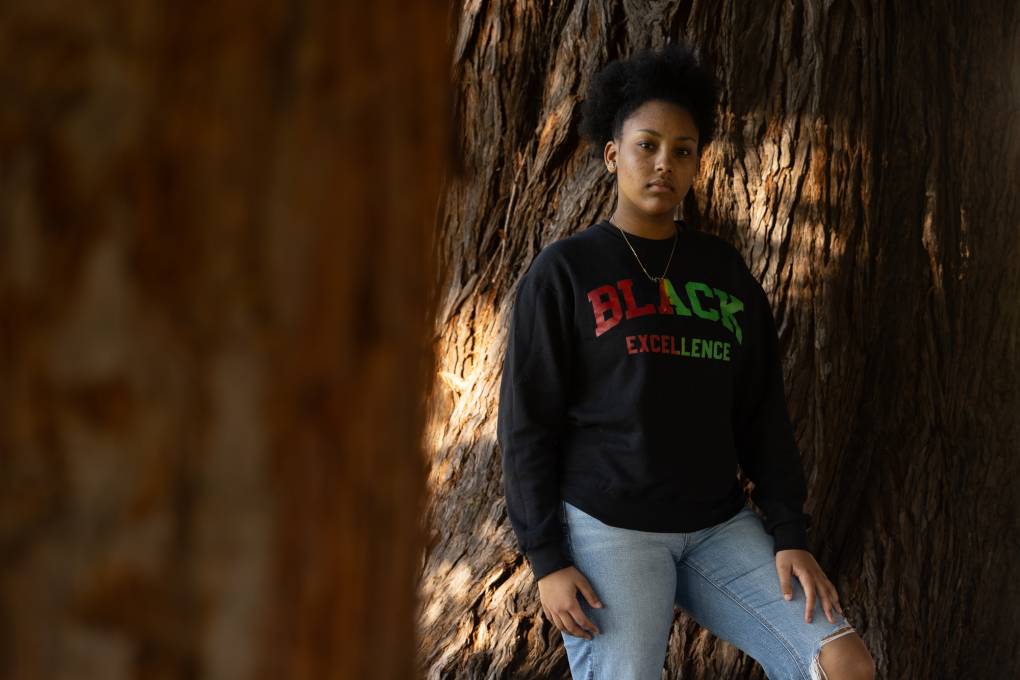
"caption": "Zamahra Winta Clark at Willard Park in Berkeley, on Wednesday, Feb. 26, 2025. Clark is a senior at Berkeley High who organized registration efforts among youth voters in her city and was a first-time youth voter in the 2024 election.",
"credit": "David M. Barreda/KQED",
"altTag": null,
"description": null,
"imgSizes": {
"medium": {
"file": "https://cdn.kqed.org/wp-content/uploads/sites/10/2025/02/20250226_Youth-Vote_DMB_00479-800x534.jpg",
"width": 800,
"height": 534,
"mimeType": "image/jpeg"
},
"large": {
"file": "https://cdn.kqed.org/wp-content/uploads/sites/10/2025/02/20250226_Youth-Vote_DMB_00479-1020x680.jpg",
"width": 1020,
"height": 680,
"mimeType": "image/jpeg"
},
"thumbnail": {
"file": "https://cdn.kqed.org/wp-content/uploads/sites/10/2025/02/20250226_Youth-Vote_DMB_00479-160x107.jpg",
"width": 160,
"height": 107,
"mimeType": "image/jpeg"
},
"1536x1536": {
"file": "https://cdn.kqed.org/wp-content/uploads/sites/10/2025/02/20250226_Youth-Vote_DMB_00479-1536x1025.jpg",
"width": 1536,
"height": 1025,
"mimeType": "image/jpeg"
},
"post-thumbnail": {
"file": "https://cdn.kqed.org/wp-content/uploads/sites/10/2025/02/20250226_Youth-Vote_DMB_00479-672x372.jpg",
"width": 672,
"height": 372,
"mimeType": "image/jpeg"
},
"twentyfourteen-full-width": {
"file": "https://cdn.kqed.org/wp-content/uploads/sites/10/2025/02/20250226_Youth-Vote_DMB_00479-1038x576.jpg",
"width": 1038,
"height": 576,
"mimeType": "image/jpeg"
},
"full-width": {
"file": "https://cdn.kqed.org/wp-content/uploads/sites/10/2025/02/20250226_Youth-Vote_DMB_00479-1920x1281.jpg",
"width": 1920,
"height": 1281,
"mimeType": "image/jpeg"
},
"kqedFullSize": {
"file": "https://cdn.kqed.org/wp-content/uploads/sites/10/2025/02/20250226_Youth-Vote_DMB_00479.jpg",
"width": 2000,
"height": 1334
}
},
"isLoading": false,
"fetchFailed": false
},
"news_12028702": {
"type": "attachments",
"id": "news_12028702",
"meta": {
"index": "attachments_1716263798",
"site": "news",
"id": "12028702",
"found": true
},
"title": "20241217_UnhousedDemonstration_GC-19_qed",
"publishDate": 1740590574,
"status": "inherit",
"parent": 12028660,
"modified": 1740590681,
"caption": "A sign reading “Sweeps Kill End the Violence” is posted outside of Vallejo City Hall in Vallejo on Dec. 17, 2024. Homeless artists, housed allies, encampment sweep survivors and spiritual leaders launched \"sweeps-free sanctuary community” sites in several cities across the state and in Seattle in response to encampment sweeps. At the sites, they offer clothing, food, first aid kits and other products for people.",
"credit": "Gina Castro/KQED",
"altTag": null,
"description": null,
"imgSizes": {
"medium": {
"file": "https://cdn.kqed.org/wp-content/uploads/sites/10/2025/02/20241217_UnhousedDemonstration_GC-19_qed-800x533.jpg",
"width": 800,
"height": 533,
"mimeType": "image/jpeg"
},
"large": {
"file": "https://cdn.kqed.org/wp-content/uploads/sites/10/2025/02/20241217_UnhousedDemonstration_GC-19_qed-1020x680.jpg",
"width": 1020,
"height": 680,
"mimeType": "image/jpeg"
},
"thumbnail": {
"file": "https://cdn.kqed.org/wp-content/uploads/sites/10/2025/02/20241217_UnhousedDemonstration_GC-19_qed-160x107.jpg",
"width": 160,
"height": 107,
"mimeType": "image/jpeg"
},
"1536x1536": {
"file": "https://cdn.kqed.org/wp-content/uploads/sites/10/2025/02/20241217_UnhousedDemonstration_GC-19_qed-1536x1024.jpg",
"width": 1536,
"height": 1024,
"mimeType": "image/jpeg"
},
"post-thumbnail": {
"file": "https://cdn.kqed.org/wp-content/uploads/sites/10/2025/02/20241217_UnhousedDemonstration_GC-19_qed-672x372.jpg",
"width": 672,
"height": 372,
"mimeType": "image/jpeg"
},
"twentyfourteen-full-width": {
"file": "https://cdn.kqed.org/wp-content/uploads/sites/10/2025/02/20241217_UnhousedDemonstration_GC-19_qed-1038x576.jpg",
"width": 1038,
"height": 576,
"mimeType": "image/jpeg"
},
"full-width": {
"file": "https://cdn.kqed.org/wp-content/uploads/sites/10/2025/02/20241217_UnhousedDemonstration_GC-19_qed-1920x1280.jpg",
"width": 1920,
"height": 1280,
"mimeType": "image/jpeg"
},
"kqedFullSize": {
"file": "https://cdn.kqed.org/wp-content/uploads/sites/10/2025/02/20241217_UnhousedDemonstration_GC-19_qed.jpg",
"width": 2000,
"height": 1333
}
},
"isLoading": false,
"fetchFailed": false
},
"news_12028109": {
"type": "attachments",
"id": "news_12028109",
"meta": {
"index": "attachments_1716263798",
"site": "news",
"id": "12028109",
"found": true
},
"title": "250220-PamelaPriceInterview-03",
"publishDate": 1740154842,
"status": "inherit",
"parent": 0,
"modified": 1740154879,
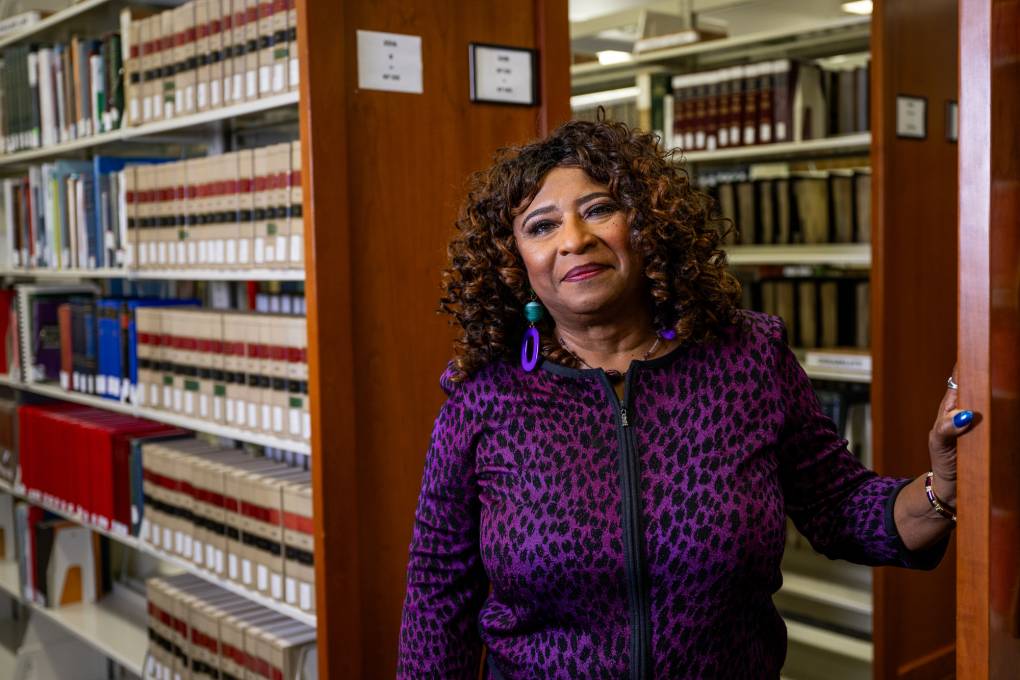
"caption": "Former Alameda County District Attorney Pamela Price poses for a photo at the Alameda County Law Library in Oakland on Feb. 20, 2025.",
"credit": "Beth LaBerge/KQED",
"altTag": null,
"description": null,
"imgSizes": {
"medium": {
"file": "https://cdn.kqed.org/wp-content/uploads/sites/10/2025/02/250220-PamelaPriceInterview-03-800x533.jpg",
"width": 800,
"height": 533,
"mimeType": "image/jpeg"
},
"large": {
"file": "https://cdn.kqed.org/wp-content/uploads/sites/10/2025/02/250220-PamelaPriceInterview-03-1020x680.jpg",
"width": 1020,
"height": 680,
"mimeType": "image/jpeg"
},
"thumbnail": {
"file": "https://cdn.kqed.org/wp-content/uploads/sites/10/2025/02/250220-PamelaPriceInterview-03-160x107.jpg",
"width": 160,
"height": 107,
"mimeType": "image/jpeg"
},
"1536x1536": {
"file": "https://cdn.kqed.org/wp-content/uploads/sites/10/2025/02/250220-PamelaPriceInterview-03-1536x1024.jpg",
"width": 1536,
"height": 1024,
"mimeType": "image/jpeg"
},
"post-thumbnail": {
"file": "https://cdn.kqed.org/wp-content/uploads/sites/10/2025/02/250220-PamelaPriceInterview-03-672x372.jpg",
"width": 672,
"height": 372,
"mimeType": "image/jpeg"
},
"twentyfourteen-full-width": {
"file": "https://cdn.kqed.org/wp-content/uploads/sites/10/2025/02/250220-PamelaPriceInterview-03-1038x576.jpg",
"width": 1038,
"height": 576,
"mimeType": "image/jpeg"
},
"full-width": {
"file": "https://cdn.kqed.org/wp-content/uploads/sites/10/2025/02/250220-PamelaPriceInterview-03-1920x1280.jpg",
"width": 1920,
"height": 1280,
"mimeType": "image/jpeg"
},
"kqedFullSize": {
"file": "https://cdn.kqed.org/wp-content/uploads/sites/10/2025/02/250220-PamelaPriceInterview-03.jpg",
"width": 2000,
"height": 1333
}
},
"isLoading": false,
"fetchFailed": false
},
"news_12015107": {
"type": "attachments",
"id": "news_12015107",
"meta": {
"index": "attachments_1716263798",
"site": "news",
"id": "12015107",
"found": true
},
"title": "Aerial view of Oakland Skyline, California",
"publishDate": 1732124916,
"status": "inherit",
"parent": 12015103,
"modified": 1738976574,
"caption": "Oakland faces the task of replacing its mayor after former Mayor Sheng Thao was recalled last November.",
"credit": "Joe Sohm/Visions of America/Universal Images Group via Getty Images",
"altTag": null,
"description": null,
"imgSizes": {
"medium": {
"file": "https://cdn.kqed.org/wp-content/uploads/sites/10/2024/11/OaklandGetty-800x449.jpg",
"width": 800,
"height": 449,
"mimeType": "image/jpeg"
},
"large": {
"file": "https://cdn.kqed.org/wp-content/uploads/sites/10/2024/11/OaklandGetty-1020x573.jpg",
"width": 1020,
"height": 573,
"mimeType": "image/jpeg"
},
"thumbnail": {
"file": "https://cdn.kqed.org/wp-content/uploads/sites/10/2024/11/OaklandGetty-160x90.jpg",
"width": 160,
"height": 90,
"mimeType": "image/jpeg"
},
"1536x1536": {
"file": "https://cdn.kqed.org/wp-content/uploads/sites/10/2024/11/OaklandGetty-1536x862.jpg",
"width": 1536,
"height": 862,
"mimeType": "image/jpeg"
},
"post-thumbnail": {
"file": "https://cdn.kqed.org/wp-content/uploads/sites/10/2024/11/OaklandGetty-672x372.jpg",
"width": 672,
"height": 372,
"mimeType": "image/jpeg"
},
"twentyfourteen-full-width": {
"file": "https://cdn.kqed.org/wp-content/uploads/sites/10/2024/11/OaklandGetty-1038x576.jpg",
"width": 1038,
"height": 576,
"mimeType": "image/jpeg"
},
"full-width": {
"file": "https://cdn.kqed.org/wp-content/uploads/sites/10/2024/11/OaklandGetty-1920x1078.jpg",
"width": 1920,
"height": 1078,
"mimeType": "image/jpeg"
},
"kqedFullSize": {
"file": "https://cdn.kqed.org/wp-content/uploads/sites/10/2024/11/OaklandGetty.jpg",
"width": 2000,
"height": 1123
}
},
"isLoading": false,
"fetchFailed": false
},
"news_12027697": {
"type": "attachments",
"id": "news_12027697",
"meta": {
"index": "attachments_1716263798",
"site": "news",
"id": "12027697",
"found": true
},
"title": "20250218_Oak-Mayoral_DMB_02238",
"publishDate": 1739990735,
"status": "inherit",
"parent": 12035862,
"modified": 1744668253,
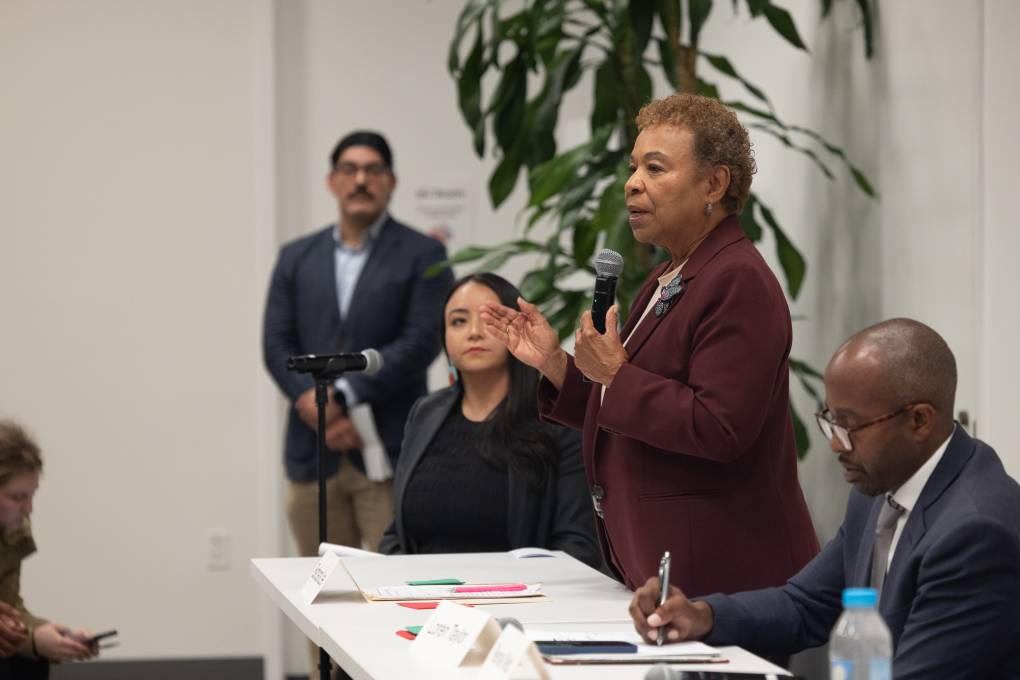
"caption": "Former Rep. Barbara Lee addresses the room, as Loren Taylor (right) listens, at a public forum hosted by Greenbelt Alliance, Housing Action Coalition and East Bay for Everyone, in downtown Oakland, California, on Tuesday, Feb. 18, 2025. Lee and Taylor are running for mayor.",
"credit": "David M. Barreda/KQED",
"altTag": null,
"description": null,
"imgSizes": {
"medium": {
"file": "https://cdn.kqed.org/wp-content/uploads/sites/10/2025/02/20250218_Oak-Mayoral_DMB_02238-800x533.jpg",
"width": 800,
"height": 533,
"mimeType": "image/jpeg"
},
"large": {
"file": "https://cdn.kqed.org/wp-content/uploads/sites/10/2025/02/20250218_Oak-Mayoral_DMB_02238-1020x680.jpg",
"width": 1020,
"height": 680,
"mimeType": "image/jpeg"
},
"thumbnail": {
"file": "https://cdn.kqed.org/wp-content/uploads/sites/10/2025/02/20250218_Oak-Mayoral_DMB_02238-160x107.jpg",
"width": 160,
"height": 107,
"mimeType": "image/jpeg"
},
"1536x1536": {
"file": "https://cdn.kqed.org/wp-content/uploads/sites/10/2025/02/20250218_Oak-Mayoral_DMB_02238-1536x1024.jpg",
"width": 1536,
"height": 1024,
"mimeType": "image/jpeg"
},
"post-thumbnail": {
"file": "https://cdn.kqed.org/wp-content/uploads/sites/10/2025/02/20250218_Oak-Mayoral_DMB_02238-672x372.jpg",
"width": 672,
"height": 372,
"mimeType": "image/jpeg"
},
"twentyfourteen-full-width": {
"file": "https://cdn.kqed.org/wp-content/uploads/sites/10/2025/02/20250218_Oak-Mayoral_DMB_02238-1038x576.jpg",
"width": 1038,
"height": 576,
"mimeType": "image/jpeg"
},
"full-width": {
"file": "https://cdn.kqed.org/wp-content/uploads/sites/10/2025/02/20250218_Oak-Mayoral_DMB_02238-1920x1280.jpg",
"width": 1920,
"height": 1280,
"mimeType": "image/jpeg"
},
"kqedFullSize": {
"file": "https://cdn.kqed.org/wp-content/uploads/sites/10/2025/02/20250218_Oak-Mayoral_DMB_02238.jpg",
"width": 2000,
"height": 1333
}
},
"isLoading": false,
"fetchFailed": false
},
"news_11958901": {
"type": "attachments",
"id": "news_11958901",
"meta": {
"index": "attachments_1716263798",
"site": "news",
"id": "11958901",
"found": true
},
"title": "Bridges_(2412527)",
"publishDate": 1692820408,
"status": "inherit",
"parent": 11958879,
"modified": 1739491344,
"caption": "A little stub alongside the new San Mateo-Hayward Bridge is all that remains of the original from 1929. ",
"credit": "Courtesy of Peter Kaminski",
"altTag": "Looking down an old section of a now unused bridge that runs off into the distance and terminates just before the horizon line. To the left of it is the new bridge that replaced it. Both bridges run over calm, reflective blue water.",
"description": null,
"imgSizes": {
"medium": {
"file": "https://cdn.kqed.org/wp-content/uploads/sites/10/2023/08/Bridges_2412527-e1692820851937-800x600.jpg",
"width": 800,
"height": 600,
"mimeType": "image/jpeg"
},
"large": {
"file": "https://cdn.kqed.org/wp-content/uploads/sites/10/2023/08/Bridges_2412527-e1692820851937-1020x765.jpg",
"width": 1020,
"height": 765,
"mimeType": "image/jpeg"
},
"thumbnail": {
"file": "https://cdn.kqed.org/wp-content/uploads/sites/10/2023/08/Bridges_2412527-e1692820851937-160x120.jpg",
"width": 160,
"height": 120,
"mimeType": "image/jpeg"
},
"1536x1536": {
"file": "https://cdn.kqed.org/wp-content/uploads/sites/10/2023/08/Bridges_2412527-e1692820851937-1536x1152.jpg",
"width": 1536,
"height": 1152,
"mimeType": "image/jpeg"
},
"2048x2048": {
"file": "https://cdn.kqed.org/wp-content/uploads/sites/10/2023/08/Bridges_2412527-2048x1536.jpg",
"width": 2048,
"height": 1536,
"mimeType": "image/jpeg"
},
"post-thumbnail": {
"file": "https://cdn.kqed.org/wp-content/uploads/sites/10/2023/08/Bridges_2412527-e1692820851937-672x372.jpg",
"width": 672,
"height": 372,
"mimeType": "image/jpeg"
},
"twentyfourteen-full-width": {
"file": "https://cdn.kqed.org/wp-content/uploads/sites/10/2023/08/Bridges_2412527-e1692820851937-1038x576.jpg",
"width": 1038,
"height": 576,
"mimeType": "image/jpeg"
},
"full-width": {
"file": "https://cdn.kqed.org/wp-content/uploads/sites/10/2023/08/Bridges_2412527-1920x1440.jpg",
"width": 1920,
"height": 1440,
"mimeType": "image/jpeg"
},
"kqedFullSize": {
"file": "https://cdn.kqed.org/wp-content/uploads/sites/10/2023/08/Bridges_2412527-e1692820851937.jpg",
"width": 1920,
"height": 1440
}
},
"isLoading": false,
"fetchFailed": false
},
"news_12025559": {
"type": "attachments",
"id": "news_12025559",
"meta": {
"index": "attachments_1716263798",
"site": "news",
"id": "12025559",
"found": true
},
"title": "20250203_MartinezRefineryFolo_GC-46",
"publishDate": 1738651778,
"status": "inherit",
"parent": 0,
"modified": 1739293638,
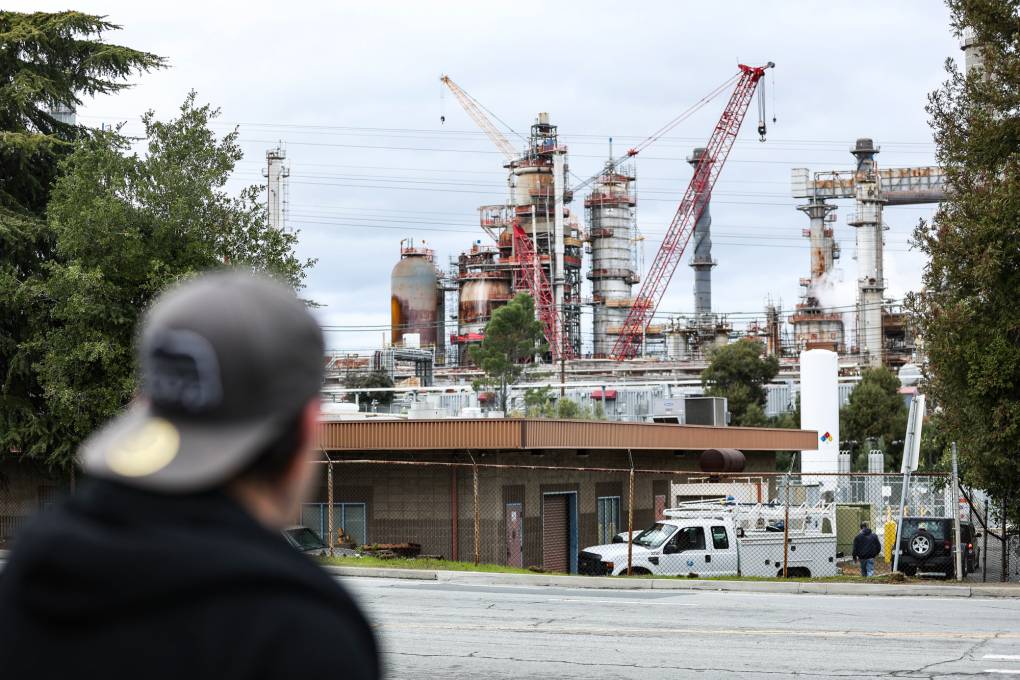
"caption": "Ronald Thomas looks toward the Martinez Refining Company, where a fire broke out over the weekend in Martinez, California, on Feb. 3, 2025. Thomas lives across the street from the refinery and said he had to evacuate on Saturday during the fire. He has lived there for four years.",
"credit": "Gina Castro/KQED",
"altTag": null,
"description": null,
"imgSizes": {
"medium": {
"file": "https://cdn.kqed.org/wp-content/uploads/sites/10/2025/02/20250203_MartinezRefineryFolo_GC-46-800x533.jpg",
"width": 800,
"height": 533,
"mimeType": "image/jpeg"
},
"large": {
"file": "https://cdn.kqed.org/wp-content/uploads/sites/10/2025/02/20250203_MartinezRefineryFolo_GC-46-1020x680.jpg",
"width": 1020,
"height": 680,
"mimeType": "image/jpeg"
},
"thumbnail": {
"file": "https://cdn.kqed.org/wp-content/uploads/sites/10/2025/02/20250203_MartinezRefineryFolo_GC-46-160x107.jpg",
"width": 160,
"height": 107,
"mimeType": "image/jpeg"
},
"1536x1536": {
"file": "https://cdn.kqed.org/wp-content/uploads/sites/10/2025/02/20250203_MartinezRefineryFolo_GC-46-1536x1024.jpg",
"width": 1536,
"height": 1024,
"mimeType": "image/jpeg"
},
"post-thumbnail": {
"file": "https://cdn.kqed.org/wp-content/uploads/sites/10/2025/02/20250203_MartinezRefineryFolo_GC-46-672x372.jpg",
"width": 672,
"height": 372,
"mimeType": "image/jpeg"
},
"twentyfourteen-full-width": {
"file": "https://cdn.kqed.org/wp-content/uploads/sites/10/2025/02/20250203_MartinezRefineryFolo_GC-46-1038x576.jpg",
"width": 1038,
"height": 576,
"mimeType": "image/jpeg"
},
"full-width": {
"file": "https://cdn.kqed.org/wp-content/uploads/sites/10/2025/02/20250203_MartinezRefineryFolo_GC-46-1920x1280.jpg",
"width": 1920,
"height": 1280,
"mimeType": "image/jpeg"
},
"kqedFullSize": {
"file": "https://cdn.kqed.org/wp-content/uploads/sites/10/2025/02/20250203_MartinezRefineryFolo_GC-46.jpg",
"width": 2000,
"height": 1333
}
},
"isLoading": false,
"fetchFailed": false
},
"news_12026475": {
"type": "attachments",
"id": "news_12026475",
"meta": {
"index": "attachments_1716263798",
"site": "news",
"id": "12026475",
"found": true
},
"title": "20250210_LIFE-CHIRO_DMB_00033-KQED",
"publishDate": 1739220140,
"status": "inherit",
"parent": 0,
"modified": 1739220349,
"caption": "Life Chiropractic College West in Hayward on Feb. 10, 2025.",
"credit": "David M. Barreda/KQED",
"altTag": null,
"description": null,
"imgSizes": {
"medium": {
"file": "https://cdn.kqed.org/wp-content/uploads/sites/10/2025/02/20250210_LIFE-CHIRO_DMB_00033-KQED-800x533.jpg",
"width": 800,
"height": 533,
"mimeType": "image/jpeg"
},
"large": {
"file": "https://cdn.kqed.org/wp-content/uploads/sites/10/2025/02/20250210_LIFE-CHIRO_DMB_00033-KQED-1020x680.jpg",
"width": 1020,
"height": 680,
"mimeType": "image/jpeg"
},
"thumbnail": {
"file": "https://cdn.kqed.org/wp-content/uploads/sites/10/2025/02/20250210_LIFE-CHIRO_DMB_00033-KQED-160x107.jpg",
"width": 160,
"height": 107,
"mimeType": "image/jpeg"
},
"1536x1536": {
"file": "https://cdn.kqed.org/wp-content/uploads/sites/10/2025/02/20250210_LIFE-CHIRO_DMB_00033-KQED-1536x1024.jpg",
"width": 1536,
"height": 1024,
"mimeType": "image/jpeg"
},
"post-thumbnail": {
"file": "https://cdn.kqed.org/wp-content/uploads/sites/10/2025/02/20250210_LIFE-CHIRO_DMB_00033-KQED-672x372.jpg",
"width": 672,
"height": 372,
"mimeType": "image/jpeg"
},
"twentyfourteen-full-width": {
"file": "https://cdn.kqed.org/wp-content/uploads/sites/10/2025/02/20250210_LIFE-CHIRO_DMB_00033-KQED-1038x576.jpg",
"width": 1038,
"height": 576,
"mimeType": "image/jpeg"
},
"full-width": {
"file": "https://cdn.kqed.org/wp-content/uploads/sites/10/2025/02/20250210_LIFE-CHIRO_DMB_00033-KQED-1920x1280.jpg",
"width": 1920,
"height": 1280,
"mimeType": "image/jpeg"
},
"kqedFullSize": {
"file": "https://cdn.kqed.org/wp-content/uploads/sites/10/2025/02/20250210_LIFE-CHIRO_DMB_00033-KQED.jpg",
"width": 2000,
"height": 1333
}
},
"isLoading": false,
"fetchFailed": false
},
"news_12026400": {
"type": "attachments",
"id": "news_12026400",
"meta": {
"index": "attachments_1716263798",
"site": "news",
"id": "12026400",
"found": true
},
"title": "20250208_Barbara-Lee_DMB_00457",
"publishDate": 1739068199,
"status": "inherit",
"parent": 0,
"modified": 1739223965,
"caption": "Former Rep. Barbara Lee gestures to the crowd at the grand opening of her campaign headquarters on Broadway in downtown Oakland, California, on Saturday, Feb. 8, 2025.",
"credit": "David M. Barreda/KQED",
"altTag": null,
"description": null,
"imgSizes": {
"medium": {
"file": "https://cdn.kqed.org/wp-content/uploads/sites/10/2025/02/20250208_Barbara-Lee_DMB_00457-800x533.jpg",
"width": 800,
"height": 533,
"mimeType": "image/jpeg"
},
"large": {
"file": "https://cdn.kqed.org/wp-content/uploads/sites/10/2025/02/20250208_Barbara-Lee_DMB_00457-1020x680.jpg",
"width": 1020,
"height": 680,
"mimeType": "image/jpeg"
},
"thumbnail": {
"file": "https://cdn.kqed.org/wp-content/uploads/sites/10/2025/02/20250208_Barbara-Lee_DMB_00457-160x107.jpg",
"width": 160,
"height": 107,
"mimeType": "image/jpeg"
},
"1536x1536": {
"file": "https://cdn.kqed.org/wp-content/uploads/sites/10/2025/02/20250208_Barbara-Lee_DMB_00457-1536x1024.jpg",
"width": 1536,
"height": 1024,
"mimeType": "image/jpeg"
},
"post-thumbnail": {
"file": "https://cdn.kqed.org/wp-content/uploads/sites/10/2025/02/20250208_Barbara-Lee_DMB_00457-672x372.jpg",
"width": 672,
"height": 372,
"mimeType": "image/jpeg"
},
"twentyfourteen-full-width": {
"file": "https://cdn.kqed.org/wp-content/uploads/sites/10/2025/02/20250208_Barbara-Lee_DMB_00457-1038x576.jpg",
"width": 1038,
"height": 576,
"mimeType": "image/jpeg"
},
"full-width": {
"file": "https://cdn.kqed.org/wp-content/uploads/sites/10/2025/02/20250208_Barbara-Lee_DMB_00457-1920x1280.jpg",
"width": 1920,
"height": 1280,
"mimeType": "image/jpeg"
},
"kqedFullSize": {
"file": "https://cdn.kqed.org/wp-content/uploads/sites/10/2025/02/20250208_Barbara-Lee_DMB_00457.jpg",
"width": 2000,
"height": 1333
}
},
"isLoading": false,
"fetchFailed": false
},
"news_12024992": {
"type": "attachments",
"id": "news_12024992",
"meta": {
"index": "attachments_1716263798",
"site": "news",
"id": "12024992",
"found": true
},
"title": "20250130_SSUTownHall_GC-41",
"publishDate": 1738284666,
"status": "inherit",
"parent": 0,
"modified": 1738954547,
"caption": "From left, students Sophia MacAller and Devyn Lyon, chant during a rally and virtual town hall at Sonoma State’s Seawolf Plaza, to protest against the school’s budget cuts, in Rohnert Park, California, on Jan 30, 2025.",
"credit": "Gina Castro/KQED",
"altTag": null,
"description": null,
"imgSizes": {
"medium": {
"file": "https://cdn.kqed.org/wp-content/uploads/sites/10/2025/01/20250130_SSUTownHall_GC-41-800x533.jpg",
"width": 800,
"height": 533,
"mimeType": "image/jpeg"
},
"large": {
"file": "https://cdn.kqed.org/wp-content/uploads/sites/10/2025/01/20250130_SSUTownHall_GC-41-1020x680.jpg",
"width": 1020,
"height": 680,
"mimeType": "image/jpeg"
},
"thumbnail": {
"file": "https://cdn.kqed.org/wp-content/uploads/sites/10/2025/01/20250130_SSUTownHall_GC-41-160x107.jpg",
"width": 160,
"height": 107,
"mimeType": "image/jpeg"
},
"1536x1536": {
"file": "https://cdn.kqed.org/wp-content/uploads/sites/10/2025/01/20250130_SSUTownHall_GC-41-1536x1024.jpg",
"width": 1536,
"height": 1024,
"mimeType": "image/jpeg"
},
"post-thumbnail": {
"file": "https://cdn.kqed.org/wp-content/uploads/sites/10/2025/01/20250130_SSUTownHall_GC-41-672x372.jpg",
"width": 672,
"height": 372,
"mimeType": "image/jpeg"
},
"twentyfourteen-full-width": {
"file": "https://cdn.kqed.org/wp-content/uploads/sites/10/2025/01/20250130_SSUTownHall_GC-41-1038x576.jpg",
"width": 1038,
"height": 576,
"mimeType": "image/jpeg"
},
"full-width": {
"file": "https://cdn.kqed.org/wp-content/uploads/sites/10/2025/01/20250130_SSUTownHall_GC-41-1920x1280.jpg",
"width": 1920,
"height": 1280,
"mimeType": "image/jpeg"
},
"kqedFullSize": {
"file": "https://cdn.kqed.org/wp-content/uploads/sites/10/2025/01/20250130_SSUTownHall_GC-41.jpg",
"width": 2000,
"height": 1333
}
},
"isLoading": false,
"fetchFailed": false
},
"news_12023392": {
"type": "attachments",
"id": "news_12023392",
"meta": {
"index": "attachments_1716263798",
"site": "news",
"id": "12023392",
"found": true
},
"title": "20250121_DA-Finalists_DB_00867",
"publishDate": 1737507733,
"status": "inherit",
"parent": 0,
"modified": 1738193520,
"caption": "Ursula Jones Dickson, Alameda County Superior Court judge and former deputy district attorney in Alameda County, addresses the Alameda County Board of Supervisors at the Alameda County Administration Building on Tuesday, Jan. 21, 2025. ",
"credit": "David M. Barreda/KQED",
"altTag": null,
"description": null,
"imgSizes": {
"medium": {
"file": "https://cdn.kqed.org/wp-content/uploads/sites/10/2025/01/20250121_DA-Finalists_DB_00867-800x533.jpg",
"width": 800,
"height": 533,
"mimeType": "image/jpeg"
},
"large": {
"file": "https://cdn.kqed.org/wp-content/uploads/sites/10/2025/01/20250121_DA-Finalists_DB_00867-1020x680.jpg",
"width": 1020,
"height": 680,
"mimeType": "image/jpeg"
},
"thumbnail": {
"file": "https://cdn.kqed.org/wp-content/uploads/sites/10/2025/01/20250121_DA-Finalists_DB_00867-160x107.jpg",
"width": 160,
"height": 107,
"mimeType": "image/jpeg"
},
"1536x1536": {
"file": "https://cdn.kqed.org/wp-content/uploads/sites/10/2025/01/20250121_DA-Finalists_DB_00867-1536x1024.jpg",
"width": 1536,
"height": 1024,
"mimeType": "image/jpeg"
},
"post-thumbnail": {
"file": "https://cdn.kqed.org/wp-content/uploads/sites/10/2025/01/20250121_DA-Finalists_DB_00867-672x372.jpg",
"width": 672,
"height": 372,
"mimeType": "image/jpeg"
},
"twentyfourteen-full-width": {
"file": "https://cdn.kqed.org/wp-content/uploads/sites/10/2025/01/20250121_DA-Finalists_DB_00867-1038x576.jpg",
"width": 1038,
"height": 576,
"mimeType": "image/jpeg"
},
"full-width": {
"file": "https://cdn.kqed.org/wp-content/uploads/sites/10/2025/01/20250121_DA-Finalists_DB_00867-1920x1280.jpg",
"width": 1920,
"height": 1280,
"mimeType": "image/jpeg"
},
"kqedFullSize": {
"file": "https://cdn.kqed.org/wp-content/uploads/sites/10/2025/01/20250121_DA-Finalists_DB_00867.jpg",
"width": 2000,
"height": 1333
}
},
"isLoading": false,
"fetchFailed": false
},
"news_12025688": {
"type": "attachments",
"id": "news_12025688",
"meta": {
"index": "attachments_1716263798",
"site": "news",
"id": "12025688",
"found": true
},
"title": "250204-RainStorm-01-BL",
"publishDate": 1738711489,
"status": "inherit",
"parent": 0,
"modified": 1738711597,
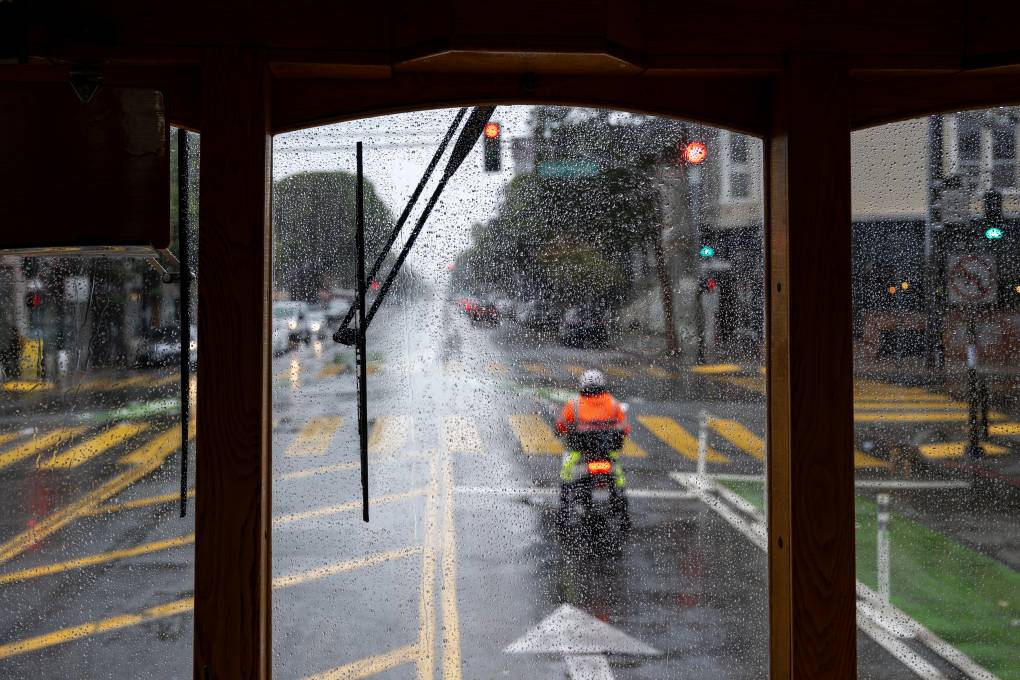
"caption": "Rain gathers on the windshield of a trolley car during a storm in San Francisco on Feb. 4, 2025.",
"credit": "Beth LaBerge/KQED",
"altTag": null,
"description": null,
"imgSizes": {
"medium": {
"file": "https://cdn.kqed.org/wp-content/uploads/sites/10/2025/02/250204-RainStorm-01-BL-800x533.jpg",
"width": 800,
"height": 533,
"mimeType": "image/jpeg"
},
"large": {
"file": "https://cdn.kqed.org/wp-content/uploads/sites/10/2025/02/250204-RainStorm-01-BL-1020x680.jpg",
"width": 1020,
"height": 680,
"mimeType": "image/jpeg"
},
"thumbnail": {
"file": "https://cdn.kqed.org/wp-content/uploads/sites/10/2025/02/250204-RainStorm-01-BL-160x107.jpg",
"width": 160,
"height": 107,
"mimeType": "image/jpeg"
},
"1536x1536": {
"file": "https://cdn.kqed.org/wp-content/uploads/sites/10/2025/02/250204-RainStorm-01-BL-1536x1024.jpg",
"width": 1536,
"height": 1024,
"mimeType": "image/jpeg"
},
"2048x2048": {
"file": "https://cdn.kqed.org/wp-content/uploads/sites/10/2025/02/250204-RainStorm-01-BL-2048x1365.jpg",
"width": 2048,
"height": 1365,
"mimeType": "image/jpeg"
},
"post-thumbnail": {
"file": "https://cdn.kqed.org/wp-content/uploads/sites/10/2025/02/250204-RainStorm-01-BL-672x372.jpg",
"width": 672,
"height": 372,
"mimeType": "image/jpeg"
},
"twentyfourteen-full-width": {
"file": "https://cdn.kqed.org/wp-content/uploads/sites/10/2025/02/250204-RainStorm-01-BL-1038x576.jpg",
"width": 1038,
"height": 576,
"mimeType": "image/jpeg"
},
"full-width": {
"file": "https://cdn.kqed.org/wp-content/uploads/sites/10/2025/02/250204-RainStorm-01-BL-1920x1280.jpg",
"width": 1920,
"height": 1280,
"mimeType": "image/jpeg"
},
"kqedFullSize": {
"file": "https://cdn.kqed.org/wp-content/uploads/sites/10/2025/02/250204-RainStorm-01-BL-scaled-e1738779197636.jpg",
"width": 2000,
"height": 1334
}
},
"isLoading": false,
"fetchFailed": false
}
},
"audioPlayerReducer": {
"postId": "stream_live",
"isPaused": true,
"isPlaying": false,
"pfsActive": false,
"pledgeModalIsOpen": true,
"playerDrawerIsOpen": false,
"liveAudioPlayStartedAt": 0,
"liveAudioPlayContext": ""
},
"authorsReducer": {
"jsmall": {
"type": "authors",
"id": "6625",
"meta": {
"index": "authors_1716337520",
"id": "6625",
"found": true
},
"name": "Julie Small",
"firstName": "Julie",
"lastName": "Small",
"slug": "jsmall",
"email": "jsmall@kqed.org",
"display_author_email": true,
"staff_mastheads": [
"news"
],
"title": "KQED Contributor",
"bio": "Julie Small reports on criminal justice and immigration.\r\n\r\nShe was part of a team at KQED awarded a regional 2019 Edward R. Murrow award for continuing coverage of the Trump Administration's family separation policy.\r\n\r\nThe Society for Professional Journalists recognized Julie's 2018 \u003ca href=\"https://www.kqed.org/news/11636262/the-officer-tased-him-31-times-the-sheriff-called-his-death-an-accident\">reporting\u003c/a> on the San Joaquin County Sheriff's \u003ca href=\"https://www.kqed.org/news/11634689/autopsy-doctors-sheriff-overrode-death-findings-to-protect-law-enforcement\">interference\u003c/a> in death investigations with an Excellence in Journalism Award for Ongoing Coverage.\r\n\r\nJulie's\u003ca href=\"https://www.kqed.org/news/11039666/two-mentally-ill-inmates-died-one-month-in-santa-clara\"> reporting\u003c/a> with Lisa Pickoff-White on the treatment of mentally ill offenders in California jails earned a 2017 regional Edward R. Murrow Award for news reporting and an investigative reporting award from the SPJ of Northern California.\r\n\r\nBefore joining KQED, Julie covered government and politics in Sacramento for Southern California Public Radio (SCPR). Her 2010 \u003ca href=\"https://www.scpr.org/specials/prisonmedical/\">series\u003c/a> on lapses in California’s prison medical care also won a regional Edward R. Murrow Award for investigative reporting and a Golden Mic Award from the RTNDA of Southern California.\r\n\r\nJulie began her career in journalism in 2000 as the deputy foreign editor for public radio's \u003cem>Marketplace, \u003c/em>while earning her master's degree in journalism from USC’s Annenberg School of Communication.",
"avatar": "https://secure.gravatar.com/avatar/4baedf201468df97be97c2a9dd7585d0?s=600&d=blank&r=g",
"twitter": "@SmallRadio2",
"facebook": null,
"instagram": null,
"linkedin": null,
"sites": [
{
"site": "news",
"roles": [
"editor"
]
},
{
"site": "stateofhealth",
"roles": [
"author"
]
},
{
"site": "science",
"roles": [
"author"
]
}
],
"headData": {
"title": "Julie Small | KQED",
"description": "KQED Contributor",
"ogImgSrc": "https://secure.gravatar.com/avatar/4baedf201468df97be97c2a9dd7585d0?s=600&d=blank&r=g",
"twImgSrc": "https://secure.gravatar.com/avatar/4baedf201468df97be97c2a9dd7585d0?s=600&d=blank&r=g"
},
"isLoading": false,
"link": "/author/jsmall"
},
"vrancano": {
"type": "authors",
"id": "11276",
"meta": {
"index": "authors_1716337520",
"id": "11276",
"found": true
},
"name": "Vanessa Rancaño",
"firstName": "Vanessa",
"lastName": "Rancaño",
"slug": "vrancano",
"email": "vrancano@kqed.org",
"display_author_email": false,
"staff_mastheads": [
"news"
],
"title": "Reporter",
"bio": "Vanessa Rancaño is a features reporter for KQED. She’s also covered homelessness and education for the station and reported from the Central Valley. Her work has aired across public radio, from flagship national news shows to longform narrative podcasts. Before taking up a mic, she worked as a freelance print journalist. She’s been recognized with a number of national and regional awards. Vanessa grew up in California's Central Valley. She's a former NPR Kroc Fellow, and a graduate of the UC Berkeley Graduate School of Journalism.",
"avatar": "https://secure.gravatar.com/avatar/b3a383dfb0e7ee1c17568f2cf067904ab654d6e3de9743fc661f3c788ade1bed?s=600&d=blank&r=g",
"twitter": "vanessarancano",
"bluesky": null,
"facebook": null,
"instagram": null,
"linkedin": null,
"sites": [
{
"site": "arts",
"roles": [
"editor"
]
},
{
"site": "news",
"roles": [
"editor"
]
},
{
"site": "liveblog",
"roles": [
"contributor"
]
}
],
"headData": {
"title": "Vanessa Rancaño | KQED",
"description": "Reporter",
"ogImgSrc": "https://secure.gravatar.com/avatar/b3a383dfb0e7ee1c17568f2cf067904ab654d6e3de9743fc661f3c788ade1bed?s=600&d=blank&r=g",
"twImgSrc": "https://secure.gravatar.com/avatar/b3a383dfb0e7ee1c17568f2cf067904ab654d6e3de9743fc661f3c788ade1bed?s=600&d=blank&r=g"
},
"isLoading": false,
"link": "/author/vrancano"
},
"ahall": {
"type": "authors",
"id": "11490",
"meta": {
"index": "authors_1716337520",
"id": "11490",
"found": true
},
"name": "Alex Hall",
"firstName": "Alex",
"lastName": "Hall",
"slug": "ahall",
"email": "ahall@kqed.org",
"display_author_email": false,
"staff_mastheads": [
"news"
],
"title": "KQED Enterprise & Accountability Reporter",
"bio": "Alex Hall is KQED's Enterprise and Accountability Reporter. She previously covered the Central Valley for five years from KQED's bureau in Fresno. Before joining KQED, Alex was an investigative reporting fellow at Wisconsin Public Radio and the Wisconsin Center for Investigative Journalism. She has also worked as a bilingual producer for NPR's investigative unit and freelance video producer for Reuters TV on the Latin America desk. She got her start in journalism in South America, where she worked as a radio producer and Spanish-English translator for CNN Chile. Her documentary and investigation into the series of deadly COVID-19 outbreaks at Foster Farms won a national Edward R. Murrow award and was named an Investigative Reporters & Editors award finalist. Alex's reporting for Reveal on the Wisconsin dairy industry's reliance on undocumented immigrant labor was made into a film, Los Lecheros, which won a regional Edward R. Murrow award for best news documentary.",
"avatar": "https://secure.gravatar.com/avatar/defcbeb88b0bf591ff9af41f22644051?s=600&d=blank&r=g",
"twitter": "@chalexhall",
"facebook": null,
"instagram": null,
"linkedin": null,
"sites": [
{
"site": "news",
"roles": [
"editor"
]
},
{
"site": "liveblog",
"roles": [
"author"
]
}
],
"headData": {
"title": "Alex Hall | KQED",
"description": "KQED Enterprise & Accountability Reporter",
"ogImgSrc": "https://secure.gravatar.com/avatar/defcbeb88b0bf591ff9af41f22644051?s=600&d=blank&r=g",
"twImgSrc": "https://secure.gravatar.com/avatar/defcbeb88b0bf591ff9af41f22644051?s=600&d=blank&r=g"
},
"isLoading": false,
"link": "/author/ahall"
},
"kdebenedetti": {
"type": "authors",
"id": "11913",
"meta": {
"index": "authors_1716337520",
"id": "11913",
"found": true
},
"name": "Katie DeBenedetti",
"firstName": "Katie",
"lastName": "DeBenedetti",
"slug": "kdebenedetti",
"email": "kdebenedetti@kqed.org",
"display_author_email": false,
"staff_mastheads": [
"news",
"science"
],
"title": "KQED Contributor",
"bio": "Katie DeBenedetti is a digital reporter covering daily news for the Express Desk. Prior to joining KQED as a culture reporting intern in January 2024, she covered education and city government for the Napa Valley Register.",
"avatar": "https://secure.gravatar.com/avatar/6e31073cb8f7e4214ab03f42771d0f45?s=600&d=blank&r=g",
"twitter": null,
"facebook": null,
"instagram": null,
"linkedin": null,
"sites": [
{
"site": "news",
"roles": [
"author"
]
},
{
"site": "science",
"roles": [
"author"
]
},
{
"site": "liveblog",
"roles": [
"author"
]
}
],
"headData": {
"title": "Katie DeBenedetti | KQED",
"description": "KQED Contributor",
"ogImgSrc": "https://secure.gravatar.com/avatar/6e31073cb8f7e4214ab03f42771d0f45?s=600&d=blank&r=g",
"twImgSrc": "https://secure.gravatar.com/avatar/6e31073cb8f7e4214ab03f42771d0f45?s=600&d=blank&r=g"
},
"isLoading": false,
"link": "/author/kdebenedetti"
},
"slim": {
"type": "authors",
"id": "11920",
"meta": {
"index": "authors_1716337520",
"id": "11920",
"found": true
},
"name": "Samantha Lim",
"firstName": "Samantha",
"lastName": "Lim",
"slug": "slim",
"email": "slim@KQED.org",
"display_author_email": false,
"staff_mastheads": [],
"title": "KQED Contributor",
"bio": null,
"avatar": "https://secure.gravatar.com/avatar/82e592e6c15fe1a04d385e8ad0fb0b4e?s=600&d=blank&r=g",
"twitter": null,
"facebook": null,
"instagram": null,
"linkedin": null,
"sites": [
{
"site": "news",
"roles": []
}
],
"headData": {
"title": "Samantha Lim | KQED",
"description": "KQED Contributor",
"ogImgSrc": "https://secure.gravatar.com/avatar/82e592e6c15fe1a04d385e8ad0fb0b4e?s=600&d=blank&r=g",
"twImgSrc": "https://secure.gravatar.com/avatar/82e592e6c15fe1a04d385e8ad0fb0b4e?s=600&d=blank&r=g"
},
"isLoading": false,
"link": "/author/slim"
},
"rcooke": {
"type": "authors",
"id": "11921",
"meta": {
"index": "authors_1716337520",
"id": "11921",
"found": true
},
"name": "Riley Cooke",
"firstName": "Riley",
"lastName": "Cooke",
"slug": "rcooke",
"email": "rcooke@kqed.org",
"display_author_email": true,
"staff_mastheads": [
"news"
],
"title": "KQED Contributor",
"bio": "Riley is a senior at UC Berkeley, where she studies political science and journalism. Her work has appeared in SFGate, NBC Bay Area, Local News Matters and more. She enjoys reporting on politics, housing and homelessness — and using as many em dashes as her editors will allow.",
"avatar": "https://secure.gravatar.com/avatar/792f98c126cc5e270a8a96f77f7224ea?s=600&d=blank&r=g",
"twitter": "rrileycooke",
"facebook": null,
"instagram": null,
"linkedin": null,
"sites": [
{
"site": "arts",
"roles": [
"author"
]
},
{
"site": "news",
"roles": [
"author"
]
}
],
"headData": {
"title": "Riley Cooke | KQED",
"description": "KQED Contributor",
"ogImgSrc": "https://secure.gravatar.com/avatar/792f98c126cc5e270a8a96f77f7224ea?s=600&d=blank&r=g",
"twImgSrc": "https://secure.gravatar.com/avatar/792f98c126cc5e270a8a96f77f7224ea?s=600&d=blank&r=g"
},
"isLoading": false,
"link": "/author/rcooke"
}
},
"pagesReducer": {
"news_tag_east-bay": {
"type": "terms",
"id": "news_18352",
"meta": {
"index": "terms_1716263798",
"site": "news",
"id": "18352",
"score": 7.0109935
},
"featImg": null,
"name": "East Bay",
"description": null,
"taxonomy": "tag",
"headData": {
"twImgId": null,
"twTitle": null,
"ogTitle": null,
"ogImgId": null,
"twDescription": null,
"description": null,
"title": "East Bay Archives | KQED News",
"ogDescription": null
},
"ttid": 18386,
"slug": "east-bay",
"isLoading": false,
"title": "East Bay",
"pageMeta": {
"site": "news",
"WpPageTemplate": "page-topic-editorial",
"currentPage": 20
},
"blocks": [
{
"blockName": "kqed/post-list",
"attrs": {
"layout": "cardArticle2",
"query": "posts/news?tag=east-bay",
"seeMore": false,
"paginated": true,
"page": 20
}
},
{
"blockName": "kqed/ad"
}
]
}
},
"pfsSessionReducer": {},
"postsReducer": {
"stream_live": {
"type": "live",
"id": "stream_live",
"audioUrl": "https://streams.kqed.org/kqedradio",
"title": "Live Stream",
"excerpt": "Live Stream information currently unavailable.",
"link": "/radio",
"featImg": "",
"label": {
"name": "KQED Live",
"link": "/"
}
},
"stream_kqedNewscast": {
"type": "posts",
"id": "stream_kqedNewscast",
"audioUrl": "https://www.kqed.org/.stream/anon/radio/RDnews/newscast.mp3?_=1",
"title": "KQED Newscast",
"featImg": "",
"label": {
"name": "88.5 FM",
"link": "/"
}
},
"news_12028120": {
"type": "posts",
"id": "news_12028120",
"meta": {
"index": "posts_1716263798",
"site": "news",
"id": "12028120",
"score": null,
"sort": [
1740758435000
]
},
"guestAuthors": [],
"slug": "election-first-how-oakland-berkeley-youth-turned-out",
"title": "After Election 1st, Here’s How Oakland and Berkeley Youth Turned Out",
"publishDate": 1740758435,
"format": "standard",
"headTitle": "After Election 1st, Here’s How Oakland and Berkeley Youth Turned Out | KQED",
"labelTerm": {
"site": "news"
},
"content": "\u003cp>When Maximus Simmons cast his ballot in November, he could only fill it out for one election — his Oakland school board representative — because he was among the first 16- and 17-year-olds \u003ca href=\"https://www.kqed.org/news/12012537/young-people-in-oakland-and-berkeley-are-casting-ballots-for-the-first-time-heres-what-it-looks-like\">allowed to vote in Oakland and Berkeley\u003c/a>.\u003c/p>\n\u003cp>The East Bay cities allowed teens to vote in school board elections for the first time last year, following years of youth advocacy.\u003c/p>\n\u003cp>“Filling out the ballot is easy once you get it, but actually making sure to go and turn in your ballot, even I struggled with that a little bit,” said Simmons, who also serves as student director on the Oakland school board. “It was a matter of making time to drop it off and also figuring out how to drop it off because a lot of kids are on their parents’ schedule.”\u003c/p>\n\u003cp>Simmons said the experience empowered him and his peers.\u003c/p>\n\u003cp>[ad fullwidth]\u003c/p>\n\u003ch2>How was youth voter turnout?\u003c/h2>\n\u003cp>Nearly 1,500 youth voters were registered by Election Day in Berkeley and Oakland, with about a third casting ballots. The numbers are low compared to turnout among adults who voted in the same school board races.\u003c/p>\n\u003cp>The cities run their school board elections differently. In Oakland, residents select candidates based on the district they live in and only half of the districts are up for an election at any given time. In Berkeley’s at-large system, the candidates with the most votes overall are elected to available seats.\u003c/p>\n\u003cp>\u003c!-- iframe plugin v.4.3 wordpress.org/plugins/iframe/ -->\u003cbr>\n\u003ciframe loading=\"lazy\" title=\"Youth turnout in Oakland & Berkeley 2024 school board elections\" aria-label=\"Donut Chart\" id=\"datawrapper-chart-MJZF4\" src=\"https://datawrapper.dwcdn.net/MJZF4/7/\" scrolling=\"no\" frameborder=\"0\" style=\"border: none;\" width=\"800\" height=\"570\" data-external=\"1\" class=\"iframe-class\">\u003c/iframe>\u003c/p>\n\u003cp>Just under 600 young people exercised their right to vote in school board races. Those who did cast ballots had similar vote splits to the general population — except for one race in Oakland.\u003c/p>\n\u003cp>Oakland Unified School District 5, which includes the diverse Fruitvale and Jingletown neighborhoods with a large Spanish-speaking population, saw different voting patterns. While adults elected Patrice Berry, youth voters preferred Sasha Ritzie-Hernandez. Both candidates advocated for diversity and equity efforts in the school district.\u003c/p>\n\u003cp>Although the results in District 5 weren’t close enough to be affected by the youth vote, it was by far the tightest race: Just 885 votes separated Berry from Ritzie-Hernandez.\u003c/p>\n\u003ch2>Lessons from 2024\u003c/h2>\n\u003cp>The historic youth vote was \u003ca href=\"https://www.kqed.org/news/12002068/in-oakland-and-berkeley-16-and-17-year-olds-can-now-vote-for-school-board\">years in the making\u003c/a>. Berkeley passed \u003ca href=\"https://www.kqed.org/news/11921973/berkeley-and-oakland-passed-measures-to-let-16-and-17-year-olds-participate-in-school-board-elections-so-why-cant-they-vote-yet\">Measure Y1\u003c/a> in 2016, amending the city charter to allow teens to vote in school board races.\u003c/p>\n\u003cp>Three years later, students formed the Oakland Youth Vote Coalition to attempt the same thing with help from the nonprofit Oakland Kids First, led by executive director Lukas Brekke-Miesner.\u003c/p>\n\u003cfigure id=\"attachment_12029003\" class=\"wp-caption aligncenter\" style=\"max-width: 2000px\">\u003cimg loading=\"lazy\" decoding=\"async\" class=\"size-full wp-image-12029003\" src=\"https://cdn.kqed.org/wp-content/uploads/sites/10/2025/02/20250226_Youth-Vote_DMB_00048.jpg\" alt=\"\" width=\"2000\" height=\"1334\" srcset=\"https://cdn.kqed.org/wp-content/uploads/sites/10/2025/02/20250226_Youth-Vote_DMB_00048.jpg 2000w, https://cdn.kqed.org/wp-content/uploads/sites/10/2025/02/20250226_Youth-Vote_DMB_00048-800x534.jpg 800w, https://cdn.kqed.org/wp-content/uploads/sites/10/2025/02/20250226_Youth-Vote_DMB_00048-1020x680.jpg 1020w, https://cdn.kqed.org/wp-content/uploads/sites/10/2025/02/20250226_Youth-Vote_DMB_00048-160x107.jpg 160w, https://cdn.kqed.org/wp-content/uploads/sites/10/2025/02/20250226_Youth-Vote_DMB_00048-1536x1025.jpg 1536w, https://cdn.kqed.org/wp-content/uploads/sites/10/2025/02/20250226_Youth-Vote_DMB_00048-1920x1281.jpg 1920w\" sizes=\"auto, (max-width: 2000px) 100vw, 2000px\">\u003cfigcaption class=\"wp-caption-text\">Lukas Brekke-Miesner, executive director of Oakland Kids First, at Willard Park in Berkeley, on Wednesday, Feb. 26, 2025. He helped launch youth voting in Oakland back in 2019. \u003ccite>(David M. Barreda/KQED)\u003c/cite>\u003c/figcaption>\u003c/figure>\n\u003cp>It took another four years after Oakland’s 2020 measure for teens in both cities to vote, meaning most of the original student advocates had aged out of the youth voting category altogether.\u003c/p>\n\u003cp>“It’s always hard to know if something’s high or low when it’s the first time,” Brekke-Miesner said. “Generally, our feeling is overwhelmingly positive in the sense that every young person who voted was a young person who has never been able to vote before.”\u003c/p>\n\u003cp>[aside postID=news_12029001 hero='https://cdn.kqed.org/wp-content/uploads/sites/10/2024/12/20241211-OUSDMergerVote-JY-033-1020x679.jpg']\u003c/p>\n\u003cp>Logistical issues with the Alameda County Registrar of Voters delayed the implementation of youth voting, Brekke-Miesner said. He didn’t learn until August 2024 that the systems were ready for the upcoming election, a timeline that significantly impacted turnout.\u003c/p>\n\u003cp>Youth voters also do not appear on voter rolls because they are minors, Brekke-Miesner said, which meant that there was no way to track registration or follow up with potential voters ahead of the election.\u003c/p>\n\u003cp>“Everything about our ability to register voters, mobilize voters, educate voters, et cetera, was all condensed to a September, October timeline,” he said.\u003c/p>\n\u003cp>Much of the work, he noted, was led by teens and teachers. At Oakland High School, Simmons said civics teachers would set aside class time to educate students about how to register and fill out a ballot, with a curriculum from the League of Women Voters of Berkeley, Albany and Emeryville — a critical step to foster civic engagement early.\u003c/p>\n\u003cfigure id=\"attachment_12029006\" class=\"wp-caption aligncenter\" style=\"max-width: 2000px\">\u003cimg loading=\"lazy\" decoding=\"async\" class=\"wp-image-12029006 size-full\" src=\"https://cdn.kqed.org/wp-content/uploads/sites/10/2025/02/20250226_Youth-Vote_DMB_00300.jpg\" alt=\"\" width=\"2000\" height=\"1334\" srcset=\"https://cdn.kqed.org/wp-content/uploads/sites/10/2025/02/20250226_Youth-Vote_DMB_00300.jpg 2000w, https://cdn.kqed.org/wp-content/uploads/sites/10/2025/02/20250226_Youth-Vote_DMB_00300-800x534.jpg 800w, https://cdn.kqed.org/wp-content/uploads/sites/10/2025/02/20250226_Youth-Vote_DMB_00300-1020x680.jpg 1020w, https://cdn.kqed.org/wp-content/uploads/sites/10/2025/02/20250226_Youth-Vote_DMB_00300-160x107.jpg 160w, https://cdn.kqed.org/wp-content/uploads/sites/10/2025/02/20250226_Youth-Vote_DMB_00300-1536x1025.jpg 1536w, https://cdn.kqed.org/wp-content/uploads/sites/10/2025/02/20250226_Youth-Vote_DMB_00300-1920x1281.jpg 1920w\" sizes=\"auto, (max-width: 2000px) 100vw, 2000px\">\u003cfigcaption class=\"wp-caption-text\">Maximus Simmons, of Oakland, is a student director at Oakland Unified and was a first-time youth voter in the 2024 election. \u003ccite>(David M. Barreda/KQED)\u003c/cite>\u003c/figcaption>\u003c/figure>\n\u003cp>“Society is set up for young people to not care about voting,” said Simmons, a junior. “We don’t learn about it in school. We don’t learn about who our political party should be, what each political party means. We’re not taught why voting is important.”\u003c/p>\n\u003cp>Students in Oakland hosted candidate forums at several high schools, which they have done for the past few elections they couldn’t even vote in.\u003c/p>\n\u003cp>At Berkeley High School, Zamahra Winta Clark went from classroom to classroom with a curriculum developed by a school librarian to educate her peers about the registration process. Clark is also a student director on Berkeley’s school board.\u003c/p>\n\u003cp>“If students were able to vote in the mayoral election, I feel like it would be a way higher percentage of voter turnout for students,” Clark, a senior, said. “The majority of them were confused on not only how the process works, but how this affects them.”\u003c/p>\n\u003cp>Simmons added that the novelty of youth voting could play a role in limiting turnout since students aren’t familiar with the process yet. Simmons said he expects turnout to increase as it has in the few other cities in the U.S. that allow youth voting.\u003c/p>\n\u003ch2>Nationwide momentum\u003c/h2>\n\u003cp>Outside of the Bay Area, cities on the East Coast states of Vermont, Maryland and New Jersey allow youth voting in local elections. More than a dozen states have active campaigns supported by Vote16USA, a national organization that provides resources to local youth vote advocates.\u003c/p>\n\u003cp>“We see in places where we’ve lowered the voting age, 16- and 17-year-olds are voting at a much higher rate than those that are 18 and older,” said LaJuan Allen, the director of Vote16USA. “And not only that, but the voting turnout for folks that are 18 and older continued to increase every election cycle that 16- and 17-year-olds were able to vote.”\u003c/p>\n\u003cp>Takoma Park, Maryland, was the first municipality to expand youth voting in 2013. Only 59 young people cast ballots, marking turnout at 44%. By 2020, turnout had risen to 69%, surpassing the general population rate of 54%.\u003c/p>\n\u003cp>Allen said he expects a similar pattern in the Bay Area, especially as more cities in the region expand the right to vote.\u003c/p>\n\u003ch2>Albany is next\u003c/h2>\n\u003cp>The latest Bay Area city to expand youth voting rights is in neighboring Albany — and it goes a step further.\u003c/p>\n\u003cp>Vote16USA helped launch Albany’s youth voting ballot measure last year, which voters passed in November. The measure allows young people to cast ballots in school board races and municipal elections — the broadest expansion of youth voting rights on the West Coast.\u003c/p>\n\u003cfigure id=\"attachment_12029005\" class=\"wp-caption aligncenter\" style=\"max-width: 2000px\">\u003cimg loading=\"lazy\" decoding=\"async\" class=\"wp-image-12029005 size-full\" src=\"https://cdn.kqed.org/wp-content/uploads/sites/10/2025/02/20250226_Youth-Vote_DMB_00185.jpg\" alt=\"\" width=\"2000\" height=\"1334\" srcset=\"https://cdn.kqed.org/wp-content/uploads/sites/10/2025/02/20250226_Youth-Vote_DMB_00185.jpg 2000w, https://cdn.kqed.org/wp-content/uploads/sites/10/2025/02/20250226_Youth-Vote_DMB_00185-800x534.jpg 800w, https://cdn.kqed.org/wp-content/uploads/sites/10/2025/02/20250226_Youth-Vote_DMB_00185-1020x680.jpg 1020w, https://cdn.kqed.org/wp-content/uploads/sites/10/2025/02/20250226_Youth-Vote_DMB_00185-160x107.jpg 160w, https://cdn.kqed.org/wp-content/uploads/sites/10/2025/02/20250226_Youth-Vote_DMB_00185-1536x1025.jpg 1536w, https://cdn.kqed.org/wp-content/uploads/sites/10/2025/02/20250226_Youth-Vote_DMB_00185-1920x1281.jpg 1920w\" sizes=\"auto, (max-width: 2000px) 100vw, 2000px\">\u003cfigcaption class=\"wp-caption-text\">Lukas Brekke-Miesner, left, of Oakland, is the executive director of Oakland Kids First, which helped launch youth voting in Oakland back in 2019. Maximus Simmons, of Oakland, is a student director at Oakland Unified and was a first-time youth voter in the 2024 election. \u003ccite>(David M. Barreda/KQED)\u003c/cite>\u003c/figcaption>\u003c/figure>\n\u003cp>Alex Li, a freshman at Georgetown University, was a key organizer in the city’s campaign while attending Albany High School.\u003c/p>\n\u003cp>“It is traditional, and I guess more politically intuitive, to go just for school board because there’s that direct connection,” Li said. “But at the same time, it’s not as if we’re not citizens of the city, and we’re not impacted by what happens in the policymaking through ballot measures or the city council.”\u003c/p>\n\u003cp>While it’s unclear how quickly Albany can implement youth voting, Li said Berkeley and Oakland cut through much of the bureaucratic red tape at the registrar’s office. Brennen Brown, Albany’s public information officer, said the city is coordinating with the county to get that done before the next election.[aside postID=news_12012537 hero='https://cdn.kqed.org/wp-content/uploads/sites/10/2024/10/241009-OAKLAND-YOUTH-VOTE-MD-01-KQED-1020x680.jpg']More Bay Area cities are expected to follow. Students at the Alameda Science and Technology Institute are putting together a campaign with the help of Vote16USA and the League of Women Voters.\u003c/p>\n\u003cp>Not all Bay Area cities are embracing a lower voting age. A San Francisco measure to allow 16- and 17-year-olds the right to vote in city elections was rejected by voters in 2016 and 2020 — both times, the margin of defeat was slim. Youth advocates began launching a third attempt in April, but nothing tangible came of that effort by the November election.\u003c/p>\n\u003cp>Some advocates believe national politics could also play a role in expanding a lowered voting age. President Donald Trump’s second term is motivating many teens who feel democracy itself is at risk, according to Allen. He also noted that youth frustration with national politics is pushing many to look toward their own communities.\u003c/p>\n\u003cp>“Young people are very excited about what their impact could be on the local level as it relates to a more inclusive democracy,” Allen said. “But I think I would be remiss if I didn’t say that young people are disappointed and are thinking about what the next four years are going to look like.”\u003c/p>\n\u003cp>“Not only for them,” he added. “But for their communities and the people that they love and care about.”\u003c/p>\n\u003cp>[ad floatright]\u003c/p>\n",
"blocks": [],
"excerpt": "Nearly 1,500 youth voters were registered by Election Day in Berkeley and Oakland, with about a third casting ballots. ",
"status": "publish",
"parent": 0,
"modified": 1740859905,
"stats": {
"hasAudio": false,
"hasVideo": false,
"hasChartOrMap": true,
"iframeSrcs": [
"https://datawrapper.dwcdn.net/MJZF4/7/"
],
"hasGoogleForm": false,
"hasGallery": false,
"hasHearkenModule": false,
"hasPolis": false,
"paragraphCount": 39,
"wordCount": 1678
},
"headData": {
"title": "After Election 1st, Here’s How Oakland and Berkeley Youth Turned Out | KQED",
"description": "Nearly 1,500 youth voters were registered by Election Day in Berkeley and Oakland, with about a third casting ballots. ",
"ogTitle": "",
"ogDescription": "",
"ogImgId": "",
"twTitle": "",
"twDescription": "",
"twImgId": "",
"schema": {
"@context": "https://schema.org",
"@type": "NewsArticle",
"headline": "After Election 1st, Here’s How Oakland and Berkeley Youth Turned Out",
"datePublished": "2025-02-28T08:00:35-08:00",
"dateModified": "2025-03-01T12:11:45-08:00",
"image": "https://cdn.kqed.org/wp-content/uploads/2020/02/KQED-OG-Image@1x.png",
"isAccessibleForFree": "True",
"publisher": {
"@type": "NewsMediaOrganization",
"@id": "https://www.kqed.org/#organization",
"name": "KQED",
"logo": "https://cdn.kqed.org/wp-content/uploads/2020/02/KQED-OG-Image@1x.png",
"url": "https://www.kqed.org",
"sameAs": [
"https://www.facebook.com/KQED",
"https://twitter.com/KQED",
"https://www.instagram.com/kqed/",
"https://www.tiktok.com/@kqedofficial",
"https://www.linkedin.com/company/kqed",
"https://www.youtube.com/channel/UCeC0IOo7i1P_61zVUWbJ4nw"
]
}
}
},
"sticky": false,
"nprStoryId": "kqed-12028120",
"templateType": "standard",
"featuredImageType": "standard",
"excludeFromSiteSearch": "Include",
"articleAge": "0",
"path": "/news/12028120/election-first-how-oakland-berkeley-youth-turned-out",
"audioTrackLength": null,
"parsedContent": [
{
"type": "contentString",
"content": "\u003cdiv class=\"post-body\">\u003cp>\u003cp>When Maximus Simmons cast his ballot in November, he could only fill it out for one election — his Oakland school board representative — because he was among the first 16- and 17-year-olds \u003ca href=\"https://www.kqed.org/news/12012537/young-people-in-oakland-and-berkeley-are-casting-ballots-for-the-first-time-heres-what-it-looks-like\">allowed to vote in Oakland and Berkeley\u003c/a>.\u003c/p>\n\u003cp>The East Bay cities allowed teens to vote in school board elections for the first time last year, following years of youth advocacy.\u003c/p>\n\u003cp>“Filling out the ballot is easy once you get it, but actually making sure to go and turn in your ballot, even I struggled with that a little bit,” said Simmons, who also serves as student director on the Oakland school board. “It was a matter of making time to drop it off and also figuring out how to drop it off because a lot of kids are on their parents’ schedule.”\u003c/p>\n\u003cp>Simmons said the experience empowered him and his peers.\u003c/p>\n\u003cp>\u003c/p>\u003c/div>",
"attributes": {
"named": {},
"numeric": []
}
},
{
"type": "component",
"content": "",
"name": "ad",
"attributes": {
"named": {
"label": "fullwidth"
},
"numeric": [
"fullwidth"
]
}
},
{
"type": "contentString",
"content": "\u003cdiv class=\"post-body\">\u003cp>\u003c/p>\n\u003ch2>How was youth voter turnout?\u003c/h2>\n\u003cp>Nearly 1,500 youth voters were registered by Election Day in Berkeley and Oakland, with about a third casting ballots. The numbers are low compared to turnout among adults who voted in the same school board races.\u003c/p>\n\u003cp>The cities run their school board elections differently. In Oakland, residents select candidates based on the district they live in and only half of the districts are up for an election at any given time. In Berkeley’s at-large system, the candidates with the most votes overall are elected to available seats.\u003c/p>\n\u003cp>\u003c!-- iframe plugin v.4.3 wordpress.org/plugins/iframe/ -->\u003cbr>\n\u003ciframe loading=\"lazy\" title=\"Youth turnout in Oakland & Berkeley 2024 school board elections\" aria-label=\"Donut Chart\" id=\"datawrapper-chart-MJZF4\" src=\"https://datawrapper.dwcdn.net/MJZF4/7/\" scrolling=\"no\" frameborder=\"0\" style=\"border: none;\" width=\"800\" height=\"570\" data-external=\"1\" class=\"iframe-class\">\u003c/iframe>\u003c/p>\n\u003cp>Just under 600 young people exercised their right to vote in school board races. Those who did cast ballots had similar vote splits to the general population — except for one race in Oakland.\u003c/p>\n\u003cp>Oakland Unified School District 5, which includes the diverse Fruitvale and Jingletown neighborhoods with a large Spanish-speaking population, saw different voting patterns. While adults elected Patrice Berry, youth voters preferred Sasha Ritzie-Hernandez. Both candidates advocated for diversity and equity efforts in the school district.\u003c/p>\n\u003cp>Although the results in District 5 weren’t close enough to be affected by the youth vote, it was by far the tightest race: Just 885 votes separated Berry from Ritzie-Hernandez.\u003c/p>\n\u003ch2>Lessons from 2024\u003c/h2>\n\u003cp>The historic youth vote was \u003ca href=\"https://www.kqed.org/news/12002068/in-oakland-and-berkeley-16-and-17-year-olds-can-now-vote-for-school-board\">years in the making\u003c/a>. Berkeley passed \u003ca href=\"https://www.kqed.org/news/11921973/berkeley-and-oakland-passed-measures-to-let-16-and-17-year-olds-participate-in-school-board-elections-so-why-cant-they-vote-yet\">Measure Y1\u003c/a> in 2016, amending the city charter to allow teens to vote in school board races.\u003c/p>\n\u003cp>Three years later, students formed the Oakland Youth Vote Coalition to attempt the same thing with help from the nonprofit Oakland Kids First, led by executive director Lukas Brekke-Miesner.\u003c/p>\n\u003cfigure id=\"attachment_12029003\" class=\"wp-caption aligncenter\" style=\"max-width: 2000px\">\u003cimg loading=\"lazy\" decoding=\"async\" class=\"size-full wp-image-12029003\" src=\"https://cdn.kqed.org/wp-content/uploads/sites/10/2025/02/20250226_Youth-Vote_DMB_00048.jpg\" alt=\"\" width=\"2000\" height=\"1334\" srcset=\"https://cdn.kqed.org/wp-content/uploads/sites/10/2025/02/20250226_Youth-Vote_DMB_00048.jpg 2000w, https://cdn.kqed.org/wp-content/uploads/sites/10/2025/02/20250226_Youth-Vote_DMB_00048-800x534.jpg 800w, https://cdn.kqed.org/wp-content/uploads/sites/10/2025/02/20250226_Youth-Vote_DMB_00048-1020x680.jpg 1020w, https://cdn.kqed.org/wp-content/uploads/sites/10/2025/02/20250226_Youth-Vote_DMB_00048-160x107.jpg 160w, https://cdn.kqed.org/wp-content/uploads/sites/10/2025/02/20250226_Youth-Vote_DMB_00048-1536x1025.jpg 1536w, https://cdn.kqed.org/wp-content/uploads/sites/10/2025/02/20250226_Youth-Vote_DMB_00048-1920x1281.jpg 1920w\" sizes=\"auto, (max-width: 2000px) 100vw, 2000px\">\u003cfigcaption class=\"wp-caption-text\">Lukas Brekke-Miesner, executive director of Oakland Kids First, at Willard Park in Berkeley, on Wednesday, Feb. 26, 2025. He helped launch youth voting in Oakland back in 2019. \u003ccite>(David M. Barreda/KQED)\u003c/cite>\u003c/figcaption>\u003c/figure>\n\u003cp>It took another four years after Oakland’s 2020 measure for teens in both cities to vote, meaning most of the original student advocates had aged out of the youth voting category altogether.\u003c/p>\n\u003cp>“It’s always hard to know if something’s high or low when it’s the first time,” Brekke-Miesner said. “Generally, our feeling is overwhelmingly positive in the sense that every young person who voted was a young person who has never been able to vote before.”\u003c/p>\n\u003cp>\u003c/p>\u003c/div>",
"attributes": {
"named": {},
"numeric": []
}
},
{
"type": "component",
"content": "",
"name": "aside",
"attributes": {
"named": {
"postid": "news_12029001",
"hero": "https://cdn.kqed.org/wp-content/uploads/sites/10/2024/12/20241211-OUSDMergerVote-JY-033-1020x679.jpg",
"label": ""
},
"numeric": []
}
},
{
"type": "contentString",
"content": "\u003cdiv class=\"post-body\">\u003cp>\u003c/p>\n\u003cp>Logistical issues with the Alameda County Registrar of Voters delayed the implementation of youth voting, Brekke-Miesner said. He didn’t learn until August 2024 that the systems were ready for the upcoming election, a timeline that significantly impacted turnout.\u003c/p>\n\u003cp>Youth voters also do not appear on voter rolls because they are minors, Brekke-Miesner said, which meant that there was no way to track registration or follow up with potential voters ahead of the election.\u003c/p>\n\u003cp>“Everything about our ability to register voters, mobilize voters, educate voters, et cetera, was all condensed to a September, October timeline,” he said.\u003c/p>\n\u003cp>Much of the work, he noted, was led by teens and teachers. At Oakland High School, Simmons said civics teachers would set aside class time to educate students about how to register and fill out a ballot, with a curriculum from the League of Women Voters of Berkeley, Albany and Emeryville — a critical step to foster civic engagement early.\u003c/p>\n\u003cfigure id=\"attachment_12029006\" class=\"wp-caption aligncenter\" style=\"max-width: 2000px\">\u003cimg loading=\"lazy\" decoding=\"async\" class=\"wp-image-12029006 size-full\" src=\"https://cdn.kqed.org/wp-content/uploads/sites/10/2025/02/20250226_Youth-Vote_DMB_00300.jpg\" alt=\"\" width=\"2000\" height=\"1334\" srcset=\"https://cdn.kqed.org/wp-content/uploads/sites/10/2025/02/20250226_Youth-Vote_DMB_00300.jpg 2000w, https://cdn.kqed.org/wp-content/uploads/sites/10/2025/02/20250226_Youth-Vote_DMB_00300-800x534.jpg 800w, https://cdn.kqed.org/wp-content/uploads/sites/10/2025/02/20250226_Youth-Vote_DMB_00300-1020x680.jpg 1020w, https://cdn.kqed.org/wp-content/uploads/sites/10/2025/02/20250226_Youth-Vote_DMB_00300-160x107.jpg 160w, https://cdn.kqed.org/wp-content/uploads/sites/10/2025/02/20250226_Youth-Vote_DMB_00300-1536x1025.jpg 1536w, https://cdn.kqed.org/wp-content/uploads/sites/10/2025/02/20250226_Youth-Vote_DMB_00300-1920x1281.jpg 1920w\" sizes=\"auto, (max-width: 2000px) 100vw, 2000px\">\u003cfigcaption class=\"wp-caption-text\">Maximus Simmons, of Oakland, is a student director at Oakland Unified and was a first-time youth voter in the 2024 election. \u003ccite>(David M. Barreda/KQED)\u003c/cite>\u003c/figcaption>\u003c/figure>\n\u003cp>“Society is set up for young people to not care about voting,” said Simmons, a junior. “We don’t learn about it in school. We don’t learn about who our political party should be, what each political party means. We’re not taught why voting is important.”\u003c/p>\n\u003cp>Students in Oakland hosted candidate forums at several high schools, which they have done for the past few elections they couldn’t even vote in.\u003c/p>\n\u003cp>At Berkeley High School, Zamahra Winta Clark went from classroom to classroom with a curriculum developed by a school librarian to educate her peers about the registration process. Clark is also a student director on Berkeley’s school board.\u003c/p>\n\u003cp>“If students were able to vote in the mayoral election, I feel like it would be a way higher percentage of voter turnout for students,” Clark, a senior, said. “The majority of them were confused on not only how the process works, but how this affects them.”\u003c/p>\n\u003cp>Simmons added that the novelty of youth voting could play a role in limiting turnout since students aren’t familiar with the process yet. Simmons said he expects turnout to increase as it has in the few other cities in the U.S. that allow youth voting.\u003c/p>\n\u003ch2>Nationwide momentum\u003c/h2>\n\u003cp>Outside of the Bay Area, cities on the East Coast states of Vermont, Maryland and New Jersey allow youth voting in local elections. More than a dozen states have active campaigns supported by Vote16USA, a national organization that provides resources to local youth vote advocates.\u003c/p>\n\u003cp>“We see in places where we’ve lowered the voting age, 16- and 17-year-olds are voting at a much higher rate than those that are 18 and older,” said LaJuan Allen, the director of Vote16USA. “And not only that, but the voting turnout for folks that are 18 and older continued to increase every election cycle that 16- and 17-year-olds were able to vote.”\u003c/p>\n\u003cp>Takoma Park, Maryland, was the first municipality to expand youth voting in 2013. Only 59 young people cast ballots, marking turnout at 44%. By 2020, turnout had risen to 69%, surpassing the general population rate of 54%.\u003c/p>\n\u003cp>Allen said he expects a similar pattern in the Bay Area, especially as more cities in the region expand the right to vote.\u003c/p>\n\u003ch2>Albany is next\u003c/h2>\n\u003cp>The latest Bay Area city to expand youth voting rights is in neighboring Albany — and it goes a step further.\u003c/p>\n\u003cp>Vote16USA helped launch Albany’s youth voting ballot measure last year, which voters passed in November. The measure allows young people to cast ballots in school board races and municipal elections — the broadest expansion of youth voting rights on the West Coast.\u003c/p>\n\u003cfigure id=\"attachment_12029005\" class=\"wp-caption aligncenter\" style=\"max-width: 2000px\">\u003cimg loading=\"lazy\" decoding=\"async\" class=\"wp-image-12029005 size-full\" src=\"https://cdn.kqed.org/wp-content/uploads/sites/10/2025/02/20250226_Youth-Vote_DMB_00185.jpg\" alt=\"\" width=\"2000\" height=\"1334\" srcset=\"https://cdn.kqed.org/wp-content/uploads/sites/10/2025/02/20250226_Youth-Vote_DMB_00185.jpg 2000w, https://cdn.kqed.org/wp-content/uploads/sites/10/2025/02/20250226_Youth-Vote_DMB_00185-800x534.jpg 800w, https://cdn.kqed.org/wp-content/uploads/sites/10/2025/02/20250226_Youth-Vote_DMB_00185-1020x680.jpg 1020w, https://cdn.kqed.org/wp-content/uploads/sites/10/2025/02/20250226_Youth-Vote_DMB_00185-160x107.jpg 160w, https://cdn.kqed.org/wp-content/uploads/sites/10/2025/02/20250226_Youth-Vote_DMB_00185-1536x1025.jpg 1536w, https://cdn.kqed.org/wp-content/uploads/sites/10/2025/02/20250226_Youth-Vote_DMB_00185-1920x1281.jpg 1920w\" sizes=\"auto, (max-width: 2000px) 100vw, 2000px\">\u003cfigcaption class=\"wp-caption-text\">Lukas Brekke-Miesner, left, of Oakland, is the executive director of Oakland Kids First, which helped launch youth voting in Oakland back in 2019. Maximus Simmons, of Oakland, is a student director at Oakland Unified and was a first-time youth voter in the 2024 election. \u003ccite>(David M. Barreda/KQED)\u003c/cite>\u003c/figcaption>\u003c/figure>\n\u003cp>Alex Li, a freshman at Georgetown University, was a key organizer in the city’s campaign while attending Albany High School.\u003c/p>\n\u003cp>“It is traditional, and I guess more politically intuitive, to go just for school board because there’s that direct connection,” Li said. “But at the same time, it’s not as if we’re not citizens of the city, and we’re not impacted by what happens in the policymaking through ballot measures or the city council.”\u003c/p>\n\u003cp>While it’s unclear how quickly Albany can implement youth voting, Li said Berkeley and Oakland cut through much of the bureaucratic red tape at the registrar’s office. Brennen Brown, Albany’s public information officer, said the city is coordinating with the county to get that done before the next election.\u003c/p>\u003c/div>",
"attributes": {
"named": {},
"numeric": []
}
},
{
"type": "component",
"content": "",
"name": "aside",
"attributes": {
"named": {
"postid": "news_12012537",
"hero": "https://cdn.kqed.org/wp-content/uploads/sites/10/2024/10/241009-OAKLAND-YOUTH-VOTE-MD-01-KQED-1020x680.jpg",
"label": ""
},
"numeric": []
}
},
{
"type": "contentString",
"content": "\u003cdiv class=\"post-body\">\u003cp>More Bay Area cities are expected to follow. Students at the Alameda Science and Technology Institute are putting together a campaign with the help of Vote16USA and the League of Women Voters.\u003c/p>\n\u003cp>Not all Bay Area cities are embracing a lower voting age. A San Francisco measure to allow 16- and 17-year-olds the right to vote in city elections was rejected by voters in 2016 and 2020 — both times, the margin of defeat was slim. Youth advocates began launching a third attempt in April, but nothing tangible came of that effort by the November election.\u003c/p>\n\u003cp>Some advocates believe national politics could also play a role in expanding a lowered voting age. President Donald Trump’s second term is motivating many teens who feel democracy itself is at risk, according to Allen. He also noted that youth frustration with national politics is pushing many to look toward their own communities.\u003c/p>\n\u003cp>“Young people are very excited about what their impact could be on the local level as it relates to a more inclusive democracy,” Allen said. “But I think I would be remiss if I didn’t say that young people are disappointed and are thinking about what the next four years are going to look like.”\u003c/p>\n\u003cp>“Not only for them,” he added. “But for their communities and the people that they love and care about.”\u003c/p>\n\u003cp>\u003c/p>\u003c/div>",
"attributes": {
"named": {},
"numeric": []
}
},
{
"type": "component",
"content": "",
"name": "ad",
"attributes": {
"named": {
"label": "floatright"
},
"numeric": [
"floatright"
]
}
},
{
"type": "contentString",
"content": "\u003cdiv class=\"post-body\">\u003cp>\u003c/p>\n\u003c/div>\u003c/p>",
"attributes": {
"named": {},
"numeric": []
}
}
],
"link": "/news/12028120/election-first-how-oakland-berkeley-youth-turned-out",
"authors": [
"11921"
],
"categories": [
"news_31795",
"news_8",
"news_13"
],
"tags": [
"news_129",
"news_18538",
"news_18352",
"news_20013",
"news_27626",
"news_34377",
"news_34054",
"news_17968",
"news_24431"
],
"featImg": "news_12029009",
"label": "news"
},
"news_12028660": {
"type": "posts",
"id": "news_12028660",
"meta": {
"index": "posts_1716263798",
"site": "news",
"id": "12028660",
"score": null,
"sort": [
1740592297000
]
},
"guestAuthors": [],
"slug": "unhoused-man-killed-vallejo-trash-cleanup-christmas-eve-city-acknowledges",
"title": "Death of Man in Vallejo Cleanup Sparks Concerns Over Encampment Sweeps",
"publishDate": 1740592297,
"format": "standard",
"headTitle": "Death of Man in Vallejo Cleanup Sparks Concerns Over Encampment Sweeps | KQED",
"labelTerm": {
"site": "news"
},
"content": "\u003cp>A man was crushed to death in \u003ca href=\"https://www.kqed.org/news/tag/vallejo\">Vallejo\u003c/a> during a city-run cleanup on Christmas Eve, city officials said Tuesday.\u003c/p>\n\u003cp>Vallejo homeless advocate Eli Smith said she knew the man, James Oakley II, as a local unhoused resident. She said he was living in the area where workers were clearing debris. The Solano County Coroner’s Office confirmed Oakley’s name, identifying him as a 58-year-old American Canyon resident. Smith said he grew up there.\u003c/p>\n\u003cp>[ad fullwidth]\u003c/p>\n\u003cp>The disclosure comes two months after the Dec. 24 incident, during which officials said a public works crew “encountered” an injured man who was later confirmed to have been “compressed within the debris.”\u003c/p>\n\u003cp>The coroner determined the cause of death was multiple blunt force injuries. In a press release, the city said those were “likely sustained accidentally by the heavy equipment.”\u003c/p>\n\u003cp>City officials did not immediately return requests for comment.\u003c/p>\n\u003cp>[aside postID=news_12028502 hero='https://cdn.kqed.org/wp-content/uploads/sites/10/2025/02/Evelyn-Alfred-3-1020x765.jpg']\u003c/p>\n\u003cp>Smith said accelerated efforts to clear encampments and remove unhoused people’s property have left them more vulnerable to incidents like this.\u003c/p>\n\u003cp>“People are forced to become less visible because they no longer have tents. They are not in a community. They are no longer as noticeable because they don’t have shelter,” she said. “People will sleep under a tarp. People will try to find something to kind of get underneath.”\u003c/p>\n\u003cp>The Vallejo Police Department investigated the death and found no indication of “intent to cause harm, bodily injury or death,” city officials said, and the district attorney’s office found there wasn’t enough evidence to file criminal charges.\u003c/p>\n\u003cp>Other people experiencing homelessness have been killed in similar incidents. A 33-year-old woman was \u003ca href=\"https://www.latimes.com/local/lanow/la-me-ln-modesto-death-20180830-story.html\">killed in Modesto in 2018\u003c/a> when a frontloader hit her during a CalTrans cleanup. Last month, \u003ca href=\"https://apnews.com/article/homeless-atlanta-ebenezer-mlk-ff421e31ebc13dc53919190074931c42\">an Atlanta man\u003c/a> was crushed inside a tent by a bulldozer during a cleanup ahead of Martin Luther King Jr. Day festivities.\u003c/p>\n\u003cp>Cities across California and beyond have ramped up encampment sweeps since the \u003ca href=\"https://www.kqed.org/news/11983492/how-a-pivotal-case-on-homelessness-could-redefine-policies-in-california-and-the-nation\">Supreme Court granted them more power\u003c/a> to enforce anti-camping laws last summer.\u003c/p>\n\u003cp>“The city sends its deepest condolences to the family of the deceased person,” Vallejo City Manager Andrew Murray said in a statement. “This was a tragic accident.”\u003c/p>\n\u003cp>\u003c/p>\n",
"blocks": [],
"excerpt": "A Vallejo man was crushed to death during a city cleanup on Christmas Eve. Officials called it a tragic accident, but advocates warn unhoused people face growing risks.",
"status": "publish",
"parent": 0,
"modified": 1740596389,
"stats": {
"hasAudio": false,
"hasVideo": false,
"hasChartOrMap": false,
"iframeSrcs": [],
"hasGoogleForm": false,
"hasGallery": false,
"hasHearkenModule": false,
"hasPolis": false,
"paragraphCount": 14,
"wordCount": 408
},
"headData": {
"title": "Death of Man in Vallejo Cleanup Sparks Concerns Over Encampment Sweeps | KQED",
"description": "A Vallejo man was crushed to death during a city cleanup on Christmas Eve. Officials called it a tragic accident, but advocates warn unhoused people face growing risks.",
"ogTitle": "",
"ogDescription": "",
"ogImgId": "",
"twTitle": "",
"twDescription": "",
"twImgId": "",
"schema": {
"@context": "https://schema.org",
"@type": "NewsArticle",
"headline": "Death of Man in Vallejo Cleanup Sparks Concerns Over Encampment Sweeps",
"datePublished": "2025-02-26T09:51:37-08:00",
"dateModified": "2025-02-26T10:59:49-08:00",
"image": "https://cdn.kqed.org/wp-content/uploads/2020/02/KQED-OG-Image@1x.png",
"isAccessibleForFree": "True",
"publisher": {
"@type": "NewsMediaOrganization",
"@id": "https://www.kqed.org/#organization",
"name": "KQED",
"logo": "https://cdn.kqed.org/wp-content/uploads/2020/02/KQED-OG-Image@1x.png",
"url": "https://www.kqed.org",
"sameAs": [
"https://www.facebook.com/KQED",
"https://twitter.com/KQED",
"https://www.instagram.com/kqed/",
"https://www.tiktok.com/@kqedofficial",
"https://www.linkedin.com/company/kqed",
"https://www.youtube.com/channel/UCeC0IOo7i1P_61zVUWbJ4nw"
]
}
}
},
"sticky": false,
"nprStoryId": "kqed-12028660",
"excludeFromSiteSearch": "Include",
"articleAge": "0",
"path": "/news/12028660/unhoused-man-killed-vallejo-trash-cleanup-christmas-eve-city-acknowledges",
"audioTrackLength": null,
"parsedContent": [
{
"type": "contentString",
"content": "\u003cdiv class=\"post-body\">\u003cp>\u003cp>A man was crushed to death in \u003ca href=\"https://www.kqed.org/news/tag/vallejo\">Vallejo\u003c/a> during a city-run cleanup on Christmas Eve, city officials said Tuesday.\u003c/p>\n\u003cp>Vallejo homeless advocate Eli Smith said she knew the man, James Oakley II, as a local unhoused resident. She said he was living in the area where workers were clearing debris. The Solano County Coroner’s Office confirmed Oakley’s name, identifying him as a 58-year-old American Canyon resident. Smith said he grew up there.\u003c/p>\n\u003cp>\u003c/p>\u003c/div>",
"attributes": {
"named": {},
"numeric": []
}
},
{
"type": "component",
"content": "",
"name": "ad",
"attributes": {
"named": {
"label": "fullwidth"
},
"numeric": [
"fullwidth"
]
}
},
{
"type": "contentString",
"content": "\u003cdiv class=\"post-body\">\u003cp>\u003c/p>\n\u003cp>The disclosure comes two months after the Dec. 24 incident, during which officials said a public works crew “encountered” an injured man who was later confirmed to have been “compressed within the debris.”\u003c/p>\n\u003cp>The coroner determined the cause of death was multiple blunt force injuries. In a press release, the city said those were “likely sustained accidentally by the heavy equipment.”\u003c/p>\n\u003cp>City officials did not immediately return requests for comment.\u003c/p>\n\u003cp>\u003c/p>\u003c/div>",
"attributes": {
"named": {},
"numeric": []
}
},
{
"type": "component",
"content": "",
"name": "aside",
"attributes": {
"named": {
"postid": "news_12028502",
"hero": "https://cdn.kqed.org/wp-content/uploads/sites/10/2025/02/Evelyn-Alfred-3-1020x765.jpg",
"label": ""
},
"numeric": []
}
},
{
"type": "contentString",
"content": "\u003cdiv class=\"post-body\">\u003cp>\u003c/p>\n\u003cp>Smith said accelerated efforts to clear encampments and remove unhoused people’s property have left them more vulnerable to incidents like this.\u003c/p>\n\u003cp>“People are forced to become less visible because they no longer have tents. They are not in a community. They are no longer as noticeable because they don’t have shelter,” she said. “People will sleep under a tarp. People will try to find something to kind of get underneath.”\u003c/p>\n\u003cp>The Vallejo Police Department investigated the death and found no indication of “intent to cause harm, bodily injury or death,” city officials said, and the district attorney’s office found there wasn’t enough evidence to file criminal charges.\u003c/p>\n\u003cp>Other people experiencing homelessness have been killed in similar incidents. A 33-year-old woman was \u003ca href=\"https://www.latimes.com/local/lanow/la-me-ln-modesto-death-20180830-story.html\">killed in Modesto in 2018\u003c/a> when a frontloader hit her during a CalTrans cleanup. Last month, \u003ca href=\"https://apnews.com/article/homeless-atlanta-ebenezer-mlk-ff421e31ebc13dc53919190074931c42\">an Atlanta man\u003c/a> was crushed inside a tent by a bulldozer during a cleanup ahead of Martin Luther King Jr. Day festivities.\u003c/p>\n\u003cp>Cities across California and beyond have ramped up encampment sweeps since the \u003ca href=\"https://www.kqed.org/news/11983492/how-a-pivotal-case-on-homelessness-could-redefine-policies-in-california-and-the-nation\">Supreme Court granted them more power\u003c/a> to enforce anti-camping laws last summer.\u003c/p>\n\u003cp>“The city sends its deepest condolences to the family of the deceased person,” Vallejo City Manager Andrew Murray said in a statement. “This was a tragic accident.”\u003c/p>\n\u003cp>\u003c/p>\n\u003c/div>\u003c/p>",
"attributes": {
"named": {},
"numeric": []
}
}
],
"link": "/news/12028660/unhoused-man-killed-vallejo-trash-cleanup-christmas-eve-city-acknowledges",
"authors": [
"11276"
],
"categories": [
"news_31795",
"news_6266",
"news_8"
],
"tags": [
"news_22434",
"news_18352",
"news_35094",
"news_21214",
"news_4020",
"news_1775",
"news_273"
],
"featImg": "news_12028702",
"label": "news"
},
"news_12027925": {
"type": "posts",
"id": "news_12027925",
"meta": {
"index": "posts_1716263798",
"site": "news",
"id": "12027925",
"score": null,
"sort": [
1740412824000
]
},
"guestAuthors": [],
"slug": "pamela-price-speaks-out-as-alameda-county-das-office-enters-a-new-era",
"title": "Pamela Price Speaks Out as Alameda County DA’s Office Enters a New Era",
"publishDate": 1740412824,
"format": "standard",
"headTitle": "Pamela Price Speaks Out as Alameda County DA’s Office Enters a New Era | KQED",
"labelTerm": {
"site": "news"
},
"content": "\u003cp>As \u003ca href=\"https://www.kqed.org/news/tag/alameda-county\">Alameda County\u003c/a>’s new district attorney begins to \u003ca href=\"https://www.kqed.org/news/12024972/how-alameda-countys-next-district-attorney-wants-shape-office\">reshape the office\u003c/a> in her first days on the job, former lead prosecutor \u003ca href=\"https://www.kqed.org/news/tag/pamela-price\">Pamela Price\u003c/a> sat down with KQED to discuss the obstacles she faced during last year’s recall election and the concerns she has for the county’s future.\u003c/p>\n\u003cp>Price \u003ca href=\"https://www.kqed.org/news/12017506/these-maps-show-where-pamela-price-lost-the-most-support-from-voters-in-the-recall-election\">was recalled\u003c/a> less than two years into her term, facing criticism for what some residents said was her office’s ineffectual response to rising crime rates in cities such as Oakland. As a progressive prosecutor, she was vocal about pursuing alternatives to mass incarceration and reforming the county’s justice system.\u003c/p>\n\u003cp>While many residents are hopeful that District Attorney Ursula Jones Dickson, a former judge, will do more than her predecessor \u003ca href=\"https://www.kqed.org/news/12024575/alameda-countys-new-da-says-people-are-a-little-tired-of-nothing-happening\">to improve public safety\u003c/a>, there are some who are concerned that the \u003ca href=\"https://www.kqed.org/news/12013987/after-voter-backlash-whats-next-for-the-criminal-justice-reform-movement\">criminal justice reform movement\u003c/a> will be set back, especially as Jones Dickson begins reversing some of Price’s directives.\u003c/p>\n\u003cp>“The public will have to wait and see how it works out,” Price told KQED. “We have to wait and see what the new district attorney is able to accomplish, but she certainly will have the foundation of all the things that we were able to do over the last two years.”\u003c/p>\n\u003cp>[ad fullwidth]\u003c/p>\n\u003cp>One of the policies Price implemented was a charging directive that requires prosecutors to get supervisory approval before pursuing sentence enhancements, especially for juveniles. The policy was meant to improve accountability and transparency on the part of prosecutors, Price said.\u003c/p>\n\u003cp>Jones Dickson rescinded that and several other Price directives on Wednesday, including one that established stricter guidelines for prosecutors seeking to charge minors in adult court. It was one of Jones Dickson’s first official acts after being \u003ca href=\"https://www.kqed.org/news/12027507/jones-dickson-takes-office-as-alameda-county-da-vows-to-prioritize-victims\">sworn in last week\u003c/a>.\u003c/p>\n\u003cfigure id=\"attachment_12027665\" class=\"wp-caption alignnone\" style=\"max-width: 2000px\">\u003ca href=\"https://cdn.kqed.org/wp-content/uploads/sites/10/2025/02/250218-AlCoDASwornIn-30.jpg\">\u003cimg loading=\"lazy\" decoding=\"async\" class=\"size-full wp-image-12027665\" src=\"https://cdn.kqed.org/wp-content/uploads/sites/10/2025/02/250218-AlCoDASwornIn-30.jpg\" alt=\"\" width=\"2000\" height=\"1333\" srcset=\"https://cdn.kqed.org/wp-content/uploads/sites/10/2025/02/250218-AlCoDASwornIn-30.jpg 2000w, https://cdn.kqed.org/wp-content/uploads/sites/10/2025/02/250218-AlCoDASwornIn-30-800x533.jpg 800w, https://cdn.kqed.org/wp-content/uploads/sites/10/2025/02/250218-AlCoDASwornIn-30-1020x680.jpg 1020w, https://cdn.kqed.org/wp-content/uploads/sites/10/2025/02/250218-AlCoDASwornIn-30-160x107.jpg 160w, https://cdn.kqed.org/wp-content/uploads/sites/10/2025/02/250218-AlCoDASwornIn-30-1536x1024.jpg 1536w, https://cdn.kqed.org/wp-content/uploads/sites/10/2025/02/250218-AlCoDASwornIn-30-1920x1280.jpg 1920w\" sizes=\"auto, (max-width: 2000px) 100vw, 2000px\">\u003c/a>\u003cfigcaption class=\"wp-caption-text\">Alameda County District Attorney Ursula Jones Dickson speaks during her swearing-in ceremony at the County Administration Building in Oakland on Feb. 18, 2025. \u003ccite>(Beth LaBerge/KQED)\u003c/cite>\u003c/figcaption>\u003c/figure>\n\u003cp>Price argued that her policies allowed supervisors to check the validity of a particular charge or sentence request, making it less likely to be thrown out due to accusations of discrimination in a challenge under the California Racial Justice Act.\u003c/p>\n\u003cp>“If a conviction is tainted by racial bias, it has to be overturned,” Price said. Jones Dickson “doesn’t have to take my policy, but you need to have a policy. Otherwise, public safety is definitely at risk because people can be let go.”\u003c/p>\n\u003cp>Alameda County Public Defender Brendon Woods called the policy reversal troubling, saying that it could allow a prosecutor with minimal experience to charge young people as adults without any oversight, potentially resulting in more Black and Brown children entering the adult system.\u003c/p>\n\u003cp>[aside postID=news_12022612 hero='https://cdn.kqed.org/wp-content/uploads/sites/10/2025/01/20250117_Thao-Recall_BL_00005.jpg']\u003c/p>\n\u003cp>Cristine Soto DeBerry, executive director of the nonprofit Prosecutors Alliance Action, said she hopes that Jones Dickson will consider other measures to ensure that prosecutors are judicious with sentence enhancements. Data shows that harsher sentences do little to reduce crime rates, DeBerry said, adding that the office needs to be innovative if it wants to effectively address public safety.\u003c/p>\n\u003cp>Putting more people in jail for longer periods of time is not the answer, she continued.\u003c/p>\n\u003cp>Although Jones Dickson said during her campaign that she is not opposed to finding alternatives to incarceration and to pushing for reform efforts, those initiatives will not be her primary concern as district attorney. She has repeatedly emphasized that her first commitment is to support victims of crime.\u003c/p>\n\u003cp>There are effective ways to do both, Price countered, pushing back on the idea that her office didn’t do enough for victims.\u003c/p>\n\u003cp>The number of victims’ advocates in the district attorney’s office increased by 35% during her tenure, Price said. Her office also made significant headway in addressing a backlog of victim compensation applications that existed prior to her election and in reorganizing support systems for victims and witnesses, she said.\u003c/p>\n\u003cfigure id=\"attachment_12008946\" class=\"wp-caption alignnone\" style=\"max-width: 2000px\">\u003ca href=\"https://cdn.kqed.org/wp-content/uploads/sites/10/2024/10/PamelaPriceAntiRecall1.jpg\">\u003cimg loading=\"lazy\" decoding=\"async\" class=\"size-full wp-image-12008946\" src=\"https://cdn.kqed.org/wp-content/uploads/sites/10/2024/10/PamelaPriceAntiRecall1.jpg\" alt=\"\" width=\"2000\" height=\"1500\" srcset=\"https://cdn.kqed.org/wp-content/uploads/sites/10/2024/10/PamelaPriceAntiRecall1.jpg 2000w, https://cdn.kqed.org/wp-content/uploads/sites/10/2024/10/PamelaPriceAntiRecall1-800x600.jpg 800w, https://cdn.kqed.org/wp-content/uploads/sites/10/2024/10/PamelaPriceAntiRecall1-1020x765.jpg 1020w, https://cdn.kqed.org/wp-content/uploads/sites/10/2024/10/PamelaPriceAntiRecall1-160x120.jpg 160w, https://cdn.kqed.org/wp-content/uploads/sites/10/2024/10/PamelaPriceAntiRecall1-1536x1152.jpg 1536w, https://cdn.kqed.org/wp-content/uploads/sites/10/2024/10/PamelaPriceAntiRecall1-1920x1440.jpg 1920w\" sizes=\"auto, (max-width: 2000px) 100vw, 2000px\">\u003c/a>\u003cfigcaption class=\"wp-caption-text\">Former Alameda County District Attorney Pamela Price at a press conference on Oct. 10, 2024, at Everett & Jones Barbeque in Oakland’s Jack London Square. The event was part of Price’s anti-recall campaign. \u003ccite>(Annelise Finney/KQED)\u003c/cite>\u003c/figcaption>\u003c/figure>\n\u003cp>“My office certainly did a great deal of work and created tremendous advances for victims in this county,” Price said. She added that she had plans to do more before her term was cut short by the recall election.\u003c/p>\n\u003cp>Every district attorney needs time to adjust to the role and to figure out what problems there are in the office, Price said, calling the public outcry that she faced so soon after starting her term a disservice to her administration and to the county. When it comes to addressing a backlog of cases and figuring out how to best work with prosecutors and other agents in the system, it takes time to find the proper footing, she said.\u003c/p>\n\u003cp>Price plans to discuss the issues facing Alameda County — including those that will need to be addressed by the new district attorney — on a new podcast she is launching Tuesday titled “Pamela Price Unfiltered.”\u003c/p>\n\u003cp>She said she is unsure of what Alameda County’s future looks like. But whether or not it swings in a more conservative direction on crime and public safety, Price noted that Jones Dickson will need to figure out how to reconcile her approach to justice with what’s demanded of her by different groups — including the law enforcement unions that recommended her for the job.\u003c/p>\n\u003cp>\u003cem>KQED’s \u003c/em>\u003ca href=\"https://www.kqed.org/author/ahall\">\u003cem>Alex Hall\u003c/em>\u003c/a>\u003cem> contributed to this report.\u003c/em>\u003c/p>\n\u003cp>\u003c/p>\n",
"blocks": [],
"excerpt": "District Attorney Ursula Jones Dickson is already beginning to reshape the office in her first days on the job. Price has some concerns.",
"status": "publish",
"parent": 0,
"modified": 1740252374,
"stats": {
"hasAudio": false,
"hasVideo": false,
"hasChartOrMap": false,
"iframeSrcs": [],
"hasGoogleForm": false,
"hasGallery": false,
"hasHearkenModule": false,
"hasPolis": false,
"paragraphCount": 22,
"wordCount": 952
},
"headData": {
"title": "Pamela Price Speaks Out as Alameda County DA’s Office Enters a New Era | KQED",
"description": "District Attorney Ursula Jones Dickson is already beginning to reshape the office in her first days on the job. Price has some concerns.",
"ogTitle": "",
"ogDescription": "",
"ogImgId": "",
"twTitle": "",
"twDescription": "",
"twImgId": "",
"schema": {
"@context": "https://schema.org",
"@type": "NewsArticle",
"headline": "Pamela Price Speaks Out as Alameda County DA’s Office Enters a New Era",
"datePublished": "2025-02-24T08:00:24-08:00",
"dateModified": "2025-02-22T11:26:14-08:00",
"image": "https://cdn.kqed.org/wp-content/uploads/2020/02/KQED-OG-Image@1x.png",
"isAccessibleForFree": "True",
"publisher": {
"@type": "NewsMediaOrganization",
"@id": "https://www.kqed.org/#organization",
"name": "KQED",
"logo": "https://cdn.kqed.org/wp-content/uploads/2020/02/KQED-OG-Image@1x.png",
"url": "https://www.kqed.org",
"sameAs": [
"https://www.facebook.com/KQED",
"https://twitter.com/KQED",
"https://www.instagram.com/kqed/",
"https://www.tiktok.com/@kqedofficial",
"https://www.linkedin.com/company/kqed",
"https://www.youtube.com/channel/UCeC0IOo7i1P_61zVUWbJ4nw"
]
}
}
},
"sticky": false,
"excludeFromSiteSearch": "Include",
"articleAge": "0",
"path": "/news/12027925/pamela-price-speaks-out-as-alameda-county-das-office-enters-a-new-era",
"audioTrackLength": null,
"parsedContent": [
{
"type": "contentString",
"content": "\u003cdiv class=\"post-body\">\u003cp>\u003cp>As \u003ca href=\"https://www.kqed.org/news/tag/alameda-county\">Alameda County\u003c/a>’s new district attorney begins to \u003ca href=\"https://www.kqed.org/news/12024972/how-alameda-countys-next-district-attorney-wants-shape-office\">reshape the office\u003c/a> in her first days on the job, former lead prosecutor \u003ca href=\"https://www.kqed.org/news/tag/pamela-price\">Pamela Price\u003c/a> sat down with KQED to discuss the obstacles she faced during last year’s recall election and the concerns she has for the county’s future.\u003c/p>\n\u003cp>Price \u003ca href=\"https://www.kqed.org/news/12017506/these-maps-show-where-pamela-price-lost-the-most-support-from-voters-in-the-recall-election\">was recalled\u003c/a> less than two years into her term, facing criticism for what some residents said was her office’s ineffectual response to rising crime rates in cities such as Oakland. As a progressive prosecutor, she was vocal about pursuing alternatives to mass incarceration and reforming the county’s justice system.\u003c/p>\n\u003cp>While many residents are hopeful that District Attorney Ursula Jones Dickson, a former judge, will do more than her predecessor \u003ca href=\"https://www.kqed.org/news/12024575/alameda-countys-new-da-says-people-are-a-little-tired-of-nothing-happening\">to improve public safety\u003c/a>, there are some who are concerned that the \u003ca href=\"https://www.kqed.org/news/12013987/after-voter-backlash-whats-next-for-the-criminal-justice-reform-movement\">criminal justice reform movement\u003c/a> will be set back, especially as Jones Dickson begins reversing some of Price’s directives.\u003c/p>\n\u003cp>“The public will have to wait and see how it works out,” Price told KQED. “We have to wait and see what the new district attorney is able to accomplish, but she certainly will have the foundation of all the things that we were able to do over the last two years.”\u003c/p>\n\u003cp>\u003c/p>\u003c/div>",
"attributes": {
"named": {},
"numeric": []
}
},
{
"type": "component",
"content": "",
"name": "ad",
"attributes": {
"named": {
"label": "fullwidth"
},
"numeric": [
"fullwidth"
]
}
},
{
"type": "contentString",
"content": "\u003cdiv class=\"post-body\">\u003cp>\u003c/p>\n\u003cp>One of the policies Price implemented was a charging directive that requires prosecutors to get supervisory approval before pursuing sentence enhancements, especially for juveniles. The policy was meant to improve accountability and transparency on the part of prosecutors, Price said.\u003c/p>\n\u003cp>Jones Dickson rescinded that and several other Price directives on Wednesday, including one that established stricter guidelines for prosecutors seeking to charge minors in adult court. It was one of Jones Dickson’s first official acts after being \u003ca href=\"https://www.kqed.org/news/12027507/jones-dickson-takes-office-as-alameda-county-da-vows-to-prioritize-victims\">sworn in last week\u003c/a>.\u003c/p>\n\u003cfigure id=\"attachment_12027665\" class=\"wp-caption alignnone\" style=\"max-width: 2000px\">\u003ca href=\"https://cdn.kqed.org/wp-content/uploads/sites/10/2025/02/250218-AlCoDASwornIn-30.jpg\">\u003cimg loading=\"lazy\" decoding=\"async\" class=\"size-full wp-image-12027665\" src=\"https://cdn.kqed.org/wp-content/uploads/sites/10/2025/02/250218-AlCoDASwornIn-30.jpg\" alt=\"\" width=\"2000\" height=\"1333\" srcset=\"https://cdn.kqed.org/wp-content/uploads/sites/10/2025/02/250218-AlCoDASwornIn-30.jpg 2000w, https://cdn.kqed.org/wp-content/uploads/sites/10/2025/02/250218-AlCoDASwornIn-30-800x533.jpg 800w, https://cdn.kqed.org/wp-content/uploads/sites/10/2025/02/250218-AlCoDASwornIn-30-1020x680.jpg 1020w, https://cdn.kqed.org/wp-content/uploads/sites/10/2025/02/250218-AlCoDASwornIn-30-160x107.jpg 160w, https://cdn.kqed.org/wp-content/uploads/sites/10/2025/02/250218-AlCoDASwornIn-30-1536x1024.jpg 1536w, https://cdn.kqed.org/wp-content/uploads/sites/10/2025/02/250218-AlCoDASwornIn-30-1920x1280.jpg 1920w\" sizes=\"auto, (max-width: 2000px) 100vw, 2000px\">\u003c/a>\u003cfigcaption class=\"wp-caption-text\">Alameda County District Attorney Ursula Jones Dickson speaks during her swearing-in ceremony at the County Administration Building in Oakland on Feb. 18, 2025. \u003ccite>(Beth LaBerge/KQED)\u003c/cite>\u003c/figcaption>\u003c/figure>\n\u003cp>Price argued that her policies allowed supervisors to check the validity of a particular charge or sentence request, making it less likely to be thrown out due to accusations of discrimination in a challenge under the California Racial Justice Act.\u003c/p>\n\u003cp>“If a conviction is tainted by racial bias, it has to be overturned,” Price said. Jones Dickson “doesn’t have to take my policy, but you need to have a policy. Otherwise, public safety is definitely at risk because people can be let go.”\u003c/p>\n\u003cp>Alameda County Public Defender Brendon Woods called the policy reversal troubling, saying that it could allow a prosecutor with minimal experience to charge young people as adults without any oversight, potentially resulting in more Black and Brown children entering the adult system.\u003c/p>\n\u003cp>\u003c/p>\u003c/div>",
"attributes": {
"named": {},
"numeric": []
}
},
{
"type": "component",
"content": "",
"name": "aside",
"attributes": {
"named": {
"postid": "news_12022612",
"hero": "https://cdn.kqed.org/wp-content/uploads/sites/10/2025/01/20250117_Thao-Recall_BL_00005.jpg",
"label": ""
},
"numeric": []
}
},
{
"type": "contentString",
"content": "\u003cdiv class=\"post-body\">\u003cp>\u003c/p>\n\u003cp>Cristine Soto DeBerry, executive director of the nonprofit Prosecutors Alliance Action, said she hopes that Jones Dickson will consider other measures to ensure that prosecutors are judicious with sentence enhancements. Data shows that harsher sentences do little to reduce crime rates, DeBerry said, adding that the office needs to be innovative if it wants to effectively address public safety.\u003c/p>\n\u003cp>Putting more people in jail for longer periods of time is not the answer, she continued.\u003c/p>\n\u003cp>Although Jones Dickson said during her campaign that she is not opposed to finding alternatives to incarceration and to pushing for reform efforts, those initiatives will not be her primary concern as district attorney. She has repeatedly emphasized that her first commitment is to support victims of crime.\u003c/p>\n\u003cp>There are effective ways to do both, Price countered, pushing back on the idea that her office didn’t do enough for victims.\u003c/p>\n\u003cp>The number of victims’ advocates in the district attorney’s office increased by 35% during her tenure, Price said. Her office also made significant headway in addressing a backlog of victim compensation applications that existed prior to her election and in reorganizing support systems for victims and witnesses, she said.\u003c/p>\n\u003cfigure id=\"attachment_12008946\" class=\"wp-caption alignnone\" style=\"max-width: 2000px\">\u003ca href=\"https://cdn.kqed.org/wp-content/uploads/sites/10/2024/10/PamelaPriceAntiRecall1.jpg\">\u003cimg loading=\"lazy\" decoding=\"async\" class=\"size-full wp-image-12008946\" src=\"https://cdn.kqed.org/wp-content/uploads/sites/10/2024/10/PamelaPriceAntiRecall1.jpg\" alt=\"\" width=\"2000\" height=\"1500\" srcset=\"https://cdn.kqed.org/wp-content/uploads/sites/10/2024/10/PamelaPriceAntiRecall1.jpg 2000w, https://cdn.kqed.org/wp-content/uploads/sites/10/2024/10/PamelaPriceAntiRecall1-800x600.jpg 800w, https://cdn.kqed.org/wp-content/uploads/sites/10/2024/10/PamelaPriceAntiRecall1-1020x765.jpg 1020w, https://cdn.kqed.org/wp-content/uploads/sites/10/2024/10/PamelaPriceAntiRecall1-160x120.jpg 160w, https://cdn.kqed.org/wp-content/uploads/sites/10/2024/10/PamelaPriceAntiRecall1-1536x1152.jpg 1536w, https://cdn.kqed.org/wp-content/uploads/sites/10/2024/10/PamelaPriceAntiRecall1-1920x1440.jpg 1920w\" sizes=\"auto, (max-width: 2000px) 100vw, 2000px\">\u003c/a>\u003cfigcaption class=\"wp-caption-text\">Former Alameda County District Attorney Pamela Price at a press conference on Oct. 10, 2024, at Everett & Jones Barbeque in Oakland’s Jack London Square. The event was part of Price’s anti-recall campaign. \u003ccite>(Annelise Finney/KQED)\u003c/cite>\u003c/figcaption>\u003c/figure>\n\u003cp>“My office certainly did a great deal of work and created tremendous advances for victims in this county,” Price said. She added that she had plans to do more before her term was cut short by the recall election.\u003c/p>\n\u003cp>Every district attorney needs time to adjust to the role and to figure out what problems there are in the office, Price said, calling the public outcry that she faced so soon after starting her term a disservice to her administration and to the county. When it comes to addressing a backlog of cases and figuring out how to best work with prosecutors and other agents in the system, it takes time to find the proper footing, she said.\u003c/p>\n\u003cp>Price plans to discuss the issues facing Alameda County — including those that will need to be addressed by the new district attorney — on a new podcast she is launching Tuesday titled “Pamela Price Unfiltered.”\u003c/p>\n\u003cp>She said she is unsure of what Alameda County’s future looks like. But whether or not it swings in a more conservative direction on crime and public safety, Price noted that Jones Dickson will need to figure out how to reconcile her approach to justice with what’s demanded of her by different groups — including the law enforcement unions that recommended her for the job.\u003c/p>\n\u003cp>\u003cem>KQED’s \u003c/em>\u003ca href=\"https://www.kqed.org/author/ahall\">\u003cem>Alex Hall\u003c/em>\u003c/a>\u003cem> contributed to this report.\u003c/em>\u003c/p>\n\u003cp>\u003c/p>\n\u003c/div>\u003c/p>",
"attributes": {
"named": {},
"numeric": []
}
}
],
"link": "/news/12027925/pamela-price-speaks-out-as-alameda-county-das-office-enters-a-new-era",
"authors": [
"11920"
],
"categories": [
"news_28250",
"news_8",
"news_13"
],
"tags": [
"news_260",
"news_23318",
"news_18352",
"news_27626",
"news_34377",
"news_24461",
"news_17968"
],
"featImg": "news_12028109",
"label": "news"
},
"news_12027537": {
"type": "posts",
"id": "news_12027537",
"meta": {
"index": "posts_1716263798",
"site": "news",
"id": "12027537",
"score": null,
"sort": [
1740060021000
]
},
"guestAuthors": [],
"slug": "oakland-budget-crisis-leads-nonprofit-cuts-leaving-social-services-limbo",
"title": "Oakland Budget Crisis Leads to Nonprofit Cuts, Leaving Social Services in Limbo",
"publishDate": 1740060021,
"format": "standard",
"headTitle": "Oakland Budget Crisis Leads to Nonprofit Cuts, Leaving Social Services in Limbo | KQED",
"labelTerm": {
"site": "news"
},
"content": "\u003cp>Organizers at over a dozen \u003ca href=\"https://www.kqed.org/news/tag/oakland\">Oakland\u003c/a> nonprofits are reeling as they face the impending loss of city funding, raising concerns that the cuts will hurt their ability to continue serving Oakland residents.\u003c/p>\n\u003cp>With the deadline fast approaching, several of the organizations on the list are also worried that they still haven’t received the money the city owes them.\u003c/p>\n\u003cp>Oakland, which must \u003ca href=\"https://www.kqed.org/news/12027749/oakland-reverses-several-layoffs-amid-scramble-close-massive-budget-deficit\">close a $130 million budget shortfall\u003c/a>, announced in January that it will be terminating contracts with 13 community organizations at the end of this month. That amounts to $2.6 million in slashed funding for nonprofits that provide the city with important social services such as free meals for seniors and violence prevention programs.\u003c/p>\n\u003cp>[ad fullwidth]\u003c/p>\n\u003cp>“We are going to find a way to keep showing up for them every day,” said Kim Olson, director of advocacy at the nonprofit SOS Meals on Wheels. “But in the long run, it means we’re really living in a state of uncertainty and having to decide how do we keep our programs going, how do we make sure that we can continue to serve at the same level we have.”\u003c/p>\n\u003cp>SOS Meals on Wheels provides free meals and wellness checks to over 1,000 senior citizens across Oakland and Alameda County each year. The organization is looking to expand its services, but those goals will be harder to reach with the termination of its two-year contract, Olson said, adding that the organization still hasn’t been paid the $150,000 it’s owed by the city for services rendered last year.\u003c/p>\n\u003cfigure id=\"attachment_12009716\" class=\"wp-caption aligncenter\" style=\"max-width: 2000px\">\u003cimg loading=\"lazy\" decoding=\"async\" class=\"size-full wp-image-12009716\" src=\"https://cdn.kqed.org/wp-content/uploads/sites/10/2024/10/BOSS2.jpg\" alt=\"\" width=\"2000\" height=\"1500\" srcset=\"https://cdn.kqed.org/wp-content/uploads/sites/10/2024/10/BOSS2.jpg 2000w, https://cdn.kqed.org/wp-content/uploads/sites/10/2024/10/BOSS2-800x600.jpg 800w, https://cdn.kqed.org/wp-content/uploads/sites/10/2024/10/BOSS2-1020x765.jpg 1020w, https://cdn.kqed.org/wp-content/uploads/sites/10/2024/10/BOSS2-160x120.jpg 160w, https://cdn.kqed.org/wp-content/uploads/sites/10/2024/10/BOSS2-1536x1152.jpg 1536w, https://cdn.kqed.org/wp-content/uploads/sites/10/2024/10/BOSS2-1920x1440.jpg 1920w\" sizes=\"auto, (max-width: 2000px) 100vw, 2000px\">\u003cfigcaption class=\"wp-caption-text\">Donald Frazier, the founder of Building Opportunities for Self-Sufficiency (BOSS), speaks at a press conference held at the trauma recovery center in Oakland on Wednesday, Oct. 16. 2024. \u003ccite>(Gilare Zada/KQED)\u003c/cite>\u003c/figcaption>\u003c/figure>\n\u003cp>According to an email sent to Oakland officials by City Administrator Jestin Johnson on Jan. 28, the city will pay nonprofits for the work they’ve done up to the point of termination, but no other work is authorized.\u003c/p>\n\u003cp>“We recognize these reductions will be difficult for their recipients and for the community members benefitting from the services they help fund,” Johnson said in the email. “Unfortunately, we do anticipate additional reductions remain necessary, including additional grant terminations and impacts on city contracts.”\u003c/p>\n\u003cp>Johnson sent termination notices to 13 nonprofits, including Communities United for Restorative Youth Justice, Trybe Inc., Building Opportunities for Self-Sufficiency, Centro Legal de la Raza and several others.\u003c/p>\n\u003cp>Despite his reassurances that the organizations will still be paid for existing work, Olson said there’s been minimal communication.\u003c/p>\n\u003cp>[aside postID=news_12027749 hero='https://ww2.kqed.org/app/uploads/sites/10/2023/08/230802-OAKLAND-CITY-HALL-MHN-06-KQED-1020x680.jpg']\u003c/p>\n\u003cp>Councilmember Janani Ramachandran, chair of the city’s finance committee, criticized the decision to end the contracts as one that was made unilaterally by Johnson. The council, however, gave him the authority to take such budget-cutting measures when it approved the city’s current budget and contingency plan \u003ca href=\"https://www.kqed.org/news/11992883/oakland-city-council-passes-budget-amid-concerns-over-pending-coliseum-sale\">in July\u003c/a>; Ramachandran voted against the spending plan.\u003c/p>\n\u003cp>While city officials have been looking for ways to mitigate the deficit, Ramachandran said there have been no discussions about ending contracts early. She called it a decision that should not have been made without the input of other city officials.\u003c/p>\n\u003cp>“I have been trying to demand answers but have not gotten any information, and it’s very frustrating,” Ramachandran said. “I’m not saying that the city of Oakland has unlimited money to continue funding every program that is important to our community, but ones that we’ve already promised and committed to doing, we should not have terminated.”\u003c/p>\n\u003cp>De’Morea Evans, an organizer with Trybe Inc., said at a Tuesday gathering of nonprofit leaders at the Fruitvale Transit Village that the funding nonprofits receive from the city goes directly to the people. After the termination of its contract, the nonprofit — which is dedicated to supporting families and young people through community events, mentorship programs and violence prevention initiatives — will see its budget slashed by $210,000.\u003c/p>\n\u003cfigure id=\"attachment_12023542\" class=\"wp-caption aligncenter\" style=\"max-width: 2000px\">\u003cimg loading=\"lazy\" decoding=\"async\" class=\"size-full wp-image-12023542\" src=\"https://cdn.kqed.org/wp-content/uploads/sites/10/2025/01/250122-OaklandImmigrants-13-BL.jpg\" alt=\"\" width=\"2000\" height=\"1333\" srcset=\"https://cdn.kqed.org/wp-content/uploads/sites/10/2025/01/250122-OaklandImmigrants-13-BL.jpg 2000w, https://cdn.kqed.org/wp-content/uploads/sites/10/2025/01/250122-OaklandImmigrants-13-BL-800x533.jpg 800w, https://cdn.kqed.org/wp-content/uploads/sites/10/2025/01/250122-OaklandImmigrants-13-BL-1020x680.jpg 1020w, https://cdn.kqed.org/wp-content/uploads/sites/10/2025/01/250122-OaklandImmigrants-13-BL-160x107.jpg 160w, https://cdn.kqed.org/wp-content/uploads/sites/10/2025/01/250122-OaklandImmigrants-13-BL-1536x1024.jpg 1536w, https://cdn.kqed.org/wp-content/uploads/sites/10/2025/01/250122-OaklandImmigrants-13-BL-1920x1280.jpg 1920w\" sizes=\"auto, (max-width: 2000px) 100vw, 2000px\">\u003cfigcaption class=\"wp-caption-text\">Monique Berlanga, Executive Director for Centro Legal de La Raza, speaks during a press conference with leaders from community groups throughout Alameda County in the Fruitvale neighborhood of Oakland on Jan. 22, 2025. \u003ccite>(Beth LaBerge/KQED)\u003c/cite>\u003c/figcaption>\u003c/figure>\n\u003cp>Community members are the ones who will feel the brunt of the loss if nonprofits are unable to fully function, Evans said. He urged city officials to consider how ending the contracts will affect Oakland, noting that many of the services that nonprofits provide are sorely needed by the city.\u003c/p>\n\u003cp>According to Rick Cohen, a spokesperson for the National Council of Nonprofits, the work that nonprofits do in their communities is more critical than ever despite both public and private funding streams continuing to dry up. Without them, government officials will need to find alternative ways to provide services that city community residents need, Cohen said.\u003c/p>\n\u003cp>“The reality is the return on investment that governments get from working with nonprofits is so much more than the savings that you get from turning off certain programs,” he said.\u003c/p>\n\u003cp>“Help us to be able to help them,” Evans said at Tuesday’s event. “We all stand for the same purpose — to help our community be better and to provide hope to people that are hopeless and opportunity to people who feel as if they don’t have a choice. I ask you, Oakland, do what’s right by your people so we can continue to do what’s right in our communities.”\u003c/p>\n\u003cp>\u003cem>KQED’s \u003c/em>\u003ca href=\"https://www.kqed.org/author/shossaini\">\u003cem>Sara Hossaini\u003c/em>\u003c/a>\u003cem> contributed to this report.\u003c/em>\u003c/p>\n\u003cp>\u003c/p>\n",
"blocks": [],
"excerpt": "Over a dozen Oakland nonprofits are slated to lose their city contracts at the end of the month. At least one says it still hasn’t been paid for work it’s already done.",
"status": "publish",
"parent": 0,
"modified": 1740091283,
"stats": {
"hasAudio": false,
"hasVideo": false,
"hasChartOrMap": false,
"iframeSrcs": [],
"hasGoogleForm": false,
"hasGallery": false,
"hasHearkenModule": false,
"hasPolis": false,
"paragraphCount": 21,
"wordCount": 966
},
"headData": {
"title": "Oakland Budget Crisis Leads to Nonprofit Cuts, Leaving Social Services in Limbo | KQED",
"description": "Over a dozen Oakland nonprofits are slated to lose their city contracts at the end of the month. At least one says it still hasn’t been paid for work it’s already done.",
"ogTitle": "",
"ogDescription": "",
"ogImgId": "",
"twTitle": "",
"twDescription": "",
"twImgId": "",
"schema": {
"@context": "https://schema.org",
"@type": "NewsArticle",
"headline": "Oakland Budget Crisis Leads to Nonprofit Cuts, Leaving Social Services in Limbo",
"datePublished": "2025-02-20T06:00:21-08:00",
"dateModified": "2025-02-20T14:41:23-08:00",
"image": "https://cdn.kqed.org/wp-content/uploads/2020/02/KQED-OG-Image@1x.png",
"isAccessibleForFree": "True",
"publisher": {
"@type": "NewsMediaOrganization",
"@id": "https://www.kqed.org/#organization",
"name": "KQED",
"logo": "https://cdn.kqed.org/wp-content/uploads/2020/02/KQED-OG-Image@1x.png",
"url": "https://www.kqed.org",
"sameAs": [
"https://www.facebook.com/KQED",
"https://twitter.com/KQED",
"https://www.instagram.com/kqed/",
"https://www.tiktok.com/@kqedofficial",
"https://www.linkedin.com/company/kqed",
"https://www.youtube.com/channel/UCeC0IOo7i1P_61zVUWbJ4nw"
]
}
}
},
"sticky": false,
"nprStoryId": "kqed-12027537",
"excludeFromSiteSearch": "Include",
"articleAge": "0",
"path": "/news/12027537/oakland-budget-crisis-leads-nonprofit-cuts-leaving-social-services-limbo",
"audioTrackLength": null,
"parsedContent": [
{
"type": "contentString",
"content": "\u003cdiv class=\"post-body\">\u003cp>\u003cp>Organizers at over a dozen \u003ca href=\"https://www.kqed.org/news/tag/oakland\">Oakland\u003c/a> nonprofits are reeling as they face the impending loss of city funding, raising concerns that the cuts will hurt their ability to continue serving Oakland residents.\u003c/p>\n\u003cp>With the deadline fast approaching, several of the organizations on the list are also worried that they still haven’t received the money the city owes them.\u003c/p>\n\u003cp>Oakland, which must \u003ca href=\"https://www.kqed.org/news/12027749/oakland-reverses-several-layoffs-amid-scramble-close-massive-budget-deficit\">close a $130 million budget shortfall\u003c/a>, announced in January that it will be terminating contracts with 13 community organizations at the end of this month. That amounts to $2.6 million in slashed funding for nonprofits that provide the city with important social services such as free meals for seniors and violence prevention programs.\u003c/p>\n\u003cp>\u003c/p>\u003c/div>",
"attributes": {
"named": {},
"numeric": []
}
},
{
"type": "component",
"content": "",
"name": "ad",
"attributes": {
"named": {
"label": "fullwidth"
},
"numeric": [
"fullwidth"
]
}
},
{
"type": "contentString",
"content": "\u003cdiv class=\"post-body\">\u003cp>\u003c/p>\n\u003cp>“We are going to find a way to keep showing up for them every day,” said Kim Olson, director of advocacy at the nonprofit SOS Meals on Wheels. “But in the long run, it means we’re really living in a state of uncertainty and having to decide how do we keep our programs going, how do we make sure that we can continue to serve at the same level we have.”\u003c/p>\n\u003cp>SOS Meals on Wheels provides free meals and wellness checks to over 1,000 senior citizens across Oakland and Alameda County each year. The organization is looking to expand its services, but those goals will be harder to reach with the termination of its two-year contract, Olson said, adding that the organization still hasn’t been paid the $150,000 it’s owed by the city for services rendered last year.\u003c/p>\n\u003cfigure id=\"attachment_12009716\" class=\"wp-caption aligncenter\" style=\"max-width: 2000px\">\u003cimg loading=\"lazy\" decoding=\"async\" class=\"size-full wp-image-12009716\" src=\"https://cdn.kqed.org/wp-content/uploads/sites/10/2024/10/BOSS2.jpg\" alt=\"\" width=\"2000\" height=\"1500\" srcset=\"https://cdn.kqed.org/wp-content/uploads/sites/10/2024/10/BOSS2.jpg 2000w, https://cdn.kqed.org/wp-content/uploads/sites/10/2024/10/BOSS2-800x600.jpg 800w, https://cdn.kqed.org/wp-content/uploads/sites/10/2024/10/BOSS2-1020x765.jpg 1020w, https://cdn.kqed.org/wp-content/uploads/sites/10/2024/10/BOSS2-160x120.jpg 160w, https://cdn.kqed.org/wp-content/uploads/sites/10/2024/10/BOSS2-1536x1152.jpg 1536w, https://cdn.kqed.org/wp-content/uploads/sites/10/2024/10/BOSS2-1920x1440.jpg 1920w\" sizes=\"auto, (max-width: 2000px) 100vw, 2000px\">\u003cfigcaption class=\"wp-caption-text\">Donald Frazier, the founder of Building Opportunities for Self-Sufficiency (BOSS), speaks at a press conference held at the trauma recovery center in Oakland on Wednesday, Oct. 16. 2024. \u003ccite>(Gilare Zada/KQED)\u003c/cite>\u003c/figcaption>\u003c/figure>\n\u003cp>According to an email sent to Oakland officials by City Administrator Jestin Johnson on Jan. 28, the city will pay nonprofits for the work they’ve done up to the point of termination, but no other work is authorized.\u003c/p>\n\u003cp>“We recognize these reductions will be difficult for their recipients and for the community members benefitting from the services they help fund,” Johnson said in the email. “Unfortunately, we do anticipate additional reductions remain necessary, including additional grant terminations and impacts on city contracts.”\u003c/p>\n\u003cp>Johnson sent termination notices to 13 nonprofits, including Communities United for Restorative Youth Justice, Trybe Inc., Building Opportunities for Self-Sufficiency, Centro Legal de la Raza and several others.\u003c/p>\n\u003cp>Despite his reassurances that the organizations will still be paid for existing work, Olson said there’s been minimal communication.\u003c/p>\n\u003cp>\u003c/p>\u003c/div>",
"attributes": {
"named": {},
"numeric": []
}
},
{
"type": "component",
"content": "",
"name": "aside",
"attributes": {
"named": {
"postid": "news_12027749",
"hero": "https://ww2.kqed.org/app/uploads/sites/10/2023/08/230802-OAKLAND-CITY-HALL-MHN-06-KQED-1020x680.jpg",
"label": ""
},
"numeric": []
}
},
{
"type": "contentString",
"content": "\u003cdiv class=\"post-body\">\u003cp>\u003c/p>\n\u003cp>Councilmember Janani Ramachandran, chair of the city’s finance committee, criticized the decision to end the contracts as one that was made unilaterally by Johnson. The council, however, gave him the authority to take such budget-cutting measures when it approved the city’s current budget and contingency plan \u003ca href=\"https://www.kqed.org/news/11992883/oakland-city-council-passes-budget-amid-concerns-over-pending-coliseum-sale\">in July\u003c/a>; Ramachandran voted against the spending plan.\u003c/p>\n\u003cp>While city officials have been looking for ways to mitigate the deficit, Ramachandran said there have been no discussions about ending contracts early. She called it a decision that should not have been made without the input of other city officials.\u003c/p>\n\u003cp>“I have been trying to demand answers but have not gotten any information, and it’s very frustrating,” Ramachandran said. “I’m not saying that the city of Oakland has unlimited money to continue funding every program that is important to our community, but ones that we’ve already promised and committed to doing, we should not have terminated.”\u003c/p>\n\u003cp>De’Morea Evans, an organizer with Trybe Inc., said at a Tuesday gathering of nonprofit leaders at the Fruitvale Transit Village that the funding nonprofits receive from the city goes directly to the people. After the termination of its contract, the nonprofit — which is dedicated to supporting families and young people through community events, mentorship programs and violence prevention initiatives — will see its budget slashed by $210,000.\u003c/p>\n\u003cfigure id=\"attachment_12023542\" class=\"wp-caption aligncenter\" style=\"max-width: 2000px\">\u003cimg loading=\"lazy\" decoding=\"async\" class=\"size-full wp-image-12023542\" src=\"https://cdn.kqed.org/wp-content/uploads/sites/10/2025/01/250122-OaklandImmigrants-13-BL.jpg\" alt=\"\" width=\"2000\" height=\"1333\" srcset=\"https://cdn.kqed.org/wp-content/uploads/sites/10/2025/01/250122-OaklandImmigrants-13-BL.jpg 2000w, https://cdn.kqed.org/wp-content/uploads/sites/10/2025/01/250122-OaklandImmigrants-13-BL-800x533.jpg 800w, https://cdn.kqed.org/wp-content/uploads/sites/10/2025/01/250122-OaklandImmigrants-13-BL-1020x680.jpg 1020w, https://cdn.kqed.org/wp-content/uploads/sites/10/2025/01/250122-OaklandImmigrants-13-BL-160x107.jpg 160w, https://cdn.kqed.org/wp-content/uploads/sites/10/2025/01/250122-OaklandImmigrants-13-BL-1536x1024.jpg 1536w, https://cdn.kqed.org/wp-content/uploads/sites/10/2025/01/250122-OaklandImmigrants-13-BL-1920x1280.jpg 1920w\" sizes=\"auto, (max-width: 2000px) 100vw, 2000px\">\u003cfigcaption class=\"wp-caption-text\">Monique Berlanga, Executive Director for Centro Legal de La Raza, speaks during a press conference with leaders from community groups throughout Alameda County in the Fruitvale neighborhood of Oakland on Jan. 22, 2025. \u003ccite>(Beth LaBerge/KQED)\u003c/cite>\u003c/figcaption>\u003c/figure>\n\u003cp>Community members are the ones who will feel the brunt of the loss if nonprofits are unable to fully function, Evans said. He urged city officials to consider how ending the contracts will affect Oakland, noting that many of the services that nonprofits provide are sorely needed by the city.\u003c/p>\n\u003cp>According to Rick Cohen, a spokesperson for the National Council of Nonprofits, the work that nonprofits do in their communities is more critical than ever despite both public and private funding streams continuing to dry up. Without them, government officials will need to find alternative ways to provide services that city community residents need, Cohen said.\u003c/p>\n\u003cp>“The reality is the return on investment that governments get from working with nonprofits is so much more than the savings that you get from turning off certain programs,” he said.\u003c/p>\n\u003cp>“Help us to be able to help them,” Evans said at Tuesday’s event. “We all stand for the same purpose — to help our community be better and to provide hope to people that are hopeless and opportunity to people who feel as if they don’t have a choice. I ask you, Oakland, do what’s right by your people so we can continue to do what’s right in our communities.”\u003c/p>\n\u003cp>\u003cem>KQED’s \u003c/em>\u003ca href=\"https://www.kqed.org/author/shossaini\">\u003cem>Sara Hossaini\u003c/em>\u003c/a>\u003cem> contributed to this report.\u003c/em>\u003c/p>\n\u003cp>\u003c/p>\n\u003c/div>\u003c/p>",
"attributes": {
"named": {},
"numeric": []
}
}
],
"link": "/news/12027537/oakland-budget-crisis-leads-nonprofit-cuts-leaving-social-services-limbo",
"authors": [
"11920"
],
"categories": [
"news_31795",
"news_28250",
"news_8"
],
"tags": [
"news_1386",
"news_32983",
"news_18352",
"news_27626",
"news_34377",
"news_34388",
"news_3424",
"news_34054",
"news_643",
"news_17968"
],
"featImg": "news_12015107",
"label": "news"
},
"news_12027509": {
"type": "posts",
"id": "news_12027509",
"meta": {
"index": "posts_1716263798",
"site": "news",
"id": "12027509",
"score": null,
"sort": [
1740007038000
]
},
"guestAuthors": [],
"slug": "oakland-candidates-mayor-city-council-speak-forum-ahead-april-special-election",
"title": "Oakland Candidates for Mayor, City Council Speak at Forum Ahead of April Special Election",
"publishDate": 1740007038,
"format": "standard",
"headTitle": "Oakland Candidates for Mayor, City Council Speak at Forum Ahead of April Special Election | KQED",
"labelTerm": {
"site": "news"
},
"content": "\u003cp>Candidates for \u003ca href=\"https://www.kqed.org/news/tag/oakland\">Oakland’s\u003c/a> next mayor and an open City Council seat shared their visions for the city’s future at a forum in downtown Oakland on Tuesday night. The discussion focused on housing development, transit and public safety, with some sparring among mayoral candidates.\u003c/p>\n\u003cp>The special election, set for April 15, became necessary after voters recalled former \u003ca href=\"https://www.kqed.org/news/tag/sheng-thao\">Mayor Sheng Thao\u003c/a> and elected former District 2 Oakland City Councilmember Nikki Fortunato Bas to the Alameda County Board of Supervisors last November.\u003c/p>\n\u003cp>During the mayoral portion of the forum, three of the seven candidates — former \u003ca href=\"https://www.kqed.org/news/tag/barbara-lee\">Rep. Barbara Lee\u003c/a>, former Oakland City Councilmember Loren Taylor and former city staffer Renia Webb — gave their perspectives on the state of the city.\u003c/p>\n\u003cp>[ad fullwidth]\u003c/p>\n\u003cp>Asked about her plan for combatting homelessness and drug addiction, Lee said she would favor looking into piloting a universal basic income program for unsheltered residents needing jobs. She also expressed an interest in reviewing Oakland’s city charter, which outlines a hybrid government that critics say \u003ca href=\"https://www.mercurynews.com/2024/12/20/opinion-broken-oakland-needs-more-than-a-new-mayor/\">strips the mayor\u003c/a> of the ability to enact any real agenda.\u003c/p>\n\u003cp>“The structural issues here in Oakland didn’t just start as it relates to the budget,” Lee said. “I believe we need to have a charter review. Oakland’s not a strong mayor form of government, nor a strong city administrator; we need the citizens, the residents, the voters of Oakland to decide — do they want a strong mayor or do they want another form of government?”\u003c/p>\n\u003cfigure id=\"attachment_12027698\" class=\"wp-caption aligncenter\" style=\"max-width: 2000px\">\u003cimg loading=\"lazy\" decoding=\"async\" class=\"wp-image-12027698 size-full\" src=\"https://cdn.kqed.org/wp-content/uploads/sites/10/2025/02/20250218_Oak-Mayoral_DMB_02196.jpg\" alt=\"\" width=\"2000\" height=\"1333\" srcset=\"https://cdn.kqed.org/wp-content/uploads/sites/10/2025/02/20250218_Oak-Mayoral_DMB_02196.jpg 2000w, https://cdn.kqed.org/wp-content/uploads/sites/10/2025/02/20250218_Oak-Mayoral_DMB_02196-800x533.jpg 800w, https://cdn.kqed.org/wp-content/uploads/sites/10/2025/02/20250218_Oak-Mayoral_DMB_02196-1020x680.jpg 1020w, https://cdn.kqed.org/wp-content/uploads/sites/10/2025/02/20250218_Oak-Mayoral_DMB_02196-160x107.jpg 160w, https://cdn.kqed.org/wp-content/uploads/sites/10/2025/02/20250218_Oak-Mayoral_DMB_02196-1536x1024.jpg 1536w, https://cdn.kqed.org/wp-content/uploads/sites/10/2025/02/20250218_Oak-Mayoral_DMB_02196-1920x1280.jpg 1920w\" sizes=\"auto, (max-width: 2000px) 100vw, 2000px\">\u003cfigcaption class=\"wp-caption-text\">Former Rep. Barbara Lee addresses the room, as Loren Taylor (center) and Renia Webb observe, at a public forum hosted by Greenbelt Alliance, Housing Action Coalition and East Bay for Everyone, in downtown Oakland, California, on Tuesday, Feb. 18, 2025. All are running for mayor.\u003c/figcaption>\u003c/figure>\n\u003cp>Lee has previously said she would bring experience and unity to the city following more than 25 years in Congress. She reiterated that message to reporters ahead of the mayoral candidate panel.\u003c/p>\n\u003cp>“Oakland needs somebody who can bring the city together, and I have been able to form coalitions and alliances and really have the ability to bring public and private partnerships to Oakland because that’s what we need,” Lee said.\u003c/p>\n\u003cp>In his opening remarks, Taylor said unity without action doesn’t deliver the results Oakland needs.\u003c/p>\n\u003cp>“Oakland is broken,” Taylor, who narrowly lost to Thao in the 2022 mayoral election, said. “We have a lot of challenges here. A lot of complex challenges that have been around for decades. Doing the same old, same old, and expecting different results is the definition of insanity, and it is not going to get us where we need to go.”\u003c/p>\n\u003cp>[aside postID=news_12025747 hero='https://cdn.kqed.org/wp-content/uploads/sites/10/2025/02/20250208_Barbara-Lee_DMB_00457-1020x680.jpg']\u003c/p>\n\u003cp>In January, Thao was indicted on \u003ca href=\"https://www.kqed.org/news/12022612/ex-oakland-mayor-sheng-thao-3-others-charged-with-bribery-sprawling-corruption-probe\">federal bribery, fraud and conspiracy charges\u003c/a> in what federal prosecutors have described as an alleged corruption scheme involving her longtime boyfriend, Andre Jones; the CEO of Oakland’s curbside recycling provider, David Duong; and his son, Andy Duong.\u003c/p>\n\u003cp>Webb, who was Thao’s chief of staff while she was on the city council and continued working for her during her transition to the mayor’s office in late 2022, has alleged she witnessed unethical behavior on the job.\u003c/p>\n\u003cp>“We have to have a complete overhaul,” Webb said. “We’ve been wasting millions, hundreds of millions of dollars these last couple of years. Faking. Putting bandaids. Time’s up on that game.”\u003c/p>\n\u003cp>At one point, Webb seized an opportunity to criticize Taylor’s involvement in a task force launched in 2020 that intended to reconstruct the city’s public safety system and brainstorm alternative responses to calls for service. A goal of the Reimagining Public Safety Task Force, which Taylor co-led with then-councilmember Bas, was to \u003ca href=\"https://www.oaklandca.gov/news/oakland-launches-new-task-force-to-reimagine-public-safety-first-meeting-convenes-tonight-at-630-pm\">slash Oakland Police Department funding\u003c/a> by 50%.\u003c/p>\n\u003cfigure id=\"attachment_12027695\" class=\"wp-caption aligncenter\" style=\"max-width: 2000px\">\u003cimg loading=\"lazy\" decoding=\"async\" class=\"wp-image-12027695 size-full\" src=\"https://cdn.kqed.org/wp-content/uploads/sites/10/2025/02/20250218_Oak-Mayoral_DMB_00156.jpg\" alt=\"\" width=\"2000\" height=\"1333\" srcset=\"https://cdn.kqed.org/wp-content/uploads/sites/10/2025/02/20250218_Oak-Mayoral_DMB_00156.jpg 2000w, https://cdn.kqed.org/wp-content/uploads/sites/10/2025/02/20250218_Oak-Mayoral_DMB_00156-800x533.jpg 800w, https://cdn.kqed.org/wp-content/uploads/sites/10/2025/02/20250218_Oak-Mayoral_DMB_00156-1020x680.jpg 1020w, https://cdn.kqed.org/wp-content/uploads/sites/10/2025/02/20250218_Oak-Mayoral_DMB_00156-160x107.jpg 160w, https://cdn.kqed.org/wp-content/uploads/sites/10/2025/02/20250218_Oak-Mayoral_DMB_00156-1536x1024.jpg 1536w, https://cdn.kqed.org/wp-content/uploads/sites/10/2025/02/20250218_Oak-Mayoral_DMB_00156-1920x1280.jpg 1920w\" sizes=\"auto, (max-width: 2000px) 100vw, 2000px\">\u003cfigcaption class=\"wp-caption-text\">Loren Taylor is interviewed by the media at a public forum hosted by Greenbelt Alliance, Housing Action Coalition and East Bay for Everyone, in downtown Oakland, California, on Tuesday, Feb. 18, 2025.\u003c/figcaption>\u003c/figure>\n\u003cp>“You see the impacts that crime has on our city,” Webb said. “And it’s interesting that Mr. Loren Taylor would bring up Reimagining because part of that that he authored was to cut our police force by 50%. That’s not acceptable or OK. Public safety is on our mind, and we’re not going to play with it.”\u003c/p>\n\u003cp>Taylor did not address the criticism during the forum. In a follow-up interview, he called the allegation that he wanted to defund the police “completely false.”\u003c/p>\n\u003cp>“I did agree to co-chair a committee with Councilmember Bas. She was pushing for the 50%, and I agreed to it because I was able to insert the fact that we would protect public safety above all else,” Taylor said. “That’s why we didn’t actually get to a reduction goal, because of my fight to ensure that safety of residents was No. 1.”\u003c/p>\n\u003cp>“I never agreed to that budget reduction. I agreed to allowing it to be a goal, among others,” Taylor added. “That was the compromise that we needed in order to move the entire city and dialogue forward.”\u003c/p>\n\u003cfigure id=\"attachment_12027694\" class=\"wp-caption aligncenter\" style=\"max-width: 2000px\">\u003cimg loading=\"lazy\" decoding=\"async\" class=\"size-full wp-image-12027694\" src=\"https://cdn.kqed.org/wp-content/uploads/sites/10/2025/02/20250218_Oak-Mayoral_DMB_00029.jpg\" alt=\"\" width=\"2000\" height=\"1333\" srcset=\"https://cdn.kqed.org/wp-content/uploads/sites/10/2025/02/20250218_Oak-Mayoral_DMB_00029.jpg 2000w, https://cdn.kqed.org/wp-content/uploads/sites/10/2025/02/20250218_Oak-Mayoral_DMB_00029-800x533.jpg 800w, https://cdn.kqed.org/wp-content/uploads/sites/10/2025/02/20250218_Oak-Mayoral_DMB_00029-1020x680.jpg 1020w, https://cdn.kqed.org/wp-content/uploads/sites/10/2025/02/20250218_Oak-Mayoral_DMB_00029-160x107.jpg 160w, https://cdn.kqed.org/wp-content/uploads/sites/10/2025/02/20250218_Oak-Mayoral_DMB_00029-1536x1024.jpg 1536w, https://cdn.kqed.org/wp-content/uploads/sites/10/2025/02/20250218_Oak-Mayoral_DMB_00029-1920x1280.jpg 1920w\" sizes=\"auto, (max-width: 2000px) 100vw, 2000px\">\u003cfigcaption class=\"wp-caption-text\">(Left to right) Kara Murray-Badal, Charlene Wang and Kanitha Matoury discuss issues facing voters as they run for a vacant City Council seat at a public forum hosted by Greenbelt Alliance, Housing Action Coalition and East Bay for Everyone, in downtown Oakland, California, on Tuesday, Feb. 18, 2025. \u003ccite>(David M. Barreda/KQED)\u003c/cite>\u003c/figcaption>\u003c/figure>\n\u003cp>Three of the candidates vying for Bas’ former seat, including downtown business owner Kanitha Matoury, EPA civil rights advisor Charlene Wang and housing policy director Kara Murray-Badal, answered questions about bike lanes, the possibility of a new BART station in the district and what they would do to ensure housing availability and make streets in Oakland feel safer. District 2 includes the Chinatown, Lakeshore and San Antonio neighborhoods.\u003c/p>\n\u003cp>“I almost don’t recognize Oakland’s Chinatown today,” said Wang, who ran unsuccessfully for the at-large city council seat in last year’s election. “It is so different. There is not that sense of safety. It’s a ghost town. The businesses are boarded up at 3 p.m. And so that is a lot of what drives me is just how much Oakland and the whole district has changed in many ways.”\u003c/p>\n\u003cp>[aside postID=news_12027749 hero='https://ww2.kqed.org/app/uploads/sites/10/2023/08/230802-OAKLAND-CITY-HALL-MHN-06-KQED-1020x680.jpg']\u003c/p>\n\u003cp>Murray-Badal, the director of Housing Venture Lab, an accelerator that supports entrepreneurs with ideas for how to make housing more equitable, said the possibility of making San Antonio another transit hub was promising.\u003c/p>\n\u003cp>“I think, obviously, we have the Brooklyn Basin area, which is amazing, and building more housing there has been really exciting, but there is no good transit in and out of it, and so, we’ve lost the transit-oriented part of that,” Murray-Badal said. “And so I think there are so many opportunities across the district to do housing.”\u003c/p>\n\u003cp>Matoury, who owns Howden Market, an artisan grocery shop in downtown Oakland, said she thinks the city is at a critical point.\u003c/p>\n\u003cp>“We need adults in the house,” Matoury said. “We don’t want a bunch of children with credit cards running around, charging things up. You want someone with a little life experience. The next couple years, I’m not going to lie, it’s going to be hard, it’s going to be tough.\u003c/p>\n\u003cp>Three additional candidates for the seat — property manager Paula F.L. Thomas, Rev. Kenneth Anderson and Harold Lowe, a financial planner and consultant who ran for the seat in 2022 — did not attend.\u003c/p>\n\u003cp>A representative of Greenbelt Alliance told KQED the group reached out to every candidate who had filed a statement of organization, known as Form 410, by Jan. 31 and had contact information on their website.\u003c/p>\n\u003cp>[ad floatright]\u003c/p>\n",
"blocks": [],
"excerpt": "A special election, prompted by the recall of former Mayor Sheng Thao and the election of former District 2 Oakland City Councilmember Nikki Fortunato Bas to the Alameda County Board of Supervisors, is scheduled for April.",
"status": "publish",
"parent": 0,
"modified": 1740098752,
"stats": {
"hasAudio": false,
"hasVideo": false,
"hasChartOrMap": false,
"iframeSrcs": [],
"hasGoogleForm": false,
"hasGallery": false,
"hasHearkenModule": false,
"hasPolis": false,
"paragraphCount": 29,
"wordCount": 1394
},
"headData": {
"title": "Oakland Candidates for Mayor, City Council Speak at Forum Ahead of April Special Election | KQED",
"description": "A special election, prompted by the recall of former Mayor Sheng Thao and the election of former District 2 Oakland City Councilmember Nikki Fortunato Bas to the Alameda County Board of Supervisors, is scheduled for April.",
"ogTitle": "",
"ogDescription": "",
"ogImgId": "",
"twTitle": "",
"twDescription": "",
"twImgId": "",
"schema": {
"@context": "https://schema.org",
"@type": "NewsArticle",
"headline": "Oakland Candidates for Mayor, City Council Speak at Forum Ahead of April Special Election",
"datePublished": "2025-02-19T15:17:18-08:00",
"dateModified": "2025-02-20T16:45:52-08:00",
"image": "https://cdn.kqed.org/wp-content/uploads/2020/02/KQED-OG-Image@1x.png",
"isAccessibleForFree": "True",
"publisher": {
"@type": "NewsMediaOrganization",
"@id": "https://www.kqed.org/#organization",
"name": "KQED",
"logo": "https://cdn.kqed.org/wp-content/uploads/2020/02/KQED-OG-Image@1x.png",
"url": "https://www.kqed.org",
"sameAs": [
"https://www.facebook.com/KQED",
"https://twitter.com/KQED",
"https://www.instagram.com/kqed/",
"https://www.tiktok.com/@kqedofficial",
"https://www.linkedin.com/company/kqed",
"https://www.youtube.com/channel/UCeC0IOo7i1P_61zVUWbJ4nw"
]
}
}
},
"sticky": false,
"nprStoryId": "kqed-12027509",
"excludeFromSiteSearch": "Include",
"articleAge": "0",
"path": "/news/12027509/oakland-candidates-mayor-city-council-speak-forum-ahead-april-special-election",
"audioTrackLength": null,
"parsedContent": [
{
"type": "contentString",
"content": "\u003cdiv class=\"post-body\">\u003cp>\u003cp>Candidates for \u003ca href=\"https://www.kqed.org/news/tag/oakland\">Oakland’s\u003c/a> next mayor and an open City Council seat shared their visions for the city’s future at a forum in downtown Oakland on Tuesday night. The discussion focused on housing development, transit and public safety, with some sparring among mayoral candidates.\u003c/p>\n\u003cp>The special election, set for April 15, became necessary after voters recalled former \u003ca href=\"https://www.kqed.org/news/tag/sheng-thao\">Mayor Sheng Thao\u003c/a> and elected former District 2 Oakland City Councilmember Nikki Fortunato Bas to the Alameda County Board of Supervisors last November.\u003c/p>\n\u003cp>During the mayoral portion of the forum, three of the seven candidates — former \u003ca href=\"https://www.kqed.org/news/tag/barbara-lee\">Rep. Barbara Lee\u003c/a>, former Oakland City Councilmember Loren Taylor and former city staffer Renia Webb — gave their perspectives on the state of the city.\u003c/p>\n\u003cp>\u003c/p>\u003c/div>",
"attributes": {
"named": {},
"numeric": []
}
},
{
"type": "component",
"content": "",
"name": "ad",
"attributes": {
"named": {
"label": "fullwidth"
},
"numeric": [
"fullwidth"
]
}
},
{
"type": "contentString",
"content": "\u003cdiv class=\"post-body\">\u003cp>\u003c/p>\n\u003cp>Asked about her plan for combatting homelessness and drug addiction, Lee said she would favor looking into piloting a universal basic income program for unsheltered residents needing jobs. She also expressed an interest in reviewing Oakland’s city charter, which outlines a hybrid government that critics say \u003ca href=\"https://www.mercurynews.com/2024/12/20/opinion-broken-oakland-needs-more-than-a-new-mayor/\">strips the mayor\u003c/a> of the ability to enact any real agenda.\u003c/p>\n\u003cp>“The structural issues here in Oakland didn’t just start as it relates to the budget,” Lee said. “I believe we need to have a charter review. Oakland’s not a strong mayor form of government, nor a strong city administrator; we need the citizens, the residents, the voters of Oakland to decide — do they want a strong mayor or do they want another form of government?”\u003c/p>\n\u003cfigure id=\"attachment_12027698\" class=\"wp-caption aligncenter\" style=\"max-width: 2000px\">\u003cimg loading=\"lazy\" decoding=\"async\" class=\"wp-image-12027698 size-full\" src=\"https://cdn.kqed.org/wp-content/uploads/sites/10/2025/02/20250218_Oak-Mayoral_DMB_02196.jpg\" alt=\"\" width=\"2000\" height=\"1333\" srcset=\"https://cdn.kqed.org/wp-content/uploads/sites/10/2025/02/20250218_Oak-Mayoral_DMB_02196.jpg 2000w, https://cdn.kqed.org/wp-content/uploads/sites/10/2025/02/20250218_Oak-Mayoral_DMB_02196-800x533.jpg 800w, https://cdn.kqed.org/wp-content/uploads/sites/10/2025/02/20250218_Oak-Mayoral_DMB_02196-1020x680.jpg 1020w, https://cdn.kqed.org/wp-content/uploads/sites/10/2025/02/20250218_Oak-Mayoral_DMB_02196-160x107.jpg 160w, https://cdn.kqed.org/wp-content/uploads/sites/10/2025/02/20250218_Oak-Mayoral_DMB_02196-1536x1024.jpg 1536w, https://cdn.kqed.org/wp-content/uploads/sites/10/2025/02/20250218_Oak-Mayoral_DMB_02196-1920x1280.jpg 1920w\" sizes=\"auto, (max-width: 2000px) 100vw, 2000px\">\u003cfigcaption class=\"wp-caption-text\">Former Rep. Barbara Lee addresses the room, as Loren Taylor (center) and Renia Webb observe, at a public forum hosted by Greenbelt Alliance, Housing Action Coalition and East Bay for Everyone, in downtown Oakland, California, on Tuesday, Feb. 18, 2025. All are running for mayor.\u003c/figcaption>\u003c/figure>\n\u003cp>Lee has previously said she would bring experience and unity to the city following more than 25 years in Congress. She reiterated that message to reporters ahead of the mayoral candidate panel.\u003c/p>\n\u003cp>“Oakland needs somebody who can bring the city together, and I have been able to form coalitions and alliances and really have the ability to bring public and private partnerships to Oakland because that’s what we need,” Lee said.\u003c/p>\n\u003cp>In his opening remarks, Taylor said unity without action doesn’t deliver the results Oakland needs.\u003c/p>\n\u003cp>“Oakland is broken,” Taylor, who narrowly lost to Thao in the 2022 mayoral election, said. “We have a lot of challenges here. A lot of complex challenges that have been around for decades. Doing the same old, same old, and expecting different results is the definition of insanity, and it is not going to get us where we need to go.”\u003c/p>\n\u003cp>\u003c/p>\u003c/div>",
"attributes": {
"named": {},
"numeric": []
}
},
{
"type": "component",
"content": "",
"name": "aside",
"attributes": {
"named": {
"postid": "news_12025747",
"hero": "https://cdn.kqed.org/wp-content/uploads/sites/10/2025/02/20250208_Barbara-Lee_DMB_00457-1020x680.jpg",
"label": ""
},
"numeric": []
}
},
{
"type": "contentString",
"content": "\u003cdiv class=\"post-body\">\u003cp>\u003c/p>\n\u003cp>In January, Thao was indicted on \u003ca href=\"https://www.kqed.org/news/12022612/ex-oakland-mayor-sheng-thao-3-others-charged-with-bribery-sprawling-corruption-probe\">federal bribery, fraud and conspiracy charges\u003c/a> in what federal prosecutors have described as an alleged corruption scheme involving her longtime boyfriend, Andre Jones; the CEO of Oakland’s curbside recycling provider, David Duong; and his son, Andy Duong.\u003c/p>\n\u003cp>Webb, who was Thao’s chief of staff while she was on the city council and continued working for her during her transition to the mayor’s office in late 2022, has alleged she witnessed unethical behavior on the job.\u003c/p>\n\u003cp>“We have to have a complete overhaul,” Webb said. “We’ve been wasting millions, hundreds of millions of dollars these last couple of years. Faking. Putting bandaids. Time’s up on that game.”\u003c/p>\n\u003cp>At one point, Webb seized an opportunity to criticize Taylor’s involvement in a task force launched in 2020 that intended to reconstruct the city’s public safety system and brainstorm alternative responses to calls for service. A goal of the Reimagining Public Safety Task Force, which Taylor co-led with then-councilmember Bas, was to \u003ca href=\"https://www.oaklandca.gov/news/oakland-launches-new-task-force-to-reimagine-public-safety-first-meeting-convenes-tonight-at-630-pm\">slash Oakland Police Department funding\u003c/a> by 50%.\u003c/p>\n\u003cfigure id=\"attachment_12027695\" class=\"wp-caption aligncenter\" style=\"max-width: 2000px\">\u003cimg loading=\"lazy\" decoding=\"async\" class=\"wp-image-12027695 size-full\" src=\"https://cdn.kqed.org/wp-content/uploads/sites/10/2025/02/20250218_Oak-Mayoral_DMB_00156.jpg\" alt=\"\" width=\"2000\" height=\"1333\" srcset=\"https://cdn.kqed.org/wp-content/uploads/sites/10/2025/02/20250218_Oak-Mayoral_DMB_00156.jpg 2000w, https://cdn.kqed.org/wp-content/uploads/sites/10/2025/02/20250218_Oak-Mayoral_DMB_00156-800x533.jpg 800w, https://cdn.kqed.org/wp-content/uploads/sites/10/2025/02/20250218_Oak-Mayoral_DMB_00156-1020x680.jpg 1020w, https://cdn.kqed.org/wp-content/uploads/sites/10/2025/02/20250218_Oak-Mayoral_DMB_00156-160x107.jpg 160w, https://cdn.kqed.org/wp-content/uploads/sites/10/2025/02/20250218_Oak-Mayoral_DMB_00156-1536x1024.jpg 1536w, https://cdn.kqed.org/wp-content/uploads/sites/10/2025/02/20250218_Oak-Mayoral_DMB_00156-1920x1280.jpg 1920w\" sizes=\"auto, (max-width: 2000px) 100vw, 2000px\">\u003cfigcaption class=\"wp-caption-text\">Loren Taylor is interviewed by the media at a public forum hosted by Greenbelt Alliance, Housing Action Coalition and East Bay for Everyone, in downtown Oakland, California, on Tuesday, Feb. 18, 2025.\u003c/figcaption>\u003c/figure>\n\u003cp>“You see the impacts that crime has on our city,” Webb said. “And it’s interesting that Mr. Loren Taylor would bring up Reimagining because part of that that he authored was to cut our police force by 50%. That’s not acceptable or OK. Public safety is on our mind, and we’re not going to play with it.”\u003c/p>\n\u003cp>Taylor did not address the criticism during the forum. In a follow-up interview, he called the allegation that he wanted to defund the police “completely false.”\u003c/p>\n\u003cp>“I did agree to co-chair a committee with Councilmember Bas. She was pushing for the 50%, and I agreed to it because I was able to insert the fact that we would protect public safety above all else,” Taylor said. “That’s why we didn’t actually get to a reduction goal, because of my fight to ensure that safety of residents was No. 1.”\u003c/p>\n\u003cp>“I never agreed to that budget reduction. I agreed to allowing it to be a goal, among others,” Taylor added. “That was the compromise that we needed in order to move the entire city and dialogue forward.”\u003c/p>\n\u003cfigure id=\"attachment_12027694\" class=\"wp-caption aligncenter\" style=\"max-width: 2000px\">\u003cimg loading=\"lazy\" decoding=\"async\" class=\"size-full wp-image-12027694\" src=\"https://cdn.kqed.org/wp-content/uploads/sites/10/2025/02/20250218_Oak-Mayoral_DMB_00029.jpg\" alt=\"\" width=\"2000\" height=\"1333\" srcset=\"https://cdn.kqed.org/wp-content/uploads/sites/10/2025/02/20250218_Oak-Mayoral_DMB_00029.jpg 2000w, https://cdn.kqed.org/wp-content/uploads/sites/10/2025/02/20250218_Oak-Mayoral_DMB_00029-800x533.jpg 800w, https://cdn.kqed.org/wp-content/uploads/sites/10/2025/02/20250218_Oak-Mayoral_DMB_00029-1020x680.jpg 1020w, https://cdn.kqed.org/wp-content/uploads/sites/10/2025/02/20250218_Oak-Mayoral_DMB_00029-160x107.jpg 160w, https://cdn.kqed.org/wp-content/uploads/sites/10/2025/02/20250218_Oak-Mayoral_DMB_00029-1536x1024.jpg 1536w, https://cdn.kqed.org/wp-content/uploads/sites/10/2025/02/20250218_Oak-Mayoral_DMB_00029-1920x1280.jpg 1920w\" sizes=\"auto, (max-width: 2000px) 100vw, 2000px\">\u003cfigcaption class=\"wp-caption-text\">(Left to right) Kara Murray-Badal, Charlene Wang and Kanitha Matoury discuss issues facing voters as they run for a vacant City Council seat at a public forum hosted by Greenbelt Alliance, Housing Action Coalition and East Bay for Everyone, in downtown Oakland, California, on Tuesday, Feb. 18, 2025. \u003ccite>(David M. Barreda/KQED)\u003c/cite>\u003c/figcaption>\u003c/figure>\n\u003cp>Three of the candidates vying for Bas’ former seat, including downtown business owner Kanitha Matoury, EPA civil rights advisor Charlene Wang and housing policy director Kara Murray-Badal, answered questions about bike lanes, the possibility of a new BART station in the district and what they would do to ensure housing availability and make streets in Oakland feel safer. District 2 includes the Chinatown, Lakeshore and San Antonio neighborhoods.\u003c/p>\n\u003cp>“I almost don’t recognize Oakland’s Chinatown today,” said Wang, who ran unsuccessfully for the at-large city council seat in last year’s election. “It is so different. There is not that sense of safety. It’s a ghost town. The businesses are boarded up at 3 p.m. And so that is a lot of what drives me is just how much Oakland and the whole district has changed in many ways.”\u003c/p>\n\u003cp>\u003c/p>\u003c/div>",
"attributes": {
"named": {},
"numeric": []
}
},
{
"type": "component",
"content": "",
"name": "aside",
"attributes": {
"named": {
"postid": "news_12027749",
"hero": "https://ww2.kqed.org/app/uploads/sites/10/2023/08/230802-OAKLAND-CITY-HALL-MHN-06-KQED-1020x680.jpg",
"label": ""
},
"numeric": []
}
},
{
"type": "contentString",
"content": "\u003cdiv class=\"post-body\">\u003cp>\u003c/p>\n\u003cp>Murray-Badal, the director of Housing Venture Lab, an accelerator that supports entrepreneurs with ideas for how to make housing more equitable, said the possibility of making San Antonio another transit hub was promising.\u003c/p>\n\u003cp>“I think, obviously, we have the Brooklyn Basin area, which is amazing, and building more housing there has been really exciting, but there is no good transit in and out of it, and so, we’ve lost the transit-oriented part of that,” Murray-Badal said. “And so I think there are so many opportunities across the district to do housing.”\u003c/p>\n\u003cp>Matoury, who owns Howden Market, an artisan grocery shop in downtown Oakland, said she thinks the city is at a critical point.\u003c/p>\n\u003cp>“We need adults in the house,” Matoury said. “We don’t want a bunch of children with credit cards running around, charging things up. You want someone with a little life experience. The next couple years, I’m not going to lie, it’s going to be hard, it’s going to be tough.\u003c/p>\n\u003cp>Three additional candidates for the seat — property manager Paula F.L. Thomas, Rev. Kenneth Anderson and Harold Lowe, a financial planner and consultant who ran for the seat in 2022 — did not attend.\u003c/p>\n\u003cp>A representative of Greenbelt Alliance told KQED the group reached out to every candidate who had filed a statement of organization, known as Form 410, by Jan. 31 and had contact information on their website.\u003c/p>\n\u003cp>\u003c/p>\u003c/div>",
"attributes": {
"named": {},
"numeric": []
}
},
{
"type": "component",
"content": "",
"name": "ad",
"attributes": {
"named": {
"label": "floatright"
},
"numeric": [
"floatright"
]
}
},
{
"type": "contentString",
"content": "\u003cdiv class=\"post-body\">\u003cp>\u003c/p>\n\u003c/div>\u003c/p>",
"attributes": {
"named": {},
"numeric": []
}
}
],
"link": "/news/12027509/oakland-candidates-mayor-city-council-speak-forum-ahead-april-special-election",
"authors": [
"11490"
],
"categories": [
"news_31795",
"news_8",
"news_13"
],
"tags": [
"news_22185",
"news_20332",
"news_18352",
"news_34377",
"news_34054",
"news_643",
"news_34661",
"news_210",
"news_17968"
],
"featImg": "news_12027697",
"label": "news"
},
"news_12027026": {
"type": "posts",
"id": "news_12027026",
"meta": {
"index": "posts_1716263798",
"site": "news",
"id": "12027026",
"score": null,
"sort": [
1739489944000
]
},
"guestAuthors": [],
"slug": "series-of-earthquakes-jolt-the-bay-area-its-a-good-reminder-to-be-prepared",
"title": "Series of Earthquakes Jolt the Bay Area. It’s a Good Reminder to Be Prepared",
"publishDate": 1739489944,
"format": "standard",
"headTitle": "Series of Earthquakes Jolt the Bay Area. It’s a Good Reminder to Be Prepared | KQED",
"labelTerm": {
"site": "news"
},
"content": "\u003cp>A series of \u003ca href=\"https://www.kqed.org/earthquakes\">earthquakes \u003c/a>rattled the East Bay on Thursday, adding a jolt of quake anxiety to what was already a rain-soaked day.\u003c/p>\n\u003cp>The largest of the bunch, a 3.7 magnitude earthquake, struck shortly before 2 p.m. just east of Hayward, sending a short but strong shockwave through much of the Bay Area. It followed two other small quakes — likely foreshocks — in the hours before.\u003c/p>\n\u003cp>The shaking could be felt as far north as Vallejo and south throughout San José, according to \u003ca href=\"https://earthquake.usgs.gov/earthquakes/eventpage/nc75132987/dyfi/intensity\">U.S. Geological Survey data\u003c/a>.\u003c/p>\n\u003cp>[ad fullwidth]\u003c/p>\n\u003cp>The quakes’ epicenters surrounded the Hayward fault, which spans from San Pablo Bay in the north to Fremont in the south. It runs under the cities of Berkeley, Oakland and Hayward before connecting to the longer Calaveras fault.\u003c/p>\n\u003cp>Hayward’s slip-strike fault hasn’t been hit with a strong earthquake since the 1860s, according to USGS, but do these smaller shakes mean the \u003ca href=\"https://www.kqed.org/science/1949019/its-about-time-how-to-get-ready-for-the-next-emergency\">Big One\u003c/a> is happening soon?\u003c/p>\n\u003cfigure id=\"attachment_11953682\" class=\"wp-caption alignnone\" style=\"max-width: 1024px\">\u003ca href=\"https://cdn.kqed.org/wp-content/uploads/sites/10/2023/06/GettyImages-1408947194.jpg\">\u003cimg loading=\"lazy\" decoding=\"async\" class=\"size-full wp-image-11953682\" src=\"https://cdn.kqed.org/wp-content/uploads/sites/10/2023/06/GettyImages-1408947194.jpg\" alt=\"A panoramic view of the North Bay shoreline near Rodeo. In the foreground are oil refinery terminals. Behind them are houses and hills.\" width=\"1024\" height=\"683\" srcset=\"https://cdn.kqed.org/wp-content/uploads/sites/10/2023/06/GettyImages-1408947194.jpg 1024w, https://cdn.kqed.org/wp-content/uploads/sites/10/2023/06/GettyImages-1408947194-800x534.jpg 800w, https://cdn.kqed.org/wp-content/uploads/sites/10/2023/06/GettyImages-1408947194-1020x680.jpg 1020w, https://cdn.kqed.org/wp-content/uploads/sites/10/2023/06/GettyImages-1408947194-160x107.jpg 160w\" sizes=\"auto, (max-width: 1024px) 100vw, 1024px\">\u003c/a>\u003cfigcaption class=\"wp-caption-text\">Phillips 66’s refinery in Rodeo, along the San Pablo Bay. The Feb. 13 quakes’ epicenters surrounded the Hayward fault, which spans from San Pablo Bay in the north to Fremont in the south. \u003ccite>(Carlos Avila Gonzalez/The San Francisco Chronicle via Getty Images)\u003c/cite>\u003c/figcaption>\u003c/figure>\n\u003cp>According to Peggy Hellweg with UC Berkeley’s Seismology Lab, who spoke to \u003ca href=\"https://www.kqed.org/science/1936949/do-little-quakes-mean-the-big-one-is-close-at-hand\">KQED in 2019\u003c/a>, it’s not so easy to know.\u003c/p>\n\u003cp>She said at the time that small quakes happen along the Hayward fault all the time, as they did in January of that year.\u003c/p>\n\u003cp>In the past 20 to 30 years, those worrisome, but fairly harmless, shakes had never led to a “big one.”\u003c/p>\n\u003cp>The longer the fault goes without a significant quake, though, the more pressure it builds up, Hellweg said. And the widespread myth that small earthquakes release some of this tension isn’t true.\u003c/p>\n\u003cp>[aside postID=science_1936949 hero='https://cdn.kqed.org/wp-content/uploads/sites/10/2019/12/05-1020x574.jpg']\u003c/p>\n\u003cp>The average interval between major seismic events on the Hayward fault is about 140 years, plus or minus 50. \u003ca href=\"https://pubs.usgs.gov/fs/2016/3020/fs20163020.pdf\">USGS researchers\u003c/a> say there’s about a 33% chance a magnitude 7 quake could take place on the fault in the next three decades, and there’s a slightly lower but still significant chance that two other faults that run through the Bay Area, the Paicines and San Andreas, could see some action.\u003c/p>\n\u003cp>One concern on the East Bay fault specifically is that it is made of a combination of locked and creeping lines. While the creeping ones move, normally causing some slight shaking, locked faults don’t. Instead, shaking on those could be foreshocks of a larger quake to come, UC Berkeley seismologist Roland Burgmann previously told KQED.\u003c/p>\n\u003cp>Whenever a quake — big or small — occurs, it’s a good time to check on earthquake kits and make sure to have the MyShake app downloaded.\u003c/p>\n\u003cp>The app, created by Berkeley’s Seismology Lab, \u003ca href=\"https://www.kqed.org/news/11999982/recent-california-earthquakes-had-a-few-seconds-warning-in-the-big-one-that-could-save-lives\">gave Californians a few seconds’ notice\u003c/a> before significant earthquakes last year and could make a real difference when a big one hits.\u003c/p>\n\u003cp>The farther from the epicenter, the longer the warning time you can usually get from the app, which sends out a notification instructing people to do what they’ve been taught since kindergarten but could forget in a panic: duck, cover and hold on.\u003c/p>\n\u003cp>“We’ve seen that for many earthquakes, particularly on the West Coast, in California, the people that are injured are injured by things falling on them because they’re trying to get to safety,” said Angie Lux, a project scientist for the Berkeley Seismology Lab’s earthquake early warning program. “It’s really hard to move during an earthquake.”\u003c/p>\n\u003cp>\u003c/p>\n",
"blocks": [],
"excerpt": "A 3.7 magnitude earthquake near Hayward sent shaking across the Bay Area on Thursday afternoon following two smaller quakes.",
"status": "publish",
"parent": 0,
"modified": 1747954784,
"stats": {
"hasAudio": false,
"hasVideo": false,
"hasChartOrMap": false,
"iframeSrcs": [],
"hasGoogleForm": false,
"hasGallery": false,
"hasHearkenModule": false,
"hasPolis": false,
"paragraphCount": 18,
"wordCount": 640
},
"headData": {
"title": "Series of Earthquakes Jolt the Bay Area. It’s a Good Reminder to Be Prepared | KQED",
"description": "A 3.7 magnitude earthquake near Hayward sent shaking across the Bay Area on Thursday afternoon following two smaller quakes.",
"ogTitle": "",
"ogDescription": "",
"ogImgId": "",
"twTitle": "",
"twDescription": "",
"twImgId": "",
"schema": {
"@context": "https://schema.org",
"@type": "NewsArticle",
"headline": "Series of Earthquakes Jolt the Bay Area. It’s a Good Reminder to Be Prepared",
"datePublished": "2025-02-13T15:39:04-08:00",
"dateModified": "2025-05-22T15:59:44-07:00",
"image": "https://cdn.kqed.org/wp-content/uploads/2020/02/KQED-OG-Image@1x.png",
"isAccessibleForFree": "True",
"publisher": {
"@type": "NewsMediaOrganization",
"@id": "https://www.kqed.org/#organization",
"name": "KQED",
"logo": "https://cdn.kqed.org/wp-content/uploads/2020/02/KQED-OG-Image@1x.png",
"url": "https://www.kqed.org",
"sameAs": [
"https://www.facebook.com/KQED",
"https://twitter.com/KQED",
"https://www.instagram.com/kqed/",
"https://www.tiktok.com/@kqedofficial",
"https://www.linkedin.com/company/kqed",
"https://www.youtube.com/channel/UCeC0IOo7i1P_61zVUWbJ4nw"
]
}
}
},
"sticky": false,
"nprStoryId": "kqed-12027026",
"excludeFromSiteSearch": "Include",
"articleAge": "0",
"path": "/news/12027026/series-of-earthquakes-jolt-the-bay-area-its-a-good-reminder-to-be-prepared",
"audioTrackLength": null,
"parsedContent": [
{
"type": "contentString",
"content": "\u003cdiv class=\"post-body\">\u003cp>\u003cp>A series of \u003ca href=\"https://www.kqed.org/earthquakes\">earthquakes \u003c/a>rattled the East Bay on Thursday, adding a jolt of quake anxiety to what was already a rain-soaked day.\u003c/p>\n\u003cp>The largest of the bunch, a 3.7 magnitude earthquake, struck shortly before 2 p.m. just east of Hayward, sending a short but strong shockwave through much of the Bay Area. It followed two other small quakes — likely foreshocks — in the hours before.\u003c/p>\n\u003cp>The shaking could be felt as far north as Vallejo and south throughout San José, according to \u003ca href=\"https://earthquake.usgs.gov/earthquakes/eventpage/nc75132987/dyfi/intensity\">U.S. Geological Survey data\u003c/a>.\u003c/p>\n\u003cp>\u003c/p>\u003c/div>",
"attributes": {
"named": {},
"numeric": []
}
},
{
"type": "component",
"content": "",
"name": "ad",
"attributes": {
"named": {
"label": "fullwidth"
},
"numeric": [
"fullwidth"
]
}
},
{
"type": "contentString",
"content": "\u003cdiv class=\"post-body\">\u003cp>\u003c/p>\n\u003cp>The quakes’ epicenters surrounded the Hayward fault, which spans from San Pablo Bay in the north to Fremont in the south. It runs under the cities of Berkeley, Oakland and Hayward before connecting to the longer Calaveras fault.\u003c/p>\n\u003cp>Hayward’s slip-strike fault hasn’t been hit with a strong earthquake since the 1860s, according to USGS, but do these smaller shakes mean the \u003ca href=\"https://www.kqed.org/science/1949019/its-about-time-how-to-get-ready-for-the-next-emergency\">Big One\u003c/a> is happening soon?\u003c/p>\n\u003cfigure id=\"attachment_11953682\" class=\"wp-caption alignnone\" style=\"max-width: 1024px\">\u003ca href=\"https://cdn.kqed.org/wp-content/uploads/sites/10/2023/06/GettyImages-1408947194.jpg\">\u003cimg loading=\"lazy\" decoding=\"async\" class=\"size-full wp-image-11953682\" src=\"https://cdn.kqed.org/wp-content/uploads/sites/10/2023/06/GettyImages-1408947194.jpg\" alt=\"A panoramic view of the North Bay shoreline near Rodeo. In the foreground are oil refinery terminals. Behind them are houses and hills.\" width=\"1024\" height=\"683\" srcset=\"https://cdn.kqed.org/wp-content/uploads/sites/10/2023/06/GettyImages-1408947194.jpg 1024w, https://cdn.kqed.org/wp-content/uploads/sites/10/2023/06/GettyImages-1408947194-800x534.jpg 800w, https://cdn.kqed.org/wp-content/uploads/sites/10/2023/06/GettyImages-1408947194-1020x680.jpg 1020w, https://cdn.kqed.org/wp-content/uploads/sites/10/2023/06/GettyImages-1408947194-160x107.jpg 160w\" sizes=\"auto, (max-width: 1024px) 100vw, 1024px\">\u003c/a>\u003cfigcaption class=\"wp-caption-text\">Phillips 66’s refinery in Rodeo, along the San Pablo Bay. The Feb. 13 quakes’ epicenters surrounded the Hayward fault, which spans from San Pablo Bay in the north to Fremont in the south. \u003ccite>(Carlos Avila Gonzalez/The San Francisco Chronicle via Getty Images)\u003c/cite>\u003c/figcaption>\u003c/figure>\n\u003cp>According to Peggy Hellweg with UC Berkeley’s Seismology Lab, who spoke to \u003ca href=\"https://www.kqed.org/science/1936949/do-little-quakes-mean-the-big-one-is-close-at-hand\">KQED in 2019\u003c/a>, it’s not so easy to know.\u003c/p>\n\u003cp>She said at the time that small quakes happen along the Hayward fault all the time, as they did in January of that year.\u003c/p>\n\u003cp>In the past 20 to 30 years, those worrisome, but fairly harmless, shakes had never led to a “big one.”\u003c/p>\n\u003cp>The longer the fault goes without a significant quake, though, the more pressure it builds up, Hellweg said. And the widespread myth that small earthquakes release some of this tension isn’t true.\u003c/p>\n\u003cp>\u003c/p>\u003c/div>",
"attributes": {
"named": {},
"numeric": []
}
},
{
"type": "component",
"content": "",
"name": "aside",
"attributes": {
"named": {
"postid": "science_1936949",
"hero": "https://cdn.kqed.org/wp-content/uploads/sites/10/2019/12/05-1020x574.jpg",
"label": ""
},
"numeric": []
}
},
{
"type": "contentString",
"content": "\u003cdiv class=\"post-body\">\u003cp>\u003c/p>\n\u003cp>The average interval between major seismic events on the Hayward fault is about 140 years, plus or minus 50. \u003ca href=\"https://pubs.usgs.gov/fs/2016/3020/fs20163020.pdf\">USGS researchers\u003c/a> say there’s about a 33% chance a magnitude 7 quake could take place on the fault in the next three decades, and there’s a slightly lower but still significant chance that two other faults that run through the Bay Area, the Paicines and San Andreas, could see some action.\u003c/p>\n\u003cp>One concern on the East Bay fault specifically is that it is made of a combination of locked and creeping lines. While the creeping ones move, normally causing some slight shaking, locked faults don’t. Instead, shaking on those could be foreshocks of a larger quake to come, UC Berkeley seismologist Roland Burgmann previously told KQED.\u003c/p>\n\u003cp>Whenever a quake — big or small — occurs, it’s a good time to check on earthquake kits and make sure to have the MyShake app downloaded.\u003c/p>\n\u003cp>The app, created by Berkeley’s Seismology Lab, \u003ca href=\"https://www.kqed.org/news/11999982/recent-california-earthquakes-had-a-few-seconds-warning-in-the-big-one-that-could-save-lives\">gave Californians a few seconds’ notice\u003c/a> before significant earthquakes last year and could make a real difference when a big one hits.\u003c/p>\n\u003cp>The farther from the epicenter, the longer the warning time you can usually get from the app, which sends out a notification instructing people to do what they’ve been taught since kindergarten but could forget in a panic: duck, cover and hold on.\u003c/p>\n\u003cp>“We’ve seen that for many earthquakes, particularly on the West Coast, in California, the people that are injured are injured by things falling on them because they’re trying to get to safety,” said Angie Lux, a project scientist for the Berkeley Seismology Lab’s earthquake early warning program. “It’s really hard to move during an earthquake.”\u003c/p>\n\u003cp>\u003c/p>\n\u003c/div>\u003c/p>",
"attributes": {
"named": {},
"numeric": []
}
}
],
"link": "/news/12027026/series-of-earthquakes-jolt-the-bay-area-its-a-good-reminder-to-be-prepared",
"authors": [
"11913"
],
"categories": [
"news_31795",
"news_34165",
"news_19906",
"news_8"
],
"tags": [
"news_1386",
"news_18538",
"news_19204",
"news_1012",
"news_18352",
"news_17996",
"news_664"
],
"featImg": "news_11958901",
"label": "news"
},
"news_12026572": {
"type": "posts",
"id": "news_12026572",
"meta": {
"index": "posts_1716263798",
"site": "news",
"id": "12026572",
"score": null,
"sort": [
1739317373000
]
},
"guestAuthors": [],
"slug": "10-days-after-martinez-refinery-fire-new-details-toxic-chemicals-released",
"title": "10 Days After Martinez Refinery Fire, New Details of Toxic Chemicals Released",
"publishDate": 1739317373,
"format": "standard",
"headTitle": "10 Days After Martinez Refinery Fire, New Details of Toxic Chemicals Released | KQED",
"labelTerm": {
"site": "news"
},
"content": "\u003cp>Ten days after \u003ca href=\"https://www.kqed.org/news/12025377/huge-martinez-refinery-fire-renews-neighbors-fear-frustration\">a refinery fire\u003c/a> injured six employees and prompted a shelter-in-place order for thousands of Martinez residents, Contra Costa County health officials released new details on Tuesday about toxic chemicals released during the four days it took to put the fire out.\u003c/p>\n\u003cp>The county said in \u003ca href=\"https://www.cchealth.org/Home/Components/News/News/886/415\">a statement \u003c/a>on the incident that the Martinez Refining Co., which operates the facility where the Feb. 1 fire occurred, reported that the cloud of thick black smoke that billowed over the East Bay community contained petroleum products at various stages of refinement and several other hazardous chemicals, including benzene, hydrogen sulfide, sulfur dioxide and xylene.\u003c/p>\n\u003cp>Health officials said some of the substances that were released can cause cancer and heart and lung disease, but they also noted that weather conditions at the time of the fire may have limited local exposure.\u003c/p>\n\u003cp>[ad fullwidth]\u003c/p>\n\u003cp>County Health Director Dr. Ori Tzvieli said the wind blew most of the smoke away from populated areas.\u003c/p>\n\u003cp>“This could have been much worse,” Tzvieli said. “We got lucky this time. But our community shouldn’t have to rely on luck.”\u003c/p>\n\u003cp>Tuesday’s disclosure marks the first time health authorities have gotten a detailed look at what was in the plume that wafted over the city.\u003c/p>\n\u003cfigure id=\"attachment_12025394\" class=\"wp-caption aligncenter\" style=\"max-width: 1999px\">\u003cimg loading=\"lazy\" decoding=\"async\" class=\"size-full wp-image-12025394\" src=\"https://cdn.kqed.org/wp-content/uploads/sites/10/2025/02/230921-PBF-MARTINEZ-REFINERY-MD-04_qed.jpg\" alt=\"\" width=\"1999\" height=\"1333\" srcset=\"https://cdn.kqed.org/wp-content/uploads/sites/10/2025/02/230921-PBF-MARTINEZ-REFINERY-MD-04_qed.jpg 1999w, https://cdn.kqed.org/wp-content/uploads/sites/10/2025/02/230921-PBF-MARTINEZ-REFINERY-MD-04_qed-800x533.jpg 800w, https://cdn.kqed.org/wp-content/uploads/sites/10/2025/02/230921-PBF-MARTINEZ-REFINERY-MD-04_qed-1020x680.jpg 1020w, https://cdn.kqed.org/wp-content/uploads/sites/10/2025/02/230921-PBF-MARTINEZ-REFINERY-MD-04_qed-160x107.jpg 160w, https://cdn.kqed.org/wp-content/uploads/sites/10/2025/02/230921-PBF-MARTINEZ-REFINERY-MD-04_qed-1536x1024.jpg 1536w, https://cdn.kqed.org/wp-content/uploads/sites/10/2025/02/230921-PBF-MARTINEZ-REFINERY-MD-04_qed-1920x1280.jpg 1920w\" sizes=\"auto, (max-width: 1999px) 100vw, 1999px\">\u003cfigcaption class=\"wp-caption-text\">The Martinez Refinery Co., owned by PBF Energy in Martinez, California, touches residential neighborhoods on Sept. 21, 2023. \u003ccite>(Martin do Nascimento/KQED)\u003c/cite>\u003c/figcaption>\u003c/figure>\n\u003cp>Fifteen minutes after the fire started on Feb. 1, a refinery employee told the Governor’s Office of Emergency Services that a flaring incident had released more than 500 pounds of sulfur dioxide. The report also noted that it was “unknown if any other material is releasing due to the fire other than sulfur dioxide.”\u003c/p>\n\u003cp>Sulfur dioxide has adverse health effects on humans and animals, and high-level exposure can result in heart problems and an increased risk of death, according to studies cited by the \u003ca href=\"https://ww2.arb.ca.gov/resources/sulfur-dioxide-and-health#:~:text=Sulfur%20dioxide%20(SO2)%20is,sulfur%20oxides%20(SOX).\">California Air Resources Board\u003c/a>.\u003c/p>\n\u003cp>The actual effects on residents, refinery workers and first responders depended on how much sulfur dioxide they were exposed to and for how long.\u003c/p>\n\u003cp>[aside postID=news_12024233 hero='https://cdn.kqed.org/wp-content/uploads/sites/10/2025/01/ElkhornSlough-1020x765.jpg']\u003c/p>\n\u003cp>A day after the fire started, Contra Costa Health hazardous materials employees who were investigating reports of a sulfur smell near the refinery reported feeling dizzy and left the area.\u003c/p>\n\u003cp>Seventy-two hours after the start of the fire, the refinery company filed a report with the county, attributing the fire to an incident involving two workers who tried to restart an idle unit.\u003c/p>\n\u003cp>“While opening the equipment, hydrocarbon material \u003ca href=\"https://www.kqed.org/news/12025273/martinez-refining-company-investigating-if-leak-during-maintenance-contributed-to-fire\">started to leak\u003c/a>,” the report said. “The two workers immediately evacuated the area, and the material subsequently caught fire.”\u003c/p>\n\u003cp>However, the report lacked any new information about what substances might have burned during the fire. The report also lacked chemical safety data sheets required by the California Division of Occupational Safety and Health.\u003c/p>\n\u003cp>County health officials responded last Wednesday with a \u003ca href=\"https://www.cchealth.org/home/showpublisheddocument/31494\">letter\u003c/a> to the company requesting a list of everything inside the refinery that might have burned and giving the company until Monday to respond.\u003c/p>\n\u003cp>“The information being requested has been deemed essential for assessing health impacts that may have occurred as a result of that incident,” the letter said.\u003c/p>\n\u003cfigure id=\"attachment_12025560\" class=\"wp-caption aligncenter\" style=\"max-width: 2000px\">\u003cimg loading=\"lazy\" decoding=\"async\" class=\"size-full wp-image-12025560\" src=\"https://cdn.kqed.org/wp-content/uploads/sites/10/2025/02/20250203_MartinezRefineryFolo_GC-7.jpg\" alt=\"\" width=\"2000\" height=\"1333\" srcset=\"https://cdn.kqed.org/wp-content/uploads/sites/10/2025/02/20250203_MartinezRefineryFolo_GC-7.jpg 2000w, https://cdn.kqed.org/wp-content/uploads/sites/10/2025/02/20250203_MartinezRefineryFolo_GC-7-800x533.jpg 800w, https://cdn.kqed.org/wp-content/uploads/sites/10/2025/02/20250203_MartinezRefineryFolo_GC-7-1020x680.jpg 1020w, https://cdn.kqed.org/wp-content/uploads/sites/10/2025/02/20250203_MartinezRefineryFolo_GC-7-160x107.jpg 160w, https://cdn.kqed.org/wp-content/uploads/sites/10/2025/02/20250203_MartinezRefineryFolo_GC-7-1536x1024.jpg 1536w, https://cdn.kqed.org/wp-content/uploads/sites/10/2025/02/20250203_MartinezRefineryFolo_GC-7-1920x1280.jpg 1920w\" sizes=\"auto, (max-width: 2000px) 100vw, 2000px\">\u003cfigcaption class=\"wp-caption-text\">The Martinez Refining Company in Martinez, California, on Feb. 3, 2025. \u003ccite>(Gina Castro/KQED)\u003c/cite>\u003c/figcaption>\u003c/figure>\n\u003cp>In its response, the refinery reported that the fire released several substances produced in the refining process, including naphtha and petroleum distillates.\u003c/p>\n\u003cp>The combustion byproducts from the fire — including benzene, hydrogen sulfide, sulfur dioxide and xylene — pose the greatest public health concern, Contra Costa Health’s statement said.\u003c/p>\n\u003cp>It added that the department is assessing whether there may be any long-term health effects from the chemicals, including potential impacts to soil and water.\u003c/p>\n\u003cp>The refinery is scheduled to provide a 30-day follow-up report in early March. The county said it would hire an outside firm to investigate how the incident happened and what steps can be taken to prevent it from happening again.\u003c/p>\n\u003cp>The Bay Area Air District and Contra Costa Health have each launched an investigation into the fire and have restricted access to the area where the fire burned.\u003c/p>\n\u003cfigure id=\"attachment_12025294\" class=\"wp-caption aligncenter\" style=\"max-width: 1440px\">\u003cimg loading=\"lazy\" decoding=\"async\" class=\"size-full wp-image-12025294\" src=\"https://cdn.kqed.org/wp-content/uploads/sites/10/2025/02/475966196_17941090172958161_4612211217959910985_n-e1738464480621.jpg\" alt=\"\" width=\"1440\" height=\"996\" srcset=\"https://cdn.kqed.org/wp-content/uploads/sites/10/2025/02/475966196_17941090172958161_4612211217959910985_n-e1738464480621.jpg 1440w, https://cdn.kqed.org/wp-content/uploads/sites/10/2025/02/475966196_17941090172958161_4612211217959910985_n-e1738464480621-800x553.jpg 800w, https://cdn.kqed.org/wp-content/uploads/sites/10/2025/02/475966196_17941090172958161_4612211217959910985_n-e1738464480621-1020x706.jpg 1020w, https://cdn.kqed.org/wp-content/uploads/sites/10/2025/02/475966196_17941090172958161_4612211217959910985_n-e1738464480621-160x111.jpg 160w\" sizes=\"auto, (max-width: 1440px) 100vw, 1440px\">\u003cfigcaption class=\"wp-caption-text\">Contra Costa County Fire Department firefighters outside the Martinez Refining Company as smoke billows from the refinery on Saturday in Martinez. \u003ccite>(Courtesy of the city of Martinez)\u003c/cite>\u003c/figcaption>\u003c/figure>\n\u003cp>The refinery, which operates as the Martinez Refining Co., also has an incident investigation into the fire.\u003c/p>\n\u003cp>“We are working urgently and thoroughly to identify the root cause(s) and take appropriate corrective actions,” an update on the company’s website reads. “Personnel continue to monitor the scene of the recent incident to assess equipment and ensure the safety of the general area.”\u003c/p>\n\u003cp>Nearly all of the refinery’s operating units have been shut down, but MRC warned there could be more flaring over the next several weeks as workers drain operating units.[aside postID=news_11998887 hero='https://cdn.kqed.org/wp-content/uploads/sites/10/2024/08/ShellRefineryMartinez-1020x765.jpg']The Martinez refinery, which is more than a century old, was owned by Shell until 2020 when it was acquired by the current owners, New Jersey’s PBF Energy. The company describes itself as “one of the largest independent petroleum refiners and suppliers of unbranded transportation fuels, heating oil, petrochemical feedstocks, lubricants and other petroleum products in the United States.”\u003c/p>\n\u003cp>PBF owns six refineries, including one in the Los Angeles suburb of Torrance.\u003c/p>\n\u003cp>The company describes its Martinez refinery as “one of the most complex refineries in the United States” in statements filed with the Securities and Exchange Commission.\u003c/p>\n\u003cp>The refinery has had a series of incidents that have drawn widespread criticism in the community.\u003c/p>\n\u003cp>On Nov. 24, 2022, the refinery released a cloud of spent catalyst that blanked the town in a powdery white substance that looked like ash.\u003c/p>\n\u003cp>On July 11, 2023, and Oct. 6, 2023, the refinery unintentionally released petroleum coke dust — a refining byproduct that looks like soot and is made up of particulate matter that can irritate lungs.\u003c/p>\n\u003cp>\u003c/p>\n",
"blocks": [],
"excerpt": "Contra Costa County says a range of harmful chemicals were released, including some that pose risks for cancer and cardiovascular disease. ",
"status": "publish",
"parent": 0,
"modified": 1739319506,
"stats": {
"hasAudio": false,
"hasVideo": false,
"hasChartOrMap": false,
"iframeSrcs": [],
"hasGoogleForm": false,
"hasGallery": false,
"hasHearkenModule": false,
"hasPolis": false,
"paragraphCount": 31,
"wordCount": 1044
},
"headData": {
"title": "10 Days After Martinez Refinery Fire, New Details of Toxic Chemicals Released | KQED",
"description": "Contra Costa County says a range of harmful chemicals were released, including some that pose risks for cancer and cardiovascular disease. ",
"ogTitle": "",
"ogDescription": "",
"ogImgId": "",
"twTitle": "",
"twDescription": "",
"twImgId": "",
"schema": {
"@context": "https://schema.org",
"@type": "NewsArticle",
"headline": "10 Days After Martinez Refinery Fire, New Details of Toxic Chemicals Released",
"datePublished": "2025-02-11T15:42:53-08:00",
"dateModified": "2025-02-11T16:18:26-08:00",
"image": "https://cdn.kqed.org/wp-content/uploads/2020/02/KQED-OG-Image@1x.png",
"isAccessibleForFree": "True",
"publisher": {
"@type": "NewsMediaOrganization",
"@id": "https://www.kqed.org/#organization",
"name": "KQED",
"logo": "https://cdn.kqed.org/wp-content/uploads/2020/02/KQED-OG-Image@1x.png",
"url": "https://www.kqed.org",
"sameAs": [
"https://www.facebook.com/KQED",
"https://twitter.com/KQED",
"https://www.instagram.com/kqed/",
"https://www.tiktok.com/@kqedofficial",
"https://www.linkedin.com/company/kqed",
"https://www.youtube.com/channel/UCeC0IOo7i1P_61zVUWbJ4nw"
]
}
}
},
"sticky": false,
"nprStoryId": "kqed-12026572",
"excludeFromSiteSearch": "Include",
"articleAge": "0",
"path": "/news/12026572/10-days-after-martinez-refinery-fire-new-details-toxic-chemicals-released",
"audioTrackLength": null,
"parsedContent": [
{
"type": "contentString",
"content": "\u003cdiv class=\"post-body\">\u003cp>\u003cp>Ten days after \u003ca href=\"https://www.kqed.org/news/12025377/huge-martinez-refinery-fire-renews-neighbors-fear-frustration\">a refinery fire\u003c/a> injured six employees and prompted a shelter-in-place order for thousands of Martinez residents, Contra Costa County health officials released new details on Tuesday about toxic chemicals released during the four days it took to put the fire out.\u003c/p>\n\u003cp>The county said in \u003ca href=\"https://www.cchealth.org/Home/Components/News/News/886/415\">a statement \u003c/a>on the incident that the Martinez Refining Co., which operates the facility where the Feb. 1 fire occurred, reported that the cloud of thick black smoke that billowed over the East Bay community contained petroleum products at various stages of refinement and several other hazardous chemicals, including benzene, hydrogen sulfide, sulfur dioxide and xylene.\u003c/p>\n\u003cp>Health officials said some of the substances that were released can cause cancer and heart and lung disease, but they also noted that weather conditions at the time of the fire may have limited local exposure.\u003c/p>\n\u003cp>\u003c/p>\u003c/div>",
"attributes": {
"named": {},
"numeric": []
}
},
{
"type": "component",
"content": "",
"name": "ad",
"attributes": {
"named": {
"label": "fullwidth"
},
"numeric": [
"fullwidth"
]
}
},
{
"type": "contentString",
"content": "\u003cdiv class=\"post-body\">\u003cp>\u003c/p>\n\u003cp>County Health Director Dr. Ori Tzvieli said the wind blew most of the smoke away from populated areas.\u003c/p>\n\u003cp>“This could have been much worse,” Tzvieli said. “We got lucky this time. But our community shouldn’t have to rely on luck.”\u003c/p>\n\u003cp>Tuesday’s disclosure marks the first time health authorities have gotten a detailed look at what was in the plume that wafted over the city.\u003c/p>\n\u003cfigure id=\"attachment_12025394\" class=\"wp-caption aligncenter\" style=\"max-width: 1999px\">\u003cimg loading=\"lazy\" decoding=\"async\" class=\"size-full wp-image-12025394\" src=\"https://cdn.kqed.org/wp-content/uploads/sites/10/2025/02/230921-PBF-MARTINEZ-REFINERY-MD-04_qed.jpg\" alt=\"\" width=\"1999\" height=\"1333\" srcset=\"https://cdn.kqed.org/wp-content/uploads/sites/10/2025/02/230921-PBF-MARTINEZ-REFINERY-MD-04_qed.jpg 1999w, https://cdn.kqed.org/wp-content/uploads/sites/10/2025/02/230921-PBF-MARTINEZ-REFINERY-MD-04_qed-800x533.jpg 800w, https://cdn.kqed.org/wp-content/uploads/sites/10/2025/02/230921-PBF-MARTINEZ-REFINERY-MD-04_qed-1020x680.jpg 1020w, https://cdn.kqed.org/wp-content/uploads/sites/10/2025/02/230921-PBF-MARTINEZ-REFINERY-MD-04_qed-160x107.jpg 160w, https://cdn.kqed.org/wp-content/uploads/sites/10/2025/02/230921-PBF-MARTINEZ-REFINERY-MD-04_qed-1536x1024.jpg 1536w, https://cdn.kqed.org/wp-content/uploads/sites/10/2025/02/230921-PBF-MARTINEZ-REFINERY-MD-04_qed-1920x1280.jpg 1920w\" sizes=\"auto, (max-width: 1999px) 100vw, 1999px\">\u003cfigcaption class=\"wp-caption-text\">The Martinez Refinery Co., owned by PBF Energy in Martinez, California, touches residential neighborhoods on Sept. 21, 2023. \u003ccite>(Martin do Nascimento/KQED)\u003c/cite>\u003c/figcaption>\u003c/figure>\n\u003cp>Fifteen minutes after the fire started on Feb. 1, a refinery employee told the Governor’s Office of Emergency Services that a flaring incident had released more than 500 pounds of sulfur dioxide. The report also noted that it was “unknown if any other material is releasing due to the fire other than sulfur dioxide.”\u003c/p>\n\u003cp>Sulfur dioxide has adverse health effects on humans and animals, and high-level exposure can result in heart problems and an increased risk of death, according to studies cited by the \u003ca href=\"https://ww2.arb.ca.gov/resources/sulfur-dioxide-and-health#:~:text=Sulfur%20dioxide%20(SO2)%20is,sulfur%20oxides%20(SOX).\">California Air Resources Board\u003c/a>.\u003c/p>\n\u003cp>The actual effects on residents, refinery workers and first responders depended on how much sulfur dioxide they were exposed to and for how long.\u003c/p>\n\u003cp>\u003c/p>\u003c/div>",
"attributes": {
"named": {},
"numeric": []
}
},
{
"type": "component",
"content": "",
"name": "aside",
"attributes": {
"named": {
"postid": "news_12024233",
"hero": "https://cdn.kqed.org/wp-content/uploads/sites/10/2025/01/ElkhornSlough-1020x765.jpg",
"label": ""
},
"numeric": []
}
},
{
"type": "contentString",
"content": "\u003cdiv class=\"post-body\">\u003cp>\u003c/p>\n\u003cp>A day after the fire started, Contra Costa Health hazardous materials employees who were investigating reports of a sulfur smell near the refinery reported feeling dizzy and left the area.\u003c/p>\n\u003cp>Seventy-two hours after the start of the fire, the refinery company filed a report with the county, attributing the fire to an incident involving two workers who tried to restart an idle unit.\u003c/p>\n\u003cp>“While opening the equipment, hydrocarbon material \u003ca href=\"https://www.kqed.org/news/12025273/martinez-refining-company-investigating-if-leak-during-maintenance-contributed-to-fire\">started to leak\u003c/a>,” the report said. “The two workers immediately evacuated the area, and the material subsequently caught fire.”\u003c/p>\n\u003cp>However, the report lacked any new information about what substances might have burned during the fire. The report also lacked chemical safety data sheets required by the California Division of Occupational Safety and Health.\u003c/p>\n\u003cp>County health officials responded last Wednesday with a \u003ca href=\"https://www.cchealth.org/home/showpublisheddocument/31494\">letter\u003c/a> to the company requesting a list of everything inside the refinery that might have burned and giving the company until Monday to respond.\u003c/p>\n\u003cp>“The information being requested has been deemed essential for assessing health impacts that may have occurred as a result of that incident,” the letter said.\u003c/p>\n\u003cfigure id=\"attachment_12025560\" class=\"wp-caption aligncenter\" style=\"max-width: 2000px\">\u003cimg loading=\"lazy\" decoding=\"async\" class=\"size-full wp-image-12025560\" src=\"https://cdn.kqed.org/wp-content/uploads/sites/10/2025/02/20250203_MartinezRefineryFolo_GC-7.jpg\" alt=\"\" width=\"2000\" height=\"1333\" srcset=\"https://cdn.kqed.org/wp-content/uploads/sites/10/2025/02/20250203_MartinezRefineryFolo_GC-7.jpg 2000w, https://cdn.kqed.org/wp-content/uploads/sites/10/2025/02/20250203_MartinezRefineryFolo_GC-7-800x533.jpg 800w, https://cdn.kqed.org/wp-content/uploads/sites/10/2025/02/20250203_MartinezRefineryFolo_GC-7-1020x680.jpg 1020w, https://cdn.kqed.org/wp-content/uploads/sites/10/2025/02/20250203_MartinezRefineryFolo_GC-7-160x107.jpg 160w, https://cdn.kqed.org/wp-content/uploads/sites/10/2025/02/20250203_MartinezRefineryFolo_GC-7-1536x1024.jpg 1536w, https://cdn.kqed.org/wp-content/uploads/sites/10/2025/02/20250203_MartinezRefineryFolo_GC-7-1920x1280.jpg 1920w\" sizes=\"auto, (max-width: 2000px) 100vw, 2000px\">\u003cfigcaption class=\"wp-caption-text\">The Martinez Refining Company in Martinez, California, on Feb. 3, 2025. \u003ccite>(Gina Castro/KQED)\u003c/cite>\u003c/figcaption>\u003c/figure>\n\u003cp>In its response, the refinery reported that the fire released several substances produced in the refining process, including naphtha and petroleum distillates.\u003c/p>\n\u003cp>The combustion byproducts from the fire — including benzene, hydrogen sulfide, sulfur dioxide and xylene — pose the greatest public health concern, Contra Costa Health’s statement said.\u003c/p>\n\u003cp>It added that the department is assessing whether there may be any long-term health effects from the chemicals, including potential impacts to soil and water.\u003c/p>\n\u003cp>The refinery is scheduled to provide a 30-day follow-up report in early March. The county said it would hire an outside firm to investigate how the incident happened and what steps can be taken to prevent it from happening again.\u003c/p>\n\u003cp>The Bay Area Air District and Contra Costa Health have each launched an investigation into the fire and have restricted access to the area where the fire burned.\u003c/p>\n\u003cfigure id=\"attachment_12025294\" class=\"wp-caption aligncenter\" style=\"max-width: 1440px\">\u003cimg loading=\"lazy\" decoding=\"async\" class=\"size-full wp-image-12025294\" src=\"https://cdn.kqed.org/wp-content/uploads/sites/10/2025/02/475966196_17941090172958161_4612211217959910985_n-e1738464480621.jpg\" alt=\"\" width=\"1440\" height=\"996\" srcset=\"https://cdn.kqed.org/wp-content/uploads/sites/10/2025/02/475966196_17941090172958161_4612211217959910985_n-e1738464480621.jpg 1440w, https://cdn.kqed.org/wp-content/uploads/sites/10/2025/02/475966196_17941090172958161_4612211217959910985_n-e1738464480621-800x553.jpg 800w, https://cdn.kqed.org/wp-content/uploads/sites/10/2025/02/475966196_17941090172958161_4612211217959910985_n-e1738464480621-1020x706.jpg 1020w, https://cdn.kqed.org/wp-content/uploads/sites/10/2025/02/475966196_17941090172958161_4612211217959910985_n-e1738464480621-160x111.jpg 160w\" sizes=\"auto, (max-width: 1440px) 100vw, 1440px\">\u003cfigcaption class=\"wp-caption-text\">Contra Costa County Fire Department firefighters outside the Martinez Refining Company as smoke billows from the refinery on Saturday in Martinez. \u003ccite>(Courtesy of the city of Martinez)\u003c/cite>\u003c/figcaption>\u003c/figure>\n\u003cp>The refinery, which operates as the Martinez Refining Co., also has an incident investigation into the fire.\u003c/p>\n\u003cp>“We are working urgently and thoroughly to identify the root cause(s) and take appropriate corrective actions,” an update on the company’s website reads. “Personnel continue to monitor the scene of the recent incident to assess equipment and ensure the safety of the general area.”\u003c/p>\n\u003cp>Nearly all of the refinery’s operating units have been shut down, but MRC warned there could be more flaring over the next several weeks as workers drain operating units.\u003c/p>\u003c/div>",
"attributes": {
"named": {},
"numeric": []
}
},
{
"type": "component",
"content": "",
"name": "aside",
"attributes": {
"named": {
"postid": "news_11998887",
"hero": "https://cdn.kqed.org/wp-content/uploads/sites/10/2024/08/ShellRefineryMartinez-1020x765.jpg",
"label": ""
},
"numeric": []
}
},
{
"type": "contentString",
"content": "\u003cdiv class=\"post-body\">\u003cp>The Martinez refinery, which is more than a century old, was owned by Shell until 2020 when it was acquired by the current owners, New Jersey’s PBF Energy. The company describes itself as “one of the largest independent petroleum refiners and suppliers of unbranded transportation fuels, heating oil, petrochemical feedstocks, lubricants and other petroleum products in the United States.”\u003c/p>\n\u003cp>PBF owns six refineries, including one in the Los Angeles suburb of Torrance.\u003c/p>\n\u003cp>The company describes its Martinez refinery as “one of the most complex refineries in the United States” in statements filed with the Securities and Exchange Commission.\u003c/p>\n\u003cp>The refinery has had a series of incidents that have drawn widespread criticism in the community.\u003c/p>\n\u003cp>On Nov. 24, 2022, the refinery released a cloud of spent catalyst that blanked the town in a powdery white substance that looked like ash.\u003c/p>\n\u003cp>On July 11, 2023, and Oct. 6, 2023, the refinery unintentionally released petroleum coke dust — a refining byproduct that looks like soot and is made up of particulate matter that can irritate lungs.\u003c/p>\n\u003cp>\u003c/p>\n\u003c/div>\u003c/p>",
"attributes": {
"named": {},
"numeric": []
}
}
],
"link": "/news/12026572/10-days-after-martinez-refinery-fire-new-details-toxic-chemicals-released",
"authors": [
"6625"
],
"categories": [
"news_31795",
"news_19906",
"news_8"
],
"tags": [
"news_18538",
"news_18352",
"news_20023",
"news_31830",
"news_27626",
"news_18543",
"news_227",
"news_20455",
"news_19960"
],
"featImg": "news_12025559",
"label": "news"
},
"news_12026435": {
"type": "posts",
"id": "news_12026435",
"meta": {
"index": "posts_1716263798",
"site": "news",
"id": "12026435",
"score": null,
"sort": [
1739225494000
]
},
"guestAuthors": [],
"slug": "bay-area-chiropractic-teacher-accused-of-preying-on-young-female-students",
"title": "Bay Area Chiropractic Teacher Accused of Preying on Young Female Students",
"publishDate": 1739225494,
"format": "standard",
"headTitle": "Bay Area Chiropractic Teacher Accused of Preying on Young Female Students | KQED",
"labelTerm": {
"site": "news"
},
"content": "\u003cp>After she was injured in a car accident, a student at an East Bay chiropractic college began seeing one of her teachers for treatment. About a month into their sessions, she says, he sexually assaulted her under the guise of care.\u003c/p>\n\u003cp>The woman is one of at least five who reported sexual misconduct or assault by Cedric Stewart, 35, to Life Chiropractic College West in early 2023, according to a lawsuit filed last week in \u003ca href=\"https://www.kqed.org/news/tag/alameda-county\">Alameda County\u003c/a> Superior Court.\u003c/p>\n\u003cp>One says the college’s dean told her there was nothing Life West could do. Two say they were assured that there would be an investigation, but they never heard from the school. All of them say they don’t believe any steps were taken to investigate or discipline Stewart, who represented Life West at a prospective students’ weekend and annual conference later in 2023 and appeared to teach there \u003ca href=\"https://www.linkedin.com/in/drcedricstewart/\">until last month\u003c/a>.\u003c/p>\n\u003cp>The women’s lawsuit against Stewart and Life West, one of the largest chiropractic schools on the West Coast, alleges that the college violated Title IX and other protective laws by allowing Stewart to remain on campus. Five accuse him of sexual misconduct at his Hayward office, and a sixth says he assaulted her in a Denver hotel room during a chiropractic conference.\u003c/p>\n\u003cp>[ad fullwidth]\u003c/p>\n\u003cp>“It’s illegal for colleges to ignore and sweep under the rug reports of sexual assault and harassment by professors,” says Wendy Musell, one of the attorneys representing the women, who have all chosen to remain anonymous. KQED does not identify victims of sexual assault.\u003c/p>\n\u003cp>“Safety is not a luxury; it’s a requirement, and we look forward to holding Life West accountable for its profound failures in keeping students safe,” Musell continued.\u003c/p>\n\u003cp>Neither Stewart nor Life West responded to requests for comment from KQED.\u003c/p>\n\u003cfigure id=\"attachment_12026491\" class=\"wp-caption aligncenter\" style=\"max-width: 2000px\">\u003cimg loading=\"lazy\" decoding=\"async\" class=\"size-full wp-image-12026491\" src=\"https://cdn.kqed.org/wp-content/uploads/sites/10/2025/02/20250210_Life-Chiro_DMB_00002_qed.jpg\" alt=\"\" width=\"2000\" height=\"1333\" srcset=\"https://cdn.kqed.org/wp-content/uploads/sites/10/2025/02/20250210_Life-Chiro_DMB_00002_qed.jpg 2000w, https://cdn.kqed.org/wp-content/uploads/sites/10/2025/02/20250210_Life-Chiro_DMB_00002_qed-800x533.jpg 800w, https://cdn.kqed.org/wp-content/uploads/sites/10/2025/02/20250210_Life-Chiro_DMB_00002_qed-1020x680.jpg 1020w, https://cdn.kqed.org/wp-content/uploads/sites/10/2025/02/20250210_Life-Chiro_DMB_00002_qed-160x107.jpg 160w, https://cdn.kqed.org/wp-content/uploads/sites/10/2025/02/20250210_Life-Chiro_DMB_00002_qed-1536x1024.jpg 1536w, https://cdn.kqed.org/wp-content/uploads/sites/10/2025/02/20250210_Life-Chiro_DMB_00002_qed-1920x1280.jpg 1920w\" sizes=\"auto, (max-width: 2000px) 100vw, 2000px\">\u003cfigcaption class=\"wp-caption-text\">Life Chiropractic College West, located at 25001 Industrial Blvd., on Monday, Feb. 10, 2025. \u003ccite>(David M. Barreda/KQED)\u003c/cite>\u003c/figcaption>\u003c/figure>\n\u003cp>The women allege that Stewart had a pattern of using his role as an instructor to isolate and take advantage of young female students. He often promoted his private chiropractic practice during class, they say and offered students discounted treatment. During those sessions, he would make off-color comments about his open marriage and the women’s appearances, pressure them to share about their personal lives and touch them inappropriately.\u003c/p>\n\u003cp>Before her car accident in the winter of 2021, the woman who was injured had taken two classes with Stewart during her first quarter at Life West. She says that she asked Stewart for a referral to another local chiropractor who specialized in personal injury recovery but was told he was the only practitioner in the area and had handled multiple similar cases.\u003c/p>\n\u003cp>When she wasn’t able to find another professional who would take her on as a patient, she started seeing Stewart for treatment.\u003c/p>\n\u003cp>Just a few weeks into their sessions, the woman says Stewart told her that “other stressors” in her life prevented her from healing and urged her to open up to him. She told him about her relationship with her boyfriend, and he told her about his marriage, adding that he was “here for anything she needed.” The woman alleges that during their sessions, Stewart would tell her he loved her.\u003c/p>\n\u003cp>About a month into treatment, while the woman was lying on her back, she says Stewart moved completely on top of her. He asked her what she would do if he tried to kiss her.\u003c/p>\n\u003cp>“[The woman] was trapped under Stewart’s body, and his face was inches from her own,” the lawsuit alleges. She “tensed and froze, recognizing that she was trapped under [Stewart’s] body.”\u003c/p>\n\u003cp>She told him it would frustrate her and her boyfriend, and he replied that he was kidding.\u003c/p>\n\u003cp>[aside postID=news_12022075 hero='https://cdn.kqed.org/wp-content/uploads/sites/10/2025/01/ChowchillaWomensPrisonGetty-1020x680.jpg']\u003c/p>\n\u003cp>In another session, Stewart led her into a back room for soft tissue manipulation, which he says would help his adjustments to hold better. As she laid face down, the lawsuit alleges that Stewart told the woman her boyfriend “was a lucky man” and “made a comment about how good of a view he had.”\u003c/p>\n\u003cp>As he rubbed lotion onto her legs, he moved his hand up her thigh and between her legs.\u003c/p>\n\u003cp>After that session, the woman says she avoided Stewart on campus and became increasingly uncomfortable at school. In February 2023, she confided in Jeana Edwards, a department chair and civil rights investigator on campus. She told Edwards about her sessions with Stewart and says she was fearful and uncomfortable around him.\u003c/p>\n\u003cp>Although the woman says Edwards indicated that others had complained about Stewart, she doesn’t believe any steps were taken to investigate him.\u003c/p>\n\u003cp>Edwards did not immediately respond to a request for comment.\u003c/p>\n\u003cp>Two of the other plaintiffs were among a group of four women who reported sexual misconduct together in February 2023. They say they spoke with the school’s dean and Title IX coordinator to provide details about their encounters with Stewart.\u003c/p>\n\u003cp>One of the women identified other victims who Stewart had been inappropriate toward but were afraid to come forward, and says that she doesn’t believe the school ever contacted any of those women. There are also multiple pending complaints against Stewart to the California Board of Chiropractic Examiners.\u003c/p>\n\u003cp>The complaint alleges that when one of the women reported harassment to the school, its Title IX coordinator told her that it would “violate [Stewart’s] rights” to report him to the chiropractic licensing board or remove him from campus. Another woman says that when she told the dean that she didn’t feel safe on campus, he “openly admitted to [multiple women] that Life West had no set procedures for sexual assaults or responding to Title IX complaints,” the suit says.\u003c/p>\n\u003cp>“The [women] had gone to the school and reported these issues, and as set forth in the complaint, there was a complete failure at every level for Life West to address their complaints,” Musell told KQED.\u003c/p>\n\u003cp>As a result of Stewart’s actions and the school’s failure to rectify them, one of the women was diagnosed with PTSD and forced to attend classes remotely in the spring of 2023, according to the lawsuit. Another has ongoing nightmares of Stewart chasing her, and multiple have reported developing panic attacks.\u003c/p>\n\u003cp>They believe that Life West violated its obligations under Title IX, the Civil Rights Act and California’s education code, all of which require that the school, which receives state funding, ensure all people have equal rights and opportunities to programs and activities on campus.\u003c/p>\n\u003cp>“Life West’s deliberate indifference caused [the women] to miss classes and practices, lose out on professional opportunities, suffer adverse physical and mental health impacts, and spend their days in fear as they encountered their assailant in a position of power and authority on campus,” the suit alleges.\u003c/p>\n\u003cp>The women are seeking damages and injunctive relief from the school and Stewart, who is accused of sexual battery, emotional distress and malpractice. The school has 30 days to file a response to the complaint.\u003c/p>\n\u003cp>[ad floatright]\u003c/p>\n",
"blocks": [],
"excerpt": "According to a new lawsuit, at least five women who reported Cedric Stewart to Life Chiropractic College West don’t believe the school took any steps to investigate or discipline him.",
"status": "publish",
"parent": 0,
"modified": 1740612785,
"stats": {
"hasAudio": false,
"hasVideo": false,
"hasChartOrMap": false,
"iframeSrcs": [],
"hasGoogleForm": false,
"hasGallery": false,
"hasHearkenModule": false,
"hasPolis": false,
"paragraphCount": 30,
"wordCount": 1239
},
"headData": {
"title": "Bay Area Chiropractic Teacher Accused of Preying on Young Female Students | KQED",
"description": "According to a new lawsuit, at least five women who reported Cedric Stewart to Life Chiropractic College West don’t believe the school took any steps to investigate or discipline him.",
"ogTitle": "",
"ogDescription": "",
"ogImgId": "",
"twTitle": "",
"twDescription": "",
"twImgId": "",
"schema": {
"@context": "https://schema.org",
"@type": "NewsArticle",
"headline": "Bay Area Chiropractic Teacher Accused of Preying on Young Female Students",
"datePublished": "2025-02-10T14:11:34-08:00",
"dateModified": "2025-02-26T15:33:05-08:00",
"image": "https://cdn.kqed.org/wp-content/uploads/2020/02/KQED-OG-Image@1x.png",
"isAccessibleForFree": "True",
"publisher": {
"@type": "NewsMediaOrganization",
"@id": "https://www.kqed.org/#organization",
"name": "KQED",
"logo": "https://cdn.kqed.org/wp-content/uploads/2020/02/KQED-OG-Image@1x.png",
"url": "https://www.kqed.org",
"sameAs": [
"https://www.facebook.com/KQED",
"https://twitter.com/KQED",
"https://www.instagram.com/kqed/",
"https://www.tiktok.com/@kqedofficial",
"https://www.linkedin.com/company/kqed",
"https://www.youtube.com/channel/UCeC0IOo7i1P_61zVUWbJ4nw"
]
}
}
},
"sticky": false,
"nprStoryId": "kqed-12026435",
"excludeFromSiteSearch": "Include",
"articleAge": "0",
"path": "/news/12026435/bay-area-chiropractic-teacher-accused-of-preying-on-young-female-students",
"audioTrackLength": null,
"parsedContent": [
{
"type": "contentString",
"content": "\u003cdiv class=\"post-body\">\u003cp>\u003cp>After she was injured in a car accident, a student at an East Bay chiropractic college began seeing one of her teachers for treatment. About a month into their sessions, she says, he sexually assaulted her under the guise of care.\u003c/p>\n\u003cp>The woman is one of at least five who reported sexual misconduct or assault by Cedric Stewart, 35, to Life Chiropractic College West in early 2023, according to a lawsuit filed last week in \u003ca href=\"https://www.kqed.org/news/tag/alameda-county\">Alameda County\u003c/a> Superior Court.\u003c/p>\n\u003cp>One says the college’s dean told her there was nothing Life West could do. Two say they were assured that there would be an investigation, but they never heard from the school. All of them say they don’t believe any steps were taken to investigate or discipline Stewart, who represented Life West at a prospective students’ weekend and annual conference later in 2023 and appeared to teach there \u003ca href=\"https://www.linkedin.com/in/drcedricstewart/\">until last month\u003c/a>.\u003c/p>\n\u003cp>The women’s lawsuit against Stewart and Life West, one of the largest chiropractic schools on the West Coast, alleges that the college violated Title IX and other protective laws by allowing Stewart to remain on campus. Five accuse him of sexual misconduct at his Hayward office, and a sixth says he assaulted her in a Denver hotel room during a chiropractic conference.\u003c/p>\n\u003cp>\u003c/p>\u003c/div>",
"attributes": {
"named": {},
"numeric": []
}
},
{
"type": "component",
"content": "",
"name": "ad",
"attributes": {
"named": {
"label": "fullwidth"
},
"numeric": [
"fullwidth"
]
}
},
{
"type": "contentString",
"content": "\u003cdiv class=\"post-body\">\u003cp>\u003c/p>\n\u003cp>“It’s illegal for colleges to ignore and sweep under the rug reports of sexual assault and harassment by professors,” says Wendy Musell, one of the attorneys representing the women, who have all chosen to remain anonymous. KQED does not identify victims of sexual assault.\u003c/p>\n\u003cp>“Safety is not a luxury; it’s a requirement, and we look forward to holding Life West accountable for its profound failures in keeping students safe,” Musell continued.\u003c/p>\n\u003cp>Neither Stewart nor Life West responded to requests for comment from KQED.\u003c/p>\n\u003cfigure id=\"attachment_12026491\" class=\"wp-caption aligncenter\" style=\"max-width: 2000px\">\u003cimg loading=\"lazy\" decoding=\"async\" class=\"size-full wp-image-12026491\" src=\"https://cdn.kqed.org/wp-content/uploads/sites/10/2025/02/20250210_Life-Chiro_DMB_00002_qed.jpg\" alt=\"\" width=\"2000\" height=\"1333\" srcset=\"https://cdn.kqed.org/wp-content/uploads/sites/10/2025/02/20250210_Life-Chiro_DMB_00002_qed.jpg 2000w, https://cdn.kqed.org/wp-content/uploads/sites/10/2025/02/20250210_Life-Chiro_DMB_00002_qed-800x533.jpg 800w, https://cdn.kqed.org/wp-content/uploads/sites/10/2025/02/20250210_Life-Chiro_DMB_00002_qed-1020x680.jpg 1020w, https://cdn.kqed.org/wp-content/uploads/sites/10/2025/02/20250210_Life-Chiro_DMB_00002_qed-160x107.jpg 160w, https://cdn.kqed.org/wp-content/uploads/sites/10/2025/02/20250210_Life-Chiro_DMB_00002_qed-1536x1024.jpg 1536w, https://cdn.kqed.org/wp-content/uploads/sites/10/2025/02/20250210_Life-Chiro_DMB_00002_qed-1920x1280.jpg 1920w\" sizes=\"auto, (max-width: 2000px) 100vw, 2000px\">\u003cfigcaption class=\"wp-caption-text\">Life Chiropractic College West, located at 25001 Industrial Blvd., on Monday, Feb. 10, 2025. \u003ccite>(David M. Barreda/KQED)\u003c/cite>\u003c/figcaption>\u003c/figure>\n\u003cp>The women allege that Stewart had a pattern of using his role as an instructor to isolate and take advantage of young female students. He often promoted his private chiropractic practice during class, they say and offered students discounted treatment. During those sessions, he would make off-color comments about his open marriage and the women’s appearances, pressure them to share about their personal lives and touch them inappropriately.\u003c/p>\n\u003cp>Before her car accident in the winter of 2021, the woman who was injured had taken two classes with Stewart during her first quarter at Life West. She says that she asked Stewart for a referral to another local chiropractor who specialized in personal injury recovery but was told he was the only practitioner in the area and had handled multiple similar cases.\u003c/p>\n\u003cp>When she wasn’t able to find another professional who would take her on as a patient, she started seeing Stewart for treatment.\u003c/p>\n\u003cp>Just a few weeks into their sessions, the woman says Stewart told her that “other stressors” in her life prevented her from healing and urged her to open up to him. She told him about her relationship with her boyfriend, and he told her about his marriage, adding that he was “here for anything she needed.” The woman alleges that during their sessions, Stewart would tell her he loved her.\u003c/p>\n\u003cp>About a month into treatment, while the woman was lying on her back, she says Stewart moved completely on top of her. He asked her what she would do if he tried to kiss her.\u003c/p>\n\u003cp>“[The woman] was trapped under Stewart’s body, and his face was inches from her own,” the lawsuit alleges. She “tensed and froze, recognizing that she was trapped under [Stewart’s] body.”\u003c/p>\n\u003cp>She told him it would frustrate her and her boyfriend, and he replied that he was kidding.\u003c/p>\n\u003cp>\u003c/p>\u003c/div>",
"attributes": {
"named": {},
"numeric": []
}
},
{
"type": "component",
"content": "",
"name": "aside",
"attributes": {
"named": {
"postid": "news_12022075",
"hero": "https://cdn.kqed.org/wp-content/uploads/sites/10/2025/01/ChowchillaWomensPrisonGetty-1020x680.jpg",
"label": ""
},
"numeric": []
}
},
{
"type": "contentString",
"content": "\u003cdiv class=\"post-body\">\u003cp>\u003c/p>\n\u003cp>In another session, Stewart led her into a back room for soft tissue manipulation, which he says would help his adjustments to hold better. As she laid face down, the lawsuit alleges that Stewart told the woman her boyfriend “was a lucky man” and “made a comment about how good of a view he had.”\u003c/p>\n\u003cp>As he rubbed lotion onto her legs, he moved his hand up her thigh and between her legs.\u003c/p>\n\u003cp>After that session, the woman says she avoided Stewart on campus and became increasingly uncomfortable at school. In February 2023, she confided in Jeana Edwards, a department chair and civil rights investigator on campus. She told Edwards about her sessions with Stewart and says she was fearful and uncomfortable around him.\u003c/p>\n\u003cp>Although the woman says Edwards indicated that others had complained about Stewart, she doesn’t believe any steps were taken to investigate him.\u003c/p>\n\u003cp>Edwards did not immediately respond to a request for comment.\u003c/p>\n\u003cp>Two of the other plaintiffs were among a group of four women who reported sexual misconduct together in February 2023. They say they spoke with the school’s dean and Title IX coordinator to provide details about their encounters with Stewart.\u003c/p>\n\u003cp>One of the women identified other victims who Stewart had been inappropriate toward but were afraid to come forward, and says that she doesn’t believe the school ever contacted any of those women. There are also multiple pending complaints against Stewart to the California Board of Chiropractic Examiners.\u003c/p>\n\u003cp>The complaint alleges that when one of the women reported harassment to the school, its Title IX coordinator told her that it would “violate [Stewart’s] rights” to report him to the chiropractic licensing board or remove him from campus. Another woman says that when she told the dean that she didn’t feel safe on campus, he “openly admitted to [multiple women] that Life West had no set procedures for sexual assaults or responding to Title IX complaints,” the suit says.\u003c/p>\n\u003cp>“The [women] had gone to the school and reported these issues, and as set forth in the complaint, there was a complete failure at every level for Life West to address their complaints,” Musell told KQED.\u003c/p>\n\u003cp>As a result of Stewart’s actions and the school’s failure to rectify them, one of the women was diagnosed with PTSD and forced to attend classes remotely in the spring of 2023, according to the lawsuit. Another has ongoing nightmares of Stewart chasing her, and multiple have reported developing panic attacks.\u003c/p>\n\u003cp>They believe that Life West violated its obligations under Title IX, the Civil Rights Act and California’s education code, all of which require that the school, which receives state funding, ensure all people have equal rights and opportunities to programs and activities on campus.\u003c/p>\n\u003cp>“Life West’s deliberate indifference caused [the women] to miss classes and practices, lose out on professional opportunities, suffer adverse physical and mental health impacts, and spend their days in fear as they encountered their assailant in a position of power and authority on campus,” the suit alleges.\u003c/p>\n\u003cp>The women are seeking damages and injunctive relief from the school and Stewart, who is accused of sexual battery, emotional distress and malpractice. The school has 30 days to file a response to the complaint.\u003c/p>\n\u003cp>\u003c/p>\u003c/div>",
"attributes": {
"named": {},
"numeric": []
}
},
{
"type": "component",
"content": "",
"name": "ad",
"attributes": {
"named": {
"label": "floatright"
},
"numeric": [
"floatright"
]
}
},
{
"type": "contentString",
"content": "\u003cdiv class=\"post-body\">\u003cp>\u003c/p>\n\u003c/div>\u003c/p>",
"attributes": {
"named": {},
"numeric": []
}
}
],
"link": "/news/12026435/bay-area-chiropractic-teacher-accused-of-preying-on-young-female-students",
"authors": [
"11913"
],
"categories": [
"news_31795",
"news_34167",
"news_8"
],
"tags": [
"news_18538",
"news_18352",
"news_20013",
"news_2700",
"news_3457",
"news_1917"
],
"featImg": "news_12026475",
"label": "news"
},
"news_12025747": {
"type": "posts",
"id": "news_12025747",
"meta": {
"index": "posts_1716263798",
"site": "news",
"id": "12025747",
"score": null,
"sort": [
1739223397000
]
},
"guestAuthors": [],
"slug": "barbara-lee-return-5000-donations-from-family-linked-oakland-bribery-scandal",
"title": "Barbara Lee to Return $5,000 in Donations From Family Linked to Oakland Bribery Scandal",
"publishDate": 1739223397,
"format": "standard",
"headTitle": "Barbara Lee to Return $5,000 in Donations From Family Linked to Oakland Bribery Scandal | KQED",
"labelTerm": {
"site": "news"
},
"content": "\u003cp>Campaign finance records show former East Bay Rep. and Oakland mayoral candidate \u003ca href=\"https://www.kqed.org/news/tag/barbara-lee\">Barbara Lee\u003c/a> received tens of thousands of dollars in campaign donations during her years in Congress from a family whose members stand accused in a \u003ca href=\"https://www.kqed.org/news/12022612/ex-oakland-mayor-sheng-thao-3-others-charged-with-bribery-sprawling-corruption-probe\">federal indictment of bribing Oakland’s former mayor\u003c/a>.\u003c/p>\n\u003cp>David Duong and his son, Andy Duong, were charged on Jan. 9 in \u003ca href=\"https://www.justice.gov/usao-ndca/media/1385311/dl?inline\">an eight-count indictment\u003c/a> with bribery, conspiracy and honest services mail and wire fraud in an alleged pay-to-play scheme between the Duongs, former \u003ca href=\"https://www.kqed.org/news/tag/sheng-thao\">Mayor Sheng Thao\u003c/a>, who was recalled in last year’s election, and her boyfriend, Andre Jones.\u003c/p>\n\u003cp>David Duong is the CEO of California Waste Solutions, Oakland’s curbside recycling provider. The company has a contract with the city of Oakland through 2035.\u003c/p>\n\u003cp>[ad fullwidth]\u003c/p>\n\u003cp>Lee, who is running to be mayor of Oakland in an April 15 special election, served in Congress for more than 25 years before retiring and announcing her candidacy last month. A spokesperson for Lee, who opened her campaign headquarters in downtown Oakland on Saturday, said she planned to donate the most recent contributions from David Duong to Meals on Wheels.\u003c/p>\n\u003cp>“Barbara Lee has zero tolerance for any pay to play or special interest influence, has denounced these disturbing allegations, and has never been involved in any City vendor selection or contract issuance — and she fully supports strengthening City ethics practices,” Bilen Mesfin, a spokesperson for Lee’s mayoral campaign, told KQED Feb. 6. “As her final congressional term has reached its natural conclusion, her previous congressional accounts are now closed.”\u003c/p>\n\u003cfigure id=\"attachment_12026401\" class=\"wp-caption aligncenter\" style=\"max-width: 2000px\">\u003cimg loading=\"lazy\" decoding=\"async\" class=\"wp-image-12026401 size-full\" src=\"https://cdn.kqed.org/wp-content/uploads/sites/10/2025/02/20250208_Barbara-Lee_DMB_00494.jpg\" alt=\"\" width=\"2000\" height=\"1333\" srcset=\"https://cdn.kqed.org/wp-content/uploads/sites/10/2025/02/20250208_Barbara-Lee_DMB_00494.jpg 2000w, https://cdn.kqed.org/wp-content/uploads/sites/10/2025/02/20250208_Barbara-Lee_DMB_00494-800x533.jpg 800w, https://cdn.kqed.org/wp-content/uploads/sites/10/2025/02/20250208_Barbara-Lee_DMB_00494-1020x680.jpg 1020w, https://cdn.kqed.org/wp-content/uploads/sites/10/2025/02/20250208_Barbara-Lee_DMB_00494-160x107.jpg 160w, https://cdn.kqed.org/wp-content/uploads/sites/10/2025/02/20250208_Barbara-Lee_DMB_00494-1536x1024.jpg 1536w, https://cdn.kqed.org/wp-content/uploads/sites/10/2025/02/20250208_Barbara-Lee_DMB_00494-1920x1280.jpg 1920w\" sizes=\"auto, (max-width: 2000px) 100vw, 2000px\">\u003cfigcaption class=\"wp-caption-text\">Former Repr. Barbara Lee speaks to the crowd as Councilmember Janani Ramachandran, right, addresses the room at the grand opening of her campaign headquarters on Broadway in downtown Oakland, California, on Saturday, Feb. 8, 2025. \u003ccite>(David M. Barreda/KQED)\u003c/cite>\u003c/figcaption>\u003c/figure>\n\u003cp>Over the past two decades, the Duongs have been prolific donors to political campaigns and elected officials at the local, state and federal levels. Some politicians have returned those donations as an FBI investigation involving the Duongs has come into focus.\u003c/p>\n\u003cp>Federal campaign finance data show that since 1998, David Duong, Andy Duong and other members of the Duong family have contributed at least $66,250 to Lee. Most recently, David Duong contributed $5,000 to Lee’s unsuccessful run for Senate.\u003c/p>\n\u003cp>“As for the $5000 donated to her senate campaign in 2023, Barbara Lee is donating that to Meals on Wheels,” Mesfin said in a follow-up email on Feb. 7, hours before Lee’s campaign launch in downtown Oakland.\u003c/p>\n\u003cp>In a room full of supporters at her new campaign headquarters on Saturday, Lee spoke of regaining public trust.\u003c/p>\n\u003cp>“We’ve got to make sure that all of the issues around ethics and transparency, the gaps are closed in this city. Because we have to restore trust and confidence with our residents,” Lee said.\u003c/p>\n\u003cfigure id=\"attachment_11991432\" class=\"wp-caption aligncenter\" style=\"max-width: 2000px\">\u003cimg loading=\"lazy\" decoding=\"async\" class=\"size-full wp-image-11991432\" src=\"https://cdn.kqed.org/wp-content/uploads/sites/10/2024/06/GETTYIMAGES-2158502017-KQED.jpg\" alt=\"\" width=\"2000\" height=\"1334\" srcset=\"https://cdn.kqed.org/wp-content/uploads/sites/10/2024/06/GETTYIMAGES-2158502017-KQED.jpg 2000w, https://cdn.kqed.org/wp-content/uploads/sites/10/2024/06/GETTYIMAGES-2158502017-KQED-800x534.jpg 800w, https://cdn.kqed.org/wp-content/uploads/sites/10/2024/06/GETTYIMAGES-2158502017-KQED-1020x680.jpg 1020w, https://cdn.kqed.org/wp-content/uploads/sites/10/2024/06/GETTYIMAGES-2158502017-KQED-160x107.jpg 160w, https://cdn.kqed.org/wp-content/uploads/sites/10/2024/06/GETTYIMAGES-2158502017-KQED-1536x1025.jpg 1536w, https://cdn.kqed.org/wp-content/uploads/sites/10/2024/06/GETTYIMAGES-2158502017-KQED-1920x1281.jpg 1920w\" sizes=\"auto, (max-width: 2000px) 100vw, 2000px\">\u003cfigcaption class=\"wp-caption-text\">U.S. postal inspectors check documents at a home tied to David Duong, one of the multiple properties searched by law enforcement that included residences to members of a politically connected family who run the citys contracted recycling company, California Waste Solutions, in Oakland on June 20, 2024. \u003ccite>(Ray Chavez/MediaNews Group/The Mercury News via Getty Images)\u003c/cite>\u003c/figcaption>\u003c/figure>\n\u003cp>Campaign finance records released so far do not show Lee has received donations from the Duongs during her run for mayor, and the past donations themselves are not an indication of wrongdoing.\u003c/p>\n\u003cp>“I would say that the Duongs are long-standing donors to Lee, often giving at the maximum allowed,” said Brendan Glavin, director of insights at OpenSecrets, which tracks money in politics.\u003c/p>\n\u003cp>Glavin reviewed campaign finance data for Barbara Lee’s political campaigns since 1998 at KQED’s request.\u003c/p>\n\u003cp>Federal election finance documents show that Lee’s congressional campaign committee was \u003ca href=\"https://docquery.fec.gov/pdf/389/202411050300227389/202411050300227389.pdf\">terminated as of November\u003c/a>. However, a committee for Lee’s Senate run, which remains open, had $48,791.98 cash on hand and $91,035.13 in debts as of Dec. 31, according to the most recent data available.\u003c/p>\n\u003cp>Federal prosecutors allege that David and Andy Duong financed negative political mailers targeting Thao’s opponents in the 2022 mayoral election and that following the election, the Duongs and a person identified as “co-conspirator 1” paid $95,000 to Jones for a no-show job. The unnamed co-conspirator appears to be local businessman and political operative Mario Juarez.\u003c/p>\n\u003cfigure id=\"attachment_12022840\" class=\"wp-caption aligncenter\" style=\"max-width: 2000px\">\u003cimg loading=\"lazy\" decoding=\"async\" class=\"size-full wp-image-12022840\" src=\"https://cdn.kqed.org/wp-content/uploads/sites/10/2025/01/20250117_Thao-Recall_BL_00009.jpg\" alt=\"\" width=\"2000\" height=\"1334\" srcset=\"https://cdn.kqed.org/wp-content/uploads/sites/10/2025/01/20250117_Thao-Recall_BL_00009.jpg 2000w, https://cdn.kqed.org/wp-content/uploads/sites/10/2025/01/20250117_Thao-Recall_BL_00009-800x534.jpg 800w, https://cdn.kqed.org/wp-content/uploads/sites/10/2025/01/20250117_Thao-Recall_BL_00009-1020x680.jpg 1020w, https://cdn.kqed.org/wp-content/uploads/sites/10/2025/01/20250117_Thao-Recall_BL_00009-160x107.jpg 160w, https://cdn.kqed.org/wp-content/uploads/sites/10/2025/01/20250117_Thao-Recall_BL_00009-1536x1025.jpg 1536w, https://cdn.kqed.org/wp-content/uploads/sites/10/2025/01/20250117_Thao-Recall_BL_00009-1920x1281.jpg 1920w\" sizes=\"auto, (max-width: 2000px) 100vw, 2000px\">\u003cfigcaption class=\"wp-caption-text\">Andre Jones, longtime partner of former Oakland Mayor Sheng Thao, leaves the Ronald V. Dellums Federal Building and U.S. Courthouse in Oakland, Friday, Jan. 17, 2025. \u003ccite>(Beth LaBerge/KQED)\u003c/cite>\u003c/figcaption>\u003c/figure>\n\u003cp>In exchange, Thao allegedly promised to extend the Duongs’ recycling company’s contract with the city, give the Duongs and the co-conspirator influence over city appointments and use public money to purchase housing units from another company owned by the Duongs and the co-conspirator, according to the indictment.\u003c/p>\n\u003cp>In a \u003ca href=\"https://x.com/lorenmtaylor/status/1887565988570513462\">post on social media platform X on Thursday\u003c/a>, former Oakland City Councilmember Loren Taylor, one of Lee’s opponents in the mayor’s race, said the scandal had caused the public to lose trust in Oakland city government and pressed Lee to return the donations.\u003c/p>\n\u003cp>“I’m calling on all East Bay officials — including my opponent in the upcoming special election, Former Congresswoman Barbara Lee — who have received money from the Duong family to donate those funds to charity,” Taylor said. “We must demonstrate to residents that we have learned from these events and that the public can trust us to lead Oakland during the difficult time that lies ahead.”\u003c/p>\n\u003cp>According to campaign finance records, the Duongs have donated to politicians at almost every level of government for years.\u003c/p>\n\u003cp>State campaign finance data show members of the family have contributed often to big-name Democrats like Rob and Mia Bonta, Jerry Brown and Kamala Harris, while David Duong has donated to both Democrats and Republicans at the federal level, including $250,000 to a committee called Trump Victory in 2020.\u003c/p>\n\u003cfigure id=\"attachment_12026374\" class=\"wp-caption aligncenter\" style=\"max-width: 2000px\">\u003cimg loading=\"lazy\" decoding=\"async\" class=\"size-full wp-image-12026374\" src=\"https://cdn.kqed.org/wp-content/uploads/sites/10/2025/02/20250208_Barbara-Lee_DMB_00434.jpg\" alt=\"\" width=\"2000\" height=\"1333\" srcset=\"https://cdn.kqed.org/wp-content/uploads/sites/10/2025/02/20250208_Barbara-Lee_DMB_00434.jpg 2000w, https://cdn.kqed.org/wp-content/uploads/sites/10/2025/02/20250208_Barbara-Lee_DMB_00434-800x533.jpg 800w, https://cdn.kqed.org/wp-content/uploads/sites/10/2025/02/20250208_Barbara-Lee_DMB_00434-1020x680.jpg 1020w, https://cdn.kqed.org/wp-content/uploads/sites/10/2025/02/20250208_Barbara-Lee_DMB_00434-160x107.jpg 160w, https://cdn.kqed.org/wp-content/uploads/sites/10/2025/02/20250208_Barbara-Lee_DMB_00434-1536x1024.jpg 1536w, https://cdn.kqed.org/wp-content/uploads/sites/10/2025/02/20250208_Barbara-Lee_DMB_00434-1920x1280.jpg 1920w\" sizes=\"auto, (max-width: 2000px) 100vw, 2000px\">\u003cfigcaption class=\"wp-caption-text\">Former Rep. Barbara Lee, center right, receives a welcome hug from Oakland District 4 Councilmember Janani Ramachandran at the grand opening of the Barbara Lee Campaign Headquarters on Broadway in downtown Oakland, California, on Saturday, Feb. 8, 2025. \u003ccite>(David M. Barreda/KQED)\u003c/cite>\u003c/figcaption>\u003c/figure>\n\u003cp>In 2021, California’s Fair Political Practices Commission produced a report in support of a finding of probable cause alleging that Andy Duong, between at least 2016 and 2018, \u003ca href=\"https://www.kqed.org/news/11991426/oakland-fbi-raids-also-targeted-this-powerful-family-heres-what-we-know\">orchestrated an elaborate campaign contribution laundering scheme\u003c/a> for the benefit of California Waste Solutions.\u003c/p>\n\u003cp>The report describes how Duong allegedly sought out people to write campaign contribution checks and then reimbursed them with cash to bypass campaign donation limits while CWS had ongoing business with Oakland.\u003c/p>\n\u003cp>According to the report, Duong allegedly provided committees and candidates with checks at campaign fundraisers.\u003c/p>\n\u003cp>“While Duong and CWS concealed the true source of the contributions, Duong ensured the targeted candidates were aware of his commitment to raise money for their campaign by attending candidate fundraisers, bringing individuals to campaign fundraisers, and at times hosting campaign fundraisers,” the report reads.\u003c/p>\n\u003cp>The case is still open and under investigation, a spokesperson for FPPC said.\u003c/p>\n\u003cfigure id=\"attachment_12026396\" class=\"wp-caption aligncenter\" style=\"max-width: 2000px\">\u003cimg loading=\"lazy\" decoding=\"async\" class=\"size-full wp-image-12026396\" src=\"https://cdn.kqed.org/wp-content/uploads/sites/10/2025/02/20250208_Barbara-Lee_DMB_00076.jpg\" alt=\"\" width=\"2000\" height=\"1333\" srcset=\"https://cdn.kqed.org/wp-content/uploads/sites/10/2025/02/20250208_Barbara-Lee_DMB_00076.jpg 2000w, https://cdn.kqed.org/wp-content/uploads/sites/10/2025/02/20250208_Barbara-Lee_DMB_00076-800x533.jpg 800w, https://cdn.kqed.org/wp-content/uploads/sites/10/2025/02/20250208_Barbara-Lee_DMB_00076-1020x680.jpg 1020w, https://cdn.kqed.org/wp-content/uploads/sites/10/2025/02/20250208_Barbara-Lee_DMB_00076-160x107.jpg 160w, https://cdn.kqed.org/wp-content/uploads/sites/10/2025/02/20250208_Barbara-Lee_DMB_00076-1536x1024.jpg 1536w, https://cdn.kqed.org/wp-content/uploads/sites/10/2025/02/20250208_Barbara-Lee_DMB_00076-1920x1280.jpg 1920w\" sizes=\"auto, (max-width: 2000px) 100vw, 2000px\">\u003cfigcaption class=\"wp-caption-text\">Campaign door hangers are on display at the grand opening of the headquarters for the Barbara Lee campaign headquarters on Broadway in downtown Oakland, California, on Saturday, Feb. 8, 2025. \u003ccite>(David M. Barreda/KQED)\u003c/cite>\u003c/figcaption>\u003c/figure>\n\u003cp>It was opened as a joint investigation with the Oakland Public Ethics Commission, which the FBI credited at a January press conference for the initial information that led to the agency’s multiyear investigation of Thao, Jones and the Duongs.\u003c/p>\n\u003cp>Last year, after the FBI raided Thao’s home and three addresses associated with the Duongs and their business, several elected officials returned donations they received from the Duongs, including California Attorney General Rob Bonta.\u003c/p>\n\u003cp>Bonta returned $155,100 “out of an abundance of caution,” according to then-spokesperson Nathan Click.\u003c/p>\n\u003cp>South Bay Congressman Ro Khanna donated $5,800 in contributions from the Duongs to Second Harvest of Silicon Valley, Silicon Valley Youth Climate Action, Maitri and Community Seva, a spokesperson for the congressman said.\u003c/p>\n\u003cp>[aside postID=news_12022900 hero='https://cdn.kqed.org/wp-content/uploads/sites/10/2025/01/20250117_Thao-Recall_BL_00001-1020x681.jpg']\u003c/p>\n\u003cp>A spokesperson for then-Senate candidate Adam Schiff’s campaign \u003ca href=\"https://sanjosespotlight.com/silicon-valley-san-jose-politicians-give-back-donations-following-fbi-raids-david-duong-california-waste-solutions/\">told the \u003cem>San José Spotlight\u003c/em>\u003c/a> last year that “following public news reports, the campaign will be giving $26,000 — the total contributions received from Mr. Duong and his family — to a local nonprofit helping address housing and homelessness.”\u003c/p>\n\u003cp>KQED’s review of campaign finance records at the city, state and federal level did not uncover documentation of other candidates in the current Oakland mayors’ race receiving donations from the Duongs in the past.\u003c/p>\n\u003cp>“I would say that almost anyone else in local politics who wants to reassure their constituents that they are clean and above board should consider doing the same thing,” said Dan Schnur, professor of political communication at USC and UC Berkeley and the former chair of California’s Fair Political Practices Commission. “It sounds like the Lee campaign decided that avoiding unnecessary bad publicity is more valuable than the $5,000. That is a wise decision.”\u003c/p>\n\u003cp>Numerous photos posted to Andy Duong’s Instagram account show him posing with major Democratic politicians at the state and federal level, including Hillary Clinton, Rob Bonta, Harris and Gov. Gavin Newsom.\u003c/p>\n\u003cp>Both Taylor and Lee also appear in photos posted to the account. In a \u003ca href=\"https://www.instagram.com/p/BsXKPmcAvGN/?img_index=3\">Jan. 7, 2019 post\u003c/a>, Thao, Taylor and former Oakland City Councilmember Nikki Fortunato Bas, now an Alameda County supervisor, appear in selfies with Andy Duong.\u003c/p>\n\u003cp>“That was when the three of us — Nikki Bas, myself and Sheng Thao — were inaugurated. That was when we were first sworn into office as new council members,” Taylor said. “So there was a lot of photos being taken with a lot of people that I didn’t know.”\u003c/p>\n\u003cp>Taylor said that after Bonta returned donations from the Duongs, his staff reviewed their campaign financial records.\u003c/p>\n\u003cp>“As far as I know, I have never received any financial contributions from the Duong family,” Taylor said.\u003c/p>\n\u003cp>A spokesperson for Lee’s campaign did not respond to questions about the extent and nature of her relationship with members of the Duong family.\u003c/p>\n\u003cp>In a \u003ca href=\"https://www.instagram.com/p/BVvmt3Zgf3f/?hl=en\">June 24, 2017\u003c/a> photo, Andy Duong appears next to Lee at her home.\u003c/p>\n\u003cp>Six days later, campaign finance records show, he contributed $2,700 to Lee’s reelection campaign.\u003c/p>\n\u003cp>[ad floatright]\u003c/p>\n",
"blocks": [],
"excerpt": "Lee, who represented the East Bay in Congress for 25 years, opened her mayoral campaign headquarters in downtown Oakland on Saturday. ",
"status": "publish",
"parent": 0,
"modified": 1739227849,
"stats": {
"hasAudio": false,
"hasVideo": false,
"hasChartOrMap": false,
"iframeSrcs": [],
"hasGoogleForm": false,
"hasGallery": false,
"hasHearkenModule": false,
"hasPolis": false,
"paragraphCount": 43,
"wordCount": 1791
},
"headData": {
"title": "Barbara Lee to Return $5,000 in Donations From Family Linked to Oakland Bribery Scandal | KQED",
"description": "Lee, who represented the East Bay in Congress for 25 years, opened her mayoral campaign headquarters in downtown Oakland on Saturday. ",
"ogTitle": "",
"ogDescription": "",
"ogImgId": "",
"twTitle": "",
"twDescription": "",
"twImgId": "",
"schema": {
"@context": "https://schema.org",
"@type": "NewsArticle",
"headline": "Barbara Lee to Return $5,000 in Donations From Family Linked to Oakland Bribery Scandal",
"datePublished": "2025-02-10T13:36:37-08:00",
"dateModified": "2025-02-10T14:50:49-08:00",
"image": "https://cdn.kqed.org/wp-content/uploads/2020/02/KQED-OG-Image@1x.png",
"isAccessibleForFree": "True",
"publisher": {
"@type": "NewsMediaOrganization",
"@id": "https://www.kqed.org/#organization",
"name": "KQED",
"logo": "https://cdn.kqed.org/wp-content/uploads/2020/02/KQED-OG-Image@1x.png",
"url": "https://www.kqed.org",
"sameAs": [
"https://www.facebook.com/KQED",
"https://twitter.com/KQED",
"https://www.instagram.com/kqed/",
"https://www.tiktok.com/@kqedofficial",
"https://www.linkedin.com/company/kqed",
"https://www.youtube.com/channel/UCeC0IOo7i1P_61zVUWbJ4nw"
]
}
}
},
"sticky": false,
"nprStoryId": "kqed-12025747",
"excludeFromSiteSearch": "Include",
"articleAge": "0",
"path": "/news/12025747/barbara-lee-return-5000-donations-from-family-linked-oakland-bribery-scandal",
"audioTrackLength": null,
"parsedContent": [
{
"type": "contentString",
"content": "\u003cdiv class=\"post-body\">\u003cp>\u003cp>Campaign finance records show former East Bay Rep. and Oakland mayoral candidate \u003ca href=\"https://www.kqed.org/news/tag/barbara-lee\">Barbara Lee\u003c/a> received tens of thousands of dollars in campaign donations during her years in Congress from a family whose members stand accused in a \u003ca href=\"https://www.kqed.org/news/12022612/ex-oakland-mayor-sheng-thao-3-others-charged-with-bribery-sprawling-corruption-probe\">federal indictment of bribing Oakland’s former mayor\u003c/a>.\u003c/p>\n\u003cp>David Duong and his son, Andy Duong, were charged on Jan. 9 in \u003ca href=\"https://www.justice.gov/usao-ndca/media/1385311/dl?inline\">an eight-count indictment\u003c/a> with bribery, conspiracy and honest services mail and wire fraud in an alleged pay-to-play scheme between the Duongs, former \u003ca href=\"https://www.kqed.org/news/tag/sheng-thao\">Mayor Sheng Thao\u003c/a>, who was recalled in last year’s election, and her boyfriend, Andre Jones.\u003c/p>\n\u003cp>David Duong is the CEO of California Waste Solutions, Oakland’s curbside recycling provider. The company has a contract with the city of Oakland through 2035.\u003c/p>\n\u003cp>\u003c/p>\u003c/div>",
"attributes": {
"named": {},
"numeric": []
}
},
{
"type": "component",
"content": "",
"name": "ad",
"attributes": {
"named": {
"label": "fullwidth"
},
"numeric": [
"fullwidth"
]
}
},
{
"type": "contentString",
"content": "\u003cdiv class=\"post-body\">\u003cp>\u003c/p>\n\u003cp>Lee, who is running to be mayor of Oakland in an April 15 special election, served in Congress for more than 25 years before retiring and announcing her candidacy last month. A spokesperson for Lee, who opened her campaign headquarters in downtown Oakland on Saturday, said she planned to donate the most recent contributions from David Duong to Meals on Wheels.\u003c/p>\n\u003cp>“Barbara Lee has zero tolerance for any pay to play or special interest influence, has denounced these disturbing allegations, and has never been involved in any City vendor selection or contract issuance — and she fully supports strengthening City ethics practices,” Bilen Mesfin, a spokesperson for Lee’s mayoral campaign, told KQED Feb. 6. “As her final congressional term has reached its natural conclusion, her previous congressional accounts are now closed.”\u003c/p>\n\u003cfigure id=\"attachment_12026401\" class=\"wp-caption aligncenter\" style=\"max-width: 2000px\">\u003cimg loading=\"lazy\" decoding=\"async\" class=\"wp-image-12026401 size-full\" src=\"https://cdn.kqed.org/wp-content/uploads/sites/10/2025/02/20250208_Barbara-Lee_DMB_00494.jpg\" alt=\"\" width=\"2000\" height=\"1333\" srcset=\"https://cdn.kqed.org/wp-content/uploads/sites/10/2025/02/20250208_Barbara-Lee_DMB_00494.jpg 2000w, https://cdn.kqed.org/wp-content/uploads/sites/10/2025/02/20250208_Barbara-Lee_DMB_00494-800x533.jpg 800w, https://cdn.kqed.org/wp-content/uploads/sites/10/2025/02/20250208_Barbara-Lee_DMB_00494-1020x680.jpg 1020w, https://cdn.kqed.org/wp-content/uploads/sites/10/2025/02/20250208_Barbara-Lee_DMB_00494-160x107.jpg 160w, https://cdn.kqed.org/wp-content/uploads/sites/10/2025/02/20250208_Barbara-Lee_DMB_00494-1536x1024.jpg 1536w, https://cdn.kqed.org/wp-content/uploads/sites/10/2025/02/20250208_Barbara-Lee_DMB_00494-1920x1280.jpg 1920w\" sizes=\"auto, (max-width: 2000px) 100vw, 2000px\">\u003cfigcaption class=\"wp-caption-text\">Former Repr. Barbara Lee speaks to the crowd as Councilmember Janani Ramachandran, right, addresses the room at the grand opening of her campaign headquarters on Broadway in downtown Oakland, California, on Saturday, Feb. 8, 2025. \u003ccite>(David M. Barreda/KQED)\u003c/cite>\u003c/figcaption>\u003c/figure>\n\u003cp>Over the past two decades, the Duongs have been prolific donors to political campaigns and elected officials at the local, state and federal levels. Some politicians have returned those donations as an FBI investigation involving the Duongs has come into focus.\u003c/p>\n\u003cp>Federal campaign finance data show that since 1998, David Duong, Andy Duong and other members of the Duong family have contributed at least $66,250 to Lee. Most recently, David Duong contributed $5,000 to Lee’s unsuccessful run for Senate.\u003c/p>\n\u003cp>“As for the $5000 donated to her senate campaign in 2023, Barbara Lee is donating that to Meals on Wheels,” Mesfin said in a follow-up email on Feb. 7, hours before Lee’s campaign launch in downtown Oakland.\u003c/p>\n\u003cp>In a room full of supporters at her new campaign headquarters on Saturday, Lee spoke of regaining public trust.\u003c/p>\n\u003cp>“We’ve got to make sure that all of the issues around ethics and transparency, the gaps are closed in this city. Because we have to restore trust and confidence with our residents,” Lee said.\u003c/p>\n\u003cfigure id=\"attachment_11991432\" class=\"wp-caption aligncenter\" style=\"max-width: 2000px\">\u003cimg loading=\"lazy\" decoding=\"async\" class=\"size-full wp-image-11991432\" src=\"https://cdn.kqed.org/wp-content/uploads/sites/10/2024/06/GETTYIMAGES-2158502017-KQED.jpg\" alt=\"\" width=\"2000\" height=\"1334\" srcset=\"https://cdn.kqed.org/wp-content/uploads/sites/10/2024/06/GETTYIMAGES-2158502017-KQED.jpg 2000w, https://cdn.kqed.org/wp-content/uploads/sites/10/2024/06/GETTYIMAGES-2158502017-KQED-800x534.jpg 800w, https://cdn.kqed.org/wp-content/uploads/sites/10/2024/06/GETTYIMAGES-2158502017-KQED-1020x680.jpg 1020w, https://cdn.kqed.org/wp-content/uploads/sites/10/2024/06/GETTYIMAGES-2158502017-KQED-160x107.jpg 160w, https://cdn.kqed.org/wp-content/uploads/sites/10/2024/06/GETTYIMAGES-2158502017-KQED-1536x1025.jpg 1536w, https://cdn.kqed.org/wp-content/uploads/sites/10/2024/06/GETTYIMAGES-2158502017-KQED-1920x1281.jpg 1920w\" sizes=\"auto, (max-width: 2000px) 100vw, 2000px\">\u003cfigcaption class=\"wp-caption-text\">U.S. postal inspectors check documents at a home tied to David Duong, one of the multiple properties searched by law enforcement that included residences to members of a politically connected family who run the citys contracted recycling company, California Waste Solutions, in Oakland on June 20, 2024. \u003ccite>(Ray Chavez/MediaNews Group/The Mercury News via Getty Images)\u003c/cite>\u003c/figcaption>\u003c/figure>\n\u003cp>Campaign finance records released so far do not show Lee has received donations from the Duongs during her run for mayor, and the past donations themselves are not an indication of wrongdoing.\u003c/p>\n\u003cp>“I would say that the Duongs are long-standing donors to Lee, often giving at the maximum allowed,” said Brendan Glavin, director of insights at OpenSecrets, which tracks money in politics.\u003c/p>\n\u003cp>Glavin reviewed campaign finance data for Barbara Lee’s political campaigns since 1998 at KQED’s request.\u003c/p>\n\u003cp>Federal election finance documents show that Lee’s congressional campaign committee was \u003ca href=\"https://docquery.fec.gov/pdf/389/202411050300227389/202411050300227389.pdf\">terminated as of November\u003c/a>. However, a committee for Lee’s Senate run, which remains open, had $48,791.98 cash on hand and $91,035.13 in debts as of Dec. 31, according to the most recent data available.\u003c/p>\n\u003cp>Federal prosecutors allege that David and Andy Duong financed negative political mailers targeting Thao’s opponents in the 2022 mayoral election and that following the election, the Duongs and a person identified as “co-conspirator 1” paid $95,000 to Jones for a no-show job. The unnamed co-conspirator appears to be local businessman and political operative Mario Juarez.\u003c/p>\n\u003cfigure id=\"attachment_12022840\" class=\"wp-caption aligncenter\" style=\"max-width: 2000px\">\u003cimg loading=\"lazy\" decoding=\"async\" class=\"size-full wp-image-12022840\" src=\"https://cdn.kqed.org/wp-content/uploads/sites/10/2025/01/20250117_Thao-Recall_BL_00009.jpg\" alt=\"\" width=\"2000\" height=\"1334\" srcset=\"https://cdn.kqed.org/wp-content/uploads/sites/10/2025/01/20250117_Thao-Recall_BL_00009.jpg 2000w, https://cdn.kqed.org/wp-content/uploads/sites/10/2025/01/20250117_Thao-Recall_BL_00009-800x534.jpg 800w, https://cdn.kqed.org/wp-content/uploads/sites/10/2025/01/20250117_Thao-Recall_BL_00009-1020x680.jpg 1020w, https://cdn.kqed.org/wp-content/uploads/sites/10/2025/01/20250117_Thao-Recall_BL_00009-160x107.jpg 160w, https://cdn.kqed.org/wp-content/uploads/sites/10/2025/01/20250117_Thao-Recall_BL_00009-1536x1025.jpg 1536w, https://cdn.kqed.org/wp-content/uploads/sites/10/2025/01/20250117_Thao-Recall_BL_00009-1920x1281.jpg 1920w\" sizes=\"auto, (max-width: 2000px) 100vw, 2000px\">\u003cfigcaption class=\"wp-caption-text\">Andre Jones, longtime partner of former Oakland Mayor Sheng Thao, leaves the Ronald V. Dellums Federal Building and U.S. Courthouse in Oakland, Friday, Jan. 17, 2025. \u003ccite>(Beth LaBerge/KQED)\u003c/cite>\u003c/figcaption>\u003c/figure>\n\u003cp>In exchange, Thao allegedly promised to extend the Duongs’ recycling company’s contract with the city, give the Duongs and the co-conspirator influence over city appointments and use public money to purchase housing units from another company owned by the Duongs and the co-conspirator, according to the indictment.\u003c/p>\n\u003cp>In a \u003ca href=\"https://x.com/lorenmtaylor/status/1887565988570513462\">post on social media platform X on Thursday\u003c/a>, former Oakland City Councilmember Loren Taylor, one of Lee’s opponents in the mayor’s race, said the scandal had caused the public to lose trust in Oakland city government and pressed Lee to return the donations.\u003c/p>\n\u003cp>“I’m calling on all East Bay officials — including my opponent in the upcoming special election, Former Congresswoman Barbara Lee — who have received money from the Duong family to donate those funds to charity,” Taylor said. “We must demonstrate to residents that we have learned from these events and that the public can trust us to lead Oakland during the difficult time that lies ahead.”\u003c/p>\n\u003cp>According to campaign finance records, the Duongs have donated to politicians at almost every level of government for years.\u003c/p>\n\u003cp>State campaign finance data show members of the family have contributed often to big-name Democrats like Rob and Mia Bonta, Jerry Brown and Kamala Harris, while David Duong has donated to both Democrats and Republicans at the federal level, including $250,000 to a committee called Trump Victory in 2020.\u003c/p>\n\u003cfigure id=\"attachment_12026374\" class=\"wp-caption aligncenter\" style=\"max-width: 2000px\">\u003cimg loading=\"lazy\" decoding=\"async\" class=\"size-full wp-image-12026374\" src=\"https://cdn.kqed.org/wp-content/uploads/sites/10/2025/02/20250208_Barbara-Lee_DMB_00434.jpg\" alt=\"\" width=\"2000\" height=\"1333\" srcset=\"https://cdn.kqed.org/wp-content/uploads/sites/10/2025/02/20250208_Barbara-Lee_DMB_00434.jpg 2000w, https://cdn.kqed.org/wp-content/uploads/sites/10/2025/02/20250208_Barbara-Lee_DMB_00434-800x533.jpg 800w, https://cdn.kqed.org/wp-content/uploads/sites/10/2025/02/20250208_Barbara-Lee_DMB_00434-1020x680.jpg 1020w, https://cdn.kqed.org/wp-content/uploads/sites/10/2025/02/20250208_Barbara-Lee_DMB_00434-160x107.jpg 160w, https://cdn.kqed.org/wp-content/uploads/sites/10/2025/02/20250208_Barbara-Lee_DMB_00434-1536x1024.jpg 1536w, https://cdn.kqed.org/wp-content/uploads/sites/10/2025/02/20250208_Barbara-Lee_DMB_00434-1920x1280.jpg 1920w\" sizes=\"auto, (max-width: 2000px) 100vw, 2000px\">\u003cfigcaption class=\"wp-caption-text\">Former Rep. Barbara Lee, center right, receives a welcome hug from Oakland District 4 Councilmember Janani Ramachandran at the grand opening of the Barbara Lee Campaign Headquarters on Broadway in downtown Oakland, California, on Saturday, Feb. 8, 2025. \u003ccite>(David M. Barreda/KQED)\u003c/cite>\u003c/figcaption>\u003c/figure>\n\u003cp>In 2021, California’s Fair Political Practices Commission produced a report in support of a finding of probable cause alleging that Andy Duong, between at least 2016 and 2018, \u003ca href=\"https://www.kqed.org/news/11991426/oakland-fbi-raids-also-targeted-this-powerful-family-heres-what-we-know\">orchestrated an elaborate campaign contribution laundering scheme\u003c/a> for the benefit of California Waste Solutions.\u003c/p>\n\u003cp>The report describes how Duong allegedly sought out people to write campaign contribution checks and then reimbursed them with cash to bypass campaign donation limits while CWS had ongoing business with Oakland.\u003c/p>\n\u003cp>According to the report, Duong allegedly provided committees and candidates with checks at campaign fundraisers.\u003c/p>\n\u003cp>“While Duong and CWS concealed the true source of the contributions, Duong ensured the targeted candidates were aware of his commitment to raise money for their campaign by attending candidate fundraisers, bringing individuals to campaign fundraisers, and at times hosting campaign fundraisers,” the report reads.\u003c/p>\n\u003cp>The case is still open and under investigation, a spokesperson for FPPC said.\u003c/p>\n\u003cfigure id=\"attachment_12026396\" class=\"wp-caption aligncenter\" style=\"max-width: 2000px\">\u003cimg loading=\"lazy\" decoding=\"async\" class=\"size-full wp-image-12026396\" src=\"https://cdn.kqed.org/wp-content/uploads/sites/10/2025/02/20250208_Barbara-Lee_DMB_00076.jpg\" alt=\"\" width=\"2000\" height=\"1333\" srcset=\"https://cdn.kqed.org/wp-content/uploads/sites/10/2025/02/20250208_Barbara-Lee_DMB_00076.jpg 2000w, https://cdn.kqed.org/wp-content/uploads/sites/10/2025/02/20250208_Barbara-Lee_DMB_00076-800x533.jpg 800w, https://cdn.kqed.org/wp-content/uploads/sites/10/2025/02/20250208_Barbara-Lee_DMB_00076-1020x680.jpg 1020w, https://cdn.kqed.org/wp-content/uploads/sites/10/2025/02/20250208_Barbara-Lee_DMB_00076-160x107.jpg 160w, https://cdn.kqed.org/wp-content/uploads/sites/10/2025/02/20250208_Barbara-Lee_DMB_00076-1536x1024.jpg 1536w, https://cdn.kqed.org/wp-content/uploads/sites/10/2025/02/20250208_Barbara-Lee_DMB_00076-1920x1280.jpg 1920w\" sizes=\"auto, (max-width: 2000px) 100vw, 2000px\">\u003cfigcaption class=\"wp-caption-text\">Campaign door hangers are on display at the grand opening of the headquarters for the Barbara Lee campaign headquarters on Broadway in downtown Oakland, California, on Saturday, Feb. 8, 2025. \u003ccite>(David M. Barreda/KQED)\u003c/cite>\u003c/figcaption>\u003c/figure>\n\u003cp>It was opened as a joint investigation with the Oakland Public Ethics Commission, which the FBI credited at a January press conference for the initial information that led to the agency’s multiyear investigation of Thao, Jones and the Duongs.\u003c/p>\n\u003cp>Last year, after the FBI raided Thao’s home and three addresses associated with the Duongs and their business, several elected officials returned donations they received from the Duongs, including California Attorney General Rob Bonta.\u003c/p>\n\u003cp>Bonta returned $155,100 “out of an abundance of caution,” according to then-spokesperson Nathan Click.\u003c/p>\n\u003cp>South Bay Congressman Ro Khanna donated $5,800 in contributions from the Duongs to Second Harvest of Silicon Valley, Silicon Valley Youth Climate Action, Maitri and Community Seva, a spokesperson for the congressman said.\u003c/p>\n\u003cp>\u003c/p>\u003c/div>",
"attributes": {
"named": {},
"numeric": []
}
},
{
"type": "component",
"content": "",
"name": "aside",
"attributes": {
"named": {
"postid": "news_12022900",
"hero": "https://cdn.kqed.org/wp-content/uploads/sites/10/2025/01/20250117_Thao-Recall_BL_00001-1020x681.jpg",
"label": ""
},
"numeric": []
}
},
{
"type": "contentString",
"content": "\u003cdiv class=\"post-body\">\u003cp>\u003c/p>\n\u003cp>A spokesperson for then-Senate candidate Adam Schiff’s campaign \u003ca href=\"https://sanjosespotlight.com/silicon-valley-san-jose-politicians-give-back-donations-following-fbi-raids-david-duong-california-waste-solutions/\">told the \u003cem>San José Spotlight\u003c/em>\u003c/a> last year that “following public news reports, the campaign will be giving $26,000 — the total contributions received from Mr. Duong and his family — to a local nonprofit helping address housing and homelessness.”\u003c/p>\n\u003cp>KQED’s review of campaign finance records at the city, state and federal level did not uncover documentation of other candidates in the current Oakland mayors’ race receiving donations from the Duongs in the past.\u003c/p>\n\u003cp>“I would say that almost anyone else in local politics who wants to reassure their constituents that they are clean and above board should consider doing the same thing,” said Dan Schnur, professor of political communication at USC and UC Berkeley and the former chair of California’s Fair Political Practices Commission. “It sounds like the Lee campaign decided that avoiding unnecessary bad publicity is more valuable than the $5,000. That is a wise decision.”\u003c/p>\n\u003cp>Numerous photos posted to Andy Duong’s Instagram account show him posing with major Democratic politicians at the state and federal level, including Hillary Clinton, Rob Bonta, Harris and Gov. Gavin Newsom.\u003c/p>\n\u003cp>Both Taylor and Lee also appear in photos posted to the account. In a \u003ca href=\"https://www.instagram.com/p/BsXKPmcAvGN/?img_index=3\">Jan. 7, 2019 post\u003c/a>, Thao, Taylor and former Oakland City Councilmember Nikki Fortunato Bas, now an Alameda County supervisor, appear in selfies with Andy Duong.\u003c/p>\n\u003cp>“That was when the three of us — Nikki Bas, myself and Sheng Thao — were inaugurated. That was when we were first sworn into office as new council members,” Taylor said. “So there was a lot of photos being taken with a lot of people that I didn’t know.”\u003c/p>\n\u003cp>Taylor said that after Bonta returned donations from the Duongs, his staff reviewed their campaign financial records.\u003c/p>\n\u003cp>“As far as I know, I have never received any financial contributions from the Duong family,” Taylor said.\u003c/p>\n\u003cp>A spokesperson for Lee’s campaign did not respond to questions about the extent and nature of her relationship with members of the Duong family.\u003c/p>\n\u003cp>In a \u003ca href=\"https://www.instagram.com/p/BVvmt3Zgf3f/?hl=en\">June 24, 2017\u003c/a> photo, Andy Duong appears next to Lee at her home.\u003c/p>\n\u003cp>Six days later, campaign finance records show, he contributed $2,700 to Lee’s reelection campaign.\u003c/p>\n\u003cp>\u003c/p>\u003c/div>",
"attributes": {
"named": {},
"numeric": []
}
},
{
"type": "component",
"content": "",
"name": "ad",
"attributes": {
"named": {
"label": "floatright"
},
"numeric": [
"floatright"
]
}
},
{
"type": "contentString",
"content": "\u003cdiv class=\"post-body\">\u003cp>\u003c/p>\n\u003c/div>\u003c/p>",
"attributes": {
"named": {},
"numeric": []
}
}
],
"link": "/news/12025747/barbara-lee-return-5000-donations-from-family-linked-oakland-bribery-scandal",
"authors": [
"11490"
],
"categories": [
"news_31795",
"news_8",
"news_13"
],
"tags": [
"news_22185",
"news_1386",
"news_20118",
"news_19905",
"news_18352",
"news_34377",
"news_34054",
"news_34661",
"news_17968",
"news_21509"
],
"featImg": "news_12026400",
"label": "news"
},
"news_12025961": {
"type": "posts",
"id": "news_12025961",
"meta": {
"index": "posts_1716263798",
"site": "news",
"id": "12025961",
"score": null,
"sort": [
1738936857000
]
},
"guestAuthors": [],
"slug": "sonoma-state-1st-csu-slash-programs-likely-wont-be-last",
"title": "Sonoma State Was 1st CSU to Slash Programs. It Likely Won’t Be the Last",
"publishDate": 1738936857,
"format": "standard",
"headTitle": "Sonoma State Was 1st CSU to Slash Programs. It Likely Won’t Be the Last | KQED",
"labelTerm": {
"site": "news"
},
"content": "\u003cp>The significant cuts announced by \u003ca href=\"https://www.kqed.org/news/tag/sonoma-state\">Sonoma State University\u003c/a> are not likely to be a one-off, interim President Emily Cutrer warned — other \u003ca href=\"https://www.kqed.org/news/tag/california-state-university\">California State University\u003c/a> campuses in the Bay Area are facing similar budget deficits and might have to take the same drastic steps as enrollment and statewide funding decline.\u003c/p>\n\u003cp>“We may be the first, but we’re not the last CSU where you are going to see issues,” Cutrer said Thursday morning \u003ca href=\"https://www.kqed.org/forum/2010101908804/what-sonoma-states-massive-budget-cuts-mean-for-the-universitys-future\">on KQED’s Forum\u003c/a>.\u003c/p>\n\u003cp>Sonoma State is \u003ca href=\"https://www.kqed.org/news/12024772/angry-sonoma-state-university-community-protests-wide-cuts\">eliminating 20 degree programs, six departments and all NCAA Division II athletics\u003c/a> at the end of the academic year to stave off a $24 million budget shortfall — worsened by a 38% decline in enrollment over the last decade. That shrinking student body affects two of the university’s major funding streams: tuition dollars and CSU funding, which the system announced in 2023 that it would reallocate away from campuses that don’t meet enrollment goals.\u003c/p>\n\u003cp>[ad fullwidth]\u003c/p>\n\u003cp>Other CSUs in Northern California — including Cal State East Bay and \u003ca href=\"https://www.kqed.org/news/tag/san-francisco-state-university\">San Francisco State University\u003c/a> — have also faced declining enrollment, saddling them with significant deficits as well.\u003c/p>\n\u003cp>In San Francisco, university President Lynn Mahoney \u003ca href=\"https://www.kqed.org/news/12016316/sf-state-lecturers-rattled-by-looming-job-cuts-enrollment-slides\">announced a fiscal emergency\u003c/a> in December, which she told KQED at the time was “just the language that [she] had to use based on a very old [Academic] Senate policy.”\u003c/p>\n\u003cfigure id=\"attachment_12024212\" class=\"wp-caption aligncenter\" style=\"max-width: 2000px\">\u003cimg loading=\"lazy\" decoding=\"async\" class=\"size-full wp-image-12024212\" src=\"https://cdn.kqed.org/wp-content/uploads/sites/10/2025/01/20230822-SFSU-35-JY_qed.jpg\" alt=\"\" width=\"2000\" height=\"1333\" srcset=\"https://cdn.kqed.org/wp-content/uploads/sites/10/2025/01/20230822-SFSU-35-JY_qed.jpg 2000w, https://cdn.kqed.org/wp-content/uploads/sites/10/2025/01/20230822-SFSU-35-JY_qed-800x533.jpg 800w, https://cdn.kqed.org/wp-content/uploads/sites/10/2025/01/20230822-SFSU-35-JY_qed-1020x680.jpg 1020w, https://cdn.kqed.org/wp-content/uploads/sites/10/2025/01/20230822-SFSU-35-JY_qed-160x107.jpg 160w, https://cdn.kqed.org/wp-content/uploads/sites/10/2025/01/20230822-SFSU-35-JY_qed-1536x1024.jpg 1536w, https://cdn.kqed.org/wp-content/uploads/sites/10/2025/01/20230822-SFSU-35-JY_qed-1920x1280.jpg 1920w\" sizes=\"auto, (max-width: 2000px) 100vw, 2000px\">\u003cfigcaption class=\"wp-caption-text\">Students walk up to the top of San Francisco State University’s campus in San Francisco, California, on Aug. 22, 2023. \u003ccite>(Juliana Yamada/KQED)\u003c/cite>\u003c/figcaption>\u003c/figure>\n\u003cp>Still, she said in a message to staff that month that the policy allows programs to “be reduced, phased out, reorganized or discontinued.” She also said the university would cut back on hiring staff and administrators.\u003c/p>\n\u003cp>SF State’s student body has been decreasing since the fall of 2019, and this year, its first-year class was 20% to 25% smaller than anticipated. A \u003ca href=\"https://www.kqed.org/news/12018149/san-francisco-state-students-faculty-mourn-job-cuts-funeral-march\">number of faculty lecturers\u003c/a> were informed in the fall that they wouldn’t be teaching classes this semester, and next year, sections of some courses, like introductory writing, will be significantly reduced.\u003c/p>\n\u003cp>University spokesperson Bobby King said the campus is just beginning to budget for next year, but he expects it to have to make $25 million in reductions based on a 5% decrease in enrollment-based funding and dwindling tuition dollars.\u003c/p>\n\u003cp>“SFSU has been working to align budgets with current enrollment trends for several years. But with the additional cuts that appear to be on the horizon, we — unfortunately — will have a lot more work to do,” King told KQED.\u003c/p>\n\u003cp>[aside postID=news_12025974 hero='https://cdn.kqed.org/wp-content/uploads/sites/10/2024/11/AP24306173842056_qed-1020x680.jpg']\u003c/p>\n\u003cp>More details will emerge in the coming months, he said.\u003c/p>\n\u003cp>This week, the university announced that it was beginning to phase out the use of its Romberg Tiburon Campus in Marin County, which has been a research location since 1978. It’s housed the Estuary and Ocean Science Center — which employs three tenure-track faculty members, 11 faculty researchers and nine state-funded employees — since 2017.\u003c/p>\n\u003cp>Students haven’t taken courses there since a master’s program in estuary science was discontinued last year, but about 40 conduct research onsite.\u003c/p>\n\u003cp>“The closure of RTC will allow SFSU to redirect critical funding into the main campus during a challenging period for the University, CSU and the state,” Mahoney said in a statement on Tuesday.\u003c/p>\n\u003cp>SF State faculty roles won’t be cut and will be relocated to the main campus. It’s unclear what will happen to the nine state-funded positions.\u003c/p>\n\u003cp>Cal State East Bay is also phasing out use of one of its satellite campuses, the Oakland Center, for ongoing “significant savings.” It will terminate its lease at the end of June.\u003c/p>\n\u003cfigure id=\"attachment_12026122\" class=\"wp-caption aligncenter\" style=\"max-width: 2000px\">\u003cimg loading=\"lazy\" decoding=\"async\" class=\"size-full wp-image-12026122\" src=\"https://cdn.kqed.org/wp-content/uploads/sites/10/2025/02/240205-CalStateEastBayFile-KSM-24_qed.jpg\" alt=\"\" width=\"2000\" height=\"1333\" srcset=\"https://cdn.kqed.org/wp-content/uploads/sites/10/2025/02/240205-CalStateEastBayFile-KSM-24_qed.jpg 2000w, https://cdn.kqed.org/wp-content/uploads/sites/10/2025/02/240205-CalStateEastBayFile-KSM-24_qed-800x533.jpg 800w, https://cdn.kqed.org/wp-content/uploads/sites/10/2025/02/240205-CalStateEastBayFile-KSM-24_qed-1020x680.jpg 1020w, https://cdn.kqed.org/wp-content/uploads/sites/10/2025/02/240205-CalStateEastBayFile-KSM-24_qed-160x107.jpg 160w, https://cdn.kqed.org/wp-content/uploads/sites/10/2025/02/240205-CalStateEastBayFile-KSM-24_qed-1536x1024.jpg 1536w, https://cdn.kqed.org/wp-content/uploads/sites/10/2025/02/240205-CalStateEastBayFile-KSM-24_qed-1920x1280.jpg 1920w\" sizes=\"auto, (max-width: 2000px) 100vw, 2000px\">\u003cfigcaption class=\"wp-caption-text\">A student walks past the East Bay sign at Cal State East Bay in Hayward on Feb. 12, 2024. \u003ccite>(Kathryn Styer Martínez/KQED)\u003c/cite>\u003c/figcaption>\u003c/figure>\n\u003cp>“We are projecting a significant structural deficit,” campus President Cathy Sandeen said in a message to the school community in September. The deficit was around $14 million after enrollment fell further at the start of the fall semester.\u003c/p>\n\u003cp>A spokesperson said Thursday that the campus has been able to save $10 million throughout this budget year but was still looking at discontinuing low-enrolled programs while prioritizing required courses and ensuring faculty assignments align with enrollment demand.\u003c/p>\n\u003cp>“We will continue to closely review all degree programs, minors, and concentrations that have consistently low enrollments, and we will recommend a path forward for those programs,” Sandeen said in a budget update last month.\u003c/p>\n\u003cp>Eleven degree programs were identified for discontinuation at the beginning of the 2024–25 academic year and women’s water polo was cut last spring.\u003c/p>\n\u003cp>In the last 18 months, 165 lecturers, who taught part-time or up to four classes in a semester, lost their appointments. Jeff Newcomb, the president of Cal State East Bay’s faculty union, said the union was warned that layoffs might still be coming.\u003c/p>\n\u003cp>“It’s like the other shoe hasn’t dropped yet,” he told KQED.\u003c/p>\n\u003cp>Sandeen said at the beginning of the year that administrators were working with the faculty union since some represented positions might be eliminated and was forming an Academic Senate Layoff Committee to advise on the job cuts.\u003c/p>\n\u003cfigure id=\"attachment_12007557\" class=\"wp-caption aligncenter\" style=\"max-width: 2000px\">\u003cimg loading=\"lazy\" decoding=\"async\" class=\"size-full wp-image-12007557\" src=\"https://cdn.kqed.org/wp-content/uploads/sites/10/2024/10/SanJoseStateUniversityGetty1.jpg\" alt=\"\" width=\"2000\" height=\"1124\" srcset=\"https://cdn.kqed.org/wp-content/uploads/sites/10/2024/10/SanJoseStateUniversityGetty1.jpg 2000w, https://cdn.kqed.org/wp-content/uploads/sites/10/2024/10/SanJoseStateUniversityGetty1-800x450.jpg 800w, https://cdn.kqed.org/wp-content/uploads/sites/10/2024/10/SanJoseStateUniversityGetty1-1020x573.jpg 1020w, https://cdn.kqed.org/wp-content/uploads/sites/10/2024/10/SanJoseStateUniversityGetty1-160x90.jpg 160w, https://cdn.kqed.org/wp-content/uploads/sites/10/2024/10/SanJoseStateUniversityGetty1-1536x863.jpg 1536w, https://cdn.kqed.org/wp-content/uploads/sites/10/2024/10/SanJoseStateUniversityGetty1-1920x1079.jpg 1920w\" sizes=\"auto, (max-width: 2000px) 100vw, 2000px\">\u003cfigcaption class=\"wp-caption-text\">San José State University’s Washington Square Hall located in downtown San José. \u003ccite>(Sundry Photography via Getty Images)\u003c/cite>\u003c/figcaption>\u003c/figure>\n\u003cp>All of the CSU system’s 23 campuses will also be hit by \u003ca href=\"https://edsource.org/2025/uc-csu-face-cuts-under-newsoms-proposed-budget/724947\">a 7.95% state funding cut\u003c/a>, based on \u003ca href=\"https://www.kqed.org/news/12020389/newsom-projects-slight-budget-surplus-with-focus-on-saving-accountability\">Gov. Gavin Newson’s proposed budget\u003c/a>, released in January.\u003c/p>\n\u003cp>“The impact of such deep funding cuts will have significant real-world consequences, both in and out of the classroom,” CSU Chancellor Mildred García said in a statement at the time. “Larger class sizes, fewer course offerings and a reduced workforce will hinder students’ ability to graduate on time and weaken California’s ability to meet its increasing demands for a diverse and highly educated workforce.”\u003c/p>\n\u003cp>The state cuts would cost SF State $20.7 million and Cal State East Bay $11 million next year.\u003c/p>\n\u003cp>San José State, which saw a 3.5% increase in its student body this year, will see enrollment-based funding go up instead of being trimmed, but spokesperson Michelle Smith McDonald called the state’s financial outlook “challenging” for the university. Between the enrollment-based increase and the overall state funding cut, SJSU expects a net reduction of 2.5% to 4%, McDonald said.\u003c/p>\n\u003cp>Those cuts won’t be finalized until June, when the California Legislature approves a final budget. All of the universities have expressed hope that the state — which has a $363 million budget surplus — will reinstate school funding.\u003c/p>\n\u003cp>Don Romesburg, the Sonoma State Women and Gender Studies department chair who is set to be laid off at the end of the year when his department closes, said the state should be stepping up to fund the CSU system, especially as President Trump’s administration targets public institutions and social welfare programs.\u003c/p>\n\u003cp>“They need to recognize that doing so is a way of pushing back against all of the ways in which we are being besieged by the federal government and its politics right now,” he said on Forum. “Reinvest in a California-style, quality public higher education system that creates the engines of change and social justice and prosperity and purpose for all of us.”\u003c/p>\n\u003cp>[ad floatright]\u003c/p>\n",
"blocks": [],
"excerpt": "With other Northern California campuses facing declining enrollment and state funding, Sonoma State University’s cuts are not likely to be a one-off, an official warned on KQED’s Forum.",
"status": "publish",
"parent": 0,
"modified": 1738955693,
"stats": {
"hasAudio": false,
"hasVideo": false,
"hasChartOrMap": false,
"iframeSrcs": [],
"hasGoogleForm": false,
"hasGallery": false,
"hasHearkenModule": false,
"hasPolis": false,
"paragraphCount": 32,
"wordCount": 1299
},
"headData": {
"title": "Sonoma State Was 1st CSU to Slash Programs. It Likely Won’t Be the Last | KQED",
"description": "With other Northern California campuses facing declining enrollment and state funding, Sonoma State University’s cuts are not likely to be a one-off, an official warned on KQED’s Forum.",
"ogTitle": "",
"ogDescription": "",
"ogImgId": "",
"twTitle": "",
"twDescription": "",
"twImgId": "",
"schema": {
"@context": "https://schema.org",
"@type": "NewsArticle",
"headline": "Sonoma State Was 1st CSU to Slash Programs. It Likely Won’t Be the Last",
"datePublished": "2025-02-07T06:00:57-08:00",
"dateModified": "2025-02-07T11:14:53-08:00",
"image": "https://cdn.kqed.org/wp-content/uploads/2020/02/KQED-OG-Image@1x.png",
"isAccessibleForFree": "True",
"publisher": {
"@type": "NewsMediaOrganization",
"@id": "https://www.kqed.org/#organization",
"name": "KQED",
"logo": "https://cdn.kqed.org/wp-content/uploads/2020/02/KQED-OG-Image@1x.png",
"url": "https://www.kqed.org",
"sameAs": [
"https://www.facebook.com/KQED",
"https://twitter.com/KQED",
"https://www.instagram.com/kqed/",
"https://www.tiktok.com/@kqedofficial",
"https://www.linkedin.com/company/kqed",
"https://www.youtube.com/channel/UCeC0IOo7i1P_61zVUWbJ4nw"
]
}
}
},
"sticky": false,
"nprStoryId": "kqed-12025961",
"excludeFromSiteSearch": "Include",
"articleAge": "0",
"path": "/news/12025961/sonoma-state-1st-csu-slash-programs-likely-wont-be-last",
"audioTrackLength": null,
"parsedContent": [
{
"type": "contentString",
"content": "\u003cdiv class=\"post-body\">\u003cp>\u003cp>The significant cuts announced by \u003ca href=\"https://www.kqed.org/news/tag/sonoma-state\">Sonoma State University\u003c/a> are not likely to be a one-off, interim President Emily Cutrer warned — other \u003ca href=\"https://www.kqed.org/news/tag/california-state-university\">California State University\u003c/a> campuses in the Bay Area are facing similar budget deficits and might have to take the same drastic steps as enrollment and statewide funding decline.\u003c/p>\n\u003cp>“We may be the first, but we’re not the last CSU where you are going to see issues,” Cutrer said Thursday morning \u003ca href=\"https://www.kqed.org/forum/2010101908804/what-sonoma-states-massive-budget-cuts-mean-for-the-universitys-future\">on KQED’s Forum\u003c/a>.\u003c/p>\n\u003cp>Sonoma State is \u003ca href=\"https://www.kqed.org/news/12024772/angry-sonoma-state-university-community-protests-wide-cuts\">eliminating 20 degree programs, six departments and all NCAA Division II athletics\u003c/a> at the end of the academic year to stave off a $24 million budget shortfall — worsened by a 38% decline in enrollment over the last decade. That shrinking student body affects two of the university’s major funding streams: tuition dollars and CSU funding, which the system announced in 2023 that it would reallocate away from campuses that don’t meet enrollment goals.\u003c/p>\n\u003cp>\u003c/p>\u003c/div>",
"attributes": {
"named": {},
"numeric": []
}
},
{
"type": "component",
"content": "",
"name": "ad",
"attributes": {
"named": {
"label": "fullwidth"
},
"numeric": [
"fullwidth"
]
}
},
{
"type": "contentString",
"content": "\u003cdiv class=\"post-body\">\u003cp>\u003c/p>\n\u003cp>Other CSUs in Northern California — including Cal State East Bay and \u003ca href=\"https://www.kqed.org/news/tag/san-francisco-state-university\">San Francisco State University\u003c/a> — have also faced declining enrollment, saddling them with significant deficits as well.\u003c/p>\n\u003cp>In San Francisco, university President Lynn Mahoney \u003ca href=\"https://www.kqed.org/news/12016316/sf-state-lecturers-rattled-by-looming-job-cuts-enrollment-slides\">announced a fiscal emergency\u003c/a> in December, which she told KQED at the time was “just the language that [she] had to use based on a very old [Academic] Senate policy.”\u003c/p>\n\u003cfigure id=\"attachment_12024212\" class=\"wp-caption aligncenter\" style=\"max-width: 2000px\">\u003cimg loading=\"lazy\" decoding=\"async\" class=\"size-full wp-image-12024212\" src=\"https://cdn.kqed.org/wp-content/uploads/sites/10/2025/01/20230822-SFSU-35-JY_qed.jpg\" alt=\"\" width=\"2000\" height=\"1333\" srcset=\"https://cdn.kqed.org/wp-content/uploads/sites/10/2025/01/20230822-SFSU-35-JY_qed.jpg 2000w, https://cdn.kqed.org/wp-content/uploads/sites/10/2025/01/20230822-SFSU-35-JY_qed-800x533.jpg 800w, https://cdn.kqed.org/wp-content/uploads/sites/10/2025/01/20230822-SFSU-35-JY_qed-1020x680.jpg 1020w, https://cdn.kqed.org/wp-content/uploads/sites/10/2025/01/20230822-SFSU-35-JY_qed-160x107.jpg 160w, https://cdn.kqed.org/wp-content/uploads/sites/10/2025/01/20230822-SFSU-35-JY_qed-1536x1024.jpg 1536w, https://cdn.kqed.org/wp-content/uploads/sites/10/2025/01/20230822-SFSU-35-JY_qed-1920x1280.jpg 1920w\" sizes=\"auto, (max-width: 2000px) 100vw, 2000px\">\u003cfigcaption class=\"wp-caption-text\">Students walk up to the top of San Francisco State University’s campus in San Francisco, California, on Aug. 22, 2023. \u003ccite>(Juliana Yamada/KQED)\u003c/cite>\u003c/figcaption>\u003c/figure>\n\u003cp>Still, she said in a message to staff that month that the policy allows programs to “be reduced, phased out, reorganized or discontinued.” She also said the university would cut back on hiring staff and administrators.\u003c/p>\n\u003cp>SF State’s student body has been decreasing since the fall of 2019, and this year, its first-year class was 20% to 25% smaller than anticipated. A \u003ca href=\"https://www.kqed.org/news/12018149/san-francisco-state-students-faculty-mourn-job-cuts-funeral-march\">number of faculty lecturers\u003c/a> were informed in the fall that they wouldn’t be teaching classes this semester, and next year, sections of some courses, like introductory writing, will be significantly reduced.\u003c/p>\n\u003cp>University spokesperson Bobby King said the campus is just beginning to budget for next year, but he expects it to have to make $25 million in reductions based on a 5% decrease in enrollment-based funding and dwindling tuition dollars.\u003c/p>\n\u003cp>“SFSU has been working to align budgets with current enrollment trends for several years. But with the additional cuts that appear to be on the horizon, we — unfortunately — will have a lot more work to do,” King told KQED.\u003c/p>\n\u003cp>\u003c/p>\u003c/div>",
"attributes": {
"named": {},
"numeric": []
}
},
{
"type": "component",
"content": "",
"name": "aside",
"attributes": {
"named": {
"postid": "news_12025974",
"hero": "https://cdn.kqed.org/wp-content/uploads/sites/10/2024/11/AP24306173842056_qed-1020x680.jpg",
"label": ""
},
"numeric": []
}
},
{
"type": "contentString",
"content": "\u003cdiv class=\"post-body\">\u003cp>\u003c/p>\n\u003cp>More details will emerge in the coming months, he said.\u003c/p>\n\u003cp>This week, the university announced that it was beginning to phase out the use of its Romberg Tiburon Campus in Marin County, which has been a research location since 1978. It’s housed the Estuary and Ocean Science Center — which employs three tenure-track faculty members, 11 faculty researchers and nine state-funded employees — since 2017.\u003c/p>\n\u003cp>Students haven’t taken courses there since a master’s program in estuary science was discontinued last year, but about 40 conduct research onsite.\u003c/p>\n\u003cp>“The closure of RTC will allow SFSU to redirect critical funding into the main campus during a challenging period for the University, CSU and the state,” Mahoney said in a statement on Tuesday.\u003c/p>\n\u003cp>SF State faculty roles won’t be cut and will be relocated to the main campus. It’s unclear what will happen to the nine state-funded positions.\u003c/p>\n\u003cp>Cal State East Bay is also phasing out use of one of its satellite campuses, the Oakland Center, for ongoing “significant savings.” It will terminate its lease at the end of June.\u003c/p>\n\u003cfigure id=\"attachment_12026122\" class=\"wp-caption aligncenter\" style=\"max-width: 2000px\">\u003cimg loading=\"lazy\" decoding=\"async\" class=\"size-full wp-image-12026122\" src=\"https://cdn.kqed.org/wp-content/uploads/sites/10/2025/02/240205-CalStateEastBayFile-KSM-24_qed.jpg\" alt=\"\" width=\"2000\" height=\"1333\" srcset=\"https://cdn.kqed.org/wp-content/uploads/sites/10/2025/02/240205-CalStateEastBayFile-KSM-24_qed.jpg 2000w, https://cdn.kqed.org/wp-content/uploads/sites/10/2025/02/240205-CalStateEastBayFile-KSM-24_qed-800x533.jpg 800w, https://cdn.kqed.org/wp-content/uploads/sites/10/2025/02/240205-CalStateEastBayFile-KSM-24_qed-1020x680.jpg 1020w, https://cdn.kqed.org/wp-content/uploads/sites/10/2025/02/240205-CalStateEastBayFile-KSM-24_qed-160x107.jpg 160w, https://cdn.kqed.org/wp-content/uploads/sites/10/2025/02/240205-CalStateEastBayFile-KSM-24_qed-1536x1024.jpg 1536w, https://cdn.kqed.org/wp-content/uploads/sites/10/2025/02/240205-CalStateEastBayFile-KSM-24_qed-1920x1280.jpg 1920w\" sizes=\"auto, (max-width: 2000px) 100vw, 2000px\">\u003cfigcaption class=\"wp-caption-text\">A student walks past the East Bay sign at Cal State East Bay in Hayward on Feb. 12, 2024. \u003ccite>(Kathryn Styer Martínez/KQED)\u003c/cite>\u003c/figcaption>\u003c/figure>\n\u003cp>“We are projecting a significant structural deficit,” campus President Cathy Sandeen said in a message to the school community in September. The deficit was around $14 million after enrollment fell further at the start of the fall semester.\u003c/p>\n\u003cp>A spokesperson said Thursday that the campus has been able to save $10 million throughout this budget year but was still looking at discontinuing low-enrolled programs while prioritizing required courses and ensuring faculty assignments align with enrollment demand.\u003c/p>\n\u003cp>“We will continue to closely review all degree programs, minors, and concentrations that have consistently low enrollments, and we will recommend a path forward for those programs,” Sandeen said in a budget update last month.\u003c/p>\n\u003cp>Eleven degree programs were identified for discontinuation at the beginning of the 2024–25 academic year and women’s water polo was cut last spring.\u003c/p>\n\u003cp>In the last 18 months, 165 lecturers, who taught part-time or up to four classes in a semester, lost their appointments. Jeff Newcomb, the president of Cal State East Bay’s faculty union, said the union was warned that layoffs might still be coming.\u003c/p>\n\u003cp>“It’s like the other shoe hasn’t dropped yet,” he told KQED.\u003c/p>\n\u003cp>Sandeen said at the beginning of the year that administrators were working with the faculty union since some represented positions might be eliminated and was forming an Academic Senate Layoff Committee to advise on the job cuts.\u003c/p>\n\u003cfigure id=\"attachment_12007557\" class=\"wp-caption aligncenter\" style=\"max-width: 2000px\">\u003cimg loading=\"lazy\" decoding=\"async\" class=\"size-full wp-image-12007557\" src=\"https://cdn.kqed.org/wp-content/uploads/sites/10/2024/10/SanJoseStateUniversityGetty1.jpg\" alt=\"\" width=\"2000\" height=\"1124\" srcset=\"https://cdn.kqed.org/wp-content/uploads/sites/10/2024/10/SanJoseStateUniversityGetty1.jpg 2000w, https://cdn.kqed.org/wp-content/uploads/sites/10/2024/10/SanJoseStateUniversityGetty1-800x450.jpg 800w, https://cdn.kqed.org/wp-content/uploads/sites/10/2024/10/SanJoseStateUniversityGetty1-1020x573.jpg 1020w, https://cdn.kqed.org/wp-content/uploads/sites/10/2024/10/SanJoseStateUniversityGetty1-160x90.jpg 160w, https://cdn.kqed.org/wp-content/uploads/sites/10/2024/10/SanJoseStateUniversityGetty1-1536x863.jpg 1536w, https://cdn.kqed.org/wp-content/uploads/sites/10/2024/10/SanJoseStateUniversityGetty1-1920x1079.jpg 1920w\" sizes=\"auto, (max-width: 2000px) 100vw, 2000px\">\u003cfigcaption class=\"wp-caption-text\">San José State University’s Washington Square Hall located in downtown San José. \u003ccite>(Sundry Photography via Getty Images)\u003c/cite>\u003c/figcaption>\u003c/figure>\n\u003cp>All of the CSU system’s 23 campuses will also be hit by \u003ca href=\"https://edsource.org/2025/uc-csu-face-cuts-under-newsoms-proposed-budget/724947\">a 7.95% state funding cut\u003c/a>, based on \u003ca href=\"https://www.kqed.org/news/12020389/newsom-projects-slight-budget-surplus-with-focus-on-saving-accountability\">Gov. Gavin Newson’s proposed budget\u003c/a>, released in January.\u003c/p>\n\u003cp>“The impact of such deep funding cuts will have significant real-world consequences, both in and out of the classroom,” CSU Chancellor Mildred García said in a statement at the time. “Larger class sizes, fewer course offerings and a reduced workforce will hinder students’ ability to graduate on time and weaken California’s ability to meet its increasing demands for a diverse and highly educated workforce.”\u003c/p>\n\u003cp>The state cuts would cost SF State $20.7 million and Cal State East Bay $11 million next year.\u003c/p>\n\u003cp>San José State, which saw a 3.5% increase in its student body this year, will see enrollment-based funding go up instead of being trimmed, but spokesperson Michelle Smith McDonald called the state’s financial outlook “challenging” for the university. Between the enrollment-based increase and the overall state funding cut, SJSU expects a net reduction of 2.5% to 4%, McDonald said.\u003c/p>\n\u003cp>Those cuts won’t be finalized until June, when the California Legislature approves a final budget. All of the universities have expressed hope that the state — which has a $363 million budget surplus — will reinstate school funding.\u003c/p>\n\u003cp>Don Romesburg, the Sonoma State Women and Gender Studies department chair who is set to be laid off at the end of the year when his department closes, said the state should be stepping up to fund the CSU system, especially as President Trump’s administration targets public institutions and social welfare programs.\u003c/p>\n\u003cp>“They need to recognize that doing so is a way of pushing back against all of the ways in which we are being besieged by the federal government and its politics right now,” he said on Forum. “Reinvest in a California-style, quality public higher education system that creates the engines of change and social justice and prosperity and purpose for all of us.”\u003c/p>\n\u003cp>\u003c/p>\u003c/div>",
"attributes": {
"named": {},
"numeric": []
}
},
{
"type": "component",
"content": "",
"name": "ad",
"attributes": {
"named": {
"label": "floatright"
},
"numeric": [
"floatright"
]
}
},
{
"type": "contentString",
"content": "\u003cdiv class=\"post-body\">\u003cp>\u003c/p>\n\u003c/div>\u003c/p>",
"attributes": {
"named": {},
"numeric": []
}
}
],
"link": "/news/12025961/sonoma-state-1st-csu-slash-programs-likely-wont-be-last",
"authors": [
"11913"
],
"categories": [
"news_31795",
"news_18540",
"news_8"
],
"tags": [
"news_3854",
"news_34186",
"news_18538",
"news_33638",
"news_34547",
"news_18738",
"news_18352",
"news_20013",
"news_1260",
"news_2200",
"news_5711",
"news_34058",
"news_34078"
],
"featImg": "news_12024992",
"label": "news"
},
"news_12025786": {
"type": "posts",
"id": "news_12025786",
"meta": {
"index": "posts_1716263798",
"site": "news",
"id": "12025786",
"score": null,
"sort": [
1738799002000
]
},
"guestAuthors": [],
"slug": "alameda-county-das-swearing-in-delayed-supporters-say-transition-underway",
"title": "Alameda County DA’s Swearing-In Is Delayed, But Supporters Say Transition Is Underway",
"publishDate": 1738799002,
"format": "standard",
"headTitle": "Alameda County DA’s Swearing-In Is Delayed, But Supporters Say Transition Is Underway | KQED",
"labelTerm": {
"site": "news"
},
"content": "\u003cp>The start date for \u003ca href=\"https://www.kqed.org/news/tag/alameda-county\">Alameda County\u003c/a>’s \u003ca href=\"https://www.kqed.org/news/12025628/alameda-countys-new-district-attorney\">next district attorney\u003c/a>, Ursula Jones Dickson, was pushed back two weeks because of her prior commitments as a Superior Court judge, according to organizers of the recall campaign that left the office vacant.\u003c/p>\n\u003cp>Jones Dickson, who previously served as an Alameda County deputy district attorney for more than a decade, was scheduled to be sworn in Tuesday but needed more time to reassign ongoing court cases to another judge. She was \u003ca href=\"https://www.kqed.org/news/12024318/alameda-countys-next-da-will-be-named-today-heres-what-to-know\">appointed last week\u003c/a> by the Board of Supervisors, three months after the recall of progressive prosecutor \u003ca href=\"https://www.kqed.org/news/tag/pamela-price\">Pamela Price\u003c/a>.\u003c/p>\n\u003cp>After the delay, her swearing-in ceremony is now scheduled for Feb. 18, according to the Board of Supervisors.\u003c/p>\n\u003cp>[ad fullwidth]\u003c/p>\n\u003cp>Jones Dickson will take the lead of an office that \u003ca href=\"https://www.kqed.org/news/12024972/how-alameda-countys-next-district-attorney-wants-shape-office\">faces many challenges\u003c/a> in the wake of Price’s recall. Supporters of the recall campaign applauded her appointment and said her extensive prosecutorial experience in Alameda County leaves them optimistic that she will be able to fix issues they say her predecessor left behind — namely, rising crime rates and a need to restructure the DA’s office to be more efficient and accountable to victims.\u003c/p>\n\u003cp>Brenda Grisham, a principal officer of Save Alameda For Everyone, or SAFE, which led the recall campaign, said she has no concerns over the slight delay in getting Jones Dickson into office. Organizers trust her to do a good job once she does enter office, and Jones Dickson already knows what the community needs, she said.\u003c/p>\n\u003cfigure id=\"attachment_11989842\" class=\"wp-caption aligncenter\" style=\"max-width: 1920px\">\u003cimg loading=\"lazy\" decoding=\"async\" class=\"size-full wp-image-11989842\" src=\"https://cdn.kqed.org/wp-content/uploads/sites/10/2024/06/20240608_PriceRecallKickoff_GC-25_qut.jpg\" alt=\"\" width=\"1920\" height=\"1280\" srcset=\"https://cdn.kqed.org/wp-content/uploads/sites/10/2024/06/20240608_PriceRecallKickoff_GC-25_qut.jpg 1920w, https://cdn.kqed.org/wp-content/uploads/sites/10/2024/06/20240608_PriceRecallKickoff_GC-25_qut-800x533.jpg 800w, https://cdn.kqed.org/wp-content/uploads/sites/10/2024/06/20240608_PriceRecallKickoff_GC-25_qut-1020x680.jpg 1020w, https://cdn.kqed.org/wp-content/uploads/sites/10/2024/06/20240608_PriceRecallKickoff_GC-25_qut-160x107.jpg 160w, https://cdn.kqed.org/wp-content/uploads/sites/10/2024/06/20240608_PriceRecallKickoff_GC-25_qut-1536x1024.jpg 1536w\" sizes=\"auto, (max-width: 1920px) 100vw, 1920px\">\u003cfigcaption class=\"wp-caption-text\">Brenda Grisham, a leader of the campaign to recall Alameda County District Attorney Pamela Price, speaks during a kickoff rally outside the René C. Davidson Courthouse in Oakland on June 8, 2024. Price was recalled in November. \u003ccite>(Gina Castro/KQED)\u003c/cite>\u003c/figcaption>\u003c/figure>\n\u003cp>“She’s the new DA, and her path forward is going to be her path forward,” Grisham said, adding that SAFE is shifting its focus toward public safety rather than the district attorney’s office.\u003c/p>\n\u003cp>SAFE was Jones Dickson’s biggest supporter during \u003ca href=\"https://www.kqed.org/news/12023243/alameda-county-heres-your-chance-to-hear-from-7-finalists-vacant-da-seat\">her candidacy for the opening\u003c/a>. Their recommendation to county supervisors, who were tasked with selecting the next district attorney, was also signed by the county’s police officer associations.\u003c/p>\n\u003cp>Chris Moore, who worked with recall organizers to decide which district attorney candidates they would recommend, said Jones Dickson was chosen because of her ability to balance public safety concerns with reformative justice efforts.\u003c/p>\n\u003cp>Several groups in support of criminal justice reforms, including the Care First, Jails Last coalition, have expressed concern that a new district attorney would reverse the progressive reforms they achieved under Price. During the supervisors’ meeting on Jan. 21, many community members came forward, urging them to select a district attorney who would support holistic and non-punitive responses to crime.\u003c/p>\n\u003cp>[aside postID=news_12024972 hero='https://cdn.kqed.org/wp-content/uploads/sites/10/2025/01/20250121_DA-Finalists_DB_00823-1020x680.jpg']\u003c/p>\n\u003cp>Jones Dickson said during her final speech to the supervisors last week that although she is not opposed to finding alternatives to incarceration that support offenders who are suffering from mental illness or substance addiction, her primary concern is \u003ca href=\"https://www.kqed.org/news/12024575/alameda-countys-new-da-says-people-are-a-little-tired-of-nothing-happening\">supporting victims and their families\u003c/a>.\u003c/p>\n\u003cp>Upon taking office, Jones Dickson’s first step will be to make sure that the office has what it needs to do its job of prosecuting and charging cases, Moore said.\u003c/p>\n\u003cp>“Jones Dickson is working to rebuild the team already,” said Moore, who also helped lead the recall campaign against Price. “She understands the urgency.”\u003c/p>\n\u003cp>“It’s really just understanding who’s in what position right now,” Moore continued. “She’s coming up with a plan to reorganize the office so that the people with the most experience can help the people with less experience train to properly charge cases.”\u003c/p>\n\u003cp>The district attorney’s office is facing a major backlog of cases, said Jason Quinn, president of the Alameda County Prosecutors’ Association. Prosecutors are five years behind, and Jones Dickson will need to bring the office up to speed, Quinn said. He said Jones Dickson will need to retain prosecutors and prepare them for the preliminary prosecutions they’ll need to do in the future.\u003c/p>\n\u003cp>“Judge Dickson has a lot of work to do, and we’re looking forward to helping her,” Quinn told KQED.\u003c/p>\n\u003cp>She will serve as district attorney until the next general election in 2026 and has plans to run then as well.\u003c/p>\n\u003cp>\u003c/p>\n",
"blocks": [],
"excerpt": "Ursula Jones Dickson was supposed to be sworn in as district attorney on Tuesday, but her start date was pushed back because of her prior commitments as a judge.",
"status": "publish",
"parent": 0,
"modified": 1738800208,
"stats": {
"hasAudio": false,
"hasVideo": false,
"hasChartOrMap": false,
"iframeSrcs": [],
"hasGoogleForm": false,
"hasGallery": false,
"hasHearkenModule": false,
"hasPolis": false,
"paragraphCount": 19,
"wordCount": 754
},
"headData": {
"title": "Alameda County DA’s Swearing-In Is Delayed, But Supporters Say Transition Is Underway | KQED",
"description": "Ursula Jones Dickson was supposed to be sworn in as district attorney on Tuesday, but her start date was pushed back because of her prior commitments as a judge.",
"ogTitle": "",
"ogDescription": "",
"ogImgId": "",
"twTitle": "",
"twDescription": "",
"twImgId": "",
"schema": {
"@context": "https://schema.org",
"@type": "NewsArticle",
"headline": "Alameda County DA’s Swearing-In Is Delayed, But Supporters Say Transition Is Underway",
"datePublished": "2025-02-05T15:43:22-08:00",
"dateModified": "2025-02-05T16:03:28-08:00",
"image": "https://cdn.kqed.org/wp-content/uploads/2020/02/KQED-OG-Image@1x.png",
"isAccessibleForFree": "True",
"publisher": {
"@type": "NewsMediaOrganization",
"@id": "https://www.kqed.org/#organization",
"name": "KQED",
"logo": "https://cdn.kqed.org/wp-content/uploads/2020/02/KQED-OG-Image@1x.png",
"url": "https://www.kqed.org",
"sameAs": [
"https://www.facebook.com/KQED",
"https://twitter.com/KQED",
"https://www.instagram.com/kqed/",
"https://www.tiktok.com/@kqedofficial",
"https://www.linkedin.com/company/kqed",
"https://www.youtube.com/channel/UCeC0IOo7i1P_61zVUWbJ4nw"
]
}
}
},
"sticky": false,
"nprStoryId": "kqed-12025786",
"excludeFromSiteSearch": "Include",
"articleAge": "0",
"path": "/news/12025786/alameda-county-das-swearing-in-delayed-supporters-say-transition-underway",
"audioTrackLength": null,
"parsedContent": [
{
"type": "contentString",
"content": "\u003cdiv class=\"post-body\">\u003cp>\u003cp>The start date for \u003ca href=\"https://www.kqed.org/news/tag/alameda-county\">Alameda County\u003c/a>’s \u003ca href=\"https://www.kqed.org/news/12025628/alameda-countys-new-district-attorney\">next district attorney\u003c/a>, Ursula Jones Dickson, was pushed back two weeks because of her prior commitments as a Superior Court judge, according to organizers of the recall campaign that left the office vacant.\u003c/p>\n\u003cp>Jones Dickson, who previously served as an Alameda County deputy district attorney for more than a decade, was scheduled to be sworn in Tuesday but needed more time to reassign ongoing court cases to another judge. She was \u003ca href=\"https://www.kqed.org/news/12024318/alameda-countys-next-da-will-be-named-today-heres-what-to-know\">appointed last week\u003c/a> by the Board of Supervisors, three months after the recall of progressive prosecutor \u003ca href=\"https://www.kqed.org/news/tag/pamela-price\">Pamela Price\u003c/a>.\u003c/p>\n\u003cp>After the delay, her swearing-in ceremony is now scheduled for Feb. 18, according to the Board of Supervisors.\u003c/p>\n\u003cp>\u003c/p>\u003c/div>",
"attributes": {
"named": {},
"numeric": []
}
},
{
"type": "component",
"content": "",
"name": "ad",
"attributes": {
"named": {
"label": "fullwidth"
},
"numeric": [
"fullwidth"
]
}
},
{
"type": "contentString",
"content": "\u003cdiv class=\"post-body\">\u003cp>\u003c/p>\n\u003cp>Jones Dickson will take the lead of an office that \u003ca href=\"https://www.kqed.org/news/12024972/how-alameda-countys-next-district-attorney-wants-shape-office\">faces many challenges\u003c/a> in the wake of Price’s recall. Supporters of the recall campaign applauded her appointment and said her extensive prosecutorial experience in Alameda County leaves them optimistic that she will be able to fix issues they say her predecessor left behind — namely, rising crime rates and a need to restructure the DA’s office to be more efficient and accountable to victims.\u003c/p>\n\u003cp>Brenda Grisham, a principal officer of Save Alameda For Everyone, or SAFE, which led the recall campaign, said she has no concerns over the slight delay in getting Jones Dickson into office. Organizers trust her to do a good job once she does enter office, and Jones Dickson already knows what the community needs, she said.\u003c/p>\n\u003cfigure id=\"attachment_11989842\" class=\"wp-caption aligncenter\" style=\"max-width: 1920px\">\u003cimg loading=\"lazy\" decoding=\"async\" class=\"size-full wp-image-11989842\" src=\"https://cdn.kqed.org/wp-content/uploads/sites/10/2024/06/20240608_PriceRecallKickoff_GC-25_qut.jpg\" alt=\"\" width=\"1920\" height=\"1280\" srcset=\"https://cdn.kqed.org/wp-content/uploads/sites/10/2024/06/20240608_PriceRecallKickoff_GC-25_qut.jpg 1920w, https://cdn.kqed.org/wp-content/uploads/sites/10/2024/06/20240608_PriceRecallKickoff_GC-25_qut-800x533.jpg 800w, https://cdn.kqed.org/wp-content/uploads/sites/10/2024/06/20240608_PriceRecallKickoff_GC-25_qut-1020x680.jpg 1020w, https://cdn.kqed.org/wp-content/uploads/sites/10/2024/06/20240608_PriceRecallKickoff_GC-25_qut-160x107.jpg 160w, https://cdn.kqed.org/wp-content/uploads/sites/10/2024/06/20240608_PriceRecallKickoff_GC-25_qut-1536x1024.jpg 1536w\" sizes=\"auto, (max-width: 1920px) 100vw, 1920px\">\u003cfigcaption class=\"wp-caption-text\">Brenda Grisham, a leader of the campaign to recall Alameda County District Attorney Pamela Price, speaks during a kickoff rally outside the René C. Davidson Courthouse in Oakland on June 8, 2024. Price was recalled in November. \u003ccite>(Gina Castro/KQED)\u003c/cite>\u003c/figcaption>\u003c/figure>\n\u003cp>“She’s the new DA, and her path forward is going to be her path forward,” Grisham said, adding that SAFE is shifting its focus toward public safety rather than the district attorney’s office.\u003c/p>\n\u003cp>SAFE was Jones Dickson’s biggest supporter during \u003ca href=\"https://www.kqed.org/news/12023243/alameda-county-heres-your-chance-to-hear-from-7-finalists-vacant-da-seat\">her candidacy for the opening\u003c/a>. Their recommendation to county supervisors, who were tasked with selecting the next district attorney, was also signed by the county’s police officer associations.\u003c/p>\n\u003cp>Chris Moore, who worked with recall organizers to decide which district attorney candidates they would recommend, said Jones Dickson was chosen because of her ability to balance public safety concerns with reformative justice efforts.\u003c/p>\n\u003cp>Several groups in support of criminal justice reforms, including the Care First, Jails Last coalition, have expressed concern that a new district attorney would reverse the progressive reforms they achieved under Price. During the supervisors’ meeting on Jan. 21, many community members came forward, urging them to select a district attorney who would support holistic and non-punitive responses to crime.\u003c/p>\n\u003cp>\u003c/p>\u003c/div>",
"attributes": {
"named": {},
"numeric": []
}
},
{
"type": "component",
"content": "",
"name": "aside",
"attributes": {
"named": {
"postid": "news_12024972",
"hero": "https://cdn.kqed.org/wp-content/uploads/sites/10/2025/01/20250121_DA-Finalists_DB_00823-1020x680.jpg",
"label": ""
},
"numeric": []
}
},
{
"type": "contentString",
"content": "\u003cdiv class=\"post-body\">\u003cp>\u003c/p>\n\u003cp>Jones Dickson said during her final speech to the supervisors last week that although she is not opposed to finding alternatives to incarceration that support offenders who are suffering from mental illness or substance addiction, her primary concern is \u003ca href=\"https://www.kqed.org/news/12024575/alameda-countys-new-da-says-people-are-a-little-tired-of-nothing-happening\">supporting victims and their families\u003c/a>.\u003c/p>\n\u003cp>Upon taking office, Jones Dickson’s first step will be to make sure that the office has what it needs to do its job of prosecuting and charging cases, Moore said.\u003c/p>\n\u003cp>“Jones Dickson is working to rebuild the team already,” said Moore, who also helped lead the recall campaign against Price. “She understands the urgency.”\u003c/p>\n\u003cp>“It’s really just understanding who’s in what position right now,” Moore continued. “She’s coming up with a plan to reorganize the office so that the people with the most experience can help the people with less experience train to properly charge cases.”\u003c/p>\n\u003cp>The district attorney’s office is facing a major backlog of cases, said Jason Quinn, president of the Alameda County Prosecutors’ Association. Prosecutors are five years behind, and Jones Dickson will need to bring the office up to speed, Quinn said. He said Jones Dickson will need to retain prosecutors and prepare them for the preliminary prosecutions they’ll need to do in the future.\u003c/p>\n\u003cp>“Judge Dickson has a lot of work to do, and we’re looking forward to helping her,” Quinn told KQED.\u003c/p>\n\u003cp>She will serve as district attorney until the next general election in 2026 and has plans to run then as well.\u003c/p>\n\u003cp>\u003c/p>\n\u003c/div>\u003c/p>",
"attributes": {
"named": {},
"numeric": []
}
}
],
"link": "/news/12025786/alameda-county-das-swearing-in-delayed-supporters-say-transition-underway",
"authors": [
"11920"
],
"categories": [
"news_28250",
"news_8",
"news_13"
],
"tags": [
"news_260",
"news_23318",
"news_18352",
"news_34377",
"news_24461",
"news_17968"
],
"featImg": "news_12023392",
"label": "news"
},
"news_12025777": {
"type": "posts",
"id": "news_12025777",
"meta": {
"index": "posts_1716263798",
"site": "news",
"id": "12025777",
"score": null,
"sort": [
1738790178000
]
},
"guestAuthors": [],
"slug": "north-bay-rivers-flood-after-storm-little-time-prepare-next-round-rain",
"title": "After Storm Floods Parts of North Bay, There’s Little Time to Prepare for More Rain",
"publishDate": 1738790178,
"format": "standard",
"headTitle": "After Storm Floods Parts of North Bay, There’s Little Time to Prepare for More Rain | KQED",
"labelTerm": {
"site": "news"
},
"content": "\u003cp>\u003cem>Updated 1:16 p.m. Wednesday\u003c/em>\u003c/p>\n\u003cp>The Russian River and other North Bay waterways have reached flood stages after \u003ca href=\"https://www.kqed.org/news/12025572/storm-stalls-over-bay-area-raising-risk-flooding-potential-tornado-warning\">Tuesday’s atmospheric river-fueled storm\u003c/a>, prompting evacuation orders and threatening many low-lying areas of Sonoma County.\u003c/p>\n\u003cp>Although Wednesday will bring a break from the rain, the rivers have been swollen after hours of downpour. According to the \u003ca href=\"https://www.kqed.org/news/tag/national-weather-service\">National Weather Service\u003c/a>, another wave of showers on Thursday could worsen the flooding and mudslide risk as days of wet weather wear on.\u003c/p>\n\u003cp>“Today is a lull or a break in the rainfall,” said Crystal Oudit, a meteorologist with the weather service’s Bay Area office. “The concern is that Thursday going into Friday, we’re going to get another push for rain, and because the soil’s already saturated, that can increase the risk of floods again.”\u003c/p>\n\u003cp>[ad fullwidth]\u003c/p>\n\u003cp>As of Wednesday morning, the Russian River at Guerneville had reached moderate flood levels, cresting at just over 36 feet around 8 a.m. It is expected to recede out of flood stage by the evening, but Oudit said a flood warning will remain in effect until Thursday morning.\u003c/p>\n\u003cp>Flood risk spurred evacuations of many trailer park communities along the banks of the lower Russian River near Guerneville and Healdsburg on Tuesday night. Sonoma County Supervisor Lynda Hopkins said the trailer parks and some apartments on both sides of the river around the unincorporated community can flood when the river hits 32 to 34 feet and was caught somewhat off guard by the evacuation order.\u003c/p>\n\u003cfigure id=\"attachment_11723283\" class=\"wp-caption aligncenter\" style=\"max-width: 1920px\">\u003cimg loading=\"lazy\" decoding=\"async\" class=\"size-full wp-image-11723283\" src=\"https://cdn.kqed.org/wp-content/uploads/sites/10/2019/02/GettyImages-631415386-e1549313950719.jpg\" alt=\"\" width=\"1920\" height=\"1280\">\u003cfigcaption class=\"wp-caption-text\">Cars drive on a flooded road in Guerneville in January 2017. The Russian River town is just downstream from Venado, a site in the northern Sonoma County hills that is one of the rainiest locations in California. On Tuesday, at least one school in Guerneville closed because of the storm, and Sonoma County alerted residents in multiple RV parks along the Russian River and creeks that flow into the waterway that flooding may occur. \u003ccite>(Justin Sullivan/Getty Images)\u003c/cite>\u003c/figcaption>\u003c/figure>\n\u003cp>She said historically, the National Oceanic and Atmospheric Administration overestimates flood risk and then reduces down, but has done the opposite before Sonoma’s last few major storms.\u003c/p>\n\u003cp>“That was, unfortunately, what happened yesterday was what [was expected to be] barely a flood actually wound up being a moderate flood stage for us in the lower Russian River,” she told KQED.\u003c/p>\n\u003cp>Steve Osborne, who lives off of residential Drake Road in Guerneville, said that even though houses in his area aren’t taking on water, they have been trapped by floodwaters since late Tuesday afternoon.\u003c/p>\n\u003cp>He said that when there’s a storm, it’s not uncommon for everyone who lives along the dead-end residential street, which has about a dozen offshoots, to get stuck because of an especially low spot as the road hits the on-ramp to the bridge that crosses the Russian River. It was sitting in about four feet of water midday Wednesday.\u003c/p>\n\u003cp>[aside postID=news_12025572 hero='https://cdn.kqed.org/wp-content/uploads/sites/10/2025/02/Russian-River-flooding-15_qed-1020x680.jpg']\u003c/p>\n\u003cp>“This is the only road out from all of the homes out here,” Osborne told KQED. He said that there isn’t much he thinks can be done to alleviate the issue, since it would require a lot of real estate and expensive renovation to lift the low-lying part of the road enough to avoid flood risk.\u003c/p>\n\u003cp>“Even when Guerneville itself isn’t impacted, this road will close because [it’s] at such a low point,” he said.\u003c/p>\n\u003cp>Osborne expects the flooding to go down enough to cross the road by Wednesday night, but if there are any showers in the afternoon, it could mean at least another day of being flooded in.\u003c/p>\n\u003cp>Creeks throughout central Sonoma County also reached moderate flood levels early Wednesday. Green Valley Creek at Martinelli Road and Colgan Creek near Sebastopol are both expected to follow a similar receding trend as the Russian River, but the risk remains high at Mark West Creek near Mirabel Heights, which is projected to crest above major flood levels. It had reached 65 feet as of 7:45 a.m., according to NWS observations.\u003c/p>\n\u003cp>In Napa, flood risk downtown at the Napa River was downgraded Wednesday morning after an earlier forecast projected major flooding risk. It hovered around 23.5 feet.\u003c/p>\n\u003cp>The flood gates on McKinstry Street near downtown’s Oxbow Market were closed by the Napa County Flood District and the city on Tuesday.\u003c/p>\n\u003cp>County spokesperson Linda Weinreich said that street teams were assessing mudslides that began overnight near Moore Creek Park in St. Helena and on Redwood Road near Oak Knoll and were trying to clear downed trees while there’s a break in the rain.\u003c/p>\n\u003cp>Since the forecast “shows that the rains are returning tomorrow — things, of course, could change — but it’s a good time to get sandbags,” she said. “And we want people also to sign up for emergency notifications.”\u003c/p>\n\u003cp>The return of rain on Thursday could bring downtown 1.5 inches more rainfall to Sonoma and Napa counties, according to Oudit. Gusty winds could knock down more trees and power lines, and more showers could exacerbate current road flooding and ponding near buildings.\u003c/p>\n\u003cp>“The challenge is that there’s not enough time to actually do anything,” Hopkins said. “I think that we’re all going to be waiting on pins and needles to see if that damage spreads.”\u003c/p>\n\u003cp>Resources for Sonoma County evacuees and people who experienced flooding will be available at the West County Services Center, known to locals as the Bank of America building in downtown Guerneville, in the coming days.\u003c/p>\n\u003cp>After the storm clears later this week, Hopkins said the county will look at how to better prepare for future storms. Her office has been working on safety and evacuation procedures with parks, trying to secure contracts with towing companies ahead of time, and looking for ways to give people longer warning windows.\u003c/p>\n\u003cp>The Forestville Youth Park, where many evacuees fled Tuesday, quickly reached capacity, so the county also opened its Guerneville park-and-ride for trailers. Hopkins said during greater floods, though, that location would be underwater.\u003c/p>\n\u003cp>“We also have to be careful if suddenly flood estimates are jumping up by a number of feet, then we run the risk of putting people in a place that could actually flood as well,” she said.\u003c/p>\n\u003cp>Mudslides, like a large one that damaged roads and carried an unoccupied home into the river in Forestville on Tuesday afternoon, are more challenging to prepare for.\u003c/p>\n\u003cp>“The reality is that we have a lot of homes that were built along old logging roads on extraordinarily steep slopes right next to the Russian River, which is one of the most powerful, sort of flashiest rivers,” Hopkins said. “When all of that water starts coming down, it can rise very, very quickly and have a tremendous amount of force. There’s not a whole lot that we can do.”\u003c/p>\n\u003cp>Hopkins said efforts will also shift to assessing damage and beginning eexpensive repairs — like to a road that fell into the Russian River during Tuesday’s mudslide — that need to be done before fire season in the spring.\u003c/p>\n\u003cp>“Those are critical evacuation routes during fire season and those kinds of projects — that kind of permitting — takes a really long time to actually get through,” she told KQED. “One of our biggest challenges is how can we deal with the flood damage in time to prepare for a wildfire season?”\u003c/p>\n\u003cp>[ad floatright]\u003c/p>\n",
"blocks": [],
"excerpt": "The Russian River and other waterways in Sonoma and Napa counties have been swollen by the atmospheric river-fueled storm, prompting evacuation orders and threatening low-lying areas.",
"status": "publish",
"parent": 0,
"modified": 1738790192,
"stats": {
"hasAudio": false,
"hasVideo": false,
"hasChartOrMap": false,
"iframeSrcs": [],
"hasGoogleForm": false,
"hasGallery": false,
"hasHearkenModule": false,
"hasPolis": false,
"paragraphCount": 31,
"wordCount": 1307
},
"headData": {
"title": "After Storm Floods Parts of North Bay, There’s Little Time to Prepare for More Rain | KQED",
"description": "The Russian River and other waterways in Sonoma and Napa counties have been swollen by the atmospheric river-fueled storm, prompting evacuation orders and threatening low-lying areas.",
"ogTitle": "",
"ogDescription": "",
"ogImgId": "",
"twTitle": "",
"twDescription": "",
"twImgId": "",
"schema": {
"@context": "https://schema.org",
"@type": "NewsArticle",
"headline": "After Storm Floods Parts of North Bay, There’s Little Time to Prepare for More Rain",
"datePublished": "2025-02-05T13:16:18-08:00",
"dateModified": "2025-02-05T13:16:32-08:00",
"image": "https://cdn.kqed.org/wp-content/uploads/2020/02/KQED-OG-Image@1x.png",
"isAccessibleForFree": "True",
"publisher": {
"@type": "NewsMediaOrganization",
"@id": "https://www.kqed.org/#organization",
"name": "KQED",
"logo": "https://cdn.kqed.org/wp-content/uploads/2020/02/KQED-OG-Image@1x.png",
"url": "https://www.kqed.org",
"sameAs": [
"https://www.facebook.com/KQED",
"https://twitter.com/KQED",
"https://www.instagram.com/kqed/",
"https://www.tiktok.com/@kqedofficial",
"https://www.linkedin.com/company/kqed",
"https://www.youtube.com/channel/UCeC0IOo7i1P_61zVUWbJ4nw"
]
}
}
},
"sticky": false,
"nprStoryId": "kqed-12025777",
"excludeFromSiteSearch": "Include",
"articleAge": "0",
"path": "/news/12025777/north-bay-rivers-flood-after-storm-little-time-prepare-next-round-rain",
"audioTrackLength": null,
"parsedContent": [
{
"type": "contentString",
"content": "\u003cdiv class=\"post-body\">\u003cp>\u003cp>\u003cem>Updated 1:16 p.m. Wednesday\u003c/em>\u003c/p>\n\u003cp>The Russian River and other North Bay waterways have reached flood stages after \u003ca href=\"https://www.kqed.org/news/12025572/storm-stalls-over-bay-area-raising-risk-flooding-potential-tornado-warning\">Tuesday’s atmospheric river-fueled storm\u003c/a>, prompting evacuation orders and threatening many low-lying areas of Sonoma County.\u003c/p>\n\u003cp>Although Wednesday will bring a break from the rain, the rivers have been swollen after hours of downpour. According to the \u003ca href=\"https://www.kqed.org/news/tag/national-weather-service\">National Weather Service\u003c/a>, another wave of showers on Thursday could worsen the flooding and mudslide risk as days of wet weather wear on.\u003c/p>\n\u003cp>“Today is a lull or a break in the rainfall,” said Crystal Oudit, a meteorologist with the weather service’s Bay Area office. “The concern is that Thursday going into Friday, we’re going to get another push for rain, and because the soil’s already saturated, that can increase the risk of floods again.”\u003c/p>\n\u003cp>\u003c/p>\u003c/div>",
"attributes": {
"named": {},
"numeric": []
}
},
{
"type": "component",
"content": "",
"name": "ad",
"attributes": {
"named": {
"label": "fullwidth"
},
"numeric": [
"fullwidth"
]
}
},
{
"type": "contentString",
"content": "\u003cdiv class=\"post-body\">\u003cp>\u003c/p>\n\u003cp>As of Wednesday morning, the Russian River at Guerneville had reached moderate flood levels, cresting at just over 36 feet around 8 a.m. It is expected to recede out of flood stage by the evening, but Oudit said a flood warning will remain in effect until Thursday morning.\u003c/p>\n\u003cp>Flood risk spurred evacuations of many trailer park communities along the banks of the lower Russian River near Guerneville and Healdsburg on Tuesday night. Sonoma County Supervisor Lynda Hopkins said the trailer parks and some apartments on both sides of the river around the unincorporated community can flood when the river hits 32 to 34 feet and was caught somewhat off guard by the evacuation order.\u003c/p>\n\u003cfigure id=\"attachment_11723283\" class=\"wp-caption aligncenter\" style=\"max-width: 1920px\">\u003cimg loading=\"lazy\" decoding=\"async\" class=\"size-full wp-image-11723283\" src=\"https://cdn.kqed.org/wp-content/uploads/sites/10/2019/02/GettyImages-631415386-e1549313950719.jpg\" alt=\"\" width=\"1920\" height=\"1280\">\u003cfigcaption class=\"wp-caption-text\">Cars drive on a flooded road in Guerneville in January 2017. The Russian River town is just downstream from Venado, a site in the northern Sonoma County hills that is one of the rainiest locations in California. On Tuesday, at least one school in Guerneville closed because of the storm, and Sonoma County alerted residents in multiple RV parks along the Russian River and creeks that flow into the waterway that flooding may occur. \u003ccite>(Justin Sullivan/Getty Images)\u003c/cite>\u003c/figcaption>\u003c/figure>\n\u003cp>She said historically, the National Oceanic and Atmospheric Administration overestimates flood risk and then reduces down, but has done the opposite before Sonoma’s last few major storms.\u003c/p>\n\u003cp>“That was, unfortunately, what happened yesterday was what [was expected to be] barely a flood actually wound up being a moderate flood stage for us in the lower Russian River,” she told KQED.\u003c/p>\n\u003cp>Steve Osborne, who lives off of residential Drake Road in Guerneville, said that even though houses in his area aren’t taking on water, they have been trapped by floodwaters since late Tuesday afternoon.\u003c/p>\n\u003cp>He said that when there’s a storm, it’s not uncommon for everyone who lives along the dead-end residential street, which has about a dozen offshoots, to get stuck because of an especially low spot as the road hits the on-ramp to the bridge that crosses the Russian River. It was sitting in about four feet of water midday Wednesday.\u003c/p>\n\u003cp>\u003c/p>\u003c/div>",
"attributes": {
"named": {},
"numeric": []
}
},
{
"type": "component",
"content": "",
"name": "aside",
"attributes": {
"named": {
"postid": "news_12025572",
"hero": "https://cdn.kqed.org/wp-content/uploads/sites/10/2025/02/Russian-River-flooding-15_qed-1020x680.jpg",
"label": ""
},
"numeric": []
}
},
{
"type": "contentString",
"content": "\u003cdiv class=\"post-body\">\u003cp>\u003c/p>\n\u003cp>“This is the only road out from all of the homes out here,” Osborne told KQED. He said that there isn’t much he thinks can be done to alleviate the issue, since it would require a lot of real estate and expensive renovation to lift the low-lying part of the road enough to avoid flood risk.\u003c/p>\n\u003cp>“Even when Guerneville itself isn’t impacted, this road will close because [it’s] at such a low point,” he said.\u003c/p>\n\u003cp>Osborne expects the flooding to go down enough to cross the road by Wednesday night, but if there are any showers in the afternoon, it could mean at least another day of being flooded in.\u003c/p>\n\u003cp>Creeks throughout central Sonoma County also reached moderate flood levels early Wednesday. Green Valley Creek at Martinelli Road and Colgan Creek near Sebastopol are both expected to follow a similar receding trend as the Russian River, but the risk remains high at Mark West Creek near Mirabel Heights, which is projected to crest above major flood levels. It had reached 65 feet as of 7:45 a.m., according to NWS observations.\u003c/p>\n\u003cp>In Napa, flood risk downtown at the Napa River was downgraded Wednesday morning after an earlier forecast projected major flooding risk. It hovered around 23.5 feet.\u003c/p>\n\u003cp>The flood gates on McKinstry Street near downtown’s Oxbow Market were closed by the Napa County Flood District and the city on Tuesday.\u003c/p>\n\u003cp>County spokesperson Linda Weinreich said that street teams were assessing mudslides that began overnight near Moore Creek Park in St. Helena and on Redwood Road near Oak Knoll and were trying to clear downed trees while there’s a break in the rain.\u003c/p>\n\u003cp>Since the forecast “shows that the rains are returning tomorrow — things, of course, could change — but it’s a good time to get sandbags,” she said. “And we want people also to sign up for emergency notifications.”\u003c/p>\n\u003cp>The return of rain on Thursday could bring downtown 1.5 inches more rainfall to Sonoma and Napa counties, according to Oudit. Gusty winds could knock down more trees and power lines, and more showers could exacerbate current road flooding and ponding near buildings.\u003c/p>\n\u003cp>“The challenge is that there’s not enough time to actually do anything,” Hopkins said. “I think that we’re all going to be waiting on pins and needles to see if that damage spreads.”\u003c/p>\n\u003cp>Resources for Sonoma County evacuees and people who experienced flooding will be available at the West County Services Center, known to locals as the Bank of America building in downtown Guerneville, in the coming days.\u003c/p>\n\u003cp>After the storm clears later this week, Hopkins said the county will look at how to better prepare for future storms. Her office has been working on safety and evacuation procedures with parks, trying to secure contracts with towing companies ahead of time, and looking for ways to give people longer warning windows.\u003c/p>\n\u003cp>The Forestville Youth Park, where many evacuees fled Tuesday, quickly reached capacity, so the county also opened its Guerneville park-and-ride for trailers. Hopkins said during greater floods, though, that location would be underwater.\u003c/p>\n\u003cp>“We also have to be careful if suddenly flood estimates are jumping up by a number of feet, then we run the risk of putting people in a place that could actually flood as well,” she said.\u003c/p>\n\u003cp>Mudslides, like a large one that damaged roads and carried an unoccupied home into the river in Forestville on Tuesday afternoon, are more challenging to prepare for.\u003c/p>\n\u003cp>“The reality is that we have a lot of homes that were built along old logging roads on extraordinarily steep slopes right next to the Russian River, which is one of the most powerful, sort of flashiest rivers,” Hopkins said. “When all of that water starts coming down, it can rise very, very quickly and have a tremendous amount of force. There’s not a whole lot that we can do.”\u003c/p>\n\u003cp>Hopkins said efforts will also shift to assessing damage and beginning eexpensive repairs — like to a road that fell into the Russian River during Tuesday’s mudslide — that need to be done before fire season in the spring.\u003c/p>\n\u003cp>“Those are critical evacuation routes during fire season and those kinds of projects — that kind of permitting — takes a really long time to actually get through,” she told KQED. “One of our biggest challenges is how can we deal with the flood damage in time to prepare for a wildfire season?”\u003c/p>\n\u003cp>\u003c/p>\u003c/div>",
"attributes": {
"named": {},
"numeric": []
}
},
{
"type": "component",
"content": "",
"name": "ad",
"attributes": {
"named": {
"label": "floatright"
},
"numeric": [
"floatright"
]
}
},
{
"type": "contentString",
"content": "\u003cdiv class=\"post-body\">\u003cp>\u003c/p>\n\u003c/div>\u003c/p>",
"attributes": {
"named": {},
"numeric": []
}
}
],
"link": "/news/12025777/north-bay-rivers-flood-after-storm-little-time-prepare-next-round-rain",
"authors": [
"11913"
],
"categories": [
"news_31795",
"news_34165",
"news_8"
],
"tags": [
"news_20061",
"news_1386",
"news_34945",
"news_19204",
"news_255",
"news_18352",
"news_3729",
"news_6615",
"news_30125",
"news_25105",
"news_38",
"news_4981",
"news_21285"
],
"featImg": "news_12025688",
"label": "news"
}
},
"podcastsReducer": {
"isFetching": false,
"fetchFailed": false,
"hasFetched": false,
"podcasts": {}
},
"radioProgramsReducer": {
"isFetching": false,
"fetchFailed": false,
"hasFetched": false,
"radioPrograms": {}
},
"programsReducer": {
"all-things-considered": {
"id": "all-things-considered",
"title": "All Things Considered",
"info": "Every weekday, \u003cem>All Things Considered\u003c/em> hosts Robert Siegel, Audie Cornish, Ari Shapiro, and Kelly McEvers present the program's trademark mix of news, interviews, commentaries, reviews, and offbeat features. Michel Martin hosts on the weekends.",
"airtime": "MON-FRI 1pm-2pm, 4:30pm-6:30pm\u003cbr />SAT-SUN 5pm-6pm",
"imageSrc": "https://cdn.kqed.org/wp-content/uploads/2024/04/All-Things-Considered-Podcast-Tile-360x360-1.jpg",
"officialWebsiteLink": "https://www.npr.org/programs/all-things-considered/",
"meta": {
"site": "news",
"source": "npr"
},
"link": "/radio/program/all-things-considered"
},
"american-suburb-podcast": {
"id": "american-suburb-podcast",
"title": "American Suburb: The Podcast",
"tagline": "The flip side of gentrification, told through one town",
"info": "Gentrification is changing cities across America, forcing people from neighborhoods they have long called home. Call them the displaced. Now those priced out of the Bay Area are looking for a better life in an unlikely place. American Suburb follows this migration to one California town along the Delta, 45 miles from San Francisco. But is this once sleepy suburb ready for them?",
"imageSrc": "https://cdn.kqed.org/wp-content/uploads/2024/04/American-Suburb-Podcast-Tile-703x703-1.jpg",
"officialWebsiteLink": "/news/series/american-suburb-podcast",
"meta": {
"site": "news",
"source": "kqed",
"order": 19
},
"link": "/news/series/american-suburb-podcast/",
"subscribe": {
"npr": "https://rpb3r.app.goo.gl/RBrW",
"apple": "https://itunes.apple.com/WebObjects/MZStore.woa/wa/viewPodcast?mt=2&id=1287748328",
"tuneIn": "https://tunein.com/radio/American-Suburb-p1086805/",
"rss": "https://ww2.kqed.org/news/series/american-suburb-podcast/feed/podcast",
"google": "https://podcasts.google.com/feed/aHR0cHM6Ly9mZWVkcy5tZWdhcGhvbmUuZm0vS1FJTkMzMDExODgxNjA5"
}
},
"baycurious": {
"id": "baycurious",
"title": "Bay Curious",
"tagline": "Exploring the Bay Area, one question at a time",
"info": "KQED’s new podcast, Bay Curious, gets to the bottom of the mysteries — both profound and peculiar — that give the Bay Area its unique identity. And we’ll do it with your help! You ask the questions. You decide what Bay Curious investigates. And you join us on the journey to find the answers.",
"imageSrc": "https://cdn.kqed.org/wp-content/uploads/2024/04/Bay-Curious-Podcast-Tile-703x703-1.jpg",
"imageAlt": "KQED Bay Curious",
"officialWebsiteLink": "/news/series/baycurious",
"meta": {
"site": "news",
"source": "kqed",
"order": 3
},
"link": "/podcasts/baycurious",
"subscribe": {
"apple": "https://podcasts.apple.com/us/podcast/bay-curious/id1172473406",
"npr": "https://www.npr.org/podcasts/500557090/bay-curious",
"rss": "https://ww2.kqed.org/news/category/bay-curious-podcast/feed/podcast",
"amazon": "https://music.amazon.com/podcasts/9a90d476-aa04-455d-9a4c-0871ed6216d4/bay-curious",
"stitcher": "https://www.stitcher.com/podcast/kqed/bay-curious",
"spotify": "https://open.spotify.com/show/6O76IdmhixfijmhTZLIJ8k"
}
},
"bbc-world-service": {
"id": "bbc-world-service",
"title": "BBC World Service",
"info": "The day's top stories from BBC News compiled twice daily in the week, once at weekends.",
"airtime": "MON-FRI 9pm-10pm, TUE-FRI 1am-2am",
"imageSrc": "https://cdn.kqed.org/wp-content/uploads/2024/04/BBC-World-Service-Podcast-Tile-360x360-1.jpg",
"officialWebsiteLink": "https://www.bbc.co.uk/sounds/play/live:bbc_world_service",
"meta": {
"site": "news",
"source": "BBC World Service"
},
"link": "/radio/program/bbc-world-service",
"subscribe": {
"apple": "https://itunes.apple.com/us/podcast/global-news-podcast/id135067274?mt=2",
"tuneIn": "https://tunein.com/radio/BBC-World-Service-p455581/",
"rss": "https://podcasts.files.bbci.co.uk/p02nq0gn.rss"
}
},
"californiareport": {
"id": "californiareport",
"title": "The California Report",
"tagline": "California, day by day",
"info": "KQED’s statewide radio news program providing daily coverage of issues, trends and public policy decisions.",
"imageSrc": "https://cdn.kqed.org/wp-content/uploads/2024/04/The-California-Report-Podcast-Tile-703x703-1.jpg",
"imageAlt": "KQED The California Report",
"officialWebsiteLink": "/californiareport",
"meta": {
"site": "news",
"source": "kqed",
"order": 8
},
"link": "/californiareport",
"subscribe": {
"apple": "https://podcasts.apple.com/us/podcast/kqeds-the-california-report/id79681292",
"amazon": "https://music.amazon.com/podcasts/26099305-72af-4542-9dde-ac1807fe36d5/kqed-s-the-california-report",
"npr": "https://www.npr.org/podcasts/432285393/the-california-report",
"stitcher": "https://www.stitcher.com/podcast/kqedfm-kqeds-the-california-report-podcast-8838",
"rss": "https://ww2.kqed.org/news/tag/tcram/feed/podcast"
}
},
"californiareportmagazine": {
"id": "californiareportmagazine",
"title": "The California Report Magazine",
"tagline": "Your state, your stories",
"info": "Every week, The California Report Magazine takes you on a road trip for the ears: to visit the places and meet the people who make California unique. The in-depth storytelling podcast from the California Report.",
"airtime": "FRI 4:30pm-5pm, 6:30pm-7pm, 11pm-11:30pm",
"imageSrc": "https://cdn.kqed.org/wp-content/uploads/2024/04/The-California-Report-Magazine-Podcast-Tile-703x703-1.jpg",
"imageAlt": "KQED The California Report Magazine",
"officialWebsiteLink": "/californiareportmagazine",
"meta": {
"site": "news",
"source": "kqed",
"order": 10
},
"link": "/californiareportmagazine",
"subscribe": {
"apple": "https://podcasts.apple.com/us/podcast/the-california-report-magazine/id1314750545",
"google": "https://podcasts.google.com/feed/aHR0cHM6Ly9mZWVkcy5tZWdhcGhvbmUuZm0vS1FJTkM3NjkwNjk1OTAz",
"npr": "https://www.npr.org/podcasts/564733126/the-california-report-magazine",
"stitcher": "https://www.stitcher.com/podcast/kqed/the-california-report-magazine",
"rss": "https://ww2.kqed.org/news/tag/tcrmag/feed/podcast"
}
},
"city-arts": {
"id": "city-arts",
"title": "City Arts & Lectures",
"info": "A one-hour radio program to hear celebrated writers, artists and thinkers address contemporary ideas and values, often discussing the creative process. Please note: tapes or transcripts are not available",
"imageSrc": "https://ww2.kqed.org/radio/wp-content/uploads/sites/50/2018/05/cityartsandlecture-300x300.jpg",
"officialWebsiteLink": "https://www.cityarts.net/",
"airtime": "SUN 1pm-2pm, TUE 10pm, WED 1am",
"meta": {
"site": "news",
"source": "City Arts & Lectures"
},
"link": "https://www.cityarts.net",
"subscribe": {
"tuneIn": "https://tunein.com/radio/City-Arts-and-Lectures-p692/",
"rss": "https://www.cityarts.net/feed/"
}
},
"closealltabs": {
"id": "closealltabs",
"title": "Close All Tabs",
"tagline": "Your irreverent guide to the trends redefining our world",
"info": "Close All Tabs breaks down how digital culture shapes our world through thoughtful insights and irreverent humor.",
"imageSrc": "https://cdn.kqed.org/wp-content/uploads/2025/02/CAT_2_Tile-scaled.jpg",
"imageAlt": "KQED Close All Tabs",
"officialWebsiteLink": "/podcasts/closealltabs",
"meta": {
"site": "news",
"source": "kqed",
"order": 1
},
"link": "/podcasts/closealltabs",
"subscribe": {
"apple": "https://podcasts.apple.com/us/podcast/close-all-tabs/id214663465",
"rss": "https://feeds.megaphone.fm/KQINC6993880386",
"amazon": "https://music.amazon.com/podcasts/92d9d4ac-67a3-4eed-b10a-fb45d45b1ef2/close-all-tabs",
"spotify": "https://open.spotify.com/show/6LAJFHnGK1pYXYzv6SIol6?si=deb0cae19813417c"
}
},
"code-switch-life-kit": {
"id": "code-switch-life-kit",
"title": "Code Switch / Life Kit",
"info": "\u003cem>Code Switch\u003c/em>, which listeners will hear in the first part of the hour, has fearless and much-needed conversations about race. Hosted by journalists of color, the show tackles the subject of race head-on, exploring how it impacts every part of society — from politics and pop culture to history, sports and more.\u003cbr />\u003cbr />\u003cem>Life Kit\u003c/em>, which will be in the second part of the hour, guides you through spaces and feelings no one prepares you for — from finances to mental health, from workplace microaggressions to imposter syndrome, from relationships to parenting. The show features experts with real world experience and shares their knowledge. Because everyone needs a little help being human.\u003cbr />\u003cbr />\u003ca href=\"https://www.npr.org/podcasts/510312/codeswitch\">\u003cem>Code Switch\u003c/em> offical site and podcast\u003c/a>\u003cbr />\u003ca href=\"https://www.npr.org/lifekit\">\u003cem>Life Kit\u003c/em> offical site and podcast\u003c/a>\u003cbr />",
"airtime": "SUN 9pm-10pm",
"imageSrc": "https://cdn.kqed.org/wp-content/uploads/2024/04/Code-Switch-Life-Kit-Podcast-Tile-360x360-1.jpg",
"meta": {
"site": "radio",
"source": "npr"
},
"link": "/radio/program/code-switch-life-kit",
"subscribe": {
"apple": "https://podcasts.apple.com/podcast/1112190608?mt=2&at=11l79Y&ct=nprdirectory",
"google": "https://podcasts.google.com/feed/aHR0cHM6Ly93d3cubnByLm9yZy9yc3MvcG9kY2FzdC5waHA_aWQ9NTEwMzEy",
"spotify": "https://open.spotify.com/show/3bExJ9JQpkwNhoHvaIIuyV",
"rss": "https://feeds.npr.org/510312/podcast.xml"
}
},
"commonwealth-club": {
"id": "commonwealth-club",
"title": "Commonwealth Club of California Podcast",
"info": "The Commonwealth Club of California is the nation's oldest and largest public affairs forum. As a non-partisan forum, The Club brings to the public airwaves diverse viewpoints on important topics. The Club's weekly radio broadcast - the oldest in the U.S., dating back to 1924 - is carried across the nation on public radio stations and is now podcasting. Our website archive features audio of our recent programs, as well as selected speeches from our long and distinguished history. This podcast feed is usually updated twice a week and is always un-edited.",
"airtime": "THU 10pm, FRI 1am",
"imageSrc": "https://cdn.kqed.org/wp-content/uploads/2024/04/Commonwealth-Club-Podcast-Tile-360x360-1.jpg",
"officialWebsiteLink": "https://www.commonwealthclub.org/podcasts",
"meta": {
"site": "news",
"source": "Commonwealth Club of California"
},
"link": "/radio/program/commonwealth-club",
"subscribe": {
"apple": "https://itunes.apple.com/us/podcast/commonwealth-club-of-california-podcast/id976334034?mt=2",
"google": "https://podcasts.google.com/feed/aHR0cDovL3d3dy5jb21tb253ZWFsdGhjbHViLm9yZy9hdWRpby9wb2RjYXN0L3dlZWtseS54bWw",
"tuneIn": "https://tunein.com/radio/Commonwealth-Club-of-California-p1060/"
}
},
"forum": {
"id": "forum",
"title": "Forum",
"tagline": "The conversation starts here",
"info": "KQED’s live call-in program discussing local, state, national and international issues, as well as in-depth interviews.",
"airtime": "MON-FRI 9am-11am, 10pm-11pm",
"imageSrc": "https://cdn.kqed.org/wp-content/uploads/2024/04/Forum-Podcast-Tile-703x703-1.jpg",
"imageAlt": "KQED Forum with Mina Kim and Alexis Madrigal",
"officialWebsiteLink": "/forum",
"meta": {
"site": "news",
"source": "kqed",
"order": 9
},
"link": "/forum",
"subscribe": {
"apple": "https://podcasts.apple.com/us/podcast/kqeds-forum/id73329719",
"google": "https://podcasts.google.com/feed/aHR0cHM6Ly9mZWVkcy5tZWdhcGhvbmUuZm0vS1FJTkM5NTU3MzgxNjMz",
"npr": "https://www.npr.org/podcasts/432307980/forum",
"stitcher": "https://www.stitcher.com/podcast/kqedfm-kqeds-forum-podcast",
"rss": "https://feeds.megaphone.fm/KQINC9557381633"
}
},
"freakonomics-radio": {
"id": "freakonomics-radio",
"title": "Freakonomics Radio",
"info": "Freakonomics Radio is a one-hour award-winning podcast and public-radio project hosted by Stephen Dubner, with co-author Steve Levitt as a regular guest. It is produced in partnership with WNYC.",
"imageSrc": "https://ww2.kqed.org/news/wp-content/uploads/sites/10/2018/05/freakonomicsRadio.png",
"officialWebsiteLink": "http://freakonomics.com/",
"airtime": "SUN 1am-2am, SAT 3pm-4pm",
"meta": {
"site": "radio",
"source": "WNYC"
},
"link": "/radio/program/freakonomics-radio",
"subscribe": {
"npr": "https://rpb3r.app.goo.gl/4s8b",
"apple": "https://itunes.apple.com/us/podcast/freakonomics-radio/id354668519",
"tuneIn": "https://tunein.com/podcasts/WNYC-Podcasts/Freakonomics-Radio-p272293/",
"rss": "https://feeds.feedburner.com/freakonomicsradio"
}
},
"fresh-air": {
"id": "fresh-air",
"title": "Fresh Air",
"info": "Hosted by Terry Gross, \u003cem>Fresh Air from WHYY\u003c/em> is the Peabody Award-winning weekday magazine of contemporary arts and issues. One of public radio's most popular programs, Fresh Air features intimate conversations with today's biggest luminaries.",
"airtime": "MON-FRI 7pm-8pm",
"imageSrc": "https://cdn.kqed.org/wp-content/uploads/2024/04/Fresh-Air-Podcast-Tile-360x360-1.jpg",
"officialWebsiteLink": "https://www.npr.org/programs/fresh-air/",
"meta": {
"site": "radio",
"source": "npr"
},
"link": "/radio/program/fresh-air",
"subscribe": {
"npr": "https://rpb3r.app.goo.gl/4s8b",
"apple": "https://itunes.apple.com/WebObjects/MZStore.woa/wa/viewPodcast?s=143441&mt=2&id=214089682&at=11l79Y&ct=nprdirectory",
"tuneIn": "https://tunein.com/radio/Fresh-Air-p17/",
"rss": "https://feeds.npr.org/381444908/podcast.xml"
}
},
"here-and-now": {
"id": "here-and-now",
"title": "Here & Now",
"info": "A live production of NPR and WBUR Boston, in collaboration with stations across the country, Here & Now reflects the fluid world of news as it's happening in the middle of the day, with timely, in-depth news, interviews and conversation. Hosted by Robin Young, Jeremy Hobson and Tonya Mosley.",
"airtime": "MON-THU 11am-12pm",
"imageSrc": "https://cdn.kqed.org/wp-content/uploads/2024/04/Here-And-Now-Podcast-Tile-360x360-1.jpg",
"officialWebsiteLink": "http://www.wbur.org/hereandnow",
"meta": {
"site": "news",
"source": "npr"
},
"link": "/radio/program/here-and-now",
"subsdcribe": {
"apple": "https://itunes.apple.com/WebObjects/MZStore.woa/wa/viewPodcast?mt=2&id=426698661",
"tuneIn": "https://tunein.com/radio/Here--Now-p211/",
"rss": "https://feeds.npr.org/510051/podcast.xml"
}
},
"hidden-brain": {
"id": "hidden-brain",
"title": "Hidden Brain",
"info": "Shankar Vedantam uses science and storytelling to reveal the unconscious patterns that drive human behavior, shape our choices and direct our relationships.",
"imageSrc": "https://ww2.kqed.org/radio/wp-content/uploads/sites/50/2018/05/hiddenbrain.jpg",
"officialWebsiteLink": "https://www.npr.org/series/423302056/hidden-brain",
"airtime": "SUN 7pm-8pm",
"meta": {
"site": "news",
"source": "NPR"
},
"link": "/radio/program/hidden-brain",
"subscribe": {
"apple": "https://itunes.apple.com/us/podcast/hidden-brain/id1028908750?mt=2",
"tuneIn": "https://tunein.com/podcasts/Science-Podcasts/Hidden-Brain-p787503/",
"rss": "https://feeds.npr.org/510308/podcast.xml"
}
},
"how-i-built-this": {
"id": "how-i-built-this",
"title": "How I Built This with Guy Raz",
"info": "Guy Raz dives into the stories behind some of the world's best known companies. How I Built This weaves a narrative journey about innovators, entrepreneurs and idealists—and the movements they built.",
"imageSrc": "https://ww2.kqed.org/news/wp-content/uploads/sites/10/2018/05/howIBuiltThis.png",
"officialWebsiteLink": "https://www.npr.org/podcasts/510313/how-i-built-this",
"airtime": "SUN 7:30pm-8pm",
"meta": {
"site": "news",
"source": "npr"
},
"link": "/radio/program/how-i-built-this",
"subscribe": {
"npr": "https://rpb3r.app.goo.gl/3zxy",
"apple": "https://itunes.apple.com/us/podcast/how-i-built-this-with-guy-raz/id1150510297?mt=2",
"tuneIn": "https://tunein.com/podcasts/Arts--Culture-Podcasts/How-I-Built-This-p910896/",
"rss": "https://feeds.npr.org/510313/podcast.xml"
}
},
"hyphenacion": {
"id": "hyphenacion",
"title": "Hyphenación",
"tagline": "Where conversation and cultura meet",
"info": "What kind of no sabo word is Hyphenación? For us, it’s about living within a hyphenation. Like being a third-gen Mexican-American from the Texas border now living that Bay Area Chicano life. Like Xorje! Each week we bring together a couple of hyphenated Latinos to talk all about personal life choices: family, careers, relationships, belonging … everything is on the table. ",
"imageSrc": "https://cdn.kqed.org/wp-content/uploads/2025/03/Hyphenacion_FinalAssets_PodcastTile.png",
"imageAlt": "KQED Hyphenación",
"officialWebsiteLink": "/podcasts/hyphenacion",
"meta": {
"site": "news",
"source": "kqed",
"order": 15
},
"link": "/podcasts/hyphenacion",
"subscribe": {
"apple": "https://podcasts.apple.com/us/podcast/hyphenaci%C3%B3n/id1191591838",
"spotify": "https://open.spotify.com/show/2p3Fifq96nw9BPcmFdIq0o?si=39209f7b25774f38",
"youtube": "https://www.youtube.com/c/kqedarts",
"amazon": "https://music.amazon.com/podcasts/6c3dd23c-93fb-4aab-97ba-1725fa6315f1/hyphenaci%C3%B3n",
"rss": "https://feeds.megaphone.fm/KQINC2275451163"
}
},
"jerrybrown": {
"id": "jerrybrown",
"title": "The Political Mind of Jerry Brown",
"tagline": "Lessons from a lifetime in politics",
"info": "The Political Mind of Jerry Brown brings listeners the wisdom of the former Governor, Mayor, and presidential candidate. Scott Shafer interviewed Brown for more than 40 hours, covering the former governor's life and half-century in the political game – and Brown has some lessons he'd like to share. ",
"imageSrc": "https://cdn.kqed.org/wp-content/uploads/2024/04/The-Political-Mind-of-Jerry-Brown-Podcast-Tile-703x703-1.jpg",
"imageAlt": "KQED The Political Mind of Jerry Brown",
"officialWebsiteLink": "/podcasts/jerrybrown",
"meta": {
"site": "news",
"source": "kqed",
"order": 18
},
"link": "/podcasts/jerrybrown",
"subscribe": {
"npr": "https://www.npr.org/podcasts/790253322/the-political-mind-of-jerry-brown",
"apple": "https://itunes.apple.com/us/podcast/id1492194549",
"rss": "https://ww2.kqed.org/news/series/jerrybrown/feed/podcast/",
"tuneIn": "http://tun.in/pjGcK",
"stitcher": "https://www.stitcher.com/podcast/kqed/the-political-mind-of-jerry-brown",
"spotify": "https://open.spotify.com/show/54C1dmuyFyKMFttY6X2j6r?si=K8SgRCoISNK6ZbjpXrX5-w",
"amazon": "https://music.amazon.com/podcasts/44420f75-3b0e-4301-ab3b-16da6b09e543/the-political-mind-of-jerry-brown"
}
},
"latino-usa": {
"id": "latino-usa",
"title": "Latino USA",
"airtime": "MON 1am-2am, SUN 6pm-7pm",
"info": "Latino USA, the radio journal of news and culture, is the only national, English-language radio program produced from a Latino perspective.",
"imageSrc": "https://ww2.kqed.org/radio/wp-content/uploads/sites/50/2018/04/latinoUsa.jpg",
"officialWebsiteLink": "http://latinousa.org/",
"meta": {
"site": "news",
"source": "npr"
},
"link": "/radio/program/latino-usa",
"subscribe": {
"npr": "https://rpb3r.app.goo.gl/xtTd",
"apple": "https://itunes.apple.com/WebObjects/MZStore.woa/wa/viewPodcast?s=143441&mt=2&id=79681317&at=11l79Y&ct=nprdirectory",
"tuneIn": "https://tunein.com/radio/Latino-USA-p621/",
"rss": "https://feeds.npr.org/510016/podcast.xml"
}
},
"marketplace": {
"id": "marketplace",
"title": "Marketplace",
"info": "Our flagship program, helmed by Kai Ryssdal, examines what the day in money delivered, through stories, conversations, newsworthy numbers and more. Updated Monday through Friday at about 3:30 p.m. PT.",
"airtime": "MON-FRI 4pm-4:30pm, MON-WED 6:30pm-7pm",
"imageSrc": "https://cdn.kqed.org/wp-content/uploads/2024/04/Marketplace-Podcast-Tile-360x360-1.jpg",
"officialWebsiteLink": "https://www.marketplace.org/",
"meta": {
"site": "news",
"source": "American Public Media"
},
"link": "/radio/program/marketplace",
"subscribe": {
"apple": "https://itunes.apple.com/WebObjects/MZStore.woa/wa/viewPodcast?s=143441&mt=2&id=201853034&at=11l79Y&ct=nprdirectory",
"tuneIn": "https://tunein.com/radio/APM-Marketplace-p88/",
"rss": "https://feeds.publicradio.org/public_feeds/marketplace-pm/rss/rss"
}
},
"masters-of-scale": {
"id": "masters-of-scale",
"title": "Masters of Scale",
"info": "Masters of Scale is an original podcast in which LinkedIn co-founder and Greylock Partner Reid Hoffman sets out to describe and prove theories that explain how great entrepreneurs take their companies from zero to a gazillion in ingenious fashion.",
"airtime": "Every other Wednesday June 12 through October 16 at 8pm (repeats Thursdays at 2am)",
"imageSrc": "https://cdn.kqed.org/wp-content/uploads/2024/04/Masters-of-Scale-Podcast-Tile-360x360-1.jpg",
"officialWebsiteLink": "https://mastersofscale.com/",
"meta": {
"site": "radio",
"source": "WaitWhat"
},
"link": "/radio/program/masters-of-scale",
"subscribe": {
"apple": "http://mastersofscale.app.link/",
"rss": "https://rss.art19.com/masters-of-scale"
}
},
"mindshift": {
"id": "mindshift",
"title": "MindShift",
"tagline": "A podcast about the future of learning and how we raise our kids",
"info": "The MindShift podcast explores the innovations in education that are shaping how kids learn. Hosts Ki Sung and Katrina Schwartz introduce listeners to educators, researchers, parents and students who are developing effective ways to improve how kids learn. We cover topics like how fed-up administrators are developing surprising tactics to deal with classroom disruptions; how listening to podcasts are helping kids develop reading skills; the consequences of overparenting; and why interdisciplinary learning can engage students on all ends of the traditional achievement spectrum. This podcast is part of the MindShift education site, a division of KQED News. KQED is an NPR/PBS member station based in San Francisco. You can also visit the MindShift website for episodes and supplemental blog posts or tweet us \u003ca href=\"https://twitter.com/MindShiftKQED\">@MindShiftKQED\u003c/a> or visit us at \u003ca href=\"/mindshift\">MindShift.KQED.org\u003c/a>",
"imageSrc": "https://cdn.kqed.org/wp-content/uploads/2024/04/Mindshift-Podcast-Tile-703x703-1.jpg",
"imageAlt": "KQED MindShift: How We Will Learn",
"officialWebsiteLink": "/mindshift/",
"meta": {
"site": "news",
"source": "kqed",
"order": 12
},
"link": "/podcasts/mindshift",
"subscribe": {
"apple": "https://podcasts.apple.com/us/podcast/mindshift-podcast/id1078765985",
"google": "https://podcasts.google.com/feed/aHR0cHM6Ly9mZWVkcy5tZWdhcGhvbmUuZm0vS1FJTkM1NzY0NjAwNDI5",
"npr": "https://www.npr.org/podcasts/464615685/mind-shift-podcast",
"stitcher": "https://www.stitcher.com/podcast/kqed/stories-teachers-share",
"spotify": "https://open.spotify.com/show/0MxSpNYZKNprFLCl7eEtyx"
}
},
"morning-edition": {
"id": "morning-edition",
"title": "Morning Edition",
"info": "\u003cem>Morning Edition\u003c/em> takes listeners around the country and the world with multi-faceted stories and commentaries every weekday. Hosts Steve Inskeep, David Greene and Rachel Martin bring you the latest breaking news and features to prepare you for the day.",
"airtime": "MON-FRI 3am-9am",
"imageSrc": "https://cdn.kqed.org/wp-content/uploads/2024/04/Morning-Edition-Podcast-Tile-360x360-1.jpg",
"officialWebsiteLink": "https://www.npr.org/programs/morning-edition/",
"meta": {
"site": "news",
"source": "npr"
},
"link": "/radio/program/morning-edition"
},
"onourwatch": {
"id": "onourwatch",
"title": "On Our Watch",
"tagline": "Deeply-reported investigative journalism",
"info": "For decades, the process for how police police themselves has been inconsistent – if not opaque. In some states, like California, these proceedings were completely hidden. After a new police transparency law unsealed scores of internal affairs files, our reporters set out to examine these cases and the shadow world of police discipline. On Our Watch brings listeners into the rooms where officers are questioned and witnesses are interrogated to find out who this system is really protecting. Is it the officers, or the public they've sworn to serve?",
"imageSrc": "https://cdn.kqed.org/wp-content/uploads/2024/04/On-Our-Watch-Podcast-Tile-703x703-1.jpg",
"imageAlt": "On Our Watch from NPR and KQED",
"officialWebsiteLink": "/podcasts/onourwatch",
"meta": {
"site": "news",
"source": "kqed",
"order": 11
},
"link": "/podcasts/onourwatch",
"subscribe": {
"apple": "https://podcasts.apple.com/podcast/id1567098962",
"google": "https://podcasts.google.com/feed/aHR0cHM6Ly9mZWVkcy5ucHIub3JnLzUxMDM2MC9wb2RjYXN0LnhtbD9zYz1nb29nbGVwb2RjYXN0cw",
"npr": "https://rpb3r.app.goo.gl/onourwatch",
"spotify": "https://open.spotify.com/show/0OLWoyizopu6tY1XiuX70x",
"tuneIn": "https://tunein.com/radio/On-Our-Watch-p1436229/",
"stitcher": "https://www.stitcher.com/show/on-our-watch",
"rss": "https://feeds.npr.org/510360/podcast.xml"
}
},
"on-the-media": {
"id": "on-the-media",
"title": "On The Media",
"info": "Our weekly podcast explores how the media 'sausage' is made, casts an incisive eye on fluctuations in the marketplace of ideas, and examines threats to the freedom of information and expression in America and abroad. For one hour a week, the show tries to lift the veil from the process of \"making media,\" especially news media, because it's through that lens that we see the world and the world sees us",
"airtime": "SUN 2pm-3pm, MON 12am-1am",
"imageSrc": "https://ww2.kqed.org/radio/wp-content/uploads/sites/50/2018/04/onTheMedia.png",
"officialWebsiteLink": "https://www.wnycstudios.org/shows/otm",
"meta": {
"site": "news",
"source": "wnyc"
},
"link": "/radio/program/on-the-media",
"subscribe": {
"apple": "https://itunes.apple.com/us/podcast/on-the-media/id73330715?mt=2",
"tuneIn": "https://tunein.com/radio/On-the-Media-p69/",
"rss": "http://feeds.wnyc.org/onthemedia"
}
},
"pbs-newshour": {
"id": "pbs-newshour",
"title": "PBS NewsHour",
"info": "Analysis, background reports and updates from the PBS NewsHour putting today's news in context.",
"airtime": "MON-FRI 3pm-4pm",
"imageSrc": "https://cdn.kqed.org/wp-content/uploads/2024/04/PBS-News-Hour-Podcast-Tile-360x360-1.jpg",
"officialWebsiteLink": "https://www.pbs.org/newshour/",
"meta": {
"site": "news",
"source": "pbs"
},
"link": "/radio/program/pbs-newshour",
"subscribe": {
"apple": "https://itunes.apple.com/us/podcast/pbs-newshour-full-show/id394432287?mt=2",
"tuneIn": "https://tunein.com/radio/PBS-NewsHour---Full-Show-p425698/",
"rss": "https://www.pbs.org/newshour/feeds/rss/podcasts/show"
}
},
"perspectives": {
"id": "perspectives",
"title": "Perspectives",
"tagline": "KQED's series of daily listener commentaries since 1991",
"info": "KQED's series of daily listener commentaries since 1991.",
"imageSrc": "https://cdn.kqed.org/wp-content/uploads/2025/01/Perspectives_Tile_Final.jpg",
"imageAlt": "KQED Perspectives",
"officialWebsiteLink": "/perspectives/",
"meta": {
"site": "radio",
"source": "kqed",
"order": 14
},
"link": "/perspectives",
"subscribe": {
"apple": "https://podcasts.apple.com/us/podcast/id73801135",
"npr": "https://www.npr.org/podcasts/432309616/perspectives",
"rss": "https://ww2.kqed.org/perspectives/category/perspectives/feed/",
"google": "https://podcasts.google.com/feed/aHR0cHM6Ly93dzIua3FlZC5vcmcvcGVyc3BlY3RpdmVzL2NhdGVnb3J5L3BlcnNwZWN0aXZlcy9mZWVkLw"
}
},
"planet-money": {
"id": "planet-money",
"title": "Planet Money",
"info": "The economy explained. Imagine you could call up a friend and say, Meet me at the bar and tell me what's going on with the economy. Now imagine that's actually a fun evening.",
"airtime": "SUN 3pm-4pm",
"imageSrc": "https://ww2.kqed.org/radio/wp-content/uploads/sites/50/2018/04/planetmoney.jpg",
"officialWebsiteLink": "https://www.npr.org/sections/money/",
"meta": {
"site": "news",
"source": "npr"
},
"link": "/radio/program/planet-money",
"subscribe": {
"npr": "https://rpb3r.app.goo.gl/M4f5",
"apple": "https://itunes.apple.com/us/podcast/planet-money/id290783428?mt=2",
"tuneIn": "https://tunein.com/podcasts/Business--Economics-Podcasts/Planet-Money-p164680/",
"rss": "https://feeds.npr.org/510289/podcast.xml"
}
},
"politicalbreakdown": {
"id": "politicalbreakdown",
"title": "Political Breakdown",
"tagline": "Politics from a personal perspective",
"info": "Political Breakdown is a new series that explores the political intersection of California and the nation. Each week hosts Scott Shafer and Marisa Lagos are joined with a new special guest to unpack politics -- with personality — and offer an insider’s glimpse at how politics happens.",
"airtime": "THU 6:30pm-7pm",
"imageSrc": "https://cdn.kqed.org/wp-content/uploads/2024/04/Political-Breakdown-2024-Podcast-Tile-703x703-1.jpg",
"imageAlt": "KQED Political Breakdown",
"officialWebsiteLink": "/podcasts/politicalbreakdown",
"meta": {
"site": "radio",
"source": "kqed",
"order": 5
},
"link": "/podcasts/politicalbreakdown",
"subscribe": {
"apple": "https://podcasts.apple.com/us/podcast/political-breakdown/id1327641087",
"amazon": "https://music.amazon.com/podcasts/e0c2d153-ad36-4c8d-901d-f1da6a724824/political-breakdown",
"npr": "https://www.npr.org/podcasts/572155894/political-breakdown",
"stitcher": "https://www.stitcher.com/podcast/kqed/political-breakdown",
"spotify": "https://open.spotify.com/show/07RVyIjIdk2WDuVehvBMoN",
"rss": "https://ww2.kqed.org/news/tag/political-breakdown/feed/podcast"
}
},
"possible": {
"id": "possible",
"title": "Possible",
"info": "Possible is hosted by entrepreneur Reid Hoffman and writer Aria Finger. Together in Possible, Hoffman and Finger lead enlightening discussions about building a brighter collective future. The show features interviews with visionary guests like Trevor Noah, Sam Altman and Janette Sadik-Khan. Possible paints an optimistic portrait of the world we can create through science, policy, business, art and our shared humanity. It asks: What if everything goes right for once? How can we get there? Each episode also includes a short fiction story generated by advanced AI GPT-4, serving as a thought-provoking springboard to speculate how humanity could leverage technology for good.",
"airtime": "SUN 2pm",
"imageSrc": "https://cdn.kqed.org/wp-content/uploads/2024/04/Possible-Podcast-Tile-360x360-1.jpg",
"officialWebsiteLink": "https://www.possible.fm/",
"meta": {
"site": "news",
"source": "Possible"
},
"link": "/radio/program/possible",
"subscribe": {
"apple": "https://podcasts.apple.com/us/podcast/possible/id1677184070",
"spotify": "https://open.spotify.com/show/730YpdUSNlMyPQwNnyjp4k"
}
},
"pri-the-world": {
"id": "pri-the-world",
"title": "PRI's The World: Latest Edition",
"info": "Each weekday, host Marco Werman and his team of producers bring you the world's most interesting stories in an hour of radio that reminds us just how small our planet really is.",
"airtime": "MON-FRI 2pm-3pm",
"imageSrc": "https://cdn.kqed.org/wp-content/uploads/2024/04/The-World-Podcast-Tile-360x360-1.jpg",
"officialWebsiteLink": "https://www.pri.org/programs/the-world",
"meta": {
"site": "news",
"source": "PRI"
},
"link": "/radio/program/pri-the-world",
"subscribe": {
"apple": "https://itunes.apple.com/us/podcast/pris-the-world-latest-edition/id278196007?mt=2",
"tuneIn": "https://tunein.com/podcasts/News--Politics-Podcasts/PRIs-The-World-p24/",
"rss": "http://feeds.feedburner.com/pri/theworld"
}
},
"radiolab": {
"id": "radiolab",
"title": "Radiolab",
"info": "A two-time Peabody Award-winner, Radiolab is an investigation told through sounds and stories, and centered around one big idea. In the Radiolab world, information sounds like music and science and culture collide. Hosted by Jad Abumrad and Robert Krulwich, the show is designed for listeners who demand skepticism, but appreciate wonder. WNYC Studios is the producer of other leading podcasts including Freakonomics Radio, Death, Sex & Money, On the Media and many more.",
"airtime": "SUN 12am-1am, SAT 2pm-3pm",
"imageSrc": "https://ww2.kqed.org/radio/wp-content/uploads/sites/50/2018/04/radiolab1400.png",
"officialWebsiteLink": "https://www.wnycstudios.org/shows/radiolab/",
"meta": {
"site": "science",
"source": "WNYC"
},
"link": "/radio/program/radiolab",
"subscribe": {
"apple": "https://itunes.apple.com/us/podcast/radiolab/id152249110?mt=2",
"tuneIn": "https://tunein.com/radio/RadioLab-p68032/",
"rss": "https://feeds.wnyc.org/radiolab"
}
},
"reveal": {
"id": "reveal",
"title": "Reveal",
"info": "Created by The Center for Investigative Reporting and PRX, Reveal is public radios first one-hour weekly radio show and podcast dedicated to investigative reporting. Credible, fact based and without a partisan agenda, Reveal combines the power and artistry of driveway moment storytelling with data-rich reporting on critically important issues. The result is stories that inform and inspire, arming our listeners with information to right injustices, hold the powerful accountable and improve lives.Reveal is hosted by Al Letson and showcases the award-winning work of CIR and newsrooms large and small across the nation. In a radio and podcast market crowded with choices, Reveal focuses on important and often surprising stories that illuminate the world for our listeners.",
"airtime": "SAT 4pm-5pm",
"imageSrc": "https://ww2.kqed.org/radio/wp-content/uploads/sites/50/2018/04/reveal300px.png",
"officialWebsiteLink": "https://www.revealnews.org/episodes/",
"meta": {
"site": "news",
"source": "npr"
},
"link": "/radio/program/reveal",
"subscribe": {
"apple": "https://itunes.apple.com/us/podcast/reveal/id886009669",
"tuneIn": "https://tunein.com/radio/Reveal-p679597/",
"rss": "http://feeds.revealradio.org/revealpodcast"
}
},
"rightnowish": {
"id": "rightnowish",
"title": "Rightnowish",
"tagline": "Art is where you find it",
"info": "Rightnowish digs into life in the Bay Area right now… ish. Journalist Pendarvis Harshaw takes us to galleries painted on the sides of liquor stores in West Oakland. We'll dance in warehouses in the Bayview, make smoothies with kids in South Berkeley, and listen to classical music in a 1984 Cutlass Supreme in Richmond. Every week, Pen talks to movers and shakers about how the Bay Area shapes what they create, and how they shape the place we call home.",
"imageSrc": "https://cdn.kqed.org/wp-content/uploads/2024/04/Rightnowish-Podcast-Tile-500x500-1.jpg",
"imageAlt": "KQED Rightnowish with Pendarvis Harshaw",
"officialWebsiteLink": "/podcasts/rightnowish",
"meta": {
"site": "arts",
"source": "kqed",
"order": 16
},
"link": "/podcasts/rightnowish",
"subscribe": {
"npr": "https://www.npr.org/podcasts/721590300/rightnowish",
"rss": "https://ww2.kqed.org/arts/programs/rightnowish/feed/podcast",
"apple": "https://podcasts.apple.com/us/podcast/rightnowish/id1482187648",
"stitcher": "https://www.stitcher.com/podcast/kqed/rightnowish",
"google": "https://podcasts.google.com/feed/aHR0cHM6Ly9mZWVkcy5tZWdhcGhvbmUuZm0vS1FJTkMxMjU5MTY3NDc4",
"spotify": "https://open.spotify.com/show/7kEJuafTzTVan7B78ttz1I"
}
},
"science-friday": {
"id": "science-friday",
"title": "Science Friday",
"info": "Science Friday is a weekly science talk show, broadcast live over public radio stations nationwide. Each week, the show focuses on science topics that are in the news and tries to bring an educated, balanced discussion to bear on the scientific issues at hand. Panels of expert guests join host Ira Flatow, a veteran science journalist, to discuss science and to take questions from listeners during the call-in portion of the program.",
"airtime": "FRI 11am-1pm",
"imageSrc": "https://cdn.kqed.org/wp-content/uploads/2024/04/Science-Friday-Podcast-Tile-360x360-1.jpg",
"officialWebsiteLink": "https://www.wnycstudios.org/shows/science-friday",
"meta": {
"site": "news",
"source": "npr"
},
"link": "/radio/program/science-friday",
"subscribe": {
"apple": "https://itunes.apple.com/WebObjects/MZStore.woa/wa/viewPodcast?s=143441&mt=2&id=73329284&at=11l79Y&ct=nprdirectory",
"tuneIn": "https://tunein.com/radio/Science-Friday-p394/",
"rss": "http://feeds.wnyc.org/science-friday"
}
},
"snap-judgment": {
"id": "snap-judgment",
"title": "Snap Judgment",
"tagline": "Real stories with killer beats",
"info": "The Snap Judgment radio show and podcast mixes real stories with killer beats to produce cinematic, dramatic radio. Snap's musical brand of storytelling dares listeners to see the world through the eyes of another. This is storytelling... with a BEAT!! Snap first aired on public radio stations nationwide in July 2010. Today, Snap Judgment airs on over 450 public radio stations and is brought to the airwaves by KQED & PRX.",
"airtime": "SAT 1pm-2pm, 9pm-10pm",
"imageSrc": "https://cdn.kqed.org/wp-content/uploads/2024/05/Snap-Judgment-Podcast-Tile-703x703-1.jpg",
"imageAlt": "KQED Snap Judgment",
"officialWebsiteLink": "https://snapjudgment.org",
"meta": {
"site": "arts",
"source": "kqed",
"order": 4
},
"link": "https://snapjudgment.org",
"subscribe": {
"apple": "https://podcasts.apple.com/us/podcast/snap-judgment/id283657561",
"npr": "https://www.npr.org/podcasts/449018144/snap-judgment",
"stitcher": "https://www.pandora.com/podcast/snap-judgment/PC:241?source=stitcher-sunset",
"spotify": "https://open.spotify.com/show/3Cct7ZWmxHNAtLgBTqjC5v",
"rss": "https://snap.feed.snapjudgment.org/"
}
},
"soldout": {
"id": "soldout",
"title": "SOLD OUT: Rethinking Housing in America",
"tagline": "A new future for housing",
"info": "Sold Out: Rethinking Housing in America",
"imageSrc": "https://cdn.kqed.org/wp-content/uploads/2024/04/Sold-Out-Podcast-Tile-703x703-1.jpg",
"imageAlt": "KQED Sold Out: Rethinking Housing in America",
"officialWebsiteLink": "/podcasts/soldout",
"meta": {
"site": "news",
"source": "kqed",
"order": 13
},
"link": "/podcasts/soldout",
"subscribe": {
"npr": "https://www.npr.org/podcasts/911586047/s-o-l-d-o-u-t-a-new-future-for-housing",
"apple": "https://podcasts.apple.com/us/podcast/introducing-sold-out-rethinking-housing-in-america/id1531354937",
"rss": "https://feeds.megaphone.fm/soldout",
"spotify": "https://open.spotify.com/show/38dTBSk2ISFoPiyYNoKn1X",
"stitcher": "https://www.stitcher.com/podcast/kqed/sold-out-rethinking-housing-in-america",
"tunein": "https://tunein.com/radio/SOLD-OUT-Rethinking-Housing-in-America-p1365871/"
}
},
"spooked": {
"id": "spooked",
"title": "Spooked",
"tagline": "True-life supernatural stories",
"info": "",
"imageSrc": "https://cdn.kqed.org/wp-content/uploads/2024/10/Spooked-Podcast-Tile-703x703-1.jpg",
"imageAlt": "KQED Spooked",
"officialWebsiteLink": "https://spookedpodcast.org/",
"meta": {
"site": "news",
"source": "kqed",
"order": 7
},
"link": "https://spookedpodcast.org/",
"subscribe": {
"apple": "https://podcasts.apple.com/us/podcast/spooked/id1279361017",
"npr": "https://www.npr.org/podcasts/549547848/snap-judgment-presents-spooked",
"spotify": "https://open.spotify.com/show/76571Rfl3m7PLJQZKQIGCT",
"rss": "https://feeds.simplecast.com/TBotaapn"
}
},
"tech-nation": {
"id": "tech-nation",
"title": "Tech Nation Radio Podcast",
"info": "Tech Nation is a weekly public radio program, hosted by Dr. Moira Gunn. Founded in 1993, it has grown from a simple interview show to a multi-faceted production, featuring conversations with noted technology and science leaders, and a weekly science and technology-related commentary.",
"airtime": "FRI 10pm",
"imageSrc": "https://cdn.kqed.org/wp-content/uploads/2024/04/Tech-Nation-Radio-Podcast-Tile-360x360-1.jpg",
"officialWebsiteLink": "http://technation.podomatic.com/",
"meta": {
"site": "science",
"source": "Tech Nation Media"
},
"link": "/radio/program/tech-nation",
"subscribe": {
"rss": "https://technation.podomatic.com/rss2.xml"
}
},
"ted-radio-hour": {
"id": "ted-radio-hour",
"title": "TED Radio Hour",
"info": "The TED Radio Hour is a journey through fascinating ideas, astonishing inventions, fresh approaches to old problems, and new ways to think and create.",
"airtime": "SUN 3pm-4pm, SAT 10pm-11pm",
"imageSrc": "https://ww2.kqed.org/radio/wp-content/uploads/sites/50/2018/04/tedRadioHour.jpg",
"officialWebsiteLink": "https://www.npr.org/programs/ted-radio-hour/?showDate=2018-06-22",
"meta": {
"site": "news",
"source": "npr"
},
"link": "/radio/program/ted-radio-hour",
"subscribe": {
"npr": "https://rpb3r.app.goo.gl/8vsS",
"apple": "https://itunes.apple.com/WebObjects/MZStore.woa/wa/viewPodcast?s=143441&mt=2&id=523121474&at=11l79Y&ct=nprdirectory",
"tuneIn": "https://tunein.com/radio/TED-Radio-Hour-p418021/",
"rss": "https://feeds.npr.org/510298/podcast.xml"
}
},
"thebay": {
"id": "thebay",
"title": "The Bay",
"tagline": "Local news to keep you rooted",
"info": "Host Devin Katayama walks you through the biggest story of the day with reporters and newsmakers.",
"imageSrc": "https://cdn.kqed.org/wp-content/uploads/2024/04/The-Bay-Podcast-Tile-703x703-1.jpg",
"imageAlt": "KQED The Bay",
"officialWebsiteLink": "/podcasts/thebay",
"meta": {
"site": "radio",
"source": "kqed",
"order": 2
},
"link": "/podcasts/thebay",
"subscribe": {
"apple": "https://podcasts.apple.com/us/podcast/the-bay/id1350043452",
"amazon": "https://music.amazon.com/podcasts/d800ea4c-7a2c-42f2-b861-edaf78a5db0b/the-bay",
"npr": "https://www.npr.org/podcasts/586725995/the-bay",
"stitcher": "https://www.stitcher.com/podcast/kqed/the-bay",
"spotify": "https://open.spotify.com/show/4BIKBKIujizLHlIlBNaAqQ",
"rss": "https://feeds.megaphone.fm/KQINC8259786327"
}
},
"thelatest": {
"id": "thelatest",
"title": "The Latest",
"tagline": "Trusted local news in real time",
"info": "",
"imageSrc": "https://cdn.kqed.org/wp-content/uploads/2025/05/The-Latest-2025-Podcast-Tile-703x703-1.jpg",
"imageAlt": "KQED The Latest",
"officialWebsiteLink": "/thelatest",
"meta": {
"site": "news",
"source": "kqed",
"order": 6
},
"link": "/thelatest",
"subscribe": {
"apple": "https://podcasts.apple.com/us/podcast/the-latest-from-kqed/id1197721799",
"npr": "https://www.npr.org/podcasts/1257949365/the-latest-from-k-q-e-d",
"spotify": "https://open.spotify.com/show/5KIIXMgM9GTi5AepwOYvIZ?si=bd3053fec7244dba",
"rss": "https://feeds.megaphone.fm/KQINC9137121918"
}
},
"theleap": {
"id": "theleap",
"title": "The Leap",
"tagline": "What if you closed your eyes, and jumped?",
"info": "Stories about people making dramatic, risky changes, told by award-winning public radio reporter Judy Campbell.",
"imageSrc": "https://cdn.kqed.org/wp-content/uploads/2024/04/The-Leap-Podcast-Tile-703x703-1.jpg",
"imageAlt": "KQED The Leap",
"officialWebsiteLink": "/podcasts/theleap",
"meta": {
"site": "news",
"source": "kqed",
"order": 17
},
"link": "/podcasts/theleap",
"subscribe": {
"apple": "https://podcasts.apple.com/us/podcast/the-leap/id1046668171",
"npr": "https://www.npr.org/podcasts/447248267/the-leap",
"stitcher": "https://www.stitcher.com/podcast/kqed/the-leap",
"spotify": "https://open.spotify.com/show/3sSlVHHzU0ytLwuGs1SD1U",
"rss": "https://ww2.kqed.org/news/programs/the-leap/feed/podcast"
}
},
"the-moth-radio-hour": {
"id": "the-moth-radio-hour",
"title": "The Moth Radio Hour",
"info": "Since its launch in 1997, The Moth has presented thousands of true stories, told live and without notes, to standing-room-only crowds worldwide. Moth storytellers stand alone, under a spotlight, with only a microphone and a roomful of strangers. The storyteller and the audience embark on a high-wire act of shared experience which is both terrifying and exhilarating. Since 2008, The Moth podcast has featured many of our favorite stories told live on Moth stages around the country. For information on all of our programs and live events, visit themoth.org.",
"airtime": "SAT 8pm-9pm and SUN 11am-12pm",
"imageSrc": "https://ww2.kqed.org/radio/wp-content/uploads/sites/50/2018/04/theMoth.jpg",
"officialWebsiteLink": "https://themoth.org/",
"meta": {
"site": "arts",
"source": "prx"
},
"link": "/radio/program/the-moth-radio-hour",
"subscribe": {
"apple": "https://itunes.apple.com/us/podcast/the-moth-podcast/id275699983?mt=2",
"tuneIn": "https://tunein.com/radio/The-Moth-p273888/",
"rss": "http://feeds.themoth.org/themothpodcast"
}
},
"the-new-yorker-radio-hour": {
"id": "the-new-yorker-radio-hour",
"title": "The New Yorker Radio Hour",
"info": "The New Yorker Radio Hour is a weekly program presented by the magazine's editor, David Remnick, and produced by WNYC Studios and The New Yorker. Each episode features a diverse mix of interviews, profiles, storytelling, and an occasional burst of humor inspired by the magazine, and shaped by its writers, artists, and editors. This isn't a radio version of a magazine, but something all its own, reflecting the rich possibilities of audio storytelling and conversation. Theme music for the show was composed and performed by Merrill Garbus of tUnE-YArDs.",
"airtime": "SAT 10am-11am",
"imageSrc": "https://cdn.kqed.org/wp-content/uploads/2024/04/The-New-Yorker-Podcast-Tile-360x360-1.jpg",
"officialWebsiteLink": "https://www.wnycstudios.org/shows/tnyradiohour",
"meta": {
"site": "arts",
"source": "WNYC"
},
"link": "/radio/program/the-new-yorker-radio-hour",
"subscribe": {
"apple": "https://itunes.apple.com/us/podcast/id1050430296",
"tuneIn": "https://tunein.com/podcasts/WNYC-Podcasts/New-Yorker-Radio-Hour-p803804/",
"rss": "https://feeds.feedburner.com/newyorkerradiohour"
}
},
"the-sam-sanders-show": {
"id": "the-sam-sanders-show",
"title": "The Sam Sanders Show",
"info": "One of public radio's most dynamic voices, Sam Sanders helped launch The NPR Politics Podcast and hosted NPR's hit show It's Been A Minute. Now, the award-winning host returns with something brand new, The Sam Sanders Show. Every week, Sam Sanders and friends dig into the culture that shapes our lives: what's driving the biggest trends, how artists really think, and even the memes you can't stop scrolling past. Sam is beloved for his way of unpacking the world and bringing you up close to fresh currents and engaging conversations. The Sam Sanders Show is smart, funny and always a good time.",
"airtime": "FRI 12-1pm AND SAT 11am-12pm",
"imageSrc": "https://cdn.kqed.org/wp-content/uploads/2025/11/The-Sam-Sanders-Show-Podcast-Tile-400x400-1.jpg",
"officialWebsiteLink": "https://www.kcrw.com/shows/the-sam-sanders-show/latest",
"meta": {
"site": "arts",
"source": "KCRW"
},
"link": "https://www.kcrw.com/shows/the-sam-sanders-show/latest",
"subscribe": {
"rss": "https://feed.cdnstream1.com/zjb/feed/download/ac/28/59/ac28594c-e1d0-4231-8728-61865cdc80e8.xml"
}
},
"the-splendid-table": {
"id": "the-splendid-table",
"title": "The Splendid Table",
"info": "\u003cem>The Splendid Table\u003c/em> hosts our nation's conversations about cooking, sustainability and food culture.",
"imageSrc": "https://cdn.kqed.org/wp-content/uploads/2024/04/The-Splendid-Table-Podcast-Tile-360x360-1.jpg",
"officialWebsiteLink": "https://www.splendidtable.org/",
"airtime": "SUN 10-11 pm",
"meta": {
"site": "radio",
"source": "npr"
},
"link": "/radio/program/the-splendid-table"
},
"this-american-life": {
"id": "this-american-life",
"title": "This American Life",
"info": "This American Life is a weekly public radio show, heard by 2.2 million people on more than 500 stations. Another 2.5 million people download the weekly podcast. It is hosted by Ira Glass, produced in collaboration with Chicago Public Media, delivered to stations by PRX The Public Radio Exchange, and has won all of the major broadcasting awards.",
"airtime": "SAT 12pm-1pm, 7pm-8pm",
"imageSrc": "https://ww2.kqed.org/radio/wp-content/uploads/sites/50/2018/04/thisAmericanLife.png",
"officialWebsiteLink": "https://www.thisamericanlife.org/",
"meta": {
"site": "news",
"source": "wbez"
},
"link": "/radio/program/this-american-life",
"subscribe": {
"apple": "https://itunes.apple.com/WebObjects/MZStore.woa/wa/viewPodcast?s=143441&mt=2&id=201671138&at=11l79Y&ct=nprdirectory",
"rss": "https://www.thisamericanlife.org/podcast/rss.xml"
}
},
"tinydeskradio": {
"id": "tinydeskradio",
"title": "Tiny Desk Radio",
"info": "We're bringing the best of Tiny Desk to the airwaves, only on public radio.",
"airtime": "SUN 8pm and SAT 9pm",
"imageSrc": "https://cdn.kqed.org/wp-content/uploads/2025/04/300x300-For-Member-Station-Logo-Tiny-Desk-Radio-@2x.png",
"officialWebsiteLink": "https://www.npr.org/series/g-s1-52030/tiny-desk-radio",
"meta": {
"site": "news",
"source": "npr"
},
"link": "/radio/program/tinydeskradio",
"subscribe": {
"rss": "https://feeds.npr.org/g-s1-52030/rss.xml"
}
},
"wait-wait-dont-tell-me": {
"id": "wait-wait-dont-tell-me",
"title": "Wait Wait... Don't Tell Me!",
"info": "Peter Sagal and Bill Kurtis host the weekly NPR News quiz show alongside some of the best and brightest news and entertainment personalities.",
"airtime": "SUN 10am-11am, SAT 11am-12pm, SAT 6pm-7pm",
"imageSrc": "https://cdn.kqed.org/wp-content/uploads/2024/04/Wait-Wait-Podcast-Tile-300x300-1.jpg",
"officialWebsiteLink": "https://www.npr.org/programs/wait-wait-dont-tell-me/",
"meta": {
"site": "news",
"source": "npr"
},
"link": "/radio/program/wait-wait-dont-tell-me",
"subscribe": {
"npr": "https://rpb3r.app.goo.gl/Xogv",
"apple": "https://itunes.apple.com/WebObjects/MZStore.woa/wa/viewPodcast?s=143441&mt=2&id=121493804&at=11l79Y&ct=nprdirectory",
"tuneIn": "https://tunein.com/radio/Wait-Wait-Dont-Tell-Me-p46/",
"rss": "https://feeds.npr.org/344098539/podcast.xml"
}
},
"weekend-edition-saturday": {
"id": "weekend-edition-saturday",
"title": "Weekend Edition Saturday",
"info": "Weekend Edition Saturday wraps up the week's news and offers a mix of analysis and features on a wide range of topics, including arts, sports, entertainment, and human interest stories. The two-hour program is hosted by NPR's Peabody Award-winning Scott Simon.",
"airtime": "SAT 5am-10am",
"imageSrc": "https://cdn.kqed.org/wp-content/uploads/2024/04/Weekend-Edition-Podcast-Tile-360x360-1.jpg",
"officialWebsiteLink": "https://www.npr.org/programs/weekend-edition-saturday/",
"meta": {
"site": "news",
"source": "npr"
},
"link": "/radio/program/weekend-edition-saturday"
},
"weekend-edition-sunday": {
"id": "weekend-edition-sunday",
"title": "Weekend Edition Sunday",
"info": "Weekend Edition Sunday features interviews with newsmakers, artists, scientists, politicians, musicians, writers, theologians and historians. The program has covered news events from Nelson Mandela's 1990 release from a South African prison to the capture of Saddam Hussein.",
"airtime": "SUN 5am-10am",
"imageSrc": "https://cdn.kqed.org/wp-content/uploads/2024/04/Weekend-Edition-Podcast-Tile-360x360-1.jpg",
"officialWebsiteLink": "https://www.npr.org/programs/weekend-edition-sunday/",
"meta": {
"site": "news",
"source": "npr"
},
"link": "/radio/program/weekend-edition-sunday"
}
},
"racesReducer": {},
"racesGenElectionReducer": {},
"racesGenElection2026Reducer": {},
"radioSchedulesReducer": {},
"listsReducer": {
"posts/news?tag=east-bay": {
"isFetching": false,
"latestQuery": {
"from": 228,
"size": 12
},
"vitalsOnly": false,
"totalRequested": 12,
"isLoading": false,
"isLoadingMore": true,
"total": {
"value": 297,
"relation": "eq"
},
"items": [
"news_12028120",
"news_12028660",
"news_12027925",
"news_12027537",
"news_12027509",
"news_12027026",
"news_12026572",
"news_12026435",
"news_12025747",
"news_12025961",
"news_12025786",
"news_12025777"
],
"complete": true
}
},
"recallGuideReducer": {
"intros": {},
"policy": {},
"candidates": {}
},
"savedArticleReducer": {
"articles": [],
"status": {}
},
"newslettersReducer": {
"isFetching": false,
"fetchFailed": false,
"hasFetched": false,
"newsletters": {},
"isSubscribing": false,
"isUnsubscribing": false,
"subscribedNewsletters": {}
},
"termsReducer": {
"about": {
"name": "About",
"type": "terms",
"id": "about",
"slug": "about",
"link": "/about",
"taxonomy": "site"
},
"arts": {
"name": "Arts & Culture",
"grouping": [
"arts",
"pop",
"trulyca"
],
"description": "KQED Arts provides daily in-depth coverage of the Bay Area's music, art, film, performing arts, literature and arts news, as well as cultural commentary and criticism.",
"type": "terms",
"id": "arts",
"slug": "arts",
"link": "/arts",
"taxonomy": "site"
},
"artschool": {
"name": "Art School",
"parent": "arts",
"type": "terms",
"id": "artschool",
"slug": "artschool",
"link": "/artschool",
"taxonomy": "site"
},
"bayareabites": {
"name": "KQED food",
"grouping": [
"food",
"bayareabites",
"checkplease"
],
"parent": "food",
"type": "terms",
"id": "bayareabites",
"slug": "bayareabites",
"link": "/food",
"taxonomy": "site"
},
"bayareahiphop": {
"name": "Bay Area Hiphop",
"type": "terms",
"id": "bayareahiphop",
"slug": "bayareahiphop",
"link": "/bayareahiphop",
"taxonomy": "site"
},
"campaign21": {
"name": "Campaign 21",
"type": "terms",
"id": "campaign21",
"slug": "campaign21",
"link": "/campaign21",
"taxonomy": "site"
},
"careers": {
"name": "Careers",
"type": "terms",
"id": "careers",
"slug": "careers",
"link": "/careers",
"taxonomy": "site"
},
"checkplease": {
"name": "KQED food",
"grouping": [
"food",
"bayareabites",
"checkplease"
],
"parent": "food",
"type": "terms",
"id": "checkplease",
"slug": "checkplease",
"link": "/food",
"taxonomy": "site"
},
"education": {
"name": "Education",
"grouping": [
"education"
],
"type": "terms",
"id": "education",
"slug": "education",
"link": "/education",
"taxonomy": "site"
},
"elections": {
"name": "Elections",
"type": "terms",
"id": "elections",
"slug": "elections",
"link": "/elections",
"taxonomy": "site"
},
"events": {
"name": "Events",
"type": "terms",
"id": "events",
"slug": "events",
"link": "/events",
"taxonomy": "site"
},
"event": {
"name": "Event",
"alias": "events",
"type": "terms",
"id": "event",
"slug": "event",
"link": "/event",
"taxonomy": "site"
},
"filmschoolshorts": {
"name": "Film School Shorts",
"type": "terms",
"id": "filmschoolshorts",
"slug": "filmschoolshorts",
"link": "/filmschoolshorts",
"taxonomy": "site"
},
"food": {
"name": "KQED food",
"grouping": [
"food",
"bayareabites",
"checkplease"
],
"type": "terms",
"id": "food",
"slug": "food",
"link": "/food",
"taxonomy": "site"
},
"forum": {
"name": "Forum",
"relatedContentQuery": "posts/forum?",
"parent": "news",
"type": "terms",
"id": "forum",
"slug": "forum",
"link": "/forum",
"taxonomy": "site"
},
"futureofyou": {
"name": "Future of You",
"grouping": [
"science",
"futureofyou"
],
"parent": "science",
"type": "terms",
"id": "futureofyou",
"slug": "futureofyou",
"link": "/futureofyou",
"taxonomy": "site"
},
"jpepinheart": {
"name": "KQED food",
"relatedContentQuery": "posts/food,bayareabites,checkplease",
"parent": "food",
"type": "terms",
"id": "jpepinheart",
"slug": "jpepinheart",
"link": "/food",
"taxonomy": "site"
},
"liveblog": {
"name": "Live Blog",
"type": "terms",
"id": "liveblog",
"slug": "liveblog",
"link": "/liveblog",
"taxonomy": "site"
},
"livetv": {
"name": "Live TV",
"parent": "tv",
"type": "terms",
"id": "livetv",
"slug": "livetv",
"link": "/livetv",
"taxonomy": "site"
},
"lowdown": {
"name": "The Lowdown",
"relatedContentQuery": "posts/lowdown?",
"parent": "news",
"type": "terms",
"id": "lowdown",
"slug": "lowdown",
"link": "/lowdown",
"taxonomy": "site"
},
"mindshift": {
"name": "Mindshift",
"parent": "news",
"description": "MindShift explores the future of education by highlighting the innovative – and sometimes counterintuitive – ways educators and parents are helping all children succeed.",
"type": "terms",
"id": "mindshift",
"slug": "mindshift",
"link": "/mindshift",
"taxonomy": "site"
},
"news": {
"name": "News",
"grouping": [
"news",
"forum"
],
"type": "terms",
"id": "news",
"slug": "news",
"link": "/news",
"taxonomy": "site"
},
"newsletters": {
"name": "newsletters",
"type": "terms",
"id": "newsletters",
"slug": "newsletters",
"link": "/newsletters",
"taxonomy": "site"
},
"perspectives": {
"name": "Perspectives",
"parent": "radio",
"type": "terms",
"id": "perspectives",
"slug": "perspectives",
"link": "/perspectives",
"taxonomy": "site"
},
"podcasts": {
"name": "Podcasts",
"type": "terms",
"id": "podcasts",
"slug": "podcasts",
"link": "/podcasts",
"taxonomy": "site"
},
"pop": {
"name": "Pop",
"parent": "arts",
"type": "terms",
"id": "pop",
"slug": "pop",
"link": "/pop",
"taxonomy": "site"
},
"pressroom": {
"name": "Pressroom",
"type": "terms",
"id": "pressroom",
"slug": "pressroom",
"link": "/pressroom",
"taxonomy": "site"
},
"quest": {
"name": "Quest",
"parent": "science",
"type": "terms",
"id": "quest",
"slug": "quest",
"link": "/quest",
"taxonomy": "site"
},
"radio": {
"name": "Radio",
"grouping": [
"forum",
"perspectives"
],
"description": "Listen to KQED Public Radio – home of Forum and The California Report – on 88.5 FM in San Francisco, 89.3 FM in Sacramento, 88.3 FM in Santa Rosa and 88.1 FM in Martinez.",
"type": "terms",
"id": "radio",
"slug": "radio",
"link": "/radio",
"taxonomy": "site"
},
"root": {
"name": "KQED",
"image": "https://ww2.kqed.org/app/uploads/2020/02/KQED-OG-Image@1x.png",
"imageWidth": 1200,
"imageHeight": 630,
"headData": {
"title": "KQED | News, Radio, Podcasts, TV | Public Media for Northern California",
"description": "KQED provides public radio, television, and independent reporting on issues that matter to the Bay Area. We’re the NPR and PBS member station for Northern California."
},
"type": "terms",
"id": "root",
"slug": "root",
"link": "/root",
"taxonomy": "site"
},
"science": {
"name": "Science",
"grouping": [
"science",
"futureofyou"
],
"description": "KQED Science brings you award-winning science and environment coverage from the Bay Area and beyond.",
"type": "terms",
"id": "science",
"slug": "science",
"link": "/science",
"taxonomy": "site"
},
"stateofhealth": {
"name": "State of Health",
"parent": "science",
"type": "terms",
"id": "stateofhealth",
"slug": "stateofhealth",
"link": "/stateofhealth",
"taxonomy": "site"
},
"support": {
"name": "Support",
"type": "terms",
"id": "support",
"slug": "support",
"link": "/support",
"taxonomy": "site"
},
"thedolist": {
"name": "The Do List",
"parent": "arts",
"type": "terms",
"id": "thedolist",
"slug": "thedolist",
"link": "/thedolist",
"taxonomy": "site"
},
"trulyca": {
"name": "Truly CA",
"grouping": [
"arts",
"pop",
"trulyca"
],
"parent": "arts",
"type": "terms",
"id": "trulyca",
"slug": "trulyca",
"link": "/trulyca",
"taxonomy": "site"
},
"tv": {
"name": "TV",
"type": "terms",
"id": "tv",
"slug": "tv",
"link": "/tv",
"taxonomy": "site"
},
"voterguide": {
"name": "Voter Guide",
"parent": "elections",
"alias": "elections",
"type": "terms",
"id": "voterguide",
"slug": "voterguide",
"link": "/voterguide",
"taxonomy": "site"
},
"guiaelectoral": {
"name": "Guia Electoral",
"parent": "elections",
"alias": "elections",
"type": "terms",
"id": "guiaelectoral",
"slug": "guiaelectoral",
"link": "/guiaelectoral",
"taxonomy": "site"
},
"news_tag_east-bay": {
"isLoading": true
},
"news_18352": {
"type": "terms",
"id": "news_18352",
"meta": {
"index": "terms_1716263798",
"site": "news",
"id": "18352",
"found": true
},
"relationships": {},
"featImg": null,
"name": "East Bay",
"description": null,
"taxonomy": "tag",
"headData": {
"twImgId": null,
"twTitle": null,
"ogTitle": null,
"ogImgId": null,
"twDescription": null,
"description": null,
"title": "East Bay Archives | KQED News",
"ogDescription": null
},
"ttid": 18386,
"slug": "east-bay",
"isLoading": false,
"link": "/news/tag/east-bay"
},
"news_31795": {
"type": "terms",
"id": "news_31795",
"meta": {
"index": "terms_1716263798",
"site": "news",
"id": "31795",
"found": true
},
"relationships": {},
"featImg": null,
"name": "California",
"description": null,
"taxonomy": "category",
"headData": {
"twImgId": null,
"twTitle": null,
"ogTitle": null,
"ogImgId": null,
"twDescription": null,
"description": null,
"title": "California Archives | KQED News",
"ogDescription": null
},
"ttid": 31812,
"slug": "california",
"isLoading": false,
"link": "/news/category/california"
},
"news_8": {
"type": "terms",
"id": "news_8",
"meta": {
"index": "terms_1716263798",
"site": "news",
"id": "8",
"found": true
},
"relationships": {},
"featImg": null,
"name": "News",
"description": null,
"taxonomy": "category",
"headData": {
"twImgId": null,
"twTitle": null,
"ogTitle": null,
"ogImgId": null,
"twDescription": null,
"description": null,
"title": "News Archives | KQED News",
"ogDescription": null
},
"ttid": 8,
"slug": "news",
"isLoading": false,
"link": "/news/category/news"
},
"news_13": {
"type": "terms",
"id": "news_13",
"meta": {
"index": "terms_1716263798",
"site": "news",
"id": "13",
"found": true
},
"relationships": {},
"name": "Politics",
"slug": "politics",
"taxonomy": "category",
"description": null,
"featImg": null,
"headData": {
"title": "Politics | KQED News",
"description": null,
"ogTitle": null,
"ogDescription": null,
"ogImgId": null,
"twTitle": null,
"twDescription": null,
"twImgId": null
},
"ttid": 13,
"isLoading": false,
"link": "/news/category/politics"
},
"news_129": {
"type": "terms",
"id": "news_129",
"meta": {
"index": "terms_1716263798",
"site": "news",
"id": "129",
"found": true
},
"relationships": {},
"featImg": null,
"name": "Berkeley",
"description": null,
"taxonomy": "tag",
"headData": {
"twImgId": null,
"twTitle": null,
"ogTitle": null,
"ogImgId": null,
"twDescription": null,
"description": null,
"title": "Berkeley Archives | KQED News",
"ogDescription": null
},
"ttid": 133,
"slug": "berkeley",
"isLoading": false,
"link": "/news/tag/berkeley"
},
"news_18538": {
"type": "terms",
"id": "news_18538",
"meta": {
"index": "terms_1716263798",
"site": "news",
"id": "18538",
"found": true
},
"relationships": {},
"featImg": null,
"name": "California",
"description": null,
"taxonomy": "tag",
"headData": {
"twImgId": null,
"twTitle": null,
"ogTitle": null,
"ogImgId": null,
"twDescription": null,
"description": null,
"title": "California Archives | KQED News",
"ogDescription": null
},
"ttid": 31,
"slug": "california",
"isLoading": false,
"link": "/news/tag/california"
},
"news_20013": {
"type": "terms",
"id": "news_20013",
"meta": {
"index": "terms_1716263798",
"site": "news",
"id": "20013",
"found": true
},
"relationships": {},
"featImg": null,
"name": "education",
"description": null,
"taxonomy": "tag",
"headData": {
"twImgId": null,
"twTitle": null,
"ogTitle": null,
"ogImgId": null,
"twDescription": null,
"description": null,
"title": "education Archives | KQED News",
"ogDescription": null
},
"ttid": 20030,
"slug": "education",
"isLoading": false,
"link": "/news/tag/education"
},
"news_27626": {
"type": "terms",
"id": "news_27626",
"meta": {
"index": "terms_1716263798",
"site": "news",
"id": "27626",
"found": true
},
"relationships": {},
"featImg": null,
"name": "featured-news",
"description": null,
"taxonomy": "tag",
"headData": {
"twImgId": null,
"twTitle": null,
"ogTitle": null,
"ogImgId": null,
"twDescription": null,
"description": null,
"title": "featured-news Archives | KQED News",
"ogDescription": null
},
"ttid": 27643,
"slug": "featured-news",
"isLoading": false,
"link": "/news/tag/featured-news"
},
"news_34377": {
"type": "terms",
"id": "news_34377",
"meta": {
"index": "terms_1716263798",
"site": "news",
"id": "34377",
"found": true
},
"relationships": {},
"name": "featured-politics",
"slug": "featured-politics",
"taxonomy": "tag",
"description": null,
"featImg": null,
"headData": {
"title": "featured-politics Archives | KQED News",
"description": null,
"ogTitle": null,
"ogDescription": null,
"ogImgId": null,
"twTitle": null,
"twDescription": null,
"twImgId": null
},
"ttid": 34394,
"isLoading": false,
"link": "/news/tag/featured-politics"
},
"news_34054": {
"type": "terms",
"id": "news_34054",
"meta": {
"index": "terms_1716263798",
"site": "news",
"id": "34054",
"found": true
},
"relationships": {},
"featImg": null,
"name": "oakland",
"description": null,
"taxonomy": "tag",
"headData": {
"twImgId": null,
"twTitle": null,
"ogTitle": null,
"ogImgId": null,
"twDescription": null,
"description": null,
"title": "oakland Archives | KQED News",
"ogDescription": null
},
"ttid": 34071,
"slug": "oakland",
"isLoading": false,
"link": "/news/tag/oakland"
},
"news_17968": {
"type": "terms",
"id": "news_17968",
"meta": {
"index": "terms_1716263798",
"site": "news",
"id": "17968",
"found": true
},
"relationships": {},
"name": "Politics",
"slug": "politics",
"taxonomy": "tag",
"description": null,
"featImg": null,
"headData": {
"title": "Politics | KQED News",
"description": null,
"ogTitle": null,
"ogDescription": null,
"ogImgId": null,
"twTitle": null,
"twDescription": null,
"twImgId": null
},
"ttid": 18002,
"isLoading": false,
"link": "/news/tag/politics"
},
"news_24431": {
"type": "terms",
"id": "news_24431",
"meta": {
"index": "terms_1716263798",
"site": "news",
"id": "24431",
"found": true
},
"relationships": {},
"featImg": null,
"name": "youth vote",
"description": null,
"taxonomy": "tag",
"headData": {
"twImgId": null,
"twTitle": null,
"ogTitle": null,
"ogImgId": null,
"twDescription": null,
"description": null,
"title": "youth vote Archives | KQED News",
"ogDescription": null
},
"ttid": 24448,
"slug": "youth-vote",
"isLoading": false,
"link": "/news/tag/youth-vote"
},
"news_33742": {
"type": "terms",
"id": "news_33742",
"meta": {
"index": "terms_1716263798",
"site": "news",
"id": "33742",
"found": true
},
"relationships": {},
"featImg": null,
"name": "Berkeley",
"description": null,
"taxonomy": "interest",
"headData": {
"twImgId": null,
"twTitle": null,
"ogTitle": null,
"ogImgId": null,
"twDescription": null,
"description": null,
"title": "Berkeley Archives | KQED News",
"ogDescription": null
},
"ttid": 33759,
"slug": "berkeley",
"isLoading": false,
"link": "/news/interest/berkeley"
},
"news_33746": {
"type": "terms",
"id": "news_33746",
"meta": {
"index": "terms_1716263798",
"site": "news",
"id": "33746",
"found": true
},
"relationships": {},
"featImg": null,
"name": "Education",
"description": null,
"taxonomy": "interest",
"headData": {
"twImgId": null,
"twTitle": null,
"ogTitle": null,
"ogImgId": null,
"twDescription": null,
"description": null,
"title": "Education Archives | KQED News",
"ogDescription": null
},
"ttid": 33763,
"slug": "education",
"isLoading": false,
"link": "/news/interest/education"
},
"news_33734": {
"type": "terms",
"id": "news_33734",
"meta": {
"index": "terms_1716263798",
"site": "news",
"id": "33734",
"found": true
},
"relationships": {},
"featImg": null,
"name": "Local Politics",
"description": null,
"taxonomy": "interest",
"headData": {
"twImgId": null,
"twTitle": null,
"ogTitle": null,
"ogImgId": null,
"twDescription": null,
"description": null,
"title": "Local Politics Archives | KQED News",
"ogDescription": null
},
"ttid": 33751,
"slug": "local-politics",
"isLoading": false,
"link": "/news/interest/local-politics"
},
"news_33733": {
"type": "terms",
"id": "news_33733",
"meta": {
"index": "terms_1716263798",
"site": "news",
"id": "33733",
"found": true
},
"relationships": {},
"featImg": null,
"name": "News",
"description": null,
"taxonomy": "interest",
"headData": {
"twImgId": null,
"twTitle": null,
"ogTitle": null,
"ogImgId": null,
"twDescription": null,
"description": null,
"title": "News Archives | KQED News",
"ogDescription": null
},
"ttid": 33750,
"slug": "news",
"isLoading": false,
"link": "/news/interest/news"
},
"news_33730": {
"type": "terms",
"id": "news_33730",
"meta": {
"index": "terms_1716263798",
"site": "news",
"id": "33730",
"found": true
},
"relationships": {},
"featImg": null,
"name": "Oakland",
"description": null,
"taxonomy": "interest",
"headData": {
"twImgId": null,
"twTitle": null,
"ogTitle": null,
"ogImgId": null,
"twDescription": null,
"description": null,
"title": "Oakland Archives | KQED News",
"ogDescription": null
},
"ttid": 33747,
"slug": "oakland",
"isLoading": false,
"link": "/news/interest/oakland"
},
"news_6266": {
"type": "terms",
"id": "news_6266",
"meta": {
"index": "terms_1716263798",
"site": "news",
"id": "6266",
"found": true
},
"relationships": {},
"featImg": null,
"name": "Housing",
"description": null,
"taxonomy": "category",
"headData": {
"twImgId": null,
"twTitle": null,
"ogTitle": null,
"ogImgId": null,
"twDescription": null,
"description": null,
"title": "Housing Archives | KQED News",
"ogDescription": null
},
"ttid": 6290,
"slug": "housing",
"isLoading": false,
"link": "/news/category/housing"
},
"news_22434": {
"type": "terms",
"id": "news_22434",
"meta": {
"index": "terms_1716263798",
"site": "news",
"id": "22434",
"found": true
},
"relationships": {},
"featImg": null,
"name": "death",
"description": null,
"taxonomy": "tag",
"headData": {
"twImgId": null,
"twTitle": null,
"ogTitle": null,
"ogImgId": null,
"twDescription": null,
"description": null,
"title": "death Archives | KQED News",
"ogDescription": null
},
"ttid": 22451,
"slug": "death",
"isLoading": false,
"link": "/news/tag/death"
},
"news_35094": {
"type": "terms",
"id": "news_35094",
"meta": {
"index": "terms_1716263798",
"site": "news",
"id": "35094",
"found": true
},
"relationships": {},
"name": "encampment sweeps",
"slug": "encampment-sweeps",
"taxonomy": "tag",
"description": null,
"featImg": null,
"headData": {
"title": "encampment sweeps | KQED News",
"description": null,
"ogTitle": null,
"ogDescription": null,
"ogImgId": null,
"twTitle": null,
"twDescription": null,
"twImgId": null
},
"ttid": 35111,
"isLoading": false,
"link": "/news/tag/encampment-sweeps"
},
"news_21214": {
"type": "terms",
"id": "news_21214",
"meta": {
"index": "terms_1716263798",
"site": "news",
"id": "21214",
"found": true
},
"relationships": {},
"featImg": null,
"name": "homeless encampments",
"description": null,
"taxonomy": "tag",
"headData": {
"twImgId": null,
"twTitle": null,
"ogTitle": null,
"ogImgId": null,
"twDescription": null,
"description": null,
"title": "homeless encampments Archives | KQED News",
"ogDescription": null
},
"ttid": 21231,
"slug": "homeless-encampments",
"isLoading": false,
"link": "/news/tag/homeless-encampments"
},
"news_4020": {
"type": "terms",
"id": "news_4020",
"meta": {
"index": "terms_1716263798",
"site": "news",
"id": "4020",
"found": true
},
"relationships": {},
"name": "Homelessness",
"slug": "homelessness",
"taxonomy": "tag",
"description": null,
"featImg": null,
"headData": {
"title": "Homelessness | KQED News",
"description": null,
"ogTitle": null,
"ogDescription": null,
"ogImgId": null,
"twTitle": null,
"twDescription": null,
"twImgId": null,
"metaRobotsNoIndex": "index"
},
"ttid": 4039,
"isLoading": false,
"link": "/news/tag/homelessness"
},
"news_1775": {
"type": "terms",
"id": "news_1775",
"meta": {
"index": "terms_1716263798",
"site": "news",
"id": "1775",
"found": true
},
"relationships": {},
"featImg": null,
"name": "housing",
"description": null,
"taxonomy": "tag",
"headData": {
"twImgId": null,
"twTitle": null,
"ogTitle": null,
"ogImgId": null,
"twDescription": null,
"description": null,
"title": "housing Archives | KQED News",
"ogDescription": null
},
"ttid": 1790,
"slug": "housing",
"isLoading": false,
"link": "/news/tag/housing"
},
"news_273": {
"type": "terms",
"id": "news_273",
"meta": {
"index": "terms_1716263798",
"site": "news",
"id": "273",
"found": true
},
"relationships": {},
"featImg": null,
"name": "Vallejo",
"description": null,
"taxonomy": "tag",
"headData": {
"twImgId": null,
"twTitle": null,
"ogTitle": null,
"ogImgId": null,
"twDescription": null,
"description": null,
"title": "Vallejo Archives | KQED News",
"ogDescription": null
},
"ttid": 281,
"slug": "vallejo",
"isLoading": false,
"link": "/news/tag/vallejo"
},
"news_33741": {
"type": "terms",
"id": "news_33741",
"meta": {
"index": "terms_1716263798",
"site": "news",
"id": "33741",
"found": true
},
"relationships": {},
"featImg": null,
"name": "East Bay",
"description": null,
"taxonomy": "interest",
"headData": {
"twImgId": null,
"twTitle": null,
"ogTitle": null,
"ogImgId": null,
"twDescription": null,
"description": null,
"title": "East Bay Archives | KQED News",
"ogDescription": null
},
"ttid": 33758,
"slug": "east-bay",
"isLoading": false,
"link": "/news/interest/east-bay"
},
"news_33739": {
"type": "terms",
"id": "news_33739",
"meta": {
"index": "terms_1716263798",
"site": "news",
"id": "33739",
"found": true
},
"relationships": {},
"featImg": null,
"name": "Housing",
"description": null,
"taxonomy": "interest",
"headData": {
"twImgId": null,
"twTitle": null,
"ogTitle": null,
"ogImgId": null,
"twDescription": null,
"description": null,
"title": "Housing Archives | KQED News",
"ogDescription": null
},
"ttid": 33756,
"slug": "housing",
"isLoading": false,
"link": "/news/interest/housing"
},
"news_28250": {
"type": "terms",
"id": "news_28250",
"meta": {
"index": "terms_1716263798",
"site": "news",
"id": "28250",
"found": true
},
"relationships": {},
"featImg": null,
"name": "Local",
"description": null,
"taxonomy": "category",
"headData": {
"twImgId": null,
"twTitle": null,
"ogTitle": null,
"ogImgId": null,
"twDescription": null,
"description": null,
"title": "Local Archives | KQED News",
"ogDescription": null
},
"ttid": 28267,
"slug": "local",
"isLoading": false,
"link": "/news/category/local"
},
"news_260": {
"type": "terms",
"id": "news_260",
"meta": {
"index": "terms_1716263798",
"site": "news",
"id": "260",
"found": true
},
"relationships": {},
"featImg": null,
"name": "Alameda County",
"description": null,
"taxonomy": "tag",
"headData": {
"twImgId": null,
"twTitle": null,
"ogTitle": null,
"ogImgId": null,
"twDescription": null,
"description": null,
"title": "Alameda County Archives | KQED News",
"ogDescription": null
},
"ttid": 268,
"slug": "alameda-county",
"isLoading": false,
"link": "/news/tag/alameda-county"
},
"news_23318": {
"type": "terms",
"id": "news_23318",
"meta": {
"index": "terms_1716263798",
"site": "news",
"id": "23318",
"found": true
},
"relationships": {},
"featImg": null,
"name": "Alameda County District Attorney's Office",
"description": null,
"taxonomy": "tag",
"headData": {
"twImgId": null,
"twTitle": null,
"ogTitle": null,
"ogImgId": null,
"twDescription": null,
"description": null,
"title": "Alameda County District Attorney's Office Archives | KQED News",
"ogDescription": null
},
"ttid": 23335,
"slug": "alameda-county-district-attorneys-office",
"isLoading": false,
"link": "/news/tag/alameda-county-district-attorneys-office"
},
"news_24461": {
"type": "terms",
"id": "news_24461",
"meta": {
"index": "terms_1716263798",
"site": "news",
"id": "24461",
"found": true
},
"relationships": {},
"name": "Pamela Price",
"slug": "pamela-price",
"taxonomy": "tag",
"description": null,
"featImg": null,
"headData": {
"title": "Pamela Price | KQED News",
"description": null,
"ogTitle": null,
"ogDescription": null,
"ogImgId": null,
"twTitle": null,
"twDescription": null,
"twImgId": null
},
"ttid": 24478,
"isLoading": false,
"link": "/news/tag/pamela-price"
},
"news_1386": {
"type": "terms",
"id": "news_1386",
"meta": {
"index": "terms_1716263798",
"site": "news",
"id": "1386",
"found": true
},
"relationships": {},
"featImg": null,
"name": "Bay Area",
"description": null,
"taxonomy": "tag",
"headData": {
"twImgId": null,
"twTitle": null,
"ogTitle": null,
"ogImgId": null,
"twDescription": null,
"description": null,
"title": "Bay Area Archives | KQED News",
"ogDescription": null
},
"ttid": 1398,
"slug": "bay-area",
"isLoading": false,
"link": "/news/tag/bay-area"
},
"news_32983": {
"type": "terms",
"id": "news_32983",
"meta": {
"index": "terms_1716263798",
"site": "news",
"id": "32983",
"found": true
},
"relationships": {},
"featImg": null,
"name": "city budgets",
"description": null,
"taxonomy": "tag",
"headData": {
"twImgId": null,
"twTitle": null,
"ogTitle": null,
"ogImgId": null,
"twDescription": null,
"description": null,
"title": "city budgets Archives | KQED News",
"ogDescription": null
},
"ttid": 33000,
"slug": "city-budgets",
"isLoading": false,
"link": "/news/tag/city-budgets"
},
"news_34388": {
"type": "terms",
"id": "news_34388",
"meta": {
"index": "terms_1716263798",
"site": "news",
"id": "34388",
"found": true
},
"relationships": {},
"name": "funding",
"slug": "funding",
"taxonomy": "tag",
"description": null,
"featImg": null,
"headData": {
"title": "funding Archives | KQED News",
"description": null,
"ogTitle": null,
"ogDescription": null,
"ogImgId": null,
"twTitle": null,
"twDescription": null,
"twImgId": null
},
"ttid": 34405,
"isLoading": false,
"link": "/news/tag/funding"
},
"news_3424": {
"type": "terms",
"id": "news_3424",
"meta": {
"index": "terms_1716263798",
"site": "news",
"id": "3424",
"found": true
},
"relationships": {},
"featImg": null,
"name": "nonprofits",
"description": null,
"taxonomy": "tag",
"headData": {
"twImgId": null,
"twTitle": null,
"ogTitle": null,
"ogImgId": null,
"twDescription": null,
"description": null,
"title": "nonprofits Archives | KQED News",
"ogDescription": null
},
"ttid": 3442,
"slug": "nonprofits",
"isLoading": false,
"link": "/news/tag/nonprofits"
},
"news_643": {
"type": "terms",
"id": "news_643",
"meta": {
"index": "terms_1716263798",
"site": "news",
"id": "643",
"found": true
},
"relationships": {},
"featImg": null,
"name": "Oakland City Council",
"description": null,
"taxonomy": "tag",
"headData": {
"twImgId": null,
"twTitle": null,
"ogTitle": null,
"ogImgId": null,
"twDescription": null,
"description": null,
"title": "Oakland City Council Archives | KQED News",
"ogDescription": null
},
"ttid": 652,
"slug": "oakland-city-council",
"isLoading": false,
"link": "/news/tag/oakland-city-council"
},
"news_22185": {
"type": "terms",
"id": "news_22185",
"meta": {
"index": "terms_1716263798",
"site": "news",
"id": "22185",
"found": true
},
"relationships": {},
"featImg": null,
"name": "Barbara Lee",
"description": null,
"taxonomy": "tag",
"headData": {
"twImgId": null,
"twTitle": null,
"ogTitle": null,
"ogImgId": null,
"twDescription": null,
"description": null,
"title": "Barbara Lee Archives | KQED News",
"ogDescription": null
},
"ttid": 22202,
"slug": "barbara-lee",
"isLoading": false,
"link": "/news/tag/barbara-lee"
},
"news_20332": {
"type": "terms",
"id": "news_20332",
"meta": {
"index": "terms_1716263798",
"site": "news",
"id": "20332",
"found": true
},
"relationships": {},
"featImg": null,
"name": "Board of Supervisors",
"description": null,
"taxonomy": "tag",
"headData": {
"twImgId": null,
"twTitle": null,
"ogTitle": null,
"ogImgId": null,
"twDescription": null,
"description": null,
"title": "Board of Supervisors Archives | KQED News",
"ogDescription": null
},
"ttid": 20349,
"slug": "board-of-supervisors",
"isLoading": false,
"link": "/news/tag/board-of-supervisors"
},
"news_34661": {
"type": "terms",
"id": "news_34661",
"meta": {
"index": "terms_1716263798",
"site": "news",
"id": "34661",
"found": true
},
"relationships": {},
"name": "Oakland Mayor",
"slug": "oakland-mayor",
"taxonomy": "tag",
"description": null,
"featImg": null,
"headData": {
"title": "Oakland Mayor | KQED News",
"description": null,
"ogTitle": null,
"ogDescription": null,
"ogImgId": null,
"twTitle": null,
"twDescription": null,
"twImgId": null
},
"ttid": 34678,
"isLoading": false,
"link": "/news/tag/oakland-mayor"
},
"news_210": {
"type": "terms",
"id": "news_210",
"meta": {
"index": "terms_1716263798",
"site": "news",
"id": "210",
"found": true
},
"relationships": {},
"name": "Oakland Mayor Election",
"slug": "oakland-mayor-election",
"taxonomy": "tag",
"description": null,
"featImg": null,
"headData": {
"title": "Oakland Mayor Election | KQED News",
"description": null,
"ogTitle": null,
"ogDescription": null,
"ogImgId": null,
"twTitle": null,
"twDescription": null,
"twImgId": null
},
"ttid": 218,
"isLoading": false,
"link": "/news/tag/oakland-mayor-election"
},
"news_34165": {
"type": "terms",
"id": "news_34165",
"meta": {
"index": "terms_1716263798",
"site": "news",
"id": "34165",
"found": true
},
"relationships": {},
"name": "Climate",
"slug": "climate",
"taxonomy": "category",
"description": null,
"featImg": null,
"headData": {
"title": "Climate Archives | KQED News",
"description": null,
"ogTitle": null,
"ogDescription": null,
"ogImgId": null,
"twTitle": null,
"twDescription": null,
"twImgId": null
},
"ttid": 34182,
"isLoading": false,
"link": "/news/category/climate"
},
"news_19906": {
"type": "terms",
"id": "news_19906",
"meta": {
"index": "terms_1716263798",
"site": "news",
"id": "19906",
"found": true
},
"relationships": {},
"featImg": null,
"name": "Environment",
"description": null,
"taxonomy": "category",
"headData": {
"twImgId": null,
"twTitle": null,
"ogTitle": null,
"ogImgId": null,
"twDescription": null,
"description": null,
"title": "Environment Archives | KQED News",
"ogDescription": null
},
"ttid": 19923,
"slug": "environment",
"isLoading": false,
"link": "/news/category/environment"
},
"news_19204": {
"type": "terms",
"id": "news_19204",
"meta": {
"index": "terms_1716263798",
"site": "news",
"id": "19204",
"found": true
},
"relationships": {},
"featImg": null,
"name": "climate",
"description": null,
"taxonomy": "tag",
"headData": {
"twImgId": null,
"twTitle": null,
"ogTitle": null,
"ogImgId": null,
"twDescription": null,
"description": null,
"title": "climate Archives | KQED News",
"ogDescription": null
},
"ttid": 19221,
"slug": "climate",
"isLoading": false,
"link": "/news/tag/climate"
},
"news_1012": {
"type": "terms",
"id": "news_1012",
"meta": {
"index": "terms_1716263798",
"site": "news",
"id": "1012",
"found": true
},
"relationships": {},
"featImg": null,
"name": "earthquake",
"description": null,
"taxonomy": "tag",
"headData": {
"twImgId": null,
"twTitle": null,
"ogTitle": null,
"ogImgId": null,
"twDescription": null,
"description": null,
"title": "earthquake Archives | KQED News",
"ogDescription": null
},
"ttid": 1022,
"slug": "earthquake",
"isLoading": false,
"link": "/news/tag/earthquake"
},
"news_17996": {
"type": "terms",
"id": "news_17996",
"meta": {
"index": "terms_1716263798",
"site": "news",
"id": "17996",
"found": true
},
"relationships": {},
"featImg": null,
"name": "News",
"description": null,
"taxonomy": "tag",
"headData": {
"twImgId": null,
"twTitle": null,
"ogTitle": null,
"ogImgId": null,
"twDescription": null,
"description": null,
"title": "News Archives | KQED News",
"ogDescription": null
},
"ttid": 18030,
"slug": "news",
"isLoading": false,
"link": "/news/tag/news"
},
"news_664": {
"type": "terms",
"id": "news_664",
"meta": {
"index": "terms_1716263798",
"site": "news",
"id": "664",
"found": true
},
"relationships": {},
"featImg": null,
"name": "USGS",
"description": null,
"taxonomy": "tag",
"headData": {
"twImgId": null,
"twTitle": null,
"ogTitle": null,
"ogImgId": null,
"twDescription": null,
"description": null,
"title": "USGS Archives | KQED News",
"ogDescription": null
},
"ttid": 673,
"slug": "usgs",
"isLoading": false,
"link": "/news/tag/usgs"
},
"news_33738": {
"type": "terms",
"id": "news_33738",
"meta": {
"index": "terms_1716263798",
"site": "news",
"id": "33738",
"found": true
},
"relationships": {},
"featImg": null,
"name": "California",
"description": null,
"taxonomy": "interest",
"headData": {
"twImgId": null,
"twTitle": null,
"ogTitle": null,
"ogImgId": null,
"twDescription": null,
"description": null,
"title": "California Archives | KQED News",
"ogDescription": null
},
"ttid": 33755,
"slug": "california",
"isLoading": false,
"link": "/news/interest/california"
},
"news_33750": {
"type": "terms",
"id": "news_33750",
"meta": {
"index": "terms_1716263798",
"site": "news",
"id": "33750",
"found": true
},
"relationships": {},
"featImg": null,
"name": "Climate",
"description": null,
"taxonomy": "interest",
"headData": {
"twImgId": null,
"twTitle": null,
"ogTitle": null,
"ogImgId": null,
"twDescription": null,
"description": null,
"title": "Climate Archives | KQED News",
"ogDescription": null
},
"ttid": 33767,
"slug": "climate",
"isLoading": false,
"link": "/news/interest/climate"
},
"news_20023": {
"type": "terms",
"id": "news_20023",
"meta": {
"index": "terms_1716263798",
"site": "news",
"id": "20023",
"found": true
},
"relationships": {},
"featImg": null,
"name": "environment",
"description": null,
"taxonomy": "tag",
"headData": {
"twImgId": null,
"twTitle": null,
"ogTitle": null,
"ogImgId": null,
"twDescription": null,
"description": null,
"title": "environment Archives | KQED News",
"ogDescription": null
},
"ttid": 20040,
"slug": "environment",
"isLoading": false,
"link": "/news/tag/environment"
},
"news_31830": {
"type": "terms",
"id": "news_31830",
"meta": {
"index": "terms_1716263798",
"site": "news",
"id": "31830",
"found": true
},
"relationships": {},
"featImg": null,
"name": "environmental pollution",
"description": null,
"taxonomy": "tag",
"headData": {
"twImgId": null,
"twTitle": null,
"ogTitle": null,
"ogImgId": null,
"twDescription": null,
"description": null,
"title": "environmental pollution Archives | KQED News",
"ogDescription": null
},
"ttid": 31847,
"slug": "environmental-pollution",
"isLoading": false,
"link": "/news/tag/environmental-pollution"
},
"news_18543": {
"type": "terms",
"id": "news_18543",
"meta": {
"index": "terms_1716263798",
"site": "news",
"id": "18543",
"found": true
},
"relationships": {},
"featImg": null,
"name": "Health",
"description": null,
"taxonomy": "tag",
"headData": {
"twImgId": null,
"twTitle": null,
"ogTitle": null,
"ogImgId": null,
"twDescription": null,
"description": null,
"title": "Health Archives | KQED News",
"ogDescription": null
},
"ttid": 466,
"slug": "health",
"isLoading": false,
"link": "/news/tag/health"
},
"news_227": {
"type": "terms",
"id": "news_227",
"meta": {
"index": "terms_1716263798",
"site": "news",
"id": "227",
"found": true
},
"relationships": {},
"featImg": null,
"name": "Martinez",
"description": null,
"taxonomy": "tag",
"headData": {
"twImgId": null,
"twTitle": null,
"ogTitle": null,
"ogImgId": null,
"twDescription": null,
"description": null,
"title": "Martinez Archives | KQED News",
"ogDescription": null
},
"ttid": 235,
"slug": "martinez",
"isLoading": false,
"link": "/news/tag/martinez"
},
"news_20455": {
"type": "terms",
"id": "news_20455",
"meta": {
"index": "terms_1716263798",
"site": "news",
"id": "20455",
"found": true
},
"relationships": {},
"featImg": null,
"name": "Martinez Refinery",
"description": null,
"taxonomy": "tag",
"headData": {
"twImgId": null,
"twTitle": null,
"ogTitle": null,
"ogImgId": null,
"twDescription": null,
"description": null,
"title": "Martinez Refinery Archives | KQED News",
"ogDescription": null
},
"ttid": 20472,
"slug": "martinez-refinery",
"isLoading": false,
"link": "/news/tag/martinez-refinery"
},
"news_19960": {
"type": "terms",
"id": "news_19960",
"meta": {
"index": "terms_1716263798",
"site": "news",
"id": "19960",
"found": true
},
"relationships": {},
"featImg": null,
"name": "public health",
"description": null,
"taxonomy": "tag",
"headData": {
"twImgId": null,
"twTitle": null,
"ogTitle": null,
"ogImgId": null,
"twDescription": null,
"description": null,
"title": "public health Archives | KQED News",
"ogDescription": null
},
"ttid": 19977,
"slug": "public-health",
"isLoading": false,
"link": "/news/tag/public-health"
},
"news_34167": {
"type": "terms",
"id": "news_34167",
"meta": {
"index": "terms_1716263798",
"site": "news",
"id": "34167",
"found": true
},
"relationships": {},
"name": "Criminal Justice",
"slug": "criminal-justice",
"taxonomy": "category",
"description": null,
"featImg": null,
"headData": {
"title": "Criminal Justice Archives | KQED News",
"description": null,
"ogTitle": null,
"ogDescription": null,
"ogImgId": null,
"twTitle": null,
"twDescription": null,
"twImgId": null
},
"ttid": 34184,
"isLoading": false,
"link": "/news/category/criminal-justice"
},
"news_2700": {
"type": "terms",
"id": "news_2700",
"meta": {
"index": "terms_1716263798",
"site": "news",
"id": "2700",
"found": true
},
"relationships": {},
"featImg": null,
"name": "sexual abuse",
"description": null,
"taxonomy": "tag",
"headData": {
"twImgId": null,
"twTitle": null,
"ogTitle": null,
"ogImgId": null,
"twDescription": null,
"description": null,
"title": "sexual abuse Archives | KQED News",
"ogDescription": null
},
"ttid": 2718,
"slug": "sexual-abuse",
"isLoading": false,
"link": "/news/tag/sexual-abuse"
},
"news_3457": {
"type": "terms",
"id": "news_3457",
"meta": {
"index": "terms_1716263798",
"site": "news",
"id": "3457",
"found": true
},
"relationships": {},
"name": "Students",
"slug": "students",
"taxonomy": "tag",
"description": null,
"featImg": null,
"headData": {
"title": "Students | KQED News",
"description": null,
"ogTitle": null,
"ogDescription": null,
"ogImgId": null,
"twTitle": null,
"twDescription": null,
"twImgId": null
},
"ttid": 3475,
"isLoading": false,
"link": "/news/tag/students"
},
"news_1917": {
"type": "terms",
"id": "news_1917",
"meta": {
"index": "terms_1716263798",
"site": "news",
"id": "1917",
"found": true
},
"relationships": {},
"featImg": null,
"name": "women's rights",
"description": null,
"taxonomy": "tag",
"headData": {
"twImgId": null,
"twTitle": null,
"ogTitle": null,
"ogImgId": null,
"twDescription": null,
"description": null,
"title": "women's rights Archives | KQED News",
"ogDescription": null
},
"ttid": 1932,
"slug": "womens-rights",
"isLoading": false,
"link": "/news/tag/womens-rights"
},
"news_33745": {
"type": "terms",
"id": "news_33745",
"meta": {
"index": "terms_1716263798",
"site": "news",
"id": "33745",
"found": true
},
"relationships": {},
"featImg": null,
"name": "Criminal Justice",
"description": null,
"taxonomy": "interest",
"headData": {
"twImgId": null,
"twTitle": null,
"ogTitle": null,
"ogImgId": null,
"twDescription": null,
"description": null,
"title": "Criminal Justice Archives | KQED News",
"ogDescription": null
},
"ttid": 33762,
"slug": "criminal-justice",
"isLoading": false,
"link": "/news/interest/criminal-justice"
},
"news_20118": {
"type": "terms",
"id": "news_20118",
"meta": {
"index": "terms_1716263798",
"site": "news",
"id": "20118",
"found": true
},
"relationships": {},
"featImg": null,
"name": "campaign contributions",
"description": null,
"taxonomy": "tag",
"headData": {
"twImgId": null,
"twTitle": null,
"ogTitle": null,
"ogImgId": null,
"twDescription": null,
"description": null,
"title": "campaign contributions Archives | KQED News",
"ogDescription": null
},
"ttid": 20135,
"slug": "campaign-contributions",
"isLoading": false,
"link": "/news/tag/campaign-contributions"
},
"news_19905": {
"type": "terms",
"id": "news_19905",
"meta": {
"index": "terms_1716263798",
"site": "news",
"id": "19905",
"found": true
},
"relationships": {},
"featImg": null,
"name": "campaign finance",
"description": null,
"taxonomy": "tag",
"headData": {
"twImgId": null,
"twTitle": null,
"ogTitle": null,
"ogImgId": null,
"twDescription": null,
"description": null,
"title": "campaign finance Archives | KQED News",
"ogDescription": null
},
"ttid": 19922,
"slug": "campaign-finance",
"isLoading": false,
"link": "/news/tag/campaign-finance"
},
"news_21509": {
"type": "terms",
"id": "news_21509",
"meta": {
"index": "terms_1716263798",
"site": "news",
"id": "21509",
"found": true
},
"relationships": {},
"featImg": null,
"name": "recall",
"description": null,
"taxonomy": "tag",
"headData": {
"twImgId": null,
"twTitle": null,
"ogTitle": null,
"ogImgId": null,
"twDescription": null,
"description": null,
"title": "recall Archives | KQED News",
"ogDescription": null
},
"ttid": 21526,
"slug": "recall",
"isLoading": false,
"link": "/news/tag/recall"
},
"news_18540": {
"type": "terms",
"id": "news_18540",
"meta": {
"index": "terms_1716263798",
"site": "news",
"id": "18540",
"found": true
},
"relationships": {},
"featImg": null,
"name": "Education",
"description": null,
"taxonomy": "category",
"headData": {
"twImgId": null,
"twTitle": null,
"ogTitle": null,
"ogImgId": null,
"twDescription": null,
"description": null,
"title": "Education Archives | KQED News",
"ogDescription": null
},
"ttid": 2595,
"slug": "education",
"isLoading": false,
"link": "/news/category/education"
},
"news_3854": {
"type": "terms",
"id": "news_3854",
"meta": {
"index": "terms_1716263798",
"site": "news",
"id": "3854",
"found": true
},
"relationships": {},
"featImg": null,
"name": "budget cuts",
"description": null,
"taxonomy": "tag",
"headData": {
"twImgId": null,
"twTitle": null,
"ogTitle": null,
"ogImgId": null,
"twDescription": null,
"description": null,
"title": "budget cuts Archives | KQED News",
"ogDescription": null
},
"ttid": 3873,
"slug": "budget-cuts",
"isLoading": false,
"link": "/news/tag/budget-cuts"
},
"news_34186": {
"type": "terms",
"id": "news_34186",
"meta": {
"index": "terms_1716263798",
"site": "news",
"id": "34186",
"found": true
},
"relationships": {},
"name": "budget deficit",
"slug": "budget-deficit",
"taxonomy": "tag",
"description": null,
"featImg": null,
"headData": {
"title": "budget deficit Archives | KQED News",
"description": null,
"ogTitle": null,
"ogDescription": null,
"ogImgId": null,
"twTitle": null,
"twDescription": null,
"twImgId": null
},
"ttid": 34203,
"isLoading": false,
"link": "/news/tag/budget-deficit"
},
"news_33638": {
"type": "terms",
"id": "news_33638",
"meta": {
"index": "terms_1716263798",
"site": "news",
"id": "33638",
"found": true
},
"relationships": {},
"featImg": null,
"name": "california colleges",
"description": null,
"taxonomy": "tag",
"headData": {
"twImgId": null,
"twTitle": null,
"ogTitle": null,
"ogImgId": null,
"twDescription": null,
"description": null,
"title": "california colleges Archives | KQED News",
"ogDescription": null
},
"ttid": 33655,
"slug": "california-colleges",
"isLoading": false,
"link": "/news/tag/california-colleges"
},
"news_34547": {
"type": "terms",
"id": "news_34547",
"meta": {
"index": "terms_1716263798",
"site": "news",
"id": "34547",
"found": true
},
"relationships": {},
"name": "college athletics",
"slug": "college-athletics",
"taxonomy": "tag",
"description": null,
"featImg": null,
"headData": {
"title": "college athletics | KQED News",
"description": null,
"ogTitle": null,
"ogDescription": null,
"ogImgId": null,
"twTitle": null,
"twDescription": null,
"twImgId": null
},
"ttid": 34564,
"isLoading": false,
"link": "/news/tag/college-athletics"
},
"news_18738": {
"type": "terms",
"id": "news_18738",
"meta": {
"index": "terms_1716263798",
"site": "news",
"id": "18738",
"found": true
},
"relationships": {},
"featImg": null,
"name": "CSU",
"description": null,
"taxonomy": "tag",
"headData": {
"twImgId": null,
"twTitle": null,
"ogTitle": null,
"ogImgId": null,
"twDescription": null,
"description": null,
"title": "CSU Archives | KQED News",
"ogDescription": null
},
"ttid": 18755,
"slug": "csu",
"isLoading": false,
"link": "/news/tag/csu"
},
"news_1260": {
"type": "terms",
"id": "news_1260",
"meta": {
"index": "terms_1716263798",
"site": "news",
"id": "1260",
"found": true
},
"relationships": {},
"featImg": null,
"name": "San Francisco State",
"description": null,
"taxonomy": "tag",
"headData": {
"twImgId": null,
"twTitle": null,
"ogTitle": null,
"ogImgId": null,
"twDescription": null,
"description": null,
"title": "San Francisco State Archives | KQED News",
"ogDescription": null
},
"ttid": 1272,
"slug": "san-francisco-state",
"isLoading": false,
"link": "/news/tag/san-francisco-state"
},
"news_2200": {
"type": "terms",
"id": "news_2200",
"meta": {
"index": "terms_1716263798",
"site": "news",
"id": "2200",
"found": true
},
"relationships": {},
"featImg": null,
"name": "San Francisco State University",
"description": null,
"taxonomy": "tag",
"headData": {
"twImgId": null,
"twTitle": null,
"ogTitle": null,
"ogImgId": null,
"twDescription": null,
"description": null,
"title": "San Francisco State University Archives | KQED News",
"ogDescription": null
},
"ttid": 2215,
"slug": "san-francisco-state-university",
"isLoading": false,
"link": "/news/tag/san-francisco-state-university"
},
"news_5711": {
"type": "terms",
"id": "news_5711",
"meta": {
"index": "terms_1716263798",
"site": "news",
"id": "5711",
"found": true
},
"relationships": {},
"featImg": null,
"name": "San Jose State University",
"description": null,
"taxonomy": "tag",
"headData": {
"twImgId": null,
"twTitle": null,
"ogTitle": null,
"ogImgId": null,
"twDescription": null,
"description": null,
"title": "San Jose State University Archives | KQED News",
"ogDescription": null
},
"ttid": 5735,
"slug": "san-jose-state-university",
"isLoading": false,
"link": "/news/tag/san-jose-state-university"
},
"news_34058": {
"type": "terms",
"id": "news_34058",
"meta": {
"index": "terms_1716263798",
"site": "news",
"id": "34058",
"found": true
},
"relationships": {},
"featImg": null,
"name": "Sonoma State",
"description": null,
"taxonomy": "tag",
"headData": {
"twImgId": null,
"twTitle": null,
"ogTitle": null,
"ogImgId": null,
"twDescription": null,
"description": null,
"title": "Sonoma State Archives | KQED News",
"ogDescription": null
},
"ttid": 34075,
"slug": "sonoma-state",
"isLoading": false,
"link": "/news/tag/sonoma-state"
},
"news_34078": {
"type": "terms",
"id": "news_34078",
"meta": {
"index": "terms_1716263798",
"site": "news",
"id": "34078",
"found": true
},
"relationships": {},
"featImg": null,
"name": "sports",
"description": null,
"taxonomy": "tag",
"headData": {
"twImgId": null,
"twTitle": null,
"ogTitle": null,
"ogImgId": null,
"twDescription": null,
"description": null,
"title": "sports Archives | KQED News",
"ogDescription": null
},
"ttid": 34095,
"slug": "sports",
"isLoading": false,
"link": "/news/tag/sports"
},
"news_20061": {
"type": "terms",
"id": "news_20061",
"meta": {
"index": "terms_1716263798",
"site": "news",
"id": "20061",
"found": true
},
"relationships": {},
"featImg": null,
"name": "Atmospheric River",
"description": null,
"taxonomy": "tag",
"headData": {
"twImgId": null,
"twTitle": null,
"ogTitle": null,
"ogImgId": null,
"twDescription": null,
"description": null,
"title": "Atmospheric River Archives | KQED News",
"ogDescription": null
},
"ttid": 20078,
"slug": "atmospheric-river",
"isLoading": false,
"link": "/news/tag/atmospheric-river"
},
"news_34945": {
"type": "terms",
"id": "news_34945",
"meta": {
"index": "terms_1716263798",
"site": "news",
"id": "34945",
"found": true
},
"relationships": {},
"name": "bay area weather",
"slug": "bay-area-weather",
"taxonomy": "tag",
"description": null,
"featImg": null,
"headData": {
"title": "bay area weather | KQED News",
"description": null,
"ogTitle": null,
"ogDescription": null,
"ogImgId": null,
"twTitle": null,
"twDescription": null,
"twImgId": null
},
"ttid": 34962,
"isLoading": false,
"link": "/news/tag/bay-area-weather"
},
"news_255": {
"type": "terms",
"id": "news_255",
"meta": {
"index": "terms_1716263798",
"site": "news",
"id": "255",
"found": true
},
"relationships": {},
"featImg": null,
"name": "climate change",
"description": null,
"taxonomy": "tag",
"headData": {
"twImgId": null,
"twTitle": null,
"ogTitle": null,
"ogImgId": null,
"twDescription": null,
"description": null,
"title": "climate change Archives | KQED News",
"ogDescription": null
},
"ttid": 263,
"slug": "climate-change",
"isLoading": false,
"link": "/news/tag/climate-change"
},
"news_3729": {
"type": "terms",
"id": "news_3729",
"meta": {
"index": "terms_1716263798",
"site": "news",
"id": "3729",
"found": true
},
"relationships": {},
"featImg": null,
"name": "Marin County",
"description": null,
"taxonomy": "tag",
"headData": {
"twImgId": null,
"twTitle": null,
"ogTitle": null,
"ogImgId": null,
"twDescription": null,
"description": null,
"title": "Marin County Archives | KQED News",
"ogDescription": null
},
"ttid": 3747,
"slug": "marin-county",
"isLoading": false,
"link": "/news/tag/marin-county"
},
"news_6615": {
"type": "terms",
"id": "news_6615",
"meta": {
"index": "terms_1716263798",
"site": "news",
"id": "6615",
"found": true
},
"relationships": {},
"featImg": null,
"name": "North Bay",
"description": null,
"taxonomy": "tag",
"headData": {
"twImgId": null,
"twTitle": null,
"ogTitle": null,
"ogImgId": null,
"twDescription": null,
"description": null,
"title": "North Bay Archives | KQED News",
"ogDescription": null
},
"ttid": 6639,
"slug": "north-bay",
"isLoading": false,
"link": "/news/tag/north-bay"
},
"news_30125": {
"type": "terms",
"id": "news_30125",
"meta": {
"index": "terms_1716263798",
"site": "news",
"id": "30125",
"found": true
},
"relationships": {},
"featImg": null,
"name": "rain storm",
"description": null,
"taxonomy": "tag",
"headData": {
"twImgId": null,
"twTitle": null,
"ogTitle": null,
"ogImgId": null,
"twDescription": null,
"description": null,
"title": "rain storm Archives | KQED News",
"ogDescription": null
},
"ttid": 30142,
"slug": "rain-storm",
"isLoading": false,
"link": "/news/tag/rain-storm"
},
"news_25105": {
"type": "terms",
"id": "news_25105",
"meta": {
"index": "terms_1716263798",
"site": "news",
"id": "25105",
"found": true
},
"relationships": {},
"featImg": null,
"name": "Russian River",
"description": null,
"taxonomy": "tag",
"headData": {
"twImgId": null,
"twTitle": null,
"ogTitle": null,
"ogImgId": null,
"twDescription": null,
"description": null,
"title": "Russian River Archives | KQED News",
"ogDescription": null
},
"ttid": 25122,
"slug": "russian-river",
"isLoading": false,
"link": "/news/tag/russian-river"
},
"news_38": {
"type": "terms",
"id": "news_38",
"meta": {
"index": "terms_1716263798",
"site": "news",
"id": "38",
"found": true
},
"relationships": {},
"featImg": null,
"name": "San Francisco",
"description": null,
"taxonomy": "tag",
"headData": {
"twImgId": null,
"twTitle": null,
"ogTitle": null,
"ogImgId": null,
"twDescription": null,
"description": null,
"title": "San Francisco Archives | KQED News",
"ogDescription": null
},
"ttid": 58,
"slug": "san-francisco",
"isLoading": false,
"link": "/news/tag/san-francisco"
},
"news_4981": {
"type": "terms",
"id": "news_4981",
"meta": {
"index": "terms_1716263798",
"site": "news",
"id": "4981",
"found": true
},
"relationships": {},
"featImg": null,
"name": "Sonoma County",
"description": null,
"taxonomy": "tag",
"headData": {
"twImgId": null,
"twTitle": null,
"ogTitle": null,
"ogImgId": null,
"twDescription": null,
"description": null,
"title": "Sonoma County Archives | KQED News",
"ogDescription": null
},
"ttid": 5000,
"slug": "sonoma-county",
"isLoading": false,
"link": "/news/tag/sonoma-county"
},
"news_21285": {
"type": "terms",
"id": "news_21285",
"meta": {
"index": "terms_1716263798",
"site": "news",
"id": "21285",
"found": true
},
"relationships": {},
"featImg": null,
"name": "South Bay",
"description": null,
"taxonomy": "tag",
"headData": {
"twImgId": null,
"twTitle": null,
"ogTitle": null,
"ogImgId": null,
"twDescription": null,
"description": null,
"title": "South Bay Archives | KQED News",
"ogDescription": null
},
"ttid": 21302,
"slug": "south-bay",
"isLoading": false,
"link": "/news/tag/south-bay"
}
},
"userPermissionsReducer": {
"wpLoggedIn": false
},
"eventsReducer": {},
"fssReducer": {},
"tvDailyScheduleReducer": {},
"tvWeeklyScheduleReducer": {},
"tvPrimetimeScheduleReducer": {},
"tvMonthlyScheduleReducer": {},
"userAccountReducer": {
"user": {
"email": null,
"emailStatus": "EMAIL_UNVALIDATED",
"loggedStatus": "LOGGED_OUT",
"loggingChecked": false,
"articles": [],
"firstName": null,
"lastName": null,
"phoneNumber": null,
"fetchingMembership": false,
"membershipError": false,
"memberships": [
{
"id": null,
"startDate": null,
"firstName": null,
"lastName": null,
"familyNumber": null,
"memberNumber": null,
"memberSince": null,
"expirationDate": null,
"pfsEligible": false,
"isSustaining": false,
"membershipLevel": "Prospect",
"membershipStatus": "Non Member",
"lastGiftDate": null,
"renewalDate": null,
"lastDonationAmount": null
}
]
},
"authModal": {
"isOpen": false,
"view": "LANDING_VIEW"
},
"error": null
},
"youthMediaReducer": {},
"checkPleaseReducer": {
"filterData": {
"region": {
"key": "Restaurant Region",
"filters": [
"Any Region"
]
},
"cuisine": {
"key": "Restaurant Cuisine",
"filters": [
"Any Cuisine"
]
}
},
"restaurantDataById": {},
"restaurantIdsSorted": [],
"error": null
},
"userAgentReducer": {
"userAgent": "Mozilla/5.0 AppleWebKit/537.36 (KHTML, like Gecko; compatible; ClaudeBot/1.0; +claudebot@anthropic.com)",
"isBot": true
}
}