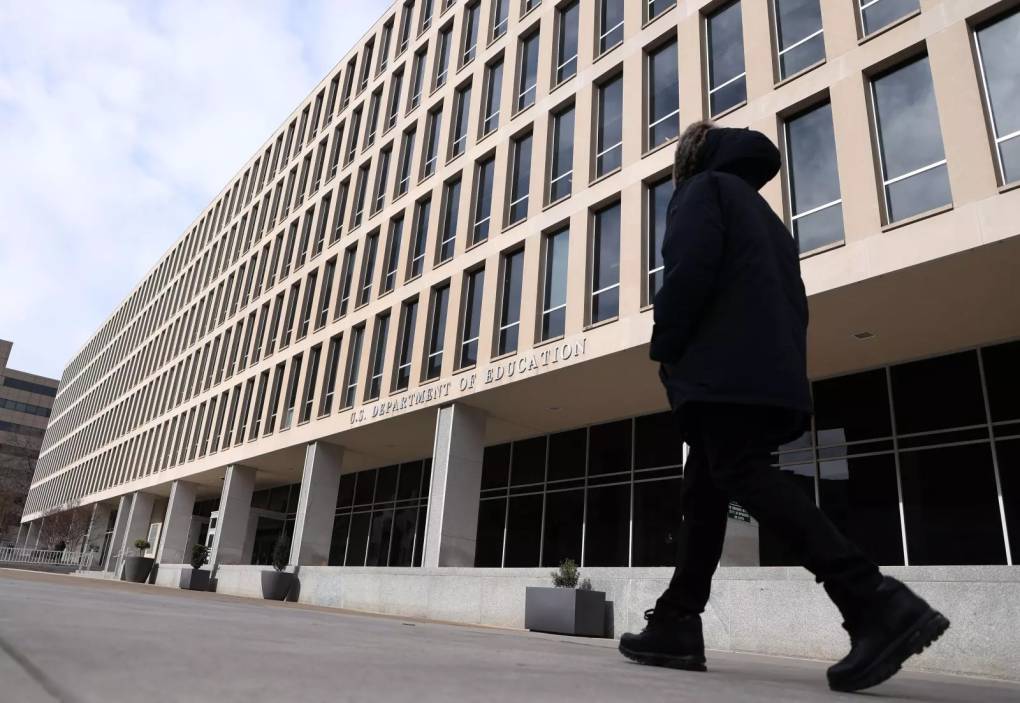
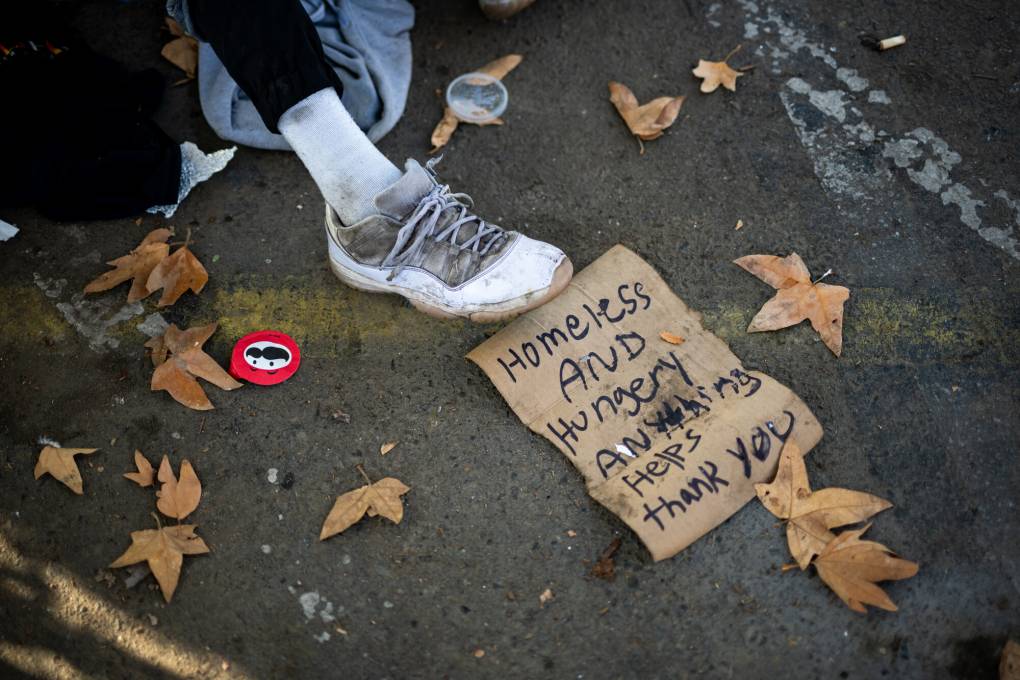
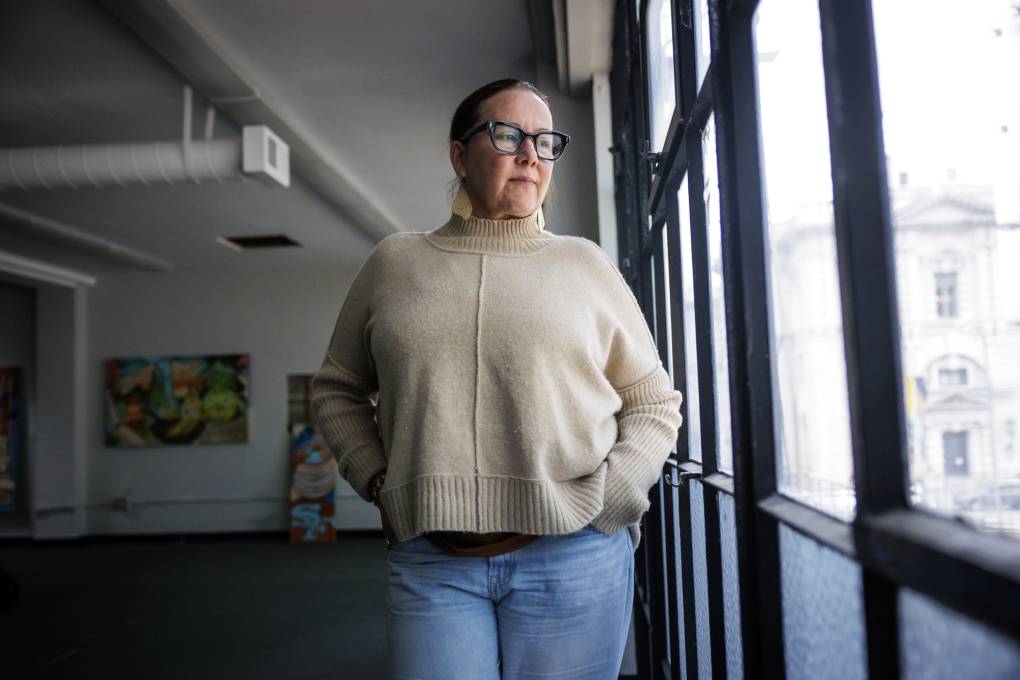
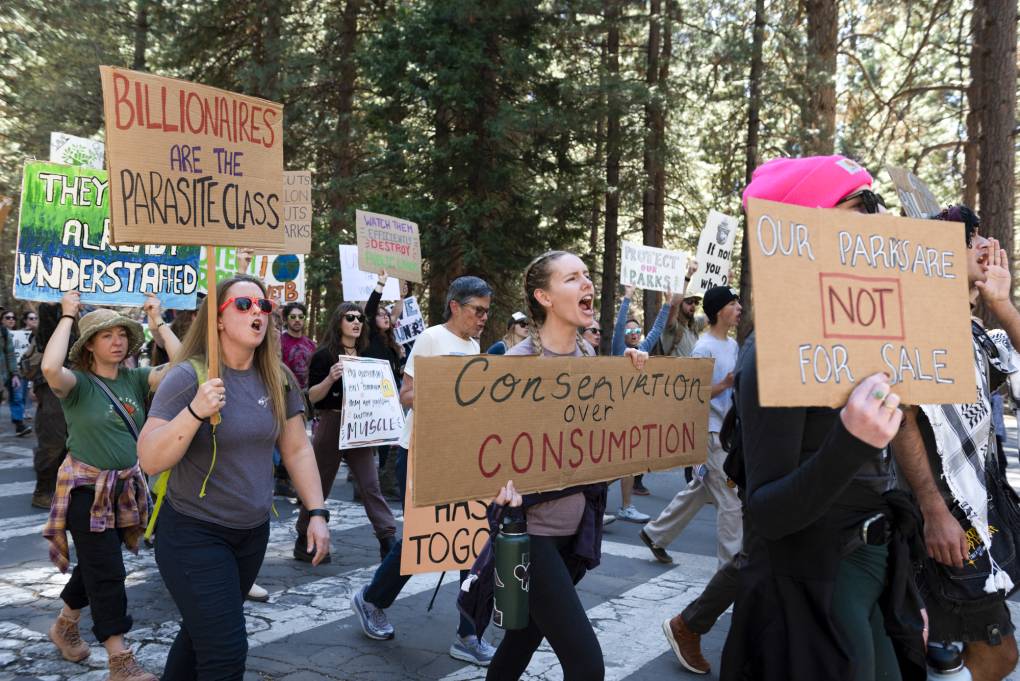
window.__IS_SSR__=true
window.__INITIAL_STATE__={
"attachmentsReducer": {
"audio_0": {
"type": "attachments",
"id": "audio_0",
"imgSizes": {
"kqedFullSize": {
"file": "https://ww2.kqed.org/news/wp-content/themes/KQED-unified/img/audio_bgs/background0.jpg"
}
}
},
"audio_1": {
"type": "attachments",
"id": "audio_1",
"imgSizes": {
"kqedFullSize": {
"file": "https://ww2.kqed.org/news/wp-content/themes/KQED-unified/img/audio_bgs/background1.jpg"
}
}
},
"audio_2": {
"type": "attachments",
"id": "audio_2",
"imgSizes": {
"kqedFullSize": {
"file": "https://ww2.kqed.org/news/wp-content/themes/KQED-unified/img/audio_bgs/background2.jpg"
}
}
},
"audio_3": {
"type": "attachments",
"id": "audio_3",
"imgSizes": {
"kqedFullSize": {
"file": "https://ww2.kqed.org/news/wp-content/themes/KQED-unified/img/audio_bgs/background3.jpg"
}
}
},
"audio_4": {
"type": "attachments",
"id": "audio_4",
"imgSizes": {
"kqedFullSize": {
"file": "https://ww2.kqed.org/news/wp-content/themes/KQED-unified/img/audio_bgs/background4.jpg"
}
}
},
"placeholder": {
"type": "attachments",
"id": "placeholder",
"imgSizes": {
"thumbnail": {
"file": "https://cdn.kqed.org/wp-content/uploads/2024/12/KQED-Default-Image-816638274-2000x1333-1-160x107.jpg",
"width": 160,
"height": 107,
"mimeType": "image/jpeg"
},
"medium": {
"file": "https://cdn.kqed.org/wp-content/uploads/2024/12/KQED-Default-Image-816638274-2000x1333-1-800x533.jpg",
"width": 800,
"height": 533,
"mimeType": "image/jpeg"
},
"medium_large": {
"file": "https://cdn.kqed.org/wp-content/uploads/2024/12/KQED-Default-Image-816638274-2000x1333-1-768x512.jpg",
"width": 768,
"height": 512,
"mimeType": "image/jpeg"
},
"large": {
"file": "https://cdn.kqed.org/wp-content/uploads/2024/12/KQED-Default-Image-816638274-2000x1333-1-1020x680.jpg",
"width": 1020,
"height": 680,
"mimeType": "image/jpeg"
},
"1536x1536": {
"file": "https://cdn.kqed.org/wp-content/uploads/2024/12/KQED-Default-Image-816638274-2000x1333-1-1536x1024.jpg",
"width": 1536,
"height": 1024,
"mimeType": "image/jpeg"
},
"fd-lrg": {
"file": "https://cdn.kqed.org/wp-content/uploads/2024/12/KQED-Default-Image-816638274-2000x1333-1-1536x1024.jpg",
"width": 1536,
"height": 1024,
"mimeType": "image/jpeg"
},
"fd-med": {
"file": "https://cdn.kqed.org/wp-content/uploads/2024/12/KQED-Default-Image-816638274-2000x1333-1-1020x680.jpg",
"width": 1020,
"height": 680,
"mimeType": "image/jpeg"
},
"fd-sm": {
"file": "https://cdn.kqed.org/wp-content/uploads/2024/12/KQED-Default-Image-816638274-2000x1333-1-800x533.jpg",
"width": 800,
"height": 533,
"mimeType": "image/jpeg"
},
"post-thumbnail": {
"file": "https://cdn.kqed.org/wp-content/uploads/2024/12/KQED-Default-Image-816638274-2000x1333-1-672x372.jpg",
"width": 672,
"height": 372,
"mimeType": "image/jpeg"
},
"twentyfourteen-full-width": {
"file": "https://cdn.kqed.org/wp-content/uploads/2024/12/KQED-Default-Image-816638274-2000x1333-1-1038x576.jpg",
"width": 1038,
"height": 576,
"mimeType": "image/jpeg"
},
"xxsmall": {
"file": "https://cdn.kqed.org/wp-content/uploads/2024/12/KQED-Default-Image-816638274-2000x1333-1-160x107.jpg",
"width": 160,
"height": 107,
"mimeType": "image/jpeg"
},
"xsmall": {
"file": "https://cdn.kqed.org/wp-content/uploads/2024/12/KQED-Default-Image-816638274-2000x1333-1-672x372.jpg",
"width": 672,
"height": 372,
"mimeType": "image/jpeg"
},
"small": {
"file": "https://cdn.kqed.org/wp-content/uploads/2024/12/KQED-Default-Image-816638274-2000x1333-1-672x372.jpg",
"width": 672,
"height": 372,
"mimeType": "image/jpeg"
},
"xlarge": {
"file": "https://cdn.kqed.org/wp-content/uploads/2024/12/KQED-Default-Image-816638274-2000x1333-1-1020x680.jpg",
"width": 1020,
"height": 680,
"mimeType": "image/jpeg"
},
"full-width": {
"file": "https://cdn.kqed.org/wp-content/uploads/2024/12/KQED-Default-Image-816638274-2000x1333-1-1920x1280.jpg",
"width": 1920,
"height": 1280,
"mimeType": "image/jpeg"
},
"guest-author-32": {
"file": "https://cdn.kqed.org/wp-content/uploads/2025/01/KQED-Default-Image-816638274-1333x1333-1-160x160.jpg",
"width": 32,
"height": 32,
"mimeType": "image/jpeg"
},
"guest-author-50": {
"file": "https://cdn.kqed.org/wp-content/uploads/2025/01/KQED-Default-Image-816638274-1333x1333-1-160x160.jpg",
"width": 50,
"height": 50,
"mimeType": "image/jpeg"
},
"guest-author-64": {
"file": "https://cdn.kqed.org/wp-content/uploads/2025/01/KQED-Default-Image-816638274-1333x1333-1-160x160.jpg",
"width": 64,
"height": 64,
"mimeType": "image/jpeg"
},
"guest-author-96": {
"file": "https://cdn.kqed.org/wp-content/uploads/2025/01/KQED-Default-Image-816638274-1333x1333-1-160x160.jpg",
"width": 96,
"height": 96,
"mimeType": "image/jpeg"
},
"guest-author-128": {
"file": "https://cdn.kqed.org/wp-content/uploads/2025/01/KQED-Default-Image-816638274-1333x1333-1-160x160.jpg",
"width": 128,
"height": 128,
"mimeType": "image/jpeg"
},
"detail": {
"file": "https://cdn.kqed.org/wp-content/uploads/2025/01/KQED-Default-Image-816638274-1333x1333-1-160x160.jpg",
"width": 160,
"height": 160,
"mimeType": "image/jpeg"
},
"kqedFullSize": {
"file": "https://cdn.kqed.org/wp-content/uploads/2024/12/KQED-Default-Image-816638274-2000x1333-1.jpg",
"width": 2000,
"height": 1333
}
}
},
"news_12031476": {
"type": "attachments",
"id": "news_12031476",
"meta": {
"index": "attachments_1716263798",
"site": "news",
"id": "12031476",
"found": true
},
"title": "npr.brightspotcdn copy",
"publishDate": 1741993738,
"status": "inherit",
"parent": 12031468,
"modified": 1741994182,
"caption": "US Secretary of Education Linda McMahon arrives to President Trump's joint address to Congress on March 4 in Washington, DC. Among California universities under investigation by the US Department of Education are UC Berkeley, CSU San Bernardino and Cal Poly Humboldt. ",
"credit": "Tierney L. Cross/Getty Images",
"altTag": null,
"description": null,
"imgSizes": {
"medium": {
"file": "https://cdn.kqed.org/wp-content/uploads/sites/10/2025/03/npr.brightspotcdn-copy-2-800x534.jpg",
"width": 800,
"height": 534,
"mimeType": "image/jpeg"
},
"large": {
"file": "https://cdn.kqed.org/wp-content/uploads/sites/10/2025/03/npr.brightspotcdn-copy-2-1020x681.jpg",
"width": 1020,
"height": 681,
"mimeType": "image/jpeg"
},
"thumbnail": {
"file": "https://cdn.kqed.org/wp-content/uploads/sites/10/2025/03/npr.brightspotcdn-copy-2-160x107.jpg",
"width": 160,
"height": 107,
"mimeType": "image/jpeg"
},
"1536x1536": {
"file": "https://cdn.kqed.org/wp-content/uploads/sites/10/2025/03/npr.brightspotcdn-copy-2-1536x1025.jpg",
"width": 1536,
"height": 1025,
"mimeType": "image/jpeg"
},
"post-thumbnail": {
"file": "https://cdn.kqed.org/wp-content/uploads/sites/10/2025/03/npr.brightspotcdn-copy-2-672x372.jpg",
"width": 672,
"height": 372,
"mimeType": "image/jpeg"
},
"twentyfourteen-full-width": {
"file": "https://cdn.kqed.org/wp-content/uploads/sites/10/2025/03/npr.brightspotcdn-copy-2-1038x576.jpg",
"width": 1038,
"height": 576,
"mimeType": "image/jpeg"
},
"kqedFullSize": {
"file": "https://cdn.kqed.org/wp-content/uploads/sites/10/2025/03/npr.brightspotcdn-copy-2.jpg",
"width": 1800,
"height": 1201
}
},
"isLoading": false,
"fetchFailed": false
},
"news_12031385": {
"type": "attachments",
"id": "news_12031385",
"meta": {
"index": "attachments_1716263798",
"site": "news",
"id": "12031385",
"found": true
},
"title": "Trump EPA",
"publishDate": 1741972994,
"status": "inherit",
"parent": 12031373,
"modified": 1741973160,
"caption": "Vice President JD Vance, right, and Ohio Gov. Mike DeWine, left, listen as Environmental Protection Agency administrator Lee Zeldin, center, speaks in East Palestine Fire Station on Feb 3, 2025, in East Palestine, Ohio, the site of a major environmental disaster in 2023.",
"credit": "AP Photo/Gene J. Puskar, File",
"altTag": null,
"description": null,
"imgSizes": {
"medium": {
"file": "https://cdn.kqed.org/wp-content/uploads/sites/10/2025/03/AP25071680469371-800x533.jpg",
"width": 800,
"height": 533,
"mimeType": "image/jpeg"
},
"large": {
"file": "https://cdn.kqed.org/wp-content/uploads/sites/10/2025/03/AP25071680469371-1020x680.jpg",
"width": 1020,
"height": 680,
"mimeType": "image/jpeg"
},
"thumbnail": {
"file": "https://cdn.kqed.org/wp-content/uploads/sites/10/2025/03/AP25071680469371-160x107.jpg",
"width": 160,
"height": 107,
"mimeType": "image/jpeg"
},
"1536x1536": {
"file": "https://cdn.kqed.org/wp-content/uploads/sites/10/2025/03/AP25071680469371-1536x1024.jpg",
"width": 1536,
"height": 1024,
"mimeType": "image/jpeg"
},
"2048x2048": {
"file": "https://cdn.kqed.org/wp-content/uploads/sites/10/2025/03/AP25071680469371-2048x1365.jpg",
"width": 2048,
"height": 1365,
"mimeType": "image/jpeg"
},
"post-thumbnail": {
"file": "https://cdn.kqed.org/wp-content/uploads/sites/10/2025/03/AP25071680469371-672x372.jpg",
"width": 672,
"height": 372,
"mimeType": "image/jpeg"
},
"twentyfourteen-full-width": {
"file": "https://cdn.kqed.org/wp-content/uploads/sites/10/2025/03/AP25071680469371-1038x576.jpg",
"width": 1038,
"height": 576,
"mimeType": "image/jpeg"
},
"full-width": {
"file": "https://cdn.kqed.org/wp-content/uploads/sites/10/2025/03/AP25071680469371-1920x1280.jpg",
"width": 1920,
"height": 1280,
"mimeType": "image/jpeg"
},
"kqedFullSize": {
"file": "https://cdn.kqed.org/wp-content/uploads/sites/10/2025/03/AP25071680469371-scaled-e1741973097514.jpg",
"width": 2000,
"height": 1334
}
},
"isLoading": false,
"fetchFailed": false
},
"news_12031238": {
"type": "attachments",
"id": "news_12031238",
"meta": {
"index": "attachments_1716263798",
"site": "news",
"id": "12031238",
"found": true
},
"title": "030525-CA-AI-LEGISLATION-GH-CM-1 copy",
"publishDate": 1741896140,
"status": "inherit",
"parent": 12031237,
"modified": 1741896186,
"caption": "California lawmakers are proposing regulations to protect people and society from the unintended consequences of artificial intelligence. By contrast, the Trump administration wants to avoid excessive regulation.",
"credit": "Illustration by Gabriel Hongsdusit/CalMatters",
"altTag": null,
"description": null,
"imgSizes": {
"medium": {
"file": "https://cdn.kqed.org/wp-content/uploads/sites/10/2025/03/030525-CA-AI-LEGISLATION-GH-CM-1-copy-800x533.jpg",
"width": 800,
"height": 533,
"mimeType": "image/jpeg"
},
"large": {
"file": "https://cdn.kqed.org/wp-content/uploads/sites/10/2025/03/030525-CA-AI-LEGISLATION-GH-CM-1-copy-1020x680.jpg",
"width": 1020,
"height": 680,
"mimeType": "image/jpeg"
},
"thumbnail": {
"file": "https://cdn.kqed.org/wp-content/uploads/sites/10/2025/03/030525-CA-AI-LEGISLATION-GH-CM-1-copy-160x107.jpg",
"width": 160,
"height": 107,
"mimeType": "image/jpeg"
},
"1536x1536": {
"file": "https://cdn.kqed.org/wp-content/uploads/sites/10/2025/03/030525-CA-AI-LEGISLATION-GH-CM-1-copy-1536x1024.jpg",
"width": 1536,
"height": 1024,
"mimeType": "image/jpeg"
},
"post-thumbnail": {
"file": "https://cdn.kqed.org/wp-content/uploads/sites/10/2025/03/030525-CA-AI-LEGISLATION-GH-CM-1-copy-672x372.jpg",
"width": 672,
"height": 372,
"mimeType": "image/jpeg"
},
"twentyfourteen-full-width": {
"file": "https://cdn.kqed.org/wp-content/uploads/sites/10/2025/03/030525-CA-AI-LEGISLATION-GH-CM-1-copy-1038x576.jpg",
"width": 1038,
"height": 576,
"mimeType": "image/jpeg"
},
"full-width": {
"file": "https://cdn.kqed.org/wp-content/uploads/sites/10/2025/03/030525-CA-AI-LEGISLATION-GH-CM-1-copy-1920x1280.jpg",
"width": 1920,
"height": 1280,
"mimeType": "image/jpeg"
},
"kqedFullSize": {
"file": "https://cdn.kqed.org/wp-content/uploads/sites/10/2025/03/030525-CA-AI-LEGISLATION-GH-CM-1-copy.jpg",
"width": 2000,
"height": 1333
}
},
"isLoading": false,
"fetchFailed": false
},
"news_12030844": {
"type": "attachments",
"id": "news_12030844",
"meta": {
"index": "attachments_1716263798",
"site": "news",
"id": "12030844",
"found": true
},
"title": "npr.brightspotcdn copy",
"publishDate": 1741733888,
"status": "inherit",
"parent": 12030839,
"modified": 1741886492,
"caption": "A man walks past the U.S. Department of Education building in Washington, D.C., on Feb. 7, 2025.",
"credit": "Gent Shkullaku/Zuma Press Wire via Alamy",
"altTag": null,
"description": null,
"imgSizes": {
"medium": {
"file": "https://cdn.kqed.org/wp-content/uploads/sites/10/2025/03/npr.brightspotcdn-copy-800x552.jpg",
"width": 800,
"height": 552,
"mimeType": "image/jpeg"
},
"large": {
"file": "https://cdn.kqed.org/wp-content/uploads/sites/10/2025/03/npr.brightspotcdn-copy-1020x703.jpg",
"width": 1020,
"height": 703,
"mimeType": "image/jpeg"
},
"thumbnail": {
"file": "https://cdn.kqed.org/wp-content/uploads/sites/10/2025/03/npr.brightspotcdn-copy-160x110.jpg",
"width": 160,
"height": 110,
"mimeType": "image/jpeg"
},
"1536x1536": {
"file": "https://cdn.kqed.org/wp-content/uploads/sites/10/2025/03/npr.brightspotcdn-copy-1536x1059.jpg",
"width": 1536,
"height": 1059,
"mimeType": "image/jpeg"
},
"post-thumbnail": {
"file": "https://cdn.kqed.org/wp-content/uploads/sites/10/2025/03/npr.brightspotcdn-copy-672x372.jpg",
"width": 672,
"height": 372,
"mimeType": "image/jpeg"
},
"twentyfourteen-full-width": {
"file": "https://cdn.kqed.org/wp-content/uploads/sites/10/2025/03/npr.brightspotcdn-copy-1038x576.jpg",
"width": 1038,
"height": 576,
"mimeType": "image/jpeg"
},
"kqedFullSize": {
"file": "https://cdn.kqed.org/wp-content/uploads/sites/10/2025/03/npr.brightspotcdn-copy.jpg",
"width": 1600,
"height": 1103
}
},
"isLoading": false,
"fetchFailed": false
},
"news_12023747": {
"type": "attachments",
"id": "news_12023747",
"meta": {
"index": "attachments_1716263798",
"site": "news",
"id": "12023747",
"found": true
},
"title": "US-POLITICS-TRUMP-INAUGURATION",
"publishDate": 1737658482,
"status": "inherit",
"parent": 12023740,
"modified": 1737660022,
"caption": "U.S. President Donald Trump signs an executive order in the Oval Office of the White House in Washington, D.C., on Jan. 20, 2025.",
"credit": "Jim Watson/Pool/AFP via Getty Images",
"altTag": null,
"description": null,
"imgSizes": {
"medium": {
"file": "https://cdn.kqed.org/wp-content/uploads/sites/10/2025/01/DonaldTrumpEOGetty-800x521.jpg",
"width": 800,
"height": 521,
"mimeType": "image/jpeg"
},
"large": {
"file": "https://cdn.kqed.org/wp-content/uploads/sites/10/2025/01/DonaldTrumpEOGetty-1020x664.jpg",
"width": 1020,
"height": 664,
"mimeType": "image/jpeg"
},
"thumbnail": {
"file": "https://cdn.kqed.org/wp-content/uploads/sites/10/2025/01/DonaldTrumpEOGetty-160x104.jpg",
"width": 160,
"height": 104,
"mimeType": "image/jpeg"
},
"1536x1536": {
"file": "https://cdn.kqed.org/wp-content/uploads/sites/10/2025/01/DonaldTrumpEOGetty-1536x1000.jpg",
"width": 1536,
"height": 1000,
"mimeType": "image/jpeg"
},
"post-thumbnail": {
"file": "https://cdn.kqed.org/wp-content/uploads/sites/10/2025/01/DonaldTrumpEOGetty-672x372.jpg",
"width": 672,
"height": 372,
"mimeType": "image/jpeg"
},
"twentyfourteen-full-width": {
"file": "https://cdn.kqed.org/wp-content/uploads/sites/10/2025/01/DonaldTrumpEOGetty-1038x576.jpg",
"width": 1038,
"height": 576,
"mimeType": "image/jpeg"
},
"full-width": {
"file": "https://cdn.kqed.org/wp-content/uploads/sites/10/2025/01/DonaldTrumpEOGetty-1920x1250.jpg",
"width": 1920,
"height": 1250,
"mimeType": "image/jpeg"
},
"kqedFullSize": {
"file": "https://cdn.kqed.org/wp-content/uploads/sites/10/2025/01/DonaldTrumpEOGetty.jpg",
"width": 2000,
"height": 1302
}
},
"isLoading": false,
"fetchFailed": false
},
"news_12031084": {
"type": "attachments",
"id": "news_12031084",
"meta": {
"index": "attachments_1716263798",
"site": "news",
"id": "12031084",
"found": true
},
"title": "250312-RICHMOND CITY HALL-MD-02-KQED-1",
"publishDate": 1741819632,
"status": "inherit",
"parent": 12030930,
"modified": 1741819645,
"caption": "Richmond City Hall on March 12, 2025. Richmond joined several California cities in strengthening its sanctuary city ordinances to limit involvement with federal immigration enforcement.",
"credit": "Martin do Nascimento/KQED",
"altTag": null,
"description": null,
"imgSizes": {
"medium": {
"file": "https://cdn.kqed.org/wp-content/uploads/sites/10/2025/03/250312-RICHMOND-CITY-HALL-MD-02-KQED-1-800x533.jpg",
"width": 800,
"height": 533,
"mimeType": "image/jpeg"
},
"large": {
"file": "https://cdn.kqed.org/wp-content/uploads/sites/10/2025/03/250312-RICHMOND-CITY-HALL-MD-02-KQED-1-1020x680.jpg",
"width": 1020,
"height": 680,
"mimeType": "image/jpeg"
},
"thumbnail": {
"file": "https://cdn.kqed.org/wp-content/uploads/sites/10/2025/03/250312-RICHMOND-CITY-HALL-MD-02-KQED-1-160x107.jpg",
"width": 160,
"height": 107,
"mimeType": "image/jpeg"
},
"1536x1536": {
"file": "https://cdn.kqed.org/wp-content/uploads/sites/10/2025/03/250312-RICHMOND-CITY-HALL-MD-02-KQED-1-1536x1024.jpg",
"width": 1536,
"height": 1024,
"mimeType": "image/jpeg"
},
"post-thumbnail": {
"file": "https://cdn.kqed.org/wp-content/uploads/sites/10/2025/03/250312-RICHMOND-CITY-HALL-MD-02-KQED-1-672x372.jpg",
"width": 672,
"height": 372,
"mimeType": "image/jpeg"
},
"twentyfourteen-full-width": {
"file": "https://cdn.kqed.org/wp-content/uploads/sites/10/2025/03/250312-RICHMOND-CITY-HALL-MD-02-KQED-1-1038x576.jpg",
"width": 1038,
"height": 576,
"mimeType": "image/jpeg"
},
"full-width": {
"file": "https://cdn.kqed.org/wp-content/uploads/sites/10/2025/03/250312-RICHMOND-CITY-HALL-MD-02-KQED-1-1920x1280.jpg",
"width": 1920,
"height": 1280,
"mimeType": "image/jpeg"
},
"kqedFullSize": {
"file": "https://cdn.kqed.org/wp-content/uploads/sites/10/2025/03/250312-RICHMOND-CITY-HALL-MD-02-KQED-1.jpg",
"width": 2000,
"height": 1333
}
},
"isLoading": false,
"fetchFailed": false
},
"news_12030729": {
"type": "attachments",
"id": "news_12030729",
"meta": {
"index": "attachments_1716263798",
"site": "news",
"id": "12030729",
"found": true
},
"title": "241203-FresnoCampingBan-67-BL_qed",
"publishDate": 1741713196,
"status": "inherit",
"parent": 12030725,
"modified": 1741713231,
"caption": "A sign says, \"Homeless and Hungery\" near an encampment in Fresno, California, on Dec. 3, 2024.",
"credit": "Beth LaBerge/KQED",
"altTag": null,
"description": null,
"imgSizes": {
"medium": {
"file": "https://cdn.kqed.org/wp-content/uploads/sites/10/2025/03/241203-FresnoCampingBan-67-BL_qed-800x533.jpg",
"width": 800,
"height": 533,
"mimeType": "image/jpeg"
},
"large": {
"file": "https://cdn.kqed.org/wp-content/uploads/sites/10/2025/03/241203-FresnoCampingBan-67-BL_qed-1020x680.jpg",
"width": 1020,
"height": 680,
"mimeType": "image/jpeg"
},
"thumbnail": {
"file": "https://cdn.kqed.org/wp-content/uploads/sites/10/2025/03/241203-FresnoCampingBan-67-BL_qed-160x107.jpg",
"width": 160,
"height": 107,
"mimeType": "image/jpeg"
},
"1536x1536": {
"file": "https://cdn.kqed.org/wp-content/uploads/sites/10/2025/03/241203-FresnoCampingBan-67-BL_qed-1536x1024.jpg",
"width": 1536,
"height": 1024,
"mimeType": "image/jpeg"
},
"post-thumbnail": {
"file": "https://cdn.kqed.org/wp-content/uploads/sites/10/2025/03/241203-FresnoCampingBan-67-BL_qed-672x372.jpg",
"width": 672,
"height": 372,
"mimeType": "image/jpeg"
},
"twentyfourteen-full-width": {
"file": "https://cdn.kqed.org/wp-content/uploads/sites/10/2025/03/241203-FresnoCampingBan-67-BL_qed-1038x576.jpg",
"width": 1038,
"height": 576,
"mimeType": "image/jpeg"
},
"full-width": {
"file": "https://cdn.kqed.org/wp-content/uploads/sites/10/2025/03/241203-FresnoCampingBan-67-BL_qed-1920x1280.jpg",
"width": 1920,
"height": 1280,
"mimeType": "image/jpeg"
},
"kqedFullSize": {
"file": "https://cdn.kqed.org/wp-content/uploads/sites/10/2025/03/241203-FresnoCampingBan-67-BL_qed.jpg",
"width": 2000,
"height": 1333
}
},
"isLoading": false,
"fetchFailed": false
},
"news_12030005": {
"type": "attachments",
"id": "news_12030005",
"meta": {
"index": "attachments_1716263798",
"site": "news",
"id": "12030005",
"found": true
},
"title": "250305-Lariza Dugan-Cuadra-MD-07",
"publishDate": 1741261280,
"status": "inherit",
"parent": 0,
"modified": 1741267613,
"caption": "Lariza Dugan-Cuadra, Executive Director of CARECEN SF, looks out of the windows at the CARECEN SF offices in San Francisco on March 5, 2025.",
"credit": "Martin do Nascimento/KQED",
"altTag": null,
"description": null,
"imgSizes": {
"medium": {
"file": "https://cdn.kqed.org/wp-content/uploads/sites/10/2025/03/250305-Lariza-Dugan-Cuadra-MD-07-800x533.jpg",
"width": 800,
"height": 533,
"mimeType": "image/jpeg"
},
"large": {
"file": "https://cdn.kqed.org/wp-content/uploads/sites/10/2025/03/250305-Lariza-Dugan-Cuadra-MD-07-1020x680.jpg",
"width": 1020,
"height": 680,
"mimeType": "image/jpeg"
},
"thumbnail": {
"file": "https://cdn.kqed.org/wp-content/uploads/sites/10/2025/03/250305-Lariza-Dugan-Cuadra-MD-07-160x107.jpg",
"width": 160,
"height": 107,
"mimeType": "image/jpeg"
},
"1536x1536": {
"file": "https://cdn.kqed.org/wp-content/uploads/sites/10/2025/03/250305-Lariza-Dugan-Cuadra-MD-07-1536x1024.jpg",
"width": 1536,
"height": 1024,
"mimeType": "image/jpeg"
},
"post-thumbnail": {
"file": "https://cdn.kqed.org/wp-content/uploads/sites/10/2025/03/250305-Lariza-Dugan-Cuadra-MD-07-672x372.jpg",
"width": 672,
"height": 372,
"mimeType": "image/jpeg"
},
"twentyfourteen-full-width": {
"file": "https://cdn.kqed.org/wp-content/uploads/sites/10/2025/03/250305-Lariza-Dugan-Cuadra-MD-07-1038x576.jpg",
"width": 1038,
"height": 576,
"mimeType": "image/jpeg"
},
"full-width": {
"file": "https://cdn.kqed.org/wp-content/uploads/sites/10/2025/03/250305-Lariza-Dugan-Cuadra-MD-07-1920x1280.jpg",
"width": 1920,
"height": 1280,
"mimeType": "image/jpeg"
},
"kqedFullSize": {
"file": "https://cdn.kqed.org/wp-content/uploads/sites/10/2025/03/250305-Lariza-Dugan-Cuadra-MD-07.jpg",
"width": 2000,
"height": 1333
}
},
"isLoading": false,
"fetchFailed": false
},
"news_12029490": {
"type": "attachments",
"id": "news_12029490",
"meta": {
"index": "attachments_1716263798",
"site": "news",
"id": "12029490",
"found": true
},
"title": "US-POLITICS-ENVIRONMENT-NATURE-PARKS-PROTEST",
"publishDate": 1741040660,
"status": "inherit",
"parent": 12029182,
"modified": 1741048816,
"caption": "People demonstrate against federal employee layoffs at Yosemite National Park on March 1, 2025.",
"credit": "Laure Andrillon/AFP via Getty",
"altTag": null,
"description": null,
"imgSizes": {
"medium": {
"file": "https://cdn.kqed.org/wp-content/uploads/sites/10/2025/03/CaliforniaPublicLandGetty2-800x534.jpg",
"width": 800,
"height": 534,
"mimeType": "image/jpeg"
},
"large": {
"file": "https://cdn.kqed.org/wp-content/uploads/sites/10/2025/03/CaliforniaPublicLandGetty2-1020x681.jpg",
"width": 1020,
"height": 681,
"mimeType": "image/jpeg"
},
"thumbnail": {
"file": "https://cdn.kqed.org/wp-content/uploads/sites/10/2025/03/CaliforniaPublicLandGetty2-160x107.jpg",
"width": 160,
"height": 107,
"mimeType": "image/jpeg"
},
"1536x1536": {
"file": "https://cdn.kqed.org/wp-content/uploads/sites/10/2025/03/CaliforniaPublicLandGetty2-1536x1025.jpg",
"width": 1536,
"height": 1025,
"mimeType": "image/jpeg"
},
"post-thumbnail": {
"file": "https://cdn.kqed.org/wp-content/uploads/sites/10/2025/03/CaliforniaPublicLandGetty2-672x372.jpg",
"width": 672,
"height": 372,
"mimeType": "image/jpeg"
},
"twentyfourteen-full-width": {
"file": "https://cdn.kqed.org/wp-content/uploads/sites/10/2025/03/CaliforniaPublicLandGetty2-1038x576.jpg",
"width": 1038,
"height": 576,
"mimeType": "image/jpeg"
},
"full-width": {
"file": "https://cdn.kqed.org/wp-content/uploads/sites/10/2025/03/CaliforniaPublicLandGetty2-1920x1282.jpg",
"width": 1920,
"height": 1282,
"mimeType": "image/jpeg"
},
"kqedFullSize": {
"file": "https://cdn.kqed.org/wp-content/uploads/sites/10/2025/03/CaliforniaPublicLandGetty2.jpg",
"width": 2000,
"height": 1335
}
},
"isLoading": false,
"fetchFailed": false
},
"news_12030408": {
"type": "attachments",
"id": "news_12030408",
"meta": {
"index": "attachments_1716263798",
"site": "news",
"id": "12030408",
"found": true
},
"title": "250307-BERKELEY SCIENCE PROTEST-MD-08-KQED",
"publishDate": 1741387533,
"status": "inherit",
"parent": 12030313,
"modified": 1741395956,
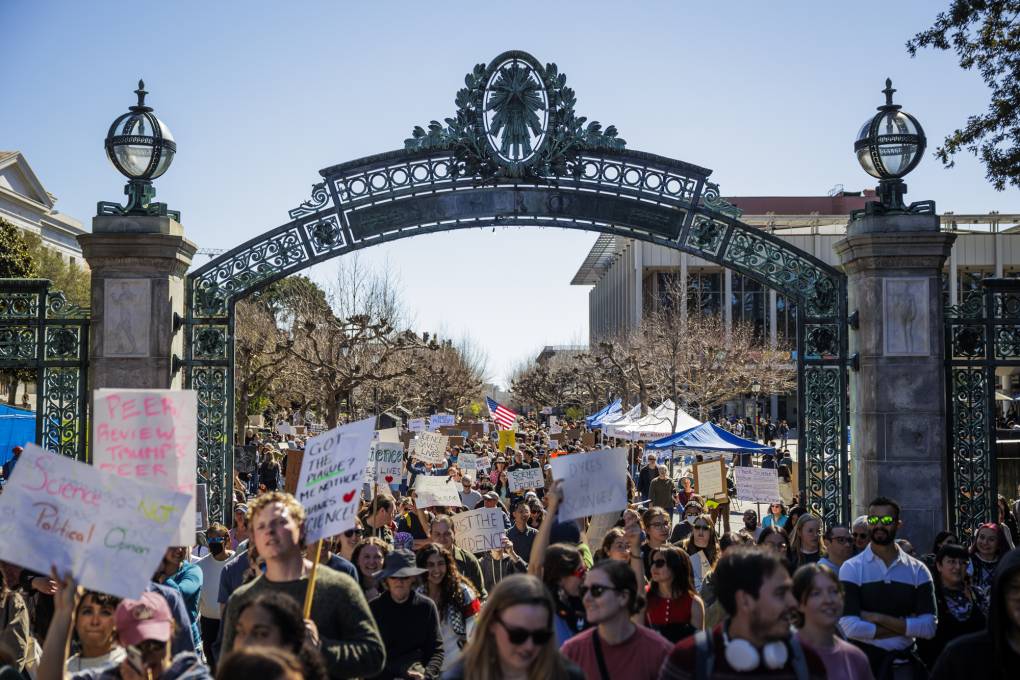
"caption": "A march through the UC Berkeley campus in association with the national Stand Up for Science day of action in Berkeley on March 7, 2025.",
"credit": "Martin do Nascimento/KQED",
"altTag": null,
"description": null,
"imgSizes": {
"medium": {
"file": "https://cdn.kqed.org/wp-content/uploads/sites/10/2025/03/250307-BERKELEY-SCIENCE-PROTEST-MD-08-KQED-800x533.jpg",
"width": 800,
"height": 533,
"mimeType": "image/jpeg"
},
"large": {
"file": "https://cdn.kqed.org/wp-content/uploads/sites/10/2025/03/250307-BERKELEY-SCIENCE-PROTEST-MD-08-KQED-1020x680.jpg",
"width": 1020,
"height": 680,
"mimeType": "image/jpeg"
},
"thumbnail": {
"file": "https://cdn.kqed.org/wp-content/uploads/sites/10/2025/03/250307-BERKELEY-SCIENCE-PROTEST-MD-08-KQED-160x107.jpg",
"width": 160,
"height": 107,
"mimeType": "image/jpeg"
},
"1536x1536": {
"file": "https://cdn.kqed.org/wp-content/uploads/sites/10/2025/03/250307-BERKELEY-SCIENCE-PROTEST-MD-08-KQED-1536x1024.jpg",
"width": 1536,
"height": 1024,
"mimeType": "image/jpeg"
},
"post-thumbnail": {
"file": "https://cdn.kqed.org/wp-content/uploads/sites/10/2025/03/250307-BERKELEY-SCIENCE-PROTEST-MD-08-KQED-672x372.jpg",
"width": 672,
"height": 372,
"mimeType": "image/jpeg"
},
"twentyfourteen-full-width": {
"file": "https://cdn.kqed.org/wp-content/uploads/sites/10/2025/03/250307-BERKELEY-SCIENCE-PROTEST-MD-08-KQED-1038x576.jpg",
"width": 1038,
"height": 576,
"mimeType": "image/jpeg"
},
"full-width": {
"file": "https://cdn.kqed.org/wp-content/uploads/sites/10/2025/03/250307-BERKELEY-SCIENCE-PROTEST-MD-08-KQED-1920x1280.jpg",
"width": 1920,
"height": 1280,
"mimeType": "image/jpeg"
},
"kqedFullSize": {
"file": "https://cdn.kqed.org/wp-content/uploads/sites/10/2025/03/250307-BERKELEY-SCIENCE-PROTEST-MD-08-KQED.jpg",
"width": 2000,
"height": 1333
}
},
"isLoading": false,
"fetchFailed": false
},
"news_12030368": {
"type": "attachments",
"id": "news_12030368",
"meta": {
"index": "attachments_1716263798",
"site": "news",
"id": "12030368",
"found": true
},
"title": "President Trump Hosts Ukrainian President Zelensky At The White House",
"publishDate": 1741381161,
"status": "inherit",
"parent": 12030273,
"modified": 1741401644,
"caption": "US President Donald Trump and Ukrainian President Volodymyr Zelensky meet in the Oval Office at the White House on Feb. 28, 202,5, in Washington, DC. ",
"credit": "Andrew Harnik/Getty Images",
"altTag": null,
"description": null,
"imgSizes": {
"medium": {
"file": "https://cdn.kqed.org/wp-content/uploads/sites/10/2025/03/GettyImages-2202530063-800x561.jpg",
"width": 800,
"height": 561,
"mimeType": "image/jpeg"
},
"large": {
"file": "https://cdn.kqed.org/wp-content/uploads/sites/10/2025/03/GettyImages-2202530063-1020x715.jpg",
"width": 1020,
"height": 715,
"mimeType": "image/jpeg"
},
"thumbnail": {
"file": "https://cdn.kqed.org/wp-content/uploads/sites/10/2025/03/GettyImages-2202530063-160x112.jpg",
"width": 160,
"height": 112,
"mimeType": "image/jpeg"
},
"1536x1536": {
"file": "https://cdn.kqed.org/wp-content/uploads/sites/10/2025/03/GettyImages-2202530063-1536x1076.jpg",
"width": 1536,
"height": 1076,
"mimeType": "image/jpeg"
},
"2048x2048": {
"file": "https://cdn.kqed.org/wp-content/uploads/sites/10/2025/03/GettyImages-2202530063-2048x1435.jpg",
"width": 2048,
"height": 1435,
"mimeType": "image/jpeg"
},
"post-thumbnail": {
"file": "https://cdn.kqed.org/wp-content/uploads/sites/10/2025/03/GettyImages-2202530063-672x372.jpg",
"width": 672,
"height": 372,
"mimeType": "image/jpeg"
},
"twentyfourteen-full-width": {
"file": "https://cdn.kqed.org/wp-content/uploads/sites/10/2025/03/GettyImages-2202530063-1038x576.jpg",
"width": 1038,
"height": 576,
"mimeType": "image/jpeg"
},
"full-width": {
"file": "https://cdn.kqed.org/wp-content/uploads/sites/10/2025/03/GettyImages-2202530063-1920x1345.jpg",
"width": 1920,
"height": 1345,
"mimeType": "image/jpeg"
},
"kqedFullSize": {
"file": "https://cdn.kqed.org/wp-content/uploads/sites/10/2025/03/GettyImages-2202530063-scaled-e1741381201419.jpg",
"width": 2000,
"height": 1402
}
},
"isLoading": false,
"fetchFailed": false
}
},
"audioPlayerReducer": {
"postId": "stream_live",
"isPaused": true,
"isPlaying": false,
"pfsActive": false,
"pledgeModalIsOpen": true,
"playerDrawerIsOpen": false,
"liveAudioPlayStartedAt": 0,
"liveAudioPlayContext": ""
},
"authorsReducer": {
"byline_news_12031468": {
"type": "authors",
"id": "byline_news_12031468",
"meta": {
"override": true
},
"slug": "byline_news_12031468",
"name": "\u003ca href=\"https://www.npr.org/people/1108419098/juliana-kim\">Juliana Kim\u003c/a>, NPR",
"isLoading": false
},
"byline_news_12031237": {
"type": "authors",
"id": "byline_news_12031237",
"meta": {
"override": true
},
"slug": "byline_news_12031237",
"name": "\u003ca href=\"https://calmatters.org/author/khari-johnson/\">Khari Johnson\u003c/a>, CalMatters",
"isLoading": false
},
"byline_news_12030839": {
"type": "authors",
"id": "byline_news_12030839",
"meta": {
"override": true
},
"slug": "byline_news_12030839",
"name": "\u003ca href=\"https://www.npr.org/people/349625027/cory-turner\">Cory Turner\u003c/a> and \u003ca href=\"https://www.npr.org/people/842041232/jonaki-mehta\">Jonaki Mehta\u003c/a>, NPR",
"isLoading": false
},
"byline_news_12030725": {
"type": "authors",
"id": "byline_news_12030725",
"meta": {
"override": true
},
"slug": "byline_news_12030725",
"name": "Cami Dominguez",
"isLoading": false
},
"tychehendricks": {
"type": "authors",
"id": "259",
"meta": {
"index": "authors_1716337520",
"id": "259",
"found": true
},
"name": "Tyche Hendricks",
"firstName": "Tyche",
"lastName": "Hendricks",
"slug": "tychehendricks",
"email": "thendricks@kqed.org",
"display_author_email": true,
"staff_mastheads": [
"news"
],
"title": "KQED Senior Editor, Immigration",
"bio": "\u003cspan style=\"font-weight: 400;\">Tyche Hendricks is KQED’s senior editor for immigration, leading coverage of the policy and politics that affect California’s immigrant communities. Her work for KQED’s radio and online audiences is also carried on NPR and other national outlets. She has been recognized with awards from the Radio and Television News Directors Association, the Society for Professional Journalists; the Education Writers Association; the Best of the West and the National Federation of Community Broadcasters. Before joining KQED in 2010, Tyche spent more than a dozen years as a newspaper reporter, notably at the \u003c/span>\u003ci>\u003cspan style=\"font-weight: 400;\">San Francisco Chronicle\u003c/span>\u003c/i>\u003cspan style=\"font-weight: 400;\">. At different times she has covered criminal justice, government and politics and urban planning. Tyche has taught in the MFA Creative Writing program at the University of San Francisco and at UC Berkeley’s Graduate School of Journalism, where she was co-director of a national immigration symposium for professional journalists. She is the author of \u003c/span>\u003ci>\u003cspan style=\"font-weight: 400;\">The Wind Doesn't Need a Passport: Stories from the U.S.-Mexico Borderlands\u003c/span>\u003c/i>\u003cspan style=\"font-weight: 400;\"> (University of California Press). \u003c/span>",
"avatar": "https://secure.gravatar.com/avatar/b8ee458e2731c2d43df86882ce17267e?s=600&d=blank&r=g",
"twitter": "tychehendricks",
"facebook": null,
"instagram": null,
"linkedin": null,
"sites": [
{
"site": "news",
"roles": [
"editor"
]
},
{
"site": "stateofhealth",
"roles": [
"editor"
]
}
],
"headData": {
"title": "Tyche Hendricks | KQED",
"description": "KQED Senior Editor, Immigration",
"ogImgSrc": "https://secure.gravatar.com/avatar/b8ee458e2731c2d43df86882ce17267e?s=600&d=blank&r=g",
"twImgSrc": "https://secure.gravatar.com/avatar/b8ee458e2731c2d43df86882ce17267e?s=600&d=blank&r=g"
},
"isLoading": false,
"link": "/author/tychehendricks"
},
"matthewgreen": {
"type": "authors",
"id": "1263",
"meta": {
"index": "authors_1716337520",
"id": "1263",
"found": true
},
"name": "Matthew Green",
"firstName": "Matthew",
"lastName": "Green",
"slug": "matthewgreen",
"email": "mgreen@kqed.org",
"display_author_email": false,
"staff_mastheads": [],
"title": "KQED Editor/Reporter",
"bio": "Matthew Green is a digital media producer for KQED News. He previously produced \u003ca href=\"http://www.kqed.org/lowdown\">The Lowdown\u003c/a>, KQED’s multimedia news education blog. Matthew's written for numerous Bay Area publications, including the Oakland Tribune and San Francisco Chronicle. He also taught journalism classes at Fremont High School in East Oakland.\r\n\r\nEmail: mgreen@kqed.org; Twitter: @MGreenKQED",
"avatar": "https://secure.gravatar.com/avatar/3bf498d1267ca02c8494f33d8cfc575e?s=600&d=blank&r=g",
"twitter": "MGreenKQED",
"facebook": null,
"instagram": null,
"linkedin": null,
"sites": [
{
"site": "news",
"roles": []
},
{
"site": "lowdown",
"roles": []
},
{
"site": "science",
"roles": []
},
{
"site": "education",
"roles": []
},
{
"site": "quest",
"roles": []
},
{
"site": "liveblog",
"roles": []
}
],
"headData": {
"title": "Matthew Green | KQED",
"description": "KQED Editor/Reporter",
"ogImgSrc": "https://secure.gravatar.com/avatar/3bf498d1267ca02c8494f33d8cfc575e?s=600&d=blank&r=g",
"twImgSrc": "https://secure.gravatar.com/avatar/3bf498d1267ca02c8494f33d8cfc575e?s=600&d=blank&r=g"
},
"isLoading": false,
"link": "/author/matthewgreen"
},
"ecruzguevarra": {
"type": "authors",
"id": "8654",
"meta": {
"index": "authors_1716337520",
"id": "8654",
"found": true
},
"name": "Ericka Cruz Guevarra",
"firstName": "Ericka",
"lastName": "Cruz Guevarra",
"slug": "ecruzguevarra",
"email": "ecruzguevarra@kqed.org",
"display_author_email": true,
"staff_mastheads": [
"news"
],
"title": "Producer, The Bay Podcast",
"bio": "Ericka Cruz Guevarra is host of \u003ca href=\"https://www.kqed.org/podcasts/thebay\">\u003cem>The Bay\u003c/em>\u003c/a> podcast at KQED. Before host, she was the show’s producer. Her work in that capacity includes a three-part reported series on policing in Vallejo, which won a 2020 excellence in journalism award from the Society of Professional Journalists. Ericka has worked as a breaking news reporter at Oregon Public Broadcasting, helped produce the Code Switch podcast, and was KQED’s inaugural Raul Ramirez Diversity Fund intern. She’s also an alumna of NPR’s Next Generation Radio program. Send her an email if you have strong feelings about whether Fairfield and Suisun City are the Bay. Ericka is represented by SAG-AFTRA.",
"avatar": "https://secure.gravatar.com/avatar/25e5ab8d3d53fad2dcc7bb2b5c506b1a?s=600&d=blank&r=g",
"twitter": "NotoriousECG",
"facebook": null,
"instagram": null,
"linkedin": null,
"sites": [
{
"site": "arts",
"roles": [
"subscriber"
]
},
{
"site": "news",
"roles": [
"editor",
"manage_categories"
]
},
{
"site": "futureofyou",
"roles": [
"subscriber"
]
},
{
"site": "stateofhealth",
"roles": [
"subscriber"
]
},
{
"site": "science",
"roles": [
"editor"
]
},
{
"site": "forum",
"roles": [
"subscriber"
]
}
],
"headData": {
"title": "Ericka Cruz Guevarra | KQED",
"description": "Producer, The Bay Podcast",
"ogImgSrc": "https://secure.gravatar.com/avatar/25e5ab8d3d53fad2dcc7bb2b5c506b1a?s=600&d=blank&r=g",
"twImgSrc": "https://secure.gravatar.com/avatar/25e5ab8d3d53fad2dcc7bb2b5c506b1a?s=600&d=blank&r=g"
},
"isLoading": false,
"link": "/author/ecruzguevarra"
},
"smohamad": {
"type": "authors",
"id": "11631",
"meta": {
"index": "authors_1716337520",
"id": "11631",
"found": true
},
"name": "Sarah Mohamad",
"firstName": "Sarah",
"lastName": "Mohamad",
"slug": "smohamad",
"email": "smohamad@KQED.org",
"display_author_email": true,
"staff_mastheads": [],
"title": "Engagement Producer and Reporter, KQED Science",
"bio": "Sarah Mohamad is an audience engagement reporter and producer for KQED Science. She reports on audience-focused science and environment stories and manages the team's social media, newsletter, and engagement efforts. Prior to this role, she played a key role as project manager for NSF's \u003ca href=\"https://www.kqed.org/crackingthecode\">\u003cem>Cracking the Code: Influencing Millennial Science Engagement\u003c/em> \u003c/a>audience research.",
"avatar": "https://secure.gravatar.com/avatar/e6224957cd82d015183756ddde1f928013a563d7ca2e4565f8c4de1ec64886c5?s=600&d=blank&r=g",
"twitter": "sarahkmohamad",
"bluesky": null,
"facebook": null,
"instagram": null,
"linkedin": null,
"sites": [
{
"site": "arts",
"roles": [
"editor"
]
},
{
"site": "news",
"roles": [
"editor"
]
},
{
"site": "about",
"roles": [
"editor"
]
},
{
"site": "science",
"roles": [
"editor"
]
}
],
"headData": {
"title": "Sarah Mohamad | KQED",
"description": "Engagement Producer and Reporter, KQED Science",
"ogImgSrc": "https://secure.gravatar.com/avatar/e6224957cd82d015183756ddde1f928013a563d7ca2e4565f8c4de1ec64886c5?s=600&d=blank&r=g",
"twImgSrc": "https://secure.gravatar.com/avatar/e6224957cd82d015183756ddde1f928013a563d7ca2e4565f8c4de1ec64886c5?s=600&d=blank&r=g"
},
"isLoading": false,
"link": "/author/smohamad"
},
"amontecillo": {
"type": "authors",
"id": "11649",
"meta": {
"index": "authors_1716337520",
"id": "11649",
"found": true
},
"name": "Alan Montecillo",
"firstName": "Alan",
"lastName": "Montecillo",
"slug": "amontecillo",
"email": "amontecillo@kqed.org",
"display_author_email": false,
"staff_mastheads": [
"news"
],
"title": "KQED Contributor",
"bio": "Alan Montecillo is the senior editor of \u003cem>\u003ca href=\"http://kqed.org/thebay\">The Bay\u003c/a>, \u003c/em> KQED's local news podcast. Before moving to the Bay Area, he worked as a senior talk show producer for WILL in Champaign-Urbana, Illinois and at Oregon Public Broadcasting in Portland, Oregon. He has won journalism awards from the Society of Professional Journalists Northern California, the Public Media Journalists Association, The Signal Awards, and has also received a regional Edward R. Murrow award. Alan is a Filipino American from Hong Kong and a graduate of Reed College.",
"avatar": "https://secure.gravatar.com/avatar/d5e4e7a76481969ccba76f4e2b5ccabc?s=600&d=blank&r=g",
"twitter": "alanmontecillo",
"facebook": null,
"instagram": null,
"linkedin": null,
"sites": [
{
"site": "",
"roles": [
"editor"
]
},
{
"site": "news",
"roles": [
"editor",
"manage_categories"
]
}
],
"headData": {
"title": "Alan Montecillo | KQED",
"description": "KQED Contributor",
"ogImgSrc": "https://secure.gravatar.com/avatar/d5e4e7a76481969ccba76f4e2b5ccabc?s=600&d=blank&r=g",
"twImgSrc": "https://secure.gravatar.com/avatar/d5e4e7a76481969ccba76f4e2b5ccabc?s=600&d=blank&r=g"
},
"isLoading": false,
"link": "/author/amontecillo"
},
"btorres": {
"type": "authors",
"id": "11666",
"meta": {
"index": "authors_1716337520",
"id": "11666",
"found": true
},
"name": "Blanca Torres",
"firstName": "Blanca",
"lastName": "Torres",
"slug": "btorres",
"email": "btorres@kqed.org",
"display_author_email": true,
"staff_mastheads": [
"news"
],
"title": "Producer, Forum",
"bio": "Blanca Torres brings sharp news judgement and keen sense of lively conversation to her work as producer for Forum. She loves producing shows that leave listeners feeling like they heard distinctive voices, learned something new and gained a fresh perspective.\r\n\r\nShe joined KQED in January of 2020 after 16 years of working as a newspaper reporter most recently at the \u003cem>San Francisco Business Times,\u003c/em> where she wrote about real estate and economic development. Before that, she covered a variety of beats including crime, education, retail, workplace, the economy, consumer issues, and small business for the \u003cem>Contra Costa Times, Baltimore Sun\u003c/em> and\u003cem> The Seattle Times\u003c/em>. In addition to reporting, she worked as an editorial writer and columnist for the \u003cem>Seattle Times\u003c/em>. From 2017 to 2020, Blanca won a total of ten awards from the National Association of Real Estate Editors and won first place for land use reporting from the California News Publishers Association two years in a row. She is also a member and former board member for the National Association of Hispanic Journalists.\r\n\r\nA native of the Pacific Northwest, Blanca earned her bachelor's degree from Vanderbilt University in Nashville and a master's in fine arts in creative writing at Mills College. She lives in the East Bay with her family.",
"avatar": "https://secure.gravatar.com/avatar/f2322ff46076d337f7ba731ee6068cb1?s=600&d=blank&r=g",
"twitter": "@blancawrites",
"facebook": null,
"instagram": null,
"linkedin": null,
"sites": [
{
"site": "arts",
"roles": [
"editor"
]
},
{
"site": "news",
"roles": [
"editor"
]
},
{
"site": "forum",
"roles": [
"editor"
]
}
],
"headData": {
"title": "Blanca Torres | KQED",
"description": "Producer, Forum",
"ogImgSrc": "https://secure.gravatar.com/avatar/f2322ff46076d337f7ba731ee6068cb1?s=600&d=blank&r=g",
"twImgSrc": "https://secure.gravatar.com/avatar/f2322ff46076d337f7ba731ee6068cb1?s=600&d=blank&r=g"
},
"isLoading": false,
"link": "/author/btorres"
},
"eromero": {
"type": "authors",
"id": "11746",
"meta": {
"index": "authors_1716337520",
"id": "11746",
"found": true
},
"name": "Ezra David Romero",
"firstName": "Ezra David",
"lastName": "Romero",
"slug": "eromero",
"email": "eromero@kqed.org",
"display_author_email": true,
"staff_mastheads": [
"news",
"science"
],
"title": "Climate Reporter",
"bio": "Ezra David Romero is a climate reporter for KQED News. He covers the absence and excess of water in the Bay Area — think sea level rise, flooding and drought. For nearly a decade he’s covered how warming temperatures are altering the lives of Californians. He’s reported on farmers worried their pistachio trees aren’t getting enough sleep, families desperate for water, scientists studying dying giant sequoias, and alongside firefighters containing wildfires. His work has appeared on local stations across California and nationally on public radio shows like Morning Edition, Here and Now, All Things Considered and Science Friday. ",
"avatar": "https://secure.gravatar.com/avatar/9c15bb8bab267e058708a9eeaeef16bf?s=600&d=blank&r=g",
"twitter": "ezraromero",
"bluesky": null,
"facebook": null,
"instagram": null,
"linkedin": null,
"sites": [
{
"site": "arts",
"roles": [
"editor"
]
},
{
"site": "news",
"roles": [
"editor"
]
},
{
"site": "science",
"roles": [
"editor"
]
},
{
"site": "liveblog",
"roles": [
"author"
]
}
],
"headData": {
"title": "Ezra David Romero | KQED",
"description": "Climate Reporter",
"ogImgSrc": "https://secure.gravatar.com/avatar/9c15bb8bab267e058708a9eeaeef16bf?s=600&d=blank&r=g",
"twImgSrc": "https://secure.gravatar.com/avatar/9c15bb8bab267e058708a9eeaeef16bf?s=600&d=blank&r=g"
},
"isLoading": false,
"link": "/author/eromero"
},
"jlara": {
"type": "authors",
"id": "11761",
"meta": {
"index": "authors_1716337520",
"id": "11761",
"found": true
},
"name": "Juan Carlos Lara",
"firstName": "Juan Carlos",
"lastName": "Lara",
"slug": "jlara",
"email": "jlara@kqed.org",
"display_author_email": false,
"staff_mastheads": [],
"title": "KQED Contributor",
"bio": null,
"avatar": "https://secure.gravatar.com/avatar/19e2052b9b05657c5ff2af2121846e9c?s=600&d=blank&r=g",
"twitter": null,
"facebook": null,
"instagram": null,
"linkedin": null,
"sites": [
{
"site": "arts",
"roles": [
"editor"
]
},
{
"site": "news",
"roles": [
"editor"
]
},
{
"site": "forum",
"roles": [
"editor"
]
},
{
"site": "liveblog",
"roles": [
"contributor"
]
}
],
"headData": {
"title": "Juan Carlos Lara | KQED",
"description": "KQED Contributor",
"ogImgSrc": "https://secure.gravatar.com/avatar/19e2052b9b05657c5ff2af2121846e9c?s=600&d=blank&r=g",
"twImgSrc": "https://secure.gravatar.com/avatar/19e2052b9b05657c5ff2af2121846e9c?s=600&d=blank&r=g"
},
"isLoading": false,
"link": "/author/jlara"
},
"jessicakariisa": {
"type": "authors",
"id": "11831",
"meta": {
"index": "authors_1716337520",
"id": "11831",
"found": true
},
"name": "Jessica Kariisa",
"firstName": "Jessica",
"lastName": "Kariisa",
"slug": "jessicakariisa",
"email": "jkariisa@kqed.org",
"display_author_email": false,
"staff_mastheads": [],
"title": "Producer, The Bay",
"bio": "Jessica Kariisa is the producer of The Bay. She first joined KQED as an intern for The California Report Magazine, after which she became an on-call producer. She reported a Bay Curious episode on the use of rap lyrics in criminal trials which won a Society of Professional Journalists award in 2023 for Excellence in Features Journalism and the 2023 Signal Award for Best Conversation Starter. She’s worked on podcasts for Snap Judgment and American Public Media. Before embarking on her audio career, she was a music journalist.\r\n\r\nJessica Kariisa is represented by SAG-AFTRA.",
"avatar": "https://secure.gravatar.com/avatar/522e97b28ac0b3d411621c0fde8f3419c7b71ea2c5c262c57c4bb600963f328c?s=600&d=blank&r=g",
"twitter": null,
"bluesky": null,
"facebook": null,
"instagram": null,
"linkedin": null,
"sites": [
{
"site": "arts",
"roles": [
"author"
]
},
{
"site": "news",
"roles": [
"editor",
"manage_categories"
]
}
],
"headData": {
"title": "Jessica Kariisa | KQED",
"description": "Producer, The Bay",
"ogImgSrc": "https://secure.gravatar.com/avatar/522e97b28ac0b3d411621c0fde8f3419c7b71ea2c5c262c57c4bb600963f328c?s=600&d=blank&r=g",
"twImgSrc": "https://secure.gravatar.com/avatar/522e97b28ac0b3d411621c0fde8f3419c7b71ea2c5c262c57c4bb600963f328c?s=600&d=blank&r=g"
},
"isLoading": false,
"link": "/author/jessicakariisa"
},
"kdebenedetti": {
"type": "authors",
"id": "11913",
"meta": {
"index": "authors_1716337520",
"id": "11913",
"found": true
},
"name": "Katie DeBenedetti",
"firstName": "Katie",
"lastName": "DeBenedetti",
"slug": "kdebenedetti",
"email": "kdebenedetti@kqed.org",
"display_author_email": false,
"staff_mastheads": [
"news",
"science"
],
"title": "KQED Contributor",
"bio": "Katie DeBenedetti is a digital reporter covering daily news for the Express Desk. Prior to joining KQED as a culture reporting intern in January 2024, she covered education and city government for the Napa Valley Register.",
"avatar": "https://secure.gravatar.com/avatar/6e31073cb8f7e4214ab03f42771d0f45?s=600&d=blank&r=g",
"twitter": null,
"facebook": null,
"instagram": null,
"linkedin": null,
"sites": [
{
"site": "news",
"roles": [
"author"
]
},
{
"site": "science",
"roles": [
"author"
]
},
{
"site": "liveblog",
"roles": [
"author"
]
}
],
"headData": {
"title": "Katie DeBenedetti | KQED",
"description": "KQED Contributor",
"ogImgSrc": "https://secure.gravatar.com/avatar/6e31073cb8f7e4214ab03f42771d0f45?s=600&d=blank&r=g",
"twImgSrc": "https://secure.gravatar.com/avatar/6e31073cb8f7e4214ab03f42771d0f45?s=600&d=blank&r=g"
},
"isLoading": false,
"link": "/author/kdebenedetti"
},
"bkrans": {
"type": "authors",
"id": "11923",
"meta": {
"index": "authors_1716337520",
"id": "11923",
"found": true
},
"name": "Brian Krans",
"firstName": "Brian",
"lastName": "Krans",
"slug": "bkrans",
"email": "bkrans@kqed.org",
"display_author_email": false,
"staff_mastheads": [
"news"
],
"title": "KQED Contributing Reporter",
"bio": "Brian Krans is an award-winning local news and investigative reporter who has been proudly working as a general assignment reporter for KQED since August 2023. He lives in Richmond, where he also reports on air pollution for Richmondside. He is also a founding member of the Vallejo Sun.",
"avatar": "https://secure.gravatar.com/avatar/d1014d604089314a94807d2c4f2d3e06?s=600&d=blank&r=g",
"twitter": "citizenkrans",
"facebook": null,
"instagram": null,
"linkedin": null,
"sites": [
{
"site": "news",
"roles": [
"editor"
]
}
],
"headData": {
"title": "Brian Krans | KQED",
"description": "KQED Contributing Reporter",
"ogImgSrc": "https://secure.gravatar.com/avatar/d1014d604089314a94807d2c4f2d3e06?s=600&d=blank&r=g",
"twImgSrc": "https://secure.gravatar.com/avatar/d1014d604089314a94807d2c4f2d3e06?s=600&d=blank&r=g"
},
"isLoading": false,
"link": "/author/bkrans"
},
"gzada": {
"type": "authors",
"id": "11929",
"meta": {
"index": "authors_1716337520",
"id": "11929",
"found": true
},
"name": "Gilare Zada",
"firstName": "Gilare",
"lastName": "Zada",
"slug": "gzada",
"email": "gzada@kqed.org",
"display_author_email": true,
"staff_mastheads": [
"news"
],
"title": null,
"bio": "Gilare Zada is a Kurdish-American from San Diego, CA. Storytelling, fitness, and binge reading are some of her passions outside of news reporting. Her work has appeared in Mission Local, the Peninsula Press, the San Francisco Press Club, and more. She also writes as a class correspondent for the Stanford Magazine - go Card!",
"avatar": "https://secure.gravatar.com/avatar/33a75f2b947669a488a805edec3fbf3838c1cedaedda710e983770633b4d6a75?s=600&d=blank&r=g",
"twitter": null,
"bluesky": null,
"facebook": null,
"instagram": null,
"linkedin": null,
"sites": [
{
"site": "arts",
"roles": [
"editor"
]
},
{
"site": "news",
"roles": [
"editor",
"contributor"
]
},
{
"site": "science",
"roles": [
"editor"
]
}
],
"headData": {
"title": "Gilare Zada | KQED",
"description": null,
"ogImgSrc": "https://secure.gravatar.com/avatar/33a75f2b947669a488a805edec3fbf3838c1cedaedda710e983770633b4d6a75?s=600&d=blank&r=g",
"twImgSrc": "https://secure.gravatar.com/avatar/33a75f2b947669a488a805edec3fbf3838c1cedaedda710e983770633b4d6a75?s=600&d=blank&r=g"
},
"isLoading": false,
"link": "/author/gzada"
}
},
"pagesReducer": {
"news_tag_donald-trump": {
"type": "terms",
"id": "news_1323",
"meta": {
"index": "terms_1716263798",
"site": "news",
"id": "1323",
"score": 8.555192
},
"featImg": null,
"name": "Donald Trump",
"description": null,
"taxonomy": "tag",
"headData": {
"twImgId": null,
"twTitle": null,
"ogTitle": null,
"ogImgId": null,
"twDescription": null,
"description": null,
"title": "Donald Trump Archives | KQED News",
"ogDescription": null
},
"ttid": 1335,
"slug": "donald-trump",
"isLoading": false,
"title": "Donald Trump",
"pageMeta": {
"site": "news",
"WpPageTemplate": "page-topic-editorial",
"currentPage": 48
},
"blocks": [
{
"blockName": "kqed/post-list",
"attrs": {
"layout": "cardArticle2",
"query": "posts/news?tag=donald-trump",
"seeMore": false,
"paginated": true,
"page": 48
}
},
{
"blockName": "kqed/ad"
}
]
}
},
"pfsSessionReducer": {},
"postsReducer": {
"stream_live": {
"type": "live",
"id": "stream_live",
"audioUrl": "https://streams.kqed.org/kqedradio",
"title": "Live Stream",
"excerpt": "Live Stream information currently unavailable.",
"link": "/radio",
"featImg": "",
"label": {
"name": "KQED Live",
"link": "/"
}
},
"stream_kqedNewscast": {
"type": "posts",
"id": "stream_kqedNewscast",
"audioUrl": "https://www.kqed.org/.stream/anon/radio/RDnews/newscast.mp3?_=1",
"title": "KQED Newscast",
"featImg": "",
"label": {
"name": "88.5 FM",
"link": "/"
}
},
"news_12031468": {
"type": "posts",
"id": "news_12031468",
"meta": {
"index": "posts_1716263798",
"site": "news",
"id": "12031468",
"score": null,
"sort": [
1742061604000
]
},
"guestAuthors": [],
"slug": "trumps-anti-dei-crackdown-targets-over-50-universities-nationwide",
"title": "Trump's Anti-DEI Crackdown Targets Over 50 Universities Nationwide",
"publishDate": 1742061604,
"format": "standard",
"headTitle": "Trump’s Anti-DEI Crackdown Targets Over 50 Universities Nationwide | KQED",
"labelTerm": {
"term": 253,
"site": "news"
},
"content": "\u003cp>The U.S. Department of Education has launched investigations into 52 universities in 41 states, accusing the schools of using “racial preferences and stereotypes in education programs and activities.”\u003c/p>\n\u003cp>On Friday, the department’s Office of Civil Rights said that 45 schools, particularly their graduate programs, violated the 1964 Civil Rights Act by partnering with \u003ca href=\"https://phdproject.org/\">The PhD Project\u003c/a>, a nonprofit that helps students from underrepresented groups earn doctoral degrees in business. The program focuses on supporting Black, Latino and Native American students.\u003c/p>\n\u003cp>The Education Department alleges that The PhD Project limits eligibility based on the race of participants, and therefore, universities involved with the organization are engaging in “race-exclusionary practices.”\u003c/p>\n\u003cp>[ad fullwidth]\u003c/p>\n\u003cp>“Students must be assessed according to merit and accomplishment, not prejudged by the color of their skin. We will not yield on this commitment,” Education Secretary Linda McMahon said \u003ca href=\"https://www.ed.gov/about/news/press-release/office-civil-rights-initiates-title-vi-investigations-institutions-of-higher-education-0\">in a statement\u003c/a>.\u003c/p>\n\u003cp>In response to the allegations, The PhD Project told NPR, “Our vision is to create a broader talent pipeline of current and future business leaders…” The organization added, “This year, we have opened our membership application to anyone who shares that vision.”\u003c/p>\n\u003cp>The schools under investigation include dozens of state schools and two Ivy Leagues, namely Cornell and Yale. A number of private schools are also facing scrutiny, include Duke, Emory, Georgetown, Vanderbilt, Rice, Massachusetts Institute of Technology, and New York University. The full list of schools is \u003ca href=\"https://www.ed.gov/about/news/press-release/office-civil-rights-initiates-title-vi-investigations-institutions-of-higher-education-0\">here\u003c/a>.\u003c/p>\n\u003cp>Six additional institutions of higher education are being probed for awarding alleged “impermissible race-based scholarships.” Another one has been accused of “administering a program that segregates students on the basis of race.”\u003c/p>\n\u003cp>The seven schools affected are: Grand Valley State University; Ithaca College; New England College of Optometry; University of Alabama; University of Minnesota, Twin Cities; University of South Florida; and University of Oklahoma,\u003cstrong> \u003c/strong>Tulsa School of Medicine. The Department of Education did not respond to NPR’s request to clarify which school is being accused of segregation.[aside postID=news_12030028 hero='https://cdn.kqed.org/wp-content/uploads/sites/10/2023/08/230828-ROB-BONTA-AP-MJS-KQED-1020x680.jpg']Lynn Pasquerella, the president of the American Association of Colleges and Universities, told NPR that she has been talking to administrators from schools named in the inquiry.\u003c/p>\n\u003cp>“They’re feeling beleaguered. They’re feeling overwhelmed,” she said. “There’s a deep sense of moral distress.”\u003c/p>\n\u003cp>Pasquerella said the Education Department is conflating efforts to provide an inclusive learning environment with violating civil rights obligations. “ It’s another example of governmental overreach into institutional autonomy, into academic freedom, in ways that go against what’s already established legal precedent,” she added.\u003c/p>\n\u003cp>The department’s inquiries come a month after it issued a letter \u003ca href=\"https://www.npr.org/2025/02/19/nx-s1-5300992/the-department-of-education-has-given-schools-a-deadline-to-eliminate-dei-programs\">warning institutions\u003c/a> to stop using “race-based preferences” in admissions, financial aid, hiring, training and other areas or risk losing federal funding. The directive specifically accused American educational institutions of discriminating against white and Asian students.\u003c/p>\n\u003cp>Two of the country’s largest teacher unions — the National Education Association and the American Federation of Teachers — have filed separate federal lawsuits against the Education Department memo, arguing that it was unfounded and vague.\u003c/p>\n\u003cp>The letter and the onslaught of investigations are all part of the Trump administration’s aim to ban diversity, equity and inclusion programs in the name of fighting “wokeness.”\u003c/p>\n\u003cp>The Education Department has also been \u003ca href=\"https://www.ed.gov/about/news/press-release/us-department-of-educations-office-civil-rights-sends-letters-60-universities-under-investigation-antisemitic-discrimination-and-harassment\">investigating 60 universities\u003c/a> over allegations of antisemitic discrimination. A handful of schools are involved in both sets of investigations, including Cornell, George Mason, Rutgers, Yale, University of Wisconsin, Madison, and University of Washington-Seattle.\u003c/p>\n\u003cp>Earlier this week, the department warned that universities could face “potential enforcement actions” if officials determine that schools failed to protect Jewish students on campus.\u003c/p>\n\u003cp>The growing number of investigations against higher education institutions also comes as the Education Department faces drastic cuts in staff. This week, \u003ca href=\"https://www.npr.org/2025/03/12/nx-s1-5325854/trump-education-department-layoffs-civil-rights-student-loans\">at least 240 employees\u003c/a> in the department’s Office for Civil Rights were laid off, many of whom were attorneys who investigate complaints from families who believe a school has discriminated against their child.\u003c/p>\n\u003cp>In a recent op-ed published to \u003ca href=\"https://www.highereddive.com/news/college-presidents-resisting-federal-attacks-higher-education/742074/\">Higher Ed Dive\u003c/a>, Marjorie Hass, the president of the Council of Independent Colleges, said “hundreds — maybe thousands — of college leaders have been on Capitol Hill in the last few weeks” in an effort to fight the threats facing higher education.\u003c/p>\n\u003cp>“College presidents are not a monolith,” Hass wrote. “But the ones I know care deeply about protecting the things that are essential for student success: financial aid, a climate of free inquiry, support for students of all identities, and free speech.”\u003c/p>\n\u003cp>\u003c/p>\n",
"blocks": [],
"excerpt": "Among California universities under investigation by the US Department of Education are UC Berkeley, CSU San Bernardino and Cal Poly Humboldt. ",
"status": "publish",
"parent": 0,
"modified": 1741994843,
"stats": {
"hasAudio": false,
"hasVideo": false,
"hasChartOrMap": false,
"iframeSrcs": [],
"hasGoogleForm": false,
"hasGallery": false,
"hasHearkenModule": false,
"hasPolis": false,
"paragraphCount": 20,
"wordCount": 817
},
"headData": {
"title": "Trump's Anti-DEI Crackdown Targets Over 50 Universities Nationwide | KQED",
"description": "Among California universities under investigation by the US Department of Education are UC Berkeley, CSU San Bernardino and Cal Poly Humboldt. ",
"ogTitle": "",
"ogDescription": "",
"ogImgId": "",
"twTitle": "",
"twDescription": "",
"twImgId": "",
"schema": {
"@context": "https://schema.org",
"@type": "NewsArticle",
"headline": "Trump's Anti-DEI Crackdown Targets Over 50 Universities Nationwide",
"datePublished": "2025-03-15T11:00:04-07:00",
"dateModified": "2025-03-14T16:27:23-07:00",
"image": "https://cdn.kqed.org/wp-content/uploads/2020/02/KQED-OG-Image@1x.png",
"isAccessibleForFree": "True",
"publisher": {
"@type": "NewsMediaOrganization",
"@id": "https://www.kqed.org/#organization",
"name": "KQED",
"logo": "https://cdn.kqed.org/wp-content/uploads/2020/02/KQED-OG-Image@1x.png",
"url": "https://www.kqed.org",
"sameAs": [
"https://www.facebook.com/KQED",
"https://twitter.com/KQED",
"https://www.instagram.com/kqed/",
"https://www.tiktok.com/@kqedofficial",
"https://www.linkedin.com/company/kqed",
"https://www.youtube.com/channel/UCeC0IOo7i1P_61zVUWbJ4nw"
]
}
}
},
"sticky": false,
"nprByline": "\u003ca href=\"https://www.npr.org/people/1108419098/juliana-kim\">Juliana Kim\u003c/a>, NPR",
"templateType": "standard",
"featuredImageType": "standard",
"excludeFromSiteSearch": "Include",
"showOnAuthorArchivePages": "No",
"articleAge": "0",
"path": "/news/12031468/trumps-anti-dei-crackdown-targets-over-50-universities-nationwide",
"audioTrackLength": null,
"parsedContent": [
{
"type": "contentString",
"content": "\u003cdiv class=\"post-body\">\u003cp>\u003cp>The U.S. Department of Education has launched investigations into 52 universities in 41 states, accusing the schools of using “racial preferences and stereotypes in education programs and activities.”\u003c/p>\n\u003cp>On Friday, the department’s Office of Civil Rights said that 45 schools, particularly their graduate programs, violated the 1964 Civil Rights Act by partnering with \u003ca href=\"https://phdproject.org/\">The PhD Project\u003c/a>, a nonprofit that helps students from underrepresented groups earn doctoral degrees in business. The program focuses on supporting Black, Latino and Native American students.\u003c/p>\n\u003cp>The Education Department alleges that The PhD Project limits eligibility based on the race of participants, and therefore, universities involved with the organization are engaging in “race-exclusionary practices.”\u003c/p>\n\u003cp>\u003c/p>\u003c/div>",
"attributes": {
"named": {},
"numeric": []
}
},
{
"type": "component",
"content": "",
"name": "ad",
"attributes": {
"named": {
"label": "fullwidth"
},
"numeric": [
"fullwidth"
]
}
},
{
"type": "contentString",
"content": "\u003cdiv class=\"post-body\">\u003cp>\u003c/p>\n\u003cp>“Students must be assessed according to merit and accomplishment, not prejudged by the color of their skin. We will not yield on this commitment,” Education Secretary Linda McMahon said \u003ca href=\"https://www.ed.gov/about/news/press-release/office-civil-rights-initiates-title-vi-investigations-institutions-of-higher-education-0\">in a statement\u003c/a>.\u003c/p>\n\u003cp>In response to the allegations, The PhD Project told NPR, “Our vision is to create a broader talent pipeline of current and future business leaders…” The organization added, “This year, we have opened our membership application to anyone who shares that vision.”\u003c/p>\n\u003cp>The schools under investigation include dozens of state schools and two Ivy Leagues, namely Cornell and Yale. A number of private schools are also facing scrutiny, include Duke, Emory, Georgetown, Vanderbilt, Rice, Massachusetts Institute of Technology, and New York University. The full list of schools is \u003ca href=\"https://www.ed.gov/about/news/press-release/office-civil-rights-initiates-title-vi-investigations-institutions-of-higher-education-0\">here\u003c/a>.\u003c/p>\n\u003cp>Six additional institutions of higher education are being probed for awarding alleged “impermissible race-based scholarships.” Another one has been accused of “administering a program that segregates students on the basis of race.”\u003c/p>\n\u003cp>The seven schools affected are: Grand Valley State University; Ithaca College; New England College of Optometry; University of Alabama; University of Minnesota, Twin Cities; University of South Florida; and University of Oklahoma,\u003cstrong> \u003c/strong>Tulsa School of Medicine. The Department of Education did not respond to NPR’s request to clarify which school is being accused of segregation.\u003c/p>\u003c/div>",
"attributes": {
"named": {},
"numeric": []
}
},
{
"type": "component",
"content": "",
"name": "aside",
"attributes": {
"named": {
"postid": "news_12030028",
"hero": "https://cdn.kqed.org/wp-content/uploads/sites/10/2023/08/230828-ROB-BONTA-AP-MJS-KQED-1020x680.jpg",
"label": ""
},
"numeric": []
}
},
{
"type": "contentString",
"content": "\u003cdiv class=\"post-body\">\u003cp>Lynn Pasquerella, the president of the American Association of Colleges and Universities, told NPR that she has been talking to administrators from schools named in the inquiry.\u003c/p>\n\u003cp>“They’re feeling beleaguered. They’re feeling overwhelmed,” she said. “There’s a deep sense of moral distress.”\u003c/p>\n\u003cp>Pasquerella said the Education Department is conflating efforts to provide an inclusive learning environment with violating civil rights obligations. “ It’s another example of governmental overreach into institutional autonomy, into academic freedom, in ways that go against what’s already established legal precedent,” she added.\u003c/p>\n\u003cp>The department’s inquiries come a month after it issued a letter \u003ca href=\"https://www.npr.org/2025/02/19/nx-s1-5300992/the-department-of-education-has-given-schools-a-deadline-to-eliminate-dei-programs\">warning institutions\u003c/a> to stop using “race-based preferences” in admissions, financial aid, hiring, training and other areas or risk losing federal funding. The directive specifically accused American educational institutions of discriminating against white and Asian students.\u003c/p>\n\u003cp>Two of the country’s largest teacher unions — the National Education Association and the American Federation of Teachers — have filed separate federal lawsuits against the Education Department memo, arguing that it was unfounded and vague.\u003c/p>\n\u003cp>The letter and the onslaught of investigations are all part of the Trump administration’s aim to ban diversity, equity and inclusion programs in the name of fighting “wokeness.”\u003c/p>\n\u003cp>The Education Department has also been \u003ca href=\"https://www.ed.gov/about/news/press-release/us-department-of-educations-office-civil-rights-sends-letters-60-universities-under-investigation-antisemitic-discrimination-and-harassment\">investigating 60 universities\u003c/a> over allegations of antisemitic discrimination. A handful of schools are involved in both sets of investigations, including Cornell, George Mason, Rutgers, Yale, University of Wisconsin, Madison, and University of Washington-Seattle.\u003c/p>\n\u003cp>Earlier this week, the department warned that universities could face “potential enforcement actions” if officials determine that schools failed to protect Jewish students on campus.\u003c/p>\n\u003cp>The growing number of investigations against higher education institutions also comes as the Education Department faces drastic cuts in staff. This week, \u003ca href=\"https://www.npr.org/2025/03/12/nx-s1-5325854/trump-education-department-layoffs-civil-rights-student-loans\">at least 240 employees\u003c/a> in the department’s Office for Civil Rights were laid off, many of whom were attorneys who investigate complaints from families who believe a school has discriminated against their child.\u003c/p>\n\u003cp>In a recent op-ed published to \u003ca href=\"https://www.highereddive.com/news/college-presidents-resisting-federal-attacks-higher-education/742074/\">Higher Ed Dive\u003c/a>, Marjorie Hass, the president of the Council of Independent Colleges, said “hundreds — maybe thousands — of college leaders have been on Capitol Hill in the last few weeks” in an effort to fight the threats facing higher education.\u003c/p>\n\u003cp>“College presidents are not a monolith,” Hass wrote. “But the ones I know care deeply about protecting the things that are essential for student success: financial aid, a climate of free inquiry, support for students of all identities, and free speech.”\u003c/p>\n\u003cp>\u003c/p>\n\u003c/div>\u003c/p>",
"attributes": {
"named": {},
"numeric": []
}
}
],
"link": "/news/12031468/trumps-anti-dei-crackdown-targets-over-50-universities-nationwide",
"authors": [
"byline_news_12031468"
],
"categories": [
"news_18540",
"news_8",
"news_13"
],
"tags": [
"news_32395",
"news_1323",
"news_17968",
"news_21567",
"news_33765"
],
"affiliates": [
"news_253"
],
"featImg": "news_12031476",
"label": "news_253"
},
"news_12031373": {
"type": "posts",
"id": "news_12031373",
"meta": {
"index": "posts_1716263798",
"site": "news",
"id": "12031373",
"score": null,
"sort": [
1742049012000
]
},
"guestAuthors": [],
"slug": "a-radically-reshaped-epa-takes-its-toll-on-bay-area-environmental-justice-efforts",
"title": "A Radically Reshaped EPA Takes Its Toll on Bay Area Environmental Justice Efforts",
"publishDate": 1742049012,
"format": "standard",
"headTitle": "A Radically Reshaped EPA Takes Its Toll on Bay Area Environmental Justice Efforts | KQED",
"labelTerm": {
"site": "news"
},
"content": "\u003cp>Weeks of actions at the U.S. Environmental Protection Agency meant to tear up regulations, eviscerate its climate research and eliminate any focus on \u003ca href=\"https://www.kqed.org/news/12023983/sf-state-1st-to-require-climate-justice-course-all-students\">environmental justice\u003c/a> have left Bay Area nonprofits reeling and confused.\u003c/p>\n\u003cp>Federal funding was cut, or at least frozen, for work including planting hundreds of trees, developing local air quality monitoring and bolstering a youth climate collective, but nonprofit leaders in East Palo Alto, West Oakland and South San Francisco have already hired staff to fulfill grants, paid graduate student stipends for research and spent years developing a sweeping range of projects.\u003c/p>\n\u003cp>“We might have to lay them off,” said Brian Beveridge, co-executive director of the West Oakland Environmental Indicators Project, which hired at least one staff member to help fulfill a grant analyzing local air quality. “There are real impacts for real humans. It’s not just about a bunch of money being thrown around.”\u003c/p>\n\u003cp>[ad fullwidth]\u003c/p>\n\u003cp>The local nonprofits are scrambling to operate without federal funding and to fulfill their missions — centered on climate science and the health of communities of color — as the Trump administration is pulling grants from organizations grounded in environmental justice.\u003c/p>\n\u003cp>“This is just a wholesale onslaught on anything that has to do with our environment,” U.S. Sen. Adam Schiff said in an interview with KQED. The administration wants “to weaken our clean water, clean air rules.”\u003c/p>\n\u003cfigure id=\"attachment_12012473\" class=\"wp-caption aligncenter\" style=\"max-width: 2000px\">\u003cimg loading=\"lazy\" decoding=\"async\" class=\"size-full wp-image-12012473\" src=\"https://cdn.kqed.org/wp-content/uploads/sites/10/2024/11/241104-AdamSchiffCampaign-18-BL_qed.jpg\" alt=\"\" width=\"2000\" height=\"1333\" srcset=\"https://cdn.kqed.org/wp-content/uploads/sites/10/2024/11/241104-AdamSchiffCampaign-18-BL_qed.jpg 2000w, https://cdn.kqed.org/wp-content/uploads/sites/10/2024/11/241104-AdamSchiffCampaign-18-BL_qed-800x533.jpg 800w, https://cdn.kqed.org/wp-content/uploads/sites/10/2024/11/241104-AdamSchiffCampaign-18-BL_qed-1020x680.jpg 1020w, https://cdn.kqed.org/wp-content/uploads/sites/10/2024/11/241104-AdamSchiffCampaign-18-BL_qed-160x107.jpg 160w, https://cdn.kqed.org/wp-content/uploads/sites/10/2024/11/241104-AdamSchiffCampaign-18-BL_qed-1536x1024.jpg 1536w, https://cdn.kqed.org/wp-content/uploads/sites/10/2024/11/241104-AdamSchiffCampaign-18-BL_qed-1920x1280.jpg 1920w\" sizes=\"auto, (max-width: 2000px) 100vw, 2000px\">\u003cfigcaption class=\"wp-caption-text\">Rep. Adam Schiff at the KQED offices in San Francisco on Nov. 4, 2024. \u003ccite>(Beth LaBerge/KQED)\u003c/cite>\u003c/figcaption>\u003c/figure>\n\u003cp>This week, EPA officials terminated \u003ca href=\"https://www.epa.gov/newsreleases/administrator-zeldin-announces-billions-dollars-worth-gold-bars-have-been-located\">$20 billion in grants\u003c/a> issued by the Biden administration, many of which were meant to finance clean energy and climate projects through a green bank. Environmental groups filed a lawsuit in response.\u003c/p>\n\u003cp>Administration officials have also targeted diversity, equity and inclusion programs, saying that what they call wasteful spending needs to be cut to align with President Trump’s orders. Over the past few months, the EPA cut or froze hundreds of grants, including some in the Bay Area.\u003c/p>\n\u003cp>The agency also announced it will disassemble all of its environmental justice offices across the country. EPA Administrator Lee Zeldin said the cuts will eliminate “forced discrimination programs” and “serve every American with equal dignity and respect.”\u003c/p>\n\u003cp>“‘Environmental justice’ has been used primarily as an excuse to fund left-wing activists instead of actually spending those dollars to directly remediate environmental issues for those communities,” Zeldin said in a \u003ca href=\"https://www.epa.gov/newsreleases/epa-terminates-bidens-environmental-justice-dei-arms-agency#:~:text=%E2%80%9CPresident%20Trump%20was%20elected%20with,with%20equal%20dignity%20and%20respect.%E2%80%9D\">statement\u003c/a> on Wednesday announcing the termination of the offices.\u003c/p>\n\u003cp>The EPA has not responded to KQED’s request for comment.\u003c/p>\n\u003ch2>Community-focused work\u003c/h2>\n\u003cp>For decades, EPA environmental justice workers have fought pollution in lower-income communities of color, who experience that burden most acutely.\u003c/p>\n\u003cp>These neighborhoods sprung up along smoggy highways, next to power plants, busy ports and other polluting industries that belch toxic gas.\u003c/p>\n\u003cfigure id=\"attachment_12031664\" class=\"wp-caption aligncenter\" style=\"max-width: 2000px\">\u003cimg loading=\"lazy\" decoding=\"async\" class=\"size-full wp-image-12031664\" src=\"https://cdn.kqed.org/wp-content/uploads/sites/10/2025/03/007_KQED_MargaretGordonOakland_03042022_qed.jpg\" alt=\"\" width=\"2000\" height=\"1333\" srcset=\"https://cdn.kqed.org/wp-content/uploads/sites/10/2025/03/007_KQED_MargaretGordonOakland_03042022_qed.jpg 2000w, https://cdn.kqed.org/wp-content/uploads/sites/10/2025/03/007_KQED_MargaretGordonOakland_03042022_qed-800x533.jpg 800w, https://cdn.kqed.org/wp-content/uploads/sites/10/2025/03/007_KQED_MargaretGordonOakland_03042022_qed-1020x680.jpg 1020w, https://cdn.kqed.org/wp-content/uploads/sites/10/2025/03/007_KQED_MargaretGordonOakland_03042022_qed-160x107.jpg 160w, https://cdn.kqed.org/wp-content/uploads/sites/10/2025/03/007_KQED_MargaretGordonOakland_03042022_qed-1536x1024.jpg 1536w, https://cdn.kqed.org/wp-content/uploads/sites/10/2025/03/007_KQED_MargaretGordonOakland_03042022_qed-1920x1280.jpg 1920w\" sizes=\"auto, (max-width: 2000px) 100vw, 2000px\">\u003cfigcaption class=\"wp-caption-text\">A semi-truck with a label that is labeled ‘Toxic’ stops on 7th Street in West Oakland on March 4, 2022. The route is a popular trucking route to the nearby Port of Oakland. \u003ccite>(Beth LaBerge/KQED)\u003c/cite>\u003c/figcaption>\u003c/figure>\n\u003cp>Their growth largely followed discriminatory redlining by financial institutions that denied people housing opportunities based on race, perpetuating wealth gaps and segregation.\u003c/p>\n\u003cp>David González, an assistant professor of public health at UC Berkeley, said he wishes Zeldin understood the “long-term persistent life expectancy gaps when we look at different racial and ethnic groups.”\u003c/p>\n\u003cp>[aside postID=news_12029553 hero='https://cdn.kqed.org/wp-content/uploads/sites/10/2017/08/cleaner-1180x787.jpg']\u003c/p>\n\u003cp>“If we don’t talk about racism, then we can’t address what we see when we look at the data,” he said. “Black people are more likely to have poor health and more likely to have shorter lives. Why does that happen? We need to be able to talk about it so that we can fix it.”\u003c/p>\n\u003cp>Maya Carrasquillo, a civil and environmental engineering professor at UC Berkeley, said the federal government is sending “a clear message — all puns intended — about whose lives matter and whose lives don’t.”\u003c/p>\n\u003cp>“It’s a huge blow,” she said, adding that this is a moment for California to double down on its support of environmental justice. “So many people are rallying around these organizations, and I hope we’ll continue to rally around them. In the past, we have found creative ways to get the work done. And unfortunately, we’re at the point of having to do that again.”\u003c/p>\n\u003cp>Carrasquillo is part of a team that was awarded an EPA grant that could eventually install tree planters in East Oakland. The federal government froze that money in late January but later restored it.\u003c/p>\n\u003cfigure id=\"attachment_12031667\" class=\"wp-caption aligncenter\" style=\"max-width: 2000px\">\u003cimg loading=\"lazy\" decoding=\"async\" class=\"size-full wp-image-12031667\" src=\"https://cdn.kqed.org/wp-content/uploads/sites/10/2025/03/230928-EAGLE-ROCK-SETTLE-MD-04_qed.jpg\" alt=\"\" width=\"2000\" height=\"1333\" srcset=\"https://cdn.kqed.org/wp-content/uploads/sites/10/2025/03/230928-EAGLE-ROCK-SETTLE-MD-04_qed.jpg 2000w, https://cdn.kqed.org/wp-content/uploads/sites/10/2025/03/230928-EAGLE-ROCK-SETTLE-MD-04_qed-800x533.jpg 800w, https://cdn.kqed.org/wp-content/uploads/sites/10/2025/03/230928-EAGLE-ROCK-SETTLE-MD-04_qed-1020x680.jpg 1020w, https://cdn.kqed.org/wp-content/uploads/sites/10/2025/03/230928-EAGLE-ROCK-SETTLE-MD-04_qed-160x107.jpg 160w, https://cdn.kqed.org/wp-content/uploads/sites/10/2025/03/230928-EAGLE-ROCK-SETTLE-MD-04_qed-1536x1024.jpg 1536w, https://cdn.kqed.org/wp-content/uploads/sites/10/2025/03/230928-EAGLE-ROCK-SETTLE-MD-04_qed-1920x1280.jpg 1920w\" sizes=\"auto, (max-width: 2000px) 100vw, 2000px\">\u003cfigcaption class=\"wp-caption-text\">The West Oakland Environmental Indicators Project (WOEIP) offices in Oakland on Sept. 28, 2023. \u003ccite>(Martin do Nascimento/KQED)\u003c/cite>\u003c/figcaption>\u003c/figure>\n\u003cp>After Beveridge’s West Oakland Environmental Indicators Project was awarded a $500,000 EPA grant last year to study air quality, he said the federal payment system for grants was frozen and then unfrozen around 36 hours later in January. However, EPA staff aren’t communicating with the group, so they don’t know the status of the invoices, he said.\u003c/p>\n\u003cp>The EPA also froze and then unfroze a separate $91,000 contract with his organization to improve local air quality monitoring. Still, Beveridge expects the federal government to issue a stop-work order for that project soon.\u003c/p>\n\u003cp>“Students have been working at it for about three months,” he said. “We have paid the students stipends to do research. We have paid our staff to work on the project. So we have commitments there that are outstanding expenses.”\u003c/p>\n\u003cfigure id=\"attachment_12031668\" class=\"wp-caption aligncenter\" style=\"max-width: 1999px\">\u003cimg loading=\"lazy\" decoding=\"async\" class=\"size-full wp-image-12031668\" src=\"https://cdn.kqed.org/wp-content/uploads/sites/10/2025/03/019_KQED_MargaretGordonWestOakland_04122022_qed.jpg\" alt=\"\" width=\"1999\" height=\"1333\" srcset=\"https://cdn.kqed.org/wp-content/uploads/sites/10/2025/03/019_KQED_MargaretGordonWestOakland_04122022_qed.jpg 1999w, https://cdn.kqed.org/wp-content/uploads/sites/10/2025/03/019_KQED_MargaretGordonWestOakland_04122022_qed-800x533.jpg 800w, https://cdn.kqed.org/wp-content/uploads/sites/10/2025/03/019_KQED_MargaretGordonWestOakland_04122022_qed-1020x680.jpg 1020w, https://cdn.kqed.org/wp-content/uploads/sites/10/2025/03/019_KQED_MargaretGordonWestOakland_04122022_qed-160x107.jpg 160w, https://cdn.kqed.org/wp-content/uploads/sites/10/2025/03/019_KQED_MargaretGordonWestOakland_04122022_qed-1536x1024.jpg 1536w, https://cdn.kqed.org/wp-content/uploads/sites/10/2025/03/019_KQED_MargaretGordonWestOakland_04122022_qed-1920x1280.jpg 1920w\" sizes=\"auto, (max-width: 1999px) 100vw, 1999px\">\u003cfigcaption class=\"wp-caption-text\">(From left) Co-director Brian Beveridge, Co-director Margaret Gordon, and Senior Project Manager Nicole Merino Tsui sit at a table outside the offices of the West Oakland Environmental Indicators Project in West Oakland on April 12, 2022. \u003ccite>(Beth LaBerge/KQED)\u003c/cite>\u003c/figcaption>\u003c/figure>\n\u003cp>Climate Resilient Communities, based in East Palo Alto, has three EPA grants totaling around $850,000 that are now up in the air — all from the closing environmental justice office. The largest grant of $500,000 would provide air purifiers for children with asthma, said Cade Cannedy, the group’s director of programs.\u003c/p>\n\u003cp>The group planned to strengthen a youth climate collective, develop a vulnerability assessment for the Belle Haven and North Fair Oaks communities and research the impact of climate change on air quality along the San Francisco Bay.\u003c/p>\n\u003cp>“We stopped billing for them because if it’s not paid for, that is something that would sink our organization,” Cannedy said.\u003c/p>\n\u003cp>The group holds a fourth EPA grant of $450,000 to study East San José’s watershed that has not formally been revoked, but Cannedy said it might be soon, and “It’s very risky to continue working on it because we aren’t sure if we will get paid.”\u003c/p>\n\u003cfigure id=\"attachment_12031672\" class=\"wp-caption aligncenter\" style=\"max-width: 2000px\">\u003cimg loading=\"lazy\" decoding=\"async\" class=\"size-full wp-image-12031672\" src=\"https://cdn.kqed.org/wp-content/uploads/sites/10/2025/03/019_EastPaloAlto_SeaLevelRise_03292021_qed.jpg\" alt=\"\" width=\"2000\" height=\"1333\" srcset=\"https://cdn.kqed.org/wp-content/uploads/sites/10/2025/03/019_EastPaloAlto_SeaLevelRise_03292021_qed.jpg 2000w, https://cdn.kqed.org/wp-content/uploads/sites/10/2025/03/019_EastPaloAlto_SeaLevelRise_03292021_qed-800x533.jpg 800w, https://cdn.kqed.org/wp-content/uploads/sites/10/2025/03/019_EastPaloAlto_SeaLevelRise_03292021_qed-1020x680.jpg 1020w, https://cdn.kqed.org/wp-content/uploads/sites/10/2025/03/019_EastPaloAlto_SeaLevelRise_03292021_qed-160x107.jpg 160w, https://cdn.kqed.org/wp-content/uploads/sites/10/2025/03/019_EastPaloAlto_SeaLevelRise_03292021_qed-1536x1024.jpg 1536w, https://cdn.kqed.org/wp-content/uploads/sites/10/2025/03/019_EastPaloAlto_SeaLevelRise_03292021_qed-1920x1280.jpg 1920w\" sizes=\"auto, (max-width: 2000px) 100vw, 2000px\">\u003cfigcaption class=\"wp-caption-text\">Climate Resilient Communities executive director Violet Wulf-Saena at Cooley Landing Park in East Palo Alto on March 29, 2021. \u003ccite>(Beth LaBerge/KQED)\u003c/cite>\u003c/figcaption>\u003c/figure>\n\u003cp>“I hired people six months ago and trained them to lead these projects. Then, when we were about to start, everything went dark,” said Violet Wulf-Saena, the group’s executive director.\u003c/p>\n\u003cp>Wulf-Saena said she has no plans to fire new staff and is allocating their time to other projects, but there has been zero communication about whether the federal government will restore the grants.\u003c/p>\n\u003cp>“It means we’re borrowing from the future,” she said. “If we use these projects to speed up the work and pay for these people’s time, then next year, we won’t have any funding for those projects. We’re going to run out of money.”\u003c/p>\n\u003cp>Julio Garcia, executive director of Rise South City, said a similar story unfolded in South San Francisco over the past few months. In January, the U.S. Forest Service froze a $600,000 grant for planting and maintaining 700 trees across the city to improve air quality.\u003c/p>\n\u003cfigure id=\"attachment_12031656\" class=\"wp-caption aligncenter\" style=\"max-width: 2000px\">\u003cimg loading=\"lazy\" decoding=\"async\" class=\"size-full wp-image-12031656\" src=\"https://cdn.kqed.org/wp-content/uploads/sites/10/2025/03/250314-EJ-CUTS-MD-01-KQED.jpg\" alt=\"\" width=\"2000\" height=\"1333\" srcset=\"https://cdn.kqed.org/wp-content/uploads/sites/10/2025/03/250314-EJ-CUTS-MD-01-KQED.jpg 2000w, https://cdn.kqed.org/wp-content/uploads/sites/10/2025/03/250314-EJ-CUTS-MD-01-KQED-800x533.jpg 800w, https://cdn.kqed.org/wp-content/uploads/sites/10/2025/03/250314-EJ-CUTS-MD-01-KQED-1020x680.jpg 1020w, https://cdn.kqed.org/wp-content/uploads/sites/10/2025/03/250314-EJ-CUTS-MD-01-KQED-160x107.jpg 160w, https://cdn.kqed.org/wp-content/uploads/sites/10/2025/03/250314-EJ-CUTS-MD-01-KQED-1536x1024.jpg 1536w, https://cdn.kqed.org/wp-content/uploads/sites/10/2025/03/250314-EJ-CUTS-MD-01-KQED-1920x1280.jpg 1920w\" sizes=\"auto, (max-width: 2000px) 100vw, 2000px\">\u003cfigcaption class=\"wp-caption-text\">Julio Garcia, executive director of Rise South City, stands in front of two recently planted trees in South San Francisco on March 14, 2025. \u003ccite>(Martin do Nascimento/KQED)\u003c/cite>\u003c/figcaption>\u003c/figure>\n\u003cp>A spokesperson for the U.S. Forest Service declined an interview request and said in an email that the agency doesn’t have specific information on individual contracts.\u003c/p>\n\u003cp>The spokesperson also said that on Feb. 24, the service “was able to begin making payments for work that had already been completed on existing contracts and agreements. With that said, we are still reviewing all programs to ensure alignment with the President’s priorities.”\u003c/p>\n\u003cp>The freeze surprised Garcia initially, but when the Trump administration flagged hundreds of words for his administration to limit or avoid, like climate science, environmental justice and Latinx, he knew the decision would thwart his work. The group’s mission statement includes at least two banned words: equity and intersectional.\u003c/p>\n\u003cfigure id=\"attachment_12031657\" class=\"wp-caption aligncenter\" style=\"max-width: 2000px\">\u003cimg loading=\"lazy\" decoding=\"async\" class=\"size-full wp-image-12031657\" src=\"https://cdn.kqed.org/wp-content/uploads/sites/10/2025/03/250314-EJ-CUTS-MD-02-KQED-1.jpg\" alt=\"\" width=\"2000\" height=\"1333\" srcset=\"https://cdn.kqed.org/wp-content/uploads/sites/10/2025/03/250314-EJ-CUTS-MD-02-KQED-1.jpg 2000w, https://cdn.kqed.org/wp-content/uploads/sites/10/2025/03/250314-EJ-CUTS-MD-02-KQED-1-800x533.jpg 800w, https://cdn.kqed.org/wp-content/uploads/sites/10/2025/03/250314-EJ-CUTS-MD-02-KQED-1-1020x680.jpg 1020w, https://cdn.kqed.org/wp-content/uploads/sites/10/2025/03/250314-EJ-CUTS-MD-02-KQED-1-160x107.jpg 160w, https://cdn.kqed.org/wp-content/uploads/sites/10/2025/03/250314-EJ-CUTS-MD-02-KQED-1-1536x1024.jpg 1536w, https://cdn.kqed.org/wp-content/uploads/sites/10/2025/03/250314-EJ-CUTS-MD-02-KQED-1-1920x1280.jpg 1920w\" sizes=\"auto, (max-width: 2000px) 100vw, 2000px\">\u003cfigcaption class=\"wp-caption-text\">Julio Garcia, executive director of Rise South City, examines a recently planted tree in South San Francisco on March 14, 2025. \u003ccite>(Martin do Nascimento/KQED)\u003c/cite>\u003c/figcaption>\u003c/figure>\n\u003cp>He said the changes on the federal level will likely impact how the organization pitches to private funders because “donors are scared about where they’re donating” and will think twice about funding climate change initiatives or organizations fighting for environmental justice.\u003c/p>\n\u003cp>Undocumented immigrants and people of color may “go back to not having an opinion” in decision-making, he said because they won’t attend public meetings out of fear of retaliation.\u003c/p>\n\u003cp>“We had a couple of presentations at the end of February, and fewer people showed up,” he said. “Those are the communities more affected by climate change.”\u003c/p>\n\u003cp>[ad floatright]\u003c/p>\n",
"blocks": [],
"excerpt": "EPA officials have cut or frozen funding for a broad range of Bay Area climate projects, including tree planting, air monitoring, the distribution of air purifiers, youth programming and more. ",
"status": "publish",
"parent": 0,
"modified": 1743101911,
"stats": {
"hasAudio": false,
"hasVideo": false,
"hasChartOrMap": false,
"iframeSrcs": [],
"hasGoogleForm": false,
"hasGallery": false,
"hasHearkenModule": false,
"hasPolis": false,
"paragraphCount": 38,
"wordCount": 1673
},
"headData": {
"title": "A Radically Reshaped EPA Takes Its Toll on Bay Area Environmental Justice Efforts | KQED",
"description": "EPA officials have cut or frozen funding for a broad range of Bay Area climate projects, including tree planting, air monitoring, the distribution of air purifiers, youth programming and more. ",
"ogTitle": "",
"ogDescription": "",
"ogImgId": "",
"twTitle": "",
"twDescription": "",
"twImgId": "",
"schema": {
"@context": "https://schema.org",
"@type": "NewsArticle",
"headline": "A Radically Reshaped EPA Takes Its Toll on Bay Area Environmental Justice Efforts",
"datePublished": "2025-03-15T07:30:12-07:00",
"dateModified": "2025-03-27T11:58:31-07:00",
"image": "https://cdn.kqed.org/wp-content/uploads/2020/02/KQED-OG-Image@1x.png",
"isAccessibleForFree": "True",
"publisher": {
"@type": "NewsMediaOrganization",
"@id": "https://www.kqed.org/#organization",
"name": "KQED",
"logo": "https://cdn.kqed.org/wp-content/uploads/2020/02/KQED-OG-Image@1x.png",
"url": "https://www.kqed.org",
"sameAs": [
"https://www.facebook.com/KQED",
"https://twitter.com/KQED",
"https://www.instagram.com/kqed/",
"https://www.tiktok.com/@kqedofficial",
"https://www.linkedin.com/company/kqed",
"https://www.youtube.com/channel/UCeC0IOo7i1P_61zVUWbJ4nw"
]
}
}
},
"sticky": false,
"nprStoryId": "kqed-12031373",
"templateType": "standard",
"featuredImageType": "standard",
"excludeFromSiteSearch": "Include",
"articleAge": "0",
"path": "/news/12031373/a-radically-reshaped-epa-takes-its-toll-on-bay-area-environmental-justice-efforts",
"audioTrackLength": null,
"parsedContent": [
{
"type": "contentString",
"content": "\u003cdiv class=\"post-body\">\u003cp>\u003cp>Weeks of actions at the U.S. Environmental Protection Agency meant to tear up regulations, eviscerate its climate research and eliminate any focus on \u003ca href=\"https://www.kqed.org/news/12023983/sf-state-1st-to-require-climate-justice-course-all-students\">environmental justice\u003c/a> have left Bay Area nonprofits reeling and confused.\u003c/p>\n\u003cp>Federal funding was cut, or at least frozen, for work including planting hundreds of trees, developing local air quality monitoring and bolstering a youth climate collective, but nonprofit leaders in East Palo Alto, West Oakland and South San Francisco have already hired staff to fulfill grants, paid graduate student stipends for research and spent years developing a sweeping range of projects.\u003c/p>\n\u003cp>“We might have to lay them off,” said Brian Beveridge, co-executive director of the West Oakland Environmental Indicators Project, which hired at least one staff member to help fulfill a grant analyzing local air quality. “There are real impacts for real humans. It’s not just about a bunch of money being thrown around.”\u003c/p>\n\u003cp>\u003c/p>\u003c/div>",
"attributes": {
"named": {},
"numeric": []
}
},
{
"type": "component",
"content": "",
"name": "ad",
"attributes": {
"named": {
"label": "fullwidth"
},
"numeric": [
"fullwidth"
]
}
},
{
"type": "contentString",
"content": "\u003cdiv class=\"post-body\">\u003cp>\u003c/p>\n\u003cp>The local nonprofits are scrambling to operate without federal funding and to fulfill their missions — centered on climate science and the health of communities of color — as the Trump administration is pulling grants from organizations grounded in environmental justice.\u003c/p>\n\u003cp>“This is just a wholesale onslaught on anything that has to do with our environment,” U.S. Sen. Adam Schiff said in an interview with KQED. The administration wants “to weaken our clean water, clean air rules.”\u003c/p>\n\u003cfigure id=\"attachment_12012473\" class=\"wp-caption aligncenter\" style=\"max-width: 2000px\">\u003cimg loading=\"lazy\" decoding=\"async\" class=\"size-full wp-image-12012473\" src=\"https://cdn.kqed.org/wp-content/uploads/sites/10/2024/11/241104-AdamSchiffCampaign-18-BL_qed.jpg\" alt=\"\" width=\"2000\" height=\"1333\" srcset=\"https://cdn.kqed.org/wp-content/uploads/sites/10/2024/11/241104-AdamSchiffCampaign-18-BL_qed.jpg 2000w, https://cdn.kqed.org/wp-content/uploads/sites/10/2024/11/241104-AdamSchiffCampaign-18-BL_qed-800x533.jpg 800w, https://cdn.kqed.org/wp-content/uploads/sites/10/2024/11/241104-AdamSchiffCampaign-18-BL_qed-1020x680.jpg 1020w, https://cdn.kqed.org/wp-content/uploads/sites/10/2024/11/241104-AdamSchiffCampaign-18-BL_qed-160x107.jpg 160w, https://cdn.kqed.org/wp-content/uploads/sites/10/2024/11/241104-AdamSchiffCampaign-18-BL_qed-1536x1024.jpg 1536w, https://cdn.kqed.org/wp-content/uploads/sites/10/2024/11/241104-AdamSchiffCampaign-18-BL_qed-1920x1280.jpg 1920w\" sizes=\"auto, (max-width: 2000px) 100vw, 2000px\">\u003cfigcaption class=\"wp-caption-text\">Rep. Adam Schiff at the KQED offices in San Francisco on Nov. 4, 2024. \u003ccite>(Beth LaBerge/KQED)\u003c/cite>\u003c/figcaption>\u003c/figure>\n\u003cp>This week, EPA officials terminated \u003ca href=\"https://www.epa.gov/newsreleases/administrator-zeldin-announces-billions-dollars-worth-gold-bars-have-been-located\">$20 billion in grants\u003c/a> issued by the Biden administration, many of which were meant to finance clean energy and climate projects through a green bank. Environmental groups filed a lawsuit in response.\u003c/p>\n\u003cp>Administration officials have also targeted diversity, equity and inclusion programs, saying that what they call wasteful spending needs to be cut to align with President Trump’s orders. Over the past few months, the EPA cut or froze hundreds of grants, including some in the Bay Area.\u003c/p>\n\u003cp>The agency also announced it will disassemble all of its environmental justice offices across the country. EPA Administrator Lee Zeldin said the cuts will eliminate “forced discrimination programs” and “serve every American with equal dignity and respect.”\u003c/p>\n\u003cp>“‘Environmental justice’ has been used primarily as an excuse to fund left-wing activists instead of actually spending those dollars to directly remediate environmental issues for those communities,” Zeldin said in a \u003ca href=\"https://www.epa.gov/newsreleases/epa-terminates-bidens-environmental-justice-dei-arms-agency#:~:text=%E2%80%9CPresident%20Trump%20was%20elected%20with,with%20equal%20dignity%20and%20respect.%E2%80%9D\">statement\u003c/a> on Wednesday announcing the termination of the offices.\u003c/p>\n\u003cp>The EPA has not responded to KQED’s request for comment.\u003c/p>\n\u003ch2>Community-focused work\u003c/h2>\n\u003cp>For decades, EPA environmental justice workers have fought pollution in lower-income communities of color, who experience that burden most acutely.\u003c/p>\n\u003cp>These neighborhoods sprung up along smoggy highways, next to power plants, busy ports and other polluting industries that belch toxic gas.\u003c/p>\n\u003cfigure id=\"attachment_12031664\" class=\"wp-caption aligncenter\" style=\"max-width: 2000px\">\u003cimg loading=\"lazy\" decoding=\"async\" class=\"size-full wp-image-12031664\" src=\"https://cdn.kqed.org/wp-content/uploads/sites/10/2025/03/007_KQED_MargaretGordonOakland_03042022_qed.jpg\" alt=\"\" width=\"2000\" height=\"1333\" srcset=\"https://cdn.kqed.org/wp-content/uploads/sites/10/2025/03/007_KQED_MargaretGordonOakland_03042022_qed.jpg 2000w, https://cdn.kqed.org/wp-content/uploads/sites/10/2025/03/007_KQED_MargaretGordonOakland_03042022_qed-800x533.jpg 800w, https://cdn.kqed.org/wp-content/uploads/sites/10/2025/03/007_KQED_MargaretGordonOakland_03042022_qed-1020x680.jpg 1020w, https://cdn.kqed.org/wp-content/uploads/sites/10/2025/03/007_KQED_MargaretGordonOakland_03042022_qed-160x107.jpg 160w, https://cdn.kqed.org/wp-content/uploads/sites/10/2025/03/007_KQED_MargaretGordonOakland_03042022_qed-1536x1024.jpg 1536w, https://cdn.kqed.org/wp-content/uploads/sites/10/2025/03/007_KQED_MargaretGordonOakland_03042022_qed-1920x1280.jpg 1920w\" sizes=\"auto, (max-width: 2000px) 100vw, 2000px\">\u003cfigcaption class=\"wp-caption-text\">A semi-truck with a label that is labeled ‘Toxic’ stops on 7th Street in West Oakland on March 4, 2022. The route is a popular trucking route to the nearby Port of Oakland. \u003ccite>(Beth LaBerge/KQED)\u003c/cite>\u003c/figcaption>\u003c/figure>\n\u003cp>Their growth largely followed discriminatory redlining by financial institutions that denied people housing opportunities based on race, perpetuating wealth gaps and segregation.\u003c/p>\n\u003cp>David González, an assistant professor of public health at UC Berkeley, said he wishes Zeldin understood the “long-term persistent life expectancy gaps when we look at different racial and ethnic groups.”\u003c/p>\n\u003cp>\u003c/p>\u003c/div>",
"attributes": {
"named": {},
"numeric": []
}
},
{
"type": "component",
"content": "",
"name": "aside",
"attributes": {
"named": {
"postid": "news_12029553",
"hero": "https://cdn.kqed.org/wp-content/uploads/sites/10/2017/08/cleaner-1180x787.jpg",
"label": ""
},
"numeric": []
}
},
{
"type": "contentString",
"content": "\u003cdiv class=\"post-body\">\u003cp>\u003c/p>\n\u003cp>“If we don’t talk about racism, then we can’t address what we see when we look at the data,” he said. “Black people are more likely to have poor health and more likely to have shorter lives. Why does that happen? We need to be able to talk about it so that we can fix it.”\u003c/p>\n\u003cp>Maya Carrasquillo, a civil and environmental engineering professor at UC Berkeley, said the federal government is sending “a clear message — all puns intended — about whose lives matter and whose lives don’t.”\u003c/p>\n\u003cp>“It’s a huge blow,” she said, adding that this is a moment for California to double down on its support of environmental justice. “So many people are rallying around these organizations, and I hope we’ll continue to rally around them. In the past, we have found creative ways to get the work done. And unfortunately, we’re at the point of having to do that again.”\u003c/p>\n\u003cp>Carrasquillo is part of a team that was awarded an EPA grant that could eventually install tree planters in East Oakland. The federal government froze that money in late January but later restored it.\u003c/p>\n\u003cfigure id=\"attachment_12031667\" class=\"wp-caption aligncenter\" style=\"max-width: 2000px\">\u003cimg loading=\"lazy\" decoding=\"async\" class=\"size-full wp-image-12031667\" src=\"https://cdn.kqed.org/wp-content/uploads/sites/10/2025/03/230928-EAGLE-ROCK-SETTLE-MD-04_qed.jpg\" alt=\"\" width=\"2000\" height=\"1333\" srcset=\"https://cdn.kqed.org/wp-content/uploads/sites/10/2025/03/230928-EAGLE-ROCK-SETTLE-MD-04_qed.jpg 2000w, https://cdn.kqed.org/wp-content/uploads/sites/10/2025/03/230928-EAGLE-ROCK-SETTLE-MD-04_qed-800x533.jpg 800w, https://cdn.kqed.org/wp-content/uploads/sites/10/2025/03/230928-EAGLE-ROCK-SETTLE-MD-04_qed-1020x680.jpg 1020w, https://cdn.kqed.org/wp-content/uploads/sites/10/2025/03/230928-EAGLE-ROCK-SETTLE-MD-04_qed-160x107.jpg 160w, https://cdn.kqed.org/wp-content/uploads/sites/10/2025/03/230928-EAGLE-ROCK-SETTLE-MD-04_qed-1536x1024.jpg 1536w, https://cdn.kqed.org/wp-content/uploads/sites/10/2025/03/230928-EAGLE-ROCK-SETTLE-MD-04_qed-1920x1280.jpg 1920w\" sizes=\"auto, (max-width: 2000px) 100vw, 2000px\">\u003cfigcaption class=\"wp-caption-text\">The West Oakland Environmental Indicators Project (WOEIP) offices in Oakland on Sept. 28, 2023. \u003ccite>(Martin do Nascimento/KQED)\u003c/cite>\u003c/figcaption>\u003c/figure>\n\u003cp>After Beveridge’s West Oakland Environmental Indicators Project was awarded a $500,000 EPA grant last year to study air quality, he said the federal payment system for grants was frozen and then unfrozen around 36 hours later in January. However, EPA staff aren’t communicating with the group, so they don’t know the status of the invoices, he said.\u003c/p>\n\u003cp>The EPA also froze and then unfroze a separate $91,000 contract with his organization to improve local air quality monitoring. Still, Beveridge expects the federal government to issue a stop-work order for that project soon.\u003c/p>\n\u003cp>“Students have been working at it for about three months,” he said. “We have paid the students stipends to do research. We have paid our staff to work on the project. So we have commitments there that are outstanding expenses.”\u003c/p>\n\u003cfigure id=\"attachment_12031668\" class=\"wp-caption aligncenter\" style=\"max-width: 1999px\">\u003cimg loading=\"lazy\" decoding=\"async\" class=\"size-full wp-image-12031668\" src=\"https://cdn.kqed.org/wp-content/uploads/sites/10/2025/03/019_KQED_MargaretGordonWestOakland_04122022_qed.jpg\" alt=\"\" width=\"1999\" height=\"1333\" srcset=\"https://cdn.kqed.org/wp-content/uploads/sites/10/2025/03/019_KQED_MargaretGordonWestOakland_04122022_qed.jpg 1999w, https://cdn.kqed.org/wp-content/uploads/sites/10/2025/03/019_KQED_MargaretGordonWestOakland_04122022_qed-800x533.jpg 800w, https://cdn.kqed.org/wp-content/uploads/sites/10/2025/03/019_KQED_MargaretGordonWestOakland_04122022_qed-1020x680.jpg 1020w, https://cdn.kqed.org/wp-content/uploads/sites/10/2025/03/019_KQED_MargaretGordonWestOakland_04122022_qed-160x107.jpg 160w, https://cdn.kqed.org/wp-content/uploads/sites/10/2025/03/019_KQED_MargaretGordonWestOakland_04122022_qed-1536x1024.jpg 1536w, https://cdn.kqed.org/wp-content/uploads/sites/10/2025/03/019_KQED_MargaretGordonWestOakland_04122022_qed-1920x1280.jpg 1920w\" sizes=\"auto, (max-width: 1999px) 100vw, 1999px\">\u003cfigcaption class=\"wp-caption-text\">(From left) Co-director Brian Beveridge, Co-director Margaret Gordon, and Senior Project Manager Nicole Merino Tsui sit at a table outside the offices of the West Oakland Environmental Indicators Project in West Oakland on April 12, 2022. \u003ccite>(Beth LaBerge/KQED)\u003c/cite>\u003c/figcaption>\u003c/figure>\n\u003cp>Climate Resilient Communities, based in East Palo Alto, has three EPA grants totaling around $850,000 that are now up in the air — all from the closing environmental justice office. The largest grant of $500,000 would provide air purifiers for children with asthma, said Cade Cannedy, the group’s director of programs.\u003c/p>\n\u003cp>The group planned to strengthen a youth climate collective, develop a vulnerability assessment for the Belle Haven and North Fair Oaks communities and research the impact of climate change on air quality along the San Francisco Bay.\u003c/p>\n\u003cp>“We stopped billing for them because if it’s not paid for, that is something that would sink our organization,” Cannedy said.\u003c/p>\n\u003cp>The group holds a fourth EPA grant of $450,000 to study East San José’s watershed that has not formally been revoked, but Cannedy said it might be soon, and “It’s very risky to continue working on it because we aren’t sure if we will get paid.”\u003c/p>\n\u003cfigure id=\"attachment_12031672\" class=\"wp-caption aligncenter\" style=\"max-width: 2000px\">\u003cimg loading=\"lazy\" decoding=\"async\" class=\"size-full wp-image-12031672\" src=\"https://cdn.kqed.org/wp-content/uploads/sites/10/2025/03/019_EastPaloAlto_SeaLevelRise_03292021_qed.jpg\" alt=\"\" width=\"2000\" height=\"1333\" srcset=\"https://cdn.kqed.org/wp-content/uploads/sites/10/2025/03/019_EastPaloAlto_SeaLevelRise_03292021_qed.jpg 2000w, https://cdn.kqed.org/wp-content/uploads/sites/10/2025/03/019_EastPaloAlto_SeaLevelRise_03292021_qed-800x533.jpg 800w, https://cdn.kqed.org/wp-content/uploads/sites/10/2025/03/019_EastPaloAlto_SeaLevelRise_03292021_qed-1020x680.jpg 1020w, https://cdn.kqed.org/wp-content/uploads/sites/10/2025/03/019_EastPaloAlto_SeaLevelRise_03292021_qed-160x107.jpg 160w, https://cdn.kqed.org/wp-content/uploads/sites/10/2025/03/019_EastPaloAlto_SeaLevelRise_03292021_qed-1536x1024.jpg 1536w, https://cdn.kqed.org/wp-content/uploads/sites/10/2025/03/019_EastPaloAlto_SeaLevelRise_03292021_qed-1920x1280.jpg 1920w\" sizes=\"auto, (max-width: 2000px) 100vw, 2000px\">\u003cfigcaption class=\"wp-caption-text\">Climate Resilient Communities executive director Violet Wulf-Saena at Cooley Landing Park in East Palo Alto on March 29, 2021. \u003ccite>(Beth LaBerge/KQED)\u003c/cite>\u003c/figcaption>\u003c/figure>\n\u003cp>“I hired people six months ago and trained them to lead these projects. Then, when we were about to start, everything went dark,” said Violet Wulf-Saena, the group’s executive director.\u003c/p>\n\u003cp>Wulf-Saena said she has no plans to fire new staff and is allocating their time to other projects, but there has been zero communication about whether the federal government will restore the grants.\u003c/p>\n\u003cp>“It means we’re borrowing from the future,” she said. “If we use these projects to speed up the work and pay for these people’s time, then next year, we won’t have any funding for those projects. We’re going to run out of money.”\u003c/p>\n\u003cp>Julio Garcia, executive director of Rise South City, said a similar story unfolded in South San Francisco over the past few months. In January, the U.S. Forest Service froze a $600,000 grant for planting and maintaining 700 trees across the city to improve air quality.\u003c/p>\n\u003cfigure id=\"attachment_12031656\" class=\"wp-caption aligncenter\" style=\"max-width: 2000px\">\u003cimg loading=\"lazy\" decoding=\"async\" class=\"size-full wp-image-12031656\" src=\"https://cdn.kqed.org/wp-content/uploads/sites/10/2025/03/250314-EJ-CUTS-MD-01-KQED.jpg\" alt=\"\" width=\"2000\" height=\"1333\" srcset=\"https://cdn.kqed.org/wp-content/uploads/sites/10/2025/03/250314-EJ-CUTS-MD-01-KQED.jpg 2000w, https://cdn.kqed.org/wp-content/uploads/sites/10/2025/03/250314-EJ-CUTS-MD-01-KQED-800x533.jpg 800w, https://cdn.kqed.org/wp-content/uploads/sites/10/2025/03/250314-EJ-CUTS-MD-01-KQED-1020x680.jpg 1020w, https://cdn.kqed.org/wp-content/uploads/sites/10/2025/03/250314-EJ-CUTS-MD-01-KQED-160x107.jpg 160w, https://cdn.kqed.org/wp-content/uploads/sites/10/2025/03/250314-EJ-CUTS-MD-01-KQED-1536x1024.jpg 1536w, https://cdn.kqed.org/wp-content/uploads/sites/10/2025/03/250314-EJ-CUTS-MD-01-KQED-1920x1280.jpg 1920w\" sizes=\"auto, (max-width: 2000px) 100vw, 2000px\">\u003cfigcaption class=\"wp-caption-text\">Julio Garcia, executive director of Rise South City, stands in front of two recently planted trees in South San Francisco on March 14, 2025. \u003ccite>(Martin do Nascimento/KQED)\u003c/cite>\u003c/figcaption>\u003c/figure>\n\u003cp>A spokesperson for the U.S. Forest Service declined an interview request and said in an email that the agency doesn’t have specific information on individual contracts.\u003c/p>\n\u003cp>The spokesperson also said that on Feb. 24, the service “was able to begin making payments for work that had already been completed on existing contracts and agreements. With that said, we are still reviewing all programs to ensure alignment with the President’s priorities.”\u003c/p>\n\u003cp>The freeze surprised Garcia initially, but when the Trump administration flagged hundreds of words for his administration to limit or avoid, like climate science, environmental justice and Latinx, he knew the decision would thwart his work. The group’s mission statement includes at least two banned words: equity and intersectional.\u003c/p>\n\u003cfigure id=\"attachment_12031657\" class=\"wp-caption aligncenter\" style=\"max-width: 2000px\">\u003cimg loading=\"lazy\" decoding=\"async\" class=\"size-full wp-image-12031657\" src=\"https://cdn.kqed.org/wp-content/uploads/sites/10/2025/03/250314-EJ-CUTS-MD-02-KQED-1.jpg\" alt=\"\" width=\"2000\" height=\"1333\" srcset=\"https://cdn.kqed.org/wp-content/uploads/sites/10/2025/03/250314-EJ-CUTS-MD-02-KQED-1.jpg 2000w, https://cdn.kqed.org/wp-content/uploads/sites/10/2025/03/250314-EJ-CUTS-MD-02-KQED-1-800x533.jpg 800w, https://cdn.kqed.org/wp-content/uploads/sites/10/2025/03/250314-EJ-CUTS-MD-02-KQED-1-1020x680.jpg 1020w, https://cdn.kqed.org/wp-content/uploads/sites/10/2025/03/250314-EJ-CUTS-MD-02-KQED-1-160x107.jpg 160w, https://cdn.kqed.org/wp-content/uploads/sites/10/2025/03/250314-EJ-CUTS-MD-02-KQED-1-1536x1024.jpg 1536w, https://cdn.kqed.org/wp-content/uploads/sites/10/2025/03/250314-EJ-CUTS-MD-02-KQED-1-1920x1280.jpg 1920w\" sizes=\"auto, (max-width: 2000px) 100vw, 2000px\">\u003cfigcaption class=\"wp-caption-text\">Julio Garcia, executive director of Rise South City, examines a recently planted tree in South San Francisco on March 14, 2025. \u003ccite>(Martin do Nascimento/KQED)\u003c/cite>\u003c/figcaption>\u003c/figure>\n\u003cp>He said the changes on the federal level will likely impact how the organization pitches to private funders because “donors are scared about where they’re donating” and will think twice about funding climate change initiatives or organizations fighting for environmental justice.\u003c/p>\n\u003cp>Undocumented immigrants and people of color may “go back to not having an opinion” in decision-making, he said because they won’t attend public meetings out of fear of retaliation.\u003c/p>\n\u003cp>“We had a couple of presentations at the end of February, and fewer people showed up,” he said. “Those are the communities more affected by climate change.”\u003c/p>\n\u003cp>\u003c/p>\u003c/div>",
"attributes": {
"named": {},
"numeric": []
}
},
{
"type": "component",
"content": "",
"name": "ad",
"attributes": {
"named": {
"label": "floatright"
},
"numeric": [
"floatright"
]
}
},
{
"type": "contentString",
"content": "\u003cdiv class=\"post-body\">\u003cp>\u003c/p>\n\u003c/div>\u003c/p>",
"attributes": {
"named": {},
"numeric": []
}
}
],
"link": "/news/12031373/a-radically-reshaped-epa-takes-its-toll-on-bay-area-environmental-justice-efforts",
"authors": [
"11746"
],
"categories": [
"news_31795",
"news_8"
],
"tags": [
"news_18538",
"news_255",
"news_1323",
"news_32839",
"news_18299",
"news_21506",
"news_27626",
"news_34054",
"news_38",
"news_4463"
],
"featImg": "news_12031385",
"label": "news"
},
"news_12031237": {
"type": "posts",
"id": "news_12031237",
"meta": {
"index": "posts_1716263798",
"site": "news",
"id": "12031237",
"score": null,
"sort": [
1741968034000
]
},
"guestAuthors": [],
"slug": "california-has-30-new-proposals-to-rein-in-ai-trump-could-complicate-them",
"title": "California Has 30 New Proposals to Rein in AI. Trump Could Complicate Them",
"publishDate": 1741968034,
"format": "standard",
"headTitle": "California Has 30 New Proposals to Rein in AI. Trump Could Complicate Them | KQED",
"labelTerm": {
"term": 18481,
"site": "news"
},
"content": "\u003cp>AI can get rid of \u003ca href=\"https://www.kqed.org/news/12009822/stanford-ai-model-helps-locate-racist-deeds-in-santa-clara-county\">racist restrictions in housing covenants\u003c/a> and \u003ca href=\"https://lhc.ca.gov/wp-content/uploads/Report285-Final.pdf\">help people access government benefits (PDF)\u003c/a>, or it can \u003ca href=\"https://www.statnews.com/2025/02/13/lawsuit-unitedhealth-artificial-intelligence-care-denials-medicare-advantage-moves-forward/\">deny people health care\u003c/a> or \u003ca href=\"https://themarkup.org/denied/2021/08/25/dozens-of-mortgage-lenders-showed-significant-disparities-here-are-the-worst\">a mortgage because of their race\u003c/a>. That’s why, last month, for the third year in a row, Democratic Assemblymember \u003ca href=\"https://calmatters.digitaldemocracy.org/legislators/rebecca-bauer-kahan-165035\">Rebecca Bauer-Kahan\u003c/a> of San Ramon \u003ca href=\"https://calmatters.digitaldemocracy.org/bills/ca_202520260ab1018\">proposed a bill\u003c/a> to protect people from automated discrimination and AI that makes consequential decisions with the power to change a person’s life.\u003c/p>\n\u003cp>If passed, Assembly Bill 1018 will require the makers of AI to evaluate how the tech performs before it’s used and to notify people before AI makes decisions about employment, education, housing, health care, finance, criminal sentencing, and access to government services. It would also give people the right to opt-out of AI use and appeal a decision made by an AI model.\u003c/p>\n\u003cp>This year, California lawmakers like Bauer-Kahan are surging forward with 30 bills to regulate how AI impacts individuals and society, and some of the most high profile efforts are ones that the lawmakers attempted last year only to see them vetoed by Gov. Gavin Newsom or fail to pass.\u003c/p>\n\u003cp>[ad fullwidth]\u003c/p>\n\u003cp>In addition to the bill that guards against automated discrimination, lawmakers will again consider other legislation to protect society from AI, including a bill that requires a human driver in commercial vehicles and a new version of a measure to previously intended compel companies to better examine whether AI can cause harm.\u003c/p>\n\u003cp>The new wave of proposals follows a batch of \u003ca href=\"https://calmatters.org/economy/technology/2024/09/california-ai-safety-regulations-bills/\">more than 20 AI laws Newsom signed last year\u003c/a>, but they are moving forward in a very different political environment.\u003c/p>\n\u003cp>Last year, the Biden administration supported measures to protect people from bias and discrimination and \u003ca href=\"https://calmatters.org/economy/technology/2024/08/ai-safety-bill-california-legislature/\">major companies signed pledges to responsibly develop AI\u003c/a>, but today the White House under President Donald Trump opposes regulation and companies including Google are \u003ca href=\"https://blog.google/technology/ai/responsible-ai-2024-report-ongoing-work/\">rolling back their own responsible AI rules\u003c/a>. On his first day in office, Trump rescinded a \u003ca href=\"https://www.wired.com/story/joe-bidens-executive-order-ai-us-government-chatgpt/\">Biden executive order\u003c/a> intended to protect people and society from AI.\u003c/p>\n\u003cp>That dissonance could ultimately help the California lawmakers who want more AI protections. In a world of rapid-fire White House executive orders and chaotic, AI-driven decision-making by DOGE, there’s going to be more appetite for state lawmakers to regulate AI, said Stephan Aguilar, associate director of the Center for Generative AI and Society at the University of Southern California.[aside postID=news_12007087 hero='https://cdn.kqed.org/wp-content/uploads/sites/10/2024/09/GettyImages-2171266139-1020x680.jpg']“I think California in particular is in position to say, ‘Okay we need mitigants [\u003cem>sic\u003c/em>] in place now that folks are coming in with a wrecking ball,’” he said.\u003c/p>\n\u003cp>Bills will need to get through Newsom, who last year vetoed bills intended to protect people from \u003ca href=\"https://www.theverge.com/2024/9/30/24258349/california-governor-signs-veto-autonomous-vehicle-law\">self-driving trucks\u003c/a> and \u003ca href=\"https://calmatters.digitaldemocracy.org/bills/ca_202320240ab2681\">weaponized robots\u003c/a> and \u003ca href=\"https://calmatters.digitaldemocracy.org/bills/ca_202320240sb892\">set standards for AI contracts signed by state agencies\u003c/a>. Most notably, Newsom vetoed what was billed as the single-most comprehensive effort to regulate AI by compelling \u003ca href=\"https://calmatters.org/economy/technology/2024/08/ai-regulation-showdown/\">testing of AI models\u003c/a> to determine whether they would likely lead to mass death, endanger public infrastructure, or enable severe cyberattacks.\u003c/p>\n\u003cp>Newsom vetoed the self-driving trucks and AI testing bills in part on the grounds that the bills could hinder innovation. He then created an AI working group to balance innovation with guardrails. That group should \u003ca href=\"https://hai.stanford.edu/news/update-from-the-co-leads-of-the-joint-california-policy-working-group-on-ai-frontier-models\">release recommendations\u003c/a> about how to strike that balance in the coming weeks.\u003c/p>\n\u003cp>Democratic Sen. Scott Wiener of San Francisco, who carried the prominent AI bill, \u003ca href=\"https://calmatters.digitaldemocracy.org/bills/ca_202520260sb53\">reintroduced a version of that proposal last month\u003c/a>. Compared to last year, the bill is scaled back to protections for AI whistleblowers and establishment of a state cloud to enable research in the public interest. A \u003ca href=\"https://calmatters.org/economy/technology/2024/08/ai-regulation-showdown/\">former OpenAI employee who witnessed violation of internal safety policy told CalMatters\u003c/a> that whistleblower protections are needed to keep society safe.\u003c/p>\n\u003cfigure id=\"attachment_12031241\" class=\"wp-caption aligncenter\" style=\"max-width: 1568px\">\u003cimg loading=\"lazy\" decoding=\"async\" class=\"size-full wp-image-12031241\" src=\"https://cdn.kqed.org/wp-content/uploads/sites/10/2025/03/042924-State-Capitol-Session-MG-CM-19-copy.jpg\" alt=\"\" width=\"1568\" height=\"1045\" srcset=\"https://cdn.kqed.org/wp-content/uploads/sites/10/2025/03/042924-State-Capitol-Session-MG-CM-19-copy.jpg 1568w, https://cdn.kqed.org/wp-content/uploads/sites/10/2025/03/042924-State-Capitol-Session-MG-CM-19-copy-800x533.jpg 800w, https://cdn.kqed.org/wp-content/uploads/sites/10/2025/03/042924-State-Capitol-Session-MG-CM-19-copy-1020x680.jpg 1020w, https://cdn.kqed.org/wp-content/uploads/sites/10/2025/03/042924-State-Capitol-Session-MG-CM-19-copy-160x107.jpg 160w, https://cdn.kqed.org/wp-content/uploads/sites/10/2025/03/042924-State-Capitol-Session-MG-CM-19-copy-1536x1024.jpg 1536w\" sizes=\"auto, (max-width: 1568px) 100vw, 1568px\">\u003cfigcaption class=\"wp-caption-text\">Assemblymember Rebecca Bauer-Kahan speaks in support of SCR 135, which would designate May 6, 2024 as California Holocaust Memorial Day on the Assembly floor at the state Capitol in Sacramento on April 29, 2024. \u003ccite>(Miguel Gutierrez Jr./CalMatters)\u003c/cite>\u003c/figcaption>\u003c/figure>\n\u003cp>Bauer-Kahan was the first state lawmaker to propose legislation that contains the \u003ca href=\"https://bidenwhitehouse.archives.gov/ostp/ai-bill-of-rights/\">AI Bill of Rights,\u003c/a> a set of principles that the Biden administration and tech justice researchers called foundational to protecting people’s rights in the age of AI including the right to live free from discrimination, the right to know when AI makes important decisions about your life, and the right to know when an automated system is being used.\u003cstrong> \u003c/strong>It didn’t become law, but roughly a dozen states have passed or are considering similar bills, according to Consumer Reports.\u003c/p>\n\u003cp>In a press conference to reintroduce her bill, Bauer-Kahan said the Trump administration’s stance on AI regulation changes “the dynamic for the states.”\u003c/p>\n\u003cp>“It is on us more,” she said, pointing to his repeal of \u003ca href=\"https://www.reuters.com/technology/artificial-intelligence/trump-revokes-biden-executive-order-addressing-ai-risks-2025-01-21/\">an executive order\u003c/a> influenced by the AI Bill of Rights and the stall of the AI Civil Rights Act in Congress.\u003c/p>\n\u003ch2>The tale of two administrations in Paris\u003c/h2>\n\u003cp>Dueling perspectives on how the U.S and the rest of the world should regulate AI were on display earlier this month in Paris at a summit attended by CEOs and heads of state.\u003c/p>\n\u003cp>In comments at a private “working dinner” hosted by President Emmanuel Macron at the Elysee Palace, alongside people like OpenAI CEO Sam Altman and German Chancellor Olaf Scholz, AI Bill of Rights author and former director of the Office of Science and Technology Policy Alondra \u003ca href=\"https://www.techpolicy.press/three-fallacies-alondra-nelsons-remarks-at-elyse-palace-on-the-occasion-of-the-ai-action-summit/\">Nelson urged business and government leaders\u003c/a> to discard misconceptions about AI like that its purpose is scale and efficiency. AI can accelerate growth, but its purpose is to serve humanity.\u003c/p>\n\u003cp>“It is not inevitable that AI will lead to great public benefits,” she said in remarks at the event. “We can create systems that expand opportunity rather than concentrate power. We can build technology that strengthens democracy rather than undermines it.”\u003c/p>\n\u003cfigure id=\"attachment_12031242\" class=\"wp-caption aligncenter\" style=\"max-width: 1568px\">\u003cimg loading=\"lazy\" decoding=\"async\" class=\"size-full wp-image-12031242\" src=\"https://cdn.kqed.org/wp-content/uploads/sites/10/2025/03/062923_Artificial_Intelligence_AI_REUTERS_CM_02-copy.jpg\" alt=\"\" width=\"1568\" height=\"1045\" srcset=\"https://cdn.kqed.org/wp-content/uploads/sites/10/2025/03/062923_Artificial_Intelligence_AI_REUTERS_CM_02-copy.jpg 1568w, https://cdn.kqed.org/wp-content/uploads/sites/10/2025/03/062923_Artificial_Intelligence_AI_REUTERS_CM_02-copy-800x533.jpg 800w, https://cdn.kqed.org/wp-content/uploads/sites/10/2025/03/062923_Artificial_Intelligence_AI_REUTERS_CM_02-copy-1020x680.jpg 1020w, https://cdn.kqed.org/wp-content/uploads/sites/10/2025/03/062923_Artificial_Intelligence_AI_REUTERS_CM_02-copy-160x107.jpg 160w, https://cdn.kqed.org/wp-content/uploads/sites/10/2025/03/062923_Artificial_Intelligence_AI_REUTERS_CM_02-copy-1536x1024.jpg 1536w\" sizes=\"auto, (max-width: 1568px) 100vw, 1568px\">\u003cfigcaption class=\"wp-caption-text\">Technology leaders attend a generative artificial intelligence meeting in San Francisco on June 29, 2023. \u003ccite>(Carlos Barria/Reuters)\u003c/cite>\u003c/figcaption>\u003c/figure>\n\u003cp>By contrast, Vice President J.D. Vance at the same event said the United States will fight \u003ca href=\"https://apnews.com/article/paris-ai-summit-vance-1d7826affdcdb76c580c0558af8d68d2\">what he called excessive AI regulation\u003c/a>. The U.S. refused to sign an international declaration to “ensure AI is open, inclusive, transparent, ethical, safe, secure, and trustworthy.”\u003c/p>\n\u003cp>The Trump administration’s position that regulation is a threat to AI innovation mirrors the talking points of major companies such as\u003ca href=\"https://calmatters.org/economy/technology/2024/08/ai-regulation-showdown/\"> Google, Meta, and OpenAI\u003c/a> that lobbied against regulation last year.\u003c/p>\n\u003cp>Debate about whether to regulate AI comes at a time when Elon Musk, President Trump, and a small group of technologists seek to build and use AI within numerous federal agencies to improve efficiency and save money.[aside postID=news_11947039 hero='https://cdn.kqed.org/wp-content/uploads/sites/10/2025/02/SurveillancePricingBillsgGetty.jpg']Those efforts risk cutting benefits to people who depend on them. A report released in late 2024 by California-based nonprofit TechTonic Justice found that AI influences government services \u003ca href=\"https://www.techtonicjustice.org/reports/inescapable-ai\">for tens of millions of lower-income Americans\u003c/a>, often cutting benefits they’re entitled to and making opportunities harder to access.\u003c/p>\n\u003cp>The majority of global venture capital investment and lots of talent and major companies are in the Bay Area, so California has more to gain or lose in regulatory debates than anywhere else in the world, said Matt Regan, a vice president for Bay Area Council, an advocacy group for more than 300 companies including tech giants Amazon, Apple, Google, Meta, and Microsoft. The Bay Area Council hasn’t taken a position on bills proposed in this session, but last year opposed Wiener’s AI testing proposal and the anti-discrimination bill proposed by Bauer-Kahan.\u003c/p>\n\u003cp>Regan said California regulators have proposed “over engineered protections and audits” that make the technology functionally useless and hamper businesses. The business group Chamber of Progress estimates that compliance with anti-discrimination bills in California, Colorado, and Virginia, could cost businesses hundreds of millions of dollars.\u003c/p>\n\u003cp>The political landscape has moved toward the center since California lawmakers proposed AI bills a year ago, which is why he thinks Assembly Speaker Robert Rivas urged his colleagues to \u003ca href=\"https://calmatters.org/politics/2025/02/california-affordability-housing-costs-legislation/\">focus on pocketbook issues\u003c/a>. Due to those shifts, he thinks that in order for bills to avoid a veto like the kind that killed Wiener’s measure, Regan said lawmakers must draft bills that reach a “goldilocks zone,” balancing consumer protections with buy-in from business leaders. The forthcoming report from the working group convened by Gov. Newsom may offer tips on how to reach a goldilocks zone between making AI useful and punishing bad actors for abusing the technology.\u003c/p>\n\u003ch2>AI regulation with teeth\u003c/h2>\n\u003cp>A 2024 \u003ca href=\"https://carnegieendowment.org/research/2024/10/2024-carnegie-california-global-affairs-survey?lang=en\">Carnegie California report\u003c/a> found that a majority of Californians support an international agreement on AI standards as a way to protect human rights. But virtually every international agreement signed by tech companies is voluntary or has no legally-binding bite, said David Evan Harris in a presentation at an\u003ca href=\"https://www.law.berkeley.edu/research/bclt/bcltevents/btlj-bclt-spring2025/\"> AI governance symposium held by UC Berkeley\u003c/a> earlier this month.\u003c/p>\n\u003cp>That’s why he encourages civil society groups who want to make change to speak with California lawmakers. Harris is on the advisory board member at the California Initiative for Technology and Democracy, a group that\u003ca href=\"https://calmatters.org/economy/technology/2024/09/california-ai-safety-regulations-bills/\"> cosponsored laws to protect people from deepfakes\u003c/a> that is getting\u003ca href=\"https://fortune.com/2024/09/19/california-deepfake-laws-challenged-court-creator-kamala-harris-parody-videos/\"> challenged in court\u003c/a> by Elon Musk’s company X, formerly Twitter. Previously he was part of responsible AI and civic integrity teams at Meta.[aside postID=news_12020857 hero='https://cdn.kqed.org/wp-content/uploads/sites/10/2024/10/241021-SFUSD-BREED-STATE-PRESSER-MD-09-KQED-1020x680.jpg']Last year he testified about AI 11 times in the California Legislature, and while he describes California as among the only places in the world where AI regulation is legally binding, he saw a frustrating pattern repeat itself: Lawmakers introduce AI bills, they get assigned to committees, and then “the bills get revised and completely rewritten by the tech companies.”\u003c/p>\n\u003cp>A prime example of this, he said, comes from a bill that attempted to fine social media companies for harming children. When it was introduced it had bipartisan support, but tech companies opposed the bill, and it \u003ca href=\"https://www.politico.com/news/2024/08/30/california-bill-penalizing-social-media-harms-to-kids-is-shelved-00176892\">got weakened then shelved\u003c/a> in a committee hearing.\u003c/p>\n\u003cp>“The tech companies depend on nobody watching that happen,” he said.\u003c/p>\n\u003cp>Lili Gangas is chief technology community officer at the Kapor Center, a nonprofit organization based in Oakland that focuses on issues at the intersection of equity and technology, and follows policy developments in California and Congress. Given our current political environment and the elimination of AI protections by the White House, Gangas thinks there may be more support for passage of anti-discrimination bills in California and public support for such protections may be on the rise. Still, she worries that it may be difficult to pass AI regulation because of stepped-up lobbying in Sacramento by tech companies that \u003ca href=\"https://calmatters.org/politics/2024/02/california-lobbying-state-government/\">set a record last year\u003c/a>.\u003c/p>\n\u003cp>She also questions whether \u003ca href=\"https://www.politico.com/news/2024/06/03/scott-wiener-pelosi-elections-california-00161159\">politicians with ambitions for higher office\u003c/a> will put implementation ahead of drafting legislation that’s intended to bolster their careers. If lawmakers can overcome those challenges and keep costs low, she believes California can lead the way despite failures to do so by Congress and the Trump administration.\u003c/p>\n\u003cp>“I think that [rescinded executive order and failure to pass a law in Congress] makes it even more important now at the California level,” she said. “We can hold the line, center civil rights protections, and give the attorney general and individuals the opportunity to take action.”\u003c/p>\n\u003cfigure id=\"attachment_12031243\" class=\"wp-caption aligncenter\" style=\"max-width: 1568px\">\u003cimg loading=\"lazy\" decoding=\"async\" class=\"size-full wp-image-12031243\" src=\"https://cdn.kqed.org/wp-content/uploads/sites/10/2025/03/041922-ATTORNEY-GENERAL-OFFICE-MHN-03-CM-copy.jpg\" alt=\"\" width=\"1568\" height=\"1045\" srcset=\"https://cdn.kqed.org/wp-content/uploads/sites/10/2025/03/041922-ATTORNEY-GENERAL-OFFICE-MHN-03-CM-copy.jpg 1568w, https://cdn.kqed.org/wp-content/uploads/sites/10/2025/03/041922-ATTORNEY-GENERAL-OFFICE-MHN-03-CM-copy-800x533.jpg 800w, https://cdn.kqed.org/wp-content/uploads/sites/10/2025/03/041922-ATTORNEY-GENERAL-OFFICE-MHN-03-CM-copy-1020x680.jpg 1020w, https://cdn.kqed.org/wp-content/uploads/sites/10/2025/03/041922-ATTORNEY-GENERAL-OFFICE-MHN-03-CM-copy-160x107.jpg 160w, https://cdn.kqed.org/wp-content/uploads/sites/10/2025/03/041922-ATTORNEY-GENERAL-OFFICE-MHN-03-CM-copy-1536x1024.jpg 1536w\" sizes=\"auto, (max-width: 1568px) 100vw, 1568px\">\u003cfigcaption class=\"wp-caption-text\">The seal above the offices of the California Department of Justice in Sacramento on April 19, 2022. \u003ccite>(Martin do Nascimento/CalMatters)\u003c/cite>\u003c/figcaption>\u003c/figure>\n\u003cp>States often pressure the federal government to protect people and their civil rights from emerging technology, said Alex Ault, policy counsel for the Lawyers Committee for Civil Rights Under Law. The racial justice nonprofit endorsed the Eliminating Bias in Algorithmic Systems Act in 2023 and AI Civil Rights Act in 2024 in Congress, two bills with similar principles to the Blueprint for an AI Bill of Rights and the anti-discrimination bill proposed in California.\u003c/p>\n\u003cp>A \u003ca href=\"https://carnegieendowment.org/research/2024/10/2024-carnegie-california-global-affairs-survey?lang=en\">Carnegie California poll\u003c/a> of 1,500 people released last fall named \u003ca href=\"https://calmatters.org/tag/artificial-intelligence/\">artificial intelligence\u003c/a> one of six major issues facing Californians alongside climate change and infectious disease. Half of respondents said they’re worried or pessimistic about AI and 35% percent say they’re optimistic or excited.\u003c/p>\n\u003cp>“It would behoove state legislatures who are looking at what’s happening federally to say ‘Okay, what do we have control over?” Ault said. “How do we protect people’s rights?’”\u003c/p>\n\u003cp>Unlike Wiener, Bauer-Kahan did not water down her vision for AI regulation. As chair of the consumer privacy and protection committee, she’s one of the most powerful regulators of technology in the California Legislature, but last year the bill faced opposition by tech companies like Google, Meta, and OpenAI as well as business interests in other industries like hospital administrators, real estate agents, and hotel owners. After getting amended to focus on employment only, Bauer-Kahan chose to hold the bill.\u003c/p>\n\u003cp>“While we had the votes for passage, getting the policy right is priority one,” she said in a statement last year. “This remains a critical issue and one I refuse to let California get wrong.”\u003c/p>\n\u003cp>[ad floatright]\u003c/p>\n",
"blocks": [],
"excerpt": "President Trump is taking a very different approach to AI than the Biden administration, and it could affect how California regulates artificial intelligence.",
"status": "publish",
"parent": 0,
"modified": 1741995201,
"stats": {
"hasAudio": false,
"hasVideo": false,
"hasChartOrMap": false,
"iframeSrcs": [],
"hasGoogleForm": false,
"hasGallery": false,
"hasHearkenModule": false,
"hasPolis": false,
"paragraphCount": 36,
"wordCount": 2323
},
"headData": {
"title": "California Has 30 New Proposals to Rein in AI. Trump Could Complicate Them | KQED",
"description": "President Trump is taking a very different approach to AI than the Biden administration, and it could affect how California regulates artificial intelligence.",
"ogTitle": "",
"ogDescription": "",
"ogImgId": "",
"twTitle": "",
"twDescription": "",
"twImgId": "",
"schema": {
"@context": "https://schema.org",
"@type": "NewsArticle",
"headline": "California Has 30 New Proposals to Rein in AI. Trump Could Complicate Them",
"datePublished": "2025-03-14T09:00:34-07:00",
"dateModified": "2025-03-14T16:33:21-07:00",
"image": "https://cdn.kqed.org/wp-content/uploads/2020/02/KQED-OG-Image@1x.png",
"isAccessibleForFree": "True",
"publisher": {
"@type": "NewsMediaOrganization",
"@id": "https://www.kqed.org/#organization",
"name": "KQED",
"logo": "https://cdn.kqed.org/wp-content/uploads/2020/02/KQED-OG-Image@1x.png",
"url": "https://www.kqed.org",
"sameAs": [
"https://www.facebook.com/KQED",
"https://twitter.com/KQED",
"https://www.instagram.com/kqed/",
"https://www.tiktok.com/@kqedofficial",
"https://www.linkedin.com/company/kqed",
"https://www.youtube.com/channel/UCeC0IOo7i1P_61zVUWbJ4nw"
]
}
}
},
"sticky": false,
"nprByline": "\u003ca href=\"https://calmatters.org/author/khari-johnson/\">Khari Johnson\u003c/a>, CalMatters",
"nprStoryId": "kqed-12031237",
"templateType": "standard",
"featuredImageType": "standard",
"excludeFromSiteSearch": "Include",
"showOnAuthorArchivePages": "No",
"articleAge": "0",
"path": "/news/12031237/california-has-30-new-proposals-to-rein-in-ai-trump-could-complicate-them",
"audioTrackLength": null,
"parsedContent": [
{
"type": "contentString",
"content": "\u003cdiv class=\"post-body\">\u003cp>\u003cp>AI can get rid of \u003ca href=\"https://www.kqed.org/news/12009822/stanford-ai-model-helps-locate-racist-deeds-in-santa-clara-county\">racist restrictions in housing covenants\u003c/a> and \u003ca href=\"https://lhc.ca.gov/wp-content/uploads/Report285-Final.pdf\">help people access government benefits (PDF)\u003c/a>, or it can \u003ca href=\"https://www.statnews.com/2025/02/13/lawsuit-unitedhealth-artificial-intelligence-care-denials-medicare-advantage-moves-forward/\">deny people health care\u003c/a> or \u003ca href=\"https://themarkup.org/denied/2021/08/25/dozens-of-mortgage-lenders-showed-significant-disparities-here-are-the-worst\">a mortgage because of their race\u003c/a>. That’s why, last month, for the third year in a row, Democratic Assemblymember \u003ca href=\"https://calmatters.digitaldemocracy.org/legislators/rebecca-bauer-kahan-165035\">Rebecca Bauer-Kahan\u003c/a> of San Ramon \u003ca href=\"https://calmatters.digitaldemocracy.org/bills/ca_202520260ab1018\">proposed a bill\u003c/a> to protect people from automated discrimination and AI that makes consequential decisions with the power to change a person’s life.\u003c/p>\n\u003cp>If passed, Assembly Bill 1018 will require the makers of AI to evaluate how the tech performs before it’s used and to notify people before AI makes decisions about employment, education, housing, health care, finance, criminal sentencing, and access to government services. It would also give people the right to opt-out of AI use and appeal a decision made by an AI model.\u003c/p>\n\u003cp>This year, California lawmakers like Bauer-Kahan are surging forward with 30 bills to regulate how AI impacts individuals and society, and some of the most high profile efforts are ones that the lawmakers attempted last year only to see them vetoed by Gov. Gavin Newsom or fail to pass.\u003c/p>\n\u003cp>\u003c/p>\u003c/div>",
"attributes": {
"named": {},
"numeric": []
}
},
{
"type": "component",
"content": "",
"name": "ad",
"attributes": {
"named": {
"label": "fullwidth"
},
"numeric": [
"fullwidth"
]
}
},
{
"type": "contentString",
"content": "\u003cdiv class=\"post-body\">\u003cp>\u003c/p>\n\u003cp>In addition to the bill that guards against automated discrimination, lawmakers will again consider other legislation to protect society from AI, including a bill that requires a human driver in commercial vehicles and a new version of a measure to previously intended compel companies to better examine whether AI can cause harm.\u003c/p>\n\u003cp>The new wave of proposals follows a batch of \u003ca href=\"https://calmatters.org/economy/technology/2024/09/california-ai-safety-regulations-bills/\">more than 20 AI laws Newsom signed last year\u003c/a>, but they are moving forward in a very different political environment.\u003c/p>\n\u003cp>Last year, the Biden administration supported measures to protect people from bias and discrimination and \u003ca href=\"https://calmatters.org/economy/technology/2024/08/ai-safety-bill-california-legislature/\">major companies signed pledges to responsibly develop AI\u003c/a>, but today the White House under President Donald Trump opposes regulation and companies including Google are \u003ca href=\"https://blog.google/technology/ai/responsible-ai-2024-report-ongoing-work/\">rolling back their own responsible AI rules\u003c/a>. On his first day in office, Trump rescinded a \u003ca href=\"https://www.wired.com/story/joe-bidens-executive-order-ai-us-government-chatgpt/\">Biden executive order\u003c/a> intended to protect people and society from AI.\u003c/p>\n\u003cp>That dissonance could ultimately help the California lawmakers who want more AI protections. In a world of rapid-fire White House executive orders and chaotic, AI-driven decision-making by DOGE, there’s going to be more appetite for state lawmakers to regulate AI, said Stephan Aguilar, associate director of the Center for Generative AI and Society at the University of Southern California.\u003c/p>\u003c/div>",
"attributes": {
"named": {},
"numeric": []
}
},
{
"type": "component",
"content": "",
"name": "aside",
"attributes": {
"named": {
"postid": "news_12007087",
"hero": "https://cdn.kqed.org/wp-content/uploads/sites/10/2024/09/GettyImages-2171266139-1020x680.jpg",
"label": ""
},
"numeric": []
}
},
{
"type": "contentString",
"content": "\u003cdiv class=\"post-body\">\u003cp>“I think California in particular is in position to say, ‘Okay we need mitigants [\u003cem>sic\u003c/em>] in place now that folks are coming in with a wrecking ball,’” he said.\u003c/p>\n\u003cp>Bills will need to get through Newsom, who last year vetoed bills intended to protect people from \u003ca href=\"https://www.theverge.com/2024/9/30/24258349/california-governor-signs-veto-autonomous-vehicle-law\">self-driving trucks\u003c/a> and \u003ca href=\"https://calmatters.digitaldemocracy.org/bills/ca_202320240ab2681\">weaponized robots\u003c/a> and \u003ca href=\"https://calmatters.digitaldemocracy.org/bills/ca_202320240sb892\">set standards for AI contracts signed by state agencies\u003c/a>. Most notably, Newsom vetoed what was billed as the single-most comprehensive effort to regulate AI by compelling \u003ca href=\"https://calmatters.org/economy/technology/2024/08/ai-regulation-showdown/\">testing of AI models\u003c/a> to determine whether they would likely lead to mass death, endanger public infrastructure, or enable severe cyberattacks.\u003c/p>\n\u003cp>Newsom vetoed the self-driving trucks and AI testing bills in part on the grounds that the bills could hinder innovation. He then created an AI working group to balance innovation with guardrails. That group should \u003ca href=\"https://hai.stanford.edu/news/update-from-the-co-leads-of-the-joint-california-policy-working-group-on-ai-frontier-models\">release recommendations\u003c/a> about how to strike that balance in the coming weeks.\u003c/p>\n\u003cp>Democratic Sen. Scott Wiener of San Francisco, who carried the prominent AI bill, \u003ca href=\"https://calmatters.digitaldemocracy.org/bills/ca_202520260sb53\">reintroduced a version of that proposal last month\u003c/a>. Compared to last year, the bill is scaled back to protections for AI whistleblowers and establishment of a state cloud to enable research in the public interest. A \u003ca href=\"https://calmatters.org/economy/technology/2024/08/ai-regulation-showdown/\">former OpenAI employee who witnessed violation of internal safety policy told CalMatters\u003c/a> that whistleblower protections are needed to keep society safe.\u003c/p>\n\u003cfigure id=\"attachment_12031241\" class=\"wp-caption aligncenter\" style=\"max-width: 1568px\">\u003cimg loading=\"lazy\" decoding=\"async\" class=\"size-full wp-image-12031241\" src=\"https://cdn.kqed.org/wp-content/uploads/sites/10/2025/03/042924-State-Capitol-Session-MG-CM-19-copy.jpg\" alt=\"\" width=\"1568\" height=\"1045\" srcset=\"https://cdn.kqed.org/wp-content/uploads/sites/10/2025/03/042924-State-Capitol-Session-MG-CM-19-copy.jpg 1568w, https://cdn.kqed.org/wp-content/uploads/sites/10/2025/03/042924-State-Capitol-Session-MG-CM-19-copy-800x533.jpg 800w, https://cdn.kqed.org/wp-content/uploads/sites/10/2025/03/042924-State-Capitol-Session-MG-CM-19-copy-1020x680.jpg 1020w, https://cdn.kqed.org/wp-content/uploads/sites/10/2025/03/042924-State-Capitol-Session-MG-CM-19-copy-160x107.jpg 160w, https://cdn.kqed.org/wp-content/uploads/sites/10/2025/03/042924-State-Capitol-Session-MG-CM-19-copy-1536x1024.jpg 1536w\" sizes=\"auto, (max-width: 1568px) 100vw, 1568px\">\u003cfigcaption class=\"wp-caption-text\">Assemblymember Rebecca Bauer-Kahan speaks in support of SCR 135, which would designate May 6, 2024 as California Holocaust Memorial Day on the Assembly floor at the state Capitol in Sacramento on April 29, 2024. \u003ccite>(Miguel Gutierrez Jr./CalMatters)\u003c/cite>\u003c/figcaption>\u003c/figure>\n\u003cp>Bauer-Kahan was the first state lawmaker to propose legislation that contains the \u003ca href=\"https://bidenwhitehouse.archives.gov/ostp/ai-bill-of-rights/\">AI Bill of Rights,\u003c/a> a set of principles that the Biden administration and tech justice researchers called foundational to protecting people’s rights in the age of AI including the right to live free from discrimination, the right to know when AI makes important decisions about your life, and the right to know when an automated system is being used.\u003cstrong> \u003c/strong>It didn’t become law, but roughly a dozen states have passed or are considering similar bills, according to Consumer Reports.\u003c/p>\n\u003cp>In a press conference to reintroduce her bill, Bauer-Kahan said the Trump administration’s stance on AI regulation changes “the dynamic for the states.”\u003c/p>\n\u003cp>“It is on us more,” she said, pointing to his repeal of \u003ca href=\"https://www.reuters.com/technology/artificial-intelligence/trump-revokes-biden-executive-order-addressing-ai-risks-2025-01-21/\">an executive order\u003c/a> influenced by the AI Bill of Rights and the stall of the AI Civil Rights Act in Congress.\u003c/p>\n\u003ch2>The tale of two administrations in Paris\u003c/h2>\n\u003cp>Dueling perspectives on how the U.S and the rest of the world should regulate AI were on display earlier this month in Paris at a summit attended by CEOs and heads of state.\u003c/p>\n\u003cp>In comments at a private “working dinner” hosted by President Emmanuel Macron at the Elysee Palace, alongside people like OpenAI CEO Sam Altman and German Chancellor Olaf Scholz, AI Bill of Rights author and former director of the Office of Science and Technology Policy Alondra \u003ca href=\"https://www.techpolicy.press/three-fallacies-alondra-nelsons-remarks-at-elyse-palace-on-the-occasion-of-the-ai-action-summit/\">Nelson urged business and government leaders\u003c/a> to discard misconceptions about AI like that its purpose is scale and efficiency. AI can accelerate growth, but its purpose is to serve humanity.\u003c/p>\n\u003cp>“It is not inevitable that AI will lead to great public benefits,” she said in remarks at the event. “We can create systems that expand opportunity rather than concentrate power. We can build technology that strengthens democracy rather than undermines it.”\u003c/p>\n\u003cfigure id=\"attachment_12031242\" class=\"wp-caption aligncenter\" style=\"max-width: 1568px\">\u003cimg loading=\"lazy\" decoding=\"async\" class=\"size-full wp-image-12031242\" src=\"https://cdn.kqed.org/wp-content/uploads/sites/10/2025/03/062923_Artificial_Intelligence_AI_REUTERS_CM_02-copy.jpg\" alt=\"\" width=\"1568\" height=\"1045\" srcset=\"https://cdn.kqed.org/wp-content/uploads/sites/10/2025/03/062923_Artificial_Intelligence_AI_REUTERS_CM_02-copy.jpg 1568w, https://cdn.kqed.org/wp-content/uploads/sites/10/2025/03/062923_Artificial_Intelligence_AI_REUTERS_CM_02-copy-800x533.jpg 800w, https://cdn.kqed.org/wp-content/uploads/sites/10/2025/03/062923_Artificial_Intelligence_AI_REUTERS_CM_02-copy-1020x680.jpg 1020w, https://cdn.kqed.org/wp-content/uploads/sites/10/2025/03/062923_Artificial_Intelligence_AI_REUTERS_CM_02-copy-160x107.jpg 160w, https://cdn.kqed.org/wp-content/uploads/sites/10/2025/03/062923_Artificial_Intelligence_AI_REUTERS_CM_02-copy-1536x1024.jpg 1536w\" sizes=\"auto, (max-width: 1568px) 100vw, 1568px\">\u003cfigcaption class=\"wp-caption-text\">Technology leaders attend a generative artificial intelligence meeting in San Francisco on June 29, 2023. \u003ccite>(Carlos Barria/Reuters)\u003c/cite>\u003c/figcaption>\u003c/figure>\n\u003cp>By contrast, Vice President J.D. Vance at the same event said the United States will fight \u003ca href=\"https://apnews.com/article/paris-ai-summit-vance-1d7826affdcdb76c580c0558af8d68d2\">what he called excessive AI regulation\u003c/a>. The U.S. refused to sign an international declaration to “ensure AI is open, inclusive, transparent, ethical, safe, secure, and trustworthy.”\u003c/p>\n\u003cp>The Trump administration’s position that regulation is a threat to AI innovation mirrors the talking points of major companies such as\u003ca href=\"https://calmatters.org/economy/technology/2024/08/ai-regulation-showdown/\"> Google, Meta, and OpenAI\u003c/a> that lobbied against regulation last year.\u003c/p>\n\u003cp>Debate about whether to regulate AI comes at a time when Elon Musk, President Trump, and a small group of technologists seek to build and use AI within numerous federal agencies to improve efficiency and save money.\u003c/p>\u003c/div>",
"attributes": {
"named": {},
"numeric": []
}
},
{
"type": "component",
"content": "",
"name": "aside",
"attributes": {
"named": {
"postid": "news_11947039",
"hero": "https://cdn.kqed.org/wp-content/uploads/sites/10/2025/02/SurveillancePricingBillsgGetty.jpg",
"label": ""
},
"numeric": []
}
},
{
"type": "contentString",
"content": "\u003cdiv class=\"post-body\">\u003cp>Those efforts risk cutting benefits to people who depend on them. A report released in late 2024 by California-based nonprofit TechTonic Justice found that AI influences government services \u003ca href=\"https://www.techtonicjustice.org/reports/inescapable-ai\">for tens of millions of lower-income Americans\u003c/a>, often cutting benefits they’re entitled to and making opportunities harder to access.\u003c/p>\n\u003cp>The majority of global venture capital investment and lots of talent and major companies are in the Bay Area, so California has more to gain or lose in regulatory debates than anywhere else in the world, said Matt Regan, a vice president for Bay Area Council, an advocacy group for more than 300 companies including tech giants Amazon, Apple, Google, Meta, and Microsoft. The Bay Area Council hasn’t taken a position on bills proposed in this session, but last year opposed Wiener’s AI testing proposal and the anti-discrimination bill proposed by Bauer-Kahan.\u003c/p>\n\u003cp>Regan said California regulators have proposed “over engineered protections and audits” that make the technology functionally useless and hamper businesses. The business group Chamber of Progress estimates that compliance with anti-discrimination bills in California, Colorado, and Virginia, could cost businesses hundreds of millions of dollars.\u003c/p>\n\u003cp>The political landscape has moved toward the center since California lawmakers proposed AI bills a year ago, which is why he thinks Assembly Speaker Robert Rivas urged his colleagues to \u003ca href=\"https://calmatters.org/politics/2025/02/california-affordability-housing-costs-legislation/\">focus on pocketbook issues\u003c/a>. Due to those shifts, he thinks that in order for bills to avoid a veto like the kind that killed Wiener’s measure, Regan said lawmakers must draft bills that reach a “goldilocks zone,” balancing consumer protections with buy-in from business leaders. The forthcoming report from the working group convened by Gov. Newsom may offer tips on how to reach a goldilocks zone between making AI useful and punishing bad actors for abusing the technology.\u003c/p>\n\u003ch2>AI regulation with teeth\u003c/h2>\n\u003cp>A 2024 \u003ca href=\"https://carnegieendowment.org/research/2024/10/2024-carnegie-california-global-affairs-survey?lang=en\">Carnegie California report\u003c/a> found that a majority of Californians support an international agreement on AI standards as a way to protect human rights. But virtually every international agreement signed by tech companies is voluntary or has no legally-binding bite, said David Evan Harris in a presentation at an\u003ca href=\"https://www.law.berkeley.edu/research/bclt/bcltevents/btlj-bclt-spring2025/\"> AI governance symposium held by UC Berkeley\u003c/a> earlier this month.\u003c/p>\n\u003cp>That’s why he encourages civil society groups who want to make change to speak with California lawmakers. Harris is on the advisory board member at the California Initiative for Technology and Democracy, a group that\u003ca href=\"https://calmatters.org/economy/technology/2024/09/california-ai-safety-regulations-bills/\"> cosponsored laws to protect people from deepfakes\u003c/a> that is getting\u003ca href=\"https://fortune.com/2024/09/19/california-deepfake-laws-challenged-court-creator-kamala-harris-parody-videos/\"> challenged in court\u003c/a> by Elon Musk’s company X, formerly Twitter. Previously he was part of responsible AI and civic integrity teams at Meta.\u003c/p>\u003c/div>",
"attributes": {
"named": {},
"numeric": []
}
},
{
"type": "component",
"content": "",
"name": "aside",
"attributes": {
"named": {
"postid": "news_12020857",
"hero": "https://cdn.kqed.org/wp-content/uploads/sites/10/2024/10/241021-SFUSD-BREED-STATE-PRESSER-MD-09-KQED-1020x680.jpg",
"label": ""
},
"numeric": []
}
},
{
"type": "contentString",
"content": "\u003cdiv class=\"post-body\">\u003cp>Last year he testified about AI 11 times in the California Legislature, and while he describes California as among the only places in the world where AI regulation is legally binding, he saw a frustrating pattern repeat itself: Lawmakers introduce AI bills, they get assigned to committees, and then “the bills get revised and completely rewritten by the tech companies.”\u003c/p>\n\u003cp>A prime example of this, he said, comes from a bill that attempted to fine social media companies for harming children. When it was introduced it had bipartisan support, but tech companies opposed the bill, and it \u003ca href=\"https://www.politico.com/news/2024/08/30/california-bill-penalizing-social-media-harms-to-kids-is-shelved-00176892\">got weakened then shelved\u003c/a> in a committee hearing.\u003c/p>\n\u003cp>“The tech companies depend on nobody watching that happen,” he said.\u003c/p>\n\u003cp>Lili Gangas is chief technology community officer at the Kapor Center, a nonprofit organization based in Oakland that focuses on issues at the intersection of equity and technology, and follows policy developments in California and Congress. Given our current political environment and the elimination of AI protections by the White House, Gangas thinks there may be more support for passage of anti-discrimination bills in California and public support for such protections may be on the rise. Still, she worries that it may be difficult to pass AI regulation because of stepped-up lobbying in Sacramento by tech companies that \u003ca href=\"https://calmatters.org/politics/2024/02/california-lobbying-state-government/\">set a record last year\u003c/a>.\u003c/p>\n\u003cp>She also questions whether \u003ca href=\"https://www.politico.com/news/2024/06/03/scott-wiener-pelosi-elections-california-00161159\">politicians with ambitions for higher office\u003c/a> will put implementation ahead of drafting legislation that’s intended to bolster their careers. If lawmakers can overcome those challenges and keep costs low, she believes California can lead the way despite failures to do so by Congress and the Trump administration.\u003c/p>\n\u003cp>“I think that [rescinded executive order and failure to pass a law in Congress] makes it even more important now at the California level,” she said. “We can hold the line, center civil rights protections, and give the attorney general and individuals the opportunity to take action.”\u003c/p>\n\u003cfigure id=\"attachment_12031243\" class=\"wp-caption aligncenter\" style=\"max-width: 1568px\">\u003cimg loading=\"lazy\" decoding=\"async\" class=\"size-full wp-image-12031243\" src=\"https://cdn.kqed.org/wp-content/uploads/sites/10/2025/03/041922-ATTORNEY-GENERAL-OFFICE-MHN-03-CM-copy.jpg\" alt=\"\" width=\"1568\" height=\"1045\" srcset=\"https://cdn.kqed.org/wp-content/uploads/sites/10/2025/03/041922-ATTORNEY-GENERAL-OFFICE-MHN-03-CM-copy.jpg 1568w, https://cdn.kqed.org/wp-content/uploads/sites/10/2025/03/041922-ATTORNEY-GENERAL-OFFICE-MHN-03-CM-copy-800x533.jpg 800w, https://cdn.kqed.org/wp-content/uploads/sites/10/2025/03/041922-ATTORNEY-GENERAL-OFFICE-MHN-03-CM-copy-1020x680.jpg 1020w, https://cdn.kqed.org/wp-content/uploads/sites/10/2025/03/041922-ATTORNEY-GENERAL-OFFICE-MHN-03-CM-copy-160x107.jpg 160w, https://cdn.kqed.org/wp-content/uploads/sites/10/2025/03/041922-ATTORNEY-GENERAL-OFFICE-MHN-03-CM-copy-1536x1024.jpg 1536w\" sizes=\"auto, (max-width: 1568px) 100vw, 1568px\">\u003cfigcaption class=\"wp-caption-text\">The seal above the offices of the California Department of Justice in Sacramento on April 19, 2022. \u003ccite>(Martin do Nascimento/CalMatters)\u003c/cite>\u003c/figcaption>\u003c/figure>\n\u003cp>States often pressure the federal government to protect people and their civil rights from emerging technology, said Alex Ault, policy counsel for the Lawyers Committee for Civil Rights Under Law. The racial justice nonprofit endorsed the Eliminating Bias in Algorithmic Systems Act in 2023 and AI Civil Rights Act in 2024 in Congress, two bills with similar principles to the Blueprint for an AI Bill of Rights and the anti-discrimination bill proposed in California.\u003c/p>\n\u003cp>A \u003ca href=\"https://carnegieendowment.org/research/2024/10/2024-carnegie-california-global-affairs-survey?lang=en\">Carnegie California poll\u003c/a> of 1,500 people released last fall named \u003ca href=\"https://calmatters.org/tag/artificial-intelligence/\">artificial intelligence\u003c/a> one of six major issues facing Californians alongside climate change and infectious disease. Half of respondents said they’re worried or pessimistic about AI and 35% percent say they’re optimistic or excited.\u003c/p>\n\u003cp>“It would behoove state legislatures who are looking at what’s happening federally to say ‘Okay, what do we have control over?” Ault said. “How do we protect people’s rights?’”\u003c/p>\n\u003cp>Unlike Wiener, Bauer-Kahan did not water down her vision for AI regulation. As chair of the consumer privacy and protection committee, she’s one of the most powerful regulators of technology in the California Legislature, but last year the bill faced opposition by tech companies like Google, Meta, and OpenAI as well as business interests in other industries like hospital administrators, real estate agents, and hotel owners. After getting amended to focus on employment only, Bauer-Kahan chose to hold the bill.\u003c/p>\n\u003cp>“While we had the votes for passage, getting the policy right is priority one,” she said in a statement last year. “This remains a critical issue and one I refuse to let California get wrong.”\u003c/p>\n\u003cp>\u003c/p>\u003c/div>",
"attributes": {
"named": {},
"numeric": []
}
},
{
"type": "component",
"content": "",
"name": "ad",
"attributes": {
"named": {
"label": "floatright"
},
"numeric": [
"floatright"
]
}
},
{
"type": "contentString",
"content": "\u003cdiv class=\"post-body\">\u003cp>\u003c/p>\n\u003c/div>\u003c/p>",
"attributes": {
"named": {},
"numeric": []
}
}
],
"link": "/news/12031237/california-has-30-new-proposals-to-rein-in-ai-trump-could-complicate-them",
"authors": [
"byline_news_12031237"
],
"categories": [
"news_8",
"news_13",
"news_248"
],
"tags": [
"news_25184",
"news_34755",
"news_2704",
"news_34975",
"news_1323",
"news_3897"
],
"affiliates": [
"news_18481"
],
"featImg": "news_12031238",
"label": "news_18481"
},
"news_12031176": {
"type": "posts",
"id": "news_12031176",
"meta": {
"index": "posts_1716263798",
"site": "news",
"id": "12031176",
"score": null,
"sort": [
1741902943000
]
},
"guestAuthors": [],
"slug": "california-other-states-gear-up-fight-department-educations-dismantling",
"title": "California and Other States Gear Up to Fight Department of Education’s Dismantling",
"publishDate": 1741902943,
"format": "standard",
"headTitle": "California and Other States Gear Up to Fight Department of Education’s Dismantling | KQED",
"labelTerm": {
"site": "news"
},
"content": "\u003cp>California joined nearly two dozen other states in suing the U.S. Department of Education on Thursday over its move to almost halve its workforce, which Attorney General \u003ca href=\"https://www.kqed.org/news/tag/rob-bonta\">Rob Bonta\u003c/a> said would hamper funding for low-income students and anti-discrimination efforts in districts across the state and Bay Area.\u003c/p>\n\u003cp>The department announced Tuesday that it would place 1,350 employees on administrative leave next week. Combined with nearly 600 employees who have accepted voluntary buy-outs or resignations since President Trump took office, that constitutes a cut of almost 50% of the department’s workforce — what Education Secretary Linda McMahon \u003ca href=\"https://www.foxnews.com/video/6369901522112\">told Fox News\u003c/a> was the first step to shutting down the department entirely.\u003c/p>\n\u003cp>“This en masse firing exceeds any statutory authority granted by Congress,” Bonta said at a press conference announcing the suit, joined by 20 other Democratic attorneys general on Thursday morning. “Alongside numerous other actions the Trump administration has taken, this sweeping mass firing is, simply put, illegal.”\u003c/p>\n\u003cp>[ad fullwidth]\u003c/p>\n\u003cp>Created by Congress in 1979, the Department of Education administers federal education programs for K–12 schools and provides grants to local education agencies, including for special and early education services, among other duties. \u003ca href=\"https://www.kqed.org/mindshift/65178/what-does-the-us-department-of-education-do-some-facts-about-its-role-in-schools\">Unwinding it fully\u003c/a> would almost certainly require an act of Congress.\u003c/p>\n\u003cp>Thursday’s lawsuit alleges that the mass firings will impede the department’s ability to carry out those statutory functions.\u003c/p>\n\u003cp>The reductions will also gut the department’s civil rights division, which enforces anti-discrimination laws in school districts. Seven of the division’s 12 offices, including the one in San Francisco, will be closed.\u003c/p>\n\u003cfigure id=\"attachment_12013319\" class=\"wp-caption aligncenter\" style=\"max-width: 2000px\">\u003cimg loading=\"lazy\" decoding=\"async\" class=\"size-full wp-image-12013319\" src=\"https://cdn.kqed.org/wp-content/uploads/sites/10/2024/11/02052019_capitol_qed.jpg\" alt=\"\" width=\"2000\" height=\"1333\" srcset=\"https://cdn.kqed.org/wp-content/uploads/sites/10/2024/11/02052019_capitol_qed.jpg 2000w, https://cdn.kqed.org/wp-content/uploads/sites/10/2024/11/02052019_capitol_qed-800x533.jpg 800w, https://cdn.kqed.org/wp-content/uploads/sites/10/2024/11/02052019_capitol_qed-1020x680.jpg 1020w, https://cdn.kqed.org/wp-content/uploads/sites/10/2024/11/02052019_capitol_qed-160x107.jpg 160w, https://cdn.kqed.org/wp-content/uploads/sites/10/2024/11/02052019_capitol_qed-1536x1024.jpg 1536w, https://cdn.kqed.org/wp-content/uploads/sites/10/2024/11/02052019_capitol_qed-1920x1280.jpg 1920w\" sizes=\"auto, (max-width: 2000px) 100vw, 2000px\">\u003cfigcaption class=\"wp-caption-text\">The U.S. Capitol Building on Feb. 5, 2019, in Washington, D.C. \u003ccite>(Zach Gibson/Getty Images)\u003c/cite>\u003c/figcaption>\u003c/figure>\n\u003cp>The Office for Civil Rights protects students from race-based discrimination and sexual assault, and it supports students who have disabilities or are members of other protected classes — all obligations that Bonta said would be impossible for a diminished Department of Education to carry out.\u003c/p>\n\u003cp>“That is a congressionally required function of the Department of Education,” he said. “It must be fulfilled, and it is unlawful and unconstitutional for it to be dismantled the way that the Trump administration has sought to dismantle it.”\u003c/p>\n\u003cp>It’s unclear to what extent Bay Area schools will feel the effects of the cuts, but McMahon said that the department will retain the “right people” to ensure its grants and appropriations from Congress are being met.\u003c/p>\n\u003cp>San Francisco’s public school budget for 2024–25 included more than $45 million in federal funding — including millions for both early child development and care and nutrition programs. That’s just short of 4% of the district’s $1.3 billion budget.\u003c/p>\n\u003cp>[aside postID=news_12031166 hero='https://cdn.kqed.org/wp-content/uploads/sites/10/2025/01/DonaldTrumpEOGetty-1020x664.jpg']\u003c/p>\n\u003cp>The suit follows another Bonta joined against the Department of Education last week, which \u003ca href=\"https://www.kqed.org/news/12030028/trump-cut-education-grants-over-dei-it-will-worsen-teacher-shortages-lawsuit-says\">aimed to reverse funding cuts\u003c/a> for teacher training programs at universities, including eight California State and University of California campuses.\u003c/p>\n\u003cp>On Monday, U.S. District Judge Myong J. Joun granted a temporary two-week restraining order blocking the Trump administration from terminating $600 million worth of Teacher Quality Partnership (TQP) and Supporting Effective Educator Development (SEED) grants. That funding supports residency programs that train K–12 teachers in difficult-to-staff regions and specialties, such as special education.\u003c/p>\n\u003cp>Bonta said Thursday he was prepared to take action if that order wasn’t followed.\u003c/p>\n\u003cp>The attorneys general who have signed onto the suit against the mass firings also said the move was somewhat anticipatory, as the Trump administration has signaled that it will issue an executive order calling for McMahon to \u003ca href=\"https://www.npr.org/2025/03/05/nx-s1-5316227/trump-order-dismantling-education-department\">dismantle her agency\u003c/a> “to the maximum extent appropriate and permitted by law.”\u003c/p>\n\u003cp>“In many ways, we’re getting ahead of what may come,” Massachusetts Attorney General Andrea Campbell said. “What we know to be true is that you have a president and an education secretary where their goal is to dismantle this agency in its entirety.\u003c/p>\n\u003cp>“Number one, we are pointing out to this court and to the public that they do not have the authority to dismantle any agency that was created by Congress. [And] second … [the employees] who were recently suspended or let go, they have critical functions that they serve.”\u003c/p>\n\u003cp>\u003c/p>\n",
"blocks": [],
"excerpt": "California Attorney General Rob Bonta joined 20 counterparts in suing over the Department of Education’s mass firings as the Trump administration looks to unwind the agency entirely. ",
"status": "publish",
"parent": 0,
"modified": 1741905271,
"stats": {
"hasAudio": false,
"hasVideo": false,
"hasChartOrMap": false,
"iframeSrcs": [],
"hasGoogleForm": false,
"hasGallery": false,
"hasHearkenModule": false,
"hasPolis": false,
"paragraphCount": 19,
"wordCount": 745
},
"headData": {
"title": "California and Other States Gear Up to Fight Department of Education’s Dismantling | KQED",
"description": "California Attorney General Rob Bonta joined 20 counterparts in suing over the Department of Education’s mass firings as the Trump administration looks to unwind the agency entirely. ",
"ogTitle": "",
"ogDescription": "",
"ogImgId": "",
"twTitle": "",
"twDescription": "",
"twImgId": "",
"schema": {
"@context": "https://schema.org",
"@type": "NewsArticle",
"headline": "California and Other States Gear Up to Fight Department of Education’s Dismantling",
"datePublished": "2025-03-13T14:55:43-07:00",
"dateModified": "2025-03-13T15:34:31-07:00",
"image": "https://cdn.kqed.org/wp-content/uploads/2020/02/KQED-OG-Image@1x.png",
"isAccessibleForFree": "True",
"publisher": {
"@type": "NewsMediaOrganization",
"@id": "https://www.kqed.org/#organization",
"name": "KQED",
"logo": "https://cdn.kqed.org/wp-content/uploads/2020/02/KQED-OG-Image@1x.png",
"url": "https://www.kqed.org",
"sameAs": [
"https://www.facebook.com/KQED",
"https://twitter.com/KQED",
"https://www.instagram.com/kqed/",
"https://www.tiktok.com/@kqedofficial",
"https://www.linkedin.com/company/kqed",
"https://www.youtube.com/channel/UCeC0IOo7i1P_61zVUWbJ4nw"
]
}
}
},
"sticky": false,
"nprStoryId": "kqed-12031176",
"templateType": "standard",
"featuredImageType": "standard",
"excludeFromSiteSearch": "Include",
"articleAge": "0",
"path": "/news/12031176/california-other-states-gear-up-fight-department-educations-dismantling",
"audioTrackLength": null,
"parsedContent": [
{
"type": "contentString",
"content": "\u003cdiv class=\"post-body\">\u003cp>\u003cp>California joined nearly two dozen other states in suing the U.S. Department of Education on Thursday over its move to almost halve its workforce, which Attorney General \u003ca href=\"https://www.kqed.org/news/tag/rob-bonta\">Rob Bonta\u003c/a> said would hamper funding for low-income students and anti-discrimination efforts in districts across the state and Bay Area.\u003c/p>\n\u003cp>The department announced Tuesday that it would place 1,350 employees on administrative leave next week. Combined with nearly 600 employees who have accepted voluntary buy-outs or resignations since President Trump took office, that constitutes a cut of almost 50% of the department’s workforce — what Education Secretary Linda McMahon \u003ca href=\"https://www.foxnews.com/video/6369901522112\">told Fox News\u003c/a> was the first step to shutting down the department entirely.\u003c/p>\n\u003cp>“This en masse firing exceeds any statutory authority granted by Congress,” Bonta said at a press conference announcing the suit, joined by 20 other Democratic attorneys general on Thursday morning. “Alongside numerous other actions the Trump administration has taken, this sweeping mass firing is, simply put, illegal.”\u003c/p>\n\u003cp>\u003c/p>\u003c/div>",
"attributes": {
"named": {},
"numeric": []
}
},
{
"type": "component",
"content": "",
"name": "ad",
"attributes": {
"named": {
"label": "fullwidth"
},
"numeric": [
"fullwidth"
]
}
},
{
"type": "contentString",
"content": "\u003cdiv class=\"post-body\">\u003cp>\u003c/p>\n\u003cp>Created by Congress in 1979, the Department of Education administers federal education programs for K–12 schools and provides grants to local education agencies, including for special and early education services, among other duties. \u003ca href=\"https://www.kqed.org/mindshift/65178/what-does-the-us-department-of-education-do-some-facts-about-its-role-in-schools\">Unwinding it fully\u003c/a> would almost certainly require an act of Congress.\u003c/p>\n\u003cp>Thursday’s lawsuit alleges that the mass firings will impede the department’s ability to carry out those statutory functions.\u003c/p>\n\u003cp>The reductions will also gut the department’s civil rights division, which enforces anti-discrimination laws in school districts. Seven of the division’s 12 offices, including the one in San Francisco, will be closed.\u003c/p>\n\u003cfigure id=\"attachment_12013319\" class=\"wp-caption aligncenter\" style=\"max-width: 2000px\">\u003cimg loading=\"lazy\" decoding=\"async\" class=\"size-full wp-image-12013319\" src=\"https://cdn.kqed.org/wp-content/uploads/sites/10/2024/11/02052019_capitol_qed.jpg\" alt=\"\" width=\"2000\" height=\"1333\" srcset=\"https://cdn.kqed.org/wp-content/uploads/sites/10/2024/11/02052019_capitol_qed.jpg 2000w, https://cdn.kqed.org/wp-content/uploads/sites/10/2024/11/02052019_capitol_qed-800x533.jpg 800w, https://cdn.kqed.org/wp-content/uploads/sites/10/2024/11/02052019_capitol_qed-1020x680.jpg 1020w, https://cdn.kqed.org/wp-content/uploads/sites/10/2024/11/02052019_capitol_qed-160x107.jpg 160w, https://cdn.kqed.org/wp-content/uploads/sites/10/2024/11/02052019_capitol_qed-1536x1024.jpg 1536w, https://cdn.kqed.org/wp-content/uploads/sites/10/2024/11/02052019_capitol_qed-1920x1280.jpg 1920w\" sizes=\"auto, (max-width: 2000px) 100vw, 2000px\">\u003cfigcaption class=\"wp-caption-text\">The U.S. Capitol Building on Feb. 5, 2019, in Washington, D.C. \u003ccite>(Zach Gibson/Getty Images)\u003c/cite>\u003c/figcaption>\u003c/figure>\n\u003cp>The Office for Civil Rights protects students from race-based discrimination and sexual assault, and it supports students who have disabilities or are members of other protected classes — all obligations that Bonta said would be impossible for a diminished Department of Education to carry out.\u003c/p>\n\u003cp>“That is a congressionally required function of the Department of Education,” he said. “It must be fulfilled, and it is unlawful and unconstitutional for it to be dismantled the way that the Trump administration has sought to dismantle it.”\u003c/p>\n\u003cp>It’s unclear to what extent Bay Area schools will feel the effects of the cuts, but McMahon said that the department will retain the “right people” to ensure its grants and appropriations from Congress are being met.\u003c/p>\n\u003cp>San Francisco’s public school budget for 2024–25 included more than $45 million in federal funding — including millions for both early child development and care and nutrition programs. That’s just short of 4% of the district’s $1.3 billion budget.\u003c/p>\n\u003cp>\u003c/p>\u003c/div>",
"attributes": {
"named": {},
"numeric": []
}
},
{
"type": "component",
"content": "",
"name": "aside",
"attributes": {
"named": {
"postid": "news_12031166",
"hero": "https://cdn.kqed.org/wp-content/uploads/sites/10/2025/01/DonaldTrumpEOGetty-1020x664.jpg",
"label": ""
},
"numeric": []
}
},
{
"type": "contentString",
"content": "\u003cdiv class=\"post-body\">\u003cp>\u003c/p>\n\u003cp>The suit follows another Bonta joined against the Department of Education last week, which \u003ca href=\"https://www.kqed.org/news/12030028/trump-cut-education-grants-over-dei-it-will-worsen-teacher-shortages-lawsuit-says\">aimed to reverse funding cuts\u003c/a> for teacher training programs at universities, including eight California State and University of California campuses.\u003c/p>\n\u003cp>On Monday, U.S. District Judge Myong J. Joun granted a temporary two-week restraining order blocking the Trump administration from terminating $600 million worth of Teacher Quality Partnership (TQP) and Supporting Effective Educator Development (SEED) grants. That funding supports residency programs that train K–12 teachers in difficult-to-staff regions and specialties, such as special education.\u003c/p>\n\u003cp>Bonta said Thursday he was prepared to take action if that order wasn’t followed.\u003c/p>\n\u003cp>The attorneys general who have signed onto the suit against the mass firings also said the move was somewhat anticipatory, as the Trump administration has signaled that it will issue an executive order calling for McMahon to \u003ca href=\"https://www.npr.org/2025/03/05/nx-s1-5316227/trump-order-dismantling-education-department\">dismantle her agency\u003c/a> “to the maximum extent appropriate and permitted by law.”\u003c/p>\n\u003cp>“In many ways, we’re getting ahead of what may come,” Massachusetts Attorney General Andrea Campbell said. “What we know to be true is that you have a president and an education secretary where their goal is to dismantle this agency in its entirety.\u003c/p>\n\u003cp>“Number one, we are pointing out to this court and to the public that they do not have the authority to dismantle any agency that was created by Congress. [And] second … [the employees] who were recently suspended or let go, they have critical functions that they serve.”\u003c/p>\n\u003cp>\u003c/p>\n\u003c/div>\u003c/p>",
"attributes": {
"named": {},
"numeric": []
}
}
],
"link": "/news/12031176/california-other-states-gear-up-fight-department-educations-dismantling",
"authors": [
"11913"
],
"categories": [
"news_18540",
"news_34551",
"news_8"
],
"tags": [
"news_18538",
"news_25612",
"news_34975",
"news_1323",
"news_20013",
"news_20466",
"news_27626",
"news_34377",
"news_19904",
"news_21891",
"news_17968",
"news_3674",
"news_2044",
"news_21567"
],
"featImg": "news_12030844",
"label": "news"
},
"news_12031166": {
"type": "posts",
"id": "news_12031166",
"meta": {
"index": "posts_1716263798",
"site": "news",
"id": "12031166",
"score": null,
"sort": [
1741888827000
]
},
"guestAuthors": [],
"slug": "federal-judge-in-sf-orders-trump-administration-to-reverse-mass-firings-at-6-agencies",
"title": "Federal Judge in SF Orders Trump Administration to Reverse Mass Firings at 6 Agencies",
"publishDate": 1741888827,
"format": "standard",
"headTitle": "Federal Judge in SF Orders Trump Administration to Reverse Mass Firings at 6 Agencies | KQED",
"labelTerm": {
"site": "news"
},
"content": "\u003cp>\u003cem>Updated 3:02 p.m. Thursday\u003c/em>\u003c/p>\n\u003cp>A federal judge in San Francisco on Thursday ordered the Trump administration to “immediately” reinstate thousands of probationary employees at six federal agencies who lost their jobs in recent waves of \u003ca href=\"https://www.kqed.org/news/12029015/us-judge-in-san-francisco-will-hear-union-request-to-halt-trump-mass-firings\">mass firings\u003c/a>.\u003c/p>\n\u003cp>U.S. District Judge William Alsup ruled that the firings violated federal law and ordered the administration to issue immediate offers of reinstatement.\u003c/p>\n\u003cp>The workers in question were employed by the departments of Veterans Affairs, Agriculture, Defense, Energy, the Interior and the Treasury.\u003c/p>\n\u003cp>[ad fullwidth]\u003c/p>\n\u003cp>Alsup, an appointee of former President Bill Clinton, said the firings were unlawful because the U.S. Office of Personnel Management (OPM) and its acting director did not have the authority to order the terminations.\u003c/p>\n\u003cp>He added that it was clear federal agencies had followed OPM’s directive to use a loophole — which he called “a gimmick” — to fire the workers based on poor performance, even though they had received positive feedback from supervisors.\u003c/p>\n\u003cfigure id=\"attachment_12029027\" class=\"wp-caption aligncenter\" style=\"max-width: 2000px\">\u003cimg loading=\"lazy\" decoding=\"async\" class=\"size-full wp-image-12029027\" src=\"https://cdn.kqed.org/wp-content/uploads/sites/10/2025/02/GettyImages-2200003760-scaled-e1741885776172.jpg\" alt=\"\" width=\"2000\" height=\"1463\">\u003cfigcaption class=\"wp-caption-text\">Federal workers gather outside a federal building in Boston to protest the Trump administration’s mass layoffs and budget cuts on Feb. 19, 2025. Labor unions argued in front of a federal judge at a Thursday hearing in San Francisco that Trump officials lack the authority to order terminations of probationary federal employees and that notices to workers were premised on a lie of poor job performance. \u003ccite>(Brett Phelps/The Boston Globe via Getty Images)\u003c/cite>\u003c/figcaption>\u003c/figure>\n\u003cp>“It is a sad day when our government would fire some good employee and say it was based on performance when they know good and well that’s a lie,” he said. “It was a sham in order to try to avoid statutory requirements.”\u003c/p>\n\u003cp>In a statement provided to NPR, White House press secretary Karoline Leavitt defended the firings and said the administration would fight back against what she called an “absurd and unconstitutional order.”\u003c/p>\n\u003cp>“The President has the authority to exercise the power of the entire executive branch — singular district court judges cannot abuse the power of the entire judiciary to thwart the President’s agenda,” Leavitt said. “If a federal district court judge would like executive powers, they can try and run for President themselves.”\u003c/p>\n\u003cp>Thursday’s ruling stemmed from a lawsuit filed by a coalition of labor unions and advocacy groups in response to the administration’s effort to dramatically \u003ca href=\"https://apnews.com/article/doge-firings-layoffs-federal-government-workers-musk-d33cdd7872d64d2bdd8fe70c28652654\">downsize the federal workforce\u003c/a>.\u003c/p>\n\u003cp>The judge’s ruling follows a temporary restraining order he issued earlier this month that halted the Trump administration’s firing of probationary employees, an injunction that he further extended on Thursday.\u003c/p>\n\u003cp>[aside postID=news_12030313 hero='https://cdn.kqed.org/wp-content/uploads/sites/10/2025/03/250307-BERKELEY-SCIENCE-PROTEST-MD-08-KQED-1020x680.jpg']\u003c/p>\n\u003cp>Alsup expressed his frustration with lawyers representing the Trump administration, saying he was tired of seeing them “stonewall” his efforts to find out whether it was OPM or the agencies themselves that directed the mass terminations.\u003c/p>\n\u003cp>He also took issue that OPM’s acting director, Charles Ezell, and his senior adviser, Noah Peters, did not attend the hearing.\u003c/p>\n\u003cp>“You will not bring the people in here to be cross-examined. You’re afraid to do so because you know cross-examination would reveal the truth,” Alsup told the administration’s legal team. “I tend to doubt that you’re telling me the truth.”\u003c/p>\n\u003cp>The administration’s lawyers, meanwhile, argued that firings of probationary employees were directed by the heads of the agencies, in accordance with established laws, and that press releases issued by the respective agencies proved that.\u003c/p>\n\u003cp>Before issuing his ruling, Alsup also clarified with lawyers representing the unions that the administration’s current \u003ca href=\"https://www.kqed.org/news/12030839/us-education-department-says-it-is-cutting-nearly-half-of-all-staff\">“reduction in force” orders\u003c/a> at several other agencies, including the Department of Education, were still legal and could proceed.\u003c/p>\n\u003cp>“If it’s done right, there can be a reduction in force within an agency, that has to be true,” Alsup said.\u003c/p>\n\u003cp>Luz Fuller, president of the American Federation of Government Employees Local 1206 in Sacramento, which represents about 4,500 Veterans Affairs employees, said she felt a great sense of relief after hearing the ruling.\u003c/p>\n\u003cp>“I was just so happy for those families that I know were sitting at home. They lost their jobs, they were illegally fired,” she said. “And now they’re going to get contacted by their supervisors. And be made known that they were fired illegally. They can return to work.”\u003c/p>\n\u003cp>\u003c/p>\n",
"blocks": [],
"excerpt": "A federal judge in San Francisco ordered the reinstatement of probationary employees at the departments of Veterans Affairs, Agriculture, Defense, Energy, the Interior and the Treasury.",
"status": "publish",
"parent": 0,
"modified": 1741903378,
"stats": {
"hasAudio": false,
"hasVideo": false,
"hasChartOrMap": false,
"iframeSrcs": [],
"hasGoogleForm": false,
"hasGallery": false,
"hasHearkenModule": false,
"hasPolis": false,
"paragraphCount": 22,
"wordCount": 773
},
"headData": {
"title": "Federal Judge in SF Orders Trump Administration to Reverse Mass Firings at 6 Agencies | KQED",
"description": "A federal judge in San Francisco ordered the reinstatement of probationary employees at the departments of Veterans Affairs, Agriculture, Defense, Energy, the Interior and the Treasury.",
"ogTitle": "",
"ogDescription": "",
"ogImgId": "",
"twTitle": "",
"twDescription": "",
"twImgId": "",
"schema": {
"@context": "https://schema.org",
"@type": "NewsArticle",
"headline": "Federal Judge in SF Orders Trump Administration to Reverse Mass Firings at 6 Agencies",
"datePublished": "2025-03-13T11:00:27-07:00",
"dateModified": "2025-03-13T15:02:58-07:00",
"image": "https://cdn.kqed.org/wp-content/uploads/2020/02/KQED-OG-Image@1x.png",
"isAccessibleForFree": "True",
"publisher": {
"@type": "NewsMediaOrganization",
"@id": "https://www.kqed.org/#organization",
"name": "KQED",
"logo": "https://cdn.kqed.org/wp-content/uploads/2020/02/KQED-OG-Image@1x.png",
"url": "https://www.kqed.org",
"sameAs": [
"https://www.facebook.com/KQED",
"https://twitter.com/KQED",
"https://www.instagram.com/kqed/",
"https://www.tiktok.com/@kqedofficial",
"https://www.linkedin.com/company/kqed",
"https://www.youtube.com/channel/UCeC0IOo7i1P_61zVUWbJ4nw"
]
}
}
},
"sticky": false,
"nprStoryId": "kqed-12031166",
"templateType": "standard",
"featuredImageType": "standard",
"excludeFromSiteSearch": "Include",
"articleAge": "0",
"path": "/news/12031166/federal-judge-in-sf-orders-trump-administration-to-reverse-mass-firings-at-6-agencies",
"audioTrackLength": null,
"parsedContent": [
{
"type": "contentString",
"content": "\u003cdiv class=\"post-body\">\u003cp>\u003cp>\u003cem>Updated 3:02 p.m. Thursday\u003c/em>\u003c/p>\n\u003cp>A federal judge in San Francisco on Thursday ordered the Trump administration to “immediately” reinstate thousands of probationary employees at six federal agencies who lost their jobs in recent waves of \u003ca href=\"https://www.kqed.org/news/12029015/us-judge-in-san-francisco-will-hear-union-request-to-halt-trump-mass-firings\">mass firings\u003c/a>.\u003c/p>\n\u003cp>U.S. District Judge William Alsup ruled that the firings violated federal law and ordered the administration to issue immediate offers of reinstatement.\u003c/p>\n\u003cp>The workers in question were employed by the departments of Veterans Affairs, Agriculture, Defense, Energy, the Interior and the Treasury.\u003c/p>\n\u003cp>\u003c/p>\u003c/div>",
"attributes": {
"named": {},
"numeric": []
}
},
{
"type": "component",
"content": "",
"name": "ad",
"attributes": {
"named": {
"label": "fullwidth"
},
"numeric": [
"fullwidth"
]
}
},
{
"type": "contentString",
"content": "\u003cdiv class=\"post-body\">\u003cp>\u003c/p>\n\u003cp>Alsup, an appointee of former President Bill Clinton, said the firings were unlawful because the U.S. Office of Personnel Management (OPM) and its acting director did not have the authority to order the terminations.\u003c/p>\n\u003cp>He added that it was clear federal agencies had followed OPM’s directive to use a loophole — which he called “a gimmick” — to fire the workers based on poor performance, even though they had received positive feedback from supervisors.\u003c/p>\n\u003cfigure id=\"attachment_12029027\" class=\"wp-caption aligncenter\" style=\"max-width: 2000px\">\u003cimg loading=\"lazy\" decoding=\"async\" class=\"size-full wp-image-12029027\" src=\"https://cdn.kqed.org/wp-content/uploads/sites/10/2025/02/GettyImages-2200003760-scaled-e1741885776172.jpg\" alt=\"\" width=\"2000\" height=\"1463\">\u003cfigcaption class=\"wp-caption-text\">Federal workers gather outside a federal building in Boston to protest the Trump administration’s mass layoffs and budget cuts on Feb. 19, 2025. Labor unions argued in front of a federal judge at a Thursday hearing in San Francisco that Trump officials lack the authority to order terminations of probationary federal employees and that notices to workers were premised on a lie of poor job performance. \u003ccite>(Brett Phelps/The Boston Globe via Getty Images)\u003c/cite>\u003c/figcaption>\u003c/figure>\n\u003cp>“It is a sad day when our government would fire some good employee and say it was based on performance when they know good and well that’s a lie,” he said. “It was a sham in order to try to avoid statutory requirements.”\u003c/p>\n\u003cp>In a statement provided to NPR, White House press secretary Karoline Leavitt defended the firings and said the administration would fight back against what she called an “absurd and unconstitutional order.”\u003c/p>\n\u003cp>“The President has the authority to exercise the power of the entire executive branch — singular district court judges cannot abuse the power of the entire judiciary to thwart the President’s agenda,” Leavitt said. “If a federal district court judge would like executive powers, they can try and run for President themselves.”\u003c/p>\n\u003cp>Thursday’s ruling stemmed from a lawsuit filed by a coalition of labor unions and advocacy groups in response to the administration’s effort to dramatically \u003ca href=\"https://apnews.com/article/doge-firings-layoffs-federal-government-workers-musk-d33cdd7872d64d2bdd8fe70c28652654\">downsize the federal workforce\u003c/a>.\u003c/p>\n\u003cp>The judge’s ruling follows a temporary restraining order he issued earlier this month that halted the Trump administration’s firing of probationary employees, an injunction that he further extended on Thursday.\u003c/p>\n\u003cp>\u003c/p>\u003c/div>",
"attributes": {
"named": {},
"numeric": []
}
},
{
"type": "component",
"content": "",
"name": "aside",
"attributes": {
"named": {
"postid": "news_12030313",
"hero": "https://cdn.kqed.org/wp-content/uploads/sites/10/2025/03/250307-BERKELEY-SCIENCE-PROTEST-MD-08-KQED-1020x680.jpg",
"label": ""
},
"numeric": []
}
},
{
"type": "contentString",
"content": "\u003cdiv class=\"post-body\">\u003cp>\u003c/p>\n\u003cp>Alsup expressed his frustration with lawyers representing the Trump administration, saying he was tired of seeing them “stonewall” his efforts to find out whether it was OPM or the agencies themselves that directed the mass terminations.\u003c/p>\n\u003cp>He also took issue that OPM’s acting director, Charles Ezell, and his senior adviser, Noah Peters, did not attend the hearing.\u003c/p>\n\u003cp>“You will not bring the people in here to be cross-examined. You’re afraid to do so because you know cross-examination would reveal the truth,” Alsup told the administration’s legal team. “I tend to doubt that you’re telling me the truth.”\u003c/p>\n\u003cp>The administration’s lawyers, meanwhile, argued that firings of probationary employees were directed by the heads of the agencies, in accordance with established laws, and that press releases issued by the respective agencies proved that.\u003c/p>\n\u003cp>Before issuing his ruling, Alsup also clarified with lawyers representing the unions that the administration’s current \u003ca href=\"https://www.kqed.org/news/12030839/us-education-department-says-it-is-cutting-nearly-half-of-all-staff\">“reduction in force” orders\u003c/a> at several other agencies, including the Department of Education, were still legal and could proceed.\u003c/p>\n\u003cp>“If it’s done right, there can be a reduction in force within an agency, that has to be true,” Alsup said.\u003c/p>\n\u003cp>Luz Fuller, president of the American Federation of Government Employees Local 1206 in Sacramento, which represents about 4,500 Veterans Affairs employees, said she felt a great sense of relief after hearing the ruling.\u003c/p>\n\u003cp>“I was just so happy for those families that I know were sitting at home. They lost their jobs, they were illegally fired,” she said. “And now they’re going to get contacted by their supervisors. And be made known that they were fired illegally. They can return to work.”\u003c/p>\n\u003cp>\u003c/p>\n\u003c/div>\u003c/p>",
"attributes": {
"named": {},
"numeric": []
}
}
],
"link": "/news/12031166/federal-judge-in-sf-orders-trump-administration-to-reverse-mass-firings-at-6-agencies",
"authors": [
"1263",
"11761"
],
"categories": [
"news_34551",
"news_8",
"news_13"
],
"tags": [
"news_1323",
"news_20466",
"news_27626",
"news_34377",
"news_34974",
"news_19904",
"news_17968",
"news_38"
],
"featImg": "news_12023747",
"label": "news"
},
"news_12030930": {
"type": "posts",
"id": "news_12030930",
"meta": {
"index": "posts_1716263798",
"site": "news",
"id": "12030930",
"score": null,
"sort": [
1741815700000
]
},
"guestAuthors": [],
"slug": "another-bay-area-city-steps-up-its-sanctuary-policies-in-the-face-of-trumps-threats",
"title": "Another Bay Area City Steps Up Its Sanctuary Policies in the Face of Trump’s Threats",
"publishDate": 1741815700,
"format": "standard",
"headTitle": "Another Bay Area City Steps Up Its Sanctuary Policies in the Face of Trump’s Threats | KQED",
"labelTerm": {
"site": "news"
},
"content": "\u003cp>The East Bay’s city of Richmond is strengthening its sanctuary city status after a unanimous City Council vote on Tuesday night.\u003c/p>\n\u003cp>The council approved a proposal that bars the use of city personnel and resources in assisting federal immigration enforcement officers or asking individuals about their citizenship status.\u003c/p>\n\u003cp>The proposal, submitted by the City Attorney’s office, follows a string of the city’s immigrant protection laws that were deemed no longer sufficient to protect Richmond’s immigrant population.\u003c/p>\n\u003cp>[ad fullwidth]\u003c/p>\n\u003cp>The proposal also suggested banning city personnel from aiding federal immigration enforcement to “gather or disseminate information regarding [the] release status of individuals or any other such personal information.”\u003c/p>\n\u003cp>In their meeting, the council raised the point that they were already closely following the practices outlined in the proposal.\u003c/p>\n\u003cp>In response, Kimberly Chen, Senior Assistant at the City Attorney’s office, said codifying the practices was crucial to have better protections and precedent in the instance that the Trump administration took retaliatory action against the city.\u003c/p>\n\u003cp>“The City and County of San Francisco vs. Trump case did hold that the president exceeded his authority and violated the separation of powers when directing administrative agencies to withhold funding from jurisdictions that adopted sanctuary policies,” Chen said.\u003c/p>\n\u003cp>Although supportive of the proposal, Councilmember Jamelia Brown raised concerns about the approximately $62.3 million in federal funding that the city of Richmond receives and the possibility of the Trump administration withholding them in retaliation.[aside postID=news_12028147 hero='https://cdn.kqed.org/wp-content/uploads/sites/10/2024/05/240517-BrianJonesPB-21-BL-1020x680.jpg']“We are standing with the undocumented community, but if we are putting critical funding at risk, then we’re leaving out another group of individuals who we serve daily,” Brown said.\u003c/p>\n\u003cp>Dozens of citizens attended to voice their opinions, with the majority largely in favor of the proposal.\u003c/p>\n\u003cp>“California pays more in taxes to the federal government than it receives from the federal government,” said Elsa Stevens, a citizen who took the stand. “So if we are to be punished for being kind to new people, then maybe we should withhold funds.”\u003c/p>\n\u003cp>Only one citizen was not in favor — he began to berate the council, the Richmond police chief, and those who showed up in support of the proposal until he was gently escorted out.\u003c/p>\n\u003cp>After the vote, the council moved to amend the ordinance with more data protection items, per their legal team’s review.\u003c/p>\n\u003cp>“Fear is real,” Brown said, but I also want to acknowledge that fear can be exploited.”\u003c/p>\n\u003cp>\u003c/p>\n",
"blocks": [],
"excerpt": "Richmond joined several California cities in strengthening its sanctuary city ordinances to limit involvement with federal immigration enforcement.",
"status": "publish",
"parent": 0,
"modified": 1741819710,
"stats": {
"hasAudio": false,
"hasVideo": false,
"hasChartOrMap": false,
"iframeSrcs": [],
"hasGoogleForm": false,
"hasGallery": false,
"hasHearkenModule": false,
"hasPolis": false,
"paragraphCount": 15,
"wordCount": 447
},
"headData": {
"title": "Another Bay Area City Steps Up Its Sanctuary Policies in the Face of Trump’s Threats | KQED",
"description": "Richmond joined several California cities in strengthening its sanctuary city ordinances to limit involvement with federal immigration enforcement.",
"ogTitle": "",
"ogDescription": "",
"ogImgId": "",
"twTitle": "",
"twDescription": "",
"twImgId": "",
"schema": {
"@context": "https://schema.org",
"@type": "NewsArticle",
"headline": "Another Bay Area City Steps Up Its Sanctuary Policies in the Face of Trump’s Threats",
"datePublished": "2025-03-12T14:41:40-07:00",
"dateModified": "2025-03-12T15:48:30-07:00",
"image": "https://cdn.kqed.org/wp-content/uploads/2020/02/KQED-OG-Image@1x.png",
"isAccessibleForFree": "True",
"publisher": {
"@type": "NewsMediaOrganization",
"@id": "https://www.kqed.org/#organization",
"name": "KQED",
"logo": "https://cdn.kqed.org/wp-content/uploads/2020/02/KQED-OG-Image@1x.png",
"url": "https://www.kqed.org",
"sameAs": [
"https://www.facebook.com/KQED",
"https://twitter.com/KQED",
"https://www.instagram.com/kqed/",
"https://www.tiktok.com/@kqedofficial",
"https://www.linkedin.com/company/kqed",
"https://www.youtube.com/channel/UCeC0IOo7i1P_61zVUWbJ4nw"
]
}
}
},
"sticky": false,
"nprStoryId": "kqed-12030930",
"templateType": "standard",
"featuredImageType": "standard",
"excludeFromSiteSearch": "Include",
"articleAge": "0",
"path": "/news/12030930/another-bay-area-city-steps-up-its-sanctuary-policies-in-the-face-of-trumps-threats",
"audioTrackLength": null,
"parsedContent": [
{
"type": "contentString",
"content": "\u003cdiv class=\"post-body\">\u003cp>\u003cp>The East Bay’s city of Richmond is strengthening its sanctuary city status after a unanimous City Council vote on Tuesday night.\u003c/p>\n\u003cp>The council approved a proposal that bars the use of city personnel and resources in assisting federal immigration enforcement officers or asking individuals about their citizenship status.\u003c/p>\n\u003cp>The proposal, submitted by the City Attorney’s office, follows a string of the city’s immigrant protection laws that were deemed no longer sufficient to protect Richmond’s immigrant population.\u003c/p>\n\u003cp>\u003c/p>\u003c/div>",
"attributes": {
"named": {},
"numeric": []
}
},
{
"type": "component",
"content": "",
"name": "ad",
"attributes": {
"named": {
"label": "fullwidth"
},
"numeric": [
"fullwidth"
]
}
},
{
"type": "contentString",
"content": "\u003cdiv class=\"post-body\">\u003cp>\u003c/p>\n\u003cp>The proposal also suggested banning city personnel from aiding federal immigration enforcement to “gather or disseminate information regarding [the] release status of individuals or any other such personal information.”\u003c/p>\n\u003cp>In their meeting, the council raised the point that they were already closely following the practices outlined in the proposal.\u003c/p>\n\u003cp>In response, Kimberly Chen, Senior Assistant at the City Attorney’s office, said codifying the practices was crucial to have better protections and precedent in the instance that the Trump administration took retaliatory action against the city.\u003c/p>\n\u003cp>“The City and County of San Francisco vs. Trump case did hold that the president exceeded his authority and violated the separation of powers when directing administrative agencies to withhold funding from jurisdictions that adopted sanctuary policies,” Chen said.\u003c/p>\n\u003cp>Although supportive of the proposal, Councilmember Jamelia Brown raised concerns about the approximately $62.3 million in federal funding that the city of Richmond receives and the possibility of the Trump administration withholding them in retaliation.\u003c/p>\u003c/div>",
"attributes": {
"named": {},
"numeric": []
}
},
{
"type": "component",
"content": "",
"name": "aside",
"attributes": {
"named": {
"postid": "news_12028147",
"hero": "https://cdn.kqed.org/wp-content/uploads/sites/10/2024/05/240517-BrianJonesPB-21-BL-1020x680.jpg",
"label": ""
},
"numeric": []
}
},
{
"type": "contentString",
"content": "\u003cdiv class=\"post-body\">\u003cp>“We are standing with the undocumented community, but if we are putting critical funding at risk, then we’re leaving out another group of individuals who we serve daily,” Brown said.\u003c/p>\n\u003cp>Dozens of citizens attended to voice their opinions, with the majority largely in favor of the proposal.\u003c/p>\n\u003cp>“California pays more in taxes to the federal government than it receives from the federal government,” said Elsa Stevens, a citizen who took the stand. “So if we are to be punished for being kind to new people, then maybe we should withhold funds.”\u003c/p>\n\u003cp>Only one citizen was not in favor — he began to berate the council, the Richmond police chief, and those who showed up in support of the proposal until he was gently escorted out.\u003c/p>\n\u003cp>After the vote, the council moved to amend the ordinance with more data protection items, per their legal team’s review.\u003c/p>\n\u003cp>“Fear is real,” Brown said, but I also want to acknowledge that fear can be exploited.”\u003c/p>\n\u003cp>\u003c/p>\n\u003c/div>\u003c/p>",
"attributes": {
"named": {},
"numeric": []
}
}
],
"link": "/news/12030930/another-bay-area-city-steps-up-its-sanctuary-policies-in-the-face-of-trumps-threats",
"authors": [
"11929"
],
"categories": [
"news_31795",
"news_1169",
"news_8"
],
"tags": [
"news_18538",
"news_1323",
"news_20466",
"news_34377",
"news_20202",
"news_17968",
"news_579",
"news_20445",
"news_18775"
],
"featImg": "news_12031084",
"label": "news"
},
"news_12030839": {
"type": "posts",
"id": "news_12030839",
"meta": {
"index": "posts_1716263798",
"site": "news",
"id": "12030839",
"score": null,
"sort": [
1741739454000
]
},
"guestAuthors": [],
"slug": "us-education-department-says-it-is-cutting-nearly-half-of-all-staff",
"title": "US Education Department Says It Is Cutting Nearly Half of All Staff",
"publishDate": 1741739454,
"format": "standard",
"headTitle": "US Education Department Says It Is Cutting Nearly Half of All Staff | KQED",
"labelTerm": {
"term": 253,
"site": "news"
},
"content": "\u003cp>The Trump administration is working toward its promise of eliminating the U.S. Department of Education: On Tuesday evening, the department \u003ca href=\"https://www.ed.gov/about/news/press-release/us-department-of-education-initiates-reduction-force\" target=\"_blank\" rel=\"noopener\">\u003cu>released a statement\u003c/u>\u003c/a> saying it would cut nearly 50% of the department’s workforce. Impacted staff will be placed on administrative leave beginning March 21, according to the announcement.\u003c/p>\n\u003cp>The statement confirms “all divisions” within the agency will be hit by cuts, but also says it will continue to deliver programs protected by law “including formula funding, student loans, Pell Grants, funding for special needs students, and competitive grantmaking.”\u003c/p>\n\u003cp>“Today’s reduction in force reflects the Department of Education’s commitment to efficiency, accountability, and ensuring that resources are directed where they matter most: to students, parents, and teachers,” U.S. Secretary of Education Linda McMahon said in the statement. “I appreciate the work of the dedicated public servants and their contributions to the Department. This is a significant step toward restoring the greatness of the United States education system.”\u003c/p>\n\u003cp>[ad fullwidth]\u003c/p>\n\u003cp>According to the announcement, more than 1,300 positions will be cut as a result of this reduction in force. Roughly another 600 employees accepted voluntary resignations or retired over the last two months.\u003c/p>\n\u003cp>AFGE Local 252, a union that represents Education Department employees, released a statement in which its president, Sheria Smith, said, “We will fight these draconian cuts and urge all Americans to stand up and contact their Members of Congress … to protect the Department of Education’s vital work, working people, and our Nation by rejecting these political games.”[aside postID=forum_2010101909180 hero='https://cdn.kqed.org/wp-content/uploads/sites/43/2025/03/GettyImages-2203640514-1-1020x574.jpg']Minutes later, AFGE Local 252 told NPR that Smith was laid off, along with all five of the chapter’s other union officers.\u003c/p>\n\u003cp>Earlier on Tuesday, department employees received an email advising them to vacate all department offices by 6:00 pm. Staff were instructed by the department’s Office of Security, Facilities and Logistics to plan to work from home on Wednesday. Employees of the department shared the email with NPR. We are not naming them because they feared retribution.\u003c/p>\n\u003cp>Department employees have spent the past several weeks anticipating sweeping staff cuts by the Trump administration.\u003c/p>\n\u003cp>This Thursday, agency heads are expected to turn in their “reorganization” plans to the U.S. Office of Management and Budget (OMB) and the U.S. Office of Personnel Management (OPM).\u003c/p>\n\u003cp>A \u003ca href=\"https://www.opm.gov/policy-data-oversight/latest-memos/guidance-on-agency-rif-and-reorganization-plans-requested-by-implementing-the-president-s-department-of-government-efficiency-workforce-optimization-initiative.pdf\" target=\"_blank\" rel=\"noopener\">\u003cu>guidance memo\u003c/u>\u003c/a> from OMB and OPM sent in late February instructed agency heads to achieve “large-scale reductions in force (RIFs)” through attrition and “by eliminating positions that are not required.”\u003c/p>\n\u003cp>Already, at least 75 Education Department staff have been placed on paid administrative leave, according to a tally by AFGE Local 252. This count does not include managers and supervisors. Many of those workers on paid leave attended a Diversity, Equity and Inclusion workshop the department has offered for many years, including during the first Trump administration.\u003c/p>\n\u003cp>The union also says at least 75 probationary department staff, who were hired more recently and are legally easier to lay off, have also had their jobs terminated.\u003c/p>\n\u003cp>\u003c/p>\n",
"blocks": [],
"excerpt": "On Tuesday evening, the department released a statement saying it would cut nearly 50% of its workforce.",
"status": "publish",
"parent": 0,
"modified": 1741899178,
"stats": {
"hasAudio": false,
"hasVideo": false,
"hasChartOrMap": false,
"iframeSrcs": [],
"hasGoogleForm": false,
"hasGallery": false,
"hasHearkenModule": false,
"hasPolis": false,
"paragraphCount": 13,
"wordCount": 547
},
"headData": {
"title": "US Education Department Says It Is Cutting Nearly Half of All Staff | KQED",
"description": "On Tuesday evening, the department released a statement saying it would cut nearly 50% of its workforce.",
"ogTitle": "",
"ogDescription": "",
"ogImgId": "",
"twTitle": "",
"twDescription": "",
"twImgId": "",
"schema": {
"@context": "https://schema.org",
"@type": "NewsArticle",
"headline": "US Education Department Says It Is Cutting Nearly Half of All Staff",
"datePublished": "2025-03-11T17:30:54-07:00",
"dateModified": "2025-03-13T13:52:58-07:00",
"image": "https://cdn.kqed.org/wp-content/uploads/2020/02/KQED-OG-Image@1x.png",
"isAccessibleForFree": "True",
"publisher": {
"@type": "NewsMediaOrganization",
"@id": "https://www.kqed.org/#organization",
"name": "KQED",
"logo": "https://cdn.kqed.org/wp-content/uploads/2020/02/KQED-OG-Image@1x.png",
"url": "https://www.kqed.org",
"sameAs": [
"https://www.facebook.com/KQED",
"https://twitter.com/KQED",
"https://www.instagram.com/kqed/",
"https://www.tiktok.com/@kqedofficial",
"https://www.linkedin.com/company/kqed",
"https://www.youtube.com/channel/UCeC0IOo7i1P_61zVUWbJ4nw"
]
}
}
},
"sticky": false,
"nprByline": "\u003ca href=\"https://www.npr.org/people/349625027/cory-turner\">Cory Turner\u003c/a> and \u003ca href=\"https://www.npr.org/people/842041232/jonaki-mehta\">Jonaki Mehta\u003c/a>, NPR",
"nprStoryId": "kqed-12030839",
"templateType": "standard",
"featuredImageType": "standard",
"excludeFromSiteSearch": "Include",
"showOnAuthorArchivePages": "No",
"articleAge": "0",
"path": "/news/12030839/us-education-department-says-it-is-cutting-nearly-half-of-all-staff",
"audioTrackLength": null,
"parsedContent": [
{
"type": "contentString",
"content": "\u003cdiv class=\"post-body\">\u003cp>\u003cp>The Trump administration is working toward its promise of eliminating the U.S. Department of Education: On Tuesday evening, the department \u003ca href=\"https://www.ed.gov/about/news/press-release/us-department-of-education-initiates-reduction-force\" target=\"_blank\" rel=\"noopener\">\u003cu>released a statement\u003c/u>\u003c/a> saying it would cut nearly 50% of the department’s workforce. Impacted staff will be placed on administrative leave beginning March 21, according to the announcement.\u003c/p>\n\u003cp>The statement confirms “all divisions” within the agency will be hit by cuts, but also says it will continue to deliver programs protected by law “including formula funding, student loans, Pell Grants, funding for special needs students, and competitive grantmaking.”\u003c/p>\n\u003cp>“Today’s reduction in force reflects the Department of Education’s commitment to efficiency, accountability, and ensuring that resources are directed where they matter most: to students, parents, and teachers,” U.S. Secretary of Education Linda McMahon said in the statement. “I appreciate the work of the dedicated public servants and their contributions to the Department. This is a significant step toward restoring the greatness of the United States education system.”\u003c/p>\n\u003cp>\u003c/p>\u003c/div>",
"attributes": {
"named": {},
"numeric": []
}
},
{
"type": "component",
"content": "",
"name": "ad",
"attributes": {
"named": {
"label": "fullwidth"
},
"numeric": [
"fullwidth"
]
}
},
{
"type": "contentString",
"content": "\u003cdiv class=\"post-body\">\u003cp>\u003c/p>\n\u003cp>According to the announcement, more than 1,300 positions will be cut as a result of this reduction in force. Roughly another 600 employees accepted voluntary resignations or retired over the last two months.\u003c/p>\n\u003cp>AFGE Local 252, a union that represents Education Department employees, released a statement in which its president, Sheria Smith, said, “We will fight these draconian cuts and urge all Americans to stand up and contact their Members of Congress … to protect the Department of Education’s vital work, working people, and our Nation by rejecting these political games.”\u003c/p>\u003c/div>",
"attributes": {
"named": {},
"numeric": []
}
},
{
"type": "component",
"content": "",
"name": "aside",
"attributes": {
"named": {
"postid": "forum_2010101909180",
"hero": "https://cdn.kqed.org/wp-content/uploads/sites/43/2025/03/GettyImages-2203640514-1-1020x574.jpg",
"label": ""
},
"numeric": []
}
},
{
"type": "contentString",
"content": "\u003cdiv class=\"post-body\">\u003cp>Minutes later, AFGE Local 252 told NPR that Smith was laid off, along with all five of the chapter’s other union officers.\u003c/p>\n\u003cp>Earlier on Tuesday, department employees received an email advising them to vacate all department offices by 6:00 pm. Staff were instructed by the department’s Office of Security, Facilities and Logistics to plan to work from home on Wednesday. Employees of the department shared the email with NPR. We are not naming them because they feared retribution.\u003c/p>\n\u003cp>Department employees have spent the past several weeks anticipating sweeping staff cuts by the Trump administration.\u003c/p>\n\u003cp>This Thursday, agency heads are expected to turn in their “reorganization” plans to the U.S. Office of Management and Budget (OMB) and the U.S. Office of Personnel Management (OPM).\u003c/p>\n\u003cp>A \u003ca href=\"https://www.opm.gov/policy-data-oversight/latest-memos/guidance-on-agency-rif-and-reorganization-plans-requested-by-implementing-the-president-s-department-of-government-efficiency-workforce-optimization-initiative.pdf\" target=\"_blank\" rel=\"noopener\">\u003cu>guidance memo\u003c/u>\u003c/a> from OMB and OPM sent in late February instructed agency heads to achieve “large-scale reductions in force (RIFs)” through attrition and “by eliminating positions that are not required.”\u003c/p>\n\u003cp>Already, at least 75 Education Department staff have been placed on paid administrative leave, according to a tally by AFGE Local 252. This count does not include managers and supervisors. Many of those workers on paid leave attended a Diversity, Equity and Inclusion workshop the department has offered for many years, including during the first Trump administration.\u003c/p>\n\u003cp>The union also says at least 75 probationary department staff, who were hired more recently and are legally easier to lay off, have also had their jobs terminated.\u003c/p>\n\u003cp>\u003c/p>\n\u003c/div>\u003c/p>",
"attributes": {
"named": {},
"numeric": []
}
}
],
"link": "/news/12030839/us-education-department-says-it-is-cutting-nearly-half-of-all-staff",
"authors": [
"byline_news_12030839"
],
"categories": [
"news_18540",
"news_8",
"news_13"
],
"tags": [
"news_1323",
"news_20013",
"news_21567"
],
"affiliates": [
"news_253"
],
"featImg": "news_12030844",
"label": "news_253"
},
"news_12030725": {
"type": "posts",
"id": "news_12030725",
"meta": {
"index": "posts_1716263798",
"site": "news",
"id": "12030725",
"score": null,
"sort": [
1741737280000
]
},
"guestAuthors": [],
"slug": "united-way-bay-area-raises-alarm-over-federal-funding-pause-hunger-homelessness",
"title": "United Way Bay Area Raises Alarm Over Federal Funding Pause for Hunger, Homelessness",
"publishDate": 1741737280,
"format": "standard",
"headTitle": "United Way Bay Area Raises Alarm Over Federal Funding Pause for Hunger, Homelessness | KQED",
"labelTerm": {
"site": "news"
},
"content": "\u003cp>United Way Bay Area is warning that a federal funding pause could worsen hunger and \u003ca href=\"https://www.kqed.org/news/12030088/why-californias-homeless-shelters-are-a-bridge-to-nowhere\">homelessness across the region\u003c/a>. Under a budget approved last April, California was set to receive $18.3 million in federal aid, with $2.5 million allocated for the Bay Area.\u003c/p>\n\u003cp>That funding is now indefinitely paused.\u003c/p>\n\u003cp>At the federal level, the Emergency Food and Shelter Program (FEMA) oversees the funds, which are then distributed to United Way. From there, United Way awards grants to local nonprofits, typically supporting 100 to 110 organizations each year.\u003c/p>\n\u003cp>[ad fullwidth]\u003c/p>\n\u003cp>Laura Escobar, vice president of Safety Net Resources at United Way Bay Area, describes her role as a bridge between government funding and the communities that rely on it.\u003c/p>\n\u003cp>“Usually, we get double the amount of requests than we have funding for. So we know the need is out there. We know the nonprofit sector needs these funds,” Escobar said. “We see the impact that these funds have.”\u003c/p>\n\u003cp>United Way Bay Area distributes funds across seven Bay Area counties: Alameda, Contra Costa, Marin, Napa, San Francisco, San Mateo, Santa Clara and Solano.\u003c/p>\n\u003cp>When a nonprofit receives a grant from United Way, it can allocate the funds to best serve its community’s specific needs. In each county, a local board made up of experts from various organizations, including city and county programs, helps determine how the money is most effectively used.\u003c/p>\n\u003cp>[aside postID=news_12030273 hero='https://cdn.kqed.org/wp-content/uploads/sites/10/2025/03/GettyImages-2202530063-1020x715.jpg']\u003c/p>\n\u003cp>As a result, services vary, but in the Bay Area, they often focus on rent relief and financial assistance for groceries.\u003c/p>\n\u003cp>Food is Free Bay Area is an organization that works to bridge food insecurity by providing free food distributions. Executive director Heather Pierini worries about the domino effects the federal funding pause could have on those who rely on these services.\u003c/p>\n\u003cp>“For something to be funded that long, through so many administrations, and become an integral piece of how we fund services for people in need, and then to be just similarly dismissed, is horrific,” Pierini said.\u003c/p>\n\u003cp>Pierini emphasizes the growing demand for Food is Free Bay Area’s services, noting that in 2024, more than 500 families sought assistance during a three-day distribution period. By February 2025, that need increased, extending distributions to five consecutive days.\u003c/p>\n\u003cp>“The need is growing immensely, and I’m terrified for what’s happening for our funding,” Pierini said. “How I’m going to be able to continue making food stretch for the people that we serve.”\u003c/p>\n\u003cp>Funding from United Way allows Food is Free Bay Area to provide fresh groceries, which is not common as most of their usual supplies are near the end of their freshness cycle.\u003c/p>\n\u003cp>The community greatly appreciates fresh produce, Pierini said, but she remains uncertain how much longer they’ll be able to provide it.\u003c/p>\n\u003cp>Executive director Ronda Kogler of Children’s Network of Solano County, an organization dedicated to bridging service gaps for families, shared that in 2024, they received $47,000 to directly assist 49 families, benefitting a total of 167 household members.\u003c/p>\n\u003cp>“We have received this funding for several years and every dollar we receive goes directly to help low-income families with emergency rental or mortgage assistance,” Kogler said in a statement. “The pause in this funding will negatively impact our ability to help families in need in Solano County, at a time when the need is great and growing.”\u003c/p>\n\u003cp>United Way Bay Area is urging people to contact their local representatives to advocate for this issue at the congressional level.\u003c/p>\n\u003cp>\u003c/p>\n",
"blocks": [],
"excerpt": "United Way Bay Area warns of an indefinite pause in federal funding for hunger and homelessness relief, impacting local nonprofits in seven Bay Area counties, including Alameda, Contra Costa, Marin and beyond.",
"status": "publish",
"parent": 0,
"modified": 1741800304,
"stats": {
"hasAudio": false,
"hasVideo": false,
"hasChartOrMap": false,
"iframeSrcs": [],
"hasGoogleForm": false,
"hasGallery": false,
"hasHearkenModule": false,
"hasPolis": false,
"paragraphCount": 20,
"wordCount": 621
},
"headData": {
"title": "United Way Bay Area Raises Alarm Over Federal Funding Pause for Hunger, Homelessness | KQED",
"description": "United Way Bay Area warns of an indefinite pause in federal funding for hunger and homelessness relief, impacting local nonprofits in seven Bay Area counties, including Alameda, Contra Costa, Marin and beyond.",
"ogTitle": "",
"ogDescription": "",
"ogImgId": "",
"twTitle": "",
"twDescription": "",
"twImgId": "",
"schema": {
"@context": "https://schema.org",
"@type": "NewsArticle",
"headline": "United Way Bay Area Raises Alarm Over Federal Funding Pause for Hunger, Homelessness",
"datePublished": "2025-03-11T16:54:40-07:00",
"dateModified": "2025-03-12T10:25:04-07:00",
"image": "https://cdn.kqed.org/wp-content/uploads/2020/02/KQED-OG-Image@1x.png",
"isAccessibleForFree": "True",
"publisher": {
"@type": "NewsMediaOrganization",
"@id": "https://www.kqed.org/#organization",
"name": "KQED",
"logo": "https://cdn.kqed.org/wp-content/uploads/2020/02/KQED-OG-Image@1x.png",
"url": "https://www.kqed.org",
"sameAs": [
"https://www.facebook.com/KQED",
"https://twitter.com/KQED",
"https://www.instagram.com/kqed/",
"https://www.tiktok.com/@kqedofficial",
"https://www.linkedin.com/company/kqed",
"https://www.youtube.com/channel/UCeC0IOo7i1P_61zVUWbJ4nw"
]
}
}
},
"sticky": false,
"nprByline": "Cami Dominguez",
"nprStoryId": "kqed-12030725",
"templateType": "standard",
"featuredImageType": "standard",
"excludeFromSiteSearch": "Include",
"showOnAuthorArchivePages": "No",
"articleAge": "0",
"path": "/news/12030725/united-way-bay-area-raises-alarm-over-federal-funding-pause-hunger-homelessness",
"audioTrackLength": null,
"parsedContent": [
{
"type": "contentString",
"content": "\u003cdiv class=\"post-body\">\u003cp>\u003cp>United Way Bay Area is warning that a federal funding pause could worsen hunger and \u003ca href=\"https://www.kqed.org/news/12030088/why-californias-homeless-shelters-are-a-bridge-to-nowhere\">homelessness across the region\u003c/a>. Under a budget approved last April, California was set to receive $18.3 million in federal aid, with $2.5 million allocated for the Bay Area.\u003c/p>\n\u003cp>That funding is now indefinitely paused.\u003c/p>\n\u003cp>At the federal level, the Emergency Food and Shelter Program (FEMA) oversees the funds, which are then distributed to United Way. From there, United Way awards grants to local nonprofits, typically supporting 100 to 110 organizations each year.\u003c/p>\n\u003cp>\u003c/p>\u003c/div>",
"attributes": {
"named": {},
"numeric": []
}
},
{
"type": "component",
"content": "",
"name": "ad",
"attributes": {
"named": {
"label": "fullwidth"
},
"numeric": [
"fullwidth"
]
}
},
{
"type": "contentString",
"content": "\u003cdiv class=\"post-body\">\u003cp>\u003c/p>\n\u003cp>Laura Escobar, vice president of Safety Net Resources at United Way Bay Area, describes her role as a bridge between government funding and the communities that rely on it.\u003c/p>\n\u003cp>“Usually, we get double the amount of requests than we have funding for. So we know the need is out there. We know the nonprofit sector needs these funds,” Escobar said. “We see the impact that these funds have.”\u003c/p>\n\u003cp>United Way Bay Area distributes funds across seven Bay Area counties: Alameda, Contra Costa, Marin, Napa, San Francisco, San Mateo, Santa Clara and Solano.\u003c/p>\n\u003cp>When a nonprofit receives a grant from United Way, it can allocate the funds to best serve its community’s specific needs. In each county, a local board made up of experts from various organizations, including city and county programs, helps determine how the money is most effectively used.\u003c/p>\n\u003cp>\u003c/p>\u003c/div>",
"attributes": {
"named": {},
"numeric": []
}
},
{
"type": "component",
"content": "",
"name": "aside",
"attributes": {
"named": {
"postid": "news_12030273",
"hero": "https://cdn.kqed.org/wp-content/uploads/sites/10/2025/03/GettyImages-2202530063-1020x715.jpg",
"label": ""
},
"numeric": []
}
},
{
"type": "contentString",
"content": "\u003cdiv class=\"post-body\">\u003cp>\u003c/p>\n\u003cp>As a result, services vary, but in the Bay Area, they often focus on rent relief and financial assistance for groceries.\u003c/p>\n\u003cp>Food is Free Bay Area is an organization that works to bridge food insecurity by providing free food distributions. Executive director Heather Pierini worries about the domino effects the federal funding pause could have on those who rely on these services.\u003c/p>\n\u003cp>“For something to be funded that long, through so many administrations, and become an integral piece of how we fund services for people in need, and then to be just similarly dismissed, is horrific,” Pierini said.\u003c/p>\n\u003cp>Pierini emphasizes the growing demand for Food is Free Bay Area’s services, noting that in 2024, more than 500 families sought assistance during a three-day distribution period. By February 2025, that need increased, extending distributions to five consecutive days.\u003c/p>\n\u003cp>“The need is growing immensely, and I’m terrified for what’s happening for our funding,” Pierini said. “How I’m going to be able to continue making food stretch for the people that we serve.”\u003c/p>\n\u003cp>Funding from United Way allows Food is Free Bay Area to provide fresh groceries, which is not common as most of their usual supplies are near the end of their freshness cycle.\u003c/p>\n\u003cp>The community greatly appreciates fresh produce, Pierini said, but she remains uncertain how much longer they’ll be able to provide it.\u003c/p>\n\u003cp>Executive director Ronda Kogler of Children’s Network of Solano County, an organization dedicated to bridging service gaps for families, shared that in 2024, they received $47,000 to directly assist 49 families, benefitting a total of 167 household members.\u003c/p>\n\u003cp>“We have received this funding for several years and every dollar we receive goes directly to help low-income families with emergency rental or mortgage assistance,” Kogler said in a statement. “The pause in this funding will negatively impact our ability to help families in need in Solano County, at a time when the need is great and growing.”\u003c/p>\n\u003cp>United Way Bay Area is urging people to contact their local representatives to advocate for this issue at the congressional level.\u003c/p>\n\u003cp>\u003c/p>\n\u003c/div>\u003c/p>",
"attributes": {
"named": {},
"numeric": []
}
}
],
"link": "/news/12030725/united-way-bay-area-raises-alarm-over-federal-funding-pause-hunger-homelessness",
"authors": [
"byline_news_12030725"
],
"categories": [
"news_6266",
"news_8",
"news_13"
],
"tags": [
"news_3921",
"news_1386",
"news_18538",
"news_1323",
"news_20466",
"news_34377",
"news_35063",
"news_34927",
"news_4020",
"news_1775",
"news_21161",
"news_3424",
"news_17968",
"news_35154"
],
"featImg": "news_12030729",
"label": "news"
},
"news_12030170": {
"type": "posts",
"id": "news_12030170",
"meta": {
"index": "posts_1716263798",
"site": "news",
"id": "12030170",
"score": null,
"sort": [
1741698001000
]
},
"guestAuthors": [],
"slug": "carecen-sf-uses-arts-advocacy-empower-bay-area-immigrant-youth",
"title": "CARECEN SF Uses Arts and Advocacy to Empower Bay Area Immigrant Youth",
"publishDate": 1741698001,
"format": "standard",
"headTitle": "CARECEN SF Uses Arts and Advocacy to Empower Bay Area Immigrant Youth | KQED",
"labelTerm": {},
"content": "\u003cp>\u003cem>This story was reported for K Onda KQED, a monthly newsletter focused on the Bay Area’s Latinx community. \u003c/em>\u003ca href=\"https://www.kqed.org/newsletters/k-onda\">\u003cem>Click here to subscribe.\u003c/em>\u003c/a>\u003c/p>\n\u003cp>On Thursdays after school, a group of teenagers arrives at the Mid-Market headquarters of the Central American Resource Center of Northern California, or CARECEN SF, a social services organization for the \u003ca href=\"https://www.kqed.org/forum/2010101885738/system-challenges-ever-present-for-central-american-asylum-seekers\">Bay Area’s Central American communities\u003c/a>.\u003c/p>\n\u003cp>They participate in a drum circle with instructor Victorino Cartagena, who leads them in learning a song inspired by Afro-Brazilian rhythms. Some are experienced drummers who have studied music for years, while others are picking it up for the first time.\u003c/p>\n\u003cp>One student described playing the drums as therapy. Others said it was an escape from daily life and a chance to connect with other musicians.\u003c/p>\n\u003cp>[ad fullwidth]\u003c/p>\n\u003cp>The students typically share a meal, catch up on homework and socialize before they start playing. One student said he discovered CARECEN SF through the drum circle and now views it as a support system.\u003c/p>\n\u003cp>Lariza Dugan-Cuadra, CARECEN SF’s executive director, told me that supporting young people is at the heart of the organization. The mission is more important with an anti-immigrant \u003ca href=\"https://www.kqed.org/news/tag/donald-trump\">Trump administration\u003c/a>.\u003c/p>\n\u003cfigure id=\"attachment_12030653\" class=\"wp-caption aligncenter\" style=\"max-width: 2000px\">\u003cimg loading=\"lazy\" decoding=\"async\" class=\"size-full wp-image-12030653\" src=\"https://cdn.kqed.org/wp-content/uploads/sites/10/2025/03/K-ONDA-CARECEN-01-KQED.jpg\" alt=\"\" width=\"2000\" height=\"1333\" srcset=\"https://cdn.kqed.org/wp-content/uploads/sites/10/2025/03/K-ONDA-CARECEN-01-KQED.jpg 2000w, https://cdn.kqed.org/wp-content/uploads/sites/10/2025/03/K-ONDA-CARECEN-01-KQED-800x533.jpg 800w, https://cdn.kqed.org/wp-content/uploads/sites/10/2025/03/K-ONDA-CARECEN-01-KQED-1020x680.jpg 1020w, https://cdn.kqed.org/wp-content/uploads/sites/10/2025/03/K-ONDA-CARECEN-01-KQED-160x107.jpg 160w, https://cdn.kqed.org/wp-content/uploads/sites/10/2025/03/K-ONDA-CARECEN-01-KQED-1536x1024.jpg 1536w, https://cdn.kqed.org/wp-content/uploads/sites/10/2025/03/K-ONDA-CARECEN-01-KQED-1920x1280.jpg 1920w\" sizes=\"auto, (max-width: 2000px) 100vw, 2000px\">\u003cfigcaption class=\"wp-caption-text\">CARECEN SF runs various arts programs for youth with the goal of affirming culture and identity. \u003ccite>(Courtesy of CARECEN SF)\u003c/cite>\u003c/figcaption>\u003c/figure>\n\u003cp>“We’re really, one, recognizing that there’s fear and there’s pain,” she said. “Second, I’m really trying to create spaces and activities and outlets for young people to harness their power and transform them to action. And so we do that through a lot of culture, and the arts are critical to resilience.”\u003c/p>\n\u003cp>Immigrants come to CARECEN SF seeking legal help to gain residency or citizenship. They come for the organization’s mental health, physical health and wellness programs. Many times, the organization’s clients are struggling with necessities.\u003c/p>\n\u003cp>CARECEN SF takes an intergenerational approach, supporting everyone from recent arrivals to second- and third-generation Americans seeking guidance, community and cultural connection, Dugan-Cuadra said. The organization was founded in 1986 to assist waves of Central American migrants fleeing civil wars and dictatorships with their asylum cases.\u003c/p>\n\u003cp>[aside postID=forum_2010101885738 hero='https://ww2.kqed.org/app/uploads/sites/43/2021/09/GettyImages-1235130060-RESIZED-1020x574.jpg']\u003c/p>\n\u003cp>“The bottom line is that people who migrate from any corner of the globe have continuously faced barriers to access our legal system, our immigration legal system,” Dugan-Cuadra said. “So that has remained the same across different administrations, whether it was Democrats or Republicans.”\u003c/p>\n\u003cp>“What feels very different now is this very overt xenophobic, criminalizing, dehumanizing narrative and speech that just strips people who migrate from their humanity, and it feels really like a psychological warfare,” she continued. “The way politicians talk about immigrants is void of any context other than strict hate. That’s been incredibly damaging to our community.”\u003c/p>\n\u003cp>Dugan-Cuadra said the organization provides youth mental health counseling, summer field trips around the Bay Area to learn about the region, a travel program to connect young with their ancestral homelands and a mentorship program for youth who have had experiences with the criminal justice system.\u003c/p>\n\u003cp>I met with Dugan-Cuadra at CARECEN SF’s Market Street building, which is undergoing a major renovation to transform the 1908 office space into a modern, 20,000-square-foot community center spanning five floors and a basement. The center, near the Civic Center Station, will include meeting rooms, staff offices, event spaces and lounge areas.\u003c/p>\n\u003cp>Dugan-Cuadra said supporting young people is crucial to creating a stronger community. She was born in Connecticut to an Irish father and a Nicaraguan mother who decided to raise her and her sister in Nicaragua. Her mother sent her back to San Francisco at 16, when the civil war made it too dangerous for her to stay in the country.\u003c/p>\n\u003cfigure id=\"attachment_12030654\" class=\"wp-caption aligncenter\" style=\"max-width: 2000px\">\u003cimg loading=\"lazy\" decoding=\"async\" class=\"wp-image-12030654 size-full\" src=\"https://cdn.kqed.org/wp-content/uploads/sites/10/2025/03/K-ONDA-CARECEN-02-KQED.jpg\" alt=\"\" width=\"2000\" height=\"1333\" srcset=\"https://cdn.kqed.org/wp-content/uploads/sites/10/2025/03/K-ONDA-CARECEN-02-KQED.jpg 2000w, https://cdn.kqed.org/wp-content/uploads/sites/10/2025/03/K-ONDA-CARECEN-02-KQED-800x533.jpg 800w, https://cdn.kqed.org/wp-content/uploads/sites/10/2025/03/K-ONDA-CARECEN-02-KQED-1020x680.jpg 1020w, https://cdn.kqed.org/wp-content/uploads/sites/10/2025/03/K-ONDA-CARECEN-02-KQED-160x107.jpg 160w, https://cdn.kqed.org/wp-content/uploads/sites/10/2025/03/K-ONDA-CARECEN-02-KQED-1536x1024.jpg 1536w, https://cdn.kqed.org/wp-content/uploads/sites/10/2025/03/K-ONDA-CARECEN-02-KQED-1920x1280.jpg 1920w\" sizes=\"auto, (max-width: 2000px) 100vw, 2000px\">\u003cfigcaption class=\"wp-caption-text\">CARECEN SF’s executive director, Lariza Dugan-Cuadra, says supporting young people is at the heart of the organization. \u003ccite>(Courtesy of CARECEN SF)\u003c/cite>\u003c/figcaption>\u003c/figure>\n\u003cp>She recalled not speaking English when she arrived in San Francisco, where she met other refugees from Latin America who had fled their countries and ended up in the Mission district.\u003c/p>\n\u003cp>“That was just like a home, in the sense of people who were very social justice-minded and who had sacrificed a lot in their personal lifetimes for these visions of justice,” she said.\u003c/p>\n\u003cp>Before coming to the United States, she thought of it as a place of abundance “where everybody’s happy.”\u003c/p>\n\u003cp>[aside postID=news_12026423 hero='https://cdn.kqed.org/wp-content/uploads/sites/10/2025/02/20250127_K-ONDA_DB_00057-KQED-1020x680.jpg']\u003c/p>\n\u003cp>“And then I came to San Francisco and learned that there was poverty and that there was racism, and that there was social injustice and police brutality,” Dugan-Cuadra said. “And I was like, ‘OK, well, there’s work to be done here.’”\u003c/p>\n\u003cp>Dugan-Cuadra came to CARECEN SF in 2012 after working for the Mayor’s Office of Housing and Community Development managing programs. She also previously worked for KQED on media literacy programs and outreach to the Latino community. The throughline in her career has been a focus on strengthening community and giving people resources to better themselves.\u003c/p>\n\u003cp>At the drumming circle last week, students were concerned about Trump’s threats of mass deportations because, even if they were not directly affected, someone in their family or community might be. One student, who said he doesn’t follow political news, shared that he has seen reports on social media about federal agents \u003ca href=\"https://www.kqed.org/news/12028303/ice-arrest-left-bay-area-man-hospitalized-struggling-breathe-attorney-says\">arresting immigrants in the Bay Area\u003c/a>.\u003c/p>\n\u003cp>“Even though I’m here legally, my parents just got their citizenship,” said one 16-year-old girl whose parents are originally from El Salvador. “It’s still important to stand up for our community and for others, even if it’s not affecting us because one day something could be affecting us, and then there’s no one else standing up for us.\u003c/p>\n\u003cp>“We have to stand up for each other.”\u003c/p>\n\u003cp>CARECEN SF has focused on educating adults and young people on their legal rights to help subdue the fear, anger and confusion many of them are feeling.\u003c/p>\n\u003cp>“We’re trying to build community and bridges and create a space where all young people feel included. They feel seen, they feel welcome,” Dugan-Cuadra said. “We want to offer a place where they can safely explore the challenges that they face, connect to services and then really affirm their vision of what a healthy, thriving adulthood looks like.”\u003c/p>\n\u003cp>[ad floatright]\u003c/p>\n",
"blocks": [],
"excerpt": "Lariza Dugan-Cuadra, CARECEN SF’s executive director, says supporting young people is at the heart of the organization. The mission is more important with an anti-immigrant Trump administration.",
"status": "publish",
"parent": 0,
"modified": 1741795079,
"stats": {
"hasAudio": false,
"hasVideo": false,
"hasChartOrMap": false,
"iframeSrcs": [],
"hasGoogleForm": false,
"hasGallery": false,
"hasHearkenModule": false,
"hasPolis": false,
"paragraphCount": 28,
"wordCount": 1144
},
"headData": {
"title": "CARECEN SF Uses Arts and Advocacy to Empower Bay Area Immigrant Youth | KQED",
"description": "Lariza Dugan-Cuadra, CARECEN SF’s executive director, says supporting young people is at the heart of the organization. The mission is more important with an anti-immigrant Trump administration.",
"ogTitle": "",
"ogDescription": "",
"ogImgId": "",
"twTitle": "",
"twDescription": "",
"twImgId": "",
"schema": {
"@context": "https://schema.org",
"@type": "NewsArticle",
"headline": "CARECEN SF Uses Arts and Advocacy to Empower Bay Area Immigrant Youth",
"datePublished": "2025-03-11T06:00:01-07:00",
"dateModified": "2025-03-12T08:57:59-07:00",
"image": "https://cdn.kqed.org/wp-content/uploads/2020/02/KQED-OG-Image@1x.png",
"isAccessibleForFree": "True",
"publisher": {
"@type": "NewsMediaOrganization",
"@id": "https://www.kqed.org/#organization",
"name": "KQED",
"logo": "https://cdn.kqed.org/wp-content/uploads/2020/02/KQED-OG-Image@1x.png",
"url": "https://www.kqed.org",
"sameAs": [
"https://www.facebook.com/KQED",
"https://twitter.com/KQED",
"https://www.instagram.com/kqed/",
"https://www.tiktok.com/@kqedofficial",
"https://www.linkedin.com/company/kqed",
"https://www.youtube.com/channel/UCeC0IOo7i1P_61zVUWbJ4nw"
]
}
}
},
"source": "Commentary",
"sticky": false,
"nprStoryId": "kqed-12030170",
"templateType": "standard",
"featuredImageType": "standard",
"excludeFromSiteSearch": "Include",
"showOnAuthorArchivePages": "No",
"articleAge": "0",
"path": "/news/12030170/carecen-sf-uses-arts-advocacy-empower-bay-area-immigrant-youth",
"audioTrackLength": null,
"parsedContent": [
{
"type": "contentString",
"content": "\u003cdiv class=\"post-body\">\u003cp>\u003cp>\u003cem>This story was reported for K Onda KQED, a monthly newsletter focused on the Bay Area’s Latinx community. \u003c/em>\u003ca href=\"https://www.kqed.org/newsletters/k-onda\">\u003cem>Click here to subscribe.\u003c/em>\u003c/a>\u003c/p>\n\u003cp>On Thursdays after school, a group of teenagers arrives at the Mid-Market headquarters of the Central American Resource Center of Northern California, or CARECEN SF, a social services organization for the \u003ca href=\"https://www.kqed.org/forum/2010101885738/system-challenges-ever-present-for-central-american-asylum-seekers\">Bay Area’s Central American communities\u003c/a>.\u003c/p>\n\u003cp>They participate in a drum circle with instructor Victorino Cartagena, who leads them in learning a song inspired by Afro-Brazilian rhythms. Some are experienced drummers who have studied music for years, while others are picking it up for the first time.\u003c/p>\n\u003cp>One student described playing the drums as therapy. Others said it was an escape from daily life and a chance to connect with other musicians.\u003c/p>\n\u003cp>\u003c/p>\u003c/div>",
"attributes": {
"named": {},
"numeric": []
}
},
{
"type": "component",
"content": "",
"name": "ad",
"attributes": {
"named": {
"label": "fullwidth"
},
"numeric": [
"fullwidth"
]
}
},
{
"type": "contentString",
"content": "\u003cdiv class=\"post-body\">\u003cp>\u003c/p>\n\u003cp>The students typically share a meal, catch up on homework and socialize before they start playing. One student said he discovered CARECEN SF through the drum circle and now views it as a support system.\u003c/p>\n\u003cp>Lariza Dugan-Cuadra, CARECEN SF’s executive director, told me that supporting young people is at the heart of the organization. The mission is more important with an anti-immigrant \u003ca href=\"https://www.kqed.org/news/tag/donald-trump\">Trump administration\u003c/a>.\u003c/p>\n\u003cfigure id=\"attachment_12030653\" class=\"wp-caption aligncenter\" style=\"max-width: 2000px\">\u003cimg loading=\"lazy\" decoding=\"async\" class=\"size-full wp-image-12030653\" src=\"https://cdn.kqed.org/wp-content/uploads/sites/10/2025/03/K-ONDA-CARECEN-01-KQED.jpg\" alt=\"\" width=\"2000\" height=\"1333\" srcset=\"https://cdn.kqed.org/wp-content/uploads/sites/10/2025/03/K-ONDA-CARECEN-01-KQED.jpg 2000w, https://cdn.kqed.org/wp-content/uploads/sites/10/2025/03/K-ONDA-CARECEN-01-KQED-800x533.jpg 800w, https://cdn.kqed.org/wp-content/uploads/sites/10/2025/03/K-ONDA-CARECEN-01-KQED-1020x680.jpg 1020w, https://cdn.kqed.org/wp-content/uploads/sites/10/2025/03/K-ONDA-CARECEN-01-KQED-160x107.jpg 160w, https://cdn.kqed.org/wp-content/uploads/sites/10/2025/03/K-ONDA-CARECEN-01-KQED-1536x1024.jpg 1536w, https://cdn.kqed.org/wp-content/uploads/sites/10/2025/03/K-ONDA-CARECEN-01-KQED-1920x1280.jpg 1920w\" sizes=\"auto, (max-width: 2000px) 100vw, 2000px\">\u003cfigcaption class=\"wp-caption-text\">CARECEN SF runs various arts programs for youth with the goal of affirming culture and identity. \u003ccite>(Courtesy of CARECEN SF)\u003c/cite>\u003c/figcaption>\u003c/figure>\n\u003cp>“We’re really, one, recognizing that there’s fear and there’s pain,” she said. “Second, I’m really trying to create spaces and activities and outlets for young people to harness their power and transform them to action. And so we do that through a lot of culture, and the arts are critical to resilience.”\u003c/p>\n\u003cp>Immigrants come to CARECEN SF seeking legal help to gain residency or citizenship. They come for the organization’s mental health, physical health and wellness programs. Many times, the organization’s clients are struggling with necessities.\u003c/p>\n\u003cp>CARECEN SF takes an intergenerational approach, supporting everyone from recent arrivals to second- and third-generation Americans seeking guidance, community and cultural connection, Dugan-Cuadra said. The organization was founded in 1986 to assist waves of Central American migrants fleeing civil wars and dictatorships with their asylum cases.\u003c/p>\n\u003cp>\u003c/p>\u003c/div>",
"attributes": {
"named": {},
"numeric": []
}
},
{
"type": "component",
"content": "",
"name": "aside",
"attributes": {
"named": {
"postid": "forum_2010101885738",
"hero": "https://ww2.kqed.org/app/uploads/sites/43/2021/09/GettyImages-1235130060-RESIZED-1020x574.jpg",
"label": ""
},
"numeric": []
}
},
{
"type": "contentString",
"content": "\u003cdiv class=\"post-body\">\u003cp>\u003c/p>\n\u003cp>“The bottom line is that people who migrate from any corner of the globe have continuously faced barriers to access our legal system, our immigration legal system,” Dugan-Cuadra said. “So that has remained the same across different administrations, whether it was Democrats or Republicans.”\u003c/p>\n\u003cp>“What feels very different now is this very overt xenophobic, criminalizing, dehumanizing narrative and speech that just strips people who migrate from their humanity, and it feels really like a psychological warfare,” she continued. “The way politicians talk about immigrants is void of any context other than strict hate. That’s been incredibly damaging to our community.”\u003c/p>\n\u003cp>Dugan-Cuadra said the organization provides youth mental health counseling, summer field trips around the Bay Area to learn about the region, a travel program to connect young with their ancestral homelands and a mentorship program for youth who have had experiences with the criminal justice system.\u003c/p>\n\u003cp>I met with Dugan-Cuadra at CARECEN SF’s Market Street building, which is undergoing a major renovation to transform the 1908 office space into a modern, 20,000-square-foot community center spanning five floors and a basement. The center, near the Civic Center Station, will include meeting rooms, staff offices, event spaces and lounge areas.\u003c/p>\n\u003cp>Dugan-Cuadra said supporting young people is crucial to creating a stronger community. She was born in Connecticut to an Irish father and a Nicaraguan mother who decided to raise her and her sister in Nicaragua. Her mother sent her back to San Francisco at 16, when the civil war made it too dangerous for her to stay in the country.\u003c/p>\n\u003cfigure id=\"attachment_12030654\" class=\"wp-caption aligncenter\" style=\"max-width: 2000px\">\u003cimg loading=\"lazy\" decoding=\"async\" class=\"wp-image-12030654 size-full\" src=\"https://cdn.kqed.org/wp-content/uploads/sites/10/2025/03/K-ONDA-CARECEN-02-KQED.jpg\" alt=\"\" width=\"2000\" height=\"1333\" srcset=\"https://cdn.kqed.org/wp-content/uploads/sites/10/2025/03/K-ONDA-CARECEN-02-KQED.jpg 2000w, https://cdn.kqed.org/wp-content/uploads/sites/10/2025/03/K-ONDA-CARECEN-02-KQED-800x533.jpg 800w, https://cdn.kqed.org/wp-content/uploads/sites/10/2025/03/K-ONDA-CARECEN-02-KQED-1020x680.jpg 1020w, https://cdn.kqed.org/wp-content/uploads/sites/10/2025/03/K-ONDA-CARECEN-02-KQED-160x107.jpg 160w, https://cdn.kqed.org/wp-content/uploads/sites/10/2025/03/K-ONDA-CARECEN-02-KQED-1536x1024.jpg 1536w, https://cdn.kqed.org/wp-content/uploads/sites/10/2025/03/K-ONDA-CARECEN-02-KQED-1920x1280.jpg 1920w\" sizes=\"auto, (max-width: 2000px) 100vw, 2000px\">\u003cfigcaption class=\"wp-caption-text\">CARECEN SF’s executive director, Lariza Dugan-Cuadra, says supporting young people is at the heart of the organization. \u003ccite>(Courtesy of CARECEN SF)\u003c/cite>\u003c/figcaption>\u003c/figure>\n\u003cp>She recalled not speaking English when she arrived in San Francisco, where she met other refugees from Latin America who had fled their countries and ended up in the Mission district.\u003c/p>\n\u003cp>“That was just like a home, in the sense of people who were very social justice-minded and who had sacrificed a lot in their personal lifetimes for these visions of justice,” she said.\u003c/p>\n\u003cp>Before coming to the United States, she thought of it as a place of abundance “where everybody’s happy.”\u003c/p>\n\u003cp>\u003c/p>\u003c/div>",
"attributes": {
"named": {},
"numeric": []
}
},
{
"type": "component",
"content": "",
"name": "aside",
"attributes": {
"named": {
"postid": "news_12026423",
"hero": "https://cdn.kqed.org/wp-content/uploads/sites/10/2025/02/20250127_K-ONDA_DB_00057-KQED-1020x680.jpg",
"label": ""
},
"numeric": []
}
},
{
"type": "contentString",
"content": "\u003cdiv class=\"post-body\">\u003cp>\u003c/p>\n\u003cp>“And then I came to San Francisco and learned that there was poverty and that there was racism, and that there was social injustice and police brutality,” Dugan-Cuadra said. “And I was like, ‘OK, well, there’s work to be done here.’”\u003c/p>\n\u003cp>Dugan-Cuadra came to CARECEN SF in 2012 after working for the Mayor’s Office of Housing and Community Development managing programs. She also previously worked for KQED on media literacy programs and outreach to the Latino community. The throughline in her career has been a focus on strengthening community and giving people resources to better themselves.\u003c/p>\n\u003cp>At the drumming circle last week, students were concerned about Trump’s threats of mass deportations because, even if they were not directly affected, someone in their family or community might be. One student, who said he doesn’t follow political news, shared that he has seen reports on social media about federal agents \u003ca href=\"https://www.kqed.org/news/12028303/ice-arrest-left-bay-area-man-hospitalized-struggling-breathe-attorney-says\">arresting immigrants in the Bay Area\u003c/a>.\u003c/p>\n\u003cp>“Even though I’m here legally, my parents just got their citizenship,” said one 16-year-old girl whose parents are originally from El Salvador. “It’s still important to stand up for our community and for others, even if it’s not affecting us because one day something could be affecting us, and then there’s no one else standing up for us.\u003c/p>\n\u003cp>“We have to stand up for each other.”\u003c/p>\n\u003cp>CARECEN SF has focused on educating adults and young people on their legal rights to help subdue the fear, anger and confusion many of them are feeling.\u003c/p>\n\u003cp>“We’re trying to build community and bridges and create a space where all young people feel included. They feel seen, they feel welcome,” Dugan-Cuadra said. “We want to offer a place where they can safely explore the challenges that they face, connect to services and then really affirm their vision of what a healthy, thriving adulthood looks like.”\u003c/p>\n\u003cp>\u003c/p>\u003c/div>",
"attributes": {
"named": {},
"numeric": []
}
},
{
"type": "component",
"content": "",
"name": "ad",
"attributes": {
"named": {
"label": "floatright"
},
"numeric": [
"floatright"
]
}
},
{
"type": "contentString",
"content": "\u003cdiv class=\"post-body\">\u003cp>\u003c/p>\n\u003c/div>\u003c/p>",
"attributes": {
"named": {},
"numeric": []
}
}
],
"link": "/news/12030170/carecen-sf-uses-arts-advocacy-empower-bay-area-immigrant-youth",
"authors": [
"11666"
],
"categories": [
"news_1169",
"news_8",
"news_13"
],
"tags": [
"news_1386",
"news_18538",
"news_31116",
"news_22973",
"news_1323",
"news_20202",
"news_18142",
"news_25409",
"news_17968",
"news_38",
"news_98"
],
"featImg": "news_12030005",
"label": "source_news_12030170"
},
"news_12030343": {
"type": "posts",
"id": "news_12030343",
"meta": {
"index": "posts_1716263798",
"site": "news",
"id": "12030343",
"score": null,
"sort": [
1741600806000
]
},
"guestAuthors": [],
"slug": "layoffs-have-hit-the-beloved-national-park-service-how-will-it-affect-your-visit",
"title": "Layoffs Have Hit the Beloved National Park Service. How Will It Affect Your Visit?",
"publishDate": 1741600806,
"format": "audio",
"headTitle": "Layoffs Have Hit the Beloved National Park Service. How Will It Affect Your Visit? | KQED",
"labelTerm": {},
"content": "\u003cp>\u003cspan style=\"font-weight: 400\">The Trump administration has laid off more than a thousand National Park Service employees in the past few weeks as part of its broader efforts to reduce the federal workforce. KQED’s Sarah Mohamad talks about how these layoffs are affecting workers — and how your next visit to a national park might be a little different. \u003c/span>\u003c/p>\n\u003cp>\u003c!-- iframe plugin v.4.3 wordpress.org/plugins/iframe/ -->\u003cbr>\n\u003ciframe loading=\"lazy\" frameborder=\"0\" height=\"200\" scrolling=\"no\" src=\"https://playlist.megaphone.fm?e=KQINC3579175756&light=true\" width=\"100%\" class=\"iframe-class\">\u003c/iframe>\u003c/p>\n\u003cp>\u003cstrong>Links:\u003c/strong>\u003c/p>\n\u003cul>\n\u003cli>\u003ca href=\"https://www.kqed.org/science/1996198/what-you-should-know-about-visiting-national-parks-right-now\" target=\"_blank\" rel=\"noopener noreferrer\">What You Should Know About Visiting National Parks Right Now\u003c/a>\u003c/li>\n\u003c/ul>\n\u003cp>\u003cem>This is a computer-generated transcript. While our team has reviewed it, there may be errors.\u003c/em>\u003c/p>\n\u003cp>\u003cstrong>Sarah Mohammed \u003c/strong>[00:02:14] I definitely am one of those national parks lovers.\u003c/p>\n\u003cp>[ad fullwidth]\u003c/p>\n\u003cp>\u003cstrong>Ericka Cruz Guevarra \u003c/strong>[00:02:19] Sarah Mohamad is a producer and reporter covering science for KQED.\u003c/p>\n\u003cp>\u003cstrong>Sarah Mohamad \u003c/strong>[00:02:24] I am on a mission to visit all 63 in the US. I think I’ve only done like 10 or 11. So yeah, definitely a big fan.\u003c/p>\n\u003cp>\u003cstrong>Ericka Cruz Guevarra \u003c/strong>[00:02:34] Do you have a favorite in California?\u003c/p>\n\u003cp>\u003cstrong>Sarah Mohamad \u003c/strong>[00:02:36] Oh man, I know this is gonna sound like everybody else’s favorite, but I do love Yosemite. I go every year. It’s the closest to where I live. And I’m on a mission to try to like do the Half Dome, which I know sounds kind of ambitious, but hopefully one day.\u003c/p>\n\u003cp>\u003cstrong>Ericka Cruz Guevarra \u003c/strong>[00:02:53] Yeah, it’s, I mean, it’s everyone’s favorite for a reason, right?\u003c/p>\n\u003cp>\u003cstrong>Sarah Mohamad \u003c/strong>[00:02:58] Exactly.\u003c/p>\n\u003cp>\u003cstrong>Ericka Cruz Guevarra \u003c/strong>[00:03:03] Well, I mean, Sarah, there’s been obviously headline after headline after headline over the last couple of weeks about the firings of federal workers all over the country. But how did you start to first hear a word of firings at the National Park Service specifically?\u003c/p>\n\u003cp>\u003cstrong>Sarah Mohamad \u003c/strong>[00:03:23] So I was scrolling Instagram, right, on President’s Day holiday and I saw a post by this person named “Ranger Wild” who’s also known as Alex Wild. He’s a former park ranger at one of the parks in California.\u003c/p>\n\u003cp>\u003cstrong>Sarah Mohamad \u003c/strong>[00:03:41] His post read something like, today I lost my dream job as a permanent park ranger in the NPS. He continues to sort of talk about his role as a park ranger and the only EMT at a national monument in California, and how he was really heartbroken about losing his job. And then I saw that he wasn’t the only one fired from the National Park Service. There were like a dozen others sharing quite similar stories that day.\u003c/p>\n\u003cp>\u003cstrong>Ericka Cruz Guevarra \u003c/strong>[00:04:07] Yeah, what were you hearing exactly about, I guess the extent of these firings?\u003c/p>\n\u003cp>\u003cstrong>Sarah Mohamad \u003c/strong>[00:04:14] So as of mid-February, Trump’s administration had fired over 1,000 National Park Service employees.\u003c/p>\n\u003cp>\u003cstrong>Sarah Mohamad \u003c/strong>[00:04:26] It’s part of a broader effort to reduce the federal workforce. I heard about park rangers who had decades of experience working at NPS being fired, and search and rescue officers who had critical roles at the park being fired. We also lost the only locksmith in Yosemite from the layoffs. Then there are people like scientists, custodial workers, firefighters, a wide range of other roles impacted as well. And on top of that, there were about 700 park service workers who were participating in the administration’s buyout program. So that program allows them to resign now, but then they still get benefits through September. All those people impacted make up about 10% of the park staff.\u003c/p>\n\u003cp>\u003cstrong>Ericka Cruz Guevarra \u003c/strong>[00:05:14] I mean, everyone loves national parks, especially here in California. Has there been any word from the Trump administration about why workers at the National Park Service have been laid off?\u003c/p>\n\u003cp>\u003cstrong>Sarah Mohamad \u003c/strong>[00:05:26] So there hasn’t really been any clear reasoning by the administration about why they’re firing staff from the National Park Service. Within the national park system, we have over 400 national park sites across the country. So that includes not just parks that we are very familiar with, but also preserves and like other sites. So in the Bay Area, for example, we have the Golden Gate National Recreation Area, which is not a national park per se. but it’s managed by the National Park Service, and so it’s included in that list of 400 sites. These federal cuts in the National Park Service, there’s no evidence that it’s really gonna save money for the government.\u003c/p>\n\u003cp>\u003cstrong>Ericka Cruz Guevarra \u003c/strong>[00:06:09] I know you talked with some folks who were starting to get these layoff notices. Who did you talk to?\u003c/p>\n\u003cp>\u003cstrong>Kenan Chan \u003c/strong>[00:06:17] Yeah, my name is Kenan Chan. It’s spelled…\u003c/p>\n\u003cp>\u003cstrong>Sarah Mohamad \u003c/strong>[00:06:21] I spoke with a guy named Kenan Chan, who grew up in the Bay Area.\u003c/p>\n\u003cp>\u003cstrong>Kenan Chan \u003c/strong>[00:06:27] Biological science technician, fisheries diver, lead diver. It’s quite a mouthful, I know.\u003c/p>\n\u003cp>\u003cstrong>Sarah Mohamad \u003c/strong>[00:06:32] Kenan was a marine scientist at Channel Islands National Park, and that’s located in Southern California. So his work focused on intertidal monitoring for a program that tracked population trends in kelp forests, algae, and fish.\u003c/p>\n\u003cp>\u003cstrong>Kenan Chan \u003c/strong>[00:06:49] Intertidal monitoring for those who might not know are basically surveying the tide pools.\u003c/p>\n\u003cp>\u003cstrong>Sarah Mohamad \u003c/strong>[00:06:54] So that program which he worked on has been around for over 40 years.\u003c/p>\n\u003cp>\u003cstrong>Kenan Chan \u003c/strong>[00:06:59] So this is an extremely long-term and important data set.\u003c/p>\n\u003cp>\u003cstrong>Sarah Mohamad \u003c/strong>[00:07:02] Basically, the aim of that program is to identify population trends, right, in these species and also to identify potential threats to the ecosystem’s overall health.\u003c/p>\n\u003cp>\u003cstrong>Kenan Chan \u003c/strong>[00:07:15] That basically allows us as scientists to understand the health and understand changes to the ecosystem, both good and bad, to help better make informed decisions on kind of management decisions both for the National Park Service, but also for state and other federal agencies.\u003c/p>\n\u003cp>\u003cstrong>Ericka Cruz Guevarra \u003c/strong>[00:07:35] How did he hear word that his job may be in jeopardy?\u003c/p>\n\u003cp>\u003cstrong>Sarah Mohamad \u003c/strong>[00:07:42] He had heard about potential cuts a few months back, but he didn’t expect that he would be one of the people that would be impacted.\u003c/p>\n\u003cp>\u003cstrong>Kenan Chan \u003c/strong>[00:07:54] So I was in Yosemite and in the morning I got a text from my boss, you know, obviously saying, you know, sorry to bother you while you’re on vacation, but you know, it’s things are looking not amazing right now. Eventually, after a few minutes, he did get an email, basically, as you’ve probably seen the termination letter. I think I have it right here. We failed to demonstrate fitness or qualifications for continued employment because of our subject matter knowledge skills and abilities do not meet the department’s needs.\u003c/p>\n\u003cp>\u003cstrong>Sarah Mohamad \u003c/strong>[00:08:34] The email that he got was similar to the email that other people had shared as well of how, you know, they were laid off because of incompetencies and things like that. But as he shared, he never really had issues with performance reviews, never had any red flags, basically, during his career. So definitely came as a surprise for him when he found out that he had to leave the park.\u003c/p>\n\u003cp>\u003cstrong>Kenan Chan \u003c/strong>[00:09:00] I would say it happened very fast and unexpectedly, but also I think it was in all of the back of our minds.\u003c/p>\n\u003cp>\u003cstrong>Ericka Cruz Guevarra \u003c/strong>[00:09:14] I mean, you mentioned Kenan being part of studies that have been going on for 40 years now. I mean, what is his layoff going to mean for the work that he was doing for the National Park Service?\u003c/p>\n\u003cp>\u003cstrong>Sarah Mohamad \u003c/strong>[00:09:29] So with Kenan fired there is one less person in that small team of three, only three, doing the monitoring right now, which could impact the data collection and research moving forward.\u003c/p>\n\u003cp>\u003cstrong>Kenan Chan \u003c/strong>[00:09:43] The public very well might not notice my absence, but there’s a lot of different programs that happen outside of the public view that are critical elements to maintaining that for generations to come.\u003c/p>\n\u003cp>\u003cstrong>Ericka Cruz Guevarra \u003c/strong>[00:10:02] How the Park Service was doing before these cuts, and how visitors can expect to feel the impact. Stay with us.\u003c/p>\n\u003cp>\u003cstrong>Ericka Cruz Guevarra \u003c/strong>[00:10:50] How was the National Park Service doing before these layoffs?\u003c/p>\n\u003cp>\u003cstrong>Sarah Mohamad \u003c/strong>[00:10:56] So in terms of visitation numbers, the parks have been doing really well. The National Park Service had a record-breaking visitation last year, over 330 million visitors that came to national parks across the nation. And so the numbers say that that’s about 6 million more than in 2023, but the National Park Service has always had staffing and budget challenges even before the layoffs. So over the past decade, reports showed that staffing at NPS has dropped by roughly 20 percent, while visitation has increased by about 16 percent. So these numbers mean that even though millions of Americans were flocking to the parks, the parks was already grappling with underfunding and understaffing issues that set the stage for further disruptions when even more cuts came into play.\u003c/p>\n\u003cp>\u003cstrong>Ericka Cruz Guevarra \u003c/strong>[00:11:56] Yeah, so say you’re planning a trip to one of these national parks in California. Actually, our producer, Jessica Kariisa, has a trip planned to Yosemite next month. I mean, what should someone like her expect to see or feel in terms of the impacts of these layoffs?\u003c/p>\n\u003cp>\u003cstrong>Sarah Mohamad \u003c/strong>[00:12:17] These layoffs have definitely impacted those public facing roles. Things like, you know, campsite maintenance, custodial teams, and even search and rescue personnel. So without these people, there can be extreme consequences for visitors safety and health.\u003c/p>\n\u003cp>\u003cstrong>Neal Desai \u003c/strong>[00:12:33] Visitors should expect noticeable impacts and unfortunately they’re all the bad types of impacts.\u003c/p>\n\u003cp>\u003cstrong>Sarah Mohamad \u003c/strong>[00:12:38] I spoke to Neal Desai, who is the Pacific Regional Director at the National Parks Conservation Association. So that’s an independent, non-partisan organization advocating for the NPS.\u003c/p>\n\u003cp>\u003cstrong>Neal Desai \u003c/strong>[00:12:51] At like popular parks expect long lines and traffic like for example at Yosemite expect to be stuck in traffic for four hours or more.\u003c/p>\n\u003cp>\u003cstrong>Sarah Mohamad \u003c/strong>[00:13:01] He says that people should expect unmaintained trails, toilets, trash overflowing, long lines and being stuck in traffic for longer than usual.\u003c/p>\n\u003cp>\u003cstrong>Neal Desai \u003c/strong>[00:13:12] Camping reservations at some parks like Yosemite have been pulled back because parks don’t know how to staff them.\u003c/p>\n\u003cp>\u003cstrong>Ericka Cruz Guevarra \u003c/strong>[00:13:18] Yeah, it seems like these are the things that we sort of take for granted when visiting these parks. Just like having a clean bathroom and having easy access to even just getting inside.\u003c/p>\n\u003cp>\u003cstrong>Sarah Mohamad \u003c/strong>[00:13:30] Yeah, exactly. And a lot of the people I spoke to were worried about safety and health mainly, but also are telling visitors to set their expectations before visiting a national park this year because it’s a little unpredictable.\u003c/p>\n\u003cp>\u003cstrong>Neal Desai \u003c/strong>[00:13:43] And that’s what the public might be able to easily see. And then there’s all sorts of other impacts, like research programs to help protect water and wildlife in our parks are going to be disrupted because scientists have been laid off.\u003c/p>\n\u003cp>\u003cstrong>Ericka Cruz Guevarra \u003c/strong>[00:13:57] I mean, so it sounds like Neal is doing advocacy. What has his general reaction been to these layoffs?\u003c/p>\n\u003cp>\u003cstrong>Sarah Mohamad \u003c/strong>[00:14:05] Yeah, he thinks that these layouts have been unstrategic and bad politics, as he said.\u003c/p>\n\u003cp>\u003cstrong>Neal Desai \u003c/strong>[00:14:14] This is going to impact people like this will impact people who love parks. It doesn’t matter who you voted for, right? Like you’re not immune.\u003c/p>\n\u003cp>\u003cstrong>Sarah Mohamad \u003c/strong>[00:14:21] There was a poll conducted before Trump’s inauguration that shows that the majority of Americans across political parties approve of the National Park Service and USFS performance. So he’s definitely against it and he’s working hard with his organization to help staff impacted by the layoffs.\u003c/p>\n\u003cp>\u003cstrong>Neal Desai \u003c/strong>[00:14:44] If this is supposed to be about America first, this is a complete failure, right? Our national parks are loved by all Americans across the political spectrum. They’re one of the few nonpartisan issues that we see in our nation. And they happen to be equally owned by every single person. And so attacking this institution is bad politics.\u003c/p>\n\u003cp>\u003cstrong>Ericka Cruz Guevarra \u003c/strong>[00:15:17] Well, Sarah, it sounds like there’s going to be these very obvious ways that visitors of the parks will feel the impact of these layoffs, but also these sort of less obvious ways like in the case of Kenan’s job. Can we expect more layoffs in the near future?\u003c/p>\n\u003cp>\u003cstrong>Sarah Mohamad \u003c/strong>[00:15:35] I haven’t heard any recent news after the thousand people layoff and the 700 people accepting the buyouts, but more recently, we’ve heard about how the Trump administration is planning to terminate national park service leases and close 34 offices across the country. These are places that function as visitor centers, law enforcement offices, museums and hubs. We don’t know yet the fate of the people who are working at these offices and how that would impact the numbers of workers fired.\u003c/p>\n\u003cp>\u003cstrong>Ericka Cruz Guevarra \u003c/strong>[00:16:11] I know you were talking, Sarah, about people who were really opposed to these layoffs. And I know there were even protests earlier this month at the Presidio in San Francisco. But also, I have to imagine that even those who have been fired from their jobs at the National Park Service are not advising people to just stop visiting these parks outright. But what are your tips for visiting these parks amid these layoffs and also probably amid these protests.\u003c/p>\n\u003cp>\u003cstrong>Sarah Mohamad \u003c/strong>[00:16:44] Yeah, that’s true. I think despite these layoffs, people will continue to visit our parks. I am also hoping to visit in a few months, and it’s definitely a time to be extra cautious when going to national parks right now. In terms of planning, I would advise people to check weather alerts in case of extreme conditions like heat. You wouldn’t want to be in Death Valley, for example, when the temperature is like in the hundreds, knowing that there may be a lack of park staff. Other things that experts have told me, bring first aid supplies, medicine, just in case there’s an emergency and there aren’t enough EMTs available. And it’s always a good idea to plan to arrive early during less crowded times. And if you’re planning to do some hiking at those parks, make sure to check those trail updates. So with that said, without these amazing folks, it’s more crucial now than ever that we kind of help keep our parks clean and safe when we visit. So, you know, it can be these small things like helping pick up trash at campsites and trails when we see it and helping others in need the best way we can. And so if you do go visit, don’t forget to appreciate the people at the park, working at the park. Don’t forget to thank the rangers and staff if you see them and just show them that, you know, that they’re valued.\u003c/p>\n\u003cp>\u003cstrong>Ericka Cruz Guevarra \u003c/strong>[00:18:05] Great tips for sure. Well, Sarah, thank you so much.\u003c/p>\n\u003cp>\u003cstrong>Sarah Mohamad \u003c/strong>[00:18:08] Thank you.\u003c/p>\n\u003cp>\u003cstrong>Ericka Cruz Guevarra \u003c/strong>[00:18:16] That was Sarah Mohammed, a producer and reporter covering science for KQED. Thanks to KQED reporter Brian Kranz for some of the tape that you heard at the top of this episode. We heard from Coral, Belisi and Sue Gardner. This 20 minute conversation with Sarah was cut down and edited by producer Jessica Kariisa. I produced this episode, scored it and added all the tape. Alan Montecillo is our senior editor. music courtesy of Audio Network and Blue Dot Sessions. Some members of the KQED podcast team are represented by the Screen Actors Guild American Federation of Television and Radio Artists, San Francisco, Northern California Local. Support for The Bay is provided in part by the Osher Production Fund. I’m Erika Cruz Guevarra. Thanks for listening. Talk to you next time.\u003c/p>\n\u003cp>[ad floatright]\u003c/p>\n\u003cp>\u003cem>Some members of the KQED podcast team are represented by The Screen Actors Guild, American Federation of Television and Radio Artists. San Francisco Northern California Local.\u003c/em>\u003c/p>\n\n",
"blocks": [],
"excerpt": "KQED’s Sarah Mohamad talks about how these layoffs are affecting workers — and how your next visit to a national park might be a little different. ",
"status": "publish",
"parent": 0,
"modified": 1741632963,
"stats": {
"hasAudio": true,
"hasVideo": false,
"hasChartOrMap": false,
"iframeSrcs": [],
"hasGoogleForm": false,
"hasGallery": false,
"hasHearkenModule": false,
"hasPolis": false,
"paragraphCount": 65,
"wordCount": 2896
},
"headData": {
"title": "Layoffs Have Hit the Beloved National Park Service. How Will It Affect Your Visit? | KQED",
"description": "KQED’s Sarah Mohamad talks about how these layoffs are affecting workers — and how your next visit to a national park might be a little different. ",
"ogTitle": "",
"ogDescription": "",
"ogImgId": "",
"twTitle": "",
"twDescription": "",
"twImgId": "",
"schema": {
"@context": "https://schema.org",
"@type": "NewsArticle",
"headline": "Layoffs Have Hit the Beloved National Park Service. How Will It Affect Your Visit?",
"datePublished": "2025-03-10T03:00:06-07:00",
"dateModified": "2025-03-10T11:56:03-07:00",
"image": "https://cdn.kqed.org/wp-content/uploads/2020/02/KQED-OG-Image@1x.png",
"isAccessibleForFree": "True",
"publisher": {
"@type": "NewsMediaOrganization",
"@id": "https://www.kqed.org/#organization",
"name": "KQED",
"logo": "https://cdn.kqed.org/wp-content/uploads/2020/02/KQED-OG-Image@1x.png",
"url": "https://www.kqed.org",
"sameAs": [
"https://www.facebook.com/KQED",
"https://twitter.com/KQED",
"https://www.instagram.com/kqed/",
"https://www.tiktok.com/@kqedofficial",
"https://www.linkedin.com/company/kqed",
"https://www.youtube.com/channel/UCeC0IOo7i1P_61zVUWbJ4nw"
]
}
}
},
"source": "The Bay",
"sourceUrl": "https://www.kqed.org/podcasts/thebay",
"audioUrl": "https://www.podtrac.com/pts/redirect.mp3/chrt.fm/track/G6C7C3/traffic.megaphone.fm/KQINC3579175756.mp3?updated=1741377986",
"sticky": false,
"nprStoryId": "kqed-12030343",
"templateType": "standard",
"featuredImageType": "standard",
"excludeFromSiteSearch": "Include",
"articleAge": "0",
"path": "/news/12030343/layoffs-have-hit-the-beloved-national-park-service-how-will-it-affect-your-visit",
"audioTrackLength": null,
"parsedContent": [
{
"type": "contentString",
"content": "\u003cdiv class=\"post-body\">\u003cp>\u003cp>\u003cspan style=\"font-weight: 400\">The Trump administration has laid off more than a thousand National Park Service employees in the past few weeks as part of its broader efforts to reduce the federal workforce. KQED’s Sarah Mohamad talks about how these layoffs are affecting workers — and how your next visit to a national park might be a little different. \u003c/span>\u003c/p>\n\u003cp>\u003c!-- iframe plugin v.4.3 wordpress.org/plugins/iframe/ -->\u003cbr>\n\u003ciframe loading=\"lazy\" frameborder=\"0\" height=\"200\" scrolling=\"no\" src=\"https://playlist.megaphone.fm?e=KQINC3579175756&light=true\" width=\"100%\" class=\"iframe-class\">\u003c/iframe>\u003c/p>\n\u003cp>\u003cstrong>Links:\u003c/strong>\u003c/p>\n\u003cul>\n\u003cli>\u003ca href=\"https://www.kqed.org/science/1996198/what-you-should-know-about-visiting-national-parks-right-now\" target=\"_blank\" rel=\"noopener noreferrer\">What You Should Know About Visiting National Parks Right Now\u003c/a>\u003c/li>\n\u003c/ul>\n\u003cp>\u003cem>This is a computer-generated transcript. While our team has reviewed it, there may be errors.\u003c/em>\u003c/p>\n\u003cp>\u003cstrong>Sarah Mohammed \u003c/strong>[00:02:14] I definitely am one of those national parks lovers.\u003c/p>\n\u003cp>\u003c/p>\u003c/div>",
"attributes": {
"named": {},
"numeric": []
}
},
{
"type": "component",
"content": "",
"name": "ad",
"attributes": {
"named": {
"label": "fullwidth"
},
"numeric": [
"fullwidth"
]
}
},
{
"type": "contentString",
"content": "\u003cdiv class=\"post-body\">\u003cp>\u003c/p>\n\u003cp>\u003cstrong>Ericka Cruz Guevarra \u003c/strong>[00:02:19] Sarah Mohamad is a producer and reporter covering science for KQED.\u003c/p>\n\u003cp>\u003cstrong>Sarah Mohamad \u003c/strong>[00:02:24] I am on a mission to visit all 63 in the US. I think I’ve only done like 10 or 11. So yeah, definitely a big fan.\u003c/p>\n\u003cp>\u003cstrong>Ericka Cruz Guevarra \u003c/strong>[00:02:34] Do you have a favorite in California?\u003c/p>\n\u003cp>\u003cstrong>Sarah Mohamad \u003c/strong>[00:02:36] Oh man, I know this is gonna sound like everybody else’s favorite, but I do love Yosemite. I go every year. It’s the closest to where I live. And I’m on a mission to try to like do the Half Dome, which I know sounds kind of ambitious, but hopefully one day.\u003c/p>\n\u003cp>\u003cstrong>Ericka Cruz Guevarra \u003c/strong>[00:02:53] Yeah, it’s, I mean, it’s everyone’s favorite for a reason, right?\u003c/p>\n\u003cp>\u003cstrong>Sarah Mohamad \u003c/strong>[00:02:58] Exactly.\u003c/p>\n\u003cp>\u003cstrong>Ericka Cruz Guevarra \u003c/strong>[00:03:03] Well, I mean, Sarah, there’s been obviously headline after headline after headline over the last couple of weeks about the firings of federal workers all over the country. But how did you start to first hear a word of firings at the National Park Service specifically?\u003c/p>\n\u003cp>\u003cstrong>Sarah Mohamad \u003c/strong>[00:03:23] So I was scrolling Instagram, right, on President’s Day holiday and I saw a post by this person named “Ranger Wild” who’s also known as Alex Wild. He’s a former park ranger at one of the parks in California.\u003c/p>\n\u003cp>\u003cstrong>Sarah Mohamad \u003c/strong>[00:03:41] His post read something like, today I lost my dream job as a permanent park ranger in the NPS. He continues to sort of talk about his role as a park ranger and the only EMT at a national monument in California, and how he was really heartbroken about losing his job. And then I saw that he wasn’t the only one fired from the National Park Service. There were like a dozen others sharing quite similar stories that day.\u003c/p>\n\u003cp>\u003cstrong>Ericka Cruz Guevarra \u003c/strong>[00:04:07] Yeah, what were you hearing exactly about, I guess the extent of these firings?\u003c/p>\n\u003cp>\u003cstrong>Sarah Mohamad \u003c/strong>[00:04:14] So as of mid-February, Trump’s administration had fired over 1,000 National Park Service employees.\u003c/p>\n\u003cp>\u003cstrong>Sarah Mohamad \u003c/strong>[00:04:26] It’s part of a broader effort to reduce the federal workforce. I heard about park rangers who had decades of experience working at NPS being fired, and search and rescue officers who had critical roles at the park being fired. We also lost the only locksmith in Yosemite from the layoffs. Then there are people like scientists, custodial workers, firefighters, a wide range of other roles impacted as well. And on top of that, there were about 700 park service workers who were participating in the administration’s buyout program. So that program allows them to resign now, but then they still get benefits through September. All those people impacted make up about 10% of the park staff.\u003c/p>\n\u003cp>\u003cstrong>Ericka Cruz Guevarra \u003c/strong>[00:05:14] I mean, everyone loves national parks, especially here in California. Has there been any word from the Trump administration about why workers at the National Park Service have been laid off?\u003c/p>\n\u003cp>\u003cstrong>Sarah Mohamad \u003c/strong>[00:05:26] So there hasn’t really been any clear reasoning by the administration about why they’re firing staff from the National Park Service. Within the national park system, we have over 400 national park sites across the country. So that includes not just parks that we are very familiar with, but also preserves and like other sites. So in the Bay Area, for example, we have the Golden Gate National Recreation Area, which is not a national park per se. but it’s managed by the National Park Service, and so it’s included in that list of 400 sites. These federal cuts in the National Park Service, there’s no evidence that it’s really gonna save money for the government.\u003c/p>\n\u003cp>\u003cstrong>Ericka Cruz Guevarra \u003c/strong>[00:06:09] I know you talked with some folks who were starting to get these layoff notices. Who did you talk to?\u003c/p>\n\u003cp>\u003cstrong>Kenan Chan \u003c/strong>[00:06:17] Yeah, my name is Kenan Chan. It’s spelled…\u003c/p>\n\u003cp>\u003cstrong>Sarah Mohamad \u003c/strong>[00:06:21] I spoke with a guy named Kenan Chan, who grew up in the Bay Area.\u003c/p>\n\u003cp>\u003cstrong>Kenan Chan \u003c/strong>[00:06:27] Biological science technician, fisheries diver, lead diver. It’s quite a mouthful, I know.\u003c/p>\n\u003cp>\u003cstrong>Sarah Mohamad \u003c/strong>[00:06:32] Kenan was a marine scientist at Channel Islands National Park, and that’s located in Southern California. So his work focused on intertidal monitoring for a program that tracked population trends in kelp forests, algae, and fish.\u003c/p>\n\u003cp>\u003cstrong>Kenan Chan \u003c/strong>[00:06:49] Intertidal monitoring for those who might not know are basically surveying the tide pools.\u003c/p>\n\u003cp>\u003cstrong>Sarah Mohamad \u003c/strong>[00:06:54] So that program which he worked on has been around for over 40 years.\u003c/p>\n\u003cp>\u003cstrong>Kenan Chan \u003c/strong>[00:06:59] So this is an extremely long-term and important data set.\u003c/p>\n\u003cp>\u003cstrong>Sarah Mohamad \u003c/strong>[00:07:02] Basically, the aim of that program is to identify population trends, right, in these species and also to identify potential threats to the ecosystem’s overall health.\u003c/p>\n\u003cp>\u003cstrong>Kenan Chan \u003c/strong>[00:07:15] That basically allows us as scientists to understand the health and understand changes to the ecosystem, both good and bad, to help better make informed decisions on kind of management decisions both for the National Park Service, but also for state and other federal agencies.\u003c/p>\n\u003cp>\u003cstrong>Ericka Cruz Guevarra \u003c/strong>[00:07:35] How did he hear word that his job may be in jeopardy?\u003c/p>\n\u003cp>\u003cstrong>Sarah Mohamad \u003c/strong>[00:07:42] He had heard about potential cuts a few months back, but he didn’t expect that he would be one of the people that would be impacted.\u003c/p>\n\u003cp>\u003cstrong>Kenan Chan \u003c/strong>[00:07:54] So I was in Yosemite and in the morning I got a text from my boss, you know, obviously saying, you know, sorry to bother you while you’re on vacation, but you know, it’s things are looking not amazing right now. Eventually, after a few minutes, he did get an email, basically, as you’ve probably seen the termination letter. I think I have it right here. We failed to demonstrate fitness or qualifications for continued employment because of our subject matter knowledge skills and abilities do not meet the department’s needs.\u003c/p>\n\u003cp>\u003cstrong>Sarah Mohamad \u003c/strong>[00:08:34] The email that he got was similar to the email that other people had shared as well of how, you know, they were laid off because of incompetencies and things like that. But as he shared, he never really had issues with performance reviews, never had any red flags, basically, during his career. So definitely came as a surprise for him when he found out that he had to leave the park.\u003c/p>\n\u003cp>\u003cstrong>Kenan Chan \u003c/strong>[00:09:00] I would say it happened very fast and unexpectedly, but also I think it was in all of the back of our minds.\u003c/p>\n\u003cp>\u003cstrong>Ericka Cruz Guevarra \u003c/strong>[00:09:14] I mean, you mentioned Kenan being part of studies that have been going on for 40 years now. I mean, what is his layoff going to mean for the work that he was doing for the National Park Service?\u003c/p>\n\u003cp>\u003cstrong>Sarah Mohamad \u003c/strong>[00:09:29] So with Kenan fired there is one less person in that small team of three, only three, doing the monitoring right now, which could impact the data collection and research moving forward.\u003c/p>\n\u003cp>\u003cstrong>Kenan Chan \u003c/strong>[00:09:43] The public very well might not notice my absence, but there’s a lot of different programs that happen outside of the public view that are critical elements to maintaining that for generations to come.\u003c/p>\n\u003cp>\u003cstrong>Ericka Cruz Guevarra \u003c/strong>[00:10:02] How the Park Service was doing before these cuts, and how visitors can expect to feel the impact. Stay with us.\u003c/p>\n\u003cp>\u003cstrong>Ericka Cruz Guevarra \u003c/strong>[00:10:50] How was the National Park Service doing before these layoffs?\u003c/p>\n\u003cp>\u003cstrong>Sarah Mohamad \u003c/strong>[00:10:56] So in terms of visitation numbers, the parks have been doing really well. The National Park Service had a record-breaking visitation last year, over 330 million visitors that came to national parks across the nation. And so the numbers say that that’s about 6 million more than in 2023, but the National Park Service has always had staffing and budget challenges even before the layoffs. So over the past decade, reports showed that staffing at NPS has dropped by roughly 20 percent, while visitation has increased by about 16 percent. So these numbers mean that even though millions of Americans were flocking to the parks, the parks was already grappling with underfunding and understaffing issues that set the stage for further disruptions when even more cuts came into play.\u003c/p>\n\u003cp>\u003cstrong>Ericka Cruz Guevarra \u003c/strong>[00:11:56] Yeah, so say you’re planning a trip to one of these national parks in California. Actually, our producer, Jessica Kariisa, has a trip planned to Yosemite next month. I mean, what should someone like her expect to see or feel in terms of the impacts of these layoffs?\u003c/p>\n\u003cp>\u003cstrong>Sarah Mohamad \u003c/strong>[00:12:17] These layoffs have definitely impacted those public facing roles. Things like, you know, campsite maintenance, custodial teams, and even search and rescue personnel. So without these people, there can be extreme consequences for visitors safety and health.\u003c/p>\n\u003cp>\u003cstrong>Neal Desai \u003c/strong>[00:12:33] Visitors should expect noticeable impacts and unfortunately they’re all the bad types of impacts.\u003c/p>\n\u003cp>\u003cstrong>Sarah Mohamad \u003c/strong>[00:12:38] I spoke to Neal Desai, who is the Pacific Regional Director at the National Parks Conservation Association. So that’s an independent, non-partisan organization advocating for the NPS.\u003c/p>\n\u003cp>\u003cstrong>Neal Desai \u003c/strong>[00:12:51] At like popular parks expect long lines and traffic like for example at Yosemite expect to be stuck in traffic for four hours or more.\u003c/p>\n\u003cp>\u003cstrong>Sarah Mohamad \u003c/strong>[00:13:01] He says that people should expect unmaintained trails, toilets, trash overflowing, long lines and being stuck in traffic for longer than usual.\u003c/p>\n\u003cp>\u003cstrong>Neal Desai \u003c/strong>[00:13:12] Camping reservations at some parks like Yosemite have been pulled back because parks don’t know how to staff them.\u003c/p>\n\u003cp>\u003cstrong>Ericka Cruz Guevarra \u003c/strong>[00:13:18] Yeah, it seems like these are the things that we sort of take for granted when visiting these parks. Just like having a clean bathroom and having easy access to even just getting inside.\u003c/p>\n\u003cp>\u003cstrong>Sarah Mohamad \u003c/strong>[00:13:30] Yeah, exactly. And a lot of the people I spoke to were worried about safety and health mainly, but also are telling visitors to set their expectations before visiting a national park this year because it’s a little unpredictable.\u003c/p>\n\u003cp>\u003cstrong>Neal Desai \u003c/strong>[00:13:43] And that’s what the public might be able to easily see. And then there’s all sorts of other impacts, like research programs to help protect water and wildlife in our parks are going to be disrupted because scientists have been laid off.\u003c/p>\n\u003cp>\u003cstrong>Ericka Cruz Guevarra \u003c/strong>[00:13:57] I mean, so it sounds like Neal is doing advocacy. What has his general reaction been to these layoffs?\u003c/p>\n\u003cp>\u003cstrong>Sarah Mohamad \u003c/strong>[00:14:05] Yeah, he thinks that these layouts have been unstrategic and bad politics, as he said.\u003c/p>\n\u003cp>\u003cstrong>Neal Desai \u003c/strong>[00:14:14] This is going to impact people like this will impact people who love parks. It doesn’t matter who you voted for, right? Like you’re not immune.\u003c/p>\n\u003cp>\u003cstrong>Sarah Mohamad \u003c/strong>[00:14:21] There was a poll conducted before Trump’s inauguration that shows that the majority of Americans across political parties approve of the National Park Service and USFS performance. So he’s definitely against it and he’s working hard with his organization to help staff impacted by the layoffs.\u003c/p>\n\u003cp>\u003cstrong>Neal Desai \u003c/strong>[00:14:44] If this is supposed to be about America first, this is a complete failure, right? Our national parks are loved by all Americans across the political spectrum. They’re one of the few nonpartisan issues that we see in our nation. And they happen to be equally owned by every single person. And so attacking this institution is bad politics.\u003c/p>\n\u003cp>\u003cstrong>Ericka Cruz Guevarra \u003c/strong>[00:15:17] Well, Sarah, it sounds like there’s going to be these very obvious ways that visitors of the parks will feel the impact of these layoffs, but also these sort of less obvious ways like in the case of Kenan’s job. Can we expect more layoffs in the near future?\u003c/p>\n\u003cp>\u003cstrong>Sarah Mohamad \u003c/strong>[00:15:35] I haven’t heard any recent news after the thousand people layoff and the 700 people accepting the buyouts, but more recently, we’ve heard about how the Trump administration is planning to terminate national park service leases and close 34 offices across the country. These are places that function as visitor centers, law enforcement offices, museums and hubs. We don’t know yet the fate of the people who are working at these offices and how that would impact the numbers of workers fired.\u003c/p>\n\u003cp>\u003cstrong>Ericka Cruz Guevarra \u003c/strong>[00:16:11] I know you were talking, Sarah, about people who were really opposed to these layoffs. And I know there were even protests earlier this month at the Presidio in San Francisco. But also, I have to imagine that even those who have been fired from their jobs at the National Park Service are not advising people to just stop visiting these parks outright. But what are your tips for visiting these parks amid these layoffs and also probably amid these protests.\u003c/p>\n\u003cp>\u003cstrong>Sarah Mohamad \u003c/strong>[00:16:44] Yeah, that’s true. I think despite these layoffs, people will continue to visit our parks. I am also hoping to visit in a few months, and it’s definitely a time to be extra cautious when going to national parks right now. In terms of planning, I would advise people to check weather alerts in case of extreme conditions like heat. You wouldn’t want to be in Death Valley, for example, when the temperature is like in the hundreds, knowing that there may be a lack of park staff. Other things that experts have told me, bring first aid supplies, medicine, just in case there’s an emergency and there aren’t enough EMTs available. And it’s always a good idea to plan to arrive early during less crowded times. And if you’re planning to do some hiking at those parks, make sure to check those trail updates. So with that said, without these amazing folks, it’s more crucial now than ever that we kind of help keep our parks clean and safe when we visit. So, you know, it can be these small things like helping pick up trash at campsites and trails when we see it and helping others in need the best way we can. And so if you do go visit, don’t forget to appreciate the people at the park, working at the park. Don’t forget to thank the rangers and staff if you see them and just show them that, you know, that they’re valued.\u003c/p>\n\u003cp>\u003cstrong>Ericka Cruz Guevarra \u003c/strong>[00:18:05] Great tips for sure. Well, Sarah, thank you so much.\u003c/p>\n\u003cp>\u003cstrong>Sarah Mohamad \u003c/strong>[00:18:08] Thank you.\u003c/p>\n\u003cp>\u003cstrong>Ericka Cruz Guevarra \u003c/strong>[00:18:16] That was Sarah Mohammed, a producer and reporter covering science for KQED. Thanks to KQED reporter Brian Kranz for some of the tape that you heard at the top of this episode. We heard from Coral, Belisi and Sue Gardner. This 20 minute conversation with Sarah was cut down and edited by producer Jessica Kariisa. I produced this episode, scored it and added all the tape. Alan Montecillo is our senior editor. music courtesy of Audio Network and Blue Dot Sessions. Some members of the KQED podcast team are represented by the Screen Actors Guild American Federation of Television and Radio Artists, San Francisco, Northern California Local. Support for The Bay is provided in part by the Osher Production Fund. I’m Erika Cruz Guevarra. Thanks for listening. Talk to you next time.\u003c/p>\n\u003cp>\u003c/p>\u003c/div>",
"attributes": {
"named": {},
"numeric": []
}
},
{
"type": "component",
"content": "",
"name": "ad",
"attributes": {
"named": {
"label": "floatright"
},
"numeric": [
"floatright"
]
}
},
{
"type": "contentString",
"content": "\u003cdiv class=\"post-body\">\u003cp>\u003c/p>\n\u003cp>\u003cem>Some members of the KQED podcast team are represented by The Screen Actors Guild, American Federation of Television and Radio Artists. San Francisco Northern California Local.\u003c/em>\u003c/p>\n\n\u003c/div>\u003c/p>",
"attributes": {
"named": {},
"numeric": []
}
}
],
"link": "/news/12030343/layoffs-have-hit-the-beloved-national-park-service-how-will-it-affect-your-visit",
"authors": [
"8654",
"11631",
"11831",
"11649"
],
"categories": [
"news_8"
],
"tags": [
"news_1323",
"news_33812",
"news_2715",
"news_22598"
],
"featImg": "news_12029490",
"label": "source_news_12030343"
},
"news_12030313": {
"type": "posts",
"id": "news_12030313",
"meta": {
"index": "posts_1716263798",
"site": "news",
"id": "12030313",
"score": null,
"sort": [
1741442424000
]
},
"guestAuthors": [],
"slug": "uc-berkeley-scientists-protest-trump-administrations-cuts-to-research-funding",
"title": "UC Berkeley Scientists Protest Trump Administration’s Cuts to Research Funding",
"publishDate": 1741442424,
"format": "standard",
"headTitle": "UC Berkeley Scientists Protest Trump Administration’s Cuts to Research Funding | KQED",
"labelTerm": {
"site": "news"
},
"content": "\u003cp>Chanting “defend science, defend democracy,” hundreds of UC Berkeley scientists and their students emerged from their labs on Friday afternoon to protest \u003ca href=\"https://www.kqed.org/news/tag/donald-trump\">the Trump administration’s \u003c/a>sweeping cuts to scientific research institutions.\u003c/p>\n\u003cp>The rally on Sproul Plaza was part of a string of one-day demonstrations dubbed \u003ca href=\"https://standupforscience2025.org/\">Stand Up For Science\u003c/a> and held on university campuses across the country. The protest called for the restoration of federal research funding from the National Institutes of Health and condemned what many scientists are calling an all-out assault on scientific progress.\u003c/p>\n\u003cp>“I would not be here without support from the National Institutes of Health,” Jennifer Doudna, a UC Berkeley professor of biochemistry, told demonstrators on Friday.\u003c/p>\n\u003cfigure id=\"attachment_12030404\" class=\"wp-caption alignnone\" style=\"max-width: 2000px\">\u003ca href=\"https://cdn.kqed.org/wp-content/uploads/sites/10/2025/03/250307-BERKELEY-SCIENCE-PROTEST-MD-03-KQED.jpg\">\u003cimg loading=\"lazy\" decoding=\"async\" class=\"size-full wp-image-12030404\" src=\"https://cdn.kqed.org/wp-content/uploads/sites/10/2025/03/250307-BERKELEY-SCIENCE-PROTEST-MD-03-KQED.jpg\" alt=\"\" width=\"2000\" height=\"1333\" srcset=\"https://cdn.kqed.org/wp-content/uploads/sites/10/2025/03/250307-BERKELEY-SCIENCE-PROTEST-MD-03-KQED.jpg 2000w, https://cdn.kqed.org/wp-content/uploads/sites/10/2025/03/250307-BERKELEY-SCIENCE-PROTEST-MD-03-KQED-800x533.jpg 800w, https://cdn.kqed.org/wp-content/uploads/sites/10/2025/03/250307-BERKELEY-SCIENCE-PROTEST-MD-03-KQED-1020x680.jpg 1020w, https://cdn.kqed.org/wp-content/uploads/sites/10/2025/03/250307-BERKELEY-SCIENCE-PROTEST-MD-03-KQED-160x107.jpg 160w, https://cdn.kqed.org/wp-content/uploads/sites/10/2025/03/250307-BERKELEY-SCIENCE-PROTEST-MD-03-KQED-1536x1024.jpg 1536w, https://cdn.kqed.org/wp-content/uploads/sites/10/2025/03/250307-BERKELEY-SCIENCE-PROTEST-MD-03-KQED-1920x1280.jpg 1920w\" sizes=\"auto, (max-width: 2000px) 100vw, 2000px\">\u003c/a>\u003cfigcaption class=\"wp-caption-text\">Jennifer Doudna speaks at a rally at UC Berkeley in association with the national Stand Up for Science day of action in Berkeley on March 7, 2025. \u003ccite>(Martin do Nascimento/KQED)\u003c/cite>\u003c/figcaption>\u003c/figure>\n\u003cp>NIH, the largest biomedical funder in the world, spent $35 billion on grants for research last year. Doudna, who \u003ca href=\"https://www.nobelprize.org/prizes/chemistry/2020/doudna/facts/\">won a Nobel Prize in Chemistry\u003c/a> for her pioneering work on CRISPR gene editing, said an NIH training grant allowed her to attend graduate school and ongoing support from the NIH is a key source of funding for her lab.\u003c/p>\n\u003cp>“We can’t take that support for granted. We have to be standing up for it,” she said. “We have to be informing our congressional representatives how important it is and encouraging them to reach out and stand up for what’s right in science — that science can only be done with the appropriate federal funding.”\u003c/p>\n\u003cp>[ad fullwidth]\u003c/p>\n\u003cp>Friday’s rally comes just days after a federal judge \u003ca href=\"https://www.kqed.org/news/12026447/judge-blocks-trump-plan-cut-research-funding-after-california-other-states-sue\">extended an order\u003c/a> mandating the NIH to continue holding off on massive funding cuts for an array of scientific and medical research. The order, originally issued last month, stems from \u003ca href=\"https://fingfx.thomsonreuters.com/gfx/legaldocs/zgpojbqxnvd/03052025nih_ruling.pdf\">a lawsuit\u003c/a> filed by attorneys general from California and more than 20 other states to block the Trump administration from slashing the funds.\u003c/p>\n\u003cp>Despite the judge’s order, the Trump administration has used an arcane law to \u003ca href=\"https://www.nytimes.com/2025/02/21/science/nih-research-funding-delays.html\">freeze huge amounts of funding\u003c/a> for biomedical research, which researchers say has already put hundreds of critical studies at a standstill, including work on pancreatic cancer, brain injuries and child health.\u003c/p>\n\u003cp>[aside postID=news_12029795 hero='https://cdn.kqed.org/wp-content/uploads/sites/10/2025/03/NOAA1-1020x765.jpg']\u003c/p>\n\u003cp>In the last academic year alone, the University of California system said it received roughly $2.6 billion in NIH research funding, a significant portion of which would be slashed moving forward as part of the administration’s agenda.\u003c/p>\n\u003cp>“A cut this size is nothing short of catastrophic for countless Americans who depend on UC’s scientific advances to save lives and improve healthcare,” UC President Michael Drake said in a statement last month.\u003c/p>\n\u003cp>Juliet Christian Smith of El Cerrito said she showed up for the rally because federal funding for cutting-edge immunotherapy treatment saved her husband’s life after he was diagnosed with skin cancer eight years ago.\u003c/p>\n\u003cp>“It’s the dream of parents to leave the world a better place for your children,” said Christian Smith, as demonstrators behind her chanted, “Science saves lives.”\u003c/p>\n\u003cp>“And I know the scientists here around me, that’s what they work to do every single day — to cure diseases and to make people’s lives better,” she said. “It’s still so wild to know it’s a bipartisan issue, having a good life and having a long life.”\u003c/p>\n\u003cfigure id=\"attachment_12030406\" class=\"wp-caption alignnone\" style=\"max-width: 2000px\">\u003ca href=\"https://cdn.kqed.org/wp-content/uploads/sites/10/2025/03/250307-BERKELEY-SCIENCE-PROTEST-MD-06-KQED.jpg\">\u003cimg loading=\"lazy\" decoding=\"async\" class=\"size-full wp-image-12030406\" src=\"https://cdn.kqed.org/wp-content/uploads/sites/10/2025/03/250307-BERKELEY-SCIENCE-PROTEST-MD-06-KQED.jpg\" alt=\"\" width=\"2000\" height=\"1333\" srcset=\"https://cdn.kqed.org/wp-content/uploads/sites/10/2025/03/250307-BERKELEY-SCIENCE-PROTEST-MD-06-KQED.jpg 2000w, https://cdn.kqed.org/wp-content/uploads/sites/10/2025/03/250307-BERKELEY-SCIENCE-PROTEST-MD-06-KQED-800x533.jpg 800w, https://cdn.kqed.org/wp-content/uploads/sites/10/2025/03/250307-BERKELEY-SCIENCE-PROTEST-MD-06-KQED-1020x680.jpg 1020w, https://cdn.kqed.org/wp-content/uploads/sites/10/2025/03/250307-BERKELEY-SCIENCE-PROTEST-MD-06-KQED-160x107.jpg 160w, https://cdn.kqed.org/wp-content/uploads/sites/10/2025/03/250307-BERKELEY-SCIENCE-PROTEST-MD-06-KQED-1536x1024.jpg 1536w, https://cdn.kqed.org/wp-content/uploads/sites/10/2025/03/250307-BERKELEY-SCIENCE-PROTEST-MD-06-KQED-1920x1280.jpg 1920w\" sizes=\"auto, (max-width: 2000px) 100vw, 2000px\">\u003c/a>\u003cfigcaption class=\"wp-caption-text\">Fred Dillon cheers at a rally at UC Berkeley in association with the national Stand Up for Science day of action in Berkeley on March 7, 2025. \u003ccite>(Martin do Nascimento/KQED)\u003c/cite>\u003c/figcaption>\u003c/figure>\n\u003cp>In addition to the funding freezes, the Trump administration has dealt relentless blows to the nation’s scientific and medical establishments, often using executive orders to kill funding for global health programs, gut climate research, remove thousands of scientific datasets from government websites and fire more than a thousand workers across federal science agencies, \u003ca href=\"https://www.kqed.org/news/12029178/trumps-mass-layoffs-noaa-cut-into-bay-area-weather-service\">including the National Weather Service\u003c/a> and the Centers for Disease Control and Prevention.\u003c/p>\n\u003cp>Russell Wilcox, an engineer at the Lawrence Berkeley National Laboratory, attended the protest in a white lab coat and goggles. Scientific progress, he said, shouldn’t be stifled.\u003c/p>\n\u003cp>\u003c/p>\n\u003cp>“Everybody is contributing in various ways,” Wilcox said. “It’s a very interconnected process, and if you wreck one part of it, then the other parts suffer, and you don’t know what the impacts will be.”\u003c/p>\n\n",
"blocks": [],
"excerpt": "Hundreds of UC Berkeley scientists and students rallied in support of research funding as President Donald Trump delayed and slashed research budgets.",
"status": "publish",
"parent": 0,
"modified": 1741408392,
"stats": {
"hasAudio": false,
"hasVideo": false,
"hasChartOrMap": false,
"iframeSrcs": [],
"hasGoogleForm": false,
"hasGallery": false,
"hasHearkenModule": false,
"hasPolis": false,
"paragraphCount": 18,
"wordCount": 780
},
"headData": {
"title": "UC Berkeley Scientists Protest Trump Administration’s Cuts to Research Funding | KQED",
"description": "Hundreds of UC Berkeley scientists and students rallied in support of research funding as President Donald Trump delayed and slashed research budgets.",
"ogTitle": "",
"ogDescription": "",
"ogImgId": "",
"twTitle": "",
"twDescription": "",
"twImgId": "",
"schema": {
"@context": "https://schema.org",
"@type": "NewsArticle",
"headline": "UC Berkeley Scientists Protest Trump Administration’s Cuts to Research Funding",
"datePublished": "2025-03-08T06:00:24-08:00",
"dateModified": "2025-03-07T20:33:12-08:00",
"image": "https://cdn.kqed.org/wp-content/uploads/2020/02/KQED-OG-Image@1x.png",
"isAccessibleForFree": "True",
"publisher": {
"@type": "NewsMediaOrganization",
"@id": "https://www.kqed.org/#organization",
"name": "KQED",
"logo": "https://cdn.kqed.org/wp-content/uploads/2020/02/KQED-OG-Image@1x.png",
"url": "https://www.kqed.org",
"sameAs": [
"https://www.facebook.com/KQED",
"https://twitter.com/KQED",
"https://www.instagram.com/kqed/",
"https://www.tiktok.com/@kqedofficial",
"https://www.linkedin.com/company/kqed",
"https://www.youtube.com/channel/UCeC0IOo7i1P_61zVUWbJ4nw"
]
}
}
},
"sticky": false,
"templateType": "standard",
"featuredImageType": "standard",
"excludeFromSiteSearch": "Include",
"articleAge": "0",
"path": "/news/12030313/uc-berkeley-scientists-protest-trump-administrations-cuts-to-research-funding",
"audioTrackLength": null,
"parsedContent": [
{
"type": "contentString",
"content": "\u003cdiv class=\"post-body\">\u003cp>\u003cp>Chanting “defend science, defend democracy,” hundreds of UC Berkeley scientists and their students emerged from their labs on Friday afternoon to protest \u003ca href=\"https://www.kqed.org/news/tag/donald-trump\">the Trump administration’s \u003c/a>sweeping cuts to scientific research institutions.\u003c/p>\n\u003cp>The rally on Sproul Plaza was part of a string of one-day demonstrations dubbed \u003ca href=\"https://standupforscience2025.org/\">Stand Up For Science\u003c/a> and held on university campuses across the country. The protest called for the restoration of federal research funding from the National Institutes of Health and condemned what many scientists are calling an all-out assault on scientific progress.\u003c/p>\n\u003cp>“I would not be here without support from the National Institutes of Health,” Jennifer Doudna, a UC Berkeley professor of biochemistry, told demonstrators on Friday.\u003c/p>\n\u003cfigure id=\"attachment_12030404\" class=\"wp-caption alignnone\" style=\"max-width: 2000px\">\u003ca href=\"https://cdn.kqed.org/wp-content/uploads/sites/10/2025/03/250307-BERKELEY-SCIENCE-PROTEST-MD-03-KQED.jpg\">\u003cimg loading=\"lazy\" decoding=\"async\" class=\"size-full wp-image-12030404\" src=\"https://cdn.kqed.org/wp-content/uploads/sites/10/2025/03/250307-BERKELEY-SCIENCE-PROTEST-MD-03-KQED.jpg\" alt=\"\" width=\"2000\" height=\"1333\" srcset=\"https://cdn.kqed.org/wp-content/uploads/sites/10/2025/03/250307-BERKELEY-SCIENCE-PROTEST-MD-03-KQED.jpg 2000w, https://cdn.kqed.org/wp-content/uploads/sites/10/2025/03/250307-BERKELEY-SCIENCE-PROTEST-MD-03-KQED-800x533.jpg 800w, https://cdn.kqed.org/wp-content/uploads/sites/10/2025/03/250307-BERKELEY-SCIENCE-PROTEST-MD-03-KQED-1020x680.jpg 1020w, https://cdn.kqed.org/wp-content/uploads/sites/10/2025/03/250307-BERKELEY-SCIENCE-PROTEST-MD-03-KQED-160x107.jpg 160w, https://cdn.kqed.org/wp-content/uploads/sites/10/2025/03/250307-BERKELEY-SCIENCE-PROTEST-MD-03-KQED-1536x1024.jpg 1536w, https://cdn.kqed.org/wp-content/uploads/sites/10/2025/03/250307-BERKELEY-SCIENCE-PROTEST-MD-03-KQED-1920x1280.jpg 1920w\" sizes=\"auto, (max-width: 2000px) 100vw, 2000px\">\u003c/a>\u003cfigcaption class=\"wp-caption-text\">Jennifer Doudna speaks at a rally at UC Berkeley in association with the national Stand Up for Science day of action in Berkeley on March 7, 2025. \u003ccite>(Martin do Nascimento/KQED)\u003c/cite>\u003c/figcaption>\u003c/figure>\n\u003cp>NIH, the largest biomedical funder in the world, spent $35 billion on grants for research last year. Doudna, who \u003ca href=\"https://www.nobelprize.org/prizes/chemistry/2020/doudna/facts/\">won a Nobel Prize in Chemistry\u003c/a> for her pioneering work on CRISPR gene editing, said an NIH training grant allowed her to attend graduate school and ongoing support from the NIH is a key source of funding for her lab.\u003c/p>\n\u003cp>“We can’t take that support for granted. We have to be standing up for it,” she said. “We have to be informing our congressional representatives how important it is and encouraging them to reach out and stand up for what’s right in science — that science can only be done with the appropriate federal funding.”\u003c/p>\n\u003cp>\u003c/p>\u003c/div>",
"attributes": {
"named": {},
"numeric": []
}
},
{
"type": "component",
"content": "",
"name": "ad",
"attributes": {
"named": {
"label": "fullwidth"
},
"numeric": [
"fullwidth"
]
}
},
{
"type": "contentString",
"content": "\u003cdiv class=\"post-body\">\u003cp>\u003c/p>\n\u003cp>Friday’s rally comes just days after a federal judge \u003ca href=\"https://www.kqed.org/news/12026447/judge-blocks-trump-plan-cut-research-funding-after-california-other-states-sue\">extended an order\u003c/a> mandating the NIH to continue holding off on massive funding cuts for an array of scientific and medical research. The order, originally issued last month, stems from \u003ca href=\"https://fingfx.thomsonreuters.com/gfx/legaldocs/zgpojbqxnvd/03052025nih_ruling.pdf\">a lawsuit\u003c/a> filed by attorneys general from California and more than 20 other states to block the Trump administration from slashing the funds.\u003c/p>\n\u003cp>Despite the judge’s order, the Trump administration has used an arcane law to \u003ca href=\"https://www.nytimes.com/2025/02/21/science/nih-research-funding-delays.html\">freeze huge amounts of funding\u003c/a> for biomedical research, which researchers say has already put hundreds of critical studies at a standstill, including work on pancreatic cancer, brain injuries and child health.\u003c/p>\n\u003cp>\u003c/p>\u003c/div>",
"attributes": {
"named": {},
"numeric": []
}
},
{
"type": "component",
"content": "",
"name": "aside",
"attributes": {
"named": {
"postid": "news_12029795",
"hero": "https://cdn.kqed.org/wp-content/uploads/sites/10/2025/03/NOAA1-1020x765.jpg",
"label": ""
},
"numeric": []
}
},
{
"type": "contentString",
"content": "\u003cdiv class=\"post-body\">\u003cp>\u003c/p>\n\u003cp>In the last academic year alone, the University of California system said it received roughly $2.6 billion in NIH research funding, a significant portion of which would be slashed moving forward as part of the administration’s agenda.\u003c/p>\n\u003cp>“A cut this size is nothing short of catastrophic for countless Americans who depend on UC’s scientific advances to save lives and improve healthcare,” UC President Michael Drake said in a statement last month.\u003c/p>\n\u003cp>Juliet Christian Smith of El Cerrito said she showed up for the rally because federal funding for cutting-edge immunotherapy treatment saved her husband’s life after he was diagnosed with skin cancer eight years ago.\u003c/p>\n\u003cp>“It’s the dream of parents to leave the world a better place for your children,” said Christian Smith, as demonstrators behind her chanted, “Science saves lives.”\u003c/p>\n\u003cp>“And I know the scientists here around me, that’s what they work to do every single day — to cure diseases and to make people’s lives better,” she said. “It’s still so wild to know it’s a bipartisan issue, having a good life and having a long life.”\u003c/p>\n\u003cfigure id=\"attachment_12030406\" class=\"wp-caption alignnone\" style=\"max-width: 2000px\">\u003ca href=\"https://cdn.kqed.org/wp-content/uploads/sites/10/2025/03/250307-BERKELEY-SCIENCE-PROTEST-MD-06-KQED.jpg\">\u003cimg loading=\"lazy\" decoding=\"async\" class=\"size-full wp-image-12030406\" src=\"https://cdn.kqed.org/wp-content/uploads/sites/10/2025/03/250307-BERKELEY-SCIENCE-PROTEST-MD-06-KQED.jpg\" alt=\"\" width=\"2000\" height=\"1333\" srcset=\"https://cdn.kqed.org/wp-content/uploads/sites/10/2025/03/250307-BERKELEY-SCIENCE-PROTEST-MD-06-KQED.jpg 2000w, https://cdn.kqed.org/wp-content/uploads/sites/10/2025/03/250307-BERKELEY-SCIENCE-PROTEST-MD-06-KQED-800x533.jpg 800w, https://cdn.kqed.org/wp-content/uploads/sites/10/2025/03/250307-BERKELEY-SCIENCE-PROTEST-MD-06-KQED-1020x680.jpg 1020w, https://cdn.kqed.org/wp-content/uploads/sites/10/2025/03/250307-BERKELEY-SCIENCE-PROTEST-MD-06-KQED-160x107.jpg 160w, https://cdn.kqed.org/wp-content/uploads/sites/10/2025/03/250307-BERKELEY-SCIENCE-PROTEST-MD-06-KQED-1536x1024.jpg 1536w, https://cdn.kqed.org/wp-content/uploads/sites/10/2025/03/250307-BERKELEY-SCIENCE-PROTEST-MD-06-KQED-1920x1280.jpg 1920w\" sizes=\"auto, (max-width: 2000px) 100vw, 2000px\">\u003c/a>\u003cfigcaption class=\"wp-caption-text\">Fred Dillon cheers at a rally at UC Berkeley in association with the national Stand Up for Science day of action in Berkeley on March 7, 2025. \u003ccite>(Martin do Nascimento/KQED)\u003c/cite>\u003c/figcaption>\u003c/figure>\n\u003cp>In addition to the funding freezes, the Trump administration has dealt relentless blows to the nation’s scientific and medical establishments, often using executive orders to kill funding for global health programs, gut climate research, remove thousands of scientific datasets from government websites and fire more than a thousand workers across federal science agencies, \u003ca href=\"https://www.kqed.org/news/12029178/trumps-mass-layoffs-noaa-cut-into-bay-area-weather-service\">including the National Weather Service\u003c/a> and the Centers for Disease Control and Prevention.\u003c/p>\n\u003cp>Russell Wilcox, an engineer at the Lawrence Berkeley National Laboratory, attended the protest in a white lab coat and goggles. Scientific progress, he said, shouldn’t be stifled.\u003c/p>\n\u003cp>\u003c/p>\n\u003cp>“Everybody is contributing in various ways,” Wilcox said. “It’s a very interconnected process, and if you wreck one part of it, then the other parts suffer, and you don’t know what the impacts will be.”\u003c/p>\n\n\u003c/div>\u003c/p>",
"attributes": {
"named": {},
"numeric": []
}
}
],
"link": "/news/12030313/uc-berkeley-scientists-protest-trump-administrations-cuts-to-research-funding",
"authors": [
"1263",
"11923"
],
"categories": [
"news_31795",
"news_18540",
"news_8"
],
"tags": [
"news_35019",
"news_18538",
"news_255",
"news_1323",
"news_20013",
"news_27626",
"news_3187",
"news_17597"
],
"featImg": "news_12030408",
"label": "news"
},
"news_12030273": {
"type": "posts",
"id": "news_12030273",
"meta": {
"index": "posts_1716263798",
"site": "news",
"id": "12030273",
"score": null,
"sort": [
1741381429000
]
},
"guestAuthors": [],
"slug": "if-trump-revokes-ukrainian-refugees-legal-status-many-in-california-fear-deportation",
"title": "If Trump Revokes Ukrainian Refugees’ Legal Status, Many in California Fear Deportation",
"publishDate": 1741381429,
"format": "standard",
"headTitle": "If Trump Revokes Ukrainian Refugees’ Legal Status, Many in California Fear Deportation | KQED",
"labelTerm": {
"site": "news"
},
"content": "\u003cp>Panic is surging in Northern California’s Ukrainian community over reports that the Trump administration may soon revoke humanitarian parole for 280,000 people who fled \u003ca href=\"https://www.kqed.org/news/12029087/where-does-trumps-pivot-to-russia-leave-europe-nato-and-ukraine\">the war in Ukraine\u003c/a> and potentially deport them.\u003c/p>\n\u003cp>Many Ukrainians are full of questions, including whether they will be forcibly detained or deported if parole is revoked and what will happen to their U.S.-born children, said Karen Bird, an immigration lawyer with Jewish Family and Community Services in Concord. She said she’s encouraging Ukrainian clients to apply for any other kind of immigration status they might qualify for, but the options are few.\u003c/p>\n\u003cp>“Anxiety levels are off the charts,” she said. “My heart breaks for my clients. In the past few weeks, they have had their fears increase about the war in Ukraine, and now they fear they’ll have to leave the safety and homes they have here in the U.S. I pray the U.S. doesn’t abandon them.”\u003c/p>\n\u003cp>[ad fullwidth]\u003c/p>\n\u003cp>The Ukrainians were granted temporary protection in the U.S. and work authorization under a Biden-era program called \u003ca href=\"https://www.dhs.gov/sites/default/files/2024-12/2024_1104_dmo_plcy_uniting_for_ukraine_process_overview_and_assessment.pdf\">Uniting for Ukraine (PDF)\u003c/a>. President Donald Trump \u003ca href=\"https://www.whitehouse.gov/presidential-actions/2025/01/securing-our-borders/\">halted the program\u003c/a> on his first day in office but didn’t immediately revoke parole status for Ukrainians.\u003c/p>\n\u003cp>On Thursday, \u003ca href=\"https://www.usnews.com/news/world/articles/2025-03-06/exclusive-trump-plans-to-revoke-legal-status-of-ukrainians-who-fled-to-us-sources-say\">Reuters first reported\u003c/a> that the administration was planning to terminate parole for Ukrainians as soon as April, as part of a plan to revoke humanitarian protection for 1.8 million people who obtained it under the Biden administration, including Afghans, Cubans, Haitians, Nicaraguans and Venezuelans. The news agency cited four unnamed sources familiar with the matter, including a senior Trump administration official.\u003c/p>\n\u003cfigure id=\"attachment_12019641\" class=\"wp-caption alignnone\" style=\"max-width: 1600px\">\u003ca href=\"https://cdn.kqed.org/wp-content/uploads/sites/10/2024/12/npr.brightspotcdn-copy-4.jpg\">\u003cimg loading=\"lazy\" decoding=\"async\" class=\"size-full wp-image-12019641\" src=\"https://cdn.kqed.org/wp-content/uploads/sites/10/2024/12/npr.brightspotcdn-copy-4.jpg\" alt=\"\" width=\"1600\" height=\"1067\" srcset=\"https://cdn.kqed.org/wp-content/uploads/sites/10/2024/12/npr.brightspotcdn-copy-4.jpg 1600w, https://cdn.kqed.org/wp-content/uploads/sites/10/2024/12/npr.brightspotcdn-copy-4-800x534.jpg 800w, https://cdn.kqed.org/wp-content/uploads/sites/10/2024/12/npr.brightspotcdn-copy-4-1020x680.jpg 1020w, https://cdn.kqed.org/wp-content/uploads/sites/10/2024/12/npr.brightspotcdn-copy-4-160x107.jpg 160w, https://cdn.kqed.org/wp-content/uploads/sites/10/2024/12/npr.brightspotcdn-copy-4-1536x1024.jpg 1536w\" sizes=\"auto, (max-width: 1600px) 100vw, 1600px\">\u003c/a>\u003cfigcaption class=\"wp-caption-text\">Oksana Demidenko hangs traditional Ukrainian embroidered shirts at her home in Richmond on Dec. 17, 2024. Hanging from the closet is a sign made by her Uniting for Ukraine sponsor, Mary Wogec, welcoming her and her cats to the United States. \u003ccite>(Beth LaBerge for NPR)\u003c/cite>\u003c/figcaption>\u003c/figure>\n\u003cp>White House press secretary Karoline Leavitt \u003ca href=\"https://x.com/PressSec/status/1897667362897219916\">disputed the report in a social media post\u003c/a>, calling it “fake news” and saying “no decision has been made at this time.”\u003c/p>\n\u003cp>Later that day, Reuters reported that \u003ca href=\"https://www.reuters.com/world/us/trump-plans-revoke-legal-status-ukrainians-who-fled-us-sources-say-2025-03-06/\">Trump told reporters\u003c/a> in the Oval Office he would decide soon, saying, “We’re not looking to hurt anybody, we’re certainly not looking to hurt them.”\u003c/p>\n\u003cp>The growing insecurity over parole comes at a time when many Ukrainians in the U.S. are frantic over Trump’s halt to military aid and intelligence for Ukraine as Russia continues its bombardment, three years after invading the country.\u003c/p>\n\u003cp>“Witnessing what this administration is doing against the victims is very painful,” said Ulyana Balaban, a lawyer from Ukraine who’s now a U.S. citizen raising a family in San José. “They are punishing Ukrainians. The people I know, my friends who came here, they work. They’re not using any taxpayers’ money. It’s just not fair to treat people like that.”\u003c/p>\n\u003cp>Balaban, 44, said her mother lives in a Russian-occupied area of the city of Kherson, and soldiers frequently come into her house and check every room. Her cousins, a maternity nurse and a fisherman, were tortured and murdered by Russian troops, she said.[aside postID=news_11986437 hero='https://cdn.kqed.org/wp-content/uploads/sites/10/2024/04/240429-CENTRAL-AMERICAN-MINORS-MD-01-KQED-1020x680.jpg']She fears her autistic brother, who is with her in San José under \u003ca href=\"https://www.kqed.org/news/12019638\">a different humanitarian program called Temporary Protected Status\u003c/a>, could be sent back there.\u003c/p>\n\u003cp>“They try to recruit young men to join the Russian Army. So my brother does not have a place to go back home,” Balaban said. “We’re desperate. I don’t know what to do.”\u003c/p>\n\u003cp>Ruslan Gurzhiy, the editor of the news organization Slavic Sacramento, said the majority of Ukrainians with parole are women with children who are now in local schools. At a recent online forum for leaders in California’s Ukrainian diaspora, many of those women voiced concerns and anxiety, he said.\u003c/p>\n\u003cp>“Psychologically, mentally, they’ve had traumas. They lost their homes. Some of them lost their husbands in Ukraine,” he said. “And now the United States would send them back to Ukraine?”\u003c/p>\n\u003cp>Lesia Kotova, a Bay Area software analyst, grew up in Zaporizhzhya, another Ukrainian city now occupied by Russia. She said she lived for years in Moscow before fleeing growing repression under President Vladimir Putin.\u003c/p>\n\u003cp>Now, in Palo Alto, she was able to sponsor her mother for parole under the Uniting for Ukraine program. But their family home in Zaporizhzhya was destroyed by bombs, leaving nothing to return to.\u003c/p>\n\u003cp>She called Trump’s withdrawal of support for Ukraine’s defense and threats to revoke humanitarian parole “ruthless.”\u003c/p>\n\u003cp>“People feel fear,” she said. “And they’re really surprised by such ‘Russian behavior’ from the government of the best country in the world.”\u003c/p>\n\u003cp>For her part, Balaban said she felt a sense of welcome when she became a U.S. citizen, but now she questions the promise of America as a place of refuge.\u003c/p>\n\u003cp>“I always thought that this country was safe for other people … sort of like an umbrella for those who were seeking asylum and help,” she said. “And right now, I just don’t feel that way.”\u003c/p>\n\u003cp>\u003c/p>\n",
"blocks": [],
"excerpt": "The Trump administration is reportedly considering revoking humanitarian parole for Ukrainians as soon as April. 'Anxiety levels are off the charts,' one immigration lawyer said.",
"status": "publish",
"parent": 0,
"modified": 1741402213,
"stats": {
"hasAudio": false,
"hasVideo": false,
"hasChartOrMap": false,
"iframeSrcs": [],
"hasGoogleForm": false,
"hasGallery": false,
"hasHearkenModule": false,
"hasPolis": false,
"paragraphCount": 21,
"wordCount": 924
},
"headData": {
"title": "If Trump Revokes Ukrainian Refugees’ Legal Status, Many in California Fear Deportation | KQED",
"description": "The Trump administration is reportedly considering revoking humanitarian parole for Ukrainians as soon as April. 'Anxiety levels are off the charts,' one immigration lawyer said.",
"ogTitle": "",
"ogDescription": "",
"ogImgId": "",
"twTitle": "",
"twDescription": "",
"twImgId": "",
"schema": {
"@context": "https://schema.org",
"@type": "NewsArticle",
"headline": "If Trump Revokes Ukrainian Refugees’ Legal Status, Many in California Fear Deportation",
"datePublished": "2025-03-07T13:03:49-08:00",
"dateModified": "2025-03-07T18:50:13-08:00",
"image": "https://cdn.kqed.org/wp-content/uploads/2020/02/KQED-OG-Image@1x.png",
"isAccessibleForFree": "True",
"publisher": {
"@type": "NewsMediaOrganization",
"@id": "https://www.kqed.org/#organization",
"name": "KQED",
"logo": "https://cdn.kqed.org/wp-content/uploads/2020/02/KQED-OG-Image@1x.png",
"url": "https://www.kqed.org",
"sameAs": [
"https://www.facebook.com/KQED",
"https://twitter.com/KQED",
"https://www.instagram.com/kqed/",
"https://www.tiktok.com/@kqedofficial",
"https://www.linkedin.com/company/kqed",
"https://www.youtube.com/channel/UCeC0IOo7i1P_61zVUWbJ4nw"
]
}
}
},
"audioUrl": "https://traffic.omny.fm/d/clips/0af137ef-751e-4b19-a055-aaef00d2d578/ffca7e9f-6831-41c5-bcaf-aaef00f5a073/1bccf76f-1905-4b2e-ae11-b299016d92ae/audio.mp3",
"sticky": false,
"nprStoryId": "kqed-12030273",
"templateType": "standard",
"featuredImageType": "standard",
"excludeFromSiteSearch": "Include",
"articleAge": "0",
"path": "/news/12030273/if-trump-revokes-ukrainian-refugees-legal-status-many-in-california-fear-deportation",
"audioTrackLength": null,
"parsedContent": [
{
"type": "contentString",
"content": "\u003cdiv class=\"post-body\">\u003cp>\u003cp>Panic is surging in Northern California’s Ukrainian community over reports that the Trump administration may soon revoke humanitarian parole for 280,000 people who fled \u003ca href=\"https://www.kqed.org/news/12029087/where-does-trumps-pivot-to-russia-leave-europe-nato-and-ukraine\">the war in Ukraine\u003c/a> and potentially deport them.\u003c/p>\n\u003cp>Many Ukrainians are full of questions, including whether they will be forcibly detained or deported if parole is revoked and what will happen to their U.S.-born children, said Karen Bird, an immigration lawyer with Jewish Family and Community Services in Concord. She said she’s encouraging Ukrainian clients to apply for any other kind of immigration status they might qualify for, but the options are few.\u003c/p>\n\u003cp>“Anxiety levels are off the charts,” she said. “My heart breaks for my clients. In the past few weeks, they have had their fears increase about the war in Ukraine, and now they fear they’ll have to leave the safety and homes they have here in the U.S. I pray the U.S. doesn’t abandon them.”\u003c/p>\n\u003cp>\u003c/p>\u003c/div>",
"attributes": {
"named": {},
"numeric": []
}
},
{
"type": "component",
"content": "",
"name": "ad",
"attributes": {
"named": {
"label": "fullwidth"
},
"numeric": [
"fullwidth"
]
}
},
{
"type": "contentString",
"content": "\u003cdiv class=\"post-body\">\u003cp>\u003c/p>\n\u003cp>The Ukrainians were granted temporary protection in the U.S. and work authorization under a Biden-era program called \u003ca href=\"https://www.dhs.gov/sites/default/files/2024-12/2024_1104_dmo_plcy_uniting_for_ukraine_process_overview_and_assessment.pdf\">Uniting for Ukraine (PDF)\u003c/a>. President Donald Trump \u003ca href=\"https://www.whitehouse.gov/presidential-actions/2025/01/securing-our-borders/\">halted the program\u003c/a> on his first day in office but didn’t immediately revoke parole status for Ukrainians.\u003c/p>\n\u003cp>On Thursday, \u003ca href=\"https://www.usnews.com/news/world/articles/2025-03-06/exclusive-trump-plans-to-revoke-legal-status-of-ukrainians-who-fled-to-us-sources-say\">Reuters first reported\u003c/a> that the administration was planning to terminate parole for Ukrainians as soon as April, as part of a plan to revoke humanitarian protection for 1.8 million people who obtained it under the Biden administration, including Afghans, Cubans, Haitians, Nicaraguans and Venezuelans. The news agency cited four unnamed sources familiar with the matter, including a senior Trump administration official.\u003c/p>\n\u003cfigure id=\"attachment_12019641\" class=\"wp-caption alignnone\" style=\"max-width: 1600px\">\u003ca href=\"https://cdn.kqed.org/wp-content/uploads/sites/10/2024/12/npr.brightspotcdn-copy-4.jpg\">\u003cimg loading=\"lazy\" decoding=\"async\" class=\"size-full wp-image-12019641\" src=\"https://cdn.kqed.org/wp-content/uploads/sites/10/2024/12/npr.brightspotcdn-copy-4.jpg\" alt=\"\" width=\"1600\" height=\"1067\" srcset=\"https://cdn.kqed.org/wp-content/uploads/sites/10/2024/12/npr.brightspotcdn-copy-4.jpg 1600w, https://cdn.kqed.org/wp-content/uploads/sites/10/2024/12/npr.brightspotcdn-copy-4-800x534.jpg 800w, https://cdn.kqed.org/wp-content/uploads/sites/10/2024/12/npr.brightspotcdn-copy-4-1020x680.jpg 1020w, https://cdn.kqed.org/wp-content/uploads/sites/10/2024/12/npr.brightspotcdn-copy-4-160x107.jpg 160w, https://cdn.kqed.org/wp-content/uploads/sites/10/2024/12/npr.brightspotcdn-copy-4-1536x1024.jpg 1536w\" sizes=\"auto, (max-width: 1600px) 100vw, 1600px\">\u003c/a>\u003cfigcaption class=\"wp-caption-text\">Oksana Demidenko hangs traditional Ukrainian embroidered shirts at her home in Richmond on Dec. 17, 2024. Hanging from the closet is a sign made by her Uniting for Ukraine sponsor, Mary Wogec, welcoming her and her cats to the United States. \u003ccite>(Beth LaBerge for NPR)\u003c/cite>\u003c/figcaption>\u003c/figure>\n\u003cp>White House press secretary Karoline Leavitt \u003ca href=\"https://x.com/PressSec/status/1897667362897219916\">disputed the report in a social media post\u003c/a>, calling it “fake news” and saying “no decision has been made at this time.”\u003c/p>\n\u003cp>Later that day, Reuters reported that \u003ca href=\"https://www.reuters.com/world/us/trump-plans-revoke-legal-status-ukrainians-who-fled-us-sources-say-2025-03-06/\">Trump told reporters\u003c/a> in the Oval Office he would decide soon, saying, “We’re not looking to hurt anybody, we’re certainly not looking to hurt them.”\u003c/p>\n\u003cp>The growing insecurity over parole comes at a time when many Ukrainians in the U.S. are frantic over Trump’s halt to military aid and intelligence for Ukraine as Russia continues its bombardment, three years after invading the country.\u003c/p>\n\u003cp>“Witnessing what this administration is doing against the victims is very painful,” said Ulyana Balaban, a lawyer from Ukraine who’s now a U.S. citizen raising a family in San José. “They are punishing Ukrainians. The people I know, my friends who came here, they work. They’re not using any taxpayers’ money. It’s just not fair to treat people like that.”\u003c/p>\n\u003cp>Balaban, 44, said her mother lives in a Russian-occupied area of the city of Kherson, and soldiers frequently come into her house and check every room. Her cousins, a maternity nurse and a fisherman, were tortured and murdered by Russian troops, she said.\u003c/p>\u003c/div>",
"attributes": {
"named": {},
"numeric": []
}
},
{
"type": "component",
"content": "",
"name": "aside",
"attributes": {
"named": {
"postid": "news_11986437",
"hero": "https://cdn.kqed.org/wp-content/uploads/sites/10/2024/04/240429-CENTRAL-AMERICAN-MINORS-MD-01-KQED-1020x680.jpg",
"label": ""
},
"numeric": []
}
},
{
"type": "contentString",
"content": "\u003cdiv class=\"post-body\">\u003cp>She fears her autistic brother, who is with her in San José under \u003ca href=\"https://www.kqed.org/news/12019638\">a different humanitarian program called Temporary Protected Status\u003c/a>, could be sent back there.\u003c/p>\n\u003cp>“They try to recruit young men to join the Russian Army. So my brother does not have a place to go back home,” Balaban said. “We’re desperate. I don’t know what to do.”\u003c/p>\n\u003cp>Ruslan Gurzhiy, the editor of the news organization Slavic Sacramento, said the majority of Ukrainians with parole are women with children who are now in local schools. At a recent online forum for leaders in California’s Ukrainian diaspora, many of those women voiced concerns and anxiety, he said.\u003c/p>\n\u003cp>“Psychologically, mentally, they’ve had traumas. They lost their homes. Some of them lost their husbands in Ukraine,” he said. “And now the United States would send them back to Ukraine?”\u003c/p>\n\u003cp>Lesia Kotova, a Bay Area software analyst, grew up in Zaporizhzhya, another Ukrainian city now occupied by Russia. She said she lived for years in Moscow before fleeing growing repression under President Vladimir Putin.\u003c/p>\n\u003cp>Now, in Palo Alto, she was able to sponsor her mother for parole under the Uniting for Ukraine program. But their family home in Zaporizhzhya was destroyed by bombs, leaving nothing to return to.\u003c/p>\n\u003cp>She called Trump’s withdrawal of support for Ukraine’s defense and threats to revoke humanitarian parole “ruthless.”\u003c/p>\n\u003cp>“People feel fear,” she said. “And they’re really surprised by such ‘Russian behavior’ from the government of the best country in the world.”\u003c/p>\n\u003cp>For her part, Balaban said she felt a sense of welcome when she became a U.S. citizen, but now she questions the promise of America as a place of refuge.\u003c/p>\n\u003cp>“I always thought that this country was safe for other people … sort of like an umbrella for those who were seeking asylum and help,” she said. “And right now, I just don’t feel that way.”\u003c/p>\n\u003cp>\u003c/p>\n\u003c/div>\u003c/p>",
"attributes": {
"named": {},
"numeric": []
}
}
],
"link": "/news/12030273/if-trump-revokes-ukrainian-refugees-legal-status-many-in-california-fear-deportation",
"authors": [
"259"
],
"categories": [
"news_31795",
"news_1169",
"news_8"
],
"tags": [
"news_1386",
"news_18538",
"news_1323",
"news_27626",
"news_20202",
"news_17996",
"news_26723"
],
"featImg": "news_12030368",
"label": "news"
}
},
"podcastsReducer": {
"isFetching": false,
"fetchFailed": false,
"hasFetched": false,
"podcasts": {}
},
"radioProgramsReducer": {
"isFetching": false,
"fetchFailed": false,
"hasFetched": false,
"radioPrograms": {}
},
"programsReducer": {
"all-things-considered": {
"id": "all-things-considered",
"title": "All Things Considered",
"info": "Every weekday, \u003cem>All Things Considered\u003c/em> hosts Robert Siegel, Audie Cornish, Ari Shapiro, and Kelly McEvers present the program's trademark mix of news, interviews, commentaries, reviews, and offbeat features. Michel Martin hosts on the weekends.",
"airtime": "MON-FRI 1pm-2pm, 4:30pm-6:30pm\u003cbr />SAT-SUN 5pm-6pm",
"imageSrc": "https://cdn.kqed.org/wp-content/uploads/2024/04/All-Things-Considered-Podcast-Tile-360x360-1.jpg",
"officialWebsiteLink": "https://www.npr.org/programs/all-things-considered/",
"meta": {
"site": "news",
"source": "npr"
},
"link": "/radio/program/all-things-considered"
},
"american-suburb-podcast": {
"id": "american-suburb-podcast",
"title": "American Suburb: The Podcast",
"tagline": "The flip side of gentrification, told through one town",
"info": "Gentrification is changing cities across America, forcing people from neighborhoods they have long called home. Call them the displaced. Now those priced out of the Bay Area are looking for a better life in an unlikely place. American Suburb follows this migration to one California town along the Delta, 45 miles from San Francisco. But is this once sleepy suburb ready for them?",
"imageSrc": "https://cdn.kqed.org/wp-content/uploads/2024/04/American-Suburb-Podcast-Tile-703x703-1.jpg",
"officialWebsiteLink": "/news/series/american-suburb-podcast",
"meta": {
"site": "news",
"source": "kqed",
"order": 19
},
"link": "/news/series/american-suburb-podcast/",
"subscribe": {
"npr": "https://rpb3r.app.goo.gl/RBrW",
"apple": "https://itunes.apple.com/WebObjects/MZStore.woa/wa/viewPodcast?mt=2&id=1287748328",
"tuneIn": "https://tunein.com/radio/American-Suburb-p1086805/",
"rss": "https://ww2.kqed.org/news/series/american-suburb-podcast/feed/podcast",
"google": "https://podcasts.google.com/feed/aHR0cHM6Ly9mZWVkcy5tZWdhcGhvbmUuZm0vS1FJTkMzMDExODgxNjA5"
}
},
"baycurious": {
"id": "baycurious",
"title": "Bay Curious",
"tagline": "Exploring the Bay Area, one question at a time",
"info": "KQED’s new podcast, Bay Curious, gets to the bottom of the mysteries — both profound and peculiar — that give the Bay Area its unique identity. And we’ll do it with your help! You ask the questions. You decide what Bay Curious investigates. And you join us on the journey to find the answers.",
"imageSrc": "https://cdn.kqed.org/wp-content/uploads/2024/04/Bay-Curious-Podcast-Tile-703x703-1.jpg",
"imageAlt": "KQED Bay Curious",
"officialWebsiteLink": "/news/series/baycurious",
"meta": {
"site": "news",
"source": "kqed",
"order": 3
},
"link": "/podcasts/baycurious",
"subscribe": {
"apple": "https://podcasts.apple.com/us/podcast/bay-curious/id1172473406",
"npr": "https://www.npr.org/podcasts/500557090/bay-curious",
"rss": "https://ww2.kqed.org/news/category/bay-curious-podcast/feed/podcast",
"amazon": "https://music.amazon.com/podcasts/9a90d476-aa04-455d-9a4c-0871ed6216d4/bay-curious",
"stitcher": "https://www.stitcher.com/podcast/kqed/bay-curious",
"spotify": "https://open.spotify.com/show/6O76IdmhixfijmhTZLIJ8k"
}
},
"bbc-world-service": {
"id": "bbc-world-service",
"title": "BBC World Service",
"info": "The day's top stories from BBC News compiled twice daily in the week, once at weekends.",
"airtime": "MON-FRI 9pm-10pm, TUE-FRI 1am-2am",
"imageSrc": "https://cdn.kqed.org/wp-content/uploads/2024/04/BBC-World-Service-Podcast-Tile-360x360-1.jpg",
"officialWebsiteLink": "https://www.bbc.co.uk/sounds/play/live:bbc_world_service",
"meta": {
"site": "news",
"source": "BBC World Service"
},
"link": "/radio/program/bbc-world-service",
"subscribe": {
"apple": "https://itunes.apple.com/us/podcast/global-news-podcast/id135067274?mt=2",
"tuneIn": "https://tunein.com/radio/BBC-World-Service-p455581/",
"rss": "https://podcasts.files.bbci.co.uk/p02nq0gn.rss"
}
},
"californiareport": {
"id": "californiareport",
"title": "The California Report",
"tagline": "California, day by day",
"info": "KQED’s statewide radio news program providing daily coverage of issues, trends and public policy decisions.",
"imageSrc": "https://cdn.kqed.org/wp-content/uploads/2024/04/The-California-Report-Podcast-Tile-703x703-1.jpg",
"imageAlt": "KQED The California Report",
"officialWebsiteLink": "/californiareport",
"meta": {
"site": "news",
"source": "kqed",
"order": 8
},
"link": "/californiareport",
"subscribe": {
"apple": "https://podcasts.apple.com/us/podcast/kqeds-the-california-report/id79681292",
"amazon": "https://music.amazon.com/podcasts/26099305-72af-4542-9dde-ac1807fe36d5/kqed-s-the-california-report",
"npr": "https://www.npr.org/podcasts/432285393/the-california-report",
"stitcher": "https://www.stitcher.com/podcast/kqedfm-kqeds-the-california-report-podcast-8838",
"rss": "https://ww2.kqed.org/news/tag/tcram/feed/podcast"
}
},
"californiareportmagazine": {
"id": "californiareportmagazine",
"title": "The California Report Magazine",
"tagline": "Your state, your stories",
"info": "Every week, The California Report Magazine takes you on a road trip for the ears: to visit the places and meet the people who make California unique. The in-depth storytelling podcast from the California Report.",
"airtime": "FRI 4:30pm-5pm, 6:30pm-7pm, 11pm-11:30pm",
"imageSrc": "https://cdn.kqed.org/wp-content/uploads/2024/04/The-California-Report-Magazine-Podcast-Tile-703x703-1.jpg",
"imageAlt": "KQED The California Report Magazine",
"officialWebsiteLink": "/californiareportmagazine",
"meta": {
"site": "news",
"source": "kqed",
"order": 10
},
"link": "/californiareportmagazine",
"subscribe": {
"apple": "https://podcasts.apple.com/us/podcast/the-california-report-magazine/id1314750545",
"google": "https://podcasts.google.com/feed/aHR0cHM6Ly9mZWVkcy5tZWdhcGhvbmUuZm0vS1FJTkM3NjkwNjk1OTAz",
"npr": "https://www.npr.org/podcasts/564733126/the-california-report-magazine",
"stitcher": "https://www.stitcher.com/podcast/kqed/the-california-report-magazine",
"rss": "https://ww2.kqed.org/news/tag/tcrmag/feed/podcast"
}
},
"city-arts": {
"id": "city-arts",
"title": "City Arts & Lectures",
"info": "A one-hour radio program to hear celebrated writers, artists and thinkers address contemporary ideas and values, often discussing the creative process. Please note: tapes or transcripts are not available",
"imageSrc": "https://ww2.kqed.org/radio/wp-content/uploads/sites/50/2018/05/cityartsandlecture-300x300.jpg",
"officialWebsiteLink": "https://www.cityarts.net/",
"airtime": "SUN 1pm-2pm, TUE 10pm, WED 1am",
"meta": {
"site": "news",
"source": "City Arts & Lectures"
},
"link": "https://www.cityarts.net",
"subscribe": {
"tuneIn": "https://tunein.com/radio/City-Arts-and-Lectures-p692/",
"rss": "https://www.cityarts.net/feed/"
}
},
"closealltabs": {
"id": "closealltabs",
"title": "Close All Tabs",
"tagline": "Your irreverent guide to the trends redefining our world",
"info": "Close All Tabs breaks down how digital culture shapes our world through thoughtful insights and irreverent humor.",
"imageSrc": "https://cdn.kqed.org/wp-content/uploads/2025/02/CAT_2_Tile-scaled.jpg",
"imageAlt": "KQED Close All Tabs",
"officialWebsiteLink": "/podcasts/closealltabs",
"meta": {
"site": "news",
"source": "kqed",
"order": 1
},
"link": "/podcasts/closealltabs",
"subscribe": {
"apple": "https://podcasts.apple.com/us/podcast/close-all-tabs/id214663465",
"rss": "https://feeds.megaphone.fm/KQINC6993880386",
"amazon": "https://music.amazon.com/podcasts/92d9d4ac-67a3-4eed-b10a-fb45d45b1ef2/close-all-tabs",
"spotify": "https://open.spotify.com/show/6LAJFHnGK1pYXYzv6SIol6?si=deb0cae19813417c"
}
},
"code-switch-life-kit": {
"id": "code-switch-life-kit",
"title": "Code Switch / Life Kit",
"info": "\u003cem>Code Switch\u003c/em>, which listeners will hear in the first part of the hour, has fearless and much-needed conversations about race. Hosted by journalists of color, the show tackles the subject of race head-on, exploring how it impacts every part of society — from politics and pop culture to history, sports and more.\u003cbr />\u003cbr />\u003cem>Life Kit\u003c/em>, which will be in the second part of the hour, guides you through spaces and feelings no one prepares you for — from finances to mental health, from workplace microaggressions to imposter syndrome, from relationships to parenting. The show features experts with real world experience and shares their knowledge. Because everyone needs a little help being human.\u003cbr />\u003cbr />\u003ca href=\"https://www.npr.org/podcasts/510312/codeswitch\">\u003cem>Code Switch\u003c/em> offical site and podcast\u003c/a>\u003cbr />\u003ca href=\"https://www.npr.org/lifekit\">\u003cem>Life Kit\u003c/em> offical site and podcast\u003c/a>\u003cbr />",
"airtime": "SUN 9pm-10pm",
"imageSrc": "https://cdn.kqed.org/wp-content/uploads/2024/04/Code-Switch-Life-Kit-Podcast-Tile-360x360-1.jpg",
"meta": {
"site": "radio",
"source": "npr"
},
"link": "/radio/program/code-switch-life-kit",
"subscribe": {
"apple": "https://podcasts.apple.com/podcast/1112190608?mt=2&at=11l79Y&ct=nprdirectory",
"google": "https://podcasts.google.com/feed/aHR0cHM6Ly93d3cubnByLm9yZy9yc3MvcG9kY2FzdC5waHA_aWQ9NTEwMzEy",
"spotify": "https://open.spotify.com/show/3bExJ9JQpkwNhoHvaIIuyV",
"rss": "https://feeds.npr.org/510312/podcast.xml"
}
},
"commonwealth-club": {
"id": "commonwealth-club",
"title": "Commonwealth Club of California Podcast",
"info": "The Commonwealth Club of California is the nation's oldest and largest public affairs forum. As a non-partisan forum, The Club brings to the public airwaves diverse viewpoints on important topics. The Club's weekly radio broadcast - the oldest in the U.S., dating back to 1924 - is carried across the nation on public radio stations and is now podcasting. Our website archive features audio of our recent programs, as well as selected speeches from our long and distinguished history. This podcast feed is usually updated twice a week and is always un-edited.",
"airtime": "THU 10pm, FRI 1am",
"imageSrc": "https://cdn.kqed.org/wp-content/uploads/2024/04/Commonwealth-Club-Podcast-Tile-360x360-1.jpg",
"officialWebsiteLink": "https://www.commonwealthclub.org/podcasts",
"meta": {
"site": "news",
"source": "Commonwealth Club of California"
},
"link": "/radio/program/commonwealth-club",
"subscribe": {
"apple": "https://itunes.apple.com/us/podcast/commonwealth-club-of-california-podcast/id976334034?mt=2",
"google": "https://podcasts.google.com/feed/aHR0cDovL3d3dy5jb21tb253ZWFsdGhjbHViLm9yZy9hdWRpby9wb2RjYXN0L3dlZWtseS54bWw",
"tuneIn": "https://tunein.com/radio/Commonwealth-Club-of-California-p1060/"
}
},
"forum": {
"id": "forum",
"title": "Forum",
"tagline": "The conversation starts here",
"info": "KQED’s live call-in program discussing local, state, national and international issues, as well as in-depth interviews.",
"airtime": "MON-FRI 9am-11am, 10pm-11pm",
"imageSrc": "https://cdn.kqed.org/wp-content/uploads/2024/04/Forum-Podcast-Tile-703x703-1.jpg",
"imageAlt": "KQED Forum with Mina Kim and Alexis Madrigal",
"officialWebsiteLink": "/forum",
"meta": {
"site": "news",
"source": "kqed",
"order": 9
},
"link": "/forum",
"subscribe": {
"apple": "https://podcasts.apple.com/us/podcast/kqeds-forum/id73329719",
"google": "https://podcasts.google.com/feed/aHR0cHM6Ly9mZWVkcy5tZWdhcGhvbmUuZm0vS1FJTkM5NTU3MzgxNjMz",
"npr": "https://www.npr.org/podcasts/432307980/forum",
"stitcher": "https://www.stitcher.com/podcast/kqedfm-kqeds-forum-podcast",
"rss": "https://feeds.megaphone.fm/KQINC9557381633"
}
},
"freakonomics-radio": {
"id": "freakonomics-radio",
"title": "Freakonomics Radio",
"info": "Freakonomics Radio is a one-hour award-winning podcast and public-radio project hosted by Stephen Dubner, with co-author Steve Levitt as a regular guest. It is produced in partnership with WNYC.",
"imageSrc": "https://ww2.kqed.org/news/wp-content/uploads/sites/10/2018/05/freakonomicsRadio.png",
"officialWebsiteLink": "http://freakonomics.com/",
"airtime": "SUN 1am-2am, SAT 3pm-4pm",
"meta": {
"site": "radio",
"source": "WNYC"
},
"link": "/radio/program/freakonomics-radio",
"subscribe": {
"npr": "https://rpb3r.app.goo.gl/4s8b",
"apple": "https://itunes.apple.com/us/podcast/freakonomics-radio/id354668519",
"tuneIn": "https://tunein.com/podcasts/WNYC-Podcasts/Freakonomics-Radio-p272293/",
"rss": "https://feeds.feedburner.com/freakonomicsradio"
}
},
"fresh-air": {
"id": "fresh-air",
"title": "Fresh Air",
"info": "Hosted by Terry Gross, \u003cem>Fresh Air from WHYY\u003c/em> is the Peabody Award-winning weekday magazine of contemporary arts and issues. One of public radio's most popular programs, Fresh Air features intimate conversations with today's biggest luminaries.",
"airtime": "MON-FRI 7pm-8pm",
"imageSrc": "https://cdn.kqed.org/wp-content/uploads/2024/04/Fresh-Air-Podcast-Tile-360x360-1.jpg",
"officialWebsiteLink": "https://www.npr.org/programs/fresh-air/",
"meta": {
"site": "radio",
"source": "npr"
},
"link": "/radio/program/fresh-air",
"subscribe": {
"npr": "https://rpb3r.app.goo.gl/4s8b",
"apple": "https://itunes.apple.com/WebObjects/MZStore.woa/wa/viewPodcast?s=143441&mt=2&id=214089682&at=11l79Y&ct=nprdirectory",
"tuneIn": "https://tunein.com/radio/Fresh-Air-p17/",
"rss": "https://feeds.npr.org/381444908/podcast.xml"
}
},
"here-and-now": {
"id": "here-and-now",
"title": "Here & Now",
"info": "A live production of NPR and WBUR Boston, in collaboration with stations across the country, Here & Now reflects the fluid world of news as it's happening in the middle of the day, with timely, in-depth news, interviews and conversation. Hosted by Robin Young, Jeremy Hobson and Tonya Mosley.",
"airtime": "MON-THU 11am-12pm",
"imageSrc": "https://cdn.kqed.org/wp-content/uploads/2024/04/Here-And-Now-Podcast-Tile-360x360-1.jpg",
"officialWebsiteLink": "http://www.wbur.org/hereandnow",
"meta": {
"site": "news",
"source": "npr"
},
"link": "/radio/program/here-and-now",
"subsdcribe": {
"apple": "https://itunes.apple.com/WebObjects/MZStore.woa/wa/viewPodcast?mt=2&id=426698661",
"tuneIn": "https://tunein.com/radio/Here--Now-p211/",
"rss": "https://feeds.npr.org/510051/podcast.xml"
}
},
"hidden-brain": {
"id": "hidden-brain",
"title": "Hidden Brain",
"info": "Shankar Vedantam uses science and storytelling to reveal the unconscious patterns that drive human behavior, shape our choices and direct our relationships.",
"imageSrc": "https://ww2.kqed.org/radio/wp-content/uploads/sites/50/2018/05/hiddenbrain.jpg",
"officialWebsiteLink": "https://www.npr.org/series/423302056/hidden-brain",
"airtime": "SUN 7pm-8pm",
"meta": {
"site": "news",
"source": "NPR"
},
"link": "/radio/program/hidden-brain",
"subscribe": {
"apple": "https://itunes.apple.com/us/podcast/hidden-brain/id1028908750?mt=2",
"tuneIn": "https://tunein.com/podcasts/Science-Podcasts/Hidden-Brain-p787503/",
"rss": "https://feeds.npr.org/510308/podcast.xml"
}
},
"how-i-built-this": {
"id": "how-i-built-this",
"title": "How I Built This with Guy Raz",
"info": "Guy Raz dives into the stories behind some of the world's best known companies. How I Built This weaves a narrative journey about innovators, entrepreneurs and idealists—and the movements they built.",
"imageSrc": "https://ww2.kqed.org/news/wp-content/uploads/sites/10/2018/05/howIBuiltThis.png",
"officialWebsiteLink": "https://www.npr.org/podcasts/510313/how-i-built-this",
"airtime": "SUN 7:30pm-8pm",
"meta": {
"site": "news",
"source": "npr"
},
"link": "/radio/program/how-i-built-this",
"subscribe": {
"npr": "https://rpb3r.app.goo.gl/3zxy",
"apple": "https://itunes.apple.com/us/podcast/how-i-built-this-with-guy-raz/id1150510297?mt=2",
"tuneIn": "https://tunein.com/podcasts/Arts--Culture-Podcasts/How-I-Built-This-p910896/",
"rss": "https://feeds.npr.org/510313/podcast.xml"
}
},
"hyphenacion": {
"id": "hyphenacion",
"title": "Hyphenación",
"tagline": "Where conversation and cultura meet",
"info": "What kind of no sabo word is Hyphenación? For us, it’s about living within a hyphenation. Like being a third-gen Mexican-American from the Texas border now living that Bay Area Chicano life. Like Xorje! Each week we bring together a couple of hyphenated Latinos to talk all about personal life choices: family, careers, relationships, belonging … everything is on the table. ",
"imageSrc": "https://cdn.kqed.org/wp-content/uploads/2025/03/Hyphenacion_FinalAssets_PodcastTile.png",
"imageAlt": "KQED Hyphenación",
"officialWebsiteLink": "/podcasts/hyphenacion",
"meta": {
"site": "news",
"source": "kqed",
"order": 15
},
"link": "/podcasts/hyphenacion",
"subscribe": {
"apple": "https://podcasts.apple.com/us/podcast/hyphenaci%C3%B3n/id1191591838",
"spotify": "https://open.spotify.com/show/2p3Fifq96nw9BPcmFdIq0o?si=39209f7b25774f38",
"youtube": "https://www.youtube.com/c/kqedarts",
"amazon": "https://music.amazon.com/podcasts/6c3dd23c-93fb-4aab-97ba-1725fa6315f1/hyphenaci%C3%B3n",
"rss": "https://feeds.megaphone.fm/KQINC2275451163"
}
},
"jerrybrown": {
"id": "jerrybrown",
"title": "The Political Mind of Jerry Brown",
"tagline": "Lessons from a lifetime in politics",
"info": "The Political Mind of Jerry Brown brings listeners the wisdom of the former Governor, Mayor, and presidential candidate. Scott Shafer interviewed Brown for more than 40 hours, covering the former governor's life and half-century in the political game – and Brown has some lessons he'd like to share. ",
"imageSrc": "https://cdn.kqed.org/wp-content/uploads/2024/04/The-Political-Mind-of-Jerry-Brown-Podcast-Tile-703x703-1.jpg",
"imageAlt": "KQED The Political Mind of Jerry Brown",
"officialWebsiteLink": "/podcasts/jerrybrown",
"meta": {
"site": "news",
"source": "kqed",
"order": 18
},
"link": "/podcasts/jerrybrown",
"subscribe": {
"npr": "https://www.npr.org/podcasts/790253322/the-political-mind-of-jerry-brown",
"apple": "https://itunes.apple.com/us/podcast/id1492194549",
"rss": "https://ww2.kqed.org/news/series/jerrybrown/feed/podcast/",
"tuneIn": "http://tun.in/pjGcK",
"stitcher": "https://www.stitcher.com/podcast/kqed/the-political-mind-of-jerry-brown",
"spotify": "https://open.spotify.com/show/54C1dmuyFyKMFttY6X2j6r?si=K8SgRCoISNK6ZbjpXrX5-w",
"amazon": "https://music.amazon.com/podcasts/44420f75-3b0e-4301-ab3b-16da6b09e543/the-political-mind-of-jerry-brown"
}
},
"latino-usa": {
"id": "latino-usa",
"title": "Latino USA",
"airtime": "MON 1am-2am, SUN 6pm-7pm",
"info": "Latino USA, the radio journal of news and culture, is the only national, English-language radio program produced from a Latino perspective.",
"imageSrc": "https://ww2.kqed.org/radio/wp-content/uploads/sites/50/2018/04/latinoUsa.jpg",
"officialWebsiteLink": "http://latinousa.org/",
"meta": {
"site": "news",
"source": "npr"
},
"link": "/radio/program/latino-usa",
"subscribe": {
"npr": "https://rpb3r.app.goo.gl/xtTd",
"apple": "https://itunes.apple.com/WebObjects/MZStore.woa/wa/viewPodcast?s=143441&mt=2&id=79681317&at=11l79Y&ct=nprdirectory",
"tuneIn": "https://tunein.com/radio/Latino-USA-p621/",
"rss": "https://feeds.npr.org/510016/podcast.xml"
}
},
"marketplace": {
"id": "marketplace",
"title": "Marketplace",
"info": "Our flagship program, helmed by Kai Ryssdal, examines what the day in money delivered, through stories, conversations, newsworthy numbers and more. Updated Monday through Friday at about 3:30 p.m. PT.",
"airtime": "MON-FRI 4pm-4:30pm, MON-WED 6:30pm-7pm",
"imageSrc": "https://cdn.kqed.org/wp-content/uploads/2024/04/Marketplace-Podcast-Tile-360x360-1.jpg",
"officialWebsiteLink": "https://www.marketplace.org/",
"meta": {
"site": "news",
"source": "American Public Media"
},
"link": "/radio/program/marketplace",
"subscribe": {
"apple": "https://itunes.apple.com/WebObjects/MZStore.woa/wa/viewPodcast?s=143441&mt=2&id=201853034&at=11l79Y&ct=nprdirectory",
"tuneIn": "https://tunein.com/radio/APM-Marketplace-p88/",
"rss": "https://feeds.publicradio.org/public_feeds/marketplace-pm/rss/rss"
}
},
"masters-of-scale": {
"id": "masters-of-scale",
"title": "Masters of Scale",
"info": "Masters of Scale is an original podcast in which LinkedIn co-founder and Greylock Partner Reid Hoffman sets out to describe and prove theories that explain how great entrepreneurs take their companies from zero to a gazillion in ingenious fashion.",
"airtime": "Every other Wednesday June 12 through October 16 at 8pm (repeats Thursdays at 2am)",
"imageSrc": "https://cdn.kqed.org/wp-content/uploads/2024/04/Masters-of-Scale-Podcast-Tile-360x360-1.jpg",
"officialWebsiteLink": "https://mastersofscale.com/",
"meta": {
"site": "radio",
"source": "WaitWhat"
},
"link": "/radio/program/masters-of-scale",
"subscribe": {
"apple": "http://mastersofscale.app.link/",
"rss": "https://rss.art19.com/masters-of-scale"
}
},
"mindshift": {
"id": "mindshift",
"title": "MindShift",
"tagline": "A podcast about the future of learning and how we raise our kids",
"info": "The MindShift podcast explores the innovations in education that are shaping how kids learn. Hosts Ki Sung and Katrina Schwartz introduce listeners to educators, researchers, parents and students who are developing effective ways to improve how kids learn. We cover topics like how fed-up administrators are developing surprising tactics to deal with classroom disruptions; how listening to podcasts are helping kids develop reading skills; the consequences of overparenting; and why interdisciplinary learning can engage students on all ends of the traditional achievement spectrum. This podcast is part of the MindShift education site, a division of KQED News. KQED is an NPR/PBS member station based in San Francisco. You can also visit the MindShift website for episodes and supplemental blog posts or tweet us \u003ca href=\"https://twitter.com/MindShiftKQED\">@MindShiftKQED\u003c/a> or visit us at \u003ca href=\"/mindshift\">MindShift.KQED.org\u003c/a>",
"imageSrc": "https://cdn.kqed.org/wp-content/uploads/2024/04/Mindshift-Podcast-Tile-703x703-1.jpg",
"imageAlt": "KQED MindShift: How We Will Learn",
"officialWebsiteLink": "/mindshift/",
"meta": {
"site": "news",
"source": "kqed",
"order": 12
},
"link": "/podcasts/mindshift",
"subscribe": {
"apple": "https://podcasts.apple.com/us/podcast/mindshift-podcast/id1078765985",
"google": "https://podcasts.google.com/feed/aHR0cHM6Ly9mZWVkcy5tZWdhcGhvbmUuZm0vS1FJTkM1NzY0NjAwNDI5",
"npr": "https://www.npr.org/podcasts/464615685/mind-shift-podcast",
"stitcher": "https://www.stitcher.com/podcast/kqed/stories-teachers-share",
"spotify": "https://open.spotify.com/show/0MxSpNYZKNprFLCl7eEtyx"
}
},
"morning-edition": {
"id": "morning-edition",
"title": "Morning Edition",
"info": "\u003cem>Morning Edition\u003c/em> takes listeners around the country and the world with multi-faceted stories and commentaries every weekday. Hosts Steve Inskeep, David Greene and Rachel Martin bring you the latest breaking news and features to prepare you for the day.",
"airtime": "MON-FRI 3am-9am",
"imageSrc": "https://cdn.kqed.org/wp-content/uploads/2024/04/Morning-Edition-Podcast-Tile-360x360-1.jpg",
"officialWebsiteLink": "https://www.npr.org/programs/morning-edition/",
"meta": {
"site": "news",
"source": "npr"
},
"link": "/radio/program/morning-edition"
},
"onourwatch": {
"id": "onourwatch",
"title": "On Our Watch",
"tagline": "Deeply-reported investigative journalism",
"info": "For decades, the process for how police police themselves has been inconsistent – if not opaque. In some states, like California, these proceedings were completely hidden. After a new police transparency law unsealed scores of internal affairs files, our reporters set out to examine these cases and the shadow world of police discipline. On Our Watch brings listeners into the rooms where officers are questioned and witnesses are interrogated to find out who this system is really protecting. Is it the officers, or the public they've sworn to serve?",
"imageSrc": "https://cdn.kqed.org/wp-content/uploads/2024/04/On-Our-Watch-Podcast-Tile-703x703-1.jpg",
"imageAlt": "On Our Watch from NPR and KQED",
"officialWebsiteLink": "/podcasts/onourwatch",
"meta": {
"site": "news",
"source": "kqed",
"order": 11
},
"link": "/podcasts/onourwatch",
"subscribe": {
"apple": "https://podcasts.apple.com/podcast/id1567098962",
"google": "https://podcasts.google.com/feed/aHR0cHM6Ly9mZWVkcy5ucHIub3JnLzUxMDM2MC9wb2RjYXN0LnhtbD9zYz1nb29nbGVwb2RjYXN0cw",
"npr": "https://rpb3r.app.goo.gl/onourwatch",
"spotify": "https://open.spotify.com/show/0OLWoyizopu6tY1XiuX70x",
"tuneIn": "https://tunein.com/radio/On-Our-Watch-p1436229/",
"stitcher": "https://www.stitcher.com/show/on-our-watch",
"rss": "https://feeds.npr.org/510360/podcast.xml"
}
},
"on-the-media": {
"id": "on-the-media",
"title": "On The Media",
"info": "Our weekly podcast explores how the media 'sausage' is made, casts an incisive eye on fluctuations in the marketplace of ideas, and examines threats to the freedom of information and expression in America and abroad. For one hour a week, the show tries to lift the veil from the process of \"making media,\" especially news media, because it's through that lens that we see the world and the world sees us",
"airtime": "SUN 2pm-3pm, MON 12am-1am",
"imageSrc": "https://ww2.kqed.org/radio/wp-content/uploads/sites/50/2018/04/onTheMedia.png",
"officialWebsiteLink": "https://www.wnycstudios.org/shows/otm",
"meta": {
"site": "news",
"source": "wnyc"
},
"link": "/radio/program/on-the-media",
"subscribe": {
"apple": "https://itunes.apple.com/us/podcast/on-the-media/id73330715?mt=2",
"tuneIn": "https://tunein.com/radio/On-the-Media-p69/",
"rss": "http://feeds.wnyc.org/onthemedia"
}
},
"pbs-newshour": {
"id": "pbs-newshour",
"title": "PBS NewsHour",
"info": "Analysis, background reports and updates from the PBS NewsHour putting today's news in context.",
"airtime": "MON-FRI 3pm-4pm",
"imageSrc": "https://cdn.kqed.org/wp-content/uploads/2024/04/PBS-News-Hour-Podcast-Tile-360x360-1.jpg",
"officialWebsiteLink": "https://www.pbs.org/newshour/",
"meta": {
"site": "news",
"source": "pbs"
},
"link": "/radio/program/pbs-newshour",
"subscribe": {
"apple": "https://itunes.apple.com/us/podcast/pbs-newshour-full-show/id394432287?mt=2",
"tuneIn": "https://tunein.com/radio/PBS-NewsHour---Full-Show-p425698/",
"rss": "https://www.pbs.org/newshour/feeds/rss/podcasts/show"
}
},
"perspectives": {
"id": "perspectives",
"title": "Perspectives",
"tagline": "KQED's series of daily listener commentaries since 1991",
"info": "KQED's series of daily listener commentaries since 1991.",
"imageSrc": "https://cdn.kqed.org/wp-content/uploads/2025/01/Perspectives_Tile_Final.jpg",
"imageAlt": "KQED Perspectives",
"officialWebsiteLink": "/perspectives/",
"meta": {
"site": "radio",
"source": "kqed",
"order": 14
},
"link": "/perspectives",
"subscribe": {
"apple": "https://podcasts.apple.com/us/podcast/id73801135",
"npr": "https://www.npr.org/podcasts/432309616/perspectives",
"rss": "https://ww2.kqed.org/perspectives/category/perspectives/feed/",
"google": "https://podcasts.google.com/feed/aHR0cHM6Ly93dzIua3FlZC5vcmcvcGVyc3BlY3RpdmVzL2NhdGVnb3J5L3BlcnNwZWN0aXZlcy9mZWVkLw"
}
},
"planet-money": {
"id": "planet-money",
"title": "Planet Money",
"info": "The economy explained. Imagine you could call up a friend and say, Meet me at the bar and tell me what's going on with the economy. Now imagine that's actually a fun evening.",
"airtime": "SUN 3pm-4pm",
"imageSrc": "https://ww2.kqed.org/radio/wp-content/uploads/sites/50/2018/04/planetmoney.jpg",
"officialWebsiteLink": "https://www.npr.org/sections/money/",
"meta": {
"site": "news",
"source": "npr"
},
"link": "/radio/program/planet-money",
"subscribe": {
"npr": "https://rpb3r.app.goo.gl/M4f5",
"apple": "https://itunes.apple.com/us/podcast/planet-money/id290783428?mt=2",
"tuneIn": "https://tunein.com/podcasts/Business--Economics-Podcasts/Planet-Money-p164680/",
"rss": "https://feeds.npr.org/510289/podcast.xml"
}
},
"politicalbreakdown": {
"id": "politicalbreakdown",
"title": "Political Breakdown",
"tagline": "Politics from a personal perspective",
"info": "Political Breakdown is a new series that explores the political intersection of California and the nation. Each week hosts Scott Shafer and Marisa Lagos are joined with a new special guest to unpack politics -- with personality — and offer an insider’s glimpse at how politics happens.",
"airtime": "THU 6:30pm-7pm",
"imageSrc": "https://cdn.kqed.org/wp-content/uploads/2024/04/Political-Breakdown-2024-Podcast-Tile-703x703-1.jpg",
"imageAlt": "KQED Political Breakdown",
"officialWebsiteLink": "/podcasts/politicalbreakdown",
"meta": {
"site": "radio",
"source": "kqed",
"order": 5
},
"link": "/podcasts/politicalbreakdown",
"subscribe": {
"apple": "https://podcasts.apple.com/us/podcast/political-breakdown/id1327641087",
"amazon": "https://music.amazon.com/podcasts/e0c2d153-ad36-4c8d-901d-f1da6a724824/political-breakdown",
"npr": "https://www.npr.org/podcasts/572155894/political-breakdown",
"stitcher": "https://www.stitcher.com/podcast/kqed/political-breakdown",
"spotify": "https://open.spotify.com/show/07RVyIjIdk2WDuVehvBMoN",
"rss": "https://ww2.kqed.org/news/tag/political-breakdown/feed/podcast"
}
},
"possible": {
"id": "possible",
"title": "Possible",
"info": "Possible is hosted by entrepreneur Reid Hoffman and writer Aria Finger. Together in Possible, Hoffman and Finger lead enlightening discussions about building a brighter collective future. The show features interviews with visionary guests like Trevor Noah, Sam Altman and Janette Sadik-Khan. Possible paints an optimistic portrait of the world we can create through science, policy, business, art and our shared humanity. It asks: What if everything goes right for once? How can we get there? Each episode also includes a short fiction story generated by advanced AI GPT-4, serving as a thought-provoking springboard to speculate how humanity could leverage technology for good.",
"airtime": "SUN 2pm",
"imageSrc": "https://cdn.kqed.org/wp-content/uploads/2024/04/Possible-Podcast-Tile-360x360-1.jpg",
"officialWebsiteLink": "https://www.possible.fm/",
"meta": {
"site": "news",
"source": "Possible"
},
"link": "/radio/program/possible",
"subscribe": {
"apple": "https://podcasts.apple.com/us/podcast/possible/id1677184070",
"spotify": "https://open.spotify.com/show/730YpdUSNlMyPQwNnyjp4k"
}
},
"pri-the-world": {
"id": "pri-the-world",
"title": "PRI's The World: Latest Edition",
"info": "Each weekday, host Marco Werman and his team of producers bring you the world's most interesting stories in an hour of radio that reminds us just how small our planet really is.",
"airtime": "MON-FRI 2pm-3pm",
"imageSrc": "https://cdn.kqed.org/wp-content/uploads/2024/04/The-World-Podcast-Tile-360x360-1.jpg",
"officialWebsiteLink": "https://www.pri.org/programs/the-world",
"meta": {
"site": "news",
"source": "PRI"
},
"link": "/radio/program/pri-the-world",
"subscribe": {
"apple": "https://itunes.apple.com/us/podcast/pris-the-world-latest-edition/id278196007?mt=2",
"tuneIn": "https://tunein.com/podcasts/News--Politics-Podcasts/PRIs-The-World-p24/",
"rss": "http://feeds.feedburner.com/pri/theworld"
}
},
"radiolab": {
"id": "radiolab",
"title": "Radiolab",
"info": "A two-time Peabody Award-winner, Radiolab is an investigation told through sounds and stories, and centered around one big idea. In the Radiolab world, information sounds like music and science and culture collide. Hosted by Jad Abumrad and Robert Krulwich, the show is designed for listeners who demand skepticism, but appreciate wonder. WNYC Studios is the producer of other leading podcasts including Freakonomics Radio, Death, Sex & Money, On the Media and many more.",
"airtime": "SUN 12am-1am, SAT 2pm-3pm",
"imageSrc": "https://ww2.kqed.org/radio/wp-content/uploads/sites/50/2018/04/radiolab1400.png",
"officialWebsiteLink": "https://www.wnycstudios.org/shows/radiolab/",
"meta": {
"site": "science",
"source": "WNYC"
},
"link": "/radio/program/radiolab",
"subscribe": {
"apple": "https://itunes.apple.com/us/podcast/radiolab/id152249110?mt=2",
"tuneIn": "https://tunein.com/radio/RadioLab-p68032/",
"rss": "https://feeds.wnyc.org/radiolab"
}
},
"reveal": {
"id": "reveal",
"title": "Reveal",
"info": "Created by The Center for Investigative Reporting and PRX, Reveal is public radios first one-hour weekly radio show and podcast dedicated to investigative reporting. Credible, fact based and without a partisan agenda, Reveal combines the power and artistry of driveway moment storytelling with data-rich reporting on critically important issues. The result is stories that inform and inspire, arming our listeners with information to right injustices, hold the powerful accountable and improve lives.Reveal is hosted by Al Letson and showcases the award-winning work of CIR and newsrooms large and small across the nation. In a radio and podcast market crowded with choices, Reveal focuses on important and often surprising stories that illuminate the world for our listeners.",
"airtime": "SAT 4pm-5pm",
"imageSrc": "https://ww2.kqed.org/radio/wp-content/uploads/sites/50/2018/04/reveal300px.png",
"officialWebsiteLink": "https://www.revealnews.org/episodes/",
"meta": {
"site": "news",
"source": "npr"
},
"link": "/radio/program/reveal",
"subscribe": {
"apple": "https://itunes.apple.com/us/podcast/reveal/id886009669",
"tuneIn": "https://tunein.com/radio/Reveal-p679597/",
"rss": "http://feeds.revealradio.org/revealpodcast"
}
},
"rightnowish": {
"id": "rightnowish",
"title": "Rightnowish",
"tagline": "Art is where you find it",
"info": "Rightnowish digs into life in the Bay Area right now… ish. Journalist Pendarvis Harshaw takes us to galleries painted on the sides of liquor stores in West Oakland. We'll dance in warehouses in the Bayview, make smoothies with kids in South Berkeley, and listen to classical music in a 1984 Cutlass Supreme in Richmond. Every week, Pen talks to movers and shakers about how the Bay Area shapes what they create, and how they shape the place we call home.",
"imageSrc": "https://cdn.kqed.org/wp-content/uploads/2024/04/Rightnowish-Podcast-Tile-500x500-1.jpg",
"imageAlt": "KQED Rightnowish with Pendarvis Harshaw",
"officialWebsiteLink": "/podcasts/rightnowish",
"meta": {
"site": "arts",
"source": "kqed",
"order": 16
},
"link": "/podcasts/rightnowish",
"subscribe": {
"npr": "https://www.npr.org/podcasts/721590300/rightnowish",
"rss": "https://ww2.kqed.org/arts/programs/rightnowish/feed/podcast",
"apple": "https://podcasts.apple.com/us/podcast/rightnowish/id1482187648",
"stitcher": "https://www.stitcher.com/podcast/kqed/rightnowish",
"google": "https://podcasts.google.com/feed/aHR0cHM6Ly9mZWVkcy5tZWdhcGhvbmUuZm0vS1FJTkMxMjU5MTY3NDc4",
"spotify": "https://open.spotify.com/show/7kEJuafTzTVan7B78ttz1I"
}
},
"science-friday": {
"id": "science-friday",
"title": "Science Friday",
"info": "Science Friday is a weekly science talk show, broadcast live over public radio stations nationwide. Each week, the show focuses on science topics that are in the news and tries to bring an educated, balanced discussion to bear on the scientific issues at hand. Panels of expert guests join host Ira Flatow, a veteran science journalist, to discuss science and to take questions from listeners during the call-in portion of the program.",
"airtime": "FRI 11am-1pm",
"imageSrc": "https://cdn.kqed.org/wp-content/uploads/2024/04/Science-Friday-Podcast-Tile-360x360-1.jpg",
"officialWebsiteLink": "https://www.wnycstudios.org/shows/science-friday",
"meta": {
"site": "news",
"source": "npr"
},
"link": "/radio/program/science-friday",
"subscribe": {
"apple": "https://itunes.apple.com/WebObjects/MZStore.woa/wa/viewPodcast?s=143441&mt=2&id=73329284&at=11l79Y&ct=nprdirectory",
"tuneIn": "https://tunein.com/radio/Science-Friday-p394/",
"rss": "http://feeds.wnyc.org/science-friday"
}
},
"snap-judgment": {
"id": "snap-judgment",
"title": "Snap Judgment",
"tagline": "Real stories with killer beats",
"info": "The Snap Judgment radio show and podcast mixes real stories with killer beats to produce cinematic, dramatic radio. Snap's musical brand of storytelling dares listeners to see the world through the eyes of another. This is storytelling... with a BEAT!! Snap first aired on public radio stations nationwide in July 2010. Today, Snap Judgment airs on over 450 public radio stations and is brought to the airwaves by KQED & PRX.",
"airtime": "SAT 1pm-2pm, 9pm-10pm",
"imageSrc": "https://cdn.kqed.org/wp-content/uploads/2024/05/Snap-Judgment-Podcast-Tile-703x703-1.jpg",
"imageAlt": "KQED Snap Judgment",
"officialWebsiteLink": "https://snapjudgment.org",
"meta": {
"site": "arts",
"source": "kqed",
"order": 4
},
"link": "https://snapjudgment.org",
"subscribe": {
"apple": "https://podcasts.apple.com/us/podcast/snap-judgment/id283657561",
"npr": "https://www.npr.org/podcasts/449018144/snap-judgment",
"stitcher": "https://www.pandora.com/podcast/snap-judgment/PC:241?source=stitcher-sunset",
"spotify": "https://open.spotify.com/show/3Cct7ZWmxHNAtLgBTqjC5v",
"rss": "https://snap.feed.snapjudgment.org/"
}
},
"soldout": {
"id": "soldout",
"title": "SOLD OUT: Rethinking Housing in America",
"tagline": "A new future for housing",
"info": "Sold Out: Rethinking Housing in America",
"imageSrc": "https://cdn.kqed.org/wp-content/uploads/2024/04/Sold-Out-Podcast-Tile-703x703-1.jpg",
"imageAlt": "KQED Sold Out: Rethinking Housing in America",
"officialWebsiteLink": "/podcasts/soldout",
"meta": {
"site": "news",
"source": "kqed",
"order": 13
},
"link": "/podcasts/soldout",
"subscribe": {
"npr": "https://www.npr.org/podcasts/911586047/s-o-l-d-o-u-t-a-new-future-for-housing",
"apple": "https://podcasts.apple.com/us/podcast/introducing-sold-out-rethinking-housing-in-america/id1531354937",
"rss": "https://feeds.megaphone.fm/soldout",
"spotify": "https://open.spotify.com/show/38dTBSk2ISFoPiyYNoKn1X",
"stitcher": "https://www.stitcher.com/podcast/kqed/sold-out-rethinking-housing-in-america",
"tunein": "https://tunein.com/radio/SOLD-OUT-Rethinking-Housing-in-America-p1365871/"
}
},
"spooked": {
"id": "spooked",
"title": "Spooked",
"tagline": "True-life supernatural stories",
"info": "",
"imageSrc": "https://cdn.kqed.org/wp-content/uploads/2024/10/Spooked-Podcast-Tile-703x703-1.jpg",
"imageAlt": "KQED Spooked",
"officialWebsiteLink": "https://spookedpodcast.org/",
"meta": {
"site": "news",
"source": "kqed",
"order": 7
},
"link": "https://spookedpodcast.org/",
"subscribe": {
"apple": "https://podcasts.apple.com/us/podcast/spooked/id1279361017",
"npr": "https://www.npr.org/podcasts/549547848/snap-judgment-presents-spooked",
"spotify": "https://open.spotify.com/show/76571Rfl3m7PLJQZKQIGCT",
"rss": "https://feeds.simplecast.com/TBotaapn"
}
},
"tech-nation": {
"id": "tech-nation",
"title": "Tech Nation Radio Podcast",
"info": "Tech Nation is a weekly public radio program, hosted by Dr. Moira Gunn. Founded in 1993, it has grown from a simple interview show to a multi-faceted production, featuring conversations with noted technology and science leaders, and a weekly science and technology-related commentary.",
"airtime": "FRI 10pm",
"imageSrc": "https://cdn.kqed.org/wp-content/uploads/2024/04/Tech-Nation-Radio-Podcast-Tile-360x360-1.jpg",
"officialWebsiteLink": "http://technation.podomatic.com/",
"meta": {
"site": "science",
"source": "Tech Nation Media"
},
"link": "/radio/program/tech-nation",
"subscribe": {
"rss": "https://technation.podomatic.com/rss2.xml"
}
},
"ted-radio-hour": {
"id": "ted-radio-hour",
"title": "TED Radio Hour",
"info": "The TED Radio Hour is a journey through fascinating ideas, astonishing inventions, fresh approaches to old problems, and new ways to think and create.",
"airtime": "SUN 3pm-4pm, SAT 10pm-11pm",
"imageSrc": "https://ww2.kqed.org/radio/wp-content/uploads/sites/50/2018/04/tedRadioHour.jpg",
"officialWebsiteLink": "https://www.npr.org/programs/ted-radio-hour/?showDate=2018-06-22",
"meta": {
"site": "news",
"source": "npr"
},
"link": "/radio/program/ted-radio-hour",
"subscribe": {
"npr": "https://rpb3r.app.goo.gl/8vsS",
"apple": "https://itunes.apple.com/WebObjects/MZStore.woa/wa/viewPodcast?s=143441&mt=2&id=523121474&at=11l79Y&ct=nprdirectory",
"tuneIn": "https://tunein.com/radio/TED-Radio-Hour-p418021/",
"rss": "https://feeds.npr.org/510298/podcast.xml"
}
},
"thebay": {
"id": "thebay",
"title": "The Bay",
"tagline": "Local news to keep you rooted",
"info": "Host Devin Katayama walks you through the biggest story of the day with reporters and newsmakers.",
"imageSrc": "https://cdn.kqed.org/wp-content/uploads/2024/04/The-Bay-Podcast-Tile-703x703-1.jpg",
"imageAlt": "KQED The Bay",
"officialWebsiteLink": "/podcasts/thebay",
"meta": {
"site": "radio",
"source": "kqed",
"order": 2
},
"link": "/podcasts/thebay",
"subscribe": {
"apple": "https://podcasts.apple.com/us/podcast/the-bay/id1350043452",
"amazon": "https://music.amazon.com/podcasts/d800ea4c-7a2c-42f2-b861-edaf78a5db0b/the-bay",
"npr": "https://www.npr.org/podcasts/586725995/the-bay",
"stitcher": "https://www.stitcher.com/podcast/kqed/the-bay",
"spotify": "https://open.spotify.com/show/4BIKBKIujizLHlIlBNaAqQ",
"rss": "https://feeds.megaphone.fm/KQINC8259786327"
}
},
"thelatest": {
"id": "thelatest",
"title": "The Latest",
"tagline": "Trusted local news in real time",
"info": "",
"imageSrc": "https://cdn.kqed.org/wp-content/uploads/2025/05/The-Latest-2025-Podcast-Tile-703x703-1.jpg",
"imageAlt": "KQED The Latest",
"officialWebsiteLink": "/thelatest",
"meta": {
"site": "news",
"source": "kqed",
"order": 6
},
"link": "/thelatest",
"subscribe": {
"apple": "https://podcasts.apple.com/us/podcast/the-latest-from-kqed/id1197721799",
"npr": "https://www.npr.org/podcasts/1257949365/the-latest-from-k-q-e-d",
"spotify": "https://open.spotify.com/show/5KIIXMgM9GTi5AepwOYvIZ?si=bd3053fec7244dba",
"rss": "https://feeds.megaphone.fm/KQINC9137121918"
}
},
"theleap": {
"id": "theleap",
"title": "The Leap",
"tagline": "What if you closed your eyes, and jumped?",
"info": "Stories about people making dramatic, risky changes, told by award-winning public radio reporter Judy Campbell.",
"imageSrc": "https://cdn.kqed.org/wp-content/uploads/2024/04/The-Leap-Podcast-Tile-703x703-1.jpg",
"imageAlt": "KQED The Leap",
"officialWebsiteLink": "/podcasts/theleap",
"meta": {
"site": "news",
"source": "kqed",
"order": 17
},
"link": "/podcasts/theleap",
"subscribe": {
"apple": "https://podcasts.apple.com/us/podcast/the-leap/id1046668171",
"npr": "https://www.npr.org/podcasts/447248267/the-leap",
"stitcher": "https://www.stitcher.com/podcast/kqed/the-leap",
"spotify": "https://open.spotify.com/show/3sSlVHHzU0ytLwuGs1SD1U",
"rss": "https://ww2.kqed.org/news/programs/the-leap/feed/podcast"
}
},
"the-moth-radio-hour": {
"id": "the-moth-radio-hour",
"title": "The Moth Radio Hour",
"info": "Since its launch in 1997, The Moth has presented thousands of true stories, told live and without notes, to standing-room-only crowds worldwide. Moth storytellers stand alone, under a spotlight, with only a microphone and a roomful of strangers. The storyteller and the audience embark on a high-wire act of shared experience which is both terrifying and exhilarating. Since 2008, The Moth podcast has featured many of our favorite stories told live on Moth stages around the country. For information on all of our programs and live events, visit themoth.org.",
"airtime": "SAT 8pm-9pm and SUN 11am-12pm",
"imageSrc": "https://ww2.kqed.org/radio/wp-content/uploads/sites/50/2018/04/theMoth.jpg",
"officialWebsiteLink": "https://themoth.org/",
"meta": {
"site": "arts",
"source": "prx"
},
"link": "/radio/program/the-moth-radio-hour",
"subscribe": {
"apple": "https://itunes.apple.com/us/podcast/the-moth-podcast/id275699983?mt=2",
"tuneIn": "https://tunein.com/radio/The-Moth-p273888/",
"rss": "http://feeds.themoth.org/themothpodcast"
}
},
"the-new-yorker-radio-hour": {
"id": "the-new-yorker-radio-hour",
"title": "The New Yorker Radio Hour",
"info": "The New Yorker Radio Hour is a weekly program presented by the magazine's editor, David Remnick, and produced by WNYC Studios and The New Yorker. Each episode features a diverse mix of interviews, profiles, storytelling, and an occasional burst of humor inspired by the magazine, and shaped by its writers, artists, and editors. This isn't a radio version of a magazine, but something all its own, reflecting the rich possibilities of audio storytelling and conversation. Theme music for the show was composed and performed by Merrill Garbus of tUnE-YArDs.",
"airtime": "SAT 10am-11am",
"imageSrc": "https://cdn.kqed.org/wp-content/uploads/2024/04/The-New-Yorker-Podcast-Tile-360x360-1.jpg",
"officialWebsiteLink": "https://www.wnycstudios.org/shows/tnyradiohour",
"meta": {
"site": "arts",
"source": "WNYC"
},
"link": "/radio/program/the-new-yorker-radio-hour",
"subscribe": {
"apple": "https://itunes.apple.com/us/podcast/id1050430296",
"tuneIn": "https://tunein.com/podcasts/WNYC-Podcasts/New-Yorker-Radio-Hour-p803804/",
"rss": "https://feeds.feedburner.com/newyorkerradiohour"
}
},
"the-sam-sanders-show": {
"id": "the-sam-sanders-show",
"title": "The Sam Sanders Show",
"info": "One of public radio's most dynamic voices, Sam Sanders helped launch The NPR Politics Podcast and hosted NPR's hit show It's Been A Minute. Now, the award-winning host returns with something brand new, The Sam Sanders Show. Every week, Sam Sanders and friends dig into the culture that shapes our lives: what's driving the biggest trends, how artists really think, and even the memes you can't stop scrolling past. Sam is beloved for his way of unpacking the world and bringing you up close to fresh currents and engaging conversations. The Sam Sanders Show is smart, funny and always a good time.",
"airtime": "FRI 12-1pm AND SAT 11am-12pm",
"imageSrc": "https://cdn.kqed.org/wp-content/uploads/2025/11/The-Sam-Sanders-Show-Podcast-Tile-400x400-1.jpg",
"officialWebsiteLink": "https://www.kcrw.com/shows/the-sam-sanders-show/latest",
"meta": {
"site": "arts",
"source": "KCRW"
},
"link": "https://www.kcrw.com/shows/the-sam-sanders-show/latest",
"subscribe": {
"rss": "https://feed.cdnstream1.com/zjb/feed/download/ac/28/59/ac28594c-e1d0-4231-8728-61865cdc80e8.xml"
}
},
"the-splendid-table": {
"id": "the-splendid-table",
"title": "The Splendid Table",
"info": "\u003cem>The Splendid Table\u003c/em> hosts our nation's conversations about cooking, sustainability and food culture.",
"imageSrc": "https://cdn.kqed.org/wp-content/uploads/2024/04/The-Splendid-Table-Podcast-Tile-360x360-1.jpg",
"officialWebsiteLink": "https://www.splendidtable.org/",
"airtime": "SUN 10-11 pm",
"meta": {
"site": "radio",
"source": "npr"
},
"link": "/radio/program/the-splendid-table"
},
"this-american-life": {
"id": "this-american-life",
"title": "This American Life",
"info": "This American Life is a weekly public radio show, heard by 2.2 million people on more than 500 stations. Another 2.5 million people download the weekly podcast. It is hosted by Ira Glass, produced in collaboration with Chicago Public Media, delivered to stations by PRX The Public Radio Exchange, and has won all of the major broadcasting awards.",
"airtime": "SAT 12pm-1pm, 7pm-8pm",
"imageSrc": "https://ww2.kqed.org/radio/wp-content/uploads/sites/50/2018/04/thisAmericanLife.png",
"officialWebsiteLink": "https://www.thisamericanlife.org/",
"meta": {
"site": "news",
"source": "wbez"
},
"link": "/radio/program/this-american-life",
"subscribe": {
"apple": "https://itunes.apple.com/WebObjects/MZStore.woa/wa/viewPodcast?s=143441&mt=2&id=201671138&at=11l79Y&ct=nprdirectory",
"rss": "https://www.thisamericanlife.org/podcast/rss.xml"
}
},
"tinydeskradio": {
"id": "tinydeskradio",
"title": "Tiny Desk Radio",
"info": "We're bringing the best of Tiny Desk to the airwaves, only on public radio.",
"airtime": "SUN 8pm and SAT 9pm",
"imageSrc": "https://cdn.kqed.org/wp-content/uploads/2025/04/300x300-For-Member-Station-Logo-Tiny-Desk-Radio-@2x.png",
"officialWebsiteLink": "https://www.npr.org/series/g-s1-52030/tiny-desk-radio",
"meta": {
"site": "news",
"source": "npr"
},
"link": "/radio/program/tinydeskradio",
"subscribe": {
"rss": "https://feeds.npr.org/g-s1-52030/rss.xml"
}
},
"wait-wait-dont-tell-me": {
"id": "wait-wait-dont-tell-me",
"title": "Wait Wait... Don't Tell Me!",
"info": "Peter Sagal and Bill Kurtis host the weekly NPR News quiz show alongside some of the best and brightest news and entertainment personalities.",
"airtime": "SUN 10am-11am, SAT 11am-12pm, SAT 6pm-7pm",
"imageSrc": "https://cdn.kqed.org/wp-content/uploads/2024/04/Wait-Wait-Podcast-Tile-300x300-1.jpg",
"officialWebsiteLink": "https://www.npr.org/programs/wait-wait-dont-tell-me/",
"meta": {
"site": "news",
"source": "npr"
},
"link": "/radio/program/wait-wait-dont-tell-me",
"subscribe": {
"npr": "https://rpb3r.app.goo.gl/Xogv",
"apple": "https://itunes.apple.com/WebObjects/MZStore.woa/wa/viewPodcast?s=143441&mt=2&id=121493804&at=11l79Y&ct=nprdirectory",
"tuneIn": "https://tunein.com/radio/Wait-Wait-Dont-Tell-Me-p46/",
"rss": "https://feeds.npr.org/344098539/podcast.xml"
}
},
"weekend-edition-saturday": {
"id": "weekend-edition-saturday",
"title": "Weekend Edition Saturday",
"info": "Weekend Edition Saturday wraps up the week's news and offers a mix of analysis and features on a wide range of topics, including arts, sports, entertainment, and human interest stories. The two-hour program is hosted by NPR's Peabody Award-winning Scott Simon.",
"airtime": "SAT 5am-10am",
"imageSrc": "https://cdn.kqed.org/wp-content/uploads/2024/04/Weekend-Edition-Podcast-Tile-360x360-1.jpg",
"officialWebsiteLink": "https://www.npr.org/programs/weekend-edition-saturday/",
"meta": {
"site": "news",
"source": "npr"
},
"link": "/radio/program/weekend-edition-saturday"
},
"weekend-edition-sunday": {
"id": "weekend-edition-sunday",
"title": "Weekend Edition Sunday",
"info": "Weekend Edition Sunday features interviews with newsmakers, artists, scientists, politicians, musicians, writers, theologians and historians. The program has covered news events from Nelson Mandela's 1990 release from a South African prison to the capture of Saddam Hussein.",
"airtime": "SUN 5am-10am",
"imageSrc": "https://cdn.kqed.org/wp-content/uploads/2024/04/Weekend-Edition-Podcast-Tile-360x360-1.jpg",
"officialWebsiteLink": "https://www.npr.org/programs/weekend-edition-sunday/",
"meta": {
"site": "news",
"source": "npr"
},
"link": "/radio/program/weekend-edition-sunday"
}
},
"racesReducer": {},
"racesGenElectionReducer": {},
"racesGenElection2026Reducer": {},
"radioSchedulesReducer": {},
"listsReducer": {
"posts/news?tag=donald-trump": {
"isFetching": false,
"latestQuery": {
"from": 564,
"size": 12
},
"vitalsOnly": false,
"totalRequested": 12,
"isLoading": false,
"isLoadingMore": true,
"total": {
"value": 2273,
"relation": "eq"
},
"items": [
"news_12031468",
"news_12031373",
"news_12031237",
"news_12031176",
"news_12031166",
"news_12030930",
"news_12030839",
"news_12030725",
"news_12030170",
"news_12030343",
"news_12030313",
"news_12030273"
],
"complete": true
}
},
"recallGuideReducer": {
"intros": {},
"policy": {},
"candidates": {}
},
"savedArticleReducer": {
"articles": [],
"status": {}
},
"newslettersReducer": {
"isFetching": false,
"fetchFailed": false,
"hasFetched": false,
"newsletters": {},
"isSubscribing": false,
"isUnsubscribing": false,
"subscribedNewsletters": {}
},
"termsReducer": {
"about": {
"name": "About",
"type": "terms",
"id": "about",
"slug": "about",
"link": "/about",
"taxonomy": "site"
},
"arts": {
"name": "Arts & Culture",
"grouping": [
"arts",
"pop",
"trulyca"
],
"description": "KQED Arts provides daily in-depth coverage of the Bay Area's music, art, film, performing arts, literature and arts news, as well as cultural commentary and criticism.",
"type": "terms",
"id": "arts",
"slug": "arts",
"link": "/arts",
"taxonomy": "site"
},
"artschool": {
"name": "Art School",
"parent": "arts",
"type": "terms",
"id": "artschool",
"slug": "artschool",
"link": "/artschool",
"taxonomy": "site"
},
"bayareabites": {
"name": "KQED food",
"grouping": [
"food",
"bayareabites",
"checkplease"
],
"parent": "food",
"type": "terms",
"id": "bayareabites",
"slug": "bayareabites",
"link": "/food",
"taxonomy": "site"
},
"bayareahiphop": {
"name": "Bay Area Hiphop",
"type": "terms",
"id": "bayareahiphop",
"slug": "bayareahiphop",
"link": "/bayareahiphop",
"taxonomy": "site"
},
"campaign21": {
"name": "Campaign 21",
"type": "terms",
"id": "campaign21",
"slug": "campaign21",
"link": "/campaign21",
"taxonomy": "site"
},
"careers": {
"name": "Careers",
"type": "terms",
"id": "careers",
"slug": "careers",
"link": "/careers",
"taxonomy": "site"
},
"checkplease": {
"name": "KQED food",
"grouping": [
"food",
"bayareabites",
"checkplease"
],
"parent": "food",
"type": "terms",
"id": "checkplease",
"slug": "checkplease",
"link": "/food",
"taxonomy": "site"
},
"education": {
"name": "Education",
"grouping": [
"education"
],
"type": "terms",
"id": "education",
"slug": "education",
"link": "/education",
"taxonomy": "site"
},
"elections": {
"name": "Elections",
"type": "terms",
"id": "elections",
"slug": "elections",
"link": "/elections",
"taxonomy": "site"
},
"events": {
"name": "Events",
"type": "terms",
"id": "events",
"slug": "events",
"link": "/events",
"taxonomy": "site"
},
"event": {
"name": "Event",
"alias": "events",
"type": "terms",
"id": "event",
"slug": "event",
"link": "/event",
"taxonomy": "site"
},
"filmschoolshorts": {
"name": "Film School Shorts",
"type": "terms",
"id": "filmschoolshorts",
"slug": "filmschoolshorts",
"link": "/filmschoolshorts",
"taxonomy": "site"
},
"food": {
"name": "KQED food",
"grouping": [
"food",
"bayareabites",
"checkplease"
],
"type": "terms",
"id": "food",
"slug": "food",
"link": "/food",
"taxonomy": "site"
},
"forum": {
"name": "Forum",
"relatedContentQuery": "posts/forum?",
"parent": "news",
"type": "terms",
"id": "forum",
"slug": "forum",
"link": "/forum",
"taxonomy": "site"
},
"futureofyou": {
"name": "Future of You",
"grouping": [
"science",
"futureofyou"
],
"parent": "science",
"type": "terms",
"id": "futureofyou",
"slug": "futureofyou",
"link": "/futureofyou",
"taxonomy": "site"
},
"jpepinheart": {
"name": "KQED food",
"relatedContentQuery": "posts/food,bayareabites,checkplease",
"parent": "food",
"type": "terms",
"id": "jpepinheart",
"slug": "jpepinheart",
"link": "/food",
"taxonomy": "site"
},
"liveblog": {
"name": "Live Blog",
"type": "terms",
"id": "liveblog",
"slug": "liveblog",
"link": "/liveblog",
"taxonomy": "site"
},
"livetv": {
"name": "Live TV",
"parent": "tv",
"type": "terms",
"id": "livetv",
"slug": "livetv",
"link": "/livetv",
"taxonomy": "site"
},
"lowdown": {
"name": "The Lowdown",
"relatedContentQuery": "posts/lowdown?",
"parent": "news",
"type": "terms",
"id": "lowdown",
"slug": "lowdown",
"link": "/lowdown",
"taxonomy": "site"
},
"mindshift": {
"name": "Mindshift",
"parent": "news",
"description": "MindShift explores the future of education by highlighting the innovative – and sometimes counterintuitive – ways educators and parents are helping all children succeed.",
"type": "terms",
"id": "mindshift",
"slug": "mindshift",
"link": "/mindshift",
"taxonomy": "site"
},
"news": {
"name": "News",
"grouping": [
"news",
"forum"
],
"type": "terms",
"id": "news",
"slug": "news",
"link": "/news",
"taxonomy": "site"
},
"newsletters": {
"name": "newsletters",
"type": "terms",
"id": "newsletters",
"slug": "newsletters",
"link": "/newsletters",
"taxonomy": "site"
},
"perspectives": {
"name": "Perspectives",
"parent": "radio",
"type": "terms",
"id": "perspectives",
"slug": "perspectives",
"link": "/perspectives",
"taxonomy": "site"
},
"podcasts": {
"name": "Podcasts",
"type": "terms",
"id": "podcasts",
"slug": "podcasts",
"link": "/podcasts",
"taxonomy": "site"
},
"pop": {
"name": "Pop",
"parent": "arts",
"type": "terms",
"id": "pop",
"slug": "pop",
"link": "/pop",
"taxonomy": "site"
},
"pressroom": {
"name": "Pressroom",
"type": "terms",
"id": "pressroom",
"slug": "pressroom",
"link": "/pressroom",
"taxonomy": "site"
},
"quest": {
"name": "Quest",
"parent": "science",
"type": "terms",
"id": "quest",
"slug": "quest",
"link": "/quest",
"taxonomy": "site"
},
"radio": {
"name": "Radio",
"grouping": [
"forum",
"perspectives"
],
"description": "Listen to KQED Public Radio – home of Forum and The California Report – on 88.5 FM in San Francisco, 89.3 FM in Sacramento, 88.3 FM in Santa Rosa and 88.1 FM in Martinez.",
"type": "terms",
"id": "radio",
"slug": "radio",
"link": "/radio",
"taxonomy": "site"
},
"root": {
"name": "KQED",
"image": "https://ww2.kqed.org/app/uploads/2020/02/KQED-OG-Image@1x.png",
"imageWidth": 1200,
"imageHeight": 630,
"headData": {
"title": "KQED | News, Radio, Podcasts, TV | Public Media for Northern California",
"description": "KQED provides public radio, television, and independent reporting on issues that matter to the Bay Area. We’re the NPR and PBS member station for Northern California."
},
"type": "terms",
"id": "root",
"slug": "root",
"link": "/root",
"taxonomy": "site"
},
"science": {
"name": "Science",
"grouping": [
"science",
"futureofyou"
],
"description": "KQED Science brings you award-winning science and environment coverage from the Bay Area and beyond.",
"type": "terms",
"id": "science",
"slug": "science",
"link": "/science",
"taxonomy": "site"
},
"stateofhealth": {
"name": "State of Health",
"parent": "science",
"type": "terms",
"id": "stateofhealth",
"slug": "stateofhealth",
"link": "/stateofhealth",
"taxonomy": "site"
},
"support": {
"name": "Support",
"type": "terms",
"id": "support",
"slug": "support",
"link": "/support",
"taxonomy": "site"
},
"thedolist": {
"name": "The Do List",
"parent": "arts",
"type": "terms",
"id": "thedolist",
"slug": "thedolist",
"link": "/thedolist",
"taxonomy": "site"
},
"trulyca": {
"name": "Truly CA",
"grouping": [
"arts",
"pop",
"trulyca"
],
"parent": "arts",
"type": "terms",
"id": "trulyca",
"slug": "trulyca",
"link": "/trulyca",
"taxonomy": "site"
},
"tv": {
"name": "TV",
"type": "terms",
"id": "tv",
"slug": "tv",
"link": "/tv",
"taxonomy": "site"
},
"voterguide": {
"name": "Voter Guide",
"parent": "elections",
"alias": "elections",
"type": "terms",
"id": "voterguide",
"slug": "voterguide",
"link": "/voterguide",
"taxonomy": "site"
},
"guiaelectoral": {
"name": "Guia Electoral",
"parent": "elections",
"alias": "elections",
"type": "terms",
"id": "guiaelectoral",
"slug": "guiaelectoral",
"link": "/guiaelectoral",
"taxonomy": "site"
},
"news_tag_donald-trump": {
"isLoading": true
},
"news_1323": {
"type": "terms",
"id": "news_1323",
"meta": {
"index": "terms_1716263798",
"site": "news",
"id": "1323",
"found": true
},
"relationships": {},
"featImg": null,
"name": "Donald Trump",
"description": null,
"taxonomy": "tag",
"headData": {
"twImgId": null,
"twTitle": null,
"ogTitle": null,
"ogImgId": null,
"twDescription": null,
"description": null,
"title": "Donald Trump Archives | KQED News",
"ogDescription": null
},
"ttid": 1335,
"slug": "donald-trump",
"isLoading": false,
"link": "/news/tag/donald-trump"
},
"source_news_12030170": {
"type": "terms",
"id": "source_news_12030170",
"meta": {
"override": true
},
"name": "Commentary",
"isLoading": false
},
"source_news_12030343": {
"type": "terms",
"id": "source_news_12030343",
"meta": {
"override": true
},
"name": "The Bay",
"link": "https://www.kqed.org/podcasts/thebay",
"isLoading": false
},
"news_18540": {
"type": "terms",
"id": "news_18540",
"meta": {
"index": "terms_1716263798",
"site": "news",
"id": "18540",
"found": true
},
"relationships": {},
"featImg": null,
"name": "Education",
"description": null,
"taxonomy": "category",
"headData": {
"twImgId": null,
"twTitle": null,
"ogTitle": null,
"ogImgId": null,
"twDescription": null,
"description": null,
"title": "Education Archives | KQED News",
"ogDescription": null
},
"ttid": 2595,
"slug": "education",
"isLoading": false,
"link": "/news/category/education"
},
"news_8": {
"type": "terms",
"id": "news_8",
"meta": {
"index": "terms_1716263798",
"site": "news",
"id": "8",
"found": true
},
"relationships": {},
"featImg": null,
"name": "News",
"description": null,
"taxonomy": "category",
"headData": {
"twImgId": null,
"twTitle": null,
"ogTitle": null,
"ogImgId": null,
"twDescription": null,
"description": null,
"title": "News Archives | KQED News",
"ogDescription": null
},
"ttid": 8,
"slug": "news",
"isLoading": false,
"link": "/news/category/news"
},
"news_13": {
"type": "terms",
"id": "news_13",
"meta": {
"index": "terms_1716263798",
"site": "news",
"id": "13",
"found": true
},
"relationships": {},
"name": "Politics",
"slug": "politics",
"taxonomy": "category",
"description": null,
"featImg": null,
"headData": {
"title": "Politics | KQED News",
"description": null,
"ogTitle": null,
"ogDescription": null,
"ogImgId": null,
"twTitle": null,
"twDescription": null,
"twImgId": null
},
"ttid": 13,
"isLoading": false,
"link": "/news/category/politics"
},
"news_32395": {
"type": "terms",
"id": "news_32395",
"meta": {
"index": "terms_1716263798",
"site": "news",
"id": "32395",
"found": true
},
"relationships": {},
"featImg": null,
"name": "DEI",
"description": null,
"taxonomy": "tag",
"headData": {
"twImgId": null,
"twTitle": null,
"ogTitle": null,
"ogImgId": null,
"twDescription": null,
"description": null,
"title": "DEI Archives | KQED News",
"ogDescription": null
},
"ttid": 32412,
"slug": "dei",
"isLoading": false,
"link": "/news/tag/dei"
},
"news_17968": {
"type": "terms",
"id": "news_17968",
"meta": {
"index": "terms_1716263798",
"site": "news",
"id": "17968",
"found": true
},
"relationships": {},
"name": "Politics",
"slug": "politics",
"taxonomy": "tag",
"description": null,
"featImg": null,
"headData": {
"title": "Politics | KQED News",
"description": null,
"ogTitle": null,
"ogDescription": null,
"ogImgId": null,
"twTitle": null,
"twDescription": null,
"twImgId": null
},
"ttid": 18002,
"isLoading": false,
"link": "/news/tag/politics"
},
"news_21567": {
"type": "terms",
"id": "news_21567",
"meta": {
"index": "terms_1716263798",
"site": "news",
"id": "21567",
"found": true
},
"relationships": {},
"featImg": null,
"name": "U.S. Department of Education",
"description": null,
"taxonomy": "tag",
"headData": {
"twImgId": null,
"twTitle": null,
"ogTitle": null,
"ogImgId": null,
"twDescription": null,
"description": null,
"title": "U.S. Department of Education Archives | KQED News",
"ogDescription": null
},
"ttid": 21584,
"slug": "u-s-department-of-education",
"isLoading": false,
"link": "/news/tag/u-s-department-of-education"
},
"news_33765": {
"type": "terms",
"id": "news_33765",
"meta": {
"index": "terms_1716263798",
"site": "news",
"id": "33765",
"found": true
},
"relationships": {},
"featImg": null,
"name": "universities",
"description": null,
"taxonomy": "tag",
"headData": {
"twImgId": null,
"twTitle": null,
"ogTitle": null,
"ogImgId": null,
"twDescription": null,
"description": null,
"title": "universities Archives | KQED News",
"ogDescription": null
},
"ttid": 33782,
"slug": "universities",
"isLoading": false,
"link": "/news/tag/universities"
},
"news_253": {
"type": "terms",
"id": "news_253",
"meta": {
"index": "terms_1716263798",
"site": "news",
"id": "253",
"found": true
},
"relationships": {},
"featImg": null,
"name": "NPR",
"description": null,
"taxonomy": "affiliate",
"headData": {
"twImgId": null,
"twTitle": null,
"ogTitle": null,
"ogImgId": null,
"twDescription": null,
"description": "KQED is the NPR station for the Bay Area, providing award-winning news, programming, and community engagement.",
"title": "NPR Archives - Get the Latest News and Reports from California | KQED",
"ogDescription": null
},
"ttid": 7083,
"slug": "npr",
"isLoading": false,
"link": "/news/affiliate/npr"
},
"news_33746": {
"type": "terms",
"id": "news_33746",
"meta": {
"index": "terms_1716263798",
"site": "news",
"id": "33746",
"found": true
},
"relationships": {},
"featImg": null,
"name": "Education",
"description": null,
"taxonomy": "interest",
"headData": {
"twImgId": null,
"twTitle": null,
"ogTitle": null,
"ogImgId": null,
"twDescription": null,
"description": null,
"title": "Education Archives | KQED News",
"ogDescription": null
},
"ttid": 33763,
"slug": "education",
"isLoading": false,
"link": "/news/interest/education"
},
"news_33733": {
"type": "terms",
"id": "news_33733",
"meta": {
"index": "terms_1716263798",
"site": "news",
"id": "33733",
"found": true
},
"relationships": {},
"featImg": null,
"name": "News",
"description": null,
"taxonomy": "interest",
"headData": {
"twImgId": null,
"twTitle": null,
"ogTitle": null,
"ogImgId": null,
"twDescription": null,
"description": null,
"title": "News Archives | KQED News",
"ogDescription": null
},
"ttid": 33750,
"slug": "news",
"isLoading": false,
"link": "/news/interest/news"
},
"news_31795": {
"type": "terms",
"id": "news_31795",
"meta": {
"index": "terms_1716263798",
"site": "news",
"id": "31795",
"found": true
},
"relationships": {},
"featImg": null,
"name": "California",
"description": null,
"taxonomy": "category",
"headData": {
"twImgId": null,
"twTitle": null,
"ogTitle": null,
"ogImgId": null,
"twDescription": null,
"description": null,
"title": "California Archives | KQED News",
"ogDescription": null
},
"ttid": 31812,
"slug": "california",
"isLoading": false,
"link": "/news/category/california"
},
"news_18538": {
"type": "terms",
"id": "news_18538",
"meta": {
"index": "terms_1716263798",
"site": "news",
"id": "18538",
"found": true
},
"relationships": {},
"featImg": null,
"name": "California",
"description": null,
"taxonomy": "tag",
"headData": {
"twImgId": null,
"twTitle": null,
"ogTitle": null,
"ogImgId": null,
"twDescription": null,
"description": null,
"title": "California Archives | KQED News",
"ogDescription": null
},
"ttid": 31,
"slug": "california",
"isLoading": false,
"link": "/news/tag/california"
},
"news_255": {
"type": "terms",
"id": "news_255",
"meta": {
"index": "terms_1716263798",
"site": "news",
"id": "255",
"found": true
},
"relationships": {},
"featImg": null,
"name": "climate change",
"description": null,
"taxonomy": "tag",
"headData": {
"twImgId": null,
"twTitle": null,
"ogTitle": null,
"ogImgId": null,
"twDescription": null,
"description": null,
"title": "climate change Archives | KQED News",
"ogDescription": null
},
"ttid": 263,
"slug": "climate-change",
"isLoading": false,
"link": "/news/tag/climate-change"
},
"news_32839": {
"type": "terms",
"id": "news_32839",
"meta": {
"index": "terms_1716263798",
"site": "news",
"id": "32839",
"found": true
},
"relationships": {},
"featImg": null,
"name": "Election 2024",
"description": null,
"taxonomy": "tag",
"headData": {
"twImgId": null,
"twTitle": null,
"ogTitle": null,
"ogImgId": null,
"twDescription": null,
"description": null,
"title": "Election 2024 Archives | KQED News",
"ogDescription": null
},
"ttid": 32856,
"slug": "election-2024",
"isLoading": false,
"link": "/news/tag/election-2024"
},
"news_18299": {
"type": "terms",
"id": "news_18299",
"meta": {
"index": "terms_1716263798",
"site": "news",
"id": "18299",
"found": true
},
"relationships": {},
"featImg": null,
"name": "environmental justice",
"description": null,
"taxonomy": "tag",
"headData": {
"twImgId": null,
"twTitle": null,
"ogTitle": null,
"ogImgId": null,
"twDescription": null,
"description": null,
"title": "environmental justice Archives | KQED News",
"ogDescription": null
},
"ttid": 18333,
"slug": "environmental-justice",
"isLoading": false,
"link": "/news/tag/environmental-justice"
},
"news_21506": {
"type": "terms",
"id": "news_21506",
"meta": {
"index": "terms_1716263798",
"site": "news",
"id": "21506",
"found": true
},
"relationships": {},
"featImg": null,
"name": "Environmental Protection Agency",
"description": null,
"taxonomy": "tag",
"headData": {
"twImgId": null,
"twTitle": null,
"ogTitle": null,
"ogImgId": null,
"twDescription": null,
"description": null,
"title": "Environmental Protection Agency Archives | KQED News",
"ogDescription": null
},
"ttid": 21523,
"slug": "environmental-protection-agency",
"isLoading": false,
"link": "/news/tag/environmental-protection-agency"
},
"news_27626": {
"type": "terms",
"id": "news_27626",
"meta": {
"index": "terms_1716263798",
"site": "news",
"id": "27626",
"found": true
},
"relationships": {},
"featImg": null,
"name": "featured-news",
"description": null,
"taxonomy": "tag",
"headData": {
"twImgId": null,
"twTitle": null,
"ogTitle": null,
"ogImgId": null,
"twDescription": null,
"description": null,
"title": "featured-news Archives | KQED News",
"ogDescription": null
},
"ttid": 27643,
"slug": "featured-news",
"isLoading": false,
"link": "/news/tag/featured-news"
},
"news_34054": {
"type": "terms",
"id": "news_34054",
"meta": {
"index": "terms_1716263798",
"site": "news",
"id": "34054",
"found": true
},
"relationships": {},
"featImg": null,
"name": "oakland",
"description": null,
"taxonomy": "tag",
"headData": {
"twImgId": null,
"twTitle": null,
"ogTitle": null,
"ogImgId": null,
"twDescription": null,
"description": null,
"title": "oakland Archives | KQED News",
"ogDescription": null
},
"ttid": 34071,
"slug": "oakland",
"isLoading": false,
"link": "/news/tag/oakland"
},
"news_38": {
"type": "terms",
"id": "news_38",
"meta": {
"index": "terms_1716263798",
"site": "news",
"id": "38",
"found": true
},
"relationships": {},
"featImg": null,
"name": "San Francisco",
"description": null,
"taxonomy": "tag",
"headData": {
"twImgId": null,
"twTitle": null,
"ogTitle": null,
"ogImgId": null,
"twDescription": null,
"description": null,
"title": "San Francisco Archives | KQED News",
"ogDescription": null
},
"ttid": 58,
"slug": "san-francisco",
"isLoading": false,
"link": "/news/tag/san-francisco"
},
"news_4463": {
"type": "terms",
"id": "news_4463",
"meta": {
"index": "terms_1716263798",
"site": "news",
"id": "4463",
"found": true
},
"relationships": {},
"featImg": null,
"name": "wildfires",
"description": null,
"taxonomy": "tag",
"headData": {
"twImgId": null,
"twTitle": null,
"ogTitle": null,
"ogImgId": null,
"twDescription": null,
"description": null,
"title": "wildfires Archives | KQED News",
"ogDescription": null
},
"ttid": 4482,
"slug": "wildfires",
"isLoading": false,
"link": "/news/tag/wildfires"
},
"news_33738": {
"type": "terms",
"id": "news_33738",
"meta": {
"index": "terms_1716263798",
"site": "news",
"id": "33738",
"found": true
},
"relationships": {},
"featImg": null,
"name": "California",
"description": null,
"taxonomy": "interest",
"headData": {
"twImgId": null,
"twTitle": null,
"ogTitle": null,
"ogImgId": null,
"twDescription": null,
"description": null,
"title": "California Archives | KQED News",
"ogDescription": null
},
"ttid": 33755,
"slug": "california",
"isLoading": false,
"link": "/news/interest/california"
},
"news_248": {
"type": "terms",
"id": "news_248",
"meta": {
"index": "terms_1716263798",
"site": "news",
"id": "248",
"found": true
},
"relationships": {},
"featImg": null,
"name": "Technology",
"description": null,
"taxonomy": "category",
"headData": {
"twImgId": null,
"twTitle": null,
"ogTitle": null,
"ogImgId": null,
"twDescription": null,
"description": null,
"title": "Technology Archives | KQED News",
"ogDescription": null
},
"ttid": 256,
"slug": "technology",
"isLoading": false,
"link": "/news/category/technology"
},
"news_25184": {
"type": "terms",
"id": "news_25184",
"meta": {
"index": "terms_1716263798",
"site": "news",
"id": "25184",
"found": true
},
"relationships": {},
"featImg": null,
"name": "AI",
"description": null,
"taxonomy": "tag",
"headData": {
"twImgId": null,
"twTitle": null,
"ogTitle": null,
"ogImgId": null,
"twDescription": null,
"description": null,
"title": "AI Archives | KQED News",
"ogDescription": null
},
"ttid": 25201,
"slug": "ai",
"isLoading": false,
"link": "/news/tag/ai"
},
"news_34755": {
"type": "terms",
"id": "news_34755",
"meta": {
"index": "terms_1716263798",
"site": "news",
"id": "34755",
"found": true
},
"relationships": {},
"name": "artificial intelligence",
"slug": "artificial-intelligence",
"taxonomy": "tag",
"description": null,
"featImg": null,
"headData": {
"title": "artificial intelligence | KQED News",
"description": null,
"ogTitle": null,
"ogDescription": null,
"ogImgId": null,
"twTitle": null,
"twDescription": null,
"twImgId": null
},
"ttid": 34772,
"isLoading": false,
"link": "/news/tag/artificial-intelligence"
},
"news_2704": {
"type": "terms",
"id": "news_2704",
"meta": {
"index": "terms_1716263798",
"site": "news",
"id": "2704",
"found": true
},
"relationships": {},
"featImg": null,
"name": "California Legislature",
"description": null,
"taxonomy": "tag",
"headData": {
"twImgId": null,
"twTitle": null,
"ogTitle": null,
"ogImgId": null,
"twDescription": null,
"description": null,
"title": "California Legislature Archives | KQED News",
"ogDescription": null
},
"ttid": 2722,
"slug": "california-legislature",
"isLoading": false,
"link": "/news/tag/california-legislature"
},
"news_34975": {
"type": "terms",
"id": "news_34975",
"meta": {
"index": "terms_1716263798",
"site": "news",
"id": "34975",
"found": true
},
"relationships": {},
"name": "doge",
"slug": "doge",
"taxonomy": "tag",
"description": null,
"featImg": null,
"headData": {
"title": "doge | KQED News",
"description": null,
"ogTitle": null,
"ogDescription": null,
"ogImgId": null,
"twTitle": null,
"twDescription": null,
"twImgId": null
},
"ttid": 34992,
"isLoading": false,
"link": "/news/tag/doge"
},
"news_3897": {
"type": "terms",
"id": "news_3897",
"meta": {
"index": "terms_1716263798",
"site": "news",
"id": "3897",
"found": true
},
"relationships": {},
"featImg": null,
"name": "Elon Musk",
"description": null,
"taxonomy": "tag",
"headData": {
"twImgId": null,
"twTitle": null,
"ogTitle": null,
"ogImgId": null,
"twDescription": null,
"description": null,
"title": "Elon Musk Archives | KQED News",
"ogDescription": null
},
"ttid": 3916,
"slug": "elon-musk",
"isLoading": false,
"link": "/news/tag/elon-musk"
},
"news_18481": {
"type": "terms",
"id": "news_18481",
"meta": {
"index": "terms_1716263798",
"site": "news",
"id": "18481",
"found": true
},
"relationships": {},
"featImg": null,
"name": "CALmatters",
"description": null,
"taxonomy": "affiliate",
"headData": {
"twImgId": null,
"twTitle": null,
"ogTitle": null,
"ogImgId": null,
"twDescription": null,
"description": null,
"title": "CALmatters Archives | KQED Arts",
"ogDescription": null
},
"ttid": 18515,
"slug": "calmatters",
"isLoading": false,
"link": "/news/affiliate/calmatters"
},
"news_33732": {
"type": "terms",
"id": "news_33732",
"meta": {
"index": "terms_1716263798",
"site": "news",
"id": "33732",
"found": true
},
"relationships": {},
"featImg": null,
"name": "Technology",
"description": null,
"taxonomy": "interest",
"headData": {
"twImgId": null,
"twTitle": null,
"ogTitle": null,
"ogImgId": null,
"twDescription": null,
"description": null,
"title": "Technology Archives | KQED News",
"ogDescription": null
},
"ttid": 33749,
"slug": "technology",
"isLoading": false,
"link": "/news/interest/technology"
},
"news_34551": {
"type": "terms",
"id": "news_34551",
"meta": {
"index": "terms_1716263798",
"site": "news",
"id": "34551",
"found": true
},
"relationships": {},
"name": "Labor",
"slug": "labor",
"taxonomy": "category",
"description": "We examine worker safety, workplace regulation, employment trends and union organizing.",
"featImg": null,
"headData": {
"title": "Labor | KQED News",
"description": "We examine worker safety, workplace regulation, employment trends and union organizing.",
"ogTitle": null,
"ogDescription": null,
"ogImgId": null,
"twTitle": null,
"twDescription": null,
"twImgId": null
},
"ttid": 34568,
"isLoading": false,
"link": "/news/category/labor"
},
"news_25612": {
"type": "terms",
"id": "news_25612",
"meta": {
"index": "terms_1716263798",
"site": "news",
"id": "25612",
"found": true
},
"relationships": {},
"featImg": null,
"name": "California Department of Education",
"description": null,
"taxonomy": "tag",
"headData": {
"twImgId": null,
"twTitle": null,
"ogTitle": null,
"ogImgId": null,
"twDescription": null,
"description": null,
"title": "California Department of Education Archives | KQED News",
"ogDescription": null
},
"ttid": 25629,
"slug": "california-department-of-education",
"isLoading": false,
"link": "/news/tag/california-department-of-education"
},
"news_20013": {
"type": "terms",
"id": "news_20013",
"meta": {
"index": "terms_1716263798",
"site": "news",
"id": "20013",
"found": true
},
"relationships": {},
"featImg": null,
"name": "education",
"description": null,
"taxonomy": "tag",
"headData": {
"twImgId": null,
"twTitle": null,
"ogTitle": null,
"ogImgId": null,
"twDescription": null,
"description": null,
"title": "education Archives | KQED News",
"ogDescription": null
},
"ttid": 20030,
"slug": "education",
"isLoading": false,
"link": "/news/tag/education"
},
"news_20466": {
"type": "terms",
"id": "news_20466",
"meta": {
"index": "terms_1716263798",
"site": "news",
"id": "20466",
"found": true
},
"relationships": {},
"featImg": null,
"name": "Executive Order",
"description": null,
"taxonomy": "tag",
"headData": {
"twImgId": null,
"twTitle": null,
"ogTitle": null,
"ogImgId": null,
"twDescription": null,
"description": null,
"title": "Executive Order Archives | KQED News",
"ogDescription": null
},
"ttid": 20483,
"slug": "executive-order",
"isLoading": false,
"link": "/news/tag/executive-order"
},
"news_34377": {
"type": "terms",
"id": "news_34377",
"meta": {
"index": "terms_1716263798",
"site": "news",
"id": "34377",
"found": true
},
"relationships": {},
"name": "featured-politics",
"slug": "featured-politics",
"taxonomy": "tag",
"description": null,
"featImg": null,
"headData": {
"title": "featured-politics Archives | KQED News",
"description": null,
"ogTitle": null,
"ogDescription": null,
"ogImgId": null,
"twTitle": null,
"twDescription": null,
"twImgId": null
},
"ttid": 34394,
"isLoading": false,
"link": "/news/tag/featured-politics"
},
"news_19904": {
"type": "terms",
"id": "news_19904",
"meta": {
"index": "terms_1716263798",
"site": "news",
"id": "19904",
"found": true
},
"relationships": {},
"name": "Labor",
"slug": "labor",
"taxonomy": "tag",
"description": null,
"featImg": null,
"headData": {
"title": "Labor | KQED News",
"description": null,
"ogTitle": null,
"ogDescription": null,
"ogImgId": null,
"twTitle": null,
"twDescription": null,
"twImgId": null
},
"ttid": 19921,
"isLoading": false,
"link": "/news/tag/labor"
},
"news_21891": {
"type": "terms",
"id": "news_21891",
"meta": {
"index": "terms_1716263798",
"site": "news",
"id": "21891",
"found": true
},
"relationships": {},
"featImg": null,
"name": "lawsuits",
"description": null,
"taxonomy": "tag",
"headData": {
"twImgId": null,
"twTitle": null,
"ogTitle": null,
"ogImgId": null,
"twDescription": null,
"description": null,
"title": "lawsuits Archives | KQED News",
"ogDescription": null
},
"ttid": 21908,
"slug": "lawsuits",
"isLoading": false,
"link": "/news/tag/lawsuits"
},
"news_3674": {
"type": "terms",
"id": "news_3674",
"meta": {
"index": "terms_1716263798",
"site": "news",
"id": "3674",
"found": true
},
"relationships": {},
"featImg": null,
"name": "Rob Bonta",
"description": null,
"taxonomy": "tag",
"headData": {
"twImgId": null,
"twTitle": null,
"ogTitle": null,
"ogImgId": null,
"twDescription": null,
"description": null,
"title": "Rob Bonta Archives | KQED News",
"ogDescription": null
},
"ttid": 3692,
"slug": "rob-bonta",
"isLoading": false,
"link": "/news/tag/rob-bonta"
},
"news_2044": {
"type": "terms",
"id": "news_2044",
"meta": {
"index": "terms_1716263798",
"site": "news",
"id": "2044",
"found": true
},
"relationships": {},
"featImg": null,
"name": "teachers",
"description": null,
"taxonomy": "tag",
"headData": {
"twImgId": null,
"twTitle": null,
"ogTitle": null,
"ogImgId": null,
"twDescription": null,
"description": null,
"title": "teachers Archives | KQED News",
"ogDescription": null
},
"ttid": 2059,
"slug": "teachers",
"isLoading": false,
"link": "/news/tag/teachers"
},
"news_33734": {
"type": "terms",
"id": "news_33734",
"meta": {
"index": "terms_1716263798",
"site": "news",
"id": "33734",
"found": true
},
"relationships": {},
"featImg": null,
"name": "Local Politics",
"description": null,
"taxonomy": "interest",
"headData": {
"twImgId": null,
"twTitle": null,
"ogTitle": null,
"ogImgId": null,
"twDescription": null,
"description": null,
"title": "Local Politics Archives | KQED News",
"ogDescription": null
},
"ttid": 33751,
"slug": "local-politics",
"isLoading": false,
"link": "/news/interest/local-politics"
},
"news_34974": {
"type": "terms",
"id": "news_34974",
"meta": {
"index": "terms_1716263798",
"site": "news",
"id": "34974",
"found": true
},
"relationships": {},
"name": "federal workers",
"slug": "federal-workers",
"taxonomy": "tag",
"description": null,
"featImg": null,
"headData": {
"title": "federal workers | KQED News",
"description": null,
"ogTitle": null,
"ogDescription": null,
"ogImgId": null,
"twTitle": null,
"twDescription": null,
"twImgId": null
},
"ttid": 34991,
"isLoading": false,
"link": "/news/tag/federal-workers"
},
"news_33729": {
"type": "terms",
"id": "news_33729",
"meta": {
"index": "terms_1716263798",
"site": "news",
"id": "33729",
"found": true
},
"relationships": {},
"featImg": null,
"name": "San Francisco",
"description": null,
"taxonomy": "interest",
"headData": {
"twImgId": null,
"twTitle": null,
"ogTitle": null,
"ogImgId": null,
"twDescription": null,
"description": null,
"title": "San Francisco Archives | KQED News",
"ogDescription": null
},
"ttid": 33746,
"slug": "san-francisco",
"isLoading": false,
"link": "/news/interest/san-francisco"
},
"news_1169": {
"type": "terms",
"id": "news_1169",
"meta": {
"index": "terms_1716263798",
"site": "news",
"id": "1169",
"found": true
},
"relationships": {},
"featImg": null,
"name": "Immigration",
"description": null,
"taxonomy": "category",
"headData": {
"twImgId": null,
"twTitle": null,
"ogTitle": null,
"ogImgId": null,
"twDescription": null,
"description": null,
"title": "Immigration Archives | KQED News",
"ogDescription": null
},
"ttid": 1180,
"slug": "immigration",
"isLoading": false,
"link": "/news/category/immigration"
},
"news_20202": {
"type": "terms",
"id": "news_20202",
"meta": {
"index": "terms_1716263798",
"site": "news",
"id": "20202",
"found": true
},
"relationships": {},
"featImg": null,
"name": "immigration",
"description": null,
"taxonomy": "tag",
"headData": {
"twImgId": null,
"twTitle": null,
"ogTitle": null,
"ogImgId": null,
"twDescription": null,
"description": null,
"title": "immigration Archives | KQED News",
"ogDescription": null
},
"ttid": 20219,
"slug": "immigration",
"isLoading": false,
"link": "/news/tag/immigration"
},
"news_579": {
"type": "terms",
"id": "news_579",
"meta": {
"index": "terms_1716263798",
"site": "news",
"id": "579",
"found": true
},
"relationships": {},
"featImg": null,
"name": "Richmond",
"description": null,
"taxonomy": "tag",
"headData": {
"twImgId": null,
"twTitle": null,
"ogTitle": null,
"ogImgId": null,
"twDescription": null,
"description": null,
"title": "Richmond Archives | KQED News",
"ogDescription": null
},
"ttid": 2717,
"slug": "richmond",
"isLoading": false,
"link": "/news/tag/richmond"
},
"news_20445": {
"type": "terms",
"id": "news_20445",
"meta": {
"index": "terms_1716263798",
"site": "news",
"id": "20445",
"found": true
},
"relationships": {},
"featImg": null,
"name": "Sanctuary Cities",
"description": null,
"taxonomy": "tag",
"headData": {
"twImgId": null,
"twTitle": null,
"ogTitle": null,
"ogImgId": null,
"twDescription": null,
"description": null,
"title": "Sanctuary Cities Archives | KQED News",
"ogDescription": null
},
"ttid": 20462,
"slug": "sanctuary-cities",
"isLoading": false,
"link": "/news/tag/sanctuary-cities"
},
"news_18775": {
"type": "terms",
"id": "news_18775",
"meta": {
"index": "terms_1716263798",
"site": "news",
"id": "18775",
"found": true
},
"relationships": {},
"featImg": null,
"name": "sanctuary city",
"description": null,
"taxonomy": "tag",
"headData": {
"twImgId": null,
"twTitle": null,
"ogTitle": null,
"ogImgId": null,
"twDescription": null,
"description": null,
"title": "sanctuary city Archives | KQED News",
"ogDescription": null
},
"ttid": 18792,
"slug": "sanctuary-city",
"isLoading": false,
"link": "/news/tag/sanctuary-city"
},
"news_33748": {
"type": "terms",
"id": "news_33748",
"meta": {
"index": "terms_1716263798",
"site": "news",
"id": "33748",
"found": true
},
"relationships": {},
"featImg": null,
"name": "Immigration",
"description": null,
"taxonomy": "interest",
"headData": {
"twImgId": null,
"twTitle": null,
"ogTitle": null,
"ogImgId": null,
"twDescription": null,
"description": null,
"title": "Immigration Archives | KQED News",
"ogDescription": null
},
"ttid": 33765,
"slug": "immigration",
"isLoading": false,
"link": "/news/interest/immigration"
},
"news_6266": {
"type": "terms",
"id": "news_6266",
"meta": {
"index": "terms_1716263798",
"site": "news",
"id": "6266",
"found": true
},
"relationships": {},
"featImg": null,
"name": "Housing",
"description": null,
"taxonomy": "category",
"headData": {
"twImgId": null,
"twTitle": null,
"ogTitle": null,
"ogImgId": null,
"twDescription": null,
"description": null,
"title": "Housing Archives | KQED News",
"ogDescription": null
},
"ttid": 6290,
"slug": "housing",
"isLoading": false,
"link": "/news/category/housing"
},
"news_3921": {
"type": "terms",
"id": "news_3921",
"meta": {
"index": "terms_1716263798",
"site": "news",
"id": "3921",
"found": true
},
"relationships": {},
"featImg": null,
"name": "affordable housing",
"description": null,
"taxonomy": "tag",
"headData": {
"twImgId": null,
"twTitle": null,
"ogTitle": null,
"ogImgId": null,
"twDescription": null,
"description": null,
"title": "affordable housing Archives | KQED News",
"ogDescription": null
},
"ttid": 3940,
"slug": "affordable-housing",
"isLoading": false,
"link": "/news/tag/affordable-housing"
},
"news_1386": {
"type": "terms",
"id": "news_1386",
"meta": {
"index": "terms_1716263798",
"site": "news",
"id": "1386",
"found": true
},
"relationships": {},
"featImg": null,
"name": "Bay Area",
"description": null,
"taxonomy": "tag",
"headData": {
"twImgId": null,
"twTitle": null,
"ogTitle": null,
"ogImgId": null,
"twDescription": null,
"description": null,
"title": "Bay Area Archives | KQED News",
"ogDescription": null
},
"ttid": 1398,
"slug": "bay-area",
"isLoading": false,
"link": "/news/tag/bay-area"
},
"news_35063": {
"type": "terms",
"id": "news_35063",
"meta": {
"index": "terms_1716263798",
"site": "news",
"id": "35063",
"found": true
},
"relationships": {},
"name": "federal funding",
"slug": "federal-funding",
"taxonomy": "tag",
"description": null,
"featImg": null,
"headData": {
"title": "federal funding | KQED News",
"description": null,
"ogTitle": null,
"ogDescription": null,
"ogImgId": null,
"twTitle": null,
"twDescription": null,
"twImgId": null
},
"ttid": 35080,
"isLoading": false,
"link": "/news/tag/federal-funding"
},
"news_34927": {
"type": "terms",
"id": "news_34927",
"meta": {
"index": "terms_1716263798",
"site": "news",
"id": "34927",
"found": true
},
"relationships": {},
"name": "federal funds",
"slug": "federal-funds",
"taxonomy": "tag",
"description": null,
"featImg": null,
"headData": {
"title": "federal funds | KQED News",
"description": null,
"ogTitle": null,
"ogDescription": null,
"ogImgId": null,
"twTitle": null,
"twDescription": null,
"twImgId": null
},
"ttid": 34944,
"isLoading": false,
"link": "/news/tag/federal-funds"
},
"news_4020": {
"type": "terms",
"id": "news_4020",
"meta": {
"index": "terms_1716263798",
"site": "news",
"id": "4020",
"found": true
},
"relationships": {},
"name": "Homelessness",
"slug": "homelessness",
"taxonomy": "tag",
"description": null,
"featImg": null,
"headData": {
"title": "Homelessness | KQED News",
"description": null,
"ogTitle": null,
"ogDescription": null,
"ogImgId": null,
"twTitle": null,
"twDescription": null,
"twImgId": null,
"metaRobotsNoIndex": "index"
},
"ttid": 4039,
"isLoading": false,
"link": "/news/tag/homelessness"
},
"news_1775": {
"type": "terms",
"id": "news_1775",
"meta": {
"index": "terms_1716263798",
"site": "news",
"id": "1775",
"found": true
},
"relationships": {},
"featImg": null,
"name": "housing",
"description": null,
"taxonomy": "tag",
"headData": {
"twImgId": null,
"twTitle": null,
"ogTitle": null,
"ogImgId": null,
"twDescription": null,
"description": null,
"title": "housing Archives | KQED News",
"ogDescription": null
},
"ttid": 1790,
"slug": "housing",
"isLoading": false,
"link": "/news/tag/housing"
},
"news_21161": {
"type": "terms",
"id": "news_21161",
"meta": {
"index": "terms_1716263798",
"site": "news",
"id": "21161",
"found": true
},
"relationships": {},
"featImg": null,
"name": "hunger",
"description": null,
"taxonomy": "tag",
"headData": {
"twImgId": null,
"twTitle": null,
"ogTitle": null,
"ogImgId": null,
"twDescription": null,
"description": null,
"title": "hunger Archives | KQED News",
"ogDescription": null
},
"ttid": 21178,
"slug": "hunger",
"isLoading": false,
"link": "/news/tag/hunger"
},
"news_3424": {
"type": "terms",
"id": "news_3424",
"meta": {
"index": "terms_1716263798",
"site": "news",
"id": "3424",
"found": true
},
"relationships": {},
"featImg": null,
"name": "nonprofits",
"description": null,
"taxonomy": "tag",
"headData": {
"twImgId": null,
"twTitle": null,
"ogTitle": null,
"ogImgId": null,
"twDescription": null,
"description": null,
"title": "nonprofits Archives | KQED News",
"ogDescription": null
},
"ttid": 3442,
"slug": "nonprofits",
"isLoading": false,
"link": "/news/tag/nonprofits"
},
"news_35154": {
"type": "terms",
"id": "news_35154",
"meta": {
"index": "terms_1716263798",
"site": "news",
"id": "35154",
"found": true
},
"relationships": {},
"name": "united",
"slug": "united",
"taxonomy": "tag",
"description": null,
"featImg": null,
"headData": {
"title": "united | KQED News",
"description": null,
"ogTitle": null,
"ogDescription": null,
"ogImgId": null,
"twTitle": null,
"twDescription": null,
"twImgId": null
},
"ttid": 35171,
"isLoading": false,
"link": "/news/tag/united"
},
"news_33739": {
"type": "terms",
"id": "news_33739",
"meta": {
"index": "terms_1716263798",
"site": "news",
"id": "33739",
"found": true
},
"relationships": {},
"featImg": null,
"name": "Housing",
"description": null,
"taxonomy": "interest",
"headData": {
"twImgId": null,
"twTitle": null,
"ogTitle": null,
"ogImgId": null,
"twDescription": null,
"description": null,
"title": "Housing Archives | KQED News",
"ogDescription": null
},
"ttid": 33756,
"slug": "housing",
"isLoading": false,
"link": "/news/interest/housing"
},
"news_31116": {
"type": "terms",
"id": "news_31116",
"meta": {
"index": "terms_1716263798",
"site": "news",
"id": "31116",
"found": true
},
"relationships": {},
"featImg": null,
"name": "commentary",
"description": null,
"taxonomy": "tag",
"headData": {
"twImgId": null,
"twTitle": null,
"ogTitle": null,
"ogImgId": null,
"twDescription": null,
"description": null,
"title": "commentary Archives | KQED News",
"ogDescription": null
},
"ttid": 31133,
"slug": "commentary",
"isLoading": false,
"link": "/news/tag/commentary"
},
"news_22973": {
"type": "terms",
"id": "news_22973",
"meta": {
"index": "terms_1716263798",
"site": "news",
"id": "22973",
"found": true
},
"relationships": {},
"featImg": null,
"name": "culture",
"description": null,
"taxonomy": "tag",
"headData": {
"twImgId": null,
"twTitle": null,
"ogTitle": null,
"ogImgId": null,
"twDescription": null,
"description": null,
"title": "culture Archives | KQED News",
"ogDescription": null
},
"ttid": 22990,
"slug": "culture",
"isLoading": false,
"link": "/news/tag/culture"
},
"news_18142": {
"type": "terms",
"id": "news_18142",
"meta": {
"index": "terms_1716263798",
"site": "news",
"id": "18142",
"found": true
},
"relationships": {},
"featImg": null,
"name": "Latinos",
"description": null,
"taxonomy": "tag",
"headData": {
"twImgId": null,
"twTitle": null,
"ogTitle": null,
"ogImgId": null,
"twDescription": null,
"description": null,
"title": "Latinos Archives | KQED News",
"ogDescription": null
},
"ttid": 18176,
"slug": "latinos",
"isLoading": false,
"link": "/news/tag/latinos"
},
"news_25409": {
"type": "terms",
"id": "news_25409",
"meta": {
"index": "terms_1716263798",
"site": "news",
"id": "25409",
"found": true
},
"relationships": {},
"featImg": null,
"name": "Latinx",
"description": null,
"taxonomy": "tag",
"headData": {
"twImgId": null,
"twTitle": null,
"ogTitle": null,
"ogImgId": null,
"twDescription": null,
"description": null,
"title": "Latinx Archives | KQED News",
"ogDescription": null
},
"ttid": 25426,
"slug": "latinx",
"isLoading": false,
"link": "/news/tag/latinx"
},
"news_98": {
"type": "terms",
"id": "news_98",
"meta": {
"index": "terms_1716263798",
"site": "news",
"id": "98",
"found": true
},
"relationships": {},
"featImg": null,
"name": "Youth",
"description": null,
"taxonomy": "tag",
"headData": {
"twImgId": null,
"twTitle": null,
"ogTitle": null,
"ogImgId": null,
"twDescription": null,
"description": null,
"title": "Youth Archives | KQED News",
"ogDescription": null
},
"ttid": 101,
"slug": "youth",
"isLoading": false,
"link": "/news/tag/youth"
},
"news_33812": {
"type": "terms",
"id": "news_33812",
"meta": {
"index": "terms_1716263798",
"site": "news",
"id": "33812",
"found": true
},
"relationships": {},
"featImg": null,
"name": "Interests",
"description": null,
"taxonomy": "tag",
"headData": {
"twImgId": null,
"twTitle": null,
"ogTitle": null,
"ogImgId": null,
"twDescription": null,
"description": null,
"title": "Interests Archives | KQED News",
"ogDescription": null
},
"ttid": 33829,
"slug": "interests",
"isLoading": false,
"link": "/news/tag/interests"
},
"news_2715": {
"type": "terms",
"id": "news_2715",
"meta": {
"index": "terms_1716263798",
"site": "news",
"id": "2715",
"found": true
},
"relationships": {},
"featImg": null,
"name": "national parks",
"description": null,
"taxonomy": "tag",
"headData": {
"twImgId": null,
"twTitle": null,
"ogTitle": null,
"ogImgId": null,
"twDescription": null,
"description": null,
"title": "national parks Archives | KQED News",
"ogDescription": null
},
"ttid": 2733,
"slug": "national-parks",
"isLoading": false,
"link": "/news/tag/national-parks"
},
"news_22598": {
"type": "terms",
"id": "news_22598",
"meta": {
"index": "terms_1716263798",
"site": "news",
"id": "22598",
"found": true
},
"relationships": {},
"featImg": null,
"name": "The Bay",
"description": "\u003cimg class=\"alignnone size-medium wp-image-11638190\" src=\"https://ww2.kqed.org/news/wp-content/uploads/sites/10/2018/02/TheBay_1200x6301.png\" alt=\"\" />\r\n\u003cbr/>\r\n\r\nEvery good story starts local. So that’s where we start. \u003ci>The Bay\u003c/i> is storytelling for daily news. KQED host Devin Katayama talks with reporters to help us make sense of what’s happening in the Bay Area. One story. One conversation. One idea.\r\n\r\n\u003cstrong>Subscribe to The Bay:\u003c/strong>\r\n\r\n\u003ca href=\"https://itunes.apple.com/us/podcast/the-bay/id1350043452?mt=2\">\u003cimg src=\"https://ww2.kqed.org/news/wp-content/uploads/sites/10/2018/01/Listen_on_Apple_Podcasts_sRGB_US-e1515635079510.png\" />\u003c/a>",
"taxonomy": "tag",
"headData": {
"twImgId": null,
"twTitle": null,
"ogTitle": null,
"ogImgId": null,
"twDescription": null,
"description": "Every good story starts local. So that’s where we start. The Bay is storytelling for daily news. KQED host Devin Katayama talks with reporters to help us make sense of what’s happening in the Bay Area. One story. One conversation. One idea. Subscribe to The Bay:",
"title": "The Bay Archives | KQED News",
"ogDescription": null
},
"ttid": 22615,
"slug": "the-bay",
"isLoading": false,
"link": "/news/tag/the-bay"
},
"news_35019": {
"type": "terms",
"id": "news_35019",
"meta": {
"index": "terms_1716263798",
"site": "news",
"id": "35019",
"found": true
},
"relationships": {},
"name": "Bay Area news",
"slug": "bay-area-news",
"taxonomy": "tag",
"description": null,
"featImg": null,
"headData": {
"title": "Bay Area news | KQED News",
"description": null,
"ogTitle": null,
"ogDescription": null,
"ogImgId": null,
"twTitle": null,
"twDescription": null,
"twImgId": null
},
"ttid": 35036,
"isLoading": false,
"link": "/news/tag/bay-area-news"
},
"news_3187": {
"type": "terms",
"id": "news_3187",
"meta": {
"index": "terms_1716263798",
"site": "news",
"id": "3187",
"found": true
},
"relationships": {},
"featImg": null,
"name": "science",
"description": null,
"taxonomy": "tag",
"headData": {
"twImgId": null,
"twTitle": null,
"ogTitle": null,
"ogImgId": null,
"twDescription": null,
"description": null,
"title": "science Archives | KQED News",
"ogDescription": null
},
"ttid": 3205,
"slug": "science-2",
"isLoading": false,
"link": "/news/tag/science-2"
},
"news_17597": {
"type": "terms",
"id": "news_17597",
"meta": {
"index": "terms_1716263798",
"site": "news",
"id": "17597",
"found": true
},
"relationships": {},
"featImg": null,
"name": "UC Berkeley",
"description": null,
"taxonomy": "tag",
"headData": {
"twImgId": null,
"twTitle": null,
"ogTitle": null,
"ogImgId": null,
"twDescription": null,
"description": null,
"title": "UC Berkeley Archives | KQED News",
"ogDescription": null
},
"ttid": 17631,
"slug": "uc-berkeley",
"isLoading": false,
"link": "/news/tag/uc-berkeley"
},
"news_33741": {
"type": "terms",
"id": "news_33741",
"meta": {
"index": "terms_1716263798",
"site": "news",
"id": "33741",
"found": true
},
"relationships": {},
"featImg": null,
"name": "East Bay",
"description": null,
"taxonomy": "interest",
"headData": {
"twImgId": null,
"twTitle": null,
"ogTitle": null,
"ogImgId": null,
"twDescription": null,
"description": null,
"title": "East Bay Archives | KQED News",
"ogDescription": null
},
"ttid": 33758,
"slug": "east-bay",
"isLoading": false,
"link": "/news/interest/east-bay"
},
"news_17996": {
"type": "terms",
"id": "news_17996",
"meta": {
"index": "terms_1716263798",
"site": "news",
"id": "17996",
"found": true
},
"relationships": {},
"featImg": null,
"name": "News",
"description": null,
"taxonomy": "tag",
"headData": {
"twImgId": null,
"twTitle": null,
"ogTitle": null,
"ogImgId": null,
"twDescription": null,
"description": null,
"title": "News Archives | KQED News",
"ogDescription": null
},
"ttid": 18030,
"slug": "news",
"isLoading": false,
"link": "/news/tag/news"
},
"news_26723": {
"type": "terms",
"id": "news_26723",
"meta": {
"index": "terms_1716263798",
"site": "news",
"id": "26723",
"found": true
},
"relationships": {},
"featImg": null,
"name": "ukraine",
"description": null,
"taxonomy": "tag",
"headData": {
"twImgId": null,
"twTitle": null,
"ogTitle": null,
"ogImgId": null,
"twDescription": null,
"description": null,
"title": "ukraine Archives | KQED News",
"ogDescription": null
},
"ttid": 26740,
"slug": "ukraine",
"isLoading": false,
"link": "/news/tag/ukraine"
}
},
"userPermissionsReducer": {
"wpLoggedIn": false
},
"eventsReducer": {},
"fssReducer": {},
"tvDailyScheduleReducer": {},
"tvWeeklyScheduleReducer": {},
"tvPrimetimeScheduleReducer": {},
"tvMonthlyScheduleReducer": {},
"userAccountReducer": {
"user": {
"email": null,
"emailStatus": "EMAIL_UNVALIDATED",
"loggedStatus": "LOGGED_OUT",
"loggingChecked": false,
"articles": [],
"firstName": null,
"lastName": null,
"phoneNumber": null,
"fetchingMembership": false,
"membershipError": false,
"memberships": [
{
"id": null,
"startDate": null,
"firstName": null,
"lastName": null,
"familyNumber": null,
"memberNumber": null,
"memberSince": null,
"expirationDate": null,
"pfsEligible": false,
"isSustaining": false,
"membershipLevel": "Prospect",
"membershipStatus": "Non Member",
"lastGiftDate": null,
"renewalDate": null,
"lastDonationAmount": null
}
]
},
"authModal": {
"isOpen": false,
"view": "LANDING_VIEW"
},
"error": null
},
"youthMediaReducer": {},
"checkPleaseReducer": {
"filterData": {
"region": {
"key": "Restaurant Region",
"filters": [
"Any Region"
]
},
"cuisine": {
"key": "Restaurant Cuisine",
"filters": [
"Any Cuisine"
]
}
},
"restaurantDataById": {},
"restaurantIdsSorted": [],
"error": null
},
"userAgentReducer": {
"userAgent": "Mozilla/5.0 AppleWebKit/537.36 (KHTML, like Gecko; compatible; ClaudeBot/1.0; +claudebot@anthropic.com)",
"isBot": true
}
}