window.__IS_SSR__=true
window.__INITIAL_STATE__={
"attachmentsReducer": {
"audio_0": {
"type": "attachments",
"id": "audio_0",
"imgSizes": {
"kqedFullSize": {
"file": "https://ww2.kqed.org/news/wp-content/themes/KQED-unified/img/audio_bgs/background0.jpg"
}
}
},
"audio_1": {
"type": "attachments",
"id": "audio_1",
"imgSizes": {
"kqedFullSize": {
"file": "https://ww2.kqed.org/news/wp-content/themes/KQED-unified/img/audio_bgs/background1.jpg"
}
}
},
"audio_2": {
"type": "attachments",
"id": "audio_2",
"imgSizes": {
"kqedFullSize": {
"file": "https://ww2.kqed.org/news/wp-content/themes/KQED-unified/img/audio_bgs/background2.jpg"
}
}
},
"audio_3": {
"type": "attachments",
"id": "audio_3",
"imgSizes": {
"kqedFullSize": {
"file": "https://ww2.kqed.org/news/wp-content/themes/KQED-unified/img/audio_bgs/background3.jpg"
}
}
},
"audio_4": {
"type": "attachments",
"id": "audio_4",
"imgSizes": {
"kqedFullSize": {
"file": "https://ww2.kqed.org/news/wp-content/themes/KQED-unified/img/audio_bgs/background4.jpg"
}
}
},
"placeholder": {
"type": "attachments",
"id": "placeholder",
"imgSizes": {
"thumbnail": {
"file": "https://cdn.kqed.org/wp-content/uploads/2024/12/KQED-Default-Image-816638274-2000x1333-1-160x107.jpg",
"width": 160,
"height": 107,
"mimeType": "image/jpeg"
},
"medium": {
"file": "https://cdn.kqed.org/wp-content/uploads/2024/12/KQED-Default-Image-816638274-2000x1333-1-800x533.jpg",
"width": 800,
"height": 533,
"mimeType": "image/jpeg"
},
"medium_large": {
"file": "https://cdn.kqed.org/wp-content/uploads/2024/12/KQED-Default-Image-816638274-2000x1333-1-768x512.jpg",
"width": 768,
"height": 512,
"mimeType": "image/jpeg"
},
"large": {
"file": "https://cdn.kqed.org/wp-content/uploads/2024/12/KQED-Default-Image-816638274-2000x1333-1-1020x680.jpg",
"width": 1020,
"height": 680,
"mimeType": "image/jpeg"
},
"1536x1536": {
"file": "https://cdn.kqed.org/wp-content/uploads/2024/12/KQED-Default-Image-816638274-2000x1333-1-1536x1024.jpg",
"width": 1536,
"height": 1024,
"mimeType": "image/jpeg"
},
"fd-lrg": {
"file": "https://cdn.kqed.org/wp-content/uploads/2024/12/KQED-Default-Image-816638274-2000x1333-1-1536x1024.jpg",
"width": 1536,
"height": 1024,
"mimeType": "image/jpeg"
},
"fd-med": {
"file": "https://cdn.kqed.org/wp-content/uploads/2024/12/KQED-Default-Image-816638274-2000x1333-1-1020x680.jpg",
"width": 1020,
"height": 680,
"mimeType": "image/jpeg"
},
"fd-sm": {
"file": "https://cdn.kqed.org/wp-content/uploads/2024/12/KQED-Default-Image-816638274-2000x1333-1-800x533.jpg",
"width": 800,
"height": 533,
"mimeType": "image/jpeg"
},
"post-thumbnail": {
"file": "https://cdn.kqed.org/wp-content/uploads/2024/12/KQED-Default-Image-816638274-2000x1333-1-672x372.jpg",
"width": 672,
"height": 372,
"mimeType": "image/jpeg"
},
"twentyfourteen-full-width": {
"file": "https://cdn.kqed.org/wp-content/uploads/2024/12/KQED-Default-Image-816638274-2000x1333-1-1038x576.jpg",
"width": 1038,
"height": 576,
"mimeType": "image/jpeg"
},
"xxsmall": {
"file": "https://cdn.kqed.org/wp-content/uploads/2024/12/KQED-Default-Image-816638274-2000x1333-1-160x107.jpg",
"width": 160,
"height": 107,
"mimeType": "image/jpeg"
},
"xsmall": {
"file": "https://cdn.kqed.org/wp-content/uploads/2024/12/KQED-Default-Image-816638274-2000x1333-1-672x372.jpg",
"width": 672,
"height": 372,
"mimeType": "image/jpeg"
},
"small": {
"file": "https://cdn.kqed.org/wp-content/uploads/2024/12/KQED-Default-Image-816638274-2000x1333-1-672x372.jpg",
"width": 672,
"height": 372,
"mimeType": "image/jpeg"
},
"xlarge": {
"file": "https://cdn.kqed.org/wp-content/uploads/2024/12/KQED-Default-Image-816638274-2000x1333-1-1020x680.jpg",
"width": 1020,
"height": 680,
"mimeType": "image/jpeg"
},
"full-width": {
"file": "https://cdn.kqed.org/wp-content/uploads/2024/12/KQED-Default-Image-816638274-2000x1333-1-1920x1280.jpg",
"width": 1920,
"height": 1280,
"mimeType": "image/jpeg"
},
"guest-author-32": {
"file": "https://cdn.kqed.org/wp-content/uploads/2025/01/KQED-Default-Image-816638274-1333x1333-1-160x160.jpg",
"width": 32,
"height": 32,
"mimeType": "image/jpeg"
},
"guest-author-50": {
"file": "https://cdn.kqed.org/wp-content/uploads/2025/01/KQED-Default-Image-816638274-1333x1333-1-160x160.jpg",
"width": 50,
"height": 50,
"mimeType": "image/jpeg"
},
"guest-author-64": {
"file": "https://cdn.kqed.org/wp-content/uploads/2025/01/KQED-Default-Image-816638274-1333x1333-1-160x160.jpg",
"width": 64,
"height": 64,
"mimeType": "image/jpeg"
},
"guest-author-96": {
"file": "https://cdn.kqed.org/wp-content/uploads/2025/01/KQED-Default-Image-816638274-1333x1333-1-160x160.jpg",
"width": 96,
"height": 96,
"mimeType": "image/jpeg"
},
"guest-author-128": {
"file": "https://cdn.kqed.org/wp-content/uploads/2025/01/KQED-Default-Image-816638274-1333x1333-1-160x160.jpg",
"width": 128,
"height": 128,
"mimeType": "image/jpeg"
},
"detail": {
"file": "https://cdn.kqed.org/wp-content/uploads/2025/01/KQED-Default-Image-816638274-1333x1333-1-160x160.jpg",
"width": 160,
"height": 160,
"mimeType": "image/jpeg"
},
"kqedFullSize": {
"file": "https://cdn.kqed.org/wp-content/uploads/2024/12/KQED-Default-Image-816638274-2000x1333-1.jpg",
"width": 2000,
"height": 1333
}
}
},
"news_12048214": {
"type": "attachments",
"id": "news_12048214",
"meta": {
"index": "attachments_1716263798",
"site": "news",
"id": "12048214",
"found": true
},
"title": "ImmigrationCalMatters",
"publishDate": 1752616689,
"status": "inherit",
"parent": 12048205,
"modified": 1752616749,
"caption": "Federal agents descend on MacArthur Park in Los Angeles on July 7, 2025.",
"credit": "J.W. Hendricks for CalMatters",
"altTag": null,
"description": null,
"imgSizes": {
"thumbnail": {
"file": "https://cdn.kqed.org/wp-content/uploads/sites/10/2025/07/ImmigrationCalMatters-160x107.jpg",
"width": 160,
"height": 107,
"mimeType": "image/jpeg"
},
"1536x1536": {
"file": "https://cdn.kqed.org/wp-content/uploads/sites/10/2025/07/ImmigrationCalMatters-1536x1024.jpg",
"width": 1536,
"height": 1024,
"mimeType": "image/jpeg"
},
"post-thumbnail": {
"file": "https://cdn.kqed.org/wp-content/uploads/sites/10/2025/07/ImmigrationCalMatters-672x372.jpg",
"width": 672,
"height": 372,
"mimeType": "image/jpeg"
},
"twentyfourteen-full-width": {
"file": "https://cdn.kqed.org/wp-content/uploads/sites/10/2025/07/ImmigrationCalMatters-1038x576.jpg",
"width": 1038,
"height": 576,
"mimeType": "image/jpeg"
},
"kqedFullSize": {
"file": "https://cdn.kqed.org/wp-content/uploads/sites/10/2025/07/ImmigrationCalMatters.jpg",
"width": 2000,
"height": 1333
}
},
"isLoading": false,
"fetchFailed": false
},
"news_12048109": {
"type": "attachments",
"id": "news_12048109",
"meta": {
"index": "attachments_1716263798",
"site": "news",
"id": "12048109",
"found": true
},
"title": "npr.brightspotcdn copy",
"publishDate": 1752601677,
"status": "inherit",
"parent": 12048108,
"modified": 1752601711,
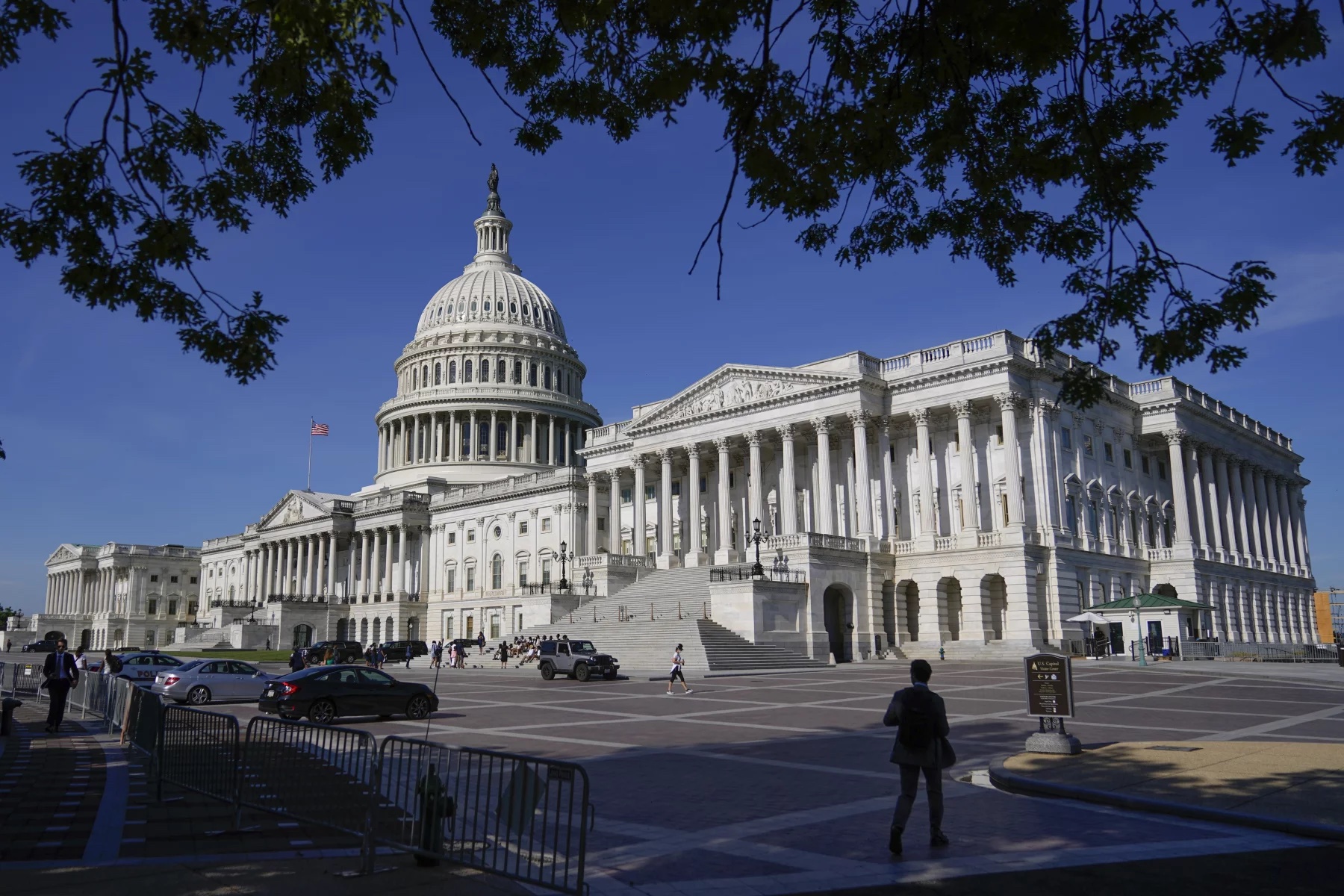
"caption": "Sun shines on the U.S. Capitol dome on Capitol Hill in Washington, D.C., in 2022.",
"credit": "Patrick Semansky/AP",
"altTag": null,
"description": null,
"imgSizes": {
"thumbnail": {
"file": "https://cdn.kqed.org/wp-content/uploads/sites/10/2025/07/npr.brightspotcdn-copy-8-160x107.jpg",
"width": 160,
"height": 107,
"mimeType": "image/jpeg"
},
"1536x1536": {
"file": "https://cdn.kqed.org/wp-content/uploads/sites/10/2025/07/npr.brightspotcdn-copy-8-1536x1024.jpg",
"width": 1536,
"height": 1024,
"mimeType": "image/jpeg"
},
"post-thumbnail": {
"file": "https://cdn.kqed.org/wp-content/uploads/sites/10/2025/07/npr.brightspotcdn-copy-8-672x372.jpg",
"width": 672,
"height": 372,
"mimeType": "image/jpeg"
},
"twentyfourteen-full-width": {
"file": "https://cdn.kqed.org/wp-content/uploads/sites/10/2025/07/npr.brightspotcdn-copy-8-1038x576.jpg",
"width": 1038,
"height": 576,
"mimeType": "image/jpeg"
},
"kqedFullSize": {
"file": "https://cdn.kqed.org/wp-content/uploads/sites/10/2025/07/npr.brightspotcdn-copy-8.jpg",
"width": 1800,
"height": 1200
}
},
"isLoading": false,
"fetchFailed": false
},
"news_12000971": {
"type": "attachments",
"id": "news_12000971",
"meta": {
"index": "attachments_1716263798",
"site": "news",
"id": "12000971",
"found": true
},
"title": "UC Berkeley Chancellor Rich Lyons in his office on campus on Aug. 20, 2024.",
"publishDate": 1724185101,
"status": "inherit",
"parent": 0,
"modified": 1724192309,
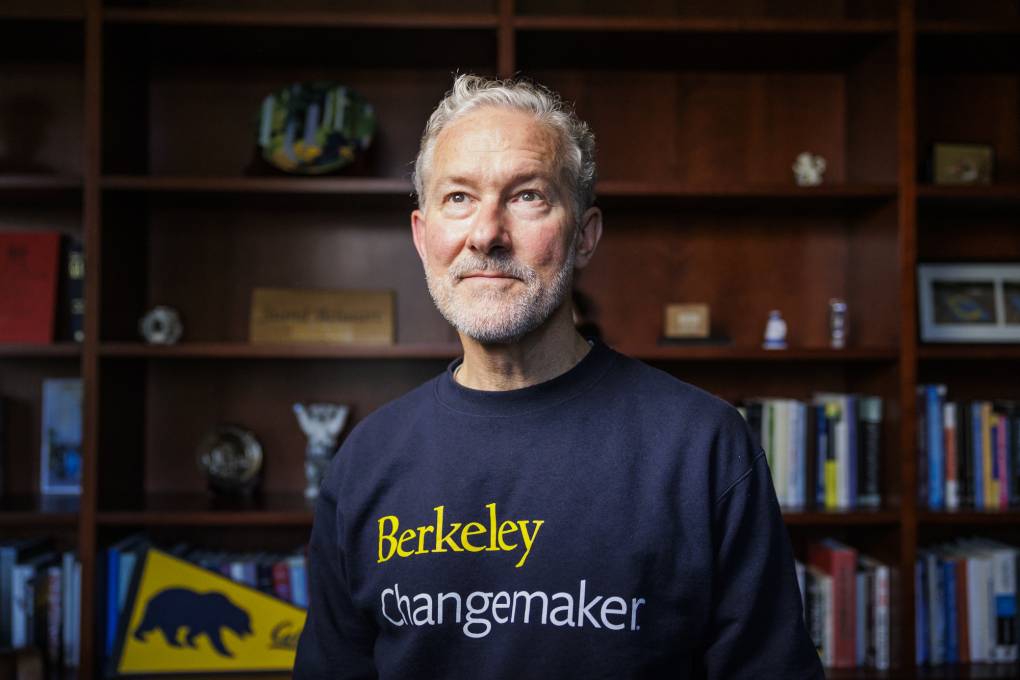
"caption": "UC Berkeley Chancellor Rich Lyons in his office on campus in Berkeley on Aug. 20, 2024.",
"credit": "Martin do Nascimento/KQED",
"altTag": null,
"description": null,
"imgSizes": {
"medium": {
"file": "https://cdn.kqed.org/wp-content/uploads/sites/10/2024/08/240820-UCB-CHANCELLOR-LYONS-MD-03-KQED-800x533.jpg",
"width": 800,
"height": 533,
"mimeType": "image/jpeg"
},
"large": {
"file": "https://cdn.kqed.org/wp-content/uploads/sites/10/2024/08/240820-UCB-CHANCELLOR-LYONS-MD-03-KQED-1020x680.jpg",
"width": 1020,
"height": 680,
"mimeType": "image/jpeg"
},
"thumbnail": {
"file": "https://cdn.kqed.org/wp-content/uploads/sites/10/2024/08/240820-UCB-CHANCELLOR-LYONS-MD-03-KQED-160x107.jpg",
"width": 160,
"height": 107,
"mimeType": "image/jpeg"
},
"1536x1536": {
"file": "https://cdn.kqed.org/wp-content/uploads/sites/10/2024/08/240820-UCB-CHANCELLOR-LYONS-MD-03-KQED-1536x1024.jpg",
"width": 1536,
"height": 1024,
"mimeType": "image/jpeg"
},
"post-thumbnail": {
"file": "https://cdn.kqed.org/wp-content/uploads/sites/10/2024/08/240820-UCB-CHANCELLOR-LYONS-MD-03-KQED-672x372.jpg",
"width": 672,
"height": 372,
"mimeType": "image/jpeg"
},
"twentyfourteen-full-width": {
"file": "https://cdn.kqed.org/wp-content/uploads/sites/10/2024/08/240820-UCB-CHANCELLOR-LYONS-MD-03-KQED-1038x576.jpg",
"width": 1038,
"height": 576,
"mimeType": "image/jpeg"
},
"full-width": {
"file": "https://cdn.kqed.org/wp-content/uploads/sites/10/2024/08/240820-UCB-CHANCELLOR-LYONS-MD-03-KQED-1920x1280.jpg",
"width": 1920,
"height": 1280,
"mimeType": "image/jpeg"
},
"kqedFullSize": {
"file": "https://cdn.kqed.org/wp-content/uploads/sites/10/2024/08/240820-UCB-CHANCELLOR-LYONS-MD-03-KQED.jpg",
"width": 2000,
"height": 1333
}
},
"isLoading": false,
"fetchFailed": false
},
"news_12017252": {
"type": "attachments",
"id": "news_12017252",
"meta": {
"index": "attachments_1716263798",
"site": "news",
"id": "12017252",
"found": true
},
"title": "Election 2024 Blue State Reaction Explainer",
"publishDate": 1733768564,
"status": "inherit",
"parent": 12017249,
"modified": 1733768592,
"caption": "California Attorney General Rob Bonta speaks at a news conference in front of the Golden Gate Bridge in San Francisco on Thursday, Nov. 7, 2024.",
"credit": "Terry Chea/AP Photo",
"altTag": null,
"description": null,
"imgSizes": {
"medium": {
"file": "https://cdn.kqed.org/wp-content/uploads/sites/10/2024/12/RobBontaSFAP-800x533.jpg",
"width": 800,
"height": 533,
"mimeType": "image/jpeg"
},
"large": {
"file": "https://cdn.kqed.org/wp-content/uploads/sites/10/2024/12/RobBontaSFAP-1020x680.jpg",
"width": 1020,
"height": 680,
"mimeType": "image/jpeg"
},
"thumbnail": {
"file": "https://cdn.kqed.org/wp-content/uploads/sites/10/2024/12/RobBontaSFAP-160x107.jpg",
"width": 160,
"height": 107,
"mimeType": "image/jpeg"
},
"1536x1536": {
"file": "https://cdn.kqed.org/wp-content/uploads/sites/10/2024/12/RobBontaSFAP-1536x1024.jpg",
"width": 1536,
"height": 1024,
"mimeType": "image/jpeg"
},
"post-thumbnail": {
"file": "https://cdn.kqed.org/wp-content/uploads/sites/10/2024/12/RobBontaSFAP-672x372.jpg",
"width": 672,
"height": 372,
"mimeType": "image/jpeg"
},
"twentyfourteen-full-width": {
"file": "https://cdn.kqed.org/wp-content/uploads/sites/10/2024/12/RobBontaSFAP-1038x576.jpg",
"width": 1038,
"height": 576,
"mimeType": "image/jpeg"
},
"full-width": {
"file": "https://cdn.kqed.org/wp-content/uploads/sites/10/2024/12/RobBontaSFAP-1920x1280.jpg",
"width": 1920,
"height": 1280,
"mimeType": "image/jpeg"
},
"kqedFullSize": {
"file": "https://cdn.kqed.org/wp-content/uploads/sites/10/2024/12/RobBontaSFAP.jpg",
"width": 2000,
"height": 1333
}
},
"isLoading": false,
"fetchFailed": false
},
"news_12040222": {
"type": "attachments",
"id": "news_12040222",
"meta": {
"index": "attachments_1716263798",
"site": "news",
"id": "12040222",
"found": true
},
"title": "20250514_AFGHANREFUGEESTPS_GC-1-KQED",
"publishDate": 1747265525,
"status": "inherit",
"parent": 0,
"modified": 1747265525,
"caption": "Fouzia Palyal Azizi, Director of Refugee Services at JFCS East Bay, poses for a portrait outside of her home, in Pleasant Hill, on May 14, 2025.",
"credit": null,
"altTag": null,
"description": null,
"imgSizes": {
"medium": {
"file": "https://cdn.kqed.org/wp-content/uploads/sites/10/2025/05/20250514_AFGHANREFUGEESTPS_GC-1-KQED-800x533.jpg",
"width": 800,
"height": 533,
"mimeType": "image/jpeg"
},
"large": {
"file": "https://cdn.kqed.org/wp-content/uploads/sites/10/2025/05/20250514_AFGHANREFUGEESTPS_GC-1-KQED-1020x680.jpg",
"width": 1020,
"height": 680,
"mimeType": "image/jpeg"
},
"thumbnail": {
"file": "https://cdn.kqed.org/wp-content/uploads/sites/10/2025/05/20250514_AFGHANREFUGEESTPS_GC-1-KQED-160x107.jpg",
"width": 160,
"height": 107,
"mimeType": "image/jpeg"
},
"1536x1536": {
"file": "https://cdn.kqed.org/wp-content/uploads/sites/10/2025/05/20250514_AFGHANREFUGEESTPS_GC-1-KQED-1536x1024.jpg",
"width": 1536,
"height": 1024,
"mimeType": "image/jpeg"
},
"post-thumbnail": {
"file": "https://cdn.kqed.org/wp-content/uploads/sites/10/2025/05/20250514_AFGHANREFUGEESTPS_GC-1-KQED-672x372.jpg",
"width": 672,
"height": 372,
"mimeType": "image/jpeg"
},
"twentyfourteen-full-width": {
"file": "https://cdn.kqed.org/wp-content/uploads/sites/10/2025/05/20250514_AFGHANREFUGEESTPS_GC-1-KQED-1038x576.jpg",
"width": 1038,
"height": 576,
"mimeType": "image/jpeg"
},
"full-width": {
"file": "https://cdn.kqed.org/wp-content/uploads/sites/10/2025/05/20250514_AFGHANREFUGEESTPS_GC-1-KQED-1920x1280.jpg",
"width": 1920,
"height": 1280,
"mimeType": "image/jpeg"
},
"kqedFullSize": {
"file": "https://cdn.kqed.org/wp-content/uploads/sites/10/2025/05/20250514_AFGHANREFUGEESTPS_GC-1-KQED.jpg",
"width": 2000,
"height": 1333
}
},
"isLoading": false,
"fetchFailed": false
},
"news_12047827": {
"type": "attachments",
"id": "news_12047827",
"meta": {
"index": "attachments_1716263798",
"site": "news",
"id": "12047827",
"found": true
},
"title": "npr.brightspotcdn copy",
"publishDate": 1752281927,
"status": "inherit",
"parent": 12047824,
"modified": 1752281967,
"caption": "President Trump bangs a gavel after signing the One Big Beautiful Bill Act at the White House on July 4.",
"credit": "Brendan Smialowski/Pool/AFP via Getty Images",
"altTag": null,
"description": null,
"imgSizes": {
"thumbnail": {
"file": "https://cdn.kqed.org/wp-content/uploads/sites/10/2025/07/npr.brightspotcdn-copy-7-160x107.jpg",
"width": 160,
"height": 107,
"mimeType": "image/jpeg"
},
"1536x1536": {
"file": "https://cdn.kqed.org/wp-content/uploads/sites/10/2025/07/npr.brightspotcdn-copy-7-1536x1024.jpg",
"width": 1536,
"height": 1024,
"mimeType": "image/jpeg"
},
"post-thumbnail": {
"file": "https://cdn.kqed.org/wp-content/uploads/sites/10/2025/07/npr.brightspotcdn-copy-7-672x372.jpg",
"width": 672,
"height": 372,
"mimeType": "image/jpeg"
},
"twentyfourteen-full-width": {
"file": "https://cdn.kqed.org/wp-content/uploads/sites/10/2025/07/npr.brightspotcdn-copy-7-1038x576.jpg",
"width": 1038,
"height": 576,
"mimeType": "image/jpeg"
},
"kqedFullSize": {
"file": "https://cdn.kqed.org/wp-content/uploads/sites/10/2025/07/npr.brightspotcdn-copy-7.jpg",
"width": 1800,
"height": 1200
}
},
"isLoading": false,
"fetchFailed": false
},
"news_11343203": {
"type": "attachments",
"id": "news_11343203",
"meta": {
"index": "attachments_1716263798",
"site": "news",
"id": "11343203",
"found": true
},
"parent": 11343175,
"imgSizes": {
"small": {
"file": "https://ww2.kqed.org/app/uploads/sites/10/2017/03/hospital-520x347.jpg",
"width": 520,
"mimeType": "image/jpeg",
"height": 347
},
"twentyfourteen-full-width": {
"file": "https://ww2.kqed.org/app/uploads/sites/10/2017/03/hospital-1038x576.jpg",
"width": 1038,
"mimeType": "image/jpeg",
"height": 576
},
"thumbnail": {
"file": "https://ww2.kqed.org/app/uploads/sites/10/2017/03/hospital-160x107.jpg",
"width": 160,
"mimeType": "image/jpeg",
"height": 107
},
"fd-sm": {
"file": "https://ww2.kqed.org/app/uploads/sites/10/2017/03/hospital-960x640.jpg",
"width": 960,
"mimeType": "image/jpeg",
"height": 640
},
"post-thumbnail": {
"file": "https://ww2.kqed.org/app/uploads/sites/10/2017/03/hospital-672x372.jpg",
"width": 672,
"mimeType": "image/jpeg",
"height": 372
},
"xsmall": {
"file": "https://ww2.kqed.org/app/uploads/sites/10/2017/03/hospital-375x250.jpg",
"width": 375,
"mimeType": "image/jpeg",
"height": 250
},
"kqedFullSize": {
"file": "https://ww2.kqed.org/app/uploads/sites/10/2017/03/hospital.jpg",
"width": 1440,
"height": 960
},
"large": {
"file": "https://ww2.kqed.org/app/uploads/sites/10/2017/03/hospital-1020x680.jpg",
"width": 1020,
"mimeType": "image/jpeg",
"height": 680
},
"xlarge": {
"file": "https://ww2.kqed.org/app/uploads/sites/10/2017/03/hospital-1180x787.jpg",
"width": 1180,
"mimeType": "image/jpeg",
"height": 787
},
"guest-author-50": {
"file": "https://ww2.kqed.org/app/uploads/sites/10/2017/03/hospital-50x50.jpg",
"width": 50,
"mimeType": "image/jpeg",
"height": 50
},
"guest-author-96": {
"file": "https://ww2.kqed.org/app/uploads/sites/10/2017/03/hospital-96x96.jpg",
"width": 96,
"mimeType": "image/jpeg",
"height": 96
},
"medium": {
"file": "https://ww2.kqed.org/app/uploads/sites/10/2017/03/hospital-800x533.jpg",
"width": 800,
"mimeType": "image/jpeg",
"height": 533
},
"guest-author-64": {
"file": "https://ww2.kqed.org/app/uploads/sites/10/2017/03/hospital-64x64.jpg",
"width": 64,
"mimeType": "image/jpeg",
"height": 64
},
"guest-author-32": {
"file": "https://ww2.kqed.org/app/uploads/sites/10/2017/03/hospital-32x32.jpg",
"width": 32,
"mimeType": "image/jpeg",
"height": 32
},
"fd-med": {
"file": "https://ww2.kqed.org/app/uploads/sites/10/2017/03/hospital-1180x787.jpg",
"width": 1180,
"mimeType": "image/jpeg",
"height": 787
},
"detail": {
"file": "https://ww2.kqed.org/app/uploads/sites/10/2017/03/hospital-150x150.jpg",
"width": 150,
"mimeType": "image/jpeg",
"height": 150
},
"guest-author-128": {
"file": "https://ww2.kqed.org/app/uploads/sites/10/2017/03/hospital-128x128.jpg",
"width": 128,
"mimeType": "image/jpeg",
"height": 128
},
"xxsmall": {
"file": "https://ww2.kqed.org/app/uploads/sites/10/2017/03/hospital-240x160.jpg",
"width": 240,
"mimeType": "image/jpeg",
"height": 160
}
},
"publishDate": 1488590043,
"modified": 1488834303,
"caption": "Roughly 40 of the 113 records UC released detailing investigations and findings related to allegations of sex-based discrimination or misconduct involved UC medical centers and hospitals. ",
"description": null,
"title": "hospital",
"credit": "Getty Images",
"status": "inherit",
"isLoading": false,
"fetchFailed": false
},
"news_12047437": {
"type": "attachments",
"id": "news_12047437",
"meta": {
"index": "attachments_1716263798",
"site": "news",
"id": "12047437",
"found": true
},
"title": "250609-SEIUProtests-07-BL_qed",
"publishDate": 1752081468,
"status": "inherit",
"parent": 12047429,
"modified": 1752081522,
"caption": "Demonstrators rally outside the California State Building in San Francisco on June 9, 2025, calling for the release of SEIU California President David Huerta. Huerta was arrested by federal agents on June 6 in Los Angeles while serving as a community observer during a workplace Immigration and Customs Enforcement (ICE) raid.",
"credit": "Beth LaBerge/KQED",
"altTag": null,
"description": null,
"imgSizes": {
"thumbnail": {
"file": "https://cdn.kqed.org/wp-content/uploads/sites/10/2025/07/250609-SEIUProtests-07-BL_qed-160x107.jpg",
"width": 160,
"height": 107,
"mimeType": "image/jpeg"
},
"1536x1536": {
"file": "https://cdn.kqed.org/wp-content/uploads/sites/10/2025/07/250609-SEIUProtests-07-BL_qed-1536x1024.jpg",
"width": 1536,
"height": 1024,
"mimeType": "image/jpeg"
},
"post-thumbnail": {
"file": "https://cdn.kqed.org/wp-content/uploads/sites/10/2025/07/250609-SEIUProtests-07-BL_qed-672x372.jpg",
"width": 672,
"height": 372,
"mimeType": "image/jpeg"
},
"twentyfourteen-full-width": {
"file": "https://cdn.kqed.org/wp-content/uploads/sites/10/2025/07/250609-SEIUProtests-07-BL_qed-1038x576.jpg",
"width": 1038,
"height": 576,
"mimeType": "image/jpeg"
},
"kqedFullSize": {
"file": "https://cdn.kqed.org/wp-content/uploads/sites/10/2025/07/250609-SEIUProtests-07-BL_qed.jpg",
"width": 1999,
"height": 1333
}
},
"isLoading": false,
"fetchFailed": false
},
"news_11884072": {
"type": "attachments",
"id": "news_11884072",
"meta": {
"index": "attachments_1716263798",
"site": "news",
"id": "11884072",
"found": true
},
"title": "RS50353_007_LosGatos_HighSchool_07212021-qut",
"publishDate": 1628243552,
"status": "inherit",
"parent": 11884066,
"modified": 1752085293,
"caption": "The football field and track at Los Gatos High School sit empty during summer vacation on July 21, 2021.",
"credit": "Beth LaBerge/KQED",
"altTag": null,
"description": null,
"imgSizes": {
"medium": {
"file": "https://cdn.kqed.org/wp-content/uploads/sites/10/2021/08/RS50353_007_LosGatos_HighSchool_07212021-qut-800x533.jpg",
"width": 800,
"height": 533,
"mimeType": "image/jpeg"
},
"large": {
"file": "https://cdn.kqed.org/wp-content/uploads/sites/10/2021/08/RS50353_007_LosGatos_HighSchool_07212021-qut-1020x680.jpg",
"width": 1020,
"height": 680,
"mimeType": "image/jpeg"
},
"thumbnail": {
"file": "https://cdn.kqed.org/wp-content/uploads/sites/10/2021/08/RS50353_007_LosGatos_HighSchool_07212021-qut-160x107.jpg",
"width": 160,
"height": 107,
"mimeType": "image/jpeg"
},
"1536x1536": {
"file": "https://cdn.kqed.org/wp-content/uploads/sites/10/2021/08/RS50353_007_LosGatos_HighSchool_07212021-qut-1536x1024.jpg",
"width": 1536,
"height": 1024,
"mimeType": "image/jpeg"
},
"post-thumbnail": {
"file": "https://cdn.kqed.org/wp-content/uploads/sites/10/2021/08/RS50353_007_LosGatos_HighSchool_07212021-qut-672x372.jpg",
"width": 672,
"height": 372,
"mimeType": "image/jpeg"
},
"twentyfourteen-full-width": {
"file": "https://cdn.kqed.org/wp-content/uploads/sites/10/2021/08/RS50353_007_LosGatos_HighSchool_07212021-qut-1038x576.jpg",
"width": 1038,
"height": 576,
"mimeType": "image/jpeg"
},
"kqedFullSize": {
"file": "https://cdn.kqed.org/wp-content/uploads/sites/10/2021/08/RS50353_007_LosGatos_HighSchool_07212021-qut.jpg",
"width": 1920,
"height": 1280
}
},
"isLoading": false,
"fetchFailed": false
},
"news_11883278": {
"type": "attachments",
"id": "news_11883278",
"meta": {
"index": "attachments_1716263798",
"site": "news",
"id": "11883278",
"found": true
},
"parent": 11883227,
"imgSizes": {
"twentyfourteen-full-width": {
"file": "https://ww2.kqed.org/app/uploads/sites/10/2021/07/immigration-protest-1038x576.jpeg",
"width": 1038,
"mimeType": "image/jpeg",
"height": 576
},
"thumbnail": {
"file": "https://ww2.kqed.org/app/uploads/sites/10/2021/07/immigration-protest-160x107.jpeg",
"width": 160,
"mimeType": "image/jpeg",
"height": 107
},
"post-thumbnail": {
"file": "https://ww2.kqed.org/app/uploads/sites/10/2021/07/immigration-protest-672x372.jpeg",
"width": 672,
"mimeType": "image/jpeg",
"height": 372
},
"kqedFullSize": {
"file": "https://ww2.kqed.org/app/uploads/sites/10/2021/07/immigration-protest.jpeg",
"width": 1600,
"height": 1067
},
"large": {
"file": "https://ww2.kqed.org/app/uploads/sites/10/2021/07/immigration-protest-1020x680.jpeg",
"width": 1020,
"mimeType": "image/jpeg",
"height": 680
},
"1536x1536": {
"file": "https://ww2.kqed.org/app/uploads/sites/10/2021/07/immigration-protest-1536x1024.jpeg",
"width": 1536,
"mimeType": "image/jpeg",
"height": 1024
},
"medium": {
"file": "https://ww2.kqed.org/app/uploads/sites/10/2021/07/immigration-protest-800x534.jpeg",
"width": 800,
"mimeType": "image/jpeg",
"height": 534
}
},
"publishDate": 1627692006,
"modified": 1627692069,
"caption": "A protester holds up a sign outside of the U.S. Immigration and Customs Enforcement processing center and immigration court at 630 Sansome St. in San Francisco.",
"description": "A protester holds up a sign outside of the U.S. Immigration and Customs Enforcement processing center and immigration court at 630 Sansome St. in San Francisco.",
"title": "immigration-protest",
"credit": "JoeBill Muñoz/KQED",
"status": "inherit",
"altTag": "Protester holds up a sign that says \"everyone is welcome Here\"",
"isLoading": false,
"fetchFailed": false
},
"news_12047167": {
"type": "attachments",
"id": "news_12047167",
"meta": {
"index": "attachments_1716263798",
"site": "news",
"id": "12047167",
"found": true
},
"title": "Supreme Court Ruling Allows States To Cut Medicaid Funds To Planned Parenthood",
"publishDate": 1751912374,
"status": "inherit",
"parent": 12047147,
"modified": 1751912417,
"caption": "A Planned Parenthood health center on June 26, 2025 in San Rafael, California. A Supreme Court ruling will allow states to cut Medicaid funds to reproductive health provider Planned Parenthood, which will disqualify Medicaid patients from obtaining health care services from Planned Parenthood providers if the funding has been cut by the state. ",
"credit": "Justin Sullivan/Getty Images",
"altTag": null,
"description": null,
"imgSizes": {
"thumbnail": {
"file": "https://cdn.kqed.org/wp-content/uploads/sites/10/2025/07/PPNorcal-160x107.jpg",
"width": 160,
"height": 107,
"mimeType": "image/jpeg"
},
"1536x1536": {
"file": "https://cdn.kqed.org/wp-content/uploads/sites/10/2025/07/PPNorcal-1536x1026.jpg",
"width": 1536,
"height": 1026,
"mimeType": "image/jpeg"
},
"post-thumbnail": {
"file": "https://cdn.kqed.org/wp-content/uploads/sites/10/2025/07/PPNorcal-672x372.jpg",
"width": 672,
"height": 372,
"mimeType": "image/jpeg"
},
"twentyfourteen-full-width": {
"file": "https://cdn.kqed.org/wp-content/uploads/sites/10/2025/07/PPNorcal-1038x576.jpg",
"width": 1038,
"height": 576,
"mimeType": "image/jpeg"
},
"kqedFullSize": {
"file": "https://cdn.kqed.org/wp-content/uploads/sites/10/2025/07/PPNorcal.jpg",
"width": 2000,
"height": 1336
}
},
"isLoading": false,
"fetchFailed": false
},
"news_12046907": {
"type": "attachments",
"id": "news_12046907",
"meta": {
"index": "attachments_1716263798",
"site": "news",
"id": "12046907",
"found": true
},
"title": "ICE-immigration-courrt",
"publishDate": 1751493110,
"status": "inherit",
"parent": 12057278,
"modified": 1758656897,
"caption": "With increased ICE presence in immigration courts, how are lawyers, volunteers and advocates responding?",
"credit": "Anna Vignet/KQED",
"altTag": null,
"description": null,
"imgSizes": {
"medium": {
"file": "https://cdn.kqed.org/wp-content/uploads/sites/10/2025/07/IMG_1067-2000x1500.jpg",
"width": 2000,
"height": 1500,
"mimeType": "image/jpeg"
},
"large": {
"file": "https://cdn.kqed.org/wp-content/uploads/sites/10/2025/07/IMG_1067-2000x1500.jpg",
"width": 2000,
"height": 1500,
"mimeType": "image/jpeg"
},
"thumbnail": {
"file": "https://cdn.kqed.org/wp-content/uploads/sites/10/2025/07/IMG_1067-160x120.jpg",
"width": 160,
"height": 120,
"mimeType": "image/jpeg"
},
"1536x1536": {
"file": "https://cdn.kqed.org/wp-content/uploads/sites/10/2025/07/IMG_1067-1536x1152.jpg",
"width": 1536,
"height": 1152,
"mimeType": "image/jpeg"
},
"2048x2048": {
"file": "https://cdn.kqed.org/wp-content/uploads/sites/10/2025/07/IMG_1067-2048x1536.jpg",
"width": 2048,
"height": 1536,
"mimeType": "image/jpeg"
},
"post-thumbnail": {
"file": "https://cdn.kqed.org/wp-content/uploads/sites/10/2025/07/IMG_1067-672x372.jpg",
"width": 672,
"height": 372,
"mimeType": "image/jpeg"
},
"twentyfourteen-full-width": {
"file": "https://cdn.kqed.org/wp-content/uploads/sites/10/2025/07/IMG_1067-1038x576.jpg",
"width": 1038,
"height": 576,
"mimeType": "image/jpeg"
},
"full-width": {
"file": "https://cdn.kqed.org/wp-content/uploads/sites/10/2025/07/IMG_1067-2000x1500.jpg",
"width": 2000,
"height": 1500,
"mimeType": "image/jpeg"
},
"kqedFullSize": {
"file": "https://cdn.kqed.org/wp-content/uploads/sites/10/2025/07/IMG_1067.jpg",
"width": 2560,
"height": 1920
}
},
"isLoading": false,
"fetchFailed": false
}
},
"audioPlayerReducer": {
"postId": "stream_live",
"isPaused": true,
"isPlaying": false,
"pfsActive": false,
"pledgeModalIsOpen": true,
"playerDrawerIsOpen": false,
"liveAudioPlayStartedAt": 0,
"liveAudioPlayContext": ""
},
"authorsReducer": {
"byline_news_12048205": {
"type": "authors",
"id": "byline_news_12048205",
"meta": {
"override": true
},
"slug": "byline_news_12048205",
"name": "Wendy Fry and Sergio Olmos, CalMatters",
"isLoading": false
},
"byline_news_12048108": {
"type": "authors",
"id": "byline_news_12048108",
"meta": {
"override": true
},
"slug": "byline_news_12048108",
"name": "Deirdre Walsh, NPR",
"isLoading": false
},
"byline_news_12047824": {
"type": "authors",
"id": "byline_news_12047824",
"meta": {
"override": true
},
"slug": "byline_news_12047824",
"name": "Tamara Keith, NPR",
"isLoading": false
},
"rachael-myrow": {
"type": "authors",
"id": "251",
"meta": {
"index": "authors_1716337520",
"id": "251",
"found": true
},
"name": "Rachael Myrow",
"firstName": "Rachael",
"lastName": "Myrow",
"slug": "rachael-myrow",
"email": "rmyrow@kqed.org",
"display_author_email": true,
"staff_mastheads": [
"news"
],
"title": "Senior Editor of KQED's Silicon Valley News Desk",
"bio": "• I write and edit stories about how Silicon Valley power and policies shape everyday life in California. I’m also passionate about making Bay Area history and culture more accessible to a broad public. • I’ve been a journalist for most of my life, starting in high school with The Franklin Press in Los Angeles, where I grew up. While earning my first degree in English at UC Berkeley, I got my start in public radio at KALX-FM. After completing a second degree in journalism at Cal, I landed my first professional job at Marketplace, then moved on to KPCC (now LAist), and then KQED, where I hosted The California Report for more than seven years. • My reporting has appeared on NPR, The World, WBUR’s \u003ci>Here & Now\u003c/i>, and the BBC. I also guest host for KQED’s \u003ci>Forum\u003c/i>, as well as the Commonwealth Club in San Francisco. • I speak periodically on media, democracy and technology issues, and do voiceover work for documentaries and educational video projects. • Outside of the studio, you'll find me hiking Bay Area trails and whipping up Insta-ready meals in my kitchen. • I do not accept gifts, money, or favors from anyone connected to my reporting, I don't pay people for information, and I do not support or donate to political causes. • I strive to treat the people I report on with fairness, honesty, and respect. I also recognize there are often multiple sides to a story and work to verify information through multiple sources and documentation. If I get something wrong, I correct it.",
"avatar": "https://secure.gravatar.com/avatar/3ed8a3c5f26025e4a805ba634cda8cd764906b97438a6d9ce216b044e340da4e?s=600&d=blank&r=g",
"twitter": "rachaelmyrow",
"bluesky": null,
"facebook": null,
"instagram": null,
"linkedin": "https://www.linkedin.com/in/rachaelmyrow/",
"sites": [
{
"site": "arts",
"roles": [
"administrator"
]
},
{
"site": "news",
"roles": [
"edit_others_posts",
"editor"
]
},
{
"site": "futureofyou",
"roles": [
"editor"
]
},
{
"site": "bayareabites",
"roles": [
"editor"
]
},
{
"site": "stateofhealth",
"roles": [
"editor"
]
},
{
"site": "science",
"roles": [
"editor"
]
},
{
"site": "food",
"roles": [
"editor"
]
},
{
"site": "forum",
"roles": [
"editor"
]
},
{
"site": "liveblog",
"roles": [
"author"
]
}
],
"headData": {
"title": "Rachael Myrow | KQED",
"description": "Senior Editor of KQED's Silicon Valley News Desk",
"ogImgSrc": "https://secure.gravatar.com/avatar/3ed8a3c5f26025e4a805ba634cda8cd764906b97438a6d9ce216b044e340da4e?s=600&d=blank&r=g",
"twImgSrc": "https://secure.gravatar.com/avatar/3ed8a3c5f26025e4a805ba634cda8cd764906b97438a6d9ce216b044e340da4e?s=600&d=blank&r=g"
},
"isLoading": false,
"link": "/author/rachael-myrow"
},
"ccabreralomeli": {
"type": "authors",
"id": "11708",
"meta": {
"index": "authors_1716337520",
"id": "11708",
"found": true
},
"name": "Carlos Cabrera-Lomelí",
"firstName": "Carlos",
"lastName": "Cabrera-Lomelí",
"slug": "ccabreralomeli",
"email": "ccabreralomeli@KQED.org",
"display_author_email": true,
"staff_mastheads": [
"news"
],
"title": "Community Reporter",
"bio": "Carlos Cabrera-Lomelí is a community reporter with KQED's digital engagement team. He also reports and co-produces for KQED's bilingual news hub KQED en Español. He grew up in San Francisco's Mission District and has previously worked with Univision, 48 Hills and REFORMA in Mexico City.",
"avatar": "https://secure.gravatar.com/avatar/c309be9665e484f887b818c89e273ecc673004f426f36b24d00a4d813a2e0518?s=600&d=blank&r=g",
"twitter": "@LomeliCabrera",
"bluesky": null,
"facebook": null,
"instagram": null,
"linkedin": null,
"sites": [
{
"site": "arts",
"roles": [
"editor"
]
},
{
"site": "news",
"roles": [
"editor"
]
},
{
"site": "about",
"roles": [
"editor"
]
},
{
"site": "science",
"roles": [
"editor"
]
},
{
"site": "perspectives",
"roles": [
"editor"
]
},
{
"site": "elections",
"roles": [
"editor"
]
},
{
"site": "liveblog",
"roles": [
"contributor"
]
}
],
"headData": {
"title": "Carlos Cabrera-Lomelí | KQED",
"description": "Community Reporter",
"ogImgSrc": "https://secure.gravatar.com/avatar/c309be9665e484f887b818c89e273ecc673004f426f36b24d00a4d813a2e0518?s=600&d=blank&r=g",
"twImgSrc": "https://secure.gravatar.com/avatar/c309be9665e484f887b818c89e273ecc673004f426f36b24d00a4d813a2e0518?s=600&d=blank&r=g"
},
"isLoading": false,
"link": "/author/ccabreralomeli"
},
"adahlstromeckman": {
"type": "authors",
"id": "11785",
"meta": {
"index": "authors_1716337520",
"id": "11785",
"found": true
},
"name": "Azul Dahlstrom-Eckman",
"firstName": "Azul",
"lastName": "Dahlstrom-Eckman",
"slug": "adahlstromeckman",
"email": "adahlstrom-eckman@kqed.org",
"display_author_email": true,
"staff_mastheads": [],
"title": "Reporter",
"bio": "Azul is a reporter for KQED focusing on transportation and features. He joined KQED in 2021 as an alumnus of KALW's Audio Academy radio journalism training program.",
"avatar": "https://secure.gravatar.com/avatar/9cb750298435add7815a777f55bf1f46845c1386bb8452555c60a7b820b5aba3?s=600&d=blank&r=g",
"twitter": "@zuliemann",
"bluesky": "@azul415.bsky.social",
"facebook": null,
"instagram": null,
"linkedin": null,
"sites": [
{
"site": "arts",
"roles": [
"editor"
]
},
{
"site": "news",
"roles": [
"editor"
]
},
{
"site": "science",
"roles": [
"editor"
]
},
{
"site": "liveblog",
"roles": [
"author"
]
}
],
"headData": {
"title": "Azul Dahlstrom-Eckman | KQED",
"description": "Reporter",
"ogImgSrc": "https://secure.gravatar.com/avatar/9cb750298435add7815a777f55bf1f46845c1386bb8452555c60a7b820b5aba3?s=600&d=blank&r=g",
"twImgSrc": "https://secure.gravatar.com/avatar/9cb750298435add7815a777f55bf1f46845c1386bb8452555c60a7b820b5aba3?s=600&d=blank&r=g"
},
"isLoading": false,
"link": "/author/adahlstromeckman"
},
"nkhan": {
"type": "authors",
"id": "11867",
"meta": {
"index": "authors_1716337520",
"id": "11867",
"found": true
},
"name": "Nisa Khan",
"firstName": "Nisa",
"lastName": "Khan",
"slug": "nkhan",
"email": "nkhan@kqed.org",
"display_author_email": false,
"staff_mastheads": [],
"title": "KQED Contributor",
"bio": "Nisa Khan is a reporter for KQED's Audience News Desk. She was formerly a data reporter at Michigan Radio. She earned a Bachelor of Science in Information from the University of Michigan and a Master of Arts in Communication from Stanford University.",
"avatar": "https://secure.gravatar.com/avatar/8720459eef081ff64582b3506b124d58523e80e120704a0cbd9892533c914991?s=600&d=blank&r=g",
"twitter": "mnisakhan",
"bluesky": null,
"facebook": null,
"instagram": null,
"linkedin": null,
"sites": [
{
"site": "arts",
"roles": [
"editor"
]
},
{
"site": "news",
"roles": [
"editor"
]
},
{
"site": "science",
"roles": [
"editor",
"author"
]
},
{
"site": "forum",
"roles": [
"editor"
]
},
{
"site": "liveblog",
"roles": [
"contributor"
]
}
],
"headData": {
"title": "Nisa Khan | KQED",
"description": "KQED Contributor",
"ogImgSrc": "https://secure.gravatar.com/avatar/8720459eef081ff64582b3506b124d58523e80e120704a0cbd9892533c914991?s=600&d=blank&r=g",
"twImgSrc": "https://secure.gravatar.com/avatar/8720459eef081ff64582b3506b124d58523e80e120704a0cbd9892533c914991?s=600&d=blank&r=g"
},
"isLoading": false,
"link": "/author/nkhan"
},
"kdebenedetti": {
"type": "authors",
"id": "11913",
"meta": {
"index": "authors_1716337520",
"id": "11913",
"found": true
},
"name": "Katie DeBenedetti",
"firstName": "Katie",
"lastName": "DeBenedetti",
"slug": "kdebenedetti",
"email": "kdebenedetti@kqed.org",
"display_author_email": false,
"staff_mastheads": [
"news",
"science"
],
"title": "KQED Contributor",
"bio": "Katie DeBenedetti is a digital reporter covering daily news for the Express Desk. Prior to joining KQED as a culture reporting intern in January 2024, she covered education and city government for the Napa Valley Register.",
"avatar": "https://secure.gravatar.com/avatar/6e31073cb8f7e4214ab03f42771d0f45?s=600&d=blank&r=g",
"twitter": null,
"facebook": null,
"instagram": null,
"linkedin": null,
"sites": [
{
"site": "news",
"roles": [
"author"
]
},
{
"site": "science",
"roles": [
"author"
]
},
{
"site": "liveblog",
"roles": [
"author"
]
}
],
"headData": {
"title": "Katie DeBenedetti | KQED",
"description": "KQED Contributor",
"ogImgSrc": "https://secure.gravatar.com/avatar/6e31073cb8f7e4214ab03f42771d0f45?s=600&d=blank&r=g",
"twImgSrc": "https://secure.gravatar.com/avatar/6e31073cb8f7e4214ab03f42771d0f45?s=600&d=blank&r=g"
},
"isLoading": false,
"link": "/author/kdebenedetti"
},
"slim": {
"type": "authors",
"id": "11920",
"meta": {
"index": "authors_1716337520",
"id": "11920",
"found": true
},
"name": "Samantha Lim",
"firstName": "Samantha",
"lastName": "Lim",
"slug": "slim",
"email": "slim@KQED.org",
"display_author_email": false,
"staff_mastheads": [],
"title": "KQED Contributor",
"bio": null,
"avatar": "https://secure.gravatar.com/avatar/82e592e6c15fe1a04d385e8ad0fb0b4e?s=600&d=blank&r=g",
"twitter": null,
"facebook": null,
"instagram": null,
"linkedin": null,
"sites": [
{
"site": "news",
"roles": []
}
],
"headData": {
"title": "Samantha Lim | KQED",
"description": "KQED Contributor",
"ogImgSrc": "https://secure.gravatar.com/avatar/82e592e6c15fe1a04d385e8ad0fb0b4e?s=600&d=blank&r=g",
"twImgSrc": "https://secure.gravatar.com/avatar/82e592e6c15fe1a04d385e8ad0fb0b4e?s=600&d=blank&r=g"
},
"isLoading": false,
"link": "/author/slim"
}
},
"pagesReducer": {
"news_tag_donald-trump": {
"type": "terms",
"id": "news_1323",
"meta": {
"index": "terms_1716263798",
"site": "news",
"id": "1323",
"score": 8.561954
},
"featImg": null,
"name": "Donald Trump",
"description": null,
"taxonomy": "tag",
"headData": {
"twImgId": null,
"twTitle": null,
"ogTitle": null,
"ogImgId": null,
"twDescription": null,
"description": null,
"title": "Donald Trump Archives | KQED News",
"ogDescription": null
},
"ttid": 1335,
"slug": "donald-trump",
"isLoading": false,
"title": "Donald Trump",
"pageMeta": {
"site": "news",
"WpPageTemplate": "page-topic-editorial",
"currentPage": 34
},
"blocks": [
{
"blockName": "kqed/post-list",
"attrs": {
"layout": "cardArticle2",
"query": "posts/news?tag=donald-trump",
"seeMore": false,
"paginated": true,
"page": 34
}
},
{
"blockName": "kqed/ad"
}
]
}
},
"pfsSessionReducer": {},
"postsReducer": {
"stream_live": {
"type": "live",
"id": "stream_live",
"audioUrl": "https://hls.kqed.org/hls/kqed_app/playlist.m3u8",
"title": "Live Stream",
"excerpt": "Live Stream information currently unavailable.",
"link": "/radio",
"featImg": "",
"label": {
"name": "KQED Live",
"link": "/"
}
},
"stream_kqedNewscast": {
"type": "posts",
"id": "stream_kqedNewscast",
"audioUrl": "https://www.kqed.org/.stream/anon/radio/RDnews/newscast.mp3?_=1",
"title": "KQED Newscast",
"featImg": "",
"label": {
"name": "88.5 FM",
"link": "/"
}
},
"news_12048205": {
"type": "posts",
"id": "news_12048205",
"meta": {
"index": "posts_1716263798",
"site": "news",
"id": "12048205",
"score": null,
"sort": [
1752618638000
]
},
"guestAuthors": [],
"slug": "judge-says-immigration-agents-must-stop-roving-patrols-that-have-upended-southern-california",
"title": "Judge Says Immigration Agents Must Stop ‘Roving Patrols’ That Have Upended Southern California",
"publishDate": 1752618638,
"format": "standard",
"headTitle": "Judge Says Immigration Agents Must Stop ‘Roving Patrols’ That Have Upended Southern California | KQED",
"labelTerm": {},
"content": "\u003cp>\u003cem>This story was originally published by \u003ca href=\"https://calmatters.org\">CalMatters.\u003c/a> \u003ca href=\"https://calmatters.org/subscribe-to-calmatters\">Sign up\u003c/a> for their newsletters.\u003c/em>\u003c/p>\n\u003cp>A federal judge in \u003ca href=\"https://www.kqed.org/news/tag/los-angeles\">Los Angeles\u003c/a> on Friday granted a temporary restraining order against the federal government’s aggressive, month-long immigration sweep across Southern California.\u003c/p>\n\u003cp>A coalition of civil rights, immigrant rights and local government agencies \u003ca href=\"https://calmatters.org/justice/2025/07/la-immigration-raids-lawsuit/\">sought the order\u003c/a>, arguing the raids have violated constitutional protections against unreasonable searches and seizures by conducting warrantless stops on people who simply appear to be Latino, and due process rights to access to counsel in immigration detention, where they say detainees are facing “dungeon-like conditions.”\u003c/p>\n\u003cp>In a 52-page order issued late Friday evening, U.S. District Judge Maame Ewusi-Mensah Frimpong wrote that the two questions before the court were if the plaintiffs were likely to succeed in proving that the government “is conducting roving patrols without reasonable suspicion and denying access to lawyers?” and “what should be done about that?”\u003c/p>\n\u003cp>[ad fullwidth]\u003c/p>\n\u003cp>The ruling could have far-reaching implications for the Trump administration’s mass deportation plans. Over the last month, \u003ca href=\"https://calmatters.org/investigation/2025/07/patterns-in-california-immigration-raids/\">heavily armed immigration agents\u003c/a>, often in masks and battle fatigues, have been \u003ca href=\"https://calmatters.org/investigation/2025/06/taken-la-immigration-raids/\">aggressively detaining immigrants\u003c/a> and U.S. citizens at Home Depots, car washes, and Latino markets across Los Angeles. Trump and other leaders have promised to bring similar raids to other major U.S. cities.\u003c/p>\n\u003cp>Frimpong wrote, “the individuals and organizations who have brought this lawsuit have made a fairly modest request: that this court order the federal government to stop.” Frimpong wrote: “The court grants their request.”\u003c/p>\n\u003cp>The order bars federal agents from conducting detention stops in the district unless the agent has “reasonable suspicion” the person stopped is in “violation of U.S. immigration law.” The order prohibits agents from relying solely on four factors, either alone or in combination, that include “apparent race or ethnicity, speaking Spanish or English with an accent, presence at a particular location (e.g. bus stop, car wash, tow yard, day laborer pick up site, agricultural site, ect), the type of work one does.”\u003c/p>\n\u003cfigure id=\"attachment_12044278\" class=\"wp-caption alignnone\" style=\"max-width: 2000px\">\u003cimg loading=\"lazy\" decoding=\"async\" class=\"size-full wp-image-12044278\" src=\"https://cdn.kqed.org/wp-content/uploads/sites/10/2025/06/031523-ICE-Arrest-AP-CM-01-copy.jpg\" alt=\"\" width=\"2000\" height=\"1333\" srcset=\"https://cdn.kqed.org/wp-content/uploads/sites/10/2025/06/031523-ICE-Arrest-AP-CM-01-copy.jpg 2000w, https://cdn.kqed.org/wp-content/uploads/sites/10/2025/06/031523-ICE-Arrest-AP-CM-01-copy-160x107.jpg 160w, https://cdn.kqed.org/wp-content/uploads/sites/10/2025/06/031523-ICE-Arrest-AP-CM-01-copy-1536x1024.jpg 1536w\" sizes=\"auto, (max-width: 2000px) 100vw, 2000px\">\u003cfigcaption class=\"wp-caption-text\">Immigration and Customs Enforcement officers escort a man detained at an immigration and customs processing facility in San Diego on March 15, 2023. \u003ccite>(Gregory Bull/AP Photo)\u003c/cite>\u003c/figcaption>\u003c/figure>\n\u003cp>“No matter the color of their skin, what language they speak, or where they work, everyone is guaranteed constitutional rights to protect them from unlawful stops,” Mohammad Tajsar, senior staff attorney with the ACLU Foundation of Southern California said in a statement. “While it does not take a federal judge to recognize that marauding bands of masked, rifle-toting goons have been violating ordinary people’s rights throughout Southern California, we are hopeful that today’s ruling will be a step toward accountability for the federal government’s flagrant lawlessness that we have all been witnessing.”\u003c/p>\n\u003cp>A second ruling orders the federal government to allow immigrants who have been detained to have access to counsel, and repeats concerns about the conditions in which they’ve been detained.\u003c/p>\n\u003cp>“Individuals … are being kept in small, windowless rooms with dozens or more other detainees in cramped quarters. Detainees are also routinely deprived of food, and some have not even been given water other than what comes out of the combined sink and toilet in the group detention room,” the order states.\u003c/p>\n\u003cp>“Is it unlawful to prevent people from having access to lawyers who can help them in immigration court? Yes it is,” the judge wrote, describing an incident in which federal officers deployed chemical agents against family members, attorneys and representatives seeking access to people being detained.\u003c/p>\n\u003cp>In a basement holding area meant to only temporarily process immigrants, people have been held for extended periods of time and denied access to necessary medical care and medications. “The facility cannot provide detainees with basic hygiene; individuals who are menstruating have had to wait long periods before receiving menstrual pads, if they receive them at all,” Frimpong wrote.[aside postID=news_12047875 hero='https://cdn.kqed.org/wp-content/uploads/sites/10/2025/07/250715-ImmigrationCourtProtests-13-BL_qed.jpg']\u003c/p>\n\u003cp>In a Thursday court hearing on the order, attorneys for the Department of Homeland Security argued that the plaintiffs should provide a $30 million bond to pay for training for agents to comply with the court’s order. Frimpong denied that request, writing that her restraining order “does not require any deviation from the training and the policies that appear to be in place, but rather compliance with the existing law.”\u003c/p>\n\u003cp>The complaint, brought by the ACLU and a host of other rights groups, labeled the raids an unconstitutional “immigration dragnet,” driven by arrest quotas rather than probable cause or credible evidence.\u003c/p>\n\u003cp>The Border Patrol carried out a similar, though smaller scale, operation in Kern County in January. Patrol agents arrested farmworkers and daylaborers after slashing tires, breaking windows, pulling people out of their cars, and throwing a grandmother to the ground. That too was \u003ca href=\"https://calmatters.org/justice/2025/04/border-patrol-injunction/\">halted by a federal judge\u003c/a> along similar grounds.\u003c/p>\n\u003cp>In response to that lawsuit, the Department of Homeland Security said it would be retraining some 900 Border Patrol agents on the constitution and following the Fourth Amendment.\u003c/p>\n\u003cp>The Los Angeles area sweeps began more than a month ago with Homeland Security Investigations agents serving warrants at the Ambiance Apparel factory and storefront on June 6; dozens of people were detained. Since then, DHS says it has arrested 2,792 unauthorized immigrants in the Los Angeles area.\u003c/p>\n\u003cp>Those raids turned deadly on Friday when a farmworker fell several stories off a greenhouse during Thursday’s large-scale operation at a marijuana farm in Camarillo, according to the United Farm Workers.\u003c/p>\n\u003cp>“Farm workers rise before dawn to feed this country — there is no labor more dignified,” said Teresa Romero, president of United Farm Workers. “No one should be targeted, profiled, or terrorized for being brown and working hard. We are pleased the court recognized what’s at stake: the basic right to live and work without fear. We will keep fighting until that right is fully protected for all farm workers.”\u003c/p>\n\u003cp>The ACLU and Public Counsel filed the lawsuit on behalf of several immigrants arrested at Los Angeles area bus stops and two U.S. citizens who were also caught up in what the plaintiffs argue were “indiscriminate sweeps.”\u003c/p>\n\u003cfigure id=\"attachment_12044791\" class=\"wp-caption alignnone\" style=\"max-width: 2000px\">\u003cimg loading=\"lazy\" decoding=\"async\" class=\"size-full wp-image-12044791\" src=\"https://cdn.kqed.org/wp-content/uploads/sites/10/2025/06/CaliforniaFarmworkersGetty.jpg\" alt=\"\" width=\"2000\" height=\"1333\" srcset=\"https://cdn.kqed.org/wp-content/uploads/sites/10/2025/06/CaliforniaFarmworkersGetty.jpg 2000w, https://cdn.kqed.org/wp-content/uploads/sites/10/2025/06/CaliforniaFarmworkersGetty-160x107.jpg 160w, https://cdn.kqed.org/wp-content/uploads/sites/10/2025/06/CaliforniaFarmworkersGetty-1536x1024.jpg 1536w\" sizes=\"auto, (max-width: 2000px) 100vw, 2000px\">\u003cfigcaption class=\"wp-caption-text\">A farmworker works in a strawberry field on June 12, 2025 in Oxnard, California. Anti-immigration crackdowns ordered by President Donald Trump has seen federal authorities target factories and work sites since June 6, sparking days of angry protests in Los Angeles. \u003ccite>(Apu Gomes/AFP via Getty Images)\u003c/cite>\u003c/figcaption>\u003c/figure>\n\u003cp>The federal government argues agents are conducting highly targeted operations, indicating they are arresting specific people. The leader of the LA operation, Border Patrol Sector Chief Gregory Bovino, \u003ca href=\"https://calmatters.org/investigation/2025/06/los-angeles-border-patrol-chief/\">made the same claim\u003c/a> about the Kern County operation, which he led. But Border Patrol \u003ca href=\"https://calmatters.org/economy/2025/04/border-patrol-records-kern-county/\">documents later showed\u003c/a> it had no previous record of 77 of the 78 people it arrested.\u003c/p>\n\u003cp>DHS spokesperson Tricia McLaughlin continued to make the same argument in response to the judge’s decision.\u003c/p>\n\u003cp>“A district judge is undermining the will of the American people,” she said. “America’s brave men and women are removing murderers, MS-13 gang members, pedophiles, rapists—truly the worst of the worst from Golden State communities.”\u003c/p>\n\u003cp>The ruling does not stop the federal government from obtaining search warrants and continuing workplace raids. A hearing on whether the temporary restraining order should be extended into a preliminary injunction is expected in the coming weeks.\u003c/p>\n\u003cp>\u003cem>This article was \u003ca href=\"https://calmatters.org/justice/2025/07/la-immigration-restraining-order/\">originally published on CalMatters\u003c/a> and was republished under the \u003ca href=\"https://creativecommons.org/licenses/by-nc-nd/4.0/\">Creative Commons Attribution-NonCommercial-NoDerivatives\u003c/a> license.\u003c/em>\u003c/p>\n\u003cp>[ad floatright]\u003c/p>\n",
"blocks": [],
"excerpt": "A court ruling Friday orders a halt to a chaotic and relentless 36-day immigration crackdown that’s upended life across Southern California.",
"status": "publish",
"parent": 0,
"modified": 1752618810,
"stats": {
"hasAudio": false,
"hasVideo": false,
"hasChartOrMap": false,
"iframeSrcs": [],
"hasGoogleForm": false,
"hasGallery": false,
"hasHearkenModule": false,
"hasPolis": false,
"paragraphCount": 27,
"wordCount": 1311
},
"headData": {
"title": "Judge Says Immigration Agents Must Stop ‘Roving Patrols’ That Have Upended Southern California | KQED",
"description": "A court ruling Friday orders a halt to a chaotic and relentless 36-day immigration crackdown that’s upended life across Southern California.",
"ogTitle": "",
"ogDescription": "",
"ogImgId": "",
"twTitle": "",
"twDescription": "",
"twImgId": "",
"schema": {
"@context": "https://schema.org",
"@type": "NewsArticle",
"headline": "Judge Says Immigration Agents Must Stop ‘Roving Patrols’ That Have Upended Southern California",
"datePublished": "2025-07-15T15:30:38-07:00",
"dateModified": "2025-07-15T15:33:30-07:00",
"image": "https://cdn.kqed.org/wp-content/uploads/2020/02/KQED-OG-Image@1x.png",
"isAccessibleForFree": "True",
"publisher": {
"@type": "NewsMediaOrganization",
"@id": "https://www.kqed.org/#organization",
"name": "KQED",
"logo": "https://cdn.kqed.org/wp-content/uploads/2020/02/KQED-OG-Image@1x.png",
"url": "https://www.kqed.org",
"sameAs": [
"https://www.facebook.com/KQED",
"https://twitter.com/KQED",
"https://www.instagram.com/kqed/",
"https://www.tiktok.com/@kqedofficial",
"https://www.linkedin.com/company/kqed",
"https://www.youtube.com/channel/UCeC0IOo7i1P_61zVUWbJ4nw"
]
}
}
},
"primaryCategory": {
"termId": 8,
"slug": "news",
"name": "News"
},
"source": "CalMatters",
"sourceUrl": "https://calmatters.org/",
"sticky": false,
"nprByline": "Wendy Fry and Sergio Olmos, CalMatters",
"nprStoryId": "kqed-12048205",
"templateType": "standard",
"featuredImageType": "standard",
"excludeFromSiteSearch": "Include",
"showOnAuthorArchivePages": "No",
"articleAge": "0",
"path": "/news/12048205/judge-says-immigration-agents-must-stop-roving-patrols-that-have-upended-southern-california",
"audioTrackLength": null,
"parsedContent": [
{
"type": "contentString",
"content": "\u003cdiv class=\"post-body\">\u003cp>\u003cp>\u003cem>This story was originally published by \u003ca href=\"https://calmatters.org\">CalMatters.\u003c/a> \u003ca href=\"https://calmatters.org/subscribe-to-calmatters\">Sign up\u003c/a> for their newsletters.\u003c/em>\u003c/p>\n\u003cp>A federal judge in \u003ca href=\"https://www.kqed.org/news/tag/los-angeles\">Los Angeles\u003c/a> on Friday granted a temporary restraining order against the federal government’s aggressive, month-long immigration sweep across Southern California.\u003c/p>\n\u003cp>A coalition of civil rights, immigrant rights and local government agencies \u003ca href=\"https://calmatters.org/justice/2025/07/la-immigration-raids-lawsuit/\">sought the order\u003c/a>, arguing the raids have violated constitutional protections against unreasonable searches and seizures by conducting warrantless stops on people who simply appear to be Latino, and due process rights to access to counsel in immigration detention, where they say detainees are facing “dungeon-like conditions.”\u003c/p>\n\u003cp>In a 52-page order issued late Friday evening, U.S. District Judge Maame Ewusi-Mensah Frimpong wrote that the two questions before the court were if the plaintiffs were likely to succeed in proving that the government “is conducting roving patrols without reasonable suspicion and denying access to lawyers?” and “what should be done about that?”\u003c/p>\n\u003cp>\u003c/p>\u003c/div>",
"attributes": {
"named": {},
"numeric": []
}
},
{
"type": "component",
"content": "",
"name": "ad",
"attributes": {
"named": {
"label": "fullwidth"
},
"numeric": [
"fullwidth"
]
}
},
{
"type": "contentString",
"content": "\u003cdiv class=\"post-body\">\u003cp>\u003c/p>\n\u003cp>The ruling could have far-reaching implications for the Trump administration’s mass deportation plans. Over the last month, \u003ca href=\"https://calmatters.org/investigation/2025/07/patterns-in-california-immigration-raids/\">heavily armed immigration agents\u003c/a>, often in masks and battle fatigues, have been \u003ca href=\"https://calmatters.org/investigation/2025/06/taken-la-immigration-raids/\">aggressively detaining immigrants\u003c/a> and U.S. citizens at Home Depots, car washes, and Latino markets across Los Angeles. Trump and other leaders have promised to bring similar raids to other major U.S. cities.\u003c/p>\n\u003cp>Frimpong wrote, “the individuals and organizations who have brought this lawsuit have made a fairly modest request: that this court order the federal government to stop.” Frimpong wrote: “The court grants their request.”\u003c/p>\n\u003cp>The order bars federal agents from conducting detention stops in the district unless the agent has “reasonable suspicion” the person stopped is in “violation of U.S. immigration law.” The order prohibits agents from relying solely on four factors, either alone or in combination, that include “apparent race or ethnicity, speaking Spanish or English with an accent, presence at a particular location (e.g. bus stop, car wash, tow yard, day laborer pick up site, agricultural site, ect), the type of work one does.”\u003c/p>\n\u003cfigure id=\"attachment_12044278\" class=\"wp-caption alignnone\" style=\"max-width: 2000px\">\u003cimg loading=\"lazy\" decoding=\"async\" class=\"size-full wp-image-12044278\" src=\"https://cdn.kqed.org/wp-content/uploads/sites/10/2025/06/031523-ICE-Arrest-AP-CM-01-copy.jpg\" alt=\"\" width=\"2000\" height=\"1333\" srcset=\"https://cdn.kqed.org/wp-content/uploads/sites/10/2025/06/031523-ICE-Arrest-AP-CM-01-copy.jpg 2000w, https://cdn.kqed.org/wp-content/uploads/sites/10/2025/06/031523-ICE-Arrest-AP-CM-01-copy-160x107.jpg 160w, https://cdn.kqed.org/wp-content/uploads/sites/10/2025/06/031523-ICE-Arrest-AP-CM-01-copy-1536x1024.jpg 1536w\" sizes=\"auto, (max-width: 2000px) 100vw, 2000px\">\u003cfigcaption class=\"wp-caption-text\">Immigration and Customs Enforcement officers escort a man detained at an immigration and customs processing facility in San Diego on March 15, 2023. \u003ccite>(Gregory Bull/AP Photo)\u003c/cite>\u003c/figcaption>\u003c/figure>\n\u003cp>“No matter the color of their skin, what language they speak, or where they work, everyone is guaranteed constitutional rights to protect them from unlawful stops,” Mohammad Tajsar, senior staff attorney with the ACLU Foundation of Southern California said in a statement. “While it does not take a federal judge to recognize that marauding bands of masked, rifle-toting goons have been violating ordinary people’s rights throughout Southern California, we are hopeful that today’s ruling will be a step toward accountability for the federal government’s flagrant lawlessness that we have all been witnessing.”\u003c/p>\n\u003cp>A second ruling orders the federal government to allow immigrants who have been detained to have access to counsel, and repeats concerns about the conditions in which they’ve been detained.\u003c/p>\n\u003cp>“Individuals … are being kept in small, windowless rooms with dozens or more other detainees in cramped quarters. Detainees are also routinely deprived of food, and some have not even been given water other than what comes out of the combined sink and toilet in the group detention room,” the order states.\u003c/p>\n\u003cp>“Is it unlawful to prevent people from having access to lawyers who can help them in immigration court? Yes it is,” the judge wrote, describing an incident in which federal officers deployed chemical agents against family members, attorneys and representatives seeking access to people being detained.\u003c/p>\n\u003cp>In a basement holding area meant to only temporarily process immigrants, people have been held for extended periods of time and denied access to necessary medical care and medications. “The facility cannot provide detainees with basic hygiene; individuals who are menstruating have had to wait long periods before receiving menstrual pads, if they receive them at all,” Frimpong wrote.\u003c/p>\u003c/div>",
"attributes": {
"named": {},
"numeric": []
}
},
{
"type": "component",
"content": "",
"name": "aside",
"attributes": {
"named": {
"postid": "news_12047875",
"hero": "https://cdn.kqed.org/wp-content/uploads/sites/10/2025/07/250715-ImmigrationCourtProtests-13-BL_qed.jpg",
"label": ""
},
"numeric": []
}
},
{
"type": "contentString",
"content": "\u003cdiv class=\"post-body\">\u003cp>\u003c/p>\n\u003cp>In a Thursday court hearing on the order, attorneys for the Department of Homeland Security argued that the plaintiffs should provide a $30 million bond to pay for training for agents to comply with the court’s order. Frimpong denied that request, writing that her restraining order “does not require any deviation from the training and the policies that appear to be in place, but rather compliance with the existing law.”\u003c/p>\n\u003cp>The complaint, brought by the ACLU and a host of other rights groups, labeled the raids an unconstitutional “immigration dragnet,” driven by arrest quotas rather than probable cause or credible evidence.\u003c/p>\n\u003cp>The Border Patrol carried out a similar, though smaller scale, operation in Kern County in January. Patrol agents arrested farmworkers and daylaborers after slashing tires, breaking windows, pulling people out of their cars, and throwing a grandmother to the ground. That too was \u003ca href=\"https://calmatters.org/justice/2025/04/border-patrol-injunction/\">halted by a federal judge\u003c/a> along similar grounds.\u003c/p>\n\u003cp>In response to that lawsuit, the Department of Homeland Security said it would be retraining some 900 Border Patrol agents on the constitution and following the Fourth Amendment.\u003c/p>\n\u003cp>The Los Angeles area sweeps began more than a month ago with Homeland Security Investigations agents serving warrants at the Ambiance Apparel factory and storefront on June 6; dozens of people were detained. Since then, DHS says it has arrested 2,792 unauthorized immigrants in the Los Angeles area.\u003c/p>\n\u003cp>Those raids turned deadly on Friday when a farmworker fell several stories off a greenhouse during Thursday’s large-scale operation at a marijuana farm in Camarillo, according to the United Farm Workers.\u003c/p>\n\u003cp>“Farm workers rise before dawn to feed this country — there is no labor more dignified,” said Teresa Romero, president of United Farm Workers. “No one should be targeted, profiled, or terrorized for being brown and working hard. We are pleased the court recognized what’s at stake: the basic right to live and work without fear. We will keep fighting until that right is fully protected for all farm workers.”\u003c/p>\n\u003cp>The ACLU and Public Counsel filed the lawsuit on behalf of several immigrants arrested at Los Angeles area bus stops and two U.S. citizens who were also caught up in what the plaintiffs argue were “indiscriminate sweeps.”\u003c/p>\n\u003cfigure id=\"attachment_12044791\" class=\"wp-caption alignnone\" style=\"max-width: 2000px\">\u003cimg loading=\"lazy\" decoding=\"async\" class=\"size-full wp-image-12044791\" src=\"https://cdn.kqed.org/wp-content/uploads/sites/10/2025/06/CaliforniaFarmworkersGetty.jpg\" alt=\"\" width=\"2000\" height=\"1333\" srcset=\"https://cdn.kqed.org/wp-content/uploads/sites/10/2025/06/CaliforniaFarmworkersGetty.jpg 2000w, https://cdn.kqed.org/wp-content/uploads/sites/10/2025/06/CaliforniaFarmworkersGetty-160x107.jpg 160w, https://cdn.kqed.org/wp-content/uploads/sites/10/2025/06/CaliforniaFarmworkersGetty-1536x1024.jpg 1536w\" sizes=\"auto, (max-width: 2000px) 100vw, 2000px\">\u003cfigcaption class=\"wp-caption-text\">A farmworker works in a strawberry field on June 12, 2025 in Oxnard, California. Anti-immigration crackdowns ordered by President Donald Trump has seen federal authorities target factories and work sites since June 6, sparking days of angry protests in Los Angeles. \u003ccite>(Apu Gomes/AFP via Getty Images)\u003c/cite>\u003c/figcaption>\u003c/figure>\n\u003cp>The federal government argues agents are conducting highly targeted operations, indicating they are arresting specific people. The leader of the LA operation, Border Patrol Sector Chief Gregory Bovino, \u003ca href=\"https://calmatters.org/investigation/2025/06/los-angeles-border-patrol-chief/\">made the same claim\u003c/a> about the Kern County operation, which he led. But Border Patrol \u003ca href=\"https://calmatters.org/economy/2025/04/border-patrol-records-kern-county/\">documents later showed\u003c/a> it had no previous record of 77 of the 78 people it arrested.\u003c/p>\n\u003cp>DHS spokesperson Tricia McLaughlin continued to make the same argument in response to the judge’s decision.\u003c/p>\n\u003cp>“A district judge is undermining the will of the American people,” she said. “America’s brave men and women are removing murderers, MS-13 gang members, pedophiles, rapists—truly the worst of the worst from Golden State communities.”\u003c/p>\n\u003cp>The ruling does not stop the federal government from obtaining search warrants and continuing workplace raids. A hearing on whether the temporary restraining order should be extended into a preliminary injunction is expected in the coming weeks.\u003c/p>\n\u003cp>\u003cem>This article was \u003ca href=\"https://calmatters.org/justice/2025/07/la-immigration-restraining-order/\">originally published on CalMatters\u003c/a> and was republished under the \u003ca href=\"https://creativecommons.org/licenses/by-nc-nd/4.0/\">Creative Commons Attribution-NonCommercial-NoDerivatives\u003c/a> license.\u003c/em>\u003c/p>\n\u003cp>\u003c/p>\u003c/div>",
"attributes": {
"named": {},
"numeric": []
}
},
{
"type": "component",
"content": "",
"name": "ad",
"attributes": {
"named": {
"label": "floatright"
},
"numeric": [
"floatright"
]
}
},
{
"type": "contentString",
"content": "\u003cdiv class=\"post-body\">\u003cp>\u003c/p>\n\u003c/div>\u003c/p>",
"attributes": {
"named": {},
"numeric": []
}
}
],
"link": "/news/12048205/judge-says-immigration-agents-must-stop-roving-patrols-that-have-upended-southern-california",
"authors": [
"byline_news_12048205"
],
"categories": [
"news_31795",
"news_1169",
"news_8"
],
"tags": [
"news_18538",
"news_1323",
"news_20202"
],
"affiliates": [
"news_18481"
],
"featImg": "news_12048214",
"label": "source_news_12048205"
},
"news_12048108": {
"type": "posts",
"id": "news_12048108",
"meta": {
"index": "posts_1716263798",
"site": "news",
"id": "12048108",
"score": null,
"sort": [
1752602431000
]
},
"guestAuthors": [],
"slug": "will-congress-cut-funds-to-npr-pbs-and-foreign-aid-this-week",
"title": "Will Congress Cut Funds to NPR/PBS and Foreign Aid This Week?",
"publishDate": 1752602431,
"format": "standard",
"headTitle": "Will Congress Cut Funds to NPR/PBS and Foreign Aid This Week? | KQED",
"labelTerm": {
"term": 253,
"site": "news"
},
"content": "\u003cp>The Senate is moving to vote this week on the Trump administration’s request to claw back federal funding for public media and foreign assistance programs.\u003c/p>\n\u003cp>The House \u003ca href=\"https://www.npr.org/2025/06/12/g-s1-72223/public-media-funding-up-in-the-air-as-house-prepares-to-vote-on-claw-backs\">approved\u003c/a> the package last month in a largely party-line vote, but several GOP senators are pressing for changes in the $9.4 billion in spending cuts the Office of Management and Budget asked Congress to eliminate. Some proposed cuts could be scaled back or new parameters could be added by Congress for the way funds are distributed.\u003c/p>\n\u003cp>Senate Majority Leader John Thune told reporters last week he expected the Senate would clear a procedural vote, which leaders are planning for Tuesday, to begin debating the measure. GOP leaders can only afford to lose three votes to pass the measure using a process that allows the Senate to get around a filibuster.\u003c/p>\n\u003cp>[ad fullwidth]\u003c/p>\n\u003cp>In a \u003ca href=\"https://www.npr.org/2025/06/25/nx-s1-5445236/senate-hearing-rescissions-international-aid-npr-pbs\">recent Senate Appropriations hearing\u003c/a> about the rescissions package, several GOP senators raised concerns about the impact of the cuts on public radio and television stations in their states, and warned that zeroing out federal support would turn many communities into news deserts. The \u003ca href=\"https://www.npr.org/2025/06/03/nx-s1-5418080/pbs-npr-trump-rescission-public-broadcasting\">administration proposal\u003c/a> eliminates $1.1 billion for the Corporation for Public Broadcasting, which is the full amount Congress already approved for the private, nonprofit agency for the next two fiscal years. Some Senate Republicans, like Appropriations Chair Susan Collins, R-Maine, have criticized NPR, arguing that its news coverage is ideologically biased, but suggested the Senate should tweak the bill to continue supporting local public media stations.\u003c/p>\n\u003cp>Sen. Mike Rounds, R-S.D., told reporters he’s working to ensure that stations that serve Native Americans in his state continue to receive federal resources. “This has got to be resolved because this is where — in these rural areas — they get their emergency services, they get their announcements. They’re not political in nature,” he said.\u003c/p>\n\u003cp>Rounds, said on X today that the Trump administration has agreed to find money outside the rescissions package to fund tribal radio stations. Rounds said that move would allow him to vote in favor of the funding cuts.\u003c/p>\n\u003cp>https://twitter.com/SenatorRounds/status/1945145431916233064?ref_src=twsrc%5Etfw%7Ctwcamp%5Etweetembed%7Ctwterm%5E1945145431916233064%7Ctwgr%5E05d1bb3af368987f536dc35a4410251e6ee61137%7Ctwcon%5Es1_&ref_url=https%3A%2F%2Fwww.npr.org%2F2025%2F07%2F15%2Fg-s1-77572%2Fnpr-pbs-funding-rescission-congress\u003c/p>\n\u003cp>Collins and other Republicans like Sen. Mitch McConnell, R-Ky., have also raised concerns with the cuts to foreign assistance programs like PEPFAR, a global health initiative set up by former President George W. Bush to combat the HIV/AIDS epidemic, noting the program has saved millions of lives.\u003c/p>\n\u003cp>Last week, President Trump threatened to withhold his endorsement for any Republican who opposed the rescissions package. In a \u003ca href=\"https://truthsocial.com/@realDonaldTrump/posts/114831435031070955\">message on his social media platform\u003c/a>, he said, “It is very important that all Republicans adhere to my Recissions Bill and, in particular, DEFUND THE CORPORATION FOR PUBLIC BROADCASTING (PBS and NPR), which is worse than CNN & MSDNC put together.”\u003c/p>\n\u003cp>[aside postID=news_12038576 hero='https://cdn.kqed.org/wp-content/uploads/sites/10/2025/05/GettyImages-2206434879-1020x680.jpg']\u003c/p>\n\u003cp>Oklahoma GOP Sen. Markwayne Mullin told reporters the president doesn’t want changes to the package, but he didn’t know if it could pass in its current form. Referring to some of his GOP colleagues, he said, “We have some unique personalities we’ve got to deal with, like the House does.” But Mullin said he believed the Senate would pass something this week.\u003c/p>\n\u003cp>The package is the first attempt by the Trump administration to formally adopt some of the cuts that the Department of Government Efficiency, or “DOGE,” the effort to slash federal spending, announced on its own. OMB Director Russ Vought also said the administration was considering additional rescissions packages to submit in the coming months.\u003c/p>\n\u003cp>Vought is expected to attend the weekly closed-door Senate GOP lunch on Tuesday to discuss the requests and concerns from individual senators. “I think it will be very helpful,” Sen. Eric Schmitt, R-Mo., who sponsored the bill, told reporters. He said the original mission of the CPB “may have been laudable at the time. There’s such a greater diffusion of media now and personally I don’t feel the need and I don’t think the broad swath of our conference does either.”\u003c/p>\n\u003cp>Senate Minority Leader Chuck Schumer said Monday the package “suffocates public broadcasting” and warned it “sets the stage for even more party line cuts in the future.” He has also warned that if Senate Republicans move ahead with rescissions packages that undo funding levels set in bipartisan spending bills, Democrats could walk away from future talks on upcoming spending bills, increasing the odds of a government shutdown this fall.\u003c/p>\n\u003cp>Any proposed changes to the package would need to be vetted first by the Senate parliamentarian because of the process Republicans are using to pass the bill with a simple majority. If leaders secure the votes to begin debating the measure, senators can offer an unlimited number of amendments in a vote-a-rama, which could last hours. The amendments would also need to be approved by the parliamentarian, who decides whether they are germane to the legislation. But it’s unlikely many, if any, of those amendments other than the one negotiated by GOP leaders will have the votes to pass.\u003c/p>\n\u003cp>If the Senate modifies the package the House passed, it would need to go back to the House for a vote on the new package, but it will be a tight window. Congress needs to complete action on this measure by July 18 to meet the 45-day deadline specified in the law. If it fails to act in time, the funds for the targeted programs must be released.\u003c/p>\n\u003cp>\u003cem>Disclosure: This story was written and reported by NPR Congressional Correspondent Deirdre Walsh and edited by Managing Editors Vickie Walton-James and Gerry Holmes. Under NPR’s protocol for reporting on itself, no corporate official or news executive reviewed this story before it was posted publicly.\u003c/em>\u003c/p>\n\u003cp>\u003c/p>\n",
"blocks": [],
"excerpt": "The Senate will vote this week on the Trump administration's request to claw back federal funding for public media and foreign assistance programs. Some GOP senators have raised concerns about the impact of the cuts on public radio and television stations in their states.",
"status": "publish",
"parent": 0,
"modified": 1752602499,
"stats": {
"hasAudio": false,
"hasVideo": false,
"hasChartOrMap": false,
"iframeSrcs": [],
"hasGoogleForm": false,
"hasGallery": false,
"hasHearkenModule": false,
"hasPolis": false,
"paragraphCount": 18,
"wordCount": 1042
},
"headData": {
"title": "Will Congress Cut Funds to NPR/PBS and Foreign Aid This Week? | KQED",
"description": "The Senate will vote this week on the Trump administration's request to claw back federal funding for public media and foreign assistance programs. Some GOP senators have raised concerns about the impact of the cuts on public radio and television stations in their states.",
"ogTitle": "",
"ogDescription": "",
"ogImgId": "",
"twTitle": "",
"twDescription": "",
"twImgId": "",
"schema": {
"@context": "https://schema.org",
"@type": "NewsArticle",
"headline": "Will Congress Cut Funds to NPR/PBS and Foreign Aid This Week?",
"datePublished": "2025-07-15T11:00:31-07:00",
"dateModified": "2025-07-15T11:01:39-07:00",
"image": "https://cdn.kqed.org/wp-content/uploads/2020/02/KQED-OG-Image@1x.png",
"isAccessibleForFree": "True",
"publisher": {
"@type": "NewsMediaOrganization",
"@id": "https://www.kqed.org/#organization",
"name": "KQED",
"logo": "https://cdn.kqed.org/wp-content/uploads/2020/02/KQED-OG-Image@1x.png",
"url": "https://www.kqed.org",
"sameAs": [
"https://www.facebook.com/KQED",
"https://twitter.com/KQED",
"https://www.instagram.com/kqed/",
"https://www.tiktok.com/@kqedofficial",
"https://www.linkedin.com/company/kqed",
"https://www.youtube.com/channel/UCeC0IOo7i1P_61zVUWbJ4nw"
]
}
}
},
"primaryCategory": {
"termId": 8,
"slug": "news",
"name": "News"
},
"sticky": false,
"nprByline": "Deirdre Walsh, NPR",
"nprStoryId": "kqed-12048108",
"templateType": "standard",
"featuredImageType": "standard",
"excludeFromSiteSearch": "Include",
"showOnAuthorArchivePages": "No",
"articleAge": "0",
"path": "/news/12048108/will-congress-cut-funds-to-npr-pbs-and-foreign-aid-this-week",
"audioTrackLength": null,
"parsedContent": [
{
"type": "contentString",
"content": "\u003cdiv class=\"post-body\">\u003cp>\u003cp>The Senate is moving to vote this week on the Trump administration’s request to claw back federal funding for public media and foreign assistance programs.\u003c/p>\n\u003cp>The House \u003ca href=\"https://www.npr.org/2025/06/12/g-s1-72223/public-media-funding-up-in-the-air-as-house-prepares-to-vote-on-claw-backs\">approved\u003c/a> the package last month in a largely party-line vote, but several GOP senators are pressing for changes in the $9.4 billion in spending cuts the Office of Management and Budget asked Congress to eliminate. Some proposed cuts could be scaled back or new parameters could be added by Congress for the way funds are distributed.\u003c/p>\n\u003cp>Senate Majority Leader John Thune told reporters last week he expected the Senate would clear a procedural vote, which leaders are planning for Tuesday, to begin debating the measure. GOP leaders can only afford to lose three votes to pass the measure using a process that allows the Senate to get around a filibuster.\u003c/p>\n\u003cp>\u003c/p>\u003c/div>",
"attributes": {
"named": {},
"numeric": []
}
},
{
"type": "component",
"content": "",
"name": "ad",
"attributes": {
"named": {
"label": "fullwidth"
},
"numeric": [
"fullwidth"
]
}
},
{
"type": "contentString",
"content": "\u003cdiv class=\"post-body\">\u003cp>\u003c/p>\n\u003cp>In a \u003ca href=\"https://www.npr.org/2025/06/25/nx-s1-5445236/senate-hearing-rescissions-international-aid-npr-pbs\">recent Senate Appropriations hearing\u003c/a> about the rescissions package, several GOP senators raised concerns about the impact of the cuts on public radio and television stations in their states, and warned that zeroing out federal support would turn many communities into news deserts. The \u003ca href=\"https://www.npr.org/2025/06/03/nx-s1-5418080/pbs-npr-trump-rescission-public-broadcasting\">administration proposal\u003c/a> eliminates $1.1 billion for the Corporation for Public Broadcasting, which is the full amount Congress already approved for the private, nonprofit agency for the next two fiscal years. Some Senate Republicans, like Appropriations Chair Susan Collins, R-Maine, have criticized NPR, arguing that its news coverage is ideologically biased, but suggested the Senate should tweak the bill to continue supporting local public media stations.\u003c/p>\n\u003cp>Sen. Mike Rounds, R-S.D., told reporters he’s working to ensure that stations that serve Native Americans in his state continue to receive federal resources. “This has got to be resolved because this is where — in these rural areas — they get their emergency services, they get their announcements. They’re not political in nature,” he said.\u003c/p>\n\u003cp>Rounds, said on X today that the Trump administration has agreed to find money outside the rescissions package to fund tribal radio stations. Rounds said that move would allow him to vote in favor of the funding cuts.\u003c/p>\u003c/p>\u003c/div>",
"attributes": {
"named": {},
"numeric": []
}
},
{
"type": "component",
"content": "",
"name": "singleTwitterStatus",
"attributes": {
"named": {
"id": "1945145431916233064"
},
"numeric": []
}
},
{
"type": "contentString",
"content": "\u003cdiv class=\"post-body\">\u003cp>\n\u003cp>Collins and other Republicans like Sen. Mitch McConnell, R-Ky., have also raised concerns with the cuts to foreign assistance programs like PEPFAR, a global health initiative set up by former President George W. Bush to combat the HIV/AIDS epidemic, noting the program has saved millions of lives.\u003c/p>\n\u003cp>Last week, President Trump threatened to withhold his endorsement for any Republican who opposed the rescissions package. In a \u003ca href=\"https://truthsocial.com/@realDonaldTrump/posts/114831435031070955\">message on his social media platform\u003c/a>, he said, “It is very important that all Republicans adhere to my Recissions Bill and, in particular, DEFUND THE CORPORATION FOR PUBLIC BROADCASTING (PBS and NPR), which is worse than CNN & MSDNC put together.”\u003c/p>\n\u003cp>\u003c/p>\u003c/div>",
"attributes": {
"named": {},
"numeric": []
}
},
{
"type": "component",
"content": "",
"name": "aside",
"attributes": {
"named": {
"postid": "news_12038576",
"hero": "https://cdn.kqed.org/wp-content/uploads/sites/10/2025/05/GettyImages-2206434879-1020x680.jpg",
"label": ""
},
"numeric": []
}
},
{
"type": "contentString",
"content": "\u003cdiv class=\"post-body\">\u003cp>\u003c/p>\n\u003cp>Oklahoma GOP Sen. Markwayne Mullin told reporters the president doesn’t want changes to the package, but he didn’t know if it could pass in its current form. Referring to some of his GOP colleagues, he said, “We have some unique personalities we’ve got to deal with, like the House does.” But Mullin said he believed the Senate would pass something this week.\u003c/p>\n\u003cp>The package is the first attempt by the Trump administration to formally adopt some of the cuts that the Department of Government Efficiency, or “DOGE,” the effort to slash federal spending, announced on its own. OMB Director Russ Vought also said the administration was considering additional rescissions packages to submit in the coming months.\u003c/p>\n\u003cp>Vought is expected to attend the weekly closed-door Senate GOP lunch on Tuesday to discuss the requests and concerns from individual senators. “I think it will be very helpful,” Sen. Eric Schmitt, R-Mo., who sponsored the bill, told reporters. He said the original mission of the CPB “may have been laudable at the time. There’s such a greater diffusion of media now and personally I don’t feel the need and I don’t think the broad swath of our conference does either.”\u003c/p>\n\u003cp>Senate Minority Leader Chuck Schumer said Monday the package “suffocates public broadcasting” and warned it “sets the stage for even more party line cuts in the future.” He has also warned that if Senate Republicans move ahead with rescissions packages that undo funding levels set in bipartisan spending bills, Democrats could walk away from future talks on upcoming spending bills, increasing the odds of a government shutdown this fall.\u003c/p>\n\u003cp>Any proposed changes to the package would need to be vetted first by the Senate parliamentarian because of the process Republicans are using to pass the bill with a simple majority. If leaders secure the votes to begin debating the measure, senators can offer an unlimited number of amendments in a vote-a-rama, which could last hours. The amendments would also need to be approved by the parliamentarian, who decides whether they are germane to the legislation. But it’s unlikely many, if any, of those amendments other than the one negotiated by GOP leaders will have the votes to pass.\u003c/p>\n\u003cp>If the Senate modifies the package the House passed, it would need to go back to the House for a vote on the new package, but it will be a tight window. Congress needs to complete action on this measure by July 18 to meet the 45-day deadline specified in the law. If it fails to act in time, the funds for the targeted programs must be released.\u003c/p>\n\u003cp>\u003cem>Disclosure: This story was written and reported by NPR Congressional Correspondent Deirdre Walsh and edited by Managing Editors Vickie Walton-James and Gerry Holmes. Under NPR’s protocol for reporting on itself, no corporate official or news executive reviewed this story before it was posted publicly.\u003c/em>\u003c/p>\n\u003cp>\u003c/p>\n\u003c/div>\u003c/p>",
"attributes": {
"named": {},
"numeric": []
}
}
],
"link": "/news/12048108/will-congress-cut-funds-to-npr-pbs-and-foreign-aid-this-week",
"authors": [
"byline_news_12048108"
],
"categories": [
"news_8",
"news_13"
],
"tags": [
"news_1323",
"news_35063",
"news_18542",
"news_1400",
"news_1401",
"news_35256"
],
"affiliates": [
"news_253"
],
"featImg": "news_12048109",
"label": "news_253"
},
"news_12047251": {
"type": "posts",
"id": "news_12047251",
"meta": {
"index": "posts_1716263798",
"site": "news",
"id": "12047251",
"score": null,
"sort": [
1752592817000
]
},
"guestAuthors": [],
"slug": "chancellor-lyons-to-testify-in-house-hearing-on-uc-berkeley-antisemitism-policies",
"title": "Chancellor Lyons Testified in House Hearing on UC Berkeley Antisemitism Policies",
"publishDate": 1752592817,
"format": "standard",
"headTitle": "Chancellor Lyons Testified in House Hearing on UC Berkeley Antisemitism Policies | KQED",
"labelTerm": {
"site": "news"
},
"content": "\u003cp>\u003cem>Updated 12:30 p.m. Tuesday\u003c/em>\u003c/p>\n\u003cp>It was \u003ca href=\"https://www.kqed.org/news/tag/uc-berkeley\">UC Berkeley\u003c/a> Chancellor Rich Lyons’ turn in the hot seat on Capitol Hill Tuesday, as he testified on the school’s efforts to prevent \u003ca href=\"https://www.kqed.org/news/12034707/federal-antisemitism-investigations-california-higher-education-explained\">antisemitic discrimination and harassment\u003c/a> on campus.\u003c/p>\n\u003cp>Lyons appeared before the Committee on Education and Workforce, in a hearing titled: “Antisemitism in Higher Education: Examining the Role of Faculty, Funding, and Ideology.” The committee has held a number of hearings with university leaders since the Oct. 7, 2023, Hamas attack on Israel and the war in Gaza that followed. The interim president of Georgetown University and the Chancellor of the City University of New York also testified.\u003c/p>\n\u003cp>“This hearing will focus on the underlying factors instigating antisemitic upheaval and hatred on campus,” committee chair Rep. Tim Walberg, R-Michigan, said in a press release, “Until these factors — such as foreign funding and antisemitic student and faculty groups — are addressed, antisemitism will persist on college campuses.”\u003c/p>\n\u003cp>[ad fullwidth]\u003c/p>\n\u003cp>At the start of the meeting, Walberg identified a number of groups that he said “incite antisemitism on college campuses,” including faculty and student groups such as Students for Justice in Palestine, Faculty and Staff for Justice in Palestine, faculty unions and Middle East Studies centers, as well as DEI policies and funding sources from outside the United States.\u003c/p>\n\u003cp>Walberg said the hearing marked the “next phase” of the committee’s work.\u003c/p>\n\u003cp>Lyons was questioned by the committee on several issues, including collective bargaining with pro-Palestinian labor groups, foreign investments in the university, progressive leanings in higher education, doxxing and student safety. He was also repeatedly asked about Ussama Makdisi, a UC Berkeley history professor who was made the \u003ca href=\"https://www.kqed.org/news/12003861/uc-berkeley-launches-new-palestinian-studies-program-this-fall\">inaugural chair of Palestinian and Arab Studies\u003c/a>.\u003c/p>\n\u003cfigure id=\"attachment_12004344\" class=\"wp-caption aligncenter\" style=\"max-width: 2000px\">\u003cimg loading=\"lazy\" decoding=\"async\" class=\"size-full wp-image-12004344\" src=\"https://cdn.kqed.org/wp-content/uploads/sites/10/2024/09/UCBerkeleyMakdisi.jpg\" alt=\"\" width=\"2000\" height=\"1368\" srcset=\"https://cdn.kqed.org/wp-content/uploads/sites/10/2024/09/UCBerkeleyMakdisi.jpg 2000w, https://cdn.kqed.org/wp-content/uploads/sites/10/2024/09/UCBerkeleyMakdisi-800x547.jpg 800w, https://cdn.kqed.org/wp-content/uploads/sites/10/2024/09/UCBerkeleyMakdisi-1020x698.jpg 1020w, https://cdn.kqed.org/wp-content/uploads/sites/10/2024/09/UCBerkeleyMakdisi-160x109.jpg 160w, https://cdn.kqed.org/wp-content/uploads/sites/10/2024/09/UCBerkeleyMakdisi-1536x1051.jpg 1536w, https://cdn.kqed.org/wp-content/uploads/sites/10/2024/09/UCBerkeleyMakdisi-1920x1313.jpg 1920w\" sizes=\"auto, (max-width: 2000px) 100vw, 2000px\">\u003cfigcaption class=\"wp-caption-text\">UC Berkeley history professor Ussama Makdisi. \u003ccite>(Courtesy of Sofia Liashcheva via UC Berkeley)\u003c/cite>\u003c/figcaption>\u003c/figure>\n\u003cp>The hearing is part of a crusade by the Trump administration to root out what it describes as pervasive antisemitism at some of the top universities in the country. UC Berkeley now joins a list of schools that have appeared before the committee, which includes Columbia University and the University of Pennsylvania, both of whose presidents resigned after their hearings in December 2023.\u003c/p>\n\u003cp>During these and other hearings, the Republican House majority has also threatened to revoke federal funding if some schools don’t comply with requested reforms.\u003c/p>\n\u003cp>But it also comes at a time when institutions of higher education are under a flurry of investigations by the administration — not just for antisemitism, but also for race and sex based hiring practices, and other programs related to diversity, equity and inclusion. Critics of the administration see it as a thinly veiled attempt to exert influence on higher education and an attack on academic freedoms.[aside postID=news_12034707 hero='https://cdn.kqed.org/wp-content/uploads/sites/10/2024/10/241008-UCB-CAMPUS-WALKOUT-MD-04-KQED-1020x680.jpg']During the hearing, Rep. Andy Harris (R-Maryland) characterized diversity, equity and inclusion practices as fundamentally divisive. He questioned the chancellors about whether a practice that categorizes people on the basis of “oppressor or oppressed” makes college campuses safer for Jewish students. Similar language appeared in President Donald Trump’s executive order on so-called “radical indoctrination” in K-12 schools.\u003c/p>\n\u003cp>“ This whole crusade against antisemitism is a Trojan horse,” said Amanda Goldstein, a Jewish associate professor of English at UC Berkeley and a member of the group \u003ca href=\"https://speaklearnteach.org/2025/04/16/about-bff2l/\">Berkeley Faculty for the Freedom to Learn\u003c/a>. “ They feel threatened by our form of free inquiry and free thought, and they’re using antisemitism as a pretext to crack down on very many aspects of our legitimate and rigorous research and teaching.”\u003c/p>\n\u003cp>Goldstein said BFF2L formed in the spring in response to what she calls an escalation of the Trump administration’s attacks on higher education, including revoking student visas based on their perceived political views and making federal funding contingent on things like the “severe curtailment of faculty input and governance.”\u003c/p>\n\u003cp>A group of Jewish faculty members from UC Berkeley has penned an \u003ca href=\"https://docs.google.com/forms/d/e/1FAIpQLSfVjAp1A88aXlahHxCtKEqHvy2UQFH_zW7CUlP96dLvvkpTpQ/viewform\">open letter\u003c/a> to Lyons ahead of his testimony.\u003c/p>\n\u003cfigure id=\"attachment_12034299\" class=\"wp-caption aligncenter\" style=\"max-width: 2000px\">\u003cimg loading=\"lazy\" decoding=\"async\" class=\"size-full wp-image-12034299\" src=\"https://cdn.kqed.org/wp-content/uploads/sites/10/2025/04/DSC8380_qed.jpg\" alt=\"\" width=\"2000\" height=\"1333\" srcset=\"https://cdn.kqed.org/wp-content/uploads/sites/10/2025/04/DSC8380_qed.jpg 2000w, https://cdn.kqed.org/wp-content/uploads/sites/10/2025/04/DSC8380_qed-800x533.jpg 800w, https://cdn.kqed.org/wp-content/uploads/sites/10/2025/04/DSC8380_qed-1020x680.jpg 1020w, https://cdn.kqed.org/wp-content/uploads/sites/10/2025/04/DSC8380_qed-160x107.jpg 160w, https://cdn.kqed.org/wp-content/uploads/sites/10/2025/04/DSC8380_qed-1536x1024.jpg 1536w, https://cdn.kqed.org/wp-content/uploads/sites/10/2025/04/DSC8380_qed-1920x1280.jpg 1920w\" sizes=\"auto, (max-width: 2000px) 100vw, 2000px\">\u003cfigcaption class=\"wp-caption-text\">Students hold up homemade signs and shirts to protest against UC Berkeley during the 2024 commencement ceremony at the California Memorial Stadium in Berkeley, California, on May 11, 2024. \u003ccite>(Aryk Copley/KQED)\u003c/cite>\u003c/figcaption>\u003c/figure>\n\u003cp>“This letter does not dismiss the real challenges Jewish students, staff, and faculty have faced, including moments of unease and, at times, physical threats. Isolated incidents of hostile speech and even acts of violence have occurred,” the letter said. “However, as Jewish faculty who frequently engage with campus leadership and remain vigilant about the well-being of the Jewish campus community, we reject the claim that Berkeley is an antisemitic campus or that widespread antisemitism exists here.”\u003c/p>\n\u003cp>Goldstein called the previous hearings by the Committee on Education and Workforce a “bad-faith show trial.”\u003c/p>\n\u003cp>“We feel that that capitulation has not worked to protect the important work of education and research that we do in our universities, and we hope that our chancellor will continue to clearly and forcefully defend the research, teaching and scholarship that we do at UC Berkeley.”[aside postID=news_11985335 hero='https://cdn.kqed.org/wp-content/uploads/sites/10/2024/05/GettyImages-2152066925-1020x680.jpg']In a reflection of the tensions that have existed on college campuses since Oct. 7, 2023, the hearing was punctuated by multiple interruptions from pro-Palestinian protestors.\u003c/p>\n\u003cp>“Chancellor Lyon, you are complicit in the genocide of Palestinians. Free Palestine, free Palestine,” shouted one protester, who was quickly removed from the room. Another shouted, “You’re burning children alive.”\u003c/p>\n\u003cp>Some former Justice Department employees are alarmed at how the Trump administration is using its authority to extract concessions out of universities.\u003c/p>\n\u003cp>“Everything that the Trump administration is doing right now is subverting institutional norms,” said Jen Swedish, a former lawyer with the employment litigation section of the Civil Rights Division at the DOJ. “It’s weaponizing the department and in this situation, it’s using civil rights laws as a way to bully employers and other entities into doing what it wants them to do.”\u003c/p>\n\u003cp>Swedish pointed to a recent example: the Trump administration successfully \u003ca href=\"https://www.nytimes.com/2025/06/27/us/politics/uva-president-resigns-jim-ryan-trump.html\">demanded the resignation\u003c/a> of the president of the University of Virginia as a condition to settle a civil rights investigation into the school’s diversity practices.\u003c/p>\n\u003cp>“The idea of threatening a university president to resign as a way to settle a Title VII case is completely out of the norm,” Swedish said.\u003c/p>\n\u003cfigure id=\"attachment_12008656\" class=\"wp-caption aligncenter\" style=\"max-width: 2000px\">\u003cimg loading=\"lazy\" decoding=\"async\" class=\"size-full wp-image-12008656\" src=\"https://cdn.kqed.org/wp-content/uploads/sites/10/2024/10/241008-UCB-CAMPUS-WALKOUT-MD-02-KQED.jpg\" alt=\"\" width=\"2000\" height=\"1333\" srcset=\"https://cdn.kqed.org/wp-content/uploads/sites/10/2024/10/241008-UCB-CAMPUS-WALKOUT-MD-02-KQED.jpg 2000w, https://cdn.kqed.org/wp-content/uploads/sites/10/2024/10/241008-UCB-CAMPUS-WALKOUT-MD-02-KQED-800x533.jpg 800w, https://cdn.kqed.org/wp-content/uploads/sites/10/2024/10/241008-UCB-CAMPUS-WALKOUT-MD-02-KQED-1020x680.jpg 1020w, https://cdn.kqed.org/wp-content/uploads/sites/10/2024/10/241008-UCB-CAMPUS-WALKOUT-MD-02-KQED-160x107.jpg 160w, https://cdn.kqed.org/wp-content/uploads/sites/10/2024/10/241008-UCB-CAMPUS-WALKOUT-MD-02-KQED-1536x1024.jpg 1536w, https://cdn.kqed.org/wp-content/uploads/sites/10/2024/10/241008-UCB-CAMPUS-WALKOUT-MD-02-KQED-1920x1280.jpg 1920w\" sizes=\"auto, (max-width: 2000px) 100vw, 2000px\">\u003cfigcaption class=\"wp-caption-text\">Harry Singh (center), a pro-Israel student at Berkeley, counter-protests a walkout and rally for Gaza and Lebanon at the University of California, Berkeley on Oct. 8, 2024. \u003ccite>(Martin do Nascimento/KQED)\u003c/cite>\u003c/figcaption>\u003c/figure>\n\u003cp>The DOJ is currently investigating whether the UC system allowed an “\u003ca href=\"https://www.kqed.org/news/12029887/trump-doj-investigate-university-california-over-antisemitism-allegations\">antisemitic hostile work environment\u003c/a>” to exist for professors, staff and other employees, while UC Berkeley itself is one of 60 schools being \u003ca href=\"https://www.ed.gov/about/news/press-release/us-department-of-educations-office-civil-rights-sends-letters-60-universities-under-investigation-antisemitic-discrimination-and-harassment\">investigated\u003c/a> by the U.S. Department of Education for allegedly failing to “fulfill their obligations under Title VI of the Civil Rights Act to protect Jewish students on campus, including uninterrupted access to campus facilities and educational opportunities.”\u003c/p>\n\u003cp>Lyons is the second Berkeley education official to be called before the committee to testify about antisemitism in schools. In May 2024, Enikia Ford Morthel, the superintendent of the Berkeley Unified School District, \u003ca href=\"https://www.kqed.org/news/11985335/berkeley-schools-chief-rejects-allegations-of-pervasive-antisemitism-in-capitol-hill-testimony\">firmly denied accusations\u003c/a> that antisemitism had become “pervasive” in the district.\u003c/p>\n\u003cp>Lyons took the helm as chancellor of Berkeley just over a year ago in July 2024. He inherited a UC system that has beefed up rules \u003ca href=\"https://www.kqed.org/news/12000770/uc-president-orders-new-rules-on-encampments-masks-as-students-return-to-school\">preventing student encampments\u003c/a> and restricted how students can \u003ca href=\"https://www.kqed.org/news/12000859/uc-system-implements-new-rules-on-protests-encampments\">protest on campuses\u003c/a>.[aside postID=news_12047925 hero='https://cdn.kqed.org/wp-content/uploads/sites/10/2024/12/RobBontaSFAP-1020x680.jpg']“In universities, there is a freedom to express one’s views — even if there’s some learning that needs to happen through that process,” Lyons said during his testimony. “If somebody is expressing pro-Palestine views, that’s not necessarily antisemitism.”\u003c/p>\n\u003cp>Rep. Lisa McClain (R-Michigan) and several other representatives questioned Lyons on statements Makdisi had made regarding the Hamas attack on Israel. McClain said the professor previously described the attack as an act of “resistance” and said he could have been one of the people “who broke through on the siege.”\u003c/p>\n\u003cp>“It was a celebration of the terrorist attack on Oct. 7,” Lyons said after being questioned by McClain on the subject for several minutes. He also referred to Makdisi several times throughout the hearing as a “fine scholar,” and acknowledged the professor’s academic contributions to the university.\u003c/p>\n\u003cp>Since Oct. 7, 2023, university campuses across the Bay Area have become hotbeds for \u003ca href=\"https://www.kqed.org/news/11984203/pro-palestinian-protests-sweep-california-college-campuses-amid-israel-hamas-war\">student-led demonstrations\u003c/a> decrying Israel’s ongoing offensive in Gaza. During the 2023–24 school year, students led monthslong encampments calling for divestment from companies that supported Israel’s military, among other demands.\u003c/p>\n\u003cp>Jewish students and allies on those same campuses responded with \u003ca href=\"https://www.kqed.org/news/11978998/uc-berkeley-jewish-community-members-march-on-campus-amid-rising-tensions\">marches and demonstrations\u003c/a> of their own, claiming they felt unsafe at school due to outspoken activism against Israel and Israeli soldiers.\u003c/p>\n\u003cp>In his first month in office, Trump signed an executive order aimed at fighting antisemitism, particularly on college campuses. The administration’s DOJ formed a multi-agency task force to combat antisemitism shortly after.\u003c/p>\n\u003cfigure id=\"attachment_12008657\" class=\"wp-caption aligncenter\" style=\"max-width: 2000px\">\u003cimg loading=\"lazy\" decoding=\"async\" class=\"size-full wp-image-12008657\" src=\"https://cdn.kqed.org/wp-content/uploads/sites/10/2024/10/241008-UCB-CAMPUS-WALKOUT-MD-03-KQED.jpg\" alt=\"\" width=\"2000\" height=\"1333\" srcset=\"https://cdn.kqed.org/wp-content/uploads/sites/10/2024/10/241008-UCB-CAMPUS-WALKOUT-MD-03-KQED.jpg 2000w, https://cdn.kqed.org/wp-content/uploads/sites/10/2024/10/241008-UCB-CAMPUS-WALKOUT-MD-03-KQED-800x533.jpg 800w, https://cdn.kqed.org/wp-content/uploads/sites/10/2024/10/241008-UCB-CAMPUS-WALKOUT-MD-03-KQED-1020x680.jpg 1020w, https://cdn.kqed.org/wp-content/uploads/sites/10/2024/10/241008-UCB-CAMPUS-WALKOUT-MD-03-KQED-160x107.jpg 160w, https://cdn.kqed.org/wp-content/uploads/sites/10/2024/10/241008-UCB-CAMPUS-WALKOUT-MD-03-KQED-1536x1024.jpg 1536w, https://cdn.kqed.org/wp-content/uploads/sites/10/2024/10/241008-UCB-CAMPUS-WALKOUT-MD-03-KQED-1920x1280.jpg 1920w\" sizes=\"auto, (max-width: 2000px) 100vw, 2000px\">\u003cfigcaption class=\"wp-caption-text\">Students hold signs that read “No Votes for Genocide” at a walkout and rally for Gaza and Lebanon at the University of California, Berkeley on Oct. 8, 2024. \u003ccite>(Martin do Nascimento/KQED)\u003c/cite>\u003c/figcaption>\u003c/figure>\n\u003cp>While Lyon’s testimony isn’t explicitly linked to the multitude of investigations into the UC System and UC Berkeley itself, it certainly is related, according to Swedish.\u003c/p>\n\u003cp>Swedish said if the UC system is found to have engaged in a pattern or practice of workplace discrimination against Jewish employees, the DOJ would enter into a settlement agreement with the UC System “ to take certain measurable steps that we believe would prevent it from happening again.”\u003c/p>\n\u003cp>The crackdown on Harvard University may foreshadow other potential impacts upon the UC system or UC Berkeley itself.\u003c/p>\n\u003cp>On June 30, the DOJ’s joint antisemitism task force notified Harvard that its investigation found that the university was in “violent violation” of the Civil Rights Act for failing to adequately protect Jewish students from antisemitism on campus.” The task force said in a press release that “failure to institute adequate changes immediately will result in the loss of all federal financial resources.”\u003c/p>\n\u003cp>The Department of Justice does not currently have an open investigation into whether the UC system or UC Berkeley has violated Title VI of the Civil Rights Act by failing to prevent antisemitism on campus. But if it were to open one, “revocation of federal funds is a potential remedy,” according to Swedish.\u003c/p>\n\u003cp>UC Berkeley received $419 million in research funding from the federal government for the fiscal year that ended June 30, 2024, according to Assistant Vice Chancellor Dan Mogulof, a university spokesperson.\u003c/p>\n\u003cp>[ad floatright]\u003c/p>\n",
"blocks": [],
"excerpt": "UC Berkeley Chancellor Rich Lyons testified before Congress today as the university faces federal scrutiny over its handling of campus antisemitism and statements by a professor regarding the Hamas attack on Israel.",
"status": "publish",
"parent": 0,
"modified": 1754091559,
"stats": {
"hasAudio": false,
"hasVideo": false,
"hasChartOrMap": false,
"iframeSrcs": [],
"hasGoogleForm": false,
"hasGallery": false,
"hasHearkenModule": false,
"hasPolis": false,
"paragraphCount": 37,
"wordCount": 1901
},
"headData": {
"title": "Chancellor Lyons Testified in House Hearing on UC Berkeley Antisemitism Policies | KQED",
"description": "UC Berkeley Chancellor Rich Lyons testified before Congress today as the university faces federal scrutiny over its handling of campus antisemitism and statements by a professor regarding the Hamas attack on Israel.",
"ogTitle": "",
"ogDescription": "",
"ogImgId": "",
"twTitle": "",
"twDescription": "",
"twImgId": "",
"schema": {
"@context": "https://schema.org",
"@type": "NewsArticle",
"headline": "Chancellor Lyons Testified in House Hearing on UC Berkeley Antisemitism Policies",
"datePublished": "2025-07-15T08:20:17-07:00",
"dateModified": "2025-08-01T16:39:19-07:00",
"image": "https://cdn.kqed.org/wp-content/uploads/2020/02/KQED-OG-Image@1x.png",
"isAccessibleForFree": "True",
"publisher": {
"@type": "NewsMediaOrganization",
"@id": "https://www.kqed.org/#organization",
"name": "KQED",
"logo": "https://cdn.kqed.org/wp-content/uploads/2020/02/KQED-OG-Image@1x.png",
"url": "https://www.kqed.org",
"sameAs": [
"https://www.facebook.com/KQED",
"https://twitter.com/KQED",
"https://www.instagram.com/kqed/",
"https://www.tiktok.com/@kqedofficial",
"https://www.linkedin.com/company/kqed",
"https://www.youtube.com/channel/UCeC0IOo7i1P_61zVUWbJ4nw"
]
}
}
},
"primaryCategory": {
"termId": 8,
"slug": "news",
"name": "News"
},
"sticky": false,
"nprStoryId": "kqed-12047251",
"templateType": "standard",
"featuredImageType": "standard",
"excludeFromSiteSearch": "Include",
"articleAge": "0",
"path": "/news/12047251/chancellor-lyons-to-testify-in-house-hearing-on-uc-berkeley-antisemitism-policies",
"audioTrackLength": null,
"parsedContent": [
{
"type": "contentString",
"content": "\u003cdiv class=\"post-body\">\u003cp>\u003cp>\u003cem>Updated 12:30 p.m. Tuesday\u003c/em>\u003c/p>\n\u003cp>It was \u003ca href=\"https://www.kqed.org/news/tag/uc-berkeley\">UC Berkeley\u003c/a> Chancellor Rich Lyons’ turn in the hot seat on Capitol Hill Tuesday, as he testified on the school’s efforts to prevent \u003ca href=\"https://www.kqed.org/news/12034707/federal-antisemitism-investigations-california-higher-education-explained\">antisemitic discrimination and harassment\u003c/a> on campus.\u003c/p>\n\u003cp>Lyons appeared before the Committee on Education and Workforce, in a hearing titled: “Antisemitism in Higher Education: Examining the Role of Faculty, Funding, and Ideology.” The committee has held a number of hearings with university leaders since the Oct. 7, 2023, Hamas attack on Israel and the war in Gaza that followed. The interim president of Georgetown University and the Chancellor of the City University of New York also testified.\u003c/p>\n\u003cp>“This hearing will focus on the underlying factors instigating antisemitic upheaval and hatred on campus,” committee chair Rep. Tim Walberg, R-Michigan, said in a press release, “Until these factors — such as foreign funding and antisemitic student and faculty groups — are addressed, antisemitism will persist on college campuses.”\u003c/p>\n\u003cp>\u003c/p>\u003c/div>",
"attributes": {
"named": {},
"numeric": []
}
},
{
"type": "component",
"content": "",
"name": "ad",
"attributes": {
"named": {
"label": "fullwidth"
},
"numeric": [
"fullwidth"
]
}
},
{
"type": "contentString",
"content": "\u003cdiv class=\"post-body\">\u003cp>\u003c/p>\n\u003cp>At the start of the meeting, Walberg identified a number of groups that he said “incite antisemitism on college campuses,” including faculty and student groups such as Students for Justice in Palestine, Faculty and Staff for Justice in Palestine, faculty unions and Middle East Studies centers, as well as DEI policies and funding sources from outside the United States.\u003c/p>\n\u003cp>Walberg said the hearing marked the “next phase” of the committee’s work.\u003c/p>\n\u003cp>Lyons was questioned by the committee on several issues, including collective bargaining with pro-Palestinian labor groups, foreign investments in the university, progressive leanings in higher education, doxxing and student safety. He was also repeatedly asked about Ussama Makdisi, a UC Berkeley history professor who was made the \u003ca href=\"https://www.kqed.org/news/12003861/uc-berkeley-launches-new-palestinian-studies-program-this-fall\">inaugural chair of Palestinian and Arab Studies\u003c/a>.\u003c/p>\n\u003cfigure id=\"attachment_12004344\" class=\"wp-caption aligncenter\" style=\"max-width: 2000px\">\u003cimg loading=\"lazy\" decoding=\"async\" class=\"size-full wp-image-12004344\" src=\"https://cdn.kqed.org/wp-content/uploads/sites/10/2024/09/UCBerkeleyMakdisi.jpg\" alt=\"\" width=\"2000\" height=\"1368\" srcset=\"https://cdn.kqed.org/wp-content/uploads/sites/10/2024/09/UCBerkeleyMakdisi.jpg 2000w, https://cdn.kqed.org/wp-content/uploads/sites/10/2024/09/UCBerkeleyMakdisi-800x547.jpg 800w, https://cdn.kqed.org/wp-content/uploads/sites/10/2024/09/UCBerkeleyMakdisi-1020x698.jpg 1020w, https://cdn.kqed.org/wp-content/uploads/sites/10/2024/09/UCBerkeleyMakdisi-160x109.jpg 160w, https://cdn.kqed.org/wp-content/uploads/sites/10/2024/09/UCBerkeleyMakdisi-1536x1051.jpg 1536w, https://cdn.kqed.org/wp-content/uploads/sites/10/2024/09/UCBerkeleyMakdisi-1920x1313.jpg 1920w\" sizes=\"auto, (max-width: 2000px) 100vw, 2000px\">\u003cfigcaption class=\"wp-caption-text\">UC Berkeley history professor Ussama Makdisi. \u003ccite>(Courtesy of Sofia Liashcheva via UC Berkeley)\u003c/cite>\u003c/figcaption>\u003c/figure>\n\u003cp>The hearing is part of a crusade by the Trump administration to root out what it describes as pervasive antisemitism at some of the top universities in the country. UC Berkeley now joins a list of schools that have appeared before the committee, which includes Columbia University and the University of Pennsylvania, both of whose presidents resigned after their hearings in December 2023.\u003c/p>\n\u003cp>During these and other hearings, the Republican House majority has also threatened to revoke federal funding if some schools don’t comply with requested reforms.\u003c/p>\n\u003cp>But it also comes at a time when institutions of higher education are under a flurry of investigations by the administration — not just for antisemitism, but also for race and sex based hiring practices, and other programs related to diversity, equity and inclusion. Critics of the administration see it as a thinly veiled attempt to exert influence on higher education and an attack on academic freedoms.\u003c/p>\u003c/div>",
"attributes": {
"named": {},
"numeric": []
}
},
{
"type": "component",
"content": "",
"name": "aside",
"attributes": {
"named": {
"postid": "news_12034707",
"hero": "https://cdn.kqed.org/wp-content/uploads/sites/10/2024/10/241008-UCB-CAMPUS-WALKOUT-MD-04-KQED-1020x680.jpg",
"label": ""
},
"numeric": []
}
},
{
"type": "contentString",
"content": "\u003cdiv class=\"post-body\">\u003cp>During the hearing, Rep. Andy Harris (R-Maryland) characterized diversity, equity and inclusion practices as fundamentally divisive. He questioned the chancellors about whether a practice that categorizes people on the basis of “oppressor or oppressed” makes college campuses safer for Jewish students. Similar language appeared in President Donald Trump’s executive order on so-called “radical indoctrination” in K-12 schools.\u003c/p>\n\u003cp>“ This whole crusade against antisemitism is a Trojan horse,” said Amanda Goldstein, a Jewish associate professor of English at UC Berkeley and a member of the group \u003ca href=\"https://speaklearnteach.org/2025/04/16/about-bff2l/\">Berkeley Faculty for the Freedom to Learn\u003c/a>. “ They feel threatened by our form of free inquiry and free thought, and they’re using antisemitism as a pretext to crack down on very many aspects of our legitimate and rigorous research and teaching.”\u003c/p>\n\u003cp>Goldstein said BFF2L formed in the spring in response to what she calls an escalation of the Trump administration’s attacks on higher education, including revoking student visas based on their perceived political views and making federal funding contingent on things like the “severe curtailment of faculty input and governance.”\u003c/p>\n\u003cp>A group of Jewish faculty members from UC Berkeley has penned an \u003ca href=\"https://docs.google.com/forms/d/e/1FAIpQLSfVjAp1A88aXlahHxCtKEqHvy2UQFH_zW7CUlP96dLvvkpTpQ/viewform\">open letter\u003c/a> to Lyons ahead of his testimony.\u003c/p>\n\u003cfigure id=\"attachment_12034299\" class=\"wp-caption aligncenter\" style=\"max-width: 2000px\">\u003cimg loading=\"lazy\" decoding=\"async\" class=\"size-full wp-image-12034299\" src=\"https://cdn.kqed.org/wp-content/uploads/sites/10/2025/04/DSC8380_qed.jpg\" alt=\"\" width=\"2000\" height=\"1333\" srcset=\"https://cdn.kqed.org/wp-content/uploads/sites/10/2025/04/DSC8380_qed.jpg 2000w, https://cdn.kqed.org/wp-content/uploads/sites/10/2025/04/DSC8380_qed-800x533.jpg 800w, https://cdn.kqed.org/wp-content/uploads/sites/10/2025/04/DSC8380_qed-1020x680.jpg 1020w, https://cdn.kqed.org/wp-content/uploads/sites/10/2025/04/DSC8380_qed-160x107.jpg 160w, https://cdn.kqed.org/wp-content/uploads/sites/10/2025/04/DSC8380_qed-1536x1024.jpg 1536w, https://cdn.kqed.org/wp-content/uploads/sites/10/2025/04/DSC8380_qed-1920x1280.jpg 1920w\" sizes=\"auto, (max-width: 2000px) 100vw, 2000px\">\u003cfigcaption class=\"wp-caption-text\">Students hold up homemade signs and shirts to protest against UC Berkeley during the 2024 commencement ceremony at the California Memorial Stadium in Berkeley, California, on May 11, 2024. \u003ccite>(Aryk Copley/KQED)\u003c/cite>\u003c/figcaption>\u003c/figure>\n\u003cp>“This letter does not dismiss the real challenges Jewish students, staff, and faculty have faced, including moments of unease and, at times, physical threats. Isolated incidents of hostile speech and even acts of violence have occurred,” the letter said. “However, as Jewish faculty who frequently engage with campus leadership and remain vigilant about the well-being of the Jewish campus community, we reject the claim that Berkeley is an antisemitic campus or that widespread antisemitism exists here.”\u003c/p>\n\u003cp>Goldstein called the previous hearings by the Committee on Education and Workforce a “bad-faith show trial.”\u003c/p>\n\u003cp>“We feel that that capitulation has not worked to protect the important work of education and research that we do in our universities, and we hope that our chancellor will continue to clearly and forcefully defend the research, teaching and scholarship that we do at UC Berkeley.”\u003c/p>\u003c/div>",
"attributes": {
"named": {},
"numeric": []
}
},
{
"type": "component",
"content": "",
"name": "aside",
"attributes": {
"named": {
"postid": "news_11985335",
"hero": "https://cdn.kqed.org/wp-content/uploads/sites/10/2024/05/GettyImages-2152066925-1020x680.jpg",
"label": ""
},
"numeric": []
}
},
{
"type": "contentString",
"content": "\u003cdiv class=\"post-body\">\u003cp>In a reflection of the tensions that have existed on college campuses since Oct. 7, 2023, the hearing was punctuated by multiple interruptions from pro-Palestinian protestors.\u003c/p>\n\u003cp>“Chancellor Lyon, you are complicit in the genocide of Palestinians. Free Palestine, free Palestine,” shouted one protester, who was quickly removed from the room. Another shouted, “You’re burning children alive.”\u003c/p>\n\u003cp>Some former Justice Department employees are alarmed at how the Trump administration is using its authority to extract concessions out of universities.\u003c/p>\n\u003cp>“Everything that the Trump administration is doing right now is subverting institutional norms,” said Jen Swedish, a former lawyer with the employment litigation section of the Civil Rights Division at the DOJ. “It’s weaponizing the department and in this situation, it’s using civil rights laws as a way to bully employers and other entities into doing what it wants them to do.”\u003c/p>\n\u003cp>Swedish pointed to a recent example: the Trump administration successfully \u003ca href=\"https://www.nytimes.com/2025/06/27/us/politics/uva-president-resigns-jim-ryan-trump.html\">demanded the resignation\u003c/a> of the president of the University of Virginia as a condition to settle a civil rights investigation into the school’s diversity practices.\u003c/p>\n\u003cp>“The idea of threatening a university president to resign as a way to settle a Title VII case is completely out of the norm,” Swedish said.\u003c/p>\n\u003cfigure id=\"attachment_12008656\" class=\"wp-caption aligncenter\" style=\"max-width: 2000px\">\u003cimg loading=\"lazy\" decoding=\"async\" class=\"size-full wp-image-12008656\" src=\"https://cdn.kqed.org/wp-content/uploads/sites/10/2024/10/241008-UCB-CAMPUS-WALKOUT-MD-02-KQED.jpg\" alt=\"\" width=\"2000\" height=\"1333\" srcset=\"https://cdn.kqed.org/wp-content/uploads/sites/10/2024/10/241008-UCB-CAMPUS-WALKOUT-MD-02-KQED.jpg 2000w, https://cdn.kqed.org/wp-content/uploads/sites/10/2024/10/241008-UCB-CAMPUS-WALKOUT-MD-02-KQED-800x533.jpg 800w, https://cdn.kqed.org/wp-content/uploads/sites/10/2024/10/241008-UCB-CAMPUS-WALKOUT-MD-02-KQED-1020x680.jpg 1020w, https://cdn.kqed.org/wp-content/uploads/sites/10/2024/10/241008-UCB-CAMPUS-WALKOUT-MD-02-KQED-160x107.jpg 160w, https://cdn.kqed.org/wp-content/uploads/sites/10/2024/10/241008-UCB-CAMPUS-WALKOUT-MD-02-KQED-1536x1024.jpg 1536w, https://cdn.kqed.org/wp-content/uploads/sites/10/2024/10/241008-UCB-CAMPUS-WALKOUT-MD-02-KQED-1920x1280.jpg 1920w\" sizes=\"auto, (max-width: 2000px) 100vw, 2000px\">\u003cfigcaption class=\"wp-caption-text\">Harry Singh (center), a pro-Israel student at Berkeley, counter-protests a walkout and rally for Gaza and Lebanon at the University of California, Berkeley on Oct. 8, 2024. \u003ccite>(Martin do Nascimento/KQED)\u003c/cite>\u003c/figcaption>\u003c/figure>\n\u003cp>The DOJ is currently investigating whether the UC system allowed an “\u003ca href=\"https://www.kqed.org/news/12029887/trump-doj-investigate-university-california-over-antisemitism-allegations\">antisemitic hostile work environment\u003c/a>” to exist for professors, staff and other employees, while UC Berkeley itself is one of 60 schools being \u003ca href=\"https://www.ed.gov/about/news/press-release/us-department-of-educations-office-civil-rights-sends-letters-60-universities-under-investigation-antisemitic-discrimination-and-harassment\">investigated\u003c/a> by the U.S. Department of Education for allegedly failing to “fulfill their obligations under Title VI of the Civil Rights Act to protect Jewish students on campus, including uninterrupted access to campus facilities and educational opportunities.”\u003c/p>\n\u003cp>Lyons is the second Berkeley education official to be called before the committee to testify about antisemitism in schools. In May 2024, Enikia Ford Morthel, the superintendent of the Berkeley Unified School District, \u003ca href=\"https://www.kqed.org/news/11985335/berkeley-schools-chief-rejects-allegations-of-pervasive-antisemitism-in-capitol-hill-testimony\">firmly denied accusations\u003c/a> that antisemitism had become “pervasive” in the district.\u003c/p>\n\u003cp>Lyons took the helm as chancellor of Berkeley just over a year ago in July 2024. He inherited a UC system that has beefed up rules \u003ca href=\"https://www.kqed.org/news/12000770/uc-president-orders-new-rules-on-encampments-masks-as-students-return-to-school\">preventing student encampments\u003c/a> and restricted how students can \u003ca href=\"https://www.kqed.org/news/12000859/uc-system-implements-new-rules-on-protests-encampments\">protest on campuses\u003c/a>.\u003c/p>\u003c/div>",
"attributes": {
"named": {},
"numeric": []
}
},
{
"type": "component",
"content": "",
"name": "aside",
"attributes": {
"named": {
"postid": "news_12047925",
"hero": "https://cdn.kqed.org/wp-content/uploads/sites/10/2024/12/RobBontaSFAP-1020x680.jpg",
"label": ""
},
"numeric": []
}
},
{
"type": "contentString",
"content": "\u003cdiv class=\"post-body\">\u003cp>“In universities, there is a freedom to express one’s views — even if there’s some learning that needs to happen through that process,” Lyons said during his testimony. “If somebody is expressing pro-Palestine views, that’s not necessarily antisemitism.”\u003c/p>\n\u003cp>Rep. Lisa McClain (R-Michigan) and several other representatives questioned Lyons on statements Makdisi had made regarding the Hamas attack on Israel. McClain said the professor previously described the attack as an act of “resistance” and said he could have been one of the people “who broke through on the siege.”\u003c/p>\n\u003cp>“It was a celebration of the terrorist attack on Oct. 7,” Lyons said after being questioned by McClain on the subject for several minutes. He also referred to Makdisi several times throughout the hearing as a “fine scholar,” and acknowledged the professor’s academic contributions to the university.\u003c/p>\n\u003cp>Since Oct. 7, 2023, university campuses across the Bay Area have become hotbeds for \u003ca href=\"https://www.kqed.org/news/11984203/pro-palestinian-protests-sweep-california-college-campuses-amid-israel-hamas-war\">student-led demonstrations\u003c/a> decrying Israel’s ongoing offensive in Gaza. During the 2023–24 school year, students led monthslong encampments calling for divestment from companies that supported Israel’s military, among other demands.\u003c/p>\n\u003cp>Jewish students and allies on those same campuses responded with \u003ca href=\"https://www.kqed.org/news/11978998/uc-berkeley-jewish-community-members-march-on-campus-amid-rising-tensions\">marches and demonstrations\u003c/a> of their own, claiming they felt unsafe at school due to outspoken activism against Israel and Israeli soldiers.\u003c/p>\n\u003cp>In his first month in office, Trump signed an executive order aimed at fighting antisemitism, particularly on college campuses. The administration’s DOJ formed a multi-agency task force to combat antisemitism shortly after.\u003c/p>\n\u003cfigure id=\"attachment_12008657\" class=\"wp-caption aligncenter\" style=\"max-width: 2000px\">\u003cimg loading=\"lazy\" decoding=\"async\" class=\"size-full wp-image-12008657\" src=\"https://cdn.kqed.org/wp-content/uploads/sites/10/2024/10/241008-UCB-CAMPUS-WALKOUT-MD-03-KQED.jpg\" alt=\"\" width=\"2000\" height=\"1333\" srcset=\"https://cdn.kqed.org/wp-content/uploads/sites/10/2024/10/241008-UCB-CAMPUS-WALKOUT-MD-03-KQED.jpg 2000w, https://cdn.kqed.org/wp-content/uploads/sites/10/2024/10/241008-UCB-CAMPUS-WALKOUT-MD-03-KQED-800x533.jpg 800w, https://cdn.kqed.org/wp-content/uploads/sites/10/2024/10/241008-UCB-CAMPUS-WALKOUT-MD-03-KQED-1020x680.jpg 1020w, https://cdn.kqed.org/wp-content/uploads/sites/10/2024/10/241008-UCB-CAMPUS-WALKOUT-MD-03-KQED-160x107.jpg 160w, https://cdn.kqed.org/wp-content/uploads/sites/10/2024/10/241008-UCB-CAMPUS-WALKOUT-MD-03-KQED-1536x1024.jpg 1536w, https://cdn.kqed.org/wp-content/uploads/sites/10/2024/10/241008-UCB-CAMPUS-WALKOUT-MD-03-KQED-1920x1280.jpg 1920w\" sizes=\"auto, (max-width: 2000px) 100vw, 2000px\">\u003cfigcaption class=\"wp-caption-text\">Students hold signs that read “No Votes for Genocide” at a walkout and rally for Gaza and Lebanon at the University of California, Berkeley on Oct. 8, 2024. \u003ccite>(Martin do Nascimento/KQED)\u003c/cite>\u003c/figcaption>\u003c/figure>\n\u003cp>While Lyon’s testimony isn’t explicitly linked to the multitude of investigations into the UC System and UC Berkeley itself, it certainly is related, according to Swedish.\u003c/p>\n\u003cp>Swedish said if the UC system is found to have engaged in a pattern or practice of workplace discrimination against Jewish employees, the DOJ would enter into a settlement agreement with the UC System “ to take certain measurable steps that we believe would prevent it from happening again.”\u003c/p>\n\u003cp>The crackdown on Harvard University may foreshadow other potential impacts upon the UC system or UC Berkeley itself.\u003c/p>\n\u003cp>On June 30, the DOJ’s joint antisemitism task force notified Harvard that its investigation found that the university was in “violent violation” of the Civil Rights Act for failing to adequately protect Jewish students from antisemitism on campus.” The task force said in a press release that “failure to institute adequate changes immediately will result in the loss of all federal financial resources.”\u003c/p>\n\u003cp>The Department of Justice does not currently have an open investigation into whether the UC system or UC Berkeley has violated Title VI of the Civil Rights Act by failing to prevent antisemitism on campus. But if it were to open one, “revocation of federal funds is a potential remedy,” according to Swedish.\u003c/p>\n\u003cp>UC Berkeley received $419 million in research funding from the federal government for the fiscal year that ended June 30, 2024, according to Assistant Vice Chancellor Dan Mogulof, a university spokesperson.\u003c/p>\n\u003cp>\u003c/p>\u003c/div>",
"attributes": {
"named": {},
"numeric": []
}
},
{
"type": "component",
"content": "",
"name": "ad",
"attributes": {
"named": {
"label": "floatright"
},
"numeric": [
"floatright"
]
}
},
{
"type": "contentString",
"content": "\u003cdiv class=\"post-body\">\u003cp>\u003c/p>\n\u003c/div>\u003c/p>",
"attributes": {
"named": {},
"numeric": []
}
}
],
"link": "/news/12047251/chancellor-lyons-to-testify-in-house-hearing-on-uc-berkeley-antisemitism-policies",
"authors": [
"11785",
"11920"
],
"categories": [
"news_31795",
"news_18540",
"news_28250",
"news_8",
"news_13"
],
"tags": [
"news_24276",
"news_18538",
"news_4750",
"news_1323",
"news_20013",
"news_27626",
"news_34377",
"news_23960",
"news_18797",
"news_6631",
"news_1741",
"news_33333",
"news_17968",
"news_17597"
],
"featImg": "news_12000971",
"label": "news"
},
"news_12047925": {
"type": "posts",
"id": "news_12047925",
"meta": {
"index": "posts_1716263798",
"site": "news",
"id": "12047925",
"score": null,
"sort": [
1752577230000
]
},
"guestAuthors": [],
"slug": "california-sues-trump-administration-again-this-time-over-withheld-school-funds",
"title": "California Sues Trump Administration Again, This Time Over Withheld School Funds",
"publishDate": 1752577230,
"format": "standard",
"headTitle": "California Sues Trump Administration Again, This Time Over Withheld School Funds | KQED",
"labelTerm": {
"site": "news"
},
"content": "\u003cp>California Attorney General Rob Bonta and 23 other attorneys general from across the country sued the \u003ca href=\"https://www.kqed.org/news/tag/donald-trump\">Trump administration\u003c/a> on Monday over its withholding of nearly $6 billion of federal education funding.\u003c/p>\n\u003cp>The lawsuit, filed by Bonta in the U.S. District Court for the District of Rhode Island, is one of nearly three dozen legal challenges the state has mounted against President Donald Trump. California was supposed to receive $939 million in federal funding for K–12 programs, including after-school tutoring and summer learning, Bonta said.\u003c/p>\n\u003cp>\u003cstrong>Catch up fast: \u003c/strong>The state has filed 31 lawsuits against the federal government since Trump took office earlier this year, Bonta said. The first lawsuit was filed in early January after the president signed an executive order \u003ca href=\"https://www.kqed.org/news/12023126/california-leaders-to-sue-trump-over-birthright-citizenship-border-policies\">ending birthright citizenship\u003c/a>. Since then, Bonta’s office has challenged the Trump administration over several issues, including \u003ca href=\"https://www.kqed.org/news/12026447/judge-blocks-trump-plan-cut-research-funding-after-california-other-states-sue\">funding cuts\u003c/a>, alleged overreach by the Department of Government Efficiency and the mass firings of federal workers.\u003c/p>\n\u003cp>[ad fullwidth]\u003c/p>\n\u003cp>\u003cstrong>By the numbers: \u003c/strong>California sued Trump and his administration \u003ca href=\"https://www.kqed.org/news/12023094/california-has-sued-trump-123-times-heres-where-it-won-and-lost\">123 times during his first term\u003c/a>, costing the state around $41 million. Trump lost more than two-thirds of the lawsuits filed against him, according to Bonta’s office.\u003c/p>\n\u003cp>“It’s something that’s become more prevalent over the last couple of administrations, going back to the last years of the Obama administration and the first Trump term,” said Paul Nolette, director of the Les Aspin Center for Government at Marquette University.[aside postID=news_12047432 hero='https://cdn.kqed.org/wp-content/uploads/sites/10/2021/08/RS50353_007_LosGatos_HighSchool_07212021-qut-1020x680.jpg']California and New York have been the most active in suing the Trump administration. Earlier this year, state lawmakers \u003ca href=\"https://www.kqed.org/news/12024851/california-legislature-approves-50m-to-fight-trump-administration-in-court\">approved $50 million for future lawsuits\u003c/a> against Trump and for legal aid for immigrant communities.\u003c/p>\n\u003cp>\u003cstrong>What we are watching: \u003c/strong>The latest lawsuit alleges Trump and Education Secretary Linda McMahon violated the Constitution by unlawfully withholding money previously approved by Congress.\u003c/p>\n\u003cp>According to the lawsuit, the administration attempted to justify the funding freeze by telling grantees that officials were still reviewing applications to make sure programs are in alignment with the “President’s priorities.”\u003c/p>\n\u003cp>Bonta said the money, which was supposed to be released July 1, would have funded programs for disadvantaged youth, migrant families and English language learners.\u003c/p>\n\u003cp>“Let’s be clear, Trump and McMahon have no right to hold these funds back,” he said during a press conference on Monday. “In doing so, they’re jeopardizing critical programs our students, families and schools rely on.”\u003c/p>\n\u003cp>\u003cstrong>The bottom line:\u003c/strong> Bonta and democratic attorneys general are going head-to-head with the Trump administration over policies that they say are unconstitutional. With Congress’ conservative majority, it’s up to the judiciary to decide which of Trump’s policies will stand.\u003c/p>\n\u003cp>\u003c/p>\n",
"blocks": [],
"excerpt": "California Attorney General Rob Bonta is suing the Trump administration over nearly $6 billion in withheld federal education funding, marking the state’s latest legal challenge to President Donald Trump’s policies. ",
"status": "publish",
"parent": 0,
"modified": 1752625723,
"stats": {
"hasAudio": false,
"hasVideo": false,
"hasChartOrMap": false,
"iframeSrcs": [],
"hasGoogleForm": false,
"hasGallery": false,
"hasHearkenModule": false,
"hasPolis": false,
"paragraphCount": 12,
"wordCount": 477
},
"headData": {
"title": "California Sues Trump Administration Again, This Time Over Withheld School Funds | KQED",
"description": "California Attorney General Rob Bonta is suing the Trump administration over nearly $6 billion in withheld federal education funding, marking the state’s latest legal challenge to President Donald Trump’s policies. ",
"ogTitle": "",
"ogDescription": "",
"ogImgId": "",
"twTitle": "",
"twDescription": "",
"twImgId": "",
"schema": {
"@context": "https://schema.org",
"@type": "NewsArticle",
"headline": "California Sues Trump Administration Again, This Time Over Withheld School Funds",
"datePublished": "2025-07-15T04:00:30-07:00",
"dateModified": "2025-07-15T17:28:43-07:00",
"image": "https://cdn.kqed.org/wp-content/uploads/2020/02/KQED-OG-Image@1x.png",
"isAccessibleForFree": "True",
"publisher": {
"@type": "NewsMediaOrganization",
"@id": "https://www.kqed.org/#organization",
"name": "KQED",
"logo": "https://cdn.kqed.org/wp-content/uploads/2020/02/KQED-OG-Image@1x.png",
"url": "https://www.kqed.org",
"sameAs": [
"https://www.facebook.com/KQED",
"https://twitter.com/KQED",
"https://www.instagram.com/kqed/",
"https://www.tiktok.com/@kqedofficial",
"https://www.linkedin.com/company/kqed",
"https://www.youtube.com/channel/UCeC0IOo7i1P_61zVUWbJ4nw"
]
}
}
},
"primaryCategory": {
"termId": 8,
"slug": "news",
"name": "News"
},
"sticky": false,
"nprStoryId": "kqed-12047925",
"templateType": "standard",
"featuredImageType": "standard",
"excludeFromSiteSearch": "Include",
"articleAge": "0",
"path": "/news/12047925/california-sues-trump-administration-again-this-time-over-withheld-school-funds",
"audioTrackLength": null,
"parsedContent": [
{
"type": "contentString",
"content": "\u003cdiv class=\"post-body\">\u003cp>\u003cp>California Attorney General Rob Bonta and 23 other attorneys general from across the country sued the \u003ca href=\"https://www.kqed.org/news/tag/donald-trump\">Trump administration\u003c/a> on Monday over its withholding of nearly $6 billion of federal education funding.\u003c/p>\n\u003cp>The lawsuit, filed by Bonta in the U.S. District Court for the District of Rhode Island, is one of nearly three dozen legal challenges the state has mounted against President Donald Trump. California was supposed to receive $939 million in federal funding for K–12 programs, including after-school tutoring and summer learning, Bonta said.\u003c/p>\n\u003cp>\u003cstrong>Catch up fast: \u003c/strong>The state has filed 31 lawsuits against the federal government since Trump took office earlier this year, Bonta said. The first lawsuit was filed in early January after the president signed an executive order \u003ca href=\"https://www.kqed.org/news/12023126/california-leaders-to-sue-trump-over-birthright-citizenship-border-policies\">ending birthright citizenship\u003c/a>. Since then, Bonta’s office has challenged the Trump administration over several issues, including \u003ca href=\"https://www.kqed.org/news/12026447/judge-blocks-trump-plan-cut-research-funding-after-california-other-states-sue\">funding cuts\u003c/a>, alleged overreach by the Department of Government Efficiency and the mass firings of federal workers.\u003c/p>\n\u003cp>\u003c/p>\u003c/div>",
"attributes": {
"named": {},
"numeric": []
}
},
{
"type": "component",
"content": "",
"name": "ad",
"attributes": {
"named": {
"label": "fullwidth"
},
"numeric": [
"fullwidth"
]
}
},
{
"type": "contentString",
"content": "\u003cdiv class=\"post-body\">\u003cp>\u003c/p>\n\u003cp>\u003cstrong>By the numbers: \u003c/strong>California sued Trump and his administration \u003ca href=\"https://www.kqed.org/news/12023094/california-has-sued-trump-123-times-heres-where-it-won-and-lost\">123 times during his first term\u003c/a>, costing the state around $41 million. Trump lost more than two-thirds of the lawsuits filed against him, according to Bonta’s office.\u003c/p>\n\u003cp>“It’s something that’s become more prevalent over the last couple of administrations, going back to the last years of the Obama administration and the first Trump term,” said Paul Nolette, director of the Les Aspin Center for Government at Marquette University.\u003c/p>\u003c/div>",
"attributes": {
"named": {},
"numeric": []
}
},
{
"type": "component",
"content": "",
"name": "aside",
"attributes": {
"named": {
"postid": "news_12047432",
"hero": "https://cdn.kqed.org/wp-content/uploads/sites/10/2021/08/RS50353_007_LosGatos_HighSchool_07212021-qut-1020x680.jpg",
"label": ""
},
"numeric": []
}
},
{
"type": "contentString",
"content": "\u003cdiv class=\"post-body\">\u003cp>California and New York have been the most active in suing the Trump administration. Earlier this year, state lawmakers \u003ca href=\"https://www.kqed.org/news/12024851/california-legislature-approves-50m-to-fight-trump-administration-in-court\">approved $50 million for future lawsuits\u003c/a> against Trump and for legal aid for immigrant communities.\u003c/p>\n\u003cp>\u003cstrong>What we are watching: \u003c/strong>The latest lawsuit alleges Trump and Education Secretary Linda McMahon violated the Constitution by unlawfully withholding money previously approved by Congress.\u003c/p>\n\u003cp>According to the lawsuit, the administration attempted to justify the funding freeze by telling grantees that officials were still reviewing applications to make sure programs are in alignment with the “President’s priorities.”\u003c/p>\n\u003cp>Bonta said the money, which was supposed to be released July 1, would have funded programs for disadvantaged youth, migrant families and English language learners.\u003c/p>\n\u003cp>“Let’s be clear, Trump and McMahon have no right to hold these funds back,” he said during a press conference on Monday. “In doing so, they’re jeopardizing critical programs our students, families and schools rely on.”\u003c/p>\n\u003cp>\u003cstrong>The bottom line:\u003c/strong> Bonta and democratic attorneys general are going head-to-head with the Trump administration over policies that they say are unconstitutional. With Congress’ conservative majority, it’s up to the judiciary to decide which of Trump’s policies will stand.\u003c/p>\n\u003cp>\u003c/p>\n\u003c/div>\u003c/p>",
"attributes": {
"named": {},
"numeric": []
}
}
],
"link": "/news/12047925/california-sues-trump-administration-again-this-time-over-withheld-school-funds",
"authors": [
"11920"
],
"categories": [
"news_31795",
"news_8",
"news_13"
],
"tags": [
"news_18538",
"news_1323",
"news_27626",
"news_34377",
"news_16",
"news_20202",
"news_35278",
"news_21891",
"news_17968",
"news_3674",
"news_20529",
"news_244"
],
"featImg": "news_12017252",
"label": "news"
},
"news_12040425": {
"type": "posts",
"id": "news_12040425",
"meta": {
"index": "posts_1716263798",
"site": "news",
"id": "12040425",
"score": null,
"sort": [
1752521455000
]
},
"guestAuthors": [],
"slug": "bay-area-afghans-allies-decry-trumps-end-of-tps-theyre-terrified",
"title": "Nowhere to Go: Bay Area Afghans, Allies Condemn Trump’s End of Protections",
"publishDate": 1752521455,
"format": "audio",
"headTitle": "Nowhere to Go: Bay Area Afghans, Allies Condemn Trump’s End of Protections | KQED",
"labelTerm": {
"site": "news"
},
"content": "\u003cp>\u003cem>Updated 12:30 p.m. Monday\u003c/em>\u003c/p>\n\u003cp>More than four years after the Taliban took control of Kabul, \u003ca href=\"https://www.kqed.org/news/11898843/theres-a-lot-thats-not-working-within-the-system-afghan-evacuees-struggle-with-housing-and-immigration-bureaucracy\">thousands of fragmented Afghan families\u003c/a> are still waiting for the U.S. to fulfill promises it made to take them in for helping the American war effort. But now, the Trump administration appears set to kick thousands of recently arrived refugees out of the country.\u003c/p>\n\u003cp>Ever since the Soviet Union’s 1979 invasion of Afghanistan turned the South Asian country into a war zone, waves of Afghan refugees have landed in California looking to build new lives and reunite with family members.\u003c/p>\n\u003cp>“Every Afghan has their own journey,” said Fouzia Azizi, who left Afghanistan in 1994. She now directs refugee services at Jewish Family and Community Services East Bay, a local office of one of the nation’s largest resettlement agencies. “But one thing they all have in common is, in one way or another, they have all faced some level of persecution. There is no hope to go back.”\u003c/p>\n\u003cp>[ad fullwidth]\u003c/p>\n\u003cp>That’s especially true, she added, for \u003ca href=\"https://www.kqed.org/news/11894472/walking-from-san-francisco-to-mountain-view-as-an-ode-to-lgbtq-afghans-and-refugees\">children, women, religious and ethnic minorities, LGBTQ+ people\u003c/a> and any Afghan who helped the U.S. military in the 20 years after Americans invaded in 2001 in response to the Sept. 11 attacks.\u003c/p>\n\u003cp>“You’re living in a limbo,” Azizi said. “There is a sense of trauma. There is a sense of anxiety. Mental health is to the next level.”\u003c/p>\n\u003cfigure id=\"attachment_11888019\" class=\"wp-caption aligncenter\" style=\"max-width: 1920px\">\u003ca href=\"https://cdn.kqed.org/wp-content/uploads/sites/10/2021/09/RS51392_006_Fremont_MaiwandMarket_08272021-qut.jpg\">\u003cimg loading=\"lazy\" decoding=\"async\" class=\"size-full wp-image-11888019\" src=\"https://cdn.kqed.org/wp-content/uploads/sites/10/2021/09/RS51392_006_Fremont_MaiwandMarket_08272021-qut.jpg\" alt=\"\" width=\"1920\" height=\"1280\" srcset=\"https://cdn.kqed.org/wp-content/uploads/sites/10/2021/09/RS51392_006_Fremont_MaiwandMarket_08272021-qut.jpg 1920w, https://cdn.kqed.org/wp-content/uploads/sites/10/2021/09/RS51392_006_Fremont_MaiwandMarket_08272021-qut-800x533.jpg 800w, https://cdn.kqed.org/wp-content/uploads/sites/10/2021/09/RS51392_006_Fremont_MaiwandMarket_08272021-qut-1020x680.jpg 1020w, https://cdn.kqed.org/wp-content/uploads/sites/10/2021/09/RS51392_006_Fremont_MaiwandMarket_08272021-qut-160x107.jpg 160w, https://cdn.kqed.org/wp-content/uploads/sites/10/2021/09/RS51392_006_Fremont_MaiwandMarket_08272021-qut-1536x1024.jpg 1536w\" sizes=\"auto, (max-width: 1920px) 100vw, 1920px\">\u003c/a>\u003cfigcaption class=\"wp-caption-text\">Esmatullah Asadullah’s father buys Afghan bread made at Maiwand Market in Fremont on Aug. 27, 2021. The business became a staple for the Afghan community in the East Bay, who have come together over the past three and a half years to create networks of support for incoming Afghan families, who fled their country after the Taliban takeover in 2021. \u003ccite>(Beth LaBerge/KQED)\u003c/cite>\u003c/figcaption>\u003c/figure>\n\u003cp>Since the \u003ca href=\"https://www.kqed.org/news/11886733/san-francisco-turns-out-in-solidarity-with-worldwide-protest-for-afghan-lives\">chaotic withdrawal of American troops\u003c/a> in 2021, roughly 198,000 Afghans have come to the U.S., according to internal government documents reviewed by KQED.\u003c/p>\n\u003cp>More than half of them came with official refugee status or were granted special visas for working for the U.S. mission as lawyers, interpreters and drivers. They have a path to permanent residence and eventual citizenship. But tens of thousands more are in limbo, with only temporary humanitarian protection.\u003c/p>\n\u003cp>Now, Homeland Security Secretary Kristi Noem \u003ca href=\"https://www.federalregister.gov/documents/2025/05/13/2025-08201/termination-of-the-designation-of-afghanistan-for-temporary-protected-status#citation-26-p20311\">has terminated\u003c/a> one of those protections, known as Temporary Protected Status, for an estimated 11,700 Afghans. While some of them have obtained green cards, as the program ends on July 14, roughly 8,000 Afghans with TPS are now vulnerable to deportation. Some refugees have also sought temporary protection through humanitarian parole and are applying for asylum, but the Trump administration has deported people with pending asylum applications and could also revoke parole.\u003c/p>\n\u003cp>TPS has\u003ca href=\"https://www.kqed.org/news/12020620/thebay-tps-trump\"> historically allowed people already in the U.S.\u003c/a> to stay and work legally if their countries are deemed unsafe. This includes countries experiencing armed conflict, natural disasters or other extraordinary conditions. The U.S. State Department still lists Afghanistan as “\u003ca href=\"https://2021-2025.state.gov/afghanistan-inquiries/\">Level 4: Do Not Travel\u003c/a>” because of the risk of terrorism, unlawful detention, civil unrest and kidnapping.\u003c/p>\n\u003cp>The filing of the notice in the \u003ca href=\"https://public-inspection.federalregister.gov/2025-08201.pdf\">Federal Register\u003c/a> rescinding TPS for Afghan refugees asserted conditions in Afghanistan are improving, noting that Chinese tourism there has increased, as the rates of kidnappings have dropped. In that same notice, Noem noted the number of those in need of humanitarian assistance in Afghanistan has dropped to 23.7 million this year, compared to 29 million last year.\u003c/p>\n\u003cp>[aside postID=news_11890467 hero='https://ww2.kqed.org/app/uploads/sites/10/2021/09/019_EastBay_JFCSAfghanResettlement_09102021-1020x680.jpg']\u003c/p>\n\u003cp>As former governor of South Dakota, Noem\u003ca href=\"https://www.youtube.com/watch?v=l1JG492yg8s\"> criticized\u003c/a> the Biden administration programs taking in Afghan refugees during and after the fall of Kabul, doubting the adequacy of the vetting process. In recent days, Matthew Tragesser, chief of public affairs at U.S. Citizenship and Immigration Services, echoed that partisan language in a \u003ca href=\"https://x.com/USCIS/status/1921928708216045702\">post\u003c/a> on social media platform X announcing the end of TPS: “Bad actors are taking advantage of this humanitarian program.”\u003c/p>\n\u003cp>Many who fled Afghanistan under the auspices of \u003ca href=\"https://www.uscis.gov/humanitarian/information-for-afghan-nationals\">Operation Allies Welcome\u003c/a> and \u003ca href=\"https://www.militaryonesource.mil/benefits/enduring-welcome-program/\">Operation Enduring Welcome\u003c/a> waited for years in third countries like Pakistan, Turkey and Qatar, often at U.S. military bases, as U.S. immigration authorities adjudicated their claims. Hundreds of thousands of people who have qualified to be in the pipeline for some kind of U.S. visa, including roughly 211,000 still in Afghanistan, now presumably have no hope of reuniting with family members in the U.S.\u003c/p>\n\u003cp>On Jan. 20, 2025, the Trump administration’s attack on immigration to the U.S. began with a \u003ca href=\"https://refugees.org/u-s-department-of-state-abandons-u-s-responsibility-for-safely-resettling-refugees/\">“no work”\u003c/a> order for resettlement services like JFCS East Bay. Since then, an unknown number of Afghans in the U.S. \u003ca href=\"https://abc11.com/post/department-homeland-security-deportation-afghan-refugees-triangle-receive-dhs-email-urging-deport/16188536/\">received emails\u003c/a> telling them to self-deport.\u003c/p>\n\u003cp>Afghan refugees in the U.S. have been trying to lay low since President Donald Trump’s inauguration. “They’re so afraid. They’re terrified,” said Harris Mojadedi, a child of refugees born and raised in the Bay Area.\u003c/p>\n\u003cfigure id=\"attachment_12040223\" class=\"wp-caption aligncenter\" style=\"max-width: 2000px\">\u003ca href=\"https://cdn.kqed.org/wp-content/uploads/sites/10/2025/05/20250514_AFGHANREFUGEESTPS_GC-11-KQED.jpg\">\u003cimg loading=\"lazy\" decoding=\"async\" class=\"size-full wp-image-12040223\" src=\"https://cdn.kqed.org/wp-content/uploads/sites/10/2025/05/20250514_AFGHANREFUGEESTPS_GC-11-KQED.jpg\" alt=\"\" width=\"2000\" height=\"1333\" srcset=\"https://cdn.kqed.org/wp-content/uploads/sites/10/2025/05/20250514_AFGHANREFUGEESTPS_GC-11-KQED.jpg 2000w, https://cdn.kqed.org/wp-content/uploads/sites/10/2025/05/20250514_AFGHANREFUGEESTPS_GC-11-KQED-800x533.jpg 800w, https://cdn.kqed.org/wp-content/uploads/sites/10/2025/05/20250514_AFGHANREFUGEESTPS_GC-11-KQED-1020x680.jpg 1020w, https://cdn.kqed.org/wp-content/uploads/sites/10/2025/05/20250514_AFGHANREFUGEESTPS_GC-11-KQED-160x107.jpg 160w, https://cdn.kqed.org/wp-content/uploads/sites/10/2025/05/20250514_AFGHANREFUGEESTPS_GC-11-KQED-1536x1024.jpg 1536w, https://cdn.kqed.org/wp-content/uploads/sites/10/2025/05/20250514_AFGHANREFUGEESTPS_GC-11-KQED-1920x1280.jpg 1920w\" sizes=\"auto, (max-width: 2000px) 100vw, 2000px\">\u003c/a>\u003cfigcaption class=\"wp-caption-text\">Harris Mojadedi, Assistant Dean of Strategic Initiatives, poses for a portrait at UC Berkeley on May 14, 2025.\u003c/figcaption>\u003c/figure>\n\u003cp>“These are people who are really ‘enemy number one’ for the Taliban, and so to send them back, to deport them, would really be a death sentence,” Mojadedi said.\u003c/p>\n\u003cp>“Our federal representatives, I know, are advocating and supporting us, but the actions this government is taking are just so out of the realm of how, you know, the government typically operates,” Mojadedi said.\u003c/p>\n\u003cp>Congressman Eric Swalwell represents most of eastern Alameda County and its Afghan community. In a statement, he condemned the decision to end TPS and called upon the administration to reverse course. He also called attention to the administration’s recent choice to extend refugee status to white South Africans.\u003c/p>\n\u003cp>“I know many of my Republican colleagues feel the same, but it is time for them to grow a spine and stand up to Trump,” he wrote. “Trump is apparently more concerned with \u003ca href=\"https://www.usatoday.com/story/news/politics/2025/05/10/afrikaner-refugees-trump-welcoming-white-south-africans/83557827007/\">protecting white South Africans\u003c/a> who have done nothing to protect American troops than he is with our Afghan Allies. It is unconscionable.”\u003c/p>\n\u003cp>Mojadedi said he understands there’s a limit to what California’s predominantly Democratic representatives can do in a G.O.P.-dominated Washington D.C., but the cause of the Afghans is not politically partisan, any more than it was for Vietnamese refugees following the Vietnam War. Vietnamese refugees were offered permanent status under three congressional acts, but Congress has yet to offer something similar for Afghans.\u003c/p>\n\u003cp>“We thought that President Trump was going to be a champion for the Afghans,” said Shawn VanDiver, a Navy veteran and president of the San Diego-based non-profit #\u003ca href=\"https://afghanevac.org/about\">AfghanEvac\u003c/a>.[aside postID=news_11887630 hero='https://ww2.kqed.org/app/uploads/sites/10/2021/09/RS51406_021_Fremont_MaiwandMarket_08272021-qut-1020x680.jpg']“If we hearken back, he is the one who negotiated the \u003ca href=\"https://apnews.com/article/joe-biden-middle-east-taliban-doha-e6f48507848aef2ee849154604aa11be\">Doha agreement\u003c/a>. He brought the Taliban to \u003ca href=\"https://www.pbs.org/newshour/politics/watch-harris-slams-trump-for-taliban-negotiations\">Camp David\u003c/a>. He brought Afghans to the White House in the first administration and lauded them during Medal of Honor ceremonies. We thought that, for sure, they would be supportive. And then on day one, they shut down the ongoing relocation program,” VanDiver said.\u003c/p>\n\u003cp>VanDiver said he’s been unable to meet with anybody in the second Trump Administration. It’s possible that other groups that are more politically conservative and not specifically nonpartisan, like #AfghanEvac, might have a better chance of getting an audience with the president. VanDiver said he hopes someone can convince President Trump he has an opportunity to “be a hero” and reverse the policies targeting Afghan immigrants.\u003c/p>\n\u003cp>“I think veterans and frontline civilians and everybody who’s involved in this are shocked at how it seems like these folks are just being thrown away,” VanDiver said.\u003c/p>\n\u003cp>If appeals to the president’s ego — or moral decency — don’t work, a lawsuit might force the current administration to at least hit the pause button on the decision to end TPS for Afghans.\u003c/p>\n\u003cp>After \u003ca href=\"https://www.npr.org/2025/04/11/g-s1-59939/trump-afghanistan-tps-kristi-noem-dhs\">Noem signaled\u003c/a> last month that she would terminate the TPS designation for Afghans, a Maryland-based immigrant rights organization filed a \u003ca href=\"https://www.law.georgetown.edu/icap/wp-content/uploads/sites/32/2025/05/TPS-Complaint.pdf\">federal lawsuit\u003c/a>. The suit argues for a stay and alleges the Trump administration’s decision was influenced by racial animus, violating the equal protection guarantees of the Fifth Amendment.\u003c/p>\n\u003cp>The presiding judge denied CASA’s request to keep the protections in place during the litigation.\u003c/p>\n\u003cp>\u003cem>This story was originally published on May 15, 2025.\u003c/em>\u003c/p>\n\u003cp>[ad floatright]\u003c/p>\n",
"blocks": [],
"excerpt": "Today’s cutoff of temporary protected status thrusts thousands of Afghans into legal limbo and revives accusations that the U.S. is abandoning its wartime allies. ",
"status": "publish",
"parent": 0,
"modified": 1752521489,
"stats": {
"hasAudio": false,
"hasVideo": false,
"hasChartOrMap": false,
"iframeSrcs": [],
"hasGoogleForm": false,
"hasGallery": false,
"hasHearkenModule": false,
"hasPolis": false,
"paragraphCount": 30,
"wordCount": 1464
},
"headData": {
"title": "Nowhere to Go: Bay Area Afghans, Allies Condemn Trump’s End of Protections | KQED",
"description": "Today’s cutoff of temporary protected status thrusts thousands of Afghans into legal limbo and revives accusations that the U.S. is abandoning its wartime allies. ",
"ogTitle": "",
"ogDescription": "",
"ogImgId": "",
"twTitle": "",
"twDescription": "",
"twImgId": "",
"schema": {
"@context": "https://schema.org",
"@type": "NewsArticle",
"headline": "Nowhere to Go: Bay Area Afghans, Allies Condemn Trump’s End of Protections",
"datePublished": "2025-07-14T12:30:55-07:00",
"dateModified": "2025-07-14T12:31:29-07:00",
"image": "https://cdn.kqed.org/wp-content/uploads/2020/02/KQED-OG-Image@1x.png",
"isAccessibleForFree": "True",
"publisher": {
"@type": "NewsMediaOrganization",
"@id": "https://www.kqed.org/#organization",
"name": "KQED",
"logo": "https://cdn.kqed.org/wp-content/uploads/2020/02/KQED-OG-Image@1x.png",
"url": "https://www.kqed.org",
"sameAs": [
"https://www.facebook.com/KQED",
"https://twitter.com/KQED",
"https://www.instagram.com/kqed/",
"https://www.tiktok.com/@kqedofficial",
"https://www.linkedin.com/company/kqed",
"https://www.youtube.com/channel/UCeC0IOo7i1P_61zVUWbJ4nw"
]
}
}
},
"primaryCategory": {
"termId": 8,
"slug": "news",
"name": "News"
},
"audioUrl": "https://traffic.omny.fm/d/clips/0af137ef-751e-4b19-a055-aaef00d2d578/ffca7e9f-6831-4[…]f-aaef00f5a073/a30c63bf-5ff7-4324-8209-b2e40104a3d6/audio.mp3",
"sticky": false,
"nprStoryId": "kqed-12040425",
"templateType": "standard",
"featuredImageType": "standard",
"excludeFromSiteSearch": "Include",
"articleAge": "0",
"path": "/news/12040425/bay-area-afghans-allies-decry-trumps-end-of-tps-theyre-terrified",
"audioTrackLength": null,
"parsedContent": [
{
"type": "contentString",
"content": "\u003cdiv class=\"post-body\">\u003cp>\u003cp>\u003cem>Updated 12:30 p.m. Monday\u003c/em>\u003c/p>\n\u003cp>More than four years after the Taliban took control of Kabul, \u003ca href=\"https://www.kqed.org/news/11898843/theres-a-lot-thats-not-working-within-the-system-afghan-evacuees-struggle-with-housing-and-immigration-bureaucracy\">thousands of fragmented Afghan families\u003c/a> are still waiting for the U.S. to fulfill promises it made to take them in for helping the American war effort. But now, the Trump administration appears set to kick thousands of recently arrived refugees out of the country.\u003c/p>\n\u003cp>Ever since the Soviet Union’s 1979 invasion of Afghanistan turned the South Asian country into a war zone, waves of Afghan refugees have landed in California looking to build new lives and reunite with family members.\u003c/p>\n\u003cp>“Every Afghan has their own journey,” said Fouzia Azizi, who left Afghanistan in 1994. She now directs refugee services at Jewish Family and Community Services East Bay, a local office of one of the nation’s largest resettlement agencies. “But one thing they all have in common is, in one way or another, they have all faced some level of persecution. There is no hope to go back.”\u003c/p>\n\u003cp>\u003c/p>\u003c/div>",
"attributes": {
"named": {},
"numeric": []
}
},
{
"type": "component",
"content": "",
"name": "ad",
"attributes": {
"named": {
"label": "fullwidth"
},
"numeric": [
"fullwidth"
]
}
},
{
"type": "contentString",
"content": "\u003cdiv class=\"post-body\">\u003cp>\u003c/p>\n\u003cp>That’s especially true, she added, for \u003ca href=\"https://www.kqed.org/news/11894472/walking-from-san-francisco-to-mountain-view-as-an-ode-to-lgbtq-afghans-and-refugees\">children, women, religious and ethnic minorities, LGBTQ+ people\u003c/a> and any Afghan who helped the U.S. military in the 20 years after Americans invaded in 2001 in response to the Sept. 11 attacks.\u003c/p>\n\u003cp>“You’re living in a limbo,” Azizi said. “There is a sense of trauma. There is a sense of anxiety. Mental health is to the next level.”\u003c/p>\n\u003cfigure id=\"attachment_11888019\" class=\"wp-caption aligncenter\" style=\"max-width: 1920px\">\u003ca href=\"https://cdn.kqed.org/wp-content/uploads/sites/10/2021/09/RS51392_006_Fremont_MaiwandMarket_08272021-qut.jpg\">\u003cimg loading=\"lazy\" decoding=\"async\" class=\"size-full wp-image-11888019\" src=\"https://cdn.kqed.org/wp-content/uploads/sites/10/2021/09/RS51392_006_Fremont_MaiwandMarket_08272021-qut.jpg\" alt=\"\" width=\"1920\" height=\"1280\" srcset=\"https://cdn.kqed.org/wp-content/uploads/sites/10/2021/09/RS51392_006_Fremont_MaiwandMarket_08272021-qut.jpg 1920w, https://cdn.kqed.org/wp-content/uploads/sites/10/2021/09/RS51392_006_Fremont_MaiwandMarket_08272021-qut-800x533.jpg 800w, https://cdn.kqed.org/wp-content/uploads/sites/10/2021/09/RS51392_006_Fremont_MaiwandMarket_08272021-qut-1020x680.jpg 1020w, https://cdn.kqed.org/wp-content/uploads/sites/10/2021/09/RS51392_006_Fremont_MaiwandMarket_08272021-qut-160x107.jpg 160w, https://cdn.kqed.org/wp-content/uploads/sites/10/2021/09/RS51392_006_Fremont_MaiwandMarket_08272021-qut-1536x1024.jpg 1536w\" sizes=\"auto, (max-width: 1920px) 100vw, 1920px\">\u003c/a>\u003cfigcaption class=\"wp-caption-text\">Esmatullah Asadullah’s father buys Afghan bread made at Maiwand Market in Fremont on Aug. 27, 2021. The business became a staple for the Afghan community in the East Bay, who have come together over the past three and a half years to create networks of support for incoming Afghan families, who fled their country after the Taliban takeover in 2021. \u003ccite>(Beth LaBerge/KQED)\u003c/cite>\u003c/figcaption>\u003c/figure>\n\u003cp>Since the \u003ca href=\"https://www.kqed.org/news/11886733/san-francisco-turns-out-in-solidarity-with-worldwide-protest-for-afghan-lives\">chaotic withdrawal of American troops\u003c/a> in 2021, roughly 198,000 Afghans have come to the U.S., according to internal government documents reviewed by KQED.\u003c/p>\n\u003cp>More than half of them came with official refugee status or were granted special visas for working for the U.S. mission as lawyers, interpreters and drivers. They have a path to permanent residence and eventual citizenship. But tens of thousands more are in limbo, with only temporary humanitarian protection.\u003c/p>\n\u003cp>Now, Homeland Security Secretary Kristi Noem \u003ca href=\"https://www.federalregister.gov/documents/2025/05/13/2025-08201/termination-of-the-designation-of-afghanistan-for-temporary-protected-status#citation-26-p20311\">has terminated\u003c/a> one of those protections, known as Temporary Protected Status, for an estimated 11,700 Afghans. While some of them have obtained green cards, as the program ends on July 14, roughly 8,000 Afghans with TPS are now vulnerable to deportation. Some refugees have also sought temporary protection through humanitarian parole and are applying for asylum, but the Trump administration has deported people with pending asylum applications and could also revoke parole.\u003c/p>\n\u003cp>TPS has\u003ca href=\"https://www.kqed.org/news/12020620/thebay-tps-trump\"> historically allowed people already in the U.S.\u003c/a> to stay and work legally if their countries are deemed unsafe. This includes countries experiencing armed conflict, natural disasters or other extraordinary conditions. The U.S. State Department still lists Afghanistan as “\u003ca href=\"https://2021-2025.state.gov/afghanistan-inquiries/\">Level 4: Do Not Travel\u003c/a>” because of the risk of terrorism, unlawful detention, civil unrest and kidnapping.\u003c/p>\n\u003cp>The filing of the notice in the \u003ca href=\"https://public-inspection.federalregister.gov/2025-08201.pdf\">Federal Register\u003c/a> rescinding TPS for Afghan refugees asserted conditions in Afghanistan are improving, noting that Chinese tourism there has increased, as the rates of kidnappings have dropped. In that same notice, Noem noted the number of those in need of humanitarian assistance in Afghanistan has dropped to 23.7 million this year, compared to 29 million last year.\u003c/p>\n\u003cp>\u003c/p>\u003c/div>",
"attributes": {
"named": {},
"numeric": []
}
},
{
"type": "component",
"content": "",
"name": "aside",
"attributes": {
"named": {
"postid": "news_11890467",
"hero": "https://ww2.kqed.org/app/uploads/sites/10/2021/09/019_EastBay_JFCSAfghanResettlement_09102021-1020x680.jpg",
"label": ""
},
"numeric": []
}
},
{
"type": "contentString",
"content": "\u003cdiv class=\"post-body\">\u003cp>\u003c/p>\n\u003cp>As former governor of South Dakota, Noem\u003ca href=\"https://www.youtube.com/watch?v=l1JG492yg8s\"> criticized\u003c/a> the Biden administration programs taking in Afghan refugees during and after the fall of Kabul, doubting the adequacy of the vetting process. In recent days, Matthew Tragesser, chief of public affairs at U.S. Citizenship and Immigration Services, echoed that partisan language in a \u003ca href=\"https://x.com/USCIS/status/1921928708216045702\">post\u003c/a> on social media platform X announcing the end of TPS: “Bad actors are taking advantage of this humanitarian program.”\u003c/p>\n\u003cp>Many who fled Afghanistan under the auspices of \u003ca href=\"https://www.uscis.gov/humanitarian/information-for-afghan-nationals\">Operation Allies Welcome\u003c/a> and \u003ca href=\"https://www.militaryonesource.mil/benefits/enduring-welcome-program/\">Operation Enduring Welcome\u003c/a> waited for years in third countries like Pakistan, Turkey and Qatar, often at U.S. military bases, as U.S. immigration authorities adjudicated their claims. Hundreds of thousands of people who have qualified to be in the pipeline for some kind of U.S. visa, including roughly 211,000 still in Afghanistan, now presumably have no hope of reuniting with family members in the U.S.\u003c/p>\n\u003cp>On Jan. 20, 2025, the Trump administration’s attack on immigration to the U.S. began with a \u003ca href=\"https://refugees.org/u-s-department-of-state-abandons-u-s-responsibility-for-safely-resettling-refugees/\">“no work”\u003c/a> order for resettlement services like JFCS East Bay. Since then, an unknown number of Afghans in the U.S. \u003ca href=\"https://abc11.com/post/department-homeland-security-deportation-afghan-refugees-triangle-receive-dhs-email-urging-deport/16188536/\">received emails\u003c/a> telling them to self-deport.\u003c/p>\n\u003cp>Afghan refugees in the U.S. have been trying to lay low since President Donald Trump’s inauguration. “They’re so afraid. They’re terrified,” said Harris Mojadedi, a child of refugees born and raised in the Bay Area.\u003c/p>\n\u003cfigure id=\"attachment_12040223\" class=\"wp-caption aligncenter\" style=\"max-width: 2000px\">\u003ca href=\"https://cdn.kqed.org/wp-content/uploads/sites/10/2025/05/20250514_AFGHANREFUGEESTPS_GC-11-KQED.jpg\">\u003cimg loading=\"lazy\" decoding=\"async\" class=\"size-full wp-image-12040223\" src=\"https://cdn.kqed.org/wp-content/uploads/sites/10/2025/05/20250514_AFGHANREFUGEESTPS_GC-11-KQED.jpg\" alt=\"\" width=\"2000\" height=\"1333\" srcset=\"https://cdn.kqed.org/wp-content/uploads/sites/10/2025/05/20250514_AFGHANREFUGEESTPS_GC-11-KQED.jpg 2000w, https://cdn.kqed.org/wp-content/uploads/sites/10/2025/05/20250514_AFGHANREFUGEESTPS_GC-11-KQED-800x533.jpg 800w, https://cdn.kqed.org/wp-content/uploads/sites/10/2025/05/20250514_AFGHANREFUGEESTPS_GC-11-KQED-1020x680.jpg 1020w, https://cdn.kqed.org/wp-content/uploads/sites/10/2025/05/20250514_AFGHANREFUGEESTPS_GC-11-KQED-160x107.jpg 160w, https://cdn.kqed.org/wp-content/uploads/sites/10/2025/05/20250514_AFGHANREFUGEESTPS_GC-11-KQED-1536x1024.jpg 1536w, https://cdn.kqed.org/wp-content/uploads/sites/10/2025/05/20250514_AFGHANREFUGEESTPS_GC-11-KQED-1920x1280.jpg 1920w\" sizes=\"auto, (max-width: 2000px) 100vw, 2000px\">\u003c/a>\u003cfigcaption class=\"wp-caption-text\">Harris Mojadedi, Assistant Dean of Strategic Initiatives, poses for a portrait at UC Berkeley on May 14, 2025.\u003c/figcaption>\u003c/figure>\n\u003cp>“These are people who are really ‘enemy number one’ for the Taliban, and so to send them back, to deport them, would really be a death sentence,” Mojadedi said.\u003c/p>\n\u003cp>“Our federal representatives, I know, are advocating and supporting us, but the actions this government is taking are just so out of the realm of how, you know, the government typically operates,” Mojadedi said.\u003c/p>\n\u003cp>Congressman Eric Swalwell represents most of eastern Alameda County and its Afghan community. In a statement, he condemned the decision to end TPS and called upon the administration to reverse course. He also called attention to the administration’s recent choice to extend refugee status to white South Africans.\u003c/p>\n\u003cp>“I know many of my Republican colleagues feel the same, but it is time for them to grow a spine and stand up to Trump,” he wrote. “Trump is apparently more concerned with \u003ca href=\"https://www.usatoday.com/story/news/politics/2025/05/10/afrikaner-refugees-trump-welcoming-white-south-africans/83557827007/\">protecting white South Africans\u003c/a> who have done nothing to protect American troops than he is with our Afghan Allies. It is unconscionable.”\u003c/p>\n\u003cp>Mojadedi said he understands there’s a limit to what California’s predominantly Democratic representatives can do in a G.O.P.-dominated Washington D.C., but the cause of the Afghans is not politically partisan, any more than it was for Vietnamese refugees following the Vietnam War. Vietnamese refugees were offered permanent status under three congressional acts, but Congress has yet to offer something similar for Afghans.\u003c/p>\n\u003cp>“We thought that President Trump was going to be a champion for the Afghans,” said Shawn VanDiver, a Navy veteran and president of the San Diego-based non-profit #\u003ca href=\"https://afghanevac.org/about\">AfghanEvac\u003c/a>.\u003c/p>\u003c/div>",
"attributes": {
"named": {},
"numeric": []
}
},
{
"type": "component",
"content": "",
"name": "aside",
"attributes": {
"named": {
"postid": "news_11887630",
"hero": "https://ww2.kqed.org/app/uploads/sites/10/2021/09/RS51406_021_Fremont_MaiwandMarket_08272021-qut-1020x680.jpg",
"label": ""
},
"numeric": []
}
},
{
"type": "contentString",
"content": "\u003cdiv class=\"post-body\">\u003cp>“If we hearken back, he is the one who negotiated the \u003ca href=\"https://apnews.com/article/joe-biden-middle-east-taliban-doha-e6f48507848aef2ee849154604aa11be\">Doha agreement\u003c/a>. He brought the Taliban to \u003ca href=\"https://www.pbs.org/newshour/politics/watch-harris-slams-trump-for-taliban-negotiations\">Camp David\u003c/a>. He brought Afghans to the White House in the first administration and lauded them during Medal of Honor ceremonies. We thought that, for sure, they would be supportive. And then on day one, they shut down the ongoing relocation program,” VanDiver said.\u003c/p>\n\u003cp>VanDiver said he’s been unable to meet with anybody in the second Trump Administration. It’s possible that other groups that are more politically conservative and not specifically nonpartisan, like #AfghanEvac, might have a better chance of getting an audience with the president. VanDiver said he hopes someone can convince President Trump he has an opportunity to “be a hero” and reverse the policies targeting Afghan immigrants.\u003c/p>\n\u003cp>“I think veterans and frontline civilians and everybody who’s involved in this are shocked at how it seems like these folks are just being thrown away,” VanDiver said.\u003c/p>\n\u003cp>If appeals to the president’s ego — or moral decency — don’t work, a lawsuit might force the current administration to at least hit the pause button on the decision to end TPS for Afghans.\u003c/p>\n\u003cp>After \u003ca href=\"https://www.npr.org/2025/04/11/g-s1-59939/trump-afghanistan-tps-kristi-noem-dhs\">Noem signaled\u003c/a> last month that she would terminate the TPS designation for Afghans, a Maryland-based immigrant rights organization filed a \u003ca href=\"https://www.law.georgetown.edu/icap/wp-content/uploads/sites/32/2025/05/TPS-Complaint.pdf\">federal lawsuit\u003c/a>. The suit argues for a stay and alleges the Trump administration’s decision was influenced by racial animus, violating the equal protection guarantees of the Fifth Amendment.\u003c/p>\n\u003cp>The presiding judge denied CASA’s request to keep the protections in place during the litigation.\u003c/p>\n\u003cp>\u003cem>This story was originally published on May 15, 2025.\u003c/em>\u003c/p>\n\u003cp>\u003c/p>\u003c/div>",
"attributes": {
"named": {},
"numeric": []
}
},
{
"type": "component",
"content": "",
"name": "ad",
"attributes": {
"named": {
"label": "floatright"
},
"numeric": [
"floatright"
]
}
},
{
"type": "contentString",
"content": "\u003cdiv class=\"post-body\">\u003cp>\u003c/p>\n\u003c/div>\u003c/p>",
"attributes": {
"named": {},
"numeric": []
}
}
],
"link": "/news/12040425/bay-area-afghans-allies-decry-trumps-end-of-tps-theyre-terrified",
"authors": [
"251"
],
"categories": [
"news_31795",
"news_1169",
"news_8"
],
"tags": [
"news_29800",
"news_29803",
"news_19537",
"news_1386",
"news_18538",
"news_3716",
"news_1323",
"news_18352",
"news_66",
"news_32406",
"news_20202",
"news_717",
"news_19006",
"news_24242",
"news_237"
],
"featImg": "news_12040222",
"label": "news"
},
"news_12047824": {
"type": "posts",
"id": "news_12047824",
"meta": {
"index": "posts_1716263798",
"site": "news",
"id": "12047824",
"score": null,
"sort": [
1752350440000
]
},
"guestAuthors": [],
"slug": "trump-got-his-tax-bill-over-the-finish-line-now-he-has-to-sell-it-to-voters",
"title": "Trump Got His Tax Bill Over the Finish Line. Now He Has to Sell It to Voters",
"publishDate": 1752350440,
"format": "standard",
"headTitle": "Trump Got His Tax Bill Over the Finish Line. Now He Has to Sell It to Voters | KQED",
"labelTerm": {
"site": "news"
},
"content": "\u003cp>President Trump muscled a 900-page package through a closely divided Congress — and that might have been the easy part.\u003c/p>\n\u003cp>The tax and policy bill, which Trump dubbed the “One Big Beautiful Bill,” encompasses much of his second-term agenda. Trump \u003ca href=\"https://www.npr.org/2025/07/03/nx-s1-5454841/house-republicans-trump-tax-bill-medicaid\">managed to sign it\u003c/a> by his own deadline of the Fourth of July.\u003c/p>\n\u003cp>“We had so much in there that no matter who you are, there was something in that bill that would make your congressman or your senator — or your congresswoman, much more importantly — raise their hand in support,” he said at the White House signing ceremony, referring in part to Alaska Republican Sen. Lisa Murkowski’s crucial swing vote.\u003c/p>\n\u003cp>[ad fullwidth]\u003c/p>\n\u003cp>But while passing the law was a key legislative victory, the president and congressional Republicans could face challenges when selling the package to voters.\u003c/p>\n\u003cp>“It is absolutely upside-down. More people dislike it than like it,” said Frank Luntz, a pollster who has helped Republicans with messaging. “The Republicans focused on process — ‘Get it done. Get it to my desk by July 4 so I can sign it’ — rather than explaining why this is good for hardworking taxpayers.”\u003c/p>\n\u003cp>The package fulfills several of Trump’s campaign promises: making many of his 2017 tax cuts permanent, adding provisions for no tax on tips and overtime, and increasing spending on immigration enforcement and the military. But its cost-saving provisions are expected to boot millions of people from health coverage and food assistance, and the Congressional Budget Office forecasts that it will add $3.4 trillion to the deficit over the next decade.\u003c/p>\n\u003cp>White House officials argue that individual components of the law would be popular if people understood them. Luntz agrees. But if Republicans can’t make that pitch stick, he said, they are going to have a problem in the midterms next year. Trump did highlight elements of the law during a Cabinet meeting this week that was carried live on cable. But he also spent 15 minutes discussing the decor in the room.\u003c/p>\n\u003cp>[aside postID=science_1997707 hero='https://cdn.kqed.org/wp-content/uploads/sites/35/2025/07/MediCalGetty.jpg']\u003c/p>\n\u003cp>Ron Bonjean, a Republican communications consultant, said Trump has his job cut out for him.\u003c/p>\n\u003cp>“He’s going to have to repeat the benefits of the bill over and over and over and over again, which is primarily, ‘I made sure your taxes didn’t go up,'” Bonjean said, adding that such repetition is generally one of Trump’s strong suits.\u003c/p>\n\u003cp>That emphasis is needed because the bulk of the tax cuts in this bill are actually an extension of lower rates that have been in place since 2018. About 80% of American families saw their tax bill reduced when the initial cuts were passed in Trump’s Tax Cuts and Jobs Act. But for the majority of taxpayers, the savings weren’t big enough to be obvious, said Vanessa Williamson, a senior fellow in governance studies at the Brookings Institution.\u003c/p>\n\u003cp>“At the end of the year, people are looking at their refunds. They’re not thinking about whether over the course of the year, 10 bucks here or there was different,” Williamson said.\u003c/p>\n\u003cp>This isn’t a new phenomenon: During the George W. Bush administration, the government sent $300 rebate checks to people’s homes, but it didn’t take long for voters to forget about them, said Williamson. When tax cuts passed early in the Obama administration, many voters actually thought their taxes had gone up. But Williamson said this package may be even harder to sell.\u003c/p>\n\u003cp>“One of the things that’s really unusual about the bill this year, unlike the Tax Cuts and Jobs Act and unlike the Bush tax cuts before, this time they tied tax cuts to spending cuts, and those are cuts that will affect everyday people,” Williamson said.[aside postID=forum_2010101910533 hero='https://cdn.kqed.org/wp-content/uploads/sites/43/2025/07/bigbeautifulbill.png']Democrats have been driving that message for weeks: that this is a law that will benefit the wealthy at the expense of the working class.\u003c/p>\n\u003cp>A Congressional Budget Office analysis found that the United States’ highest-paid workers are expected to be the biggest winners under the package, while middle-income families would see smaller gains and those at the bottom of the income ladder would be worse off.\u003c/p>\n\u003cp>This law is like “trying to give people a bill for their own robbery,” said Jesse Ferguson, a Democratic strategist. “There is no way to convince people that it is a good idea to raise costs for health care, energy and food to give tax breaks to people who are already wealthy.”\u003c/p>\n\u003cp>Democratic groups are already running ads about the One Big Beautiful Bill and plan to make highlighting its downsides the centerpiece of their effort to win back Congress next year.\u003c/p>\n\u003cp>Trump is already trying to counter the criticism. Moments before signing the bill into law, Trump said, “And I just want you to know, if you see anything negative put out by Democrats, it’s all a con job.”\u003c/p>\n\u003cp>In an \u003ca href=\"https://www.nbcnews.com/politics/donald-trump/trump-tariffs-inflation-hasbro-ukraine-patriot-missiles-nato-russia-rcna218125\">interview with NBC’s Kristen Welker\u003c/a> Thursday, Trump said he would be hitting the road “a little bit” to promote his bill, but he added, “Honestly, it’s been received so well I don’t think I have to.”\u003c/p>\n\u003cp>\u003c/p>\n",
"blocks": [],
"excerpt": "Passing the 'One Big Beautiful Bill' was a key legislative victory for the GOP. But the president and congressional Republicans could face challenges when selling the package to voters.",
"status": "publish",
"parent": 0,
"modified": 1752351551,
"stats": {
"hasAudio": false,
"hasVideo": false,
"hasChartOrMap": false,
"iframeSrcs": [],
"hasGoogleForm": false,
"hasGallery": false,
"hasHearkenModule": false,
"hasPolis": false,
"paragraphCount": 21,
"wordCount": 942
},
"headData": {
"title": "Trump Got His Tax Bill Over the Finish Line. Now He Has to Sell It to Voters | KQED",
"description": "Passing the 'One Big Beautiful Bill' was a key legislative victory for the GOP. But the president and congressional Republicans could face challenges when selling the package to voters.",
"ogTitle": "",
"ogDescription": "",
"ogImgId": "",
"twTitle": "",
"twDescription": "",
"twImgId": "",
"schema": {
"@context": "https://schema.org",
"@type": "NewsArticle",
"headline": "Trump Got His Tax Bill Over the Finish Line. Now He Has to Sell It to Voters",
"datePublished": "2025-07-12T13:00:40-07:00",
"dateModified": "2025-07-12T13:19:11-07:00",
"image": "https://cdn.kqed.org/wp-content/uploads/2020/02/KQED-OG-Image@1x.png",
"isAccessibleForFree": "True",
"publisher": {
"@type": "NewsMediaOrganization",
"@id": "https://www.kqed.org/#organization",
"name": "KQED",
"logo": "https://cdn.kqed.org/wp-content/uploads/2020/02/KQED-OG-Image@1x.png",
"url": "https://www.kqed.org",
"sameAs": [
"https://www.facebook.com/KQED",
"https://twitter.com/KQED",
"https://www.instagram.com/kqed/",
"https://www.tiktok.com/@kqedofficial",
"https://www.linkedin.com/company/kqed",
"https://www.youtube.com/channel/UCeC0IOo7i1P_61zVUWbJ4nw"
]
}
}
},
"primaryCategory": {
"termId": 13,
"slug": "politics",
"name": "Politics"
},
"sticky": false,
"nprByline": "Tamara Keith, NPR",
"nprStoryId": "kqed-12047824",
"templateType": "standard",
"featuredImageType": "standard",
"excludeFromSiteSearch": "Include",
"showOnAuthorArchivePages": "No",
"articleAge": "0",
"path": "/news/12047824/trump-got-his-tax-bill-over-the-finish-line-now-he-has-to-sell-it-to-voters",
"audioTrackLength": null,
"parsedContent": [
{
"type": "contentString",
"content": "\u003cdiv class=\"post-body\">\u003cp>\u003cp>President Trump muscled a 900-page package through a closely divided Congress — and that might have been the easy part.\u003c/p>\n\u003cp>The tax and policy bill, which Trump dubbed the “One Big Beautiful Bill,” encompasses much of his second-term agenda. Trump \u003ca href=\"https://www.npr.org/2025/07/03/nx-s1-5454841/house-republicans-trump-tax-bill-medicaid\">managed to sign it\u003c/a> by his own deadline of the Fourth of July.\u003c/p>\n\u003cp>“We had so much in there that no matter who you are, there was something in that bill that would make your congressman or your senator — or your congresswoman, much more importantly — raise their hand in support,” he said at the White House signing ceremony, referring in part to Alaska Republican Sen. Lisa Murkowski’s crucial swing vote.\u003c/p>\n\u003cp>\u003c/p>\u003c/div>",
"attributes": {
"named": {},
"numeric": []
}
},
{
"type": "component",
"content": "",
"name": "ad",
"attributes": {
"named": {
"label": "fullwidth"
},
"numeric": [
"fullwidth"
]
}
},
{
"type": "contentString",
"content": "\u003cdiv class=\"post-body\">\u003cp>\u003c/p>\n\u003cp>But while passing the law was a key legislative victory, the president and congressional Republicans could face challenges when selling the package to voters.\u003c/p>\n\u003cp>“It is absolutely upside-down. More people dislike it than like it,” said Frank Luntz, a pollster who has helped Republicans with messaging. “The Republicans focused on process — ‘Get it done. Get it to my desk by July 4 so I can sign it’ — rather than explaining why this is good for hardworking taxpayers.”\u003c/p>\n\u003cp>The package fulfills several of Trump’s campaign promises: making many of his 2017 tax cuts permanent, adding provisions for no tax on tips and overtime, and increasing spending on immigration enforcement and the military. But its cost-saving provisions are expected to boot millions of people from health coverage and food assistance, and the Congressional Budget Office forecasts that it will add $3.4 trillion to the deficit over the next decade.\u003c/p>\n\u003cp>White House officials argue that individual components of the law would be popular if people understood them. Luntz agrees. But if Republicans can’t make that pitch stick, he said, they are going to have a problem in the midterms next year. Trump did highlight elements of the law during a Cabinet meeting this week that was carried live on cable. But he also spent 15 minutes discussing the decor in the room.\u003c/p>\n\u003cp>\u003c/p>\u003c/div>",
"attributes": {
"named": {},
"numeric": []
}
},
{
"type": "component",
"content": "",
"name": "aside",
"attributes": {
"named": {
"postid": "science_1997707",
"hero": "https://cdn.kqed.org/wp-content/uploads/sites/35/2025/07/MediCalGetty.jpg",
"label": ""
},
"numeric": []
}
},
{
"type": "contentString",
"content": "\u003cdiv class=\"post-body\">\u003cp>\u003c/p>\n\u003cp>Ron Bonjean, a Republican communications consultant, said Trump has his job cut out for him.\u003c/p>\n\u003cp>“He’s going to have to repeat the benefits of the bill over and over and over and over again, which is primarily, ‘I made sure your taxes didn’t go up,'” Bonjean said, adding that such repetition is generally one of Trump’s strong suits.\u003c/p>\n\u003cp>That emphasis is needed because the bulk of the tax cuts in this bill are actually an extension of lower rates that have been in place since 2018. About 80% of American families saw their tax bill reduced when the initial cuts were passed in Trump’s Tax Cuts and Jobs Act. But for the majority of taxpayers, the savings weren’t big enough to be obvious, said Vanessa Williamson, a senior fellow in governance studies at the Brookings Institution.\u003c/p>\n\u003cp>“At the end of the year, people are looking at their refunds. They’re not thinking about whether over the course of the year, 10 bucks here or there was different,” Williamson said.\u003c/p>\n\u003cp>This isn’t a new phenomenon: During the George W. Bush administration, the government sent $300 rebate checks to people’s homes, but it didn’t take long for voters to forget about them, said Williamson. When tax cuts passed early in the Obama administration, many voters actually thought their taxes had gone up. But Williamson said this package may be even harder to sell.\u003c/p>\n\u003cp>“One of the things that’s really unusual about the bill this year, unlike the Tax Cuts and Jobs Act and unlike the Bush tax cuts before, this time they tied tax cuts to spending cuts, and those are cuts that will affect everyday people,” Williamson said.\u003c/p>\u003c/div>",
"attributes": {
"named": {},
"numeric": []
}
},
{
"type": "component",
"content": "",
"name": "aside",
"attributes": {
"named": {
"postid": "forum_2010101910533",
"hero": "https://cdn.kqed.org/wp-content/uploads/sites/43/2025/07/bigbeautifulbill.png",
"label": ""
},
"numeric": []
}
},
{
"type": "contentString",
"content": "\u003cdiv class=\"post-body\">\u003cp>Democrats have been driving that message for weeks: that this is a law that will benefit the wealthy at the expense of the working class.\u003c/p>\n\u003cp>A Congressional Budget Office analysis found that the United States’ highest-paid workers are expected to be the biggest winners under the package, while middle-income families would see smaller gains and those at the bottom of the income ladder would be worse off.\u003c/p>\n\u003cp>This law is like “trying to give people a bill for their own robbery,” said Jesse Ferguson, a Democratic strategist. “There is no way to convince people that it is a good idea to raise costs for health care, energy and food to give tax breaks to people who are already wealthy.”\u003c/p>\n\u003cp>Democratic groups are already running ads about the One Big Beautiful Bill and plan to make highlighting its downsides the centerpiece of their effort to win back Congress next year.\u003c/p>\n\u003cp>Trump is already trying to counter the criticism. Moments before signing the bill into law, Trump said, “And I just want you to know, if you see anything negative put out by Democrats, it’s all a con job.”\u003c/p>\n\u003cp>In an \u003ca href=\"https://www.nbcnews.com/politics/donald-trump/trump-tariffs-inflation-hasbro-ukraine-patriot-missiles-nato-russia-rcna218125\">interview with NBC’s Kristen Welker\u003c/a> Thursday, Trump said he would be hitting the road “a little bit” to promote his bill, but he added, “Honestly, it’s been received so well I don’t think I have to.”\u003c/p>\n\u003cp>\u003c/p>\n\u003c/div>\u003c/p>",
"attributes": {
"named": {},
"numeric": []
}
}
],
"link": "/news/12047824/trump-got-his-tax-bill-over-the-finish-line-now-he-has-to-sell-it-to-voters",
"authors": [
"byline_news_12047824"
],
"categories": [
"news_8",
"news_13"
],
"tags": [
"news_1323",
"news_3037",
"news_17968",
"news_21447",
"news_2679",
"news_35256"
],
"featImg": "news_12047827",
"label": "news"
},
"news_12047647": {
"type": "posts",
"id": "news_12047647",
"meta": {
"index": "posts_1716263798",
"site": "news",
"id": "12047647",
"score": null,
"sort": [
1752332404000
]
},
"guestAuthors": [],
"slug": "trumps-health-law-spurs-big-medi-cal-changes-what-californians-need-to-know",
"title": "On Medi-Cal? When to Expect New Rules, Higher Costs and Enrollment Freezes",
"publishDate": 1752332404,
"format": "standard",
"headTitle": "On Medi-Cal? When to Expect New Rules, Higher Costs and Enrollment Freezes | KQED",
"labelTerm": {
"site": "news"
},
"content": "\u003cp>Weeks before President Donald Trump signed into law the \u003ca href=\"https://www.kqed.org/news/12047037/a-betrayal-bay-area-leaders-react-to-us-house-passing-trumps-tax-and-welfare-cuts\">massive spending and tax plan\u003c/a> known as the One Big Beautiful Bill, California officials warned about its potential impacts on \u003ca href=\"https://www.coveredca.com/health/medi-cal/\">Medi-Cal\u003c/a>, the state’s Medicaid program that covers over 15 million lower-income Californians.\u003c/p>\n\u003cp>Gov. Gavin Newsom \u003ca href=\"https://www.youtube.com/watch?v=5qqbn1FK1Ac\">called Trump’s budget plan\u003c/a> “reckless, cruel and damaging,” citing \u003ca href=\"https://www.gov.ca.gov/wp-content/uploads/2025/05/newsom-medicaid-impacts-memo.pdf\">state estimates\u003c/a> that up to 3.4 million Medi-Cal recipients could lose their coverage if the legislation moved forward. While the White House insists that the OBBB \u003ca href=\"https://www.whitehouse.gov/articles/2025/06/myth-vs-fact-the-one-big-beautiful-bill/\">will not kick people off their health care plan\u003c/a>, the back-and-forth has sown confusion among many Californians about their Medi-Cal coverage.\u003c/p>\n\u003cp>“What we’re hearing from members is: One, is my information protected? And two, have there been any changes to my benefits and when can I expect a change?” said Michael Hunn, CEO of CalOptima Health, which serves Medi-Cal patients in Orange County.\u003c/p>\n\u003cp>[ad fullwidth]\u003c/p>\n\u003cp>Hunn said that his team has been assuring members that their personal health information is protected and that “there have been no changes to either benefits or eligibility right now in California.”\u003c/p>\n\u003cp>“We don’t want any of our members to think that somehow their coverage or their health insurance has gone away because it has not,” he said. “Please continue to get the care you need.”\u003c/p>\n\u003cfigure id=\"attachment_12029302\" class=\"wp-caption aligncenter\" style=\"max-width: 2000px\">\u003cimg loading=\"lazy\" decoding=\"async\" class=\"size-full wp-image-12029302\" src=\"https://cdn.kqed.org/wp-content/uploads/sites/10/2025/03/072820-Doctor-Pediatrician-Kid-GETTY-CM-01-copy.jpg\" alt=\"\" width=\"2000\" height=\"1333\" srcset=\"https://cdn.kqed.org/wp-content/uploads/sites/10/2025/03/072820-Doctor-Pediatrician-Kid-GETTY-CM-01-copy.jpg 2000w, https://cdn.kqed.org/wp-content/uploads/sites/10/2025/03/072820-Doctor-Pediatrician-Kid-GETTY-CM-01-copy-800x533.jpg 800w, https://cdn.kqed.org/wp-content/uploads/sites/10/2025/03/072820-Doctor-Pediatrician-Kid-GETTY-CM-01-copy-1020x680.jpg 1020w, https://cdn.kqed.org/wp-content/uploads/sites/10/2025/03/072820-Doctor-Pediatrician-Kid-GETTY-CM-01-copy-160x107.jpg 160w, https://cdn.kqed.org/wp-content/uploads/sites/10/2025/03/072820-Doctor-Pediatrician-Kid-GETTY-CM-01-copy-1536x1024.jpg 1536w, https://cdn.kqed.org/wp-content/uploads/sites/10/2025/03/072820-Doctor-Pediatrician-Kid-GETTY-CM-01-copy-1920x1280.jpg 1920w\" sizes=\"auto, (max-width: 2000px) 100vw, 2000px\">\u003cfigcaption class=\"wp-caption-text\">A doctor examines a child at Southern Orange County Pediatric Associates in Ladera Ranch on July 28, 2020. \u003ccite>(Paul Bersebach/Orange County Register via Getty Images)\u003c/cite>\u003c/figcaption>\u003c/figure>\n\u003cp>While Medi-Cal remains the same for the time being, the OBBB — along with other state and federal legislation — is expected to bring \u003ca href=\"https://www.congress.gov/119/bills/hr1/BILLS-119hr1eas.pdf\">big changes to the program\u003c/a> in the coming years, impacting different groups of recipients.\u003c/p>\n\u003cp>Keep reading for a timeline of when these changes will kick in and how to prepare. We will be updating this guide as more information becomes available.\u003c/p>\n\u003ch2>\u003cstrong>Dec. 31, 2025: \u003c/strong>\u003c/h2>\n\u003cp>\u003cstrong>End of subsidies for those who bought health coverage through Covered California\u003c/strong>\u003c/p>\n\u003cp>In 2021, Congress approved additional tax credits for people who bought health insurance through an Affordable Care Act marketplace, with Covered California being one.[aside postID=news_12033802 hero='https://cdn.kqed.org/wp-content/uploads/sites/10/2025/03/250323-DEM-TOWN-HALLS-MD-14-KQED-1-1020x680.jpg']The subsidies include both Medicare and market-rate plans, making it easier for \u003ca href=\"https://www.kff.org/affordable-care-act/issue-brief/inflation-reduction-act-health-insurance-subsidies-what-is-their-impact-and-what-would-happen-if-they-expire/\">millions of Americans to buy health insurance\u003c/a>. But when the credits expire, it will be more expensive for folks to keep their current coverage.\u003c/p>\n\u003cp>According to the \u003ca href=\"https://www.kff.org/affordable-care-act/issue-brief/inflation-reduction-act-health-insurance-subsidies-what-is-their-impact-and-what-would-happen-if-they-expire/#:~:text=The%20enhanced%20subsidies%20in%20the%20Inflation%20Reduction%20Act%20reduce%20net%20premium%20costs%20by%2044%25%2C%20on%20average%2C%20for%20enrollees%20receiving%20premium%20tax%20credits%2C%20though%20the%20amount%20of%20savings%20varies%20by%20person.\">Kaiser Family Foundation\u003c/a>, a San Francisco-based public health research nonprofit, the average annual premium payment for Medicaid in 2024 decreased from $1,593 to $888 — a difference of $705.\u003c/p>\n\u003cp>Two income groups could see the biggest changes in their premiums, said Dylan Roby, professor of health, society and behavior at UC Irvine. “When people start getting their renewals this year for coverage, they will probably see their premiums skyrocket if they make under 150% of the federal poverty level or above 400% of the federal poverty level,” he said.\u003c/p>\n\u003cul>\n\u003cli>\u003cstrong>\u003ca href=\"https://www.coveredca.com/pdfs/FPL-chart.pdf\">CHART: See where your income falls according to the federal poverty level\u003c/a>\u003c/strong>\u003c/li>\n\u003c/ul>\n\u003cp>Without enhanced subsidies, people above 400% of the federal poverty level may have to pay the full monthly premium for their insurance. On the other hand, those under 150% of the federal poverty level who previously received enough subsidies to cover all their premiums would have to start paying for part of their coverage.\u003c/p>\n\u003cp>While Congress failed to renew the subsidies in the OBBB, it still has time to extend them this year before they end.\u003c/p>\n\u003ch2>\u003cstrong>Jan. 1, 2026: \u003c/strong>\u003c/h2>\n\u003cp>\u003cstrong>Medi-Cal begins to freeze new enrollment for undocumented Californians \u003c/strong>\u003c/p>\n\u003cp>California has gradually expanded Medi-Cal enrollment to lower-income undocumented immigrants, adding new age groups every few years. About 1.6 million undocumented Californians are now covered by Medi-Cal, but the expansion cost the state \u003ca href=\"https://www.kqed.org/news/12031544/providing-health-care-for-immigrants-is-costing-california-more-than-expected-is-coverage-at-risk\">$2.7 billion more than it originally projected\u003c/a>, CalMatters reported.[aside postID=forum_2010101908967 hero='https://cdn.kqed.org/wp-content/uploads/sites/43/2025/02/iStock-1156622320-1-1020x574.jpg']As the state faces a growing deficit, \u003ca href=\"https://calmatters.org/politics/2025/06/california-budget-newsom-democrats/\">Newsom and the state Legislature agreed\u003c/a> to freeze Medi-Cal enrollment for undocumented immigrants who are 19 and older at the start of 2026. Then, on July 1, Medi-Cal will stop covering dental services for both undocumented individuals and those with an immigration status the \u003ca href=\"https://www.dhcs.ca.gov/Budget/Documents/DHCS-TBL-Policy-Changes-to-Individuals-with-UIS-Fact-Sheet.pdf\">state considers\u003c/a> “unsatisfactory.”\u003c/p>\n\u003cp>These cuts put at risk the yearslong work to improve health care access among the state’s undocumented community, said Adriana Ramos-Yamamoto, senior policy analyst at the California Budget and Policy Center.\u003c/p>\n\u003cp>“All of this progress is now under threat because of our own state budget deficit,” she said, adding that lawmakers in Sacramento are now under greater pressure as the federal government cuts down on funding for state programs. “We currently do not have the funding to help backfill any loss in federal funds.\u003c/p>\n\u003cp>“We really need state leaders to take bold action to equitably raise revenues to help mitigate the impact of these federal funding cuts to our state and Medi-Cal specifically.\u003c/p>\n\u003ch2>\u003cstrong>Dec. 31, 2026: \u003c/strong>\u003c/h2>\n\u003cp>\u003cstrong>States begin to roll out new Medicaid eligibility rules\u003c/strong>\u003c/p>\n\u003cp>When then-President Barack Obama \u003ca href=\"https://www.kqed.org/news/tag/affordable-care-act\">signed the Affordable Care Act\u003c/a> in 2010, it allowed adults ages 19–64 with incomes below 138% of the federal poverty level to qualify for Medicaid. Since then, \u003ca href=\"https://www.kff.org/medicaid/issue-brief/medicaid-expansion-is-a-red-and-blue-state-issue/\">over 21 million adults\u003c/a> have enrolled nationwide, including 5 million in Medi-Cal.\u003c/p>\n\u003cp>Under the OBBB, states must implement new eligibility requirements for this “expansion population”:\u003c/p>\n\u003cul>\n\u003cli>Individuals will now have to go through the Medicaid renewal process \u003ca href=\"https://www.kqed.org/news/11944543/on-medi\">with their county’s health and human services agency\u003c/a> every six months, instead of once a year.\u003c/li>\n\u003cli>Able-bodied adults without dependents must work, attend school classes or do community service for at least 80 hours each month. There are several exceptions, including if your state’s unemployment rate rises above 8%.\u003c/li>\n\u003c/ul>\n\u003cp>This will mean a lot more paperwork for both Medi-Cal recipients and the county offices managing these requirements, UC Irvine’s Roby said. “You could have somebody working two different jobs, but they don’t see the email coming from their eligibility office or maybe they changed addresses,” he said. “Because they don’t turn in proof that they’re working, they could lose their coverage.”\u003c/p>\n\u003cp>Individual states and counties will have two years to fully implement these changes, said Hunn from CalOptima Health, who added that his team will be working with Orange County officials to make sure that their members are aware of all the new forms they need to complete. “So they know when to look for certain envelopes,” he said, “and that they understand they have X number of days to complete that application redetermination package and turn it in.”\u003c/p>\n\u003cdiv class=\"mceTemp\">\u003c/div>\n\u003cfigure id=\"attachment_12047349\" class=\"wp-caption aligncenter\" style=\"max-width: 2000px\">\u003cimg loading=\"lazy\" decoding=\"async\" class=\"size-medium wp-image-12047349\" src=\"https://cdn.kqed.org/wp-content/uploads/sites/10/2025/07/GettyImages-2216476723-2000x1363.jpg\" alt=\"\" width=\"2000\" height=\"1363\" srcset=\"https://cdn.kqed.org/wp-content/uploads/sites/10/2025/07/GettyImages-2216476723-2000x1363.jpg 2000w, https://cdn.kqed.org/wp-content/uploads/sites/10/2025/07/GettyImages-2216476723-160x109.jpg 160w, https://cdn.kqed.org/wp-content/uploads/sites/10/2025/07/GettyImages-2216476723-1536x1047.jpg 1536w, https://cdn.kqed.org/wp-content/uploads/sites/10/2025/07/GettyImages-2216476723-2048x1396.jpg 2048w\" sizes=\"auto, (max-width: 2000px) 100vw, 2000px\">\u003cfigcaption class=\"wp-caption-text\">US Speaker of the House Mike Johnson (R-La.) speaks to the media after the House narrowly passed a bill forwarding President Donald Trump’s agenda at the US Capitol on May 22, 2025, in Washington, DC. \u003ccite>(Kevin Dietsch/Getty Images)\u003c/cite>\u003c/figcaption>\u003c/figure>\n\u003ch2>\u003cstrong>Jan. 1, 2027: \u003c/strong>\u003c/h2>\n\u003cp>\u003cstrong>Higher premiums for undocumented immigrants on Medi-Cal\u003c/strong>\u003c/p>\n\u003cp>As part of this year’s state budget deal, Medi-Cal recipients ages 19–59 with an immigration status \u003ca href=\"https://www.dhcs.ca.gov/Budget/Documents/DHCS-TBL-Policy-Changes-to-Individuals-with-UIS-Fact-Sheet.pdf\">the state considers “unsatisfactory”\u003c/a> — which includes both undocumented immigrants and those with a temporary status — will have to pay a $30 monthly premium starting in 2027.\u003c/p>\n\u003cp>Pregnant people will be exempt.\u003c/p>\n\u003cp>If someone misses three consecutive premium payments, they will be dropped from their coverage — and because of the 2026 enrollment freeze, they would be unable to reenroll.\u003c/p>\n\u003cp>\u003cstrong>Oct. 1, 2028: Minimum copays begin at the national level\u003c/strong>\u003c/p>\n\u003cp>The OBBB will also require Medicaid recipients in the “expansion population” to begin paying copays for medical care or services. States will set their own copays, but the OBBB requires the amount to be between $1 and $35 per service. There is an exception to this rule: copays are not required for primary care and services for mental health or substance use disorders.\u003c/p>\n\u003cp>Another caveat: The total amount that someone pays in copays in one year cannot exceed 5% of their income. This could make things confusing for individual states, Roby said.\u003c/p>\n\u003cp>“The state would have to track how much people are spending out of pocket on their cost sharing in order to make sure they don’t hit the 5% level,” he said.\u003c/p>\n\u003cp>[ad floatright]\u003c/p>\n",
"blocks": [],
"excerpt": "Medi-Cal faces major changes under Trump’s new health care law, including enrollment freezes, premium hikes for undocumented immigrants and stricter eligibility rules that could impact millions of lower-income Californians.",
"status": "publish",
"parent": 0,
"modified": 1752270935,
"stats": {
"hasAudio": false,
"hasVideo": false,
"hasChartOrMap": false,
"iframeSrcs": [],
"hasGoogleForm": false,
"hasGallery": false,
"hasHearkenModule": false,
"hasPolis": false,
"paragraphCount": 33,
"wordCount": 1447
},
"headData": {
"title": "On Medi-Cal? When to Expect New Rules, Higher Costs and Enrollment Freezes | KQED",
"description": "Medi-Cal faces major changes under Trump’s new health care law, including enrollment freezes, premium hikes for undocumented immigrants and stricter eligibility rules that could impact millions of lower-income Californians.",
"ogTitle": "",
"ogDescription": "",
"ogImgId": "",
"twTitle": "",
"twDescription": "",
"twImgId": "",
"schema": {
"@context": "https://schema.org",
"@type": "NewsArticle",
"headline": "On Medi-Cal? When to Expect New Rules, Higher Costs and Enrollment Freezes",
"datePublished": "2025-07-12T08:00:04-07:00",
"dateModified": "2025-07-11T14:55:35-07:00",
"image": "https://cdn.kqed.org/wp-content/uploads/2020/02/KQED-OG-Image@1x.png",
"isAccessibleForFree": "True",
"publisher": {
"@type": "NewsMediaOrganization",
"@id": "https://www.kqed.org/#organization",
"name": "KQED",
"logo": "https://cdn.kqed.org/wp-content/uploads/2020/02/KQED-OG-Image@1x.png",
"url": "https://www.kqed.org",
"sameAs": [
"https://www.facebook.com/KQED",
"https://twitter.com/KQED",
"https://www.instagram.com/kqed/",
"https://www.tiktok.com/@kqedofficial",
"https://www.linkedin.com/company/kqed",
"https://www.youtube.com/channel/UCeC0IOo7i1P_61zVUWbJ4nw"
]
}
}
},
"primaryCategory": {
"termId": 31795,
"slug": "california",
"name": "California"
},
"audioUrl": "https://cdn.kqed.org/wp-content/uploads/sites/10/2025/07/What-Medi-Cal-Recipients-Need-to-Know-About-the-Federal-Budget-Bill.mp3",
"sticky": false,
"templateType": "standard",
"featuredImageType": "standard",
"excludeFromSiteSearch": "Include",
"articleAge": "0",
"path": "/news/12047647/trumps-health-law-spurs-big-medi-cal-changes-what-californians-need-to-know",
"audioTrackLength": null,
"parsedContent": [
{
"type": "contentString",
"content": "\u003cdiv class=\"post-body\">\u003cp>\u003cp>Weeks before President Donald Trump signed into law the \u003ca href=\"https://www.kqed.org/news/12047037/a-betrayal-bay-area-leaders-react-to-us-house-passing-trumps-tax-and-welfare-cuts\">massive spending and tax plan\u003c/a> known as the One Big Beautiful Bill, California officials warned about its potential impacts on \u003ca href=\"https://www.coveredca.com/health/medi-cal/\">Medi-Cal\u003c/a>, the state’s Medicaid program that covers over 15 million lower-income Californians.\u003c/p>\n\u003cp>Gov. Gavin Newsom \u003ca href=\"https://www.youtube.com/watch?v=5qqbn1FK1Ac\">called Trump’s budget plan\u003c/a> “reckless, cruel and damaging,” citing \u003ca href=\"https://www.gov.ca.gov/wp-content/uploads/2025/05/newsom-medicaid-impacts-memo.pdf\">state estimates\u003c/a> that up to 3.4 million Medi-Cal recipients could lose their coverage if the legislation moved forward. While the White House insists that the OBBB \u003ca href=\"https://www.whitehouse.gov/articles/2025/06/myth-vs-fact-the-one-big-beautiful-bill/\">will not kick people off their health care plan\u003c/a>, the back-and-forth has sown confusion among many Californians about their Medi-Cal coverage.\u003c/p>\n\u003cp>“What we’re hearing from members is: One, is my information protected? And two, have there been any changes to my benefits and when can I expect a change?” said Michael Hunn, CEO of CalOptima Health, which serves Medi-Cal patients in Orange County.\u003c/p>\n\u003cp>\u003c/p>\u003c/div>",
"attributes": {
"named": {},
"numeric": []
}
},
{
"type": "component",
"content": "",
"name": "ad",
"attributes": {
"named": {
"label": "fullwidth"
},
"numeric": [
"fullwidth"
]
}
},
{
"type": "contentString",
"content": "\u003cdiv class=\"post-body\">\u003cp>\u003c/p>\n\u003cp>Hunn said that his team has been assuring members that their personal health information is protected and that “there have been no changes to either benefits or eligibility right now in California.”\u003c/p>\n\u003cp>“We don’t want any of our members to think that somehow their coverage or their health insurance has gone away because it has not,” he said. “Please continue to get the care you need.”\u003c/p>\n\u003cfigure id=\"attachment_12029302\" class=\"wp-caption aligncenter\" style=\"max-width: 2000px\">\u003cimg loading=\"lazy\" decoding=\"async\" class=\"size-full wp-image-12029302\" src=\"https://cdn.kqed.org/wp-content/uploads/sites/10/2025/03/072820-Doctor-Pediatrician-Kid-GETTY-CM-01-copy.jpg\" alt=\"\" width=\"2000\" height=\"1333\" srcset=\"https://cdn.kqed.org/wp-content/uploads/sites/10/2025/03/072820-Doctor-Pediatrician-Kid-GETTY-CM-01-copy.jpg 2000w, https://cdn.kqed.org/wp-content/uploads/sites/10/2025/03/072820-Doctor-Pediatrician-Kid-GETTY-CM-01-copy-800x533.jpg 800w, https://cdn.kqed.org/wp-content/uploads/sites/10/2025/03/072820-Doctor-Pediatrician-Kid-GETTY-CM-01-copy-1020x680.jpg 1020w, https://cdn.kqed.org/wp-content/uploads/sites/10/2025/03/072820-Doctor-Pediatrician-Kid-GETTY-CM-01-copy-160x107.jpg 160w, https://cdn.kqed.org/wp-content/uploads/sites/10/2025/03/072820-Doctor-Pediatrician-Kid-GETTY-CM-01-copy-1536x1024.jpg 1536w, https://cdn.kqed.org/wp-content/uploads/sites/10/2025/03/072820-Doctor-Pediatrician-Kid-GETTY-CM-01-copy-1920x1280.jpg 1920w\" sizes=\"auto, (max-width: 2000px) 100vw, 2000px\">\u003cfigcaption class=\"wp-caption-text\">A doctor examines a child at Southern Orange County Pediatric Associates in Ladera Ranch on July 28, 2020. \u003ccite>(Paul Bersebach/Orange County Register via Getty Images)\u003c/cite>\u003c/figcaption>\u003c/figure>\n\u003cp>While Medi-Cal remains the same for the time being, the OBBB — along with other state and federal legislation — is expected to bring \u003ca href=\"https://www.congress.gov/119/bills/hr1/BILLS-119hr1eas.pdf\">big changes to the program\u003c/a> in the coming years, impacting different groups of recipients.\u003c/p>\n\u003cp>Keep reading for a timeline of when these changes will kick in and how to prepare. We will be updating this guide as more information becomes available.\u003c/p>\n\u003ch2>\u003cstrong>Dec. 31, 2025: \u003c/strong>\u003c/h2>\n\u003cp>\u003cstrong>End of subsidies for those who bought health coverage through Covered California\u003c/strong>\u003c/p>\n\u003cp>In 2021, Congress approved additional tax credits for people who bought health insurance through an Affordable Care Act marketplace, with Covered California being one.\u003c/p>\u003c/div>",
"attributes": {
"named": {},
"numeric": []
}
},
{
"type": "component",
"content": "",
"name": "aside",
"attributes": {
"named": {
"postid": "news_12033802",
"hero": "https://cdn.kqed.org/wp-content/uploads/sites/10/2025/03/250323-DEM-TOWN-HALLS-MD-14-KQED-1-1020x680.jpg",
"label": ""
},
"numeric": []
}
},
{
"type": "contentString",
"content": "\u003cdiv class=\"post-body\">\u003cp>The subsidies include both Medicare and market-rate plans, making it easier for \u003ca href=\"https://www.kff.org/affordable-care-act/issue-brief/inflation-reduction-act-health-insurance-subsidies-what-is-their-impact-and-what-would-happen-if-they-expire/\">millions of Americans to buy health insurance\u003c/a>. But when the credits expire, it will be more expensive for folks to keep their current coverage.\u003c/p>\n\u003cp>According to the \u003ca href=\"https://www.kff.org/affordable-care-act/issue-brief/inflation-reduction-act-health-insurance-subsidies-what-is-their-impact-and-what-would-happen-if-they-expire/#:~:text=The%20enhanced%20subsidies%20in%20the%20Inflation%20Reduction%20Act%20reduce%20net%20premium%20costs%20by%2044%25%2C%20on%20average%2C%20for%20enrollees%20receiving%20premium%20tax%20credits%2C%20though%20the%20amount%20of%20savings%20varies%20by%20person.\">Kaiser Family Foundation\u003c/a>, a San Francisco-based public health research nonprofit, the average annual premium payment for Medicaid in 2024 decreased from $1,593 to $888 — a difference of $705.\u003c/p>\n\u003cp>Two income groups could see the biggest changes in their premiums, said Dylan Roby, professor of health, society and behavior at UC Irvine. “When people start getting their renewals this year for coverage, they will probably see their premiums skyrocket if they make under 150% of the federal poverty level or above 400% of the federal poverty level,” he said.\u003c/p>\n\u003cul>\n\u003cli>\u003cstrong>\u003ca href=\"https://www.coveredca.com/pdfs/FPL-chart.pdf\">CHART: See where your income falls according to the federal poverty level\u003c/a>\u003c/strong>\u003c/li>\n\u003c/ul>\n\u003cp>Without enhanced subsidies, people above 400% of the federal poverty level may have to pay the full monthly premium for their insurance. On the other hand, those under 150% of the federal poverty level who previously received enough subsidies to cover all their premiums would have to start paying for part of their coverage.\u003c/p>\n\u003cp>While Congress failed to renew the subsidies in the OBBB, it still has time to extend them this year before they end.\u003c/p>\n\u003ch2>\u003cstrong>Jan. 1, 2026: \u003c/strong>\u003c/h2>\n\u003cp>\u003cstrong>Medi-Cal begins to freeze new enrollment for undocumented Californians \u003c/strong>\u003c/p>\n\u003cp>California has gradually expanded Medi-Cal enrollment to lower-income undocumented immigrants, adding new age groups every few years. About 1.6 million undocumented Californians are now covered by Medi-Cal, but the expansion cost the state \u003ca href=\"https://www.kqed.org/news/12031544/providing-health-care-for-immigrants-is-costing-california-more-than-expected-is-coverage-at-risk\">$2.7 billion more than it originally projected\u003c/a>, CalMatters reported.\u003c/p>\u003c/div>",
"attributes": {
"named": {},
"numeric": []
}
},
{
"type": "component",
"content": "",
"name": "aside",
"attributes": {
"named": {
"postid": "forum_2010101908967",
"hero": "https://cdn.kqed.org/wp-content/uploads/sites/43/2025/02/iStock-1156622320-1-1020x574.jpg",
"label": ""
},
"numeric": []
}
},
{
"type": "contentString",
"content": "\u003cdiv class=\"post-body\">\u003cp>As the state faces a growing deficit, \u003ca href=\"https://calmatters.org/politics/2025/06/california-budget-newsom-democrats/\">Newsom and the state Legislature agreed\u003c/a> to freeze Medi-Cal enrollment for undocumented immigrants who are 19 and older at the start of 2026. Then, on July 1, Medi-Cal will stop covering dental services for both undocumented individuals and those with an immigration status the \u003ca href=\"https://www.dhcs.ca.gov/Budget/Documents/DHCS-TBL-Policy-Changes-to-Individuals-with-UIS-Fact-Sheet.pdf\">state considers\u003c/a> “unsatisfactory.”\u003c/p>\n\u003cp>These cuts put at risk the yearslong work to improve health care access among the state’s undocumented community, said Adriana Ramos-Yamamoto, senior policy analyst at the California Budget and Policy Center.\u003c/p>\n\u003cp>“All of this progress is now under threat because of our own state budget deficit,” she said, adding that lawmakers in Sacramento are now under greater pressure as the federal government cuts down on funding for state programs. “We currently do not have the funding to help backfill any loss in federal funds.\u003c/p>\n\u003cp>“We really need state leaders to take bold action to equitably raise revenues to help mitigate the impact of these federal funding cuts to our state and Medi-Cal specifically.\u003c/p>\n\u003ch2>\u003cstrong>Dec. 31, 2026: \u003c/strong>\u003c/h2>\n\u003cp>\u003cstrong>States begin to roll out new Medicaid eligibility rules\u003c/strong>\u003c/p>\n\u003cp>When then-President Barack Obama \u003ca href=\"https://www.kqed.org/news/tag/affordable-care-act\">signed the Affordable Care Act\u003c/a> in 2010, it allowed adults ages 19–64 with incomes below 138% of the federal poverty level to qualify for Medicaid. Since then, \u003ca href=\"https://www.kff.org/medicaid/issue-brief/medicaid-expansion-is-a-red-and-blue-state-issue/\">over 21 million adults\u003c/a> have enrolled nationwide, including 5 million in Medi-Cal.\u003c/p>\n\u003cp>Under the OBBB, states must implement new eligibility requirements for this “expansion population”:\u003c/p>\n\u003cul>\n\u003cli>Individuals will now have to go through the Medicaid renewal process \u003ca href=\"https://www.kqed.org/news/11944543/on-medi\">with their county’s health and human services agency\u003c/a> every six months, instead of once a year.\u003c/li>\n\u003cli>Able-bodied adults without dependents must work, attend school classes or do community service for at least 80 hours each month. There are several exceptions, including if your state’s unemployment rate rises above 8%.\u003c/li>\n\u003c/ul>\n\u003cp>This will mean a lot more paperwork for both Medi-Cal recipients and the county offices managing these requirements, UC Irvine’s Roby said. “You could have somebody working two different jobs, but they don’t see the email coming from their eligibility office or maybe they changed addresses,” he said. “Because they don’t turn in proof that they’re working, they could lose their coverage.”\u003c/p>\n\u003cp>Individual states and counties will have two years to fully implement these changes, said Hunn from CalOptima Health, who added that his team will be working with Orange County officials to make sure that their members are aware of all the new forms they need to complete. “So they know when to look for certain envelopes,” he said, “and that they understand they have X number of days to complete that application redetermination package and turn it in.”\u003c/p>\n\u003cdiv class=\"mceTemp\">\u003c/div>\n\u003cfigure id=\"attachment_12047349\" class=\"wp-caption aligncenter\" style=\"max-width: 2000px\">\u003cimg loading=\"lazy\" decoding=\"async\" class=\"size-medium wp-image-12047349\" src=\"https://cdn.kqed.org/wp-content/uploads/sites/10/2025/07/GettyImages-2216476723-2000x1363.jpg\" alt=\"\" width=\"2000\" height=\"1363\" srcset=\"https://cdn.kqed.org/wp-content/uploads/sites/10/2025/07/GettyImages-2216476723-2000x1363.jpg 2000w, https://cdn.kqed.org/wp-content/uploads/sites/10/2025/07/GettyImages-2216476723-160x109.jpg 160w, https://cdn.kqed.org/wp-content/uploads/sites/10/2025/07/GettyImages-2216476723-1536x1047.jpg 1536w, https://cdn.kqed.org/wp-content/uploads/sites/10/2025/07/GettyImages-2216476723-2048x1396.jpg 2048w\" sizes=\"auto, (max-width: 2000px) 100vw, 2000px\">\u003cfigcaption class=\"wp-caption-text\">US Speaker of the House Mike Johnson (R-La.) speaks to the media after the House narrowly passed a bill forwarding President Donald Trump’s agenda at the US Capitol on May 22, 2025, in Washington, DC. \u003ccite>(Kevin Dietsch/Getty Images)\u003c/cite>\u003c/figcaption>\u003c/figure>\n\u003ch2>\u003cstrong>Jan. 1, 2027: \u003c/strong>\u003c/h2>\n\u003cp>\u003cstrong>Higher premiums for undocumented immigrants on Medi-Cal\u003c/strong>\u003c/p>\n\u003cp>As part of this year’s state budget deal, Medi-Cal recipients ages 19–59 with an immigration status \u003ca href=\"https://www.dhcs.ca.gov/Budget/Documents/DHCS-TBL-Policy-Changes-to-Individuals-with-UIS-Fact-Sheet.pdf\">the state considers “unsatisfactory”\u003c/a> — which includes both undocumented immigrants and those with a temporary status — will have to pay a $30 monthly premium starting in 2027.\u003c/p>\n\u003cp>Pregnant people will be exempt.\u003c/p>\n\u003cp>If someone misses three consecutive premium payments, they will be dropped from their coverage — and because of the 2026 enrollment freeze, they would be unable to reenroll.\u003c/p>\n\u003cp>\u003cstrong>Oct. 1, 2028: Minimum copays begin at the national level\u003c/strong>\u003c/p>\n\u003cp>The OBBB will also require Medicaid recipients in the “expansion population” to begin paying copays for medical care or services. States will set their own copays, but the OBBB requires the amount to be between $1 and $35 per service. There is an exception to this rule: copays are not required for primary care and services for mental health or substance use disorders.\u003c/p>\n\u003cp>Another caveat: The total amount that someone pays in copays in one year cannot exceed 5% of their income. This could make things confusing for individual states, Roby said.\u003c/p>\n\u003cp>“The state would have to track how much people are spending out of pocket on their cost sharing in order to make sure they don’t hit the 5% level,” he said.\u003c/p>\n\u003cp>\u003c/p>\u003c/div>",
"attributes": {
"named": {},
"numeric": []
}
},
{
"type": "component",
"content": "",
"name": "ad",
"attributes": {
"named": {
"label": "floatright"
},
"numeric": [
"floatright"
]
}
},
{
"type": "contentString",
"content": "\u003cdiv class=\"post-body\">\u003cp>\u003c/p>\n\u003c/div>\u003c/p>",
"attributes": {
"named": {},
"numeric": []
}
}
],
"link": "/news/12047647/trumps-health-law-spurs-big-medi-cal-changes-what-californians-need-to-know",
"authors": [
"11708"
],
"categories": [
"news_31795",
"news_34168",
"news_457",
"news_8",
"news_13"
],
"tags": [
"news_32707",
"news_1323",
"news_35118",
"news_1054",
"news_26702",
"news_2605",
"news_20666",
"news_17968",
"news_35256"
],
"featImg": "news_11343203",
"label": "news"
},
"news_12047506": {
"type": "posts",
"id": "news_12047506",
"meta": {
"index": "posts_1716263798",
"site": "news",
"id": "12047506",
"score": null,
"sort": [
1752156048000
]
},
"guestAuthors": [],
"slug": "searching-for-a-loved-one-in-ice-custody-heres-what-you-need-to-know",
"title": "Searching for a Loved One in ICE Custody? Here’s What You Need to Know",
"publishDate": 1752156048,
"format": "standard",
"headTitle": "Searching for a Loved One in ICE Custody? Here’s What You Need to Know | KQED",
"labelTerm": {
"site": "news"
},
"content": "\u003cp>\u003cem>Updated July 18\u003c/em>\u003c/p>\n\u003cp>\u003cstrong>\u003ca href=\"https://www.kqed.org/news/12049124/como-buscar-alguien-detenido-por-ice\">Leer en español\u003c/a>\u003c/strong>\u003c/p>\n\u003cp>Tension between advocates and immigration officers \u003ca href=\"https://www.kqed.org/news/12047397/ice-officers-drive-through-protesters-trying-to-stop-arrest-at-sf-immigration-court\">boiled over\u003c/a> Tuesday when federal officials drove through a group of protesters outside San Francisco’s immigration court, according to \u003ca href=\"https://www.instagram.com/p/DL2-Y7zB-Hr/\">videos captured by civilians and journalists\u003c/a>.\u003c/p>\n\u003cp>The protesters were trying to stop immigration officers from moving a detained man from inside the courthouse into a van outside. The van then drove through the group, dragging one protester who was clinging to the hood.\u003c/p>\n\u003cp>Arrests and detainments inside immigration courthouses have become \u003ca href=\"https://www.kqed.org/news/12041473/unprecedented-ice-officers-operating-inside-bay-area-immigration-courts-lawyers-say\">an unprecedented tactic\u003c/a> for immigration agents trying to meet President Donald Trump’s quota of 3,000 arrests per day. According to the \u003ca href=\"https://deportationdata.org/about.html\">Deportation Data Project\u003c/a>, a database led by a UC Berkeley law professor, U.S. Immigration and Customs Enforcement has arrested \u003ca href=\"https://www.nytimes.com/interactive/2025/06/27/us/ice-arrests-trump.html\">over 5,800 immigrants\u003c/a> statewide since the inauguration — a \u003ca href=\"https://www.nytimes.com/interactive/2025/06/27/us/ice-arrests-trump.html?smid=url-share&rsrc=deeplink#ice_arrests_California\">123% increase\u003c/a> from 2024.\u003c/p>\n\u003cp>[ad fullwidth]\u003c/p>\n\u003cp>The crackdown on immigrant communities has \u003ca href=\"https://www.kqed.org/news/12043346/sf-rallies-for-david-huerta-california-union-leader-arrested-in-la-immigration-raid\">terrified and angered Bay Area residents\u003c/a>, prompting rallies and \u003ca href=\"https://www.kqed.org/news/12047018/how-legal-experts-advocates-are-responding-to-the-detention-of-asylum-seekers\">actions to ward off arrests\u003c/a> that \u003ca href=\"https://www.latimes.com/california/story/2025-07-03/los-angeles-police-immigration-kidnappings\">some have described as kidnappings\u003c/a>, especially given that ICE agents sometimes wear face coverings to conceal their identity. Sen. Alex Padilla has \u003ca href=\"https://www.theguardian.com/us-news/2025/jul/08/ice-agents-masks-bill-democrats\">introduced a bill\u003c/a> that would bar agents from wearing masks and require them to display their badge numbers. Many families have told media outlets, \u003ca href=\"https://www.npr.org/2025/06/21/nx-s1-5439578/ice-detention-father-daughter-protest-immigration-department-homeland-security\">including NPR\u003c/a>, about the difficulties they’ve faced\u003ca href=\"https://sourcenm.com/2025/03/17/ice-has-disappeared-48-new-mexico-residents-attorneys-say/\"> trying to track down\u003c/a> loved ones in the system.\u003c/p>\n\u003cp>KQED has compiled a guide on how to navigate ICE’s online database when searching for someone in the system. Keep in mind this is not legal advice, and consulting a lawyer can help with your specific situation. KQED also has a guide on where to find\u003ca href=\"https://www.kqed.org/news/12013522/free-legal-aid-in-the-bay-area-how-it-works-where-to-find-it\"> free or low-cost legal assistance in the Bay Area\u003c/a>.\u003c/p>\n\u003cfigure id=\"attachment_12043922\" class=\"wp-caption aligncenter\" style=\"max-width: 2000px\">\u003cimg loading=\"lazy\" decoding=\"async\" class=\"size-full wp-image-12043922\" src=\"https://cdn.kqed.org/wp-content/uploads/sites/10/2025/06/LosAngelesImmigrationRaidAP.jpg\" alt=\"\" width=\"2000\" height=\"1333\" srcset=\"https://cdn.kqed.org/wp-content/uploads/sites/10/2025/06/LosAngelesImmigrationRaidAP.jpg 2000w, https://cdn.kqed.org/wp-content/uploads/sites/10/2025/06/LosAngelesImmigrationRaidAP-160x107.jpg 160w, https://cdn.kqed.org/wp-content/uploads/sites/10/2025/06/LosAngelesImmigrationRaidAP-1536x1024.jpg 1536w\" sizes=\"auto, (max-width: 2000px) 100vw, 2000px\">\u003cfigcaption class=\"wp-caption-text\">Police confront protesters outside City Hall during protests over federal immigration enforcement raids on Wednesday, June 11, 2025, in Los Angeles. \u003ccite>(Ethan Swope/AP Photo)\u003c/cite>\u003c/figcaption>\u003c/figure>\n\u003ch2>Use ICE’s online system\u003c/h2>\n\u003cp>If the person is an adult, you can use ICE’s \u003ca href=\"https://locator.ice.gov/odls/#/search\">Online Detainee Locator System\u003c/a> to search for them, or you can call \u003ca href=\"https://www.help.cbp.gov/s/article/Article-1706?language=en_US\">(866) 347-2423\u003c/a>.\u003c/p>\n\u003cp>You will need to have\u003ca href=\"https://www.latimes.com/california/story/2025-06-27/what-to-do-if-relative-detained-immigration-officials\"> the person’s information\u003c/a>, like:\u003c/p>\n\u003cul>\n\u003cli>Their “alien registration number” — or A-Number — is assigned by the Department of Homeland Security. This number can be found on a green card, work permit or other immigration documents, and is usually \u003ca href=\"https://www.uscis.gov/glossary-term/50684#:~:text=or%20A%23)-,A%2DNumber/Alien%20Registration%20Number/Alien%20Number%20(,A%2DNumber%20or%20A%23)&text=A%20unique%20seven%2D%2C%20eight%2D,Also%20see%20USCIS%20Number.\">seven to nine digits\u003c/a>.\u003c/li>\n\u003cli>Their full name\u003c/li>\n\u003cli>Their country of birth\u003c/li>\n\u003cli>Their date of birth\u003c/li>\n\u003c/ul>\n\u003cp>According to the\u003ca href=\"https://help.asylumadvocacy.org/faqs-other-topics/#detained-loved-one\"> Asylum Seeker Advocacy Project\u003c/a>, it may take a few days for a person to appear in the ICE database.\u003c/p>\n\u003cp>If the name you’re searching for isn’t showing up in the ICE system — or if you’re concerned about their safety and possible deportation — you can seek out assistance from advocacy organizations such as\u003ca href=\"https://www.freedomforimmigrants.org/\"> Freedom for Immigrants\u003c/a> through\u003ca href=\"https://www.freedomforimmigrants.org/reunite\"> an online form\u003c/a> or by calling 209-757-3733. (You can also find immigration-specific free or low-cost legal support \u003ca href=\"https://www.kqed.org/news/12025647/what-to-do-if-you-encounter-ice#lawyer\">in this KQED guide\u003c/a>.)\u003c/p>\n\u003ch2>Check the Bureau of Prisons’ search tool\u003c/h2>\n\u003cp>According to the National Immigrant Law Center, \u003ca href=\"https://www.latimes.com/california/story/2025-02-12/trump-administration-immigrants-dublin-federal-prison\">this year\u003c/a>, \u003ca href=\"https://www.nilc.org/wp-content/uploads/2025/04/How-to-Locate-a-ICE-Disappearance.pdf\">“ICE began using prisons run by the Bureau of Prisons (BOP) to hold people for immigration cases.” \u003c/a>\u003c/p>\n\u003cp>You can use \u003ca href=\"https://www.bop.gov/inmateloc/\">the Bureau of Prisons’ search tool\u003c/a> to look up a person. NILC says that people who are being held by the Bureau of Prisons should also show up in the \u003ca href=\"https://locator.ice.gov/odls/#/search\">ICE online locator system\u003c/a>.\u003c/p>\n\u003cp>If you know someone was detained near one of these prisons, \u003ca href=\"https://www.bop.gov/locations/map.jsp?region=WXR\">you can try calling the facility\u003c/a> directly.\u003c/p>\n\u003cfigure id=\"attachment_12026832\" class=\"wp-caption aligncenter\" style=\"max-width: 2000px\">\u003cimg loading=\"lazy\" decoding=\"async\" class=\"size-full wp-image-12026832\" src=\"https://cdn.kqed.org/wp-content/uploads/sites/10/2025/02/GettyImages-2197914000-scaled-e1740613370625.jpg\" alt=\"\" width=\"2000\" height=\"1334\">\u003cfigcaption class=\"wp-caption-text\">A protester waves the national flags of Mexico during a demonstration for immigrants’ rights outside of Los Angeles City Hall on Feb. 5, 2025. \u003ccite>(Qian Weizhong/VCG via Getty Images)\u003c/cite>\u003c/figcaption>\u003c/figure>\n\u003ch2>Looking for a minor?\u003c/h2>\n\u003cp>If you are trying to find a minor you suspect has been detained, you can call ICE at 800-203-7001. You can also email the\u003ca href=\"https://www.cbp.gov/sites/default/files/assets/documents/2018-Jun/next-steps-for-families.pdf\"> Office of Refugee Resettlement\u003c/a> at information@ORRNCC.com.\u003c/p>\n\u003ch2>Reach out to an ICE field office\u003c/h2>\n\u003cp>The ICE Enforcement and Removal Operations field office in San Francisco oversees an area that includes \u003ca href=\"https://www.ice.gov/field-office/san-francisco-field-office\">Northern California, Hawaii, Guam and Saipan\u003c/a>.\u003c/p>\n\u003cp>You can contact the SF field office, located at 630 Sansome St., by phone at 415-365-8800 or by email at \u003ca href=\"mailto:SanFrancisco.Outreach@ice.dhs.gov\">SanFrancisco.Outreach@ice.dhs.gov\u003c/a>.\u003c/p>\n\u003cp>Please note: NILC warns that if you’re calling or emailing a field office, \u003ca href=\"https://www.nilc.org/wp-content/uploads/2025/04/How-to-Locate-a-ICE-Disappearance.pdf\">“don’t give more information than you need to,”\u003c/a> and “only give the necessary A-Number or basic information, like name and country of birth, that you would use in the online locator.”\u003c/p>\n\u003cp>If you can’t reach anyone at the field office, San Francisco has an ICE Community Relations Officer who can be reached at \u003ca href=\"mailto:CommunityRelations.SanFrancisco@ice.dhs.gov\">CommunityRelations.SanFrancisco@ice.dhs.gov\u003c/a>.\u003c/p>\n\u003ch2>Call a detention facility\u003c/h2>\n\u003cp>ICE’s website lists \u003ca href=\"https://www.ice.gov/detention-facilities\">five detention facilities\u003c/a> associated with the San Francisco field office, though not all of them are in the Bay Area — or even California.\u003c/p>\n\u003cp>If you know someone is \u003ca href=\"https://www.usa.gov/detained-by-ice\">being held at a detention facility\u003c/a>, you can call to try to get more information. The facilities include:[aside postID=news_12047018 hero='https://cdn.kqed.org/wp-content/uploads/sites/10/2025/07/IMG_1067-2000x1500.jpg']\u003c/p>\n\u003cul>\n\u003cli>\u003ca href=\"https://www.ice.gov/detain/detention-facilities/golden-state-annex\">Golden State Annex\u003c/a> in McFarland. The number is 661-792-2731 and you can call from 8 a.m.–3:30 p.m.\u003c/li>\n\u003cli>\u003ca href=\"https://www.ice.gov/detain/detention-facilities/mesa-verde-ice-processing-facility\">The Mesa Verde ICE Processing Center\u003c/a> in Bakersfield. You can call 661-859-1028 from 8 a.m.–3:30 p.m.\u003c/li>\n\u003cli>\u003ca href=\"https://www.ice.gov/detain/detention-facilities/federal-detention-center-honolulu-fdc-honolulu\">Federal Detention Center, Honolulu\u003c/a>, in Hawaii. You can call 808-529-1970 from 8 a.m.–3 p.m. Hawaii is three hours behind San Francisco.\u003c/li>\n\u003cli>The \u003ca href=\"https://www.ice.gov/detain/detention-facilities/guam-department-corrections-hagatna-detention-facility\">Guam Department of Corrections, Hagatna Detention Facility\u003c/a> in Guam. You can call 671-777-2976 from 7:30 a.m.–3:30 p.m. Guam is 17 hours ahead of San Francisco.\u003c/li>\n\u003cli>The \u003ca href=\"https://www.ice.gov/detain/detention-facilities/cnmi-department-corrections\">CNMI Department of Corrections\u003c/a> in Saipan. You can call 670-237-6000 from 8 a.m.–4 p.m. Saipan is 17 hours ahead of San Francisco.\u003c/li>\n\u003c/ul>\n\u003cp>According to ICE’s website, people detained cannot receive calls. You must leave a message with the facility that includes the detainee’s full name, alien registration number, as well as your name and telephone number where you can be reached.\u003c/p>\n\u003ch2>Contact the person’s consulate\u003c/h2>\n\u003cp>According to \u003ca href=\"https://www.nilc.org/wp-content/uploads/2025/04/How-to-Locate-a-ICE-Disappearance.pdf\">the NILC\u003c/a>, “All immigrants in ICE jails \u003ca href=\"https://www.ice.gov/detain/detention-management/national-detainee-handbook\">have the right\u003c/a> to contact their country’s consulate.” You can also try contacting this office yourself in an effort to find a person. However, the \u003ca href=\"https://www.nilc.org/wp-content/uploads/2025/04/How-to-Locate-a-ICE-Disappearance.pdf\">NILC strongly suggests\u003c/a> that you \u003cem>not\u003c/em> do this if the person is applying for asylum or fears for their life back in their home country.\u003c/p>\n\u003ch2>Look up their possible court date\u003c/h2>\n\u003cp>If you are worried someone is being subject to expedited removal, check if they have a court hearing. “If someone has a pending court date, they have not yet been subject to expedited removal,” said Jordan Weiner, the legal director of the Removal Defense Program at La Raza Centro Legal in San Francisco. “But once expedited removal is applied, their court date will go away.”\u003c/p>\n\u003cp>You can search for someone’s next hearing date by using their A number on the \u003ca href=\"https://acis.eoir.justice.gov/en/\">Executive Office for Immigration Review’s website\u003c/a>.\u003c/p>\n\u003cp>People who are especially vulnerable to quick deportation without a hearing are those who are detained and do not have information showing up on the EOIR website – because they were never issued a notice to appear.\u003c/p>\n\u003cp>If someone has their case dismissed or didn’t show up on the system and then later shows up with an upcoming court date, “this likely means they passed \u003ca href=\"https://www.kqed.org/news/12047018/how-legal-experts-advocates-are-responding-to-the-detention-of-asylum-seekers\">their credible fear interview\u003c/a> and are back in proceedings before an immigration judge,” Weiner explained.\u003c/p>\n\u003cp>“Which is good because it means they can fight their case.”\u003c/p>\n\u003cp>\u003cem>KQED’s \u003c/em>\u003ca href=\"https://www.kqed.org/author/kdebenedetti\">\u003cem>Katie DeBenedetti\u003c/em>\u003c/a>\u003cem> contributed to this report. \u003c/em>\u003c/p>\n\u003cp>[ad floatright]\u003c/p>\n",
"blocks": [],
"excerpt": "Amid tensions at San Francisco’s immigration court, knowing how to find someone detained by ICE and access immigration resources is vital.",
"status": "publish",
"parent": 0,
"modified": 1753216842,
"stats": {
"hasAudio": false,
"hasVideo": false,
"hasChartOrMap": false,
"iframeSrcs": [],
"hasGoogleForm": false,
"hasGallery": false,
"hasHearkenModule": false,
"hasPolis": false,
"paragraphCount": 31,
"wordCount": 1334
},
"headData": {
"title": "Searching for a Loved One in ICE Custody? Here’s What You Need to Know | KQED",
"description": "Amid tensions at San Francisco’s immigration court, knowing how to find someone detained by ICE and access immigration resources is vital.",
"ogTitle": "",
"ogDescription": "",
"ogImgId": "",
"twTitle": "",
"twDescription": "",
"twImgId": "",
"translatedArticles": [
{
"path": "/news/12049124/como-buscar-alguien-detenido-por-ice",
"lang": "es"
},
{
"path": "/news/12047506/searching-for-a-loved-one-in-ice-custody-heres-what-you-need-to-know",
"lang": "en"
}
],
"schema": {
"@context": "https://schema.org",
"@type": "NewsArticle",
"headline": "Searching for a Loved One in ICE Custody? Here’s What You Need to Know",
"datePublished": "2025-07-10T07:00:48-07:00",
"dateModified": "2025-07-22T13:40:42-07:00",
"image": "https://cdn.kqed.org/wp-content/uploads/2020/02/KQED-OG-Image@1x.png",
"isAccessibleForFree": "True",
"publisher": {
"@type": "NewsMediaOrganization",
"@id": "https://www.kqed.org/#organization",
"name": "KQED",
"logo": "https://cdn.kqed.org/wp-content/uploads/2020/02/KQED-OG-Image@1x.png",
"url": "https://www.kqed.org",
"sameAs": [
"https://www.facebook.com/KQED",
"https://twitter.com/KQED",
"https://www.instagram.com/kqed/",
"https://www.tiktok.com/@kqedofficial",
"https://www.linkedin.com/company/kqed",
"https://www.youtube.com/channel/UCeC0IOo7i1P_61zVUWbJ4nw"
]
}
}
},
"primaryCategory": {
"termId": 8,
"slug": "news",
"name": "News"
},
"sticky": false,
"nprStoryId": "kqed-12047506",
"templateType": "standard",
"featuredImageType": "standard",
"excludeFromSiteSearch": "Include",
"articleAge": "0",
"path": "/news/12047506/searching-for-a-loved-one-in-ice-custody-heres-what-you-need-to-know",
"audioTrackLength": null,
"parsedContent": [
{
"type": "contentString",
"content": "\u003cdiv class=\"post-body\">\u003cp>\u003cp>\u003cem>Updated July 18\u003c/em>\u003c/p>\n\u003cp>\u003cstrong>\u003ca href=\"https://www.kqed.org/news/12049124/como-buscar-alguien-detenido-por-ice\">Leer en español\u003c/a>\u003c/strong>\u003c/p>\n\u003cp>Tension between advocates and immigration officers \u003ca href=\"https://www.kqed.org/news/12047397/ice-officers-drive-through-protesters-trying-to-stop-arrest-at-sf-immigration-court\">boiled over\u003c/a> Tuesday when federal officials drove through a group of protesters outside San Francisco’s immigration court, according to \u003ca href=\"https://www.instagram.com/p/DL2-Y7zB-Hr/\">videos captured by civilians and journalists\u003c/a>.\u003c/p>\n\u003cp>The protesters were trying to stop immigration officers from moving a detained man from inside the courthouse into a van outside. The van then drove through the group, dragging one protester who was clinging to the hood.\u003c/p>\n\u003cp>Arrests and detainments inside immigration courthouses have become \u003ca href=\"https://www.kqed.org/news/12041473/unprecedented-ice-officers-operating-inside-bay-area-immigration-courts-lawyers-say\">an unprecedented tactic\u003c/a> for immigration agents trying to meet President Donald Trump’s quota of 3,000 arrests per day. According to the \u003ca href=\"https://deportationdata.org/about.html\">Deportation Data Project\u003c/a>, a database led by a UC Berkeley law professor, U.S. Immigration and Customs Enforcement has arrested \u003ca href=\"https://www.nytimes.com/interactive/2025/06/27/us/ice-arrests-trump.html\">over 5,800 immigrants\u003c/a> statewide since the inauguration — a \u003ca href=\"https://www.nytimes.com/interactive/2025/06/27/us/ice-arrests-trump.html?smid=url-share&rsrc=deeplink#ice_arrests_California\">123% increase\u003c/a> from 2024.\u003c/p>\n\u003cp>\u003c/p>\u003c/div>",
"attributes": {
"named": {},
"numeric": []
}
},
{
"type": "component",
"content": "",
"name": "ad",
"attributes": {
"named": {
"label": "fullwidth"
},
"numeric": [
"fullwidth"
]
}
},
{
"type": "contentString",
"content": "\u003cdiv class=\"post-body\">\u003cp>\u003c/p>\n\u003cp>The crackdown on immigrant communities has \u003ca href=\"https://www.kqed.org/news/12043346/sf-rallies-for-david-huerta-california-union-leader-arrested-in-la-immigration-raid\">terrified and angered Bay Area residents\u003c/a>, prompting rallies and \u003ca href=\"https://www.kqed.org/news/12047018/how-legal-experts-advocates-are-responding-to-the-detention-of-asylum-seekers\">actions to ward off arrests\u003c/a> that \u003ca href=\"https://www.latimes.com/california/story/2025-07-03/los-angeles-police-immigration-kidnappings\">some have described as kidnappings\u003c/a>, especially given that ICE agents sometimes wear face coverings to conceal their identity. Sen. Alex Padilla has \u003ca href=\"https://www.theguardian.com/us-news/2025/jul/08/ice-agents-masks-bill-democrats\">introduced a bill\u003c/a> that would bar agents from wearing masks and require them to display their badge numbers. Many families have told media outlets, \u003ca href=\"https://www.npr.org/2025/06/21/nx-s1-5439578/ice-detention-father-daughter-protest-immigration-department-homeland-security\">including NPR\u003c/a>, about the difficulties they’ve faced\u003ca href=\"https://sourcenm.com/2025/03/17/ice-has-disappeared-48-new-mexico-residents-attorneys-say/\"> trying to track down\u003c/a> loved ones in the system.\u003c/p>\n\u003cp>KQED has compiled a guide on how to navigate ICE’s online database when searching for someone in the system. Keep in mind this is not legal advice, and consulting a lawyer can help with your specific situation. KQED also has a guide on where to find\u003ca href=\"https://www.kqed.org/news/12013522/free-legal-aid-in-the-bay-area-how-it-works-where-to-find-it\"> free or low-cost legal assistance in the Bay Area\u003c/a>.\u003c/p>\n\u003cfigure id=\"attachment_12043922\" class=\"wp-caption aligncenter\" style=\"max-width: 2000px\">\u003cimg loading=\"lazy\" decoding=\"async\" class=\"size-full wp-image-12043922\" src=\"https://cdn.kqed.org/wp-content/uploads/sites/10/2025/06/LosAngelesImmigrationRaidAP.jpg\" alt=\"\" width=\"2000\" height=\"1333\" srcset=\"https://cdn.kqed.org/wp-content/uploads/sites/10/2025/06/LosAngelesImmigrationRaidAP.jpg 2000w, https://cdn.kqed.org/wp-content/uploads/sites/10/2025/06/LosAngelesImmigrationRaidAP-160x107.jpg 160w, https://cdn.kqed.org/wp-content/uploads/sites/10/2025/06/LosAngelesImmigrationRaidAP-1536x1024.jpg 1536w\" sizes=\"auto, (max-width: 2000px) 100vw, 2000px\">\u003cfigcaption class=\"wp-caption-text\">Police confront protesters outside City Hall during protests over federal immigration enforcement raids on Wednesday, June 11, 2025, in Los Angeles. \u003ccite>(Ethan Swope/AP Photo)\u003c/cite>\u003c/figcaption>\u003c/figure>\n\u003ch2>Use ICE’s online system\u003c/h2>\n\u003cp>If the person is an adult, you can use ICE’s \u003ca href=\"https://locator.ice.gov/odls/#/search\">Online Detainee Locator System\u003c/a> to search for them, or you can call \u003ca href=\"https://www.help.cbp.gov/s/article/Article-1706?language=en_US\">(866) 347-2423\u003c/a>.\u003c/p>\n\u003cp>You will need to have\u003ca href=\"https://www.latimes.com/california/story/2025-06-27/what-to-do-if-relative-detained-immigration-officials\"> the person’s information\u003c/a>, like:\u003c/p>\n\u003cul>\n\u003cli>Their “alien registration number” — or A-Number — is assigned by the Department of Homeland Security. This number can be found on a green card, work permit or other immigration documents, and is usually \u003ca href=\"https://www.uscis.gov/glossary-term/50684#:~:text=or%20A%23)-,A%2DNumber/Alien%20Registration%20Number/Alien%20Number%20(,A%2DNumber%20or%20A%23)&text=A%20unique%20seven%2D%2C%20eight%2D,Also%20see%20USCIS%20Number.\">seven to nine digits\u003c/a>.\u003c/li>\n\u003cli>Their full name\u003c/li>\n\u003cli>Their country of birth\u003c/li>\n\u003cli>Their date of birth\u003c/li>\n\u003c/ul>\n\u003cp>According to the\u003ca href=\"https://help.asylumadvocacy.org/faqs-other-topics/#detained-loved-one\"> Asylum Seeker Advocacy Project\u003c/a>, it may take a few days for a person to appear in the ICE database.\u003c/p>\n\u003cp>If the name you’re searching for isn’t showing up in the ICE system — or if you’re concerned about their safety and possible deportation — you can seek out assistance from advocacy organizations such as\u003ca href=\"https://www.freedomforimmigrants.org/\"> Freedom for Immigrants\u003c/a> through\u003ca href=\"https://www.freedomforimmigrants.org/reunite\"> an online form\u003c/a> or by calling 209-757-3733. (You can also find immigration-specific free or low-cost legal support \u003ca href=\"https://www.kqed.org/news/12025647/what-to-do-if-you-encounter-ice#lawyer\">in this KQED guide\u003c/a>.)\u003c/p>\n\u003ch2>Check the Bureau of Prisons’ search tool\u003c/h2>\n\u003cp>According to the National Immigrant Law Center, \u003ca href=\"https://www.latimes.com/california/story/2025-02-12/trump-administration-immigrants-dublin-federal-prison\">this year\u003c/a>, \u003ca href=\"https://www.nilc.org/wp-content/uploads/2025/04/How-to-Locate-a-ICE-Disappearance.pdf\">“ICE began using prisons run by the Bureau of Prisons (BOP) to hold people for immigration cases.” \u003c/a>\u003c/p>\n\u003cp>You can use \u003ca href=\"https://www.bop.gov/inmateloc/\">the Bureau of Prisons’ search tool\u003c/a> to look up a person. NILC says that people who are being held by the Bureau of Prisons should also show up in the \u003ca href=\"https://locator.ice.gov/odls/#/search\">ICE online locator system\u003c/a>.\u003c/p>\n\u003cp>If you know someone was detained near one of these prisons, \u003ca href=\"https://www.bop.gov/locations/map.jsp?region=WXR\">you can try calling the facility\u003c/a> directly.\u003c/p>\n\u003cfigure id=\"attachment_12026832\" class=\"wp-caption aligncenter\" style=\"max-width: 2000px\">\u003cimg loading=\"lazy\" decoding=\"async\" class=\"size-full wp-image-12026832\" src=\"https://cdn.kqed.org/wp-content/uploads/sites/10/2025/02/GettyImages-2197914000-scaled-e1740613370625.jpg\" alt=\"\" width=\"2000\" height=\"1334\">\u003cfigcaption class=\"wp-caption-text\">A protester waves the national flags of Mexico during a demonstration for immigrants’ rights outside of Los Angeles City Hall on Feb. 5, 2025. \u003ccite>(Qian Weizhong/VCG via Getty Images)\u003c/cite>\u003c/figcaption>\u003c/figure>\n\u003ch2>Looking for a minor?\u003c/h2>\n\u003cp>If you are trying to find a minor you suspect has been detained, you can call ICE at 800-203-7001. You can also email the\u003ca href=\"https://www.cbp.gov/sites/default/files/assets/documents/2018-Jun/next-steps-for-families.pdf\"> Office of Refugee Resettlement\u003c/a> at information@ORRNCC.com.\u003c/p>\n\u003ch2>Reach out to an ICE field office\u003c/h2>\n\u003cp>The ICE Enforcement and Removal Operations field office in San Francisco oversees an area that includes \u003ca href=\"https://www.ice.gov/field-office/san-francisco-field-office\">Northern California, Hawaii, Guam and Saipan\u003c/a>.\u003c/p>\n\u003cp>You can contact the SF field office, located at 630 Sansome St., by phone at 415-365-8800 or by email at \u003ca href=\"mailto:SanFrancisco.Outreach@ice.dhs.gov\">SanFrancisco.Outreach@ice.dhs.gov\u003c/a>.\u003c/p>\n\u003cp>Please note: NILC warns that if you’re calling or emailing a field office, \u003ca href=\"https://www.nilc.org/wp-content/uploads/2025/04/How-to-Locate-a-ICE-Disappearance.pdf\">“don’t give more information than you need to,”\u003c/a> and “only give the necessary A-Number or basic information, like name and country of birth, that you would use in the online locator.”\u003c/p>\n\u003cp>If you can’t reach anyone at the field office, San Francisco has an ICE Community Relations Officer who can be reached at \u003ca href=\"mailto:CommunityRelations.SanFrancisco@ice.dhs.gov\">CommunityRelations.SanFrancisco@ice.dhs.gov\u003c/a>.\u003c/p>\n\u003ch2>Call a detention facility\u003c/h2>\n\u003cp>ICE’s website lists \u003ca href=\"https://www.ice.gov/detention-facilities\">five detention facilities\u003c/a> associated with the San Francisco field office, though not all of them are in the Bay Area — or even California.\u003c/p>\n\u003cp>If you know someone is \u003ca href=\"https://www.usa.gov/detained-by-ice\">being held at a detention facility\u003c/a>, you can call to try to get more information. The facilities include:\u003c/p>\u003c/div>",
"attributes": {
"named": {},
"numeric": []
}
},
{
"type": "component",
"content": "",
"name": "aside",
"attributes": {
"named": {
"postid": "news_12047018",
"hero": "https://cdn.kqed.org/wp-content/uploads/sites/10/2025/07/IMG_1067-2000x1500.jpg",
"label": ""
},
"numeric": []
}
},
{
"type": "contentString",
"content": "\u003cdiv class=\"post-body\">\u003cp>\u003c/p>\n\u003cul>\n\u003cli>\u003ca href=\"https://www.ice.gov/detain/detention-facilities/golden-state-annex\">Golden State Annex\u003c/a> in McFarland. The number is 661-792-2731 and you can call from 8 a.m.–3:30 p.m.\u003c/li>\n\u003cli>\u003ca href=\"https://www.ice.gov/detain/detention-facilities/mesa-verde-ice-processing-facility\">The Mesa Verde ICE Processing Center\u003c/a> in Bakersfield. You can call 661-859-1028 from 8 a.m.–3:30 p.m.\u003c/li>\n\u003cli>\u003ca href=\"https://www.ice.gov/detain/detention-facilities/federal-detention-center-honolulu-fdc-honolulu\">Federal Detention Center, Honolulu\u003c/a>, in Hawaii. You can call 808-529-1970 from 8 a.m.–3 p.m. Hawaii is three hours behind San Francisco.\u003c/li>\n\u003cli>The \u003ca href=\"https://www.ice.gov/detain/detention-facilities/guam-department-corrections-hagatna-detention-facility\">Guam Department of Corrections, Hagatna Detention Facility\u003c/a> in Guam. You can call 671-777-2976 from 7:30 a.m.–3:30 p.m. Guam is 17 hours ahead of San Francisco.\u003c/li>\n\u003cli>The \u003ca href=\"https://www.ice.gov/detain/detention-facilities/cnmi-department-corrections\">CNMI Department of Corrections\u003c/a> in Saipan. You can call 670-237-6000 from 8 a.m.–4 p.m. Saipan is 17 hours ahead of San Francisco.\u003c/li>\n\u003c/ul>\n\u003cp>According to ICE’s website, people detained cannot receive calls. You must leave a message with the facility that includes the detainee’s full name, alien registration number, as well as your name and telephone number where you can be reached.\u003c/p>\n\u003ch2>Contact the person’s consulate\u003c/h2>\n\u003cp>According to \u003ca href=\"https://www.nilc.org/wp-content/uploads/2025/04/How-to-Locate-a-ICE-Disappearance.pdf\">the NILC\u003c/a>, “All immigrants in ICE jails \u003ca href=\"https://www.ice.gov/detain/detention-management/national-detainee-handbook\">have the right\u003c/a> to contact their country’s consulate.” You can also try contacting this office yourself in an effort to find a person. However, the \u003ca href=\"https://www.nilc.org/wp-content/uploads/2025/04/How-to-Locate-a-ICE-Disappearance.pdf\">NILC strongly suggests\u003c/a> that you \u003cem>not\u003c/em> do this if the person is applying for asylum or fears for their life back in their home country.\u003c/p>\n\u003ch2>Look up their possible court date\u003c/h2>\n\u003cp>If you are worried someone is being subject to expedited removal, check if they have a court hearing. “If someone has a pending court date, they have not yet been subject to expedited removal,” said Jordan Weiner, the legal director of the Removal Defense Program at La Raza Centro Legal in San Francisco. “But once expedited removal is applied, their court date will go away.”\u003c/p>\n\u003cp>You can search for someone’s next hearing date by using their A number on the \u003ca href=\"https://acis.eoir.justice.gov/en/\">Executive Office for Immigration Review’s website\u003c/a>.\u003c/p>\n\u003cp>People who are especially vulnerable to quick deportation without a hearing are those who are detained and do not have information showing up on the EOIR website – because they were never issued a notice to appear.\u003c/p>\n\u003cp>If someone has their case dismissed or didn’t show up on the system and then later shows up with an upcoming court date, “this likely means they passed \u003ca href=\"https://www.kqed.org/news/12047018/how-legal-experts-advocates-are-responding-to-the-detention-of-asylum-seekers\">their credible fear interview\u003c/a> and are back in proceedings before an immigration judge,” Weiner explained.\u003c/p>\n\u003cp>“Which is good because it means they can fight their case.”\u003c/p>\n\u003cp>\u003cem>KQED’s \u003c/em>\u003ca href=\"https://www.kqed.org/author/kdebenedetti\">\u003cem>Katie DeBenedetti\u003c/em>\u003c/a>\u003cem> contributed to this report. \u003c/em>\u003c/p>\n\u003cp>\u003c/p>\u003c/div>",
"attributes": {
"named": {},
"numeric": []
}
},
{
"type": "component",
"content": "",
"name": "ad",
"attributes": {
"named": {
"label": "floatright"
},
"numeric": [
"floatright"
]
}
},
{
"type": "contentString",
"content": "\u003cdiv class=\"post-body\">\u003cp>\u003c/p>\n\u003c/div>\u003c/p>",
"attributes": {
"named": {},
"numeric": []
}
}
],
"link": "/news/12047506/searching-for-a-loved-one-in-ice-custody-heres-what-you-need-to-know",
"authors": [
"11867"
],
"categories": [
"news_31795",
"news_34168",
"news_1169",
"news_28250",
"news_8",
"news_13"
],
"tags": [
"news_32707",
"news_18538",
"news_4750",
"news_1323",
"news_27626",
"news_34377",
"news_20202",
"news_17968",
"news_20529",
"news_244"
],
"featImg": "news_12047437",
"label": "news"
},
"news_12047432": {
"type": "posts",
"id": "news_12047432",
"meta": {
"index": "posts_1716263798",
"site": "news",
"id": "12047432",
"score": null,
"sort": [
1752094816000
]
},
"guestAuthors": [],
"slug": "us-sues-california-over-its-refusal-to-ban-transgender-athletes-from-girls-sports",
"title": "US Sues California Over Its Refusal to Ban Transgender Athletes From Girls’ Sports",
"publishDate": 1752094816,
"format": "standard",
"headTitle": "US Sues California Over Its Refusal to Ban Transgender Athletes From Girls’ Sports | KQED",
"labelTerm": {
"site": "news"
},
"content": "\u003cp>\u003cem>Updated 2 p.m. Wednesday\u003c/em>\u003c/p>\n\u003cp>The Trump administration sued California on Wednesday over its policy permitting \u003ca href=\"https://www.kqed.org/news/12041770/california-tweaks-trans-athlete-rules-after-trump-threatens-to-halt-federal-funding\">transgender high school athletes\u003c/a> to participate on teams that match their gender identity.\u003c/p>\n\u003cp>The suit comes just days after the California Interscholastic Federation and the state’s Department of Education declined to sign a resolution agreeing to comply with the U.S. Department of Education’s push to ban transgender athletes from women’s sports.\u003c/p>\n\u003cp>The lawsuit alleges that by allowing transgender athletes to participate on girls’ sports teams, California is discriminating against women and girls, ignoring “undeniable biological differences.” According to the U.S. Department of Justice, the state’s policies violate Title IX, the landmark civil rights law that protects against discrimination based on sex in schools that receive federal funding.\u003c/p>\n\u003cp>[ad fullwidth]\u003c/p>\n\u003cp>“Girls are displaced from podiums, denied awards, and miss out on critical visibility for college scholarships and recognition,” the suit reads.\u003c/p>\n\u003cp>In a statement, Gov. Gavin Newsom’s office said the CIF and the state Education Department are following existing state law, which he said is in line with 21 other states’ laws and doesn’t violate Title IX.\u003c/p>\n\u003cp>“No court has adopted the interpretation of Title IX advanced by the federal government and neither the governor, nor they, get to wave a magic wand and override it,” Newsom’s office said via email. “Unlike Donald Trump, California follows the law.”\u003c/p>\n\u003cfigure id=\"attachment_12043426\" class=\"wp-caption aligncenter\" style=\"max-width: 2000px\">\u003cimg loading=\"lazy\" decoding=\"async\" class=\"size-full wp-image-12043426\" src=\"https://cdn.kqed.org/wp-content/uploads/sites/10/2025/06/GavinNewsomRobBontaGetty.jpg\" alt=\"\" width=\"2000\" height=\"1491\" srcset=\"https://cdn.kqed.org/wp-content/uploads/sites/10/2025/06/GavinNewsomRobBontaGetty.jpg 2000w, https://cdn.kqed.org/wp-content/uploads/sites/10/2025/06/GavinNewsomRobBontaGetty-160x119.jpg 160w, https://cdn.kqed.org/wp-content/uploads/sites/10/2025/06/GavinNewsomRobBontaGetty-1536x1145.jpg 1536w\" sizes=\"auto, (max-width: 2000px) 100vw, 2000px\">\u003cfigcaption class=\"wp-caption-text\">Gov. Gavin Newsom (right) speaks as Attorney General Rob Bonta looks on during a news conference on April 16, 2025, in Ceres, California. \u003ccite>(Justin Sullivan/Getty Images)\u003c/cite>\u003c/figcaption>\u003c/figure>\n\u003cp>California state law requires public schools to allow students to participate in all school activities, including sports teams, that match their gender identity. Pushback against it, as well as similar legislation in other states, intensified during the 2024 presidential campaign, when opposition to transgender athletes’ participation in sports became a linchpin of Trump’s platform.\u003c/p>\n\u003cp>“Transgender youth are at the center of this administration’s cruel and discriminatory policies,” said Heron Greenesmith, deputy director of policy at the Transgender Law Center. “Their attempts at wielding Title IX against the very students it is supposed to protect is characteristic of a government that has no issues with continuing to attack an already marginalized group, push a harmful and misinformed narrative about transgender youth, and create confusing and hostile conditions for students and school[s].”\u003c/p>\n\u003cp>Shortly after Trump took office, he signed an \u003ca href=\"https://www.whitehouse.gov/presidential-actions/2025/02/keeping-men-out-of-womens-sports/\">executive order\u003c/a> that sought to ban trans women from competing in women’s sports by rescinding federal funding from educational programs that didn’t comply. In February, his Department of Education launched an investigation into California’s Title IX compliance.[aside postID=news_12041770 hero='https://cdn.kqed.org/wp-content/uploads/sites/10/2025/05/TrumpTransAthletesGetty-1020x638.jpg']In June, the U.S. Department of Education’s investigation found that the state had violated regulations, and it also gave California an ultimatum requiring it to ban transgender athletes from participating in women’s sports and apologize to female athletes who had lost to transgender competitors within 10 days. If the state refused to do so, the letter said, the U.S. Department of Education could move to withhold funding or refer the case to the Department of Justice.\u003c/p>\n\u003cp>CIF and the state Department of Education sent letters to the U.S. Department of Education declining to sign a resolution agreement on Monday, saying that they disagreed with its Office of Civil Rights’ analysis. CIF and the state Education Department declined to comment, citing pending litigation.\u003c/p>\n\u003cp>The suit filed Wednesday is the second such lawsuit filed by the U.S. Department of Justice against a state that declined to comply with the federal order. It seeks to require California to ban transgender girls from competing in female sports in schools that receive federal funding and to provide compensation for athletes who the suit said have been denied equal athletic opportunities because of the state’s alleged Title IX violations.\u003c/p>\n\u003cp>Among the other states with laws like California’s is Maine, which the DOJ filed a similar suit against in April over its refusal to ban transgender athletes’ participation in sports.\u003c/p>\n\u003cp>Billions of dollars in federal funding could be at stake. According to the complaint, the U.S. Department of Education has allocated about $44.3 billion to California for fiscal year 2025, with about $3.8 billion of that still “available for drawdown … including both discretionary grants and formula grants.”\u003c/p>\n\u003cp>Attorneys for the DOJ specifically cite California’s high school track and field championships this year, at which a transgender athlete from Riverside County competed in the girls’ high jump, triple jump and long jump. \u003c/p>\n\u003cp>The athlete’s \u003ca href=\"https://www.kqed.org/news/12042352/trans-athlete-shines-in-california-high-school-track-finals-ignites-amid-policy-debate\">dominance in some of the events\u003c/a> spurred controversy leading up to the meet, amplified by Trump when he threatened on Truth Social to withhold federal funding from California if it did not prohibit the athlete from competing in alignment with his executive order.\u003c/p>\n\u003cp>Hours later, CIF announced that it would pilot a first-of-its-kind entry process at the track and field competition that allowed an additional athlete to advance to the finals and place in events with a transgender competitor. \u003c/p>\n\u003cp>According to the DOJ’s lawsuit, CIF’s rule change allowed for an additional placement in the finals for a “biological female,” and in doing so “acknowledged the inherent athletic advantage males have over ‘biological female[s]’ and that allowing males to compete in female athletic competitions displaces girls and denies girls equal athletic opportunities.”\u003c/p>\n\u003cp>Throughout, the lawsuit also jabs at Newsom, who said in a March episode of his podcast “This is Gavin Newsom” that trans athletes’ participation in women’s sports \u003ca href=\"https://www.kqed.org/news/12030376/newsom-splits-with-democrats-on-trans-athletes-in-sports\">was “deeply unfair.”\u003c/a>\u003c/p>\n\u003cp>The complaint included an email CIF Executive Director Ronald Nocetti sent to State Superintendent of Public Instruction Tony Thurmond following the podcast. In the email, Nocetti asked for clarification on the state policy on trans athletes, saying comments made by Newsom “increased the level of confusion and concern of the CIF and our member schools.”\u003c/p>\n\u003cp>\u003c/p>\n",
"blocks": [],
"excerpt": "The Trump administration’s lawsuit accuses California of Title IX discrimination by allowing trans high school athletes to participate on teams that match their gender identity.",
"status": "publish",
"parent": 0,
"modified": 1752094865,
"stats": {
"hasAudio": false,
"hasVideo": false,
"hasChartOrMap": false,
"iframeSrcs": [],
"hasGoogleForm": false,
"hasGallery": false,
"hasHearkenModule": false,
"hasPolis": false,
"paragraphCount": 22,
"wordCount": 1055
},
"headData": {
"title": "US Sues California Over Its Refusal to Ban Transgender Athletes From Girls’ Sports | KQED",
"description": "The Trump administration’s lawsuit accuses California of Title IX discrimination by allowing trans high school athletes to participate on teams that match their gender identity.",
"ogTitle": "",
"ogDescription": "",
"ogImgId": "",
"twTitle": "",
"twDescription": "",
"twImgId": "",
"schema": {
"@context": "https://schema.org",
"@type": "NewsArticle",
"headline": "US Sues California Over Its Refusal to Ban Transgender Athletes From Girls’ Sports",
"datePublished": "2025-07-09T14:00:16-07:00",
"dateModified": "2025-07-09T14:01:05-07:00",
"image": "https://cdn.kqed.org/wp-content/uploads/2020/02/KQED-OG-Image@1x.png",
"isAccessibleForFree": "True",
"publisher": {
"@type": "NewsMediaOrganization",
"@id": "https://www.kqed.org/#organization",
"name": "KQED",
"logo": "https://cdn.kqed.org/wp-content/uploads/2020/02/KQED-OG-Image@1x.png",
"url": "https://www.kqed.org",
"sameAs": [
"https://www.facebook.com/KQED",
"https://twitter.com/KQED",
"https://www.instagram.com/kqed/",
"https://www.tiktok.com/@kqedofficial",
"https://www.linkedin.com/company/kqed",
"https://www.youtube.com/channel/UCeC0IOo7i1P_61zVUWbJ4nw"
]
}
}
},
"primaryCategory": {
"termId": 8,
"slug": "news",
"name": "News"
},
"sticky": false,
"nprStoryId": "kqed-12047432",
"templateType": "standard",
"featuredImageType": "standard",
"excludeFromSiteSearch": "Include",
"articleAge": "0",
"path": "/news/12047432/us-sues-california-over-its-refusal-to-ban-transgender-athletes-from-girls-sports",
"audioTrackLength": null,
"parsedContent": [
{
"type": "contentString",
"content": "\u003cdiv class=\"post-body\">\u003cp>\u003cp>\u003cem>Updated 2 p.m. Wednesday\u003c/em>\u003c/p>\n\u003cp>The Trump administration sued California on Wednesday over its policy permitting \u003ca href=\"https://www.kqed.org/news/12041770/california-tweaks-trans-athlete-rules-after-trump-threatens-to-halt-federal-funding\">transgender high school athletes\u003c/a> to participate on teams that match their gender identity.\u003c/p>\n\u003cp>The suit comes just days after the California Interscholastic Federation and the state’s Department of Education declined to sign a resolution agreeing to comply with the U.S. Department of Education’s push to ban transgender athletes from women’s sports.\u003c/p>\n\u003cp>The lawsuit alleges that by allowing transgender athletes to participate on girls’ sports teams, California is discriminating against women and girls, ignoring “undeniable biological differences.” According to the U.S. Department of Justice, the state’s policies violate Title IX, the landmark civil rights law that protects against discrimination based on sex in schools that receive federal funding.\u003c/p>\n\u003cp>\u003c/p>\u003c/div>",
"attributes": {
"named": {},
"numeric": []
}
},
{
"type": "component",
"content": "",
"name": "ad",
"attributes": {
"named": {
"label": "fullwidth"
},
"numeric": [
"fullwidth"
]
}
},
{
"type": "contentString",
"content": "\u003cdiv class=\"post-body\">\u003cp>\u003c/p>\n\u003cp>“Girls are displaced from podiums, denied awards, and miss out on critical visibility for college scholarships and recognition,” the suit reads.\u003c/p>\n\u003cp>In a statement, Gov. Gavin Newsom’s office said the CIF and the state Education Department are following existing state law, which he said is in line with 21 other states’ laws and doesn’t violate Title IX.\u003c/p>\n\u003cp>“No court has adopted the interpretation of Title IX advanced by the federal government and neither the governor, nor they, get to wave a magic wand and override it,” Newsom’s office said via email. “Unlike Donald Trump, California follows the law.”\u003c/p>\n\u003cfigure id=\"attachment_12043426\" class=\"wp-caption aligncenter\" style=\"max-width: 2000px\">\u003cimg loading=\"lazy\" decoding=\"async\" class=\"size-full wp-image-12043426\" src=\"https://cdn.kqed.org/wp-content/uploads/sites/10/2025/06/GavinNewsomRobBontaGetty.jpg\" alt=\"\" width=\"2000\" height=\"1491\" srcset=\"https://cdn.kqed.org/wp-content/uploads/sites/10/2025/06/GavinNewsomRobBontaGetty.jpg 2000w, https://cdn.kqed.org/wp-content/uploads/sites/10/2025/06/GavinNewsomRobBontaGetty-160x119.jpg 160w, https://cdn.kqed.org/wp-content/uploads/sites/10/2025/06/GavinNewsomRobBontaGetty-1536x1145.jpg 1536w\" sizes=\"auto, (max-width: 2000px) 100vw, 2000px\">\u003cfigcaption class=\"wp-caption-text\">Gov. Gavin Newsom (right) speaks as Attorney General Rob Bonta looks on during a news conference on April 16, 2025, in Ceres, California. \u003ccite>(Justin Sullivan/Getty Images)\u003c/cite>\u003c/figcaption>\u003c/figure>\n\u003cp>California state law requires public schools to allow students to participate in all school activities, including sports teams, that match their gender identity. Pushback against it, as well as similar legislation in other states, intensified during the 2024 presidential campaign, when opposition to transgender athletes’ participation in sports became a linchpin of Trump’s platform.\u003c/p>\n\u003cp>“Transgender youth are at the center of this administration’s cruel and discriminatory policies,” said Heron Greenesmith, deputy director of policy at the Transgender Law Center. “Their attempts at wielding Title IX against the very students it is supposed to protect is characteristic of a government that has no issues with continuing to attack an already marginalized group, push a harmful and misinformed narrative about transgender youth, and create confusing and hostile conditions for students and school[s].”\u003c/p>\n\u003cp>Shortly after Trump took office, he signed an \u003ca href=\"https://www.whitehouse.gov/presidential-actions/2025/02/keeping-men-out-of-womens-sports/\">executive order\u003c/a> that sought to ban trans women from competing in women’s sports by rescinding federal funding from educational programs that didn’t comply. In February, his Department of Education launched an investigation into California’s Title IX compliance.\u003c/p>\u003c/div>",
"attributes": {
"named": {},
"numeric": []
}
},
{
"type": "component",
"content": "",
"name": "aside",
"attributes": {
"named": {
"postid": "news_12041770",
"hero": "https://cdn.kqed.org/wp-content/uploads/sites/10/2025/05/TrumpTransAthletesGetty-1020x638.jpg",
"label": ""
},
"numeric": []
}
},
{
"type": "contentString",
"content": "\u003cdiv class=\"post-body\">\u003cp>In June, the U.S. Department of Education’s investigation found that the state had violated regulations, and it also gave California an ultimatum requiring it to ban transgender athletes from participating in women’s sports and apologize to female athletes who had lost to transgender competitors within 10 days. If the state refused to do so, the letter said, the U.S. Department of Education could move to withhold funding or refer the case to the Department of Justice.\u003c/p>\n\u003cp>CIF and the state Department of Education sent letters to the U.S. Department of Education declining to sign a resolution agreement on Monday, saying that they disagreed with its Office of Civil Rights’ analysis. CIF and the state Education Department declined to comment, citing pending litigation.\u003c/p>\n\u003cp>The suit filed Wednesday is the second such lawsuit filed by the U.S. Department of Justice against a state that declined to comply with the federal order. It seeks to require California to ban transgender girls from competing in female sports in schools that receive federal funding and to provide compensation for athletes who the suit said have been denied equal athletic opportunities because of the state’s alleged Title IX violations.\u003c/p>\n\u003cp>Among the other states with laws like California’s is Maine, which the DOJ filed a similar suit against in April over its refusal to ban transgender athletes’ participation in sports.\u003c/p>\n\u003cp>Billions of dollars in federal funding could be at stake. According to the complaint, the U.S. Department of Education has allocated about $44.3 billion to California for fiscal year 2025, with about $3.8 billion of that still “available for drawdown … including both discretionary grants and formula grants.”\u003c/p>\n\u003cp>Attorneys for the DOJ specifically cite California’s high school track and field championships this year, at which a transgender athlete from Riverside County competed in the girls’ high jump, triple jump and long jump. \u003c/p>\n\u003cp>The athlete’s \u003ca href=\"https://www.kqed.org/news/12042352/trans-athlete-shines-in-california-high-school-track-finals-ignites-amid-policy-debate\">dominance in some of the events\u003c/a> spurred controversy leading up to the meet, amplified by Trump when he threatened on Truth Social to withhold federal funding from California if it did not prohibit the athlete from competing in alignment with his executive order.\u003c/p>\n\u003cp>Hours later, CIF announced that it would pilot a first-of-its-kind entry process at the track and field competition that allowed an additional athlete to advance to the finals and place in events with a transgender competitor. \u003c/p>\n\u003cp>According to the DOJ’s lawsuit, CIF’s rule change allowed for an additional placement in the finals for a “biological female,” and in doing so “acknowledged the inherent athletic advantage males have over ‘biological female[s]’ and that allowing males to compete in female athletic competitions displaces girls and denies girls equal athletic opportunities.”\u003c/p>\n\u003cp>Throughout, the lawsuit also jabs at Newsom, who said in a March episode of his podcast “This is Gavin Newsom” that trans athletes’ participation in women’s sports \u003ca href=\"https://www.kqed.org/news/12030376/newsom-splits-with-democrats-on-trans-athletes-in-sports\">was “deeply unfair.”\u003c/a>\u003c/p>\n\u003cp>The complaint included an email CIF Executive Director Ronald Nocetti sent to State Superintendent of Public Instruction Tony Thurmond following the podcast. In the email, Nocetti asked for clarification on the state policy on trans athletes, saying comments made by Newsom “increased the level of confusion and concern of the CIF and our member schools.”\u003c/p>\n\u003cp>\u003c/p>\n\u003c/div>\u003c/p>",
"attributes": {
"named": {},
"numeric": []
}
}
],
"link": "/news/12047432/us-sues-california-over-its-refusal-to-ban-transgender-athletes-from-girls-sports",
"authors": [
"11913"
],
"categories": [
"news_31795",
"news_8",
"news_13",
"news_10"
],
"tags": [
"news_18538",
"news_1323",
"news_27626",
"news_34377",
"news_16",
"news_34508",
"news_20004",
"news_20003",
"news_17968",
"news_34078",
"news_2486",
"news_20058",
"news_25293"
],
"featImg": "news_11884072",
"label": "news"
},
"news_12047397": {
"type": "posts",
"id": "news_12047397",
"meta": {
"index": "posts_1716263798",
"site": "news",
"id": "12047397",
"score": null,
"sort": [
1752015485000
]
},
"guestAuthors": [],
"slug": "ice-officers-drive-through-protesters-trying-to-stop-arrest-at-sf-immigration-court",
"title": "ICE Officers Drive Through Protesters Trying to Stop Arrest at SF Immigration Court",
"publishDate": 1752015485,
"format": "standard",
"headTitle": "ICE Officers Drive Through Protesters Trying to Stop Arrest at SF Immigration Court | KQED",
"labelTerm": {
"site": "news"
},
"content": "\u003cp>Federal officials drove through a group of protesters outside San Francisco’s \u003ca href=\"https://www.kqed.org/news/12047018/how-legal-experts-advocates-are-responding-to-the-detention-of-asylum-seekers\">immigration court\u003c/a> on Tuesday after violent clashes between the officers and demonstrators at the downtown office building.\u003c/p>\n\u003cp>In \u003ca href=\"https://www.instagram.com/p/DL2-Y7zB-Hr/\">videos captured by protesters and journalists\u003c/a>, about a dozen protesters faced off with immigration enforcement officials trying to move a man who had been detained inside the courthouse into a van waiting outside. When they appeared to try to block the van from driving away, it accelerated through the group, dragging one protester who was clinging to the hood.\u003c/p>\n\u003cp>Immigration and Customs Enforcement officials were not immediately available to comment.\u003c/p>\n\u003cp>[ad fullwidth]\u003c/p>\n\u003cp>Over the last month, immigration officials began making frequent appearances at the city’s immigration court on Montgomery Street and \u003ca href=\"https://www.kqed.org/news/12044592/bay-area-lawmaker-demands-answers-after-ice-arrests-at-immigration-courts\">arresting people\u003c/a> after court-mandated asylum hearings. About 25 people have been detained there since May, according to Milli Atkinson, the director of the Immigrant Legal Defense Program at the San Francisco Bar Association.\u003c/p>\n\u003cp>In response, protesters have made a habit of gathering outside the building, where there have been multiple altercations between immigration officials and community members, including one that led the court to \u003ca href=\"https://www.kqed.org/news/12043596/protesters-swarm-sf-immigration-court-after-more-ice-arrests\">shut down early one day last month\u003c/a>.\u003c/p>\n\u003cp>One of the most violent altercations to date came after about 10 ICE officers arrived in unmarked vans at the Montgomery Street courthouse around 11:20 a.m. Tuesday, \u003ca href=\"https://missionlocal.org/2025/07/video-ice-agents-brandish-rifles-drive-through-protesters-at-s-f-immigration-court/\">according to \u003cem>Mission Local\u003c/em>\u003c/a>. They tried to enter the building to aid another group of officers inside who were blocked by a group of protesters after detaining a man, the local news nonprofit reported.[aside postID=news_12047018 hero='https://cdn.kqed.org/wp-content/uploads/sites/10/2025/07/IMG_1067-2000x1500.jpg']In videos, the protesters can be seen standing in front of the glass doors and using bikes to block the sidewalk between the building and waiting vehicles.\u003c/p>\n\u003cp>The officers, wearing masks and green “ICE Police” vests, yell “Get back” and “Fuck you” at protesters as they try to push through the crowd and clear the path to the front doors, grabbing onto multiple people’s bicycles and pushing others away from the doors. Protesters can be heard shrieking and yelling, “Shame on you.”\u003c/p>\n\u003cp>After about a minute, the ICE officers who were inside exited the building, surrounding a man in handcuffs. As they lead him to one of the waiting vans, protesters grab at the group, with one even reaching for the man in handcuffs, trying to pull him away from agents.\u003c/p>\n\u003cp>After the man is forced into the back of one of the waiting vans, video footage shows protesters continuing to yell and bang on the doors and sides of the vehicle. Officers try to pull them off the van, shoving one person with a bicycle and throwing another onto a non-ICE vehicle stopped in the next lane.\u003c/p>\n\u003cp>As the van pulls away from the courthouse, at least half a dozen people stand in front of it and jump on its hood to block its path. After most of the protesters clear the lane, one person continues hanging onto the van’s hood as it breaks away from the crowd. In videos, the person can be seen falling from the side of the vehicle seconds later as it crosses an intersection about half a block away from the court.\u003c/p>\n\u003cp>Atkinson, the Immigrant Legal Defense Program director, confirmed the arrest made on Tuesday, adding that an attorney with the Rapid Response Network was meeting with the person.\u003c/p>\n\u003cp>\u003c/p>\n",
"blocks": [],
"excerpt": "Videos captured by protesters and journalists showed violent clashes between federal officers and demonstrators outside the downtown San Francisco immigration court.",
"status": "publish",
"parent": 0,
"modified": 1752016706,
"stats": {
"hasAudio": false,
"hasVideo": false,
"hasChartOrMap": false,
"iframeSrcs": [],
"hasGoogleForm": false,
"hasGallery": false,
"hasHearkenModule": false,
"hasPolis": false,
"paragraphCount": 13,
"wordCount": 585
},
"headData": {
"title": "ICE Officers Drive Through Protesters Trying to Stop Arrest at SF Immigration Court | KQED",
"description": "Videos captured by protesters and journalists showed violent clashes between federal officers and demonstrators outside the downtown San Francisco immigration court.",
"ogTitle": "",
"ogDescription": "",
"ogImgId": "",
"twTitle": "",
"twDescription": "",
"twImgId": "",
"schema": {
"@context": "https://schema.org",
"@type": "NewsArticle",
"headline": "ICE Officers Drive Through Protesters Trying to Stop Arrest at SF Immigration Court",
"datePublished": "2025-07-08T15:58:05-07:00",
"dateModified": "2025-07-08T16:18:26-07:00",
"image": "https://cdn.kqed.org/wp-content/uploads/2020/02/KQED-OG-Image@1x.png",
"isAccessibleForFree": "True",
"publisher": {
"@type": "NewsMediaOrganization",
"@id": "https://www.kqed.org/#organization",
"name": "KQED",
"logo": "https://cdn.kqed.org/wp-content/uploads/2020/02/KQED-OG-Image@1x.png",
"url": "https://www.kqed.org",
"sameAs": [
"https://www.facebook.com/KQED",
"https://twitter.com/KQED",
"https://www.instagram.com/kqed/",
"https://www.tiktok.com/@kqedofficial",
"https://www.linkedin.com/company/kqed",
"https://www.youtube.com/channel/UCeC0IOo7i1P_61zVUWbJ4nw"
]
}
}
},
"primaryCategory": {
"termId": 8,
"slug": "news",
"name": "News"
},
"sticky": false,
"nprStoryId": "kqed-12047397",
"templateType": "standard",
"featuredImageType": "standard",
"excludeFromSiteSearch": "Include",
"articleAge": "0",
"path": "/news/12047397/ice-officers-drive-through-protesters-trying-to-stop-arrest-at-sf-immigration-court",
"audioTrackLength": null,
"parsedContent": [
{
"type": "contentString",
"content": "\u003cdiv class=\"post-body\">\u003cp>\u003cp>Federal officials drove through a group of protesters outside San Francisco’s \u003ca href=\"https://www.kqed.org/news/12047018/how-legal-experts-advocates-are-responding-to-the-detention-of-asylum-seekers\">immigration court\u003c/a> on Tuesday after violent clashes between the officers and demonstrators at the downtown office building.\u003c/p>\n\u003cp>In \u003ca href=\"https://www.instagram.com/p/DL2-Y7zB-Hr/\">videos captured by protesters and journalists\u003c/a>, about a dozen protesters faced off with immigration enforcement officials trying to move a man who had been detained inside the courthouse into a van waiting outside. When they appeared to try to block the van from driving away, it accelerated through the group, dragging one protester who was clinging to the hood.\u003c/p>\n\u003cp>Immigration and Customs Enforcement officials were not immediately available to comment.\u003c/p>\n\u003cp>\u003c/p>\u003c/div>",
"attributes": {
"named": {},
"numeric": []
}
},
{
"type": "component",
"content": "",
"name": "ad",
"attributes": {
"named": {
"label": "fullwidth"
},
"numeric": [
"fullwidth"
]
}
},
{
"type": "contentString",
"content": "\u003cdiv class=\"post-body\">\u003cp>\u003c/p>\n\u003cp>Over the last month, immigration officials began making frequent appearances at the city’s immigration court on Montgomery Street and \u003ca href=\"https://www.kqed.org/news/12044592/bay-area-lawmaker-demands-answers-after-ice-arrests-at-immigration-courts\">arresting people\u003c/a> after court-mandated asylum hearings. About 25 people have been detained there since May, according to Milli Atkinson, the director of the Immigrant Legal Defense Program at the San Francisco Bar Association.\u003c/p>\n\u003cp>In response, protesters have made a habit of gathering outside the building, where there have been multiple altercations between immigration officials and community members, including one that led the court to \u003ca href=\"https://www.kqed.org/news/12043596/protesters-swarm-sf-immigration-court-after-more-ice-arrests\">shut down early one day last month\u003c/a>.\u003c/p>\n\u003cp>One of the most violent altercations to date came after about 10 ICE officers arrived in unmarked vans at the Montgomery Street courthouse around 11:20 a.m. Tuesday, \u003ca href=\"https://missionlocal.org/2025/07/video-ice-agents-brandish-rifles-drive-through-protesters-at-s-f-immigration-court/\">according to \u003cem>Mission Local\u003c/em>\u003c/a>. They tried to enter the building to aid another group of officers inside who were blocked by a group of protesters after detaining a man, the local news nonprofit reported.\u003c/p>\u003c/div>",
"attributes": {
"named": {},
"numeric": []
}
},
{
"type": "component",
"content": "",
"name": "aside",
"attributes": {
"named": {
"postid": "news_12047018",
"hero": "https://cdn.kqed.org/wp-content/uploads/sites/10/2025/07/IMG_1067-2000x1500.jpg",
"label": ""
},
"numeric": []
}
},
{
"type": "contentString",
"content": "\u003cdiv class=\"post-body\">\u003cp>In videos, the protesters can be seen standing in front of the glass doors and using bikes to block the sidewalk between the building and waiting vehicles.\u003c/p>\n\u003cp>The officers, wearing masks and green “ICE Police” vests, yell “Get back” and “Fuck you” at protesters as they try to push through the crowd and clear the path to the front doors, grabbing onto multiple people’s bicycles and pushing others away from the doors. Protesters can be heard shrieking and yelling, “Shame on you.”\u003c/p>\n\u003cp>After about a minute, the ICE officers who were inside exited the building, surrounding a man in handcuffs. As they lead him to one of the waiting vans, protesters grab at the group, with one even reaching for the man in handcuffs, trying to pull him away from agents.\u003c/p>\n\u003cp>After the man is forced into the back of one of the waiting vans, video footage shows protesters continuing to yell and bang on the doors and sides of the vehicle. Officers try to pull them off the van, shoving one person with a bicycle and throwing another onto a non-ICE vehicle stopped in the next lane.\u003c/p>\n\u003cp>As the van pulls away from the courthouse, at least half a dozen people stand in front of it and jump on its hood to block its path. After most of the protesters clear the lane, one person continues hanging onto the van’s hood as it breaks away from the crowd. In videos, the person can be seen falling from the side of the vehicle seconds later as it crosses an intersection about half a block away from the court.\u003c/p>\n\u003cp>Atkinson, the Immigrant Legal Defense Program director, confirmed the arrest made on Tuesday, adding that an attorney with the Rapid Response Network was meeting with the person.\u003c/p>\n\u003cp>\u003c/p>\n\u003c/div>\u003c/p>",
"attributes": {
"named": {},
"numeric": []
}
}
],
"link": "/news/12047397/ice-officers-drive-through-protesters-trying-to-stop-arrest-at-sf-immigration-court",
"authors": [
"11913"
],
"categories": [
"news_31795",
"news_1169",
"news_8",
"news_13"
],
"tags": [
"news_1323",
"news_27626",
"news_34377",
"news_20579",
"news_20202",
"news_6883",
"news_17968",
"news_38",
"news_20529",
"news_244"
],
"featImg": "news_11883278",
"label": "news"
},
"news_12047147": {
"type": "posts",
"id": "news_12047147",
"meta": {
"index": "posts_1716263798",
"site": "news",
"id": "12047147",
"score": null,
"sort": [
1751920200000
]
},
"guestAuthors": [],
"slug": "trumps-tax-bill-defunded-abortion-providers-planned-parenthood-is-fighting-back",
"title": "Trump’s Tax Bill Defunded Abortion Providers. Planned Parenthood Is Fighting Back",
"publishDate": 1751920200,
"format": "standard",
"headTitle": "Trump’s Tax Bill Defunded Abortion Providers. Planned Parenthood Is Fighting Back | KQED",
"labelTerm": {
"site": "news"
},
"content": "\u003cp>\u003ca href=\"https://www.kqed.org/news/tag/planned-parenthood\">Planned Parenthood\u003c/a> centers in California are facing an existential threat after the passage of President Donald Trump’s new federal budget, which includes a provision that slashes federal funding for certain health care nonprofits.\u003c/p>\n\u003cp>Under the so-called “\u003ca href=\"https://www.kqed.org/news/12047037/a-betrayal-bay-area-leaders-react-to-us-house-passing-trumps-tax-and-welfare-cuts\">Big Beautiful Bill\u003c/a>,” health care providers that offer abortions are under a one-year prohibition from federal Medicaid funding. Organizers with Planned Parenthood, one of several organizations that could see their funding slashed, are blasting the provision as a “backdoor abortion ban.”\u003c/p>\n\u003cp>“Existing law already prohibits federal dollars from paying for abortion care,” the nonprofit said in a statement. “By attacking Planned Parenthood health centers’ ability to provide the full spectrum of reproductive health care services, they aim to decimate abortion access in states like California where it is legal and a constitutional right.”\u003c/p>\n\u003cp>[ad fullwidth]\u003c/p>\n\u003cp>Votes for the bills fell largely along party lines, with the exception of two Republican representatives who sided with Democrats to vote against Trump’s budget proposal. Nine California Republicans, including Rep. David Valadao, R-Bakersfield, were among those who voted in its favor.\u003c/p>\n\u003cp>More than 80% of Planned Parenthood patients in the state rely on Medi-Cal programs for health care access, according to the organization. Planned Parenthood health centers provide a multitude of services ranging from STI testing and family planning to cancer screening and routine health care.\u003c/p>\n\u003cfigure id=\"attachment_12015956\" class=\"wp-caption aligncenter\" style=\"max-width: 2000px\">\u003cimg loading=\"lazy\" decoding=\"async\" class=\"size-full wp-image-12015956\" src=\"https://cdn.kqed.org/wp-content/uploads/sites/10/2024/11/092722-RPE-L-ABORTION-BANG-CM-copy.jpg\" alt=\"\" width=\"2000\" height=\"1333\" srcset=\"https://cdn.kqed.org/wp-content/uploads/sites/10/2024/11/092722-RPE-L-ABORTION-BANG-CM-copy.jpg 2000w, https://cdn.kqed.org/wp-content/uploads/sites/10/2024/11/092722-RPE-L-ABORTION-BANG-CM-copy-800x533.jpg 800w, https://cdn.kqed.org/wp-content/uploads/sites/10/2024/11/092722-RPE-L-ABORTION-BANG-CM-copy-1020x680.jpg 1020w, https://cdn.kqed.org/wp-content/uploads/sites/10/2024/11/092722-RPE-L-ABORTION-BANG-CM-copy-160x107.jpg 160w, https://cdn.kqed.org/wp-content/uploads/sites/10/2024/11/092722-RPE-L-ABORTION-BANG-CM-copy-1536x1024.jpg 1536w, https://cdn.kqed.org/wp-content/uploads/sites/10/2024/11/092722-RPE-L-ABORTION-BANG-CM-copy-1920x1280.jpg 1920w\" sizes=\"auto, (max-width: 2000px) 100vw, 2000px\">\u003cfigcaption class=\"wp-caption-text\">An exam room at Planned Parenthood of Orange and San Bernardino Counties’ health center. \u003ccite>(Courtesy of Planned Parenthood of Orange and San Bernardino Counties)\u003c/cite>\u003c/figcaption>\u003c/figure>\n\u003cp>Christian Garcia, vice president of government relations with Planned Parenthood Northern California, said it’s likely that rural communities will be the most affected if the nonprofit is forced to reduce its services. In cities such as Redding, Eureka and Chico, Planned Parenthood is often the only reproductive health care provider within a three-hour radius, he noted.\u003c/p>\n\u003cp>“These are also communities who have lost community hospitals … who now have private hospitals that are religiously associated and are already making it difficult for [patients] to get primary sexual reproductive health care services,” Garcia said. “In the scenario that funding is not accessible, you’re going to see more health care deserts across California.”\u003c/p>\n\u003cp>Planned Parenthood affiliates in California could lose more than $300 million if the organization’s federal funding is slashed, Garcia said. He added that while the nonprofit still has access to the state’s critical reproductive health care investment, it won’t be enough to make up for the massive loss.[aside postID=news_12016046 hero='https://cdn.kqed.org/wp-content/uploads/sites/10/2024/11/GettyImages-1441687304-1020x680.jpg']In a statement, Gov. Gavin Newsom lambasted Trump’s tax and spending legislation as a “massive tax break for the wealthiest Americans.” The bill’s passage jeopardizes taxpayer jobs, family support through Medicaid, public safety infrastructure and other critical programs across the country and state, Newsom said.\u003c/p>\n\u003cp>He said the cuts to Planned Parenthood would affect more than 1 million patients and force nearly 200 health centers to close.\u003c/p>\n\u003cp>“This bill is a tragedy for the American people, and a complete moral failure,” Newsom said. “With this measure, [Trump’s] legacy is now forever cemented: he has created a more unequal, more indebted, and more dangerous America. Shame on him.”\u003c/p>\n\u003cp>Garcia said Planned Parenthood is prepared to fight back. On Monday, the nonprofit filed a complaint against the Trump administration in federal court, calling the provision that would cut Medicaid funding for certain health care nonprofits “unconstitutional” and an attack on the organization’s centers.\u003c/p>\n\u003cp>The nonprofit is also meeting with state and local partners to ensure that California residents continue to have access to its full gauntlet of services, especially in rural areas where patients are the most vulnerable. As of now, there are no plans to shut down any Planned Parenthood centers and patients can still come in and expect the same level of care, he said.\u003c/p>\n\u003cp>“It’s important for people to know that their health care services are still here,” Garcia said. “Whether you’re a Medicaid patient — whether you’re a Planned Parenthood patient who is on Medicaid — we are here and we’re going to provide services.”\u003c/p>\n\u003cp>\u003cem>KQED’s \u003c/em>\u003ca href=\"https://www.kqed.org/author/lklivans\">\u003cem>Laura Klivans\u003c/em>\u003c/a>\u003cem> contributed to this report.\u003c/em>\u003c/p>\n\u003cp>\u003c/p>\n",
"blocks": [],
"excerpt": "Planned Parenthood is suing President Donald Trump over a new funding ban, which will threaten abortion access even in states where abortion care is a constitutional right, like California. ",
"status": "publish",
"parent": 0,
"modified": 1751921169,
"stats": {
"hasAudio": false,
"hasVideo": false,
"hasChartOrMap": false,
"iframeSrcs": [],
"hasGoogleForm": false,
"hasGallery": false,
"hasHearkenModule": false,
"hasPolis": false,
"paragraphCount": 16,
"wordCount": 747
},
"headData": {
"title": "Trump’s Tax Bill Defunded Abortion Providers. Planned Parenthood Is Fighting Back | KQED",
"description": "Planned Parenthood is suing President Donald Trump over a new funding ban, which will threaten abortion access even in states where abortion care is a constitutional right, like California. ",
"ogTitle": "",
"ogDescription": "",
"ogImgId": "",
"twTitle": "",
"twDescription": "",
"twImgId": "",
"schema": {
"@context": "https://schema.org",
"@type": "NewsArticle",
"headline": "Trump’s Tax Bill Defunded Abortion Providers. Planned Parenthood Is Fighting Back",
"datePublished": "2025-07-07T13:30:00-07:00",
"dateModified": "2025-07-07T13:46:09-07:00",
"image": "https://cdn.kqed.org/wp-content/uploads/2020/02/KQED-OG-Image@1x.png",
"isAccessibleForFree": "True",
"publisher": {
"@type": "NewsMediaOrganization",
"@id": "https://www.kqed.org/#organization",
"name": "KQED",
"logo": "https://cdn.kqed.org/wp-content/uploads/2020/02/KQED-OG-Image@1x.png",
"url": "https://www.kqed.org",
"sameAs": [
"https://www.facebook.com/KQED",
"https://twitter.com/KQED",
"https://www.instagram.com/kqed/",
"https://www.tiktok.com/@kqedofficial",
"https://www.linkedin.com/company/kqed",
"https://www.youtube.com/channel/UCeC0IOo7i1P_61zVUWbJ4nw"
]
}
}
},
"primaryCategory": {
"termId": 8,
"slug": "news",
"name": "News"
},
"sticky": false,
"nprStoryId": "kqed-12047147",
"templateType": "standard",
"featuredImageType": "standard",
"excludeFromSiteSearch": "Include",
"articleAge": "0",
"path": "/news/12047147/trumps-tax-bill-defunded-abortion-providers-planned-parenthood-is-fighting-back",
"audioTrackLength": null,
"parsedContent": [
{
"type": "contentString",
"content": "\u003cdiv class=\"post-body\">\u003cp>\u003cp>\u003ca href=\"https://www.kqed.org/news/tag/planned-parenthood\">Planned Parenthood\u003c/a> centers in California are facing an existential threat after the passage of President Donald Trump’s new federal budget, which includes a provision that slashes federal funding for certain health care nonprofits.\u003c/p>\n\u003cp>Under the so-called “\u003ca href=\"https://www.kqed.org/news/12047037/a-betrayal-bay-area-leaders-react-to-us-house-passing-trumps-tax-and-welfare-cuts\">Big Beautiful Bill\u003c/a>,” health care providers that offer abortions are under a one-year prohibition from federal Medicaid funding. Organizers with Planned Parenthood, one of several organizations that could see their funding slashed, are blasting the provision as a “backdoor abortion ban.”\u003c/p>\n\u003cp>“Existing law already prohibits federal dollars from paying for abortion care,” the nonprofit said in a statement. “By attacking Planned Parenthood health centers’ ability to provide the full spectrum of reproductive health care services, they aim to decimate abortion access in states like California where it is legal and a constitutional right.”\u003c/p>\n\u003cp>\u003c/p>\u003c/div>",
"attributes": {
"named": {},
"numeric": []
}
},
{
"type": "component",
"content": "",
"name": "ad",
"attributes": {
"named": {
"label": "fullwidth"
},
"numeric": [
"fullwidth"
]
}
},
{
"type": "contentString",
"content": "\u003cdiv class=\"post-body\">\u003cp>\u003c/p>\n\u003cp>Votes for the bills fell largely along party lines, with the exception of two Republican representatives who sided with Democrats to vote against Trump’s budget proposal. Nine California Republicans, including Rep. David Valadao, R-Bakersfield, were among those who voted in its favor.\u003c/p>\n\u003cp>More than 80% of Planned Parenthood patients in the state rely on Medi-Cal programs for health care access, according to the organization. Planned Parenthood health centers provide a multitude of services ranging from STI testing and family planning to cancer screening and routine health care.\u003c/p>\n\u003cfigure id=\"attachment_12015956\" class=\"wp-caption aligncenter\" style=\"max-width: 2000px\">\u003cimg loading=\"lazy\" decoding=\"async\" class=\"size-full wp-image-12015956\" src=\"https://cdn.kqed.org/wp-content/uploads/sites/10/2024/11/092722-RPE-L-ABORTION-BANG-CM-copy.jpg\" alt=\"\" width=\"2000\" height=\"1333\" srcset=\"https://cdn.kqed.org/wp-content/uploads/sites/10/2024/11/092722-RPE-L-ABORTION-BANG-CM-copy.jpg 2000w, https://cdn.kqed.org/wp-content/uploads/sites/10/2024/11/092722-RPE-L-ABORTION-BANG-CM-copy-800x533.jpg 800w, https://cdn.kqed.org/wp-content/uploads/sites/10/2024/11/092722-RPE-L-ABORTION-BANG-CM-copy-1020x680.jpg 1020w, https://cdn.kqed.org/wp-content/uploads/sites/10/2024/11/092722-RPE-L-ABORTION-BANG-CM-copy-160x107.jpg 160w, https://cdn.kqed.org/wp-content/uploads/sites/10/2024/11/092722-RPE-L-ABORTION-BANG-CM-copy-1536x1024.jpg 1536w, https://cdn.kqed.org/wp-content/uploads/sites/10/2024/11/092722-RPE-L-ABORTION-BANG-CM-copy-1920x1280.jpg 1920w\" sizes=\"auto, (max-width: 2000px) 100vw, 2000px\">\u003cfigcaption class=\"wp-caption-text\">An exam room at Planned Parenthood of Orange and San Bernardino Counties’ health center. \u003ccite>(Courtesy of Planned Parenthood of Orange and San Bernardino Counties)\u003c/cite>\u003c/figcaption>\u003c/figure>\n\u003cp>Christian Garcia, vice president of government relations with Planned Parenthood Northern California, said it’s likely that rural communities will be the most affected if the nonprofit is forced to reduce its services. In cities such as Redding, Eureka and Chico, Planned Parenthood is often the only reproductive health care provider within a three-hour radius, he noted.\u003c/p>\n\u003cp>“These are also communities who have lost community hospitals … who now have private hospitals that are religiously associated and are already making it difficult for [patients] to get primary sexual reproductive health care services,” Garcia said. “In the scenario that funding is not accessible, you’re going to see more health care deserts across California.”\u003c/p>\n\u003cp>Planned Parenthood affiliates in California could lose more than $300 million if the organization’s federal funding is slashed, Garcia said. He added that while the nonprofit still has access to the state’s critical reproductive health care investment, it won’t be enough to make up for the massive loss.\u003c/p>\u003c/div>",
"attributes": {
"named": {},
"numeric": []
}
},
{
"type": "component",
"content": "",
"name": "aside",
"attributes": {
"named": {
"postid": "news_12016046",
"hero": "https://cdn.kqed.org/wp-content/uploads/sites/10/2024/11/GettyImages-1441687304-1020x680.jpg",
"label": ""
},
"numeric": []
}
},
{
"type": "contentString",
"content": "\u003cdiv class=\"post-body\">\u003cp>In a statement, Gov. Gavin Newsom lambasted Trump’s tax and spending legislation as a “massive tax break for the wealthiest Americans.” The bill’s passage jeopardizes taxpayer jobs, family support through Medicaid, public safety infrastructure and other critical programs across the country and state, Newsom said.\u003c/p>\n\u003cp>He said the cuts to Planned Parenthood would affect more than 1 million patients and force nearly 200 health centers to close.\u003c/p>\n\u003cp>“This bill is a tragedy for the American people, and a complete moral failure,” Newsom said. “With this measure, [Trump’s] legacy is now forever cemented: he has created a more unequal, more indebted, and more dangerous America. Shame on him.”\u003c/p>\n\u003cp>Garcia said Planned Parenthood is prepared to fight back. On Monday, the nonprofit filed a complaint against the Trump administration in federal court, calling the provision that would cut Medicaid funding for certain health care nonprofits “unconstitutional” and an attack on the organization’s centers.\u003c/p>\n\u003cp>The nonprofit is also meeting with state and local partners to ensure that California residents continue to have access to its full gauntlet of services, especially in rural areas where patients are the most vulnerable. As of now, there are no plans to shut down any Planned Parenthood centers and patients can still come in and expect the same level of care, he said.\u003c/p>\n\u003cp>“It’s important for people to know that their health care services are still here,” Garcia said. “Whether you’re a Medicaid patient — whether you’re a Planned Parenthood patient who is on Medicaid — we are here and we’re going to provide services.”\u003c/p>\n\u003cp>\u003cem>KQED’s \u003c/em>\u003ca href=\"https://www.kqed.org/author/lklivans\">\u003cem>Laura Klivans\u003c/em>\u003c/a>\u003cem> contributed to this report.\u003c/em>\u003c/p>\n\u003cp>\u003c/p>\n\u003c/div>\u003c/p>",
"attributes": {
"named": {},
"numeric": []
}
}
],
"link": "/news/12047147/trumps-tax-bill-defunded-abortion-providers-planned-parenthood-is-fighting-back",
"authors": [
"11920"
],
"categories": [
"news_31795",
"news_457",
"news_8"
],
"tags": [
"news_866",
"news_30251",
"news_22880",
"news_34389",
"news_18538",
"news_30275",
"news_1323",
"news_27626",
"news_34377",
"news_16",
"news_18543",
"news_35118",
"news_20296",
"news_17968",
"news_3674",
"news_18077",
"news_1917"
],
"featImg": "news_12047167",
"label": "news"
},
"news_12047018": {
"type": "posts",
"id": "news_12047018",
"meta": {
"index": "posts_1716263798",
"site": "news",
"id": "12047018",
"score": null,
"sort": [
1751900436000
]
},
"guestAuthors": [],
"slug": "how-legal-experts-advocates-are-responding-to-the-detention-of-asylum-seekers",
"title": "When ICE Is Waiting at Immigration Court, What Can Advocates Do?",
"publishDate": 1751900436,
"format": "standard",
"headTitle": "When ICE Is Waiting at Immigration Court, What Can Advocates Do? | KQED",
"labelTerm": {
"site": "news"
},
"content": "\u003cp>President Donald Trump’s administration has directed U.S. Immigration and Customs Enforcement to increase immigration arrests and raids to meet a quota of \u003ca href=\"https://www.npr.org/2025/06/12/nx-s1-5409403/trump-immigration-courts-arrests\">3,000 arrests per day\u003c/a> — with a stated special focus on \u003ca href=\"https://www.kqed.org/news/12043346/sf-rallies-for-david-huerta-california-union-leader-arrested-in-la-immigration-raid\">Democratic-led cities like Los Angeles\u003c/a>.\u003c/p>\n\u003cp>\u003ca href=\"https://www.npr.org/2025/06/12/nx-s1-5409403/trump-immigration-courts-arrests\">And according to NPR and local attorneys\u003c/a>, one strategy ICE agents have used to meet those demands is to arrest people — or fast-track their removal — at \u003ca href=\"https://www.kqed.org/news/12041473/unprecedented-ice-officers-operating-inside-bay-area-immigration-courts-lawyers-say\">their immigration court hearings\u003c/a>.\u003c/p>\n\u003cp>The Bay Area is no exception. In San Francisco, \u003ca href=\"https://missionlocal.org/2025/06/sf-ice-arrests-tracker/\">at least six people\u003c/a> have been arrested and detained at the city’s immigration court since June — prompting protests by activists that \u003ca href=\"https://www.kqed.org/news/12043596/protesters-swarm-sf-immigration-court-after-more-ice-arrests\">shut down the building for a day\u003c/a>.\u003c/p>\n\u003cp>[ad fullwidth]\u003c/p>\n\u003cp>“I’ve been [in] immigration law for over 10 years, and I’ve never seen anything like this,” said Jordan Weiner, the legal director of the Removal Defense Program at \u003ca href=\"https://www.lrcl.org/\">La Raza Centro Legal\u003c/a> in San Francisco.\u003c/p>\n\u003cp>Risk levels for deportation are always changing, Weiner said. But currently, the most vulnerable immigrant groups she’s seeing are people who have received deportation orders, those who’ve been deported then returned and people who’ve been in the U.S. for less than two years.\u003c/p>\n\u003cp>[aside postID=forum_2010101910383 hero='https://cdn.kqed.org/wp-content/uploads/sites/43/2025/06/immigrationupdate.png']\u003c/p>\n\u003cp>According to the \u003ca href=\"https://deportationdata.org/about.html\">Deportation Data Project\u003c/a>, a database led by a UC Berkeley law professor, ICE has \u003ca href=\"https://www.nytimes.com/interactive/2025/06/27/us/ice-arrests-trump.html\">arrested over 5,800 immigrants statewide\u003c/a> since the inauguration — \u003ca href=\"https://www.nytimes.com/interactive/2025/06/27/us/ice-arrests-trump.html?smid=url-share&rsrc=deeplink#ice_arrests_California\">a 123% increase\u003c/a> from 2024 — in locations ranging from private homes and bus stops to job sites and store parking lots.\u003c/p>\n\u003cp>The crackdowns have especially sparked a \u003ca href=\"https://www.kqed.org/news/12045336/growing-south-bay-ice-fears-lead-to-surge-in-immigrant-hotline-calls\">wave of fear\u003c/a> and \u003ca href=\"https://www.kqed.org/news/12044426/no-kings-protests-draw-thousands-across-the-bay-area-to-rally-against-president-trump\">anger\u003c/a> across California, the state with \u003ca href=\"https://www.ppic.org/publication/immigrants-in-california/\">the largest share of immigrants in the country\u003c/a>. According to \u003ca href=\"https://www.ppic.org/publication/immigrants-in-california/\">a Public Policy Institute of California report\u003c/a>, more than a quarter of California’s population is foreign-born, and nearly half of California’s children have at least one immigrant parent.\u003c/p>\n\u003ch2>\u003cstrong>‘An impossible decision’\u003c/strong>\u003c/h2>\n\u003cp>Showing up for immigration court is a routine reality for many, including those who entered the United States to apply for asylum for reasons including fear of persecution in their home country. Immigration court proceedings are already a stressful process that can take years, especially in a place like San Francisco, where the court faces a backlog of \u003ca href=\"https://tracreports.org/phptools/immigration/backlog/\">over 123,000 pending cases\u003c/a>.\u003c/p>\n\u003cp>But in recent weeks, ICE appears to be \u003ca href=\"https://www.npr.org/2025/06/12/nx-s1-5409403/trump-immigration-courts-arrests\">collaborating with Department of Homeland Security lawyers\u003c/a> to get judges to dismiss asylum cases, Weiner said. If the applicant has been in the United States for less than two years, having their case dismissed this way makes them immediately subject to expedited removal — deportation without the right to see a judge.\u003c/p>\n\u003cfigure id=\"attachment_12046556\" class=\"wp-caption aligncenter\" style=\"max-width: 1999px\">\u003cimg loading=\"lazy\" decoding=\"async\" class=\"size-full wp-image-12046556\" src=\"https://cdn.kqed.org/wp-content/uploads/sites/10/2025/06/250629-IMMIGRANT-ADVOCATES-MD-6_qed.jpg\" alt=\"\" width=\"1999\" height=\"1333\" srcset=\"https://cdn.kqed.org/wp-content/uploads/sites/10/2025/06/250629-IMMIGRANT-ADVOCATES-MD-6_qed.jpg 1999w, https://cdn.kqed.org/wp-content/uploads/sites/10/2025/06/250629-IMMIGRANT-ADVOCATES-MD-6_qed-160x107.jpg 160w, https://cdn.kqed.org/wp-content/uploads/sites/10/2025/06/250629-IMMIGRANT-ADVOCATES-MD-6_qed-1536x1024.jpg 1536w\" sizes=\"auto, (max-width: 1999px) 100vw, 1999px\">\u003cfigcaption class=\"wp-caption-text\">Jordan Weiner at Centro Legal de la Raza in San Francisco on June 29, 2025. \u003ccite>(Martin do Nascimento/KQED)\u003c/cite>\u003c/figcaption>\u003c/figure>\n\u003cp>Homeland Security lawyers will “ask the immigration judge to dismiss their case in the courtroom,” Weiner said. “And if the judge agrees, the person will walk out in the hallway and ICE is waiting there for them to arrest them.”\u003c/p>\n\u003cp>In some cases, judges have given applicants at least 10 days to respond to ICE’s request to dismiss. However, the impact is already apparent, Weiner said. Her office is also receiving fewer calls from prospective asylum applicants.\u003c/p>\n\u003cp>“If people have to decide between fighting their asylum case and potentially getting deported to a country where they fear persecution, or just missing court and living in the shadows — that’s an impossible decision,” she said.\u003c/p>\n\u003cp>“Immigration court is just over,” Weiner said. “I don’t know how the institution can recover from this.”\u003c/p>\n\u003ch2>\u003cstrong>Amid fear, volunteers show up\u003c/strong>\u003c/h2>\n\u003cp>Milli Atkinson, the director of the Immigrant Legal Defense Program with the Bar Association of San Francisco, said the organization has observers in the courtroom “every day.”\u003c/p>\n\u003cp>Nonetheless, Atkinson said they have also anecdotally observed “a marked increase in the number of individuals not appearing for their hearings at the hearings we are able to cover.”\u003c/p>\n\u003cp>In these cases, time is of the essence. Since immigration courts are generally open to the public, an extra pair of eyes from a volunteer can help lawyers form a quick response plan, said Autumn Gonzalez, a Sacramento-based lawyer who volunteers with \u003ca href=\"https://www.norcalresist.org/\">NorCal Resist\u003c/a>, a nonprofit that organizes bail funds, food distribution and asylum workshops.[aside postID=news_12044592 hero='https://cdn.kqed.org/wp-content/uploads/sites/10/2024/02/240206-IMMIGRATIONCOURT-26-BL-KQED-1020x680.jpg']“Those instances where people are going in for their usual check-in, and not being released — having someone there accompanying you means that we can immediately request legal assistance,” Gonzalez said. “We can make sure your family knows what happened to you … and hopefully prevent expedited deportations.”\u003c/p>\n\u003cp>Alison Maciejewski Cortez is one of those volunteers. After 13 years outside the United States, she moved to Sacramento last September and almost immediately began volunteering for NorCal Resist.\u003c/p>\n\u003cp>“Coming back this time, I knew the political climate was going to be scary for my community,” said Maciejewski Cortez, who has experience working with Latin American, immigrant and refugee organizations. “I wanted to make sure that I had a way to give back.”\u003c/p>\n\u003cp>As an American citizen who is fluent in several languages, including English, Spanish and Thai, Maciejewski Cortez particularly works with people going through the asylum-seeking process. Primed by NorCal Resist on what the organization calls “accompaniment training,” Maciejewski Cortez helps people with the administrative side of court hearings, including translating, going through paperwork and taking notes.\u003c/p>\n\u003cp>“I just want to make sure that they have the best chance at being heard,” Maciejewski Cortez said. “I have perfect English and \u003cem>I\u003c/em> still find some of these forms and terminology to be confusing and complicated.”\u003c/p>\n\u003cp>In addition to supporting court logistics, accompaniment volunteers like Maciejewski Cortez also help provide a sense of protection and safety for the asylum seeker.\u003c/p>\n\u003cp>“I’ve been in a lot of immigration offices around the world, and it’s really scary to go alone,” she said. “I can’t imagine how somebody, who has recently arrived and has lived through a traumatic life experience, [is] trying to navigate this system,” she said.\u003c/p>\n\u003cfigure id=\"attachment_12046555\" class=\"wp-caption aligncenter\" style=\"max-width: 1998px\">\u003cimg loading=\"lazy\" decoding=\"async\" class=\"size-full wp-image-12046555\" src=\"https://cdn.kqed.org/wp-content/uploads/sites/10/2025/06/250629-IMMIGRANT-ADVOCATES-MD-3_qed.jpg\" alt=\"\" width=\"1998\" height=\"1333\" srcset=\"https://cdn.kqed.org/wp-content/uploads/sites/10/2025/06/250629-IMMIGRANT-ADVOCATES-MD-3_qed.jpg 1998w, https://cdn.kqed.org/wp-content/uploads/sites/10/2025/06/250629-IMMIGRANT-ADVOCATES-MD-3_qed-160x107.jpg 160w, https://cdn.kqed.org/wp-content/uploads/sites/10/2025/06/250629-IMMIGRANT-ADVOCATES-MD-3_qed-1536x1025.jpg 1536w\" sizes=\"auto, (max-width: 1998px) 100vw, 1998px\">\u003cfigcaption class=\"wp-caption-text\">The Centro Legal de la Raza offices in San Francisco on June 29, 2025. \u003ccite>(Martin do Nascimento/KQED)\u003c/cite>\u003c/figcaption>\u003c/figure>\n\u003ch2>\u003cstrong>‘I don’t know what would have happened to him’\u003c/strong>\u003c/h2>\n\u003cp>The idea of accompaniment work grew from faith communities in the 1980s, Gonzalez said. Volunteers would help new immigrants and refugees find apartments and enroll their kids into schools — supporting every step of settling into a new country.\u003c/p>\n\u003cp>Now, accompaniment to immigration court — and to check-ins with ICE — has become the primary need, Gonzalez said. And in recent months, volunteers have found themselves with an increasingly important extra role: keeping watch on applicants in the event that ICE detains a person.\u003c/p>\n\u003cp>At that point, the volunteer then immediately alerts the person’s legal support team or \u003ca href=\"https://www.kqed.org/news/12024332/ice-raids-in-california-how-to-sort-fact-from-rumor-online\">a local Rapid Response Network\u003c/a>, a separate group of dedicated volunteers and attorneys who respond to reports of possible ICE activity around the clock.\u003c/p>\n\u003cp>“Hopefully, the fact that we have folks there with their eyes on what’s going on will provide deterrence to ICE from taking these actions,” Gonzalez said.\u003c/p>\n\u003cp>This is something Maciejewski Cortez witnessed. In mid-June, while accompanying an applicant to immigration court in Sacramento, she saw ICE agents walking down the hall with handcuffs “hanging off their side.” After turning to follow them, she watched them apprehend a man whose case had been dismissed.\u003c/p>\n\u003cp>Maciejewski Cortez immediately tracked down the man’s details and alerted the local Rapid Response network. A pro bono lawyer with NorCal Resist promptly arrived at the courthouse and met with the detainee “and they both were out of the courthouse in two hours,” she said.\u003c/p>\n\u003cp>“If I hadn’t seen who it was or caught the name of the man in the court, I don’t know what would have happened to him,” she said. “I don’t know how long he would have been in their custody.”\u003c/p>\n\u003cfigure id=\"attachment_12043500\" class=\"wp-caption aligncenter\" style=\"max-width: 2000px\">\u003cimg loading=\"lazy\" decoding=\"async\" class=\"size-full wp-image-12043500\" src=\"https://cdn.kqed.org/wp-content/uploads/sites/10/2025/06/250609-SF-IMMIGRATION-PROTESTS-MD-17-KQED.jpg\" alt=\"\" width=\"2000\" height=\"1334\" srcset=\"https://cdn.kqed.org/wp-content/uploads/sites/10/2025/06/250609-SF-IMMIGRATION-PROTESTS-MD-17-KQED.jpg 2000w, https://cdn.kqed.org/wp-content/uploads/sites/10/2025/06/250609-SF-IMMIGRATION-PROTESTS-MD-17-KQED-160x107.jpg 160w, https://cdn.kqed.org/wp-content/uploads/sites/10/2025/06/250609-SF-IMMIGRATION-PROTESTS-MD-17-KQED-1536x1025.jpg 1536w\" sizes=\"auto, (max-width: 2000px) 100vw, 2000px\">\u003cfigcaption class=\"wp-caption-text\">Protesters march down Mission Street in San Francisco in opposition to the Trump Administration’s immigration policy and enforcement on June 9, 2025. \u003ccite>(Martin do Nascimento/KQED)\u003c/cite>\u003c/figcaption>\u003c/figure>\n\u003ch2>\u003cstrong>Access and alternatives\u003c/strong>\u003c/h2>\n\u003cp>Some advocates are now reporting they’re having trouble even accessing courtrooms to accompany immigrants.\u003c/p>\n\u003cp>Immigration court hearings are “generally open to the public but can be closed or held with limited attendance at any time,” according to a representative of the federal Department of Justice’s \u003ca href=\"https://www.justice.gov/eoir\">Executive Office for Immigration Review\u003c/a>. Scenarios where \u003ca href=\"https://www.justice.gov/eoir/media/1333591/dl?inline\">proceedings can be closed\u003c/a> include cases involving protective orders or domestic abuse.\u003c/p>\n\u003cp>Gonzalez said that the court in Sacramento has had “inconsistent rules regarding our access.” Maciejewski Cortez said she’d experienced being denied access to the Sacramento immigration courtroom in late June during the start of a hearing after court staff told her the courtroom would be full. Despite this, she said she saw empty seats still available.[aside postID=news_12043596 hero='https://cdn.kqed.org/wp-content/uploads/sites/10/2025/06/250609-SF-IMMIGRATION-PROTESTS-MD-12-KQED.jpg']“This arbitrary restriction makes it difficult to catch important information announced by the judge within the early minutes of proceedings, such as the name of the DHS attorney or the respondents to be addressed first,” Maciejewski Cortez said.\u003c/p>\n\u003cp>Amid this uncertainty and the anxiety caused by in-person appearances, lawyers are scrambling to find other ways to support their clients and \u003ca href=\"https://www.kqed.org/news/12025647/what-to-do-if-you-encounter-ice\">remind them of their civil rights\u003c/a>.\u003c/p>\n\u003cp>La Raza Centro Legal’s Weiner said her “first line of defense” is to file motions for all of her cases to be heard online, rather than at the courthouse.\u003c/p>\n\u003cp>Moving a case online — using \u003ca href=\"https://help.asylumadvocacy.org/virtual-hearings-in-immigration-court/\">the Zoom-like application WebEx —\u003c/a> is actually something anyone with an immigration court hearing can do, Weiner said, by filing \u003ca href=\"https://nipnlg.org/sites/default/files/2025-06/pro-se-web.pdf\">a “Motion to Change Hearing Format\u003c/a>” and mailing it to their court. Applicants can work with a nonprofit to help them fill out this legal document. (KQED has a guide to seeking \u003ca href=\"https://www.kqed.org/news/12013522/free-legal-aid-in-the-bay-area-how-it-works-where-to-find-it\">free legal aid in the Bay Area\u003c/a>.)\u003c/p>\n\u003cp>Just filing the motion isn’t enough to get a person’s hearing moved online, Weiner said— an applicant still needs to wait for the judge’s decision to grant it or not. While “you don’t need a special reason to ask for your hearing to be online,” Weiner recommended that applicants still provide one — which could include a \u003ca href=\"https://missionlocal.org/2025/06/asylum-video-court-heari/\">lack of child care or transportation\u003c/a> — “because it gives the judge more of a reason to say yes.”\u003c/p>\n\u003cp>If an applicant \u003cem>is \u003c/em>detained at court and ICE immediately begins the expedited removal process, the applicant should ask the immigration officer for a “\u003ca href=\"https://www.uscis.gov/humanitarian/refugees-and-asylum/asylum/questions-and-answers-credible-fear-screening\">credible fear interview\u003c/a>” — loudly and clearly, since \u003ca href=\"https://humanrightsfirst.org/library/human-rights-first-analysis-of-the-trump-administrations-initial-immigration-executive-actions/\">the officer may not ask if they want one\u003c/a>, Weiner said.\u003c/p>\n\u003cp>The applicant will have to prove they are afraid to return to their country for safety reasons, either due to persecution or torture.\u003c/p>\n\u003cp>“If they can pass that interview, then they may be able to see a judge again,” Weiner said. “They might be detained during that process, but at least they just won’t be quickly deported.”\u003c/p>\n\u003cfigure id=\"attachment_12047029\" class=\"wp-caption aligncenter\" style=\"max-width: 1999px\">\u003cimg loading=\"lazy\" decoding=\"async\" class=\"size-full wp-image-12047029\" src=\"https://cdn.kqed.org/wp-content/uploads/sites/10/2025/07/250629-IMMIGRANT-ADVOCATES-MD-1_qed.jpg\" alt=\"\" width=\"1999\" height=\"1333\" srcset=\"https://cdn.kqed.org/wp-content/uploads/sites/10/2025/07/250629-IMMIGRANT-ADVOCATES-MD-1_qed.jpg 1999w, https://cdn.kqed.org/wp-content/uploads/sites/10/2025/07/250629-IMMIGRANT-ADVOCATES-MD-1_qed-160x107.jpg 160w, https://cdn.kqed.org/wp-content/uploads/sites/10/2025/07/250629-IMMIGRANT-ADVOCATES-MD-1_qed-1536x1024.jpg 1536w\" sizes=\"auto, (max-width: 1999px) 100vw, 1999px\">\u003cfigcaption class=\"wp-caption-text\">Pamphlets at Centro Legal de la Raza in San Francisco on June 29, 2025. \u003ccite>(Martin do Nascimento/KQED)\u003c/cite>\u003c/figcaption>\u003c/figure>\n\u003ch2>\u003cstrong>‘Hope for the best and prepare for the worst’\u003c/strong>\u003c/h2>\n\u003cp>Weiner said that while she didn’t want to “be part of scaring people from going to court,” immigrants should nonetheless be as prepared as possible before heading to any court appearance — not just for their individual asylum case, but also for the very real risk of detention.\u003c/p>\n\u003cp>This includes having a plan for any children they may have, key phone numbers for lawyers and family on hand or memorized, and leaving copies of all of their documents with their lawyer. (KQED has \u003ca href=\"https://www.kqed.org/news/12026817/ice-schools-and-children-what-families-should-know\">a thorough guide on how to create a family preparedness plan\u003c/a> in the event that a parent is deported.)\u003c/p>\n\u003cp>It’s a scenario Maciejewski Cortez said terrifies the people she works with. They often ask her, “‘Can ICE do this? I read in the news that this happened. Is that allowed? Can that happen to me?’” she said.\u003c/p>\n\u003cp>“I feel awful because I’d love to tell them, ‘No, that’s not going to happen to you. You have a current case status. You’ve already submitted your application for asylum. You’re in good standing. You have no criminal history,’” she said. “None of these things matter.”\u003c/p>\n\u003cp>She continued: “And so I have to tell them, ‘Honestly, anything can happen. But we will be there in case it does.’ We’re going to hope for the best and prepare for the worst.”\u003c/p>\n\u003cp>[ad floatright]\u003c/p>\n",
"blocks": [],
"excerpt": "At least six people have been arrested and detained at immigration courts in San Francisco since June, prompting protests by activists that shut down the building for a day.",
"status": "publish",
"parent": 0,
"modified": 1752613384,
"stats": {
"hasAudio": false,
"hasVideo": false,
"hasChartOrMap": false,
"iframeSrcs": [],
"hasGoogleForm": false,
"hasGallery": false,
"hasHearkenModule": false,
"hasPolis": false,
"paragraphCount": 47,
"wordCount": 2247
},
"headData": {
"title": "When ICE Is Waiting at Immigration Court, What Can Advocates Do? | KQED",
"description": "At least six people have been arrested and detained at immigration courts in San Francisco since June, prompting protests by activists that shut down the building for a day.",
"ogTitle": "",
"ogDescription": "",
"ogImgId": "",
"twTitle": "",
"twDescription": "",
"twImgId": "",
"schema": {
"@context": "https://schema.org",
"@type": "NewsArticle",
"headline": "When ICE Is Waiting at Immigration Court, What Can Advocates Do?",
"datePublished": "2025-07-07T08:00:36-07:00",
"dateModified": "2025-07-15T14:03:04-07:00",
"image": "https://cdn.kqed.org/wp-content/uploads/2020/02/KQED-OG-Image@1x.png",
"isAccessibleForFree": "True",
"publisher": {
"@type": "NewsMediaOrganization",
"@id": "https://www.kqed.org/#organization",
"name": "KQED",
"logo": "https://cdn.kqed.org/wp-content/uploads/2020/02/KQED-OG-Image@1x.png",
"url": "https://www.kqed.org",
"sameAs": [
"https://www.facebook.com/KQED",
"https://twitter.com/KQED",
"https://www.instagram.com/kqed/",
"https://www.tiktok.com/@kqedofficial",
"https://www.linkedin.com/company/kqed",
"https://www.youtube.com/channel/UCeC0IOo7i1P_61zVUWbJ4nw"
]
}
}
},
"primaryCategory": {
"termId": 8,
"slug": "news",
"name": "News"
},
"sticky": false,
"nprStoryId": "kqed-12047018",
"templateType": "standard",
"featuredImageType": "standard",
"excludeFromSiteSearch": "Include",
"articleAge": "0",
"path": "/news/12047018/how-legal-experts-advocates-are-responding-to-the-detention-of-asylum-seekers",
"audioTrackLength": null,
"parsedContent": [
{
"type": "contentString",
"content": "\u003cdiv class=\"post-body\">\u003cp>\u003cp>President Donald Trump’s administration has directed U.S. Immigration and Customs Enforcement to increase immigration arrests and raids to meet a quota of \u003ca href=\"https://www.npr.org/2025/06/12/nx-s1-5409403/trump-immigration-courts-arrests\">3,000 arrests per day\u003c/a> — with a stated special focus on \u003ca href=\"https://www.kqed.org/news/12043346/sf-rallies-for-david-huerta-california-union-leader-arrested-in-la-immigration-raid\">Democratic-led cities like Los Angeles\u003c/a>.\u003c/p>\n\u003cp>\u003ca href=\"https://www.npr.org/2025/06/12/nx-s1-5409403/trump-immigration-courts-arrests\">And according to NPR and local attorneys\u003c/a>, one strategy ICE agents have used to meet those demands is to arrest people — or fast-track their removal — at \u003ca href=\"https://www.kqed.org/news/12041473/unprecedented-ice-officers-operating-inside-bay-area-immigration-courts-lawyers-say\">their immigration court hearings\u003c/a>.\u003c/p>\n\u003cp>The Bay Area is no exception. In San Francisco, \u003ca href=\"https://missionlocal.org/2025/06/sf-ice-arrests-tracker/\">at least six people\u003c/a> have been arrested and detained at the city’s immigration court since June — prompting protests by activists that \u003ca href=\"https://www.kqed.org/news/12043596/protesters-swarm-sf-immigration-court-after-more-ice-arrests\">shut down the building for a day\u003c/a>.\u003c/p>\n\u003cp>\u003c/p>\u003c/div>",
"attributes": {
"named": {},
"numeric": []
}
},
{
"type": "component",
"content": "",
"name": "ad",
"attributes": {
"named": {
"label": "fullwidth"
},
"numeric": [
"fullwidth"
]
}
},
{
"type": "contentString",
"content": "\u003cdiv class=\"post-body\">\u003cp>\u003c/p>\n\u003cp>“I’ve been [in] immigration law for over 10 years, and I’ve never seen anything like this,” said Jordan Weiner, the legal director of the Removal Defense Program at \u003ca href=\"https://www.lrcl.org/\">La Raza Centro Legal\u003c/a> in San Francisco.\u003c/p>\n\u003cp>Risk levels for deportation are always changing, Weiner said. But currently, the most vulnerable immigrant groups she’s seeing are people who have received deportation orders, those who’ve been deported then returned and people who’ve been in the U.S. for less than two years.\u003c/p>\n\u003cp>\u003c/p>\u003c/div>",
"attributes": {
"named": {},
"numeric": []
}
},
{
"type": "component",
"content": "",
"name": "aside",
"attributes": {
"named": {
"postid": "forum_2010101910383",
"hero": "https://cdn.kqed.org/wp-content/uploads/sites/43/2025/06/immigrationupdate.png",
"label": ""
},
"numeric": []
}
},
{
"type": "contentString",
"content": "\u003cdiv class=\"post-body\">\u003cp>\u003c/p>\n\u003cp>According to the \u003ca href=\"https://deportationdata.org/about.html\">Deportation Data Project\u003c/a>, a database led by a UC Berkeley law professor, ICE has \u003ca href=\"https://www.nytimes.com/interactive/2025/06/27/us/ice-arrests-trump.html\">arrested over 5,800 immigrants statewide\u003c/a> since the inauguration — \u003ca href=\"https://www.nytimes.com/interactive/2025/06/27/us/ice-arrests-trump.html?smid=url-share&rsrc=deeplink#ice_arrests_California\">a 123% increase\u003c/a> from 2024 — in locations ranging from private homes and bus stops to job sites and store parking lots.\u003c/p>\n\u003cp>The crackdowns have especially sparked a \u003ca href=\"https://www.kqed.org/news/12045336/growing-south-bay-ice-fears-lead-to-surge-in-immigrant-hotline-calls\">wave of fear\u003c/a> and \u003ca href=\"https://www.kqed.org/news/12044426/no-kings-protests-draw-thousands-across-the-bay-area-to-rally-against-president-trump\">anger\u003c/a> across California, the state with \u003ca href=\"https://www.ppic.org/publication/immigrants-in-california/\">the largest share of immigrants in the country\u003c/a>. According to \u003ca href=\"https://www.ppic.org/publication/immigrants-in-california/\">a Public Policy Institute of California report\u003c/a>, more than a quarter of California’s population is foreign-born, and nearly half of California’s children have at least one immigrant parent.\u003c/p>\n\u003ch2>\u003cstrong>‘An impossible decision’\u003c/strong>\u003c/h2>\n\u003cp>Showing up for immigration court is a routine reality for many, including those who entered the United States to apply for asylum for reasons including fear of persecution in their home country. Immigration court proceedings are already a stressful process that can take years, especially in a place like San Francisco, where the court faces a backlog of \u003ca href=\"https://tracreports.org/phptools/immigration/backlog/\">over 123,000 pending cases\u003c/a>.\u003c/p>\n\u003cp>But in recent weeks, ICE appears to be \u003ca href=\"https://www.npr.org/2025/06/12/nx-s1-5409403/trump-immigration-courts-arrests\">collaborating with Department of Homeland Security lawyers\u003c/a> to get judges to dismiss asylum cases, Weiner said. If the applicant has been in the United States for less than two years, having their case dismissed this way makes them immediately subject to expedited removal — deportation without the right to see a judge.\u003c/p>\n\u003cfigure id=\"attachment_12046556\" class=\"wp-caption aligncenter\" style=\"max-width: 1999px\">\u003cimg loading=\"lazy\" decoding=\"async\" class=\"size-full wp-image-12046556\" src=\"https://cdn.kqed.org/wp-content/uploads/sites/10/2025/06/250629-IMMIGRANT-ADVOCATES-MD-6_qed.jpg\" alt=\"\" width=\"1999\" height=\"1333\" srcset=\"https://cdn.kqed.org/wp-content/uploads/sites/10/2025/06/250629-IMMIGRANT-ADVOCATES-MD-6_qed.jpg 1999w, https://cdn.kqed.org/wp-content/uploads/sites/10/2025/06/250629-IMMIGRANT-ADVOCATES-MD-6_qed-160x107.jpg 160w, https://cdn.kqed.org/wp-content/uploads/sites/10/2025/06/250629-IMMIGRANT-ADVOCATES-MD-6_qed-1536x1024.jpg 1536w\" sizes=\"auto, (max-width: 1999px) 100vw, 1999px\">\u003cfigcaption class=\"wp-caption-text\">Jordan Weiner at Centro Legal de la Raza in San Francisco on June 29, 2025. \u003ccite>(Martin do Nascimento/KQED)\u003c/cite>\u003c/figcaption>\u003c/figure>\n\u003cp>Homeland Security lawyers will “ask the immigration judge to dismiss their case in the courtroom,” Weiner said. “And if the judge agrees, the person will walk out in the hallway and ICE is waiting there for them to arrest them.”\u003c/p>\n\u003cp>In some cases, judges have given applicants at least 10 days to respond to ICE’s request to dismiss. However, the impact is already apparent, Weiner said. Her office is also receiving fewer calls from prospective asylum applicants.\u003c/p>\n\u003cp>“If people have to decide between fighting their asylum case and potentially getting deported to a country where they fear persecution, or just missing court and living in the shadows — that’s an impossible decision,” she said.\u003c/p>\n\u003cp>“Immigration court is just over,” Weiner said. “I don’t know how the institution can recover from this.”\u003c/p>\n\u003ch2>\u003cstrong>Amid fear, volunteers show up\u003c/strong>\u003c/h2>\n\u003cp>Milli Atkinson, the director of the Immigrant Legal Defense Program with the Bar Association of San Francisco, said the organization has observers in the courtroom “every day.”\u003c/p>\n\u003cp>Nonetheless, Atkinson said they have also anecdotally observed “a marked increase in the number of individuals not appearing for their hearings at the hearings we are able to cover.”\u003c/p>\n\u003cp>In these cases, time is of the essence. Since immigration courts are generally open to the public, an extra pair of eyes from a volunteer can help lawyers form a quick response plan, said Autumn Gonzalez, a Sacramento-based lawyer who volunteers with \u003ca href=\"https://www.norcalresist.org/\">NorCal Resist\u003c/a>, a nonprofit that organizes bail funds, food distribution and asylum workshops.\u003c/p>\u003c/div>",
"attributes": {
"named": {},
"numeric": []
}
},
{
"type": "component",
"content": "",
"name": "aside",
"attributes": {
"named": {
"postid": "news_12044592",
"hero": "https://cdn.kqed.org/wp-content/uploads/sites/10/2024/02/240206-IMMIGRATIONCOURT-26-BL-KQED-1020x680.jpg",
"label": ""
},
"numeric": []
}
},
{
"type": "contentString",
"content": "\u003cdiv class=\"post-body\">\u003cp>“Those instances where people are going in for their usual check-in, and not being released — having someone there accompanying you means that we can immediately request legal assistance,” Gonzalez said. “We can make sure your family knows what happened to you … and hopefully prevent expedited deportations.”\u003c/p>\n\u003cp>Alison Maciejewski Cortez is one of those volunteers. After 13 years outside the United States, she moved to Sacramento last September and almost immediately began volunteering for NorCal Resist.\u003c/p>\n\u003cp>“Coming back this time, I knew the political climate was going to be scary for my community,” said Maciejewski Cortez, who has experience working with Latin American, immigrant and refugee organizations. “I wanted to make sure that I had a way to give back.”\u003c/p>\n\u003cp>As an American citizen who is fluent in several languages, including English, Spanish and Thai, Maciejewski Cortez particularly works with people going through the asylum-seeking process. Primed by NorCal Resist on what the organization calls “accompaniment training,” Maciejewski Cortez helps people with the administrative side of court hearings, including translating, going through paperwork and taking notes.\u003c/p>\n\u003cp>“I just want to make sure that they have the best chance at being heard,” Maciejewski Cortez said. “I have perfect English and \u003cem>I\u003c/em> still find some of these forms and terminology to be confusing and complicated.”\u003c/p>\n\u003cp>In addition to supporting court logistics, accompaniment volunteers like Maciejewski Cortez also help provide a sense of protection and safety for the asylum seeker.\u003c/p>\n\u003cp>“I’ve been in a lot of immigration offices around the world, and it’s really scary to go alone,” she said. “I can’t imagine how somebody, who has recently arrived and has lived through a traumatic life experience, [is] trying to navigate this system,” she said.\u003c/p>\n\u003cfigure id=\"attachment_12046555\" class=\"wp-caption aligncenter\" style=\"max-width: 1998px\">\u003cimg loading=\"lazy\" decoding=\"async\" class=\"size-full wp-image-12046555\" src=\"https://cdn.kqed.org/wp-content/uploads/sites/10/2025/06/250629-IMMIGRANT-ADVOCATES-MD-3_qed.jpg\" alt=\"\" width=\"1998\" height=\"1333\" srcset=\"https://cdn.kqed.org/wp-content/uploads/sites/10/2025/06/250629-IMMIGRANT-ADVOCATES-MD-3_qed.jpg 1998w, https://cdn.kqed.org/wp-content/uploads/sites/10/2025/06/250629-IMMIGRANT-ADVOCATES-MD-3_qed-160x107.jpg 160w, https://cdn.kqed.org/wp-content/uploads/sites/10/2025/06/250629-IMMIGRANT-ADVOCATES-MD-3_qed-1536x1025.jpg 1536w\" sizes=\"auto, (max-width: 1998px) 100vw, 1998px\">\u003cfigcaption class=\"wp-caption-text\">The Centro Legal de la Raza offices in San Francisco on June 29, 2025. \u003ccite>(Martin do Nascimento/KQED)\u003c/cite>\u003c/figcaption>\u003c/figure>\n\u003ch2>\u003cstrong>‘I don’t know what would have happened to him’\u003c/strong>\u003c/h2>\n\u003cp>The idea of accompaniment work grew from faith communities in the 1980s, Gonzalez said. Volunteers would help new immigrants and refugees find apartments and enroll their kids into schools — supporting every step of settling into a new country.\u003c/p>\n\u003cp>Now, accompaniment to immigration court — and to check-ins with ICE — has become the primary need, Gonzalez said. And in recent months, volunteers have found themselves with an increasingly important extra role: keeping watch on applicants in the event that ICE detains a person.\u003c/p>\n\u003cp>At that point, the volunteer then immediately alerts the person’s legal support team or \u003ca href=\"https://www.kqed.org/news/12024332/ice-raids-in-california-how-to-sort-fact-from-rumor-online\">a local Rapid Response Network\u003c/a>, a separate group of dedicated volunteers and attorneys who respond to reports of possible ICE activity around the clock.\u003c/p>\n\u003cp>“Hopefully, the fact that we have folks there with their eyes on what’s going on will provide deterrence to ICE from taking these actions,” Gonzalez said.\u003c/p>\n\u003cp>This is something Maciejewski Cortez witnessed. In mid-June, while accompanying an applicant to immigration court in Sacramento, she saw ICE agents walking down the hall with handcuffs “hanging off their side.” After turning to follow them, she watched them apprehend a man whose case had been dismissed.\u003c/p>\n\u003cp>Maciejewski Cortez immediately tracked down the man’s details and alerted the local Rapid Response network. A pro bono lawyer with NorCal Resist promptly arrived at the courthouse and met with the detainee “and they both were out of the courthouse in two hours,” she said.\u003c/p>\n\u003cp>“If I hadn’t seen who it was or caught the name of the man in the court, I don’t know what would have happened to him,” she said. “I don’t know how long he would have been in their custody.”\u003c/p>\n\u003cfigure id=\"attachment_12043500\" class=\"wp-caption aligncenter\" style=\"max-width: 2000px\">\u003cimg loading=\"lazy\" decoding=\"async\" class=\"size-full wp-image-12043500\" src=\"https://cdn.kqed.org/wp-content/uploads/sites/10/2025/06/250609-SF-IMMIGRATION-PROTESTS-MD-17-KQED.jpg\" alt=\"\" width=\"2000\" height=\"1334\" srcset=\"https://cdn.kqed.org/wp-content/uploads/sites/10/2025/06/250609-SF-IMMIGRATION-PROTESTS-MD-17-KQED.jpg 2000w, https://cdn.kqed.org/wp-content/uploads/sites/10/2025/06/250609-SF-IMMIGRATION-PROTESTS-MD-17-KQED-160x107.jpg 160w, https://cdn.kqed.org/wp-content/uploads/sites/10/2025/06/250609-SF-IMMIGRATION-PROTESTS-MD-17-KQED-1536x1025.jpg 1536w\" sizes=\"auto, (max-width: 2000px) 100vw, 2000px\">\u003cfigcaption class=\"wp-caption-text\">Protesters march down Mission Street in San Francisco in opposition to the Trump Administration’s immigration policy and enforcement on June 9, 2025. \u003ccite>(Martin do Nascimento/KQED)\u003c/cite>\u003c/figcaption>\u003c/figure>\n\u003ch2>\u003cstrong>Access and alternatives\u003c/strong>\u003c/h2>\n\u003cp>Some advocates are now reporting they’re having trouble even accessing courtrooms to accompany immigrants.\u003c/p>\n\u003cp>Immigration court hearings are “generally open to the public but can be closed or held with limited attendance at any time,” according to a representative of the federal Department of Justice’s \u003ca href=\"https://www.justice.gov/eoir\">Executive Office for Immigration Review\u003c/a>. Scenarios where \u003ca href=\"https://www.justice.gov/eoir/media/1333591/dl?inline\">proceedings can be closed\u003c/a> include cases involving protective orders or domestic abuse.\u003c/p>\n\u003cp>Gonzalez said that the court in Sacramento has had “inconsistent rules regarding our access.” Maciejewski Cortez said she’d experienced being denied access to the Sacramento immigration courtroom in late June during the start of a hearing after court staff told her the courtroom would be full. Despite this, she said she saw empty seats still available.\u003c/p>\u003c/div>",
"attributes": {
"named": {},
"numeric": []
}
},
{
"type": "component",
"content": "",
"name": "aside",
"attributes": {
"named": {
"postid": "news_12043596",
"hero": "https://cdn.kqed.org/wp-content/uploads/sites/10/2025/06/250609-SF-IMMIGRATION-PROTESTS-MD-12-KQED.jpg",
"label": ""
},
"numeric": []
}
},
{
"type": "contentString",
"content": "\u003cdiv class=\"post-body\">\u003cp>“This arbitrary restriction makes it difficult to catch important information announced by the judge within the early minutes of proceedings, such as the name of the DHS attorney or the respondents to be addressed first,” Maciejewski Cortez said.\u003c/p>\n\u003cp>Amid this uncertainty and the anxiety caused by in-person appearances, lawyers are scrambling to find other ways to support their clients and \u003ca href=\"https://www.kqed.org/news/12025647/what-to-do-if-you-encounter-ice\">remind them of their civil rights\u003c/a>.\u003c/p>\n\u003cp>La Raza Centro Legal’s Weiner said her “first line of defense” is to file motions for all of her cases to be heard online, rather than at the courthouse.\u003c/p>\n\u003cp>Moving a case online — using \u003ca href=\"https://help.asylumadvocacy.org/virtual-hearings-in-immigration-court/\">the Zoom-like application WebEx —\u003c/a> is actually something anyone with an immigration court hearing can do, Weiner said, by filing \u003ca href=\"https://nipnlg.org/sites/default/files/2025-06/pro-se-web.pdf\">a “Motion to Change Hearing Format\u003c/a>” and mailing it to their court. Applicants can work with a nonprofit to help them fill out this legal document. (KQED has a guide to seeking \u003ca href=\"https://www.kqed.org/news/12013522/free-legal-aid-in-the-bay-area-how-it-works-where-to-find-it\">free legal aid in the Bay Area\u003c/a>.)\u003c/p>\n\u003cp>Just filing the motion isn’t enough to get a person’s hearing moved online, Weiner said— an applicant still needs to wait for the judge’s decision to grant it or not. While “you don’t need a special reason to ask for your hearing to be online,” Weiner recommended that applicants still provide one — which could include a \u003ca href=\"https://missionlocal.org/2025/06/asylum-video-court-heari/\">lack of child care or transportation\u003c/a> — “because it gives the judge more of a reason to say yes.”\u003c/p>\n\u003cp>If an applicant \u003cem>is \u003c/em>detained at court and ICE immediately begins the expedited removal process, the applicant should ask the immigration officer for a “\u003ca href=\"https://www.uscis.gov/humanitarian/refugees-and-asylum/asylum/questions-and-answers-credible-fear-screening\">credible fear interview\u003c/a>” — loudly and clearly, since \u003ca href=\"https://humanrightsfirst.org/library/human-rights-first-analysis-of-the-trump-administrations-initial-immigration-executive-actions/\">the officer may not ask if they want one\u003c/a>, Weiner said.\u003c/p>\n\u003cp>The applicant will have to prove they are afraid to return to their country for safety reasons, either due to persecution or torture.\u003c/p>\n\u003cp>“If they can pass that interview, then they may be able to see a judge again,” Weiner said. “They might be detained during that process, but at least they just won’t be quickly deported.”\u003c/p>\n\u003cfigure id=\"attachment_12047029\" class=\"wp-caption aligncenter\" style=\"max-width: 1999px\">\u003cimg loading=\"lazy\" decoding=\"async\" class=\"size-full wp-image-12047029\" src=\"https://cdn.kqed.org/wp-content/uploads/sites/10/2025/07/250629-IMMIGRANT-ADVOCATES-MD-1_qed.jpg\" alt=\"\" width=\"1999\" height=\"1333\" srcset=\"https://cdn.kqed.org/wp-content/uploads/sites/10/2025/07/250629-IMMIGRANT-ADVOCATES-MD-1_qed.jpg 1999w, https://cdn.kqed.org/wp-content/uploads/sites/10/2025/07/250629-IMMIGRANT-ADVOCATES-MD-1_qed-160x107.jpg 160w, https://cdn.kqed.org/wp-content/uploads/sites/10/2025/07/250629-IMMIGRANT-ADVOCATES-MD-1_qed-1536x1024.jpg 1536w\" sizes=\"auto, (max-width: 1999px) 100vw, 1999px\">\u003cfigcaption class=\"wp-caption-text\">Pamphlets at Centro Legal de la Raza in San Francisco on June 29, 2025. \u003ccite>(Martin do Nascimento/KQED)\u003c/cite>\u003c/figcaption>\u003c/figure>\n\u003ch2>\u003cstrong>‘Hope for the best and prepare for the worst’\u003c/strong>\u003c/h2>\n\u003cp>Weiner said that while she didn’t want to “be part of scaring people from going to court,” immigrants should nonetheless be as prepared as possible before heading to any court appearance — not just for their individual asylum case, but also for the very real risk of detention.\u003c/p>\n\u003cp>This includes having a plan for any children they may have, key phone numbers for lawyers and family on hand or memorized, and leaving copies of all of their documents with their lawyer. (KQED has \u003ca href=\"https://www.kqed.org/news/12026817/ice-schools-and-children-what-families-should-know\">a thorough guide on how to create a family preparedness plan\u003c/a> in the event that a parent is deported.)\u003c/p>\n\u003cp>It’s a scenario Maciejewski Cortez said terrifies the people she works with. They often ask her, “‘Can ICE do this? I read in the news that this happened. Is that allowed? Can that happen to me?’” she said.\u003c/p>\n\u003cp>“I feel awful because I’d love to tell them, ‘No, that’s not going to happen to you. You have a current case status. You’ve already submitted your application for asylum. You’re in good standing. You have no criminal history,’” she said. “None of these things matter.”\u003c/p>\n\u003cp>She continued: “And so I have to tell them, ‘Honestly, anything can happen. But we will be there in case it does.’ We’re going to hope for the best and prepare for the worst.”\u003c/p>\n\u003cp>\u003c/p>\u003c/div>",
"attributes": {
"named": {},
"numeric": []
}
},
{
"type": "component",
"content": "",
"name": "ad",
"attributes": {
"named": {
"label": "floatright"
},
"numeric": [
"floatright"
]
}
},
{
"type": "contentString",
"content": "\u003cdiv class=\"post-body\">\u003cp>\u003c/p>\n\u003c/div>\u003c/p>",
"attributes": {
"named": {},
"numeric": []
}
}
],
"link": "/news/12047018/how-legal-experts-advocates-are-responding-to-the-detention-of-asylum-seekers",
"authors": [
"11867"
],
"categories": [
"news_34168",
"news_1169",
"news_6188",
"news_8",
"news_13"
],
"tags": [
"news_23087",
"news_26233",
"news_32707",
"news_1323",
"news_27626",
"news_20202",
"news_6883",
"news_35086",
"news_38",
"news_35256",
"news_20529"
],
"featImg": "news_12046907",
"label": "news"
}
},
"podcastsReducer": {
"isFetching": false,
"fetchFailed": false,
"hasFetched": false,
"podcasts": {}
},
"radioProgramsReducer": {
"isFetching": false,
"fetchFailed": false,
"hasFetched": false,
"radioPrograms": {}
},
"radioSearchSegmentsReducer": {},
"programsReducer": {
"all-things-considered": {
"id": "all-things-considered",
"title": "All Things Considered",
"info": "Every weekday, \u003cem>All Things Considered\u003c/em> hosts Robert Siegel, Audie Cornish, Ari Shapiro, and Kelly McEvers present the program's trademark mix of news, interviews, commentaries, reviews, and offbeat features. Michel Martin hosts on the weekends.",
"airtime": "MON-FRI 1pm-2pm, 4:30pm-6:30pm\u003cbr />SAT-SUN 5pm-6pm",
"imageSrc": "https://cdn.kqed.org/wp-content/uploads/2024/04/All-Things-Considered-Podcast-Tile-360x360-1.jpg",
"officialWebsiteLink": "https://www.npr.org/programs/all-things-considered/",
"meta": {
"site": "news",
"source": "npr"
},
"link": "/radio/program/all-things-considered"
},
"american-suburb-podcast": {
"id": "american-suburb-podcast",
"title": "American Suburb: The Podcast",
"tagline": "The flip side of gentrification, told through one town",
"info": "Gentrification is changing cities across America, forcing people from neighborhoods they have long called home. Call them the displaced. Now those priced out of the Bay Area are looking for a better life in an unlikely place. American Suburb follows this migration to one California town along the Delta, 45 miles from San Francisco. But is this once sleepy suburb ready for them?",
"imageSrc": "https://cdn.kqed.org/wp-content/uploads/2024/04/American-Suburb-Podcast-Tile-703x703-1.jpg",
"officialWebsiteLink": "/news/series/american-suburb-podcast",
"meta": {
"site": "news",
"source": "kqed",
"order": 19
},
"link": "/news/series/american-suburb-podcast/",
"subscribe": {
"npr": "https://rpb3r.app.goo.gl/RBrW",
"apple": "https://itunes.apple.com/WebObjects/MZStore.woa/wa/viewPodcast?mt=2&id=1287748328",
"tuneIn": "https://tunein.com/radio/American-Suburb-p1086805/",
"rss": "https://ww2.kqed.org/news/series/american-suburb-podcast/feed/podcast",
"google": "https://podcasts.google.com/feed/aHR0cHM6Ly9mZWVkcy5tZWdhcGhvbmUuZm0vS1FJTkMzMDExODgxNjA5"
}
},
"baycurious": {
"id": "baycurious",
"title": "Bay Curious",
"tagline": "Exploring the Bay Area, one question at a time",
"info": "KQED’s new podcast, Bay Curious, gets to the bottom of the mysteries — both profound and peculiar — that give the Bay Area its unique identity. And we’ll do it with your help! You ask the questions. You decide what Bay Curious investigates. And you join us on the journey to find the answers.",
"imageSrc": "https://cdn.kqed.org/wp-content/uploads/2024/04/Bay-Curious-Podcast-Tile-703x703-1.jpg",
"imageAlt": "KQED Bay Curious",
"officialWebsiteLink": "/news/series/baycurious",
"meta": {
"site": "news",
"source": "kqed",
"order": 3
},
"link": "/podcasts/baycurious",
"subscribe": {
"apple": "https://podcasts.apple.com/us/podcast/bay-curious/id1172473406",
"npr": "https://www.npr.org/podcasts/500557090/bay-curious",
"rss": "https://ww2.kqed.org/news/category/bay-curious-podcast/feed/podcast",
"amazon": "https://music.amazon.com/podcasts/9a90d476-aa04-455d-9a4c-0871ed6216d4/bay-curious",
"stitcher": "https://www.stitcher.com/podcast/kqed/bay-curious",
"spotify": "https://open.spotify.com/show/6O76IdmhixfijmhTZLIJ8k"
}
},
"bbc-world-service": {
"id": "bbc-world-service",
"title": "BBC World Service",
"info": "The day's top stories from BBC News compiled twice daily in the week, once at weekends.",
"airtime": "MON-FRI 9pm-10pm, TUE-FRI 1am-2am",
"imageSrc": "https://cdn.kqed.org/wp-content/uploads/2024/04/BBC-World-Service-Podcast-Tile-360x360-1.jpg",
"officialWebsiteLink": "https://www.bbc.co.uk/sounds/play/live:bbc_world_service",
"meta": {
"site": "news",
"source": "BBC World Service"
},
"link": "/radio/program/bbc-world-service",
"subscribe": {
"apple": "https://itunes.apple.com/us/podcast/global-news-podcast/id135067274?mt=2",
"tuneIn": "https://tunein.com/radio/BBC-World-Service-p455581/",
"rss": "https://podcasts.files.bbci.co.uk/p02nq0gn.rss"
}
},
"californiareport": {
"id": "californiareport",
"title": "The California Report",
"tagline": "California, day by day",
"info": "KQED’s statewide radio news program providing daily coverage of issues, trends and public policy decisions.",
"imageSrc": "https://cdn.kqed.org/wp-content/uploads/2024/04/The-California-Report-Podcast-Tile-703x703-1.jpg",
"imageAlt": "KQED The California Report",
"officialWebsiteLink": "/californiareport",
"meta": {
"site": "news",
"source": "kqed",
"order": 8
},
"link": "/californiareport",
"subscribe": {
"apple": "https://podcasts.apple.com/us/podcast/kqeds-the-california-report/id79681292",
"amazon": "https://music.amazon.com/podcasts/26099305-72af-4542-9dde-ac1807fe36d5/kqed-s-the-california-report",
"npr": "https://www.npr.org/podcasts/432285393/the-california-report",
"stitcher": "https://www.stitcher.com/podcast/kqedfm-kqeds-the-california-report-podcast-8838",
"rss": "https://ww2.kqed.org/news/tag/tcram/feed/podcast"
}
},
"californiareportmagazine": {
"id": "californiareportmagazine",
"title": "The California Report Magazine",
"tagline": "Your state, your stories",
"info": "Every week, The California Report Magazine takes you on a road trip for the ears: to visit the places and meet the people who make California unique. The in-depth storytelling podcast from the California Report.",
"airtime": "FRI 4:30pm-5pm, 6:30pm-7pm, 11pm-11:30pm",
"imageSrc": "https://cdn.kqed.org/wp-content/uploads/2024/04/The-California-Report-Magazine-Podcast-Tile-703x703-1.jpg",
"imageAlt": "KQED The California Report Magazine",
"officialWebsiteLink": "/californiareportmagazine",
"meta": {
"site": "news",
"source": "kqed",
"order": 10
},
"link": "/californiareportmagazine",
"subscribe": {
"apple": "https://podcasts.apple.com/us/podcast/the-california-report-magazine/id1314750545",
"google": "https://podcasts.google.com/feed/aHR0cHM6Ly9mZWVkcy5tZWdhcGhvbmUuZm0vS1FJTkM3NjkwNjk1OTAz",
"npr": "https://www.npr.org/podcasts/564733126/the-california-report-magazine",
"stitcher": "https://www.stitcher.com/podcast/kqed/the-california-report-magazine",
"rss": "https://ww2.kqed.org/news/tag/tcrmag/feed/podcast"
}
},
"city-arts": {
"id": "city-arts",
"title": "City Arts & Lectures",
"info": "A one-hour radio program to hear celebrated writers, artists and thinkers address contemporary ideas and values, often discussing the creative process. Please note: tapes or transcripts are not available",
"imageSrc": "https://ww2.kqed.org/radio/wp-content/uploads/sites/50/2018/05/cityartsandlecture-300x300.jpg",
"officialWebsiteLink": "https://www.cityarts.net/",
"airtime": "SUN 1pm-2pm, TUE 10pm, WED 1am",
"meta": {
"site": "news",
"source": "City Arts & Lectures"
},
"link": "https://www.cityarts.net",
"subscribe": {
"tuneIn": "https://tunein.com/radio/City-Arts-and-Lectures-p692/",
"rss": "https://www.cityarts.net/feed/"
}
},
"closealltabs": {
"id": "closealltabs",
"title": "Close All Tabs",
"tagline": "Your irreverent guide to the trends redefining our world",
"info": "Close All Tabs breaks down how digital culture shapes our world through thoughtful insights and irreverent humor.",
"imageSrc": "https://cdn.kqed.org/wp-content/uploads/2025/02/CAT_2_Tile-scaled.jpg",
"imageAlt": "KQED Close All Tabs",
"officialWebsiteLink": "/podcasts/closealltabs",
"meta": {
"site": "news",
"source": "kqed",
"order": 1
},
"link": "/podcasts/closealltabs",
"subscribe": {
"apple": "https://podcasts.apple.com/us/podcast/close-all-tabs/id214663465",
"rss": "https://feeds.megaphone.fm/KQINC6993880386",
"amazon": "https://music.amazon.com/podcasts/92d9d4ac-67a3-4eed-b10a-fb45d45b1ef2/close-all-tabs",
"spotify": "https://open.spotify.com/show/6LAJFHnGK1pYXYzv6SIol6?si=deb0cae19813417c"
}
},
"code-switch-life-kit": {
"id": "code-switch-life-kit",
"title": "Code Switch / Life Kit",
"info": "\u003cem>Code Switch\u003c/em>, which listeners will hear in the first part of the hour, has fearless and much-needed conversations about race. Hosted by journalists of color, the show tackles the subject of race head-on, exploring how it impacts every part of society — from politics and pop culture to history, sports and more.\u003cbr />\u003cbr />\u003cem>Life Kit\u003c/em>, which will be in the second part of the hour, guides you through spaces and feelings no one prepares you for — from finances to mental health, from workplace microaggressions to imposter syndrome, from relationships to parenting. The show features experts with real world experience and shares their knowledge. Because everyone needs a little help being human.\u003cbr />\u003cbr />\u003ca href=\"https://www.npr.org/podcasts/510312/codeswitch\">\u003cem>Code Switch\u003c/em> offical site and podcast\u003c/a>\u003cbr />\u003ca href=\"https://www.npr.org/lifekit\">\u003cem>Life Kit\u003c/em> offical site and podcast\u003c/a>\u003cbr />",
"airtime": "SUN 9pm-10pm",
"imageSrc": "https://cdn.kqed.org/wp-content/uploads/2024/04/Code-Switch-Life-Kit-Podcast-Tile-360x360-1.jpg",
"meta": {
"site": "radio",
"source": "npr"
},
"link": "/radio/program/code-switch-life-kit",
"subscribe": {
"apple": "https://podcasts.apple.com/podcast/1112190608?mt=2&at=11l79Y&ct=nprdirectory",
"google": "https://podcasts.google.com/feed/aHR0cHM6Ly93d3cubnByLm9yZy9yc3MvcG9kY2FzdC5waHA_aWQ9NTEwMzEy",
"spotify": "https://open.spotify.com/show/3bExJ9JQpkwNhoHvaIIuyV",
"rss": "https://feeds.npr.org/510312/podcast.xml"
}
},
"commonwealth-club": {
"id": "commonwealth-club",
"title": "Commonwealth Club of California Podcast",
"info": "The Commonwealth Club of California is the nation's oldest and largest public affairs forum. As a non-partisan forum, The Club brings to the public airwaves diverse viewpoints on important topics. The Club's weekly radio broadcast - the oldest in the U.S., dating back to 1924 - is carried across the nation on public radio stations and is now podcasting. Our website archive features audio of our recent programs, as well as selected speeches from our long and distinguished history. This podcast feed is usually updated twice a week and is always un-edited.",
"airtime": "THU 10pm, FRI 1am",
"imageSrc": "https://cdn.kqed.org/wp-content/uploads/2024/04/Commonwealth-Club-Podcast-Tile-360x360-1.jpg",
"officialWebsiteLink": "https://www.commonwealthclub.org/podcasts",
"meta": {
"site": "news",
"source": "Commonwealth Club of California"
},
"link": "/radio/program/commonwealth-club",
"subscribe": {
"apple": "https://itunes.apple.com/us/podcast/commonwealth-club-of-california-podcast/id976334034?mt=2",
"google": "https://podcasts.google.com/feed/aHR0cDovL3d3dy5jb21tb253ZWFsdGhjbHViLm9yZy9hdWRpby9wb2RjYXN0L3dlZWtseS54bWw",
"tuneIn": "https://tunein.com/radio/Commonwealth-Club-of-California-p1060/"
}
},
"forum": {
"id": "forum",
"title": "Forum",
"tagline": "The conversation starts here",
"info": "KQED’s live call-in program discussing local, state, national and international issues, as well as in-depth interviews.",
"airtime": "MON-FRI 9am-11am, 10pm-11pm",
"imageSrc": "https://cdn.kqed.org/wp-content/uploads/2024/04/Forum-Podcast-Tile-703x703-1.jpg",
"imageAlt": "KQED Forum with Mina Kim and Alexis Madrigal",
"officialWebsiteLink": "/forum",
"meta": {
"site": "news",
"source": "kqed",
"order": 9
},
"link": "/forum",
"subscribe": {
"apple": "https://podcasts.apple.com/us/podcast/kqeds-forum/id73329719",
"google": "https://podcasts.google.com/feed/aHR0cHM6Ly9mZWVkcy5tZWdhcGhvbmUuZm0vS1FJTkM5NTU3MzgxNjMz",
"npr": "https://www.npr.org/podcasts/432307980/forum",
"stitcher": "https://www.stitcher.com/podcast/kqedfm-kqeds-forum-podcast",
"rss": "https://feeds.megaphone.fm/KQINC9557381633"
}
},
"freakonomics-radio": {
"id": "freakonomics-radio",
"title": "Freakonomics Radio",
"info": "Freakonomics Radio is a one-hour award-winning podcast and public-radio project hosted by Stephen Dubner, with co-author Steve Levitt as a regular guest. It is produced in partnership with WNYC.",
"imageSrc": "https://ww2.kqed.org/news/wp-content/uploads/sites/10/2018/05/freakonomicsRadio.png",
"officialWebsiteLink": "http://freakonomics.com/",
"airtime": "SUN 1am-2am, SAT 3pm-4pm",
"meta": {
"site": "radio",
"source": "WNYC"
},
"link": "/radio/program/freakonomics-radio",
"subscribe": {
"npr": "https://rpb3r.app.goo.gl/4s8b",
"apple": "https://itunes.apple.com/us/podcast/freakonomics-radio/id354668519",
"tuneIn": "https://tunein.com/podcasts/WNYC-Podcasts/Freakonomics-Radio-p272293/",
"rss": "https://feeds.feedburner.com/freakonomicsradio"
}
},
"fresh-air": {
"id": "fresh-air",
"title": "Fresh Air",
"info": "Hosted by Terry Gross, \u003cem>Fresh Air from WHYY\u003c/em> is the Peabody Award-winning weekday magazine of contemporary arts and issues. One of public radio's most popular programs, Fresh Air features intimate conversations with today's biggest luminaries.",
"airtime": "MON-FRI 7pm-8pm",
"imageSrc": "https://cdn.kqed.org/wp-content/uploads/2024/04/Fresh-Air-Podcast-Tile-360x360-1.jpg",
"officialWebsiteLink": "https://www.npr.org/programs/fresh-air/",
"meta": {
"site": "radio",
"source": "npr"
},
"link": "/radio/program/fresh-air",
"subscribe": {
"npr": "https://rpb3r.app.goo.gl/4s8b",
"apple": "https://itunes.apple.com/WebObjects/MZStore.woa/wa/viewPodcast?s=143441&mt=2&id=214089682&at=11l79Y&ct=nprdirectory",
"tuneIn": "https://tunein.com/radio/Fresh-Air-p17/",
"rss": "https://feeds.npr.org/381444908/podcast.xml"
}
},
"here-and-now": {
"id": "here-and-now",
"title": "Here & Now",
"info": "A live production of NPR and WBUR Boston, in collaboration with stations across the country, Here & Now reflects the fluid world of news as it's happening in the middle of the day, with timely, in-depth news, interviews and conversation. Hosted by Robin Young, Jeremy Hobson and Tonya Mosley.",
"airtime": "MON-THU 11am-12pm",
"imageSrc": "https://cdn.kqed.org/wp-content/uploads/2024/04/Here-And-Now-Podcast-Tile-360x360-1.jpg",
"officialWebsiteLink": "http://www.wbur.org/hereandnow",
"meta": {
"site": "news",
"source": "npr"
},
"link": "/radio/program/here-and-now",
"subsdcribe": {
"apple": "https://itunes.apple.com/WebObjects/MZStore.woa/wa/viewPodcast?mt=2&id=426698661",
"tuneIn": "https://tunein.com/radio/Here--Now-p211/",
"rss": "https://feeds.npr.org/510051/podcast.xml"
}
},
"hidden-brain": {
"id": "hidden-brain",
"title": "Hidden Brain",
"info": "Shankar Vedantam uses science and storytelling to reveal the unconscious patterns that drive human behavior, shape our choices and direct our relationships.",
"imageSrc": "https://ww2.kqed.org/radio/wp-content/uploads/sites/50/2018/05/hiddenbrain.jpg",
"officialWebsiteLink": "https://www.npr.org/series/423302056/hidden-brain",
"airtime": "SUN 7pm-8pm",
"meta": {
"site": "news",
"source": "NPR"
},
"link": "/radio/program/hidden-brain",
"subscribe": {
"apple": "https://itunes.apple.com/us/podcast/hidden-brain/id1028908750?mt=2",
"tuneIn": "https://tunein.com/podcasts/Science-Podcasts/Hidden-Brain-p787503/",
"rss": "https://feeds.npr.org/510308/podcast.xml"
}
},
"how-i-built-this": {
"id": "how-i-built-this",
"title": "How I Built This with Guy Raz",
"info": "Guy Raz dives into the stories behind some of the world's best known companies. How I Built This weaves a narrative journey about innovators, entrepreneurs and idealists—and the movements they built.",
"imageSrc": "https://ww2.kqed.org/news/wp-content/uploads/sites/10/2018/05/howIBuiltThis.png",
"officialWebsiteLink": "https://www.npr.org/podcasts/510313/how-i-built-this",
"airtime": "SUN 7:30pm-8pm",
"meta": {
"site": "news",
"source": "npr"
},
"link": "/radio/program/how-i-built-this",
"subscribe": {
"npr": "https://rpb3r.app.goo.gl/3zxy",
"apple": "https://itunes.apple.com/us/podcast/how-i-built-this-with-guy-raz/id1150510297?mt=2",
"tuneIn": "https://tunein.com/podcasts/Arts--Culture-Podcasts/How-I-Built-This-p910896/",
"rss": "https://feeds.npr.org/510313/podcast.xml"
}
},
"hyphenacion": {
"id": "hyphenacion",
"title": "Hyphenación",
"tagline": "Where conversation and cultura meet",
"info": "What kind of no sabo word is Hyphenación? For us, it’s about living within a hyphenation. Like being a third-gen Mexican-American from the Texas border now living that Bay Area Chicano life. Like Xorje! Each week we bring together a couple of hyphenated Latinos to talk all about personal life choices: family, careers, relationships, belonging … everything is on the table. ",
"imageSrc": "https://cdn.kqed.org/wp-content/uploads/2025/03/Hyphenacion_FinalAssets_PodcastTile.png",
"imageAlt": "KQED Hyphenación",
"officialWebsiteLink": "/podcasts/hyphenacion",
"meta": {
"site": "news",
"source": "kqed",
"order": 15
},
"link": "/podcasts/hyphenacion",
"subscribe": {
"apple": "https://podcasts.apple.com/us/podcast/hyphenaci%C3%B3n/id1191591838",
"spotify": "https://open.spotify.com/show/2p3Fifq96nw9BPcmFdIq0o?si=39209f7b25774f38",
"youtube": "https://www.youtube.com/c/kqedarts",
"amazon": "https://music.amazon.com/podcasts/6c3dd23c-93fb-4aab-97ba-1725fa6315f1/hyphenaci%C3%B3n",
"rss": "https://feeds.megaphone.fm/KQINC2275451163"
}
},
"jerrybrown": {
"id": "jerrybrown",
"title": "The Political Mind of Jerry Brown",
"tagline": "Lessons from a lifetime in politics",
"info": "The Political Mind of Jerry Brown brings listeners the wisdom of the former Governor, Mayor, and presidential candidate. Scott Shafer interviewed Brown for more than 40 hours, covering the former governor's life and half-century in the political game – and Brown has some lessons he'd like to share. ",
"imageSrc": "https://cdn.kqed.org/wp-content/uploads/2024/04/The-Political-Mind-of-Jerry-Brown-Podcast-Tile-703x703-1.jpg",
"imageAlt": "KQED The Political Mind of Jerry Brown",
"officialWebsiteLink": "/podcasts/jerrybrown",
"meta": {
"site": "news",
"source": "kqed",
"order": 18
},
"link": "/podcasts/jerrybrown",
"subscribe": {
"npr": "https://www.npr.org/podcasts/790253322/the-political-mind-of-jerry-brown",
"apple": "https://itunes.apple.com/us/podcast/id1492194549",
"rss": "https://ww2.kqed.org/news/series/jerrybrown/feed/podcast/",
"tuneIn": "http://tun.in/pjGcK",
"stitcher": "https://www.stitcher.com/podcast/kqed/the-political-mind-of-jerry-brown",
"spotify": "https://open.spotify.com/show/54C1dmuyFyKMFttY6X2j6r?si=K8SgRCoISNK6ZbjpXrX5-w",
"amazon": "https://music.amazon.com/podcasts/44420f75-3b0e-4301-ab3b-16da6b09e543/the-political-mind-of-jerry-brown"
}
},
"latino-usa": {
"id": "latino-usa",
"title": "Latino USA",
"airtime": "MON 1am-2am, SUN 6pm-7pm",
"info": "Latino USA, the radio journal of news and culture, is the only national, English-language radio program produced from a Latino perspective.",
"imageSrc": "https://ww2.kqed.org/radio/wp-content/uploads/sites/50/2018/04/latinoUsa.jpg",
"officialWebsiteLink": "http://latinousa.org/",
"meta": {
"site": "news",
"source": "npr"
},
"link": "/radio/program/latino-usa",
"subscribe": {
"npr": "https://rpb3r.app.goo.gl/xtTd",
"apple": "https://itunes.apple.com/WebObjects/MZStore.woa/wa/viewPodcast?s=143441&mt=2&id=79681317&at=11l79Y&ct=nprdirectory",
"tuneIn": "https://tunein.com/radio/Latino-USA-p621/",
"rss": "https://feeds.npr.org/510016/podcast.xml"
}
},
"marketplace": {
"id": "marketplace",
"title": "Marketplace",
"info": "Our flagship program, helmed by Kai Ryssdal, examines what the day in money delivered, through stories, conversations, newsworthy numbers and more. Updated Monday through Friday at about 3:30 p.m. PT.",
"airtime": "MON-FRI 4pm-4:30pm, MON-WED 6:30pm-7pm",
"imageSrc": "https://cdn.kqed.org/wp-content/uploads/2024/04/Marketplace-Podcast-Tile-360x360-1.jpg",
"officialWebsiteLink": "https://www.marketplace.org/",
"meta": {
"site": "news",
"source": "American Public Media"
},
"link": "/radio/program/marketplace",
"subscribe": {
"apple": "https://itunes.apple.com/WebObjects/MZStore.woa/wa/viewPodcast?s=143441&mt=2&id=201853034&at=11l79Y&ct=nprdirectory",
"tuneIn": "https://tunein.com/radio/APM-Marketplace-p88/",
"rss": "https://feeds.publicradio.org/public_feeds/marketplace-pm/rss/rss"
}
},
"masters-of-scale": {
"id": "masters-of-scale",
"title": "Masters of Scale",
"info": "Masters of Scale is an original podcast in which LinkedIn co-founder and Greylock Partner Reid Hoffman sets out to describe and prove theories that explain how great entrepreneurs take their companies from zero to a gazillion in ingenious fashion.",
"airtime": "Every other Wednesday June 12 through October 16 at 8pm (repeats Thursdays at 2am)",
"imageSrc": "https://cdn.kqed.org/wp-content/uploads/2024/04/Masters-of-Scale-Podcast-Tile-360x360-1.jpg",
"officialWebsiteLink": "https://mastersofscale.com/",
"meta": {
"site": "radio",
"source": "WaitWhat"
},
"link": "/radio/program/masters-of-scale",
"subscribe": {
"apple": "http://mastersofscale.app.link/",
"rss": "https://rss.art19.com/masters-of-scale"
}
},
"mindshift": {
"id": "mindshift",
"title": "MindShift",
"tagline": "A podcast about the future of learning and how we raise our kids",
"info": "The MindShift podcast explores the innovations in education that are shaping how kids learn. Hosts Ki Sung and Katrina Schwartz introduce listeners to educators, researchers, parents and students who are developing effective ways to improve how kids learn. We cover topics like how fed-up administrators are developing surprising tactics to deal with classroom disruptions; how listening to podcasts are helping kids develop reading skills; the consequences of overparenting; and why interdisciplinary learning can engage students on all ends of the traditional achievement spectrum. This podcast is part of the MindShift education site, a division of KQED News. KQED is an NPR/PBS member station based in San Francisco. You can also visit the MindShift website for episodes and supplemental blog posts or tweet us \u003ca href=\"https://twitter.com/MindShiftKQED\">@MindShiftKQED\u003c/a> or visit us at \u003ca href=\"/mindshift\">MindShift.KQED.org\u003c/a>",
"imageSrc": "https://cdn.kqed.org/wp-content/uploads/2024/04/Mindshift-Podcast-Tile-703x703-1.jpg",
"imageAlt": "KQED MindShift: How We Will Learn",
"officialWebsiteLink": "/mindshift/",
"meta": {
"site": "news",
"source": "kqed",
"order": 12
},
"link": "/podcasts/mindshift",
"subscribe": {
"apple": "https://podcasts.apple.com/us/podcast/mindshift-podcast/id1078765985",
"google": "https://podcasts.google.com/feed/aHR0cHM6Ly9mZWVkcy5tZWdhcGhvbmUuZm0vS1FJTkM1NzY0NjAwNDI5",
"npr": "https://www.npr.org/podcasts/464615685/mind-shift-podcast",
"stitcher": "https://www.stitcher.com/podcast/kqed/stories-teachers-share",
"spotify": "https://open.spotify.com/show/0MxSpNYZKNprFLCl7eEtyx"
}
},
"morning-edition": {
"id": "morning-edition",
"title": "Morning Edition",
"info": "\u003cem>Morning Edition\u003c/em> takes listeners around the country and the world with multi-faceted stories and commentaries every weekday. Hosts Steve Inskeep, David Greene and Rachel Martin bring you the latest breaking news and features to prepare you for the day.",
"airtime": "MON-FRI 3am-9am",
"imageSrc": "https://cdn.kqed.org/wp-content/uploads/2024/04/Morning-Edition-Podcast-Tile-360x360-1.jpg",
"officialWebsiteLink": "https://www.npr.org/programs/morning-edition/",
"meta": {
"site": "news",
"source": "npr"
},
"link": "/radio/program/morning-edition"
},
"onourwatch": {
"id": "onourwatch",
"title": "On Our Watch",
"tagline": "Deeply-reported investigative journalism",
"info": "For decades, the process for how police police themselves has been inconsistent – if not opaque. In some states, like California, these proceedings were completely hidden. After a new police transparency law unsealed scores of internal affairs files, our reporters set out to examine these cases and the shadow world of police discipline. On Our Watch brings listeners into the rooms where officers are questioned and witnesses are interrogated to find out who this system is really protecting. Is it the officers, or the public they've sworn to serve?",
"imageSrc": "https://cdn.kqed.org/wp-content/uploads/2024/04/On-Our-Watch-Podcast-Tile-703x703-1.jpg",
"imageAlt": "On Our Watch from NPR and KQED",
"officialWebsiteLink": "/podcasts/onourwatch",
"meta": {
"site": "news",
"source": "kqed",
"order": 11
},
"link": "/podcasts/onourwatch",
"subscribe": {
"apple": "https://podcasts.apple.com/podcast/id1567098962",
"google": "https://podcasts.google.com/feed/aHR0cHM6Ly9mZWVkcy5ucHIub3JnLzUxMDM2MC9wb2RjYXN0LnhtbD9zYz1nb29nbGVwb2RjYXN0cw",
"npr": "https://rpb3r.app.goo.gl/onourwatch",
"spotify": "https://open.spotify.com/show/0OLWoyizopu6tY1XiuX70x",
"tuneIn": "https://tunein.com/radio/On-Our-Watch-p1436229/",
"stitcher": "https://www.stitcher.com/show/on-our-watch",
"rss": "https://feeds.npr.org/510360/podcast.xml"
}
},
"on-the-media": {
"id": "on-the-media",
"title": "On The Media",
"info": "Our weekly podcast explores how the media 'sausage' is made, casts an incisive eye on fluctuations in the marketplace of ideas, and examines threats to the freedom of information and expression in America and abroad. For one hour a week, the show tries to lift the veil from the process of \"making media,\" especially news media, because it's through that lens that we see the world and the world sees us",
"airtime": "SUN 2pm-3pm, MON 12am-1am",
"imageSrc": "https://ww2.kqed.org/radio/wp-content/uploads/sites/50/2018/04/onTheMedia.png",
"officialWebsiteLink": "https://www.wnycstudios.org/shows/otm",
"meta": {
"site": "news",
"source": "wnyc"
},
"link": "/radio/program/on-the-media",
"subscribe": {
"apple": "https://itunes.apple.com/us/podcast/on-the-media/id73330715?mt=2",
"tuneIn": "https://tunein.com/radio/On-the-Media-p69/",
"rss": "http://feeds.wnyc.org/onthemedia"
}
},
"pbs-newshour": {
"id": "pbs-newshour",
"title": "PBS NewsHour",
"info": "Analysis, background reports and updates from the PBS NewsHour putting today's news in context.",
"airtime": "MON-FRI 3pm-4pm",
"imageSrc": "https://cdn.kqed.org/wp-content/uploads/2024/04/PBS-News-Hour-Podcast-Tile-360x360-1.jpg",
"officialWebsiteLink": "https://www.pbs.org/newshour/",
"meta": {
"site": "news",
"source": "pbs"
},
"link": "/radio/program/pbs-newshour",
"subscribe": {
"apple": "https://itunes.apple.com/us/podcast/pbs-newshour-full-show/id394432287?mt=2",
"tuneIn": "https://tunein.com/radio/PBS-NewsHour---Full-Show-p425698/",
"rss": "https://www.pbs.org/newshour/feeds/rss/podcasts/show"
}
},
"perspectives": {
"id": "perspectives",
"title": "Perspectives",
"tagline": "KQED's series of daily listener commentaries since 1991",
"info": "KQED's series of daily listener commentaries since 1991.",
"imageSrc": "https://cdn.kqed.org/wp-content/uploads/2025/01/Perspectives_Tile_Final.jpg",
"imageAlt": "KQED Perspectives",
"officialWebsiteLink": "/perspectives/",
"meta": {
"site": "radio",
"source": "kqed",
"order": 14
},
"link": "/perspectives",
"subscribe": {
"apple": "https://podcasts.apple.com/us/podcast/id73801135",
"npr": "https://www.npr.org/podcasts/432309616/perspectives",
"rss": "https://ww2.kqed.org/perspectives/category/perspectives/feed/",
"google": "https://podcasts.google.com/feed/aHR0cHM6Ly93dzIua3FlZC5vcmcvcGVyc3BlY3RpdmVzL2NhdGVnb3J5L3BlcnNwZWN0aXZlcy9mZWVkLw"
}
},
"planet-money": {
"id": "planet-money",
"title": "Planet Money",
"info": "The economy explained. Imagine you could call up a friend and say, Meet me at the bar and tell me what's going on with the economy. Now imagine that's actually a fun evening.",
"airtime": "SUN 3pm-4pm",
"imageSrc": "https://ww2.kqed.org/radio/wp-content/uploads/sites/50/2018/04/planetmoney.jpg",
"officialWebsiteLink": "https://www.npr.org/sections/money/",
"meta": {
"site": "news",
"source": "npr"
},
"link": "/radio/program/planet-money",
"subscribe": {
"npr": "https://rpb3r.app.goo.gl/M4f5",
"apple": "https://itunes.apple.com/us/podcast/planet-money/id290783428?mt=2",
"tuneIn": "https://tunein.com/podcasts/Business--Economics-Podcasts/Planet-Money-p164680/",
"rss": "https://feeds.npr.org/510289/podcast.xml"
}
},
"politicalbreakdown": {
"id": "politicalbreakdown",
"title": "Political Breakdown",
"tagline": "Politics from a personal perspective",
"info": "Political Breakdown is a new series that explores the political intersection of California and the nation. Each week hosts Scott Shafer and Marisa Lagos are joined with a new special guest to unpack politics -- with personality — and offer an insider’s glimpse at how politics happens.",
"airtime": "THU 6:30pm-7pm",
"imageSrc": "https://cdn.kqed.org/wp-content/uploads/2024/04/Political-Breakdown-2024-Podcast-Tile-703x703-1.jpg",
"imageAlt": "KQED Political Breakdown",
"officialWebsiteLink": "/podcasts/politicalbreakdown",
"meta": {
"site": "radio",
"source": "kqed",
"order": 5
},
"link": "/podcasts/politicalbreakdown",
"subscribe": {
"apple": "https://podcasts.apple.com/us/podcast/political-breakdown/id1327641087",
"amazon": "https://music.amazon.com/podcasts/e0c2d153-ad36-4c8d-901d-f1da6a724824/political-breakdown",
"npr": "https://www.npr.org/podcasts/572155894/political-breakdown",
"stitcher": "https://www.stitcher.com/podcast/kqed/political-breakdown",
"spotify": "https://open.spotify.com/show/07RVyIjIdk2WDuVehvBMoN",
"rss": "https://ww2.kqed.org/news/tag/political-breakdown/feed/podcast"
}
},
"possible": {
"id": "possible",
"title": "Possible",
"info": "Possible is hosted by entrepreneur Reid Hoffman and writer Aria Finger. Together in Possible, Hoffman and Finger lead enlightening discussions about building a brighter collective future. The show features interviews with visionary guests like Trevor Noah, Sam Altman and Janette Sadik-Khan. Possible paints an optimistic portrait of the world we can create through science, policy, business, art and our shared humanity. It asks: What if everything goes right for once? How can we get there? Each episode also includes a short fiction story generated by advanced AI GPT-4, serving as a thought-provoking springboard to speculate how humanity could leverage technology for good.",
"airtime": "SUN 2pm",
"imageSrc": "https://cdn.kqed.org/wp-content/uploads/2024/04/Possible-Podcast-Tile-360x360-1.jpg",
"officialWebsiteLink": "https://www.possible.fm/",
"meta": {
"site": "news",
"source": "Possible"
},
"link": "/radio/program/possible",
"subscribe": {
"apple": "https://podcasts.apple.com/us/podcast/possible/id1677184070",
"spotify": "https://open.spotify.com/show/730YpdUSNlMyPQwNnyjp4k"
}
},
"pri-the-world": {
"id": "pri-the-world",
"title": "PRI's The World: Latest Edition",
"info": "Each weekday, host Marco Werman and his team of producers bring you the world's most interesting stories in an hour of radio that reminds us just how small our planet really is.",
"airtime": "MON-FRI 2pm-3pm",
"imageSrc": "https://cdn.kqed.org/wp-content/uploads/2024/04/The-World-Podcast-Tile-360x360-1.jpg",
"officialWebsiteLink": "https://www.pri.org/programs/the-world",
"meta": {
"site": "news",
"source": "PRI"
},
"link": "/radio/program/pri-the-world",
"subscribe": {
"apple": "https://itunes.apple.com/us/podcast/pris-the-world-latest-edition/id278196007?mt=2",
"tuneIn": "https://tunein.com/podcasts/News--Politics-Podcasts/PRIs-The-World-p24/",
"rss": "http://feeds.feedburner.com/pri/theworld"
}
},
"radiolab": {
"id": "radiolab",
"title": "Radiolab",
"info": "A two-time Peabody Award-winner, Radiolab is an investigation told through sounds and stories, and centered around one big idea. In the Radiolab world, information sounds like music and science and culture collide. Hosted by Jad Abumrad and Robert Krulwich, the show is designed for listeners who demand skepticism, but appreciate wonder. WNYC Studios is the producer of other leading podcasts including Freakonomics Radio, Death, Sex & Money, On the Media and many more.",
"airtime": "SUN 12am-1am, SAT 2pm-3pm",
"imageSrc": "https://ww2.kqed.org/radio/wp-content/uploads/sites/50/2018/04/radiolab1400.png",
"officialWebsiteLink": "https://www.wnycstudios.org/shows/radiolab/",
"meta": {
"site": "science",
"source": "WNYC"
},
"link": "/radio/program/radiolab",
"subscribe": {
"apple": "https://itunes.apple.com/us/podcast/radiolab/id152249110?mt=2",
"tuneIn": "https://tunein.com/radio/RadioLab-p68032/",
"rss": "https://feeds.wnyc.org/radiolab"
}
},
"reveal": {
"id": "reveal",
"title": "Reveal",
"info": "Created by The Center for Investigative Reporting and PRX, Reveal is public radios first one-hour weekly radio show and podcast dedicated to investigative reporting. Credible, fact based and without a partisan agenda, Reveal combines the power and artistry of driveway moment storytelling with data-rich reporting on critically important issues. The result is stories that inform and inspire, arming our listeners with information to right injustices, hold the powerful accountable and improve lives.Reveal is hosted by Al Letson and showcases the award-winning work of CIR and newsrooms large and small across the nation. In a radio and podcast market crowded with choices, Reveal focuses on important and often surprising stories that illuminate the world for our listeners.",
"airtime": "SAT 4pm-5pm",
"imageSrc": "https://ww2.kqed.org/radio/wp-content/uploads/sites/50/2018/04/reveal300px.png",
"officialWebsiteLink": "https://www.revealnews.org/episodes/",
"meta": {
"site": "news",
"source": "npr"
},
"link": "/radio/program/reveal",
"subscribe": {
"apple": "https://itunes.apple.com/us/podcast/reveal/id886009669",
"tuneIn": "https://tunein.com/radio/Reveal-p679597/",
"rss": "http://feeds.revealradio.org/revealpodcast"
}
},
"rightnowish": {
"id": "rightnowish",
"title": "Rightnowish",
"tagline": "Art is where you find it",
"info": "Rightnowish digs into life in the Bay Area right now… ish. Journalist Pendarvis Harshaw takes us to galleries painted on the sides of liquor stores in West Oakland. We'll dance in warehouses in the Bayview, make smoothies with kids in South Berkeley, and listen to classical music in a 1984 Cutlass Supreme in Richmond. Every week, Pen talks to movers and shakers about how the Bay Area shapes what they create, and how they shape the place we call home.",
"imageSrc": "https://cdn.kqed.org/wp-content/uploads/2024/04/Rightnowish-Podcast-Tile-500x500-1.jpg",
"imageAlt": "KQED Rightnowish with Pendarvis Harshaw",
"officialWebsiteLink": "/podcasts/rightnowish",
"meta": {
"site": "arts",
"source": "kqed",
"order": 16
},
"link": "/podcasts/rightnowish",
"subscribe": {
"npr": "https://www.npr.org/podcasts/721590300/rightnowish",
"rss": "https://ww2.kqed.org/arts/programs/rightnowish/feed/podcast",
"apple": "https://podcasts.apple.com/us/podcast/rightnowish/id1482187648",
"stitcher": "https://www.stitcher.com/podcast/kqed/rightnowish",
"google": "https://podcasts.google.com/feed/aHR0cHM6Ly9mZWVkcy5tZWdhcGhvbmUuZm0vS1FJTkMxMjU5MTY3NDc4",
"spotify": "https://open.spotify.com/show/7kEJuafTzTVan7B78ttz1I"
}
},
"science-friday": {
"id": "science-friday",
"title": "Science Friday",
"info": "Science Friday is a weekly science talk show, broadcast live over public radio stations nationwide. Each week, the show focuses on science topics that are in the news and tries to bring an educated, balanced discussion to bear on the scientific issues at hand. Panels of expert guests join host Ira Flatow, a veteran science journalist, to discuss science and to take questions from listeners during the call-in portion of the program.",
"airtime": "FRI 11am-1pm",
"imageSrc": "https://cdn.kqed.org/wp-content/uploads/2024/04/Science-Friday-Podcast-Tile-360x360-1.jpg",
"officialWebsiteLink": "https://www.wnycstudios.org/shows/science-friday",
"meta": {
"site": "news",
"source": "npr"
},
"link": "/radio/program/science-friday",
"subscribe": {
"apple": "https://itunes.apple.com/WebObjects/MZStore.woa/wa/viewPodcast?s=143441&mt=2&id=73329284&at=11l79Y&ct=nprdirectory",
"tuneIn": "https://tunein.com/radio/Science-Friday-p394/",
"rss": "http://feeds.wnyc.org/science-friday"
}
},
"snap-judgment": {
"id": "snap-judgment",
"title": "Snap Judgment",
"tagline": "Real stories with killer beats",
"info": "The Snap Judgment radio show and podcast mixes real stories with killer beats to produce cinematic, dramatic radio. Snap's musical brand of storytelling dares listeners to see the world through the eyes of another. This is storytelling... with a BEAT!! Snap first aired on public radio stations nationwide in July 2010. Today, Snap Judgment airs on over 450 public radio stations and is brought to the airwaves by KQED & PRX.",
"airtime": "SAT 1pm-2pm, 9pm-10pm",
"imageSrc": "https://cdn.kqed.org/wp-content/uploads/2024/05/Snap-Judgment-Podcast-Tile-703x703-1.jpg",
"imageAlt": "KQED Snap Judgment",
"officialWebsiteLink": "https://snapjudgment.org",
"meta": {
"site": "arts",
"source": "kqed",
"order": 4
},
"link": "https://snapjudgment.org",
"subscribe": {
"apple": "https://podcasts.apple.com/us/podcast/snap-judgment/id283657561",
"npr": "https://www.npr.org/podcasts/449018144/snap-judgment",
"stitcher": "https://www.pandora.com/podcast/snap-judgment/PC:241?source=stitcher-sunset",
"spotify": "https://open.spotify.com/show/3Cct7ZWmxHNAtLgBTqjC5v",
"rss": "https://snap.feed.snapjudgment.org/"
}
},
"soldout": {
"id": "soldout",
"title": "SOLD OUT: Rethinking Housing in America",
"tagline": "A new future for housing",
"info": "Sold Out: Rethinking Housing in America",
"imageSrc": "https://cdn.kqed.org/wp-content/uploads/2024/04/Sold-Out-Podcast-Tile-703x703-1.jpg",
"imageAlt": "KQED Sold Out: Rethinking Housing in America",
"officialWebsiteLink": "/podcasts/soldout",
"meta": {
"site": "news",
"source": "kqed",
"order": 13
},
"link": "/podcasts/soldout",
"subscribe": {
"npr": "https://www.npr.org/podcasts/911586047/s-o-l-d-o-u-t-a-new-future-for-housing",
"apple": "https://podcasts.apple.com/us/podcast/introducing-sold-out-rethinking-housing-in-america/id1531354937",
"rss": "https://feeds.megaphone.fm/soldout",
"spotify": "https://open.spotify.com/show/38dTBSk2ISFoPiyYNoKn1X",
"stitcher": "https://www.stitcher.com/podcast/kqed/sold-out-rethinking-housing-in-america",
"tunein": "https://tunein.com/radio/SOLD-OUT-Rethinking-Housing-in-America-p1365871/"
}
},
"spooked": {
"id": "spooked",
"title": "Spooked",
"tagline": "True-life supernatural stories",
"info": "",
"imageSrc": "https://cdn.kqed.org/wp-content/uploads/2024/10/Spooked-Podcast-Tile-703x703-1.jpg",
"imageAlt": "KQED Spooked",
"officialWebsiteLink": "https://spookedpodcast.org/",
"meta": {
"site": "news",
"source": "kqed",
"order": 7
},
"link": "https://spookedpodcast.org/",
"subscribe": {
"apple": "https://podcasts.apple.com/us/podcast/spooked/id1279361017",
"npr": "https://www.npr.org/podcasts/549547848/snap-judgment-presents-spooked",
"spotify": "https://open.spotify.com/show/76571Rfl3m7PLJQZKQIGCT",
"rss": "https://feeds.simplecast.com/TBotaapn"
}
},
"tech-nation": {
"id": "tech-nation",
"title": "Tech Nation Radio Podcast",
"info": "Tech Nation is a weekly public radio program, hosted by Dr. Moira Gunn. Founded in 1993, it has grown from a simple interview show to a multi-faceted production, featuring conversations with noted technology and science leaders, and a weekly science and technology-related commentary.",
"airtime": "FRI 10pm",
"imageSrc": "https://cdn.kqed.org/wp-content/uploads/2024/04/Tech-Nation-Radio-Podcast-Tile-360x360-1.jpg",
"officialWebsiteLink": "http://technation.podomatic.com/",
"meta": {
"site": "science",
"source": "Tech Nation Media"
},
"link": "/radio/program/tech-nation",
"subscribe": {
"rss": "https://technation.podomatic.com/rss2.xml"
}
},
"ted-radio-hour": {
"id": "ted-radio-hour",
"title": "TED Radio Hour",
"info": "The TED Radio Hour is a journey through fascinating ideas, astonishing inventions, fresh approaches to old problems, and new ways to think and create.",
"airtime": "SUN 3pm-4pm, SAT 10pm-11pm",
"imageSrc": "https://ww2.kqed.org/radio/wp-content/uploads/sites/50/2018/04/tedRadioHour.jpg",
"officialWebsiteLink": "https://www.npr.org/programs/ted-radio-hour/?showDate=2018-06-22",
"meta": {
"site": "news",
"source": "npr"
},
"link": "/radio/program/ted-radio-hour",
"subscribe": {
"npr": "https://rpb3r.app.goo.gl/8vsS",
"apple": "https://itunes.apple.com/WebObjects/MZStore.woa/wa/viewPodcast?s=143441&mt=2&id=523121474&at=11l79Y&ct=nprdirectory",
"tuneIn": "https://tunein.com/radio/TED-Radio-Hour-p418021/",
"rss": "https://feeds.npr.org/510298/podcast.xml"
}
},
"thebay": {
"id": "thebay",
"title": "The Bay",
"tagline": "Local news to keep you rooted",
"info": "Host Devin Katayama walks you through the biggest story of the day with reporters and newsmakers.",
"imageSrc": "https://cdn.kqed.org/wp-content/uploads/2024/04/The-Bay-Podcast-Tile-703x703-1.jpg",
"imageAlt": "KQED The Bay",
"officialWebsiteLink": "/podcasts/thebay",
"meta": {
"site": "radio",
"source": "kqed",
"order": 2
},
"link": "/podcasts/thebay",
"subscribe": {
"apple": "https://podcasts.apple.com/us/podcast/the-bay/id1350043452",
"amazon": "https://music.amazon.com/podcasts/d800ea4c-7a2c-42f2-b861-edaf78a5db0b/the-bay",
"npr": "https://www.npr.org/podcasts/586725995/the-bay",
"stitcher": "https://www.stitcher.com/podcast/kqed/the-bay",
"spotify": "https://open.spotify.com/show/4BIKBKIujizLHlIlBNaAqQ",
"rss": "https://feeds.megaphone.fm/KQINC8259786327"
}
},
"thelatest": {
"id": "thelatest",
"title": "The Latest",
"tagline": "Trusted local news in real time",
"info": "",
"imageSrc": "https://cdn.kqed.org/wp-content/uploads/2025/05/The-Latest-2025-Podcast-Tile-703x703-1.jpg",
"imageAlt": "KQED The Latest",
"officialWebsiteLink": "/thelatest",
"meta": {
"site": "news",
"source": "kqed",
"order": 6
},
"link": "/thelatest",
"subscribe": {
"apple": "https://podcasts.apple.com/us/podcast/the-latest-from-kqed/id1197721799",
"npr": "https://www.npr.org/podcasts/1257949365/the-latest-from-k-q-e-d",
"spotify": "https://open.spotify.com/show/5KIIXMgM9GTi5AepwOYvIZ?si=bd3053fec7244dba",
"rss": "https://feeds.megaphone.fm/KQINC9137121918"
}
},
"theleap": {
"id": "theleap",
"title": "The Leap",
"tagline": "What if you closed your eyes, and jumped?",
"info": "Stories about people making dramatic, risky changes, told by award-winning public radio reporter Judy Campbell.",
"imageSrc": "https://cdn.kqed.org/wp-content/uploads/2024/04/The-Leap-Podcast-Tile-703x703-1.jpg",
"imageAlt": "KQED The Leap",
"officialWebsiteLink": "/podcasts/theleap",
"meta": {
"site": "news",
"source": "kqed",
"order": 17
},
"link": "/podcasts/theleap",
"subscribe": {
"apple": "https://podcasts.apple.com/us/podcast/the-leap/id1046668171",
"npr": "https://www.npr.org/podcasts/447248267/the-leap",
"stitcher": "https://www.stitcher.com/podcast/kqed/the-leap",
"spotify": "https://open.spotify.com/show/3sSlVHHzU0ytLwuGs1SD1U",
"rss": "https://ww2.kqed.org/news/programs/the-leap/feed/podcast"
}
},
"the-moth-radio-hour": {
"id": "the-moth-radio-hour",
"title": "The Moth Radio Hour",
"info": "Since its launch in 1997, The Moth has presented thousands of true stories, told live and without notes, to standing-room-only crowds worldwide. Moth storytellers stand alone, under a spotlight, with only a microphone and a roomful of strangers. The storyteller and the audience embark on a high-wire act of shared experience which is both terrifying and exhilarating. Since 2008, The Moth podcast has featured many of our favorite stories told live on Moth stages around the country. For information on all of our programs and live events, visit themoth.org.",
"airtime": "SAT 8pm-9pm and SUN 11am-12pm",
"imageSrc": "https://ww2.kqed.org/radio/wp-content/uploads/sites/50/2018/04/theMoth.jpg",
"officialWebsiteLink": "https://themoth.org/",
"meta": {
"site": "arts",
"source": "prx"
},
"link": "/radio/program/the-moth-radio-hour",
"subscribe": {
"apple": "https://itunes.apple.com/us/podcast/the-moth-podcast/id275699983?mt=2",
"tuneIn": "https://tunein.com/radio/The-Moth-p273888/",
"rss": "http://feeds.themoth.org/themothpodcast"
}
},
"the-new-yorker-radio-hour": {
"id": "the-new-yorker-radio-hour",
"title": "The New Yorker Radio Hour",
"info": "The New Yorker Radio Hour is a weekly program presented by the magazine's editor, David Remnick, and produced by WNYC Studios and The New Yorker. Each episode features a diverse mix of interviews, profiles, storytelling, and an occasional burst of humor inspired by the magazine, and shaped by its writers, artists, and editors. This isn't a radio version of a magazine, but something all its own, reflecting the rich possibilities of audio storytelling and conversation. Theme music for the show was composed and performed by Merrill Garbus of tUnE-YArDs.",
"airtime": "SAT 10am-11am",
"imageSrc": "https://cdn.kqed.org/wp-content/uploads/2024/04/The-New-Yorker-Podcast-Tile-360x360-1.jpg",
"officialWebsiteLink": "https://www.wnycstudios.org/shows/tnyradiohour",
"meta": {
"site": "arts",
"source": "WNYC"
},
"link": "/radio/program/the-new-yorker-radio-hour",
"subscribe": {
"apple": "https://itunes.apple.com/us/podcast/id1050430296",
"tuneIn": "https://tunein.com/podcasts/WNYC-Podcasts/New-Yorker-Radio-Hour-p803804/",
"rss": "https://feeds.feedburner.com/newyorkerradiohour"
}
},
"the-sam-sanders-show": {
"id": "the-sam-sanders-show",
"title": "The Sam Sanders Show",
"info": "One of public radio's most dynamic voices, Sam Sanders helped launch The NPR Politics Podcast and hosted NPR's hit show It's Been A Minute. Now, the award-winning host returns with something brand new, The Sam Sanders Show. Every week, Sam Sanders and friends dig into the culture that shapes our lives: what's driving the biggest trends, how artists really think, and even the memes you can't stop scrolling past. Sam is beloved for his way of unpacking the world and bringing you up close to fresh currents and engaging conversations. The Sam Sanders Show is smart, funny and always a good time.",
"airtime": "FRI 12-1pm AND SAT 11am-12pm",
"imageSrc": "https://cdn.kqed.org/wp-content/uploads/2025/11/The-Sam-Sanders-Show-Podcast-Tile-400x400-1.jpg",
"officialWebsiteLink": "https://www.kcrw.com/shows/the-sam-sanders-show/latest",
"meta": {
"site": "arts",
"source": "KCRW"
},
"link": "https://www.kcrw.com/shows/the-sam-sanders-show/latest",
"subscribe": {
"rss": "https://feed.cdnstream1.com/zjb/feed/download/ac/28/59/ac28594c-e1d0-4231-8728-61865cdc80e8.xml"
}
},
"the-splendid-table": {
"id": "the-splendid-table",
"title": "The Splendid Table",
"info": "\u003cem>The Splendid Table\u003c/em> hosts our nation's conversations about cooking, sustainability and food culture.",
"imageSrc": "https://cdn.kqed.org/wp-content/uploads/2024/04/The-Splendid-Table-Podcast-Tile-360x360-1.jpg",
"officialWebsiteLink": "https://www.splendidtable.org/",
"airtime": "SUN 10-11 pm",
"meta": {
"site": "radio",
"source": "npr"
},
"link": "/radio/program/the-splendid-table"
},
"this-american-life": {
"id": "this-american-life",
"title": "This American Life",
"info": "This American Life is a weekly public radio show, heard by 2.2 million people on more than 500 stations. Another 2.5 million people download the weekly podcast. It is hosted by Ira Glass, produced in collaboration with Chicago Public Media, delivered to stations by PRX The Public Radio Exchange, and has won all of the major broadcasting awards.",
"airtime": "SAT 12pm-1pm, 7pm-8pm",
"imageSrc": "https://ww2.kqed.org/radio/wp-content/uploads/sites/50/2018/04/thisAmericanLife.png",
"officialWebsiteLink": "https://www.thisamericanlife.org/",
"meta": {
"site": "news",
"source": "wbez"
},
"link": "/radio/program/this-american-life",
"subscribe": {
"apple": "https://itunes.apple.com/WebObjects/MZStore.woa/wa/viewPodcast?s=143441&mt=2&id=201671138&at=11l79Y&ct=nprdirectory",
"rss": "https://www.thisamericanlife.org/podcast/rss.xml"
}
},
"tinydeskradio": {
"id": "tinydeskradio",
"title": "Tiny Desk Radio",
"info": "We're bringing the best of Tiny Desk to the airwaves, only on public radio.",
"airtime": "SUN 8pm and SAT 9pm",
"imageSrc": "https://cdn.kqed.org/wp-content/uploads/2025/04/300x300-For-Member-Station-Logo-Tiny-Desk-Radio-@2x.png",
"officialWebsiteLink": "https://www.npr.org/series/g-s1-52030/tiny-desk-radio",
"meta": {
"site": "news",
"source": "npr"
},
"link": "/radio/program/tinydeskradio",
"subscribe": {
"rss": "https://feeds.npr.org/g-s1-52030/rss.xml"
}
},
"wait-wait-dont-tell-me": {
"id": "wait-wait-dont-tell-me",
"title": "Wait Wait... Don't Tell Me!",
"info": "Peter Sagal and Bill Kurtis host the weekly NPR News quiz show alongside some of the best and brightest news and entertainment personalities.",
"airtime": "SUN 10am-11am, SAT 11am-12pm, SAT 6pm-7pm",
"imageSrc": "https://cdn.kqed.org/wp-content/uploads/2024/04/Wait-Wait-Podcast-Tile-300x300-1.jpg",
"officialWebsiteLink": "https://www.npr.org/programs/wait-wait-dont-tell-me/",
"meta": {
"site": "news",
"source": "npr"
},
"link": "/radio/program/wait-wait-dont-tell-me",
"subscribe": {
"npr": "https://rpb3r.app.goo.gl/Xogv",
"apple": "https://itunes.apple.com/WebObjects/MZStore.woa/wa/viewPodcast?s=143441&mt=2&id=121493804&at=11l79Y&ct=nprdirectory",
"tuneIn": "https://tunein.com/radio/Wait-Wait-Dont-Tell-Me-p46/",
"rss": "https://feeds.npr.org/344098539/podcast.xml"
}
},
"weekend-edition-saturday": {
"id": "weekend-edition-saturday",
"title": "Weekend Edition Saturday",
"info": "Weekend Edition Saturday wraps up the week's news and offers a mix of analysis and features on a wide range of topics, including arts, sports, entertainment, and human interest stories. The two-hour program is hosted by NPR's Peabody Award-winning Scott Simon.",
"airtime": "SAT 5am-10am",
"imageSrc": "https://cdn.kqed.org/wp-content/uploads/2024/04/Weekend-Edition-Podcast-Tile-360x360-1.jpg",
"officialWebsiteLink": "https://www.npr.org/programs/weekend-edition-saturday/",
"meta": {
"site": "news",
"source": "npr"
},
"link": "/radio/program/weekend-edition-saturday"
},
"weekend-edition-sunday": {
"id": "weekend-edition-sunday",
"title": "Weekend Edition Sunday",
"info": "Weekend Edition Sunday features interviews with newsmakers, artists, scientists, politicians, musicians, writers, theologians and historians. The program has covered news events from Nelson Mandela's 1990 release from a South African prison to the capture of Saddam Hussein.",
"airtime": "SUN 5am-10am",
"imageSrc": "https://cdn.kqed.org/wp-content/uploads/2024/04/Weekend-Edition-Podcast-Tile-360x360-1.jpg",
"officialWebsiteLink": "https://www.npr.org/programs/weekend-edition-sunday/",
"meta": {
"site": "news",
"source": "npr"
},
"link": "/radio/program/weekend-edition-sunday"
}
},
"racesReducer": {},
"racesGenElectionReducer": {},
"racesGenElection2026Reducer": {},
"racesGeneralEl2026Reducer": {},
"radioSchedulesReducer": {},
"listsReducer": {
"posts/news?tag=donald-trump": {
"isFetching": false,
"latestQuery": {
"from": 396,
"size": 12
},
"vitalsOnly": false,
"totalRequested": 12,
"isLoading": false,
"isLoadingMore": true,
"total": {
"value": 2327,
"relation": "eq"
},
"items": [
"news_12048205",
"news_12048108",
"news_12047251",
"news_12047925",
"news_12040425",
"news_12047824",
"news_12047647",
"news_12047506",
"news_12047432",
"news_12047397",
"news_12047147",
"news_12047018"
],
"complete": true
}
},
"recallGuideReducer": {
"intros": {},
"policy": {},
"candidates": {}
},
"savedArticleReducer": {
"articles": [],
"status": {}
},
"newslettersReducer": {
"isFetching": false,
"fetchFailed": false,
"hasFetched": false,
"newsletters": {},
"isSubscribing": false,
"isUnsubscribing": false,
"subscribedNewsletters": {}
},
"termsReducer": {
"about": {
"name": "About",
"type": "terms",
"id": "about",
"slug": "about",
"link": "/about",
"taxonomy": "site"
},
"arts": {
"name": "Arts & Culture",
"grouping": [
"arts",
"pop",
"trulyca"
],
"description": "KQED Arts provides daily in-depth coverage of the Bay Area's music, art, film, performing arts, literature and arts news, as well as cultural commentary and criticism.",
"type": "terms",
"id": "arts",
"slug": "arts",
"link": "/arts",
"taxonomy": "site"
},
"artschool": {
"name": "Art School",
"parent": "arts",
"type": "terms",
"id": "artschool",
"slug": "artschool",
"link": "/artschool",
"taxonomy": "site"
},
"bayareabites": {
"name": "KQED food",
"grouping": [
"food",
"bayareabites",
"checkplease"
],
"parent": "food",
"type": "terms",
"id": "bayareabites",
"slug": "bayareabites",
"link": "/food",
"taxonomy": "site"
},
"bayareahiphop": {
"name": "Bay Area Hiphop",
"type": "terms",
"id": "bayareahiphop",
"slug": "bayareahiphop",
"link": "/bayareahiphop",
"taxonomy": "site"
},
"campaign21": {
"name": "Campaign 21",
"type": "terms",
"id": "campaign21",
"slug": "campaign21",
"link": "/campaign21",
"taxonomy": "site"
},
"careers": {
"name": "Careers",
"type": "terms",
"id": "careers",
"slug": "careers",
"link": "/careers",
"taxonomy": "site"
},
"checkplease": {
"name": "KQED food",
"grouping": [
"food",
"bayareabites",
"checkplease"
],
"parent": "food",
"type": "terms",
"id": "checkplease",
"slug": "checkplease",
"link": "/food",
"taxonomy": "site"
},
"education": {
"name": "Education",
"grouping": [
"education"
],
"type": "terms",
"id": "education",
"slug": "education",
"link": "/education",
"taxonomy": "site"
},
"elections": {
"name": "Elections",
"type": "terms",
"id": "elections",
"slug": "elections",
"link": "/elections",
"taxonomy": "site"
},
"events": {
"name": "Events",
"type": "terms",
"id": "events",
"slug": "events",
"link": "/events",
"taxonomy": "site"
},
"event": {
"name": "Event",
"alias": "events",
"type": "terms",
"id": "event",
"slug": "event",
"link": "/event",
"taxonomy": "site"
},
"filmschoolshorts": {
"name": "Film School Shorts",
"type": "terms",
"id": "filmschoolshorts",
"slug": "filmschoolshorts",
"link": "/filmschoolshorts",
"taxonomy": "site"
},
"food": {
"name": "KQED food",
"grouping": [
"food",
"bayareabites",
"checkplease"
],
"type": "terms",
"id": "food",
"slug": "food",
"link": "/food",
"taxonomy": "site"
},
"forum": {
"name": "Forum",
"relatedContentQuery": "posts/forum?",
"parent": "news",
"type": "terms",
"id": "forum",
"slug": "forum",
"link": "/forum",
"taxonomy": "site"
},
"futureofyou": {
"name": "Future of You",
"grouping": [
"science",
"futureofyou"
],
"parent": "science",
"type": "terms",
"id": "futureofyou",
"slug": "futureofyou",
"link": "/futureofyou",
"taxonomy": "site"
},
"jpepinheart": {
"name": "KQED food",
"relatedContentQuery": "posts/food,bayareabites,checkplease",
"parent": "food",
"type": "terms",
"id": "jpepinheart",
"slug": "jpepinheart",
"link": "/food",
"taxonomy": "site"
},
"liveblog": {
"name": "Live Blog",
"type": "terms",
"id": "liveblog",
"slug": "liveblog",
"link": "/liveblog",
"taxonomy": "site"
},
"livetv": {
"name": "Live TV",
"parent": "tv",
"type": "terms",
"id": "livetv",
"slug": "livetv",
"link": "/livetv",
"taxonomy": "site"
},
"lowdown": {
"name": "The Lowdown",
"relatedContentQuery": "posts/lowdown?",
"parent": "news",
"type": "terms",
"id": "lowdown",
"slug": "lowdown",
"link": "/lowdown",
"taxonomy": "site"
},
"mindshift": {
"name": "Mindshift",
"parent": "news",
"description": "MindShift explores the future of education by highlighting the innovative – and sometimes counterintuitive – ways educators and parents are helping all children succeed.",
"type": "terms",
"id": "mindshift",
"slug": "mindshift",
"link": "/mindshift",
"taxonomy": "site"
},
"news": {
"name": "News",
"grouping": [
"news",
"forum"
],
"type": "terms",
"id": "news",
"slug": "news",
"link": "/news",
"taxonomy": "site"
},
"newsletters": {
"name": "newsletters",
"type": "terms",
"id": "newsletters",
"slug": "newsletters",
"link": "/newsletters",
"taxonomy": "site"
},
"perspectives": {
"name": "Perspectives",
"parent": "radio",
"type": "terms",
"id": "perspectives",
"slug": "perspectives",
"link": "/perspectives",
"taxonomy": "site"
},
"podcasts": {
"name": "Podcasts",
"type": "terms",
"id": "podcasts",
"slug": "podcasts",
"link": "/podcasts",
"taxonomy": "site"
},
"pop": {
"name": "Pop",
"parent": "arts",
"type": "terms",
"id": "pop",
"slug": "pop",
"link": "/pop",
"taxonomy": "site"
},
"pressroom": {
"name": "Pressroom",
"type": "terms",
"id": "pressroom",
"slug": "pressroom",
"link": "/pressroom",
"taxonomy": "site"
},
"quest": {
"name": "Quest",
"parent": "science",
"type": "terms",
"id": "quest",
"slug": "quest",
"link": "/quest",
"taxonomy": "site"
},
"radio": {
"name": "Radio",
"grouping": [
"forum",
"perspectives"
],
"description": "Listen to KQED Public Radio – home of Forum and The California Report – on 88.5 FM in San Francisco, 89.3 FM in Sacramento, 88.3 FM in Santa Rosa and 88.1 FM in Martinez.",
"type": "terms",
"id": "radio",
"slug": "radio",
"link": "/radio",
"taxonomy": "site"
},
"root": {
"name": "KQED",
"image": "https://ww2.kqed.org/app/uploads/2020/02/KQED-OG-Image@1x.png",
"imageWidth": 1200,
"imageHeight": 630,
"headData": {
"title": "KQED | News, Radio, Podcasts, TV | Public Media for Northern California",
"description": "KQED provides public radio, television, and independent reporting on issues that matter to the Bay Area. We’re the NPR and PBS member station for Northern California."
},
"type": "terms",
"id": "root",
"slug": "root",
"link": "/root",
"taxonomy": "site"
},
"science": {
"name": "Science",
"grouping": [
"science",
"futureofyou"
],
"description": "KQED Science brings you award-winning science and environment coverage from the Bay Area and beyond.",
"type": "terms",
"id": "science",
"slug": "science",
"link": "/science",
"taxonomy": "site"
},
"stateofhealth": {
"name": "State of Health",
"parent": "science",
"type": "terms",
"id": "stateofhealth",
"slug": "stateofhealth",
"link": "/stateofhealth",
"taxonomy": "site"
},
"support": {
"name": "Support",
"type": "terms",
"id": "support",
"slug": "support",
"link": "/support",
"taxonomy": "site"
},
"thedolist": {
"name": "The Do List",
"parent": "arts",
"type": "terms",
"id": "thedolist",
"slug": "thedolist",
"link": "/thedolist",
"taxonomy": "site"
},
"trulyca": {
"name": "Truly CA",
"grouping": [
"arts",
"pop",
"trulyca"
],
"parent": "arts",
"type": "terms",
"id": "trulyca",
"slug": "trulyca",
"link": "/trulyca",
"taxonomy": "site"
},
"tv": {
"name": "TV",
"type": "terms",
"id": "tv",
"slug": "tv",
"link": "/tv",
"taxonomy": "site"
},
"voterguide": {
"name": "Voter Guide",
"parent": "elections",
"alias": "elections",
"type": "terms",
"id": "voterguide",
"slug": "voterguide",
"link": "/voterguide",
"taxonomy": "site"
},
"guiaelectoral": {
"name": "Guia Electoral",
"parent": "elections",
"alias": "elections",
"type": "terms",
"id": "guiaelectoral",
"slug": "guiaelectoral",
"link": "/guiaelectoral",
"taxonomy": "site"
},
"news_tag_donald-trump": {
"isLoading": true
},
"news_1323": {
"type": "terms",
"id": "news_1323",
"meta": {
"index": "terms_1716263798",
"site": "news",
"id": "1323",
"found": true
},
"relationships": {},
"featImg": null,
"name": "Donald Trump",
"description": null,
"taxonomy": "tag",
"headData": {
"twImgId": null,
"twTitle": null,
"ogTitle": null,
"ogImgId": null,
"twDescription": null,
"description": null,
"title": "Donald Trump Archives | KQED News",
"ogDescription": null
},
"ttid": 1335,
"slug": "donald-trump",
"isLoading": false,
"link": "/news/tag/donald-trump"
},
"source_news_12048205": {
"type": "terms",
"id": "source_news_12048205",
"meta": {
"override": true
},
"name": "CalMatters",
"link": "https://calmatters.org/",
"isLoading": false
},
"news_31795": {
"type": "terms",
"id": "news_31795",
"meta": {
"index": "terms_1716263798",
"site": "news",
"id": "31795",
"found": true
},
"relationships": {},
"featImg": null,
"name": "California",
"description": null,
"taxonomy": "category",
"headData": {
"twImgId": null,
"twTitle": null,
"ogTitle": null,
"ogImgId": null,
"twDescription": null,
"description": null,
"title": "California Archives | KQED News",
"ogDescription": null
},
"ttid": 31812,
"slug": "california",
"isLoading": false,
"link": "/news/category/california"
},
"news_1169": {
"type": "terms",
"id": "news_1169",
"meta": {
"index": "terms_1716263798",
"site": "news",
"id": "1169",
"found": true
},
"relationships": {},
"featImg": null,
"name": "Immigration",
"description": null,
"taxonomy": "category",
"headData": {
"twImgId": null,
"twTitle": null,
"ogTitle": null,
"ogImgId": null,
"twDescription": null,
"description": null,
"title": "Immigration Archives | KQED News",
"ogDescription": null
},
"ttid": 1180,
"slug": "immigration",
"isLoading": false,
"link": "/news/category/immigration"
},
"news_8": {
"type": "terms",
"id": "news_8",
"meta": {
"index": "terms_1716263798",
"site": "news",
"id": "8",
"found": true
},
"relationships": {},
"featImg": null,
"name": "News",
"description": null,
"taxonomy": "category",
"headData": {
"twImgId": null,
"twTitle": null,
"ogTitle": null,
"ogImgId": null,
"twDescription": null,
"description": null,
"title": "News Archives | KQED News",
"ogDescription": null
},
"ttid": 8,
"slug": "news",
"isLoading": false,
"link": "/news/category/news"
},
"news_18538": {
"type": "terms",
"id": "news_18538",
"meta": {
"index": "terms_1716263798",
"site": "news",
"id": "18538",
"found": true
},
"relationships": {},
"featImg": null,
"name": "California",
"description": null,
"taxonomy": "tag",
"headData": {
"twImgId": null,
"twTitle": null,
"ogTitle": null,
"ogImgId": null,
"twDescription": null,
"description": null,
"title": "California Archives | KQED News",
"ogDescription": null
},
"ttid": 31,
"slug": "california",
"isLoading": false,
"link": "/news/tag/california"
},
"news_20202": {
"type": "terms",
"id": "news_20202",
"meta": {
"index": "terms_1716263798",
"site": "news",
"id": "20202",
"found": true
},
"relationships": {},
"featImg": null,
"name": "immigration",
"description": null,
"taxonomy": "tag",
"headData": {
"twImgId": null,
"twTitle": null,
"ogTitle": null,
"ogImgId": null,
"twDescription": null,
"description": null,
"title": "immigration Archives | KQED News",
"ogDescription": null
},
"ttid": 20219,
"slug": "immigration",
"isLoading": false,
"link": "/news/tag/immigration"
},
"news_18481": {
"type": "terms",
"id": "news_18481",
"meta": {
"index": "terms_1716263798",
"site": "news",
"id": "18481",
"found": true
},
"relationships": {},
"featImg": null,
"name": "CALmatters",
"description": null,
"taxonomy": "affiliate",
"headData": {
"twImgId": null,
"twTitle": null,
"ogTitle": null,
"ogImgId": null,
"twDescription": null,
"description": null,
"title": "CALmatters Archives | KQED Arts",
"ogDescription": null
},
"ttid": 18515,
"slug": "calmatters",
"isLoading": false,
"link": "/news/affiliate/calmatters"
},
"news_33738": {
"type": "terms",
"id": "news_33738",
"meta": {
"index": "terms_1716263798",
"site": "news",
"id": "33738",
"found": true
},
"relationships": {},
"featImg": null,
"name": "California",
"description": null,
"taxonomy": "interest",
"headData": {
"twImgId": null,
"twTitle": null,
"ogTitle": null,
"ogImgId": null,
"twDescription": null,
"description": null,
"title": "California Archives | KQED News",
"ogDescription": null
},
"ttid": 33755,
"slug": "california",
"isLoading": false,
"link": "/news/interest/california"
},
"news_33748": {
"type": "terms",
"id": "news_33748",
"meta": {
"index": "terms_1716263798",
"site": "news",
"id": "33748",
"found": true
},
"relationships": {},
"featImg": null,
"name": "Immigration",
"description": null,
"taxonomy": "interest",
"headData": {
"twImgId": null,
"twTitle": null,
"ogTitle": null,
"ogImgId": null,
"twDescription": null,
"description": null,
"title": "Immigration Archives | KQED News",
"ogDescription": null
},
"ttid": 33765,
"slug": "immigration",
"isLoading": false,
"link": "/news/interest/immigration"
},
"news_33733": {
"type": "terms",
"id": "news_33733",
"meta": {
"index": "terms_1716263798",
"site": "news",
"id": "33733",
"found": true
},
"relationships": {},
"featImg": null,
"name": "News",
"description": null,
"taxonomy": "interest",
"headData": {
"twImgId": null,
"twTitle": null,
"ogTitle": null,
"ogImgId": null,
"twDescription": null,
"description": null,
"title": "News Archives | KQED News",
"ogDescription": null
},
"ttid": 33750,
"slug": "news",
"isLoading": false,
"link": "/news/interest/news"
},
"news_13": {
"type": "terms",
"id": "news_13",
"meta": {
"index": "terms_1716263798",
"site": "news",
"id": "13",
"found": true
},
"relationships": {},
"name": "Politics",
"slug": "politics",
"taxonomy": "category",
"description": null,
"featImg": null,
"headData": {
"title": "Politics | KQED News",
"description": null,
"ogTitle": null,
"ogDescription": null,
"ogImgId": null,
"twTitle": null,
"twDescription": null,
"twImgId": null
},
"ttid": 13,
"isLoading": false,
"link": "/news/category/politics"
},
"news_35063": {
"type": "terms",
"id": "news_35063",
"meta": {
"index": "terms_1716263798",
"site": "news",
"id": "35063",
"found": true
},
"relationships": {},
"name": "federal funding",
"slug": "federal-funding",
"taxonomy": "tag",
"description": null,
"featImg": null,
"headData": {
"title": "federal funding | KQED News",
"description": null,
"ogTitle": null,
"ogDescription": null,
"ogImgId": null,
"twTitle": null,
"twDescription": null,
"twImgId": null
},
"ttid": 35080,
"isLoading": false,
"link": "/news/tag/federal-funding"
},
"news_18542": {
"type": "terms",
"id": "news_18542",
"meta": {
"index": "terms_1716263798",
"site": "news",
"id": "18542",
"found": true
},
"relationships": {},
"featImg": null,
"name": "NPR",
"description": null,
"taxonomy": "tag",
"headData": {
"twImgId": null,
"twTitle": null,
"ogTitle": null,
"ogImgId": null,
"twDescription": null,
"description": null,
"title": "NPR Archives | KQED News",
"ogDescription": null
},
"ttid": 261,
"slug": "npr",
"isLoading": false,
"link": "/news/tag/npr"
},
"news_1400": {
"type": "terms",
"id": "news_1400",
"meta": {
"index": "terms_1716263798",
"site": "news",
"id": "1400",
"found": true
},
"relationships": {},
"featImg": null,
"name": "pbs",
"description": null,
"taxonomy": "tag",
"headData": {
"twImgId": null,
"twTitle": null,
"ogTitle": null,
"ogImgId": null,
"twDescription": null,
"description": null,
"title": "pbs Archives | KQED News",
"ogDescription": null
},
"ttid": 1412,
"slug": "pbs",
"isLoading": false,
"link": "/news/tag/pbs"
},
"news_1401": {
"type": "terms",
"id": "news_1401",
"meta": {
"index": "terms_1716263798",
"site": "news",
"id": "1401",
"found": true
},
"relationships": {},
"featImg": null,
"name": "public media",
"description": null,
"taxonomy": "tag",
"headData": {
"twImgId": null,
"twTitle": null,
"ogTitle": null,
"ogImgId": null,
"twDescription": null,
"description": null,
"title": "public media Archives | KQED News",
"ogDescription": null
},
"ttid": 1413,
"slug": "public-media",
"isLoading": false,
"link": "/news/tag/public-media"
},
"news_35256": {
"type": "terms",
"id": "news_35256",
"meta": {
"index": "terms_1716263798",
"site": "news",
"id": "35256",
"found": true
},
"relationships": {},
"name": "Trump Administration",
"slug": "trump-administration",
"taxonomy": "tag",
"description": null,
"featImg": null,
"headData": {
"title": "Trump Administration | KQED News",
"description": null,
"ogTitle": null,
"ogDescription": null,
"ogImgId": null,
"twTitle": null,
"twDescription": null,
"twImgId": null
},
"ttid": 35273,
"isLoading": false,
"link": "/news/tag/trump-administration"
},
"news_253": {
"type": "terms",
"id": "news_253",
"meta": {
"index": "terms_1716263798",
"site": "news",
"id": "253",
"found": true
},
"relationships": {},
"featImg": null,
"name": "NPR",
"description": null,
"taxonomy": "affiliate",
"headData": {
"twImgId": null,
"twTitle": null,
"ogTitle": null,
"ogImgId": null,
"twDescription": null,
"description": "KQED is the NPR station for the Bay Area, providing award-winning news, programming, and community engagement.",
"title": "NPR Archives - Get the Latest News and Reports from California | KQED",
"ogDescription": null
},
"ttid": 7083,
"slug": "npr",
"isLoading": false,
"link": "/news/affiliate/npr"
},
"news_18540": {
"type": "terms",
"id": "news_18540",
"meta": {
"index": "terms_1716263798",
"site": "news",
"id": "18540",
"found": true
},
"relationships": {},
"featImg": null,
"name": "Education",
"description": null,
"taxonomy": "category",
"headData": {
"twImgId": null,
"twTitle": null,
"ogTitle": null,
"ogImgId": null,
"twDescription": null,
"description": null,
"title": "Education Archives | KQED News",
"ogDescription": null
},
"ttid": 2595,
"slug": "education",
"isLoading": false,
"link": "/news/category/education"
},
"news_28250": {
"type": "terms",
"id": "news_28250",
"meta": {
"index": "terms_1716263798",
"site": "news",
"id": "28250",
"found": true
},
"relationships": {},
"featImg": null,
"name": "Local",
"description": null,
"taxonomy": "category",
"headData": {
"twImgId": null,
"twTitle": null,
"ogTitle": null,
"ogImgId": null,
"twDescription": null,
"description": null,
"title": "Local Archives | KQED News",
"ogDescription": null
},
"ttid": 28267,
"slug": "local",
"isLoading": false,
"link": "/news/category/local"
},
"news_24276": {
"type": "terms",
"id": "news_24276",
"meta": {
"index": "terms_1716263798",
"site": "news",
"id": "24276",
"found": true
},
"relationships": {},
"featImg": null,
"name": "Anti-Semitism",
"description": null,
"taxonomy": "tag",
"headData": {
"twImgId": null,
"twTitle": null,
"ogTitle": null,
"ogImgId": null,
"twDescription": null,
"description": null,
"title": "Anti-Semitism Archives | KQED News",
"ogDescription": null
},
"ttid": 24293,
"slug": "anti-semitism",
"isLoading": false,
"link": "/news/tag/anti-semitism"
},
"news_4750": {
"type": "terms",
"id": "news_4750",
"meta": {
"index": "terms_1716263798",
"site": "news",
"id": "4750",
"found": true
},
"relationships": {},
"featImg": null,
"name": "civil rights",
"description": null,
"taxonomy": "tag",
"headData": {
"twImgId": null,
"twTitle": null,
"ogTitle": null,
"ogImgId": null,
"twDescription": null,
"description": null,
"title": "civil rights Archives | KQED News",
"ogDescription": null
},
"ttid": 4769,
"slug": "civil-rights",
"isLoading": false,
"link": "/news/tag/civil-rights"
},
"news_20013": {
"type": "terms",
"id": "news_20013",
"meta": {
"index": "terms_1716263798",
"site": "news",
"id": "20013",
"found": true
},
"relationships": {},
"featImg": null,
"name": "education",
"description": null,
"taxonomy": "tag",
"headData": {
"twImgId": null,
"twTitle": null,
"ogTitle": null,
"ogImgId": null,
"twDescription": null,
"description": null,
"title": "education Archives | KQED News",
"ogDescription": null
},
"ttid": 20030,
"slug": "education",
"isLoading": false,
"link": "/news/tag/education"
},
"news_27626": {
"type": "terms",
"id": "news_27626",
"meta": {
"index": "terms_1716263798",
"site": "news",
"id": "27626",
"found": true
},
"relationships": {},
"featImg": null,
"name": "featured-news",
"description": null,
"taxonomy": "tag",
"headData": {
"twImgId": null,
"twTitle": null,
"ogTitle": null,
"ogImgId": null,
"twDescription": null,
"description": null,
"title": "featured-news Archives | KQED News",
"ogDescription": null
},
"ttid": 27643,
"slug": "featured-news",
"isLoading": false,
"link": "/news/tag/featured-news"
},
"news_34377": {
"type": "terms",
"id": "news_34377",
"meta": {
"index": "terms_1716263798",
"site": "news",
"id": "34377",
"found": true
},
"relationships": {},
"name": "featured-politics",
"slug": "featured-politics",
"taxonomy": "tag",
"description": null,
"featImg": null,
"headData": {
"title": "featured-politics Archives | KQED News",
"description": null,
"ogTitle": null,
"ogDescription": null,
"ogImgId": null,
"twTitle": null,
"twDescription": null,
"twImgId": null
},
"ttid": 34394,
"isLoading": false,
"link": "/news/tag/featured-politics"
},
"news_23960": {
"type": "terms",
"id": "news_23960",
"meta": {
"index": "terms_1716263798",
"site": "news",
"id": "23960",
"found": true
},
"relationships": {},
"featImg": null,
"name": "First Amendment",
"description": null,
"taxonomy": "tag",
"headData": {
"twImgId": null,
"twTitle": null,
"ogTitle": null,
"ogImgId": null,
"twDescription": null,
"description": null,
"title": "First Amendment Archives | KQED News",
"ogDescription": null
},
"ttid": 23977,
"slug": "first-amendment",
"isLoading": false,
"link": "/news/tag/first-amendment"
},
"news_18797": {
"type": "terms",
"id": "news_18797",
"meta": {
"index": "terms_1716263798",
"site": "news",
"id": "18797",
"found": true
},
"relationships": {},
"featImg": null,
"name": "free speech",
"description": null,
"taxonomy": "tag",
"headData": {
"twImgId": null,
"twTitle": null,
"ogTitle": null,
"ogImgId": null,
"twDescription": null,
"description": null,
"title": "free speech Archives | KQED News",
"ogDescription": null
},
"ttid": 18814,
"slug": "free-speech",
"isLoading": false,
"link": "/news/tag/free-speech"
},
"news_6631": {
"type": "terms",
"id": "news_6631",
"meta": {
"index": "terms_1716263798",
"site": "news",
"id": "6631",
"found": true
},
"relationships": {},
"featImg": null,
"name": "Gaza",
"description": null,
"taxonomy": "tag",
"headData": {
"twImgId": null,
"twTitle": null,
"ogTitle": null,
"ogImgId": null,
"twDescription": null,
"description": null,
"title": "Gaza Archives | KQED News",
"ogDescription": null
},
"ttid": 6655,
"slug": "gaza",
"isLoading": false,
"link": "/news/tag/gaza"
},
"news_1741": {
"type": "terms",
"id": "news_1741",
"meta": {
"index": "terms_1716263798",
"site": "news",
"id": "1741",
"found": true
},
"relationships": {},
"featImg": null,
"name": "Israel",
"description": null,
"taxonomy": "tag",
"headData": {
"twImgId": null,
"twTitle": null,
"ogTitle": null,
"ogImgId": null,
"twDescription": null,
"description": null,
"title": "Israel Archives | KQED News",
"ogDescription": null
},
"ttid": 1753,
"slug": "israel",
"isLoading": false,
"link": "/news/tag/israel"
},
"news_33333": {
"type": "terms",
"id": "news_33333",
"meta": {
"index": "terms_1716263798",
"site": "news",
"id": "33333",
"found": true
},
"relationships": {},
"featImg": null,
"name": "Israel-Hamas War",
"description": null,
"taxonomy": "tag",
"headData": {
"twImgId": null,
"twTitle": null,
"ogTitle": null,
"ogImgId": null,
"twDescription": null,
"description": null,
"title": "Israel-Hamas War Archives | KQED News",
"ogDescription": null
},
"ttid": 33350,
"slug": "israel-hamas-war",
"isLoading": false,
"link": "/news/tag/israel-hamas-war"
},
"news_17968": {
"type": "terms",
"id": "news_17968",
"meta": {
"index": "terms_1716263798",
"site": "news",
"id": "17968",
"found": true
},
"relationships": {},
"name": "Politics",
"slug": "politics",
"taxonomy": "tag",
"description": null,
"featImg": null,
"headData": {
"title": "Politics | KQED News",
"description": null,
"ogTitle": null,
"ogDescription": null,
"ogImgId": null,
"twTitle": null,
"twDescription": null,
"twImgId": null
},
"ttid": 18002,
"isLoading": false,
"link": "/news/tag/politics"
},
"news_17597": {
"type": "terms",
"id": "news_17597",
"meta": {
"index": "terms_1716263798",
"site": "news",
"id": "17597",
"found": true
},
"relationships": {},
"featImg": null,
"name": "UC Berkeley",
"description": null,
"taxonomy": "tag",
"headData": {
"twImgId": null,
"twTitle": null,
"ogTitle": null,
"ogImgId": null,
"twDescription": null,
"description": null,
"title": "UC Berkeley Archives | KQED News",
"ogDescription": null
},
"ttid": 17631,
"slug": "uc-berkeley",
"isLoading": false,
"link": "/news/tag/uc-berkeley"
},
"news_33746": {
"type": "terms",
"id": "news_33746",
"meta": {
"index": "terms_1716263798",
"site": "news",
"id": "33746",
"found": true
},
"relationships": {},
"featImg": null,
"name": "Education",
"description": null,
"taxonomy": "interest",
"headData": {
"twImgId": null,
"twTitle": null,
"ogTitle": null,
"ogImgId": null,
"twDescription": null,
"description": null,
"title": "Education Archives | KQED News",
"ogDescription": null
},
"ttid": 33763,
"slug": "education",
"isLoading": false,
"link": "/news/interest/education"
},
"news_16": {
"type": "terms",
"id": "news_16",
"meta": {
"index": "terms_1716263798",
"site": "news",
"id": "16",
"found": true
},
"relationships": {},
"featImg": null,
"name": "Gavin Newsom",
"description": null,
"taxonomy": "tag",
"headData": {
"twImgId": null,
"twTitle": null,
"ogTitle": null,
"ogImgId": null,
"twDescription": null,
"description": null,
"title": "Gavin Newsom Archives | KQED News",
"ogDescription": null
},
"ttid": 16,
"slug": "gavin-newsom",
"isLoading": false,
"link": "/news/tag/gavin-newsom"
},
"news_35278": {
"type": "terms",
"id": "news_35278",
"meta": {
"index": "terms_1716263798",
"site": "news",
"id": "35278",
"found": true
},
"relationships": {},
"name": "Immigration Raids",
"slug": "immigration-raids",
"taxonomy": "tag",
"description": null,
"featImg": null,
"headData": {
"title": "Immigration Raids | KQED News",
"description": null,
"ogTitle": null,
"ogDescription": null,
"ogImgId": null,
"twTitle": null,
"twDescription": null,
"twImgId": null
},
"ttid": 35295,
"isLoading": false,
"link": "/news/tag/immigration-raids"
},
"news_21891": {
"type": "terms",
"id": "news_21891",
"meta": {
"index": "terms_1716263798",
"site": "news",
"id": "21891",
"found": true
},
"relationships": {},
"featImg": null,
"name": "lawsuits",
"description": null,
"taxonomy": "tag",
"headData": {
"twImgId": null,
"twTitle": null,
"ogTitle": null,
"ogImgId": null,
"twDescription": null,
"description": null,
"title": "lawsuits Archives | KQED News",
"ogDescription": null
},
"ttid": 21908,
"slug": "lawsuits",
"isLoading": false,
"link": "/news/tag/lawsuits"
},
"news_3674": {
"type": "terms",
"id": "news_3674",
"meta": {
"index": "terms_1716263798",
"site": "news",
"id": "3674",
"found": true
},
"relationships": {},
"featImg": null,
"name": "Rob Bonta",
"description": null,
"taxonomy": "tag",
"headData": {
"twImgId": null,
"twTitle": null,
"ogTitle": null,
"ogImgId": null,
"twDescription": null,
"description": null,
"title": "Rob Bonta Archives | KQED News",
"ogDescription": null
},
"ttid": 3692,
"slug": "rob-bonta",
"isLoading": false,
"link": "/news/tag/rob-bonta"
},
"news_20529": {
"type": "terms",
"id": "news_20529",
"meta": {
"index": "terms_1716263798",
"site": "news",
"id": "20529",
"found": true
},
"relationships": {},
"featImg": null,
"name": "U.S. Immigration and Customs Enforcement",
"description": null,
"taxonomy": "tag",
"headData": {
"twImgId": null,
"twTitle": null,
"ogTitle": null,
"ogImgId": null,
"twDescription": null,
"description": null,
"title": "U.S. Immigration and Customs Enforcement Archives | KQED News",
"ogDescription": null
},
"ttid": 20546,
"slug": "u-s-immigration-and-customs-enforcement",
"isLoading": false,
"link": "/news/tag/u-s-immigration-and-customs-enforcement"
},
"news_244": {
"type": "terms",
"id": "news_244",
"meta": {
"index": "terms_1716263798",
"site": "news",
"id": "244",
"found": true
},
"relationships": {},
"featImg": null,
"name": "undocumented immigrants",
"description": null,
"taxonomy": "tag",
"headData": {
"twImgId": null,
"twTitle": null,
"ogTitle": null,
"ogImgId": null,
"twDescription": null,
"description": null,
"title": "undocumented immigrants Archives | KQED News",
"ogDescription": null
},
"ttid": 252,
"slug": "undocumented-immigrants",
"isLoading": false,
"link": "/news/tag/undocumented-immigrants"
},
"news_33734": {
"type": "terms",
"id": "news_33734",
"meta": {
"index": "terms_1716263798",
"site": "news",
"id": "33734",
"found": true
},
"relationships": {},
"featImg": null,
"name": "Local Politics",
"description": null,
"taxonomy": "interest",
"headData": {
"twImgId": null,
"twTitle": null,
"ogTitle": null,
"ogImgId": null,
"twDescription": null,
"description": null,
"title": "Local Politics Archives | KQED News",
"ogDescription": null
},
"ttid": 33751,
"slug": "local-politics",
"isLoading": false,
"link": "/news/interest/local-politics"
},
"news_29800": {
"type": "terms",
"id": "news_29800",
"meta": {
"index": "terms_1716263798",
"site": "news",
"id": "29800",
"found": true
},
"relationships": {},
"name": "afghan american",
"slug": "afghan-american",
"taxonomy": "tag",
"description": null,
"featImg": null,
"headData": {
"title": "afghan american | KQED News",
"description": null,
"ogTitle": null,
"ogDescription": null,
"ogImgId": null,
"twTitle": null,
"twDescription": null,
"twImgId": null,
"metaRobotsNoIndex": "noindex"
},
"ttid": 29817,
"isLoading": false,
"link": "/news/tag/afghan-american"
},
"news_29803": {
"type": "terms",
"id": "news_29803",
"meta": {
"index": "terms_1716263798",
"site": "news",
"id": "29803",
"found": true
},
"relationships": {},
"featImg": null,
"name": "Afghan refugees",
"description": null,
"taxonomy": "tag",
"headData": {
"twImgId": null,
"twTitle": null,
"ogTitle": null,
"ogImgId": null,
"twDescription": null,
"description": null,
"title": "Afghan refugees Archives | KQED News",
"ogDescription": null
},
"ttid": 29820,
"slug": "afghan-refugees",
"isLoading": false,
"link": "/news/tag/afghan-refugees"
},
"news_19537": {
"type": "terms",
"id": "news_19537",
"meta": {
"index": "terms_1716263798",
"site": "news",
"id": "19537",
"found": true
},
"relationships": {},
"featImg": null,
"name": "Afghanistan",
"description": null,
"taxonomy": "tag",
"headData": {
"twImgId": null,
"twTitle": null,
"ogTitle": null,
"ogImgId": null,
"twDescription": null,
"description": null,
"title": "Afghanistan Archives | KQED News",
"ogDescription": null
},
"ttid": 19554,
"slug": "afghanistan",
"isLoading": false,
"link": "/news/tag/afghanistan"
},
"news_1386": {
"type": "terms",
"id": "news_1386",
"meta": {
"index": "terms_1716263798",
"site": "news",
"id": "1386",
"found": true
},
"relationships": {},
"featImg": null,
"name": "Bay Area",
"description": null,
"taxonomy": "tag",
"headData": {
"twImgId": null,
"twTitle": null,
"ogTitle": null,
"ogImgId": null,
"twDescription": null,
"description": null,
"title": "Bay Area Archives | KQED News",
"ogDescription": null
},
"ttid": 1398,
"slug": "bay-area",
"isLoading": false,
"link": "/news/tag/bay-area"
},
"news_3716": {
"type": "terms",
"id": "news_3716",
"meta": {
"index": "terms_1716263798",
"site": "news",
"id": "3716",
"found": true
},
"relationships": {},
"featImg": null,
"name": "Department of Homeland Security",
"description": null,
"taxonomy": "tag",
"headData": {
"twImgId": null,
"twTitle": null,
"ogTitle": null,
"ogImgId": null,
"twDescription": null,
"description": null,
"title": "Department of Homeland Security Archives | KQED News",
"ogDescription": null
},
"ttid": 3734,
"slug": "department-of-homeland-security",
"isLoading": false,
"link": "/news/tag/department-of-homeland-security"
},
"news_18352": {
"type": "terms",
"id": "news_18352",
"meta": {
"index": "terms_1716263798",
"site": "news",
"id": "18352",
"found": true
},
"relationships": {},
"featImg": null,
"name": "East Bay",
"description": null,
"taxonomy": "tag",
"headData": {
"twImgId": null,
"twTitle": null,
"ogTitle": null,
"ogImgId": null,
"twDescription": null,
"description": null,
"title": "East Bay Archives | KQED News",
"ogDescription": null
},
"ttid": 18386,
"slug": "east-bay",
"isLoading": false,
"link": "/news/tag/east-bay"
},
"news_66": {
"type": "terms",
"id": "news_66",
"meta": {
"index": "terms_1716263798",
"site": "news",
"id": "66",
"found": true
},
"relationships": {},
"featImg": null,
"name": "Fremont",
"description": null,
"taxonomy": "tag",
"headData": {
"twImgId": null,
"twTitle": null,
"ogTitle": null,
"ogImgId": null,
"twDescription": null,
"description": null,
"title": "Fremont Archives | KQED News",
"ogDescription": null
},
"ttid": 67,
"slug": "fremont",
"isLoading": false,
"link": "/news/tag/fremont"
},
"news_32406": {
"type": "terms",
"id": "news_32406",
"meta": {
"index": "terms_1716263798",
"site": "news",
"id": "32406",
"found": true
},
"relationships": {},
"featImg": null,
"name": "humanitarian aid",
"description": null,
"taxonomy": "tag",
"headData": {
"twImgId": null,
"twTitle": null,
"ogTitle": null,
"ogImgId": null,
"twDescription": null,
"description": null,
"title": "humanitarian aid Archives | KQED News",
"ogDescription": null
},
"ttid": 32423,
"slug": "humanitarian-aid",
"isLoading": false,
"link": "/news/tag/humanitarian-aid"
},
"news_717": {
"type": "terms",
"id": "news_717",
"meta": {
"index": "terms_1716263798",
"site": "news",
"id": "717",
"found": true
},
"relationships": {},
"featImg": null,
"name": "Joe Biden",
"description": null,
"taxonomy": "tag",
"headData": {
"twImgId": null,
"twTitle": null,
"ogTitle": null,
"ogImgId": null,
"twDescription": null,
"description": null,
"title": "Joe Biden Archives | KQED News",
"ogDescription": null
},
"ttid": 726,
"slug": "joe-biden",
"isLoading": false,
"link": "/news/tag/joe-biden"
},
"news_19006": {
"type": "terms",
"id": "news_19006",
"meta": {
"index": "terms_1716263798",
"site": "news",
"id": "19006",
"found": true
},
"relationships": {},
"featImg": null,
"name": "refugees",
"description": null,
"taxonomy": "tag",
"headData": {
"twImgId": null,
"twTitle": null,
"ogTitle": null,
"ogImgId": null,
"twDescription": null,
"description": null,
"title": "refugees Archives | KQED News",
"ogDescription": null
},
"ttid": 19023,
"slug": "refugees",
"isLoading": false,
"link": "/news/tag/refugees"
},
"news_24242": {
"type": "terms",
"id": "news_24242",
"meta": {
"index": "terms_1716263798",
"site": "news",
"id": "24242",
"found": true
},
"relationships": {},
"featImg": null,
"name": "tps",
"description": null,
"taxonomy": "tag",
"headData": {
"twImgId": null,
"twTitle": null,
"ogTitle": null,
"ogImgId": null,
"twDescription": null,
"description": null,
"title": "tps Archives | KQED News",
"ogDescription": null
},
"ttid": 24259,
"slug": "tps",
"isLoading": false,
"link": "/news/tag/tps"
},
"news_237": {
"type": "terms",
"id": "news_237",
"meta": {
"index": "terms_1716263798",
"site": "news",
"id": "237",
"found": true
},
"relationships": {},
"featImg": null,
"name": "veterans",
"description": null,
"taxonomy": "tag",
"headData": {
"twImgId": null,
"twTitle": null,
"ogTitle": null,
"ogImgId": null,
"twDescription": null,
"description": null,
"title": "veterans Archives | KQED News",
"ogDescription": null
},
"ttid": 245,
"slug": "veterans",
"isLoading": false,
"link": "/news/tag/veterans"
},
"news_33741": {
"type": "terms",
"id": "news_33741",
"meta": {
"index": "terms_1716263798",
"site": "news",
"id": "33741",
"found": true
},
"relationships": {},
"featImg": null,
"name": "East Bay",
"description": null,
"taxonomy": "interest",
"headData": {
"twImgId": null,
"twTitle": null,
"ogTitle": null,
"ogImgId": null,
"twDescription": null,
"description": null,
"title": "East Bay Archives | KQED News",
"ogDescription": null
},
"ttid": 33758,
"slug": "east-bay",
"isLoading": false,
"link": "/news/interest/east-bay"
},
"news_3037": {
"type": "terms",
"id": "news_3037",
"meta": {
"index": "terms_1716263798",
"site": "news",
"id": "3037",
"found": true
},
"relationships": {},
"featImg": null,
"name": "GOP",
"description": null,
"taxonomy": "tag",
"headData": {
"twImgId": null,
"twTitle": null,
"ogTitle": null,
"ogImgId": null,
"twDescription": null,
"description": null,
"title": "GOP Archives | KQED News",
"ogDescription": null
},
"ttid": 3055,
"slug": "gop",
"isLoading": false,
"link": "/news/tag/gop"
},
"news_21447": {
"type": "terms",
"id": "news_21447",
"meta": {
"index": "terms_1716263798",
"site": "news",
"id": "21447",
"found": true
},
"relationships": {},
"featImg": null,
"name": "Republican Party",
"description": null,
"taxonomy": "tag",
"headData": {
"twImgId": null,
"twTitle": null,
"ogTitle": null,
"ogImgId": null,
"twDescription": null,
"description": null,
"title": "Republican Party Archives | KQED News",
"ogDescription": null
},
"ttid": 21464,
"slug": "republican-party",
"isLoading": false,
"link": "/news/tag/republican-party"
},
"news_2679": {
"type": "terms",
"id": "news_2679",
"meta": {
"index": "terms_1716263798",
"site": "news",
"id": "2679",
"found": true
},
"relationships": {},
"featImg": null,
"name": "tax",
"description": null,
"taxonomy": "tag",
"headData": {
"twImgId": null,
"twTitle": null,
"ogTitle": null,
"ogImgId": null,
"twDescription": null,
"description": null,
"title": "tax Archives | KQED News",
"ogDescription": null
},
"ttid": 2696,
"slug": "tax",
"isLoading": false,
"link": "/news/tag/tax"
},
"news_34168": {
"type": "terms",
"id": "news_34168",
"meta": {
"index": "terms_1716263798",
"site": "news",
"id": "34168",
"found": true
},
"relationships": {},
"name": "Guides",
"slug": "guides",
"taxonomy": "category",
"description": null,
"featImg": null,
"headData": {
"title": "Guides | KQED News",
"description": null,
"ogTitle": null,
"ogDescription": null,
"ogImgId": null,
"twTitle": null,
"twDescription": null,
"twImgId": null
},
"ttid": 34185,
"isLoading": false,
"link": "/news/category/guides"
},
"news_457": {
"type": "terms",
"id": "news_457",
"meta": {
"index": "terms_1716263798",
"site": "news",
"id": "457",
"found": true
},
"relationships": {},
"featImg": null,
"name": "Health",
"description": null,
"taxonomy": "category",
"headData": {
"twImgId": null,
"twTitle": null,
"ogTitle": null,
"ogImgId": null,
"twDescription": null,
"description": null,
"title": "Health Archives | KQED News",
"ogDescription": null
},
"ttid": 16998,
"slug": "health",
"isLoading": false,
"link": "/news/category/health"
},
"news_32707": {
"type": "terms",
"id": "news_32707",
"meta": {
"index": "terms_1716263798",
"site": "news",
"id": "32707",
"found": true
},
"relationships": {},
"featImg": null,
"name": "audience-news",
"description": null,
"taxonomy": "tag",
"headData": {
"twImgId": null,
"twTitle": null,
"ogTitle": null,
"ogImgId": null,
"twDescription": null,
"description": null,
"title": "audience-news Archives | KQED News",
"ogDescription": null
},
"ttid": 32724,
"slug": "audience-news",
"isLoading": false,
"link": "/news/tag/audience-news"
},
"news_35118": {
"type": "terms",
"id": "news_35118",
"meta": {
"index": "terms_1716263798",
"site": "news",
"id": "35118",
"found": true
},
"relationships": {},
"name": "health care",
"slug": "health-care",
"taxonomy": "tag",
"description": null,
"featImg": null,
"headData": {
"title": "health care | KQED News",
"description": null,
"ogTitle": null,
"ogDescription": null,
"ogImgId": null,
"twTitle": null,
"twDescription": null,
"twImgId": null
},
"ttid": 35135,
"isLoading": false,
"link": "/news/tag/health-care"
},
"news_1054": {
"type": "terms",
"id": "news_1054",
"meta": {
"index": "terms_1716263798",
"site": "news",
"id": "1054",
"found": true
},
"relationships": {},
"featImg": null,
"name": "health insurance",
"description": null,
"taxonomy": "tag",
"headData": {
"twImgId": null,
"twTitle": null,
"ogTitle": null,
"ogImgId": null,
"twDescription": null,
"description": null,
"title": "health insurance Archives | KQED News",
"ogDescription": null
},
"ttid": 1065,
"slug": "health-insurance",
"isLoading": false,
"link": "/news/tag/health-insurance"
},
"news_26702": {
"type": "terms",
"id": "news_26702",
"meta": {
"index": "terms_1716263798",
"site": "news",
"id": "26702",
"found": true
},
"relationships": {},
"featImg": null,
"name": "KQED guides",
"description": null,
"taxonomy": "tag",
"headData": {
"twImgId": null,
"twTitle": null,
"ogTitle": null,
"ogImgId": null,
"twDescription": null,
"description": null,
"title": "KQED guides Archives | KQED News",
"ogDescription": null
},
"ttid": 26719,
"slug": "kqed-guides",
"isLoading": false,
"link": "/news/tag/kqed-guides"
},
"news_2605": {
"type": "terms",
"id": "news_2605",
"meta": {
"index": "terms_1716263798",
"site": "news",
"id": "2605",
"found": true
},
"relationships": {},
"featImg": null,
"name": "Medi-Cal",
"description": null,
"taxonomy": "tag",
"headData": {
"twImgId": null,
"twTitle": null,
"ogTitle": null,
"ogImgId": null,
"twDescription": null,
"description": null,
"title": "Medi-Cal Archives | KQED News",
"ogDescription": null
},
"ttid": 2621,
"slug": "medi-cal",
"isLoading": false,
"link": "/news/tag/medi-cal"
},
"news_20666": {
"type": "terms",
"id": "news_20666",
"meta": {
"index": "terms_1716263798",
"site": "news",
"id": "20666",
"found": true
},
"relationships": {},
"featImg": null,
"name": "Medicaid",
"description": null,
"taxonomy": "tag",
"headData": {
"twImgId": null,
"twTitle": null,
"ogTitle": null,
"ogImgId": null,
"twDescription": null,
"description": null,
"title": "Medicaid Archives | KQED News",
"ogDescription": null
},
"ttid": 20683,
"slug": "medicaid",
"isLoading": false,
"link": "/news/tag/medicaid"
},
"news_33747": {
"type": "terms",
"id": "news_33747",
"meta": {
"index": "terms_1716263798",
"site": "news",
"id": "33747",
"found": true
},
"relationships": {},
"featImg": null,
"name": "Health",
"description": null,
"taxonomy": "interest",
"headData": {
"twImgId": null,
"twTitle": null,
"ogTitle": null,
"ogImgId": null,
"twDescription": null,
"description": null,
"title": "Health Archives | KQED News",
"ogDescription": null
},
"ttid": 33764,
"slug": "health",
"isLoading": false,
"link": "/news/interest/health"
},
"news_10": {
"type": "terms",
"id": "news_10",
"meta": {
"index": "terms_1716263798",
"site": "news",
"id": "10",
"found": true
},
"relationships": {},
"featImg": null,
"name": "Sports",
"description": null,
"taxonomy": "category",
"headData": {
"twImgId": null,
"twTitle": null,
"ogTitle": null,
"ogImgId": null,
"twDescription": null,
"description": null,
"title": "Sports Archives | KQED News",
"ogDescription": null
},
"ttid": 10,
"slug": "sports",
"isLoading": false,
"link": "/news/category/sports"
},
"news_34508": {
"type": "terms",
"id": "news_34508",
"meta": {
"index": "terms_1716263798",
"site": "news",
"id": "34508",
"found": true
},
"relationships": {},
"name": "high school sports",
"slug": "high-school-sports",
"taxonomy": "tag",
"description": null,
"featImg": null,
"headData": {
"title": "high school sports | KQED News",
"description": null,
"ogTitle": null,
"ogDescription": null,
"ogImgId": null,
"twTitle": null,
"twDescription": null,
"twImgId": null
},
"ttid": 34525,
"isLoading": false,
"link": "/news/tag/high-school-sports"
},
"news_20004": {
"type": "terms",
"id": "news_20004",
"meta": {
"index": "terms_1716263798",
"site": "news",
"id": "20004",
"found": true
},
"relationships": {},
"featImg": null,
"name": "LGBTQ",
"description": null,
"taxonomy": "tag",
"headData": {
"twImgId": null,
"twTitle": null,
"ogTitle": null,
"ogImgId": null,
"twDescription": null,
"description": null,
"title": "LGBTQ Archives | KQED News",
"ogDescription": null
},
"ttid": 20021,
"slug": "lgbtq",
"isLoading": false,
"link": "/news/tag/lgbtq"
},
"news_20003": {
"type": "terms",
"id": "news_20003",
"meta": {
"index": "terms_1716263798",
"site": "news",
"id": "20003",
"found": true
},
"relationships": {},
"featImg": null,
"name": "LGBTQ community",
"description": null,
"taxonomy": "tag",
"headData": {
"twImgId": null,
"twTitle": null,
"ogTitle": null,
"ogImgId": null,
"twDescription": null,
"description": null,
"title": "LGBTQ community Archives | KQED News",
"ogDescription": null
},
"ttid": 20020,
"slug": "lgbtq-community",
"isLoading": false,
"link": "/news/tag/lgbtq-community"
},
"news_34078": {
"type": "terms",
"id": "news_34078",
"meta": {
"index": "terms_1716263798",
"site": "news",
"id": "34078",
"found": true
},
"relationships": {},
"featImg": null,
"name": "sports",
"description": null,
"taxonomy": "tag",
"headData": {
"twImgId": null,
"twTitle": null,
"ogTitle": null,
"ogImgId": null,
"twDescription": null,
"description": null,
"title": "sports Archives | KQED News",
"ogDescription": null
},
"ttid": 34095,
"slug": "sports",
"isLoading": false,
"link": "/news/tag/sports"
},
"news_2486": {
"type": "terms",
"id": "news_2486",
"meta": {
"index": "terms_1716263798",
"site": "news",
"id": "2486",
"found": true
},
"relationships": {},
"featImg": null,
"name": "transgender",
"description": null,
"taxonomy": "tag",
"headData": {
"twImgId": null,
"twTitle": null,
"ogTitle": null,
"ogImgId": null,
"twDescription": null,
"description": null,
"title": "transgender Archives | KQED News",
"ogDescription": null
},
"ttid": 2501,
"slug": "transgender",
"isLoading": false,
"link": "/news/tag/transgender"
},
"news_20058": {
"type": "terms",
"id": "news_20058",
"meta": {
"index": "terms_1716263798",
"site": "news",
"id": "20058",
"found": true
},
"relationships": {},
"featImg": null,
"name": "U.S. Department of Justice",
"description": null,
"taxonomy": "tag",
"headData": {
"twImgId": null,
"twTitle": null,
"ogTitle": null,
"ogImgId": null,
"twDescription": null,
"description": null,
"title": "U.S. Department of Justice Archives | KQED News",
"ogDescription": null
},
"ttid": 20075,
"slug": "u-s-department-of-justice",
"isLoading": false,
"link": "/news/tag/u-s-department-of-justice"
},
"news_25293": {
"type": "terms",
"id": "news_25293",
"meta": {
"index": "terms_1716263798",
"site": "news",
"id": "25293",
"found": true
},
"relationships": {},
"featImg": null,
"name": "women's sports",
"description": null,
"taxonomy": "tag",
"headData": {
"twImgId": null,
"twTitle": null,
"ogTitle": null,
"ogImgId": null,
"twDescription": null,
"description": null,
"title": "women's sports Archives | KQED News",
"ogDescription": null
},
"ttid": 25310,
"slug": "womens-sports",
"isLoading": false,
"link": "/news/tag/womens-sports"
},
"news_20579": {
"type": "terms",
"id": "news_20579",
"meta": {
"index": "terms_1716263798",
"site": "news",
"id": "20579",
"found": true
},
"relationships": {},
"featImg": null,
"name": "immigrant rights",
"description": null,
"taxonomy": "tag",
"headData": {
"twImgId": null,
"twTitle": null,
"ogTitle": null,
"ogImgId": null,
"twDescription": null,
"description": null,
"title": "immigrant rights Archives | KQED News",
"ogDescription": null
},
"ttid": 20596,
"slug": "immigrant-rights",
"isLoading": false,
"link": "/news/tag/immigrant-rights"
},
"news_6883": {
"type": "terms",
"id": "news_6883",
"meta": {
"index": "terms_1716263798",
"site": "news",
"id": "6883",
"found": true
},
"relationships": {},
"featImg": null,
"name": "immigration courts",
"description": null,
"taxonomy": "tag",
"headData": {
"twImgId": null,
"twTitle": null,
"ogTitle": null,
"ogImgId": null,
"twDescription": null,
"description": null,
"title": "immigration courts Archives | KQED News",
"ogDescription": null
},
"ttid": 6907,
"slug": "immigration-courts",
"isLoading": false,
"link": "/news/tag/immigration-courts"
},
"news_38": {
"type": "terms",
"id": "news_38",
"meta": {
"index": "terms_1716263798",
"site": "news",
"id": "38",
"found": true
},
"relationships": {},
"featImg": null,
"name": "San Francisco",
"description": null,
"taxonomy": "tag",
"headData": {
"twImgId": null,
"twTitle": null,
"ogTitle": null,
"ogImgId": null,
"twDescription": null,
"description": null,
"title": "San Francisco Archives | KQED News",
"ogDescription": null
},
"ttid": 58,
"slug": "san-francisco",
"isLoading": false,
"link": "/news/tag/san-francisco"
},
"news_866": {
"type": "terms",
"id": "news_866",
"meta": {
"index": "terms_1716263798",
"site": "news",
"id": "866",
"found": true
},
"relationships": {},
"featImg": null,
"name": "abortion",
"description": null,
"taxonomy": "tag",
"headData": {
"twImgId": null,
"twTitle": null,
"ogTitle": null,
"ogImgId": null,
"twDescription": null,
"description": null,
"title": "abortion Archives | KQED News",
"ogDescription": null
},
"ttid": 876,
"slug": "abortion",
"isLoading": false,
"link": "/news/tag/abortion"
},
"news_30251": {
"type": "terms",
"id": "news_30251",
"meta": {
"index": "terms_1716263798",
"site": "news",
"id": "30251",
"found": true
},
"relationships": {},
"featImg": null,
"name": "abortion access",
"description": null,
"taxonomy": "tag",
"headData": {
"twImgId": null,
"twTitle": null,
"ogTitle": null,
"ogImgId": null,
"twDescription": null,
"description": null,
"title": "abortion access Archives | KQED News",
"ogDescription": null
},
"ttid": 30268,
"slug": "abortion-access",
"isLoading": false,
"link": "/news/tag/abortion-access"
},
"news_22880": {
"type": "terms",
"id": "news_22880",
"meta": {
"index": "terms_1716263798",
"site": "news",
"id": "22880",
"found": true
},
"relationships": {},
"featImg": null,
"name": "abortion rights",
"description": null,
"taxonomy": "tag",
"headData": {
"twImgId": null,
"twTitle": null,
"ogTitle": null,
"ogImgId": null,
"twDescription": null,
"description": null,
"title": "abortion rights Archives | KQED News",
"ogDescription": null
},
"ttid": 22897,
"slug": "abortion-rights",
"isLoading": false,
"link": "/news/tag/abortion-rights"
},
"news_34389": {
"type": "terms",
"id": "news_34389",
"meta": {
"index": "terms_1716263798",
"site": "news",
"id": "34389",
"found": true
},
"relationships": {},
"name": "abortions",
"slug": "abortions",
"taxonomy": "tag",
"description": null,
"featImg": null,
"headData": {
"title": "abortions | KQED News",
"description": null,
"ogTitle": null,
"ogDescription": null,
"ogImgId": null,
"twTitle": null,
"twDescription": null,
"twImgId": null,
"metaRobotsNoIndex": "noindex"
},
"ttid": 34406,
"isLoading": false,
"link": "/news/tag/abortions"
},
"news_30275": {
"type": "terms",
"id": "news_30275",
"meta": {
"index": "terms_1716263798",
"site": "news",
"id": "30275",
"found": true
},
"relationships": {},
"featImg": null,
"name": "California abortion laws",
"description": null,
"taxonomy": "tag",
"headData": {
"twImgId": null,
"twTitle": null,
"ogTitle": null,
"ogImgId": null,
"twDescription": null,
"description": null,
"title": "California abortion laws Archives | KQED News",
"ogDescription": null
},
"ttid": 30292,
"slug": "california-abortion-laws",
"isLoading": false,
"link": "/news/tag/california-abortion-laws"
},
"news_18543": {
"type": "terms",
"id": "news_18543",
"meta": {
"index": "terms_1716263798",
"site": "news",
"id": "18543",
"found": true
},
"relationships": {},
"featImg": null,
"name": "Health",
"description": null,
"taxonomy": "tag",
"headData": {
"twImgId": null,
"twTitle": null,
"ogTitle": null,
"ogImgId": null,
"twDescription": null,
"description": null,
"title": "Health Archives | KQED News",
"ogDescription": null
},
"ttid": 466,
"slug": "health",
"isLoading": false,
"link": "/news/tag/health"
},
"news_20296": {
"type": "terms",
"id": "news_20296",
"meta": {
"index": "terms_1716263798",
"site": "news",
"id": "20296",
"found": true
},
"relationships": {},
"featImg": null,
"name": "planned parenthood",
"description": null,
"taxonomy": "tag",
"headData": {
"twImgId": null,
"twTitle": null,
"ogTitle": null,
"ogImgId": null,
"twDescription": null,
"description": null,
"title": "planned parenthood Archives | KQED News",
"ogDescription": null
},
"ttid": 20313,
"slug": "planned-parenthood",
"isLoading": false,
"link": "/news/tag/planned-parenthood"
},
"news_18077": {
"type": "terms",
"id": "news_18077",
"meta": {
"index": "terms_1716263798",
"site": "news",
"id": "18077",
"found": true
},
"relationships": {},
"featImg": null,
"name": "Women's Health",
"description": null,
"taxonomy": "tag",
"headData": {
"twImgId": null,
"twTitle": null,
"ogTitle": null,
"ogImgId": null,
"twDescription": null,
"description": null,
"title": "Women's Health Archives | KQED News",
"ogDescription": null
},
"ttid": 18111,
"slug": "womens-health",
"isLoading": false,
"link": "/news/tag/womens-health"
},
"news_1917": {
"type": "terms",
"id": "news_1917",
"meta": {
"index": "terms_1716263798",
"site": "news",
"id": "1917",
"found": true
},
"relationships": {},
"featImg": null,
"name": "women's rights",
"description": null,
"taxonomy": "tag",
"headData": {
"twImgId": null,
"twTitle": null,
"ogTitle": null,
"ogImgId": null,
"twDescription": null,
"description": null,
"title": "women's rights Archives | KQED News",
"ogDescription": null
},
"ttid": 1932,
"slug": "womens-rights",
"isLoading": false,
"link": "/news/tag/womens-rights"
},
"news_6188": {
"type": "terms",
"id": "news_6188",
"meta": {
"index": "terms_1716263798",
"site": "news",
"id": "6188",
"found": true
},
"relationships": {},
"featImg": null,
"name": "Law and Justice",
"description": null,
"taxonomy": "category",
"headData": {
"twImgId": null,
"twTitle": null,
"ogTitle": null,
"ogImgId": null,
"twDescription": null,
"description": null,
"title": "Law and Justice Archives | KQED News",
"ogDescription": null
},
"ttid": 6212,
"slug": "law-and-justice",
"isLoading": false,
"link": "/news/category/law-and-justice"
},
"news_23087": {
"type": "terms",
"id": "news_23087",
"meta": {
"index": "terms_1716263798",
"site": "news",
"id": "23087",
"found": true
},
"relationships": {},
"featImg": null,
"name": "Asylum",
"description": null,
"taxonomy": "tag",
"headData": {
"twImgId": null,
"twTitle": null,
"ogTitle": null,
"ogImgId": null,
"twDescription": null,
"description": null,
"title": "Asylum Archives | KQED News",
"ogDescription": null
},
"ttid": 23104,
"slug": "asylum",
"isLoading": false,
"link": "/news/tag/asylum"
},
"news_26233": {
"type": "terms",
"id": "news_26233",
"meta": {
"index": "terms_1716263798",
"site": "news",
"id": "26233",
"found": true
},
"relationships": {},
"featImg": null,
"name": "asylum seeker",
"description": null,
"taxonomy": "tag",
"headData": {
"twImgId": null,
"twTitle": null,
"ogTitle": null,
"ogImgId": null,
"twDescription": null,
"description": null,
"title": "asylum seeker Archives | KQED News",
"ogDescription": null
},
"ttid": 26250,
"slug": "asylum-seeker",
"isLoading": false,
"link": "/news/tag/asylum-seeker"
},
"news_35086": {
"type": "terms",
"id": "news_35086",
"meta": {
"index": "terms_1716263798",
"site": "news",
"id": "35086",
"found": true
},
"relationships": {},
"name": "immigration crackdown",
"slug": "immigration-crackdown",
"taxonomy": "tag",
"description": null,
"featImg": null,
"headData": {
"title": "immigration crackdown | KQED News",
"description": null,
"ogTitle": null,
"ogDescription": null,
"ogImgId": null,
"twTitle": null,
"twDescription": null,
"twImgId": null,
"metaRobotsNoIndex": "noindex"
},
"ttid": 35103,
"isLoading": false,
"link": "/news/tag/immigration-crackdown"
},
"news_33729": {
"type": "terms",
"id": "news_33729",
"meta": {
"index": "terms_1716263798",
"site": "news",
"id": "33729",
"found": true
},
"relationships": {},
"featImg": null,
"name": "San Francisco",
"description": null,
"taxonomy": "interest",
"headData": {
"twImgId": null,
"twTitle": null,
"ogTitle": null,
"ogImgId": null,
"twDescription": null,
"description": null,
"title": "San Francisco Archives | KQED News",
"ogDescription": null
},
"ttid": 33746,
"slug": "san-francisco",
"isLoading": false,
"link": "/news/interest/san-francisco"
}
},
"userPermissionsReducer": {
"wpLoggedIn": false
},
"eventsReducer": {},
"fssReducer": {},
"tvDailyScheduleReducer": {},
"tvWeeklyScheduleReducer": {},
"tvPrimetimeScheduleReducer": {},
"tvMonthlyScheduleReducer": {},
"userAccountReducer": {
"user": {
"email": null,
"emailStatus": "EMAIL_UNVALIDATED",
"loggedStatus": "LOGGED_OUT",
"loggingChecked": false,
"articles": [],
"firstName": null,
"lastName": null,
"phoneNumber": null,
"fetchingMembership": false,
"membershipError": false,
"memberships": [
{
"id": null,
"startDate": null,
"firstName": null,
"lastName": null,
"familyNumber": null,
"memberNumber": null,
"memberSince": null,
"expirationDate": null,
"pfsEligible": false,
"isSustaining": false,
"membershipLevel": "Prospect",
"membershipStatus": "Non Member",
"lastGiftDate": null,
"renewalDate": null,
"lastDonationAmount": null
}
]
},
"authModal": {
"isOpen": false,
"view": "LANDING_VIEW"
},
"error": null
},
"youthMediaReducer": {},
"checkPleaseReducer": {
"filterData": {
"region": {
"key": "Restaurant Region",
"filters": [
"Any Region"
]
},
"cuisine": {
"key": "Restaurant Cuisine",
"filters": [
"Any Cuisine"
]
}
},
"restaurantDataById": {},
"restaurantIdsSorted": [],
"error": null
},
"userAgentReducer": {
"userAgent": "Mozilla/5.0 AppleWebKit/537.36 (KHTML, like Gecko; compatible; ClaudeBot/1.0; +claudebot@anthropic.com)",
"isBot": true
},
"requestOutcomesReducer": {
"notFound": []
},
"navPromosReducer": {
"isFetching": false,
"fetchFailed": false,
"hasFetched": true,
"promos": {
"news": {},
"podcasts-radio": {},
"video-tv": {},
"events": {},
"support": {
"name": "Shop exclusive Bay Area offers",
"link": "https://shop.kqed.org/",
"imageURL": "https://cdn.kqed.org/wp-content/uploads/2026/11/Nav-Support-KQED-Marketplace@2x-e29b8111.png",
"description": "100% of net proceeds go to support KQED’s mission."
}
}
}
}