window.__IS_SSR__=true
window.__INITIAL_STATE__={
"attachmentsReducer": {
"audio_0": {
"type": "attachments",
"id": "audio_0",
"imgSizes": {
"kqedFullSize": {
"file": "https://ww2.kqed.org/news/wp-content/themes/KQED-unified/img/audio_bgs/background0.jpg"
}
}
},
"audio_1": {
"type": "attachments",
"id": "audio_1",
"imgSizes": {
"kqedFullSize": {
"file": "https://ww2.kqed.org/news/wp-content/themes/KQED-unified/img/audio_bgs/background1.jpg"
}
}
},
"audio_2": {
"type": "attachments",
"id": "audio_2",
"imgSizes": {
"kqedFullSize": {
"file": "https://ww2.kqed.org/news/wp-content/themes/KQED-unified/img/audio_bgs/background2.jpg"
}
}
},
"audio_3": {
"type": "attachments",
"id": "audio_3",
"imgSizes": {
"kqedFullSize": {
"file": "https://ww2.kqed.org/news/wp-content/themes/KQED-unified/img/audio_bgs/background3.jpg"
}
}
},
"audio_4": {
"type": "attachments",
"id": "audio_4",
"imgSizes": {
"kqedFullSize": {
"file": "https://ww2.kqed.org/news/wp-content/themes/KQED-unified/img/audio_bgs/background4.jpg"
}
}
},
"placeholder": {
"type": "attachments",
"id": "placeholder",
"imgSizes": {
"thumbnail": {
"file": "https://cdn.kqed.org/wp-content/uploads/2024/12/KQED-Default-Image-816638274-2000x1333-1-160x107.jpg",
"width": 160,
"height": 107,
"mimeType": "image/jpeg"
},
"medium": {
"file": "https://cdn.kqed.org/wp-content/uploads/2024/12/KQED-Default-Image-816638274-2000x1333-1-800x533.jpg",
"width": 800,
"height": 533,
"mimeType": "image/jpeg"
},
"medium_large": {
"file": "https://cdn.kqed.org/wp-content/uploads/2024/12/KQED-Default-Image-816638274-2000x1333-1-768x512.jpg",
"width": 768,
"height": 512,
"mimeType": "image/jpeg"
},
"large": {
"file": "https://cdn.kqed.org/wp-content/uploads/2024/12/KQED-Default-Image-816638274-2000x1333-1-1020x680.jpg",
"width": 1020,
"height": 680,
"mimeType": "image/jpeg"
},
"1536x1536": {
"file": "https://cdn.kqed.org/wp-content/uploads/2024/12/KQED-Default-Image-816638274-2000x1333-1-1536x1024.jpg",
"width": 1536,
"height": 1024,
"mimeType": "image/jpeg"
},
"fd-lrg": {
"file": "https://cdn.kqed.org/wp-content/uploads/2024/12/KQED-Default-Image-816638274-2000x1333-1-1536x1024.jpg",
"width": 1536,
"height": 1024,
"mimeType": "image/jpeg"
},
"fd-med": {
"file": "https://cdn.kqed.org/wp-content/uploads/2024/12/KQED-Default-Image-816638274-2000x1333-1-1020x680.jpg",
"width": 1020,
"height": 680,
"mimeType": "image/jpeg"
},
"fd-sm": {
"file": "https://cdn.kqed.org/wp-content/uploads/2024/12/KQED-Default-Image-816638274-2000x1333-1-800x533.jpg",
"width": 800,
"height": 533,
"mimeType": "image/jpeg"
},
"post-thumbnail": {
"file": "https://cdn.kqed.org/wp-content/uploads/2024/12/KQED-Default-Image-816638274-2000x1333-1-672x372.jpg",
"width": 672,
"height": 372,
"mimeType": "image/jpeg"
},
"twentyfourteen-full-width": {
"file": "https://cdn.kqed.org/wp-content/uploads/2024/12/KQED-Default-Image-816638274-2000x1333-1-1038x576.jpg",
"width": 1038,
"height": 576,
"mimeType": "image/jpeg"
},
"xxsmall": {
"file": "https://cdn.kqed.org/wp-content/uploads/2024/12/KQED-Default-Image-816638274-2000x1333-1-160x107.jpg",
"width": 160,
"height": 107,
"mimeType": "image/jpeg"
},
"xsmall": {
"file": "https://cdn.kqed.org/wp-content/uploads/2024/12/KQED-Default-Image-816638274-2000x1333-1-672x372.jpg",
"width": 672,
"height": 372,
"mimeType": "image/jpeg"
},
"small": {
"file": "https://cdn.kqed.org/wp-content/uploads/2024/12/KQED-Default-Image-816638274-2000x1333-1-672x372.jpg",
"width": 672,
"height": 372,
"mimeType": "image/jpeg"
},
"xlarge": {
"file": "https://cdn.kqed.org/wp-content/uploads/2024/12/KQED-Default-Image-816638274-2000x1333-1-1020x680.jpg",
"width": 1020,
"height": 680,
"mimeType": "image/jpeg"
},
"full-width": {
"file": "https://cdn.kqed.org/wp-content/uploads/2024/12/KQED-Default-Image-816638274-2000x1333-1-1920x1280.jpg",
"width": 1920,
"height": 1280,
"mimeType": "image/jpeg"
},
"guest-author-32": {
"file": "https://cdn.kqed.org/wp-content/uploads/2025/01/KQED-Default-Image-816638274-1333x1333-1-160x160.jpg",
"width": 32,
"height": 32,
"mimeType": "image/jpeg"
},
"guest-author-50": {
"file": "https://cdn.kqed.org/wp-content/uploads/2025/01/KQED-Default-Image-816638274-1333x1333-1-160x160.jpg",
"width": 50,
"height": 50,
"mimeType": "image/jpeg"
},
"guest-author-64": {
"file": "https://cdn.kqed.org/wp-content/uploads/2025/01/KQED-Default-Image-816638274-1333x1333-1-160x160.jpg",
"width": 64,
"height": 64,
"mimeType": "image/jpeg"
},
"guest-author-96": {
"file": "https://cdn.kqed.org/wp-content/uploads/2025/01/KQED-Default-Image-816638274-1333x1333-1-160x160.jpg",
"width": 96,
"height": 96,
"mimeType": "image/jpeg"
},
"guest-author-128": {
"file": "https://cdn.kqed.org/wp-content/uploads/2025/01/KQED-Default-Image-816638274-1333x1333-1-160x160.jpg",
"width": 128,
"height": 128,
"mimeType": "image/jpeg"
},
"detail": {
"file": "https://cdn.kqed.org/wp-content/uploads/2025/01/KQED-Default-Image-816638274-1333x1333-1-160x160.jpg",
"width": 160,
"height": 160,
"mimeType": "image/jpeg"
},
"kqedFullSize": {
"file": "https://cdn.kqed.org/wp-content/uploads/2024/12/KQED-Default-Image-816638274-2000x1333-1.jpg",
"width": 2000,
"height": 1333
}
}
},
"news_11343135": {
"type": "attachments",
"id": "news_11343135",
"meta": {
"index": "attachments_1716263798",
"site": "news",
"id": "11343135",
"found": true
},
"parent": 11342615,
"imgSizes": {
"small": {
"file": "https://ww2.kqed.org/app/uploads/sites/10/2017/03/AlcarazWall-520x401.jpg",
"width": 520,
"mimeType": "image/jpeg",
"height": 401
},
"twentyfourteen-full-width": {
"file": "https://ww2.kqed.org/app/uploads/sites/10/2017/03/AlcarazWall-1038x576.jpg",
"width": 1038,
"mimeType": "image/jpeg",
"height": 576
},
"thumbnail": {
"file": "https://ww2.kqed.org/app/uploads/sites/10/2017/03/AlcarazWall-160x123.jpg",
"width": 160,
"mimeType": "image/jpeg",
"height": 123
},
"fd-sm": {
"file": "https://ww2.kqed.org/app/uploads/sites/10/2017/03/AlcarazWall-960x741.jpg",
"width": 960,
"mimeType": "image/jpeg",
"height": 741
},
"post-thumbnail": {
"file": "https://ww2.kqed.org/app/uploads/sites/10/2017/03/AlcarazWall-672x372.jpg",
"width": 672,
"mimeType": "image/jpeg",
"height": 372
},
"xsmall": {
"file": "https://ww2.kqed.org/app/uploads/sites/10/2017/03/AlcarazWall-375x289.jpg",
"width": 375,
"mimeType": "image/jpeg",
"height": 289
},
"kqedFullSize": {
"file": "https://ww2.kqed.org/app/uploads/sites/10/2017/03/AlcarazWall.jpg",
"width": 1920,
"height": 1481
},
"large": {
"file": "https://ww2.kqed.org/app/uploads/sites/10/2017/03/AlcarazWall-1020x787.jpg",
"width": 1020,
"mimeType": "image/jpeg",
"height": 787
},
"xlarge": {
"file": "https://ww2.kqed.org/app/uploads/sites/10/2017/03/AlcarazWall-1180x910.jpg",
"width": 1180,
"mimeType": "image/jpeg",
"height": 910
},
"guest-author-50": {
"file": "https://ww2.kqed.org/app/uploads/sites/10/2017/03/AlcarazWall-50x50.jpg",
"width": 50,
"mimeType": "image/jpeg",
"height": 50
},
"guest-author-96": {
"file": "https://ww2.kqed.org/app/uploads/sites/10/2017/03/AlcarazWall-96x96.jpg",
"width": 96,
"mimeType": "image/jpeg",
"height": 96
},
"medium": {
"file": "https://ww2.kqed.org/app/uploads/sites/10/2017/03/AlcarazWall-800x617.jpg",
"width": 800,
"mimeType": "image/jpeg",
"height": 617
},
"guest-author-64": {
"file": "https://ww2.kqed.org/app/uploads/sites/10/2017/03/AlcarazWall-64x64.jpg",
"width": 64,
"mimeType": "image/jpeg",
"height": 64
},
"guest-author-32": {
"file": "https://ww2.kqed.org/app/uploads/sites/10/2017/03/AlcarazWall-32x32.jpg",
"width": 32,
"mimeType": "image/jpeg",
"height": 32
},
"fd-lrg": {
"file": "https://ww2.kqed.org/app/uploads/sites/10/2017/03/AlcarazWall-1920x1481.jpg",
"width": 1920,
"mimeType": "image/jpeg",
"height": 1481
},
"fd-med": {
"file": "https://ww2.kqed.org/app/uploads/sites/10/2017/03/AlcarazWall-1180x910.jpg",
"width": 1180,
"mimeType": "image/jpeg",
"height": 910
},
"full-width": {
"file": "https://ww2.kqed.org/app/uploads/sites/10/2017/03/AlcarazWall-1920x1481.jpg",
"width": 1920,
"mimeType": "image/jpeg",
"height": 1481
},
"detail": {
"file": "https://ww2.kqed.org/app/uploads/sites/10/2017/03/AlcarazWall-150x150.jpg",
"width": 150,
"mimeType": "image/jpeg",
"height": 150
},
"guest-author-128": {
"file": "https://ww2.kqed.org/app/uploads/sites/10/2017/03/AlcarazWall-128x128.jpg",
"width": 128,
"mimeType": "image/jpeg",
"height": 128
},
"xxsmall": {
"file": "https://ww2.kqed.org/app/uploads/sites/10/2017/03/AlcarazWall-240x185.jpg",
"width": 240,
"mimeType": "image/jpeg",
"height": 185
}
},
"publishDate": 1488588482,
"modified": 1488588508,
"caption": "One of several comics by Lalo Alcaraz focusing on the election of President Donald Trump. ",
"description": "One of several comics by Lalo Alcaraz focusing on the election of President Donald Trump. ",
"title": "AlcarazWall",
"credit": "Courtesy of Lalo Alcaraz",
"status": "inherit",
"isLoading": false,
"fetchFailed": false
},
"news_11341646": {
"type": "attachments",
"id": "news_11341646",
"meta": {
"index": "attachments_1716263798",
"site": "news",
"id": "11341646",
"found": true
},
"parent": 11341031,
"imgSizes": {
"small": {
"file": "https://ww2.kqed.org/app/uploads/sites/10/2017/03/YemeniGrocer-520x340.jpg",
"width": 520,
"mimeType": "image/jpeg",
"height": 340
},
"twentyfourteen-full-width": {
"file": "https://ww2.kqed.org/app/uploads/sites/10/2017/03/YemeniGrocer-1038x576.jpg",
"width": 1038,
"mimeType": "image/jpeg",
"height": 576
},
"thumbnail": {
"file": "https://ww2.kqed.org/app/uploads/sites/10/2017/03/YemeniGrocer-160x105.jpg",
"width": 160,
"mimeType": "image/jpeg",
"height": 105
},
"fd-sm": {
"file": "https://ww2.kqed.org/app/uploads/sites/10/2017/03/YemeniGrocer-960x628.jpg",
"width": 960,
"mimeType": "image/jpeg",
"height": 628
},
"post-thumbnail": {
"file": "https://ww2.kqed.org/app/uploads/sites/10/2017/03/YemeniGrocer-672x372.jpg",
"width": 672,
"mimeType": "image/jpeg",
"height": 372
},
"xsmall": {
"file": "https://ww2.kqed.org/app/uploads/sites/10/2017/03/YemeniGrocer-375x245.jpg",
"width": 375,
"mimeType": "image/jpeg",
"height": 245
},
"kqedFullSize": {
"file": "https://ww2.kqed.org/app/uploads/sites/10/2017/03/YemeniGrocer.jpg",
"width": 1920,
"height": 1255
},
"large": {
"file": "https://ww2.kqed.org/app/uploads/sites/10/2017/03/YemeniGrocer-1020x667.jpg",
"width": 1020,
"mimeType": "image/jpeg",
"height": 667
},
"xlarge": {
"file": "https://ww2.kqed.org/app/uploads/sites/10/2017/03/YemeniGrocer-1180x771.jpg",
"width": 1180,
"mimeType": "image/jpeg",
"height": 771
},
"guest-author-50": {
"file": "https://ww2.kqed.org/app/uploads/sites/10/2017/03/YemeniGrocer-50x50.jpg",
"width": 50,
"mimeType": "image/jpeg",
"height": 50
},
"guest-author-96": {
"file": "https://ww2.kqed.org/app/uploads/sites/10/2017/03/YemeniGrocer-96x96.jpg",
"width": 96,
"mimeType": "image/jpeg",
"height": 96
},
"medium": {
"file": "https://ww2.kqed.org/app/uploads/sites/10/2017/03/YemeniGrocer-800x523.jpg",
"width": 800,
"mimeType": "image/jpeg",
"height": 523
},
"guest-author-64": {
"file": "https://ww2.kqed.org/app/uploads/sites/10/2017/03/YemeniGrocer-64x64.jpg",
"width": 64,
"mimeType": "image/jpeg",
"height": 64
},
"guest-author-32": {
"file": "https://ww2.kqed.org/app/uploads/sites/10/2017/03/YemeniGrocer-32x32.jpg",
"width": 32,
"mimeType": "image/jpeg",
"height": 32
},
"fd-lrg": {
"file": "https://ww2.kqed.org/app/uploads/sites/10/2017/03/YemeniGrocer-1920x1255.jpg",
"width": 1920,
"mimeType": "image/jpeg",
"height": 1255
},
"fd-med": {
"file": "https://ww2.kqed.org/app/uploads/sites/10/2017/03/YemeniGrocer-1180x771.jpg",
"width": 1180,
"mimeType": "image/jpeg",
"height": 771
},
"full-width": {
"file": "https://ww2.kqed.org/app/uploads/sites/10/2017/03/YemeniGrocer-1920x1255.jpg",
"width": 1920,
"mimeType": "image/jpeg",
"height": 1255
},
"detail": {
"file": "https://ww2.kqed.org/app/uploads/sites/10/2017/03/YemeniGrocer-150x150.jpg",
"width": 150,
"mimeType": "image/jpeg",
"height": 150
},
"guest-author-128": {
"file": "https://ww2.kqed.org/app/uploads/sites/10/2017/03/YemeniGrocer-128x128.jpg",
"width": 128,
"mimeType": "image/jpeg",
"height": 128
},
"xxsmall": {
"file": "https://ww2.kqed.org/app/uploads/sites/10/2017/03/YemeniGrocer-240x157.jpg",
"width": 240,
"mimeType": "image/jpeg",
"height": 157
}
},
"publishDate": 1488503150,
"modified": 1488503180,
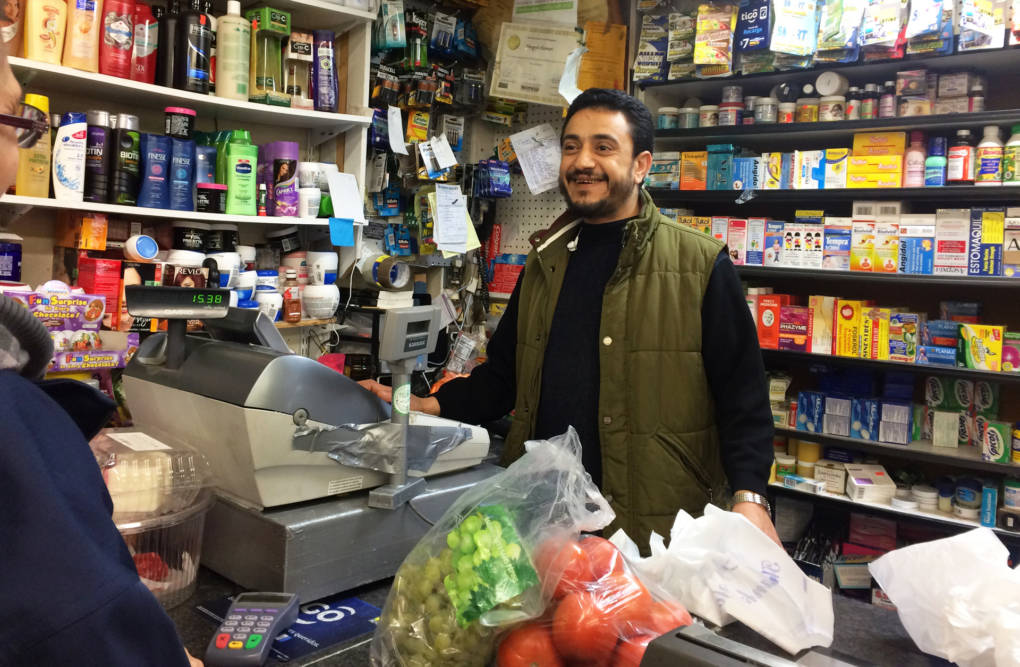
"caption": "Mogeeb Alomri chats with customers at his grocery store in Oakland. Alomri believes President Trump's immigration orders could hurt his business and the likelihood his Yemeni wife and children can emigrate to the U.S. ",
"description": "Mogeeb Alomri chats with customers at his grocery store in Oakland. Alomri believes President Trump's immigration orders could hurt his business and the likelihood his Yemeni wife and children can emigrate to the U.S. ",
"title": "YemeniGrocer",
"credit": "Farida Jhabvala Romero/KQED",
"status": "inherit",
"isLoading": false,
"fetchFailed": false
},
"news_11341334": {
"type": "attachments",
"id": "news_11341334",
"meta": {
"index": "attachments_1716263798",
"site": "news",
"id": "11341334",
"found": true
},
"parent": 11330334,
"imgSizes": {
"small": {
"file": "https://ww2.kqed.org/app/uploads/sites/10/2017/03/RS24462_political_unproductivity01-qut-520x278.jpg",
"width": 520,
"mimeType": "image/jpeg",
"height": 278
},
"twentyfourteen-full-width": {
"file": "https://ww2.kqed.org/app/uploads/sites/10/2017/03/RS24462_political_unproductivity01-qut-1038x576.jpg",
"width": 1038,
"mimeType": "image/jpeg",
"height": 576
},
"thumbnail": {
"file": "https://ww2.kqed.org/app/uploads/sites/10/2017/03/RS24462_political_unproductivity01-qut-160x86.jpg",
"width": 160,
"mimeType": "image/jpeg",
"height": 86
},
"fd-sm": {
"file": "https://ww2.kqed.org/app/uploads/sites/10/2017/03/RS24462_political_unproductivity01-qut-960x514.jpg",
"width": 960,
"mimeType": "image/jpeg",
"height": 514
},
"post-thumbnail": {
"file": "https://ww2.kqed.org/app/uploads/sites/10/2017/03/RS24462_political_unproductivity01-qut-672x372.jpg",
"width": 672,
"mimeType": "image/jpeg",
"height": 372
},
"xsmall": {
"file": "https://ww2.kqed.org/app/uploads/sites/10/2017/03/RS24462_political_unproductivity01-qut-375x201.jpg",
"width": 375,
"mimeType": "image/jpeg",
"height": 201
},
"kqedFullSize": {
"file": "https://ww2.kqed.org/app/uploads/sites/10/2017/03/RS24462_political_unproductivity01-qut.jpg",
"width": 1920,
"height": 1028
},
"large": {
"file": "https://ww2.kqed.org/app/uploads/sites/10/2017/03/RS24462_political_unproductivity01-qut-1020x546.jpg",
"width": 1020,
"mimeType": "image/jpeg",
"height": 546
},
"xlarge": {
"file": "https://ww2.kqed.org/app/uploads/sites/10/2017/03/RS24462_political_unproductivity01-qut-1180x632.jpg",
"width": 1180,
"mimeType": "image/jpeg",
"height": 632
},
"guest-author-50": {
"file": "https://ww2.kqed.org/app/uploads/sites/10/2017/03/RS24462_political_unproductivity01-qut-50x50.jpg",
"width": 50,
"mimeType": "image/jpeg",
"height": 50
},
"guest-author-96": {
"file": "https://ww2.kqed.org/app/uploads/sites/10/2017/03/RS24462_political_unproductivity01-qut-96x96.jpg",
"width": 96,
"mimeType": "image/jpeg",
"height": 96
},
"medium": {
"file": "https://ww2.kqed.org/app/uploads/sites/10/2017/03/RS24462_political_unproductivity01-qut-800x428.jpg",
"width": 800,
"mimeType": "image/jpeg",
"height": 428
},
"guest-author-64": {
"file": "https://ww2.kqed.org/app/uploads/sites/10/2017/03/RS24462_political_unproductivity01-qut-64x64.jpg",
"width": 64,
"mimeType": "image/jpeg",
"height": 64
},
"guest-author-32": {
"file": "https://ww2.kqed.org/app/uploads/sites/10/2017/03/RS24462_political_unproductivity01-qut-32x32.jpg",
"width": 32,
"mimeType": "image/jpeg",
"height": 32
},
"fd-lrg": {
"file": "https://ww2.kqed.org/app/uploads/sites/10/2017/03/RS24462_political_unproductivity01-qut-1920x1028.jpg",
"width": 1920,
"mimeType": "image/jpeg",
"height": 1028
},
"fd-med": {
"file": "https://ww2.kqed.org/app/uploads/sites/10/2017/03/RS24462_political_unproductivity01-qut-1180x632.jpg",
"width": 1180,
"mimeType": "image/jpeg",
"height": 632
},
"full-width": {
"file": "https://ww2.kqed.org/app/uploads/sites/10/2017/03/RS24462_political_unproductivity01-qut-1920x1028.jpg",
"width": 1920,
"mimeType": "image/jpeg",
"height": 1028
},
"detail": {
"file": "https://ww2.kqed.org/app/uploads/sites/10/2017/03/RS24462_political_unproductivity01-qut-150x150.jpg",
"width": 150,
"mimeType": "image/jpeg",
"height": 150
},
"guest-author-128": {
"file": "https://ww2.kqed.org/app/uploads/sites/10/2017/03/RS24462_political_unproductivity01-qut-128x128.jpg",
"width": 128,
"mimeType": "image/jpeg",
"height": 128
},
"xxsmall": {
"file": "https://ww2.kqed.org/app/uploads/sites/10/2017/03/RS24462_political_unproductivity01-qut-240x129.jpg",
"width": 240,
"mimeType": "image/jpeg",
"height": 129
}
},
"publishDate": 1488488752,
"modified": 1488494848,
"caption": "Workers are spending two hours a day reading and talking about politics, according to a survey from Wakefield Research.",
"description": null,
"title": "RS24462_political_unproductivity01-qut",
"credit": "Mark Fiore/KQED",
"status": "inherit",
"isLoading": false,
"fetchFailed": false
},
"news_11341353": {
"type": "attachments",
"id": "news_11341353",
"meta": {
"index": "attachments_1716263798",
"site": "news",
"id": "11341353",
"found": true
},
"parent": 11341346,
"imgSizes": {
"small": {
"file": "https://ww2.kqed.org/app/uploads/sites/10/2017/03/JeffSessions-520x340.jpg",
"width": 520,
"mimeType": "image/jpeg",
"height": 340
},
"twentyfourteen-full-width": {
"file": "https://ww2.kqed.org/app/uploads/sites/10/2017/03/JeffSessions-1038x576.jpg",
"width": 1038,
"mimeType": "image/jpeg",
"height": 576
},
"thumbnail": {
"file": "https://ww2.kqed.org/app/uploads/sites/10/2017/03/JeffSessions-160x105.jpg",
"width": 160,
"mimeType": "image/jpeg",
"height": 105
},
"fd-sm": {
"file": "https://ww2.kqed.org/app/uploads/sites/10/2017/03/JeffSessions-960x628.jpg",
"width": 960,
"mimeType": "image/jpeg",
"height": 628
},
"post-thumbnail": {
"file": "https://ww2.kqed.org/app/uploads/sites/10/2017/03/JeffSessions-672x372.jpg",
"width": 672,
"mimeType": "image/jpeg",
"height": 372
},
"xsmall": {
"file": "https://ww2.kqed.org/app/uploads/sites/10/2017/03/JeffSessions-375x245.jpg",
"width": 375,
"mimeType": "image/jpeg",
"height": 245
},
"kqedFullSize": {
"file": "https://ww2.kqed.org/app/uploads/sites/10/2017/03/JeffSessions.jpg",
"width": 1920,
"height": 1255
},
"large": {
"file": "https://ww2.kqed.org/app/uploads/sites/10/2017/03/JeffSessions-1020x667.jpg",
"width": 1020,
"mimeType": "image/jpeg",
"height": 667
},
"xlarge": {
"file": "https://ww2.kqed.org/app/uploads/sites/10/2017/03/JeffSessions-1180x771.jpg",
"width": 1180,
"mimeType": "image/jpeg",
"height": 771
},
"guest-author-50": {
"file": "https://ww2.kqed.org/app/uploads/sites/10/2017/03/JeffSessions-50x50.jpg",
"width": 50,
"mimeType": "image/jpeg",
"height": 50
},
"guest-author-96": {
"file": "https://ww2.kqed.org/app/uploads/sites/10/2017/03/JeffSessions-96x96.jpg",
"width": 96,
"mimeType": "image/jpeg",
"height": 96
},
"medium": {
"file": "https://ww2.kqed.org/app/uploads/sites/10/2017/03/JeffSessions-800x523.jpg",
"width": 800,
"mimeType": "image/jpeg",
"height": 523
},
"guest-author-64": {
"file": "https://ww2.kqed.org/app/uploads/sites/10/2017/03/JeffSessions-64x64.jpg",
"width": 64,
"mimeType": "image/jpeg",
"height": 64
},
"guest-author-32": {
"file": "https://ww2.kqed.org/app/uploads/sites/10/2017/03/JeffSessions-32x32.jpg",
"width": 32,
"mimeType": "image/jpeg",
"height": 32
},
"fd-lrg": {
"file": "https://ww2.kqed.org/app/uploads/sites/10/2017/03/JeffSessions-1920x1255.jpg",
"width": 1920,
"mimeType": "image/jpeg",
"height": 1255
},
"fd-med": {
"file": "https://ww2.kqed.org/app/uploads/sites/10/2017/03/JeffSessions-1180x771.jpg",
"width": 1180,
"mimeType": "image/jpeg",
"height": 771
},
"full-width": {
"file": "https://ww2.kqed.org/app/uploads/sites/10/2017/03/JeffSessions-1920x1255.jpg",
"width": 1920,
"mimeType": "image/jpeg",
"height": 1255
},
"detail": {
"file": "https://ww2.kqed.org/app/uploads/sites/10/2017/03/JeffSessions-150x150.jpg",
"width": 150,
"mimeType": "image/jpeg",
"height": 150
},
"guest-author-128": {
"file": "https://ww2.kqed.org/app/uploads/sites/10/2017/03/JeffSessions-128x128.jpg",
"width": 128,
"mimeType": "image/jpeg",
"height": 128
},
"xxsmall": {
"file": "https://ww2.kqed.org/app/uploads/sites/10/2017/03/JeffSessions-240x157.jpg",
"width": 240,
"mimeType": "image/jpeg",
"height": 157
}
},
"publishDate": 1488491270,
"modified": 1488492981,
"caption": "Attorney General Jeff Sessions speaks at the Justice Department on Thursday. He is under fire after reports that he had conversations with the Russian ambassador last year.",
"description": "Attorney General Jeff Sessions speaks at the Justice Department on Thursday. He is under fire after reports that he had conversations with the Russian ambassador last year.",
"title": "JeffSessions",
"credit": "Nicholas Kamm/AFP/Getty Images",
"status": "inherit",
"isLoading": false,
"fetchFailed": false
},
"news_11340955": {
"type": "attachments",
"id": "news_11340955",
"meta": {
"index": "attachments_1716263798",
"site": "news",
"id": "11340955",
"found": true
},
"parent": 11340896,
"imgSizes": {
"small": {
"file": "https://ww2.kqed.org/app/uploads/sites/10/2017/03/RS23545_GettyImages-631410634-qut-520x347.jpg",
"width": 520,
"mimeType": "image/jpeg",
"height": 347
},
"twentyfourteen-full-width": {
"file": "https://ww2.kqed.org/app/uploads/sites/10/2017/03/RS23545_GettyImages-631410634-qut-1038x576.jpg",
"width": 1038,
"mimeType": "image/jpeg",
"height": 576
},
"thumbnail": {
"file": "https://ww2.kqed.org/app/uploads/sites/10/2017/03/RS23545_GettyImages-631410634-qut-160x107.jpg",
"width": 160,
"mimeType": "image/jpeg",
"height": 107
},
"fd-sm": {
"file": "https://ww2.kqed.org/app/uploads/sites/10/2017/03/RS23545_GettyImages-631410634-qut-960x640.jpg",
"width": 960,
"mimeType": "image/jpeg",
"height": 640
},
"post-thumbnail": {
"file": "https://ww2.kqed.org/app/uploads/sites/10/2017/03/RS23545_GettyImages-631410634-qut-672x372.jpg",
"width": 672,
"mimeType": "image/jpeg",
"height": 372
},
"xsmall": {
"file": "https://ww2.kqed.org/app/uploads/sites/10/2017/03/RS23545_GettyImages-631410634-qut-375x250.jpg",
"width": 375,
"mimeType": "image/jpeg",
"height": 250
},
"kqedFullSize": {
"file": "https://ww2.kqed.org/app/uploads/sites/10/2017/03/RS23545_GettyImages-631410634-qut.jpg",
"width": 1920,
"height": 1280
},
"large": {
"file": "https://ww2.kqed.org/app/uploads/sites/10/2017/03/RS23545_GettyImages-631410634-qut-1020x680.jpg",
"width": 1020,
"mimeType": "image/jpeg",
"height": 680
},
"xlarge": {
"file": "https://ww2.kqed.org/app/uploads/sites/10/2017/03/RS23545_GettyImages-631410634-qut-1180x787.jpg",
"width": 1180,
"mimeType": "image/jpeg",
"height": 787
},
"guest-author-50": {
"file": "https://ww2.kqed.org/app/uploads/sites/10/2017/03/RS23545_GettyImages-631410634-qut-50x50.jpg",
"width": 50,
"mimeType": "image/jpeg",
"height": 50
},
"guest-author-96": {
"file": "https://ww2.kqed.org/app/uploads/sites/10/2017/03/RS23545_GettyImages-631410634-qut-96x96.jpg",
"width": 96,
"mimeType": "image/jpeg",
"height": 96
},
"medium": {
"file": "https://ww2.kqed.org/app/uploads/sites/10/2017/03/RS23545_GettyImages-631410634-qut-800x533.jpg",
"width": 800,
"mimeType": "image/jpeg",
"height": 533
},
"guest-author-64": {
"file": "https://ww2.kqed.org/app/uploads/sites/10/2017/03/RS23545_GettyImages-631410634-qut-64x64.jpg",
"width": 64,
"mimeType": "image/jpeg",
"height": 64
},
"guest-author-32": {
"file": "https://ww2.kqed.org/app/uploads/sites/10/2017/03/RS23545_GettyImages-631410634-qut-32x32.jpg",
"width": 32,
"mimeType": "image/jpeg",
"height": 32
},
"fd-lrg": {
"file": "https://ww2.kqed.org/app/uploads/sites/10/2017/03/RS23545_GettyImages-631410634-qut-1920x1280.jpg",
"width": 1920,
"mimeType": "image/jpeg",
"height": 1280
},
"fd-med": {
"file": "https://ww2.kqed.org/app/uploads/sites/10/2017/03/RS23545_GettyImages-631410634-qut-1180x787.jpg",
"width": 1180,
"mimeType": "image/jpeg",
"height": 787
},
"full-width": {
"file": "https://ww2.kqed.org/app/uploads/sites/10/2017/03/RS23545_GettyImages-631410634-qut-1920x1280.jpg",
"width": 1920,
"mimeType": "image/jpeg",
"height": 1280
},
"detail": {
"file": "https://ww2.kqed.org/app/uploads/sites/10/2017/03/RS23545_GettyImages-631410634-qut-150x150.jpg",
"width": 150,
"mimeType": "image/jpeg",
"height": 150
},
"guest-author-128": {
"file": "https://ww2.kqed.org/app/uploads/sites/10/2017/03/RS23545_GettyImages-631410634-qut-128x128.jpg",
"width": 128,
"mimeType": "image/jpeg",
"height": 128
},
"xxsmall": {
"file": "https://ww2.kqed.org/app/uploads/sites/10/2017/03/RS23545_GettyImages-631410634-qut-240x160.jpg",
"width": 240,
"mimeType": "image/jpeg",
"height": 160
}
},
"publishDate": 1488470440,
"modified": 1488500880,
"caption": "Sen. Jeff Sessions (R-AL) testifies before the Senate Judiciary Committee during his confirmation hearing to be the U.S. attorney general on Jan. 10, 2017, in Washington, D.C. ",
"description": null,
"title": "RS23545_GettyImages-631410634-qut",
"credit": "Chip Somodevilla/Getty Images",
"status": "inherit",
"isLoading": false,
"fetchFailed": false
},
"news_11338176": {
"type": "attachments",
"id": "news_11338176",
"meta": {
"index": "attachments_1716263798",
"site": "news",
"id": "11338176",
"found": true
},
"parent": 11338167,
"imgSizes": {
"small": {
"file": "https://ww2.kqed.org/app/uploads/sites/10/2017/02/Capitol-1-520x330.jpg",
"width": 520,
"mimeType": "image/jpeg",
"height": 330
},
"twentyfourteen-full-width": {
"file": "https://ww2.kqed.org/app/uploads/sites/10/2017/02/Capitol-1-1038x576.jpg",
"width": 1038,
"mimeType": "image/jpeg",
"height": 576
},
"thumbnail": {
"file": "https://ww2.kqed.org/app/uploads/sites/10/2017/02/Capitol-1-160x102.jpg",
"width": 160,
"mimeType": "image/jpeg",
"height": 102
},
"fd-sm": {
"file": "https://ww2.kqed.org/app/uploads/sites/10/2017/02/Capitol-1-960x609.jpg",
"width": 960,
"mimeType": "image/jpeg",
"height": 609
},
"post-thumbnail": {
"file": "https://ww2.kqed.org/app/uploads/sites/10/2017/02/Capitol-1-672x372.jpg",
"width": 672,
"mimeType": "image/jpeg",
"height": 372
},
"xsmall": {
"file": "https://ww2.kqed.org/app/uploads/sites/10/2017/02/Capitol-1-375x238.jpg",
"width": 375,
"mimeType": "image/jpeg",
"height": 238
},
"kqedFullSize": {
"file": "https://ww2.kqed.org/app/uploads/sites/10/2017/02/Capitol-1.jpg",
"width": 1920,
"height": 1218
},
"large": {
"file": "https://ww2.kqed.org/app/uploads/sites/10/2017/02/Capitol-1-1020x647.jpg",
"width": 1020,
"mimeType": "image/jpeg",
"height": 647
},
"xlarge": {
"file": "https://ww2.kqed.org/app/uploads/sites/10/2017/02/Capitol-1-1180x749.jpg",
"width": 1180,
"mimeType": "image/jpeg",
"height": 749
},
"guest-author-50": {
"file": "https://ww2.kqed.org/app/uploads/sites/10/2017/02/Capitol-1-50x50.jpg",
"width": 50,
"mimeType": "image/jpeg",
"height": 50
},
"guest-author-96": {
"file": "https://ww2.kqed.org/app/uploads/sites/10/2017/02/Capitol-1-96x96.jpg",
"width": 96,
"mimeType": "image/jpeg",
"height": 96
},
"medium": {
"file": "https://ww2.kqed.org/app/uploads/sites/10/2017/02/Capitol-1-800x508.jpg",
"width": 800,
"mimeType": "image/jpeg",
"height": 508
},
"guest-author-64": {
"file": "https://ww2.kqed.org/app/uploads/sites/10/2017/02/Capitol-1-64x64.jpg",
"width": 64,
"mimeType": "image/jpeg",
"height": 64
},
"guest-author-32": {
"file": "https://ww2.kqed.org/app/uploads/sites/10/2017/02/Capitol-1-32x32.jpg",
"width": 32,
"mimeType": "image/jpeg",
"height": 32
},
"fd-lrg": {
"file": "https://ww2.kqed.org/app/uploads/sites/10/2017/02/Capitol-1-1920x1218.jpg",
"width": 1920,
"mimeType": "image/jpeg",
"height": 1218
},
"fd-med": {
"file": "https://ww2.kqed.org/app/uploads/sites/10/2017/02/Capitol-1-1180x749.jpg",
"width": 1180,
"mimeType": "image/jpeg",
"height": 749
},
"full-width": {
"file": "https://ww2.kqed.org/app/uploads/sites/10/2017/02/Capitol-1-1920x1218.jpg",
"width": 1920,
"mimeType": "image/jpeg",
"height": 1218
},
"detail": {
"file": "https://ww2.kqed.org/app/uploads/sites/10/2017/02/Capitol-1-150x150.jpg",
"width": 150,
"mimeType": "image/jpeg",
"height": 150
},
"guest-author-128": {
"file": "https://ww2.kqed.org/app/uploads/sites/10/2017/02/Capitol-1-128x128.jpg",
"width": 128,
"mimeType": "image/jpeg",
"height": 128
},
"xxsmall": {
"file": "https://ww2.kqed.org/app/uploads/sites/10/2017/02/Capitol-1-240x152.jpg",
"width": 240,
"mimeType": "image/jpeg",
"height": 152
}
},
"publishDate": 1488318880,
"modified": 1512060621,
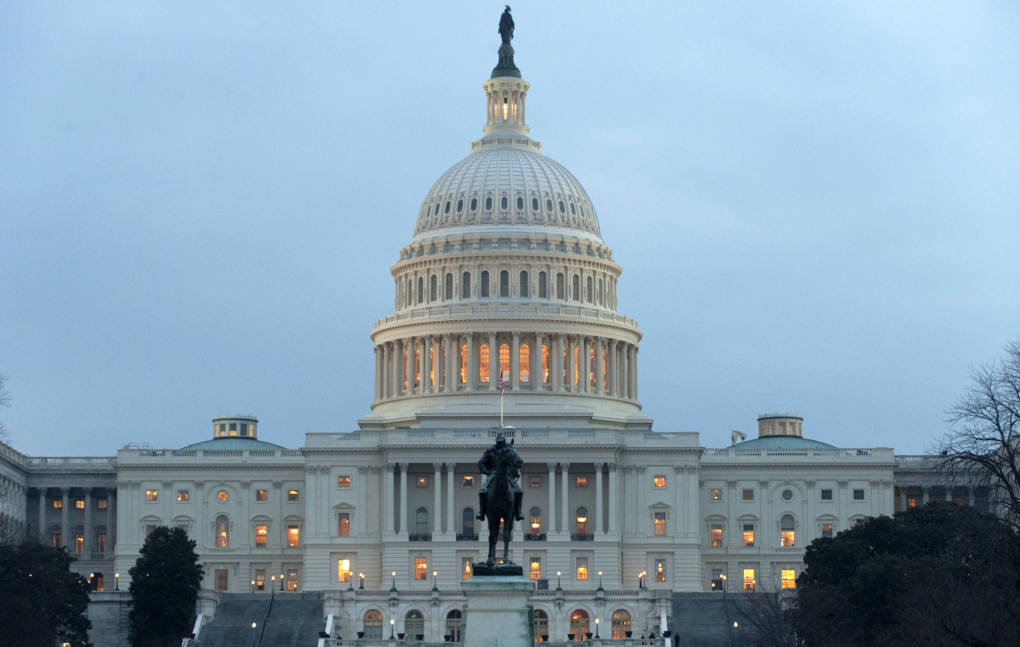
"caption": "The Senate began debate on a sweeping GOP tax bill on Thursday.",
"description": "The Senate began debate on a sweeping GOP tax bill on Thursday.",
"title": "Capitol",
"credit": "SAUL LOEB/AFP/Getty Images",
"status": "inherit",
"isLoading": false,
"fetchFailed": false
},
"news_11336762": {
"type": "attachments",
"id": "news_11336762",
"meta": {
"index": "attachments_1716263798",
"site": "news",
"id": "11336762",
"found": true
},
"parent": 11332186,
"imgSizes": {
"small": {
"file": "https://ww2.kqed.org/app/uploads/sites/10/2017/02/BishopJoseGomez-520x336.jpg",
"width": 520,
"mimeType": "image/jpeg",
"height": 336
},
"twentyfourteen-full-width": {
"file": "https://ww2.kqed.org/app/uploads/sites/10/2017/02/BishopJoseGomez-1038x576.jpg",
"width": 1038,
"mimeType": "image/jpeg",
"height": 576
},
"thumbnail": {
"file": "https://ww2.kqed.org/app/uploads/sites/10/2017/02/BishopJoseGomez-160x103.jpg",
"width": 160,
"mimeType": "image/jpeg",
"height": 103
},
"fd-sm": {
"file": "https://ww2.kqed.org/app/uploads/sites/10/2017/02/BishopJoseGomez-960x621.jpg",
"width": 960,
"mimeType": "image/jpeg",
"height": 621
},
"post-thumbnail": {
"file": "https://ww2.kqed.org/app/uploads/sites/10/2017/02/BishopJoseGomez-672x372.jpg",
"width": 672,
"mimeType": "image/jpeg",
"height": 372
},
"xsmall": {
"file": "https://ww2.kqed.org/app/uploads/sites/10/2017/02/BishopJoseGomez-375x242.jpg",
"width": 375,
"mimeType": "image/jpeg",
"height": 242
},
"kqedFullSize": {
"file": "https://ww2.kqed.org/app/uploads/sites/10/2017/02/BishopJoseGomez.jpg",
"width": 1920,
"height": 1241
},
"large": {
"file": "https://ww2.kqed.org/app/uploads/sites/10/2017/02/BishopJoseGomez-1020x659.jpg",
"width": 1020,
"mimeType": "image/jpeg",
"height": 659
},
"xlarge": {
"file": "https://ww2.kqed.org/app/uploads/sites/10/2017/02/BishopJoseGomez-1180x763.jpg",
"width": 1180,
"mimeType": "image/jpeg",
"height": 763
},
"guest-author-50": {
"file": "https://ww2.kqed.org/app/uploads/sites/10/2017/02/BishopJoseGomez-50x50.jpg",
"width": 50,
"mimeType": "image/jpeg",
"height": 50
},
"guest-author-96": {
"file": "https://ww2.kqed.org/app/uploads/sites/10/2017/02/BishopJoseGomez-96x96.jpg",
"width": 96,
"mimeType": "image/jpeg",
"height": 96
},
"medium": {
"file": "https://ww2.kqed.org/app/uploads/sites/10/2017/02/BishopJoseGomez-800x517.jpg",
"width": 800,
"mimeType": "image/jpeg",
"height": 517
},
"guest-author-64": {
"file": "https://ww2.kqed.org/app/uploads/sites/10/2017/02/BishopJoseGomez-64x64.jpg",
"width": 64,
"mimeType": "image/jpeg",
"height": 64
},
"guest-author-32": {
"file": "https://ww2.kqed.org/app/uploads/sites/10/2017/02/BishopJoseGomez-32x32.jpg",
"width": 32,
"mimeType": "image/jpeg",
"height": 32
},
"fd-lrg": {
"file": "https://ww2.kqed.org/app/uploads/sites/10/2017/02/BishopJoseGomez-1920x1241.jpg",
"width": 1920,
"mimeType": "image/jpeg",
"height": 1241
},
"fd-med": {
"file": "https://ww2.kqed.org/app/uploads/sites/10/2017/02/BishopJoseGomez-1180x763.jpg",
"width": 1180,
"mimeType": "image/jpeg",
"height": 763
},
"full-width": {
"file": "https://ww2.kqed.org/app/uploads/sites/10/2017/02/BishopJoseGomez-1920x1241.jpg",
"width": 1920,
"mimeType": "image/jpeg",
"height": 1241
},
"detail": {
"file": "https://ww2.kqed.org/app/uploads/sites/10/2017/02/BishopJoseGomez-150x150.jpg",
"width": 150,
"mimeType": "image/jpeg",
"height": 150
},
"guest-author-128": {
"file": "https://ww2.kqed.org/app/uploads/sites/10/2017/02/BishopJoseGomez-128x128.jpg",
"width": 128,
"mimeType": "image/jpeg",
"height": 128
},
"xxsmall": {
"file": "https://ww2.kqed.org/app/uploads/sites/10/2017/02/BishopJoseGomez-240x155.jpg",
"width": 240,
"mimeType": "image/jpeg",
"height": 155
}
},
"publishDate": 1488238792,
"modified": 1488238898,
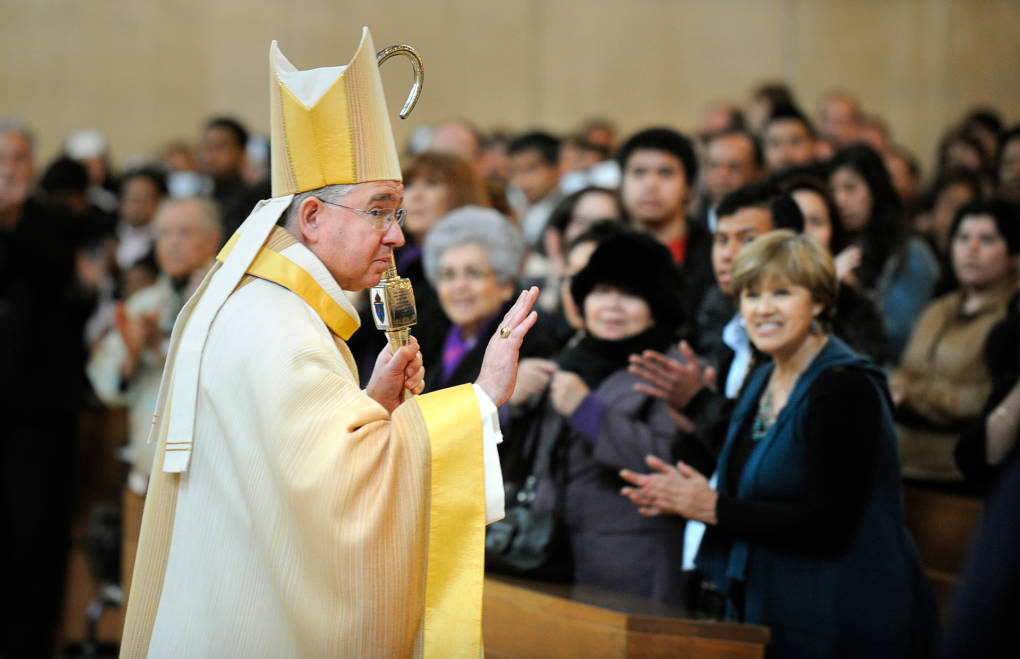
"caption": "Los Angeles Archbishop Jose Gomez during his Ceremony of Transition in 2011. ",
"description": "Los Angeles Archbishop Jose Gomez during his Ceremony of Transition in 2011. ",
"title": "BishopJoseGomez",
"credit": "Wally Skalij/Getty Images",
"status": "inherit",
"isLoading": false,
"fetchFailed": false
},
"news_11338141": {
"type": "attachments",
"id": "news_11338141",
"meta": {
"index": "attachments_1716263798",
"site": "news",
"id": "11338141",
"found": true
},
"parent": 11338139,
"imgSizes": {
"small": {
"file": "https://ww2.kqed.org/app/uploads/sites/10/2017/02/Reich_interview-520x293.jpg",
"width": 520,
"mimeType": "image/jpeg",
"height": 293
},
"twentyfourteen-full-width": {
"file": "https://ww2.kqed.org/app/uploads/sites/10/2017/02/Reich_interview-1038x576.jpg",
"width": 1038,
"mimeType": "image/jpeg",
"height": 576
},
"thumbnail": {
"file": "https://ww2.kqed.org/app/uploads/sites/10/2017/02/Reich_interview-160x90.jpg",
"width": 160,
"mimeType": "image/jpeg",
"height": 90
},
"fd-sm": {
"file": "https://ww2.kqed.org/app/uploads/sites/10/2017/02/Reich_interview-960x540.jpg",
"width": 960,
"mimeType": "image/jpeg",
"height": 540
},
"post-thumbnail": {
"file": "https://ww2.kqed.org/app/uploads/sites/10/2017/02/Reich_interview-672x372.jpg",
"width": 672,
"mimeType": "image/jpeg",
"height": 372
},
"xsmall": {
"file": "https://ww2.kqed.org/app/uploads/sites/10/2017/02/Reich_interview-375x211.jpg",
"width": 375,
"mimeType": "image/jpeg",
"height": 211
},
"kqedFullSize": {
"file": "https://ww2.kqed.org/app/uploads/sites/10/2017/02/Reich_interview.jpg",
"width": 1280,
"height": 720
},
"large": {
"file": "https://ww2.kqed.org/app/uploads/sites/10/2017/02/Reich_interview-1020x574.jpg",
"width": 1020,
"mimeType": "image/jpeg",
"height": 574
},
"xlarge": {
"file": "https://ww2.kqed.org/app/uploads/sites/10/2017/02/Reich_interview-1180x664.jpg",
"width": 1180,
"mimeType": "image/jpeg",
"height": 664
},
"guest-author-50": {
"file": "https://ww2.kqed.org/app/uploads/sites/10/2017/02/Reich_interview-50x50.jpg",
"width": 50,
"mimeType": "image/jpeg",
"height": 50
},
"guest-author-96": {
"file": "https://ww2.kqed.org/app/uploads/sites/10/2017/02/Reich_interview-96x96.jpg",
"width": 96,
"mimeType": "image/jpeg",
"height": 96
},
"medium": {
"file": "https://ww2.kqed.org/app/uploads/sites/10/2017/02/Reich_interview-800x450.jpg",
"width": 800,
"mimeType": "image/jpeg",
"height": 450
},
"guest-author-64": {
"file": "https://ww2.kqed.org/app/uploads/sites/10/2017/02/Reich_interview-64x64.jpg",
"width": 64,
"mimeType": "image/jpeg",
"height": 64
},
"guest-author-32": {
"file": "https://ww2.kqed.org/app/uploads/sites/10/2017/02/Reich_interview-32x32.jpg",
"width": 32,
"mimeType": "image/jpeg",
"height": 32
},
"fd-med": {
"file": "https://ww2.kqed.org/app/uploads/sites/10/2017/02/Reich_interview-1180x664.jpg",
"width": 1180,
"mimeType": "image/jpeg",
"height": 664
},
"detail": {
"file": "https://ww2.kqed.org/app/uploads/sites/10/2017/02/Reich_interview-150x150.jpg",
"width": 150,
"mimeType": "image/jpeg",
"height": 150
},
"guest-author-128": {
"file": "https://ww2.kqed.org/app/uploads/sites/10/2017/02/Reich_interview-128x128.jpg",
"width": 128,
"mimeType": "image/jpeg",
"height": 128
},
"xxsmall": {
"file": "https://ww2.kqed.org/app/uploads/sites/10/2017/02/Reich_interview-240x135.jpg",
"width": 240,
"mimeType": "image/jpeg",
"height": 135
}
},
"publishDate": 1488316263,
"modified": 1488316263,
"caption": null,
"description": null,
"title": "Reich_interview",
"credit": null,
"status": "inherit",
"isLoading": false,
"fetchFailed": false
},
"news_11336857": {
"type": "attachments",
"id": "news_11336857",
"meta": {
"index": "attachments_1716263798",
"site": "news",
"id": "11336857",
"found": true
},
"title": "ICEDetainee",
"publishDate": 1488241734,
"status": "inherit",
"parent": 11336767,
"modified": 1722550121,
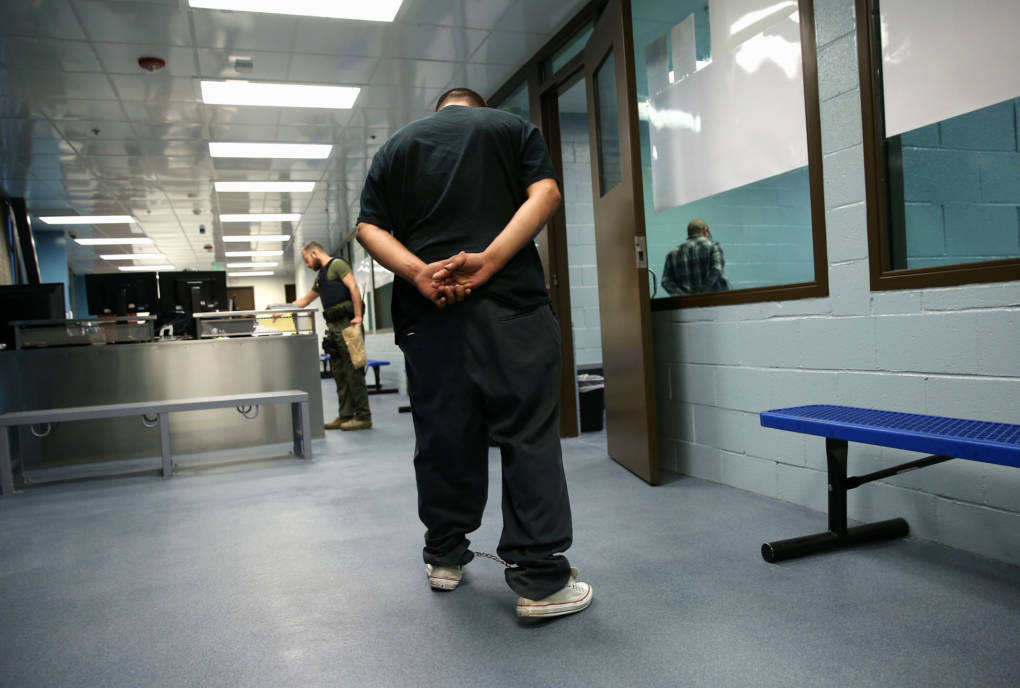
"caption": "An immigrant walks in chains through a U.S. Immigration and Customs Enforcement (ICE) processing center after being detained in 2015.",
"credit": "John Moore/Getty Images",
"altTag": "A person wearing dark-colored clothes and white shoes has their legs bound together with cuffs.",
"description": "An immigrant walks in chains through a U.S. Immigration and Customs Enforcement (ICE), processing center after being detained in 2015. ",
"imgSizes": {
"thumbnail": {
"file": "https://cdn.kqed.org/wp-content/uploads/sites/10/2017/02/ICEDetainee-160x108.jpg",
"width": 160,
"height": 108,
"mimeType": "image/jpeg"
},
"medium": {
"file": "https://cdn.kqed.org/wp-content/uploads/sites/10/2017/02/ICEDetainee-800x540.jpg",
"width": 800,
"height": 540,
"mimeType": "image/jpeg"
},
"large": {
"file": "https://cdn.kqed.org/wp-content/uploads/sites/10/2017/02/ICEDetainee-1020x688.jpg",
"width": 1020,
"height": 688,
"mimeType": "image/jpeg"
},
"fd-lrg": {
"file": "https://cdn.kqed.org/wp-content/uploads/sites/10/2017/02/ICEDetainee-1920x1295.jpg",
"width": 1920,
"height": 1295,
"mimeType": "image/jpeg"
},
"fd-med": {
"file": "https://cdn.kqed.org/wp-content/uploads/sites/10/2017/02/ICEDetainee-1180x796.jpg",
"width": 1180,
"height": 796,
"mimeType": "image/jpeg"
},
"fd-sm": {
"file": "https://cdn.kqed.org/wp-content/uploads/sites/10/2017/02/ICEDetainee-960x648.jpg",
"width": 960,
"height": 648,
"mimeType": "image/jpeg"
},
"post-thumbnail": {
"file": "https://cdn.kqed.org/wp-content/uploads/sites/10/2017/02/ICEDetainee-672x372.jpg",
"width": 672,
"height": 372,
"mimeType": "image/jpeg"
},
"twentyfourteen-full-width": {
"file": "https://cdn.kqed.org/wp-content/uploads/sites/10/2017/02/ICEDetainee-1038x576.jpg",
"width": 1038,
"height": 576,
"mimeType": "image/jpeg"
},
"xxsmall": {
"file": "https://cdn.kqed.org/wp-content/uploads/sites/10/2017/02/ICEDetainee-240x162.jpg",
"width": 240,
"height": 162,
"mimeType": "image/jpeg"
},
"xsmall": {
"file": "https://cdn.kqed.org/wp-content/uploads/sites/10/2017/02/ICEDetainee-375x253.jpg",
"width": 375,
"height": 253,
"mimeType": "image/jpeg"
},
"small": {
"file": "https://cdn.kqed.org/wp-content/uploads/sites/10/2017/02/ICEDetainee-520x351.jpg",
"width": 520,
"height": 351,
"mimeType": "image/jpeg"
},
"xlarge": {
"file": "https://cdn.kqed.org/wp-content/uploads/sites/10/2017/02/ICEDetainee-1180x796.jpg",
"width": 1180,
"height": 796,
"mimeType": "image/jpeg"
},
"full-width": {
"file": "https://cdn.kqed.org/wp-content/uploads/sites/10/2017/02/ICEDetainee-1920x1295.jpg",
"width": 1920,
"height": 1295,
"mimeType": "image/jpeg"
},
"guest-author-32": {
"file": "https://cdn.kqed.org/wp-content/uploads/sites/10/2017/02/ICEDetainee-32x32.jpg",
"width": 32,
"height": 32,
"mimeType": "image/jpeg"
},
"guest-author-50": {
"file": "https://cdn.kqed.org/wp-content/uploads/sites/10/2017/02/ICEDetainee-50x50.jpg",
"width": 50,
"height": 50,
"mimeType": "image/jpeg"
},
"guest-author-64": {
"file": "https://cdn.kqed.org/wp-content/uploads/sites/10/2017/02/ICEDetainee-64x64.jpg",
"width": 64,
"height": 64,
"mimeType": "image/jpeg"
},
"guest-author-96": {
"file": "https://cdn.kqed.org/wp-content/uploads/sites/10/2017/02/ICEDetainee-96x96.jpg",
"width": 96,
"height": 96,
"mimeType": "image/jpeg"
},
"guest-author-128": {
"file": "https://cdn.kqed.org/wp-content/uploads/sites/10/2017/02/ICEDetainee-128x128.jpg",
"width": 128,
"height": 128,
"mimeType": "image/jpeg"
},
"detail": {
"file": "https://cdn.kqed.org/wp-content/uploads/sites/10/2017/02/ICEDetainee-150x150.jpg",
"width": 150,
"height": 150,
"mimeType": "image/jpeg"
},
"kqedFullSize": {
"file": "https://cdn.kqed.org/wp-content/uploads/sites/10/2017/02/ICEDetainee.jpg",
"width": 1920,
"height": 1295
}
},
"isLoading": false,
"fetchFailed": false
},
"news_11335382": {
"type": "attachments",
"id": "news_11335382",
"meta": {
"index": "attachments_1716263798",
"site": "news",
"id": "11335382",
"found": true
},
"parent": 11335380,
"imgSizes": {
"small": {
"file": "https://ww2.kqed.org/app/uploads/sites/10/2017/02/IMG_3409-520x347.jpg",
"width": 520,
"mimeType": "image/jpeg",
"height": 347
},
"twentyfourteen-full-width": {
"file": "https://ww2.kqed.org/app/uploads/sites/10/2017/02/IMG_3409-1038x576.jpg",
"width": 1038,
"mimeType": "image/jpeg",
"height": 576
},
"thumbnail": {
"file": "https://ww2.kqed.org/app/uploads/sites/10/2017/02/IMG_3409-160x107.jpg",
"width": 160,
"mimeType": "image/jpeg",
"height": 107
},
"fd-sm": {
"file": "https://ww2.kqed.org/app/uploads/sites/10/2017/02/IMG_3409-960x640.jpg",
"width": 960,
"mimeType": "image/jpeg",
"height": 640
},
"post-thumbnail": {
"file": "https://ww2.kqed.org/app/uploads/sites/10/2017/02/IMG_3409-672x372.jpg",
"width": 672,
"mimeType": "image/jpeg",
"height": 372
},
"xsmall": {
"file": "https://ww2.kqed.org/app/uploads/sites/10/2017/02/IMG_3409-375x250.jpg",
"width": 375,
"mimeType": "image/jpeg",
"height": 250
},
"kqedFullSize": {
"file": "https://ww2.kqed.org/app/uploads/sites/10/2017/02/IMG_3409-e1488163401516.jpg",
"width": 1920,
"height": 1280
},
"large": {
"file": "https://ww2.kqed.org/app/uploads/sites/10/2017/02/IMG_3409-1020x680.jpg",
"width": 1020,
"mimeType": "image/jpeg",
"height": 680
},
"xlarge": {
"file": "https://ww2.kqed.org/app/uploads/sites/10/2017/02/IMG_3409-1180x787.jpg",
"width": 1180,
"mimeType": "image/jpeg",
"height": 787
},
"guest-author-50": {
"file": "https://ww2.kqed.org/app/uploads/sites/10/2017/02/IMG_3409-50x50.jpg",
"width": 50,
"mimeType": "image/jpeg",
"height": 50
},
"guest-author-96": {
"file": "https://ww2.kqed.org/app/uploads/sites/10/2017/02/IMG_3409-96x96.jpg",
"width": 96,
"mimeType": "image/jpeg",
"height": 96
},
"medium": {
"file": "https://ww2.kqed.org/app/uploads/sites/10/2017/02/IMG_3409-800x533.jpg",
"width": 800,
"mimeType": "image/jpeg",
"height": 533
},
"guest-author-64": {
"file": "https://ww2.kqed.org/app/uploads/sites/10/2017/02/IMG_3409-64x64.jpg",
"width": 64,
"mimeType": "image/jpeg",
"height": 64
},
"guest-author-32": {
"file": "https://ww2.kqed.org/app/uploads/sites/10/2017/02/IMG_3409-32x32.jpg",
"width": 32,
"mimeType": "image/jpeg",
"height": 32
},
"fd-lrg": {
"file": "https://ww2.kqed.org/app/uploads/sites/10/2017/02/IMG_3409-1920x1280.jpg",
"width": 1920,
"mimeType": "image/jpeg",
"height": 1280
},
"fd-med": {
"file": "https://ww2.kqed.org/app/uploads/sites/10/2017/02/IMG_3409-1180x787.jpg",
"width": 1180,
"mimeType": "image/jpeg",
"height": 787
},
"full-width": {
"file": "https://ww2.kqed.org/app/uploads/sites/10/2017/02/IMG_3409-1920x1280.jpg",
"width": 1920,
"mimeType": "image/jpeg",
"height": 1280
},
"detail": {
"file": "https://ww2.kqed.org/app/uploads/sites/10/2017/02/IMG_3409-150x150.jpg",
"width": 150,
"mimeType": "image/jpeg",
"height": 150
},
"guest-author-128": {
"file": "https://ww2.kqed.org/app/uploads/sites/10/2017/02/IMG_3409-128x128.jpg",
"width": 128,
"mimeType": "image/jpeg",
"height": 128
},
"xxsmall": {
"file": "https://ww2.kqed.org/app/uploads/sites/10/2017/02/IMG_3409-240x160.jpg",
"width": 240,
"mimeType": "image/jpeg",
"height": 160
}
},
"publishDate": 1488163318,
"modified": 1488170782,
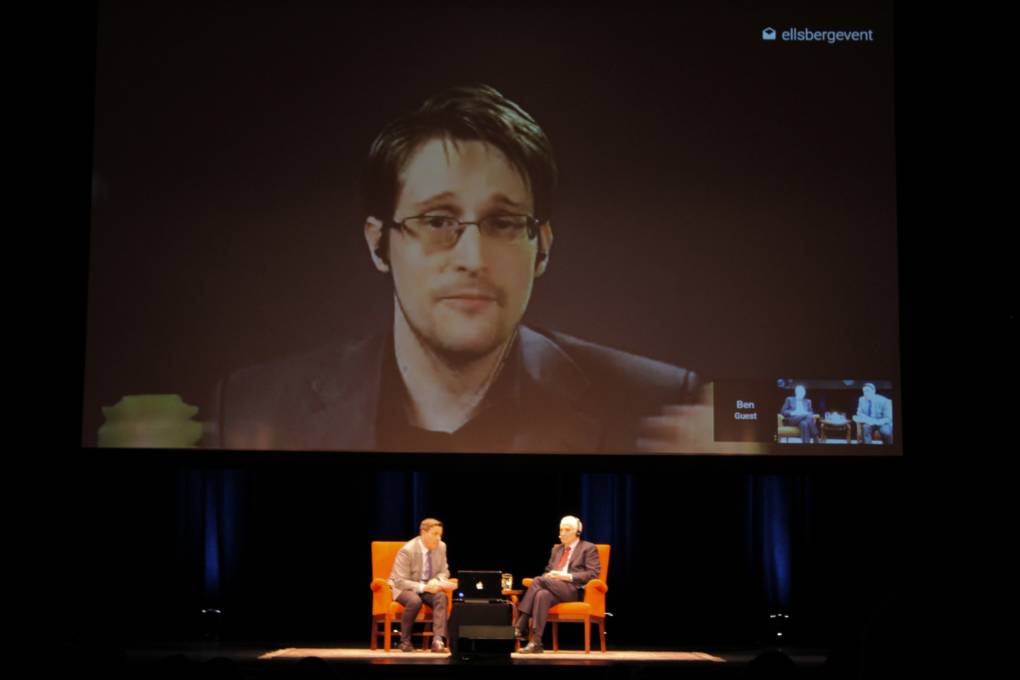
"caption": "Edward Snowden and Daniel Ellsberg talk with KQED's Scott Shafer at a City Arts & Lectures event in San Francisco on Feb. 26, 2017. ",
"description": null,
"title": "Edward Snowden",
"credit": "Ericka Cruz Guevarra/KQED",
"status": "inherit",
"isLoading": false,
"fetchFailed": false
},
"news_11336372": {
"type": "attachments",
"id": "news_11336372",
"meta": {
"index": "attachments_1716263798",
"site": "news",
"id": "11336372",
"found": true
},
"parent": 11330580,
"imgSizes": {
"small": {
"file": "https://ww2.kqed.org/app/uploads/sites/10/2017/02/TrumpCutout-520x433.jpg",
"width": 520,
"mimeType": "image/jpeg",
"height": 433
},
"twentyfourteen-full-width": {
"file": "https://ww2.kqed.org/app/uploads/sites/10/2017/02/TrumpCutout-1038x576.jpg",
"width": 1038,
"mimeType": "image/jpeg",
"height": 576
},
"thumbnail": {
"file": "https://ww2.kqed.org/app/uploads/sites/10/2017/02/TrumpCutout-160x133.jpg",
"width": 160,
"mimeType": "image/jpeg",
"height": 133
},
"fd-sm": {
"file": "https://ww2.kqed.org/app/uploads/sites/10/2017/02/TrumpCutout-960x800.jpg",
"width": 960,
"mimeType": "image/jpeg",
"height": 800
},
"post-thumbnail": {
"file": "https://ww2.kqed.org/app/uploads/sites/10/2017/02/TrumpCutout-672x372.jpg",
"width": 672,
"mimeType": "image/jpeg",
"height": 372
},
"xsmall": {
"file": "https://ww2.kqed.org/app/uploads/sites/10/2017/02/TrumpCutout-375x313.jpg",
"width": 375,
"mimeType": "image/jpeg",
"height": 313
},
"kqedFullSize": {
"file": "https://ww2.kqed.org/app/uploads/sites/10/2017/02/TrumpCutout.jpg",
"width": 1920,
"height": 1600
},
"large": {
"file": "https://ww2.kqed.org/app/uploads/sites/10/2017/02/TrumpCutout-1020x850.jpg",
"width": 1020,
"mimeType": "image/jpeg",
"height": 850
},
"xlarge": {
"file": "https://ww2.kqed.org/app/uploads/sites/10/2017/02/TrumpCutout-1180x983.jpg",
"width": 1180,
"mimeType": "image/jpeg",
"height": 983
},
"guest-author-50": {
"file": "https://ww2.kqed.org/app/uploads/sites/10/2017/02/TrumpCutout-50x50.jpg",
"width": 50,
"mimeType": "image/jpeg",
"height": 50
},
"guest-author-96": {
"file": "https://ww2.kqed.org/app/uploads/sites/10/2017/02/TrumpCutout-96x96.jpg",
"width": 96,
"mimeType": "image/jpeg",
"height": 96
},
"medium": {
"file": "https://ww2.kqed.org/app/uploads/sites/10/2017/02/TrumpCutout-800x667.jpg",
"width": 800,
"mimeType": "image/jpeg",
"height": 667
},
"guest-author-64": {
"file": "https://ww2.kqed.org/app/uploads/sites/10/2017/02/TrumpCutout-64x64.jpg",
"width": 64,
"mimeType": "image/jpeg",
"height": 64
},
"guest-author-32": {
"file": "https://ww2.kqed.org/app/uploads/sites/10/2017/02/TrumpCutout-32x32.jpg",
"width": 32,
"mimeType": "image/jpeg",
"height": 32
},
"fd-lrg": {
"file": "https://ww2.kqed.org/app/uploads/sites/10/2017/02/TrumpCutout-1920x1600.jpg",
"width": 1920,
"mimeType": "image/jpeg",
"height": 1600
},
"fd-med": {
"file": "https://ww2.kqed.org/app/uploads/sites/10/2017/02/TrumpCutout-1180x983.jpg",
"width": 1180,
"mimeType": "image/jpeg",
"height": 983
},
"full-width": {
"file": "https://ww2.kqed.org/app/uploads/sites/10/2017/02/TrumpCutout-1920x1600.jpg",
"width": 1920,
"mimeType": "image/jpeg",
"height": 1600
},
"detail": {
"file": "https://ww2.kqed.org/app/uploads/sites/10/2017/02/TrumpCutout-150x150.jpg",
"width": 150,
"mimeType": "image/jpeg",
"height": 150
},
"guest-author-128": {
"file": "https://ww2.kqed.org/app/uploads/sites/10/2017/02/TrumpCutout-128x128.jpg",
"width": 128,
"mimeType": "image/jpeg",
"height": 128
},
"xxsmall": {
"file": "https://ww2.kqed.org/app/uploads/sites/10/2017/02/TrumpCutout-240x200.jpg",
"width": 240,
"mimeType": "image/jpeg",
"height": 200
}
},
"publishDate": 1488221202,
"modified": 1488221225,
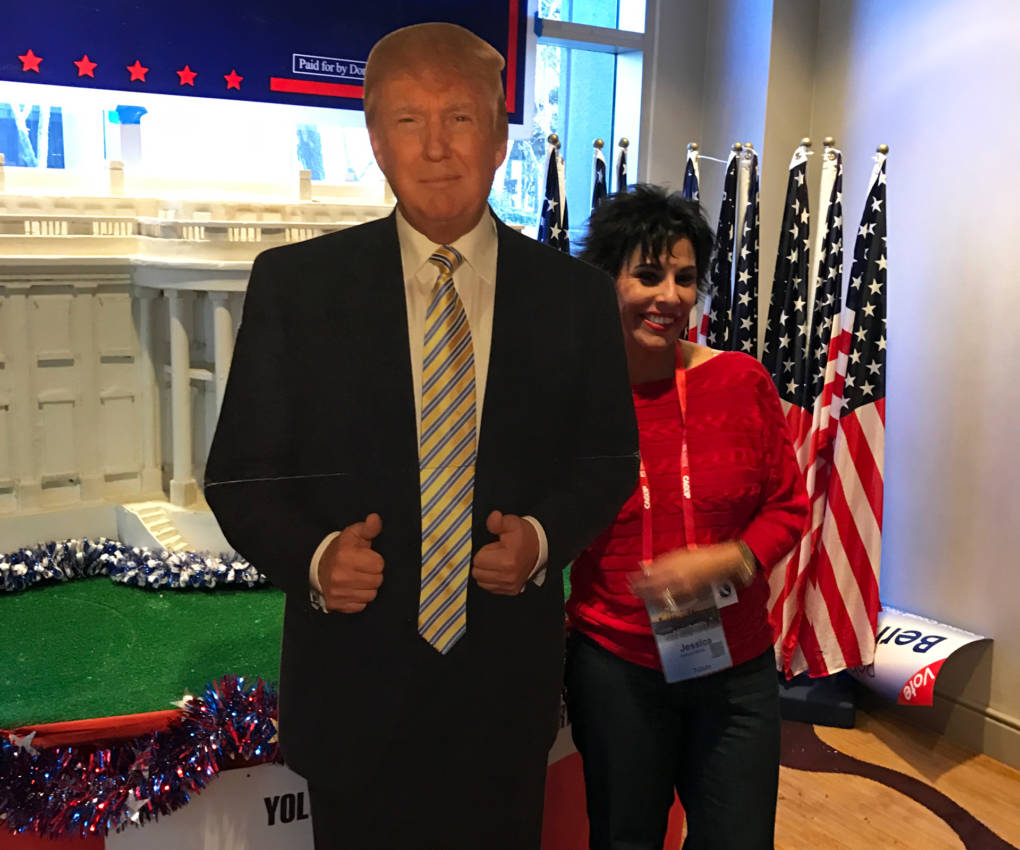
"caption": "Donald Trump did not appear at the California Republican Party convention, but many there took photos with a cardboard version of him.",
"description": "Donald Trump did not appear at the California Republican Party convention, but many there took photos with a cardboard version of him.",
"title": "TrumpCutout",
"credit": "Scott Shafer/KQED",
"status": "inherit",
"isLoading": false,
"fetchFailed": false
},
"arts_12812406": {
"type": "attachments",
"id": "arts_12812406",
"meta": {
"index": "attachments_1716263798",
"site": "arts",
"id": "12812406",
"found": true
},
"parent": 12808122,
"imgSizes": {
"small": {
"file": "https://ww2.kqed.org/app/uploads/sites/2/2017/02/RS24352_i-NgFDx99-XL-qut-520x293.jpg",
"width": 520,
"mimeType": "image/jpeg",
"height": 293
},
"twentyfourteen-full-width": {
"file": "https://ww2.kqed.org/app/uploads/sites/2/2017/02/RS24352_i-NgFDx99-XL-qut-1024x576.jpg",
"width": 1024,
"mimeType": "image/jpeg",
"height": 576
},
"thumbnail": {
"file": "https://ww2.kqed.org/app/uploads/sites/2/2017/02/RS24352_i-NgFDx99-XL-qut-160x90.jpg",
"width": 160,
"mimeType": "image/jpeg",
"height": 90
},
"fd-sm": {
"file": "https://ww2.kqed.org/app/uploads/sites/2/2017/02/RS24352_i-NgFDx99-XL-qut-960x540.jpg",
"width": 960,
"mimeType": "image/jpeg",
"height": 540
},
"post-thumbnail": {
"file": "https://ww2.kqed.org/app/uploads/sites/2/2017/02/RS24352_i-NgFDx99-XL-qut-672x372.jpg",
"width": 672,
"mimeType": "image/jpeg",
"height": 372
},
"xsmall": {
"file": "https://ww2.kqed.org/app/uploads/sites/2/2017/02/RS24352_i-NgFDx99-XL-qut-375x211.jpg",
"width": 375,
"mimeType": "image/jpeg",
"height": 211
},
"kqedFullSize": {
"file": "https://ww2.kqed.org/app/uploads/sites/2/2017/02/RS24352_i-NgFDx99-XL-qut.jpg",
"width": 1024,
"height": 576
},
"large": {
"file": "https://ww2.kqed.org/app/uploads/sites/2/2017/02/RS24352_i-NgFDx99-XL-qut-1020x574.jpg",
"width": 1020,
"mimeType": "image/jpeg",
"height": 574
},
"guest-author-50": {
"file": "https://ww2.kqed.org/app/uploads/sites/2/2017/02/RS24352_i-NgFDx99-XL-qut-50x50.jpg",
"width": 50,
"mimeType": "image/jpeg",
"height": 50
},
"guest-author-96": {
"file": "https://ww2.kqed.org/app/uploads/sites/2/2017/02/RS24352_i-NgFDx99-XL-qut-96x96.jpg",
"width": 96,
"mimeType": "image/jpeg",
"height": 96
},
"medium": {
"file": "https://ww2.kqed.org/app/uploads/sites/2/2017/02/RS24352_i-NgFDx99-XL-qut-800x450.jpg",
"width": 800,
"mimeType": "image/jpeg",
"height": 450
},
"guest-author-64": {
"file": "https://ww2.kqed.org/app/uploads/sites/2/2017/02/RS24352_i-NgFDx99-XL-qut-64x64.jpg",
"width": 64,
"mimeType": "image/jpeg",
"height": 64
},
"guest-author-32": {
"file": "https://ww2.kqed.org/app/uploads/sites/2/2017/02/RS24352_i-NgFDx99-XL-qut-32x32.jpg",
"width": 32,
"mimeType": "image/jpeg",
"height": 32
},
"detail": {
"file": "https://ww2.kqed.org/app/uploads/sites/2/2017/02/RS24352_i-NgFDx99-XL-qut-150x150.jpg",
"width": 150,
"mimeType": "image/jpeg",
"height": 150
},
"medium_large": {
"file": "https://ww2.kqed.org/app/uploads/sites/2/2017/02/RS24352_i-NgFDx99-XL-qut-768x432.jpg",
"width": 768,
"mimeType": "image/jpeg",
"height": 432
},
"guest-author-128": {
"file": "https://ww2.kqed.org/app/uploads/sites/2/2017/02/RS24352_i-NgFDx99-XL-qut-128x128.jpg",
"width": 128,
"mimeType": "image/jpeg",
"height": 128
},
"xxsmall": {
"file": "https://ww2.kqed.org/app/uploads/sites/2/2017/02/RS24352_i-NgFDx99-XL-qut-240x135.jpg",
"width": 240,
"mimeType": "image/jpeg",
"height": 135
}
},
"publishDate": 1487958964,
"modified": 1487963083,
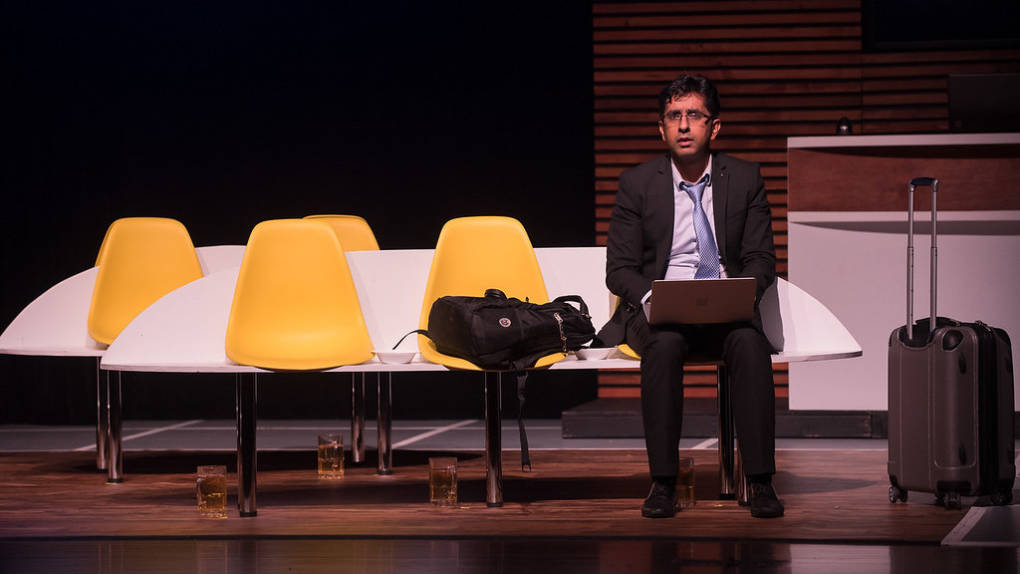
"caption": "In 'Airport Insecurity,' produced by Naatak, a Silicon Valley tech worker enters a 48-hour personal nightmare after his travel documents were stolen while he napped at Frankfurt Airport.",
"description": "In 'Airport Insecurity,' produced by Naatak, a Silicon Valley tech worker enters a 48-hour personal nightmare after his travel documents were stolen while he napped at Frankfurt Airport.",
"title": "RS24352_i-NgFDx99-XL-qut",
"credit": "Photo: Courtesy of Sharma Podila",
"status": "inherit",
"isLoading": false,
"fetchFailed": false
}
},
"audioPlayerReducer": {
"postId": "stream_live",
"isPaused": true,
"isPlaying": false,
"pfsActive": false,
"pledgeModalIsOpen": true,
"playerDrawerIsOpen": false,
"liveAudioPlayStartedAt": 0,
"liveAudioPlayContext": ""
},
"authorsReducer": {
"byline_news_11341346": {
"type": "authors",
"id": "byline_news_11341346",
"meta": {
"override": true
},
"slug": "byline_news_11341346",
"name": "Jessica Taylor",
"isLoading": false
},
"byline_news_11340896": {
"type": "authors",
"id": "byline_news_11340896",
"meta": {
"override": true
},
"slug": "byline_news_11340896",
"name": "\u003cstrong>NPR\u003c/strong>",
"isLoading": false
},
"byline_news_11338167": {
"type": "authors",
"id": "byline_news_11338167",
"meta": {
"override": true
},
"slug": "byline_news_11338167",
"name": "Alina Selyukh",
"isLoading": false
},
"kqed": {
"type": "authors",
"id": "236",
"meta": {
"index": "authors_1716337520",
"id": "236",
"found": true
},
"name": "KQED News Staff",
"firstName": "KQED News Staff",
"lastName": null,
"slug": "kqed",
"email": "faq@kqed.org",
"display_author_email": false,
"staff_mastheads": [],
"title": null,
"bio": null,
"avatar": "https://secure.gravatar.com/avatar/ef0e801a68c4c54afa9180db14084167?s=600&d=blank&r=g",
"twitter": null,
"facebook": null,
"instagram": null,
"linkedin": null,
"sites": [
{
"site": "arts",
"roles": [
"contributor"
]
},
{
"site": "news",
"roles": [
"editor"
]
},
{
"site": "futureofyou",
"roles": [
"author"
]
}
],
"headData": {
"title": "KQED News Staff | KQED",
"description": null,
"ogImgSrc": "https://secure.gravatar.com/avatar/ef0e801a68c4c54afa9180db14084167?s=600&d=blank&r=g",
"twImgSrc": "https://secure.gravatar.com/avatar/ef0e801a68c4c54afa9180db14084167?s=600&d=blank&r=g"
},
"isLoading": false,
"link": "/author/kqed"
},
"rachael-myrow": {
"type": "authors",
"id": "251",
"meta": {
"index": "authors_1716337520",
"id": "251",
"found": true
},
"name": "Rachael Myrow",
"firstName": "Rachael",
"lastName": "Myrow",
"slug": "rachael-myrow",
"email": "rmyrow@kqed.org",
"display_author_email": true,
"staff_mastheads": [
"news"
],
"title": "Senior Editor of KQED's Silicon Valley News Desk",
"bio": "• I write and edit stories about how Silicon Valley power and policies shape everyday life in California. I’m also passionate about making Bay Area history and culture more accessible to a broad public. • I’ve been a journalist for most of my life, starting in high school with The Franklin Press in Los Angeles, where I grew up. While earning my first degree in English at UC Berkeley, I got my start in public radio at KALX-FM. After completing a second degree in journalism at Cal, I landed my first professional job at Marketplace, then moved on to KPCC (now LAist), and then KQED, where I hosted The California Report for more than seven years. • My reporting has appeared on NPR, The World, WBUR’s \u003ci>Here & Now\u003c/i>, and the BBC. I also guest host for KQED’s \u003ci>Forum\u003c/i>, as well as the Commonwealth Club in San Francisco. • I speak periodically on media, democracy and technology issues, and do voiceover work for documentaries and educational video projects. • Outside of the studio, you'll find me hiking Bay Area trails and whipping up Insta-ready meals in my kitchen. • I do not accept gifts, money, or favors from anyone connected to my reporting, I don't pay people for information, and I do not support or donate to political causes. • I strive to treat the people I report on with fairness, honesty, and respect. I also recognize there are often multiple sides to a story and work to verify information through multiple sources and documentation. If I get something wrong, I correct it.",
"avatar": "https://secure.gravatar.com/avatar/3ed8a3c5f26025e4a805ba634cda8cd764906b97438a6d9ce216b044e340da4e?s=600&d=blank&r=g",
"twitter": "rachaelmyrow",
"bluesky": null,
"facebook": null,
"instagram": null,
"linkedin": "https://www.linkedin.com/in/rachaelmyrow/",
"sites": [
{
"site": "arts",
"roles": [
"administrator"
]
},
{
"site": "news",
"roles": [
"edit_others_posts",
"editor"
]
},
{
"site": "futureofyou",
"roles": [
"editor"
]
},
{
"site": "bayareabites",
"roles": [
"editor"
]
},
{
"site": "stateofhealth",
"roles": [
"editor"
]
},
{
"site": "science",
"roles": [
"editor"
]
},
{
"site": "food",
"roles": [
"editor"
]
},
{
"site": "forum",
"roles": [
"editor"
]
},
{
"site": "liveblog",
"roles": [
"author"
]
}
],
"headData": {
"title": "Rachael Myrow | KQED",
"description": "Senior Editor of KQED's Silicon Valley News Desk",
"ogImgSrc": "https://secure.gravatar.com/avatar/3ed8a3c5f26025e4a805ba634cda8cd764906b97438a6d9ce216b044e340da4e?s=600&d=blank&r=g",
"twImgSrc": "https://secure.gravatar.com/avatar/3ed8a3c5f26025e4a805ba634cda8cd764906b97438a6d9ce216b044e340da4e?s=600&d=blank&r=g"
},
"isLoading": false,
"link": "/author/rachael-myrow"
},
"samharnett": {
"type": "authors",
"id": "253",
"meta": {
"index": "authors_1716337520",
"id": "253",
"found": true
},
"name": "Sam Harnett",
"firstName": "Sam",
"lastName": "Harnett",
"slug": "samharnett",
"email": "samharnett@gmail.com",
"display_author_email": false,
"staff_mastheads": [],
"title": "KQED Contributor",
"bio": "Sam Harnett covered tech and work at KQED. He is the co-creator of \u003cem>\u003ca href=\"http://www.theworldaccordingtosound.org\">The World According to Sound\u003c/a>,\u003c/em> a 90-second podcast that features different sounds and the stories behind them.\r\n\r\nBefore coming to KQED, Sam worked as an independent reporter who contributed regularly to \u003cem>The California Report, Marketplace,\u003c/em> \u003cem>The World \u003c/em>and NPR.",
"avatar": "https://secure.gravatar.com/avatar/2538b972ac02f2b9546c7a6c59a0f3d0?s=600&d=blank&r=g",
"twitter": "Samwharnett",
"facebook": null,
"instagram": null,
"linkedin": null,
"sites": [
{
"site": "news",
"roles": [
"edit_others_posts",
"subscriber"
]
},
{
"site": "stateofhealth",
"roles": [
"author"
]
},
{
"site": "science",
"roles": [
"editor"
]
},
{
"site": "quest",
"roles": [
"subscriber"
]
}
],
"headData": {
"title": "Sam Harnett | KQED",
"description": "KQED Contributor",
"ogImgSrc": "https://secure.gravatar.com/avatar/2538b972ac02f2b9546c7a6c59a0f3d0?s=600&d=blank&r=g",
"twImgSrc": "https://secure.gravatar.com/avatar/2538b972ac02f2b9546c7a6c59a0f3d0?s=600&d=blank&r=g"
},
"isLoading": false,
"link": "/author/samharnett"
},
"scottshafer": {
"type": "authors",
"id": "255",
"meta": {
"index": "authors_1716337520",
"id": "255",
"found": true
},
"name": "Scott Shafer",
"firstName": "Scott",
"lastName": "Shafer",
"slug": "scottshafer",
"email": "sshafer@kqed.org",
"display_author_email": false,
"staff_mastheads": [
"news"
],
"title": "KQED Contributor",
"bio": "Scott Shafer is a senior editor with the KQED Politics and Government desk. He is co-host of Political Breakdown, the award-winning radio show and podcast with a personal take on the world of politics. Scott came to KQED in 1998 to host the statewide\u003cem> California Report\u003c/em>. Prior to that he had extended stints in politics and government\u003cem>.\u003c/em> He uses that inside experience at KQED in his, reporting, hosting and analysis for the politics desk. Scott collaborated \u003cem>Political Breakdown a\u003c/em>nd on \u003cem>The Political Mind of Jerry Brown, \u003c/em>an eight-part series about the life and extraordinary political career of the former governor. For fun, he plays water polo with the San Francisco Tsunami.",
"avatar": "https://secure.gravatar.com/avatar/a62ebae45b79d7aed1a39a0e3bf68104?s=600&d=blank&r=g",
"twitter": "scottshafer",
"bluesky": null,
"facebook": null,
"instagram": null,
"linkedin": null,
"sites": [
{
"site": "news",
"roles": [
"editor"
]
},
{
"site": "stateofhealth",
"roles": [
"author"
]
},
{
"site": "science",
"roles": [
"author"
]
},
{
"site": "forum",
"roles": [
"subscriber"
]
},
{
"site": "liveblog",
"roles": [
"author"
]
}
],
"headData": {
"title": "Scott Shafer | KQED",
"description": "KQED Contributor",
"ogImgSrc": "https://secure.gravatar.com/avatar/a62ebae45b79d7aed1a39a0e3bf68104?s=600&d=blank&r=g",
"twImgSrc": "https://secure.gravatar.com/avatar/a62ebae45b79d7aed1a39a0e3bf68104?s=600&d=blank&r=g"
},
"isLoading": false,
"link": "/author/scottshafer"
},
"scuevas": {
"type": "authors",
"id": "2600",
"meta": {
"index": "authors_1716337520",
"id": "2600",
"found": true
},
"name": "Steven Cuevas",
"firstName": "Steven",
"lastName": "Cuevas",
"slug": "scuevas",
"email": "scuevas@kqed.org",
"display_author_email": false,
"staff_mastheads": [],
"title": "KQED Contributor",
"bio": "Steven is a former Los Angeles bureau chief for The California Report.\r\n\r\nHe reports on an array of issues across the Southland, from immigration and regional politics to religion, the performing arts and pop culture.\r\n\r\nPrior to joining KQED in 2012, Steven covered Inland southern California for KPCC in Pasadena. He also helped establish the first newsroom at \u003ca href=\"http://kut.org/\">KUT\u003c/a> in Austin, Texas where he was a general assignment reporter.\r\n\r\nSteven has received numerous awards for his reporting including an RTNDA Edward R. Murrow Award for investigative reporting in addition to awards from the LA Press Club, the Associated Press and the Society for Professional Journalists.\r\n\r\nSteven grew up in and around San Francisco and now lives in Pasadena just a short jog from the foot of the San Gabriel Mountains.",
"avatar": "https://secure.gravatar.com/avatar/2d253580794f8e026100fae05cfabbbd4889b4fe15146146cacb82a01974c538?s=600&d=blank&r=g",
"twitter": null,
"bluesky": null,
"facebook": null,
"instagram": null,
"linkedin": null,
"sites": [
{
"site": "news",
"roles": [
"subscriber"
]
}
],
"headData": {
"title": "Steven Cuevas | KQED",
"description": "KQED Contributor",
"ogImgSrc": "https://secure.gravatar.com/avatar/2d253580794f8e026100fae05cfabbbd4889b4fe15146146cacb82a01974c538?s=600&d=blank&r=g",
"twImgSrc": "https://secure.gravatar.com/avatar/2d253580794f8e026100fae05cfabbbd4889b4fe15146146cacb82a01974c538?s=600&d=blank&r=g"
},
"isLoading": false,
"link": "/author/scuevas"
},
"ecruzguevarra": {
"type": "authors",
"id": "8654",
"meta": {
"index": "authors_1716337520",
"id": "8654",
"found": true
},
"name": "Ericka Cruz Guevarra",
"firstName": "Ericka",
"lastName": "Cruz Guevarra",
"slug": "ecruzguevarra",
"email": "ecruzguevarra@kqed.org",
"display_author_email": true,
"staff_mastheads": [
"news"
],
"title": "Producer, The Bay Podcast",
"bio": "Ericka Cruz Guevarra is host of \u003ca href=\"https://www.kqed.org/podcasts/thebay\">\u003cem>The Bay\u003c/em>\u003c/a> podcast at KQED. Before host, she was the show’s producer. Her work in that capacity includes a three-part reported series on policing in Vallejo, which won a 2020 excellence in journalism award from the Society of Professional Journalists. Ericka has worked as a breaking news reporter at Oregon Public Broadcasting, helped produce the Code Switch podcast, and was KQED’s inaugural Raul Ramirez Diversity Fund intern. She’s also an alumna of NPR’s Next Generation Radio program. Send her an email if you have strong feelings about whether Fairfield and Suisun City are the Bay. Ericka is represented by SAG-AFTRA.",
"avatar": "https://secure.gravatar.com/avatar/accefc1de4bafc7e234b69bcb9b6f6536c130fd84709bc3069ef11a78787e1bb?s=600&d=blank&r=g",
"twitter": "NotoriousECG",
"bluesky": null,
"facebook": null,
"instagram": null,
"linkedin": null,
"sites": [
{
"site": "arts",
"roles": [
"subscriber"
]
},
{
"site": "news",
"roles": [
"editor",
"manage_categories"
]
},
{
"site": "futureofyou",
"roles": [
"subscriber"
]
},
{
"site": "stateofhealth",
"roles": [
"subscriber"
]
},
{
"site": "science",
"roles": [
"editor"
]
},
{
"site": "forum",
"roles": [
"subscriber"
]
}
],
"headData": {
"title": "Ericka Cruz Guevarra | KQED",
"description": "Producer, The Bay Podcast",
"ogImgSrc": "https://secure.gravatar.com/avatar/accefc1de4bafc7e234b69bcb9b6f6536c130fd84709bc3069ef11a78787e1bb?s=600&d=blank&r=g",
"twImgSrc": "https://secure.gravatar.com/avatar/accefc1de4bafc7e234b69bcb9b6f6536c130fd84709bc3069ef11a78787e1bb?s=600&d=blank&r=g"
},
"isLoading": false,
"link": "/author/ecruzguevarra"
},
"fjhabvala": {
"type": "authors",
"id": "8659",
"meta": {
"index": "authors_1716337520",
"id": "8659",
"found": true
},
"name": "Farida Jhabvala Romero",
"firstName": "Farida",
"lastName": "Jhabvala Romero",
"slug": "fjhabvala",
"email": "fjhabvala@kqed.org",
"display_author_email": true,
"staff_mastheads": [
"news"
],
"title": "KQED Contributor",
"bio": "Farida Jhabvala Romero is a Labor Correspondent for KQED. She previously covered immigration. Farida was \u003ca href=\"https://www.ccnma.org/2022-most-influential-latina-journalists\">named\u003c/a> one of the 10 Most Influential Latina Journalists in California in 2022 by the California Chicano News Media Association. Her work has won awards from the Society of Professional Journalists (Northern California), as well as a national and regional Edward M. Murrow Award for the collaborative reporting projects “Dangerous Air” and “Graying California.” Before joining KQED, Farida worked as a producer at Radio Bilingüe, a national public radio network. Farida earned her master’s degree in journalism from Stanford University.",
"avatar": "https://secure.gravatar.com/avatar/f9f022d4e2609741874222a1e9d41f48fea74011aa7c615eef91d9a50c944ebe?s=600&d=blank&r=g",
"twitter": "FaridaJhabvala",
"bluesky": null,
"facebook": null,
"instagram": null,
"linkedin": "https://www.linkedin.com/in/faridajhabvala/",
"sites": [
{
"site": "news",
"roles": [
"editor"
]
},
{
"site": "stateofhealth",
"roles": [
"author"
]
},
{
"site": "liveblog",
"roles": [
"author"
]
}
],
"headData": {
"title": "Farida Jhabvala Romero | KQED",
"description": "KQED Contributor",
"ogImgSrc": "https://secure.gravatar.com/avatar/f9f022d4e2609741874222a1e9d41f48fea74011aa7c615eef91d9a50c944ebe?s=600&d=blank&r=g",
"twImgSrc": "https://secure.gravatar.com/avatar/f9f022d4e2609741874222a1e9d41f48fea74011aa7c615eef91d9a50c944ebe?s=600&d=blank&r=g"
},
"isLoading": false,
"link": "/author/fjhabvala"
},
"korr": {
"type": "authors",
"id": "11200",
"meta": {
"index": "authors_1716337520",
"id": "11200",
"found": true
},
"name": "Katie Orr",
"firstName": "Katie",
"lastName": "Orr",
"slug": "korr",
"email": "korr@kqed.org",
"display_author_email": false,
"staff_mastheads": [],
"title": "KQED Contributor",
"bio": "Katie Orr was a Sacramento-based reporter for KQED's Politics and Government Desk, covering the state Capitol and a variety of issues including women in politics, voting and elections and legislation. Prior to joining KQED in 2016, Katie was state government reporter for Capital Public Radio in Sacramento. She's also worked for KPBS in San Diego, where she covered City Hall.\r\n\r\nKatie received her masters degree in political science from San Diego State University and holds a Bachelors degree in broadcast journalism from Arizona State University.\r\n\r\nIn 2015 Katie won a national Clarion Award for a series of stories she did on women in California politics. She's been honored by the Society for Professional Journalists and, in 2013, was named by \u003cem>The Washington Post\u003c/em> as one of the country's top state Capitol reporters. She's also reported for the award-winning documentary series \u003cem>The View from Here \u003c/em>and was part of the team that won national PRNDI and Gabriel Awards in 2015. She lives in Sacramento with her husband. Twitter: @1KatieOrr",
"avatar": "https://secure.gravatar.com/avatar/41a40b25845adc78f50808670860449e?s=600&d=blank&r=g",
"twitter": "1katieorr",
"facebook": null,
"instagram": null,
"linkedin": null,
"sites": [
{
"site": "news",
"roles": [
"subscriber"
]
},
{
"site": "stateofhealth",
"roles": [
"author"
]
},
{
"site": "forum",
"roles": [
"author"
]
}
],
"headData": {
"title": "Katie Orr | KQED",
"description": "KQED Contributor",
"ogImgSrc": "https://secure.gravatar.com/avatar/41a40b25845adc78f50808670860449e?s=600&d=blank&r=g",
"twImgSrc": "https://secure.gravatar.com/avatar/41a40b25845adc78f50808670860449e?s=600&d=blank&r=g"
},
"isLoading": false,
"link": "/author/korr"
},
"rlevi": {
"type": "authors",
"id": "11260",
"meta": {
"index": "authors_1716337520",
"id": "11260",
"found": true
},
"name": "Ryan Levi",
"firstName": "Ryan",
"lastName": "Levi",
"slug": "rlevi",
"email": "rlevi@KQED.org",
"display_author_email": false,
"staff_mastheads": [],
"title": "KQED Contributor",
"bio": "Ryan Levi was a reporter and podcast producer at KQED News from 2016-2019. He worked on \u003ca href=\"https://www.kqed.org/news/series/baycurious\">Bay Curious\u003c/a>, \u003ca href=\"https://www.kqed.org/news/tag/the-bay/\">The Bay, \u003c/a>and \u003ca href=\"https://podcasts.apple.com/us/podcast/the-california-report-magazine/id1314750545\">The California Report Magazine\u003c/a>, as well as hosting and producing the weekly \u003ca href=\"https://www.kqed.org/news/program/qedup/\">Q'ed Up podcast. \u003c/a>He also helped inaugurate KQED's weekend news coverage in 2017 as one of two original digital producers. Ryan holds degrees in multimedia journalism and Spanish from the University of Missouri.",
"avatar": "https://secure.gravatar.com/avatar/4cb2ddd028ac8807d1adf09609c5555d?s=600&d=blank&r=g",
"twitter": "ryan_levi",
"facebook": null,
"instagram": null,
"linkedin": null,
"sites": [
{
"site": "arts",
"roles": [
"editor"
]
},
{
"site": "news",
"roles": [
"subscriber"
]
},
{
"site": "stateofhealth",
"roles": [
"editor"
]
},
{
"site": "science",
"roles": [
"editor"
]
},
{
"site": "forum",
"roles": [
"administrator"
]
},
{
"site": "perspectives",
"roles": [
"administrator"
]
}
],
"headData": {
"title": "Ryan Levi | KQED",
"description": "KQED Contributor",
"ogImgSrc": "https://secure.gravatar.com/avatar/4cb2ddd028ac8807d1adf09609c5555d?s=600&d=blank&r=g",
"twImgSrc": "https://secure.gravatar.com/avatar/4cb2ddd028ac8807d1adf09609c5555d?s=600&d=blank&r=g"
},
"isLoading": false,
"link": "/author/rlevi"
}
},
"pagesReducer": {
"news_tag_donald-trump": {
"type": "terms",
"id": "news_1323",
"meta": {
"index": "terms_1716263798",
"site": "news",
"id": "1323",
"score": 8.557401
},
"featImg": null,
"name": "Donald Trump",
"description": null,
"taxonomy": "tag",
"headData": {
"twImgId": null,
"twTitle": null,
"ogTitle": null,
"ogImgId": null,
"twDescription": null,
"description": null,
"title": "Donald Trump Archives | KQED News",
"ogDescription": null
},
"ttid": 1335,
"slug": "donald-trump",
"isLoading": false,
"title": "Donald Trump",
"pageMeta": {
"site": "news",
"WpPageTemplate": "page-topic-editorial",
"currentPage": 168
},
"blocks": [
{
"blockName": "kqed/post-list",
"attrs": {
"layout": "cardArticle2",
"query": "posts/news?tag=donald-trump",
"seeMore": false,
"paginated": true,
"page": 168
}
},
{
"blockName": "kqed/ad"
}
]
}
},
"pfsSessionReducer": {},
"postsReducer": {
"stream_live": {
"type": "live",
"id": "stream_live",
"audioUrl": "https://streams.kqed.org/kqedradio",
"title": "Live Stream",
"excerpt": "Live Stream information currently unavailable.",
"link": "/radio",
"featImg": "",
"label": {
"name": "KQED Live",
"link": "/"
}
},
"stream_kqedNewscast": {
"type": "posts",
"id": "stream_kqedNewscast",
"audioUrl": "https://www.kqed.org/.stream/anon/radio/RDnews/newscast.mp3?_=1",
"title": "KQED Newscast",
"featImg": "",
"label": {
"name": "88.5 FM",
"link": "/"
}
},
"news_11342615": {
"type": "posts",
"id": "news_11342615",
"meta": {
"index": "posts_1716263798",
"site": "news",
"id": "11342615",
"score": null,
"sort": [
1488643200000
]
},
"guestAuthors": [],
"slug": "latino-cartoonist-says-you-have-to-laugh-in-uncertain-times",
"title": "Latino Cartoonist Says 'You Have to Laugh' in Uncertain Times",
"publishDate": 1488643200,
"format": "standard",
"headTitle": "Latino Cartoonist Says ‘You Have to Laugh’ in Uncertain Times | KQED",
"labelTerm": {
"term": 72,
"site": "news"
},
"content": "\u003cp>With what can seem like a nonstop torrent of complex political news coming at Americans on a daily basis, many people are craving humor as a way to escape — and make sense of — everything that’s happening.\u003c/p>\n\u003cp>“I’ve gotten so many messages from people saying, ‘We need you now more than ever!'” says cartoonist Lalo Alcaraz.\u003c/p>\n\u003cp>People are turning to Alcaraz because he’s used his cartoons — including \u003ca href=\"http://www.gocomics.com/lacucaracha/\" target=\"_blank\" rel=\"noopener\">La Cucaracha\u003c/a>, the first nationally-syndicated, politically-themed Latino daily comic strip — to talk about issues for more than two decades. His work is the subject of a new book, “\u003ca href=\"http://www.upress.state.ms.us/books/2019\" target=\"_blank\" rel=\"noopener\">Lalo Alcaraz: Political Cartooning in the Latino Community\u003c/a>” by Hector D. Fernandez L’Hoeste.\u003c/p>\n\u003cp>[audio src=\"http://www.kqed.org/.stream/anon/radio/tcrmag/2017/03/2017-03-03a-tcrmag.mp3\" Image=\"https://ww2.kqed.org/news/wp-content/uploads/sites/10/2017/03/Alcaraz-960x782.jpg\" Title=\"Latino Cartoonist Says 'You Have to Laugh' in Uncertain Times\" program=\"The California Report\"]\u003c/p>\n\u003cp>Lately he’s turned his focus to President Donald Trump’s administration and its impact on the Latino community in particular.\u003c/p>\n\u003cp>[ad fullwidth]\u003c/p>\n\u003cp>He says his family taught him the importance of seeing humor even in times of fear. “You have to laugh at your tragic life or else you’re going to be crying all day long,” he says.\u003c/p>\n\u003cfigure id=\"attachment_11342710\" class=\"wp-caption alignright\" style=\"max-width: 800px\">\u003cimg loading=\"lazy\" decoding=\"async\" class=\"size-medium wp-image-11342710\" src=\"https://ww2.kqed.org/news/wp-content/uploads/sites/10/2017/03/End-of-Times-Cartoon-800x1038.jpg\" alt=\"One of several comics by Lalo Alcaraz focusing on the election of President Donald Trump.\" width=\"800\" height=\"1038\" srcset=\"https://cdn.kqed.org/wp-content/uploads/sites/10/2017/03/End-of-Times-Cartoon-800x1038.jpg 800w, https://cdn.kqed.org/wp-content/uploads/sites/10/2017/03/End-of-Times-Cartoon-160x208.jpg 160w, https://cdn.kqed.org/wp-content/uploads/sites/10/2017/03/End-of-Times-Cartoon.jpg 960w, https://cdn.kqed.org/wp-content/uploads/sites/10/2017/03/End-of-Times-Cartoon-240x311.jpg 240w, https://cdn.kqed.org/wp-content/uploads/sites/10/2017/03/End-of-Times-Cartoon-375x486.jpg 375w, https://cdn.kqed.org/wp-content/uploads/sites/10/2017/03/End-of-Times-Cartoon-520x674.jpg 520w\" sizes=\"(max-width: 800px) 100vw, 800px\">\u003cfigcaption class=\"wp-caption-text\">One of several comics by Lalo Alcaraz focusing on the election of President Donald Trump. \u003ccite>(Courtesy of Lalo Alcaraz)\u003c/cite>\u003c/figcaption>\u003c/figure>\n\u003cp>Alcaraz has lived and worked in Los Angeles for years, but he grew up in San Diego regularly crossing the border. Alcaraz says his mother lived in Tijuana for 10 years and was originally undocumented when she immigrated to the United States.\u003c/p>\n\u003cp>“It completely shaped my outlook,” he says of his time living on the border. “I have that dual outlook of being a \u003cem>po\u003c/em>\u003cem>cho\u003c/em>, not being an American enough for the U.S. and not being Mexican enough for Mexico.”\u003c/p>\n\u003cp>In addition to his daily comic strip, Alcaraz also served as a contributing producer and writer on the 2016 Fox animated series “\u003ca href=\"http://www.fox.com/bordertown\" target=\"_blank\" rel=\"noopener\">Bordertown\u003c/a>” about the fictional border city of Mexifornia.\u003c/p>\n\u003cp>“Growing up on the border, we all make fun of immigration because it’s a way of coping with a strange reality,” he says.\u003c/p>\n\u003cp>https://www.youtube.com/watch?v=etVt4TV_bIQ\u003c/p>\n\u003cp>While his humor has a new target — the Trump administration — the immigration topics like the border and immigrants taking American jobs have stayed more or less the same since he started 25 years ago.\u003c/p>\n\u003cp>\u003c/p>\n\u003cp>“You can take one of my old cartoons from the late ’80s or ’90s and just change the date and they would pretty much apply today,” he says. “I’m hoping it was just preparation to fight this hopefully one last time.”\u003c/p>\n\n",
"blocks": [],
"excerpt": "Nationally syndicated cartoonist Lalo Alcaraz says humor was a coping mechanism growing up on the border.",
"status": "publish",
"parent": 0,
"modified": 1721149973,
"stats": {
"hasAudio": true,
"hasVideo": true,
"hasChartOrMap": false,
"iframeSrcs": [],
"hasGoogleForm": false,
"hasGallery": false,
"hasHearkenModule": false,
"hasPolis": false,
"paragraphCount": 13,
"wordCount": 505
},
"headData": {
"title": "Latino Cartoonist Says 'You Have to Laugh' in Uncertain Times | KQED",
"description": "Nationally syndicated cartoonist Lalo Alcaraz says humor was a coping mechanism growing up on the border.",
"ogTitle": "",
"ogDescription": "",
"ogImgId": "",
"twTitle": "",
"twDescription": "",
"twImgId": "",
"schema": {
"@context": "https://schema.org",
"@type": "NewsArticle",
"headline": "Latino Cartoonist Says 'You Have to Laugh' in Uncertain Times",
"datePublished": "2017-03-04T08:00:00-08:00",
"dateModified": "2024-07-16T10:12:53-07:00",
"image": "https://cdn.kqed.org/wp-content/uploads/2020/02/KQED-OG-Image@1x.png",
"isAccessibleForFree": "True",
"publisher": {
"@type": "NewsMediaOrganization",
"@id": "https://www.kqed.org/#organization",
"name": "KQED",
"logo": "https://cdn.kqed.org/wp-content/uploads/2020/02/KQED-OG-Image@1x.png",
"url": "https://www.kqed.org",
"sameAs": [
"https://www.facebook.com/KQED",
"https://twitter.com/KQED",
"https://www.instagram.com/kqed/",
"https://www.tiktok.com/@kqedofficial",
"https://www.linkedin.com/company/kqed",
"https://www.youtube.com/channel/UCeC0IOo7i1P_61zVUWbJ4nw"
]
}
}
},
"sticky": false,
"path": "/news/11342615/latino-cartoonist-says-you-have-to-laugh-in-uncertain-times",
"audioTrackLength": null,
"parsedContent": [
{
"type": "contentString",
"content": "\u003cdiv class=\"post-body\">\u003cp>\u003cp>With what can seem like a nonstop torrent of complex political news coming at Americans on a daily basis, many people are craving humor as a way to escape — and make sense of — everything that’s happening.\u003c/p>\n\u003cp>“I’ve gotten so many messages from people saying, ‘We need you now more than ever!'” says cartoonist Lalo Alcaraz.\u003c/p>\n\u003cp>People are turning to Alcaraz because he’s used his cartoons — including \u003ca href=\"http://www.gocomics.com/lacucaracha/\" target=\"_blank\" rel=\"noopener\">La Cucaracha\u003c/a>, the first nationally-syndicated, politically-themed Latino daily comic strip — to talk about issues for more than two decades. His work is the subject of a new book, “\u003ca href=\"http://www.upress.state.ms.us/books/2019\" target=\"_blank\" rel=\"noopener\">Lalo Alcaraz: Political Cartooning in the Latino Community\u003c/a>” by Hector D. Fernandez L’Hoeste.\u003c/p>\n\u003cp>\u003c/p>\u003c/div>",
"attributes": {
"named": {},
"numeric": []
}
},
{
"type": "component",
"content": "",
"name": "audio",
"attributes": {
"named": {
"src": "http://www.kqed.org/.stream/anon/radio/tcrmag/2017/03/2017-03-03a-tcrmag.mp3",
"image": "https://ww2.kqed.org/news/wp-content/uploads/sites/10/2017/03/Alcaraz-960x782.jpg",
"title": "Latino Cartoonist Says 'You Have to Laugh' in Uncertain Times",
"program": "The California Report",
"label": ""
},
"numeric": []
}
},
{
"type": "contentString",
"content": "\u003cdiv class=\"post-body\">\u003cp>\u003c/p>\n\u003cp>Lately he’s turned his focus to President Donald Trump’s administration and its impact on the Latino community in particular.\u003c/p>\n\u003cp>\u003c/p>\u003c/div>",
"attributes": {
"named": {},
"numeric": []
}
},
{
"type": "component",
"content": "",
"name": "ad",
"attributes": {
"named": {
"label": "fullwidth"
},
"numeric": [
"fullwidth"
]
}
},
{
"type": "contentString",
"content": "\u003cdiv class=\"post-body\">\u003cp>\u003c/p>\n\u003cp>He says his family taught him the importance of seeing humor even in times of fear. “You have to laugh at your tragic life or else you’re going to be crying all day long,” he says.\u003c/p>\n\u003cfigure id=\"attachment_11342710\" class=\"wp-caption alignright\" style=\"max-width: 800px\">\u003cimg loading=\"lazy\" decoding=\"async\" class=\"size-medium wp-image-11342710\" src=\"https://ww2.kqed.org/news/wp-content/uploads/sites/10/2017/03/End-of-Times-Cartoon-800x1038.jpg\" alt=\"One of several comics by Lalo Alcaraz focusing on the election of President Donald Trump.\" width=\"800\" height=\"1038\" srcset=\"https://cdn.kqed.org/wp-content/uploads/sites/10/2017/03/End-of-Times-Cartoon-800x1038.jpg 800w, https://cdn.kqed.org/wp-content/uploads/sites/10/2017/03/End-of-Times-Cartoon-160x208.jpg 160w, https://cdn.kqed.org/wp-content/uploads/sites/10/2017/03/End-of-Times-Cartoon.jpg 960w, https://cdn.kqed.org/wp-content/uploads/sites/10/2017/03/End-of-Times-Cartoon-240x311.jpg 240w, https://cdn.kqed.org/wp-content/uploads/sites/10/2017/03/End-of-Times-Cartoon-375x486.jpg 375w, https://cdn.kqed.org/wp-content/uploads/sites/10/2017/03/End-of-Times-Cartoon-520x674.jpg 520w\" sizes=\"(max-width: 800px) 100vw, 800px\">\u003cfigcaption class=\"wp-caption-text\">One of several comics by Lalo Alcaraz focusing on the election of President Donald Trump. \u003ccite>(Courtesy of Lalo Alcaraz)\u003c/cite>\u003c/figcaption>\u003c/figure>\n\u003cp>Alcaraz has lived and worked in Los Angeles for years, but he grew up in San Diego regularly crossing the border. Alcaraz says his mother lived in Tijuana for 10 years and was originally undocumented when she immigrated to the United States.\u003c/p>\n\u003cp>“It completely shaped my outlook,” he says of his time living on the border. “I have that dual outlook of being a \u003cem>po\u003c/em>\u003cem>cho\u003c/em>, not being an American enough for the U.S. and not being Mexican enough for Mexico.”\u003c/p>\n\u003cp>In addition to his daily comic strip, Alcaraz also served as a contributing producer and writer on the 2016 Fox animated series “\u003ca href=\"http://www.fox.com/bordertown\" target=\"_blank\" rel=\"noopener\">Bordertown\u003c/a>” about the fictional border city of Mexifornia.\u003c/p>\n\u003cp>“Growing up on the border, we all make fun of immigration because it’s a way of coping with a strange reality,” he says.\u003c/p>\u003c/p>\u003cp>\u003cspan class='utils-parseShortcode-shortcodes-__youtubeShortcode__embedYoutube'>\n \u003cspan class='utils-parseShortcode-shortcodes-__youtubeShortcode__embedYoutubeInside'>\n \u003ciframe\n loading='lazy'\n class='utils-parseShortcode-shortcodes-__youtubeShortcode__youtubePlayer'\n type='text/html'\n src='//www.youtube.com/embed/etVt4TV_bIQ'\n title='//www.youtube.com/embed/etVt4TV_bIQ'\n allowfullscreen='true'\n style='border:0;'>\u003c/iframe>\n \u003c/span>\n \u003c/span>\u003c/p>\u003cp>\u003cp>While his humor has a new target — the Trump administration — the immigration topics like the border and immigrants taking American jobs have stayed more or less the same since he started 25 years ago.\u003c/p>\n\u003cp>\u003c/p>\n\u003cp>“You can take one of my old cartoons from the late ’80s or ’90s and just change the date and they would pretty much apply today,” he says. “I’m hoping it was just preparation to fight this hopefully one last time.”\u003c/p>\n\n\u003c/div>\u003c/p>",
"attributes": {
"named": {},
"numeric": []
}
}
],
"link": "/news/11342615/latino-cartoonist-says-you-have-to-laugh-in-uncertain-times",
"authors": [
"11260"
],
"programs": [
"news_72"
],
"categories": [
"news_223",
"news_1169",
"news_8"
],
"tags": [
"news_20446",
"news_1323",
"news_17286"
],
"featImg": "news_11343135",
"label": "news_72"
},
"news_11341031": {
"type": "posts",
"id": "news_11341031",
"meta": {
"index": "posts_1716263798",
"site": "news",
"id": "11341031",
"score": null,
"sort": [
1488529802000
]
},
"parent": 0,
"labelTerm": {
"site": "news",
"term": 72
},
"blocks": [],
"publishDate": 1488529802,
"format": "image",
"disqusTitle": "Yemeni-Americans Worry for Latino Clientele, Halt Trips Abroad",
"title": "Yemeni-Americans Worry for Latino Clientele, Halt Trips Abroad",
"headTitle": "The California Report | KQED News",
"content": "\u003cp>Plenty of small grocery stores in Oakland's Fruitvale neighborhood cater to the area's heavily Latino population: corn tortillas and dried chilies abound on stands, while colorful piñatas hang from the ceiling. But the Spanish-speaking shop owners working behind the register often hail from another part of the world: Yemen.\u003c/p>\n\u003cp>Mogeeb Alomri's family has owned Mi Ranchito Market for about 25 years. The U.S. citizen has spent so much time working at this store serving immigrants from Mexico and Central America that he feels more comfortable speaking Spanish than English.\u003c/p>\n\u003cp>\"This business is basically all Latino,\" Alomri says in Spanish.\u003c/p>\n\u003cp>Like other Yemeni-American shop owners in the area, Alomri strongly disagrees with President Donald Trump's recent orders aimed at both stepping up deportations of undocumented immigrants and suspending the entry into the U.S. of travelers from Yemen and other Muslim-majority countries.\u003c/p>\n\u003cp>\"It's two problems we have. We worry a lot about people in Yemen and Latinos living here,\" he says.\u003c/p>\n\u003cp>[ad fullwidth]\u003c/p>\n\u003cp>[audio src=\"http://www.kqed.org/.stream/anon/radio/tcr/2017/03/2017-03-02c-tcr.mp3\" Image=\"https://ww2.kqed.org/news/wp-content/uploads/sites/10/2017/03/YemeniGrocer-800x523.jpg\" Title=\"Yemeni-Americans Worry for Latino Clientele, Halt Trips Abroad\" program=\"The California Report\"]\u003c/p>\n\u003cp>Alomri worries that long-term customers and friends could be swept up by new Department of Homeland Security guidelines that greatly expand the pool of undocumented immigrants who could be deported. Meanwhile, he says, a new travel ban from the administration could make it harder for his wife and four children, who are in the process of applying for U.S. visas, to leave war-torn Yemen to rejoin him here.\u003c/p>\n\u003cp>President Trump is \u003ca href=\"https://ww2.kqed.org/news/2017/02/16/trump-says-he-will-issue-new-executive-action-related-to-travel-ban/\" target=\"_blank\">expected to issue a new travel ban\u003c/a> in the coming days, after the \u003ca href=\"https://ww2.kqed.org/news/2017/02/09/9th-circuit-denies-reinstatement-of-trump-travel-ban/\" target=\"_blank\">courts halted his original order\u003c/a> suspending the entry into the U.S. of refugees worldwide and most people from seven Muslim-majority nations. Alomri expects Yemen will remain on the list of targeted countries in a new executive order.\u003c/p>\n\u003cp>\"My kids probably won't be able to come,\" said Alomri, who has been a U.S. citizen for eight years, but now fears traveling to Yemen to visit family could cause him additional problems.\u003c/p>\n\u003cp>[contextly_sidebar id=\"EXlyBRpjeo4b3MHsKRl6CXQvww0ojY3s\"]\u003c/p>\n\u003cp>Down the street, store owner Abdul Taleb -- who also has a U.S. passport -- canceled his vacation plans to Mexico as he waits to learn the details of a new travel ban.\u003c/p>\n\u003cp>\"A lot of people are postponing their travel,\" says Taleb of other Yemeni-Americans. \"They don’t want to go right now because there’s so much uncertainty of what’s going on.\"\u003c/p>\n\u003cp>Taleb says flying for him was already a headache under the Obama administration. He has come to expect extra scrutiny by authorities at airports.\u003c/p>\n\u003cp>\"As a U.S. citizen with a Middle Eastern or Muslim name, when you are going through airports you are going to be checked again and again, and that’s a routine we are used to,\" said Taleb. \"Now, I imagine with this administration it's going to be harder.\"\u003c/p>\n\u003cp>Taleb was relieved when the courts intervened to halt Trump’s original travel ban. But others believe the president has a lawful authority to suspend admissions into the country for national security purposes, and that the courts should not interfere.\u003c/p>\n\u003cp>\"The president has the responsibility of ensuring that people coming into this country as visitors, as refugees or immigrants, that they are not people sent as operatives who would engage in terrorism,\" said Dan Stein, president of the Federation for American Immigration Reform, a nonprofit that seeks to limit immigration.\u003c/p>\n\u003cp>[contextly_sidebar id=\"jmULtbqdE0VxdqFNfmHkBd0SSp6riy9L\"]\u003c/p>\n\u003cp>\"The basic premise of this entire order is that the administration is looking for a pause in admissions solely for reviewing current vetting procedures,\" said Stein. \"It’s not a character reference of anybody living in these countries. It’s simply a matter of trying to ensure public safety and the integrity of the reviewing process.\"\u003c/p>\n\u003cp>Regardless of how a new travel ban affects people traveling to and from Yemen, Taleb says he worries more about the Latino immigrant community around him. He is organizing an event at his store to inform his clients and other immigrants about their rights.\u003c/p>\n\u003cp>\u003c/p>\n\u003cp>\"I know families that have been living in the U.S. for 20 years and still don't have papers,\" he said, adding that most Muslim immigrants he knows are lawful residents in the U.S. \"Despite what's going on towards the Muslim community, the Latino community is much more vulnerable than Muslims already here.\"\u003c/p>\n\n",
"disqusIdentifier": "11341031 https://ww2.kqed.org/news/?p=11341031",
"disqusUrl": "https://ww2.kqed.org/news/2017/03/03/yemeni-americans-worry-for-latino-clientele-halt-trips-abroad/",
"stats": {
"hasVideo": false,
"hasChartOrMap": false,
"hasAudio": true,
"hasPolis": false,
"wordCount": 809,
"hasGoogleForm": false,
"hasGallery": false,
"hasHearkenModule": false,
"iframeSrcs": [],
"paragraphCount": 21
},
"modified": 1488580866,
"excerpt": "In Oakland, Yemeni-American shop owners aren’t just worried about their families’ travels amid Trump’s immigration crackdowns -- they’re worried for their largely Latino clients.",
"headData": {
"twImgId": "",
"twTitle": "",
"ogTitle": "",
"ogImgId": "",
"twDescription": "",
"description": "In Oakland, Yemeni-American shop owners aren’t just worried about their families’ travels amid Trump’s immigration crackdowns -- they’re worried for their largely Latino clients.",
"title": "Yemeni-Americans Worry for Latino Clientele, Halt Trips Abroad | KQED",
"ogDescription": "",
"schema": {
"@context": "https://schema.org",
"@type": "NewsArticle",
"headline": "Yemeni-Americans Worry for Latino Clientele, Halt Trips Abroad",
"datePublished": "2017-03-03T00:30:02-08:00",
"dateModified": "2017-03-03T14:41:06-08:00",
"image": "https://cdn.kqed.org/wp-content/uploads/2020/02/KQED-OG-Image@1x.png",
"isAccessibleForFree": "True",
"publisher": {
"@type": "NewsMediaOrganization",
"@id": "https://www.kqed.org/#organization",
"name": "KQED",
"logo": "https://cdn.kqed.org/wp-content/uploads/2020/02/KQED-OG-Image@1x.png",
"url": "https://www.kqed.org",
"sameAs": [
"https://www.facebook.com/KQED",
"https://twitter.com/KQED",
"https://www.instagram.com/kqed/",
"https://www.tiktok.com/@kqedofficial",
"https://www.linkedin.com/company/kqed",
"https://www.youtube.com/channel/UCeC0IOo7i1P_61zVUWbJ4nw"
]
}
}
},
"guestAuthors": [],
"slug": "yemeni-americans-worry-for-latino-clientele-halt-trips-abroad",
"status": "publish",
"path": "/news/11341031/yemeni-americans-worry-for-latino-clientele-halt-trips-abroad",
"audioTrackLength": null,
"parsedContent": [
{
"type": "contentString",
"content": "\u003cdiv class=\"post-body\">\u003cp>\u003cp>Plenty of small grocery stores in Oakland's Fruitvale neighborhood cater to the area's heavily Latino population: corn tortillas and dried chilies abound on stands, while colorful piñatas hang from the ceiling. But the Spanish-speaking shop owners working behind the register often hail from another part of the world: Yemen.\u003c/p>\n\u003cp>Mogeeb Alomri's family has owned Mi Ranchito Market for about 25 years. The U.S. citizen has spent so much time working at this store serving immigrants from Mexico and Central America that he feels more comfortable speaking Spanish than English.\u003c/p>\n\u003cp>\"This business is basically all Latino,\" Alomri says in Spanish.\u003c/p>\n\u003cp>Like other Yemeni-American shop owners in the area, Alomri strongly disagrees with President Donald Trump's recent orders aimed at both stepping up deportations of undocumented immigrants and suspending the entry into the U.S. of travelers from Yemen and other Muslim-majority countries.\u003c/p>\n\u003cp>\"It's two problems we have. We worry a lot about people in Yemen and Latinos living here,\" he says.\u003c/p>\n\u003cp>\u003c/p>\u003c/div>",
"attributes": {
"named": {},
"numeric": []
}
},
{
"type": "component",
"content": "",
"name": "ad",
"attributes": {
"named": {
"label": "fullwidth"
},
"numeric": [
"fullwidth"
]
}
},
{
"type": "contentString",
"content": "\u003cdiv class=\"post-body\">\u003cp>\u003c/p>\n\u003cp>\u003c/p>\u003c/div>",
"attributes": {
"named": {},
"numeric": []
}
},
{
"type": "component",
"content": "",
"name": "audio",
"attributes": {
"named": {
"src": "http://www.kqed.org/.stream/anon/radio/tcr/2017/03/2017-03-02c-tcr.mp3",
"image": "https://ww2.kqed.org/news/wp-content/uploads/sites/10/2017/03/YemeniGrocer-800x523.jpg",
"title": "Yemeni-Americans Worry for Latino Clientele, Halt Trips Abroad",
"program": "The California Report",
"label": ""
},
"numeric": []
}
},
{
"type": "contentString",
"content": "\u003cdiv class=\"post-body\">\u003cp>\u003c/p>\n\u003cp>Alomri worries that long-term customers and friends could be swept up by new Department of Homeland Security guidelines that greatly expand the pool of undocumented immigrants who could be deported. Meanwhile, he says, a new travel ban from the administration could make it harder for his wife and four children, who are in the process of applying for U.S. visas, to leave war-torn Yemen to rejoin him here.\u003c/p>\n\u003cp>President Trump is \u003ca href=\"https://ww2.kqed.org/news/2017/02/16/trump-says-he-will-issue-new-executive-action-related-to-travel-ban/\" target=\"_blank\">expected to issue a new travel ban\u003c/a> in the coming days, after the \u003ca href=\"https://ww2.kqed.org/news/2017/02/09/9th-circuit-denies-reinstatement-of-trump-travel-ban/\" target=\"_blank\">courts halted his original order\u003c/a> suspending the entry into the U.S. of refugees worldwide and most people from seven Muslim-majority nations. Alomri expects Yemen will remain on the list of targeted countries in a new executive order.\u003c/p>\n\u003cp>\"My kids probably won't be able to come,\" said Alomri, who has been a U.S. citizen for eight years, but now fears traveling to Yemen to visit family could cause him additional problems.\u003c/p>\n\u003cp>\u003c/p>\u003cp>\u003c/p>\u003cp>\u003c/p>\n\u003cp>Down the street, store owner Abdul Taleb -- who also has a U.S. passport -- canceled his vacation plans to Mexico as he waits to learn the details of a new travel ban.\u003c/p>\n\u003cp>\"A lot of people are postponing their travel,\" says Taleb of other Yemeni-Americans. \"They don’t want to go right now because there’s so much uncertainty of what’s going on.\"\u003c/p>\n\u003cp>Taleb says flying for him was already a headache under the Obama administration. He has come to expect extra scrutiny by authorities at airports.\u003c/p>\n\u003cp>\"As a U.S. citizen with a Middle Eastern or Muslim name, when you are going through airports you are going to be checked again and again, and that’s a routine we are used to,\" said Taleb. \"Now, I imagine with this administration it's going to be harder.\"\u003c/p>\n\u003cp>Taleb was relieved when the courts intervened to halt Trump’s original travel ban. But others believe the president has a lawful authority to suspend admissions into the country for national security purposes, and that the courts should not interfere.\u003c/p>\n\u003cp>\"The president has the responsibility of ensuring that people coming into this country as visitors, as refugees or immigrants, that they are not people sent as operatives who would engage in terrorism,\" said Dan Stein, president of the Federation for American Immigration Reform, a nonprofit that seeks to limit immigration.\u003c/p>\n\u003cp>\u003c/p>\u003cp>\u003c/p>\u003cp>\u003c/p>\n\u003cp>\"The basic premise of this entire order is that the administration is looking for a pause in admissions solely for reviewing current vetting procedures,\" said Stein. \"It’s not a character reference of anybody living in these countries. It’s simply a matter of trying to ensure public safety and the integrity of the reviewing process.\"\u003c/p>\n\u003cp>Regardless of how a new travel ban affects people traveling to and from Yemen, Taleb says he worries more about the Latino immigrant community around him. He is organizing an event at his store to inform his clients and other immigrants about their rights.\u003c/p>\n\u003cp>\u003c/p>\n\u003cp>\"I know families that have been living in the U.S. for 20 years and still don't have papers,\" he said, adding that most Muslim immigrants he knows are lawful residents in the U.S. \"Despite what's going on towards the Muslim community, the Latino community is much more vulnerable than Muslims already here.\"\u003c/p>\n\n\u003c/div>\u003c/p>",
"attributes": {
"named": {},
"numeric": []
}
}
],
"link": "/news/11341031/yemeni-americans-worry-for-latino-clientele-halt-trips-abroad",
"authors": [
"8659"
],
"programs": [
"news_6944",
"news_72"
],
"categories": [
"news_1169",
"news_8",
"news_13"
],
"tags": [
"news_1323",
"news_85",
"news_4272",
"news_18",
"news_17286",
"news_17041",
"news_244",
"news_20483"
],
"featImg": "news_11341646",
"label": "news_72"
},
"news_11330334": {
"type": "posts",
"id": "news_11330334",
"meta": {
"index": "posts_1716263798",
"site": "news",
"id": "11330334",
"score": null,
"sort": [
1488494882000
]
},
"guestAuthors": [],
"slug": "cant-get-any-work-done-new-survey-reveals-politics-is-killing-productivity",
"title": "Can’t Get Any Work Done? New Survey Reveals Politics Is Killing Productivity",
"publishDate": 1488494882,
"format": "image",
"headTitle": "Can’t Get Any Work Done? New Survey Reveals Politics Is Killing Productivity | KQED",
"labelTerm": {
"term": 72,
"site": "news"
},
"content": "\u003cp>Only one time before has CEO Andy Ruben seen his co-workers so distracted by the news, and that was a very different situation: 9/11.\u003c/p>\n\u003cp>Ruben is CEO of Yerdle, a San Francisco company that helps retailers resell used products. Since the election of Donald Trump and subsequent political turmoil, Ruben said it has been hard to keep his workers focused.\u003c/p>\n\u003cp>“Their general feeling about the world right now is absolutely affecting their ability to show up and be productive at work,” Ruben said.\u003c/p>\n\u003cp>[soundcloud url=”https://api.soundcloud.com/tracks/310380342″ params=”color=ff5500&auto_play=false&hide_related=false&show_comments=true&show_user=true&show_reposts=false” width=”100%” height=”166″ iframe=”true” /]\u003c/p>\n\u003cp>How much of an impact are we talking about here? Well, that’s a tough thing for businesses to measure. Kris Duggan wanted to get a concrete answer.\u003c/p>\n\u003caside class=\"pullquote alignright\">‘This is like a whole new world of distraction.’ \u003ccite>Kris Duggan, CEO of BetterWorks\u003c/cite>\u003c/aside>\n\u003cp>Duggan is CEO of BetterWorks, which develops software to manage employee performance. Since the election, even his own employees have been unfocused. “This is like a whole new world of distraction,” Duggan said.\u003c/p>\n\u003cp>[ad fullwidth]\u003c/p>\n\u003cp>Instead of recharging on weekends, like good worker bees, employees are out protesting. At work they are posting on social media and debating with colleagues. To try to quantify this distraction, Duggan commissioned the consultancy firm Wakefield Research to do a \u003ca href=\"https://blog.betterworks.com/feeling-distracted-politics-29-employees-less-productive-u-s-election/\" target=\"_blank\" rel=\"noopener\">national survey of 500 full-time employees\u003c/a>.\u003c/p>\n\u003cp>“The results were shocking,” Duggan said. “We found that 87 percent of employees are reading political social media posts during the workday.”\u003c/p>\n\u003cp>The survey found that workers on average are spending two hours reading or talking about political news at work. For some employees it’s three or four hours a day. And it’s not just liberals in the Bay Area. People from across the political spectrum and across the country have become news junkies.\u003c/p>\n\u003cp>The survey was conducted by Nathan Richter. He said interest in political news normally peaks around the election season, but he has never seen anything like this. “This is a whole new mountain rising out of the ocean and kind of towering over the landscape,” he said.\u003c/p>\n\u003cp>What’s most surprising, Richter said, is how current events have changed corporate culture. People are now talking politics at work, and not just with co-workers. According to the survey, nearly a third of respondents have talked to a client or customer about politics. More than a third have talked to a boss or a manager.\u003c/p>\n\u003cp>“That’s insanity,” Richter said. “Most career coaches, I think, would tell you to change the topic.”\u003c/p>\n\u003cp>Even employees who are not posting or talking about politics on the job are still distracted by it. Take Amanda Delzell, an employee at BetterWorks.\u003c/p>\n\u003cp>Delzell said she had never made a political post on social media before the election. She didn’t want to be “that person,” the one who is always opining on social media. But all of that changed Nov. 8.\u003c/p>\n\u003cp>Delzell has friends and family on both sides of the political divide. She could not believe what some of them were posting on social media after the election. She could restrain herself no longer.\u003c/p>\n\u003cp>Delzell began commenting, arguing and crafting elaborate responses in her head. It was exhausting and damaging to her mental well-being. Literally. It started bringing back some of the anxiety she had overcome years ago with therapy.\u003c/p>\n\u003cp>“During the height of all this I was experiencing anxiety attack symptoms again,” Delzell said.\u003c/p>\n\u003cp>And she’s not the only one. According to \u003ca href=\"http://www.pbs.org/newshour/rundown/post-election-stress-disorder-sweeps-nation/\" target=\"_blank\" rel=\"noopener\">PBS and Kaiser Health News\u003c/a>, many people have been suffering anxiety since the election.\u003c/p>\n\u003caside class=\"pullquote alignleft\">‘I’ll typically be awake at 3 or 4 in the morning catching up on these articles.’ \u003ccite>Christine Nguyen Vaeth, BetterWorks employee\u003c/cite>\u003c/aside>\n\u003cp>Her co-worker, Christine Nguyen Vaeth, is losing sleep.\u003c/p>\n\u003cp>She stays up reading all the news she missed at work. “I’ll typically be awake at 3 or 4 in the morning catching up on these articles,’ Nguyen Vaeth said.\u003c/p>\n\u003cp>Sure, a good night’s sleep will make her less groggy at work. But Nguyen Vaeth said it’s our responsibility as citizens to be informed — especially now, when there is so much at stake.\u003c/p>\n\u003cp>As a boss you can’t stop people from reacting to what’s happening in the world, said Yerdle CEO Andy Ruben.\u003c/p>\n\u003cp>“Clamping down and trying to deny people the way that they’re feeling outside of work would be counterproductive,” Ruben said.\u003c/p>\n\u003cp>\u003c/p>\n\u003cp>He said he wants to keep his staff efficient. But he said it’s important to remember that people spend a lot of their time at work, and they need a place to discuss what’s on their minds. And right now, there is a lot on their minds.\u003c/p>\n\n",
"blocks": [],
"excerpt": "Current political events have turned American workers into news junkies. A new survey finds a huge percentage of people are spending hours on the job reading, posting and talking about politics.",
"status": "publish",
"parent": 0,
"modified": 1721109796,
"stats": {
"hasAudio": false,
"hasVideo": false,
"hasChartOrMap": false,
"iframeSrcs": [],
"hasGoogleForm": false,
"hasGallery": false,
"hasHearkenModule": false,
"hasPolis": false,
"paragraphCount": 26,
"wordCount": 857
},
"headData": {
"title": "Can’t Get Any Work Done? New Survey Reveals Politics Is Killing Productivity | KQED",
"description": "Current political events have turned American workers into news junkies. A new survey finds a huge percentage of people are spending hours on the job reading, posting and talking about politics.",
"ogTitle": "",
"ogDescription": "",
"ogImgId": "",
"twTitle": "",
"twDescription": "",
"twImgId": "",
"schema": {
"@context": "https://schema.org",
"@type": "NewsArticle",
"headline": "Can’t Get Any Work Done? New Survey Reveals Politics Is Killing Productivity",
"datePublished": "2017-03-02T14:48:02-08:00",
"dateModified": "2024-07-15T23:03:16-07:00",
"image": "https://cdn.kqed.org/wp-content/uploads/2020/02/KQED-OG-Image@1x.png",
"isAccessibleForFree": "True",
"publisher": {
"@type": "NewsMediaOrganization",
"@id": "https://www.kqed.org/#organization",
"name": "KQED",
"logo": "https://cdn.kqed.org/wp-content/uploads/2020/02/KQED-OG-Image@1x.png",
"url": "https://www.kqed.org",
"sameAs": [
"https://www.facebook.com/KQED",
"https://twitter.com/KQED",
"https://www.instagram.com/kqed/",
"https://www.tiktok.com/@kqedofficial",
"https://www.linkedin.com/company/kqed",
"https://www.youtube.com/channel/UCeC0IOo7i1P_61zVUWbJ4nw"
]
}
}
},
"sticky": false,
"path": "/news/11330334/cant-get-any-work-done-new-survey-reveals-politics-is-killing-productivity",
"audioTrackLength": null,
"parsedContent": [
{
"type": "contentString",
"content": "\u003cdiv class=\"post-body\">\u003cp>\u003cp>Only one time before has CEO Andy Ruben seen his co-workers so distracted by the news, and that was a very different situation: 9/11.\u003c/p>\n\u003cp>Ruben is CEO of Yerdle, a San Francisco company that helps retailers resell used products. Since the election of Donald Trump and subsequent political turmoil, Ruben said it has been hard to keep his workers focused.\u003c/p>\n\u003cp>“Their general feeling about the world right now is absolutely affecting their ability to show up and be productive at work,” Ruben said.\u003c/p>\n\u003cp>\u003c/p>\u003cp>\u003cdiv class='utils-parseShortcode-shortcodes-__shortcodes__shortcodeWrapper'>\n \u003ciframe width='”100%”' height='”166″'\n scrolling='no' frameborder='no'\n src='https://w.soundcloud.com/player/?url=”https://api.soundcloud.com/tracks/310380342″&visual=true&”color=ff5500&auto_play=false&hide_related=false&show_comments=true&show_user=true&show_reposts=false”'\n title='”https://api.soundcloud.com/tracks/310380342″'>\n \u003c/iframe>\n \u003c/div>\u003c/p>\u003cp>\u003c/p>\n\u003cp>How much of an impact are we talking about here? Well, that’s a tough thing for businesses to measure. Kris Duggan wanted to get a concrete answer.\u003c/p>\n\u003caside class=\"pullquote alignright\">‘This is like a whole new world of distraction.’ \u003ccite>Kris Duggan, CEO of BetterWorks\u003c/cite>\u003c/aside>\n\u003cp>Duggan is CEO of BetterWorks, which develops software to manage employee performance. Since the election, even his own employees have been unfocused. “This is like a whole new world of distraction,” Duggan said.\u003c/p>\n\u003cp>\u003c/p>\u003c/div>",
"attributes": {
"named": {},
"numeric": []
}
},
{
"type": "component",
"content": "",
"name": "ad",
"attributes": {
"named": {
"label": "fullwidth"
},
"numeric": [
"fullwidth"
]
}
},
{
"type": "contentString",
"content": "\u003cdiv class=\"post-body\">\u003cp>\u003c/p>\n\u003cp>Instead of recharging on weekends, like good worker bees, employees are out protesting. At work they are posting on social media and debating with colleagues. To try to quantify this distraction, Duggan commissioned the consultancy firm Wakefield Research to do a \u003ca href=\"https://blog.betterworks.com/feeling-distracted-politics-29-employees-less-productive-u-s-election/\" target=\"_blank\" rel=\"noopener\">national survey of 500 full-time employees\u003c/a>.\u003c/p>\n\u003cp>“The results were shocking,” Duggan said. “We found that 87 percent of employees are reading political social media posts during the workday.”\u003c/p>\n\u003cp>The survey found that workers on average are spending two hours reading or talking about political news at work. For some employees it’s three or four hours a day. And it’s not just liberals in the Bay Area. People from across the political spectrum and across the country have become news junkies.\u003c/p>\n\u003cp>The survey was conducted by Nathan Richter. He said interest in political news normally peaks around the election season, but he has never seen anything like this. “This is a whole new mountain rising out of the ocean and kind of towering over the landscape,” he said.\u003c/p>\n\u003cp>What’s most surprising, Richter said, is how current events have changed corporate culture. People are now talking politics at work, and not just with co-workers. According to the survey, nearly a third of respondents have talked to a client or customer about politics. More than a third have talked to a boss or a manager.\u003c/p>\n\u003cp>“That’s insanity,” Richter said. “Most career coaches, I think, would tell you to change the topic.”\u003c/p>\n\u003cp>Even employees who are not posting or talking about politics on the job are still distracted by it. Take Amanda Delzell, an employee at BetterWorks.\u003c/p>\n\u003cp>Delzell said she had never made a political post on social media before the election. She didn’t want to be “that person,” the one who is always opining on social media. But all of that changed Nov. 8.\u003c/p>\n\u003cp>Delzell has friends and family on both sides of the political divide. She could not believe what some of them were posting on social media after the election. She could restrain herself no longer.\u003c/p>\n\u003cp>Delzell began commenting, arguing and crafting elaborate responses in her head. It was exhausting and damaging to her mental well-being. Literally. It started bringing back some of the anxiety she had overcome years ago with therapy.\u003c/p>\n\u003cp>“During the height of all this I was experiencing anxiety attack symptoms again,” Delzell said.\u003c/p>\n\u003cp>And she’s not the only one. According to \u003ca href=\"http://www.pbs.org/newshour/rundown/post-election-stress-disorder-sweeps-nation/\" target=\"_blank\" rel=\"noopener\">PBS and Kaiser Health News\u003c/a>, many people have been suffering anxiety since the election.\u003c/p>\n\u003caside class=\"pullquote alignleft\">‘I’ll typically be awake at 3 or 4 in the morning catching up on these articles.’ \u003ccite>Christine Nguyen Vaeth, BetterWorks employee\u003c/cite>\u003c/aside>\n\u003cp>Her co-worker, Christine Nguyen Vaeth, is losing sleep.\u003c/p>\n\u003cp>She stays up reading all the news she missed at work. “I’ll typically be awake at 3 or 4 in the morning catching up on these articles,’ Nguyen Vaeth said.\u003c/p>\n\u003cp>Sure, a good night’s sleep will make her less groggy at work. But Nguyen Vaeth said it’s our responsibility as citizens to be informed — especially now, when there is so much at stake.\u003c/p>\n\u003cp>As a boss you can’t stop people from reacting to what’s happening in the world, said Yerdle CEO Andy Ruben.\u003c/p>\n\u003cp>“Clamping down and trying to deny people the way that they’re feeling outside of work would be counterproductive,” Ruben said.\u003c/p>\n\u003cp>\u003c/p>\n\u003cp>He said he wants to keep his staff efficient. But he said it’s important to remember that people spend a lot of their time at work, and they need a place to discuss what’s on their minds. And right now, there is a lot on their minds.\u003c/p>\n\n\u003c/div>\u003c/p>",
"attributes": {
"named": {},
"numeric": []
}
}
],
"link": "/news/11330334/cant-get-any-work-done-new-survey-reveals-politics-is-killing-productivity",
"authors": [
"253"
],
"programs": [
"news_6944",
"news_72"
],
"categories": [
"news_8",
"news_13"
],
"tags": [
"news_1323",
"news_19904"
],
"featImg": "news_11341334",
"label": "news_72"
},
"news_11341346": {
"type": "posts",
"id": "news_11341346",
"meta": {
"index": "posts_1716263798",
"site": "news",
"id": "11341346",
"score": null,
"sort": [
1488492301000
]
},
"parent": 0,
"labelTerm": {},
"blocks": [],
"publishDate": 1488492301,
"format": "standard",
"disqusTitle": "Attorney General Sessions to Recuse Himself From Any Trump Campaign Investigations",
"title": "Attorney General Sessions to Recuse Himself From Any Trump Campaign Investigations",
"headTitle": "The California Report | KQED News",
"content": "\u003cp>Attorney General Jeff Sessions says he will recuse himself from any investigations into possible Russian involvement in the 2016 elections.\u003c/p>\n\u003cp>\"Let me be clear: I never had meetings with Russian operatives or Russian intermediaries about the Trump campaign,\" Sessions reiterated during an afternoon news conference in response to reports that he met twice with the Russian ambassador to the U.S. last year.\u003c/p>\n\u003cp>\"I should not be involved in investigating a campaign I had a role in,\" Sessions said.\u003c/p>\n\u003cp>[contextly_sidebar id=\"76aDJRsDy4P4siFVaX76H1pkKYnMBUXj\"]\u003c/p>\n\u003cp>The \u003cem>Washington Post\u003c/em> first reported the meetings, later confirmed by NPR's Carrie Johnson, which came as he was a top surrogate for President Trump's presidential campaign.\u003c/p>\n\u003cp>[ad fullwidth]\u003c/p>\n\u003cp>During his Senate confirmation hearing, the then-Alabama senator told Sen. Al Franken, D-Minn., under oath that he \"did not have communications with the Russians.\"\u003c/p>\n\u003cp>Senate Minority Leader Chuck Schumer, D-N.Y., \u003ca href=\"https://ww2.kqed.org/news/2017/03/02/pelosi-schumer-call-on-jeff-sessions-to-resign-as-attorney-general/\" target=\"_blank\">called on Sessions to resign\u003c/a> as attorney general on Thursday, as did House Minority Leader Nancy Pelosi and Elijah Cummings, the top Democrat on the Oversight and Government Reform Committee.\u003c/p>\n\u003cp>Sessions said Thursday that it was not his intent to mislead the committee and that he would soon write them to clarify his answers, and admitted that, in retrospect, he \"should have slowed down and said I did meet with one Russian official and that was the Russian ambassador.\"\u003c/p>\n\u003cp>When asked about what he did discuss with Russian Ambassador Sergey Kislyak during their two meetings in July and September, Sessions said, \"I don't recall\" but that \"most of these ambassadors are pretty gossipy.\"\u003c/p>\n\u003cp>In a statement, Sessions announced that after meeting with his staff and Justice Department counsel, \"I have decided to recuse myself from any existing or future investigations of any matters related in any way to the campaigns for President of the United States.\"\u003c/p>\n\u003cp>When Trump was asked earlier in the day about Sessions during the president's visit to the USS Gerald R. Ford in Newport News, Virginia, Trump said he \"wasn't aware\" Sessions had spoken to the Russian ambassador. When asked about whether the attorney general should recuse himself, Trump responded, \"I don't think so.\"\u003c/p>\n\u003cp>Sessions clarified, in the statement however, that the \"announcement should not be interpreted as confirmation of the existence of any investigation or suggestive of the scope of any such investigation\" and reiterated that he has \"taken no actions regarding any such matters, to the extent they exist.\"\u003c/p>\n\u003cp>If any investigation does move forward, however, Acting Deputy Attorney General and U.S. Attorney for the Eastern District of Virginia Dane Boente will oversee those matters. He was appointed acting attorney general in the interim before Sessions' confirmation after Obama holdover Sally Yates \u003ca href=\"http://www.npr.org/2017/01/30/512534805/justice-department-wont-defend-trumps-immigration-order\">was fired\u003c/a> by Trump after she refused to defend the president's temporary ban on refugees and visa holders from seven majority-Muslim countries.\u003c/p>\n\u003cp>\u003c/p>\n\u003cp>Copyright 2017 NPR. To see more, visit http://www.npr.org/.\u003c/p>\n\n",
"disqusIdentifier": "11341346 https://ww2.kqed.org/news/?p=11341346",
"disqusUrl": "https://ww2.kqed.org/news/2017/03/02/attorney-general-sessions-to-recuse-himself-from-any-trump-campaign-investigations/",
"stats": {
"hasVideo": false,
"hasChartOrMap": false,
"hasAudio": false,
"hasPolis": false,
"wordCount": 484,
"hasGoogleForm": false,
"hasGallery": false,
"hasHearkenModule": false,
"iframeSrcs": [],
"paragraphCount": 16
},
"modified": 1488498579,
"excerpt": "Sessions, who says he never met with Russian operatives about the campaign, has been under pressure for contact he had with the Russian ambassador last year.",
"headData": {
"twImgId": "",
"twTitle": "",
"ogTitle": "",
"ogImgId": "",
"twDescription": "",
"description": "Sessions, who says he never met with Russian operatives about the campaign, has been under pressure for contact he had with the Russian ambassador last year.",
"title": "Attorney General Sessions to Recuse Himself From Any Trump Campaign Investigations | KQED",
"ogDescription": "",
"schema": {
"@context": "https://schema.org",
"@type": "NewsArticle",
"headline": "Attorney General Sessions to Recuse Himself From Any Trump Campaign Investigations",
"datePublished": "2017-03-02T14:05:01-08:00",
"dateModified": "2017-03-02T15:49:39-08:00",
"image": "https://cdn.kqed.org/wp-content/uploads/2020/02/KQED-OG-Image@1x.png",
"isAccessibleForFree": "True",
"publisher": {
"@type": "NewsMediaOrganization",
"@id": "https://www.kqed.org/#organization",
"name": "KQED",
"logo": "https://cdn.kqed.org/wp-content/uploads/2020/02/KQED-OG-Image@1x.png",
"url": "https://www.kqed.org",
"sameAs": [
"https://www.facebook.com/KQED",
"https://twitter.com/KQED",
"https://www.instagram.com/kqed/",
"https://www.tiktok.com/@kqedofficial",
"https://www.linkedin.com/company/kqed",
"https://www.youtube.com/channel/UCeC0IOo7i1P_61zVUWbJ4nw"
]
}
}
},
"guestAuthors": [],
"slug": "attorney-general-sessions-to-recuse-himself-from-any-trump-campaign-investigations",
"status": "publish",
"sourceUrl": "http://www.npr.org/",
"nprApiLink": "http://api.npr.org/query?id=518198749&apiKey=MDAxOTAwOTE4MDEyMTkxMDAzNjczZDljZA004",
"nprByline": "Jessica Taylor",
"nprStoryDate": "Thu, 02 Mar 2017 16:29:00 -0500",
"nprLastModifiedDate": "Thu, 02 Mar 2017 16:47:39 -0500",
"nprHtmlLink": "http://www.npr.org/2017/03/02/518198749/attorney-general-sessions-to-recuse-himself-from-any-trump-campaign-investigatio?ft=nprml&f=518198749",
"nprImageAgency": "AP",
"nprImageCredit": "Susan Walsh",
"source": "NPR",
"nprStoryId": "518198749",
"nprRetrievedStory": "1",
"nprPubDate": "Thu, 02 Mar 2017 16:47:00 -0500",
"path": "/news/11341346/attorney-general-sessions-to-recuse-himself-from-any-trump-campaign-investigations",
"audioTrackLength": null,
"parsedContent": [
{
"type": "contentString",
"content": "\u003cdiv class=\"post-body\">\u003cp>\u003cp>Attorney General Jeff Sessions says he will recuse himself from any investigations into possible Russian involvement in the 2016 elections.\u003c/p>\n\u003cp>\"Let me be clear: I never had meetings with Russian operatives or Russian intermediaries about the Trump campaign,\" Sessions reiterated during an afternoon news conference in response to reports that he met twice with the Russian ambassador to the U.S. last year.\u003c/p>\n\u003cp>\"I should not be involved in investigating a campaign I had a role in,\" Sessions said.\u003c/p>\n\u003cp>\u003c/p>\u003cp>\u003c/p>\u003cp>\u003c/p>\n\u003cp>The \u003cem>Washington Post\u003c/em> first reported the meetings, later confirmed by NPR's Carrie Johnson, which came as he was a top surrogate for President Trump's presidential campaign.\u003c/p>\n\u003cp>\u003c/p>\u003c/div>",
"attributes": {
"named": {},
"numeric": []
}
},
{
"type": "component",
"content": "",
"name": "ad",
"attributes": {
"named": {
"label": "fullwidth"
},
"numeric": [
"fullwidth"
]
}
},
{
"type": "contentString",
"content": "\u003cdiv class=\"post-body\">\u003cp>\u003c/p>\n\u003cp>During his Senate confirmation hearing, the then-Alabama senator told Sen. Al Franken, D-Minn., under oath that he \"did not have communications with the Russians.\"\u003c/p>\n\u003cp>Senate Minority Leader Chuck Schumer, D-N.Y., \u003ca href=\"https://ww2.kqed.org/news/2017/03/02/pelosi-schumer-call-on-jeff-sessions-to-resign-as-attorney-general/\" target=\"_blank\">called on Sessions to resign\u003c/a> as attorney general on Thursday, as did House Minority Leader Nancy Pelosi and Elijah Cummings, the top Democrat on the Oversight and Government Reform Committee.\u003c/p>\n\u003cp>Sessions said Thursday that it was not his intent to mislead the committee and that he would soon write them to clarify his answers, and admitted that, in retrospect, he \"should have slowed down and said I did meet with one Russian official and that was the Russian ambassador.\"\u003c/p>\n\u003cp>When asked about what he did discuss with Russian Ambassador Sergey Kislyak during their two meetings in July and September, Sessions said, \"I don't recall\" but that \"most of these ambassadors are pretty gossipy.\"\u003c/p>\n\u003cp>In a statement, Sessions announced that after meeting with his staff and Justice Department counsel, \"I have decided to recuse myself from any existing or future investigations of any matters related in any way to the campaigns for President of the United States.\"\u003c/p>\n\u003cp>When Trump was asked earlier in the day about Sessions during the president's visit to the USS Gerald R. Ford in Newport News, Virginia, Trump said he \"wasn't aware\" Sessions had spoken to the Russian ambassador. When asked about whether the attorney general should recuse himself, Trump responded, \"I don't think so.\"\u003c/p>\n\u003cp>Sessions clarified, in the statement however, that the \"announcement should not be interpreted as confirmation of the existence of any investigation or suggestive of the scope of any such investigation\" and reiterated that he has \"taken no actions regarding any such matters, to the extent they exist.\"\u003c/p>\n\u003cp>If any investigation does move forward, however, Acting Deputy Attorney General and U.S. Attorney for the Eastern District of Virginia Dane Boente will oversee those matters. He was appointed acting attorney general in the interim before Sessions' confirmation after Obama holdover Sally Yates \u003ca href=\"http://www.npr.org/2017/01/30/512534805/justice-department-wont-defend-trumps-immigration-order\">was fired\u003c/a> by Trump after she refused to defend the president's temporary ban on refugees and visa holders from seven majority-Muslim countries.\u003c/p>\n\u003cp>\u003c/p>\n\u003cp>Copyright 2017 NPR. To see more, visit http://www.npr.org/.\u003c/p>\n\n\u003c/div>\u003c/p>",
"attributes": {
"named": {},
"numeric": []
}
}
],
"link": "/news/11341346/attorney-general-sessions-to-recuse-himself-from-any-trump-campaign-investigations",
"authors": [
"byline_news_11341346"
],
"programs": [
"news_6944",
"news_72"
],
"categories": [
"news_8",
"news_13"
],
"tags": [
"news_1323",
"news_20377",
"news_20279",
"news_17286"
],
"affiliates": [
"news_253"
],
"featImg": "news_11341353",
"label": "source_news_11341346"
},
"news_11340896": {
"type": "posts",
"id": "news_11340896",
"meta": {
"index": "posts_1716263798",
"site": "news",
"id": "11340896",
"score": null,
"sort": [
1488471033000
]
},
"parent": 0,
"labelTerm": {
"site": "news",
"term": 72
},
"blocks": [],
"publishDate": 1488471033,
"format": "standard",
"disqusTitle": "Pelosi, Schumer Call on Jeff Sessions to Resign as Attorney General",
"title": "Pelosi, Schumer Call on Jeff Sessions to Resign as Attorney General",
"headTitle": "The California Report | KQED News",
"content": "\u003cp>Senate Minority Leader Chuck Schumer, D-N.Y., called on Jeff Sessions to resign as attorney general after reports that \u003ca href=\"http://www.npr.org/sections/thetwo-way/2017/03/01/518058002/ag-sessions-talks-with-russian-envoy-may-be-conflict-with-senate-testimony\">Sessions spoke to Russia's ambassador twice last year\u003c/a>, while Sessions was working as a top adviser and surrogate for Donald Trump's presidential campaign.\u003c/p>\n\u003cp>The news was first reported by the \u003cem>Washington Post\u003c/em>, and has since been confirmed by NPR's Carrie Johnson.\u003c/p>\n\u003cp>[contextly_sidebar id=\"XNvZQ5BAqFF9NAGWWLvvWadkLc6IPNsW\"]\u003c/p>\n\u003cp>\"There cannot be even the scintilla of doubt about the impartiality and fairness of the attorney general, the top law enforcement official of the land,\" Schumer said. \"Because the Department of Justice should be above reproach, for the good of the country Attorney General Sessions should resign.\"\u003c/p>\n\u003cp>Schumer also said Deputy Attorney General Dana Boente should appoint an independent prosecutor to look into Russia's attempted influence in the 2016 election to ensure the integrity of the investigation.\u003c/p>\n\u003cp>[ad fullwidth]\u003c/p>\n\u003cp>[audio src=\"http://www.kqed.org/.stream/anon/radio/tcr/2017/03/2017-03-02a-tcr.mp3\" Image=\"https://ww2.kqed.org/news/wp-content/uploads/sites/10/2017/03/RS23545_GettyImages-631410634-qut-800x533.jpg\" Title=\"Pelosi, Schumer Call on Jeff Sessions to Resign as Attorney General\" program=\"The California Report\"]\u003c/p>\n\u003cp>Many Democrats have been demanding a Sessions recusal from the probe since before he was attorney general, and have repeated that demand at every development, including the recent resignation of National Security Adviser Michael Flynn, who stepped down after making misleading statements about his own contacts with Ambassador Sergey Kislyak to Vice President Mike Pence and other top White House officials.\u003c/p>\n\u003cp>No: the Democrats are being joined by two influential Republicans.\u003c/p>\n\u003cp>Two top House Republicans said Thursday that Sessions should recuse himself from the federal investigation into Russia's attempts to influence last year's presidential election: House Majority Leader Kevin McCarthy of California and House Oversight and Government Reform Committee Chairman Jason Chaffetz of Utah.\u003c/p>\n\u003cp>McCarthy later tried to walk back his comments, telling Fox News that his statement earlier on MSNBC saying it would be \"easier\" if Sessions recused himself was not a demand for him to do so.\u003c/p>\n\u003cp>Chaffetz tweeted Thursday morning that \"AG Sessions should clarify his testimony and recuse himself.\" That's a reference to the fact that during his confirmation hearing, Sessions told the Senate Judiciary Committee that \"I did not have communications with the Russians\" over the course of the 2016 presidential campaign.\u003c/p>\n\u003cp>https://twitter.com/jasoninthehouse/status/837290054385033218\u003c/p>\n\u003cp>McCarthy, the second-ranking Republican in the House who is a loyal ally of President Trump and a trusted deputy to House Speaker Paul Ryan, said something similar in an appearance on MSNBC's \u003cem>Morning Joe\u003c/em>. \"I think the trust of the American people -- you recuse yourself in these situations, yes,\" he said, responding to a question.\u003c/p>\n\u003cp>\"I don't have all the information in front of me. I don't want to prejudge. But I just think for any investigation going forward you want to make sure everybody trusts the investigation. That there's no doubt within the investigation.\"\u003c/p>\n\u003cp>Panelist Mark Halperin then cut in, asking, \"Does that require his recusal, Congressman?\"\u003c/p>\n\u003cp>\"I think it would be easier from that standpoint, yes,\" said McCarthy.\u003c/p>\n\u003cp>McCarthy later tried to walk back those comments in an interview on Fox News. \"I'm not calling on him to recuse himself,\" McCarthy said. \"I was asked on \u003cem>Morning Joe \u003c/em>if he needs to recuse himself as going forward. And as you just heard, Attorney General Sessions said he would recuse going forward appropriate, and that's all my answer was.\"\u003c/p>\n\u003cp>https://twitter.com/Morning_Joe/status/837286207482642432\u003c/p>\n\u003cp>For his part, Sessions is denying the story. \"I never met with any Russian officials to discuss issues of the campaign,\" he said in a statement issued by the Justice Department last night. \"I have no idea what this allegation is about. It is false.\"\u003c/p>\n\u003cp>Sessions' advisers are telling multiple media outlets that conversations did take place -- but they were conversations Sessions had in his capacity as a senior lawmaker, not as a Trump adviser. They also point out that Sessions was not asked directly in his confirmation hearing whether he spoke to Russian officials, though he offered a categorical denial in his answer.\u003c/p>\n\u003cp>\"I have said whenever it's appropriate, I will recuse myself,\" \u003ca href=\"http://www.nbcnews.com/news/us-news/attorney-general-jeff-sessions-i-will-recuse-myself-if-necessary-n728046\">Sessions told NBC News this morning\u003c/a> as he made his way to a vehicle. \"There's no doubt about that.\"\u003c/p>\n\u003cp>Some Republicans want to know more before calling on Sessions to recuse himself. Sen. Marco Rubio, R-Fl., spoke to NPR's \u003cem>Morning Edition \u003c/em>and said, \"I'm not interested in being part of a witch hunt, but I also will not be part of a cover-up.\"\u003c/p>\n\u003cp>\"It is potentially the case that there is going to be Justice Department recommendations or referrals based on anything regarding the campaign,\" Rubio said. \"Depending on what more we learn about these meetings, it could very well be that the attorney general, in the interest of fairness and in his best interest, should potentially ask someone else to step in and play that role.\"\u003c/p>\n\u003cp>Democrats are responding to the news by ratcheting up their demands. Both House Minority Leader Nancy Pelosi and Elijah Cummings, the top Democrat on the Oversight and Government Reform Committee, are now calling for Sessions' outright resignation.\u003c/p>\n\u003cp>\"After lying under oath to Congress about his own communications with the Russians, the Attorney General must resign,\" Pelosi said in a statement Wednesday night. \"Sessions is not fit to serve as the top law enforcement officer of our country and must resign.\"\u003c/p>\n\u003cp>https://twitter.com/NancyPelosi/status/837299682309259265\u003c/p>\n\u003cp>\u003c/p>\n\u003cp>\"This is the No. 1 law enforcement officer in the country. He sets the example for U.S. attorneys all over this country, and he also is the person who is in charge of the FBI,\" Cummings told NPR's \u003cem>Morning Edition\u003c/em> on Thursday.\u003c/p>\n\n",
"disqusIdentifier": "11340896 https://ww2.kqed.org/news/?p=11340896",
"disqusUrl": "https://ww2.kqed.org/news/2017/03/02/pelosi-schumer-call-on-jeff-sessions-to-resign-as-attorney-general/",
"stats": {
"hasVideo": false,
"hasChartOrMap": false,
"hasAudio": true,
"hasPolis": false,
"wordCount": 975,
"hasGoogleForm": false,
"hasGallery": false,
"hasHearkenModule": false,
"iframeSrcs": [],
"paragraphCount": 25
},
"modified": 1488501254,
"excerpt": "The calls come after reports that Sessions spoke to Russia’s ambassador twice last year, while working as a top adviser and surrogate for the Trump presidential campaign.",
"headData": {
"twImgId": "",
"twTitle": "",
"ogTitle": "",
"ogImgId": "",
"twDescription": "",
"description": "The calls come after reports that Sessions spoke to Russia’s ambassador twice last year, while working as a top adviser and surrogate for the Trump presidential campaign.",
"title": "Pelosi, Schumer Call on Jeff Sessions to Resign as Attorney General | KQED",
"ogDescription": "",
"schema": {
"@context": "https://schema.org",
"@type": "NewsArticle",
"headline": "Pelosi, Schumer Call on Jeff Sessions to Resign as Attorney General",
"datePublished": "2017-03-02T08:10:33-08:00",
"dateModified": "2017-03-02T16:34:14-08:00",
"image": "https://cdn.kqed.org/wp-content/uploads/2020/02/KQED-OG-Image@1x.png",
"isAccessibleForFree": "True",
"publisher": {
"@type": "NewsMediaOrganization",
"@id": "https://www.kqed.org/#organization",
"name": "KQED",
"logo": "https://cdn.kqed.org/wp-content/uploads/2020/02/KQED-OG-Image@1x.png",
"url": "https://www.kqed.org",
"sameAs": [
"https://www.facebook.com/KQED",
"https://twitter.com/KQED",
"https://www.instagram.com/kqed/",
"https://www.tiktok.com/@kqedofficial",
"https://www.linkedin.com/company/kqed",
"https://www.youtube.com/channel/UCeC0IOo7i1P_61zVUWbJ4nw"
]
}
}
},
"guestAuthors": [],
"slug": "pelosi-schumer-call-on-jeff-sessions-to-resign-as-attorney-general",
"status": "publish",
"nprByline": "\u003cstrong>NPR\u003c/strong>",
"path": "/news/11340896/pelosi-schumer-call-on-jeff-sessions-to-resign-as-attorney-general",
"audioTrackLength": null,
"parsedContent": [
{
"type": "contentString",
"content": "\u003cdiv class=\"post-body\">\u003cp>\u003cp>Senate Minority Leader Chuck Schumer, D-N.Y., called on Jeff Sessions to resign as attorney general after reports that \u003ca href=\"http://www.npr.org/sections/thetwo-way/2017/03/01/518058002/ag-sessions-talks-with-russian-envoy-may-be-conflict-with-senate-testimony\">Sessions spoke to Russia's ambassador twice last year\u003c/a>, while Sessions was working as a top adviser and surrogate for Donald Trump's presidential campaign.\u003c/p>\n\u003cp>The news was first reported by the \u003cem>Washington Post\u003c/em>, and has since been confirmed by NPR's Carrie Johnson.\u003c/p>\n\u003cp>\u003c/p>\u003cp>\u003c/p>\u003cp>\u003c/p>\n\u003cp>\"There cannot be even the scintilla of doubt about the impartiality and fairness of the attorney general, the top law enforcement official of the land,\" Schumer said. \"Because the Department of Justice should be above reproach, for the good of the country Attorney General Sessions should resign.\"\u003c/p>\n\u003cp>Schumer also said Deputy Attorney General Dana Boente should appoint an independent prosecutor to look into Russia's attempted influence in the 2016 election to ensure the integrity of the investigation.\u003c/p>\n\u003cp>\u003c/p>\u003c/div>",
"attributes": {
"named": {},
"numeric": []
}
},
{
"type": "component",
"content": "",
"name": "ad",
"attributes": {
"named": {
"label": "fullwidth"
},
"numeric": [
"fullwidth"
]
}
},
{
"type": "contentString",
"content": "\u003cdiv class=\"post-body\">\u003cp>\u003c/p>\n\u003cp>\u003c/p>\u003c/div>",
"attributes": {
"named": {},
"numeric": []
}
},
{
"type": "component",
"content": "",
"name": "audio",
"attributes": {
"named": {
"src": "http://www.kqed.org/.stream/anon/radio/tcr/2017/03/2017-03-02a-tcr.mp3",
"image": "https://ww2.kqed.org/news/wp-content/uploads/sites/10/2017/03/RS23545_GettyImages-631410634-qut-800x533.jpg",
"title": "Pelosi, Schumer Call on Jeff Sessions to Resign as Attorney General",
"program": "The California Report",
"label": ""
},
"numeric": []
}
},
{
"type": "contentString",
"content": "\u003cdiv class=\"post-body\">\u003cp>\u003c/p>\n\u003cp>Many Democrats have been demanding a Sessions recusal from the probe since before he was attorney general, and have repeated that demand at every development, including the recent resignation of National Security Adviser Michael Flynn, who stepped down after making misleading statements about his own contacts with Ambassador Sergey Kislyak to Vice President Mike Pence and other top White House officials.\u003c/p>\n\u003cp>No: the Democrats are being joined by two influential Republicans.\u003c/p>\n\u003cp>Two top House Republicans said Thursday that Sessions should recuse himself from the federal investigation into Russia's attempts to influence last year's presidential election: House Majority Leader Kevin McCarthy of California and House Oversight and Government Reform Committee Chairman Jason Chaffetz of Utah.\u003c/p>\n\u003cp>McCarthy later tried to walk back his comments, telling Fox News that his statement earlier on MSNBC saying it would be \"easier\" if Sessions recused himself was not a demand for him to do so.\u003c/p>\n\u003cp>Chaffetz tweeted Thursday morning that \"AG Sessions should clarify his testimony and recuse himself.\" That's a reference to the fact that during his confirmation hearing, Sessions told the Senate Judiciary Committee that \"I did not have communications with the Russians\" over the course of the 2016 presidential campaign.\u003c/p>\u003c/p>\u003c/div>",
"attributes": {
"named": {},
"numeric": []
}
},
{
"type": "component",
"content": "",
"name": "singleTwitterStatus",
"attributes": {
"named": {
"id": "837290054385033218"
},
"numeric": []
}
},
{
"type": "contentString",
"content": "\u003cdiv class=\"post-body\">\u003cp>\n\u003cp>McCarthy, the second-ranking Republican in the House who is a loyal ally of President Trump and a trusted deputy to House Speaker Paul Ryan, said something similar in an appearance on MSNBC's \u003cem>Morning Joe\u003c/em>. \"I think the trust of the American people -- you recuse yourself in these situations, yes,\" he said, responding to a question.\u003c/p>\n\u003cp>\"I don't have all the information in front of me. I don't want to prejudge. But I just think for any investigation going forward you want to make sure everybody trusts the investigation. That there's no doubt within the investigation.\"\u003c/p>\n\u003cp>Panelist Mark Halperin then cut in, asking, \"Does that require his recusal, Congressman?\"\u003c/p>\n\u003cp>\"I think it would be easier from that standpoint, yes,\" said McCarthy.\u003c/p>\n\u003cp>McCarthy later tried to walk back those comments in an interview on Fox News. \"I'm not calling on him to recuse himself,\" McCarthy said. \"I was asked on \u003cem>Morning Joe \u003c/em>if he needs to recuse himself as going forward. And as you just heard, Attorney General Sessions said he would recuse going forward appropriate, and that's all my answer was.\"\u003c/p>\u003c/p>\u003c/div>",
"attributes": {
"named": {},
"numeric": []
}
},
{
"type": "component",
"content": "",
"name": "singleTwitterStatus",
"attributes": {
"named": {
"id": "837286207482642432"
},
"numeric": []
}
},
{
"type": "contentString",
"content": "\u003cdiv class=\"post-body\">\u003cp>\n\u003cp>For his part, Sessions is denying the story. \"I never met with any Russian officials to discuss issues of the campaign,\" he said in a statement issued by the Justice Department last night. \"I have no idea what this allegation is about. It is false.\"\u003c/p>\n\u003cp>Sessions' advisers are telling multiple media outlets that conversations did take place -- but they were conversations Sessions had in his capacity as a senior lawmaker, not as a Trump adviser. They also point out that Sessions was not asked directly in his confirmation hearing whether he spoke to Russian officials, though he offered a categorical denial in his answer.\u003c/p>\n\u003cp>\"I have said whenever it's appropriate, I will recuse myself,\" \u003ca href=\"http://www.nbcnews.com/news/us-news/attorney-general-jeff-sessions-i-will-recuse-myself-if-necessary-n728046\">Sessions told NBC News this morning\u003c/a> as he made his way to a vehicle. \"There's no doubt about that.\"\u003c/p>\n\u003cp>Some Republicans want to know more before calling on Sessions to recuse himself. Sen. Marco Rubio, R-Fl., spoke to NPR's \u003cem>Morning Edition \u003c/em>and said, \"I'm not interested in being part of a witch hunt, but I also will not be part of a cover-up.\"\u003c/p>\n\u003cp>\"It is potentially the case that there is going to be Justice Department recommendations or referrals based on anything regarding the campaign,\" Rubio said. \"Depending on what more we learn about these meetings, it could very well be that the attorney general, in the interest of fairness and in his best interest, should potentially ask someone else to step in and play that role.\"\u003c/p>\n\u003cp>Democrats are responding to the news by ratcheting up their demands. Both House Minority Leader Nancy Pelosi and Elijah Cummings, the top Democrat on the Oversight and Government Reform Committee, are now calling for Sessions' outright resignation.\u003c/p>\n\u003cp>\"After lying under oath to Congress about his own communications with the Russians, the Attorney General must resign,\" Pelosi said in a statement Wednesday night. \"Sessions is not fit to serve as the top law enforcement officer of our country and must resign.\"\u003c/p>\u003c/p>\u003c/div>",
"attributes": {
"named": {},
"numeric": []
}
},
{
"type": "component",
"content": "",
"name": "singleTwitterStatus",
"attributes": {
"named": {
"id": "837299682309259265"
},
"numeric": []
}
},
{
"type": "contentString",
"content": "\u003cdiv class=\"post-body\">\u003cp>\n\u003cp>\u003c/p>\n\u003cp>\"This is the No. 1 law enforcement officer in the country. He sets the example for U.S. attorneys all over this country, and he also is the person who is in charge of the FBI,\" Cummings told NPR's \u003cem>Morning Edition\u003c/em> on Thursday.\u003c/p>\n\n\u003c/div>\u003c/p>",
"attributes": {
"named": {},
"numeric": []
}
}
],
"link": "/news/11340896/pelosi-schumer-call-on-jeff-sessions-to-resign-as-attorney-general",
"authors": [
"byline_news_11340896"
],
"programs": [
"news_6944",
"news_72"
],
"categories": [
"news_8",
"news_13"
],
"tags": [
"news_1323",
"news_19542",
"news_20377",
"news_1891",
"news_177",
"news_20279",
"news_17041"
],
"featImg": "news_11340955",
"label": "news_72"
},
"news_11338167": {
"type": "posts",
"id": "news_11338167",
"meta": {
"index": "posts_1716263798",
"site": "news",
"id": "11338167",
"score": null,
"sort": [
1488357002000
]
},
"parent": 0,
"labelTerm": {},
"blocks": [],
"publishDate": 1488357002,
"format": "image",
"disqusTitle": "Trump May Weigh in on H-1B Visas, But Major Reform Depends on Congress",
"title": "Trump May Weigh in on H-1B Visas, But Major Reform Depends on Congress",
"headTitle": "The California Report | KQED News",
"content": "\u003cp>President Trump has pushed aggressively against illegal immigration, while his specific plans for legal immigration — including the popular but troubled H-1B work visa — remain unclear.\u003c/p>\n\u003cp>He has said he wants to crack down on abuses and protect American workers, but it's Congress that holds the power to fundamentally reform the program.\u003c/p>\n\u003ch2>A Broken System\u003c/h2>\n\u003cp>For months last year, California lawmakers Darrell Issa and Zoe Lofgren tried to hash out a joint bipartisan bill to reform the H-1B visa, the popular program that lets thousands of highly skilled foreigners work in the U.S., particularly in tech jobs.\u003c/p>\n\u003cp>As far as immigration reforms go, high-skilled immigration programs are some of the least controversial. The H-1B program covers many fields, but is especially known to benefit tech companies. Its description often invokes a recurring line about America's interest in attracting the world's \"best and brightest.\"\u003c/p>\n\u003cp>But H-1B also has elements known to be broken: A lottery decides who gets the visa; the demand has far eclipsed the quota; and options for permanent stay differ by country of origin. And the biggest complaint is that Indian IT companies like Wipro, Infosys and Tata have hijacked the system. They are three of the top H-1B employers.\u003c/p>\n\u003cp>[ad fullwidth]\u003c/p>\n\u003cp>\u003c!-- iframe plugin v.4.3 wordpress.org/plugins/iframe/ -->\u003cbr>\n\u003ciframe src=\"https://www.npr.org/player/embed/517496648/517779845\" width=\"100%\" height=\"290\" frameborder=\"0\" scrolling=\"no\" title=\"NPR embedded audio player\" class=\"iframe-class\">\u003c/iframe>\u003c/p>\n\u003cp>\"They're taking the H-1B visas a real U.S. tech company needs,\" says Gary Shapiro, head of the Consumer Technology Association. \"And they're using them ... to basically replace American workers at a cheaper rate by having people come here temporarily, not paid well, not housed well, not on any way to becoming citizens.\u003c/p>\n\u003cp>\"Everyone loses under the system today,\" he says, \"so it's part of the reason we need an H-1B overhaul.\"\u003c/p>\n\u003cp>Efforts to do that kind of overhaul have been undertaken by federal legislators over recent years, but haven't progressed. The latest concerted effort came under President Barack Obama — but stalled in Congress, folded into a massive, broad immigration reform bill, Shapiro says.\u003c/p>\n\u003cp>\"President Obama meant well, but ... he had the chance and he lost it,\" he says. \"Now we have another chance.\"\u003c/p>\n\u003ch2>Attempted Joint Effort\u003c/h2>\n\u003cp>Lofgren is the top Democrat on the immigration subcommittee of the House Judiciary Committee, where Issa is one of her Republican colleagues. Her district covers a chunk of Silicon Valley; his is in San Diego County. She is, by profession, an immigration lawyer. He is a former electronics executive with family members from Lebanon balancing lives in several countries.\u003c/p>\n\u003cp>\"We tried to work before the election with the ranking member on the subcommittee and she pulled out of it, preferring partisan politics,\" Issa says.\u003c/p>\n\u003cp>\"We talked for probably six, seven months ... every day it was a new\" thing, says Lofgren. \"I tried to work with Darrell, but it's impossible to work with Darrell.\"\u003c/p>\n\u003cfigure id=\"attachment_11338169\" class=\"wp-caption aligncenter\" style=\"max-width: 800px\">\u003cimg class=\"size-medium wp-image-11338169\" src=\"https://ww2.kqed.org/news/wp-content/uploads/sites/10/2017/02/gettyimages-457785174-37b8d050f4d5ab580deca4b967b285e0dd7691fe-800x600.jpg\" alt=\"Rep. Darrell Issa, R-Calif., says he's got the votes to pass his narrow H-1B bill in the House and hopes for support in the Senate.\" width=\"800\" height=\"600\">\u003cfigcaption class=\"wp-caption-text\">Rep. Darrell Issa, R-Calif., says he's got the votes to pass his narrow H-1B bill in the House and hopes for support in the Senate. \u003ccite>(Mark Wilson/Getty Images)\u003c/cite>\u003c/figcaption>\u003c/figure>\n\u003cp>Each says the other kept moving the goal post or altering the bill. In the end, the two of them introduced separate bills. With Republicans controlling the majority, Issa's has more potential — at least he says he's got the votes to pass it in the House. Shapiro's CTA supports it.\u003c/p>\n\u003cp>\u003cstrong>\"\u003c/strong>This piece of legislation is small, it's focused, and it's highly bipartisan,\" Issa says, \"and that gives it an opportunity to break a logjam that has gone on for approaching two decades.\"\u003c/p>\n\u003ch2>Dueling Bills\u003c/h2>\n\u003cp>Issa's bill is small indeed. Without reaching for changes to the quota or how the system operates, \u003ca href=\"https://issa.house.gov/news-room/press-releases/issa-introduces-bill-stop-outsourcing-american-jobs\" target=\"_blank\">Issa's legislation\u003c/a> — in simplest terms — raises the bar for companies with more than 15 percent of H-1B employees to \"attest\" that they could not hire Americans.\u003c/p>\n\u003cp>Currently, these \"H-1B-dependent\" companies have to certify this only if a foreigner displaces an American worker for a job that pays less than $60,000 — far less than an average tech wage. Under Issa's bill, the threshold would rise to $100,000 and holders of master's degrees would lose an exemption.\u003c/p>\n\u003cp>However, Lofgren and other critics — which include \u003ca href=\"http://www.ieeeusa.org/communications/releases/2017/10617.asp\" target=\"_blank\">the engineering group IEEE-USA\u003c/a> — say that this won't do much. They argue companies have figured out how to game the so-called attestation process, and in a highly paid field of tech work, even the new wage threshold would allow for displacement of Americans.\u003c/p>\n\u003cfigure id=\"attachment_11338249\" class=\"wp-caption aligncenter\" style=\"max-width: 800px\">\u003cimg class=\"size-medium wp-image-11338249\" src=\"https://ww2.kqed.org/news/wp-content/uploads/sites/10/2017/02/Lofgren-800x527.jpg\" alt=\"Rep. Zoe Lofgren, D-Calif., says the H-1B program needs a broad reform, including changes to the lottery process that awards the visas.\" width=\"800\" height=\"527\" srcset=\"https://ww2.kqed.org/app/uploads/sites/10/2017/02/Lofgren-800x527.jpg 800w, https://ww2.kqed.org/app/uploads/sites/10/2017/02/Lofgren-160x105.jpg 160w, https://ww2.kqed.org/app/uploads/sites/10/2017/02/Lofgren-1020x672.jpg 1020w, https://ww2.kqed.org/app/uploads/sites/10/2017/02/Lofgren.jpg 1920w, https://ww2.kqed.org/app/uploads/sites/10/2017/02/Lofgren-1180x777.jpg 1180w, https://ww2.kqed.org/app/uploads/sites/10/2017/02/Lofgren-960x633.jpg 960w, https://ww2.kqed.org/app/uploads/sites/10/2017/02/Lofgren-240x158.jpg 240w, https://ww2.kqed.org/app/uploads/sites/10/2017/02/Lofgren-375x247.jpg 375w, https://ww2.kqed.org/app/uploads/sites/10/2017/02/Lofgren-520x343.jpg 520w\" sizes=\"(max-width: 800px) 100vw, 800px\">\u003cfigcaption class=\"wp-caption-text\">Rep. Zoe Lofgren, D-Calif., says the H-1B program needs a broad reform, including changes to the lottery process that awards the visas. \u003ccite>(Alex Wong/Getty Images)\u003c/cite>\u003c/figcaption>\u003c/figure>\n\u003cp>\"Some people think (attestation) works, but my observation is it doesn't work and it hasn't worked,\" Lofgren says. \"I think if we place all eggs in that basket, we're going to be disappointed.\"\u003c/p>\n\u003cp>Lofgren's \u003ca href=\"https://lofgren.house.gov/uploadedfiles/high_skilled_bill_sxs_and_analysis_-1-2017__final.pdf\" target=\"_blank\">bill sweeps wider\u003c/a>. It proposes replacing the lottery process with a system that prioritizes the highest-paying companies. Then it goes beyond H-1B, suggesting changes to work-based immigration and other types of visas.\u003c/p>\n\u003cp>Issa sees merit in Lofgren's bill — he says parts of it came from their joint effort. But, he says, the time for broader legislation is \u003cem>after \u003c/em>a narrow bill passes.\u003c/p>\n\u003cp>\"I support comprehensive high-skilled reform,\" Issa says. \"But there's a difference between plugging a leak and building a better ship. ... In this particular structure of Republicans and Democrats, simplicity may be the best way to at least get a partial fix.\"\u003c/p>\n\u003ch2>Presidential Power\u003c/h2>\n\u003cp>Issa's and Lofgren's bills aren't the only ones \u003ca href=\"http://www.computerworld.com/article/3159596/it-careers/new-senate-bill-seeks-sweeping-h-1b-changes.html\" target=\"_blank\">under consideration\u003c/a> in Congress. And Trump \u003cem>is \u003c/em>expected to weigh in on the matter.\u003c/p>\n\u003cp>A leaked \u003ca href=\"http://money.cnn.com/2017/01/30/technology/trump-h1b-visa-immigration-reform/?iid=EL\" target=\"_blank\">draft of his executive order\u003c/a> earlier this year took aim at H-1B and other work visas, but with few specifics. It recommended a review of the programs to ensure protections for American workers.\u003c/p>\n\u003cp>[contextly_sidebar id=\"1A1S0qJztrjWxNHvCNbrADUmrR7KZJhk\"]\u003c/p>\n\u003cp>\"The president made it clear when he was asked by [Apple CEO] Tim Cook and other tech leaders to put a priority on this that he would and they agreed with him,\" Issa says about Trump's \u003ca href=\"http://www.reuters.com/article/us-trump-immigration-tech-idUSKBN14W1CZ\" target=\"_blank\">December meeting\u003c/a> with tech executives.\u003c/p>\n\u003cp>White House spokesman Sean Spicer was asked about plans for legal immigration earlier this month. He \u003ca href=\"https://www.whitehouse.gov/the-press-office/2017/02/22/press-briefing-press-secretary-sean-spicer-2222017-14\" target=\"_blank\">replied that they would shape up\u003c/a>, but for now illegal immigration was a priority.\u003c/p>\n\u003cp>And ultimately, experts say that key elements of the program, including the number of the visas that get issued, are written into statute, meaning Congress holds the power to change them.\u003c/p>\n\u003cp>[ad floatright]\u003c/p>\n\u003cp>Copyright 2017 NPR. To see more, visit \u003ca href=\"http://www.npr.org/\" target=\"_blank\">NPR.org\u003c/a>.\u003c/p>\n\n",
"disqusIdentifier": "11338167 https://ww2.kqed.org/news/?p=11338167",
"disqusUrl": "https://ww2.kqed.org/news/2017/03/01/trump-may-weigh-in-on-h-1b-visas-but-major-reform-depends-on-congress/",
"stats": {
"hasVideo": false,
"hasChartOrMap": false,
"hasAudio": false,
"hasPolis": false,
"wordCount": 1110,
"hasGoogleForm": false,
"hasGallery": false,
"hasHearkenModule": false,
"iframeSrcs": [],
"paragraphCount": 31
},
"modified": 1488333212,
"excerpt": "President Trump has said he wants to crack down on abuses and protect American workers. But it's Congress that holds the power to fundamentally reform the program, and work there is underway.",
"headData": {
"twImgId": "",
"twTitle": "",
"ogTitle": "",
"ogImgId": "",
"twDescription": "",
"description": "President Trump has said he wants to crack down on abuses and protect American workers. But it's Congress that holds the power to fundamentally reform the program, and work there is underway.",
"title": "Trump May Weigh in on H-1B Visas, But Major Reform Depends on Congress | KQED",
"ogDescription": "",
"schema": {
"@context": "https://schema.org",
"@type": "NewsArticle",
"headline": "Trump May Weigh in on H-1B Visas, But Major Reform Depends on Congress",
"datePublished": "2017-03-01T00:30:02-08:00",
"dateModified": "2017-02-28T17:53:32-08:00",
"image": "https://cdn.kqed.org/wp-content/uploads/2020/02/KQED-OG-Image@1x.png",
"isAccessibleForFree": "True",
"publisher": {
"@type": "NewsMediaOrganization",
"@id": "https://www.kqed.org/#organization",
"name": "KQED",
"logo": "https://cdn.kqed.org/wp-content/uploads/2020/02/KQED-OG-Image@1x.png",
"url": "https://www.kqed.org",
"sameAs": [
"https://www.facebook.com/KQED",
"https://twitter.com/KQED",
"https://www.instagram.com/kqed/",
"https://www.tiktok.com/@kqedofficial",
"https://www.linkedin.com/company/kqed",
"https://www.youtube.com/channel/UCeC0IOo7i1P_61zVUWbJ4nw"
]
}
}
},
"guestAuthors": [],
"slug": "trump-may-weigh-in-on-h-1b-visas-but-major-reform-depends-on-congress",
"status": "publish",
"sourceUrl": "http://www.npr.org/",
"nprApiLink": "http://api.npr.org/query?id=517496648&apiKey=MDAxOTAwOTE4MDEyMTkxMDAzNjczZDljZA004",
"nprByline": "Alina Selyukh",
"nprStoryDate": "Tue, 28 Feb 2017 13:15:00 -0500",
"nprLastModifiedDate": "Tue, 28 Feb 2017 14:44:44 -0500",
"nprHtmlLink": "http://www.npr.org/sections/alltechconsidered/2017/02/28/517496648/trump-may-weigh-in-on-h-1b-visas-but-major-reform-depends-on-congress?ft=nprml&f=517496648",
"nprImageAgency": "AP",
"nprImageCredit": "Pablo Martinez Monsivais",
"source": "NPR",
"nprStoryId": "517496648",
"nprRetrievedStory": "1",
"nprPubDate": "Tue, 28 Feb 2017 16:33:00 -0500",
"path": "/news/11338167/trump-may-weigh-in-on-h-1b-visas-but-major-reform-depends-on-congress",
"audioTrackLength": null,
"parsedContent": [
{
"type": "contentString",
"content": "\u003cdiv class=\"post-body\">\u003cp>\u003cp>President Trump has pushed aggressively against illegal immigration, while his specific plans for legal immigration — including the popular but troubled H-1B work visa — remain unclear.\u003c/p>\n\u003cp>He has said he wants to crack down on abuses and protect American workers, but it's Congress that holds the power to fundamentally reform the program.\u003c/p>\n\u003ch2>A Broken System\u003c/h2>\n\u003cp>For months last year, California lawmakers Darrell Issa and Zoe Lofgren tried to hash out a joint bipartisan bill to reform the H-1B visa, the popular program that lets thousands of highly skilled foreigners work in the U.S., particularly in tech jobs.\u003c/p>\n\u003cp>As far as immigration reforms go, high-skilled immigration programs are some of the least controversial. The H-1B program covers many fields, but is especially known to benefit tech companies. Its description often invokes a recurring line about America's interest in attracting the world's \"best and brightest.\"\u003c/p>\n\u003cp>But H-1B also has elements known to be broken: A lottery decides who gets the visa; the demand has far eclipsed the quota; and options for permanent stay differ by country of origin. And the biggest complaint is that Indian IT companies like Wipro, Infosys and Tata have hijacked the system. They are three of the top H-1B employers.\u003c/p>\n\u003cp>\u003c/p>\u003c/div>",
"attributes": {
"named": {},
"numeric": []
}
},
{
"type": "component",
"content": "",
"name": "ad",
"attributes": {
"named": {
"label": "fullwidth"
},
"numeric": [
"fullwidth"
]
}
},
{
"type": "contentString",
"content": "\u003cdiv class=\"post-body\">\u003cp>\u003c/p>\n\u003cp>\u003c!-- iframe plugin v.4.3 wordpress.org/plugins/iframe/ -->\u003cbr>\n\u003ciframe src=\"https://www.npr.org/player/embed/517496648/517779845\" width=\"100%\" height=\"290\" frameborder=\"0\" scrolling=\"no\" title=\"NPR embedded audio player\" class=\"iframe-class\">\u003c/iframe>\u003c/p>\n\u003cp>\"They're taking the H-1B visas a real U.S. tech company needs,\" says Gary Shapiro, head of the Consumer Technology Association. \"And they're using them ... to basically replace American workers at a cheaper rate by having people come here temporarily, not paid well, not housed well, not on any way to becoming citizens.\u003c/p>\n\u003cp>\"Everyone loses under the system today,\" he says, \"so it's part of the reason we need an H-1B overhaul.\"\u003c/p>\n\u003cp>Efforts to do that kind of overhaul have been undertaken by federal legislators over recent years, but haven't progressed. The latest concerted effort came under President Barack Obama — but stalled in Congress, folded into a massive, broad immigration reform bill, Shapiro says.\u003c/p>\n\u003cp>\"President Obama meant well, but ... he had the chance and he lost it,\" he says. \"Now we have another chance.\"\u003c/p>\n\u003ch2>Attempted Joint Effort\u003c/h2>\n\u003cp>Lofgren is the top Democrat on the immigration subcommittee of the House Judiciary Committee, where Issa is one of her Republican colleagues. Her district covers a chunk of Silicon Valley; his is in San Diego County. She is, by profession, an immigration lawyer. He is a former electronics executive with family members from Lebanon balancing lives in several countries.\u003c/p>\n\u003cp>\"We tried to work before the election with the ranking member on the subcommittee and she pulled out of it, preferring partisan politics,\" Issa says.\u003c/p>\n\u003cp>\"We talked for probably six, seven months ... every day it was a new\" thing, says Lofgren. \"I tried to work with Darrell, but it's impossible to work with Darrell.\"\u003c/p>\n\u003cfigure id=\"attachment_11338169\" class=\"wp-caption aligncenter\" style=\"max-width: 800px\">\u003cimg class=\"size-medium wp-image-11338169\" src=\"https://ww2.kqed.org/news/wp-content/uploads/sites/10/2017/02/gettyimages-457785174-37b8d050f4d5ab580deca4b967b285e0dd7691fe-800x600.jpg\" alt=\"Rep. Darrell Issa, R-Calif., says he's got the votes to pass his narrow H-1B bill in the House and hopes for support in the Senate.\" width=\"800\" height=\"600\">\u003cfigcaption class=\"wp-caption-text\">Rep. Darrell Issa, R-Calif., says he's got the votes to pass his narrow H-1B bill in the House and hopes for support in the Senate. \u003ccite>(Mark Wilson/Getty Images)\u003c/cite>\u003c/figcaption>\u003c/figure>\n\u003cp>Each says the other kept moving the goal post or altering the bill. In the end, the two of them introduced separate bills. With Republicans controlling the majority, Issa's has more potential — at least he says he's got the votes to pass it in the House. Shapiro's CTA supports it.\u003c/p>\n\u003cp>\u003cstrong>\"\u003c/strong>This piece of legislation is small, it's focused, and it's highly bipartisan,\" Issa says, \"and that gives it an opportunity to break a logjam that has gone on for approaching two decades.\"\u003c/p>\n\u003ch2>Dueling Bills\u003c/h2>\n\u003cp>Issa's bill is small indeed. Without reaching for changes to the quota or how the system operates, \u003ca href=\"https://issa.house.gov/news-room/press-releases/issa-introduces-bill-stop-outsourcing-american-jobs\" target=\"_blank\">Issa's legislation\u003c/a> — in simplest terms — raises the bar for companies with more than 15 percent of H-1B employees to \"attest\" that they could not hire Americans.\u003c/p>\n\u003cp>Currently, these \"H-1B-dependent\" companies have to certify this only if a foreigner displaces an American worker for a job that pays less than $60,000 — far less than an average tech wage. Under Issa's bill, the threshold would rise to $100,000 and holders of master's degrees would lose an exemption.\u003c/p>\n\u003cp>However, Lofgren and other critics — which include \u003ca href=\"http://www.ieeeusa.org/communications/releases/2017/10617.asp\" target=\"_blank\">the engineering group IEEE-USA\u003c/a> — say that this won't do much. They argue companies have figured out how to game the so-called attestation process, and in a highly paid field of tech work, even the new wage threshold would allow for displacement of Americans.\u003c/p>\n\u003cfigure id=\"attachment_11338249\" class=\"wp-caption aligncenter\" style=\"max-width: 800px\">\u003cimg class=\"size-medium wp-image-11338249\" src=\"https://ww2.kqed.org/news/wp-content/uploads/sites/10/2017/02/Lofgren-800x527.jpg\" alt=\"Rep. Zoe Lofgren, D-Calif., says the H-1B program needs a broad reform, including changes to the lottery process that awards the visas.\" width=\"800\" height=\"527\" srcset=\"https://ww2.kqed.org/app/uploads/sites/10/2017/02/Lofgren-800x527.jpg 800w, https://ww2.kqed.org/app/uploads/sites/10/2017/02/Lofgren-160x105.jpg 160w, https://ww2.kqed.org/app/uploads/sites/10/2017/02/Lofgren-1020x672.jpg 1020w, https://ww2.kqed.org/app/uploads/sites/10/2017/02/Lofgren.jpg 1920w, https://ww2.kqed.org/app/uploads/sites/10/2017/02/Lofgren-1180x777.jpg 1180w, https://ww2.kqed.org/app/uploads/sites/10/2017/02/Lofgren-960x633.jpg 960w, https://ww2.kqed.org/app/uploads/sites/10/2017/02/Lofgren-240x158.jpg 240w, https://ww2.kqed.org/app/uploads/sites/10/2017/02/Lofgren-375x247.jpg 375w, https://ww2.kqed.org/app/uploads/sites/10/2017/02/Lofgren-520x343.jpg 520w\" sizes=\"(max-width: 800px) 100vw, 800px\">\u003cfigcaption class=\"wp-caption-text\">Rep. Zoe Lofgren, D-Calif., says the H-1B program needs a broad reform, including changes to the lottery process that awards the visas. \u003ccite>(Alex Wong/Getty Images)\u003c/cite>\u003c/figcaption>\u003c/figure>\n\u003cp>\"Some people think (attestation) works, but my observation is it doesn't work and it hasn't worked,\" Lofgren says. \"I think if we place all eggs in that basket, we're going to be disappointed.\"\u003c/p>\n\u003cp>Lofgren's \u003ca href=\"https://lofgren.house.gov/uploadedfiles/high_skilled_bill_sxs_and_analysis_-1-2017__final.pdf\" target=\"_blank\">bill sweeps wider\u003c/a>. It proposes replacing the lottery process with a system that prioritizes the highest-paying companies. Then it goes beyond H-1B, suggesting changes to work-based immigration and other types of visas.\u003c/p>\n\u003cp>Issa sees merit in Lofgren's bill — he says parts of it came from their joint effort. But, he says, the time for broader legislation is \u003cem>after \u003c/em>a narrow bill passes.\u003c/p>\n\u003cp>\"I support comprehensive high-skilled reform,\" Issa says. \"But there's a difference between plugging a leak and building a better ship. ... In this particular structure of Republicans and Democrats, simplicity may be the best way to at least get a partial fix.\"\u003c/p>\n\u003ch2>Presidential Power\u003c/h2>\n\u003cp>Issa's and Lofgren's bills aren't the only ones \u003ca href=\"http://www.computerworld.com/article/3159596/it-careers/new-senate-bill-seeks-sweeping-h-1b-changes.html\" target=\"_blank\">under consideration\u003c/a> in Congress. And Trump \u003cem>is \u003c/em>expected to weigh in on the matter.\u003c/p>\n\u003cp>A leaked \u003ca href=\"http://money.cnn.com/2017/01/30/technology/trump-h1b-visa-immigration-reform/?iid=EL\" target=\"_blank\">draft of his executive order\u003c/a> earlier this year took aim at H-1B and other work visas, but with few specifics. It recommended a review of the programs to ensure protections for American workers.\u003c/p>\n\u003cp>\u003c/p>\u003cp>\u003c/p>\u003cp>\u003c/p>\n\u003cp>\"The president made it clear when he was asked by [Apple CEO] Tim Cook and other tech leaders to put a priority on this that he would and they agreed with him,\" Issa says about Trump's \u003ca href=\"http://www.reuters.com/article/us-trump-immigration-tech-idUSKBN14W1CZ\" target=\"_blank\">December meeting\u003c/a> with tech executives.\u003c/p>\n\u003cp>White House spokesman Sean Spicer was asked about plans for legal immigration earlier this month. He \u003ca href=\"https://www.whitehouse.gov/the-press-office/2017/02/22/press-briefing-press-secretary-sean-spicer-2222017-14\" target=\"_blank\">replied that they would shape up\u003c/a>, but for now illegal immigration was a priority.\u003c/p>\n\u003cp>And ultimately, experts say that key elements of the program, including the number of the visas that get issued, are written into statute, meaning Congress holds the power to change them.\u003c/p>\n\u003cp>\u003c/p>\u003c/div>",
"attributes": {
"named": {},
"numeric": []
}
},
{
"type": "component",
"content": "",
"name": "ad",
"attributes": {
"named": {
"label": "floatright"
},
"numeric": [
"floatright"
]
}
},
{
"type": "contentString",
"content": "\u003cdiv class=\"post-body\">\u003cp>\u003c/p>\n\u003cp>Copyright 2017 NPR. To see more, visit \u003ca href=\"http://www.npr.org/\" target=\"_blank\">NPR.org\u003c/a>.\u003c/p>\n\n\u003c/div>\u003c/p>",
"attributes": {
"named": {},
"numeric": []
}
}
],
"link": "/news/11338167/trump-may-weigh-in-on-h-1b-visas-but-major-reform-depends-on-congress",
"authors": [
"byline_news_11338167"
],
"programs": [
"news_6944",
"news_72"
],
"categories": [
"news_1758",
"news_1169",
"news_8",
"news_13",
"news_248"
],
"tags": [
"news_20059",
"news_1323",
"news_20526",
"news_17286",
"news_2013"
],
"affiliates": [
"news_253"
],
"featImg": "news_11338176",
"label": "source_news_11338167"
},
"news_11332186": {
"type": "posts",
"id": "news_11332186",
"meta": {
"index": "posts_1716263798",
"site": "news",
"id": "11332186",
"score": null,
"sort": [
1488324622000
]
},
"guestAuthors": [],
"slug": "l-a-catholic-leaders-resist-trump-immigration-crackdowns",
"title": "L.A. Catholic Leaders Resist Trump Immigration Crackdowns",
"publishDate": 1488324622,
"format": "standard",
"headTitle": "L.A. Catholic Leaders Resist Trump Immigration Crackdowns | KQED",
"labelTerm": {
"term": 72,
"site": "news"
},
"content": "\u003cp>Toward the end of a special Youth Day service at the Anaheim Convention Center last Thursday, \u003ca href=\"http://www.angelusnews.com/articles/on-the-executive-orders\" target=\"_blank\" rel=\"noopener\">Los Angeles Catholic Archbishop Jose Gomez\u003c/a> paused to address the several thousand Catholic celebrants in the arena.\u003c/p>\n\u003cp>“I want to ask you one special favor,” Gomez said. “And that is, let us especially pray for our brothers and sisters who are immigrants and refugees. It is a challenging time.”\u003c/p>\n\u003cp>The archbishop’s comments, received with a roar of applause, came on the opening day of the annual archdiocese-sponsored \u003ca href=\"http://www.recongress.org/\" target=\"_blank\" rel=\"noopener\">Religious Education Congress\u003c/a>. Immigration was a major theme this year with special masses and workshops dedicated to the issue.\u003c/p>\n\u003cp>We sat down with L.A. Archdiocese Auxiliary Bishop David O’Connell, who on Saturday led a forum on how the archdiocese is responding to President Donald Trump’s executive orders that aim to dramatically increase the deportation of noncriminal undocumented immigrants.\u003c/p>\n\u003cp>[audio src=\"http://www.kqed.org/.stream/anon/radio/tcr/2017/02/2017-02-24c-tcr.mp3\" Image=\"https://ww2.kqed.org/news/wp-content/uploads/sites/10/2017/02/OConnell-960x589.jpg\" Title=\"L.A. Catholic Leaders Resist Trump Immigration Crackdowns\" program=\"The California Report\"]\u003c/p>\n\u003cp>\u003cstrong>What steps is the archdiocese taking to assist immigrants in response to the heightened risk now of detention and deportation?\u003c/strong>\u003c/p>\n\u003cp>[ad fullwidth]\u003c/p>\n\u003cp>We’re trying to form these groups in the parishes, who will talk to the moms and dads who come to Catechism, the moms and dads involved in the prayer groups and whatever groups so that people know their rights as immigrants. We hope for the best, but we prepare for the worst.\u003c/p>\n\u003cp>\u003cstrong>What are you hearing from parishioners who are undocumented, what kind of fears or anxieties are they sharing with you?\u003c/strong>\u003c/p>\n\u003cp>Well, there’s a lot of anxiety, and I think it’s growing as we get these (presidential) executive orders coming out. Children are afraid because they’re wondering: When I come home from school will my mom be there? Will my dad get detained, will he get deported?\u003c/p>\n\u003cp>\u003cstrong>And what do you tell them, how do you reassure someone who comes to you? \u003c/strong>\u003c/p>\n\u003cp>\u003ca href=\"http://www.latimes.com/world/mexico-americas/la-fg-mexico-pope-noel-diaz-20160212-story.html\" target=\"_blank\" rel=\"noopener\">Noel Diaz\u003c/a> (Los Angeles parishioner invited this month to travel from the Vatican to Mexico with Pope Francis) from Los Angeles here, he had an interview with the pope and he asked him: Any words for the people of the United States who are so nervous now about their immigration status? And the pope said: We return to our faith in Our Lady of Guadalupe who is very special for the people of Mexico, for all of the Americas. (We) put our confidence in her, that she will help us and protect us.\u003c/p>\n\u003cp>And I would say, we are with you as a church. We are part of the same family, part of the same body of Christ. Your suffering is our suffering. And what we are trying to do also is create these networks where people can have a phone number to call if they need help. We’re taking all these steps to try and help and make sure people know that they are not alone.\u003c/p>\n\u003cp>\u003cstrong>We’ve seen a big rise in nationalism and a real backlash against immigrants, against refugees and people of certain faiths. Not just here in the U.S. but in parts of Europe and elsewhere. So what message does the archdiocese have in response to this phenomenon, not only for people here in L.A. but globally? Because I think the archdiocese has a pretty outsized influence internationally. \u003c/strong>\u003c/p>\n\u003cp>Well, I came here from Ireland way back almost 40 years ago. I started working in South Los Angeles; I was certainly a stranger in South Los Angeles when I moved in as a pastor. But I know also that I was received with great love.\u003c/p>\n\u003cp>\u003cstrong>You would have been a real minority.\u003c/strong>\u003c/p>\n\u003cp>I was a minority of one! Someone said, ‘So how many Irish are there in South L.A.?’ I said about one. They said, ‘Oh 1 percent? I said; no, one!’ Except for maybe a few other Irish priests around the place here and there. But this is what I want to say to the world, and that is not to be afraid of the stranger.\u003c/p>\n\u003cp>\u003cstrong>The church is taking a fair amount of criticism for its stance on this issue of immigration. I have had anti-illegal immigration activists tell me it’s a ploy to keep the pews filled on Sunday, to get money in the collection plate. Because a large part of the Catholic Church’s denomination, especially here in the L.A. area, is Latino. \u003c/strong>\u003c/p>\n\u003cp>Well, it makes me sad to hear that. All my years working in South Los Angeles, working with immigrants, it never once crossed my mind to help another human being just so that I would have somebody else in my church. We are not here really to serve the church; we’re here to serve the world, to serve the people, especially those who are suffering. And we certainly respect the laws of our country and our borders and the right of a country to form borders. But in any way we can, we also have to help those who are in need. And that’s not partisan, not left or right. It’s the Gospel. It goes back to who we are. We can’t ignore the suffering of the people around us. Because then we are less human, we’re less Christian. And we are breaking that covenant we have with each other.\u003c/p>\n\u003cp>\u003cstrong>As you have been saying, a lot of immigrants are pretty panicked right now, they are anxious. I’ve heard some religious leaders express this willingness to open their places of worship as sanctuary. Is this something that is discussed seriously among those in church leadership?\u003c/strong>\u003c/p>\n\u003cp>[ad floatright]\u003c/p>\n\u003cp>Well, we have talked a little bit about this. We’re doing what we know how to do right now. We’re meeting with Archbishop Gomez, with the mayor, helping people get their papers organized, helping them to have some ability to get legal representation. These are kind of practical ways in which we can give sanctuary right now, without moving to the issue of bringing a few families into church property. They can’t live there indefinitely in some parking lot. We’ll do whatever practical things we can do right now, and then just be open to whatever (may happen). But, I’m sure if it came to that (providing sanctuary) I’m sure we’d be open to looking at that possibility.\u003c/p>\n\n",
"blocks": [],
"excerpt": "We talk with L.A. Archdiocese Auxiliary Bishop David O'Connell, who recently led a forum on responding to President Trump’s executive orders on immigration.\r\n",
"status": "publish",
"parent": 0,
"modified": 1721106009,
"stats": {
"hasAudio": true,
"hasVideo": false,
"hasChartOrMap": false,
"iframeSrcs": [],
"hasGoogleForm": false,
"hasGallery": false,
"hasHearkenModule": false,
"hasPolis": false,
"paragraphCount": 21,
"wordCount": 1136
},
"headData": {
"title": "L.A. Catholic Leaders Resist Trump Immigration Crackdowns | KQED",
"description": "We talk with L.A. Archdiocese Auxiliary Bishop David O'Connell, who recently led a forum on responding to President Trump’s executive orders on immigration.\r\n",
"ogTitle": "",
"ogDescription": "",
"ogImgId": "",
"twTitle": "",
"twDescription": "",
"twImgId": "",
"schema": {
"@context": "https://schema.org",
"@type": "NewsArticle",
"headline": "L.A. Catholic Leaders Resist Trump Immigration Crackdowns",
"datePublished": "2017-02-28T15:30:22-08:00",
"dateModified": "2024-07-15T22:00:09-07:00",
"image": "https://cdn.kqed.org/wp-content/uploads/2020/02/KQED-OG-Image@1x.png",
"isAccessibleForFree": "True",
"publisher": {
"@type": "NewsMediaOrganization",
"@id": "https://www.kqed.org/#organization",
"name": "KQED",
"logo": "https://cdn.kqed.org/wp-content/uploads/2020/02/KQED-OG-Image@1x.png",
"url": "https://www.kqed.org",
"sameAs": [
"https://www.facebook.com/KQED",
"https://twitter.com/KQED",
"https://www.instagram.com/kqed/",
"https://www.tiktok.com/@kqedofficial",
"https://www.linkedin.com/company/kqed",
"https://www.youtube.com/channel/UCeC0IOo7i1P_61zVUWbJ4nw"
]
}
}
},
"sticky": false,
"path": "/news/11332186/l-a-catholic-leaders-resist-trump-immigration-crackdowns",
"audioTrackLength": null,
"parsedContent": [
{
"type": "contentString",
"content": "\u003cdiv class=\"post-body\">\u003cp>\u003cp>Toward the end of a special Youth Day service at the Anaheim Convention Center last Thursday, \u003ca href=\"http://www.angelusnews.com/articles/on-the-executive-orders\" target=\"_blank\" rel=\"noopener\">Los Angeles Catholic Archbishop Jose Gomez\u003c/a> paused to address the several thousand Catholic celebrants in the arena.\u003c/p>\n\u003cp>“I want to ask you one special favor,” Gomez said. “And that is, let us especially pray for our brothers and sisters who are immigrants and refugees. It is a challenging time.”\u003c/p>\n\u003cp>The archbishop’s comments, received with a roar of applause, came on the opening day of the annual archdiocese-sponsored \u003ca href=\"http://www.recongress.org/\" target=\"_blank\" rel=\"noopener\">Religious Education Congress\u003c/a>. Immigration was a major theme this year with special masses and workshops dedicated to the issue.\u003c/p>\n\u003cp>We sat down with L.A. Archdiocese Auxiliary Bishop David O’Connell, who on Saturday led a forum on how the archdiocese is responding to President Donald Trump’s executive orders that aim to dramatically increase the deportation of noncriminal undocumented immigrants.\u003c/p>\n\u003cp>\u003c/p>\u003c/div>",
"attributes": {
"named": {},
"numeric": []
}
},
{
"type": "component",
"content": "",
"name": "audio",
"attributes": {
"named": {
"src": "http://www.kqed.org/.stream/anon/radio/tcr/2017/02/2017-02-24c-tcr.mp3",
"image": "https://ww2.kqed.org/news/wp-content/uploads/sites/10/2017/02/OConnell-960x589.jpg",
"title": "L.A. Catholic Leaders Resist Trump Immigration Crackdowns",
"program": "The California Report",
"label": ""
},
"numeric": []
}
},
{
"type": "contentString",
"content": "\u003cdiv class=\"post-body\">\u003cp>\u003c/p>\n\u003cp>\u003cstrong>What steps is the archdiocese taking to assist immigrants in response to the heightened risk now of detention and deportation?\u003c/strong>\u003c/p>\n\u003cp>\u003c/p>\u003c/div>",
"attributes": {
"named": {},
"numeric": []
}
},
{
"type": "component",
"content": "",
"name": "ad",
"attributes": {
"named": {
"label": "fullwidth"
},
"numeric": [
"fullwidth"
]
}
},
{
"type": "contentString",
"content": "\u003cdiv class=\"post-body\">\u003cp>\u003c/p>\n\u003cp>We’re trying to form these groups in the parishes, who will talk to the moms and dads who come to Catechism, the moms and dads involved in the prayer groups and whatever groups so that people know their rights as immigrants. We hope for the best, but we prepare for the worst.\u003c/p>\n\u003cp>\u003cstrong>What are you hearing from parishioners who are undocumented, what kind of fears or anxieties are they sharing with you?\u003c/strong>\u003c/p>\n\u003cp>Well, there’s a lot of anxiety, and I think it’s growing as we get these (presidential) executive orders coming out. Children are afraid because they’re wondering: When I come home from school will my mom be there? Will my dad get detained, will he get deported?\u003c/p>\n\u003cp>\u003cstrong>And what do you tell them, how do you reassure someone who comes to you? \u003c/strong>\u003c/p>\n\u003cp>\u003ca href=\"http://www.latimes.com/world/mexico-americas/la-fg-mexico-pope-noel-diaz-20160212-story.html\" target=\"_blank\" rel=\"noopener\">Noel Diaz\u003c/a> (Los Angeles parishioner invited this month to travel from the Vatican to Mexico with Pope Francis) from Los Angeles here, he had an interview with the pope and he asked him: Any words for the people of the United States who are so nervous now about their immigration status? And the pope said: We return to our faith in Our Lady of Guadalupe who is very special for the people of Mexico, for all of the Americas. (We) put our confidence in her, that she will help us and protect us.\u003c/p>\n\u003cp>And I would say, we are with you as a church. We are part of the same family, part of the same body of Christ. Your suffering is our suffering. And what we are trying to do also is create these networks where people can have a phone number to call if they need help. We’re taking all these steps to try and help and make sure people know that they are not alone.\u003c/p>\n\u003cp>\u003cstrong>We’ve seen a big rise in nationalism and a real backlash against immigrants, against refugees and people of certain faiths. Not just here in the U.S. but in parts of Europe and elsewhere. So what message does the archdiocese have in response to this phenomenon, not only for people here in L.A. but globally? Because I think the archdiocese has a pretty outsized influence internationally. \u003c/strong>\u003c/p>\n\u003cp>Well, I came here from Ireland way back almost 40 years ago. I started working in South Los Angeles; I was certainly a stranger in South Los Angeles when I moved in as a pastor. But I know also that I was received with great love.\u003c/p>\n\u003cp>\u003cstrong>You would have been a real minority.\u003c/strong>\u003c/p>\n\u003cp>I was a minority of one! Someone said, ‘So how many Irish are there in South L.A.?’ I said about one. They said, ‘Oh 1 percent? I said; no, one!’ Except for maybe a few other Irish priests around the place here and there. But this is what I want to say to the world, and that is not to be afraid of the stranger.\u003c/p>\n\u003cp>\u003cstrong>The church is taking a fair amount of criticism for its stance on this issue of immigration. I have had anti-illegal immigration activists tell me it’s a ploy to keep the pews filled on Sunday, to get money in the collection plate. Because a large part of the Catholic Church’s denomination, especially here in the L.A. area, is Latino. \u003c/strong>\u003c/p>\n\u003cp>Well, it makes me sad to hear that. All my years working in South Los Angeles, working with immigrants, it never once crossed my mind to help another human being just so that I would have somebody else in my church. We are not here really to serve the church; we’re here to serve the world, to serve the people, especially those who are suffering. And we certainly respect the laws of our country and our borders and the right of a country to form borders. But in any way we can, we also have to help those who are in need. And that’s not partisan, not left or right. It’s the Gospel. It goes back to who we are. We can’t ignore the suffering of the people around us. Because then we are less human, we’re less Christian. And we are breaking that covenant we have with each other.\u003c/p>\n\u003cp>\u003cstrong>As you have been saying, a lot of immigrants are pretty panicked right now, they are anxious. I’ve heard some religious leaders express this willingness to open their places of worship as sanctuary. Is this something that is discussed seriously among those in church leadership?\u003c/strong>\u003c/p>\n\u003cp>\u003c/p>\u003c/div>",
"attributes": {
"named": {},
"numeric": []
}
},
{
"type": "component",
"content": "",
"name": "ad",
"attributes": {
"named": {
"label": "floatright"
},
"numeric": [
"floatright"
]
}
},
{
"type": "contentString",
"content": "\u003cdiv class=\"post-body\">\u003cp>\u003c/p>\n\u003cp>Well, we have talked a little bit about this. We’re doing what we know how to do right now. We’re meeting with Archbishop Gomez, with the mayor, helping people get their papers organized, helping them to have some ability to get legal representation. These are kind of practical ways in which we can give sanctuary right now, without moving to the issue of bringing a few families into church property. They can’t live there indefinitely in some parking lot. We’ll do whatever practical things we can do right now, and then just be open to whatever (may happen). But, I’m sure if it came to that (providing sanctuary) I’m sure we’d be open to looking at that possibility.\u003c/p>\n\n\u003c/div>\u003c/p>",
"attributes": {
"named": {},
"numeric": []
}
}
],
"link": "/news/11332186/l-a-catholic-leaders-resist-trump-immigration-crackdowns",
"authors": [
"2600"
],
"programs": [
"news_72"
],
"categories": [
"news_1169",
"news_8",
"news_13"
],
"tags": [
"news_1323",
"news_4",
"news_856"
],
"featImg": "news_11336762",
"label": "news_72"
},
"news_11338139": {
"type": "posts",
"id": "news_11338139",
"meta": {
"index": "posts_1716263798",
"site": "news",
"id": "11338139",
"score": null,
"sort": [
1488316957000
]
},
"guestAuthors": [],
"slug": "interview-with-robert-reich",
"title": "Interview with Robert Reich",
"publishDate": 1488316957,
"format": "video",
"headTitle": "Interview with Robert Reich | KQED",
"labelTerm": {
"term": 7052,
"site": "news"
},
"content": "\u003cp>KQED NEWSROOM Host Thuy Vu talks with UC Berkeley public policy professor Robert Reich about boosting the economy, the effect of strict immigration policies and why he thinks being a citizen today requires more than just voting. \u003c/p>\n\u003cp>[ad fullwidth]\u003c/p>\u003cp>\u003c/p>\n",
"blocks": [],
"excerpt": "Robert Reich discusses immigration's impact on the economy and political engagement in the Trump era. ",
"status": "publish",
"parent": 0,
"modified": 1738179151,
"stats": {
"hasAudio": false,
"hasVideo": false,
"hasChartOrMap": false,
"iframeSrcs": [],
"hasGoogleForm": false,
"hasGallery": false,
"hasHearkenModule": false,
"hasPolis": false,
"paragraphCount": 3,
"wordCount": 39
},
"headData": {
"title": "Interview with Robert Reich | KQED",
"description": "Robert Reich discusses immigration's impact on the economy and political engagement in the Trump era. ",
"ogTitle": "",
"ogDescription": "",
"ogImgId": "",
"twTitle": "",
"twDescription": "",
"twImgId": "",
"schema": {
"@context": "https://schema.org",
"@type": "NewsArticle",
"headline": "Interview with Robert Reich",
"datePublished": "2017-02-28T13:22:37-08:00",
"dateModified": "2025-01-29T11:32:31-08:00",
"image": "https://cdn.kqed.org/wp-content/uploads/2020/02/KQED-OG-Image@1x.png",
"isAccessibleForFree": "True",
"publisher": {
"@type": "NewsMediaOrganization",
"@id": "https://www.kqed.org/#organization",
"name": "KQED",
"logo": "https://cdn.kqed.org/wp-content/uploads/2020/02/KQED-OG-Image@1x.png",
"url": "https://www.kqed.org",
"sameAs": [
"https://www.facebook.com/KQED",
"https://twitter.com/KQED",
"https://www.instagram.com/kqed/",
"https://www.tiktok.com/@kqedofficial",
"https://www.linkedin.com/company/kqed",
"https://www.youtube.com/channel/UCeC0IOo7i1P_61zVUWbJ4nw"
]
}
}
},
"videoEmbed": "https://youtu.be/minN6lkS-Y4",
"sticky": false,
"path": "/news/11338139/interview-with-robert-reich",
"audioTrackLength": null,
"parsedContent": [
{
"type": "contentString",
"content": "\u003cdiv class=\"post-body\">\u003cp>\u003cp>KQED NEWSROOM Host Thuy Vu talks with UC Berkeley public policy professor Robert Reich about boosting the economy, the effect of strict immigration policies and why he thinks being a citizen today requires more than just voting. \u003c/p>\n\u003cp>\u003c/p>\u003c/div>",
"attributes": {
"named": {},
"numeric": []
}
},
{
"type": "component",
"content": "",
"name": "ad",
"attributes": {
"named": {
"label": "fullwidth"
},
"numeric": [
"fullwidth"
]
}
},
{
"type": "contentString",
"content": "\u003cdiv class=\"post-body\">\u003cp>\u003c/p>\u003cp>\u003c/p>\n\u003c/div>\u003c/p>",
"attributes": {
"named": {},
"numeric": []
}
}
],
"link": "/news/11338139/interview-with-robert-reich",
"authors": [
"236"
],
"programs": [
"news_7052"
],
"categories": [
"news_1758",
"news_8",
"news_13"
],
"tags": [
"news_1323",
"news_18545",
"news_20052",
"news_2075"
],
"featImg": "news_11338141",
"label": "news_7052"
},
"news_11336767": {
"type": "posts",
"id": "news_11336767",
"meta": {
"index": "posts_1716263798",
"site": "news",
"id": "11336767",
"score": null,
"sort": [
1488243488000
]
},
"parent": 0,
"labelTerm": {
"site": "news",
"term": 72
},
"blocks": [],
"publishDate": 1488243488,
"format": "audio",
"disqusTitle": "State Leaders Demand Clarity From ICE on Immigration Enforcement",
"title": "State Leaders Demand Clarity From ICE on Immigration Enforcement",
"headTitle": "The California Report | KQED News",
"content": "\u003cp>Top leaders of the California Legislature are frustrated by how hard it is to get information from U.S. Immigration and Customs Enforcement (ICE).\u003c/p>\n\u003cp>So they’re turning to more official channels.\u003c/p>\n\u003cp>Assembly Speaker Anthony Rendon (D-Paramount) and Senate President Pro Tem Kevin de León (D-Los Angeles) have filed requests with the federal government through the \u003ca href=\"https://drive.google.com/file/d/0B01ZHyggTDkgZ2l6WmtDR1o4MkU/view\" target=\"_blank\">Freedom of Information Act\u003c/a> (FOIA).\u003c/p>\n\u003cp>They want to know more about ICE policies on actions at churches, schools and other public places. They especially want information on how ICE is treating so-called \u003ca href=\"https://www.uscis.gov/humanitarian/consideration-deferred-action-childhood-arrivals-daca\" target=\"_blank\">Dreamers\u003c/a>, people brought here illegally as children by their parents.\u003c/p>\n\u003cp>De León says the FOIA request can bring clarity to the situation.\u003c/p>\n\u003cp>[ad fullwidth]\u003c/p>\n\u003cp>\"We’re getting reports from the community that Dreamers are being stopped. We’re getting reports that mothers are being taken from hospitals who have no criminal records,\" he said. \"So we need to have sunshine in order for public officials in California to move policies that will protect the values and people of California.\"\u003c/p>\n\u003cp>[contextly_sidebar id=\"8E9AEx2YzO8wFiaSyscEKQrvSEX6P9dc\"]\u003c/p>\n\u003cp>Lawmakers also want to know how ICE is responding to a recent \u003ca href=\"https://www.whitehouse.gov/the-press-office/2017/01/25/presidential-executive-order-enhancing-public-safety-interior-united\" target=\"_blank\">executive order expanding immigration actions\u003c/a>.\u003c/p>\n\u003cp>De León said it appears all undocumented Californians are being targeted, not just those with criminal records.\u003c/p>\n\u003cp>Rendon says the end goal is better cooperation between ICE and the state.\u003c/p>\n\u003cp>\"What we want is to make sure that we have an open flow of communication and that when we give our constituents information, that it's good information,\" he said.\u003c/p>\n\u003cp>\u003c/p>\n\u003cp>Despite rising tensions between California and the federal government, Rendon said state leaders will continue to act in the best interests of residents.\u003c/p>\n\n",
"disqusIdentifier": "11336767 https://ww2.kqed.org/news/?p=11336767",
"disqusUrl": "https://ww2.kqed.org/news/2017/02/27/state-leaders-demand-clarity-from-ice-on-immigration-enforcement/",
"stats": {
"hasVideo": false,
"hasChartOrMap": false,
"hasAudio": false,
"hasPolis": false,
"wordCount": 285,
"hasGoogleForm": false,
"hasGallery": false,
"hasHearkenModule": false,
"iframeSrcs": [],
"paragraphCount": 14
},
"modified": 1488306162,
"excerpt": "California's legislative leaders have filed a FOIA request to learn more about ICE policies on actions at churches, schools and other public places — and about enforcement regarding so-called ‘Dreamers.’",
"headData": {
"twImgId": "",
"twTitle": "",
"ogTitle": "",
"ogImgId": "",
"twDescription": "",
"description": "California's legislative leaders have filed a FOIA request to learn more about ICE policies on actions at churches, schools and other public places — and about enforcement regarding so-called ‘Dreamers.’",
"title": "State Leaders Demand Clarity From ICE on Immigration Enforcement | KQED",
"ogDescription": "",
"schema": {
"@context": "https://schema.org",
"@type": "NewsArticle",
"headline": "State Leaders Demand Clarity From ICE on Immigration Enforcement",
"datePublished": "2017-02-27T16:58:08-08:00",
"dateModified": "2017-02-28T10:22:42-08:00",
"image": "https://cdn.kqed.org/wp-content/uploads/2020/02/KQED-OG-Image@1x.png",
"isAccessibleForFree": "True",
"publisher": {
"@type": "NewsMediaOrganization",
"@id": "https://www.kqed.org/#organization",
"name": "KQED",
"logo": "https://cdn.kqed.org/wp-content/uploads/2020/02/KQED-OG-Image@1x.png",
"url": "https://www.kqed.org",
"sameAs": [
"https://www.facebook.com/KQED",
"https://twitter.com/KQED",
"https://www.instagram.com/kqed/",
"https://www.tiktok.com/@kqedofficial",
"https://www.linkedin.com/company/kqed",
"https://www.youtube.com/channel/UCeC0IOo7i1P_61zVUWbJ4nw"
]
}
}
},
"guestAuthors": [],
"slug": "state-leaders-demand-clarity-from-ice-on-immigration-enforcement",
"status": "publish",
"audioUrl": "http://www.kqed.org/.stream/anon/radio/tcr/2017/02/2017-02-28a-tcr.mp3",
"guestFields": "0",
"path": "/news/11336767/state-leaders-demand-clarity-from-ice-on-immigration-enforcement",
"audioTrackLength": null,
"parsedContent": [
{
"type": "contentString",
"content": "\u003cdiv class=\"post-body\">\u003cp>\u003cp>Top leaders of the California Legislature are frustrated by how hard it is to get information from U.S. Immigration and Customs Enforcement (ICE).\u003c/p>\n\u003cp>So they’re turning to more official channels.\u003c/p>\n\u003cp>Assembly Speaker Anthony Rendon (D-Paramount) and Senate President Pro Tem Kevin de León (D-Los Angeles) have filed requests with the federal government through the \u003ca href=\"https://drive.google.com/file/d/0B01ZHyggTDkgZ2l6WmtDR1o4MkU/view\" target=\"_blank\">Freedom of Information Act\u003c/a> (FOIA).\u003c/p>\n\u003cp>They want to know more about ICE policies on actions at churches, schools and other public places. They especially want information on how ICE is treating so-called \u003ca href=\"https://www.uscis.gov/humanitarian/consideration-deferred-action-childhood-arrivals-daca\" target=\"_blank\">Dreamers\u003c/a>, people brought here illegally as children by their parents.\u003c/p>\n\u003cp>De León says the FOIA request can bring clarity to the situation.\u003c/p>\n\u003cp>\u003c/p>\u003c/div>",
"attributes": {
"named": {},
"numeric": []
}
},
{
"type": "component",
"content": "",
"name": "ad",
"attributes": {
"named": {
"label": "fullwidth"
},
"numeric": [
"fullwidth"
]
}
},
{
"type": "contentString",
"content": "\u003cdiv class=\"post-body\">\u003cp>\u003c/p>\n\u003cp>\"We’re getting reports from the community that Dreamers are being stopped. We’re getting reports that mothers are being taken from hospitals who have no criminal records,\" he said. \"So we need to have sunshine in order for public officials in California to move policies that will protect the values and people of California.\"\u003c/p>\n\u003cp>\u003c/p>\u003cp>\u003c/p>\u003cp>\u003c/p>\n\u003cp>Lawmakers also want to know how ICE is responding to a recent \u003ca href=\"https://www.whitehouse.gov/the-press-office/2017/01/25/presidential-executive-order-enhancing-public-safety-interior-united\" target=\"_blank\">executive order expanding immigration actions\u003c/a>.\u003c/p>\n\u003cp>De León said it appears all undocumented Californians are being targeted, not just those with criminal records.\u003c/p>\n\u003cp>Rendon says the end goal is better cooperation between ICE and the state.\u003c/p>\n\u003cp>\"What we want is to make sure that we have an open flow of communication and that when we give our constituents information, that it's good information,\" he said.\u003c/p>\n\u003cp>\u003c/p>\n\u003cp>Despite rising tensions between California and the federal government, Rendon said state leaders will continue to act in the best interests of residents.\u003c/p>\n\n\u003c/div>\u003c/p>",
"attributes": {
"named": {},
"numeric": []
}
}
],
"link": "/news/11336767/state-leaders-demand-clarity-from-ice-on-immigration-enforcement",
"authors": [
"11200"
],
"programs": [
"news_6944",
"news_72"
],
"categories": [
"news_1169",
"news_6188",
"news_8",
"news_13"
],
"tags": [
"news_2704",
"news_20226",
"news_1323",
"news_17286",
"news_17041",
"news_20529",
"news_244"
],
"featImg": "news_11336857",
"label": "news_72"
},
"news_11335380": {
"type": "posts",
"id": "news_11335380",
"meta": {
"index": "posts_1716263798",
"site": "news",
"id": "11335380",
"score": null,
"sort": [
1488237599000
]
},
"guestAuthors": [],
"slug": "edward-snowden-and-daniel-ellsberg-on-the-state-of-security-and-freedom-under-trump",
"title": "Edward Snowden and Daniel Ellsberg on the State of Security and Freedom Under Trump",
"publishDate": 1488237599,
"format": "standard",
"headTitle": "Edward Snowden and Daniel Ellsberg on the State of Security and Freedom Under Trump | KQED",
"labelTerm": {
"term": 6944,
"site": "news"
},
"content": "\u003cp>Speaking to a live audience in San Francisco on Sunday, Edward Snowden, the former intelligence officer who \u003ca href=\"http://video.kqed.org/video/2365857871/\">released documents\u003c/a> about the National Security Agency’s surveillance activities in 2013, said that the sole qualification for whistleblowing is to be a witness to injustice.\u003c/p>\n\u003cp>“You do not have to be the president to make a difference,” he said. “Whistleblowers are elected by circumstance. … Do what you can if you see injustice. Stand up and say something. It’s not enough to believe in something. If you want to see a better world, you must do something to achieve it.”\u003c/p>\n\u003cp>Snowden spoke through live-stream video from Russia at a City Arts & Lectures event in San Francisco. He was joined by \u003ca href=\"https://ww2.kqed.org/news/2013/06/17/daniel-ellsberg-edward-snowden-nsa/\">Daniel Ellsberg\u003c/a>, the former military analyst who \u003ca href=\"http://www.npr.org/sections/thetwo-way/2011/06/13/137156974/daniel-ellsberg-expected-life-in-prison-after-leaking-pentagon-papers\">leaked classified documents \u003c/a>known as the Pentagon Papers. Efforts to discredit Ellsberg in a plan hatched by the White House figured into the impeachment proceedings of President Richard Nixon.\u003c/p>\n\u003cp>Snowden said he wouldn’t have done what he did if not for the precedent set by Ellsberg. Snowden now lives under asylum in Russia. Ellsberg remains in the United States after facing a trial that was dismissed in 1973 on grounds of governmental misconduct.\u003c/p>\n\u003cp>The two spoke with KQED’s Scott Shafer about whistleblowing and the state of privacy and truth under the Trump presidency.\u003c/p>\n\u003cp>[ad fullwidth]\u003c/p>\n\u003cp>\u003cspan style=\"font-weight: 400\">“When you look at the situation of this White House, of this administration, their relationship to the press, their policy positions. … These are all callbacks to a time when domestically and internationally our lives were fraught with the insecurity and instability that we thought we left behind and should’ve left behind,” said Snowden. \u003c/span>\u003c/p>\n\u003cp>When asked about recent memo leaks, including one that led to the \u003ca href=\"http://www.kqed.org/news/story/2017/02/13/226080/michael_flynn_resigns_as_trumps_national_security_adviser?source=npr&category=politics\">resignation \u003c/a>of Donald Trump’s national security adviser, Michael Flynn, Ellsberg expressed concern over the reaction from the administration.\u003c/p>\n\u003cblockquote class=\"twitter-tweet\" data-width=\"500\" data-dnt=\"true\">\n\u003cp lang=\"en\" dir=\"ltr\">Leaking, and even illegal classified leaking, has been a big problem in Washington for years. Failing \u003ca href=\"https://twitter.com/nytimes?ref_src=twsrc%5Etfw\">@nytimes\u003c/a> (and others) must apologize!\u003c/p>\n\u003cp>— Donald J. Trump (@realDonaldTrump) \u003ca href=\"https://twitter.com/realDonaldTrump/status/832197515248275456?ref_src=twsrc%5Etfw\">February 16, 2017\u003c/a>\u003c/p>\u003c/blockquote>\n\u003cp>\u003cscript async src=\"https://platform.twitter.com/widgets.js\" charset=\"utf-8\">\u003c/script>\u003c/p>\n\u003cblockquote class=\"twitter-tweet\" data-width=\"500\" data-dnt=\"true\">\n\u003cp lang=\"en\" dir=\"ltr\">The real scandal here is that classified information is illegally given out by \"intelligence\" like candy. Very un-American!\u003c/p>\n\u003cp>— Donald J. Trump (@realDonaldTrump) \u003ca href=\"https://twitter.com/realDonaldTrump/status/831853862281699331?ref_src=twsrc%5Etfw\">February 15, 2017\u003c/a>\u003c/p>\u003c/blockquote>\n\u003cp>\u003cscript async src=\"https://platform.twitter.com/widgets.js\" charset=\"utf-8\">\u003c/script>\u003c/p>\n\u003cp>“It’ll be very interesting to see with these leak investigations that are going on now just exactly what Donald J. Trump’s people and Jeff Sessions do with the [security] capabilities they just inherited from Barack Obama,” Ellsberg said.\u003c/p>\n\u003cp>There was also a sense of optimism about the state of resistance by ordinary people post-election. Ellsberg referred to the recent \u003ca href=\"https://ww2.kqed.org/news/2017/01/28/protesters-rush-to-airports-as-trump-order-targeting-refugees-take-effect/\">airport protests\u003c/a> denouncing President Trump’s ban on refugees worldwide and on travelers from seven predominantly Muslim countries, calling the protests “encouraging.”\u003c/p>\n\u003cp>“It’s been awhile since I’ve seen anything like this,” he said.\u003c/p>\n\u003cp>Snowden also referred to post-election protests, the rise in donations to the American Civil Liberties Union and reported swells in newspaper subscriptions after Trump’s election.\u003c/p>\n\u003cp>“People are realizing afresh that democracy is not an inheritance,” said Snowden. “I see the seed being planted and the very first shoots … we will see dark days ahead but … we will learn again what it means to resist injustice and how to do so effectively.”\u003c/p>\n\u003cblockquote class=\"twitter-tweet\" data-width=\"500\" data-dnt=\"true\">\n\u003cp lang=\"en\" dir=\"ltr\">Edward Snowden on the silver linings of the Trump administration \u003ca href=\"https://t.co/IGy60wOQgy\">pic.twitter.com/IGy60wOQgy\u003c/a>\u003c/p>\n\u003cp>— Ericka Cruz Guevarra (@NotoriousECG) \u003ca href=\"https://twitter.com/NotoriousECG/status/836021142112460800?ref_src=twsrc%5Etfw\">February 27, 2017\u003c/a>\u003c/p>\u003c/blockquote>\n\u003cp>\u003cscript async src=\"https://platform.twitter.com/widgets.js\" charset=\"utf-8\">\u003c/script>\u003c/p>\n\u003cp>Snowden also spoke of living life in anonymity in Russia, and the possibility of getting snatched by the CIA.\u003c/p>\n\u003cp>“It’s always a possibility. Much earlier on, it was much more realistic.”\u003c/p>\n\u003cp>Snowden said he regularly rides the metro in Russia, and that it’s relatively easy to go unrecognized — except in computer stores.\u003c/p>\n\u003cp>“In my situation, I don’t want a lot of my day-to-day to be known,” he said. “I don’t want my persona to follow me home … One of the places I used to go very frequently is now much riskier for me, and that would be computer stores.”\u003c/p>\n\u003cp>Asked what he saw looking 20 years into the future, Snowden said “everyone wants a happy ending” to their life, adding that what happened to him wasn’t nearly as important as what happened to the country in terms of preserving liberty and freedom.\u003c/p>\n\u003cp>When asked if not being able to return to the United States was “worth it,” Snowden said this:\u003c/p>\n\u003cp>\u003c/p>\n\u003cp>“I would do it again, and I would do it sooner.”\u003c/p>\n\n",
"blocks": [],
"excerpt": "'People are realizing afresh that democracy is not an inheritance,' said Snowden. ",
"status": "publish",
"parent": 0,
"modified": 1721147439,
"stats": {
"hasAudio": false,
"hasVideo": false,
"hasChartOrMap": false,
"iframeSrcs": [],
"hasGoogleForm": false,
"hasGallery": false,
"hasHearkenModule": false,
"hasPolis": false,
"paragraphCount": 27,
"wordCount": 803
},
"headData": {
"title": "Edward Snowden and Daniel Ellsberg on the State of Security and Freedom Under Trump | KQED",
"description": "'People are realizing afresh that democracy is not an inheritance,' said Snowden. ",
"ogTitle": "",
"ogDescription": "",
"ogImgId": "",
"twTitle": "",
"twDescription": "",
"twImgId": "",
"schema": {
"@context": "https://schema.org",
"@type": "NewsArticle",
"headline": "Edward Snowden and Daniel Ellsberg on the State of Security and Freedom Under Trump",
"datePublished": "2017-02-27T15:19:59-08:00",
"dateModified": "2024-07-16T09:30:39-07:00",
"image": "https://cdn.kqed.org/wp-content/uploads/2020/02/KQED-OG-Image@1x.png",
"isAccessibleForFree": "True",
"publisher": {
"@type": "NewsMediaOrganization",
"@id": "https://www.kqed.org/#organization",
"name": "KQED",
"logo": "https://cdn.kqed.org/wp-content/uploads/2020/02/KQED-OG-Image@1x.png",
"url": "https://www.kqed.org",
"sameAs": [
"https://www.facebook.com/KQED",
"https://twitter.com/KQED",
"https://www.instagram.com/kqed/",
"https://www.tiktok.com/@kqedofficial",
"https://www.linkedin.com/company/kqed",
"https://www.youtube.com/channel/UCeC0IOo7i1P_61zVUWbJ4nw"
]
}
}
},
"sticky": false,
"path": "/news/11335380/edward-snowden-and-daniel-ellsberg-on-the-state-of-security-and-freedom-under-trump",
"audioTrackLength": null,
"parsedContent": [
{
"type": "contentString",
"content": "\u003cdiv class=\"post-body\">\u003cp>\u003cp>Speaking to a live audience in San Francisco on Sunday, Edward Snowden, the former intelligence officer who \u003ca href=\"http://video.kqed.org/video/2365857871/\">released documents\u003c/a> about the National Security Agency’s surveillance activities in 2013, said that the sole qualification for whistleblowing is to be a witness to injustice.\u003c/p>\n\u003cp>“You do not have to be the president to make a difference,” he said. “Whistleblowers are elected by circumstance. … Do what you can if you see injustice. Stand up and say something. It’s not enough to believe in something. If you want to see a better world, you must do something to achieve it.”\u003c/p>\n\u003cp>Snowden spoke through live-stream video from Russia at a City Arts & Lectures event in San Francisco. He was joined by \u003ca href=\"https://ww2.kqed.org/news/2013/06/17/daniel-ellsberg-edward-snowden-nsa/\">Daniel Ellsberg\u003c/a>, the former military analyst who \u003ca href=\"http://www.npr.org/sections/thetwo-way/2011/06/13/137156974/daniel-ellsberg-expected-life-in-prison-after-leaking-pentagon-papers\">leaked classified documents \u003c/a>known as the Pentagon Papers. Efforts to discredit Ellsberg in a plan hatched by the White House figured into the impeachment proceedings of President Richard Nixon.\u003c/p>\n\u003cp>Snowden said he wouldn’t have done what he did if not for the precedent set by Ellsberg. Snowden now lives under asylum in Russia. Ellsberg remains in the United States after facing a trial that was dismissed in 1973 on grounds of governmental misconduct.\u003c/p>\n\u003cp>The two spoke with KQED’s Scott Shafer about whistleblowing and the state of privacy and truth under the Trump presidency.\u003c/p>\n\u003cp>\u003c/p>\u003c/div>",
"attributes": {
"named": {},
"numeric": []
}
},
{
"type": "component",
"content": "",
"name": "ad",
"attributes": {
"named": {
"label": "fullwidth"
},
"numeric": [
"fullwidth"
]
}
},
{
"type": "contentString",
"content": "\u003cdiv class=\"post-body\">\u003cp>\u003c/p>\n\u003cp>\u003cspan style=\"font-weight: 400\">“When you look at the situation of this White House, of this administration, their relationship to the press, their policy positions. … These are all callbacks to a time when domestically and internationally our lives were fraught with the insecurity and instability that we thought we left behind and should’ve left behind,” said Snowden. \u003c/span>\u003c/p>\n\u003cp>When asked about recent memo leaks, including one that led to the \u003ca href=\"http://www.kqed.org/news/story/2017/02/13/226080/michael_flynn_resigns_as_trumps_national_security_adviser?source=npr&category=politics\">resignation \u003c/a>of Donald Trump’s national security adviser, Michael Flynn, Ellsberg expressed concern over the reaction from the administration.\u003c/p>\n\u003cblockquote class=\"twitter-tweet\" data-width=\"500\" data-dnt=\"true\">\n\u003cp lang=\"en\" dir=\"ltr\">Leaking, and even illegal classified leaking, has been a big problem in Washington for years. Failing \u003ca href=\"https://twitter.com/nytimes?ref_src=twsrc%5Etfw\">@nytimes\u003c/a> (and others) must apologize!\u003c/p>\n\u003cp>— Donald J. Trump (@realDonaldTrump) \u003ca href=\"https://twitter.com/realDonaldTrump/status/832197515248275456?ref_src=twsrc%5Etfw\">February 16, 2017\u003c/a>\u003c/p>\u003c/blockquote>\n\u003cp>\u003cscript async src=\"https://platform.twitter.com/widgets.js\" charset=\"utf-8\">\u003c/script>\u003c/p>\n\u003cblockquote class=\"twitter-tweet\" data-width=\"500\" data-dnt=\"true\">\n\u003cp lang=\"en\" dir=\"ltr\">The real scandal here is that classified information is illegally given out by \"intelligence\" like candy. Very un-American!\u003c/p>\n\u003cp>— Donald J. Trump (@realDonaldTrump) \u003ca href=\"https://twitter.com/realDonaldTrump/status/831853862281699331?ref_src=twsrc%5Etfw\">February 15, 2017\u003c/a>\u003c/p>\u003c/blockquote>\n\u003cp>\u003cscript async src=\"https://platform.twitter.com/widgets.js\" charset=\"utf-8\">\u003c/script>\u003c/p>\n\u003cp>“It’ll be very interesting to see with these leak investigations that are going on now just exactly what Donald J. Trump’s people and Jeff Sessions do with the [security] capabilities they just inherited from Barack Obama,” Ellsberg said.\u003c/p>\n\u003cp>There was also a sense of optimism about the state of resistance by ordinary people post-election. Ellsberg referred to the recent \u003ca href=\"https://ww2.kqed.org/news/2017/01/28/protesters-rush-to-airports-as-trump-order-targeting-refugees-take-effect/\">airport protests\u003c/a> denouncing President Trump’s ban on refugees worldwide and on travelers from seven predominantly Muslim countries, calling the protests “encouraging.”\u003c/p>\n\u003cp>“It’s been awhile since I’ve seen anything like this,” he said.\u003c/p>\n\u003cp>Snowden also referred to post-election protests, the rise in donations to the American Civil Liberties Union and reported swells in newspaper subscriptions after Trump’s election.\u003c/p>\n\u003cp>“People are realizing afresh that democracy is not an inheritance,” said Snowden. “I see the seed being planted and the very first shoots … we will see dark days ahead but … we will learn again what it means to resist injustice and how to do so effectively.”\u003c/p>\n\u003cblockquote class=\"twitter-tweet\" data-width=\"500\" data-dnt=\"true\">\n\u003cp lang=\"en\" dir=\"ltr\">Edward Snowden on the silver linings of the Trump administration \u003ca href=\"https://t.co/IGy60wOQgy\">pic.twitter.com/IGy60wOQgy\u003c/a>\u003c/p>\n\u003cp>— Ericka Cruz Guevarra (@NotoriousECG) \u003ca href=\"https://twitter.com/NotoriousECG/status/836021142112460800?ref_src=twsrc%5Etfw\">February 27, 2017\u003c/a>\u003c/p>\u003c/blockquote>\n\u003cp>\u003cscript async src=\"https://platform.twitter.com/widgets.js\" charset=\"utf-8\">\u003c/script>\u003c/p>\n\u003cp>Snowden also spoke of living life in anonymity in Russia, and the possibility of getting snatched by the CIA.\u003c/p>\n\u003cp>“It’s always a possibility. Much earlier on, it was much more realistic.”\u003c/p>\n\u003cp>Snowden said he regularly rides the metro in Russia, and that it’s relatively easy to go unrecognized — except in computer stores.\u003c/p>\n\u003cp>“In my situation, I don’t want a lot of my day-to-day to be known,” he said. “I don’t want my persona to follow me home … One of the places I used to go very frequently is now much riskier for me, and that would be computer stores.”\u003c/p>\n\u003cp>Asked what he saw looking 20 years into the future, Snowden said “everyone wants a happy ending” to their life, adding that what happened to him wasn’t nearly as important as what happened to the country in terms of preserving liberty and freedom.\u003c/p>\n\u003cp>When asked if not being able to return to the United States was “worth it,” Snowden said this:\u003c/p>\n\u003cp>\u003c/p>\n\u003cp>“I would do it again, and I would do it sooner.”\u003c/p>\n\n\u003c/div>\u003c/p>",
"attributes": {
"named": {},
"numeric": []
}
}
],
"link": "/news/11335380/edward-snowden-and-daniel-ellsberg-on-the-state-of-security-and-freedom-under-trump",
"authors": [
"8654"
],
"programs": [
"news_6944"
],
"categories": [
"news_6188",
"news_8",
"news_13",
"news_248"
],
"tags": [
"news_656",
"news_1323",
"news_4492"
],
"featImg": "news_11335382",
"label": "news_6944"
},
"news_11330580": {
"type": "posts",
"id": "news_11330580",
"meta": {
"index": "posts_1716263798",
"site": "news",
"id": "11330580",
"score": null,
"sort": [
1488141432000
]
},
"parent": 0,
"labelTerm": {
"site": "news",
"term": 72
},
"blocks": [],
"publishDate": 1488141432,
"format": "audio",
"disqusTitle": "California GOP Accepts Trump, Headwinds and All",
"title": "California GOP Accepts Trump, Headwinds and All",
"headTitle": "The California Report | KQED News",
"content": "\u003cp>SACRAMENTO -- As he sat on the edge of the ballroom stage at the Sacramento Hyatt Hotel Saturday afternoon, California Republican Party Chairman Jim Brulte seemed to have not a care in the world.\u003c/p>\n\u003cp>\"I’m actually excited about our prospects,\" Brulte said. \"We’ve spent a lot of money trying to figure out if there is a path forward. We believe there is. We believe we can elect a Republican governor in 2018.\"\u003c/p>\n\u003cp>Brulte, a wily former state senator from Rancho Cucamonga, has brought an aura of stability and purpose to the state GOP since becoming chairman in 2013. He was overwhelmingly re-elected chair at this weekend's convention.\u003c/p>\n\u003cp>Still, he's presiding over a ship that, at best, is taking on water: unable to hold onto the bare minimum of seats needed to prevent Democrats from having two-thirds majorities in both the Assembly and Senate, not a single statewide officeholder and a share of \u003ca href=\"http://elections.cdn.sos.ca.gov/ror/ror-pages/15day-gen-16/hist-reg-stats.pdf\" target=\"_blank\">registered voters \u003c/a>that now stands at 26 percent, slightly more than the percentage of \"no party preference\" or nonpartisan voters.\u003c/p>\n\u003cp>\"I’ve always said one, two, three election cycles isn’t going to repair that,\" Brulte acknowledged. \"It is a long-term slog.\"\u003c/p>\n\u003cp>[ad fullwidth]\u003c/p>\n\u003cp>Brulte insists they'll have \"one or two\" strong candidates for governor next year, a year he predicts will see well-funded Democrats attack each other while leaving an opening for a Republican.\u003c/p>\n\u003cp>But which Republican? The dream candidate seems to be San Diego Mayor \u003ca href=\"https://www.sandiego.gov/mayor\" target=\"_blank\">Kevin Faulconer\u003c/a>, a Republican elected and easily re-elected with votes from across the political spectrum in a Democrat-majority city. Faulconer is mild-mannered, likable, campaigns before Latino voters in Spanish and has moderate views that could appeal to voters statewide. But so far, he says he's not interested.\u003c/p>\n\u003cp>This was the first California GOP convention since the raucous gathering last April that saw \"Stop Trump\" forces inside the party waging a last stand to stave off the real estate tycoon's nomination.\u003c/p>\n\u003cp>The party officials, officeholders, worker bees and grass-roots activists gathered in Sacramento this weekend ranged from excited to resigned to having Trump as the face of the party.\u003c/p>\n\u003cp>Randall Jordan, Tea Party California Caucus chair, said \"every day is Christmas\" with Trump in the White House. Jordan is excited by what he sees as the president following through with campaign promises on issues like immigration and cutting government regulation.\u003c/p>\n\u003cp>The party endorsed \u003ca href=\"https://www.cagop.org/2017_spring_organizing_convention_resolutions?utm_campaign=170218_don&utm_medium=email&utm_source=cagop\" target=\"_blank\">resolutions \u003c/a>supporting Trump's signature issues, like repealing Obamacare and punishing so-called sanctuary cities that don't cooperate with federal immigration officials.\u003c/p>\n\u003cp>When asked if Trump, with his dreadful approval ratings in California, was a net plus for the state party, RNC Committeewoman Harmeet Dhillon from San Francisco said, \"It's too soon to tell.\"\u003c/p>\n\u003cp>\"We're a little bit between a rock and a hard place,\" Dhillon said. \"A lot of our fortunes as Republicans here in California are going to be tied to what happens at the national level and how it’s perceived here. That’s a challenge for us because California Republicans are not the same breed of Republicans as you might find in other parts of the country. We have a very different flavor.\"\u003c/p>\n\u003cp>Republicans also seemed acutely concerned about the rising tide of anger and activism from Democrats. Six Republican members of Congress from California are being targeted for defeat next year. At dinner Friday night, radio talk show host Hugh Hewitt warned the party faithful that protecting those seats was urgent.\u003c/p>\n\u003cp>\"If we lose the House, the president will be impeached,\" he said.\u003c/p>\n\u003cp>At the same time several prominent Republicans were all too happy to remind anyone who would listen that they didn't always support Trump.\u003c/p>\n\u003cfigure id=\"attachment_11334939\" class=\"wp-caption alignnone\" style=\"max-width: 800px\">\u003cimg class=\"size-medium wp-image-11334939\" src=\"https://ww2.kqed.org/news/wp-content/uploads/sites/10/2017/02/reagan-800x600.jpg\" alt=\"Nearly 30 years after leaving the White House, Ronald Reagan still dominates the party's heart and soul, especially in California.\" width=\"800\" height=\"600\" srcset=\"https://ww2.kqed.org/app/uploads/sites/10/2017/02/reagan-800x600.jpg 800w, https://ww2.kqed.org/app/uploads/sites/10/2017/02/reagan-160x120.jpg 160w, https://ww2.kqed.org/app/uploads/sites/10/2017/02/reagan-1020x765.jpg 1020w, https://ww2.kqed.org/app/uploads/sites/10/2017/02/reagan-1920x1440.jpg 1920w, https://ww2.kqed.org/app/uploads/sites/10/2017/02/reagan-1180x885.jpg 1180w, https://ww2.kqed.org/app/uploads/sites/10/2017/02/reagan-960x720.jpg 960w, https://ww2.kqed.org/app/uploads/sites/10/2017/02/reagan-240x180.jpg 240w, https://ww2.kqed.org/app/uploads/sites/10/2017/02/reagan-375x281.jpg 375w, https://ww2.kqed.org/app/uploads/sites/10/2017/02/reagan-520x390.jpg 520w\" sizes=\"(max-width: 800px) 100vw, 800px\">\u003cfigcaption class=\"wp-caption-text\">Nearly 30 years after leaving the White House, Ronald Reagan still dominates the party's heart and soul, especially in California.\u003c/figcaption>\u003c/figure>\n\u003cp>When San Diego congressman Darrell Issa made a passing reference to his supporting Florida Sen. Marco Rubio for president, he playfully added, \"People seem to forget that.\" The crowd laughed.\u003c/p>\n\u003cp>And Assembly Minority Leader Chad Mayes reminded me that he supported Ohio Gov. John Kasich, a favorite of more moderate Republicans.\u003c/p>\n\u003cp>Even Faulconer, the party's first choice for governor, \u003ca href=\"http://www.sandiegouniontribune.com/news/politics/sd-me-politicalnb-0101-story.html\" target=\"_blank\">declined to endorse \u003c/a>Trump, even when he was the last man standing before last year's Republican primary in California.\u003c/p>\n\u003cp>In many ways, California's Republicans are still \"the party of Reagan.\" The walls at the party's headquarters in Sacramento are lined with Reagan memorabilia, to the exclusion of almost any other Republican.\u003c/p>\n\u003cp>Still, despite Trump's dismal poll numbers here, party leaders gathered in Sacramento this weekend seem to know that like it or not, their fortunes are now hitched to the man in the White House.\u003c/p>\n\u003cp>\u003c/p>\n\u003cp>\"There’s a whole different attitude at this convention than there would have been had we not taken the White House,\" said Mark Vafiades, a regional party vice chair from Los Angeles. \"This would have been a very depressing place. And just because of that win in November, there’s just a great feeling of optimism here. There really is.\"\u003c/p>\n\n",
"disqusIdentifier": "11330580 https://ww2.kqed.org/news/?p=11330580",
"disqusUrl": "https://ww2.kqed.org/news/2017/02/26/california-gop-accepts-trump-headwinds-and-all/",
"stats": {
"hasVideo": false,
"hasChartOrMap": false,
"hasAudio": false,
"hasPolis": false,
"wordCount": 872,
"hasGoogleForm": false,
"hasGallery": false,
"hasHearkenModule": false,
"iframeSrcs": [],
"paragraphCount": 24
},
"modified": 1488235695,
"excerpt": "Republicans seem resigned to having their wagon hitched to President Trump's fortunes, while recognizing its potential pitfalls.",
"headData": {
"twImgId": "",
"twTitle": "",
"ogTitle": "",
"ogImgId": "",
"twDescription": "",
"description": "Republicans seem resigned to having their wagon hitched to President Trump's fortunes, while recognizing its potential pitfalls.",
"title": "California GOP Accepts Trump, Headwinds and All | KQED",
"ogDescription": "",
"schema": {
"@context": "https://schema.org",
"@type": "NewsArticle",
"headline": "California GOP Accepts Trump, Headwinds and All",
"datePublished": "2017-02-26T12:37:12-08:00",
"dateModified": "2017-02-27T14:48:15-08:00",
"image": "https://cdn.kqed.org/wp-content/uploads/2020/02/KQED-OG-Image@1x.png",
"isAccessibleForFree": "True",
"publisher": {
"@type": "NewsMediaOrganization",
"@id": "https://www.kqed.org/#organization",
"name": "KQED",
"logo": "https://cdn.kqed.org/wp-content/uploads/2020/02/KQED-OG-Image@1x.png",
"url": "https://www.kqed.org",
"sameAs": [
"https://www.facebook.com/KQED",
"https://twitter.com/KQED",
"https://www.instagram.com/kqed/",
"https://www.tiktok.com/@kqedofficial",
"https://www.linkedin.com/company/kqed",
"https://www.youtube.com/channel/UCeC0IOo7i1P_61zVUWbJ4nw"
]
}
}
},
"guestAuthors": [],
"slug": "california-gop-accepts-trump-headwinds-and-all",
"status": "publish",
"audioUrl": "http://www.kqed.org/.stream/anon/radio/tcr/2017/02/2017-02-27b-tcr.mp3",
"guestFields": "0",
"path": "/news/11330580/california-gop-accepts-trump-headwinds-and-all",
"audioTrackLength": null,
"parsedContent": [
{
"type": "contentString",
"content": "\u003cdiv class=\"post-body\">\u003cp>\u003cp>SACRAMENTO -- As he sat on the edge of the ballroom stage at the Sacramento Hyatt Hotel Saturday afternoon, California Republican Party Chairman Jim Brulte seemed to have not a care in the world.\u003c/p>\n\u003cp>\"I’m actually excited about our prospects,\" Brulte said. \"We’ve spent a lot of money trying to figure out if there is a path forward. We believe there is. We believe we can elect a Republican governor in 2018.\"\u003c/p>\n\u003cp>Brulte, a wily former state senator from Rancho Cucamonga, has brought an aura of stability and purpose to the state GOP since becoming chairman in 2013. He was overwhelmingly re-elected chair at this weekend's convention.\u003c/p>\n\u003cp>Still, he's presiding over a ship that, at best, is taking on water: unable to hold onto the bare minimum of seats needed to prevent Democrats from having two-thirds majorities in both the Assembly and Senate, not a single statewide officeholder and a share of \u003ca href=\"http://elections.cdn.sos.ca.gov/ror/ror-pages/15day-gen-16/hist-reg-stats.pdf\" target=\"_blank\">registered voters \u003c/a>that now stands at 26 percent, slightly more than the percentage of \"no party preference\" or nonpartisan voters.\u003c/p>\n\u003cp>\"I’ve always said one, two, three election cycles isn’t going to repair that,\" Brulte acknowledged. \"It is a long-term slog.\"\u003c/p>\n\u003cp>\u003c/p>\u003c/div>",
"attributes": {
"named": {},
"numeric": []
}
},
{
"type": "component",
"content": "",
"name": "ad",
"attributes": {
"named": {
"label": "fullwidth"
},
"numeric": [
"fullwidth"
]
}
},
{
"type": "contentString",
"content": "\u003cdiv class=\"post-body\">\u003cp>\u003c/p>\n\u003cp>Brulte insists they'll have \"one or two\" strong candidates for governor next year, a year he predicts will see well-funded Democrats attack each other while leaving an opening for a Republican.\u003c/p>\n\u003cp>But which Republican? The dream candidate seems to be San Diego Mayor \u003ca href=\"https://www.sandiego.gov/mayor\" target=\"_blank\">Kevin Faulconer\u003c/a>, a Republican elected and easily re-elected with votes from across the political spectrum in a Democrat-majority city. Faulconer is mild-mannered, likable, campaigns before Latino voters in Spanish and has moderate views that could appeal to voters statewide. But so far, he says he's not interested.\u003c/p>\n\u003cp>This was the first California GOP convention since the raucous gathering last April that saw \"Stop Trump\" forces inside the party waging a last stand to stave off the real estate tycoon's nomination.\u003c/p>\n\u003cp>The party officials, officeholders, worker bees and grass-roots activists gathered in Sacramento this weekend ranged from excited to resigned to having Trump as the face of the party.\u003c/p>\n\u003cp>Randall Jordan, Tea Party California Caucus chair, said \"every day is Christmas\" with Trump in the White House. Jordan is excited by what he sees as the president following through with campaign promises on issues like immigration and cutting government regulation.\u003c/p>\n\u003cp>The party endorsed \u003ca href=\"https://www.cagop.org/2017_spring_organizing_convention_resolutions?utm_campaign=170218_don&utm_medium=email&utm_source=cagop\" target=\"_blank\">resolutions \u003c/a>supporting Trump's signature issues, like repealing Obamacare and punishing so-called sanctuary cities that don't cooperate with federal immigration officials.\u003c/p>\n\u003cp>When asked if Trump, with his dreadful approval ratings in California, was a net plus for the state party, RNC Committeewoman Harmeet Dhillon from San Francisco said, \"It's too soon to tell.\"\u003c/p>\n\u003cp>\"We're a little bit between a rock and a hard place,\" Dhillon said. \"A lot of our fortunes as Republicans here in California are going to be tied to what happens at the national level and how it’s perceived here. That’s a challenge for us because California Republicans are not the same breed of Republicans as you might find in other parts of the country. We have a very different flavor.\"\u003c/p>\n\u003cp>Republicans also seemed acutely concerned about the rising tide of anger and activism from Democrats. Six Republican members of Congress from California are being targeted for defeat next year. At dinner Friday night, radio talk show host Hugh Hewitt warned the party faithful that protecting those seats was urgent.\u003c/p>\n\u003cp>\"If we lose the House, the president will be impeached,\" he said.\u003c/p>\n\u003cp>At the same time several prominent Republicans were all too happy to remind anyone who would listen that they didn't always support Trump.\u003c/p>\n\u003cfigure id=\"attachment_11334939\" class=\"wp-caption alignnone\" style=\"max-width: 800px\">\u003cimg class=\"size-medium wp-image-11334939\" src=\"https://ww2.kqed.org/news/wp-content/uploads/sites/10/2017/02/reagan-800x600.jpg\" alt=\"Nearly 30 years after leaving the White House, Ronald Reagan still dominates the party's heart and soul, especially in California.\" width=\"800\" height=\"600\" srcset=\"https://ww2.kqed.org/app/uploads/sites/10/2017/02/reagan-800x600.jpg 800w, https://ww2.kqed.org/app/uploads/sites/10/2017/02/reagan-160x120.jpg 160w, https://ww2.kqed.org/app/uploads/sites/10/2017/02/reagan-1020x765.jpg 1020w, https://ww2.kqed.org/app/uploads/sites/10/2017/02/reagan-1920x1440.jpg 1920w, https://ww2.kqed.org/app/uploads/sites/10/2017/02/reagan-1180x885.jpg 1180w, https://ww2.kqed.org/app/uploads/sites/10/2017/02/reagan-960x720.jpg 960w, https://ww2.kqed.org/app/uploads/sites/10/2017/02/reagan-240x180.jpg 240w, https://ww2.kqed.org/app/uploads/sites/10/2017/02/reagan-375x281.jpg 375w, https://ww2.kqed.org/app/uploads/sites/10/2017/02/reagan-520x390.jpg 520w\" sizes=\"(max-width: 800px) 100vw, 800px\">\u003cfigcaption class=\"wp-caption-text\">Nearly 30 years after leaving the White House, Ronald Reagan still dominates the party's heart and soul, especially in California.\u003c/figcaption>\u003c/figure>\n\u003cp>When San Diego congressman Darrell Issa made a passing reference to his supporting Florida Sen. Marco Rubio for president, he playfully added, \"People seem to forget that.\" The crowd laughed.\u003c/p>\n\u003cp>And Assembly Minority Leader Chad Mayes reminded me that he supported Ohio Gov. John Kasich, a favorite of more moderate Republicans.\u003c/p>\n\u003cp>Even Faulconer, the party's first choice for governor, \u003ca href=\"http://www.sandiegouniontribune.com/news/politics/sd-me-politicalnb-0101-story.html\" target=\"_blank\">declined to endorse \u003c/a>Trump, even when he was the last man standing before last year's Republican primary in California.\u003c/p>\n\u003cp>In many ways, California's Republicans are still \"the party of Reagan.\" The walls at the party's headquarters in Sacramento are lined with Reagan memorabilia, to the exclusion of almost any other Republican.\u003c/p>\n\u003cp>Still, despite Trump's dismal poll numbers here, party leaders gathered in Sacramento this weekend seem to know that like it or not, their fortunes are now hitched to the man in the White House.\u003c/p>\n\u003cp>\u003c/p>\n\u003cp>\"There’s a whole different attitude at this convention than there would have been had we not taken the White House,\" said Mark Vafiades, a regional party vice chair from Los Angeles. \"This would have been a very depressing place. And just because of that win in November, there’s just a great feeling of optimism here. There really is.\"\u003c/p>\n\n\u003c/div>\u003c/p>",
"attributes": {
"named": {},
"numeric": []
}
}
],
"link": "/news/11330580/california-gop-accepts-trump-headwinds-and-all",
"authors": [
"255"
],
"programs": [
"news_6944",
"news_72"
],
"categories": [
"news_8",
"news_13"
],
"tags": [
"news_1871",
"news_1323",
"news_17286",
"news_17041"
],
"featImg": "news_11336372",
"label": "news_72"
},
"arts_12808122": {
"type": "posts",
"id": "arts_12808122",
"meta": {
"index": "posts_1716263798",
"site": "arts",
"id": "12808122",
"score": null,
"sort": [
1487966454000
]
},
"guestAuthors": [],
"slug": "silicon-valley-theatre-scene-bristles-with-political-edge-in-the-age-of-trump",
"title": "Silicon Valley Theatre Scene Bristles with Political Edge in the Age of Trump",
"publishDate": 1487966454,
"format": "audio",
"headTitle": "Silicon Valley Theatre Scene Bristles with Political Edge in the Age of Trump | KQED",
"labelTerm": {
"site": "arts"
},
"content": "\u003cp>In 2011, Vikas Dhurka made a stupid mistake. The playwright and tech industry worker fell asleep in the Lufthansa business lounge at Frankfurt Airport — with his phone, wallet and all his travel documents sitting on the table next to him. When he woke up, they were all gone. What followed was a misadventure so dramatic, Dhurka decided to transform his experience into a new play, \u003cem>Airport Insecurity\u003c/em>.\u003c/p>\n\u003cp>\u003ca href=\"http://ww2.kqed.org/arts/2017/01/18/first-100-days-art-in-the-age-of-trump/\">\u003cimg loading=\"lazy\" decoding=\"async\" class=\"alignright size-full wp-image-12667846\" src=\"https://ww2.kqed.org/arts/wp-content/uploads/sites/2/2017/01/100Days_300x300z-1.jpg\" alt=\"100Days_300x300z\" width=\"300\" height=\"300\" srcset=\"https://cdn.kqed.org/wp-content/uploads/sites/2/2017/01/100Days_300x300z-1.jpg 300w, https://cdn.kqed.org/wp-content/uploads/sites/2/2017/01/100Days_300x300z-1-160x160.jpg 160w, https://cdn.kqed.org/wp-content/uploads/sites/2/2017/01/100Days_300x300z-1-240x240.jpg 240w, https://cdn.kqed.org/wp-content/uploads/sites/2/2017/01/100Days_300x300z-1-32x32.jpg 32w, https://cdn.kqed.org/wp-content/uploads/sites/2/2017/01/100Days_300x300z-1-50x50.jpg 50w, https://cdn.kqed.org/wp-content/uploads/sites/2/2017/01/100Days_300x300z-1-64x64.jpg 64w, https://cdn.kqed.org/wp-content/uploads/sites/2/2017/01/100Days_300x300z-1-96x96.jpg 96w, https://cdn.kqed.org/wp-content/uploads/sites/2/2017/01/100Days_300x300z-1-128x128.jpg 128w, https://cdn.kqed.org/wp-content/uploads/sites/2/2017/01/100Days_300x300z-1-150x150.jpg 150w\" sizes=\"(max-width: 300px) 100vw, 300px\">\u003c/a>\u003c/p>\n\u003cp>Although the Silicon Valley-based Naatak theater company didn’t originally intend the play to have political consequences, artistic director Sujit Saraf says it now speaks to a visceral fear people have about their ability to travel in to and out of the United States. “Once you start coming for people for weird reasons which have to do with their race or religion or ethnic background, at some point, no one is safe,” Saraf says.\u003c/p>\n\u003ch3>A travel nightmare\u003c/h3>\n\u003cp>Dhurka is an Indian citizen, working in the United States on a green card as the senior director of product marketing at \u003ca href=\"https://www.pixelworks.com/\" target=\"_blank\" rel=\"noopener\">Pixelworks\u003c/a>, a semiconductor company. At the time of his misadventure, Dhurka had lived and worked in Silicon Valley for more than a decade. But without the documents proving he belonged in the U.S., he was told to book a flight to India and prepare for a long wait — up to two months. You can just imagine the phone call to his heavily pregnant wife in Fremont, about to give birth to their first child, alone.\u003c/p>\n\u003cfigure id=\"attachment_12812407\" class=\"wp-caption aligncenter\" style=\"max-width: 800px\">\u003cimg loading=\"lazy\" decoding=\"async\" class=\"size-medium wp-image-12812407\" src=\"https://ww2.kqed.org/arts/wp-content/uploads/sites/2/2017/02/RS24353_i-cMnN3xb-XL-qut-800x450.jpg\" alt=\"Priya Kumar, played by Devika Ashok, waits impatiently by the phone as her husband struggles to get back home in Airport Insecurity, produced by the Santa Clara-based theater company Naatak.\" width=\"800\" height=\"450\" srcset=\"https://cdn.kqed.org/wp-content/uploads/sites/2/2017/02/RS24353_i-cMnN3xb-XL-qut-800x450.jpg 800w, https://cdn.kqed.org/wp-content/uploads/sites/2/2017/02/RS24353_i-cMnN3xb-XL-qut-160x90.jpg 160w, https://cdn.kqed.org/wp-content/uploads/sites/2/2017/02/RS24353_i-cMnN3xb-XL-qut-768x432.jpg 768w, https://cdn.kqed.org/wp-content/uploads/sites/2/2017/02/RS24353_i-cMnN3xb-XL-qut-1020x574.jpg 1020w, https://cdn.kqed.org/wp-content/uploads/sites/2/2017/02/RS24353_i-cMnN3xb-XL-qut-960x540.jpg 960w, https://cdn.kqed.org/wp-content/uploads/sites/2/2017/02/RS24353_i-cMnN3xb-XL-qut.jpg 1024w, https://cdn.kqed.org/wp-content/uploads/sites/2/2017/02/RS24353_i-cMnN3xb-XL-qut-240x135.jpg 240w, https://cdn.kqed.org/wp-content/uploads/sites/2/2017/02/RS24353_i-cMnN3xb-XL-qut-375x211.jpg 375w, https://cdn.kqed.org/wp-content/uploads/sites/2/2017/02/RS24353_i-cMnN3xb-XL-qut-520x293.jpg 520w\" sizes=\"(max-width: 800px) 100vw, 800px\">\u003cfigcaption class=\"wp-caption-text\">Priya Kumar, played by Devika Ashok, waits impatiently by the phone as her husband struggles to get back home in ‘Airport Insecurity,’ produced by the Santa Clara-based theater company Naatak. \u003ccite>(Photo: Courtesy of Sharma Podila)\u003c/cite>\u003c/figcaption>\u003c/figure>\n\u003cp>Fortunately, after 48 harrowing hours in Frankfurt, a friendly agent from the U.S. Department of Homeland Security helped Dhurka make it back in time for the birth of his baby boy.\u003c/p>\n\u003cp>[ad fullwidth]\u003c/p>\n\u003cp>But now, with President Trump’s administration targeting a growing list of people, as well as the \u003ca href=\"http://money.cnn.com/2017/02/05/technology/trump-h1b-visas-executive-order/\" target=\"_blank\" rel=\"noopener\">H-1B visa program\u003c/a> tech companies use to employ thousands of Indians, the Indian community in the San Francisco Bay Area is on edge. “A document becomes your identity in a land that you kinda don’t belong in,” Dhurka says. “And once that piece of paper goes away, you’re a nobody!”\u003c/p>\n\u003cp>[soundcloud url=”https://api.soundcloud.com/tracks/309428405″ params=”color=ff5500&auto_play=false&hide_related=false&show_comments=true&show_user=true&show_reposts=false” width=”100%” height=”166″ iframe=”true” /]\u003c/p>\n\u003ch3>Silicon Valley theater takes stronger political edge\u003c/h3>\n\u003cp>Current events have made Naatak’s play feel politically prescient. But the \u003ca href=\"https://thepear.org/\" target=\"_blank\" rel=\"noopener\">Pear Theatre\u003c/a> in Mountain View was looking for something overtly political when it scheduled Arthur Miller’s \u003cem>A View From the Bridge\u003c/em> last November, during the run-up to the election.\u003c/p>\n\u003cp>In the below 1987 interview with the BBC, Arthur Miller describes the context of the Italian community depicted in the play, including a large number of illegal immigrants. “They felt themselves separated from the vast majority of Americans,” Miller says, “by language, by background, and on the waterfront, by the kind of work they did.” But their compatriots were starving in Italy. “America was all there was.”\u003c/p>\n\u003cp>[youtube https://www.youtube.com/watch?v=45bMF3rKAh8]\u003c/p>\n\u003cp>\u003cem>A View From the Bridge\u003c/em> tells the story of Eddie, who provides safe haven to two illegal immigrants related to his wife until one takes a shine to his niece.\u003c/p>\n\u003cp>Director Ray Renati loves the way the themes in this classic reverberate with present-day politics, and not just on the issue of immigration. “Eddie’s a bully,” Renati says. “No one dares to go against anything that Eddie says, or he will make sure that you pay. Donald Trump does the same thing.”\u003c/p>\n\u003cp>With \u003cem>A View From the Bridge\u003c/em>, Arthur Miller’s politically astute storytelling feels as compelling today as it was in 1955, when the play was written.\u003c/p>\n\u003cp>In a similar vein, Ayad Ahktar’s Pulitzer Prize-winning \u003cem>Disgraced\u003c/em> feels ripped from the headlines. Though it was written long before Trump’s proposed Muslim ban, the drama bristles with rage and despair, as the progressive, liberal, well-to-do Muslim-American character at the play’s center buckles under the weight of prejudice. It’s not an accident \u003cem>Disgraced\u003c/em> is one of the country’s most produced plays, according to American Theatre Magazine’s annual \u003ca href=\"http://www.americantheatre.org/2015/09/16/the-top-10-most-produced-plays-of-the-2015-16-season/\" target=\"_blank\" rel=\"noopener\">Top 10 List\u003c/a>.\u003c/p>\n\u003cfigure id=\"attachment_12812600\" class=\"wp-caption aligncenter\" style=\"max-width: 800px\">\u003cimg loading=\"lazy\" decoding=\"async\" class=\"size-medium wp-image-12812600\" src=\"https://ww2.kqed.org/arts/wp-content/uploads/sites/2/2017/02/RS24355_Disgraced-Prod-1-qut-800x449.jpg\" alt=\"A Manhattan dinner party starts off in a celebratory mood, before the conversation devolves into tribal politics, in Disgraced, finishing a run at the San Jose Stage Company.\" width=\"800\" height=\"449\" srcset=\"https://cdn.kqed.org/wp-content/uploads/sites/2/2017/02/RS24355_Disgraced-Prod-1-qut-800x449.jpg 800w, https://cdn.kqed.org/wp-content/uploads/sites/2/2017/02/RS24355_Disgraced-Prod-1-qut-160x90.jpg 160w, https://cdn.kqed.org/wp-content/uploads/sites/2/2017/02/RS24355_Disgraced-Prod-1-qut-768x431.jpg 768w, https://cdn.kqed.org/wp-content/uploads/sites/2/2017/02/RS24355_Disgraced-Prod-1-qut-1020x573.jpg 1020w, https://cdn.kqed.org/wp-content/uploads/sites/2/2017/02/RS24355_Disgraced-Prod-1-qut.jpg 1920w, https://cdn.kqed.org/wp-content/uploads/sites/2/2017/02/RS24355_Disgraced-Prod-1-qut-1180x663.jpg 1180w, https://cdn.kqed.org/wp-content/uploads/sites/2/2017/02/RS24355_Disgraced-Prod-1-qut-960x539.jpg 960w, https://cdn.kqed.org/wp-content/uploads/sites/2/2017/02/RS24355_Disgraced-Prod-1-qut-240x135.jpg 240w, https://cdn.kqed.org/wp-content/uploads/sites/2/2017/02/RS24355_Disgraced-Prod-1-qut-375x211.jpg 375w, https://cdn.kqed.org/wp-content/uploads/sites/2/2017/02/RS24355_Disgraced-Prod-1-qut-520x292.jpg 520w\" sizes=\"(max-width: 800px) 100vw, 800px\">\u003cfigcaption class=\"wp-caption-text\">A Manhattan dinner party starts off in a celebratory mood, before the conversation devolves into tribal politics, in Disgraced, finishing a run at the San Jose Stage Company. \u003ccite>(Photo: Courtesy of Dave Lepori)\u003c/cite>\u003c/figcaption>\u003c/figure>\n\u003cp>\u003cem>Disgraced\u003c/em> is currently finishing its run at the \u003ca href=\"https://www.thestage.org/\" target=\"_blank\" rel=\"noopener\">San Jose Stage Company\u003c/a>, where artistic director Randall King says American culture is at a critical boiling point, and the theater, because it’s nimble and visceral, is well-equipped to foster an enlightened political discussion. “We have to say something,” King says. “We have to do something. I don’t think I’ve felt this sense of urgency, ever.”\u003c/p>\n\u003cp>\u003cimg loading=\"lazy\" decoding=\"async\" class=\"aligncenter size-full wp-image-12127869\" src=\"https://ww2.kqed.org/arts/wp-content/uploads/sites/2/2016/09/Q.Logo_.Break_.jpg\" alt=\"Q.Logo.Break\" width=\"800\" height=\"78\" srcset=\"https://cdn.kqed.org/wp-content/uploads/sites/2/2016/09/Q.Logo_.Break_.jpg 800w, https://cdn.kqed.org/wp-content/uploads/sites/2/2016/09/Q.Logo_.Break_-400x39.jpg 400w, https://cdn.kqed.org/wp-content/uploads/sites/2/2016/09/Q.Logo_.Break_-768x75.jpg 768w\" sizes=\"(max-width: 800px) 100vw, 800px\">\u003c/p>\n\u003cp>\u003cem>Naatak’s ‘Airport Insecurity’ runs through Saturday, Mar. 4, 2017 at the Cubberley Theatre in Palo Alto. More info \u003ca href=\"http://www.naatak.com/buy-tickets/\" target=\"_blank\" rel=\"noopener\">here\u003c/a>. \u003c/em>\u003c/p>\n\u003cp>\u003cem>‘A View From the Bridge’ runs through Sunday, Apr. 2, 2017 at the Pear Theatre in Mountain View. More info \u003ca href=\"https://thepear.org/boxoffice\" target=\"_blank\" rel=\"noopener\">here\u003c/a>. \u003c/em>\u003c/p>\n\u003cp>\u003c/p>\n\u003cp>\u003cem>‘Disgraced’ runs through Sunday, Feb. 26, 2017 at The Stage in San Jose. More info \u003ca href=\"https://www.thestage.org/tickets/\" target=\"_blank\" rel=\"noopener\">here\u003c/a>.\u003c/em>\u003c/p>\n\n",
"blocks": [],
"excerpt": "Silicon Valley theater companies discover that plays scheduled months ago resonate with the current political moment.",
"status": "publish",
"parent": 0,
"modified": 1726785727,
"stats": {
"hasAudio": false,
"hasVideo": true,
"hasChartOrMap": false,
"iframeSrcs": [],
"hasGoogleForm": false,
"hasGallery": false,
"hasHearkenModule": false,
"hasPolis": false,
"paragraphCount": 21,
"wordCount": 955
},
"headData": {
"title": "Silicon Valley Theatre Scene Bristles with Political Edge in the Age of Trump | KQED",
"description": "Silicon Valley theater companies discover that plays scheduled months ago resonate with the current political moment.",
"ogTitle": "",
"ogDescription": "",
"ogImgId": "",
"twTitle": "",
"twDescription": "",
"twImgId": "",
"schema": {
"@context": "https://schema.org",
"@type": "Article",
"headline": "Silicon Valley Theatre Scene Bristles with Political Edge in the Age of Trump",
"datePublished": "2017-02-24T12:00:54-08:00",
"dateModified": "2024-09-19T15:42:07-07:00",
"image": "https://cdn.kqed.org/wp-content/uploads/2020/02/KQED-OG-Image@1x.png"
}
},
"audioUrl": "http://www.kqed.org/.stream/anon/radio/tcrmag/2017/02/2017-02-24c-tcrmag.mp3",
"guestFields": "0",
"sticky": false,
"path": "/arts/12808122/silicon-valley-theatre-scene-bristles-with-political-edge-in-the-age-of-trump",
"audioTrackLength": null,
"parsedContent": [
{
"type": "contentString",
"content": "\u003cdiv class=\"post-body\">\u003cp>\u003cp>In 2011, Vikas Dhurka made a stupid mistake. The playwright and tech industry worker fell asleep in the Lufthansa business lounge at Frankfurt Airport — with his phone, wallet and all his travel documents sitting on the table next to him. When he woke up, they were all gone. What followed was a misadventure so dramatic, Dhurka decided to transform his experience into a new play, \u003cem>Airport Insecurity\u003c/em>.\u003c/p>\n\u003cp>\u003ca href=\"http://ww2.kqed.org/arts/2017/01/18/first-100-days-art-in-the-age-of-trump/\">\u003cimg loading=\"lazy\" decoding=\"async\" class=\"alignright size-full wp-image-12667846\" src=\"https://ww2.kqed.org/arts/wp-content/uploads/sites/2/2017/01/100Days_300x300z-1.jpg\" alt=\"100Days_300x300z\" width=\"300\" height=\"300\" srcset=\"https://cdn.kqed.org/wp-content/uploads/sites/2/2017/01/100Days_300x300z-1.jpg 300w, https://cdn.kqed.org/wp-content/uploads/sites/2/2017/01/100Days_300x300z-1-160x160.jpg 160w, https://cdn.kqed.org/wp-content/uploads/sites/2/2017/01/100Days_300x300z-1-240x240.jpg 240w, https://cdn.kqed.org/wp-content/uploads/sites/2/2017/01/100Days_300x300z-1-32x32.jpg 32w, https://cdn.kqed.org/wp-content/uploads/sites/2/2017/01/100Days_300x300z-1-50x50.jpg 50w, https://cdn.kqed.org/wp-content/uploads/sites/2/2017/01/100Days_300x300z-1-64x64.jpg 64w, https://cdn.kqed.org/wp-content/uploads/sites/2/2017/01/100Days_300x300z-1-96x96.jpg 96w, https://cdn.kqed.org/wp-content/uploads/sites/2/2017/01/100Days_300x300z-1-128x128.jpg 128w, https://cdn.kqed.org/wp-content/uploads/sites/2/2017/01/100Days_300x300z-1-150x150.jpg 150w\" sizes=\"(max-width: 300px) 100vw, 300px\">\u003c/a>\u003c/p>\n\u003cp>Although the Silicon Valley-based Naatak theater company didn’t originally intend the play to have political consequences, artistic director Sujit Saraf says it now speaks to a visceral fear people have about their ability to travel in to and out of the United States. “Once you start coming for people for weird reasons which have to do with their race or religion or ethnic background, at some point, no one is safe,” Saraf says.\u003c/p>\n\u003ch3>A travel nightmare\u003c/h3>\n\u003cp>Dhurka is an Indian citizen, working in the United States on a green card as the senior director of product marketing at \u003ca href=\"https://www.pixelworks.com/\" target=\"_blank\" rel=\"noopener\">Pixelworks\u003c/a>, a semiconductor company. At the time of his misadventure, Dhurka had lived and worked in Silicon Valley for more than a decade. But without the documents proving he belonged in the U.S., he was told to book a flight to India and prepare for a long wait — up to two months. You can just imagine the phone call to his heavily pregnant wife in Fremont, about to give birth to their first child, alone.\u003c/p>\n\u003cfigure id=\"attachment_12812407\" class=\"wp-caption aligncenter\" style=\"max-width: 800px\">\u003cimg loading=\"lazy\" decoding=\"async\" class=\"size-medium wp-image-12812407\" src=\"https://ww2.kqed.org/arts/wp-content/uploads/sites/2/2017/02/RS24353_i-cMnN3xb-XL-qut-800x450.jpg\" alt=\"Priya Kumar, played by Devika Ashok, waits impatiently by the phone as her husband struggles to get back home in Airport Insecurity, produced by the Santa Clara-based theater company Naatak.\" width=\"800\" height=\"450\" srcset=\"https://cdn.kqed.org/wp-content/uploads/sites/2/2017/02/RS24353_i-cMnN3xb-XL-qut-800x450.jpg 800w, https://cdn.kqed.org/wp-content/uploads/sites/2/2017/02/RS24353_i-cMnN3xb-XL-qut-160x90.jpg 160w, https://cdn.kqed.org/wp-content/uploads/sites/2/2017/02/RS24353_i-cMnN3xb-XL-qut-768x432.jpg 768w, https://cdn.kqed.org/wp-content/uploads/sites/2/2017/02/RS24353_i-cMnN3xb-XL-qut-1020x574.jpg 1020w, https://cdn.kqed.org/wp-content/uploads/sites/2/2017/02/RS24353_i-cMnN3xb-XL-qut-960x540.jpg 960w, https://cdn.kqed.org/wp-content/uploads/sites/2/2017/02/RS24353_i-cMnN3xb-XL-qut.jpg 1024w, https://cdn.kqed.org/wp-content/uploads/sites/2/2017/02/RS24353_i-cMnN3xb-XL-qut-240x135.jpg 240w, https://cdn.kqed.org/wp-content/uploads/sites/2/2017/02/RS24353_i-cMnN3xb-XL-qut-375x211.jpg 375w, https://cdn.kqed.org/wp-content/uploads/sites/2/2017/02/RS24353_i-cMnN3xb-XL-qut-520x293.jpg 520w\" sizes=\"(max-width: 800px) 100vw, 800px\">\u003cfigcaption class=\"wp-caption-text\">Priya Kumar, played by Devika Ashok, waits impatiently by the phone as her husband struggles to get back home in ‘Airport Insecurity,’ produced by the Santa Clara-based theater company Naatak. \u003ccite>(Photo: Courtesy of Sharma Podila)\u003c/cite>\u003c/figcaption>\u003c/figure>\n\u003cp>Fortunately, after 48 harrowing hours in Frankfurt, a friendly agent from the U.S. Department of Homeland Security helped Dhurka make it back in time for the birth of his baby boy.\u003c/p>\n\u003cp>\u003c/p>\u003c/div>",
"attributes": {
"named": {},
"numeric": []
}
},
{
"type": "component",
"content": "",
"name": "ad",
"attributes": {
"named": {
"label": "fullwidth"
},
"numeric": [
"fullwidth"
]
}
},
{
"type": "contentString",
"content": "\u003cdiv class=\"post-body\">\u003cp>\u003c/p>\n\u003cp>But now, with President Trump’s administration targeting a growing list of people, as well as the \u003ca href=\"http://money.cnn.com/2017/02/05/technology/trump-h1b-visas-executive-order/\" target=\"_blank\" rel=\"noopener\">H-1B visa program\u003c/a> tech companies use to employ thousands of Indians, the Indian community in the San Francisco Bay Area is on edge. “A document becomes your identity in a land that you kinda don’t belong in,” Dhurka says. “And once that piece of paper goes away, you’re a nobody!”\u003c/p>\n\u003cp>\u003c/p>\u003cp>\u003cdiv class='utils-parseShortcode-shortcodes-__shortcodes__shortcodeWrapper'>\n \u003ciframe width='”100%”' height='”166″'\n scrolling='no' frameborder='no'\n src='https://w.soundcloud.com/player/?url=”https://api.soundcloud.com/tracks/309428405″&visual=true&”color=ff5500&auto_play=false&hide_related=false&show_comments=true&show_user=true&show_reposts=false”'\n title='”https://api.soundcloud.com/tracks/309428405″'>\n \u003c/iframe>\n \u003c/div>\u003c/p>\u003cp>\u003c/p>\n\u003ch3>Silicon Valley theater takes stronger political edge\u003c/h3>\n\u003cp>Current events have made Naatak’s play feel politically prescient. But the \u003ca href=\"https://thepear.org/\" target=\"_blank\" rel=\"noopener\">Pear Theatre\u003c/a> in Mountain View was looking for something overtly political when it scheduled Arthur Miller’s \u003cem>A View From the Bridge\u003c/em> last November, during the run-up to the election.\u003c/p>\n\u003cp>In the below 1987 interview with the BBC, Arthur Miller describes the context of the Italian community depicted in the play, including a large number of illegal immigrants. “They felt themselves separated from the vast majority of Americans,” Miller says, “by language, by background, and on the waterfront, by the kind of work they did.” But their compatriots were starving in Italy. “America was all there was.”\u003c/p>\n\u003cp>\u003c/p>\u003cp>\u003cspan class='utils-parseShortcode-shortcodes-__youtubeShortcode__embedYoutube'>\n \u003cspan class='utils-parseShortcode-shortcodes-__youtubeShortcode__embedYoutubeInside'>\n \u003ciframe\n loading='lazy'\n class='utils-parseShortcode-shortcodes-__youtubeShortcode__youtubePlayer'\n type='text/html'\n src='//www.youtube.com/embed/45bMF3rKAh8'\n title='//www.youtube.com/embed/45bMF3rKAh8'\n allowfullscreen='true'\n style='border:0;'>\u003c/iframe>\n \u003c/span>\n \u003c/span>\u003c/p>\u003cp>\u003c/p>\n\u003cp>\u003cem>A View From the Bridge\u003c/em> tells the story of Eddie, who provides safe haven to two illegal immigrants related to his wife until one takes a shine to his niece.\u003c/p>\n\u003cp>Director Ray Renati loves the way the themes in this classic reverberate with present-day politics, and not just on the issue of immigration. “Eddie’s a bully,” Renati says. “No one dares to go against anything that Eddie says, or he will make sure that you pay. Donald Trump does the same thing.”\u003c/p>\n\u003cp>With \u003cem>A View From the Bridge\u003c/em>, Arthur Miller’s politically astute storytelling feels as compelling today as it was in 1955, when the play was written.\u003c/p>\n\u003cp>In a similar vein, Ayad Ahktar’s Pulitzer Prize-winning \u003cem>Disgraced\u003c/em> feels ripped from the headlines. Though it was written long before Trump’s proposed Muslim ban, the drama bristles with rage and despair, as the progressive, liberal, well-to-do Muslim-American character at the play’s center buckles under the weight of prejudice. It’s not an accident \u003cem>Disgraced\u003c/em> is one of the country’s most produced plays, according to American Theatre Magazine’s annual \u003ca href=\"http://www.americantheatre.org/2015/09/16/the-top-10-most-produced-plays-of-the-2015-16-season/\" target=\"_blank\" rel=\"noopener\">Top 10 List\u003c/a>.\u003c/p>\n\u003cfigure id=\"attachment_12812600\" class=\"wp-caption aligncenter\" style=\"max-width: 800px\">\u003cimg loading=\"lazy\" decoding=\"async\" class=\"size-medium wp-image-12812600\" src=\"https://ww2.kqed.org/arts/wp-content/uploads/sites/2/2017/02/RS24355_Disgraced-Prod-1-qut-800x449.jpg\" alt=\"A Manhattan dinner party starts off in a celebratory mood, before the conversation devolves into tribal politics, in Disgraced, finishing a run at the San Jose Stage Company.\" width=\"800\" height=\"449\" srcset=\"https://cdn.kqed.org/wp-content/uploads/sites/2/2017/02/RS24355_Disgraced-Prod-1-qut-800x449.jpg 800w, https://cdn.kqed.org/wp-content/uploads/sites/2/2017/02/RS24355_Disgraced-Prod-1-qut-160x90.jpg 160w, https://cdn.kqed.org/wp-content/uploads/sites/2/2017/02/RS24355_Disgraced-Prod-1-qut-768x431.jpg 768w, https://cdn.kqed.org/wp-content/uploads/sites/2/2017/02/RS24355_Disgraced-Prod-1-qut-1020x573.jpg 1020w, https://cdn.kqed.org/wp-content/uploads/sites/2/2017/02/RS24355_Disgraced-Prod-1-qut.jpg 1920w, https://cdn.kqed.org/wp-content/uploads/sites/2/2017/02/RS24355_Disgraced-Prod-1-qut-1180x663.jpg 1180w, https://cdn.kqed.org/wp-content/uploads/sites/2/2017/02/RS24355_Disgraced-Prod-1-qut-960x539.jpg 960w, https://cdn.kqed.org/wp-content/uploads/sites/2/2017/02/RS24355_Disgraced-Prod-1-qut-240x135.jpg 240w, https://cdn.kqed.org/wp-content/uploads/sites/2/2017/02/RS24355_Disgraced-Prod-1-qut-375x211.jpg 375w, https://cdn.kqed.org/wp-content/uploads/sites/2/2017/02/RS24355_Disgraced-Prod-1-qut-520x292.jpg 520w\" sizes=\"(max-width: 800px) 100vw, 800px\">\u003cfigcaption class=\"wp-caption-text\">A Manhattan dinner party starts off in a celebratory mood, before the conversation devolves into tribal politics, in Disgraced, finishing a run at the San Jose Stage Company. \u003ccite>(Photo: Courtesy of Dave Lepori)\u003c/cite>\u003c/figcaption>\u003c/figure>\n\u003cp>\u003cem>Disgraced\u003c/em> is currently finishing its run at the \u003ca href=\"https://www.thestage.org/\" target=\"_blank\" rel=\"noopener\">San Jose Stage Company\u003c/a>, where artistic director Randall King says American culture is at a critical boiling point, and the theater, because it’s nimble and visceral, is well-equipped to foster an enlightened political discussion. “We have to say something,” King says. “We have to do something. I don’t think I’ve felt this sense of urgency, ever.”\u003c/p>\n\u003cp>\u003cimg loading=\"lazy\" decoding=\"async\" class=\"aligncenter size-full wp-image-12127869\" src=\"https://ww2.kqed.org/arts/wp-content/uploads/sites/2/2016/09/Q.Logo_.Break_.jpg\" alt=\"Q.Logo.Break\" width=\"800\" height=\"78\" srcset=\"https://cdn.kqed.org/wp-content/uploads/sites/2/2016/09/Q.Logo_.Break_.jpg 800w, https://cdn.kqed.org/wp-content/uploads/sites/2/2016/09/Q.Logo_.Break_-400x39.jpg 400w, https://cdn.kqed.org/wp-content/uploads/sites/2/2016/09/Q.Logo_.Break_-768x75.jpg 768w\" sizes=\"(max-width: 800px) 100vw, 800px\">\u003c/p>\n\u003cp>\u003cem>Naatak’s ‘Airport Insecurity’ runs through Saturday, Mar. 4, 2017 at the Cubberley Theatre in Palo Alto. More info \u003ca href=\"http://www.naatak.com/buy-tickets/\" target=\"_blank\" rel=\"noopener\">here\u003c/a>. \u003c/em>\u003c/p>\n\u003cp>\u003cem>‘A View From the Bridge’ runs through Sunday, Apr. 2, 2017 at the Pear Theatre in Mountain View. More info \u003ca href=\"https://thepear.org/boxoffice\" target=\"_blank\" rel=\"noopener\">here\u003c/a>. \u003c/em>\u003c/p>\n\u003cp>\u003c/p>\n\u003cp>\u003cem>‘Disgraced’ runs through Sunday, Feb. 26, 2017 at The Stage in San Jose. More info \u003ca href=\"https://www.thestage.org/tickets/\" target=\"_blank\" rel=\"noopener\">here\u003c/a>.\u003c/em>\u003c/p>\n\n\u003c/div>\u003c/p>",
"attributes": {
"named": {},
"numeric": []
}
}
],
"link": "/arts/12808122/silicon-valley-theatre-scene-bristles-with-political-edge-in-the-age-of-trump",
"authors": [
"251"
],
"categories": [
"arts_1",
"arts_235"
],
"tags": [
"arts_1642",
"arts_1119",
"arts_1118",
"arts_596"
],
"featImg": "arts_12812406",
"label": "arts"
}
},
"podcastsReducer": {
"isFetching": false,
"fetchFailed": false,
"hasFetched": false,
"podcasts": {}
},
"radioProgramsReducer": {
"isFetching": false,
"fetchFailed": false,
"hasFetched": false,
"radioPrograms": {}
},
"radioSearchSegmentsReducer": {},
"programsReducer": {
"all-things-considered": {
"id": "all-things-considered",
"title": "All Things Considered",
"info": "Every weekday, \u003cem>All Things Considered\u003c/em> hosts Robert Siegel, Audie Cornish, Ari Shapiro, and Kelly McEvers present the program's trademark mix of news, interviews, commentaries, reviews, and offbeat features. Michel Martin hosts on the weekends.",
"airtime": "MON-FRI 1pm-2pm, 4:30pm-6:30pm\u003cbr />SAT-SUN 5pm-6pm",
"imageSrc": "https://cdn.kqed.org/wp-content/uploads/2024/04/All-Things-Considered-Podcast-Tile-360x360-1.jpg",
"officialWebsiteLink": "https://www.npr.org/programs/all-things-considered/",
"meta": {
"site": "news",
"source": "npr"
},
"link": "/radio/program/all-things-considered"
},
"american-suburb-podcast": {
"id": "american-suburb-podcast",
"title": "American Suburb: The Podcast",
"tagline": "The flip side of gentrification, told through one town",
"info": "Gentrification is changing cities across America, forcing people from neighborhoods they have long called home. Call them the displaced. Now those priced out of the Bay Area are looking for a better life in an unlikely place. American Suburb follows this migration to one California town along the Delta, 45 miles from San Francisco. But is this once sleepy suburb ready for them?",
"imageSrc": "https://cdn.kqed.org/wp-content/uploads/2024/04/American-Suburb-Podcast-Tile-703x703-1.jpg",
"officialWebsiteLink": "/news/series/american-suburb-podcast",
"meta": {
"site": "news",
"source": "kqed",
"order": 19
},
"link": "/news/series/american-suburb-podcast/",
"subscribe": {
"npr": "https://rpb3r.app.goo.gl/RBrW",
"apple": "https://itunes.apple.com/WebObjects/MZStore.woa/wa/viewPodcast?mt=2&id=1287748328",
"tuneIn": "https://tunein.com/radio/American-Suburb-p1086805/",
"rss": "https://ww2.kqed.org/news/series/american-suburb-podcast/feed/podcast",
"google": "https://podcasts.google.com/feed/aHR0cHM6Ly9mZWVkcy5tZWdhcGhvbmUuZm0vS1FJTkMzMDExODgxNjA5"
}
},
"baycurious": {
"id": "baycurious",
"title": "Bay Curious",
"tagline": "Exploring the Bay Area, one question at a time",
"info": "KQED’s new podcast, Bay Curious, gets to the bottom of the mysteries — both profound and peculiar — that give the Bay Area its unique identity. And we’ll do it with your help! You ask the questions. You decide what Bay Curious investigates. And you join us on the journey to find the answers.",
"imageSrc": "https://cdn.kqed.org/wp-content/uploads/2024/04/Bay-Curious-Podcast-Tile-703x703-1.jpg",
"imageAlt": "KQED Bay Curious",
"officialWebsiteLink": "/news/series/baycurious",
"meta": {
"site": "news",
"source": "kqed",
"order": 3
},
"link": "/podcasts/baycurious",
"subscribe": {
"apple": "https://podcasts.apple.com/us/podcast/bay-curious/id1172473406",
"npr": "https://www.npr.org/podcasts/500557090/bay-curious",
"rss": "https://ww2.kqed.org/news/category/bay-curious-podcast/feed/podcast",
"amazon": "https://music.amazon.com/podcasts/9a90d476-aa04-455d-9a4c-0871ed6216d4/bay-curious",
"stitcher": "https://www.stitcher.com/podcast/kqed/bay-curious",
"spotify": "https://open.spotify.com/show/6O76IdmhixfijmhTZLIJ8k"
}
},
"bbc-world-service": {
"id": "bbc-world-service",
"title": "BBC World Service",
"info": "The day's top stories from BBC News compiled twice daily in the week, once at weekends.",
"airtime": "MON-FRI 9pm-10pm, TUE-FRI 1am-2am",
"imageSrc": "https://cdn.kqed.org/wp-content/uploads/2024/04/BBC-World-Service-Podcast-Tile-360x360-1.jpg",
"officialWebsiteLink": "https://www.bbc.co.uk/sounds/play/live:bbc_world_service",
"meta": {
"site": "news",
"source": "BBC World Service"
},
"link": "/radio/program/bbc-world-service",
"subscribe": {
"apple": "https://itunes.apple.com/us/podcast/global-news-podcast/id135067274?mt=2",
"tuneIn": "https://tunein.com/radio/BBC-World-Service-p455581/",
"rss": "https://podcasts.files.bbci.co.uk/p02nq0gn.rss"
}
},
"californiareport": {
"id": "californiareport",
"title": "The California Report",
"tagline": "California, day by day",
"info": "KQED’s statewide radio news program providing daily coverage of issues, trends and public policy decisions.",
"imageSrc": "https://cdn.kqed.org/wp-content/uploads/2024/04/The-California-Report-Podcast-Tile-703x703-1.jpg",
"imageAlt": "KQED The California Report",
"officialWebsiteLink": "/californiareport",
"meta": {
"site": "news",
"source": "kqed",
"order": 8
},
"link": "/californiareport",
"subscribe": {
"apple": "https://podcasts.apple.com/us/podcast/kqeds-the-california-report/id79681292",
"amazon": "https://music.amazon.com/podcasts/26099305-72af-4542-9dde-ac1807fe36d5/kqed-s-the-california-report",
"npr": "https://www.npr.org/podcasts/432285393/the-california-report",
"stitcher": "https://www.stitcher.com/podcast/kqedfm-kqeds-the-california-report-podcast-8838",
"rss": "https://ww2.kqed.org/news/tag/tcram/feed/podcast"
}
},
"californiareportmagazine": {
"id": "californiareportmagazine",
"title": "The California Report Magazine",
"tagline": "Your state, your stories",
"info": "Every week, The California Report Magazine takes you on a road trip for the ears: to visit the places and meet the people who make California unique. The in-depth storytelling podcast from the California Report.",
"airtime": "FRI 4:30pm-5pm, 6:30pm-7pm, 11pm-11:30pm",
"imageSrc": "https://cdn.kqed.org/wp-content/uploads/2024/04/The-California-Report-Magazine-Podcast-Tile-703x703-1.jpg",
"imageAlt": "KQED The California Report Magazine",
"officialWebsiteLink": "/californiareportmagazine",
"meta": {
"site": "news",
"source": "kqed",
"order": 10
},
"link": "/californiareportmagazine",
"subscribe": {
"apple": "https://podcasts.apple.com/us/podcast/the-california-report-magazine/id1314750545",
"google": "https://podcasts.google.com/feed/aHR0cHM6Ly9mZWVkcy5tZWdhcGhvbmUuZm0vS1FJTkM3NjkwNjk1OTAz",
"npr": "https://www.npr.org/podcasts/564733126/the-california-report-magazine",
"stitcher": "https://www.stitcher.com/podcast/kqed/the-california-report-magazine",
"rss": "https://ww2.kqed.org/news/tag/tcrmag/feed/podcast"
}
},
"city-arts": {
"id": "city-arts",
"title": "City Arts & Lectures",
"info": "A one-hour radio program to hear celebrated writers, artists and thinkers address contemporary ideas and values, often discussing the creative process. Please note: tapes or transcripts are not available",
"imageSrc": "https://ww2.kqed.org/radio/wp-content/uploads/sites/50/2018/05/cityartsandlecture-300x300.jpg",
"officialWebsiteLink": "https://www.cityarts.net/",
"airtime": "SUN 1pm-2pm, TUE 10pm, WED 1am",
"meta": {
"site": "news",
"source": "City Arts & Lectures"
},
"link": "https://www.cityarts.net",
"subscribe": {
"tuneIn": "https://tunein.com/radio/City-Arts-and-Lectures-p692/",
"rss": "https://www.cityarts.net/feed/"
}
},
"closealltabs": {
"id": "closealltabs",
"title": "Close All Tabs",
"tagline": "Your irreverent guide to the trends redefining our world",
"info": "Close All Tabs breaks down how digital culture shapes our world through thoughtful insights and irreverent humor.",
"imageSrc": "https://cdn.kqed.org/wp-content/uploads/2025/02/CAT_2_Tile-scaled.jpg",
"imageAlt": "KQED Close All Tabs",
"officialWebsiteLink": "/podcasts/closealltabs",
"meta": {
"site": "news",
"source": "kqed",
"order": 1
},
"link": "/podcasts/closealltabs",
"subscribe": {
"apple": "https://podcasts.apple.com/us/podcast/close-all-tabs/id214663465",
"rss": "https://feeds.megaphone.fm/KQINC6993880386",
"amazon": "https://music.amazon.com/podcasts/92d9d4ac-67a3-4eed-b10a-fb45d45b1ef2/close-all-tabs",
"spotify": "https://open.spotify.com/show/6LAJFHnGK1pYXYzv6SIol6?si=deb0cae19813417c"
}
},
"code-switch-life-kit": {
"id": "code-switch-life-kit",
"title": "Code Switch / Life Kit",
"info": "\u003cem>Code Switch\u003c/em>, which listeners will hear in the first part of the hour, has fearless and much-needed conversations about race. Hosted by journalists of color, the show tackles the subject of race head-on, exploring how it impacts every part of society — from politics and pop culture to history, sports and more.\u003cbr />\u003cbr />\u003cem>Life Kit\u003c/em>, which will be in the second part of the hour, guides you through spaces and feelings no one prepares you for — from finances to mental health, from workplace microaggressions to imposter syndrome, from relationships to parenting. The show features experts with real world experience and shares their knowledge. Because everyone needs a little help being human.\u003cbr />\u003cbr />\u003ca href=\"https://www.npr.org/podcasts/510312/codeswitch\">\u003cem>Code Switch\u003c/em> offical site and podcast\u003c/a>\u003cbr />\u003ca href=\"https://www.npr.org/lifekit\">\u003cem>Life Kit\u003c/em> offical site and podcast\u003c/a>\u003cbr />",
"airtime": "SUN 9pm-10pm",
"imageSrc": "https://cdn.kqed.org/wp-content/uploads/2024/04/Code-Switch-Life-Kit-Podcast-Tile-360x360-1.jpg",
"meta": {
"site": "radio",
"source": "npr"
},
"link": "/radio/program/code-switch-life-kit",
"subscribe": {
"apple": "https://podcasts.apple.com/podcast/1112190608?mt=2&at=11l79Y&ct=nprdirectory",
"google": "https://podcasts.google.com/feed/aHR0cHM6Ly93d3cubnByLm9yZy9yc3MvcG9kY2FzdC5waHA_aWQ9NTEwMzEy",
"spotify": "https://open.spotify.com/show/3bExJ9JQpkwNhoHvaIIuyV",
"rss": "https://feeds.npr.org/510312/podcast.xml"
}
},
"commonwealth-club": {
"id": "commonwealth-club",
"title": "Commonwealth Club of California Podcast",
"info": "The Commonwealth Club of California is the nation's oldest and largest public affairs forum. As a non-partisan forum, The Club brings to the public airwaves diverse viewpoints on important topics. The Club's weekly radio broadcast - the oldest in the U.S., dating back to 1924 - is carried across the nation on public radio stations and is now podcasting. Our website archive features audio of our recent programs, as well as selected speeches from our long and distinguished history. This podcast feed is usually updated twice a week and is always un-edited.",
"airtime": "THU 10pm, FRI 1am",
"imageSrc": "https://cdn.kqed.org/wp-content/uploads/2024/04/Commonwealth-Club-Podcast-Tile-360x360-1.jpg",
"officialWebsiteLink": "https://www.commonwealthclub.org/podcasts",
"meta": {
"site": "news",
"source": "Commonwealth Club of California"
},
"link": "/radio/program/commonwealth-club",
"subscribe": {
"apple": "https://itunes.apple.com/us/podcast/commonwealth-club-of-california-podcast/id976334034?mt=2",
"google": "https://podcasts.google.com/feed/aHR0cDovL3d3dy5jb21tb253ZWFsdGhjbHViLm9yZy9hdWRpby9wb2RjYXN0L3dlZWtseS54bWw",
"tuneIn": "https://tunein.com/radio/Commonwealth-Club-of-California-p1060/"
}
},
"forum": {
"id": "forum",
"title": "Forum",
"tagline": "The conversation starts here",
"info": "KQED’s live call-in program discussing local, state, national and international issues, as well as in-depth interviews.",
"airtime": "MON-FRI 9am-11am, 10pm-11pm",
"imageSrc": "https://cdn.kqed.org/wp-content/uploads/2024/04/Forum-Podcast-Tile-703x703-1.jpg",
"imageAlt": "KQED Forum with Mina Kim and Alexis Madrigal",
"officialWebsiteLink": "/forum",
"meta": {
"site": "news",
"source": "kqed",
"order": 9
},
"link": "/forum",
"subscribe": {
"apple": "https://podcasts.apple.com/us/podcast/kqeds-forum/id73329719",
"google": "https://podcasts.google.com/feed/aHR0cHM6Ly9mZWVkcy5tZWdhcGhvbmUuZm0vS1FJTkM5NTU3MzgxNjMz",
"npr": "https://www.npr.org/podcasts/432307980/forum",
"stitcher": "https://www.stitcher.com/podcast/kqedfm-kqeds-forum-podcast",
"rss": "https://feeds.megaphone.fm/KQINC9557381633"
}
},
"freakonomics-radio": {
"id": "freakonomics-radio",
"title": "Freakonomics Radio",
"info": "Freakonomics Radio is a one-hour award-winning podcast and public-radio project hosted by Stephen Dubner, with co-author Steve Levitt as a regular guest. It is produced in partnership with WNYC.",
"imageSrc": "https://ww2.kqed.org/news/wp-content/uploads/sites/10/2018/05/freakonomicsRadio.png",
"officialWebsiteLink": "http://freakonomics.com/",
"airtime": "SUN 1am-2am, SAT 3pm-4pm",
"meta": {
"site": "radio",
"source": "WNYC"
},
"link": "/radio/program/freakonomics-radio",
"subscribe": {
"npr": "https://rpb3r.app.goo.gl/4s8b",
"apple": "https://itunes.apple.com/us/podcast/freakonomics-radio/id354668519",
"tuneIn": "https://tunein.com/podcasts/WNYC-Podcasts/Freakonomics-Radio-p272293/",
"rss": "https://feeds.feedburner.com/freakonomicsradio"
}
},
"fresh-air": {
"id": "fresh-air",
"title": "Fresh Air",
"info": "Hosted by Terry Gross, \u003cem>Fresh Air from WHYY\u003c/em> is the Peabody Award-winning weekday magazine of contemporary arts and issues. One of public radio's most popular programs, Fresh Air features intimate conversations with today's biggest luminaries.",
"airtime": "MON-FRI 7pm-8pm",
"imageSrc": "https://cdn.kqed.org/wp-content/uploads/2024/04/Fresh-Air-Podcast-Tile-360x360-1.jpg",
"officialWebsiteLink": "https://www.npr.org/programs/fresh-air/",
"meta": {
"site": "radio",
"source": "npr"
},
"link": "/radio/program/fresh-air",
"subscribe": {
"npr": "https://rpb3r.app.goo.gl/4s8b",
"apple": "https://itunes.apple.com/WebObjects/MZStore.woa/wa/viewPodcast?s=143441&mt=2&id=214089682&at=11l79Y&ct=nprdirectory",
"tuneIn": "https://tunein.com/radio/Fresh-Air-p17/",
"rss": "https://feeds.npr.org/381444908/podcast.xml"
}
},
"here-and-now": {
"id": "here-and-now",
"title": "Here & Now",
"info": "A live production of NPR and WBUR Boston, in collaboration with stations across the country, Here & Now reflects the fluid world of news as it's happening in the middle of the day, with timely, in-depth news, interviews and conversation. Hosted by Robin Young, Jeremy Hobson and Tonya Mosley.",
"airtime": "MON-THU 11am-12pm",
"imageSrc": "https://cdn.kqed.org/wp-content/uploads/2024/04/Here-And-Now-Podcast-Tile-360x360-1.jpg",
"officialWebsiteLink": "http://www.wbur.org/hereandnow",
"meta": {
"site": "news",
"source": "npr"
},
"link": "/radio/program/here-and-now",
"subsdcribe": {
"apple": "https://itunes.apple.com/WebObjects/MZStore.woa/wa/viewPodcast?mt=2&id=426698661",
"tuneIn": "https://tunein.com/radio/Here--Now-p211/",
"rss": "https://feeds.npr.org/510051/podcast.xml"
}
},
"hidden-brain": {
"id": "hidden-brain",
"title": "Hidden Brain",
"info": "Shankar Vedantam uses science and storytelling to reveal the unconscious patterns that drive human behavior, shape our choices and direct our relationships.",
"imageSrc": "https://ww2.kqed.org/radio/wp-content/uploads/sites/50/2018/05/hiddenbrain.jpg",
"officialWebsiteLink": "https://www.npr.org/series/423302056/hidden-brain",
"airtime": "SUN 7pm-8pm",
"meta": {
"site": "news",
"source": "NPR"
},
"link": "/radio/program/hidden-brain",
"subscribe": {
"apple": "https://itunes.apple.com/us/podcast/hidden-brain/id1028908750?mt=2",
"tuneIn": "https://tunein.com/podcasts/Science-Podcasts/Hidden-Brain-p787503/",
"rss": "https://feeds.npr.org/510308/podcast.xml"
}
},
"how-i-built-this": {
"id": "how-i-built-this",
"title": "How I Built This with Guy Raz",
"info": "Guy Raz dives into the stories behind some of the world's best known companies. How I Built This weaves a narrative journey about innovators, entrepreneurs and idealists—and the movements they built.",
"imageSrc": "https://ww2.kqed.org/news/wp-content/uploads/sites/10/2018/05/howIBuiltThis.png",
"officialWebsiteLink": "https://www.npr.org/podcasts/510313/how-i-built-this",
"airtime": "SUN 7:30pm-8pm",
"meta": {
"site": "news",
"source": "npr"
},
"link": "/radio/program/how-i-built-this",
"subscribe": {
"npr": "https://rpb3r.app.goo.gl/3zxy",
"apple": "https://itunes.apple.com/us/podcast/how-i-built-this-with-guy-raz/id1150510297?mt=2",
"tuneIn": "https://tunein.com/podcasts/Arts--Culture-Podcasts/How-I-Built-This-p910896/",
"rss": "https://feeds.npr.org/510313/podcast.xml"
}
},
"hyphenacion": {
"id": "hyphenacion",
"title": "Hyphenación",
"tagline": "Where conversation and cultura meet",
"info": "What kind of no sabo word is Hyphenación? For us, it’s about living within a hyphenation. Like being a third-gen Mexican-American from the Texas border now living that Bay Area Chicano life. Like Xorje! Each week we bring together a couple of hyphenated Latinos to talk all about personal life choices: family, careers, relationships, belonging … everything is on the table. ",
"imageSrc": "https://cdn.kqed.org/wp-content/uploads/2025/03/Hyphenacion_FinalAssets_PodcastTile.png",
"imageAlt": "KQED Hyphenación",
"officialWebsiteLink": "/podcasts/hyphenacion",
"meta": {
"site": "news",
"source": "kqed",
"order": 15
},
"link": "/podcasts/hyphenacion",
"subscribe": {
"apple": "https://podcasts.apple.com/us/podcast/hyphenaci%C3%B3n/id1191591838",
"spotify": "https://open.spotify.com/show/2p3Fifq96nw9BPcmFdIq0o?si=39209f7b25774f38",
"youtube": "https://www.youtube.com/c/kqedarts",
"amazon": "https://music.amazon.com/podcasts/6c3dd23c-93fb-4aab-97ba-1725fa6315f1/hyphenaci%C3%B3n",
"rss": "https://feeds.megaphone.fm/KQINC2275451163"
}
},
"jerrybrown": {
"id": "jerrybrown",
"title": "The Political Mind of Jerry Brown",
"tagline": "Lessons from a lifetime in politics",
"info": "The Political Mind of Jerry Brown brings listeners the wisdom of the former Governor, Mayor, and presidential candidate. Scott Shafer interviewed Brown for more than 40 hours, covering the former governor's life and half-century in the political game – and Brown has some lessons he'd like to share. ",
"imageSrc": "https://cdn.kqed.org/wp-content/uploads/2024/04/The-Political-Mind-of-Jerry-Brown-Podcast-Tile-703x703-1.jpg",
"imageAlt": "KQED The Political Mind of Jerry Brown",
"officialWebsiteLink": "/podcasts/jerrybrown",
"meta": {
"site": "news",
"source": "kqed",
"order": 18
},
"link": "/podcasts/jerrybrown",
"subscribe": {
"npr": "https://www.npr.org/podcasts/790253322/the-political-mind-of-jerry-brown",
"apple": "https://itunes.apple.com/us/podcast/id1492194549",
"rss": "https://ww2.kqed.org/news/series/jerrybrown/feed/podcast/",
"tuneIn": "http://tun.in/pjGcK",
"stitcher": "https://www.stitcher.com/podcast/kqed/the-political-mind-of-jerry-brown",
"spotify": "https://open.spotify.com/show/54C1dmuyFyKMFttY6X2j6r?si=K8SgRCoISNK6ZbjpXrX5-w",
"amazon": "https://music.amazon.com/podcasts/44420f75-3b0e-4301-ab3b-16da6b09e543/the-political-mind-of-jerry-brown"
}
},
"latino-usa": {
"id": "latino-usa",
"title": "Latino USA",
"airtime": "MON 1am-2am, SUN 6pm-7pm",
"info": "Latino USA, the radio journal of news and culture, is the only national, English-language radio program produced from a Latino perspective.",
"imageSrc": "https://ww2.kqed.org/radio/wp-content/uploads/sites/50/2018/04/latinoUsa.jpg",
"officialWebsiteLink": "http://latinousa.org/",
"meta": {
"site": "news",
"source": "npr"
},
"link": "/radio/program/latino-usa",
"subscribe": {
"npr": "https://rpb3r.app.goo.gl/xtTd",
"apple": "https://itunes.apple.com/WebObjects/MZStore.woa/wa/viewPodcast?s=143441&mt=2&id=79681317&at=11l79Y&ct=nprdirectory",
"tuneIn": "https://tunein.com/radio/Latino-USA-p621/",
"rss": "https://feeds.npr.org/510016/podcast.xml"
}
},
"marketplace": {
"id": "marketplace",
"title": "Marketplace",
"info": "Our flagship program, helmed by Kai Ryssdal, examines what the day in money delivered, through stories, conversations, newsworthy numbers and more. Updated Monday through Friday at about 3:30 p.m. PT.",
"airtime": "MON-FRI 4pm-4:30pm, MON-WED 6:30pm-7pm",
"imageSrc": "https://cdn.kqed.org/wp-content/uploads/2024/04/Marketplace-Podcast-Tile-360x360-1.jpg",
"officialWebsiteLink": "https://www.marketplace.org/",
"meta": {
"site": "news",
"source": "American Public Media"
},
"link": "/radio/program/marketplace",
"subscribe": {
"apple": "https://itunes.apple.com/WebObjects/MZStore.woa/wa/viewPodcast?s=143441&mt=2&id=201853034&at=11l79Y&ct=nprdirectory",
"tuneIn": "https://tunein.com/radio/APM-Marketplace-p88/",
"rss": "https://feeds.publicradio.org/public_feeds/marketplace-pm/rss/rss"
}
},
"masters-of-scale": {
"id": "masters-of-scale",
"title": "Masters of Scale",
"info": "Masters of Scale is an original podcast in which LinkedIn co-founder and Greylock Partner Reid Hoffman sets out to describe and prove theories that explain how great entrepreneurs take their companies from zero to a gazillion in ingenious fashion.",
"airtime": "Every other Wednesday June 12 through October 16 at 8pm (repeats Thursdays at 2am)",
"imageSrc": "https://cdn.kqed.org/wp-content/uploads/2024/04/Masters-of-Scale-Podcast-Tile-360x360-1.jpg",
"officialWebsiteLink": "https://mastersofscale.com/",
"meta": {
"site": "radio",
"source": "WaitWhat"
},
"link": "/radio/program/masters-of-scale",
"subscribe": {
"apple": "http://mastersofscale.app.link/",
"rss": "https://rss.art19.com/masters-of-scale"
}
},
"mindshift": {
"id": "mindshift",
"title": "MindShift",
"tagline": "A podcast about the future of learning and how we raise our kids",
"info": "The MindShift podcast explores the innovations in education that are shaping how kids learn. Hosts Ki Sung and Katrina Schwartz introduce listeners to educators, researchers, parents and students who are developing effective ways to improve how kids learn. We cover topics like how fed-up administrators are developing surprising tactics to deal with classroom disruptions; how listening to podcasts are helping kids develop reading skills; the consequences of overparenting; and why interdisciplinary learning can engage students on all ends of the traditional achievement spectrum. This podcast is part of the MindShift education site, a division of KQED News. KQED is an NPR/PBS member station based in San Francisco. You can also visit the MindShift website for episodes and supplemental blog posts or tweet us \u003ca href=\"https://twitter.com/MindShiftKQED\">@MindShiftKQED\u003c/a> or visit us at \u003ca href=\"/mindshift\">MindShift.KQED.org\u003c/a>",
"imageSrc": "https://cdn.kqed.org/wp-content/uploads/2024/04/Mindshift-Podcast-Tile-703x703-1.jpg",
"imageAlt": "KQED MindShift: How We Will Learn",
"officialWebsiteLink": "/mindshift/",
"meta": {
"site": "news",
"source": "kqed",
"order": 12
},
"link": "/podcasts/mindshift",
"subscribe": {
"apple": "https://podcasts.apple.com/us/podcast/mindshift-podcast/id1078765985",
"google": "https://podcasts.google.com/feed/aHR0cHM6Ly9mZWVkcy5tZWdhcGhvbmUuZm0vS1FJTkM1NzY0NjAwNDI5",
"npr": "https://www.npr.org/podcasts/464615685/mind-shift-podcast",
"stitcher": "https://www.stitcher.com/podcast/kqed/stories-teachers-share",
"spotify": "https://open.spotify.com/show/0MxSpNYZKNprFLCl7eEtyx"
}
},
"morning-edition": {
"id": "morning-edition",
"title": "Morning Edition",
"info": "\u003cem>Morning Edition\u003c/em> takes listeners around the country and the world with multi-faceted stories and commentaries every weekday. Hosts Steve Inskeep, David Greene and Rachel Martin bring you the latest breaking news and features to prepare you for the day.",
"airtime": "MON-FRI 3am-9am",
"imageSrc": "https://cdn.kqed.org/wp-content/uploads/2024/04/Morning-Edition-Podcast-Tile-360x360-1.jpg",
"officialWebsiteLink": "https://www.npr.org/programs/morning-edition/",
"meta": {
"site": "news",
"source": "npr"
},
"link": "/radio/program/morning-edition"
},
"onourwatch": {
"id": "onourwatch",
"title": "On Our Watch",
"tagline": "Deeply-reported investigative journalism",
"info": "For decades, the process for how police police themselves has been inconsistent – if not opaque. In some states, like California, these proceedings were completely hidden. After a new police transparency law unsealed scores of internal affairs files, our reporters set out to examine these cases and the shadow world of police discipline. On Our Watch brings listeners into the rooms where officers are questioned and witnesses are interrogated to find out who this system is really protecting. Is it the officers, or the public they've sworn to serve?",
"imageSrc": "https://cdn.kqed.org/wp-content/uploads/2024/04/On-Our-Watch-Podcast-Tile-703x703-1.jpg",
"imageAlt": "On Our Watch from NPR and KQED",
"officialWebsiteLink": "/podcasts/onourwatch",
"meta": {
"site": "news",
"source": "kqed",
"order": 11
},
"link": "/podcasts/onourwatch",
"subscribe": {
"apple": "https://podcasts.apple.com/podcast/id1567098962",
"google": "https://podcasts.google.com/feed/aHR0cHM6Ly9mZWVkcy5ucHIub3JnLzUxMDM2MC9wb2RjYXN0LnhtbD9zYz1nb29nbGVwb2RjYXN0cw",
"npr": "https://rpb3r.app.goo.gl/onourwatch",
"spotify": "https://open.spotify.com/show/0OLWoyizopu6tY1XiuX70x",
"tuneIn": "https://tunein.com/radio/On-Our-Watch-p1436229/",
"stitcher": "https://www.stitcher.com/show/on-our-watch",
"rss": "https://feeds.npr.org/510360/podcast.xml"
}
},
"on-the-media": {
"id": "on-the-media",
"title": "On The Media",
"info": "Our weekly podcast explores how the media 'sausage' is made, casts an incisive eye on fluctuations in the marketplace of ideas, and examines threats to the freedom of information and expression in America and abroad. For one hour a week, the show tries to lift the veil from the process of \"making media,\" especially news media, because it's through that lens that we see the world and the world sees us",
"airtime": "SUN 2pm-3pm, MON 12am-1am",
"imageSrc": "https://ww2.kqed.org/radio/wp-content/uploads/sites/50/2018/04/onTheMedia.png",
"officialWebsiteLink": "https://www.wnycstudios.org/shows/otm",
"meta": {
"site": "news",
"source": "wnyc"
},
"link": "/radio/program/on-the-media",
"subscribe": {
"apple": "https://itunes.apple.com/us/podcast/on-the-media/id73330715?mt=2",
"tuneIn": "https://tunein.com/radio/On-the-Media-p69/",
"rss": "http://feeds.wnyc.org/onthemedia"
}
},
"pbs-newshour": {
"id": "pbs-newshour",
"title": "PBS NewsHour",
"info": "Analysis, background reports and updates from the PBS NewsHour putting today's news in context.",
"airtime": "MON-FRI 3pm-4pm",
"imageSrc": "https://cdn.kqed.org/wp-content/uploads/2024/04/PBS-News-Hour-Podcast-Tile-360x360-1.jpg",
"officialWebsiteLink": "https://www.pbs.org/newshour/",
"meta": {
"site": "news",
"source": "pbs"
},
"link": "/radio/program/pbs-newshour",
"subscribe": {
"apple": "https://itunes.apple.com/us/podcast/pbs-newshour-full-show/id394432287?mt=2",
"tuneIn": "https://tunein.com/radio/PBS-NewsHour---Full-Show-p425698/",
"rss": "https://www.pbs.org/newshour/feeds/rss/podcasts/show"
}
},
"perspectives": {
"id": "perspectives",
"title": "Perspectives",
"tagline": "KQED's series of daily listener commentaries since 1991",
"info": "KQED's series of daily listener commentaries since 1991.",
"imageSrc": "https://cdn.kqed.org/wp-content/uploads/2025/01/Perspectives_Tile_Final.jpg",
"imageAlt": "KQED Perspectives",
"officialWebsiteLink": "/perspectives/",
"meta": {
"site": "radio",
"source": "kqed",
"order": 14
},
"link": "/perspectives",
"subscribe": {
"apple": "https://podcasts.apple.com/us/podcast/id73801135",
"npr": "https://www.npr.org/podcasts/432309616/perspectives",
"rss": "https://ww2.kqed.org/perspectives/category/perspectives/feed/",
"google": "https://podcasts.google.com/feed/aHR0cHM6Ly93dzIua3FlZC5vcmcvcGVyc3BlY3RpdmVzL2NhdGVnb3J5L3BlcnNwZWN0aXZlcy9mZWVkLw"
}
},
"planet-money": {
"id": "planet-money",
"title": "Planet Money",
"info": "The economy explained. Imagine you could call up a friend and say, Meet me at the bar and tell me what's going on with the economy. Now imagine that's actually a fun evening.",
"airtime": "SUN 3pm-4pm",
"imageSrc": "https://ww2.kqed.org/radio/wp-content/uploads/sites/50/2018/04/planetmoney.jpg",
"officialWebsiteLink": "https://www.npr.org/sections/money/",
"meta": {
"site": "news",
"source": "npr"
},
"link": "/radio/program/planet-money",
"subscribe": {
"npr": "https://rpb3r.app.goo.gl/M4f5",
"apple": "https://itunes.apple.com/us/podcast/planet-money/id290783428?mt=2",
"tuneIn": "https://tunein.com/podcasts/Business--Economics-Podcasts/Planet-Money-p164680/",
"rss": "https://feeds.npr.org/510289/podcast.xml"
}
},
"politicalbreakdown": {
"id": "politicalbreakdown",
"title": "Political Breakdown",
"tagline": "Politics from a personal perspective",
"info": "Political Breakdown is a new series that explores the political intersection of California and the nation. Each week hosts Scott Shafer and Marisa Lagos are joined with a new special guest to unpack politics -- with personality — and offer an insider’s glimpse at how politics happens.",
"airtime": "THU 6:30pm-7pm",
"imageSrc": "https://cdn.kqed.org/wp-content/uploads/2024/04/Political-Breakdown-2024-Podcast-Tile-703x703-1.jpg",
"imageAlt": "KQED Political Breakdown",
"officialWebsiteLink": "/podcasts/politicalbreakdown",
"meta": {
"site": "radio",
"source": "kqed",
"order": 5
},
"link": "/podcasts/politicalbreakdown",
"subscribe": {
"apple": "https://podcasts.apple.com/us/podcast/political-breakdown/id1327641087",
"amazon": "https://music.amazon.com/podcasts/e0c2d153-ad36-4c8d-901d-f1da6a724824/political-breakdown",
"npr": "https://www.npr.org/podcasts/572155894/political-breakdown",
"stitcher": "https://www.stitcher.com/podcast/kqed/political-breakdown",
"spotify": "https://open.spotify.com/show/07RVyIjIdk2WDuVehvBMoN",
"rss": "https://ww2.kqed.org/news/tag/political-breakdown/feed/podcast"
}
},
"possible": {
"id": "possible",
"title": "Possible",
"info": "Possible is hosted by entrepreneur Reid Hoffman and writer Aria Finger. Together in Possible, Hoffman and Finger lead enlightening discussions about building a brighter collective future. The show features interviews with visionary guests like Trevor Noah, Sam Altman and Janette Sadik-Khan. Possible paints an optimistic portrait of the world we can create through science, policy, business, art and our shared humanity. It asks: What if everything goes right for once? How can we get there? Each episode also includes a short fiction story generated by advanced AI GPT-4, serving as a thought-provoking springboard to speculate how humanity could leverage technology for good.",
"airtime": "SUN 2pm",
"imageSrc": "https://cdn.kqed.org/wp-content/uploads/2024/04/Possible-Podcast-Tile-360x360-1.jpg",
"officialWebsiteLink": "https://www.possible.fm/",
"meta": {
"site": "news",
"source": "Possible"
},
"link": "/radio/program/possible",
"subscribe": {
"apple": "https://podcasts.apple.com/us/podcast/possible/id1677184070",
"spotify": "https://open.spotify.com/show/730YpdUSNlMyPQwNnyjp4k"
}
},
"pri-the-world": {
"id": "pri-the-world",
"title": "PRI's The World: Latest Edition",
"info": "Each weekday, host Marco Werman and his team of producers bring you the world's most interesting stories in an hour of radio that reminds us just how small our planet really is.",
"airtime": "MON-FRI 2pm-3pm",
"imageSrc": "https://cdn.kqed.org/wp-content/uploads/2024/04/The-World-Podcast-Tile-360x360-1.jpg",
"officialWebsiteLink": "https://www.pri.org/programs/the-world",
"meta": {
"site": "news",
"source": "PRI"
},
"link": "/radio/program/pri-the-world",
"subscribe": {
"apple": "https://itunes.apple.com/us/podcast/pris-the-world-latest-edition/id278196007?mt=2",
"tuneIn": "https://tunein.com/podcasts/News--Politics-Podcasts/PRIs-The-World-p24/",
"rss": "http://feeds.feedburner.com/pri/theworld"
}
},
"radiolab": {
"id": "radiolab",
"title": "Radiolab",
"info": "A two-time Peabody Award-winner, Radiolab is an investigation told through sounds and stories, and centered around one big idea. In the Radiolab world, information sounds like music and science and culture collide. Hosted by Jad Abumrad and Robert Krulwich, the show is designed for listeners who demand skepticism, but appreciate wonder. WNYC Studios is the producer of other leading podcasts including Freakonomics Radio, Death, Sex & Money, On the Media and many more.",
"airtime": "SUN 12am-1am, SAT 2pm-3pm",
"imageSrc": "https://ww2.kqed.org/radio/wp-content/uploads/sites/50/2018/04/radiolab1400.png",
"officialWebsiteLink": "https://www.wnycstudios.org/shows/radiolab/",
"meta": {
"site": "science",
"source": "WNYC"
},
"link": "/radio/program/radiolab",
"subscribe": {
"apple": "https://itunes.apple.com/us/podcast/radiolab/id152249110?mt=2",
"tuneIn": "https://tunein.com/radio/RadioLab-p68032/",
"rss": "https://feeds.wnyc.org/radiolab"
}
},
"reveal": {
"id": "reveal",
"title": "Reveal",
"info": "Created by The Center for Investigative Reporting and PRX, Reveal is public radios first one-hour weekly radio show and podcast dedicated to investigative reporting. Credible, fact based and without a partisan agenda, Reveal combines the power and artistry of driveway moment storytelling with data-rich reporting on critically important issues. The result is stories that inform and inspire, arming our listeners with information to right injustices, hold the powerful accountable and improve lives.Reveal is hosted by Al Letson and showcases the award-winning work of CIR and newsrooms large and small across the nation. In a radio and podcast market crowded with choices, Reveal focuses on important and often surprising stories that illuminate the world for our listeners.",
"airtime": "SAT 4pm-5pm",
"imageSrc": "https://ww2.kqed.org/radio/wp-content/uploads/sites/50/2018/04/reveal300px.png",
"officialWebsiteLink": "https://www.revealnews.org/episodes/",
"meta": {
"site": "news",
"source": "npr"
},
"link": "/radio/program/reveal",
"subscribe": {
"apple": "https://itunes.apple.com/us/podcast/reveal/id886009669",
"tuneIn": "https://tunein.com/radio/Reveal-p679597/",
"rss": "http://feeds.revealradio.org/revealpodcast"
}
},
"rightnowish": {
"id": "rightnowish",
"title": "Rightnowish",
"tagline": "Art is where you find it",
"info": "Rightnowish digs into life in the Bay Area right now… ish. Journalist Pendarvis Harshaw takes us to galleries painted on the sides of liquor stores in West Oakland. We'll dance in warehouses in the Bayview, make smoothies with kids in South Berkeley, and listen to classical music in a 1984 Cutlass Supreme in Richmond. Every week, Pen talks to movers and shakers about how the Bay Area shapes what they create, and how they shape the place we call home.",
"imageSrc": "https://cdn.kqed.org/wp-content/uploads/2024/04/Rightnowish-Podcast-Tile-500x500-1.jpg",
"imageAlt": "KQED Rightnowish with Pendarvis Harshaw",
"officialWebsiteLink": "/podcasts/rightnowish",
"meta": {
"site": "arts",
"source": "kqed",
"order": 16
},
"link": "/podcasts/rightnowish",
"subscribe": {
"npr": "https://www.npr.org/podcasts/721590300/rightnowish",
"rss": "https://ww2.kqed.org/arts/programs/rightnowish/feed/podcast",
"apple": "https://podcasts.apple.com/us/podcast/rightnowish/id1482187648",
"stitcher": "https://www.stitcher.com/podcast/kqed/rightnowish",
"google": "https://podcasts.google.com/feed/aHR0cHM6Ly9mZWVkcy5tZWdhcGhvbmUuZm0vS1FJTkMxMjU5MTY3NDc4",
"spotify": "https://open.spotify.com/show/7kEJuafTzTVan7B78ttz1I"
}
},
"science-friday": {
"id": "science-friday",
"title": "Science Friday",
"info": "Science Friday is a weekly science talk show, broadcast live over public radio stations nationwide. Each week, the show focuses on science topics that are in the news and tries to bring an educated, balanced discussion to bear on the scientific issues at hand. Panels of expert guests join host Ira Flatow, a veteran science journalist, to discuss science and to take questions from listeners during the call-in portion of the program.",
"airtime": "FRI 11am-1pm",
"imageSrc": "https://cdn.kqed.org/wp-content/uploads/2024/04/Science-Friday-Podcast-Tile-360x360-1.jpg",
"officialWebsiteLink": "https://www.wnycstudios.org/shows/science-friday",
"meta": {
"site": "news",
"source": "npr"
},
"link": "/radio/program/science-friday",
"subscribe": {
"apple": "https://itunes.apple.com/WebObjects/MZStore.woa/wa/viewPodcast?s=143441&mt=2&id=73329284&at=11l79Y&ct=nprdirectory",
"tuneIn": "https://tunein.com/radio/Science-Friday-p394/",
"rss": "http://feeds.wnyc.org/science-friday"
}
},
"snap-judgment": {
"id": "snap-judgment",
"title": "Snap Judgment",
"tagline": "Real stories with killer beats",
"info": "The Snap Judgment radio show and podcast mixes real stories with killer beats to produce cinematic, dramatic radio. Snap's musical brand of storytelling dares listeners to see the world through the eyes of another. This is storytelling... with a BEAT!! Snap first aired on public radio stations nationwide in July 2010. Today, Snap Judgment airs on over 450 public radio stations and is brought to the airwaves by KQED & PRX.",
"airtime": "SAT 1pm-2pm, 9pm-10pm",
"imageSrc": "https://cdn.kqed.org/wp-content/uploads/2024/05/Snap-Judgment-Podcast-Tile-703x703-1.jpg",
"imageAlt": "KQED Snap Judgment",
"officialWebsiteLink": "https://snapjudgment.org",
"meta": {
"site": "arts",
"source": "kqed",
"order": 4
},
"link": "https://snapjudgment.org",
"subscribe": {
"apple": "https://podcasts.apple.com/us/podcast/snap-judgment/id283657561",
"npr": "https://www.npr.org/podcasts/449018144/snap-judgment",
"stitcher": "https://www.pandora.com/podcast/snap-judgment/PC:241?source=stitcher-sunset",
"spotify": "https://open.spotify.com/show/3Cct7ZWmxHNAtLgBTqjC5v",
"rss": "https://snap.feed.snapjudgment.org/"
}
},
"soldout": {
"id": "soldout",
"title": "SOLD OUT: Rethinking Housing in America",
"tagline": "A new future for housing",
"info": "Sold Out: Rethinking Housing in America",
"imageSrc": "https://cdn.kqed.org/wp-content/uploads/2024/04/Sold-Out-Podcast-Tile-703x703-1.jpg",
"imageAlt": "KQED Sold Out: Rethinking Housing in America",
"officialWebsiteLink": "/podcasts/soldout",
"meta": {
"site": "news",
"source": "kqed",
"order": 13
},
"link": "/podcasts/soldout",
"subscribe": {
"npr": "https://www.npr.org/podcasts/911586047/s-o-l-d-o-u-t-a-new-future-for-housing",
"apple": "https://podcasts.apple.com/us/podcast/introducing-sold-out-rethinking-housing-in-america/id1531354937",
"rss": "https://feeds.megaphone.fm/soldout",
"spotify": "https://open.spotify.com/show/38dTBSk2ISFoPiyYNoKn1X",
"stitcher": "https://www.stitcher.com/podcast/kqed/sold-out-rethinking-housing-in-america",
"tunein": "https://tunein.com/radio/SOLD-OUT-Rethinking-Housing-in-America-p1365871/"
}
},
"spooked": {
"id": "spooked",
"title": "Spooked",
"tagline": "True-life supernatural stories",
"info": "",
"imageSrc": "https://cdn.kqed.org/wp-content/uploads/2024/10/Spooked-Podcast-Tile-703x703-1.jpg",
"imageAlt": "KQED Spooked",
"officialWebsiteLink": "https://spookedpodcast.org/",
"meta": {
"site": "news",
"source": "kqed",
"order": 7
},
"link": "https://spookedpodcast.org/",
"subscribe": {
"apple": "https://podcasts.apple.com/us/podcast/spooked/id1279361017",
"npr": "https://www.npr.org/podcasts/549547848/snap-judgment-presents-spooked",
"spotify": "https://open.spotify.com/show/76571Rfl3m7PLJQZKQIGCT",
"rss": "https://feeds.simplecast.com/TBotaapn"
}
},
"tech-nation": {
"id": "tech-nation",
"title": "Tech Nation Radio Podcast",
"info": "Tech Nation is a weekly public radio program, hosted by Dr. Moira Gunn. Founded in 1993, it has grown from a simple interview show to a multi-faceted production, featuring conversations with noted technology and science leaders, and a weekly science and technology-related commentary.",
"airtime": "FRI 10pm",
"imageSrc": "https://cdn.kqed.org/wp-content/uploads/2024/04/Tech-Nation-Radio-Podcast-Tile-360x360-1.jpg",
"officialWebsiteLink": "http://technation.podomatic.com/",
"meta": {
"site": "science",
"source": "Tech Nation Media"
},
"link": "/radio/program/tech-nation",
"subscribe": {
"rss": "https://technation.podomatic.com/rss2.xml"
}
},
"ted-radio-hour": {
"id": "ted-radio-hour",
"title": "TED Radio Hour",
"info": "The TED Radio Hour is a journey through fascinating ideas, astonishing inventions, fresh approaches to old problems, and new ways to think and create.",
"airtime": "SUN 3pm-4pm, SAT 10pm-11pm",
"imageSrc": "https://ww2.kqed.org/radio/wp-content/uploads/sites/50/2018/04/tedRadioHour.jpg",
"officialWebsiteLink": "https://www.npr.org/programs/ted-radio-hour/?showDate=2018-06-22",
"meta": {
"site": "news",
"source": "npr"
},
"link": "/radio/program/ted-radio-hour",
"subscribe": {
"npr": "https://rpb3r.app.goo.gl/8vsS",
"apple": "https://itunes.apple.com/WebObjects/MZStore.woa/wa/viewPodcast?s=143441&mt=2&id=523121474&at=11l79Y&ct=nprdirectory",
"tuneIn": "https://tunein.com/radio/TED-Radio-Hour-p418021/",
"rss": "https://feeds.npr.org/510298/podcast.xml"
}
},
"thebay": {
"id": "thebay",
"title": "The Bay",
"tagline": "Local news to keep you rooted",
"info": "Host Devin Katayama walks you through the biggest story of the day with reporters and newsmakers.",
"imageSrc": "https://cdn.kqed.org/wp-content/uploads/2024/04/The-Bay-Podcast-Tile-703x703-1.jpg",
"imageAlt": "KQED The Bay",
"officialWebsiteLink": "/podcasts/thebay",
"meta": {
"site": "radio",
"source": "kqed",
"order": 2
},
"link": "/podcasts/thebay",
"subscribe": {
"apple": "https://podcasts.apple.com/us/podcast/the-bay/id1350043452",
"amazon": "https://music.amazon.com/podcasts/d800ea4c-7a2c-42f2-b861-edaf78a5db0b/the-bay",
"npr": "https://www.npr.org/podcasts/586725995/the-bay",
"stitcher": "https://www.stitcher.com/podcast/kqed/the-bay",
"spotify": "https://open.spotify.com/show/4BIKBKIujizLHlIlBNaAqQ",
"rss": "https://feeds.megaphone.fm/KQINC8259786327"
}
},
"thelatest": {
"id": "thelatest",
"title": "The Latest",
"tagline": "Trusted local news in real time",
"info": "",
"imageSrc": "https://cdn.kqed.org/wp-content/uploads/2025/05/The-Latest-2025-Podcast-Tile-703x703-1.jpg",
"imageAlt": "KQED The Latest",
"officialWebsiteLink": "/thelatest",
"meta": {
"site": "news",
"source": "kqed",
"order": 6
},
"link": "/thelatest",
"subscribe": {
"apple": "https://podcasts.apple.com/us/podcast/the-latest-from-kqed/id1197721799",
"npr": "https://www.npr.org/podcasts/1257949365/the-latest-from-k-q-e-d",
"spotify": "https://open.spotify.com/show/5KIIXMgM9GTi5AepwOYvIZ?si=bd3053fec7244dba",
"rss": "https://feeds.megaphone.fm/KQINC9137121918"
}
},
"theleap": {
"id": "theleap",
"title": "The Leap",
"tagline": "What if you closed your eyes, and jumped?",
"info": "Stories about people making dramatic, risky changes, told by award-winning public radio reporter Judy Campbell.",
"imageSrc": "https://cdn.kqed.org/wp-content/uploads/2024/04/The-Leap-Podcast-Tile-703x703-1.jpg",
"imageAlt": "KQED The Leap",
"officialWebsiteLink": "/podcasts/theleap",
"meta": {
"site": "news",
"source": "kqed",
"order": 17
},
"link": "/podcasts/theleap",
"subscribe": {
"apple": "https://podcasts.apple.com/us/podcast/the-leap/id1046668171",
"npr": "https://www.npr.org/podcasts/447248267/the-leap",
"stitcher": "https://www.stitcher.com/podcast/kqed/the-leap",
"spotify": "https://open.spotify.com/show/3sSlVHHzU0ytLwuGs1SD1U",
"rss": "https://ww2.kqed.org/news/programs/the-leap/feed/podcast"
}
},
"the-moth-radio-hour": {
"id": "the-moth-radio-hour",
"title": "The Moth Radio Hour",
"info": "Since its launch in 1997, The Moth has presented thousands of true stories, told live and without notes, to standing-room-only crowds worldwide. Moth storytellers stand alone, under a spotlight, with only a microphone and a roomful of strangers. The storyteller and the audience embark on a high-wire act of shared experience which is both terrifying and exhilarating. Since 2008, The Moth podcast has featured many of our favorite stories told live on Moth stages around the country. For information on all of our programs and live events, visit themoth.org.",
"airtime": "SAT 8pm-9pm and SUN 11am-12pm",
"imageSrc": "https://ww2.kqed.org/radio/wp-content/uploads/sites/50/2018/04/theMoth.jpg",
"officialWebsiteLink": "https://themoth.org/",
"meta": {
"site": "arts",
"source": "prx"
},
"link": "/radio/program/the-moth-radio-hour",
"subscribe": {
"apple": "https://itunes.apple.com/us/podcast/the-moth-podcast/id275699983?mt=2",
"tuneIn": "https://tunein.com/radio/The-Moth-p273888/",
"rss": "http://feeds.themoth.org/themothpodcast"
}
},
"the-new-yorker-radio-hour": {
"id": "the-new-yorker-radio-hour",
"title": "The New Yorker Radio Hour",
"info": "The New Yorker Radio Hour is a weekly program presented by the magazine's editor, David Remnick, and produced by WNYC Studios and The New Yorker. Each episode features a diverse mix of interviews, profiles, storytelling, and an occasional burst of humor inspired by the magazine, and shaped by its writers, artists, and editors. This isn't a radio version of a magazine, but something all its own, reflecting the rich possibilities of audio storytelling and conversation. Theme music for the show was composed and performed by Merrill Garbus of tUnE-YArDs.",
"airtime": "SAT 10am-11am",
"imageSrc": "https://cdn.kqed.org/wp-content/uploads/2024/04/The-New-Yorker-Podcast-Tile-360x360-1.jpg",
"officialWebsiteLink": "https://www.wnycstudios.org/shows/tnyradiohour",
"meta": {
"site": "arts",
"source": "WNYC"
},
"link": "/radio/program/the-new-yorker-radio-hour",
"subscribe": {
"apple": "https://itunes.apple.com/us/podcast/id1050430296",
"tuneIn": "https://tunein.com/podcasts/WNYC-Podcasts/New-Yorker-Radio-Hour-p803804/",
"rss": "https://feeds.feedburner.com/newyorkerradiohour"
}
},
"the-sam-sanders-show": {
"id": "the-sam-sanders-show",
"title": "The Sam Sanders Show",
"info": "One of public radio's most dynamic voices, Sam Sanders helped launch The NPR Politics Podcast and hosted NPR's hit show It's Been A Minute. Now, the award-winning host returns with something brand new, The Sam Sanders Show. Every week, Sam Sanders and friends dig into the culture that shapes our lives: what's driving the biggest trends, how artists really think, and even the memes you can't stop scrolling past. Sam is beloved for his way of unpacking the world and bringing you up close to fresh currents and engaging conversations. The Sam Sanders Show is smart, funny and always a good time.",
"airtime": "FRI 12-1pm AND SAT 11am-12pm",
"imageSrc": "https://cdn.kqed.org/wp-content/uploads/2025/11/The-Sam-Sanders-Show-Podcast-Tile-400x400-1.jpg",
"officialWebsiteLink": "https://www.kcrw.com/shows/the-sam-sanders-show/latest",
"meta": {
"site": "arts",
"source": "KCRW"
},
"link": "https://www.kcrw.com/shows/the-sam-sanders-show/latest",
"subscribe": {
"rss": "https://feed.cdnstream1.com/zjb/feed/download/ac/28/59/ac28594c-e1d0-4231-8728-61865cdc80e8.xml"
}
},
"the-splendid-table": {
"id": "the-splendid-table",
"title": "The Splendid Table",
"info": "\u003cem>The Splendid Table\u003c/em> hosts our nation's conversations about cooking, sustainability and food culture.",
"imageSrc": "https://cdn.kqed.org/wp-content/uploads/2024/04/The-Splendid-Table-Podcast-Tile-360x360-1.jpg",
"officialWebsiteLink": "https://www.splendidtable.org/",
"airtime": "SUN 10-11 pm",
"meta": {
"site": "radio",
"source": "npr"
},
"link": "/radio/program/the-splendid-table"
},
"this-american-life": {
"id": "this-american-life",
"title": "This American Life",
"info": "This American Life is a weekly public radio show, heard by 2.2 million people on more than 500 stations. Another 2.5 million people download the weekly podcast. It is hosted by Ira Glass, produced in collaboration with Chicago Public Media, delivered to stations by PRX The Public Radio Exchange, and has won all of the major broadcasting awards.",
"airtime": "SAT 12pm-1pm, 7pm-8pm",
"imageSrc": "https://ww2.kqed.org/radio/wp-content/uploads/sites/50/2018/04/thisAmericanLife.png",
"officialWebsiteLink": "https://www.thisamericanlife.org/",
"meta": {
"site": "news",
"source": "wbez"
},
"link": "/radio/program/this-american-life",
"subscribe": {
"apple": "https://itunes.apple.com/WebObjects/MZStore.woa/wa/viewPodcast?s=143441&mt=2&id=201671138&at=11l79Y&ct=nprdirectory",
"rss": "https://www.thisamericanlife.org/podcast/rss.xml"
}
},
"tinydeskradio": {
"id": "tinydeskradio",
"title": "Tiny Desk Radio",
"info": "We're bringing the best of Tiny Desk to the airwaves, only on public radio.",
"airtime": "SUN 8pm and SAT 9pm",
"imageSrc": "https://cdn.kqed.org/wp-content/uploads/2025/04/300x300-For-Member-Station-Logo-Tiny-Desk-Radio-@2x.png",
"officialWebsiteLink": "https://www.npr.org/series/g-s1-52030/tiny-desk-radio",
"meta": {
"site": "news",
"source": "npr"
},
"link": "/radio/program/tinydeskradio",
"subscribe": {
"rss": "https://feeds.npr.org/g-s1-52030/rss.xml"
}
},
"wait-wait-dont-tell-me": {
"id": "wait-wait-dont-tell-me",
"title": "Wait Wait... Don't Tell Me!",
"info": "Peter Sagal and Bill Kurtis host the weekly NPR News quiz show alongside some of the best and brightest news and entertainment personalities.",
"airtime": "SUN 10am-11am, SAT 11am-12pm, SAT 6pm-7pm",
"imageSrc": "https://cdn.kqed.org/wp-content/uploads/2024/04/Wait-Wait-Podcast-Tile-300x300-1.jpg",
"officialWebsiteLink": "https://www.npr.org/programs/wait-wait-dont-tell-me/",
"meta": {
"site": "news",
"source": "npr"
},
"link": "/radio/program/wait-wait-dont-tell-me",
"subscribe": {
"npr": "https://rpb3r.app.goo.gl/Xogv",
"apple": "https://itunes.apple.com/WebObjects/MZStore.woa/wa/viewPodcast?s=143441&mt=2&id=121493804&at=11l79Y&ct=nprdirectory",
"tuneIn": "https://tunein.com/radio/Wait-Wait-Dont-Tell-Me-p46/",
"rss": "https://feeds.npr.org/344098539/podcast.xml"
}
},
"weekend-edition-saturday": {
"id": "weekend-edition-saturday",
"title": "Weekend Edition Saturday",
"info": "Weekend Edition Saturday wraps up the week's news and offers a mix of analysis and features on a wide range of topics, including arts, sports, entertainment, and human interest stories. The two-hour program is hosted by NPR's Peabody Award-winning Scott Simon.",
"airtime": "SAT 5am-10am",
"imageSrc": "https://cdn.kqed.org/wp-content/uploads/2024/04/Weekend-Edition-Podcast-Tile-360x360-1.jpg",
"officialWebsiteLink": "https://www.npr.org/programs/weekend-edition-saturday/",
"meta": {
"site": "news",
"source": "npr"
},
"link": "/radio/program/weekend-edition-saturday"
},
"weekend-edition-sunday": {
"id": "weekend-edition-sunday",
"title": "Weekend Edition Sunday",
"info": "Weekend Edition Sunday features interviews with newsmakers, artists, scientists, politicians, musicians, writers, theologians and historians. The program has covered news events from Nelson Mandela's 1990 release from a South African prison to the capture of Saddam Hussein.",
"airtime": "SUN 5am-10am",
"imageSrc": "https://cdn.kqed.org/wp-content/uploads/2024/04/Weekend-Edition-Podcast-Tile-360x360-1.jpg",
"officialWebsiteLink": "https://www.npr.org/programs/weekend-edition-sunday/",
"meta": {
"site": "news",
"source": "npr"
},
"link": "/radio/program/weekend-edition-sunday"
}
},
"racesReducer": {},
"racesGenElectionReducer": {},
"racesGenElection2026Reducer": {},
"radioSchedulesReducer": {},
"listsReducer": {
"posts/news?tag=donald-trump": {
"isFetching": false,
"latestQuery": {
"from": 2004,
"size": 12
},
"vitalsOnly": false,
"totalRequested": 12,
"isLoading": false,
"isLoadingMore": true,
"total": {
"value": 2293,
"relation": "eq"
},
"items": [
"news_11342615",
"news_11341031",
"news_11330334",
"news_11341346",
"news_11340896",
"news_11338167",
"news_11332186",
"news_11338139",
"news_11336767",
"news_11335380",
"news_11330580",
"arts_12808122"
],
"complete": true
}
},
"recallGuideReducer": {
"intros": {},
"policy": {},
"candidates": {}
},
"savedArticleReducer": {
"articles": [],
"status": {}
},
"newslettersReducer": {
"isFetching": false,
"fetchFailed": false,
"hasFetched": false,
"newsletters": {},
"isSubscribing": false,
"isUnsubscribing": false,
"subscribedNewsletters": {}
},
"termsReducer": {
"about": {
"name": "About",
"type": "terms",
"id": "about",
"slug": "about",
"link": "/about",
"taxonomy": "site"
},
"arts": {
"name": "Arts & Culture",
"grouping": [
"arts",
"pop",
"trulyca"
],
"description": "KQED Arts provides daily in-depth coverage of the Bay Area's music, art, film, performing arts, literature and arts news, as well as cultural commentary and criticism.",
"type": "terms",
"id": "arts",
"slug": "arts",
"link": "/arts",
"taxonomy": "site"
},
"artschool": {
"name": "Art School",
"parent": "arts",
"type": "terms",
"id": "artschool",
"slug": "artschool",
"link": "/artschool",
"taxonomy": "site"
},
"bayareabites": {
"name": "KQED food",
"grouping": [
"food",
"bayareabites",
"checkplease"
],
"parent": "food",
"type": "terms",
"id": "bayareabites",
"slug": "bayareabites",
"link": "/food",
"taxonomy": "site"
},
"bayareahiphop": {
"name": "Bay Area Hiphop",
"type": "terms",
"id": "bayareahiphop",
"slug": "bayareahiphop",
"link": "/bayareahiphop",
"taxonomy": "site"
},
"campaign21": {
"name": "Campaign 21",
"type": "terms",
"id": "campaign21",
"slug": "campaign21",
"link": "/campaign21",
"taxonomy": "site"
},
"careers": {
"name": "Careers",
"type": "terms",
"id": "careers",
"slug": "careers",
"link": "/careers",
"taxonomy": "site"
},
"checkplease": {
"name": "KQED food",
"grouping": [
"food",
"bayareabites",
"checkplease"
],
"parent": "food",
"type": "terms",
"id": "checkplease",
"slug": "checkplease",
"link": "/food",
"taxonomy": "site"
},
"education": {
"name": "Education",
"grouping": [
"education"
],
"type": "terms",
"id": "education",
"slug": "education",
"link": "/education",
"taxonomy": "site"
},
"elections": {
"name": "Elections",
"type": "terms",
"id": "elections",
"slug": "elections",
"link": "/elections",
"taxonomy": "site"
},
"events": {
"name": "Events",
"type": "terms",
"id": "events",
"slug": "events",
"link": "/events",
"taxonomy": "site"
},
"event": {
"name": "Event",
"alias": "events",
"type": "terms",
"id": "event",
"slug": "event",
"link": "/event",
"taxonomy": "site"
},
"filmschoolshorts": {
"name": "Film School Shorts",
"type": "terms",
"id": "filmschoolshorts",
"slug": "filmschoolshorts",
"link": "/filmschoolshorts",
"taxonomy": "site"
},
"food": {
"name": "KQED food",
"grouping": [
"food",
"bayareabites",
"checkplease"
],
"type": "terms",
"id": "food",
"slug": "food",
"link": "/food",
"taxonomy": "site"
},
"forum": {
"name": "Forum",
"relatedContentQuery": "posts/forum?",
"parent": "news",
"type": "terms",
"id": "forum",
"slug": "forum",
"link": "/forum",
"taxonomy": "site"
},
"futureofyou": {
"name": "Future of You",
"grouping": [
"science",
"futureofyou"
],
"parent": "science",
"type": "terms",
"id": "futureofyou",
"slug": "futureofyou",
"link": "/futureofyou",
"taxonomy": "site"
},
"jpepinheart": {
"name": "KQED food",
"relatedContentQuery": "posts/food,bayareabites,checkplease",
"parent": "food",
"type": "terms",
"id": "jpepinheart",
"slug": "jpepinheart",
"link": "/food",
"taxonomy": "site"
},
"liveblog": {
"name": "Live Blog",
"type": "terms",
"id": "liveblog",
"slug": "liveblog",
"link": "/liveblog",
"taxonomy": "site"
},
"livetv": {
"name": "Live TV",
"parent": "tv",
"type": "terms",
"id": "livetv",
"slug": "livetv",
"link": "/livetv",
"taxonomy": "site"
},
"lowdown": {
"name": "The Lowdown",
"relatedContentQuery": "posts/lowdown?",
"parent": "news",
"type": "terms",
"id": "lowdown",
"slug": "lowdown",
"link": "/lowdown",
"taxonomy": "site"
},
"mindshift": {
"name": "Mindshift",
"parent": "news",
"description": "MindShift explores the future of education by highlighting the innovative – and sometimes counterintuitive – ways educators and parents are helping all children succeed.",
"type": "terms",
"id": "mindshift",
"slug": "mindshift",
"link": "/mindshift",
"taxonomy": "site"
},
"news": {
"name": "News",
"grouping": [
"news",
"forum"
],
"type": "terms",
"id": "news",
"slug": "news",
"link": "/news",
"taxonomy": "site"
},
"newsletters": {
"name": "newsletters",
"type": "terms",
"id": "newsletters",
"slug": "newsletters",
"link": "/newsletters",
"taxonomy": "site"
},
"perspectives": {
"name": "Perspectives",
"parent": "radio",
"type": "terms",
"id": "perspectives",
"slug": "perspectives",
"link": "/perspectives",
"taxonomy": "site"
},
"podcasts": {
"name": "Podcasts",
"type": "terms",
"id": "podcasts",
"slug": "podcasts",
"link": "/podcasts",
"taxonomy": "site"
},
"pop": {
"name": "Pop",
"parent": "arts",
"type": "terms",
"id": "pop",
"slug": "pop",
"link": "/pop",
"taxonomy": "site"
},
"pressroom": {
"name": "Pressroom",
"type": "terms",
"id": "pressroom",
"slug": "pressroom",
"link": "/pressroom",
"taxonomy": "site"
},
"quest": {
"name": "Quest",
"parent": "science",
"type": "terms",
"id": "quest",
"slug": "quest",
"link": "/quest",
"taxonomy": "site"
},
"radio": {
"name": "Radio",
"grouping": [
"forum",
"perspectives"
],
"description": "Listen to KQED Public Radio – home of Forum and The California Report – on 88.5 FM in San Francisco, 89.3 FM in Sacramento, 88.3 FM in Santa Rosa and 88.1 FM in Martinez.",
"type": "terms",
"id": "radio",
"slug": "radio",
"link": "/radio",
"taxonomy": "site"
},
"root": {
"name": "KQED",
"image": "https://ww2.kqed.org/app/uploads/2020/02/KQED-OG-Image@1x.png",
"imageWidth": 1200,
"imageHeight": 630,
"headData": {
"title": "KQED | News, Radio, Podcasts, TV | Public Media for Northern California",
"description": "KQED provides public radio, television, and independent reporting on issues that matter to the Bay Area. We’re the NPR and PBS member station for Northern California."
},
"type": "terms",
"id": "root",
"slug": "root",
"link": "/root",
"taxonomy": "site"
},
"science": {
"name": "Science",
"grouping": [
"science",
"futureofyou"
],
"description": "KQED Science brings you award-winning science and environment coverage from the Bay Area and beyond.",
"type": "terms",
"id": "science",
"slug": "science",
"link": "/science",
"taxonomy": "site"
},
"stateofhealth": {
"name": "State of Health",
"parent": "science",
"type": "terms",
"id": "stateofhealth",
"slug": "stateofhealth",
"link": "/stateofhealth",
"taxonomy": "site"
},
"support": {
"name": "Support",
"type": "terms",
"id": "support",
"slug": "support",
"link": "/support",
"taxonomy": "site"
},
"thedolist": {
"name": "The Do List",
"parent": "arts",
"type": "terms",
"id": "thedolist",
"slug": "thedolist",
"link": "/thedolist",
"taxonomy": "site"
},
"trulyca": {
"name": "Truly CA",
"grouping": [
"arts",
"pop",
"trulyca"
],
"parent": "arts",
"type": "terms",
"id": "trulyca",
"slug": "trulyca",
"link": "/trulyca",
"taxonomy": "site"
},
"tv": {
"name": "TV",
"type": "terms",
"id": "tv",
"slug": "tv",
"link": "/tv",
"taxonomy": "site"
},
"voterguide": {
"name": "Voter Guide",
"parent": "elections",
"alias": "elections",
"type": "terms",
"id": "voterguide",
"slug": "voterguide",
"link": "/voterguide",
"taxonomy": "site"
},
"guiaelectoral": {
"name": "Guia Electoral",
"parent": "elections",
"alias": "elections",
"type": "terms",
"id": "guiaelectoral",
"slug": "guiaelectoral",
"link": "/guiaelectoral",
"taxonomy": "site"
},
"news_tag_donald-trump": {
"isLoading": true
},
"news_1323": {
"type": "terms",
"id": "news_1323",
"meta": {
"index": "terms_1716263798",
"site": "news",
"id": "1323",
"found": true
},
"relationships": {},
"featImg": null,
"name": "Donald Trump",
"description": null,
"taxonomy": "tag",
"headData": {
"twImgId": null,
"twTitle": null,
"ogTitle": null,
"ogImgId": null,
"twDescription": null,
"description": null,
"title": "Donald Trump Archives | KQED News",
"ogDescription": null
},
"ttid": 1335,
"slug": "donald-trump",
"isLoading": false,
"link": "/news/tag/donald-trump"
},
"source_news_11341346": {
"type": "terms",
"id": "source_news_11341346",
"meta": {
"override": true
},
"name": "NPR",
"link": "http://www.npr.org/",
"isLoading": false
},
"source_news_11338167": {
"type": "terms",
"id": "source_news_11338167",
"meta": {
"override": true
},
"name": "NPR",
"link": "http://www.npr.org/",
"isLoading": false
},
"news_72": {
"type": "terms",
"id": "news_72",
"meta": {
"index": "terms_1716263798",
"site": "news",
"id": "72",
"found": true
},
"relationships": {},
"featImg": "https://ww2.kqed.org/app/uploads/sites/10/2014/10/TCR-2-Logo-Web-Banners-03.png",
"name": "The California Report",
"description": null,
"taxonomy": "program",
"headData": {
"twImgId": null,
"twTitle": null,
"ogTitle": null,
"ogImgId": null,
"twDescription": null,
"description": null,
"title": "The California Report Archives | KQED News",
"ogDescription": null
},
"ttid": 6969,
"slug": "the-california-report",
"isLoading": false,
"link": "/news/program/the-california-report"
},
"news_223": {
"type": "terms",
"id": "news_223",
"meta": {
"index": "terms_1716263798",
"site": "news",
"id": "223",
"found": true
},
"relationships": {},
"featImg": null,
"name": "Arts and Culture",
"description": null,
"taxonomy": "category",
"headData": {
"twImgId": null,
"twTitle": null,
"ogTitle": null,
"ogImgId": null,
"twDescription": null,
"description": null,
"title": "Arts and Culture Archives | KQED News",
"ogDescription": null
},
"ttid": 231,
"slug": "arts-and-culture",
"isLoading": false,
"link": "/news/category/arts-and-culture"
},
"news_1169": {
"type": "terms",
"id": "news_1169",
"meta": {
"index": "terms_1716263798",
"site": "news",
"id": "1169",
"found": true
},
"relationships": {},
"featImg": null,
"name": "Immigration",
"description": null,
"taxonomy": "category",
"headData": {
"twImgId": null,
"twTitle": null,
"ogTitle": null,
"ogImgId": null,
"twDescription": null,
"description": null,
"title": "Immigration Archives | KQED News",
"ogDescription": null
},
"ttid": 1180,
"slug": "immigration",
"isLoading": false,
"link": "/news/category/immigration"
},
"news_8": {
"type": "terms",
"id": "news_8",
"meta": {
"index": "terms_1716263798",
"site": "news",
"id": "8",
"found": true
},
"relationships": {},
"featImg": null,
"name": "News",
"description": null,
"taxonomy": "category",
"headData": {
"twImgId": null,
"twTitle": null,
"ogTitle": null,
"ogImgId": null,
"twDescription": null,
"description": null,
"title": "News Archives | KQED News",
"ogDescription": null
},
"ttid": 8,
"slug": "news",
"isLoading": false,
"link": "/news/category/news"
},
"news_20446": {
"type": "terms",
"id": "news_20446",
"meta": {
"index": "terms_1716263798",
"site": "news",
"id": "20446",
"found": true
},
"relationships": {},
"featImg": null,
"name": "Border Wall",
"description": null,
"taxonomy": "tag",
"headData": {
"twImgId": null,
"twTitle": null,
"ogTitle": null,
"ogImgId": null,
"twDescription": null,
"description": null,
"title": "Border Wall Archives | KQED News",
"ogDescription": null
},
"ttid": 20463,
"slug": "border-wall",
"isLoading": false,
"link": "/news/tag/border-wall"
},
"news_17286": {
"type": "terms",
"id": "news_17286",
"meta": {
"index": "terms_1716263798",
"site": "news",
"id": "17286",
"found": true
},
"relationships": {},
"featImg": null,
"name": "tcr",
"description": null,
"taxonomy": "tag",
"headData": {
"twImgId": null,
"twTitle": null,
"ogTitle": null,
"ogImgId": null,
"twDescription": null,
"description": null,
"title": "tcr Archives | KQED News",
"ogDescription": null
},
"ttid": 17318,
"slug": "tcr",
"isLoading": false,
"link": "/news/tag/tcr"
},
"news_6944": {
"type": "terms",
"id": "news_6944",
"meta": {
"index": "terms_1716263798",
"site": "news",
"id": "6944",
"found": true
},
"relationships": {},
"featImg": "https://ww2.kqed.org/app/uploads/sites/10/2014/10/News-Fix-Logo-Web-Banners-04.png",
"name": "News Fix",
"description": null,
"taxonomy": "program",
"headData": {
"twImgId": null,
"twTitle": null,
"ogTitle": null,
"ogImgId": null,
"twDescription": null,
"description": "The News Fix is a daily news podcast from KQED that breaks down the latest headlines and provides in-depth analysis of the stories that matter to the Bay Area.",
"title": "News Fix - Daily Dose of Bay Area News | KQED",
"ogDescription": null
},
"ttid": 6968,
"slug": "news-fix",
"isLoading": false,
"link": "/news/program/news-fix"
},
"news_13": {
"type": "terms",
"id": "news_13",
"meta": {
"index": "terms_1716263798",
"site": "news",
"id": "13",
"found": true
},
"relationships": {},
"name": "Politics",
"slug": "politics",
"taxonomy": "category",
"description": null,
"featImg": null,
"headData": {
"title": "Politics | KQED News",
"description": null,
"ogTitle": null,
"ogDescription": null,
"ogImgId": null,
"twTitle": null,
"twDescription": null,
"twImgId": null
},
"ttid": 13,
"isLoading": false,
"link": "/news/category/politics"
},
"news_85": {
"type": "terms",
"id": "news_85",
"meta": {
"index": "terms_1716263798",
"site": "news",
"id": "85",
"found": true
},
"relationships": {},
"featImg": null,
"name": "Fruitvale",
"description": null,
"taxonomy": "tag",
"headData": {
"twImgId": null,
"twTitle": null,
"ogTitle": null,
"ogImgId": null,
"twDescription": null,
"description": null,
"title": "Fruitvale Archives | KQED News",
"ogDescription": null
},
"ttid": 87,
"slug": "fruitvale",
"isLoading": false,
"link": "/news/tag/fruitvale"
},
"news_4272": {
"type": "terms",
"id": "news_4272",
"meta": {
"index": "terms_1716263798",
"site": "news",
"id": "4272",
"found": true
},
"relationships": {},
"featImg": null,
"name": "Muslims",
"description": null,
"taxonomy": "tag",
"headData": {
"twImgId": null,
"twTitle": null,
"ogTitle": null,
"ogImgId": null,
"twDescription": null,
"description": null,
"title": "Muslims Archives | KQED News",
"ogDescription": null
},
"ttid": 4291,
"slug": "muslims",
"isLoading": false,
"link": "/news/tag/muslims"
},
"news_17041": {
"type": "terms",
"id": "news_17041",
"meta": {
"index": "terms_1716263798",
"site": "news",
"id": "17041",
"found": true
},
"relationships": {},
"featImg": null,
"name": "the-california-report-featured",
"description": null,
"taxonomy": "tag",
"headData": {
"twImgId": null,
"twTitle": null,
"ogTitle": null,
"ogImgId": null,
"twDescription": null,
"description": null,
"title": "the-california-report-featured Archives | KQED News",
"ogDescription": null
},
"ttid": 17067,
"slug": "the-california-report-featured",
"isLoading": false,
"link": "/news/tag/the-california-report-featured"
},
"news_244": {
"type": "terms",
"id": "news_244",
"meta": {
"index": "terms_1716263798",
"site": "news",
"id": "244",
"found": true
},
"relationships": {},
"featImg": null,
"name": "undocumented immigrants",
"description": null,
"taxonomy": "tag",
"headData": {
"twImgId": null,
"twTitle": null,
"ogTitle": null,
"ogImgId": null,
"twDescription": null,
"description": null,
"title": "undocumented immigrants Archives | KQED News",
"ogDescription": null
},
"ttid": 252,
"slug": "undocumented-immigrants",
"isLoading": false,
"link": "/news/tag/undocumented-immigrants"
},
"news_20483": {
"type": "terms",
"id": "news_20483",
"meta": {
"index": "terms_1716263798",
"site": "news",
"id": "20483",
"found": true
},
"relationships": {},
"featImg": null,
"name": "Yemen",
"description": null,
"taxonomy": "tag",
"headData": {
"twImgId": null,
"twTitle": null,
"ogTitle": null,
"ogImgId": null,
"twDescription": null,
"description": null,
"title": "Yemen Archives | KQED News",
"ogDescription": null
},
"ttid": 20500,
"slug": "yemen",
"isLoading": false,
"link": "/news/tag/yemen"
},
"news_19904": {
"type": "terms",
"id": "news_19904",
"meta": {
"index": "terms_1716263798",
"site": "news",
"id": "19904",
"found": true
},
"relationships": {},
"name": "Labor",
"slug": "labor",
"taxonomy": "tag",
"description": null,
"featImg": null,
"headData": {
"title": "Labor | KQED News",
"description": null,
"ogTitle": null,
"ogDescription": null,
"ogImgId": null,
"twTitle": null,
"twDescription": null,
"twImgId": null
},
"ttid": 19921,
"isLoading": false,
"link": "/news/tag/labor"
},
"news_20377": {
"type": "terms",
"id": "news_20377",
"meta": {
"index": "terms_1716263798",
"site": "news",
"id": "20377",
"found": true
},
"relationships": {},
"featImg": null,
"name": "jeff sessions",
"description": null,
"taxonomy": "tag",
"headData": {
"twImgId": null,
"twTitle": null,
"ogTitle": null,
"ogImgId": null,
"twDescription": null,
"description": null,
"title": "jeff sessions Archives | KQED News",
"ogDescription": null
},
"ttid": 20394,
"slug": "jeff-sessions",
"isLoading": false,
"link": "/news/tag/jeff-sessions"
},
"news_20279": {
"type": "terms",
"id": "news_20279",
"meta": {
"index": "terms_1716263798",
"site": "news",
"id": "20279",
"found": true
},
"relationships": {},
"featImg": null,
"name": "Russia",
"description": null,
"taxonomy": "tag",
"headData": {
"twImgId": null,
"twTitle": null,
"ogTitle": null,
"ogImgId": null,
"twDescription": null,
"description": null,
"title": "Russia Archives | KQED News",
"ogDescription": null
},
"ttid": 20296,
"slug": "russia",
"isLoading": false,
"link": "/news/tag/russia"
},
"news_253": {
"type": "terms",
"id": "news_253",
"meta": {
"index": "terms_1716263798",
"site": "news",
"id": "253",
"found": true
},
"relationships": {},
"featImg": null,
"name": "NPR",
"description": null,
"taxonomy": "affiliate",
"headData": {
"twImgId": null,
"twTitle": null,
"ogTitle": null,
"ogImgId": null,
"twDescription": null,
"description": "KQED is the NPR station for the Bay Area, providing award-winning news, programming, and community engagement.",
"title": "NPR Archives - Get the Latest News and Reports from California | KQED",
"ogDescription": null
},
"ttid": 7083,
"slug": "npr",
"isLoading": false,
"link": "/news/affiliate/npr"
},
"news_19542": {
"type": "terms",
"id": "news_19542",
"meta": {
"index": "terms_1716263798",
"site": "news",
"id": "19542",
"found": true
},
"relationships": {},
"featImg": null,
"name": "featured",
"description": null,
"taxonomy": "tag",
"headData": {
"twImgId": null,
"twTitle": null,
"ogTitle": null,
"ogImgId": null,
"twDescription": null,
"description": null,
"title": "featured Archives | KQED News",
"ogDescription": null
},
"ttid": 19559,
"slug": "featured",
"isLoading": false,
"link": "/news/tag/featured"
},
"news_1891": {
"type": "terms",
"id": "news_1891",
"meta": {
"index": "terms_1716263798",
"site": "news",
"id": "1891",
"found": true
},
"relationships": {},
"featImg": null,
"name": "Kevin McCarthy",
"description": null,
"taxonomy": "tag",
"headData": {
"twImgId": null,
"twTitle": null,
"ogTitle": null,
"ogImgId": null,
"twDescription": null,
"description": null,
"title": "Kevin McCarthy Archives | KQED News",
"ogDescription": null
},
"ttid": 1906,
"slug": "kevin-mccarthy",
"isLoading": false,
"link": "/news/tag/kevin-mccarthy"
},
"news_177": {
"type": "terms",
"id": "news_177",
"meta": {
"index": "terms_1716263798",
"site": "news",
"id": "177",
"found": true
},
"relationships": {},
"featImg": null,
"name": "Nancy Pelosi",
"description": null,
"taxonomy": "tag",
"headData": {
"twImgId": null,
"twTitle": null,
"ogTitle": null,
"ogImgId": null,
"twDescription": null,
"description": null,
"title": "Nancy Pelosi Archives | KQED News",
"ogDescription": null
},
"ttid": 184,
"slug": "nancy-pelosi",
"isLoading": false,
"link": "/news/tag/nancy-pelosi"
},
"news_1758": {
"type": "terms",
"id": "news_1758",
"meta": {
"index": "terms_1716263798",
"site": "news",
"id": "1758",
"found": true
},
"relationships": {},
"featImg": null,
"name": "Economy",
"description": null,
"taxonomy": "category",
"headData": {
"twImgId": null,
"twTitle": null,
"ogTitle": null,
"ogImgId": null,
"twDescription": null,
"description": "Full coverage of the economy",
"title": "Economy Archives | KQED News",
"ogDescription": null
},
"ttid": 2648,
"slug": "economy",
"isLoading": false,
"link": "/news/category/economy"
},
"news_248": {
"type": "terms",
"id": "news_248",
"meta": {
"index": "terms_1716263798",
"site": "news",
"id": "248",
"found": true
},
"relationships": {},
"featImg": null,
"name": "Technology",
"description": null,
"taxonomy": "category",
"headData": {
"twImgId": null,
"twTitle": null,
"ogTitle": null,
"ogImgId": null,
"twDescription": null,
"description": null,
"title": "Technology Archives | KQED News",
"ogDescription": null
},
"ttid": 256,
"slug": "technology",
"isLoading": false,
"link": "/news/category/technology"
},
"news_20059": {
"type": "terms",
"id": "news_20059",
"meta": {
"index": "terms_1716263798",
"site": "news",
"id": "20059",
"found": true
},
"relationships": {},
"featImg": null,
"name": "Darrell Issa",
"description": null,
"taxonomy": "tag",
"headData": {
"twImgId": null,
"twTitle": null,
"ogTitle": null,
"ogImgId": null,
"twDescription": null,
"description": null,
"title": "Darrell Issa Archives | KQED News",
"ogDescription": null
},
"ttid": 20076,
"slug": "darrell-issa",
"isLoading": false,
"link": "/news/tag/darrell-issa"
},
"news_20526": {
"type": "terms",
"id": "news_20526",
"meta": {
"index": "terms_1716263798",
"site": "news",
"id": "20526",
"found": true
},
"relationships": {},
"featImg": null,
"name": "H-1B visas",
"description": null,
"taxonomy": "tag",
"headData": {
"twImgId": null,
"twTitle": null,
"ogTitle": null,
"ogImgId": null,
"twDescription": null,
"description": null,
"title": "H-1B visas Archives | KQED News",
"ogDescription": null
},
"ttid": 20543,
"slug": "h-1b-visas",
"isLoading": false,
"link": "/news/tag/h-1b-visas"
},
"news_2013": {
"type": "terms",
"id": "news_2013",
"meta": {
"index": "terms_1716263798",
"site": "news",
"id": "2013",
"found": true
},
"relationships": {},
"featImg": null,
"name": "Zoe Lofgren",
"description": null,
"taxonomy": "tag",
"headData": {
"twImgId": null,
"twTitle": null,
"ogTitle": null,
"ogImgId": null,
"twDescription": null,
"description": null,
"title": "Zoe Lofgren Archives | KQED News",
"ogDescription": null
},
"ttid": 2028,
"slug": "zoe-lofgren",
"isLoading": false,
"link": "/news/tag/zoe-lofgren"
},
"news_4": {
"type": "terms",
"id": "news_4",
"meta": {
"index": "terms_1716263798",
"site": "news",
"id": "4",
"found": true
},
"relationships": {},
"featImg": null,
"name": "los angeles",
"description": null,
"taxonomy": "tag",
"headData": {
"twImgId": null,
"twTitle": null,
"ogTitle": null,
"ogImgId": null,
"twDescription": null,
"description": null,
"title": "los angeles Archives | KQED News",
"ogDescription": null
},
"ttid": 4,
"slug": "los-angeles",
"isLoading": false,
"link": "/news/tag/los-angeles"
},
"news_856": {
"type": "terms",
"id": "news_856",
"meta": {
"index": "terms_1716263798",
"site": "news",
"id": "856",
"found": true
},
"relationships": {},
"featImg": null,
"name": "Religion",
"description": null,
"taxonomy": "tag",
"headData": {
"twImgId": null,
"twTitle": null,
"ogTitle": null,
"ogImgId": null,
"twDescription": null,
"description": null,
"title": "Religion Archives | KQED News",
"ogDescription": null
},
"ttid": 866,
"slug": "religion",
"isLoading": false,
"link": "/news/tag/religion"
},
"news_7052": {
"type": "terms",
"id": "news_7052",
"meta": {
"index": "terms_1716263798",
"site": "news",
"id": "7052",
"found": true
},
"relationships": {
"ogImgId": {
"data": {
"type": "attachments",
"id": "news_117396"
}
}
},
"featImg": "https://ww2.kqed.org/app/uploads/sites/10/2014/10/KQED-Newsroom-Logo-Web-Banners-051.png",
"name": "KQED Newsroom",
"description": null,
"taxonomy": "program",
"headData": {
"twImgId": null,
"twTitle": null,
"ogTitle": "KQED Newsroom",
"ogImgId": "news_117396",
"twDescription": null,
"description": "KQED Newsroom airs every Friday on KQED-9",
"title": "KQED Newsroom | KQED Arts",
"ogDescription": "KQED Newsroom is our weekly show highlighting the issues that matter most to the people of Northern California."
},
"ttid": 7078,
"slug": "kqed-newsroom",
"isLoading": false,
"link": "/news/program/kqed-newsroom"
},
"news_18545": {
"type": "terms",
"id": "news_18545",
"meta": {
"index": "terms_1716263798",
"site": "news",
"id": "18545",
"found": true
},
"relationships": {},
"featImg": null,
"name": "Economy",
"description": null,
"taxonomy": "tag",
"headData": {
"twImgId": null,
"twTitle": null,
"ogTitle": null,
"ogImgId": null,
"twDescription": null,
"description": null,
"title": "Economy Archives | KQED News",
"ogDescription": null
},
"ttid": 1771,
"slug": "economy",
"isLoading": false,
"link": "/news/tag/economy"
},
"news_20052": {
"type": "terms",
"id": "news_20052",
"meta": {
"index": "terms_1716263798",
"site": "news",
"id": "20052",
"found": true
},
"relationships": {},
"featImg": null,
"name": "KQED Newsroom Segments",
"description": null,
"taxonomy": "tag",
"headData": {
"twImgId": null,
"twTitle": null,
"ogTitle": null,
"ogImgId": null,
"twDescription": null,
"description": null,
"title": "KQED Newsroom Segments Archives | KQED News",
"ogDescription": null
},
"ttid": 20069,
"slug": "kqed-newsroom-video",
"isLoading": false,
"link": "/news/tag/kqed-newsroom-video"
},
"news_2075": {
"type": "terms",
"id": "news_2075",
"meta": {
"index": "terms_1716263798",
"site": "news",
"id": "2075",
"found": true
},
"relationships": {},
"name": "Robert Reich",
"slug": "robert-reich",
"taxonomy": "tag",
"description": null,
"featImg": null,
"headData": {
"title": "Robert Reich | KQED News",
"description": null,
"ogTitle": null,
"ogDescription": null,
"ogImgId": null,
"twTitle": null,
"twDescription": null,
"twImgId": null,
"metaRobotsNoIndex": "noindex"
},
"ttid": 2090,
"isLoading": false,
"link": "/news/tag/robert-reich"
},
"news_6188": {
"type": "terms",
"id": "news_6188",
"meta": {
"index": "terms_1716263798",
"site": "news",
"id": "6188",
"found": true
},
"relationships": {},
"featImg": null,
"name": "Law and Justice",
"description": null,
"taxonomy": "category",
"headData": {
"twImgId": null,
"twTitle": null,
"ogTitle": null,
"ogImgId": null,
"twDescription": null,
"description": null,
"title": "Law and Justice Archives | KQED News",
"ogDescription": null
},
"ttid": 6212,
"slug": "law-and-justice",
"isLoading": false,
"link": "/news/category/law-and-justice"
},
"news_2704": {
"type": "terms",
"id": "news_2704",
"meta": {
"index": "terms_1716263798",
"site": "news",
"id": "2704",
"found": true
},
"relationships": {},
"featImg": null,
"name": "California Legislature",
"description": null,
"taxonomy": "tag",
"headData": {
"twImgId": null,
"twTitle": null,
"ogTitle": null,
"ogImgId": null,
"twDescription": null,
"description": null,
"title": "California Legislature Archives | KQED News",
"ogDescription": null
},
"ttid": 2722,
"slug": "california-legislature",
"isLoading": false,
"link": "/news/tag/california-legislature"
},
"news_20226": {
"type": "terms",
"id": "news_20226",
"meta": {
"index": "terms_1716263798",
"site": "news",
"id": "20226",
"found": true
},
"relationships": {},
"featImg": null,
"name": "DACA",
"description": null,
"taxonomy": "tag",
"headData": {
"twImgId": null,
"twTitle": null,
"ogTitle": null,
"ogImgId": null,
"twDescription": null,
"description": null,
"title": "DACA Archives | KQED News",
"ogDescription": null
},
"ttid": 20243,
"slug": "daca",
"isLoading": false,
"link": "/news/tag/daca"
},
"news_20529": {
"type": "terms",
"id": "news_20529",
"meta": {
"index": "terms_1716263798",
"site": "news",
"id": "20529",
"found": true
},
"relationships": {},
"featImg": null,
"name": "U.S. Immigration and Customs Enforcement",
"description": null,
"taxonomy": "tag",
"headData": {
"twImgId": null,
"twTitle": null,
"ogTitle": null,
"ogImgId": null,
"twDescription": null,
"description": null,
"title": "U.S. Immigration and Customs Enforcement Archives | KQED News",
"ogDescription": null
},
"ttid": 20546,
"slug": "u-s-immigration-and-customs-enforcement",
"isLoading": false,
"link": "/news/tag/u-s-immigration-and-customs-enforcement"
},
"news_656": {
"type": "terms",
"id": "news_656",
"meta": {
"index": "terms_1716263798",
"site": "news",
"id": "656",
"found": true
},
"relationships": {},
"featImg": null,
"name": "Daniel Ellsberg",
"description": null,
"taxonomy": "tag",
"headData": {
"twImgId": null,
"twTitle": null,
"ogTitle": null,
"ogImgId": null,
"twDescription": null,
"description": null,
"title": "Daniel Ellsberg Archives | KQED News",
"ogDescription": null
},
"ttid": 665,
"slug": "daniel-ellsberg",
"isLoading": false,
"link": "/news/tag/daniel-ellsberg"
},
"news_4492": {
"type": "terms",
"id": "news_4492",
"meta": {
"index": "terms_1716263798",
"site": "news",
"id": "4492",
"found": true
},
"relationships": {},
"featImg": null,
"name": "Edward Snowden",
"description": null,
"taxonomy": "tag",
"headData": {
"twImgId": null,
"twTitle": null,
"ogTitle": null,
"ogImgId": null,
"twDescription": null,
"description": null,
"title": "Edward Snowden Archives | KQED News",
"ogDescription": null
},
"ttid": 4511,
"slug": "edward-snowden",
"isLoading": false,
"link": "/news/tag/edward-snowden"
},
"news_1871": {
"type": "terms",
"id": "news_1871",
"meta": {
"index": "terms_1716263798",
"site": "news",
"id": "1871",
"found": true
},
"relationships": {},
"featImg": null,
"name": "California GOP",
"description": null,
"taxonomy": "tag",
"headData": {
"twImgId": null,
"twTitle": null,
"ogTitle": null,
"ogImgId": null,
"twDescription": null,
"description": null,
"title": "California GOP Archives | KQED News",
"ogDescription": null
},
"ttid": 1886,
"slug": "california-gop",
"isLoading": false,
"link": "/news/tag/california-gop"
},
"arts_1": {
"type": "terms",
"id": "arts_1",
"meta": {
"index": "terms_1716263798",
"site": "arts",
"id": "1",
"found": true
},
"relationships": {},
"featImg": null,
"name": "Arts",
"description": null,
"taxonomy": "category",
"headData": {
"twImgId": null,
"twTitle": null,
"ogTitle": null,
"ogImgId": null,
"twDescription": null,
"description": null,
"title": "Arts Archives | KQED Arts",
"ogDescription": null
},
"ttid": 1,
"slug": "arts",
"isLoading": false,
"link": "/arts/category/arts"
},
"arts_235": {
"type": "terms",
"id": "arts_235",
"meta": {
"index": "terms_1716263798",
"site": "arts",
"id": "235",
"found": true
},
"relationships": {},
"featImg": null,
"name": "News",
"description": null,
"taxonomy": "category",
"headData": {
"twImgId": null,
"twTitle": null,
"ogTitle": null,
"ogImgId": null,
"twDescription": null,
"description": null,
"title": "News Archives | KQED Arts",
"ogDescription": null
},
"ttid": 236,
"slug": "news",
"isLoading": false,
"link": "/arts/category/news"
},
"arts_1642": {
"type": "terms",
"id": "arts_1642",
"meta": {
"index": "terms_1716263798",
"site": "arts",
"id": "1642",
"found": true
},
"relationships": {},
"featImg": null,
"name": "#100daysart",
"description": null,
"taxonomy": "tag",
"headData": {
"twImgId": null,
"twTitle": null,
"ogTitle": null,
"ogImgId": null,
"twDescription": null,
"description": null,
"title": "#100daysart Archives | KQED Arts",
"ogDescription": null
},
"ttid": 1654,
"slug": "100daysart",
"isLoading": false,
"link": "/arts/tag/100daysart"
},
"arts_1119": {
"type": "terms",
"id": "arts_1119",
"meta": {
"index": "terms_1716263798",
"site": "arts",
"id": "1119",
"found": true
},
"relationships": {},
"featImg": null,
"name": "feature",
"description": null,
"taxonomy": "tag",
"headData": {
"twImgId": null,
"twTitle": null,
"ogTitle": null,
"ogImgId": null,
"twDescription": null,
"description": null,
"title": "feature Archives | KQED Arts",
"ogDescription": null
},
"ttid": 1136,
"slug": "feature",
"isLoading": false,
"link": "/arts/tag/feature"
},
"arts_1118": {
"type": "terms",
"id": "arts_1118",
"meta": {
"index": "terms_1716263798",
"site": "arts",
"id": "1118",
"found": true
},
"relationships": {},
"featImg": null,
"name": "featured",
"description": null,
"taxonomy": "tag",
"headData": {
"twImgId": null,
"twTitle": null,
"ogTitle": null,
"ogImgId": null,
"twDescription": null,
"description": null,
"title": "featured Archives | KQED Arts",
"ogDescription": null
},
"ttid": 1135,
"slug": "featured",
"isLoading": false,
"link": "/arts/tag/featured"
},
"arts_596": {
"type": "terms",
"id": "arts_596",
"meta": {
"index": "terms_1716263798",
"site": "arts",
"id": "596",
"found": true
},
"relationships": {},
"featImg": null,
"name": "ntv",
"description": null,
"taxonomy": "tag",
"headData": {
"twImgId": null,
"twTitle": null,
"ogTitle": null,
"ogImgId": null,
"twDescription": null,
"description": null,
"title": "ntv Archives | KQED Arts",
"ogDescription": null
},
"ttid": 602,
"slug": "ntv",
"isLoading": false,
"link": "/arts/tag/ntv"
}
},
"userPermissionsReducer": {
"wpLoggedIn": false
},
"eventsReducer": {},
"fssReducer": {},
"tvDailyScheduleReducer": {},
"tvWeeklyScheduleReducer": {},
"tvPrimetimeScheduleReducer": {},
"tvMonthlyScheduleReducer": {},
"userAccountReducer": {
"user": {
"email": null,
"emailStatus": "EMAIL_UNVALIDATED",
"loggedStatus": "LOGGED_OUT",
"loggingChecked": false,
"articles": [],
"firstName": null,
"lastName": null,
"phoneNumber": null,
"fetchingMembership": false,
"membershipError": false,
"memberships": [
{
"id": null,
"startDate": null,
"firstName": null,
"lastName": null,
"familyNumber": null,
"memberNumber": null,
"memberSince": null,
"expirationDate": null,
"pfsEligible": false,
"isSustaining": false,
"membershipLevel": "Prospect",
"membershipStatus": "Non Member",
"lastGiftDate": null,
"renewalDate": null,
"lastDonationAmount": null
}
]
},
"authModal": {
"isOpen": false,
"view": "LANDING_VIEW"
},
"error": null
},
"youthMediaReducer": {},
"checkPleaseReducer": {
"filterData": {
"region": {
"key": "Restaurant Region",
"filters": [
"Any Region"
]
},
"cuisine": {
"key": "Restaurant Cuisine",
"filters": [
"Any Cuisine"
]
}
},
"restaurantDataById": {},
"restaurantIdsSorted": [],
"error": null
},
"userAgentReducer": {
"userAgent": "Mozilla/5.0 AppleWebKit/537.36 (KHTML, like Gecko; compatible; ClaudeBot/1.0; +claudebot@anthropic.com)",
"isBot": true
},
"requestOutcomesReducer": {
"notFound": []
}
}