window.__IS_SSR__=true
window.__INITIAL_STATE__={
"attachmentsReducer": {
"audio_0": {
"type": "attachments",
"id": "audio_0",
"imgSizes": {
"kqedFullSize": {
"file": "https://ww2.kqed.org/news/wp-content/themes/KQED-unified/img/audio_bgs/background0.jpg"
}
}
},
"audio_1": {
"type": "attachments",
"id": "audio_1",
"imgSizes": {
"kqedFullSize": {
"file": "https://ww2.kqed.org/news/wp-content/themes/KQED-unified/img/audio_bgs/background1.jpg"
}
}
},
"audio_2": {
"type": "attachments",
"id": "audio_2",
"imgSizes": {
"kqedFullSize": {
"file": "https://ww2.kqed.org/news/wp-content/themes/KQED-unified/img/audio_bgs/background2.jpg"
}
}
},
"audio_3": {
"type": "attachments",
"id": "audio_3",
"imgSizes": {
"kqedFullSize": {
"file": "https://ww2.kqed.org/news/wp-content/themes/KQED-unified/img/audio_bgs/background3.jpg"
}
}
},
"audio_4": {
"type": "attachments",
"id": "audio_4",
"imgSizes": {
"kqedFullSize": {
"file": "https://ww2.kqed.org/news/wp-content/themes/KQED-unified/img/audio_bgs/background4.jpg"
}
}
},
"placeholder": {
"type": "attachments",
"id": "placeholder",
"imgSizes": {
"thumbnail": {
"file": "https://cdn.kqed.org/wp-content/uploads/2024/12/KQED-Default-Image-816638274-2000x1333-1-160x107.jpg",
"width": 160,
"height": 107,
"mimeType": "image/jpeg"
},
"medium": {
"file": "https://cdn.kqed.org/wp-content/uploads/2024/12/KQED-Default-Image-816638274-2000x1333-1-800x533.jpg",
"width": 800,
"height": 533,
"mimeType": "image/jpeg"
},
"medium_large": {
"file": "https://cdn.kqed.org/wp-content/uploads/2024/12/KQED-Default-Image-816638274-2000x1333-1-768x512.jpg",
"width": 768,
"height": 512,
"mimeType": "image/jpeg"
},
"large": {
"file": "https://cdn.kqed.org/wp-content/uploads/2024/12/KQED-Default-Image-816638274-2000x1333-1-1020x680.jpg",
"width": 1020,
"height": 680,
"mimeType": "image/jpeg"
},
"1536x1536": {
"file": "https://cdn.kqed.org/wp-content/uploads/2024/12/KQED-Default-Image-816638274-2000x1333-1-1536x1024.jpg",
"width": 1536,
"height": 1024,
"mimeType": "image/jpeg"
},
"fd-lrg": {
"file": "https://cdn.kqed.org/wp-content/uploads/2024/12/KQED-Default-Image-816638274-2000x1333-1-1536x1024.jpg",
"width": 1536,
"height": 1024,
"mimeType": "image/jpeg"
},
"fd-med": {
"file": "https://cdn.kqed.org/wp-content/uploads/2024/12/KQED-Default-Image-816638274-2000x1333-1-1020x680.jpg",
"width": 1020,
"height": 680,
"mimeType": "image/jpeg"
},
"fd-sm": {
"file": "https://cdn.kqed.org/wp-content/uploads/2024/12/KQED-Default-Image-816638274-2000x1333-1-800x533.jpg",
"width": 800,
"height": 533,
"mimeType": "image/jpeg"
},
"post-thumbnail": {
"file": "https://cdn.kqed.org/wp-content/uploads/2024/12/KQED-Default-Image-816638274-2000x1333-1-672x372.jpg",
"width": 672,
"height": 372,
"mimeType": "image/jpeg"
},
"twentyfourteen-full-width": {
"file": "https://cdn.kqed.org/wp-content/uploads/2024/12/KQED-Default-Image-816638274-2000x1333-1-1038x576.jpg",
"width": 1038,
"height": 576,
"mimeType": "image/jpeg"
},
"xxsmall": {
"file": "https://cdn.kqed.org/wp-content/uploads/2024/12/KQED-Default-Image-816638274-2000x1333-1-160x107.jpg",
"width": 160,
"height": 107,
"mimeType": "image/jpeg"
},
"xsmall": {
"file": "https://cdn.kqed.org/wp-content/uploads/2024/12/KQED-Default-Image-816638274-2000x1333-1-672x372.jpg",
"width": 672,
"height": 372,
"mimeType": "image/jpeg"
},
"small": {
"file": "https://cdn.kqed.org/wp-content/uploads/2024/12/KQED-Default-Image-816638274-2000x1333-1-672x372.jpg",
"width": 672,
"height": 372,
"mimeType": "image/jpeg"
},
"xlarge": {
"file": "https://cdn.kqed.org/wp-content/uploads/2024/12/KQED-Default-Image-816638274-2000x1333-1-1020x680.jpg",
"width": 1020,
"height": 680,
"mimeType": "image/jpeg"
},
"full-width": {
"file": "https://cdn.kqed.org/wp-content/uploads/2024/12/KQED-Default-Image-816638274-2000x1333-1-1920x1280.jpg",
"width": 1920,
"height": 1280,
"mimeType": "image/jpeg"
},
"guest-author-32": {
"file": "https://cdn.kqed.org/wp-content/uploads/2025/01/KQED-Default-Image-816638274-1333x1333-1-160x160.jpg",
"width": 32,
"height": 32,
"mimeType": "image/jpeg"
},
"guest-author-50": {
"file": "https://cdn.kqed.org/wp-content/uploads/2025/01/KQED-Default-Image-816638274-1333x1333-1-160x160.jpg",
"width": 50,
"height": 50,
"mimeType": "image/jpeg"
},
"guest-author-64": {
"file": "https://cdn.kqed.org/wp-content/uploads/2025/01/KQED-Default-Image-816638274-1333x1333-1-160x160.jpg",
"width": 64,
"height": 64,
"mimeType": "image/jpeg"
},
"guest-author-96": {
"file": "https://cdn.kqed.org/wp-content/uploads/2025/01/KQED-Default-Image-816638274-1333x1333-1-160x160.jpg",
"width": 96,
"height": 96,
"mimeType": "image/jpeg"
},
"guest-author-128": {
"file": "https://cdn.kqed.org/wp-content/uploads/2025/01/KQED-Default-Image-816638274-1333x1333-1-160x160.jpg",
"width": 128,
"height": 128,
"mimeType": "image/jpeg"
},
"detail": {
"file": "https://cdn.kqed.org/wp-content/uploads/2025/01/KQED-Default-Image-816638274-1333x1333-1-160x160.jpg",
"width": 160,
"height": 160,
"mimeType": "image/jpeg"
},
"kqedFullSize": {
"file": "https://cdn.kqed.org/wp-content/uploads/2024/12/KQED-Default-Image-816638274-2000x1333-1.jpg",
"width": 2000,
"height": 1333
}
}
},
"news_11332471": {
"type": "attachments",
"id": "news_11332471",
"meta": {
"index": "attachments_1716263798",
"site": "news",
"id": "11332471",
"found": true
},
"parent": 11332470,
"imgSizes": {
"small": {
"file": "https://ww2.kqed.org/app/uploads/sites/10/2017/02/WEB-COPY-IMAGE-520x293.jpg",
"width": 520,
"mimeType": "image/jpeg",
"height": 293
},
"twentyfourteen-full-width": {
"file": "https://ww2.kqed.org/app/uploads/sites/10/2017/02/WEB-COPY-IMAGE-1038x576.jpg",
"width": 1038,
"mimeType": "image/jpeg",
"height": 576
},
"thumbnail": {
"file": "https://ww2.kqed.org/app/uploads/sites/10/2017/02/WEB-COPY-IMAGE-160x90.jpg",
"width": 160,
"mimeType": "image/jpeg",
"height": 90
},
"fd-sm": {
"file": "https://ww2.kqed.org/app/uploads/sites/10/2017/02/WEB-COPY-IMAGE-960x540.jpg",
"width": 960,
"mimeType": "image/jpeg",
"height": 540
},
"post-thumbnail": {
"file": "https://ww2.kqed.org/app/uploads/sites/10/2017/02/WEB-COPY-IMAGE-672x372.jpg",
"width": 672,
"mimeType": "image/jpeg",
"height": 372
},
"xsmall": {
"file": "https://ww2.kqed.org/app/uploads/sites/10/2017/02/WEB-COPY-IMAGE-375x211.jpg",
"width": 375,
"mimeType": "image/jpeg",
"height": 211
},
"kqedFullSize": {
"file": "https://ww2.kqed.org/app/uploads/sites/10/2017/02/WEB-COPY-IMAGE.jpg",
"width": 1280,
"height": 720
},
"large": {
"file": "https://ww2.kqed.org/app/uploads/sites/10/2017/02/WEB-COPY-IMAGE-1020x574.jpg",
"width": 1020,
"mimeType": "image/jpeg",
"height": 574
},
"xlarge": {
"file": "https://ww2.kqed.org/app/uploads/sites/10/2017/02/WEB-COPY-IMAGE-1180x664.jpg",
"width": 1180,
"mimeType": "image/jpeg",
"height": 664
},
"guest-author-50": {
"file": "https://ww2.kqed.org/app/uploads/sites/10/2017/02/WEB-COPY-IMAGE-50x50.jpg",
"width": 50,
"mimeType": "image/jpeg",
"height": 50
},
"guest-author-96": {
"file": "https://ww2.kqed.org/app/uploads/sites/10/2017/02/WEB-COPY-IMAGE-96x96.jpg",
"width": 96,
"mimeType": "image/jpeg",
"height": 96
},
"medium": {
"file": "https://ww2.kqed.org/app/uploads/sites/10/2017/02/WEB-COPY-IMAGE-800x450.jpg",
"width": 800,
"mimeType": "image/jpeg",
"height": 450
},
"guest-author-64": {
"file": "https://ww2.kqed.org/app/uploads/sites/10/2017/02/WEB-COPY-IMAGE-64x64.jpg",
"width": 64,
"mimeType": "image/jpeg",
"height": 64
},
"guest-author-32": {
"file": "https://ww2.kqed.org/app/uploads/sites/10/2017/02/WEB-COPY-IMAGE-32x32.jpg",
"width": 32,
"mimeType": "image/jpeg",
"height": 32
},
"fd-med": {
"file": "https://ww2.kqed.org/app/uploads/sites/10/2017/02/WEB-COPY-IMAGE-1180x664.jpg",
"width": 1180,
"mimeType": "image/jpeg",
"height": 664
},
"detail": {
"file": "https://ww2.kqed.org/app/uploads/sites/10/2017/02/WEB-COPY-IMAGE-150x150.jpg",
"width": 150,
"mimeType": "image/jpeg",
"height": 150
},
"guest-author-128": {
"file": "https://ww2.kqed.org/app/uploads/sites/10/2017/02/WEB-COPY-IMAGE-128x128.jpg",
"width": 128,
"mimeType": "image/jpeg",
"height": 128
},
"xxsmall": {
"file": "https://ww2.kqed.org/app/uploads/sites/10/2017/02/WEB-COPY-IMAGE-240x135.jpg",
"width": 240,
"mimeType": "image/jpeg",
"height": 135
}
},
"publishDate": 1487989457,
"modified": 1487990526,
"caption": "Immigration and Customs Enforcement Officers arresting an undocumented immigrant during an enforcement operation. ",
"description": null,
"title": "WEB COPY IMAGE",
"credit": "Department of Homeland Security",
"status": "inherit",
"isLoading": false,
"fetchFailed": false
},
"news_11332198": {
"type": "attachments",
"id": "news_11332198",
"meta": {
"index": "attachments_1716263798",
"site": "news",
"id": "11332198",
"found": true
},
"parent": 11331992,
"imgSizes": {
"small": {
"file": "https://ww2.kqed.org/app/uploads/sites/10/2017/02/JerryBrown-1-520x347.jpg",
"width": 520,
"mimeType": "image/jpeg",
"height": 347
},
"twentyfourteen-full-width": {
"file": "https://ww2.kqed.org/app/uploads/sites/10/2017/02/JerryBrown-1-1038x576.jpg",
"width": 1038,
"mimeType": "image/jpeg",
"height": 576
},
"thumbnail": {
"file": "https://ww2.kqed.org/app/uploads/sites/10/2017/02/JerryBrown-1-160x107.jpg",
"width": 160,
"mimeType": "image/jpeg",
"height": 107
},
"fd-sm": {
"file": "https://ww2.kqed.org/app/uploads/sites/10/2017/02/JerryBrown-1-960x641.jpg",
"width": 960,
"mimeType": "image/jpeg",
"height": 641
},
"post-thumbnail": {
"file": "https://ww2.kqed.org/app/uploads/sites/10/2017/02/JerryBrown-1-672x372.jpg",
"width": 672,
"mimeType": "image/jpeg",
"height": 372
},
"xsmall": {
"file": "https://ww2.kqed.org/app/uploads/sites/10/2017/02/JerryBrown-1-375x250.jpg",
"width": 375,
"mimeType": "image/jpeg",
"height": 250
},
"kqedFullSize": {
"file": "https://ww2.kqed.org/app/uploads/sites/10/2017/02/JerryBrown-1.jpg",
"width": 1920,
"height": 1281
},
"large": {
"file": "https://ww2.kqed.org/app/uploads/sites/10/2017/02/JerryBrown-1-1020x681.jpg",
"width": 1020,
"mimeType": "image/jpeg",
"height": 681
},
"xlarge": {
"file": "https://ww2.kqed.org/app/uploads/sites/10/2017/02/JerryBrown-1-1180x787.jpg",
"width": 1180,
"mimeType": "image/jpeg",
"height": 787
},
"guest-author-50": {
"file": "https://ww2.kqed.org/app/uploads/sites/10/2017/02/JerryBrown-1-50x50.jpg",
"width": 50,
"mimeType": "image/jpeg",
"height": 50
},
"guest-author-96": {
"file": "https://ww2.kqed.org/app/uploads/sites/10/2017/02/JerryBrown-1-96x96.jpg",
"width": 96,
"mimeType": "image/jpeg",
"height": 96
},
"medium": {
"file": "https://ww2.kqed.org/app/uploads/sites/10/2017/02/JerryBrown-1-800x534.jpg",
"width": 800,
"mimeType": "image/jpeg",
"height": 534
},
"guest-author-64": {
"file": "https://ww2.kqed.org/app/uploads/sites/10/2017/02/JerryBrown-1-64x64.jpg",
"width": 64,
"mimeType": "image/jpeg",
"height": 64
},
"guest-author-32": {
"file": "https://ww2.kqed.org/app/uploads/sites/10/2017/02/JerryBrown-1-32x32.jpg",
"width": 32,
"mimeType": "image/jpeg",
"height": 32
},
"fd-lrg": {
"file": "https://ww2.kqed.org/app/uploads/sites/10/2017/02/JerryBrown-1-1920x1281.jpg",
"width": 1920,
"mimeType": "image/jpeg",
"height": 1281
},
"fd-med": {
"file": "https://ww2.kqed.org/app/uploads/sites/10/2017/02/JerryBrown-1-1180x787.jpg",
"width": 1180,
"mimeType": "image/jpeg",
"height": 787
},
"full-width": {
"file": "https://ww2.kqed.org/app/uploads/sites/10/2017/02/JerryBrown-1-1920x1281.jpg",
"width": 1920,
"mimeType": "image/jpeg",
"height": 1281
},
"detail": {
"file": "https://ww2.kqed.org/app/uploads/sites/10/2017/02/JerryBrown-1-150x150.jpg",
"width": 150,
"mimeType": "image/jpeg",
"height": 150
},
"guest-author-128": {
"file": "https://ww2.kqed.org/app/uploads/sites/10/2017/02/JerryBrown-1-128x128.jpg",
"width": 128,
"mimeType": "image/jpeg",
"height": 128
},
"xxsmall": {
"file": "https://ww2.kqed.org/app/uploads/sites/10/2017/02/JerryBrown-1-240x160.jpg",
"width": 240,
"mimeType": "image/jpeg",
"height": 160
}
},
"publishDate": 1487979867,
"modified": 1487979920,
"caption": "Gov. Brown says, overall, California has $187 billion worth of infrastructure needs that it must start addressing right away.",
"description": "Gov. Brown says, overall, California has $187 billion worth of infrastructure needs that it must start addressing right away.",
"title": "JerryBrown",
"credit": "David McNew/Getty Images",
"status": "inherit",
"isLoading": false,
"fetchFailed": false
},
"news_11332095": {
"type": "attachments",
"id": "news_11332095",
"meta": {
"index": "attachments_1716263798",
"site": "news",
"id": "11332095",
"found": true
},
"parent": 11332085,
"imgSizes": {
"small": {
"file": "https://ww2.kqed.org/app/uploads/sites/10/2017/02/CannabisBudsScale-520x327.jpg",
"width": 520,
"mimeType": "image/jpeg",
"height": 327
},
"twentyfourteen-full-width": {
"file": "https://ww2.kqed.org/app/uploads/sites/10/2017/02/CannabisBudsScale-1038x576.jpg",
"width": 1038,
"mimeType": "image/jpeg",
"height": 576
},
"thumbnail": {
"file": "https://ww2.kqed.org/app/uploads/sites/10/2017/02/CannabisBudsScale-160x101.jpg",
"width": 160,
"mimeType": "image/jpeg",
"height": 101
},
"fd-sm": {
"file": "https://ww2.kqed.org/app/uploads/sites/10/2017/02/CannabisBudsScale-960x605.jpg",
"width": 960,
"mimeType": "image/jpeg",
"height": 605
},
"post-thumbnail": {
"file": "https://ww2.kqed.org/app/uploads/sites/10/2017/02/CannabisBudsScale-672x372.jpg",
"width": 672,
"mimeType": "image/jpeg",
"height": 372
},
"xsmall": {
"file": "https://ww2.kqed.org/app/uploads/sites/10/2017/02/CannabisBudsScale-375x236.jpg",
"width": 375,
"mimeType": "image/jpeg",
"height": 236
},
"kqedFullSize": {
"file": "https://ww2.kqed.org/app/uploads/sites/10/2017/02/CannabisBudsScale.jpg",
"width": 1920,
"height": 1209
},
"large": {
"file": "https://ww2.kqed.org/app/uploads/sites/10/2017/02/CannabisBudsScale-1020x642.jpg",
"width": 1020,
"mimeType": "image/jpeg",
"height": 642
},
"xlarge": {
"file": "https://ww2.kqed.org/app/uploads/sites/10/2017/02/CannabisBudsScale-1180x743.jpg",
"width": 1180,
"mimeType": "image/jpeg",
"height": 743
},
"guest-author-50": {
"file": "https://ww2.kqed.org/app/uploads/sites/10/2017/02/CannabisBudsScale-50x50.jpg",
"width": 50,
"mimeType": "image/jpeg",
"height": 50
},
"guest-author-96": {
"file": "https://ww2.kqed.org/app/uploads/sites/10/2017/02/CannabisBudsScale-96x96.jpg",
"width": 96,
"mimeType": "image/jpeg",
"height": 96
},
"medium": {
"file": "https://ww2.kqed.org/app/uploads/sites/10/2017/02/CannabisBudsScale-800x504.jpg",
"width": 800,
"mimeType": "image/jpeg",
"height": 504
},
"guest-author-64": {
"file": "https://ww2.kqed.org/app/uploads/sites/10/2017/02/CannabisBudsScale-64x64.jpg",
"width": 64,
"mimeType": "image/jpeg",
"height": 64
},
"guest-author-32": {
"file": "https://ww2.kqed.org/app/uploads/sites/10/2017/02/CannabisBudsScale-32x32.jpg",
"width": 32,
"mimeType": "image/jpeg",
"height": 32
},
"fd-lrg": {
"file": "https://ww2.kqed.org/app/uploads/sites/10/2017/02/CannabisBudsScale-1920x1209.jpg",
"width": 1920,
"mimeType": "image/jpeg",
"height": 1209
},
"fd-med": {
"file": "https://ww2.kqed.org/app/uploads/sites/10/2017/02/CannabisBudsScale-1180x743.jpg",
"width": 1180,
"mimeType": "image/jpeg",
"height": 743
},
"full-width": {
"file": "https://ww2.kqed.org/app/uploads/sites/10/2017/02/CannabisBudsScale-1920x1209.jpg",
"width": 1920,
"mimeType": "image/jpeg",
"height": 1209
},
"detail": {
"file": "https://ww2.kqed.org/app/uploads/sites/10/2017/02/CannabisBudsScale-150x150.jpg",
"width": 150,
"mimeType": "image/jpeg",
"height": 150
},
"guest-author-128": {
"file": "https://ww2.kqed.org/app/uploads/sites/10/2017/02/CannabisBudsScale-128x128.jpg",
"width": 128,
"mimeType": "image/jpeg",
"height": 128
},
"xxsmall": {
"file": "https://ww2.kqed.org/app/uploads/sites/10/2017/02/CannabisBudsScale-240x151.jpg",
"width": 240,
"mimeType": "image/jpeg",
"height": 151
}
},
"publishDate": 1487975508,
"modified": 1487976927,
"caption": "A vendor weighs marijuana buds in Los Angeles. The White House press secretary called recreational marijuana a 'very, very different subject' from medical marijuana.",
"description": "A vendor weighs marijuana buds in Los Angeles.",
"title": "CannabisBudsScale",
"credit": "Frederic J. Brown/AFP/Getty Images",
"status": "inherit",
"isLoading": false,
"fetchFailed": false
},
"news_11332070": {
"type": "attachments",
"id": "news_11332070",
"meta": {
"index": "attachments_1716263798",
"site": "news",
"id": "11332070",
"found": true
},
"parent": 11330094,
"imgSizes": {
"small": {
"file": "https://ww2.kqed.org/app/uploads/sites/10/2017/02/KidHoldingCell-520x347.jpg",
"width": 520,
"mimeType": "image/jpeg",
"height": 347
},
"twentyfourteen-full-width": {
"file": "https://ww2.kqed.org/app/uploads/sites/10/2017/02/KidHoldingCell-1038x576.jpg",
"width": 1038,
"mimeType": "image/jpeg",
"height": 576
},
"thumbnail": {
"file": "https://ww2.kqed.org/app/uploads/sites/10/2017/02/KidHoldingCell-160x107.jpg",
"width": 160,
"mimeType": "image/jpeg",
"height": 107
},
"fd-sm": {
"file": "https://ww2.kqed.org/app/uploads/sites/10/2017/02/KidHoldingCell-960x640.jpg",
"width": 960,
"mimeType": "image/jpeg",
"height": 640
},
"post-thumbnail": {
"file": "https://ww2.kqed.org/app/uploads/sites/10/2017/02/KidHoldingCell-672x372.jpg",
"width": 672,
"mimeType": "image/jpeg",
"height": 372
},
"xsmall": {
"file": "https://ww2.kqed.org/app/uploads/sites/10/2017/02/KidHoldingCell-375x250.jpg",
"width": 375,
"mimeType": "image/jpeg",
"height": 250
},
"kqedFullSize": {
"file": "https://ww2.kqed.org/app/uploads/sites/10/2017/02/KidHoldingCell.jpg",
"width": 1920,
"height": 1280
},
"large": {
"file": "https://ww2.kqed.org/app/uploads/sites/10/2017/02/KidHoldingCell-1020x680.jpg",
"width": 1020,
"mimeType": "image/jpeg",
"height": 680
},
"xlarge": {
"file": "https://ww2.kqed.org/app/uploads/sites/10/2017/02/KidHoldingCell-1180x787.jpg",
"width": 1180,
"mimeType": "image/jpeg",
"height": 787
},
"guest-author-50": {
"file": "https://ww2.kqed.org/app/uploads/sites/10/2017/02/KidHoldingCell-50x50.jpg",
"width": 50,
"mimeType": "image/jpeg",
"height": 50
},
"guest-author-96": {
"file": "https://ww2.kqed.org/app/uploads/sites/10/2017/02/KidHoldingCell-96x96.jpg",
"width": 96,
"mimeType": "image/jpeg",
"height": 96
},
"medium": {
"file": "https://ww2.kqed.org/app/uploads/sites/10/2017/02/KidHoldingCell-800x533.jpg",
"width": 800,
"mimeType": "image/jpeg",
"height": 533
},
"guest-author-64": {
"file": "https://ww2.kqed.org/app/uploads/sites/10/2017/02/KidHoldingCell-64x64.jpg",
"width": 64,
"mimeType": "image/jpeg",
"height": 64
},
"guest-author-32": {
"file": "https://ww2.kqed.org/app/uploads/sites/10/2017/02/KidHoldingCell-32x32.jpg",
"width": 32,
"mimeType": "image/jpeg",
"height": 32
},
"fd-lrg": {
"file": "https://ww2.kqed.org/app/uploads/sites/10/2017/02/KidHoldingCell-1920x1280.jpg",
"width": 1920,
"mimeType": "image/jpeg",
"height": 1280
},
"fd-med": {
"file": "https://ww2.kqed.org/app/uploads/sites/10/2017/02/KidHoldingCell-1180x787.jpg",
"width": 1180,
"mimeType": "image/jpeg",
"height": 787
},
"full-width": {
"file": "https://ww2.kqed.org/app/uploads/sites/10/2017/02/KidHoldingCell-1920x1280.jpg",
"width": 1920,
"mimeType": "image/jpeg",
"height": 1280
},
"detail": {
"file": "https://ww2.kqed.org/app/uploads/sites/10/2017/02/KidHoldingCell-150x150.jpg",
"width": 150,
"mimeType": "image/jpeg",
"height": 150
},
"guest-author-128": {
"file": "https://ww2.kqed.org/app/uploads/sites/10/2017/02/KidHoldingCell-128x128.jpg",
"width": 128,
"mimeType": "image/jpeg",
"height": 128
},
"xxsmall": {
"file": "https://ww2.kqed.org/app/uploads/sites/10/2017/02/KidHoldingCell-240x160.jpg",
"width": 240,
"mimeType": "image/jpeg",
"height": 160
}
},
"publishDate": 1487973963,
"modified": 1487974141,
"caption": "Central American immigrants, including unaccompanied children, wait to be transported after turning themselves in to Border Patrol agents in 2015 near Rio Grande City, Texas. Under the new DHS guidelines, anyone \"who facilitates the illegal smuggling\" of a child into the U.S. could be deported by immigration agencies or referred for criminal prosecution.",
"description": "Central American immigrants, including unaccompanied children, wait to be transported after turning themselves in to Border Patrol agents in 2015 near Rio Grande City, Texas. Under the new DHS guidelines, anyone \"who facilitates the illegal smuggling\" of a child into the U.S. could be deported by immigration agencies or referred for criminal prosecution.",
"title": "KidHoldingCell",
"credit": "John Moore/Getty Images",
"status": "inherit",
"isLoading": false,
"fetchFailed": false
},
"news_11330015": {
"type": "attachments",
"id": "news_11330015",
"meta": {
"index": "attachments_1716263798",
"site": "news",
"id": "11330015",
"found": true
},
"parent": 11330012,
"imgSizes": {
"small": {
"file": "https://ww2.kqed.org/app/uploads/sites/10/2017/02/Convention-520x337.jpg",
"width": 520,
"mimeType": "image/jpeg",
"height": 337
},
"twentyfourteen-full-width": {
"file": "https://ww2.kqed.org/app/uploads/sites/10/2017/02/Convention-1038x576.jpg",
"width": 1038,
"mimeType": "image/jpeg",
"height": 576
},
"thumbnail": {
"file": "https://ww2.kqed.org/app/uploads/sites/10/2017/02/Convention-160x104.jpg",
"width": 160,
"mimeType": "image/jpeg",
"height": 104
},
"fd-sm": {
"file": "https://ww2.kqed.org/app/uploads/sites/10/2017/02/Convention-960x623.jpg",
"width": 960,
"mimeType": "image/jpeg",
"height": 623
},
"post-thumbnail": {
"file": "https://ww2.kqed.org/app/uploads/sites/10/2017/02/Convention-672x372.jpg",
"width": 672,
"mimeType": "image/jpeg",
"height": 372
},
"xsmall": {
"file": "https://ww2.kqed.org/app/uploads/sites/10/2017/02/Convention-375x243.jpg",
"width": 375,
"mimeType": "image/jpeg",
"height": 243
},
"kqedFullSize": {
"file": "https://ww2.kqed.org/app/uploads/sites/10/2017/02/Convention.jpg",
"width": 1920,
"height": 1246
},
"large": {
"file": "https://ww2.kqed.org/app/uploads/sites/10/2017/02/Convention-1020x662.jpg",
"width": 1020,
"mimeType": "image/jpeg",
"height": 662
},
"xlarge": {
"file": "https://ww2.kqed.org/app/uploads/sites/10/2017/02/Convention-1180x766.jpg",
"width": 1180,
"mimeType": "image/jpeg",
"height": 766
},
"guest-author-50": {
"file": "https://ww2.kqed.org/app/uploads/sites/10/2017/02/Convention-50x50.jpg",
"width": 50,
"mimeType": "image/jpeg",
"height": 50
},
"guest-author-96": {
"file": "https://ww2.kqed.org/app/uploads/sites/10/2017/02/Convention-96x96.jpg",
"width": 96,
"mimeType": "image/jpeg",
"height": 96
},
"medium": {
"file": "https://ww2.kqed.org/app/uploads/sites/10/2017/02/Convention-800x519.jpg",
"width": 800,
"mimeType": "image/jpeg",
"height": 519
},
"guest-author-64": {
"file": "https://ww2.kqed.org/app/uploads/sites/10/2017/02/Convention-64x64.jpg",
"width": 64,
"mimeType": "image/jpeg",
"height": 64
},
"guest-author-32": {
"file": "https://ww2.kqed.org/app/uploads/sites/10/2017/02/Convention-32x32.jpg",
"width": 32,
"mimeType": "image/jpeg",
"height": 32
},
"fd-lrg": {
"file": "https://ww2.kqed.org/app/uploads/sites/10/2017/02/Convention-1920x1246.jpg",
"width": 1920,
"mimeType": "image/jpeg",
"height": 1246
},
"fd-med": {
"file": "https://ww2.kqed.org/app/uploads/sites/10/2017/02/Convention-1180x766.jpg",
"width": 1180,
"mimeType": "image/jpeg",
"height": 766
},
"full-width": {
"file": "https://ww2.kqed.org/app/uploads/sites/10/2017/02/Convention-1920x1246.jpg",
"width": 1920,
"mimeType": "image/jpeg",
"height": 1246
},
"detail": {
"file": "https://ww2.kqed.org/app/uploads/sites/10/2017/02/Convention-150x150.jpg",
"width": 150,
"mimeType": "image/jpeg",
"height": 150
},
"guest-author-128": {
"file": "https://ww2.kqed.org/app/uploads/sites/10/2017/02/Convention-128x128.jpg",
"width": 128,
"mimeType": "image/jpeg",
"height": 128
},
"xxsmall": {
"file": "https://ww2.kqed.org/app/uploads/sites/10/2017/02/Convention-240x156.jpg",
"width": 240,
"mimeType": "image/jpeg",
"height": 156
}
},
"publishDate": 1487870994,
"modified": 1487895777,
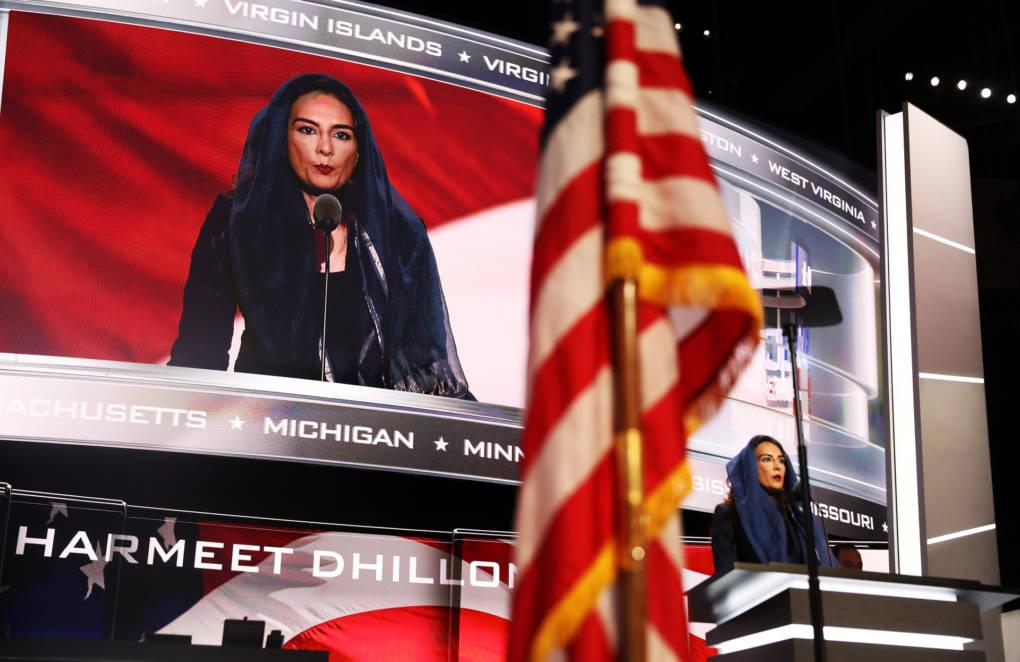
"caption": "Harmeet Dhillon, vice chair of the California Republican Party, prays during the opening of the second day of the Republican National Convention on July 19, 2016, in Cleveland, Ohio.",
"description": "Harmeet Dhillon, vice chair of the California Republican Party, prays during the opening of the second day of the Republican National Convention on July 19, 2016 in Cleveland, Ohio.",
"title": "Convention",
"credit": "Joe Raedle/Getty Images",
"status": "inherit",
"isLoading": false,
"fetchFailed": false
},
"news_11330021": {
"type": "attachments",
"id": "news_11330021",
"meta": {
"index": "attachments_1716263798",
"site": "news",
"id": "11330021",
"found": true
},
"parent": 11330020,
"imgSizes": {
"small": {
"file": "https://ww2.kqed.org/app/uploads/sites/10/2017/02/20170202_175332_hdr-d90fd655b1a41a295b37b07207a8ee69415f56eb-520x390.jpg",
"width": 520,
"mimeType": "image/jpeg",
"height": 390
},
"twentyfourteen-full-width": {
"file": "https://ww2.kqed.org/app/uploads/sites/10/2017/02/20170202_175332_hdr-d90fd655b1a41a295b37b07207a8ee69415f56eb-1038x576.jpg",
"width": 1038,
"mimeType": "image/jpeg",
"height": 576
},
"thumbnail": {
"file": "https://ww2.kqed.org/app/uploads/sites/10/2017/02/20170202_175332_hdr-d90fd655b1a41a295b37b07207a8ee69415f56eb-160x120.jpg",
"width": 160,
"mimeType": "image/jpeg",
"height": 120
},
"fd-sm": {
"file": "https://ww2.kqed.org/app/uploads/sites/10/2017/02/20170202_175332_hdr-d90fd655b1a41a295b37b07207a8ee69415f56eb-960x720.jpg",
"width": 960,
"mimeType": "image/jpeg",
"height": 720
},
"post-thumbnail": {
"file": "https://ww2.kqed.org/app/uploads/sites/10/2017/02/20170202_175332_hdr-d90fd655b1a41a295b37b07207a8ee69415f56eb-672x372.jpg",
"width": 672,
"mimeType": "image/jpeg",
"height": 372
},
"xsmall": {
"file": "https://ww2.kqed.org/app/uploads/sites/10/2017/02/20170202_175332_hdr-d90fd655b1a41a295b37b07207a8ee69415f56eb-375x281.jpg",
"width": 375,
"mimeType": "image/jpeg",
"height": 281
},
"kqedFullSize": {
"file": "https://ww2.kqed.org/app/uploads/sites/10/2017/02/20170202_175332_hdr-d90fd655b1a41a295b37b07207a8ee69415f56eb-e1487872647627.jpg",
"width": 1920,
"height": 1440
},
"large": {
"file": "https://ww2.kqed.org/app/uploads/sites/10/2017/02/20170202_175332_hdr-d90fd655b1a41a295b37b07207a8ee69415f56eb-1020x765.jpg",
"width": 1020,
"mimeType": "image/jpeg",
"height": 765
},
"xlarge": {
"file": "https://ww2.kqed.org/app/uploads/sites/10/2017/02/20170202_175332_hdr-d90fd655b1a41a295b37b07207a8ee69415f56eb-1180x885.jpg",
"width": 1180,
"mimeType": "image/jpeg",
"height": 885
},
"guest-author-50": {
"file": "https://ww2.kqed.org/app/uploads/sites/10/2017/02/20170202_175332_hdr-d90fd655b1a41a295b37b07207a8ee69415f56eb-50x50.jpg",
"width": 50,
"mimeType": "image/jpeg",
"height": 50
},
"guest-author-96": {
"file": "https://ww2.kqed.org/app/uploads/sites/10/2017/02/20170202_175332_hdr-d90fd655b1a41a295b37b07207a8ee69415f56eb-96x96.jpg",
"width": 96,
"mimeType": "image/jpeg",
"height": 96
},
"medium": {
"file": "https://ww2.kqed.org/app/uploads/sites/10/2017/02/20170202_175332_hdr-d90fd655b1a41a295b37b07207a8ee69415f56eb-800x600.jpg",
"width": 800,
"mimeType": "image/jpeg",
"height": 600
},
"guest-author-64": {
"file": "https://ww2.kqed.org/app/uploads/sites/10/2017/02/20170202_175332_hdr-d90fd655b1a41a295b37b07207a8ee69415f56eb-64x64.jpg",
"width": 64,
"mimeType": "image/jpeg",
"height": 64
},
"guest-author-32": {
"file": "https://ww2.kqed.org/app/uploads/sites/10/2017/02/20170202_175332_hdr-d90fd655b1a41a295b37b07207a8ee69415f56eb-32x32.jpg",
"width": 32,
"mimeType": "image/jpeg",
"height": 32
},
"fd-lrg": {
"file": "https://ww2.kqed.org/app/uploads/sites/10/2017/02/20170202_175332_hdr-d90fd655b1a41a295b37b07207a8ee69415f56eb-1920x1440.jpg",
"width": 1920,
"mimeType": "image/jpeg",
"height": 1440
},
"fd-med": {
"file": "https://ww2.kqed.org/app/uploads/sites/10/2017/02/20170202_175332_hdr-d90fd655b1a41a295b37b07207a8ee69415f56eb-1180x885.jpg",
"width": 1180,
"mimeType": "image/jpeg",
"height": 885
},
"full-width": {
"file": "https://ww2.kqed.org/app/uploads/sites/10/2017/02/20170202_175332_hdr-d90fd655b1a41a295b37b07207a8ee69415f56eb-1920x1440.jpg",
"width": 1920,
"mimeType": "image/jpeg",
"height": 1440
},
"detail": {
"file": "https://ww2.kqed.org/app/uploads/sites/10/2017/02/20170202_175332_hdr-d90fd655b1a41a295b37b07207a8ee69415f56eb-150x150.jpg",
"width": 150,
"mimeType": "image/jpeg",
"height": 150
},
"guest-author-128": {
"file": "https://ww2.kqed.org/app/uploads/sites/10/2017/02/20170202_175332_hdr-d90fd655b1a41a295b37b07207a8ee69415f56eb-128x128.jpg",
"width": 128,
"mimeType": "image/jpeg",
"height": 128
},
"xxsmall": {
"file": "https://ww2.kqed.org/app/uploads/sites/10/2017/02/20170202_175332_hdr-d90fd655b1a41a295b37b07207a8ee69415f56eb-240x180.jpg",
"width": 240,
"mimeType": "image/jpeg",
"height": 180
}
},
"publishDate": 1487872059,
"modified": 1487875079,
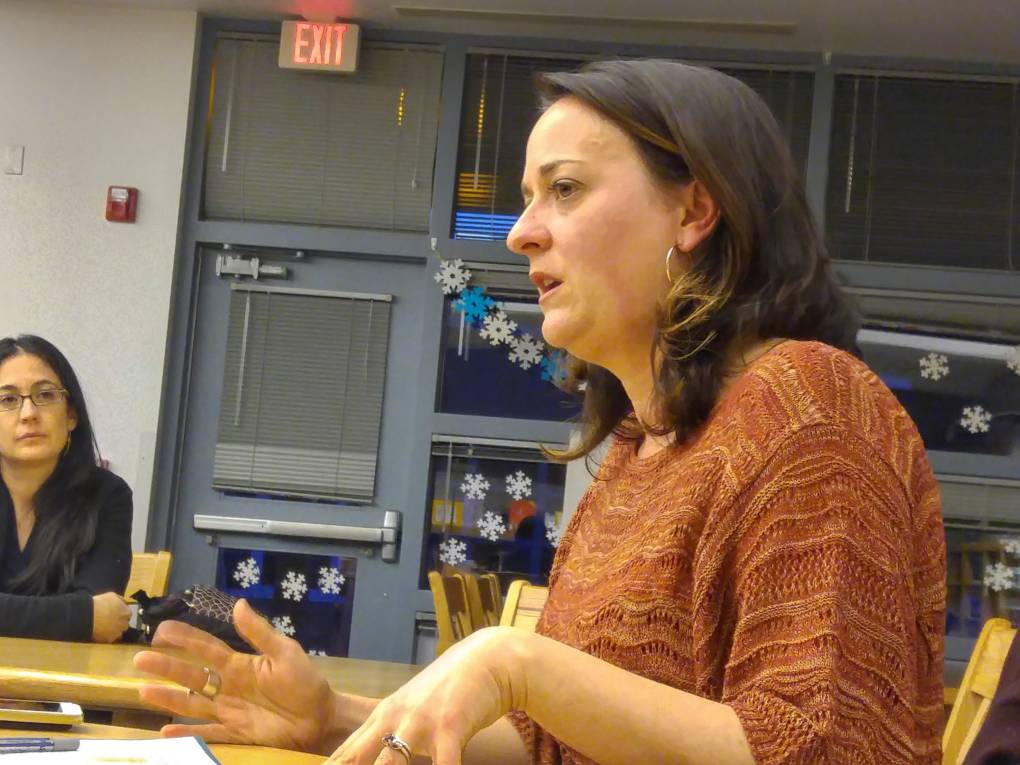
"caption": "Kate Noble speaks to voters at a listening session at Gonzales Community School in Santa Fe, New Mexico. She ran for a seat on the Santa Fe Public Schools Board.",
"description": "Kate Noble speaks to voters at a listening session at Gonzales Community School in Santa Fe, N.M. She ran for a seat on the Santa Fe Public Schools Board.",
"title": "Kate Noble speaks to voters at a listening session at Gonzales Community School in Santa Fe, N.M. She ran for a seat on the Santa Fe Public Schools Board.",
"credit": "Megan Kamerick/KUNM",
"status": "inherit",
"isLoading": false,
"fetchFailed": false
},
"news_11328877": {
"type": "attachments",
"id": "news_11328877",
"meta": {
"index": "attachments_1716263798",
"site": "news",
"id": "11328877",
"found": true
},
"parent": 11309475,
"imgSizes": {
"small": {
"file": "https://ww2.kqed.org/app/uploads/sites/10/2017/02/GettyImages-632705728-520x385.jpg",
"width": 520,
"mimeType": "image/jpeg",
"height": 385
},
"twentyfourteen-full-width": {
"file": "https://ww2.kqed.org/app/uploads/sites/10/2017/02/GettyImages-632705728-1038x576.jpg",
"width": 1038,
"mimeType": "image/jpeg",
"height": 576
},
"thumbnail": {
"file": "https://ww2.kqed.org/app/uploads/sites/10/2017/02/GettyImages-632705728-160x118.jpg",
"width": 160,
"mimeType": "image/jpeg",
"height": 118
},
"fd-sm": {
"file": "https://ww2.kqed.org/app/uploads/sites/10/2017/02/GettyImages-632705728-960x710.jpg",
"width": 960,
"mimeType": "image/jpeg",
"height": 710
},
"post-thumbnail": {
"file": "https://ww2.kqed.org/app/uploads/sites/10/2017/02/GettyImages-632705728-672x372.jpg",
"width": 672,
"mimeType": "image/jpeg",
"height": 372
},
"xsmall": {
"file": "https://ww2.kqed.org/app/uploads/sites/10/2017/02/GettyImages-632705728-375x277.jpg",
"width": 375,
"mimeType": "image/jpeg",
"height": 277
},
"kqedFullSize": {
"file": "https://ww2.kqed.org/app/uploads/sites/10/2017/02/GettyImages-632705728.jpg",
"width": 4224,
"height": 3124
},
"large": {
"file": "https://ww2.kqed.org/app/uploads/sites/10/2017/02/GettyImages-632705728-1020x754.jpg",
"width": 1020,
"mimeType": "image/jpeg",
"height": 754
},
"xlarge": {
"file": "https://ww2.kqed.org/app/uploads/sites/10/2017/02/GettyImages-632705728-1180x873.jpg",
"width": 1180,
"mimeType": "image/jpeg",
"height": 873
},
"guest-author-50": {
"file": "https://ww2.kqed.org/app/uploads/sites/10/2017/02/GettyImages-632705728-50x50.jpg",
"width": 50,
"mimeType": "image/jpeg",
"height": 50
},
"guest-author-96": {
"file": "https://ww2.kqed.org/app/uploads/sites/10/2017/02/GettyImages-632705728-96x96.jpg",
"width": 96,
"mimeType": "image/jpeg",
"height": 96
},
"medium": {
"file": "https://ww2.kqed.org/app/uploads/sites/10/2017/02/GettyImages-632705728-800x592.jpg",
"width": 800,
"mimeType": "image/jpeg",
"height": 592
},
"guest-author-64": {
"file": "https://ww2.kqed.org/app/uploads/sites/10/2017/02/GettyImages-632705728-64x64.jpg",
"width": 64,
"mimeType": "image/jpeg",
"height": 64
},
"guest-author-32": {
"file": "https://ww2.kqed.org/app/uploads/sites/10/2017/02/GettyImages-632705728-32x32.jpg",
"width": 32,
"mimeType": "image/jpeg",
"height": 32
},
"fd-lrg": {
"file": "https://ww2.kqed.org/app/uploads/sites/10/2017/02/GettyImages-632705728-1920x1420.jpg",
"width": 1920,
"mimeType": "image/jpeg",
"height": 1420
},
"fd-med": {
"file": "https://ww2.kqed.org/app/uploads/sites/10/2017/02/GettyImages-632705728-1180x873.jpg",
"width": 1180,
"mimeType": "image/jpeg",
"height": 873
},
"full-width": {
"file": "https://ww2.kqed.org/app/uploads/sites/10/2017/02/GettyImages-632705728-1920x1420.jpg",
"width": 1920,
"mimeType": "image/jpeg",
"height": 1420
},
"detail": {
"file": "https://ww2.kqed.org/app/uploads/sites/10/2017/02/GettyImages-632705728-150x150.jpg",
"width": 150,
"mimeType": "image/jpeg",
"height": 150
},
"guest-author-128": {
"file": "https://ww2.kqed.org/app/uploads/sites/10/2017/02/GettyImages-632705728-128x128.jpg",
"width": 128,
"mimeType": "image/jpeg",
"height": 128
},
"xxsmall": {
"file": "https://ww2.kqed.org/app/uploads/sites/10/2017/02/GettyImages-632705728-240x178.jpg",
"width": 240,
"mimeType": "image/jpeg",
"height": 178
}
},
"publishDate": 1487808665,
"modified": 1487895466,
"caption": "Los Angeles Mayor Eric Garcetti holds an Olympic torch from the 1984 games with former Chinese Olympians as they celebrate the Los Angeles City Council's final approval to bid for the 2024 Olympics. ",
"description": null,
"title": "US-OLY-2024-LOSANGELES-BUDGET",
"credit": "Mark Ralston/AFP/Getty Images",
"status": "inherit",
"isLoading": false,
"fetchFailed": false
},
"news_11328428": {
"type": "attachments",
"id": "news_11328428",
"meta": {
"index": "attachments_1716263798",
"site": "news",
"id": "11328428",
"found": true
},
"parent": 11328427,
"imgSizes": {
"small": {
"file": "https://ww2.kqed.org/app/uploads/sites/10/2017/02/chirla1_custom-95f1db11a5960fe35331634ade138c33fc29f42e-520x346.jpg",
"width": 520,
"mimeType": "image/jpeg",
"height": 346
},
"twentyfourteen-full-width": {
"file": "https://ww2.kqed.org/app/uploads/sites/10/2017/02/chirla1_custom-95f1db11a5960fe35331634ade138c33fc29f42e-1038x576.jpg",
"width": 1038,
"mimeType": "image/jpeg",
"height": 576
},
"thumbnail": {
"file": "https://ww2.kqed.org/app/uploads/sites/10/2017/02/chirla1_custom-95f1db11a5960fe35331634ade138c33fc29f42e-160x107.jpg",
"width": 160,
"mimeType": "image/jpeg",
"height": 107
},
"fd-sm": {
"file": "https://ww2.kqed.org/app/uploads/sites/10/2017/02/chirla1_custom-95f1db11a5960fe35331634ade138c33fc29f42e-960x639.jpg",
"width": 960,
"mimeType": "image/jpeg",
"height": 639
},
"post-thumbnail": {
"file": "https://ww2.kqed.org/app/uploads/sites/10/2017/02/chirla1_custom-95f1db11a5960fe35331634ade138c33fc29f42e-672x372.jpg",
"width": 672,
"mimeType": "image/jpeg",
"height": 372
},
"xsmall": {
"file": "https://ww2.kqed.org/app/uploads/sites/10/2017/02/chirla1_custom-95f1db11a5960fe35331634ade138c33fc29f42e-375x250.jpg",
"width": 375,
"mimeType": "image/jpeg",
"height": 250
},
"kqedFullSize": {
"file": "https://ww2.kqed.org/app/uploads/sites/10/2017/02/chirla1_custom-95f1db11a5960fe35331634ade138c33fc29f42e-e1487789811281.jpg",
"width": 1920,
"height": 1279
},
"large": {
"file": "https://ww2.kqed.org/app/uploads/sites/10/2017/02/chirla1_custom-95f1db11a5960fe35331634ade138c33fc29f42e-1020x679.jpg",
"width": 1020,
"mimeType": "image/jpeg",
"height": 679
},
"xlarge": {
"file": "https://ww2.kqed.org/app/uploads/sites/10/2017/02/chirla1_custom-95f1db11a5960fe35331634ade138c33fc29f42e-1180x786.jpg",
"width": 1180,
"mimeType": "image/jpeg",
"height": 786
},
"guest-author-50": {
"file": "https://ww2.kqed.org/app/uploads/sites/10/2017/02/chirla1_custom-95f1db11a5960fe35331634ade138c33fc29f42e-50x50.jpg",
"width": 50,
"mimeType": "image/jpeg",
"height": 50
},
"guest-author-96": {
"file": "https://ww2.kqed.org/app/uploads/sites/10/2017/02/chirla1_custom-95f1db11a5960fe35331634ade138c33fc29f42e-96x96.jpg",
"width": 96,
"mimeType": "image/jpeg",
"height": 96
},
"medium": {
"file": "https://ww2.kqed.org/app/uploads/sites/10/2017/02/chirla1_custom-95f1db11a5960fe35331634ade138c33fc29f42e-800x533.jpg",
"width": 800,
"mimeType": "image/jpeg",
"height": 533
},
"guest-author-64": {
"file": "https://ww2.kqed.org/app/uploads/sites/10/2017/02/chirla1_custom-95f1db11a5960fe35331634ade138c33fc29f42e-64x64.jpg",
"width": 64,
"mimeType": "image/jpeg",
"height": 64
},
"guest-author-32": {
"file": "https://ww2.kqed.org/app/uploads/sites/10/2017/02/chirla1_custom-95f1db11a5960fe35331634ade138c33fc29f42e-32x32.jpg",
"width": 32,
"mimeType": "image/jpeg",
"height": 32
},
"fd-lrg": {
"file": "https://ww2.kqed.org/app/uploads/sites/10/2017/02/chirla1_custom-95f1db11a5960fe35331634ade138c33fc29f42e-1920x1279.jpg",
"width": 1920,
"mimeType": "image/jpeg",
"height": 1279
},
"fd-med": {
"file": "https://ww2.kqed.org/app/uploads/sites/10/2017/02/chirla1_custom-95f1db11a5960fe35331634ade138c33fc29f42e-1180x786.jpg",
"width": 1180,
"mimeType": "image/jpeg",
"height": 786
},
"full-width": {
"file": "https://ww2.kqed.org/app/uploads/sites/10/2017/02/chirla1_custom-95f1db11a5960fe35331634ade138c33fc29f42e-1920x1279.jpg",
"width": 1920,
"mimeType": "image/jpeg",
"height": 1279
},
"detail": {
"file": "https://ww2.kqed.org/app/uploads/sites/10/2017/02/chirla1_custom-95f1db11a5960fe35331634ade138c33fc29f42e-150x150.jpg",
"width": 150,
"mimeType": "image/jpeg",
"height": 150
},
"guest-author-128": {
"file": "https://ww2.kqed.org/app/uploads/sites/10/2017/02/chirla1_custom-95f1db11a5960fe35331634ade138c33fc29f42e-128x128.jpg",
"width": 128,
"mimeType": "image/jpeg",
"height": 128
},
"xxsmall": {
"file": "https://ww2.kqed.org/app/uploads/sites/10/2017/02/chirla1_custom-95f1db11a5960fe35331634ade138c33fc29f42e-240x160.jpg",
"width": 240,
"mimeType": "image/jpeg",
"height": 160
}
},
"publishDate": 1487788666,
"modified": 1487789138,
"caption": "Lines for citizenship and other immigration services have been forming as early as 6 a.m. outside the office of the Coalition for Humane Immigrant Rights of Los Angeles.",
"description": "Lines for citizenship and other immigration services have been forming as early as 6 a.m. outside the office of the Coalition for Humane Immigrant Rights of Los Angeles.",
"title": "Lines for citizenship and other immigration services have been forming as early as 6 a.m. outside the office of the Coalition for Humane Immigrant Rights of Los Angeles.",
"credit": "Parker Yesko/NPR",
"status": "inherit",
"isLoading": false,
"fetchFailed": false
},
"news_11326705": {
"type": "attachments",
"id": "news_11326705",
"meta": {
"index": "attachments_1716263798",
"site": "news",
"id": "11326705",
"found": true
},
"parent": 11326640,
"imgSizes": {
"small": {
"file": "https://ww2.kqed.org/app/uploads/sites/10/2017/02/GettyImages-633191580-520x347.jpg",
"width": 520,
"mimeType": "image/jpeg",
"height": 347
},
"twentyfourteen-full-width": {
"file": "https://ww2.kqed.org/app/uploads/sites/10/2017/02/GettyImages-633191580-1038x576.jpg",
"width": 1038,
"mimeType": "image/jpeg",
"height": 576
},
"thumbnail": {
"file": "https://ww2.kqed.org/app/uploads/sites/10/2017/02/GettyImages-633191580-160x107.jpg",
"width": 160,
"mimeType": "image/jpeg",
"height": 107
},
"fd-sm": {
"file": "https://ww2.kqed.org/app/uploads/sites/10/2017/02/GettyImages-633191580-960x640.jpg",
"width": 960,
"mimeType": "image/jpeg",
"height": 640
},
"post-thumbnail": {
"file": "https://ww2.kqed.org/app/uploads/sites/10/2017/02/GettyImages-633191580-672x372.jpg",
"width": 672,
"mimeType": "image/jpeg",
"height": 372
},
"xsmall": {
"file": "https://ww2.kqed.org/app/uploads/sites/10/2017/02/GettyImages-633191580-375x250.jpg",
"width": 375,
"mimeType": "image/jpeg",
"height": 250
},
"kqedFullSize": {
"file": "https://ww2.kqed.org/app/uploads/sites/10/2017/02/GettyImages-633191580-e1487699664773.jpg",
"width": 1920,
"height": 1280
},
"large": {
"file": "https://ww2.kqed.org/app/uploads/sites/10/2017/02/GettyImages-633191580-1020x680.jpg",
"width": 1020,
"mimeType": "image/jpeg",
"height": 680
},
"xlarge": {
"file": "https://ww2.kqed.org/app/uploads/sites/10/2017/02/GettyImages-633191580-1180x787.jpg",
"width": 1180,
"mimeType": "image/jpeg",
"height": 787
},
"guest-author-50": {
"file": "https://ww2.kqed.org/app/uploads/sites/10/2017/02/GettyImages-633191580-50x50.jpg",
"width": 50,
"mimeType": "image/jpeg",
"height": 50
},
"guest-author-96": {
"file": "https://ww2.kqed.org/app/uploads/sites/10/2017/02/GettyImages-633191580-96x96.jpg",
"width": 96,
"mimeType": "image/jpeg",
"height": 96
},
"medium": {
"file": "https://ww2.kqed.org/app/uploads/sites/10/2017/02/GettyImages-633191580-800x533.jpg",
"width": 800,
"mimeType": "image/jpeg",
"height": 533
},
"guest-author-64": {
"file": "https://ww2.kqed.org/app/uploads/sites/10/2017/02/GettyImages-633191580-64x64.jpg",
"width": 64,
"mimeType": "image/jpeg",
"height": 64
},
"guest-author-32": {
"file": "https://ww2.kqed.org/app/uploads/sites/10/2017/02/GettyImages-633191580-32x32.jpg",
"width": 32,
"mimeType": "image/jpeg",
"height": 32
},
"fd-lrg": {
"file": "https://ww2.kqed.org/app/uploads/sites/10/2017/02/GettyImages-633191580-1920x1280.jpg",
"width": 1920,
"mimeType": "image/jpeg",
"height": 1280
},
"fd-med": {
"file": "https://ww2.kqed.org/app/uploads/sites/10/2017/02/GettyImages-633191580-1180x787.jpg",
"width": 1180,
"mimeType": "image/jpeg",
"height": 787
},
"full-width": {
"file": "https://ww2.kqed.org/app/uploads/sites/10/2017/02/GettyImages-633191580-1920x1280.jpg",
"width": 1920,
"mimeType": "image/jpeg",
"height": 1280
},
"detail": {
"file": "https://ww2.kqed.org/app/uploads/sites/10/2017/02/GettyImages-633191580-150x150.jpg",
"width": 150,
"mimeType": "image/jpeg",
"height": 150
},
"guest-author-128": {
"file": "https://ww2.kqed.org/app/uploads/sites/10/2017/02/GettyImages-633191580-128x128.jpg",
"width": 128,
"mimeType": "image/jpeg",
"height": 128
},
"xxsmall": {
"file": "https://ww2.kqed.org/app/uploads/sites/10/2017/02/GettyImages-633191580-240x160.jpg",
"width": 240,
"mimeType": "image/jpeg",
"height": 160
}
},
"publishDate": 1487699584,
"modified": 1487722058,
"caption": "President Donald Trump delivers remarks at the beginning of a meeting with Homeland Security Secretary John Kelly and other government cybersecurity experts in January.",
"description": null,
"title": "john kelly donald trump",
"credit": "Chip Somodevilla/Getty Images",
"status": "inherit",
"isLoading": false,
"fetchFailed": false
},
"news_11321842": {
"type": "attachments",
"id": "news_11321842",
"meta": {
"index": "attachments_1716263798",
"site": "news",
"id": "11321842",
"found": true
},
"parent": 11321315,
"imgSizes": {
"small": {
"file": "https://ww2.kqed.org/app/uploads/sites/10/2017/02/AssyriansMain-520x364.jpg",
"width": 520,
"mimeType": "image/jpeg",
"height": 364
},
"twentyfourteen-full-width": {
"file": "https://ww2.kqed.org/app/uploads/sites/10/2017/02/AssyriansMain-1038x576.jpg",
"width": 1038,
"mimeType": "image/jpeg",
"height": 576
},
"thumbnail": {
"file": "https://ww2.kqed.org/app/uploads/sites/10/2017/02/AssyriansMain-160x112.jpg",
"width": 160,
"mimeType": "image/jpeg",
"height": 112
},
"fd-sm": {
"file": "https://ww2.kqed.org/app/uploads/sites/10/2017/02/AssyriansMain-960x672.jpg",
"width": 960,
"mimeType": "image/jpeg",
"height": 672
},
"post-thumbnail": {
"file": "https://ww2.kqed.org/app/uploads/sites/10/2017/02/AssyriansMain-672x372.jpg",
"width": 672,
"mimeType": "image/jpeg",
"height": 372
},
"xsmall": {
"file": "https://ww2.kqed.org/app/uploads/sites/10/2017/02/AssyriansMain-375x263.jpg",
"width": 375,
"mimeType": "image/jpeg",
"height": 263
},
"kqedFullSize": {
"file": "https://ww2.kqed.org/app/uploads/sites/10/2017/02/AssyriansMain.jpg",
"width": 1920,
"height": 1344
},
"large": {
"file": "https://ww2.kqed.org/app/uploads/sites/10/2017/02/AssyriansMain-1020x714.jpg",
"width": 1020,
"mimeType": "image/jpeg",
"height": 714
},
"xlarge": {
"file": "https://ww2.kqed.org/app/uploads/sites/10/2017/02/AssyriansMain-1180x826.jpg",
"width": 1180,
"mimeType": "image/jpeg",
"height": 826
},
"guest-author-50": {
"file": "https://ww2.kqed.org/app/uploads/sites/10/2017/02/AssyriansMain-50x50.jpg",
"width": 50,
"mimeType": "image/jpeg",
"height": 50
},
"guest-author-96": {
"file": "https://ww2.kqed.org/app/uploads/sites/10/2017/02/AssyriansMain-96x96.jpg",
"width": 96,
"mimeType": "image/jpeg",
"height": 96
},
"medium": {
"file": "https://ww2.kqed.org/app/uploads/sites/10/2017/02/AssyriansMain-800x560.jpg",
"width": 800,
"mimeType": "image/jpeg",
"height": 560
},
"guest-author-64": {
"file": "https://ww2.kqed.org/app/uploads/sites/10/2017/02/AssyriansMain-64x64.jpg",
"width": 64,
"mimeType": "image/jpeg",
"height": 64
},
"guest-author-32": {
"file": "https://ww2.kqed.org/app/uploads/sites/10/2017/02/AssyriansMain-32x32.jpg",
"width": 32,
"mimeType": "image/jpeg",
"height": 32
},
"fd-lrg": {
"file": "https://ww2.kqed.org/app/uploads/sites/10/2017/02/AssyriansMain-1920x1344.jpg",
"width": 1920,
"mimeType": "image/jpeg",
"height": 1344
},
"fd-med": {
"file": "https://ww2.kqed.org/app/uploads/sites/10/2017/02/AssyriansMain-1180x826.jpg",
"width": 1180,
"mimeType": "image/jpeg",
"height": 826
},
"full-width": {
"file": "https://ww2.kqed.org/app/uploads/sites/10/2017/02/AssyriansMain-1920x1344.jpg",
"width": 1920,
"mimeType": "image/jpeg",
"height": 1344
},
"detail": {
"file": "https://ww2.kqed.org/app/uploads/sites/10/2017/02/AssyriansMain-150x150.jpg",
"width": 150,
"mimeType": "image/jpeg",
"height": 150
},
"guest-author-128": {
"file": "https://ww2.kqed.org/app/uploads/sites/10/2017/02/AssyriansMain-128x128.jpg",
"width": 128,
"mimeType": "image/jpeg",
"height": 128
},
"xxsmall": {
"file": "https://ww2.kqed.org/app/uploads/sites/10/2017/02/AssyriansMain-240x168.jpg",
"width": 240,
"mimeType": "image/jpeg",
"height": 168
}
},
"publishDate": 1487384188,
"modified": 1487384223,
"caption": "Mervat Shlemoun (L) and Carmen Morad hold up Assyrian flags. ",
"description": "Mervat Shlemoun (L) and Carmen Morad hold up Assyrian flags. ",
"title": "AssyriansMain",
"credit": "Alice Daniel/KQED",
"status": "inherit",
"isLoading": false,
"fetchFailed": false
},
"news_11321564": {
"type": "attachments",
"id": "news_11321564",
"meta": {
"index": "attachments_1716263798",
"site": "news",
"id": "11321564",
"found": true
},
"parent": 11321559,
"imgSizes": {
"small": {
"file": "https://ww2.kqed.org/app/uploads/sites/10/2017/02/TrumpSons-520x347.jpg",
"width": 520,
"mimeType": "image/jpeg",
"height": 347
},
"twentyfourteen-full-width": {
"file": "https://ww2.kqed.org/app/uploads/sites/10/2017/02/TrumpSons-1038x576.jpg",
"width": 1038,
"mimeType": "image/jpeg",
"height": 576
},
"thumbnail": {
"file": "https://ww2.kqed.org/app/uploads/sites/10/2017/02/TrumpSons-160x107.jpg",
"width": 160,
"mimeType": "image/jpeg",
"height": 107
},
"fd-sm": {
"file": "https://ww2.kqed.org/app/uploads/sites/10/2017/02/TrumpSons-960x641.jpg",
"width": 960,
"mimeType": "image/jpeg",
"height": 641
},
"post-thumbnail": {
"file": "https://ww2.kqed.org/app/uploads/sites/10/2017/02/TrumpSons-672x372.jpg",
"width": 672,
"mimeType": "image/jpeg",
"height": 372
},
"xsmall": {
"file": "https://ww2.kqed.org/app/uploads/sites/10/2017/02/TrumpSons-375x250.jpg",
"width": 375,
"mimeType": "image/jpeg",
"height": 250
},
"kqedFullSize": {
"file": "https://ww2.kqed.org/app/uploads/sites/10/2017/02/TrumpSons.jpg",
"width": 1920,
"height": 1281
},
"large": {
"file": "https://ww2.kqed.org/app/uploads/sites/10/2017/02/TrumpSons-1020x681.jpg",
"width": 1020,
"mimeType": "image/jpeg",
"height": 681
},
"xlarge": {
"file": "https://ww2.kqed.org/app/uploads/sites/10/2017/02/TrumpSons-1180x787.jpg",
"width": 1180,
"mimeType": "image/jpeg",
"height": 787
},
"guest-author-50": {
"file": "https://ww2.kqed.org/app/uploads/sites/10/2017/02/TrumpSons-50x50.jpg",
"width": 50,
"mimeType": "image/jpeg",
"height": 50
},
"guest-author-96": {
"file": "https://ww2.kqed.org/app/uploads/sites/10/2017/02/TrumpSons-96x96.jpg",
"width": 96,
"mimeType": "image/jpeg",
"height": 96
},
"medium": {
"file": "https://ww2.kqed.org/app/uploads/sites/10/2017/02/TrumpSons-800x534.jpg",
"width": 800,
"mimeType": "image/jpeg",
"height": 534
},
"guest-author-64": {
"file": "https://ww2.kqed.org/app/uploads/sites/10/2017/02/TrumpSons-64x64.jpg",
"width": 64,
"mimeType": "image/jpeg",
"height": 64
},
"guest-author-32": {
"file": "https://ww2.kqed.org/app/uploads/sites/10/2017/02/TrumpSons-32x32.jpg",
"width": 32,
"mimeType": "image/jpeg",
"height": 32
},
"fd-lrg": {
"file": "https://ww2.kqed.org/app/uploads/sites/10/2017/02/TrumpSons-1920x1281.jpg",
"width": 1920,
"mimeType": "image/jpeg",
"height": 1281
},
"fd-med": {
"file": "https://ww2.kqed.org/app/uploads/sites/10/2017/02/TrumpSons-1180x787.jpg",
"width": 1180,
"mimeType": "image/jpeg",
"height": 787
},
"full-width": {
"file": "https://ww2.kqed.org/app/uploads/sites/10/2017/02/TrumpSons-1920x1281.jpg",
"width": 1920,
"mimeType": "image/jpeg",
"height": 1281
},
"detail": {
"file": "https://ww2.kqed.org/app/uploads/sites/10/2017/02/TrumpSons-150x150.jpg",
"width": 150,
"mimeType": "image/jpeg",
"height": 150
},
"guest-author-128": {
"file": "https://ww2.kqed.org/app/uploads/sites/10/2017/02/TrumpSons-128x128.jpg",
"width": 128,
"mimeType": "image/jpeg",
"height": 128
},
"xxsmall": {
"file": "https://ww2.kqed.org/app/uploads/sites/10/2017/02/TrumpSons-240x160.jpg",
"width": 240,
"mimeType": "image/jpeg",
"height": 160
}
},
"publishDate": 1487372010,
"modified": 1487375676,
"caption": "President Trump's sons, Donald Jr. (L) and Eric, are overseeing resorts still underway in places such as the Philippines and Indonesia. The Trump sons get Secret Service protection, and their foreign business trips can be enormously expensive for their protective service.",
"description": "President Trump's sons Donald Jr. (L) and Eric, are overseeing resorts still underway in places such as the Philippines and Indonesia. The Trump sons get Secret Service protection, and their foreign business trips can be enormously expensive for their protective service.",
"title": "TrumpSons",
"credit": "Chip Somodevilla/Getty Images",
"status": "inherit",
"isLoading": false,
"fetchFailed": false
},
"news_11321295": {
"type": "attachments",
"id": "news_11321295",
"meta": {
"index": "attachments_1716263798",
"site": "news",
"id": "11321295",
"found": true
},
"parent": 11321286,
"imgSizes": {
"small": {
"file": "https://ww2.kqed.org/app/uploads/sites/10/2017/02/GettyImages-471811400-520x347.jpg",
"width": 520,
"mimeType": "image/jpeg",
"height": 347
},
"twentyfourteen-full-width": {
"file": "https://ww2.kqed.org/app/uploads/sites/10/2017/02/GettyImages-471811400-1038x576.jpg",
"width": 1038,
"mimeType": "image/jpeg",
"height": 576
},
"thumbnail": {
"file": "https://ww2.kqed.org/app/uploads/sites/10/2017/02/GettyImages-471811400-160x107.jpg",
"width": 160,
"mimeType": "image/jpeg",
"height": 107
},
"fd-sm": {
"file": "https://ww2.kqed.org/app/uploads/sites/10/2017/02/GettyImages-471811400-960x640.jpg",
"width": 960,
"mimeType": "image/jpeg",
"height": 640
},
"post-thumbnail": {
"file": "https://ww2.kqed.org/app/uploads/sites/10/2017/02/GettyImages-471811400-672x372.jpg",
"width": 672,
"mimeType": "image/jpeg",
"height": 372
},
"xsmall": {
"file": "https://ww2.kqed.org/app/uploads/sites/10/2017/02/GettyImages-471811400-375x250.jpg",
"width": 375,
"mimeType": "image/jpeg",
"height": 250
},
"kqedFullSize": {
"file": "https://ww2.kqed.org/app/uploads/sites/10/2017/02/GettyImages-471811400-e1487360779451.jpg",
"width": 1920,
"height": 1280
},
"large": {
"file": "https://ww2.kqed.org/app/uploads/sites/10/2017/02/GettyImages-471811400-1020x680.jpg",
"width": 1020,
"mimeType": "image/jpeg",
"height": 680
},
"xlarge": {
"file": "https://ww2.kqed.org/app/uploads/sites/10/2017/02/GettyImages-471811400-1180x787.jpg",
"width": 1180,
"mimeType": "image/jpeg",
"height": 787
},
"guest-author-50": {
"file": "https://ww2.kqed.org/app/uploads/sites/10/2017/02/GettyImages-471811400-50x50.jpg",
"width": 50,
"mimeType": "image/jpeg",
"height": 50
},
"guest-author-96": {
"file": "https://ww2.kqed.org/app/uploads/sites/10/2017/02/GettyImages-471811400-96x96.jpg",
"width": 96,
"mimeType": "image/jpeg",
"height": 96
},
"medium": {
"file": "https://ww2.kqed.org/app/uploads/sites/10/2017/02/GettyImages-471811400-800x533.jpg",
"width": 800,
"mimeType": "image/jpeg",
"height": 533
},
"guest-author-64": {
"file": "https://ww2.kqed.org/app/uploads/sites/10/2017/02/GettyImages-471811400-64x64.jpg",
"width": 64,
"mimeType": "image/jpeg",
"height": 64
},
"guest-author-32": {
"file": "https://ww2.kqed.org/app/uploads/sites/10/2017/02/GettyImages-471811400-32x32.jpg",
"width": 32,
"mimeType": "image/jpeg",
"height": 32
},
"fd-lrg": {
"file": "https://ww2.kqed.org/app/uploads/sites/10/2017/02/GettyImages-471811400-1920x1280.jpg",
"width": 1920,
"mimeType": "image/jpeg",
"height": 1280
},
"fd-med": {
"file": "https://ww2.kqed.org/app/uploads/sites/10/2017/02/GettyImages-471811400-1180x787.jpg",
"width": 1180,
"mimeType": "image/jpeg",
"height": 787
},
"full-width": {
"file": "https://ww2.kqed.org/app/uploads/sites/10/2017/02/GettyImages-471811400-1920x1280.jpg",
"width": 1920,
"mimeType": "image/jpeg",
"height": 1280
},
"detail": {
"file": "https://ww2.kqed.org/app/uploads/sites/10/2017/02/GettyImages-471811400-150x150.jpg",
"width": 150,
"mimeType": "image/jpeg",
"height": 150
},
"guest-author-128": {
"file": "https://ww2.kqed.org/app/uploads/sites/10/2017/02/GettyImages-471811400-128x128.jpg",
"width": 128,
"mimeType": "image/jpeg",
"height": 128
},
"xxsmall": {
"file": "https://ww2.kqed.org/app/uploads/sites/10/2017/02/GettyImages-471811400-240x160.jpg",
"width": 240,
"mimeType": "image/jpeg",
"height": 160
}
},
"publishDate": 1487360712,
"modified": 1487369852,
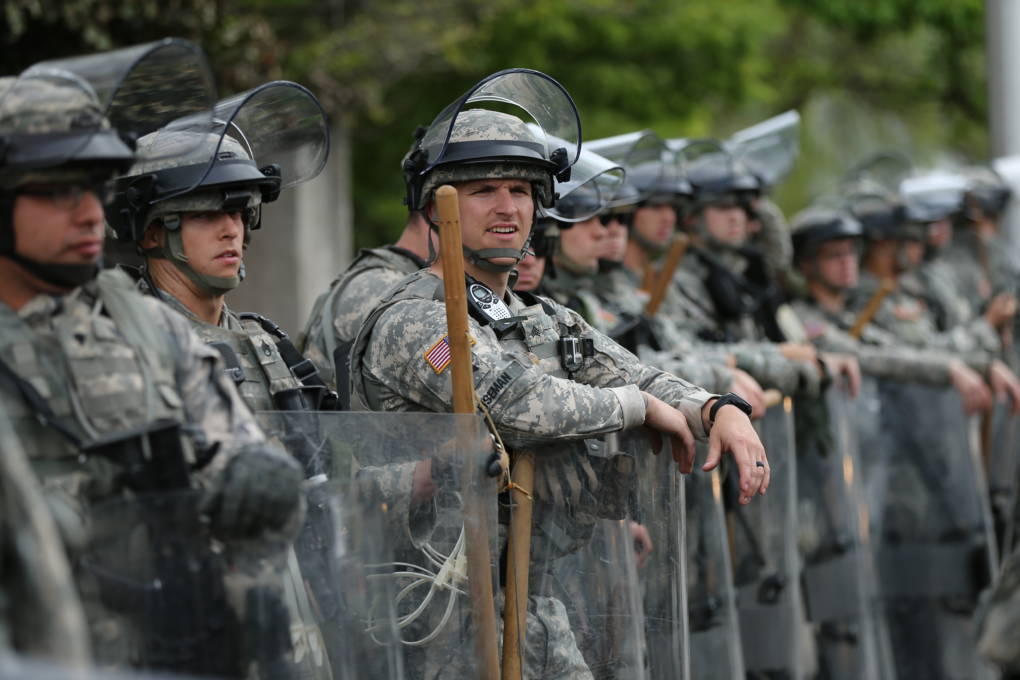
"caption": "National Guard troops keep watch on May 1, 2015, in Baltimore, Maryland. ",
"description": "National Guard troops keep watch on May 1, 2015 in Baltimore, Maryland. ",
"title": "Criminal Charges Announced Against Baltimore Police Officers In Freddie Gray's Death",
"credit": "Win McNamee/Getty Images",
"status": "inherit",
"isLoading": false,
"fetchFailed": false
}
},
"audioPlayerReducer": {
"postId": "stream_live",
"isPaused": true,
"isPlaying": false,
"pfsActive": false,
"pledgeModalIsOpen": true,
"playerDrawerIsOpen": false,
"liveAudioPlayStartedAt": 0,
"liveAudioPlayContext": ""
},
"authorsReducer": {
"byline_news_11332085": {
"type": "authors",
"id": "byline_news_11332085",
"meta": {
"override": true
},
"slug": "byline_news_11332085",
"name": "Nathan Rott",
"isLoading": false
},
"byline_news_11330020": {
"type": "authors",
"id": "byline_news_11330020",
"meta": {
"override": true
},
"slug": "byline_news_11330020",
"name": "\u003cstrong>\u003ca href=\"https://ww2.kqed.org/news/author/korr/\">Katie Orr\u003c/a>\u003c/strong> and \u003cstrong>\u003ca href=\"http://kunm.drupal.publicbroadcasting.net/people/megan-kamerick\">Megan Kamerick\u003c/a>\u003c/strong>",
"isLoading": false
},
"byline_news_11328427": {
"type": "authors",
"id": "byline_news_11328427",
"meta": {
"override": true
},
"slug": "byline_news_11328427",
"name": "\u003cstrong>Parker Yesko\u003cbr>\u003ca href=\"http://www.npr.org/2017/02/21/516375460/green-card-holders-worry-about-trump-s-efforts-to-curtain-immigration\">NPR\u003c/a>",
"isLoading": false
},
"byline_news_11326640": {
"type": "authors",
"id": "byline_news_11326640",
"meta": {
"override": true
},
"slug": "byline_news_11326640",
"name": "\u003cstrong>Laura Smitherman\u003cbr>NPR\u003c/strong>",
"isLoading": false
},
"byline_news_11321559": {
"type": "authors",
"id": "byline_news_11321559",
"meta": {
"override": true
},
"slug": "byline_news_11321559",
"name": "Jackie Northam",
"isLoading": false
},
"byline_news_11321286": {
"type": "authors",
"id": "byline_news_11321286",
"meta": {
"override": true
},
"slug": "byline_news_11321286",
"name": "\u003cstrong>Garance Burke\u003cbr />Associated Press\u003c/strong>",
"isLoading": false
},
"aliceldaniel": {
"type": "authors",
"id": "208",
"meta": {
"index": "authors_1716337520",
"id": "208",
"found": true
},
"name": "Alice Daniel",
"firstName": "Alice",
"lastName": "Daniel",
"slug": "aliceldaniel",
"email": "adaniel@kqed.org",
"display_author_email": false,
"staff_mastheads": [],
"title": null,
"bio": "Alice Daniel loves the listening aspect of reporting because she gets to briefly walk in other people’s shoes. She has rappelled down into caves and gone up in helicopters for KQED’s The California Report but her favorite place to pursue a story is the High Sierra or any family-run bakery, of course. Alice has a masters in journalism from Columbia University and teaches at Fresno State. She is a California Healthline Regional Correspondent and a frequent contributor to Success magazine. In her free time, she skis and hikes, throws pottery, practices piano and looks out the window.",
"avatar": "https://secure.gravatar.com/avatar/e611aa06593b114a67f9f123a8e875ad?s=600&d=blank&r=g",
"twitter": null,
"facebook": null,
"instagram": null,
"linkedin": null,
"sites": [
{
"site": "news",
"roles": [
"author"
]
},
{
"site": "stateofhealth",
"roles": [
"author"
]
}
],
"headData": {
"title": "Alice Daniel | KQED",
"description": null,
"ogImgSrc": "https://secure.gravatar.com/avatar/e611aa06593b114a67f9f123a8e875ad?s=600&d=blank&r=g",
"twImgSrc": "https://secure.gravatar.com/avatar/e611aa06593b114a67f9f123a8e875ad?s=600&d=blank&r=g"
},
"isLoading": false,
"link": "/author/aliceldaniel"
},
"kqed": {
"type": "authors",
"id": "236",
"meta": {
"index": "authors_1716337520",
"id": "236",
"found": true
},
"name": "KQED News Staff",
"firstName": "KQED News Staff",
"lastName": null,
"slug": "kqed",
"email": "faq@kqed.org",
"display_author_email": false,
"staff_mastheads": [],
"title": null,
"bio": null,
"avatar": "https://secure.gravatar.com/avatar/ef0e801a68c4c54afa9180db14084167?s=600&d=blank&r=g",
"twitter": null,
"facebook": null,
"instagram": null,
"linkedin": null,
"sites": [
{
"site": "arts",
"roles": [
"contributor"
]
},
{
"site": "news",
"roles": [
"editor"
]
},
{
"site": "futureofyou",
"roles": [
"author"
]
}
],
"headData": {
"title": "KQED News Staff | KQED",
"description": null,
"ogImgSrc": "https://secure.gravatar.com/avatar/ef0e801a68c4c54afa9180db14084167?s=600&d=blank&r=g",
"twImgSrc": "https://secure.gravatar.com/avatar/ef0e801a68c4c54afa9180db14084167?s=600&d=blank&r=g"
},
"isLoading": false,
"link": "/author/kqed"
},
"scuevas": {
"type": "authors",
"id": "2600",
"meta": {
"index": "authors_1716337520",
"id": "2600",
"found": true
},
"name": "Steven Cuevas",
"firstName": "Steven",
"lastName": "Cuevas",
"slug": "scuevas",
"email": "scuevas@kqed.org",
"display_author_email": false,
"staff_mastheads": [],
"title": "KQED Contributor",
"bio": "Steven is a former Los Angeles bureau chief for The California Report.\r\n\r\nHe reports on an array of issues across the Southland, from immigration and regional politics to religion, the performing arts and pop culture.\r\n\r\nPrior to joining KQED in 2012, Steven covered Inland southern California for KPCC in Pasadena. He also helped establish the first newsroom at \u003ca href=\"http://kut.org/\">KUT\u003c/a> in Austin, Texas where he was a general assignment reporter.\r\n\r\nSteven has received numerous awards for his reporting including an RTNDA Edward R. Murrow Award for investigative reporting in addition to awards from the LA Press Club, the Associated Press and the Society for Professional Journalists.\r\n\r\nSteven grew up in and around San Francisco and now lives in Pasadena just a short jog from the foot of the San Gabriel Mountains.",
"avatar": "https://secure.gravatar.com/avatar/2d253580794f8e026100fae05cfabbbd4889b4fe15146146cacb82a01974c538?s=600&d=blank&r=g",
"twitter": null,
"bluesky": null,
"facebook": null,
"instagram": null,
"linkedin": null,
"sites": [
{
"site": "news",
"roles": [
"subscriber"
]
}
],
"headData": {
"title": "Steven Cuevas | KQED",
"description": "KQED Contributor",
"ogImgSrc": "https://secure.gravatar.com/avatar/2d253580794f8e026100fae05cfabbbd4889b4fe15146146cacb82a01974c538?s=600&d=blank&r=g",
"twImgSrc": "https://secure.gravatar.com/avatar/2d253580794f8e026100fae05cfabbbd4889b4fe15146146cacb82a01974c538?s=600&d=blank&r=g"
},
"isLoading": false,
"link": "/author/scuevas"
},
"fjhabvala": {
"type": "authors",
"id": "8659",
"meta": {
"index": "authors_1716337520",
"id": "8659",
"found": true
},
"name": "Farida Jhabvala Romero",
"firstName": "Farida",
"lastName": "Jhabvala Romero",
"slug": "fjhabvala",
"email": "fjhabvala@kqed.org",
"display_author_email": true,
"staff_mastheads": [
"news"
],
"title": "KQED Contributor",
"bio": "Farida Jhabvala Romero is a Labor Correspondent for KQED. She previously covered immigration. Farida was \u003ca href=\"https://www.ccnma.org/2022-most-influential-latina-journalists\">named\u003c/a> one of the 10 Most Influential Latina Journalists in California in 2022 by the California Chicano News Media Association. Her work has won awards from the Society of Professional Journalists (Northern California), as well as a national and regional Edward M. Murrow Award for the collaborative reporting projects “Dangerous Air” and “Graying California.” Before joining KQED, Farida worked as a producer at Radio Bilingüe, a national public radio network. Farida earned her master’s degree in journalism from Stanford University.",
"avatar": "https://secure.gravatar.com/avatar/f9f022d4e2609741874222a1e9d41f48fea74011aa7c615eef91d9a50c944ebe?s=600&d=blank&r=g",
"twitter": "FaridaJhabvala",
"bluesky": null,
"facebook": null,
"instagram": null,
"linkedin": "https://www.linkedin.com/in/faridajhabvala/",
"sites": [
{
"site": "news",
"roles": [
"editor"
]
},
{
"site": "stateofhealth",
"roles": [
"author"
]
},
{
"site": "liveblog",
"roles": [
"author"
]
}
],
"headData": {
"title": "Farida Jhabvala Romero | KQED",
"description": "KQED Contributor",
"ogImgSrc": "https://secure.gravatar.com/avatar/f9f022d4e2609741874222a1e9d41f48fea74011aa7c615eef91d9a50c944ebe?s=600&d=blank&r=g",
"twImgSrc": "https://secure.gravatar.com/avatar/f9f022d4e2609741874222a1e9d41f48fea74011aa7c615eef91d9a50c944ebe?s=600&d=blank&r=g"
},
"isLoading": false,
"link": "/author/fjhabvala"
},
"korr": {
"type": "authors",
"id": "11200",
"meta": {
"index": "authors_1716337520",
"id": "11200",
"found": true
},
"name": "Katie Orr",
"firstName": "Katie",
"lastName": "Orr",
"slug": "korr",
"email": "korr@kqed.org",
"display_author_email": false,
"staff_mastheads": [],
"title": "KQED Contributor",
"bio": "Katie Orr was a Sacramento-based reporter for KQED's Politics and Government Desk, covering the state Capitol and a variety of issues including women in politics, voting and elections and legislation. Prior to joining KQED in 2016, Katie was state government reporter for Capital Public Radio in Sacramento. She's also worked for KPBS in San Diego, where she covered City Hall.\r\n\r\nKatie received her masters degree in political science from San Diego State University and holds a Bachelors degree in broadcast journalism from Arizona State University.\r\n\r\nIn 2015 Katie won a national Clarion Award for a series of stories she did on women in California politics. She's been honored by the Society for Professional Journalists and, in 2013, was named by \u003cem>The Washington Post\u003c/em> as one of the country's top state Capitol reporters. She's also reported for the award-winning documentary series \u003cem>The View from Here \u003c/em>and was part of the team that won national PRNDI and Gabriel Awards in 2015. She lives in Sacramento with her husband. Twitter: @1KatieOrr",
"avatar": "https://secure.gravatar.com/avatar/41a40b25845adc78f50808670860449e?s=600&d=blank&r=g",
"twitter": "1katieorr",
"facebook": null,
"instagram": null,
"linkedin": null,
"sites": [
{
"site": "news",
"roles": [
"subscriber"
]
},
{
"site": "stateofhealth",
"roles": [
"author"
]
},
{
"site": "forum",
"roles": [
"author"
]
}
],
"headData": {
"title": "Katie Orr | KQED",
"description": "KQED Contributor",
"ogImgSrc": "https://secure.gravatar.com/avatar/41a40b25845adc78f50808670860449e?s=600&d=blank&r=g",
"twImgSrc": "https://secure.gravatar.com/avatar/41a40b25845adc78f50808670860449e?s=600&d=blank&r=g"
},
"isLoading": false,
"link": "/author/korr"
}
},
"pagesReducer": {
"news_tag_donald-trump": {
"type": "terms",
"id": "news_1323",
"meta": {
"index": "terms_1716263798",
"site": "news",
"id": "1323",
"score": 8.557362
},
"featImg": null,
"name": "Donald Trump",
"description": null,
"taxonomy": "tag",
"headData": {
"twImgId": null,
"twTitle": null,
"ogTitle": null,
"ogImgId": null,
"twDescription": null,
"description": null,
"title": "Donald Trump Archives | KQED News",
"ogDescription": null
},
"ttid": 1335,
"slug": "donald-trump",
"isLoading": false,
"title": "Donald Trump",
"pageMeta": {
"site": "news",
"WpPageTemplate": "page-topic-editorial",
"currentPage": 169
},
"blocks": [
{
"blockName": "kqed/post-list",
"attrs": {
"layout": "cardArticle2",
"query": "posts/news?tag=donald-trump",
"seeMore": false,
"paginated": true,
"page": 169
}
},
{
"blockName": "kqed/ad"
}
]
}
},
"pfsSessionReducer": {},
"postsReducer": {
"stream_live": {
"type": "live",
"id": "stream_live",
"audioUrl": "https://streams.kqed.org/kqedradio",
"title": "Live Stream",
"excerpt": "Live Stream information currently unavailable.",
"link": "/radio",
"featImg": "",
"label": {
"name": "KQED Live",
"link": "/"
}
},
"stream_kqedNewscast": {
"type": "posts",
"id": "stream_kqedNewscast",
"audioUrl": "https://www.kqed.org/.stream/anon/radio/RDnews/newscast.mp3?_=1",
"title": "KQED Newscast",
"featImg": "",
"label": {
"name": "88.5 FM",
"link": "/"
}
},
"news_11332470": {
"type": "posts",
"id": "news_11332470",
"meta": {
"index": "posts_1716263798",
"site": "news",
"id": "11332470",
"score": null,
"sort": [
1487990549000
]
},
"guestAuthors": [],
"slug": "boosting-border-security-immigration-enforcement-changes-robert-reich-cleve-jones",
"title": "Boosting Border Security, Immigration Enforcement Changes, Robert Reich, Cleve Jones",
"publishDate": 1487990549,
"format": "video",
"headTitle": "Boosting Border Security, Immigration Enforcement Changes, Robert Reich, Cleve Jones | KQED",
"labelTerm": {
"term": 7052,
"site": "news"
},
"content": "\u003cp>\u003cb>Boosting Border Security\u003c/b>\u003cbr>\nVice President of the National Border Patrol Council Shawn Moran talks about the Trump administration’s new efforts to crack down on illegal immigration and hire thousands of new border patrol agents. \u003c/p>\n\u003cp>\u003cb>Immigration Enforcement Changes\u003c/b>\u003cbr>\nUC Hastings law professor Karen Musalo discusses legal concerns over the expansion of immigration enforcement, which would greatly increase the number of people subject to deportation. \u003c/p>\n\u003cp>\u003cb>Robert Reich on Job Creation\u003c/b>\u003cbr>\nUC Berkeley public policy professor Robert Reich shares his thoughts about boosting the economy, raising wages for American workers and why strict immigration policies could be bad for California’s economy.\u003c/p>\n\u003cp>\u003cb>Cleve Jones on “When We Rise\u003c/b>\u003cbr>\nLongtime gay rights activist Cleve Jones discusses his memoir, “When We Rise.” Jones’ story is also part of a new ABC miniseries of the same title, about the early struggle for LGBT rights.\u003c/p>\n\u003cp>[ad fullwidth]\u003c/p>\u003cp>\u003c/p>\n",
"blocks": [],
"excerpt": "Hear from a 20-year veteran of the Border Patrol, LGBT activist Cleve Jones and UC Berkeley professor Robert Reich",
"status": "publish",
"parent": 0,
"modified": 1738179156,
"stats": {
"hasAudio": false,
"hasVideo": false,
"hasChartOrMap": false,
"iframeSrcs": [],
"hasGoogleForm": false,
"hasGallery": false,
"hasHearkenModule": false,
"hasPolis": false,
"paragraphCount": 6,
"wordCount": 147
},
"headData": {
"title": "Boosting Border Security, Immigration Enforcement Changes, Robert Reich, Cleve Jones | KQED",
"description": "Hear from a 20-year veteran of the Border Patrol, LGBT activist Cleve Jones and UC Berkeley professor Robert Reich",
"ogTitle": "",
"ogDescription": "",
"ogImgId": "",
"twTitle": "",
"twDescription": "",
"twImgId": "",
"schema": {
"@context": "https://schema.org",
"@type": "NewsArticle",
"headline": "Boosting Border Security, Immigration Enforcement Changes, Robert Reich, Cleve Jones",
"datePublished": "2017-02-24T18:42:29-08:00",
"dateModified": "2025-01-29T11:32:36-08:00",
"image": "https://cdn.kqed.org/wp-content/uploads/2020/02/KQED-OG-Image@1x.png",
"isAccessibleForFree": "True",
"publisher": {
"@type": "NewsMediaOrganization",
"@id": "https://www.kqed.org/#organization",
"name": "KQED",
"logo": "https://cdn.kqed.org/wp-content/uploads/2020/02/KQED-OG-Image@1x.png",
"url": "https://www.kqed.org",
"sameAs": [
"https://www.facebook.com/KQED",
"https://twitter.com/KQED",
"https://www.instagram.com/kqed/",
"https://www.tiktok.com/@kqedofficial",
"https://www.linkedin.com/company/kqed",
"https://www.youtube.com/channel/UCeC0IOo7i1P_61zVUWbJ4nw"
]
}
}
},
"videoEmbed": "https://youtu.be/h_O0W-I5mUU",
"sticky": false,
"path": "/news/11332470/boosting-border-security-immigration-enforcement-changes-robert-reich-cleve-jones",
"audioTrackLength": null,
"parsedContent": [
{
"type": "contentString",
"content": "\u003cdiv class=\"post-body\">\u003cp>\u003cp>\u003cb>Boosting Border Security\u003c/b>\u003cbr>\nVice President of the National Border Patrol Council Shawn Moran talks about the Trump administration’s new efforts to crack down on illegal immigration and hire thousands of new border patrol agents. \u003c/p>\n\u003cp>\u003cb>Immigration Enforcement Changes\u003c/b>\u003cbr>\nUC Hastings law professor Karen Musalo discusses legal concerns over the expansion of immigration enforcement, which would greatly increase the number of people subject to deportation. \u003c/p>\n\u003cp>\u003cb>Robert Reich on Job Creation\u003c/b>\u003cbr>\nUC Berkeley public policy professor Robert Reich shares his thoughts about boosting the economy, raising wages for American workers and why strict immigration policies could be bad for California’s economy.\u003c/p>\n\u003cp>\u003cb>Cleve Jones on “When We Rise\u003c/b>\u003cbr>\nLongtime gay rights activist Cleve Jones discusses his memoir, “When We Rise.” Jones’ story is also part of a new ABC miniseries of the same title, about the early struggle for LGBT rights.\u003c/p>\n\u003cp>\u003c/p>\u003c/div>",
"attributes": {
"named": {},
"numeric": []
}
},
{
"type": "component",
"content": "",
"name": "ad",
"attributes": {
"named": {
"label": "fullwidth"
},
"numeric": [
"fullwidth"
]
}
},
{
"type": "contentString",
"content": "\u003cdiv class=\"post-body\">\u003cp>\u003c/p>\u003cp>\u003c/p>\n\u003c/div>\u003c/p>",
"attributes": {
"named": {},
"numeric": []
}
}
],
"link": "/news/11332470/boosting-border-security-immigration-enforcement-changes-robert-reich-cleve-jones",
"authors": [
"236"
],
"programs": [
"news_7052"
],
"categories": [
"news_1169",
"news_8"
],
"tags": [
"news_370",
"news_1323",
"news_20202",
"news_19177",
"news_2075"
],
"featImg": "news_11332471",
"label": "news_7052"
},
"news_11331992": {
"type": "posts",
"id": "news_11331992",
"meta": {
"index": "posts_1716263798",
"site": "news",
"id": "11331992",
"score": null,
"sort": [
1487981828000
]
},
"parent": 0,
"labelTerm": {
"site": "news",
"term": 72
},
"blocks": [],
"publishDate": 1487981828,
"format": "standard",
"disqusTitle": "Brown Proposes Spending Over $400 Million on Flood Control, Emergency Response",
"title": "Brown Proposes Spending Over $400 Million on Flood Control, Emergency Response",
"headTitle": "The California Report | KQED News",
"content": "\u003cp>Gov. Jerry Brown is calling on the state to \u003ca href=\"https://www.gov.ca.gov/docs/2.24.17_Finance_Letter.pdf\" target=\"_blank\">invest more than $400 million\u003c/a> in flood control and emergency response. The governor's move on Friday comes after heavy storms damaged a spillway at \u003ca href=\"https://ww2.kqed.org/news/2017/02/12/photos-oroville-dam-spillway-trouble-and-evacuation/\" target=\"_blank\">Oroville Dam\u003c/a> earlier this month, forcing the evacuation of more than 100,000 people.\u003c/p>\n\u003cp>By the end of this fiscal year, $50 million for immediate flood prevention will be redirected to the general fund. Brown is also requesting the Legislature approve spending more than $380 million from the \u003ca href=\"https://ballotpedia.org/California_Proposition_1,_Water_Bond_(2014)\" target=\"_blank\">water bond\u003c/a> voters approved in 2014. That money would go to various flood control projects over the coming two fiscal years.\u003c/p>\n\u003cp>Brown says, overall, California has $187 billion worth of infrastructure needs that it must start addressing right away.\u003c/p>\n\u003cp>“When the roof is leaking, if you don’t fix it, it will cost more later. So yeah, it’s serious, but I wouldn’t panic,\" he said.\u003c/p>\n\u003cfigure id=\"attachment_11332277\" class=\"wp-caption aligncenter\" style=\"max-width: 800px\">\u003cimg class=\"size-medium wp-image-11332277\" src=\"https://ww2.kqed.org/news/wp-content/uploads/sites/10/2017/02/RS24249_Main_Rainbow-qut-800x600-800x600.jpg\" alt=\"The damaged main Oroville Dam spillway next to the resultant severely eroded hillside.\" width=\"800\" height=\"600\" srcset=\"https://ww2.kqed.org/app/uploads/sites/10/2017/02/RS24249_Main_Rainbow-qut-800x600.jpg 800w, https://ww2.kqed.org/app/uploads/sites/10/2017/02/RS24249_Main_Rainbow-qut-800x600-160x120.jpg 160w, https://ww2.kqed.org/app/uploads/sites/10/2017/02/RS24249_Main_Rainbow-qut-800x600-240x180.jpg 240w, https://ww2.kqed.org/app/uploads/sites/10/2017/02/RS24249_Main_Rainbow-qut-800x600-375x281.jpg 375w, https://ww2.kqed.org/app/uploads/sites/10/2017/02/RS24249_Main_Rainbow-qut-800x600-520x390.jpg 520w\" sizes=\"(max-width: 800px) 100vw, 800px\">\u003cfigcaption class=\"wp-caption-text\">The damaged main Oroville Dam spillway next to the resultant severely eroded hillside. \u003ccite>(William Croyle/California Dept. of Water Resources)\u003c/cite>\u003c/figcaption>\u003c/figure>\n\u003cp>Brown has \u003ca href=\"https://www.gov.ca.gov/docs/2.24.17_Infrastructure_Letters.pdf\" target=\"_blank\">sent a letter to President Trump\u003c/a> listing 10 high-priority infrastructure projects he hopes the White House can assist with. But Brown acknowledges the state's currently tense relationship with the administration presents some challenges.\u003c/p>\n\u003cp>[ad fullwidth]\u003c/p>\n\u003cp>\"We have to, I think, walk a very thoughtful line here seeking help that we need, but also calling attention to those things that we object to and fighting vigorously when required,\" Brown said.\u003c/p>\n\u003cp>California may have recently gotten a glimpse of what its contentious relationship with the federal government could cost the state. Last week, federal transportation officials said they're delaying a \u003ca href=\"http://www.mercurynews.com/2017/02/17/feds-delay-caltrain-electrification-money/\" target=\"_blank\">$647 million grant\u003c/a> that would have helped electrify Caltrain between San Jose and San Francisco. Brown called the project a no-brainer and questioned the motives behind the delay.\u003c/p>\n\u003cp>\"If you're not for that, you're really not for infrastructure,\" he said. \"The only thing you can say for that is it's scoring political points by politicians that know better and should do better.\"\u003c/p>\n\u003cp>In addition to more spending for flood prevention, Brown also wants more detailed inspections of dam structures and legislation requiring emergency action plans for state-regulated dams.\u003c/p>\n\u003cp>\u003c/p>\n\u003cp>The administration's Department of Finance estimates that damages from storms throughout the state in January and February, including the Oroville Dam, will cost California more than $1 billion.\u003c/p>\n\n",
"disqusIdentifier": "11331992 https://ww2.kqed.org/news/?p=11331992",
"disqusUrl": "https://ww2.kqed.org/news/2017/02/24/brown-proposes-spending-over-400-million-on-flood-control-emergency-response/",
"stats": {
"hasVideo": false,
"hasChartOrMap": false,
"hasAudio": false,
"hasPolis": false,
"wordCount": 406,
"hasGoogleForm": false,
"hasGallery": false,
"hasHearkenModule": false,
"iframeSrcs": [],
"paragraphCount": 12
},
"modified": 1487986779,
"excerpt": "Gov. Jerry Brown says, overall, California has $187 billion worth of infrastructure needs that it must start addressing right away.",
"headData": {
"twImgId": "",
"twTitle": "",
"ogTitle": "",
"ogImgId": "",
"twDescription": "",
"description": "Gov. Jerry Brown says, overall, California has $187 billion worth of infrastructure needs that it must start addressing right away.",
"title": "Brown Proposes Spending Over $400 Million on Flood Control, Emergency Response | KQED",
"ogDescription": "",
"schema": {
"@context": "https://schema.org",
"@type": "NewsArticle",
"headline": "Brown Proposes Spending Over $400 Million on Flood Control, Emergency Response",
"datePublished": "2017-02-24T16:17:08-08:00",
"dateModified": "2017-02-24T17:39:39-08:00",
"image": "https://cdn.kqed.org/wp-content/uploads/2020/02/KQED-OG-Image@1x.png",
"isAccessibleForFree": "True",
"publisher": {
"@type": "NewsMediaOrganization",
"@id": "https://www.kqed.org/#organization",
"name": "KQED",
"logo": "https://cdn.kqed.org/wp-content/uploads/2020/02/KQED-OG-Image@1x.png",
"url": "https://www.kqed.org",
"sameAs": [
"https://www.facebook.com/KQED",
"https://twitter.com/KQED",
"https://www.instagram.com/kqed/",
"https://www.tiktok.com/@kqedofficial",
"https://www.linkedin.com/company/kqed",
"https://www.youtube.com/channel/UCeC0IOo7i1P_61zVUWbJ4nw"
]
}
}
},
"guestAuthors": [],
"slug": "brown-proposes-spending-over-400-million-on-flood-control-emergency-response",
"status": "publish",
"path": "/news/11331992/brown-proposes-spending-over-400-million-on-flood-control-emergency-response",
"audioTrackLength": null,
"parsedContent": [
{
"type": "contentString",
"content": "\u003cdiv class=\"post-body\">\u003cp>\u003cp>Gov. Jerry Brown is calling on the state to \u003ca href=\"https://www.gov.ca.gov/docs/2.24.17_Finance_Letter.pdf\" target=\"_blank\">invest more than $400 million\u003c/a> in flood control and emergency response. The governor's move on Friday comes after heavy storms damaged a spillway at \u003ca href=\"https://ww2.kqed.org/news/2017/02/12/photos-oroville-dam-spillway-trouble-and-evacuation/\" target=\"_blank\">Oroville Dam\u003c/a> earlier this month, forcing the evacuation of more than 100,000 people.\u003c/p>\n\u003cp>By the end of this fiscal year, $50 million for immediate flood prevention will be redirected to the general fund. Brown is also requesting the Legislature approve spending more than $380 million from the \u003ca href=\"https://ballotpedia.org/California_Proposition_1,_Water_Bond_(2014)\" target=\"_blank\">water bond\u003c/a> voters approved in 2014. That money would go to various flood control projects over the coming two fiscal years.\u003c/p>\n\u003cp>Brown says, overall, California has $187 billion worth of infrastructure needs that it must start addressing right away.\u003c/p>\n\u003cp>“When the roof is leaking, if you don’t fix it, it will cost more later. So yeah, it’s serious, but I wouldn’t panic,\" he said.\u003c/p>\n\u003cfigure id=\"attachment_11332277\" class=\"wp-caption aligncenter\" style=\"max-width: 800px\">\u003cimg class=\"size-medium wp-image-11332277\" src=\"https://ww2.kqed.org/news/wp-content/uploads/sites/10/2017/02/RS24249_Main_Rainbow-qut-800x600-800x600.jpg\" alt=\"The damaged main Oroville Dam spillway next to the resultant severely eroded hillside.\" width=\"800\" height=\"600\" srcset=\"https://ww2.kqed.org/app/uploads/sites/10/2017/02/RS24249_Main_Rainbow-qut-800x600.jpg 800w, https://ww2.kqed.org/app/uploads/sites/10/2017/02/RS24249_Main_Rainbow-qut-800x600-160x120.jpg 160w, https://ww2.kqed.org/app/uploads/sites/10/2017/02/RS24249_Main_Rainbow-qut-800x600-240x180.jpg 240w, https://ww2.kqed.org/app/uploads/sites/10/2017/02/RS24249_Main_Rainbow-qut-800x600-375x281.jpg 375w, https://ww2.kqed.org/app/uploads/sites/10/2017/02/RS24249_Main_Rainbow-qut-800x600-520x390.jpg 520w\" sizes=\"(max-width: 800px) 100vw, 800px\">\u003cfigcaption class=\"wp-caption-text\">The damaged main Oroville Dam spillway next to the resultant severely eroded hillside. \u003ccite>(William Croyle/California Dept. of Water Resources)\u003c/cite>\u003c/figcaption>\u003c/figure>\n\u003cp>Brown has \u003ca href=\"https://www.gov.ca.gov/docs/2.24.17_Infrastructure_Letters.pdf\" target=\"_blank\">sent a letter to President Trump\u003c/a> listing 10 high-priority infrastructure projects he hopes the White House can assist with. But Brown acknowledges the state's currently tense relationship with the administration presents some challenges.\u003c/p>\n\u003cp>\u003c/p>\u003c/div>",
"attributes": {
"named": {},
"numeric": []
}
},
{
"type": "component",
"content": "",
"name": "ad",
"attributes": {
"named": {
"label": "fullwidth"
},
"numeric": [
"fullwidth"
]
}
},
{
"type": "contentString",
"content": "\u003cdiv class=\"post-body\">\u003cp>\u003c/p>\n\u003cp>\"We have to, I think, walk a very thoughtful line here seeking help that we need, but also calling attention to those things that we object to and fighting vigorously when required,\" Brown said.\u003c/p>\n\u003cp>California may have recently gotten a glimpse of what its contentious relationship with the federal government could cost the state. Last week, federal transportation officials said they're delaying a \u003ca href=\"http://www.mercurynews.com/2017/02/17/feds-delay-caltrain-electrification-money/\" target=\"_blank\">$647 million grant\u003c/a> that would have helped electrify Caltrain between San Jose and San Francisco. Brown called the project a no-brainer and questioned the motives behind the delay.\u003c/p>\n\u003cp>\"If you're not for that, you're really not for infrastructure,\" he said. \"The only thing you can say for that is it's scoring political points by politicians that know better and should do better.\"\u003c/p>\n\u003cp>In addition to more spending for flood prevention, Brown also wants more detailed inspections of dam structures and legislation requiring emergency action plans for state-regulated dams.\u003c/p>\n\u003cp>\u003c/p>\n\u003cp>The administration's Department of Finance estimates that damages from storms throughout the state in January and February, including the Oroville Dam, will cost California more than $1 billion.\u003c/p>\n\n\u003c/div>\u003c/p>",
"attributes": {
"named": {},
"numeric": []
}
}
],
"link": "/news/11331992/brown-proposes-spending-over-400-million-on-flood-control-emergency-response",
"authors": [
"11200"
],
"programs": [
"news_6944",
"news_72"
],
"categories": [
"news_19906",
"news_8",
"news_13",
"news_356",
"news_1397"
],
"tags": [
"news_510",
"news_1323",
"news_1730",
"news_30",
"news_20509",
"news_17286"
],
"featImg": "news_11332198",
"label": "news_72"
},
"news_11332085": {
"type": "posts",
"id": "news_11332085",
"meta": {
"index": "posts_1716263798",
"site": "news",
"id": "11332085",
"score": null,
"sort": [
1487975846000
]
},
"parent": 0,
"labelTerm": {},
"blocks": [],
"publishDate": 1487975846,
"format": "image",
"disqusTitle": "White House Spokesman Predicts More Federal Action Against Marijuana",
"title": "White House Spokesman Predicts More Federal Action Against Marijuana",
"headTitle": "The California Report | KQED News",
"content": "\u003cp>The Justice Department may step up enforcement of federal marijuana laws in states that have voted to legalize its recreational use, according to White House press secretary Sean Spicer.\u003c/p>\n\u003cp>\"I do believe you'll see greater enforcement of it,\" Spicer said, during \u003ca href=\"https://www.youtube.com/watch?v=2kagnaxYUPc&t=26m34s\">his daily press briefing\u003c/a>. He added that the Department of Justice will be looking into the issue further.\u003c/p>\n\u003cp>Spicer's comments offer an indication of how the Trump administration may approach the nation's fast-growing cannabis industry. New Attorney General Jeff Sessions has been less direct when asked about marijuana, saying during his confirmation hearings that he would \"review and evaluate\" existing policies.\u003c/p>\n\u003cp>Roughly one in five Americans now live in a state where non-medical marijuana is legal for adults, and that number may be growing. Lawmakers in \u003ca href=\"http://www.baltimoresun.com/news/maryland/politics/bs-md-legal-marijuana-20170130-story.html\">Maryland\u003c/a> have recently proposed bills allowing recreational use. \u003ca href=\"http://www.ncsl.org/research/health/state-medical-marijuana-laws.aspx\">Medical use of cannabis\u003c/a> is allowed in 28 states and the District of Columbia.\u003c/p>\n\u003cp>Spicer differentiated between medical and recreational use of the plant, saying President Trump \"understands the pain and suffering that many people go through who are facing especially terminal diseases and the comfort that some of these drugs, including medical marijuana, can bring them.\"\u003c/p>\n\u003cp>[ad fullwidth]\u003c/p>\n\u003cp>Recreational marijuana, he said, is a \"very, very different subject.\"\u003c/p>\n\u003cp>[contextly_sidebar id=\"eSGkFsHOULct7F04UEs5PP8i3pozJNEg\"]\u003c/p>\n\u003cp>The majority of Americans support marijuana legalization, according to a \u003ca href=\"https://poll.qu.edu/national/release-detail?ReleaseID=2432\">new poll\u003c/a> by Quinnipiac University. It also found that 71 percent of voters believe the government should not enforce federal laws against marijuana in states that have legalized it.\u003c/p>\n\u003cp>\"The vast majority of Americans agree that the federal government has no business interfering in state marijuana laws,\" said Mason Tvert, the communications director for the Marijuana Policy Project, \u003ca href=\"https://www.mpp.org/news/press/mpp-issues-statement-regarding-white-house-press-secretarys-comments-federal-marijuana-enforcement/\">in a statement\u003c/a>. \"This administration is claiming that it values states' rights, so we hope they will respect the rights of states to determine their own marijuana policies.\"\u003c/p>\n\u003cp>There has been a \u003ca href=\"http://www.npr.org/2016/11/22/503052567/jeff-sessions-appointment-poses-threat-to-booming-marijuana-industry\">growing uncertainty\u003c/a> in the multibillion-dollar marijuana industry about how the Trump administration would approach enforcement of federal drug laws.\u003c/p>\n\u003cp>[contextly_sidebar id=\"laZV4t9gowgBVys0tDtUzD4EjPr0WK90\"]\u003c/p>\n\u003cp>Regulated marijuana sales totaled $6.7 billion in 2016, \u003ca href=\"https://www.arcviewmarketresearch.com/\">according to Arcview Market Research\u003c/a>, and it's projected to grow to an estimated $20.2 billion by 2021. But marijuana is still illegal under federal law. The industry has been growing under the auspices of the \u003ca href=\"https://www.justice.gov/iso/opa/resources/3052013829132756857467.pdf\">so-called Cole Memo\u003c/a>, put in place by the Obama administration in 2013. That memo said federal prosecutors would not intervene in states' marijuana laws as long as cannabis didn't cross state lines and the states followed a set of guidelines.\u003c/p>\n\u003cp>There's been concern since the election that Trump could move to undo that memo. As a candidate, Trump said that recreational marijuana should be a state issue. Attorney General \u003ca href=\"https://www.washingtonpost.com/news/wonk/wp/2016/11/18/trumps-pick-for-attorney-general-good-people-dont-smoke-marijuana/?utm_term=.9f17b9aae844\">Sessions said\u003c/a> as early as last year that \"good people don't smoke pot.\"\u003c/p>\n\u003cp>Washington state's attorney general, \u003ca href=\"http://www.npr.org/2017/02/07/513957921/the-attorney-general-behind-the-resistance-to-trumps-travel-ban\">Bob Ferguson\u003c/a>, who led the lawsuit against Trump's travel ban, has already said that he would oppose any moves by the administration to interfere with his state's marijuana laws. In a letter to Sessions, he wrote: \"My office will use every tool at our disposal to ensure that the federal government does not undermine Washington's successful, unified system for regulation recreational and medical marijuana.\"\u003c/p>\n\u003cp>\u003c/p>\n\u003cp>Copyright 2017 NPR. To see more, visit \u003ca href=\"http://www.npr.org/\" target=\"_blank\">NPR.org\u003c/a>.\u003c/p>\n\n",
"disqusIdentifier": "11332085 https://ww2.kqed.org/news/?p=11332085",
"disqusUrl": "https://ww2.kqed.org/news/2017/02/24/white-house-spokesman-predicts-more-federal-action-against-marijuana/",
"stats": {
"hasVideo": false,
"hasChartOrMap": false,
"hasAudio": false,
"hasPolis": false,
"wordCount": 548,
"hasGoogleForm": false,
"hasGallery": false,
"hasHearkenModule": false,
"iframeSrcs": [],
"paragraphCount": 17
},
"modified": 1487976945,
"excerpt": "Press Secretary Sean Spicer's comments on Thursday came as a poll indicated a majority of Americans support legalizing marijuana.",
"headData": {
"twImgId": "",
"twTitle": "",
"ogTitle": "",
"ogImgId": "",
"twDescription": "",
"description": "Press Secretary Sean Spicer's comments on Thursday came as a poll indicated a majority of Americans support legalizing marijuana.",
"title": "White House Spokesman Predicts More Federal Action Against Marijuana | KQED",
"ogDescription": "",
"schema": {
"@context": "https://schema.org",
"@type": "NewsArticle",
"headline": "White House Spokesman Predicts More Federal Action Against Marijuana",
"datePublished": "2017-02-24T14:37:26-08:00",
"dateModified": "2017-02-24T14:55:45-08:00",
"image": "https://cdn.kqed.org/wp-content/uploads/2020/02/KQED-OG-Image@1x.png",
"isAccessibleForFree": "True",
"publisher": {
"@type": "NewsMediaOrganization",
"@id": "https://www.kqed.org/#organization",
"name": "KQED",
"logo": "https://cdn.kqed.org/wp-content/uploads/2020/02/KQED-OG-Image@1x.png",
"url": "https://www.kqed.org",
"sameAs": [
"https://www.facebook.com/KQED",
"https://twitter.com/KQED",
"https://www.instagram.com/kqed/",
"https://www.tiktok.com/@kqedofficial",
"https://www.linkedin.com/company/kqed",
"https://www.youtube.com/channel/UCeC0IOo7i1P_61zVUWbJ4nw"
]
}
}
},
"guestAuthors": [],
"slug": "white-house-spokesman-predicts-more-federal-action-against-marijuana",
"status": "publish",
"sourceUrl": "http://www.npr.org/",
"nprApiLink": "http://api.npr.org/query?id=516945294&apiKey=MDAxOTAwOTE4MDEyMTkxMDAzNjczZDljZA004",
"nprByline": "Nathan Rott",
"nprStoryDate": "Thu, 23 Feb 2017 22:29:00 -0500",
"nprLastModifiedDate": "Fri, 24 Feb 2017 00:15:57 -0500",
"nprHtmlLink": "http://www.npr.org/sections/thetwo-way/2017/02/23/516945294/white-house-spokesman-predicts-more-federal-action-against-marijuana?ft=nprml&f=516945294",
"nprImageAgency": "Getty Images",
"nprImageCredit": "Theo Wargo",
"source": "NPR",
"nprStoryId": "516945294",
"nprRetrievedStory": "1",
"nprPubDate": "Fri, 24 Feb 2017 00:15:00 -0500",
"path": "/news/11332085/white-house-spokesman-predicts-more-federal-action-against-marijuana",
"audioTrackLength": null,
"parsedContent": [
{
"type": "contentString",
"content": "\u003cdiv class=\"post-body\">\u003cp>\u003cp>The Justice Department may step up enforcement of federal marijuana laws in states that have voted to legalize its recreational use, according to White House press secretary Sean Spicer.\u003c/p>\n\u003cp>\"I do believe you'll see greater enforcement of it,\" Spicer said, during \u003ca href=\"https://www.youtube.com/watch?v=2kagnaxYUPc&t=26m34s\">his daily press briefing\u003c/a>. He added that the Department of Justice will be looking into the issue further.\u003c/p>\n\u003cp>Spicer's comments offer an indication of how the Trump administration may approach the nation's fast-growing cannabis industry. New Attorney General Jeff Sessions has been less direct when asked about marijuana, saying during his confirmation hearings that he would \"review and evaluate\" existing policies.\u003c/p>\n\u003cp>Roughly one in five Americans now live in a state where non-medical marijuana is legal for adults, and that number may be growing. Lawmakers in \u003ca href=\"http://www.baltimoresun.com/news/maryland/politics/bs-md-legal-marijuana-20170130-story.html\">Maryland\u003c/a> have recently proposed bills allowing recreational use. \u003ca href=\"http://www.ncsl.org/research/health/state-medical-marijuana-laws.aspx\">Medical use of cannabis\u003c/a> is allowed in 28 states and the District of Columbia.\u003c/p>\n\u003cp>Spicer differentiated between medical and recreational use of the plant, saying President Trump \"understands the pain and suffering that many people go through who are facing especially terminal diseases and the comfort that some of these drugs, including medical marijuana, can bring them.\"\u003c/p>\n\u003cp>\u003c/p>\u003c/div>",
"attributes": {
"named": {},
"numeric": []
}
},
{
"type": "component",
"content": "",
"name": "ad",
"attributes": {
"named": {
"label": "fullwidth"
},
"numeric": [
"fullwidth"
]
}
},
{
"type": "contentString",
"content": "\u003cdiv class=\"post-body\">\u003cp>\u003c/p>\n\u003cp>Recreational marijuana, he said, is a \"very, very different subject.\"\u003c/p>\n\u003cp>\u003c/p>\u003cp>\u003c/p>\u003cp>\u003c/p>\n\u003cp>The majority of Americans support marijuana legalization, according to a \u003ca href=\"https://poll.qu.edu/national/release-detail?ReleaseID=2432\">new poll\u003c/a> by Quinnipiac University. It also found that 71 percent of voters believe the government should not enforce federal laws against marijuana in states that have legalized it.\u003c/p>\n\u003cp>\"The vast majority of Americans agree that the federal government has no business interfering in state marijuana laws,\" said Mason Tvert, the communications director for the Marijuana Policy Project, \u003ca href=\"https://www.mpp.org/news/press/mpp-issues-statement-regarding-white-house-press-secretarys-comments-federal-marijuana-enforcement/\">in a statement\u003c/a>. \"This administration is claiming that it values states' rights, so we hope they will respect the rights of states to determine their own marijuana policies.\"\u003c/p>\n\u003cp>There has been a \u003ca href=\"http://www.npr.org/2016/11/22/503052567/jeff-sessions-appointment-poses-threat-to-booming-marijuana-industry\">growing uncertainty\u003c/a> in the multibillion-dollar marijuana industry about how the Trump administration would approach enforcement of federal drug laws.\u003c/p>\n\u003cp>\u003c/p>\u003cp>\u003c/p>\u003cp>\u003c/p>\n\u003cp>Regulated marijuana sales totaled $6.7 billion in 2016, \u003ca href=\"https://www.arcviewmarketresearch.com/\">according to Arcview Market Research\u003c/a>, and it's projected to grow to an estimated $20.2 billion by 2021. But marijuana is still illegal under federal law. The industry has been growing under the auspices of the \u003ca href=\"https://www.justice.gov/iso/opa/resources/3052013829132756857467.pdf\">so-called Cole Memo\u003c/a>, put in place by the Obama administration in 2013. That memo said federal prosecutors would not intervene in states' marijuana laws as long as cannabis didn't cross state lines and the states followed a set of guidelines.\u003c/p>\n\u003cp>There's been concern since the election that Trump could move to undo that memo. As a candidate, Trump said that recreational marijuana should be a state issue. Attorney General \u003ca href=\"https://www.washingtonpost.com/news/wonk/wp/2016/11/18/trumps-pick-for-attorney-general-good-people-dont-smoke-marijuana/?utm_term=.9f17b9aae844\">Sessions said\u003c/a> as early as last year that \"good people don't smoke pot.\"\u003c/p>\n\u003cp>Washington state's attorney general, \u003ca href=\"http://www.npr.org/2017/02/07/513957921/the-attorney-general-behind-the-resistance-to-trumps-travel-ban\">Bob Ferguson\u003c/a>, who led the lawsuit against Trump's travel ban, has already said that he would oppose any moves by the administration to interfere with his state's marijuana laws. In a letter to Sessions, he wrote: \"My office will use every tool at our disposal to ensure that the federal government does not undermine Washington's successful, unified system for regulation recreational and medical marijuana.\"\u003c/p>\n\u003cp>\u003c/p>\n\u003cp>Copyright 2017 NPR. To see more, visit \u003ca href=\"http://www.npr.org/\" target=\"_blank\">NPR.org\u003c/a>.\u003c/p>\n\n\u003c/div>\u003c/p>",
"attributes": {
"named": {},
"numeric": []
}
}
],
"link": "/news/11332085/white-house-spokesman-predicts-more-federal-action-against-marijuana",
"authors": [
"byline_news_11332085"
],
"programs": [
"news_6944",
"news_72"
],
"categories": [
"news_457",
"news_6188",
"news_8",
"news_13"
],
"tags": [
"news_1323",
"news_102",
"news_20089",
"news_17286"
],
"affiliates": [
"news_253"
],
"featImg": "news_11332095",
"label": "source_news_11332085"
},
"news_11330094": {
"type": "posts",
"id": "news_11330094",
"meta": {
"index": "posts_1716263798",
"site": "news",
"id": "11330094",
"score": null,
"sort": [
1487972812000
]
},
"parent": 0,
"labelTerm": {
"site": "news",
"term": 72
},
"blocks": [],
"publishDate": 1487972812,
"format": "image",
"disqusTitle": "Parents Who Pay for Undocumented Children to Enter U.S. Could Be Prosecuted",
"title": "Parents Who Pay for Undocumented Children to Enter U.S. Could Be Prosecuted",
"headTitle": "The California Report | KQED News",
"content": "\u003cp>Immigrant parents who pay smugglers to bring their undocumented children into the United States could face criminal prosecution or deportation, under new directives issued by the Department of Homeland Security this week.\u003c/p>\n\u003cp>\"Regardless of the desires of family reunification, or conditions in other countries, the smuggling or trafficking of alien children is intolerable,\" reads the new \u003ca href=\"https://www.dhs.gov/publication/implementing-presidents-border-security-and-immigration-enforcement-improvement-policies\" target=\"_blank\">DHS memorandum\u003c/a> addressed to heads of immigration agencies and signed by Secretary John Kelly.\u003c/p>\n\u003cp>The Trump administration's policy shift is a stark departure from past immigration enforcement practices, which did not generally penalize relatives -- regardless of their immigration status -- who retrieved unaccompanied minors detained by U.S. authorities.\u003c/p>\n\u003cp>California is one of the two states in the nation that receives the greatest number of unaccompanied child migrants (the other is Texas). The majority of these children are fleeing three Central American countries plagued by violence and poverty -- El Salvador, Honduras and Guatemala.\u003c/p>\n\u003cp>More than 153,000 minors traveling without a legal guardian were detained at the U.S.-Mexico border and released to parents and other sponsors in the last three years, according to \u003ca href=\"https://www.acf.hhs.gov/orr/programs/ucs/state-by-state-uc-placed-sponsors\" target=\"_blank\">figures\u003c/a> from the Office of Refugee Resettlement, the agency entrusted with the care of unaccompanied migrant kids.\u003c/p>\n\u003cp>[ad fullwidth]\u003c/p>\n\u003cp>[audio src=\"http://www.kqed.org/.stream/anon/radio/tcr/2017/02/2017-02-23d-tcr.mp3\" Image=\"https://ww2.kqed.org/news/wp-content/uploads/sites/10/2017/02/ChildBorderPatrol-800x533.jpg\" Title=\"Parents Who Pay for Undocumented Children to Enter U.S. Could Be Deported\" program=\"The California Report\"]\u003c/p>\n\u003cp>Rafael Lopez was one of them. He embarked on the perilous journey out of his native El Salvador when he was 17, bringing only a backpack with some clothes, his birth certificate and a rosary.\u003c/p>\n\u003cp>\"I prayed a lot,\" said Lopez, now 19, at his home south of San Francisco. \"My whole trip I was praying. I was really scared.\"\u003c/p>\n\u003cp>Young people trying to reach the U.S. are vulnerable to sexual assault, robbery, kidnapping and other crimes as they travel through Guatemala and Mexico. Lopez's parents knew the risks, but they went ahead and paid smugglers over $8,000 to guide him by bus, foot and finally a boat across the Rio Grande into Texas.\u003c/p>\n\u003cp>Lopez's mother, Estela, said the decision to bring her son to the U.S. was heart-wrenching. But she said he couldn't stay in El Salvador because the danger there was greater. Members of a notoriously violent gang, the Mara Salvatrucha or MS-13, had knocked on Lopez's door and threatened to kill him unless he joined, she said.\u003c/p>\n\u003cp>\"If he joins the gangs, they kill him, if he doesn't join, it’s the same,\" she said, in Spanish. \"What forces us to put our children’s lives at risk with a trip to the border is we want them to be away from danger. At least here he has a chance to live.\"\u003c/p>\n\u003cfigure id=\"attachment_11331906\" class=\"wp-caption aligncenter\" style=\"max-width: 800px\">\u003cimg class=\"size-medium wp-image-11331906\" src=\"https://ww2.kqed.org/news/wp-content/uploads/sites/10/2017/02/TrainMigrants-800x545.jpg\" alt=\"Migrants ride a train in Chiapas state, Mexico, on June 20, 2015. Hundreds of Central American migrants travel through Mexico on their way to the United States.\" width=\"800\" height=\"545\" srcset=\"https://ww2.kqed.org/app/uploads/sites/10/2017/02/TrainMigrants-800x545.jpg 800w, https://ww2.kqed.org/app/uploads/sites/10/2017/02/TrainMigrants-160x109.jpg 160w, https://ww2.kqed.org/app/uploads/sites/10/2017/02/TrainMigrants-1020x694.jpg 1020w, https://ww2.kqed.org/app/uploads/sites/10/2017/02/TrainMigrants.jpg 1920w, https://ww2.kqed.org/app/uploads/sites/10/2017/02/TrainMigrants-1180x803.jpg 1180w, https://ww2.kqed.org/app/uploads/sites/10/2017/02/TrainMigrants-960x654.jpg 960w, https://ww2.kqed.org/app/uploads/sites/10/2017/02/TrainMigrants-240x163.jpg 240w, https://ww2.kqed.org/app/uploads/sites/10/2017/02/TrainMigrants-375x255.jpg 375w, https://ww2.kqed.org/app/uploads/sites/10/2017/02/TrainMigrants-520x354.jpg 520w\" sizes=\"(max-width: 800px) 100vw, 800px\">\u003cfigcaption class=\"wp-caption-text\">Migrants ride a train in Chiapas state, Mexico, on June 20, 2015. Hundreds of Central American migrants travel through Mexico on their way to the United States. \u003ccite>(ALFREDO ESTRELLA/AFP/Getty Images)\u003c/cite>\u003c/figcaption>\u003c/figure>\n\u003cp>Supporters of the new immigration enforcement policy believe the Obama administration was too lenient in the way it handled the resettlement of unaccompanied minors. That, in turn, encouraged more undocumented parents to use smugglers to bring their children to the U.S., said Jessica Vaughan, director of policy studies at the Center for Immigration Studies, a think tank that favors restricting immigration. She said she welcomed the Trump administration's tougher stance.\u003c/p>\n\u003cp>\"These steps will help put a stop to this surge of illegal arrivals from Central America and to this practice of parents paying criminal organizations for bringing kids illegally,\" said Vaughan. \"We are returning to a common-sense interpretation of our immigration laws.\"\u003c/p>\n\u003cp>Meanwhile, attorneys who represent unaccompanied children in U.S. asylum claims believe the new directive penalizing relatives will hurt children who would otherwise qualify for legal protections in this country.\u003c/p>\n\u003cp>[contextly_sidebar id=\"GXgTmWJXB5EtQqlACLxJ3y8M7BXrGB9u\"]\u003c/p>\n\u003cp>\"On a moral level, on a human level, on a practical level, this policy is just so wrong,\" said Helen Beasley, an attorney with Community Legal Services in East Palo Alto.\u003c/p>\n\u003cp>Beasley expects undocumented parents will now be hesitant to undergo the background checks necessary for their children to be released to them from immigration custody. And that hesitancy will mean that kids spend more time in detention, she predicted.\u003c/p>\n\u003cp>\"Being in custody is incredibly traumatic for children,\" said Beasley. \"They may be less likely to articulate the trauma that they’ve suffered in their home countries that would qualify them for legal relief.\"\u003c/p>\n\u003cp>She added that children could be deported more swiftly if they don't have the help of a parent or guardian to find a lawyer and apply for asylum or other legal protections.\u003c/p>\n\u003cfigure id=\"attachment_11331912\" class=\"wp-caption aligncenter\" style=\"max-width: 800px\">\u003cimg class=\"size-medium wp-image-11331912\" src=\"https://ww2.kqed.org/news/wp-content/uploads/sites/10/2017/02/HoldingCellSleep-800x614.jpg\" alt=\"Two children sleep in a holding cell as hundreds of mostly Central American immigrant kids were being processed and held at the U.S. Customs and Border Protection Nogales Placement Center on June 18, 2014, in Nogales, Arizona.\" width=\"800\" height=\"614\" srcset=\"https://ww2.kqed.org/app/uploads/sites/10/2017/02/HoldingCellSleep-800x614.jpg 800w, https://ww2.kqed.org/app/uploads/sites/10/2017/02/HoldingCellSleep-160x123.jpg 160w, https://ww2.kqed.org/app/uploads/sites/10/2017/02/HoldingCellSleep-1020x783.jpg 1020w, https://ww2.kqed.org/app/uploads/sites/10/2017/02/HoldingCellSleep.jpg 1920w, https://ww2.kqed.org/app/uploads/sites/10/2017/02/HoldingCellSleep-1180x906.jpg 1180w, https://ww2.kqed.org/app/uploads/sites/10/2017/02/HoldingCellSleep-960x737.jpg 960w, https://ww2.kqed.org/app/uploads/sites/10/2017/02/HoldingCellSleep-240x184.jpg 240w, https://ww2.kqed.org/app/uploads/sites/10/2017/02/HoldingCellSleep-375x288.jpg 375w, https://ww2.kqed.org/app/uploads/sites/10/2017/02/HoldingCellSleep-520x399.jpg 520w\" sizes=\"(max-width: 800px) 100vw, 800px\">\u003cfigcaption class=\"wp-caption-text\">Two children sleep in a holding cell as hundreds of mostly Central American immigrant kids were being processed and held at the U.S. Customs and Border Protection Nogales Placement Center on June 18, 2014, in Nogales, Arizona. \u003ccite>(Ross D. Franklin-Pool/Getty Images)\u003c/cite>\u003c/figcaption>\u003c/figure>\n\u003cp>In Rafael Lopez's case, his father stepped forward to get him out of the custody of the Office of Refugee Resettlement. Lopez then applied for asylum with the help of an attorney at Catholic Charities, a nonprofit that has represented dozens of unaccompanied child migrants in the San Francisco Bay Area in the last year.\u003c/p>\n\u003cp>Lopez said he won his asylum case just last month.\u003c/p>\n\u003cp>Now that he is safe here, Lopez is making plans for his future. He said he aims to go to college and study business administration and journalism. For the present, he is working full-time at an auto body shop and taking English lessons.\u003c/p>\n\u003cp>But Lopez worries the new Homeland Security policies will make it tougher for other young people like himself to flee threats and violence in Central America and reunite with their relatives in this country.\u003c/p>\n\u003cp>\"I can’t imagine how it’s going to be now,\" said Lopez. \"It’s going to be horrible for those kids.\"\u003c/p>\n\u003cp>The new guidelines also call for restricting the interpretation of an \"unaccompanied\" child, which could strip special protections for minors after they are released by immigration authorities to a parent or legal guardian in the U.S. Those children would most likely have to defend their request for asylum before an immigration judge, rather than in an interview with an asylum officer trained to work with kids.\u003c/p>\n\u003cp>[ad floatright]\u003c/p>\n\u003cp>Beasley said the minors she represents often need mental health services to open up about their trauma, and the ability to answer questions about their case in a \"non-adversarial\" asylum office -- rather than an immigration court -- is key for their claim to succeed.\u003c/p>\n\n",
"disqusIdentifier": "11330094 https://ww2.kqed.org/news/?p=11330094",
"disqusUrl": "https://ww2.kqed.org/news/2017/02/24/parents-who-pay-for-undocumented-children-to-enter-u-s-could-be-prosecuted/",
"stats": {
"hasVideo": false,
"hasChartOrMap": false,
"hasAudio": true,
"hasPolis": false,
"wordCount": 1172,
"hasGoogleForm": false,
"hasGallery": false,
"hasHearkenModule": false,
"iframeSrcs": [],
"paragraphCount": 27
},
"modified": 1487987817,
"excerpt": "Authorities could deport or prosecute anyone who facilitates smuggling a child, a new Homeland Security memo says.",
"headData": {
"twImgId": "",
"twTitle": "",
"ogTitle": "",
"ogImgId": "",
"twDescription": "",
"description": "Authorities could deport or prosecute anyone who facilitates smuggling a child, a new Homeland Security memo says.",
"title": "Parents Who Pay for Undocumented Children to Enter U.S. Could Be Prosecuted | KQED",
"ogDescription": "",
"schema": {
"@context": "https://schema.org",
"@type": "NewsArticle",
"headline": "Parents Who Pay for Undocumented Children to Enter U.S. Could Be Prosecuted",
"datePublished": "2017-02-24T13:46:52-08:00",
"dateModified": "2017-02-24T17:56:57-08:00",
"image": "https://cdn.kqed.org/wp-content/uploads/2020/02/KQED-OG-Image@1x.png",
"isAccessibleForFree": "True",
"publisher": {
"@type": "NewsMediaOrganization",
"@id": "https://www.kqed.org/#organization",
"name": "KQED",
"logo": "https://cdn.kqed.org/wp-content/uploads/2020/02/KQED-OG-Image@1x.png",
"url": "https://www.kqed.org",
"sameAs": [
"https://www.facebook.com/KQED",
"https://twitter.com/KQED",
"https://www.instagram.com/kqed/",
"https://www.tiktok.com/@kqedofficial",
"https://www.linkedin.com/company/kqed",
"https://www.youtube.com/channel/UCeC0IOo7i1P_61zVUWbJ4nw"
]
}
}
},
"guestAuthors": [],
"slug": "parents-who-pay-for-undocumented-children-to-enter-u-s-could-be-prosecuted",
"status": "publish",
"path": "/news/11330094/parents-who-pay-for-undocumented-children-to-enter-u-s-could-be-prosecuted",
"audioTrackLength": null,
"parsedContent": [
{
"type": "contentString",
"content": "\u003cdiv class=\"post-body\">\u003cp>\u003cp>Immigrant parents who pay smugglers to bring their undocumented children into the United States could face criminal prosecution or deportation, under new directives issued by the Department of Homeland Security this week.\u003c/p>\n\u003cp>\"Regardless of the desires of family reunification, or conditions in other countries, the smuggling or trafficking of alien children is intolerable,\" reads the new \u003ca href=\"https://www.dhs.gov/publication/implementing-presidents-border-security-and-immigration-enforcement-improvement-policies\" target=\"_blank\">DHS memorandum\u003c/a> addressed to heads of immigration agencies and signed by Secretary John Kelly.\u003c/p>\n\u003cp>The Trump administration's policy shift is a stark departure from past immigration enforcement practices, which did not generally penalize relatives -- regardless of their immigration status -- who retrieved unaccompanied minors detained by U.S. authorities.\u003c/p>\n\u003cp>California is one of the two states in the nation that receives the greatest number of unaccompanied child migrants (the other is Texas). The majority of these children are fleeing three Central American countries plagued by violence and poverty -- El Salvador, Honduras and Guatemala.\u003c/p>\n\u003cp>More than 153,000 minors traveling without a legal guardian were detained at the U.S.-Mexico border and released to parents and other sponsors in the last three years, according to \u003ca href=\"https://www.acf.hhs.gov/orr/programs/ucs/state-by-state-uc-placed-sponsors\" target=\"_blank\">figures\u003c/a> from the Office of Refugee Resettlement, the agency entrusted with the care of unaccompanied migrant kids.\u003c/p>\n\u003cp>\u003c/p>\u003c/div>",
"attributes": {
"named": {},
"numeric": []
}
},
{
"type": "component",
"content": "",
"name": "ad",
"attributes": {
"named": {
"label": "fullwidth"
},
"numeric": [
"fullwidth"
]
}
},
{
"type": "contentString",
"content": "\u003cdiv class=\"post-body\">\u003cp>\u003c/p>\n\u003cp>\u003c/p>\u003c/div>",
"attributes": {
"named": {},
"numeric": []
}
},
{
"type": "component",
"content": "",
"name": "audio",
"attributes": {
"named": {
"src": "http://www.kqed.org/.stream/anon/radio/tcr/2017/02/2017-02-23d-tcr.mp3",
"image": "https://ww2.kqed.org/news/wp-content/uploads/sites/10/2017/02/ChildBorderPatrol-800x533.jpg",
"title": "Parents Who Pay for Undocumented Children to Enter U.S. Could Be Deported",
"program": "The California Report",
"label": ""
},
"numeric": []
}
},
{
"type": "contentString",
"content": "\u003cdiv class=\"post-body\">\u003cp>\u003c/p>\n\u003cp>Rafael Lopez was one of them. He embarked on the perilous journey out of his native El Salvador when he was 17, bringing only a backpack with some clothes, his birth certificate and a rosary.\u003c/p>\n\u003cp>\"I prayed a lot,\" said Lopez, now 19, at his home south of San Francisco. \"My whole trip I was praying. I was really scared.\"\u003c/p>\n\u003cp>Young people trying to reach the U.S. are vulnerable to sexual assault, robbery, kidnapping and other crimes as they travel through Guatemala and Mexico. Lopez's parents knew the risks, but they went ahead and paid smugglers over $8,000 to guide him by bus, foot and finally a boat across the Rio Grande into Texas.\u003c/p>\n\u003cp>Lopez's mother, Estela, said the decision to bring her son to the U.S. was heart-wrenching. But she said he couldn't stay in El Salvador because the danger there was greater. Members of a notoriously violent gang, the Mara Salvatrucha or MS-13, had knocked on Lopez's door and threatened to kill him unless he joined, she said.\u003c/p>\n\u003cp>\"If he joins the gangs, they kill him, if he doesn't join, it’s the same,\" she said, in Spanish. \"What forces us to put our children’s lives at risk with a trip to the border is we want them to be away from danger. At least here he has a chance to live.\"\u003c/p>\n\u003cfigure id=\"attachment_11331906\" class=\"wp-caption aligncenter\" style=\"max-width: 800px\">\u003cimg class=\"size-medium wp-image-11331906\" src=\"https://ww2.kqed.org/news/wp-content/uploads/sites/10/2017/02/TrainMigrants-800x545.jpg\" alt=\"Migrants ride a train in Chiapas state, Mexico, on June 20, 2015. Hundreds of Central American migrants travel through Mexico on their way to the United States.\" width=\"800\" height=\"545\" srcset=\"https://ww2.kqed.org/app/uploads/sites/10/2017/02/TrainMigrants-800x545.jpg 800w, https://ww2.kqed.org/app/uploads/sites/10/2017/02/TrainMigrants-160x109.jpg 160w, https://ww2.kqed.org/app/uploads/sites/10/2017/02/TrainMigrants-1020x694.jpg 1020w, https://ww2.kqed.org/app/uploads/sites/10/2017/02/TrainMigrants.jpg 1920w, https://ww2.kqed.org/app/uploads/sites/10/2017/02/TrainMigrants-1180x803.jpg 1180w, https://ww2.kqed.org/app/uploads/sites/10/2017/02/TrainMigrants-960x654.jpg 960w, https://ww2.kqed.org/app/uploads/sites/10/2017/02/TrainMigrants-240x163.jpg 240w, https://ww2.kqed.org/app/uploads/sites/10/2017/02/TrainMigrants-375x255.jpg 375w, https://ww2.kqed.org/app/uploads/sites/10/2017/02/TrainMigrants-520x354.jpg 520w\" sizes=\"(max-width: 800px) 100vw, 800px\">\u003cfigcaption class=\"wp-caption-text\">Migrants ride a train in Chiapas state, Mexico, on June 20, 2015. Hundreds of Central American migrants travel through Mexico on their way to the United States. \u003ccite>(ALFREDO ESTRELLA/AFP/Getty Images)\u003c/cite>\u003c/figcaption>\u003c/figure>\n\u003cp>Supporters of the new immigration enforcement policy believe the Obama administration was too lenient in the way it handled the resettlement of unaccompanied minors. That, in turn, encouraged more undocumented parents to use smugglers to bring their children to the U.S., said Jessica Vaughan, director of policy studies at the Center for Immigration Studies, a think tank that favors restricting immigration. She said she welcomed the Trump administration's tougher stance.\u003c/p>\n\u003cp>\"These steps will help put a stop to this surge of illegal arrivals from Central America and to this practice of parents paying criminal organizations for bringing kids illegally,\" said Vaughan. \"We are returning to a common-sense interpretation of our immigration laws.\"\u003c/p>\n\u003cp>Meanwhile, attorneys who represent unaccompanied children in U.S. asylum claims believe the new directive penalizing relatives will hurt children who would otherwise qualify for legal protections in this country.\u003c/p>\n\u003cp>\u003c/p>\u003cp>\u003c/p>\u003cp>\u003c/p>\n\u003cp>\"On a moral level, on a human level, on a practical level, this policy is just so wrong,\" said Helen Beasley, an attorney with Community Legal Services in East Palo Alto.\u003c/p>\n\u003cp>Beasley expects undocumented parents will now be hesitant to undergo the background checks necessary for their children to be released to them from immigration custody. And that hesitancy will mean that kids spend more time in detention, she predicted.\u003c/p>\n\u003cp>\"Being in custody is incredibly traumatic for children,\" said Beasley. \"They may be less likely to articulate the trauma that they’ve suffered in their home countries that would qualify them for legal relief.\"\u003c/p>\n\u003cp>She added that children could be deported more swiftly if they don't have the help of a parent or guardian to find a lawyer and apply for asylum or other legal protections.\u003c/p>\n\u003cfigure id=\"attachment_11331912\" class=\"wp-caption aligncenter\" style=\"max-width: 800px\">\u003cimg class=\"size-medium wp-image-11331912\" src=\"https://ww2.kqed.org/news/wp-content/uploads/sites/10/2017/02/HoldingCellSleep-800x614.jpg\" alt=\"Two children sleep in a holding cell as hundreds of mostly Central American immigrant kids were being processed and held at the U.S. Customs and Border Protection Nogales Placement Center on June 18, 2014, in Nogales, Arizona.\" width=\"800\" height=\"614\" srcset=\"https://ww2.kqed.org/app/uploads/sites/10/2017/02/HoldingCellSleep-800x614.jpg 800w, https://ww2.kqed.org/app/uploads/sites/10/2017/02/HoldingCellSleep-160x123.jpg 160w, https://ww2.kqed.org/app/uploads/sites/10/2017/02/HoldingCellSleep-1020x783.jpg 1020w, https://ww2.kqed.org/app/uploads/sites/10/2017/02/HoldingCellSleep.jpg 1920w, https://ww2.kqed.org/app/uploads/sites/10/2017/02/HoldingCellSleep-1180x906.jpg 1180w, https://ww2.kqed.org/app/uploads/sites/10/2017/02/HoldingCellSleep-960x737.jpg 960w, https://ww2.kqed.org/app/uploads/sites/10/2017/02/HoldingCellSleep-240x184.jpg 240w, https://ww2.kqed.org/app/uploads/sites/10/2017/02/HoldingCellSleep-375x288.jpg 375w, https://ww2.kqed.org/app/uploads/sites/10/2017/02/HoldingCellSleep-520x399.jpg 520w\" sizes=\"(max-width: 800px) 100vw, 800px\">\u003cfigcaption class=\"wp-caption-text\">Two children sleep in a holding cell as hundreds of mostly Central American immigrant kids were being processed and held at the U.S. Customs and Border Protection Nogales Placement Center on June 18, 2014, in Nogales, Arizona. \u003ccite>(Ross D. Franklin-Pool/Getty Images)\u003c/cite>\u003c/figcaption>\u003c/figure>\n\u003cp>In Rafael Lopez's case, his father stepped forward to get him out of the custody of the Office of Refugee Resettlement. Lopez then applied for asylum with the help of an attorney at Catholic Charities, a nonprofit that has represented dozens of unaccompanied child migrants in the San Francisco Bay Area in the last year.\u003c/p>\n\u003cp>Lopez said he won his asylum case just last month.\u003c/p>\n\u003cp>Now that he is safe here, Lopez is making plans for his future. He said he aims to go to college and study business administration and journalism. For the present, he is working full-time at an auto body shop and taking English lessons.\u003c/p>\n\u003cp>But Lopez worries the new Homeland Security policies will make it tougher for other young people like himself to flee threats and violence in Central America and reunite with their relatives in this country.\u003c/p>\n\u003cp>\"I can’t imagine how it’s going to be now,\" said Lopez. \"It’s going to be horrible for those kids.\"\u003c/p>\n\u003cp>The new guidelines also call for restricting the interpretation of an \"unaccompanied\" child, which could strip special protections for minors after they are released by immigration authorities to a parent or legal guardian in the U.S. Those children would most likely have to defend their request for asylum before an immigration judge, rather than in an interview with an asylum officer trained to work with kids.\u003c/p>\n\u003cp>\u003c/p>\u003c/div>",
"attributes": {
"named": {},
"numeric": []
}
},
{
"type": "component",
"content": "",
"name": "ad",
"attributes": {
"named": {
"label": "floatright"
},
"numeric": [
"floatright"
]
}
},
{
"type": "contentString",
"content": "\u003cdiv class=\"post-body\">\u003cp>\u003c/p>\n\u003cp>Beasley said the minors she represents often need mental health services to open up about their trauma, and the ability to answer questions about their case in a \"non-adversarial\" asylum office -- rather than an immigration court -- is key for their claim to succeed.\u003c/p>\n\n\u003c/div>\u003c/p>",
"attributes": {
"named": {},
"numeric": []
}
}
],
"link": "/news/11330094/parents-who-pay-for-undocumented-children-to-enter-u-s-could-be-prosecuted",
"authors": [
"8659"
],
"programs": [
"news_6944",
"news_72"
],
"categories": [
"news_1169",
"news_6188",
"news_8",
"news_13"
],
"tags": [
"news_20575",
"news_2043",
"news_1323",
"news_17286",
"news_17041",
"news_6886"
],
"featImg": "news_11332070",
"label": "news_72"
},
"news_11330012": {
"type": "posts",
"id": "news_11330012",
"meta": {
"index": "posts_1716263798",
"site": "news",
"id": "11330012",
"score": null,
"sort": [
1487925034000
]
},
"parent": 0,
"labelTerm": {
"site": "news",
"term": 72
},
"blocks": [],
"publishDate": 1487925034,
"format": "audio",
"disqusTitle": "Trump Looms Large as California GOP Convention Opens",
"title": "Trump Looms Large as California GOP Convention Opens",
"headTitle": "The California Report | KQED News",
"content": "\u003cp>The math isn't friendly for Californian Republicans as they gather for their \u003ca href=\"https://www.cagop.org/congressman_darrell_issa_to_headline_crp_2017_organizing_convention_saturday_lunch_banquet\" target=\"_blank\">state convention\u003c/a> this weekend in Sacramento.\u003c/p>\n\u003cp>\u003ca href=\"http://elections.cdn.sos.ca.gov/ror/ror-pages/15day-gen-16/hist-reg-stats.pdf\" target=\"_blank\">Less than 30 percent\u003c/a> of California voters are registered as Republicans. The number of local Republican officials is \u003ca href=\"http://www.politico.com/states/california/story/2017/02/for-california-republicans-it-just-got-even-worse-109633\" target=\"_blank\">dropping off as well\u003c/a>. And as long as Democrats stick together, their\u003ca href=\"https://ww2.kqed.org/news/2016/11/29/california-democrats-clinch-legislative-supermajorities/\" target=\"_blank\"> two-thirds majorities in the Assembly and Senate\u003c/a> mean the party doesn’t need GOP votes to pass anything in the Legislature.\u003c/p>\n\u003cp>In hopes of getting some traction, GOP political consultant Mike Madrid likes the party’s current focus on addressing poverty.\u003c/p>\n\u003cp>“In bluest of blue California you’ve got some of the largest and worst poverty problems anywhere in America,\" Madrid said. \"And it’s an area that is ripe to be exploited politically. Republicans need to be talking about that because they can clearly point out where there have been policy failures on the part of the Democrats.”\u003c/p>\n\u003cp>State Sen. Joel Anderson from San Diego agrees that Republicans need to stand for something, rather than just opposing the Democrats’ policies.\u003c/p>\n\u003cp>[ad fullwidth]\u003c/p>\n\u003cp>\"It’s time for us to quit taking the blame for Democrat leadership,\" he said. \"And I think if we offer an alternative -- a positive alternative -- there would be a lot of swing voters that would come to our party.\"\u003c/p>\n\u003cp>[contextly_sidebar id=\"oCDZ8Z2EFHeDdBNldHMtGzQOkYTGWkSB\"]\u003c/p>\n\u003cp>And the party needs those swing voters. Changing state demographics mean the GOP’s traditional base of mostly white suburban voters is shrinking. But Assemblyman Vince Fong from Bakersfield said the changing electorate also presents a chance for Republicans to expand their base in California.\u003c/p>\n\u003cp>“As someone who is an Asian-American conservative Republican, we certainly have opportunities to appeal to millennials, to women, to minorities,\" he said. \"And we need to recruit them to get involved in the party, to have them run for office, and I think that’s our challenge moving forward.”\u003c/p>\n\u003cp>Fong said spreading the party’s message on water management and improving the business climate and education system could attract a wider variety of voters.\u003c/p>\n\u003cp>Capturing the White House usually helps the party in power, and nationally Republicans hold a lot of power. But President Trump is creating \u003ca href=\"https://ww2.kqed.org/news/2017/02/09/survey-30-percent-of-californians-approve-of-trumps-job-performance/\" target=\"_blank\">political challenges in California\u003c/a>, especially with women, minorities and immigrants.\u003c/p>\n\u003cp>Consultant Madrid said the dynamic will be a tricky one for the state GOP to navigate.\u003c/p>\n\u003cp>“Can you reach out on issues and connect with people on the issues that matter to them,\" he said, \"while you also have to carry the burden of the national brand that plays very well with people in other states but not so well here in California?”\u003c/p>\n\u003cp>\u003c/p>\n\u003cp>Still, Madrid said the\u003ca href=\"http://graphics.latimes.com/la-na-pol-2016-election-results-california/\" target=\"_blank\"> recent re-election\u003c/a> of the state’s entire Republican congressional delegation shows there’s still plenty of GOP loyalty left in California. That's loyalty the party needs to become more powerful in California politics.\u003c/p>\n\n",
"disqusIdentifier": "11330012 https://ww2.kqed.org/news/?p=11330012",
"disqusUrl": "https://ww2.kqed.org/news/2017/02/24/trump-looms-large-as-california-gop-convention-opens/",
"stats": {
"hasVideo": false,
"hasChartOrMap": false,
"hasAudio": false,
"hasPolis": false,
"wordCount": 493,
"hasGoogleForm": false,
"hasGallery": false,
"hasHearkenModule": false,
"iframeSrcs": [],
"paragraphCount": 16
},
"modified": 1487962017,
"excerpt": "For California Republicans heading into their state convention, it’s the best and worst of times. They're on the outs in Sacramento, but riding high in Washington, where they control the White House and Congress.",
"headData": {
"twImgId": "",
"twTitle": "",
"ogTitle": "",
"ogImgId": "",
"twDescription": "",
"description": "For California Republicans heading into their state convention, it’s the best and worst of times. They're on the outs in Sacramento, but riding high in Washington, where they control the White House and Congress.",
"title": "Trump Looms Large as California GOP Convention Opens | KQED",
"ogDescription": "",
"schema": {
"@context": "https://schema.org",
"@type": "NewsArticle",
"headline": "Trump Looms Large as California GOP Convention Opens",
"datePublished": "2017-02-24T00:30:34-08:00",
"dateModified": "2017-02-24T10:46:57-08:00",
"image": "https://cdn.kqed.org/wp-content/uploads/2020/02/KQED-OG-Image@1x.png",
"isAccessibleForFree": "True",
"publisher": {
"@type": "NewsMediaOrganization",
"@id": "https://www.kqed.org/#organization",
"name": "KQED",
"logo": "https://cdn.kqed.org/wp-content/uploads/2020/02/KQED-OG-Image@1x.png",
"url": "https://www.kqed.org",
"sameAs": [
"https://www.facebook.com/KQED",
"https://twitter.com/KQED",
"https://www.instagram.com/kqed/",
"https://www.tiktok.com/@kqedofficial",
"https://www.linkedin.com/company/kqed",
"https://www.youtube.com/channel/UCeC0IOo7i1P_61zVUWbJ4nw"
]
}
}
},
"guestAuthors": [],
"slug": "trump-looms-large-as-california-gop-convention-opens",
"status": "publish",
"audioUrl": "http://www.kqed.org/.stream/anon/radio/tcr/2017/02/2017-02-24d-tcr.mp3",
"guestFields": "0",
"path": "/news/11330012/trump-looms-large-as-california-gop-convention-opens",
"audioTrackLength": null,
"parsedContent": [
{
"type": "contentString",
"content": "\u003cdiv class=\"post-body\">\u003cp>\u003cp>The math isn't friendly for Californian Republicans as they gather for their \u003ca href=\"https://www.cagop.org/congressman_darrell_issa_to_headline_crp_2017_organizing_convention_saturday_lunch_banquet\" target=\"_blank\">state convention\u003c/a> this weekend in Sacramento.\u003c/p>\n\u003cp>\u003ca href=\"http://elections.cdn.sos.ca.gov/ror/ror-pages/15day-gen-16/hist-reg-stats.pdf\" target=\"_blank\">Less than 30 percent\u003c/a> of California voters are registered as Republicans. The number of local Republican officials is \u003ca href=\"http://www.politico.com/states/california/story/2017/02/for-california-republicans-it-just-got-even-worse-109633\" target=\"_blank\">dropping off as well\u003c/a>. And as long as Democrats stick together, their\u003ca href=\"https://ww2.kqed.org/news/2016/11/29/california-democrats-clinch-legislative-supermajorities/\" target=\"_blank\"> two-thirds majorities in the Assembly and Senate\u003c/a> mean the party doesn’t need GOP votes to pass anything in the Legislature.\u003c/p>\n\u003cp>In hopes of getting some traction, GOP political consultant Mike Madrid likes the party’s current focus on addressing poverty.\u003c/p>\n\u003cp>“In bluest of blue California you’ve got some of the largest and worst poverty problems anywhere in America,\" Madrid said. \"And it’s an area that is ripe to be exploited politically. Republicans need to be talking about that because they can clearly point out where there have been policy failures on the part of the Democrats.”\u003c/p>\n\u003cp>State Sen. Joel Anderson from San Diego agrees that Republicans need to stand for something, rather than just opposing the Democrats’ policies.\u003c/p>\n\u003cp>\u003c/p>\u003c/div>",
"attributes": {
"named": {},
"numeric": []
}
},
{
"type": "component",
"content": "",
"name": "ad",
"attributes": {
"named": {
"label": "fullwidth"
},
"numeric": [
"fullwidth"
]
}
},
{
"type": "contentString",
"content": "\u003cdiv class=\"post-body\">\u003cp>\u003c/p>\n\u003cp>\"It’s time for us to quit taking the blame for Democrat leadership,\" he said. \"And I think if we offer an alternative -- a positive alternative -- there would be a lot of swing voters that would come to our party.\"\u003c/p>\n\u003cp>\u003c/p>\u003cp>\u003c/p>\u003cp>\u003c/p>\n\u003cp>And the party needs those swing voters. Changing state demographics mean the GOP’s traditional base of mostly white suburban voters is shrinking. But Assemblyman Vince Fong from Bakersfield said the changing electorate also presents a chance for Republicans to expand their base in California.\u003c/p>\n\u003cp>“As someone who is an Asian-American conservative Republican, we certainly have opportunities to appeal to millennials, to women, to minorities,\" he said. \"And we need to recruit them to get involved in the party, to have them run for office, and I think that’s our challenge moving forward.”\u003c/p>\n\u003cp>Fong said spreading the party’s message on water management and improving the business climate and education system could attract a wider variety of voters.\u003c/p>\n\u003cp>Capturing the White House usually helps the party in power, and nationally Republicans hold a lot of power. But President Trump is creating \u003ca href=\"https://ww2.kqed.org/news/2017/02/09/survey-30-percent-of-californians-approve-of-trumps-job-performance/\" target=\"_blank\">political challenges in California\u003c/a>, especially with women, minorities and immigrants.\u003c/p>\n\u003cp>Consultant Madrid said the dynamic will be a tricky one for the state GOP to navigate.\u003c/p>\n\u003cp>“Can you reach out on issues and connect with people on the issues that matter to them,\" he said, \"while you also have to carry the burden of the national brand that plays very well with people in other states but not so well here in California?”\u003c/p>\n\u003cp>\u003c/p>\n\u003cp>Still, Madrid said the\u003ca href=\"http://graphics.latimes.com/la-na-pol-2016-election-results-california/\" target=\"_blank\"> recent re-election\u003c/a> of the state’s entire Republican congressional delegation shows there’s still plenty of GOP loyalty left in California. That's loyalty the party needs to become more powerful in California politics.\u003c/p>\n\n\u003c/div>\u003c/p>",
"attributes": {
"named": {},
"numeric": []
}
}
],
"link": "/news/11330012/trump-looms-large-as-california-gop-convention-opens",
"authors": [
"11200"
],
"programs": [
"news_6944",
"news_72"
],
"categories": [
"news_8",
"news_13"
],
"tags": [
"news_3976",
"news_20149",
"news_1323",
"news_17286",
"news_17041",
"news_20572"
],
"featImg": "news_11330015",
"label": "news_72"
},
"news_11330020": {
"type": "posts",
"id": "news_11330020",
"meta": {
"index": "posts_1716263798",
"site": "news",
"id": "11330020",
"score": null,
"sort": [
1487875184000
]
},
"guestAuthors": [],
"slug": "trumps-election-drives-more-women-to-consider-running-for-office",
"title": "Trump's Election Drives More Women to Consider Running for Office",
"publishDate": 1487875184,
"format": "standard",
"headTitle": "Trump’s Election Drives More Women to Consider Running for Office | KQED",
"labelTerm": {},
"content": "\u003cp>Will the election of Donald Trump, who once boasted of grabbing women by the genitalia and has a history of sexist remarks, create a wave of female candidates at all levels of government in the coming years?\u003c/p>\n\u003cp>Early signs from the groups that work with women considering a bid for office suggest a level of intense interest not seen in at least a quarter-century.\u003c/p>\n\u003cp>Kate Noble had never considered getting involved in politics until she woke up the day after Trump’s surprise victory over Hillary Clinton.\u003c/p>\n\u003cp>Noble worked for years in the economic development office of Santa Fe, New Mexico, and she believes a good workforce depends on well-educated citizens, so she decided to run for a local school board seat.\u003c/p>\n\u003cp>Her political philosophy is distinctly un-Trumpian: “I want to be someone who can bring forward anybody’s and everybody’s good ideas. They don’t need to be my own.”\u003c/p>\n\u003cp>[ad fullwidth]\u003c/p>\n\u003cp>[WomenCandidates]\u003c/p>\n\u003cp>The interest in running for office comes as women are still far from having anywhere close to proportionate representation at any level of government. In Congress, about \u003ca href=\"http://www.cawp.rutgers.edu/current-numbers\" target=\"_blank\" rel=\"noopener\">20 percent of lawmakers\u003c/a> are women, while in statehouses, about 25 percent of lawmakers are women.\u003c/p>\n\u003cp>In Noble’s case, she contacted the New Mexico branch of Emerge America, a group that trains Democratic women to run for office. She ended up running unopposed and won.\u003c/p>\n\u003cp>\u003cstrong>A Trump bump\u003c/strong>\u003c/p>\n\u003cp>It turns out Noble wasn’t the only woman to wake up with the same idea after the election.\u003c/p>\n\u003cp>“We saw an immediate uptick in interest in our work,” said Andrea Dew Steele, the president and founder of Emerge America. “And it has persisted through today. It’s unlike anything we’ve ever seen.”\u003c/p>\n\u003cp>Applications for the group’s training sessions increased 87 percent after Election Day, Steele said.\u003c/p>\n\u003cp>“Some of it is absolutely a reaction to President Trump and his policies,” said Jean Sinzdak, of the Center for American Women and Politics at Rutgers University. “For others, it is Hillary Clinton’s loss,” because the fact that we don’t have a female president “sort of woke them up to the idea that maybe we haven’t made as much progress as we thought.”\u003c/p>\n\u003cp>Sinzdak oversees the university’s nonpartisan New Jersey training program, Ready to Run, which also has affiliates nationwide. Ready to Run is experiencing its own Trump bump, with more than 50 women signing up immediately after Election Day. This year’s program is already at capacity, which Sinzdak, who has been running the program for 12 years, says typically doesn’t happen until March. The program has been expanded to accommodate up to 50 extra people.\u003c/p>\n\u003cp>Both Steele and Sinzdak say the interest they’re seeing from women who want to run for office reminds them of what they saw in the early 1990s following the Anita Hill hearings. Hill had accused then-Supreme Court nominee, now Justice, Clarence Thomas of sexual harassment.\u003c/p>\n\u003cp>After those hearings, Sinzdak said, “We did have an increase in the numbers of women running for office and we saw a big jump in the number of women who ran for and won election to Congress.”\u003c/p>\n\u003cp>\u003cstrong>Local and state offices\u003c/strong>\u003c/p>\n\u003cp>While Trump became president without ever running for another office, most people get their start in politics the way Noble has, by running for local office.\u003c/p>\n\u003cp>“I don’t think people realize that a lot of the decisions that are made that affect their daily lives happen at the local and state levels,” said Ashley Sanderson, the executive director of Emerge New Mexico.\u003c/p>\n\u003cp>But a surge in interest in running for office might not translate into women actually running for office, said Rachel Michelin, executive director of the nonpartisan training group California Women Lead, pointing to 2012 as a year that was supposed to be good for female candidates in California.\u003c/p>\n\u003cp>“We had open seats. We just had redistricting in California. It was a presidential election. So we thought we would see this big surge of women getting elected,” she said. “What happened, though, was we just didn’t have enough women running.”\u003c/p>\n\u003cp>That’s where groups like California Women Lead, Emerge America and Ready to Run come in to help guide women from signing up for a training program to actually running for office. Steele, of Emerge America, believes this latest burst of enthusiasm is different from past years and she’s confident that more women will actually run in 2018.\u003c/p>\n\u003cp>“The biggest challenge for us is getting more women interested in running,” said Steele. “So the fact that women are self-nominating, are waking up and saying ‘I want to do this,’ is the biggest, most hopeful sign that I’ve seen definitely since the Anita Hill hearings.”\u003c/p>\n\u003cp>As for Noble, she says she’s already learned a lot by running for office.\u003c/p>\n\u003cp>\u003c/p>\n\u003cp>“I have really liked listening to people, working on ideas, having people listening to me.” She says the school board campaign was a good test run for future campaigns. “I’m so energized.”\u003c/p>\n\n",
"blocks": [],
"excerpt": "One group that helps train female candidates says applications for its programs are up 87 percent since Election Day.",
"status": "publish",
"parent": 0,
"modified": 1721109739,
"stats": {
"hasAudio": false,
"hasVideo": false,
"hasChartOrMap": false,
"iframeSrcs": [],
"hasGoogleForm": false,
"hasGallery": false,
"hasHearkenModule": false,
"hasPolis": false,
"paragraphCount": 27,
"wordCount": 894
},
"headData": {
"title": "Trump's Election Drives More Women to Consider Running for Office | KQED",
"description": "One group that helps train female candidates says applications for its programs are up 87 percent since Election Day.",
"ogTitle": "",
"ogDescription": "",
"ogImgId": "",
"twTitle": "",
"twDescription": "",
"twImgId": "",
"schema": {
"@context": "https://schema.org",
"@type": "NewsArticle",
"headline": "Trump's Election Drives More Women to Consider Running for Office",
"datePublished": "2017-02-23T10:39:44-08:00",
"dateModified": "2024-07-15T23:02:19-07:00",
"image": "https://cdn.kqed.org/wp-content/uploads/2020/02/KQED-OG-Image@1x.png",
"isAccessibleForFree": "True",
"publisher": {
"@type": "NewsMediaOrganization",
"@id": "https://www.kqed.org/#organization",
"name": "KQED",
"logo": "https://cdn.kqed.org/wp-content/uploads/2020/02/KQED-OG-Image@1x.png",
"url": "https://www.kqed.org",
"sameAs": [
"https://www.facebook.com/KQED",
"https://twitter.com/KQED",
"https://www.instagram.com/kqed/",
"https://www.tiktok.com/@kqedofficial",
"https://www.linkedin.com/company/kqed",
"https://www.youtube.com/channel/UCeC0IOo7i1P_61zVUWbJ4nw"
]
}
}
},
"source": "NPR",
"sourceUrl": "http://www.npr.org/",
"sticky": false,
"nprImageCredit": "Megan Kamerick",
"nprByline": "\u003cstrong>\u003ca href=\"https://ww2.kqed.org/news/author/korr/\">Katie Orr\u003c/a>\u003c/strong> and \u003cstrong>\u003ca href=\"http://kunm.drupal.publicbroadcasting.net/people/megan-kamerick\">Megan Kamerick\u003c/a>\u003c/strong>",
"nprImageAgency": "KUNM",
"nprStoryId": "515438978",
"nprApiLink": "http://api.npr.org/query?id=515438978&apiKey=MDAxOTAwOTE4MDEyMTkxMDAzNjczZDljZA004",
"nprHtmlLink": "http://www.npr.org/2017/02/23/515438978/trumps-election-drives-more-women-to-consider-running-for-office?ft=nprml&f=515438978",
"nprRetrievedStory": "1",
"nprPubDate": "Thu, 23 Feb 2017 10:01:00 -0500",
"nprStoryDate": "Thu, 23 Feb 2017 05:21:00 -0500",
"nprLastModifiedDate": "Thu, 23 Feb 2017 10:01:28 -0500",
"path": "/news/11330020/trumps-election-drives-more-women-to-consider-running-for-office",
"audioTrackLength": null,
"parsedContent": [
{
"type": "contentString",
"content": "\u003cdiv class=\"post-body\">\u003cp>\u003cp>Will the election of Donald Trump, who once boasted of grabbing women by the genitalia and has a history of sexist remarks, create a wave of female candidates at all levels of government in the coming years?\u003c/p>\n\u003cp>Early signs from the groups that work with women considering a bid for office suggest a level of intense interest not seen in at least a quarter-century.\u003c/p>\n\u003cp>Kate Noble had never considered getting involved in politics until she woke up the day after Trump’s surprise victory over Hillary Clinton.\u003c/p>\n\u003cp>Noble worked for years in the economic development office of Santa Fe, New Mexico, and she believes a good workforce depends on well-educated citizens, so she decided to run for a local school board seat.\u003c/p>\n\u003cp>Her political philosophy is distinctly un-Trumpian: “I want to be someone who can bring forward anybody’s and everybody’s good ideas. They don’t need to be my own.”\u003c/p>\n\u003cp>\u003c/p>\u003c/div>",
"attributes": {
"named": {},
"numeric": []
}
},
{
"type": "component",
"content": "",
"name": "ad",
"attributes": {
"named": {
"label": "fullwidth"
},
"numeric": [
"fullwidth"
]
}
},
{
"type": "contentString",
"content": "\u003cdiv class=\"post-body\">\u003cp>\u003c/p>\n\u003cp>[WomenCandidates]\u003c/p>\n\u003cp>The interest in running for office comes as women are still far from having anywhere close to proportionate representation at any level of government. In Congress, about \u003ca href=\"http://www.cawp.rutgers.edu/current-numbers\" target=\"_blank\" rel=\"noopener\">20 percent of lawmakers\u003c/a> are women, while in statehouses, about 25 percent of lawmakers are women.\u003c/p>\n\u003cp>In Noble’s case, she contacted the New Mexico branch of Emerge America, a group that trains Democratic women to run for office. She ended up running unopposed and won.\u003c/p>\n\u003cp>\u003cstrong>A Trump bump\u003c/strong>\u003c/p>\n\u003cp>It turns out Noble wasn’t the only woman to wake up with the same idea after the election.\u003c/p>\n\u003cp>“We saw an immediate uptick in interest in our work,” said Andrea Dew Steele, the president and founder of Emerge America. “And it has persisted through today. It’s unlike anything we’ve ever seen.”\u003c/p>\n\u003cp>Applications for the group’s training sessions increased 87 percent after Election Day, Steele said.\u003c/p>\n\u003cp>“Some of it is absolutely a reaction to President Trump and his policies,” said Jean Sinzdak, of the Center for American Women and Politics at Rutgers University. “For others, it is Hillary Clinton’s loss,” because the fact that we don’t have a female president “sort of woke them up to the idea that maybe we haven’t made as much progress as we thought.”\u003c/p>\n\u003cp>Sinzdak oversees the university’s nonpartisan New Jersey training program, Ready to Run, which also has affiliates nationwide. Ready to Run is experiencing its own Trump bump, with more than 50 women signing up immediately after Election Day. This year’s program is already at capacity, which Sinzdak, who has been running the program for 12 years, says typically doesn’t happen until March. The program has been expanded to accommodate up to 50 extra people.\u003c/p>\n\u003cp>Both Steele and Sinzdak say the interest they’re seeing from women who want to run for office reminds them of what they saw in the early 1990s following the Anita Hill hearings. Hill had accused then-Supreme Court nominee, now Justice, Clarence Thomas of sexual harassment.\u003c/p>\n\u003cp>After those hearings, Sinzdak said, “We did have an increase in the numbers of women running for office and we saw a big jump in the number of women who ran for and won election to Congress.”\u003c/p>\n\u003cp>\u003cstrong>Local and state offices\u003c/strong>\u003c/p>\n\u003cp>While Trump became president without ever running for another office, most people get their start in politics the way Noble has, by running for local office.\u003c/p>\n\u003cp>“I don’t think people realize that a lot of the decisions that are made that affect their daily lives happen at the local and state levels,” said Ashley Sanderson, the executive director of Emerge New Mexico.\u003c/p>\n\u003cp>But a surge in interest in running for office might not translate into women actually running for office, said Rachel Michelin, executive director of the nonpartisan training group California Women Lead, pointing to 2012 as a year that was supposed to be good for female candidates in California.\u003c/p>\n\u003cp>“We had open seats. We just had redistricting in California. It was a presidential election. So we thought we would see this big surge of women getting elected,” she said. “What happened, though, was we just didn’t have enough women running.”\u003c/p>\n\u003cp>That’s where groups like California Women Lead, Emerge America and Ready to Run come in to help guide women from signing up for a training program to actually running for office. Steele, of Emerge America, believes this latest burst of enthusiasm is different from past years and she’s confident that more women will actually run in 2018.\u003c/p>\n\u003cp>“The biggest challenge for us is getting more women interested in running,” said Steele. “So the fact that women are self-nominating, are waking up and saying ‘I want to do this,’ is the biggest, most hopeful sign that I’ve seen definitely since the Anita Hill hearings.”\u003c/p>\n\u003cp>As for Noble, she says she’s already learned a lot by running for office.\u003c/p>\n\u003cp>\u003c/p>\n\u003cp>“I have really liked listening to people, working on ideas, having people listening to me.” She says the school board campaign was a good test run for future campaigns. “I’m so energized.”\u003c/p>\n\n\u003c/div>\u003c/p>",
"attributes": {
"named": {},
"numeric": []
}
}
],
"link": "/news/11330020/trumps-election-drives-more-women-to-consider-running-for-office",
"authors": [
"byline_news_11330020"
],
"programs": [
"news_6944",
"news_72"
],
"categories": [
"news_8",
"news_13"
],
"tags": [
"news_1323",
"news_19542",
"news_17968",
"news_1932"
],
"affiliates": [
"news_253"
],
"featImg": "news_11330021",
"label": "source_news_11330020"
},
"news_11309475": {
"type": "posts",
"id": "news_11309475",
"meta": {
"index": "posts_1716263798",
"site": "news",
"id": "11309475",
"score": null,
"sort": [
1487809169000
]
},
"guestAuthors": [],
"slug": "president-trump-could-be-biggest-hurdle-in-l-a-s-olympic-bid",
"title": "President Trump Could Be Biggest Hurdle in L.A.'s Olympic Bid",
"publishDate": 1487809169,
"format": "audio",
"headTitle": "President Trump Could Be Biggest Hurdle in L.A.’s Olympic Bid | KQED",
"labelTerm": {
"term": 72,
"site": "news"
},
"content": "\u003cp>President Trump hadn’t said anything about the 2024 Olympics until Super Bowl Sunday.\u003c/p>\n\u003cp>“The United States committee members have asked me to speak up about it, and I have, and let’s see what happens,” said the president during a pregame \u003ca href=\"http://westwoodonesports.com/2017/02/full-interview-jim-gray-with-president-donald-j-trump/\">interview with Westwood 1 Radio\u003c/a>. “I’d be very happy and honored if they would choose Los Angeles, and we’d stand behind it.”\u003c/p>\n\u003cp>The president also said he aimed to stand behind his recent executive order restricting travel from seven majority-Muslim countries, even if it put L.A.’s Olympic bid at risk. \u003ca href=\"https://ww2.kqed.org/news/2017/02/09/9th-circuit-denies-reinstatement-of-trump-travel-ban/\" target=\"_blank\" rel=\"noopener\">The 9\u003csup>th\u003c/sup> U.S. Circuit Court of Appeals in San Francisco refused to reinstate the travel ban\u003c/a> after a challenge brought by the state of Washington. The order’s fate will likely be decided by the U.S. Supreme Court.\u003c/p>\n\u003cp>Los Angeles Mayor Eric Garcetti, city attorney Mike Feuer and a host of other city and county leaders vehemently oppose the president’s action, which many see as specifically targeting Muslims.\u003c/p>\n\u003cp>\u003ca href=\"https://ww2.kqed.org/news/2017/01/18/on-immigration-mayors-urge-trump-to-take-bipartisan-approach/\" target=\"_blank\" rel=\"noopener\">L.A. has also pledged money and other aid to help defend nonviolent undocumented immigrants\u003c/a>, who may be at increased risk of deportation under the Trump administration.\u003c/p>\n\u003cp>[ad fullwidth]\u003c/p>\n\u003cp>“The Olympics and the Olympic spirit go hand in hand with Los Angeles and our own tradition of multiculturalism, tolerance and equality for all,” said Los Angeles City Councilman Mitch O’Farrell, a member of the city’s Olympic committee.\u003c/p>\n\u003cfigure id=\"attachment_11328875\" class=\"wp-caption alignright\" style=\"max-width: 800px\">\u003ca href=\"https://ww2.kqed.org/news/wp-content/uploads/sites/10/2017/02/logo.png\">\u003cimg loading=\"lazy\" decoding=\"async\" class=\"size-medium wp-image-11328875\" src=\"https://ww2.kqed.org/news/wp-content/uploads/sites/10/2017/02/logo-800x800.png\" alt=\"The LA 2024 official logo.\" width=\"800\" height=\"800\" srcset=\"https://cdn.kqed.org/wp-content/uploads/sites/10/2017/02/logo-800x800.png 800w, https://cdn.kqed.org/wp-content/uploads/sites/10/2017/02/logo-160x160.png 160w, https://cdn.kqed.org/wp-content/uploads/sites/10/2017/02/logo-960x960.png 960w, https://cdn.kqed.org/wp-content/uploads/sites/10/2017/02/logo-240x240.png 240w, https://cdn.kqed.org/wp-content/uploads/sites/10/2017/02/logo-375x375.png 375w, https://cdn.kqed.org/wp-content/uploads/sites/10/2017/02/logo-520x520.png 520w, https://cdn.kqed.org/wp-content/uploads/sites/10/2017/02/logo-32x32.png 32w, https://cdn.kqed.org/wp-content/uploads/sites/10/2017/02/logo-50x50.png 50w, https://cdn.kqed.org/wp-content/uploads/sites/10/2017/02/logo-64x64.png 64w, https://cdn.kqed.org/wp-content/uploads/sites/10/2017/02/logo-96x96.png 96w, https://cdn.kqed.org/wp-content/uploads/sites/10/2017/02/logo-128x128.png 128w, https://cdn.kqed.org/wp-content/uploads/sites/10/2017/02/logo-150x150.png 150w, https://cdn.kqed.org/wp-content/uploads/sites/10/2017/02/logo.png 1000w\" sizes=\"auto, (max-width: 800px) 100vw, 800px\">\u003c/a>\u003cfigcaption class=\"wp-caption-text\">The L.A. 2024 official logo.\u003c/figcaption>\u003c/figure>\n\u003cp>L.A. has submitted its final bid to host the 2024 Summer Olympics. The city spent months on a pitch that officials say limits taxpayer liability and takes advantage of sports venues across the region.\u003c/p>\n\u003cp>“My message to the international community is that the person occupying the White House sometimes is not representative of who we are,” says O’Farrell.\u003c/p>\n\u003cp>“And remember, \u003ca href=\"https://la24.org/media/23-not-in-the-bid-book\">our bid is for 2024\u003c/a>.”\u003c/p>\n\u003cp>But International Olympic Committee members will decide this September if the 2024 Summer Games will be in L.A. or Paris. One IOC member from the Caribbean island of St. Lucia called Trump’s travel ban “totally contrary to Olympic ideals.”\u003c/p>\n\u003cp>“Well, typically I don’t think these sorts of internal politics would affect the voting procedure over at the International Olympic Committee, but these are just not normal times,” says Pacific University professor Jules Boykoff, author of “\u003ca href=\"https://www.versobooks.com/books/2105-power-games\">Power Games: A Political History of the Olympics.”\u003c/a>\u003c/p>\n\u003cp>“There is also an alternative theory,” says Boykoff. “And that is that the IOC has no problem with authoritarian governments. After all, they just gave the 2022 Winter Olympics to Beijing. And so one could argue that Trump and his sort of authoritarian way of going about politics could be appealing to some members of the International Olympic Committee.”\u003c/p>\n\u003cp>Many Los Angeles leaders hope International Olympic Committee members will heed the words of IOC President Thomas Bach.\u003c/p>\n\u003cp>\u003c/p>\n\u003cp>“In this Olympic world,” said Bach, at the start of the 2016 Olympic Games in Rio, “we see that the values of our shared humanity are stronger than the forces which want to divide us.”\u003c/p>\n\n",
"blocks": [],
"excerpt": "Hopes rest on Olympics selection committee to see value in L.A.'s multicultural history and identity.",
"status": "publish",
"parent": 0,
"modified": 1783488065,
"stats": {
"hasAudio": false,
"hasVideo": false,
"hasChartOrMap": false,
"iframeSrcs": [],
"hasGoogleForm": false,
"hasGallery": false,
"hasHearkenModule": false,
"hasPolis": false,
"paragraphCount": 16,
"wordCount": 546
},
"headData": {
"title": "President Trump Could Be Biggest Hurdle in L.A.'s Olympic Bid | KQED",
"description": "Hopes rest on Olympics selection committee to see value in L.A.'s multicultural history and identity.",
"ogTitle": "",
"ogDescription": "",
"ogImgId": "",
"twTitle": "",
"twDescription": "",
"twImgId": "",
"schema": {
"@context": "https://schema.org",
"@type": "NewsArticle",
"headline": "President Trump Could Be Biggest Hurdle in L.A.'s Olympic Bid",
"datePublished": "2017-02-22T16:19:29-08:00",
"dateModified": "2026-07-07T22:21:05-07:00",
"image": "https://cdn.kqed.org/wp-content/uploads/2020/02/KQED-OG-Image@1x.png",
"isAccessibleForFree": "True",
"publisher": {
"@type": "NewsMediaOrganization",
"@id": "https://www.kqed.org/#organization",
"name": "KQED",
"logo": "https://cdn.kqed.org/wp-content/uploads/2020/02/KQED-OG-Image@1x.png",
"url": "https://www.kqed.org",
"sameAs": [
"https://www.facebook.com/KQED",
"https://twitter.com/KQED",
"https://www.instagram.com/kqed/",
"https://www.tiktok.com/@kqedofficial",
"https://www.linkedin.com/company/kqed",
"https://www.youtube.com/channel/UCeC0IOo7i1P_61zVUWbJ4nw"
]
}
}
},
"primaryCategory": {
"termId": 8,
"slug": "news",
"name": "News"
},
"audioUrl": "http://www.kqed.org/.stream/anon/radio/tcr/2017/02/2017-02-21c-tcr.mp3",
"sticky": false,
"excludeFromSiteSearch": "Include",
"articleAge": "0",
"path": "/news/11309475/president-trump-could-be-biggest-hurdle-in-l-a-s-olympic-bid",
"audioTrackLength": null,
"parsedContent": [
{
"type": "contentString",
"content": "\u003cdiv class=\"post-body\">\u003cp>\u003cp>President Trump hadn’t said anything about the 2024 Olympics until Super Bowl Sunday.\u003c/p>\n\u003cp>“The United States committee members have asked me to speak up about it, and I have, and let’s see what happens,” said the president during a pregame \u003ca href=\"http://westwoodonesports.com/2017/02/full-interview-jim-gray-with-president-donald-j-trump/\">interview with Westwood 1 Radio\u003c/a>. “I’d be very happy and honored if they would choose Los Angeles, and we’d stand behind it.”\u003c/p>\n\u003cp>The president also said he aimed to stand behind his recent executive order restricting travel from seven majority-Muslim countries, even if it put L.A.’s Olympic bid at risk. \u003ca href=\"https://ww2.kqed.org/news/2017/02/09/9th-circuit-denies-reinstatement-of-trump-travel-ban/\" target=\"_blank\" rel=\"noopener\">The 9\u003csup>th\u003c/sup> U.S. Circuit Court of Appeals in San Francisco refused to reinstate the travel ban\u003c/a> after a challenge brought by the state of Washington. The order’s fate will likely be decided by the U.S. Supreme Court.\u003c/p>\n\u003cp>Los Angeles Mayor Eric Garcetti, city attorney Mike Feuer and a host of other city and county leaders vehemently oppose the president’s action, which many see as specifically targeting Muslims.\u003c/p>\n\u003cp>\u003ca href=\"https://ww2.kqed.org/news/2017/01/18/on-immigration-mayors-urge-trump-to-take-bipartisan-approach/\" target=\"_blank\" rel=\"noopener\">L.A. has also pledged money and other aid to help defend nonviolent undocumented immigrants\u003c/a>, who may be at increased risk of deportation under the Trump administration.\u003c/p>\n\u003cp>\u003c/p>\u003c/div>",
"attributes": {
"named": {},
"numeric": []
}
},
{
"type": "component",
"content": "",
"name": "ad",
"attributes": {
"named": {
"label": "fullwidth"
},
"numeric": [
"fullwidth"
]
}
},
{
"type": "contentString",
"content": "\u003cdiv class=\"post-body\">\u003cp>\u003c/p>\n\u003cp>“The Olympics and the Olympic spirit go hand in hand with Los Angeles and our own tradition of multiculturalism, tolerance and equality for all,” said Los Angeles City Councilman Mitch O’Farrell, a member of the city’s Olympic committee.\u003c/p>\n\u003cfigure id=\"attachment_11328875\" class=\"wp-caption alignright\" style=\"max-width: 800px\">\u003ca href=\"https://ww2.kqed.org/news/wp-content/uploads/sites/10/2017/02/logo.png\">\u003cimg loading=\"lazy\" decoding=\"async\" class=\"size-medium wp-image-11328875\" src=\"https://ww2.kqed.org/news/wp-content/uploads/sites/10/2017/02/logo-800x800.png\" alt=\"The LA 2024 official logo.\" width=\"800\" height=\"800\" srcset=\"https://cdn.kqed.org/wp-content/uploads/sites/10/2017/02/logo-800x800.png 800w, https://cdn.kqed.org/wp-content/uploads/sites/10/2017/02/logo-160x160.png 160w, https://cdn.kqed.org/wp-content/uploads/sites/10/2017/02/logo-960x960.png 960w, https://cdn.kqed.org/wp-content/uploads/sites/10/2017/02/logo-240x240.png 240w, https://cdn.kqed.org/wp-content/uploads/sites/10/2017/02/logo-375x375.png 375w, https://cdn.kqed.org/wp-content/uploads/sites/10/2017/02/logo-520x520.png 520w, https://cdn.kqed.org/wp-content/uploads/sites/10/2017/02/logo-32x32.png 32w, https://cdn.kqed.org/wp-content/uploads/sites/10/2017/02/logo-50x50.png 50w, https://cdn.kqed.org/wp-content/uploads/sites/10/2017/02/logo-64x64.png 64w, https://cdn.kqed.org/wp-content/uploads/sites/10/2017/02/logo-96x96.png 96w, https://cdn.kqed.org/wp-content/uploads/sites/10/2017/02/logo-128x128.png 128w, https://cdn.kqed.org/wp-content/uploads/sites/10/2017/02/logo-150x150.png 150w, https://cdn.kqed.org/wp-content/uploads/sites/10/2017/02/logo.png 1000w\" sizes=\"auto, (max-width: 800px) 100vw, 800px\">\u003c/a>\u003cfigcaption class=\"wp-caption-text\">The L.A. 2024 official logo.\u003c/figcaption>\u003c/figure>\n\u003cp>L.A. has submitted its final bid to host the 2024 Summer Olympics. The city spent months on a pitch that officials say limits taxpayer liability and takes advantage of sports venues across the region.\u003c/p>\n\u003cp>“My message to the international community is that the person occupying the White House sometimes is not representative of who we are,” says O’Farrell.\u003c/p>\n\u003cp>“And remember, \u003ca href=\"https://la24.org/media/23-not-in-the-bid-book\">our bid is for 2024\u003c/a>.”\u003c/p>\n\u003cp>But International Olympic Committee members will decide this September if the 2024 Summer Games will be in L.A. or Paris. One IOC member from the Caribbean island of St. Lucia called Trump’s travel ban “totally contrary to Olympic ideals.”\u003c/p>\n\u003cp>“Well, typically I don’t think these sorts of internal politics would affect the voting procedure over at the International Olympic Committee, but these are just not normal times,” says Pacific University professor Jules Boykoff, author of “\u003ca href=\"https://www.versobooks.com/books/2105-power-games\">Power Games: A Political History of the Olympics.”\u003c/a>\u003c/p>\n\u003cp>“There is also an alternative theory,” says Boykoff. “And that is that the IOC has no problem with authoritarian governments. After all, they just gave the 2022 Winter Olympics to Beijing. And so one could argue that Trump and his sort of authoritarian way of going about politics could be appealing to some members of the International Olympic Committee.”\u003c/p>\n\u003cp>Many Los Angeles leaders hope International Olympic Committee members will heed the words of IOC President Thomas Bach.\u003c/p>\n\u003cp>\u003c/p>\n\u003cp>“In this Olympic world,” said Bach, at the start of the 2016 Olympic Games in Rio, “we see that the values of our shared humanity are stronger than the forces which want to divide us.”\u003c/p>\n\n\u003c/div>\u003c/p>",
"attributes": {
"named": {},
"numeric": []
}
}
],
"link": "/news/11309475/president-trump-could-be-biggest-hurdle-in-l-a-s-olympic-bid",
"authors": [
"2600"
],
"programs": [
"news_72"
],
"categories": [
"news_8",
"news_33520",
"news_13",
"news_10"
],
"tags": [
"news_1323",
"news_4",
"news_2808",
"news_34078",
"news_17286"
],
"featImg": "news_11328877",
"label": "news_72"
},
"news_11328427": {
"type": "posts",
"id": "news_11328427",
"meta": {
"index": "posts_1716263798",
"site": "news",
"id": "11328427",
"score": null,
"sort": [
1487789335000
]
},
"parent": 0,
"labelTerm": {},
"blocks": [],
"publishDate": 1487789335,
"format": "standard",
"disqusTitle": "Green Card Holders Worry About Trump's Efforts to Curtail Immigration",
"title": "Green Card Holders Worry About Trump's Efforts to Curtail Immigration",
"headTitle": "The California Report | KQED News",
"content": "\u003cp>President Trump's executive orders so far have targeted immigrants staying in the U.S. illegally, refugees, and visa holders from Iran, Iraq, Libya, Somalia, Sudan, Syria and Yemen.\u003c/p>\n\u003cp>\"It's a good assumption,\" Homeland Security Secretary John Kelly said at the Munich Security Conference on Feb. 18, that green card holders — or legal permanent residents — will not be affected by the \u003ca href=\"http://www.npr.org/sections/thetwo-way/2017/02/16/515607869/trump-says-he-will-issue-new-executive-action-related-to-travel-ban\">revised travel ban Trump is expected to announce this week\u003c/a>.\u003c/p>\n\u003cp>But Alondra Juarez, a green card holder in Los Angeles, says she is not taking any chances. On a recent morning, she was one of dozens lined up outside the office of the Coalition for Humane Immigrant Rights of Los Angeles, or \u003ca href=\"http://www.chirla.org/\">CHIRLA\u003c/a>.\u003c/p>\n\u003cp>She had come before, but she turned back after she saw long lines.\u003c/p>\n\u003cp>\"I want to say this is my sixth attempt,\" said Juarez, a 29-year-old social worker who has lived in L.A. for more than two decades.\u003c/p>\n\u003cp>[ad fullwidth]\u003c/p>\n\u003cp>She heard that CHIRLA was offering free help with citizenship applications during Trump's first 100 days in office. Juarez says she was troubled by Trump's executive order that temporarily banned travelers from seven predominantly Muslim countries.\u003c/p>\n\u003cp>\"The Muslim ban was an eye-opener because if you do ask a lot of Latinos with resident cards, they'll tell you, 'OK, first it was Muslims, and next, who's on the list? The Latinos, Hispanic population,' \" she said.\u003c/p>\n\u003cfigure id=\"attachment_11328429\" class=\"wp-caption aligncenter\" style=\"max-width: 800px\">\u003cimg class=\"size-medium wp-image-11328429\" src=\"https://ww2.kqed.org/news/wp-content/uploads/sites/10/2017/02/chirla2_custom-17b41607ec3b9c305066529a42737de19c6d26fd-800x533.jpg\" alt=\"The Coalition for Humane Immigrant Rights of Los Angeles is offering free assistance with citizenship applications through the first 100 days of the Trump administration.\" width=\"800\" height=\"533\" srcset=\"https://ww2.kqed.org/app/uploads/sites/10/2017/02/chirla2_custom-17b41607ec3b9c305066529a42737de19c6d26fd-800x533.jpg 800w, https://ww2.kqed.org/app/uploads/sites/10/2017/02/chirla2_custom-17b41607ec3b9c305066529a42737de19c6d26fd-160x107.jpg 160w, https://ww2.kqed.org/app/uploads/sites/10/2017/02/chirla2_custom-17b41607ec3b9c305066529a42737de19c6d26fd-1020x679.jpg 1020w, https://ww2.kqed.org/app/uploads/sites/10/2017/02/chirla2_custom-17b41607ec3b9c305066529a42737de19c6d26fd-1920x1279.jpg 1920w, https://ww2.kqed.org/app/uploads/sites/10/2017/02/chirla2_custom-17b41607ec3b9c305066529a42737de19c6d26fd-1180x786.jpg 1180w, https://ww2.kqed.org/app/uploads/sites/10/2017/02/chirla2_custom-17b41607ec3b9c305066529a42737de19c6d26fd-960x639.jpg 960w, https://ww2.kqed.org/app/uploads/sites/10/2017/02/chirla2_custom-17b41607ec3b9c305066529a42737de19c6d26fd-240x160.jpg 240w, https://ww2.kqed.org/app/uploads/sites/10/2017/02/chirla2_custom-17b41607ec3b9c305066529a42737de19c6d26fd-375x250.jpg 375w, https://ww2.kqed.org/app/uploads/sites/10/2017/02/chirla2_custom-17b41607ec3b9c305066529a42737de19c6d26fd-520x346.jpg 520w\" sizes=\"(max-width: 800px) 100vw, 800px\">\u003cfigcaption class=\"wp-caption-text\">The Coalition for Humane Immigrant Rights of Los Angeles is offering free assistance with citizenship applications through the first 100 days of the Trump administration. \u003ccite>(Parker Yesko/NPR)\u003c/cite>\u003c/figcaption>\u003c/figure>\n\u003cp>Green card holders can apply for citizenship after staying in the U.S. for at least five years. But historically, nearly 40 percent of those eligible for citizenship — or about 10 million people — choose to keep their green cards, according to the \u003ca href=\"http://www.pewhispanic.org/2012/11/14/ii-recent-trends-in-naturalization-2000-2011/\" target=\"_blank\">latest estimate by the Pew Research Center\u003c/a>.\u003c/p>\n\u003cp>While the courts have put the travel ban on hold, the uncertainty of Trump's immigration policies is keeping immigrants on edge. Many green card holders are now flocking to apply for citizenship, including Vera Mayorga.\u003c/p>\n\u003cp>Standing on the sidewalk outside CHIRLA's office, she said her mother, Dina, is concerned about more changes in immigration policy and feels that getting citizenship is the best insurance against being deported back to Guatemala.\u003c/p>\n\u003cp>\"She doesn't want to go back,\" Vera said.\u003c/p>\n\u003cp>\"This is scary because here is my life,\" Dina added. \"My daughter's going to school here.\"\u003c/p>\n\u003cp>After CHIRLA staffers opened their office doors, the Mayorgas and other green card holders streamed inside to start filling out intake forms. There were so many people crammed into the room that more chairs had to be brought in. Smiles broke across nervous faces as a staffer welcomed them in Spanish.\u003c/p>\n\u003cp>\"We used to see two to three people a week seeking citizenship services. Now we are seeing between 30 and 50 people a day,\" says Jorge-Mario Cabrera, CHIRLA's director of communications.\u003c/p>\n\u003cp>He says his organization hopes this recent rush for citizenship will eventually result in more new voters at the polls.\u003c/p>\n\u003cp>The right to vote and a U.S. passport are some of the top incentives for applying for citizenship. But there are also plenty of barriers that discourage some green card holders, including misinformation about the application process.\u003c/p>\n\u003cp>\"What we want is to provide folks with the right information so that they don't end up at \u003cem>notarios\u003c/em> and fraudulent attorneys that will take their money, wreck their lives and run away from it all,\" Cabrera says.\u003c/p>\n\u003cp>Allan Wernick, an immigration attorney who runs the City University of New York's Citizenship Now! program, has also seen a significant increase in green card holders seeking citizenship.\u003c/p>\n\u003cp>In the past, he says, some people have been intimidated by having to pass an English test and an exam about U.S history and government. Another challenge has been the fees, which can total as much as $725 to file the application for naturalization and to pay for the required fingerprinting and other biometric collection.\u003c/p>\n\u003cp>\"Not everyone understands that if you're indigent or low income, you can get a waiver of that filing fee,\" Wernick explains.\u003c/p>\n\u003cp>Presidential election cycles generally boost the number of citizenship applications. Last year was no exception. Through September, application numbers were up more than 24 percent over the previous fiscal year.\u003c/p>\n\u003cp>Amir, a green card holder from Iran who lives in California's Orange County, submitted his application for naturalization a few weeks before Trump's inauguration\u003c/p>\n\u003cp>He asked NPR not to use his last name because he is worried that speaking out might affect his application.\u003c/p>\n\u003cp>He says he was shocked that green card holders from Iran and the six other mainly Muslim countries affected by the travel ban were initially not allowed to return to the U.S. after Trump signed his executive order on Jan. 27. The White House counsel eventually issued a statement saying that green card holders are exempt from the travel ban.\u003c/p>\n\u003cp>Still, the confusion brought up a lot of questions for Amir.\u003c/p>\n\u003cp>\"What if I happened to be outside of the country and wanted to come back?\" he says. \"This is home. I mean, I own a house here. I have no other place to go. I'm here as an asylee and as a gay man. There's not a lot of welcoming in Iran for me.\"\u003c/p>\n\u003cp>U.S. Citizenship and Immigration Services says Trump's Jan. 27 executive order will not affect how it reviews citizenship applications.\u003c/p>\n\u003cp>Meanwhile, Amir hopes he will soon be able to take his oath of allegiance and become a U.S. citizen.\u003c/p>\n\u003cp>With the surge of applications, the wait may be longer than usual.\u003c/p>\n\u003cp>\u003c/p>\n\u003cp>\u003cem>Copyright 2017 NPR. To see more, visit \u003ca href=\"http://www.npr.org/\" target=\"_blank\">www.npr.org\u003c/a>.\u003c/em>\u003c/p>\n\n",
"disqusIdentifier": "11328427 https://ww2.kqed.org/news/?p=11328427",
"disqusUrl": "https://ww2.kqed.org/news/2017/02/22/green-card-holders-worry-about-trumps-efforts-to-curtail-immigration/",
"stats": {
"hasVideo": false,
"hasChartOrMap": false,
"hasAudio": false,
"hasPolis": false,
"wordCount": 971,
"hasGoogleForm": false,
"hasGallery": false,
"hasHearkenModule": false,
"iframeSrcs": [],
"paragraphCount": 32
},
"modified": 1487802989,
"excerpt": "Immigrant advocates say they've seen more interest in applying for U.S. citizenship from green card holders.",
"headData": {
"twImgId": "",
"twTitle": "",
"ogTitle": "",
"ogImgId": "",
"twDescription": "",
"description": "Immigrant advocates say they've seen more interest in applying for U.S. citizenship from green card holders.",
"title": "Green Card Holders Worry About Trump's Efforts to Curtail Immigration | KQED",
"ogDescription": "",
"schema": {
"@context": "https://schema.org",
"@type": "NewsArticle",
"headline": "Green Card Holders Worry About Trump's Efforts to Curtail Immigration",
"datePublished": "2017-02-22T10:48:55-08:00",
"dateModified": "2017-02-22T14:36:29-08:00",
"image": "https://cdn.kqed.org/wp-content/uploads/2020/02/KQED-OG-Image@1x.png",
"isAccessibleForFree": "True",
"publisher": {
"@type": "NewsMediaOrganization",
"@id": "https://www.kqed.org/#organization",
"name": "KQED",
"logo": "https://cdn.kqed.org/wp-content/uploads/2020/02/KQED-OG-Image@1x.png",
"url": "https://www.kqed.org",
"sameAs": [
"https://www.facebook.com/KQED",
"https://twitter.com/KQED",
"https://www.instagram.com/kqed/",
"https://www.tiktok.com/@kqedofficial",
"https://www.linkedin.com/company/kqed",
"https://www.youtube.com/channel/UCeC0IOo7i1P_61zVUWbJ4nw"
]
}
}
},
"guestAuthors": [],
"slug": "green-card-holders-worry-about-trumps-efforts-to-curtail-immigration",
"status": "publish",
"nprApiLink": "http://api.npr.org/query?id=516375460&apiKey=MDAxOTAwOTE4MDEyMTkxMDAzNjczZDljZA004",
"nprStoryDate": "Tue, 21 Feb 2017 04:59:00 -0500",
"nprLastModifiedDate": "Wed, 22 Feb 2017 13:29:26 -0500",
"nprHtmlLink": "http://www.npr.org/2017/02/21/516375460/green-card-holders-worry-about-trump-s-efforts-to-curtain-immigration?ft=nprml&f=516375460",
"nprAudio": "https://ondemand.npr.org/anon.npr-mp3/npr/me/2017/02/20170221_me_green_card_holders_worry_about_trumps_efforts_to_curtain_immigration.mp3?orgId=1&topicId=1091&d=300&p=3&story=516375460&t=progseg&e=516361491&seg=10&ft=nprml&f=516375460",
"nprImageAgency": "NPR",
"source": "NPR",
"nprAudioM3u": "http://api.npr.org/m3u/1516375463-ab5e07.m3u?orgId=1&topicId=1091&d=300&p=3&story=516375460&t=progseg&e=516361491&seg=10&ft=nprml&f=516375460",
"nprStoryId": "516375460",
"sourceUrl": "http://www.npr.org/2017/02/21/516375460/green-card-holders-worry-about-trump-s-efforts-to-curtain-immigration",
"nprByline": "\u003cstrong>Parker Yesko\u003cbr>\u003ca href=\"http://www.npr.org/2017/02/21/516375460/green-card-holders-worry-about-trump-s-efforts-to-curtain-immigration\">NPR\u003c/a>",
"nprImageCredit": "Parker Yesko",
"nprRetrievedStory": "1",
"nprPubDate": "Wed, 22 Feb 2017 13:29:00 -0500",
"path": "/news/11328427/green-card-holders-worry-about-trumps-efforts-to-curtail-immigration",
"audioUrl": "https://ondemand.npr.org/anon.npr-mp3/npr/me/2017/02/20170221_me_green_card_holders_worry_about_trumps_efforts_to_curtain_immigration.mp3?orgId=1&topicId=1091&d=300&p=3&story=516375460&t=progseg&e=516361491&seg=10&ft=nprml&f=516375460",
"audioTrackLength": null,
"parsedContent": [
{
"type": "contentString",
"content": "\u003cdiv class=\"post-body\">\u003cp>\u003cp>President Trump's executive orders so far have targeted immigrants staying in the U.S. illegally, refugees, and visa holders from Iran, Iraq, Libya, Somalia, Sudan, Syria and Yemen.\u003c/p>\n\u003cp>\"It's a good assumption,\" Homeland Security Secretary John Kelly said at the Munich Security Conference on Feb. 18, that green card holders — or legal permanent residents — will not be affected by the \u003ca href=\"http://www.npr.org/sections/thetwo-way/2017/02/16/515607869/trump-says-he-will-issue-new-executive-action-related-to-travel-ban\">revised travel ban Trump is expected to announce this week\u003c/a>.\u003c/p>\n\u003cp>But Alondra Juarez, a green card holder in Los Angeles, says she is not taking any chances. On a recent morning, she was one of dozens lined up outside the office of the Coalition for Humane Immigrant Rights of Los Angeles, or \u003ca href=\"http://www.chirla.org/\">CHIRLA\u003c/a>.\u003c/p>\n\u003cp>She had come before, but she turned back after she saw long lines.\u003c/p>\n\u003cp>\"I want to say this is my sixth attempt,\" said Juarez, a 29-year-old social worker who has lived in L.A. for more than two decades.\u003c/p>\n\u003cp>\u003c/p>\u003c/div>",
"attributes": {
"named": {},
"numeric": []
}
},
{
"type": "component",
"content": "",
"name": "ad",
"attributes": {
"named": {
"label": "fullwidth"
},
"numeric": [
"fullwidth"
]
}
},
{
"type": "contentString",
"content": "\u003cdiv class=\"post-body\">\u003cp>\u003c/p>\n\u003cp>She heard that CHIRLA was offering free help with citizenship applications during Trump's first 100 days in office. Juarez says she was troubled by Trump's executive order that temporarily banned travelers from seven predominantly Muslim countries.\u003c/p>\n\u003cp>\"The Muslim ban was an eye-opener because if you do ask a lot of Latinos with resident cards, they'll tell you, 'OK, first it was Muslims, and next, who's on the list? The Latinos, Hispanic population,' \" she said.\u003c/p>\n\u003cfigure id=\"attachment_11328429\" class=\"wp-caption aligncenter\" style=\"max-width: 800px\">\u003cimg class=\"size-medium wp-image-11328429\" src=\"https://ww2.kqed.org/news/wp-content/uploads/sites/10/2017/02/chirla2_custom-17b41607ec3b9c305066529a42737de19c6d26fd-800x533.jpg\" alt=\"The Coalition for Humane Immigrant Rights of Los Angeles is offering free assistance with citizenship applications through the first 100 days of the Trump administration.\" width=\"800\" height=\"533\" srcset=\"https://ww2.kqed.org/app/uploads/sites/10/2017/02/chirla2_custom-17b41607ec3b9c305066529a42737de19c6d26fd-800x533.jpg 800w, https://ww2.kqed.org/app/uploads/sites/10/2017/02/chirla2_custom-17b41607ec3b9c305066529a42737de19c6d26fd-160x107.jpg 160w, https://ww2.kqed.org/app/uploads/sites/10/2017/02/chirla2_custom-17b41607ec3b9c305066529a42737de19c6d26fd-1020x679.jpg 1020w, https://ww2.kqed.org/app/uploads/sites/10/2017/02/chirla2_custom-17b41607ec3b9c305066529a42737de19c6d26fd-1920x1279.jpg 1920w, https://ww2.kqed.org/app/uploads/sites/10/2017/02/chirla2_custom-17b41607ec3b9c305066529a42737de19c6d26fd-1180x786.jpg 1180w, https://ww2.kqed.org/app/uploads/sites/10/2017/02/chirla2_custom-17b41607ec3b9c305066529a42737de19c6d26fd-960x639.jpg 960w, https://ww2.kqed.org/app/uploads/sites/10/2017/02/chirla2_custom-17b41607ec3b9c305066529a42737de19c6d26fd-240x160.jpg 240w, https://ww2.kqed.org/app/uploads/sites/10/2017/02/chirla2_custom-17b41607ec3b9c305066529a42737de19c6d26fd-375x250.jpg 375w, https://ww2.kqed.org/app/uploads/sites/10/2017/02/chirla2_custom-17b41607ec3b9c305066529a42737de19c6d26fd-520x346.jpg 520w\" sizes=\"(max-width: 800px) 100vw, 800px\">\u003cfigcaption class=\"wp-caption-text\">The Coalition for Humane Immigrant Rights of Los Angeles is offering free assistance with citizenship applications through the first 100 days of the Trump administration. \u003ccite>(Parker Yesko/NPR)\u003c/cite>\u003c/figcaption>\u003c/figure>\n\u003cp>Green card holders can apply for citizenship after staying in the U.S. for at least five years. But historically, nearly 40 percent of those eligible for citizenship — or about 10 million people — choose to keep their green cards, according to the \u003ca href=\"http://www.pewhispanic.org/2012/11/14/ii-recent-trends-in-naturalization-2000-2011/\" target=\"_blank\">latest estimate by the Pew Research Center\u003c/a>.\u003c/p>\n\u003cp>While the courts have put the travel ban on hold, the uncertainty of Trump's immigration policies is keeping immigrants on edge. Many green card holders are now flocking to apply for citizenship, including Vera Mayorga.\u003c/p>\n\u003cp>Standing on the sidewalk outside CHIRLA's office, she said her mother, Dina, is concerned about more changes in immigration policy and feels that getting citizenship is the best insurance against being deported back to Guatemala.\u003c/p>\n\u003cp>\"She doesn't want to go back,\" Vera said.\u003c/p>\n\u003cp>\"This is scary because here is my life,\" Dina added. \"My daughter's going to school here.\"\u003c/p>\n\u003cp>After CHIRLA staffers opened their office doors, the Mayorgas and other green card holders streamed inside to start filling out intake forms. There were so many people crammed into the room that more chairs had to be brought in. Smiles broke across nervous faces as a staffer welcomed them in Spanish.\u003c/p>\n\u003cp>\"We used to see two to three people a week seeking citizenship services. Now we are seeing between 30 and 50 people a day,\" says Jorge-Mario Cabrera, CHIRLA's director of communications.\u003c/p>\n\u003cp>He says his organization hopes this recent rush for citizenship will eventually result in more new voters at the polls.\u003c/p>\n\u003cp>The right to vote and a U.S. passport are some of the top incentives for applying for citizenship. But there are also plenty of barriers that discourage some green card holders, including misinformation about the application process.\u003c/p>\n\u003cp>\"What we want is to provide folks with the right information so that they don't end up at \u003cem>notarios\u003c/em> and fraudulent attorneys that will take their money, wreck their lives and run away from it all,\" Cabrera says.\u003c/p>\n\u003cp>Allan Wernick, an immigration attorney who runs the City University of New York's Citizenship Now! program, has also seen a significant increase in green card holders seeking citizenship.\u003c/p>\n\u003cp>In the past, he says, some people have been intimidated by having to pass an English test and an exam about U.S history and government. Another challenge has been the fees, which can total as much as $725 to file the application for naturalization and to pay for the required fingerprinting and other biometric collection.\u003c/p>\n\u003cp>\"Not everyone understands that if you're indigent or low income, you can get a waiver of that filing fee,\" Wernick explains.\u003c/p>\n\u003cp>Presidential election cycles generally boost the number of citizenship applications. Last year was no exception. Through September, application numbers were up more than 24 percent over the previous fiscal year.\u003c/p>\n\u003cp>Amir, a green card holder from Iran who lives in California's Orange County, submitted his application for naturalization a few weeks before Trump's inauguration\u003c/p>\n\u003cp>He asked NPR not to use his last name because he is worried that speaking out might affect his application.\u003c/p>\n\u003cp>He says he was shocked that green card holders from Iran and the six other mainly Muslim countries affected by the travel ban were initially not allowed to return to the U.S. after Trump signed his executive order on Jan. 27. The White House counsel eventually issued a statement saying that green card holders are exempt from the travel ban.\u003c/p>\n\u003cp>Still, the confusion brought up a lot of questions for Amir.\u003c/p>\n\u003cp>\"What if I happened to be outside of the country and wanted to come back?\" he says. \"This is home. I mean, I own a house here. I have no other place to go. I'm here as an asylee and as a gay man. There's not a lot of welcoming in Iran for me.\"\u003c/p>\n\u003cp>U.S. Citizenship and Immigration Services says Trump's Jan. 27 executive order will not affect how it reviews citizenship applications.\u003c/p>\n\u003cp>Meanwhile, Amir hopes he will soon be able to take his oath of allegiance and become a U.S. citizen.\u003c/p>\n\u003cp>With the surge of applications, the wait may be longer than usual.\u003c/p>\n\u003cp>\u003c/p>\n\u003cp>\u003cem>Copyright 2017 NPR. To see more, visit \u003ca href=\"http://www.npr.org/\" target=\"_blank\">www.npr.org\u003c/a>.\u003c/em>\u003c/p>\n\n\u003c/div>\u003c/p>",
"attributes": {
"named": {},
"numeric": []
}
}
],
"link": "/news/11328427/green-card-holders-worry-about-trumps-efforts-to-curtail-immigration",
"authors": [
"byline_news_11328427"
],
"programs": [
"news_72"
],
"categories": [
"news_1169",
"news_8",
"news_13"
],
"tags": [
"news_1323",
"news_17708",
"news_17286",
"news_17041"
],
"affiliates": [
"news_253"
],
"featImg": "news_11328428",
"label": "source_news_11328427"
},
"news_11326640": {
"type": "posts",
"id": "news_11326640",
"meta": {
"index": "posts_1716263798",
"site": "news",
"id": "11326640",
"score": null,
"sort": [
1487695388000
]
},
"parent": 0,
"labelTerm": {
"site": "news",
"term": 72
},
"blocks": [],
"publishDate": 1487695388,
"format": "standard",
"disqusTitle": "Homeland Security Outlines New Rules Tightening Enforcement of Immigration Law",
"title": "Homeland Security Outlines New Rules Tightening Enforcement of Immigration Law",
"headTitle": "The California Report | KQED News",
"content": "\u003cp>Homeland Security Secretary John Kelly unveiled new policies on Tuesday that are aimed at detaining and deporting more immigrants in the U.S. illegally.\u003c/p>\n\u003cp>\u003ca href=\"https://www.dhs.gov/executive-orders-protecting-homeland\">The two memos\u003c/a>, signed by Kelly, lay out a series of steps the department plans to take to implement President Donald Trump's executive orders from late January. Those orders called for increased border security and better enforcement of the nation's immigration laws.\u003c/p>\n\u003cp>While the new policies call for a \"surge\" in the deployment of immigration judges and other personnel, DHS officials said the agency is not planning mass deportations and that many of the new policies would take time to implement.\u003c/p>\n\u003cp>\"We don't need a sense of panic necessarily in these communities,\" one official said in a conference call with reporters.\u003c/p>\n\u003cp>Under the new rules, the department would greatly expand the number of immigrants who are prioritized for removal. This includes unauthorized immigrants who may have committed a crime but not been charged, and anyone an immigration officer deems a risk to public safety or national security. The policies also make it more difficult for migrants to claim asylum.\u003c/p>\n\u003cp>[ad fullwidth]\u003c/p>\n\u003cp>Homeland Security officials said the policies would not affect Deferred Action for Childhood Arrivals, the Obama administration policy that offered protection from deportation for people who were brought to the U.S. illegally as children.\u003c/p>\n\u003cp>The department is planning expedited deportation proceedings for unauthorized immigrants who have been in the country illegally for up to two years. Under the Obama administration, those expedited deportations had been limited to those in the country for two weeks or less.\u003c/p>\n\u003cp>In addition, the policies call for an expansion of a federal program that enlists state and local law enforcement to enforce immigration laws.\u003c/p>\n\u003cp>That partnership program has come under fire from critics who allege it led to racial profiling. The federal government terminated one such agreement with Maricopa County Sheriff Joe Arpaio in 2011 after the Justice Department found that county officers unlawfully stopped and detained Latinos.\u003c/p>\n\u003cp>\u003c/p>\n\u003cp>On Tuesday, DHS called the program \"a highly successful force multiplier.\" Officials said local officers go through extensive training and that racial profiling would not be tolerated.\u003c/p>\n\u003cdiv class=\"fullattribution\">Copyright 2017 NPR. To see more, visit http://www.npr.org/.\u003cimg src=\"http://www.google-analytics.com/__utm.gif?utmac=UA-5828686-4&utmdt=Homeland+Security+Outlines+New+Rules+Tightening+Enforcement+Of+Immigration+Law&utme=8(APIKey)9(MDAxOTAwOTE4MDEyMTkxMDAzNjczZDljZA004)\">\u003c/div>\n\n",
"disqusIdentifier": "11326640 https://ww2.kqed.org/news/?p=11326640",
"disqusUrl": "https://ww2.kqed.org/news/2017/02/21/homeland-security-outlines-new-rules-tightening-enforcement-of-immigration-law/",
"stats": {
"hasVideo": false,
"hasChartOrMap": false,
"hasAudio": false,
"hasPolis": false,
"wordCount": 370,
"hasGoogleForm": false,
"hasGallery": false,
"hasHearkenModule": false,
"iframeSrcs": [],
"paragraphCount": 12
},
"modified": 1487722062,
"excerpt": "Two memos, signed by Secretary John Kelly, greatly expand the number of immigrants prioritized for removal. The rules do not affect 'Dreamers.'",
"headData": {
"twImgId": "",
"twTitle": "",
"ogTitle": "",
"ogImgId": "",
"twDescription": "",
"description": "Two memos, signed by Secretary John Kelly, greatly expand the number of immigrants prioritized for removal. The rules do not affect 'Dreamers.'",
"title": "Homeland Security Outlines New Rules Tightening Enforcement of Immigration Law | KQED",
"ogDescription": "",
"schema": {
"@context": "https://schema.org",
"@type": "NewsArticle",
"headline": "Homeland Security Outlines New Rules Tightening Enforcement of Immigration Law",
"datePublished": "2017-02-21T08:43:08-08:00",
"dateModified": "2017-02-21T16:07:42-08:00",
"image": "https://cdn.kqed.org/wp-content/uploads/2020/02/KQED-OG-Image@1x.png",
"isAccessibleForFree": "True",
"publisher": {
"@type": "NewsMediaOrganization",
"@id": "https://www.kqed.org/#organization",
"name": "KQED",
"logo": "https://cdn.kqed.org/wp-content/uploads/2020/02/KQED-OG-Image@1x.png",
"url": "https://www.kqed.org",
"sameAs": [
"https://www.facebook.com/KQED",
"https://twitter.com/KQED",
"https://www.instagram.com/kqed/",
"https://www.tiktok.com/@kqedofficial",
"https://www.linkedin.com/company/kqed",
"https://www.youtube.com/channel/UCeC0IOo7i1P_61zVUWbJ4nw"
]
}
}
},
"guestAuthors": [],
"slug": "homeland-security-outlines-new-rules-tightening-enforcement-of-immigration-law",
"status": "publish",
"nprApiLink": "http://api.npr.org/query?id=516433342&apiKey=MDAxOTAwOTE4MDEyMTkxMDAzNjczZDljZA004",
"nprByline": "\u003cstrong>Laura Smitherman\u003cbr>NPR\u003c/strong>",
"nprStoryDate": "Tue, 21 Feb 2017 11:27:00 -0500",
"nprLastModifiedDate": "Tue, 21 Feb 2017 11:32:31 -0500",
"nprHtmlLink": "http://www.npr.org/sections/thetwo-way/2017/02/21/516433342/homeland-security-outlines-new-rules-tightening-enforcement-of-immigration-law?ft=nprml&f=516433342",
"nprStoryId": "516433342",
"nprRetrievedStory": "1",
"nprPubDate": "Tue, 21 Feb 2017 11:32:00 -0500",
"path": "/news/11326640/homeland-security-outlines-new-rules-tightening-enforcement-of-immigration-law",
"audioTrackLength": null,
"parsedContent": [
{
"type": "contentString",
"content": "\u003cdiv class=\"post-body\">\u003cp>\u003cp>Homeland Security Secretary John Kelly unveiled new policies on Tuesday that are aimed at detaining and deporting more immigrants in the U.S. illegally.\u003c/p>\n\u003cp>\u003ca href=\"https://www.dhs.gov/executive-orders-protecting-homeland\">The two memos\u003c/a>, signed by Kelly, lay out a series of steps the department plans to take to implement President Donald Trump's executive orders from late January. Those orders called for increased border security and better enforcement of the nation's immigration laws.\u003c/p>\n\u003cp>While the new policies call for a \"surge\" in the deployment of immigration judges and other personnel, DHS officials said the agency is not planning mass deportations and that many of the new policies would take time to implement.\u003c/p>\n\u003cp>\"We don't need a sense of panic necessarily in these communities,\" one official said in a conference call with reporters.\u003c/p>\n\u003cp>Under the new rules, the department would greatly expand the number of immigrants who are prioritized for removal. This includes unauthorized immigrants who may have committed a crime but not been charged, and anyone an immigration officer deems a risk to public safety or national security. The policies also make it more difficult for migrants to claim asylum.\u003c/p>\n\u003cp>\u003c/p>\u003c/div>",
"attributes": {
"named": {},
"numeric": []
}
},
{
"type": "component",
"content": "",
"name": "ad",
"attributes": {
"named": {
"label": "fullwidth"
},
"numeric": [
"fullwidth"
]
}
},
{
"type": "contentString",
"content": "\u003cdiv class=\"post-body\">\u003cp>\u003c/p>\n\u003cp>Homeland Security officials said the policies would not affect Deferred Action for Childhood Arrivals, the Obama administration policy that offered protection from deportation for people who were brought to the U.S. illegally as children.\u003c/p>\n\u003cp>The department is planning expedited deportation proceedings for unauthorized immigrants who have been in the country illegally for up to two years. Under the Obama administration, those expedited deportations had been limited to those in the country for two weeks or less.\u003c/p>\n\u003cp>In addition, the policies call for an expansion of a federal program that enlists state and local law enforcement to enforce immigration laws.\u003c/p>\n\u003cp>That partnership program has come under fire from critics who allege it led to racial profiling. The federal government terminated one such agreement with Maricopa County Sheriff Joe Arpaio in 2011 after the Justice Department found that county officers unlawfully stopped and detained Latinos.\u003c/p>\n\u003cp>\u003c/p>\n\u003cp>On Tuesday, DHS called the program \"a highly successful force multiplier.\" Officials said local officers go through extensive training and that racial profiling would not be tolerated.\u003c/p>\n\u003cdiv class=\"fullattribution\">Copyright 2017 NPR. To see more, visit http://www.npr.org/.\u003cimg src=\"http://www.google-analytics.com/__utm.gif?utmac=UA-5828686-4&utmdt=Homeland+Security+Outlines+New+Rules+Tightening+Enforcement+Of+Immigration+Law&utme=8(APIKey)9(MDAxOTAwOTE4MDEyMTkxMDAzNjczZDljZA004)\">\u003c/div>\n\n\u003c/div>\u003c/p>",
"attributes": {
"named": {},
"numeric": []
}
}
],
"link": "/news/11326640/homeland-security-outlines-new-rules-tightening-enforcement-of-immigration-law",
"authors": [
"byline_news_11326640"
],
"programs": [
"news_6944",
"news_72"
],
"categories": [
"news_1169",
"news_6188",
"news_8",
"news_13"
],
"tags": [
"news_3716",
"news_1323",
"news_19542",
"news_20202",
"news_17041"
],
"featImg": "news_11326705",
"label": "news_72"
},
"news_11321315": {
"type": "posts",
"id": "news_11321315",
"meta": {
"index": "posts_1716263798",
"site": "news",
"id": "11321315",
"score": null,
"sort": [
1487579451000
]
},
"parent": 0,
"labelTerm": {
"site": "news",
"term": 72
},
"blocks": [],
"publishDate": 1487579451,
"format": "standard",
"disqusTitle": "Long Persecuted, Assyrians Find Safe Haven in the Central Valley",
"title": "Long Persecuted, Assyrians Find Safe Haven in the Central Valley",
"headTitle": "The California Report | KQED News",
"content": "\u003cp>Inside the \u003ca href=\"http://www.aaccot.club/home.html\">Assyrian American Civic Club of Turlock\u003c/a> there’s a large banquet hall, a catering company and a radio station that broadcasts Assyrian music.\u003c/p>\n\u003cp>“The music that you’re hearing, this is the original language. We speak the modern Aramaic dialect,” says the club’s president, Sam David.\u003c/p>\n\u003cp>Assyrians are some of the earliest Christians. They're indigenous to Mesopotamia, which is defined as the land between the Tigris and Euphrates rivers, including much of modern-day Iraq. Assyrians also scattered to parts of modern-day Syria, Turkey, Lebanon and Iran.\u003c/p>\n\u003cp>[audio src=\"http://www.kqed.org/.stream/anon/radio/tcrmag/2017/02/2017-02-17c-tcrmag.mp3\" Image=\"https://ww2.kqed.org/news/wp-content/uploads/sites/10/2017/02/AssyriansMain-800x560.jpg\" Title=\"Long Persecuted, Assyrians Find Safe Haven in the Central Valley\" program=\"The California Report\"]\u003c/p>\n\u003cp>Assyrians are a stateless nation, and the diaspora is huge. In California, Turlock has the largest number of Assyrians, about 20,000. That’s a quarter of the town. And the civic club has become a gathering place for everyone, not just Assyrians.\u003c/p>\n\u003cp>[ad fullwidth]\u003c/p>\n\u003cp>\"It’s the city’s community center,” says David. “The majority of events are here. We have a lot of quinceaneras, weddings ...\"\u003c/p>\n\u003cp>And funeral receptions. Like the one in early February for 92-year-old Hank Adams, the first Assyrian born in Turlock. His father, the Rev. Isaac Adams, founded an Assyrian farming community here in 1911.\u003c/p>\n\u003cp>Not long after, in Turkey, the Ottoman Empire waged \u003ca href=\"https://www.ncas.rutgers.edu/center-study-genocide-conflict-resolution-and-human-rights/genocide-ottoman-greeks-1914-1923\">genocide\u003c/a> against Armenians, Greeks and Assyrians.\u003c/p>\n\u003cp>“Well, the Assyrians are never talked about,” says David. “There were 750,000 Assyrians massacred. And this genocide has been going on and on for the last 100 years. And we just had another genocide in 2014, where the Christians were being massacred because they were Christians.\"\u003c/p>\n\u003cp>David says Assyrians have been persecuted over and over again. It’s why some Assyrians are not opposed to President Trump’s travel ban that targets seven majority-Muslim countries.\u003c/p>\n\u003cp>\"It’s important for this country to protect its security interests, and for us as Assyrian-Americans it’s equally important, if not more important,\" says David.\u003c/p>\n\u003cp>But he acknowledges it's complicated. The ban would also keep Assyrians out of the United States, at least temporarily. \"Of course we're not happy they're stuck there,” he says. “But it’s just another waiting process.”\u003c/p>\n\u003cp>Community leader Carmen Morad says Assyrians continue to be \u003ca href=\"http://www.cbsnews.com/news/iraq-christians-persecuted-by-isis-60-minutes/\">persecuted\u003c/a> in Iraq and Syria by ISIS.\u003c/p>\n\u003cp>“As you and I speak, there are Assyrian Christians that are in refugee camps. They are awaiting their resettlement paperwork to come,” she says. “Their homes have been destroyed. They are seeking an environment where they can go to school without fear of being blown up, where they can worship freely.\"\u003c/p>\n\u003cp>She says the vetting process is rigorous and expensive. “Being a stateless nation, for them to be able to come over here, my opinion is they should be allowed to enter even though they still go through the vetting process.\"\u003c/p>\n\u003cp>Morad and I visit a family who has experienced the vetting process: Mervat Shlemoun and her 17-year-old son, Matius Anioel. They escaped Baghdad 10 years ago and ended up in Syria. It took them five years to come to California as refugees. Shlemoun feels fortunate she got a job at a fast-food place.\u003c/p>\n\u003cp>\"The Taco Bell,” she says. “Thanks for God.”\u003c/p>\n\u003cfigure id=\"attachment_11321856\" class=\"wp-caption aligncenter\" style=\"max-width: 800px\">\u003cimg class=\"size-medium wp-image-11321856\" src=\"https://ww2.kqed.org/news/wp-content/uploads/sites/10/2017/02/Matius-800x943.jpg\" alt=\"Matius Anioel says he may return to Iraq one day to help his people. He wants to be a doctor.\" width=\"800\" height=\"943\" srcset=\"https://ww2.kqed.org/app/uploads/sites/10/2017/02/Matius-800x943.jpg 800w, https://ww2.kqed.org/app/uploads/sites/10/2017/02/Matius-160x189.jpg 160w, https://ww2.kqed.org/app/uploads/sites/10/2017/02/Matius-1020x1202.jpg 1020w, https://ww2.kqed.org/app/uploads/sites/10/2017/02/Matius.jpg 1920w, https://ww2.kqed.org/app/uploads/sites/10/2017/02/Matius-1180x1391.jpg 1180w, https://ww2.kqed.org/app/uploads/sites/10/2017/02/Matius-960x1132.jpg 960w, https://ww2.kqed.org/app/uploads/sites/10/2017/02/Matius-240x283.jpg 240w, https://ww2.kqed.org/app/uploads/sites/10/2017/02/Matius-375x442.jpg 375w, https://ww2.kqed.org/app/uploads/sites/10/2017/02/Matius-520x613.jpg 520w\" sizes=\"(max-width: 800px) 100vw, 800px\">\u003cfigcaption class=\"wp-caption-text\">Matius Anioel says he may return to Iraq one day to help his people. He wants to be a doctor. \u003ccite>(Alice Daniel/KQED)\u003c/cite>\u003c/figcaption>\u003c/figure>\n\u003cp>She worked so hard when she first moved here that she rarely saw her son. She missed spending time with him. But he was safe. She was no longer thinking, ‘How is he? Where is he? What’s happening?’\u003c/p>\n\u003cp>“Because when I’m living in the Iraq,” Shlemoun says, “I send him to school, sometimes we listen to the bomb, and I’m running to him at school, I wanna see if he safe or no.”\u003c/p>\n\u003cp>Matius is doing well. He’s volunteering at a medical center and plans to be a family practice doctor.\u003c/p>\n\u003cp>And now, she says, she can freely practice her religion. Orthodox Christian icons hang on her living room wall above an altar with candles and crosses. She shows Morad an Assyrian star around her neck and then goes to the bookshelf to pick up a new license plate.\u003c/p>\n\u003cp>“In my country I cannot drive. Here I drive, I’m working, going to the church,” she says. Shlemoun is almost giddy with excitement. She’s speaking in Aramaic now, and Morad interprets for her.\u003c/p>\n\u003cp>“She says in Iraq she would never wear her necklace or display her flag,” says Morad. “She says here she feels her freedom where she can display the Assyrian flag on her license plate on her car.”\u003c/p>\n\u003cp>In the center of the flag, there’s a four-pointed star symbolizing the four corners of the world, what the diaspora calls home.\u003c/p>\n\u003cfigure id=\"attachment_11321448\" class=\"wp-caption aligncenter\" style=\"max-width: 800px\">\u003cimg class=\"size-medium wp-image-11321448\" src=\"https://ww2.kqed.org/news/wp-content/uploads/sites/10/2017/02/patrick-e1487365690311-800x1067.jpg\" alt=\"Immigration lawyer Patrick Kolasinski is interviewed on Assyria Today via Skype. Carmen Morad serves as the interpreter. \" width=\"800\" height=\"1067\" srcset=\"https://ww2.kqed.org/app/uploads/sites/10/2017/02/patrick-e1487365690311-800x1067.jpg 800w, https://ww2.kqed.org/app/uploads/sites/10/2017/02/patrick-e1487365690311-160x213.jpg 160w, https://ww2.kqed.org/app/uploads/sites/10/2017/02/patrick-e1487365690311-1020x1360.jpg 1020w, https://ww2.kqed.org/app/uploads/sites/10/2017/02/patrick-e1487365690311-1920x2560.jpg 1920w, https://ww2.kqed.org/app/uploads/sites/10/2017/02/patrick-e1487365690311-1180x1573.jpg 1180w, https://ww2.kqed.org/app/uploads/sites/10/2017/02/patrick-e1487365690311-960x1280.jpg 960w, https://ww2.kqed.org/app/uploads/sites/10/2017/02/patrick-e1487365690311-240x320.jpg 240w, https://ww2.kqed.org/app/uploads/sites/10/2017/02/patrick-e1487365690311-375x500.jpg 375w, https://ww2.kqed.org/app/uploads/sites/10/2017/02/patrick-e1487365690311-520x693.jpg 520w\" sizes=\"(max-width: 800px) 100vw, 800px\">\u003cfigcaption class=\"wp-caption-text\">Immigration lawyer Patrick Kolasinski is interviewed on Assyria Today'via Skype. Carmen Morad serves as the interpreter.\u003c/figcaption>\u003c/figure>\n\u003cp>Shlemoun and her son still have friends in Iraq and Syria. “They always say, ‘It is not good, no water, no electricity, it’s not safe,’” says Matius.\u003c/p>\n\u003cp>Matius says he understands Trump’s role is to protect America, but he worries about Assyrians and others who are targeted by ISIS.\u003c/p>\n\u003cp>“He’s trying to target like the extremists, but he’s not only targeting extremists but he’s targeting Christian communities and other people who are being persecuted and trying to get out just to survive,” he says.\u003c/p>\n\u003cp>These kinds of concerns are exactly why the hosts of \u003ca href=\"http://assyriatodaynetwork.com/tv-programs/\">Assyria Today \u003c/a>are doing an interview with Patrick Kolasinski, an immigration lawyer in Modesto. Kolasinski is answering questions via Skype about the travel ban. Assyria Today is a global satellite TV network based in Los Angeles.\u003c/p>\n\u003cp>One question centers on Trump’s statement that he will prioritize Christian refugees coming to the United States. Kolasinski says it’s unlikely a provision like that could survive.\u003c/p>\n\u003cp>“Prioritizing based on religion is by and large considered to be against the Constitution.”\u003c/p>\n\u003cp>[ad floatright]\u003c/p>\n\u003cp>Meanwhile, Assyrians are doing what they can to help refugees by mobilizing in their churches and sending money and provisions. Mervat Shlemoun says it’s that kind of worldwide community involvement that helped her survive her long journey.\u003c/p>\n\n",
"disqusIdentifier": "11321315 https://ww2.kqed.org/news/?p=11321315",
"disqusUrl": "https://ww2.kqed.org/news/2017/02/20/long-persecuted-assyrians-find-safe-haven-in-the-central-valley/",
"stats": {
"hasVideo": false,
"hasChartOrMap": false,
"hasAudio": true,
"hasPolis": false,
"wordCount": 1137,
"hasGoogleForm": false,
"hasGallery": false,
"hasHearkenModule": false,
"iframeSrcs": [],
"paragraphCount": 32
},
"modified": 1487724351,
"excerpt": "They’re some of the earliest Christians, indigenous to Mesopotamia. And they’ve been persecuted over and over again, most recently by ISIS.",
"headData": {
"twImgId": "",
"twTitle": "",
"ogTitle": "",
"ogImgId": "",
"twDescription": "",
"description": "They’re some of the earliest Christians, indigenous to Mesopotamia. And they’ve been persecuted over and over again, most recently by ISIS.",
"title": "Long Persecuted, Assyrians Find Safe Haven in the Central Valley | KQED",
"ogDescription": "",
"schema": {
"@context": "https://schema.org",
"@type": "NewsArticle",
"headline": "Long Persecuted, Assyrians Find Safe Haven in the Central Valley",
"datePublished": "2017-02-20T00:30:51-08:00",
"dateModified": "2017-02-21T16:45:51-08:00",
"image": "https://cdn.kqed.org/wp-content/uploads/2020/02/KQED-OG-Image@1x.png",
"isAccessibleForFree": "True",
"publisher": {
"@type": "NewsMediaOrganization",
"@id": "https://www.kqed.org/#organization",
"name": "KQED",
"logo": "https://cdn.kqed.org/wp-content/uploads/2020/02/KQED-OG-Image@1x.png",
"url": "https://www.kqed.org",
"sameAs": [
"https://www.facebook.com/KQED",
"https://twitter.com/KQED",
"https://www.instagram.com/kqed/",
"https://www.tiktok.com/@kqedofficial",
"https://www.linkedin.com/company/kqed",
"https://www.youtube.com/channel/UCeC0IOo7i1P_61zVUWbJ4nw"
]
}
}
},
"guestAuthors": [],
"slug": "long-persecuted-assyrians-find-safe-haven-in-the-central-valley",
"status": "publish",
"path": "/news/11321315/long-persecuted-assyrians-find-safe-haven-in-the-central-valley",
"audioTrackLength": null,
"parsedContent": [
{
"type": "contentString",
"content": "\u003cdiv class=\"post-body\">\u003cp>\u003cp>Inside the \u003ca href=\"http://www.aaccot.club/home.html\">Assyrian American Civic Club of Turlock\u003c/a> there’s a large banquet hall, a catering company and a radio station that broadcasts Assyrian music.\u003c/p>\n\u003cp>“The music that you’re hearing, this is the original language. We speak the modern Aramaic dialect,” says the club’s president, Sam David.\u003c/p>\n\u003cp>Assyrians are some of the earliest Christians. They're indigenous to Mesopotamia, which is defined as the land between the Tigris and Euphrates rivers, including much of modern-day Iraq. Assyrians also scattered to parts of modern-day Syria, Turkey, Lebanon and Iran.\u003c/p>\n\u003cp>\u003c/p>\u003c/div>",
"attributes": {
"named": {},
"numeric": []
}
},
{
"type": "component",
"content": "",
"name": "audio",
"attributes": {
"named": {
"src": "http://www.kqed.org/.stream/anon/radio/tcrmag/2017/02/2017-02-17c-tcrmag.mp3",
"image": "https://ww2.kqed.org/news/wp-content/uploads/sites/10/2017/02/AssyriansMain-800x560.jpg",
"title": "Long Persecuted, Assyrians Find Safe Haven in the Central Valley",
"program": "The California Report",
"label": ""
},
"numeric": []
}
},
{
"type": "contentString",
"content": "\u003cdiv class=\"post-body\">\u003cp>\u003c/p>\n\u003cp>Assyrians are a stateless nation, and the diaspora is huge. In California, Turlock has the largest number of Assyrians, about 20,000. That’s a quarter of the town. And the civic club has become a gathering place for everyone, not just Assyrians.\u003c/p>\n\u003cp>\u003c/p>\u003c/div>",
"attributes": {
"named": {},
"numeric": []
}
},
{
"type": "component",
"content": "",
"name": "ad",
"attributes": {
"named": {
"label": "fullwidth"
},
"numeric": [
"fullwidth"
]
}
},
{
"type": "contentString",
"content": "\u003cdiv class=\"post-body\">\u003cp>\u003c/p>\n\u003cp>\"It’s the city’s community center,” says David. “The majority of events are here. We have a lot of quinceaneras, weddings ...\"\u003c/p>\n\u003cp>And funeral receptions. Like the one in early February for 92-year-old Hank Adams, the first Assyrian born in Turlock. His father, the Rev. Isaac Adams, founded an Assyrian farming community here in 1911.\u003c/p>\n\u003cp>Not long after, in Turkey, the Ottoman Empire waged \u003ca href=\"https://www.ncas.rutgers.edu/center-study-genocide-conflict-resolution-and-human-rights/genocide-ottoman-greeks-1914-1923\">genocide\u003c/a> against Armenians, Greeks and Assyrians.\u003c/p>\n\u003cp>“Well, the Assyrians are never talked about,” says David. “There were 750,000 Assyrians massacred. And this genocide has been going on and on for the last 100 years. And we just had another genocide in 2014, where the Christians were being massacred because they were Christians.\"\u003c/p>\n\u003cp>David says Assyrians have been persecuted over and over again. It’s why some Assyrians are not opposed to President Trump’s travel ban that targets seven majority-Muslim countries.\u003c/p>\n\u003cp>\"It’s important for this country to protect its security interests, and for us as Assyrian-Americans it’s equally important, if not more important,\" says David.\u003c/p>\n\u003cp>But he acknowledges it's complicated. The ban would also keep Assyrians out of the United States, at least temporarily. \"Of course we're not happy they're stuck there,” he says. “But it’s just another waiting process.”\u003c/p>\n\u003cp>Community leader Carmen Morad says Assyrians continue to be \u003ca href=\"http://www.cbsnews.com/news/iraq-christians-persecuted-by-isis-60-minutes/\">persecuted\u003c/a> in Iraq and Syria by ISIS.\u003c/p>\n\u003cp>“As you and I speak, there are Assyrian Christians that are in refugee camps. They are awaiting their resettlement paperwork to come,” she says. “Their homes have been destroyed. They are seeking an environment where they can go to school without fear of being blown up, where they can worship freely.\"\u003c/p>\n\u003cp>She says the vetting process is rigorous and expensive. “Being a stateless nation, for them to be able to come over here, my opinion is they should be allowed to enter even though they still go through the vetting process.\"\u003c/p>\n\u003cp>Morad and I visit a family who has experienced the vetting process: Mervat Shlemoun and her 17-year-old son, Matius Anioel. They escaped Baghdad 10 years ago and ended up in Syria. It took them five years to come to California as refugees. Shlemoun feels fortunate she got a job at a fast-food place.\u003c/p>\n\u003cp>\"The Taco Bell,” she says. “Thanks for God.”\u003c/p>\n\u003cfigure id=\"attachment_11321856\" class=\"wp-caption aligncenter\" style=\"max-width: 800px\">\u003cimg class=\"size-medium wp-image-11321856\" src=\"https://ww2.kqed.org/news/wp-content/uploads/sites/10/2017/02/Matius-800x943.jpg\" alt=\"Matius Anioel says he may return to Iraq one day to help his people. He wants to be a doctor.\" width=\"800\" height=\"943\" srcset=\"https://ww2.kqed.org/app/uploads/sites/10/2017/02/Matius-800x943.jpg 800w, https://ww2.kqed.org/app/uploads/sites/10/2017/02/Matius-160x189.jpg 160w, https://ww2.kqed.org/app/uploads/sites/10/2017/02/Matius-1020x1202.jpg 1020w, https://ww2.kqed.org/app/uploads/sites/10/2017/02/Matius.jpg 1920w, https://ww2.kqed.org/app/uploads/sites/10/2017/02/Matius-1180x1391.jpg 1180w, https://ww2.kqed.org/app/uploads/sites/10/2017/02/Matius-960x1132.jpg 960w, https://ww2.kqed.org/app/uploads/sites/10/2017/02/Matius-240x283.jpg 240w, https://ww2.kqed.org/app/uploads/sites/10/2017/02/Matius-375x442.jpg 375w, https://ww2.kqed.org/app/uploads/sites/10/2017/02/Matius-520x613.jpg 520w\" sizes=\"(max-width: 800px) 100vw, 800px\">\u003cfigcaption class=\"wp-caption-text\">Matius Anioel says he may return to Iraq one day to help his people. He wants to be a doctor. \u003ccite>(Alice Daniel/KQED)\u003c/cite>\u003c/figcaption>\u003c/figure>\n\u003cp>She worked so hard when she first moved here that she rarely saw her son. She missed spending time with him. But he was safe. She was no longer thinking, ‘How is he? Where is he? What’s happening?’\u003c/p>\n\u003cp>“Because when I’m living in the Iraq,” Shlemoun says, “I send him to school, sometimes we listen to the bomb, and I’m running to him at school, I wanna see if he safe or no.”\u003c/p>\n\u003cp>Matius is doing well. He’s volunteering at a medical center and plans to be a family practice doctor.\u003c/p>\n\u003cp>And now, she says, she can freely practice her religion. Orthodox Christian icons hang on her living room wall above an altar with candles and crosses. She shows Morad an Assyrian star around her neck and then goes to the bookshelf to pick up a new license plate.\u003c/p>\n\u003cp>“In my country I cannot drive. Here I drive, I’m working, going to the church,” she says. Shlemoun is almost giddy with excitement. She’s speaking in Aramaic now, and Morad interprets for her.\u003c/p>\n\u003cp>“She says in Iraq she would never wear her necklace or display her flag,” says Morad. “She says here she feels her freedom where she can display the Assyrian flag on her license plate on her car.”\u003c/p>\n\u003cp>In the center of the flag, there’s a four-pointed star symbolizing the four corners of the world, what the diaspora calls home.\u003c/p>\n\u003cfigure id=\"attachment_11321448\" class=\"wp-caption aligncenter\" style=\"max-width: 800px\">\u003cimg class=\"size-medium wp-image-11321448\" src=\"https://ww2.kqed.org/news/wp-content/uploads/sites/10/2017/02/patrick-e1487365690311-800x1067.jpg\" alt=\"Immigration lawyer Patrick Kolasinski is interviewed on Assyria Today via Skype. Carmen Morad serves as the interpreter. \" width=\"800\" height=\"1067\" srcset=\"https://ww2.kqed.org/app/uploads/sites/10/2017/02/patrick-e1487365690311-800x1067.jpg 800w, https://ww2.kqed.org/app/uploads/sites/10/2017/02/patrick-e1487365690311-160x213.jpg 160w, https://ww2.kqed.org/app/uploads/sites/10/2017/02/patrick-e1487365690311-1020x1360.jpg 1020w, https://ww2.kqed.org/app/uploads/sites/10/2017/02/patrick-e1487365690311-1920x2560.jpg 1920w, https://ww2.kqed.org/app/uploads/sites/10/2017/02/patrick-e1487365690311-1180x1573.jpg 1180w, https://ww2.kqed.org/app/uploads/sites/10/2017/02/patrick-e1487365690311-960x1280.jpg 960w, https://ww2.kqed.org/app/uploads/sites/10/2017/02/patrick-e1487365690311-240x320.jpg 240w, https://ww2.kqed.org/app/uploads/sites/10/2017/02/patrick-e1487365690311-375x500.jpg 375w, https://ww2.kqed.org/app/uploads/sites/10/2017/02/patrick-e1487365690311-520x693.jpg 520w\" sizes=\"(max-width: 800px) 100vw, 800px\">\u003cfigcaption class=\"wp-caption-text\">Immigration lawyer Patrick Kolasinski is interviewed on Assyria Today'via Skype. Carmen Morad serves as the interpreter.\u003c/figcaption>\u003c/figure>\n\u003cp>Shlemoun and her son still have friends in Iraq and Syria. “They always say, ‘It is not good, no water, no electricity, it’s not safe,’” says Matius.\u003c/p>\n\u003cp>Matius says he understands Trump’s role is to protect America, but he worries about Assyrians and others who are targeted by ISIS.\u003c/p>\n\u003cp>“He’s trying to target like the extremists, but he’s not only targeting extremists but he’s targeting Christian communities and other people who are being persecuted and trying to get out just to survive,” he says.\u003c/p>\n\u003cp>These kinds of concerns are exactly why the hosts of \u003ca href=\"http://assyriatodaynetwork.com/tv-programs/\">Assyria Today \u003c/a>are doing an interview with Patrick Kolasinski, an immigration lawyer in Modesto. Kolasinski is answering questions via Skype about the travel ban. Assyria Today is a global satellite TV network based in Los Angeles.\u003c/p>\n\u003cp>One question centers on Trump’s statement that he will prioritize Christian refugees coming to the United States. Kolasinski says it’s unlikely a provision like that could survive.\u003c/p>\n\u003cp>“Prioritizing based on religion is by and large considered to be against the Constitution.”\u003c/p>\n\u003cp>\u003c/p>\u003c/div>",
"attributes": {
"named": {},
"numeric": []
}
},
{
"type": "component",
"content": "",
"name": "ad",
"attributes": {
"named": {
"label": "floatright"
},
"numeric": [
"floatright"
]
}
},
{
"type": "contentString",
"content": "\u003cdiv class=\"post-body\">\u003cp>\u003c/p>\n\u003cp>Meanwhile, Assyrians are doing what they can to help refugees by mobilizing in their churches and sending money and provisions. Mervat Shlemoun says it’s that kind of worldwide community involvement that helped her survive her long journey.\u003c/p>\n\n\u003c/div>\u003c/p>",
"attributes": {
"named": {},
"numeric": []
}
}
],
"link": "/news/11321315/long-persecuted-assyrians-find-safe-haven-in-the-central-valley",
"authors": [
"208"
],
"programs": [
"news_72"
],
"categories": [
"news_1169",
"news_6188",
"news_8",
"news_13"
],
"tags": [
"news_311",
"news_1323",
"news_19006",
"news_856",
"news_17286",
"news_17041",
"news_20467"
],
"featImg": "news_11321842",
"label": "news_72"
},
"news_11321559": {
"type": "posts",
"id": "news_11321559",
"meta": {
"index": "posts_1716263798",
"site": "news",
"id": "11321559",
"score": null,
"sort": [
1487406641000
]
},
"parent": 0,
"labelTerm": {},
"blocks": [],
"publishDate": 1487406641,
"format": "standard",
"disqusTitle": "Trump's Sons Head to Dubai as Business Interests Continue to Expand Overseas",
"title": "Trump's Sons Head to Dubai as Business Interests Continue to Expand Overseas",
"headTitle": "The California Report | KQED News",
"content": "\u003cp>Although President Trump has stepped back from daily management of the Trump Organization, his businesses continue to expand, often in foreign countries.\u003c/p>\n\u003cp>On Saturday, Trump's sons, Eric and Donald Jr., will be in the United Arab Emirates, helping cut the ribbon for the new Trump International Golf Club, according to Kim Benza, a spokesperson for the Trump Organization.\u003c/p>\n\u003cp>The 18-hole golf course, in the works since 2013, is part of a larger project that will include 100 luxury villas in the desert just outside Dubai. The \u003ca href=\"http://www.trumpgolfdubai.com\">website touts\u003c/a> \"a world-class golf course, exceeding all expectations. And the clubhouse contains \"enough gold to suit even the most exacting Dubai resident,\" \u003ca href=\"http://gulfnews.com/leisure/travel/donald-trump-s-dubai-golf-club-7-things-to-know-1.1978626\">says the Gulf News\u003c/a>, which toured the facility.\u003c/p>\n\u003cp>[contextly_sidebar id=\"enIPFh3lBgP2ziiV7GvJiUtIChhprguC\"]\u003c/p>\n\u003cp>The golf course is one of two Trump resort projects in Dubai. Behind both is the Dubai-based company Damac Properties, run by \u003ca href=\"http://www.npr.org/sections/parallels/2017/01/14/509721548/trump-says-he-wont-build-a-2-billion-golf-course-in-dubai-he-has-2-already\">billionaire Hussain Sajwani\u003c/a>, a Trump business partner for almost a decade.\u003c/p>\n\u003cp>[ad fullwidth]\u003c/p>\n\u003cp>In the week before his inauguration, Trump said that he turned down a $2 billion deal by Damac Properties to develop yet another golf course in Dubai because he didn't \"want to take advantage of something.\"\u003c/p>\n\u003cp>Trump has been criticized for not divesting his family business. While he has moved his holdings into a revocable trust, he has not given up ownership and the trustees are his sons.\u003c/p>\n\u003cp>Eric and Donald Jr. are overseeing resorts still underway in places such as the Philippines and Indonesia. Trump Hotels also is planning \u003ca href=\"http://www.npr.org/sections/thetwo-way/2017/01/25/511655106/as-trump-hotels-expand-trump-club-also-raises-fees-and-eyebrows\">a major expansion \u003c/a>of luxury properties in the United States, as well as opening up a line of moderately priced hotels called Scion.\u003c/p>\n\u003cp>Those expansions not only raise ethical questions about conflicts between Trump's role as president and as business owner but also are generating concerns about costs to the U.S. taxpayers. The Trump sons get Secret Service protection, and their foreign business \u003ca href=\"https://www.washingtonpost.com/business/economy/trump-familys-elaborate-lifestyle-a-logistical-nightmare--at-taxpayer-expense/2017/02/16/763cce8e-f2ce-11e6-a9b0-ecee7ce475fc_story.html?hpid=hp_rhp-top-table-main_trumptravel-530pm%3Ahomepage%2Fstory&utm_term=.2e746f7e5bd8\">trips can be enormously expensive\u003c/a> for their protective service, according to the Washington Post.\u003c/p>\n\u003cp>\u003c/p>\n\u003cp>Copyright 2017 NPR. To see more, visit \u003ca href=\"http://www.npr.org/\" target=\"_blank\">NPR.org\u003c/a>.\u003c/p>\n\n",
"disqusIdentifier": "11321559 https://ww2.kqed.org/news/?p=11321559",
"disqusUrl": "https://ww2.kqed.org/news/2017/02/18/trumps-sons-head-to-dubai-as-business-interests-continue-to-expand-overseas/",
"stats": {
"hasVideo": false,
"hasChartOrMap": false,
"hasAudio": false,
"hasPolis": false,
"wordCount": 338,
"hasGoogleForm": false,
"hasGallery": false,
"hasHearkenModule": false,
"iframeSrcs": [],
"paragraphCount": 12
},
"modified": 1487376081,
"excerpt": "The president's sons will cut the ribbon on a new Trump golf course in Dubai this weekend. The Trump family stands to profit, while U.S. taxpayers pick up the tab for Secret Service protection.",
"headData": {
"twImgId": "",
"twTitle": "",
"ogTitle": "",
"ogImgId": "",
"twDescription": "",
"description": "The president's sons will cut the ribbon on a new Trump golf course in Dubai this weekend. The Trump family stands to profit, while U.S. taxpayers pick up the tab for Secret Service protection.",
"title": "Trump's Sons Head to Dubai as Business Interests Continue to Expand Overseas | KQED",
"ogDescription": "",
"schema": {
"@context": "https://schema.org",
"@type": "NewsArticle",
"headline": "Trump's Sons Head to Dubai as Business Interests Continue to Expand Overseas",
"datePublished": "2017-02-18T00:30:41-08:00",
"dateModified": "2017-02-17T16:01:21-08:00",
"image": "https://cdn.kqed.org/wp-content/uploads/2020/02/KQED-OG-Image@1x.png",
"isAccessibleForFree": "True",
"publisher": {
"@type": "NewsMediaOrganization",
"@id": "https://www.kqed.org/#organization",
"name": "KQED",
"logo": "https://cdn.kqed.org/wp-content/uploads/2020/02/KQED-OG-Image@1x.png",
"url": "https://www.kqed.org",
"sameAs": [
"https://www.facebook.com/KQED",
"https://twitter.com/KQED",
"https://www.instagram.com/kqed/",
"https://www.tiktok.com/@kqedofficial",
"https://www.linkedin.com/company/kqed",
"https://www.youtube.com/channel/UCeC0IOo7i1P_61zVUWbJ4nw"
]
}
}
},
"guestAuthors": [],
"slug": "trumps-sons-head-to-dubai-as-business-interests-continue-to-expand-overseas",
"status": "publish",
"sourceUrl": "http://www.npr.org/",
"nprApiLink": "http://api.npr.org/query?id=515807668&apiKey=MDAxOTAwOTE4MDEyMTkxMDAzNjczZDljZA004",
"nprByline": "Jackie Northam",
"nprStoryDate": "Fri, 17 Feb 2017 15:52:00 -0500",
"nprLastModifiedDate": "Fri, 17 Feb 2017 16:26:48 -0500",
"nprHtmlLink": "http://www.npr.org/sections/thetwo-way/2017/02/17/515807668/trumps-sons-heading-to-dubai-as-business-interests-continue-to-expand-overseas?ft=nprml&f=515807668",
"nprImageAgency": "AP",
"nprImageCredit": "Kamran Jebreili",
"source": "NPR",
"nprStoryId": "515807668",
"nprRetrievedStory": "1",
"nprPubDate": "Fri, 17 Feb 2017 16:26:00 -0500",
"path": "/news/11321559/trumps-sons-head-to-dubai-as-business-interests-continue-to-expand-overseas",
"audioTrackLength": null,
"parsedContent": [
{
"type": "contentString",
"content": "\u003cdiv class=\"post-body\">\u003cp>\u003cp>Although President Trump has stepped back from daily management of the Trump Organization, his businesses continue to expand, often in foreign countries.\u003c/p>\n\u003cp>On Saturday, Trump's sons, Eric and Donald Jr., will be in the United Arab Emirates, helping cut the ribbon for the new Trump International Golf Club, according to Kim Benza, a spokesperson for the Trump Organization.\u003c/p>\n\u003cp>The 18-hole golf course, in the works since 2013, is part of a larger project that will include 100 luxury villas in the desert just outside Dubai. The \u003ca href=\"http://www.trumpgolfdubai.com\">website touts\u003c/a> \"a world-class golf course, exceeding all expectations. And the clubhouse contains \"enough gold to suit even the most exacting Dubai resident,\" \u003ca href=\"http://gulfnews.com/leisure/travel/donald-trump-s-dubai-golf-club-7-things-to-know-1.1978626\">says the Gulf News\u003c/a>, which toured the facility.\u003c/p>\n\u003cp>\u003c/p>\u003cp>\u003c/p>\u003cp>\u003c/p>\n\u003cp>The golf course is one of two Trump resort projects in Dubai. Behind both is the Dubai-based company Damac Properties, run by \u003ca href=\"http://www.npr.org/sections/parallels/2017/01/14/509721548/trump-says-he-wont-build-a-2-billion-golf-course-in-dubai-he-has-2-already\">billionaire Hussain Sajwani\u003c/a>, a Trump business partner for almost a decade.\u003c/p>\n\u003cp>\u003c/p>\u003c/div>",
"attributes": {
"named": {},
"numeric": []
}
},
{
"type": "component",
"content": "",
"name": "ad",
"attributes": {
"named": {
"label": "fullwidth"
},
"numeric": [
"fullwidth"
]
}
},
{
"type": "contentString",
"content": "\u003cdiv class=\"post-body\">\u003cp>\u003c/p>\n\u003cp>In the week before his inauguration, Trump said that he turned down a $2 billion deal by Damac Properties to develop yet another golf course in Dubai because he didn't \"want to take advantage of something.\"\u003c/p>\n\u003cp>Trump has been criticized for not divesting his family business. While he has moved his holdings into a revocable trust, he has not given up ownership and the trustees are his sons.\u003c/p>\n\u003cp>Eric and Donald Jr. are overseeing resorts still underway in places such as the Philippines and Indonesia. Trump Hotels also is planning \u003ca href=\"http://www.npr.org/sections/thetwo-way/2017/01/25/511655106/as-trump-hotels-expand-trump-club-also-raises-fees-and-eyebrows\">a major expansion \u003c/a>of luxury properties in the United States, as well as opening up a line of moderately priced hotels called Scion.\u003c/p>\n\u003cp>Those expansions not only raise ethical questions about conflicts between Trump's role as president and as business owner but also are generating concerns about costs to the U.S. taxpayers. The Trump sons get Secret Service protection, and their foreign business \u003ca href=\"https://www.washingtonpost.com/business/economy/trump-familys-elaborate-lifestyle-a-logistical-nightmare--at-taxpayer-expense/2017/02/16/763cce8e-f2ce-11e6-a9b0-ecee7ce475fc_story.html?hpid=hp_rhp-top-table-main_trumptravel-530pm%3Ahomepage%2Fstory&utm_term=.2e746f7e5bd8\">trips can be enormously expensive\u003c/a> for their protective service, according to the Washington Post.\u003c/p>\n\u003cp>\u003c/p>\n\u003cp>Copyright 2017 NPR. To see more, visit \u003ca href=\"http://www.npr.org/\" target=\"_blank\">NPR.org\u003c/a>.\u003c/p>\n\n\u003c/div>\u003c/p>",
"attributes": {
"named": {},
"numeric": []
}
}
],
"link": "/news/11321559/trumps-sons-head-to-dubai-as-business-interests-continue-to-expand-overseas",
"authors": [
"byline_news_11321559"
],
"programs": [
"news_6944",
"news_72"
],
"categories": [
"news_1758",
"news_8",
"news_13"
],
"tags": [
"news_1323",
"news_17286"
],
"affiliates": [
"news_253"
],
"featImg": "news_11321564",
"label": "source_news_11321559"
},
"news_11321286": {
"type": "posts",
"id": "news_11321286",
"meta": {
"index": "posts_1716263798",
"site": "news",
"id": "11321286",
"score": null,
"sort": [
1487361445000
]
},
"parent": 0,
"labelTerm": {
"site": "news",
"term": 72
},
"blocks": [],
"publishDate": 1487361445,
"format": "standard",
"disqusTitle": "DHS Weighed National Guard for Immigration Roundups",
"title": "DHS Weighed National Guard for Immigration Roundups",
"headTitle": "The California Report | KQED News",
"content": "\u003cp>The Trump administration considered a proposal to mobilize as many as 100,000 National Guard troops to round up unauthorized immigrants, including millions living nowhere near the Mexico border, according to a \u003ca href=\"http://interactives.ap.org/2017/nat-guard-order/\" target=\"_blank\">draft memo\u003c/a> obtained by The Associated Press.\u003c/p>\n\u003cp>Staffers in the Department of Homeland Security said the proposal had been discussed as recently as last Friday.\u003c/p>\n\u003cp>The 11-page document calls for the unprecedented militarization of immigration enforcement as far north as Portland, Oregon, and as far east as New Orleans, Louisiana.\u003c/p>\n\u003caside class=\"alignright\">\u003ca href=\"http://interactives.ap.org/2017/nat-guard-order/\">\u003cstrong>Read the memo\u003c/strong>\u003c/a>\u003cbr>\n\u003ca href=\"http://interactives.ap.org/2017/nat-guard-order/\">\u003cimg class=\"alignleft wp-image-11321308\" src=\"https://ww2.kqed.org/news/wp-content/uploads/sites/10/2017/02/Screen-Shot-2017-02-17-at-11.52.40-AM-160x151.png\" alt=\"Screen Shot 2017-02-17 at 11.52.40 AM\" width=\"300\" height=\"282\" srcset=\"https://ww2.kqed.org/app/uploads/sites/10/2017/02/Screen-Shot-2017-02-17-at-11.52.40-AM-160x151.png 160w, https://ww2.kqed.org/app/uploads/sites/10/2017/02/Screen-Shot-2017-02-17-at-11.52.40-AM-240x226.png 240w, https://ww2.kqed.org/app/uploads/sites/10/2017/02/Screen-Shot-2017-02-17-at-11.52.40-AM-375x353.png 375w, https://ww2.kqed.org/app/uploads/sites/10/2017/02/Screen-Shot-2017-02-17-at-11.52.40-AM-520x489.png 520w, https://ww2.kqed.org/app/uploads/sites/10/2017/02/Screen-Shot-2017-02-17-at-11.52.40-AM.png 629w\" sizes=\"(max-width: 300px) 100vw, 300px\">\u003c/a>\u003c/aside>\n\u003cp>Four states that border on Mexico were included in the proposal — California, Arizona, New Mexico and Texas — but it also encompasses seven states contiguous to those four — Oregon, Nevada, Utah, Colorado, Oklahoma, Arkansas and Louisiana.\u003c/p>\n\u003cp>White House spokesman Sean Spicer said Friday the document was \"not a White House document.\"\u003c/p>\n\u003cp>[ad fullwidth]\u003c/p>\n\u003cp>\"There is no effort to do what is potentially suggested,\" he said. Spicer called the AP report \"100 percent not true, adding that there was \"no effort at all to utilize the National Guard to round up unauthorized immigrants.\"\u003c/p>\n\u003cp>A DHS official described the document as a very early draft that was not seriously considered and never brought to the secretary for approval.\u003c/p>\n\u003cp>The AP had sought comment from the White House beginning Thursday and DHS earlier Friday and had not received a response from either.\u003c/p>\n\u003cp>Governors in the 11 states would have had a choice whether to have their guard troops participate, according to the memo, which bears the name of U.S. Homeland Security Secretary John Kelly, a retired four-star Marine general.\u003c/p>\n\u003cp>While National Guard personnel have been used to assist with immigration-related missions on the U.S.-Mexico border before, they have never been used as broadly or as far north.\u003c/p>\n\u003cp>The memo was addressed to the then-acting heads of U.S. Immigration and Customs Enforcement and U.S. Customs and Border Protection. It would have served as guidance to implement the wide-ranging executive order on immigration and border security that President Donald Trump signed Jan. 25. Such memos are routinely issued to supplement executive orders.\u003c/p>\n\u003cp>Also dated Jan. 25, the draft memo says participating troops would be authorized \"to perform the functions of an immigration officer in relation to the investigation, apprehension and detention of aliens in the United States.\" It describes how the troops would be activated under a revived state-federal partnership program, and states that personnel would be authorized to conduct searches and identify and arrest any unauthorized immigrants.\u003c/p>\n\u003cp>If implemented, the impact could have been significant. Nearly one-half of the 11.1 million people residing in the U.S. without authorization live in the 11 states, according to Pew Research Center estimates based on 2014 census data.\u003c/p>\n\u003cp>Use of National Guard troops would greatly increase the number of immigrants targeted in one of Trump's executive orders last month, which expanded the definition of who could be considered a criminal and therefore a potential target for deportation. That order also allows immigration agents to prioritize removing anyone who has \"committed acts that constitute a chargeable criminal offense.\"\u003c/p>\n\u003cp>Under current rules, even if the proposal had been implemented, there would not be immediate mass deportations. Those with existing deportation orders could be sent back to their countries of origin without additional court proceedings. But deportation orders generally would be needed for most other unauthorized immigrants.\u003c/p>\n\u003cp>The troops would not be nationalized, remaining under state control.\u003c/p>\n\u003cp>Spokespeople for the governors of nine of the states either declined to comment or said it was premature to discuss whether they would participate.\u003c/p>\n\u003cp>Arkansas Gov. Asa Hutchinson said his state had not had any contact about the proposal, but added, \"I would have concerns about the utilization of National Guard resources for immigration enforcement. I believe it would be too much of a strain on our National Guard personnel.\"\u003c/p>\n\u003cp>A representative for Texas did not immediately respond to the AP.\u003c/p>\n\u003cp>The proposal would have extended the federal-local partnership program that President Barack Obama's administration began scaling back in 2012 to address complaints that it promoted racial profiling.\u003c/p>\n\u003cp>The 287(g) program, which Trump included in his immigration executive order, gives local police, sheriff's deputies and state troopers the authority to assist in the detection of immigrants who are in the U.S. illegally as a regular part of their law enforcement duties on the streets and in jails.\u003c/p>\n\u003cp>The draft memo also mentions other items included in Trump's executive order, including the hiring of an additional 5,000 border agents, which needs financing from Congress, and his campaign promise to build a wall between the U.S. and Mexico.\u003c/p>\n\u003cp>The signed order contained no mention of the possible use of state National Guard troops.\u003c/p>\n\u003cp>According to the draft memo, the militarization effort was to be proactive, specifically empowering Guard troops to solely carry out immigration enforcement, not as an add-on the way local law enforcement is used in the program.\u003c/p>\n\u003cp>Allowing Guard troops to operate inside non-border states also would go far beyond past deployments.\u003c/p>\n\u003cp>In addition to responding to natural or man-made disasters or for military protection of the population or critical infrastructure, state Guard forces have been used to assist with immigration-related tasks on the U.S.-Mexico border, including the construction of fences.\u003c/p>\n\u003cp>In the mid-2000s, President George W. Bush twice deployed Guard troops on the border to focus on non-law enforcement duties to help augment the Border Patrol as it bolstered its ranks. And in 2010, then-Arizona Gov. Jan Brewer announced a border security plan that included Guard reconnaissance, aerial patrolling and military exercises.\u003c/p>\n\u003cp>In July 2014, then-Texas Gov. Rick Perry ordered 1,000 National Guard troops to the border when the surge of migrant children fleeing violence in Central America overwhelmed U.S. officials responsible for their care. The Guard troops' stated role on the border at the time was to provide extra sets of eyes but not make arrests.\u003c/p>\n\u003cp>Bush initiated the federal 287(g) program — named for a section of a 1996 immigration law — to allow specially trained local law enforcement officials to participate in immigration enforcement on the streets and check whether people held in local jails were in the country illegally. ICE trained and certified roughly 1,600 officers to carry out those checks from 2006 to 2015.\u003c/p>\n\u003cp>The memo describes the program as a \"highly successful force multiplier\" that identified more than 402,000 \"removable aliens.\"\u003c/p>\n\u003cp>But federal watchdogs were critical of how DHS ran the program, saying it was poorly supervised and provided insufficient training to officers, including on civil rights law. Obama phased out all the arrest power agreements in 2013 to instead focus on deporting recent border crossers and immigrants in the country illegally who posed a safety or national security threat.\u003c/p>\n\u003cp>Trump's immigration strategy emerges as detentions at the nation's southern border are down significantly from levels seen in the late 1990s and early 2000s. Last year, the arrest tally was the fifth-lowest since 1972. Deportations of people living in the U.S. illegally also increased under the Obama administration, though Republicans criticized Obama for setting prosecution guidelines that spared some groups from the threat of deportation, including those brought to the U.S. illegally as children.\u003c/p>\n\u003cp>[ad floatright]\u003c/p>\n\u003cp>Last week, ICE officers arrested more than 680 people around the country in what Kelly said were routine, targeted operations; advocates called the actions stepped-up enforcement under Trump.\u003c/p>\n\n",
"disqusIdentifier": "11321286 https://ww2.kqed.org/news/?p=11321286",
"disqusUrl": "https://ww2.kqed.org/news/2017/02/17/dhs-weighed-national-guard-for-immigration-roundups/",
"stats": {
"hasVideo": false,
"hasChartOrMap": false,
"hasAudio": false,
"hasPolis": false,
"wordCount": 1258,
"hasGoogleForm": false,
"hasGallery": false,
"hasHearkenModule": false,
"iframeSrcs": [],
"paragraphCount": 35
},
"modified": 1487374776,
"excerpt": "The Trump administration weighed a proposal to mobilize as many as 100,000 National Guard troops to round up unauthorized immigrants, including millions living nowhere near the Mexico border, according to a draft memo obtained by the Associated Press.",
"headData": {
"twImgId": "",
"twTitle": "",
"ogTitle": "",
"ogImgId": "",
"twDescription": "",
"description": "The Trump administration weighed a proposal to mobilize as many as 100,000 National Guard troops to round up unauthorized immigrants, including millions living nowhere near the Mexico border, according to a draft memo obtained by the Associated Press.",
"title": "DHS Weighed National Guard for Immigration Roundups | KQED",
"ogDescription": "",
"schema": {
"@context": "https://schema.org",
"@type": "NewsArticle",
"headline": "DHS Weighed National Guard for Immigration Roundups",
"datePublished": "2017-02-17T11:57:25-08:00",
"dateModified": "2017-02-17T15:39:36-08:00",
"image": "https://cdn.kqed.org/wp-content/uploads/2020/02/KQED-OG-Image@1x.png",
"isAccessibleForFree": "True",
"publisher": {
"@type": "NewsMediaOrganization",
"@id": "https://www.kqed.org/#organization",
"name": "KQED",
"logo": "https://cdn.kqed.org/wp-content/uploads/2020/02/KQED-OG-Image@1x.png",
"url": "https://www.kqed.org",
"sameAs": [
"https://www.facebook.com/KQED",
"https://twitter.com/KQED",
"https://www.instagram.com/kqed/",
"https://www.tiktok.com/@kqedofficial",
"https://www.linkedin.com/company/kqed",
"https://www.youtube.com/channel/UCeC0IOo7i1P_61zVUWbJ4nw"
]
}
}
},
"guestAuthors": [],
"slug": "dhs-weighed-national-guard-for-immigration-roundups",
"status": "publish",
"nprByline": "\u003cstrong>Garance Burke\u003cbr />Associated Press\u003c/strong>",
"path": "/news/11321286/dhs-weighed-national-guard-for-immigration-roundups",
"audioTrackLength": null,
"parsedContent": [
{
"type": "contentString",
"content": "\u003cdiv class=\"post-body\">\u003cp>\u003cp>The Trump administration considered a proposal to mobilize as many as 100,000 National Guard troops to round up unauthorized immigrants, including millions living nowhere near the Mexico border, according to a \u003ca href=\"http://interactives.ap.org/2017/nat-guard-order/\" target=\"_blank\">draft memo\u003c/a> obtained by The Associated Press.\u003c/p>\n\u003cp>Staffers in the Department of Homeland Security said the proposal had been discussed as recently as last Friday.\u003c/p>\n\u003cp>The 11-page document calls for the unprecedented militarization of immigration enforcement as far north as Portland, Oregon, and as far east as New Orleans, Louisiana.\u003c/p>\n\u003caside class=\"alignright\">\u003ca href=\"http://interactives.ap.org/2017/nat-guard-order/\">\u003cstrong>Read the memo\u003c/strong>\u003c/a>\u003cbr>\n\u003ca href=\"http://interactives.ap.org/2017/nat-guard-order/\">\u003cimg class=\"alignleft wp-image-11321308\" src=\"https://ww2.kqed.org/news/wp-content/uploads/sites/10/2017/02/Screen-Shot-2017-02-17-at-11.52.40-AM-160x151.png\" alt=\"Screen Shot 2017-02-17 at 11.52.40 AM\" width=\"300\" height=\"282\" srcset=\"https://ww2.kqed.org/app/uploads/sites/10/2017/02/Screen-Shot-2017-02-17-at-11.52.40-AM-160x151.png 160w, https://ww2.kqed.org/app/uploads/sites/10/2017/02/Screen-Shot-2017-02-17-at-11.52.40-AM-240x226.png 240w, https://ww2.kqed.org/app/uploads/sites/10/2017/02/Screen-Shot-2017-02-17-at-11.52.40-AM-375x353.png 375w, https://ww2.kqed.org/app/uploads/sites/10/2017/02/Screen-Shot-2017-02-17-at-11.52.40-AM-520x489.png 520w, https://ww2.kqed.org/app/uploads/sites/10/2017/02/Screen-Shot-2017-02-17-at-11.52.40-AM.png 629w\" sizes=\"(max-width: 300px) 100vw, 300px\">\u003c/a>\u003c/aside>\n\u003cp>Four states that border on Mexico were included in the proposal — California, Arizona, New Mexico and Texas — but it also encompasses seven states contiguous to those four — Oregon, Nevada, Utah, Colorado, Oklahoma, Arkansas and Louisiana.\u003c/p>\n\u003cp>White House spokesman Sean Spicer said Friday the document was \"not a White House document.\"\u003c/p>\n\u003cp>\u003c/p>\u003c/div>",
"attributes": {
"named": {},
"numeric": []
}
},
{
"type": "component",
"content": "",
"name": "ad",
"attributes": {
"named": {
"label": "fullwidth"
},
"numeric": [
"fullwidth"
]
}
},
{
"type": "contentString",
"content": "\u003cdiv class=\"post-body\">\u003cp>\u003c/p>\n\u003cp>\"There is no effort to do what is potentially suggested,\" he said. Spicer called the AP report \"100 percent not true, adding that there was \"no effort at all to utilize the National Guard to round up unauthorized immigrants.\"\u003c/p>\n\u003cp>A DHS official described the document as a very early draft that was not seriously considered and never brought to the secretary for approval.\u003c/p>\n\u003cp>The AP had sought comment from the White House beginning Thursday and DHS earlier Friday and had not received a response from either.\u003c/p>\n\u003cp>Governors in the 11 states would have had a choice whether to have their guard troops participate, according to the memo, which bears the name of U.S. Homeland Security Secretary John Kelly, a retired four-star Marine general.\u003c/p>\n\u003cp>While National Guard personnel have been used to assist with immigration-related missions on the U.S.-Mexico border before, they have never been used as broadly or as far north.\u003c/p>\n\u003cp>The memo was addressed to the then-acting heads of U.S. Immigration and Customs Enforcement and U.S. Customs and Border Protection. It would have served as guidance to implement the wide-ranging executive order on immigration and border security that President Donald Trump signed Jan. 25. Such memos are routinely issued to supplement executive orders.\u003c/p>\n\u003cp>Also dated Jan. 25, the draft memo says participating troops would be authorized \"to perform the functions of an immigration officer in relation to the investigation, apprehension and detention of aliens in the United States.\" It describes how the troops would be activated under a revived state-federal partnership program, and states that personnel would be authorized to conduct searches and identify and arrest any unauthorized immigrants.\u003c/p>\n\u003cp>If implemented, the impact could have been significant. Nearly one-half of the 11.1 million people residing in the U.S. without authorization live in the 11 states, according to Pew Research Center estimates based on 2014 census data.\u003c/p>\n\u003cp>Use of National Guard troops would greatly increase the number of immigrants targeted in one of Trump's executive orders last month, which expanded the definition of who could be considered a criminal and therefore a potential target for deportation. That order also allows immigration agents to prioritize removing anyone who has \"committed acts that constitute a chargeable criminal offense.\"\u003c/p>\n\u003cp>Under current rules, even if the proposal had been implemented, there would not be immediate mass deportations. Those with existing deportation orders could be sent back to their countries of origin without additional court proceedings. But deportation orders generally would be needed for most other unauthorized immigrants.\u003c/p>\n\u003cp>The troops would not be nationalized, remaining under state control.\u003c/p>\n\u003cp>Spokespeople for the governors of nine of the states either declined to comment or said it was premature to discuss whether they would participate.\u003c/p>\n\u003cp>Arkansas Gov. Asa Hutchinson said his state had not had any contact about the proposal, but added, \"I would have concerns about the utilization of National Guard resources for immigration enforcement. I believe it would be too much of a strain on our National Guard personnel.\"\u003c/p>\n\u003cp>A representative for Texas did not immediately respond to the AP.\u003c/p>\n\u003cp>The proposal would have extended the federal-local partnership program that President Barack Obama's administration began scaling back in 2012 to address complaints that it promoted racial profiling.\u003c/p>\n\u003cp>The 287(g) program, which Trump included in his immigration executive order, gives local police, sheriff's deputies and state troopers the authority to assist in the detection of immigrants who are in the U.S. illegally as a regular part of their law enforcement duties on the streets and in jails.\u003c/p>\n\u003cp>The draft memo also mentions other items included in Trump's executive order, including the hiring of an additional 5,000 border agents, which needs financing from Congress, and his campaign promise to build a wall between the U.S. and Mexico.\u003c/p>\n\u003cp>The signed order contained no mention of the possible use of state National Guard troops.\u003c/p>\n\u003cp>According to the draft memo, the militarization effort was to be proactive, specifically empowering Guard troops to solely carry out immigration enforcement, not as an add-on the way local law enforcement is used in the program.\u003c/p>\n\u003cp>Allowing Guard troops to operate inside non-border states also would go far beyond past deployments.\u003c/p>\n\u003cp>In addition to responding to natural or man-made disasters or for military protection of the population or critical infrastructure, state Guard forces have been used to assist with immigration-related tasks on the U.S.-Mexico border, including the construction of fences.\u003c/p>\n\u003cp>In the mid-2000s, President George W. Bush twice deployed Guard troops on the border to focus on non-law enforcement duties to help augment the Border Patrol as it bolstered its ranks. And in 2010, then-Arizona Gov. Jan Brewer announced a border security plan that included Guard reconnaissance, aerial patrolling and military exercises.\u003c/p>\n\u003cp>In July 2014, then-Texas Gov. Rick Perry ordered 1,000 National Guard troops to the border when the surge of migrant children fleeing violence in Central America overwhelmed U.S. officials responsible for their care. The Guard troops' stated role on the border at the time was to provide extra sets of eyes but not make arrests.\u003c/p>\n\u003cp>Bush initiated the federal 287(g) program — named for a section of a 1996 immigration law — to allow specially trained local law enforcement officials to participate in immigration enforcement on the streets and check whether people held in local jails were in the country illegally. ICE trained and certified roughly 1,600 officers to carry out those checks from 2006 to 2015.\u003c/p>\n\u003cp>The memo describes the program as a \"highly successful force multiplier\" that identified more than 402,000 \"removable aliens.\"\u003c/p>\n\u003cp>But federal watchdogs were critical of how DHS ran the program, saying it was poorly supervised and provided insufficient training to officers, including on civil rights law. Obama phased out all the arrest power agreements in 2013 to instead focus on deporting recent border crossers and immigrants in the country illegally who posed a safety or national security threat.\u003c/p>\n\u003cp>Trump's immigration strategy emerges as detentions at the nation's southern border are down significantly from levels seen in the late 1990s and early 2000s. Last year, the arrest tally was the fifth-lowest since 1972. Deportations of people living in the U.S. illegally also increased under the Obama administration, though Republicans criticized Obama for setting prosecution guidelines that spared some groups from the threat of deportation, including those brought to the U.S. illegally as children.\u003c/p>\n\u003cp>\u003c/p>\u003c/div>",
"attributes": {
"named": {},
"numeric": []
}
},
{
"type": "component",
"content": "",
"name": "ad",
"attributes": {
"named": {
"label": "floatright"
},
"numeric": [
"floatright"
]
}
},
{
"type": "contentString",
"content": "\u003cdiv class=\"post-body\">\u003cp>\u003c/p>\n\u003cp>Last week, ICE officers arrested more than 680 people around the country in what Kelly said were routine, targeted operations; advocates called the actions stepped-up enforcement under Trump.\u003c/p>\n\n\u003c/div>\u003c/p>",
"attributes": {
"named": {},
"numeric": []
}
}
],
"link": "/news/11321286/dhs-weighed-national-guard-for-immigration-roundups",
"authors": [
"byline_news_11321286"
],
"programs": [
"news_6944",
"news_72"
],
"categories": [
"news_1169",
"news_8",
"news_13"
],
"tags": [
"news_3716",
"news_18123",
"news_1323",
"news_79",
"news_17041"
],
"featImg": "news_11321295",
"label": "news_72"
}
},
"podcastsReducer": {
"isFetching": false,
"fetchFailed": false,
"hasFetched": false,
"podcasts": {}
},
"radioProgramsReducer": {
"isFetching": false,
"fetchFailed": false,
"hasFetched": false,
"radioPrograms": {}
},
"radioSearchSegmentsReducer": {},
"programsReducer": {
"all-things-considered": {
"id": "all-things-considered",
"title": "All Things Considered",
"info": "Every weekday, \u003cem>All Things Considered\u003c/em> hosts Robert Siegel, Audie Cornish, Ari Shapiro, and Kelly McEvers present the program's trademark mix of news, interviews, commentaries, reviews, and offbeat features. Michel Martin hosts on the weekends.",
"airtime": "MON-FRI 1pm-2pm, 4:30pm-6:30pm\u003cbr />SAT-SUN 5pm-6pm",
"imageSrc": "https://cdn.kqed.org/wp-content/uploads/2024/04/All-Things-Considered-Podcast-Tile-360x360-1.jpg",
"officialWebsiteLink": "https://www.npr.org/programs/all-things-considered/",
"meta": {
"site": "news",
"source": "npr"
},
"link": "/radio/program/all-things-considered"
},
"american-suburb-podcast": {
"id": "american-suburb-podcast",
"title": "American Suburb: The Podcast",
"tagline": "The flip side of gentrification, told through one town",
"info": "Gentrification is changing cities across America, forcing people from neighborhoods they have long called home. Call them the displaced. Now those priced out of the Bay Area are looking for a better life in an unlikely place. American Suburb follows this migration to one California town along the Delta, 45 miles from San Francisco. But is this once sleepy suburb ready for them?",
"imageSrc": "https://cdn.kqed.org/wp-content/uploads/2024/04/American-Suburb-Podcast-Tile-703x703-1.jpg",
"officialWebsiteLink": "/news/series/american-suburb-podcast",
"meta": {
"site": "news",
"source": "kqed",
"order": 19
},
"link": "/news/series/american-suburb-podcast/",
"subscribe": {
"npr": "https://rpb3r.app.goo.gl/RBrW",
"apple": "https://itunes.apple.com/WebObjects/MZStore.woa/wa/viewPodcast?mt=2&id=1287748328",
"tuneIn": "https://tunein.com/radio/American-Suburb-p1086805/",
"rss": "https://ww2.kqed.org/news/series/american-suburb-podcast/feed/podcast",
"google": "https://podcasts.google.com/feed/aHR0cHM6Ly9mZWVkcy5tZWdhcGhvbmUuZm0vS1FJTkMzMDExODgxNjA5"
}
},
"baycurious": {
"id": "baycurious",
"title": "Bay Curious",
"tagline": "Exploring the Bay Area, one question at a time",
"info": "KQED’s new podcast, Bay Curious, gets to the bottom of the mysteries — both profound and peculiar — that give the Bay Area its unique identity. And we’ll do it with your help! You ask the questions. You decide what Bay Curious investigates. And you join us on the journey to find the answers.",
"imageSrc": "https://cdn.kqed.org/wp-content/uploads/2024/04/Bay-Curious-Podcast-Tile-703x703-1.jpg",
"imageAlt": "KQED Bay Curious",
"officialWebsiteLink": "/news/series/baycurious",
"meta": {
"site": "news",
"source": "kqed",
"order": 3
},
"link": "/podcasts/baycurious",
"subscribe": {
"apple": "https://podcasts.apple.com/us/podcast/bay-curious/id1172473406",
"npr": "https://www.npr.org/podcasts/500557090/bay-curious",
"rss": "https://ww2.kqed.org/news/category/bay-curious-podcast/feed/podcast",
"amazon": "https://music.amazon.com/podcasts/9a90d476-aa04-455d-9a4c-0871ed6216d4/bay-curious",
"stitcher": "https://www.stitcher.com/podcast/kqed/bay-curious",
"spotify": "https://open.spotify.com/show/6O76IdmhixfijmhTZLIJ8k"
}
},
"bbc-world-service": {
"id": "bbc-world-service",
"title": "BBC World Service",
"info": "The day's top stories from BBC News compiled twice daily in the week, once at weekends.",
"airtime": "MON-FRI 9pm-10pm, TUE-FRI 1am-2am",
"imageSrc": "https://cdn.kqed.org/wp-content/uploads/2024/04/BBC-World-Service-Podcast-Tile-360x360-1.jpg",
"officialWebsiteLink": "https://www.bbc.co.uk/sounds/play/live:bbc_world_service",
"meta": {
"site": "news",
"source": "BBC World Service"
},
"link": "/radio/program/bbc-world-service",
"subscribe": {
"apple": "https://itunes.apple.com/us/podcast/global-news-podcast/id135067274?mt=2",
"tuneIn": "https://tunein.com/radio/BBC-World-Service-p455581/",
"rss": "https://podcasts.files.bbci.co.uk/p02nq0gn.rss"
}
},
"californiareport": {
"id": "californiareport",
"title": "The California Report",
"tagline": "California, day by day",
"info": "KQED’s statewide radio news program providing daily coverage of issues, trends and public policy decisions.",
"imageSrc": "https://cdn.kqed.org/wp-content/uploads/2024/04/The-California-Report-Podcast-Tile-703x703-1.jpg",
"imageAlt": "KQED The California Report",
"officialWebsiteLink": "/californiareport",
"meta": {
"site": "news",
"source": "kqed",
"order": 8
},
"link": "/californiareport",
"subscribe": {
"apple": "https://podcasts.apple.com/us/podcast/kqeds-the-california-report/id79681292",
"amazon": "https://music.amazon.com/podcasts/26099305-72af-4542-9dde-ac1807fe36d5/kqed-s-the-california-report",
"npr": "https://www.npr.org/podcasts/432285393/the-california-report",
"stitcher": "https://www.stitcher.com/podcast/kqedfm-kqeds-the-california-report-podcast-8838",
"rss": "https://ww2.kqed.org/news/tag/tcram/feed/podcast"
}
},
"californiareportmagazine": {
"id": "californiareportmagazine",
"title": "The California Report Magazine",
"tagline": "Your state, your stories",
"info": "Every week, The California Report Magazine takes you on a road trip for the ears: to visit the places and meet the people who make California unique. The in-depth storytelling podcast from the California Report.",
"airtime": "FRI 4:30pm-5pm, 6:30pm-7pm, 11pm-11:30pm",
"imageSrc": "https://cdn.kqed.org/wp-content/uploads/2024/04/The-California-Report-Magazine-Podcast-Tile-703x703-1.jpg",
"imageAlt": "KQED The California Report Magazine",
"officialWebsiteLink": "/californiareportmagazine",
"meta": {
"site": "news",
"source": "kqed",
"order": 10
},
"link": "/californiareportmagazine",
"subscribe": {
"apple": "https://podcasts.apple.com/us/podcast/the-california-report-magazine/id1314750545",
"google": "https://podcasts.google.com/feed/aHR0cHM6Ly9mZWVkcy5tZWdhcGhvbmUuZm0vS1FJTkM3NjkwNjk1OTAz",
"npr": "https://www.npr.org/podcasts/564733126/the-california-report-magazine",
"stitcher": "https://www.stitcher.com/podcast/kqed/the-california-report-magazine",
"rss": "https://ww2.kqed.org/news/tag/tcrmag/feed/podcast"
}
},
"city-arts": {
"id": "city-arts",
"title": "City Arts & Lectures",
"info": "A one-hour radio program to hear celebrated writers, artists and thinkers address contemporary ideas and values, often discussing the creative process. Please note: tapes or transcripts are not available",
"imageSrc": "https://ww2.kqed.org/radio/wp-content/uploads/sites/50/2018/05/cityartsandlecture-300x300.jpg",
"officialWebsiteLink": "https://www.cityarts.net/",
"airtime": "SUN 1pm-2pm, TUE 10pm, WED 1am",
"meta": {
"site": "news",
"source": "City Arts & Lectures"
},
"link": "https://www.cityarts.net",
"subscribe": {
"tuneIn": "https://tunein.com/radio/City-Arts-and-Lectures-p692/",
"rss": "https://www.cityarts.net/feed/"
}
},
"closealltabs": {
"id": "closealltabs",
"title": "Close All Tabs",
"tagline": "Your irreverent guide to the trends redefining our world",
"info": "Close All Tabs breaks down how digital culture shapes our world through thoughtful insights and irreverent humor.",
"imageSrc": "https://cdn.kqed.org/wp-content/uploads/2025/02/CAT_2_Tile-scaled.jpg",
"imageAlt": "KQED Close All Tabs",
"officialWebsiteLink": "/podcasts/closealltabs",
"meta": {
"site": "news",
"source": "kqed",
"order": 1
},
"link": "/podcasts/closealltabs",
"subscribe": {
"apple": "https://podcasts.apple.com/us/podcast/close-all-tabs/id214663465",
"rss": "https://feeds.megaphone.fm/KQINC6993880386",
"amazon": "https://music.amazon.com/podcasts/92d9d4ac-67a3-4eed-b10a-fb45d45b1ef2/close-all-tabs",
"spotify": "https://open.spotify.com/show/6LAJFHnGK1pYXYzv6SIol6?si=deb0cae19813417c"
}
},
"code-switch-life-kit": {
"id": "code-switch-life-kit",
"title": "Code Switch / Life Kit",
"info": "\u003cem>Code Switch\u003c/em>, which listeners will hear in the first part of the hour, has fearless and much-needed conversations about race. Hosted by journalists of color, the show tackles the subject of race head-on, exploring how it impacts every part of society — from politics and pop culture to history, sports and more.\u003cbr />\u003cbr />\u003cem>Life Kit\u003c/em>, which will be in the second part of the hour, guides you through spaces and feelings no one prepares you for — from finances to mental health, from workplace microaggressions to imposter syndrome, from relationships to parenting. The show features experts with real world experience and shares their knowledge. Because everyone needs a little help being human.\u003cbr />\u003cbr />\u003ca href=\"https://www.npr.org/podcasts/510312/codeswitch\">\u003cem>Code Switch\u003c/em> offical site and podcast\u003c/a>\u003cbr />\u003ca href=\"https://www.npr.org/lifekit\">\u003cem>Life Kit\u003c/em> offical site and podcast\u003c/a>\u003cbr />",
"airtime": "SUN 9pm-10pm",
"imageSrc": "https://cdn.kqed.org/wp-content/uploads/2024/04/Code-Switch-Life-Kit-Podcast-Tile-360x360-1.jpg",
"meta": {
"site": "radio",
"source": "npr"
},
"link": "/radio/program/code-switch-life-kit",
"subscribe": {
"apple": "https://podcasts.apple.com/podcast/1112190608?mt=2&at=11l79Y&ct=nprdirectory",
"google": "https://podcasts.google.com/feed/aHR0cHM6Ly93d3cubnByLm9yZy9yc3MvcG9kY2FzdC5waHA_aWQ9NTEwMzEy",
"spotify": "https://open.spotify.com/show/3bExJ9JQpkwNhoHvaIIuyV",
"rss": "https://feeds.npr.org/510312/podcast.xml"
}
},
"commonwealth-club": {
"id": "commonwealth-club",
"title": "Commonwealth Club of California Podcast",
"info": "The Commonwealth Club of California is the nation's oldest and largest public affairs forum. As a non-partisan forum, The Club brings to the public airwaves diverse viewpoints on important topics. The Club's weekly radio broadcast - the oldest in the U.S., dating back to 1924 - is carried across the nation on public radio stations and is now podcasting. Our website archive features audio of our recent programs, as well as selected speeches from our long and distinguished history. This podcast feed is usually updated twice a week and is always un-edited.",
"airtime": "THU 10pm, FRI 1am",
"imageSrc": "https://cdn.kqed.org/wp-content/uploads/2024/04/Commonwealth-Club-Podcast-Tile-360x360-1.jpg",
"officialWebsiteLink": "https://www.commonwealthclub.org/podcasts",
"meta": {
"site": "news",
"source": "Commonwealth Club of California"
},
"link": "/radio/program/commonwealth-club",
"subscribe": {
"apple": "https://itunes.apple.com/us/podcast/commonwealth-club-of-california-podcast/id976334034?mt=2",
"google": "https://podcasts.google.com/feed/aHR0cDovL3d3dy5jb21tb253ZWFsdGhjbHViLm9yZy9hdWRpby9wb2RjYXN0L3dlZWtseS54bWw",
"tuneIn": "https://tunein.com/radio/Commonwealth-Club-of-California-p1060/"
}
},
"forum": {
"id": "forum",
"title": "Forum",
"tagline": "The conversation starts here",
"info": "KQED’s live call-in program discussing local, state, national and international issues, as well as in-depth interviews.",
"airtime": "MON-FRI 9am-11am, 10pm-11pm",
"imageSrc": "https://cdn.kqed.org/wp-content/uploads/2024/04/Forum-Podcast-Tile-703x703-1.jpg",
"imageAlt": "KQED Forum with Mina Kim and Alexis Madrigal",
"officialWebsiteLink": "/forum",
"meta": {
"site": "news",
"source": "kqed",
"order": 9
},
"link": "/forum",
"subscribe": {
"apple": "https://podcasts.apple.com/us/podcast/kqeds-forum/id73329719",
"google": "https://podcasts.google.com/feed/aHR0cHM6Ly9mZWVkcy5tZWdhcGhvbmUuZm0vS1FJTkM5NTU3MzgxNjMz",
"npr": "https://www.npr.org/podcasts/432307980/forum",
"stitcher": "https://www.stitcher.com/podcast/kqedfm-kqeds-forum-podcast",
"rss": "https://feeds.megaphone.fm/KQINC9557381633"
}
},
"freakonomics-radio": {
"id": "freakonomics-radio",
"title": "Freakonomics Radio",
"info": "Freakonomics Radio is a one-hour award-winning podcast and public-radio project hosted by Stephen Dubner, with co-author Steve Levitt as a regular guest. It is produced in partnership with WNYC.",
"imageSrc": "https://ww2.kqed.org/news/wp-content/uploads/sites/10/2018/05/freakonomicsRadio.png",
"officialWebsiteLink": "http://freakonomics.com/",
"airtime": "SUN 1am-2am, SAT 3pm-4pm",
"meta": {
"site": "radio",
"source": "WNYC"
},
"link": "/radio/program/freakonomics-radio",
"subscribe": {
"npr": "https://rpb3r.app.goo.gl/4s8b",
"apple": "https://itunes.apple.com/us/podcast/freakonomics-radio/id354668519",
"tuneIn": "https://tunein.com/podcasts/WNYC-Podcasts/Freakonomics-Radio-p272293/",
"rss": "https://feeds.feedburner.com/freakonomicsradio"
}
},
"fresh-air": {
"id": "fresh-air",
"title": "Fresh Air",
"info": "Hosted by Terry Gross, \u003cem>Fresh Air from WHYY\u003c/em> is the Peabody Award-winning weekday magazine of contemporary arts and issues. One of public radio's most popular programs, Fresh Air features intimate conversations with today's biggest luminaries.",
"airtime": "MON-FRI 7pm-8pm",
"imageSrc": "https://cdn.kqed.org/wp-content/uploads/2024/04/Fresh-Air-Podcast-Tile-360x360-1.jpg",
"officialWebsiteLink": "https://www.npr.org/programs/fresh-air/",
"meta": {
"site": "radio",
"source": "npr"
},
"link": "/radio/program/fresh-air",
"subscribe": {
"npr": "https://rpb3r.app.goo.gl/4s8b",
"apple": "https://itunes.apple.com/WebObjects/MZStore.woa/wa/viewPodcast?s=143441&mt=2&id=214089682&at=11l79Y&ct=nprdirectory",
"tuneIn": "https://tunein.com/radio/Fresh-Air-p17/",
"rss": "https://feeds.npr.org/381444908/podcast.xml"
}
},
"here-and-now": {
"id": "here-and-now",
"title": "Here & Now",
"info": "A live production of NPR and WBUR Boston, in collaboration with stations across the country, Here & Now reflects the fluid world of news as it's happening in the middle of the day, with timely, in-depth news, interviews and conversation. Hosted by Robin Young, Jeremy Hobson and Tonya Mosley.",
"airtime": "MON-THU 11am-12pm",
"imageSrc": "https://cdn.kqed.org/wp-content/uploads/2024/04/Here-And-Now-Podcast-Tile-360x360-1.jpg",
"officialWebsiteLink": "http://www.wbur.org/hereandnow",
"meta": {
"site": "news",
"source": "npr"
},
"link": "/radio/program/here-and-now",
"subsdcribe": {
"apple": "https://itunes.apple.com/WebObjects/MZStore.woa/wa/viewPodcast?mt=2&id=426698661",
"tuneIn": "https://tunein.com/radio/Here--Now-p211/",
"rss": "https://feeds.npr.org/510051/podcast.xml"
}
},
"hidden-brain": {
"id": "hidden-brain",
"title": "Hidden Brain",
"info": "Shankar Vedantam uses science and storytelling to reveal the unconscious patterns that drive human behavior, shape our choices and direct our relationships.",
"imageSrc": "https://ww2.kqed.org/radio/wp-content/uploads/sites/50/2018/05/hiddenbrain.jpg",
"officialWebsiteLink": "https://www.npr.org/series/423302056/hidden-brain",
"airtime": "SUN 7pm-8pm",
"meta": {
"site": "news",
"source": "NPR"
},
"link": "/radio/program/hidden-brain",
"subscribe": {
"apple": "https://itunes.apple.com/us/podcast/hidden-brain/id1028908750?mt=2",
"tuneIn": "https://tunein.com/podcasts/Science-Podcasts/Hidden-Brain-p787503/",
"rss": "https://feeds.npr.org/510308/podcast.xml"
}
},
"how-i-built-this": {
"id": "how-i-built-this",
"title": "How I Built This with Guy Raz",
"info": "Guy Raz dives into the stories behind some of the world's best known companies. How I Built This weaves a narrative journey about innovators, entrepreneurs and idealists—and the movements they built.",
"imageSrc": "https://ww2.kqed.org/news/wp-content/uploads/sites/10/2018/05/howIBuiltThis.png",
"officialWebsiteLink": "https://www.npr.org/podcasts/510313/how-i-built-this",
"airtime": "SUN 7:30pm-8pm",
"meta": {
"site": "news",
"source": "npr"
},
"link": "/radio/program/how-i-built-this",
"subscribe": {
"npr": "https://rpb3r.app.goo.gl/3zxy",
"apple": "https://itunes.apple.com/us/podcast/how-i-built-this-with-guy-raz/id1150510297?mt=2",
"tuneIn": "https://tunein.com/podcasts/Arts--Culture-Podcasts/How-I-Built-This-p910896/",
"rss": "https://feeds.npr.org/510313/podcast.xml"
}
},
"hyphenacion": {
"id": "hyphenacion",
"title": "Hyphenación",
"tagline": "Where conversation and cultura meet",
"info": "What kind of no sabo word is Hyphenación? For us, it’s about living within a hyphenation. Like being a third-gen Mexican-American from the Texas border now living that Bay Area Chicano life. Like Xorje! Each week we bring together a couple of hyphenated Latinos to talk all about personal life choices: family, careers, relationships, belonging … everything is on the table. ",
"imageSrc": "https://cdn.kqed.org/wp-content/uploads/2025/03/Hyphenacion_FinalAssets_PodcastTile.png",
"imageAlt": "KQED Hyphenación",
"officialWebsiteLink": "/podcasts/hyphenacion",
"meta": {
"site": "news",
"source": "kqed",
"order": 15
},
"link": "/podcasts/hyphenacion",
"subscribe": {
"apple": "https://podcasts.apple.com/us/podcast/hyphenaci%C3%B3n/id1191591838",
"spotify": "https://open.spotify.com/show/2p3Fifq96nw9BPcmFdIq0o?si=39209f7b25774f38",
"youtube": "https://www.youtube.com/c/kqedarts",
"amazon": "https://music.amazon.com/podcasts/6c3dd23c-93fb-4aab-97ba-1725fa6315f1/hyphenaci%C3%B3n",
"rss": "https://feeds.megaphone.fm/KQINC2275451163"
}
},
"jerrybrown": {
"id": "jerrybrown",
"title": "The Political Mind of Jerry Brown",
"tagline": "Lessons from a lifetime in politics",
"info": "The Political Mind of Jerry Brown brings listeners the wisdom of the former Governor, Mayor, and presidential candidate. Scott Shafer interviewed Brown for more than 40 hours, covering the former governor's life and half-century in the political game – and Brown has some lessons he'd like to share. ",
"imageSrc": "https://cdn.kqed.org/wp-content/uploads/2024/04/The-Political-Mind-of-Jerry-Brown-Podcast-Tile-703x703-1.jpg",
"imageAlt": "KQED The Political Mind of Jerry Brown",
"officialWebsiteLink": "/podcasts/jerrybrown",
"meta": {
"site": "news",
"source": "kqed",
"order": 18
},
"link": "/podcasts/jerrybrown",
"subscribe": {
"npr": "https://www.npr.org/podcasts/790253322/the-political-mind-of-jerry-brown",
"apple": "https://itunes.apple.com/us/podcast/id1492194549",
"rss": "https://ww2.kqed.org/news/series/jerrybrown/feed/podcast/",
"tuneIn": "http://tun.in/pjGcK",
"stitcher": "https://www.stitcher.com/podcast/kqed/the-political-mind-of-jerry-brown",
"spotify": "https://open.spotify.com/show/54C1dmuyFyKMFttY6X2j6r?si=K8SgRCoISNK6ZbjpXrX5-w",
"amazon": "https://music.amazon.com/podcasts/44420f75-3b0e-4301-ab3b-16da6b09e543/the-political-mind-of-jerry-brown"
}
},
"latino-usa": {
"id": "latino-usa",
"title": "Latino USA",
"airtime": "MON 1am-2am, SUN 6pm-7pm",
"info": "Latino USA, the radio journal of news and culture, is the only national, English-language radio program produced from a Latino perspective.",
"imageSrc": "https://ww2.kqed.org/radio/wp-content/uploads/sites/50/2018/04/latinoUsa.jpg",
"officialWebsiteLink": "http://latinousa.org/",
"meta": {
"site": "news",
"source": "npr"
},
"link": "/radio/program/latino-usa",
"subscribe": {
"npr": "https://rpb3r.app.goo.gl/xtTd",
"apple": "https://itunes.apple.com/WebObjects/MZStore.woa/wa/viewPodcast?s=143441&mt=2&id=79681317&at=11l79Y&ct=nprdirectory",
"tuneIn": "https://tunein.com/radio/Latino-USA-p621/",
"rss": "https://feeds.npr.org/510016/podcast.xml"
}
},
"marketplace": {
"id": "marketplace",
"title": "Marketplace",
"info": "Our flagship program, helmed by Kai Ryssdal, examines what the day in money delivered, through stories, conversations, newsworthy numbers and more. Updated Monday through Friday at about 3:30 p.m. PT.",
"airtime": "MON-FRI 4pm-4:30pm, MON-WED 6:30pm-7pm",
"imageSrc": "https://cdn.kqed.org/wp-content/uploads/2024/04/Marketplace-Podcast-Tile-360x360-1.jpg",
"officialWebsiteLink": "https://www.marketplace.org/",
"meta": {
"site": "news",
"source": "American Public Media"
},
"link": "/radio/program/marketplace",
"subscribe": {
"apple": "https://itunes.apple.com/WebObjects/MZStore.woa/wa/viewPodcast?s=143441&mt=2&id=201853034&at=11l79Y&ct=nprdirectory",
"tuneIn": "https://tunein.com/radio/APM-Marketplace-p88/",
"rss": "https://feeds.publicradio.org/public_feeds/marketplace-pm/rss/rss"
}
},
"masters-of-scale": {
"id": "masters-of-scale",
"title": "Masters of Scale",
"info": "Masters of Scale is an original podcast in which LinkedIn co-founder and Greylock Partner Reid Hoffman sets out to describe and prove theories that explain how great entrepreneurs take their companies from zero to a gazillion in ingenious fashion.",
"airtime": "Every other Wednesday June 12 through October 16 at 8pm (repeats Thursdays at 2am)",
"imageSrc": "https://cdn.kqed.org/wp-content/uploads/2024/04/Masters-of-Scale-Podcast-Tile-360x360-1.jpg",
"officialWebsiteLink": "https://mastersofscale.com/",
"meta": {
"site": "radio",
"source": "WaitWhat"
},
"link": "/radio/program/masters-of-scale",
"subscribe": {
"apple": "http://mastersofscale.app.link/",
"rss": "https://rss.art19.com/masters-of-scale"
}
},
"mindshift": {
"id": "mindshift",
"title": "MindShift",
"tagline": "A podcast about the future of learning and how we raise our kids",
"info": "The MindShift podcast explores the innovations in education that are shaping how kids learn. Hosts Ki Sung and Katrina Schwartz introduce listeners to educators, researchers, parents and students who are developing effective ways to improve how kids learn. We cover topics like how fed-up administrators are developing surprising tactics to deal with classroom disruptions; how listening to podcasts are helping kids develop reading skills; the consequences of overparenting; and why interdisciplinary learning can engage students on all ends of the traditional achievement spectrum. This podcast is part of the MindShift education site, a division of KQED News. KQED is an NPR/PBS member station based in San Francisco. You can also visit the MindShift website for episodes and supplemental blog posts or tweet us \u003ca href=\"https://twitter.com/MindShiftKQED\">@MindShiftKQED\u003c/a> or visit us at \u003ca href=\"/mindshift\">MindShift.KQED.org\u003c/a>",
"imageSrc": "https://cdn.kqed.org/wp-content/uploads/2024/04/Mindshift-Podcast-Tile-703x703-1.jpg",
"imageAlt": "KQED MindShift: How We Will Learn",
"officialWebsiteLink": "/mindshift/",
"meta": {
"site": "news",
"source": "kqed",
"order": 12
},
"link": "/podcasts/mindshift",
"subscribe": {
"apple": "https://podcasts.apple.com/us/podcast/mindshift-podcast/id1078765985",
"google": "https://podcasts.google.com/feed/aHR0cHM6Ly9mZWVkcy5tZWdhcGhvbmUuZm0vS1FJTkM1NzY0NjAwNDI5",
"npr": "https://www.npr.org/podcasts/464615685/mind-shift-podcast",
"stitcher": "https://www.stitcher.com/podcast/kqed/stories-teachers-share",
"spotify": "https://open.spotify.com/show/0MxSpNYZKNprFLCl7eEtyx"
}
},
"morning-edition": {
"id": "morning-edition",
"title": "Morning Edition",
"info": "\u003cem>Morning Edition\u003c/em> takes listeners around the country and the world with multi-faceted stories and commentaries every weekday. Hosts Steve Inskeep, David Greene and Rachel Martin bring you the latest breaking news and features to prepare you for the day.",
"airtime": "MON-FRI 3am-9am",
"imageSrc": "https://cdn.kqed.org/wp-content/uploads/2024/04/Morning-Edition-Podcast-Tile-360x360-1.jpg",
"officialWebsiteLink": "https://www.npr.org/programs/morning-edition/",
"meta": {
"site": "news",
"source": "npr"
},
"link": "/radio/program/morning-edition"
},
"onourwatch": {
"id": "onourwatch",
"title": "On Our Watch",
"tagline": "Deeply-reported investigative journalism",
"info": "For decades, the process for how police police themselves has been inconsistent – if not opaque. In some states, like California, these proceedings were completely hidden. After a new police transparency law unsealed scores of internal affairs files, our reporters set out to examine these cases and the shadow world of police discipline. On Our Watch brings listeners into the rooms where officers are questioned and witnesses are interrogated to find out who this system is really protecting. Is it the officers, or the public they've sworn to serve?",
"imageSrc": "https://cdn.kqed.org/wp-content/uploads/2024/04/On-Our-Watch-Podcast-Tile-703x703-1.jpg",
"imageAlt": "On Our Watch from NPR and KQED",
"officialWebsiteLink": "/podcasts/onourwatch",
"meta": {
"site": "news",
"source": "kqed",
"order": 11
},
"link": "/podcasts/onourwatch",
"subscribe": {
"apple": "https://podcasts.apple.com/podcast/id1567098962",
"google": "https://podcasts.google.com/feed/aHR0cHM6Ly9mZWVkcy5ucHIub3JnLzUxMDM2MC9wb2RjYXN0LnhtbD9zYz1nb29nbGVwb2RjYXN0cw",
"npr": "https://rpb3r.app.goo.gl/onourwatch",
"spotify": "https://open.spotify.com/show/0OLWoyizopu6tY1XiuX70x",
"tuneIn": "https://tunein.com/radio/On-Our-Watch-p1436229/",
"stitcher": "https://www.stitcher.com/show/on-our-watch",
"rss": "https://feeds.npr.org/510360/podcast.xml"
}
},
"on-the-media": {
"id": "on-the-media",
"title": "On The Media",
"info": "Our weekly podcast explores how the media 'sausage' is made, casts an incisive eye on fluctuations in the marketplace of ideas, and examines threats to the freedom of information and expression in America and abroad. For one hour a week, the show tries to lift the veil from the process of \"making media,\" especially news media, because it's through that lens that we see the world and the world sees us",
"airtime": "SUN 2pm-3pm, MON 12am-1am",
"imageSrc": "https://ww2.kqed.org/radio/wp-content/uploads/sites/50/2018/04/onTheMedia.png",
"officialWebsiteLink": "https://www.wnycstudios.org/shows/otm",
"meta": {
"site": "news",
"source": "wnyc"
},
"link": "/radio/program/on-the-media",
"subscribe": {
"apple": "https://itunes.apple.com/us/podcast/on-the-media/id73330715?mt=2",
"tuneIn": "https://tunein.com/radio/On-the-Media-p69/",
"rss": "http://feeds.wnyc.org/onthemedia"
}
},
"pbs-newshour": {
"id": "pbs-newshour",
"title": "PBS NewsHour",
"info": "Analysis, background reports and updates from the PBS NewsHour putting today's news in context.",
"airtime": "MON-FRI 3pm-4pm",
"imageSrc": "https://cdn.kqed.org/wp-content/uploads/2024/04/PBS-News-Hour-Podcast-Tile-360x360-1.jpg",
"officialWebsiteLink": "https://www.pbs.org/newshour/",
"meta": {
"site": "news",
"source": "pbs"
},
"link": "/radio/program/pbs-newshour",
"subscribe": {
"apple": "https://itunes.apple.com/us/podcast/pbs-newshour-full-show/id394432287?mt=2",
"tuneIn": "https://tunein.com/radio/PBS-NewsHour---Full-Show-p425698/",
"rss": "https://www.pbs.org/newshour/feeds/rss/podcasts/show"
}
},
"perspectives": {
"id": "perspectives",
"title": "Perspectives",
"tagline": "KQED's series of daily listener commentaries since 1991",
"info": "KQED's series of daily listener commentaries since 1991.",
"imageSrc": "https://cdn.kqed.org/wp-content/uploads/2025/01/Perspectives_Tile_Final.jpg",
"imageAlt": "KQED Perspectives",
"officialWebsiteLink": "/perspectives/",
"meta": {
"site": "radio",
"source": "kqed",
"order": 14
},
"link": "/perspectives",
"subscribe": {
"apple": "https://podcasts.apple.com/us/podcast/id73801135",
"npr": "https://www.npr.org/podcasts/432309616/perspectives",
"rss": "https://ww2.kqed.org/perspectives/category/perspectives/feed/",
"google": "https://podcasts.google.com/feed/aHR0cHM6Ly93dzIua3FlZC5vcmcvcGVyc3BlY3RpdmVzL2NhdGVnb3J5L3BlcnNwZWN0aXZlcy9mZWVkLw"
}
},
"planet-money": {
"id": "planet-money",
"title": "Planet Money",
"info": "The economy explained. Imagine you could call up a friend and say, Meet me at the bar and tell me what's going on with the economy. Now imagine that's actually a fun evening.",
"airtime": "SUN 3pm-4pm",
"imageSrc": "https://ww2.kqed.org/radio/wp-content/uploads/sites/50/2018/04/planetmoney.jpg",
"officialWebsiteLink": "https://www.npr.org/sections/money/",
"meta": {
"site": "news",
"source": "npr"
},
"link": "/radio/program/planet-money",
"subscribe": {
"npr": "https://rpb3r.app.goo.gl/M4f5",
"apple": "https://itunes.apple.com/us/podcast/planet-money/id290783428?mt=2",
"tuneIn": "https://tunein.com/podcasts/Business--Economics-Podcasts/Planet-Money-p164680/",
"rss": "https://feeds.npr.org/510289/podcast.xml"
}
},
"politicalbreakdown": {
"id": "politicalbreakdown",
"title": "Political Breakdown",
"tagline": "Politics from a personal perspective",
"info": "Political Breakdown is a new series that explores the political intersection of California and the nation. Each week hosts Scott Shafer and Marisa Lagos are joined with a new special guest to unpack politics -- with personality — and offer an insider’s glimpse at how politics happens.",
"airtime": "THU 6:30pm-7pm",
"imageSrc": "https://cdn.kqed.org/wp-content/uploads/2024/04/Political-Breakdown-2024-Podcast-Tile-703x703-1.jpg",
"imageAlt": "KQED Political Breakdown",
"officialWebsiteLink": "/podcasts/politicalbreakdown",
"meta": {
"site": "radio",
"source": "kqed",
"order": 5
},
"link": "/podcasts/politicalbreakdown",
"subscribe": {
"apple": "https://podcasts.apple.com/us/podcast/political-breakdown/id1327641087",
"amazon": "https://music.amazon.com/podcasts/e0c2d153-ad36-4c8d-901d-f1da6a724824/political-breakdown",
"npr": "https://www.npr.org/podcasts/572155894/political-breakdown",
"stitcher": "https://www.stitcher.com/podcast/kqed/political-breakdown",
"spotify": "https://open.spotify.com/show/07RVyIjIdk2WDuVehvBMoN",
"rss": "https://ww2.kqed.org/news/tag/political-breakdown/feed/podcast"
}
},
"possible": {
"id": "possible",
"title": "Possible",
"info": "Possible is hosted by entrepreneur Reid Hoffman and writer Aria Finger. Together in Possible, Hoffman and Finger lead enlightening discussions about building a brighter collective future. The show features interviews with visionary guests like Trevor Noah, Sam Altman and Janette Sadik-Khan. Possible paints an optimistic portrait of the world we can create through science, policy, business, art and our shared humanity. It asks: What if everything goes right for once? How can we get there? Each episode also includes a short fiction story generated by advanced AI GPT-4, serving as a thought-provoking springboard to speculate how humanity could leverage technology for good.",
"airtime": "SUN 2pm",
"imageSrc": "https://cdn.kqed.org/wp-content/uploads/2024/04/Possible-Podcast-Tile-360x360-1.jpg",
"officialWebsiteLink": "https://www.possible.fm/",
"meta": {
"site": "news",
"source": "Possible"
},
"link": "/radio/program/possible",
"subscribe": {
"apple": "https://podcasts.apple.com/us/podcast/possible/id1677184070",
"spotify": "https://open.spotify.com/show/730YpdUSNlMyPQwNnyjp4k"
}
},
"pri-the-world": {
"id": "pri-the-world",
"title": "PRI's The World: Latest Edition",
"info": "Each weekday, host Marco Werman and his team of producers bring you the world's most interesting stories in an hour of radio that reminds us just how small our planet really is.",
"airtime": "MON-FRI 2pm-3pm",
"imageSrc": "https://cdn.kqed.org/wp-content/uploads/2024/04/The-World-Podcast-Tile-360x360-1.jpg",
"officialWebsiteLink": "https://www.pri.org/programs/the-world",
"meta": {
"site": "news",
"source": "PRI"
},
"link": "/radio/program/pri-the-world",
"subscribe": {
"apple": "https://itunes.apple.com/us/podcast/pris-the-world-latest-edition/id278196007?mt=2",
"tuneIn": "https://tunein.com/podcasts/News--Politics-Podcasts/PRIs-The-World-p24/",
"rss": "http://feeds.feedburner.com/pri/theworld"
}
},
"radiolab": {
"id": "radiolab",
"title": "Radiolab",
"info": "A two-time Peabody Award-winner, Radiolab is an investigation told through sounds and stories, and centered around one big idea. In the Radiolab world, information sounds like music and science and culture collide. Hosted by Jad Abumrad and Robert Krulwich, the show is designed for listeners who demand skepticism, but appreciate wonder. WNYC Studios is the producer of other leading podcasts including Freakonomics Radio, Death, Sex & Money, On the Media and many more.",
"airtime": "SUN 12am-1am, SAT 2pm-3pm",
"imageSrc": "https://ww2.kqed.org/radio/wp-content/uploads/sites/50/2018/04/radiolab1400.png",
"officialWebsiteLink": "https://www.wnycstudios.org/shows/radiolab/",
"meta": {
"site": "science",
"source": "WNYC"
},
"link": "/radio/program/radiolab",
"subscribe": {
"apple": "https://itunes.apple.com/us/podcast/radiolab/id152249110?mt=2",
"tuneIn": "https://tunein.com/radio/RadioLab-p68032/",
"rss": "https://feeds.wnyc.org/radiolab"
}
},
"reveal": {
"id": "reveal",
"title": "Reveal",
"info": "Created by The Center for Investigative Reporting and PRX, Reveal is public radios first one-hour weekly radio show and podcast dedicated to investigative reporting. Credible, fact based and without a partisan agenda, Reveal combines the power and artistry of driveway moment storytelling with data-rich reporting on critically important issues. The result is stories that inform and inspire, arming our listeners with information to right injustices, hold the powerful accountable and improve lives.Reveal is hosted by Al Letson and showcases the award-winning work of CIR and newsrooms large and small across the nation. In a radio and podcast market crowded with choices, Reveal focuses on important and often surprising stories that illuminate the world for our listeners.",
"airtime": "SAT 4pm-5pm",
"imageSrc": "https://ww2.kqed.org/radio/wp-content/uploads/sites/50/2018/04/reveal300px.png",
"officialWebsiteLink": "https://www.revealnews.org/episodes/",
"meta": {
"site": "news",
"source": "npr"
},
"link": "/radio/program/reveal",
"subscribe": {
"apple": "https://itunes.apple.com/us/podcast/reveal/id886009669",
"tuneIn": "https://tunein.com/radio/Reveal-p679597/",
"rss": "http://feeds.revealradio.org/revealpodcast"
}
},
"rightnowish": {
"id": "rightnowish",
"title": "Rightnowish",
"tagline": "Art is where you find it",
"info": "Rightnowish digs into life in the Bay Area right now… ish. Journalist Pendarvis Harshaw takes us to galleries painted on the sides of liquor stores in West Oakland. We'll dance in warehouses in the Bayview, make smoothies with kids in South Berkeley, and listen to classical music in a 1984 Cutlass Supreme in Richmond. Every week, Pen talks to movers and shakers about how the Bay Area shapes what they create, and how they shape the place we call home.",
"imageSrc": "https://cdn.kqed.org/wp-content/uploads/2024/04/Rightnowish-Podcast-Tile-500x500-1.jpg",
"imageAlt": "KQED Rightnowish with Pendarvis Harshaw",
"officialWebsiteLink": "/podcasts/rightnowish",
"meta": {
"site": "arts",
"source": "kqed",
"order": 16
},
"link": "/podcasts/rightnowish",
"subscribe": {
"npr": "https://www.npr.org/podcasts/721590300/rightnowish",
"rss": "https://ww2.kqed.org/arts/programs/rightnowish/feed/podcast",
"apple": "https://podcasts.apple.com/us/podcast/rightnowish/id1482187648",
"stitcher": "https://www.stitcher.com/podcast/kqed/rightnowish",
"google": "https://podcasts.google.com/feed/aHR0cHM6Ly9mZWVkcy5tZWdhcGhvbmUuZm0vS1FJTkMxMjU5MTY3NDc4",
"spotify": "https://open.spotify.com/show/7kEJuafTzTVan7B78ttz1I"
}
},
"science-friday": {
"id": "science-friday",
"title": "Science Friday",
"info": "Science Friday is a weekly science talk show, broadcast live over public radio stations nationwide. Each week, the show focuses on science topics that are in the news and tries to bring an educated, balanced discussion to bear on the scientific issues at hand. Panels of expert guests join host Ira Flatow, a veteran science journalist, to discuss science and to take questions from listeners during the call-in portion of the program.",
"airtime": "FRI 11am-1pm",
"imageSrc": "https://cdn.kqed.org/wp-content/uploads/2024/04/Science-Friday-Podcast-Tile-360x360-1.jpg",
"officialWebsiteLink": "https://www.wnycstudios.org/shows/science-friday",
"meta": {
"site": "news",
"source": "npr"
},
"link": "/radio/program/science-friday",
"subscribe": {
"apple": "https://itunes.apple.com/WebObjects/MZStore.woa/wa/viewPodcast?s=143441&mt=2&id=73329284&at=11l79Y&ct=nprdirectory",
"tuneIn": "https://tunein.com/radio/Science-Friday-p394/",
"rss": "http://feeds.wnyc.org/science-friday"
}
},
"snap-judgment": {
"id": "snap-judgment",
"title": "Snap Judgment",
"tagline": "Real stories with killer beats",
"info": "The Snap Judgment radio show and podcast mixes real stories with killer beats to produce cinematic, dramatic radio. Snap's musical brand of storytelling dares listeners to see the world through the eyes of another. This is storytelling... with a BEAT!! Snap first aired on public radio stations nationwide in July 2010. Today, Snap Judgment airs on over 450 public radio stations and is brought to the airwaves by KQED & PRX.",
"airtime": "SAT 1pm-2pm, 9pm-10pm",
"imageSrc": "https://cdn.kqed.org/wp-content/uploads/2024/05/Snap-Judgment-Podcast-Tile-703x703-1.jpg",
"imageAlt": "KQED Snap Judgment",
"officialWebsiteLink": "https://snapjudgment.org",
"meta": {
"site": "arts",
"source": "kqed",
"order": 4
},
"link": "https://snapjudgment.org",
"subscribe": {
"apple": "https://podcasts.apple.com/us/podcast/snap-judgment/id283657561",
"npr": "https://www.npr.org/podcasts/449018144/snap-judgment",
"stitcher": "https://www.pandora.com/podcast/snap-judgment/PC:241?source=stitcher-sunset",
"spotify": "https://open.spotify.com/show/3Cct7ZWmxHNAtLgBTqjC5v",
"rss": "https://snap.feed.snapjudgment.org/"
}
},
"soldout": {
"id": "soldout",
"title": "SOLD OUT: Rethinking Housing in America",
"tagline": "A new future for housing",
"info": "Sold Out: Rethinking Housing in America",
"imageSrc": "https://cdn.kqed.org/wp-content/uploads/2024/04/Sold-Out-Podcast-Tile-703x703-1.jpg",
"imageAlt": "KQED Sold Out: Rethinking Housing in America",
"officialWebsiteLink": "/podcasts/soldout",
"meta": {
"site": "news",
"source": "kqed",
"order": 13
},
"link": "/podcasts/soldout",
"subscribe": {
"npr": "https://www.npr.org/podcasts/911586047/s-o-l-d-o-u-t-a-new-future-for-housing",
"apple": "https://podcasts.apple.com/us/podcast/introducing-sold-out-rethinking-housing-in-america/id1531354937",
"rss": "https://feeds.megaphone.fm/soldout",
"spotify": "https://open.spotify.com/show/38dTBSk2ISFoPiyYNoKn1X",
"stitcher": "https://www.stitcher.com/podcast/kqed/sold-out-rethinking-housing-in-america",
"tunein": "https://tunein.com/radio/SOLD-OUT-Rethinking-Housing-in-America-p1365871/"
}
},
"spooked": {
"id": "spooked",
"title": "Spooked",
"tagline": "True-life supernatural stories",
"info": "",
"imageSrc": "https://cdn.kqed.org/wp-content/uploads/2024/10/Spooked-Podcast-Tile-703x703-1.jpg",
"imageAlt": "KQED Spooked",
"officialWebsiteLink": "https://spookedpodcast.org/",
"meta": {
"site": "news",
"source": "kqed",
"order": 7
},
"link": "https://spookedpodcast.org/",
"subscribe": {
"apple": "https://podcasts.apple.com/us/podcast/spooked/id1279361017",
"npr": "https://www.npr.org/podcasts/549547848/snap-judgment-presents-spooked",
"spotify": "https://open.spotify.com/show/76571Rfl3m7PLJQZKQIGCT",
"rss": "https://feeds.simplecast.com/TBotaapn"
}
},
"tech-nation": {
"id": "tech-nation",
"title": "Tech Nation Radio Podcast",
"info": "Tech Nation is a weekly public radio program, hosted by Dr. Moira Gunn. Founded in 1993, it has grown from a simple interview show to a multi-faceted production, featuring conversations with noted technology and science leaders, and a weekly science and technology-related commentary.",
"airtime": "FRI 10pm",
"imageSrc": "https://cdn.kqed.org/wp-content/uploads/2024/04/Tech-Nation-Radio-Podcast-Tile-360x360-1.jpg",
"officialWebsiteLink": "http://technation.podomatic.com/",
"meta": {
"site": "science",
"source": "Tech Nation Media"
},
"link": "/radio/program/tech-nation",
"subscribe": {
"rss": "https://technation.podomatic.com/rss2.xml"
}
},
"ted-radio-hour": {
"id": "ted-radio-hour",
"title": "TED Radio Hour",
"info": "The TED Radio Hour is a journey through fascinating ideas, astonishing inventions, fresh approaches to old problems, and new ways to think and create.",
"airtime": "SUN 3pm-4pm, SAT 10pm-11pm",
"imageSrc": "https://ww2.kqed.org/radio/wp-content/uploads/sites/50/2018/04/tedRadioHour.jpg",
"officialWebsiteLink": "https://www.npr.org/programs/ted-radio-hour/?showDate=2018-06-22",
"meta": {
"site": "news",
"source": "npr"
},
"link": "/radio/program/ted-radio-hour",
"subscribe": {
"npr": "https://rpb3r.app.goo.gl/8vsS",
"apple": "https://itunes.apple.com/WebObjects/MZStore.woa/wa/viewPodcast?s=143441&mt=2&id=523121474&at=11l79Y&ct=nprdirectory",
"tuneIn": "https://tunein.com/radio/TED-Radio-Hour-p418021/",
"rss": "https://feeds.npr.org/510298/podcast.xml"
}
},
"thebay": {
"id": "thebay",
"title": "The Bay",
"tagline": "Local news to keep you rooted",
"info": "Host Devin Katayama walks you through the biggest story of the day with reporters and newsmakers.",
"imageSrc": "https://cdn.kqed.org/wp-content/uploads/2024/04/The-Bay-Podcast-Tile-703x703-1.jpg",
"imageAlt": "KQED The Bay",
"officialWebsiteLink": "/podcasts/thebay",
"meta": {
"site": "radio",
"source": "kqed",
"order": 2
},
"link": "/podcasts/thebay",
"subscribe": {
"apple": "https://podcasts.apple.com/us/podcast/the-bay/id1350043452",
"amazon": "https://music.amazon.com/podcasts/d800ea4c-7a2c-42f2-b861-edaf78a5db0b/the-bay",
"npr": "https://www.npr.org/podcasts/586725995/the-bay",
"stitcher": "https://www.stitcher.com/podcast/kqed/the-bay",
"spotify": "https://open.spotify.com/show/4BIKBKIujizLHlIlBNaAqQ",
"rss": "https://feeds.megaphone.fm/KQINC8259786327"
}
},
"thelatest": {
"id": "thelatest",
"title": "The Latest",
"tagline": "Trusted local news in real time",
"info": "",
"imageSrc": "https://cdn.kqed.org/wp-content/uploads/2025/05/The-Latest-2025-Podcast-Tile-703x703-1.jpg",
"imageAlt": "KQED The Latest",
"officialWebsiteLink": "/thelatest",
"meta": {
"site": "news",
"source": "kqed",
"order": 6
},
"link": "/thelatest",
"subscribe": {
"apple": "https://podcasts.apple.com/us/podcast/the-latest-from-kqed/id1197721799",
"npr": "https://www.npr.org/podcasts/1257949365/the-latest-from-k-q-e-d",
"spotify": "https://open.spotify.com/show/5KIIXMgM9GTi5AepwOYvIZ?si=bd3053fec7244dba",
"rss": "https://feeds.megaphone.fm/KQINC9137121918"
}
},
"theleap": {
"id": "theleap",
"title": "The Leap",
"tagline": "What if you closed your eyes, and jumped?",
"info": "Stories about people making dramatic, risky changes, told by award-winning public radio reporter Judy Campbell.",
"imageSrc": "https://cdn.kqed.org/wp-content/uploads/2024/04/The-Leap-Podcast-Tile-703x703-1.jpg",
"imageAlt": "KQED The Leap",
"officialWebsiteLink": "/podcasts/theleap",
"meta": {
"site": "news",
"source": "kqed",
"order": 17
},
"link": "/podcasts/theleap",
"subscribe": {
"apple": "https://podcasts.apple.com/us/podcast/the-leap/id1046668171",
"npr": "https://www.npr.org/podcasts/447248267/the-leap",
"stitcher": "https://www.stitcher.com/podcast/kqed/the-leap",
"spotify": "https://open.spotify.com/show/3sSlVHHzU0ytLwuGs1SD1U",
"rss": "https://ww2.kqed.org/news/programs/the-leap/feed/podcast"
}
},
"the-moth-radio-hour": {
"id": "the-moth-radio-hour",
"title": "The Moth Radio Hour",
"info": "Since its launch in 1997, The Moth has presented thousands of true stories, told live and without notes, to standing-room-only crowds worldwide. Moth storytellers stand alone, under a spotlight, with only a microphone and a roomful of strangers. The storyteller and the audience embark on a high-wire act of shared experience which is both terrifying and exhilarating. Since 2008, The Moth podcast has featured many of our favorite stories told live on Moth stages around the country. For information on all of our programs and live events, visit themoth.org.",
"airtime": "SAT 8pm-9pm and SUN 11am-12pm",
"imageSrc": "https://ww2.kqed.org/radio/wp-content/uploads/sites/50/2018/04/theMoth.jpg",
"officialWebsiteLink": "https://themoth.org/",
"meta": {
"site": "arts",
"source": "prx"
},
"link": "/radio/program/the-moth-radio-hour",
"subscribe": {
"apple": "https://itunes.apple.com/us/podcast/the-moth-podcast/id275699983?mt=2",
"tuneIn": "https://tunein.com/radio/The-Moth-p273888/",
"rss": "http://feeds.themoth.org/themothpodcast"
}
},
"the-new-yorker-radio-hour": {
"id": "the-new-yorker-radio-hour",
"title": "The New Yorker Radio Hour",
"info": "The New Yorker Radio Hour is a weekly program presented by the magazine's editor, David Remnick, and produced by WNYC Studios and The New Yorker. Each episode features a diverse mix of interviews, profiles, storytelling, and an occasional burst of humor inspired by the magazine, and shaped by its writers, artists, and editors. This isn't a radio version of a magazine, but something all its own, reflecting the rich possibilities of audio storytelling and conversation. Theme music for the show was composed and performed by Merrill Garbus of tUnE-YArDs.",
"airtime": "SAT 10am-11am",
"imageSrc": "https://cdn.kqed.org/wp-content/uploads/2024/04/The-New-Yorker-Podcast-Tile-360x360-1.jpg",
"officialWebsiteLink": "https://www.wnycstudios.org/shows/tnyradiohour",
"meta": {
"site": "arts",
"source": "WNYC"
},
"link": "/radio/program/the-new-yorker-radio-hour",
"subscribe": {
"apple": "https://itunes.apple.com/us/podcast/id1050430296",
"tuneIn": "https://tunein.com/podcasts/WNYC-Podcasts/New-Yorker-Radio-Hour-p803804/",
"rss": "https://feeds.feedburner.com/newyorkerradiohour"
}
},
"the-sam-sanders-show": {
"id": "the-sam-sanders-show",
"title": "The Sam Sanders Show",
"info": "One of public radio's most dynamic voices, Sam Sanders helped launch The NPR Politics Podcast and hosted NPR's hit show It's Been A Minute. Now, the award-winning host returns with something brand new, The Sam Sanders Show. Every week, Sam Sanders and friends dig into the culture that shapes our lives: what's driving the biggest trends, how artists really think, and even the memes you can't stop scrolling past. Sam is beloved for his way of unpacking the world and bringing you up close to fresh currents and engaging conversations. The Sam Sanders Show is smart, funny and always a good time.",
"airtime": "FRI 12-1pm AND SAT 11am-12pm",
"imageSrc": "https://cdn.kqed.org/wp-content/uploads/2025/11/The-Sam-Sanders-Show-Podcast-Tile-400x400-1.jpg",
"officialWebsiteLink": "https://www.kcrw.com/shows/the-sam-sanders-show/latest",
"meta": {
"site": "arts",
"source": "KCRW"
},
"link": "https://www.kcrw.com/shows/the-sam-sanders-show/latest",
"subscribe": {
"rss": "https://feed.cdnstream1.com/zjb/feed/download/ac/28/59/ac28594c-e1d0-4231-8728-61865cdc80e8.xml"
}
},
"the-splendid-table": {
"id": "the-splendid-table",
"title": "The Splendid Table",
"info": "\u003cem>The Splendid Table\u003c/em> hosts our nation's conversations about cooking, sustainability and food culture.",
"imageSrc": "https://cdn.kqed.org/wp-content/uploads/2024/04/The-Splendid-Table-Podcast-Tile-360x360-1.jpg",
"officialWebsiteLink": "https://www.splendidtable.org/",
"airtime": "SUN 10-11 pm",
"meta": {
"site": "radio",
"source": "npr"
},
"link": "/radio/program/the-splendid-table"
},
"this-american-life": {
"id": "this-american-life",
"title": "This American Life",
"info": "This American Life is a weekly public radio show, heard by 2.2 million people on more than 500 stations. Another 2.5 million people download the weekly podcast. It is hosted by Ira Glass, produced in collaboration with Chicago Public Media, delivered to stations by PRX The Public Radio Exchange, and has won all of the major broadcasting awards.",
"airtime": "SAT 12pm-1pm, 7pm-8pm",
"imageSrc": "https://ww2.kqed.org/radio/wp-content/uploads/sites/50/2018/04/thisAmericanLife.png",
"officialWebsiteLink": "https://www.thisamericanlife.org/",
"meta": {
"site": "news",
"source": "wbez"
},
"link": "/radio/program/this-american-life",
"subscribe": {
"apple": "https://itunes.apple.com/WebObjects/MZStore.woa/wa/viewPodcast?s=143441&mt=2&id=201671138&at=11l79Y&ct=nprdirectory",
"rss": "https://www.thisamericanlife.org/podcast/rss.xml"
}
},
"tinydeskradio": {
"id": "tinydeskradio",
"title": "Tiny Desk Radio",
"info": "We're bringing the best of Tiny Desk to the airwaves, only on public radio.",
"airtime": "SUN 8pm and SAT 9pm",
"imageSrc": "https://cdn.kqed.org/wp-content/uploads/2025/04/300x300-For-Member-Station-Logo-Tiny-Desk-Radio-@2x.png",
"officialWebsiteLink": "https://www.npr.org/series/g-s1-52030/tiny-desk-radio",
"meta": {
"site": "news",
"source": "npr"
},
"link": "/radio/program/tinydeskradio",
"subscribe": {
"rss": "https://feeds.npr.org/g-s1-52030/rss.xml"
}
},
"wait-wait-dont-tell-me": {
"id": "wait-wait-dont-tell-me",
"title": "Wait Wait... Don't Tell Me!",
"info": "Peter Sagal and Bill Kurtis host the weekly NPR News quiz show alongside some of the best and brightest news and entertainment personalities.",
"airtime": "SUN 10am-11am, SAT 11am-12pm, SAT 6pm-7pm",
"imageSrc": "https://cdn.kqed.org/wp-content/uploads/2024/04/Wait-Wait-Podcast-Tile-300x300-1.jpg",
"officialWebsiteLink": "https://www.npr.org/programs/wait-wait-dont-tell-me/",
"meta": {
"site": "news",
"source": "npr"
},
"link": "/radio/program/wait-wait-dont-tell-me",
"subscribe": {
"npr": "https://rpb3r.app.goo.gl/Xogv",
"apple": "https://itunes.apple.com/WebObjects/MZStore.woa/wa/viewPodcast?s=143441&mt=2&id=121493804&at=11l79Y&ct=nprdirectory",
"tuneIn": "https://tunein.com/radio/Wait-Wait-Dont-Tell-Me-p46/",
"rss": "https://feeds.npr.org/344098539/podcast.xml"
}
},
"weekend-edition-saturday": {
"id": "weekend-edition-saturday",
"title": "Weekend Edition Saturday",
"info": "Weekend Edition Saturday wraps up the week's news and offers a mix of analysis and features on a wide range of topics, including arts, sports, entertainment, and human interest stories. The two-hour program is hosted by NPR's Peabody Award-winning Scott Simon.",
"airtime": "SAT 5am-10am",
"imageSrc": "https://cdn.kqed.org/wp-content/uploads/2024/04/Weekend-Edition-Podcast-Tile-360x360-1.jpg",
"officialWebsiteLink": "https://www.npr.org/programs/weekend-edition-saturday/",
"meta": {
"site": "news",
"source": "npr"
},
"link": "/radio/program/weekend-edition-saturday"
},
"weekend-edition-sunday": {
"id": "weekend-edition-sunday",
"title": "Weekend Edition Sunday",
"info": "Weekend Edition Sunday features interviews with newsmakers, artists, scientists, politicians, musicians, writers, theologians and historians. The program has covered news events from Nelson Mandela's 1990 release from a South African prison to the capture of Saddam Hussein.",
"airtime": "SUN 5am-10am",
"imageSrc": "https://cdn.kqed.org/wp-content/uploads/2024/04/Weekend-Edition-Podcast-Tile-360x360-1.jpg",
"officialWebsiteLink": "https://www.npr.org/programs/weekend-edition-sunday/",
"meta": {
"site": "news",
"source": "npr"
},
"link": "/radio/program/weekend-edition-sunday"
}
},
"racesReducer": {},
"racesGenElectionReducer": {},
"racesGenElection2026Reducer": {},
"radioSchedulesReducer": {},
"listsReducer": {
"posts/news?tag=donald-trump": {
"isFetching": false,
"latestQuery": {
"from": 2016,
"size": 12
},
"vitalsOnly": false,
"totalRequested": 12,
"isLoading": false,
"isLoadingMore": true,
"total": {
"value": 2293,
"relation": "eq"
},
"items": [
"news_11332470",
"news_11331992",
"news_11332085",
"news_11330094",
"news_11330012",
"news_11330020",
"news_11309475",
"news_11328427",
"news_11326640",
"news_11321315",
"news_11321559",
"news_11321286"
],
"complete": true
}
},
"recallGuideReducer": {
"intros": {},
"policy": {},
"candidates": {}
},
"savedArticleReducer": {
"articles": [],
"status": {}
},
"newslettersReducer": {
"isFetching": false,
"fetchFailed": false,
"hasFetched": false,
"newsletters": {},
"isSubscribing": false,
"isUnsubscribing": false,
"subscribedNewsletters": {}
},
"termsReducer": {
"about": {
"name": "About",
"type": "terms",
"id": "about",
"slug": "about",
"link": "/about",
"taxonomy": "site"
},
"arts": {
"name": "Arts & Culture",
"grouping": [
"arts",
"pop",
"trulyca"
],
"description": "KQED Arts provides daily in-depth coverage of the Bay Area's music, art, film, performing arts, literature and arts news, as well as cultural commentary and criticism.",
"type": "terms",
"id": "arts",
"slug": "arts",
"link": "/arts",
"taxonomy": "site"
},
"artschool": {
"name": "Art School",
"parent": "arts",
"type": "terms",
"id": "artschool",
"slug": "artschool",
"link": "/artschool",
"taxonomy": "site"
},
"bayareabites": {
"name": "KQED food",
"grouping": [
"food",
"bayareabites",
"checkplease"
],
"parent": "food",
"type": "terms",
"id": "bayareabites",
"slug": "bayareabites",
"link": "/food",
"taxonomy": "site"
},
"bayareahiphop": {
"name": "Bay Area Hiphop",
"type": "terms",
"id": "bayareahiphop",
"slug": "bayareahiphop",
"link": "/bayareahiphop",
"taxonomy": "site"
},
"campaign21": {
"name": "Campaign 21",
"type": "terms",
"id": "campaign21",
"slug": "campaign21",
"link": "/campaign21",
"taxonomy": "site"
},
"careers": {
"name": "Careers",
"type": "terms",
"id": "careers",
"slug": "careers",
"link": "/careers",
"taxonomy": "site"
},
"checkplease": {
"name": "KQED food",
"grouping": [
"food",
"bayareabites",
"checkplease"
],
"parent": "food",
"type": "terms",
"id": "checkplease",
"slug": "checkplease",
"link": "/food",
"taxonomy": "site"
},
"education": {
"name": "Education",
"grouping": [
"education"
],
"type": "terms",
"id": "education",
"slug": "education",
"link": "/education",
"taxonomy": "site"
},
"elections": {
"name": "Elections",
"type": "terms",
"id": "elections",
"slug": "elections",
"link": "/elections",
"taxonomy": "site"
},
"events": {
"name": "Events",
"type": "terms",
"id": "events",
"slug": "events",
"link": "/events",
"taxonomy": "site"
},
"event": {
"name": "Event",
"alias": "events",
"type": "terms",
"id": "event",
"slug": "event",
"link": "/event",
"taxonomy": "site"
},
"filmschoolshorts": {
"name": "Film School Shorts",
"type": "terms",
"id": "filmschoolshorts",
"slug": "filmschoolshorts",
"link": "/filmschoolshorts",
"taxonomy": "site"
},
"food": {
"name": "KQED food",
"grouping": [
"food",
"bayareabites",
"checkplease"
],
"type": "terms",
"id": "food",
"slug": "food",
"link": "/food",
"taxonomy": "site"
},
"forum": {
"name": "Forum",
"relatedContentQuery": "posts/forum?",
"parent": "news",
"type": "terms",
"id": "forum",
"slug": "forum",
"link": "/forum",
"taxonomy": "site"
},
"futureofyou": {
"name": "Future of You",
"grouping": [
"science",
"futureofyou"
],
"parent": "science",
"type": "terms",
"id": "futureofyou",
"slug": "futureofyou",
"link": "/futureofyou",
"taxonomy": "site"
},
"jpepinheart": {
"name": "KQED food",
"relatedContentQuery": "posts/food,bayareabites,checkplease",
"parent": "food",
"type": "terms",
"id": "jpepinheart",
"slug": "jpepinheart",
"link": "/food",
"taxonomy": "site"
},
"liveblog": {
"name": "Live Blog",
"type": "terms",
"id": "liveblog",
"slug": "liveblog",
"link": "/liveblog",
"taxonomy": "site"
},
"livetv": {
"name": "Live TV",
"parent": "tv",
"type": "terms",
"id": "livetv",
"slug": "livetv",
"link": "/livetv",
"taxonomy": "site"
},
"lowdown": {
"name": "The Lowdown",
"relatedContentQuery": "posts/lowdown?",
"parent": "news",
"type": "terms",
"id": "lowdown",
"slug": "lowdown",
"link": "/lowdown",
"taxonomy": "site"
},
"mindshift": {
"name": "Mindshift",
"parent": "news",
"description": "MindShift explores the future of education by highlighting the innovative – and sometimes counterintuitive – ways educators and parents are helping all children succeed.",
"type": "terms",
"id": "mindshift",
"slug": "mindshift",
"link": "/mindshift",
"taxonomy": "site"
},
"news": {
"name": "News",
"grouping": [
"news",
"forum"
],
"type": "terms",
"id": "news",
"slug": "news",
"link": "/news",
"taxonomy": "site"
},
"newsletters": {
"name": "newsletters",
"type": "terms",
"id": "newsletters",
"slug": "newsletters",
"link": "/newsletters",
"taxonomy": "site"
},
"perspectives": {
"name": "Perspectives",
"parent": "radio",
"type": "terms",
"id": "perspectives",
"slug": "perspectives",
"link": "/perspectives",
"taxonomy": "site"
},
"podcasts": {
"name": "Podcasts",
"type": "terms",
"id": "podcasts",
"slug": "podcasts",
"link": "/podcasts",
"taxonomy": "site"
},
"pop": {
"name": "Pop",
"parent": "arts",
"type": "terms",
"id": "pop",
"slug": "pop",
"link": "/pop",
"taxonomy": "site"
},
"pressroom": {
"name": "Pressroom",
"type": "terms",
"id": "pressroom",
"slug": "pressroom",
"link": "/pressroom",
"taxonomy": "site"
},
"quest": {
"name": "Quest",
"parent": "science",
"type": "terms",
"id": "quest",
"slug": "quest",
"link": "/quest",
"taxonomy": "site"
},
"radio": {
"name": "Radio",
"grouping": [
"forum",
"perspectives"
],
"description": "Listen to KQED Public Radio – home of Forum and The California Report – on 88.5 FM in San Francisco, 89.3 FM in Sacramento, 88.3 FM in Santa Rosa and 88.1 FM in Martinez.",
"type": "terms",
"id": "radio",
"slug": "radio",
"link": "/radio",
"taxonomy": "site"
},
"root": {
"name": "KQED",
"image": "https://ww2.kqed.org/app/uploads/2020/02/KQED-OG-Image@1x.png",
"imageWidth": 1200,
"imageHeight": 630,
"headData": {
"title": "KQED | News, Radio, Podcasts, TV | Public Media for Northern California",
"description": "KQED provides public radio, television, and independent reporting on issues that matter to the Bay Area. We’re the NPR and PBS member station for Northern California."
},
"type": "terms",
"id": "root",
"slug": "root",
"link": "/root",
"taxonomy": "site"
},
"science": {
"name": "Science",
"grouping": [
"science",
"futureofyou"
],
"description": "KQED Science brings you award-winning science and environment coverage from the Bay Area and beyond.",
"type": "terms",
"id": "science",
"slug": "science",
"link": "/science",
"taxonomy": "site"
},
"stateofhealth": {
"name": "State of Health",
"parent": "science",
"type": "terms",
"id": "stateofhealth",
"slug": "stateofhealth",
"link": "/stateofhealth",
"taxonomy": "site"
},
"support": {
"name": "Support",
"type": "terms",
"id": "support",
"slug": "support",
"link": "/support",
"taxonomy": "site"
},
"thedolist": {
"name": "The Do List",
"parent": "arts",
"type": "terms",
"id": "thedolist",
"slug": "thedolist",
"link": "/thedolist",
"taxonomy": "site"
},
"trulyca": {
"name": "Truly CA",
"grouping": [
"arts",
"pop",
"trulyca"
],
"parent": "arts",
"type": "terms",
"id": "trulyca",
"slug": "trulyca",
"link": "/trulyca",
"taxonomy": "site"
},
"tv": {
"name": "TV",
"type": "terms",
"id": "tv",
"slug": "tv",
"link": "/tv",
"taxonomy": "site"
},
"voterguide": {
"name": "Voter Guide",
"parent": "elections",
"alias": "elections",
"type": "terms",
"id": "voterguide",
"slug": "voterguide",
"link": "/voterguide",
"taxonomy": "site"
},
"guiaelectoral": {
"name": "Guia Electoral",
"parent": "elections",
"alias": "elections",
"type": "terms",
"id": "guiaelectoral",
"slug": "guiaelectoral",
"link": "/guiaelectoral",
"taxonomy": "site"
},
"news_tag_donald-trump": {
"isLoading": true
},
"news_1323": {
"type": "terms",
"id": "news_1323",
"meta": {
"index": "terms_1716263798",
"site": "news",
"id": "1323",
"found": true
},
"relationships": {},
"featImg": null,
"name": "Donald Trump",
"description": null,
"taxonomy": "tag",
"headData": {
"twImgId": null,
"twTitle": null,
"ogTitle": null,
"ogImgId": null,
"twDescription": null,
"description": null,
"title": "Donald Trump Archives | KQED News",
"ogDescription": null
},
"ttid": 1335,
"slug": "donald-trump",
"isLoading": false,
"link": "/news/tag/donald-trump"
},
"source_news_11332085": {
"type": "terms",
"id": "source_news_11332085",
"meta": {
"override": true
},
"name": "NPR",
"link": "http://www.npr.org/",
"isLoading": false
},
"source_news_11330020": {
"type": "terms",
"id": "source_news_11330020",
"meta": {
"override": true
},
"name": "NPR",
"link": "http://www.npr.org/",
"isLoading": false
},
"source_news_11328427": {
"type": "terms",
"id": "source_news_11328427",
"meta": {
"override": true
},
"name": "NPR",
"link": "http://www.npr.org/2017/02/21/516375460/green-card-holders-worry-about-trump-s-efforts-to-curtain-immigration",
"isLoading": false
},
"source_news_11321559": {
"type": "terms",
"id": "source_news_11321559",
"meta": {
"override": true
},
"name": "NPR",
"link": "http://www.npr.org/",
"isLoading": false
},
"news_7052": {
"type": "terms",
"id": "news_7052",
"meta": {
"index": "terms_1716263798",
"site": "news",
"id": "7052",
"found": true
},
"relationships": {
"ogImgId": {
"data": {
"type": "attachments",
"id": "news_117396"
}
}
},
"featImg": "https://ww2.kqed.org/app/uploads/sites/10/2014/10/KQED-Newsroom-Logo-Web-Banners-051.png",
"name": "KQED Newsroom",
"description": null,
"taxonomy": "program",
"headData": {
"twImgId": null,
"twTitle": null,
"ogTitle": "KQED Newsroom",
"ogImgId": "news_117396",
"twDescription": null,
"description": "KQED Newsroom airs every Friday on KQED-9",
"title": "KQED Newsroom | KQED Arts",
"ogDescription": "KQED Newsroom is our weekly show highlighting the issues that matter most to the people of Northern California."
},
"ttid": 7078,
"slug": "kqed-newsroom",
"isLoading": false,
"link": "/news/program/kqed-newsroom"
},
"news_1169": {
"type": "terms",
"id": "news_1169",
"meta": {
"index": "terms_1716263798",
"site": "news",
"id": "1169",
"found": true
},
"relationships": {},
"featImg": null,
"name": "Immigration",
"description": null,
"taxonomy": "category",
"headData": {
"twImgId": null,
"twTitle": null,
"ogTitle": null,
"ogImgId": null,
"twDescription": null,
"description": null,
"title": "Immigration Archives | KQED News",
"ogDescription": null
},
"ttid": 1180,
"slug": "immigration",
"isLoading": false,
"link": "/news/category/immigration"
},
"news_8": {
"type": "terms",
"id": "news_8",
"meta": {
"index": "terms_1716263798",
"site": "news",
"id": "8",
"found": true
},
"relationships": {},
"featImg": null,
"name": "News",
"description": null,
"taxonomy": "category",
"headData": {
"twImgId": null,
"twTitle": null,
"ogTitle": null,
"ogImgId": null,
"twDescription": null,
"description": null,
"title": "News Archives | KQED News",
"ogDescription": null
},
"ttid": 8,
"slug": "news",
"isLoading": false,
"link": "/news/category/news"
},
"news_370": {
"type": "terms",
"id": "news_370",
"meta": {
"index": "terms_1716263798",
"site": "news",
"id": "370",
"found": true
},
"relationships": {},
"name": "Cleve Jones",
"slug": "cleve-jones",
"taxonomy": "tag",
"description": null,
"featImg": null,
"headData": {
"title": "Cleve Jones | KQED News",
"description": null,
"ogTitle": null,
"ogDescription": null,
"ogImgId": null,
"twTitle": null,
"twDescription": null,
"twImgId": null,
"metaRobotsNoIndex": "noindex"
},
"ttid": 378,
"isLoading": false,
"link": "/news/tag/cleve-jones"
},
"news_20202": {
"type": "terms",
"id": "news_20202",
"meta": {
"index": "terms_1716263798",
"site": "news",
"id": "20202",
"found": true
},
"relationships": {},
"featImg": null,
"name": "immigration",
"description": null,
"taxonomy": "tag",
"headData": {
"twImgId": null,
"twTitle": null,
"ogTitle": null,
"ogImgId": null,
"twDescription": null,
"description": null,
"title": "immigration Archives | KQED News",
"ogDescription": null
},
"ttid": 20219,
"slug": "immigration",
"isLoading": false,
"link": "/news/tag/immigration"
},
"news_19177": {
"type": "terms",
"id": "news_19177",
"meta": {
"index": "terms_1716263798",
"site": "news",
"id": "19177",
"found": true
},
"relationships": {},
"featImg": null,
"name": "kqed-newsroom-featured",
"description": null,
"taxonomy": "tag",
"headData": {
"twImgId": null,
"twTitle": null,
"ogTitle": null,
"ogImgId": null,
"twDescription": null,
"description": null,
"title": "kqed-newsroom-featured Archives | KQED News",
"ogDescription": null
},
"ttid": 19194,
"slug": "kqed-newsroom-featured",
"isLoading": false,
"link": "/news/tag/kqed-newsroom-featured"
},
"news_2075": {
"type": "terms",
"id": "news_2075",
"meta": {
"index": "terms_1716263798",
"site": "news",
"id": "2075",
"found": true
},
"relationships": {},
"name": "Robert Reich",
"slug": "robert-reich",
"taxonomy": "tag",
"description": null,
"featImg": null,
"headData": {
"title": "Robert Reich | KQED News",
"description": null,
"ogTitle": null,
"ogDescription": null,
"ogImgId": null,
"twTitle": null,
"twDescription": null,
"twImgId": null,
"metaRobotsNoIndex": "noindex"
},
"ttid": 2090,
"isLoading": false,
"link": "/news/tag/robert-reich"
},
"news_6944": {
"type": "terms",
"id": "news_6944",
"meta": {
"index": "terms_1716263798",
"site": "news",
"id": "6944",
"found": true
},
"relationships": {},
"featImg": "https://ww2.kqed.org/app/uploads/sites/10/2014/10/News-Fix-Logo-Web-Banners-04.png",
"name": "News Fix",
"description": null,
"taxonomy": "program",
"headData": {
"twImgId": null,
"twTitle": null,
"ogTitle": null,
"ogImgId": null,
"twDescription": null,
"description": "The News Fix is a daily news podcast from KQED that breaks down the latest headlines and provides in-depth analysis of the stories that matter to the Bay Area.",
"title": "News Fix - Daily Dose of Bay Area News | KQED",
"ogDescription": null
},
"ttid": 6968,
"slug": "news-fix",
"isLoading": false,
"link": "/news/program/news-fix"
},
"news_72": {
"type": "terms",
"id": "news_72",
"meta": {
"index": "terms_1716263798",
"site": "news",
"id": "72",
"found": true
},
"relationships": {},
"featImg": "https://ww2.kqed.org/app/uploads/sites/10/2014/10/TCR-2-Logo-Web-Banners-03.png",
"name": "The California Report",
"description": null,
"taxonomy": "program",
"headData": {
"twImgId": null,
"twTitle": null,
"ogTitle": null,
"ogImgId": null,
"twDescription": null,
"description": null,
"title": "The California Report Archives | KQED News",
"ogDescription": null
},
"ttid": 6969,
"slug": "the-california-report",
"isLoading": false,
"link": "/news/program/the-california-report"
},
"news_19906": {
"type": "terms",
"id": "news_19906",
"meta": {
"index": "terms_1716263798",
"site": "news",
"id": "19906",
"found": true
},
"relationships": {},
"featImg": null,
"name": "Environment",
"description": null,
"taxonomy": "category",
"headData": {
"twImgId": null,
"twTitle": null,
"ogTitle": null,
"ogImgId": null,
"twDescription": null,
"description": null,
"title": "Environment Archives | KQED News",
"ogDescription": null
},
"ttid": 19923,
"slug": "environment",
"isLoading": false,
"link": "/news/category/environment"
},
"news_13": {
"type": "terms",
"id": "news_13",
"meta": {
"index": "terms_1716263798",
"site": "news",
"id": "13",
"found": true
},
"relationships": {},
"name": "Politics",
"slug": "politics",
"taxonomy": "category",
"description": null,
"featImg": null,
"headData": {
"title": "Politics | KQED News",
"description": null,
"ogTitle": null,
"ogDescription": null,
"ogImgId": null,
"twTitle": null,
"twDescription": null,
"twImgId": null
},
"ttid": 13,
"isLoading": false,
"link": "/news/category/politics"
},
"news_356": {
"type": "terms",
"id": "news_356",
"meta": {
"index": "terms_1716263798",
"site": "news",
"id": "356",
"found": true
},
"relationships": {},
"featImg": null,
"name": "Science",
"description": null,
"taxonomy": "category",
"headData": {
"twImgId": null,
"twTitle": null,
"ogTitle": null,
"ogImgId": null,
"twDescription": null,
"description": null,
"title": "Science Archives | KQED News",
"ogDescription": null
},
"ttid": 364,
"slug": "science",
"isLoading": false,
"link": "/news/category/science"
},
"news_1397": {
"type": "terms",
"id": "news_1397",
"meta": {
"index": "terms_1716263798",
"site": "news",
"id": "1397",
"found": true
},
"relationships": {},
"featImg": null,
"name": "Transportation",
"description": null,
"taxonomy": "category",
"headData": {
"twImgId": null,
"twTitle": null,
"ogTitle": null,
"ogImgId": null,
"twDescription": null,
"description": null,
"title": "Transportation Archives | KQED News",
"ogDescription": null
},
"ttid": 1409,
"slug": "transportation",
"isLoading": false,
"link": "/news/category/transportation"
},
"news_510": {
"type": "terms",
"id": "news_510",
"meta": {
"index": "terms_1716263798",
"site": "news",
"id": "510",
"found": true
},
"relationships": {},
"featImg": null,
"name": "Caltrain",
"description": null,
"taxonomy": "tag",
"headData": {
"twImgId": null,
"twTitle": null,
"ogTitle": null,
"ogImgId": null,
"twDescription": null,
"description": null,
"title": "Caltrain Archives | KQED News",
"ogDescription": null
},
"ttid": 519,
"slug": "caltrain",
"isLoading": false,
"link": "/news/tag/caltrain"
},
"news_1730": {
"type": "terms",
"id": "news_1730",
"meta": {
"index": "terms_1716263798",
"site": "news",
"id": "1730",
"found": true
},
"relationships": {},
"featImg": null,
"name": "infrastructure",
"description": null,
"taxonomy": "tag",
"headData": {
"twImgId": null,
"twTitle": null,
"ogTitle": null,
"ogImgId": null,
"twDescription": null,
"description": null,
"title": "infrastructure Archives | KQED News",
"ogDescription": null
},
"ttid": 1742,
"slug": "infrastructure",
"isLoading": false,
"link": "/news/tag/infrastructure"
},
"news_30": {
"type": "terms",
"id": "news_30",
"meta": {
"index": "terms_1716263798",
"site": "news",
"id": "30",
"found": true
},
"relationships": {},
"featImg": null,
"name": "Jerry Brown",
"description": null,
"taxonomy": "tag",
"headData": {
"twImgId": null,
"twTitle": null,
"ogTitle": null,
"ogImgId": null,
"twDescription": null,
"description": null,
"title": "Jerry Brown Archives | KQED News",
"ogDescription": null
},
"ttid": 30,
"slug": "jerry-brown",
"isLoading": false,
"link": "/news/tag/jerry-brown"
},
"news_20509": {
"type": "terms",
"id": "news_20509",
"meta": {
"index": "terms_1716263798",
"site": "news",
"id": "20509",
"found": true
},
"relationships": {},
"featImg": null,
"name": "Oroville Dam",
"description": null,
"taxonomy": "tag",
"headData": {
"twImgId": null,
"twTitle": null,
"ogTitle": null,
"ogImgId": null,
"twDescription": null,
"description": null,
"title": "Oroville Dam Archives | KQED News",
"ogDescription": null
},
"ttid": 20526,
"slug": "oroville-dam",
"isLoading": false,
"link": "/news/tag/oroville-dam"
},
"news_17286": {
"type": "terms",
"id": "news_17286",
"meta": {
"index": "terms_1716263798",
"site": "news",
"id": "17286",
"found": true
},
"relationships": {},
"featImg": null,
"name": "tcr",
"description": null,
"taxonomy": "tag",
"headData": {
"twImgId": null,
"twTitle": null,
"ogTitle": null,
"ogImgId": null,
"twDescription": null,
"description": null,
"title": "tcr Archives | KQED News",
"ogDescription": null
},
"ttid": 17318,
"slug": "tcr",
"isLoading": false,
"link": "/news/tag/tcr"
},
"news_457": {
"type": "terms",
"id": "news_457",
"meta": {
"index": "terms_1716263798",
"site": "news",
"id": "457",
"found": true
},
"relationships": {},
"featImg": null,
"name": "Health",
"description": null,
"taxonomy": "category",
"headData": {
"twImgId": null,
"twTitle": null,
"ogTitle": null,
"ogImgId": null,
"twDescription": null,
"description": null,
"title": "Health Archives | KQED News",
"ogDescription": null
},
"ttid": 16998,
"slug": "health",
"isLoading": false,
"link": "/news/category/health"
},
"news_6188": {
"type": "terms",
"id": "news_6188",
"meta": {
"index": "terms_1716263798",
"site": "news",
"id": "6188",
"found": true
},
"relationships": {},
"featImg": null,
"name": "Law and Justice",
"description": null,
"taxonomy": "category",
"headData": {
"twImgId": null,
"twTitle": null,
"ogTitle": null,
"ogImgId": null,
"twDescription": null,
"description": null,
"title": "Law and Justice Archives | KQED News",
"ogDescription": null
},
"ttid": 6212,
"slug": "law-and-justice",
"isLoading": false,
"link": "/news/category/law-and-justice"
},
"news_102": {
"type": "terms",
"id": "news_102",
"meta": {
"index": "terms_1716263798",
"site": "news",
"id": "102",
"found": true
},
"relationships": {},
"featImg": null,
"name": "marijuana",
"description": null,
"taxonomy": "tag",
"headData": {
"twImgId": null,
"twTitle": null,
"ogTitle": null,
"ogImgId": null,
"twDescription": null,
"description": null,
"title": "marijuana Archives | KQED News",
"ogDescription": null
},
"ttid": 106,
"slug": "marijuana",
"isLoading": false,
"link": "/news/tag/marijuana"
},
"news_20089": {
"type": "terms",
"id": "news_20089",
"meta": {
"index": "terms_1716263798",
"site": "news",
"id": "20089",
"found": true
},
"relationships": {},
"featImg": null,
"name": "recreational marijuana",
"description": null,
"taxonomy": "tag",
"headData": {
"twImgId": null,
"twTitle": null,
"ogTitle": null,
"ogImgId": null,
"twDescription": null,
"description": null,
"title": "recreational marijuana Archives | KQED News",
"ogDescription": null
},
"ttid": 20106,
"slug": "recreational-marijuana",
"isLoading": false,
"link": "/news/tag/recreational-marijuana"
},
"news_253": {
"type": "terms",
"id": "news_253",
"meta": {
"index": "terms_1716263798",
"site": "news",
"id": "253",
"found": true
},
"relationships": {},
"featImg": null,
"name": "NPR",
"description": null,
"taxonomy": "affiliate",
"headData": {
"twImgId": null,
"twTitle": null,
"ogTitle": null,
"ogImgId": null,
"twDescription": null,
"description": "KQED is the NPR station for the Bay Area, providing award-winning news, programming, and community engagement.",
"title": "NPR Archives - Get the Latest News and Reports from California | KQED",
"ogDescription": null
},
"ttid": 7083,
"slug": "npr",
"isLoading": false,
"link": "/news/affiliate/npr"
},
"news_20575": {
"type": "terms",
"id": "news_20575",
"meta": {
"index": "terms_1716263798",
"site": "news",
"id": "20575",
"found": true
},
"relationships": {},
"featImg": null,
"name": "Central America",
"description": null,
"taxonomy": "tag",
"headData": {
"twImgId": null,
"twTitle": null,
"ogTitle": null,
"ogImgId": null,
"twDescription": null,
"description": null,
"title": "Central America Archives | KQED News",
"ogDescription": null
},
"ttid": 20592,
"slug": "central-america",
"isLoading": false,
"link": "/news/tag/central-america"
},
"news_2043": {
"type": "terms",
"id": "news_2043",
"meta": {
"index": "terms_1716263798",
"site": "news",
"id": "2043",
"found": true
},
"relationships": {},
"featImg": null,
"name": "children",
"description": null,
"taxonomy": "tag",
"headData": {
"twImgId": null,
"twTitle": null,
"ogTitle": null,
"ogImgId": null,
"twDescription": null,
"description": null,
"title": "children Archives | KQED News",
"ogDescription": null
},
"ttid": 2058,
"slug": "children",
"isLoading": false,
"link": "/news/tag/children"
},
"news_17041": {
"type": "terms",
"id": "news_17041",
"meta": {
"index": "terms_1716263798",
"site": "news",
"id": "17041",
"found": true
},
"relationships": {},
"featImg": null,
"name": "the-california-report-featured",
"description": null,
"taxonomy": "tag",
"headData": {
"twImgId": null,
"twTitle": null,
"ogTitle": null,
"ogImgId": null,
"twDescription": null,
"description": null,
"title": "the-california-report-featured Archives | KQED News",
"ogDescription": null
},
"ttid": 17067,
"slug": "the-california-report-featured",
"isLoading": false,
"link": "/news/tag/the-california-report-featured"
},
"news_6886": {
"type": "terms",
"id": "news_6886",
"meta": {
"index": "terms_1716263798",
"site": "news",
"id": "6886",
"found": true
},
"relationships": {},
"featImg": null,
"name": "unaccompanied minors",
"description": null,
"taxonomy": "tag",
"headData": {
"twImgId": null,
"twTitle": null,
"ogTitle": null,
"ogImgId": null,
"twDescription": null,
"description": null,
"title": "unaccompanied minors Archives | KQED News",
"ogDescription": null
},
"ttid": 6910,
"slug": "unaccompanied-minors",
"isLoading": false,
"link": "/news/tag/unaccompanied-minors"
},
"news_3976": {
"type": "terms",
"id": "news_3976",
"meta": {
"index": "terms_1716263798",
"site": "news",
"id": "3976",
"found": true
},
"relationships": {},
"featImg": null,
"name": "California Republicans",
"description": null,
"taxonomy": "tag",
"headData": {
"twImgId": null,
"twTitle": null,
"ogTitle": null,
"ogImgId": null,
"twDescription": null,
"description": null,
"title": "California Republicans Archives | KQED News",
"ogDescription": null
},
"ttid": 3995,
"slug": "california-republicans",
"isLoading": false,
"link": "/news/tag/california-republicans"
},
"news_20149": {
"type": "terms",
"id": "news_20149",
"meta": {
"index": "terms_1716263798",
"site": "news",
"id": "20149",
"found": true
},
"relationships": {},
"featImg": null,
"name": "Congress",
"description": null,
"taxonomy": "tag",
"headData": {
"twImgId": null,
"twTitle": null,
"ogTitle": null,
"ogImgId": null,
"twDescription": null,
"description": null,
"title": "Congress Archives | KQED News",
"ogDescription": null
},
"ttid": 20166,
"slug": "congress",
"isLoading": false,
"link": "/news/tag/congress"
},
"news_20572": {
"type": "terms",
"id": "news_20572",
"meta": {
"index": "terms_1716263798",
"site": "news",
"id": "20572",
"found": true
},
"relationships": {},
"featImg": null,
"name": "voter registration",
"description": null,
"taxonomy": "tag",
"headData": {
"twImgId": null,
"twTitle": null,
"ogTitle": null,
"ogImgId": null,
"twDescription": null,
"description": null,
"title": "voter registration Archives | KQED News",
"ogDescription": null
},
"ttid": 20589,
"slug": "voter-registration",
"isLoading": false,
"link": "/news/tag/voter-registration"
},
"news_19542": {
"type": "terms",
"id": "news_19542",
"meta": {
"index": "terms_1716263798",
"site": "news",
"id": "19542",
"found": true
},
"relationships": {},
"featImg": null,
"name": "featured",
"description": null,
"taxonomy": "tag",
"headData": {
"twImgId": null,
"twTitle": null,
"ogTitle": null,
"ogImgId": null,
"twDescription": null,
"description": null,
"title": "featured Archives | KQED News",
"ogDescription": null
},
"ttid": 19559,
"slug": "featured",
"isLoading": false,
"link": "/news/tag/featured"
},
"news_17968": {
"type": "terms",
"id": "news_17968",
"meta": {
"index": "terms_1716263798",
"site": "news",
"id": "17968",
"found": true
},
"relationships": {},
"name": "Politics",
"slug": "politics",
"taxonomy": "tag",
"description": null,
"featImg": null,
"headData": {
"title": "Politics | KQED News",
"description": null,
"ogTitle": null,
"ogDescription": null,
"ogImgId": null,
"twTitle": null,
"twDescription": null,
"twImgId": null
},
"ttid": 18002,
"isLoading": false,
"link": "/news/tag/politics"
},
"news_1932": {
"type": "terms",
"id": "news_1932",
"meta": {
"index": "terms_1716263798",
"site": "news",
"id": "1932",
"found": true
},
"relationships": {},
"featImg": null,
"name": "women in politics",
"description": null,
"taxonomy": "tag",
"headData": {
"twImgId": null,
"twTitle": null,
"ogTitle": null,
"ogImgId": null,
"twDescription": null,
"description": null,
"title": "women in politics Archives | KQED News",
"ogDescription": null
},
"ttid": 1947,
"slug": "women-in-politics",
"isLoading": false,
"link": "/news/tag/women-in-politics"
},
"news_33520": {
"type": "terms",
"id": "news_33520",
"meta": {
"index": "terms_1716263798",
"site": "news",
"id": "33520",
"found": true
},
"relationships": {},
"featImg": null,
"name": "Podcast",
"description": null,
"taxonomy": "category",
"headData": {
"twImgId": null,
"twTitle": null,
"ogTitle": null,
"ogImgId": null,
"twDescription": null,
"description": null,
"title": "Podcast Archives | KQED News",
"ogDescription": null
},
"ttid": 33537,
"slug": "podcast",
"isLoading": false,
"link": "/news/category/podcast"
},
"news_10": {
"type": "terms",
"id": "news_10",
"meta": {
"index": "terms_1716263798",
"site": "news",
"id": "10",
"found": true
},
"relationships": {},
"featImg": null,
"name": "Sports",
"description": null,
"taxonomy": "category",
"headData": {
"twImgId": null,
"twTitle": null,
"ogTitle": null,
"ogImgId": null,
"twDescription": null,
"description": null,
"title": "Sports Archives | KQED News",
"ogDescription": null
},
"ttid": 10,
"slug": "sports",
"isLoading": false,
"link": "/news/category/sports"
},
"news_4": {
"type": "terms",
"id": "news_4",
"meta": {
"index": "terms_1716263798",
"site": "news",
"id": "4",
"found": true
},
"relationships": {},
"featImg": null,
"name": "los angeles",
"description": null,
"taxonomy": "tag",
"headData": {
"twImgId": null,
"twTitle": null,
"ogTitle": null,
"ogImgId": null,
"twDescription": null,
"description": null,
"title": "los angeles Archives | KQED News",
"ogDescription": null
},
"ttid": 4,
"slug": "los-angeles",
"isLoading": false,
"link": "/news/tag/los-angeles"
},
"news_2808": {
"type": "terms",
"id": "news_2808",
"meta": {
"index": "terms_1716263798",
"site": "news",
"id": "2808",
"found": true
},
"relationships": {},
"featImg": null,
"name": "Olympics",
"description": null,
"taxonomy": "tag",
"headData": {
"twImgId": null,
"twTitle": null,
"ogTitle": null,
"ogImgId": null,
"twDescription": null,
"description": null,
"title": "Olympics Archives | KQED News",
"ogDescription": null
},
"ttid": 2826,
"slug": "olympics",
"isLoading": false,
"link": "/news/tag/olympics"
},
"news_34078": {
"type": "terms",
"id": "news_34078",
"meta": {
"index": "terms_1716263798",
"site": "news",
"id": "34078",
"found": true
},
"relationships": {},
"featImg": null,
"name": "sports",
"description": null,
"taxonomy": "tag",
"headData": {
"twImgId": null,
"twTitle": null,
"ogTitle": null,
"ogImgId": null,
"twDescription": null,
"description": null,
"title": "sports Archives | KQED News",
"ogDescription": null
},
"ttid": 34095,
"slug": "sports",
"isLoading": false,
"link": "/news/tag/sports"
},
"news_17708": {
"type": "terms",
"id": "news_17708",
"meta": {
"index": "terms_1716263798",
"site": "news",
"id": "17708",
"found": true
},
"relationships": {},
"featImg": null,
"name": "immigrants",
"description": null,
"taxonomy": "tag",
"headData": {
"twImgId": null,
"twTitle": null,
"ogTitle": null,
"ogImgId": null,
"twDescription": null,
"description": null,
"title": "immigrants Archives | KQED News",
"ogDescription": null
},
"ttid": 17742,
"slug": "immigrants",
"isLoading": false,
"link": "/news/tag/immigrants"
},
"news_3716": {
"type": "terms",
"id": "news_3716",
"meta": {
"index": "terms_1716263798",
"site": "news",
"id": "3716",
"found": true
},
"relationships": {},
"featImg": null,
"name": "Department of Homeland Security",
"description": null,
"taxonomy": "tag",
"headData": {
"twImgId": null,
"twTitle": null,
"ogTitle": null,
"ogImgId": null,
"twDescription": null,
"description": null,
"title": "Department of Homeland Security Archives | KQED News",
"ogDescription": null
},
"ttid": 3734,
"slug": "department-of-homeland-security",
"isLoading": false,
"link": "/news/tag/department-of-homeland-security"
},
"news_311": {
"type": "terms",
"id": "news_311",
"meta": {
"index": "terms_1716263798",
"site": "news",
"id": "311",
"found": true
},
"relationships": {},
"featImg": null,
"name": "Central Valley",
"description": null,
"taxonomy": "tag",
"headData": {
"twImgId": null,
"twTitle": null,
"ogTitle": null,
"ogImgId": null,
"twDescription": null,
"description": null,
"title": "Central Valley Archives | KQED News",
"ogDescription": null
},
"ttid": 319,
"slug": "central-valley",
"isLoading": false,
"link": "/news/tag/central-valley"
},
"news_19006": {
"type": "terms",
"id": "news_19006",
"meta": {
"index": "terms_1716263798",
"site": "news",
"id": "19006",
"found": true
},
"relationships": {},
"featImg": null,
"name": "refugees",
"description": null,
"taxonomy": "tag",
"headData": {
"twImgId": null,
"twTitle": null,
"ogTitle": null,
"ogImgId": null,
"twDescription": null,
"description": null,
"title": "refugees Archives | KQED News",
"ogDescription": null
},
"ttid": 19023,
"slug": "refugees",
"isLoading": false,
"link": "/news/tag/refugees"
},
"news_856": {
"type": "terms",
"id": "news_856",
"meta": {
"index": "terms_1716263798",
"site": "news",
"id": "856",
"found": true
},
"relationships": {},
"featImg": null,
"name": "Religion",
"description": null,
"taxonomy": "tag",
"headData": {
"twImgId": null,
"twTitle": null,
"ogTitle": null,
"ogImgId": null,
"twDescription": null,
"description": null,
"title": "Religion Archives | KQED News",
"ogDescription": null
},
"ttid": 866,
"slug": "religion",
"isLoading": false,
"link": "/news/tag/religion"
},
"news_20467": {
"type": "terms",
"id": "news_20467",
"meta": {
"index": "terms_1716263798",
"site": "news",
"id": "20467",
"found": true
},
"relationships": {},
"featImg": null,
"name": "Travel Ban",
"description": null,
"taxonomy": "tag",
"headData": {
"twImgId": null,
"twTitle": null,
"ogTitle": null,
"ogImgId": null,
"twDescription": null,
"description": null,
"title": "Travel Ban Archives | KQED News",
"ogDescription": null
},
"ttid": 20484,
"slug": "travel-ban",
"isLoading": false,
"link": "/news/tag/travel-ban"
},
"news_1758": {
"type": "terms",
"id": "news_1758",
"meta": {
"index": "terms_1716263798",
"site": "news",
"id": "1758",
"found": true
},
"relationships": {},
"featImg": null,
"name": "Economy",
"description": null,
"taxonomy": "category",
"headData": {
"twImgId": null,
"twTitle": null,
"ogTitle": null,
"ogImgId": null,
"twDescription": null,
"description": "Full coverage of the economy",
"title": "Economy Archives | KQED News",
"ogDescription": null
},
"ttid": 2648,
"slug": "economy",
"isLoading": false,
"link": "/news/category/economy"
},
"news_18123": {
"type": "terms",
"id": "news_18123",
"meta": {
"index": "terms_1716263798",
"site": "news",
"id": "18123",
"found": true
},
"relationships": {},
"featImg": null,
"name": "deportation",
"description": null,
"taxonomy": "tag",
"headData": {
"twImgId": null,
"twTitle": null,
"ogTitle": null,
"ogImgId": null,
"twDescription": null,
"description": null,
"title": "deportation Archives | KQED News",
"ogDescription": null
},
"ttid": 18157,
"slug": "deportation",
"isLoading": false,
"link": "/news/tag/deportation"
},
"news_79": {
"type": "terms",
"id": "news_79",
"meta": {
"index": "terms_1716263798",
"site": "news",
"id": "79",
"found": true
},
"relationships": {},
"featImg": null,
"name": "National Guard",
"description": null,
"taxonomy": "tag",
"headData": {
"twImgId": null,
"twTitle": null,
"ogTitle": null,
"ogImgId": null,
"twDescription": null,
"description": null,
"title": "National Guard Archives | KQED News",
"ogDescription": null
},
"ttid": 80,
"slug": "national-guard",
"isLoading": false,
"link": "/news/tag/national-guard"
}
},
"userPermissionsReducer": {
"wpLoggedIn": false
},
"eventsReducer": {},
"fssReducer": {},
"tvDailyScheduleReducer": {},
"tvWeeklyScheduleReducer": {},
"tvPrimetimeScheduleReducer": {},
"tvMonthlyScheduleReducer": {},
"userAccountReducer": {
"user": {
"email": null,
"emailStatus": "EMAIL_UNVALIDATED",
"loggedStatus": "LOGGED_OUT",
"loggingChecked": false,
"articles": [],
"firstName": null,
"lastName": null,
"phoneNumber": null,
"fetchingMembership": false,
"membershipError": false,
"memberships": [
{
"id": null,
"startDate": null,
"firstName": null,
"lastName": null,
"familyNumber": null,
"memberNumber": null,
"memberSince": null,
"expirationDate": null,
"pfsEligible": false,
"isSustaining": false,
"membershipLevel": "Prospect",
"membershipStatus": "Non Member",
"lastGiftDate": null,
"renewalDate": null,
"lastDonationAmount": null
}
]
},
"authModal": {
"isOpen": false,
"view": "LANDING_VIEW"
},
"error": null
},
"youthMediaReducer": {},
"checkPleaseReducer": {
"filterData": {
"region": {
"key": "Restaurant Region",
"filters": [
"Any Region"
]
},
"cuisine": {
"key": "Restaurant Cuisine",
"filters": [
"Any Cuisine"
]
}
},
"restaurantDataById": {},
"restaurantIdsSorted": [],
"error": null
},
"userAgentReducer": {
"userAgent": "Mozilla/5.0 AppleWebKit/537.36 (KHTML, like Gecko; compatible; ClaudeBot/1.0; +claudebot@anthropic.com)",
"isBot": true
},
"requestOutcomesReducer": {
"notFound": []
}
}