window.__IS_SSR__=true
window.__INITIAL_STATE__={
"attachmentsReducer": {
"audio_0": {
"type": "attachments",
"id": "audio_0",
"imgSizes": {
"kqedFullSize": {
"file": "https://ww2.kqed.org/news/wp-content/themes/KQED-unified/img/audio_bgs/background0.jpg"
}
}
},
"audio_1": {
"type": "attachments",
"id": "audio_1",
"imgSizes": {
"kqedFullSize": {
"file": "https://ww2.kqed.org/news/wp-content/themes/KQED-unified/img/audio_bgs/background1.jpg"
}
}
},
"audio_2": {
"type": "attachments",
"id": "audio_2",
"imgSizes": {
"kqedFullSize": {
"file": "https://ww2.kqed.org/news/wp-content/themes/KQED-unified/img/audio_bgs/background2.jpg"
}
}
},
"audio_3": {
"type": "attachments",
"id": "audio_3",
"imgSizes": {
"kqedFullSize": {
"file": "https://ww2.kqed.org/news/wp-content/themes/KQED-unified/img/audio_bgs/background3.jpg"
}
}
},
"audio_4": {
"type": "attachments",
"id": "audio_4",
"imgSizes": {
"kqedFullSize": {
"file": "https://ww2.kqed.org/news/wp-content/themes/KQED-unified/img/audio_bgs/background4.jpg"
}
}
},
"placeholder": {
"type": "attachments",
"id": "placeholder",
"imgSizes": {
"thumbnail": {
"file": "https://cdn.kqed.org/wp-content/uploads/2024/12/KQED-Default-Image-816638274-2000x1333-1-160x107.jpg",
"width": 160,
"height": 107,
"mimeType": "image/jpeg"
},
"medium": {
"file": "https://cdn.kqed.org/wp-content/uploads/2024/12/KQED-Default-Image-816638274-2000x1333-1-800x533.jpg",
"width": 800,
"height": 533,
"mimeType": "image/jpeg"
},
"medium_large": {
"file": "https://cdn.kqed.org/wp-content/uploads/2024/12/KQED-Default-Image-816638274-2000x1333-1-768x512.jpg",
"width": 768,
"height": 512,
"mimeType": "image/jpeg"
},
"large": {
"file": "https://cdn.kqed.org/wp-content/uploads/2024/12/KQED-Default-Image-816638274-2000x1333-1-1020x680.jpg",
"width": 1020,
"height": 680,
"mimeType": "image/jpeg"
},
"1536x1536": {
"file": "https://cdn.kqed.org/wp-content/uploads/2024/12/KQED-Default-Image-816638274-2000x1333-1-1536x1024.jpg",
"width": 1536,
"height": 1024,
"mimeType": "image/jpeg"
},
"fd-lrg": {
"file": "https://cdn.kqed.org/wp-content/uploads/2024/12/KQED-Default-Image-816638274-2000x1333-1-1536x1024.jpg",
"width": 1536,
"height": 1024,
"mimeType": "image/jpeg"
},
"fd-med": {
"file": "https://cdn.kqed.org/wp-content/uploads/2024/12/KQED-Default-Image-816638274-2000x1333-1-1020x680.jpg",
"width": 1020,
"height": 680,
"mimeType": "image/jpeg"
},
"fd-sm": {
"file": "https://cdn.kqed.org/wp-content/uploads/2024/12/KQED-Default-Image-816638274-2000x1333-1-800x533.jpg",
"width": 800,
"height": 533,
"mimeType": "image/jpeg"
},
"post-thumbnail": {
"file": "https://cdn.kqed.org/wp-content/uploads/2024/12/KQED-Default-Image-816638274-2000x1333-1-672x372.jpg",
"width": 672,
"height": 372,
"mimeType": "image/jpeg"
},
"twentyfourteen-full-width": {
"file": "https://cdn.kqed.org/wp-content/uploads/2024/12/KQED-Default-Image-816638274-2000x1333-1-1038x576.jpg",
"width": 1038,
"height": 576,
"mimeType": "image/jpeg"
},
"xxsmall": {
"file": "https://cdn.kqed.org/wp-content/uploads/2024/12/KQED-Default-Image-816638274-2000x1333-1-160x107.jpg",
"width": 160,
"height": 107,
"mimeType": "image/jpeg"
},
"xsmall": {
"file": "https://cdn.kqed.org/wp-content/uploads/2024/12/KQED-Default-Image-816638274-2000x1333-1-672x372.jpg",
"width": 672,
"height": 372,
"mimeType": "image/jpeg"
},
"small": {
"file": "https://cdn.kqed.org/wp-content/uploads/2024/12/KQED-Default-Image-816638274-2000x1333-1-672x372.jpg",
"width": 672,
"height": 372,
"mimeType": "image/jpeg"
},
"xlarge": {
"file": "https://cdn.kqed.org/wp-content/uploads/2024/12/KQED-Default-Image-816638274-2000x1333-1-1020x680.jpg",
"width": 1020,
"height": 680,
"mimeType": "image/jpeg"
},
"full-width": {
"file": "https://cdn.kqed.org/wp-content/uploads/2024/12/KQED-Default-Image-816638274-2000x1333-1-1920x1280.jpg",
"width": 1920,
"height": 1280,
"mimeType": "image/jpeg"
},
"guest-author-32": {
"file": "https://cdn.kqed.org/wp-content/uploads/2025/01/KQED-Default-Image-816638274-1333x1333-1-160x160.jpg",
"width": 32,
"height": 32,
"mimeType": "image/jpeg"
},
"guest-author-50": {
"file": "https://cdn.kqed.org/wp-content/uploads/2025/01/KQED-Default-Image-816638274-1333x1333-1-160x160.jpg",
"width": 50,
"height": 50,
"mimeType": "image/jpeg"
},
"guest-author-64": {
"file": "https://cdn.kqed.org/wp-content/uploads/2025/01/KQED-Default-Image-816638274-1333x1333-1-160x160.jpg",
"width": 64,
"height": 64,
"mimeType": "image/jpeg"
},
"guest-author-96": {
"file": "https://cdn.kqed.org/wp-content/uploads/2025/01/KQED-Default-Image-816638274-1333x1333-1-160x160.jpg",
"width": 96,
"height": 96,
"mimeType": "image/jpeg"
},
"guest-author-128": {
"file": "https://cdn.kqed.org/wp-content/uploads/2025/01/KQED-Default-Image-816638274-1333x1333-1-160x160.jpg",
"width": 128,
"height": 128,
"mimeType": "image/jpeg"
},
"detail": {
"file": "https://cdn.kqed.org/wp-content/uploads/2025/01/KQED-Default-Image-816638274-1333x1333-1-160x160.jpg",
"width": 160,
"height": 160,
"mimeType": "image/jpeg"
},
"kqedFullSize": {
"file": "https://cdn.kqed.org/wp-content/uploads/2024/12/KQED-Default-Image-816638274-2000x1333-1.jpg",
"width": 2000,
"height": 1333
}
}
},
"news_11360550": {
"type": "attachments",
"id": "news_11360550",
"meta": {
"index": "attachments_1716263798",
"site": "news",
"id": "11360550",
"found": true
},
"parent": 11360549,
"imgSizes": {
"small": {
"file": "https://ww2.kqed.org/app/uploads/sites/10/2017/03/gettyimages-652135350_custom-2b767388c245e3633933a0f1d57573db70391d8b-520x332.jpg",
"width": 520,
"mimeType": "image/jpeg",
"height": 332
},
"twentyfourteen-full-width": {
"file": "https://ww2.kqed.org/app/uploads/sites/10/2017/03/gettyimages-652135350_custom-2b767388c245e3633933a0f1d57573db70391d8b-1038x576.jpg",
"width": 1038,
"mimeType": "image/jpeg",
"height": 576
},
"thumbnail": {
"file": "https://ww2.kqed.org/app/uploads/sites/10/2017/03/gettyimages-652135350_custom-2b767388c245e3633933a0f1d57573db70391d8b-160x102.jpg",
"width": 160,
"mimeType": "image/jpeg",
"height": 102
},
"fd-sm": {
"file": "https://ww2.kqed.org/app/uploads/sites/10/2017/03/gettyimages-652135350_custom-2b767388c245e3633933a0f1d57573db70391d8b-960x613.jpg",
"width": 960,
"mimeType": "image/jpeg",
"height": 613
},
"post-thumbnail": {
"file": "https://ww2.kqed.org/app/uploads/sites/10/2017/03/gettyimages-652135350_custom-2b767388c245e3633933a0f1d57573db70391d8b-672x372.jpg",
"width": 672,
"mimeType": "image/jpeg",
"height": 372
},
"xsmall": {
"file": "https://ww2.kqed.org/app/uploads/sites/10/2017/03/gettyimages-652135350_custom-2b767388c245e3633933a0f1d57573db70391d8b-375x239.jpg",
"width": 375,
"mimeType": "image/jpeg",
"height": 239
},
"kqedFullSize": {
"file": "https://ww2.kqed.org/app/uploads/sites/10/2017/03/gettyimages-652135350_custom-2b767388c245e3633933a0f1d57573db70391d8b-e1489593788344.jpg",
"width": 1920,
"height": 1225
},
"large": {
"file": "https://ww2.kqed.org/app/uploads/sites/10/2017/03/gettyimages-652135350_custom-2b767388c245e3633933a0f1d57573db70391d8b-1020x651.jpg",
"width": 1020,
"mimeType": "image/jpeg",
"height": 651
},
"xlarge": {
"file": "https://ww2.kqed.org/app/uploads/sites/10/2017/03/gettyimages-652135350_custom-2b767388c245e3633933a0f1d57573db70391d8b-1180x753.jpg",
"width": 1180,
"mimeType": "image/jpeg",
"height": 753
},
"guest-author-50": {
"file": "https://ww2.kqed.org/app/uploads/sites/10/2017/03/gettyimages-652135350_custom-2b767388c245e3633933a0f1d57573db70391d8b-50x50.jpg",
"width": 50,
"mimeType": "image/jpeg",
"height": 50
},
"guest-author-96": {
"file": "https://ww2.kqed.org/app/uploads/sites/10/2017/03/gettyimages-652135350_custom-2b767388c245e3633933a0f1d57573db70391d8b-96x96.jpg",
"width": 96,
"mimeType": "image/jpeg",
"height": 96
},
"medium": {
"file": "https://ww2.kqed.org/app/uploads/sites/10/2017/03/gettyimages-652135350_custom-2b767388c245e3633933a0f1d57573db70391d8b-800x510.jpg",
"width": 800,
"mimeType": "image/jpeg",
"height": 510
},
"guest-author-64": {
"file": "https://ww2.kqed.org/app/uploads/sites/10/2017/03/gettyimages-652135350_custom-2b767388c245e3633933a0f1d57573db70391d8b-64x64.jpg",
"width": 64,
"mimeType": "image/jpeg",
"height": 64
},
"guest-author-32": {
"file": "https://ww2.kqed.org/app/uploads/sites/10/2017/03/gettyimages-652135350_custom-2b767388c245e3633933a0f1d57573db70391d8b-32x32.jpg",
"width": 32,
"mimeType": "image/jpeg",
"height": 32
},
"fd-lrg": {
"file": "https://ww2.kqed.org/app/uploads/sites/10/2017/03/gettyimages-652135350_custom-2b767388c245e3633933a0f1d57573db70391d8b-1920x1225.jpg",
"width": 1920,
"mimeType": "image/jpeg",
"height": 1225
},
"fd-med": {
"file": "https://ww2.kqed.org/app/uploads/sites/10/2017/03/gettyimages-652135350_custom-2b767388c245e3633933a0f1d57573db70391d8b-1180x753.jpg",
"width": 1180,
"mimeType": "image/jpeg",
"height": 753
},
"full-width": {
"file": "https://ww2.kqed.org/app/uploads/sites/10/2017/03/gettyimages-652135350_custom-2b767388c245e3633933a0f1d57573db70391d8b-1920x1225.jpg",
"width": 1920,
"mimeType": "image/jpeg",
"height": 1225
},
"detail": {
"file": "https://ww2.kqed.org/app/uploads/sites/10/2017/03/gettyimages-652135350_custom-2b767388c245e3633933a0f1d57573db70391d8b-150x150.jpg",
"width": 150,
"mimeType": "image/jpeg",
"height": 150
},
"guest-author-128": {
"file": "https://ww2.kqed.org/app/uploads/sites/10/2017/03/gettyimages-652135350_custom-2b767388c245e3633933a0f1d57573db70391d8b-128x128.jpg",
"width": 128,
"mimeType": "image/jpeg",
"height": 128
},
"xxsmall": {
"file": "https://ww2.kqed.org/app/uploads/sites/10/2017/03/gettyimages-652135350_custom-2b767388c245e3633933a0f1d57573db70391d8b-240x153.jpg",
"width": 240,
"mimeType": "image/jpeg",
"height": 153
}
},
"publishDate": 1489593739,
"modified": 1489593833,
"caption": "On March 11, Demonstrators gather near The White House to protest President Donald Trump's travel ban on six Muslim countries.",
"description": null,
"title": "On March 11, Demonstrators gather near The White House to protest President Donald Trump's travel ban on six Muslim countries.",
"credit": "Tasos Katopodis/AFP/Getty Images",
"status": "inherit",
"isLoading": false,
"fetchFailed": false
},
"news_11357550": {
"type": "attachments",
"id": "news_11357550",
"meta": {
"index": "attachments_1716263798",
"site": "news",
"id": "11357550",
"found": true
},
"parent": 11357464,
"imgSizes": {
"small": {
"file": "https://ww2.kqed.org/app/uploads/sites/10/2017/03/RS23547_GettyImages-530551244-qut-520x347.jpg",
"width": 520,
"mimeType": "image/jpeg",
"height": 347
},
"twentyfourteen-full-width": {
"file": "https://ww2.kqed.org/app/uploads/sites/10/2017/03/RS23547_GettyImages-530551244-qut-1038x576.jpg",
"width": 1038,
"mimeType": "image/jpeg",
"height": 576
},
"thumbnail": {
"file": "https://ww2.kqed.org/app/uploads/sites/10/2017/03/RS23547_GettyImages-530551244-qut-160x107.jpg",
"width": 160,
"mimeType": "image/jpeg",
"height": 107
},
"fd-sm": {
"file": "https://ww2.kqed.org/app/uploads/sites/10/2017/03/RS23547_GettyImages-530551244-qut-960x640.jpg",
"width": 960,
"mimeType": "image/jpeg",
"height": 640
},
"post-thumbnail": {
"file": "https://ww2.kqed.org/app/uploads/sites/10/2017/03/RS23547_GettyImages-530551244-qut-672x372.jpg",
"width": 672,
"mimeType": "image/jpeg",
"height": 372
},
"xsmall": {
"file": "https://ww2.kqed.org/app/uploads/sites/10/2017/03/RS23547_GettyImages-530551244-qut-375x250.jpg",
"width": 375,
"mimeType": "image/jpeg",
"height": 250
},
"kqedFullSize": {
"file": "https://ww2.kqed.org/app/uploads/sites/10/2017/03/RS23547_GettyImages-530551244-qut.jpg",
"width": 1920,
"height": 1280
},
"large": {
"file": "https://ww2.kqed.org/app/uploads/sites/10/2017/03/RS23547_GettyImages-530551244-qut-1020x680.jpg",
"width": 1020,
"mimeType": "image/jpeg",
"height": 680
},
"xlarge": {
"file": "https://ww2.kqed.org/app/uploads/sites/10/2017/03/RS23547_GettyImages-530551244-qut-1180x787.jpg",
"width": 1180,
"mimeType": "image/jpeg",
"height": 787
},
"guest-author-50": {
"file": "https://ww2.kqed.org/app/uploads/sites/10/2017/03/RS23547_GettyImages-530551244-qut-50x50.jpg",
"width": 50,
"mimeType": "image/jpeg",
"height": 50
},
"guest-author-96": {
"file": "https://ww2.kqed.org/app/uploads/sites/10/2017/03/RS23547_GettyImages-530551244-qut-96x96.jpg",
"width": 96,
"mimeType": "image/jpeg",
"height": 96
},
"medium": {
"file": "https://ww2.kqed.org/app/uploads/sites/10/2017/03/RS23547_GettyImages-530551244-qut-800x533.jpg",
"width": 800,
"mimeType": "image/jpeg",
"height": 533
},
"guest-author-64": {
"file": "https://ww2.kqed.org/app/uploads/sites/10/2017/03/RS23547_GettyImages-530551244-qut-64x64.jpg",
"width": 64,
"mimeType": "image/jpeg",
"height": 64
},
"guest-author-32": {
"file": "https://ww2.kqed.org/app/uploads/sites/10/2017/03/RS23547_GettyImages-530551244-qut-32x32.jpg",
"width": 32,
"mimeType": "image/jpeg",
"height": 32
},
"fd-lrg": {
"file": "https://ww2.kqed.org/app/uploads/sites/10/2017/03/RS23547_GettyImages-530551244-qut-1920x1280.jpg",
"width": 1920,
"mimeType": "image/jpeg",
"height": 1280
},
"fd-med": {
"file": "https://ww2.kqed.org/app/uploads/sites/10/2017/03/RS23547_GettyImages-530551244-qut-1180x787.jpg",
"width": 1180,
"mimeType": "image/jpeg",
"height": 787
},
"full-width": {
"file": "https://ww2.kqed.org/app/uploads/sites/10/2017/03/RS23547_GettyImages-530551244-qut-1920x1280.jpg",
"width": 1920,
"mimeType": "image/jpeg",
"height": 1280
},
"detail": {
"file": "https://ww2.kqed.org/app/uploads/sites/10/2017/03/RS23547_GettyImages-530551244-qut-150x150.jpg",
"width": 150,
"mimeType": "image/jpeg",
"height": 150
},
"guest-author-128": {
"file": "https://ww2.kqed.org/app/uploads/sites/10/2017/03/RS23547_GettyImages-530551244-qut-128x128.jpg",
"width": 128,
"mimeType": "image/jpeg",
"height": 128
},
"xxsmall": {
"file": "https://ww2.kqed.org/app/uploads/sites/10/2017/03/RS23547_GettyImages-530551244-qut-240x160.jpg",
"width": 240,
"mimeType": "image/jpeg",
"height": 160
}
},
"publishDate": 1489429235,
"modified": 1540845042,
"caption": "California Attorney General Xavier Becerra.",
"description": "California Attorney General Xavier Becerra.",
"title": "RS23547_GettyImages-530551244-qut",
"credit": "Drew Angerer/Getty Images",
"status": "inherit",
"isLoading": false,
"fetchFailed": false
},
"news_11353448": {
"type": "attachments",
"id": "news_11353448",
"meta": {
"index": "attachments_1716263798",
"site": "news",
"id": "11353448",
"found": true
},
"parent": 11353297,
"imgSizes": {
"small": {
"file": "https://ww2.kqed.org/app/uploads/sites/10/2017/03/DetentionHeader-520x288.jpg",
"width": 520,
"mimeType": "image/jpeg",
"height": 288
},
"twentyfourteen-full-width": {
"file": "https://ww2.kqed.org/app/uploads/sites/10/2017/03/DetentionHeader-1038x576.jpg",
"width": 1038,
"mimeType": "image/jpeg",
"height": 576
},
"thumbnail": {
"file": "https://ww2.kqed.org/app/uploads/sites/10/2017/03/DetentionHeader-160x89.jpg",
"width": 160,
"mimeType": "image/jpeg",
"height": 89
},
"fd-sm": {
"file": "https://ww2.kqed.org/app/uploads/sites/10/2017/03/DetentionHeader-960x532.jpg",
"width": 960,
"mimeType": "image/jpeg",
"height": 532
},
"post-thumbnail": {
"file": "https://ww2.kqed.org/app/uploads/sites/10/2017/03/DetentionHeader-672x372.jpg",
"width": 672,
"mimeType": "image/jpeg",
"height": 372
},
"xsmall": {
"file": "https://ww2.kqed.org/app/uploads/sites/10/2017/03/DetentionHeader-375x208.jpg",
"width": 375,
"mimeType": "image/jpeg",
"height": 208
},
"kqedFullSize": {
"file": "https://ww2.kqed.org/app/uploads/sites/10/2017/03/DetentionHeader.jpg",
"width": 1920,
"height": 1063
},
"large": {
"file": "https://ww2.kqed.org/app/uploads/sites/10/2017/03/DetentionHeader-1020x565.jpg",
"width": 1020,
"mimeType": "image/jpeg",
"height": 565
},
"xlarge": {
"file": "https://ww2.kqed.org/app/uploads/sites/10/2017/03/DetentionHeader-1180x653.jpg",
"width": 1180,
"mimeType": "image/jpeg",
"height": 653
},
"guest-author-50": {
"file": "https://ww2.kqed.org/app/uploads/sites/10/2017/03/DetentionHeader-50x50.jpg",
"width": 50,
"mimeType": "image/jpeg",
"height": 50
},
"guest-author-96": {
"file": "https://ww2.kqed.org/app/uploads/sites/10/2017/03/DetentionHeader-96x96.jpg",
"width": 96,
"mimeType": "image/jpeg",
"height": 96
},
"medium": {
"file": "https://ww2.kqed.org/app/uploads/sites/10/2017/03/DetentionHeader-800x443.jpg",
"width": 800,
"mimeType": "image/jpeg",
"height": 443
},
"guest-author-64": {
"file": "https://ww2.kqed.org/app/uploads/sites/10/2017/03/DetentionHeader-64x64.jpg",
"width": 64,
"mimeType": "image/jpeg",
"height": 64
},
"guest-author-32": {
"file": "https://ww2.kqed.org/app/uploads/sites/10/2017/03/DetentionHeader-32x32.jpg",
"width": 32,
"mimeType": "image/jpeg",
"height": 32
},
"fd-lrg": {
"file": "https://ww2.kqed.org/app/uploads/sites/10/2017/03/DetentionHeader-1920x1063.jpg",
"width": 1920,
"mimeType": "image/jpeg",
"height": 1063
},
"fd-med": {
"file": "https://ww2.kqed.org/app/uploads/sites/10/2017/03/DetentionHeader-1180x653.jpg",
"width": 1180,
"mimeType": "image/jpeg",
"height": 653
},
"full-width": {
"file": "https://ww2.kqed.org/app/uploads/sites/10/2017/03/DetentionHeader-1920x1063.jpg",
"width": 1920,
"mimeType": "image/jpeg",
"height": 1063
},
"detail": {
"file": "https://ww2.kqed.org/app/uploads/sites/10/2017/03/DetentionHeader-150x150.jpg",
"width": 150,
"mimeType": "image/jpeg",
"height": 150
},
"guest-author-128": {
"file": "https://ww2.kqed.org/app/uploads/sites/10/2017/03/DetentionHeader-128x128.jpg",
"width": 128,
"mimeType": "image/jpeg",
"height": 128
},
"xxsmall": {
"file": "https://ww2.kqed.org/app/uploads/sites/10/2017/03/DetentionHeader-240x133.jpg",
"width": 240,
"mimeType": "image/jpeg",
"height": 133
}
},
"publishDate": 1489184896,
"modified": 1489184896,
"caption": null,
"description": null,
"title": "DetentionHeader",
"credit": null,
"status": "inherit",
"isLoading": false,
"fetchFailed": false
},
"news_11353199": {
"type": "attachments",
"id": "news_11353199",
"meta": {
"index": "attachments_1716263798",
"site": "news",
"id": "11353199",
"found": true
},
"parent": 11353197,
"imgSizes": {
"small": {
"file": "https://ww2.kqed.org/app/uploads/sites/10/2017/03/BorderWallYsidro-520x340.jpg",
"width": 520,
"mimeType": "image/jpeg",
"height": 340
},
"twentyfourteen-full-width": {
"file": "https://ww2.kqed.org/app/uploads/sites/10/2017/03/BorderWallYsidro-1038x576.jpg",
"width": 1038,
"mimeType": "image/jpeg",
"height": 576
},
"thumbnail": {
"file": "https://ww2.kqed.org/app/uploads/sites/10/2017/03/BorderWallYsidro-160x105.jpg",
"width": 160,
"mimeType": "image/jpeg",
"height": 105
},
"fd-sm": {
"file": "https://ww2.kqed.org/app/uploads/sites/10/2017/03/BorderWallYsidro-960x628.jpg",
"width": 960,
"mimeType": "image/jpeg",
"height": 628
},
"post-thumbnail": {
"file": "https://ww2.kqed.org/app/uploads/sites/10/2017/03/BorderWallYsidro-672x372.jpg",
"width": 672,
"mimeType": "image/jpeg",
"height": 372
},
"xsmall": {
"file": "https://ww2.kqed.org/app/uploads/sites/10/2017/03/BorderWallYsidro-375x245.jpg",
"width": 375,
"mimeType": "image/jpeg",
"height": 245
},
"kqedFullSize": {
"file": "https://ww2.kqed.org/app/uploads/sites/10/2017/03/BorderWallYsidro.jpg",
"width": 1920,
"height": 1255
},
"large": {
"file": "https://ww2.kqed.org/app/uploads/sites/10/2017/03/BorderWallYsidro-1020x667.jpg",
"width": 1020,
"mimeType": "image/jpeg",
"height": 667
},
"xlarge": {
"file": "https://ww2.kqed.org/app/uploads/sites/10/2017/03/BorderWallYsidro-1180x771.jpg",
"width": 1180,
"mimeType": "image/jpeg",
"height": 771
},
"guest-author-50": {
"file": "https://ww2.kqed.org/app/uploads/sites/10/2017/03/BorderWallYsidro-50x50.jpg",
"width": 50,
"mimeType": "image/jpeg",
"height": 50
},
"guest-author-96": {
"file": "https://ww2.kqed.org/app/uploads/sites/10/2017/03/BorderWallYsidro-96x96.jpg",
"width": 96,
"mimeType": "image/jpeg",
"height": 96
},
"medium": {
"file": "https://ww2.kqed.org/app/uploads/sites/10/2017/03/BorderWallYsidro-800x523.jpg",
"width": 800,
"mimeType": "image/jpeg",
"height": 523
},
"guest-author-64": {
"file": "https://ww2.kqed.org/app/uploads/sites/10/2017/03/BorderWallYsidro-64x64.jpg",
"width": 64,
"mimeType": "image/jpeg",
"height": 64
},
"guest-author-32": {
"file": "https://ww2.kqed.org/app/uploads/sites/10/2017/03/BorderWallYsidro-32x32.jpg",
"width": 32,
"mimeType": "image/jpeg",
"height": 32
},
"fd-lrg": {
"file": "https://ww2.kqed.org/app/uploads/sites/10/2017/03/BorderWallYsidro-1920x1255.jpg",
"width": 1920,
"mimeType": "image/jpeg",
"height": 1255
},
"fd-med": {
"file": "https://ww2.kqed.org/app/uploads/sites/10/2017/03/BorderWallYsidro-1180x771.jpg",
"width": 1180,
"mimeType": "image/jpeg",
"height": 771
},
"full-width": {
"file": "https://ww2.kqed.org/app/uploads/sites/10/2017/03/BorderWallYsidro-1920x1255.jpg",
"width": 1920,
"mimeType": "image/jpeg",
"height": 1255
},
"detail": {
"file": "https://ww2.kqed.org/app/uploads/sites/10/2017/03/BorderWallYsidro-150x150.jpg",
"width": 150,
"mimeType": "image/jpeg",
"height": 150
},
"guest-author-128": {
"file": "https://ww2.kqed.org/app/uploads/sites/10/2017/03/BorderWallYsidro-128x128.jpg",
"width": 128,
"mimeType": "image/jpeg",
"height": 128
},
"xxsmall": {
"file": "https://ww2.kqed.org/app/uploads/sites/10/2017/03/BorderWallYsidro-240x157.jpg",
"width": 240,
"mimeType": "image/jpeg",
"height": 157
}
},
"publishDate": 1489173493,
"modified": 1489185275,
"caption": "A Border Patrol vehicle sits along the U.S.-Mexico border wall on Jan. 25, 2017, in San Ysidro.",
"description": "A Border Patrol vehicle sits along the U.S.-Mexico border wall on Jan. 25, 2017 in San Ysidro.",
"title": "BorderWallYsidro",
"credit": "Sandy Huffaker/Getty Images",
"status": "inherit",
"isLoading": false,
"fetchFailed": false
},
"news_11295129": {
"type": "attachments",
"id": "news_11295129",
"meta": {
"index": "attachments_1716263798",
"site": "news",
"id": "11295129",
"found": true
},
"parent": 11294922,
"imgSizes": {
"small": {
"file": "https://ww2.kqed.org/app/uploads/sites/10/2017/01/Herrera-520x392.jpg",
"width": 520,
"mimeType": "image/jpeg",
"height": 392
},
"twentyfourteen-full-width": {
"file": "https://ww2.kqed.org/app/uploads/sites/10/2017/01/Herrera-1038x576.jpg",
"width": 1038,
"mimeType": "image/jpeg",
"height": 576
},
"thumbnail": {
"file": "https://ww2.kqed.org/app/uploads/sites/10/2017/01/Herrera-160x121.jpg",
"width": 160,
"mimeType": "image/jpeg",
"height": 121
},
"fd-sm": {
"file": "https://ww2.kqed.org/app/uploads/sites/10/2017/01/Herrera-960x724.jpg",
"width": 960,
"mimeType": "image/jpeg",
"height": 724
},
"post-thumbnail": {
"file": "https://ww2.kqed.org/app/uploads/sites/10/2017/01/Herrera-672x372.jpg",
"width": 672,
"mimeType": "image/jpeg",
"height": 372
},
"xsmall": {
"file": "https://ww2.kqed.org/app/uploads/sites/10/2017/01/Herrera-375x283.jpg",
"width": 375,
"mimeType": "image/jpeg",
"height": 283
},
"kqedFullSize": {
"file": "https://ww2.kqed.org/app/uploads/sites/10/2017/01/Herrera.jpg",
"width": 1920,
"height": 1448
},
"large": {
"file": "https://ww2.kqed.org/app/uploads/sites/10/2017/01/Herrera-1020x769.jpg",
"width": 1020,
"mimeType": "image/jpeg",
"height": 769
},
"xlarge": {
"file": "https://ww2.kqed.org/app/uploads/sites/10/2017/01/Herrera-1180x890.jpg",
"width": 1180,
"mimeType": "image/jpeg",
"height": 890
},
"guest-author-50": {
"file": "https://ww2.kqed.org/app/uploads/sites/10/2017/01/Herrera-50x50.jpg",
"width": 50,
"mimeType": "image/jpeg",
"height": 50
},
"guest-author-96": {
"file": "https://ww2.kqed.org/app/uploads/sites/10/2017/01/Herrera-96x96.jpg",
"width": 96,
"mimeType": "image/jpeg",
"height": 96
},
"medium": {
"file": "https://ww2.kqed.org/app/uploads/sites/10/2017/01/Herrera-800x603.jpg",
"width": 800,
"mimeType": "image/jpeg",
"height": 603
},
"guest-author-64": {
"file": "https://ww2.kqed.org/app/uploads/sites/10/2017/01/Herrera-64x64.jpg",
"width": 64,
"mimeType": "image/jpeg",
"height": 64
},
"guest-author-32": {
"file": "https://ww2.kqed.org/app/uploads/sites/10/2017/01/Herrera-32x32.jpg",
"width": 32,
"mimeType": "image/jpeg",
"height": 32
},
"jmtc-small-thumb": {
"file": "https://ww2.kqed.org/app/uploads/sites/10/2017/01/Herrera-280x150.jpg",
"width": 280,
"mimeType": "image/jpeg",
"height": 150
},
"fd-lrg": {
"file": "https://ww2.kqed.org/app/uploads/sites/10/2017/01/Herrera-1920x1448.jpg",
"width": 1920,
"mimeType": "image/jpeg",
"height": 1448
},
"fd-med": {
"file": "https://ww2.kqed.org/app/uploads/sites/10/2017/01/Herrera-1180x890.jpg",
"width": 1180,
"mimeType": "image/jpeg",
"height": 890
},
"full-width": {
"file": "https://ww2.kqed.org/app/uploads/sites/10/2017/01/Herrera-1920x1448.jpg",
"width": 1920,
"mimeType": "image/jpeg",
"height": 1448
},
"detail": {
"file": "https://ww2.kqed.org/app/uploads/sites/10/2017/01/Herrera-150x150.jpg",
"width": 150,
"mimeType": "image/jpeg",
"height": 150
},
"guest-author-128": {
"file": "https://ww2.kqed.org/app/uploads/sites/10/2017/01/Herrera-128x128.jpg",
"width": 128,
"mimeType": "image/jpeg",
"height": 128
},
"xxsmall": {
"file": "https://ww2.kqed.org/app/uploads/sites/10/2017/01/Herrera-240x181.jpg",
"width": 240,
"mimeType": "image/jpeg",
"height": 181
}
},
"publishDate": 1485899800,
"modified": 1485900007,
"caption": "San Francisco City Attorney Dennis Herrera says not only is President Trump's executive order to strip funding from sanctuary cities illegal, but that it also undermines local communities by 'sowing distrust of law enforcement.'",
"description": "San Francisco City Attorney Dennis Herrera says not only is President Trump's executive order to strip funding from sanctuary cities illegal, but that it also undermines local communities by 'sowing distrust of law enforcement.'",
"title": "Herrera",
"credit": "Ryan Levi/KQED",
"status": "inherit",
"isLoading": false,
"fetchFailed": false
},
"news_11351710": {
"type": "attachments",
"id": "news_11351710",
"meta": {
"index": "attachments_1716263798",
"site": "news",
"id": "11351710",
"found": true
},
"parent": 11351705,
"imgSizes": {
"small": {
"file": "https://ww2.kqed.org/app/uploads/sites/10/2017/03/VotingBooths-520x361.jpg",
"width": 520,
"mimeType": "image/jpeg",
"height": 361
},
"twentyfourteen-full-width": {
"file": "https://ww2.kqed.org/app/uploads/sites/10/2017/03/VotingBooths-1038x576.jpg",
"width": 1038,
"mimeType": "image/jpeg",
"height": 576
},
"thumbnail": {
"file": "https://ww2.kqed.org/app/uploads/sites/10/2017/03/VotingBooths-160x111.jpg",
"width": 160,
"mimeType": "image/jpeg",
"height": 111
},
"fd-sm": {
"file": "https://ww2.kqed.org/app/uploads/sites/10/2017/03/VotingBooths-960x666.jpg",
"width": 960,
"mimeType": "image/jpeg",
"height": 666
},
"post-thumbnail": {
"file": "https://ww2.kqed.org/app/uploads/sites/10/2017/03/VotingBooths-672x372.jpg",
"width": 672,
"mimeType": "image/jpeg",
"height": 372
},
"xsmall": {
"file": "https://ww2.kqed.org/app/uploads/sites/10/2017/03/VotingBooths-375x260.jpg",
"width": 375,
"mimeType": "image/jpeg",
"height": 260
},
"kqedFullSize": {
"file": "https://ww2.kqed.org/app/uploads/sites/10/2017/03/VotingBooths.jpg",
"width": 1920,
"height": 1332
},
"large": {
"file": "https://ww2.kqed.org/app/uploads/sites/10/2017/03/VotingBooths-1020x708.jpg",
"width": 1020,
"mimeType": "image/jpeg",
"height": 708
},
"xlarge": {
"file": "https://ww2.kqed.org/app/uploads/sites/10/2017/03/VotingBooths-1180x819.jpg",
"width": 1180,
"mimeType": "image/jpeg",
"height": 819
},
"guest-author-50": {
"file": "https://ww2.kqed.org/app/uploads/sites/10/2017/03/VotingBooths-50x50.jpg",
"width": 50,
"mimeType": "image/jpeg",
"height": 50
},
"guest-author-96": {
"file": "https://ww2.kqed.org/app/uploads/sites/10/2017/03/VotingBooths-96x96.jpg",
"width": 96,
"mimeType": "image/jpeg",
"height": 96
},
"medium": {
"file": "https://ww2.kqed.org/app/uploads/sites/10/2017/03/VotingBooths-800x555.jpg",
"width": 800,
"mimeType": "image/jpeg",
"height": 555
},
"guest-author-64": {
"file": "https://ww2.kqed.org/app/uploads/sites/10/2017/03/VotingBooths-64x64.jpg",
"width": 64,
"mimeType": "image/jpeg",
"height": 64
},
"guest-author-32": {
"file": "https://ww2.kqed.org/app/uploads/sites/10/2017/03/VotingBooths-32x32.jpg",
"width": 32,
"mimeType": "image/jpeg",
"height": 32
},
"fd-lrg": {
"file": "https://ww2.kqed.org/app/uploads/sites/10/2017/03/VotingBooths-1920x1332.jpg",
"width": 1920,
"mimeType": "image/jpeg",
"height": 1332
},
"fd-med": {
"file": "https://ww2.kqed.org/app/uploads/sites/10/2017/03/VotingBooths-1180x819.jpg",
"width": 1180,
"mimeType": "image/jpeg",
"height": 819
},
"full-width": {
"file": "https://ww2.kqed.org/app/uploads/sites/10/2017/03/VotingBooths-1920x1332.jpg",
"width": 1920,
"mimeType": "image/jpeg",
"height": 1332
},
"detail": {
"file": "https://ww2.kqed.org/app/uploads/sites/10/2017/03/VotingBooths-150x150.jpg",
"width": 150,
"mimeType": "image/jpeg",
"height": 150
},
"guest-author-128": {
"file": "https://ww2.kqed.org/app/uploads/sites/10/2017/03/VotingBooths-128x128.jpg",
"width": 128,
"mimeType": "image/jpeg",
"height": 128
},
"xxsmall": {
"file": "https://ww2.kqed.org/app/uploads/sites/10/2017/03/VotingBooths-240x167.jpg",
"width": 240,
"mimeType": "image/jpeg",
"height": 167
}
},
"publishDate": 1489086803,
"modified": 1489086929,
"caption": "Voting booths at a polling station in Big Bear on Nov. 8, 2016.",
"description": "Voting booths at a polling station in Big Bear on Nov. 8, 2016.",
"title": "VotingBooths",
"credit": "BILL WECHTER/AFP/Getty Images",
"status": "inherit",
"isLoading": false,
"fetchFailed": false
},
"news_11351507": {
"type": "attachments",
"id": "news_11351507",
"meta": {
"index": "attachments_1716263798",
"site": "news",
"id": "11351507",
"found": true
},
"parent": 11351494,
"imgSizes": {
"small": {
"file": "https://ww2.kqed.org/app/uploads/sites/10/2017/03/ban-protest-1920-520x347.jpg",
"width": 520,
"mimeType": "image/jpeg",
"height": 347
},
"twentyfourteen-full-width": {
"file": "https://ww2.kqed.org/app/uploads/sites/10/2017/03/ban-protest-1920-1038x576.jpg",
"width": 1038,
"mimeType": "image/jpeg",
"height": 576
},
"thumbnail": {
"file": "https://ww2.kqed.org/app/uploads/sites/10/2017/03/ban-protest-1920-160x107.jpg",
"width": 160,
"mimeType": "image/jpeg",
"height": 107
},
"fd-sm": {
"file": "https://ww2.kqed.org/app/uploads/sites/10/2017/03/ban-protest-1920-960x640.jpg",
"width": 960,
"mimeType": "image/jpeg",
"height": 640
},
"post-thumbnail": {
"file": "https://ww2.kqed.org/app/uploads/sites/10/2017/03/ban-protest-1920-672x372.jpg",
"width": 672,
"mimeType": "image/jpeg",
"height": 372
},
"xsmall": {
"file": "https://ww2.kqed.org/app/uploads/sites/10/2017/03/ban-protest-1920-375x250.jpg",
"width": 375,
"mimeType": "image/jpeg",
"height": 250
},
"kqedFullSize": {
"file": "https://ww2.kqed.org/app/uploads/sites/10/2017/03/ban-protest-1920.jpg",
"width": 1920,
"height": 1280
},
"large": {
"file": "https://ww2.kqed.org/app/uploads/sites/10/2017/03/ban-protest-1920-1020x680.jpg",
"width": 1020,
"mimeType": "image/jpeg",
"height": 680
},
"xlarge": {
"file": "https://ww2.kqed.org/app/uploads/sites/10/2017/03/ban-protest-1920-1180x787.jpg",
"width": 1180,
"mimeType": "image/jpeg",
"height": 787
},
"guest-author-50": {
"file": "https://ww2.kqed.org/app/uploads/sites/10/2017/03/ban-protest-1920-50x50.jpg",
"width": 50,
"mimeType": "image/jpeg",
"height": 50
},
"guest-author-96": {
"file": "https://ww2.kqed.org/app/uploads/sites/10/2017/03/ban-protest-1920-96x96.jpg",
"width": 96,
"mimeType": "image/jpeg",
"height": 96
},
"medium": {
"file": "https://ww2.kqed.org/app/uploads/sites/10/2017/03/ban-protest-1920-800x533.jpg",
"width": 800,
"mimeType": "image/jpeg",
"height": 533
},
"guest-author-64": {
"file": "https://ww2.kqed.org/app/uploads/sites/10/2017/03/ban-protest-1920-64x64.jpg",
"width": 64,
"mimeType": "image/jpeg",
"height": 64
},
"guest-author-32": {
"file": "https://ww2.kqed.org/app/uploads/sites/10/2017/03/ban-protest-1920-32x32.jpg",
"width": 32,
"mimeType": "image/jpeg",
"height": 32
},
"fd-lrg": {
"file": "https://ww2.kqed.org/app/uploads/sites/10/2017/03/ban-protest-1920-1920x1280.jpg",
"width": 1920,
"mimeType": "image/jpeg",
"height": 1280
},
"fd-med": {
"file": "https://ww2.kqed.org/app/uploads/sites/10/2017/03/ban-protest-1920-1180x787.jpg",
"width": 1180,
"mimeType": "image/jpeg",
"height": 787
},
"full-width": {
"file": "https://ww2.kqed.org/app/uploads/sites/10/2017/03/ban-protest-1920-1920x1280.jpg",
"width": 1920,
"mimeType": "image/jpeg",
"height": 1280
},
"detail": {
"file": "https://ww2.kqed.org/app/uploads/sites/10/2017/03/ban-protest-1920-150x150.jpg",
"width": 150,
"mimeType": "image/jpeg",
"height": 150
},
"guest-author-128": {
"file": "https://ww2.kqed.org/app/uploads/sites/10/2017/03/ban-protest-1920-128x128.jpg",
"width": 128,
"mimeType": "image/jpeg",
"height": 128
},
"xxsmall": {
"file": "https://ww2.kqed.org/app/uploads/sites/10/2017/03/ban-protest-1920-240x160.jpg",
"width": 240,
"mimeType": "image/jpeg",
"height": 160
}
},
"publishDate": 1489078304,
"modified": 1498498700,
"caption": "Demonstrators gather near the White House to protest President Trump's travel ban on Jan. 29, 2017, in Washington, D.C. Trump signed the controversial executive order that halted refugees and residents from predominantly Muslim countries -- currently six of them -- from entering the United States.",
"description": "Demonstrators gather near the White House to protest President Trump's travel ban on Jan. 29, 2017, in Washington, D.C. Trump signed the controversial executive order that halted refugees and residents from predominantly Muslim countries -- currently six of them -- from entering the United States.",
"title": "ban-protest-1920",
"credit": "Zach Gibson/Getty Images",
"status": "inherit",
"isLoading": false,
"fetchFailed": false
},
"news_11350739": {
"type": "attachments",
"id": "news_11350739",
"meta": {
"index": "attachments_1716263798",
"site": "news",
"id": "11350739",
"found": true
},
"parent": 11350735,
"imgSizes": {
"small": {
"file": "https://ww2.kqed.org/app/uploads/sites/10/2017/03/TrumpFace-520x347.jpg",
"width": 520,
"mimeType": "image/jpeg",
"height": 347
},
"twentyfourteen-full-width": {
"file": "https://ww2.kqed.org/app/uploads/sites/10/2017/03/TrumpFace-1038x576.jpg",
"width": 1038,
"mimeType": "image/jpeg",
"height": 576
},
"thumbnail": {
"file": "https://ww2.kqed.org/app/uploads/sites/10/2017/03/TrumpFace-160x107.jpg",
"width": 160,
"mimeType": "image/jpeg",
"height": 107
},
"fd-sm": {
"file": "https://ww2.kqed.org/app/uploads/sites/10/2017/03/TrumpFace-960x640.jpg",
"width": 960,
"mimeType": "image/jpeg",
"height": 640
},
"post-thumbnail": {
"file": "https://ww2.kqed.org/app/uploads/sites/10/2017/03/TrumpFace-672x372.jpg",
"width": 672,
"mimeType": "image/jpeg",
"height": 372
},
"xsmall": {
"file": "https://ww2.kqed.org/app/uploads/sites/10/2017/03/TrumpFace-375x250.jpg",
"width": 375,
"mimeType": "image/jpeg",
"height": 250
},
"kqedFullSize": {
"file": "https://ww2.kqed.org/app/uploads/sites/10/2017/03/TrumpFace.jpg",
"width": 1920,
"height": 1280
},
"large": {
"file": "https://ww2.kqed.org/app/uploads/sites/10/2017/03/TrumpFace-1020x680.jpg",
"width": 1020,
"mimeType": "image/jpeg",
"height": 680
},
"xlarge": {
"file": "https://ww2.kqed.org/app/uploads/sites/10/2017/03/TrumpFace-1180x787.jpg",
"width": 1180,
"mimeType": "image/jpeg",
"height": 787
},
"guest-author-50": {
"file": "https://ww2.kqed.org/app/uploads/sites/10/2017/03/TrumpFace-50x50.jpg",
"width": 50,
"mimeType": "image/jpeg",
"height": 50
},
"guest-author-96": {
"file": "https://ww2.kqed.org/app/uploads/sites/10/2017/03/TrumpFace-96x96.jpg",
"width": 96,
"mimeType": "image/jpeg",
"height": 96
},
"medium": {
"file": "https://ww2.kqed.org/app/uploads/sites/10/2017/03/TrumpFace-800x533.jpg",
"width": 800,
"mimeType": "image/jpeg",
"height": 533
},
"guest-author-64": {
"file": "https://ww2.kqed.org/app/uploads/sites/10/2017/03/TrumpFace-64x64.jpg",
"width": 64,
"mimeType": "image/jpeg",
"height": 64
},
"guest-author-32": {
"file": "https://ww2.kqed.org/app/uploads/sites/10/2017/03/TrumpFace-32x32.jpg",
"width": 32,
"mimeType": "image/jpeg",
"height": 32
},
"fd-lrg": {
"file": "https://ww2.kqed.org/app/uploads/sites/10/2017/03/TrumpFace-1920x1280.jpg",
"width": 1920,
"mimeType": "image/jpeg",
"height": 1280
},
"fd-med": {
"file": "https://ww2.kqed.org/app/uploads/sites/10/2017/03/TrumpFace-1180x787.jpg",
"width": 1180,
"mimeType": "image/jpeg",
"height": 787
},
"full-width": {
"file": "https://ww2.kqed.org/app/uploads/sites/10/2017/03/TrumpFace-1920x1280.jpg",
"width": 1920,
"mimeType": "image/jpeg",
"height": 1280
},
"detail": {
"file": "https://ww2.kqed.org/app/uploads/sites/10/2017/03/TrumpFace-150x150.jpg",
"width": 150,
"mimeType": "image/jpeg",
"height": 150
},
"guest-author-128": {
"file": "https://ww2.kqed.org/app/uploads/sites/10/2017/03/TrumpFace-128x128.jpg",
"width": 128,
"mimeType": "image/jpeg",
"height": 128
},
"xxsmall": {
"file": "https://ww2.kqed.org/app/uploads/sites/10/2017/03/TrumpFace-240x160.jpg",
"width": 240,
"mimeType": "image/jpeg",
"height": 160
}
},
"publishDate": 1489026335,
"modified": 1489026754,
"caption": "The Chinese Trademark Office had denied Trump those naming rights for a decade even as Chinese-owned businesses used his name without paying licensing fees.",
"description": "The Chinese Trademark Office had denied Trump those naming rights for a decade even as Chinese-owned businesses used his name without paying licensing fees.",
"title": "TrumpFace",
"credit": "Zach Gibson/Getty Images",
"status": "inherit",
"isLoading": false,
"fetchFailed": false
},
"news_11350379": {
"type": "attachments",
"id": "news_11350379",
"meta": {
"index": "attachments_1716263798",
"site": "news",
"id": "11350379",
"found": true
},
"parent": 11350369,
"imgSizes": {
"small": {
"file": "https://ww2.kqed.org/app/uploads/sites/10/2017/03/FarmworkerField-520x349.jpg",
"width": 520,
"mimeType": "image/jpeg",
"height": 349
},
"twentyfourteen-full-width": {
"file": "https://ww2.kqed.org/app/uploads/sites/10/2017/03/FarmworkerField-1038x576.jpg",
"width": 1038,
"mimeType": "image/jpeg",
"height": 576
},
"thumbnail": {
"file": "https://ww2.kqed.org/app/uploads/sites/10/2017/03/FarmworkerField-160x107.jpg",
"width": 160,
"mimeType": "image/jpeg",
"height": 107
},
"fd-sm": {
"file": "https://ww2.kqed.org/app/uploads/sites/10/2017/03/FarmworkerField-960x645.jpg",
"width": 960,
"mimeType": "image/jpeg",
"height": 645
},
"post-thumbnail": {
"file": "https://ww2.kqed.org/app/uploads/sites/10/2017/03/FarmworkerField-672x372.jpg",
"width": 672,
"mimeType": "image/jpeg",
"height": 372
},
"xsmall": {
"file": "https://ww2.kqed.org/app/uploads/sites/10/2017/03/FarmworkerField-375x252.jpg",
"width": 375,
"mimeType": "image/jpeg",
"height": 252
},
"kqedFullSize": {
"file": "https://ww2.kqed.org/app/uploads/sites/10/2017/03/FarmworkerField.jpg",
"width": 1920,
"height": 1289
},
"large": {
"file": "https://ww2.kqed.org/app/uploads/sites/10/2017/03/FarmworkerField-1020x685.jpg",
"width": 1020,
"mimeType": "image/jpeg",
"height": 685
},
"xlarge": {
"file": "https://ww2.kqed.org/app/uploads/sites/10/2017/03/FarmworkerField-1180x792.jpg",
"width": 1180,
"mimeType": "image/jpeg",
"height": 792
},
"guest-author-50": {
"file": "https://ww2.kqed.org/app/uploads/sites/10/2017/03/FarmworkerField-50x50.jpg",
"width": 50,
"mimeType": "image/jpeg",
"height": 50
},
"guest-author-96": {
"file": "https://ww2.kqed.org/app/uploads/sites/10/2017/03/FarmworkerField-96x96.jpg",
"width": 96,
"mimeType": "image/jpeg",
"height": 96
},
"medium": {
"file": "https://ww2.kqed.org/app/uploads/sites/10/2017/03/FarmworkerField-800x537.jpg",
"width": 800,
"mimeType": "image/jpeg",
"height": 537
},
"guest-author-64": {
"file": "https://ww2.kqed.org/app/uploads/sites/10/2017/03/FarmworkerField-64x64.jpg",
"width": 64,
"mimeType": "image/jpeg",
"height": 64
},
"guest-author-32": {
"file": "https://ww2.kqed.org/app/uploads/sites/10/2017/03/FarmworkerField-32x32.jpg",
"width": 32,
"mimeType": "image/jpeg",
"height": 32
},
"fd-lrg": {
"file": "https://ww2.kqed.org/app/uploads/sites/10/2017/03/FarmworkerField-1920x1289.jpg",
"width": 1920,
"mimeType": "image/jpeg",
"height": 1289
},
"fd-med": {
"file": "https://ww2.kqed.org/app/uploads/sites/10/2017/03/FarmworkerField-1180x792.jpg",
"width": 1180,
"mimeType": "image/jpeg",
"height": 792
},
"full-width": {
"file": "https://ww2.kqed.org/app/uploads/sites/10/2017/03/FarmworkerField-1920x1289.jpg",
"width": 1920,
"mimeType": "image/jpeg",
"height": 1289
},
"detail": {
"file": "https://ww2.kqed.org/app/uploads/sites/10/2017/03/FarmworkerField-150x150.jpg",
"width": 150,
"mimeType": "image/jpeg",
"height": 150
},
"guest-author-128": {
"file": "https://ww2.kqed.org/app/uploads/sites/10/2017/03/FarmworkerField-128x128.jpg",
"width": 128,
"mimeType": "image/jpeg",
"height": 128
},
"xxsmall": {
"file": "https://ww2.kqed.org/app/uploads/sites/10/2017/03/FarmworkerField-240x161.jpg",
"width": 240,
"mimeType": "image/jpeg",
"height": 161
}
},
"publishDate": 1489009961,
"modified": 1489012324,
"caption": "A Mexican farmworker cultivates lettuce in Holtville. 'It’s estimated by the U.S. Department of Agriculture that at least 50 percent of those who do the harvesting are undocumented,' says UCLA Anderson senior economist Jerry Nickelsburg. 'If they’re not there, who’s going to pick the crops?'",
"description": "A Mexican farmworker cultivates lettuce in Holtville. 'It’s estimated by the U.S. Dept. of Agriculture that at least 50 percent of those who do the harvesting are undocumented,' says UCLA Anderson Senior Economist Jerry Nickelsburg. 'If they’re not there, who’s going to pick the crops?'",
"title": "FarmworkerField",
"credit": "John Moore/Getty Images",
"status": "inherit",
"isLoading": false,
"fetchFailed": false
},
"news_11350349": {
"type": "attachments",
"id": "news_11350349",
"meta": {
"index": "attachments_1716263798",
"site": "news",
"id": "11350349",
"found": true
},
"parent": 11350193,
"imgSizes": {
"small": {
"file": "https://ww2.kqed.org/app/uploads/sites/10/2017/03/BreadwinnersAtShop-520x355.jpg",
"width": 520,
"mimeType": "image/jpeg",
"height": 355
},
"twentyfourteen-full-width": {
"file": "https://ww2.kqed.org/app/uploads/sites/10/2017/03/BreadwinnersAtShop-1038x576.jpg",
"width": 1038,
"mimeType": "image/jpeg",
"height": 576
},
"thumbnail": {
"file": "https://ww2.kqed.org/app/uploads/sites/10/2017/03/BreadwinnersAtShop-160x109.jpg",
"width": 160,
"mimeType": "image/jpeg",
"height": 109
},
"fd-sm": {
"file": "https://ww2.kqed.org/app/uploads/sites/10/2017/03/BreadwinnersAtShop-960x655.jpg",
"width": 960,
"mimeType": "image/jpeg",
"height": 655
},
"post-thumbnail": {
"file": "https://ww2.kqed.org/app/uploads/sites/10/2017/03/BreadwinnersAtShop-672x372.jpg",
"width": 672,
"mimeType": "image/jpeg",
"height": 372
},
"xsmall": {
"file": "https://ww2.kqed.org/app/uploads/sites/10/2017/03/BreadwinnersAtShop-375x256.jpg",
"width": 375,
"mimeType": "image/jpeg",
"height": 256
},
"kqedFullSize": {
"file": "https://ww2.kqed.org/app/uploads/sites/10/2017/03/BreadwinnersAtShop.jpg",
"width": 1920,
"height": 1309
},
"large": {
"file": "https://ww2.kqed.org/app/uploads/sites/10/2017/03/BreadwinnersAtShop-1020x695.jpg",
"width": 1020,
"mimeType": "image/jpeg",
"height": 695
},
"xlarge": {
"file": "https://ww2.kqed.org/app/uploads/sites/10/2017/03/BreadwinnersAtShop-1180x804.jpg",
"width": 1180,
"mimeType": "image/jpeg",
"height": 804
},
"guest-author-50": {
"file": "https://ww2.kqed.org/app/uploads/sites/10/2017/03/BreadwinnersAtShop-50x50.jpg",
"width": 50,
"mimeType": "image/jpeg",
"height": 50
},
"guest-author-96": {
"file": "https://ww2.kqed.org/app/uploads/sites/10/2017/03/BreadwinnersAtShop-96x96.jpg",
"width": 96,
"mimeType": "image/jpeg",
"height": 96
},
"medium": {
"file": "https://ww2.kqed.org/app/uploads/sites/10/2017/03/BreadwinnersAtShop-800x545.jpg",
"width": 800,
"mimeType": "image/jpeg",
"height": 545
},
"guest-author-64": {
"file": "https://ww2.kqed.org/app/uploads/sites/10/2017/03/BreadwinnersAtShop-64x64.jpg",
"width": 64,
"mimeType": "image/jpeg",
"height": 64
},
"guest-author-32": {
"file": "https://ww2.kqed.org/app/uploads/sites/10/2017/03/BreadwinnersAtShop-32x32.jpg",
"width": 32,
"mimeType": "image/jpeg",
"height": 32
},
"fd-lrg": {
"file": "https://ww2.kqed.org/app/uploads/sites/10/2017/03/BreadwinnersAtShop-1920x1309.jpg",
"width": 1920,
"mimeType": "image/jpeg",
"height": 1309
},
"fd-med": {
"file": "https://ww2.kqed.org/app/uploads/sites/10/2017/03/BreadwinnersAtShop-1180x804.jpg",
"width": 1180,
"mimeType": "image/jpeg",
"height": 804
},
"full-width": {
"file": "https://ww2.kqed.org/app/uploads/sites/10/2017/03/BreadwinnersAtShop-1920x1309.jpg",
"width": 1920,
"mimeType": "image/jpeg",
"height": 1309
},
"detail": {
"file": "https://ww2.kqed.org/app/uploads/sites/10/2017/03/BreadwinnersAtShop-150x150.jpg",
"width": 150,
"mimeType": "image/jpeg",
"height": 150
},
"guest-author-128": {
"file": "https://ww2.kqed.org/app/uploads/sites/10/2017/03/BreadwinnersAtShop-128x128.jpg",
"width": 128,
"mimeType": "image/jpeg",
"height": 128
},
"xxsmall": {
"file": "https://ww2.kqed.org/app/uploads/sites/10/2017/03/BreadwinnersAtShop-240x164.jpg",
"width": 240,
"mimeType": "image/jpeg",
"height": 164
}
},
"publishDate": 1489007172,
"modified": 1489007207,
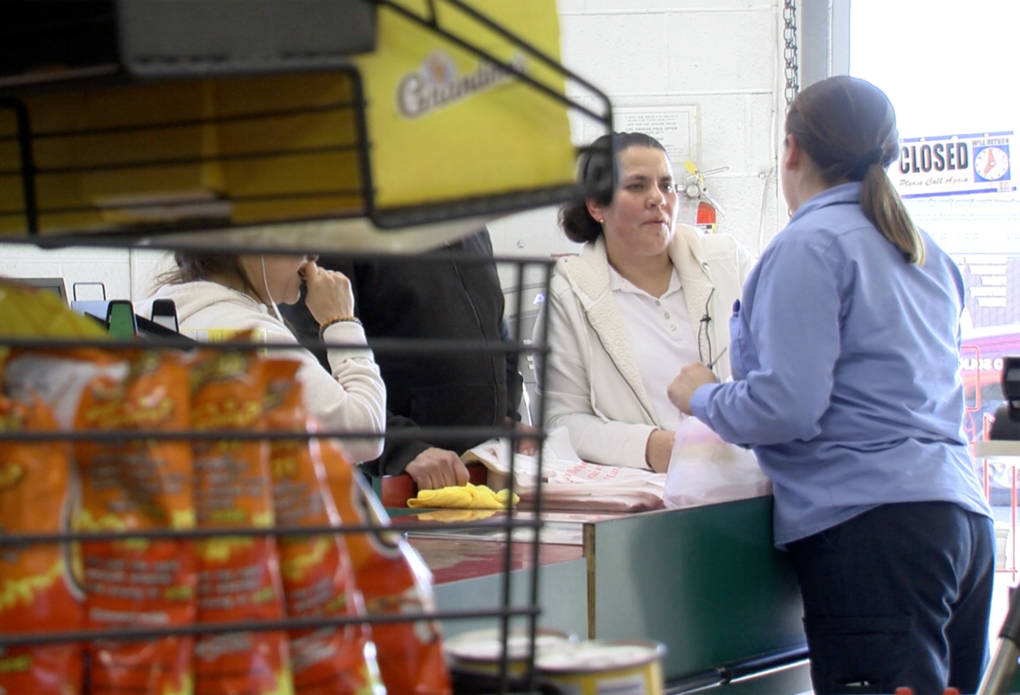
"caption": "Teresa Gomez works at the cash register at a Barrio Logan grocery store.",
"description": "Teresa Gomez works at the cash register at a Barrio Logan grocery store.",
"title": "BreadwinnersAtShop",
"credit": "Kris Arciaga/KPBS",
"status": "inherit",
"isLoading": false,
"fetchFailed": false
},
"news_11293214": {
"type": "attachments",
"id": "news_11293214",
"meta": {
"index": "attachments_1716263798",
"site": "news",
"id": "11293214",
"found": true
},
"parent": 11293208,
"imgSizes": {
"small": {
"file": "https://ww2.kqed.org/app/uploads/sites/10/2017/01/RS23927_GettyImages-633034294-qut-1-520x363.jpg",
"width": 520,
"mimeType": "image/jpeg",
"height": 363
},
"twentyfourteen-full-width": {
"file": "https://ww2.kqed.org/app/uploads/sites/10/2017/01/RS23927_GettyImages-633034294-qut-1-1038x576.jpg",
"width": 1038,
"mimeType": "image/jpeg",
"height": 576
},
"thumbnail": {
"file": "https://ww2.kqed.org/app/uploads/sites/10/2017/01/RS23927_GettyImages-633034294-qut-1-160x112.jpg",
"width": 160,
"mimeType": "image/jpeg",
"height": 112
},
"fd-sm": {
"file": "https://ww2.kqed.org/app/uploads/sites/10/2017/01/RS23927_GettyImages-633034294-qut-1-960x670.jpg",
"width": 960,
"mimeType": "image/jpeg",
"height": 670
},
"post-thumbnail": {
"file": "https://ww2.kqed.org/app/uploads/sites/10/2017/01/RS23927_GettyImages-633034294-qut-1-672x372.jpg",
"width": 672,
"mimeType": "image/jpeg",
"height": 372
},
"xsmall": {
"file": "https://ww2.kqed.org/app/uploads/sites/10/2017/01/RS23927_GettyImages-633034294-qut-1-375x262.jpg",
"width": 375,
"mimeType": "image/jpeg",
"height": 262
},
"kqedFullSize": {
"file": "https://ww2.kqed.org/app/uploads/sites/10/2017/01/RS23927_GettyImages-633034294-qut-1.jpg",
"width": 1920,
"height": 1340
},
"large": {
"file": "https://ww2.kqed.org/app/uploads/sites/10/2017/01/RS23927_GettyImages-633034294-qut-1-1020x712.jpg",
"width": 1020,
"mimeType": "image/jpeg",
"height": 712
},
"xlarge": {
"file": "https://ww2.kqed.org/app/uploads/sites/10/2017/01/RS23927_GettyImages-633034294-qut-1-1180x824.jpg",
"width": 1180,
"mimeType": "image/jpeg",
"height": 824
},
"guest-author-50": {
"file": "https://ww2.kqed.org/app/uploads/sites/10/2017/01/RS23927_GettyImages-633034294-qut-1-50x50.jpg",
"width": 50,
"mimeType": "image/jpeg",
"height": 50
},
"guest-author-96": {
"file": "https://ww2.kqed.org/app/uploads/sites/10/2017/01/RS23927_GettyImages-633034294-qut-1-96x96.jpg",
"width": 96,
"mimeType": "image/jpeg",
"height": 96
},
"medium": {
"file": "https://ww2.kqed.org/app/uploads/sites/10/2017/01/RS23927_GettyImages-633034294-qut-1-800x558.jpg",
"width": 800,
"mimeType": "image/jpeg",
"height": 558
},
"guest-author-64": {
"file": "https://ww2.kqed.org/app/uploads/sites/10/2017/01/RS23927_GettyImages-633034294-qut-1-64x64.jpg",
"width": 64,
"mimeType": "image/jpeg",
"height": 64
},
"guest-author-32": {
"file": "https://ww2.kqed.org/app/uploads/sites/10/2017/01/RS23927_GettyImages-633034294-qut-1-32x32.jpg",
"width": 32,
"mimeType": "image/jpeg",
"height": 32
},
"jmtc-small-thumb": {
"file": "https://ww2.kqed.org/app/uploads/sites/10/2017/01/RS23927_GettyImages-633034294-qut-1-280x150.jpg",
"width": 280,
"mimeType": "image/jpeg",
"height": 150
},
"fd-lrg": {
"file": "https://ww2.kqed.org/app/uploads/sites/10/2017/01/RS23927_GettyImages-633034294-qut-1-1920x1340.jpg",
"width": 1920,
"mimeType": "image/jpeg",
"height": 1340
},
"fd-med": {
"file": "https://ww2.kqed.org/app/uploads/sites/10/2017/01/RS23927_GettyImages-633034294-qut-1-1180x824.jpg",
"width": 1180,
"mimeType": "image/jpeg",
"height": 824
},
"full-width": {
"file": "https://ww2.kqed.org/app/uploads/sites/10/2017/01/RS23927_GettyImages-633034294-qut-1-1920x1340.jpg",
"width": 1920,
"mimeType": "image/jpeg",
"height": 1340
},
"detail": {
"file": "https://ww2.kqed.org/app/uploads/sites/10/2017/01/RS23927_GettyImages-633034294-qut-1-150x150.jpg",
"width": 150,
"mimeType": "image/jpeg",
"height": 150
},
"guest-author-128": {
"file": "https://ww2.kqed.org/app/uploads/sites/10/2017/01/RS23927_GettyImages-633034294-qut-1-128x128.jpg",
"width": 128,
"mimeType": "image/jpeg",
"height": 128
},
"xxsmall": {
"file": "https://ww2.kqed.org/app/uploads/sites/10/2017/01/RS23927_GettyImages-633034294-qut-1-240x168.jpg",
"width": 240,
"mimeType": "image/jpeg",
"height": 168
}
},
"publishDate": 1485794396,
"modified": 1488842062,
"caption": "Protesters at LAX hold signs during a demonstration against the first travel ban that was imposed by U.S. President Donald Trump on Jan. 27, 2017. ",
"description": null,
"title": "RS23927_GettyImages-633034294-qut",
"credit": "Justin Sullivan/Getty Images",
"status": "inherit",
"isLoading": false,
"fetchFailed": false
},
"news_11344653": {
"type": "attachments",
"id": "news_11344653",
"meta": {
"index": "attachments_1716263798",
"site": "news",
"id": "11344653",
"found": true
},
"parent": 11344516,
"imgSizes": {
"small": {
"file": "https://ww2.kqed.org/app/uploads/sites/10/2017/03/C6HODtwUsAADiE1-520x352.jpg",
"width": 520,
"mimeType": "image/jpeg",
"height": 352
},
"twentyfourteen-full-width": {
"file": "https://ww2.kqed.org/app/uploads/sites/10/2017/03/C6HODtwUsAADiE1-977x576.jpg",
"width": 977,
"mimeType": "image/jpeg",
"height": 576
},
"thumbnail": {
"file": "https://ww2.kqed.org/app/uploads/sites/10/2017/03/C6HODtwUsAADiE1-160x108.jpg",
"width": 160,
"mimeType": "image/jpeg",
"height": 108
},
"fd-sm": {
"file": "https://ww2.kqed.org/app/uploads/sites/10/2017/03/C6HODtwUsAADiE1-960x650.jpg",
"width": 960,
"mimeType": "image/jpeg",
"height": 650
},
"post-thumbnail": {
"file": "https://ww2.kqed.org/app/uploads/sites/10/2017/03/C6HODtwUsAADiE1-672x372.jpg",
"width": 672,
"mimeType": "image/jpeg",
"height": 372
},
"xsmall": {
"file": "https://ww2.kqed.org/app/uploads/sites/10/2017/03/C6HODtwUsAADiE1-375x254.jpg",
"width": 375,
"mimeType": "image/jpeg",
"height": 254
},
"kqedFullSize": {
"file": "https://ww2.kqed.org/app/uploads/sites/10/2017/03/C6HODtwUsAADiE1.jpg",
"width": 977,
"height": 662
},
"guest-author-50": {
"file": "https://ww2.kqed.org/app/uploads/sites/10/2017/03/C6HODtwUsAADiE1-50x50.jpg",
"width": 50,
"mimeType": "image/jpeg",
"height": 50
},
"guest-author-96": {
"file": "https://ww2.kqed.org/app/uploads/sites/10/2017/03/C6HODtwUsAADiE1-96x96.jpg",
"width": 96,
"mimeType": "image/jpeg",
"height": 96
},
"medium": {
"file": "https://ww2.kqed.org/app/uploads/sites/10/2017/03/C6HODtwUsAADiE1-800x542.jpg",
"width": 800,
"mimeType": "image/jpeg",
"height": 542
},
"guest-author-64": {
"file": "https://ww2.kqed.org/app/uploads/sites/10/2017/03/C6HODtwUsAADiE1-64x64.jpg",
"width": 64,
"mimeType": "image/jpeg",
"height": 64
},
"guest-author-32": {
"file": "https://ww2.kqed.org/app/uploads/sites/10/2017/03/C6HODtwUsAADiE1-32x32.jpg",
"width": 32,
"mimeType": "image/jpeg",
"height": 32
},
"detail": {
"file": "https://ww2.kqed.org/app/uploads/sites/10/2017/03/C6HODtwUsAADiE1-150x150.jpg",
"width": 150,
"mimeType": "image/jpeg",
"height": 150
},
"guest-author-128": {
"file": "https://ww2.kqed.org/app/uploads/sites/10/2017/03/C6HODtwUsAADiE1-128x128.jpg",
"width": 128,
"mimeType": "image/jpeg",
"height": 128
},
"xxsmall": {
"file": "https://ww2.kqed.org/app/uploads/sites/10/2017/03/C6HODtwUsAADiE1-240x163.jpg",
"width": 240,
"mimeType": "image/jpeg",
"height": 163
}
},
"publishDate": 1488677661,
"modified": 1488677704,
"caption": "A pro-Trump gathering in Berkeley is one of several pro-Donald Trump marches planned across the country Saturday.",
"description": null,
"title": "C6HODtwUsAADiE1",
"credit": "Berkeleyside",
"status": "inherit",
"isLoading": false,
"fetchFailed": false
}
},
"audioPlayerReducer": {
"postId": "stream_live",
"isPaused": true,
"isPlaying": false,
"pfsActive": false,
"pledgeModalIsOpen": true,
"playerDrawerIsOpen": false,
"liveAudioPlayStartedAt": 0,
"liveAudioPlayContext": ""
},
"authorsReducer": {
"byline_news_11360549": {
"type": "authors",
"id": "byline_news_11360549",
"meta": {
"override": true
},
"slug": "byline_news_11360549",
"name": "Merrit Kennedy",
"isLoading": false
},
"byline_news_11353197": {
"type": "authors",
"id": "byline_news_11353197",
"meta": {
"override": true
},
"slug": "byline_news_11353197",
"name": "\u003cstrong>\u003ca href=http://www.kpbs.org/staff/jean-guerrero/\">Jean Guerrero\u003c/a>\u003cbr>\u003ca href=\"http://www.kpbs.org/\">KPBS\u003c/a>\u003c/strong>",
"isLoading": false
},
"byline_news_11351705": {
"type": "authors",
"id": "byline_news_11351705",
"meta": {
"override": true
},
"slug": "byline_news_11351705",
"name": "\u003cstrong>\u003ca href=\"https://calmatters.org/about/staff/laurel-rosenhall\">Laurel Rosenhall\u003c/a>\u003cbr>\u003ca href=\"https://calmatters.org/\">CALmatters\u003c/a>\u003c/strong>",
"isLoading": false
},
"byline_news_11351494": {
"type": "authors",
"id": "byline_news_11351494",
"meta": {
"override": true
},
"slug": "byline_news_11351494",
"name": "\u003cstrong>Laurel Wamsley\u003cbr />NPR\u003c/strong>",
"isLoading": false
},
"byline_news_11350735": {
"type": "authors",
"id": "byline_news_11350735",
"meta": {
"override": true
},
"slug": "byline_news_11350735",
"name": "Marilyn Geewax",
"isLoading": false
},
"byline_news_11350369": {
"type": "authors",
"id": "byline_news_11350369",
"meta": {
"override": true
},
"slug": "byline_news_11350369",
"name": "\u003cstrong>\u003ca href=\"http://www.scpr.org/about/people/staff/ben-bergman\">Ben Bergman\u003c/a>\u003c/strong>",
"isLoading": false
},
"byline_news_11350193": {
"type": "authors",
"id": "byline_news_11350193",
"meta": {
"override": true
},
"slug": "byline_news_11350193",
"name": "\u003cstrong>\u003ca href=\"http://www.kpbs.org/staff/jean-guerrero/\">Jean Guerrero\u003c/a>\u003c/strong>\u003cbr>\u003cstrong>\u003ca href=\"http://www.kpbs.org/\">KPBS\u003c/a>\u003c/strong>",
"isLoading": false
},
"byline_news_11346996": {
"type": "authors",
"id": "byline_news_11346996",
"meta": {
"override": true
},
"slug": "byline_news_11346996",
"name": "\u003cstrong>Camila Domonoske\u003c/strong>",
"isLoading": false
},
"byline_news_11344516": {
"type": "authors",
"id": "byline_news_11344516",
"meta": {
"override": true
},
"slug": "byline_news_11344516",
"name": "\u003cstrong>Tracey Taylor\u003cbr>Berkeleyside\u003c/strong>",
"isLoading": false
},
"lisapickoffwhite-2": {
"type": "authors",
"id": "199",
"meta": {
"index": "authors_1716337520",
"id": "199",
"found": true
},
"name": "Lisa Pickoff-White",
"firstName": "Lisa",
"lastName": "Pickoff-White",
"slug": "lisapickoffwhite-2",
"email": "lpickoffwhite@kqed.org",
"display_author_email": false,
"staff_mastheads": [
"news"
],
"title": "Data Journalist, Senior Producer",
"bio": "Lisa Pickoff-White is KQED's data reporter. Lisa specializes in simplifying complex topics and bringing them to life through compelling visuals, including photography and data visualizations. She previously has worked at the Center for Investigative Reporting and other national outlets. Her work has been honored with awards from the Online News Association, Investigative Reporters and Editors, the Society of Professional Journalists and SXSW Interactive. \u003cstrong> \u003c/strong>",
"avatar": "https://secure.gravatar.com/avatar/5513c5f3967df792aa65bee2501e84d6?s=600&d=blank&r=g",
"twitter": "pickoffwhite",
"facebook": null,
"instagram": null,
"linkedin": null,
"sites": [
{
"site": "",
"roles": [
"editor"
]
},
{
"site": "arts",
"roles": []
},
{
"site": "news",
"roles": [
"administrator"
]
},
{
"site": "about",
"roles": [
"editor"
]
},
{
"site": "stateofhealth",
"roles": [
"administrator"
]
},
{
"site": "science",
"roles": [
"editor"
]
},
{
"site": "quest",
"roles": [
"editor"
]
},
{
"site": "forum",
"roles": [
"editor"
]
}
],
"headData": {
"title": "Lisa Pickoff-White | KQED",
"description": "Data Journalist, Senior Producer",
"ogImgSrc": "https://secure.gravatar.com/avatar/5513c5f3967df792aa65bee2501e84d6?s=600&d=blank&r=g",
"twImgSrc": "https://secure.gravatar.com/avatar/5513c5f3967df792aa65bee2501e84d6?s=600&d=blank&r=g"
},
"isLoading": false,
"link": "/author/lisapickoffwhite-2"
},
"markfiore": {
"type": "authors",
"id": "3236",
"meta": {
"index": "authors_1716337520",
"id": "3236",
"found": true
},
"name": "Mark Fiore",
"firstName": "Mark",
"lastName": "Fiore",
"slug": "markfiore",
"email": "mark@markfiore.com",
"display_author_email": false,
"staff_mastheads": [
"news"
],
"title": "KQED News Cartoonist",
"bio": "\u003ca href=\"http://www.MarkFiore.com\">MarkFiore.com\u003c/a> | \u003ca href=\"https://twitter.com/markfiore\">Follow on Twitter\u003c/a> | \u003ca href=\"https://www.facebook.com/pages/Mark-Fiore-Animated-Political-Cartoons/94451707396?ref=bookmarks\">Facebook\u003c/a> | \u003ca href=\"mailto:mark@markfiore.com\">email\u003c/a>\r\n\r\nPulitzer Prize-winner, Mark Fiore, who the Wall Street Journal has called “the undisputed guru of the form,” creates animated political cartoons in San Francisco, where his work has been featured regularly on the San Francisco Chronicle’s web site, SFGate.com. His work has appeared on Newsweek.com, Slate.com, CBSNews.com, MotherJones.com, DailyKos.com and NPR’s web site. Fiore’s political animation has appeared on CNN, Frontline, Bill Moyers Journal, Salon.com and cable and broadcast outlets across the globe.\r\n\r\nBeginning his professional life by drawing traditional political cartoons for newspapers, Fiore’s work appeared in publications ranging from the Washington Post to the Los Angeles Times. In the late 1990s, he began to experiment with animating political cartoons and, after a short stint at the San Jose Mercury News as their staff cartoonist, Fiore devoted all his energies to animation.\r\nGrowing up in California, Fiore also spent a good portion of his life in the backwoods of Idaho. It was this combination that shaped him politically. Mark majored in political science at Colorado College, where, in a perfect send-off for a cartoonist, he received his diploma in 1991 as commencement speaker Dick Cheney smiled approvingly.\r\nMark Fiore was awarded the Pulitzer Prize for political cartooning in 2010, a Robert F. Kennedy Journalism Award in 2004 and has twice received an Online Journalism Award for commentary from the Online News Association (2002, 2008). Fiore has received two awards for his work in new media from the National Cartoonists Society (2001, 2002), and in 2006 received The James Madison Freedom of Information Award from The Society of Professional Journalists.",
"avatar": "https://secure.gravatar.com/avatar/fc4e2a612b15b67bad0c6f0e1db4ca9b?s=600&d=blank&r=g",
"twitter": "MarkFiore",
"facebook": null,
"instagram": "https://www.instagram.com/markfiore/?hl=en",
"linkedin": null,
"sites": [
{
"site": "arts",
"roles": [
"contributor"
]
},
{
"site": "news",
"roles": [
"editor"
]
},
{
"site": "futureofyou",
"roles": [
"editor"
]
},
{
"site": "science",
"roles": [
"editor"
]
}
],
"headData": {
"title": "Mark Fiore | KQED",
"description": "KQED News Cartoonist",
"ogImgSrc": "https://secure.gravatar.com/avatar/fc4e2a612b15b67bad0c6f0e1db4ca9b?s=600&d=blank&r=g",
"twImgSrc": "https://secure.gravatar.com/avatar/fc4e2a612b15b67bad0c6f0e1db4ca9b?s=600&d=blank&r=g"
},
"isLoading": false,
"link": "/author/markfiore"
},
"mlagos": {
"type": "authors",
"id": "3239",
"meta": {
"index": "authors_1716337520",
"id": "3239",
"found": true
},
"name": "Marisa Lagos",
"firstName": "Marisa",
"lastName": "Lagos",
"slug": "mlagos",
"email": "mlagos@kqed.org",
"display_author_email": false,
"staff_mastheads": [
"news"
],
"title": "KQED Contributor",
"bio": "Marisa Lagos is a correspondent for KQED’s California Politics and Government Desk and co-hosts the award-winning show and podcast, Political Breakdown. At KQED, Lagos also conducts reporting, analysis and investigations into state, local and national politics for radio, TV, online and onstage. In 2022, she and co-host, Scott Shafer, moderated the only gubernatorial debate in California. In 2020, the \u003ci>Washington Post\u003c/i> named her one of the top political journalists in California; she was nominated for a Peabody and won several other awards for her work investigating the 2017 California wildfires. She has worked at the \u003ci>San Francisco Chronicle\u003c/i>, \u003ci>San Francisco Examiner\u003c/i> and \u003ci>Los Angeles Times\u003c/i>. A UC Santa Barbara graduate, she lives in San Francisco with her two sons and husband.",
"avatar": "https://secure.gravatar.com/avatar/a261a0d3696fc066871ef96b85b5e7d2?s=600&d=blank&r=g",
"twitter": "@mlagos",
"facebook": null,
"instagram": null,
"linkedin": null,
"sites": [
{
"site": "arts",
"roles": [
"author"
]
},
{
"site": "news",
"roles": [
"editor"
]
},
{
"site": "science",
"roles": [
"editor"
]
},
{
"site": "forum",
"roles": [
"author"
]
},
{
"site": "liveblog",
"roles": [
"author"
]
}
],
"headData": {
"title": "Marisa Lagos | KQED",
"description": "KQED Contributor",
"ogImgSrc": "https://secure.gravatar.com/avatar/a261a0d3696fc066871ef96b85b5e7d2?s=600&d=blank&r=g",
"twImgSrc": "https://secure.gravatar.com/avatar/a261a0d3696fc066871ef96b85b5e7d2?s=600&d=blank&r=g"
},
"isLoading": false,
"link": "/author/mlagos"
},
"jsmall": {
"type": "authors",
"id": "6625",
"meta": {
"index": "authors_1716337520",
"id": "6625",
"found": true
},
"name": "Julie Small",
"firstName": "Julie",
"lastName": "Small",
"slug": "jsmall",
"email": "jsmall@kqed.org",
"display_author_email": true,
"staff_mastheads": [
"news"
],
"title": "KQED Contributor",
"bio": "Julie Small reports on criminal justice and immigration.\r\n\r\nShe was part of a team at KQED awarded a regional 2019 Edward R. Murrow award for continuing coverage of the Trump Administration's family separation policy.\r\n\r\nThe Society for Professional Journalists recognized Julie's 2018 \u003ca href=\"https://www.kqed.org/news/11636262/the-officer-tased-him-31-times-the-sheriff-called-his-death-an-accident\">reporting\u003c/a> on the San Joaquin County Sheriff's \u003ca href=\"https://www.kqed.org/news/11634689/autopsy-doctors-sheriff-overrode-death-findings-to-protect-law-enforcement\">interference\u003c/a> in death investigations with an Excellence in Journalism Award for Ongoing Coverage.\r\n\r\nJulie's\u003ca href=\"https://www.kqed.org/news/11039666/two-mentally-ill-inmates-died-one-month-in-santa-clara\"> reporting\u003c/a> with Lisa Pickoff-White on the treatment of mentally ill offenders in California jails earned a 2017 regional Edward R. Murrow Award for news reporting and an investigative reporting award from the SPJ of Northern California.\r\n\r\nBefore joining KQED, Julie covered government and politics in Sacramento for Southern California Public Radio (SCPR). Her 2010 \u003ca href=\"https://www.scpr.org/specials/prisonmedical/\">series\u003c/a> on lapses in California’s prison medical care also won a regional Edward R. Murrow Award for investigative reporting and a Golden Mic Award from the RTNDA of Southern California.\r\n\r\nJulie began her career in journalism in 2000 as the deputy foreign editor for public radio's \u003cem>Marketplace, \u003c/em>while earning her master's degree in journalism from USC’s Annenberg School of Communication.",
"avatar": "https://secure.gravatar.com/avatar/4baedf201468df97be97c2a9dd7585d0?s=600&d=blank&r=g",
"twitter": "@SmallRadio2",
"facebook": null,
"instagram": null,
"linkedin": null,
"sites": [
{
"site": "news",
"roles": [
"editor"
]
},
{
"site": "stateofhealth",
"roles": [
"author"
]
},
{
"site": "science",
"roles": [
"author"
]
}
],
"headData": {
"title": "Julie Small | KQED",
"description": "KQED Contributor",
"ogImgSrc": "https://secure.gravatar.com/avatar/4baedf201468df97be97c2a9dd7585d0?s=600&d=blank&r=g",
"twImgSrc": "https://secure.gravatar.com/avatar/4baedf201468df97be97c2a9dd7585d0?s=600&d=blank&r=g"
},
"isLoading": false,
"link": "/author/jsmall"
}
},
"pagesReducer": {
"news_tag_donald-trump": {
"type": "terms",
"id": "news_1323",
"meta": {
"index": "terms_1716263798",
"site": "news",
"id": "1323",
"score": 8.557382
},
"featImg": null,
"name": "Donald Trump",
"description": null,
"taxonomy": "tag",
"headData": {
"twImgId": null,
"twTitle": null,
"ogTitle": null,
"ogImgId": null,
"twDescription": null,
"description": null,
"title": "Donald Trump Archives | KQED News",
"ogDescription": null
},
"ttid": 1335,
"slug": "donald-trump",
"isLoading": false,
"title": "Donald Trump",
"pageMeta": {
"site": "news",
"WpPageTemplate": "page-topic-editorial",
"currentPage": 167
},
"blocks": [
{
"blockName": "kqed/post-list",
"attrs": {
"layout": "cardArticle2",
"query": "posts/news?tag=donald-trump",
"seeMore": false,
"paginated": true,
"page": 167
}
},
{
"blockName": "kqed/ad"
}
]
}
},
"pfsSessionReducer": {},
"postsReducer": {
"stream_live": {
"type": "live",
"id": "stream_live",
"audioUrl": "https://streams.kqed.org/kqedradio",
"title": "Live Stream",
"excerpt": "Live Stream information currently unavailable.",
"link": "/radio",
"featImg": "",
"label": {
"name": "KQED Live",
"link": "/"
}
},
"stream_kqedNewscast": {
"type": "posts",
"id": "stream_kqedNewscast",
"audioUrl": "https://www.kqed.org/.stream/anon/radio/RDnews/newscast.mp3?_=1",
"title": "KQED Newscast",
"featImg": "",
"label": {
"name": "88.5 FM",
"link": "/"
}
},
"news_11360549": {
"type": "posts",
"id": "news_11360549",
"meta": {
"index": "posts_1716263798",
"site": "news",
"id": "11360549",
"score": null,
"sort": [
1489590060000
]
},
"parent": 0,
"labelTerm": {},
"blocks": [],
"publishDate": 1489590060,
"format": "standard",
"disqusTitle": "Trump Travel Ban Faces Court Hearings by Challengers Today",
"title": "Trump Travel Ban Faces Court Hearings by Challengers Today",
"headTitle": "The California Report | KQED News",
"content": "\u003cp>\u003cstrong>Updated at 7:10 p.m. ET \u003c/strong>\u003c/p>\n\u003cp>U.S. District Court Judge Derrick K. Watson \u003ca href=\"https://ww2.kqed.org/news/2017/03/15/federal-judge-in-hawaii-puts-trump-travel-ban-on-hold/\" target=\"_blank\">has issued a nationwide temporary restraining order\u003c/a>, preventing President Trump's revised travel ban from taking effect tonight at midnight. Trump's executive order would have temporarily halted the U.S. refugee program and travel from six Muslim-majority countries.\u003c/p>\n\u003cp>[contextly_sidebar id=\"1MlU3QYFJJ8moaNp9LZSo67w4SYkWYSZ\"]\u003c/p>\n\u003cp>Department of Justice attorneys argued that the ban was necessary to protect the nation's security, and that it had been revised to address legal concerns. State attorneys general and immigrant rights activists argued the travel ban amounted to an unconstitutional Muslim ban.\u003c/p>\n\u003cp>The federal court in Hawaii was one of three courts to hear challenges to the travel ban today.\u003c/p>\n\u003cp>[ad fullwidth]\u003c/p>\n\u003cp>\u003c!-- iframe plugin v.4.3 wordpress.org/plugins/iframe/ -->\u003cbr>\n\u003ciframe src=\"https://www.npr.org/player/embed/520171478/520301670\" width=\"100%\" height=\"290\" frameborder=\"0\" scrolling=\"no\" title=\"NPR embedded audio player\" class=\"iframe-class\">\u003c/iframe>\u003c/p>\n\u003cp>Our previous post:\u003c/p>\n\u003cp>\u003cstrong>Updated at 6:10 p.m. ET\u003c/strong>\u003c/p>\n\u003cp>At least three\u003cstrong> \u003c/strong>judges will hear last-minute challenges Wednesday to President Trump's revised executive order on immigration, which goes into effect at 12:01 a.m. ET on Thursday. The order temporarily halts the U.S. refugee program and travel from six mostly Muslim countries.\u003c/p>\n\u003cp>Some state attorneys general and immigration advocates were able to get the first order suspended. Judges in Maryland, Washington state and Hawaii are hearing challenges Wednesday to the new one.\u003c/p>\n\u003cp>The White House says the executive order Trump signed on March 6 is urgently needed to protect national security. But critics counter that both executive orders are really intended to block immigration from Muslim countries, in violation of the Constitution.\u003c/p>\n\u003cp>Here's a look at what to expect in three closely watched cases.\u003c/p>\n\u003cp>\u003cstrong>Washington state\u003c/strong>\u003c/p>\n\u003cp>Federal District Judge James L. Robart — who blocked much of the White House's first travel ban last month — held a hearing at 5 p.m. ET in Seattle. The case was brought by four citizens or permanent residents in Washington who argue that access to visas for their family members would be disrupted by the revised travel ban.\u003c/p>\n\u003cp>Robart has already ruled against the Trump administration once before; his ruling was later upheld by the 9th U.S. Circuit Court of Appeals. Rather than defend its original travel ban, the Trump administration replaced it with a new one that the White House argues is \"substantially different.\"\u003c/p>\n\u003cp>The revised executive order temporarily blocks entry by travelers from six mostly Muslim countries, not seven. (Iraq was dropped from the list.) And the new order makes clear that it doesn't apply to lawful permanent residents, also known as green card holders, or to people holding valid visas issued before the ban takes effect.\u003c/p>\n\u003cp>But those changes aren't enough to satisfy Washington state and Minnesota, which brought the challenge to the original travel ban. Washington Attorney General Bob Ferguson — along with his counterparts from New York, California, Maryland, Massachusetts and Oregon — asked the court to extend its injunction to block the new order, as well.\u003c/p>\n\u003cp>\"What we're looking at is what Donald Trump said when he was running for president,\" Ferguson told NPR's \u003cem>Morning Edition\u003c/em>. \"He said he wanted to create a Muslim ban.\" Ferguson argues that's \"strong evidence that the intent behind these executive orders was actually less about national security and more about a Muslim ban.\"\u003c/p>\n\u003cp>That's a charge the White House denies. Lawyers for the Department of Justice say the president has broad authority when it comes to border security. And they say the 90-day travel ban is needed to shore up vetting procedures from six countries that either are state sponsors of terrorism or have harbored terrorists.\u003c/p>\n\u003cp>\u003cstrong>Maryland\u003c/strong>\u003c/p>\n\u003cp>Two refugee rights groups are challenging the revised travel ban in Maryland with help from the American Civil Liberties Union and the National Immigration Law Center. They're asking the court to block the second travel ban order \"in its entirety.\"\u003c/p>\n\u003cp>Department of Justice lawyer Jeffrey Wall argued that the executive order \"doesn't say anything about religion\" and \"doesn't send a religious message.\"\u003c/p>\n\u003cp>But the plaintiffs say this is a Muslim ban, like Trump proposed on the campaign trail. Lee Gelernt of the ACLU tells NPR that the context of the order, including Trump's campaign statements, should be considered and makes the order's intent clear.\u003c/p>\n\u003cp>\"The purpose of this was to ban Muslims and we are hopeful that the judge, like other courts, will ... not turn a blind eye to what's happening — that the administration just made certain tweaks to get around a court order but still has the same policy purpose,\" Gelernt said.\u003c/p>\n\u003cp>U.S. District Judge Theodore Chuang said he would rule soon, but not necessarily Wednesday.\u003cstrong> \u003c/strong>\u003c/p>\n\u003cp>Like the original travel ban, the revised version suspends the U.S. refugee program for 120 days. It also cuts the number of refugees the U.S. will accept this year by more than half, from 110,000 to 50,000.\u003c/p>\n\u003cp>There are some changes, as well. Refugees from Syria are no longer banned indefinitely. And the revised order drops language that was intended to favor religious minorities, which Trump signaled would apply to persecuted Christians from the Middle East.\u003c/p>\n\u003cp>When the White House announced the second travel ban last week, Attorney General Jeff Sessions offered some new support for the temporary freeze on refugee resettlement. \"More than 300 people who came here as refugees are under FBI investigation for potential terrorism-related activities,\" Sessions said. But the Department of Justice declined to provide further information about the nature of those cases or which countries those refugees came from.\u003c/p>\n\u003cp>Refugee resettlement organizations argue that there's no legitimate reason for the ban. They say it would cause lasting harm to them and the people they assist.\u003c/p>\n\u003cp>\"It's not just about picking up refugees at the airport,\" said Mark Hetfield, CEO of HIAS, one of the nine major resettlement agencies and a plaintiff in the Maryland case. On a conference call with reporters, Hetfield said that agencies like his offer a range of services, such as help locating and furnishing apartments, finding a job and getting kids signed up for school. If the refugee program is suspended, Hetfield says, it will be \"very difficult to get things going again.\"\u003c/p>\n\u003cp>\u003cstrong>Hawaii\u003c/strong>\u003c/p>\n\u003cp>The third hearing is scheduled at 3:30 p.m. ET in Hawaii, in a case brought by the state of Hawaii and a local imam. As in the other cases, lawyers argue that the travel ban discriminates against Muslims. They say the executive order would harm the economy of Hawaii by disrupting tourism and educational institutions that depend on tuition from foreign students.\u003c/p>\n\u003cp>The Department of Justice rejects that claim as speculation. A DOJ lawyer argued that the travel ban is based on nationality, not religion, and therefore is perfectly legal.\u003c/p>\n\u003cp>The judge in Hawaii has said that he will issue a ruling before midnight ET.\u003cstrong> \u003c/strong>\u003c/p>\n\u003cp>[ad floatright]\u003c/p>\n\u003cp>There are also a handful of cases challenging the revised travel ban in other parts of the country, including Wisconsin, Virginia, and\u003cstrong> \u003c/strong>California. \u003c/p>\n\u003cdiv class=\"fullattribution\">Copyright 2017 NPR. To see more, visit http://www.npr.org/.\u003cimg src=\"https://www.google-analytics.com/__utm.gif?utmac=UA-5828686-4&utmdt=Trump+Travel+Ban+Blocked+Nationwide+By+Hawaii+Judge&utme=8(APIKey)9(MDAxOTAwOTE4MDEyMTkxMDAzNjczZDljZA004)\">\u003c/div>\n\n",
"disqusIdentifier": "11360549 https://ww2.kqed.org/news/?p=11360549",
"disqusUrl": "https://ww2.kqed.org/news/2017/03/15/trump-travel-ban-faces-court-hearings-by-challengers-today/",
"stats": {
"hasVideo": false,
"hasChartOrMap": false,
"hasAudio": false,
"hasPolis": false,
"wordCount": 1171,
"hasGoogleForm": false,
"hasGallery": false,
"hasHearkenModule": false,
"iframeSrcs": [],
"paragraphCount": 37
},
"modified": 1489621413,
"excerpt": "The judge issued a temporary restraining order that prevents the president's revised executive order from taking effect at midnight and barring refugees and visitors from six mostly Muslim countries.",
"headData": {
"twImgId": "",
"twTitle": "",
"ogTitle": "",
"ogImgId": "",
"twDescription": "",
"description": "The judge issued a temporary restraining order that prevents the president's revised executive order from taking effect at midnight and barring refugees and visitors from six mostly Muslim countries.",
"title": "Trump Travel Ban Faces Court Hearings by Challengers Today | KQED",
"ogDescription": "",
"schema": {
"@context": "https://schema.org",
"@type": "NewsArticle",
"headline": "Trump Travel Ban Faces Court Hearings by Challengers Today",
"datePublished": "2017-03-15T08:01:00-07:00",
"dateModified": "2017-03-15T16:43:33-07:00",
"image": "https://cdn.kqed.org/wp-content/uploads/2020/02/KQED-OG-Image@1x.png",
"isAccessibleForFree": "True",
"publisher": {
"@type": "NewsMediaOrganization",
"@id": "https://www.kqed.org/#organization",
"name": "KQED",
"logo": "https://cdn.kqed.org/wp-content/uploads/2020/02/KQED-OG-Image@1x.png",
"url": "https://www.kqed.org",
"sameAs": [
"https://www.facebook.com/KQED",
"https://twitter.com/KQED",
"https://www.instagram.com/kqed/",
"https://www.tiktok.com/@kqedofficial",
"https://www.linkedin.com/company/kqed",
"https://www.youtube.com/channel/UCeC0IOo7i1P_61zVUWbJ4nw"
]
}
}
},
"guestAuthors": [],
"slug": "trump-travel-ban-faces-court-hearings-by-challengers-today",
"status": "publish",
"nprApiLink": "http://api.npr.org/query?id=520171478&apiKey=MDAxOTAwOTE4MDEyMTkxMDAzNjczZDljZA004",
"nprStoryDate": "Wed, 15 Mar 2017 08:01:00 -0400",
"nprLastModifiedDate": "Wed, 15 Mar 2017 19:22:21 -0400",
"nprHtmlLink": "http://www.npr.org/sections/thetwo-way/2017/03/15/520171478/trump-travel-ban-faces-court-hearings-by-challengers-today?ft=nprml&f=520171478",
"nprAudio": "https://ondemand.npr.org/anon.npr-mp3/npr/atc/2017/03/20170315_atc_trump_travel_ban_faces_court_hearings_by_challengers_today.mp3?orgId=1&topicId=1070&d=226&p=2&story=520171478&t=progseg&e=520287909&seg=11&ft=nprml&f=520171478",
"nprImageAgency": "AFP/Getty Images",
"source": "NPR",
"nprAudioM3u": "http://api.npr.org/m3u/1520301670-a33221.m3u?orgId=1&topicId=1070&d=226&p=2&story=520171478&t=progseg&e=520287909&seg=11&ft=nprml&f=520171478",
"nprStoryId": "520171478",
"nprByline": "Merrit Kennedy",
"nprImageCredit": "Tasos Katopodis",
"nprRetrievedStory": "1",
"nprPubDate": "Wed, 15 Mar 2017 19:22:00 -0400",
"path": "/news/11360549/trump-travel-ban-faces-court-hearings-by-challengers-today",
"audioUrl": "https://ondemand.npr.org/anon.npr-mp3/npr/atc/2017/03/20170315_atc_trump_travel_ban_faces_court_hearings_by_challengers_today.mp3?orgId=1&topicId=1070&d=226&p=2&story=520171478&t=progseg&e=520287909&seg=11&ft=nprml&f=520171478",
"audioTrackLength": null,
"parsedContent": [
{
"type": "contentString",
"content": "\u003cdiv class=\"post-body\">\u003cp>\u003cp>\u003cstrong>Updated at 7:10 p.m. ET \u003c/strong>\u003c/p>\n\u003cp>U.S. District Court Judge Derrick K. Watson \u003ca href=\"https://ww2.kqed.org/news/2017/03/15/federal-judge-in-hawaii-puts-trump-travel-ban-on-hold/\" target=\"_blank\">has issued a nationwide temporary restraining order\u003c/a>, preventing President Trump's revised travel ban from taking effect tonight at midnight. Trump's executive order would have temporarily halted the U.S. refugee program and travel from six Muslim-majority countries.\u003c/p>\n\u003cp>\u003c/p>\u003cp>\u003c/p>\u003cp>\u003c/p>\n\u003cp>Department of Justice attorneys argued that the ban was necessary to protect the nation's security, and that it had been revised to address legal concerns. State attorneys general and immigrant rights activists argued the travel ban amounted to an unconstitutional Muslim ban.\u003c/p>\n\u003cp>The federal court in Hawaii was one of three courts to hear challenges to the travel ban today.\u003c/p>\n\u003cp>\u003c/p>\u003c/div>",
"attributes": {
"named": {},
"numeric": []
}
},
{
"type": "component",
"content": "",
"name": "ad",
"attributes": {
"named": {
"label": "fullwidth"
},
"numeric": [
"fullwidth"
]
}
},
{
"type": "contentString",
"content": "\u003cdiv class=\"post-body\">\u003cp>\u003c/p>\n\u003cp>\u003c!-- iframe plugin v.4.3 wordpress.org/plugins/iframe/ -->\u003cbr>\n\u003ciframe src=\"https://www.npr.org/player/embed/520171478/520301670\" width=\"100%\" height=\"290\" frameborder=\"0\" scrolling=\"no\" title=\"NPR embedded audio player\" class=\"iframe-class\">\u003c/iframe>\u003c/p>\n\u003cp>Our previous post:\u003c/p>\n\u003cp>\u003cstrong>Updated at 6:10 p.m. ET\u003c/strong>\u003c/p>\n\u003cp>At least three\u003cstrong> \u003c/strong>judges will hear last-minute challenges Wednesday to President Trump's revised executive order on immigration, which goes into effect at 12:01 a.m. ET on Thursday. The order temporarily halts the U.S. refugee program and travel from six mostly Muslim countries.\u003c/p>\n\u003cp>Some state attorneys general and immigration advocates were able to get the first order suspended. Judges in Maryland, Washington state and Hawaii are hearing challenges Wednesday to the new one.\u003c/p>\n\u003cp>The White House says the executive order Trump signed on March 6 is urgently needed to protect national security. But critics counter that both executive orders are really intended to block immigration from Muslim countries, in violation of the Constitution.\u003c/p>\n\u003cp>Here's a look at what to expect in three closely watched cases.\u003c/p>\n\u003cp>\u003cstrong>Washington state\u003c/strong>\u003c/p>\n\u003cp>Federal District Judge James L. Robart — who blocked much of the White House's first travel ban last month — held a hearing at 5 p.m. ET in Seattle. The case was brought by four citizens or permanent residents in Washington who argue that access to visas for their family members would be disrupted by the revised travel ban.\u003c/p>\n\u003cp>Robart has already ruled against the Trump administration once before; his ruling was later upheld by the 9th U.S. Circuit Court of Appeals. Rather than defend its original travel ban, the Trump administration replaced it with a new one that the White House argues is \"substantially different.\"\u003c/p>\n\u003cp>The revised executive order temporarily blocks entry by travelers from six mostly Muslim countries, not seven. (Iraq was dropped from the list.) And the new order makes clear that it doesn't apply to lawful permanent residents, also known as green card holders, or to people holding valid visas issued before the ban takes effect.\u003c/p>\n\u003cp>But those changes aren't enough to satisfy Washington state and Minnesota, which brought the challenge to the original travel ban. Washington Attorney General Bob Ferguson — along with his counterparts from New York, California, Maryland, Massachusetts and Oregon — asked the court to extend its injunction to block the new order, as well.\u003c/p>\n\u003cp>\"What we're looking at is what Donald Trump said when he was running for president,\" Ferguson told NPR's \u003cem>Morning Edition\u003c/em>. \"He said he wanted to create a Muslim ban.\" Ferguson argues that's \"strong evidence that the intent behind these executive orders was actually less about national security and more about a Muslim ban.\"\u003c/p>\n\u003cp>That's a charge the White House denies. Lawyers for the Department of Justice say the president has broad authority when it comes to border security. And they say the 90-day travel ban is needed to shore up vetting procedures from six countries that either are state sponsors of terrorism or have harbored terrorists.\u003c/p>\n\u003cp>\u003cstrong>Maryland\u003c/strong>\u003c/p>\n\u003cp>Two refugee rights groups are challenging the revised travel ban in Maryland with help from the American Civil Liberties Union and the National Immigration Law Center. They're asking the court to block the second travel ban order \"in its entirety.\"\u003c/p>\n\u003cp>Department of Justice lawyer Jeffrey Wall argued that the executive order \"doesn't say anything about religion\" and \"doesn't send a religious message.\"\u003c/p>\n\u003cp>But the plaintiffs say this is a Muslim ban, like Trump proposed on the campaign trail. Lee Gelernt of the ACLU tells NPR that the context of the order, including Trump's campaign statements, should be considered and makes the order's intent clear.\u003c/p>\n\u003cp>\"The purpose of this was to ban Muslims and we are hopeful that the judge, like other courts, will ... not turn a blind eye to what's happening — that the administration just made certain tweaks to get around a court order but still has the same policy purpose,\" Gelernt said.\u003c/p>\n\u003cp>U.S. District Judge Theodore Chuang said he would rule soon, but not necessarily Wednesday.\u003cstrong> \u003c/strong>\u003c/p>\n\u003cp>Like the original travel ban, the revised version suspends the U.S. refugee program for 120 days. It also cuts the number of refugees the U.S. will accept this year by more than half, from 110,000 to 50,000.\u003c/p>\n\u003cp>There are some changes, as well. Refugees from Syria are no longer banned indefinitely. And the revised order drops language that was intended to favor religious minorities, which Trump signaled would apply to persecuted Christians from the Middle East.\u003c/p>\n\u003cp>When the White House announced the second travel ban last week, Attorney General Jeff Sessions offered some new support for the temporary freeze on refugee resettlement. \"More than 300 people who came here as refugees are under FBI investigation for potential terrorism-related activities,\" Sessions said. But the Department of Justice declined to provide further information about the nature of those cases or which countries those refugees came from.\u003c/p>\n\u003cp>Refugee resettlement organizations argue that there's no legitimate reason for the ban. They say it would cause lasting harm to them and the people they assist.\u003c/p>\n\u003cp>\"It's not just about picking up refugees at the airport,\" said Mark Hetfield, CEO of HIAS, one of the nine major resettlement agencies and a plaintiff in the Maryland case. On a conference call with reporters, Hetfield said that agencies like his offer a range of services, such as help locating and furnishing apartments, finding a job and getting kids signed up for school. If the refugee program is suspended, Hetfield says, it will be \"very difficult to get things going again.\"\u003c/p>\n\u003cp>\u003cstrong>Hawaii\u003c/strong>\u003c/p>\n\u003cp>The third hearing is scheduled at 3:30 p.m. ET in Hawaii, in a case brought by the state of Hawaii and a local imam. As in the other cases, lawyers argue that the travel ban discriminates against Muslims. They say the executive order would harm the economy of Hawaii by disrupting tourism and educational institutions that depend on tuition from foreign students.\u003c/p>\n\u003cp>The Department of Justice rejects that claim as speculation. A DOJ lawyer argued that the travel ban is based on nationality, not religion, and therefore is perfectly legal.\u003c/p>\n\u003cp>The judge in Hawaii has said that he will issue a ruling before midnight ET.\u003cstrong> \u003c/strong>\u003c/p>\n\u003cp>\u003c/p>\u003c/div>",
"attributes": {
"named": {},
"numeric": []
}
},
{
"type": "component",
"content": "",
"name": "ad",
"attributes": {
"named": {
"label": "floatright"
},
"numeric": [
"floatright"
]
}
},
{
"type": "contentString",
"content": "\u003cdiv class=\"post-body\">\u003cp>\u003c/p>\n\u003cp>There are also a handful of cases challenging the revised travel ban in other parts of the country, including Wisconsin, Virginia, and\u003cstrong> \u003c/strong>California. \u003c/p>\n\u003cdiv class=\"fullattribution\">Copyright 2017 NPR. To see more, visit http://www.npr.org/.\u003cimg src=\"https://www.google-analytics.com/__utm.gif?utmac=UA-5828686-4&utmdt=Trump+Travel+Ban+Blocked+Nationwide+By+Hawaii+Judge&utme=8(APIKey)9(MDAxOTAwOTE4MDEyMTkxMDAzNjczZDljZA004)\">\u003c/div>\n\n\u003c/div>\u003c/p>",
"attributes": {
"named": {},
"numeric": []
}
}
],
"link": "/news/11360549/trump-travel-ban-faces-court-hearings-by-challengers-today",
"authors": [
"byline_news_11360549"
],
"programs": [
"news_6944",
"news_72"
],
"categories": [
"news_8"
],
"tags": [
"news_1006",
"news_1323",
"news_17041",
"news_20467"
],
"affiliates": [
"news_253"
],
"featImg": "news_11360550",
"label": "source_news_11360549"
},
"news_11357464": {
"type": "posts",
"id": "news_11357464",
"meta": {
"index": "posts_1716263798",
"site": "news",
"id": "11357464",
"score": null,
"sort": [
1489431519000
]
},
"parent": 0,
"labelTerm": {
"site": "news",
"term": 72
},
"blocks": [],
"publishDate": 1489431519,
"format": "standard",
"disqusTitle": "California Joins Legal Fight Over Second Trump Travel Ban",
"title": "California Joins Legal Fight Over Second Trump Travel Ban",
"headTitle": "The California Report | KQED News",
"content": "\u003cp>California is challenging President Trump's second attempt to severely restrict travel into the U.S., on Monday joining an amended lawsuit — along with the states of Washington, Maryland, Massachusetts, New York and Oregon — that seeks to have parts of the \u003ca href=\"https://www.whitehouse.gov/the-press-office/2017/03/06/executive-order-protecting-nation-foreign-terrorist-entry-united-states\">March 6 executive order \u003c/a>invalidated.\u003c/p>\n\u003cp>California Attorney General Xavier Becerra said the narrower travel ban issued last week was a \"victory\" for lawful permanent residents and current visa holders, who were targeted by Trump's first order but excluded from the second. But in a statement on Monday announcing that California was joining the next legal fight over the issue, Becerra said the second ban — which still temporarily halts the nation's refugee program and blocks travel from six Muslim-majority countries — was unconstitutional.\u003c/p>\n\u003cp>“Last month, \u003ca href=\"https://ww2.kqed.org/news/2017/02/09/9th-circuit-denies-reinstatement-of-trump-travel-ban/\">our courts put a lid on\u003c/a> the unconstitutional and un-American Trump Muslim travel ban because Americans stood up and demanded it. ... But the fight for fair and lawful treatment of all who would seek permission to enter our country is not over,\" Becerra said.\u003c/p>\n\u003cp>The second ban is scheduled to take effect Thursday, and the attorneys general are asking the courts to halt the order before then. The first ban went into effect for about a week before a judge stopped it.\u003c/p>\n\u003cp>\"The Trump administration may have changed the text of the now-discredited Muslim travel ban, but they didn’t change its unconstitutional intent and effect. It is still an attack on people —women and children, professors and business colleagues, seniors and civic leaders — based on their religion and national origin,\" Becerra said.\u003c/p>\n\u003cp>[ad fullwidth]\u003c/p>\n\u003cp>\u003c/p>\n\u003cp>In their legal challenge, the attorneys general claim the new executive order will hurt residents, colleges and universities, health care providers and businesses. They also contend that it will cause the states to lose tax revenue and \"undermine our sovereign interest in maintaining the separation between church and state, in upholding our non-discrimination policies and in remaining a welcoming place for immigrants and refugees.\"\u003c/p>\n\n",
"disqusIdentifier": "11357464 https://ww2.kqed.org/news/?p=11357464",
"disqusUrl": "https://ww2.kqed.org/news/2017/03/13/california-joins-legal-fight-over-second-trump-travel-ban/",
"stats": {
"hasVideo": false,
"hasChartOrMap": false,
"hasAudio": false,
"hasPolis": false,
"wordCount": 345,
"hasGoogleForm": false,
"hasGallery": false,
"hasHearkenModule": false,
"iframeSrcs": [],
"paragraphCount": 8
},
"modified": 1489440888,
"excerpt": "California is joining five other states in challenging the president's second attempt to severely restrict travel into the U.S.",
"headData": {
"twImgId": "",
"twTitle": "",
"ogTitle": "",
"ogImgId": "",
"twDescription": "",
"description": "California is joining five other states in challenging the president's second attempt to severely restrict travel into the U.S.",
"title": "California Joins Legal Fight Over Second Trump Travel Ban | KQED",
"ogDescription": "",
"schema": {
"@context": "https://schema.org",
"@type": "NewsArticle",
"headline": "California Joins Legal Fight Over Second Trump Travel Ban",
"datePublished": "2017-03-13T11:58:39-07:00",
"dateModified": "2017-03-13T14:34:48-07:00",
"image": "https://cdn.kqed.org/wp-content/uploads/2020/02/KQED-OG-Image@1x.png",
"isAccessibleForFree": "True",
"publisher": {
"@type": "NewsMediaOrganization",
"@id": "https://www.kqed.org/#organization",
"name": "KQED",
"logo": "https://cdn.kqed.org/wp-content/uploads/2020/02/KQED-OG-Image@1x.png",
"url": "https://www.kqed.org",
"sameAs": [
"https://www.facebook.com/KQED",
"https://twitter.com/KQED",
"https://www.instagram.com/kqed/",
"https://www.tiktok.com/@kqedofficial",
"https://www.linkedin.com/company/kqed",
"https://www.youtube.com/channel/UCeC0IOo7i1P_61zVUWbJ4nw"
]
}
}
},
"guestAuthors": [],
"slug": "california-joins-legal-fight-over-second-trump-travel-ban",
"status": "publish",
"path": "/news/11357464/california-joins-legal-fight-over-second-trump-travel-ban",
"audioTrackLength": null,
"parsedContent": [
{
"type": "contentString",
"content": "\u003cdiv class=\"post-body\">\u003cp>\u003cp>California is challenging President Trump's second attempt to severely restrict travel into the U.S., on Monday joining an amended lawsuit — along with the states of Washington, Maryland, Massachusetts, New York and Oregon — that seeks to have parts of the \u003ca href=\"https://www.whitehouse.gov/the-press-office/2017/03/06/executive-order-protecting-nation-foreign-terrorist-entry-united-states\">March 6 executive order \u003c/a>invalidated.\u003c/p>\n\u003cp>California Attorney General Xavier Becerra said the narrower travel ban issued last week was a \"victory\" for lawful permanent residents and current visa holders, who were targeted by Trump's first order but excluded from the second. But in a statement on Monday announcing that California was joining the next legal fight over the issue, Becerra said the second ban — which still temporarily halts the nation's refugee program and blocks travel from six Muslim-majority countries — was unconstitutional.\u003c/p>\n\u003cp>“Last month, \u003ca href=\"https://ww2.kqed.org/news/2017/02/09/9th-circuit-denies-reinstatement-of-trump-travel-ban/\">our courts put a lid on\u003c/a> the unconstitutional and un-American Trump Muslim travel ban because Americans stood up and demanded it. ... But the fight for fair and lawful treatment of all who would seek permission to enter our country is not over,\" Becerra said.\u003c/p>\n\u003cp>The second ban is scheduled to take effect Thursday, and the attorneys general are asking the courts to halt the order before then. The first ban went into effect for about a week before a judge stopped it.\u003c/p>\n\u003cp>\"The Trump administration may have changed the text of the now-discredited Muslim travel ban, but they didn’t change its unconstitutional intent and effect. It is still an attack on people —women and children, professors and business colleagues, seniors and civic leaders — based on their religion and national origin,\" Becerra said.\u003c/p>\n\u003cp>\u003c/p>\u003c/div>",
"attributes": {
"named": {},
"numeric": []
}
},
{
"type": "component",
"content": "",
"name": "ad",
"attributes": {
"named": {
"label": "fullwidth"
},
"numeric": [
"fullwidth"
]
}
},
{
"type": "contentString",
"content": "\u003cdiv class=\"post-body\">\u003cp>\u003c/p>\n\u003cp>\u003c/p>\n\u003cp>In their legal challenge, the attorneys general claim the new executive order will hurt residents, colleges and universities, health care providers and businesses. They also contend that it will cause the states to lose tax revenue and \"undermine our sovereign interest in maintaining the separation between church and state, in upholding our non-discrimination policies and in remaining a welcoming place for immigrants and refugees.\"\u003c/p>\n\n\u003c/div>\u003c/p>",
"attributes": {
"named": {},
"numeric": []
}
}
],
"link": "/news/11357464/california-joins-legal-fight-over-second-trump-travel-ban",
"authors": [
"3239"
],
"programs": [
"news_6944",
"news_72"
],
"categories": [
"news_1169",
"news_6188",
"news_8",
"news_13"
],
"tags": [
"news_18538",
"news_1323",
"news_20202",
"news_20467",
"news_20378"
],
"featImg": "news_11357550",
"label": "news_72"
},
"news_11353297": {
"type": "posts",
"id": "news_11353297",
"meta": {
"index": "posts_1716263798",
"site": "news",
"id": "11353297",
"score": null,
"sort": [
1489186364000
]
},
"guestAuthors": [],
"slug": "what-happens-to-immigrants-detained-by-ice-a-cartoon-explainer",
"title": "What Happens to Immigrants Detained by ICE? A Cartoon Explainer",
"publishDate": 1489186364,
"format": "aside",
"headTitle": "What Happens to Immigrants Detained by ICE? A Cartoon Explainer | KQED",
"labelTerm": {
"term": 72,
"site": "news"
},
"content": "\u003cp>President Donald Trump has promised to deport 2 million to 3 million people this year alone. To do so, the government typically must detain them first. But with the system already at capacity, where will all these new detainees go? A \u003ca href=\"https://ww2.kqed.org/news/2017/03/08/how-trump-could-detain-more-immigrants-in-california/\" target=\"_blank\">KQED investigation found\u003c/a> the government can likely ramp up detention capacity quickly — and California’s jails could play a key part.\u003c/p>\n\u003cp>\u003cimg loading=\"lazy\" decoding=\"async\" class=\"aligncenter size-medium wp-image-11353298\" src=\"https://ww2.kqed.org/news/wp-content/uploads/sites/10/2017/03/DetentionFiorePage1-800x1459.jpg\" alt=\"DetentionFiorePage1\" width=\"800\" height=\"1459\" srcset=\"https://cdn.kqed.org/wp-content/uploads/sites/10/2017/03/DetentionFiorePage1-800x1459.jpg 800w, https://cdn.kqed.org/wp-content/uploads/sites/10/2017/03/DetentionFiorePage1-160x292.jpg 160w, https://cdn.kqed.org/wp-content/uploads/sites/10/2017/03/DetentionFiorePage1-1020x1860.jpg 1020w, https://cdn.kqed.org/wp-content/uploads/sites/10/2017/03/DetentionFiorePage1.jpg 1920w, https://cdn.kqed.org/wp-content/uploads/sites/10/2017/03/DetentionFiorePage1-1180x2152.jpg 1180w, https://cdn.kqed.org/wp-content/uploads/sites/10/2017/03/DetentionFiorePage1-960x1751.jpg 960w, https://cdn.kqed.org/wp-content/uploads/sites/10/2017/03/DetentionFiorePage1-240x438.jpg 240w, https://cdn.kqed.org/wp-content/uploads/sites/10/2017/03/DetentionFiorePage1-375x684.jpg 375w, https://cdn.kqed.org/wp-content/uploads/sites/10/2017/03/DetentionFiorePage1-520x948.jpg 520w\" sizes=\"auto, (max-width: 800px) 100vw, 800px\">\u003c/p>\n\u003cp>\u003cimg loading=\"lazy\" decoding=\"async\" class=\"aligncenter size-medium wp-image-11353299\" src=\"https://ww2.kqed.org/news/wp-content/uploads/sites/10/2017/03/DetentionFiorePage2-800x1412.jpg\" alt=\"DetentionFiorePage2\" width=\"800\" height=\"1412\" srcset=\"https://cdn.kqed.org/wp-content/uploads/sites/10/2017/03/DetentionFiorePage2-800x1412.jpg 800w, https://cdn.kqed.org/wp-content/uploads/sites/10/2017/03/DetentionFiorePage2-160x282.jpg 160w, https://cdn.kqed.org/wp-content/uploads/sites/10/2017/03/DetentionFiorePage2-1020x1800.jpg 1020w, https://cdn.kqed.org/wp-content/uploads/sites/10/2017/03/DetentionFiorePage2.jpg 1920w, https://cdn.kqed.org/wp-content/uploads/sites/10/2017/03/DetentionFiorePage2-1180x2082.jpg 1180w, https://cdn.kqed.org/wp-content/uploads/sites/10/2017/03/DetentionFiorePage2-960x1694.jpg 960w, https://cdn.kqed.org/wp-content/uploads/sites/10/2017/03/DetentionFiorePage2-240x424.jpg 240w, https://cdn.kqed.org/wp-content/uploads/sites/10/2017/03/DetentionFiorePage2-375x662.jpg 375w, https://cdn.kqed.org/wp-content/uploads/sites/10/2017/03/DetentionFiorePage2-520x918.jpg 520w\" sizes=\"auto, (max-width: 800px) 100vw, 800px\">\u003c/p>\n\u003cp>\u003cimg loading=\"lazy\" decoding=\"async\" class=\"aligncenter size-medium wp-image-11353300\" src=\"https://ww2.kqed.org/news/wp-content/uploads/sites/10/2017/03/DetentionFiorePage3-800x1930.jpg\" alt=\"DetentionFiorePage3\" width=\"800\" height=\"1930\" srcset=\"https://cdn.kqed.org/wp-content/uploads/sites/10/2017/03/DetentionFiorePage3-800x1930.jpg 800w, https://cdn.kqed.org/wp-content/uploads/sites/10/2017/03/DetentionFiorePage3-160x386.jpg 160w, https://cdn.kqed.org/wp-content/uploads/sites/10/2017/03/DetentionFiorePage3-1020x2460.jpg 1020w, https://cdn.kqed.org/wp-content/uploads/sites/10/2017/03/DetentionFiorePage3.jpg 1920w, https://cdn.kqed.org/wp-content/uploads/sites/10/2017/03/DetentionFiorePage3-1180x2846.jpg 1180w, https://cdn.kqed.org/wp-content/uploads/sites/10/2017/03/DetentionFiorePage3-960x2316.jpg 960w, https://cdn.kqed.org/wp-content/uploads/sites/10/2017/03/DetentionFiorePage3-240x579.jpg 240w, https://cdn.kqed.org/wp-content/uploads/sites/10/2017/03/DetentionFiorePage3-375x904.jpg 375w, https://cdn.kqed.org/wp-content/uploads/sites/10/2017/03/DetentionFiorePage3-520x1254.jpg 520w\" sizes=\"auto, (max-width: 800px) 100vw, 800px\">\u003c/p>\n\u003cp>\u003cimg loading=\"lazy\" decoding=\"async\" class=\"aligncenter size-medium wp-image-11353301\" src=\"https://ww2.kqed.org/news/wp-content/uploads/sites/10/2017/03/DetentionFiorePage4-800x1883.jpg\" alt=\"DetentionFiorePage4\" width=\"800\" height=\"1883\" srcset=\"https://cdn.kqed.org/wp-content/uploads/sites/10/2017/03/DetentionFiorePage4-800x1883.jpg 800w, https://cdn.kqed.org/wp-content/uploads/sites/10/2017/03/DetentionFiorePage4-160x377.jpg 160w, https://cdn.kqed.org/wp-content/uploads/sites/10/2017/03/DetentionFiorePage4-1020x2400.jpg 1020w, https://cdn.kqed.org/wp-content/uploads/sites/10/2017/03/DetentionFiorePage4.jpg 1920w, https://cdn.kqed.org/wp-content/uploads/sites/10/2017/03/DetentionFiorePage4-1180x2777.jpg 1180w, https://cdn.kqed.org/wp-content/uploads/sites/10/2017/03/DetentionFiorePage4-960x2259.jpg 960w, https://cdn.kqed.org/wp-content/uploads/sites/10/2017/03/DetentionFiorePage4-240x565.jpg 240w, https://cdn.kqed.org/wp-content/uploads/sites/10/2017/03/DetentionFiorePage4-375x882.jpg 375w, https://cdn.kqed.org/wp-content/uploads/sites/10/2017/03/DetentionFiorePage4-520x1224.jpg 520w\" sizes=\"auto, (max-width: 800px) 100vw, 800px\">\u003c/p>\n\u003cp>[ad fullwidth]\u003c/p>\u003cp>\u003c/p>\n",
"blocks": [],
"excerpt": "President Trump has promised to deport up to 3 million people this year. To do so, ICE typically must detain them first. But with the system already at capacity, where will all these new detainees go?",
"status": "publish",
"parent": 0,
"modified": 1738715585,
"stats": {
"hasAudio": false,
"hasVideo": false,
"hasChartOrMap": false,
"iframeSrcs": [],
"hasGoogleForm": false,
"hasGallery": false,
"hasHearkenModule": false,
"hasPolis": false,
"paragraphCount": 7,
"wordCount": 66
},
"headData": {
"title": "What Happens to Immigrants Detained by ICE? A Cartoon Explainer | KQED",
"description": "President Trump has promised to deport up to 3 million people this year. To do so, ICE typically must detain them first. But with the system already at capacity, where will all these new detainees go?",
"ogTitle": "",
"ogDescription": "",
"ogImgId": "",
"twTitle": "",
"twDescription": "",
"twImgId": "",
"schema": {
"@context": "https://schema.org",
"@type": "NewsArticle",
"headline": "What Happens to Immigrants Detained by ICE? A Cartoon Explainer",
"datePublished": "2017-03-10T14:52:44-08:00",
"dateModified": "2025-02-04T16:33:05-08:00",
"image": "https://cdn.kqed.org/wp-content/uploads/2020/02/KQED-OG-Image@1x.png",
"isAccessibleForFree": "True",
"publisher": {
"@type": "NewsMediaOrganization",
"@id": "https://www.kqed.org/#organization",
"name": "KQED",
"logo": "https://cdn.kqed.org/wp-content/uploads/2020/02/KQED-OG-Image@1x.png",
"url": "https://www.kqed.org",
"sameAs": [
"https://www.facebook.com/KQED",
"https://twitter.com/KQED",
"https://www.instagram.com/kqed/",
"https://www.tiktok.com/@kqedofficial",
"https://www.linkedin.com/company/kqed",
"https://www.youtube.com/channel/UCeC0IOo7i1P_61zVUWbJ4nw"
]
}
}
},
"sticky": false,
"path": "/news/11353297/what-happens-to-immigrants-detained-by-ice-a-cartoon-explainer",
"audioTrackLength": null,
"parsedContent": [
{
"type": "contentString",
"content": "\u003cdiv class=\"post-body\">\u003cp>\u003cp>President Donald Trump has promised to deport 2 million to 3 million people this year alone. To do so, the government typically must detain them first. But with the system already at capacity, where will all these new detainees go? A \u003ca href=\"https://ww2.kqed.org/news/2017/03/08/how-trump-could-detain-more-immigrants-in-california/\" target=\"_blank\">KQED investigation found\u003c/a> the government can likely ramp up detention capacity quickly — and California’s jails could play a key part.\u003c/p>\n\u003cp>\u003cimg loading=\"lazy\" decoding=\"async\" class=\"aligncenter size-medium wp-image-11353298\" src=\"https://ww2.kqed.org/news/wp-content/uploads/sites/10/2017/03/DetentionFiorePage1-800x1459.jpg\" alt=\"DetentionFiorePage1\" width=\"800\" height=\"1459\" srcset=\"https://cdn.kqed.org/wp-content/uploads/sites/10/2017/03/DetentionFiorePage1-800x1459.jpg 800w, https://cdn.kqed.org/wp-content/uploads/sites/10/2017/03/DetentionFiorePage1-160x292.jpg 160w, https://cdn.kqed.org/wp-content/uploads/sites/10/2017/03/DetentionFiorePage1-1020x1860.jpg 1020w, https://cdn.kqed.org/wp-content/uploads/sites/10/2017/03/DetentionFiorePage1.jpg 1920w, https://cdn.kqed.org/wp-content/uploads/sites/10/2017/03/DetentionFiorePage1-1180x2152.jpg 1180w, https://cdn.kqed.org/wp-content/uploads/sites/10/2017/03/DetentionFiorePage1-960x1751.jpg 960w, https://cdn.kqed.org/wp-content/uploads/sites/10/2017/03/DetentionFiorePage1-240x438.jpg 240w, https://cdn.kqed.org/wp-content/uploads/sites/10/2017/03/DetentionFiorePage1-375x684.jpg 375w, https://cdn.kqed.org/wp-content/uploads/sites/10/2017/03/DetentionFiorePage1-520x948.jpg 520w\" sizes=\"auto, (max-width: 800px) 100vw, 800px\">\u003c/p>\n\u003cp>\u003cimg loading=\"lazy\" decoding=\"async\" class=\"aligncenter size-medium wp-image-11353299\" src=\"https://ww2.kqed.org/news/wp-content/uploads/sites/10/2017/03/DetentionFiorePage2-800x1412.jpg\" alt=\"DetentionFiorePage2\" width=\"800\" height=\"1412\" srcset=\"https://cdn.kqed.org/wp-content/uploads/sites/10/2017/03/DetentionFiorePage2-800x1412.jpg 800w, https://cdn.kqed.org/wp-content/uploads/sites/10/2017/03/DetentionFiorePage2-160x282.jpg 160w, https://cdn.kqed.org/wp-content/uploads/sites/10/2017/03/DetentionFiorePage2-1020x1800.jpg 1020w, https://cdn.kqed.org/wp-content/uploads/sites/10/2017/03/DetentionFiorePage2.jpg 1920w, https://cdn.kqed.org/wp-content/uploads/sites/10/2017/03/DetentionFiorePage2-1180x2082.jpg 1180w, https://cdn.kqed.org/wp-content/uploads/sites/10/2017/03/DetentionFiorePage2-960x1694.jpg 960w, https://cdn.kqed.org/wp-content/uploads/sites/10/2017/03/DetentionFiorePage2-240x424.jpg 240w, https://cdn.kqed.org/wp-content/uploads/sites/10/2017/03/DetentionFiorePage2-375x662.jpg 375w, https://cdn.kqed.org/wp-content/uploads/sites/10/2017/03/DetentionFiorePage2-520x918.jpg 520w\" sizes=\"auto, (max-width: 800px) 100vw, 800px\">\u003c/p>\n\u003cp>\u003cimg loading=\"lazy\" decoding=\"async\" class=\"aligncenter size-medium wp-image-11353300\" src=\"https://ww2.kqed.org/news/wp-content/uploads/sites/10/2017/03/DetentionFiorePage3-800x1930.jpg\" alt=\"DetentionFiorePage3\" width=\"800\" height=\"1930\" srcset=\"https://cdn.kqed.org/wp-content/uploads/sites/10/2017/03/DetentionFiorePage3-800x1930.jpg 800w, https://cdn.kqed.org/wp-content/uploads/sites/10/2017/03/DetentionFiorePage3-160x386.jpg 160w, https://cdn.kqed.org/wp-content/uploads/sites/10/2017/03/DetentionFiorePage3-1020x2460.jpg 1020w, https://cdn.kqed.org/wp-content/uploads/sites/10/2017/03/DetentionFiorePage3.jpg 1920w, https://cdn.kqed.org/wp-content/uploads/sites/10/2017/03/DetentionFiorePage3-1180x2846.jpg 1180w, https://cdn.kqed.org/wp-content/uploads/sites/10/2017/03/DetentionFiorePage3-960x2316.jpg 960w, https://cdn.kqed.org/wp-content/uploads/sites/10/2017/03/DetentionFiorePage3-240x579.jpg 240w, https://cdn.kqed.org/wp-content/uploads/sites/10/2017/03/DetentionFiorePage3-375x904.jpg 375w, https://cdn.kqed.org/wp-content/uploads/sites/10/2017/03/DetentionFiorePage3-520x1254.jpg 520w\" sizes=\"auto, (max-width: 800px) 100vw, 800px\">\u003c/p>\n\u003cp>\u003cimg loading=\"lazy\" decoding=\"async\" class=\"aligncenter size-medium wp-image-11353301\" src=\"https://ww2.kqed.org/news/wp-content/uploads/sites/10/2017/03/DetentionFiorePage4-800x1883.jpg\" alt=\"DetentionFiorePage4\" width=\"800\" height=\"1883\" srcset=\"https://cdn.kqed.org/wp-content/uploads/sites/10/2017/03/DetentionFiorePage4-800x1883.jpg 800w, https://cdn.kqed.org/wp-content/uploads/sites/10/2017/03/DetentionFiorePage4-160x377.jpg 160w, https://cdn.kqed.org/wp-content/uploads/sites/10/2017/03/DetentionFiorePage4-1020x2400.jpg 1020w, https://cdn.kqed.org/wp-content/uploads/sites/10/2017/03/DetentionFiorePage4.jpg 1920w, https://cdn.kqed.org/wp-content/uploads/sites/10/2017/03/DetentionFiorePage4-1180x2777.jpg 1180w, https://cdn.kqed.org/wp-content/uploads/sites/10/2017/03/DetentionFiorePage4-960x2259.jpg 960w, https://cdn.kqed.org/wp-content/uploads/sites/10/2017/03/DetentionFiorePage4-240x565.jpg 240w, https://cdn.kqed.org/wp-content/uploads/sites/10/2017/03/DetentionFiorePage4-375x882.jpg 375w, https://cdn.kqed.org/wp-content/uploads/sites/10/2017/03/DetentionFiorePage4-520x1224.jpg 520w\" sizes=\"auto, (max-width: 800px) 100vw, 800px\">\u003c/p>\n\u003cp>\u003c/p>\u003c/div>",
"attributes": {
"named": {},
"numeric": []
}
},
{
"type": "component",
"content": "",
"name": "ad",
"attributes": {
"named": {
"label": "fullwidth"
},
"numeric": [
"fullwidth"
]
}
},
{
"type": "contentString",
"content": "\u003cdiv class=\"post-body\">\u003cp>\u003c/p>\u003cp>\u003c/p>\n\u003c/div>\u003c/p>",
"attributes": {
"named": {},
"numeric": []
}
}
],
"link": "/news/11353297/what-happens-to-immigrants-detained-by-ice-a-cartoon-explainer",
"authors": [
"3236",
"199",
"6625"
],
"programs": [
"news_6944",
"news_72"
],
"categories": [
"news_1169",
"news_6188",
"news_8",
"news_33520",
"news_13"
],
"tags": [
"news_1323",
"news_19542",
"news_21027",
"news_17286",
"news_17041",
"news_20529",
"news_244"
],
"featImg": "news_11353448",
"label": "news_72"
},
"news_11353197": {
"type": "posts",
"id": "news_11353197",
"meta": {
"index": "posts_1716263798",
"site": "news",
"id": "11353197",
"score": null,
"sort": [
1489176596000
]
},
"parent": 0,
"labelTerm": {
"site": "news",
"term": 72
},
"blocks": [],
"publishDate": 1489176596,
"format": "audio",
"disqusTitle": "San Diego Companies Wait to Bid on Trump's Border Wall",
"title": "San Diego Companies Wait to Bid on Trump's Border Wall",
"headTitle": "The California Report | KQED News",
"content": "\u003cp>At least three San Diego companies plan to bid on President Trump's \u003ca href=\"https://ww2.kqed.org/news/2017/01/25/trump-moves-to-build-border-wall-cut-sanctuary-city-funds/\" target=\"_blank\">border wall\u003c/a> when the Department of Homeland Security issues a formal request for proposals.\u003c/p>\n\u003cp>The government published \u003ca href=\"https://www.fbo.gov/index?s=opportunity&mode=form&tab=core&id=e0473479ed9cd913f4aef4bf8dc20175&_cview=0\">a preliminary notice\u003c/a> of the request on Feb. 24 and said it would make its official, detailed request on Monday, later updated to Wednesday. As of Wednesday afternoon, the 200 interested companies across the country are still waiting.\u003c/p>\n\u003cp>The preliminary notice asked for a concrete wall that was \"30 feet tall, that will meet requirements for aesthetics, anti-climbing, and resistance to tampering or damage.\"\u003c/p>\n\u003cp>[contextly_sidebar id=\"JG7bpseVe06xflZ77xzwkCS9Xv6MaLWL\"]\u003c/p>\n\u003cp>One of the San Diego-based companies hoping to bid on the wall is \u003ca href=\"http://www.restaite.com/\">R.E. Staite Engineering Inc.\u003c/a>, a small engineering firm on San Diego Bay right next to the naval base.\u003c/p>\n\u003cp>[ad fullwidth]\u003c/p>\n\u003cp>It has led major construction and environmental restoration projects along the Pacific seaboard since 1938, from Alaska to Panama. It also built the nuclear carrier wharves on San Diego Bay, helped clean the ocean after the Exxon Valdez oil spill and has dredged channels in the sea and the desert.\u003c/p>\n\u003cp>\"We're attracted to very complex, difficult projects in harsh environments -- that's what we do best,\" said Ralph Hicks, vice president of governmental affairs for R.E. Staite Engineering.\u003c/p>\n\u003cp>He said the company believes in border security, but isn't politically motivated.\u003c/p>\n\u003cp>\"We're focused on the work, we're not a political body, left or right or what have you,\" he said. \"We go after the job and provide high-paying jobs for our workforce and great opportunities for our company.\"\u003c/p>\n\u003cp>https://www.youtube.com/watch?v=YwqrPVoje6E\u003c/p>\n\u003cp>Currently, about 700 miles of fencing exist along the 2,000-mile U.S.-Mexico border, with gaps in between due to geographical obstacles. Hicks said his company would be able to overcome those obstacles and seal off the entire land border.\u003c/p>\n\u003cp>Companies have less than two weeks to submit preliminary proposals. A select few will then have about a month to file full proposals. Hicks said he's not worried about the short time frame.\u003c/p>\n\u003cp>\"It's quick, but that's OK, that's the whole advantage that we have -- we're not a big megabureaucracy,\" Hicks said.\u003c/p>\n\u003cp>The company has about 50 employees and $30 million in equipment, with the capacity to scale up quickly for massive projects by hiring more workers. Hicks said its location in San Diego means it is familiar with the difficult border terrain and can work around it while preserving environmentally sensitive areas.\u003c/p>\n\u003cp>Another San Diego-based company interested in bidding is AC Lopez Construction Inc., which has worked almost exclusively on federal government projects, including port of entry infrastructure.\u003c/p>\n\u003cp>The company's senior project manager, James Ballow, said the company doesn't have political leanings and that the short time frame for submitting proposals is \"not uncommon.\"\u003c/p>\n\u003cp>\u003c/p>\n\u003cp>The San Diego-based building services company \u003ca href=\"http://www.vscenario.com/\">vScenario\u003c/a> is also interested in helping build the wall by offering technology applications, building management expertise and more.\u003c/p>\n\n",
"disqusIdentifier": "11353197 https://ww2.kqed.org/news/?p=11353197",
"disqusUrl": "https://ww2.kqed.org/news/2017/03/10/san-diego-companies-wait-to-bid-on-trumps-border-wall/",
"stats": {
"hasVideo": true,
"hasChartOrMap": false,
"hasAudio": false,
"hasPolis": false,
"wordCount": 503,
"hasGoogleForm": false,
"hasGallery": false,
"hasHearkenModule": false,
"iframeSrcs": [],
"paragraphCount": 18
},
"modified": 1489185597,
"excerpt": "At least three companies plan to submit bids, just as soon as the Department of Homeland Security issues a formal request for proposals.",
"headData": {
"twImgId": "",
"twTitle": "",
"ogTitle": "",
"ogImgId": "",
"twDescription": "",
"description": "At least three companies plan to submit bids, just as soon as the Department of Homeland Security issues a formal request for proposals.",
"title": "San Diego Companies Wait to Bid on Trump's Border Wall | KQED",
"ogDescription": "",
"schema": {
"@context": "https://schema.org",
"@type": "NewsArticle",
"headline": "San Diego Companies Wait to Bid on Trump's Border Wall",
"datePublished": "2017-03-10T12:09:56-08:00",
"dateModified": "2017-03-10T14:39:57-08:00",
"image": "https://cdn.kqed.org/wp-content/uploads/2020/02/KQED-OG-Image@1x.png",
"isAccessibleForFree": "True",
"publisher": {
"@type": "NewsMediaOrganization",
"@id": "https://www.kqed.org/#organization",
"name": "KQED",
"logo": "https://cdn.kqed.org/wp-content/uploads/2020/02/KQED-OG-Image@1x.png",
"url": "https://www.kqed.org",
"sameAs": [
"https://www.facebook.com/KQED",
"https://twitter.com/KQED",
"https://www.instagram.com/kqed/",
"https://www.tiktok.com/@kqedofficial",
"https://www.linkedin.com/company/kqed",
"https://www.youtube.com/channel/UCeC0IOo7i1P_61zVUWbJ4nw"
]
}
}
},
"guestAuthors": [],
"slug": "san-diego-companies-wait-to-bid-on-trumps-border-wall",
"status": "publish",
"audioUrl": "http://www.kqed.org/.stream/anon/radio/tcr/2017/03/2017-03-10a-tcr.mp3",
"nprByline": "\u003cstrong>\u003ca href=http://www.kpbs.org/staff/jean-guerrero/\">Jean Guerrero\u003c/a>\u003cbr>\u003ca href=\"http://www.kpbs.org/\">KPBS\u003c/a>\u003c/strong>",
"guestFields": "0",
"path": "/news/11353197/san-diego-companies-wait-to-bid-on-trumps-border-wall",
"audioTrackLength": null,
"parsedContent": [
{
"type": "contentString",
"content": "\u003cdiv class=\"post-body\">\u003cp>\u003cp>At least three San Diego companies plan to bid on President Trump's \u003ca href=\"https://ww2.kqed.org/news/2017/01/25/trump-moves-to-build-border-wall-cut-sanctuary-city-funds/\" target=\"_blank\">border wall\u003c/a> when the Department of Homeland Security issues a formal request for proposals.\u003c/p>\n\u003cp>The government published \u003ca href=\"https://www.fbo.gov/index?s=opportunity&mode=form&tab=core&id=e0473479ed9cd913f4aef4bf8dc20175&_cview=0\">a preliminary notice\u003c/a> of the request on Feb. 24 and said it would make its official, detailed request on Monday, later updated to Wednesday. As of Wednesday afternoon, the 200 interested companies across the country are still waiting.\u003c/p>\n\u003cp>The preliminary notice asked for a concrete wall that was \"30 feet tall, that will meet requirements for aesthetics, anti-climbing, and resistance to tampering or damage.\"\u003c/p>\n\u003cp>\u003c/p>\u003cp>\u003c/p>\u003cp>\u003c/p>\n\u003cp>One of the San Diego-based companies hoping to bid on the wall is \u003ca href=\"http://www.restaite.com/\">R.E. Staite Engineering Inc.\u003c/a>, a small engineering firm on San Diego Bay right next to the naval base.\u003c/p>\n\u003cp>\u003c/p>\u003c/div>",
"attributes": {
"named": {},
"numeric": []
}
},
{
"type": "component",
"content": "",
"name": "ad",
"attributes": {
"named": {
"label": "fullwidth"
},
"numeric": [
"fullwidth"
]
}
},
{
"type": "contentString",
"content": "\u003cdiv class=\"post-body\">\u003cp>\u003c/p>\n\u003cp>It has led major construction and environmental restoration projects along the Pacific seaboard since 1938, from Alaska to Panama. It also built the nuclear carrier wharves on San Diego Bay, helped clean the ocean after the Exxon Valdez oil spill and has dredged channels in the sea and the desert.\u003c/p>\n\u003cp>\"We're attracted to very complex, difficult projects in harsh environments -- that's what we do best,\" said Ralph Hicks, vice president of governmental affairs for R.E. Staite Engineering.\u003c/p>\n\u003cp>He said the company believes in border security, but isn't politically motivated.\u003c/p>\n\u003cp>\"We're focused on the work, we're not a political body, left or right or what have you,\" he said. \"We go after the job and provide high-paying jobs for our workforce and great opportunities for our company.\"\u003c/p>\u003c/p>\u003cp>\u003cspan class='utils-parseShortcode-shortcodes-__youtubeShortcode__embedYoutube'>\n \u003cspan class='utils-parseShortcode-shortcodes-__youtubeShortcode__embedYoutubeInside'>\n \u003ciframe\n loading='lazy'\n class='utils-parseShortcode-shortcodes-__youtubeShortcode__youtubePlayer'\n type='text/html'\n src='//www.youtube.com/embed/YwqrPVoje6E'\n title='//www.youtube.com/embed/YwqrPVoje6E'\n allowfullscreen='true'\n style='border:0;'>\u003c/iframe>\n \u003c/span>\n \u003c/span>\u003c/p>\u003cp>\u003cp>Currently, about 700 miles of fencing exist along the 2,000-mile U.S.-Mexico border, with gaps in between due to geographical obstacles. Hicks said his company would be able to overcome those obstacles and seal off the entire land border.\u003c/p>\n\u003cp>Companies have less than two weeks to submit preliminary proposals. A select few will then have about a month to file full proposals. Hicks said he's not worried about the short time frame.\u003c/p>\n\u003cp>\"It's quick, but that's OK, that's the whole advantage that we have -- we're not a big megabureaucracy,\" Hicks said.\u003c/p>\n\u003cp>The company has about 50 employees and $30 million in equipment, with the capacity to scale up quickly for massive projects by hiring more workers. Hicks said its location in San Diego means it is familiar with the difficult border terrain and can work around it while preserving environmentally sensitive areas.\u003c/p>\n\u003cp>Another San Diego-based company interested in bidding is AC Lopez Construction Inc., which has worked almost exclusively on federal government projects, including port of entry infrastructure.\u003c/p>\n\u003cp>The company's senior project manager, James Ballow, said the company doesn't have political leanings and that the short time frame for submitting proposals is \"not uncommon.\"\u003c/p>\n\u003cp>\u003c/p>\n\u003cp>The San Diego-based building services company \u003ca href=\"http://www.vscenario.com/\">vScenario\u003c/a> is also interested in helping build the wall by offering technology applications, building management expertise and more.\u003c/p>\n\n\u003c/div>\u003c/p>",
"attributes": {
"named": {},
"numeric": []
}
}
],
"link": "/news/11353197/san-diego-companies-wait-to-bid-on-trumps-border-wall",
"authors": [
"byline_news_11353197"
],
"programs": [
"news_72"
],
"categories": [
"news_1169",
"news_8",
"news_13"
],
"tags": [
"news_20446",
"news_1323",
"news_4486",
"news_17286"
],
"affiliates": [
"news_7054"
],
"featImg": "news_11353199",
"label": "news_72"
},
"news_11351630": {
"type": "posts",
"id": "news_11351630",
"meta": {
"index": "posts_1716263798",
"site": "news",
"id": "11351630",
"score": null,
"sort": [
1489090589000
]
},
"parent": 0,
"labelTerm": {
"site": "news",
"term": 72
},
"blocks": [],
"publishDate": 1489090589,
"format": "standard",
"disqusTitle": "S.F. City Attorney Asks Court to Block Trump Order Stripping 'Sanctuary City' Funding",
"title": "S.F. City Attorney Asks Court to Block Trump Order Stripping 'Sanctuary City' Funding",
"headTitle": "The California Report | KQED News",
"content": "\u003cp>San Francisco City Attorney Dennis Herrera is asking a federal court to block part of a \u003ca href=\"https://www.whitehouse.gov/the-press-office/2017/01/25/presidential-executive-order-enhancing-public-safety-interior-united\" target=\"_blank\">presidential executive order \u003c/a>that directs the Trump administration to strip federal funding from so-called sanctuary cities.\u003c/p>\n\u003cp>President Trump issued the order just days after assuming office, and Herrera \u003ca href=\"https://ww2.kqed.org/news/2017/01/31/s-f-files-suit-against-trump-saying-punishing-sanctuary-cities-is-illegal/\" target=\"_blank\">sued the following week\u003c/a>. In a \u003ca href=\"https://gallery.mailchimp.com/561c7fcf27d46702f57bdf30b/files/1aeb72fe-4470-490e-bab4-9b507dc755a8/PI_Motion.pdf\" target=\"_blank\">court filing\u003c/a> on Wednesday, Herrera said the city can't wait for the case to play out — or even for Trump to withhold the money — because they're trying to craft a budget for the fiscal year beginning July 1.\u003c/p>\n\u003cp>In the filing, Herrera wrote that the consequences of what he calls a “presidential fiat” are “potentially catastrophic” — the city stands to lose as much as $2 billion — and San Francisco \"cannot stand idly by waiting for the Executive Order's uncertain process to unfold.”\u003c/p>\n\u003cp>[contextly_sidebar id=\"uwqT1UislU8fRJ5YDmu3uTurFG4FivVc\"]\u003c/p>\n\u003cp>\"Withdrawing all — or even a substantial amount — of federal funding would be devastating to San Francisco: the City would be forced to reduce the number of first responders, suspend capital projects, and slash critical service programs,\" he added.\u003c/p>\n\u003cp>[ad fullwidth]\u003c/p>\n\u003cp>The city would have to put money into a budget reserve to account for the potential loss of significant funds — and that money wouldn't be available for other services and programs when the new fiscal year begins.\u003c/p>\n\u003cp>Though the Trump administration may clarify the scope of the order in the weeks and months to come, \"there is no assurance they will,\" and the city has to make decisions about a budget reserve by May 15. \"San Francisco therefore has no choice but to seek this Court’s intervention now,\" Herrera said.\u003c/p>\n\u003cp>\u003c/p>\n\u003cp>As KQED has previously reported, there are \u003ca href=\"https://ww2.kqed.org/news/2016/11/29/donald-trump-wants-to-cut-funding-from-sanctuary-cities-but-can-he/\" target=\"_blank\">serious legal questions about whether the Trump administration can withhold most federal dollars\u003c/a> — questions Herrera brings up in the filing.\u003c/p>\n\n",
"disqusIdentifier": "11351630 https://ww2.kqed.org/news/?p=11351630",
"disqusUrl": "https://ww2.kqed.org/news/2017/03/09/s-f-city-attorney-asks-court-to-block-trump-order-stripping-sanctuary-city-funding/",
"stats": {
"hasVideo": false,
"hasChartOrMap": false,
"hasAudio": false,
"hasPolis": false,
"wordCount": 320,
"hasGoogleForm": false,
"hasGallery": false,
"hasHearkenModule": false,
"iframeSrcs": [],
"paragraphCount": 10
},
"modified": 1489104449,
"excerpt": "In a court filing Wednesday, Herrera said the city can't wait for the court case to play out -- or even for Trump to withhold the money -- because they are trying to craft a budget for the fiscal year that begins in July.",
"headData": {
"twImgId": "",
"twTitle": "",
"ogTitle": "",
"ogImgId": "",
"twDescription": "",
"description": "In a court filing Wednesday, Herrera said the city can't wait for the court case to play out -- or even for Trump to withhold the money -- because they are trying to craft a budget for the fiscal year that begins in July.",
"title": "S.F. City Attorney Asks Court to Block Trump Order Stripping 'Sanctuary City' Funding | KQED",
"ogDescription": "",
"schema": {
"@context": "https://schema.org",
"@type": "NewsArticle",
"headline": "S.F. City Attorney Asks Court to Block Trump Order Stripping 'Sanctuary City' Funding",
"datePublished": "2017-03-09T12:16:29-08:00",
"dateModified": "2017-03-09T16:07:29-08:00",
"image": "https://cdn.kqed.org/wp-content/uploads/2020/02/KQED-OG-Image@1x.png",
"isAccessibleForFree": "True",
"publisher": {
"@type": "NewsMediaOrganization",
"@id": "https://www.kqed.org/#organization",
"name": "KQED",
"logo": "https://cdn.kqed.org/wp-content/uploads/2020/02/KQED-OG-Image@1x.png",
"url": "https://www.kqed.org",
"sameAs": [
"https://www.facebook.com/KQED",
"https://twitter.com/KQED",
"https://www.instagram.com/kqed/",
"https://www.tiktok.com/@kqedofficial",
"https://www.linkedin.com/company/kqed",
"https://www.youtube.com/channel/UCeC0IOo7i1P_61zVUWbJ4nw"
]
}
}
},
"guestAuthors": [],
"slug": "s-f-city-attorney-asks-court-to-block-trump-order-stripping-sanctuary-city-funding",
"status": "publish",
"path": "/news/11351630/s-f-city-attorney-asks-court-to-block-trump-order-stripping-sanctuary-city-funding",
"audioTrackLength": null,
"parsedContent": [
{
"type": "contentString",
"content": "\u003cdiv class=\"post-body\">\u003cp>\u003cp>San Francisco City Attorney Dennis Herrera is asking a federal court to block part of a \u003ca href=\"https://www.whitehouse.gov/the-press-office/2017/01/25/presidential-executive-order-enhancing-public-safety-interior-united\" target=\"_blank\">presidential executive order \u003c/a>that directs the Trump administration to strip federal funding from so-called sanctuary cities.\u003c/p>\n\u003cp>President Trump issued the order just days after assuming office, and Herrera \u003ca href=\"https://ww2.kqed.org/news/2017/01/31/s-f-files-suit-against-trump-saying-punishing-sanctuary-cities-is-illegal/\" target=\"_blank\">sued the following week\u003c/a>. In a \u003ca href=\"https://gallery.mailchimp.com/561c7fcf27d46702f57bdf30b/files/1aeb72fe-4470-490e-bab4-9b507dc755a8/PI_Motion.pdf\" target=\"_blank\">court filing\u003c/a> on Wednesday, Herrera said the city can't wait for the case to play out — or even for Trump to withhold the money — because they're trying to craft a budget for the fiscal year beginning July 1.\u003c/p>\n\u003cp>In the filing, Herrera wrote that the consequences of what he calls a “presidential fiat” are “potentially catastrophic” — the city stands to lose as much as $2 billion — and San Francisco \"cannot stand idly by waiting for the Executive Order's uncertain process to unfold.”\u003c/p>\n\u003cp>\u003c/p>\u003cp>\u003c/p>\u003cp>\u003c/p>\n\u003cp>\"Withdrawing all — or even a substantial amount — of federal funding would be devastating to San Francisco: the City would be forced to reduce the number of first responders, suspend capital projects, and slash critical service programs,\" he added.\u003c/p>\n\u003cp>\u003c/p>\u003c/div>",
"attributes": {
"named": {},
"numeric": []
}
},
{
"type": "component",
"content": "",
"name": "ad",
"attributes": {
"named": {
"label": "fullwidth"
},
"numeric": [
"fullwidth"
]
}
},
{
"type": "contentString",
"content": "\u003cdiv class=\"post-body\">\u003cp>\u003c/p>\n\u003cp>The city would have to put money into a budget reserve to account for the potential loss of significant funds — and that money wouldn't be available for other services and programs when the new fiscal year begins.\u003c/p>\n\u003cp>Though the Trump administration may clarify the scope of the order in the weeks and months to come, \"there is no assurance they will,\" and the city has to make decisions about a budget reserve by May 15. \"San Francisco therefore has no choice but to seek this Court’s intervention now,\" Herrera said.\u003c/p>\n\u003cp>\u003c/p>\n\u003cp>As KQED has previously reported, there are \u003ca href=\"https://ww2.kqed.org/news/2016/11/29/donald-trump-wants-to-cut-funding-from-sanctuary-cities-but-can-he/\" target=\"_blank\">serious legal questions about whether the Trump administration can withhold most federal dollars\u003c/a> — questions Herrera brings up in the filing.\u003c/p>\n\n\u003c/div>\u003c/p>",
"attributes": {
"named": {},
"numeric": []
}
}
],
"link": "/news/11351630/s-f-city-attorney-asks-court-to-block-trump-order-stripping-sanctuary-city-funding",
"authors": [
"3239"
],
"programs": [
"news_6944",
"news_72"
],
"categories": [
"news_1169",
"news_6188",
"news_13"
],
"tags": [
"news_1692",
"news_1323",
"news_38",
"news_18775"
],
"featImg": "news_11295129",
"label": "news_72"
},
"news_11351705": {
"type": "posts",
"id": "news_11351705",
"meta": {
"index": "posts_1716263798",
"site": "news",
"id": "11351705",
"score": null,
"sort": [
1489090098000
]
},
"parent": 0,
"labelTerm": {},
"blocks": [],
"publishDate": 1489090098,
"format": "image",
"disqusTitle": "Valid Voter Fraud Complaints in California? Dozens, Not Millions",
"title": "Valid Voter Fraud Complaints in California? Dozens, Not Millions",
"headTitle": "The California Report | KQED News",
"content": "\u003cp>With President Donald Trump alleging serious voter fraud in California, and the state’s top election official calling his claim untrue, how much voter fraud is actually under investigation in the Golden State?\u003c/p>\n\u003cp>Not much -- certainly not enough to sway the election, in which California voters chose Hillary Clinton over Trump by \u003ca href=\"http://elections.cdn.sos.ca.gov/sov/2016-general/sov/17-presidential-formatted.pdf\">4.3 million votes\u003c/a>.\u003c/p>\n\u003cp>And while the California secretary of state is investigating some cases of potential fraud, not a single case opened last year involves allegations of voting by an immigrant who is in the country illegally -- a stark contrast to the picture painted by Trump.\u003c/p>\n\u003cp>The secretary of state received 948 election-related complaints in 2016, according to its response to a CALmatters’ Public Records Act request. The office determined that more than half (525) did not merit criminal investigation. Of the remaining complaints, 140 are still being screened, 194 were noncriminal problems referred to local officials and 89 triggered investigations by the secretary of state.\u003c/p>\n\u003cp>The office did not provide details on the 194 cases it sent to local authorities. But of the 89 investigations the secretary of state opened in 2016: 56 are allegations of double voting, 16 are allegations of fraudulent voter registration and one is an alleged case of fraudulent voting. The rest allege wrongdoing by candidates, petition circulators and others who work in the elections arena -- not by voters themselves.\u003c/p>\n\u003cp>[ad fullwidth]\u003c/p>\n\u003cp>Together, the cases the secretary of state's office is investigating and those it referred to counties amount to one one-thousandth of one percent (0.001%) of the more than 23 million votes cast in California’s primary and general elections last year.\u003c/p>\n\u003cp>[MillionsOfVotes]\u003c/p>\n\u003cp>The miniscule number “undercounts the amount of potential fraud because a lot of it would not be reported,” said Richard Hasen, a professor of election law at the University of California, Irvine. It also doesn’t include investigations that could be underway if initiated by prosecutors in the state's 58 counties.\u003c/p>\n\u003cp>Still, Hasen said, “I see no evidence that voter fraud is a major problem in California.”\u003c/p>\n\u003cp>He cited an exhaustive \u003ca href=\"http://votingrights.news21.com/interactive/election-fraud-database/index.html\">study\u003c/a> that found just 56 cases of election fraud in California between 2000 and 2012, most of it perpetrated by campaign officials, not voters. The view held by Hasen and supported by many \u003ca href=\"http://www.brennancenter.org/analysis/debunking-voter-fraud-myth\">academic studies\u003c/a> conflicts with claims by Trump, who has been complaining about fraudulent voting for months, without citing evidence of a widespread problem.\u003c/p>\n\u003cp>In November, Trump \u003ca href=\"https://twitter.com/realdonaldtrump/status/802972944532209664\">tweeted\u003c/a> that “the millions of people who voted illegally” had cost him the popular vote, and that there was “serious voter fraud in Virginia, New Hampshire and California.”\u003c/p>\n\u003cp>https://twitter.com/realdonaldtrump/status/802972944532209664\u003c/p>\n\u003cp>He repeated similar claims \u003ca href=\"https://www.washingtonpost.com/news/post-politics/wp/2017/01/23/at-white-house-trump-tells-congressional-leaders-3-5-million-illegal-ballots-cost-him-the-popular-vote/?utm_term=.4e66c523d7f6\">in a meeting\u003c/a> with congressional leaders in January, and then \u003ca href=\"http://www.foxnews.com/politics/2017/02/05/trump-says-pence-to-lead-voter-registration-fraud-probe-leaves-door-open-on-scrapping-iran-deal.html\">announced\u003c/a> in February that he would put Vice President Mike Pence in charge of investigating voter fraud. Pence is forming a \u003ca href=\"http://thehill.com/homenews/administration/320666-pence-filling-out-voter-fraud-task-force\">task force\u003c/a> to do the investigation, though a \u003ca href=\"http://www.politico.com/story/2017/02/poll-donald-trump-voter-fraud-234458\">recent poll\u003c/a> found that only 1 in 4 voters believes Trump’s claims.\u003c/p>\n\u003cp>“The burden is on the president and his team to bring forward proof or evidence,” said Secretary of State Alex Padilla, a Democrat. “We’ve been asking them for it since November, and they’ve had nothing to show.”\u003c/p>\n\u003cp>There are no signs yet that the White House investigation has begun. No one from Pence’s task force has contacted the California secretary of state’s office, said Padilla spokesman Sam Mahood.\u003c/p>\n\u003cp>In response to the records request, the secretary of state’s office would not provide copies of the complaints it received last year, saying they are exempt from disclosure. It did provide tallies of the number of complaints and the categories of potential violations of those that are being investigated.\u003c/p>\n\u003cp>Republican state Sen. Joel Anderson of Alpine, a Trump delegate who is vice chairman of the Senate’s elections committee, said he’s seen signs of fraud while campaigning in his San Diego-area district. He’s encountered houses where a registered voter -- marked as voting in the last several elections -- turned out to have been dead for years, and empty lots carrying addresses where people are registered to vote.\u003c/p>\n\u003caside class=\"pullquote alignright\">'The burden is on the president and his team to bring forward proof or evidence. We’ve been asking them for it since November and they’ve had nothing to show.'\u003ccite>Secretary of State Alex Padilla\u003c/cite>\u003c/aside>\n\u003cp>“All you have to do is walk a precinct and you know there is fraud,” said Anderson. “The question is: Is it rampant? Is it rare? We don’t know.”\u003c/p>\n\u003cp>But when told of the small number of voter fraud complaints tallied by the secretary of state, Anderson called the figures \"spectacular.\" He said if the White House audit similarly finds an insignificant number of problems in California, Padilla deserves a gold star.\u003c/p>\n\u003cp>“If those are the numbers and those hold true, that’s a phenomenal job. We should hold up those numbers to 49 other states.”\u003c/p>\n\u003cp>While Trump claims that large numbers of people in the country illegally are voting, past prosecutions in California include few cases of voting by noncitizens.\u003c/p>\n\u003cp>In 2012, an unauthorized immigrant in Escondido \u003ca href=\"https://www.ice.gov/news/releases/previously-deported-criminal-alien-pleads-guilty-voter-fraud-illegal-reentry-and\">pleaded guilty\u003c/a> to voting illegally in the 2008 presidential election by using the name of a U.S. citizen. In 2008, a man was \u003ca href=\"http://articles.latimes.com/2008/may/08/local/me-briefs8.S4\">sentenced to jail\u003c/a> in Orange County for registering two underage teenagers and a noncitizen to vote. In a more high-profile case in 1996, Congress opened \u003ca href=\"http://www.cnn.com/ALLPOLITICS/1998/02/13/cq/sanchez.html\">an investigation\u003c/a> after a Republican congressman from Orange County argued that voting by noncitizens had caused him to lose re-election -- but the investigation was eventually dropped.\u003c/p>\n\u003cp>[contextly_sidebar id=\"g0quXZ5JC6PRv3yNDwlkMsgSRBLO0m3A\"]\u003c/p>\n\u003cp>Instead, election crimes prosecuted in California more typically involve wrongdoing by political candidates and public officials. In recent years, a \u003ca href=\"http://www.sacbee.com/news/politics-government/capitol-alert/article2609511.html\">state senator\u003c/a> from Inglewood, an Escondido \u003ca href=\"http://www.sandiegouniontribune.com/news/education/sd-no-fragozo-sentencing-20160926-story.html\">school board\u003c/a> member, the former \u003ca href=\"http://www.nbclosangeles.com/news/local/-Local-Politician-Convicted-of-Fraud-78576127.html\">mayor\u003c/a> of Vernon and the \u003ca href=\"http://archive.redding.com/news/mariette-pleads-no-contest-to-voter-fraud-ep-375646137-354770131.html\">manager\u003c/a> of a community services district near Redding were convicted of voter fraud for lying about their address. \u003ca href=\"http://www.nbclosangeles.com/news/local/Cudahy-Officials-Corruption-Bribery-Ballots-Voting-162259065.html\">City officials\u003c/a> in the Southern California city of Cudahy pleaded guilty to tampering with ballots to favor incumbent city council members and discard votes for challengers.\u003c/p>\n\u003cp>Some Trump supporters \u003ca href=\"http://www.breitbart.com/california/2017/01/27/voter-fraud/\">have said\u003c/a> it would be easy for undocumented immigrants to vote in California because of two state laws approved in recent years. A \u003ca href=\"http://leginfo.legislature.ca.gov/faces/billNavClient.xhtml?bill_id=201320140AB60\">bill passed\u003c/a> in 2013 allows undocumented immigrants to get driver’s licenses. And a \u003ca href=\"http://leginfo.legislature.ca.gov/faces/billNavClient.xhtml?bill_id=201520160AB1461\">bill passed\u003c/a> in 2015 creates a system to automatically register people to vote when they get a driver’s license.\u003c/p>\n\u003cp>But the notion that these two laws have filled California voter rolls with undocumented immigrants is false. The automatic registration process allowed by the new law has not yet gone into effect. Padilla said he expects it to roll out this summer, with a protocol he’s certain won’t allow undocumented immigrants to register to vote.\u003c/p>\n\u003cp>[ad floatright]\u003c/p>\n\u003cp>\u003cem>CALmatters.org is a nonprofit, nonpartisan media venture explaining California policies and politics.\u003c/em>\u003c/p>\n\n",
"disqusIdentifier": "11351705 https://ww2.kqed.org/news/?p=11351705",
"disqusUrl": "https://ww2.kqed.org/news/2017/03/09/valid-voter-fraud-complaints-in-california-dozens-not-millions/",
"stats": {
"hasVideo": false,
"hasChartOrMap": false,
"hasAudio": false,
"hasPolis": false,
"wordCount": 1184,
"hasGoogleForm": false,
"hasGallery": false,
"hasHearkenModule": false,
"iframeSrcs": [],
"paragraphCount": 28
},
"modified": 1489108471,
"excerpt": "President Trump alleged serious voter fraud in California. The state's top election official says that's untrue. So how much voter fraud is under investigation in the Golden State? Not much.",
"headData": {
"twImgId": "",
"twTitle": "",
"ogTitle": "",
"ogImgId": "",
"twDescription": "",
"description": "President Trump alleged serious voter fraud in California. The state's top election official says that's untrue. So how much voter fraud is under investigation in the Golden State? Not much.",
"title": "Valid Voter Fraud Complaints in California? Dozens, Not Millions | KQED",
"ogDescription": "",
"schema": {
"@context": "https://schema.org",
"@type": "NewsArticle",
"headline": "Valid Voter Fraud Complaints in California? Dozens, Not Millions",
"datePublished": "2017-03-09T12:08:18-08:00",
"dateModified": "2017-03-09T17:14:31-08:00",
"image": "https://cdn.kqed.org/wp-content/uploads/2020/02/KQED-OG-Image@1x.png",
"isAccessibleForFree": "True",
"publisher": {
"@type": "NewsMediaOrganization",
"@id": "https://www.kqed.org/#organization",
"name": "KQED",
"logo": "https://cdn.kqed.org/wp-content/uploads/2020/02/KQED-OG-Image@1x.png",
"url": "https://www.kqed.org",
"sameAs": [
"https://www.facebook.com/KQED",
"https://twitter.com/KQED",
"https://www.instagram.com/kqed/",
"https://www.tiktok.com/@kqedofficial",
"https://www.linkedin.com/company/kqed",
"https://www.youtube.com/channel/UCeC0IOo7i1P_61zVUWbJ4nw"
]
}
}
},
"guestAuthors": [],
"slug": "valid-voter-fraud-complaints-in-california-dozens-not-millions",
"status": "publish",
"sourceUrl": "https://calmatters.org/",
"nprByline": "\u003cstrong>\u003ca href=\"https://calmatters.org/about/staff/laurel-rosenhall\">Laurel Rosenhall\u003c/a>\u003cbr>\u003ca href=\"https://calmatters.org/\">CALmatters\u003c/a>\u003c/strong>",
"source": "CALmatters",
"path": "/news/11351705/valid-voter-fraud-complaints-in-california-dozens-not-millions",
"audioTrackLength": null,
"parsedContent": [
{
"type": "contentString",
"content": "\u003cdiv class=\"post-body\">\u003cp>\u003cp>With President Donald Trump alleging serious voter fraud in California, and the state’s top election official calling his claim untrue, how much voter fraud is actually under investigation in the Golden State?\u003c/p>\n\u003cp>Not much -- certainly not enough to sway the election, in which California voters chose Hillary Clinton over Trump by \u003ca href=\"http://elections.cdn.sos.ca.gov/sov/2016-general/sov/17-presidential-formatted.pdf\">4.3 million votes\u003c/a>.\u003c/p>\n\u003cp>And while the California secretary of state is investigating some cases of potential fraud, not a single case opened last year involves allegations of voting by an immigrant who is in the country illegally -- a stark contrast to the picture painted by Trump.\u003c/p>\n\u003cp>The secretary of state received 948 election-related complaints in 2016, according to its response to a CALmatters’ Public Records Act request. The office determined that more than half (525) did not merit criminal investigation. Of the remaining complaints, 140 are still being screened, 194 were noncriminal problems referred to local officials and 89 triggered investigations by the secretary of state.\u003c/p>\n\u003cp>The office did not provide details on the 194 cases it sent to local authorities. But of the 89 investigations the secretary of state opened in 2016: 56 are allegations of double voting, 16 are allegations of fraudulent voter registration and one is an alleged case of fraudulent voting. The rest allege wrongdoing by candidates, petition circulators and others who work in the elections arena -- not by voters themselves.\u003c/p>\n\u003cp>\u003c/p>\u003c/div>",
"attributes": {
"named": {},
"numeric": []
}
},
{
"type": "component",
"content": "",
"name": "ad",
"attributes": {
"named": {
"label": "fullwidth"
},
"numeric": [
"fullwidth"
]
}
},
{
"type": "contentString",
"content": "\u003cdiv class=\"post-body\">\u003cp>\u003c/p>\n\u003cp>Together, the cases the secretary of state's office is investigating and those it referred to counties amount to one one-thousandth of one percent (0.001%) of the more than 23 million votes cast in California’s primary and general elections last year.\u003c/p>\n\u003cp>[MillionsOfVotes]\u003c/p>\n\u003cp>The miniscule number “undercounts the amount of potential fraud because a lot of it would not be reported,” said Richard Hasen, a professor of election law at the University of California, Irvine. It also doesn’t include investigations that could be underway if initiated by prosecutors in the state's 58 counties.\u003c/p>\n\u003cp>Still, Hasen said, “I see no evidence that voter fraud is a major problem in California.”\u003c/p>\n\u003cp>He cited an exhaustive \u003ca href=\"http://votingrights.news21.com/interactive/election-fraud-database/index.html\">study\u003c/a> that found just 56 cases of election fraud in California between 2000 and 2012, most of it perpetrated by campaign officials, not voters. The view held by Hasen and supported by many \u003ca href=\"http://www.brennancenter.org/analysis/debunking-voter-fraud-myth\">academic studies\u003c/a> conflicts with claims by Trump, who has been complaining about fraudulent voting for months, without citing evidence of a widespread problem.\u003c/p>\n\u003cp>In November, Trump \u003ca href=\"https://twitter.com/realdonaldtrump/status/802972944532209664\">tweeted\u003c/a> that “the millions of people who voted illegally” had cost him the popular vote, and that there was “serious voter fraud in Virginia, New Hampshire and California.”\u003c/p>\u003c/p>\u003c/div>",
"attributes": {
"named": {},
"numeric": []
}
},
{
"type": "component",
"content": "",
"name": "singleTwitterStatus",
"attributes": {
"named": {
"id": "802972944532209664"
},
"numeric": []
}
},
{
"type": "contentString",
"content": "\u003cdiv class=\"post-body\">\u003cp>\n\u003cp>He repeated similar claims \u003ca href=\"https://www.washingtonpost.com/news/post-politics/wp/2017/01/23/at-white-house-trump-tells-congressional-leaders-3-5-million-illegal-ballots-cost-him-the-popular-vote/?utm_term=.4e66c523d7f6\">in a meeting\u003c/a> with congressional leaders in January, and then \u003ca href=\"http://www.foxnews.com/politics/2017/02/05/trump-says-pence-to-lead-voter-registration-fraud-probe-leaves-door-open-on-scrapping-iran-deal.html\">announced\u003c/a> in February that he would put Vice President Mike Pence in charge of investigating voter fraud. Pence is forming a \u003ca href=\"http://thehill.com/homenews/administration/320666-pence-filling-out-voter-fraud-task-force\">task force\u003c/a> to do the investigation, though a \u003ca href=\"http://www.politico.com/story/2017/02/poll-donald-trump-voter-fraud-234458\">recent poll\u003c/a> found that only 1 in 4 voters believes Trump’s claims.\u003c/p>\n\u003cp>“The burden is on the president and his team to bring forward proof or evidence,” said Secretary of State Alex Padilla, a Democrat. “We’ve been asking them for it since November, and they’ve had nothing to show.”\u003c/p>\n\u003cp>There are no signs yet that the White House investigation has begun. No one from Pence’s task force has contacted the California secretary of state’s office, said Padilla spokesman Sam Mahood.\u003c/p>\n\u003cp>In response to the records request, the secretary of state’s office would not provide copies of the complaints it received last year, saying they are exempt from disclosure. It did provide tallies of the number of complaints and the categories of potential violations of those that are being investigated.\u003c/p>\n\u003cp>Republican state Sen. Joel Anderson of Alpine, a Trump delegate who is vice chairman of the Senate’s elections committee, said he’s seen signs of fraud while campaigning in his San Diego-area district. He’s encountered houses where a registered voter -- marked as voting in the last several elections -- turned out to have been dead for years, and empty lots carrying addresses where people are registered to vote.\u003c/p>\n\u003caside class=\"pullquote alignright\">'The burden is on the president and his team to bring forward proof or evidence. We’ve been asking them for it since November and they’ve had nothing to show.'\u003ccite>Secretary of State Alex Padilla\u003c/cite>\u003c/aside>\n\u003cp>“All you have to do is walk a precinct and you know there is fraud,” said Anderson. “The question is: Is it rampant? Is it rare? We don’t know.”\u003c/p>\n\u003cp>But when told of the small number of voter fraud complaints tallied by the secretary of state, Anderson called the figures \"spectacular.\" He said if the White House audit similarly finds an insignificant number of problems in California, Padilla deserves a gold star.\u003c/p>\n\u003cp>“If those are the numbers and those hold true, that’s a phenomenal job. We should hold up those numbers to 49 other states.”\u003c/p>\n\u003cp>While Trump claims that large numbers of people in the country illegally are voting, past prosecutions in California include few cases of voting by noncitizens.\u003c/p>\n\u003cp>In 2012, an unauthorized immigrant in Escondido \u003ca href=\"https://www.ice.gov/news/releases/previously-deported-criminal-alien-pleads-guilty-voter-fraud-illegal-reentry-and\">pleaded guilty\u003c/a> to voting illegally in the 2008 presidential election by using the name of a U.S. citizen. In 2008, a man was \u003ca href=\"http://articles.latimes.com/2008/may/08/local/me-briefs8.S4\">sentenced to jail\u003c/a> in Orange County for registering two underage teenagers and a noncitizen to vote. In a more high-profile case in 1996, Congress opened \u003ca href=\"http://www.cnn.com/ALLPOLITICS/1998/02/13/cq/sanchez.html\">an investigation\u003c/a> after a Republican congressman from Orange County argued that voting by noncitizens had caused him to lose re-election -- but the investigation was eventually dropped.\u003c/p>\n\u003cp>\u003c/p>\u003cp>\u003c/p>\u003cp>\u003c/p>\n\u003cp>Instead, election crimes prosecuted in California more typically involve wrongdoing by political candidates and public officials. In recent years, a \u003ca href=\"http://www.sacbee.com/news/politics-government/capitol-alert/article2609511.html\">state senator\u003c/a> from Inglewood, an Escondido \u003ca href=\"http://www.sandiegouniontribune.com/news/education/sd-no-fragozo-sentencing-20160926-story.html\">school board\u003c/a> member, the former \u003ca href=\"http://www.nbclosangeles.com/news/local/-Local-Politician-Convicted-of-Fraud-78576127.html\">mayor\u003c/a> of Vernon and the \u003ca href=\"http://archive.redding.com/news/mariette-pleads-no-contest-to-voter-fraud-ep-375646137-354770131.html\">manager\u003c/a> of a community services district near Redding were convicted of voter fraud for lying about their address. \u003ca href=\"http://www.nbclosangeles.com/news/local/Cudahy-Officials-Corruption-Bribery-Ballots-Voting-162259065.html\">City officials\u003c/a> in the Southern California city of Cudahy pleaded guilty to tampering with ballots to favor incumbent city council members and discard votes for challengers.\u003c/p>\n\u003cp>Some Trump supporters \u003ca href=\"http://www.breitbart.com/california/2017/01/27/voter-fraud/\">have said\u003c/a> it would be easy for undocumented immigrants to vote in California because of two state laws approved in recent years. A \u003ca href=\"http://leginfo.legislature.ca.gov/faces/billNavClient.xhtml?bill_id=201320140AB60\">bill passed\u003c/a> in 2013 allows undocumented immigrants to get driver’s licenses. And a \u003ca href=\"http://leginfo.legislature.ca.gov/faces/billNavClient.xhtml?bill_id=201520160AB1461\">bill passed\u003c/a> in 2015 creates a system to automatically register people to vote when they get a driver’s license.\u003c/p>\n\u003cp>But the notion that these two laws have filled California voter rolls with undocumented immigrants is false. The automatic registration process allowed by the new law has not yet gone into effect. Padilla said he expects it to roll out this summer, with a protocol he’s certain won’t allow undocumented immigrants to register to vote.\u003c/p>\n\u003cp>\u003c/p>\u003c/div>",
"attributes": {
"named": {},
"numeric": []
}
},
{
"type": "component",
"content": "",
"name": "ad",
"attributes": {
"named": {
"label": "floatright"
},
"numeric": [
"floatright"
]
}
},
{
"type": "contentString",
"content": "\u003cdiv class=\"post-body\">\u003cp>\u003c/p>\n\u003cp>\u003cem>CALmatters.org is a nonprofit, nonpartisan media venture explaining California policies and politics.\u003c/em>\u003c/p>\n\n\u003c/div>\u003c/p>",
"attributes": {
"named": {},
"numeric": []
}
}
],
"link": "/news/11351705/valid-voter-fraud-complaints-in-california-dozens-not-millions",
"authors": [
"byline_news_11351705"
],
"programs": [
"news_6944",
"news_72"
],
"categories": [
"news_6188",
"news_8",
"news_13"
],
"tags": [
"news_1323",
"news_17286",
"news_20469",
"news_2027"
],
"affiliates": [
"news_18481"
],
"featImg": "news_11351710",
"label": "source_news_11351705"
},
"news_11351494": {
"type": "posts",
"id": "news_11351494",
"meta": {
"index": "posts_1716263798",
"site": "news",
"id": "11351494",
"score": null,
"sort": [
1489078787000
]
},
"parent": 0,
"labelTerm": {},
"blocks": [],
"publishDate": 1489078787,
"format": "standard",
"disqusTitle": "Hawaii Mounts Legal Challenge to President's Revised Travel Ban",
"title": "Hawaii Mounts Legal Challenge to President's Revised Travel Ban",
"headTitle": "The California Report | KQED News",
"content": "\u003cp>\u003cstrong>Updated 1:28 a.m. ET Thursday\u003c/strong>\u003c/p>\n\u003cp>Hawaii is the first state to file a lawsuit to stop President Trump's revised executive order limiting travel from six majority-Muslim countries.\u003c/p>\n\u003cp>Attorneys for the state filed the lawsuit late Wednesday in federal court in Honolulu.\u003c/p>\n\u003cp>Trump's original ban, signed in January, caused immediate chaos at airports across the country before being frozen by a challenge from the state of Washington. The revised executive order, which Trump signed on Monday, has been rewritten to make it more difficult to challenge in court. But Hawaii hopes it has crafted a legal argument that can stop the new order from going into effect on March 16.\u003c/p>\n\u003cp>\"This new executive order is nothing more than Muslim Ban 2.0,\" said Hawaii Attorney General Doug Chin \u003ca href=\"https://ag.hawaii.gov/wp-content/uploads/2017/01/News-Release-2017-26.pdf\" target=\"_blank\">in a statement\u003c/a>. \"Under the pretense of national security, it still targets immigrants and refugees. It leaves the door open for even further restrictions. Our office is reviewing the new order and will decide what next steps may be necessary.\"\u003c/p>\n\u003cp>[ad fullwidth]\u003c/p>\n\u003cp>The Justice Department declined comment on the lawsuit.\u003c/p>\n\u003cp>The new order doesn't allow visas for people from Iran, Syria, Somalia, Sudan, Yemen and Libya. It also temporarily shuts down America's refugee program, and \u003ca href=\"http://www.npr.org/sections/thetwo-way/2017/03/06/516408650/trump-signs-new-order-blocking-arrivals-from-6-majority-muslim-countries\" target=\"_blank\">reduces the number of refugees it will admit\u003c/a> this fiscal year to 50,000, instead of the 110,000 the Obama administration had planned.\u003c/p>\n\u003cp>Hawaii's \u003ca href=\"https://www.documentcloud.org/documents/3512780-Hawaii-vs-Trump.html\" target=\"_blank\">lawsuit\u003c/a> argues that while the language in Trump's revised executive order has changed, it is merely the president's latest effort to enact what he promised early in his campaign: a Muslim ban.\u003c/p>\n\u003cp>The suit brings Trump's campaign promises into the courtroom, in order to illustrate the way that Trump has consistently linked Muslim immigration to terrorism, and his explicit desire to implement a Muslim ban. Among the statements cited in the lawsuit is \u003ca href=\"https://www.donaldjtrump.com/press-releases/donald-j.-trump-statement-on-preventing-muslim-immigration\" target=\"_blank\">a press release\u003c/a> then-candidate Trump sent out on Dec. 7, 2015, titled \"Donald J. Trump Statement on Preventing Muslim Immigration\", which said in part:\u003c/p>\n\u003cp>\"Donald J. Trump is calling for a total and complete shutdown of Muslims entering the United States until our country's representatives can figure out what is going on. According to Pew Research, among others, there is great hatred towards Americans by large segments of the Muslim population.\"\u003c/p>\n\u003cp>Hawaii's lawsuit names Ismail Elshikh as a co-plaintiff, \"because the Executive Order inflicts a grave injury on Muslims in Hawai'i, including Dr. Elshikh, his Family, and members of his Mosque.\" Elshikh is the imam of the Muslim Association of Hawaii.\u003c/p>\n\u003cp>The suit alleges that a portion of Hawaii's population is now subject to:\u003c/p>\n\u003cp>\"Discrimination and second-class treatment, in violation of both the Constitution and the Immigration and Nationality Act. The Order denies them their right to associate with family members overseas on the basis of their religion and national origin. And it results in their having to live in a country and in a State where there is the perception that the Government has established a disfavored religion.\"\u003c/p>\n\u003cp>And by disfavoring a religion, the suit argues, Trump's executive order is establishing a state religion, in violation of the Establishment Clause of the First Amendment.\u003c/p>\n\u003cp>Hawaii's economy leans heavily on tourism, and the lawsuit cites both economic and familial hindrances caused by the ban. \"It is damaging Hawaii's institutions, harming its economy, and eroding Hawaii's sovereign interests in maintaining the separation between church and state as well as in welcoming persons from all nations around the world into the fabric of its society.\"\u003c/p>\n\u003cp>The plaintiffs seek an order that would invalidate the portions of the executive order that they challenge in the lawsuit, and have proposed a hearing for March 15 — the day before the order is to go into effect.\u003c/p>\n\u003cp>The new executive order \"is infected with the same legal problems as the first Order — undermining bedrock constitutional and statutory guarantees,\" the state argues. \"The Executive Order purports to protect the country from terrorism, but sweeps in millions of people who have absolutely no connection to terrorism.\"\u003c/p>\n\u003cp>\u003c/p>\n\u003cp>Copyright 2017 NPR. To see more, visit http://www.npr.org/.\u003c/p>\n\n",
"disqusIdentifier": "11351494 https://ww2.kqed.org/news/?p=11351494",
"disqusUrl": "https://ww2.kqed.org/news/2017/03/09/hawaii-mounts-legal-challenge-to-presidents-revised-travel-ban/",
"stats": {
"hasVideo": false,
"hasChartOrMap": false,
"hasAudio": false,
"hasPolis": false,
"wordCount": 692,
"hasGoogleForm": false,
"hasGallery": false,
"hasHearkenModule": false,
"iframeSrcs": [],
"paragraphCount": 20
},
"modified": 1489102344,
"excerpt": "Hawaii's attorney general calls Trump's executive order \"Muslim Ban 2.0.\" The suit argues that the ban subjects Muslims to discrimination and second-class treatment, and damages the state's economy.",
"headData": {
"twImgId": "",
"twTitle": "",
"ogTitle": "",
"ogImgId": "",
"twDescription": "",
"description": "Hawaii's attorney general calls Trump's executive order "Muslim Ban 2.0." The suit argues that the ban subjects Muslims to discrimination and second-class treatment, and damages the state's economy.",
"title": "Hawaii Mounts Legal Challenge to President's Revised Travel Ban | KQED",
"ogDescription": "",
"schema": {
"@context": "https://schema.org",
"@type": "NewsArticle",
"headline": "Hawaii Mounts Legal Challenge to President's Revised Travel Ban",
"datePublished": "2017-03-09T08:59:47-08:00",
"dateModified": "2017-03-09T15:32:24-08:00",
"image": "https://cdn.kqed.org/wp-content/uploads/2020/02/KQED-OG-Image@1x.png",
"isAccessibleForFree": "True",
"publisher": {
"@type": "NewsMediaOrganization",
"@id": "https://www.kqed.org/#organization",
"name": "KQED",
"logo": "https://cdn.kqed.org/wp-content/uploads/2020/02/KQED-OG-Image@1x.png",
"url": "https://www.kqed.org",
"sameAs": [
"https://www.facebook.com/KQED",
"https://twitter.com/KQED",
"https://www.instagram.com/kqed/",
"https://www.tiktok.com/@kqedofficial",
"https://www.linkedin.com/company/kqed",
"https://www.youtube.com/channel/UCeC0IOo7i1P_61zVUWbJ4nw"
]
}
}
},
"guestAuthors": [],
"slug": "hawaii-mounts-legal-challenge-to-presidents-revised-travel-ban",
"status": "publish",
"sourceUrl": "http://www.npr.org/",
"nprApiLink": "http://api.npr.org/query?id=519263084&apiKey=MDAxOTAwOTE4MDEyMTkxMDAzNjczZDljZA004",
"nprByline": "\u003cstrong>Laurel Wamsley\u003cbr />NPR\u003c/strong>",
"nprStoryDate": "Wed, 08 Mar 2017 18:10:00 -0500",
"nprLastModifiedDate": "Thu, 09 Mar 2017 01:30:32 -0500",
"nprHtmlLink": "http://www.npr.org/sections/thetwo-way/2017/03/08/519263084/hawaii-will-mount-legal-challenge-to-presidents-revised-travel-ban?ft=nprml&f=519263084",
"nprImageAgency": "AP",
"nprImageCredit": "Audrey McAvoy",
"source": "NPR",
"nprStoryId": "519263084",
"nprRetrievedStory": "1",
"nprPubDate": "Thu, 09 Mar 2017 01:30:00 -0500",
"path": "/news/11351494/hawaii-mounts-legal-challenge-to-presidents-revised-travel-ban",
"audioTrackLength": null,
"parsedContent": [
{
"type": "contentString",
"content": "\u003cdiv class=\"post-body\">\u003cp>\u003cp>\u003cstrong>Updated 1:28 a.m. ET Thursday\u003c/strong>\u003c/p>\n\u003cp>Hawaii is the first state to file a lawsuit to stop President Trump's revised executive order limiting travel from six majority-Muslim countries.\u003c/p>\n\u003cp>Attorneys for the state filed the lawsuit late Wednesday in federal court in Honolulu.\u003c/p>\n\u003cp>Trump's original ban, signed in January, caused immediate chaos at airports across the country before being frozen by a challenge from the state of Washington. The revised executive order, which Trump signed on Monday, has been rewritten to make it more difficult to challenge in court. But Hawaii hopes it has crafted a legal argument that can stop the new order from going into effect on March 16.\u003c/p>\n\u003cp>\"This new executive order is nothing more than Muslim Ban 2.0,\" said Hawaii Attorney General Doug Chin \u003ca href=\"https://ag.hawaii.gov/wp-content/uploads/2017/01/News-Release-2017-26.pdf\" target=\"_blank\">in a statement\u003c/a>. \"Under the pretense of national security, it still targets immigrants and refugees. It leaves the door open for even further restrictions. Our office is reviewing the new order and will decide what next steps may be necessary.\"\u003c/p>\n\u003cp>\u003c/p>\u003c/div>",
"attributes": {
"named": {},
"numeric": []
}
},
{
"type": "component",
"content": "",
"name": "ad",
"attributes": {
"named": {
"label": "fullwidth"
},
"numeric": [
"fullwidth"
]
}
},
{
"type": "contentString",
"content": "\u003cdiv class=\"post-body\">\u003cp>\u003c/p>\n\u003cp>The Justice Department declined comment on the lawsuit.\u003c/p>\n\u003cp>The new order doesn't allow visas for people from Iran, Syria, Somalia, Sudan, Yemen and Libya. It also temporarily shuts down America's refugee program, and \u003ca href=\"http://www.npr.org/sections/thetwo-way/2017/03/06/516408650/trump-signs-new-order-blocking-arrivals-from-6-majority-muslim-countries\" target=\"_blank\">reduces the number of refugees it will admit\u003c/a> this fiscal year to 50,000, instead of the 110,000 the Obama administration had planned.\u003c/p>\n\u003cp>Hawaii's \u003ca href=\"https://www.documentcloud.org/documents/3512780-Hawaii-vs-Trump.html\" target=\"_blank\">lawsuit\u003c/a> argues that while the language in Trump's revised executive order has changed, it is merely the president's latest effort to enact what he promised early in his campaign: a Muslim ban.\u003c/p>\n\u003cp>The suit brings Trump's campaign promises into the courtroom, in order to illustrate the way that Trump has consistently linked Muslim immigration to terrorism, and his explicit desire to implement a Muslim ban. Among the statements cited in the lawsuit is \u003ca href=\"https://www.donaldjtrump.com/press-releases/donald-j.-trump-statement-on-preventing-muslim-immigration\" target=\"_blank\">a press release\u003c/a> then-candidate Trump sent out on Dec. 7, 2015, titled \"Donald J. Trump Statement on Preventing Muslim Immigration\", which said in part:\u003c/p>\n\u003cp>\"Donald J. Trump is calling for a total and complete shutdown of Muslims entering the United States until our country's representatives can figure out what is going on. According to Pew Research, among others, there is great hatred towards Americans by large segments of the Muslim population.\"\u003c/p>\n\u003cp>Hawaii's lawsuit names Ismail Elshikh as a co-plaintiff, \"because the Executive Order inflicts a grave injury on Muslims in Hawai'i, including Dr. Elshikh, his Family, and members of his Mosque.\" Elshikh is the imam of the Muslim Association of Hawaii.\u003c/p>\n\u003cp>The suit alleges that a portion of Hawaii's population is now subject to:\u003c/p>\n\u003cp>\"Discrimination and second-class treatment, in violation of both the Constitution and the Immigration and Nationality Act. The Order denies them their right to associate with family members overseas on the basis of their religion and national origin. And it results in their having to live in a country and in a State where there is the perception that the Government has established a disfavored religion.\"\u003c/p>\n\u003cp>And by disfavoring a religion, the suit argues, Trump's executive order is establishing a state religion, in violation of the Establishment Clause of the First Amendment.\u003c/p>\n\u003cp>Hawaii's economy leans heavily on tourism, and the lawsuit cites both economic and familial hindrances caused by the ban. \"It is damaging Hawaii's institutions, harming its economy, and eroding Hawaii's sovereign interests in maintaining the separation between church and state as well as in welcoming persons from all nations around the world into the fabric of its society.\"\u003c/p>\n\u003cp>The plaintiffs seek an order that would invalidate the portions of the executive order that they challenge in the lawsuit, and have proposed a hearing for March 15 — the day before the order is to go into effect.\u003c/p>\n\u003cp>The new executive order \"is infected with the same legal problems as the first Order — undermining bedrock constitutional and statutory guarantees,\" the state argues. \"The Executive Order purports to protect the country from terrorism, but sweeps in millions of people who have absolutely no connection to terrorism.\"\u003c/p>\n\u003cp>\u003c/p>\n\u003cp>Copyright 2017 NPR. To see more, visit http://www.npr.org/.\u003c/p>\n\n\u003c/div>\u003c/p>",
"attributes": {
"named": {},
"numeric": []
}
}
],
"link": "/news/11351494/hawaii-mounts-legal-challenge-to-presidents-revised-travel-ban",
"authors": [
"byline_news_11351494"
],
"programs": [
"news_6944",
"news_72"
],
"categories": [
"news_1169",
"news_6188",
"news_8",
"news_13"
],
"tags": [
"news_1323",
"news_20467"
],
"featImg": "news_11351507",
"label": "source_news_11351494"
},
"news_11350735": {
"type": "posts",
"id": "news_11350735",
"meta": {
"index": "posts_1716263798",
"site": "news",
"id": "11350735",
"score": null,
"sort": [
1489064424000
]
},
"parent": 0,
"labelTerm": {},
"blocks": [],
"publishDate": 1489064424,
"format": "standard",
"disqusTitle": "China OKs 38 Trump Trademarks; Critics Say It Violates Emoluments Clause",
"title": "China OKs 38 Trump Trademarks; Critics Say It Violates Emoluments Clause",
"headTitle": "The California Report | KQED News",
"content": "\u003cp>President Trump is on his way to getting something he has wanted for a long time: dozens of valuable \"Trump\" trademarks in China.\u003c/p>\n\u003cp>China's Trademark Office has now given preliminary approval to 38 new trademarks, covering everything from hotels to golf clubs, insurance and more.\u003c/p>\n\u003cp>After \u003ca href=\"http://bigstory.ap.org/article/8f54b14808a2459f9efcb0089f41f056/china-grants-preliminary-approval-38-new-trump-trademarks\">AP reported the news\u003c/a> Wednesday, Senate Democrats expressed outrage, noting that Trump's lawyer, \u003ca href=\"http://www.npr.org/2017/02/17/513724796/trump-ethics-monitor-has-the-president-kept-his-promises\">Sheri Dillon, had promised\u003c/a> in January that there would be \"no new foreign deals\" during the Trump presidency. But by pursuing new trademarks, the Trump Organization, which the president continues to own, may be laying the groundwork for expansions in China.\u003c/p>\n\u003cp>Maryland's Ben Cardin said, \"For a decade prior to his election as president, Donald Trump sought, with no success, to have lucrative and valuable trademarks granted in the world's biggest market. He was turned down each and every time. The floodgates now appear to be open.\"\u003c/p>\n\u003caside class=\"pullquote alignright\">'[The trademark approvals] are exactly what the Constitution’s Emoluments Clause was designed to prevent, and President Trump is blatantly defying it.'\u003ccite>Sen. Dianne Feinstein\u003c/cite>\u003c/aside>\n\u003cp>Cardin called on the federal departments of Justice, State and Commerce to \"brief Congress, immediately, on these matters and on the potential constitutional dangers that they present.\"\u003c/p>\n\u003cp>[ad fullwidth]\u003c/p>\n\u003cp>Cardin is concerned about violations of the Emoluments Clause of the Constitution, which \u003ca href=\"http://www.npr.org/2016/11/22/503091109/can-trumps-international-business-dealings-violate-the-constitution\">bars elected leaders from taking\u003c/a> anything of value from foreign countries, unless approved by Congress. California Sen. Dianne Feinstein said the trademark approvals are \"exactly what the Constitution's Emoluments Clause was designed to prevent, and President Trump is blatantly defying it.\"\u003c/p>\n\u003cp>Last month, China \u003ca href=\"http://www.npr.org/sections/thetwo-way/2017/02/16/515589191/china-grants-trump-a-valuable-trademark-registration\">approved one registered trademark\u003c/a> for a Trump-owned construction services business.\u003c/p>\n\u003cp>Kathleen Clark, a government ethics professor at Washington University in St. Louis, told NPR at that time that by giving Trump valuable name rights, Chinese officials may hope they can influence policy decisions. And that represents a breach of the Emoluments Clause, she believes.\u003c/p>\n\u003cp>\"What I think this demonstrates is that when Donald Trump is dealing with the Chinese government on behalf of the United States, he also may be thinking about what the Chinese government can do not just for the U.S. but for Donald Trump and his businesses and his own financial well-being,\" she said.\u003c/p>\n\u003cp>The Trump Organization says it pushes for trademarks to prevent others from using them. \"[W]e zealously protect Mr. Trump's valuable name, brand and trademarks,\" Alan Garten, chief legal officer for the Trump Organization, \u003ca href=\"https://www.washingtonpost.com/news/politics/wp/2017/03/08/the-trump-organizations-trademark-for-escort-services-in-china-isnt-what-you-might-think\">told the Washington Post in a statement\u003c/a>.\u003c/p>\n\u003cp>Trump has been trying for a decade to nail down trademarks in China for a wide range of goods and services, including pet care products, lingerie and computer software. The Trump Organization has been frustrated that many Chinese-owned businesses have used the name \"Trump\" without paying any licensing fees.\u003c/p>\n\u003cp>The applications for these particular trademarks had been filed last April during the heat of the presidential campaign when \u003ca href=\"http://www.npr.org/2016/09/15/493915412/inside-donald-trumps-stump-speech-annotated\">Trump was claiming\u003c/a> that China steals U.S. jobs.\u003c/p>\n\u003cp>\u003c/p>\n\u003cp>AP says China's Trademark Office published the provisional approvals on Feb. 27. If no one in China objects, they will be automatically registered after 90 days.\u003c/p>\n\u003cdiv class=\"fullattribution\">Copyright 2017 NPR. To see more, visit http://www.npr.org/.\u003cimg src=\"http://www.google-analytics.com/__utm.gif?utmac=UA-5828686-4&utmdt=China+OKs+38+Trump+Trademarks%3B+Critics+Say+It+Violates+Emoluments+Clause&utme=8(APIKey)9(MDAxOTAwOTE4MDEyMTkxMDAzNjczZDljZA004)\">\u003c/div>\n\n",
"disqusIdentifier": "11350735 https://ww2.kqed.org/news/?p=11350735",
"disqusUrl": "https://ww2.kqed.org/news/2017/03/09/china-oks-38-trump-trademarks-critics-say-it-violates-emoluments-clause/",
"stats": {
"hasVideo": false,
"hasChartOrMap": false,
"hasAudio": false,
"hasPolis": false,
"wordCount": 532,
"hasGoogleForm": false,
"hasGallery": false,
"hasHearkenModule": false,
"iframeSrcs": [],
"paragraphCount": 15
},
"modified": 1489103800,
"excerpt": "The Chinese Trademark Office had denied Trump those naming rights for a decade even as Chinese-owned businesses used his name without paying licensing fees.",
"headData": {
"twImgId": "",
"twTitle": "",
"ogTitle": "",
"ogImgId": "",
"twDescription": "",
"description": "The Chinese Trademark Office had denied Trump those naming rights for a decade even as Chinese-owned businesses used his name without paying licensing fees.",
"title": "China OKs 38 Trump Trademarks; Critics Say It Violates Emoluments Clause | KQED",
"ogDescription": "",
"schema": {
"@context": "https://schema.org",
"@type": "NewsArticle",
"headline": "China OKs 38 Trump Trademarks; Critics Say It Violates Emoluments Clause",
"datePublished": "2017-03-09T05:00:24-08:00",
"dateModified": "2017-03-09T15:56:40-08:00",
"image": "https://cdn.kqed.org/wp-content/uploads/2020/02/KQED-OG-Image@1x.png",
"isAccessibleForFree": "True",
"publisher": {
"@type": "NewsMediaOrganization",
"@id": "https://www.kqed.org/#organization",
"name": "KQED",
"logo": "https://cdn.kqed.org/wp-content/uploads/2020/02/KQED-OG-Image@1x.png",
"url": "https://www.kqed.org",
"sameAs": [
"https://www.facebook.com/KQED",
"https://twitter.com/KQED",
"https://www.instagram.com/kqed/",
"https://www.tiktok.com/@kqedofficial",
"https://www.linkedin.com/company/kqed",
"https://www.youtube.com/channel/UCeC0IOo7i1P_61zVUWbJ4nw"
]
}
}
},
"guestAuthors": [],
"slug": "china-oks-38-trump-trademarks-critics-say-it-violates-emoluments-clause",
"status": "publish",
"sourceUrl": "http://www.npr.org/",
"nprApiLink": "http://api.npr.org/query?id=519247480&apiKey=MDAxOTAwOTE4MDEyMTkxMDAzNjczZDljZA004",
"nprByline": "Marilyn Geewax",
"nprStoryDate": "Wed, 08 Mar 2017 16:34:00 -0500",
"nprLastModifiedDate": "Wed, 08 Mar 2017 17:28:49 -0500",
"nprHtmlLink": "http://www.npr.org/sections/thetwo-way/2017/03/08/519247480/china-okays-38-trump-trademarks-critics-say-it-violates-emoluments-clause?ft=nprml&f=519247480",
"nprImageAgency": "AP",
"nprImageCredit": "Ng Han Guan",
"source": "NPR",
"nprStoryId": "519247480",
"nprRetrievedStory": "1",
"nprPubDate": "Wed, 08 Mar 2017 17:28:00 -0500",
"path": "/news/11350735/china-oks-38-trump-trademarks-critics-say-it-violates-emoluments-clause",
"audioTrackLength": null,
"parsedContent": [
{
"type": "contentString",
"content": "\u003cdiv class=\"post-body\">\u003cp>\u003cp>President Trump is on his way to getting something he has wanted for a long time: dozens of valuable \"Trump\" trademarks in China.\u003c/p>\n\u003cp>China's Trademark Office has now given preliminary approval to 38 new trademarks, covering everything from hotels to golf clubs, insurance and more.\u003c/p>\n\u003cp>After \u003ca href=\"http://bigstory.ap.org/article/8f54b14808a2459f9efcb0089f41f056/china-grants-preliminary-approval-38-new-trump-trademarks\">AP reported the news\u003c/a> Wednesday, Senate Democrats expressed outrage, noting that Trump's lawyer, \u003ca href=\"http://www.npr.org/2017/02/17/513724796/trump-ethics-monitor-has-the-president-kept-his-promises\">Sheri Dillon, had promised\u003c/a> in January that there would be \"no new foreign deals\" during the Trump presidency. But by pursuing new trademarks, the Trump Organization, which the president continues to own, may be laying the groundwork for expansions in China.\u003c/p>\n\u003cp>Maryland's Ben Cardin said, \"For a decade prior to his election as president, Donald Trump sought, with no success, to have lucrative and valuable trademarks granted in the world's biggest market. He was turned down each and every time. The floodgates now appear to be open.\"\u003c/p>\n\u003caside class=\"pullquote alignright\">'[The trademark approvals] are exactly what the Constitution’s Emoluments Clause was designed to prevent, and President Trump is blatantly defying it.'\u003ccite>Sen. Dianne Feinstein\u003c/cite>\u003c/aside>\n\u003cp>Cardin called on the federal departments of Justice, State and Commerce to \"brief Congress, immediately, on these matters and on the potential constitutional dangers that they present.\"\u003c/p>\n\u003cp>\u003c/p>\u003c/div>",
"attributes": {
"named": {},
"numeric": []
}
},
{
"type": "component",
"content": "",
"name": "ad",
"attributes": {
"named": {
"label": "fullwidth"
},
"numeric": [
"fullwidth"
]
}
},
{
"type": "contentString",
"content": "\u003cdiv class=\"post-body\">\u003cp>\u003c/p>\n\u003cp>Cardin is concerned about violations of the Emoluments Clause of the Constitution, which \u003ca href=\"http://www.npr.org/2016/11/22/503091109/can-trumps-international-business-dealings-violate-the-constitution\">bars elected leaders from taking\u003c/a> anything of value from foreign countries, unless approved by Congress. California Sen. Dianne Feinstein said the trademark approvals are \"exactly what the Constitution's Emoluments Clause was designed to prevent, and President Trump is blatantly defying it.\"\u003c/p>\n\u003cp>Last month, China \u003ca href=\"http://www.npr.org/sections/thetwo-way/2017/02/16/515589191/china-grants-trump-a-valuable-trademark-registration\">approved one registered trademark\u003c/a> for a Trump-owned construction services business.\u003c/p>\n\u003cp>Kathleen Clark, a government ethics professor at Washington University in St. Louis, told NPR at that time that by giving Trump valuable name rights, Chinese officials may hope they can influence policy decisions. And that represents a breach of the Emoluments Clause, she believes.\u003c/p>\n\u003cp>\"What I think this demonstrates is that when Donald Trump is dealing with the Chinese government on behalf of the United States, he also may be thinking about what the Chinese government can do not just for the U.S. but for Donald Trump and his businesses and his own financial well-being,\" she said.\u003c/p>\n\u003cp>The Trump Organization says it pushes for trademarks to prevent others from using them. \"[W]e zealously protect Mr. Trump's valuable name, brand and trademarks,\" Alan Garten, chief legal officer for the Trump Organization, \u003ca href=\"https://www.washingtonpost.com/news/politics/wp/2017/03/08/the-trump-organizations-trademark-for-escort-services-in-china-isnt-what-you-might-think\">told the Washington Post in a statement\u003c/a>.\u003c/p>\n\u003cp>Trump has been trying for a decade to nail down trademarks in China for a wide range of goods and services, including pet care products, lingerie and computer software. The Trump Organization has been frustrated that many Chinese-owned businesses have used the name \"Trump\" without paying any licensing fees.\u003c/p>\n\u003cp>The applications for these particular trademarks had been filed last April during the heat of the presidential campaign when \u003ca href=\"http://www.npr.org/2016/09/15/493915412/inside-donald-trumps-stump-speech-annotated\">Trump was claiming\u003c/a> that China steals U.S. jobs.\u003c/p>\n\u003cp>\u003c/p>\n\u003cp>AP says China's Trademark Office published the provisional approvals on Feb. 27. If no one in China objects, they will be automatically registered after 90 days.\u003c/p>\n\u003cdiv class=\"fullattribution\">Copyright 2017 NPR. To see more, visit http://www.npr.org/.\u003cimg src=\"http://www.google-analytics.com/__utm.gif?utmac=UA-5828686-4&utmdt=China+OKs+38+Trump+Trademarks%3B+Critics+Say+It+Violates+Emoluments+Clause&utme=8(APIKey)9(MDAxOTAwOTE4MDEyMTkxMDAzNjczZDljZA004)\">\u003c/div>\n\n\u003c/div>\u003c/p>",
"attributes": {
"named": {},
"numeric": []
}
}
],
"link": "/news/11350735/china-oks-38-trump-trademarks-critics-say-it-violates-emoluments-clause",
"authors": [
"byline_news_11350735"
],
"programs": [
"news_6944",
"news_72"
],
"categories": [
"news_1758",
"news_8",
"news_13"
],
"tags": [
"news_18378",
"news_274",
"news_1323",
"news_17286"
],
"affiliates": [
"news_253"
],
"featImg": "news_11350739",
"label": "source_news_11350735"
},
"news_11350369": {
"type": "posts",
"id": "news_11350369",
"meta": {
"index": "posts_1716263798",
"site": "news",
"id": "11350369",
"score": null,
"sort": [
1489010213000
]
},
"parent": 0,
"labelTerm": {},
"blocks": [],
"publishDate": 1489010213,
"format": "image",
"disqusTitle": "Trump Immigration Policies Could Hurt California, Economists Warn",
"title": "Trump Immigration Policies Could Hurt California, Economists Warn",
"headTitle": "The California Report | KQED News",
"content": "\u003cp>There has been considerable coverage lately about the human effects of President Trump’s stricter immigration policies,\u003ca href=\"http://www.scpr.org/news/2017/03/07/69635/attorney-uphill-battle-to-keep-highland-park-dad-i/\"> such as families torn apart by deportations.\u003c/a> But there are also economic effects that could have big implications for several key sectors in California, according to \u003ca href=\"http://www.anderson.ucla.edu/centers/ucla-anderson-forecast/march-2017-economic-outlook\">the latest UCLA Anderson Forecast released Wednesday morning.\u003c/a>\u003c/p>\n\u003cp>\"The threat to deport millions of undocumented immigrants, a threat that the current Attorney General has endorsed, is a risk to the forecast,\" the report states. \"Were this to occur, there could well be a significant reduction in the production of food, in food processing, particularly the slaughter and preparation of meat products, in garment manufacturing and in residential construction.\"\u003c/p>\n\u003cp>\u003ca href=\"https://ucanr.edu/repositoryfiles/ca2016a0011-162257.pdf\">The estimated 839,300 people\u003c/a> who work in California's agriculture industry could be particularly affected.\u003c/p>\n\u003cp>“It’s estimated by the U.S. Department of Agriculture that \u003ca href=\"https://www.ers.usda.gov/topics/in-the-news/immigration-and-the-rural-workforce/\">at least 50 percent of those who do the harvesting are undocumented,\"\u003c/a> says UCLA Anderson senior economist Jerry Nickelsburg. \"If they’re not there, who’s going to pick the crops?”\u003c/p>\n\u003cp>The Anderson economists usually provide precise numbers to illustrate how California’s economy would be impacted by such policies, but in this case they’re in the dark, like everyone else, about what specific actions the administration will take, \u003ca href=\"http://www.californiaavocadogrowers.com/articles/update-immigration-and-possible-enforcement-actions\">such as rounding up immigrants here illegally.\u003c/a>\u003c/p>\n\u003cp>[ad fullwidth]\u003c/p>\n\u003cp>\"The open questions are, will the new rules of engagement lead to the detention of large numbers of workers in these sectors or, will the businesses that hire these workers, particularly in agriculture, use their influence to temper this?\" the report says. \"We don’t have good answers at this time.\"\u003c/p>\n\u003ch2>Worries About California's Tourism Industry\u003c/h2>\n\u003cp>The Anderson economists are also concerned about \u003ca href=\"http://www.scpr.org/programs/take-two/2017/03/07/55468/trump-s-travel-ban-could-hurt-la-s-tourism-industr/\">California’s tourism industry being hurt if foreigners don’t feel as welcome in the U.S.\u003c/a> and if the dollar continues to strengthen, which makes it more expensive for overseas visitors to take trips here.\u003c/p>\n\u003cp>The state could lose out on $7.5 billion and $9.2 billion in direct income in 2017 and 2018 respectively because of the decline in visitors. That is a relative drop in the bucket for California's $2.5 trillion economy, but tourism is still an important sector.\u003c/p>\n\u003cp>\u003c/p>\n\u003cp>\"Though the numbers are not huge, the individuals involved are typically low skilled and are those most vulnerable to the effects of California’s rising minimum wage,\" the report says. \"Moreover, they tend to have a high propensity to consume, so the loss in income will have a greater employment (impact) and income impact than these numbers suggest.\"\u003c/p>\n\n",
"disqusIdentifier": "11350369 https://ww2.kqed.org/news/?p=11350369",
"disqusUrl": "https://ww2.kqed.org/news/2017/03/08/trump-immigration-policies-could-hurt-california-economists-warn/",
"stats": {
"hasVideo": false,
"hasChartOrMap": false,
"hasAudio": false,
"hasPolis": false,
"wordCount": 436,
"hasGoogleForm": false,
"hasGallery": false,
"hasHearkenModule": false,
"iframeSrcs": [],
"paragraphCount": 11
},
"modified": 1489012328,
"excerpt": "The UCLA Anderson School's new forecast warns that if immigrants are deported in huge numbers, it would hurt the construction, home maintenance and agriculture business sectors.",
"headData": {
"twImgId": "",
"twTitle": "",
"ogTitle": "",
"ogImgId": "",
"twDescription": "",
"description": "The UCLA Anderson School's new forecast warns that if immigrants are deported in huge numbers, it would hurt the construction, home maintenance and agriculture business sectors.",
"title": "Trump Immigration Policies Could Hurt California, Economists Warn | KQED",
"ogDescription": "",
"schema": {
"@context": "https://schema.org",
"@type": "NewsArticle",
"headline": "Trump Immigration Policies Could Hurt California, Economists Warn",
"datePublished": "2017-03-08T13:56:53-08:00",
"dateModified": "2017-03-08T14:32:08-08:00",
"image": "https://cdn.kqed.org/wp-content/uploads/2020/02/KQED-OG-Image@1x.png",
"isAccessibleForFree": "True",
"publisher": {
"@type": "NewsMediaOrganization",
"@id": "https://www.kqed.org/#organization",
"name": "KQED",
"logo": "https://cdn.kqed.org/wp-content/uploads/2020/02/KQED-OG-Image@1x.png",
"url": "https://www.kqed.org",
"sameAs": [
"https://www.facebook.com/KQED",
"https://twitter.com/KQED",
"https://www.instagram.com/kqed/",
"https://www.tiktok.com/@kqedofficial",
"https://www.linkedin.com/company/kqed",
"https://www.youtube.com/channel/UCeC0IOo7i1P_61zVUWbJ4nw"
]
}
}
},
"guestAuthors": [],
"slug": "trump-immigration-policies-could-hurt-california-economists-warn",
"status": "publish",
"nprByline": "\u003cstrong>\u003ca href=\"http://www.scpr.org/about/people/staff/ben-bergman\">Ben Bergman\u003c/a>\u003c/strong>",
"source": "KPCC",
"path": "/news/11350369/trump-immigration-policies-could-hurt-california-economists-warn",
"audioTrackLength": null,
"parsedContent": [
{
"type": "contentString",
"content": "\u003cdiv class=\"post-body\">\u003cp>\u003cp>There has been considerable coverage lately about the human effects of President Trump’s stricter immigration policies,\u003ca href=\"http://www.scpr.org/news/2017/03/07/69635/attorney-uphill-battle-to-keep-highland-park-dad-i/\"> such as families torn apart by deportations.\u003c/a> But there are also economic effects that could have big implications for several key sectors in California, according to \u003ca href=\"http://www.anderson.ucla.edu/centers/ucla-anderson-forecast/march-2017-economic-outlook\">the latest UCLA Anderson Forecast released Wednesday morning.\u003c/a>\u003c/p>\n\u003cp>\"The threat to deport millions of undocumented immigrants, a threat that the current Attorney General has endorsed, is a risk to the forecast,\" the report states. \"Were this to occur, there could well be a significant reduction in the production of food, in food processing, particularly the slaughter and preparation of meat products, in garment manufacturing and in residential construction.\"\u003c/p>\n\u003cp>\u003ca href=\"https://ucanr.edu/repositoryfiles/ca2016a0011-162257.pdf\">The estimated 839,300 people\u003c/a> who work in California's agriculture industry could be particularly affected.\u003c/p>\n\u003cp>“It’s estimated by the U.S. Department of Agriculture that \u003ca href=\"https://www.ers.usda.gov/topics/in-the-news/immigration-and-the-rural-workforce/\">at least 50 percent of those who do the harvesting are undocumented,\"\u003c/a> says UCLA Anderson senior economist Jerry Nickelsburg. \"If they’re not there, who’s going to pick the crops?”\u003c/p>\n\u003cp>The Anderson economists usually provide precise numbers to illustrate how California’s economy would be impacted by such policies, but in this case they’re in the dark, like everyone else, about what specific actions the administration will take, \u003ca href=\"http://www.californiaavocadogrowers.com/articles/update-immigration-and-possible-enforcement-actions\">such as rounding up immigrants here illegally.\u003c/a>\u003c/p>\n\u003cp>\u003c/p>\u003c/div>",
"attributes": {
"named": {},
"numeric": []
}
},
{
"type": "component",
"content": "",
"name": "ad",
"attributes": {
"named": {
"label": "fullwidth"
},
"numeric": [
"fullwidth"
]
}
},
{
"type": "contentString",
"content": "\u003cdiv class=\"post-body\">\u003cp>\u003c/p>\n\u003cp>\"The open questions are, will the new rules of engagement lead to the detention of large numbers of workers in these sectors or, will the businesses that hire these workers, particularly in agriculture, use their influence to temper this?\" the report says. \"We don’t have good answers at this time.\"\u003c/p>\n\u003ch2>Worries About California's Tourism Industry\u003c/h2>\n\u003cp>The Anderson economists are also concerned about \u003ca href=\"http://www.scpr.org/programs/take-two/2017/03/07/55468/trump-s-travel-ban-could-hurt-la-s-tourism-industr/\">California’s tourism industry being hurt if foreigners don’t feel as welcome in the U.S.\u003c/a> and if the dollar continues to strengthen, which makes it more expensive for overseas visitors to take trips here.\u003c/p>\n\u003cp>The state could lose out on $7.5 billion and $9.2 billion in direct income in 2017 and 2018 respectively because of the decline in visitors. That is a relative drop in the bucket for California's $2.5 trillion economy, but tourism is still an important sector.\u003c/p>\n\u003cp>\u003c/p>\n\u003cp>\"Though the numbers are not huge, the individuals involved are typically low skilled and are those most vulnerable to the effects of California’s rising minimum wage,\" the report says. \"Moreover, they tend to have a high propensity to consume, so the loss in income will have a greater employment (impact) and income impact than these numbers suggest.\"\u003c/p>\n\n\u003c/div>\u003c/p>",
"attributes": {
"named": {},
"numeric": []
}
}
],
"link": "/news/11350369/trump-immigration-policies-could-hurt-california-economists-warn",
"authors": [
"byline_news_11350369"
],
"programs": [
"news_6944",
"news_72"
],
"categories": [
"news_1758",
"news_1169",
"news_8",
"news_13"
],
"tags": [
"news_1323",
"news_18269",
"news_17286",
"news_244"
],
"featImg": "news_11350379",
"label": "source_news_11350369"
},
"news_11350193": {
"type": "posts",
"id": "news_11350193",
"meta": {
"index": "posts_1716263798",
"site": "news",
"id": "11350193",
"score": null,
"sort": [
1489008805000
]
},
"parent": 0,
"labelTerm": {
"site": "news",
"term": 72
},
"blocks": [],
"publishDate": 1489008805,
"format": "audio",
"disqusTitle": "Mexican Breadwinners Fear Paying for Trump's Border Wall",
"title": "Mexican Breadwinners Fear Paying for Trump's Border Wall",
"headTitle": "The California Report | KQED News",
"content": "\u003cp>Fifty-year-old Teresa Gomez moved to the United States as a young woman with one goal: to support her aging mother in Mexico.\u003c/p>\n\u003cp>For decades, Gomez has sent her mother a third of every paycheck. She organizes merchandise and attends customers at a Barrio Logan grocery store. Her mother has heart problems, and uses the money to survive in the southern Mexican state of Jalisco.\u003c/p>\n\u003cp>“I send her $400 every two weeks,” said Gomez, who lives in San Diego and has dual U.S.-Mexico citizenship. \"I provide for my mother.\"\u003c/p>\n\u003caside class=\"pullquote alignright\">'We came here with the American Dream, not to be millionaires, but simply to live decently and help our families.'\u003ccite>Teresa Gomez\u003c/cite>\u003c/aside>\n\u003cp>But that money -- known as remittances -- may soon be in jeopardy.\u003c/p>\n\u003cp>President Trump has \u003ca href=\"https://www.washingtonpost.com/apps/g/page/politics/memo-explains-how-donald-trump-plans-to-pay-for-border-wall/2007/?tid=a_inl\">threatened to target remittances\u003c/a> as a way of forcing Mexico to pay for his planned border wall, which will cost anywhere between $5 billion and $25 billion.\u003c/p>\n\u003cp>[ad fullwidth]\u003c/p>\n\u003cp>Gomez doesn’t think that would be fair. She’s a U.S. citizen as well as a Mexican one.\u003c/p>\n\u003cp>“How are you going to punish so many citizens who come as workers, with good thoughts and acts in this country?” Gomez asked.\u003c/p>\n\u003cfigure id=\"attachment_11350200\" class=\"wp-caption aligncenter\" style=\"max-width: 800px\">\u003cimg class=\"size-medium wp-image-11350200\" src=\"https://ww2.kqed.org/news/wp-content/uploads/sites/10/2017/03/ImmigrantMomPhoneKPBS-800x450.jpg\" alt=\"Teresa Gomez shows a picture of her mother, Carmen. 'I send her $400 every two weeks,' said Gomez, who has dual U.S.-Mexico citizenship. 'I provide for my mother.'\" width=\"800\" height=\"450\" srcset=\"https://ww2.kqed.org/app/uploads/sites/10/2017/03/ImmigrantMomPhoneKPBS-800x450.jpg 800w, https://ww2.kqed.org/app/uploads/sites/10/2017/03/ImmigrantMomPhoneKPBS-160x90.jpg 160w, https://ww2.kqed.org/app/uploads/sites/10/2017/03/ImmigrantMomPhoneKPBS-1020x574.jpg 1020w, https://ww2.kqed.org/app/uploads/sites/10/2017/03/ImmigrantMomPhoneKPBS-1920x1080.jpg 1920w, https://ww2.kqed.org/app/uploads/sites/10/2017/03/ImmigrantMomPhoneKPBS-1180x664.jpg 1180w, https://ww2.kqed.org/app/uploads/sites/10/2017/03/ImmigrantMomPhoneKPBS-960x540.jpg 960w, https://ww2.kqed.org/app/uploads/sites/10/2017/03/ImmigrantMomPhoneKPBS-240x135.jpg 240w, https://ww2.kqed.org/app/uploads/sites/10/2017/03/ImmigrantMomPhoneKPBS-375x211.jpg 375w, https://ww2.kqed.org/app/uploads/sites/10/2017/03/ImmigrantMomPhoneKPBS-520x293.jpg 520w\" sizes=\"(max-width: 800px) 100vw, 800px\">\u003cfigcaption class=\"wp-caption-text\">Teresa Gomez shows a picture of her mother, Carmen. 'I send her $400 every two weeks,' said Gomez, who has dual U.S.-Mexico citizenship. 'I provide for my mother.' \u003ccite>(Kris Arciaga/KPBS)\u003c/cite>\u003c/figcaption>\u003c/figure>\n\u003cp>Remittances to Mexico reached a\u003ca href=\"https://www.wsj.com/articles/remittances-to-mexico-hit-record-27-billion-in-2016-1485978810\"> record $27 billion\u003c/a> last year, representing the largest source of foreign income for the country after auto exports. Immigrants in California sent \u003ca href=\"http://www.kpbs.org/news/2015/may/06/california-leads-increase-remittances-mexico-us/\">the largest chunk\u003c/a>, $8 billion.\u003c/p>\n\u003cp>Gomez, a single woman, said she wouldn’t be able to afford a tax on remittances. She rents a small room in a Barrio Logan apartment, where she lives with her talkative conure parrot, Kiko.\u003c/p>\n\u003cp>\"We came here with the American Dream, not to be millionaires, but simply to live decently and help our families,\" she said.\u003c/p>\n\u003cp>[contextly_sidebar id=\"MbA9H8q0GiRL6GdNdB2b0EqfsDXG0f4q\"]\u003c/p>\n\u003cp>Gomez is one of millions of Mexicans in the U.S. who send money to relatives south of the border. She sends the money through a small money-transfer shop, El Frijolito, which charges a fee of $5 or $10, depending on the desired exchange rate. Others use larger transfer organizations such as Western Union.\u003c/p>\n\u003cp>The recent surge in remittances was due in part to fears about Trump’s threats. The owner of El Frijolito, Mariceli Castro, said money transfers surged the day after Trump became president.\u003c/p>\n\u003cp>“The lines were all the way to the door. People were sending large quantities of money. A lot of people were selling everything they had in the bank,” Castro said.\u003c/p>\n\u003cp>She said if Trump targets remittances, it would be devastating for her business and her clients.\u003c/p>\n\u003cp>“Most of (my customers) have an honest job, earning money with the sweat of their foreheads just so they can send it home,” Castro said.\u003c/p>\n\u003cp>https://www.youtube.com/watch?v=P-Hu-b__o0Y\u003c/p>\n\u003cp>Targeting remittances may be trickier than Trump has outlined \u003ca href=\"https://www.washingtonpost.com/apps/g/page/politics/memo-explains-how-donald-trump-plans-to-pay-for-border-wall/2007/?tid=a_inl\">in his campaign memos.\u003c/a> Policy experts have said that a tax on remittances would unnecessarily hurt all money transfers to Mexico, including those by Americans.\u003c/p>\n\u003cp>“It would have to be broadly applied -- it would be, basically, a tax on electronic transfers,” said Gordon Hanson, dean of UC San Diego’s \u003ca href=\"https://gps.ucsd.edu/\">School of Global Policy and Strategy\u003c/a>. “The thing is, what’s the difference between an electronic transfer that is a remittance versus a transfer between two business entities? On paper, they look identical.”\u003c/p>\n\u003cp>Hanson said a tax or ban on remittances would be devastating for Mexican-Americans and the San Diego economy in general, not just people who are in the U.S. illegally.\u003c/p>\n\u003cp>[contextly_sidebar id=\"E8kjIDUyr0x10HKePS2t4VsikJolrlpI\"]\u003c/p>\n\u003cp>“You look at our construction industry, you look at bars and restaurants and hotels (in) the San Diego tourist industry, go into any San Diego neighborhood, who is caring for yards, who is cleaning houses and providing child care?” he said.\u003c/p>\n\u003cp>Gomez said she will find a way to send her mother the money she needs for medicines and food -- no matter what.\u003c/p>\n\u003cp>“As a human being, or rather, as a Mexican, nothing is impossible,” she said.\u003c/p>\n\u003cp>If need be, Gomez could cross the border to transfer the money in Tijuana. She would have to contend with three- to four-hour wait times at the ports of entry, but she said it would be worth it.\u003c/p>\n\u003cp>For immigrants who live far from the border, or who lack legal immigration status in the U.S., it’s more complicated.\u003c/p>\n\u003cfigure id=\"attachment_11350266\" class=\"wp-caption aligncenter\" style=\"max-width: 800px\">\u003cimg class=\"size-medium wp-image-11350266\" src=\"https://ww2.kqed.org/news/wp-content/uploads/sites/10/2017/03/ImmigrantSkyKPBS-800x480.jpg\" alt=\"Marina moved to the U.S. in 1999, to support her mother. She said Trump's threats scare her because her mother depends on the money she sends home to Mexico City.\" width=\"800\" height=\"480\" srcset=\"https://ww2.kqed.org/app/uploads/sites/10/2017/03/ImmigrantSkyKPBS-800x480.jpg 800w, https://ww2.kqed.org/app/uploads/sites/10/2017/03/ImmigrantSkyKPBS-160x96.jpg 160w, https://ww2.kqed.org/app/uploads/sites/10/2017/03/ImmigrantSkyKPBS-1020x612.jpg 1020w, https://ww2.kqed.org/app/uploads/sites/10/2017/03/ImmigrantSkyKPBS.jpg 1920w, https://ww2.kqed.org/app/uploads/sites/10/2017/03/ImmigrantSkyKPBS-1180x708.jpg 1180w, https://ww2.kqed.org/app/uploads/sites/10/2017/03/ImmigrantSkyKPBS-960x576.jpg 960w, https://ww2.kqed.org/app/uploads/sites/10/2017/03/ImmigrantSkyKPBS-240x144.jpg 240w, https://ww2.kqed.org/app/uploads/sites/10/2017/03/ImmigrantSkyKPBS-375x225.jpg 375w, https://ww2.kqed.org/app/uploads/sites/10/2017/03/ImmigrantSkyKPBS-520x312.jpg 520w\" sizes=\"(max-width: 800px) 100vw, 800px\">\u003cfigcaption class=\"wp-caption-text\">Marina moved to the U.S. in 1999, to support her mother. She said Trump's threats scare her because her mother depends on the money she sends home to Mexico City. \u003ccite>(Kris Arciaga/KPBS)\u003c/cite>\u003c/figcaption>\u003c/figure>\n\u003cp>Marina is a 37-year-old immigrant who asked us to keep her identity secret for fear of deportation. She cleans houses and takes care of a 2-year-old girl, sending about $500 a month to her mother in Mexico City. She is also single.\u003c/p>\n\u003cp>“I never go out -- it’s rare for me to go watch a movie or eat with a friend because I’m always working,” she said.\u003c/p>\n\u003cp>She said she moved to the U.S. when she was 21 years old, in 1999, to support her mother, and that Trump’s threats scare her because her mother depends on her. She said she is afraid of going back to Mexico, where homicides rose by 22 percent last year.\u003c/p>\n\u003cp>“When I talk to my family, they tell me every day it’s worse. They’re even afraid to go out into the street because they killed someone here, they killed someone there,” she said.\u003c/p>\n\u003cp>She said if Trump wants to build a wall, he should build one. But she hopes he finds another way to pay for it, because she can’t afford it.\u003c/p>\n\u003cp>“I respect the new president because this is simply not my country,” she said. “But I’m not robbing money as some people say. I work.”\u003c/p>\n\u003cp>[ad floatright]\u003c/p>\n\u003cp>\u003cem>This story is part of California Counts, a collaboration of KPBS, KPCC, KQED and Capital Public Radio to report on the 2016 election. The coverage focuses on major issues and solicits diverse voices on what’s important to the future of California.\u003cbr>\n\u003c/em>\u003c/p>\n\n",
"disqusIdentifier": "11350193 https://ww2.kqed.org/news/?p=11350193",
"disqusUrl": "https://ww2.kqed.org/news/2017/03/08/mexican-breadwinners-fear-paying-for-trumps-border-wall/",
"stats": {
"hasVideo": true,
"hasChartOrMap": false,
"hasAudio": false,
"hasPolis": false,
"wordCount": 1088,
"hasGoogleForm": false,
"hasGallery": false,
"hasHearkenModule": false,
"iframeSrcs": [],
"paragraphCount": 34
},
"modified": 1489013852,
"excerpt": "Millions of immigrants support relatives in Mexico by sending cash. President Trump has threatened to tax that money as a way to pay for his border wall project.",
"headData": {
"twImgId": "",
"twTitle": "",
"ogTitle": "",
"ogImgId": "",
"twDescription": "",
"description": "Millions of immigrants support relatives in Mexico by sending cash. President Trump has threatened to tax that money as a way to pay for his border wall project.",
"title": "Mexican Breadwinners Fear Paying for Trump's Border Wall | KQED",
"ogDescription": "",
"schema": {
"@context": "https://schema.org",
"@type": "NewsArticle",
"headline": "Mexican Breadwinners Fear Paying for Trump's Border Wall",
"datePublished": "2017-03-08T13:33:25-08:00",
"dateModified": "2017-03-08T14:57:32-08:00",
"image": "https://cdn.kqed.org/wp-content/uploads/2020/02/KQED-OG-Image@1x.png",
"isAccessibleForFree": "True",
"publisher": {
"@type": "NewsMediaOrganization",
"@id": "https://www.kqed.org/#organization",
"name": "KQED",
"logo": "https://cdn.kqed.org/wp-content/uploads/2020/02/KQED-OG-Image@1x.png",
"url": "https://www.kqed.org",
"sameAs": [
"https://www.facebook.com/KQED",
"https://twitter.com/KQED",
"https://www.instagram.com/kqed/",
"https://www.tiktok.com/@kqedofficial",
"https://www.linkedin.com/company/kqed",
"https://www.youtube.com/channel/UCeC0IOo7i1P_61zVUWbJ4nw"
]
}
}
},
"guestAuthors": [],
"slug": "mexican-breadwinners-fear-paying-for-trumps-border-wall",
"status": "publish",
"audioUrl": "http://www.kqed.org/.stream/anon/radio/tcr/2017/03/2017-03-08c-tcr.mp3",
"nprByline": "\u003cstrong>\u003ca href=\"http://www.kpbs.org/staff/jean-guerrero/\">Jean Guerrero\u003c/a>\u003c/strong>\u003cbr>\u003cstrong>\u003ca href=\"http://www.kpbs.org/\">KPBS\u003c/a>\u003c/strong>",
"guestFields": "0",
"path": "/news/11350193/mexican-breadwinners-fear-paying-for-trumps-border-wall",
"audioTrackLength": null,
"parsedContent": [
{
"type": "contentString",
"content": "\u003cdiv class=\"post-body\">\u003cp>\u003cp>Fifty-year-old Teresa Gomez moved to the United States as a young woman with one goal: to support her aging mother in Mexico.\u003c/p>\n\u003cp>For decades, Gomez has sent her mother a third of every paycheck. She organizes merchandise and attends customers at a Barrio Logan grocery store. Her mother has heart problems, and uses the money to survive in the southern Mexican state of Jalisco.\u003c/p>\n\u003cp>“I send her $400 every two weeks,” said Gomez, who lives in San Diego and has dual U.S.-Mexico citizenship. \"I provide for my mother.\"\u003c/p>\n\u003caside class=\"pullquote alignright\">'We came here with the American Dream, not to be millionaires, but simply to live decently and help our families.'\u003ccite>Teresa Gomez\u003c/cite>\u003c/aside>\n\u003cp>But that money -- known as remittances -- may soon be in jeopardy.\u003c/p>\n\u003cp>President Trump has \u003ca href=\"https://www.washingtonpost.com/apps/g/page/politics/memo-explains-how-donald-trump-plans-to-pay-for-border-wall/2007/?tid=a_inl\">threatened to target remittances\u003c/a> as a way of forcing Mexico to pay for his planned border wall, which will cost anywhere between $5 billion and $25 billion.\u003c/p>\n\u003cp>\u003c/p>\u003c/div>",
"attributes": {
"named": {},
"numeric": []
}
},
{
"type": "component",
"content": "",
"name": "ad",
"attributes": {
"named": {
"label": "fullwidth"
},
"numeric": [
"fullwidth"
]
}
},
{
"type": "contentString",
"content": "\u003cdiv class=\"post-body\">\u003cp>\u003c/p>\n\u003cp>Gomez doesn’t think that would be fair. She’s a U.S. citizen as well as a Mexican one.\u003c/p>\n\u003cp>“How are you going to punish so many citizens who come as workers, with good thoughts and acts in this country?” Gomez asked.\u003c/p>\n\u003cfigure id=\"attachment_11350200\" class=\"wp-caption aligncenter\" style=\"max-width: 800px\">\u003cimg class=\"size-medium wp-image-11350200\" src=\"https://ww2.kqed.org/news/wp-content/uploads/sites/10/2017/03/ImmigrantMomPhoneKPBS-800x450.jpg\" alt=\"Teresa Gomez shows a picture of her mother, Carmen. 'I send her $400 every two weeks,' said Gomez, who has dual U.S.-Mexico citizenship. 'I provide for my mother.'\" width=\"800\" height=\"450\" srcset=\"https://ww2.kqed.org/app/uploads/sites/10/2017/03/ImmigrantMomPhoneKPBS-800x450.jpg 800w, https://ww2.kqed.org/app/uploads/sites/10/2017/03/ImmigrantMomPhoneKPBS-160x90.jpg 160w, https://ww2.kqed.org/app/uploads/sites/10/2017/03/ImmigrantMomPhoneKPBS-1020x574.jpg 1020w, https://ww2.kqed.org/app/uploads/sites/10/2017/03/ImmigrantMomPhoneKPBS-1920x1080.jpg 1920w, https://ww2.kqed.org/app/uploads/sites/10/2017/03/ImmigrantMomPhoneKPBS-1180x664.jpg 1180w, https://ww2.kqed.org/app/uploads/sites/10/2017/03/ImmigrantMomPhoneKPBS-960x540.jpg 960w, https://ww2.kqed.org/app/uploads/sites/10/2017/03/ImmigrantMomPhoneKPBS-240x135.jpg 240w, https://ww2.kqed.org/app/uploads/sites/10/2017/03/ImmigrantMomPhoneKPBS-375x211.jpg 375w, https://ww2.kqed.org/app/uploads/sites/10/2017/03/ImmigrantMomPhoneKPBS-520x293.jpg 520w\" sizes=\"(max-width: 800px) 100vw, 800px\">\u003cfigcaption class=\"wp-caption-text\">Teresa Gomez shows a picture of her mother, Carmen. 'I send her $400 every two weeks,' said Gomez, who has dual U.S.-Mexico citizenship. 'I provide for my mother.' \u003ccite>(Kris Arciaga/KPBS)\u003c/cite>\u003c/figcaption>\u003c/figure>\n\u003cp>Remittances to Mexico reached a\u003ca href=\"https://www.wsj.com/articles/remittances-to-mexico-hit-record-27-billion-in-2016-1485978810\"> record $27 billion\u003c/a> last year, representing the largest source of foreign income for the country after auto exports. Immigrants in California sent \u003ca href=\"http://www.kpbs.org/news/2015/may/06/california-leads-increase-remittances-mexico-us/\">the largest chunk\u003c/a>, $8 billion.\u003c/p>\n\u003cp>Gomez, a single woman, said she wouldn’t be able to afford a tax on remittances. She rents a small room in a Barrio Logan apartment, where she lives with her talkative conure parrot, Kiko.\u003c/p>\n\u003cp>\"We came here with the American Dream, not to be millionaires, but simply to live decently and help our families,\" she said.\u003c/p>\n\u003cp>\u003c/p>\u003cp>\u003c/p>\u003cp>\u003c/p>\n\u003cp>Gomez is one of millions of Mexicans in the U.S. who send money to relatives south of the border. She sends the money through a small money-transfer shop, El Frijolito, which charges a fee of $5 or $10, depending on the desired exchange rate. Others use larger transfer organizations such as Western Union.\u003c/p>\n\u003cp>The recent surge in remittances was due in part to fears about Trump’s threats. The owner of El Frijolito, Mariceli Castro, said money transfers surged the day after Trump became president.\u003c/p>\n\u003cp>“The lines were all the way to the door. People were sending large quantities of money. A lot of people were selling everything they had in the bank,” Castro said.\u003c/p>\n\u003cp>She said if Trump targets remittances, it would be devastating for her business and her clients.\u003c/p>\n\u003cp>“Most of (my customers) have an honest job, earning money with the sweat of their foreheads just so they can send it home,” Castro said.\u003c/p>\u003c/p>\u003cp>\u003cspan class='utils-parseShortcode-shortcodes-__youtubeShortcode__embedYoutube'>\n \u003cspan class='utils-parseShortcode-shortcodes-__youtubeShortcode__embedYoutubeInside'>\n \u003ciframe\n loading='lazy'\n class='utils-parseShortcode-shortcodes-__youtubeShortcode__youtubePlayer'\n type='text/html'\n src='//www.youtube.com/embed/P-Hu-b__o0Y'\n title='//www.youtube.com/embed/P-Hu-b__o0Y'\n allowfullscreen='true'\n style='border:0;'>\u003c/iframe>\n \u003c/span>\n \u003c/span>\u003c/p>\u003cp>\u003cp>Targeting remittances may be trickier than Trump has outlined \u003ca href=\"https://www.washingtonpost.com/apps/g/page/politics/memo-explains-how-donald-trump-plans-to-pay-for-border-wall/2007/?tid=a_inl\">in his campaign memos.\u003c/a> Policy experts have said that a tax on remittances would unnecessarily hurt all money transfers to Mexico, including those by Americans.\u003c/p>\n\u003cp>“It would have to be broadly applied -- it would be, basically, a tax on electronic transfers,” said Gordon Hanson, dean of UC San Diego’s \u003ca href=\"https://gps.ucsd.edu/\">School of Global Policy and Strategy\u003c/a>. “The thing is, what’s the difference between an electronic transfer that is a remittance versus a transfer between two business entities? On paper, they look identical.”\u003c/p>\n\u003cp>Hanson said a tax or ban on remittances would be devastating for Mexican-Americans and the San Diego economy in general, not just people who are in the U.S. illegally.\u003c/p>\n\u003cp>\u003c/p>\u003cp>\u003c/p>\u003cp>\u003c/p>\n\u003cp>“You look at our construction industry, you look at bars and restaurants and hotels (in) the San Diego tourist industry, go into any San Diego neighborhood, who is caring for yards, who is cleaning houses and providing child care?” he said.\u003c/p>\n\u003cp>Gomez said she will find a way to send her mother the money she needs for medicines and food -- no matter what.\u003c/p>\n\u003cp>“As a human being, or rather, as a Mexican, nothing is impossible,” she said.\u003c/p>\n\u003cp>If need be, Gomez could cross the border to transfer the money in Tijuana. She would have to contend with three- to four-hour wait times at the ports of entry, but she said it would be worth it.\u003c/p>\n\u003cp>For immigrants who live far from the border, or who lack legal immigration status in the U.S., it’s more complicated.\u003c/p>\n\u003cfigure id=\"attachment_11350266\" class=\"wp-caption aligncenter\" style=\"max-width: 800px\">\u003cimg class=\"size-medium wp-image-11350266\" src=\"https://ww2.kqed.org/news/wp-content/uploads/sites/10/2017/03/ImmigrantSkyKPBS-800x480.jpg\" alt=\"Marina moved to the U.S. in 1999, to support her mother. She said Trump's threats scare her because her mother depends on the money she sends home to Mexico City.\" width=\"800\" height=\"480\" srcset=\"https://ww2.kqed.org/app/uploads/sites/10/2017/03/ImmigrantSkyKPBS-800x480.jpg 800w, https://ww2.kqed.org/app/uploads/sites/10/2017/03/ImmigrantSkyKPBS-160x96.jpg 160w, https://ww2.kqed.org/app/uploads/sites/10/2017/03/ImmigrantSkyKPBS-1020x612.jpg 1020w, https://ww2.kqed.org/app/uploads/sites/10/2017/03/ImmigrantSkyKPBS.jpg 1920w, https://ww2.kqed.org/app/uploads/sites/10/2017/03/ImmigrantSkyKPBS-1180x708.jpg 1180w, https://ww2.kqed.org/app/uploads/sites/10/2017/03/ImmigrantSkyKPBS-960x576.jpg 960w, https://ww2.kqed.org/app/uploads/sites/10/2017/03/ImmigrantSkyKPBS-240x144.jpg 240w, https://ww2.kqed.org/app/uploads/sites/10/2017/03/ImmigrantSkyKPBS-375x225.jpg 375w, https://ww2.kqed.org/app/uploads/sites/10/2017/03/ImmigrantSkyKPBS-520x312.jpg 520w\" sizes=\"(max-width: 800px) 100vw, 800px\">\u003cfigcaption class=\"wp-caption-text\">Marina moved to the U.S. in 1999, to support her mother. She said Trump's threats scare her because her mother depends on the money she sends home to Mexico City. \u003ccite>(Kris Arciaga/KPBS)\u003c/cite>\u003c/figcaption>\u003c/figure>\n\u003cp>Marina is a 37-year-old immigrant who asked us to keep her identity secret for fear of deportation. She cleans houses and takes care of a 2-year-old girl, sending about $500 a month to her mother in Mexico City. She is also single.\u003c/p>\n\u003cp>“I never go out -- it’s rare for me to go watch a movie or eat with a friend because I’m always working,” she said.\u003c/p>\n\u003cp>She said she moved to the U.S. when she was 21 years old, in 1999, to support her mother, and that Trump’s threats scare her because her mother depends on her. She said she is afraid of going back to Mexico, where homicides rose by 22 percent last year.\u003c/p>\n\u003cp>“When I talk to my family, they tell me every day it’s worse. They’re even afraid to go out into the street because they killed someone here, they killed someone there,” she said.\u003c/p>\n\u003cp>She said if Trump wants to build a wall, he should build one. But she hopes he finds another way to pay for it, because she can’t afford it.\u003c/p>\n\u003cp>“I respect the new president because this is simply not my country,” she said. “But I’m not robbing money as some people say. I work.”\u003c/p>\n\u003cp>\u003c/p>\u003c/div>",
"attributes": {
"named": {},
"numeric": []
}
},
{
"type": "component",
"content": "",
"name": "ad",
"attributes": {
"named": {
"label": "floatright"
},
"numeric": [
"floatright"
]
}
},
{
"type": "contentString",
"content": "\u003cdiv class=\"post-body\">\u003cp>\u003c/p>\n\u003cp>\u003cem>This story is part of California Counts, a collaboration of KPBS, KPCC, KQED and Capital Public Radio to report on the 2016 election. The coverage focuses on major issues and solicits diverse voices on what’s important to the future of California.\u003cbr>\n\u003c/em>\u003c/p>\n\n\u003c/div>\u003c/p>",
"attributes": {
"named": {},
"numeric": []
}
}
],
"link": "/news/11350193/mexican-breadwinners-fear-paying-for-trumps-border-wall",
"authors": [
"byline_news_11350193"
],
"programs": [
"news_6944",
"news_72"
],
"categories": [
"news_1758",
"news_1169",
"news_8",
"news_13"
],
"tags": [
"news_20446",
"news_19217",
"news_1323",
"news_17286"
],
"affiliates": [
"news_7054"
],
"featImg": "news_11350349",
"label": "news_72"
},
"news_11346996": {
"type": "posts",
"id": "news_11346996",
"meta": {
"index": "posts_1716263798",
"site": "news",
"id": "11346996",
"score": null,
"sort": [
1488819040000
]
},
"parent": 0,
"labelTerm": {},
"blocks": [],
"publishDate": 1488819040,
"format": "standard",
"disqusTitle": "Trump Signs New Order Blocking Arrivals From 6 Majority-Muslim Countries",
"title": "Trump Signs New Order Blocking Arrivals From 6 Majority-Muslim Countries",
"headTitle": "The California Report | KQED News",
"content": "\u003cp>President Trump has signed a new executive order blocking visas from being issued to citizens of six majority-Muslim countries to replace a controversial, now-suspended executive order known as the travel ban.\u003c/p>\n\u003cp>Like the initial order signed Jan. 27, the new executive order blocks arrivals from specific majority-Muslim countries and suspends the entire refugee program for 120 days.\u003c/p>\n\u003cp>Unlike the original order, the ban announced Monday no longer includes Iraq, explicitly doesn't apply to lawful permanent residents (green card holders) or existing visa holders, and will have a delayed implementation — going into effect at 12:01 a.m. ET on March 16. Syrian refugees are not banned indefinitely, like they were in the Jan. 27 order, and refugees already formally scheduled for travel to the U.S. will be permitted to enter the country.\u003c/p>\n\u003cp>According to a fact sheet, the new order will block people traveling from Sudan, Syria, Iran, Libya, Somalia and Yemen. Iraq is no longer included because the country has pledged to \"increase cooperation with the U.S.\" and share more information about its citizens.\u003c/p>\n\u003cp>A senior administration official told reporters that Iraq has also agreed to the \"timely repatriation\" of Iraqi citizens in the U.S. who are slated for deportation. As of last summer, Iraq was \u003ca href=\"https://www.dhs.gov/news/2016/07/14/written-testimony-ice-house-committee-oversight-and-government-reform-hearing-titled\" target=\"_blank\">one of 23 countries\u003c/a> considered \"recalcitrant\" for refusing to cooperate with the U.S. in deporting their citizens. Some countries on that list, including Iran and Libya, are affected by the visa ban; most are not.\u003c/p>\n\u003cp>[ad fullwidth]\u003c/p>\n\u003cp>Administration officials left open the possibility that other countries could be added to future visa bans, or that countries currently on the list could be removed.\u003c/p>\n\u003cp>The new order has a delayed implementation, designed to avoid the chaotic situation created by the initial order with people in transit when their visas were nullified.\u003c/p>\n\u003cp>It also omits a section about prioritizing refugees of minority religions — the part of the initial order that, as NPR's Domenico Montanaro has \u003ca href=\"http://www.npr.org/2017/01/31/512439121/trumps-executive-order-on-immigration-annotated\" target=\"_blank\">reported\u003c/a>, \"indicates prioritizing Christians,\" and was one reason the order was challenged as a form of \"Muslim ban.\"\u003c/p>\n\u003cp>The White House continues to defend the first order as legal and appropriate, even as it's being replaced by the new order.\u003c/p>\n\u003cp>That original order prompted chaos at airports and inspired protests — and dozens of lawsuits.\u003c/p>\n\u003cp>The suits were filed by \"doctors, professors, students, people fleeing violence and Iraqis who have worked for the U.S. military,\" as NPR's Joel Rose and journalist Parker Yesko \u003ca href=\"http://www.npr.org/2017/02/02/513045408/after-2-weeks-in-office-trump-faces-more-than-50-lawsuits\" target=\"_blank\">reported last month\u003c/a>. They continued:\u003c/p>\n\u003cblockquote>\u003cp>\"Some [of the plaintiffs] were detained in American airports for hours over the weekend; others were barred overseas from boarding planes bound for the U.S. Two Syrian brothers with visas to enter the country say they were turned around at Philadelphia International Airport and sent back to Damascus.\u003c/p>\n\u003cp>\"Human rights organizations and attorneys general in five states jumped aboard some of the suits, and their lists of legal grievances were long. They alleged violations of the First, Fifth and 14th Amendments, which guarantee religious equality, due process and equal protection under the law, as well as denials of asylum and discriminatory visa processing.\"\u003c/p>\u003c/blockquote>\n\u003cp>One of the suits, brought by the state of Washington and joined by the state of Minnesota, prompted a federal judge to issue \u003ca href=\"http://www.npr.org/sections/thetwo-way/2017/02/03/513306413/state-department-says-fewer-than-60-000-visas-revoked-under-travel-order\">a nationwide temporary stay\u003c/a> of Trump's executive order.\u003c/p>\n\u003cp>The Department of Justice challenged the stay in an appeals court, but a panel of three judges upheld the judge's decision. As a result, the initial executive order has not been in effect for more than a month.\u003c/p>\n\u003cp>The new order is intended to address \"many of the court's concerns,\" according to an administration official. But it's not likely to be the end of legal challenges.\u003c/p>\n\u003cp>\"I think everyone -- and I assume the government as well -- expects that there will be a new round of litigation,\" Omar Jadwat, director of the Immigrants' Rights Project at the ACLU, told NPR before the new order was released.\u003c/p>\n\u003cp>Concerns about the travel ban will continue \"whether they're repackaged in a new order or not,\" he says.\u003c/p>\n\u003cp>Meanwhile, the issuance of a \u003cem>new \u003c/em>executive order doesn't spell the end of lawsuits against the \u003cem>old \u003c/em>order.\u003c/p>\n\u003cp>White House press secretary Sean Spicer has repeatedly said the administration plans follow a \"dual track\" strategy of continuing to defend the old order from legal challenges even as a new order replaces it.\u003c/p>\n\u003cp>But a senior official at the Department of Justice told reporters on Monday that the DOJ believes the new order will make a majority of the pending cases moot.\u003c/p>\n\u003cp>Judges might not necessarily be persuaded by the Justice Department's arguments on that front, says Catherine Kim, a law professor at the University of North Carolina Law School. She joined other law professors in signing an amicus brief against Trump's initial order, and spoke to NPR before the new order was announced.\u003c/p>\n\u003cp>Even for cases where the original complaint is no longer an issue under the new order — like, for instance, a case involving a legal permanent resident — \"the courts may be worried that as soon as the case is dismissed the administration would just go back and reissue the [original] executive order,\" Kim says.\u003c/p>\n\u003cp>Other, broader challenges to the original order could apply equally to the new order, she says — such as the allegation that the order was \"done in bad faith,\" she says.\u003c/p>\n\u003cp>\"I don't think that there is anything that the new executive order could do to address concerns raised by the courts [that] this was really motivated by animus, not by national security concerns,\" she says.\u003c/p>\n\u003cp>The Trump administration maintains that it will eventually triumph in the legal battle over the original executive action, based on the president's broad authority on immigration issues. Some legal scholars, \u003ca href=\"http://www.npr.org/2017/02/11/514650883/legal-scholar-alan-dershowitz-on-9th-circuit-decision\" target=\"_blank\">including Alan Dershowitz\u003c/a>, believe the administration could win at least a partial victory on those grounds.\u003c/p>\n\u003cp>\"I don't think the ban is unconstitutional as it affects a family in Yemen who has had no contact with the United States and simply applies for a tourist visa to come see the Statue of Liberty,\" he told NPR in early February. But, Dershowitz said, other elements of the ban — especially the initial interpretation that it applied to green card holders — are harder to defend.\u003c/p>\n\u003cp>The issue could eventually end up before the U.S. Supreme Court.\u003c/p>\n\u003cp>[ad floatright]\u003c/p>\n\u003cp>Copyright 2017 NPR. To see more, visit http://www.npr.org/.\u003c/p>\n\n",
"disqusIdentifier": "11346996 https://ww2.kqed.org/news/?p=11346996",
"disqusUrl": "https://ww2.kqed.org/news/2017/03/06/trump-signs-new-order-blocking-arrivals-from-6-majority-muslim-countries/",
"stats": {
"hasVideo": false,
"hasChartOrMap": false,
"hasAudio": false,
"hasPolis": false,
"wordCount": 1084,
"hasGoogleForm": false,
"hasGallery": false,
"hasHearkenModule": false,
"iframeSrcs": [],
"paragraphCount": 31
},
"modified": 1488844323,
"excerpt": "Trump's previous executive order caused chaos at airports and inspired protests and dozens of lawsuits. The new version omits Iraq, doesn't apply to existing visas and isn't in effect immediately.",
"headData": {
"twImgId": "",
"twTitle": "",
"ogTitle": "",
"ogImgId": "",
"twDescription": "",
"description": "Trump's previous executive order caused chaos at airports and inspired protests and dozens of lawsuits. The new version omits Iraq, doesn't apply to existing visas and isn't in effect immediately.",
"title": "Trump Signs New Order Blocking Arrivals From 6 Majority-Muslim Countries | KQED",
"ogDescription": "",
"schema": {
"@context": "https://schema.org",
"@type": "NewsArticle",
"headline": "Trump Signs New Order Blocking Arrivals From 6 Majority-Muslim Countries",
"datePublished": "2017-03-06T08:50:40-08:00",
"dateModified": "2017-03-06T15:52:03-08:00",
"image": "https://cdn.kqed.org/wp-content/uploads/2020/02/KQED-OG-Image@1x.png",
"isAccessibleForFree": "True",
"publisher": {
"@type": "NewsMediaOrganization",
"@id": "https://www.kqed.org/#organization",
"name": "KQED",
"logo": "https://cdn.kqed.org/wp-content/uploads/2020/02/KQED-OG-Image@1x.png",
"url": "https://www.kqed.org",
"sameAs": [
"https://www.facebook.com/KQED",
"https://twitter.com/KQED",
"https://www.instagram.com/kqed/",
"https://www.tiktok.com/@kqedofficial",
"https://www.linkedin.com/company/kqed",
"https://www.youtube.com/channel/UCeC0IOo7i1P_61zVUWbJ4nw"
]
}
}
},
"guestAuthors": [],
"slug": "trump-signs-new-order-blocking-arrivals-from-6-majority-muslim-countries",
"status": "publish",
"sourceUrl": "http://www.npr.org/",
"nprApiLink": "http://api.npr.org/query?id=516408650&apiKey=MDAxOTAwOTE4MDEyMTkxMDAzNjczZDljZA004",
"nprByline": "\u003cstrong>Camila Domonoske\u003c/strong>",
"nprStoryDate": "Mon, 06 Mar 2017 11:41:00 -0500",
"nprLastModifiedDate": "Mon, 06 Mar 2017 11:44:55 -0500",
"nprHtmlLink": "http://www.npr.org/sections/thetwo-way/2017/03/06/516408650/trump-signs-new-order-blocking-arrivals-from-6-majority-muslim-countries?ft=nprml&f=516408650",
"nprImageAgency": "AP",
"nprImageCredit": "Pablo Martinez Monsivais",
"source": "NPR",
"nprStoryId": "516408650",
"nprRetrievedStory": "1",
"nprPubDate": "Mon, 06 Mar 2017 11:44:00 -0500",
"path": "/news/11346996/trump-signs-new-order-blocking-arrivals-from-6-majority-muslim-countries",
"audioTrackLength": null,
"parsedContent": [
{
"type": "contentString",
"content": "\u003cdiv class=\"post-body\">\u003cp>\u003cp>President Trump has signed a new executive order blocking visas from being issued to citizens of six majority-Muslim countries to replace a controversial, now-suspended executive order known as the travel ban.\u003c/p>\n\u003cp>Like the initial order signed Jan. 27, the new executive order blocks arrivals from specific majority-Muslim countries and suspends the entire refugee program for 120 days.\u003c/p>\n\u003cp>Unlike the original order, the ban announced Monday no longer includes Iraq, explicitly doesn't apply to lawful permanent residents (green card holders) or existing visa holders, and will have a delayed implementation — going into effect at 12:01 a.m. ET on March 16. Syrian refugees are not banned indefinitely, like they were in the Jan. 27 order, and refugees already formally scheduled for travel to the U.S. will be permitted to enter the country.\u003c/p>\n\u003cp>According to a fact sheet, the new order will block people traveling from Sudan, Syria, Iran, Libya, Somalia and Yemen. Iraq is no longer included because the country has pledged to \"increase cooperation with the U.S.\" and share more information about its citizens.\u003c/p>\n\u003cp>A senior administration official told reporters that Iraq has also agreed to the \"timely repatriation\" of Iraqi citizens in the U.S. who are slated for deportation. As of last summer, Iraq was \u003ca href=\"https://www.dhs.gov/news/2016/07/14/written-testimony-ice-house-committee-oversight-and-government-reform-hearing-titled\" target=\"_blank\">one of 23 countries\u003c/a> considered \"recalcitrant\" for refusing to cooperate with the U.S. in deporting their citizens. Some countries on that list, including Iran and Libya, are affected by the visa ban; most are not.\u003c/p>\n\u003cp>\u003c/p>\u003c/div>",
"attributes": {
"named": {},
"numeric": []
}
},
{
"type": "component",
"content": "",
"name": "ad",
"attributes": {
"named": {
"label": "fullwidth"
},
"numeric": [
"fullwidth"
]
}
},
{
"type": "contentString",
"content": "\u003cdiv class=\"post-body\">\u003cp>\u003c/p>\n\u003cp>Administration officials left open the possibility that other countries could be added to future visa bans, or that countries currently on the list could be removed.\u003c/p>\n\u003cp>The new order has a delayed implementation, designed to avoid the chaotic situation created by the initial order with people in transit when their visas were nullified.\u003c/p>\n\u003cp>It also omits a section about prioritizing refugees of minority religions — the part of the initial order that, as NPR's Domenico Montanaro has \u003ca href=\"http://www.npr.org/2017/01/31/512439121/trumps-executive-order-on-immigration-annotated\" target=\"_blank\">reported\u003c/a>, \"indicates prioritizing Christians,\" and was one reason the order was challenged as a form of \"Muslim ban.\"\u003c/p>\n\u003cp>The White House continues to defend the first order as legal and appropriate, even as it's being replaced by the new order.\u003c/p>\n\u003cp>That original order prompted chaos at airports and inspired protests — and dozens of lawsuits.\u003c/p>\n\u003cp>The suits were filed by \"doctors, professors, students, people fleeing violence and Iraqis who have worked for the U.S. military,\" as NPR's Joel Rose and journalist Parker Yesko \u003ca href=\"http://www.npr.org/2017/02/02/513045408/after-2-weeks-in-office-trump-faces-more-than-50-lawsuits\" target=\"_blank\">reported last month\u003c/a>. They continued:\u003c/p>\n\u003cblockquote>\u003cp>\"Some [of the plaintiffs] were detained in American airports for hours over the weekend; others were barred overseas from boarding planes bound for the U.S. Two Syrian brothers with visas to enter the country say they were turned around at Philadelphia International Airport and sent back to Damascus.\u003c/p>\n\u003cp>\"Human rights organizations and attorneys general in five states jumped aboard some of the suits, and their lists of legal grievances were long. They alleged violations of the First, Fifth and 14th Amendments, which guarantee religious equality, due process and equal protection under the law, as well as denials of asylum and discriminatory visa processing.\"\u003c/p>\u003c/blockquote>\n\u003cp>One of the suits, brought by the state of Washington and joined by the state of Minnesota, prompted a federal judge to issue \u003ca href=\"http://www.npr.org/sections/thetwo-way/2017/02/03/513306413/state-department-says-fewer-than-60-000-visas-revoked-under-travel-order\">a nationwide temporary stay\u003c/a> of Trump's executive order.\u003c/p>\n\u003cp>The Department of Justice challenged the stay in an appeals court, but a panel of three judges upheld the judge's decision. As a result, the initial executive order has not been in effect for more than a month.\u003c/p>\n\u003cp>The new order is intended to address \"many of the court's concerns,\" according to an administration official. But it's not likely to be the end of legal challenges.\u003c/p>\n\u003cp>\"I think everyone -- and I assume the government as well -- expects that there will be a new round of litigation,\" Omar Jadwat, director of the Immigrants' Rights Project at the ACLU, told NPR before the new order was released.\u003c/p>\n\u003cp>Concerns about the travel ban will continue \"whether they're repackaged in a new order or not,\" he says.\u003c/p>\n\u003cp>Meanwhile, the issuance of a \u003cem>new \u003c/em>executive order doesn't spell the end of lawsuits against the \u003cem>old \u003c/em>order.\u003c/p>\n\u003cp>White House press secretary Sean Spicer has repeatedly said the administration plans follow a \"dual track\" strategy of continuing to defend the old order from legal challenges even as a new order replaces it.\u003c/p>\n\u003cp>But a senior official at the Department of Justice told reporters on Monday that the DOJ believes the new order will make a majority of the pending cases moot.\u003c/p>\n\u003cp>Judges might not necessarily be persuaded by the Justice Department's arguments on that front, says Catherine Kim, a law professor at the University of North Carolina Law School. She joined other law professors in signing an amicus brief against Trump's initial order, and spoke to NPR before the new order was announced.\u003c/p>\n\u003cp>Even for cases where the original complaint is no longer an issue under the new order — like, for instance, a case involving a legal permanent resident — \"the courts may be worried that as soon as the case is dismissed the administration would just go back and reissue the [original] executive order,\" Kim says.\u003c/p>\n\u003cp>Other, broader challenges to the original order could apply equally to the new order, she says — such as the allegation that the order was \"done in bad faith,\" she says.\u003c/p>\n\u003cp>\"I don't think that there is anything that the new executive order could do to address concerns raised by the courts [that] this was really motivated by animus, not by national security concerns,\" she says.\u003c/p>\n\u003cp>The Trump administration maintains that it will eventually triumph in the legal battle over the original executive action, based on the president's broad authority on immigration issues. Some legal scholars, \u003ca href=\"http://www.npr.org/2017/02/11/514650883/legal-scholar-alan-dershowitz-on-9th-circuit-decision\" target=\"_blank\">including Alan Dershowitz\u003c/a>, believe the administration could win at least a partial victory on those grounds.\u003c/p>\n\u003cp>\"I don't think the ban is unconstitutional as it affects a family in Yemen who has had no contact with the United States and simply applies for a tourist visa to come see the Statue of Liberty,\" he told NPR in early February. But, Dershowitz said, other elements of the ban — especially the initial interpretation that it applied to green card holders — are harder to defend.\u003c/p>\n\u003cp>The issue could eventually end up before the U.S. Supreme Court.\u003c/p>\n\u003cp>\u003c/p>\u003c/div>",
"attributes": {
"named": {},
"numeric": []
}
},
{
"type": "component",
"content": "",
"name": "ad",
"attributes": {
"named": {
"label": "floatright"
},
"numeric": [
"floatright"
]
}
},
{
"type": "contentString",
"content": "\u003cdiv class=\"post-body\">\u003cp>\u003c/p>\n\u003cp>Copyright 2017 NPR. To see more, visit http://www.npr.org/.\u003c/p>\n\n\u003c/div>\u003c/p>",
"attributes": {
"named": {},
"numeric": []
}
}
],
"link": "/news/11346996/trump-signs-new-order-blocking-arrivals-from-6-majority-muslim-countries",
"authors": [
"byline_news_11346996"
],
"programs": [
"news_6944",
"news_72"
],
"categories": [
"news_6188",
"news_8",
"news_13"
],
"tags": [
"news_1323",
"news_19542",
"news_20467"
],
"affiliates": [
"news_253"
],
"featImg": "news_11293214",
"label": "source_news_11346996"
},
"news_11344516": {
"type": "posts",
"id": "news_11344516",
"meta": {
"index": "posts_1716263798",
"site": "news",
"id": "11344516",
"score": null,
"sort": [
1488672299000
]
},
"parent": 0,
"labelTerm": {
"site": "news",
"term": 72
},
"blocks": [],
"publishDate": 1488672299,
"format": "standard",
"disqusTitle": "Fights, Violence Erupt at Pro-Trump Rally in Berkeley",
"title": "Fights, Violence Erupt at Pro-Trump Rally in Berkeley",
"headTitle": "The California Report | KQED News",
"content": "\u003cp>Hundreds of supporters of President Donald Trump were met with resistance in Berkeley on Saturday at one of several pro-Trump marches planned across the country.\u003c/p>\n\u003cp>An estimated 500 protesters gathered at Civic Center Park in downtown Berkeley around 2 p.m. Pro-Trump demonstrators, many from out of town, called for free speech, chanting “put America first.” Video footage of scattered fights show smoke bombs being thrown at a crowd and at least one man pepper-spraying a brawling group.\u003c/p>\n\u003cblockquote class=\"twitter-tweet\" data-width=\"550\" data-dnt=\"true\">\n\u003cp lang=\"en\" dir=\"ltr\">The scene from \u003ca href=\"https://twitter.com/hashtag/berkeley?src=hash&ref_src=twsrc%5Etfw\">#berkeley\u003c/a> where pro-Trump and anti-trump protestors are clashing. \u003ca href=\"https://t.co/Nu4JD1TE5z\">pic.twitter.com/Nu4JD1TE5z\u003c/a>\u003c/p>\n\u003cp>— KQED News (@KQEDnews) \u003ca href=\"https://twitter.com/KQEDnews/status/838160837487411200?ref_src=twsrc%5Etfw\">March 4, 2017\u003c/a>\u003c/p>\u003c/blockquote>\n\u003cp>\u003cscript async src=\"https://platform.twitter.com/widgets.js\" charset=\"utf-8\">\u003c/script>\u003c/p>\n\u003cp>About 20 police officers arrived around 12:30 p.m. By 2 p.m. many were pulling down their riot visors and moving closer to groups where at least one fight had broken out. At 2:40 p.m. Officer Byron White of BPD said there had not been any arrests.\u003c/p>\n\u003cp>Demonstrators who oppose the president and his immigration policies were led by the group By Any Means Necessary.\u003c/p>\n\u003cblockquote class=\"twitter-tweet\" data-width=\"550\" data-dnt=\"true\">\n\u003cp lang=\"en\" dir=\"ltr\">A protestor sprays pepper spray into the crowd at \u003ca href=\"https://twitter.com/hashtag/Berkeleyprotests?src=hash&ref_src=twsrc%5Etfw\">#Berkeleyprotests\u003c/a>. Pro-Trump support yells, \"I'm still here.\" \u003ca href=\"https://t.co/8OwjdjtZP8\">pic.twitter.com/8OwjdjtZP8\u003c/a>\u003c/p>\n\u003cp>— KQED News (@KQEDnews) \u003ca href=\"https://twitter.com/KQEDnews/status/838166368650309632?ref_src=twsrc%5Etfw\">March 4, 2017\u003c/a>\u003c/p>\u003c/blockquote>\n\u003cp>\u003cscript async src=\"https://platform.twitter.com/widgets.js\" charset=\"utf-8\">\u003c/script>\u003c/p>\n\u003cp>[ad fullwidth]\u003c/p>\n\u003cp>Several pro-Trump supporters say they got up at 4 a.m. to drive up from Orange County, Pacifica and Livermore.\u003c/p>\n\u003cp>Brian Medina from Orange County said he had come to support free speech. Describing himself as a libertarian more than a conservative, he said he had seen what happened at the \u003ca href=\"http://www.berkeleyside.com/tag/uc-berkeley-protests/\">Milo Yiannopoulos protests in Berkeley\u003c/a> on Feb. 1.\u003c/p>\n\u003cp>\"I saw how the violence started and it was awful,” he said.\u003c/p>\n\u003cp>Medina said he assumed the rioting was started by anarchists, and assumed they were from the far left.\u003c/p>\n\u003cblockquote class=\"twitter-tweet\" data-width=\"550\" data-dnt=\"true\">\n\u003cp lang=\"en\" dir=\"ltr\">At \u003ca href=\"https://twitter.com/hashtag/berkeleyprotests?src=hash&ref_src=twsrc%5Etfw\">#berkeleyprotests\u003c/a>, a man holds a sign that says \"California LOVES Trump!\" Fights have broken out, pepper spray sprayed -- unclear by whom \u003ca href=\"https://t.co/vV1IJCaJ22\">pic.twitter.com/vV1IJCaJ22\u003c/a>\u003c/p>\n\u003cp>— KQED News (@KQEDnews) \u003ca href=\"https://twitter.com/KQEDnews/status/838170247798517761?ref_src=twsrc%5Etfw\">March 4, 2017\u003c/a>\u003c/p>\u003c/blockquote>\n\u003cp>\u003cscript async src=\"https://platform.twitter.com/widgets.js\" charset=\"utf-8\">\u003c/script>\u003c/p>\n\u003cp>The origin of the pro-Trump protest is unclear, although a group called March For Trump posted it would be holding a demonstration at Civic Center Park in Berkeley at 2 p.m. Saturday.\u003c/p>\n\u003cp>Similar demonstrations were planned for around the country Saturday, including at the Washington Monument in D.C. The stated purpose: to unite against a “seditious fringe [that] has resolved to sabotage [President Trump’s] restored purpose” of putting “America first.”\u003c/p>\n\u003cblockquote class=\"twitter-tweet\" data-width=\"550\" data-dnt=\"true\">\n\u003cp lang=\"en\" dir=\"ltr\">Man with t-shirt that says \"Trump is my president\" with bloodied face. \u003ca href=\"https://twitter.com/berkeleyside?ref_src=twsrc%5Etfw\">@berkeleyside\u003c/a> reports main pro-Trump group is now leaving the protest \u003ca href=\"https://t.co/2BnqVa70ar\">pic.twitter.com/2BnqVa70ar\u003c/a>\u003c/p>\n\u003cp>— KQED News (@KQEDnews) \u003ca href=\"https://twitter.com/KQEDnews/status/838168851669897216?ref_src=twsrc%5Etfw\">March 4, 2017\u003c/a>\u003c/p>\u003c/blockquote>\n\u003cp>\u003cscript async src=\"https://platform.twitter.com/widgets.js\" charset=\"utf-8\">\u003c/script>\u003c/p>\n\u003cp>The Coalition to Defend Affirmative Action, Integration and Immigrant Rights and Fight for Equality By Any Means Necessary (BAMN) — \u003ca href=\"http://www.bamn.com/social-justice/confront-and-defeat-the-trump-movement-counter-protest-the-pro-trump-berkeley-rally\">announced a counter-protest\u003c/a> to the pro-Trump demo, stating its purpose is to “confront and defeat the Trump movement” with “no platform for fascists and white supremacists.”\u003c/p>\n\u003cp>At midday there was a peaceful atmosphere at the park, with the weekly farmers market in full swing and just a few reporters with cameras and notepads waiting to see what, if anything, would transpire.\u003c/p>\n\u003cp>A representative of the Ecology Center, which runs the farmers markets in Berkeley, said he had not noticed any change in the numbers showing up the market.[contextly_sidebar id=\"JokULpzniLzLqvwGSAid8icGBetE2KaP\"]\u003c/p>\n\u003cp>At around 12:30 p.m. about 20 police officers arrived and took up positions on the south side of the park and on the elevated section next to the Peace Wall. Armed with batons, as well as at least one video camera, they at first observed from a distance. A handful of officers were stationed at the entrance to Downtown Berkeley BART station from around noon.\u003c/p>\n\u003cp>Between 1 and 1:30 p.m. pro-Trump supporters began to arrive in small groups or individuals on their own. Some carried flags, mostly the stars and stripes as well as at least one black-and-yellow anarcho-capitalism flag. Some wore red baseball caps and others leather biker-style jackets. A Russian flag could also be seen in the crowd, although it was unclear what type of protester was carrying it.\u003c/p>\n\u003cp>At first, the BAMN group was congregated on the west side of the park and it kickstarted proceedings with controversial BUSD teacher \u003ca href=\"http://www.berkeleyside.com/tag/yvette-felarca/\">Yvette Felarca\u003c/a> making a speech through a megaphone. [Video below, shot at 1:38 p.m., shows BAMN group chanting in the direction of the Trump supporters who were grouped together about a hundred yards away across the park.]\u003c/p>\n\u003cp>[youtube https://www.youtube.com/watch?v=ctv01Wr3yvg?rel=0&showinfo=0]\u003c/p>\n\u003cp>By around 2 p.m. the groups had drawn closer together, and, as they merged, the odd confrontational conversation had escalated into at least one fight.\u003c/p>\n\u003cp>Berkeleyside spoke with Timothy Watkins, originally from New Orleans. Watkins has lived in San Francisco for five years but today was the first day he had been to the East Bay. A self-described person of color and homosexual, he said Trump had brought him to Berkeley. He said he had “come out of hiding” to show his support for President Trump and to encourage others like himself to do the same. He said he believed the president had the back of both gay people and people of color.\u003c/p>\n\u003cp>\u003c/p>\n\u003cp>During the protest, different groups chanted slogans and sang songs. At one point, after the first fight had broken out, a group of pro-Trump supporters were urged by one of their own to “take a knee so that the police can do their job,” which about 12 of them did.\u003c/p>\n\n",
"disqusIdentifier": "11344516 https://ww2.kqed.org/news/?p=11344516",
"disqusUrl": "https://ww2.kqed.org/news/2017/03/04/trump-supporters-take-to-berkeley-met-with-resistence/",
"stats": {
"hasVideo": true,
"hasChartOrMap": false,
"hasAudio": false,
"hasPolis": false,
"wordCount": 963,
"hasGoogleForm": false,
"hasGallery": false,
"hasHearkenModule": false,
"iframeSrcs": [],
"paragraphCount": 30
},
"modified": 1488852082,
"excerpt": "Several pro-Trump supporters say they got up at 4 a.m. to drive up from Orange County, Pacifica and Livermore.",
"headData": {
"twImgId": "",
"twTitle": "",
"ogTitle": "",
"ogImgId": "",
"twDescription": "",
"description": "Several pro-Trump supporters say they got up at 4 a.m. to drive up from Orange County, Pacifica and Livermore.",
"title": "Fights, Violence Erupt at Pro-Trump Rally in Berkeley | KQED",
"ogDescription": "",
"schema": {
"@context": "https://schema.org",
"@type": "NewsArticle",
"headline": "Fights, Violence Erupt at Pro-Trump Rally in Berkeley",
"datePublished": "2017-03-04T16:04:59-08:00",
"dateModified": "2017-03-06T18:01:22-08:00",
"image": "https://cdn.kqed.org/wp-content/uploads/2020/02/KQED-OG-Image@1x.png",
"isAccessibleForFree": "True",
"publisher": {
"@type": "NewsMediaOrganization",
"@id": "https://www.kqed.org/#organization",
"name": "KQED",
"logo": "https://cdn.kqed.org/wp-content/uploads/2020/02/KQED-OG-Image@1x.png",
"url": "https://www.kqed.org",
"sameAs": [
"https://www.facebook.com/KQED",
"https://twitter.com/KQED",
"https://www.instagram.com/kqed/",
"https://www.tiktok.com/@kqedofficial",
"https://www.linkedin.com/company/kqed",
"https://www.youtube.com/channel/UCeC0IOo7i1P_61zVUWbJ4nw"
]
}
}
},
"guestAuthors": [],
"slug": "trump-supporters-take-to-berkeley-met-with-resistence",
"status": "publish",
"nprByline": "\u003cstrong>Tracey Taylor\u003cbr>Berkeleyside\u003c/strong>",
"path": "/news/11344516/trump-supporters-take-to-berkeley-met-with-resistence",
"audioTrackLength": null,
"parsedContent": [
{
"type": "contentString",
"content": "\u003cdiv class=\"post-body\">\u003cp>\u003cp>Hundreds of supporters of President Donald Trump were met with resistance in Berkeley on Saturday at one of several pro-Trump marches planned across the country.\u003c/p>\n\u003cp>An estimated 500 protesters gathered at Civic Center Park in downtown Berkeley around 2 p.m. Pro-Trump demonstrators, many from out of town, called for free speech, chanting “put America first.” Video footage of scattered fights show smoke bombs being thrown at a crowd and at least one man pepper-spraying a brawling group.\u003c/p>\n\u003cblockquote class=\"twitter-tweet\" data-width=\"550\" data-dnt=\"true\">\n\u003cp lang=\"en\" dir=\"ltr\">The scene from \u003ca href=\"https://twitter.com/hashtag/berkeley?src=hash&ref_src=twsrc%5Etfw\">#berkeley\u003c/a> where pro-Trump and anti-trump protestors are clashing. \u003ca href=\"https://t.co/Nu4JD1TE5z\">pic.twitter.com/Nu4JD1TE5z\u003c/a>\u003c/p>\n\u003cp>— KQED News (@KQEDnews) \u003ca href=\"https://twitter.com/KQEDnews/status/838160837487411200?ref_src=twsrc%5Etfw\">March 4, 2017\u003c/a>\u003c/p>\u003c/blockquote>\n\u003cp>\u003cscript async src=\"https://platform.twitter.com/widgets.js\" charset=\"utf-8\">\u003c/script>\u003c/p>\n\u003cp>About 20 police officers arrived around 12:30 p.m. By 2 p.m. many were pulling down their riot visors and moving closer to groups where at least one fight had broken out. At 2:40 p.m. Officer Byron White of BPD said there had not been any arrests.\u003c/p>\n\u003cp>Demonstrators who oppose the president and his immigration policies were led by the group By Any Means Necessary.\u003c/p>\n\u003cblockquote class=\"twitter-tweet\" data-width=\"550\" data-dnt=\"true\">\n\u003cp lang=\"en\" dir=\"ltr\">A protestor sprays pepper spray into the crowd at \u003ca href=\"https://twitter.com/hashtag/Berkeleyprotests?src=hash&ref_src=twsrc%5Etfw\">#Berkeleyprotests\u003c/a>. Pro-Trump support yells, \"I'm still here.\" \u003ca href=\"https://t.co/8OwjdjtZP8\">pic.twitter.com/8OwjdjtZP8\u003c/a>\u003c/p>\n\u003cp>— KQED News (@KQEDnews) \u003ca href=\"https://twitter.com/KQEDnews/status/838166368650309632?ref_src=twsrc%5Etfw\">March 4, 2017\u003c/a>\u003c/p>\u003c/blockquote>\n\u003cp>\u003cscript async src=\"https://platform.twitter.com/widgets.js\" charset=\"utf-8\">\u003c/script>\u003c/p>\n\u003cp>\u003c/p>\u003c/div>",
"attributes": {
"named": {},
"numeric": []
}
},
{
"type": "component",
"content": "",
"name": "ad",
"attributes": {
"named": {
"label": "fullwidth"
},
"numeric": [
"fullwidth"
]
}
},
{
"type": "contentString",
"content": "\u003cdiv class=\"post-body\">\u003cp>\u003c/p>\n\u003cp>Several pro-Trump supporters say they got up at 4 a.m. to drive up from Orange County, Pacifica and Livermore.\u003c/p>\n\u003cp>Brian Medina from Orange County said he had come to support free speech. Describing himself as a libertarian more than a conservative, he said he had seen what happened at the \u003ca href=\"http://www.berkeleyside.com/tag/uc-berkeley-protests/\">Milo Yiannopoulos protests in Berkeley\u003c/a> on Feb. 1.\u003c/p>\n\u003cp>\"I saw how the violence started and it was awful,” he said.\u003c/p>\n\u003cp>Medina said he assumed the rioting was started by anarchists, and assumed they were from the far left.\u003c/p>\n\u003cblockquote class=\"twitter-tweet\" data-width=\"550\" data-dnt=\"true\">\n\u003cp lang=\"en\" dir=\"ltr\">At \u003ca href=\"https://twitter.com/hashtag/berkeleyprotests?src=hash&ref_src=twsrc%5Etfw\">#berkeleyprotests\u003c/a>, a man holds a sign that says \"California LOVES Trump!\" Fights have broken out, pepper spray sprayed -- unclear by whom \u003ca href=\"https://t.co/vV1IJCaJ22\">pic.twitter.com/vV1IJCaJ22\u003c/a>\u003c/p>\n\u003cp>— KQED News (@KQEDnews) \u003ca href=\"https://twitter.com/KQEDnews/status/838170247798517761?ref_src=twsrc%5Etfw\">March 4, 2017\u003c/a>\u003c/p>\u003c/blockquote>\n\u003cp>\u003cscript async src=\"https://platform.twitter.com/widgets.js\" charset=\"utf-8\">\u003c/script>\u003c/p>\n\u003cp>The origin of the pro-Trump protest is unclear, although a group called March For Trump posted it would be holding a demonstration at Civic Center Park in Berkeley at 2 p.m. Saturday.\u003c/p>\n\u003cp>Similar demonstrations were planned for around the country Saturday, including at the Washington Monument in D.C. The stated purpose: to unite against a “seditious fringe [that] has resolved to sabotage [President Trump’s] restored purpose” of putting “America first.”\u003c/p>\n\u003cblockquote class=\"twitter-tweet\" data-width=\"550\" data-dnt=\"true\">\n\u003cp lang=\"en\" dir=\"ltr\">Man with t-shirt that says \"Trump is my president\" with bloodied face. \u003ca href=\"https://twitter.com/berkeleyside?ref_src=twsrc%5Etfw\">@berkeleyside\u003c/a> reports main pro-Trump group is now leaving the protest \u003ca href=\"https://t.co/2BnqVa70ar\">pic.twitter.com/2BnqVa70ar\u003c/a>\u003c/p>\n\u003cp>— KQED News (@KQEDnews) \u003ca href=\"https://twitter.com/KQEDnews/status/838168851669897216?ref_src=twsrc%5Etfw\">March 4, 2017\u003c/a>\u003c/p>\u003c/blockquote>\n\u003cp>\u003cscript async src=\"https://platform.twitter.com/widgets.js\" charset=\"utf-8\">\u003c/script>\u003c/p>\n\u003cp>The Coalition to Defend Affirmative Action, Integration and Immigrant Rights and Fight for Equality By Any Means Necessary (BAMN) — \u003ca href=\"http://www.bamn.com/social-justice/confront-and-defeat-the-trump-movement-counter-protest-the-pro-trump-berkeley-rally\">announced a counter-protest\u003c/a> to the pro-Trump demo, stating its purpose is to “confront and defeat the Trump movement” with “no platform for fascists and white supremacists.”\u003c/p>\n\u003cp>At midday there was a peaceful atmosphere at the park, with the weekly farmers market in full swing and just a few reporters with cameras and notepads waiting to see what, if anything, would transpire.\u003c/p>\n\u003cp>A representative of the Ecology Center, which runs the farmers markets in Berkeley, said he had not noticed any change in the numbers showing up the market.\u003c/p>\u003cp>\u003c/p>\u003cp>\u003c/p>\n\u003cp>At around 12:30 p.m. about 20 police officers arrived and took up positions on the south side of the park and on the elevated section next to the Peace Wall. Armed with batons, as well as at least one video camera, they at first observed from a distance. A handful of officers were stationed at the entrance to Downtown Berkeley BART station from around noon.\u003c/p>\n\u003cp>Between 1 and 1:30 p.m. pro-Trump supporters began to arrive in small groups or individuals on their own. Some carried flags, mostly the stars and stripes as well as at least one black-and-yellow anarcho-capitalism flag. Some wore red baseball caps and others leather biker-style jackets. A Russian flag could also be seen in the crowd, although it was unclear what type of protester was carrying it.\u003c/p>\n\u003cp>At first, the BAMN group was congregated on the west side of the park and it kickstarted proceedings with controversial BUSD teacher \u003ca href=\"http://www.berkeleyside.com/tag/yvette-felarca/\">Yvette Felarca\u003c/a> making a speech through a megaphone. [Video below, shot at 1:38 p.m., shows BAMN group chanting in the direction of the Trump supporters who were grouped together about a hundred yards away across the park.]\u003c/p>\n\u003cp>\u003c/p>\u003cp>\u003cspan class='utils-parseShortcode-shortcodes-__youtubeShortcode__embedYoutube'>\n \u003cspan class='utils-parseShortcode-shortcodes-__youtubeShortcode__embedYoutubeInside'>\n \u003ciframe\n loading='lazy'\n class='utils-parseShortcode-shortcodes-__youtubeShortcode__youtubePlayer'\n type='text/html'\n src='//www.youtube.com/embed/ctv01Wr3yvg?rel=0'\n title='//www.youtube.com/embed/ctv01Wr3yvg?rel=0'\n allowfullscreen='true'\n style='border:0;'>\u003c/iframe>\n \u003c/span>\n \u003c/span>\u003c/p>\u003cp>\u003c/p>\n\u003cp>By around 2 p.m. the groups had drawn closer together, and, as they merged, the odd confrontational conversation had escalated into at least one fight.\u003c/p>\n\u003cp>Berkeleyside spoke with Timothy Watkins, originally from New Orleans. Watkins has lived in San Francisco for five years but today was the first day he had been to the East Bay. A self-described person of color and homosexual, he said Trump had brought him to Berkeley. He said he had “come out of hiding” to show his support for President Trump and to encourage others like himself to do the same. He said he believed the president had the back of both gay people and people of color.\u003c/p>\n\u003cp>\u003c/p>\n\u003cp>During the protest, different groups chanted slogans and sang songs. At one point, after the first fight had broken out, a group of pro-Trump supporters were urged by one of their own to “take a knee so that the police can do their job,” which about 12 of them did.\u003c/p>\n\n\u003c/div>\u003c/p>",
"attributes": {
"named": {},
"numeric": []
}
}
],
"link": "/news/11344516/trump-supporters-take-to-berkeley-met-with-resistence",
"authors": [
"byline_news_11344516"
],
"programs": [
"news_6944",
"news_72"
],
"categories": [
"news_6188",
"news_8",
"news_13"
],
"tags": [
"news_129",
"news_1323",
"news_19542"
],
"affiliates": [
"news_5078"
],
"featImg": "news_11344653",
"label": "news_72"
}
},
"podcastsReducer": {
"isFetching": false,
"fetchFailed": false,
"hasFetched": false,
"podcasts": {}
},
"radioProgramsReducer": {
"isFetching": false,
"fetchFailed": false,
"hasFetched": false,
"radioPrograms": {}
},
"radioSearchSegmentsReducer": {},
"programsReducer": {
"all-things-considered": {
"id": "all-things-considered",
"title": "All Things Considered",
"info": "Every weekday, \u003cem>All Things Considered\u003c/em> hosts Robert Siegel, Audie Cornish, Ari Shapiro, and Kelly McEvers present the program's trademark mix of news, interviews, commentaries, reviews, and offbeat features. Michel Martin hosts on the weekends.",
"airtime": "MON-FRI 1pm-2pm, 4:30pm-6:30pm\u003cbr />SAT-SUN 5pm-6pm",
"imageSrc": "https://cdn.kqed.org/wp-content/uploads/2024/04/All-Things-Considered-Podcast-Tile-360x360-1.jpg",
"officialWebsiteLink": "https://www.npr.org/programs/all-things-considered/",
"meta": {
"site": "news",
"source": "npr"
},
"link": "/radio/program/all-things-considered"
},
"american-suburb-podcast": {
"id": "american-suburb-podcast",
"title": "American Suburb: The Podcast",
"tagline": "The flip side of gentrification, told through one town",
"info": "Gentrification is changing cities across America, forcing people from neighborhoods they have long called home. Call them the displaced. Now those priced out of the Bay Area are looking for a better life in an unlikely place. American Suburb follows this migration to one California town along the Delta, 45 miles from San Francisco. But is this once sleepy suburb ready for them?",
"imageSrc": "https://cdn.kqed.org/wp-content/uploads/2024/04/American-Suburb-Podcast-Tile-703x703-1.jpg",
"officialWebsiteLink": "/news/series/american-suburb-podcast",
"meta": {
"site": "news",
"source": "kqed",
"order": 19
},
"link": "/news/series/american-suburb-podcast/",
"subscribe": {
"npr": "https://rpb3r.app.goo.gl/RBrW",
"apple": "https://itunes.apple.com/WebObjects/MZStore.woa/wa/viewPodcast?mt=2&id=1287748328",
"tuneIn": "https://tunein.com/radio/American-Suburb-p1086805/",
"rss": "https://ww2.kqed.org/news/series/american-suburb-podcast/feed/podcast",
"google": "https://podcasts.google.com/feed/aHR0cHM6Ly9mZWVkcy5tZWdhcGhvbmUuZm0vS1FJTkMzMDExODgxNjA5"
}
},
"baycurious": {
"id": "baycurious",
"title": "Bay Curious",
"tagline": "Exploring the Bay Area, one question at a time",
"info": "KQED’s new podcast, Bay Curious, gets to the bottom of the mysteries — both profound and peculiar — that give the Bay Area its unique identity. And we’ll do it with your help! You ask the questions. You decide what Bay Curious investigates. And you join us on the journey to find the answers.",
"imageSrc": "https://cdn.kqed.org/wp-content/uploads/2024/04/Bay-Curious-Podcast-Tile-703x703-1.jpg",
"imageAlt": "KQED Bay Curious",
"officialWebsiteLink": "/news/series/baycurious",
"meta": {
"site": "news",
"source": "kqed",
"order": 3
},
"link": "/podcasts/baycurious",
"subscribe": {
"apple": "https://podcasts.apple.com/us/podcast/bay-curious/id1172473406",
"npr": "https://www.npr.org/podcasts/500557090/bay-curious",
"rss": "https://ww2.kqed.org/news/category/bay-curious-podcast/feed/podcast",
"amazon": "https://music.amazon.com/podcasts/9a90d476-aa04-455d-9a4c-0871ed6216d4/bay-curious",
"stitcher": "https://www.stitcher.com/podcast/kqed/bay-curious",
"spotify": "https://open.spotify.com/show/6O76IdmhixfijmhTZLIJ8k"
}
},
"bbc-world-service": {
"id": "bbc-world-service",
"title": "BBC World Service",
"info": "The day's top stories from BBC News compiled twice daily in the week, once at weekends.",
"airtime": "MON-FRI 9pm-10pm, TUE-FRI 1am-2am",
"imageSrc": "https://cdn.kqed.org/wp-content/uploads/2024/04/BBC-World-Service-Podcast-Tile-360x360-1.jpg",
"officialWebsiteLink": "https://www.bbc.co.uk/sounds/play/live:bbc_world_service",
"meta": {
"site": "news",
"source": "BBC World Service"
},
"link": "/radio/program/bbc-world-service",
"subscribe": {
"apple": "https://itunes.apple.com/us/podcast/global-news-podcast/id135067274?mt=2",
"tuneIn": "https://tunein.com/radio/BBC-World-Service-p455581/",
"rss": "https://podcasts.files.bbci.co.uk/p02nq0gn.rss"
}
},
"californiareport": {
"id": "californiareport",
"title": "The California Report",
"tagline": "California, day by day",
"info": "KQED’s statewide radio news program providing daily coverage of issues, trends and public policy decisions.",
"imageSrc": "https://cdn.kqed.org/wp-content/uploads/2024/04/The-California-Report-Podcast-Tile-703x703-1.jpg",
"imageAlt": "KQED The California Report",
"officialWebsiteLink": "/californiareport",
"meta": {
"site": "news",
"source": "kqed",
"order": 8
},
"link": "/californiareport",
"subscribe": {
"apple": "https://podcasts.apple.com/us/podcast/kqeds-the-california-report/id79681292",
"amazon": "https://music.amazon.com/podcasts/26099305-72af-4542-9dde-ac1807fe36d5/kqed-s-the-california-report",
"npr": "https://www.npr.org/podcasts/432285393/the-california-report",
"stitcher": "https://www.stitcher.com/podcast/kqedfm-kqeds-the-california-report-podcast-8838",
"rss": "https://ww2.kqed.org/news/tag/tcram/feed/podcast"
}
},
"californiareportmagazine": {
"id": "californiareportmagazine",
"title": "The California Report Magazine",
"tagline": "Your state, your stories",
"info": "Every week, The California Report Magazine takes you on a road trip for the ears: to visit the places and meet the people who make California unique. The in-depth storytelling podcast from the California Report.",
"airtime": "FRI 4:30pm-5pm, 6:30pm-7pm, 11pm-11:30pm",
"imageSrc": "https://cdn.kqed.org/wp-content/uploads/2024/04/The-California-Report-Magazine-Podcast-Tile-703x703-1.jpg",
"imageAlt": "KQED The California Report Magazine",
"officialWebsiteLink": "/californiareportmagazine",
"meta": {
"site": "news",
"source": "kqed",
"order": 10
},
"link": "/californiareportmagazine",
"subscribe": {
"apple": "https://podcasts.apple.com/us/podcast/the-california-report-magazine/id1314750545",
"google": "https://podcasts.google.com/feed/aHR0cHM6Ly9mZWVkcy5tZWdhcGhvbmUuZm0vS1FJTkM3NjkwNjk1OTAz",
"npr": "https://www.npr.org/podcasts/564733126/the-california-report-magazine",
"stitcher": "https://www.stitcher.com/podcast/kqed/the-california-report-magazine",
"rss": "https://ww2.kqed.org/news/tag/tcrmag/feed/podcast"
}
},
"city-arts": {
"id": "city-arts",
"title": "City Arts & Lectures",
"info": "A one-hour radio program to hear celebrated writers, artists and thinkers address contemporary ideas and values, often discussing the creative process. Please note: tapes or transcripts are not available",
"imageSrc": "https://ww2.kqed.org/radio/wp-content/uploads/sites/50/2018/05/cityartsandlecture-300x300.jpg",
"officialWebsiteLink": "https://www.cityarts.net/",
"airtime": "SUN 1pm-2pm, TUE 10pm, WED 1am",
"meta": {
"site": "news",
"source": "City Arts & Lectures"
},
"link": "https://www.cityarts.net",
"subscribe": {
"tuneIn": "https://tunein.com/radio/City-Arts-and-Lectures-p692/",
"rss": "https://www.cityarts.net/feed/"
}
},
"closealltabs": {
"id": "closealltabs",
"title": "Close All Tabs",
"tagline": "Your irreverent guide to the trends redefining our world",
"info": "Close All Tabs breaks down how digital culture shapes our world through thoughtful insights and irreverent humor.",
"imageSrc": "https://cdn.kqed.org/wp-content/uploads/2025/02/CAT_2_Tile-scaled.jpg",
"imageAlt": "KQED Close All Tabs",
"officialWebsiteLink": "/podcasts/closealltabs",
"meta": {
"site": "news",
"source": "kqed",
"order": 1
},
"link": "/podcasts/closealltabs",
"subscribe": {
"apple": "https://podcasts.apple.com/us/podcast/close-all-tabs/id214663465",
"rss": "https://feeds.megaphone.fm/KQINC6993880386",
"amazon": "https://music.amazon.com/podcasts/92d9d4ac-67a3-4eed-b10a-fb45d45b1ef2/close-all-tabs",
"spotify": "https://open.spotify.com/show/6LAJFHnGK1pYXYzv6SIol6?si=deb0cae19813417c"
}
},
"code-switch-life-kit": {
"id": "code-switch-life-kit",
"title": "Code Switch / Life Kit",
"info": "\u003cem>Code Switch\u003c/em>, which listeners will hear in the first part of the hour, has fearless and much-needed conversations about race. Hosted by journalists of color, the show tackles the subject of race head-on, exploring how it impacts every part of society — from politics and pop culture to history, sports and more.\u003cbr />\u003cbr />\u003cem>Life Kit\u003c/em>, which will be in the second part of the hour, guides you through spaces and feelings no one prepares you for — from finances to mental health, from workplace microaggressions to imposter syndrome, from relationships to parenting. The show features experts with real world experience and shares their knowledge. Because everyone needs a little help being human.\u003cbr />\u003cbr />\u003ca href=\"https://www.npr.org/podcasts/510312/codeswitch\">\u003cem>Code Switch\u003c/em> offical site and podcast\u003c/a>\u003cbr />\u003ca href=\"https://www.npr.org/lifekit\">\u003cem>Life Kit\u003c/em> offical site and podcast\u003c/a>\u003cbr />",
"airtime": "SUN 9pm-10pm",
"imageSrc": "https://cdn.kqed.org/wp-content/uploads/2024/04/Code-Switch-Life-Kit-Podcast-Tile-360x360-1.jpg",
"meta": {
"site": "radio",
"source": "npr"
},
"link": "/radio/program/code-switch-life-kit",
"subscribe": {
"apple": "https://podcasts.apple.com/podcast/1112190608?mt=2&at=11l79Y&ct=nprdirectory",
"google": "https://podcasts.google.com/feed/aHR0cHM6Ly93d3cubnByLm9yZy9yc3MvcG9kY2FzdC5waHA_aWQ9NTEwMzEy",
"spotify": "https://open.spotify.com/show/3bExJ9JQpkwNhoHvaIIuyV",
"rss": "https://feeds.npr.org/510312/podcast.xml"
}
},
"commonwealth-club": {
"id": "commonwealth-club",
"title": "Commonwealth Club of California Podcast",
"info": "The Commonwealth Club of California is the nation's oldest and largest public affairs forum. As a non-partisan forum, The Club brings to the public airwaves diverse viewpoints on important topics. The Club's weekly radio broadcast - the oldest in the U.S., dating back to 1924 - is carried across the nation on public radio stations and is now podcasting. Our website archive features audio of our recent programs, as well as selected speeches from our long and distinguished history. This podcast feed is usually updated twice a week and is always un-edited.",
"airtime": "THU 10pm, FRI 1am",
"imageSrc": "https://cdn.kqed.org/wp-content/uploads/2024/04/Commonwealth-Club-Podcast-Tile-360x360-1.jpg",
"officialWebsiteLink": "https://www.commonwealthclub.org/podcasts",
"meta": {
"site": "news",
"source": "Commonwealth Club of California"
},
"link": "/radio/program/commonwealth-club",
"subscribe": {
"apple": "https://itunes.apple.com/us/podcast/commonwealth-club-of-california-podcast/id976334034?mt=2",
"google": "https://podcasts.google.com/feed/aHR0cDovL3d3dy5jb21tb253ZWFsdGhjbHViLm9yZy9hdWRpby9wb2RjYXN0L3dlZWtseS54bWw",
"tuneIn": "https://tunein.com/radio/Commonwealth-Club-of-California-p1060/"
}
},
"forum": {
"id": "forum",
"title": "Forum",
"tagline": "The conversation starts here",
"info": "KQED’s live call-in program discussing local, state, national and international issues, as well as in-depth interviews.",
"airtime": "MON-FRI 9am-11am, 10pm-11pm",
"imageSrc": "https://cdn.kqed.org/wp-content/uploads/2024/04/Forum-Podcast-Tile-703x703-1.jpg",
"imageAlt": "KQED Forum with Mina Kim and Alexis Madrigal",
"officialWebsiteLink": "/forum",
"meta": {
"site": "news",
"source": "kqed",
"order": 9
},
"link": "/forum",
"subscribe": {
"apple": "https://podcasts.apple.com/us/podcast/kqeds-forum/id73329719",
"google": "https://podcasts.google.com/feed/aHR0cHM6Ly9mZWVkcy5tZWdhcGhvbmUuZm0vS1FJTkM5NTU3MzgxNjMz",
"npr": "https://www.npr.org/podcasts/432307980/forum",
"stitcher": "https://www.stitcher.com/podcast/kqedfm-kqeds-forum-podcast",
"rss": "https://feeds.megaphone.fm/KQINC9557381633"
}
},
"freakonomics-radio": {
"id": "freakonomics-radio",
"title": "Freakonomics Radio",
"info": "Freakonomics Radio is a one-hour award-winning podcast and public-radio project hosted by Stephen Dubner, with co-author Steve Levitt as a regular guest. It is produced in partnership with WNYC.",
"imageSrc": "https://ww2.kqed.org/news/wp-content/uploads/sites/10/2018/05/freakonomicsRadio.png",
"officialWebsiteLink": "http://freakonomics.com/",
"airtime": "SUN 1am-2am, SAT 3pm-4pm",
"meta": {
"site": "radio",
"source": "WNYC"
},
"link": "/radio/program/freakonomics-radio",
"subscribe": {
"npr": "https://rpb3r.app.goo.gl/4s8b",
"apple": "https://itunes.apple.com/us/podcast/freakonomics-radio/id354668519",
"tuneIn": "https://tunein.com/podcasts/WNYC-Podcasts/Freakonomics-Radio-p272293/",
"rss": "https://feeds.feedburner.com/freakonomicsradio"
}
},
"fresh-air": {
"id": "fresh-air",
"title": "Fresh Air",
"info": "Hosted by Terry Gross, \u003cem>Fresh Air from WHYY\u003c/em> is the Peabody Award-winning weekday magazine of contemporary arts and issues. One of public radio's most popular programs, Fresh Air features intimate conversations with today's biggest luminaries.",
"airtime": "MON-FRI 7pm-8pm",
"imageSrc": "https://cdn.kqed.org/wp-content/uploads/2024/04/Fresh-Air-Podcast-Tile-360x360-1.jpg",
"officialWebsiteLink": "https://www.npr.org/programs/fresh-air/",
"meta": {
"site": "radio",
"source": "npr"
},
"link": "/radio/program/fresh-air",
"subscribe": {
"npr": "https://rpb3r.app.goo.gl/4s8b",
"apple": "https://itunes.apple.com/WebObjects/MZStore.woa/wa/viewPodcast?s=143441&mt=2&id=214089682&at=11l79Y&ct=nprdirectory",
"tuneIn": "https://tunein.com/radio/Fresh-Air-p17/",
"rss": "https://feeds.npr.org/381444908/podcast.xml"
}
},
"here-and-now": {
"id": "here-and-now",
"title": "Here & Now",
"info": "A live production of NPR and WBUR Boston, in collaboration with stations across the country, Here & Now reflects the fluid world of news as it's happening in the middle of the day, with timely, in-depth news, interviews and conversation. Hosted by Robin Young, Jeremy Hobson and Tonya Mosley.",
"airtime": "MON-THU 11am-12pm",
"imageSrc": "https://cdn.kqed.org/wp-content/uploads/2024/04/Here-And-Now-Podcast-Tile-360x360-1.jpg",
"officialWebsiteLink": "http://www.wbur.org/hereandnow",
"meta": {
"site": "news",
"source": "npr"
},
"link": "/radio/program/here-and-now",
"subsdcribe": {
"apple": "https://itunes.apple.com/WebObjects/MZStore.woa/wa/viewPodcast?mt=2&id=426698661",
"tuneIn": "https://tunein.com/radio/Here--Now-p211/",
"rss": "https://feeds.npr.org/510051/podcast.xml"
}
},
"hidden-brain": {
"id": "hidden-brain",
"title": "Hidden Brain",
"info": "Shankar Vedantam uses science and storytelling to reveal the unconscious patterns that drive human behavior, shape our choices and direct our relationships.",
"imageSrc": "https://ww2.kqed.org/radio/wp-content/uploads/sites/50/2018/05/hiddenbrain.jpg",
"officialWebsiteLink": "https://www.npr.org/series/423302056/hidden-brain",
"airtime": "SUN 7pm-8pm",
"meta": {
"site": "news",
"source": "NPR"
},
"link": "/radio/program/hidden-brain",
"subscribe": {
"apple": "https://itunes.apple.com/us/podcast/hidden-brain/id1028908750?mt=2",
"tuneIn": "https://tunein.com/podcasts/Science-Podcasts/Hidden-Brain-p787503/",
"rss": "https://feeds.npr.org/510308/podcast.xml"
}
},
"how-i-built-this": {
"id": "how-i-built-this",
"title": "How I Built This with Guy Raz",
"info": "Guy Raz dives into the stories behind some of the world's best known companies. How I Built This weaves a narrative journey about innovators, entrepreneurs and idealists—and the movements they built.",
"imageSrc": "https://ww2.kqed.org/news/wp-content/uploads/sites/10/2018/05/howIBuiltThis.png",
"officialWebsiteLink": "https://www.npr.org/podcasts/510313/how-i-built-this",
"airtime": "SUN 7:30pm-8pm",
"meta": {
"site": "news",
"source": "npr"
},
"link": "/radio/program/how-i-built-this",
"subscribe": {
"npr": "https://rpb3r.app.goo.gl/3zxy",
"apple": "https://itunes.apple.com/us/podcast/how-i-built-this-with-guy-raz/id1150510297?mt=2",
"tuneIn": "https://tunein.com/podcasts/Arts--Culture-Podcasts/How-I-Built-This-p910896/",
"rss": "https://feeds.npr.org/510313/podcast.xml"
}
},
"hyphenacion": {
"id": "hyphenacion",
"title": "Hyphenación",
"tagline": "Where conversation and cultura meet",
"info": "What kind of no sabo word is Hyphenación? For us, it’s about living within a hyphenation. Like being a third-gen Mexican-American from the Texas border now living that Bay Area Chicano life. Like Xorje! Each week we bring together a couple of hyphenated Latinos to talk all about personal life choices: family, careers, relationships, belonging … everything is on the table. ",
"imageSrc": "https://cdn.kqed.org/wp-content/uploads/2025/03/Hyphenacion_FinalAssets_PodcastTile.png",
"imageAlt": "KQED Hyphenación",
"officialWebsiteLink": "/podcasts/hyphenacion",
"meta": {
"site": "news",
"source": "kqed",
"order": 15
},
"link": "/podcasts/hyphenacion",
"subscribe": {
"apple": "https://podcasts.apple.com/us/podcast/hyphenaci%C3%B3n/id1191591838",
"spotify": "https://open.spotify.com/show/2p3Fifq96nw9BPcmFdIq0o?si=39209f7b25774f38",
"youtube": "https://www.youtube.com/c/kqedarts",
"amazon": "https://music.amazon.com/podcasts/6c3dd23c-93fb-4aab-97ba-1725fa6315f1/hyphenaci%C3%B3n",
"rss": "https://feeds.megaphone.fm/KQINC2275451163"
}
},
"jerrybrown": {
"id": "jerrybrown",
"title": "The Political Mind of Jerry Brown",
"tagline": "Lessons from a lifetime in politics",
"info": "The Political Mind of Jerry Brown brings listeners the wisdom of the former Governor, Mayor, and presidential candidate. Scott Shafer interviewed Brown for more than 40 hours, covering the former governor's life and half-century in the political game – and Brown has some lessons he'd like to share. ",
"imageSrc": "https://cdn.kqed.org/wp-content/uploads/2024/04/The-Political-Mind-of-Jerry-Brown-Podcast-Tile-703x703-1.jpg",
"imageAlt": "KQED The Political Mind of Jerry Brown",
"officialWebsiteLink": "/podcasts/jerrybrown",
"meta": {
"site": "news",
"source": "kqed",
"order": 18
},
"link": "/podcasts/jerrybrown",
"subscribe": {
"npr": "https://www.npr.org/podcasts/790253322/the-political-mind-of-jerry-brown",
"apple": "https://itunes.apple.com/us/podcast/id1492194549",
"rss": "https://ww2.kqed.org/news/series/jerrybrown/feed/podcast/",
"tuneIn": "http://tun.in/pjGcK",
"stitcher": "https://www.stitcher.com/podcast/kqed/the-political-mind-of-jerry-brown",
"spotify": "https://open.spotify.com/show/54C1dmuyFyKMFttY6X2j6r?si=K8SgRCoISNK6ZbjpXrX5-w",
"amazon": "https://music.amazon.com/podcasts/44420f75-3b0e-4301-ab3b-16da6b09e543/the-political-mind-of-jerry-brown"
}
},
"latino-usa": {
"id": "latino-usa",
"title": "Latino USA",
"airtime": "MON 1am-2am, SUN 6pm-7pm",
"info": "Latino USA, the radio journal of news and culture, is the only national, English-language radio program produced from a Latino perspective.",
"imageSrc": "https://ww2.kqed.org/radio/wp-content/uploads/sites/50/2018/04/latinoUsa.jpg",
"officialWebsiteLink": "http://latinousa.org/",
"meta": {
"site": "news",
"source": "npr"
},
"link": "/radio/program/latino-usa",
"subscribe": {
"npr": "https://rpb3r.app.goo.gl/xtTd",
"apple": "https://itunes.apple.com/WebObjects/MZStore.woa/wa/viewPodcast?s=143441&mt=2&id=79681317&at=11l79Y&ct=nprdirectory",
"tuneIn": "https://tunein.com/radio/Latino-USA-p621/",
"rss": "https://feeds.npr.org/510016/podcast.xml"
}
},
"marketplace": {
"id": "marketplace",
"title": "Marketplace",
"info": "Our flagship program, helmed by Kai Ryssdal, examines what the day in money delivered, through stories, conversations, newsworthy numbers and more. Updated Monday through Friday at about 3:30 p.m. PT.",
"airtime": "MON-FRI 4pm-4:30pm, MON-WED 6:30pm-7pm",
"imageSrc": "https://cdn.kqed.org/wp-content/uploads/2024/04/Marketplace-Podcast-Tile-360x360-1.jpg",
"officialWebsiteLink": "https://www.marketplace.org/",
"meta": {
"site": "news",
"source": "American Public Media"
},
"link": "/radio/program/marketplace",
"subscribe": {
"apple": "https://itunes.apple.com/WebObjects/MZStore.woa/wa/viewPodcast?s=143441&mt=2&id=201853034&at=11l79Y&ct=nprdirectory",
"tuneIn": "https://tunein.com/radio/APM-Marketplace-p88/",
"rss": "https://feeds.publicradio.org/public_feeds/marketplace-pm/rss/rss"
}
},
"masters-of-scale": {
"id": "masters-of-scale",
"title": "Masters of Scale",
"info": "Masters of Scale is an original podcast in which LinkedIn co-founder and Greylock Partner Reid Hoffman sets out to describe and prove theories that explain how great entrepreneurs take their companies from zero to a gazillion in ingenious fashion.",
"airtime": "Every other Wednesday June 12 through October 16 at 8pm (repeats Thursdays at 2am)",
"imageSrc": "https://cdn.kqed.org/wp-content/uploads/2024/04/Masters-of-Scale-Podcast-Tile-360x360-1.jpg",
"officialWebsiteLink": "https://mastersofscale.com/",
"meta": {
"site": "radio",
"source": "WaitWhat"
},
"link": "/radio/program/masters-of-scale",
"subscribe": {
"apple": "http://mastersofscale.app.link/",
"rss": "https://rss.art19.com/masters-of-scale"
}
},
"mindshift": {
"id": "mindshift",
"title": "MindShift",
"tagline": "A podcast about the future of learning and how we raise our kids",
"info": "The MindShift podcast explores the innovations in education that are shaping how kids learn. Hosts Ki Sung and Katrina Schwartz introduce listeners to educators, researchers, parents and students who are developing effective ways to improve how kids learn. We cover topics like how fed-up administrators are developing surprising tactics to deal with classroom disruptions; how listening to podcasts are helping kids develop reading skills; the consequences of overparenting; and why interdisciplinary learning can engage students on all ends of the traditional achievement spectrum. This podcast is part of the MindShift education site, a division of KQED News. KQED is an NPR/PBS member station based in San Francisco. You can also visit the MindShift website for episodes and supplemental blog posts or tweet us \u003ca href=\"https://twitter.com/MindShiftKQED\">@MindShiftKQED\u003c/a> or visit us at \u003ca href=\"/mindshift\">MindShift.KQED.org\u003c/a>",
"imageSrc": "https://cdn.kqed.org/wp-content/uploads/2024/04/Mindshift-Podcast-Tile-703x703-1.jpg",
"imageAlt": "KQED MindShift: How We Will Learn",
"officialWebsiteLink": "/mindshift/",
"meta": {
"site": "news",
"source": "kqed",
"order": 12
},
"link": "/podcasts/mindshift",
"subscribe": {
"apple": "https://podcasts.apple.com/us/podcast/mindshift-podcast/id1078765985",
"google": "https://podcasts.google.com/feed/aHR0cHM6Ly9mZWVkcy5tZWdhcGhvbmUuZm0vS1FJTkM1NzY0NjAwNDI5",
"npr": "https://www.npr.org/podcasts/464615685/mind-shift-podcast",
"stitcher": "https://www.stitcher.com/podcast/kqed/stories-teachers-share",
"spotify": "https://open.spotify.com/show/0MxSpNYZKNprFLCl7eEtyx"
}
},
"morning-edition": {
"id": "morning-edition",
"title": "Morning Edition",
"info": "\u003cem>Morning Edition\u003c/em> takes listeners around the country and the world with multi-faceted stories and commentaries every weekday. Hosts Steve Inskeep, David Greene and Rachel Martin bring you the latest breaking news and features to prepare you for the day.",
"airtime": "MON-FRI 3am-9am",
"imageSrc": "https://cdn.kqed.org/wp-content/uploads/2024/04/Morning-Edition-Podcast-Tile-360x360-1.jpg",
"officialWebsiteLink": "https://www.npr.org/programs/morning-edition/",
"meta": {
"site": "news",
"source": "npr"
},
"link": "/radio/program/morning-edition"
},
"onourwatch": {
"id": "onourwatch",
"title": "On Our Watch",
"tagline": "Deeply-reported investigative journalism",
"info": "For decades, the process for how police police themselves has been inconsistent – if not opaque. In some states, like California, these proceedings were completely hidden. After a new police transparency law unsealed scores of internal affairs files, our reporters set out to examine these cases and the shadow world of police discipline. On Our Watch brings listeners into the rooms where officers are questioned and witnesses are interrogated to find out who this system is really protecting. Is it the officers, or the public they've sworn to serve?",
"imageSrc": "https://cdn.kqed.org/wp-content/uploads/2024/04/On-Our-Watch-Podcast-Tile-703x703-1.jpg",
"imageAlt": "On Our Watch from NPR and KQED",
"officialWebsiteLink": "/podcasts/onourwatch",
"meta": {
"site": "news",
"source": "kqed",
"order": 11
},
"link": "/podcasts/onourwatch",
"subscribe": {
"apple": "https://podcasts.apple.com/podcast/id1567098962",
"google": "https://podcasts.google.com/feed/aHR0cHM6Ly9mZWVkcy5ucHIub3JnLzUxMDM2MC9wb2RjYXN0LnhtbD9zYz1nb29nbGVwb2RjYXN0cw",
"npr": "https://rpb3r.app.goo.gl/onourwatch",
"spotify": "https://open.spotify.com/show/0OLWoyizopu6tY1XiuX70x",
"tuneIn": "https://tunein.com/radio/On-Our-Watch-p1436229/",
"stitcher": "https://www.stitcher.com/show/on-our-watch",
"rss": "https://feeds.npr.org/510360/podcast.xml"
}
},
"on-the-media": {
"id": "on-the-media",
"title": "On The Media",
"info": "Our weekly podcast explores how the media 'sausage' is made, casts an incisive eye on fluctuations in the marketplace of ideas, and examines threats to the freedom of information and expression in America and abroad. For one hour a week, the show tries to lift the veil from the process of \"making media,\" especially news media, because it's through that lens that we see the world and the world sees us",
"airtime": "SUN 2pm-3pm, MON 12am-1am",
"imageSrc": "https://ww2.kqed.org/radio/wp-content/uploads/sites/50/2018/04/onTheMedia.png",
"officialWebsiteLink": "https://www.wnycstudios.org/shows/otm",
"meta": {
"site": "news",
"source": "wnyc"
},
"link": "/radio/program/on-the-media",
"subscribe": {
"apple": "https://itunes.apple.com/us/podcast/on-the-media/id73330715?mt=2",
"tuneIn": "https://tunein.com/radio/On-the-Media-p69/",
"rss": "http://feeds.wnyc.org/onthemedia"
}
},
"pbs-newshour": {
"id": "pbs-newshour",
"title": "PBS NewsHour",
"info": "Analysis, background reports and updates from the PBS NewsHour putting today's news in context.",
"airtime": "MON-FRI 3pm-4pm",
"imageSrc": "https://cdn.kqed.org/wp-content/uploads/2024/04/PBS-News-Hour-Podcast-Tile-360x360-1.jpg",
"officialWebsiteLink": "https://www.pbs.org/newshour/",
"meta": {
"site": "news",
"source": "pbs"
},
"link": "/radio/program/pbs-newshour",
"subscribe": {
"apple": "https://itunes.apple.com/us/podcast/pbs-newshour-full-show/id394432287?mt=2",
"tuneIn": "https://tunein.com/radio/PBS-NewsHour---Full-Show-p425698/",
"rss": "https://www.pbs.org/newshour/feeds/rss/podcasts/show"
}
},
"perspectives": {
"id": "perspectives",
"title": "Perspectives",
"tagline": "KQED's series of daily listener commentaries since 1991",
"info": "KQED's series of daily listener commentaries since 1991.",
"imageSrc": "https://cdn.kqed.org/wp-content/uploads/2025/01/Perspectives_Tile_Final.jpg",
"imageAlt": "KQED Perspectives",
"officialWebsiteLink": "/perspectives/",
"meta": {
"site": "radio",
"source": "kqed",
"order": 14
},
"link": "/perspectives",
"subscribe": {
"apple": "https://podcasts.apple.com/us/podcast/id73801135",
"npr": "https://www.npr.org/podcasts/432309616/perspectives",
"rss": "https://ww2.kqed.org/perspectives/category/perspectives/feed/",
"google": "https://podcasts.google.com/feed/aHR0cHM6Ly93dzIua3FlZC5vcmcvcGVyc3BlY3RpdmVzL2NhdGVnb3J5L3BlcnNwZWN0aXZlcy9mZWVkLw"
}
},
"planet-money": {
"id": "planet-money",
"title": "Planet Money",
"info": "The economy explained. Imagine you could call up a friend and say, Meet me at the bar and tell me what's going on with the economy. Now imagine that's actually a fun evening.",
"airtime": "SUN 3pm-4pm",
"imageSrc": "https://ww2.kqed.org/radio/wp-content/uploads/sites/50/2018/04/planetmoney.jpg",
"officialWebsiteLink": "https://www.npr.org/sections/money/",
"meta": {
"site": "news",
"source": "npr"
},
"link": "/radio/program/planet-money",
"subscribe": {
"npr": "https://rpb3r.app.goo.gl/M4f5",
"apple": "https://itunes.apple.com/us/podcast/planet-money/id290783428?mt=2",
"tuneIn": "https://tunein.com/podcasts/Business--Economics-Podcasts/Planet-Money-p164680/",
"rss": "https://feeds.npr.org/510289/podcast.xml"
}
},
"politicalbreakdown": {
"id": "politicalbreakdown",
"title": "Political Breakdown",
"tagline": "Politics from a personal perspective",
"info": "Political Breakdown is a new series that explores the political intersection of California and the nation. Each week hosts Scott Shafer and Marisa Lagos are joined with a new special guest to unpack politics -- with personality — and offer an insider’s glimpse at how politics happens.",
"airtime": "THU 6:30pm-7pm",
"imageSrc": "https://cdn.kqed.org/wp-content/uploads/2024/04/Political-Breakdown-2024-Podcast-Tile-703x703-1.jpg",
"imageAlt": "KQED Political Breakdown",
"officialWebsiteLink": "/podcasts/politicalbreakdown",
"meta": {
"site": "radio",
"source": "kqed",
"order": 5
},
"link": "/podcasts/politicalbreakdown",
"subscribe": {
"apple": "https://podcasts.apple.com/us/podcast/political-breakdown/id1327641087",
"amazon": "https://music.amazon.com/podcasts/e0c2d153-ad36-4c8d-901d-f1da6a724824/political-breakdown",
"npr": "https://www.npr.org/podcasts/572155894/political-breakdown",
"stitcher": "https://www.stitcher.com/podcast/kqed/political-breakdown",
"spotify": "https://open.spotify.com/show/07RVyIjIdk2WDuVehvBMoN",
"rss": "https://ww2.kqed.org/news/tag/political-breakdown/feed/podcast"
}
},
"possible": {
"id": "possible",
"title": "Possible",
"info": "Possible is hosted by entrepreneur Reid Hoffman and writer Aria Finger. Together in Possible, Hoffman and Finger lead enlightening discussions about building a brighter collective future. The show features interviews with visionary guests like Trevor Noah, Sam Altman and Janette Sadik-Khan. Possible paints an optimistic portrait of the world we can create through science, policy, business, art and our shared humanity. It asks: What if everything goes right for once? How can we get there? Each episode also includes a short fiction story generated by advanced AI GPT-4, serving as a thought-provoking springboard to speculate how humanity could leverage technology for good.",
"airtime": "SUN 2pm",
"imageSrc": "https://cdn.kqed.org/wp-content/uploads/2024/04/Possible-Podcast-Tile-360x360-1.jpg",
"officialWebsiteLink": "https://www.possible.fm/",
"meta": {
"site": "news",
"source": "Possible"
},
"link": "/radio/program/possible",
"subscribe": {
"apple": "https://podcasts.apple.com/us/podcast/possible/id1677184070",
"spotify": "https://open.spotify.com/show/730YpdUSNlMyPQwNnyjp4k"
}
},
"pri-the-world": {
"id": "pri-the-world",
"title": "PRI's The World: Latest Edition",
"info": "Each weekday, host Marco Werman and his team of producers bring you the world's most interesting stories in an hour of radio that reminds us just how small our planet really is.",
"airtime": "MON-FRI 2pm-3pm",
"imageSrc": "https://cdn.kqed.org/wp-content/uploads/2024/04/The-World-Podcast-Tile-360x360-1.jpg",
"officialWebsiteLink": "https://www.pri.org/programs/the-world",
"meta": {
"site": "news",
"source": "PRI"
},
"link": "/radio/program/pri-the-world",
"subscribe": {
"apple": "https://itunes.apple.com/us/podcast/pris-the-world-latest-edition/id278196007?mt=2",
"tuneIn": "https://tunein.com/podcasts/News--Politics-Podcasts/PRIs-The-World-p24/",
"rss": "http://feeds.feedburner.com/pri/theworld"
}
},
"radiolab": {
"id": "radiolab",
"title": "Radiolab",
"info": "A two-time Peabody Award-winner, Radiolab is an investigation told through sounds and stories, and centered around one big idea. In the Radiolab world, information sounds like music and science and culture collide. Hosted by Jad Abumrad and Robert Krulwich, the show is designed for listeners who demand skepticism, but appreciate wonder. WNYC Studios is the producer of other leading podcasts including Freakonomics Radio, Death, Sex & Money, On the Media and many more.",
"airtime": "SUN 12am-1am, SAT 2pm-3pm",
"imageSrc": "https://ww2.kqed.org/radio/wp-content/uploads/sites/50/2018/04/radiolab1400.png",
"officialWebsiteLink": "https://www.wnycstudios.org/shows/radiolab/",
"meta": {
"site": "science",
"source": "WNYC"
},
"link": "/radio/program/radiolab",
"subscribe": {
"apple": "https://itunes.apple.com/us/podcast/radiolab/id152249110?mt=2",
"tuneIn": "https://tunein.com/radio/RadioLab-p68032/",
"rss": "https://feeds.wnyc.org/radiolab"
}
},
"reveal": {
"id": "reveal",
"title": "Reveal",
"info": "Created by The Center for Investigative Reporting and PRX, Reveal is public radios first one-hour weekly radio show and podcast dedicated to investigative reporting. Credible, fact based and without a partisan agenda, Reveal combines the power and artistry of driveway moment storytelling with data-rich reporting on critically important issues. The result is stories that inform and inspire, arming our listeners with information to right injustices, hold the powerful accountable and improve lives.Reveal is hosted by Al Letson and showcases the award-winning work of CIR and newsrooms large and small across the nation. In a radio and podcast market crowded with choices, Reveal focuses on important and often surprising stories that illuminate the world for our listeners.",
"airtime": "SAT 4pm-5pm",
"imageSrc": "https://ww2.kqed.org/radio/wp-content/uploads/sites/50/2018/04/reveal300px.png",
"officialWebsiteLink": "https://www.revealnews.org/episodes/",
"meta": {
"site": "news",
"source": "npr"
},
"link": "/radio/program/reveal",
"subscribe": {
"apple": "https://itunes.apple.com/us/podcast/reveal/id886009669",
"tuneIn": "https://tunein.com/radio/Reveal-p679597/",
"rss": "http://feeds.revealradio.org/revealpodcast"
}
},
"rightnowish": {
"id": "rightnowish",
"title": "Rightnowish",
"tagline": "Art is where you find it",
"info": "Rightnowish digs into life in the Bay Area right now… ish. Journalist Pendarvis Harshaw takes us to galleries painted on the sides of liquor stores in West Oakland. We'll dance in warehouses in the Bayview, make smoothies with kids in South Berkeley, and listen to classical music in a 1984 Cutlass Supreme in Richmond. Every week, Pen talks to movers and shakers about how the Bay Area shapes what they create, and how they shape the place we call home.",
"imageSrc": "https://cdn.kqed.org/wp-content/uploads/2024/04/Rightnowish-Podcast-Tile-500x500-1.jpg",
"imageAlt": "KQED Rightnowish with Pendarvis Harshaw",
"officialWebsiteLink": "/podcasts/rightnowish",
"meta": {
"site": "arts",
"source": "kqed",
"order": 16
},
"link": "/podcasts/rightnowish",
"subscribe": {
"npr": "https://www.npr.org/podcasts/721590300/rightnowish",
"rss": "https://ww2.kqed.org/arts/programs/rightnowish/feed/podcast",
"apple": "https://podcasts.apple.com/us/podcast/rightnowish/id1482187648",
"stitcher": "https://www.stitcher.com/podcast/kqed/rightnowish",
"google": "https://podcasts.google.com/feed/aHR0cHM6Ly9mZWVkcy5tZWdhcGhvbmUuZm0vS1FJTkMxMjU5MTY3NDc4",
"spotify": "https://open.spotify.com/show/7kEJuafTzTVan7B78ttz1I"
}
},
"science-friday": {
"id": "science-friday",
"title": "Science Friday",
"info": "Science Friday is a weekly science talk show, broadcast live over public radio stations nationwide. Each week, the show focuses on science topics that are in the news and tries to bring an educated, balanced discussion to bear on the scientific issues at hand. Panels of expert guests join host Ira Flatow, a veteran science journalist, to discuss science and to take questions from listeners during the call-in portion of the program.",
"airtime": "FRI 11am-1pm",
"imageSrc": "https://cdn.kqed.org/wp-content/uploads/2024/04/Science-Friday-Podcast-Tile-360x360-1.jpg",
"officialWebsiteLink": "https://www.wnycstudios.org/shows/science-friday",
"meta": {
"site": "news",
"source": "npr"
},
"link": "/radio/program/science-friday",
"subscribe": {
"apple": "https://itunes.apple.com/WebObjects/MZStore.woa/wa/viewPodcast?s=143441&mt=2&id=73329284&at=11l79Y&ct=nprdirectory",
"tuneIn": "https://tunein.com/radio/Science-Friday-p394/",
"rss": "http://feeds.wnyc.org/science-friday"
}
},
"snap-judgment": {
"id": "snap-judgment",
"title": "Snap Judgment",
"tagline": "Real stories with killer beats",
"info": "The Snap Judgment radio show and podcast mixes real stories with killer beats to produce cinematic, dramatic radio. Snap's musical brand of storytelling dares listeners to see the world through the eyes of another. This is storytelling... with a BEAT!! Snap first aired on public radio stations nationwide in July 2010. Today, Snap Judgment airs on over 450 public radio stations and is brought to the airwaves by KQED & PRX.",
"airtime": "SAT 1pm-2pm, 9pm-10pm",
"imageSrc": "https://cdn.kqed.org/wp-content/uploads/2024/05/Snap-Judgment-Podcast-Tile-703x703-1.jpg",
"imageAlt": "KQED Snap Judgment",
"officialWebsiteLink": "https://snapjudgment.org",
"meta": {
"site": "arts",
"source": "kqed",
"order": 4
},
"link": "https://snapjudgment.org",
"subscribe": {
"apple": "https://podcasts.apple.com/us/podcast/snap-judgment/id283657561",
"npr": "https://www.npr.org/podcasts/449018144/snap-judgment",
"stitcher": "https://www.pandora.com/podcast/snap-judgment/PC:241?source=stitcher-sunset",
"spotify": "https://open.spotify.com/show/3Cct7ZWmxHNAtLgBTqjC5v",
"rss": "https://snap.feed.snapjudgment.org/"
}
},
"soldout": {
"id": "soldout",
"title": "SOLD OUT: Rethinking Housing in America",
"tagline": "A new future for housing",
"info": "Sold Out: Rethinking Housing in America",
"imageSrc": "https://cdn.kqed.org/wp-content/uploads/2024/04/Sold-Out-Podcast-Tile-703x703-1.jpg",
"imageAlt": "KQED Sold Out: Rethinking Housing in America",
"officialWebsiteLink": "/podcasts/soldout",
"meta": {
"site": "news",
"source": "kqed",
"order": 13
},
"link": "/podcasts/soldout",
"subscribe": {
"npr": "https://www.npr.org/podcasts/911586047/s-o-l-d-o-u-t-a-new-future-for-housing",
"apple": "https://podcasts.apple.com/us/podcast/introducing-sold-out-rethinking-housing-in-america/id1531354937",
"rss": "https://feeds.megaphone.fm/soldout",
"spotify": "https://open.spotify.com/show/38dTBSk2ISFoPiyYNoKn1X",
"stitcher": "https://www.stitcher.com/podcast/kqed/sold-out-rethinking-housing-in-america",
"tunein": "https://tunein.com/radio/SOLD-OUT-Rethinking-Housing-in-America-p1365871/"
}
},
"spooked": {
"id": "spooked",
"title": "Spooked",
"tagline": "True-life supernatural stories",
"info": "",
"imageSrc": "https://cdn.kqed.org/wp-content/uploads/2024/10/Spooked-Podcast-Tile-703x703-1.jpg",
"imageAlt": "KQED Spooked",
"officialWebsiteLink": "https://spookedpodcast.org/",
"meta": {
"site": "news",
"source": "kqed",
"order": 7
},
"link": "https://spookedpodcast.org/",
"subscribe": {
"apple": "https://podcasts.apple.com/us/podcast/spooked/id1279361017",
"npr": "https://www.npr.org/podcasts/549547848/snap-judgment-presents-spooked",
"spotify": "https://open.spotify.com/show/76571Rfl3m7PLJQZKQIGCT",
"rss": "https://feeds.simplecast.com/TBotaapn"
}
},
"tech-nation": {
"id": "tech-nation",
"title": "Tech Nation Radio Podcast",
"info": "Tech Nation is a weekly public radio program, hosted by Dr. Moira Gunn. Founded in 1993, it has grown from a simple interview show to a multi-faceted production, featuring conversations with noted technology and science leaders, and a weekly science and technology-related commentary.",
"airtime": "FRI 10pm",
"imageSrc": "https://cdn.kqed.org/wp-content/uploads/2024/04/Tech-Nation-Radio-Podcast-Tile-360x360-1.jpg",
"officialWebsiteLink": "http://technation.podomatic.com/",
"meta": {
"site": "science",
"source": "Tech Nation Media"
},
"link": "/radio/program/tech-nation",
"subscribe": {
"rss": "https://technation.podomatic.com/rss2.xml"
}
},
"ted-radio-hour": {
"id": "ted-radio-hour",
"title": "TED Radio Hour",
"info": "The TED Radio Hour is a journey through fascinating ideas, astonishing inventions, fresh approaches to old problems, and new ways to think and create.",
"airtime": "SUN 3pm-4pm, SAT 10pm-11pm",
"imageSrc": "https://ww2.kqed.org/radio/wp-content/uploads/sites/50/2018/04/tedRadioHour.jpg",
"officialWebsiteLink": "https://www.npr.org/programs/ted-radio-hour/?showDate=2018-06-22",
"meta": {
"site": "news",
"source": "npr"
},
"link": "/radio/program/ted-radio-hour",
"subscribe": {
"npr": "https://rpb3r.app.goo.gl/8vsS",
"apple": "https://itunes.apple.com/WebObjects/MZStore.woa/wa/viewPodcast?s=143441&mt=2&id=523121474&at=11l79Y&ct=nprdirectory",
"tuneIn": "https://tunein.com/radio/TED-Radio-Hour-p418021/",
"rss": "https://feeds.npr.org/510298/podcast.xml"
}
},
"thebay": {
"id": "thebay",
"title": "The Bay",
"tagline": "Local news to keep you rooted",
"info": "Host Devin Katayama walks you through the biggest story of the day with reporters and newsmakers.",
"imageSrc": "https://cdn.kqed.org/wp-content/uploads/2024/04/The-Bay-Podcast-Tile-703x703-1.jpg",
"imageAlt": "KQED The Bay",
"officialWebsiteLink": "/podcasts/thebay",
"meta": {
"site": "radio",
"source": "kqed",
"order": 2
},
"link": "/podcasts/thebay",
"subscribe": {
"apple": "https://podcasts.apple.com/us/podcast/the-bay/id1350043452",
"amazon": "https://music.amazon.com/podcasts/d800ea4c-7a2c-42f2-b861-edaf78a5db0b/the-bay",
"npr": "https://www.npr.org/podcasts/586725995/the-bay",
"stitcher": "https://www.stitcher.com/podcast/kqed/the-bay",
"spotify": "https://open.spotify.com/show/4BIKBKIujizLHlIlBNaAqQ",
"rss": "https://feeds.megaphone.fm/KQINC8259786327"
}
},
"thelatest": {
"id": "thelatest",
"title": "The Latest",
"tagline": "Trusted local news in real time",
"info": "",
"imageSrc": "https://cdn.kqed.org/wp-content/uploads/2025/05/The-Latest-2025-Podcast-Tile-703x703-1.jpg",
"imageAlt": "KQED The Latest",
"officialWebsiteLink": "/thelatest",
"meta": {
"site": "news",
"source": "kqed",
"order": 6
},
"link": "/thelatest",
"subscribe": {
"apple": "https://podcasts.apple.com/us/podcast/the-latest-from-kqed/id1197721799",
"npr": "https://www.npr.org/podcasts/1257949365/the-latest-from-k-q-e-d",
"spotify": "https://open.spotify.com/show/5KIIXMgM9GTi5AepwOYvIZ?si=bd3053fec7244dba",
"rss": "https://feeds.megaphone.fm/KQINC9137121918"
}
},
"theleap": {
"id": "theleap",
"title": "The Leap",
"tagline": "What if you closed your eyes, and jumped?",
"info": "Stories about people making dramatic, risky changes, told by award-winning public radio reporter Judy Campbell.",
"imageSrc": "https://cdn.kqed.org/wp-content/uploads/2024/04/The-Leap-Podcast-Tile-703x703-1.jpg",
"imageAlt": "KQED The Leap",
"officialWebsiteLink": "/podcasts/theleap",
"meta": {
"site": "news",
"source": "kqed",
"order": 17
},
"link": "/podcasts/theleap",
"subscribe": {
"apple": "https://podcasts.apple.com/us/podcast/the-leap/id1046668171",
"npr": "https://www.npr.org/podcasts/447248267/the-leap",
"stitcher": "https://www.stitcher.com/podcast/kqed/the-leap",
"spotify": "https://open.spotify.com/show/3sSlVHHzU0ytLwuGs1SD1U",
"rss": "https://ww2.kqed.org/news/programs/the-leap/feed/podcast"
}
},
"the-moth-radio-hour": {
"id": "the-moth-radio-hour",
"title": "The Moth Radio Hour",
"info": "Since its launch in 1997, The Moth has presented thousands of true stories, told live and without notes, to standing-room-only crowds worldwide. Moth storytellers stand alone, under a spotlight, with only a microphone and a roomful of strangers. The storyteller and the audience embark on a high-wire act of shared experience which is both terrifying and exhilarating. Since 2008, The Moth podcast has featured many of our favorite stories told live on Moth stages around the country. For information on all of our programs and live events, visit themoth.org.",
"airtime": "SAT 8pm-9pm and SUN 11am-12pm",
"imageSrc": "https://ww2.kqed.org/radio/wp-content/uploads/sites/50/2018/04/theMoth.jpg",
"officialWebsiteLink": "https://themoth.org/",
"meta": {
"site": "arts",
"source": "prx"
},
"link": "/radio/program/the-moth-radio-hour",
"subscribe": {
"apple": "https://itunes.apple.com/us/podcast/the-moth-podcast/id275699983?mt=2",
"tuneIn": "https://tunein.com/radio/The-Moth-p273888/",
"rss": "http://feeds.themoth.org/themothpodcast"
}
},
"the-new-yorker-radio-hour": {
"id": "the-new-yorker-radio-hour",
"title": "The New Yorker Radio Hour",
"info": "The New Yorker Radio Hour is a weekly program presented by the magazine's editor, David Remnick, and produced by WNYC Studios and The New Yorker. Each episode features a diverse mix of interviews, profiles, storytelling, and an occasional burst of humor inspired by the magazine, and shaped by its writers, artists, and editors. This isn't a radio version of a magazine, but something all its own, reflecting the rich possibilities of audio storytelling and conversation. Theme music for the show was composed and performed by Merrill Garbus of tUnE-YArDs.",
"airtime": "SAT 10am-11am",
"imageSrc": "https://cdn.kqed.org/wp-content/uploads/2024/04/The-New-Yorker-Podcast-Tile-360x360-1.jpg",
"officialWebsiteLink": "https://www.wnycstudios.org/shows/tnyradiohour",
"meta": {
"site": "arts",
"source": "WNYC"
},
"link": "/radio/program/the-new-yorker-radio-hour",
"subscribe": {
"apple": "https://itunes.apple.com/us/podcast/id1050430296",
"tuneIn": "https://tunein.com/podcasts/WNYC-Podcasts/New-Yorker-Radio-Hour-p803804/",
"rss": "https://feeds.feedburner.com/newyorkerradiohour"
}
},
"the-sam-sanders-show": {
"id": "the-sam-sanders-show",
"title": "The Sam Sanders Show",
"info": "One of public radio's most dynamic voices, Sam Sanders helped launch The NPR Politics Podcast and hosted NPR's hit show It's Been A Minute. Now, the award-winning host returns with something brand new, The Sam Sanders Show. Every week, Sam Sanders and friends dig into the culture that shapes our lives: what's driving the biggest trends, how artists really think, and even the memes you can't stop scrolling past. Sam is beloved for his way of unpacking the world and bringing you up close to fresh currents and engaging conversations. The Sam Sanders Show is smart, funny and always a good time.",
"airtime": "FRI 12-1pm AND SAT 11am-12pm",
"imageSrc": "https://cdn.kqed.org/wp-content/uploads/2025/11/The-Sam-Sanders-Show-Podcast-Tile-400x400-1.jpg",
"officialWebsiteLink": "https://www.kcrw.com/shows/the-sam-sanders-show/latest",
"meta": {
"site": "arts",
"source": "KCRW"
},
"link": "https://www.kcrw.com/shows/the-sam-sanders-show/latest",
"subscribe": {
"rss": "https://feed.cdnstream1.com/zjb/feed/download/ac/28/59/ac28594c-e1d0-4231-8728-61865cdc80e8.xml"
}
},
"the-splendid-table": {
"id": "the-splendid-table",
"title": "The Splendid Table",
"info": "\u003cem>The Splendid Table\u003c/em> hosts our nation's conversations about cooking, sustainability and food culture.",
"imageSrc": "https://cdn.kqed.org/wp-content/uploads/2024/04/The-Splendid-Table-Podcast-Tile-360x360-1.jpg",
"officialWebsiteLink": "https://www.splendidtable.org/",
"airtime": "SUN 10-11 pm",
"meta": {
"site": "radio",
"source": "npr"
},
"link": "/radio/program/the-splendid-table"
},
"this-american-life": {
"id": "this-american-life",
"title": "This American Life",
"info": "This American Life is a weekly public radio show, heard by 2.2 million people on more than 500 stations. Another 2.5 million people download the weekly podcast. It is hosted by Ira Glass, produced in collaboration with Chicago Public Media, delivered to stations by PRX The Public Radio Exchange, and has won all of the major broadcasting awards.",
"airtime": "SAT 12pm-1pm, 7pm-8pm",
"imageSrc": "https://ww2.kqed.org/radio/wp-content/uploads/sites/50/2018/04/thisAmericanLife.png",
"officialWebsiteLink": "https://www.thisamericanlife.org/",
"meta": {
"site": "news",
"source": "wbez"
},
"link": "/radio/program/this-american-life",
"subscribe": {
"apple": "https://itunes.apple.com/WebObjects/MZStore.woa/wa/viewPodcast?s=143441&mt=2&id=201671138&at=11l79Y&ct=nprdirectory",
"rss": "https://www.thisamericanlife.org/podcast/rss.xml"
}
},
"tinydeskradio": {
"id": "tinydeskradio",
"title": "Tiny Desk Radio",
"info": "We're bringing the best of Tiny Desk to the airwaves, only on public radio.",
"airtime": "SUN 8pm and SAT 9pm",
"imageSrc": "https://cdn.kqed.org/wp-content/uploads/2025/04/300x300-For-Member-Station-Logo-Tiny-Desk-Radio-@2x.png",
"officialWebsiteLink": "https://www.npr.org/series/g-s1-52030/tiny-desk-radio",
"meta": {
"site": "news",
"source": "npr"
},
"link": "/radio/program/tinydeskradio",
"subscribe": {
"rss": "https://feeds.npr.org/g-s1-52030/rss.xml"
}
},
"wait-wait-dont-tell-me": {
"id": "wait-wait-dont-tell-me",
"title": "Wait Wait... Don't Tell Me!",
"info": "Peter Sagal and Bill Kurtis host the weekly NPR News quiz show alongside some of the best and brightest news and entertainment personalities.",
"airtime": "SUN 10am-11am, SAT 11am-12pm, SAT 6pm-7pm",
"imageSrc": "https://cdn.kqed.org/wp-content/uploads/2024/04/Wait-Wait-Podcast-Tile-300x300-1.jpg",
"officialWebsiteLink": "https://www.npr.org/programs/wait-wait-dont-tell-me/",
"meta": {
"site": "news",
"source": "npr"
},
"link": "/radio/program/wait-wait-dont-tell-me",
"subscribe": {
"npr": "https://rpb3r.app.goo.gl/Xogv",
"apple": "https://itunes.apple.com/WebObjects/MZStore.woa/wa/viewPodcast?s=143441&mt=2&id=121493804&at=11l79Y&ct=nprdirectory",
"tuneIn": "https://tunein.com/radio/Wait-Wait-Dont-Tell-Me-p46/",
"rss": "https://feeds.npr.org/344098539/podcast.xml"
}
},
"weekend-edition-saturday": {
"id": "weekend-edition-saturday",
"title": "Weekend Edition Saturday",
"info": "Weekend Edition Saturday wraps up the week's news and offers a mix of analysis and features on a wide range of topics, including arts, sports, entertainment, and human interest stories. The two-hour program is hosted by NPR's Peabody Award-winning Scott Simon.",
"airtime": "SAT 5am-10am",
"imageSrc": "https://cdn.kqed.org/wp-content/uploads/2024/04/Weekend-Edition-Podcast-Tile-360x360-1.jpg",
"officialWebsiteLink": "https://www.npr.org/programs/weekend-edition-saturday/",
"meta": {
"site": "news",
"source": "npr"
},
"link": "/radio/program/weekend-edition-saturday"
},
"weekend-edition-sunday": {
"id": "weekend-edition-sunday",
"title": "Weekend Edition Sunday",
"info": "Weekend Edition Sunday features interviews with newsmakers, artists, scientists, politicians, musicians, writers, theologians and historians. The program has covered news events from Nelson Mandela's 1990 release from a South African prison to the capture of Saddam Hussein.",
"airtime": "SUN 5am-10am",
"imageSrc": "https://cdn.kqed.org/wp-content/uploads/2024/04/Weekend-Edition-Podcast-Tile-360x360-1.jpg",
"officialWebsiteLink": "https://www.npr.org/programs/weekend-edition-sunday/",
"meta": {
"site": "news",
"source": "npr"
},
"link": "/radio/program/weekend-edition-sunday"
}
},
"racesReducer": {},
"racesGenElectionReducer": {},
"racesGenElection2026Reducer": {},
"radioSchedulesReducer": {},
"listsReducer": {
"posts/news?tag=donald-trump": {
"isFetching": false,
"latestQuery": {
"from": 1992,
"size": 12
},
"vitalsOnly": false,
"totalRequested": 12,
"isLoading": false,
"isLoadingMore": true,
"total": {
"value": 2293,
"relation": "eq"
},
"items": [
"news_11360549",
"news_11357464",
"news_11353297",
"news_11353197",
"news_11351630",
"news_11351705",
"news_11351494",
"news_11350735",
"news_11350369",
"news_11350193",
"news_11346996",
"news_11344516"
],
"complete": true
}
},
"recallGuideReducer": {
"intros": {},
"policy": {},
"candidates": {}
},
"savedArticleReducer": {
"articles": [],
"status": {}
},
"newslettersReducer": {
"isFetching": false,
"fetchFailed": false,
"hasFetched": false,
"newsletters": {},
"isSubscribing": false,
"isUnsubscribing": false,
"subscribedNewsletters": {}
},
"termsReducer": {
"about": {
"name": "About",
"type": "terms",
"id": "about",
"slug": "about",
"link": "/about",
"taxonomy": "site"
},
"arts": {
"name": "Arts & Culture",
"grouping": [
"arts",
"pop",
"trulyca"
],
"description": "KQED Arts provides daily in-depth coverage of the Bay Area's music, art, film, performing arts, literature and arts news, as well as cultural commentary and criticism.",
"type": "terms",
"id": "arts",
"slug": "arts",
"link": "/arts",
"taxonomy": "site"
},
"artschool": {
"name": "Art School",
"parent": "arts",
"type": "terms",
"id": "artschool",
"slug": "artschool",
"link": "/artschool",
"taxonomy": "site"
},
"bayareabites": {
"name": "KQED food",
"grouping": [
"food",
"bayareabites",
"checkplease"
],
"parent": "food",
"type": "terms",
"id": "bayareabites",
"slug": "bayareabites",
"link": "/food",
"taxonomy": "site"
},
"bayareahiphop": {
"name": "Bay Area Hiphop",
"type": "terms",
"id": "bayareahiphop",
"slug": "bayareahiphop",
"link": "/bayareahiphop",
"taxonomy": "site"
},
"campaign21": {
"name": "Campaign 21",
"type": "terms",
"id": "campaign21",
"slug": "campaign21",
"link": "/campaign21",
"taxonomy": "site"
},
"careers": {
"name": "Careers",
"type": "terms",
"id": "careers",
"slug": "careers",
"link": "/careers",
"taxonomy": "site"
},
"checkplease": {
"name": "KQED food",
"grouping": [
"food",
"bayareabites",
"checkplease"
],
"parent": "food",
"type": "terms",
"id": "checkplease",
"slug": "checkplease",
"link": "/food",
"taxonomy": "site"
},
"education": {
"name": "Education",
"grouping": [
"education"
],
"type": "terms",
"id": "education",
"slug": "education",
"link": "/education",
"taxonomy": "site"
},
"elections": {
"name": "Elections",
"type": "terms",
"id": "elections",
"slug": "elections",
"link": "/elections",
"taxonomy": "site"
},
"events": {
"name": "Events",
"type": "terms",
"id": "events",
"slug": "events",
"link": "/events",
"taxonomy": "site"
},
"event": {
"name": "Event",
"alias": "events",
"type": "terms",
"id": "event",
"slug": "event",
"link": "/event",
"taxonomy": "site"
},
"filmschoolshorts": {
"name": "Film School Shorts",
"type": "terms",
"id": "filmschoolshorts",
"slug": "filmschoolshorts",
"link": "/filmschoolshorts",
"taxonomy": "site"
},
"food": {
"name": "KQED food",
"grouping": [
"food",
"bayareabites",
"checkplease"
],
"type": "terms",
"id": "food",
"slug": "food",
"link": "/food",
"taxonomy": "site"
},
"forum": {
"name": "Forum",
"relatedContentQuery": "posts/forum?",
"parent": "news",
"type": "terms",
"id": "forum",
"slug": "forum",
"link": "/forum",
"taxonomy": "site"
},
"futureofyou": {
"name": "Future of You",
"grouping": [
"science",
"futureofyou"
],
"parent": "science",
"type": "terms",
"id": "futureofyou",
"slug": "futureofyou",
"link": "/futureofyou",
"taxonomy": "site"
},
"jpepinheart": {
"name": "KQED food",
"relatedContentQuery": "posts/food,bayareabites,checkplease",
"parent": "food",
"type": "terms",
"id": "jpepinheart",
"slug": "jpepinheart",
"link": "/food",
"taxonomy": "site"
},
"liveblog": {
"name": "Live Blog",
"type": "terms",
"id": "liveblog",
"slug": "liveblog",
"link": "/liveblog",
"taxonomy": "site"
},
"livetv": {
"name": "Live TV",
"parent": "tv",
"type": "terms",
"id": "livetv",
"slug": "livetv",
"link": "/livetv",
"taxonomy": "site"
},
"lowdown": {
"name": "The Lowdown",
"relatedContentQuery": "posts/lowdown?",
"parent": "news",
"type": "terms",
"id": "lowdown",
"slug": "lowdown",
"link": "/lowdown",
"taxonomy": "site"
},
"mindshift": {
"name": "Mindshift",
"parent": "news",
"description": "MindShift explores the future of education by highlighting the innovative – and sometimes counterintuitive – ways educators and parents are helping all children succeed.",
"type": "terms",
"id": "mindshift",
"slug": "mindshift",
"link": "/mindshift",
"taxonomy": "site"
},
"news": {
"name": "News",
"grouping": [
"news",
"forum"
],
"type": "terms",
"id": "news",
"slug": "news",
"link": "/news",
"taxonomy": "site"
},
"newsletters": {
"name": "newsletters",
"type": "terms",
"id": "newsletters",
"slug": "newsletters",
"link": "/newsletters",
"taxonomy": "site"
},
"perspectives": {
"name": "Perspectives",
"parent": "radio",
"type": "terms",
"id": "perspectives",
"slug": "perspectives",
"link": "/perspectives",
"taxonomy": "site"
},
"podcasts": {
"name": "Podcasts",
"type": "terms",
"id": "podcasts",
"slug": "podcasts",
"link": "/podcasts",
"taxonomy": "site"
},
"pop": {
"name": "Pop",
"parent": "arts",
"type": "terms",
"id": "pop",
"slug": "pop",
"link": "/pop",
"taxonomy": "site"
},
"pressroom": {
"name": "Pressroom",
"type": "terms",
"id": "pressroom",
"slug": "pressroom",
"link": "/pressroom",
"taxonomy": "site"
},
"quest": {
"name": "Quest",
"parent": "science",
"type": "terms",
"id": "quest",
"slug": "quest",
"link": "/quest",
"taxonomy": "site"
},
"radio": {
"name": "Radio",
"grouping": [
"forum",
"perspectives"
],
"description": "Listen to KQED Public Radio – home of Forum and The California Report – on 88.5 FM in San Francisco, 89.3 FM in Sacramento, 88.3 FM in Santa Rosa and 88.1 FM in Martinez.",
"type": "terms",
"id": "radio",
"slug": "radio",
"link": "/radio",
"taxonomy": "site"
},
"root": {
"name": "KQED",
"image": "https://ww2.kqed.org/app/uploads/2020/02/KQED-OG-Image@1x.png",
"imageWidth": 1200,
"imageHeight": 630,
"headData": {
"title": "KQED | News, Radio, Podcasts, TV | Public Media for Northern California",
"description": "KQED provides public radio, television, and independent reporting on issues that matter to the Bay Area. We’re the NPR and PBS member station for Northern California."
},
"type": "terms",
"id": "root",
"slug": "root",
"link": "/root",
"taxonomy": "site"
},
"science": {
"name": "Science",
"grouping": [
"science",
"futureofyou"
],
"description": "KQED Science brings you award-winning science and environment coverage from the Bay Area and beyond.",
"type": "terms",
"id": "science",
"slug": "science",
"link": "/science",
"taxonomy": "site"
},
"stateofhealth": {
"name": "State of Health",
"parent": "science",
"type": "terms",
"id": "stateofhealth",
"slug": "stateofhealth",
"link": "/stateofhealth",
"taxonomy": "site"
},
"support": {
"name": "Support",
"type": "terms",
"id": "support",
"slug": "support",
"link": "/support",
"taxonomy": "site"
},
"thedolist": {
"name": "The Do List",
"parent": "arts",
"type": "terms",
"id": "thedolist",
"slug": "thedolist",
"link": "/thedolist",
"taxonomy": "site"
},
"trulyca": {
"name": "Truly CA",
"grouping": [
"arts",
"pop",
"trulyca"
],
"parent": "arts",
"type": "terms",
"id": "trulyca",
"slug": "trulyca",
"link": "/trulyca",
"taxonomy": "site"
},
"tv": {
"name": "TV",
"type": "terms",
"id": "tv",
"slug": "tv",
"link": "/tv",
"taxonomy": "site"
},
"voterguide": {
"name": "Voter Guide",
"parent": "elections",
"alias": "elections",
"type": "terms",
"id": "voterguide",
"slug": "voterguide",
"link": "/voterguide",
"taxonomy": "site"
},
"guiaelectoral": {
"name": "Guia Electoral",
"parent": "elections",
"alias": "elections",
"type": "terms",
"id": "guiaelectoral",
"slug": "guiaelectoral",
"link": "/guiaelectoral",
"taxonomy": "site"
},
"news_tag_donald-trump": {
"isLoading": true
},
"news_1323": {
"type": "terms",
"id": "news_1323",
"meta": {
"index": "terms_1716263798",
"site": "news",
"id": "1323",
"found": true
},
"relationships": {},
"featImg": null,
"name": "Donald Trump",
"description": null,
"taxonomy": "tag",
"headData": {
"twImgId": null,
"twTitle": null,
"ogTitle": null,
"ogImgId": null,
"twDescription": null,
"description": null,
"title": "Donald Trump Archives | KQED News",
"ogDescription": null
},
"ttid": 1335,
"slug": "donald-trump",
"isLoading": false,
"link": "/news/tag/donald-trump"
},
"source_news_11360549": {
"type": "terms",
"id": "source_news_11360549",
"meta": {
"override": true
},
"name": "NPR",
"isLoading": false
},
"source_news_11351705": {
"type": "terms",
"id": "source_news_11351705",
"meta": {
"override": true
},
"name": "CALmatters",
"link": "https://calmatters.org/",
"isLoading": false
},
"source_news_11351494": {
"type": "terms",
"id": "source_news_11351494",
"meta": {
"override": true
},
"name": "NPR",
"link": "http://www.npr.org/",
"isLoading": false
},
"source_news_11350735": {
"type": "terms",
"id": "source_news_11350735",
"meta": {
"override": true
},
"name": "NPR",
"link": "http://www.npr.org/",
"isLoading": false
},
"source_news_11350369": {
"type": "terms",
"id": "source_news_11350369",
"meta": {
"override": true
},
"name": "KPCC",
"isLoading": false
},
"source_news_11346996": {
"type": "terms",
"id": "source_news_11346996",
"meta": {
"override": true
},
"name": "NPR",
"link": "http://www.npr.org/",
"isLoading": false
},
"news_6944": {
"type": "terms",
"id": "news_6944",
"meta": {
"index": "terms_1716263798",
"site": "news",
"id": "6944",
"found": true
},
"relationships": {},
"featImg": "https://ww2.kqed.org/app/uploads/sites/10/2014/10/News-Fix-Logo-Web-Banners-04.png",
"name": "News Fix",
"description": null,
"taxonomy": "program",
"headData": {
"twImgId": null,
"twTitle": null,
"ogTitle": null,
"ogImgId": null,
"twDescription": null,
"description": "The News Fix is a daily news podcast from KQED that breaks down the latest headlines and provides in-depth analysis of the stories that matter to the Bay Area.",
"title": "News Fix - Daily Dose of Bay Area News | KQED",
"ogDescription": null
},
"ttid": 6968,
"slug": "news-fix",
"isLoading": false,
"link": "/news/program/news-fix"
},
"news_72": {
"type": "terms",
"id": "news_72",
"meta": {
"index": "terms_1716263798",
"site": "news",
"id": "72",
"found": true
},
"relationships": {},
"featImg": "https://ww2.kqed.org/app/uploads/sites/10/2014/10/TCR-2-Logo-Web-Banners-03.png",
"name": "The California Report",
"description": null,
"taxonomy": "program",
"headData": {
"twImgId": null,
"twTitle": null,
"ogTitle": null,
"ogImgId": null,
"twDescription": null,
"description": null,
"title": "The California Report Archives | KQED News",
"ogDescription": null
},
"ttid": 6969,
"slug": "the-california-report",
"isLoading": false,
"link": "/news/program/the-california-report"
},
"news_8": {
"type": "terms",
"id": "news_8",
"meta": {
"index": "terms_1716263798",
"site": "news",
"id": "8",
"found": true
},
"relationships": {},
"featImg": null,
"name": "News",
"description": null,
"taxonomy": "category",
"headData": {
"twImgId": null,
"twTitle": null,
"ogTitle": null,
"ogImgId": null,
"twDescription": null,
"description": null,
"title": "News Archives | KQED News",
"ogDescription": null
},
"ttid": 8,
"slug": "news",
"isLoading": false,
"link": "/news/category/news"
},
"news_1006": {
"type": "terms",
"id": "news_1006",
"meta": {
"index": "terms_1716263798",
"site": "news",
"id": "1006",
"found": true
},
"relationships": {},
"featImg": null,
"name": "American Muslims",
"description": null,
"taxonomy": "tag",
"headData": {
"twImgId": null,
"twTitle": null,
"ogTitle": null,
"ogImgId": null,
"twDescription": null,
"description": null,
"title": "American Muslims Archives | KQED News",
"ogDescription": null
},
"ttid": 1016,
"slug": "american-muslims",
"isLoading": false,
"link": "/news/tag/american-muslims"
},
"news_17041": {
"type": "terms",
"id": "news_17041",
"meta": {
"index": "terms_1716263798",
"site": "news",
"id": "17041",
"found": true
},
"relationships": {},
"featImg": null,
"name": "the-california-report-featured",
"description": null,
"taxonomy": "tag",
"headData": {
"twImgId": null,
"twTitle": null,
"ogTitle": null,
"ogImgId": null,
"twDescription": null,
"description": null,
"title": "the-california-report-featured Archives | KQED News",
"ogDescription": null
},
"ttid": 17067,
"slug": "the-california-report-featured",
"isLoading": false,
"link": "/news/tag/the-california-report-featured"
},
"news_20467": {
"type": "terms",
"id": "news_20467",
"meta": {
"index": "terms_1716263798",
"site": "news",
"id": "20467",
"found": true
},
"relationships": {},
"featImg": null,
"name": "Travel Ban",
"description": null,
"taxonomy": "tag",
"headData": {
"twImgId": null,
"twTitle": null,
"ogTitle": null,
"ogImgId": null,
"twDescription": null,
"description": null,
"title": "Travel Ban Archives | KQED News",
"ogDescription": null
},
"ttid": 20484,
"slug": "travel-ban",
"isLoading": false,
"link": "/news/tag/travel-ban"
},
"news_253": {
"type": "terms",
"id": "news_253",
"meta": {
"index": "terms_1716263798",
"site": "news",
"id": "253",
"found": true
},
"relationships": {},
"featImg": null,
"name": "NPR",
"description": null,
"taxonomy": "affiliate",
"headData": {
"twImgId": null,
"twTitle": null,
"ogTitle": null,
"ogImgId": null,
"twDescription": null,
"description": "KQED is the NPR station for the Bay Area, providing award-winning news, programming, and community engagement.",
"title": "NPR Archives - Get the Latest News and Reports from California | KQED",
"ogDescription": null
},
"ttid": 7083,
"slug": "npr",
"isLoading": false,
"link": "/news/affiliate/npr"
},
"news_1169": {
"type": "terms",
"id": "news_1169",
"meta": {
"index": "terms_1716263798",
"site": "news",
"id": "1169",
"found": true
},
"relationships": {},
"featImg": null,
"name": "Immigration",
"description": null,
"taxonomy": "category",
"headData": {
"twImgId": null,
"twTitle": null,
"ogTitle": null,
"ogImgId": null,
"twDescription": null,
"description": null,
"title": "Immigration Archives | KQED News",
"ogDescription": null
},
"ttid": 1180,
"slug": "immigration",
"isLoading": false,
"link": "/news/category/immigration"
},
"news_6188": {
"type": "terms",
"id": "news_6188",
"meta": {
"index": "terms_1716263798",
"site": "news",
"id": "6188",
"found": true
},
"relationships": {},
"featImg": null,
"name": "Law and Justice",
"description": null,
"taxonomy": "category",
"headData": {
"twImgId": null,
"twTitle": null,
"ogTitle": null,
"ogImgId": null,
"twDescription": null,
"description": null,
"title": "Law and Justice Archives | KQED News",
"ogDescription": null
},
"ttid": 6212,
"slug": "law-and-justice",
"isLoading": false,
"link": "/news/category/law-and-justice"
},
"news_13": {
"type": "terms",
"id": "news_13",
"meta": {
"index": "terms_1716263798",
"site": "news",
"id": "13",
"found": true
},
"relationships": {},
"name": "Politics",
"slug": "politics",
"taxonomy": "category",
"description": null,
"featImg": null,
"headData": {
"title": "Politics | KQED News",
"description": null,
"ogTitle": null,
"ogDescription": null,
"ogImgId": null,
"twTitle": null,
"twDescription": null,
"twImgId": null
},
"ttid": 13,
"isLoading": false,
"link": "/news/category/politics"
},
"news_18538": {
"type": "terms",
"id": "news_18538",
"meta": {
"index": "terms_1716263798",
"site": "news",
"id": "18538",
"found": true
},
"relationships": {},
"featImg": null,
"name": "California",
"description": null,
"taxonomy": "tag",
"headData": {
"twImgId": null,
"twTitle": null,
"ogTitle": null,
"ogImgId": null,
"twDescription": null,
"description": null,
"title": "California Archives | KQED News",
"ogDescription": null
},
"ttid": 31,
"slug": "california",
"isLoading": false,
"link": "/news/tag/california"
},
"news_20202": {
"type": "terms",
"id": "news_20202",
"meta": {
"index": "terms_1716263798",
"site": "news",
"id": "20202",
"found": true
},
"relationships": {},
"featImg": null,
"name": "immigration",
"description": null,
"taxonomy": "tag",
"headData": {
"twImgId": null,
"twTitle": null,
"ogTitle": null,
"ogImgId": null,
"twDescription": null,
"description": null,
"title": "immigration Archives | KQED News",
"ogDescription": null
},
"ttid": 20219,
"slug": "immigration",
"isLoading": false,
"link": "/news/tag/immigration"
},
"news_20378": {
"type": "terms",
"id": "news_20378",
"meta": {
"index": "terms_1716263798",
"site": "news",
"id": "20378",
"found": true
},
"relationships": {},
"featImg": null,
"name": "Xavier Becerra",
"description": null,
"taxonomy": "tag",
"headData": {
"twImgId": null,
"twTitle": null,
"ogTitle": null,
"ogImgId": null,
"twDescription": null,
"description": null,
"title": "Xavier Becerra Archives | KQED News",
"ogDescription": null
},
"ttid": 20395,
"slug": "xavier-becerra",
"isLoading": false,
"link": "/news/tag/xavier-becerra"
},
"news_33520": {
"type": "terms",
"id": "news_33520",
"meta": {
"index": "terms_1716263798",
"site": "news",
"id": "33520",
"found": true
},
"relationships": {},
"featImg": null,
"name": "Podcast",
"description": null,
"taxonomy": "category",
"headData": {
"twImgId": null,
"twTitle": null,
"ogTitle": null,
"ogImgId": null,
"twDescription": null,
"description": null,
"title": "Podcast Archives | KQED News",
"ogDescription": null
},
"ttid": 33537,
"slug": "podcast",
"isLoading": false,
"link": "/news/category/podcast"
},
"news_19542": {
"type": "terms",
"id": "news_19542",
"meta": {
"index": "terms_1716263798",
"site": "news",
"id": "19542",
"found": true
},
"relationships": {},
"featImg": null,
"name": "featured",
"description": null,
"taxonomy": "tag",
"headData": {
"twImgId": null,
"twTitle": null,
"ogTitle": null,
"ogImgId": null,
"twDescription": null,
"description": null,
"title": "featured Archives | KQED News",
"ogDescription": null
},
"ttid": 19559,
"slug": "featured",
"isLoading": false,
"link": "/news/tag/featured"
},
"news_21027": {
"type": "terms",
"id": "news_21027",
"meta": {
"index": "terms_1716263798",
"site": "news",
"id": "21027",
"found": true
},
"relationships": {},
"featImg": null,
"name": "ICE",
"description": null,
"taxonomy": "tag",
"headData": {
"twImgId": null,
"twTitle": null,
"ogTitle": null,
"ogImgId": null,
"twDescription": null,
"description": null,
"title": "ICE Archives | KQED News",
"ogDescription": null
},
"ttid": 21044,
"slug": "ice",
"isLoading": false,
"link": "/news/tag/ice"
},
"news_17286": {
"type": "terms",
"id": "news_17286",
"meta": {
"index": "terms_1716263798",
"site": "news",
"id": "17286",
"found": true
},
"relationships": {},
"featImg": null,
"name": "tcr",
"description": null,
"taxonomy": "tag",
"headData": {
"twImgId": null,
"twTitle": null,
"ogTitle": null,
"ogImgId": null,
"twDescription": null,
"description": null,
"title": "tcr Archives | KQED News",
"ogDescription": null
},
"ttid": 17318,
"slug": "tcr",
"isLoading": false,
"link": "/news/tag/tcr"
},
"news_20529": {
"type": "terms",
"id": "news_20529",
"meta": {
"index": "terms_1716263798",
"site": "news",
"id": "20529",
"found": true
},
"relationships": {},
"featImg": null,
"name": "U.S. Immigration and Customs Enforcement",
"description": null,
"taxonomy": "tag",
"headData": {
"twImgId": null,
"twTitle": null,
"ogTitle": null,
"ogImgId": null,
"twDescription": null,
"description": null,
"title": "U.S. Immigration and Customs Enforcement Archives | KQED News",
"ogDescription": null
},
"ttid": 20546,
"slug": "u-s-immigration-and-customs-enforcement",
"isLoading": false,
"link": "/news/tag/u-s-immigration-and-customs-enforcement"
},
"news_244": {
"type": "terms",
"id": "news_244",
"meta": {
"index": "terms_1716263798",
"site": "news",
"id": "244",
"found": true
},
"relationships": {},
"featImg": null,
"name": "undocumented immigrants",
"description": null,
"taxonomy": "tag",
"headData": {
"twImgId": null,
"twTitle": null,
"ogTitle": null,
"ogImgId": null,
"twDescription": null,
"description": null,
"title": "undocumented immigrants Archives | KQED News",
"ogDescription": null
},
"ttid": 252,
"slug": "undocumented-immigrants",
"isLoading": false,
"link": "/news/tag/undocumented-immigrants"
},
"news_20446": {
"type": "terms",
"id": "news_20446",
"meta": {
"index": "terms_1716263798",
"site": "news",
"id": "20446",
"found": true
},
"relationships": {},
"featImg": null,
"name": "Border Wall",
"description": null,
"taxonomy": "tag",
"headData": {
"twImgId": null,
"twTitle": null,
"ogTitle": null,
"ogImgId": null,
"twDescription": null,
"description": null,
"title": "Border Wall Archives | KQED News",
"ogDescription": null
},
"ttid": 20463,
"slug": "border-wall",
"isLoading": false,
"link": "/news/tag/border-wall"
},
"news_4486": {
"type": "terms",
"id": "news_4486",
"meta": {
"index": "terms_1716263798",
"site": "news",
"id": "4486",
"found": true
},
"relationships": {},
"featImg": null,
"name": "San Diego",
"description": null,
"taxonomy": "tag",
"headData": {
"twImgId": null,
"twTitle": null,
"ogTitle": null,
"ogImgId": null,
"twDescription": null,
"description": null,
"title": "San Diego Archives | KQED News",
"ogDescription": null
},
"ttid": 4505,
"slug": "san-diego",
"isLoading": false,
"link": "/news/tag/san-diego"
},
"news_7054": {
"type": "terms",
"id": "news_7054",
"meta": {
"index": "terms_1716263798",
"site": "news",
"id": "7054",
"found": true
},
"relationships": {},
"featImg": null,
"name": "KPBS",
"description": null,
"taxonomy": "affiliate",
"headData": {
"twImgId": null,
"twTitle": null,
"ogTitle": null,
"ogImgId": null,
"twDescription": null,
"description": null,
"title": "KPBS Archives | KQED Arts",
"ogDescription": null
},
"ttid": 7081,
"slug": "kpbs",
"isLoading": false,
"link": "/news/affiliate/kpbs"
},
"news_1692": {
"type": "terms",
"id": "news_1692",
"meta": {
"index": "terms_1716263798",
"site": "news",
"id": "1692",
"found": true
},
"relationships": {},
"featImg": null,
"name": "Dennis Herrera",
"description": null,
"taxonomy": "tag",
"headData": {
"twImgId": null,
"twTitle": null,
"ogTitle": null,
"ogImgId": null,
"twDescription": null,
"description": null,
"title": "Dennis Herrera Archives | KQED News",
"ogDescription": null
},
"ttid": 1704,
"slug": "dennis-herrera",
"isLoading": false,
"link": "/news/tag/dennis-herrera"
},
"news_38": {
"type": "terms",
"id": "news_38",
"meta": {
"index": "terms_1716263798",
"site": "news",
"id": "38",
"found": true
},
"relationships": {},
"featImg": null,
"name": "San Francisco",
"description": null,
"taxonomy": "tag",
"headData": {
"twImgId": null,
"twTitle": null,
"ogTitle": null,
"ogImgId": null,
"twDescription": null,
"description": null,
"title": "San Francisco Archives | KQED News",
"ogDescription": null
},
"ttid": 58,
"slug": "san-francisco",
"isLoading": false,
"link": "/news/tag/san-francisco"
},
"news_18775": {
"type": "terms",
"id": "news_18775",
"meta": {
"index": "terms_1716263798",
"site": "news",
"id": "18775",
"found": true
},
"relationships": {},
"featImg": null,
"name": "sanctuary city",
"description": null,
"taxonomy": "tag",
"headData": {
"twImgId": null,
"twTitle": null,
"ogTitle": null,
"ogImgId": null,
"twDescription": null,
"description": null,
"title": "sanctuary city Archives | KQED News",
"ogDescription": null
},
"ttid": 18792,
"slug": "sanctuary-city",
"isLoading": false,
"link": "/news/tag/sanctuary-city"
},
"news_20469": {
"type": "terms",
"id": "news_20469",
"meta": {
"index": "terms_1716263798",
"site": "news",
"id": "20469",
"found": true
},
"relationships": {},
"featImg": null,
"name": "Voter Fraud",
"description": null,
"taxonomy": "tag",
"headData": {
"twImgId": null,
"twTitle": null,
"ogTitle": null,
"ogImgId": null,
"twDescription": null,
"description": null,
"title": "Voter Fraud Archives | KQED News",
"ogDescription": null
},
"ttid": 20486,
"slug": "voter-fraud",
"isLoading": false,
"link": "/news/tag/voter-fraud"
},
"news_2027": {
"type": "terms",
"id": "news_2027",
"meta": {
"index": "terms_1716263798",
"site": "news",
"id": "2027",
"found": true
},
"relationships": {},
"featImg": null,
"name": "voting",
"description": null,
"taxonomy": "tag",
"headData": {
"twImgId": null,
"twTitle": null,
"ogTitle": null,
"ogImgId": null,
"twDescription": null,
"description": null,
"title": "voting Archives | KQED News",
"ogDescription": null
},
"ttid": 2042,
"slug": "voting",
"isLoading": false,
"link": "/news/tag/voting"
},
"news_18481": {
"type": "terms",
"id": "news_18481",
"meta": {
"index": "terms_1716263798",
"site": "news",
"id": "18481",
"found": true
},
"relationships": {},
"featImg": null,
"name": "CALmatters",
"description": null,
"taxonomy": "affiliate",
"headData": {
"twImgId": null,
"twTitle": null,
"ogTitle": null,
"ogImgId": null,
"twDescription": null,
"description": null,
"title": "CALmatters Archives | KQED Arts",
"ogDescription": null
},
"ttid": 18515,
"slug": "calmatters",
"isLoading": false,
"link": "/news/affiliate/calmatters"
},
"news_1758": {
"type": "terms",
"id": "news_1758",
"meta": {
"index": "terms_1716263798",
"site": "news",
"id": "1758",
"found": true
},
"relationships": {},
"featImg": null,
"name": "Economy",
"description": null,
"taxonomy": "category",
"headData": {
"twImgId": null,
"twTitle": null,
"ogTitle": null,
"ogImgId": null,
"twDescription": null,
"description": "Full coverage of the economy",
"title": "Economy Archives | KQED News",
"ogDescription": null
},
"ttid": 2648,
"slug": "economy",
"isLoading": false,
"link": "/news/category/economy"
},
"news_18378": {
"type": "terms",
"id": "news_18378",
"meta": {
"index": "terms_1716263798",
"site": "news",
"id": "18378",
"found": true
},
"relationships": {},
"featImg": null,
"name": "China",
"description": null,
"taxonomy": "tag",
"headData": {
"twImgId": null,
"twTitle": null,
"ogTitle": null,
"ogImgId": null,
"twDescription": null,
"description": null,
"title": "China Archives | KQED News",
"ogDescription": null
},
"ttid": 18412,
"slug": "china",
"isLoading": false,
"link": "/news/tag/china"
},
"news_274": {
"type": "terms",
"id": "news_274",
"meta": {
"index": "terms_1716263798",
"site": "news",
"id": "274",
"found": true
},
"relationships": {},
"featImg": null,
"name": "Dianne Feinstein",
"description": null,
"taxonomy": "tag",
"headData": {
"twImgId": null,
"twTitle": null,
"ogTitle": null,
"ogImgId": null,
"twDescription": null,
"description": null,
"title": "Dianne Feinstein Archives | KQED News",
"ogDescription": null
},
"ttid": 282,
"slug": "dianne-feinstein",
"isLoading": false,
"link": "/news/tag/dianne-feinstein"
},
"news_18269": {
"type": "terms",
"id": "news_18269",
"meta": {
"index": "terms_1716263798",
"site": "news",
"id": "18269",
"found": true
},
"relationships": {},
"featImg": null,
"name": "farmworkers",
"description": null,
"taxonomy": "tag",
"headData": {
"twImgId": null,
"twTitle": null,
"ogTitle": null,
"ogImgId": null,
"twDescription": null,
"description": null,
"title": "farmworkers Archives | KQED News",
"ogDescription": null
},
"ttid": 18303,
"slug": "farmworkers",
"isLoading": false,
"link": "/news/tag/farmworkers"
},
"news_19217": {
"type": "terms",
"id": "news_19217",
"meta": {
"index": "terms_1716263798",
"site": "news",
"id": "19217",
"found": true
},
"relationships": {},
"featImg": null,
"name": "CACounts",
"description": null,
"taxonomy": "tag",
"headData": {
"twImgId": null,
"twTitle": null,
"ogTitle": null,
"ogImgId": null,
"twDescription": null,
"description": null,
"title": "CACounts Archives | KQED News",
"ogDescription": null
},
"ttid": 19234,
"slug": "cacounts",
"isLoading": false,
"link": "/news/tag/cacounts"
},
"news_129": {
"type": "terms",
"id": "news_129",
"meta": {
"index": "terms_1716263798",
"site": "news",
"id": "129",
"found": true
},
"relationships": {},
"featImg": null,
"name": "Berkeley",
"description": null,
"taxonomy": "tag",
"headData": {
"twImgId": null,
"twTitle": null,
"ogTitle": null,
"ogImgId": null,
"twDescription": null,
"description": null,
"title": "Berkeley Archives | KQED News",
"ogDescription": null
},
"ttid": 133,
"slug": "berkeley",
"isLoading": false,
"link": "/news/tag/berkeley"
},
"news_5078": {
"type": "terms",
"id": "news_5078",
"meta": {
"index": "terms_1716263798",
"site": "news",
"id": "5078",
"found": true
},
"relationships": {},
"featImg": null,
"name": "Berkeleyside",
"description": "Berkeleyside is Berkeley, California’s independently owned local news site. We report on the extraordinary diversity of people, issues, events, food and environment in our city on the Bay.",
"taxonomy": "affiliate",
"headData": {
"twImgId": null,
"twTitle": null,
"ogTitle": null,
"ogImgId": null,
"twDescription": null,
"description": "Berkeleyside is Berkeley, California’s independently owned local news site. We report on the extraordinary diversity of people, issues, events, food and environment in our city on the Bay.",
"title": "Berkeleyside Archives | KQED Arts",
"ogDescription": null
},
"ttid": 5099,
"slug": "berkeleyside-2",
"isLoading": false,
"link": "/news/affiliate/berkeleyside-2"
}
},
"userPermissionsReducer": {
"wpLoggedIn": false
},
"eventsReducer": {},
"fssReducer": {},
"tvDailyScheduleReducer": {},
"tvWeeklyScheduleReducer": {},
"tvPrimetimeScheduleReducer": {},
"tvMonthlyScheduleReducer": {},
"userAccountReducer": {
"user": {
"email": null,
"emailStatus": "EMAIL_UNVALIDATED",
"loggedStatus": "LOGGED_OUT",
"loggingChecked": false,
"articles": [],
"firstName": null,
"lastName": null,
"phoneNumber": null,
"fetchingMembership": false,
"membershipError": false,
"memberships": [
{
"id": null,
"startDate": null,
"firstName": null,
"lastName": null,
"familyNumber": null,
"memberNumber": null,
"memberSince": null,
"expirationDate": null,
"pfsEligible": false,
"isSustaining": false,
"membershipLevel": "Prospect",
"membershipStatus": "Non Member",
"lastGiftDate": null,
"renewalDate": null,
"lastDonationAmount": null
}
]
},
"authModal": {
"isOpen": false,
"view": "LANDING_VIEW"
},
"error": null
},
"youthMediaReducer": {},
"checkPleaseReducer": {
"filterData": {
"region": {
"key": "Restaurant Region",
"filters": [
"Any Region"
]
},
"cuisine": {
"key": "Restaurant Cuisine",
"filters": [
"Any Cuisine"
]
}
},
"restaurantDataById": {},
"restaurantIdsSorted": [],
"error": null
},
"userAgentReducer": {
"userAgent": "Mozilla/5.0 AppleWebKit/537.36 (KHTML, like Gecko; compatible; ClaudeBot/1.0; +claudebot@anthropic.com)",
"isBot": true
},
"requestOutcomesReducer": {
"notFound": []
}
}