window.__IS_SSR__=true
window.__INITIAL_STATE__={
"attachmentsReducer": {
"audio_0": {
"type": "attachments",
"id": "audio_0",
"imgSizes": {
"kqedFullSize": {
"file": "https://ww2.kqed.org/news/wp-content/themes/KQED-unified/img/audio_bgs/background0.jpg"
}
}
},
"audio_1": {
"type": "attachments",
"id": "audio_1",
"imgSizes": {
"kqedFullSize": {
"file": "https://ww2.kqed.org/news/wp-content/themes/KQED-unified/img/audio_bgs/background1.jpg"
}
}
},
"audio_2": {
"type": "attachments",
"id": "audio_2",
"imgSizes": {
"kqedFullSize": {
"file": "https://ww2.kqed.org/news/wp-content/themes/KQED-unified/img/audio_bgs/background2.jpg"
}
}
},
"audio_3": {
"type": "attachments",
"id": "audio_3",
"imgSizes": {
"kqedFullSize": {
"file": "https://ww2.kqed.org/news/wp-content/themes/KQED-unified/img/audio_bgs/background3.jpg"
}
}
},
"audio_4": {
"type": "attachments",
"id": "audio_4",
"imgSizes": {
"kqedFullSize": {
"file": "https://ww2.kqed.org/news/wp-content/themes/KQED-unified/img/audio_bgs/background4.jpg"
}
}
},
"placeholder": {
"type": "attachments",
"id": "placeholder",
"imgSizes": {
"thumbnail": {
"file": "https://cdn.kqed.org/wp-content/uploads/2024/12/KQED-Default-Image-816638274-2000x1333-1-160x107.jpg",
"width": 160,
"height": 107,
"mimeType": "image/jpeg"
},
"medium": {
"file": "https://cdn.kqed.org/wp-content/uploads/2024/12/KQED-Default-Image-816638274-2000x1333-1-800x533.jpg",
"width": 800,
"height": 533,
"mimeType": "image/jpeg"
},
"medium_large": {
"file": "https://cdn.kqed.org/wp-content/uploads/2024/12/KQED-Default-Image-816638274-2000x1333-1-768x512.jpg",
"width": 768,
"height": 512,
"mimeType": "image/jpeg"
},
"large": {
"file": "https://cdn.kqed.org/wp-content/uploads/2024/12/KQED-Default-Image-816638274-2000x1333-1-1020x680.jpg",
"width": 1020,
"height": 680,
"mimeType": "image/jpeg"
},
"1536x1536": {
"file": "https://cdn.kqed.org/wp-content/uploads/2024/12/KQED-Default-Image-816638274-2000x1333-1-1536x1024.jpg",
"width": 1536,
"height": 1024,
"mimeType": "image/jpeg"
},
"fd-lrg": {
"file": "https://cdn.kqed.org/wp-content/uploads/2024/12/KQED-Default-Image-816638274-2000x1333-1-1536x1024.jpg",
"width": 1536,
"height": 1024,
"mimeType": "image/jpeg"
},
"fd-med": {
"file": "https://cdn.kqed.org/wp-content/uploads/2024/12/KQED-Default-Image-816638274-2000x1333-1-1020x680.jpg",
"width": 1020,
"height": 680,
"mimeType": "image/jpeg"
},
"fd-sm": {
"file": "https://cdn.kqed.org/wp-content/uploads/2024/12/KQED-Default-Image-816638274-2000x1333-1-800x533.jpg",
"width": 800,
"height": 533,
"mimeType": "image/jpeg"
},
"post-thumbnail": {
"file": "https://cdn.kqed.org/wp-content/uploads/2024/12/KQED-Default-Image-816638274-2000x1333-1-672x372.jpg",
"width": 672,
"height": 372,
"mimeType": "image/jpeg"
},
"twentyfourteen-full-width": {
"file": "https://cdn.kqed.org/wp-content/uploads/2024/12/KQED-Default-Image-816638274-2000x1333-1-1038x576.jpg",
"width": 1038,
"height": 576,
"mimeType": "image/jpeg"
},
"xxsmall": {
"file": "https://cdn.kqed.org/wp-content/uploads/2024/12/KQED-Default-Image-816638274-2000x1333-1-160x107.jpg",
"width": 160,
"height": 107,
"mimeType": "image/jpeg"
},
"xsmall": {
"file": "https://cdn.kqed.org/wp-content/uploads/2024/12/KQED-Default-Image-816638274-2000x1333-1-672x372.jpg",
"width": 672,
"height": 372,
"mimeType": "image/jpeg"
},
"small": {
"file": "https://cdn.kqed.org/wp-content/uploads/2024/12/KQED-Default-Image-816638274-2000x1333-1-672x372.jpg",
"width": 672,
"height": 372,
"mimeType": "image/jpeg"
},
"xlarge": {
"file": "https://cdn.kqed.org/wp-content/uploads/2024/12/KQED-Default-Image-816638274-2000x1333-1-1020x680.jpg",
"width": 1020,
"height": 680,
"mimeType": "image/jpeg"
},
"full-width": {
"file": "https://cdn.kqed.org/wp-content/uploads/2024/12/KQED-Default-Image-816638274-2000x1333-1-1920x1280.jpg",
"width": 1920,
"height": 1280,
"mimeType": "image/jpeg"
},
"guest-author-32": {
"file": "https://cdn.kqed.org/wp-content/uploads/2025/01/KQED-Default-Image-816638274-1333x1333-1-160x160.jpg",
"width": 32,
"height": 32,
"mimeType": "image/jpeg"
},
"guest-author-50": {
"file": "https://cdn.kqed.org/wp-content/uploads/2025/01/KQED-Default-Image-816638274-1333x1333-1-160x160.jpg",
"width": 50,
"height": 50,
"mimeType": "image/jpeg"
},
"guest-author-64": {
"file": "https://cdn.kqed.org/wp-content/uploads/2025/01/KQED-Default-Image-816638274-1333x1333-1-160x160.jpg",
"width": 64,
"height": 64,
"mimeType": "image/jpeg"
},
"guest-author-96": {
"file": "https://cdn.kqed.org/wp-content/uploads/2025/01/KQED-Default-Image-816638274-1333x1333-1-160x160.jpg",
"width": 96,
"height": 96,
"mimeType": "image/jpeg"
},
"guest-author-128": {
"file": "https://cdn.kqed.org/wp-content/uploads/2025/01/KQED-Default-Image-816638274-1333x1333-1-160x160.jpg",
"width": 128,
"height": 128,
"mimeType": "image/jpeg"
},
"detail": {
"file": "https://cdn.kqed.org/wp-content/uploads/2025/01/KQED-Default-Image-816638274-1333x1333-1-160x160.jpg",
"width": 160,
"height": 160,
"mimeType": "image/jpeg"
},
"kqedFullSize": {
"file": "https://cdn.kqed.org/wp-content/uploads/2024/12/KQED-Default-Image-816638274-2000x1333-1.jpg",
"width": 2000,
"height": 1333
}
}
},
"news_11381873": {
"type": "attachments",
"id": "news_11381873",
"meta": {
"index": "attachments_1716263798",
"site": "news",
"id": "11381873",
"found": true
},
"parent": 11381872,
"imgSizes": {
"small": {
"file": "https://ww2.kqed.org/app/uploads/sites/10/2017/03/ocean-clouds-1_enl-8ae5e4db6267aa844db0e9e1f4dc97a4b55fa130-520x344.jpg",
"width": 520,
"mimeType": "image/jpeg",
"height": 344
},
"twentyfourteen-full-width": {
"file": "https://ww2.kqed.org/app/uploads/sites/10/2017/03/ocean-clouds-1_enl-8ae5e4db6267aa844db0e9e1f4dc97a4b55fa130-1038x576.jpg",
"width": 1038,
"mimeType": "image/jpeg",
"height": 576
},
"thumbnail": {
"file": "https://ww2.kqed.org/app/uploads/sites/10/2017/03/ocean-clouds-1_enl-8ae5e4db6267aa844db0e9e1f4dc97a4b55fa130-160x106.jpg",
"width": 160,
"mimeType": "image/jpeg",
"height": 106
},
"fd-sm": {
"file": "https://ww2.kqed.org/app/uploads/sites/10/2017/03/ocean-clouds-1_enl-8ae5e4db6267aa844db0e9e1f4dc97a4b55fa130-960x636.jpg",
"width": 960,
"mimeType": "image/jpeg",
"height": 636
},
"post-thumbnail": {
"file": "https://ww2.kqed.org/app/uploads/sites/10/2017/03/ocean-clouds-1_enl-8ae5e4db6267aa844db0e9e1f4dc97a4b55fa130-672x372.jpg",
"width": 672,
"mimeType": "image/jpeg",
"height": 372
},
"xsmall": {
"file": "https://ww2.kqed.org/app/uploads/sites/10/2017/03/ocean-clouds-1_enl-8ae5e4db6267aa844db0e9e1f4dc97a4b55fa130-375x248.jpg",
"width": 375,
"mimeType": "image/jpeg",
"height": 248
},
"kqedFullSize": {
"file": "https://ww2.kqed.org/app/uploads/sites/10/2017/03/ocean-clouds-1_enl-8ae5e4db6267aa844db0e9e1f4dc97a4b55fa130-e1490813275590.jpg",
"width": 1920,
"height": 1271
},
"large": {
"file": "https://ww2.kqed.org/app/uploads/sites/10/2017/03/ocean-clouds-1_enl-8ae5e4db6267aa844db0e9e1f4dc97a4b55fa130-1020x675.jpg",
"width": 1020,
"mimeType": "image/jpeg",
"height": 675
},
"xlarge": {
"file": "https://ww2.kqed.org/app/uploads/sites/10/2017/03/ocean-clouds-1_enl-8ae5e4db6267aa844db0e9e1f4dc97a4b55fa130-1180x781.jpg",
"width": 1180,
"mimeType": "image/jpeg",
"height": 781
},
"guest-author-50": {
"file": "https://ww2.kqed.org/app/uploads/sites/10/2017/03/ocean-clouds-1_enl-8ae5e4db6267aa844db0e9e1f4dc97a4b55fa130-50x50.jpg",
"width": 50,
"mimeType": "image/jpeg",
"height": 50
},
"guest-author-96": {
"file": "https://ww2.kqed.org/app/uploads/sites/10/2017/03/ocean-clouds-1_enl-8ae5e4db6267aa844db0e9e1f4dc97a4b55fa130-96x96.jpg",
"width": 96,
"mimeType": "image/jpeg",
"height": 96
},
"medium": {
"file": "https://ww2.kqed.org/app/uploads/sites/10/2017/03/ocean-clouds-1_enl-8ae5e4db6267aa844db0e9e1f4dc97a4b55fa130-800x530.jpg",
"width": 800,
"mimeType": "image/jpeg",
"height": 530
},
"guest-author-64": {
"file": "https://ww2.kqed.org/app/uploads/sites/10/2017/03/ocean-clouds-1_enl-8ae5e4db6267aa844db0e9e1f4dc97a4b55fa130-64x64.jpg",
"width": 64,
"mimeType": "image/jpeg",
"height": 64
},
"guest-author-32": {
"file": "https://ww2.kqed.org/app/uploads/sites/10/2017/03/ocean-clouds-1_enl-8ae5e4db6267aa844db0e9e1f4dc97a4b55fa130-32x32.jpg",
"width": 32,
"mimeType": "image/jpeg",
"height": 32
},
"fd-lrg": {
"file": "https://ww2.kqed.org/app/uploads/sites/10/2017/03/ocean-clouds-1_enl-8ae5e4db6267aa844db0e9e1f4dc97a4b55fa130-1920x1271.jpg",
"width": 1920,
"mimeType": "image/jpeg",
"height": 1271
},
"fd-med": {
"file": "https://ww2.kqed.org/app/uploads/sites/10/2017/03/ocean-clouds-1_enl-8ae5e4db6267aa844db0e9e1f4dc97a4b55fa130-1180x781.jpg",
"width": 1180,
"mimeType": "image/jpeg",
"height": 781
},
"full-width": {
"file": "https://ww2.kqed.org/app/uploads/sites/10/2017/03/ocean-clouds-1_enl-8ae5e4db6267aa844db0e9e1f4dc97a4b55fa130-1920x1271.jpg",
"width": 1920,
"mimeType": "image/jpeg",
"height": 1271
},
"detail": {
"file": "https://ww2.kqed.org/app/uploads/sites/10/2017/03/ocean-clouds-1_enl-8ae5e4db6267aa844db0e9e1f4dc97a4b55fa130-150x150.jpg",
"width": 150,
"mimeType": "image/jpeg",
"height": 150
},
"guest-author-128": {
"file": "https://ww2.kqed.org/app/uploads/sites/10/2017/03/ocean-clouds-1_enl-8ae5e4db6267aa844db0e9e1f4dc97a4b55fa130-128x128.jpg",
"width": 128,
"mimeType": "image/jpeg",
"height": 128
},
"xxsmall": {
"file": "https://ww2.kqed.org/app/uploads/sites/10/2017/03/ocean-clouds-1_enl-8ae5e4db6267aa844db0e9e1f4dc97a4b55fa130-240x159.jpg",
"width": 240,
"mimeType": "image/jpeg",
"height": 159
}
},
"publishDate": 1490813172,
"modified": 1490813306,
"caption": "Spraying sea salt into the atmosphere to increase the reflective cloud cover over oceans is the way some scientists think they might be able to bring down Earth's temperature. At least they'd like to safely test the idea on a small scale.",
"description": "Spraying sea salt into the atmosphere to increase the reflective cloud cover over oceans is the way some scientists think they might be able to bring down Earth's temperature. At least they'd like to safely test the idea on a small scale.",
"title": "Spraying sea salt into the atmosphere to increase the reflective cloud cover over oceans is the way some scientists think they might be able to bring down Earth's temperature. At least they'd like to safely test the idea on a small scale.",
"credit": "Pixza/Getty Images",
"status": "inherit",
"isLoading": false,
"fetchFailed": false
},
"science_365350": {
"type": "attachments",
"id": "science_365350",
"meta": {
"index": "attachments_1716263798",
"site": "science",
"id": "365350",
"found": true
},
"parent": 364990,
"imgSizes": {
"twentyfourteen-full-width": {
"file": "https://ww2.kqed.org/app/uploads/sites/35/2015/11/3254475503_19a31aff6c_o-1038x576.jpg",
"width": 1038,
"mimeType": "image/jpeg",
"height": 576
},
"thumbnail": {
"file": "https://ww2.kqed.org/app/uploads/sites/35/2015/11/3254475503_19a31aff6c_o-400x300.jpg",
"width": 400,
"mimeType": "image/jpeg",
"height": 300
},
"fd-sm": {
"file": "https://ww2.kqed.org/app/uploads/sites/35/2015/11/3254475503_19a31aff6c_o-960x720.jpg",
"width": 960,
"mimeType": "image/jpeg",
"height": 720
},
"post-thumbnail": {
"file": "https://ww2.kqed.org/app/uploads/sites/35/2015/11/3254475503_19a31aff6c_o-672x372.jpg",
"width": 672,
"mimeType": "image/jpeg",
"height": 372
},
"kqedFullSize": {
"file": "https://ww2.kqed.org/app/uploads/sites/35/2015/11/3254475503_19a31aff6c_o.jpg",
"width": 2592,
"height": 1944
},
"large": {
"file": "https://ww2.kqed.org/app/uploads/sites/35/2015/11/3254475503_19a31aff6c_o-1440x1080.jpg",
"width": 1440,
"mimeType": "image/jpeg",
"height": 1080
},
"guest-author-96": {
"file": "https://ww2.kqed.org/app/uploads/sites/35/2015/11/3254475503_19a31aff6c_o-96x96.jpg",
"width": 96,
"mimeType": "image/jpeg",
"height": 96
},
"medium": {
"file": "https://ww2.kqed.org/app/uploads/sites/35/2015/11/3254475503_19a31aff6c_o-800x600.jpg",
"width": 800,
"mimeType": "image/jpeg",
"height": 600
},
"guest-author-64": {
"file": "https://ww2.kqed.org/app/uploads/sites/35/2015/11/3254475503_19a31aff6c_o-64x64.jpg",
"width": 64,
"mimeType": "image/jpeg",
"height": 64
},
"guest-author-32": {
"file": "https://ww2.kqed.org/app/uploads/sites/35/2015/11/3254475503_19a31aff6c_o-32x32.jpg",
"width": 32,
"mimeType": "image/jpeg",
"height": 32
},
"fd-lrg": {
"file": "https://ww2.kqed.org/app/uploads/sites/35/2015/11/3254475503_19a31aff6c_o-1920x1440.jpg",
"width": 1920,
"mimeType": "image/jpeg",
"height": 1440
},
"fd-med": {
"file": "https://ww2.kqed.org/app/uploads/sites/35/2015/11/3254475503_19a31aff6c_o-1180x885.jpg",
"width": 1180,
"mimeType": "image/jpeg",
"height": 885
},
"detail": {
"file": "https://ww2.kqed.org/app/uploads/sites/35/2015/11/3254475503_19a31aff6c_o-75x75.jpg",
"width": 75,
"mimeType": "image/jpeg",
"height": 75
},
"guest-author-128": {
"file": "https://ww2.kqed.org/app/uploads/sites/35/2015/11/3254475503_19a31aff6c_o-128x128.jpg",
"width": 128,
"mimeType": "image/jpeg",
"height": 128
}
},
"publishDate": 1447888933,
"modified": 1447889111,
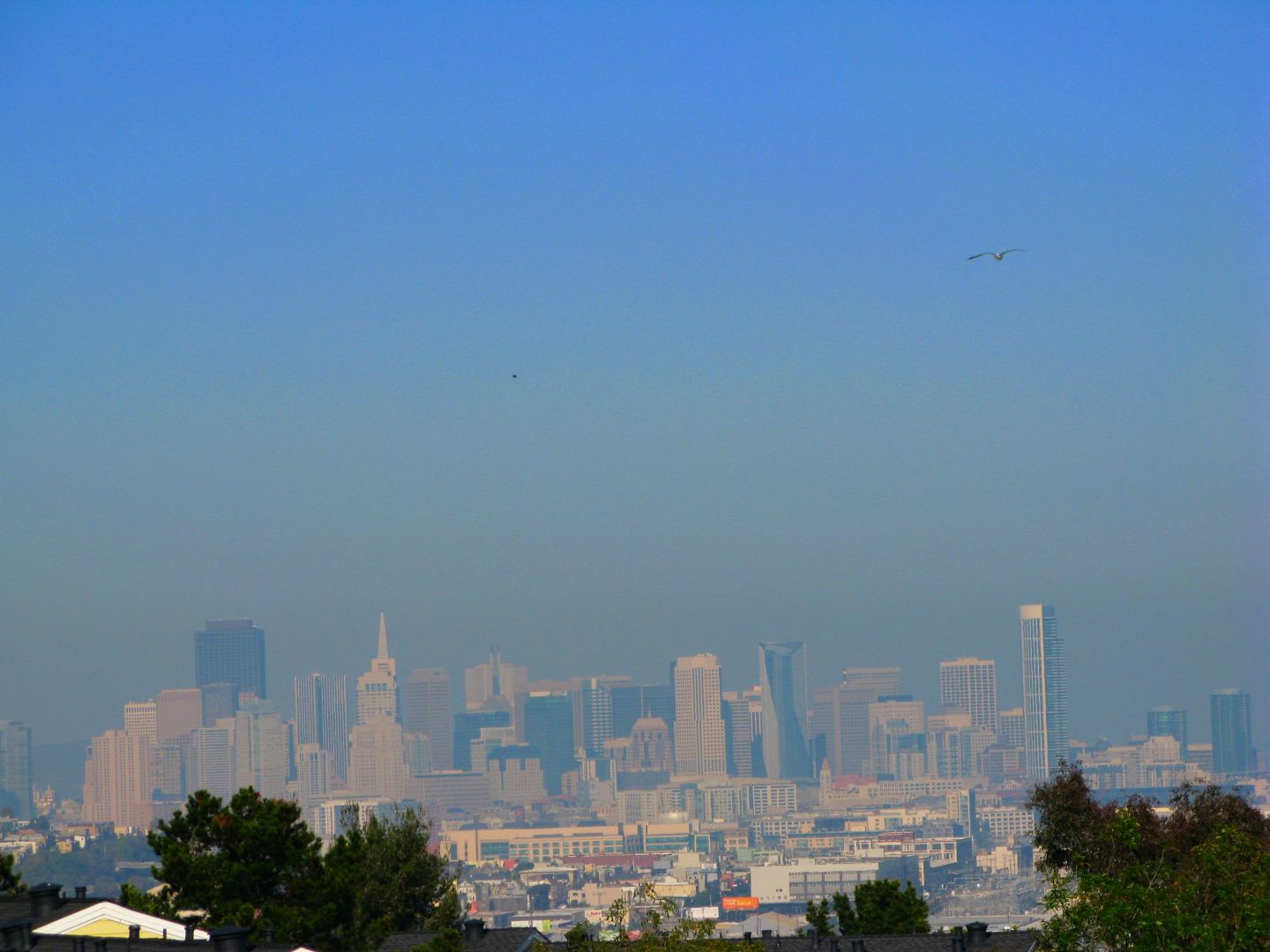
"caption": "Smog over downtown San Francisco, February 2009.",
"description": "Smog over downtown San Francisco, February 2009.",
"title": "Smog",
"credit": "Jerome Paz/flickr Creative Commons",
"status": "inherit",
"isLoading": false,
"fetchFailed": false
},
"news_11380693": {
"type": "attachments",
"id": "news_11380693",
"meta": {
"index": "attachments_1716263798",
"site": "news",
"id": "11380693",
"found": true
},
"parent": 11380475,
"imgSizes": {
"small": {
"file": "https://ww2.kqed.org/app/uploads/sites/10/2017/03/HC03282017-qut-520x359.jpg",
"width": 520,
"mimeType": "image/jpeg",
"height": 359
},
"twentyfourteen-full-width": {
"file": "https://ww2.kqed.org/app/uploads/sites/10/2017/03/HC03282017-qut-1038x576.jpg",
"width": 1038,
"mimeType": "image/jpeg",
"height": 576
},
"thumbnail": {
"file": "https://ww2.kqed.org/app/uploads/sites/10/2017/03/HC03282017-qut-160x110.jpg",
"width": 160,
"mimeType": "image/jpeg",
"height": 110
},
"fd-sm": {
"file": "https://ww2.kqed.org/app/uploads/sites/10/2017/03/HC03282017-qut-960x662.jpg",
"width": 960,
"mimeType": "image/jpeg",
"height": 662
},
"post-thumbnail": {
"file": "https://ww2.kqed.org/app/uploads/sites/10/2017/03/HC03282017-qut-672x372.jpg",
"width": 672,
"mimeType": "image/jpeg",
"height": 372
},
"xsmall": {
"file": "https://ww2.kqed.org/app/uploads/sites/10/2017/03/HC03282017-qut-375x259.jpg",
"width": 375,
"mimeType": "image/jpeg",
"height": 259
},
"kqedFullSize": {
"file": "https://ww2.kqed.org/app/uploads/sites/10/2017/03/HC03282017-qut.jpg",
"width": 1920,
"height": 1324
},
"large": {
"file": "https://ww2.kqed.org/app/uploads/sites/10/2017/03/HC03282017-qut-1020x703.jpg",
"width": 1020,
"mimeType": "image/jpeg",
"height": 703
},
"xlarge": {
"file": "https://ww2.kqed.org/app/uploads/sites/10/2017/03/HC03282017-qut-1180x814.jpg",
"width": 1180,
"mimeType": "image/jpeg",
"height": 814
},
"guest-author-50": {
"file": "https://ww2.kqed.org/app/uploads/sites/10/2017/03/HC03282017-qut-50x50.jpg",
"width": 50,
"mimeType": "image/jpeg",
"height": 50
},
"guest-author-96": {
"file": "https://ww2.kqed.org/app/uploads/sites/10/2017/03/HC03282017-qut-96x96.jpg",
"width": 96,
"mimeType": "image/jpeg",
"height": 96
},
"medium": {
"file": "https://ww2.kqed.org/app/uploads/sites/10/2017/03/HC03282017-qut-800x552.jpg",
"width": 800,
"mimeType": "image/jpeg",
"height": 552
},
"guest-author-64": {
"file": "https://ww2.kqed.org/app/uploads/sites/10/2017/03/HC03282017-qut-64x64.jpg",
"width": 64,
"mimeType": "image/jpeg",
"height": 64
},
"guest-author-32": {
"file": "https://ww2.kqed.org/app/uploads/sites/10/2017/03/HC03282017-qut-32x32.jpg",
"width": 32,
"mimeType": "image/jpeg",
"height": 32
},
"fd-lrg": {
"file": "https://ww2.kqed.org/app/uploads/sites/10/2017/03/HC03282017-qut-1920x1324.jpg",
"width": 1920,
"mimeType": "image/jpeg",
"height": 1324
},
"fd-med": {
"file": "https://ww2.kqed.org/app/uploads/sites/10/2017/03/HC03282017-qut-1180x814.jpg",
"width": 1180,
"mimeType": "image/jpeg",
"height": 814
},
"full-width": {
"file": "https://ww2.kqed.org/app/uploads/sites/10/2017/03/HC03282017-qut-1920x1324.jpg",
"width": 1920,
"mimeType": "image/jpeg",
"height": 1324
},
"detail": {
"file": "https://ww2.kqed.org/app/uploads/sites/10/2017/03/HC03282017-qut-150x150.jpg",
"width": 150,
"mimeType": "image/jpeg",
"height": 150
},
"guest-author-128": {
"file": "https://ww2.kqed.org/app/uploads/sites/10/2017/03/HC03282017-qut-128x128.jpg",
"width": 128,
"mimeType": "image/jpeg",
"height": 128
},
"xxsmall": {
"file": "https://ww2.kqed.org/app/uploads/sites/10/2017/03/HC03282017-qut-240x166.jpg",
"width": 240,
"mimeType": "image/jpeg",
"height": 166
}
},
"publishDate": 1490746102,
"modified": 1490746132,
"caption": "Former Secretary of State Hillary Clinton delivers a keynote address during the 28th Annual Professional Business Women of California conference on March 28, 2017 in San Francisco, California. Hillary Clinton delivered the keynote address at the day-long conference featuring speakers, seminars and panel discussions with industry leaders. ",
"description": null,
"title": "HC03282017-qut",
"credit": "Justin Sullivan/Getty Images",
"status": "inherit",
"isLoading": false,
"fetchFailed": false
},
"news_11380390": {
"type": "attachments",
"id": "news_11380390",
"meta": {
"index": "attachments_1716263798",
"site": "news",
"id": "11380390",
"found": true
},
"parent": 11379015,
"imgSizes": {
"small": {
"file": "https://ww2.kqed.org/app/uploads/sites/10/2017/03/ProTrumpRally1-520x381.jpg",
"width": 520,
"mimeType": "image/jpeg",
"height": 381
},
"twentyfourteen-full-width": {
"file": "https://ww2.kqed.org/app/uploads/sites/10/2017/03/ProTrumpRally1-1038x576.jpg",
"width": 1038,
"mimeType": "image/jpeg",
"height": 576
},
"thumbnail": {
"file": "https://ww2.kqed.org/app/uploads/sites/10/2017/03/ProTrumpRally1-160x117.jpg",
"width": 160,
"mimeType": "image/jpeg",
"height": 117
},
"fd-sm": {
"file": "https://ww2.kqed.org/app/uploads/sites/10/2017/03/ProTrumpRally1-960x704.jpg",
"width": 960,
"mimeType": "image/jpeg",
"height": 704
},
"post-thumbnail": {
"file": "https://ww2.kqed.org/app/uploads/sites/10/2017/03/ProTrumpRally1-672x372.jpg",
"width": 672,
"mimeType": "image/jpeg",
"height": 372
},
"xsmall": {
"file": "https://ww2.kqed.org/app/uploads/sites/10/2017/03/ProTrumpRally1-375x275.jpg",
"width": 375,
"mimeType": "image/jpeg",
"height": 275
},
"kqedFullSize": {
"file": "https://ww2.kqed.org/app/uploads/sites/10/2017/03/ProTrumpRally1.jpg",
"width": 1920,
"height": 1407
},
"large": {
"file": "https://ww2.kqed.org/app/uploads/sites/10/2017/03/ProTrumpRally1-1020x747.jpg",
"width": 1020,
"mimeType": "image/jpeg",
"height": 747
},
"xlarge": {
"file": "https://ww2.kqed.org/app/uploads/sites/10/2017/03/ProTrumpRally1-1180x865.jpg",
"width": 1180,
"mimeType": "image/jpeg",
"height": 865
},
"guest-author-50": {
"file": "https://ww2.kqed.org/app/uploads/sites/10/2017/03/ProTrumpRally1-50x50.jpg",
"width": 50,
"mimeType": "image/jpeg",
"height": 50
},
"guest-author-96": {
"file": "https://ww2.kqed.org/app/uploads/sites/10/2017/03/ProTrumpRally1-96x96.jpg",
"width": 96,
"mimeType": "image/jpeg",
"height": 96
},
"medium": {
"file": "https://ww2.kqed.org/app/uploads/sites/10/2017/03/ProTrumpRally1-800x586.jpg",
"width": 800,
"mimeType": "image/jpeg",
"height": 586
},
"guest-author-64": {
"file": "https://ww2.kqed.org/app/uploads/sites/10/2017/03/ProTrumpRally1-64x64.jpg",
"width": 64,
"mimeType": "image/jpeg",
"height": 64
},
"guest-author-32": {
"file": "https://ww2.kqed.org/app/uploads/sites/10/2017/03/ProTrumpRally1-32x32.jpg",
"width": 32,
"mimeType": "image/jpeg",
"height": 32
},
"fd-lrg": {
"file": "https://ww2.kqed.org/app/uploads/sites/10/2017/03/ProTrumpRally1-1920x1407.jpg",
"width": 1920,
"mimeType": "image/jpeg",
"height": 1407
},
"fd-med": {
"file": "https://ww2.kqed.org/app/uploads/sites/10/2017/03/ProTrumpRally1-1180x865.jpg",
"width": 1180,
"mimeType": "image/jpeg",
"height": 865
},
"full-width": {
"file": "https://ww2.kqed.org/app/uploads/sites/10/2017/03/ProTrumpRally1-1920x1407.jpg",
"width": 1920,
"mimeType": "image/jpeg",
"height": 1407
},
"detail": {
"file": "https://ww2.kqed.org/app/uploads/sites/10/2017/03/ProTrumpRally1-150x150.jpg",
"width": 150,
"mimeType": "image/jpeg",
"height": 150
},
"guest-author-128": {
"file": "https://ww2.kqed.org/app/uploads/sites/10/2017/03/ProTrumpRally1-128x128.jpg",
"width": 128,
"mimeType": "image/jpeg",
"height": 128
},
"xxsmall": {
"file": "https://ww2.kqed.org/app/uploads/sites/10/2017/03/ProTrumpRally1-240x176.jpg",
"width": 240,
"mimeType": "image/jpeg",
"height": 176
}
},
"publishDate": 1490731564,
"modified": 1490731619,
"caption": "Marchers take part in a Pro-Trump rally on Saturday in Huntington Beach.",
"description": "Marchers take part in a Pro-Trump rally on Saturday in Huntington Beach.",
"title": "ProTrumpRally1",
"credit": "Erika Aguilar/KQED",
"status": "inherit",
"isLoading": false,
"fetchFailed": false
},
"science_1512531": {
"type": "attachments",
"id": "science_1512531",
"meta": {
"index": "attachments_1716263798",
"site": "science",
"id": "1512531",
"found": true
},
"parent": 1512408,
"imgSizes": {
"small": {
"file": "https://ww2.kqed.org/app/uploads/sites/35/2017/03/smokestack-520x390.jpg",
"width": 520,
"mimeType": "image/jpeg",
"height": 390
},
"twentyfourteen-full-width": {
"file": "https://ww2.kqed.org/app/uploads/sites/35/2017/03/smokestack-1038x576.jpg",
"width": 1038,
"mimeType": "image/jpeg",
"height": 576
},
"thumbnail": {
"file": "https://ww2.kqed.org/app/uploads/sites/35/2017/03/smokestack-160x120.jpg",
"width": 160,
"mimeType": "image/jpeg",
"height": 120
},
"fd-sm": {
"file": "https://ww2.kqed.org/app/uploads/sites/35/2017/03/smokestack-960x720.jpg",
"width": 960,
"mimeType": "image/jpeg",
"height": 720
},
"post-thumbnail": {
"file": "https://ww2.kqed.org/app/uploads/sites/35/2017/03/smokestack-672x372.jpg",
"width": 672,
"mimeType": "image/jpeg",
"height": 372
},
"xsmall": {
"file": "https://ww2.kqed.org/app/uploads/sites/35/2017/03/smokestack-375x281.jpg",
"width": 375,
"mimeType": "image/jpeg",
"height": 281
},
"kqedFullSize": {
"file": "https://ww2.kqed.org/app/uploads/sites/35/2017/03/smokestack.jpg",
"width": 2272,
"height": 1704
},
"large": {
"file": "https://ww2.kqed.org/app/uploads/sites/35/2017/03/smokestack-1020x765.jpg",
"width": 1020,
"mimeType": "image/jpeg",
"height": 765
},
"xlarge": {
"file": "https://ww2.kqed.org/app/uploads/sites/35/2017/03/smokestack-1180x885.jpg",
"width": 1180,
"mimeType": "image/jpeg",
"height": 885
},
"guest-author-50": {
"file": "https://ww2.kqed.org/app/uploads/sites/35/2017/03/smokestack-50x50.jpg",
"width": 50,
"mimeType": "image/jpeg",
"height": 50
},
"guest-author-96": {
"file": "https://ww2.kqed.org/app/uploads/sites/35/2017/03/smokestack-96x96.jpg",
"width": 96,
"mimeType": "image/jpeg",
"height": 96
},
"medium": {
"file": "https://ww2.kqed.org/app/uploads/sites/35/2017/03/smokestack-800x600.jpg",
"width": 800,
"mimeType": "image/jpeg",
"height": 600
},
"guest-author-64": {
"file": "https://ww2.kqed.org/app/uploads/sites/35/2017/03/smokestack-64x64.jpg",
"width": 64,
"mimeType": "image/jpeg",
"height": 64
},
"guest-author-32": {
"file": "https://ww2.kqed.org/app/uploads/sites/35/2017/03/smokestack-32x32.jpg",
"width": 32,
"mimeType": "image/jpeg",
"height": 32
},
"fd-lrg": {
"file": "https://ww2.kqed.org/app/uploads/sites/35/2017/03/smokestack-1920x1440.jpg",
"width": 1920,
"mimeType": "image/jpeg",
"height": 1440
},
"fd-med": {
"file": "https://ww2.kqed.org/app/uploads/sites/35/2017/03/smokestack-1180x885.jpg",
"width": 1180,
"mimeType": "image/jpeg",
"height": 885
},
"full-width": {
"file": "https://ww2.kqed.org/app/uploads/sites/35/2017/03/smokestack-1920x1440.jpg",
"width": 1920,
"mimeType": "image/jpeg",
"height": 1440
},
"detail": {
"file": "https://ww2.kqed.org/app/uploads/sites/35/2017/03/smokestack-150x150.jpg",
"width": 150,
"mimeType": "image/jpeg",
"height": 150
},
"medium_large": {
"file": "https://ww2.kqed.org/app/uploads/sites/35/2017/03/smokestack-768x576.jpg",
"width": 768,
"mimeType": "image/jpeg",
"height": 576
},
"guest-author-128": {
"file": "https://ww2.kqed.org/app/uploads/sites/35/2017/03/smokestack-128x128.jpg",
"width": 128,
"mimeType": "image/jpeg",
"height": 128
},
"xxsmall": {
"file": "https://ww2.kqed.org/app/uploads/sites/35/2017/03/smokestack-240x180.jpg",
"width": 240,
"mimeType": "image/jpeg",
"height": 180
}
},
"publishDate": 1490727339,
"modified": 1581457567,
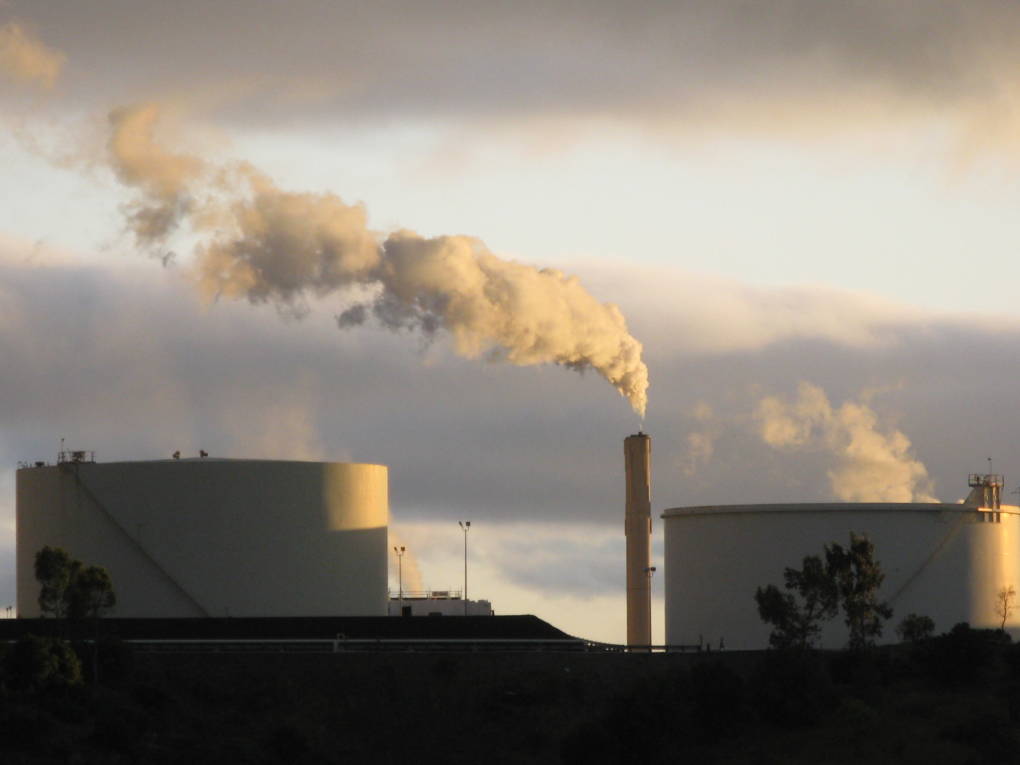
"caption": "John Busterud was appointed the head EPA Region 9, headquartered in San Francisco. Regional EPA offices help states in meeting their climate goals, provide technical input to large development projects and offer grants to local governments and organizations.",
"description": null,
"title": "smokestack",
"credit": "Craig Miller/KQED",
"status": "inherit",
"isLoading": false,
"fetchFailed": false
},
"news_11379080": {
"type": "attachments",
"id": "news_11379080",
"meta": {
"index": "attachments_1716263798",
"site": "news",
"id": "11379080",
"found": true
},
"parent": 11378999,
"imgSizes": {
"small": {
"file": "https://ww2.kqed.org/app/uploads/sites/10/2017/03/RS24782_GettyImages-545534878-qut-520x330.jpg",
"width": 520,
"mimeType": "image/jpeg",
"height": 330
},
"twentyfourteen-full-width": {
"file": "https://ww2.kqed.org/app/uploads/sites/10/2017/03/RS24782_GettyImages-545534878-qut-1038x576.jpg",
"width": 1038,
"mimeType": "image/jpeg",
"height": 576
},
"thumbnail": {
"file": "https://ww2.kqed.org/app/uploads/sites/10/2017/03/RS24782_GettyImages-545534878-qut-160x102.jpg",
"width": 160,
"mimeType": "image/jpeg",
"height": 102
},
"fd-sm": {
"file": "https://ww2.kqed.org/app/uploads/sites/10/2017/03/RS24782_GettyImages-545534878-qut-960x610.jpg",
"width": 960,
"mimeType": "image/jpeg",
"height": 610
},
"post-thumbnail": {
"file": "https://ww2.kqed.org/app/uploads/sites/10/2017/03/RS24782_GettyImages-545534878-qut-672x372.jpg",
"width": 672,
"mimeType": "image/jpeg",
"height": 372
},
"xsmall": {
"file": "https://ww2.kqed.org/app/uploads/sites/10/2017/03/RS24782_GettyImages-545534878-qut-375x238.jpg",
"width": 375,
"mimeType": "image/jpeg",
"height": 238
},
"kqedFullSize": {
"file": "https://ww2.kqed.org/app/uploads/sites/10/2017/03/RS24782_GettyImages-545534878-qut.jpg",
"width": 1920,
"height": 1219
},
"large": {
"file": "https://ww2.kqed.org/app/uploads/sites/10/2017/03/RS24782_GettyImages-545534878-qut-1020x648.jpg",
"width": 1020,
"mimeType": "image/jpeg",
"height": 648
},
"xlarge": {
"file": "https://ww2.kqed.org/app/uploads/sites/10/2017/03/RS24782_GettyImages-545534878-qut-1180x749.jpg",
"width": 1180,
"mimeType": "image/jpeg",
"height": 749
},
"guest-author-50": {
"file": "https://ww2.kqed.org/app/uploads/sites/10/2017/03/RS24782_GettyImages-545534878-qut-50x50.jpg",
"width": 50,
"mimeType": "image/jpeg",
"height": 50
},
"guest-author-96": {
"file": "https://ww2.kqed.org/app/uploads/sites/10/2017/03/RS24782_GettyImages-545534878-qut-96x96.jpg",
"width": 96,
"mimeType": "image/jpeg",
"height": 96
},
"medium": {
"file": "https://ww2.kqed.org/app/uploads/sites/10/2017/03/RS24782_GettyImages-545534878-qut-800x508.jpg",
"width": 800,
"mimeType": "image/jpeg",
"height": 508
},
"guest-author-64": {
"file": "https://ww2.kqed.org/app/uploads/sites/10/2017/03/RS24782_GettyImages-545534878-qut-64x64.jpg",
"width": 64,
"mimeType": "image/jpeg",
"height": 64
},
"guest-author-32": {
"file": "https://ww2.kqed.org/app/uploads/sites/10/2017/03/RS24782_GettyImages-545534878-qut-32x32.jpg",
"width": 32,
"mimeType": "image/jpeg",
"height": 32
},
"fd-lrg": {
"file": "https://ww2.kqed.org/app/uploads/sites/10/2017/03/RS24782_GettyImages-545534878-qut-1920x1219.jpg",
"width": 1920,
"mimeType": "image/jpeg",
"height": 1219
},
"fd-med": {
"file": "https://ww2.kqed.org/app/uploads/sites/10/2017/03/RS24782_GettyImages-545534878-qut-1180x749.jpg",
"width": 1180,
"mimeType": "image/jpeg",
"height": 749
},
"full-width": {
"file": "https://ww2.kqed.org/app/uploads/sites/10/2017/03/RS24782_GettyImages-545534878-qut-1920x1219.jpg",
"width": 1920,
"mimeType": "image/jpeg",
"height": 1219
},
"detail": {
"file": "https://ww2.kqed.org/app/uploads/sites/10/2017/03/RS24782_GettyImages-545534878-qut-150x150.jpg",
"width": 150,
"mimeType": "image/jpeg",
"height": 150
},
"guest-author-128": {
"file": "https://ww2.kqed.org/app/uploads/sites/10/2017/03/RS24782_GettyImages-545534878-qut-128x128.jpg",
"width": 128,
"mimeType": "image/jpeg",
"height": 128
},
"xxsmall": {
"file": "https://ww2.kqed.org/app/uploads/sites/10/2017/03/RS24782_GettyImages-545534878-qut-240x152.jpg",
"width": 240,
"mimeType": "image/jpeg",
"height": 152
}
},
"publishDate": 1490660092,
"modified": 1490660142,
"caption": "In 2016, the City of Los Angeles received a grant to help fund 25 positions.",
"description": null,
"title": "RS24782_GettyImages-545534878-qut",
"credit": "Frederic J. Brown/AFP/Getty Images",
"status": "inherit",
"isLoading": false,
"fetchFailed": false
},
"news_11380160": {
"type": "attachments",
"id": "news_11380160",
"meta": {
"index": "attachments_1716263798",
"site": "news",
"id": "11380160",
"found": true
},
"parent": 11380159,
"imgSizes": {
"small": {
"file": "https://ww2.kqed.org/app/uploads/sites/10/2017/03/gettyimages-657311996_wide-0c9cf8090c8949eebb638511b7c55e830e752334-520x292.jpg",
"width": 520,
"mimeType": "image/jpeg",
"height": 292
},
"twentyfourteen-full-width": {
"file": "https://ww2.kqed.org/app/uploads/sites/10/2017/03/gettyimages-657311996_wide-0c9cf8090c8949eebb638511b7c55e830e752334-1038x576.jpg",
"width": 1038,
"mimeType": "image/jpeg",
"height": 576
},
"thumbnail": {
"file": "https://ww2.kqed.org/app/uploads/sites/10/2017/03/gettyimages-657311996_wide-0c9cf8090c8949eebb638511b7c55e830e752334-160x90.jpg",
"width": 160,
"mimeType": "image/jpeg",
"height": 90
},
"fd-sm": {
"file": "https://ww2.kqed.org/app/uploads/sites/10/2017/03/gettyimages-657311996_wide-0c9cf8090c8949eebb638511b7c55e830e752334-960x540.jpg",
"width": 960,
"mimeType": "image/jpeg",
"height": 540
},
"post-thumbnail": {
"file": "https://ww2.kqed.org/app/uploads/sites/10/2017/03/gettyimages-657311996_wide-0c9cf8090c8949eebb638511b7c55e830e752334-672x372.jpg",
"width": 672,
"mimeType": "image/jpeg",
"height": 372
},
"xsmall": {
"file": "https://ww2.kqed.org/app/uploads/sites/10/2017/03/gettyimages-657311996_wide-0c9cf8090c8949eebb638511b7c55e830e752334-375x211.jpg",
"width": 375,
"mimeType": "image/jpeg",
"height": 211
},
"kqedFullSize": {
"file": "https://ww2.kqed.org/app/uploads/sites/10/2017/03/gettyimages-657311996_wide-0c9cf8090c8949eebb638511b7c55e830e752334-e1490723695348.jpg",
"width": 1920,
"height": 1080
},
"large": {
"file": "https://ww2.kqed.org/app/uploads/sites/10/2017/03/gettyimages-657311996_wide-0c9cf8090c8949eebb638511b7c55e830e752334-1020x574.jpg",
"width": 1020,
"mimeType": "image/jpeg",
"height": 574
},
"xlarge": {
"file": "https://ww2.kqed.org/app/uploads/sites/10/2017/03/gettyimages-657311996_wide-0c9cf8090c8949eebb638511b7c55e830e752334-1180x664.jpg",
"width": 1180,
"mimeType": "image/jpeg",
"height": 664
},
"guest-author-50": {
"file": "https://ww2.kqed.org/app/uploads/sites/10/2017/03/gettyimages-657311996_wide-0c9cf8090c8949eebb638511b7c55e830e752334-50x50.jpg",
"width": 50,
"mimeType": "image/jpeg",
"height": 50
},
"guest-author-96": {
"file": "https://ww2.kqed.org/app/uploads/sites/10/2017/03/gettyimages-657311996_wide-0c9cf8090c8949eebb638511b7c55e830e752334-96x96.jpg",
"width": 96,
"mimeType": "image/jpeg",
"height": 96
},
"medium": {
"file": "https://ww2.kqed.org/app/uploads/sites/10/2017/03/gettyimages-657311996_wide-0c9cf8090c8949eebb638511b7c55e830e752334-800x450.jpg",
"width": 800,
"mimeType": "image/jpeg",
"height": 450
},
"guest-author-64": {
"file": "https://ww2.kqed.org/app/uploads/sites/10/2017/03/gettyimages-657311996_wide-0c9cf8090c8949eebb638511b7c55e830e752334-64x64.jpg",
"width": 64,
"mimeType": "image/jpeg",
"height": 64
},
"guest-author-32": {
"file": "https://ww2.kqed.org/app/uploads/sites/10/2017/03/gettyimages-657311996_wide-0c9cf8090c8949eebb638511b7c55e830e752334-32x32.jpg",
"width": 32,
"mimeType": "image/jpeg",
"height": 32
},
"fd-lrg": {
"file": "https://ww2.kqed.org/app/uploads/sites/10/2017/03/gettyimages-657311996_wide-0c9cf8090c8949eebb638511b7c55e830e752334-1920x1080.jpg",
"width": 1920,
"mimeType": "image/jpeg",
"height": 1080
},
"fd-med": {
"file": "https://ww2.kqed.org/app/uploads/sites/10/2017/03/gettyimages-657311996_wide-0c9cf8090c8949eebb638511b7c55e830e752334-1180x664.jpg",
"width": 1180,
"mimeType": "image/jpeg",
"height": 664
},
"full-width": {
"file": "https://ww2.kqed.org/app/uploads/sites/10/2017/03/gettyimages-657311996_wide-0c9cf8090c8949eebb638511b7c55e830e752334-1920x1080.jpg",
"width": 1920,
"mimeType": "image/jpeg",
"height": 1080
},
"detail": {
"file": "https://ww2.kqed.org/app/uploads/sites/10/2017/03/gettyimages-657311996_wide-0c9cf8090c8949eebb638511b7c55e830e752334-150x150.jpg",
"width": 150,
"mimeType": "image/jpeg",
"height": 150
},
"guest-author-128": {
"file": "https://ww2.kqed.org/app/uploads/sites/10/2017/03/gettyimages-657311996_wide-0c9cf8090c8949eebb638511b7c55e830e752334-128x128.jpg",
"width": 128,
"mimeType": "image/jpeg",
"height": 128
},
"xxsmall": {
"file": "https://ww2.kqed.org/app/uploads/sites/10/2017/03/gettyimages-657311996_wide-0c9cf8090c8949eebb638511b7c55e830e752334-240x135.jpg",
"width": 240,
"mimeType": "image/jpeg",
"height": 135
}
},
"publishDate": 1490723546,
"modified": 1490723673,
"caption": "House Intelligence Committee chairman Rep. Devin Nunes, R-Calif., finds himself the center of attention after playing something of a dual role — Trump supporter and independent investigator.",
"description": "House Intelligence Committee chairman Rep. Devin Nunes, R-Calif., finds himself the center of attention after playing something of a dual role -- Trump supporter and independent investigator",
"title": "House Intelligence Committee chairman Rep. Devin Nunes, R-Calif., finds himself the center of attention after playing something of a dual role — Trump supporter and independent investigator.",
"credit": "Drew Angerer/Getty Images",
"status": "inherit",
"isLoading": false,
"fetchFailed": false
},
"news_11371499": {
"type": "attachments",
"id": "news_11371499",
"meta": {
"index": "attachments_1716263798",
"site": "news",
"id": "11371499",
"found": true
},
"parent": 11371404,
"imgSizes": {
"small": {
"file": "https://ww2.kqed.org/app/uploads/sites/10/2017/03/border-wall-1920-1-520x337.jpg",
"width": 520,
"mimeType": "image/jpeg",
"height": 337
},
"twentyfourteen-full-width": {
"file": "https://ww2.kqed.org/app/uploads/sites/10/2017/03/border-wall-1920-1-1038x576.jpg",
"width": 1038,
"mimeType": "image/jpeg",
"height": 576
},
"thumbnail": {
"file": "https://ww2.kqed.org/app/uploads/sites/10/2017/03/border-wall-1920-1-160x104.jpg",
"width": 160,
"mimeType": "image/jpeg",
"height": 104
},
"fd-sm": {
"file": "https://ww2.kqed.org/app/uploads/sites/10/2017/03/border-wall-1920-1-960x623.jpg",
"width": 960,
"mimeType": "image/jpeg",
"height": 623
},
"post-thumbnail": {
"file": "https://ww2.kqed.org/app/uploads/sites/10/2017/03/border-wall-1920-1-672x372.jpg",
"width": 672,
"mimeType": "image/jpeg",
"height": 372
},
"xsmall": {
"file": "https://ww2.kqed.org/app/uploads/sites/10/2017/03/border-wall-1920-1-375x243.jpg",
"width": 375,
"mimeType": "image/jpeg",
"height": 243
},
"kqedFullSize": {
"file": "https://ww2.kqed.org/app/uploads/sites/10/2017/03/border-wall-1920-1.jpg",
"width": 1920,
"height": 1246
},
"large": {
"file": "https://ww2.kqed.org/app/uploads/sites/10/2017/03/border-wall-1920-1-1020x662.jpg",
"width": 1020,
"mimeType": "image/jpeg",
"height": 662
},
"xlarge": {
"file": "https://ww2.kqed.org/app/uploads/sites/10/2017/03/border-wall-1920-1-1180x766.jpg",
"width": 1180,
"mimeType": "image/jpeg",
"height": 766
},
"guest-author-50": {
"file": "https://ww2.kqed.org/app/uploads/sites/10/2017/03/border-wall-1920-1-50x50.jpg",
"width": 50,
"mimeType": "image/jpeg",
"height": 50
},
"guest-author-96": {
"file": "https://ww2.kqed.org/app/uploads/sites/10/2017/03/border-wall-1920-1-96x96.jpg",
"width": 96,
"mimeType": "image/jpeg",
"height": 96
},
"medium": {
"file": "https://ww2.kqed.org/app/uploads/sites/10/2017/03/border-wall-1920-1-800x519.jpg",
"width": 800,
"mimeType": "image/jpeg",
"height": 519
},
"guest-author-64": {
"file": "https://ww2.kqed.org/app/uploads/sites/10/2017/03/border-wall-1920-1-64x64.jpg",
"width": 64,
"mimeType": "image/jpeg",
"height": 64
},
"guest-author-32": {
"file": "https://ww2.kqed.org/app/uploads/sites/10/2017/03/border-wall-1920-1-32x32.jpg",
"width": 32,
"mimeType": "image/jpeg",
"height": 32
},
"fd-lrg": {
"file": "https://ww2.kqed.org/app/uploads/sites/10/2017/03/border-wall-1920-1-1920x1246.jpg",
"width": 1920,
"mimeType": "image/jpeg",
"height": 1246
},
"fd-med": {
"file": "https://ww2.kqed.org/app/uploads/sites/10/2017/03/border-wall-1920-1-1180x766.jpg",
"width": 1180,
"mimeType": "image/jpeg",
"height": 766
},
"full-width": {
"file": "https://ww2.kqed.org/app/uploads/sites/10/2017/03/border-wall-1920-1-1920x1246.jpg",
"width": 1920,
"mimeType": "image/jpeg",
"height": 1246
},
"detail": {
"file": "https://ww2.kqed.org/app/uploads/sites/10/2017/03/border-wall-1920-1-150x150.jpg",
"width": 150,
"mimeType": "image/jpeg",
"height": 150
},
"guest-author-128": {
"file": "https://ww2.kqed.org/app/uploads/sites/10/2017/03/border-wall-1920-1-128x128.jpg",
"width": 128,
"mimeType": "image/jpeg",
"height": 128
},
"xxsmall": {
"file": "https://ww2.kqed.org/app/uploads/sites/10/2017/03/border-wall-1920-1-240x156.jpg",
"width": 240,
"mimeType": "image/jpeg",
"height": 156
}
},
"publishDate": 1490228358,
"modified": 1490230054,
"caption": "A Border Patrol agent looks over the U.S.-Mexico border wall in Calexico, California, in the Imperial Valley, on Jan. 31, 2017.",
"description": null,
"title": "border-wall-1920",
"credit": "Sandy Huffaker/AFP/Getty Images",
"status": "inherit",
"isLoading": false,
"fetchFailed": false
},
"news_11378835": {
"type": "attachments",
"id": "news_11378835",
"meta": {
"index": "attachments_1716263798",
"site": "news",
"id": "11378835",
"found": true
},
"parent": 11378833,
"imgSizes": {
"small": {
"file": "https://ww2.kqed.org/app/uploads/sites/10/2017/03/KNR_web_promo_AdamSchiff-1-520x293.jpg",
"width": 520,
"mimeType": "image/jpeg",
"height": 293
},
"twentyfourteen-full-width": {
"file": "https://ww2.kqed.org/app/uploads/sites/10/2017/03/KNR_web_promo_AdamSchiff-1-1038x576.jpg",
"width": 1038,
"mimeType": "image/jpeg",
"height": 576
},
"thumbnail": {
"file": "https://ww2.kqed.org/app/uploads/sites/10/2017/03/KNR_web_promo_AdamSchiff-1-160x90.jpg",
"width": 160,
"mimeType": "image/jpeg",
"height": 90
},
"fd-sm": {
"file": "https://ww2.kqed.org/app/uploads/sites/10/2017/03/KNR_web_promo_AdamSchiff-1-960x540.jpg",
"width": 960,
"mimeType": "image/jpeg",
"height": 540
},
"post-thumbnail": {
"file": "https://ww2.kqed.org/app/uploads/sites/10/2017/03/KNR_web_promo_AdamSchiff-1-672x372.jpg",
"width": 672,
"mimeType": "image/jpeg",
"height": 372
},
"xsmall": {
"file": "https://ww2.kqed.org/app/uploads/sites/10/2017/03/KNR_web_promo_AdamSchiff-1-375x211.jpg",
"width": 375,
"mimeType": "image/jpeg",
"height": 211
},
"kqedFullSize": {
"file": "https://ww2.kqed.org/app/uploads/sites/10/2017/03/KNR_web_promo_AdamSchiff-1.jpg",
"width": 1280,
"height": 720
},
"large": {
"file": "https://ww2.kqed.org/app/uploads/sites/10/2017/03/KNR_web_promo_AdamSchiff-1-1020x574.jpg",
"width": 1020,
"mimeType": "image/jpeg",
"height": 574
},
"xlarge": {
"file": "https://ww2.kqed.org/app/uploads/sites/10/2017/03/KNR_web_promo_AdamSchiff-1-1180x664.jpg",
"width": 1180,
"mimeType": "image/jpeg",
"height": 664
},
"guest-author-50": {
"file": "https://ww2.kqed.org/app/uploads/sites/10/2017/03/KNR_web_promo_AdamSchiff-1-50x50.jpg",
"width": 50,
"mimeType": "image/jpeg",
"height": 50
},
"guest-author-96": {
"file": "https://ww2.kqed.org/app/uploads/sites/10/2017/03/KNR_web_promo_AdamSchiff-1-96x96.jpg",
"width": 96,
"mimeType": "image/jpeg",
"height": 96
},
"medium": {
"file": "https://ww2.kqed.org/app/uploads/sites/10/2017/03/KNR_web_promo_AdamSchiff-1-800x450.jpg",
"width": 800,
"mimeType": "image/jpeg",
"height": 450
},
"guest-author-64": {
"file": "https://ww2.kqed.org/app/uploads/sites/10/2017/03/KNR_web_promo_AdamSchiff-1-64x64.jpg",
"width": 64,
"mimeType": "image/jpeg",
"height": 64
},
"guest-author-32": {
"file": "https://ww2.kqed.org/app/uploads/sites/10/2017/03/KNR_web_promo_AdamSchiff-1-32x32.jpg",
"width": 32,
"mimeType": "image/jpeg",
"height": 32
},
"fd-med": {
"file": "https://ww2.kqed.org/app/uploads/sites/10/2017/03/KNR_web_promo_AdamSchiff-1-1180x664.jpg",
"width": 1180,
"mimeType": "image/jpeg",
"height": 664
},
"detail": {
"file": "https://ww2.kqed.org/app/uploads/sites/10/2017/03/KNR_web_promo_AdamSchiff-1-150x150.jpg",
"width": 150,
"mimeType": "image/jpeg",
"height": 150
},
"guest-author-128": {
"file": "https://ww2.kqed.org/app/uploads/sites/10/2017/03/KNR_web_promo_AdamSchiff-1-128x128.jpg",
"width": 128,
"mimeType": "image/jpeg",
"height": 128
},
"xxsmall": {
"file": "https://ww2.kqed.org/app/uploads/sites/10/2017/03/KNR_web_promo_AdamSchiff-1-240x135.jpg",
"width": 240,
"mimeType": "image/jpeg",
"height": 135
}
},
"publishDate": 1490650896,
"modified": 1490650896,
"caption": null,
"description": null,
"title": "KNR_web_promo_AdamSchiff (1)",
"credit": null,
"status": "inherit",
"isLoading": false,
"fetchFailed": false
},
"news_11378685": {
"type": "attachments",
"id": "news_11378685",
"meta": {
"index": "attachments_1716263798",
"site": "news",
"id": "11378685",
"found": true
},
"parent": 11378684,
"imgSizes": {
"small": {
"file": "https://ww2.kqed.org/app/uploads/sites/10/2017/03/gettyimages-657311948_wide-77e07ed110b7171aba40c256da5fd54ab830b108-520x292.jpg",
"width": 520,
"mimeType": "image/jpeg",
"height": 292
},
"twentyfourteen-full-width": {
"file": "https://ww2.kqed.org/app/uploads/sites/10/2017/03/gettyimages-657311948_wide-77e07ed110b7171aba40c256da5fd54ab830b108-1038x576.jpg",
"width": 1038,
"mimeType": "image/jpeg",
"height": 576
},
"thumbnail": {
"file": "https://ww2.kqed.org/app/uploads/sites/10/2017/03/gettyimages-657311948_wide-77e07ed110b7171aba40c256da5fd54ab830b108-160x90.jpg",
"width": 160,
"mimeType": "image/jpeg",
"height": 90
},
"fd-sm": {
"file": "https://ww2.kqed.org/app/uploads/sites/10/2017/03/gettyimages-657311948_wide-77e07ed110b7171aba40c256da5fd54ab830b108-960x540.jpg",
"width": 960,
"mimeType": "image/jpeg",
"height": 540
},
"post-thumbnail": {
"file": "https://ww2.kqed.org/app/uploads/sites/10/2017/03/gettyimages-657311948_wide-77e07ed110b7171aba40c256da5fd54ab830b108-672x372.jpg",
"width": 672,
"mimeType": "image/jpeg",
"height": 372
},
"xsmall": {
"file": "https://ww2.kqed.org/app/uploads/sites/10/2017/03/gettyimages-657311948_wide-77e07ed110b7171aba40c256da5fd54ab830b108-375x211.jpg",
"width": 375,
"mimeType": "image/jpeg",
"height": 211
},
"kqedFullSize": {
"file": "https://ww2.kqed.org/app/uploads/sites/10/2017/03/gettyimages-657311948_wide-77e07ed110b7171aba40c256da5fd54ab830b108-e1490641882678.jpg",
"width": 1920,
"height": 1080
},
"large": {
"file": "https://ww2.kqed.org/app/uploads/sites/10/2017/03/gettyimages-657311948_wide-77e07ed110b7171aba40c256da5fd54ab830b108-1020x574.jpg",
"width": 1020,
"mimeType": "image/jpeg",
"height": 574
},
"xlarge": {
"file": "https://ww2.kqed.org/app/uploads/sites/10/2017/03/gettyimages-657311948_wide-77e07ed110b7171aba40c256da5fd54ab830b108-1180x664.jpg",
"width": 1180,
"mimeType": "image/jpeg",
"height": 664
},
"guest-author-50": {
"file": "https://ww2.kqed.org/app/uploads/sites/10/2017/03/gettyimages-657311948_wide-77e07ed110b7171aba40c256da5fd54ab830b108-50x50.jpg",
"width": 50,
"mimeType": "image/jpeg",
"height": 50
},
"guest-author-96": {
"file": "https://ww2.kqed.org/app/uploads/sites/10/2017/03/gettyimages-657311948_wide-77e07ed110b7171aba40c256da5fd54ab830b108-96x96.jpg",
"width": 96,
"mimeType": "image/jpeg",
"height": 96
},
"medium": {
"file": "https://ww2.kqed.org/app/uploads/sites/10/2017/03/gettyimages-657311948_wide-77e07ed110b7171aba40c256da5fd54ab830b108-800x450.jpg",
"width": 800,
"mimeType": "image/jpeg",
"height": 450
},
"guest-author-64": {
"file": "https://ww2.kqed.org/app/uploads/sites/10/2017/03/gettyimages-657311948_wide-77e07ed110b7171aba40c256da5fd54ab830b108-64x64.jpg",
"width": 64,
"mimeType": "image/jpeg",
"height": 64
},
"guest-author-32": {
"file": "https://ww2.kqed.org/app/uploads/sites/10/2017/03/gettyimages-657311948_wide-77e07ed110b7171aba40c256da5fd54ab830b108-32x32.jpg",
"width": 32,
"mimeType": "image/jpeg",
"height": 32
},
"fd-lrg": {
"file": "https://ww2.kqed.org/app/uploads/sites/10/2017/03/gettyimages-657311948_wide-77e07ed110b7171aba40c256da5fd54ab830b108-1920x1080.jpg",
"width": 1920,
"mimeType": "image/jpeg",
"height": 1080
},
"fd-med": {
"file": "https://ww2.kqed.org/app/uploads/sites/10/2017/03/gettyimages-657311948_wide-77e07ed110b7171aba40c256da5fd54ab830b108-1180x664.jpg",
"width": 1180,
"mimeType": "image/jpeg",
"height": 664
},
"full-width": {
"file": "https://ww2.kqed.org/app/uploads/sites/10/2017/03/gettyimages-657311948_wide-77e07ed110b7171aba40c256da5fd54ab830b108-1920x1080.jpg",
"width": 1920,
"mimeType": "image/jpeg",
"height": 1080
},
"detail": {
"file": "https://ww2.kqed.org/app/uploads/sites/10/2017/03/gettyimages-657311948_wide-77e07ed110b7171aba40c256da5fd54ab830b108-150x150.jpg",
"width": 150,
"mimeType": "image/jpeg",
"height": 150
},
"guest-author-128": {
"file": "https://ww2.kqed.org/app/uploads/sites/10/2017/03/gettyimages-657311948_wide-77e07ed110b7171aba40c256da5fd54ab830b108-128x128.jpg",
"width": 128,
"mimeType": "image/jpeg",
"height": 128
},
"xxsmall": {
"file": "https://ww2.kqed.org/app/uploads/sites/10/2017/03/gettyimages-657311948_wide-77e07ed110b7171aba40c256da5fd54ab830b108-240x135.jpg",
"width": 240,
"mimeType": "image/jpeg",
"height": 135
}
},
"publishDate": 1490641744,
"modified": 1490641938,
"caption": "House Intelligence Committee chairman Rep. Devin Nunes (R-CA) walks to the House floor on Capitol Hill on Friday. Nunes has been challenged by his colleagues about how he acquired and handled classified information that he didn't share with the rest of the committee.",
"description": "House Intelligence Committee chairman Rep. Devin Nunes (R-CA) walks to the House floor on Capitol Hill on Friday. Nunes has been challenged by his colleagues about how he acquired and handled classified information that he didn't share with the rest of the committee.",
"title": "House Intelligence Committee chairman Rep. Devin Nunes (R-CA) walks to the House floor on Capitol Hill on Friday. Nunes has been challenged by his colleagues about over how he acquired and handled classified information that he didn't share with the rest of the committee.",
"credit": "Drew Angerer/Getty Images",
"status": "inherit",
"isLoading": false,
"fetchFailed": false
},
"news_11377179": {
"type": "attachments",
"id": "news_11377179",
"meta": {
"index": "attachments_1716263798",
"site": "news",
"id": "11377179",
"found": true
},
"parent": 11377115,
"imgSizes": {
"small": {
"file": "https://ww2.kqed.org/app/uploads/sites/10/2017/03/Valadao_RS24773_Valadao_Ad-qut-520x264.jpg",
"width": 520,
"mimeType": "image/jpeg",
"height": 264
},
"thumbnail": {
"file": "https://ww2.kqed.org/app/uploads/sites/10/2017/03/Valadao_RS24773_Valadao_Ad-qut-160x81.jpg",
"width": 160,
"mimeType": "image/jpeg",
"height": 81
},
"post-thumbnail": {
"file": "https://ww2.kqed.org/app/uploads/sites/10/2017/03/Valadao_RS24773_Valadao_Ad-qut-672x372.jpg",
"width": 672,
"mimeType": "image/jpeg",
"height": 372
},
"xsmall": {
"file": "https://ww2.kqed.org/app/uploads/sites/10/2017/03/Valadao_RS24773_Valadao_Ad-qut-375x190.jpg",
"width": 375,
"mimeType": "image/jpeg",
"height": 190
},
"kqedFullSize": {
"file": "https://ww2.kqed.org/app/uploads/sites/10/2017/03/Valadao_RS24773_Valadao_Ad-qut.jpg",
"width": 951,
"height": 483
},
"guest-author-50": {
"file": "https://ww2.kqed.org/app/uploads/sites/10/2017/03/Valadao_RS24773_Valadao_Ad-qut-50x50.jpg",
"width": 50,
"mimeType": "image/jpeg",
"height": 50
},
"guest-author-96": {
"file": "https://ww2.kqed.org/app/uploads/sites/10/2017/03/Valadao_RS24773_Valadao_Ad-qut-96x96.jpg",
"width": 96,
"mimeType": "image/jpeg",
"height": 96
},
"medium": {
"file": "https://ww2.kqed.org/app/uploads/sites/10/2017/03/Valadao_RS24773_Valadao_Ad-qut-800x406.jpg",
"width": 800,
"mimeType": "image/jpeg",
"height": 406
},
"guest-author-64": {
"file": "https://ww2.kqed.org/app/uploads/sites/10/2017/03/Valadao_RS24773_Valadao_Ad-qut-64x64.jpg",
"width": 64,
"mimeType": "image/jpeg",
"height": 64
},
"guest-author-32": {
"file": "https://ww2.kqed.org/app/uploads/sites/10/2017/03/Valadao_RS24773_Valadao_Ad-qut-32x32.jpg",
"width": 32,
"mimeType": "image/jpeg",
"height": 32
},
"detail": {
"file": "https://ww2.kqed.org/app/uploads/sites/10/2017/03/Valadao_RS24773_Valadao_Ad-qut-150x150.jpg",
"width": 150,
"mimeType": "image/jpeg",
"height": 150
},
"guest-author-128": {
"file": "https://ww2.kqed.org/app/uploads/sites/10/2017/03/Valadao_RS24773_Valadao_Ad-qut-128x128.jpg",
"width": 128,
"mimeType": "image/jpeg",
"height": 128
},
"xxsmall": {
"file": "https://ww2.kqed.org/app/uploads/sites/10/2017/03/Valadao_RS24773_Valadao_Ad-qut-240x122.jpg",
"width": 240,
"mimeType": "image/jpeg",
"height": 122
}
},
"publishDate": 1490554711,
"modified": 1490554745,
"caption": "YouTube screenshot of ad by American Action Network. The conservative-leaning advocacy group urged viewers to call their member of Congress to thank them for keeping their \"promise and replacing the Affordable Care Act with a better health care you deserve.\"",
"description": null,
"title": "Valadao_RS24773_Valadao_Ad-qut",
"credit": "YouTube",
"status": "inherit",
"isLoading": false,
"fetchFailed": false
},
"news_11376226": {
"type": "attachments",
"id": "news_11376226",
"meta": {
"index": "attachments_1716263798",
"site": "news",
"id": "11376226",
"found": true
},
"parent": 11375982,
"imgSizes": {
"small": {
"file": "https://ww2.kqed.org/app/uploads/sites/10/2017/03/Pelosi_Speier_RS24768_IMG_0243-qut-520x390.jpg",
"width": 520,
"mimeType": "image/jpeg",
"height": 390
},
"twentyfourteen-full-width": {
"file": "https://ww2.kqed.org/app/uploads/sites/10/2017/03/Pelosi_Speier_RS24768_IMG_0243-qut-1038x576.jpg",
"width": 1038,
"mimeType": "image/jpeg",
"height": 576
},
"thumbnail": {
"file": "https://ww2.kqed.org/app/uploads/sites/10/2017/03/Pelosi_Speier_RS24768_IMG_0243-qut-160x120.jpg",
"width": 160,
"mimeType": "image/jpeg",
"height": 120
},
"fd-sm": {
"file": "https://ww2.kqed.org/app/uploads/sites/10/2017/03/Pelosi_Speier_RS24768_IMG_0243-qut-960x720.jpg",
"width": 960,
"mimeType": "image/jpeg",
"height": 720
},
"post-thumbnail": {
"file": "https://ww2.kqed.org/app/uploads/sites/10/2017/03/Pelosi_Speier_RS24768_IMG_0243-qut-672x372.jpg",
"width": 672,
"mimeType": "image/jpeg",
"height": 372
},
"xsmall": {
"file": "https://ww2.kqed.org/app/uploads/sites/10/2017/03/Pelosi_Speier_RS24768_IMG_0243-qut-375x281.jpg",
"width": 375,
"mimeType": "image/jpeg",
"height": 281
},
"kqedFullSize": {
"file": "https://ww2.kqed.org/app/uploads/sites/10/2017/03/Pelosi_Speier_RS24768_IMG_0243-qut.jpg",
"width": 1920,
"height": 1440
},
"large": {
"file": "https://ww2.kqed.org/app/uploads/sites/10/2017/03/Pelosi_Speier_RS24768_IMG_0243-qut-1020x765.jpg",
"width": 1020,
"mimeType": "image/jpeg",
"height": 765
},
"xlarge": {
"file": "https://ww2.kqed.org/app/uploads/sites/10/2017/03/Pelosi_Speier_RS24768_IMG_0243-qut-1180x885.jpg",
"width": 1180,
"mimeType": "image/jpeg",
"height": 885
},
"guest-author-50": {
"file": "https://ww2.kqed.org/app/uploads/sites/10/2017/03/Pelosi_Speier_RS24768_IMG_0243-qut-50x50.jpg",
"width": 50,
"mimeType": "image/jpeg",
"height": 50
},
"guest-author-96": {
"file": "https://ww2.kqed.org/app/uploads/sites/10/2017/03/Pelosi_Speier_RS24768_IMG_0243-qut-96x96.jpg",
"width": 96,
"mimeType": "image/jpeg",
"height": 96
},
"medium": {
"file": "https://ww2.kqed.org/app/uploads/sites/10/2017/03/Pelosi_Speier_RS24768_IMG_0243-qut-800x600.jpg",
"width": 800,
"mimeType": "image/jpeg",
"height": 600
},
"guest-author-64": {
"file": "https://ww2.kqed.org/app/uploads/sites/10/2017/03/Pelosi_Speier_RS24768_IMG_0243-qut-64x64.jpg",
"width": 64,
"mimeType": "image/jpeg",
"height": 64
},
"guest-author-32": {
"file": "https://ww2.kqed.org/app/uploads/sites/10/2017/03/Pelosi_Speier_RS24768_IMG_0243-qut-32x32.jpg",
"width": 32,
"mimeType": "image/jpeg",
"height": 32
},
"fd-lrg": {
"file": "https://ww2.kqed.org/app/uploads/sites/10/2017/03/Pelosi_Speier_RS24768_IMG_0243-qut-1920x1440.jpg",
"width": 1920,
"mimeType": "image/jpeg",
"height": 1440
},
"fd-med": {
"file": "https://ww2.kqed.org/app/uploads/sites/10/2017/03/Pelosi_Speier_RS24768_IMG_0243-qut-1180x885.jpg",
"width": 1180,
"mimeType": "image/jpeg",
"height": 885
},
"full-width": {
"file": "https://ww2.kqed.org/app/uploads/sites/10/2017/03/Pelosi_Speier_RS24768_IMG_0243-qut-1920x1440.jpg",
"width": 1920,
"mimeType": "image/jpeg",
"height": 1440
},
"detail": {
"file": "https://ww2.kqed.org/app/uploads/sites/10/2017/03/Pelosi_Speier_RS24768_IMG_0243-qut-150x150.jpg",
"width": 150,
"mimeType": "image/jpeg",
"height": 150
},
"guest-author-128": {
"file": "https://ww2.kqed.org/app/uploads/sites/10/2017/03/Pelosi_Speier_RS24768_IMG_0243-qut-128x128.jpg",
"width": 128,
"mimeType": "image/jpeg",
"height": 128
},
"xxsmall": {
"file": "https://ww2.kqed.org/app/uploads/sites/10/2017/03/Pelosi_Speier_RS24768_IMG_0243-qut-240x180.jpg",
"width": 240,
"mimeType": "image/jpeg",
"height": 180
}
},
"publishDate": 1490498363,
"modified": 1490498415,
"caption": "House Minority Leader Nancy Pelosi and Rep. Jackie Speier (D-San Mateo) at a town hall meeting in San Francisco on Saturday, March 25.",
"description": null,
"title": "Pelosi_Speier_RS24768_IMG_0243-qut",
"credit": "Scott Shafer/KQED",
"status": "inherit",
"isLoading": false,
"fetchFailed": false
}
},
"audioPlayerReducer": {
"postId": "stream_live",
"isPaused": true,
"isPlaying": false,
"pfsActive": false,
"pledgeModalIsOpen": true,
"playerDrawerIsOpen": false,
"liveAudioPlayStartedAt": 0,
"liveAudioPlayContext": ""
},
"authorsReducer": {
"byline_news_11381872": {
"type": "authors",
"id": "byline_news_11381872",
"meta": {
"override": true
},
"slug": "byline_news_11381872",
"name": "Nell Greenfieldboyce",
"isLoading": false
},
"byline_science_1512653": {
"type": "authors",
"id": "byline_science_1512653",
"meta": {
"override": true
},
"slug": "byline_science_1512653",
"name": "Matthew Daly\u003cbr>Jill Colvin\u003cbr>Associated Press",
"isLoading": false
},
"byline_news_11379015": {
"type": "authors",
"id": "byline_news_11379015",
"meta": {
"override": true
},
"slug": "byline_news_11379015",
"name": "Erika Aguilar ",
"isLoading": false
},
"byline_science_1512408": {
"type": "authors",
"id": "byline_science_1512408",
"meta": {
"override": true
},
"slug": "byline_science_1512408",
"name": "\u003ca href=\"http://www.npr.org/people/348779465/nathan-rott\" target=\"_blank\">Nathan Rott\u003c/a> and \u003ca href=\"http://www.npr.org/people/466454757/merrit-kennedy\" target=\"_blank\">Merrit Kennedy\u003c/a>\u003c/br>NPR",
"isLoading": false
},
"byline_news_11380159": {
"type": "authors",
"id": "byline_news_11380159",
"meta": {
"override": true
},
"slug": "byline_news_11380159",
"name": "Domenico Montanaro",
"isLoading": false
},
"byline_news_11378684": {
"type": "authors",
"id": "byline_news_11378684",
"meta": {
"override": true
},
"slug": "byline_news_11378684",
"name": "Camila Domonoske",
"isLoading": false
},
"byline_news_11377115": {
"type": "authors",
"id": "byline_news_11377115",
"meta": {
"override": true
},
"slug": "byline_news_11377115",
"name": "\u003cstrong>Brakkton Booker\u003cbr />NPR\u003c/strong>",
"isLoading": false
},
"kqed": {
"type": "authors",
"id": "236",
"meta": {
"index": "authors_1716337520",
"id": "236",
"found": true
},
"name": "KQED News Staff",
"firstName": "KQED News Staff",
"lastName": null,
"slug": "kqed",
"email": "faq@kqed.org",
"display_author_email": false,
"staff_mastheads": [],
"title": null,
"bio": null,
"avatar": "https://secure.gravatar.com/avatar/ef0e801a68c4c54afa9180db14084167?s=600&d=blank&r=g",
"twitter": null,
"facebook": null,
"instagram": null,
"linkedin": null,
"sites": [
{
"site": "arts",
"roles": [
"contributor"
]
},
{
"site": "news",
"roles": [
"editor"
]
},
{
"site": "futureofyou",
"roles": [
"author"
]
}
],
"headData": {
"title": "KQED News Staff | KQED",
"description": null,
"ogImgSrc": "https://secure.gravatar.com/avatar/ef0e801a68c4c54afa9180db14084167?s=600&d=blank&r=g",
"twImgSrc": "https://secure.gravatar.com/avatar/ef0e801a68c4c54afa9180db14084167?s=600&d=blank&r=g"
},
"isLoading": false,
"link": "/author/kqed"
},
"scottshafer": {
"type": "authors",
"id": "255",
"meta": {
"index": "authors_1716337520",
"id": "255",
"found": true
},
"name": "Scott Shafer",
"firstName": "Scott",
"lastName": "Shafer",
"slug": "scottshafer",
"email": "sshafer@kqed.org",
"display_author_email": false,
"staff_mastheads": [
"news"
],
"title": "KQED Contributor",
"bio": "Scott Shafer is a senior editor with the KQED Politics and Government desk. He is co-host of Political Breakdown, the award-winning radio show and podcast with a personal take on the world of politics. Scott came to KQED in 1998 to host the statewide\u003cem> California Report\u003c/em>. Prior to that he had extended stints in politics and government\u003cem>.\u003c/em> He uses that inside experience at KQED in his, reporting, hosting and analysis for the politics desk. Scott collaborated \u003cem>Political Breakdown a\u003c/em>nd on \u003cem>The Political Mind of Jerry Brown, \u003c/em>an eight-part series about the life and extraordinary political career of the former governor. For fun, he plays water polo with the San Francisco Tsunami.",
"avatar": "https://secure.gravatar.com/avatar/a62ebae45b79d7aed1a39a0e3bf68104?s=600&d=blank&r=g",
"twitter": "scottshafer",
"bluesky": null,
"facebook": null,
"instagram": null,
"linkedin": null,
"sites": [
{
"site": "news",
"roles": [
"editor"
]
},
{
"site": "stateofhealth",
"roles": [
"author"
]
},
{
"site": "science",
"roles": [
"author"
]
},
{
"site": "forum",
"roles": [
"subscriber"
]
},
{
"site": "liveblog",
"roles": [
"author"
]
}
],
"headData": {
"title": "Scott Shafer | KQED",
"description": "KQED Contributor",
"ogImgSrc": "https://secure.gravatar.com/avatar/a62ebae45b79d7aed1a39a0e3bf68104?s=600&d=blank&r=g",
"twImgSrc": "https://secure.gravatar.com/avatar/a62ebae45b79d7aed1a39a0e3bf68104?s=600&d=blank&r=g"
},
"isLoading": false,
"link": "/author/scottshafer"
},
"korr": {
"type": "authors",
"id": "11200",
"meta": {
"index": "authors_1716337520",
"id": "11200",
"found": true
},
"name": "Katie Orr",
"firstName": "Katie",
"lastName": "Orr",
"slug": "korr",
"email": "korr@kqed.org",
"display_author_email": false,
"staff_mastheads": [],
"title": "KQED Contributor",
"bio": "Katie Orr was a Sacramento-based reporter for KQED's Politics and Government Desk, covering the state Capitol and a variety of issues including women in politics, voting and elections and legislation. Prior to joining KQED in 2016, Katie was state government reporter for Capital Public Radio in Sacramento. She's also worked for KPBS in San Diego, where she covered City Hall.\r\n\r\nKatie received her masters degree in political science from San Diego State University and holds a Bachelors degree in broadcast journalism from Arizona State University.\r\n\r\nIn 2015 Katie won a national Clarion Award for a series of stories she did on women in California politics. She's been honored by the Society for Professional Journalists and, in 2013, was named by \u003cem>The Washington Post\u003c/em> as one of the country's top state Capitol reporters. She's also reported for the award-winning documentary series \u003cem>The View from Here \u003c/em>and was part of the team that won national PRNDI and Gabriel Awards in 2015. She lives in Sacramento with her husband. Twitter: @1KatieOrr",
"avatar": "https://secure.gravatar.com/avatar/41a40b25845adc78f50808670860449e?s=600&d=blank&r=g",
"twitter": "1katieorr",
"facebook": null,
"instagram": null,
"linkedin": null,
"sites": [
{
"site": "news",
"roles": [
"subscriber"
]
},
{
"site": "stateofhealth",
"roles": [
"author"
]
},
{
"site": "forum",
"roles": [
"author"
]
}
],
"headData": {
"title": "Katie Orr | KQED",
"description": "KQED Contributor",
"ogImgSrc": "https://secure.gravatar.com/avatar/41a40b25845adc78f50808670860449e?s=600&d=blank&r=g",
"twImgSrc": "https://secure.gravatar.com/avatar/41a40b25845adc78f50808670860449e?s=600&d=blank&r=g"
},
"isLoading": false,
"link": "/author/korr"
}
},
"pagesReducer": {
"news_tag_donald-trump": {
"type": "terms",
"id": "news_1323",
"meta": {
"index": "terms_1716263798",
"site": "news",
"id": "1323",
"score": 8.557382
},
"featImg": null,
"name": "Donald Trump",
"description": null,
"taxonomy": "tag",
"headData": {
"twImgId": null,
"twTitle": null,
"ogTitle": null,
"ogImgId": null,
"twDescription": null,
"description": null,
"title": "Donald Trump Archives | KQED News",
"ogDescription": null
},
"ttid": 1335,
"slug": "donald-trump",
"isLoading": false,
"title": "Donald Trump",
"pageMeta": {
"site": "news",
"WpPageTemplate": "page-topic-editorial",
"currentPage": 164
},
"blocks": [
{
"blockName": "kqed/post-list",
"attrs": {
"layout": "cardArticle2",
"query": "posts/news?tag=donald-trump",
"seeMore": false,
"paginated": true,
"page": 164
}
},
{
"blockName": "kqed/ad"
}
]
}
},
"pfsSessionReducer": {},
"postsReducer": {
"stream_live": {
"type": "live",
"id": "stream_live",
"audioUrl": "https://streams.kqed.org/kqedradio",
"title": "Live Stream",
"excerpt": "Live Stream information currently unavailable.",
"link": "/radio",
"featImg": "",
"label": {
"name": "KQED Live",
"link": "/"
}
},
"stream_kqedNewscast": {
"type": "posts",
"id": "stream_kqedNewscast",
"audioUrl": "https://www.kqed.org/.stream/anon/radio/RDnews/newscast.mp3?_=1",
"title": "KQED Newscast",
"featImg": "",
"label": {
"name": "88.5 FM",
"link": "/"
}
},
"news_11381872": {
"type": "posts",
"id": "news_11381872",
"meta": {
"index": "posts_1716263798",
"site": "news",
"id": "11381872",
"score": null,
"sort": [
1490813695000
]
},
"guestAuthors": [],
"slug": "scientists-who-want-to-study-climate-engineering-shun-trump",
"title": "Scientists Who Want to Study Climate Engineering Shun Trump",
"publishDate": 1490813695,
"format": "image",
"headTitle": "Scientists Who Want to Study Climate Engineering Shun Trump | KQED",
"labelTerm": {},
"content": "\u003cp>President Trump \u003ca href=\"https://ww2.kqed.org/science/2017/03/28/president-trump-orders-rollback-of-climate-change-policies/\" target=\"_blank\" rel=\"noopener\">issued a sweeping executive order\u003c/a> on Tuesday that will begin to undo a slew of government efforts to fight global warming.\u003c/p>\n\u003cp>Among those worrying and watching to see how the executive order plays out\u003cstrong> \u003c/strong>are scientists who actually are in favor of exploring bold interventions to artificially cool the climate.\u003c/p>\n\u003cp>Just a year ago, some hoped that the U. S. government would start funding such research and take a leadership role. Back then, advocates for the work saw public funding as ideal, because it would foster transparency, accountability and public trust.\u003c/p>\n\u003cp>But now that the Trump administration is in charge, those folks have changed their views.\u003c/p>\n\u003cp>Today, if officials offered money for a big research program on climate engineering, “I would say, ‘No, thank you,’ ” \u003ca href=\"https://law.ucla.edu/faculty/faculty-profiles/edward-a-parson/\">Ted Parson\u003c/a>, who specializes in environmental law at UCLA, told NPR.\u003c/p>\n\u003cp>[ad fullwidth]\u003c/p>\n\u003cp>\u003c!-- iframe plugin v.4.3 wordpress.org/plugins/iframe/ -->\u003cbr>\n\u003ciframe loading=\"lazy\" src=\"https://www.npr.org/player/embed/521780927/521884381\" width=\"100%\" height=\"290\" frameborder=\"0\" scrolling=\"no\" title=\"NPR embedded audio player\" class=\"iframe-class\">\u003c/iframe>\u003c/p>\n\u003cp>Deliberate climate engineering has long had a reputation for being controversial and somewhat wacky — possibly even dangerous. But as our climate heats up, \u003ca href=\"http://www.npr.org/templates/story/story.php?storyId=127245606\">some\u003c/a> have called it a bad idea whose time has come.\u003c/p>\n\u003cp>Proposals include spraying particles into the stratosphere to reflect incoming sunlight and cool the entire planet. Serious research groups want to conduct small, low-risk studies to see what might be possible, and to probe the particles’ microphysics and chemistry.\u003c/p>\n\u003cp>This kind of approach is starting to seem downright respectable — even the prestigious National Academy of Sciences recently \u003ca href=\"http://www.npr.org/sections/thetwo-way/2015/02/10/385065816/scientific-pros-weigh-the-cons-of-messing-with-earths-thermostat\">called\u003c/a> for more research on climate geoengineering.\u003c/p>\n\u003cp>“The research that is being proposed is tiny and completely innocuous,” Parson said. “One of the groups that’s interested in doing this wants to spray sea salt up into the air to see what happens to the transmission of sunlight.”\u003c/p>\n\u003cp>But many environmentalists are suspicious of efforts to tinker with the climate. What’s more, they think just talking about the possibility of cooling the planet will threaten the global effort to reduce greenhouse gas emissions.\u003c/p>\n\u003cp>[contextly_sidebar id=”WzKnhbQXEP4Hscsriw9q61wQesQMx1Zq”]\u003c/p>\n\u003cp>So the last thing Parson would want is for this research to be associated with the Trump administration.\u003c/p>\n\u003cp>“To the extent you’re in a political setting where misinformation about climate change is being spread, efforts to cut emissions are being undermined or threatened,” Parson told NPR, “then that suggests the possibility that the risks of pursuing research of this kind might actually outweigh the benefits.”\u003c/p>\n\u003cp>With the Trump administration advocating cuts for climate science, it’s unlikely they’ll face a decision of whether to turn down funding. In fact, many who think it’s important to start studying ways to engineer the climate are now turning to private groups and philanthropists, which are increasingly serious about supporting such research.\u003c/p>\n\u003cp>More than a hundred people \u003ca href=\"http://geoengineering.environment.harvard.edu/Forum-US-Solar-Geoengineering-Research-DC-March-2017\">gathered\u003c/a> at a science and policy forum in Washington, D.C., a few days ago to talk about how climate engineering research could go forward.\u003c/p>\n\u003cp>And the elephant in the room was the recent change in the U.S. government’s policy toward climate change.\u003c/p>\n\u003cp>“I just don’t think that right now the U. S. should be federally funding this,” \u003ca href=\"https://devsoc.cals.cornell.edu/people/holly-jean-buck\">Holly Buck\u003c/a>, a researcher at Cornell University, told the group. “I don’t think we can legitimately put federal money into this right now.”\u003c/p>\n\u003cp>Some would prefer that no research be done at all.\u003c/p>\n\u003cp>[contextly_sidebar id=”uGt6npZEXnocvpQEBXcT6Y1mKgqmOa3y”]\u003c/p>\n\u003cp>“Given that resources for research are finite, the question is to where we as a society should allocate these funds, and hence where societal attention should be directed,” said \u003ca href=\"http://www.sussex.ac.uk/profiles/312334\">Rose Cairns\u003c/a> of the University of Sussex. “The very existence of significant research programs, whatever their impact on the physical environment, will fundamentally alter in unpredictable ways the social and political context in which climate governance of the future will be conducted.”\u003c/p>\n\u003cp>She pointed to potential problems that might occur if anyone ever wanted to try this on a large-scale: How could all the nations of the world ever agree on the “right” temperature for the planet? And if climate engineering ever got started, couldn’t it be blamed for bad weather — and perhaps even start an international conflict, if one country took unilateral climate action?\u003c/p>\n\u003cp>Others conceded that there are thorny issues, but that this option can’t just be ignored.\u003c/p>\n\u003cp>“It’s with great reluctance that a lot of us are here,” said \u003ca href=\"https://www.clcouncil.org/ted-halstead/\">Ted Halstead\u003c/a>, from a think tank called the Climate Leadership Council. He argued that climate engineering has to be on the table because “we live in a world where we’re heading towards 4 degrees of warming.”\u003c/p>\n\u003cp>\u003ca href=\"https://www.seas.harvard.edu/directory/dkeith\">David Keith\u003c/a>, a climate scientist at Harvard University who is planning to use a balloon to test putting particles in the stratosphere as early as next year, is well aware of the need to reassure the public about his small experiment.\u003c/p>\n\u003cp>“We are horrified by the idea that there might be some huge backlash,” Keith said, “and so the questions of how to avoid that are top of our minds.”\u003c/p>\n\u003cp>He used to want public funding, he said, partly to inspire trust. But, for now, he’s happy to stick to private sources.\u003c/p>\n\u003cp>\u003c/p>\n\u003cp>“I am more comfortable,” Keith said, “taking money from clearly environmentally aligned philanthropies or philanthropists than I am taking money from the administration.” \u003c/p>\n\u003cdiv class=\"fullattribution\">Copyright 2017 NPR. To see more, visit http://www.npr.org/.\u003cimg decoding=\"async\" src=\"https://www.google-analytics.com/__utm.gif?utmac=UA-5828686-4&utmdt=Scientists+Who+Want+To+Study+Climate+Engineering+Shun+Trump&utme=8(APIKey)9(MDAxOTAwOTE4MDEyMTkxMDAzNjczZDljZA004)\">\u003c/div>\n\n",
"blocks": [],
"excerpt": "The controversial study of climate engineering -- aka deliberately messing with Earth's temperature -- was finally starting to regain a measure of respectability. And then came President Trump.",
"status": "publish",
"parent": 0,
"modified": 1726001754,
"stats": {
"hasAudio": false,
"hasVideo": false,
"hasChartOrMap": false,
"iframeSrcs": [],
"hasGoogleForm": false,
"hasGallery": false,
"hasHearkenModule": false,
"hasPolis": false,
"paragraphCount": 30,
"wordCount": 928
},
"headData": {
"title": "Scientists Who Want to Study Climate Engineering Shun Trump | KQED",
"description": "The controversial study of climate engineering -- aka deliberately messing with Earth's temperature -- was finally starting to regain a measure of respectability. And then came President Trump.",
"ogTitle": "",
"ogDescription": "",
"ogImgId": "",
"twTitle": "",
"twDescription": "",
"twImgId": "",
"schema": {
"@context": "https://schema.org",
"@type": "NewsArticle",
"headline": "Scientists Who Want to Study Climate Engineering Shun Trump",
"datePublished": "2017-03-29T11:54:55-07:00",
"dateModified": "2024-09-10T13:55:54-07:00",
"image": "https://cdn.kqed.org/wp-content/uploads/2020/02/KQED-OG-Image@1x.png",
"isAccessibleForFree": "True",
"publisher": {
"@type": "NewsMediaOrganization",
"@id": "https://www.kqed.org/#organization",
"name": "KQED",
"logo": "https://cdn.kqed.org/wp-content/uploads/2020/02/KQED-OG-Image@1x.png",
"url": "https://www.kqed.org",
"sameAs": [
"https://www.facebook.com/KQED",
"https://twitter.com/KQED",
"https://www.instagram.com/kqed/",
"https://www.tiktok.com/@kqedofficial",
"https://www.linkedin.com/company/kqed",
"https://www.youtube.com/channel/UCeC0IOo7i1P_61zVUWbJ4nw"
]
}
}
},
"source": "NPR",
"sourceUrl": "http://www.npr.org/",
"sticky": false,
"nprImageCredit": "Pixza",
"nprByline": "Nell Greenfieldboyce",
"nprImageAgency": "Getty Images",
"nprStoryId": "521780927",
"nprApiLink": "http://api.npr.org/query?id=521780927&apiKey=MDAxOTAwOTE4MDEyMTkxMDAzNjczZDljZA004",
"nprHtmlLink": "http://www.npr.org/2017/03/29/521780927/scientists-who-want-to-study-climate-engineering-shun-trump?ft=nprml&f=521780927",
"nprRetrievedStory": "1",
"nprPubDate": "Wed, 29 Mar 2017 08:00:00 -0400",
"nprStoryDate": "Wed, 29 Mar 2017 05:07:00 -0400",
"nprLastModifiedDate": "Wed, 29 Mar 2017 08:00:19 -0400",
"nprAudio": "https://ondemand.npr.org/anon.npr-mp3/npr/me/2017/03/20170329_me_scientists_who_want_to_study_climate_engineering_shun_trump.mp3?orgId=1&topicId=1007&d=179&p=3&story=521780927&t=progseg&e=521882733&seg=19&ft=nprml&f=521780927",
"nprAudioM3u": "http://api.npr.org/m3u/1521884381-2a589a.m3u?orgId=1&topicId=1007&d=179&p=3&story=521780927&t=progseg&e=521882733&seg=19&ft=nprml&f=521780927",
"path": "/news/11381872/scientists-who-want-to-study-climate-engineering-shun-trump",
"audioUrl": "https://ondemand.npr.org/anon.npr-mp3/npr/me/2017/03/20170329_me_scientists_who_want_to_study_climate_engineering_shun_trump.mp3?orgId=1&topicId=1007&d=179&p=3&story=521780927&t=progseg&e=521882733&seg=19&ft=nprml&f=521780927",
"audioTrackLength": null,
"parsedContent": [
{
"type": "contentString",
"content": "\u003cdiv class=\"post-body\">\u003cp>\u003cp>President Trump \u003ca href=\"https://ww2.kqed.org/science/2017/03/28/president-trump-orders-rollback-of-climate-change-policies/\" target=\"_blank\" rel=\"noopener\">issued a sweeping executive order\u003c/a> on Tuesday that will begin to undo a slew of government efforts to fight global warming.\u003c/p>\n\u003cp>Among those worrying and watching to see how the executive order plays out\u003cstrong> \u003c/strong>are scientists who actually are in favor of exploring bold interventions to artificially cool the climate.\u003c/p>\n\u003cp>Just a year ago, some hoped that the U. S. government would start funding such research and take a leadership role. Back then, advocates for the work saw public funding as ideal, because it would foster transparency, accountability and public trust.\u003c/p>\n\u003cp>But now that the Trump administration is in charge, those folks have changed their views.\u003c/p>\n\u003cp>Today, if officials offered money for a big research program on climate engineering, “I would say, ‘No, thank you,’ ” \u003ca href=\"https://law.ucla.edu/faculty/faculty-profiles/edward-a-parson/\">Ted Parson\u003c/a>, who specializes in environmental law at UCLA, told NPR.\u003c/p>\n\u003cp>\u003c/p>\u003c/div>",
"attributes": {
"named": {},
"numeric": []
}
},
{
"type": "component",
"content": "",
"name": "ad",
"attributes": {
"named": {
"label": "fullwidth"
},
"numeric": [
"fullwidth"
]
}
},
{
"type": "contentString",
"content": "\u003cdiv class=\"post-body\">\u003cp>\u003c/p>\n\u003cp>\u003c!-- iframe plugin v.4.3 wordpress.org/plugins/iframe/ -->\u003cbr>\n\u003ciframe loading=\"lazy\" src=\"https://www.npr.org/player/embed/521780927/521884381\" width=\"100%\" height=\"290\" frameborder=\"0\" scrolling=\"no\" title=\"NPR embedded audio player\" class=\"iframe-class\">\u003c/iframe>\u003c/p>\n\u003cp>Deliberate climate engineering has long had a reputation for being controversial and somewhat wacky — possibly even dangerous. But as our climate heats up, \u003ca href=\"http://www.npr.org/templates/story/story.php?storyId=127245606\">some\u003c/a> have called it a bad idea whose time has come.\u003c/p>\n\u003cp>Proposals include spraying particles into the stratosphere to reflect incoming sunlight and cool the entire planet. Serious research groups want to conduct small, low-risk studies to see what might be possible, and to probe the particles’ microphysics and chemistry.\u003c/p>\n\u003cp>This kind of approach is starting to seem downright respectable — even the prestigious National Academy of Sciences recently \u003ca href=\"http://www.npr.org/sections/thetwo-way/2015/02/10/385065816/scientific-pros-weigh-the-cons-of-messing-with-earths-thermostat\">called\u003c/a> for more research on climate geoengineering.\u003c/p>\n\u003cp>“The research that is being proposed is tiny and completely innocuous,” Parson said. “One of the groups that’s interested in doing this wants to spray sea salt up into the air to see what happens to the transmission of sunlight.”\u003c/p>\n\u003cp>But many environmentalists are suspicious of efforts to tinker with the climate. What’s more, they think just talking about the possibility of cooling the planet will threaten the global effort to reduce greenhouse gas emissions.\u003c/p>\n\u003cp>\u003c/p>\u003cp>\u003c/p>\u003cp>\u003c/p>\n\u003cp>So the last thing Parson would want is for this research to be associated with the Trump administration.\u003c/p>\n\u003cp>“To the extent you’re in a political setting where misinformation about climate change is being spread, efforts to cut emissions are being undermined or threatened,” Parson told NPR, “then that suggests the possibility that the risks of pursuing research of this kind might actually outweigh the benefits.”\u003c/p>\n\u003cp>With the Trump administration advocating cuts for climate science, it’s unlikely they’ll face a decision of whether to turn down funding. In fact, many who think it’s important to start studying ways to engineer the climate are now turning to private groups and philanthropists, which are increasingly serious about supporting such research.\u003c/p>\n\u003cp>More than a hundred people \u003ca href=\"http://geoengineering.environment.harvard.edu/Forum-US-Solar-Geoengineering-Research-DC-March-2017\">gathered\u003c/a> at a science and policy forum in Washington, D.C., a few days ago to talk about how climate engineering research could go forward.\u003c/p>\n\u003cp>And the elephant in the room was the recent change in the U.S. government’s policy toward climate change.\u003c/p>\n\u003cp>“I just don’t think that right now the U. S. should be federally funding this,” \u003ca href=\"https://devsoc.cals.cornell.edu/people/holly-jean-buck\">Holly Buck\u003c/a>, a researcher at Cornell University, told the group. “I don’t think we can legitimately put federal money into this right now.”\u003c/p>\n\u003cp>Some would prefer that no research be done at all.\u003c/p>\n\u003cp>\u003c/p>\u003cp>\u003c/p>\u003cp>\u003c/p>\n\u003cp>“Given that resources for research are finite, the question is to where we as a society should allocate these funds, and hence where societal attention should be directed,” said \u003ca href=\"http://www.sussex.ac.uk/profiles/312334\">Rose Cairns\u003c/a> of the University of Sussex. “The very existence of significant research programs, whatever their impact on the physical environment, will fundamentally alter in unpredictable ways the social and political context in which climate governance of the future will be conducted.”\u003c/p>\n\u003cp>She pointed to potential problems that might occur if anyone ever wanted to try this on a large-scale: How could all the nations of the world ever agree on the “right” temperature for the planet? And if climate engineering ever got started, couldn’t it be blamed for bad weather — and perhaps even start an international conflict, if one country took unilateral climate action?\u003c/p>\n\u003cp>Others conceded that there are thorny issues, but that this option can’t just be ignored.\u003c/p>\n\u003cp>“It’s with great reluctance that a lot of us are here,” said \u003ca href=\"https://www.clcouncil.org/ted-halstead/\">Ted Halstead\u003c/a>, from a think tank called the Climate Leadership Council. He argued that climate engineering has to be on the table because “we live in a world where we’re heading towards 4 degrees of warming.”\u003c/p>\n\u003cp>\u003ca href=\"https://www.seas.harvard.edu/directory/dkeith\">David Keith\u003c/a>, a climate scientist at Harvard University who is planning to use a balloon to test putting particles in the stratosphere as early as next year, is well aware of the need to reassure the public about his small experiment.\u003c/p>\n\u003cp>“We are horrified by the idea that there might be some huge backlash,” Keith said, “and so the questions of how to avoid that are top of our minds.”\u003c/p>\n\u003cp>He used to want public funding, he said, partly to inspire trust. But, for now, he’s happy to stick to private sources.\u003c/p>\n\u003cp>\u003c/p>\n\u003cp>“I am more comfortable,” Keith said, “taking money from clearly environmentally aligned philanthropies or philanthropists than I am taking money from the administration.” \u003c/p>\n\u003cdiv class=\"fullattribution\">Copyright 2017 NPR. To see more, visit http://www.npr.org/.\u003cimg decoding=\"async\" src=\"https://www.google-analytics.com/__utm.gif?utmac=UA-5828686-4&utmdt=Scientists+Who+Want+To+Study+Climate+Engineering+Shun+Trump&utme=8(APIKey)9(MDAxOTAwOTE4MDEyMTkxMDAzNjczZDljZA004)\">\u003c/div>\n\n\u003c/div>\u003c/p>",
"attributes": {
"named": {},
"numeric": []
}
}
],
"link": "/news/11381872/scientists-who-want-to-study-climate-engineering-shun-trump",
"authors": [
"byline_news_11381872"
],
"programs": [
"news_6944",
"news_72"
],
"categories": [
"news_34165",
"news_19906",
"news_8",
"news_356"
],
"tags": [
"news_255",
"news_1323",
"news_17286"
],
"featImg": "news_11381873",
"label": "source_news_11381872"
},
"science_1512653": {
"type": "posts",
"id": "science_1512653",
"meta": {
"index": "posts_1716263798",
"site": "science",
"id": "1512653",
"score": null,
"sort": [
1490733001000
]
},
"parent": 0,
"labelTerm": {},
"blocks": [],
"publishDate": 1490733001,
"format": "standard",
"title": "President Trump Orders Rollback of Climate Change Policies",
"headTitle": "President Trump Orders Rollback of Climate Change Policies | KQED",
"content": "\u003cp>Declaring “the start of a new era” in energy production, President Donald Trump signed an executive order Tuesday that he said would revive the coal industry and create jobs.\u003c/p>\n\u003cp>The move makes good on his campaign pledge to unravel former President Barack Obama’s plan to curb global warming. The order seeks to suspend, rescind or flag for review more than a half-dozen measures in an effort to boost domestic energy production in the form of fossil fuels.\u003c/p>\n\u003caside class=\"pullquote alignright\">‘Climate change is real and will not be wished away by rhetoric or denial.’\u003ccite>Gov. Jerry Brown, California,\u003cbr>\nGov. Andrew Cuomo, New York\u003c/cite>\u003c/aside>\n\u003cp>Democratic Govs. Jerry Brown of California and Andrew Cuomo of New York issued a joint statement Tuesday saying they’re still committed to their own emissions targets. The two states have set aggressive goals to reduce greenhouse gas emissions 80 percent below 1990 levels by 2050. Their targets are stricter than the Obama power plant rule Trump seeks to eliminate.\u003c/p>\n\u003cp>“Climate change is real and will not be wished away by rhetoric or denial,” the two governors said in the statement. “Dismantling the Clean Power Plan and other critical climate programs is profoundly misguided and shockingly ignores basic science. With this move, the Administration will endanger public health, our environment and our economic prosperity.”\u003c/p>\n\u003cp>Trump has repeatedly criticized the power plant rule and others as an attack on American workers and the struggling coal industry.\u003c/p>\n\u003cp>[ad fullwidth]\u003c/p>\n\u003cp>Environmental activists, including former Vice President Al Gore, denounced the plan. But Trump said the effort would allow workers to “succeed on a level playing field for the first time in a long time.”\u003c/p>\n\u003cp>“That is what this is all about: bringing back our jobs, bringing back our dreams and making America wealthy again,” Trump said, during a ceremony at the Environmental Protection Agency headquarters, attended by a number of coal miners.\u003c/p>\n\u003cp>[contextly_sidebar id=”3r1z4IlFYFzVnboUqLggbsORLXX6KaCE”]The order initiates a review of the Clean Power Plan, which restricts greenhouse gas emissions at coal-fired power plants. The regulation, which was the former president’s signature effort to curb carbon emissions, has been the subject of long-running legal challenges by Republican-led states and those who profit from burning oil, coal and gas.\u003c/p>\n\u003cp>But just as Obama’s climate efforts were often stymied by legal challenges, environmental groups are promising to fight Trump’s pro-fossil fuel agenda in court.\u003c/p>\n\u003cp>Trump has called global warming a “hoax” invented by the Chinese, and has repeatedly criticized the power-plant rule as an attack on American workers and the struggling U.S. coal industry.\u003c/p>\n\u003cp>In addition to pulling back from the Clean Power Plan, the administration will also lift a 14-month-old moratorium on new coal leases on federal lands.\u003c/p>\n\u003cp>The Obama administration had imposed a three-year moratorium on new federal coal leases in January 2016, arguing that the $1 billion-a-year program must be modernized to ensure a fair financial return to taxpayers and address climate change.\u003c/p>\n\u003cp>Trump accused his predecessor of waging a “war on coal” and boasted in a speech to Congress that he has made “a historic effort to massively reduce job-crushing regulations,” including some that threaten “the future and livelihoods of our great coal miners.”\u003c/p>\n\u003cp>The order will also chip away at other regulations, including scrapping language on the “social cost” of greenhouse gases. It will initiate a review of efforts to reduce the emission of methane in oil and natural gas production as well as a Bureau of Land Management hydraulic fracturing rule, to determine whether those reflect the president’s policy priorities.\u003c/p>\n\u003caside class=\"pullquote alignright\">‘These executive actions are a welcome departure from the previous administration’s strategy of making energy more expensive through costly, job-killing regulations that choked our economy.’\u003ccite>Thomas J. Donohue,\u003cbr>U.S. Chamber of Commerce\u003c/cite>\u003c/aside>\n\u003cp> It will also rescind Obama-era executive orders and memoranda, including one that addressed climate change and national security and one that sought to prepare the country for the impacts of climate change.\u003c/p>\n\u003cp>The administration is still in discussion about whether it intends to withdraw from the Paris Agreement on climate change.\u003c/p>\n\u003cp>Trump’s order could make it more difficult, though not impossible, for the U.S. to achieve its carbon reduction goals. The president’s promises to boost coal jobs run counter to market forces, such as U.S. utilities converting coal-fired power plants to cheaper, cleaner-burning natural gas.\u003c/p>\n\u003cp>Trump’s Environmental Protection Agency chief, Scott Pruitt, alarmed environmental groups and scientists earlier this month when he said he does not believe carbon dioxide is a primary contributor to global warming. The statement is at odds with mainstream scientific consensus and Pruitt’s own agency.\u003c/p>\n\u003cp>The overwhelming majority of peer-reviewed studies and climate scientists agree the planet is warming, mostly due to man-made sources, including carbon dioxide, methane, halocarbons and nitrogen oxide.\u003c/p>\n\u003cp>Opponents say Obama’s effort would have killed coal-mining jobs and driven up electricity costs. The Obama administration, some Democratic-led states and environmental groups counter that it would spur thousands of clean-energy jobs and help the U.S. meet ambitious goals to reduce carbon pollution set by the international agreement signed in Paris.\u003c/p>\n\u003cp>Trump’s order on coal-fired power plants follows an executive order he signed last month mandating a review of an Obama-era rule aimed at protecting small streams and wetlands from development and pollution. The order instructs the EPA and Army Corps of Engineers to review a rule that redefined “waters of the United States” protected under the Clean Water Act to include smaller creeks and wetlands.\u003c/p>\n\u003cp>While Republicans have blamed Obama-era environmental regulations for the loss of coal jobs, federal data shows that U.S. mines have been shedding jobs for decades under presidents from both parties as a result of increasing automation and competition from natural gas, which has become more abundant through hydraulic fracturing. Another factor is the plummeting cost of solar panels and wind turbines, which now can produce emissions-free electricity cheaper than burning coal.\u003c/p>\n\u003cp>According to an Energy Department analysis released in January, coal mining now accounts for fewer than 75,000 U.S. jobs. By contrast, renewable energy — including wind, solar and biofuels — now accounts for more than 650,000 U.S. jobs.\u003c/p>\n\u003cp>The Trump administration’s plans drew praise from business groups and condemnation from environmental groups.\u003c/p>\n\u003cp>U.S. Chamber of Commerce President Thomas J. Donohue praised the president for taking “bold steps to make regulatory relief and energy security a top priority.”\u003c/p>\n\u003cp>“These executive actions are a welcome departure from the previous administration’s strategy of making energy more expensive through costly, job-killing regulations that choked our economy,” he said.\u003c/p>\n\u003cp>Former Vice President Al Gore blasted the order as “a misguided step away from a sustainable, carbon-free future for ourselves and generations to come.”\u003c/p>\n\u003cp>“It is essential, not only to our planet, but also to our economic future, that the United States continues to serve as a global leader in solving the climate crisis by transitioning to clean energy, a transition that will continue to gain speed due to the increasing competiveness of solar and wind,” he said in a statement.\u003c/p>\n\u003cp>[ad floatright]\u003c/p>\n\u003cp>\u003cem>Associated Press writer Michael Biesecker contributed to this report. Follow Daly and Colvin on Twitter at https://twitter.com/MatthewDalyWDC and https://twitter.com/colvinj\u003cbr>\n\u003c/em>\u003c/p>\n\n",
"stats": {
"hasVideo": false,
"hasChartOrMap": false,
"hasAudio": false,
"hasPolis": false,
"wordCount": 1281,
"hasGoogleForm": false,
"hasGallery": false,
"hasHearkenModule": false,
"iframeSrcs": [],
"paragraphCount": 31
},
"modified": 1704928923,
"excerpt": "Governor Jerry Brown called the Trump Administration move 'profoundly misguided' and pledged to continue California's commitments to cut emissions.",
"headData": {
"twImgId": "",
"twTitle": "",
"ogTitle": "",
"ogImgId": "",
"twDescription": "",
"description": "Governor Jerry Brown called the Trump Administration move 'profoundly misguided' and pledged to continue California's commitments to cut emissions.",
"title": "President Trump Orders Rollback of Climate Change Policies | KQED",
"ogDescription": "",
"schema": {
"@context": "https://schema.org",
"@type": "Article",
"headline": "President Trump Orders Rollback of Climate Change Policies",
"datePublished": "2017-03-28T13:30:01-07:00",
"dateModified": "2024-01-10T15:22:03-08:00",
"image": "https://cdn.kqed.org/wp-content/uploads/2020/02/KQED-OG-Image@1x.png"
}
},
"guestAuthors": [],
"slug": "president-trump-orders-rollback-of-climate-change-policies",
"status": "publish",
"nprByline": "Matthew Daly\u003cbr>Jill Colvin\u003cbr>Associated Press",
"sticky": false,
"source": "News",
"path": "/science/1512653/president-trump-orders-rollback-of-climate-change-policies",
"audioTrackLength": null,
"parsedContent": [
{
"type": "contentString",
"content": "\u003cdiv class=\"post-body\">\u003cp>\u003cp>Declaring “the start of a new era” in energy production, President Donald Trump signed an executive order Tuesday that he said would revive the coal industry and create jobs.\u003c/p>\n\u003cp>The move makes good on his campaign pledge to unravel former President Barack Obama’s plan to curb global warming. The order seeks to suspend, rescind or flag for review more than a half-dozen measures in an effort to boost domestic energy production in the form of fossil fuels.\u003c/p>\n\u003caside class=\"pullquote alignright\">‘Climate change is real and will not be wished away by rhetoric or denial.’\u003ccite>Gov. Jerry Brown, California,\u003cbr>\nGov. Andrew Cuomo, New York\u003c/cite>\u003c/aside>\n\u003cp>Democratic Govs. Jerry Brown of California and Andrew Cuomo of New York issued a joint statement Tuesday saying they’re still committed to their own emissions targets. The two states have set aggressive goals to reduce greenhouse gas emissions 80 percent below 1990 levels by 2050. Their targets are stricter than the Obama power plant rule Trump seeks to eliminate.\u003c/p>\n\u003cp>“Climate change is real and will not be wished away by rhetoric or denial,” the two governors said in the statement. “Dismantling the Clean Power Plan and other critical climate programs is profoundly misguided and shockingly ignores basic science. With this move, the Administration will endanger public health, our environment and our economic prosperity.”\u003c/p>\n\u003cp>Trump has repeatedly criticized the power plant rule and others as an attack on American workers and the struggling coal industry.\u003c/p>\n\u003cp>\u003c/p>\u003c/div>",
"attributes": {
"named": {},
"numeric": []
}
},
{
"type": "component",
"content": "",
"name": "ad",
"attributes": {
"named": {
"label": "fullwidth"
},
"numeric": [
"fullwidth"
]
}
},
{
"type": "contentString",
"content": "\u003cdiv class=\"post-body\">\u003cp>\u003c/p>\n\u003cp>Environmental activists, including former Vice President Al Gore, denounced the plan. But Trump said the effort would allow workers to “succeed on a level playing field for the first time in a long time.”\u003c/p>\n\u003cp>“That is what this is all about: bringing back our jobs, bringing back our dreams and making America wealthy again,” Trump said, during a ceremony at the Environmental Protection Agency headquarters, attended by a number of coal miners.\u003c/p>\n\u003cp>\u003c/p>\u003cp>\u003c/p>\u003cp>The order initiates a review of the Clean Power Plan, which restricts greenhouse gas emissions at coal-fired power plants. The regulation, which was the former president’s signature effort to curb carbon emissions, has been the subject of long-running legal challenges by Republican-led states and those who profit from burning oil, coal and gas.\u003c/p>\n\u003cp>But just as Obama’s climate efforts were often stymied by legal challenges, environmental groups are promising to fight Trump’s pro-fossil fuel agenda in court.\u003c/p>\n\u003cp>Trump has called global warming a “hoax” invented by the Chinese, and has repeatedly criticized the power-plant rule as an attack on American workers and the struggling U.S. coal industry.\u003c/p>\n\u003cp>In addition to pulling back from the Clean Power Plan, the administration will also lift a 14-month-old moratorium on new coal leases on federal lands.\u003c/p>\n\u003cp>The Obama administration had imposed a three-year moratorium on new federal coal leases in January 2016, arguing that the $1 billion-a-year program must be modernized to ensure a fair financial return to taxpayers and address climate change.\u003c/p>\n\u003cp>Trump accused his predecessor of waging a “war on coal” and boasted in a speech to Congress that he has made “a historic effort to massively reduce job-crushing regulations,” including some that threaten “the future and livelihoods of our great coal miners.”\u003c/p>\n\u003cp>The order will also chip away at other regulations, including scrapping language on the “social cost” of greenhouse gases. It will initiate a review of efforts to reduce the emission of methane in oil and natural gas production as well as a Bureau of Land Management hydraulic fracturing rule, to determine whether those reflect the president’s policy priorities.\u003c/p>\n\u003caside class=\"pullquote alignright\">‘These executive actions are a welcome departure from the previous administration’s strategy of making energy more expensive through costly, job-killing regulations that choked our economy.’\u003ccite>Thomas J. Donohue,\u003cbr>U.S. Chamber of Commerce\u003c/cite>\u003c/aside>\n\u003cp> It will also rescind Obama-era executive orders and memoranda, including one that addressed climate change and national security and one that sought to prepare the country for the impacts of climate change.\u003c/p>\n\u003cp>The administration is still in discussion about whether it intends to withdraw from the Paris Agreement on climate change.\u003c/p>\n\u003cp>Trump’s order could make it more difficult, though not impossible, for the U.S. to achieve its carbon reduction goals. The president’s promises to boost coal jobs run counter to market forces, such as U.S. utilities converting coal-fired power plants to cheaper, cleaner-burning natural gas.\u003c/p>\n\u003cp>Trump’s Environmental Protection Agency chief, Scott Pruitt, alarmed environmental groups and scientists earlier this month when he said he does not believe carbon dioxide is a primary contributor to global warming. The statement is at odds with mainstream scientific consensus and Pruitt’s own agency.\u003c/p>\n\u003cp>The overwhelming majority of peer-reviewed studies and climate scientists agree the planet is warming, mostly due to man-made sources, including carbon dioxide, methane, halocarbons and nitrogen oxide.\u003c/p>\n\u003cp>Opponents say Obama’s effort would have killed coal-mining jobs and driven up electricity costs. The Obama administration, some Democratic-led states and environmental groups counter that it would spur thousands of clean-energy jobs and help the U.S. meet ambitious goals to reduce carbon pollution set by the international agreement signed in Paris.\u003c/p>\n\u003cp>Trump’s order on coal-fired power plants follows an executive order he signed last month mandating a review of an Obama-era rule aimed at protecting small streams and wetlands from development and pollution. The order instructs the EPA and Army Corps of Engineers to review a rule that redefined “waters of the United States” protected under the Clean Water Act to include smaller creeks and wetlands.\u003c/p>\n\u003cp>While Republicans have blamed Obama-era environmental regulations for the loss of coal jobs, federal data shows that U.S. mines have been shedding jobs for decades under presidents from both parties as a result of increasing automation and competition from natural gas, which has become more abundant through hydraulic fracturing. Another factor is the plummeting cost of solar panels and wind turbines, which now can produce emissions-free electricity cheaper than burning coal.\u003c/p>\n\u003cp>According to an Energy Department analysis released in January, coal mining now accounts for fewer than 75,000 U.S. jobs. By contrast, renewable energy — including wind, solar and biofuels — now accounts for more than 650,000 U.S. jobs.\u003c/p>\n\u003cp>The Trump administration’s plans drew praise from business groups and condemnation from environmental groups.\u003c/p>\n\u003cp>U.S. Chamber of Commerce President Thomas J. Donohue praised the president for taking “bold steps to make regulatory relief and energy security a top priority.”\u003c/p>\n\u003cp>“These executive actions are a welcome departure from the previous administration’s strategy of making energy more expensive through costly, job-killing regulations that choked our economy,” he said.\u003c/p>\n\u003cp>Former Vice President Al Gore blasted the order as “a misguided step away from a sustainable, carbon-free future for ourselves and generations to come.”\u003c/p>\n\u003cp>“It is essential, not only to our planet, but also to our economic future, that the United States continues to serve as a global leader in solving the climate crisis by transitioning to clean energy, a transition that will continue to gain speed due to the increasing competiveness of solar and wind,” he said in a statement.\u003c/p>\n\u003cp>\u003c/p>\u003c/div>",
"attributes": {
"named": {},
"numeric": []
}
},
{
"type": "component",
"content": "",
"name": "ad",
"attributes": {
"named": {
"label": "floatright"
},
"numeric": [
"floatright"
]
}
},
{
"type": "contentString",
"content": "\u003cdiv class=\"post-body\">\u003cp>\u003c/p>\n\u003cp>\u003cem>Associated Press writer Michael Biesecker contributed to this report. Follow Daly and Colvin on Twitter at https://twitter.com/MatthewDalyWDC and https://twitter.com/colvinj\u003cbr>\n\u003c/em>\u003c/p>\n\n\u003c/div>\u003c/p>",
"attributes": {
"named": {},
"numeric": []
}
}
],
"link": "/science/1512653/president-trump-orders-rollback-of-climate-change-policies",
"authors": [
"byline_science_1512653"
],
"categories": [
"science_31",
"science_40"
],
"tags": [
"science_194",
"science_2080",
"science_101",
"science_3322"
],
"featImg": "science_365350",
"label": "source_science_1512653"
},
"news_11380475": {
"type": "posts",
"id": "news_11380475",
"meta": {
"index": "posts_1716263798",
"site": "news",
"id": "11380475",
"score": null,
"sort": [
1490749296000
]
},
"parent": 0,
"labelTerm": {
"site": "news",
"term": 72
},
"blocks": [],
"publishDate": 1490749296,
"format": "standard",
"disqusTitle": "Hillary Clinton in San Francisco: 'Resist. Insist. Persist. Enlist.'",
"title": "Hillary Clinton in San Francisco: 'Resist. Insist. Persist. Enlist.'",
"headTitle": "The California Report | KQED News",
"content": "\u003cp>In her most overtly political remarks since losing the 2016 election, former Democratic presidential candidate Hillary Clinton gave a rousing speech to several thousand women packed into a ballroom at Moscone Center West in San Francisco on Tuesday.\u003c/p>\n\u003cp>In 30-minute remarks, Clinton touched on her election loss and hinted about her next moves in public life, including advocating for workplace equity.\u003c/p>\n\u003cp>\"Obviously the outcome of the election wasn’t the one I hoped for or worked for,\" she said. \"But I will never stop speaking out for commonsense benefits that will allow moms and dads to stay on the job.\"\u003c/p>\n\u003cp>[audio src=\"http://www.kqed.org/.stream/anon/radio/tcr/2017/03/2017-03-29c-tcr.mp3\" Image=\"https://ww2.kqed.org/news/wp-content/uploads/sites/10/2016/10/ap_479953412821_custom-e5768d35b11090d89508ec6361dbecff88ad09dc-800x533.jpg\" Title=\"Hillary Clinton in San Francisco: 'Resist. Insist. Persist. Enlist.'\" program=\"The California Report\"]\u003c/p>\n\u003cp>Clinton gave the closing address at a conference organized by the Professional BusinessWomen of California (PBWC). The theme was inclusion and advancing opportunities for women in business.\u003c/p>\n\u003cp>[ad fullwidth]\u003c/p>\n\u003cp>But in her opening remarks, she spoke more about politics and her one-time foe, Donald Trump, although she never mentioned him by name. Referencing his inaugural address, she said, \"Where some see a dark vision of carnage I see a light shining on creativity and opportunity.\"\u003c/p>\n\u003cp>She also noted last week's defeat of the Republican health care bill, saying \"when this disastrous bill failed, it was a victory for all Americans.\" But she cautioned, \"the other side never quits. Sooner or later, they’ll try again. We will have to fight back twice as hard. Not for the sake of politics, but because these are bad policies that will hurt people and take our country in the wrong direction.\"\u003c/p>\n\u003cp>Clinton talked about the barriers remaining to women in the workplace, too, and told the crowd \"don't think it can't happen to you.\"\u003c/p>\n\u003cp>The former secretary of state and U.S. senator has made few public appearances since her unexpected loss to Trump. On St. Patrick's Day, she spoke to the Society of Irish Women in Scranton, Pennsylvania, telling them she was \"ready to come out of the woods\" -- a reference to post-election Clinton sightings in the forest near her home in Chappaqua, New York.\u003c/p>\n\u003cp>In a sign of Clinton regaining her stride after the election, she told the San Francisco crowd that she had a new four-word mantra: \"Resist. Insist. Persist. Enlist.\"\u003c/p>\n\u003cp>After her opening remarks, Clinton settled into a friendly, personal and safe conversation with Susie Tompkins Buell, a longtime confidante and campaign fundraiser who lives in San Francisco. They avoided tough political issues, discussing things like Clinton's \"amazing empathy\" and personal resilience.\u003c/p>\n\u003cp>Clinton was a last-minute addition to the conference and her participation was announced less than two weeks ago. She is expected to speak at Georgetown University on Friday, where she'll give awards to four women who helped promote the successful peace process in Colombia.\u003c/p>\n\u003cp>\u003c/p>\n\u003cp>Other speakers at the day-long conference in San Francisco were Oakland Mayor Libby Schaaf and Rep. Jackie Speier, who gave a pre-recorded message.\u003c/p>\n\n",
"disqusIdentifier": "11380475 https://ww2.kqed.org/news/?p=11380475",
"disqusUrl": "https://ww2.kqed.org/news/2017/03/28/hillary-clinton-in-san-francisco-resist-insist-persist-enlist/",
"stats": {
"hasVideo": false,
"hasChartOrMap": false,
"hasAudio": true,
"hasPolis": false,
"wordCount": 545,
"hasGoogleForm": false,
"hasGallery": false,
"hasHearkenModule": false,
"iframeSrcs": [],
"paragraphCount": 14
},
"modified": 1490811167,
"excerpt": "In a rousing speech, Clinton touched on her election loss and hinted about her next moves in public life.",
"headData": {
"twImgId": "",
"twTitle": "",
"ogTitle": "",
"ogImgId": "",
"twDescription": "",
"description": "In a rousing speech, Clinton touched on her election loss and hinted about her next moves in public life.",
"title": "Hillary Clinton in San Francisco: 'Resist. Insist. Persist. Enlist.' | KQED",
"ogDescription": "",
"schema": {
"@context": "https://schema.org",
"@type": "NewsArticle",
"headline": "Hillary Clinton in San Francisco: 'Resist. Insist. Persist. Enlist.'",
"datePublished": "2017-03-28T18:01:36-07:00",
"dateModified": "2017-03-29T11:12:47-07:00",
"image": "https://cdn.kqed.org/wp-content/uploads/2020/02/KQED-OG-Image@1x.png",
"isAccessibleForFree": "True",
"publisher": {
"@type": "NewsMediaOrganization",
"@id": "https://www.kqed.org/#organization",
"name": "KQED",
"logo": "https://cdn.kqed.org/wp-content/uploads/2020/02/KQED-OG-Image@1x.png",
"url": "https://www.kqed.org",
"sameAs": [
"https://www.facebook.com/KQED",
"https://twitter.com/KQED",
"https://www.instagram.com/kqed/",
"https://www.tiktok.com/@kqedofficial",
"https://www.linkedin.com/company/kqed",
"https://www.youtube.com/channel/UCeC0IOo7i1P_61zVUWbJ4nw"
]
}
}
},
"guestAuthors": [],
"slug": "hillary-clinton-in-san-francisco-resist-insist-persist-enlist",
"status": "publish",
"audioUrl": "http://www.kqed.org/.stream/anon/radio/tcr/2017/03/2017-03-29c-tcr.mp3",
"guestFields": "0",
"path": "/news/11380475/hillary-clinton-in-san-francisco-resist-insist-persist-enlist",
"audioTrackLength": null,
"parsedContent": [
{
"type": "contentString",
"content": "\u003cdiv class=\"post-body\">\u003cp>\u003cp>In her most overtly political remarks since losing the 2016 election, former Democratic presidential candidate Hillary Clinton gave a rousing speech to several thousand women packed into a ballroom at Moscone Center West in San Francisco on Tuesday.\u003c/p>\n\u003cp>In 30-minute remarks, Clinton touched on her election loss and hinted about her next moves in public life, including advocating for workplace equity.\u003c/p>\n\u003cp>\"Obviously the outcome of the election wasn’t the one I hoped for or worked for,\" she said. \"But I will never stop speaking out for commonsense benefits that will allow moms and dads to stay on the job.\"\u003c/p>\n\u003cp>\u003c/p>\u003c/div>",
"attributes": {
"named": {},
"numeric": []
}
},
{
"type": "component",
"content": "",
"name": "audio",
"attributes": {
"named": {
"src": "http://www.kqed.org/.stream/anon/radio/tcr/2017/03/2017-03-29c-tcr.mp3",
"image": "https://ww2.kqed.org/news/wp-content/uploads/sites/10/2016/10/ap_479953412821_custom-e5768d35b11090d89508ec6361dbecff88ad09dc-800x533.jpg",
"title": "Hillary Clinton in San Francisco: 'Resist. Insist. Persist. Enlist.'",
"program": "The California Report",
"label": ""
},
"numeric": []
}
},
{
"type": "contentString",
"content": "\u003cdiv class=\"post-body\">\u003cp>\u003c/p>\n\u003cp>Clinton gave the closing address at a conference organized by the Professional BusinessWomen of California (PBWC). The theme was inclusion and advancing opportunities for women in business.\u003c/p>\n\u003cp>\u003c/p>\u003c/div>",
"attributes": {
"named": {},
"numeric": []
}
},
{
"type": "component",
"content": "",
"name": "ad",
"attributes": {
"named": {
"label": "fullwidth"
},
"numeric": [
"fullwidth"
]
}
},
{
"type": "contentString",
"content": "\u003cdiv class=\"post-body\">\u003cp>\u003c/p>\n\u003cp>But in her opening remarks, she spoke more about politics and her one-time foe, Donald Trump, although she never mentioned him by name. Referencing his inaugural address, she said, \"Where some see a dark vision of carnage I see a light shining on creativity and opportunity.\"\u003c/p>\n\u003cp>She also noted last week's defeat of the Republican health care bill, saying \"when this disastrous bill failed, it was a victory for all Americans.\" But she cautioned, \"the other side never quits. Sooner or later, they’ll try again. We will have to fight back twice as hard. Not for the sake of politics, but because these are bad policies that will hurt people and take our country in the wrong direction.\"\u003c/p>\n\u003cp>Clinton talked about the barriers remaining to women in the workplace, too, and told the crowd \"don't think it can't happen to you.\"\u003c/p>\n\u003cp>The former secretary of state and U.S. senator has made few public appearances since her unexpected loss to Trump. On St. Patrick's Day, she spoke to the Society of Irish Women in Scranton, Pennsylvania, telling them she was \"ready to come out of the woods\" -- a reference to post-election Clinton sightings in the forest near her home in Chappaqua, New York.\u003c/p>\n\u003cp>In a sign of Clinton regaining her stride after the election, she told the San Francisco crowd that she had a new four-word mantra: \"Resist. Insist. Persist. Enlist.\"\u003c/p>\n\u003cp>After her opening remarks, Clinton settled into a friendly, personal and safe conversation with Susie Tompkins Buell, a longtime confidante and campaign fundraiser who lives in San Francisco. They avoided tough political issues, discussing things like Clinton's \"amazing empathy\" and personal resilience.\u003c/p>\n\u003cp>Clinton was a last-minute addition to the conference and her participation was announced less than two weeks ago. She is expected to speak at Georgetown University on Friday, where she'll give awards to four women who helped promote the successful peace process in Colombia.\u003c/p>\n\u003cp>\u003c/p>\n\u003cp>Other speakers at the day-long conference in San Francisco were Oakland Mayor Libby Schaaf and Rep. Jackie Speier, who gave a pre-recorded message.\u003c/p>\n\n\u003c/div>\u003c/p>",
"attributes": {
"named": {},
"numeric": []
}
}
],
"link": "/news/11380475/hillary-clinton-in-san-francisco-resist-insist-persist-enlist",
"authors": [
"255"
],
"programs": [
"news_6944",
"news_72"
],
"categories": [
"news_8",
"news_13"
],
"tags": [
"news_18538",
"news_1323",
"news_1866",
"news_38",
"news_17041"
],
"featImg": "news_11380693",
"label": "news_72"
},
"news_11379015": {
"type": "posts",
"id": "news_11379015",
"meta": {
"index": "posts_1716263798",
"site": "news",
"id": "11379015",
"score": null,
"sort": [
1490732624000
]
},
"parent": 0,
"labelTerm": {
"site": "news",
"term": 72
},
"blocks": [],
"publishDate": 1490732624,
"format": "standard",
"disqusTitle": "Despite Pro-Trump Rally, Is Orange County Becoming Less Conservative?",
"title": "Despite Pro-Trump Rally, Is Orange County Becoming Less Conservative?",
"headTitle": "The California Report | KQED News",
"content": "\u003cp>More than 1,000 people in Huntington Beach marched this past Saturday at a rally in support of President Trump in a region that \u003ci>used\u003c/i> to be considered Southern California’s conservative stronghold. But that’s been changing.\u003c/p>\n\u003cp>The “Make America Great Again” rally in Orange County was held to coincide with other pro-Trump events across the nation, and drew a large crowd to the beach walking path at \u003ca href=\"http://www.parks.ca.gov/?page_id=642\">Bolsa Chica State Park\u003c/a>. A fight broke out early between rally goers and protesters, some of whom dressed in black and wore masks over their mouths. A crowd of marchers was pepper sprayed by the protesters, and at least one of the protesters got into a fist fight with a marcher. A reporter and a photographer from the \u003ca href=\"http://www.ocweekly.com\">OC Weekly\u003c/a> say they were \u003ca href=\"http://www.latimes.com/local/lanow/la-me-ln-trump-rally-20170326-story.html\">attacked by pro-Trump marchers\u003c/a>. At least six people were taken into custody, said Capt. Kevin Pearsall of the California State Parks Police department. Four were arrested. But the march continued.\u003c/p>\n\u003cp>It’s unclear what exactly sparked the spat of violence. Kevin Pham, 47, said a woman wearing all black threw the flag he was waving and punched him in the face. The Orange County resident pointed to a swollen cut between his eyebrows.\u003c/p>\n\u003cp>“We just wanted to have a little family event,” he said. “All my brothers are big time Republicans so we decided to come.”\u003c/p>\n\u003cp>But Pham isn’t Republican, per se. He considers himself to be “purple” or an independent.\u003c/p>\n\u003cp>[ad fullwidth]\u003c/p>\n\u003cp>“People here are a little bit more open minded, you know, whatever is good for the country is what they vote for,” he said.\u003c/p>\n\u003cp>[audio src=\"http://www.kqed.org/.stream/anon/radio/tcr/2017/03/2017-03-27b-tcr.mp3\" Image=\"https://u.s.kqed.net/2017/03/28/TrumpSupporterswSign.jpg\" Title=\"Despite Pro-Trump Rally, Orange County Becoming Less Conservative\" program=\"The California Report\"]\u003c/p>\n\u003cp>For the first time since the 1930s, Orange County favored a Democrat, Hillary Clinton \u003ca href=\"https://www.ocvote.com/data/election-results-archive/\">by 50.9 percent of the vote\u003c/a> in the last presidential election. Trump and Vice-President Mike Pence received 42.3 percent of vote in Orange County.\u003c/p>\n\u003cp>“There’s pockets like this that are pro-Trump, and that’s just the way it is,” said Ludwig Sorge of Costa Mesa, who attended the rally.\u003c/p>\n\u003cp>Currently, registered Republican voters in Orange County still outnumber Democrats, but only by 56,730 voters, \u003ca href=\"https://www.ocvote.com/datacentral/\">according to data from the Orange County Registrar’s office\u003c/a>. A group that has been growing in OC are people who register under the “No Party Preference.”\u003c/p>\n\u003cp>Boyd Bailey, 72, of Newport Beach said he has noticed the shift from conservatism to liberalism around the debate over legalizing the use and growing of marijuana in Southern California. That wouldn’t have happened years ago, he said.\u003c/p>\n\u003cp>“We have parties, and parties have factions, and factions fight with one another,” Bailey said.\u003c/p>\n\u003cp>Many of the marchers identified as Constitutionalists or Libertarians, and many, although steadfast in their support of the president, acknowledged he isn’t a conservative or a Republican in the sense that they believe.\u003c/p>\n\u003cp>\u003c/p>\n\u003cp>“I think the word ‘conservative’ is defined by many in very different ways. Not everyone is going to agree,” said rally organizer Jennifer Sterling. “What we need to remember is we all believe in respecting each other.”\u003c/p>\n\n",
"disqusIdentifier": "11379015 https://ww2.kqed.org/news/?p=11379015",
"disqusUrl": "https://ww2.kqed.org/news/2017/03/28/despite-pro-trump-rally-is-orange-county-becoming-less-conservative/",
"stats": {
"hasVideo": false,
"hasChartOrMap": false,
"hasAudio": true,
"hasPolis": false,
"wordCount": 582,
"hasGoogleForm": false,
"hasGallery": false,
"hasHearkenModule": false,
"iframeSrcs": [],
"paragraphCount": 15
},
"modified": 1491199470,
"excerpt": "For the first time since the '30s, the county favored a Democrat in the last presidential election -- and the number of ’no party preference’ voters is growing.",
"headData": {
"twImgId": "",
"twTitle": "",
"ogTitle": "",
"ogImgId": "",
"twDescription": "",
"description": "For the first time since the '30s, the county favored a Democrat in the last presidential election -- and the number of ’no party preference’ voters is growing.",
"title": "Despite Pro-Trump Rally, Is Orange County Becoming Less Conservative? | KQED",
"ogDescription": "",
"schema": {
"@context": "https://schema.org",
"@type": "NewsArticle",
"headline": "Despite Pro-Trump Rally, Is Orange County Becoming Less Conservative?",
"datePublished": "2017-03-28T13:23:44-07:00",
"dateModified": "2017-04-02T23:04:30-07:00",
"image": "https://cdn.kqed.org/wp-content/uploads/2020/02/KQED-OG-Image@1x.png",
"isAccessibleForFree": "True",
"publisher": {
"@type": "NewsMediaOrganization",
"@id": "https://www.kqed.org/#organization",
"name": "KQED",
"logo": "https://cdn.kqed.org/wp-content/uploads/2020/02/KQED-OG-Image@1x.png",
"url": "https://www.kqed.org",
"sameAs": [
"https://www.facebook.com/KQED",
"https://twitter.com/KQED",
"https://www.instagram.com/kqed/",
"https://www.tiktok.com/@kqedofficial",
"https://www.linkedin.com/company/kqed",
"https://www.youtube.com/channel/UCeC0IOo7i1P_61zVUWbJ4nw"
]
}
}
},
"guestAuthors": [],
"slug": "despite-pro-trump-rally-is-orange-county-becoming-less-conservative",
"status": "publish",
"nprByline": "Erika Aguilar ",
"path": "/news/11379015/despite-pro-trump-rally-is-orange-county-becoming-less-conservative",
"audioTrackLength": null,
"parsedContent": [
{
"type": "contentString",
"content": "\u003cdiv class=\"post-body\">\u003cp>\u003cp>More than 1,000 people in Huntington Beach marched this past Saturday at a rally in support of President Trump in a region that \u003ci>used\u003c/i> to be considered Southern California’s conservative stronghold. But that’s been changing.\u003c/p>\n\u003cp>The “Make America Great Again” rally in Orange County was held to coincide with other pro-Trump events across the nation, and drew a large crowd to the beach walking path at \u003ca href=\"http://www.parks.ca.gov/?page_id=642\">Bolsa Chica State Park\u003c/a>. A fight broke out early between rally goers and protesters, some of whom dressed in black and wore masks over their mouths. A crowd of marchers was pepper sprayed by the protesters, and at least one of the protesters got into a fist fight with a marcher. A reporter and a photographer from the \u003ca href=\"http://www.ocweekly.com\">OC Weekly\u003c/a> say they were \u003ca href=\"http://www.latimes.com/local/lanow/la-me-ln-trump-rally-20170326-story.html\">attacked by pro-Trump marchers\u003c/a>. At least six people were taken into custody, said Capt. Kevin Pearsall of the California State Parks Police department. Four were arrested. But the march continued.\u003c/p>\n\u003cp>It’s unclear what exactly sparked the spat of violence. Kevin Pham, 47, said a woman wearing all black threw the flag he was waving and punched him in the face. The Orange County resident pointed to a swollen cut between his eyebrows.\u003c/p>\n\u003cp>“We just wanted to have a little family event,” he said. “All my brothers are big time Republicans so we decided to come.”\u003c/p>\n\u003cp>But Pham isn’t Republican, per se. He considers himself to be “purple” or an independent.\u003c/p>\n\u003cp>\u003c/p>\u003c/div>",
"attributes": {
"named": {},
"numeric": []
}
},
{
"type": "component",
"content": "",
"name": "ad",
"attributes": {
"named": {
"label": "fullwidth"
},
"numeric": [
"fullwidth"
]
}
},
{
"type": "contentString",
"content": "\u003cdiv class=\"post-body\">\u003cp>\u003c/p>\n\u003cp>“People here are a little bit more open minded, you know, whatever is good for the country is what they vote for,” he said.\u003c/p>\n\u003cp>\u003c/p>\u003c/div>",
"attributes": {
"named": {},
"numeric": []
}
},
{
"type": "component",
"content": "",
"name": "audio",
"attributes": {
"named": {
"src": "http://www.kqed.org/.stream/anon/radio/tcr/2017/03/2017-03-27b-tcr.mp3",
"image": "https://u.s.kqed.net/2017/03/28/TrumpSupporterswSign.jpg",
"title": "Despite Pro-Trump Rally, Orange County Becoming Less Conservative",
"program": "The California Report",
"label": ""
},
"numeric": []
}
},
{
"type": "contentString",
"content": "\u003cdiv class=\"post-body\">\u003cp>\u003c/p>\n\u003cp>For the first time since the 1930s, Orange County favored a Democrat, Hillary Clinton \u003ca href=\"https://www.ocvote.com/data/election-results-archive/\">by 50.9 percent of the vote\u003c/a> in the last presidential election. Trump and Vice-President Mike Pence received 42.3 percent of vote in Orange County.\u003c/p>\n\u003cp>“There’s pockets like this that are pro-Trump, and that’s just the way it is,” said Ludwig Sorge of Costa Mesa, who attended the rally.\u003c/p>\n\u003cp>Currently, registered Republican voters in Orange County still outnumber Democrats, but only by 56,730 voters, \u003ca href=\"https://www.ocvote.com/datacentral/\">according to data from the Orange County Registrar’s office\u003c/a>. A group that has been growing in OC are people who register under the “No Party Preference.”\u003c/p>\n\u003cp>Boyd Bailey, 72, of Newport Beach said he has noticed the shift from conservatism to liberalism around the debate over legalizing the use and growing of marijuana in Southern California. That wouldn’t have happened years ago, he said.\u003c/p>\n\u003cp>“We have parties, and parties have factions, and factions fight with one another,” Bailey said.\u003c/p>\n\u003cp>Many of the marchers identified as Constitutionalists or Libertarians, and many, although steadfast in their support of the president, acknowledged he isn’t a conservative or a Republican in the sense that they believe.\u003c/p>\n\u003cp>\u003c/p>\n\u003cp>“I think the word ‘conservative’ is defined by many in very different ways. Not everyone is going to agree,” said rally organizer Jennifer Sterling. “What we need to remember is we all believe in respecting each other.”\u003c/p>\n\n\u003c/div>\u003c/p>",
"attributes": {
"named": {},
"numeric": []
}
}
],
"link": "/news/11379015/despite-pro-trump-rally-is-orange-county-becoming-less-conservative",
"authors": [
"byline_news_11379015"
],
"programs": [
"news_72"
],
"categories": [
"news_8",
"news_13"
],
"tags": [
"news_1323",
"news_18371",
"news_17286"
],
"featImg": "news_11380390",
"label": "news_72"
},
"science_1512408": {
"type": "posts",
"id": "science_1512408",
"meta": {
"index": "posts_1716263798",
"site": "science",
"id": "1512408",
"score": null,
"sort": [
1490727553000
]
},
"parent": 0,
"labelTerm": {},
"blocks": [],
"publishDate": 1490727553,
"format": "standard",
"title": "Trump Takes Aim at a Centerpiece of Obama's Environmental Legacy",
"headTitle": "Trump Takes Aim at a Centerpiece of Obama’s Environmental Legacy | KQED",
"content": "\u003cp>President Trump will sign sweeping executive orders Tuesday that take aim at a number of his predecessor’s climate policies.\u003c/p>\n\u003cp>The wide-ranging orders and accompanying memorandums will seek to undo the centerpiece of former President Obama’s environmental legacy and national efforts to address climate change.\u003c/p>\n\u003cp>It could also jeopardize America’s current role in international efforts to confront climate change.\u003c/p>\n\u003cp>A senior White House official says the goal is to make the U.S. energy-independent and to get the Environmental Protection Agency back to its core mission of maintaining clean air and water.\u003c/p>\n\u003cp>In a symbolic gesture, the president is expected to sign the documents at EPA headquarters.\u003c/p>\n\u003ch3>\u003cstrong>Trump’s Regulatory Targets\u003c/strong>\u003c/h3>\n\u003cp>The major regulation targeted by the executive order will be the Clean Power Plan, Obama’s signature climate measure that restricts greenhouse gas emissions from coal-fired power plants.\u003c/p>\n\u003cp>[ad fullwidth]\u003c/p>\n\u003cp>Trump will order a review of that and a number of other climate efforts, including:\u003c/p>\n\u003cul>\n\u003cli>a federal moratorium on coal leasing\u003c/li>\n\u003c/ul>\n\u003cul>\n\u003cli>a measure that requires federal agencies to consider climate change during their rule-making process\u003c/li>\n\u003c/ul>\n\u003cul>\n\u003cli>the “social cost of carbon,” which puts a dollar figure on carbon pollution\u003c/li>\n\u003c/ul>\n\u003cp>“In taking a sledgehammer to U.S. climate action, the administration will push the country backward, making it harder and more expensive to reduce emissions,” said Andrew Steer, president and CEO of the \u003ca href=\"http://www.wri.org//\">World Resources Institute\u003c/a>, in a statement.\u003c/p>\n\u003cp>“Climate science is clear and unwavering: mounting greenhouse gas emissions are warming our planet, putting people and business in harm’s way.”\u003c/p>\n\u003cp>Some energy companies are celebrating the anticipated move. Trump is expected to be accompanied by energy executives when he signs the order.\u003c/p>\n\u003cp>In a written statement, \u003ca href=\"http://www.api.org/\">American Petroleum Institute\u003c/a> president and CEO Jack Gerard said, “We look forward to working with the Trump administration and Congress on forward-looking energy policies that will help ensure the United States continues leading the world in the production and refining of oil and natural gas, and in the reduction of carbon emissions.”\u003c/p>\n\u003cp>The current head of the EPA, former Oklahoma Attorney General Scott Pruitt, is a longtime critic of environmental regulation. \u003ca href=\"http://www.npr.org/2017/03/09/519499975/epa-head-scott-pruitt-doubts-basic-consensus-on-climate-change\">Earlier this month\u003c/a> Pruitt said carbon dioxide is not a primary contributor to climate change, rejecting established science. Before becoming EPA administrator, Pruitt joined dozens of other state attorneys general who sued the agency to halt the Clean Power Plan.\u003c/p>\n\u003cp>While some of the policies that Trump is targeting will be easy to overturn, the Clean Power Plan could prove more complicated. Environmental law experts say it could take the administration years to fully undo it.\u003c/p>\n\u003cp>Here’s more on that policy and some of the others that Trump is expected to address later today:\u003c/p>\n\u003ch3>\u003cstrong>The Clean Power Plan\u003c/strong>\u003c/h3>\n\u003cp>The Clean Power Plan is a set of national standards that are designed to slow human-caused climate change by limiting carbon pollution from power plants. The power sector accounts for \u003ca href=\"http://www.eia.gov/tools/faqs/faq.cfm?id=77&t=11\">almost 40 percent\u003c/a> of the country’s carbon dioxide emissions. The Clean Power Plan would cut those emissions and carbon pollution 32 percent below 2005 levels by the year 2030.\u003c/p>\n\u003cp>When he introduced it \u003ca href=\"https://obamawhitehouse.archives.gov/the-press-office/2015/08/03/remarks-president-announcing-clean-power-plan\">in 2015\u003c/a>, Obama called the Clean Power Plan “the single most important step America has ever taken in the fight against climate change.” It’s the centerpiece of the U.S. commitment to the Paris climate agreement. Donald Trump and Republicans though, have called the plan a “job-killer” and have pledged to kill it instead.\u003c/p>\n\u003cp>The senior White House official said today’s executive orders do not address the Paris climate deal. “Whether we stay in or out is still under discussion.”\u003c/p>\n\u003cp>Trump’s executive orders kick off a rule-making process with the goal of ending the Clean Power Plan. But they won’t end the policy outright, nor do they say how his administration will get rid of it, and the devil may be in the details. Any effort to repeal the rule could prove lengthy, difficult and fraught with litigation.\u003c/p>\n\u003cp>“Once you have something like the Clean Power Plan — a final rule-making — then that can’t be withdrawn using any process other than the one that was used to create it,” says Nathan Richardson, a visiting fellow at \u003ca href=\"http://www.rff.org/\">Resources for the Future\u003c/a>.\u003c/p>\n\u003cp>That means notices, public comment and a rule-making procedure that could take years.\u003c/p>\n\u003cp>The Trump administration has time. Currently, the Clean Power Plan is held up in federal court after lawsuits from industry groups and states challenged its legality. A ruling could be months away and any decision — for or against the plan — will likely be appealed to the U.S. Supreme Court.\u003c/p>\n\u003cp>Congress could also step in and amend the Clean Air Act to say the EPA shouldn’t regulate greenhouse gases, nullifying the Clean Power Plan, but that could prove politically challenging.\u003c/p>\n\u003ch3>\u003cstrong>Moratorium on Federal Coal Leases\u003c/strong>\u003c/h3>\n\u003cp>The Obama administration placed a moratorium on new coal leases on federal lands \u003ca href=\"http://www.npr.org/sections/thetwo-way/2016/01/15/463164790/u-s-moratorium-on-new-coal-leases-to-be-announced-friday\">in January 2016\u003c/a>, citing concerns over pricing and pollution.\u003c/p>\n\u003cp>During the estimated three-year hold on leasing, the \u003ca href=\"https://www.doi.gov/pressreleases/secretary-jewell-launches-comprehensive-review-federal-coal-program\">Department of the Interior said\u003c/a> it was going to review the country’s coal-leasing program to make sure it was providing “a fair return to taxpayers and reflect its impacts on the environment, while continuing to help meet our energy needs.”\u003c/p>\n\u003cp>Federal lands account for roughly \u003ca href=\"http://www.npr.org/sections/thetwo-way/2016/01/15/463164790/u-s-moratorium-on-new-coal-leases-to-be-announced-friday\">40 percent of all\u003c/a> U.S. coal production. Hundreds of millions of tons of coal are mined on federal lands every year, generating nearly $1.3 billion for the government in 2015.\u003c/p>\n\u003cp>Environmental groups say that money doesn’t offset the societal costs of pollution from coal mining and consumption. Burning coal is a leading cause of carbon dioxide emissions.\u003c/p>\n\u003cp>Trump’s order to lift the moratorium should take immediate effect, allowing the Bureau of Land Management to issue new coal leases on federal lands.\u003c/p>\n\u003cp>But it’s not at all clear there will be any immediate rush for new leases.\u003c/p>\n\u003cp>“Coal production fell in 2016,” says Robert Godby, director of the \u003ca href=\"http://www.uwyo.edu/cee/\">Center for Energy Economics and Public Policy\u003c/a> at the University of Wyoming.\u003c/p>\n\u003cp>In fact, it’s fallen for several years as utilities have switched to cheaper natural gas. That means existing coal reserves have grown bigger.\u003c/p>\n\u003cp>“The coal market is so weak,” Godby says, “and some companies are coming out of bankruptcy.” He says they simply don’t have the cash to make the enormous investment required to lease federal land for future coal production.\u003c/p>\n\u003cp>Godby says the decline in coal leasing — and the loss of hundreds of millions of dollars a year in royalties — has been painful for Wyoming. The state had been using the money to build new schools, but is now facing a large budget deficit.\u003c/p>\n\u003ch3>\u003cstrong>The Social Cost of Carbon\u003c/strong>\u003c/h3>\n\u003cp>The “social cost of carbon” is another Obama-era policy that directed government agencies to factor in the effects of climate change on their rule-making. It essentially put a \u003ca href=\"http://blog.ucsusa.org/rachel-cleetus/the-social-cost-of-carbon-underscores-an-obvious-fact-climate-change-is-costly\">price tag on carbon emissions\u003c/a> and told agencies to factor that price tag in when making a regulation. The current cost is \u003ca href=\"https://www.epa.gov/climatechange/social-cost-carbon\">$36 per metric ton\u003c/a>.\u003c/p>\n\u003cp>Trump is expected to try to neuter the policy by directing the EPA to lower that cost to the point where it won’t have much weight in policy-making. An all-out elimination of the cost would likely have left the administration with weaker \u003ca href=\"http://media.ca7.uscourts.gov/cgi-bin/rssExec.pl?Submit=Display&Path=Y2016/D08-08/C:14-2159:J:Ripple:aut:T:fnOp:N:1807496:S:0\">legal standing\u003c/a> should it be challenged in court.\u003c/p>\n\u003cp>The Trump administration is aiming to cut federal climate change efforts across government. Trump’s budget \u003ca href=\"http://www.npr.org/sections/thetwo-way/2017/03/16/520399205/trumps-budget-slashes-climate-change-funding\">called for steep cuts\u003c/a> to climate change research, domestic programs to combat climate change and funding for international climate efforts.\u003c/p>\n\u003cp>[ad floatright]\u003c/p>\n\u003cp>Mick Mulvaney, director of the Office of Management and Budget, has told reporters that federal funding to fight climate change is “a waste of your money.”\u003c/p>\n\u003cdiv class=\"fullattribution\">Copyright 2017 NPR. To see more, visit http://www.npr.org/.\u003cimg decoding=\"async\" src=\"https://www.google-analytics.com/__utm.gif?utmac=UA-5828686-4&utmdt=Trump+Takes+Aim+At+A+Centerpiece+Of+Obama%27s+Environmental+Legacy&utme=8(APIKey)9(MDAxOTAwOTE4MDEyMTkxMDAzNjczZDljZA004)\">\u003c/div>\n\n",
"stats": {
"hasVideo": false,
"hasChartOrMap": false,
"hasAudio": false,
"hasPolis": false,
"wordCount": 1359,
"hasGoogleForm": false,
"hasGallery": false,
"hasHearkenModule": false,
"iframeSrcs": [],
"paragraphCount": 38
},
"modified": 1704928925,
"excerpt": "The Trump administration aims to roll back the Clean Power Plan, which limits emissions from power plants, lift the moratorium on federal coal leases and change the \"social cost of carbon\" policy.",
"headData": {
"twImgId": "",
"twTitle": "",
"ogTitle": "",
"ogImgId": "",
"twDescription": "",
"description": "The Trump administration aims to roll back the Clean Power Plan, which limits emissions from power plants, lift the moratorium on federal coal leases and change the "social cost of carbon" policy.",
"title": "Trump Takes Aim at a Centerpiece of Obama's Environmental Legacy | KQED",
"ogDescription": "",
"schema": {
"@context": "https://schema.org",
"@type": "Article",
"headline": "Trump Takes Aim at a Centerpiece of Obama's Environmental Legacy",
"datePublished": "2017-03-28T11:59:13-07:00",
"dateModified": "2024-01-10T15:22:05-08:00",
"image": "https://cdn.kqed.org/wp-content/uploads/2020/02/KQED-OG-Image@1x.png"
}
},
"guestAuthors": [],
"slug": "trump-takes-aim-at-a-centerpiece-of-obamas-environmental-legacy",
"status": "publish",
"nprApiLink": "http://api.npr.org/query?id=519003733&apiKey=MDAxOTAwOTE4MDEyMTkxMDAzNjczZDljZA004",
"nprStoryDate": "Tue, 28 Mar 2017 04:09:00 -0400",
"nprLastModifiedDate": "Tue, 28 Mar 2017 11:07:30 -0400",
"nprHtmlLink": "http://www.npr.org/sections/thetwo-way/2017/03/28/519003733/trump-takes-aim-at-a-centerpiece-of-obamas-environmental-legacy?ft=nprml&f=519003733",
"nprImageAgency": "AP",
"source": "NPR",
"nprStoryId": "519003733",
"sourceUrl": "http://www.npr.org/",
"nprByline": "\u003ca href=\"http://www.npr.org/people/348779465/nathan-rott\" target=\"_blank\">Nathan Rott\u003c/a> and \u003ca href=\"http://www.npr.org/people/466454757/merrit-kennedy\" target=\"_blank\">Merrit Kennedy\u003c/a>\u003c/br>NPR",
"sticky": false,
"nprImageCredit": "John Amis",
"nprRetrievedStory": "1",
"nprPubDate": "Tue, 28 Mar 2017 10:25:00 -0400",
"path": "/science/1512408/trump-takes-aim-at-a-centerpiece-of-obamas-environmental-legacy",
"audioTrackLength": null,
"parsedContent": [
{
"type": "contentString",
"content": "\u003cdiv class=\"post-body\">\u003cp>\u003cp>President Trump will sign sweeping executive orders Tuesday that take aim at a number of his predecessor’s climate policies.\u003c/p>\n\u003cp>The wide-ranging orders and accompanying memorandums will seek to undo the centerpiece of former President Obama’s environmental legacy and national efforts to address climate change.\u003c/p>\n\u003cp>It could also jeopardize America’s current role in international efforts to confront climate change.\u003c/p>\n\u003cp>A senior White House official says the goal is to make the U.S. energy-independent and to get the Environmental Protection Agency back to its core mission of maintaining clean air and water.\u003c/p>\n\u003cp>In a symbolic gesture, the president is expected to sign the documents at EPA headquarters.\u003c/p>\n\u003ch3>\u003cstrong>Trump’s Regulatory Targets\u003c/strong>\u003c/h3>\n\u003cp>The major regulation targeted by the executive order will be the Clean Power Plan, Obama’s signature climate measure that restricts greenhouse gas emissions from coal-fired power plants.\u003c/p>\n\u003cp>\u003c/p>\u003c/div>",
"attributes": {
"named": {},
"numeric": []
}
},
{
"type": "component",
"content": "",
"name": "ad",
"attributes": {
"named": {
"label": "fullwidth"
},
"numeric": [
"fullwidth"
]
}
},
{
"type": "contentString",
"content": "\u003cdiv class=\"post-body\">\u003cp>\u003c/p>\n\u003cp>Trump will order a review of that and a number of other climate efforts, including:\u003c/p>\n\u003cul>\n\u003cli>a federal moratorium on coal leasing\u003c/li>\n\u003c/ul>\n\u003cul>\n\u003cli>a measure that requires federal agencies to consider climate change during their rule-making process\u003c/li>\n\u003c/ul>\n\u003cul>\n\u003cli>the “social cost of carbon,” which puts a dollar figure on carbon pollution\u003c/li>\n\u003c/ul>\n\u003cp>“In taking a sledgehammer to U.S. climate action, the administration will push the country backward, making it harder and more expensive to reduce emissions,” said Andrew Steer, president and CEO of the \u003ca href=\"http://www.wri.org//\">World Resources Institute\u003c/a>, in a statement.\u003c/p>\n\u003cp>“Climate science is clear and unwavering: mounting greenhouse gas emissions are warming our planet, putting people and business in harm’s way.”\u003c/p>\n\u003cp>Some energy companies are celebrating the anticipated move. Trump is expected to be accompanied by energy executives when he signs the order.\u003c/p>\n\u003cp>In a written statement, \u003ca href=\"http://www.api.org/\">American Petroleum Institute\u003c/a> president and CEO Jack Gerard said, “We look forward to working with the Trump administration and Congress on forward-looking energy policies that will help ensure the United States continues leading the world in the production and refining of oil and natural gas, and in the reduction of carbon emissions.”\u003c/p>\n\u003cp>The current head of the EPA, former Oklahoma Attorney General Scott Pruitt, is a longtime critic of environmental regulation. \u003ca href=\"http://www.npr.org/2017/03/09/519499975/epa-head-scott-pruitt-doubts-basic-consensus-on-climate-change\">Earlier this month\u003c/a> Pruitt said carbon dioxide is not a primary contributor to climate change, rejecting established science. Before becoming EPA administrator, Pruitt joined dozens of other state attorneys general who sued the agency to halt the Clean Power Plan.\u003c/p>\n\u003cp>While some of the policies that Trump is targeting will be easy to overturn, the Clean Power Plan could prove more complicated. Environmental law experts say it could take the administration years to fully undo it.\u003c/p>\n\u003cp>Here’s more on that policy and some of the others that Trump is expected to address later today:\u003c/p>\n\u003ch3>\u003cstrong>The Clean Power Plan\u003c/strong>\u003c/h3>\n\u003cp>The Clean Power Plan is a set of national standards that are designed to slow human-caused climate change by limiting carbon pollution from power plants. The power sector accounts for \u003ca href=\"http://www.eia.gov/tools/faqs/faq.cfm?id=77&t=11\">almost 40 percent\u003c/a> of the country’s carbon dioxide emissions. The Clean Power Plan would cut those emissions and carbon pollution 32 percent below 2005 levels by the year 2030.\u003c/p>\n\u003cp>When he introduced it \u003ca href=\"https://obamawhitehouse.archives.gov/the-press-office/2015/08/03/remarks-president-announcing-clean-power-plan\">in 2015\u003c/a>, Obama called the Clean Power Plan “the single most important step America has ever taken in the fight against climate change.” It’s the centerpiece of the U.S. commitment to the Paris climate agreement. Donald Trump and Republicans though, have called the plan a “job-killer” and have pledged to kill it instead.\u003c/p>\n\u003cp>The senior White House official said today’s executive orders do not address the Paris climate deal. “Whether we stay in or out is still under discussion.”\u003c/p>\n\u003cp>Trump’s executive orders kick off a rule-making process with the goal of ending the Clean Power Plan. But they won’t end the policy outright, nor do they say how his administration will get rid of it, and the devil may be in the details. Any effort to repeal the rule could prove lengthy, difficult and fraught with litigation.\u003c/p>\n\u003cp>“Once you have something like the Clean Power Plan — a final rule-making — then that can’t be withdrawn using any process other than the one that was used to create it,” says Nathan Richardson, a visiting fellow at \u003ca href=\"http://www.rff.org/\">Resources for the Future\u003c/a>.\u003c/p>\n\u003cp>That means notices, public comment and a rule-making procedure that could take years.\u003c/p>\n\u003cp>The Trump administration has time. Currently, the Clean Power Plan is held up in federal court after lawsuits from industry groups and states challenged its legality. A ruling could be months away and any decision — for or against the plan — will likely be appealed to the U.S. Supreme Court.\u003c/p>\n\u003cp>Congress could also step in and amend the Clean Air Act to say the EPA shouldn’t regulate greenhouse gases, nullifying the Clean Power Plan, but that could prove politically challenging.\u003c/p>\n\u003ch3>\u003cstrong>Moratorium on Federal Coal Leases\u003c/strong>\u003c/h3>\n\u003cp>The Obama administration placed a moratorium on new coal leases on federal lands \u003ca href=\"http://www.npr.org/sections/thetwo-way/2016/01/15/463164790/u-s-moratorium-on-new-coal-leases-to-be-announced-friday\">in January 2016\u003c/a>, citing concerns over pricing and pollution.\u003c/p>\n\u003cp>During the estimated three-year hold on leasing, the \u003ca href=\"https://www.doi.gov/pressreleases/secretary-jewell-launches-comprehensive-review-federal-coal-program\">Department of the Interior said\u003c/a> it was going to review the country’s coal-leasing program to make sure it was providing “a fair return to taxpayers and reflect its impacts on the environment, while continuing to help meet our energy needs.”\u003c/p>\n\u003cp>Federal lands account for roughly \u003ca href=\"http://www.npr.org/sections/thetwo-way/2016/01/15/463164790/u-s-moratorium-on-new-coal-leases-to-be-announced-friday\">40 percent of all\u003c/a> U.S. coal production. Hundreds of millions of tons of coal are mined on federal lands every year, generating nearly $1.3 billion for the government in 2015.\u003c/p>\n\u003cp>Environmental groups say that money doesn’t offset the societal costs of pollution from coal mining and consumption. Burning coal is a leading cause of carbon dioxide emissions.\u003c/p>\n\u003cp>Trump’s order to lift the moratorium should take immediate effect, allowing the Bureau of Land Management to issue new coal leases on federal lands.\u003c/p>\n\u003cp>But it’s not at all clear there will be any immediate rush for new leases.\u003c/p>\n\u003cp>“Coal production fell in 2016,” says Robert Godby, director of the \u003ca href=\"http://www.uwyo.edu/cee/\">Center for Energy Economics and Public Policy\u003c/a> at the University of Wyoming.\u003c/p>\n\u003cp>In fact, it’s fallen for several years as utilities have switched to cheaper natural gas. That means existing coal reserves have grown bigger.\u003c/p>\n\u003cp>“The coal market is so weak,” Godby says, “and some companies are coming out of bankruptcy.” He says they simply don’t have the cash to make the enormous investment required to lease federal land for future coal production.\u003c/p>\n\u003cp>Godby says the decline in coal leasing — and the loss of hundreds of millions of dollars a year in royalties — has been painful for Wyoming. The state had been using the money to build new schools, but is now facing a large budget deficit.\u003c/p>\n\u003ch3>\u003cstrong>The Social Cost of Carbon\u003c/strong>\u003c/h3>\n\u003cp>The “social cost of carbon” is another Obama-era policy that directed government agencies to factor in the effects of climate change on their rule-making. It essentially put a \u003ca href=\"http://blog.ucsusa.org/rachel-cleetus/the-social-cost-of-carbon-underscores-an-obvious-fact-climate-change-is-costly\">price tag on carbon emissions\u003c/a> and told agencies to factor that price tag in when making a regulation. The current cost is \u003ca href=\"https://www.epa.gov/climatechange/social-cost-carbon\">$36 per metric ton\u003c/a>.\u003c/p>\n\u003cp>Trump is expected to try to neuter the policy by directing the EPA to lower that cost to the point where it won’t have much weight in policy-making. An all-out elimination of the cost would likely have left the administration with weaker \u003ca href=\"http://media.ca7.uscourts.gov/cgi-bin/rssExec.pl?Submit=Display&Path=Y2016/D08-08/C:14-2159:J:Ripple:aut:T:fnOp:N:1807496:S:0\">legal standing\u003c/a> should it be challenged in court.\u003c/p>\n\u003cp>The Trump administration is aiming to cut federal climate change efforts across government. Trump’s budget \u003ca href=\"http://www.npr.org/sections/thetwo-way/2017/03/16/520399205/trumps-budget-slashes-climate-change-funding\">called for steep cuts\u003c/a> to climate change research, domestic programs to combat climate change and funding for international climate efforts.\u003c/p>\n\u003cp>\u003c/p>\u003c/div>",
"attributes": {
"named": {},
"numeric": []
}
},
{
"type": "component",
"content": "",
"name": "ad",
"attributes": {
"named": {
"label": "floatright"
},
"numeric": [
"floatright"
]
}
},
{
"type": "contentString",
"content": "\u003cdiv class=\"post-body\">\u003cp>\u003c/p>\n\u003cp>Mick Mulvaney, director of the Office of Management and Budget, has told reporters that federal funding to fight climate change is “a waste of your money.”\u003c/p>\n\u003cdiv class=\"fullattribution\">Copyright 2017 NPR. To see more, visit http://www.npr.org/.\u003cimg decoding=\"async\" src=\"https://www.google-analytics.com/__utm.gif?utmac=UA-5828686-4&utmdt=Trump+Takes+Aim+At+A+Centerpiece+Of+Obama%27s+Environmental+Legacy&utme=8(APIKey)9(MDAxOTAwOTE4MDEyMTkxMDAzNjczZDljZA004)\">\u003c/div>\n\n\u003c/div>\u003c/p>",
"attributes": {
"named": {},
"numeric": []
}
}
],
"link": "/science/1512408/trump-takes-aim-at-a-centerpiece-of-obamas-environmental-legacy",
"authors": [
"byline_science_1512408"
],
"categories": [
"science_31",
"science_35",
"science_40"
],
"featImg": "science_1512531",
"label": "source_science_1512408"
},
"news_11378999": {
"type": "posts",
"id": "news_11378999",
"meta": {
"index": "posts_1716263798",
"site": "news",
"id": "11378999",
"score": null,
"sort": [
1490728235000
]
},
"guestAuthors": [],
"slug": "what-funds-could-californias-sanctuary-cities-lose-under-trump",
"title": "What Funds Could California's 'Sanctuary Cities' Lose Under Trump?",
"publishDate": 1490728235,
"format": "standard",
"headTitle": "What Funds Could California’s ‘Sanctuary Cities’ Lose Under Trump? | KQED",
"labelTerm": {
"term": 72,
"site": "news"
},
"content": "\u003cp>President Trump said during his campaign that he would deny federal funds to municipalities that limit their cooperation with federal immigration officials, such as so-called sanctuary cities like San Francisco, Oakland, San Jose and other Bay Area jurisdictions.\u003c/p>\n\u003cp>On Monday, his Attorney General, Jeff Sessions, threatened to make good on that promise.\u003c/p>\n\u003cp>To help understand what federal funds are at stake, we’ve checked in with legal experts and combed through public records to find out the details.\u003c/p>\n\u003cp>The Department of Justice gave $392 million to the state of California and local municipalities last year that fall under funding streams it could pull this year over the sanctuary cities’ issue. What’s really at stake? Funding for a wide range of programs, like local police jobs, DNA testing and gang task forces.\u003c/p>\n\u003cp>“If the federal government decides to execute on its promise, then it could cost state and local law enforcement agencies a significant amount of money,” says Kevin Johnson, dean of the UC Davis School of Law.\u003c/p>\n\u003cp>[ad fullwidth]\u003c/p>\n\u003cp>\u003cstrong>Here are just some of the hundreds of programs and grants that could be cut, and the funding each got in 2016:\u003c/strong>\u003c/p>\n\u003cp>\u003cstrong>COPS Hiring Program Awards\u003cbr>\n\u003c/strong>City of Los Angeles: 25 police jobs, $3.1 million\u003cbr>\nCity of Oakland: 15 positions, $1.8 million\u003c/p>\n\u003cp>\u003cstrong>DNA testing\u003cbr>\n\u003c/strong>14 jurisdictions, including San Francisco, Alameda, Contra Costa, Los Angeles and San Diego received $5.6 million in FY2016 for DNA testing and help going through the backlog.\u003c/p>\n\u003cp>\u003cstrong>Body-worn cameras\u003cbr>\n\u003c/strong>California state and local municipalities received more than $1 million for body worn cameras in 2016.\u003c/p>\n\u003cp>\u003cstrong>COPS Anti-Methamphetamine Program\u003cbr>\n\u003c/strong>California got $1.4 million in 2016 for this program.\u003c/p>\n\u003cp>\u003cstrong>UC Regents: Investigating short- and long-term impacts of mass violence\u003cbr>\n\u003c/strong>The UC Regents received a $1.75 million grant in 2016 to investigate the impacts of mass violence.\u003c/p>\n\u003cp>\u003cstrong>Internet Crimes Against Children task force\u003cbr>\n\u003c/strong>San Jose received $150,000 in 2016 for this task force.\u003c/p>\n\u003cp>\u003cstrong>Back up — are these cuts \u003cem>actually\u003c/em> going to happen?\u003cbr>\n\u003c/strong>According to Johnson, dean of the UC Davis Law School, that remains to be seen. There’s no real definition of what a sanctuary city is, he says, meaning there’s no real congressional authorization for cutting funding to those cities.\u003c/p>\n\u003cp>Also, the city of San Francisco \u003ca href=\"https://ww2.kqed.org/news/2017/01/31/s-f-files-suit-against-trump-saying-punishing-sanctuary-cities-is-illegal/\">filed a lawsuit\u003c/a> in late January against President Trump and his administration, charging that Trump’s order to strip funding from sanctuary cities amounts to an invasion of the city’s sovereignty — a violation of the 10th amendment.\u003c/p>\n\u003cp>Experts also say that the federal government needs to define at what point they would cut off funds.\u003c/p>\n\u003cp>Daniel Stageman, director of research operations at the John Jay College of Criminal Justice, says that all jurisdictions communicate with ICE to some degree.\u003c/p>\n\u003cp>Also, not all jurisdictions refuse to hold people for ICE because they’re a sanctuary city, but often because they’re \u003ca href=\"http://www.npr.org/2016/11/19/502684089/trump-vows-to-end-sanctuary-cities-but-no-one-can-agree-what-that-label-means\">afraid of being sued\u003c/a> for detaining someone illegally, Stageman said.\u003c/p>\n\u003cp>So would jurisdictions that hold people for two hours for ICE lose funding? Or jurisdictions that hold people for 24 hours? Or not at all?\u003c/p>\n\u003cp>That’s why this case is likely to make it to the Supreme Court, Johnson says.\u003c/p>\n\u003cp>\u003cstrong>What’s an example of how these potential cuts could have an actual impact?\u003cbr>\n\u003c/strong>“This is broad, this is a lot.” says Stageman, who studies the federal grants, “this could affect boots on the ground.”\u003c/p>\n\u003cp>Stageman says some of the funds pay for the first year of new police officers: The City of Oakland got nearly $2 million to hire 15 new police officers in 2016; the City of Los Angeles received $3 million for 25 new officers.\u003c/p>\n\u003cp>That may not sound like a lot, but every body counts, says Craig Lally, president of the Los Angeles Police Protective League.\u003c/p>\n\u003cp>“We don’t have enough police officers now, and we struggle every day to put enough officers in the field, just to handle simple 911 calls,” he says. “It’s becoming very tough for your average officer out there.”\u003c/p>\n\u003cp>\u003cstrong>Is there any way that a sanctuary city, like San Francisco, could keep its declared status as a sanctuary city but still get the federal funding?\u003c/strong>\u003cstrong>\u003cbr>\n\u003c/strong>Yes, Johnson says. One possibility is a voluntary agreement, also known as 287(g). It’s something that Trump is encouraging. It allows state and local governments to outline designated roles with the federal government when it comes to immigration. Some cities have entered into these kinds of agreements. These agreements are one way of trying to work out some of these tense areas with the federal government. Orange County is the only jurisdiction with a 278(g) agreement in California.\u003c/p>\n\u003cp>\u003c/p>\n\u003cp>\u003cem>KQED’s Miranda Leitsinger, Penny Nelson, Lisa Pickoff-White, Scott Shafer and Julie Small contributed to this report.\u003c/em>\u003c/p>\n\n",
"blocks": [],
"excerpt": "Almost $400 million in Department of Justice funds for policing, DNA testing and research in California could get chopped.",
"status": "publish",
"parent": 0,
"modified": 1727476414,
"stats": {
"hasAudio": false,
"hasVideo": false,
"hasChartOrMap": false,
"iframeSrcs": [],
"hasGoogleForm": false,
"hasGallery": false,
"hasHearkenModule": false,
"hasPolis": false,
"paragraphCount": 27,
"wordCount": 840
},
"headData": {
"title": "What Funds Could California's 'Sanctuary Cities' Lose Under Trump? | KQED",
"description": "Almost $400 million in Department of Justice funds for policing, DNA testing and research in California could get chopped.",
"ogTitle": "",
"ogDescription": "",
"ogImgId": "",
"twTitle": "",
"twDescription": "",
"twImgId": "",
"schema": {
"@context": "https://schema.org",
"@type": "NewsArticle",
"headline": "What Funds Could California's 'Sanctuary Cities' Lose Under Trump?",
"datePublished": "2017-03-28T12:10:35-07:00",
"dateModified": "2024-09-27T15:33:34-07:00",
"image": "https://cdn.kqed.org/wp-content/uploads/2020/02/KQED-OG-Image@1x.png",
"isAccessibleForFree": "True",
"publisher": {
"@type": "NewsMediaOrganization",
"@id": "https://www.kqed.org/#organization",
"name": "KQED",
"logo": "https://cdn.kqed.org/wp-content/uploads/2020/02/KQED-OG-Image@1x.png",
"url": "https://www.kqed.org",
"sameAs": [
"https://www.facebook.com/KQED",
"https://twitter.com/KQED",
"https://www.instagram.com/kqed/",
"https://www.tiktok.com/@kqedofficial",
"https://www.linkedin.com/company/kqed",
"https://www.youtube.com/channel/UCeC0IOo7i1P_61zVUWbJ4nw"
]
}
}
},
"sticky": false,
"path": "/news/11378999/what-funds-could-californias-sanctuary-cities-lose-under-trump",
"audioTrackLength": null,
"parsedContent": [
{
"type": "contentString",
"content": "\u003cdiv class=\"post-body\">\u003cp>\u003cp>President Trump said during his campaign that he would deny federal funds to municipalities that limit their cooperation with federal immigration officials, such as so-called sanctuary cities like San Francisco, Oakland, San Jose and other Bay Area jurisdictions.\u003c/p>\n\u003cp>On Monday, his Attorney General, Jeff Sessions, threatened to make good on that promise.\u003c/p>\n\u003cp>To help understand what federal funds are at stake, we’ve checked in with legal experts and combed through public records to find out the details.\u003c/p>\n\u003cp>The Department of Justice gave $392 million to the state of California and local municipalities last year that fall under funding streams it could pull this year over the sanctuary cities’ issue. What’s really at stake? Funding for a wide range of programs, like local police jobs, DNA testing and gang task forces.\u003c/p>\n\u003cp>“If the federal government decides to execute on its promise, then it could cost state and local law enforcement agencies a significant amount of money,” says Kevin Johnson, dean of the UC Davis School of Law.\u003c/p>\n\u003cp>\u003c/p>\u003c/div>",
"attributes": {
"named": {},
"numeric": []
}
},
{
"type": "component",
"content": "",
"name": "ad",
"attributes": {
"named": {
"label": "fullwidth"
},
"numeric": [
"fullwidth"
]
}
},
{
"type": "contentString",
"content": "\u003cdiv class=\"post-body\">\u003cp>\u003c/p>\n\u003cp>\u003cstrong>Here are just some of the hundreds of programs and grants that could be cut, and the funding each got in 2016:\u003c/strong>\u003c/p>\n\u003cp>\u003cstrong>COPS Hiring Program Awards\u003cbr>\n\u003c/strong>City of Los Angeles: 25 police jobs, $3.1 million\u003cbr>\nCity of Oakland: 15 positions, $1.8 million\u003c/p>\n\u003cp>\u003cstrong>DNA testing\u003cbr>\n\u003c/strong>14 jurisdictions, including San Francisco, Alameda, Contra Costa, Los Angeles and San Diego received $5.6 million in FY2016 for DNA testing and help going through the backlog.\u003c/p>\n\u003cp>\u003cstrong>Body-worn cameras\u003cbr>\n\u003c/strong>California state and local municipalities received more than $1 million for body worn cameras in 2016.\u003c/p>\n\u003cp>\u003cstrong>COPS Anti-Methamphetamine Program\u003cbr>\n\u003c/strong>California got $1.4 million in 2016 for this program.\u003c/p>\n\u003cp>\u003cstrong>UC Regents: Investigating short- and long-term impacts of mass violence\u003cbr>\n\u003c/strong>The UC Regents received a $1.75 million grant in 2016 to investigate the impacts of mass violence.\u003c/p>\n\u003cp>\u003cstrong>Internet Crimes Against Children task force\u003cbr>\n\u003c/strong>San Jose received $150,000 in 2016 for this task force.\u003c/p>\n\u003cp>\u003cstrong>Back up — are these cuts \u003cem>actually\u003c/em> going to happen?\u003cbr>\n\u003c/strong>According to Johnson, dean of the UC Davis Law School, that remains to be seen. There’s no real definition of what a sanctuary city is, he says, meaning there’s no real congressional authorization for cutting funding to those cities.\u003c/p>\n\u003cp>Also, the city of San Francisco \u003ca href=\"https://ww2.kqed.org/news/2017/01/31/s-f-files-suit-against-trump-saying-punishing-sanctuary-cities-is-illegal/\">filed a lawsuit\u003c/a> in late January against President Trump and his administration, charging that Trump’s order to strip funding from sanctuary cities amounts to an invasion of the city’s sovereignty — a violation of the 10th amendment.\u003c/p>\n\u003cp>Experts also say that the federal government needs to define at what point they would cut off funds.\u003c/p>\n\u003cp>Daniel Stageman, director of research operations at the John Jay College of Criminal Justice, says that all jurisdictions communicate with ICE to some degree.\u003c/p>\n\u003cp>Also, not all jurisdictions refuse to hold people for ICE because they’re a sanctuary city, but often because they’re \u003ca href=\"http://www.npr.org/2016/11/19/502684089/trump-vows-to-end-sanctuary-cities-but-no-one-can-agree-what-that-label-means\">afraid of being sued\u003c/a> for detaining someone illegally, Stageman said.\u003c/p>\n\u003cp>So would jurisdictions that hold people for two hours for ICE lose funding? Or jurisdictions that hold people for 24 hours? Or not at all?\u003c/p>\n\u003cp>That’s why this case is likely to make it to the Supreme Court, Johnson says.\u003c/p>\n\u003cp>\u003cstrong>What’s an example of how these potential cuts could have an actual impact?\u003cbr>\n\u003c/strong>“This is broad, this is a lot.” says Stageman, who studies the federal grants, “this could affect boots on the ground.”\u003c/p>\n\u003cp>Stageman says some of the funds pay for the first year of new police officers: The City of Oakland got nearly $2 million to hire 15 new police officers in 2016; the City of Los Angeles received $3 million for 25 new officers.\u003c/p>\n\u003cp>That may not sound like a lot, but every body counts, says Craig Lally, president of the Los Angeles Police Protective League.\u003c/p>\n\u003cp>“We don’t have enough police officers now, and we struggle every day to put enough officers in the field, just to handle simple 911 calls,” he says. “It’s becoming very tough for your average officer out there.”\u003c/p>\n\u003cp>\u003cstrong>Is there any way that a sanctuary city, like San Francisco, could keep its declared status as a sanctuary city but still get the federal funding?\u003c/strong>\u003cstrong>\u003cbr>\n\u003c/strong>Yes, Johnson says. One possibility is a voluntary agreement, also known as 287(g). It’s something that Trump is encouraging. It allows state and local governments to outline designated roles with the federal government when it comes to immigration. Some cities have entered into these kinds of agreements. These agreements are one way of trying to work out some of these tense areas with the federal government. Orange County is the only jurisdiction with a 278(g) agreement in California.\u003c/p>\n\u003cp>\u003c/p>\n\u003cp>\u003cem>KQED’s Miranda Leitsinger, Penny Nelson, Lisa Pickoff-White, Scott Shafer and Julie Small contributed to this report.\u003c/em>\u003c/p>\n\n\u003c/div>\u003c/p>",
"attributes": {
"named": {},
"numeric": []
}
}
],
"link": "/news/11378999/what-funds-could-californias-sanctuary-cities-lose-under-trump",
"authors": [
"236"
],
"programs": [
"news_6944",
"news_72"
],
"categories": [
"news_1169",
"news_6188",
"news_8",
"news_33520",
"news_13"
],
"tags": [
"news_1323",
"news_20202",
"news_20445",
"news_17286",
"news_20529"
],
"featImg": "news_11379080",
"label": "news_72"
},
"news_11380159": {
"type": "posts",
"id": "news_11380159",
"meta": {
"index": "posts_1716263798",
"site": "news",
"id": "11380159",
"score": null,
"sort": [
1490725047000
]
},
"parent": 0,
"labelTerm": {},
"blocks": [],
"publishDate": 1490725047,
"format": "standard",
"disqusTitle": "Trump Supporter or Investigator? 5 Problems for Devin Nunes and Trump White House",
"title": "Trump Supporter or Investigator? 5 Problems for Devin Nunes and Trump White House",
"headTitle": "The California Report | KQED News",
"content": "\u003cp>Calls are growing for the Republican chairman of a key intelligence panel to recuse himself.\u003c/p>\n\u003cp>\"There is such a cloud over the chairman's leadership,\" California Rep. Adam Schiff, the ranking Democrat on the House Intelligence Committee, told NPR's Steve Inskeep on \u003cem>Morning Edition\u003c/em>.\u003c/p>\n\u003cp>Schiff was referring to another California congressman -- Chairman Devin Nunes -- who \u003ca href=\"https://ww2.kqed.org/news/2017/03/27/head-of-house-intel-committee-went-to-white-house-grounds-to-meet-source/\" target=\"_blank\">revealed Monday\u003c/a> that he had met with an intelligence official on the White House grounds a day before announcing that there was evidence he had seen to indicate the Trump campaign and transition were scooped up in incidental surveillance.\u003c/p>\n\u003cp>\"At least for the Russia investigation or issues involving the transition team,\" Schiff said, \"it would benefit the public if on those two areas, he recuse himself.\"\u003c/p>\n\u003cp>\u003c!-- iframe plugin v.4.3 wordpress.org/plugins/iframe/ -->\u003cbr>\n\u003ciframe src=\"https://www.npr.org/player/embed/521751390/521751391\" width=\"100%\" height=\"290\" frameborder=\"0\" scrolling=\"no\" title=\"NPR embedded audio player\" class=\"iframe-class\">\u003c/iframe>\u003c/p>\n\u003cp>[ad fullwidth]\u003c/p>\n\u003cp>On Tuesday, asked by reporters if he would continue leading the investigation, Nunes said, \"Why would I not?\" He referred questions back to Democrats for why they were asking him to step aside. \"We're doing a very thorough job on this investigation,\" he added. \"Everything is moving forward as is.\"\u003c/p>\n\u003cp>[contextly_sidebar id=\"r6KYSgZOb0nrVrHyCd0DwaRFbvtwMU52\"]\u003c/p>\n\u003cp>Schiff also called for a supplemental independent investigation to go forward. The revelations threaten to undercut the House's investigation on a committee that has been run in one of the most bipartisan fashions of any on Capitol Hill. Now, the Senate's investigation is likely to take center stage with the House investigation marred and bad feelings left behind.\u003c/p>\n\u003cp>\u003cstrong>Here are five problems for Nunes and the White House:\u003c/strong>\u003c/p>\n\u003cp>\u003cstrong>1. Timing:\u003c/strong> It's not just the fact that Nunes went to the White House grounds the day before making his announcement (where he says he met with an intelligence official not a member of the White House staff); it's also that his meeting came the day after FBI Director James Comey debunked President Trump's claim that former President Obama wiretapped him. Nunes also then told President Trump about the information he'd seen. Trump said he felt \u003ca href=\"https://www.washingtonpost.com/powerpost/house-intelligence-chair-says-its-possible-trumps-communications-were-intercepted/2017/03/22/f45e18ba-0f2d-11e7-9b0d-d27c98455440_story.html?utm_term=.4b5bc41ffdd4\">vindicated\u003c/a>, though the information clearly did not vindicate his accusation that Obama wiretapped him. White House press secretary Sean Spicer called it a \"\u003ca href=\"https://www.whitehouse.gov/the-press-office/2017/03/22/press-briefing-press-secretary-sean-spicer-3222017-26\">startling revelation\u003c/a>.\"\u003c/p>\n\u003cp>\u003cstrong>2. Breaking protocol and trust:\u003c/strong> Nunes did all this without telling anyone on the intelligence committee, a committee that has traditionally been one of the most bipartisan in Congress. Now, the committee appears hobbled. Democrat Jim Himes of Connecticut told \u003cem>MSNBC's Morning Joe\u003c/em> that Nunes has scrapped all meetings and open hearings that were scheduled for this week. \"The committee has been put into suspended animation,\" Himes said.\u003c/p>\n\u003cp>\u003cstrong>3. Optics:\u003c/strong> That, combined with the fact that Nunes himself was part of the Trump transition, all makes it look like Nunes was attempting to help the president. What's more, \u003ca href=\"https://www.washingtonpost.com/world/national-security/chairman-and-partisan-the-dual-roles-of-devin-nunes-raise-questions-about-house-investigation/2017/03/26/2c95ade2-1096-11e7-9b0d-d27c98455440_story.html?utm_term=.6934d399c026\">The Washington Post\u003c/a> led its story detailing how Nunes made his way to the White House this way:\u003c/p>\n\u003cblockquote>\n\u003cp>\"After taking a brief phone call, Rep. Devin Nunes (R-Calif.) swapped cars and slipped away from his staff, congressional officials said. He appears to have used that unaccounted-for stretch of time to review classified intelligence files brought to his attention by sources he has said he will not name.\"\u003c/p>\n\u003c/blockquote>\n\u003cp>Swapped cars and slipped away from staff has all the cloak and dagger of a spy novel. For his part, Nunes has said the trip was not at night but during the day, and he wasn't trying to hide. \"There was no sneaking around,\" \u003ca href=\"http://www.foxnews.com/politics/2017/03/27/nunes-on-meeting-source-on-white-house-grounds-there-was-no-sneaking-around.html\">Nunes told Fox News on Monday night\u003c/a>. He said it was not unusual and that \"we go to the executive branch at least one or twice a week.\"\u003c/p>\n\u003cp>Still, for Schiff, it's all a problem. \"Everything is wrong with the fact that he went to the White House to obtain material that he didn't share with his own committee,\" Schiff told \u003cem>Morning Edition\u003c/em>, \"but then went back to the White House, reportedly to disclose to the White House. You know, it just doesn't add up.\"\u003c/p>\n\u003cp>Nunes doesn't see it that way. \"I'm sure the Democrats do want me to quit,\" Nunes contended on Fox, \"because they know that I'm quite effective at getting to the bottom of things.\"\u003c/p>\n\u003cp>The bottom line, though, is that it's difficult to lead an investigation when your impartiality is called into question.\u003c/p>\n\u003cp>\u003cstrong>4. Who signed him in?\u003c/strong> That brings us to a couple of problems for the Trump White House. The first is a question Spicer didn't answer at Monday's briefing: Who signed Nunes onto the White House grounds?\u003c/p>\n\u003cp>\"I'll be glad to check on that,\" Spicer said. \"I'm not sure that that's how that works. But I will follow up on that point.\"\u003c/p>\n\u003cp>[contextly_sidebar id=\"zhEeV5a0thPSJuz1jNlto4j5yxB2A1kW\"]\u003c/p>\n\u003cp>And reporters certainly will follow up Tuesday.\u003c/p>\n\u003cp>Democrats will continue to beat the drum on that point, too. Here was Schiff on \u003cem>Morning Edition\u003c/em>: \"Someone on the White House staff would have had to have let him onto the grounds; it's not something he could wander onto.\"\u003c/p>\n\u003cp>And Himes on \u003cem>Morning Joe\u003c/em>: we \"don't know who Nunes was signed in by at the White House.\"\u003c/p>\n\u003cp>\u003cstrong>5. Double standard:\u003c/strong> But beyond Nunes and the House investigation, the episode has revealed something else about this White House. It seems to care about leaks when the information hurts it, but doesn't think they're relevant when they help. The president and White House decried anonymous leaks in the early days of Trump's presidency.\u003c/p>\n\u003cp>But on Monday when Spicer was asked whether this was an \"inappropriate leak,\" Spicer replied: \"No, we're not concerned about that.\"\u003c/p>\n\u003cp>There is a degree of irony to that when the White House was found to have asked Nunes and Senate Intelligence Committee Chairman Richard Burr last month to counter negative stories about Russia ties. Both acted on that.\u003c/p>\n\u003cp>[contextly_sidebar id=\"yJ8AynaOEhBzIKiKsdDqs8pO55s0L4QI\"]\u003c/p>\n\u003cp>Nunes' response then to whether he had compromised his role as an investigator if he was going to do White House messenger?\u003c/p>\n\u003cp>[ad floatright]\u003c/p>\n\u003cp>\"How is that compromised if I'm trying to be transparent with the press?\" he \u003ca href=\"http://www.usatoday.com/story/news/politics/2017/02/27/house-intel-chief-nunes-says-no-conflict-defending-wh-while-leading-probe/98483404/\">contended\u003c/a>. \"The White House has been very critical of a lot of you, so here you have the White House actually trying to communicate ... and now suddenly that's wrong? There's nothing wrong with that. ... What we're trying to do is have a very good working relationship with the executive branch.\" \u003c/p>\n\u003cdiv class=\"fullattribution\">Copyright 2017 NPR. To see more, visit http://www.npr.org/.\u003cimg src=\"https://www.google-analytics.com/__utm.gif?utmac=UA-5828686-4&utmdt=Trump+Supporter+Or+Investigator%3F+5+Problems+For+Devin+Nunes+And+Trump+White+House&utme=8(APIKey)9(MDAxOTAwOTE4MDEyMTkxMDAzNjczZDljZA004)\">\u003c/div>\n\n",
"disqusIdentifier": "11380159 https://ww2.kqed.org/news/?p=11380159",
"disqusUrl": "https://ww2.kqed.org/news/2017/03/28/trump-supporter-or-investigator-5-problems-for-devin-nunes-and-trump-white-house/",
"stats": {
"hasVideo": false,
"hasChartOrMap": false,
"hasAudio": false,
"hasPolis": false,
"wordCount": 1071,
"hasGoogleForm": false,
"hasGallery": false,
"hasHearkenModule": false,
"iframeSrcs": [],
"paragraphCount": 31
},
"modified": 1490725182,
"excerpt": "Democrats are calling for Nunes to recuse himself from the Russia investigation after it was revealed he was on White House grounds the day before, announcing evidence of Trump's team being surveilled.",
"headData": {
"twImgId": "",
"twTitle": "",
"ogTitle": "",
"ogImgId": "",
"twDescription": "",
"description": "Democrats are calling for Nunes to recuse himself from the Russia investigation after it was revealed he was on White House grounds the day before, announcing evidence of Trump's team being surveilled.",
"title": "Trump Supporter or Investigator? 5 Problems for Devin Nunes and Trump White House | KQED",
"ogDescription": "",
"schema": {
"@context": "https://schema.org",
"@type": "NewsArticle",
"headline": "Trump Supporter or Investigator? 5 Problems for Devin Nunes and Trump White House",
"datePublished": "2017-03-28T11:17:27-07:00",
"dateModified": "2017-03-28T11:19:42-07:00",
"image": "https://cdn.kqed.org/wp-content/uploads/2020/02/KQED-OG-Image@1x.png",
"isAccessibleForFree": "True",
"publisher": {
"@type": "NewsMediaOrganization",
"@id": "https://www.kqed.org/#organization",
"name": "KQED",
"logo": "https://cdn.kqed.org/wp-content/uploads/2020/02/KQED-OG-Image@1x.png",
"url": "https://www.kqed.org",
"sameAs": [
"https://www.facebook.com/KQED",
"https://twitter.com/KQED",
"https://www.instagram.com/kqed/",
"https://www.tiktok.com/@kqedofficial",
"https://www.linkedin.com/company/kqed",
"https://www.youtube.com/channel/UCeC0IOo7i1P_61zVUWbJ4nw"
]
}
}
},
"guestAuthors": [],
"slug": "trump-supporter-or-investigator-5-problems-for-devin-nunes-and-trump-white-house",
"status": "publish",
"sourceUrl": "http://www.npr.org/",
"nprApiLink": "http://api.npr.org/query?id=521776396&apiKey=MDAxOTAwOTE4MDEyMTkxMDAzNjczZDljZA004",
"nprByline": "Domenico Montanaro",
"nprStoryDate": "Tue, 28 Mar 2017 10:40:00 -0400",
"nprLastModifiedDate": "Tue, 28 Mar 2017 12:10:29 -0400",
"nprHtmlLink": "http://www.npr.org/2017/03/28/521776396/trump-supporter-or-investigator-5-problems-for-devin-nunes-and-the-trump-white-h?ft=nprml&f=521776396",
"nprImageAgency": "Getty Images",
"nprImageCredit": "Drew Angerer",
"source": "NPR",
"nprStoryId": "521776396",
"nprRetrievedStory": "1",
"nprPubDate": "Tue, 28 Mar 2017 12:10:00 -0400",
"path": "/news/11380159/trump-supporter-or-investigator-5-problems-for-devin-nunes-and-trump-white-house",
"audioTrackLength": null,
"parsedContent": [
{
"type": "contentString",
"content": "\u003cdiv class=\"post-body\">\u003cp>\u003cp>Calls are growing for the Republican chairman of a key intelligence panel to recuse himself.\u003c/p>\n\u003cp>\"There is such a cloud over the chairman's leadership,\" California Rep. Adam Schiff, the ranking Democrat on the House Intelligence Committee, told NPR's Steve Inskeep on \u003cem>Morning Edition\u003c/em>.\u003c/p>\n\u003cp>Schiff was referring to another California congressman -- Chairman Devin Nunes -- who \u003ca href=\"https://ww2.kqed.org/news/2017/03/27/head-of-house-intel-committee-went-to-white-house-grounds-to-meet-source/\" target=\"_blank\">revealed Monday\u003c/a> that he had met with an intelligence official on the White House grounds a day before announcing that there was evidence he had seen to indicate the Trump campaign and transition were scooped up in incidental surveillance.\u003c/p>\n\u003cp>\"At least for the Russia investigation or issues involving the transition team,\" Schiff said, \"it would benefit the public if on those two areas, he recuse himself.\"\u003c/p>\n\u003cp>\u003c!-- iframe plugin v.4.3 wordpress.org/plugins/iframe/ -->\u003cbr>\n\u003ciframe src=\"https://www.npr.org/player/embed/521751390/521751391\" width=\"100%\" height=\"290\" frameborder=\"0\" scrolling=\"no\" title=\"NPR embedded audio player\" class=\"iframe-class\">\u003c/iframe>\u003c/p>\n\u003cp>\u003c/p>\u003c/div>",
"attributes": {
"named": {},
"numeric": []
}
},
{
"type": "component",
"content": "",
"name": "ad",
"attributes": {
"named": {
"label": "fullwidth"
},
"numeric": [
"fullwidth"
]
}
},
{
"type": "contentString",
"content": "\u003cdiv class=\"post-body\">\u003cp>\u003c/p>\n\u003cp>On Tuesday, asked by reporters if he would continue leading the investigation, Nunes said, \"Why would I not?\" He referred questions back to Democrats for why they were asking him to step aside. \"We're doing a very thorough job on this investigation,\" he added. \"Everything is moving forward as is.\"\u003c/p>\n\u003cp>\u003c/p>\u003cp>\u003c/p>\u003cp>\u003c/p>\n\u003cp>Schiff also called for a supplemental independent investigation to go forward. The revelations threaten to undercut the House's investigation on a committee that has been run in one of the most bipartisan fashions of any on Capitol Hill. Now, the Senate's investigation is likely to take center stage with the House investigation marred and bad feelings left behind.\u003c/p>\n\u003cp>\u003cstrong>Here are five problems for Nunes and the White House:\u003c/strong>\u003c/p>\n\u003cp>\u003cstrong>1. Timing:\u003c/strong> It's not just the fact that Nunes went to the White House grounds the day before making his announcement (where he says he met with an intelligence official not a member of the White House staff); it's also that his meeting came the day after FBI Director James Comey debunked President Trump's claim that former President Obama wiretapped him. Nunes also then told President Trump about the information he'd seen. Trump said he felt \u003ca href=\"https://www.washingtonpost.com/powerpost/house-intelligence-chair-says-its-possible-trumps-communications-were-intercepted/2017/03/22/f45e18ba-0f2d-11e7-9b0d-d27c98455440_story.html?utm_term=.4b5bc41ffdd4\">vindicated\u003c/a>, though the information clearly did not vindicate his accusation that Obama wiretapped him. White House press secretary Sean Spicer called it a \"\u003ca href=\"https://www.whitehouse.gov/the-press-office/2017/03/22/press-briefing-press-secretary-sean-spicer-3222017-26\">startling revelation\u003c/a>.\"\u003c/p>\n\u003cp>\u003cstrong>2. Breaking protocol and trust:\u003c/strong> Nunes did all this without telling anyone on the intelligence committee, a committee that has traditionally been one of the most bipartisan in Congress. Now, the committee appears hobbled. Democrat Jim Himes of Connecticut told \u003cem>MSNBC's Morning Joe\u003c/em> that Nunes has scrapped all meetings and open hearings that were scheduled for this week. \"The committee has been put into suspended animation,\" Himes said.\u003c/p>\n\u003cp>\u003cstrong>3. Optics:\u003c/strong> That, combined with the fact that Nunes himself was part of the Trump transition, all makes it look like Nunes was attempting to help the president. What's more, \u003ca href=\"https://www.washingtonpost.com/world/national-security/chairman-and-partisan-the-dual-roles-of-devin-nunes-raise-questions-about-house-investigation/2017/03/26/2c95ade2-1096-11e7-9b0d-d27c98455440_story.html?utm_term=.6934d399c026\">The Washington Post\u003c/a> led its story detailing how Nunes made his way to the White House this way:\u003c/p>\n\u003cblockquote>\n\u003cp>\"After taking a brief phone call, Rep. Devin Nunes (R-Calif.) swapped cars and slipped away from his staff, congressional officials said. He appears to have used that unaccounted-for stretch of time to review classified intelligence files brought to his attention by sources he has said he will not name.\"\u003c/p>\n\u003c/blockquote>\n\u003cp>Swapped cars and slipped away from staff has all the cloak and dagger of a spy novel. For his part, Nunes has said the trip was not at night but during the day, and he wasn't trying to hide. \"There was no sneaking around,\" \u003ca href=\"http://www.foxnews.com/politics/2017/03/27/nunes-on-meeting-source-on-white-house-grounds-there-was-no-sneaking-around.html\">Nunes told Fox News on Monday night\u003c/a>. He said it was not unusual and that \"we go to the executive branch at least one or twice a week.\"\u003c/p>\n\u003cp>Still, for Schiff, it's all a problem. \"Everything is wrong with the fact that he went to the White House to obtain material that he didn't share with his own committee,\" Schiff told \u003cem>Morning Edition\u003c/em>, \"but then went back to the White House, reportedly to disclose to the White House. You know, it just doesn't add up.\"\u003c/p>\n\u003cp>Nunes doesn't see it that way. \"I'm sure the Democrats do want me to quit,\" Nunes contended on Fox, \"because they know that I'm quite effective at getting to the bottom of things.\"\u003c/p>\n\u003cp>The bottom line, though, is that it's difficult to lead an investigation when your impartiality is called into question.\u003c/p>\n\u003cp>\u003cstrong>4. Who signed him in?\u003c/strong> That brings us to a couple of problems for the Trump White House. The first is a question Spicer didn't answer at Monday's briefing: Who signed Nunes onto the White House grounds?\u003c/p>\n\u003cp>\"I'll be glad to check on that,\" Spicer said. \"I'm not sure that that's how that works. But I will follow up on that point.\"\u003c/p>\n\u003cp>\u003c/p>\u003cp>\u003c/p>\u003cp>\u003c/p>\n\u003cp>And reporters certainly will follow up Tuesday.\u003c/p>\n\u003cp>Democrats will continue to beat the drum on that point, too. Here was Schiff on \u003cem>Morning Edition\u003c/em>: \"Someone on the White House staff would have had to have let him onto the grounds; it's not something he could wander onto.\"\u003c/p>\n\u003cp>And Himes on \u003cem>Morning Joe\u003c/em>: we \"don't know who Nunes was signed in by at the White House.\"\u003c/p>\n\u003cp>\u003cstrong>5. Double standard:\u003c/strong> But beyond Nunes and the House investigation, the episode has revealed something else about this White House. It seems to care about leaks when the information hurts it, but doesn't think they're relevant when they help. The president and White House decried anonymous leaks in the early days of Trump's presidency.\u003c/p>\n\u003cp>But on Monday when Spicer was asked whether this was an \"inappropriate leak,\" Spicer replied: \"No, we're not concerned about that.\"\u003c/p>\n\u003cp>There is a degree of irony to that when the White House was found to have asked Nunes and Senate Intelligence Committee Chairman Richard Burr last month to counter negative stories about Russia ties. Both acted on that.\u003c/p>\n\u003cp>\u003c/p>\u003cp>\u003c/p>\u003cp>\u003c/p>\n\u003cp>Nunes' response then to whether he had compromised his role as an investigator if he was going to do White House messenger?\u003c/p>\n\u003cp>\u003c/p>\u003c/div>",
"attributes": {
"named": {},
"numeric": []
}
},
{
"type": "component",
"content": "",
"name": "ad",
"attributes": {
"named": {
"label": "floatright"
},
"numeric": [
"floatright"
]
}
},
{
"type": "contentString",
"content": "\u003cdiv class=\"post-body\">\u003cp>\u003c/p>\n\u003cp>\"How is that compromised if I'm trying to be transparent with the press?\" he \u003ca href=\"http://www.usatoday.com/story/news/politics/2017/02/27/house-intel-chief-nunes-says-no-conflict-defending-wh-while-leading-probe/98483404/\">contended\u003c/a>. \"The White House has been very critical of a lot of you, so here you have the White House actually trying to communicate ... and now suddenly that's wrong? There's nothing wrong with that. ... What we're trying to do is have a very good working relationship with the executive branch.\" \u003c/p>\n\u003cdiv class=\"fullattribution\">Copyright 2017 NPR. To see more, visit http://www.npr.org/.\u003cimg src=\"https://www.google-analytics.com/__utm.gif?utmac=UA-5828686-4&utmdt=Trump+Supporter+Or+Investigator%3F+5+Problems+For+Devin+Nunes+And+Trump+White+House&utme=8(APIKey)9(MDAxOTAwOTE4MDEyMTkxMDAzNjczZDljZA004)\">\u003c/div>\n\n\u003c/div>\u003c/p>",
"attributes": {
"named": {},
"numeric": []
}
}
],
"link": "/news/11380159/trump-supporter-or-investigator-5-problems-for-devin-nunes-and-trump-white-house",
"authors": [
"byline_news_11380159"
],
"programs": [
"news_6944",
"news_72"
],
"categories": [
"news_8",
"news_13"
],
"tags": [
"news_20716",
"news_20597",
"news_1323",
"news_20279",
"news_17286"
],
"affiliates": [
"news_253"
],
"featImg": "news_11380160",
"label": "source_news_11380159"
},
"news_11378925": {
"type": "posts",
"id": "news_11378925",
"meta": {
"index": "posts_1716263798",
"site": "news",
"id": "11378925",
"score": null,
"sort": [
1490686222000
]
},
"parent": 0,
"labelTerm": {
"site": "news",
"term": 72
},
"blocks": [],
"publishDate": 1490686222,
"format": "audio",
"disqusTitle": "Lawmakers Look to California Retirement Funds to Protest Trump",
"title": "Lawmakers Look to California Retirement Funds to Protest Trump",
"headTitle": "The California Report | KQED News",
"content": "\u003cp>In the 1980s, California effectively withheld investment in South Africa to pressure leaders there to drop its apartheid policy. Now, the nation’s largest public retirement fund is facing a similar pressure aimed at protesting President Donald Trump.\u003c/p>\n\u003cp>The California Public Employees’ Retirement System (CalPERS) is huge, valued at \u003ca href=\"https://www.calpers.ca.gov/docs/forms-publications/calpers-at-a-glance.pdf\" target=\"_blank\">more than $300 billion\u003c/a>. Decisions on where to put its money give CalPERS potentially large leverage with companies and industries.\u003c/p>\n\u003cp>Democratic Assemblyman Phil Ting has \u003ca href=\"http://leginfo.legislature.ca.gov/faces/billTextClient.xhtml?bill_id=201720180AB946\" target=\"_blank\">introduced a bill\u003c/a> that would encourage CalPERS and the State Teachers Retirement System to divest from companies involved in the \u003ca href=\"https://ww2.kqed.org/news/2017/03/23/california-companies-vying-to-build-trumps-wall/\" target=\"_blank\">construction of a wall\u003c/a> along the Mexican border. Ting says the reasoning is simple.\u003c/p>\n\u003cp>“These are corporations and corporations respond to money,\" he says. \"These are two of the largest investors in the world and that’s one of the only ways I think they would get the message.”\u003c/p>\n\u003cp>[contextly_sidebar id=\"J8CN57MIgV2eJ0uBeuHsJT2Wt5FFIRpc\"]\u003c/p>\n\u003cp>Ting is not alone in his thinking. Over the years CalPERS has been \u003ca href=\"https://www.calpers.ca.gov/docs/board-agendas/201702/invest/item06b-01.pdf\" target=\"_blank\">called on to divest\u003c/a> from coal companies, the tobacco industry, firearms and various countries, among other things. Ting says his bill sends a message that California welcomes immigrants.\u003c/p>\n\u003cp>[ad fullwidth]\u003c/p>\n\u003cp>But CalPERS Chief Operating Investment Officer Wylie Tollettee says the fund is not in the business of making political statements. Instead the focus is on evaluating the risk and reward of investments. And Tollettee says CalPERS increasingly prefers to focus on engaging with companies rather than divesting.\u003c/p>\n\u003cp>“Own the company, be a long-term holder, be an active owner, care about what that company’s behavior is in the marketplace,\" he says. \"You’re going to be much more effective if you’re an owner and have a vote of your shares with that company.”\u003c/p>\n\u003cp>Daniel Mitchell is a professor emeritus at UCLA’s Schools of Management and Public Affairs. He agrees divesting isn’t especially effective in bringing about corporate change.\u003c/p>\n\u003cp>“Essentially what happens is CalPERS sells the stock to somebody else who doesn’t have those particular interest or concerns and the stock price is largely unaffected,\" he says.\u003c/p>\n\u003cp>\u003c/p>\n\u003cp>Mitchell says CalPERS needs to maintain a diverse investment portfolio in order to meet its pension obligations.\u003c/p>\n\n",
"disqusIdentifier": "11378925 https://ww2.kqed.org/news/?p=11378925",
"disqusUrl": "https://ww2.kqed.org/news/2017/03/28/lawmakers-look-to-california-retirement-funds-to-protest-trump/",
"stats": {
"hasVideo": false,
"hasChartOrMap": false,
"hasAudio": false,
"hasPolis": false,
"wordCount": 373,
"hasGoogleForm": false,
"hasGallery": false,
"hasHearkenModule": false,
"iframeSrcs": [],
"paragraphCount": 13
},
"modified": 1490722921,
"excerpt": "The election of Donald Trump is reigniting use of a protest tool used decades ago: divestment.",
"headData": {
"twImgId": "",
"twTitle": "",
"ogTitle": "",
"ogImgId": "",
"twDescription": "",
"description": "The election of Donald Trump is reigniting use of a protest tool used decades ago: divestment.",
"title": "Lawmakers Look to California Retirement Funds to Protest Trump | KQED",
"ogDescription": "",
"schema": {
"@context": "https://schema.org",
"@type": "NewsArticle",
"headline": "Lawmakers Look to California Retirement Funds to Protest Trump",
"datePublished": "2017-03-28T00:30:22-07:00",
"dateModified": "2017-03-28T10:42:01-07:00",
"image": "https://cdn.kqed.org/wp-content/uploads/2020/02/KQED-OG-Image@1x.png",
"isAccessibleForFree": "True",
"publisher": {
"@type": "NewsMediaOrganization",
"@id": "https://www.kqed.org/#organization",
"name": "KQED",
"logo": "https://cdn.kqed.org/wp-content/uploads/2020/02/KQED-OG-Image@1x.png",
"url": "https://www.kqed.org",
"sameAs": [
"https://www.facebook.com/KQED",
"https://twitter.com/KQED",
"https://www.instagram.com/kqed/",
"https://www.tiktok.com/@kqedofficial",
"https://www.linkedin.com/company/kqed",
"https://www.youtube.com/channel/UCeC0IOo7i1P_61zVUWbJ4nw"
]
}
}
},
"guestAuthors": [],
"slug": "lawmakers-look-to-california-retirement-funds-to-protest-trump",
"status": "publish",
"audioUrl": "http://www.kqed.org/.stream/anon/radio/tcr/2017/03/2017-03-28d-tcr.mp3",
"guestFields": "0",
"path": "/news/11378925/lawmakers-look-to-california-retirement-funds-to-protest-trump",
"audioTrackLength": null,
"parsedContent": [
{
"type": "contentString",
"content": "\u003cdiv class=\"post-body\">\u003cp>\u003cp>In the 1980s, California effectively withheld investment in South Africa to pressure leaders there to drop its apartheid policy. Now, the nation’s largest public retirement fund is facing a similar pressure aimed at protesting President Donald Trump.\u003c/p>\n\u003cp>The California Public Employees’ Retirement System (CalPERS) is huge, valued at \u003ca href=\"https://www.calpers.ca.gov/docs/forms-publications/calpers-at-a-glance.pdf\" target=\"_blank\">more than $300 billion\u003c/a>. Decisions on where to put its money give CalPERS potentially large leverage with companies and industries.\u003c/p>\n\u003cp>Democratic Assemblyman Phil Ting has \u003ca href=\"http://leginfo.legislature.ca.gov/faces/billTextClient.xhtml?bill_id=201720180AB946\" target=\"_blank\">introduced a bill\u003c/a> that would encourage CalPERS and the State Teachers Retirement System to divest from companies involved in the \u003ca href=\"https://ww2.kqed.org/news/2017/03/23/california-companies-vying-to-build-trumps-wall/\" target=\"_blank\">construction of a wall\u003c/a> along the Mexican border. Ting says the reasoning is simple.\u003c/p>\n\u003cp>“These are corporations and corporations respond to money,\" he says. \"These are two of the largest investors in the world and that’s one of the only ways I think they would get the message.”\u003c/p>\n\u003cp>\u003c/p>\u003cp>\u003c/p>\u003cp>\u003c/p>\n\u003cp>Ting is not alone in his thinking. Over the years CalPERS has been \u003ca href=\"https://www.calpers.ca.gov/docs/board-agendas/201702/invest/item06b-01.pdf\" target=\"_blank\">called on to divest\u003c/a> from coal companies, the tobacco industry, firearms and various countries, among other things. Ting says his bill sends a message that California welcomes immigrants.\u003c/p>\n\u003cp>\u003c/p>\u003c/div>",
"attributes": {
"named": {},
"numeric": []
}
},
{
"type": "component",
"content": "",
"name": "ad",
"attributes": {
"named": {
"label": "fullwidth"
},
"numeric": [
"fullwidth"
]
}
},
{
"type": "contentString",
"content": "\u003cdiv class=\"post-body\">\u003cp>\u003c/p>\n\u003cp>But CalPERS Chief Operating Investment Officer Wylie Tollettee says the fund is not in the business of making political statements. Instead the focus is on evaluating the risk and reward of investments. And Tollettee says CalPERS increasingly prefers to focus on engaging with companies rather than divesting.\u003c/p>\n\u003cp>“Own the company, be a long-term holder, be an active owner, care about what that company’s behavior is in the marketplace,\" he says. \"You’re going to be much more effective if you’re an owner and have a vote of your shares with that company.”\u003c/p>\n\u003cp>Daniel Mitchell is a professor emeritus at UCLA’s Schools of Management and Public Affairs. He agrees divesting isn’t especially effective in bringing about corporate change.\u003c/p>\n\u003cp>“Essentially what happens is CalPERS sells the stock to somebody else who doesn’t have those particular interest or concerns and the stock price is largely unaffected,\" he says.\u003c/p>\n\u003cp>\u003c/p>\n\u003cp>Mitchell says CalPERS needs to maintain a diverse investment portfolio in order to meet its pension obligations.\u003c/p>\n\n\u003c/div>\u003c/p>",
"attributes": {
"named": {},
"numeric": []
}
}
],
"link": "/news/11378925/lawmakers-look-to-california-retirement-funds-to-protest-trump",
"authors": [
"11200"
],
"programs": [
"news_72"
],
"categories": [
"news_1758",
"news_8",
"news_13"
],
"tags": [
"news_20446",
"news_2783",
"news_1323",
"news_1852",
"news_118",
"news_20720",
"news_17286",
"news_17041"
],
"featImg": "news_11371499",
"label": "news_72"
},
"news_11378833": {
"type": "posts",
"id": "news_11378833",
"meta": {
"index": "posts_1716263798",
"site": "news",
"id": "11378833",
"score": null,
"sort": [
1490651566000
]
},
"parent": 0,
"labelTerm": {
"site": "news",
"term": 7052
},
"blocks": [],
"publishDate": 1490651566,
"format": "video",
"disqusTitle": "'Now We Have a Dysfunctional Presidency,' Says Congressman Adam Schiff",
"title": "'Now We Have a Dysfunctional Presidency,' Says Congressman Adam Schiff",
"headTitle": "KQED Newsroom | KQED News",
"content": "\u003cp>In this interview with KQED Newsroom, \u003ca href=\"http://schiff.house.gov/\" target=\"_blank\">U.S. Rep. Adam Schiff (D-Calif.)\u003c/a> called Donald Trump's presidency \"dysfunctional\" in a response to a question about the president's governing style. He also shared with us whether he thinks Rep. Devin Nunes (R-Calif.) should recuse himself as the chair of the House Intelligence Committee tasked with investigating Russian hacking of the 2016 presidential race and how his previous job as a federal prosecutor helped prepare him for his current role as the ranking member of the House intelligence committee.\u003c/p>\n\u003cp>[ad fullwidth]\u003c/p>\u003cp>\u003c/p>\n",
"disqusIdentifier": "11378833 https://ww2.kqed.org/news/?p=11378833",
"disqusUrl": "https://ww2.kqed.org/news/2017/03/27/now-we-have-a-dysfunctional-presidency-says-congressman-adam-schiff/",
"stats": {
"hasVideo": false,
"hasChartOrMap": false,
"hasAudio": false,
"hasPolis": false,
"wordCount": 92,
"hasGoogleForm": false,
"hasGallery": false,
"hasHearkenModule": false,
"iframeSrcs": [],
"paragraphCount": 3
},
"modified": 1490656975,
"excerpt": "U.S. Rep. Adam Schiff (D-Calif.) talks to KQED Newsroom about investigating Russia's interference in the 2016 presidential race. ",
"headData": {
"twImgId": "",
"twTitle": "",
"ogTitle": "",
"ogImgId": "",
"twDescription": "",
"description": "U.S. Rep. Adam Schiff (D-Calif.) talks to KQED Newsroom about investigating Russia's interference in the 2016 presidential race. ",
"title": "'Now We Have a Dysfunctional Presidency,' Says Congressman Adam Schiff | KQED",
"ogDescription": "",
"schema": {
"@context": "https://schema.org",
"@type": "NewsArticle",
"headline": "'Now We Have a Dysfunctional Presidency,' Says Congressman Adam Schiff",
"datePublished": "2017-03-27T14:52:46-07:00",
"dateModified": "2017-03-27T16:22:55-07:00",
"image": "https://cdn.kqed.org/wp-content/uploads/2020/02/KQED-OG-Image@1x.png",
"isAccessibleForFree": "True",
"publisher": {
"@type": "NewsMediaOrganization",
"@id": "https://www.kqed.org/#organization",
"name": "KQED",
"logo": "https://cdn.kqed.org/wp-content/uploads/2020/02/KQED-OG-Image@1x.png",
"url": "https://www.kqed.org",
"sameAs": [
"https://www.facebook.com/KQED",
"https://twitter.com/KQED",
"https://www.instagram.com/kqed/",
"https://www.tiktok.com/@kqedofficial",
"https://www.linkedin.com/company/kqed",
"https://www.youtube.com/channel/UCeC0IOo7i1P_61zVUWbJ4nw"
]
}
}
},
"guestAuthors": [],
"slug": "now-we-have-a-dysfunctional-presidency-says-congressman-adam-schiff",
"status": "publish",
"videoEmbed": "https://youtu.be/fQ-kpy3fuxA",
"path": "/news/11378833/now-we-have-a-dysfunctional-presidency-says-congressman-adam-schiff",
"audioTrackLength": null,
"parsedContent": [
{
"type": "contentString",
"content": "\u003cdiv class=\"post-body\">\u003cp>\u003cp>In this interview with KQED Newsroom, \u003ca href=\"http://schiff.house.gov/\" target=\"_blank\">U.S. Rep. Adam Schiff (D-Calif.)\u003c/a> called Donald Trump's presidency \"dysfunctional\" in a response to a question about the president's governing style. He also shared with us whether he thinks Rep. Devin Nunes (R-Calif.) should recuse himself as the chair of the House Intelligence Committee tasked with investigating Russian hacking of the 2016 presidential race and how his previous job as a federal prosecutor helped prepare him for his current role as the ranking member of the House intelligence committee.\u003c/p>\n\u003cp>\u003c/p>\u003c/div>",
"attributes": {
"named": {},
"numeric": []
}
},
{
"type": "component",
"content": "",
"name": "ad",
"attributes": {
"named": {
"label": "fullwidth"
},
"numeric": [
"fullwidth"
]
}
},
{
"type": "contentString",
"content": "\u003cdiv class=\"post-body\">\u003cp>\u003c/p>\u003cp>\u003c/p>\n\u003c/div>\u003c/p>",
"attributes": {
"named": {},
"numeric": []
}
}
],
"link": "/news/11378833/now-we-have-a-dysfunctional-presidency-says-congressman-adam-schiff",
"authors": [
"236"
],
"programs": [
"news_7052"
],
"categories": [
"news_8",
"news_13"
],
"tags": [
"news_20716",
"news_1323",
"news_3706",
"news_20052",
"news_19177",
"news_20279"
],
"featImg": "news_11378835",
"label": "news_7052"
},
"news_11378684": {
"type": "posts",
"id": "news_11378684",
"meta": {
"index": "posts_1716263798",
"site": "news",
"id": "11378684",
"score": null,
"sort": [
1490648700000
]
},
"parent": 0,
"labelTerm": {},
"blocks": [],
"publishDate": 1490648700,
"format": "image",
"disqusTitle": "Head Of House Intel Committee Went To White House Grounds To Meet Source",
"title": "Head Of House Intel Committee Went To White House Grounds To Meet Source",
"headTitle": "The California Report | KQED News",
"content": "\u003cp>Updated 8:15 p.m. ET\u003c/p>\n\u003cp>The head of the House Intelligence Committee secretly went to the White House grounds to meet with a source, before he surprised his colleagues by briefing the president — and the press — on information they hadn't seen.\u003c/p>\n\u003cp>The revelation, first reported by CNN and later confirmed by a spokesman for the chairman, Rep. Devin Nunes, is the latest twist in the strange saga of Nunes' unorthodox actions last week.\u003c/p>\n\u003cp>Rep. Adam Schiff, D-Calif., the top Democrat on the House Intelligence Committee, said \u003ca href=\"https://twitter.com/RepAdamSchiff?ref_src=twsrc%5Egoogle%7Ctwcamp%5Eserp%7Ctwgr%5Eauthor\">in this tweet\u003c/a> that Nunes should recuse himself \"from involvement in investigation/oversight of Trump campaign & transition.\"\u003c/p>\n\u003cp>\"This is not a recommendation I make lightly,\" added Schiff.\u003c/p>\n\u003cp>[ad fullwidth]\u003c/p>\n\u003cp>House minority leader, Rep. Nancy Pelosi, D-Calif., \u003ca href=\"https://twitter.com/NancyPelosi/status/846510458844708864\">also called\u003c/a> for Nunes to recuse himself from investigations of any Trump connections with Russia.\u003c/p>\n\u003cp>The statements came shortly after Nunes, in a live interview with CNN, said that it is very common for him to go to an executive branch building such as the White House, Pentagon, or CIA to review classified documents.\u003c/p>\n\u003cp>Nunes said he did not meet with the president or his aides while he was on the White House grounds.\u003c/p>\n\u003cp>\"I'm quite sure that people in the West Wing had no idea that I was there,\" he said.\u003c/p>\n\u003cp>Earlier in the day, Nunes announced that the House Intelligence Committee will not hold a closed hearing on Tuesday as scheduled with the directors of the FBI and National Security Agency.\u003c/p>\n\u003cp>You'll remember that President Trump has claimed, without evidence, that his campaign was illegally surveilled by the Obama administration. The claim has been denounced at the highest levels of the intelligence community. But the explosive allegation has come up several times as the committee attempts to investigate Russian meddling in the U.S. election, and the handling of classified information in connection to that story.\u003c/p>\n\u003cp>Nunes (R-Calif.), the committee chairman, \u003ca href=\"http://www.npr.org/2017/03/22/521133929/house-intel-chair-trump-aides-swept-up-in-legal-u-s-surveillance\">raised eyebrows on Wednesday\u003c/a> when he gave a press conference to say President Trump and his transition team were accidentally caught up in routine U.S. surveillance of foreign targets.\u003c/p>\n\u003cp>Nunes himself said there was no sign the Trump team was targeted specifically, and that the surveillance appeared to be wholly legal. The conversations in question also happened after the election and, as observers have noted, could include remarks \u003cem>about \u003c/em>Trump and his team. Still, Trump claimed the press conference as partial vindication.\u003c/p>\n\u003cp>Nunes said his announcement was based on classified intelligence from an unnamed source and that he had briefed the president. Notably, no one else had seen the information — including the other members of the House Intelligence Committee. Rep. \u003cem>\u003c/em>Schiff\u003cem>\u003c/em> called that \"bizarre\" and \"wrong.\" (Nunes later \u003ca href=\"http://www.npr.org/2017/03/23/521274726/house-intel-chairman-apologizes-over-trump-surveillance-claims\">apologized\u003c/a> to his colleagues.)\u003c/p>\n\u003cp>The briefing raised a number of questions. One big one: Where did that intelligence come from?\u003c/p>\n\u003cp>\"Democrats were skeptical, and immediately questioned whether Nunes had obtained his information from the White House itself,\" NPR's Scott Detrow reports. \"Now, a Nunes spokesman says the Republican did meet with his source on the White House grounds.\"\u003c/p>\n\u003cp>The spokesman says that the location was chosen for its \"proximity to a secure location.\" There are, of course, other secure locations available on Capitol Hill.\u003c/p>\n\u003cp>The Trump administration has denied that it provided the information to Nunes. On Thursday White House press secretary Sean Spicer said that idea didn't pass the \"smell test,\" asking why Nunes would brief the president on information if it came from the president's team.\u003c/p>\n\u003cp>At a press conference on Monday, Spicer said he didn't know what Nunes saw or what he said to Trump.\u003c/p>\n\u003cp>He referred questions about the origin of the information to Nunes, but when pressed on whether it might have come from a White House staffer, Spicer said \"anything's possible.\"\u003c/p>\n\u003cp>The administration has delivered some harsh rhetoric over earlier leaks of information, but Spicer didn't express concern that there might be a leak from inside the administration. Instead, he noted that Nunes was cleared to view classified material — drawing a contrast between leaks to reporters and the passing of any information to Nunes.\u003c/p>\n\u003cp>Here's more on what we know about Nunes' meeting, from The Associated Press:\u003c/p>\n\u003cblockquote>\n\u003cp>\"Nunes' office said the information provided to the chairman came from 'executive branch documents that have not been provided to Congress.'\u003c/p>\n\u003cp>\" 'Because of classification rules, the source could not simply put the documents in a backpack and walk them over to the House Intelligence Committee space,' [Nunes spokesman Jack] Langer said. 'The White House grounds was the best location to safeguard the proper chain of custody and classification of these documents, so the chairman could view them in a legal way.' \"\u003c/p>\n\u003c/blockquote>\n\u003cp>Nunes has not identified his source. Any White House staffer can approve a visitor to the White House grounds, the AP notes.\u003c/p>\n\u003cp>Nunes' spokesman did not specify when he visited White House property.\u003c/p>\n\u003cp>Last week \u003ca href=\"http://www.thedailybeast.com/articles/2017/03/24/devin-nunes-vanished-the-night-before-he-made-trump-surveillance-claims.html\">the Daily Beast reported\u003c/a>, citing anonymous sources, that Nunes \"jumped out out of an Uber\" on Tuesday evening after receiving a message on his phone, and didn't tell his staffers where he went. The press conference was held on Wednesday.\u003c/p>\n\u003cp>CNN has since reported \u003ca href=\"http://www.cnn.com/2017/03/27/politics/devin-nunes-white-house-donald-trump/\">a similar account\u003c/a> of Nunes abruptly leaving a staffer on Tuesday night. On Friday, ranking member Rep. Schiff appeared to allude to the incident as a mysterious \"dead of night excursion.\"\u003c/p>\n\u003cp>Schiff has been sharply critical of Nunes' recent decisions, including holding Wednesday's press conference and cancelling a public hearing this Tuesday. Schiff is one of several voices on Capitol Hill calling for an independent investigation of Russian intrusion in the 2016 U.S. presidential election.\u003c/p>\n\u003cp>\u003c/p>\n\u003cp>Meanwhile, the Senate's investigation is moving forward. Trump's son-in-law Jared Kushner will be talking to the Senate committee, and the committee will hold its first open hearing on Thursday. \u003c/p>\n\u003cdiv class=\"fullattribution\">Copyright 2017 NPR. To see more, visit http://www.npr.org/.\u003cimg src=\"https://www.google-analytics.com/__utm.gif?utmac=UA-5828686-4&utmdt=Head+Of+House+Intel+Committee+Went+To+White+House+Grounds+To+Meet+Source&utme=8(APIKey)9(MDAxOTAwOTE4MDEyMTkxMDAzNjczZDljZA004)\">\u003c/div>\n\n",
"disqusIdentifier": "11378684 https://ww2.kqed.org/news/?p=11378684",
"disqusUrl": "https://ww2.kqed.org/news/2017/03/27/head-of-house-intel-committee-went-to-white-house-grounds-to-meet-source/",
"stats": {
"hasVideo": false,
"hasChartOrMap": false,
"hasAudio": false,
"hasPolis": false,
"wordCount": 988,
"hasGoogleForm": false,
"hasGallery": false,
"hasHearkenModule": false,
"iframeSrcs": [],
"paragraphCount": 32
},
"modified": 1490660251,
"excerpt": "Rep. Devin Nunes secretly went to the White House grounds to view classified intelligence, before briefing President Trump and the press on information that other committee members hadn't seen.",
"headData": {
"twImgId": "",
"twTitle": "",
"ogTitle": "",
"ogImgId": "",
"twDescription": "",
"description": "Rep. Devin Nunes secretly went to the White House grounds to view classified intelligence, before briefing President Trump and the press on information that other committee members hadn't seen.",
"title": "Head Of House Intel Committee Went To White House Grounds To Meet Source | KQED",
"ogDescription": "",
"schema": {
"@context": "https://schema.org",
"@type": "NewsArticle",
"headline": "Head Of House Intel Committee Went To White House Grounds To Meet Source",
"datePublished": "2017-03-27T14:05:00-07:00",
"dateModified": "2017-03-27T17:17:31-07:00",
"image": "https://cdn.kqed.org/wp-content/uploads/2020/02/KQED-OG-Image@1x.png",
"isAccessibleForFree": "True",
"publisher": {
"@type": "NewsMediaOrganization",
"@id": "https://www.kqed.org/#organization",
"name": "KQED",
"logo": "https://cdn.kqed.org/wp-content/uploads/2020/02/KQED-OG-Image@1x.png",
"url": "https://www.kqed.org",
"sameAs": [
"https://www.facebook.com/KQED",
"https://twitter.com/KQED",
"https://www.instagram.com/kqed/",
"https://www.tiktok.com/@kqedofficial",
"https://www.linkedin.com/company/kqed",
"https://www.youtube.com/channel/UCeC0IOo7i1P_61zVUWbJ4nw"
]
}
}
},
"guestAuthors": [],
"slug": "head-of-house-intel-committee-went-to-white-house-grounds-to-meet-source",
"status": "publish",
"sourceUrl": "http://www.npr.org/",
"nprApiLink": "http://api.npr.org/query?id=521667814&apiKey=MDAxOTAwOTE4MDEyMTkxMDAzNjczZDljZA004",
"nprByline": "Camila Domonoske",
"nprStoryDate": "Mon, 27 Mar 2017 14:05:00 -0400",
"nprLastModifiedDate": "Mon, 27 Mar 2017 20:16:37 -0400",
"nprHtmlLink": "http://www.npr.org/sections/thetwo-way/2017/03/27/521667814/head-of-house-intel-committee-went-to-white-house-grounds-to-meet-source?ft=nprml&f=521667814",
"nprImageAgency": "Getty Images",
"nprImageCredit": "Drew Angerer",
"source": "NPR",
"nprStoryId": "521667814",
"nprRetrievedStory": "1",
"nprPubDate": "Mon, 27 Mar 2017 20:16:00 -0400",
"path": "/news/11378684/head-of-house-intel-committee-went-to-white-house-grounds-to-meet-source",
"audioTrackLength": null,
"parsedContent": [
{
"type": "contentString",
"content": "\u003cdiv class=\"post-body\">\u003cp>\u003cp>Updated 8:15 p.m. ET\u003c/p>\n\u003cp>The head of the House Intelligence Committee secretly went to the White House grounds to meet with a source, before he surprised his colleagues by briefing the president — and the press — on information they hadn't seen.\u003c/p>\n\u003cp>The revelation, first reported by CNN and later confirmed by a spokesman for the chairman, Rep. Devin Nunes, is the latest twist in the strange saga of Nunes' unorthodox actions last week.\u003c/p>\n\u003cp>Rep. Adam Schiff, D-Calif., the top Democrat on the House Intelligence Committee, said \u003ca href=\"https://twitter.com/RepAdamSchiff?ref_src=twsrc%5Egoogle%7Ctwcamp%5Eserp%7Ctwgr%5Eauthor\">in this tweet\u003c/a> that Nunes should recuse himself \"from involvement in investigation/oversight of Trump campaign & transition.\"\u003c/p>\n\u003cp>\"This is not a recommendation I make lightly,\" added Schiff.\u003c/p>\n\u003cp>\u003c/p>\u003c/div>",
"attributes": {
"named": {},
"numeric": []
}
},
{
"type": "component",
"content": "",
"name": "ad",
"attributes": {
"named": {
"label": "fullwidth"
},
"numeric": [
"fullwidth"
]
}
},
{
"type": "contentString",
"content": "\u003cdiv class=\"post-body\">\u003cp>\u003c/p>\n\u003cp>House minority leader, Rep. Nancy Pelosi, D-Calif., \u003ca href=\"https://twitter.com/NancyPelosi/status/846510458844708864\">also called\u003c/a> for Nunes to recuse himself from investigations of any Trump connections with Russia.\u003c/p>\n\u003cp>The statements came shortly after Nunes, in a live interview with CNN, said that it is very common for him to go to an executive branch building such as the White House, Pentagon, or CIA to review classified documents.\u003c/p>\n\u003cp>Nunes said he did not meet with the president or his aides while he was on the White House grounds.\u003c/p>\n\u003cp>\"I'm quite sure that people in the West Wing had no idea that I was there,\" he said.\u003c/p>\n\u003cp>Earlier in the day, Nunes announced that the House Intelligence Committee will not hold a closed hearing on Tuesday as scheduled with the directors of the FBI and National Security Agency.\u003c/p>\n\u003cp>You'll remember that President Trump has claimed, without evidence, that his campaign was illegally surveilled by the Obama administration. The claim has been denounced at the highest levels of the intelligence community. But the explosive allegation has come up several times as the committee attempts to investigate Russian meddling in the U.S. election, and the handling of classified information in connection to that story.\u003c/p>\n\u003cp>Nunes (R-Calif.), the committee chairman, \u003ca href=\"http://www.npr.org/2017/03/22/521133929/house-intel-chair-trump-aides-swept-up-in-legal-u-s-surveillance\">raised eyebrows on Wednesday\u003c/a> when he gave a press conference to say President Trump and his transition team were accidentally caught up in routine U.S. surveillance of foreign targets.\u003c/p>\n\u003cp>Nunes himself said there was no sign the Trump team was targeted specifically, and that the surveillance appeared to be wholly legal. The conversations in question also happened after the election and, as observers have noted, could include remarks \u003cem>about \u003c/em>Trump and his team. Still, Trump claimed the press conference as partial vindication.\u003c/p>\n\u003cp>Nunes said his announcement was based on classified intelligence from an unnamed source and that he had briefed the president. Notably, no one else had seen the information — including the other members of the House Intelligence Committee. Rep. \u003cem>\u003c/em>Schiff\u003cem>\u003c/em> called that \"bizarre\" and \"wrong.\" (Nunes later \u003ca href=\"http://www.npr.org/2017/03/23/521274726/house-intel-chairman-apologizes-over-trump-surveillance-claims\">apologized\u003c/a> to his colleagues.)\u003c/p>\n\u003cp>The briefing raised a number of questions. One big one: Where did that intelligence come from?\u003c/p>\n\u003cp>\"Democrats were skeptical, and immediately questioned whether Nunes had obtained his information from the White House itself,\" NPR's Scott Detrow reports. \"Now, a Nunes spokesman says the Republican did meet with his source on the White House grounds.\"\u003c/p>\n\u003cp>The spokesman says that the location was chosen for its \"proximity to a secure location.\" There are, of course, other secure locations available on Capitol Hill.\u003c/p>\n\u003cp>The Trump administration has denied that it provided the information to Nunes. On Thursday White House press secretary Sean Spicer said that idea didn't pass the \"smell test,\" asking why Nunes would brief the president on information if it came from the president's team.\u003c/p>\n\u003cp>At a press conference on Monday, Spicer said he didn't know what Nunes saw or what he said to Trump.\u003c/p>\n\u003cp>He referred questions about the origin of the information to Nunes, but when pressed on whether it might have come from a White House staffer, Spicer said \"anything's possible.\"\u003c/p>\n\u003cp>The administration has delivered some harsh rhetoric over earlier leaks of information, but Spicer didn't express concern that there might be a leak from inside the administration. Instead, he noted that Nunes was cleared to view classified material — drawing a contrast between leaks to reporters and the passing of any information to Nunes.\u003c/p>\n\u003cp>Here's more on what we know about Nunes' meeting, from The Associated Press:\u003c/p>\n\u003cblockquote>\n\u003cp>\"Nunes' office said the information provided to the chairman came from 'executive branch documents that have not been provided to Congress.'\u003c/p>\n\u003cp>\" 'Because of classification rules, the source could not simply put the documents in a backpack and walk them over to the House Intelligence Committee space,' [Nunes spokesman Jack] Langer said. 'The White House grounds was the best location to safeguard the proper chain of custody and classification of these documents, so the chairman could view them in a legal way.' \"\u003c/p>\n\u003c/blockquote>\n\u003cp>Nunes has not identified his source. Any White House staffer can approve a visitor to the White House grounds, the AP notes.\u003c/p>\n\u003cp>Nunes' spokesman did not specify when he visited White House property.\u003c/p>\n\u003cp>Last week \u003ca href=\"http://www.thedailybeast.com/articles/2017/03/24/devin-nunes-vanished-the-night-before-he-made-trump-surveillance-claims.html\">the Daily Beast reported\u003c/a>, citing anonymous sources, that Nunes \"jumped out out of an Uber\" on Tuesday evening after receiving a message on his phone, and didn't tell his staffers where he went. The press conference was held on Wednesday.\u003c/p>\n\u003cp>CNN has since reported \u003ca href=\"http://www.cnn.com/2017/03/27/politics/devin-nunes-white-house-donald-trump/\">a similar account\u003c/a> of Nunes abruptly leaving a staffer on Tuesday night. On Friday, ranking member Rep. Schiff appeared to allude to the incident as a mysterious \"dead of night excursion.\"\u003c/p>\n\u003cp>Schiff has been sharply critical of Nunes' recent decisions, including holding Wednesday's press conference and cancelling a public hearing this Tuesday. Schiff is one of several voices on Capitol Hill calling for an independent investigation of Russian intrusion in the 2016 U.S. presidential election.\u003c/p>\n\u003cp>\u003c/p>\n\u003cp>Meanwhile, the Senate's investigation is moving forward. Trump's son-in-law Jared Kushner will be talking to the Senate committee, and the committee will hold its first open hearing on Thursday. \u003c/p>\n\u003cdiv class=\"fullattribution\">Copyright 2017 NPR. To see more, visit http://www.npr.org/.\u003cimg src=\"https://www.google-analytics.com/__utm.gif?utmac=UA-5828686-4&utmdt=Head+Of+House+Intel+Committee+Went+To+White+House+Grounds+To+Meet+Source&utme=8(APIKey)9(MDAxOTAwOTE4MDEyMTkxMDAzNjczZDljZA004)\">\u003c/div>\n\n\u003c/div>\u003c/p>",
"attributes": {
"named": {},
"numeric": []
}
}
],
"link": "/news/11378684/head-of-house-intel-committee-went-to-white-house-grounds-to-meet-source",
"authors": [
"byline_news_11378684"
],
"programs": [
"news_6944",
"news_72"
],
"categories": [
"news_8"
],
"tags": [
"news_20597",
"news_1323",
"news_20279",
"news_17286"
],
"affiliates": [
"news_253"
],
"featImg": "news_11378685",
"label": "source_news_11378684"
},
"news_11377115": {
"type": "posts",
"id": "news_11377115",
"meta": {
"index": "posts_1716263798",
"site": "news",
"id": "11377115",
"score": null,
"sort": [
1490554937000
]
},
"parent": 0,
"labelTerm": {},
"blocks": [],
"publishDate": 1490554937,
"format": "standard",
"disqusTitle": "Oops ... PAC Runs TV Ads Thanking Some Republicans for Repealing Obamacare",
"title": "Oops ... PAC Runs TV Ads Thanking Some Republicans for Repealing Obamacare",
"headTitle": "The California Report | KQED News",
"content": "\u003cp>Some basketball viewers on Friday night were subjected to television commercials that were guilty of peddling some alternative facts.\u003c/p>\n\u003cp>That's because in some markets with conservative-leaning districts, commercials aired praising some Republican House members for their efforts in repealing the Affordable Care Act, commonly called Obamacare.\u003c/p>\n\u003cp>The problem of course is that repeal effort, which many thought would be a slam dunk, was abandoned because the House Republicans didn't have enough support from within their own ranks.\u003c/p>\n\u003cp>In the generic ads, the American Action Network, a conservative-leaning advocacy group, urged viewers to call their member of Congress to thank them for keeping their \"promise and replacing the Affordable Care Act with a better health care you deserve.\"\u003c/p>\n\u003cp>According to the sports and culture website \u003ca href=\"http://screengrabber.deadspin.com/basketball-fans-treated-to-ads-congratulating-republica-1793629526\">Deadspin\u003c/a>, at least four of these ads ran Friday thanking Reps. Barbara Comstock (R-VA), Will Hurd (R-TX), David Valadao (R-CA), David Young (R-IA).\u003c/p>\n\u003cp>[ad fullwidth]\u003c/p>\n\u003cp>As of Saturday, another eight ads were still on the \u003ca href=\"https://www.youtube.com/channel/UC27-2t39uttF8XC-hrBr4Kw\">American Action Network\u003c/a>'s YouTube page praising Brian Fitzpatrick (R-PA), Darrell Issa (R-CA), Rod Blum (R-IA), Greg Walden (R-OR), Don Bacon (R-NE), Kevin Brady (R-TX), Mike Coffman (R-CO) and Carlos Curbelo (R-FL).\u003c/p>\n\u003cfigure id=\"attachment_11377181\" class=\"wp-caption alignnone\" style=\"max-width: 800px\">\u003cimg class=\"size-medium wp-image-11377181\" src=\"https://ww2.kqed.org/news/wp-content/uploads/sites/10/2017/03/Issa_RS24772_Issa_Ad-qut-800x408.jpg\" alt='YouTube screenshot of ad by American Action Network. The conservative-leaning advocacy group urged viewers to call their member of Congress to thank them for keeping their \"promise and replacing the Affordable Care Act with a better health care you deserve.\"' width=\"800\" height=\"408\" srcset=\"https://ww2.kqed.org/app/uploads/sites/10/2017/03/Issa_RS24772_Issa_Ad-qut-800x408.jpg 800w, https://ww2.kqed.org/app/uploads/sites/10/2017/03/Issa_RS24772_Issa_Ad-qut-160x82.jpg 160w, https://ww2.kqed.org/app/uploads/sites/10/2017/03/Issa_RS24772_Issa_Ad-qut-1020x520.jpg 1020w, https://ww2.kqed.org/app/uploads/sites/10/2017/03/Issa_RS24772_Issa_Ad-qut-960x489.jpg 960w, https://ww2.kqed.org/app/uploads/sites/10/2017/03/Issa_RS24772_Issa_Ad-qut-240x122.jpg 240w, https://ww2.kqed.org/app/uploads/sites/10/2017/03/Issa_RS24772_Issa_Ad-qut-375x191.jpg 375w, https://ww2.kqed.org/app/uploads/sites/10/2017/03/Issa_RS24772_Issa_Ad-qut-520x265.jpg 520w, https://ww2.kqed.org/app/uploads/sites/10/2017/03/Issa_RS24772_Issa_Ad-qut.jpg 1063w\" sizes=\"(max-width: 800px) 100vw, 800px\">\u003cfigcaption class=\"wp-caption-text\">YouTube screenshot of ad by American Action Network. The conservative-leaning advocacy group urged viewers to call their member of Congress to thank them for keeping their \"promise and replacing the Affordable Care Act with a better health care you deserve.\" \u003ccite>(YouTube)\u003c/cite>\u003c/figcaption>\u003c/figure>\n\u003cp>The premature ad buy was supposed to coincide with the long-awaited victory lap Washington Republicans campaigned on -- that once they controlled both houses of Congress and the White House, Obamacare would be tossed out.\u003c/p>\n\u003cp>Instead, in the midst of March Madness, yet another upset took place. This one took place in the halls of Congress, when Speaker Ryan told reporters Friday:\u003c/p>\n\u003cp>\"I don't know what else to say other than Obamacare is the law of the land. It's going to remain the law of the land.\"\u003c/p>\n\u003cp>As NPR \u003ca href=\"http://www.npr.org/2017/03/24/521395060/ryan-trump-meet-as-more-republicans-defect-from-health-care-bill\">has reported\u003c/a>, Speaker Ryan called the defeat a \"learning experience.\"\u003c/p>\n\u003cp>President Trump and House Republicans are \u003ca href=\"http://www.npr.org/2017/03/25/521448581/what-failure-on-obamacare-repeal-means-for-tax-reform\">now expected\u003c/a> to turn their attention to another difficult overhaul -- taxes.\u003c/p>\n\u003cp>\u003c/p>\n\u003cp>Copyright 2017 NPR. To see more, visit http://www.npr.org/.\u003c/p>\n\n",
"disqusIdentifier": "11377115 https://ww2.kqed.org/news/?p=11377115",
"disqusUrl": "https://ww2.kqed.org/news/2017/03/26/oops-pac-runs-tv-ads-thanking-some-republicans-for-repealing-obamacare/",
"stats": {
"hasVideo": false,
"hasChartOrMap": false,
"hasAudio": false,
"hasPolis": false,
"wordCount": 378,
"hasGoogleForm": false,
"hasGallery": false,
"hasHearkenModule": false,
"iframeSrcs": [],
"paragraphCount": 14
},
"modified": 1496873992,
"excerpt": "Some basketball viewers on Friday night were subjected to television commercials that were guilty of peddling some alternative facts.",
"headData": {
"twImgId": "",
"twTitle": "",
"ogTitle": "",
"ogImgId": "",
"twDescription": "",
"description": "Some basketball viewers on Friday night were subjected to television commercials that were guilty of peddling some alternative facts.",
"title": "Oops ... PAC Runs TV Ads Thanking Some Republicans for Repealing Obamacare | KQED",
"ogDescription": "",
"schema": {
"@context": "https://schema.org",
"@type": "NewsArticle",
"headline": "Oops ... PAC Runs TV Ads Thanking Some Republicans for Repealing Obamacare",
"datePublished": "2017-03-26T12:02:17-07:00",
"dateModified": "2017-06-07T15:19:52-07:00",
"image": "https://cdn.kqed.org/wp-content/uploads/2020/02/KQED-OG-Image@1x.png",
"isAccessibleForFree": "True",
"publisher": {
"@type": "NewsMediaOrganization",
"@id": "https://www.kqed.org/#organization",
"name": "KQED",
"logo": "https://cdn.kqed.org/wp-content/uploads/2020/02/KQED-OG-Image@1x.png",
"url": "https://www.kqed.org",
"sameAs": [
"https://www.facebook.com/KQED",
"https://twitter.com/KQED",
"https://www.instagram.com/kqed/",
"https://www.tiktok.com/@kqedofficial",
"https://www.linkedin.com/company/kqed",
"https://www.youtube.com/channel/UCeC0IOo7i1P_61zVUWbJ4nw"
]
}
}
},
"guestAuthors": [],
"slug": "oops-pac-runs-tv-ads-thanking-some-republicans-for-repealing-obamacare",
"status": "publish",
"sourceUrl": "http://www.npr.org/",
"nprApiLink": "http://api.npr.org/query?id=521499081&apiKey=MDAxOTAwOTE4MDEyMTkxMDAzNjczZDljZA004",
"nprByline": "\u003cstrong>Brakkton Booker\u003cbr />NPR\u003c/strong>",
"nprStoryDate": "Sat, 25 Mar 2017 13:41:00 -0400",
"nprLastModifiedDate": "Sun, 26 Mar 2017 00:33:02 -0400",
"nprHtmlLink": "http://www.npr.org/sections/thetwo-way/2017/03/25/521499081/oops-pac-runs-tv-ads-thanking-some-republicans-for-repealing-obamacare?ft=nprml&f=521499081",
"nprImageAgency": "Screenshot by NPR",
"nprImageCredit": "American Action Network",
"source": "NPR",
"nprStoryId": "521499081",
"nprRetrievedStory": "1",
"nprPubDate": "Sun, 26 Mar 2017 00:32:00 -0400",
"path": "/news/11377115/oops-pac-runs-tv-ads-thanking-some-republicans-for-repealing-obamacare",
"audioTrackLength": null,
"parsedContent": [
{
"type": "contentString",
"content": "\u003cdiv class=\"post-body\">\u003cp>\u003cp>Some basketball viewers on Friday night were subjected to television commercials that were guilty of peddling some alternative facts.\u003c/p>\n\u003cp>That's because in some markets with conservative-leaning districts, commercials aired praising some Republican House members for their efforts in repealing the Affordable Care Act, commonly called Obamacare.\u003c/p>\n\u003cp>The problem of course is that repeal effort, which many thought would be a slam dunk, was abandoned because the House Republicans didn't have enough support from within their own ranks.\u003c/p>\n\u003cp>In the generic ads, the American Action Network, a conservative-leaning advocacy group, urged viewers to call their member of Congress to thank them for keeping their \"promise and replacing the Affordable Care Act with a better health care you deserve.\"\u003c/p>\n\u003cp>According to the sports and culture website \u003ca href=\"http://screengrabber.deadspin.com/basketball-fans-treated-to-ads-congratulating-republica-1793629526\">Deadspin\u003c/a>, at least four of these ads ran Friday thanking Reps. Barbara Comstock (R-VA), Will Hurd (R-TX), David Valadao (R-CA), David Young (R-IA).\u003c/p>\n\u003cp>\u003c/p>\u003c/div>",
"attributes": {
"named": {},
"numeric": []
}
},
{
"type": "component",
"content": "",
"name": "ad",
"attributes": {
"named": {
"label": "fullwidth"
},
"numeric": [
"fullwidth"
]
}
},
{
"type": "contentString",
"content": "\u003cdiv class=\"post-body\">\u003cp>\u003c/p>\n\u003cp>As of Saturday, another eight ads were still on the \u003ca href=\"https://www.youtube.com/channel/UC27-2t39uttF8XC-hrBr4Kw\">American Action Network\u003c/a>'s YouTube page praising Brian Fitzpatrick (R-PA), Darrell Issa (R-CA), Rod Blum (R-IA), Greg Walden (R-OR), Don Bacon (R-NE), Kevin Brady (R-TX), Mike Coffman (R-CO) and Carlos Curbelo (R-FL).\u003c/p>\n\u003cfigure id=\"attachment_11377181\" class=\"wp-caption alignnone\" style=\"max-width: 800px\">\u003cimg class=\"size-medium wp-image-11377181\" src=\"https://ww2.kqed.org/news/wp-content/uploads/sites/10/2017/03/Issa_RS24772_Issa_Ad-qut-800x408.jpg\" alt='YouTube screenshot of ad by American Action Network. The conservative-leaning advocacy group urged viewers to call their member of Congress to thank them for keeping their \"promise and replacing the Affordable Care Act with a better health care you deserve.\"' width=\"800\" height=\"408\" srcset=\"https://ww2.kqed.org/app/uploads/sites/10/2017/03/Issa_RS24772_Issa_Ad-qut-800x408.jpg 800w, https://ww2.kqed.org/app/uploads/sites/10/2017/03/Issa_RS24772_Issa_Ad-qut-160x82.jpg 160w, https://ww2.kqed.org/app/uploads/sites/10/2017/03/Issa_RS24772_Issa_Ad-qut-1020x520.jpg 1020w, https://ww2.kqed.org/app/uploads/sites/10/2017/03/Issa_RS24772_Issa_Ad-qut-960x489.jpg 960w, https://ww2.kqed.org/app/uploads/sites/10/2017/03/Issa_RS24772_Issa_Ad-qut-240x122.jpg 240w, https://ww2.kqed.org/app/uploads/sites/10/2017/03/Issa_RS24772_Issa_Ad-qut-375x191.jpg 375w, https://ww2.kqed.org/app/uploads/sites/10/2017/03/Issa_RS24772_Issa_Ad-qut-520x265.jpg 520w, https://ww2.kqed.org/app/uploads/sites/10/2017/03/Issa_RS24772_Issa_Ad-qut.jpg 1063w\" sizes=\"(max-width: 800px) 100vw, 800px\">\u003cfigcaption class=\"wp-caption-text\">YouTube screenshot of ad by American Action Network. The conservative-leaning advocacy group urged viewers to call their member of Congress to thank them for keeping their \"promise and replacing the Affordable Care Act with a better health care you deserve.\" \u003ccite>(YouTube)\u003c/cite>\u003c/figcaption>\u003c/figure>\n\u003cp>The premature ad buy was supposed to coincide with the long-awaited victory lap Washington Republicans campaigned on -- that once they controlled both houses of Congress and the White House, Obamacare would be tossed out.\u003c/p>\n\u003cp>Instead, in the midst of March Madness, yet another upset took place. This one took place in the halls of Congress, when Speaker Ryan told reporters Friday:\u003c/p>\n\u003cp>\"I don't know what else to say other than Obamacare is the law of the land. It's going to remain the law of the land.\"\u003c/p>\n\u003cp>As NPR \u003ca href=\"http://www.npr.org/2017/03/24/521395060/ryan-trump-meet-as-more-republicans-defect-from-health-care-bill\">has reported\u003c/a>, Speaker Ryan called the defeat a \"learning experience.\"\u003c/p>\n\u003cp>President Trump and House Republicans are \u003ca href=\"http://www.npr.org/2017/03/25/521448581/what-failure-on-obamacare-repeal-means-for-tax-reform\">now expected\u003c/a> to turn their attention to another difficult overhaul -- taxes.\u003c/p>\n\u003cp>\u003c/p>\n\u003cp>Copyright 2017 NPR. To see more, visit http://www.npr.org/.\u003c/p>\n\n\u003c/div>\u003c/p>",
"attributes": {
"named": {},
"numeric": []
}
}
],
"link": "/news/11377115/oops-pac-runs-tv-ads-thanking-some-republicans-for-repealing-obamacare",
"authors": [
"byline_news_11377115"
],
"programs": [
"news_6944",
"news_72"
],
"categories": [
"news_8",
"news_13"
],
"tags": [
"news_20059",
"news_20717",
"news_1323",
"news_3890"
],
"affiliates": [
"news_253"
],
"featImg": "news_11377179",
"label": "source_news_11377115"
},
"news_11375982": {
"type": "posts",
"id": "news_11375982",
"meta": {
"index": "posts_1716263798",
"site": "news",
"id": "11375982",
"score": null,
"sort": [
1490499314000
]
},
"guestAuthors": [],
"slug": "pelosi-offers-to-help-trump-on-health-care-speier-says-he-is-on-thin-ice",
"title": "Pelosi Offers to Help Trump on Health Care; Speier Says He Is on 'Thin Ice'",
"publishDate": 1490499314,
"format": "standard",
"headTitle": "Pelosi Offers to Help Trump on Health Care; Speier Says He Is on ‘Thin Ice’ | KQED",
"labelTerm": {
"term": 72,
"site": "news"
},
"content": "\u003cp>Fresh from seeing President Donald Trump’s health care bill crash and burn in the House of Representatives on Friday, Minority Leader Nancy Pelosi said Saturday that she’d work with the White House to improve the very law the president and House Speaker Paul Ryan had tried to kill.\u003c/p>\n\u003cp>“I extend my hand to the president if he wants to improve the Affordable Care Act,” Pelosi told a crowd of several hundred people gathered at a town hall meeting at Balboa High School in San Francisco.\u003c/p>\n\u003cp>Specifically, Pelosi said Democrats were open to collaborating on reducing the cost of prescription drug prices and ensuring that states can operate their own health care exchanges.\u003c/p>\n\u003cp>“Before the ACA, insurance companies ruled the roost,” she said. “We don’t have to throw it out” to improve it.\u003c/p>\n\u003cp>Pelosi shared the stage with Congresswoman Jackie Speier (D-San Mateo), who sits on the House Intelligence Committee that is investigating Russian involvement in the November election.\u003c/p>\n\u003cp>[ad fullwidth]\u003c/p>\n\u003cp>When an audience member asked about “the definition of treason,” Speier cut to the chase, noting “you’re talking about impeachment.” She went on to say “we have to build a case” against Trump, adding that the president “is on thin ice.”\u003c/p>\n\u003cp>Both lawmakers said Congress needs to demand Trump’s tax returns to find out the truth about the president’s connections to Russia.\u003c/p>\n\u003cp>“What do the Russians have on Donald Trump, politically, personally and financially, that they (the administration) are so afraid of?” Pelosi asked.\u003c/p>\n\u003cp>If the two Democrats thought they’d find an adoring crowd that came to thank them for helping to defeat the health care bill, they were wrong. Much of the energy in the audience seemed focused on pushing them to support a single-payer health system like the ones in England and Canada.\u003c/p>\n\u003cp>The first audience question was more of a long argument for a socialized health system that some are calling “Medicare for all,” which would eliminate insurance companies.\u003c/p>\n\u003cp>Pelosi, unruffled by the at times unruly crowd, noted: “I supported single payer since before you were born.”\u003c/p>\n\u003cp>“If we started tabula rasa — from scratch — I’d cover the country with community health centers rather than hospitals,” the San Francisco Democrat said, suggesting that promoting good health and prevention was the most cost-effective foundation for health care.\u003c/p>\n\u003cfigure id=\"attachment_11376231\" class=\"wp-caption alignnone\" style=\"max-width: 800px\">\u003cimg loading=\"lazy\" decoding=\"async\" class=\"size-medium wp-image-11376231\" src=\"https://ww2.kqed.org/news/wp-content/uploads/sites/10/2017/03/Pelosi_Speier2_signs-qut-800x600.jpg\" alt=\"People hold signs at a town hall meeting held by House Minority Leader Nancy Pelosi (D-SF) and Rep. Jackie Speier (D-San Mateo) at Balboa High School in San Francisco on Saturday, March 25.\" width=\"800\" height=\"600\" srcset=\"https://cdn.kqed.org/wp-content/uploads/sites/10/2017/03/Pelosi_Speier2_signs-qut-800x600.jpg 800w, https://cdn.kqed.org/wp-content/uploads/sites/10/2017/03/Pelosi_Speier2_signs-qut-160x120.jpg 160w, https://cdn.kqed.org/wp-content/uploads/sites/10/2017/03/Pelosi_Speier2_signs-qut-1020x765.jpg 1020w, https://cdn.kqed.org/wp-content/uploads/sites/10/2017/03/Pelosi_Speier2_signs-qut.jpg 1920w, https://cdn.kqed.org/wp-content/uploads/sites/10/2017/03/Pelosi_Speier2_signs-qut-1180x885.jpg 1180w, https://cdn.kqed.org/wp-content/uploads/sites/10/2017/03/Pelosi_Speier2_signs-qut-960x720.jpg 960w, https://cdn.kqed.org/wp-content/uploads/sites/10/2017/03/Pelosi_Speier2_signs-qut-240x180.jpg 240w, https://cdn.kqed.org/wp-content/uploads/sites/10/2017/03/Pelosi_Speier2_signs-qut-375x281.jpg 375w, https://cdn.kqed.org/wp-content/uploads/sites/10/2017/03/Pelosi_Speier2_signs-qut-520x390.jpg 520w\" sizes=\"(max-width: 800px) 100vw, 800px\">\u003cfigcaption class=\"wp-caption-text\">Nancy Keiler (left) and her friends hold signs at a town hall meeting held by House Minority Leader Nancy Pelosi (D-SF) and Rep. Jackie Speier (D-San Mateo) at Balboa High School in San Francisco on Saturday, March 25. \u003ccite>(Alyssa Jeong Perry/KQED)\u003c/cite>\u003c/figcaption>\u003c/figure>\n\u003cp>As for whether health care should be not-for-profit like a single-payer system, Pelosi said, “that’s a discussion we should have in our country” — to which many in the crowd replied, “Yes!”\u003c/p>\n\u003cp>One audience member who described himself as a social worker said defeat of the Republican health care bill meant “we dodged a bullet.” But he wanted to know what Democrats will do if the Trump administration tries to “rewrite and dismantle” regulations of ACA that would weaken it and “give insurance companies cover to drop out of the market.”\u003c/p>\n\u003cp>Pelosi reiterated her offer to work with the administration, knowing full well that the White House might prefer to see Obamacare diminished rather than strengthened.\u003c/p>\n\u003cp>\u003c/p>\n\u003cp>“This is an administration that is trying to deconstruct government,” Pelosi said, acknowledging the difficulty of a San Francisco liberal finding common ground with Donald Trump.\u003c/p>\n\n",
"blocks": [],
"excerpt": "Hundreds turned out at a town hall meeting to cheer defeat of the GOP health care bill and push the Bay Area lawmakers to support single-payer health care.",
"status": "publish",
"parent": 0,
"modified": 1727476423,
"stats": {
"hasAudio": false,
"hasVideo": false,
"hasChartOrMap": false,
"iframeSrcs": [],
"hasGoogleForm": false,
"hasGallery": false,
"hasHearkenModule": false,
"hasPolis": false,
"paragraphCount": 18,
"wordCount": 637
},
"headData": {
"title": "Pelosi Offers to Help Trump on Health Care; Speier Says He Is on 'Thin Ice' | KQED",
"description": "Hundreds turned out at a town hall meeting to cheer defeat of the GOP health care bill and push the Bay Area lawmakers to support single-payer health care.",
"ogTitle": "",
"ogDescription": "",
"ogImgId": "",
"twTitle": "",
"twDescription": "",
"twImgId": "",
"schema": {
"@context": "https://schema.org",
"@type": "NewsArticle",
"headline": "Pelosi Offers to Help Trump on Health Care; Speier Says He Is on 'Thin Ice'",
"datePublished": "2017-03-25T20:35:14-07:00",
"dateModified": "2024-09-27T15:33:43-07:00",
"image": "https://cdn.kqed.org/wp-content/uploads/2020/02/KQED-OG-Image@1x.png",
"isAccessibleForFree": "True",
"publisher": {
"@type": "NewsMediaOrganization",
"@id": "https://www.kqed.org/#organization",
"name": "KQED",
"logo": "https://cdn.kqed.org/wp-content/uploads/2020/02/KQED-OG-Image@1x.png",
"url": "https://www.kqed.org",
"sameAs": [
"https://www.facebook.com/KQED",
"https://twitter.com/KQED",
"https://www.instagram.com/kqed/",
"https://www.tiktok.com/@kqedofficial",
"https://www.linkedin.com/company/kqed",
"https://www.youtube.com/channel/UCeC0IOo7i1P_61zVUWbJ4nw"
]
}
}
},
"sticky": false,
"path": "/news/11375982/pelosi-offers-to-help-trump-on-health-care-speier-says-he-is-on-thin-ice",
"audioTrackLength": null,
"parsedContent": [
{
"type": "contentString",
"content": "\u003cdiv class=\"post-body\">\u003cp>\u003cp>Fresh from seeing President Donald Trump’s health care bill crash and burn in the House of Representatives on Friday, Minority Leader Nancy Pelosi said Saturday that she’d work with the White House to improve the very law the president and House Speaker Paul Ryan had tried to kill.\u003c/p>\n\u003cp>“I extend my hand to the president if he wants to improve the Affordable Care Act,” Pelosi told a crowd of several hundred people gathered at a town hall meeting at Balboa High School in San Francisco.\u003c/p>\n\u003cp>Specifically, Pelosi said Democrats were open to collaborating on reducing the cost of prescription drug prices and ensuring that states can operate their own health care exchanges.\u003c/p>\n\u003cp>“Before the ACA, insurance companies ruled the roost,” she said. “We don’t have to throw it out” to improve it.\u003c/p>\n\u003cp>Pelosi shared the stage with Congresswoman Jackie Speier (D-San Mateo), who sits on the House Intelligence Committee that is investigating Russian involvement in the November election.\u003c/p>\n\u003cp>\u003c/p>\u003c/div>",
"attributes": {
"named": {},
"numeric": []
}
},
{
"type": "component",
"content": "",
"name": "ad",
"attributes": {
"named": {
"label": "fullwidth"
},
"numeric": [
"fullwidth"
]
}
},
{
"type": "contentString",
"content": "\u003cdiv class=\"post-body\">\u003cp>\u003c/p>\n\u003cp>When an audience member asked about “the definition of treason,” Speier cut to the chase, noting “you’re talking about impeachment.” She went on to say “we have to build a case” against Trump, adding that the president “is on thin ice.”\u003c/p>\n\u003cp>Both lawmakers said Congress needs to demand Trump’s tax returns to find out the truth about the president’s connections to Russia.\u003c/p>\n\u003cp>“What do the Russians have on Donald Trump, politically, personally and financially, that they (the administration) are so afraid of?” Pelosi asked.\u003c/p>\n\u003cp>If the two Democrats thought they’d find an adoring crowd that came to thank them for helping to defeat the health care bill, they were wrong. Much of the energy in the audience seemed focused on pushing them to support a single-payer health system like the ones in England and Canada.\u003c/p>\n\u003cp>The first audience question was more of a long argument for a socialized health system that some are calling “Medicare for all,” which would eliminate insurance companies.\u003c/p>\n\u003cp>Pelosi, unruffled by the at times unruly crowd, noted: “I supported single payer since before you were born.”\u003c/p>\n\u003cp>“If we started tabula rasa — from scratch — I’d cover the country with community health centers rather than hospitals,” the San Francisco Democrat said, suggesting that promoting good health and prevention was the most cost-effective foundation for health care.\u003c/p>\n\u003cfigure id=\"attachment_11376231\" class=\"wp-caption alignnone\" style=\"max-width: 800px\">\u003cimg loading=\"lazy\" decoding=\"async\" class=\"size-medium wp-image-11376231\" src=\"https://ww2.kqed.org/news/wp-content/uploads/sites/10/2017/03/Pelosi_Speier2_signs-qut-800x600.jpg\" alt=\"People hold signs at a town hall meeting held by House Minority Leader Nancy Pelosi (D-SF) and Rep. Jackie Speier (D-San Mateo) at Balboa High School in San Francisco on Saturday, March 25.\" width=\"800\" height=\"600\" srcset=\"https://cdn.kqed.org/wp-content/uploads/sites/10/2017/03/Pelosi_Speier2_signs-qut-800x600.jpg 800w, https://cdn.kqed.org/wp-content/uploads/sites/10/2017/03/Pelosi_Speier2_signs-qut-160x120.jpg 160w, https://cdn.kqed.org/wp-content/uploads/sites/10/2017/03/Pelosi_Speier2_signs-qut-1020x765.jpg 1020w, https://cdn.kqed.org/wp-content/uploads/sites/10/2017/03/Pelosi_Speier2_signs-qut.jpg 1920w, https://cdn.kqed.org/wp-content/uploads/sites/10/2017/03/Pelosi_Speier2_signs-qut-1180x885.jpg 1180w, https://cdn.kqed.org/wp-content/uploads/sites/10/2017/03/Pelosi_Speier2_signs-qut-960x720.jpg 960w, https://cdn.kqed.org/wp-content/uploads/sites/10/2017/03/Pelosi_Speier2_signs-qut-240x180.jpg 240w, https://cdn.kqed.org/wp-content/uploads/sites/10/2017/03/Pelosi_Speier2_signs-qut-375x281.jpg 375w, https://cdn.kqed.org/wp-content/uploads/sites/10/2017/03/Pelosi_Speier2_signs-qut-520x390.jpg 520w\" sizes=\"(max-width: 800px) 100vw, 800px\">\u003cfigcaption class=\"wp-caption-text\">Nancy Keiler (left) and her friends hold signs at a town hall meeting held by House Minority Leader Nancy Pelosi (D-SF) and Rep. Jackie Speier (D-San Mateo) at Balboa High School in San Francisco on Saturday, March 25. \u003ccite>(Alyssa Jeong Perry/KQED)\u003c/cite>\u003c/figcaption>\u003c/figure>\n\u003cp>As for whether health care should be not-for-profit like a single-payer system, Pelosi said, “that’s a discussion we should have in our country” — to which many in the crowd replied, “Yes!”\u003c/p>\n\u003cp>One audience member who described himself as a social worker said defeat of the Republican health care bill meant “we dodged a bullet.” But he wanted to know what Democrats will do if the Trump administration tries to “rewrite and dismantle” regulations of ACA that would weaken it and “give insurance companies cover to drop out of the market.”\u003c/p>\n\u003cp>Pelosi reiterated her offer to work with the administration, knowing full well that the White House might prefer to see Obamacare diminished rather than strengthened.\u003c/p>\n\u003cp>\u003c/p>\n\u003cp>“This is an administration that is trying to deconstruct government,” Pelosi said, acknowledging the difficulty of a San Francisco liberal finding common ground with Donald Trump.\u003c/p>\n\n\u003c/div>\u003c/p>",
"attributes": {
"named": {},
"numeric": []
}
}
],
"link": "/news/11375982/pelosi-offers-to-help-trump-on-health-care-speier-says-he-is-on-thin-ice",
"authors": [
"255"
],
"programs": [
"news_6944",
"news_72"
],
"categories": [
"news_457",
"news_8",
"news_33520",
"news_13"
],
"tags": [
"news_1323",
"news_19542",
"news_602",
"news_177",
"news_3890",
"news_17041"
],
"featImg": "news_11376226",
"label": "news_72"
}
},
"podcastsReducer": {
"isFetching": false,
"fetchFailed": false,
"hasFetched": false,
"podcasts": {}
},
"radioProgramsReducer": {
"isFetching": false,
"fetchFailed": false,
"hasFetched": false,
"radioPrograms": {}
},
"radioSearchSegmentsReducer": {},
"programsReducer": {
"all-things-considered": {
"id": "all-things-considered",
"title": "All Things Considered",
"info": "Every weekday, \u003cem>All Things Considered\u003c/em> hosts Robert Siegel, Audie Cornish, Ari Shapiro, and Kelly McEvers present the program's trademark mix of news, interviews, commentaries, reviews, and offbeat features. Michel Martin hosts on the weekends.",
"airtime": "MON-FRI 1pm-2pm, 4:30pm-6:30pm\u003cbr />SAT-SUN 5pm-6pm",
"imageSrc": "https://cdn.kqed.org/wp-content/uploads/2024/04/All-Things-Considered-Podcast-Tile-360x360-1.jpg",
"officialWebsiteLink": "https://www.npr.org/programs/all-things-considered/",
"meta": {
"site": "news",
"source": "npr"
},
"link": "/radio/program/all-things-considered"
},
"american-suburb-podcast": {
"id": "american-suburb-podcast",
"title": "American Suburb: The Podcast",
"tagline": "The flip side of gentrification, told through one town",
"info": "Gentrification is changing cities across America, forcing people from neighborhoods they have long called home. Call them the displaced. Now those priced out of the Bay Area are looking for a better life in an unlikely place. American Suburb follows this migration to one California town along the Delta, 45 miles from San Francisco. But is this once sleepy suburb ready for them?",
"imageSrc": "https://cdn.kqed.org/wp-content/uploads/2024/04/American-Suburb-Podcast-Tile-703x703-1.jpg",
"officialWebsiteLink": "/news/series/american-suburb-podcast",
"meta": {
"site": "news",
"source": "kqed",
"order": 19
},
"link": "/news/series/american-suburb-podcast/",
"subscribe": {
"npr": "https://rpb3r.app.goo.gl/RBrW",
"apple": "https://itunes.apple.com/WebObjects/MZStore.woa/wa/viewPodcast?mt=2&id=1287748328",
"tuneIn": "https://tunein.com/radio/American-Suburb-p1086805/",
"rss": "https://ww2.kqed.org/news/series/american-suburb-podcast/feed/podcast",
"google": "https://podcasts.google.com/feed/aHR0cHM6Ly9mZWVkcy5tZWdhcGhvbmUuZm0vS1FJTkMzMDExODgxNjA5"
}
},
"baycurious": {
"id": "baycurious",
"title": "Bay Curious",
"tagline": "Exploring the Bay Area, one question at a time",
"info": "KQED’s new podcast, Bay Curious, gets to the bottom of the mysteries — both profound and peculiar — that give the Bay Area its unique identity. And we’ll do it with your help! You ask the questions. You decide what Bay Curious investigates. And you join us on the journey to find the answers.",
"imageSrc": "https://cdn.kqed.org/wp-content/uploads/2024/04/Bay-Curious-Podcast-Tile-703x703-1.jpg",
"imageAlt": "KQED Bay Curious",
"officialWebsiteLink": "/news/series/baycurious",
"meta": {
"site": "news",
"source": "kqed",
"order": 3
},
"link": "/podcasts/baycurious",
"subscribe": {
"apple": "https://podcasts.apple.com/us/podcast/bay-curious/id1172473406",
"npr": "https://www.npr.org/podcasts/500557090/bay-curious",
"rss": "https://ww2.kqed.org/news/category/bay-curious-podcast/feed/podcast",
"amazon": "https://music.amazon.com/podcasts/9a90d476-aa04-455d-9a4c-0871ed6216d4/bay-curious",
"stitcher": "https://www.stitcher.com/podcast/kqed/bay-curious",
"spotify": "https://open.spotify.com/show/6O76IdmhixfijmhTZLIJ8k"
}
},
"bbc-world-service": {
"id": "bbc-world-service",
"title": "BBC World Service",
"info": "The day's top stories from BBC News compiled twice daily in the week, once at weekends.",
"airtime": "MON-FRI 9pm-10pm, TUE-FRI 1am-2am",
"imageSrc": "https://cdn.kqed.org/wp-content/uploads/2024/04/BBC-World-Service-Podcast-Tile-360x360-1.jpg",
"officialWebsiteLink": "https://www.bbc.co.uk/sounds/play/live:bbc_world_service",
"meta": {
"site": "news",
"source": "BBC World Service"
},
"link": "/radio/program/bbc-world-service",
"subscribe": {
"apple": "https://itunes.apple.com/us/podcast/global-news-podcast/id135067274?mt=2",
"tuneIn": "https://tunein.com/radio/BBC-World-Service-p455581/",
"rss": "https://podcasts.files.bbci.co.uk/p02nq0gn.rss"
}
},
"californiareport": {
"id": "californiareport",
"title": "The California Report",
"tagline": "California, day by day",
"info": "KQED’s statewide radio news program providing daily coverage of issues, trends and public policy decisions.",
"imageSrc": "https://cdn.kqed.org/wp-content/uploads/2024/04/The-California-Report-Podcast-Tile-703x703-1.jpg",
"imageAlt": "KQED The California Report",
"officialWebsiteLink": "/californiareport",
"meta": {
"site": "news",
"source": "kqed",
"order": 8
},
"link": "/californiareport",
"subscribe": {
"apple": "https://podcasts.apple.com/us/podcast/kqeds-the-california-report/id79681292",
"amazon": "https://music.amazon.com/podcasts/26099305-72af-4542-9dde-ac1807fe36d5/kqed-s-the-california-report",
"npr": "https://www.npr.org/podcasts/432285393/the-california-report",
"stitcher": "https://www.stitcher.com/podcast/kqedfm-kqeds-the-california-report-podcast-8838",
"rss": "https://ww2.kqed.org/news/tag/tcram/feed/podcast"
}
},
"californiareportmagazine": {
"id": "californiareportmagazine",
"title": "The California Report Magazine",
"tagline": "Your state, your stories",
"info": "Every week, The California Report Magazine takes you on a road trip for the ears: to visit the places and meet the people who make California unique. The in-depth storytelling podcast from the California Report.",
"airtime": "FRI 4:30pm-5pm, 6:30pm-7pm, 11pm-11:30pm",
"imageSrc": "https://cdn.kqed.org/wp-content/uploads/2024/04/The-California-Report-Magazine-Podcast-Tile-703x703-1.jpg",
"imageAlt": "KQED The California Report Magazine",
"officialWebsiteLink": "/californiareportmagazine",
"meta": {
"site": "news",
"source": "kqed",
"order": 10
},
"link": "/californiareportmagazine",
"subscribe": {
"apple": "https://podcasts.apple.com/us/podcast/the-california-report-magazine/id1314750545",
"google": "https://podcasts.google.com/feed/aHR0cHM6Ly9mZWVkcy5tZWdhcGhvbmUuZm0vS1FJTkM3NjkwNjk1OTAz",
"npr": "https://www.npr.org/podcasts/564733126/the-california-report-magazine",
"stitcher": "https://www.stitcher.com/podcast/kqed/the-california-report-magazine",
"rss": "https://ww2.kqed.org/news/tag/tcrmag/feed/podcast"
}
},
"city-arts": {
"id": "city-arts",
"title": "City Arts & Lectures",
"info": "A one-hour radio program to hear celebrated writers, artists and thinkers address contemporary ideas and values, often discussing the creative process. Please note: tapes or transcripts are not available",
"imageSrc": "https://ww2.kqed.org/radio/wp-content/uploads/sites/50/2018/05/cityartsandlecture-300x300.jpg",
"officialWebsiteLink": "https://www.cityarts.net/",
"airtime": "SUN 1pm-2pm, TUE 10pm, WED 1am",
"meta": {
"site": "news",
"source": "City Arts & Lectures"
},
"link": "https://www.cityarts.net",
"subscribe": {
"tuneIn": "https://tunein.com/radio/City-Arts-and-Lectures-p692/",
"rss": "https://www.cityarts.net/feed/"
}
},
"closealltabs": {
"id": "closealltabs",
"title": "Close All Tabs",
"tagline": "Your irreverent guide to the trends redefining our world",
"info": "Close All Tabs breaks down how digital culture shapes our world through thoughtful insights and irreverent humor.",
"imageSrc": "https://cdn.kqed.org/wp-content/uploads/2025/02/CAT_2_Tile-scaled.jpg",
"imageAlt": "KQED Close All Tabs",
"officialWebsiteLink": "/podcasts/closealltabs",
"meta": {
"site": "news",
"source": "kqed",
"order": 1
},
"link": "/podcasts/closealltabs",
"subscribe": {
"apple": "https://podcasts.apple.com/us/podcast/close-all-tabs/id214663465",
"rss": "https://feeds.megaphone.fm/KQINC6993880386",
"amazon": "https://music.amazon.com/podcasts/92d9d4ac-67a3-4eed-b10a-fb45d45b1ef2/close-all-tabs",
"spotify": "https://open.spotify.com/show/6LAJFHnGK1pYXYzv6SIol6?si=deb0cae19813417c"
}
},
"code-switch-life-kit": {
"id": "code-switch-life-kit",
"title": "Code Switch / Life Kit",
"info": "\u003cem>Code Switch\u003c/em>, which listeners will hear in the first part of the hour, has fearless and much-needed conversations about race. Hosted by journalists of color, the show tackles the subject of race head-on, exploring how it impacts every part of society — from politics and pop culture to history, sports and more.\u003cbr />\u003cbr />\u003cem>Life Kit\u003c/em>, which will be in the second part of the hour, guides you through spaces and feelings no one prepares you for — from finances to mental health, from workplace microaggressions to imposter syndrome, from relationships to parenting. The show features experts with real world experience and shares their knowledge. Because everyone needs a little help being human.\u003cbr />\u003cbr />\u003ca href=\"https://www.npr.org/podcasts/510312/codeswitch\">\u003cem>Code Switch\u003c/em> offical site and podcast\u003c/a>\u003cbr />\u003ca href=\"https://www.npr.org/lifekit\">\u003cem>Life Kit\u003c/em> offical site and podcast\u003c/a>\u003cbr />",
"airtime": "SUN 9pm-10pm",
"imageSrc": "https://cdn.kqed.org/wp-content/uploads/2024/04/Code-Switch-Life-Kit-Podcast-Tile-360x360-1.jpg",
"meta": {
"site": "radio",
"source": "npr"
},
"link": "/radio/program/code-switch-life-kit",
"subscribe": {
"apple": "https://podcasts.apple.com/podcast/1112190608?mt=2&at=11l79Y&ct=nprdirectory",
"google": "https://podcasts.google.com/feed/aHR0cHM6Ly93d3cubnByLm9yZy9yc3MvcG9kY2FzdC5waHA_aWQ9NTEwMzEy",
"spotify": "https://open.spotify.com/show/3bExJ9JQpkwNhoHvaIIuyV",
"rss": "https://feeds.npr.org/510312/podcast.xml"
}
},
"commonwealth-club": {
"id": "commonwealth-club",
"title": "Commonwealth Club of California Podcast",
"info": "The Commonwealth Club of California is the nation's oldest and largest public affairs forum. As a non-partisan forum, The Club brings to the public airwaves diverse viewpoints on important topics. The Club's weekly radio broadcast - the oldest in the U.S., dating back to 1924 - is carried across the nation on public radio stations and is now podcasting. Our website archive features audio of our recent programs, as well as selected speeches from our long and distinguished history. This podcast feed is usually updated twice a week and is always un-edited.",
"airtime": "THU 10pm, FRI 1am",
"imageSrc": "https://cdn.kqed.org/wp-content/uploads/2024/04/Commonwealth-Club-Podcast-Tile-360x360-1.jpg",
"officialWebsiteLink": "https://www.commonwealthclub.org/podcasts",
"meta": {
"site": "news",
"source": "Commonwealth Club of California"
},
"link": "/radio/program/commonwealth-club",
"subscribe": {
"apple": "https://itunes.apple.com/us/podcast/commonwealth-club-of-california-podcast/id976334034?mt=2",
"google": "https://podcasts.google.com/feed/aHR0cDovL3d3dy5jb21tb253ZWFsdGhjbHViLm9yZy9hdWRpby9wb2RjYXN0L3dlZWtseS54bWw",
"tuneIn": "https://tunein.com/radio/Commonwealth-Club-of-California-p1060/"
}
},
"forum": {
"id": "forum",
"title": "Forum",
"tagline": "The conversation starts here",
"info": "KQED’s live call-in program discussing local, state, national and international issues, as well as in-depth interviews.",
"airtime": "MON-FRI 9am-11am, 10pm-11pm",
"imageSrc": "https://cdn.kqed.org/wp-content/uploads/2024/04/Forum-Podcast-Tile-703x703-1.jpg",
"imageAlt": "KQED Forum with Mina Kim and Alexis Madrigal",
"officialWebsiteLink": "/forum",
"meta": {
"site": "news",
"source": "kqed",
"order": 9
},
"link": "/forum",
"subscribe": {
"apple": "https://podcasts.apple.com/us/podcast/kqeds-forum/id73329719",
"google": "https://podcasts.google.com/feed/aHR0cHM6Ly9mZWVkcy5tZWdhcGhvbmUuZm0vS1FJTkM5NTU3MzgxNjMz",
"npr": "https://www.npr.org/podcasts/432307980/forum",
"stitcher": "https://www.stitcher.com/podcast/kqedfm-kqeds-forum-podcast",
"rss": "https://feeds.megaphone.fm/KQINC9557381633"
}
},
"freakonomics-radio": {
"id": "freakonomics-radio",
"title": "Freakonomics Radio",
"info": "Freakonomics Radio is a one-hour award-winning podcast and public-radio project hosted by Stephen Dubner, with co-author Steve Levitt as a regular guest. It is produced in partnership with WNYC.",
"imageSrc": "https://ww2.kqed.org/news/wp-content/uploads/sites/10/2018/05/freakonomicsRadio.png",
"officialWebsiteLink": "http://freakonomics.com/",
"airtime": "SUN 1am-2am, SAT 3pm-4pm",
"meta": {
"site": "radio",
"source": "WNYC"
},
"link": "/radio/program/freakonomics-radio",
"subscribe": {
"npr": "https://rpb3r.app.goo.gl/4s8b",
"apple": "https://itunes.apple.com/us/podcast/freakonomics-radio/id354668519",
"tuneIn": "https://tunein.com/podcasts/WNYC-Podcasts/Freakonomics-Radio-p272293/",
"rss": "https://feeds.feedburner.com/freakonomicsradio"
}
},
"fresh-air": {
"id": "fresh-air",
"title": "Fresh Air",
"info": "Hosted by Terry Gross, \u003cem>Fresh Air from WHYY\u003c/em> is the Peabody Award-winning weekday magazine of contemporary arts and issues. One of public radio's most popular programs, Fresh Air features intimate conversations with today's biggest luminaries.",
"airtime": "MON-FRI 7pm-8pm",
"imageSrc": "https://cdn.kqed.org/wp-content/uploads/2024/04/Fresh-Air-Podcast-Tile-360x360-1.jpg",
"officialWebsiteLink": "https://www.npr.org/programs/fresh-air/",
"meta": {
"site": "radio",
"source": "npr"
},
"link": "/radio/program/fresh-air",
"subscribe": {
"npr": "https://rpb3r.app.goo.gl/4s8b",
"apple": "https://itunes.apple.com/WebObjects/MZStore.woa/wa/viewPodcast?s=143441&mt=2&id=214089682&at=11l79Y&ct=nprdirectory",
"tuneIn": "https://tunein.com/radio/Fresh-Air-p17/",
"rss": "https://feeds.npr.org/381444908/podcast.xml"
}
},
"here-and-now": {
"id": "here-and-now",
"title": "Here & Now",
"info": "A live production of NPR and WBUR Boston, in collaboration with stations across the country, Here & Now reflects the fluid world of news as it's happening in the middle of the day, with timely, in-depth news, interviews and conversation. Hosted by Robin Young, Jeremy Hobson and Tonya Mosley.",
"airtime": "MON-THU 11am-12pm",
"imageSrc": "https://cdn.kqed.org/wp-content/uploads/2024/04/Here-And-Now-Podcast-Tile-360x360-1.jpg",
"officialWebsiteLink": "http://www.wbur.org/hereandnow",
"meta": {
"site": "news",
"source": "npr"
},
"link": "/radio/program/here-and-now",
"subsdcribe": {
"apple": "https://itunes.apple.com/WebObjects/MZStore.woa/wa/viewPodcast?mt=2&id=426698661",
"tuneIn": "https://tunein.com/radio/Here--Now-p211/",
"rss": "https://feeds.npr.org/510051/podcast.xml"
}
},
"hidden-brain": {
"id": "hidden-brain",
"title": "Hidden Brain",
"info": "Shankar Vedantam uses science and storytelling to reveal the unconscious patterns that drive human behavior, shape our choices and direct our relationships.",
"imageSrc": "https://ww2.kqed.org/radio/wp-content/uploads/sites/50/2018/05/hiddenbrain.jpg",
"officialWebsiteLink": "https://www.npr.org/series/423302056/hidden-brain",
"airtime": "SUN 7pm-8pm",
"meta": {
"site": "news",
"source": "NPR"
},
"link": "/radio/program/hidden-brain",
"subscribe": {
"apple": "https://itunes.apple.com/us/podcast/hidden-brain/id1028908750?mt=2",
"tuneIn": "https://tunein.com/podcasts/Science-Podcasts/Hidden-Brain-p787503/",
"rss": "https://feeds.npr.org/510308/podcast.xml"
}
},
"how-i-built-this": {
"id": "how-i-built-this",
"title": "How I Built This with Guy Raz",
"info": "Guy Raz dives into the stories behind some of the world's best known companies. How I Built This weaves a narrative journey about innovators, entrepreneurs and idealists—and the movements they built.",
"imageSrc": "https://ww2.kqed.org/news/wp-content/uploads/sites/10/2018/05/howIBuiltThis.png",
"officialWebsiteLink": "https://www.npr.org/podcasts/510313/how-i-built-this",
"airtime": "SUN 7:30pm-8pm",
"meta": {
"site": "news",
"source": "npr"
},
"link": "/radio/program/how-i-built-this",
"subscribe": {
"npr": "https://rpb3r.app.goo.gl/3zxy",
"apple": "https://itunes.apple.com/us/podcast/how-i-built-this-with-guy-raz/id1150510297?mt=2",
"tuneIn": "https://tunein.com/podcasts/Arts--Culture-Podcasts/How-I-Built-This-p910896/",
"rss": "https://feeds.npr.org/510313/podcast.xml"
}
},
"hyphenacion": {
"id": "hyphenacion",
"title": "Hyphenación",
"tagline": "Where conversation and cultura meet",
"info": "What kind of no sabo word is Hyphenación? For us, it’s about living within a hyphenation. Like being a third-gen Mexican-American from the Texas border now living that Bay Area Chicano life. Like Xorje! Each week we bring together a couple of hyphenated Latinos to talk all about personal life choices: family, careers, relationships, belonging … everything is on the table. ",
"imageSrc": "https://cdn.kqed.org/wp-content/uploads/2025/03/Hyphenacion_FinalAssets_PodcastTile.png",
"imageAlt": "KQED Hyphenación",
"officialWebsiteLink": "/podcasts/hyphenacion",
"meta": {
"site": "news",
"source": "kqed",
"order": 15
},
"link": "/podcasts/hyphenacion",
"subscribe": {
"apple": "https://podcasts.apple.com/us/podcast/hyphenaci%C3%B3n/id1191591838",
"spotify": "https://open.spotify.com/show/2p3Fifq96nw9BPcmFdIq0o?si=39209f7b25774f38",
"youtube": "https://www.youtube.com/c/kqedarts",
"amazon": "https://music.amazon.com/podcasts/6c3dd23c-93fb-4aab-97ba-1725fa6315f1/hyphenaci%C3%B3n",
"rss": "https://feeds.megaphone.fm/KQINC2275451163"
}
},
"jerrybrown": {
"id": "jerrybrown",
"title": "The Political Mind of Jerry Brown",
"tagline": "Lessons from a lifetime in politics",
"info": "The Political Mind of Jerry Brown brings listeners the wisdom of the former Governor, Mayor, and presidential candidate. Scott Shafer interviewed Brown for more than 40 hours, covering the former governor's life and half-century in the political game – and Brown has some lessons he'd like to share. ",
"imageSrc": "https://cdn.kqed.org/wp-content/uploads/2024/04/The-Political-Mind-of-Jerry-Brown-Podcast-Tile-703x703-1.jpg",
"imageAlt": "KQED The Political Mind of Jerry Brown",
"officialWebsiteLink": "/podcasts/jerrybrown",
"meta": {
"site": "news",
"source": "kqed",
"order": 18
},
"link": "/podcasts/jerrybrown",
"subscribe": {
"npr": "https://www.npr.org/podcasts/790253322/the-political-mind-of-jerry-brown",
"apple": "https://itunes.apple.com/us/podcast/id1492194549",
"rss": "https://ww2.kqed.org/news/series/jerrybrown/feed/podcast/",
"tuneIn": "http://tun.in/pjGcK",
"stitcher": "https://www.stitcher.com/podcast/kqed/the-political-mind-of-jerry-brown",
"spotify": "https://open.spotify.com/show/54C1dmuyFyKMFttY6X2j6r?si=K8SgRCoISNK6ZbjpXrX5-w",
"amazon": "https://music.amazon.com/podcasts/44420f75-3b0e-4301-ab3b-16da6b09e543/the-political-mind-of-jerry-brown"
}
},
"latino-usa": {
"id": "latino-usa",
"title": "Latino USA",
"airtime": "MON 1am-2am, SUN 6pm-7pm",
"info": "Latino USA, the radio journal of news and culture, is the only national, English-language radio program produced from a Latino perspective.",
"imageSrc": "https://ww2.kqed.org/radio/wp-content/uploads/sites/50/2018/04/latinoUsa.jpg",
"officialWebsiteLink": "http://latinousa.org/",
"meta": {
"site": "news",
"source": "npr"
},
"link": "/radio/program/latino-usa",
"subscribe": {
"npr": "https://rpb3r.app.goo.gl/xtTd",
"apple": "https://itunes.apple.com/WebObjects/MZStore.woa/wa/viewPodcast?s=143441&mt=2&id=79681317&at=11l79Y&ct=nprdirectory",
"tuneIn": "https://tunein.com/radio/Latino-USA-p621/",
"rss": "https://feeds.npr.org/510016/podcast.xml"
}
},
"marketplace": {
"id": "marketplace",
"title": "Marketplace",
"info": "Our flagship program, helmed by Kai Ryssdal, examines what the day in money delivered, through stories, conversations, newsworthy numbers and more. Updated Monday through Friday at about 3:30 p.m. PT.",
"airtime": "MON-FRI 4pm-4:30pm, MON-WED 6:30pm-7pm",
"imageSrc": "https://cdn.kqed.org/wp-content/uploads/2024/04/Marketplace-Podcast-Tile-360x360-1.jpg",
"officialWebsiteLink": "https://www.marketplace.org/",
"meta": {
"site": "news",
"source": "American Public Media"
},
"link": "/radio/program/marketplace",
"subscribe": {
"apple": "https://itunes.apple.com/WebObjects/MZStore.woa/wa/viewPodcast?s=143441&mt=2&id=201853034&at=11l79Y&ct=nprdirectory",
"tuneIn": "https://tunein.com/radio/APM-Marketplace-p88/",
"rss": "https://feeds.publicradio.org/public_feeds/marketplace-pm/rss/rss"
}
},
"masters-of-scale": {
"id": "masters-of-scale",
"title": "Masters of Scale",
"info": "Masters of Scale is an original podcast in which LinkedIn co-founder and Greylock Partner Reid Hoffman sets out to describe and prove theories that explain how great entrepreneurs take their companies from zero to a gazillion in ingenious fashion.",
"airtime": "Every other Wednesday June 12 through October 16 at 8pm (repeats Thursdays at 2am)",
"imageSrc": "https://cdn.kqed.org/wp-content/uploads/2024/04/Masters-of-Scale-Podcast-Tile-360x360-1.jpg",
"officialWebsiteLink": "https://mastersofscale.com/",
"meta": {
"site": "radio",
"source": "WaitWhat"
},
"link": "/radio/program/masters-of-scale",
"subscribe": {
"apple": "http://mastersofscale.app.link/",
"rss": "https://rss.art19.com/masters-of-scale"
}
},
"mindshift": {
"id": "mindshift",
"title": "MindShift",
"tagline": "A podcast about the future of learning and how we raise our kids",
"info": "The MindShift podcast explores the innovations in education that are shaping how kids learn. Hosts Ki Sung and Katrina Schwartz introduce listeners to educators, researchers, parents and students who are developing effective ways to improve how kids learn. We cover topics like how fed-up administrators are developing surprising tactics to deal with classroom disruptions; how listening to podcasts are helping kids develop reading skills; the consequences of overparenting; and why interdisciplinary learning can engage students on all ends of the traditional achievement spectrum. This podcast is part of the MindShift education site, a division of KQED News. KQED is an NPR/PBS member station based in San Francisco. You can also visit the MindShift website for episodes and supplemental blog posts or tweet us \u003ca href=\"https://twitter.com/MindShiftKQED\">@MindShiftKQED\u003c/a> or visit us at \u003ca href=\"/mindshift\">MindShift.KQED.org\u003c/a>",
"imageSrc": "https://cdn.kqed.org/wp-content/uploads/2024/04/Mindshift-Podcast-Tile-703x703-1.jpg",
"imageAlt": "KQED MindShift: How We Will Learn",
"officialWebsiteLink": "/mindshift/",
"meta": {
"site": "news",
"source": "kqed",
"order": 12
},
"link": "/podcasts/mindshift",
"subscribe": {
"apple": "https://podcasts.apple.com/us/podcast/mindshift-podcast/id1078765985",
"google": "https://podcasts.google.com/feed/aHR0cHM6Ly9mZWVkcy5tZWdhcGhvbmUuZm0vS1FJTkM1NzY0NjAwNDI5",
"npr": "https://www.npr.org/podcasts/464615685/mind-shift-podcast",
"stitcher": "https://www.stitcher.com/podcast/kqed/stories-teachers-share",
"spotify": "https://open.spotify.com/show/0MxSpNYZKNprFLCl7eEtyx"
}
},
"morning-edition": {
"id": "morning-edition",
"title": "Morning Edition",
"info": "\u003cem>Morning Edition\u003c/em> takes listeners around the country and the world with multi-faceted stories and commentaries every weekday. Hosts Steve Inskeep, David Greene and Rachel Martin bring you the latest breaking news and features to prepare you for the day.",
"airtime": "MON-FRI 3am-9am",
"imageSrc": "https://cdn.kqed.org/wp-content/uploads/2024/04/Morning-Edition-Podcast-Tile-360x360-1.jpg",
"officialWebsiteLink": "https://www.npr.org/programs/morning-edition/",
"meta": {
"site": "news",
"source": "npr"
},
"link": "/radio/program/morning-edition"
},
"onourwatch": {
"id": "onourwatch",
"title": "On Our Watch",
"tagline": "Deeply-reported investigative journalism",
"info": "For decades, the process for how police police themselves has been inconsistent – if not opaque. In some states, like California, these proceedings were completely hidden. After a new police transparency law unsealed scores of internal affairs files, our reporters set out to examine these cases and the shadow world of police discipline. On Our Watch brings listeners into the rooms where officers are questioned and witnesses are interrogated to find out who this system is really protecting. Is it the officers, or the public they've sworn to serve?",
"imageSrc": "https://cdn.kqed.org/wp-content/uploads/2024/04/On-Our-Watch-Podcast-Tile-703x703-1.jpg",
"imageAlt": "On Our Watch from NPR and KQED",
"officialWebsiteLink": "/podcasts/onourwatch",
"meta": {
"site": "news",
"source": "kqed",
"order": 11
},
"link": "/podcasts/onourwatch",
"subscribe": {
"apple": "https://podcasts.apple.com/podcast/id1567098962",
"google": "https://podcasts.google.com/feed/aHR0cHM6Ly9mZWVkcy5ucHIub3JnLzUxMDM2MC9wb2RjYXN0LnhtbD9zYz1nb29nbGVwb2RjYXN0cw",
"npr": "https://rpb3r.app.goo.gl/onourwatch",
"spotify": "https://open.spotify.com/show/0OLWoyizopu6tY1XiuX70x",
"tuneIn": "https://tunein.com/radio/On-Our-Watch-p1436229/",
"stitcher": "https://www.stitcher.com/show/on-our-watch",
"rss": "https://feeds.npr.org/510360/podcast.xml"
}
},
"on-the-media": {
"id": "on-the-media",
"title": "On The Media",
"info": "Our weekly podcast explores how the media 'sausage' is made, casts an incisive eye on fluctuations in the marketplace of ideas, and examines threats to the freedom of information and expression in America and abroad. For one hour a week, the show tries to lift the veil from the process of \"making media,\" especially news media, because it's through that lens that we see the world and the world sees us",
"airtime": "SUN 2pm-3pm, MON 12am-1am",
"imageSrc": "https://ww2.kqed.org/radio/wp-content/uploads/sites/50/2018/04/onTheMedia.png",
"officialWebsiteLink": "https://www.wnycstudios.org/shows/otm",
"meta": {
"site": "news",
"source": "wnyc"
},
"link": "/radio/program/on-the-media",
"subscribe": {
"apple": "https://itunes.apple.com/us/podcast/on-the-media/id73330715?mt=2",
"tuneIn": "https://tunein.com/radio/On-the-Media-p69/",
"rss": "http://feeds.wnyc.org/onthemedia"
}
},
"pbs-newshour": {
"id": "pbs-newshour",
"title": "PBS NewsHour",
"info": "Analysis, background reports and updates from the PBS NewsHour putting today's news in context.",
"airtime": "MON-FRI 3pm-4pm",
"imageSrc": "https://cdn.kqed.org/wp-content/uploads/2024/04/PBS-News-Hour-Podcast-Tile-360x360-1.jpg",
"officialWebsiteLink": "https://www.pbs.org/newshour/",
"meta": {
"site": "news",
"source": "pbs"
},
"link": "/radio/program/pbs-newshour",
"subscribe": {
"apple": "https://itunes.apple.com/us/podcast/pbs-newshour-full-show/id394432287?mt=2",
"tuneIn": "https://tunein.com/radio/PBS-NewsHour---Full-Show-p425698/",
"rss": "https://www.pbs.org/newshour/feeds/rss/podcasts/show"
}
},
"perspectives": {
"id": "perspectives",
"title": "Perspectives",
"tagline": "KQED's series of daily listener commentaries since 1991",
"info": "KQED's series of daily listener commentaries since 1991.",
"imageSrc": "https://cdn.kqed.org/wp-content/uploads/2025/01/Perspectives_Tile_Final.jpg",
"imageAlt": "KQED Perspectives",
"officialWebsiteLink": "/perspectives/",
"meta": {
"site": "radio",
"source": "kqed",
"order": 14
},
"link": "/perspectives",
"subscribe": {
"apple": "https://podcasts.apple.com/us/podcast/id73801135",
"npr": "https://www.npr.org/podcasts/432309616/perspectives",
"rss": "https://ww2.kqed.org/perspectives/category/perspectives/feed/",
"google": "https://podcasts.google.com/feed/aHR0cHM6Ly93dzIua3FlZC5vcmcvcGVyc3BlY3RpdmVzL2NhdGVnb3J5L3BlcnNwZWN0aXZlcy9mZWVkLw"
}
},
"planet-money": {
"id": "planet-money",
"title": "Planet Money",
"info": "The economy explained. Imagine you could call up a friend and say, Meet me at the bar and tell me what's going on with the economy. Now imagine that's actually a fun evening.",
"airtime": "SUN 3pm-4pm",
"imageSrc": "https://ww2.kqed.org/radio/wp-content/uploads/sites/50/2018/04/planetmoney.jpg",
"officialWebsiteLink": "https://www.npr.org/sections/money/",
"meta": {
"site": "news",
"source": "npr"
},
"link": "/radio/program/planet-money",
"subscribe": {
"npr": "https://rpb3r.app.goo.gl/M4f5",
"apple": "https://itunes.apple.com/us/podcast/planet-money/id290783428?mt=2",
"tuneIn": "https://tunein.com/podcasts/Business--Economics-Podcasts/Planet-Money-p164680/",
"rss": "https://feeds.npr.org/510289/podcast.xml"
}
},
"politicalbreakdown": {
"id": "politicalbreakdown",
"title": "Political Breakdown",
"tagline": "Politics from a personal perspective",
"info": "Political Breakdown is a new series that explores the political intersection of California and the nation. Each week hosts Scott Shafer and Marisa Lagos are joined with a new special guest to unpack politics -- with personality — and offer an insider’s glimpse at how politics happens.",
"airtime": "THU 6:30pm-7pm",
"imageSrc": "https://cdn.kqed.org/wp-content/uploads/2024/04/Political-Breakdown-2024-Podcast-Tile-703x703-1.jpg",
"imageAlt": "KQED Political Breakdown",
"officialWebsiteLink": "/podcasts/politicalbreakdown",
"meta": {
"site": "radio",
"source": "kqed",
"order": 5
},
"link": "/podcasts/politicalbreakdown",
"subscribe": {
"apple": "https://podcasts.apple.com/us/podcast/political-breakdown/id1327641087",
"amazon": "https://music.amazon.com/podcasts/e0c2d153-ad36-4c8d-901d-f1da6a724824/political-breakdown",
"npr": "https://www.npr.org/podcasts/572155894/political-breakdown",
"stitcher": "https://www.stitcher.com/podcast/kqed/political-breakdown",
"spotify": "https://open.spotify.com/show/07RVyIjIdk2WDuVehvBMoN",
"rss": "https://ww2.kqed.org/news/tag/political-breakdown/feed/podcast"
}
},
"possible": {
"id": "possible",
"title": "Possible",
"info": "Possible is hosted by entrepreneur Reid Hoffman and writer Aria Finger. Together in Possible, Hoffman and Finger lead enlightening discussions about building a brighter collective future. The show features interviews with visionary guests like Trevor Noah, Sam Altman and Janette Sadik-Khan. Possible paints an optimistic portrait of the world we can create through science, policy, business, art and our shared humanity. It asks: What if everything goes right for once? How can we get there? Each episode also includes a short fiction story generated by advanced AI GPT-4, serving as a thought-provoking springboard to speculate how humanity could leverage technology for good.",
"airtime": "SUN 2pm",
"imageSrc": "https://cdn.kqed.org/wp-content/uploads/2024/04/Possible-Podcast-Tile-360x360-1.jpg",
"officialWebsiteLink": "https://www.possible.fm/",
"meta": {
"site": "news",
"source": "Possible"
},
"link": "/radio/program/possible",
"subscribe": {
"apple": "https://podcasts.apple.com/us/podcast/possible/id1677184070",
"spotify": "https://open.spotify.com/show/730YpdUSNlMyPQwNnyjp4k"
}
},
"pri-the-world": {
"id": "pri-the-world",
"title": "PRI's The World: Latest Edition",
"info": "Each weekday, host Marco Werman and his team of producers bring you the world's most interesting stories in an hour of radio that reminds us just how small our planet really is.",
"airtime": "MON-FRI 2pm-3pm",
"imageSrc": "https://cdn.kqed.org/wp-content/uploads/2024/04/The-World-Podcast-Tile-360x360-1.jpg",
"officialWebsiteLink": "https://www.pri.org/programs/the-world",
"meta": {
"site": "news",
"source": "PRI"
},
"link": "/radio/program/pri-the-world",
"subscribe": {
"apple": "https://itunes.apple.com/us/podcast/pris-the-world-latest-edition/id278196007?mt=2",
"tuneIn": "https://tunein.com/podcasts/News--Politics-Podcasts/PRIs-The-World-p24/",
"rss": "http://feeds.feedburner.com/pri/theworld"
}
},
"radiolab": {
"id": "radiolab",
"title": "Radiolab",
"info": "A two-time Peabody Award-winner, Radiolab is an investigation told through sounds and stories, and centered around one big idea. In the Radiolab world, information sounds like music and science and culture collide. Hosted by Jad Abumrad and Robert Krulwich, the show is designed for listeners who demand skepticism, but appreciate wonder. WNYC Studios is the producer of other leading podcasts including Freakonomics Radio, Death, Sex & Money, On the Media and many more.",
"airtime": "SUN 12am-1am, SAT 2pm-3pm",
"imageSrc": "https://ww2.kqed.org/radio/wp-content/uploads/sites/50/2018/04/radiolab1400.png",
"officialWebsiteLink": "https://www.wnycstudios.org/shows/radiolab/",
"meta": {
"site": "science",
"source": "WNYC"
},
"link": "/radio/program/radiolab",
"subscribe": {
"apple": "https://itunes.apple.com/us/podcast/radiolab/id152249110?mt=2",
"tuneIn": "https://tunein.com/radio/RadioLab-p68032/",
"rss": "https://feeds.wnyc.org/radiolab"
}
},
"reveal": {
"id": "reveal",
"title": "Reveal",
"info": "Created by The Center for Investigative Reporting and PRX, Reveal is public radios first one-hour weekly radio show and podcast dedicated to investigative reporting. Credible, fact based and without a partisan agenda, Reveal combines the power and artistry of driveway moment storytelling with data-rich reporting on critically important issues. The result is stories that inform and inspire, arming our listeners with information to right injustices, hold the powerful accountable and improve lives.Reveal is hosted by Al Letson and showcases the award-winning work of CIR and newsrooms large and small across the nation. In a radio and podcast market crowded with choices, Reveal focuses on important and often surprising stories that illuminate the world for our listeners.",
"airtime": "SAT 4pm-5pm",
"imageSrc": "https://ww2.kqed.org/radio/wp-content/uploads/sites/50/2018/04/reveal300px.png",
"officialWebsiteLink": "https://www.revealnews.org/episodes/",
"meta": {
"site": "news",
"source": "npr"
},
"link": "/radio/program/reveal",
"subscribe": {
"apple": "https://itunes.apple.com/us/podcast/reveal/id886009669",
"tuneIn": "https://tunein.com/radio/Reveal-p679597/",
"rss": "http://feeds.revealradio.org/revealpodcast"
}
},
"rightnowish": {
"id": "rightnowish",
"title": "Rightnowish",
"tagline": "Art is where you find it",
"info": "Rightnowish digs into life in the Bay Area right now… ish. Journalist Pendarvis Harshaw takes us to galleries painted on the sides of liquor stores in West Oakland. We'll dance in warehouses in the Bayview, make smoothies with kids in South Berkeley, and listen to classical music in a 1984 Cutlass Supreme in Richmond. Every week, Pen talks to movers and shakers about how the Bay Area shapes what they create, and how they shape the place we call home.",
"imageSrc": "https://cdn.kqed.org/wp-content/uploads/2024/04/Rightnowish-Podcast-Tile-500x500-1.jpg",
"imageAlt": "KQED Rightnowish with Pendarvis Harshaw",
"officialWebsiteLink": "/podcasts/rightnowish",
"meta": {
"site": "arts",
"source": "kqed",
"order": 16
},
"link": "/podcasts/rightnowish",
"subscribe": {
"npr": "https://www.npr.org/podcasts/721590300/rightnowish",
"rss": "https://ww2.kqed.org/arts/programs/rightnowish/feed/podcast",
"apple": "https://podcasts.apple.com/us/podcast/rightnowish/id1482187648",
"stitcher": "https://www.stitcher.com/podcast/kqed/rightnowish",
"google": "https://podcasts.google.com/feed/aHR0cHM6Ly9mZWVkcy5tZWdhcGhvbmUuZm0vS1FJTkMxMjU5MTY3NDc4",
"spotify": "https://open.spotify.com/show/7kEJuafTzTVan7B78ttz1I"
}
},
"science-friday": {
"id": "science-friday",
"title": "Science Friday",
"info": "Science Friday is a weekly science talk show, broadcast live over public radio stations nationwide. Each week, the show focuses on science topics that are in the news and tries to bring an educated, balanced discussion to bear on the scientific issues at hand. Panels of expert guests join host Ira Flatow, a veteran science journalist, to discuss science and to take questions from listeners during the call-in portion of the program.",
"airtime": "FRI 11am-1pm",
"imageSrc": "https://cdn.kqed.org/wp-content/uploads/2024/04/Science-Friday-Podcast-Tile-360x360-1.jpg",
"officialWebsiteLink": "https://www.wnycstudios.org/shows/science-friday",
"meta": {
"site": "news",
"source": "npr"
},
"link": "/radio/program/science-friday",
"subscribe": {
"apple": "https://itunes.apple.com/WebObjects/MZStore.woa/wa/viewPodcast?s=143441&mt=2&id=73329284&at=11l79Y&ct=nprdirectory",
"tuneIn": "https://tunein.com/radio/Science-Friday-p394/",
"rss": "http://feeds.wnyc.org/science-friday"
}
},
"snap-judgment": {
"id": "snap-judgment",
"title": "Snap Judgment",
"tagline": "Real stories with killer beats",
"info": "The Snap Judgment radio show and podcast mixes real stories with killer beats to produce cinematic, dramatic radio. Snap's musical brand of storytelling dares listeners to see the world through the eyes of another. This is storytelling... with a BEAT!! Snap first aired on public radio stations nationwide in July 2010. Today, Snap Judgment airs on over 450 public radio stations and is brought to the airwaves by KQED & PRX.",
"airtime": "SAT 1pm-2pm, 9pm-10pm",
"imageSrc": "https://cdn.kqed.org/wp-content/uploads/2024/05/Snap-Judgment-Podcast-Tile-703x703-1.jpg",
"imageAlt": "KQED Snap Judgment",
"officialWebsiteLink": "https://snapjudgment.org",
"meta": {
"site": "arts",
"source": "kqed",
"order": 4
},
"link": "https://snapjudgment.org",
"subscribe": {
"apple": "https://podcasts.apple.com/us/podcast/snap-judgment/id283657561",
"npr": "https://www.npr.org/podcasts/449018144/snap-judgment",
"stitcher": "https://www.pandora.com/podcast/snap-judgment/PC:241?source=stitcher-sunset",
"spotify": "https://open.spotify.com/show/3Cct7ZWmxHNAtLgBTqjC5v",
"rss": "https://snap.feed.snapjudgment.org/"
}
},
"soldout": {
"id": "soldout",
"title": "SOLD OUT: Rethinking Housing in America",
"tagline": "A new future for housing",
"info": "Sold Out: Rethinking Housing in America",
"imageSrc": "https://cdn.kqed.org/wp-content/uploads/2024/04/Sold-Out-Podcast-Tile-703x703-1.jpg",
"imageAlt": "KQED Sold Out: Rethinking Housing in America",
"officialWebsiteLink": "/podcasts/soldout",
"meta": {
"site": "news",
"source": "kqed",
"order": 13
},
"link": "/podcasts/soldout",
"subscribe": {
"npr": "https://www.npr.org/podcasts/911586047/s-o-l-d-o-u-t-a-new-future-for-housing",
"apple": "https://podcasts.apple.com/us/podcast/introducing-sold-out-rethinking-housing-in-america/id1531354937",
"rss": "https://feeds.megaphone.fm/soldout",
"spotify": "https://open.spotify.com/show/38dTBSk2ISFoPiyYNoKn1X",
"stitcher": "https://www.stitcher.com/podcast/kqed/sold-out-rethinking-housing-in-america",
"tunein": "https://tunein.com/radio/SOLD-OUT-Rethinking-Housing-in-America-p1365871/"
}
},
"spooked": {
"id": "spooked",
"title": "Spooked",
"tagline": "True-life supernatural stories",
"info": "",
"imageSrc": "https://cdn.kqed.org/wp-content/uploads/2024/10/Spooked-Podcast-Tile-703x703-1.jpg",
"imageAlt": "KQED Spooked",
"officialWebsiteLink": "https://spookedpodcast.org/",
"meta": {
"site": "news",
"source": "kqed",
"order": 7
},
"link": "https://spookedpodcast.org/",
"subscribe": {
"apple": "https://podcasts.apple.com/us/podcast/spooked/id1279361017",
"npr": "https://www.npr.org/podcasts/549547848/snap-judgment-presents-spooked",
"spotify": "https://open.spotify.com/show/76571Rfl3m7PLJQZKQIGCT",
"rss": "https://feeds.simplecast.com/TBotaapn"
}
},
"tech-nation": {
"id": "tech-nation",
"title": "Tech Nation Radio Podcast",
"info": "Tech Nation is a weekly public radio program, hosted by Dr. Moira Gunn. Founded in 1993, it has grown from a simple interview show to a multi-faceted production, featuring conversations with noted technology and science leaders, and a weekly science and technology-related commentary.",
"airtime": "FRI 10pm",
"imageSrc": "https://cdn.kqed.org/wp-content/uploads/2024/04/Tech-Nation-Radio-Podcast-Tile-360x360-1.jpg",
"officialWebsiteLink": "http://technation.podomatic.com/",
"meta": {
"site": "science",
"source": "Tech Nation Media"
},
"link": "/radio/program/tech-nation",
"subscribe": {
"rss": "https://technation.podomatic.com/rss2.xml"
}
},
"ted-radio-hour": {
"id": "ted-radio-hour",
"title": "TED Radio Hour",
"info": "The TED Radio Hour is a journey through fascinating ideas, astonishing inventions, fresh approaches to old problems, and new ways to think and create.",
"airtime": "SUN 3pm-4pm, SAT 10pm-11pm",
"imageSrc": "https://ww2.kqed.org/radio/wp-content/uploads/sites/50/2018/04/tedRadioHour.jpg",
"officialWebsiteLink": "https://www.npr.org/programs/ted-radio-hour/?showDate=2018-06-22",
"meta": {
"site": "news",
"source": "npr"
},
"link": "/radio/program/ted-radio-hour",
"subscribe": {
"npr": "https://rpb3r.app.goo.gl/8vsS",
"apple": "https://itunes.apple.com/WebObjects/MZStore.woa/wa/viewPodcast?s=143441&mt=2&id=523121474&at=11l79Y&ct=nprdirectory",
"tuneIn": "https://tunein.com/radio/TED-Radio-Hour-p418021/",
"rss": "https://feeds.npr.org/510298/podcast.xml"
}
},
"thebay": {
"id": "thebay",
"title": "The Bay",
"tagline": "Local news to keep you rooted",
"info": "Host Devin Katayama walks you through the biggest story of the day with reporters and newsmakers.",
"imageSrc": "https://cdn.kqed.org/wp-content/uploads/2024/04/The-Bay-Podcast-Tile-703x703-1.jpg",
"imageAlt": "KQED The Bay",
"officialWebsiteLink": "/podcasts/thebay",
"meta": {
"site": "radio",
"source": "kqed",
"order": 2
},
"link": "/podcasts/thebay",
"subscribe": {
"apple": "https://podcasts.apple.com/us/podcast/the-bay/id1350043452",
"amazon": "https://music.amazon.com/podcasts/d800ea4c-7a2c-42f2-b861-edaf78a5db0b/the-bay",
"npr": "https://www.npr.org/podcasts/586725995/the-bay",
"stitcher": "https://www.stitcher.com/podcast/kqed/the-bay",
"spotify": "https://open.spotify.com/show/4BIKBKIujizLHlIlBNaAqQ",
"rss": "https://feeds.megaphone.fm/KQINC8259786327"
}
},
"thelatest": {
"id": "thelatest",
"title": "The Latest",
"tagline": "Trusted local news in real time",
"info": "",
"imageSrc": "https://cdn.kqed.org/wp-content/uploads/2025/05/The-Latest-2025-Podcast-Tile-703x703-1.jpg",
"imageAlt": "KQED The Latest",
"officialWebsiteLink": "/thelatest",
"meta": {
"site": "news",
"source": "kqed",
"order": 6
},
"link": "/thelatest",
"subscribe": {
"apple": "https://podcasts.apple.com/us/podcast/the-latest-from-kqed/id1197721799",
"npr": "https://www.npr.org/podcasts/1257949365/the-latest-from-k-q-e-d",
"spotify": "https://open.spotify.com/show/5KIIXMgM9GTi5AepwOYvIZ?si=bd3053fec7244dba",
"rss": "https://feeds.megaphone.fm/KQINC9137121918"
}
},
"theleap": {
"id": "theleap",
"title": "The Leap",
"tagline": "What if you closed your eyes, and jumped?",
"info": "Stories about people making dramatic, risky changes, told by award-winning public radio reporter Judy Campbell.",
"imageSrc": "https://cdn.kqed.org/wp-content/uploads/2024/04/The-Leap-Podcast-Tile-703x703-1.jpg",
"imageAlt": "KQED The Leap",
"officialWebsiteLink": "/podcasts/theleap",
"meta": {
"site": "news",
"source": "kqed",
"order": 17
},
"link": "/podcasts/theleap",
"subscribe": {
"apple": "https://podcasts.apple.com/us/podcast/the-leap/id1046668171",
"npr": "https://www.npr.org/podcasts/447248267/the-leap",
"stitcher": "https://www.stitcher.com/podcast/kqed/the-leap",
"spotify": "https://open.spotify.com/show/3sSlVHHzU0ytLwuGs1SD1U",
"rss": "https://ww2.kqed.org/news/programs/the-leap/feed/podcast"
}
},
"the-moth-radio-hour": {
"id": "the-moth-radio-hour",
"title": "The Moth Radio Hour",
"info": "Since its launch in 1997, The Moth has presented thousands of true stories, told live and without notes, to standing-room-only crowds worldwide. Moth storytellers stand alone, under a spotlight, with only a microphone and a roomful of strangers. The storyteller and the audience embark on a high-wire act of shared experience which is both terrifying and exhilarating. Since 2008, The Moth podcast has featured many of our favorite stories told live on Moth stages around the country. For information on all of our programs and live events, visit themoth.org.",
"airtime": "SAT 8pm-9pm and SUN 11am-12pm",
"imageSrc": "https://ww2.kqed.org/radio/wp-content/uploads/sites/50/2018/04/theMoth.jpg",
"officialWebsiteLink": "https://themoth.org/",
"meta": {
"site": "arts",
"source": "prx"
},
"link": "/radio/program/the-moth-radio-hour",
"subscribe": {
"apple": "https://itunes.apple.com/us/podcast/the-moth-podcast/id275699983?mt=2",
"tuneIn": "https://tunein.com/radio/The-Moth-p273888/",
"rss": "http://feeds.themoth.org/themothpodcast"
}
},
"the-new-yorker-radio-hour": {
"id": "the-new-yorker-radio-hour",
"title": "The New Yorker Radio Hour",
"info": "The New Yorker Radio Hour is a weekly program presented by the magazine's editor, David Remnick, and produced by WNYC Studios and The New Yorker. Each episode features a diverse mix of interviews, profiles, storytelling, and an occasional burst of humor inspired by the magazine, and shaped by its writers, artists, and editors. This isn't a radio version of a magazine, but something all its own, reflecting the rich possibilities of audio storytelling and conversation. Theme music for the show was composed and performed by Merrill Garbus of tUnE-YArDs.",
"airtime": "SAT 10am-11am",
"imageSrc": "https://cdn.kqed.org/wp-content/uploads/2024/04/The-New-Yorker-Podcast-Tile-360x360-1.jpg",
"officialWebsiteLink": "https://www.wnycstudios.org/shows/tnyradiohour",
"meta": {
"site": "arts",
"source": "WNYC"
},
"link": "/radio/program/the-new-yorker-radio-hour",
"subscribe": {
"apple": "https://itunes.apple.com/us/podcast/id1050430296",
"tuneIn": "https://tunein.com/podcasts/WNYC-Podcasts/New-Yorker-Radio-Hour-p803804/",
"rss": "https://feeds.feedburner.com/newyorkerradiohour"
}
},
"the-sam-sanders-show": {
"id": "the-sam-sanders-show",
"title": "The Sam Sanders Show",
"info": "One of public radio's most dynamic voices, Sam Sanders helped launch The NPR Politics Podcast and hosted NPR's hit show It's Been A Minute. Now, the award-winning host returns with something brand new, The Sam Sanders Show. Every week, Sam Sanders and friends dig into the culture that shapes our lives: what's driving the biggest trends, how artists really think, and even the memes you can't stop scrolling past. Sam is beloved for his way of unpacking the world and bringing you up close to fresh currents and engaging conversations. The Sam Sanders Show is smart, funny and always a good time.",
"airtime": "FRI 12-1pm AND SAT 11am-12pm",
"imageSrc": "https://cdn.kqed.org/wp-content/uploads/2025/11/The-Sam-Sanders-Show-Podcast-Tile-400x400-1.jpg",
"officialWebsiteLink": "https://www.kcrw.com/shows/the-sam-sanders-show/latest",
"meta": {
"site": "arts",
"source": "KCRW"
},
"link": "https://www.kcrw.com/shows/the-sam-sanders-show/latest",
"subscribe": {
"rss": "https://feed.cdnstream1.com/zjb/feed/download/ac/28/59/ac28594c-e1d0-4231-8728-61865cdc80e8.xml"
}
},
"the-splendid-table": {
"id": "the-splendid-table",
"title": "The Splendid Table",
"info": "\u003cem>The Splendid Table\u003c/em> hosts our nation's conversations about cooking, sustainability and food culture.",
"imageSrc": "https://cdn.kqed.org/wp-content/uploads/2024/04/The-Splendid-Table-Podcast-Tile-360x360-1.jpg",
"officialWebsiteLink": "https://www.splendidtable.org/",
"airtime": "SUN 10-11 pm",
"meta": {
"site": "radio",
"source": "npr"
},
"link": "/radio/program/the-splendid-table"
},
"this-american-life": {
"id": "this-american-life",
"title": "This American Life",
"info": "This American Life is a weekly public radio show, heard by 2.2 million people on more than 500 stations. Another 2.5 million people download the weekly podcast. It is hosted by Ira Glass, produced in collaboration with Chicago Public Media, delivered to stations by PRX The Public Radio Exchange, and has won all of the major broadcasting awards.",
"airtime": "SAT 12pm-1pm, 7pm-8pm",
"imageSrc": "https://ww2.kqed.org/radio/wp-content/uploads/sites/50/2018/04/thisAmericanLife.png",
"officialWebsiteLink": "https://www.thisamericanlife.org/",
"meta": {
"site": "news",
"source": "wbez"
},
"link": "/radio/program/this-american-life",
"subscribe": {
"apple": "https://itunes.apple.com/WebObjects/MZStore.woa/wa/viewPodcast?s=143441&mt=2&id=201671138&at=11l79Y&ct=nprdirectory",
"rss": "https://www.thisamericanlife.org/podcast/rss.xml"
}
},
"tinydeskradio": {
"id": "tinydeskradio",
"title": "Tiny Desk Radio",
"info": "We're bringing the best of Tiny Desk to the airwaves, only on public radio.",
"airtime": "SUN 8pm and SAT 9pm",
"imageSrc": "https://cdn.kqed.org/wp-content/uploads/2025/04/300x300-For-Member-Station-Logo-Tiny-Desk-Radio-@2x.png",
"officialWebsiteLink": "https://www.npr.org/series/g-s1-52030/tiny-desk-radio",
"meta": {
"site": "news",
"source": "npr"
},
"link": "/radio/program/tinydeskradio",
"subscribe": {
"rss": "https://feeds.npr.org/g-s1-52030/rss.xml"
}
},
"wait-wait-dont-tell-me": {
"id": "wait-wait-dont-tell-me",
"title": "Wait Wait... Don't Tell Me!",
"info": "Peter Sagal and Bill Kurtis host the weekly NPR News quiz show alongside some of the best and brightest news and entertainment personalities.",
"airtime": "SUN 10am-11am, SAT 11am-12pm, SAT 6pm-7pm",
"imageSrc": "https://cdn.kqed.org/wp-content/uploads/2024/04/Wait-Wait-Podcast-Tile-300x300-1.jpg",
"officialWebsiteLink": "https://www.npr.org/programs/wait-wait-dont-tell-me/",
"meta": {
"site": "news",
"source": "npr"
},
"link": "/radio/program/wait-wait-dont-tell-me",
"subscribe": {
"npr": "https://rpb3r.app.goo.gl/Xogv",
"apple": "https://itunes.apple.com/WebObjects/MZStore.woa/wa/viewPodcast?s=143441&mt=2&id=121493804&at=11l79Y&ct=nprdirectory",
"tuneIn": "https://tunein.com/radio/Wait-Wait-Dont-Tell-Me-p46/",
"rss": "https://feeds.npr.org/344098539/podcast.xml"
}
},
"weekend-edition-saturday": {
"id": "weekend-edition-saturday",
"title": "Weekend Edition Saturday",
"info": "Weekend Edition Saturday wraps up the week's news and offers a mix of analysis and features on a wide range of topics, including arts, sports, entertainment, and human interest stories. The two-hour program is hosted by NPR's Peabody Award-winning Scott Simon.",
"airtime": "SAT 5am-10am",
"imageSrc": "https://cdn.kqed.org/wp-content/uploads/2024/04/Weekend-Edition-Podcast-Tile-360x360-1.jpg",
"officialWebsiteLink": "https://www.npr.org/programs/weekend-edition-saturday/",
"meta": {
"site": "news",
"source": "npr"
},
"link": "/radio/program/weekend-edition-saturday"
},
"weekend-edition-sunday": {
"id": "weekend-edition-sunday",
"title": "Weekend Edition Sunday",
"info": "Weekend Edition Sunday features interviews with newsmakers, artists, scientists, politicians, musicians, writers, theologians and historians. The program has covered news events from Nelson Mandela's 1990 release from a South African prison to the capture of Saddam Hussein.",
"airtime": "SUN 5am-10am",
"imageSrc": "https://cdn.kqed.org/wp-content/uploads/2024/04/Weekend-Edition-Podcast-Tile-360x360-1.jpg",
"officialWebsiteLink": "https://www.npr.org/programs/weekend-edition-sunday/",
"meta": {
"site": "news",
"source": "npr"
},
"link": "/radio/program/weekend-edition-sunday"
}
},
"racesReducer": {},
"racesGenElectionReducer": {},
"racesGenElection2026Reducer": {},
"radioSchedulesReducer": {},
"listsReducer": {
"posts/news?tag=donald-trump": {
"isFetching": false,
"latestQuery": {
"from": 1956,
"size": 12
},
"vitalsOnly": false,
"totalRequested": 12,
"isLoading": false,
"isLoadingMore": true,
"total": {
"value": 2293,
"relation": "eq"
},
"items": [
"news_11381872",
"science_1512653",
"news_11380475",
"news_11379015",
"science_1512408",
"news_11378999",
"news_11380159",
"news_11378925",
"news_11378833",
"news_11378684",
"news_11377115",
"news_11375982"
],
"complete": true
}
},
"recallGuideReducer": {
"intros": {},
"policy": {},
"candidates": {}
},
"savedArticleReducer": {
"articles": [],
"status": {}
},
"newslettersReducer": {
"isFetching": false,
"fetchFailed": false,
"hasFetched": false,
"newsletters": {},
"isSubscribing": false,
"isUnsubscribing": false,
"subscribedNewsletters": {}
},
"termsReducer": {
"about": {
"name": "About",
"type": "terms",
"id": "about",
"slug": "about",
"link": "/about",
"taxonomy": "site"
},
"arts": {
"name": "Arts & Culture",
"grouping": [
"arts",
"pop",
"trulyca"
],
"description": "KQED Arts provides daily in-depth coverage of the Bay Area's music, art, film, performing arts, literature and arts news, as well as cultural commentary and criticism.",
"type": "terms",
"id": "arts",
"slug": "arts",
"link": "/arts",
"taxonomy": "site"
},
"artschool": {
"name": "Art School",
"parent": "arts",
"type": "terms",
"id": "artschool",
"slug": "artschool",
"link": "/artschool",
"taxonomy": "site"
},
"bayareabites": {
"name": "KQED food",
"grouping": [
"food",
"bayareabites",
"checkplease"
],
"parent": "food",
"type": "terms",
"id": "bayareabites",
"slug": "bayareabites",
"link": "/food",
"taxonomy": "site"
},
"bayareahiphop": {
"name": "Bay Area Hiphop",
"type": "terms",
"id": "bayareahiphop",
"slug": "bayareahiphop",
"link": "/bayareahiphop",
"taxonomy": "site"
},
"campaign21": {
"name": "Campaign 21",
"type": "terms",
"id": "campaign21",
"slug": "campaign21",
"link": "/campaign21",
"taxonomy": "site"
},
"careers": {
"name": "Careers",
"type": "terms",
"id": "careers",
"slug": "careers",
"link": "/careers",
"taxonomy": "site"
},
"checkplease": {
"name": "KQED food",
"grouping": [
"food",
"bayareabites",
"checkplease"
],
"parent": "food",
"type": "terms",
"id": "checkplease",
"slug": "checkplease",
"link": "/food",
"taxonomy": "site"
},
"education": {
"name": "Education",
"grouping": [
"education"
],
"type": "terms",
"id": "education",
"slug": "education",
"link": "/education",
"taxonomy": "site"
},
"elections": {
"name": "Elections",
"type": "terms",
"id": "elections",
"slug": "elections",
"link": "/elections",
"taxonomy": "site"
},
"events": {
"name": "Events",
"type": "terms",
"id": "events",
"slug": "events",
"link": "/events",
"taxonomy": "site"
},
"event": {
"name": "Event",
"alias": "events",
"type": "terms",
"id": "event",
"slug": "event",
"link": "/event",
"taxonomy": "site"
},
"filmschoolshorts": {
"name": "Film School Shorts",
"type": "terms",
"id": "filmschoolshorts",
"slug": "filmschoolshorts",
"link": "/filmschoolshorts",
"taxonomy": "site"
},
"food": {
"name": "KQED food",
"grouping": [
"food",
"bayareabites",
"checkplease"
],
"type": "terms",
"id": "food",
"slug": "food",
"link": "/food",
"taxonomy": "site"
},
"forum": {
"name": "Forum",
"relatedContentQuery": "posts/forum?",
"parent": "news",
"type": "terms",
"id": "forum",
"slug": "forum",
"link": "/forum",
"taxonomy": "site"
},
"futureofyou": {
"name": "Future of You",
"grouping": [
"science",
"futureofyou"
],
"parent": "science",
"type": "terms",
"id": "futureofyou",
"slug": "futureofyou",
"link": "/futureofyou",
"taxonomy": "site"
},
"jpepinheart": {
"name": "KQED food",
"relatedContentQuery": "posts/food,bayareabites,checkplease",
"parent": "food",
"type": "terms",
"id": "jpepinheart",
"slug": "jpepinheart",
"link": "/food",
"taxonomy": "site"
},
"liveblog": {
"name": "Live Blog",
"type": "terms",
"id": "liveblog",
"slug": "liveblog",
"link": "/liveblog",
"taxonomy": "site"
},
"livetv": {
"name": "Live TV",
"parent": "tv",
"type": "terms",
"id": "livetv",
"slug": "livetv",
"link": "/livetv",
"taxonomy": "site"
},
"lowdown": {
"name": "The Lowdown",
"relatedContentQuery": "posts/lowdown?",
"parent": "news",
"type": "terms",
"id": "lowdown",
"slug": "lowdown",
"link": "/lowdown",
"taxonomy": "site"
},
"mindshift": {
"name": "Mindshift",
"parent": "news",
"description": "MindShift explores the future of education by highlighting the innovative – and sometimes counterintuitive – ways educators and parents are helping all children succeed.",
"type": "terms",
"id": "mindshift",
"slug": "mindshift",
"link": "/mindshift",
"taxonomy": "site"
},
"news": {
"name": "News",
"grouping": [
"news",
"forum"
],
"type": "terms",
"id": "news",
"slug": "news",
"link": "/news",
"taxonomy": "site"
},
"newsletters": {
"name": "newsletters",
"type": "terms",
"id": "newsletters",
"slug": "newsletters",
"link": "/newsletters",
"taxonomy": "site"
},
"perspectives": {
"name": "Perspectives",
"parent": "radio",
"type": "terms",
"id": "perspectives",
"slug": "perspectives",
"link": "/perspectives",
"taxonomy": "site"
},
"podcasts": {
"name": "Podcasts",
"type": "terms",
"id": "podcasts",
"slug": "podcasts",
"link": "/podcasts",
"taxonomy": "site"
},
"pop": {
"name": "Pop",
"parent": "arts",
"type": "terms",
"id": "pop",
"slug": "pop",
"link": "/pop",
"taxonomy": "site"
},
"pressroom": {
"name": "Pressroom",
"type": "terms",
"id": "pressroom",
"slug": "pressroom",
"link": "/pressroom",
"taxonomy": "site"
},
"quest": {
"name": "Quest",
"parent": "science",
"type": "terms",
"id": "quest",
"slug": "quest",
"link": "/quest",
"taxonomy": "site"
},
"radio": {
"name": "Radio",
"grouping": [
"forum",
"perspectives"
],
"description": "Listen to KQED Public Radio – home of Forum and The California Report – on 88.5 FM in San Francisco, 89.3 FM in Sacramento, 88.3 FM in Santa Rosa and 88.1 FM in Martinez.",
"type": "terms",
"id": "radio",
"slug": "radio",
"link": "/radio",
"taxonomy": "site"
},
"root": {
"name": "KQED",
"image": "https://ww2.kqed.org/app/uploads/2020/02/KQED-OG-Image@1x.png",
"imageWidth": 1200,
"imageHeight": 630,
"headData": {
"title": "KQED | News, Radio, Podcasts, TV | Public Media for Northern California",
"description": "KQED provides public radio, television, and independent reporting on issues that matter to the Bay Area. We’re the NPR and PBS member station for Northern California."
},
"type": "terms",
"id": "root",
"slug": "root",
"link": "/root",
"taxonomy": "site"
},
"science": {
"name": "Science",
"grouping": [
"science",
"futureofyou"
],
"description": "KQED Science brings you award-winning science and environment coverage from the Bay Area and beyond.",
"type": "terms",
"id": "science",
"slug": "science",
"link": "/science",
"taxonomy": "site"
},
"stateofhealth": {
"name": "State of Health",
"parent": "science",
"type": "terms",
"id": "stateofhealth",
"slug": "stateofhealth",
"link": "/stateofhealth",
"taxonomy": "site"
},
"support": {
"name": "Support",
"type": "terms",
"id": "support",
"slug": "support",
"link": "/support",
"taxonomy": "site"
},
"thedolist": {
"name": "The Do List",
"parent": "arts",
"type": "terms",
"id": "thedolist",
"slug": "thedolist",
"link": "/thedolist",
"taxonomy": "site"
},
"trulyca": {
"name": "Truly CA",
"grouping": [
"arts",
"pop",
"trulyca"
],
"parent": "arts",
"type": "terms",
"id": "trulyca",
"slug": "trulyca",
"link": "/trulyca",
"taxonomy": "site"
},
"tv": {
"name": "TV",
"type": "terms",
"id": "tv",
"slug": "tv",
"link": "/tv",
"taxonomy": "site"
},
"voterguide": {
"name": "Voter Guide",
"parent": "elections",
"alias": "elections",
"type": "terms",
"id": "voterguide",
"slug": "voterguide",
"link": "/voterguide",
"taxonomy": "site"
},
"guiaelectoral": {
"name": "Guia Electoral",
"parent": "elections",
"alias": "elections",
"type": "terms",
"id": "guiaelectoral",
"slug": "guiaelectoral",
"link": "/guiaelectoral",
"taxonomy": "site"
},
"news_tag_donald-trump": {
"isLoading": true
},
"news_1323": {
"type": "terms",
"id": "news_1323",
"meta": {
"index": "terms_1716263798",
"site": "news",
"id": "1323",
"found": true
},
"relationships": {},
"featImg": null,
"name": "Donald Trump",
"description": null,
"taxonomy": "tag",
"headData": {
"twImgId": null,
"twTitle": null,
"ogTitle": null,
"ogImgId": null,
"twDescription": null,
"description": null,
"title": "Donald Trump Archives | KQED News",
"ogDescription": null
},
"ttid": 1335,
"slug": "donald-trump",
"isLoading": false,
"link": "/news/tag/donald-trump"
},
"source_news_11381872": {
"type": "terms",
"id": "source_news_11381872",
"meta": {
"override": true
},
"name": "NPR",
"link": "http://www.npr.org/",
"isLoading": false
},
"source_science_1512653": {
"type": "terms",
"id": "source_science_1512653",
"meta": {
"override": true
},
"name": "News",
"isLoading": false
},
"source_science_1512408": {
"type": "terms",
"id": "source_science_1512408",
"meta": {
"override": true
},
"name": "NPR",
"link": "http://www.npr.org/",
"isLoading": false
},
"source_news_11380159": {
"type": "terms",
"id": "source_news_11380159",
"meta": {
"override": true
},
"name": "NPR",
"link": "http://www.npr.org/",
"isLoading": false
},
"source_news_11378684": {
"type": "terms",
"id": "source_news_11378684",
"meta": {
"override": true
},
"name": "NPR",
"link": "http://www.npr.org/",
"isLoading": false
},
"source_news_11377115": {
"type": "terms",
"id": "source_news_11377115",
"meta": {
"override": true
},
"name": "NPR",
"link": "http://www.npr.org/",
"isLoading": false
},
"news_6944": {
"type": "terms",
"id": "news_6944",
"meta": {
"index": "terms_1716263798",
"site": "news",
"id": "6944",
"found": true
},
"relationships": {},
"featImg": "https://ww2.kqed.org/app/uploads/sites/10/2014/10/News-Fix-Logo-Web-Banners-04.png",
"name": "News Fix",
"description": null,
"taxonomy": "program",
"headData": {
"twImgId": null,
"twTitle": null,
"ogTitle": null,
"ogImgId": null,
"twDescription": null,
"description": "The News Fix is a daily news podcast from KQED that breaks down the latest headlines and provides in-depth analysis of the stories that matter to the Bay Area.",
"title": "News Fix - Daily Dose of Bay Area News | KQED",
"ogDescription": null
},
"ttid": 6968,
"slug": "news-fix",
"isLoading": false,
"link": "/news/program/news-fix"
},
"news_72": {
"type": "terms",
"id": "news_72",
"meta": {
"index": "terms_1716263798",
"site": "news",
"id": "72",
"found": true
},
"relationships": {},
"featImg": "https://ww2.kqed.org/app/uploads/sites/10/2014/10/TCR-2-Logo-Web-Banners-03.png",
"name": "The California Report",
"description": null,
"taxonomy": "program",
"headData": {
"twImgId": null,
"twTitle": null,
"ogTitle": null,
"ogImgId": null,
"twDescription": null,
"description": null,
"title": "The California Report Archives | KQED News",
"ogDescription": null
},
"ttid": 6969,
"slug": "the-california-report",
"isLoading": false,
"link": "/news/program/the-california-report"
},
"news_34165": {
"type": "terms",
"id": "news_34165",
"meta": {
"index": "terms_1716263798",
"site": "news",
"id": "34165",
"found": true
},
"relationships": {},
"name": "Climate",
"slug": "climate",
"taxonomy": "category",
"description": null,
"featImg": null,
"headData": {
"title": "Climate Archives | KQED News",
"description": null,
"ogTitle": null,
"ogDescription": null,
"ogImgId": null,
"twTitle": null,
"twDescription": null,
"twImgId": null
},
"ttid": 34182,
"isLoading": false,
"link": "/news/category/climate"
},
"news_19906": {
"type": "terms",
"id": "news_19906",
"meta": {
"index": "terms_1716263798",
"site": "news",
"id": "19906",
"found": true
},
"relationships": {},
"featImg": null,
"name": "Environment",
"description": null,
"taxonomy": "category",
"headData": {
"twImgId": null,
"twTitle": null,
"ogTitle": null,
"ogImgId": null,
"twDescription": null,
"description": null,
"title": "Environment Archives | KQED News",
"ogDescription": null
},
"ttid": 19923,
"slug": "environment",
"isLoading": false,
"link": "/news/category/environment"
},
"news_8": {
"type": "terms",
"id": "news_8",
"meta": {
"index": "terms_1716263798",
"site": "news",
"id": "8",
"found": true
},
"relationships": {},
"featImg": null,
"name": "News",
"description": null,
"taxonomy": "category",
"headData": {
"twImgId": null,
"twTitle": null,
"ogTitle": null,
"ogImgId": null,
"twDescription": null,
"description": null,
"title": "News Archives | KQED News",
"ogDescription": null
},
"ttid": 8,
"slug": "news",
"isLoading": false,
"link": "/news/category/news"
},
"news_356": {
"type": "terms",
"id": "news_356",
"meta": {
"index": "terms_1716263798",
"site": "news",
"id": "356",
"found": true
},
"relationships": {},
"featImg": null,
"name": "Science",
"description": null,
"taxonomy": "category",
"headData": {
"twImgId": null,
"twTitle": null,
"ogTitle": null,
"ogImgId": null,
"twDescription": null,
"description": null,
"title": "Science Archives | KQED News",
"ogDescription": null
},
"ttid": 364,
"slug": "science",
"isLoading": false,
"link": "/news/category/science"
},
"news_255": {
"type": "terms",
"id": "news_255",
"meta": {
"index": "terms_1716263798",
"site": "news",
"id": "255",
"found": true
},
"relationships": {},
"featImg": null,
"name": "climate change",
"description": null,
"taxonomy": "tag",
"headData": {
"twImgId": null,
"twTitle": null,
"ogTitle": null,
"ogImgId": null,
"twDescription": null,
"description": null,
"title": "climate change Archives | KQED News",
"ogDescription": null
},
"ttid": 263,
"slug": "climate-change",
"isLoading": false,
"link": "/news/tag/climate-change"
},
"news_17286": {
"type": "terms",
"id": "news_17286",
"meta": {
"index": "terms_1716263798",
"site": "news",
"id": "17286",
"found": true
},
"relationships": {},
"featImg": null,
"name": "tcr",
"description": null,
"taxonomy": "tag",
"headData": {
"twImgId": null,
"twTitle": null,
"ogTitle": null,
"ogImgId": null,
"twDescription": null,
"description": null,
"title": "tcr Archives | KQED News",
"ogDescription": null
},
"ttid": 17318,
"slug": "tcr",
"isLoading": false,
"link": "/news/tag/tcr"
},
"science_31": {
"type": "terms",
"id": "science_31",
"meta": {
"index": "terms_1716263798",
"site": "science",
"id": "31",
"found": true
},
"relationships": {},
"featImg": null,
"name": "Climate",
"description": null,
"taxonomy": "category",
"headData": {
"twImgId": null,
"twTitle": null,
"ogTitle": null,
"ogImgId": null,
"twDescription": null,
"description": null,
"title": "Climate Archives | KQED Science",
"ogDescription": null
},
"ttid": 33,
"slug": "climate",
"isLoading": false,
"link": "/science/category/climate"
},
"science_40": {
"type": "terms",
"id": "science_40",
"meta": {
"index": "terms_1716263798",
"site": "science",
"id": "40",
"found": true
},
"relationships": {},
"featImg": null,
"name": "News",
"description": null,
"taxonomy": "category",
"headData": {
"twImgId": null,
"twTitle": null,
"ogTitle": null,
"ogImgId": null,
"twDescription": null,
"description": null,
"title": "News Archives | KQED Science",
"ogDescription": null
},
"ttid": 42,
"slug": "news",
"isLoading": false,
"link": "/science/category/news"
},
"science_194": {
"type": "terms",
"id": "science_194",
"meta": {
"index": "terms_1716263798",
"site": "science",
"id": "194",
"found": true
},
"relationships": {},
"featImg": null,
"name": "climate change",
"description": null,
"taxonomy": "tag",
"headData": {
"twImgId": null,
"twTitle": null,
"ogTitle": null,
"ogImgId": null,
"twDescription": null,
"description": null,
"title": "climate change Archives | KQED Science",
"ogDescription": null
},
"ttid": 198,
"slug": "climate-change",
"isLoading": false,
"link": "/science/tag/climate-change"
},
"science_2080": {
"type": "terms",
"id": "science_2080",
"meta": {
"index": "terms_1716263798",
"site": "science",
"id": "2080",
"found": true
},
"relationships": {},
"featImg": null,
"name": "EPA",
"description": null,
"taxonomy": "tag",
"headData": {
"twImgId": null,
"twTitle": null,
"ogTitle": null,
"ogImgId": null,
"twDescription": null,
"description": null,
"title": "EPA Archives | KQED Science",
"ogDescription": null
},
"ttid": 2091,
"slug": "epa",
"isLoading": false,
"link": "/science/tag/epa"
},
"science_101": {
"type": "terms",
"id": "science_101",
"meta": {
"index": "terms_1716263798",
"site": "science",
"id": "101",
"found": true
},
"relationships": {},
"featImg": null,
"name": "Jerry Brown",
"description": null,
"taxonomy": "tag",
"headData": {
"twImgId": null,
"twTitle": null,
"ogTitle": null,
"ogImgId": null,
"twDescription": null,
"description": null,
"title": "Jerry Brown Archives | KQED Science",
"ogDescription": null
},
"ttid": 105,
"slug": "jerry-brown",
"isLoading": false,
"link": "/science/tag/jerry-brown"
},
"science_3322": {
"type": "terms",
"id": "science_3322",
"meta": {
"index": "terms_1716263798",
"site": "science",
"id": "3322",
"found": true
},
"relationships": {},
"featImg": null,
"name": "Trump",
"description": null,
"taxonomy": "tag",
"headData": {
"twImgId": null,
"twTitle": null,
"ogTitle": null,
"ogImgId": null,
"twDescription": null,
"description": null,
"title": "Trump Archives | KQED Science",
"ogDescription": null
},
"ttid": 3322,
"slug": "trump",
"isLoading": false,
"link": "/science/tag/trump"
},
"news_13": {
"type": "terms",
"id": "news_13",
"meta": {
"index": "terms_1716263798",
"site": "news",
"id": "13",
"found": true
},
"relationships": {},
"name": "Politics",
"slug": "politics",
"taxonomy": "category",
"description": null,
"featImg": null,
"headData": {
"title": "Politics | KQED News",
"description": null,
"ogTitle": null,
"ogDescription": null,
"ogImgId": null,
"twTitle": null,
"twDescription": null,
"twImgId": null
},
"ttid": 13,
"isLoading": false,
"link": "/news/category/politics"
},
"news_18538": {
"type": "terms",
"id": "news_18538",
"meta": {
"index": "terms_1716263798",
"site": "news",
"id": "18538",
"found": true
},
"relationships": {},
"featImg": null,
"name": "California",
"description": null,
"taxonomy": "tag",
"headData": {
"twImgId": null,
"twTitle": null,
"ogTitle": null,
"ogImgId": null,
"twDescription": null,
"description": null,
"title": "California Archives | KQED News",
"ogDescription": null
},
"ttid": 31,
"slug": "california",
"isLoading": false,
"link": "/news/tag/california"
},
"news_1866": {
"type": "terms",
"id": "news_1866",
"meta": {
"index": "terms_1716263798",
"site": "news",
"id": "1866",
"found": true
},
"relationships": {},
"featImg": null,
"name": "Hillary Clinton",
"description": null,
"taxonomy": "tag",
"headData": {
"twImgId": null,
"twTitle": null,
"ogTitle": null,
"ogImgId": null,
"twDescription": null,
"description": null,
"title": "Hillary Clinton Archives | KQED News",
"ogDescription": null
},
"ttid": 1881,
"slug": "hillary-clinton",
"isLoading": false,
"link": "/news/tag/hillary-clinton"
},
"news_38": {
"type": "terms",
"id": "news_38",
"meta": {
"index": "terms_1716263798",
"site": "news",
"id": "38",
"found": true
},
"relationships": {},
"featImg": null,
"name": "San Francisco",
"description": null,
"taxonomy": "tag",
"headData": {
"twImgId": null,
"twTitle": null,
"ogTitle": null,
"ogImgId": null,
"twDescription": null,
"description": null,
"title": "San Francisco Archives | KQED News",
"ogDescription": null
},
"ttid": 58,
"slug": "san-francisco",
"isLoading": false,
"link": "/news/tag/san-francisco"
},
"news_17041": {
"type": "terms",
"id": "news_17041",
"meta": {
"index": "terms_1716263798",
"site": "news",
"id": "17041",
"found": true
},
"relationships": {},
"featImg": null,
"name": "the-california-report-featured",
"description": null,
"taxonomy": "tag",
"headData": {
"twImgId": null,
"twTitle": null,
"ogTitle": null,
"ogImgId": null,
"twDescription": null,
"description": null,
"title": "the-california-report-featured Archives | KQED News",
"ogDescription": null
},
"ttid": 17067,
"slug": "the-california-report-featured",
"isLoading": false,
"link": "/news/tag/the-california-report-featured"
},
"news_18371": {
"type": "terms",
"id": "news_18371",
"meta": {
"index": "terms_1716263798",
"site": "news",
"id": "18371",
"found": true
},
"relationships": {},
"featImg": null,
"name": "orange county",
"description": null,
"taxonomy": "tag",
"headData": {
"twImgId": null,
"twTitle": null,
"ogTitle": null,
"ogImgId": null,
"twDescription": null,
"description": null,
"title": "orange county Archives | KQED News",
"ogDescription": null
},
"ttid": 18405,
"slug": "orange-county",
"isLoading": false,
"link": "/news/tag/orange-county"
},
"science_35": {
"type": "terms",
"id": "science_35",
"meta": {
"index": "terms_1716263798",
"site": "science",
"id": "35",
"found": true
},
"relationships": {},
"featImg": null,
"name": "Environment",
"description": null,
"taxonomy": "category",
"headData": {
"twImgId": null,
"twTitle": null,
"ogTitle": null,
"ogImgId": null,
"twDescription": null,
"description": null,
"title": "Environment Archives | KQED Science",
"ogDescription": null
},
"ttid": 37,
"slug": "environment",
"isLoading": false,
"link": "/science/category/environment"
},
"news_1169": {
"type": "terms",
"id": "news_1169",
"meta": {
"index": "terms_1716263798",
"site": "news",
"id": "1169",
"found": true
},
"relationships": {},
"featImg": null,
"name": "Immigration",
"description": null,
"taxonomy": "category",
"headData": {
"twImgId": null,
"twTitle": null,
"ogTitle": null,
"ogImgId": null,
"twDescription": null,
"description": null,
"title": "Immigration Archives | KQED News",
"ogDescription": null
},
"ttid": 1180,
"slug": "immigration",
"isLoading": false,
"link": "/news/category/immigration"
},
"news_6188": {
"type": "terms",
"id": "news_6188",
"meta": {
"index": "terms_1716263798",
"site": "news",
"id": "6188",
"found": true
},
"relationships": {},
"featImg": null,
"name": "Law and Justice",
"description": null,
"taxonomy": "category",
"headData": {
"twImgId": null,
"twTitle": null,
"ogTitle": null,
"ogImgId": null,
"twDescription": null,
"description": null,
"title": "Law and Justice Archives | KQED News",
"ogDescription": null
},
"ttid": 6212,
"slug": "law-and-justice",
"isLoading": false,
"link": "/news/category/law-and-justice"
},
"news_33520": {
"type": "terms",
"id": "news_33520",
"meta": {
"index": "terms_1716263798",
"site": "news",
"id": "33520",
"found": true
},
"relationships": {},
"featImg": null,
"name": "Podcast",
"description": null,
"taxonomy": "category",
"headData": {
"twImgId": null,
"twTitle": null,
"ogTitle": null,
"ogImgId": null,
"twDescription": null,
"description": null,
"title": "Podcast Archives | KQED News",
"ogDescription": null
},
"ttid": 33537,
"slug": "podcast",
"isLoading": false,
"link": "/news/category/podcast"
},
"news_20202": {
"type": "terms",
"id": "news_20202",
"meta": {
"index": "terms_1716263798",
"site": "news",
"id": "20202",
"found": true
},
"relationships": {},
"featImg": null,
"name": "immigration",
"description": null,
"taxonomy": "tag",
"headData": {
"twImgId": null,
"twTitle": null,
"ogTitle": null,
"ogImgId": null,
"twDescription": null,
"description": null,
"title": "immigration Archives | KQED News",
"ogDescription": null
},
"ttid": 20219,
"slug": "immigration",
"isLoading": false,
"link": "/news/tag/immigration"
},
"news_20445": {
"type": "terms",
"id": "news_20445",
"meta": {
"index": "terms_1716263798",
"site": "news",
"id": "20445",
"found": true
},
"relationships": {},
"featImg": null,
"name": "Sanctuary Cities",
"description": null,
"taxonomy": "tag",
"headData": {
"twImgId": null,
"twTitle": null,
"ogTitle": null,
"ogImgId": null,
"twDescription": null,
"description": null,
"title": "Sanctuary Cities Archives | KQED News",
"ogDescription": null
},
"ttid": 20462,
"slug": "sanctuary-cities",
"isLoading": false,
"link": "/news/tag/sanctuary-cities"
},
"news_20529": {
"type": "terms",
"id": "news_20529",
"meta": {
"index": "terms_1716263798",
"site": "news",
"id": "20529",
"found": true
},
"relationships": {},
"featImg": null,
"name": "U.S. Immigration and Customs Enforcement",
"description": null,
"taxonomy": "tag",
"headData": {
"twImgId": null,
"twTitle": null,
"ogTitle": null,
"ogImgId": null,
"twDescription": null,
"description": null,
"title": "U.S. Immigration and Customs Enforcement Archives | KQED News",
"ogDescription": null
},
"ttid": 20546,
"slug": "u-s-immigration-and-customs-enforcement",
"isLoading": false,
"link": "/news/tag/u-s-immigration-and-customs-enforcement"
},
"news_20716": {
"type": "terms",
"id": "news_20716",
"meta": {
"index": "terms_1716263798",
"site": "news",
"id": "20716",
"found": true
},
"relationships": {},
"featImg": null,
"name": "Adam Schiff",
"description": null,
"taxonomy": "tag",
"headData": {
"twImgId": null,
"twTitle": null,
"ogTitle": null,
"ogImgId": null,
"twDescription": null,
"description": null,
"title": "Adam Schiff Archives | KQED News",
"ogDescription": null
},
"ttid": 20733,
"slug": "adam-schiff",
"isLoading": false,
"link": "/news/tag/adam-schiff"
},
"news_20597": {
"type": "terms",
"id": "news_20597",
"meta": {
"index": "terms_1716263798",
"site": "news",
"id": "20597",
"found": true
},
"relationships": {},
"featImg": null,
"name": "Devin Nunes",
"description": null,
"taxonomy": "tag",
"headData": {
"twImgId": null,
"twTitle": null,
"ogTitle": null,
"ogImgId": null,
"twDescription": null,
"description": null,
"title": "Devin Nunes Archives | KQED News",
"ogDescription": null
},
"ttid": 20614,
"slug": "devin-nunes",
"isLoading": false,
"link": "/news/tag/devin-nunes"
},
"news_20279": {
"type": "terms",
"id": "news_20279",
"meta": {
"index": "terms_1716263798",
"site": "news",
"id": "20279",
"found": true
},
"relationships": {},
"featImg": null,
"name": "Russia",
"description": null,
"taxonomy": "tag",
"headData": {
"twImgId": null,
"twTitle": null,
"ogTitle": null,
"ogImgId": null,
"twDescription": null,
"description": null,
"title": "Russia Archives | KQED News",
"ogDescription": null
},
"ttid": 20296,
"slug": "russia",
"isLoading": false,
"link": "/news/tag/russia"
},
"news_253": {
"type": "terms",
"id": "news_253",
"meta": {
"index": "terms_1716263798",
"site": "news",
"id": "253",
"found": true
},
"relationships": {},
"featImg": null,
"name": "NPR",
"description": null,
"taxonomy": "affiliate",
"headData": {
"twImgId": null,
"twTitle": null,
"ogTitle": null,
"ogImgId": null,
"twDescription": null,
"description": "KQED is the NPR station for the Bay Area, providing award-winning news, programming, and community engagement.",
"title": "NPR Archives - Get the Latest News and Reports from California | KQED",
"ogDescription": null
},
"ttid": 7083,
"slug": "npr",
"isLoading": false,
"link": "/news/affiliate/npr"
},
"news_1758": {
"type": "terms",
"id": "news_1758",
"meta": {
"index": "terms_1716263798",
"site": "news",
"id": "1758",
"found": true
},
"relationships": {},
"featImg": null,
"name": "Economy",
"description": null,
"taxonomy": "category",
"headData": {
"twImgId": null,
"twTitle": null,
"ogTitle": null,
"ogImgId": null,
"twDescription": null,
"description": "Full coverage of the economy",
"title": "Economy Archives | KQED News",
"ogDescription": null
},
"ttid": 2648,
"slug": "economy",
"isLoading": false,
"link": "/news/category/economy"
},
"news_20446": {
"type": "terms",
"id": "news_20446",
"meta": {
"index": "terms_1716263798",
"site": "news",
"id": "20446",
"found": true
},
"relationships": {},
"featImg": null,
"name": "Border Wall",
"description": null,
"taxonomy": "tag",
"headData": {
"twImgId": null,
"twTitle": null,
"ogTitle": null,
"ogImgId": null,
"twDescription": null,
"description": null,
"title": "Border Wall Archives | KQED News",
"ogDescription": null
},
"ttid": 20463,
"slug": "border-wall",
"isLoading": false,
"link": "/news/tag/border-wall"
},
"news_2783": {
"type": "terms",
"id": "news_2783",
"meta": {
"index": "terms_1716263798",
"site": "news",
"id": "2783",
"found": true
},
"relationships": {},
"featImg": null,
"name": "CalPERS",
"description": null,
"taxonomy": "tag",
"headData": {
"twImgId": null,
"twTitle": null,
"ogTitle": null,
"ogImgId": null,
"twDescription": null,
"description": null,
"title": "CalPERS Archives | KQED News",
"ogDescription": null
},
"ttid": 2801,
"slug": "calpers",
"isLoading": false,
"link": "/news/tag/calpers"
},
"news_1852": {
"type": "terms",
"id": "news_1852",
"meta": {
"index": "terms_1716263798",
"site": "news",
"id": "1852",
"found": true
},
"relationships": {},
"featImg": null,
"name": "legislature",
"description": null,
"taxonomy": "tag",
"headData": {
"twImgId": null,
"twTitle": null,
"ogTitle": null,
"ogImgId": null,
"twDescription": null,
"description": null,
"title": "legislature Archives | KQED News",
"ogDescription": null
},
"ttid": 1867,
"slug": "legislature",
"isLoading": false,
"link": "/news/tag/legislature"
},
"news_118": {
"type": "terms",
"id": "news_118",
"meta": {
"index": "terms_1716263798",
"site": "news",
"id": "118",
"found": true
},
"relationships": {},
"featImg": null,
"name": "pensions",
"description": null,
"taxonomy": "tag",
"headData": {
"twImgId": null,
"twTitle": null,
"ogTitle": null,
"ogImgId": null,
"twDescription": null,
"description": null,
"title": "pensions Archives | KQED News",
"ogDescription": null
},
"ttid": 122,
"slug": "pensions",
"isLoading": false,
"link": "/news/tag/pensions"
},
"news_20720": {
"type": "terms",
"id": "news_20720",
"meta": {
"index": "terms_1716263798",
"site": "news",
"id": "20720",
"found": true
},
"relationships": {},
"featImg": null,
"name": "Phil Ting",
"description": null,
"taxonomy": "tag",
"headData": {
"twImgId": null,
"twTitle": null,
"ogTitle": null,
"ogImgId": null,
"twDescription": null,
"description": null,
"title": "Phil Ting Archives | KQED News",
"ogDescription": null
},
"ttid": 20737,
"slug": "phil-ting",
"isLoading": false,
"link": "/news/tag/phil-ting"
},
"news_7052": {
"type": "terms",
"id": "news_7052",
"meta": {
"index": "terms_1716263798",
"site": "news",
"id": "7052",
"found": true
},
"relationships": {
"ogImgId": {
"data": {
"type": "attachments",
"id": "news_117396"
}
}
},
"featImg": "https://ww2.kqed.org/app/uploads/sites/10/2014/10/KQED-Newsroom-Logo-Web-Banners-051.png",
"name": "KQED Newsroom",
"description": null,
"taxonomy": "program",
"headData": {
"twImgId": null,
"twTitle": null,
"ogTitle": "KQED Newsroom",
"ogImgId": "news_117396",
"twDescription": null,
"description": "KQED Newsroom airs every Friday on KQED-9",
"title": "KQED Newsroom | KQED Arts",
"ogDescription": "KQED Newsroom is our weekly show highlighting the issues that matter most to the people of Northern California."
},
"ttid": 7078,
"slug": "kqed-newsroom",
"isLoading": false,
"link": "/news/program/kqed-newsroom"
},
"news_3706": {
"type": "terms",
"id": "news_3706",
"meta": {
"index": "terms_1716263798",
"site": "news",
"id": "3706",
"found": true
},
"relationships": {},
"featImg": null,
"name": "hacking",
"description": null,
"taxonomy": "tag",
"headData": {
"twImgId": null,
"twTitle": null,
"ogTitle": null,
"ogImgId": null,
"twDescription": null,
"description": null,
"title": "hacking Archives | KQED News",
"ogDescription": null
},
"ttid": 3724,
"slug": "hacking",
"isLoading": false,
"link": "/news/tag/hacking"
},
"news_20052": {
"type": "terms",
"id": "news_20052",
"meta": {
"index": "terms_1716263798",
"site": "news",
"id": "20052",
"found": true
},
"relationships": {},
"featImg": null,
"name": "KQED Newsroom Segments",
"description": null,
"taxonomy": "tag",
"headData": {
"twImgId": null,
"twTitle": null,
"ogTitle": null,
"ogImgId": null,
"twDescription": null,
"description": null,
"title": "KQED Newsroom Segments Archives | KQED News",
"ogDescription": null
},
"ttid": 20069,
"slug": "kqed-newsroom-video",
"isLoading": false,
"link": "/news/tag/kqed-newsroom-video"
},
"news_19177": {
"type": "terms",
"id": "news_19177",
"meta": {
"index": "terms_1716263798",
"site": "news",
"id": "19177",
"found": true
},
"relationships": {},
"featImg": null,
"name": "kqed-newsroom-featured",
"description": null,
"taxonomy": "tag",
"headData": {
"twImgId": null,
"twTitle": null,
"ogTitle": null,
"ogImgId": null,
"twDescription": null,
"description": null,
"title": "kqed-newsroom-featured Archives | KQED News",
"ogDescription": null
},
"ttid": 19194,
"slug": "kqed-newsroom-featured",
"isLoading": false,
"link": "/news/tag/kqed-newsroom-featured"
},
"news_20059": {
"type": "terms",
"id": "news_20059",
"meta": {
"index": "terms_1716263798",
"site": "news",
"id": "20059",
"found": true
},
"relationships": {},
"featImg": null,
"name": "Darrell Issa",
"description": null,
"taxonomy": "tag",
"headData": {
"twImgId": null,
"twTitle": null,
"ogTitle": null,
"ogImgId": null,
"twDescription": null,
"description": null,
"title": "Darrell Issa Archives | KQED News",
"ogDescription": null
},
"ttid": 20076,
"slug": "darrell-issa",
"isLoading": false,
"link": "/news/tag/darrell-issa"
},
"news_20717": {
"type": "terms",
"id": "news_20717",
"meta": {
"index": "terms_1716263798",
"site": "news",
"id": "20717",
"found": true
},
"relationships": {},
"featImg": null,
"name": "David Valadao",
"description": null,
"taxonomy": "tag",
"headData": {
"twImgId": null,
"twTitle": null,
"ogTitle": null,
"ogImgId": null,
"twDescription": null,
"description": null,
"title": "David Valadao Archives | KQED News",
"ogDescription": null
},
"ttid": 20734,
"slug": "david-valadao",
"isLoading": false,
"link": "/news/tag/david-valadao"
},
"news_3890": {
"type": "terms",
"id": "news_3890",
"meta": {
"index": "terms_1716263798",
"site": "news",
"id": "3890",
"found": true
},
"relationships": {},
"featImg": null,
"name": "Obamacare",
"description": null,
"taxonomy": "tag",
"headData": {
"twImgId": null,
"twTitle": null,
"ogTitle": null,
"ogImgId": null,
"twDescription": null,
"description": null,
"title": "Obamacare Archives | KQED News",
"ogDescription": null
},
"ttid": 3909,
"slug": "obamacare",
"isLoading": false,
"link": "/news/tag/obamacare"
},
"news_457": {
"type": "terms",
"id": "news_457",
"meta": {
"index": "terms_1716263798",
"site": "news",
"id": "457",
"found": true
},
"relationships": {},
"featImg": null,
"name": "Health",
"description": null,
"taxonomy": "category",
"headData": {
"twImgId": null,
"twTitle": null,
"ogTitle": null,
"ogImgId": null,
"twDescription": null,
"description": null,
"title": "Health Archives | KQED News",
"ogDescription": null
},
"ttid": 16998,
"slug": "health",
"isLoading": false,
"link": "/news/category/health"
},
"news_19542": {
"type": "terms",
"id": "news_19542",
"meta": {
"index": "terms_1716263798",
"site": "news",
"id": "19542",
"found": true
},
"relationships": {},
"featImg": null,
"name": "featured",
"description": null,
"taxonomy": "tag",
"headData": {
"twImgId": null,
"twTitle": null,
"ogTitle": null,
"ogImgId": null,
"twDescription": null,
"description": null,
"title": "featured Archives | KQED News",
"ogDescription": null
},
"ttid": 19559,
"slug": "featured",
"isLoading": false,
"link": "/news/tag/featured"
},
"news_602": {
"type": "terms",
"id": "news_602",
"meta": {
"index": "terms_1716263798",
"site": "news",
"id": "602",
"found": true
},
"relationships": {},
"featImg": null,
"name": "Jackie Speier",
"description": null,
"taxonomy": "tag",
"headData": {
"twImgId": null,
"twTitle": null,
"ogTitle": null,
"ogImgId": null,
"twDescription": null,
"description": null,
"title": "Jackie Speier Archives | KQED News",
"ogDescription": null
},
"ttid": 611,
"slug": "jackie-speier",
"isLoading": false,
"link": "/news/tag/jackie-speier"
},
"news_177": {
"type": "terms",
"id": "news_177",
"meta": {
"index": "terms_1716263798",
"site": "news",
"id": "177",
"found": true
},
"relationships": {},
"featImg": null,
"name": "Nancy Pelosi",
"description": null,
"taxonomy": "tag",
"headData": {
"twImgId": null,
"twTitle": null,
"ogTitle": null,
"ogImgId": null,
"twDescription": null,
"description": null,
"title": "Nancy Pelosi Archives | KQED News",
"ogDescription": null
},
"ttid": 184,
"slug": "nancy-pelosi",
"isLoading": false,
"link": "/news/tag/nancy-pelosi"
}
},
"userPermissionsReducer": {
"wpLoggedIn": false
},
"eventsReducer": {},
"fssReducer": {},
"tvDailyScheduleReducer": {},
"tvWeeklyScheduleReducer": {},
"tvPrimetimeScheduleReducer": {},
"tvMonthlyScheduleReducer": {},
"userAccountReducer": {
"user": {
"email": null,
"emailStatus": "EMAIL_UNVALIDATED",
"loggedStatus": "LOGGED_OUT",
"loggingChecked": false,
"articles": [],
"firstName": null,
"lastName": null,
"phoneNumber": null,
"fetchingMembership": false,
"membershipError": false,
"memberships": [
{
"id": null,
"startDate": null,
"firstName": null,
"lastName": null,
"familyNumber": null,
"memberNumber": null,
"memberSince": null,
"expirationDate": null,
"pfsEligible": false,
"isSustaining": false,
"membershipLevel": "Prospect",
"membershipStatus": "Non Member",
"lastGiftDate": null,
"renewalDate": null,
"lastDonationAmount": null
}
]
},
"authModal": {
"isOpen": false,
"view": "LANDING_VIEW"
},
"error": null
},
"youthMediaReducer": {},
"checkPleaseReducer": {
"filterData": {
"region": {
"key": "Restaurant Region",
"filters": [
"Any Region"
]
},
"cuisine": {
"key": "Restaurant Cuisine",
"filters": [
"Any Cuisine"
]
}
},
"restaurantDataById": {},
"restaurantIdsSorted": [],
"error": null
},
"userAgentReducer": {
"userAgent": "Mozilla/5.0 AppleWebKit/537.36 (KHTML, like Gecko; compatible; ClaudeBot/1.0; +claudebot@anthropic.com)",
"isBot": true
},
"requestOutcomesReducer": {
"notFound": []
}
}